
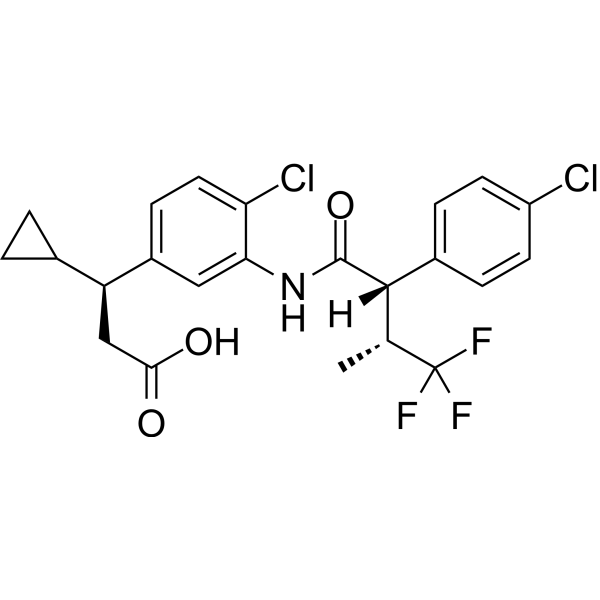
From 11:00 pm to 12:00 pm EST ( 8:00 pm to 9:00 pm PST ) on January 6th, the website will be under maintenance. We are sorry for the inconvenience. Please arrange your schedule properly.
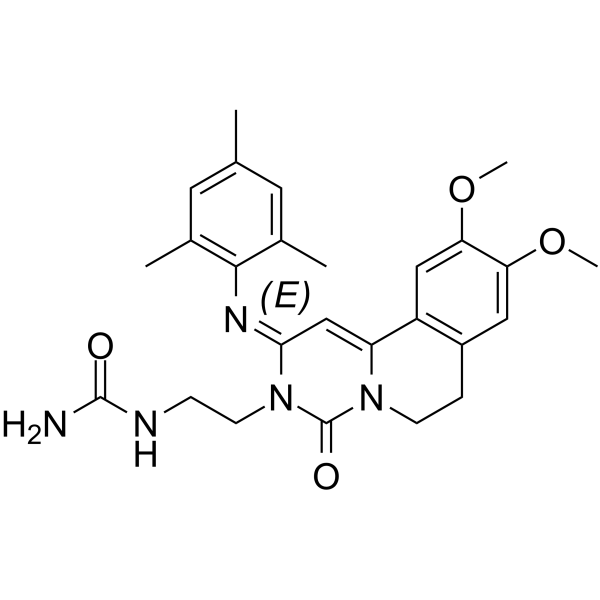
Ensifentrine (RPL-554) is an inhaled dual inhibitor of PDE3 and PDE4 with IC50s of 0.4 nM and 1479 nM, respectively. Ensifentrine blocks PDE3 and PDE4 enzymes, thereby increasing the levels of cyclic adenosine monophosphate (cAMP) and cyclic guanosine monophosphate (cGMP) in lung cells, dilating the bronchi, and inhibiting the activation and migration of inflammatory cells. Ensifentrine can be used in the research of chronic obstructive pulmonary disease (COPD) [3].
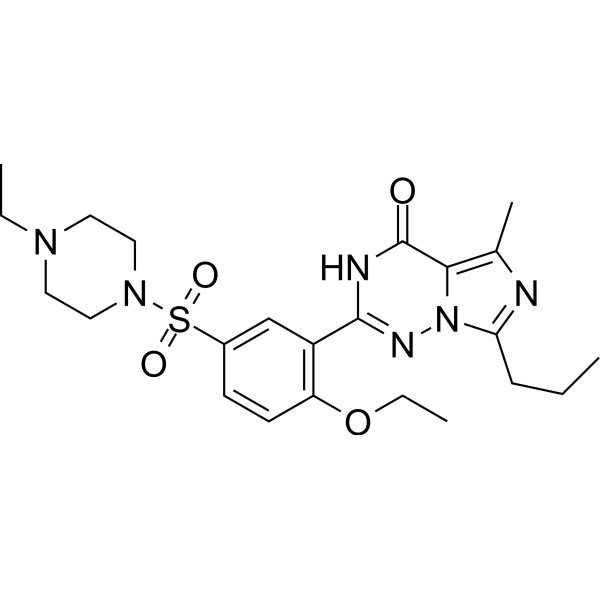
Vardenafil is a selective and orally active inhibitor of phosphodiesterase-5 (PDE5), with an IC50 of 0.7 nM. Vardenafil shows inhibitory towards PDE1, PDE6 with IC50s of 180 nM, and 11 nM, while IC50s are >1000 nM for PDE3 and PDE4 . Vardenafil competitively inhibits cyclic guanosine monophosphate (cGMP) hydrolysis and thus increases cGMP levels . Vardenafil can be used for the research of erectile dysfunction, hepatitis, diabetes [1]-[6].
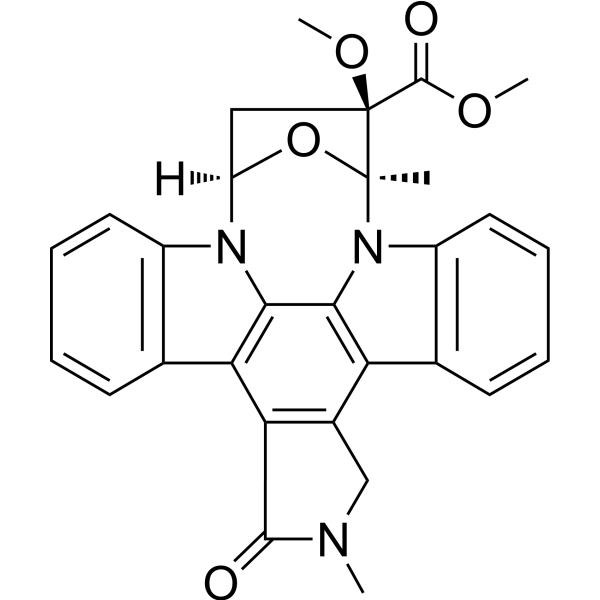
KT5823, a selective the cGMP-dependent protein kinase (PKG) inhibitor with an Ki value of 0.23 μM, it also inhibits PKA and PKC with Ki values of 10 μM and 4 μM, respectively. KT5823 is a Staurosporine-related protein kinase inhibitor, increases thyroid-stimulating hormone-induced (Na +/I - symporter) NIS expression, and iodide uptake in thyroid cells. KT5823 arrests cells after the G0/G1 boundary and causes increases in the levels of apoptotic DNA fragmentation [3] .
Zaprinast (M&B 22948) is a selective inhibitor of cGMP-selective Phosphodiesterase (PDE5). Zaprinast causes a significant increase in cGMP levels in myocytes. Zaprinast is a G protein-coupled receptor 35 (GPR35) agonist which activates rat GPR35 strongly and activates human GPR35 moderately. Zaprinast reduces vessel remodeling through antiproliferative and proapoptotic effects [3].
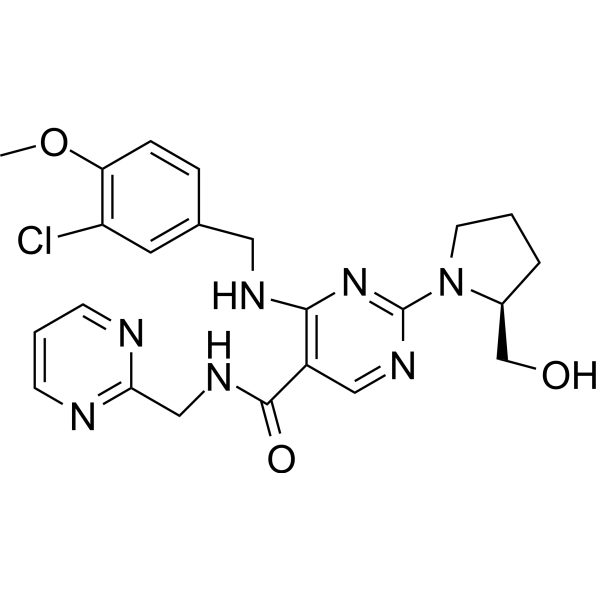
Avanafil (TA-1790) is a potent and selective phosphodiesterase-5 (PDE-5) inhibitor with IC50 values of 5.2 nM, 630 nM, 5700 nM, 6200 nM, 12000 nM, 27000 nM, 51000 nM and 53000 nM for PDE-5, PDE-6, PDE-4, PDE-10, PDE-8, PDE-7, PDE-2 and PDE-1, respectively. Avanafil activates NO/cGMP/PKG signaling-pathway to decrease loss in BMD, bone atrophy, and oxidative stress. Avanafil inhibits cyclic guanosine monophosphate (cGMP) hydrolysis and thus increases cGMP levels. Avanafil can be used for the research of erectile dysfunction and osteoporosis [3].
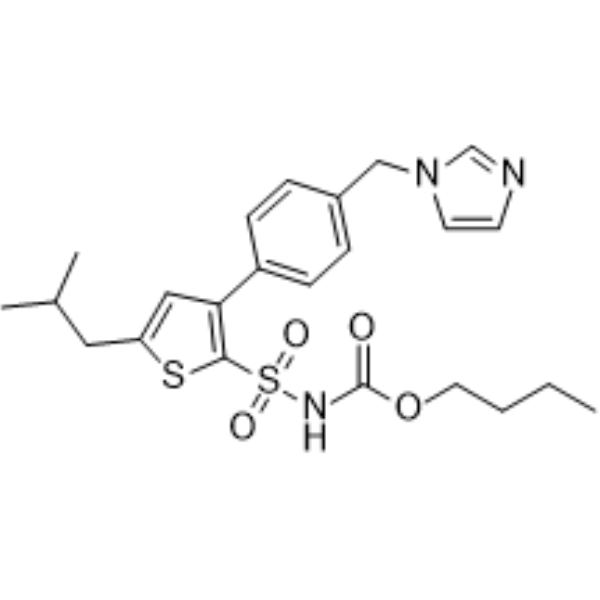
Buloxibutid (AT2 receptor agonist C21) is an orally active, selective angiotensin II type 2 receptor (AT2R) agonist, with a Ki value of 0.4 nM for porcine AT2R. Buloxibutid exerts effects such as vasodilation, anti-inflammation, anti-fibrosis (promoting the expression of collagenase MMP-13) and tissue repair mainly by activating the NO/cGMP pathway, inhibiting the pro-proliferative MAPK signaling, and suppressing the pro-fibrotic TGF-β/Smad pathway as well as the inflammatory NF-κB pathway. Buloxibutid can be used in research related to idiopathic pulmonary fibrosis, hypertension, and systemic sclerosis [3] .
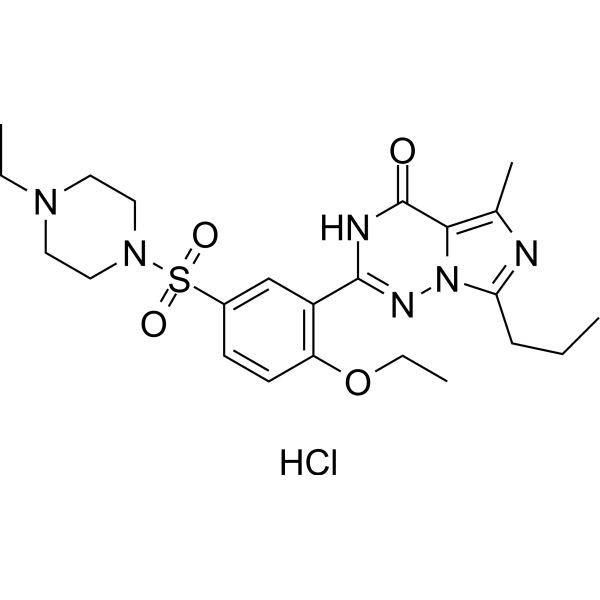
Vardenafil hydrochloride is a selective and orally active inhibitor of phosphodiesterase-5 (PDE5), with an IC50 of 0.7 nM. Vardenafil hydrochloride shows inhibitory towards PDE1, PDE6 with IC50s of 180 nM, and 11 nM, while IC50s are >1000 nM for PDE3 and PDE4 . Vardenafil hydrochloride competitively inhibits cyclic guanosine monophosphate (cGMP) hydrolysis and thus increases cGMP levels . Vardenafil hydrochloride can be used for the research of erectile dysfunction, hepatitis, diabetes [1]-[6].
Plecanatide, an analogue of Uroguanylin, is an orally active guanylate cyclase-C (GC-C) receptor agonist. Plecanatide activates GC-C receptors to stimulate cGMP synthesis with an EC50 of 190 nM in T84 cells assay. Plecanatide shows anti-inflammatory activity in models of murine colitis [3].
Formic acid ammonium is the ammonium salt form of formic acid, which is an endogenous metabolite. Formic acid ammonium activates the nitric oxide/cyclic guanosine monophosphate (NO/cGMP) signaling pathway in endothelial cells and inhibits calcium ion influx in vascular smooth muscle cells, resulting in vasomotor relaxation. Formic acid ammonium inhibits cytochrome C oxidase (CcO) and disrupts the electron transport chain, leading to ATP depletion. Formic acid ammonium can be used as a feed additive, which can lower the feed pH value, inhibit the growth of microorganisms (such as Escherichia coli, Salmonella), and extend the shelf life of the feed [3].
Sodium acetate trihydrate, 99.5% is a short-chain fatty acid salt with multiple biological activities. Sodium acetate trihydrate, 99.5% serves as a direct precursor of acetyl-CoA, and it extensively affects gene expression by promoting histone acetylation. Sodium acetate trihydrate, 99.5% can activate the p38 MAPK pathway to induce cancer cell apoptosis. Sodium acetate trihydrate, 99.5% can activate the Wnt/β-catenin signaling pathway to stimulate the proliferation and migration of cecal epithelial cells, thereby improving intestinal health. Sodium acetate trihydrate, 99.5% alleviates lead accumulation and oxidative damage by upregulating the testosterone-dependent eNOS/NO/cGMP signaling pathway, as well as activating the Nrf2/HO-1 pathway and its downstream antioxidant enzymes [3] .
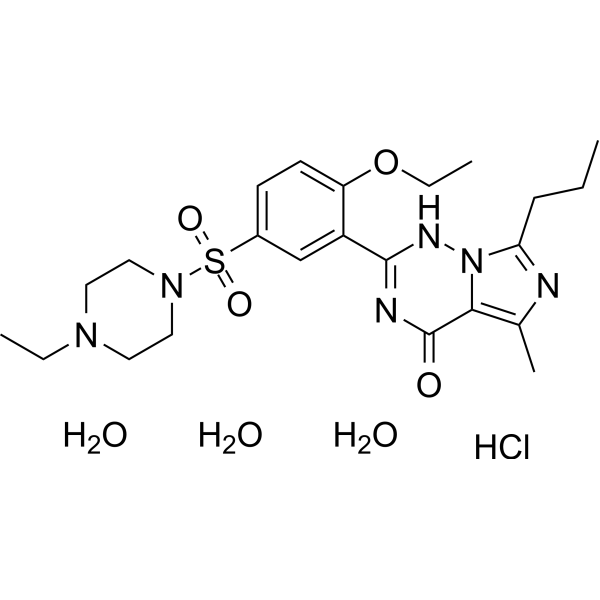
Vardenafil hydrochloride trihydrate is a selective and orally active inhibitor of phosphodiesterase-5 (PDE5), with an IC50 of 0.7 nM. Vardenafil hydrochloride trihydrate shows inhibitory towards PDE1, PDE6 with IC50s of 180 nM, and 11 nM, while IC50s are >1000 nM for PDE3 and PDE4 . Vardenafil hydrochloride trihydrate competitively inhibits cyclic guanosine monophosphate (cGMP) hydrolysis and thus increases cGMP levels . Vardenafil hydrochloride trihydrate can be used for the research of erectile dysfunction, hepatitis, diabetes [1]-[6].
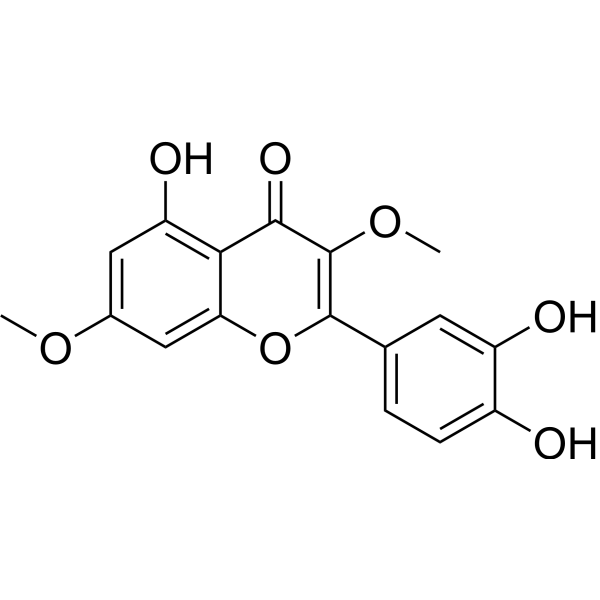
3-O-Methylquercetin is an inhibitor of cAMP and CGMP-phosphodiesterase (PDE) with IC50 at 13.8 μM and 14.3 μM, respectively. 3-O-Methylquercetin is an inhibitor of β-secretase with an IC50 of 6.5 μM. 3-O-Methylquercetin has a neuroprotective effect against neuronal death caused by oxidative damage. 3-O-Methylquercetin has strong antiviral activity against poliovirus, coxsackie virus and human rhinovirus. 3-O-Methylquercetin has anti-inflammatory and trachea-relaxing effects and can be used in the study of inflammatory diseases and asthma [3] .
Cyclic GMP (cGMP), an important second messenger, is a major intracellular mediator of extracellular signals such as nitric oxide (NO) and natriuretic peptides (NPs). Effects of Cyclic GMP occur through three main groups of cellular targets: cGMP-dependent protein kinases (PKGs), cGMP-gated cation channels, and PDEs. Cyclic GMP can inhibit both platelet adhesion and aggregation. cGAMP (Cyclic-GMP-AMP) (HY-12512), a conjugate of Cyclic GMP and AMP, can induce IRF3 phosphorylation and nuclear translocation, enhancing antiviral immune responses [3] .
H-8 dihydrochloride is a selective Cyclic nucleotide-dependent protein kinase inhibitor. H-8 dihydrochloride potently inhibits cGMP- and cAMP-dependent protein phosphorylation. H-8 dihydrochloride enhances the vasodilatory effect induced by 8-bromo-cAMP (HY-12306A). H-8 dihydrochloride fails to attenuate the vasodilatory effects induced by 8-bromo-cGMP (HY-101379A), atrial natriuretic peptide II, or Sodium nitroprusside (HY-B0564) in rat aorta [3].
Ataciguat (HMR-1766) is a nitric oxide-independent soluble guanylate cyclase (sGC) activator. Ataciguat is able to activate the ferric heme-iron redox form of sGC that stimulate the production of cyclic GMP (cGMP). Ataciguat exhibits vasodilator effects [3].
Praliciguat (IW-1973) is a potent and orally active soluble guanylate cyclase (sGC) activator. Praliciguat can increases cGMP via the nitric oxide (NO)-sGC pathway. Praliciguat can inhibit the expression of proinflammatory cytokines and inhibit apoptosis. Praliciguat can promote vasodilation. Praliciguat can be used for the researches of metabolic disease and cardiovascular disease, such as hypertension, diabetes and heart failure [3].
Enoximone is an inotropic vasodilating agent and a selective and orally active phosphodiesterase III (PDE3) inhibitor with an IC50 of 5.9 μM. Enoximone induces vasodilatation and increases intracellular levels of cAMP by inhibiting cGMP-inhibited PDE. Enoximone also exhibits PDE4 inhibitory effect with an IC50 of 21.1 μM for myocardial PDE4A. Enoximone has the potential for congestive heart failure research and has bronchodilatory, antiasthma and anti-inflammatory effects [3].
Phosphodiesterase I (PDE) is an enzyme that can catalyze the hydrolysis of the 3' ring phosphate bond of cyclic nucleotides, and is often used in biochemical research. Phosphodiesterase I acts as an important regulator of signal transduction mediated by the second messenger molecules cAMP and cGMP. According to their specificity to cyclic nucleotides, they can also be divided into different types, such as PDE1-PDE11, which also have certain potential in various diseases .
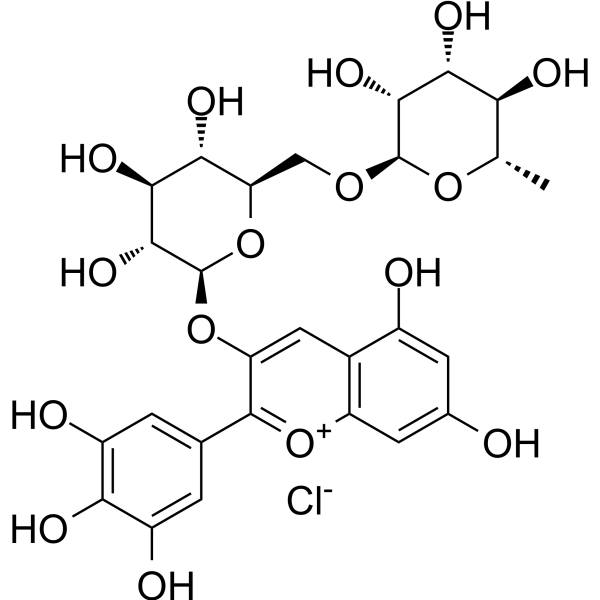
Delphinidin 3-rutinoside chloride is an anthocyanin component. Delphinidin 3-rutinoside chloride is isolable from the fruits of blackcurrant Ribes nigrum L. Delphinidin 3-rutinoside chloride activates the ETB receptor and stimulates the NO/cGMP pathway. Delphinidin 3-rutinoside chloride increases cyclic guanosine monophosphate production and reduces the phosphorylation level of Myosin regulatory light chain. Delphinidin 3-rutinoside chloride stimulates GLP-1 secretion. It significantly induces relaxation of bovine ciliary muscle strips contracted by ET-1 and inhibits ET-1-induced contraction of bovine ciliary muscle strips. Delphinidin 3-rutinoside chloride is applicable to research related to type 2 diabetes .
Runcaciguat (BAY 1101042) is a selective, orally active, allosteric activator of soluble guanylate cyclase (sGC) that specifically targets its oxidized and heme-free form. Runcaciguat binds to sGC in a histidine-dependent manner and restores cyclic guanosine monophosphate (cGMP) production under oxidative stress, independent of nitric oxide (NO) or heme. Runcaciguat exhibits renoprotective and cardioprotective activities, such as reduced proteinuria and improved renal function. Runcaciguat is primarily being studied in chronic kidney disease (CKD) associated with hypertension, diabetes, and metabolic disorders, as well as potential cardiovascular indications such as heart failure with preserved ejection fraction (HFpEF) [3].
Vixticibart (REGN-5381) is a fully human IgG4 monoclonal antibody and NPR1 agonist that targets NPR1. Vixticibart stabilizes the receptor in an activated conformation by binding to the N-terminal domain of NPR1, and enhances the activity of endogenous ligands ANP and BNP without blocking ligand binding when these ligands are present. Vixticibart exerts vasodilatory and hypotensive effects by inducing cGMP production, preferentially dilating venous vessels to reduce systolic and venous pressure, but does not induce diuresis and may trigger a compensatory increase in heart rate. Vixticibart produces a synergistic hypotensive effect when combined with angiotensin-converting enzyme inhibitors or angiotensin receptor blockers, and is currently mainly used in research related to heart failure and hypertension [3].
PF-05085727 is a potent, selective and brain penetrant inhibitor of cGMP-dependent PDE2A (IC50=2 nM). PF-05085727 inhibits PDE2A >4,000-fold selectivity over PDE1 and PDE3-11 .
LY83583 is inhibitor of soluble guanylate cyclase (sGC) with the ability to target the cGMP signaling pathway. LY83583 inhibits the kinase activity-related proliferation of tumor cells by inducing the Cdk inhibitor p21. LY83583 can be used for the study of cancers (colorectal cancer, breast cancer and melanoma) and cardiovascular disease [3] .
Plecanatide acetate, an analogue of Uroguanylin, is an orally active guanylate cyclase-C (GC-C) receptor agonist. Plecanatide acetate activates GC-C receptors to stimulate cGMP synthesis with an EC50 of 190 nM in T84 cells assay. Plecanatide acetate can be used for the research of chronic idiopathic constipation, and it also shows anti-inflammatory activity in models of murine colitis [3].
Trequinsin hydrochloride (HL 725) is a PDE inhibitor, CatSper channel activator, and sperm potassium channel modulator. Trequinsin hydrochloride targets PDE3 with an IC50 of <1 nM. Trequinsin hydrochloride enhances currents and elevates intracellular calcium and cGMP levels via direct activation of the CatSper channel, while inhibiting the outward current conductance of sperm potassium channels. Without inducing premature acrosome reaction, Trequinsin hydrochloride significantly enhances sperm hyperactivated motility, forward motility, and the ability to penetrate viscous media. Trequinsin hydrochloride exerts age-specific positive inotropic and positive lusitropic effects on rabbit ventricular papillary muscles. Trequinsin hydrochloride has been used in studies on the mechanisms underlying male infertility (e.g., asthenozoospermia) .
Bacopaside I is an orally active aquaporin AQP1 inhibitor and PKC modulator with neuroprotective and anticancer activities. Bacopaside I specifically blocks the water channel and cGMP-gated ion channel activities of AQP1 without affecting AQP4, thereby inhibiting the migration of colon cancer cells expressing AQP1. Bacopaside I activates the Akt pathway by interacting with PI3K, specifically inhibits MAO-A, effectively alleviates neuron necrosis and apoptosis induced by oxygen-glucose deprivation, reduces oxidative stress, and regulates the surface expression of neuroreceptors. When combined with Bacopaside II (HY-N6016), Bacopaside I significantly reduces the viability, proliferation and invasion ability of breast cancer cells, and binds to the pregnane X receptor (PXR). Bacopaside I is applicable to the research of colon cancer, breast cancer, vascular dementia, cerebral ischemia and other related diseases [3] .
Ethyl β-carboline-3-carboxylate (fl-CCE) is a ligand and short-acting antagonist of benzodiazepine receptors. Ethyl β-carboline-3-carboxylate did not affect cerebellar cGMP levels when used alone, but when taken together with Diazepam, it significantly inhibited the cGMP levels that were upregulated by Diazepam .
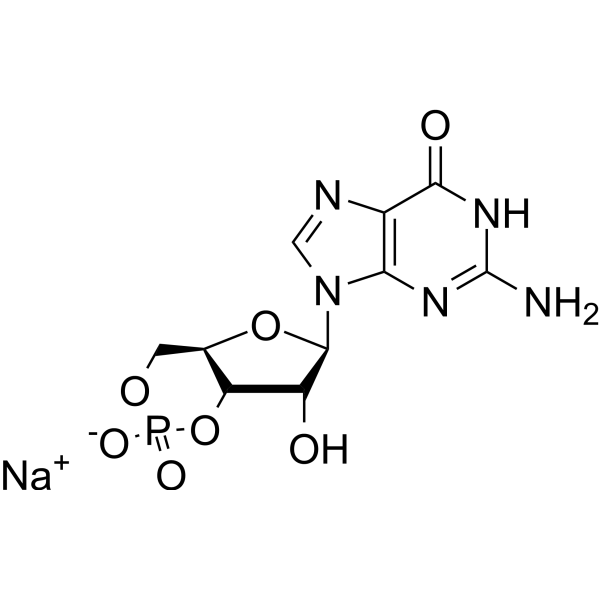
Cyclic GMP (cGMP) sodium, an important second messenger, is a major intracellular mediator of extracellular signals such as nitric oxide (NO) and natriuretic peptides (NPs). Effects of Cyclic GMP sodium occur through three main groups of cellular targets: cGMP-dependent protein kinases (PKGs), cGMP-gated cation channels, and PDEs. Cyclic GMP can inhibit both platelet adhesion and aggregation. cGAMP (Cyclic-GMP-AMP) (HY-12512), a conjugate of Cyclic GMP and AMP, can induce IRF3 phosphorylation and nuclear translocation, enhancing antiviral immune responses [3] .
MBCQ is a potent and selective cGMP-specific phosphodiesterase (PDE V; PDE5) inhibitor with an IC50 of 19 nM. MBCQ lacks inhibitory activity toward other PDE isozymes (all IC50s>100 μM). MBCQ dilates coronary arteries via specific inhibition of cGMP-PDE [3].
Protein kinase inhibitor H-7 is a selective inhibitor of PKC and cyclic nucleotide-dependent protein kinases, with a Ki value of 6.0 μM for rabbit protein kinase C, a Ki value of 3.0 μM for rabbit cAMP-dependent protein kinase, and a Ki value of 5.8 μM for porcine cGMP-dependent protein kinase. Protein kinase inhibitor H-7 has no effect on Ca 2+-calmodulin-dependent enzymes. Protein kinase inhibitor H-7 regulates the Actin cytoskeleton, inhibits contractility, disrupts stress fibers, induces protrusive activity, stabilizes intercellular junctions, and triggers rapid and reversible cytoskeletal reorganization. Protein kinase inhibitor H-7 serves as a research tool for elucidating the functions of protein kinase C-mediated signaling systems [3].
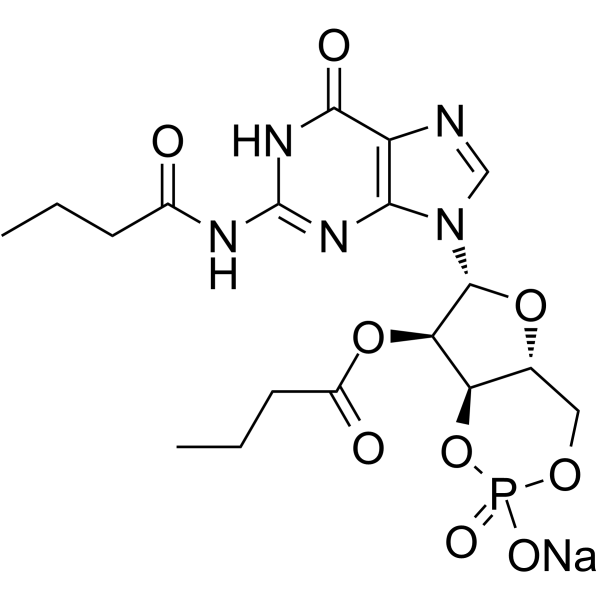
Dibutyryl-cGMP sodium (Bt2cGMP sodium) is a cell-permeable cGMP analogue. Dibutyryl-cGMP sodium preferentially activates cGMP-dependent protein kinase (PKG). Dibutyryl-cGMP sodium inhibits the release of [ 3H]-arachidonic acid from γ thrombin-stimulated human platelets. Dibutyryl-cGMP sodium induces peripheral antinociception via activation of ATP-sensitive K + channels[3].
Gisadenafil besylate (UK 369003-26) is a specific, orally active phosphodiesterase 5 (PDE5) inhibitor with an IC50 of 3.6 nM and prevents degradation of cyclic guanosine monophosphate (cGMP) .
Cenderitide is a potent agonist of particulate guanylyl cyclase receptor (pGC). Cenderitide is a natriuretic peptide (NP) composed of C-type natriuretic peptide (CNP) fused to the C-terminus of Dendroaspis natriuretic peptide (DNP). Cenderitide activates both pGC-A and pGC-B, activates the second messenger cGMP, suppresses aldosterone, and preserves GFR without reducing blood pressure. Cenderitide can be used for heart failure research [3].
GEA 3162 is an orally active compound that acts as a NO/ONOO⁻ donor. GEA 3162 significantly inhibits the activation of human polymorphonuclear leukocytes (PMNs) through the cGMP pathway, inhibits the release of inflammatory mediators, and exerts anti-inflammatory and protective effects. GEA 3162 induces apoptosis of neutrophils and bone marrow cells by activating caspase-2/3/8/9 through the ONOO⁻ pathway. GEA 3162 has a bidirectional effect in the rat gastric ulcer model: at low doses, it significantly reduces gastric mucosal damage, while at high doses, it aggravates the ulcer area. GEA 3162 can be used for research on inflammatory conditions such as gastric ulcers .
Cyclic GMP (cGMP) TBAOH, an important second messenger, is a major intracellular mediator of extracellular signals such as nitric oxide (NO) and natriuretic peptides (NPs). Effects of Cyclic GMP TBAOH occur through three main groups of cellular targets: cGMP-dependent protein kinases (PKGs), cGMP-gated cation channels, and PDEs. Cyclic GMP can inhibit both platelet adhesion and aggregation. cGAMP (Cyclic-GMP-AMP) (HY-12512), a conjugate of Cyclic GMP and AMP, can induce IRF3 phosphorylation and nuclear translocation, enhancing antiviral immune responses [3] .
Cyclic GMP (Standard) is the analytical standard of Cyclic GMP (HY-113469). This product is intended for research and analytical applications. Cyclic GMP (cGMP), an important second messenger, is a major intracellular mediator of extracellular signals such as nitric oxide (NO) and natriuretic peptides (NPs). Effects of Cyclic GMP occur through three main groups of cellular targets: cGMP-dependent protein kinases (PKGs), cGMP-gated cation channels, and PDEs. Cyclic GMP can inhibit both platelet adhesion and aggregation. cGAMP (Cyclic-GMP-AMP) (HY-12512), a conjugate of Cyclic GMP and AMP, can induce IRF3 phosphorylation and nuclear translocation, enhancing antiviral immune responses [3] .
Phosphodiesterase II (EC 3.1.16.1), namely phosphodiesterase 2, is mainly involved in the hydrolysis of the important second messengers cyclic adenosine monophosphate (cAMP) and cyclic guanosine monophosphate (cGMP), and is often used in biochemical research. Phosphodiesterase II is expressed in a variety of tissues, such as the adrenal medulla, brain, heart, platelets, macrophages and endothelial cells, and is involved in the regulation of many different intracellular processes .
PET-cGMP is a cyclic guanosine monophosphate analog and an effective selective agonist of PKG I, the EC50 of PET-cGMP for PKG Iβ is 3.8 nM, while for PKG II, it's 193 nM .
Vardenafil-d5 hydrochloride is deuterated labeled Vardenafil hydrochloride (HY-B0442A). Vardenafil hydrochloride is a selective and orally active inhibitor of phosphodiesterase-5 (PDE5), with an IC50 of 0.7 nM. Vardenafil hydrochloride shows inhibitory towards PDE1, PDE6 with IC50s of 180 nM, and 11 nM, while IC50s are >1000 nM for PDE3 and PDE4 . Vardenafil hydrochloride competitively inhibits cyclic guanosine monophosphate (cGMP) hydrolysis and thus increases cGMP levels . Vardenafil hydrochloride can be used for the research of erectile dysfunction, hepatitis, diabetes [1]-[6].
Vasonatrin Peptide (VNP) is a chimera of atrial natriuretic peptide (ANP) and C-type natriuretic peptide (CNP). Vasonatrin peptide possesses the venodilating actions of CNP, the natriuretic actions of ANP, and unique arterial vasodilating actions not associated with either ANP or CNP. Vasonatrin Peptide protects the diabetic heart against ischemia-reperfusion injury by inhibiting ER stress via the cGMP-PKG signaling pathway [3].
8-Nitro-cGMP is an electrophilic second messenger of redox signaling that can form a protein-S-cGMP adduct in s-guanylation process. 8-Nitro-cGMP is an autophagy inducer. 8-Nitro-cGMP promotes RANKL-induced osteoclast differentiation from macrophages. 8-Nitro-cGMP has vasodilator effect, and ameliorates the vascular endothelial dysfunction in diabetic mice [3] .
Cyclic GMP sodium- 13C5 is the 13C-labeled Cyclic GMP sodium (HY-113469A). Cyclic GMP (cGMP) sodium, an important second messenger, is a major intracellular mediator of extracellular signals such as nitric oxide (NO) and natriuretic peptides (NPs). Effects of Cyclic GMP sodium occur through three main groups of cellular targets: cGMP-dependent protein kinases (PKGs), cGMP-gated cation channels, and PDEs. Cyclic GMP can inhibit both platelet adhesion and aggregation. cGAMP (Cyclic-GMP-AMP) (HY-12512), a conjugate of Cyclic GMP and AMP, can induce IRF3 phosphorylation and nuclear translocation, enhancing antiviral immune responses [3] .
Gisadenafil (UK-369003) is a specific, orally active phosphodiesterase 5 (PDE5) inhibitor with an IC50 of 3.6 nM and prevents degradation of cyclic guanosine monophosphate (cGMP) .
Avanafil (TA-1790) dibenzenesulfonate is a potent and selective phosphodiesterase-5 (PDE-5) inhibitor with IC50 values of 5.2 nM, 630 nM, 5700 nM, 6200 nM, 12000 nM, 27000 nM, 51000 nM and 53000 nM for PDE-5, PDE-6, PDE-4, PDE-10, PDE-8, PDE-7, PDE-2 and PDE-1, respectively. Avanafil dibenzenesulfonate activates NO/cGMP/PKG signaling-pathway to decrease loss in BMD, bone atrophy, and oxidative stress. Avanafil dibenzenesulfonate inhibits cyclic guanosine monophosphate (cGMP) hydrolysis and thus increases cGMP levels. Avanafil dibenzenesulfonate can be used for the research of erectile dysfunction and osteoporosis [3].
BMS-341400 is an orally active selective phosphodiesterase 5 (PDE5) inhibitor with an IC50 value of 0.3 nM. BMS-341400 reduces the degradation of cyclic guanosine monophosphate (cGMP), thereby enhancing nitric oxide (NO)-mediated relaxation of the smooth muscle of the corpus cavernosum and promoting erection. BMS-341400 can be used to study erectile dysfunction.
AP-C5 displays selective inhibition of guanosine 3′,5′-cyclic monophosphate (cGMP)-dependent protein kinase II (cGKII) with a pIC50 of 7.2, which can be used for the research of diarrheal disease . AP-C5 is a click chemistry reagent, it contains an Alkyne group and can undergo copper-catalyzed azide-alkyne cycloaddition (CuAAc) with molecules containing Azide groups.
LY83583 (Standard) is the analytical standard of LY83583 (HY-W013386). This product is intended for research and analytical applications. LY83583 is inhibitor of soluble guanylate cyclase (sGC) with the ability to target the cGMP signaling pathway. LY83583 inhibits the kinase activity-related proliferation of tumor cells by inducing the Cdk inhibitor p21. LY83583 can be used for the study of cancers (colorectal cancer, breast cancer and melanoma) and cardiovascular disease [3].
EHNA is a potent and selective dual inhibitor of cyclic nucleotide phosphodiesterase 2 (PDE2)(IC50=4 μM) and adenosine deaminase (ADA). EHNA exerts a concentration inhibition of the cGMP-stimulated PDE II (cGs-PDE)(IC50:0.8 μM (human), 2 μM (porcine myocardium)), but has smaller inhibitory effect on the unstimulated PDE2 activity. EHNA play roles in mediating diverse pharmacological responses, including antiviral, antitumour and antiarrhythmic effects [3].
2′,3′-cGMP triethylamine (Guanosine 2',3'-cyclic phosphate triethylamine) is an active compound. 2′,3′-cGMP triethylamine can be used for various studies .
Cyclic GMP- 13C, 15N2 is 13C and 15N labeled Cyclic GMP (HY-113469). Cyclic GMP (cGMP), an important second messenger, is a major intracellular mediator of extracellular signals such as nitric oxide (NO) and natriuretic peptides (NPs). Effects of Cyclic GMP occur through three main groups of cellular targets: cGMP-dependent protein kinases (PKGs), cGMP-gated cation channels, and PDEs. Cyclic GMP can inhibit both platelet adhesion and aggregation. cGAMP (Cyclic-GMP-AMP) (HY-12512), a conjugate of Cyclic GMP and AMP, can induce IRF3 phosphorylation and nuclear translocation, enhancing antiviral immune responses [3] .
Cyclic GMP sodium (Standard) is the analytical standard of Cyclic GMP sodium (HY-113469A). This product is intended for research and analytical applications. Cyclic GMP (cGMP) sodium, an important second messenger, is a major intracellular mediator of extracellular signals such as nitric oxide (NO) and natriuretic peptides (NPs). Effects of Cyclic GMP sodium occur through three main groups of cellular targets: cGMP-dependent protein kinases (PKGs), cGMP-gated cation channels, and PDEs. Cyclic GMP can inhibit both platelet adhesion and aggregation. cGAMP (Cyclic-GMP-AMP) (HY-12512), a conjugate of Cyclic GMP and AMP, can induce IRF3 phosphorylation and nuclear translocation, enhancing antiviral immune responses [3] .
Vardenafil dihydrochloride is a selective and orally active inhibitor of phosphodiesterase-5 (PDE5), with an IC50 of 0.7 nM. Vardenafil dihydrochloride shows inhibitory towards PDE1, PDE6 with IC50s of 180 nM, and 11 nM respectively, while IC50s are >1000 nM for PDE3 and PDE4. Vardenafil dihydrochloride competitively inhibits cyclic guanosine monophosphate (cGMP) hydrolysis and thus increases cGMP levels. Vardenafil dihydrochloride can be used for the research of erectile dysfunction, hepatitis, diabetes - .
Vardenafil-d5 is deuterium labeled Vardenafil. Vardenafil is a selective, orally active, potent inhibitor of phosphodiesterase-5 (PDE5), with an IC50 of 0.7 nM. Vardenafil shows selectivity over PDE1 (180 nM), PDE6 (11 nM), PDE2, PDE3, and PDE4 (>1000 nM). Vardenafil competitively inhibits cyclic guanosine monophosphate (cGMP) hydrolysis and thus increases cGMP levels. Vardenafil can be used for the research of erectile dysfunction .
AP-C3 is a potent inhibitor of guanosine 3′,5′-cyclic monophosphate (cGMP)-dependent protein kinase II (cGKII) with a pIC50 of 6.3. AP-C3 only weakly inhibits cGKII-dependent anion secretion .
Avanafil (Standard) is the analytical standard of Avanafil. This product is intended for research and analytical applications. Avanafil (TA-1790) is a potent and selective phosphodiesterase-5 (PDE-5) inhibitor with IC50 values of 5.2 nM, 630 nM, 5700 nM, 6200 nM, 12000 nM, 27000 nM, 51000 nM and 53000 nM for PDE-5, PDE-6, PDE-4, PDE-10, PDE-8, PDE-7, PDE-2 and PDE-1, respectively. Avanafil activates NO/cGMP/PKG signaling-pathway to decrease loss in BMD, bone atrophy, and oxidative stress. Avanafil inhibits cyclic guanosine monophosphate (cGMP) hydrolysis and thus increases cGMP levels. Avanafil can be used for the research of erectile dysfunction and osteoporosis [3].
AP-C4 is an inhibitor of guanosine 3′,5′-cyclic monophosphate (cGMP)-dependent protein kinase II (cGKII) with a pIC50 of 5.2. AP-C3 does not inhibit cGKII-dependent anion secretion .
Quazinone is a selective inhibitor of cGMP-inhibited-phosphodiesterase (cGI-PDE, PDE3). Quazinone inhibits the phosphorylation of p42/p44 MAP kinase. Quazinone possesses antimitogenic effect .
Avanafil- 13C5 (TA1790- 13C5) is 13C labeled Avanafil. Avanafil (TA-1790) is a potent and selective phosphodiesterase-5 (PDE-5) inhibitor with IC50 values of 5.2 nM, 630 nM, 5700 nM, 6200 nM, 12000 nM, 27000 nM, 51000 nM and 53000 nM for PDE-5, PDE-6, PDE-4, PDE-10, PDE-8, PDE-7, PDE-2 and PDE-1, respectively. Avanafil activates NO/cGMP/PKG signaling-pathway to decrease loss in BMD, bone atrophy, and oxidative stress. Avanafil inhibits cyclic guanosine monophosphate (cGMP) hydrolysis and thus increases cGMP levels. Avanafil can be used for the research of erectile dysfunction and osteoporosis [3].
Avanafil- 13C5, 15N,d2 is 15N and deuterated labeled Avanafil (HY-18252). Avanafil (TA-1790) is a potent and selective phosphodiesterase-5 (PDE-5) inhibitor with IC50 values of 5.2 nM, 630 nM, 5700 nM, 6200 nM, 12000 nM, 27000 nM, 51000 nM and 53000 nM for PDE-5, PDE-6, PDE-4, PDE-10, PDE-8, PDE-7, PDE-2 and PDE-1, respectively. Avanafil activates NO/cGMP/PKG signaling-pathway to decrease loss in BMD, bone atrophy, and oxidative stress. Avanafil inhibits cyclic guanosine monophosphate (cGMP) hydrolysis and thus increases cGMP levels. Avanafil can be used for the research of erectile dysfunction and osteoporosis [3].
T-0156 is a potent and selective phosphodiesterase type 5 (PDE5) inhibitor. T-0156 specifically inhibits the hydrolysis of cyclic guanosine monophosphate (cGMP) by PDE5 in a competitive manner (IC50=0.23 nM). T-0156 inhibits PDE6 (IC50=56 nM) and has low potencies against PDE1, PDE2, PDE3, and PDE4 (IC50>10 μM). T-0156 enhances the nitric oxide (NO)/cGMP pathway .
Vardenafil (dihydrochloride) (Standard) is the analytical standard of Vardenafil (dihydrochloride). This product is intended for research and analytical applications. Vardenafil dihydrochloride is a selective and orally active inhibitor of phosphodiesterase-5 (PDE5), with an IC50 of 0.7 nM. Vardenafil dihydrochloride shows inhibitory towards PDE1, PDE6 with IC50s of 180 nM, and 11 nM respectively, while IC50s are >1000 nM for PDE3 and PDE4. Vardenafil dihydrochloride competitively inhibits cyclic guanosine monophosphate (cGMP) hydrolysis and thus increases cGMP levels. Vardenafil dihydrochloride can be used for the research of erectile dysfunction, hepatitis, diabetes - .
Vardenafil (hydrochloride) (Standard) is the analytical standard of Vardenafil (hydrochloride). This product is intended for research and analytical applications. Vardenafil hydrochloride is a selective and orally active inhibitor of phosphodiesterase-5 (PDE5), with an IC50 of 0.7 nM. Vardenafil hydrochloride shows inhibitory towards PDE1, PDE6 with IC50s of 180 nM, and 11 nM, while IC50s are >1000 nM for PDE3 and PDE4 . Vardenafil hydrochloride competitively inhibits cyclic guanosine monophosphate (cGMP) hydrolysis and thus increases cGMP levels . Vardenafil hydrochloride can be used for the research of erectile dysfunction, hepatitis, diabetes - .
Vardenafil (Standard) is the analytical standard of Vardenafil. This product is intended for research and analytical applications. Vardenafil is a selective and orally active inhibitor of phosphodiesterase-5 (PDE5), with an IC50 of 0.7 nM. Vardenafil shows inhibitory towards PDE1, PDE6 with IC50s of 180 nM, and 11 nM, while IC50s are >1000 nM for PDE3 and PDE4 . Vardenafil competitively inhibits cyclic guanosine monophosphate (cGMP) hydrolysis and thus increases cGMP levels . Vardenafil can be used for the research of erectile dysfunction, hepatitis, diabetes [1]-[6].
Vardenafil (dihydrochloride) (Standard) is the analytical standard of Vardenafil (dihydrochloride). This product is intended for research and analytical applications. Vardenafil dihydrochloride is a selective and orally active inhibitor of phosphodiesterase-5 (PDE5), with an IC50 of 0.7 nM. Vardenafil dihydrochloride shows inhibitory towards PDE1, PDE6 with IC50s of 180 nM, and 11 nM respectively, while IC50s are >1000 nM for PDE3 and PDE4. Vardenafil dihydrochloride competitively inhibits cyclic guanosine monophosphate (cGMP) hydrolysis and thus increases cGMP levels. Vardenafil dihydrochloride can be used for the research of erectile dysfunction, hepatitis, diabetes - .
AP-C7 is an inhibitor of guanosine 3′,5′-cyclic monophosphate (cGMP)-dependent protein kinase II (cGKII) with a pIC50 of 5.0. AP-C7 only weakly inhibits cGKII-dependent anion secretion .
Vardenafil (hydrochloride trihydrate) (Standard) is the analytical standard of Vardenafil (hydrochloride trihydrate). This product is intended for research and analytical applications. Vardenafil hydrochloride trihydrate is a selective and orally active inhibitor of phosphodiesterase-5 (PDE5), with an IC50 of 0.7 nM. Vardenafil hydrochloride trihydrate shows inhibitory towards PDE1, PDE6 with IC50s of 180 nM, and 11 nM, while IC50s are >1000 nM for PDE3 and PDE4 . Vardenafil hydrochloride trihydrate competitively inhibits cyclic guanosine monophosphate (cGMP) hydrolysis and thus increases cGMP levels . Vardenafil hydrochloride trihydrate can be used for the research of erectile dysfunction, hepatitis, diabetes - .
T-0156 free base is a potent and selective phosphodiesterase type 5 (PDE5) inhibitor. T-0156 free base specifically inhibits the hydrolysis of cyclic guanosine monophosphate (cGMP) by PDE5 in a competitive manner (IC50=0.23 nM). T-0156 free base inhibits PDE6 (IC50=56 nM) and has low potencies against PDE1, PDE2, PDE3, and PDE4 (IC50>10 μM). T-0156 free base enhances the nitric oxide (NO)/cGMP pathway .
AP-C1 is a potent inhibitor of guanosine 3′,5′-cyclic monophosphate (cGMP)-dependent protein kinase II (cGKII) with a pIC50 of 6.5. AP-C1 only weakly inhibits cGKII-dependent anion secretion .
AP-C6 is a potent inhibitor of guanosine 3′,5′-cyclic monophosphate (cGMP)-dependent protein kinase II (cGKII) with a pIC50 of 6.5. AP-C6 concentration-dependently inhibits human cGKII activity in vitro. AP-C6 potentiate cAMP signaling by PDE inhibition .
PDE1-IN-8 (Compound 3f) is the inhibitor for PDE1 with an IC50 of 11 nM. PDE1-IN-8 inhibits cAMP and cGMP signaling pathway, inhibits the differentiation and proliferation of cells into myofibroblast, and exhibits anti-fibrotic efficacy in Bleomycin (HY-17565)-induced rat pulmonary fibrosis model .
SAL-0010042 is the inhibitor for Plasmodiumphosphodiesterase β (PDEβ), that inhibits the hydrolysis of cAMP and cGMP (IC50=48.9 nM) in gametocytes, activates PKG, and inhibits the growth and development of Plasmodium (IC50 for 3D7 and Dd2 is 142 nM and 218 nM). SAL-0010042 inhibits hPDE5 and hPDE6 with IC50 of 632 nM and 73 nM .
BMS-341400 mesylate is a selective phosphodiesterase 5 (PDE5) inhibitor with an IC50 value of 0.3 nM. BMS-341400 mesylate reduces the degradation of cyclic guanosine monophosphate (cGMP), thereby enhancing nitric oxide (NO)-mediated relaxation of the smooth muscle of the corpus cavernosum and promoting erection. BMS-341400 mesylate can be used to study erectile dysfunction .
RIG 200 is an S-nitrosothiol nitric oxide (NO) donor. RIG 200 releases NO through decomposition, activating guanylate cyclase (sGCM) in vascular smooth muscle cells, increasing cGMP levels, and leading to vasodilation. RIG 200 significantly inhibits Collagen (HY-NP003)-induced platelet aggregation in platelet-rich plasma (PRP). RIG 200 may be used in research on antithrombus [3].
Vasonatrin Peptide (VNP) TFA is a chimera of atrial natriuretic peptide (ANP) and C-type natriuretic peptide (CNP). Vasonatrin peptide TFA possesses the venodilating actions of CNP, the natriuretic actions of ANP, and unique arterial vasodilating actions not associated with either ANP or CNP. Vasonatrin Peptide TFA protects the diabetic heart against ischemia-reperfusion injury by inhibiting ER stress via the cGMP-PKG signaling pathway [3].
ID11916 is an orally active androgen receptor (AR) antagonist and a phosphodiesterase 5 (PDE5) inhibitor. ID11916 blocks androgen binding to AR, nuclear translocation, and androgen-dependent transcriptional activity of AR, while increasing intracellular cGMP levels and activating PKG via inhibition. ID11916 shows potent anti-cancer effect in prostate cancer cell lines VCaP and 22Rv1 and in AR-positive breast cancer cell lines SK-BR-3 .
MDL-100240 is a dual-acting angiotensin-converting enzyme (ACE) and neutral endopeptidase (NEP) inhibitor. MDL-100240 can significantly lower blood pressure, reverse left ventricular hypertrophy, and effectively prevent hypertrophy and dilatation of the aorta and resistance arteries, with an effect comparable to that of ramipril (HY-B0279). In addition, MDL-100240 can also reduce aldosterone levels, but has no significant effect on atrial natriuretic peptide and cGMP. In 3-month-old transgenic rats, MDL-100240 can reduce adrenomedullin concentrations, prevent and reverse severe hypertension and cardiovascular damage, and enhance bradykinin effects.
GEA 3162 hydrochloride is an orally active compound that acts as a NO/ONOO⁻ donor. GEA 3162 hydrochloride significantly inhibits the activation of human polymorphonuclear leukocytes (PMNs) through the cGMP pathway, inhibits the release of inflammatory mediators, and exerts anti-inflammatory and protective effects. GEA 3162 hydrochloride induces apoptosis of neutrophils and bone marrow cells by activating caspase-2/3/8/9 through the ONOO⁻ pathway. GEA 3162 hydrochloride has a bidirectional effect in the rat gastric ulcer model: at low doses, it significantly reduces gastric mucosal damage, while at high doses, it aggravates the ulcer area. GEA 3162 hydrochloride can be used for research on inflammatory conditions such as gastric ulcers [3] .
PDE1-IN-4 (compound 2g) is a potent and selective PDE1 (phosphodiesterase-1) inhibitor, with IC50 values of 10, 145, and 354 nM for PDE1C, PDE1A, and PDE1B, respectively. PDE1-IN-4 inhibits myofibroblast differentiation of human lung fibroblasts induced by TGF-β1. PDE1-IN-4 shows anti-fibrosis effects through the regulation of cAMP (3′,5′-cyclic adenosine monophosphate) and cGMP (3′,5′-cyclic guanosine monophosphate). PDE1-IN-4 can be used for idiopathic pulmonary fibrosis (IPF) research .
Lixazinone (RS-82856) is a selective inhibitor of cGMP-inhibited phosphodiesterase (PDE3) with an IC50 value of 22 nM. Lixazinone exhibits positive inotropic effects, afterload reduction and antithrombotic properties. Lixazinone increases cyclic adenosine monophosphate (cAMP) levels in human platelets, inhibits thrombin-induced aggregation of human platelets, and blocks the photolabeling of PDE3 active sites by [ 32P]cGMP. Lixazinone can be used in the research of polycystic kidney disease and congestive heart failure [3] .
Lixazinone (RS-82856) hydrogensulfate is a selective inhibitor of cGMP-inhibited phosphodiesterase (PDE3) with an IC50 value of 22 nM. Lixazinone hydrogensulfate exhibits positive inotropic effects, afterload reduction and antithrombotic properties. Lixazinone hydrogensulfate increases cyclic adenosine monophosphate (cAMP) levels in human platelets, inhibits thrombin-induced aggregation of human platelets, and blocks the photolabeling of PDE3 active sites by [ 32P]cGMP. Lixazinone hydrogensulfate can be used in the research of polycystic kidney disease and congestive heart failure [3] .
Avanafil metabolite M4 (Compound M-4ii) is a metabolite of Avanafil (HY-18252). Avanafil is a selective Phosphodiesterase-5 (PDE-5) inhibitor with IC50s of 5.2, 630, 5700, 6200, 12000, 27000, 51000 and 53000 nM for PDE-5, PDE-6, PDE-4, PDE-10, PDE-8, PDE-7, PDE-2 and PDE-1, respectively. Avanafil activates NO/cGMP/PKG signaling-pathway to decrease loss in BMD, bone atrophy, and oxidative stress. Avanafil inhibits cGMP hydrolysis and thus increases cGMP levels. Avanafil can be used for the research of erectile dysfunction and osteoporosis [3] .
Avanafil (Standard) is the analytical standard of Avanafil. This product is intended for research and analytical applications. Avanafil (TA-1790) is a potent and selective phosphodiesterase-5 (PDE-5) inhibitor with IC50 values of 5.2 nM, 630 nM, 5700 nM, 6200 nM, 12000 nM, 27000 nM, 51000 nM and 53000 nM for PDE-5, PDE-6, PDE-4, PDE-10, PDE-8, PDE-7, PDE-2 and PDE-1, respectively. Avanafil activates NO/cGMP/PKG signaling-pathway to decrease loss in BMD, bone atrophy, and oxidative stress. Avanafil inhibits cyclic guanosine monophosphate (cGMP) hydrolysis and thus increases cGMP levels. Avanafil can be used for the research of erectile dysfunction and osteoporosis [3].
ND-7001 is an inhibitor of PDE2 with an IC50 of 0.05 μM. ND-7001 exhibits good selectivity agianst PDE3 and PDE4. ND-7001 increases cGMP levels in primary neuronal cultures of rat cerebral cortical neurons. ND-7001 displays anxiolytic effects .
Ensifentrine (RPL-554) tosylate is an inhaled dual inhibitor of PDE3 and PDE4 with IC50s of 0.4 nM and 1479 nM, respectively. Ensifentrine tosylate blocks PDE3 and PDE4 enzymes, thereby increasing the levels of cyclic adenosine monophosphate (cAMP) and cyclic guanosine monophosphate (cGMP) in lung cells, dilating the bronchi, and inhibiting the activation and migration of inflammatory cells. Ensifentrine tosylate can be used in the research of chronic obstructive pulmonary disease (COPD) [3].
PF-05085727 (Standard) is the analytical standard of PF-05085727 (HY-102050). This product is intended for research and analytical applications. PF-05085727 is a potent, selective and brain penetrant inhibitor of cGMP-dependent PDE2A (IC50=2 nM). PF-05085727 inhibits PDE2A >4,000-fold selectivity over PDE1 and PDE3-11 .
CAII-IN-15 is a potent carbonic anhydrase II (CA II) inhibitor with a hCA IIIC50 of 10 nM. CAII-IN-15 elevates cGMP levels, releases nitric oxide, reduces oxidative stress, and exhibits neuroprotective activity in vitro. CAII-IN-15 inhibits NLRP3 inflammasome activation, reduces neuronal apoptosis. CAII-IN-15 reduces Intraocular pressure (IOP) in rabbits. CAII-IN-15 can be used for the research of glaucoma .
Praliciguat (Standard) is the analytical standard of Praliciguat (HY-109039). This product is intended for research and analytical applications. Praliciguat (IW-1973) is a potent and orally active soluble guanylate cyclase (sGC) activator. Praliciguat can increases cGMP via the nitric oxide (NO)-sGC pathway. Praliciguat can inhibit the expression of proinflammatory cytoKines and inhibit apoptosis. Praliciguat can promote vasodilation. Praliciguat can be used for the researches of metabolic disease and cardiovascular disease, such as hypertension, diabetes and heart failure [3].
CAII-IN-11 (Compound A1) is a dual-target compound that contains a hCA II inhibitor (IC₅₀ = 2 nM) portion and a NO donor portion. CAII-IN-11 also has inhibitory activity against hCA IX, hCA XII, and hCA I, with IC50 values of 6, 3, and 152 nM respectively. CAII-IN-11 significantly increases the intracellular cGMP level in human trabecular meshwork cells. CAII-IN-11 reduces the apoptosis of retinal ganglion cells by reducing oxidative stress (ROS levels), inhibiting astrocytes and the NLRP3 inflammasome activation. CAII-IN-11 has hypotensive activity in rabbit models and can be used for the study of glaucoma .
Buloxibutid (AT2 receptor agonist C21) hydrochloride is an orally active, selective angiotensin II type 2 receptor (AT2R) agonist, with a Ki value of 0.4 nM for porcine AT2R. Buloxibutid hydrochloride exerts vasodilatory, anti-inflammatory, antifibrotic (promoting the expression of collagenase MMP-13) and tissue repair effects mainly by activating the NO/cGMP pathway, inhibiting the pro-proliferative MAPK signaling, and suppressing the pro-fibrotic TGF-β/Smad pathway and inflammatory NF-κB pathway. Buloxibutid hydrochloride can be used in research related to idiopathic pulmonary fibrosis, hypertension, systemic sclerosis and other conditions [3] .
Trequinsin (HL 725 free base) is a PDE inhibitor, CatSper channel activator, and sperm potassium channel modulator. Trequinsin targets PDE3 with an IC50 of <1 nM. Trequinsin enhances currents and elevates intracellular calcium and cGMP levels via direct activation of the CatSper channel, while inhibiting the outward current conductance of sperm potassium channels. Without inducing premature acrosome reaction, Trequinsin significantly enhances sperm hyperactivated motility, forward motility, and the ability to penetrate viscous media. Trequinsin exerts age-specific positive inotropic and positive lusitropic effects on rabbit ventricular papillary muscles. Trequinsin has been used in studies on the mechanisms underlying male infertility (e.g., asthenozoospermia) .
LOXL2/sGC modulator-1 (Compound 11k) is a LOXL2 inhibitor (IC₅₀ = 0.13 μM) and an sGC activator. LOXL2/sGC modulator-1 shows good selectivity for LOX (IC₅₀ > 45.9 μM) and LOXL3 (IC₅₀ = 1.30 μM). LOXL2/sGC modulator-1 significantly increases intracellular cGMP levels in the presence of the gGC inhibitor ODQ (HY-101255). LOXL2/sGC modulator-1 significantly inhibits hypoxia-induced collagen deposition and cross-linking, while promoting vasodilation. LOXL2/sGC modulator-1 can be used for the study of pulmonary arterial hypertension .
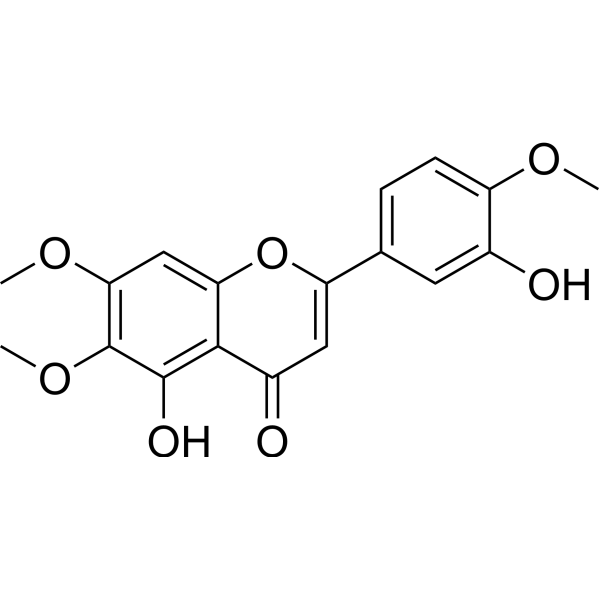
Eupatorin is an orally active flavonoid with antiproliferative and vasodilatory properties. Eupatorin downregulates the expression levels of NF-κB, MMP9, IL-1β and TNF-α. Eupatorin induces apoptosis, G2/M phase cell cycle arrest, and reactive oxygen species (ROS) production. Eupatorin modulates the activities of muscarinic receptors and β-adrenergic receptors; inhibits sarcoplasmic reticulum calcium release and calcium channels; and activates the NO/sGC/cGMP pathway, indomethacin-sensitive pathway, and potassium channel pathway. Eupatorin exerts cytotoxic effects on cancer cell lines, and is metabolized by CYP1A1 and CYP1 family enzymes to form metabolites with antiproliferative activity. Eupatorin can be used in research related to breast cancer, hypertension, and leukemia [3] .
Bacopaside I (Standard) is the analytical standard of Bacopaside I. This product is intended for research and analytical applications. Bacopaside I is an orally active aquaporin AQP1 inhibitor and PKC modulator with neuroprotective and anticancer activities. Bacopaside I specifically blocks the water channel and cGMP-gated ion channel activities of AQP1 without affecting AQP4, thereby inhibiting the migration of colon cancer cells expressing AQP1. Bacopaside I activates the Akt pathway by interacting with PI3K, specifically inhibits MAO-A, effectively alleviates neuron necrosis and apoptosis induced by oxygen-glucose deprivation, reduces oxidative stress, and regulates the surface expression of neuroreceptors. When combined with Bacopaside II (HY-N6016), Bacopaside I significantly reduces the viability, proliferation and invasion ability of breast cancer cells, and binds to the pregnane X receptor (PXR). Bacopaside I is applicable to the research of colon cancer, breast cancer, vascular dementia, cerebral ischemia and other related diseases [3] .
Cuminaldehyde Standard is the analytical standard of Cuminaldehyde. This product is intended for research and analytical applications. Cuminaldehyde is the main component of Cuminum cyminum and has multiple biological activities, including anti-inflammatory, anti-cancer, anti-diabetic, anti-injury, anti-neuropathy and antibacterial effects. Cuminaldehyde is an inhibitor of aldose reductase (IC50= 0.00085 mg/mL) and α-glucosidase (IC50=0.5 mg/mL). Cuminaldehyde also inhibits the fibrillation of α-synuclein and prevents its aggregation Cuminaldehyde can induce apoptosis in colon adenocarcinoma cells by targeting topoisomerase I and II. In addition, Cuminaldehyde also exerts anti-inflammatory activity by inhibiting lipoxygenase. Cuminaldehyde has a strong inhibitory effect on the growth of Aspergillus flavus and the biosynthesis of aflatoxin B1 (AFB1). Cuminaldehyde can exert anti-injury and anti-neuropathy effects by participating in opioid receptors, L-arginine/NO/cGMP pathways and anti-inflammatory effects. Cuminaldehyde has potential application value in the research of neurodegenerative diseases, cancer, diabetes and neuropathic pain diseases [3] .
Sodium acetate trihydrate, 99.5% is a short-chain fatty acid salt with multiple biological activities. Sodium acetate trihydrate, 99.5% serves as a direct precursor of acetyl-CoA, and it extensively affects gene expression by promoting histone acetylation. Sodium acetate trihydrate, 99.5% can activate the p38 MAPK pathway to induce cancer cell apoptosis. Sodium acetate trihydrate, 99.5% can activate the Wnt/β-catenin signaling pathway to stimulate the proliferation and migration of cecal epithelial cells, thereby improving intestinal health. Sodium acetate trihydrate, 99.5% alleviates lead accumulation and oxidative damage by upregulating the testosterone-dependent eNOS/NO/cGMP signaling pathway, as well as activating the Nrf2/HO-1 pathway and its downstream antioxidant enzymes [3] .
Plecanatide, an analogue of Uroguanylin, is an orally active guanylate cyclase-C (GC-C) receptor agonist. Plecanatide activates GC-C receptors to stimulate cGMP synthesis with an EC50 of 190 nM in T84 cells assay. Plecanatide shows anti-inflammatory activity in models of murine colitis [3].
Plecanatide acetate, an analogue of Uroguanylin, is an orally active guanylate cyclase-C (GC-C) receptor agonist. Plecanatide acetate activates GC-C receptors to stimulate cGMP synthesis with an EC50 of 190 nM in T84 cells assay. Plecanatide acetate can be used for the research of chronic idiopathic constipation, and it also shows anti-inflammatory activity in models of murine colitis [3].
Cenderitide is a potent agonist of particulate guanylyl cyclase receptor (pGC). Cenderitide is a natriuretic peptide (NP) composed of C-type natriuretic peptide (CNP) fused to the C-terminus of Dendroaspis natriuretic peptide (DNP). Cenderitide activates both pGC-A and pGC-B, activates the second messenger cGMP, suppresses aldosterone, and preserves GFR without reducing blood pressure. Cenderitide can be used for heart failure research [3].
Vasonatrin Peptide (VNP) is a chimera of atrial natriuretic peptide (ANP) and C-type natriuretic peptide (CNP). Vasonatrin peptide possesses the venodilating actions of CNP, the natriuretic actions of ANP, and unique arterial vasodilating actions not associated with either ANP or CNP. Vasonatrin Peptide protects the diabetic heart against ischemia-reperfusion injury by inhibiting ER stress via the cGMP-PKG signaling pathway [3].
Vasonatrin Peptide (VNP) TFA is a chimera of atrial natriuretic peptide (ANP) and C-type natriuretic peptide (CNP). Vasonatrin peptide TFA possesses the venodilating actions of CNP, the natriuretic actions of ANP, and unique arterial vasodilating actions not associated with either ANP or CNP. Vasonatrin Peptide TFA protects the diabetic heart against ischemia-reperfusion injury by inhibiting ER stress via the cGMP-PKG signaling pathway [3].
Vixticibart (REGN-5381) is a fully human IgG4 monoclonal antibody and NPR1 agonist that targets NPR1. Vixticibart stabilizes the receptor in an activated conformation by binding to the N-terminal domain of NPR1, and enhances the activity of endogenous ligands ANP and BNP without blocking ligand binding when these ligands are present. Vixticibart exerts vasodilatory and hypotensive effects by inducing cGMP production, preferentially dilating venous vessels to reduce systolic and venous pressure, but does not induce diuresis and may trigger a compensatory increase in heart rate. Vixticibart produces a synergistic hypotensive effect when combined with angiotensin-converting enzyme inhibitors or angiotensin receptor blockers, and is currently mainly used in research related to heart failure and hypertension [3].
Vardenafil is a selective and orally active inhibitor of phosphodiesterase-5 (PDE5), with an IC50 of 0.7 nM. Vardenafil shows inhibitory towards PDE1, PDE6 with IC50s of 180 nM, and 11 nM, while IC50s are >1000 nM for PDE3 and PDE4 . Vardenafil competitively inhibits cyclic guanosine monophosphate (cGMP) hydrolysis and thus increases cGMP levels . Vardenafil can be used for the research of erectile dysfunction, hepatitis, diabetes [1]-[6].
Avanafil (TA-1790) is a potent and selective phosphodiesterase-5 (PDE-5) inhibitor with IC50 values of 5.2 nM, 630 nM, 5700 nM, 6200 nM, 12000 nM, 27000 nM, 51000 nM and 53000 nM for PDE-5, PDE-6, PDE-4, PDE-10, PDE-8, PDE-7, PDE-2 and PDE-1, respectively. Avanafil activates NO/cGMP/PKG signaling-pathway to decrease loss in BMD, bone atrophy, and oxidative stress. Avanafil inhibits cyclic guanosine monophosphate (cGMP) hydrolysis and thus increases cGMP levels. Avanafil can be used for the research of erectile dysfunction and osteoporosis [3].
Vardenafil hydrochloride is a selective and orally active inhibitor of phosphodiesterase-5 (PDE5), with an IC50 of 0.7 nM. Vardenafil hydrochloride shows inhibitory towards PDE1, PDE6 with IC50s of 180 nM, and 11 nM, while IC50s are >1000 nM for PDE3 and PDE4 . Vardenafil hydrochloride competitively inhibits cyclic guanosine monophosphate (cGMP) hydrolysis and thus increases cGMP levels . Vardenafil hydrochloride can be used for the research of erectile dysfunction, hepatitis, diabetes [1]-[6].
Formic acid ammonium is the ammonium salt form of formic acid, which is an endogenous metabolite. Formic acid ammonium activates the nitric oxide/cyclic guanosine monophosphate (NO/cGMP) signaling pathway in endothelial cells and inhibits calcium ion influx in vascular smooth muscle cells, resulting in vasomotor relaxation. Formic acid ammonium inhibits cytochrome C oxidase (CcO) and disrupts the electron transport chain, leading to ATP depletion. Formic acid ammonium can be used as a feed additive, which can lower the feed pH value, inhibit the growth of microorganisms (such as Escherichia coli, Salmonella), and extend the shelf life of the feed [3].
Vardenafil hydrochloride trihydrate is a selective and orally active inhibitor of phosphodiesterase-5 (PDE5), with an IC50 of 0.7 nM. Vardenafil hydrochloride trihydrate shows inhibitory towards PDE1, PDE6 with IC50s of 180 nM, and 11 nM, while IC50s are >1000 nM for PDE3 and PDE4 . Vardenafil hydrochloride trihydrate competitively inhibits cyclic guanosine monophosphate (cGMP) hydrolysis and thus increases cGMP levels . Vardenafil hydrochloride trihydrate can be used for the research of erectile dysfunction, hepatitis, diabetes [1]-[6].
3-O-Methylquercetin is an inhibitor of cAMP and CGMP-phosphodiesterase (PDE) with IC50 at 13.8 μM and 14.3 μM, respectively. 3-O-Methylquercetin is an inhibitor of β-secretase with an IC50 of 6.5 μM. 3-O-Methylquercetin has a neuroprotective effect against neuronal death caused by oxidative damage. 3-O-Methylquercetin has strong antiviral activity against poliovirus, coxsackie virus and human rhinovirus. 3-O-Methylquercetin has anti-inflammatory and trachea-relaxing effects and can be used in the study of inflammatory diseases and asthma [3] .
Cyclic GMP (cGMP), an important second messenger, is a major intracellular mediator of extracellular signals such as nitric oxide (NO) and natriuretic peptides (NPs). Effects of Cyclic GMP occur through three main groups of cellular targets: cGMP-dependent protein kinases (PKGs), cGMP-gated cation channels, and PDEs. Cyclic GMP can inhibit both platelet adhesion and aggregation. cGAMP (Cyclic-GMP-AMP) (HY-12512), a conjugate of Cyclic GMP and AMP, can induce IRF3 phosphorylation and nuclear translocation, enhancing antiviral immune responses [3] .
Delphinidin 3-rutinoside chloride is an anthocyanin component. Delphinidin 3-rutinoside chloride is isolable from the fruits of blackcurrant Ribes nigrum L. Delphinidin 3-rutinoside chloride activates the ETB receptor and stimulates the NO/cGMP pathway. Delphinidin 3-rutinoside chloride increases cyclic guanosine monophosphate production and reduces the phosphorylation level of Myosin regulatory light chain. Delphinidin 3-rutinoside chloride stimulates GLP-1 secretion. It significantly induces relaxation of bovine ciliary muscle strips contracted by ET-1 and inhibits ET-1-induced contraction of bovine ciliary muscle strips. Delphinidin 3-rutinoside chloride is applicable to research related to type 2 diabetes .
Eupatorin is an orally active flavonoid with antiproliferative and vasodilatory properties. Eupatorin downregulates the expression levels of NF-κB, MMP9, IL-1β and TNF-α. Eupatorin induces apoptosis, G2/M phase cell cycle arrest, and reactive oxygen species (ROS) production. Eupatorin modulates the activities of muscarinic receptors and β-adrenergic receptors; inhibits sarcoplasmic reticulum calcium release and calcium channels; and activates the NO/sGC/cGMP pathway, indomethacin-sensitive pathway, and potassium channel pathway. Eupatorin exerts cytotoxic effects on cancer cell lines, and is metabolized by CYP1A1 and CYP1 family enzymes to form metabolites with antiproliferative activity. Eupatorin can be used in research related to breast cancer, hypertension, and leukemia [3] .
Bacopaside I is an orally active aquaporin AQP1 inhibitor and PKC modulator with neuroprotective and anticancer activities. Bacopaside I specifically blocks the water channel and cGMP-gated ion channel activities of AQP1 without affecting AQP4, thereby inhibiting the migration of colon cancer cells expressing AQP1. Bacopaside I activates the Akt pathway by interacting with PI3K, specifically inhibits MAO-A, effectively alleviates neuron necrosis and apoptosis induced by oxygen-glucose deprivation, reduces oxidative stress, and regulates the surface expression of neuroreceptors. When combined with Bacopaside II (HY-N6016), Bacopaside I significantly reduces the viability, proliferation and invasion ability of breast cancer cells, and binds to the pregnane X receptor (PXR). Bacopaside I is applicable to the research of colon cancer, breast cancer, vascular dementia, cerebral ischemia and other related diseases [3] .
Cyclic GMP (cGMP) sodium, an important second messenger, is a major intracellular mediator of extracellular signals such as nitric oxide (NO) and natriuretic peptides (NPs). Effects of Cyclic GMP sodium occur through three main groups of cellular targets: cGMP-dependent protein kinases (PKGs), cGMP-gated cation channels, and PDEs. Cyclic GMP can inhibit both platelet adhesion and aggregation. cGAMP (Cyclic-GMP-AMP) (HY-12512), a conjugate of Cyclic GMP and AMP, can induce IRF3 phosphorylation and nuclear translocation, enhancing antiviral immune responses [3] .
Cyclic GMP (Standard) is the analytical standard of Cyclic GMP (HY-113469). This product is intended for research and analytical applications. Cyclic GMP (cGMP), an important second messenger, is a major intracellular mediator of extracellular signals such as nitric oxide (NO) and natriuretic peptides (NPs). Effects of Cyclic GMP occur through three main groups of cellular targets: cGMP-dependent protein kinases (PKGs), cGMP-gated cation channels, and PDEs. Cyclic GMP can inhibit both platelet adhesion and aggregation. cGAMP (Cyclic-GMP-AMP) (HY-12512), a conjugate of Cyclic GMP and AMP, can induce IRF3 phosphorylation and nuclear translocation, enhancing antiviral immune responses [3] .
Avanafil (TA-1790) dibenzenesulfonate is a potent and selective phosphodiesterase-5 (PDE-5) inhibitor with IC50 values of 5.2 nM, 630 nM, 5700 nM, 6200 nM, 12000 nM, 27000 nM, 51000 nM and 53000 nM for PDE-5, PDE-6, PDE-4, PDE-10, PDE-8, PDE-7, PDE-2 and PDE-1, respectively. Avanafil dibenzenesulfonate activates NO/cGMP/PKG signaling-pathway to decrease loss in BMD, bone atrophy, and oxidative stress. Avanafil dibenzenesulfonate inhibits cyclic guanosine monophosphate (cGMP) hydrolysis and thus increases cGMP levels. Avanafil dibenzenesulfonate can be used for the research of erectile dysfunction and osteoporosis [3].
Cuminaldehyde Standard is the analytical standard of Cuminaldehyde. This product is intended for research and analytical applications. Cuminaldehyde is the main component of Cuminum cyminum and has multiple biological activities, including anti-inflammatory, anti-cancer, anti-diabetic, anti-injury, anti-neuropathy and antibacterial effects. Cuminaldehyde is an inhibitor of aldose reductase (IC50= 0.00085 mg/mL) and α-glucosidase (IC50=0.5 mg/mL). Cuminaldehyde also inhibits the fibrillation of α-synuclein and prevents its aggregation Cuminaldehyde can induce apoptosis in colon adenocarcinoma cells by targeting topoisomerase I and II. In addition, Cuminaldehyde also exerts anti-inflammatory activity by inhibiting lipoxygenase. Cuminaldehyde has a strong inhibitory effect on the growth of Aspergillus flavus and the biosynthesis of aflatoxin B1 (AFB1). Cuminaldehyde can exert anti-injury and anti-neuropathy effects by participating in opioid receptors, L-arginine/NO/cGMP pathways and anti-inflammatory effects. Cuminaldehyde has potential application value in the research of neurodegenerative diseases, cancer, diabetes and neuropathic pain diseases [3] .
Cyclic GMP sodium (Standard) is the analytical standard of Cyclic GMP sodium (HY-113469A). This product is intended for research and analytical applications. Cyclic GMP (cGMP) sodium, an important second messenger, is a major intracellular mediator of extracellular signals such as nitric oxide (NO) and natriuretic peptides (NPs). Effects of Cyclic GMP sodium occur through three main groups of cellular targets: cGMP-dependent protein kinases (PKGs), cGMP-gated cation channels, and PDEs. Cyclic GMP can inhibit both platelet adhesion and aggregation. cGAMP (Cyclic-GMP-AMP) (HY-12512), a conjugate of Cyclic GMP and AMP, can induce IRF3 phosphorylation and nuclear translocation, enhancing antiviral immune responses [3] .
Vardenafil dihydrochloride is a selective and orally active inhibitor of phosphodiesterase-5 (PDE5), with an IC50 of 0.7 nM. Vardenafil dihydrochloride shows inhibitory towards PDE1, PDE6 with IC50s of 180 nM, and 11 nM respectively, while IC50s are >1000 nM for PDE3 and PDE4. Vardenafil dihydrochloride competitively inhibits cyclic guanosine monophosphate (cGMP) hydrolysis and thus increases cGMP levels. Vardenafil dihydrochloride can be used for the research of erectile dysfunction, hepatitis, diabetes - .
Avanafil (Standard) is the analytical standard of Avanafil. This product is intended for research and analytical applications. Avanafil (TA-1790) is a potent and selective phosphodiesterase-5 (PDE-5) inhibitor with IC50 values of 5.2 nM, 630 nM, 5700 nM, 6200 nM, 12000 nM, 27000 nM, 51000 nM and 53000 nM for PDE-5, PDE-6, PDE-4, PDE-10, PDE-8, PDE-7, PDE-2 and PDE-1, respectively. Avanafil activates NO/cGMP/PKG signaling-pathway to decrease loss in BMD, bone atrophy, and oxidative stress. Avanafil inhibits cyclic guanosine monophosphate (cGMP) hydrolysis and thus increases cGMP levels. Avanafil can be used for the research of erectile dysfunction and osteoporosis [3].
Vardenafil (dihydrochloride) (Standard) is the analytical standard of Vardenafil (dihydrochloride). This product is intended for research and analytical applications. Vardenafil dihydrochloride is a selective and orally active inhibitor of phosphodiesterase-5 (PDE5), with an IC50 of 0.7 nM. Vardenafil dihydrochloride shows inhibitory towards PDE1, PDE6 with IC50s of 180 nM, and 11 nM respectively, while IC50s are >1000 nM for PDE3 and PDE4. Vardenafil dihydrochloride competitively inhibits cyclic guanosine monophosphate (cGMP) hydrolysis and thus increases cGMP levels. Vardenafil dihydrochloride can be used for the research of erectile dysfunction, hepatitis, diabetes - .
Vardenafil (hydrochloride) (Standard) is the analytical standard of Vardenafil (hydrochloride). This product is intended for research and analytical applications. Vardenafil hydrochloride is a selective and orally active inhibitor of phosphodiesterase-5 (PDE5), with an IC50 of 0.7 nM. Vardenafil hydrochloride shows inhibitory towards PDE1, PDE6 with IC50s of 180 nM, and 11 nM, while IC50s are >1000 nM for PDE3 and PDE4 . Vardenafil hydrochloride competitively inhibits cyclic guanosine monophosphate (cGMP) hydrolysis and thus increases cGMP levels . Vardenafil hydrochloride can be used for the research of erectile dysfunction, hepatitis, diabetes - .
Vardenafil (Standard) is the analytical standard of Vardenafil. This product is intended for research and analytical applications. Vardenafil is a selective and orally active inhibitor of phosphodiesterase-5 (PDE5), with an IC50 of 0.7 nM. Vardenafil shows inhibitory towards PDE1, PDE6 with IC50s of 180 nM, and 11 nM, while IC50s are >1000 nM for PDE3 and PDE4 . Vardenafil competitively inhibits cyclic guanosine monophosphate (cGMP) hydrolysis and thus increases cGMP levels . Vardenafil can be used for the research of erectile dysfunction, hepatitis, diabetes [1]-[6].
Vardenafil (dihydrochloride) (Standard) is the analytical standard of Vardenafil (dihydrochloride). This product is intended for research and analytical applications. Vardenafil dihydrochloride is a selective and orally active inhibitor of phosphodiesterase-5 (PDE5), with an IC50 of 0.7 nM. Vardenafil dihydrochloride shows inhibitory towards PDE1, PDE6 with IC50s of 180 nM, and 11 nM respectively, while IC50s are >1000 nM for PDE3 and PDE4. Vardenafil dihydrochloride competitively inhibits cyclic guanosine monophosphate (cGMP) hydrolysis and thus increases cGMP levels. Vardenafil dihydrochloride can be used for the research of erectile dysfunction, hepatitis, diabetes - .
Vardenafil (hydrochloride trihydrate) (Standard) is the analytical standard of Vardenafil (hydrochloride trihydrate). This product is intended for research and analytical applications. Vardenafil hydrochloride trihydrate is a selective and orally active inhibitor of phosphodiesterase-5 (PDE5), with an IC50 of 0.7 nM. Vardenafil hydrochloride trihydrate shows inhibitory towards PDE1, PDE6 with IC50s of 180 nM, and 11 nM, while IC50s are >1000 nM for PDE3 and PDE4 . Vardenafil hydrochloride trihydrate competitively inhibits cyclic guanosine monophosphate (cGMP) hydrolysis and thus increases cGMP levels . Vardenafil hydrochloride trihydrate can be used for the research of erectile dysfunction, hepatitis, diabetes - .
Bacopaside I (Standard) is the analytical standard of Bacopaside I. This product is intended for research and analytical applications. Bacopaside I is an orally active aquaporin AQP1 inhibitor and PKC modulator with neuroprotective and anticancer activities. Bacopaside I specifically blocks the water channel and cGMP-gated ion channel activities of AQP1 without affecting AQP4, thereby inhibiting the migration of colon cancer cells expressing AQP1. Bacopaside I activates the Akt pathway by interacting with PI3K, specifically inhibits MAO-A, effectively alleviates neuron necrosis and apoptosis induced by oxygen-glucose deprivation, reduces oxidative stress, and regulates the surface expression of neuroreceptors. When combined with Bacopaside II (HY-N6016), Bacopaside I significantly reduces the viability, proliferation and invasion ability of breast cancer cells, and binds to the pregnane X receptor (PXR). Bacopaside I is applicable to the research of colon cancer, breast cancer, vascular dementia, cerebral ischemia and other related diseases [3] .
Avanafil (Standard) is the analytical standard of Avanafil. This product is intended for research and analytical applications. Avanafil (TA-1790) is a potent and selective phosphodiesterase-5 (PDE-5) inhibitor with IC50 values of 5.2 nM, 630 nM, 5700 nM, 6200 nM, 12000 nM, 27000 nM, 51000 nM and 53000 nM for PDE-5, PDE-6, PDE-4, PDE-10, PDE-8, PDE-7, PDE-2 and PDE-1, respectively. Avanafil activates NO/cGMP/PKG signaling-pathway to decrease loss in BMD, bone atrophy, and oxidative stress. Avanafil inhibits cyclic guanosine monophosphate (cGMP) hydrolysis and thus increases cGMP levels. Avanafil can be used for the research of erectile dysfunction and osteoporosis [3].
cGB-PDE protein regulates signal transduction by specifically hydrolyzing cto 5'-GMP, thereby controlling the intracellular concentration of cyclic nucleotides, particularly nitric-oxide-generated cGMP. cGB-PDE Protein, Mouse (Myc, His) is the recombinant mouse-derived cGB-PDE protein, expressed by E. coli , with N-His, C-Myc labeled tag.
PDE3A protein, a cyclic nucleotide phosphodiesterase, targets cAMP, cGMP, and cUMP, crucial in diverse physiological processes. In an E2/17beta-estradiol-induced pro-apoptotic pathway, E2 stabilizes the PDE3A/SLFN12 complex, leading to SLFN12 dephosphorylation and activating its pro-apoptotic ribonuclease activity. This pathway is implicated in tissues with high E2 concentrations, potentially contributing to processes like placenta remodeling. PDE3A Protein, Human (sf9, His-GST) is the recombinant human-derived PDE3A protein, expressed by Sf9 insect cells , with N-His, N-GST labeled tag.
PDE2A is a cGMP-activated cyclic nucleotide phosphodiesterase that exhibits dual specificity for the second messengers cAMP and cGMP, key regulators in various physiological processes. PDE2A exhibits higher efficiency by covering cAMP and plays an important role in cell growth and migration. PDE2A Protein, Human (sf9, His) is the recombinant human-derived PDE2A protein, expressed by Sf9 insect cells , with C-His labeled tag.
PDE9A is a phosphodiesterase that uniquely hydrolyzes second messengers with unparalleled specificity, particularly in the regulation of natriuretic peptide-dependent signaling in the heart, which is critical for the control of cardiac hypertrophy. Its specificity rules out effects on nitric oxide-dependent signaling in the heart. PDE9A Protein, Human (His) is the recombinant human-derived PDE9A protein, expressed by E. coli , with N-His labeled tag.
PDE9A is a phosphodiesterase that uniquely hydrolyzes second messengers with unparalleled specificity, particularly in the regulation of natriuretic peptide-dependent signaling in the heart, which is critical for the control of cardiac hypertrophy. Its specificity rules out effects on nitric oxide-dependent signaling in the heart. PDE9A Protein, Human (sf9, His-GST) is the recombinant human-derived PDE9A protein, expressed by Sf9 insect cells , with N-His, N-GST labeled tag.
Vardenafil-d5 hydrochloride is deuterated labeled Vardenafil hydrochloride (HY-B0442A). Vardenafil hydrochloride is a selective and orally active inhibitor of phosphodiesterase-5 (PDE5), with an IC50 of 0.7 nM. Vardenafil hydrochloride shows inhibitory towards PDE1, PDE6 with IC50s of 180 nM, and 11 nM, while IC50s are >1000 nM for PDE3 and PDE4 . Vardenafil hydrochloride competitively inhibits cyclic guanosine monophosphate (cGMP) hydrolysis and thus increases cGMP levels . Vardenafil hydrochloride can be used for the research of erectile dysfunction, hepatitis, diabetes [1]-[6].
Cyclic GMP sodium- 13C5 is the 13C-labeled Cyclic GMP sodium (HY-113469A). Cyclic GMP (cGMP) sodium, an important second messenger, is a major intracellular mediator of extracellular signals such as nitric oxide (NO) and natriuretic peptides (NPs). Effects of Cyclic GMP sodium occur through three main groups of cellular targets: cGMP-dependent protein kinases (PKGs), cGMP-gated cation channels, and PDEs. Cyclic GMP can inhibit both platelet adhesion and aggregation. cGAMP (Cyclic-GMP-AMP) (HY-12512), a conjugate of Cyclic GMP and AMP, can induce IRF3 phosphorylation and nuclear translocation, enhancing antiviral immune responses [3] .
Cyclic GMP- 13C, 15N2 is 13C and 15N labeled Cyclic GMP (HY-113469). Cyclic GMP (cGMP), an important second messenger, is a major intracellular mediator of extracellular signals such as nitric oxide (NO) and natriuretic peptides (NPs). Effects of Cyclic GMP occur through three main groups of cellular targets: cGMP-dependent protein kinases (PKGs), cGMP-gated cation channels, and PDEs. Cyclic GMP can inhibit both platelet adhesion and aggregation. cGAMP (Cyclic-GMP-AMP) (HY-12512), a conjugate of Cyclic GMP and AMP, can induce IRF3 phosphorylation and nuclear translocation, enhancing antiviral immune responses [3] .
Vardenafil-d5 is deuterium labeled Vardenafil. Vardenafil is a selective, orally active, potent inhibitor of phosphodiesterase-5 (PDE5), with an IC50 of 0.7 nM. Vardenafil shows selectivity over PDE1 (180 nM), PDE6 (11 nM), PDE2, PDE3, and PDE4 (>1000 nM). Vardenafil competitively inhibits cyclic guanosine monophosphate (cGMP) hydrolysis and thus increases cGMP levels. Vardenafil can be used for the research of erectile dysfunction .
Avanafil- 13C5 (TA1790- 13C5) is 13C labeled Avanafil. Avanafil (TA-1790) is a potent and selective phosphodiesterase-5 (PDE-5) inhibitor with IC50 values of 5.2 nM, 630 nM, 5700 nM, 6200 nM, 12000 nM, 27000 nM, 51000 nM and 53000 nM for PDE-5, PDE-6, PDE-4, PDE-10, PDE-8, PDE-7, PDE-2 and PDE-1, respectively. Avanafil activates NO/cGMP/PKG signaling-pathway to decrease loss in BMD, bone atrophy, and oxidative stress. Avanafil inhibits cyclic guanosine monophosphate (cGMP) hydrolysis and thus increases cGMP levels. Avanafil can be used for the research of erectile dysfunction and osteoporosis [3].
Avanafil- 13C5, 15N,d2 is 15N and deuterated labeled Avanafil (HY-18252). Avanafil (TA-1790) is a potent and selective phosphodiesterase-5 (PDE-5) inhibitor with IC50 values of 5.2 nM, 630 nM, 5700 nM, 6200 nM, 12000 nM, 27000 nM, 51000 nM and 53000 nM for PDE-5, PDE-6, PDE-4, PDE-10, PDE-8, PDE-7, PDE-2 and PDE-1, respectively. Avanafil activates NO/cGMP/PKG signaling-pathway to decrease loss in BMD, bone atrophy, and oxidative stress. Avanafil inhibits cyclic guanosine monophosphate (cGMP) hydrolysis and thus increases cGMP levels. Avanafil can be used for the research of erectile dysfunction and osteoporosis [3].
AP-C5 displays selective inhibition of guanosine 3′,5′-cyclic monophosphate (cGMP)-dependent protein kinase II (cGKII) with a pIC50 of 7.2, which can be used for the research of diarrheal disease . AP-C5 is a click chemistry reagent, it contains an Alkyne group and can undergo copper-catalyzed azide-alkyne cycloaddition (CuAAc) with molecules containing Azide groups.
Inquiry Online
Your information is safe with us. * Required Fields.
Western blot analysis of extracts from THP-1(lane 2(20μg), Jurkat (lane 3(20μg) and NIH3T3(lane 4(20μg) using FOXO1A (HY-P80132) Rabbit mAb. Proteins were transferred
to a PVDF membrane and blocked with 5% non-fat milk in TBST for 2 hour at room temperature. The primary antibody (1/1000) and Loading control antibody (Beta Actin, HY-P80438, 1/10000) was
used in 5% non-fat milk in TBST at 4°C overnight. Goat Anti-Mouse/Rabbit IgG-HRP Secondary Antibody (1/10000) was used for 1 hour at room temperature.
Western blot analysis of extracts from THP-1(lane 2(20μg), Jurkat (lane 3(20μg) and NIH3T3(lane 4(20μg) using FOXO1A (HY-P80132) Rabbit mAb. Proteins were transferred
to a PVDF membrane and blocked with 5% non-fat milk in TBST for 2 hour at room temperature. The primary antibody (1/1000) and Loading control antibody (Beta Actin, HY-P80438, 1/10000) was
used in 5% non-fat milk in TBST at 4°C overnight. Goat Anti-Mouse/Rabbit IgG-HRP Secondary Antibody (1/10000) was used for 1 hour at room temperature.
Western blot analysis of extracts from THP-1(lane 2(20μg), Jurkat (lane 3(20μg) and NIH3T3(lane 4(20μg) using FOXO1A (HY-P80132) Rabbit mAb. Proteins were transferred
to a PVDF membrane and blocked with 5% non-fat milk in TBST for 2 hour at room temperature. The primary antibody (1/1000) and Loading control antibody (Beta Actin, HY-P80438, 1/10000) was
used in 5% non-fat milk in TBST at 4°C overnight. Goat Anti-Mouse/Rabbit IgG-HRP Secondary Antibody (1/10000) was used for 1 hour at room temperature.
Western blot analysis of extracts from THP-1(lane 2(20μg), Jurkat (lane 3(20μg) and NIH3T3(lane 4(20μg) using FOXO1A (HY-P80132) Rabbit mAb. Proteins were transferred
to a PVDF membrane and blocked with 5% non-fat milk in TBST for 2 hour at room temperature. The primary antibody (1/1000) and Loading control antibody (Beta Actin, HY-P80438, 1/10000) was
MedchemExpress Validation 03
Western blot analysis of extracts from THP-1(lane 2(20μg), Jurkat (lane 3(20μg) and NIH3T3(lane 4(20μg) using FOXO1A (HY-P80132) Rabbit mAb. Proteins were transferred
MedchemExpress Validation 04
Western blot analysis of extracts from THP-1(lane 2(20μg), Jurkat (lane 3(20μg) and NIH3T3(lane 4(20μg) using FOXO1A (HY-P80132) Rabbit mAb. Proteins were transferred
to a PVDF membrane and blocked with 5% non-fat milk in TBST for 2 hour at room temperature. The primary antibody (1/1000) and Loading control antibody (Beta Actin, HY-P80438, 1/10000) was
used in 5% non-fat milk in TBST at 4°C overnight. Goat Anti-Mouse/Rabbit IgG-HRP Secondary Antibody (1/10000) was used for 1 hour at room temperature.
MedchemExpress Validation
Western blot analysis of extracts from THP-1(lane 2(20μg), Jurkat (lane 3(20μg) and NIH3T3(lane 4(20μg) using FOXO1A (HY-P80132) Rabbit mAb. Proteins were transferred
to a PVDF membrane and blocked with 5% non-fat milk in TBST for 2 hour at room temperature. The primary antibody (1/1000) and Loading control antibody (Beta Actin, HY-P80438, 1/10000) was
used in 5% non-fat milk in TBST at 4°C overnight. Goat Anti-Mouse/Rabbit IgG-HRP Secondary Antibody (1/10000) was used for 1 hour at room temperature.
Western blot analysis of extracts from THP-1(lane 2(20μg), Jurkat (lane 3(20μg) and NIH3T3(lane 4(20μg) using FOXO1A (HY-P80132) Rabbit mAb. Proteins were transferred
to a PVDF membrane and blocked with 5% non-fat milk in TBST for 2 hour at room temperature. The primary antibody (1/1000) and Loading control antibody (Beta Actin, HY-P80438, 1/10000) was
used in 5% non-fat milk in TBST at 4°C overnight. Goat Anti-Mouse/Rabbit IgG-HRP Secondary Antibody (1/10000) was used for 1 hour at room temperature.
MedchemExpress Validation
Western blot analysis of extracts from THP-1(lane 2(20μg), Jurkat (lane 3(20μg) and NIH3T3(lane 4(20μg) using FOXO1A (HY-P80132) Rabbit mAb. Proteins were transferred
to a PVDF membrane and blocked with 5% non-fat milk in TBST for 2 hour at room temperature. The primary antibody (1/1000) and Loading control antibody (Beta Actin, HY-P80438, 1/10000) was
used in 5% non-fat milk in TBST at 4°C overnight. Goat Anti-Mouse/Rabbit IgG-HRP Secondary Antibody (1/10000) was used for 1 hour at room temperature.
MedchemExpress Validation
Western blot analysis of extracts from THP-1(lane 2(20μg), Jurkat (lane 3(20μg) and NIH3T3(lane 4(20μg) using FOXO1A (HY-P80132) Rabbit mAb. Proteins were transferred
to a PVDF membrane and blocked with 5% non-fat milk in TBST for 2 hour at room temperature. The primary antibody (1/1000) and Loading control antibody (Beta Actin, HY-P80438, 1/10000) was
used in 5% non-fat milk in TBST at 4°C overnight. Goat Anti-Mouse/Rabbit IgG-HRP Secondary Antibody (1/10000) was used for 1 hour at room temperature.
MedchemExpress Validation
Western blot analysis of extracts from THP-1(lane 2(20μg), Jurkat (lane 3(20μg) and NIH3T3(lane 4(20μg) using FOXO1A (HY-P80132) Rabbit mAb. Proteins were transferred
to a PVDF membrane and blocked with 5% non-fat milk in TBST for 2 hour at room temperature. The primary antibody (1/1000) and Loading control antibody (Beta Actin, HY-P80438, 1/10000) was
used in 5% non-fat milk in TBST at 4°C overnight. Goat Anti-Mouse/Rabbit IgG-HRP Secondary Antibody (1/10000) was used for 1 hour at room temperature.
MedchemExpress Validation
Western blot analysis of extracts from THP-1(lane 2(20μg), Jurkat (lane 3(20μg) and NIH3T3(lane 4(20μg) using FOXO1A (HY-P80132) Rabbit mAb. Proteins were transferred
to a PVDF membrane and blocked with 5% non-fat milk in TBST for 2 hour at room temperature. The primary antibody (1/1000) and Loading control antibody (Beta Actin, HY-P80438, 1/10000) was
used in 5% non-fat milk in TBST at 4°C overnight. Goat Anti-Mouse/Rabbit IgG-HRP Secondary Antibody (1/10000) was used for 1 hour at room temperature.
MedchemExpress Validation
Western blot analysis of extracts from THP-1(lane 2(20μg), Jurkat (lane 3(20μg) and NIH3T3(lane 4(20μg) using FOXO1A (HY-P80132) Rabbit mAb. Proteins were transferred
to a PVDF membrane and blocked with 5% non-fat milk in TBST for 2 hour at room temperature. The primary antibody (1/1000) and Loading control antibody (Beta Actin, HY-P80438, 1/10000) was
used in 5% non-fat milk in TBST at 4°C overnight. Goat Anti-Mouse/Rabbit IgG-HRP Secondary Antibody (1/10000) was used for 1 hour at room temperature.
MedchemExpress Validation
Western blot analysis of extracts from THP-1(lane 2(20μg), Jurkat (lane 3(20μg) and NIH3T3(lane 4(20μg) using FOXO1A (HY-P80132) Rabbit mAb. Proteins were transferred
to a PVDF membrane and blocked with 5% non-fat milk in TBST for 2 hour at room temperature. The primary antibody (1/1000) and Loading control antibody (Beta Actin, HY-P80438, 1/10000) was
used in 5% non-fat milk in TBST at 4°C overnight. Goat Anti-Mouse/Rabbit IgG-HRP Secondary Antibody (1/10000) was used for 1 hour at room temperature.
MedChemExpress values your privacy and your trust is important to us. We use cookies to enhance your website experience. Some cookies are necessary to run the website.
Privacy and Cookie Policy

