LinkedIn
 Researchgate
 Instagram
 X
X Facebook
 WhatsApp
 Reddit
 Mail
MailOrganoids represent an important bridge between 2D cultures and in vivo mouse/human models. The organoid technology exerts enormous potential in evaluation of efficacy and toxicity of drugs, regenerative medicine, and precision medicine.In this article, we will briefly introduce organoid technology.
Articles
All
-
All
-
Scientific Reviews
-
EDM
-
Blog
Most Recent
-
Most Recent
-
Oldest
-
 Scientific Reviews
-
 Scientific Reviews
Development of Intestinal Organoid
Scientific Reviews
Development of Intestinal Organoid2022-07-28
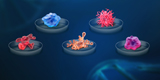
3D organoid is one of the revolutionary developments in biomedical field during the past 10 years. The establishment of intestinal organoids is an important milestone in the development of organoid technology. -
 Scientific Reviews
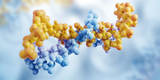
RNA therapeutics have changed the landscape of drug development, which possess broader spectrum of drug targets, simplicity and efficiency in development and manufacturing.In this article, we will discuss the underlying mechanisms of RNA-based drugs on the market or in clinical stages.
Scientific Reviews
RNA therapeutics have changed the landscape of drug development, which possess broader spectrum of drug targets, simplicity and efficiency in development and manufacturing.In this article, we will discuss the underlying mechanisms of RNA-based drugs on the market or in clinical stages. -
Scientific Reviews
Organoids have great potential in research of organ development, disease modeling, drug screening and, precision and regenerative medicin. In this article, we will expalin the origin of the organoids. Adult stem cells (ASCs) or pluripotent stem cells (PSCs) , which is the better choice.
-
 Scientific Reviews
Autophagy, derived from the Greek meaning "eating of self", plays an indispensable role in maintaining homeostasis. p27 is an inhibitor of cyclin CDKs, but how p27 regulates autophagy remains unknown. This article will cover the mechanism of autophagy and p27-related cell cycle regulation.
Scientific Reviews
Autophagy, derived from the Greek meaning "eating of self", plays an indispensable role in maintaining homeostasis. p27 is an inhibitor of cyclin CDKs, but how p27 regulates autophagy remains unknown. This article will cover the mechanism of autophagy and p27-related cell cycle regulation. -
 Scientific Reviews
CMA (chaperone-mediated autophagy) plays an essential role in maintaining neuronal protein stability and preventing neurodegeneration. In this article, we will comprehensively clarify the role of CMA in the occurrence and development of neurodegenerative diseases.
Scientific Reviews
CMA (chaperone-mediated autophagy) plays an essential role in maintaining neuronal protein stability and preventing neurodegeneration. In this article, we will comprehensively clarify the role of CMA in the occurrence and development of neurodegenerative diseases. -
 Scientific Reviews
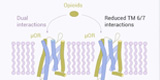
As powerful pain relievers, the opioids morphine and fentanyl have been "checked" by their side effects (listed as controlled substances). How to reduce its side effects? What is its mechanism? This research will explore its mechanism.
Scientific Reviews
As powerful pain relievers, the opioids morphine and fentanyl have been "checked" by their side effects (listed as controlled substances). How to reduce its side effects? What is its mechanism? This research will explore its mechanism. -
 Scientific Reviews
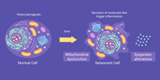
Understanding the mechanism of aging not only has guiding significance for prolonging human life but also has important clinical significance for the prevention and treatment of diseases in the elderly population , thus, improving their life quality and well-being.
Scientific Reviews
Understanding the mechanism of aging not only has guiding significance for prolonging human life but also has important clinical significance for the prevention and treatment of diseases in the elderly population , thus, improving their life quality and well-being. -
 Scientific Reviews
The latest study of Cell magazine "Neural mechanism underlying depressive-like state associated with social status loss" considers social factors as a breakthrough point. It has been found that the downward transition of social status induces depression-like behavior in mice whereas improves the depressive state by restoring their social environment.
Scientific Reviews
The latest study of Cell magazine "Neural mechanism underlying depressive-like state associated with social status loss" considers social factors as a breakthrough point. It has been found that the downward transition of social status induces depression-like behavior in mice whereas improves the depressive state by restoring their social environment. -
 Scientific Reviews
Stem cell classification and its application
Scientific Reviews
Stem cell classification and its application2023-05-18
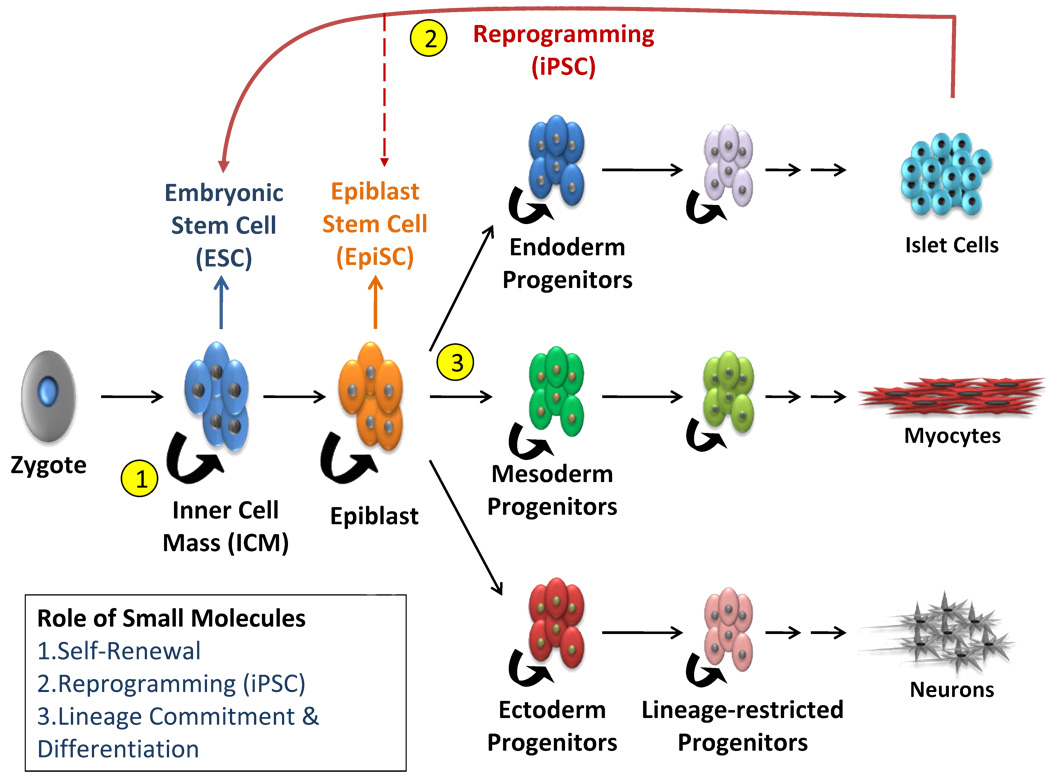
Stem cells (SCs) have the unique ability to self-renew and differentiate into different cell types. SCs can differentiate into various types of tissue cells under specific conditions. Additionally, they can be further cultured to form different tissues and organs in the human body. Stem cells have numerous applications in various fields, including cell therapy, organ transplantation, neurodegenerative disease modeling, and drug screening. -
 Scientific Reviews
Mitophagy:Mechanisms and Detection
Scientific Reviews
Mitophagy:Mechanisms and Detection2023-05-25
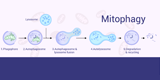
About 60 years ago, Christian de Duve first used the term "autophagy" to describe his observation of the degradation of mitochondria and other intracellular structures in lysosomes of rat liver. Over the years, autophagy has remained a beloved topic of research by the National Natural Science Foundation of China (NSFC).Today, let's talk about mitochondrial autophagy. -
 Scientific Reviews
Organoid Culture: Questions & Answers
Scientific Reviews
Organoid Culture: Questions & Answers2023-07-26
In the last issue, we conducted a live lecture on the theme of organoid culture. Today, we have a special topic to solve your doubts in the last live class! -
 Scientific Reviews
WHO's Q2 drug list has been updated. Let's take you through the list of the most noteworthy small molecule drugs that we should pay attention to.
Scientific Reviews
WHO's Q2 drug list has been updated. Let's take you through the list of the most noteworthy small molecule drugs that we should pay attention to. -
 Scientific Reviews
FDA Approved Drug List!
Scientific Reviews
FDA Approved Drug List!2023-09-14
In the first half of 2023 (as of June 27), the FDA approved 26 new drugs, let's take you learn about it through the article. -
 Scientific Reviews
Science | A "new" mechanism for non-ubiquitinated Midnolin-proteasomal degradation pathway
Scientific Reviews
Science | A "new" mechanism for non-ubiquitinated Midnolin-proteasomal degradation pathway2024-04-26
“ubiquitin-mediated protein degradation” won the Nobel Prize in Chemistry in 2004! In fact, proteasomes degrade not only ubiquitinated proteins but also non-ubiquitinated ones. The mechanism remains shrouded in mystery. After reading this piece today, you might have a lightbulb moment! -
 Scientific Reviews
Exosomes, which won the Nobel Prize in 2013, are still a research hotspot in the national natural sciences, and their popularity has only increased over the past decade (in 2022, they still rank 5th in the national natural sciences hotspots!). Why have exosomes become the darling of scientific research? Let's take a look together~
Scientific Reviews
Exosomes, which won the Nobel Prize in 2013, are still a research hotspot in the national natural sciences, and their popularity has only increased over the past decade (in 2022, they still rank 5th in the national natural sciences hotspots!). Why have exosomes become the darling of scientific research? Let's take a look together~ -
 Scientific Reviews
Degrade target proteins through the autophagy-lysosome pathway including LYTAC, AUTAC, and ATTEC have gained increasing attention in recent years due to their significant research potential!
Scientific Reviews
Degrade target proteins through the autophagy-lysosome pathway including LYTAC, AUTAC, and ATTEC have gained increasing attention in recent years due to their significant research potential! -
 Scientific Reviews
2024 Nobel Prize Announcements! Curious about the details? Click to dive into the exciting developments!
Scientific Reviews
2024 Nobel Prize Announcements! Curious about the details? Click to dive into the exciting developments! -
Scientific Reviews
Delve into the intricate networks that govern mitochondrial quality control. By examining key mechanisms such as biogenesis, mitochondrial dynamics (fission and fusion), proteolysis, and mitophagy. -
 Scientific Reviews
In early January 2025, MIT Tech Review unveiled its annual list of top 10 breakthrough technologies poised to redefine the future. Among these, stem cell therapy stood out for its potential to treat diverse diseases—including neurodegenerative disorders, diabetes, cancer, and heart failure. This groundbreaking approach uses stem cells to replace damaged cells, offering hope for millions worldwide.
Scientific Reviews
In early January 2025, MIT Tech Review unveiled its annual list of top 10 breakthrough technologies poised to redefine the future. Among these, stem cell therapy stood out for its potential to treat diverse diseases—including neurodegenerative disorders, diabetes, cancer, and heart failure. This groundbreaking approach uses stem cells to replace damaged cells, offering hope for millions worldwide. -
 Scientific Reviews
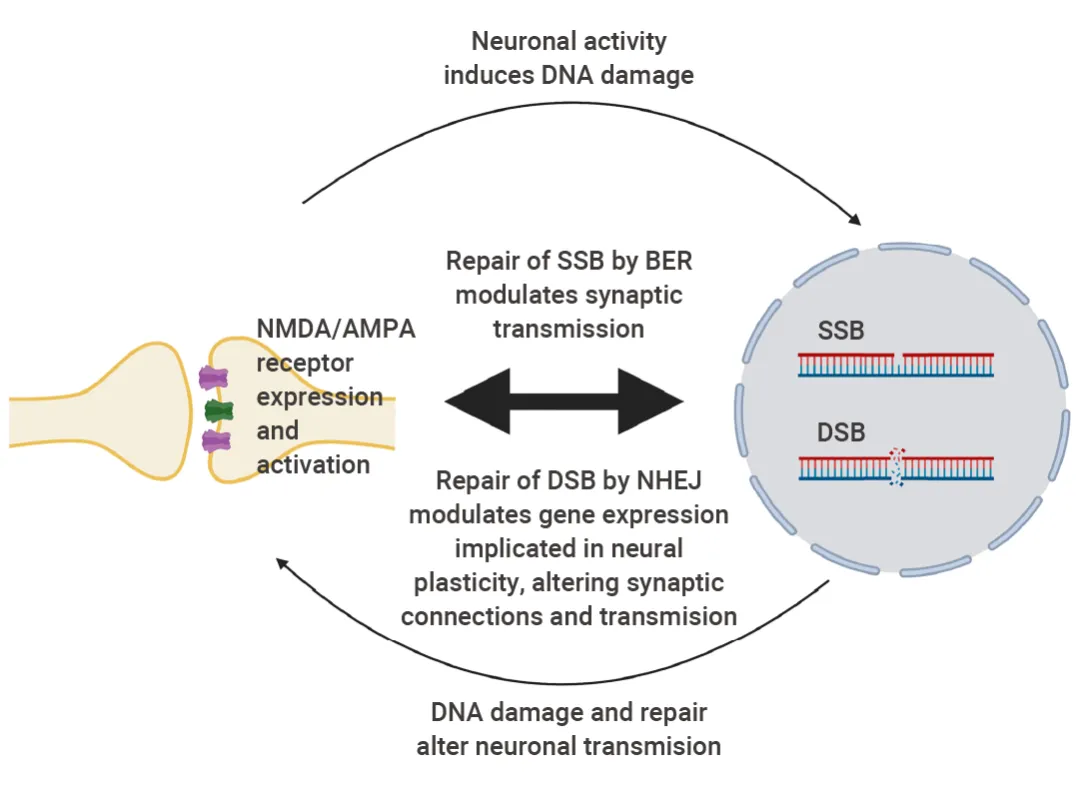
When you hear "inflammation" and "DNA damage," you might immediately think of disease or injury. However, in brains, these two processes are key steps in forming long-term memories, particularly related to specialized cells in our brain called hippocampal neurons.
Scientific Reviews
When you hear "inflammation" and "DNA damage," you might immediately think of disease or injury. However, in brains, these two processes are key steps in forming long-term memories, particularly related to specialized cells in our brain called hippocampal neurons. -
 Scientific Reviews
Autophagy is a fundamental process that degrades various components within the cell.
Scientific Reviews
Autophagy is a fundamental process that degrades various components within the cell. -
.jpg) Scientific Reviews
nside cells, the homeostasis and degradation of proteins is a precisely regulated process. If proteins cannot be degraded in time, it may lead to the occurrence of various diseases such as neurodegenerative diseases and cancer. This article will tell you the process of how proteins are recognized, labeled and then degraded!
Scientific Reviews
nside cells, the homeostasis and degradation of proteins is a precisely regulated process. If proteins cannot be degraded in time, it may lead to the occurrence of various diseases such as neurodegenerative diseases and cancer. This article will tell you the process of how proteins are recognized, labeled and then degraded! -
 Scientific Reviews
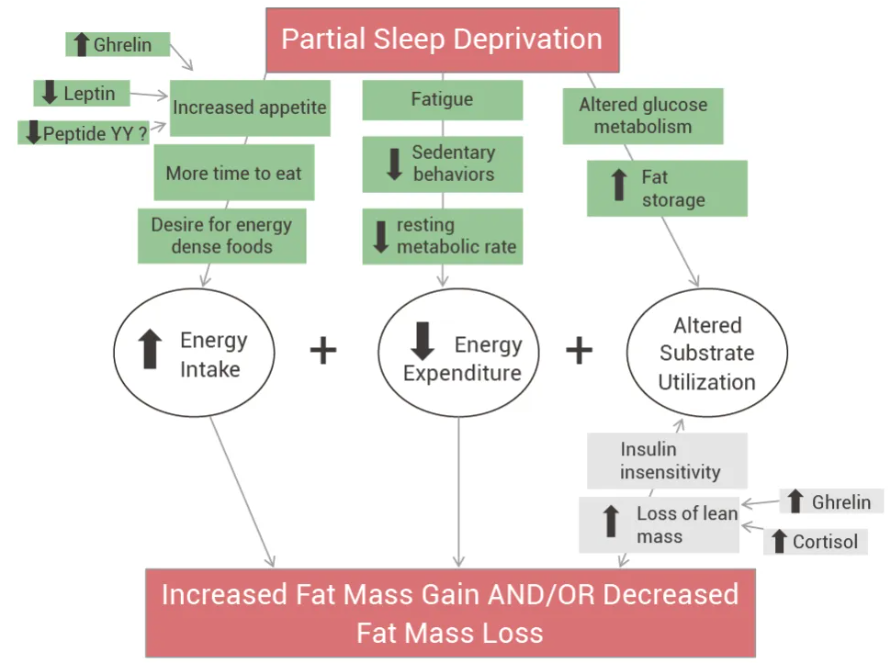
Have you ever noticed that after staying up late, your appetite—especially for high-calorie foods—gets out of control? If this sounds familiar, today’s article might offer some good news.
Scientific Reviews
Have you ever noticed that after staying up late, your appetite—especially for high-calorie foods—gets out of control? If this sounds familiar, today’s article might offer some good news. -
Scientific Reviews
Microglia– the only immune cells within the brain parenchyma. With advancements in imaging technologies, people’s understanding of microglia has shifted from being viewed as 'resting' cells to 'highly active' cells, particularly due to their dynamic processes that seem to be probing surrounding tissues and monitoring neuronal activity. This has made microglia a focal point of research in the field of neuroscience. -
 Scientific Reviews
Exosomes—natural nanoscale carriers—are revolutionizing targeted therapy. This article uncovers the science behind their precision in drug delivery.
Scientific Reviews
Exosomes—natural nanoscale carriers—are revolutionizing targeted therapy. This article uncovers the science behind their precision in drug delivery. -
 Scientific Reviews
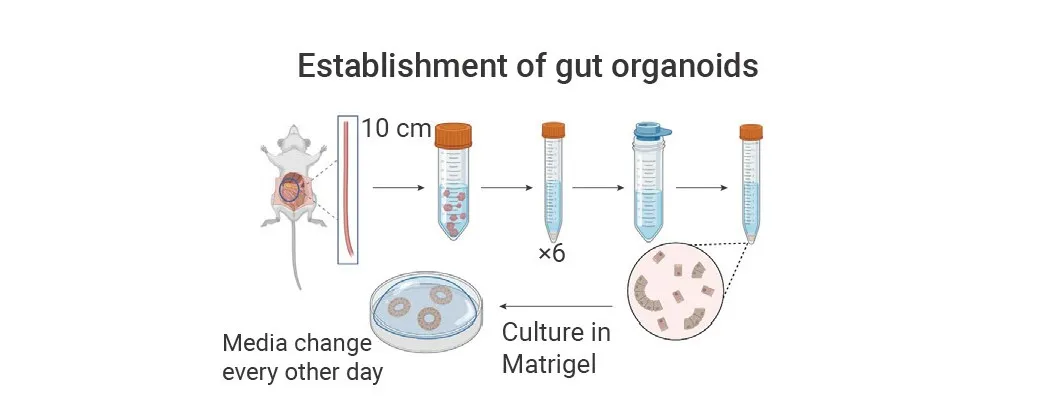
Efficient Generation of Mouse Small Intestinal Organoids: A Complete Experimental Protocol Guide
Scientific Reviews
Efficient Generation of Mouse Small Intestinal Organoids: A Complete Experimental Protocol Guide2025-12-10
How to successfully create mouse small intestine organoids? A detailed, hands-on guide to the entire process, all in one article! -
 EDM
Advances in Alzheimer's Disease Research
EDM
Advances in Alzheimer's Disease Research2025-07-16
This review summarizes current understanding of AD pathophysiology, including amyloid and tau pathology, neuroinflammation, synaptic dysfunction, and vascular abnormalities, and evaluates therapeutic strategies and experimental models. -
 EDM
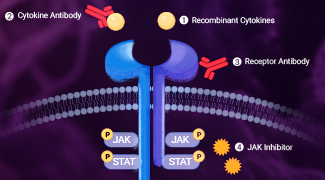
This review critically examines the role of the JAK-STAT pathway in immunity and autoimmune diseases, reviews current clinical applications of targeted therapies, and highlights emerging trends in autoimmune drug development.
EDM
This review critically examines the role of the JAK-STAT pathway in immunity and autoimmune diseases, reviews current clinical applications of targeted therapies, and highlights emerging trends in autoimmune drug development. -
 EDM
This review highlights the roles of microglia in AD pathology, focusing on metabolic reprogramming and microglia-targeted therapeutic strategies.
EDM
This review highlights the roles of microglia in AD pathology, focusing on metabolic reprogramming and microglia-targeted therapeutic strategies. -
 EDM
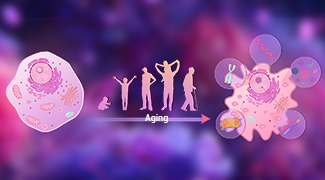
This review summarizes the hallmarks of aging and aging-related diseases, discusses mechanistic insights into aging processes, and highlights emerging anti-aging interventions.
EDM
This review summarizes the hallmarks of aging and aging-related diseases, discusses mechanistic insights into aging processes, and highlights emerging anti-aging interventions. -
 EDM
This review outlines macrophage functions and classification, and provides practical experimental guidelines for macrophage differentiation, polarization, and identification.
EDM
This review outlines macrophage functions and classification, and provides practical experimental guidelines for macrophage differentiation, polarization, and identification. -
 EDM
Review advances in target discovery, disease modeling, and biomarkers for Parkinson’s disease, highlighting their interplay and future directions for translational research.
EDM
Review advances in target discovery, disease modeling, and biomarkers for Parkinson’s disease, highlighting their interplay and future directions for translational research. -
 EDM
The Dual Role of Cellular Senescence in Cancer: Mechanisms, Microenvironment, and Therapeutics
EDM
The Dual Role of Cellular Senescence in Cancer: Mechanisms, Microenvironment, and Therapeutics2026-05-21
Explore the dual role of cellular senescence in cancer, including tumor suppression, SASP-driven tumor promotion, senescence heterogeneity and plasticity, and advances in senescence-targeted therapies. -
 EDM
Explore the mechanisms driving immune tolerance breakdown in autoimmune diseases and emerging tolerance-restoring strategies, with a focus on IL-2-based immune modulation.
EDM
Explore the mechanisms driving immune tolerance breakdown in autoimmune diseases and emerging tolerance-restoring strategies, with a focus on IL-2-based immune modulation. -
 EDM
Explore how anti-Aβ therapy is reshaping the AD treatment landscape, the rationale for multi-pathology combination strategies, and advances in biomarker-guided precision treatment.
EDM
Explore how anti-Aβ therapy is reshaping the AD treatment landscape, the rationale for multi-pathology combination strategies, and advances in biomarker-guided precision treatment. -
 Blog
BR351 is a Brain Penetrant MMP Inhibitor
Blog
BR351 is a Brain Penetrant MMP Inhibitor2019-04-05
BR351 is a brain penetrant MMP inhibitor, and a potential tool for the molecular imaging of activated MMPs with PET, with an IC50 in the nanomolar range. -
 Blog
ACY-1083, a Highly Selective HDAC6 Inhibitor, Reverses Chemotherapy-induced Peripheral Neuropathy
Blog
ACY-1083, a Highly Selective HDAC6 Inhibitor, Reverses Chemotherapy-induced Peripheral Neuropathy2019-05-12
ACY-1083 is a selective and brain-penetrating HDAC6 inhibitor with an IC50 of 3 nM. ACY-1083 effectively reverses chemotherapy-induced peripheral neuropathy -
 Blog
JMS-17-2 is a CX3CR1 Antagonist
Blog
JMS-17-2 is a CX3CR1 Antagonist2019-06-12
JMS-17-2 is a potent and selective CX3CR1 antagonist with an IC50 of 0.32 nM. Has potential to treat cancers such as breast cancer. -
 Blog
M8891 is an orally active, reversible and brain penetrant Methionine Aminopeptidase-2 (MetAP-2) inhibitor with antiangiogenic and antitumoral activity.
Blog
M8891 is an orally active, reversible and brain penetrant Methionine Aminopeptidase-2 (MetAP-2) inhibitor with antiangiogenic and antitumoral activity. -
 Blog
TCH-165 is a modulator of proteasome assembly, which increases 20S levels and facilitates 20S-mediated protein degradation, such as IDPs, α-syn, and tau.
Blog
TCH-165 is a modulator of proteasome assembly, which increases 20S levels and facilitates 20S-mediated protein degradation, such as IDPs, α-syn, and tau. -
 Blog
Ro 90-7501, an Aβ42 fibril assembly inhibitor, inhibits PP5 in a TPR-dependent manner and has radiosensitizing effects on cervical cancer cells.
Blog
Ro 90-7501, an Aβ42 fibril assembly inhibitor, inhibits PP5 in a TPR-dependent manner and has radiosensitizing effects on cervical cancer cells. -
 Blog
NU1025 is a potent PARP inhibitor and potentiates the cytotoxicity of ionizing radiation drug. NU1025 has anti-cancer and neuroprotective activity.
Blog
NU1025 is a potent PARP inhibitor and potentiates the cytotoxicity of ionizing radiation drug. NU1025 has anti-cancer and neuroprotective activity. -
 Blog
JCN037 is a potent, non-covalent, and brain-penetrant EGFR tyrosine kinase inhibitor. JCN037 has potent anti-cancer activity.
Blog
JCN037 is a potent, non-covalent, and brain-penetrant EGFR tyrosine kinase inhibitor. JCN037 has potent anti-cancer activity. -
 Blog
KCC-07 prevents binding of MBD2 to methylated DNA and activates BAI1 inducing anti-proliferative BAI1/p53/p21 signaling. Anticancer activity.
Blog
KCC-07 prevents binding of MBD2 to methylated DNA and activates BAI1 inducing anti-proliferative BAI1/p53/p21 signaling. Anticancer activity. -
 Blog
MPT0G211, an orally active and selective HDAC6 inhibitor, ameliorates tau phosphorylation, and cognitive deficits in an Alzheimer’s disease model.
Blog
MPT0G211, an orally active and selective HDAC6 inhibitor, ameliorates tau phosphorylation, and cognitive deficits in an Alzheimer’s disease model. -
 Blog
RapaLink-1, a third-generation bivalent mTOR inhibitor, potently blocking cancer-derived, activating mutants of mTOR. It can cross the blood-brain barrier.
Blog
RapaLink-1, a third-generation bivalent mTOR inhibitor, potently blocking cancer-derived, activating mutants of mTOR. It can cross the blood-brain barrier. -
 Blog
PQR530 is a potent, ATP-competitive, orally bioavailable and brain-penetrant dual pan-PI3K/mTORC1/2 inhibitor. Antitumor activity.
Blog
PQR530 is a potent, ATP-competitive, orally bioavailable and brain-penetrant dual pan-PI3K/mTORC1/2 inhibitor. Antitumor activity. -
 Blog
CHDI-390576, a potent and CNS penetrant class IIa HDAC inhibitor, show selectivity over class I HDACs, HDAC8 and the class IIb HDAC6 isoform.
Blog
CHDI-390576, a potent and CNS penetrant class IIa HDAC inhibitor, show selectivity over class I HDACs, HDAC8 and the class IIb HDAC6 isoform. -
 Blog
NAZ2329 is an allosteric, noncompetitive and reversible inhibitor of R5 RPTP subfamily and PTPRZ/PTPRG with anti-cancer activity.
Blog
NAZ2329 is an allosteric, noncompetitive and reversible inhibitor of R5 RPTP subfamily and PTPRZ/PTPRG with anti-cancer activity. -
 Blog
BrBzGCp2 is a Glyoxalase 1 (GLO1) inhibitor for a variety of disorders. Possesses antitumor and neuroprotective activity.
Blog
BrBzGCp2 is a Glyoxalase 1 (GLO1) inhibitor for a variety of disorders. Possesses antitumor and neuroprotective activity. -
 Blog
ML-00253764 is a brain penetrant nonpeptidic melanocortin receptor 4 (MC4R) antagonist with a Ki/IC50 of 0.16 µM/0.103 µM, respectively.
Blog
ML-00253764 is a brain penetrant nonpeptidic melanocortin receptor 4 (MC4R) antagonist with a Ki/IC50 of 0.16 µM/0.103 µM, respectively. -
 Blog
Vorasidenib is an orally available, brain penetrant second-generation dual mutant isocitrate dehydrogenases 1 and 2 (mIDH1/2) inhibitor.
Blog
Vorasidenib is an orally available, brain penetrant second-generation dual mutant isocitrate dehydrogenases 1 and 2 (mIDH1/2) inhibitor. -
 Blog
GSK2606414 is an orally available PERK inhibitor and is a potent compound of cancer and neurological diseases.
Blog
GSK2606414 is an orally available PERK inhibitor and is a potent compound of cancer and neurological diseases. -
 Blog
SB 258719 is a selective 5-HT7 receptor antagonist and can be used for the research of cancer and neurological disease.
Blog
SB 258719 is a selective 5-HT7 receptor antagonist and can be used for the research of cancer and neurological disease. -
 Blog
Trolox is an analogue of vitamin E with a powerful antioxidant effect. Trolox is also a powerful inhibitor of membrane damage.
Blog
Trolox is an analogue of vitamin E with a powerful antioxidant effect. Trolox is also a powerful inhibitor of membrane damage. -
 Blog
AZD1390 is a potent, highly selective, orally bioavailable, brain-penetrant ATM inhibitor with an IC50 of 0.78 nM.
Blog
AZD1390 is a potent, highly selective, orally bioavailable, brain-penetrant ATM inhibitor with an IC50 of 0.78 nM. -
 Blog
Epoxomicin is an epoxyketone-containing natural product and a selective and irreversible proteasome inhibitor. Cross the blood-brain barrier.
Blog
Epoxomicin is an epoxyketone-containing natural product and a selective and irreversible proteasome inhibitor. Cross the blood-brain barrier. -
 Blog
AZD-9574 is a potent and brain penetrant PARP1 inhibitor and shows >8000-fold selectivity for PARP1 compared to PARP2/3/5a/6.
Blog
AZD-9574 is a potent and brain penetrant PARP1 inhibitor and shows >8000-fold selectivity for PARP1 compared to PARP2/3/5a/6. -
 Blog
GR-46611 is a 5-HT1D Receptor Agonist
Blog
GR-46611 is a 5-HT1D Receptor Agonist2022-10-11
GR-46611 is a potent 5-HT1D receptor agonist and has the potential for the research of epilepsy and inhibits bladder activity. -
 Blog
Olutasidenib (FT-2102) is an orally active, brain penetrant inhibitor of mutant IDH1. Olutasidenib is used for AML or MDS Research.
Blog
Olutasidenib (FT-2102) is an orally active, brain penetrant inhibitor of mutant IDH1. Olutasidenib is used for AML or MDS Research. -
 Blog
J-113397 is a potent and selective nonpeptidyl ORL1 receptor antagonist without any agonistic effects on other opioid receptors.
Blog
J-113397 is a potent and selective nonpeptidyl ORL1 receptor antagonist without any agonistic effects on other opioid receptors.
Products
All
-
All
-
Inhibitors & Agonists
-
Isotope-Labeled Compounds
-
Fluorescent Dye
-
Peptides
-
Recombinant Proteins
-
Antibodies
-
Screening Libraries
-
Inhibitory Antibodies
-
Reference Standards
-
Induced Disease Models Products
-
GMP Small Molecules
-
Enzyme
-
Biochemical Assay Reagents
-
Natural Products
| Cat. No. | Product Name | Information | Application | Publication |
|---|---|---|---|---|
| HY-L028 | CNS-Penetrant Compound Library |
The blood-brain barrier (BBB) is the complex network of brain microvessels. It protects the brain from the external bloodstream environment and supplies the brain with the required nutrients for normal function. However, blood-brain barrier is also the obstacle to deliver beneficial drugs to treat CNS (central nervous system) diseases or brain tumors, as it has the least permeable capillaries in the entire body due to physical barriers (tight junctions). Therefore, it is crucial to discover drugs which can cross this barrier for the treatment of brain-based diseases, such as Alzheimer’s disease (AD), Parkinson’s disease (PD) and epilepsy.
MCE offers a unique collection of 1,158 compounds with confirmed CNS-Penetrant property. It’s a useful tool for the discovery of drugs used for brain diseases, such as brain tumors, mental disorders, and neurodegenerative diseases.
|
|
91
|
| HY-L003 | Apoptosis Compound Library |
Apoptosis is an ordered and orchestrated cellular process that occurs in physiological and pathological conditions, which is also called programmed cell death (PCD). Apoptosis plays a crucial role in developing and maintaining the health of the body by eliminating old cells, unhealthy cells and unnecessary cells. Too little or too much apoptosis contribute to many diseases. When apoptosis does not work correctly, cells that should be eliminated may persist and become immortal, for example, in cancer and leukemia. When apoptosis works overly well, it kills too many cells and inflicts grave tissue damage. This is the case in strokes and neurodegenerative disorders such as Alzheimer's, Huntington's, and Parkinson's disease.
MCE designs a unique collection of 3,619 apoptosis-related compounds mainly focusing on the key targets in the apoptosis signaling pathway and can be used in the research of apoptosis signal pathway and related diseases.
|
|
90
|
| HY-L010 | MAPK Compound Library |
MAPK families play an important role in complex cellular programs like proliferation, differentiation, development, transformation, and apoptosis. In mammalian cells, four MAPK families have been clearly characterized: ERK1/2, C-Jun N-terminal kinse/stress-activated protein kinase (JNK/SAPK) , p38 kinase and ERK5. They respond to different signals. Each MAPK-related cascade consists of three enzymes that are activated in series: a MAPK kinase kinase (MAPKKK), a MAPK kinase (MAPKK) and a MAP kinase (MAPK). MAPK signaling pathways has been implicated in the development of many human diseases including Alzheimer's disease (AD), Parkinson's disease (PD), amyotrophic lateral sclerosis (ALS) and various types of cancers.
MCE designs a unique collection of 1,140 MAPK signaling pathway inhibitors that act as a useful tool for MAPK-related drug screening and disease research.
|
|
88
|
| HY-10448 | Capsaicin |
Capsaicin ((E)-Capsaicin), an active component of chili peppers, is a TRPV1 agonist. Capsaicin induces a nociceptive response by binding to its receptors. Capsaicin has analgesic effects on neurological disorders. Capsaicin has antioxidant, anti-inflammatory, anti-cancer effects.
|
Digestive System Disease
Breast Cancer
Prostate Cancer
Viral Infection
Pain
Digestive System Inflammation
SARS-CoV-2 Infection
|
86
|
| HY-L017 | Stem Cell Signaling Compound Library |
Adult stem cells are important for tissue homeostasis and regeneration due to their ability to self-renew and generate multiple types of differentiated daughters. Self-renewal is reflected by their capacity to undergo multiple/limitless divisions. Several signaling pathways are involved in self-renewal of stem cells, that is, Notch, Wnt, and Hedgehog pathways or Polycomb family proteins. Recent studies mainly focus on cancer stem cell (CSCs), induced pluripotent stem cell (iPSCs), neural stem cell and maintenance of embryonic stem cell pluripotency. Among them, CSCs have been believed to be responsible for tumor initiation, growth, and recurrence that have implications for cancer therapy.
MCE owns a unique collection of 2,906 compounds that can be used for stem cell regulatory and signaling pathway research.
|
|
86
|
| HY-L077 | Anti-Pancreatic Cancer Compound Library |
Pancreatic cancer is a devastating disease with a low overall survival rate. Chemotherapy is the most common treatment for patients presenting with advanced pancreatic cancer. More recently, the era of targeted therapies has generated a lot of interest in discovering better approaches for patients with pancreatic cancer. Commonly mutated genes in pancreatic cancer include K-ras (in 74-100% of cases), p16INK4a (up to 98%), p53 (43 to 76%), DPC4 (about 50%), HER-2/neu (in about 65%) and FHIT (found in 70% of cases). Other genes involved are notch1, Akt-2, BRCA2 and COX-2. These proteins are important targets of target therapies for pancreatic cancer.
MCE offers a unique collection of 4,305 compounds with identified and potential anti- pancreatic cancer activity. These compounds target K-Ras, p53, HER2, Notch, AKT, etc. MCE anti-pancreatic cancer compound library is a useful tool for anti-pancreatic cancer drugs screening and other related research.
|
|
85
|
| HY-L086 | Neurodegenerative Disease-related Compound Library |
Neurodegenerative diseases are incurable and life-threatening conditions that result in progressive degeneration and/or death of nerve cells. Some common neurodegenerative diseases include Alzheimer’s Disease (AD), Parkinson’s Disease (PD), Motor Neuron Disease (MND), Huntington’s Disease (HD), Spino-Cerebellar Ataxia (SCA), Spinal Muscular Atrophy (SMA), and Amyotrophic Lateral Sclerosis (ALS). Because the pathophysiology of neurodegenerative disorders is generally poorly understood, it is difficult to identify promising molecular targets and validate them. At the same time, about 85% of the drugs fail in clinical trials. Therefore, validating new targets and discovering new drugs to mitigate neurodegenerative disorders is need of the hour.
MCE offers a unique collection of 3,727 compounds with anti-Neurodegenerative Diseases activities or targeting the unique targets of neurodegenerative diseases. MCE Neurodegenerative Disease-related Compound Library is a useful tool for exploring the mechanism of neurodegenerative diseases and discovering new drugs for neurodegenerative diseases.
|
|
85
|
| HY-L092 | Glucose Metabolism Compound Library |
Glucose homeostasis is tightly regulated to meet the energy requirements of the vital organs and maintain an individual’s health. Glucose metabolism includes glycolysis, tricarboxylic acid cycle, pentose phosphate pathway, oxidative phosphorylation and other metabolic pathways. Glucose is the major carbon source that provides the main energy for life. Glucose metabolism dysregulation is also implicated in many diseases such as diabetes, heart disease, neurodegenerative diseases and even cancer.
MCE offers a unique collection of 1,763 compounds related to glucose metabolism, which target glucose metabolism related targets, such as GLUT, Hexokinase, Pyruvate Kinase, IDH, etc. MCE glucose metabolism library is a powerful tool for studying glucose metabolism and drug discovery of diseases related to glucose metabolism.
|
|
85
|
| HY-L013 | Neuronal Signaling Compound Library |
Neuronal Signaling is involved in the regulation of the mechanisms of the central nervous system (CNS) such as its structure, function, genetics and physiology as well as how this can be applied to understand diseases of the nervous system. Every information processing system in the CNS is composed of neurons and glia, neurons have evolved unique capabilities for intracellular signaling (communication within the cell) and intercellular signaling (communication between cells). G protein-coupled receptors (GPCRs), including 5-HT receptor, histamine receptor, opioid receptor, etc. are the largest class of sensory proteins and are important therapeutic targets in Neuronal Signaling. Besides, Notch signaling, such as β- and γ-secretase, also plays multiple roles in the development of the CNS including regulating neural stem cell (NSC) proliferation, survival, self-renewal and differentiation. GPCR dysfunction caused by receptor mutations and environmental challenges contributes to many neurological diseases. Notch signaling in neurons, glia, and NSCs is also involved in pathological changes that occur in disorders such as stroke, Alzheimer's disease and CNS tumors. Thus, targeting Neuronal Signaling, such as notch signaling and GPCRs, can be used as therapeutic interventions for several different CNS disorders.
MCE designs a unique collection of 3,947 Neuronal Signaling-related compounds that act as a useful tool for the research of neuronal regulation and neuronal diseases.
|
|
84
|
| HY-L051 | Ferroptosis Compound Library |
Ferroptosis is a novel type of cell death program that is distinct from apoptosis, necroptosis and autophagy. It is dependent on iron and reactive oxygen species (ROS) and is characterized by lipid peroxidation. As a novel type of cell death, ferroptosis has distinct properties and recognizing functions involved in physical conditions or various diseases including cancers, neurodegenerative diseases, acute renal failure, etc.
MCE carefully collected a unique collection of 1,241 ferroptosis signaling pathway related compounds with ferroptosis-inducing or -inhibitory activity. MCE Ferroptosis Compound Library is a useful tool to study ferroptosis mechanism as well as related diseases.
|
|
84
|
| HY-L070 | Neuroprotective Compound Library |
Neurodegenerative diseases are characterised by progressive dysfunction and death of neurons, such as Alzheimer’s disease, Parkinson’s disease, and multiple sclerosis (MS). Neuroprotection is an approach to preserve neurons so that neurons cannot be hurt by different pathological factors in neurodegenerative diseases. Neuroprotectors are some agonists and antagonists targeting some key targets in neuroprotactive signal pathways, such as calcium and sodium channel blockers, GABA receptor agonists, NMDA receptor Antagonists, etc. Current neuroprotectors cannot reverse existing damage, but they may protect against further nerve damage and slow down any degeneration of the central nervous system (CNS) and still play important roles in the treatment of neurodegenerative diseases.
MCE offers a unique collection of 1,849 compounds with potential neuroprotective activities. These compounds mainly act on some key targets in neuroprotetive signal pathways, such as calcium channel, sodium channel, adenosine A1 receptor, etc. MCE Neuroprotective Compopund Library is a useful tool in neuroprotective drug discovery.
|
|
84
|
| HY-L075 | Anti-Lung Cancer Compound Library |
Lung cancer is a major global health problem, as it is the leading cause of cancer-related deaths worldwide. Lung cancer is divided into two categories: small cell lung cancer and non-small cell lung cancer (NSCLC). Non-small cell lung cancer accounts for about 85 percent of lung cancers.
As with all cancers, lung cancer may be treated with surgery, chemotherapy, radiation therapy, targeted therapy, immunotherapy or a combination thereof. Targeted therapy is one of the most exciting developments in lung cancer medicine, especially for NSCLC. Extensive genomic characterization of NSCLC has led to the identification of molecular subtypes of NSCLC that are oncogene addicted and exquisitely sensitive to targeted therapies. These include activating mutations in epidermal growth factor receptor (EGFR) and BRAF or echinoderm microtubule-associated protein-like 4 (EML4)-anaplastic lymphoma kinase (ALK) fusions and ROS1 receptor tyrosine kinase fusions. These are important targets for target therapy.
MCE offers a unique collection of 3,042 compounds with identified and potential anti-lung cancer activity. These compounds target lung cancer’s major targets and signaling pathways. MCE anti-lung cancer compound library is a useful tool for anti-lung cancer drugs screening and other related research.
|
|
84
|
| HY-L080 | Targeted Therapy Drug Library |
Targeted cancer therapies are drugs or other substances that block the growth and spread of cancer by interfering with specific molecular targets that are involved in the growth, progression, and spread of cancer.
There are several different types of targeted therapy. The most common types are small-molecule drugs and monoclonal antibodies. Small-molecule drugs are small enough to enter cells easily, so they are used for targets that are inside cells, while monoclonal antibodies are usually used for targets that are located outside the cells. Because of high specificity, low side effect and potent anticancer activity, targeted therapy has become the mainstream of new anti-tumor drugs. Various targeted therapies have been approved by FDA and used in the treatment of diseases.
MCE carefully collects a unique of 107 targeted therapy drugs used in cancer treatment. MCE Targeted therapy drug library is a useful tool for the research of targeted therapy.
|
|
84
|
| HY-L121 | 5-HT Receptor Compound Library |
5-HT receptors, also called Serotonin receptors, are a group of G protein-coupled receptors (GPCRs) and ligand-gated ion channels (LGICs) found in the central and peripheral nervous systems. These receptors are now classified into seven families, 5-HT1–7, comprising a total of 14 structurally and pharmacologically distinct mammalian 5-HT receptor subtypes. The 5-HT receptors influence various biological and neurological processes such as aggression, anxiety, appetite, cognition, learning, memory, mood, nausea, sleep, andthermoregulation. The serotonin receptors are the target of a variety of pharmaceutical drugs, including many antidepressants, antipsychotics, anorectics, antiemetics, gastroprokinetic agents, antimigraine agents, hallucinogens, and entactogens.
MCE 5-HT Receptor Compound Library consists of 427 5-HT receptor inhibitors and activators, which can be used for neuropsychiatric disorders drugs discovery.
|
|
84
|
| HY-L151 | PROTAC Library |
PROTACs (Proteolysis-targeting chimeras) is a class of molecules that utilize ubiquitin-proteasome system (UPS) to ubiquitinate and degrade target proteins. The PROTACs molecule consists of two ligands joined by a linker. The one-to-one interaction between PROTACs and target proteins determines the high efficiency of PROTACs, making it a potential molecule for targeted protein degradation (TPD) therapy.
MCE supplies a unique collection of 537 PROTACs that effectively degrade target proteins with more powerful screening capability. MCE PROTAC Library is a useful tool for signal pathway research, protein degradation therapy research, drug discovery and drug repurposing, etc.
|
|
84
|
| HY-L180 | Mitophagy Compound Library |
Mitochondrial autophagy refers to the selective encapsulation and degradation of damaged mitochondria by cells through the autophagy mechanism, thereby maintaining mitochondrial and cellular homeostasis. The concept of mitochondrial autophagy has received extensive attention since it was proposed. Current studies have shown that the mechanisms of mitochondrial autophagy can generally be divided into two categories: Ubiquitin-dependent pathways and Ub-independent pathways. In addition, mitochondrial autophagy is a research hotspot related to the pathogenesis of neurodegenerative diseases, cardiovascular diseases, cancer, metabolic diseases and other clinical diseases. Therefore, high-throughput screening based on mitochondrial autophagy can effectively screen out compounds that are closely related to the occurrence of diseases and analyze their mechanisms.
MCE can provide a library of 647 mitophagy compounds, which can be used for drug development and mechanism research in cancer, immunity, infection and other hot research fields.
|
|
84
|
| HY-L0123V | Life Chemicals CNS Focused Screening Library |
The incidence and significance of central nervous system diseases are increasing at an alarming rate all over the world. Although substantial research efforts have been applied to develop new CNS-active drugs, only a few CNS disorders are addressed satisfactorily, while the remaining ones pose significant clinical challenges. Blood-brain barrier (BBB) permeability is one of the most important limiting factors in the design and development of novel CNS-targeted pharmaceuticals for the treatment of neurological disorders.
Carefully selected from the HTS Compound Collection to meet the parameters optimized for high BBB-permeability, our CNS Focused Screening Library comprising over 30,300 structurally-diverse and potentially CNS-active screening compounds. This original Screening Compound Library is aimed at supporting CNS drug design projects and HTS efforts in search for novel neurotherapeutics.
|
|
83
|
| HY-L0124V | Chemspace CNS-Focused Library |
The basic requirements for the compounds that are supposed to penetrate the blood-brain barrier are somewhat different from those for the majority of drug discovery projects. Alongside the known problem with delivery of the large and non-polar compounds and their penetrability through the cell membrane, the other issue arises as well: small and polar compounds are not able to pass the Blood-Brain Barrier. Chemspace CNS-focused library comprises quite small, non-polar compounds that are also free from PAINS/toxic fragments and aggregators.
|
|
83
|
| HY-L074 | Anti-Breast Cancer Compound Library |
Breast cancer is the most frequent cancer among women, impacting 2.1 million women each year, and also causes the greatest number of cancer-related deaths among women. Surgery is usually the first type of treatment for breast cancer, which is usually followed by chemotherapy or radiotherapy or, in some cases, hormone or targeted therapies, especially for metastatic breast cancer (MBC).
Breast cancer is a heterogeneous disease, which is categorized into 3 major subtypes based on the presence or absence of molecular markers for estrogen or progesterone receptors and human epidermal growth factor 2 (ERBB2; formerly HER2): hormone receptor positive/ERBB2 negative (70% of patients), ERBB2 positive (15%-20%), and triple-negative (tumors lacking all 3 standard molecular markers; 15%). Different intrinsic subtypes exhibit different tumor behavior with different prognoses, and may require specific targeted therapies to maximize treatment effectiveness. Otherwise, some signaling pathways also play important roles in the development of breast cancer, such as NF-κB Signaling Pathway, TGF-beta Signaling Pathway, PI3K/AKT/mTOR signaling pathway and Notch Signaling Pathway. These signaling pathways offer ideal targets for development of new targeted therapies for breast cancer.
MCE supplies a unique collection of 3,382 compounds with identified and potential anti-breast cancer activity. MCE Anti-Breast Cancer Compound Library is a useful tool for anti-breast cancer drugs screening.
|
|
83
|
| HY-L079 | Anti-Blood Cancer Compound Library |
Blood cancers, also called hematologic cancers, occur when abnormal blood cells start growing out of control, interrupting the function of normal blood cells, which fight off infection and produce new blood cells. Most blood cancers start in the bone marrow, which is where blood is produced. There are three main types of blood cancers: leukemia, lymphoma and myeloma, which afflict millions of children and adults every year, and are often deadly.
Some common blood cancer treatments include stem cell transplantation, chemotherapy, radiation therapy, targeted therapy, immunotherapy or a combination thereof. As we begin to understand the key signaling pathways and molecular drivers of malignant transformation in haematological disorders, new treatment strategies will continue to be developed.
MCE offers a unique collection of 4,302 compounds with identified and potential anti-blood cancer activity. These compounds target blood cancer’s major targets and signaling pathways. MCE anti-blood cancer compound library is a useful tool for anti-blood cancer drugs screening and other related research.
|
|
83
|
| HY-L108 | Antidepressant Compound Library |
Depression is a serious global affective disorder and one of the most common neurological diseases whose clinical manifestations are low mood, loss of interest, anhedonia, loss of energy, and fatigue, people with major depressive disorder (MDD) can even have suicidal thoughts and behaviors.
Currently available antidepressants have significant limitations, including a long time lag for a therapeutic response (weeks to months) and low response rates. This is particularly problematic for a disease with a high suicide rate. Therefore, the development of new antidepressant drugs is particularly urgent.
MCE offers a unique collection of 3,033 compounds with antidepressant activities or targeting the unique targets of depression. MCE Antidepressant Compound Library is a useful tool for exploring the mechanism of depression and discovering new drugs for depression.
|
|
83
|
| HY-L155 | Mitochondrial Toxicity Compound Library |
Mitochondria, as the main place of energy supply in life, is essential to maintain normal life activities. Mitochondrial dysfunction is associated with common diseases, such as cardiovascular diseases, neurodegenerative diseases, diabetes and cancer. The heart, brain and liver rely heavily on mitochondrial function as the main organs for drug metabolism. In addition, mitochondria is also a target of many drugs, some of which induce organotoxicity by inducing mitochondrial toxicity.
MCE contains 545 mitochondrial toxic compounds, which can be used as tool compounds for drug development and disease mechanism research.
|
|
83
|
| HY-L171 | Anti-Hematopathy Compound Library |
Hematopathy, also known as hematopoietic system diseases, are a class of diseases that hematopoietic system has abnormal changes. Common hematopathy include: aplastic anemia, myeloproliferative diseases, thalassemia, leukemia, lymphoma, myeloma and hemophilia, etc. In recent years, treatments for hematopathy have been developed. In particular, the treatment of malignant hematopathy developed from chemotherapy, radiotherapy, bone marrow development to immunotherapy, induced differentiation therapy, cell therapy, gene therapy and hematopoietic stem cell transplantation. Although these therapies have greatly improved the survival rate of patients, there are still problems such as low cure rate and easy recurrence in the treatment of hematopathy. Therefore, it is of great significance to actively search for new hematopathy therapeutic drugs.
MCE designs a unique collection of 4,357 anti-hematopathy small molecules, which is an effective tool for development and research of anti-hematopathy compounds.
|
|
83
|
| HY-L178 | Radioprotector Library |
Radiation sickness is a general term for various types and degrees of damage (or disease) occurring in the human body after exposure to ionizing radiation. Although small amounts of ionizing radiation can also cause the body to produce free radicals and ROS, causing oxidative stress, resulting in DNA damage and chromosomal aberration. Radioprotector are compounds with radiation protection that can be used to prevent/protect non-tumor cells from the harmful effects of radiation. Radioprotective compounds can prevent the damage of radioactive substances to the human body and reduce the clinical symptoms of various radioactive diseases. In addition, radioprotectors can protect normal cells from damage during radiation therapy. The ideal anti-radiation drug should not affect the sensitivity of tumor cells to radiation therapy while protecting normal cells.
MCE designs a unique collection of 3,041 radioprotectors. Radioprotector Library is an effective tool for acute Radiation Syndrome, drug combination research with radiation drugs.
|
|
83
|
| HY-L203 | Methylation Compound Library |
Methylation is an epigenetic modification mechanism that involves adding methyl groups to molecules such as DNA and histones, which can alter gene expression without changing the DNA sequence. This process is catalyzed by enzymes such as DNA methyltransferases (DNMTs) and histone methyltransferases (HMTs), and can be reversed by demethylases.
The balance of methylation and demethylation is crucial for maintaining cellular function and genomic stability. Abnormal regulation of methylation may lead to a variety of diseases, including cancer, neurological disorders, and developmental abnormalities. A deep understanding of the molecular mechanisms of methylation metabolism is essential for developing therapeutic strategies for diseases associated with methylation dysregulation.
MCE contains 346 compounds targeting methylation/demethylation enzymes, which is of significant value for studying the pathways of methylation metabolism and exploring their mechanisms of action in diseases.
|
|
83
|
| HY-L216 | Polysaccharides Compound Library |
Polysaccharides are long chains of carbohydrate molecules, consisting of multiple smaller monosaccharides. Polysaccharides are found mainly in natural sources such as plants, microorganisms, algae and animals. Polysaccharides have a large number of active functional groups, different chemical compositions and different molecular weight ranges, which determines their diversity in nature and structure. Also in the field of medical research, polysaccharides act as a class of functional compounds and thus play a role. For example, nanocarrier construction, immunomodulation and vaccine development, new strategies for antitumor therapy, tissue regeneration engineering applications and disease diagnosis. With the advancement of glycomics and synthetic biotechnology, human beings are moving from “knowing polysaccharides” to “designing polysaccharides”, which will provide innovative solutions for materials science, precision medicine and sustainable development.
MCE offers 70 polysaccharides that can be used in biomedical studies.
|
|
83
|
| HY-L217 | Mouse Metabolite Compound Library |
Metabolic abnormalities lead to dysfunction of metabolic pathways and the accumulation or lack of metabolites, which are recognized hallmarks of the disease. The metabolite signature is closely related to the disease phenotype and is very useful for predicting the diagnosis and prognosis of the disease as well as monitoring treatment. Metabolites can be used as disease markers for diagnostic therapy. As the classic model of disease experiment in vivo, mice metabolites also play a role in disease diagnosis and mechanism research.
MCE provides 329 mouse metabolites that can be used in disease research.
|
|
83
|
| HY-L248 | RNA Binding Bioactive Compound Library |
The RNA-targeted bioactive compound library is a high-quality collection of small molecules specifically designed and curated to target RNA structures and functions. It is widely applied in cutting-edge drug discovery and life science research. Unlike traditional strategies that focus on protein targets, RNA-targeted compounds can directly modulate various functional RNA molecules by influencing their splicing, translation, stability, or structural conformation, thereby enabling precise intervention in key biological processes. In the field of drug development, these compounds provide a novel approach to addressing previously “undruggable” targets and have demonstrated significant potential in areas such as oncology, antiviral therapies, and neurodegenerative diseases. For example, by targeting disease-associated RNA structural domains or regulating the aberrant expression of non-coding RNAs, these compounds can effectively inhibit disease progression or restore normal cellular function. In mechanistic studies, RNA-targeted compounds serve as valuable chemical biology tools to elucidate the roles of RNA in gene expression regulation, cellular signaling pathways, and disease development.
The MCE RNA-targeted bioactive compound library contains 860 compounds, sourced from databases such as TargetRX Atlas and R-BIND. The library features excellent structural diversity and biological activity, making it suitable for high-throughput screening (HTS), target validation, phenotypic screening, and lead compound discovery. It represents a valuable resource for RNA-related research and innovative drug development.
|
|
83
|
| HY-L255 | Dipeptide Compound Library |
Dipeptide compounds have attracted extensive attention in drug discovery and life science research due to their simple structures, ease of modification, and favorable biocompatibility. As small peptides composed of two amino acids, dipeptides exhibit diverse biological activities, including anti-inflammatory, antioxidant, antimicrobial, anticancer, and immunomodulatory effects, showing significant application potential in metabolic disorders, neurological diseases, and cancer research. Compared with traditional small molecules, dipeptide compounds possess favorable target-binding properties and high structural plasticity, making them valuable tools for drug screening and mechanism studies.
The MCE Dipeptide Compound Library contains 68 dipeptide compounds and can be applied to peptide drug discovery and development.
|
|
83
|
| HY-L917 | RNA Binding Library |
RNA is crucial for the regulation of numerous cellular processes and functions. With the in-depth study of disease mechanisms, processes such as RNA expression, splicing, translation, and stability regulation have become new targets for disease intervention. RNA has provided new therapeutic modalities for metabolic diseases, genetic disorders, and cancer patients, resulting in several innovative drugs.
MCE R&D team collected small molecules targeting RNA from the PDB, R-BIND, ROBIN, and internal database as the positive dataset, and non-targeting RNA small molecules from ROBIN as the negative dataset. Based on the GeminiMol pre-trained model, we encoded the molecules and calculated over 1700 molecular descriptors using Mordred as inputs for the model. Subsequently, we employed 13 deep learning models to learn from the data. All of which yielded good training results, with AUROCs greater than 0.75. Ultimately, we selected the Finetune model to screen HY-L901P, which exhibited the best classification performance, achieving an AUROC of 0.82 and a prediction accuracy of 0.76. We then applied filtering based on StaR rules (with at least two of the following properties: cLogP ≥ 1.5, Molar Refractivity ≥ 4, Relative Polar Surface Area ≤ 0.3) to obtain a library containing approximately 5,000 small molecule compounds targeting RNA. This library serves as a valuable tool for screening small molecules that interact with RNA.
|
|
83
|
| HY-L919 | MCE CNS BBB Lead-like Library |
With the aging population and increasing competitive pressures, neurodegenerative diseases of the central nervous system (CNS) have become a serious medical challenge in modern society, including Parkinson's disease, Alzheimer's disease, brain tumors, and multiple sclerosis. However, the success rate of CNS drug development remains remarkably low, primarily due to the blood-brain barrier (BBB).
The blood-brain barrier (BBB) is a semipermeable barrier structure that surrounds the microvasculature of the CNS. In capillaries, the wedged endothelial cells are tightly packed and wedge-shaped, lining the interior of the vessels to form extensive tight junctions. Along with a range of receptors, transporters, efflux pumps, and other cellular components, this barrier regulates the entry and exit of molecules between the bloodstream and the brain. The intact BBB blocks the passage of most blood-borne substances into the brain, preventing nearly 100% of large-molecule drugs and over 98% of small-molecule drugs from entering.
Compared to non-CNS drugs, physicochemical properties such as hydrogen bonds, lipophilicity, and molecular weight significantly influence a compound's ability to cross the BBB. Using artificial intelligence (AI) algorithms to predict BBB permeability, a predicted value greater than 0.75 indicates that the compound has strong potential to cross the BBB, providing a promising starting point for CNS drug discovery.
|
|
83
|
| HY-L920 | CNS MPO Lead-like Library |
With the aging population and increasing competitive pressures, neurodegenerative diseases of the central nervous system (CNS) have become a serious medical challenge in modern society, including Parkinson's disease, Alzheimer's disease, brain tumors, and multiple sclerosis.
The CNS MPO (Multi-Parameter Optimization) score is a widely recognized algorithm in medicinal chemistry. Developed by Pfizer, this method is based on an analysis of approved CNS drugs and their interior CNS drug candidates, establishing the CNS MPO rules. It incorporates six key physicochemical properties (ClogP, ClogD, MW, TPSA, HBD, and pKa) to prospectively optimize CNS drug attributes—such as high blood-brain barrier (BBB) permeability, low P-gp efflux liability, low metabolic clearance, and high safety—thereby improving the clinical success rate of CNS drug candidates.
The CNS MPO compound library is a collection of compounds with CNS MPO scores greater than 5, specifically designed for CNS drug discovery.
|
|
83
|
| HY-N1446A | Glycerol Monoleate |
Glycerol Monoleate is a non-toxic, biodegradable, biocompatible, lipophilic glycerol fatty acid ester. Glycerol Monoleate exhibits hemolytic properties. Glycerol Monoleate is combined with bile salts for use as an emulsifier and absorption enhancer. Glycerol Monoleate can be applied in drug delivery systems and in vitro siRNA delivery.
|
|
71
|
| HY-12495A | ISRIB |
ISRIB is a brain-penetrant inhibitor of integrated stress response (ISR). Persistent activation of the ISR has been linked to the development of several neurological disorders as ISR represses translation through inhibiting eIF2B. ISRIB inhibits the ISR by promoting the nucleotide exchange activity of eIF2B and recovering the translation, and thus can be used for neurological disorders research.
|
|
35
|
| HY-N0140 | Ursolic acid |
Ursolic acid (Prunol) is a natural pentacyclic triterpenoid carboxylic acid, exerts anti-tumor effects and is an effective compound for cancer prevention and therapy.
|
|
20
|
| HY-143218 | TPE-MI |
TPE-MI (Tetraphenylethene maleimide) is a thiol probe for measuring unfolded protein load and proteostasis in cells (the excitation wavelength is 350 nm and the emission wavelength is 470 nm). TPE-MI can report imbalances in proteostasis in induced pluripotent stem cell models of Huntington disease, as well as cells transfected with mutant Huntington exon 1 before the formation of visible aggregates. TPE-MI also detects protein damage following dihydroartemisinin research of the malaria parasites Plasmodium falciparum .
|
|
18
|
| HY-N0738 | Stachydrine hydrochloride |
Stachydrine hydrochloride is the major active constituent of Leonurus artemisia, which is a potential therapy for cardiovascular diseases. Stachydrine can inhibit the NF-κB signal pathway. Anti-hypertrophic activities.
|
Breast Cancer
Prostate Cancer
Liver Cancer
Leukemia/Lymphoma/Myeloma
Pancreatic Cancer
Ovarian Cancer
Depression
Pain
Digestive System Inflammation
Cardiovascular Disease
Obesity
|
9
|
| HY-B2156 | Menaquinone-4 |
Menaquinone-4 is a vitamin K, used as a hemostatic agent, and also a adjunctive therapy for the pain of osteoporosis.
|
|
8
|
| HY-W127737 | Methylcobalamin hydrate |
Methylcobalamin Hydrate is a coenzyme required for methionine biosynthesis. Vitamins (hematopoiesis). It acts as a histamine receptor, Alzheimer study. Methylcobalamin is also used in the research of peripheral neuropathy, diabetic neuropathy, and as an initial research for amyotrophic lateral sclerosis. It can be used to prevent or research pathologies caused by vitamin B12 deficiency, such as pernicious anemia.
|
|
6
|
| HY-P0168A | Cibinetide acetate |
Cibinetide (ARA290) acetate is an erythropoietin (EPO) derivative that acts as a specific agonist of the erythropoietin/CD131 heteroreceptor. ICibinetide acetate can be used in the research of neurological disorders.
|
|
6
|
| HY-P0168 | Cibinetide |
Cibinetide (ARA290) is an erythropoietin (EPO) derivative that acts as a specific agonist of the erythropoietin/CD131 heteroreceptor. ICibinetide can be used in the research of neurological disorders.
|
|
6
|
| HY-N2335 | Coumestrol |
Coumestrol, a phytoestrogen present in soybean products, exhibits activities against cancers, neurological disorders, and autoimmune diseases. It suppresses proliferation of ES2 cells with an IC50 of 50 μM.
|
|
6
|
| HY-125623 | MitoPerOx |
MitoPerOx is a mitochondrial-targeted, lipid peroxidation-indicating fluorescent probe with BODIPY581/591 fluorophores. The triphenylphosphine cation (TPP+) of MitoPerOx can be selectively enriched in mitochondria (depending on membrane potential) and can be used to detect lipid peroxidation in the inner mitochondrial membrane. Under the action of lipid peroxides, the BODIPY581/591 fluorophores of MitoPerOx shift their emission wavelength from 590 nm (reduced state) to 520 nm (oxidized state), and ratiometric detection can be performed at an excitation wavelength of 488 nm. MitoPerOx can specifically monitor the peroxidation of mitochondrial phospholipids (especially cardiolipin) and is used in the study of oxidative stress-related diseases (such as aging, neurodegenerative diseases, and mitochondrial dysfunction)[1][2].
|
|
5
|
| HY-101036 | Choline (bitartrate) |
Choline bitartrate is a vitamin-like essential nutrient, can affect diseases such as liver disease, atherosclerosis and neurological disorders. Choline bitartrate is a precursor for the neurotransmitter acetylcholine, as a methyl donor in various metabolic processes, and in lipid metabolism.
Source: human milk |
|
4
|
| HY-B1337 | Choline chloride |
Choline chloride is an essential nutrient that activates alpha7 nicotinic receptors and has analgesic and anti-inflammatory activity. Glycerophosphoinositol choline can affect diseases such as liver disease, atherosclerosis and neurological disorders.
|
|
4
|
| HY-P3414 | Proteasome-activating peptide 1 |
Proteasome-activating peptide 1 is a peptide, which increases the chymotrypsin-like proteasomal catalytic activity and, consequently, proteolytic rates both in vitro and in culture. Proteasome-activating peptide 1 prevents protein aggregation in a cellular model of amyotrophic lateral sclerosis.
|
|
3
|
| HY-P3414A | Proteasome-activating peptide 1 TFA |
Proteasome-activating peptide 1 TFA is a peptide and a potent proteasome activator. Proteasome-activating peptide 1 TFA increases the chymotrypsin-like proteasomal catalytic activity and, consequently, proteolytic rates both in vitro and in culture. Proteasome-activating peptide 1 TFA prevents protein aggregation in a cellular model of amyotrophic lateral sclerosis.
|
|
3
|
| HY-P99407 | Pepinemab |
Pepinemab (VX 15/2503) is a human monoclonal antibody against SEMA4D, a signalling protein 4D (SEMA4D), also known as CD100, which is a regulator of neuronal development and plays a role in a variety of cellular processes. Pepinemab can be used in the study of various neurodegenerative diseases such as Alzheimer's disease by blocking the activity of SEMA4D.
Species: Human |
|
3
|
| HY-W015546 | β-N-methylamino-L-alanine hydrochloride |
β-N-methylamino-L-alanine hydrochloride (BMAA hydrochloride) is a neurotoxin produced by cyanobacteria. β-N-methylamino-L-alanine hydrochloride activates mGluR3 and inhibits PKC. β-N-methylamino-L-alanine hydrochloride can be used in the research of neurodegenerative diseases and immune diseases.
Source: cyanobacteria |
Cancer
Digestive System Disease
Bacterial Infection
Neurodegenerative Disease
Digestive System Inflammation
|
3
|
| HY-108764 | Mipomersen sodium |
Mipomersen sodium (ISIS 301012) is an antisense oligonucleotide inhibitor of apolipoprotein B (apoB). Mipomersen has anti-HCV effect and reduces the infectivity of the HCV. Mipomersen sodium can be used for the research of homozygous familial hypercholesterolemia (HoFH).
|
|
3
|
| HY-136733 | Ac-DNLD-CHO |
|
2
|
|
| HY-14925 | Lapaquistat |
Lapaquistat (T-91485), a cholesterol biosynthesis inhibitor, is the active metabolite of Lapaquistat acetate (HY-16274). Lapaquistat can decrease statin-induced myotoxicity in lipid-lowering therapy.
|
|
2
|
| HY-B0248 | Desonide |
Desonide is a non-fluorinated corticosteroid anti-inflammatory agent that acts on the glucocorticoid receptor. Desonide can also specifically bind to the mutant huntingtin protein (mHTT), reducing the level and toxicity of mHTT. Desonide can be used in the research of Huntington's disease and inflammatory diseases such as atopic dermatitis.
|
|
2
|
| HY-N6647 | Luteolin-7-rutinoside |
Luteolin-7-rutinoside has both anti-arthritic and antifungal activities, can result in a combination therapy for the treatment of fungal arthritis due to C. albicans infection.
|
|
2
|
| HY-P99008 | Atibuclimab |
Atibuclimab (IC14), is a chimeric monoclonal antibody directed against CD14 and is composed of murine variable and human IgG4 Fc regions. Atibuclimab attenuates Lipopolysaccharides (HY-D1056) (LPS)-induced symptoms and strongly inhibits LPS-induced proinflammatory cytokine release, while only delaying the release of the anti-inflammatory cytokines soluble TNF receptor type I and IL-1 receptor antagonist. Atibuclimab can be used for the research of amyotrophic lateral sclerosis, sepsis, community-acquired pneumonia, or acute lung injury.
Species: Human |
Inflammation or Immune System Disease
Pulmonary Disease
SARS-CoV-2 Infection
Amyotrophic Lateral Sclerosis
|
2
|
| HY-N0766 | Isorhynchophylline |
Isorhynchophylline is an alkaloid isolated from Crocus sativus with anticancer, antihypertensive, anti-inflammatory, and neuroprotective properties. Isorhynchophylline can be applied to cardiovascular and neurological disorders, and cancer studies.
|
Breast Cancer
Prostate Cancer
Liver Cancer
Leukemia/Lymphoma/Myeloma
Pancreatic Cancer
Ovarian Cancer
Depression
Pain
Digestive System Inflammation
Hypertension
Obesity
|
2
|
| HY-W004563 | Neocuproine |
Neocuproine is an organic compound commonly used as a complexing reagent and copper ion detector. It can form stable complexes with copper ions, and can play a catalytic role in certain chemical reactions and analytical methods. In addition, this compound is also widely used in some biomedical fields, such as in the study of copper metabolism disorders and neurodegenerative diseases
|
|
2
|
| HY-P99575 | Tarlatamab |
Tarlatamab (AMG-757) is a bispecific T-cell engager (BiTE) antibody targeting delta-like ligand 3 (DLL3). DLL3 is a target that is selectively expressed in small-cell lung cancer (SCLC) tumors, but with minimal normal tissue expression. Tarlatamab has the KDs of 0.64 nM and 0.50 nM for human and nonhuman primate (NHP) DLL3, respectively. Tarlatamab has the KDs of 14.9 nM and 12 nM for human and NHP CD3, respectively. Tarlatamab is a first-in-class HLE BiTE immuno-oncology therapy targeting DLL3 and has the potential for SCLC research.
Species: Human |
|
2
|
| HY-D0214E | Acid Red 94 sodium (80%) |
Acid Red 94 sodium (80%), a synthetic fluorescein derivative, is a deep red dye primarily composed of 4,5,6,7-tetrachloro-2,4,5,7-tetraiodo fluorescein. Acid Red 94 sodium (80%) is widely used as an ophthalmic diagnostic agent to detect dry or damaged cells on the ocular surface. Acid Red 94 sodium (80%) exhibits antitumor activity and can inhibit Friend Leukemia Virus (FLV) infection through photodynamic action. Additionally, Acid Red 94 sodium (80%) can inhibit Aβ aggregation through light irradiation. Acid Red 94 sodium (80%) holds potential for use in cancer, viral infections, and neurodegenerative disease research.
|
|
1
|
| HY-18085G | Quercetin (GMP) |
|
1
|
|
| HY-W040269 | Dehydrothio-p-toluidine |
Dehydrothio-p-toluidine (DHPT) is a chemical intermediate used in dyestuff production. Dehydrothio-p-toluidine shows inhalation toxicity in acute and subchronic conditions.
|
|
1
|
| HY-132581A | Tadnersen sodium |
Tadnersen sodium, an antisense oligonucleotide (ASO), selectively targets C9ORF72 transcript variants 1 and 3 that carry the expansion.
|
|
1
|
| HY-13912G | IWP-2 (GMP) |
IWP-2 (GMP) is >IWP-2 (HY-13912) produced by using GMP guidelines. GMP small molecules work appropriately as an auxiliary reagent for cell therapy manufacture. IWP-2 is an inhibitor of Wnt processing and secretion with an IC50 of 27 nM. IWP-2 targets the membrane-bound O-acyltransferase porcupine (Porcn) and blocks Wnt ligand palmitoylation.
|
|
1
|
| HY-147410A | Ulefnersen sodium |
Ulefnersen sodium (ION363) is an Antisense Oligonucleotide (ASO) directed against the 6th intron of the fused-in sarcoma (FUS) transcript to silence FUS in a non-allele-specific manner. Ulefnersen sodium can reduce postnatal levels of FUS protein in the brain and spinal cord in disease-relevant mouse model of ALS-FUS , delaying motor neuron degeneration. Ulefnersen sodium can be used in the research of Amyotrophic Lateral Sclerosis (ALS) .
|
|
1
|
| HY-132581 | Tadnersen |
Tadnersen (BIIB078), an antisense oligonucleotide (ASO), selectively targets C9ORF72 transcript variants 1 and 3 that carry the expansion.
|
|
1
|
| HY-A0070AG | Liothyronine (GMP) |
Liothyronine (Triiodothyronine) (GMP) is the Liothyronine (HY-A0070A) produced by using GMP guidelines. GMP small molecules work appropriately as an auxiliary reagent for cell therapy manufacture. Liothyronine is a potent thyroid hormone receptors TRα and TRβ agonist with Kis of 2.33 nM for hTRα and hTRβ, respectively.
|
|
1
|
| HY-147410 | Ulefnersen |
Ulefnersen (ION363) is an Antisense Oligonucleotide (ASO) directed against the 6th intron of the fused-in sarcoma (FUS) transcript to silence FUS in a non-allele-specific manner. Ulefnersen can reduce postnatal levels of FUS protein in the brain and spinal cord in disease-relevant mouse model of ALS-FUS , delaying motor neuron degeneration. Ulefnersen can be used in the research of Amyotrophic Lateral Sclerosis (ALS) .
|
|
1
|
| HY-136780 | SEN177 |
SEN177 is an orally effect glutamine cyclase (QC) inhibitor. The Ki of SEN177 for human glutamine cyclase (hQC) is 20 nM, and the IC50 is 13 nM. SEN177 interferes with the interaction between CD47 and SIRRPα, and has anti-tumor activity. SEN177 reduces aggregation and apoptosis caused by HTT mutation in Huntington model, and can be used in the study of neurodegenerative diseases.
|
|
1
|
| HY-138903 | L-Homocysteic acid |
L-Homocysteic acid (L-HCA) is an endogenous excitatory amino acid that acts as a NMDA receptor agonist (EC50: 14 μM). L-Homocysteic acid is neurotoxic, and can be used in the research of neurological disorders.
|
|
1
|
| HY-15108G | Purmorphamine (GMP) |
Purmorphamine (GMP) is Purmorphamine (HY-15108) produced by using GMP guidelines. GMP small molecules work appropriately as an auxiliary reagent for cell therapy manufacture. Purmorphamine is a smoothened/Smo receptor agonist with an EC50 of 1 μM.
|
|
1
|
| HY-113011 | Maltotriose |
Maltotriose is a maltooligosaccharide and a specific inducer of the Escherichia coli maltose operon. The oligosaccharide structure of Maltotriose acts as a highly efficient drug delivery carrier, which significantly enhances the targeting ability and water solubility of photosensitizers in photodynamic therapy for pancreatic cancer.
|
|
1
|
| HY-113217 | Cholesteryl oleate |
Cholesteryl oleate is an ester compound formed from Cholesterol (HY-N0322) and Oleic acid (HY-N1446), which is involved in lipid transport, storage and cell membrane formation in living organisms. Cholesteryl oleate may serve as a potential biomarker for prostate cancer. Cholesteryl oleate can also prepare cationic solid lipid nanoparticles (SLNs) for efficient gene silencing.
|
|
1
|
| HY-P10368 | P110 heptapeptide |
P110 heptapeptide is a peptide inhibitor of the Drp1-Fis1 interaction. P110 heptapeptide has anti-inflammatory, immunomodulatory, mitochondrial protective, and neuroprotective activities. Without blocking the physiological functions of Drp1, P110 heptapeptide reduces pathological functions in many models of neurodegeneration, ischemia, and sepsis. P110 heptapeptide can be used for research on neurological and inflammatory diseases.
|
Infection
Neurological, Eye or Ear Disease
Inflammation or Immune System Disease
Blood or Cardio-cerebrovascular Disease
|
1
|
| HY-136151 | UNC10217938A |
UNC10217938A is a 3-deazapteridine analog with strong oligonucleotide enhancing effects. UNC10217938A enhances oligonucleotides effects by modulating their intracellular trafficking and release from endosomes. UNC10217938A also enhances the effects of antisense and siRNA oligonucleotides.
|
|
1
|
| HY-109521A | Manganese chloride tetrahydrate, molecular biology grade,≥99.0% (KT) |
Manganese chloride (tetrahydrate), molecular biology grade,≥99.0% (KT) is an orally active and a blood-brain barrier penetrant compound. It affects the activities of multiple enzymes in cells, such as regulating the activities of histone acetyltransferase (HAT) and histone deacetylase (HDAC), thereby affecting gene expression. It has multiple activities such as neurotoxicity, embryotoxicity, and reproductive toxicity. It is currently mainly used in neurodegenerative diseases and toxicology research.
|
|
1
|
| HY-D0214 | Acid Red 94 sodium |
Acid Red 94 sodium, a synthetic fluorescein derivative, is a deep red dye primarily composed of 4,5,6,7-tetrachloro-2,4,5,7-tetraiodo fluorescein. It is widely used as an ophthalmic diagnostic agent to detect dry or damaged cells on the ocular surface. Acid Red 94 sodium exhibits antitumor activity and can inhibit Friend Leukemia Virus (FLV) infection through photodynamic action. Additionally, Acid Red 94 sodium can inhibit Aβ aggregation through light irradiation. Acid Red 94 sodium holds potential for use in cancer, viral infections, and neurodegenerative disease research.
|
|
1
|
| HY-W010178R | 4-Methyloctanoic acid (Standard) |
4-Methyloctanoic acid (Standard) is the analytical standard of 4-Methyloctanoic acid (HY-W010178). This product is intended for research and analytical applications. 4-Methyloctanoic acid is an endogenous branched-chain medium-chain fatty acid and a negative regulator of the cAMP/PKA signaling pathway. 4-Methyloctanoic acid exerts antiepileptic effects by inhibiting epileptiform discharges and terminating behavioral and electroencephalographic seizures. 4-Methyloctanoic acid has neuroprotective effects; its polar metabolites can cross the blood-brain barrier, repair presynaptic release defects, improve motor function and alleviate neuromuscular degeneration in ALS models. 4-Methyloctanoic acid regulates phosphatidylinositol metabolism, reduces PIP/PIP2 levels and increases inositol levels. 4-Methyloctanoic acid can be used in studies related to epilepsy and amyotrophic lateral sclerosis.
|
|
/
|
| HY-W015546R | β-N-methylamino-L-alanine hydrochloride (Standard) |
Clenbuterol (Standard) is the analytical standard of Clenbuterol. This product is intended for research and analytical applications. Clenbuterol (NAB-365) is a β2-adrenergic receptor agonist with an EC50 of 31.9 nM. Clenbuterol is a very potent inhibitor of the lipopolysaccharide (LPS)-induced release of TNF-α and IL-1β. Clenbuterol can inhibit the inflammatory process. Clenbuterol is a bronchodilator.
|
|
/
|
| HY-10448S1 | Capsaicin-d3 |
Capsaicin-d3 is the deuterium labeled Capsaicin. Capsaicin ((E)-Capsaicin), an active component of chili peppers, is a TRPV1 agonist. Capsaicin induces a nociceptive response by binding to its receptors. Capsaicin has analgesic effects on neurological disorders. Capsaicin has antioxidant, anti-inflammatory, anti-cancer effects.
|
|
/
|
| HY-B0672S | Estradiol valerianate-d9 |
|
/
|
|
| HY-W018772S | D-Ribose-18O |
D-Ribose-18O is the 18O labeled D-Ribose. D-Ribose is an energy enhancer, and acts as a sugar moiety of ATP, and widely used as a metabolic therapy supplement for chronic fatigue syndrome or cardiac energy metabolism. D-Ribose is active in protein glycati
|
|
/
|
| HY-148688C | ASO 556089 sodium scrambled negative control |
ASO 556089 sodium scrambled negative control is the sequence scrambled negative control of ASO 556089 sodium.
|
|
/
|
| HY-P0307B | Penetratin-Cys |
Penetratin-Cys is a cell-penetrating peptide derived from Antennapedia Peptide (HY-P0307) via C-terminal cysteine modification. Penetratin-Cys acts as a cytotoxin and reduces the viability of differentiated neuronal cells. Penetratin-Cys localizes to the perinuclear region and binds to the Golgi apparatus. Penetratin-Cys can be used in research related to neurological disorders.
|
|
/
|
| HY-148370 | Sefaxersen |
Sefaxersen (IONIS-FB-LRx) is a specific antisense oligonucleotide (ASO) targeting complement factor B (CFB). Sefaxersen effectively reduces circulating levels of CFB. Sefaxersen can be used for geographic atrophy (GA) research.
|
|
/
|
| HY-P11301 | C16-pHD108 |
C16-pHD108 is a pH-responsive nanopore-forming peptide. C16-pHD108 functions as a macromolecule delivery carrier via endosomal membrane nanoporation. C16-pHD108 is promising for research of cancers and neurodegenerative diseases.
|
|
/
|
| HY-P992436 | PAS-003 |
PAS-003 is a humanized monoclonal antibody targerting α5β1 integrin. PAS-003 modulates immune cell migration, immune cell adhesion, improves behavior, and improves survival in ALS mouse models. PAS-003 can be used for the research of amyotrophic lateral sclerosis.
Species: Human |
|
/
|
| HY-137474 | Purpurin 18 methyl ester |
Purpurin 18 methyl ester, a chlorophyll-a derivative, is a photosensitizer that can be used in photodynamic therapy (PDT). Purpurin 18 methyl ester has photodynamic activity to induce cancer cell death.
Source: sponge Stelletta clavosa |
|
/
|
| HY-P10977 | Tat-ASIC1a (1-20) (mouse, rat) |
Tat-ASIC1a (1-20) (mouse, rat) is a competitive ASIC1a membrane-penetrating peptide. Tat-ASIC1a (1-20) (mouse, rat) has significantly neuroprotection effects, and reduces neuronal damage against acidotoxicity by targeting the ASIC1a-RIPK1 pathway and auto-inhibitory mechanism. Tat-ASIC1a (1-20) (mouse, rat) effectively protects brains from ischemic injury in ischemic stroke mice model. Tat-ASIC1a (1-20) (mouse, rat) can be used for neurodegenerative diseases research, such as Huntington disease and Parkinson’s disease.
|
|
/
|
| HY-N0131S1 | Stigmasterol-d5-1 |
Stigmasterol-d5-1 is deuterium labeled Stigmasterol. Stigmasterol is a plant sterol which has been focused on the cholesterol-lowering activity and is valued as an anti-stiffness factor in the therapy of rheumatic diseases.
|
|
/
|
| HY-P11054 | CREKA-YpFFK(Nph) |
CREKA-YpFFK(Nph) is a gold nanoparticle surface ligand composed of CREKA and YPFFK (Nph), responsible for tumor targeting and alkaline phosphatase-responsive bond cleavage, respectively. CREKA-YpFFK(Nph) can be used for tumor targeting research.
|
|
/
|
| HY-148688D | FAM labled ASO 556089 sodium |
FAM labled ASO 556089 sodiumis a FAM labled ASO 556089 sodium.
|
|
/
|
| HY-148688E | Cy3 labled ASO 556089 sodium |
Cy3 labled ASO 556089 sodium is a Cy3 labled ASO 556089 sodium.
|
|
/
|
| HY-187301S | [U-15N]-GFAP |
[U-15N]-GFAP is the 15N-labeled GFAP. Abnormal expression of glial fibrillary acidic protein (GFAP) can serve as a key biomarker for conditions such as brain injury and neurodegenerative diseases. This isotope can be used in NMR studies to investigate disease mechanisms and in mass spectrometry analysis.
|
|
/
|
| HY-W012481S | Nirvanol-d5 |
Nirvanol-d5 (Ethylphenylhydantoin-d5) is deuterium labeled Nirvanol (HY-W012481). Nirvanol (Ethylphenylhydantoin) is a metabolite of Mephenytoin (HY-B1184) that exerts anticonvulsant effects in the maximal electroshock (M.E.S.) seizure model in mice. Nirvanol shows potential for research in epilepsy-related neurological disorders.
|
|
/
|
| HY-N9878 | Pistaciamide |
Pistaciamide is an N-phenyl-pyrrolidone derivative, and its related pyrrolidone derivatives are commonly used in the treatment of neurological disorders, making it relevant for research of neurological dysfunction. Pistaciamide can be naturally extracted from the 90% ethanol extract of fresh shoots and inflorescences of Pistacia chinensis Bunge. (a plant of the Anacardiaceae family).
|
|
/
|
| HY-P10613 | RERMS |
RERMS are bioactive peptides produced from the active regions of amyloid-β and A4 protein precursors that promote fibroblast growth and can be used in the study of neurodegenerative diseases.
|
|
/
|
| HY-P1345B | [DArg10, DAla20] TLQP-21 |
[DArg10, DAla20] TLQP-21, TLQP-21 (HY-P1345) analogue, is a C3aR agonist (EC50: 87 nM for β-arrestin recruitment). [DArg10, DAla20] TLQP-21 elicits calcium influx. [DArg10, DAla20] TLQP-21 slightly but not significantly potentiates adrenergic-induced lipolysis. [DArg10, DAla20] TLQP-21 can be used in the research of inflammatory diseases, metabolic disorders, and neurological conditions.
|
|
/
|
| HY-P5741 | IPL344 |
IPL344 protects cells of various types from pro-apoptotic pressures and activates the Akt signaling system. IPL344 can be used for research of amyotrophic lateral sclerosis (ALS).
|
|
/
|
| HY-P10567 | Pip6a |
Pip6a is an arginine-rich cell-penetrating peptide. Pip6a has the ability to deliver associated cargoes across the plasma and endosomal membranes and is stable to serum proteolysis. Pip6a is composed of a hydrophobic core region flanked on each side by arginine-rich domains containing β-alanine and aminohexanoyl spacers. Pip6a-conjugated morpholino phosphorodiamidate oligomer (PMO) dramatically enhanced antisense oligonucleotide (ASO) delivery into striated muscles of myotonic dystrophy (DM1) mice.
|
|
/
|
| HY-132582E | Tau ASO-12 (murine) sodium scrambled negative control |
Tau ASO-12 (murine) sodium scrambled negative control is the sequence scrambled negative control of Tau ASO-12 (murine) sodium.
|
|
/
|
| HY-180346 | Hepta-histidine |
Hepta-histidine is an inhibitor of Ku70-Huntingtin protein interaction. Hepta-histidine can reverse the morphological abnormalities of primary neurons differentiatied from hiPSCs. Hepta-histidine prolongs the lifespan in severe Huntington’s disease R6/2 mouse model. Hepta-histidine ameliorates DNA damage in vitro. Hepta-histidine can be used to study anti-aggregation agent against Tau-associated neurodegenerative diseases such as Alzheimer’s disease and Huntington’s disease.
|
|
/
|
| HY-10448S4 | Capsaicin-d7 |
Capsaicin-d7 is deuterated labeled Capsaicin (HY-10448). Capsaicin ((E)-Capsaicin), an active component of chili peppers, is a TRPV1 agonist. Capsaicin induces a nociceptive response by binding to its receptors. Capsaicin has analgesic effects on neurological disorders. Capsaicin has antioxidant, anti-inflammatory, anti-cancer effects.
|
|
/
|
| HY-P10560 | M918 |
M918 is a cell-penetrating peptide. M918 is internalized by cells through endocytosis and can effectively penetrate a variety of cells in a non-toxic manner. M918 can be used in gene therapy and drug delivery system research.
|
|
/
|
| HY-113217S1 | Cholesteryl oleate-d7-1 |
Cholesteryl oleate-d7-1 is deuterium labeled Cholesteryl oleate. Cholesteryl oleate is an ester compound formed from Cholesterol (HY-N0322) and Oleic acid (HY-N1446), which is involved in lipid transport, storage and cell membrane formation in living organisms. Cholesteryl oleate may serve as a potential biomarker for prostate cancer. Cholesteryl oleate can also prepare cationic solid lipid nanoparticles (SLNs) for efficient gene silencing.
|
|
/
|
| HY-B0672S1 | Estradiol valerianate-d4 |
|
/
|
|
| HY-N15556 | Thaigranatumin C |
Thaigranatumin C is a protolimonoid compound found in the seeds of the Thai mangrove (Xylocarpus granatum). Thaigranatumin C is promising for research of neurodegenerative diseases such as Parkinson's diseases.
|
|
/
|
| HY-W127461 | Ganglioside GM2, Asialo |
Ganglioside GM2 asialo (asialo-GM2) is a glycosphingolipid containing three monosaccharide residues and one fatty acid of variable chain length, but lacks the sialic acid residue present on ganglioside M2. Asialo-GM2 is found at low or undetectable levels in normal human brains, but it accumulates in the brains of patients with Tay-Sachs disease and Sandhoff disease, which are expressed as lysosomal β- A neurodegenerative disorder characterized by hexosaminidase A and B deficiency. It also binds to various bacteria, including Pseudomonas isolated from cystic fibrosis patients. The Asialo-GM2 mixture contains ganglioside GM2 asialo molecular species with fatty acyl chains of variable length.
|
|
/
|
| HY-B2156S1 | Menaquinone-4-13C6 |
Menaquinone-4-13C6 is the 13C-labeled Menaquinone-4. Menaquinone-4 is a vitamin K, used as a hemostatic agent, and also a adjunctive therapy for the pain of osteoporosis.
|
|
/
|
| HY-N15560 | Thaigranatumin G |
Thaigranatumin G is a protolimonoid compound found in the seeds of the Thai mangrove (Xylocarpus granatum). Thaigranatumin G is promising for research of neurodegenerative diseases such as Parkinson's diseases.
|
|
/
|
| HY-P11092 | TLQP-62 (mouse,rat) |
TLQP-62 (mouse,rat) is a secreted C-terminal peptide that can be derived from protein VGF. TLQP-62 activates the BDNF-TrkB signaling pathway, inducing acute, transient phosphorylation of TrkB receptor and downstream CREB (Ser133) phosphorylation. TLQP-62 demonstrates excellent efficacy in promoting long-term fear memory formationin wild-type mice and reversing memory impairment in VGF heterozygous knock-out mice. TLQP-62 can be used for the study of memory-related neurological disorders (e.g., Alzheimer’s disease, frontotemporal dementia).
|
|
/
|
| HY-W665456 | Fmoc-PNA-U-OH |
Fmoc‑PNA‑U‑OH is a peptide nucleic acid monomer that can be used for the synthesis of peptide nucleic acids (PNAs). Fmoc‑PNA‑U‑OH exhibits specific binding to adenine, resistance to enzymatic degradation, and strong hybridization properties. Fmoc‑PNA‑U‑OH can be applied in research fields such as gene diagnosis, molecular biology, and antisense therapy.
|
|
/
|
| HY-N15559 | Thaigranatumin F |
Thaigranatumin F is a protolimonoid compound found in the seeds of the Thai mangrove (Xylocarpus granatum). Thaigranatumin F is promising for research of neurodegenerative diseases such as Parkinson's diseases.
|
|
/
|
| HY-P11124 | MGF24 |
MGF24 is a modified protease-resistant MGF derivative. MGF24 protects dopaminergic neurons from 6-Hydroxydopamine (6-OHDA) (HY-113028)-induced apoptosis by inducing Heme oxygenase-1 (HO-1). MGF24 activates PKC-ε, which in turn activates Nrf2, up-regulating HO-1. MGF24 has neuroprotective activity and reduces myocardial infarct size in sheep models of myocardial ischemia. MGF24 can be used for neurological diseases like stroke, nerve injury and amyotrophic lateral sclerosis research.
|
|
/
|
| HY-153830S | LacCer (d18:1/16:0)-d3 |
LacCer (d18:1/16:0) (C16 Lactosylceramide (d18:1/16:0))-d3 is the deuterium labeled LacCer (d18:1/16:0) (HY-153830). LacCer (d18:1/16:0) is an endogenous bioactive sphingolipid that can form membrane microdomains with Lyn kinase and the αi subunits of inhibitory G protein-coupled receptors (GPCRs). LacCer (d18:1/16:0) are elevated in the plasma of insulin-resistant cattle. LacCer (d18:1/16:0) is also upregulated in a mouse model of Niemann-Pick type C1 disease (a neurodegenerative cholesterol-sphingolipid lysosomal storage disorder). LacCer (d18:1/16:0) can be used in research on metabolic diseases and neurodegenerative diseases.
|
|
/
|
| HY-105182S | Xanomeline-d11 |
Xanomeline-d11 (LY-246708-d11) is the deuterium labeled Xanomeline (HY-105182). Xanomeline, as an effective and selective muscarinic type 1 and type 4 (M1/M4) receptor agonist, increases neuronal excitability. Xanomeline can be used for the research of neurological disorders, such as schizophrenia.
|
|
/
|
| HY-P991210 | Efzimfotase alfa |
Efzimfotase alfa (ALXN-1850) is enzyme replacement therapy agent targeting the deficiency of tissue-nonspecific alkaline phosphatase (TNSALP). Efzimfotase alfa functions by hydrolyzing the substrates of TNSALP, reducing the concentrations of substrates such as inorganic pyrophosphate (PPi) and pyridoxal 5′-phosphate (PLP). Efzimfotase alfa is promising for research of hypophosphatasia (HPP).
|
|
/
|
| HY-P991380 | TXB4 |
TXB4 is a brain-permeable human monoclonal antibody (mAb) targeting CD71. TXB4 prevents 6-OHDA-induced death of TH-positive neurons in the SNc in a 6-OHDA mouse model of Parkinson's disease (PD). TXB4 can be used in neurodegenerative diseases, acute brain and spinal cord injury, and depression research.
Species: Human |
|
/
|
| HY-P10656 | Ac-DEVDD-TPP |
Ac-DEVDD-TPP is a porphyrin derivative that can be converted into D-TPP by caspase-3 cleavage and laser irradiation. The formed porphyrin nanofibers can effectively induce Apoptosis and Pyroptosis. Ac-DEVDD-TPP has antitumor activity.
|
|
/
|
| HY-W040073S | Nifurtimox-d4 |
Nifurtimox-d4 is deuterium labeled Nifurtimox. Nifurtimox, an antiprotozoal agent, which is generally used for the treatment of infections with Trypanosoma cruzi, has been used in the therapy of neuroblastoma. Nifurtimox affects enzyme activity of lactate dehydrogenase (LDH).
|
|
/
|
| HY-113286R | 4-Guanidinobutanoic acid (Standard) |
4-Guanidinobutanoic acid (Standard) is the analytical standard of 4-Guanidinobutanoic acid (HY-113286). This product is intended for research and analytical applications. 4-Guanidinobutanoic acid is a metabolite of arginine and an orally active SLC36A1/Hedgehog signaling pathway activator. 4-Guanidinobutanoic acid drives epithelial reprogramming, enhances intestinal stem cell function and goblet cell differentiation. 4-Guanidinobutanoic acid promotes the enrichment of Akkermansia muciniphila via mucus-dependent niche expansion, regulates intestinal homeostasis, and establishes a microbiota-host feedback loop. 4-Guanidinobutanoic acid exhibits anti-aging and healthspan-regulating properties. 4-Guanidinobutanoic acid can be used in research related to ulcerative colitis, amyotrophic lateral sclerosis, and Duchenne muscular dystrophy.
|
|
/
|
| HY-P992411 | MEDI-8490 |
|
/
|
|
| HY-D2962 | CAQ |
CAQ is a near-infrared fluorescent probe based on a curcumin scaffold (Ex/Em = 565/635). CAQ exhibits high affinity for Aβ1-42 aggregates (Kd = 78.89 nM) and excellent selectivity toward common biomolecules. CAQ’s emission wavelength shows significant solvent dependence. CAQ, by incorporating intramolecular rotation donors and quinoline functional groups, can be used for the specific detection and imaging of Aβ aggregates in Alzheimer's disease.
|
|
/
|
| HY-177616 | Archexin |
|
/
|
|
| HY-P3307 | Ac-Val-Gln-aIle-Val-aTyr-Lys-NH2 |
Ac-Val-Gln-aIle-Val-aTyr-Lys-NH2 is a N-amino peptide that selectivity inhibits the fibrilization of tau protein. Ac-Val-Gln-aIle-Val-aTyr-Lys-NH2 is effective at blocking the cellular seeding of endogenous tau by interacting with monomeric or fibrillar forms of extracellular tau. Ac-Val-Gln-aIle-Val-aTyr-Lys-NH2 can be used for the study of neurodegenerative diseases, such as Alzheimer’s disease.
|
|
/
|
| HY-P992154 | Ricefidase |
Ricefidase (KJ-103) is a recombinant human immunoglobulin G-degrading enzyme. Ricefidase efficiently cleaves human IgG at the hinge region. Ricefidase rapidly reduces IgG levels. Ricefidase has low immunogenicity and clears AAV neutralizing antibodies. Ricefidase is applicable to research related to desensitization of all IgG subclasses and improvement of the suitability of AAV-based gene therapy.
Species: Human |
|
/
|
| HY-D1409 | DMTr-4'-F-U-CED-TBDMS phosphoramidite |
DMTr-4'-F-U-CED-TBDMS phosphoramidite (DMTr-4'-F-uridine-CED-TBDMS phosphoramidite), a dye reagent for oligonucleotide labeling, can be used for the research of applications in RNA therapeutics, RNA aptamers, and ribozymes for elucidating RNA structure. DMTr-4'-F-U-CED-TBDMS phosphoramidite represents a probe with wide utility for elucidation of RNA structure.
|
|
/
|
| HY-132582I | Cy3 labled Tau ASO-12 (murine) sodium |
Cy3 labled Tau ASO-12 (murine) sodium is a Cy3 labled Tau ASO-12 (murine) sodium.
|
|
/
|
| HY-P10627 | SOD1 (147-153) human |
SOD1 (147-153) human is a peptide fragment of Cu/Zn superoxide dismutase (SOD1) with a high propensity to form amyloid fibrils. SOD1 (147-153) human may trigger the aggregation of full-length SOD1 and is a common molecular determinant of familial amyotrophic lateral sclerosis (fALS) and sporadic amyotrophic lateral sclerosis (sALS).
|
|
/
|
| HY-N15557 | Thaigranatumin D |
Thaigranatumin D is a protolimonoid compound found in the seeds of the Thai mangrove (Xylocarpus granatum). Thaigranatumin D is promising for research of neurodegenerative diseases such as Parkinson's diseases.
|
|
/
|
| HY-N6703S | ar-Turmerone-d3 |
ar-Turmerone-d3 is the deuterium labeled ar-Turmerone. ar-Turmerone ((+)-ar-Turmerone) is an orally active and major bioactive compound of the herb Curcuma longa with anti-tumorigenesis and anti-inflammatory activities. ar-Turmerone induces apoptosis in U937 cells. ar-Turmerone exerts positive modulation on murine DCs. ar-Turmerone induces NSC proliferation in vitro and in vivo, and can be used for various neurologic disorders study.
|
|
/
|
| HY-177615 | Apazunersen |
Apazunersen is an antisense oligonucleotide (ASO) that targets and inhibits expression of the UBE3A antisense transcript (UBE3A-AS) to prevent silencing of the paternally inherited allele of the UBE3A gene and reactivate expression of the deficient protei
|
|
/
|
| HY-P1160A | Bay 55-9837 TFA |
Bay 55-9837 TFA is a potent and highly selective agonist of VPAC2, with a Kd of 0.65 nM. Bay 55-9837 TFA may be a useful therapy for the research of type 2 diabetes.
|
|
/
|
| HY-177616A | Archexin sodium |
|
/
|
|
| HY-177003 | SM (d18:1/15:0) |
SM (d18:1/15:0) is a sphingomyelinase inhibitor. SM (d18:1/15:0) is promising for research of neurodegenerative diseases (e.g., Alzheimer's) and metabolic syndrome.
|
|
/
|
| HY-177615A | Apazunersen sodium |
Apazunersen sodium is an antisense oligonucleotide (ASO) that targets and inhibits expression of the UBE3A antisense transcript (UBE3A-AS) to prevent silencing of the paternally inherited allele of the UBE3A gene and reactivate expression of the deficient
|
|
/
|
| HY-B1378S2 | Ethosuximide-13C, d3 |
Ethosuximide-13C, d3 is the 13C- and deuterium labeled Ethosuximide (HY-B1378). Ethosuximide, a widely prescribed anti-epileptic agent, improves the phenotypes of multiple neurodegenerative disease models and blocks the low voltage activated T-type calcium channel.
|
|
/
|
| HY-N16394 | 4-Hydroxyscytalone |
4-Hydroxyscytalone (Compound 3) is a microbial secondary metabolite. 4-Hydroxyscytalone can be isolated from the oak fungus Diplodia corticola. 4-Hydroxyscytalone has toxicity against Artemia salina with a LC50 of 90.6 μ/mL, but no significant antifungal activity. 4-Hydroxyscytalone can be used for cancer therapy research.
Source: Xylaria polymorpha |
|
/
|
| HY-P11351 | Precursor-HhH |
Precursor-HhH is a nucleic acid-binding peptide capable of non-specific interactions with RNA and double-stranded DNA (dsDNA). Precursor-HhH is promising for research of nucleic acid-targeted therapeutics.
|
|
/
|
| HY-187252S | [U-15N]-β-Synuclein |
[U-15N]-β-Synuclein is the 15N-labeled β-Synuclein. Although β-synuclein shares sequence homology with α-synuclein, it inhibits the latter's abnormal aggregation and is implicated in the pathogenesis of neurodegenerative diseases like Parkinson's disease. This isotope can be used in NMR studies to investigate disease mechanisms and in mass spectrometry analysis.
|
|
/
|
| HY-D1408 | DMTr-4'-Me-U-CED-TBDMS phosphoramidite |
DMTr-4'-Me-U-CED-TBDMS phosphoramidite (DMTr-4'-Methyluridine-CED-TBDMS phosphoramidite), a dye reagent for oligonucleotide labeling, can be used for the research of applications in RNA therapeutics, RNA aptamers, and ribozymes for elucidating RNA structure. DMTr-4'-Me-U-CED-TBDMS phosphoramidite represents a probe with wide utility for elucidation of RNA structure.
|
|
/
|
| HY-N15554 | Thaigranatumin A |
Thaigranatumin A is a protolimonoid compound found in the seeds of the Thai mangrove (Xylocarpus granatum). Thaigranatumin A is promising for research of neurodegenerative diseases such as Parkinson's diseases.
|
|
/
|
| HY-P11408 | [D-Cys6,Asn7,D-Ala11,Cys14]-Bombesin (6-14) |
[D-Cys6,Asn7,D-Ala11,Cys14]-Bombesin (6-14), a synthetic peptide, is a non-selective bombesin receptor agonist. [D-Cys6,Asn7,D-Ala11,Cys14]-Bombesin (6-14) has preferred pEC50 values of 8.06 for the neurotrophin B bombesin receptor (BB1), 8.69 for the gastrin-releasing peptide bombesin receptor (BB2), and 6.71 for the orphan receptor (BB3). [D-Cys6,Asn7,D-Ala11,Cys14]-Bombesin (6-14) can be used to study diseases related to bombesin receptors, such as cancer and neurological disorders.
|
|
/
|
| HY-B0590S3 | Tetrabenazine-d7 |
Tetrabenazine-d7 (TBZ-d7-d7) is deuterium labeled Tetrabenazine (HY-B0590). Tetrabenazine (Ro 1-9569) is a brain-penetrant and orally active VMAT2-selective ligand with human VMAT2 Ki 100 nM. Tetrabenazine binds VMAT2 to block monoamine uptake into synaptic vesicles, potentiates cytoplasmic monoamine degradation. Tetrabenazine weakly blocks dopamine D2 receptors, and increases dopamine turnover via elevated cerebrospinal fluid homovanillic acid. Tetrabenazine can be used for the research of Huntington’s disease, tardive dyskinesia, and Tourette’s syndrome.
|
|
/
|
| HY-P10562 | BMV Gag-(7−25) |
BMV Gag-(7 25) is an arginine-rich peptide with cell-penetrating ability. BMV Gag-(7 25) can be used in drug delivery and gene therapy research.
|
|
/
|
| HY-W018772S6 | D-Ribose-d |
D-Ribose-d is the deuterium labeled D-Ribose. D-Ribose is an energy enhancer, and acts as a sugar moiety of ATP, and widely used as a metabolic therapy supplement for chronic fatigue syndrome or cardiac energy metabolism. D-Ribose is active in protein gly
|
|
/
|
| HY-179164S | Choline-15N chloride |
Choline-15N chloride is the 15N-labeled Choline chloride (HY-B1337). Choline chloride is an essential nutrient that activates?alpha7 nicotinic receptors?and has analgesic and anti-inflammatory activity. Glycerophosphoinositol choline can affect diseases such as liver disease, atherosclerosis and neurological disorders
|
|
/
|
| HY-N8064 | Methyl cis-15-tetracosenoate |
Methyl cis-15-tetracosenoate (Methyl nervonate; Methyl (Z)-tetracos-15-enoate; Nervonic acid methyl ester) is the methyl ester form of nervonic acid (Nervonic acid, HY-N2526). Nervonic acid is an orally active monounsaturated fatty acid. Nervonic acid exerts anti-inflammatory activity by inhibiting the NF-κB signaling pathway. Nervonic acid can be used in the research of neurodegenerative diseases.
|
|
/
|
| HY-132582H | FAM labled Tau ASO-12 (murine) sodium |
FAM labled Tau ASO-12 (murine) sodiumis a FAM labled Tau ASO-12 (murine) sodium.
|
|
/
|
| HY-17387S1 | (-)-Huperzine A-d4 hydrochloride |
(-)-Huperzine A-d4 hydrochloride is deuterated labeled (-)-Huperzine A (HY-17387). (-)-Huperzine A (Huperzine A) is an alkaloid isolated from Huperzia serrata, with neuroprotective activity. (-)-Huperzine A is a potent, highly specific, reversible and blood-brain barrier penetrant inhibitor of acetylcholinesterase (AChE), with an IC50 of 82 nM. (-)-Huperzine A also is non-competitive antagonist of N-methyl-D-aspartate glutamate (NMDA) receptor. (-)-Huperzine A is developed for the research of neurodegenerative diseases, including Alzheimer’s disease.
|
|
/
|
| HY-N2916 | Barbinervic acid |
Barbinervic acid is a glutaminase inhibitor with an IC50 of 14 μM. Barbinervic acid can be used for the study of neurodegenerative diseases.
|
|
/
|
| HY-P11698 | Guanidino-G-Clamp-PNA |
Guanidino-G-Clamp-PNA is a highly efficient sequence-specific RNA binder and gene silencer. Guanidino-G-Clamp-PNA precisely targets such targets as miR-155 or transthyretin (TTR) mRNA through base pairing: the former regulates tumor-related signaling pathways by reducing microRNA activity, while the latter inhibits the translation of harmful proteins via steric hindrance. Guanidino-G-Clamp-PNA effectively stabilizes DNA/RNA duplexes, induces cancer cell apoptosis, and suppresses tumor growth. In addition, Guanidino-G-Clamp-PNA can be conjugated with targeting ligands to improve tissue-specific delivery and reduce in vivo adverse reactions, and it can also enhance the splicing regulation efficacy of other oligonucleotide platforms (such as PMO) when integrated into them. Guanidino-G-Clamp-PNA is applicable to the research of various diseases including diffuse large B-cell lymphoma and hereditary transthyretin-related amyloidosis.
|
|
/
|
| HY-B1378S1 | Ethosuximide-d5 |
Ethosuximide-d5 is deuterium labeled Ethosuximide. Ethosuximide, a widely prescribed anti-epileptic agent, improves the phenotypes of multiple neurodegenerative disease models and blocks the low voltage activated T-type calcium channel.
|
|
/
|
| HY-132581C | Scrambled Tadnersen sodium |
Scrambled Tadnersen sodium is the Negative Control of Tadnersen sodium (HY-132581A). Tadnersen sodium, an antisense oligonucleotide (ASO), selectively targets C9ORF72 transcript variants 1 and 3 that carry the expansion.
|
|
/
|
| HY-P4040 | Ac-D-DGla-LI-Cha-C |
Ac-D-DGla-LI-Cha-C is a potent HCV protease inhibitor peptide. Ac-D-DGla-LI-Cha-C can be used for the research of cancer, autoimmune diseases, fibrotic diseases, inflammatory diseases, neurodegenerative diseases, infectious diseases, lung diseases, heart and vascular diseases and metabolic diseases.
|
Cancer
Infection
Neurological, Eye or Ear Disease
Inflammation or Immune System Disease
Metabolic or Endocrine Disease
|
/
|
| HY-187254S | [U-15N]-NSE |
[U-15N]-NSE is the 15N-labeled NSE. Neuron-specific enolase (NSE) is an important biomarker for neurogenic/neuroendocrine tumors and neurological disorders. This isotope can be used in NMR studies of disease mechanisms and in mass spectrometry analysis.
|
|
/
|
| HY-P11432 | PG-911 |
PG-911 is a full MC5R agonist (EC50 = 0.031 nM for hMC5R). PG-911 is also a full antagonist at the hMC3R and the hMC4R (Kb: 0.38 nM and 0.17 nM, respectively). PG-911 can be used in the research of neurological disorders.
|
|
/
|
| HY-187302S | [U-15N]-NfL |
[U-15N]-NfL is the 15N-labeled NfL. Neurofilament light chain (NfL) is a major component of neuronal axonal intermediate filaments and serves as a specific marker of neuronal injury in conditions such as neurodegenerative diseases and traumatic brain injury. This isotope can be used in NMR studies to investigate disease mechanisms and in mass spectrometry analysis.
|
|
/
|
| HY-N15558 | Thaigranatumin E |
Thaigranatumin E is a protolimonoid compound found in the seeds of the Thai mangrove (Xylocarpus granatum). Thaigranatumin E is promising for research of neurodegenerative diseases such as Parkinson's diseases.
|
|
/
|
| HY-122740 | Retro-1 |
Retro-1 is a toxin inhibitor. Retro-1 blocks the retrograde transport of STxB to the trans-Golgi network/Golgi. Retro-1 inhibits the cytotoxic effects of Ricin, bacterial toxins Stx1 and Stx2. Retro-1 can also substantially enhance the effectiveness of antisense and splice switching oligonucleotides.
|
|
/
|
| HY-P10430 | Stalk peptide |
Stalk peptide is a GPR110 activator. Stalk peptide is released from GPCR Autoproteolysis INducing domain by autocatalytic process and then Stalk peptide is inserted into the ligand-binding pocket of the receptor to activate the receptor. Stalk peptide can promote nerve growth and synaptic formation. Stalk peptide can be used to study neurodevelopmental and neurodegenerative diseases.
|
|
/
|
| HY-158825 | Cepadacursen sodium |
Cepadacursen sodium is a liver-targeting antisense oligonucleotide (ASO), inhibits proprotein convertase subtilisin/kexin type 9 (PCSK9) protein synthesis. Cepadacursen sodium can be used for hypercholesterolemia research and the prevention of atherosclerotic cardiovascular disease (ASCVD).
|
|
/
|
| HY-158830C | Cy3 labled MDM4-targeting ASO sodium |
Cy3 labled MDM4-targeting ASO sodium is a Cy3 labled MDM4-targeting ASO sodium.
|
|
/
|
| HY-D3598 | CCR2 ligand-2 |
CCR2 ligand-2 is a small-molecule fluorescent ligand targeting the intracellular allosteric binding site (IABS) of CCR2, with a Kd value of 266 nM for membrane-based binding affinity and a Kd value of 114 nM for binding affinity in live cells. CCR2 ligand-2 enables non-isotopic, high-throughput cell-free and cell-based NanoBRET binding assays. CCR2 ligand-2 serves as a tool for fragment-based screening strategies.
|
|
/
|
| HY-139098 | 7-Methyl-diguanosine triphosphate |
7-Methyl-diguanosine triphosphate (m7Gp3G) is an mRNA cap structure analog that inhibits in vitro protein synthesis by binding to the translation initiation complex. 7-Methyl-diguanosine triphosphate binds to eIF4E, promotes cap-dependent translation initiation, stabilizes mRNA, and acts as a translation enhancer. 7-Methyl-diguanosine triphosphate can be used to prepare synthetic capped RNA transcripts for studies related to mRNA translation, splicing, turnover, and intracellular transport.
|
|
/
|
| HY-N17786 | 2-O-Methyl-D-xylose |
|
/
|
|
| HY-P991677 | Efmirenpase alfa |
Efmirenpase alfa is an Fc-ENPP1 fusion protein (human IgG1 Fc domain linked to a modified human ENPP1). Efmirenpase alfa has prolonged half-life and enhanced receptor affinity compared with native human ENPP1. Efmirenpase alfa can be used as an enzyme replacement therapy for ENPP1 deficiency such as arterial calcification and hypophosphatemic rickets research.
Species: Human |
|
/
|
| HY-NP144 | Nerve Growth Factor 7S,murine submaxillary gland |
Nerve Growth Factor 7S,murine submaxillary gland is a high-molecular-weight α2β2γ2 neurotrophic factor complex isolated from murine submaxillary glands. Nerve Growth Factor 7S,murine submaxillary gland prevents the binding of active β-NGF dimers to neuronal receptors by sequestering the receptor-interacting region of β-NGF within the complex. Nerve Growth Factor 7S,murine submaxillary gland lacks neurotrophic activity due to the sequestration of β-NGF dimers and the occlusion of receptor-binding sites. Nerve Growth Factor 7S,murine submaxillary gland can be used in research related to neurodegenerative diseases.
|
|
/
|
| HY-158830B | FAM labled MDM4-targeting ASO sodium |
FAM labled MDM4-targeting ASO sodiumis a FAM labled MDM4-targeting ASO sodium.
|
|
/
|
| HY-W002438R | 6-Hydroxyindole (Standard) |
6-Hydroxyindole (Standard) is the analytical standard of 6-Hydroxyindole (HY-W002438). This product is intended for research and analytical applications. 6-Hydroxyindole is an orally active, endogenous long-acting OATP1B1 inhibitor. 6-Hydroxyindole does not alter the cell surface expression or subcellular localization of OATP1B1. 6-Hydroxyindole protects cells against Ferroptosis. 6-Hydroxyindole possesses intrinsic radical-trapping antioxidant activity. 6-Hydroxyindole serves as a component of oxidative hair dyes. 6-Hydroxyindole can be used in research related to renal failure and neurodegenerative diseases.
|
|
/
|
| HY-N15308 | Kanjone |
Kanjone is a compound found in Millettia peguensis and can be used for the synthesis of protein tyrosine phosphatase 1B (PTP1B) inhibitors. Kanjone holds promise for research in the fields of diabetes and neurological disorders.
|
|
/
|
| HY-107130R | Alirinetide (Standard) |
Alirinetide (Standard) (GM604 (Standard)) is the analytical standard of Alirinetide (HY-107130). This product is intended for research and analytical applications. Alirinetide (GM604) is an oligopeptide containing 6 amino acids. Alirinetide can cross the blood-brain barrier and can be used for the research of multiple neurodegenerative diseases.
|
|
/
|
| HY-129283 | Goralatide |
Goralatide is a compound that regulates the thermal sensitivity of hematopoietic progenitor cells. It can reduce the thermal sensitivity of normal hematopoietic progenitor cells and increase the difference in thermal sensitivity between leukemia progenitor cells and normal progenitor cells, thereby increasing the inhibition window of hyperthermia therapy.
|
|
/
|
| HY-158827 | AZD8233 |
|
/
|
|
| HY-132580S | Tofersen-d27 |
Tofersen-d27 (BIIB067-d27) is the deuterium labeled Tofersen (HY-132580). Tofersen (BIIB067) is an antisense oligonucleotide and SOD1 mRNA inhibitor with an IC50 of 320 pM. Tofersen mediates RNase H-dependent degradation of SOD1 mRNA to reduce SOD1 protein levels in cerebrospinal fluid and serum. Tofersen downregulates cerebrospinal fluid neurofilament light chain, neurofilament heavy chain, amyloid-beta 1-40, amyloid-beta 1-42, neuropeptide Y, ubiquitin C-terminal hydrolase L1, neuropentraxins 1, 2, R, corticotropin-releasing hormone, IL-15, and serum neurofilament light chain, neurofilament heavy chain. Tofersen can be used for the research of superoxide dismutase 1-associated amyotrophic lateral sclerosis.
|
|
/
|
| HY-125932A | 9β-Debilon |
|
/
|
|
| HY-N10356 | 4,27-Dimethyl withaferin A |
4,27-Dimethyl withaferin A is a synthetic analog of withanolide natural products. 4,27-Dimethyl withaferin A has the potential for the research of neurodegenerative diseases (extracted from patent WO2015077780A1).
|
|
/
|
| HY-W048488 | 2'-O-MOE-5-Me-rU |
2'-O-MOE-5-Me-rU is a dual chemically modified ribonucleoside, which is a key modifying unit in the development of RNA drug preparations (such as antisense oligonucleotides ASO, siRNA). Its core function is to significantly enhance the stability, target affinity and drugability of nucleic acid drugs.
|
|
/
|
| HY-121892 | (Z)-KC02 |
(Z)-KC02 is an inhibitor of ABHD16A, the phosphatidylserine (PS) lipase that produces lyso-PS. Lysophosphatidylserine (lyso-PS) is a signaling lipid that regulates immune and neurological processes. It is associated with several neurological disorders such as retinitis pigmentosa and cataracts (PHARC). (Z)-KC02 depletes lyso-PS in lymphoblasts from PHARC subjects. (Z)-KC02 also reduces lyso-PS and lipopolysaccharide-induced cytokine production in macrophages and modulates lyso-PS metabolism in vivo.
|
|
/
|
| HY-148687 | SPC5001 |
|
/
|
|
| HY-N2707 | 6-Deoxyjacareubin |
6-Deoxyjacareubin is a natural xanthone, that can be isolated from the leaves of Vismia latifolia. 6-Deoxyjacareubin protects against non-apoptotic cell death by inhibiting ROS production. 6-Deoxyjacareubin ameliorates neurodegeneration in a mouse model of familial amyotrophic lateral sclerosis (ALS).
|
|
/
|
| HY-150236 | FITC-labeled Tominersen sodium |
FITC-labeled Tominersen (sodium) is the Tominersen labeled with FITC. Tominersen (RG6042) is a second-generation 2′-O-(2-methoxyethyl) antisense oligonucleotide that targets huntingtin protein (HTT) mRNA and potently suppresses HTT production. Tominersen improves survival and reduces brain atrophy in mice. Tominersen can be used for the research of Huntington’s disease (HD).
|
|
/
|
| HY-122970 | 1,2-Dihydrotanshinone |
1,2-Dihydrotanshinone (1,2-Dihydrotanshinquinone) is an abietane diterpene. 1,2-Dihydrotanshinone inhibits the formation of the pathogenic complex formed between (CUG)n-RNA and the splicing-factor muscleblind-like 1 (MBNL1). 1,2-Dihydrotanshinone can be used for the research of myotonic dystrophy type 1.
|
|
/
|
| HY-D0404 | Direct red 254 |
Direct Red 254 is a bisazo dye for textile applications. Direct Red 254 can be used for amyloid tissue staining in basic research on neurodegenerative diseases (e.g., Alzheimer's disease).
|
|
/
|
| HY-W570887 | LNA-A(Bz) amidite |
LNA-A (Bz) amidite is a phosphoramidite monomer applicable for oligonucleotide synthesis, such as the synthesis of miniature LNA anti-miRNA-122 antisense oligonucleotides.
|
|
/
|
| HY-N2335R | Coumestrol (Standard) |
Coumestrol (Standard) is the analytical standard of Coumestrol. This product is intended for research and analytical applications. Coumestrol, a phytoestrogen present in soybean products, exhibits activities against cancers, neurological disorders, and autoimmune diseases. It suppresses proliferation of ES2 cells with an IC50 of 50 μM.
|
|
/
|
| HY-159695 | IONIS-GCCRRx |
IONIS-GCCRRx (ISIS 426115), a glucocorticoid receptor antagonist, is a 2'-O-methoxyethyl (2'-MOE) antisense oligonucleotide (ASO).
|
|
/
|
| HY-P991689 | Girancitug |
Girancitug is a humanized IgG1κ monoclonal antibody inhibitor targeting VEGFR2/KDR/CD309. Girancitug effectively inhibits angiogenesis. Girancitug can be used for anti-angiogenic therapy in cancers like colorectal and ovarian cancer research.
Species: Human |
|
/
|
| HY-P11280A | PRAME peptide (425-433) acetate |
PRAME peptide (425-433) acetate is a proteasome-degraded peptide derived from the cancer-testis antigen PRAME (Preferentially Expressed Antigen in Melanoma). PRAME peptide (425-433) acetate is restricted by HLA-A*02:01 and can serve as a target for bispecific T cell engager therapy in the context of major histocompatibility complex I presentation. PRAME peptide (425-433) acetate shows application potential in various malignant tumors and is widely suitable for research related to solid tumors, melanoma, ovarian cancer, endometrial cancer, and lung cancer (including lung adenocarcinoma and lung squamous cell carcinoma). PRAME peptide (425-433) acetate can be used to explore disease of triple-negative breast cancer, diffuse large B-cell lymphoma, and head and neck squamous cell carcinoma.
|
Breast Cancer
Leukemia/Lymphoma/Myeloma
Ovarian Cancer
Lung Squamous Cell Carcinoma
Squamous Cell Carcinoma
|
/
|
| HY-P4118 | EB1 peptide |
EB1 peptide (Penetrating analog) is an endosomolytic agent and siRNA delivery agent. EB1 peptide forms an amphipathic alpha helix upon protonation in early-late endosomes, drives endosomal membrane permeabilization, and enables endocytosed siRNA escape into the cytosol. EB1 peptide facilitates biologically active siRNA cellular uptake and targeted gene silencing. EB1 peptide forms complexes with siRNA. EB1 peptide can be used for drug delivery research.
|
|
/
|
| HY-B0464S | Hydralazine-d4 hydrochloride |
Hydralazine-d4 hydrochloride is the deuterium labeled Hydralazine hydrochloride. Hydralazine hydrochloride is an orally active, blood-brain barrier-permeable DNA methyltransferase inhibitor with vasodilatory, arterial smooth muscle relaxant and hypotensive activities. Hydralazine hydrochloride reactivates silenced tumor suppressor genes via mediating DNA demethylation, while exerting neuroprotective and anti-inflammatory properties. Hydralazine hydrochloride inhibits NOS-2 (iNOS) and COX-2, and reduces the production of NO and PGEE2; meanwhile, Hydralazine hydrochloride scavenges reactive oxygen species and inhibits macrophage activation. Hydralazine hydrochloride alleviates motor dysfunction, neuropathic inflammatory pain, and formalin-induced somatic and emotional pain responses. In addition, Hydralazine hydrochloride directly induces DNA strand breaks and sister chromatid exchange, exhibiting certain mutagenic characteristics. Hydralazine hydrochloride has been widely used in studies on hypertension, various cancers (such as cervical cancer, leukemia), spinal cord injury and the mechanisms of inflammatory pain.
|
Isotope-Labeled Compounds
PGE synthase
NO Synthase
Reactive Oxygen Species (ROS)
DNA Methyltransferase
COX
|
/
|
| HY-15682G | TTNPB (GMP) |
|
/
|
|
| HY-P10239 | Tyr3-Octreotate |
Tyr3-Octreotate is a ligand for somatostatin receptor subtype 2 (sst2), with an IC50 value of 1.3 nM against sst2 when labeled with [111In-DTPA], and an IC50 value of 1.6 nM against sst2 when labeled with [90Y-DOTA]. Radiolabeled Tyr3-Octreotate generates cell-associated radioactivity, and acts as both a tumor growth inhibitor and a tumor cytotoxic agent. When radiolabeled with 177Lu or 90Y, Tyr3-Octreotate serves as a peptide receptor radionuclide therapy (PRRT) analog. Tyr3-Octreotate can be used in studies related to pancreatic tumors.
|
|
/
|
| HY-148688H | ASO 556089 (with PS modification) sodium |
ASO 556089 (with PS modification) sodium is the PS-modified version of ASO 556089 (HY-148688). ASO 556089 sodium is a 16 nucleotide length gapmer (3-10-3) that targets the human and mouse long non-coding RNA MALAT1, with the sequence: 5’-GmCATTmCTAATAGmCAGmC-3’.
|
|
/
|
| HY-W018772S10 | D-Ribose-5,5-C-d2 |
D-Ribose-d2 is the deuterium labeled D-Ribose. D-Ribose is an energy enhancer, and acts as a sugar moiety of ATP, and widely used as a metabolic therapy supplement for chronic fatigue syndrome or cardiac energy metabolism. D-Ribose is active in protein gl
|
|
/
|
| HY-13010S | Laquinimod-d5 |
Laquinimod-d5 (ABR-215062-d5) is deuterium labeled Laquinimod. Laquinimod (ABR-215062), an orally available carboxamide derivative, is a potent immunomodulator that prevents neurodegeneration and inflammation in the central nervous system. Laquinimod reduces astrocytic NF-κB activation to protect from Cuprizone-induced demyelination. Laquinimod has the potential for relapsing-remitting (RR) and chronic progressive (CP) forms of multiple sclerosis (MS; RRMS or CPMS) as well as neurodegenerative diseases research.
|
|
/
|
| HY-132581E | Scrambled Tadnersen |
Scrambled Tadnersen is the Negative Control of Tadnersen sodium (HY-132581A). Tadnersen sodium, an antisense oligonucleotide (ASO), selectively targets C9ORF72 transcript variants 1 and 3 that carry the expansion.
|
|
/
|
| HY-B1378S | Ethosuximide-d3 |
Ethosuximide-d3 is the deuterium labeled Ethosuximide. Ethosuximide, a widely prescribed anti-epileptic agent, improves the phenotypes of multiple neurodegenerative disease models and blocks the low voltage activated T-type calcium channel.
|
|
/
|
| HY-N15352 | C20 Sphingomyelin (d18:1/20:1) |
C20 Sphingomyelin (d18:1/20:1) is a sphingomyelin substance. The level of C20 Sphingomyelin (d18:1/20:1) is associated with amyotrophic lateral sclerosis and primary lateral sclerosis.
|
|
/
|
| HY-P992142 | Vonaprument |
Vonaprument (ANX-007) is an intravitreally injected C1q antibody fragment (with a molecular weight of approximately 48 kDa) and a human monoclonal antibody. Vonaprument inhibits the activation of the classical complement cascade by specifically recognizing the globular head of C1q and blocking substrate binding. After intravitreal injection, Vonaprument distributes to the retina, choroid and optic nerve, and achieves complete C1q target binding in the aqueous humor and retinal tissues. Vonaprument can be used in research related to neurodegenerative eye diseases such as age-related macular degeneration and glaucoma.
Species: Human |
|
/
|
| HY-139098A | 7-Methyl-diguanosine triphosphate ammonium solution (100 mM) |
7-Methyl-diguanosine triphosphate (m7Gp3G) ammonium is an mRNA cap structure analog that inhibits in vitro protein synthesis by binding to the translation initiation complex. 7-Methyl-diguanosine triphosphate ammonium binds to eIF4E, promotes cap-dependent translation initiation, stabilizes mRNA, and acts as a translation enhancer. 7-Methyl-diguanosine triphosphate ammonium can be used to prepare synthetic capped RNA transcripts for studies related to mRNA translation, splicing, turnover, and intracellular transport.
|
|
/
|
| HY-159695A | IONIS-GCCRRx sodium |
IONIS-GCCRRx (ISIS 426115) sodium, a glucocorticoid receptor antagonist, is a 2'-O-methoxyethyl (2'-MOE) antisense oligonucleotide (ASO).
|
|
/
|
| HY-134005 | ISIS 416858 |
ISIS 416858, a single-stranded antisense oligodeoxynucleotide, is a potent and selective inhibitor of FXI mRNA expression.
|
|
/
|
| HY-W018772S1 | D-Ribose-13C |
D-Ribose-13C is the 13C labeled D-Ribose. D-Ribose is an energy enhancer, and acts as a sugar moiety of ATP, and widely used as a metabolic therapy supplement for chronic fatigue syndrome or cardiac energy metabolism. D-Ribose is active in protein glycati
|
|
/
|
| HY-B0464S1 | Hydralazine-d5 hydrochloride |
Hydralazine-d5 (hydrochloride) is deuterium-labeled Hydralazine (hydrochloride) (HY-B0464). Hydralazine hydrochloride is an orally active, blood-brain barrier-permeable DNA methyltransferase inhibitor with vasodilatory, arterial smooth muscle relaxant and hypotensive activities. Hydralazine hydrochloride reactivates silenced tumor suppressor genes via mediating DNA demethylation, while exerting neuroprotective and anti-inflammatory properties. Hydralazine hydrochloride inhibits NOS-2 (iNOS) and COX-2, and reduces the production of NO and PGEE2; meanwhile, Hydralazine hydrochloride scavenges reactive oxygen species and inhibits macrophage activation. Hydralazine hydrochloride alleviates motor dysfunction, neuropathic inflammatory pain, and formalin-induced somatic and emotional pain responses. In addition, Hydralazine hydrochloride directly induces DNA strand breaks and sister chromatid exchange, exhibiting certain mutagenic characteristics. Hydralazine hydrochloride has been widely used in studies on hypertension, various cancers (such as cervical cancer, leukemia), spinal cord injury and the mechanisms of inflammatory pain.
|
Isotope-Labeled Compounds
PGE synthase
NO Synthase
Reactive Oxygen Species (ROS)
DNA Methyltransferase
COX
|
/
|
| HY-132593A | Rovanersen sodium |
Rovanersen sodium is an antisense oligonucleotide that specifically targets mutated mRNA copies of the huntington (HTT) gene without affecting healthy mRNA of HTT gene, thereby preventing the production of faulty Huntingtin protein. Rovanersen sodium can be used for huntington’s disease research.
|
|
/
|
| HY-P99382A | Vopratelimab (Mouse IgG2a) |
Vopratelimab (Mouse IgG2a) is a agonist monoclonal antibody that selectively targets Inducible CO-Stimulator of T cells (ICOS). The variable region of Vopratelimab (Mouse IgG2a) is consistent with that of Vopratelimab (HY-P99382), while the constant region is of Mouse IgG2a sequence. Vopratelimab (Mouse IgG2a) has antitumor immune response and enhances combinatorial efficacy with anti-PD-1 (HY-P9902A) therapy.
Species: Human |
|
/
|
| HY-P99551 | Tosatoxumab |
Tosatoxumab (AR-301; KBSA301) is a human immunoglobulin G1 monoclonal antibody that specifically neutralizes alpha-toxin (alpha-hemolysin; Hla) of S. aureus. Tosatoxumab binds to an N-terminal epitope of alpha-toxin, thereby preventing functional toxin pore oligomerisation. Tosatoxumab has the potential for passive immunotherapy in the S. aureus pneumonia as an adjunctive therapy to standard antibiotic agent. Recommend Isotope Control: Human IgG1 lambda1, Isotype Control (HY-P99992).
Species: Human |
|
/
|
| HY-125172 | PolyQ aggregation inhibitor C2-8 |
C2-8 is an inhibitor of polyglutamine (polyQ) aggregation (IC50s=25 and 0.05 μM for recombinant HDQ51 and in PC12 cells, respectively). It also inhibits polyQ aggregation in organotypic hippocampal slice cultures isolated from R6/2 transgenic mice and reduces neurodegeneration in a dose-dependent manner in a Drosophila model of Huntington's disease. C2-8 (100 and 200 mg/kg) reduces huntingtin aggregate size, reduces neuronal atrophy, and improves motor performance in a rotarod test in the R6/2 transgenic mouse model of Huntington's disease.
|
|
/
|
| HY-W010178 | 4-Methyloctanoic acid |
4-Methyloctanoic acid is an endogenous branched-chain medium-chain fatty acid and a negative regulator of the cAMP/PKA signaling pathway. 4-Methyloctanoic acid exerts antiepileptic effects by inhibiting epileptiform discharges and terminating behavioral and electroencephalographic seizures. 4-Methyloctanoic acid has neuroprotective effects; its polar metabolites can cross the blood-brain barrier, repair presynaptic release defects, improve motor function and alleviate neuromuscular degeneration in ALS models. 4-Methyloctanoic acid regulates phosphatidylinositol metabolism, reduces PIP/PIP2 levels and increases inositol levels. 4-Methyloctanoic acid can be used in studies related to epilepsy and amyotrophic lateral sclerosis.
Source: sheep milk |
|
/
|
| HY-W026772S1 | Fluorene-d8 |
Fluorene-d8 is the deuterium labeled Fluorene (HY-W026772). Fluorene is an orally active polycyclic aromatic hydrocarbon (PAH) and a precursor to other fluorene-based compounds. Fluorene and its derivatives serve as dye precursors for fluorene synthesis. In A549 cells, Fluorene induces oxidative stress and inflammatory responses by increasing ROS and SOD generation, exacerbating lipid peroxidation, modulating antioxidant enzyme activity, and upregulating the expression of pro-inflammatory factors TNF-α and IL-6. In vivo, Fluorene exhibits anxiolytic activity. Fluorene holds potential for research in inflammation and neurological disorders.
|
Isotope-Labeled Compounds
TNF Receptor
Reactive Oxygen Species (ROS)
SOD
Fluorescent Dye
Interleukin Related
|
/
|
| HY-N11286 | Tridocosahexaenoylglycerol |
Tridocosahexaenoylglycerol (TG-DHA) is an orally active dietary supplement that improves autoimmune encephalomyelitis in mice. Tridocosahexaenoylglycerol shows beneficial effects on neurodegenerative diseases and also improves macular function in diabetic retinopathy. Tridocosahexaenoylglycerol can be used for research on neurological diseases, inflammatory immune diseases, and metabolic diseases.
Source: Fish Oil |
Neurological, Eye or Ear Disease
Inflammation or Immune System Disease
Metabolic or Endocrine Disease
|
/
|
| HY-105182S1 | Xanomeline-d3 |
Xanomeline-d3 (LY-246708-d3) is deuterium labeled Xanomeline. Xanomeline, as an effective and selective muscarinic type 1 and type 4 (M1/M4) receptor agonist, increases neuronal excitability. Xanomeline can be used for the research of neurological disorders, such as schizophrenia.
|
|
/
|
| HY-69166 | 1H-Indazol-5-ol |
1H-Indazol-5-ol is a porcine DAAO inhibitor with an IC50 value of 2.03 μM. 1H-Indazol-5-ol can be used in the research of neurological disorders.
|
|
/
|
| HY-P99608 | Exbivirumab |
Exbivirumab is a monoclonal antibody directed against highly conserved HBsAg epitopes. Exbivirumab enhances the antiviral activity of hepatitis B immunoglobulin (HBIG). Exbivirumab combined with Libivirumab (HY-P99703) decreases circulating HBsAg and hepatitis B virus (HBV) DNA levels in a chronically infected chimpanzee. Exbivirumab can be used for HBV re-infection in liver transplant.
Species: Virus |
|
/
|
| HY-W570885 | 2'-O-MOE-rC |
2'-O-MOE-rC is a 2'-O-MOE modified nucleoside. 2'-O-MOE-rC can be used for synthesis of DNA.
|
|
/
|
| HY-118924 | IR-825 |
IR-825 is a near infrared fluorescent dye.the end of IR-825 has carboxyl COOH active group, and can participate in the reaction to connect other molecules. IR-825 can be widely used in tumor photothermal study..
|
|
/
|
| HY-158827A | AZD8233 sodium |
|
/
|
|
| HY-135119 | Salmeterol-d3 |
Salmeterol-d3 is a deuterium labeled Salmeterol. Salmeterol is a potent and selective human β2 adrenoceptor agonist. Salmeterol shows potent stimulation of cAMP accumulation in CHO cells expressing human β2, β1 and β3 adrenoceptors with pEC50s of 9.6, 6.1, and 5.9, respectively.
|
|
/
|
| HY-148130A | Rugonersen sodium |
Rugonersen sodium is a locked-nucleic acid (LNA)- modified antisense oligonucleotides (ASOs), and results in reduction of ubiquitin-protein ligase E3A (UBE3A) silencing. Angelman syndrome (AS) sodium is a severe neurodevelopmental disorder caused by the loss of neuronal E3 ligase UBE3A, Rugonersen has been used for AS reasearch.
|
|
/
|
| HY-P10530 | Nrf2 (69-84) |
Nrf2 (69-84) is a peptide fragment of Nrf2 protein that contains the key ETGE motif, which is an important region for binding to the Kelch domain of Keap1 protein. Nrf2 (69-84) can be used to study the role of Nrf2 in the development and progression of diseases, especially in cancer, neurodegenerative diseases and inflammatory diseases.
|
|
/
|
| HY-P11035 | APY-d3 |
APY-d3 is a highly selective EphA4 receptor inhibitor, with an IC50 value of 17-56 nM for human EphA4, an IC50 value of 20 nM for mouse EphA4, and a Kd value of 138 nM for EphA4-LBD. APY-d3 binds to EphA4, blocks its interaction with ephrin ligands, inhibits tyrosine phosphorylation of EphA4, prevents growth cone collapse, and does not induce EphA4 phosphorylation in primary cortical neurons. APY-d3 adopts a β-hairpin conformation stabilized by an N-terminal to C-terminal disulfide bond. APY-d3 can be used in research related to amyotrophic lateral sclerosis, Alzheimer's disease, stroke, neurodegenerative diseases and cancer.
|
|
/
|
| HY-148503 | 5'-ODMT cEt N-Bz A Phosphoramidite (Amidite) |
5'-ODMT cEt N-Bz A Phosphoramidite (Amidite) is a nucleoside phosphoramidite monomer used to synthesize locked nucleic acid (LNA) analog oligonucleotides. It can be used as a building block of antisense oligonucleotides (ASOs) to target complementary RNA sequences. 5'-ODMT cEt N-Bz A Phosphoramidite (Amidite) locks the furanose ring into an N-type conformation through 2',4'-constrained ethyl (cEt) modification, enhancing hybridization affinity and mismatch discrimination with RNA, while significantly improving the resistance of oligonucleotides to exonuclease digestion. 5'-ODMT cEt N-Bz A Phosphoramidite (Amidite) mediates RNase H-dependent mRNA degradation or inhibits translation by forming a stable hybrid with RNA, thereby achieving gene expression regulation. 5'-ODMT cEt N-Bz A Phosphoramidite (Amidite) is mainly used in the development of antisense drugs, gene function research and oligonucleotide synthesis related to disease treatment.
|
|
/
|
| HY-D2365 | QSY 21 NHS |
QSY 21 NHS is a dark quencher and an efficient energy transfer acceptor for far-red and near-infrared fluorescent probes. QSY 21 NHS operates at a wavelength range of 540-750 nm and is commonly used in FRET applications. QSY 21 NHS does not fluoresce under normal conditions. The NHS ester can be used to label primary amines (R-NH2) of proteins, amine-modified oligonucleotides and other amine-containing molecules. QSY 21 NHS can be conjugated with dendritic poly-L-lysine to achieve intramolecular quenching of Cy5 fluorescence.
|
|
/
|
| HY-145725A | Baliforsen |
Baliforsen (ISIS 5987690) is an antisense oligonucleotide (ASO) that inhibits DMPK mRNA. Baliforsen binds within exon 9 of the human DMPK transcript to promote RNase H1-mediated degradation Baliforsen can be used for the research of myotonic dystrophy type 1.
|
|
/
|
| HY-132582A | Tau ASO-12 (murine) sodium |
TauASO-12 (murine) (sodium) is a Tau-lowering antisense oligonucleotide (ASO) for murine use, and it has the potential for the research of Alzheimer Disease. (TauASO-12 sequence – 5′ GCTTTTACTGACCATGCGAG 3′ )
|
|
/
|
| HY-108312A | Ac-VEID-CHO TFA |
Ac-VEID-CHO (TFA) is a peptide-derived caspase inhibitor and has potency of inhibition for Caspase-6, Caspase-3 and Caspase-7 with IC50 values of 16.2 nM, 13.6 nM and 162.1 nM, respectively. Ac-VEID-CHO (TFA) can be used for the research of neurodegenerative conditions including Alzheimer’s and Huntington’s disease.
|
|
/
|
| HY-113217S | Cholesteryl oleate-d7 |
Cholesteryl oleate-d7 is deuterium labeled Cholesteryl oleate. Cholesteryl oleate is an ester compound formed from Cholesterol (HY-N0322) and Oleic acid (HY-N1446), which is involved in lipid transport, storage and cell membrane formation in living organisms. Cholesteryl oleate may serve as a potential biomarker for prostate cancer. Cholesteryl oleate can also prepare cationic solid lipid nanoparticles (SLNs) for efficient gene silencing.
|
|
/
|
| HY-B0590S | Tetrabenazine-d6 |
Tetrabenazine-d6 (Deutetrabenazine) is a deuterium-labled Tetrabenazine (HY-B0590). Tetrabenazine (Ro 1-9569) is a brain-penetrant and orally active VMAT2-selective ligand with human VMAT2 Ki 100 nM. Tetrabenazine binds VMAT2 to block monoamine uptake into synaptic vesicles, potentiates cytoplasmic monoamine degradation. Tetrabenazine weakly blocks dopamine D2 receptors, and increases dopamine turnover via elevated cerebrospinal fluid homovanillic acid. Tetrabenazine can be used for the research of Huntington’s disease, tardive dyskinesia, and Tourette’s syndrome.
|
|
/
|
| HY-148130 | Rugonersen |
Rugonersen (RG6091; RO7248824) is a locked-nucleic acid (LNA)- modified antisense oligonucleotides (ASOs), and results in reduction of ubiquitin-protein ligase E3A (UBE3A) silencing. Angelman syndrome (AS) is a severe neurodevelopmental disorder caused by the loss of neuronal E3 ligase UBE3A, Rugonersen has been used for AS reasearch.
|
|
/
|
| HY-P10502A | L57 acetate |
L57 acetate is a Low-density lipoprotein receptor-related protein 1 (LRP1)-binding peptide. L57 acetate exhibits high affinity to LRP1 with Ki of 45 nM. L57 acetate exhibits blood-brain barrier (BBB) permeability and plasma stability. L57 acetate can be utilized as the carrier for CNS drug delivery.
|
|
/
|
| HY-132579 | Tominersen |
Tominersen (RG6042) is a second-generation 2′-O-(2-methoxyethyl) antisense oligonucleotide that targets huntingtin protein (HTT) mRNA and potently suppresses HTT production. Tominersen improves survival and reduces brain atrophy in mice. Tominersen can be used for the research of Huntington’s disease (HD).
|
|
/
|
| HY-B1337B | Glycerophosphoinositol choline |
Glycerophosphoinositol choline is an essential nutrient that activates alpha7 nicotinic receptors and has analgesic and anti-inflammatory activity. Glycerophosphoinositol choline can affect diseases such as liver disease, atherosclerosis and neurological disorders.
|
Cancer
Inflammation or Immune System Disease
Cardiovascular Disease
Alzheimer's Disease
Lung Fibrosis
|
/
|
| HY-P2742 | Ascorbate oxidase, Cucurbit sp. |
Ascorbate oxidase, Cucurbit sp., also known as vitamin C oxidase, is a REDOX enzyme involved in the regulation of extracellular matrix. Ascorbate oxidase catalyzes the reaction of ascorbic acid and oxygen to produce dehydroascorbic acid.
|
|
/
|
| HY-B2156R | Menaquinone-4 (Standard) |
Menaquinone-4 (Standard) is the analytical standard of Menaquinone-4. This product is intended for research and analytical applications. Menaquinone-4 is a vitamin K, used as a hemostatic agent, and also a adjunctive therapy for the pain of osteoporosis.
|
|
/
|
| HY-P2459 | MOG (35-55), human |
MOG (35-55), human is a synthetic encephalitogenic peptide fragment (residues 35-55) of human myelin oligodendrocyte glycoprotein, and also serves as a myelin oligodendrocyte glycoprotein peptide epitope. MOG (35-55), human induces mild central nervous system inflammation in mice, but does not trigger demyelinating lesions, only causing mild clinical neurological symptoms. MOG (35-55) induces experimental autoimmune encephalomyelitis mouse models that recapitulate the features of optic neuritis, multiple sclerosis, myelin oligodendrocyte glycoprotein antibody-associated diseases, and neuromyelitis optica spectrum disorders.
|
|
/
|
| HY-W002438 | 6-Hydroxyindole |
6-Hydroxyindole is an orally active, endogenous long-acting OATP1B1 inhibitor. 6-Hydroxyindole does not alter the cell surface expression or subcellular localization of OATP1B1. 6-Hydroxyindole protects cells against Ferroptosis. 6-Hydroxyindole possesses intrinsic radical-trapping antioxidant activity. 6-Hydroxyindole serves as a component of oxidative hair dyes. 6-Hydroxyindole can be used in research related to renal failure and neurodegenerative diseases.
|
|
/
|
| HY-P991734 | VHB937 |
VHB937 is a potent and selective TREM2 agonist, a human monoclonal antibody, with sub-nanomolar affinity. VHB937 enhances TREM2 surface expression and downstream signaling, such as Syk phosphorylation and calcium mobilization. VHB937 exhibits robust neuroprotective effects in vivo, significantly reducing pathology and pro-inflammatory markers across a broad range of animal models of neuroinflammation and neurodegeneration. VHB937 can be used for neurodegenerative diseases research.
Species: Human |
|
/
|
| HY-156103 | mHTT-IN-2 |
mHTT-IN-2 (compound 27) is a potent inhibitor (EC50=0.066 μM) of mutant huntingtin (mHTT). mHTT-IN-2 reduces canonical splicing of HTT RNA exons [49-50] and is a splicing regulator of the huntingtin (HTT) gene. mHTT-IN-2 exhibits inhibitory activity in vitro and in vivo in human HD stem cells and mouse BACHD models. mHTT-IN-2 may be used in the study of branaplam-related peripheral neuropathy.
|
|
/
|
| HY-DY1073 | MitoPerOx (solution) |
MitoPerOx (solution) is a mitochondrial-targeted, lipid peroxidation-indicating fluorescent probe with BODIPY581/591 fluorophores. The triphenylphosphine cation (TPP+) of MitoPerOx can be selectively enriched in mitochondria (depending on membrane potential) and can be used to detect lipid peroxidation in the inner mitochondrial membrane. Under the action of lipid peroxides, the BODIPY581/591 fluorophores of MitoPerOx shift their emission wavelength from 590 nm (reduced state) to 520 nm (oxidized state) , and ratiometric detection can be performed at an excitation wavelength of 488 nm. MitoPerOx can specifically monitor the peroxidation of mitochondrial phospholipids (especially cardiolipin) and is used in the study of oxidative stress-related diseases (such as aging, neurodegenerative diseases, and mitochondrial dysfunction) .
Solvent and concentration: DMSO: 2 mM |
|
/
|
| HY-137501 | 306-O12B-3 |
306-O12B-3 is a lipidoid that can efficiently deliver ASO both in vitro and in vivo. 306-O12B-3 is used to transport small molecule drugs across the blood-brain barrier (BBB).
|
|
/
|
| HY-137499 | NT1-O12B |
NT1-O12B, an endogenous chemical and a neurotransmitter-derived lipidoid (NT-lipidoid), is an effective carrier for enhanced brain delivery of several blood-brain barrier (BBB)-impermeable cargos. Doping NT1-O12B into BBB-impermeable lipid nanoparticles (LNPs) gives the LNPs the ability to cross the BBB. NT-lipidoids formulation not only facilitate cargo crossing of the BBB, but also delivery of the cargo into neuronal cells for functional gene silencing or gene recombination.
|
|
/
|
| HY-P4086 | Chimeric Rabies Virus Glycoprotein Fragment (RVG-9R) |
Chimeric Rabies Virus Glycoprotein Fragment (RVG-9R) is a cell-penetrating peptide that is synthesized by adding nona-arginine motif to the carboxy terminus of RVG (rabies virus glycoprotein). Chimeric Rabies Virus Glycoprotein Fragment (RVG-9R) binds to
nAChR on neuronal cells to mediate receptor-mediated endocytosis and targeted siRNA delivery. Chimeric Rabies Virus Glycoprotein Fragment (RVG-9R) protects complexed siRNA from degradation, enhances transcellular siRNA delivery in neuronal cells, and promotes efficient, pecific gene silencing. Chimeric Rabies Virus Glycoprotein Fragment (RVG-9R) can be used for the researches of neurological disease and cancer. |
|
/
|
| HY-P99213 | Ozanezumab |
Ozanezumab (GSK1223249) is a humanized, Fc-inactivated monoclonal antibody that targets the nervous system protein Nogo-A. Ozanezumab promotes neurite outgrowth and axonal regeneration by neutralizing Nogo-A signaling. Ozanezumab is used for research on neurodegenerative diseases such as amyotrophic lateral sclerosis and multiple sclerosis[1].
Species: Human |
|
/
|
| HY-148370A | Sefaxersen sodium |
Sefaxersen sodium is a specific antisense oligonucleotide (ASO) targeting complement factor B (CFB). Sefaxersen sodium effectively reduces circulating levels of CFB, and can be used for geographic atrophy (GA) research.
|
|
/
|
| HY-132579A | Tominersen sodium |
Tominersen sodium is a second-generation 2′-O-(2-methoxyethyl) antisense oligonucleotide that targets huntingtin protein (HTT) mRNA and potently suppresses HTT production. Tominersen improves survival and reduces brain atrophy in mice. Tominersen sodium can be used for the research of Huntington’s disease (HD).
|
|
/
|
| HY-P99518 | Taldefgrobep alfa |
Taldefgrobep alfa (BMS 986089; RG 6206; RO 7239361) is a protein that blocks myostatin. Taldefgrobep alfa is a fusion protein composed of a human IgG1-Fc domain and Adnectin domain. Taldefgrobep alfa can be used for spinal muscular atrophy (SMA) research.
Species: Human |
|
/
|
| HY-B1337S5 | Choline-13C2 chloride |
Choline-13C2 (chloride) is the 13C labeled Choline chloride. Choline chloride is an essential nutrient that activates alpha7 nicotinic receptors and has analgesic and anti-inflammatory activity. Glycerophosphoinositol choline can affect diseases such as liver disease, atherosclerosis and neurological disorders.
|
|
/
|
| HY-148123 | Glycerophospholipids, cephalins |
Glycerophospholipids and cephalins are a class of phospholipid compounds and important components of neural membranes. Glycerophospholipids and cephalins are hydrolysis substrates of phospholipase (such as PLA2, PLC, and PLD). After complete hydrolysis, they produce 1 mol of glycerol, phosphate, ethanolamine, and 2 mol of fatty acids, respectively. Glycerophospholipids and cephalins can maintain membrane structure, fluidity, and ion permeability, and serve as precursors of second messengers such as arachidonic acid and diacylglycerol. Glycerophospholipids and cephalins can regulate signal transduction, cell apoptosis, and membrane transport, and are used in the study of neurodegenerative diseases (such as Alzheimer's disease).
|
|
/
|
| HY-P990993 | Emugrobart |
Emugrobart (GYM-329, RG6237, RG-70240) is a humanized IgG1κ antibody targeting myostatin (Myostatin; GDF8). Emugrobart binds to pro-myostatin and latent myostatin, blocking their cleavage into mature myostatin; it also has a clearance function, which transports bound myostatin for degradation and allows for cyclic reuse. Emugrobart enhances muscle strength in mouse models of muscle atrophy and increases muscle mass in cynomolgus monkeys. Emugrobart can be used in research on spinal muscular atrophy and facioscapulohumeral muscular dystrophy.
Species: Human |
|
/
|
| HY-113524S | N-Acetyl-L-aspartic acid-d3 |
N-Acetyl-L-aspartic acid-d3 is the deuterium labeled N-Acetyl-L-aspartic acid (HY-113524). N-Acetyl-L-aspartic acid is a derivative of Aspartic acid (HY-N0666) and endogenous compound. N-Acetyl-L-aspartic acid acts as an acetyl donor. N-Acetyl-L-aspartic acid is involved in brain metabolism. N-Acetyl-L-aspartic acid is used in the research of neurodegenerative diseases (such as Canavan disease).
|
|
/
|
| HY-107130 | Alirinetide |
Alirinetide (GM604) is an oligopeptide containing 6 amino acids. Alirinetide can cross the blood-brain barrier and can be used for the research of multiple neurodegenerative diseases.
|
|
/
|
| HY-13257G | Thiazovivin (GMP) |
Thiazovivin (GMP) is Thiazovivin (HY-13257) produced by using GMP guidelines. GMP small molecules work appropriately as an auxiliary reagent for cell therapy manufacture. Thiazovivin is a potent ROCK inhibitor.
|
|
/
|
| HY-10432G | A 83-01 (GMP) |
|
/
|
|
| HY-N0140R | Ursolic acid (Standard) |
Ursolic acid (Standard) is the analytical standard of Ursolic acid. This product is intended for research and analytical applications. Ursolic acid (Prunol) is a natural pentacyclic triterpenoid carboxylic acid, exerts anti-tumor effects and is an effective compound for cancer prevention and therapy.
|
|
/
|
| HY-13740G | Resiquimod (GMP) |
Resiquimod (R848) (GMP) is Resiquimod (HY-13740) produced by using GMP guidelines. GMP small molecules work appropriately as an auxiliary reagent for cell therapy manufacture. Resiquimod is a Toll-like receptor 7 and 8 (TLR7/TLR8) agonist. Resiquimod (GMP) can induce human mMDSC to mature into inflammatory macrophages.
|
|
/
|
| HY-P990059 | Puxitatug |
Puxitatug (INT-016; AZD8205 Antibody) is a monoclonal antibody targeting VTCN1/B7-H4. Puxitatug can be used to synthesize antibody-drug conjugates (ADCs), such as Puxitatug samrotecan (HY-171689), which can be applied to various solid tumors. Puxitatug can also be used for researching adjuvant therapies for gastric cancer.
Species: Human |
|
/
|
| HY-13027G | DAPT (GMP) |
DAPT (GSI-IX) (GMP) is DAPT (HY-13027) produced by using GMP guidelines. GMP small molecules works appropriately as an auxiliary reagent for cell therapy manufacture. DAPT is a potent and orally active γ-secretase inhibitor.
|
|
/
|
| HY-148688 | ASO 556089 sodium |
ASO 556089 sodium is a 16 nucleotide length gapmer (3-10-3) that targets the human and mouse long non-coding RNA MALAT1, with the sequence: 5’-GmCATTmCTAATAGmCAGmC-3’ .
|
|
/
|
| HY-108786 | Asfotase alfa |
Asfotase alfa (ENB-0040) is a bone-targeted genetically engineered glycoprotein. Asfotase alfa increases the survival rate, bone mineralization and bone length and prevents mineralization defects of the feet, rib cage, lower limbs, jaw bones in Akp2 / knockout mice. Asfotase alfa can be used for the research of perinatal, infantile, and juvenile-onset hypophosphatasia (HPP).
Species: Human |
|
/
|
| HY-N12060 | Ginkgo biloba extract |
Ginkgo biloba extract is a natural product that can be isolated from Ginkgo biloba leaves. Ginkgo biloba extract alleviates oxidative stress-induced neuronal apoptosis (Apoptosis) by stabilizing mitochondrial function, regulating Bcl-2 family proteins and inhibiting caspase activation. Ginkgo biloba extract alleviates testicular injury by upregulating SKP2 and inhibiting Beclin1-independent autophagy (Autophagy). Ginkgo biloba extract alleviates various types of neuronal damage in animal models. Ginkgo biloba extract reduces behavioral sensitization in rats. Ginkgo biloba extract counteracts Aβ-induced neurotoxicity by blocking a series of Aβ-triggered events, including glucose uptake, ROS accumulation, AKT activation, mitochondrial dysfunction, JNK and ERK 1/2 pathways, and apoptosis, and also interferes with the formation of Aβ oligomers. Ginkgo biloba extract is applicable to research related to cerebral hypoperfusion, testicular injury, Alzheimer's disease, Parkinson's disease, multi-infarct dementia, stroke, traumatic brain injury and amyotrophic lateral sclerosis.
|
Blood or Cardio-cerebrovascular Disease
Alzheimer's Disease
Parkinson's Disease
Amyotrophic Lateral Sclerosis
|
/
|
| HY-113286 | 4-Guanidinobutanoic acid |
4-Guanidinobutanoic acid is a metabolite of arginine and an orally active SLC36A1/Hedgehog signaling pathway activator. 4-Guanidinobutanoic acid drives epithelial reprogramming, enhances intestinal stem cell function and goblet cell differentiation. 4-Guanidinobutanoic acid promotes the enrichment of Akkermansia muciniphila via mucus-dependent niche expansion, regulates intestinal homeostasis, and establishes a microbiota-host feedback loop. 4-Guanidinobutanoic acid exhibits anti-aging and healthspan-regulating properties. 4-Guanidinobutanoic acid can be used in research related to ulcerative colitis, amyotrophic lateral sclerosis, and Duchenne muscular dystrophy.
|
|
/
|
| HY-P1160 | Bay 55-9837 |
Bay 55-9837 is a potent and highly selective agonist of VPAC2, with a Kd of 0.65 nM. Bay 55-9837 may be a useful therapy for the research of type 2 diabetes.
|
|
/
|
| HY-157261 | UNC2383 |
UNC2383 is an oligonucleotide enhancer compound. UNC2383 can enhance the efficacy of antisense oligonucleotides (ASOs) and splice-switching oligonucleotides (SSOs). UNC2383 can be used in research of diseases involving impaired oligonucleotide delivery, such as cystic fibrosis.
|
|
/
|
| HY-P5960 | PTBP1-RNA-binding inhibitor P6 TFA |
PTBP1-RNA-binding inhibitor (PTBP1 α3-helix derived peptide) P6 TFA is a cell-permeable PTBP1 inhibitor. PTBP1-RNA-binding inhibitor P6 TFA binds to the α3 helix binding site of the PTBP1 RRM1 domain, and disrupts the synergistic RNA-binding effect of the RRM1 and RRM2 domains of PTBP1. PTBP1-RNA-binding inhibitor P6 (TFA) regulates the regulatory pattern of PTBP1-related alternative splicing events, and thus exhibits anticancer potential.
|
|
/
|
| HY-W015236 | H-Gly-Gly-Gly-OH |
H-Gly-Gly-Gly-OH, also known as Triglycine, is a tripeptide composed of glycine, glycine and glycine, which are linked by peptide bonds. Often used as a model compound in the study of protein structure and function. Glycylglycylglycine also acts as a neurotransmitter in the central nervous system and has been shown to have antioxidant properties. Furthermore, it may have potential research roles in various diseases such as cancer, diabetes and neurodegenerative diseases.
|
|
/
|
| HY-148687A | SPC5001 sodium |
|
/
|
|
| HY-19204 | Zinc phthalocyanine |
Zinc phthalocyanine (ZnPc) is commonly applied in industry (catalysts, photoconductors) and biomedical (photodynamic therapy, PDT). Zinc phthalocyanine can be used to photooxidise cyclohexane and is promising for research of solar-cell applications.
|
|
/
|
| HY-156650 | Votoplam |
Votoplam (PTC518) is a blood-brain barrier-permeable HTT pre-mRNA inhibitor with an IC50 ≤ 0.1 μM. Votoplam modulates the splicing process of HTT pre-mRNA to include a pseudo-exon carrying a premature translation termination codon, thereby triggering HTT mRNA degradation. Votoplam is applicable to research related to Huntington's disease.
|
|
/
|
| HY-W011978 | N-Acetyl-L-tryptophan |
N-Acetyl-L-tryptophan is an antagonist of the neurokinin-1 receptor (NK-1R), disrupting the binding of substance P (SP) to NK-1R. This action provides neuroprotective effects, improving memory deficits and motor impairments. N-Acetyl-L-tryptophan is also an inhibitor of cytochrome c (Cytochrome c), and it exerts antioxidant and anti-inflammatory effects by inhibiting the expression of IL-1β and the activation of caspase-1. N-Acetyl-L-tryptophan holds promise for research in neurodegenerative and inflammatory diseases.
|
Cancer
Digestive System Disease
Depression
Pain
Autoimmune Disease
Digestive System Inflammation
Parkinson's Disease
|
/
|
| HY-NP0204 | MSA Protein |
MSA Protein (Mouse Serum Albumin) is most abundant protein in plasma, which leaks into the brain parenchyma when the blood-brain barrier (BBB) is impaired. Mouse Serum Albumin induces astrocytes to A1 phenotype to remarkably increase levels of Elovl1. Mouse Serum Albumin promotes VLSFAs secretion and causes neuronal lippoapoptosis through endoplasmic reticulum stress response pathway. MSA-activated microglia triggeres remarkable tau phosphorylation at multiple sites (Ser202/Thr205) through NLRP3 inflammasome pathway. Mouse Serum Albumin decreases the spatial learning and memory abilities in mice. Mouse Serum Albumin can be used for the study of neurodegenerative diseases like Alzheimer’s disease (AD) and frontotemporal dementia (FTD).
|
|
/
|
| HY-P991049 | Atrosimab |
Atrosimab is an Fv-Fc1K fusion protein with an EC50 value of 0.37 nM against humans. Atrosimab inhibits TNF-induced TNFR1 activation, release of IL-6 and IL-8, and cell death, and alleviates neuroinflammation. Atrosimab is applicable to research related to inflammatory diseases, neurodegenerative diseases, acute and chronic inflammation, experimental arthritis, non-alcoholic steatohepatitis, and experimental autoimmune encephalomyelitis.
Species: Human |
Experimental Autoimmune Encephalomyelitis
Experimental Autoimmune Encephalomyelitis
Fatty Liver Disease
|
/
|
| HY-101952G | Prostaglandin E2 (GMP) |
Prostaglandin E2 (GMP) is Prostaglandin E2 (HY-101952) produced by using GMP guidelines. GMP small molecules work appropriately as an auxiliary reagent for cell therapy manufacture. Prostaglandin E2, an inflammatory mediator, is a endogenous hormone-like substance that participate in a wide range of body functions.
|
|
/
|
| HY-P99441 | Apitegromab |
Apitegromab (SRK-015) is an anti-promyostatin monoclonal antibody. Apitegromab can be used for the research of neuromuscular disease including spinal muscular atrophy.
Species: Human |
|
/
|
| HY-P72088 | Androgen receptor Protein, Human (His-SUMO, Myc) |
The androgen receptor protein is a steroid hormone receptor that acts as a ligand-activated transcription factor that regulates gene expression and affects cell proliferation and differentiation. Coactivators and corepressors such as ZBTB7A negatively regulate androgen receptor signaling by recruiting NCOR1 and NCOR2 to androgen response elements on target genes. Androgen receptor Protein, Human (His-SUMO, Myc) is the recombinant human-derived Androgen receptor protein, expressed by E. coli , with N-10*His, N-SUMO, C-Myc labeled tag.
Species: Human; Source: E. coli |
|
/
|
| HY-P702695 | CDK15-CCNY Heterodimer Protein, Human (Active, sf9, GST, Flag) |
The CDK15ic protein, functioning as an antiapoptotic kinase, counteracts TRAIL/TNFSF10-induced apoptosis by phosphorylating BIRC5 at 'Thr-34'. This regulatory role crucially inhibits programmed cell death triggered by TRAIL/TNFSF10, highlighting the heterodimer's active contribution to antiapoptotic signaling. CDK15-CCNY Heterodimer Protein, Human (sf9, GST, Flag) is the recombinant human-derived CDK15-CCNY, expressed by Sf9 insect cells, with GST, Flag labeled tag.
Species: Human; Source: Sf9 insect cells |
|
/
|
| HY-P703295 | U2AF2 Protein, Human (His, Strep) |
U2AF2 Protein, Human (His, Strep) is the recombinant human-derived U2AF2, expressed by E. coli , with Strep, His labeled tag. ,
Species: Human; Source: E. coli |
|
/
|
| HY-P703348 | SUGP1 Protein, Human (His, Strep) |
SUGP1 Protein, Human (His, Strep) is the recombinant human-derived SUGP1, expressed by E. coli , with Strep, His labeled tag. ,
Species: Human; Source: E. coli |
|
/
|
| HY-P701362 | CDK15-CCNY Heterodimer Protein, Human (sf9) |
The CDK15ic protein, functioning as an antiapoptotic kinase, counteracts TRAIL/TNFSF10-induced apoptosis by phosphorylating BIRC5 at 'Thr-34'. This regulatory role crucially inhibits programmed cell death triggered by TRAIL/TNFSF10, highlighting the heterodimer's active contribution to antiapoptotic signaling. CDK15-CCNY Heterodimer Protein, Human (sf9) is a recombinant protein dimer complex containing human-derived CDK15-CCNY Heterodimer protein, expressed by sf9 insect cells , with tag free.
Species: Human; Source: Sf9 insect cells |
|
/
|
| HY-P81228 | SOD-1 Antibody (YA3541) |
SOD-1 Antibody (YA3541) is a Rabbit-derived and non-conjugated IgG monoclonal antibody, targeting to SOD-1.
Host: Rabbit; Reactivity: Human, Mouse, Rat |
|
/
|
| HY-P86835 | Caspase-8 (p18) Antibody (YA6528) |
|
/
|
|
| HY-P810468 | MBNL1 Antibody (YA9767) |
MBNL1 Antibody (YA9767) is a Rabbit-derived and non-conjugated IgG Monoclonal, Recombinant antibody, targeting to MBNL1.
Host: Rabbit; Reactivity: Human, mouse |
|
/
|
| HY-P86770 | ALS2CR1 Antibody (YA6463) |
ALS2CR1 Antibody (YA6463) is a Rabbit-derived and non-conjugated IgG monoclonal antibody, targeting to ALS2CR1.
Host: Rabbit; Reactivity: Human |
|
/
|
Targets/Pathways
Brochures