




 LinkedIn
 Researchgate
 Instagram
 X
X Facebook
 WhatsApp
 Reddit
 Mail
MailSARS-CoV-2 contains four main structural proteins: spike (S), membrane (M), envelope (E), and nucleocapsid (N) proteins. All the proteins and subcellular structures of CoVs are promising targets for SARS-CoV-2 research.
Articles
All
-
All
-
Scientific Reviews
-
EDM
-
Product Guides
-
Blog
Most Recent
-
Most Recent
-
Oldest
-
 Scientific Reviews
-
 Scientific Reviews
Organoids represent an important bridge between 2D cultures and in vivo mouse/human models. The organoid technology exerts enormous potential in evaluation of efficacy and toxicity of drugs, regenerative medicine, and precision medicine.In this article, we will briefly introduce organoid technology.
Scientific Reviews
Organoids represent an important bridge between 2D cultures and in vivo mouse/human models. The organoid technology exerts enormous potential in evaluation of efficacy and toxicity of drugs, regenerative medicine, and precision medicine.In this article, we will briefly introduce organoid technology. -
 Scientific Reviews
Development of Intestinal Organoid
Scientific Reviews
Development of Intestinal Organoid2022-07-28
3D organoid is one of the revolutionary developments in biomedical field during the past 10 years. The establishment of intestinal organoids is an important milestone in the development of organoid technology. -
 Scientific Reviews
A comprehensive explanation of ferroptosis
Scientific Reviews
A comprehensive explanation of ferroptosis2022-09-15
Ferroptosis is a new type of RCD that depends on iron and characterized by the accumulation of lipid peroxides. In this article, we will pay our attention on ferroptosis and briefly discusses its mechanism. -
 Scientific Reviews
It's has been proved that p53, as a tumor suppressor gene and immune guardian, may become a destroyer through its own mutation. Moreover, the mechanism of p53 was found to be related to ferroptosis. This article mainly explores the mechanism between p53 and ferroptosis in detail.
Scientific Reviews
It's has been proved that p53, as a tumor suppressor gene and immune guardian, may become a destroyer through its own mutation. Moreover, the mechanism of p53 was found to be related to ferroptosis. This article mainly explores the mechanism between p53 and ferroptosis in detail. -
Scientific Reviews
Organoids have great potential in research of organ development, disease modeling, drug screening and, precision and regenerative medicin. In this article, we will expalin the origin of the organoids. Adult stem cells (ASCs) or pluripotent stem cells (PSCs) , which is the better choice.
-
 Scientific Reviews
TME (Tumor microenvironment) is considered as a complex integrated system, composed of cellular components such as tumor cells and immune cells, as well as non-cellular components such as ECM and cytokines. According to the spatial distribution of immune cells in TME, "hot" and "cold" TME will be explained in this article.
Scientific Reviews
TME (Tumor microenvironment) is considered as a complex integrated system, composed of cellular components such as tumor cells and immune cells, as well as non-cellular components such as ECM and cytokines. According to the spatial distribution of immune cells in TME, "hot" and "cold" TME will be explained in this article. -
 Scientific Reviews
Mammalian cells can also photosynthesize like plants! Photosynthesis can improve cell anabolism and exhibit good clinical effect in degenerative diseases (osteoarthritis).
Scientific Reviews
Mammalian cells can also photosynthesize like plants! Photosynthesis can improve cell anabolism and exhibit good clinical effect in degenerative diseases (osteoarthritis). -
 Scientific Reviews
The latest study of Cell magazine "Neural mechanism underlying depressive-like state associated with social status loss" considers social factors as a breakthrough point. It has been found that the downward transition of social status induces depression-like behavior in mice whereas improves the depressive state by restoring their social environment.
Scientific Reviews
The latest study of Cell magazine "Neural mechanism underlying depressive-like state associated with social status loss" considers social factors as a breakthrough point. It has been found that the downward transition of social status induces depression-like behavior in mice whereas improves the depressive state by restoring their social environment. -
 Scientific Reviews
Necroptosis, also known as necroptosis, is a form of regulated necrotizing cell death mediated by RIP1 and RIP3 kinases. Necroptosis is a process that prevents the self-destruction of activated cells that are blocked by apoptosis. Necroptosis plays a tumor suppressor role in most cases. It may provide benefits in the researches of a variety of human diseases involving immune inflammation and cell death.
Scientific Reviews
Necroptosis, also known as necroptosis, is a form of regulated necrotizing cell death mediated by RIP1 and RIP3 kinases. Necroptosis is a process that prevents the self-destruction of activated cells that are blocked by apoptosis. Necroptosis plays a tumor suppressor role in most cases. It may provide benefits in the researches of a variety of human diseases involving immune inflammation and cell death. -
 Scientific Reviews
Stem cell classification and its application
Scientific Reviews
Stem cell classification and its application2023-05-18
Stem cells (SCs) have the unique ability to self-renew and differentiate into different cell types. SCs can differentiate into various types of tissue cells under specific conditions. Additionally, they can be further cultured to form different tissues and organs in the human body. Stem cells have numerous applications in various fields, including cell therapy, organ transplantation, neurodegenerative disease modeling, and drug screening. -
 Scientific Reviews
Structure of Lipid Droplets
Scientific Reviews
Structure of Lipid Droplets2023-06-15
Huh? Lipid droplets? Organelles? In the past, biological data usually only show the traditional organelles, such as mitochondria, Golgi apparatus, endoplasmic reticulum, etc., lipid droplets are often not mentioned by people. Today, we will make a systematic explanation of lipid droplets, so that everyone has a clear understanding! -
 Scientific Reviews
HLA-E, A Novel Immune Checkpoint
Scientific Reviews
HLA-E, A Novel Immune Checkpoint2023-06-29
Immune checkpoints have immunosuppressive functions. It can be used in the research of tumor immunotherapy. In this article, we introduce a new paper entitled "Immune checkpoint HLA-E: CD94 - NKG2Amediates evasion of circulating tumor cells from NK cell surveillance "research paper. -
 Scientific Reviews
Organoid Culture: Questions & Answers
Scientific Reviews
Organoid Culture: Questions & Answers2023-07-26
In the last issue, we conducted a live lecture on the theme of organoid culture. Today, we have a special topic to solve your doubts in the last live class! -
 Scientific Reviews
WHO's Q2 drug list has been updated. Let's take you through the list of the most noteworthy small molecule drugs that we should pay attention to.
Scientific Reviews
WHO's Q2 drug list has been updated. Let's take you through the list of the most noteworthy small molecule drugs that we should pay attention to. -
 Scientific Reviews
FDA Approved Drug List!
Scientific Reviews
FDA Approved Drug List!2023-09-14
In the first half of 2023 (as of June 27), the FDA approved 26 new drugs, let's take you learn about it through the article. -
 Scientific Reviews
IHC is an indispensable technique for studying tissue morphology and in situ antigen expression, but usually only one or two antigens in tissues can be stained for analysis. It cannot judge the results more intuitively. Today, Little M will introduce you to the upgraded version mlHC.
Scientific Reviews
IHC is an indispensable technique for studying tissue morphology and in situ antigen expression, but usually only one or two antigens in tissues can be stained for analysis. It cannot judge the results more intuitively. Today, Little M will introduce you to the upgraded version mlHC. -
 Scientific Reviews
FDA Annual Review | Record-breaking number of new drug approvals in 2023!
Scientific Reviews
FDA Annual Review | Record-breaking number of new drug approvals in 2023! -
 Scientific Reviews
Katalin Karikó and Drew Weissman were awarded the Nobel Prize in Physiology or Medicine in 2023 for their groundbreaking work in nucleoside modification, which paved the way for the creation of successful mRNA vaccines to fight against COVID-19. Let's now delve into the complete process of mRNA vaccine development.
Scientific Reviews
Katalin Karikó and Drew Weissman were awarded the Nobel Prize in Physiology or Medicine in 2023 for their groundbreaking work in nucleoside modification, which paved the way for the creation of successful mRNA vaccines to fight against COVID-19. Let's now delve into the complete process of mRNA vaccine development. -
 Scientific Reviews
STZ Induced Diabetes Models
Scientific Reviews
STZ Induced Diabetes Models2024-06-13
Spotlight: How can STZ Help Diabetes Research? -
 Scientific Reviews
Exosomes, which won the Nobel Prize in 2013, are still a research hotspot in the national natural sciences, and their popularity has only increased over the past decade (in 2022, they still rank 5th in the national natural sciences hotspots!). Why have exosomes become the darling of scientific research? Let's take a look together~
Scientific Reviews
Exosomes, which won the Nobel Prize in 2013, are still a research hotspot in the national natural sciences, and their popularity has only increased over the past decade (in 2022, they still rank 5th in the national natural sciences hotspots!). Why have exosomes become the darling of scientific research? Let's take a look together~ -
 Scientific Reviews
Antibodies!
Scientific Reviews
Antibodies!2024-07-26
Today, We introduce antibodies for everyone! -
 Scientific Reviews
Science’s 2023 Breakthrough: GLP-1R Agonists
Scientific Reviews
Science’s 2023 Breakthrough: GLP-1R Agonists2024-08-13
GLP-1RAs, which achieved great success in 2023 and draws people’s attention back to obesity treatments and GLP-1 therapies worldwide, was chosen as the breakthrough of year 2023 by Science [2]. -
 Scientific Reviews
Recently, Mol Cell reported the discovery of the first ferroptosis marker, Hyperoxidized PRDX3! Let’s take a look together~
Scientific Reviews
Recently, Mol Cell reported the discovery of the first ferroptosis marker, Hyperoxidized PRDX3! Let’s take a look together~ -
 Scientific Reviews
A New Form of Cell Death: PANoptosis!
Scientific Reviews
A New Form of Cell Death: PANoptosis! -
 Scientific Reviews
Unlocking the Power of Intermittent Fasting: The 16+8 Method
Scientific Reviews
Unlocking the Power of Intermittent Fasting: The 16+8 Method -
 Scientific Reviews
Advancing Chronic Kidney Disease Research with GJ103 and Lamin B1 Antibody!
Scientific Reviews
Advancing Chronic Kidney Disease Research with GJ103 and Lamin B1 Antibody! -
 Scientific Reviews
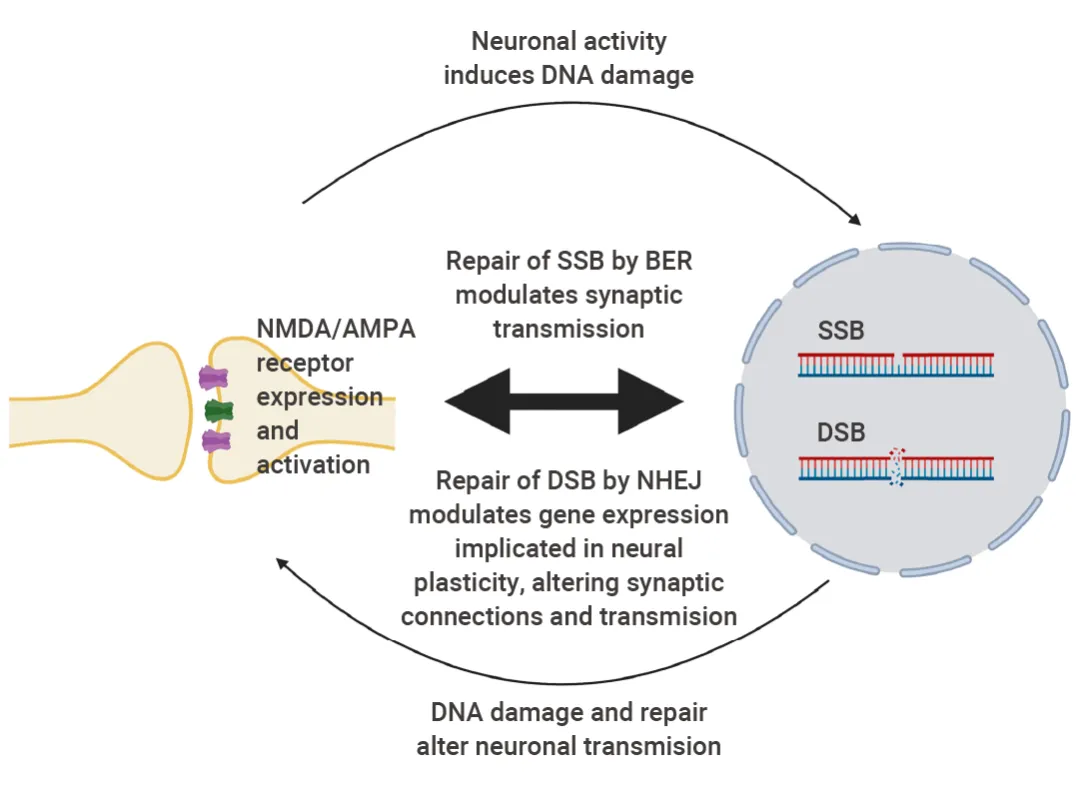
When you hear "inflammation" and "DNA damage," you might immediately think of disease or injury. However, in brains, these two processes are key steps in forming long-term memories, particularly related to specialized cells in our brain called hippocampal neurons.
Scientific Reviews
When you hear "inflammation" and "DNA damage," you might immediately think of disease or injury. However, in brains, these two processes are key steps in forming long-term memories, particularly related to specialized cells in our brain called hippocampal neurons. -
 Scientific Reviews
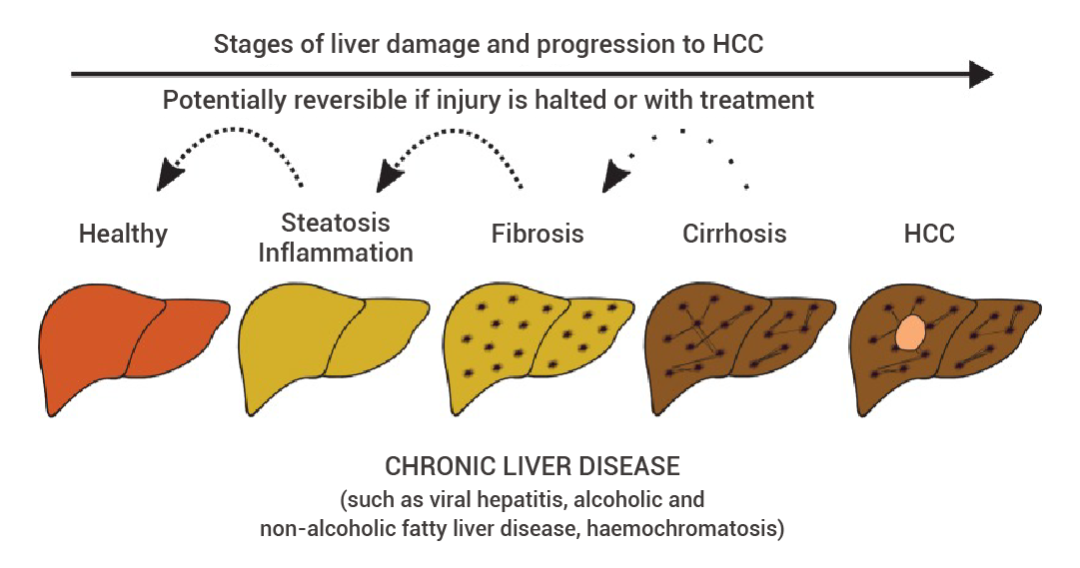
This article will tell you about the common methods of modeling liver disease in animal models.
Scientific Reviews
This article will tell you about the common methods of modeling liver disease in animal models. -
 Scientific Reviews
This article introduces some common cardiovascular disease models, inducers, modeling protocols and successful modeling cases in the research.
Scientific Reviews
This article introduces some common cardiovascular disease models, inducers, modeling protocols and successful modeling cases in the research. -
 Scientific Reviews
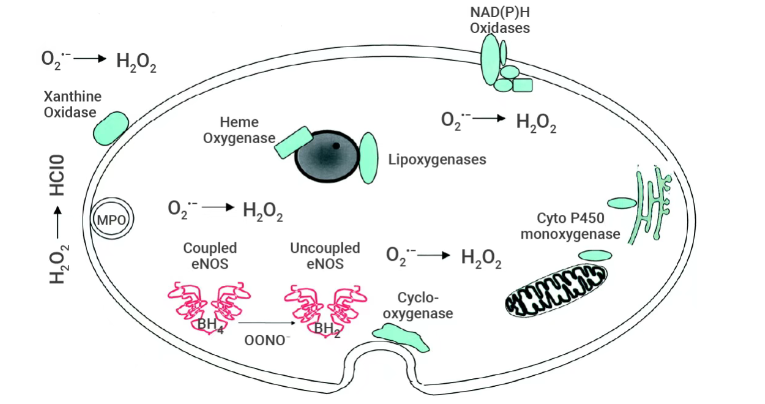
The article introduces the mechanisms of ROS generation and the methods for their detection.
Scientific Reviews
The article introduces the mechanisms of ROS generation and the methods for their detection. -
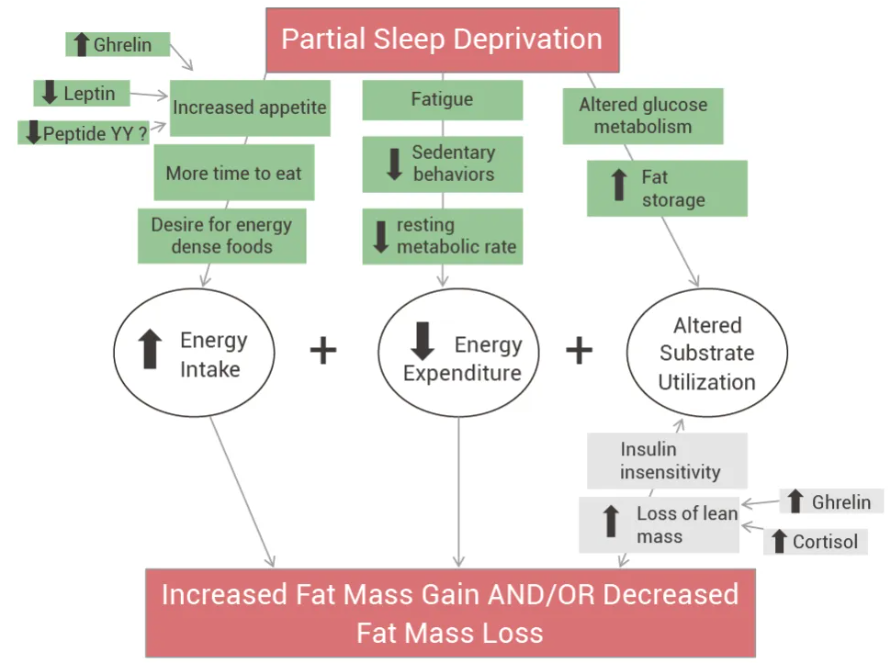 Scientific Reviews
Have you ever noticed that after staying up late, your appetite—especially for high-calorie foods—gets out of control? If this sounds familiar, today’s article might offer some good news.
Scientific Reviews
Have you ever noticed that after staying up late, your appetite—especially for high-calorie foods—gets out of control? If this sounds familiar, today’s article might offer some good news. -
 Scientific Reviews
A groundbreaking study in Nature Communications reveals the key mechanism behind Idiopathic Pulmonary Fibrosis and identifies an existing drug with the potential to counter it.
Scientific Reviews
A groundbreaking study in Nature Communications reveals the key mechanism behind Idiopathic Pulmonary Fibrosis and identifies an existing drug with the potential to counter it. -
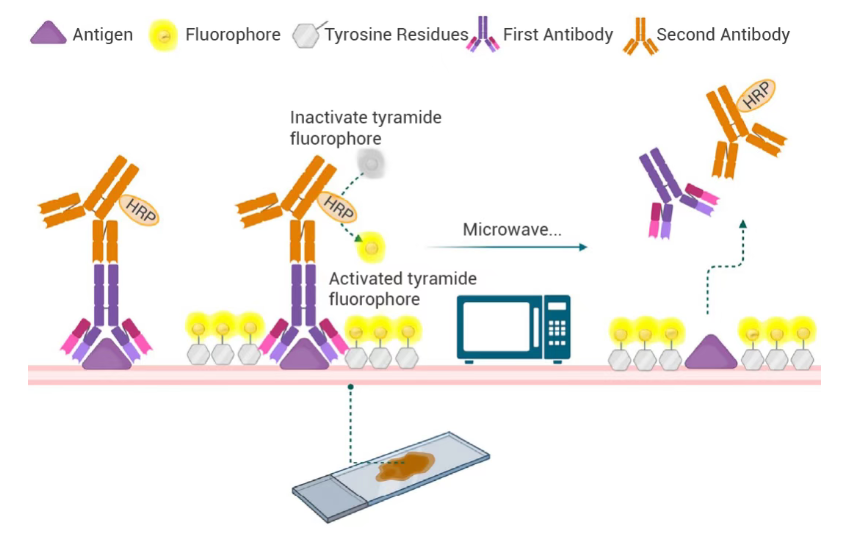 Scientific Reviews
This detailed guide outlines the standardized experimental protocols for multiplex immunohistochemistry (mIHC), systematically summarizes common technical issues encountered during sample preparation, staining and imaging processes, and provides practical troubleshooting solutions to ensure reliable and reproducible results in biomedical research and clinical sample analysis.
Scientific Reviews
This detailed guide outlines the standardized experimental protocols for multiplex immunohistochemistry (mIHC), systematically summarizes common technical issues encountered during sample preparation, staining and imaging processes, and provides practical troubleshooting solutions to ensure reliable and reproducible results in biomedical research and clinical sample analysis. -
 Scientific Reviews
Finding adipogenic induction media too expensive and tricky to prepare? This comprehensive guide to 3T3-L1 adipogenic differentiation simplifies the process, helping you achieve great results!
Scientific Reviews
Finding adipogenic induction media too expensive and tricky to prepare? This comprehensive guide to 3T3-L1 adipogenic differentiation simplifies the process, helping you achieve great results! -
Scientific Reviews
Microglia– the only immune cells within the brain parenchyma. With advancements in imaging technologies, people’s understanding of microglia has shifted from being viewed as 'resting' cells to 'highly active' cells, particularly due to their dynamic processes that seem to be probing surrounding tissues and monitoring neuronal activity. This has made microglia a focal point of research in the field of neuroscience. -
 Scientific Reviews
Exosomes—natural nanoscale carriers—are revolutionizing targeted therapy. This article uncovers the science behind their precision in drug delivery.
Scientific Reviews
Exosomes—natural nanoscale carriers—are revolutionizing targeted therapy. This article uncovers the science behind their precision in drug delivery. -
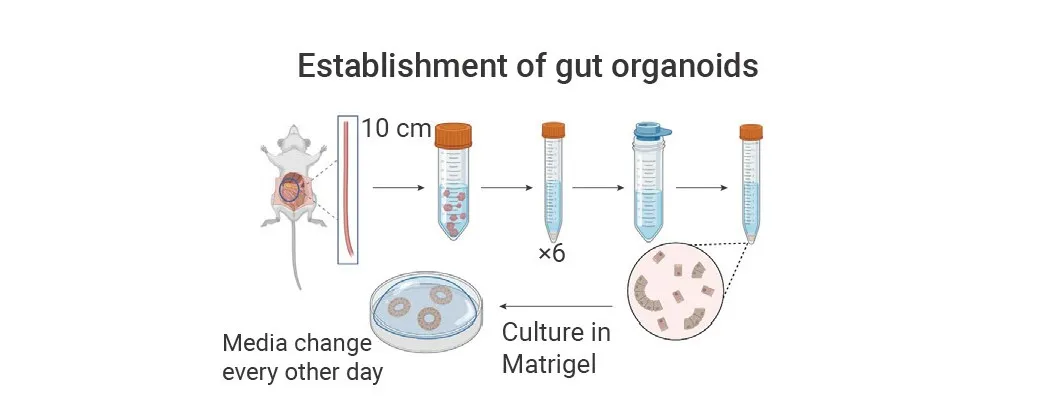 Scientific Reviews
Efficient Generation of Mouse Small Intestinal Organoids: A Complete Experimental Protocol Guide
Scientific Reviews
Efficient Generation of Mouse Small Intestinal Organoids: A Complete Experimental Protocol Guide2025-12-10
How to successfully create mouse small intestine organoids? A detailed, hands-on guide to the entire process, all in one article! -
 Scientific Reviews
This paper elaborates on cytokines for culturing major immune cells, their regulatory roles, recombinant cytokines' merits and MCE’s related high-quality products.
Scientific Reviews
This paper elaborates on cytokines for culturing major immune cells, their regulatory roles, recombinant cytokines' merits and MCE’s related high-quality products. -
 Scientific Reviews
In the hunt for the next ‘GLP-1,’ amylin therapeutics, which have shown strong weight-loss results in clinical trials, have become a major focus for both multinational pharma and the scientific community.
Scientific Reviews
In the hunt for the next ‘GLP-1,’ amylin therapeutics, which have shown strong weight-loss results in clinical trials, have become a major focus for both multinational pharma and the scientific community. -
 Scientific Reviews
GLP-1 and Obesity Research
Scientific Reviews
GLP-1 and Obesity Research2026-08-14
Obesity substantially increases the risk of chronic diseases such as T2D and cardiovascular disease. The breakout success of GLP-1 therapies has spotlighted GLP-1R and a wave of emerging obesity targets. -
 EDM
Research Progress of Type-2-Diabetes
EDM
Research Progress of Type-2-Diabetes2025-07-09
This review comprehensively analyzes the pathophysiological mechanisms underlying T2D, surveys current therapeutic strategies, and introduces commonly used disease modeling approaches to support translational research. -
 EDM
This review provides an overview of GLP-1 biology and physiological functions, summarizes the development and clinical applications of GLP-1 receptor agonists, and discusses next-generation GLP-1–based therapeutic strategies.
EDM
This review provides an overview of GLP-1 biology and physiological functions, summarizes the development and clinical applications of GLP-1 receptor agonists, and discusses next-generation GLP-1–based therapeutic strategies. -
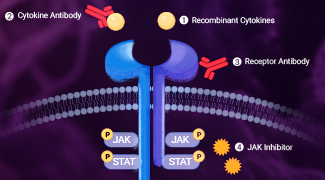 EDM
This review critically examines the role of the JAK-STAT pathway in immunity and autoimmune diseases, reviews current clinical applications of targeted therapies, and highlights emerging trends in autoimmune drug development.
EDM
This review critically examines the role of the JAK-STAT pathway in immunity and autoimmune diseases, reviews current clinical applications of targeted therapies, and highlights emerging trends in autoimmune drug development. -
 EDM
This review summarizes the mechanisms of DSS-induced colitis, commonly used modeling approaches, and key considerations related to DSS molecular weight.
EDM
This review summarizes the mechanisms of DSS-induced colitis, commonly used modeling approaches, and key considerations related to DSS molecular weight. -
 EDM
This review outlines macrophage functions and classification, and provides practical experimental guidelines for macrophage differentiation, polarization, and identification.
EDM
This review outlines macrophage functions and classification, and provides practical experimental guidelines for macrophage differentiation, polarization, and identification. -
 EDM
Explore next-generation obesity therapies from three perspectives: GLP-1-based multi-receptor agonists, oral GLP-1 strategies, and novel obesity targets.
EDM
Explore next-generation obesity therapies from three perspectives: GLP-1-based multi-receptor agonists, oral GLP-1 strategies, and novel obesity targets. -
 EDM
Review the mechanisms, mitochondrial regulation, disease relevance, and translational opportunities of the NLRP3–STING axis in neuroinflammation.
EDM
Review the mechanisms, mitochondrial regulation, disease relevance, and translational opportunities of the NLRP3–STING axis in neuroinflammation. -
 EDM
Explore the evolution from GLP-1 mono-agonists to multi-receptor therapeutics and the expanding role of incretin-based therapies in precision metabolic medicine.
EDM
Explore the evolution from GLP-1 mono-agonists to multi-receptor therapeutics and the expanding role of incretin-based therapies in precision metabolic medicine. -
 EDM
Explore the mechanisms driving immune tolerance breakdown in autoimmune diseases and emerging tolerance-restoring strategies, with a focus on IL-2-based immune modulation.
EDM
Explore the mechanisms driving immune tolerance breakdown in autoimmune diseases and emerging tolerance-restoring strategies, with a focus on IL-2-based immune modulation. -
 EDM
Evolution of PCSK9 Inhibitors Modalities: From Monoclonal Antibodies to Oral Macrocyclic Peptides
EDM
Evolution of PCSK9 Inhibitors Modalities: From Monoclonal Antibodies to Oral Macrocyclic Peptides2026-08-27
Review the biological basis of PCSK9, key therapeutic modalities, cardiovascular evidence, and future directions, including insights from the CORALreef clinical program. -
 EDM
Explore how mitochondrial quality control, inflammatory signaling, and metabolic–epigenetic reprogramming regulate cellular senescence and the SASP, along with strategies to restore mitochondrial homeostasis.
EDM
Explore how mitochondrial quality control, inflammatory signaling, and metabolic–epigenetic reprogramming regulate cellular senescence and the SASP, along with strategies to restore mitochondrial homeostasis. -
 Product Guides
Exosomes are nano-sized biovesicles released into surrounding body fluids after the fusion of multivesicular bodies with the plasma membrane. In this article, we will briefly introduce isolation, labeling and identification of exosomes. And the specific application of exosomes will also be mentioned.
Product Guides
Exosomes are nano-sized biovesicles released into surrounding body fluids after the fusion of multivesicular bodies with the plasma membrane. In this article, we will briefly introduce isolation, labeling and identification of exosomes. And the specific application of exosomes will also be mentioned. -
 Blog
HS-1371 is a Small Molecule RIP3 Inhibitor
Blog
HS-1371 is a Small Molecule RIP3 Inhibitor2019-04-09
HS-1371 is a novel kinase inhibitor of RIP3-mediated necroptosis, showing an inhibitory effect on S227 auto-phosphorylation of RIP3 at the basal level. -
 Blog
Nevanimibe is a selective and potent ACAT1 inhibitor. An excellent drug candidate in the treatment of adrenocortical cancer.
Blog
Nevanimibe is a selective and potent ACAT1 inhibitor. An excellent drug candidate in the treatment of adrenocortical cancer. -
 Blog
PRN1008 is a Reversible Covalent and Oral Active Inhibitor of Bruton’s Tyrosine Kinase (BTK)
Blog
PRN1008 is a Reversible Covalent and Oral Active Inhibitor of Bruton’s Tyrosine Kinase (BTK)2019-04-18
PRN1008 is a selective, reversible covalent and oral active inhibitor of Bruton’s Tyrosine Kinase (BTK), with an IC50 of 1.3 nM. -
 Blog
Multiple Tyrosine Kinases Inhibitor TAS-115
Blog
Multiple Tyrosine Kinases Inhibitor TAS-1152019-04-19
TAS-115 is a potent VEGFR and c-Met/HGFR-targeted kinase inhibitor with IC50s of 30 and 32 nM for rVEGFR2 and rMET, respectively. -
 Blog
TAK-828F is a potent, selective and orally active retinoic acid receptor-related orphan receptor γt (RORγt) inverse agonist. TAK-828F inhibits IL-17A cytokine expression and reduces symptoms of autoimmune encephalomyelitis mice.
Blog
TAK-828F is a potent, selective and orally active retinoic acid receptor-related orphan receptor γt (RORγt) inverse agonist. TAK-828F inhibits IL-17A cytokine expression and reduces symptoms of autoimmune encephalomyelitis mice. -
 Blog
BAY-8002 is a selective and orally active inhibitor of monocarboxylate transporter 1 (MCT1), with an IC50 of 85 nM. Has potential to treat lymphoma.
Blog
BAY-8002 is a selective and orally active inhibitor of monocarboxylate transporter 1 (MCT1), with an IC50 of 85 nM. Has potential to treat lymphoma. -
 Blog
GSK3145095 is a RIP1 kinase inhibitor with an IC50 of 6.3 nM. Potently blocks the TNF response and RIP1-dependent inflammatory cytokine MIP-1β production.
Blog
GSK3145095 is a RIP1 kinase inhibitor with an IC50 of 6.3 nM. Potently blocks the TNF response and RIP1-dependent inflammatory cytokine MIP-1β production. -
 Blog
Olutasidenib is a highly potent, selective inhibitor of mutant IDH1 that could be used in the treatment of AML or myelodysplastic syndrome (MDS).
Blog
Olutasidenib is a highly potent, selective inhibitor of mutant IDH1 that could be used in the treatment of AML or myelodysplastic syndrome (MDS). -
 Blog
JMS-17-2 is a CX3CR1 Antagonist
Blog
JMS-17-2 is a CX3CR1 Antagonist2019-06-12
JMS-17-2 is a potent and selective CX3CR1 antagonist with an IC50 of 0.32 nM. Has potential to treat cancers such as breast cancer. -
 Blog
BAY-11-7082 inhibits the proliferation and induces the apoptosis of U266 cells through inhibiting NF-κB pathway. BAY 11-7082 ameliorates experimental diabetic neuropathy by modulating neuroinflammation and improving antioxidant defence.
Blog
BAY-11-7082 inhibits the proliferation and induces the apoptosis of U266 cells through inhibiting NF-κB pathway. BAY 11-7082 ameliorates experimental diabetic neuropathy by modulating neuroinflammation and improving antioxidant defence. -
 Blog
S18-000003 is a potent, selective and orally active inhibitor of retinoic acid receptor-related orphan receptor-gamma-t (RORγt). S18-000003 ameliorates psoriasis-like lesions in vivo. S18-000003 can be used for the research of skin inflammatory diseases.
Blog
S18-000003 is a potent, selective and orally active inhibitor of retinoic acid receptor-related orphan receptor-gamma-t (RORγt). S18-000003 ameliorates psoriasis-like lesions in vivo. S18-000003 can be used for the research of skin inflammatory diseases. -
 Blog
PTC299 is a dual and orally active DHODH and VEGF inhibitor, has broad and potent activity against hematological cancer cells.
Blog
PTC299 is a dual and orally active DHODH and VEGF inhibitor, has broad and potent activity against hematological cancer cells. -
 Blog
TPCA-1, a Direct Dual Inhibitor of STAT3 and NF-κB, Regresses Mutant EGFR-Associated NSCLC
Blog
TPCA-1, a Direct Dual Inhibitor of STAT3 and NF-κB, Regresses Mutant EGFR-Associated NSCLC2019-07-15
TPCA-1 is a potent and selective inhibitor of IKK-2 with IC50 of 17.9 nM. TPCA-1 is an effective inhibitor of STAT3 phosphorylation, DNA binding. -
 Blog
LSN 3213128 is a selective, nonclassical, orally bioavailable antifolate with anti-cancer activity. LSN 3213128 potently and specifically inhibits AICARFT.
Blog
LSN 3213128 is a selective, nonclassical, orally bioavailable antifolate with anti-cancer activity. LSN 3213128 potently and specifically inhibits AICARFT. -
 Blog
NXT629 is a potent, selective, and competitive PPAR-α antagonist and shows high selectivity over other nuclear hormone receptor.
Blog
NXT629 is a potent, selective, and competitive PPAR-α antagonist and shows high selectivity over other nuclear hormone receptor. -
 Blog
BI-4924 is a Selective PHGDH Inhibitor
Blog
BI-4924 is a Selective PHGDH Inhibitor2019-08-23
BI-4924 is a lipophilic and highly plasma protein bound selective phosphoglycerate dehydrogenase (PHGDH) inhibitor (IC50=3 nM) with excellent microsomal. -
 Blog
FT113 is a potent and orally active fatty acid synthase inhibitor, with an IC50 of 213 nM for full-length recombinant human FAS, with anti-tumor activity.
Blog
FT113 is a potent and orally active fatty acid synthase inhibitor, with an IC50 of 213 nM for full-length recombinant human FAS, with anti-tumor activity. -
 Blog
UPGL00004 is a allosteric glutaminase C inhibitor which strongly inhibits the proliferation of highly aggressive triple-negative breast cancer cell lines.
Blog
UPGL00004 is a allosteric glutaminase C inhibitor which strongly inhibits the proliferation of highly aggressive triple-negative breast cancer cell lines. -
 Blog
IDH889 is an orally available, brain penetrant, allosteric and mutant specific inhibitor of isocitrate dehydrogenase 1 (IDH1) R132 mutations.
Blog
IDH889 is an orally available, brain penetrant, allosteric and mutant specific inhibitor of isocitrate dehydrogenase 1 (IDH1) R132 mutations. -
 Blog
DVD-445 is a potent peptidomimetic covalent TrxR1 inhibitor with an IC50 of 0.60 μM for rat TrxR1. DVD-445 has good anticancer application.
Blog
DVD-445 is a potent peptidomimetic covalent TrxR1 inhibitor with an IC50 of 0.60 μM for rat TrxR1. DVD-445 has good anticancer application. -
 Blog
BI-167107 is a high affinity, full agonist that binds to the β2 adrenergic receptor (β2AR) with a dissociation constant Kd of 84 pM.
Blog
BI-167107 is a high affinity, full agonist that binds to the β2 adrenergic receptor (β2AR) with a dissociation constant Kd of 84 pM. -
 Blog
TVB-3166 is an orally-available, reversible, and selective FASN inhibitor and it induces apoptosis, and inhibits in-vivo xenograft tumor growth.
Blog
TVB-3166 is an orally-available, reversible, and selective FASN inhibitor and it induces apoptosis, and inhibits in-vivo xenograft tumor growth. -
 Blog
ASLAN003 is an orally active and potent inhibitor of hDHODH with antitumor activity, and it has the potential to be a first-in-class drug candidate in AML.
Blog
ASLAN003 is an orally active and potent inhibitor of hDHODH with antitumor activity, and it has the potential to be a first-in-class drug candidate in AML. -
 Blog
DS18561882 is a highly potent, sozyme-selective methylenetetrahydrofolate dehydrogenase 2 (MTHFD2) inhibitor with a good oral pharmacokinetic profile.
Blog
DS18561882 is a highly potent, sozyme-selective methylenetetrahydrofolate dehydrogenase 2 (MTHFD2) inhibitor with a good oral pharmacokinetic profile. -
 Blog
GNE-618 is a Orally Active NAMPT Inhibitor
Blog
GNE-618 is a Orally Active NAMPT Inhibitor2019-11-28
GNE-618 is an orally active NAMPT inhibitor and reduces tumor growth. GNE-618 depletes NAD levels and induces tumor cell death. -
 Blog
Telaglenastat is a first-in-class, reversible, orally bioavailable glutaminase 1 splice variants (KGA and GAC) inhibitor. It shows antitumor activity.
Blog
Telaglenastat is a first-in-class, reversible, orally bioavailable glutaminase 1 splice variants (KGA and GAC) inhibitor. It shows antitumor activity. -
 Blog
UK 356618 is a Selective MMP-3 Inhibitor
Blog
UK 356618 is a Selective MMP-3 Inhibitor2019-12-25
UK 356618 is a selective and potent inhibitor of MMP-3. UK 356618 exhibits potent anti-inflammatory and anti-cancer activity. -
 Blog
CH6953755 is a potent, orally active and selective YES1 kinase inhibitor leading to antitumor activity against YES1 Gene -amplified cancers.
Blog
CH6953755 is a potent, orally active and selective YES1 kinase inhibitor leading to antitumor activity against YES1 Gene -amplified cancers. -
 Blog
CA-4948 is a Selective and Orally Bioavailable IRAK4 Kinase Inhibitor for Lymphoma Treatment
Blog
CA-4948 is a Selective and Orally Bioavailable IRAK4 Kinase Inhibitor for Lymphoma Treatment2020-01-05
CA-4948 is a potent, selective and orally bioavailable IRAK4 kinase inhibitor. CA-4948 can be used for the treatment of lymphoma. -
 Blog
GPP78 is a potent Nampt inhibitor. GPP78 is cytotoxic to neuroblastoma cell line SH-SY5Y cells. GPP78 has anti-cancer and anti-tumor activity.
Blog
GPP78 is a potent Nampt inhibitor. GPP78 is cytotoxic to neuroblastoma cell line SH-SY5Y cells. GPP78 has anti-cancer and anti-tumor activity. -
 Blog
BAY-985 is an orally active and selective ATP-competitive dual inhibitor of TBK1 and IKKε with IC50s of 2/30 and 2 nM for TBK1 and IKKε, respectively.
Blog
BAY-985 is an orally active and selective ATP-competitive dual inhibitor of TBK1 and IKKε with IC50s of 2/30 and 2 nM for TBK1 and IKKε, respectively. -
 Blog
ADH-503 is an orally active and allosteric CD11b agonist and leads to the repolarization of tumor-associated macrophages.
Blog
ADH-503 is an orally active and allosteric CD11b agonist and leads to the repolarization of tumor-associated macrophages. -
 Blog
CM10 is a potent and selective aldehyde dehydrogenase 1A family inhibitor and regulates metabolism and has anti-cancer activity.
Blog
CM10 is a potent and selective aldehyde dehydrogenase 1A family inhibitor and regulates metabolism and has anti-cancer activity. -
 Blog
DC-5163 is a potent GAPDH inhibitor, can inhibit glycolysis pathway partially. DC-5163 selectively inhibits cancer cell proliferation and induces apoptosis.
Blog
DC-5163 is a potent GAPDH inhibitor, can inhibit glycolysis pathway partially. DC-5163 selectively inhibits cancer cell proliferation and induces apoptosis. -
 Blog
iFSP1 is a potent, selective FSP1inhibitor that induces ferroptosis in GPX4-knockout cells which overexpressed FSP1.
Blog
iFSP1 is a potent, selective FSP1inhibitor that induces ferroptosis in GPX4-knockout cells which overexpressed FSP1. -
 Blog
OT-82 is a selective inhibitor of NAMPT. Selectively toxic to cells of hematopoietic origin. OT-82 is a promising antineoplastic agent.
Blog
OT-82 is a selective inhibitor of NAMPT. Selectively toxic to cells of hematopoietic origin. OT-82 is a promising antineoplastic agent. -
 Blog
TNP-351, an Antifolate, is a Dihydrofolate Reductase (DHFR) Inhibitor. Antifolates serve medical science well in neoplastic and non-neoplastic diseases.
Blog
TNP-351, an Antifolate, is a Dihydrofolate Reductase (DHFR) Inhibitor. Antifolates serve medical science well in neoplastic and non-neoplastic diseases. -
 Blog
GSK143 is an orally active and highly selective spleen tyrosine kinase (SYK) inhibitor. GSK143 reduces inflammation in the intestinal muscularis in mice.
Blog
GSK143 is an orally active and highly selective spleen tyrosine kinase (SYK) inhibitor. GSK143 reduces inflammation in the intestinal muscularis in mice. -
 Blog
RA375, a RPN13 inhibitor, inhibits proteasome function in muscle. RA375 is highly active against cell lines of multiple myeloma and diverse solid cancers.
Blog
RA375, a RPN13 inhibitor, inhibits proteasome function in muscle. RA375 is highly active against cell lines of multiple myeloma and diverse solid cancers. -
 Blog
JX06 is a potent, selective and covalent inhibitor of PDK via covalently binding to a cysteine residue in an irreversible manner.
Blog
JX06 is a potent, selective and covalent inhibitor of PDK via covalently binding to a cysteine residue in an irreversible manner. -
 Blog
IPI-9119 is an orally active, selective and irreversible FASN inhibitor with potent anti-cancer activity. IPI-9119 induces cell cycle arrest, apoptosis.
Blog
IPI-9119 is an orally active, selective and irreversible FASN inhibitor with potent anti-cancer activity. IPI-9119 induces cell cycle arrest, apoptosis. -
 Blog
CAY10404 is a potent and highly selective COX-2 inhibitor. CAY10404 is a potent inhibitor of PKB/Akt and MAPK signalling pathways.
Blog
CAY10404 is a potent and highly selective COX-2 inhibitor. CAY10404 is a potent inhibitor of PKB/Akt and MAPK signalling pathways. -
 Blog
BMS-P5 is an Orally Active PAD4 Inhibitor
Blog
BMS-P5 is an Orally Active PAD4 Inhibitor2020-12-12
BMS-P5 is an orally active PAD4 inhibitor. BMS-P5 blocks MM-induced NET formation and delays progression of MM in a syngeneic mouse model -
 Blog
ML132, a potent and selective caspase 1 inhibitor with a unique selectivity pattern, is responsible for the proteolytic activation of IL-1β and IL-18.
Blog
ML132, a potent and selective caspase 1 inhibitor with a unique selectivity pattern, is responsible for the proteolytic activation of IL-1β and IL-18. -
 Blog
CTPI-2 is a SLC25A1 inhibitor. CTPI-2 inhibits glycolysis, PPARγ, and its downstream target the glucose transporter GLUT4. Antitumor activity.
Blog
CTPI-2 is a SLC25A1 inhibitor. CTPI-2 inhibits glycolysis, PPARγ, and its downstream target the glucose transporter GLUT4. Antitumor activity. -
 Blog
DMU-212 Possesses Antimitotic, Anti-Proliferative, Antioxidant and Apoptosis Promoting Activities
Blog
DMU-212 Possesses Antimitotic, Anti-Proliferative, Antioxidant and Apoptosis Promoting Activities2020-12-24
Activation of ERK1/2 is required for the antimitotic activity of the Resveratrol analogue DMU‐212 in human melanoma cells. -
 Blog
BI99179 is a Selective Type I FASN Inhibitor
Blog
BI99179 is a Selective Type I FASN Inhibitor2021-01-28
FASN is a key enzyme for lipogenesis and highly expressed in lipogenic tissues. BI99179 is a Selective Type I FASN Inhibitor. -
 Blog
Fasentin inhibits GLUT-1 and GLUT-4 transporters. Fasentin blocks glucose uptake in cancer cell lines and has anti-angiogenic activity.
Blog
Fasentin inhibits GLUT-1 and GLUT-4 transporters. Fasentin blocks glucose uptake in cancer cell lines and has anti-angiogenic activity. -
 Blog
ML390 is a Potent DHODH Inhibitor
Blog
ML390 is a Potent DHODH Inhibitor2021-02-24
ML390 is a potent dihydroorotate dehydrogenase (DHODH) inhibitor and is an inducer of myeloid differentiation. -
 Blog
CC-90001 is a potent, selective, and orally active inhibitor of JNK. CC-90001 can be used for the research of idiopathic pulmonary fibrosis (IPF).
Blog
CC-90001 is a potent, selective, and orally active inhibitor of JNK. CC-90001 can be used for the research of idiopathic pulmonary fibrosis (IPF). -
 Blog
SB-332235 is a potent, orally active nonpeptide CXCR2 antagonist. SB-332235 inhibits acute and chronic models of arthritis in the rabbit.
Blog
SB-332235 is a potent, orally active nonpeptide CXCR2 antagonist. SB-332235 inhibits acute and chronic models of arthritis in the rabbit. -
 Blog
Vorasidenib is an orally available, brain penetrant second-generation dual mutant isocitrate dehydrogenases 1 and 2 (mIDH1/2) inhibitor.
Blog
Vorasidenib is an orally available, brain penetrant second-generation dual mutant isocitrate dehydrogenases 1 and 2 (mIDH1/2) inhibitor. -
 Blog
Lumiracoxib is a COX-2 inhibitor. Lumiracoxib acts as nonselective NSAID with anti-inflammatory, analgesic and antipyretic activities.
Blog
Lumiracoxib is a COX-2 inhibitor. Lumiracoxib acts as nonselective NSAID with anti-inflammatory, analgesic and antipyretic activities. -
 Blog
Ruxolitinib is a potent and selective JAK1/2 inhibitor and has 130-fold selectivity for JAK1/2 over JAK3. Ruxolitinib induces autophagy.
Blog
Ruxolitinib is a potent and selective JAK1/2 inhibitor and has 130-fold selectivity for JAK1/2 over JAK3. Ruxolitinib induces autophagy. -
 Blog
Elesclomol is an oxidative stress inducer that induces cancer cell apoptosis. Elesclomol is a reactive oxygen species (ROS) inducer.
Blog
Elesclomol is an oxidative stress inducer that induces cancer cell apoptosis. Elesclomol is a reactive oxygen species (ROS) inducer. -
 Blog
Brusatol (NSC 172924) is a Nrf2 Inhibitor
Blog
Brusatol (NSC 172924) is a Nrf2 Inhibitor2021-10-26
Brusatol inhibits the Nrf2 signaling pathway by reducing the protein level of Nrf2, with anticancer activities. -
 Blog
IMD-0354 is a Selective IKKβ Inhibitor
Blog
IMD-0354 is a Selective IKKβ Inhibitor2021-11-09
IMD-0354 is a selective IKKβ inhibitor and potently inhibits NF-κB activity. IMD0354 has antitumor activity. -
 Blog
Oltipraz is a Nrf2 Inhibitor
Blog
Oltipraz is a Nrf2 Inhibitor2021-11-18
Oltipraz is a potent Nrf2 activator. Oltipraz has an inhibitory effect on HIF-1α activation in a time-dependent manner, the IC50 is 10 μM. -
 Blog
Lonidamine, an antitumor agent and an indazole derivative, interferes with energy-yielding processes in cancer cells.
Blog
Lonidamine, an antitumor agent and an indazole derivative, interferes with energy-yielding processes in cancer cells. -
 Blog
Trolox is an analogue of vitamin E with a powerful antioxidant effect. Trolox is also a powerful inhibitor of membrane damage.
Blog
Trolox is an analogue of vitamin E with a powerful antioxidant effect. Trolox is also a powerful inhibitor of membrane damage. -
 Blog
Alda-1 is a potent ALDH2 Agonist
Blog
Alda-1 is a potent ALDH2 Agonist2021-12-30
Alda-1 ameliorates H2O2-induced Achilles tendinopathy. Alda-1 could be used for preventing Achilles tendinopathy. -
 Blog
β-Lapachone, a topoisomerase I inhibitor, induces apoptosis by inhibiting cell cycle progression. β-Lapachone has anti-inflammatory effect.
Blog
β-Lapachone, a topoisomerase I inhibitor, induces apoptosis by inhibiting cell cycle progression. β-Lapachone has anti-inflammatory effect. -
 Blog
CL097 is a TLR7/8 agonist. CL097 induces pro-nflammatory cytokines. CL097 induces NADPH oxidase priming and efficient diabetogenic cytotoxic T lymphocyte (CTL) function in NOD mice.
Blog
CL097 is a TLR7/8 agonist. CL097 induces pro-nflammatory cytokines. CL097 induces NADPH oxidase priming and efficient diabetogenic cytotoxic T lymphocyte (CTL) function in NOD mice. -
 Blog
Zingerone is a natural orally active nontoxic methoxyphenol potent anti-inflammatory, antidiabetic, antioxidize, and anti-tumor properties.
Blog
Zingerone is a natural orally active nontoxic methoxyphenol potent anti-inflammatory, antidiabetic, antioxidize, and anti-tumor properties. -
 Blog
PX-12 is an irreversible inhibitor of Trx-1 and inhibits the growth, migration, and invasion of colorectal cancer cell lines.
Blog
PX-12 is an irreversible inhibitor of Trx-1 and inhibits the growth, migration, and invasion of colorectal cancer cell lines. -
 Blog
BM213 is a selective C5aR1 agonist. It’s a useful research tool to study C5aR1 function
Blog
BM213 is a selective C5aR1 agonist. It’s a useful research tool to study C5aR1 function -
 Blog
Pelecopan is a potent, selective, and orally active complement factor D inhibitor, possessing the potential to study paroxysmal nocturnal hemoglobinuria (PNH).
Blog
Pelecopan is a potent, selective, and orally active complement factor D inhibitor, possessing the potential to study paroxysmal nocturnal hemoglobinuria (PNH). -
 Blog
LCS3 is a potent and reversible inhibitor of GSR and TXNRD1 with anti-tumour activity by non-competitive inhibition of the enzyme activity.
Blog
LCS3 is a potent and reversible inhibitor of GSR and TXNRD1 with anti-tumour activity by non-competitive inhibition of the enzyme activity. -
 Blog
Etrolizumab is a Gut-selective, Anti-β7 Integrin McAb for Inflammatory Bowel Disease (IBD) Research
Blog
Etrolizumab is a Gut-selective, Anti-β7 Integrin McAb for Inflammatory Bowel Disease (IBD) Research2022-11-05
Etrolizumab is a gut-selective, anti-β7 integrin monoclonal antibody and has the potential for the research of inflammatory bowel disease. -
 Blog
STF-31 is a potent ans selective inhibitor of GLUT1 that inhibit glucose uptake in renal cell carcinoma (RCC) 4 cells.
Blog
STF-31 is a potent ans selective inhibitor of GLUT1 that inhibit glucose uptake in renal cell carcinoma (RCC) 4 cells. -
 Blog
Olutasidenib (FT-2102) is an orally active, brain penetrant inhibitor of mutant IDH1. Olutasidenib is used for AML or MDS Research.
Blog
Olutasidenib (FT-2102) is an orally active, brain penetrant inhibitor of mutant IDH1. Olutasidenib is used for AML or MDS Research. -
 Blog
MMRi62, a Ferroptosis inducer targeting MDM2-MDM4. MMRi62 shows a P53-independent pro-apoptotic activity against PDAC cells.
Blog
MMRi62, a Ferroptosis inducer targeting MDM2-MDM4. MMRi62 shows a P53-independent pro-apoptotic activity against PDAC cells. -
 Blog
FA16 is a specific and metabolically stable ferroptosis inducer. It inhibits system Xc-, results in tumor progression suppression.
Blog
FA16 is a specific and metabolically stable ferroptosis inducer. It inhibits system Xc-, results in tumor progression suppression. -
 Blog
YL-939 was a potent inhibitor of iron death and significantly improved liver injury in a model of iron death-related acute liver injury.
Blog
YL-939 was a potent inhibitor of iron death and significantly improved liver injury in a model of iron death-related acute liver injury. -
 Blog
Talotrexin (PT523), a classic antifolate, is an RFC (reduced folate carrier) specific inhibitor and selectively inhibits RFC transport.
Blog
Talotrexin (PT523), a classic antifolate, is an RFC (reduced folate carrier) specific inhibitor and selectively inhibits RFC transport. -
 Blog
Ruxolitinib is an orally-active JAK1/2 inhibitor. Ruxolitinib has the potential for the research of myeloproliferative neoplasm (MPN).
Blog
Ruxolitinib is an orally-active JAK1/2 inhibitor. Ruxolitinib has the potential for the research of myeloproliferative neoplasm (MPN).
Products
All
-
All
-
Inhibitors & Agonists
-
Isotope-Labeled Compounds
-
Peptides
-
Screening Libraries
-
Inhibitory Antibodies
-
Reference Standards
-
Induced Disease Models Products
-
GMP Small Molecules
-
Biochemical Assay Reagents
-
Natural Products
| Cat. No. | Product Name | Information | Application | Publication |
|---|---|---|---|---|
| HY-11109 | Resatorvid |
Resatorvid (TAK-242) is a selective Toll-like receptor 4 (TLR4) inhibitor. Resatorvid inhibits NO, TNF-α and IL-6 production with IC50s of 1.8 nM, 1.9 nM and 1.3 nM, respectively. Resatorvid downregulates expression of TLR4 downstream signaling molecules MyD88 and TRIF. Resatorvid inhibits autophagy and plays pivotal role in various inflammatory diseases.
|
|
536
|
| HY-12815A | MCC950 sodium |
MCC950 sodium (CP-456773 sodium; CRID3 sodium salt) is a potent, selective NLRP3 inhibitor with IC50s of 7.5 and 8.1 nM in BMDMs and HMDMs, respectively.
|
|
497
|
| HY-12815 | MCC950 |
MCC950 (CP-456773; CRID3) is a potent and selective NLRP3 inhibitor with IC50s of 7.5 and 8.1 nM in BMDMs and HMDMs, respectively.
|
|
497
|
| HY-100381 | Nigericin sodium salt |
Nigericin sodium salt is an antibiotic derived from Streptomyces hygroscopicus that act as a K+/H+ ionophore, promoting K+/H+ exchange across mitochondrial membranes. Nigericin sodium salt is a NLRP3 activator. Nigericin sodium salt shows promising anti-cancer activities through decreasing intracellular pH (pHi), and inactivation of Wnt/β-catenin signals. Nigericin sodium salt induces pyroptosis through caspase 1/GSDMD in TNBC.
Source: Streptomyces hygroscopicus |
Breast Cancer
Colorectal Cancer
Prostate Cancer
Gastric Cancer
Liver Cancer
Ovarian Cancer
Bacterial Infection
Depression
Hypertension
Lung Fibrosis
Rheumatoid Arthritis
|
258
|
| HY-127019 | Nigericin |
Nigericin is an antibiotic derived from Streptomyces hygroscopicus that act as a K+/H+ ionophore, promoting K+/H+ exchange across mitochondrial membranes. Nigericin is a NLRP3 activator. Nigericin shows promising anti-cancer activities through decreasing intracellular pH (pHi), and inactivation of Wnt/β-catenin signals. Nigericin induces pyroptosis through caspase 1/GSDMD in TNBC.
|
Breast Cancer
Colorectal Cancer
Prostate Cancer
Gastric Cancer
Liver Cancer
Ovarian Cancer
Bacterial Infection
Depression
Hypertension
Lung Fibrosis
Rheumatoid Arthritis
|
258
|
| HY-112879 | Mito-TEMPO |
Mito-TEMPO is a mitochondria-targeted antioxidant. Mito-TEMPO induces mitophagy by activating the PINK1/Parkin pathway, inhibits NLRP3 inflammasome activation, restores mitochondrial membrane potential, and improves renal function and podocyte injury. Mito-TEMPO regulates Ca2+ homeostasis, inhibits Bnip3 overexpression, shortens action potential duration, and exerts antiarrhythmic effects. Mito-TEMPO reverses premature senescence, reduces trabecular bone loss, and decreases cell apoptosis. Mito-TEMPO can be used in studies of chronic kidney disease, age-related cardiac dysfunction, postmenopausal osteoporosis, and ischemic stroke.
|
|
186
|
| HY-B2176 | ATP |
ATP (Adenosine 5'-triphosphate) is a central component of energy storage and metabolism in vivo. ATP provides the metabolic energy to drive metabolic pumps and serves as a coenzyme in cells. ATP is an important endogenous signaling molecule in immunity and inflammation. ATP can activate the NLRP3 inflammasome and induce IL-1β and chemokines secretion. ATP has anti-bacterial infection effects and can protect mice against bacterial infection in mice.
Source: widespread |
|
178
|
| HY-B0240 | Disulfiram |
Disulfiram (Tetraethylthiuram disulfide) is a specific inhibitor of aldehyde-dehydrogenase (ALDH1), used for the treatment of chronic alcoholism by producing an acute sensitivity to alcohol. Disulfiram inhibits gasdermin D (GSDMD) pore formation in liposomes and inflammasome-mediated pyroptosis and IL-1β secretion in human and mouse cells. Disulfiram, a copper ion carrier, with Cu2+ increases intracellular ROS levels and induces cuproptosis.
|
Metabolic or Endocrine Disease
Breast Cancer
Prostate Cancer
Pancreatic Cancer
Ovarian Cancer
Viral Infection
Depression
Pain
Autoimmune Disease
Digestive System Inflammation
SARS-CoV-2 Infection
|
161
|
| HY-100573 | Necrosulfonamide |
Necrosulfonamide is a MLKL and Gasdermin D (GSDMD) inhibitor, capable of separately inhibiting necroptosis and pyroptosis of cells. Necrosulfonamide does not affect the activation of upstream signals, but specifically inhibits the downstream executor oligomerization step. Necrosulfonamide reduces the expression of the key kinases NLRP3 and caspase-1 involved in necroptosis and pyroptosis, activate the Nrf2 pathway and the downstream antioxidant enzymes, and also downregulates a variety of inflammatory factors. Necrosulfonamide plays significant roles in various diseases such as neurodegenerative diseases (such as Parkinson’s disease), tissue damage and ischemia-reperfusion injury, inflammatory bowel disease, osteoarthritis and fracture repair, and hair loss by regulating two important programmed necrosis pathways.
|
Mixed Lineage Kinase
Necroptosis
Pyroptosis
Caspase
NOD-like Receptor (NLR)
Keap1-Nrf2
TNF Receptor
Interleukin Related
NO Synthase
Heme Oxygenase (HO)
Digestive System Disease
Prostate Cancer
Leukemia/Lymphoma/Myeloma
Depression
Digestive System Inflammation
Cardiovascular Disease
Parkinson's Disease
Obesity
Lung Fibrosis
Rheumatoid Arthritis
|
147
|
| HY-50912 | Plerixafor octahydrochloride |
Plerixafor octahydrochloride (AMD3100 octahydrochloride) is a selective CXCR4 antagonist with an IC50 of 44 nM.
|
Pancreatic Cancer
Viral Infection
Digestive System Inflammation
Glucose Metabolism
SARS-CoV-2 Infection
Lung Fibrosis
Rheumatoid Arthritis
|
112
|
| HY-10046 | Plerixafor |
Pancreatic Cancer
Viral Infection
Digestive System Inflammation
Glucose Metabolism
SARS-CoV-2 Infection
Lung Fibrosis
Rheumatoid Arthritis
|
112
|
|
| HY-14519 | Methotrexate |
Methotrexate (Amethopterin; CL14377; WR19039) is an orally active antifolate (Antifolate). Methotrexate inhibits dihydrofolate reductase (DHFR), blocks tetrahydrofolate production, suppresses purine/pyrimidine synthesis and transmethylation, and causes intracellular accumulation of AICAR. Methotrexate promotes extracellular adenosine release, regulates the cytokine network, and inhibits the alarmin function of HMGB1. Methotrexate induces apoptosis and cytotoxicity, upregulates the expression of iNOS and COX-2, suppresses hippocampal neurogenesis, and induces pulmonary fibrosis. Methotrexate is used in the research of various immune and inflammation-related diseases such as arthritis, psoriasis, systemic lupus erythematosus, as well as pulmonary fibrosis and breast cancer.
|
|
87
|
| HY-L204 | Lactic Acid Metabolic Compound Library |
Lactic acid metabolism is one of the key metabolic pathways within living organisms. It plays a crucial role not only in cellular energy conversion but is also closely related to a variety of physiological and pathological processes. The production and clearance of lactic acid are important indicators of cellular metabolic balance, and its abnormal regulation may lead to conditions such as lactic acidosis, muscle fatigue, and hereditary metabolic diseases. Moreover, lactic acid is closely related to the malignancy of tumors and is considered a biomarker for malignant tumors and poor prognosis. Lactic acid can serve as a metabolic substrate to support the metabolic needs of tumor cells under hypoxic conditions, and it can also cause acidification of the tumor microenvironment, suppress immune cell function to promote immune evasion, and induce drug resistance in tumor cells. Currently, targeting lactic acid-lactylation and its related metabolic pathways has become a new research avenue for cancer treatment. In-depth exploration of the molecular mechanisms of lactic acid metabolism can help in screening lead compounds that regulate the lactic acid metabolism.
MCE contains 582 small molecule compounds targeting enzymes involved in lactic acid metabolism. This library is of significant value for researching the role of lactate metabolism in the mechanisms of diseases.
|
|
83
|
| HY-L213 | Anti-Cancer Approved Drug Library |
The anti-cancer drug library meticulously collects all drugs approved by FDA and other major national drug regulatory authorities for cancer treatment. These drugs cover a variety of cancer types, including but not limited to lung cancer, breast cancer, colorectal cancer, leukemia, and other common cancers. The library includes a wide range of drugs, from classic chemotherapeutic agents to cutting-edge targeted therapies and immunotherapies. It contains various types of drug compounds with different mechanisms of action. There are cytotoxic drugs that directly kill cancer cells, as well as drugs that work by modulating the tumor microenvironment, inhibiting tumor angiogenesis, and activating the immune system. This diversity provides researchers with a broad range of perspectives and options for intervention strategies.
This library can be used for basic research on cancer treatment, exploring new targets and new mechanisms of drug action; Conducting drug reuse research to look for potential therapeutic effects of existing drugs on other cancer types or diseases; Or conducting research into combination drugs to optimize cancer treatment.
MCE has collected 265 small-molecule compounds with cancer indications, which are good tools for drug repurposing.
|
|
83
|
| HY-L228 | Lipid Metabolite Compound Library |
Lipids are important energy storage substances in the human body. They are involved in the regulation of cell structure and function, as well as signaling pathways and gene expression. Abnormal lipid levels in tissues or their dysregulation can lead to various diseases. These include obesity, type 2 diabetes, non-alcoholic fatty liver disease, neurodegenerative diseases, infections, and cancer. Therefore, maintaining normal levels of lipid metabolism is critical to overall health.
One of the key features of cancer is aberrant lipid metabolism. This includes alterations in lipid uptake, lipid desaturation, neolipogenesis, lipid droplets, and fatty acid oxidation in cancer cells. These changes all contribute to cellular survival in an ever-changing microenvironment. They do this by modulating feed-forward oncogenic signals and key oncogenic functions. Additionally, they affect oxidative stress, other types of stress, immune responses, and intercellular communication. Alterations in lipid metabolism have a strong impact on the properties of cancer stem cells. This includes aspects such as self-renewal, differentiation, invasion, metastasis, drug sensitivity, and resistance. Furthermore, these alterations also modulate T cell responses.
MCE can offer 146 metabolites of lipid metabolism pathways, which can be used for drug screening in cancer, immune-based diseases, metabolic diseases, and other diseases.
|
|
83
|
| HY-L234 | Nucleotide Metabolite Compound Library |
Nucleotide metabolism is central to cancer aggressiveness, underpinning uncontrolled proliferation, chemotherapy resistance, immune evasion, and metastasis. It is transcriptionally regulated by oncogenes (e.g., MYC) and tumor suppressors (e.g., pRb). Nucleotide imbalance and nucleoside degradation further regulate cell state transitions, especially following replication stress. Additionally, secretion of nucleotides/nucleosides into the tumor microenvironment modulates immune responses and influences treatment efficacy. Therefore, nucleotide metabolites have roles in disease response and indication in cancer research, and can be utilized to develop cancer-related mechanisms and drugs.
MCE can provide 83 metabolites produced by nucleotide metabolic pathways, which can be used for disease mechanism research and drug research.
|
|
83
|
| HY-L250 | Lactic Acid Metabolite Compound Library |
In the progression of various diseases, metabolic reprogramming has emerged as a key hallmark. Lactate, as an important metabolic signaling molecule, is widely involved in tumorigenesis, immune regulation, and inflammatory responses. Particularly within the tumor microenvironment, the abnormal accumulation of lactate not only affects cellular energy metabolism but also promotes disease progression by modulating immune cell functions and mediating protein lactylation, thereby participating in epigenetic regulation and signaling networks. Therefore, systematic investigation of lactate metabolic pathways and their associated metabolites is of great significance for understanding disease mechanisms and developing novel therapeutic strategies.
The MCE lactic acid metabolite compound library contains 61 compounds and is constructed around key metabolic pathways involving lactate production, transport, and utilization. This library systematically includes core intermediates from glycolysis, the tricarboxylic acid (TCA) cycle, and the lactate cycle. Focusing on disease-associated metabolic reprogramming, it is suitable for research in oncology, inflammation, and metabolic disorders. The library can be used to elucidate the roles of lactate in tumor microenvironment regulation, immune evasion, and epigenetic modifications (such as protein lactylation). In addition, it provides high-quality small-molecule resources for drug screening, facilitating the discovery of potential modulators targeting key enzymes (such as LDH) or transporters (such as MCTs) involved in lactate metabolism.
|
|
83
|
| HY-16569 | Colchicine |
Colchicine, an orally active alkaloid, is a potent tubulin inhibitor and a microtubule disrupting agent. Colchicine inhibits microtubule polymerization with an IC50 of 3 nM. Colchicine is also a competitive antagonist of the α3 glycine receptors (GlyRs). Colchicine prevents non-steroidal anti-inflammatory drug (NSAID)-induced small intestinal injury by inhibiting activation of the NLRP3 inflammasome. Colchicine has extensive anti-inflammatory, immunosuppressive and strong anti-fibrosis effects and has the potential for gouty arthritis research.
|
Digestive System Disease
Lung Cancer
Prostate Cancer
Viral Infection
Coronavirus Infection
Depression
Pain
Autoimmune Disease
Digestive System Inflammation
Alzheimer's Disease
Lung Fibrosis
|
77
|
| HY-107202 | Polyinosinic-polycytidylic acid |
Polyinosinic-polycytidylic acid (Poly(I:C)) is a synthetic analog of double-stranded RNA and an agonist of toll-like receptor 3 (TLR3) and retinoic acid inducible gene I (RIG-I)-like receptors (RIG-I and MDA5). Polyinosinic-polycytidylic acid can be used as a vaccine adjuvant to enhance innate and adaptive immune responses, and to alter the tumor microenvironment. Polyinosinic-polycytidylic acid can directly trigger cancer cells to undergo apoptosis.
|
RIG-I-like receptor (RLR)
Toll-like Receptor (TLR)
PKD
HSP
Bcl-2 Family
Interleukin Related
Apoptosis
Infection
Digestive System Disease
Prostate Cancer
Pain
Digestive System Inflammation
Lung Fibrosis
Rheumatoid Arthritis
|
73
|
| HY-13067 | Celastrol |
Celastrol (Tripterine;Tripterin) is a proteasome inhibitor which potently and preferentially inhibits the chymotrypsin-like activity of a purified 20S proteasome with IC50 of 2.5 μM. In addition, Celastrol is also an antibiotic with potent antimicrobial activity against standard and clinical methicillin-resistant Staphylococcus aureus (MRSA) strains, inducing oxidative stress and inhibiting DNA synthesis by binding to P5CDH.
|
Proteasome
Autophagy
Mitophagy
Apoptosis
Endogenous Metabolite
Antibiotic
Bacterial
Nuclear Hormone Receptor 4A/NR4A
|
68
|
| HY-16711 | SB225002 |
|
66
|
|
| HY-15251 | Reparixin |
Metabolic or Endocrine Disease
Gastric Cancer
Pancreatic Cancer
Digestive System Inflammation
Rheumatoid Arthritis
|
65
|
|
| HY-108841 | Raleukin |
Raleukin (Kineret) is a recombinant, nonglycosylated human interleukin-1 receptor (IL-1R) antagonist. Raleukin significantly reduces neutrophil accumulation in blood vessels and brain infarct volume as well as improves motor coordination performance in ischemic stroke mice model. Anakinra can be used to study chronic inflammatory disorders like rheumatoid arthritis and cardiovascular recurrence post-myocardial infarction.
Species: Human |
|
57
|
| HY-B1081A | Oxidopamine hydrobromide |
Oxidopamine (6-OHDA) hydrobromide is an antagonist of the neurotransmitter dopamine. Oxidopamine hydrobromide is a widely used neurotoxin and selectively destroys dopaminergic neurons. Oxidopamine hydrobromide promotes COX-2 activation, leading to PGE2 synthesis and pro-inflammatory cytokine IL-1β secretion. Oxidopamine hydrobromide can be used for the research of Parkinson’s disease (PD), attention-deficit hyperactivity disorder (ADHD), and Lesch-Nyhan syndrome.
|
Dopamine Receptor
Autophagy
Mitophagy
COX
PGE synthase
Interleukin Related
p38 MAPK
Apoptosis
Caspase
|
50
|
| HY-12497 | ANA-12 |
ANA-12 is a brain-penetrant, selective TrkB antagonist with IC50 values of 45.6 nM and 41.1 μM, and Kd values of 10 nM and 12 μM, for high- and low-affinity sites, respectively. ANA-12 specifically inhibits BDNF-induced TrkB receptor activation and its downstream signaling cascades by directly and non-competitively binding to the TrkB receptor, without affecting the functions of TrkA and TrkC. ANA-12 is used in research concerning neuropsychiatric disorders (such as depression and anxiety), acute and chronic pain, neuroimmune inflammation, and the mechanisms of learning and memory.
|
|
41
|
| HY-15319 | AMG 487 |
AMG 487 is an orally active and selective antagonist of CXC chemokine receptor 3 (CXCR3) which inhibits the binding of CXCL10 and CXCL11 to CXCR3 with IC50s of 8.0 and 8.2 nM, respectively.
|
Cancer
Metabolic or Endocrine Disease
Digestive System Disease
Digestive System Inflammation
Rheumatoid Arthritis
|
40
|
| HY-13624 | Epirubicin |
Epirubicin (4'-Epidoxorubicin), a semisynthetic L-arabino derivative of doxorubicin, has an antineoplastic agent by inhibiting Topoisomerase. Epirubicin inhibits DNA and RNA synthesis. Epirubicin is a Forkhead box protein p3 (Foxp3) inhibitor and inhibits regulatory T cell activity.
|
Prostate Cancer
Leukemia/Lymphoma/Myeloma
Pancreatic Cancer
Ovarian Cancer
Non-Small Cell Lung Cancer
HER-2 Positive Breast Cancer
Triple-Negative Breast Cancer
Metastatic Breast Cancer
|
38
|
| HY-13624A | Epirubicin hydrochloride |
Epirubicin hydrochloride (4'-Epidoxorubicin hydrochloride), a semisynthetic L-arabino derivative of doxorubicin, has an antineoplastic agent by inhibiting Topoisomerase. Epirubicin hydrochloride inhibits DNA and RNA synthesis. Epirubicin hydrochloride is a Forkhead box protein p3 (Foxp3) inhibitor and inhibits regulatory T cell activity.
|
Prostate Cancer
Leukemia/Lymphoma/Myeloma
Pancreatic Cancer
Ovarian Cancer
Non-Small Cell Lung Cancer
HER-2 Positive Breast Cancer
Triple-Negative Breast Cancer
Metastatic Breast Cancer
|
38
|
| HY-10198 | Navarixin |
Metabolic or Endocrine Disease
Prostate Cancer
Gastric Cancer
Digestive System Inflammation
SARS-CoV-2 Infection
Rheumatoid Arthritis
|
32
|
|
| HY-13848 | Rugocrixan |
|
26
|
|
| HY-N2148 | Cytosporone B |
Cytosporone B (Csn-B; Dothiorelone G) is a naturally occurring nuclear orphan receptor Nur77/NR4A1 agonist with an EC50 of 0.278 nM.
Source: fungus?Eupenicillium?sp. HJ002 |
|
18
|
| HY-13406 | TAK-779 |
Cancer
Metabolic or Endocrine Disease
Digestive System Disease
Viral Infection
Digestive System Inflammation
Lung Fibrosis
Rheumatoid Arthritis
|
13
|
|
| HY-N0390S1 | L-Glutamine-13C5 |
L-Glutamine-13C5 is the 13C-labeled L-Glutamine (HY-N0390). L-Glutamine is an orally active nutritional agent and cellular metabolism regulator. L-Glutamine is taken up in a Na+-dependent manner and targets multiple key molecules including glutaminase, mTORC1, NF-κB, STAT-3 and HIF-1α. L-Glutamine enhances glutaminolytic catabolism, drives the conversion of glutamate to α-ketoglutarate, thereby regulating gene expression, integrating metabolic signals, mediating glutamine flux and maintaining redox homeostasis. L-Glutamine also promotes cell proliferation, osteogenic differentiation and fracture healing, exerts neuroprotective and cardioprotective effects, and inhibits osteoarthritis. L-Glutamine can be applied to research related to osteoporosis, osteoarthritis, ischemic stroke and acute cantharidin-induced cardiotoxicity.
|
Isotope-Labeled Compounds
mGluR
Ferroptosis
Environmental Pollutants
Endogenous Metabolite
HIF/HIF Prolyl-Hydroxylase
mTOR
STAT
NF-κB
Neurological, Eye or Ear Disease
Inflammation or Immune System Disease
Blood or Cardio-cerebrovascular Disease
Metabolic or Endocrine Disease
|
13
|
| HY-B1322B | Amodiaquine dihydrochloride |
Amodiaquine dihydrochloride (Amodiaquin dihydrochloride), a 4-aminoquinoline class of antimalarial agent, is a potent and orally active histamine N-methyltransferase inhibitor with a Ki of 18.6 nM. Amodiaquine dihydrochloride is also a Nurr1 agonist and specifically binds to Nurr1-LBD (ligand binding domain) with an EC50 of ~20 μM. Anti-inflammatory effect.
|
Neurological, Eye or Ear Disease
Inflammation or Immune System Disease
Leukemia/Lymphoma/Myeloma
Viral Infection
Parasitic Infection
|
12
|
| HY-B1322 | Amodiaquine dihydrochloride dihydrate |
Amodiaquine dihydrochloride dihydrate (Amodiaquin dihydrochloride dihydrate), a 4-aminoquinoline class of antimalarial agent, is a potent and orally active histamine N-methyltransferase inhibitor. Amodiaquine dihydrochloride dihydrate is also a Nurr1 agonist and specifically binds to Nurr1-LBD (ligand binding domain) with an EC50 of ~20 μM. Anti-inflammatory effect.
|
Neurological, Eye or Ear Disease
Inflammation or Immune System Disease
Leukemia/Lymphoma/Myeloma
Viral Infection
Parasitic Infection
SARS-CoV-2 Infection
|
12
|
| HY-B1322A | Amodiaquine |
Amodiaquine (Amodiaquin), a 4-aminoquinoline class of antimalarial agent, is a potent and orally active histamine N-methyltransferase inhibitor. Amodiaquine is also a Nurr1 agonist and specifically binds to Nurr1-LBD (ligand binding domain) with an EC50 of ~20 μM. Anti-inflammatory effect.
|
|
12
|
| HY-19855 | AZD-5069 |
AZD-5069 is a potent CXCR2 chemokine receptor antagonist, used for caner treatment.
|
Metabolic or Endocrine Disease
Prostate Cancer
Gastric Cancer
Pancreatic Cancer
Digestive System Inflammation
Rheumatoid Arthritis
|
11
|
| HY-100806 | Kynurenic acid |
Kynurenic acid, an endogenous tryptophan metabolite, is a broad-spectrum antagonist targeting NMDA, glutamate, α7 nicotinic acetylcholine receptor. Kynurenic acid is also an agonist of GPR35/CXCR8.
|
Cancer
Metabolic or Endocrine Disease
Digestive System Disease
Depression
Digestive System Inflammation
Alzheimer's Disease
Parkinson's Disease
|
11
|
| HY-112055 | DIM-C-pPhOH |
|
9
|
|
| HY-P9926 | Dupilumab |
Dupilumab (REGN-668) is a fully human mAb to IL-4 receptor α (IL-4Rα) that inhibits both IL-4 and IL-13 signaling, markedly improved moderate-to-severe atopic dermatitis.
Species: Human |
Inflammation or Immune System Disease
Breast Cancer
Non-Small Cell Lung Cancer
Staphylococcus Aureus Infection
|
9
|
| HY-B1521 | Aluminum Hydroxide |
Aluminum Hydroxide is an orally active main form of aluminum used as adjuvant. Aluminum hydroxide-based adjuvant researches include the repository effect, pro-phagocytic effect, and activation of the pro-inflammatory NLRP3 pathway. Aluminum Hydroxide also acts as adjuvant to compensate low inherent immunogenicity of subunit vaccines.
|
|
7
|
| HY-W250978 | Ovalbumins |
Ovalbumins are the major proteins in egg white. Ovalbumins act as an allergen and inducer, and can be applied to mouse models of allergic diseases. Ovalbumins can induce allergic rhinitis in mice via sensitization and nasal challenge. Ovalbumins can be used to establish asthma models.
Ovalbumin, low endotoxin (HY-W250978A) is recommended for model establishment. |
|
6
|
| HY-N1910 | 4'-O-Methylbavachalcone |
4'-O-Methylbavachalcone is an orally active prenylated flavonoid that inhibits the activity of SARS-CoV papain-like protease (PLpro), with an IC50 of 10.1 μM and a Ki of 4.6 μM. 4'-O-Methylbavachalcone inhibits poly (ADP-ribose) polymerase-mediated cell death (parthanatos), reduces cerebral infarct volume, binds to the orthosteric site of SUCNR1, blocks the interaction between succinate and SUCNR1, inhibits SUCNR1 activity, blocks the nuclear translocation of NFATc4, suppresses the activation of the ERK1/2 signaling pathway, inhibits cardiomyocyte hypertrophy and restores the expression of α-actinin. 4'-O-Methylbavachalcone can be used in studies related to ischemic stroke, SARS-CoV and cardiomyocyte hypertrophy.
|
|
4
|
| HY-N0390S | L-Glutamine-15N |
L-Glutamine-15N is the 15N-labeled L-Glutamine (HY-N0390). L-Glutamine is an orally active nutritional agent and cellular metabolism regulator. L-Glutamine is taken up in a Na+-dependent manner and targets multiple key molecules including glutaminase, mTORC1, NF-κB, STAT-3 and HIF-1α. L-Glutamine enhances glutaminolytic catabolism, drives the conversion of glutamate to α-ketoglutarate, thereby regulating gene expression, integrating metabolic signals, mediating glutamine flux and maintaining redox homeostasis. L-Glutamine also promotes cell proliferation, osteogenic differentiation and fracture healing, exerts neuroprotective and cardioprotective effects, and inhibits osteoarthritis. L-Glutamine can be applied to research related to osteoporosis, osteoarthritis, ischemic stroke and acute cantharidin-induced cardiotoxicity.
|
Isotope-Labeled Compounds
mGluR
Ferroptosis
Environmental Pollutants
Endogenous Metabolite
HIF/HIF Prolyl-Hydroxylase
mTOR
STAT
NF-κB
Neurological, Eye or Ear Disease
Inflammation or Immune System Disease
Blood or Cardio-cerebrovascular Disease
Metabolic or Endocrine Disease
|
4
|
| HY-B1180 | Vinburnine |
Vinburnine ((-)-Eburnamonine; (-)-Vincamone) is an orally active, blood-brain barrier permeable immunomodulator and apoptosis inducer. Vinburnine drives the secretion of IL-24 by activating the P38/MAPK/ATF3 signaling axis. Vinburnine induces reactive oxygen species production and DNA damage in cancer cells, thereby inhibiting cancer cell proliferation, activating the apoptotic cascade, and enhancing CD8+ T cell function to remodel the tumor immune microenvironment. Vinburnine can be used in the research of diseases such as melanoma.
|
|
3
|
| HY-18555 | TMPA |
TMPA is a high-affinity Nur77 antagonist that binds to Nur77 leading to the release and shuttling of LKB1 in the cytoplasm to activate AMPKα. TMPA effectively lowers blood glucose and attenuates insulin resistance in type II db/db, high-fat diet and streptozotocin-induced diabetic mice. TMPA reduces RICD (restimulation-induced cell death) in human T cells, can also be used in studies of cancer and T-cell apoptosis dysregulation.
|
|
3
|
| HY-N0546 | Ligustroflavone |
Ligustroflavone is an orally active flavonoid compound. Ligustroflavone can be extracted from Ligustrum lucidum. Ligustroflavone antagonizes the calcium-sensing receptor (CaSR), inhibits the RIPK1/RIPK3/MLKL pathway, and downregulates TGF-β/Smad signaling. Ligustroflavone regulates calcium metabolism, protects bone tissue, reduces cerebral ischemic injury, and inhibits liver fibrosis. Ligustroflavone can be used in the study of diabetic osteoporosis, ischemic stroke, and liver fibrosis.
|
Neurological, Eye or Ear Disease
Inflammation or Immune System Disease
Colorectal Cancer
Prostate Cancer
Cardiovascular Disease
Glucose Metabolism
Obesity
Lung Fibrosis
|
2
|
| HY-19808 | C-DIM12 |
C-DIM12 is a potent, orally active Nurr1 modulator. C-DIM12 inhibits the tumor growth and autophagy, and induces the cell apoptosis. C-DIM12 has anti-inflammatory and neuroprotective effects, and can be used for cancer and neurological disease study.
|
|
2
|
| HY-N2484 | Methylnissolin |
Methylnissolin (Astrapterocarpan) is an osteoclast inhibitor with anti-inflammatory, neuroprotective and antioxidant activities. Methylnissolin downregulates the activation of the MAPK and PI3K/AKT pathways, inhibits the phosphorylation of MAPK1 and AKT1, and blocks PDGF-BB-induced phosphorylation of ERK1/2. Methylnissolin reduces the expression and secretion of proinflammatory mediators, decreases intracellular ROS levels, upregulates antioxidant enzymes, and downregulates osteoclastogenesis markers. Methylnissolin is applicable to research related to ischemic stroke, osteoporosis, cardiovascular diseases, skin aging, etc.
|
|
2
|
| HY-N6985 | Baccatin III |
Baccatin III is an orally available, selective inhibitor of the TGF-β1 signaling pathway and myeloid-derived suppressor cell (MDSC) activation. Baccatin III targets the AKT/STAT6 and Smad2/3 pathways, blocking TGF-β1-induced fibroblast differentiation and MDSC-mediated immunosuppression. Baccatin III exerts anti-inflammatory and anti-fibrotic effects by inhibiting macrophage activation and extracellular matrix deposition, and shows potential in the treatment of pulmonary fibrosis and cancer in terms of regulating the tumor immune microenvironment.
|
|
2
|
| HY-P99644 | ACT017 |
ACT017 is a Fab fragment of humanized anti-GPVI monoclonal antibody. ACT017 inhibits collagen-induced platelet aggregation. ACT017 has the potential for the research of acute ischemic stroke.
Species: Human |
|
2
|
| HY-P1624 | Teduglutide |
Teduglutide (ALX-0600) is an analog of human glucagon like peptide-2 (GLP-2). Teduglutide can activate the expression of nuclear receptor subfamily 4 group a member 1 (NR4a1)/nur77 and intestinal FXR signaling in human hepatic stellate cells, thereby improving liver inflammation and fibrosis in mice with sclerosing cholangitis. Teduglutide can alleviate intestinal dysfunction in mice, improve lung injury, alleviate obesity related neuroinflammation and cell apoptosis.
|
|
2
|
| HY-P1181 | Pam2CSK4 |
Pam2CSK4 is a TLR2 agonist. Pam2CSK4 induces the expression of iNOS and NO in macrophage cell lines via TBK1 and MyD88 molecules. Pam2CSK4 activates the NF-κB and Bruton's tyrosine kinase signaling pathways in platelets, and promotes platelet-endothelial cell interactions. TLR2 activation triggered by Pam2CSK4 expands myeloid-derived suppressor cells (MDSCs) and suppresses anti-tumor immune responses in the tumor microenvironment. Pam2CSK4 acts as a Th2-polarizing adjuvant in mouse vaccine models against Leishmania major and Brugia malayi. Pam2CSK4 can be used in the research of various diseases, including thromboinflammatory diseases, sepsis, atherosclerosis, heart failure, influenza, lymphoma, melanoma, cutaneous leishmaniasis and lymphatic filariasis.
|
Leukemia/Lymphoma/Myeloma
Cancer Immunology
Immunotherapy for Melanoma
Influenza Virus Infection
Atherosclerosis and Inflammation
Heart Failure
|
1
|
| HY-N3307 | (+)-Medioresinol |
(+)-Medioresinol is a furofuran-type lignan with antifungal and antibacterial properties. (+)-Medioresinol synergizes with antibiotics to exert antimicrobial and antibiofilm effects. (+)-Medioresinol induces intracellular ROS accumulation and mitochondrial-mediated apoptosis in Candida albicans. (+)-Medioresinol inhibits LPS (HY-D1056)-stimulated IL-12p40 production. (+)-Medioresinol is a PGC-1α activator that protects against endothelial cell pyroptosis in ischemic stroke via the PPARα-GOT1 axis. (+)-Medioresinol can be used in research on fungal and bacterial infection, inflammation, and ischemic stroke.
|
Bacterial
Fungal
Reactive Oxygen Species (ROS)
Apoptosis
MMP
Interleukin Related
PI3K
Akt
mTOR
PPAR
PGC-1α
Pyroptosis
|
1
|
| HY-N0390S5 | L-Glutamine-1-13C |
L-Glutamine-1-13C is the 13C-labeled L-Glutamine (HY-N0390). L-Glutamine is an orally active nutritional agent and cellular metabolism regulator. L-Glutamine is taken up in a Na+-dependent manner and targets multiple key molecules including glutaminase, mTORC1, NF-κB, STAT-3 and HIF-1α. L-Glutamine enhances glutaminolytic catabolism, drives the conversion of glutamate to α-ketoglutarate, thereby regulating gene expression, integrating metabolic signals, mediating glutamine flux and maintaining redox homeostasis. L-Glutamine also promotes cell proliferation, osteogenic differentiation and fracture healing, exerts neuroprotective and cardioprotective effects, and inhibits osteoarthritis. L-Glutamine can be applied to research related to osteoporosis, osteoarthritis, ischemic stroke and acute cantharidin-induced cardiotoxicity.
|
Isotope-Labeled Compounds
mGluR
Ferroptosis
Environmental Pollutants
Endogenous Metabolite
HIF/HIF Prolyl-Hydroxylase
mTOR
STAT
NF-κB
Neurological, Eye or Ear Disease
Inflammation or Immune System Disease
Blood or Cardio-cerebrovascular Disease
Metabolic or Endocrine Disease
|
1
|
| HY-124131 | DS-437 |
DS-437 is a dual PRMT5/7 inhibitor (IC50s of PRMT5/7=6 μM). DS-437 is selective for PRMT5 and PRMT7 over 29 other human protein-, DNA-, and RNA-methyltransferases. DS-437 is a S-adenosylmethionine (SAM)-competitive inhibitor of PRMT5. DS-437 also inhibits DNMT3A and DNMT3B, with IC50s of 52 and 62 μM, respectively. DS-437 inhibits the methylation of FOXP3.
|
|
1
|
| HY-NP001 | Cationic BSA Protein |
Cationic BSA Protein (Cationic Bovine Serum Albumin) is a bovine serum albumin (BSA) modified with excess ethylenediamine, which has enhanced immunogenicity compared to native BSA. Positively charged primary amines block all negatively charged carboxyl groups, making Cationic BSA Protein a cationic protein. Cationic BSA Protein has remarkable neuroprotective effects on ischemic stroke when in combination with Tanshinone IIA (HY-N0135) .
|
|
1
|
| HY-P1684 | Peptide P60 |
Peptide P60 is a FOXP3 inhibitor. Peptide P60 reduces the nuclear translocation of FOXP3 and impairs FOXP3-mediated inhibition of NF-κB and NFAT activity. Peptide P60 inhibits the immunosuppressive activity of regulatory T cells and restores the proliferation and activation of effector T cells. Peptide P60 induces lymphoproliferative autoimmune syndrome in neonatal ICR mice and reduces the number of CD4+CD25+Foxp3+ T cells in the spleen. Peptide P60 enhances the efficacy of AH1 (HY-P4193) peptide vaccine and recombinant adenovirus-based HCV NS3 vaccine in BALB/c mice, including protective effects against CT26 tumor implantation. Peptide P60 can be used in studies related to tumor immunity, viral infection and lymphoproliferative autoimmune syndrome.
|
|
1
|
| HY-155659 | 4A7C-301 |
4A7C-301 is a blood-brain barrier-permeable Nurr1 agonist, with IC50 values of 48.22 nM and 107.71 nM for binding to Nurr1-LBD in the [3H]-CQ competition assay and TR-FRET assay, respectively. The EC50 of 4A7C-301 for activating Nurr1 transcriptional activity is 6.53 μM, and its EC50 in N27-A dopaminergic cells is approximately 0.2 μM. 4A7C-301 binds directly to Nurr1-LBD, enhances the transcriptional function of Nurr1, and restores the reduction of Nurr1 protein induced by MPP+ or αSyn. 4A7C-301 alleviates oxidative stress and mitochondrial dysfunction, protects midbrain dopaminergic neurons, inhibits microglial activation, and restores impaired autophagic flux. 4A7C-301 can be used in studies related to neuroprotection and Parkinson's disease.
|
|
1
|
| HY-N0559 | Kirenol |
Kirenol is a diterpenoid compound, an orally active apoptosis inducer and signaling pathway regulator, with a Kd value of 5.47 μM against the target CK2. Kirenol promotes the cleavage of Bid into tBid, regulates the protein levels/phosphorylation of Bax, Bcl-2, p53 and p21, and induces caspase-independent apoptosis, S-phase cell cycle arrest, ROS accumulation and cytotoxicity in cancer cells. Kirenol activates the CK2/AKT and AMPK-mTOR-ULK1 pathways, inhibits the signaling of NF-κB, TGF-β/Smads and NLRP3 inflammasome, and regulates the GSK3β, BMP and Wnt/β-catenin pathways. Kirenol induces autophagy, mitophagy and osteoblast differentiation, promotes mitochondrial fusion, and exerts antioxidant, anti-inflammatory, antifibrotic, renoprotective, cardioprotective, neuroprotective and analgesic effects. Kirenol is applicable to research related to chronic myeloid leukemia, ischemic stroke, diabetic nephropathy, heart failure, acute lung injury and osteoporosis.
|
Neurological, Eye or Ear Disease
Acute Myeloid Leukemia
Acute Lung Injury
Heart Failure
Osteoporosis
|
1
|
| HY-P1181A | Pam2CSK4 TFA |
Pam2CSK4 TFA is a TLR2 agonist. Pam2CSK4 TFA induces the expression of iNOS and NO in macrophage cell lines via TBK1 and MyD88 molecules. Pam2CSK4 TFA activates the NF-κB and Bruton's tyrosine kinase signaling pathways in platelets, and promotes platelet-endothelial cell interactions. TLR2 activation triggered by Pam2CSK4 TFA expands myeloid-derived suppressor cells (MDSCs) and suppresses anti-tumor immune responses in the tumor microenvironment. Pam2CSK4 TFA acts as a Th2-polarizing adjuvant in mouse vaccine models against Leishmania major and Brugia malayi. Pam2CSK4 TFA can be used in the research of various diseases, including thromboinflammatory diseases, sepsis, atherosclerosis, heart failure, influenza, lymphoma, melanoma, cutaneous leishmaniasis and lymphatic filariasis.
|
Leukemia/Lymphoma/Myeloma
Cancer Immunology
Immunotherapy for Melanoma
Influenza Virus Infection
Atherosclerosis and Inflammation
Heart Failure
|
1
|
| HY-N0390S2 | L-Glutamine-d5 |
L-Glutamine-d5 is the deuterium labeled L-Glutamine (HY-N0390). L-Glutamine is an orally active nutritional agent and cellular metabolism regulator. L-Glutamine is taken up in a Na+-dependent manner and targets multiple key molecules including glutaminase, mTORC1, NF-κB, STAT-3 and HIF-1α. L-Glutamine enhances glutaminolytic catabolism, drives the conversion of glutamate to α-ketoglutarate, thereby regulating gene expression, integrating metabolic signals, mediating glutamine flux and maintaining redox homeostasis. L-Glutamine also promotes cell proliferation, osteogenic differentiation and fracture healing, exerts neuroprotective and cardioprotective effects, and inhibits osteoarthritis. L-Glutamine can be applied to research related to osteoporosis, osteoarthritis, ischemic stroke and acute cantharidin-induced cardiotoxicity.
|
Isotope-Labeled Compounds
mGluR
Ferroptosis
Environmental Pollutants
Endogenous Metabolite
HIF/HIF Prolyl-Hydroxylase
mTOR
STAT
NF-κB
Neurological, Eye or Ear Disease
Inflammation or Immune System Disease
Blood or Cardio-cerebrovascular Disease
Metabolic or Endocrine Disease
|
1
|
| HY-P99144A | Anti-Mouse PD-1 Antibody (S-5001) |
Anti-Mouse PD-1 Antibody (S-5001) is a selective inhibitor targeting PD-1, blocking the PD-1/PD-L1 immune checkpoint axis through competitive binding to PD-1. Anti-Mouse PD-1 Antibody (S-5001) works by reversing the tumor immunosuppressive microenvironment and reactivating the anti-tumor activity of cytotoxic T lymphocytes. It can be used in research on tumors such as melanoma and HPV-positive oropharyngeal squamous cell carcinoma. Anti-Mouse PD-1 Antibody (S-5001) is often combined with photothermal therapy, chemotherapy, etc., to enhance efficacy.
Species: Mouse |
|
1
|
| HY-135556AS | Norfluoxetine-d5 |
Norfluoxetine-d5 is the d5-labeled Norfluoxetine (HY-135556). Norfluoxetine is the active metabolite of the antidepressant Fluoxetine (HY-B0102); it is also a TREK-2 K2P potassium channel inhibitor. Norfluoxetine exhibits neuroimmunological activity, induces apoptosis in primary microglial cells, and inhibits the release of pro-inflammatory factors. Norfluoxetine inhibits high-threshold voltage-gated Ca2+ currents in neurons with an EC50 of 20.4 μM. Norfluoxetine can be used in research related to depression, ischemic stroke, and epilepsy.
|
|
/
|
| HY-P11289 | Intermedin1-53 (Human) |
Intermedin1-53 (Human) is a 53-aa human calcitonin family peptide that reduces the vulnerability of atherosclerotic plaques by inhibiting CHOP-mediated macrophage apoptosis and inflammasome.
|
|
/
|
| HY-151547S | MRS4719-d3 |
MRS4719-d3 is the deuterium labeled MRS4719 (HY-151547). MRS4719 is a potent P2X4 receptor antagonist with an IC50 value of 0.503 μM for human P2X4 receptor. MRS4719 can reduce infarct volume and reduce brain atrophy, showing neuroprotective and neuro-rehabilitative activities in ischemic stroke model. MRS4719 also reduces ATP-induced [Ca2+]i influx in primary human monocyte-derived macrophages. MRS4719 can be used to research ischemic stroke.
|
|
/
|
| HY-P992368 | HLX51 |
HLX51 is a regulatory T cell inhibitor and OX40/CD134/TNFRSF4 agonist with tumour growth inhibitory activity. HLX51 inhibits regulatory T cell differentiation and activity, relieves tumour microenvironment immunosuppression, enhances effector T cell function. HLX51 competitively binds OX40, activates OX40, promotes immune cell proliferation and T cell killing ability. HLX51 modulates immune cell function to inhibit tumour growth. HLX51 can be used for the research of advanced/metastatic solid tumours and lymphomas.
Species: Human |
|
/
|
| HY-P10977 | Tat-ASIC1a (1-20) (mouse, rat) |
Tat-ASIC1a (1-20) (mouse, rat) is a competitive ASIC1a membrane-penetrating peptide. Tat-ASIC1a (1-20) (mouse, rat) has significantly neuroprotection effects, and reduces neuronal damage against acidotoxicity by targeting the ASIC1a-RIPK1 pathway and auto-inhibitory mechanism. Tat-ASIC1a (1-20) (mouse, rat) effectively protects brains from ischemic injury in ischemic stroke mice model. Tat-ASIC1a (1-20) (mouse, rat) can be used for neurodegenerative diseases research, such as Huntington disease and Parkinson’s disease.
|
|
/
|
| HY-N0390G | L-Glutamine (GMP) |
L-Glutamine GMP is L-Glutamine (HY-N0390) produced by using GMP guidelines. GMP small molecules works appropriately as an auxiliary reagent for cell therapy manufacture. L-Glutamine is an orally active nutritional agent and cellular metabolism regulator. L-Glutamine is taken up in a Na+-dependent manner and targets multiple key molecules including glutaminase, mTORC1, NF-κB, STAT-3 and HIF-1α. L-Glutamine enhances glutaminolytic catabolism, drives the conversion of glutamate to α-ketoglutarate, thereby regulating gene expression, integrating metabolic signals, mediating glutamine flux and maintaining redox homeostasis. L-Glutamine also promotes cell proliferation, osteogenic differentiation and fracture healing, exerts neuroprotective and cardioprotective effects, and inhibits osteoarthritis. L-Glutamine can be applied to research related to osteoporosis, osteoarthritis, ischemic stroke and acute cantharidin-induced cardiotoxicity.
|
|
/
|
| HY-A0300 | Cyclopeptide-5 |
Cyclopeptide-5 (EMD 270179) is an αvβ3 antagonist that can improve PAF-induced increased adhesion of sickle red blood cells, capillary post-obstruction, and enhance blood flow dynamics. Cyclopeptide-5 also has cytotoxic effects.
|
|
/
|
| HY-P10617 | Salusin-β |
Salusin-β is an endogenous bioactive peptide with significant hemodynamic and mitogenic activity. Salusin-β can stimulate the proliferation of quiescent vascular smooth muscle cells (VSMCs) and fibroblasts, leading to a rapid and significant decrease in blood pressure and heart rate. In addition, Salusin-β can stimulate the release of arginine vasopressin from the pituitary gland in rats. This makes Salusin-β have important application potential in cardiovascular disease research.
|
|
/
|
| HY-P11049 | Stroke-homing peptide |
Stroke-homing peptide is a homing peptide. Stroke-homing peptide can home to ischemic stroke brain tissue and detect the apoptotic neuronal cells. Stroke-homing peptide can be used for the research of molecular imaging and selective drug delivery to stroke tissue.
|
|
/
|
| HY-P11253 | DOTA-Bn-CA-170 |
DOTA-Bn-CA-170 is a molecular probe targeting the VISTA protein, with a Kd value of 0.124 nM. DOTA-Bn-CA-170 is formed by covalently linking the p-SCN-Bn-DOTA ligand with CA-170 (HY-101093). DOTA-Bn-CA-170 labeled with [68Ga]Ga successfully achieves specific and high-contrast PET imaging of VISTA expression in various tumor-bearing mouse models. DOTA-Bn-CA-170 can be used for the study of VISTA-targeted immunotherapy.
|
|
/
|
| HY-P11048 | Thrombin-cleavable peptide |
Thrombin-cleavable peptide is a type of peptide that can be recognized and cleaved by thrombin. After cleavage, Thrombin-cleavable peptide releases thrombolytic peptides to initiate thrombolysis. Thrombin-cleavable peptide can be used in the research of diseases such as ischemic stroke.
|
|
/
|
| HY-151546S | MRS4596-d4 |
MRS4596-d4 is the deuterium labeled MRS4596 (HY-151546). MRS4596 is a potent and selective P2X4 receptor antagonist with an IC50 value of 1.38 μM for human P2X4 receptor. MRS4596 has neuroprotective and neuro-rehabilitative activities in ischemic stroke model. MRS4596 can be used in research of ischemic stroke.
|
|
/
|
| HY-P992518 | Pumitamig (Mouse IgG2a) |
Pumitamig (Mouse IgG2a) is the Mouse IgG2a control antibody for Pumitamig (HY-P991097). Pumitamig (PM-8002, BNT-327) is a bispecific antibody targeting PD-L1 and VEGF-A, with immune activation and anti-angiogenic activities. By binding to PD-L1, Pumitamig restores the function of effector T cells, while neutralizing VEGF-A in the tumor microenvironment to reverse its inhibition on the infiltration and activation of immune cells and normalize tumor blood vessels. Pumitamig can also be combined with various ADCs targeting TROP2, B7H3, HER2, HER3 for the research of advanced/metastatic solid tumors, including non-small cell lung cancer, ovarian cancer, triple-negative breast cancer, cervical cancer, etc. Pumitamig also exhibits potential efficacy in "cold" tumors with low PD-L1 expression that are insensitive to immunotherapy.
|
|
/
|
| HY-P990038 | Eurestobart |
Eurestobart (ES002023) is a recombinant human IgG1 antibody against CD39. Eurestobart restores antitumor immunity by stabilizing the pro-inflammatory extracellular ATP (eATP) and interfering with synthesis of the immunosuppressive adenosine within the tumor microenvironment (TME). Eurestobart is used in the research of locally advanced and metastatic solid tumors.
Species: Human |
|
/
|
| HY-76006R | 3-Hydroxybenzaldehyde (Standard) |
3-Hydroxybenzaldehyde (Standard) is the analytical standard of 3-Hydroxybenzaldehyde. This product is intended for research and analytical applications. 3-Hydroxybenzaldehyde (3-HBA) is a precursor compound for phenolic compounds like Protocatechuic aldehyde (PCA) (HY-N0295). 3-Hydroxybenzaldehyde, produced by 3-hydroxybenzyl-alcohol dehydrogenase, is a substrate of aldehyde dehydrogenase (ALDH) in rats and humans. 3-Hydroxybenzaldehyde has vasculoprotective effects in vitro and in vivo. 3-Hydroxybenzaldehyde is proming for research of atherosclerosis[1][2][3][4].
|
|
/
|
| HY-N19029 | Vernodalin |
Vernodalin is an orally active, cytotoxic sesquiterpene lactone with a Kd value of 9.55 μM for p38 MAPK. Vernodalin downregulates the expression of phosphorylated ERK, JNK, AKT, PI3K, mTOR, p38MAPK, FAK, MMP-2, MMP-9, and uPA, while upregulates the expression of TIMP-1 and TIMP-2. Vernodalin increases ROS production, upregulates the expression of Bax and caspase 3, downregulates the expression of Bcl-2, and induces apoptosis (apoptosis), oxidative stress response and cell cycle arrest. Vernodalin inhibits the proliferation, adhesion and metastasis of cancer cells. Vernodalin enhances the activity of VEGF-B, AMPK and eNOS signaling pathways. Vernodalin alleviates myocardial injury and restores hemodynamic parameters. Vernodalin inhibits the growth of Trypanosoma brucei rhodesiense. Vernodalin can be used in research related to various cancers including gastric cancer, colorectal cancer and lung cancer, as well as African human trypanosomiasis and myocardial infarction.
|
p38 MAPK
PERK
JNK
Akt
PI3K
mTOR
FAK
MMP
PAI-1
Reactive Oxygen Species (ROS)
Caspase
Bcl-2 Family
Apoptosis
VEGFR
AMPK
Parasite
|
/
|
| HY-175824 | PSD-95/nNOS PPI-IN-1 |
PSD-95/nNOS PPI-IN-1 is a inhibitor targeting the PSD-95/nNOS interaction with potential blood-brain barrier penetration. PSD-95/nNOS PPI-IN-1 binds to the PSD-95 PDZ2 domain with high affinity (Ki = 19.45 μM). PSD-95/nNOS PPI-IN-1 inhibits glutamate-induced excitotoxicity by reducing intracellular ROS levels and inhibiting apoptosis. PSD-95/nNOS PPI-IN-1 significantly reduces cerebral infarct volume in rat tMCAO models. PSD-95/nNOS PPI-IN-1 can be used for the study of acute ischemic stroke.
|
|
/
|
| HY-P3765 | Auriculin A |
Auriculin A is a synthetic atrial natriuretic factor (ANF) with hemodynamic effect. Auriculin A antagonizes renal vasoconstriction in the dog, and influences on arterial baroreflex control of heart rate, systemic blood pressure, and perfusion pressure in the hind limb (perfused at constant flow) in rabbits.
|
|
/
|
| HY-N13251 | Verbena Extract |
|
/
|
|
| HY-P991604 | MLN2201 |
MLN2201 is a humanized monoclonal antibody inhibitor, targeting Integrin β2. MLN2201 inhibits the reperfusion injury after stroke and can be used for inflammatory diseases like ischemic stroke research.
Species: Human |
|
/
|
| HY-P10616 | Salusin-α |
Salusin-α is an endogenous bioactive peptide with hemodynamic and cell proliferation activities. Salusin-α can stimulate the proliferation of quiescent vascular smooth muscle cells (VSMCs) and fibroblasts, leading to a rapid and significant decrease in blood pressure and heart rate, but its effect is weaker than that of Salusin-β (HY-P10617). Salusin-α has potential application value in cardiovascular disease research.
|
|
/
|
| HY-P991403 | BC011 |
BC011 is a human monoclonal antibody (mAb) targeting TNFRSF1B. BC011 promotes CD8+T cell proliferation and depletes Treg cells, thereby increasing the proportion of effector T cells in the tumor microenvironment. BC011 can be used in tumor Immunity research.
Species: Human |
|
/
|
| HY-N0361S | Dihydrocapsaicin-d3 |
Dihydrocapsaicin-d3 is the deuterium labeled Dihydrocapsaicin (HY-N0361). Dihydrocapsaicin, a capsaicin, is a potent and selective TRPV1 (transient receptor potential vanilloid channel 1) agonist. Dihydrocapsaicin reduces AIF, Bax, and Caspase-3 expressions, and increased Bcl-2, Bcl-xL and p-Akt levels. Dihydrocapsaicin enhances the hypothermia-induced neuroprotection following ischemic stroke via PI3K/Akt regulation in rat.
|
Isotope-Labeled Compounds
Reactive Oxygen Species (ROS)
PI3K
Bcl-2 Family
Caspase
Apoptosis
TRP Channel
Akt
|
/
|
| HY-P991309 | ZM-008 |
ZM-008 is an anti-LLT1 monoclonal antibody. ZM-008 blocks the interaction between LLT1 and CD161 on the surface of NK cells and T cells. ZM-008 restores anti-tumor immune activity, shifts the tumor microenvironment to an immune-responsive state, and recovers NK cell-mediated cytotoxicity against tumor cells, thereby reversing immunosuppression in immune-resistant "cold" tumors. ZM-008 is applicable to the research of immune-resistant solid tumors.
Species: Human |
|
/
|
| HY-W015777R | 4-Methoxybenzyl alcohol (Standard) |
4-Methoxybenzyl alcohol (Standard) (P-Methoxy-benzyl alcoho (Standard); (4-Methoxyphenyl)methanol (Standard)) is the analytical standard of 4-Methoxybenzyl alcohol (HY-W015777). This product is intended for research and analytical applications. 4-Methoxybenzyl alcohol (P-Methoxy-benzyl alcoho; (4-Methoxyphenyl) methanol) is a naturally derived volatile aromatic compound. 4-Methoxybenzyl alcohol upregulates the phosphorylation level of PI3K/Akt pathway proteins, downregulates the expression of pro-inflammatory factors, increases the content of tight junction proteins occludin and claudin-5, and alleviates structural damage to the blood-brain barrier. 4-Methoxybenzyl alcohol improves the decrease in viability and NO level of cerebral microvascular endothelial cells induced by oxygen-glucose deprivation/reperfusion, and reduces the release of lactate dehydrogenase. 4-Methoxybenzyl alcohol serves as a substrate in the two-phase persulfate-mediated electro-oxidation system, where it is directionally oxidized to p-anisaldehyde. 4-Methoxybenzyl alcohol acts as a substrate for wild-type fungal aryl alcohol oxidase. 4-Methoxybenzyl alcohol can be used in studies related to ischemic stroke, as well as in research across various fields such as chemical synthesis, including the synthesis of fragrances and flavorings.
|
|
/
|
| HY-76520S | Sitaxsentan-13C6 |
Sitaxsentan-13C6 (IPI 1040-13C6) is 13C labeled Sitaxsentan (HY-76520). Sitaxsentan (IPI 1040 sodium; TBC11251 sodium) is a potent, selective and orally active endothelin A receptor (ETA) antagonist with an IC50 of 1.4 nM and a Ki of 0.43 nM. Sitaxsentan exhibits an IC50 for the ETB receptor of as high as 9800 nM. Sitaxsentan is metabolized by CYP2C9 and CYP3A4, normalizes shunt-induced endothelial abnormalities, restores BMPR signaling, and suppresses pulmonary vascular remodeling and hemodynamic deterioration. Sitaxsentan can be applied in the research of pulmonary arterial hypertension and portopulmonary hypertension.
|
|
/
|
| HY-B1180R | Vinburnine (Standard) |
Vinburnine ((-)-Eburnamonine; (-)-Vincamone) (Standard) is the analytical standard of Vinburnine (HY-B1180). This product is intended for research and analytical applications. Vinburnine ((-)-Eburnamonine; (-)-Vincamone) phosphate is an orally active, blood-brain barrier permeable immunomodulator and apoptosis inducer. Vinburnine drives the secretion of IL-24 by activating the P38/MAPK/ATF3 signaling axis. Vinburnine induces reactive oxygen species production and DNA damage in cancer cells, thereby inhibiting cancer cell proliferation, activating the apoptotic cascade, and enhancing CD8+ T cell function to remodel the tumor immune microenvironment. Vinburnine can be used in the research of diseases such as melanoma.
|
|
/
|
| HY-P11117 | TAT-EE3 |
TAT-EE3 is a neuroprotective peptide which can uncouple TRPM2-NMDARs interaction. TAT-EE3 inhibits TRPM2-induced enhancement of NMDAR surface expression and current amplitude.TAT-EE3 protects neurons against ischemic injury in vitro and in vivo. TAT-EE3can be used for the study of ischemic stroke.
|
|
/
|
| HY-P5117 | TAT-CIRP |
TAT-CIRP is a a small peptide, refers to Trans-trans-activating (Tat)-cold-inducible RNA binding protein. TAT-CIRP is an inhibitor of myeloid differentiation protein 2 (MD2). TAT-CIRP exhibits robust neuroprotection against ischemic and hemorrhagic stroke in mice.
|
|
/
|
| HY-W011235S | Norfluoxetine-d5 hydrochloride |
Norfluoxetine-d5 hydrochloride is the d5-labeled Norfluoxetine hydrochloride (HY-W011235). Norfluoxetine hydrochloride is the active metabolite of the antidepressant Fluoxetine (HY-B0102); it is also a TREK-2 K2P potassium channel inhibitor. Norfluoxetine hydrochloride exhibits neuroimmunological activity, induces apoptosis in primary microglial cells, and inhibits the release of pro-inflammatory factors. Norfluoxetine hydrochloride inhibits high-threshold voltage-gated Ca2+ currents in neurons with an EC50 of 20.4 μM. Norfluoxetine hydrochloride can be used in research related to depression, ischemic stroke, and epilepsy.
|
|
/
|
| HY-113248R | 3-Nitro-L-tyrosine (Standard) |
3-Nitro-L-tyrosine (Standard) is the analytical standard of 3-Nitro-L-tyrosine (HY-113248). This product is intended for research and analytical applications. 3-Nitro-L-tyrosine serves as a biomarker of oxidative stress. 3-Nitro-L-tyrosine attenuates the pressor and vasoconstrictive effects of angiotensin II by inhibiting the α1-adrenergic receptor-mediated signaling pathway, and participates in hemodynamic regulation under pathological conditions such as inflammation and ischemia. 3-Nitro-L-tyrosine can be used in studies related to atherosclerosis, ischemia-reperfusion and sepsis.
|
|
/
|
| HY-13624AR | Epirubicin hydrochloride (Standard) |
Epirubicin (hydrochloride) (Standard) is the analytical standard of Epirubicin (hydrochloride). This product is intended for research and analytical applications. Epirubicin hydrochloride (4'-Epidoxorubicin hydrochloride), a semisynthetic L-arabino derivative of doxorubicin, has an antineoplastic agent by inhibiting Topoisomerase. Epirubicin hydrochloride inhibits DNA and RNA synthesis. Epirubicin hydrochloride is a Forkhead box protein p3 (Foxp3) inhibitor and inhibits regulatory T cell activity.
|
|
/
|
| HY-176785S | MCB-294 |
MCB-294 is a dual-state pan-KRAS inhibitor that selectively inhibits KRAS over NRAS and HRAS. MCB-294 capable of binding both the active (GTP-bound) and inactive (GDP-bound) forms of KRAS with Kds of approximately 1 pM and 10 nM, respectively. MCB-294 broadly impairs the growth of hTERT-HPNE cells expressing G12D, G12C, G12V, G12S, G13D, and wild-type KRAS, with IC50s of approximately 700 nM. MCB-294 induces irreversible apoptosis in KRAS-mutated tumors. MCB-294 effectively suppress KRASG12C inhibitor-resistant cancer cells and remodel the tumor immune microenvironment. MCB-294 can be used for the study of pancreatic cancer, colorectal cancer and lung cancer.
|
|
/
|
| HY-162946 | Alkyne-P60 |
|
/
|
|
| HY-113248S | 3-Nitro-L-tyrosine-d3 |
3-Nitro-L-tyrosine-d3 is the deuterium labeled 3-Nitro-L-tyrosine (HY-113248). 3-Nitro-L-tyrosine serves as a biomarker of oxidative stress. 3-Nitro-L-tyrosine attenuates the pressor and vasoconstrictive effects of angiotensin II by inhibiting the α1-adrenergic receptor-mediated signaling pathway, and participates in hemodynamic regulation under pathological conditions such as inflammation and ischemia. 3-Nitro-L-tyrosine can be used in studies related to atherosclerosis, ischemia-reperfusion and sepsis.
|
|
/
|
| HY-N14001 | Naamidine J |
Naamidine J is an imidazole-type alkaloids discovered in a sponge. Naamidine J inhibits inflammation by binding to the protein CSE1L (KD = 5.41 μM). Namidine J significantly inhibits the expression of pro-inflammatory factors such as TNF-α, IL-1β, and IL-6, and upregulates anti-inflammatory factors such as CD206 and Arg-1. Namidine J inhibits PD-L1 and shows antitumor activity. Namidine J significantly reduces pulmonary tissue edema, inflammatory cell infiltration and cytokine storm in mice. Namidine J can be used for the research on the immune microenvironment of acute lung injury and tumors.
Source: Pericharax heteroraphis |
|
/
|
| HY-P990704 | Rilvegostomig |
Rilvegostomig (AZD-2936) is a bispecific humanized IgG1 antibody targeting PD-1 and TIGIT. Rilvegostomig induces tumor growth inhibition and modulates the tumor immune microenvironment. Rilvegostomig exhibits anti-tumor activity in metastatic non-small cell lung cancer (without prior immune checkpoint inhibitor treatment). Rilvegostomig can be used in research related to metastatic non-small cell lung cancer and endometrial cancer.
Species: Human |
|
/
|
| HY-P11315 | MG1 peptide |
MG1 peptide is an M1 microglia-targeting peptide with blood-brain barrier permeability. MG1 peptide can be used in studies related to ischemic stroke and cerebral ischemia-reperfusion injury.
|
|
/
|
| HY-113248S1 | 3-Nitro-L-tyrosine-13C6 |
3-Nitro-L-tyrosine-13C6 is the 13C labeled 3-Nitro-L-tyrosine (HY-113248). 3-Nitro-L-tyrosine serves as a biomarker of oxidative stress. 3-Nitro-L-tyrosine attenuates the pressor and vasoconstrictive effects of angiotensin II by inhibiting the α1-adrenergic receptor-mediated signaling pathway, and participates in hemodynamic regulation under pathological conditions such as inflammation and ischemia. 3-Nitro-L-tyrosine can be used in studies related to atherosclerosis, ischemia-reperfusion and sepsis.
|
|
/
|
| HY-Y1783 | 2-(Methylamino)ethanol |
2-(Methylamino) ethanol (N-Methylethanolamine) is an orally active Phospholipase D inhibitor and analog of Ethanolamine (HY-Y0524). 2-(Methylamino) ethanol reduces the mRNA levels of ACE, ppET-1 and ECE-1, and inhibits MMP-2 activity. 2-(Methylamino) ethanol inhibits Collagen synthesis. 2-(Methylamino) ethanol attenuates ventricular hypertrophy, prevents increased myocardial stiffness and hemodynamic deterioration. 2-(Methylamino) ethanol can capture industrial acid gases and react with carbon dioxide to form carbamates and bicarbonates. 2-(Methylamino) ethanol can be used in studies related to hypertensive heart failure (diastolic heart failure).
|
Phospholipase
Drug Derivative
Angiotensin-converting Enzyme (ACE)
Endothelin Receptor
MMP
Collagen
Biochemical Assay Reagents
|
/
|
| HY-P10449 | M2 Peptide |
M2 Peptide is a peptide targeting M2-like tumor-associated macrophages (TAMs). M2 Peptide is used to carry drugs or small interfering RNA (siRNA) to promote the repolarization of M2-like macrophages to M1-like macrophages, thereby altering the immunosuppressive state in the tumor microenvironment and enhancing the anti-tumor immune response. M2 Peptide can be used to study the effect of macrophage polarization and how this polarization change affects tumor growth and metastasis.
|
|
/
|
| HY-N0390S4 | L-Glutamine-5-13C |
L-Glutamine-5-13C is the 13C-labeled L-Glutamine (HY-N0390). L-Glutamine is an orally active nutritional agent and cellular metabolism regulator. L-Glutamine is taken up in a Na+-dependent manner and targets multiple key molecules including glutaminase, mTORC1, NF-κB, STAT-3 and HIF-1α. L-Glutamine enhances glutaminolytic catabolism, drives the conversion of glutamate to α-ketoglutarate, thereby regulating gene expression, integrating metabolic signals, mediating glutamine flux and maintaining redox homeostasis. L-Glutamine also promotes cell proliferation, osteogenic differentiation and fracture healing, exerts neuroprotective and cardioprotective effects, and inhibits osteoarthritis. L-Glutamine can be applied to research related to osteoporosis, osteoarthritis, ischemic stroke and acute cantharidin-induced cardiotoxicity.
|
Isotope-Labeled Compounds
mGluR
Ferroptosis
Environmental Pollutants
Endogenous Metabolite
HIF/HIF Prolyl-Hydroxylase
mTOR
STAT
NF-κB
Neurological, Eye or Ear Disease
Inflammation or Immune System Disease
Blood or Cardio-cerebrovascular Disease
Metabolic or Endocrine Disease
|
/
|
| HY-P1453A | CMD178 TFA |
|
/
|
|
| HY-159692 | AZD8701 |
AZD8701 (IONIS-1063734) is an antisense oligonucleotide targeting FOXP3 in regulatory T cells (Tregs), with a human IC50 of 65.2 nM. AZD8701 binds to intronic sites of all FOXP3 pre-mRNA isoforms and mediates dose-dependent FOXP3 knockdown via free uptake. AZD8701 can be used in cancer-related research.
|
|
/
|
| HY-P10275 | Tat-NTS peptide |
Tat-NTS peptide is a cell-penetrating peptide with neuroprotective effects. Tat-NTS peptide can specifically inhibit the nuclear translocation of ANXA1 and reduce neuronal apoptosis in ischemic areas. Moreover, Tat-NTS peptide can reduce the volume of cerebral ischemic infarction and can be used in the research of ischemic stroke.
|
|
/
|
| HY-P5883 | TAT-M2NX |
TAT-M2NX (tatM2NX) is a selective inhibitor targeting human TRPM2 channels and exerts inhibitory effects on ischemic stroke. TAT-M2NX reduces H2O2-induced calcium influx via TRPM2 channels. After traumatic brain injury in mice, TAT-M2NX preserves hippocampal long-term potentiation, improves memory function, and reduces infarct volume after middle cerebral artery occlusion, but it shows no effect on female mice. TAT-M2NX can be used in studies related to traumatic brain injury and ischemic stroke.
|
|
/
|
| HY-135556 | Norfluoxetine |
Norfluoxetine is the active metabolite of the antidepressant Fluoxetine (HY-B0102); it is also a TREK-2 K2P potassium channel inhibitor. Norfluoxetine exhibits neuroimmunological activity, induces apoptosis in primary microglial cells, and inhibits the release of pro-inflammatory factors. Norfluoxetine inhibits high-threshold voltage-gated Ca2+ currents in neurons with an EC50 of 20.4 μM. Norfluoxetine can be used in research related to depression, ischemic stroke, and epilepsy.
Source: human plasma |
|
/
|
| HY-162943 | P60-L3-VHL |
P60-L3-VHL is a PROTAC degrader targeting Foxp3. P60-L3-VHL triggers the ubiquitination modification of Foxp3 by conjugating the Foxp3-targeting peptide P60 with the VHL E3 ubiquitin ligase ligand via a long linker, and mediates protein degradation through the proteasome pathway. P60-L3-VHL blocks the nuclear translocation of Foxp3, relieves the transcriptional inhibition of IL2 and IFN-γ, and inhibits the differentiation of iTreg cells. P60-L3-VHL is applicable to cancer-related research.
|
|
/
|
| HY-P990651 | PY314 |
PY314 is a humanized antibody targeting TREM2. PY314 binds TREM2 on tumor-associated macrophages, depletes TREM2-high tumor-associated macrophages, reduces pro-tumorigenic M2 macrophage infiltration, increases CD8+ T cell, NK cell, and M1 macrophage infiltration, creates a proinflammatory tumor microenvironment, and promotes antitumor immune responseS. PY314 can be used for the research of platinum-resistant ovarian cancer, advanced solid tumors, breast cancer, and advanced refractory solid tumors.
Species: Human |
|
/
|
| HY-P990961 | Palverafusp alfa |
Palverafusp alfa (IMM-2510; SYN-2510) is a PD-L1/VEGF-targeting IgG1κ type humanized antibody. Palverafusp alfa blocks PD-1/PD-L1 binding, relieves immune suppression, mediates PD-L1-directed antibody-dependent cellular cytotoxicity (ADCC). Palverafusp alfa blocks VEGF/VEGFR binding, inhibits angiogenic signaling, relieves VEGF-induced immune suppression. Palverafusp alfa reduces endothelial cell proliferation, enhances ADCC and antibody-dependent cellular phagocytosis (ADCP), inhibits tumor growth, reverses T cell immune suppression. Palverafusp alfa exhibits immune stimulatory, antiangiogenic, and anti-tumor activity in the tumor microenvironment. Palverafusp alfa can be used for the research of cancer, such as solid tumors, non-small cell lung cancer.
Species: Human |
|
/
|
| HY-113248 | 3-Nitro-L-tyrosine |
3-Nitro-L-tyrosine serves as a biomarker of oxidative stress. 3-Nitro-L-tyrosine attenuates the pressor and vasoconstrictive effects of angiotensin II by inhibiting the α1-adrenergic receptor-mediated signaling pathway, and participates in hemodynamic regulation under pathological conditions such as inflammation and ischemia. 3-Nitro-L-tyrosine can be used in studies related to atherosclerosis, ischemia-reperfusion and sepsis.
|
|
/
|
| HY-P2159 | Dynorphin A (1-8) |
Dynorphin A (1-8) is a ligand with preference for the κ-opioid receptor, and its IC50 value against human placental κ-opioid receptor is 330 nM. Dynorphin A (1-8) mediates neuroprotective effects by inhibiting oxidative stress, suppressing apoptosis, and competitively displacing the binding of κ partial agonists. Dynorphin A (1-8) is the dominant opioid peptide in human placental villi and tissue extracts; it undergoes rapid hydrolysis and can enter the central nervous system via intranasal administration. Dynorphin A (1-8) can be used in studies related to ischemic stroke.
|
|
/
|
| HY-76006 | 3-Hydroxybenzaldehyde |
3-Hydroxybenzaldehyde (3-HBA) is a precursor compound for phenolic compounds like Protocatechuic aldehyde (PCA) (HY-N0295). 3-Hydroxybenzaldehyde, produced by 3-hydroxybenzyl-alcohol dehydrogenase, is a substrate of aldehyde dehydrogenase (ALDH) in rats and humans. 3-Hydroxybenzaldehyde has vasculoprotective effects in vitro and in vivo. 3-Hydroxybenzaldehyde is proming for research of atherosclerosis.
|
|
/
|
| HY-W015777 | 4-Methoxybenzyl alcohol |
4-Methoxybenzyl alcohol (P-Methoxy-benzyl alcoho; (4-Methoxyphenyl) methanol) is a naturally derived volatile aromatic compound. 4-Methoxybenzyl alcohol upregulates the phosphorylation level of PI3K/Akt pathway proteins, downregulates the expression of pro-inflammatory factors, increases the content of tight junction proteins occludin and claudin-5, and alleviates structural damage to the blood-brain barrier. 4-Methoxybenzyl alcohol improves the decrease in viability and NO level of cerebral microvascular endothelial cells induced by oxygen-glucose deprivation/reperfusion, and reduces the release of lactate dehydrogenase. 4-Methoxybenzyl alcohol serves as a substrate in the two-phase persulfate-mediated electro-oxidation system, where it is directionally oxidized to p-anisaldehyde. 4-Methoxybenzyl alcohol acts as a substrate for wild-type fungal aryl alcohol oxidase. 4-Methoxybenzyl alcohol can be used in studies related to ischemic stroke, as well as in research across various fields such as chemical synthesis, including the synthesis of fragrances and flavorings.
|
|
/
|
| HY-N2125 | Parishin C |
Parishin C is a brain-penetrant major bioactive component found in Gastrodia elata Blume. Parishin C is a 5-HT1A receptor agonist with an EC50 of 34 nM. Parishin C has antipsychotic and neuroprotective effects. Parishin C protects against Aβ-induced long-term potentiation damage and NMDA receptor current impairment. Parishin C reduces oxidative stress, pro-inflammatory cytokine levels, caspase activity, brain water content, and cerebral infarct volume; increases antioxidant enzyme activity and BDNF levels; improves nerve function and histopathological brain damage. Parishin C attenuates phencyclidine-induced immobility time increases, sociability deficits, and visual recognition memory impairment. Parishin C can be used for the research of ischemic stroke, Alzheimer's disease, and schizophrenia-like psychosis.
|
|
/
|
| HY-107202GL | Polyinosinic-polycytidylic acid (GMP Like) |
Polyinosinic-polycytidylic acid (Poly(I:C)) (GMP Like) is the GMP Like class Polyinosinic-polycytidylic acid (HY-107202), and can be used as pharmaceutical excipients. Polyinosinic-polycytidylic acid (Poly(I:C)) is a synthetic analog of double-stranded RNA and an agonist of toll-like receptor 3 (TLR3) and retinoic acid inducible gene I (RIG-I)-like receptors (RIG-I and MDA5). Polyinosinic-polycytidylic acid can be used as a vaccine adjuvant to enhance innate and adaptive immune responses, and to alter the tumor microenvironment. Polyinosinic-polycytidylic acid can directly trigger cancer cells to undergo apoptosis.
|
|
/
|
| HY-111485 | Ertabresib |
Ertabresib (INCB-057643) is an orally active BET protein inhibitor. Ertabresib blocks gene transcription by targeting the BET protein family, induces cell cycle arrest and apoptosis by downregulating proto-oncogenes such as c-MYC, and additionally reduces the expression of FOXP3 and PD-L1 to improve the immune microenvironment. It also exerts synergistic effects and overcomes drug resistance when combined with chemotherapy and XPO1 inhibitors. Ertabresib can be used in research related to high-grade B-cell lymphoma with MYC and BCL2 rearrangements, pancreatic cancer, pancreatitis, and metastatic castration-resistant prostate cancer.
|
|
/
|
| HY-P6292A | KS-133 TFA |
KS-133 TFA is a highly selective and potent antagonist of the vascular active enteropeptide receptor 2 (VIPR2) with IC50 values for Ca influx measurement and cAMP measurement of 24.8 nM and 500 nM, respectively. KS-133 TFA reverses the tumor-promoting M2 phenotype of tumor-associated macrophages to the anti-tumor M1 phenotype, alters the tumor immune microenvironment, and inhibits tumor growth. KS-133 TFA can be used for research on schizophrenia and cancer immune regulation.
|
|
/
|
| HY-P991097 | Pumitamig |
Pumitamig (PM-8002, BNT-327) is a bispecific antibody targeting PD-L1 and VEGF-A, with immune activation and anti-angiogenic activities. By binding to PD-L1, Pumitamig restores the function of effector T cells, while neutralizing VEGF-A in the tumor microenvironment to reverse its inhibition on the infiltration and activation of immune cells and normalize tumor blood vessels. Pumitamig can also be combined with various ADCs targeting TROP2, B7H3, HER2, HER3 for the research of advanced/metastatic solid tumors, including non-small cell lung cancer, ovarian cancer, triple-negative breast cancer, cervical cancer, etc. Pumitamig also exhibits potential efficacy in "cold" tumors with low PD-L1 expression that are insensitive to immunotherapy.
Species: Human |
|
/
|
| HY-110281 | Dehydroascorbic acid |
Dehydroascorbic acid is an oxidized form of vitamin C that can cross the blood-brain barrier (BBB). Dehydroascorbic acid clears cytotoxic reactive oxygen species (ROS) produced after ischemic stroke by converting to ascorbic acid (AA), thereby reducing neuronal and glial cell damage and stabilizing cerebral microvascular NO signaling to maintain perfusion in the ischemic area. Dehydroascorbic acid can be used in research on ischemic stroke.
|
|
/
|
Targets/Pathways
