




 LinkedIn
 Researchgate
 Instagram
 X
X Facebook
 WhatsApp
 Reddit
 Mail
MailSARS-CoV-2 contains four main structural proteins: spike (S), membrane (M), envelope (E), and nucleocapsid (N) proteins. All the proteins and subcellular structures of CoVs are promising targets for SARS-CoV-2 research.
Articles
All
-
All
-
Scientific Reviews
-
EDM
-
Blog
Most Recent
-
Most Recent
-
Oldest
-
 Scientific Reviews
-
 Scientific Reviews
The concept of ADC can be traced back to the early 1900s, It is a visionary magic bullet that could deliver a toxic drug to certain malignant cells without affecting other normal tissues. Now, it seems that a golden age of ADC drug development is coming.
Scientific Reviews
The concept of ADC can be traced back to the early 1900s, It is a visionary magic bullet that could deliver a toxic drug to certain malignant cells without affecting other normal tissues. Now, it seems that a golden age of ADC drug development is coming. -
 Scientific Reviews
Organoids represent an important bridge between 2D cultures and in vivo mouse/human models. The organoid technology exerts enormous potential in evaluation of efficacy and toxicity of drugs, regenerative medicine, and precision medicine.In this article, we will briefly introduce organoid technology.
Scientific Reviews
Organoids represent an important bridge between 2D cultures and in vivo mouse/human models. The organoid technology exerts enormous potential in evaluation of efficacy and toxicity of drugs, regenerative medicine, and precision medicine.In this article, we will briefly introduce organoid technology. -
 Scientific Reviews
Development of Intestinal Organoid
Scientific Reviews
Development of Intestinal Organoid2022-07-28
3D organoid is one of the revolutionary developments in biomedical field during the past 10 years. The establishment of intestinal organoids is an important milestone in the development of organoid technology. -
 Scientific Reviews
It's has been proved that p53, as a tumor suppressor gene and immune guardian, may become a destroyer through its own mutation. Moreover, the mechanism of p53 was found to be related to ferroptosis. This article mainly explores the mechanism between p53 and ferroptosis in detail.
Scientific Reviews
It's has been proved that p53, as a tumor suppressor gene and immune guardian, may become a destroyer through its own mutation. Moreover, the mechanism of p53 was found to be related to ferroptosis. This article mainly explores the mechanism between p53 and ferroptosis in detail. -
Scientific Reviews
Organoids have great potential in research of organ development, disease modeling, drug screening and, precision and regenerative medicin. In this article, we will expalin the origin of the organoids. Adult stem cells (ASCs) or pluripotent stem cells (PSCs) , which is the better choice.
-
 Scientific Reviews
TME (Tumor microenvironment) is considered as a complex integrated system, composed of cellular components such as tumor cells and immune cells, as well as non-cellular components such as ECM and cytokines. According to the spatial distribution of immune cells in TME, "hot" and "cold" TME will be explained in this article.
Scientific Reviews
TME (Tumor microenvironment) is considered as a complex integrated system, composed of cellular components such as tumor cells and immune cells, as well as non-cellular components such as ECM and cytokines. According to the spatial distribution of immune cells in TME, "hot" and "cold" TME will be explained in this article. -
 Scientific Reviews
Necroptosis, also known as necroptosis, is a form of regulated necrotizing cell death mediated by RIP1 and RIP3 kinases. Necroptosis is a process that prevents the self-destruction of activated cells that are blocked by apoptosis. Necroptosis plays a tumor suppressor role in most cases. It may provide benefits in the researches of a variety of human diseases involving immune inflammation and cell death.
Scientific Reviews
Necroptosis, also known as necroptosis, is a form of regulated necrotizing cell death mediated by RIP1 and RIP3 kinases. Necroptosis is a process that prevents the self-destruction of activated cells that are blocked by apoptosis. Necroptosis plays a tumor suppressor role in most cases. It may provide benefits in the researches of a variety of human diseases involving immune inflammation and cell death. -
 Scientific Reviews
Stem cell classification and its application
Scientific Reviews
Stem cell classification and its application2023-05-18
Stem cells (SCs) have the unique ability to self-renew and differentiate into different cell types. SCs can differentiate into various types of tissue cells under specific conditions. Additionally, they can be further cultured to form different tissues and organs in the human body. Stem cells have numerous applications in various fields, including cell therapy, organ transplantation, neurodegenerative disease modeling, and drug screening. -
 Scientific Reviews
HLA-E, A Novel Immune Checkpoint
Scientific Reviews
HLA-E, A Novel Immune Checkpoint2023-06-29
Immune checkpoints have immunosuppressive functions. It can be used in the research of tumor immunotherapy. In this article, we introduce a new paper entitled "Immune checkpoint HLA-E: CD94 - NKG2Amediates evasion of circulating tumor cells from NK cell surveillance "research paper. -
 Scientific Reviews
Organoid Culture: Questions & Answers
Scientific Reviews
Organoid Culture: Questions & Answers2023-07-26
In the last issue, we conducted a live lecture on the theme of organoid culture. Today, we have a special topic to solve your doubts in the last live class! -
 Scientific Reviews
WHO's Q2 drug list has been updated. Let's take you through the list of the most noteworthy small molecule drugs that we should pay attention to.
Scientific Reviews
WHO's Q2 drug list has been updated. Let's take you through the list of the most noteworthy small molecule drugs that we should pay attention to. -
 Scientific Reviews
FDA Approved Drug List!
Scientific Reviews
FDA Approved Drug List!2023-09-14
In the first half of 2023 (as of June 27), the FDA approved 26 new drugs, let's take you learn about it through the article. -
 Scientific Reviews
IHC is an indispensable technique for studying tissue morphology and in situ antigen expression, but usually only one or two antigens in tissues can be stained for analysis. It cannot judge the results more intuitively. Today, Little M will introduce you to the upgraded version mlHC.
Scientific Reviews
IHC is an indispensable technique for studying tissue morphology and in situ antigen expression, but usually only one or two antigens in tissues can be stained for analysis. It cannot judge the results more intuitively. Today, Little M will introduce you to the upgraded version mlHC. -
 Scientific Reviews
A suitable model is crucial in drug screening experiments. Organs can mimic the three-dimensional functional structure of internal organs, have similar spatial organization to corresponding organs, maintain some key characteristics, and reproduce some physiological functions. They are widely used for modeling and personalized drug screening of diseases such as cancer, infectious diseases, and rare diseases.
Scientific Reviews
A suitable model is crucial in drug screening experiments. Organs can mimic the three-dimensional functional structure of internal organs, have similar spatial organization to corresponding organs, maintain some key characteristics, and reproduce some physiological functions. They are widely used for modeling and personalized drug screening of diseases such as cancer, infectious diseases, and rare diseases. -
 Scientific Reviews
FDA Annual Review | Record-breaking number of new drug approvals in 2023!
Scientific Reviews
FDA Annual Review | Record-breaking number of new drug approvals in 2023! -
 Scientific Reviews
KRAS, a gene we've heard so much about, has quickly risen to fame after shedding its "undruggable" label. After reading numerous articles, it's easy to feel overwhelmed and wonder: What exactly should we know about this often-discussed but previously "undruggable" target KRAS?
Scientific Reviews
KRAS, a gene we've heard so much about, has quickly risen to fame after shedding its "undruggable" label. After reading numerous articles, it's easy to feel overwhelmed and wonder: What exactly should we know about this often-discussed but previously "undruggable" target KRAS? -
 Scientific Reviews
Compound Screening Guide!
Scientific Reviews
Compound Screening Guide!2024-03-15
How to use compound library? How to design an experiment if you buy a compound library? Want a specific experimental protocol? This article will introduce popular experimental techniques and provide new ideas for publishing high level literature. -
 Scientific Reviews
Wnt/β-catenin and tumor EMT
Scientific Reviews
Wnt/β-catenin and tumor EMT2024-03-18
Epithelial-Mesenchymal Transition (EMT) is closely related to the plasticity of tumor cells and is a necessary process for tumor metastasis. Wnt/β-catenin is one of the main actors involved in the EMT process. Today, we’re here to popularize the tumor EMT and Wnt/β-catenin pathway~ -
 Scientific Reviews
The 2024 AACR meeting concluded successfully in California, USA. Which antitumor drugs stole the show at this conference?
Scientific Reviews
The 2024 AACR meeting concluded successfully in California, USA. Which antitumor drugs stole the show at this conference? -
 Scientific Reviews
Katalin Karikó and Drew Weissman were awarded the Nobel Prize in Physiology or Medicine in 2023 for their groundbreaking work in nucleoside modification, which paved the way for the creation of successful mRNA vaccines to fight against COVID-19. Let's now delve into the complete process of mRNA vaccine development.
Scientific Reviews
Katalin Karikó and Drew Weissman were awarded the Nobel Prize in Physiology or Medicine in 2023 for their groundbreaking work in nucleoside modification, which paved the way for the creation of successful mRNA vaccines to fight against COVID-19. Let's now delve into the complete process of mRNA vaccine development. -
 Scientific Reviews
Exosomes, which won the Nobel Prize in 2013, are still a research hotspot in the national natural sciences, and their popularity has only increased over the past decade (in 2022, they still rank 5th in the national natural sciences hotspots!). Why have exosomes become the darling of scientific research? Let's take a look together~
Scientific Reviews
Exosomes, which won the Nobel Prize in 2013, are still a research hotspot in the national natural sciences, and their popularity has only increased over the past decade (in 2022, they still rank 5th in the national natural sciences hotspots!). Why have exosomes become the darling of scientific research? Let's take a look together~ -
 Scientific Reviews
How important is the compound library? It connects to drug screening on one end and leads to lead compound modifications on the other, serving as one of the sources of new drug development.
Scientific Reviews
How important is the compound library? It connects to drug screening on one end and leads to lead compound modifications on the other, serving as one of the sources of new drug development. -
 Scientific Reviews
Antibodies!
Scientific Reviews
Antibodies!2024-07-26
Today, We introduce antibodies for everyone! -
 Scientific Reviews
What Are Popular Anti-tumor Drug Targets?
Scientific Reviews
What Are Popular Anti-tumor Drug Targets?2024-08-20
The rapid development of targeted anti-cancer drugs has spurred diverse research across various modalities. These include small molecules, monoclonal antibodies (mAbs), cell immunotherapies, antibody-drug conjugates (ADCs), and PROTACs (proteolysis targeting chimeras). -
 Scientific Reviews
Virtual Screening and New Uses for Old Drugs
Scientific Reviews
Virtual Screening and New Uses for Old Drugs2024-09-17
With the advancement of medical science, drug screening against various disease targets has become the fundamental strategy for drug development. Currently, computer-based virtual screening techniques are emerging in the field of new drug research due to their efficiency and low cost. Let's explore it today! -
 Scientific Reviews
2024 Nobel Prize Announcements! Curious about the details? Click to dive into the exciting developments!
Scientific Reviews
2024 Nobel Prize Announcements! Curious about the details? Click to dive into the exciting developments! -
 Scientific Reviews
We are thrilled to share the latest advancements in AI technology as highlighted in this insightful article. From groundbreaking innovations to transformative applications, the future of AI is brighter than ever!
Scientific Reviews
We are thrilled to share the latest advancements in AI technology as highlighted in this insightful article. From groundbreaking innovations to transformative applications, the future of AI is brighter than ever! -
 Scientific Reviews
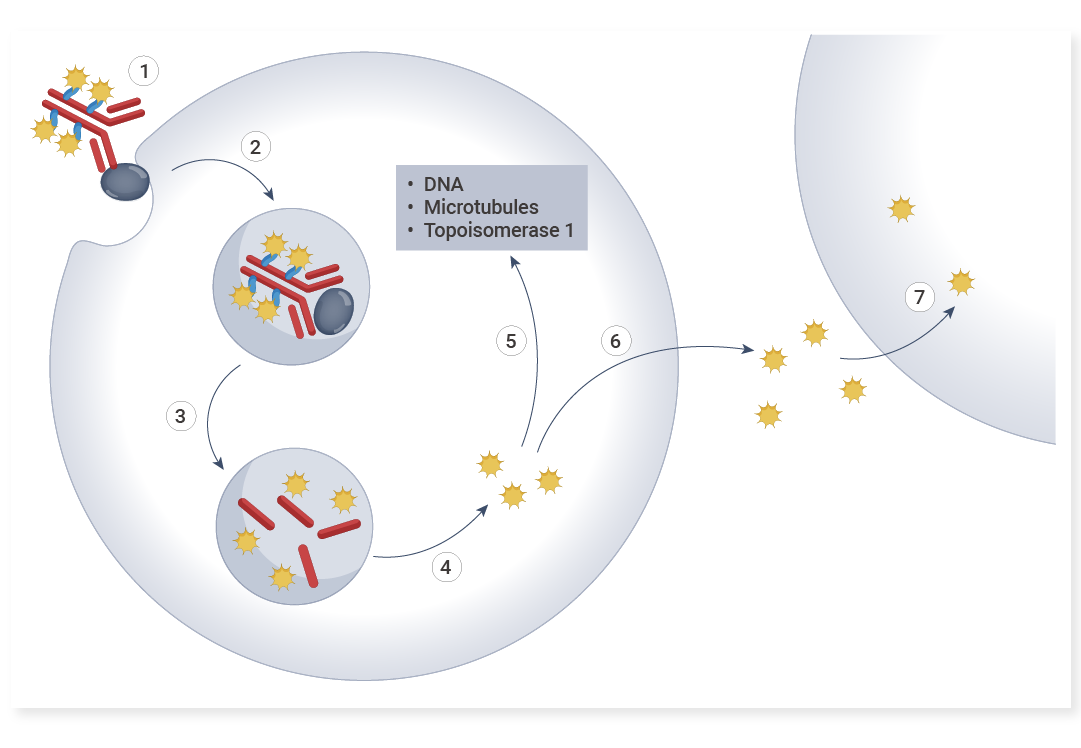
This article will walk you through the remarkable impacts of anti-payload antibodies, delving into how these molecules are revolutionizing drug development and biological research!
Scientific Reviews
This article will walk you through the remarkable impacts of anti-payload antibodies, delving into how these molecules are revolutionizing drug development and biological research! -
 Scientific Reviews
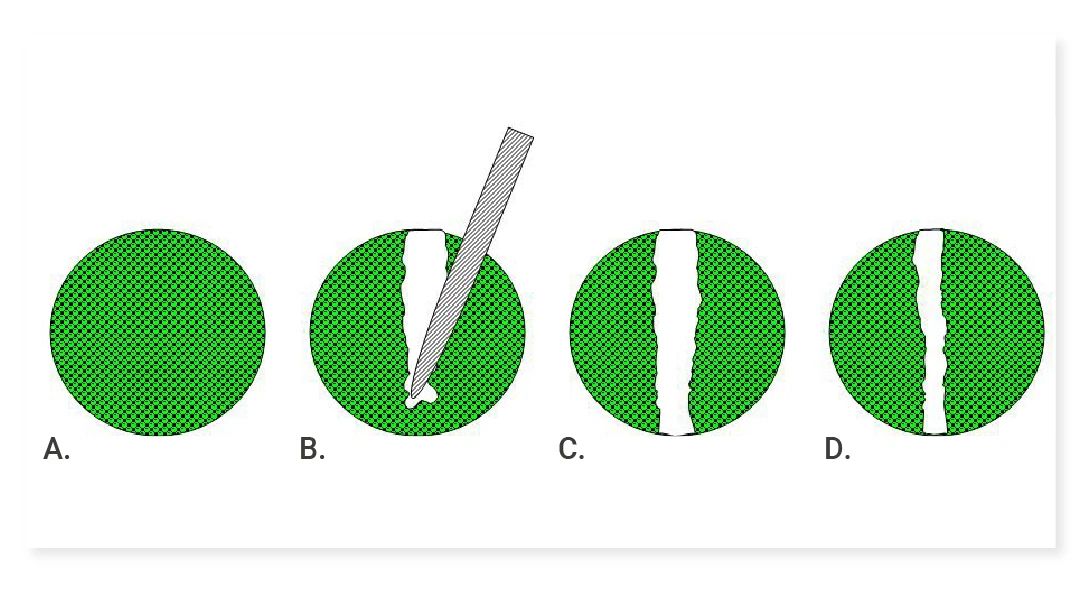
Cell Migration vs. Invasion: Differences Revealed by Scratch Assays and Transwell Experiments
Scientific Reviews
Cell Migration vs. Invasion: Differences Revealed by Scratch Assays and Transwell Experiments2025-05-30
In scientific research, cell migration and invasion are crucial for understanding many important biological processes. This article delves into commonly used detection methods: the scratch assay and Transwell migration/invasion assay. -
 Scientific Reviews
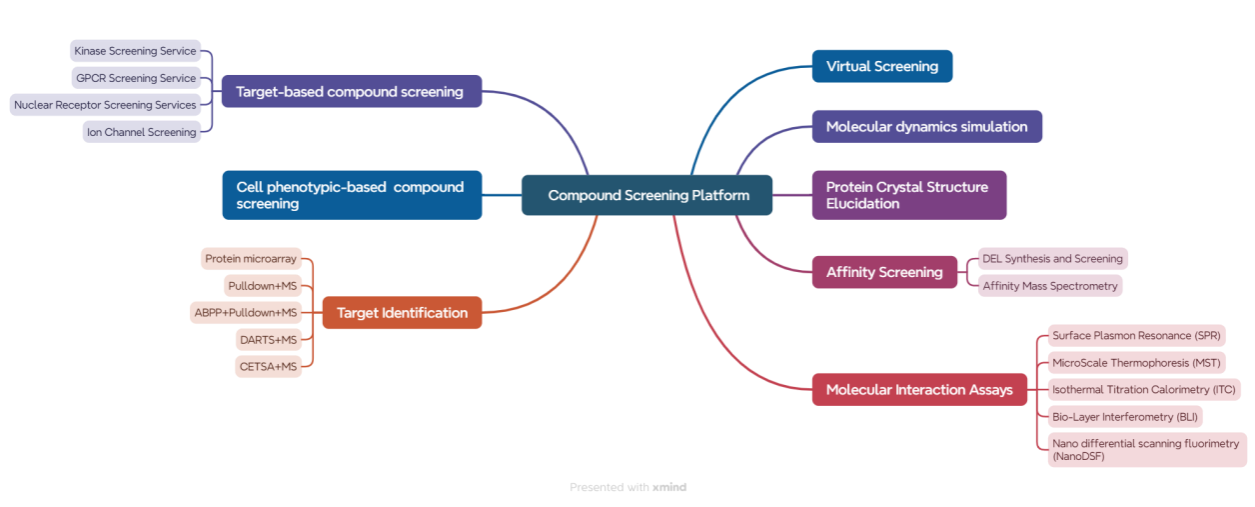
How should drug screening experiments be conducted? How can we ensure the accuracy of the lead compounds identified? This article will take you through how MCE's clients conduct drug screening experiments.
Scientific Reviews
How should drug screening experiments be conducted? How can we ensure the accuracy of the lead compounds identified? This article will take you through how MCE's clients conduct drug screening experiments. -
 Scientific Reviews
In this issue, we will conduct an in-depth interpretation from the dimensions of nanoparticle design, mechanism of action, in vivo and in vitro efficacy, and immune regulation, revealing how this research brings new hope for the treatment of invasive tumors through interdisciplinary innovation!
Scientific Reviews
In this issue, we will conduct an in-depth interpretation from the dimensions of nanoparticle design, mechanism of action, in vivo and in vitro efficacy, and immune regulation, revealing how this research brings new hope for the treatment of invasive tumors through interdisciplinary innovation! -
 Scientific Reviews
IHC, ICC, IF Techniques: A Practical Guide
Scientific Reviews
IHC, ICC, IF Techniques: A Practical Guide2025-07-25
Confused About IHC/ICC/IF? Why Does Immunostaining Seem So Complicated? Read This Now! Master Immunostaining with Confidence! -
 Scientific Reviews
HTS Breakthroughs Powered by MCE Libraries
Scientific Reviews
HTS Breakthroughs Powered by MCE Libraries2025-08-13
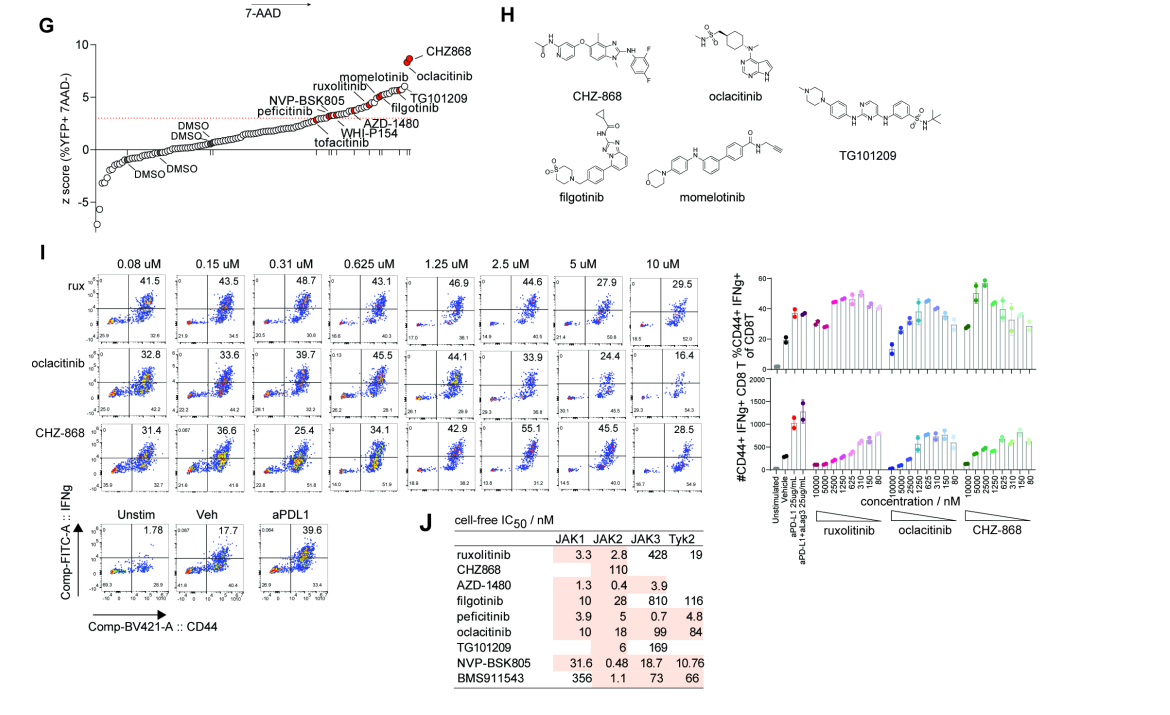
Key High-Throughput Screening Breakthroughs of 2024 Featuring MCE -
 Scientific Reviews
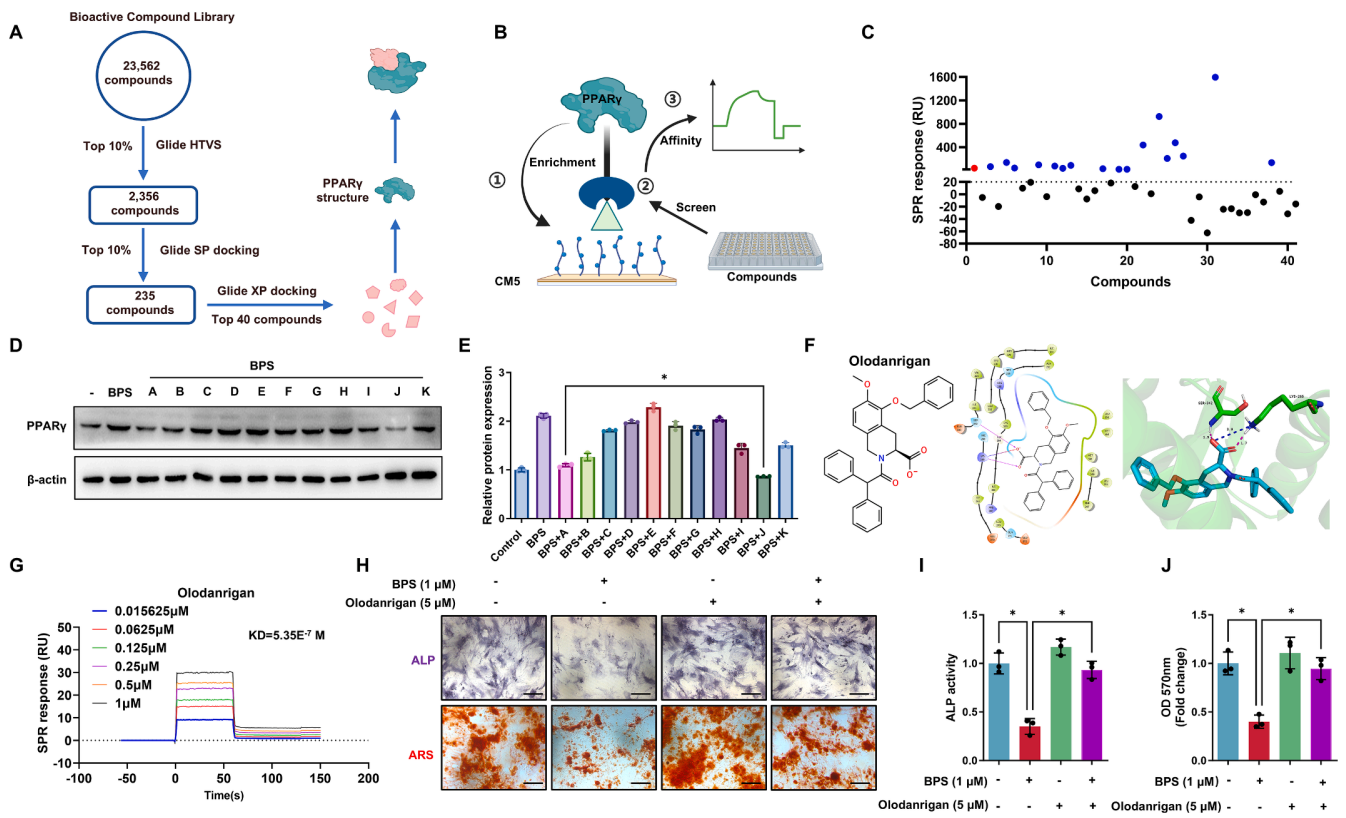
Encountering challenges with the high costs and long timelines of drug screening? Have a defined target but remain uncertain how to efficiently identify active molecules? Unsure how to validate hits generated from virtual screening? The ‘Winning Combination’ of drug screening offers a powerful solution to address these critical obstacles.
Scientific Reviews
Encountering challenges with the high costs and long timelines of drug screening? Have a defined target but remain uncertain how to efficiently identify active molecules? Unsure how to validate hits generated from virtual screening? The ‘Winning Combination’ of drug screening offers a powerful solution to address these critical obstacles. -
 Scientific Reviews
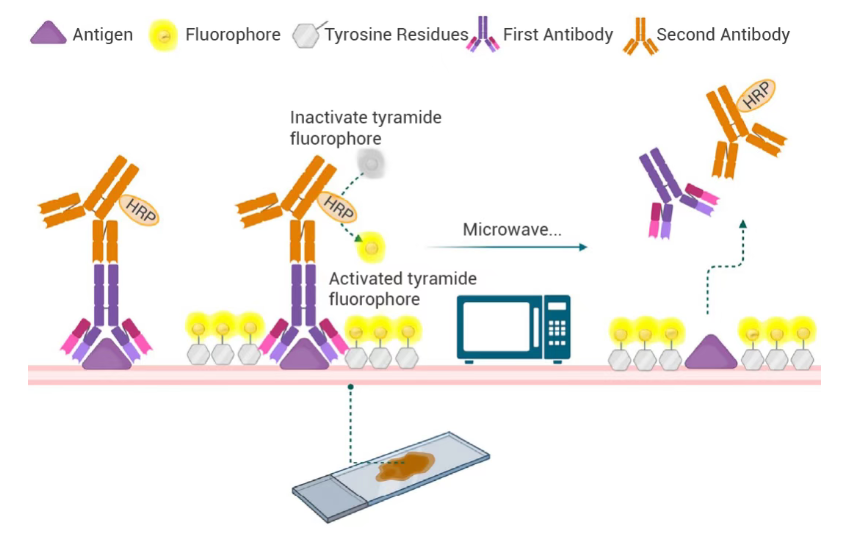
This detailed guide outlines the standardized experimental protocols for multiplex immunohistochemistry (mIHC), systematically summarizes common technical issues encountered during sample preparation, staining and imaging processes, and provides practical troubleshooting solutions to ensure reliable and reproducible results in biomedical research and clinical sample analysis.
Scientific Reviews
This detailed guide outlines the standardized experimental protocols for multiplex immunohistochemistry (mIHC), systematically summarizes common technical issues encountered during sample preparation, staining and imaging processes, and provides practical troubleshooting solutions to ensure reliable and reproducible results in biomedical research and clinical sample analysis. -
 Scientific Reviews
Exosomes—natural nanoscale carriers—are revolutionizing targeted therapy. This article uncovers the science behind their precision in drug delivery.
Scientific Reviews
Exosomes—natural nanoscale carriers—are revolutionizing targeted therapy. This article uncovers the science behind their precision in drug delivery. -
Scientific Reviews
Cracking the PROTAC Permeability Barrier: CD36-Mediated Endocytosis as a Potential Breakthrough2025-12-03
This article provides an in-depth analysis of cutting-edge literature revealing CD36 as a key mediator of cellular uptake for PROTACs and bRO5 compounds. By structurally optimizing PROTAC molecules to enhance their affinity for CD36, membrane permeability can be markedly improved, leading to significantly enhanced antitumor efficacy. -
 Scientific Reviews
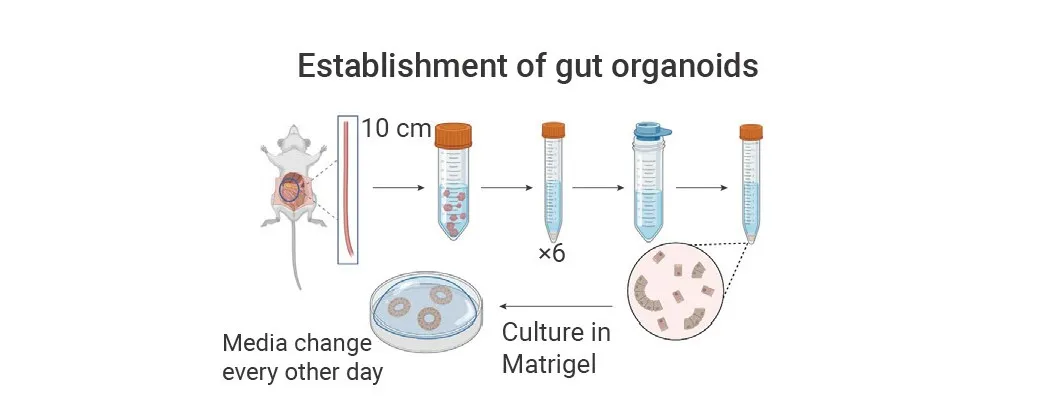
Efficient Generation of Mouse Small Intestinal Organoids: A Complete Experimental Protocol Guide
Scientific Reviews
Efficient Generation of Mouse Small Intestinal Organoids: A Complete Experimental Protocol Guide2025-12-10
How to successfully create mouse small intestine organoids? A detailed, hands-on guide to the entire process, all in one article! -
 Scientific Reviews
This paper elaborates on cytokines for culturing major immune cells, their regulatory roles, recombinant cytokines' merits and MCE’s related high-quality products.
Scientific Reviews
This paper elaborates on cytokines for culturing major immune cells, their regulatory roles, recombinant cytokines' merits and MCE’s related high-quality products. -
 Scientific Reviews
This article walks you through the experimental design and workflow of flow cytometry, delivering a clear, dynamic, and professional overview to elevate your research.
Scientific Reviews
This article walks you through the experimental design and workflow of flow cytometry, delivering a clear, dynamic, and professional overview to elevate your research. -
 Scientific Reviews
Molecular glue degraders have evolved from a serendipitous observation to one of the most dynamic and transformative fields in biomedical research.
Scientific Reviews
Molecular glue degraders have evolved from a serendipitous observation to one of the most dynamic and transformative fields in biomedical research. -
 EDM
Research Solution for Breast Cancer TME
EDM
Research Solution for Breast Cancer TME2025-05-21
This review examines the complex interactions within the breast cancer tumor microenvironment, emphasizing how understanding these dynamics is essential for developing effective therapies and overcoming immune resistance. -
 EDM
This review discusses the fundamentals of lipid biology and lipid metabolism, examines dysregulated lipid metabolism in cancer, and summarizes therapeutic strategies targeting lipid metabolic pathways.
EDM
This review discusses the fundamentals of lipid biology and lipid metabolism, examines dysregulated lipid metabolism in cancer, and summarizes therapeutic strategies targeting lipid metabolic pathways. -
 EDM
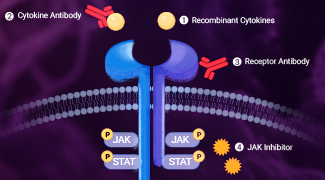
This review critically examines the role of the JAK-STAT pathway in immunity and autoimmune diseases, reviews current clinical applications of targeted therapies, and highlights emerging trends in autoimmune drug development.
EDM
This review critically examines the role of the JAK-STAT pathway in immunity and autoimmune diseases, reviews current clinical applications of targeted therapies, and highlights emerging trends in autoimmune drug development. -
 EDM
This review presents an overview of antibody–drug conjugates from design principles and antitumor mechanisms to structural innovations, clinical progress, and future development prospects.
EDM
This review presents an overview of antibody–drug conjugates from design principles and antitumor mechanisms to structural innovations, clinical progress, and future development prospects. -
 EDM
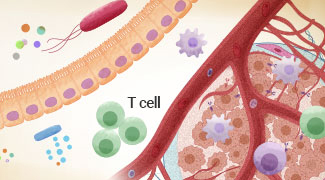
This review explores mechanisms and strategies for modulating the gut microbiota to enhance cancer immunotherapy, providing insights to improve therapeutic efficacy.
EDM
This review explores mechanisms and strategies for modulating the gut microbiota to enhance cancer immunotherapy, providing insights to improve therapeutic efficacy. -
 EDM
Combating Immune Evasion in Cancer
EDM
Combating Immune Evasion in Cancer2025-10-15
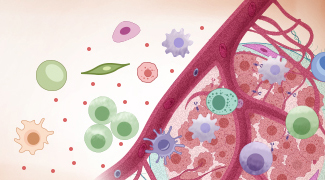
This review summarizes the mechanisms by which tumors evade immune surveillance and discusses therapeutic strategies to restore antitumor immunity. -
 EDM
This review summarizes the mechanisms of drug resistance in triple-negative breast cancer and highlights emerging therapeutic strategies.
EDM
This review summarizes the mechanisms of drug resistance in triple-negative breast cancer and highlights emerging therapeutic strategies. -
 EDM
Bispecific Antibodies in Cancer Therapy
EDM
Bispecific Antibodies in Cancer Therapy2025-10-29
This review highlights the mechanisms, technology platforms, and clinical progress of bispecific antibodies, and discusses emerging strategies to guide future development. -
 EDM
This review provides insights into the pancreatic ductal adenocarcinoma tumor microenvironment, highlighting its cellular composition, stromal heterogeneity, and immune-targeting strategies.
EDM
This review provides insights into the pancreatic ductal adenocarcinoma tumor microenvironment, highlighting its cellular composition, stromal heterogeneity, and immune-targeting strategies. -
 EDM
This review outlines macrophage functions and classification, and provides practical experimental guidelines for macrophage differentiation, polarization, and identification.
EDM
This review outlines macrophage functions and classification, and provides practical experimental guidelines for macrophage differentiation, polarization, and identification. -
 EDM
Understanding In Vivo CAR-T Cell Therapy
EDM
Understanding In Vivo CAR-T Cell Therapy2026-01-22
This review provides a comprehensive overview of in vivo CAR-T therapy, covering technical platforms, clinical translation, and key challenges such as gene delivery and immunogenicity. -
 EDM
Highlight the overview of engineered EVs, their construction methods, and applications in cancer immunotherapy.
EDM
Highlight the overview of engineered EVs, their construction methods, and applications in cancer immunotherapy. -
 EDM
Highlight single-cell metabolomics and stable isotope tracing (SIT) in uncovering metabolic heterogeneity and nutrient flux dynamics in tumors.
EDM
Highlight single-cell metabolomics and stable isotope tracing (SIT) in uncovering metabolic heterogeneity and nutrient flux dynamics in tumors. -
 EDM
Explore ADC evolution, immune combination strategies, and clinical advances at the intersection of targeted therapy and immunotherapy.
EDM
Explore ADC evolution, immune combination strategies, and clinical advances at the intersection of targeted therapy and immunotherapy. -
 EDM
Tumor Organoid-Immune Cell Co-Culture Models: Advances, Applications, and Future Directions
EDM
Tumor Organoid-Immune Cell Co-Culture Models: Advances, Applications, and Future Directions2026-05-07
Summarize technical strategies, application advances, and future directions of tumor organoid–immune co-culture systems. -
 EDM
Review mechanisms, major challenges, and efficacy-enhancing strategies of TCR-T therapy in solid tumors, with implications for future research and clinical translation.
EDM
Review mechanisms, major challenges, and efficacy-enhancing strategies of TCR-T therapy in solid tumors, with implications for future research and clinical translation. -
 EDM
The Dual Role of Cellular Senescence in Cancer: Mechanisms, Microenvironment, and Therapeutics
EDM
The Dual Role of Cellular Senescence in Cancer: Mechanisms, Microenvironment, and Therapeutics2026-05-21
Explore the dual role of cellular senescence in cancer, including tumor suppression, SASP-driven tumor promotion, senescence heterogeneity and plasticity, and advances in senescence-targeted therapies. -
 EDM
Breaking Immune Resistance in Colorectal Cancer: From Molecular Mechanisms to Precision Therapy
EDM
Breaking Immune Resistance in Colorectal Cancer: From Molecular Mechanisms to Precision Therapy2026-06-25
Explore CRC molecular subtypes, immune landscapes, resistance mechanisms, and emerging precision strategies for improving outcomes across distinct subtypes. -
 EDM
Explore the mechanisms driving immune tolerance breakdown in autoimmune diseases and emerging tolerance-restoring strategies, with a focus on IL-2-based immune modulation.
EDM
Explore the mechanisms driving immune tolerance breakdown in autoimmune diseases and emerging tolerance-restoring strategies, with a focus on IL-2-based immune modulation. -
 EDM
Explore the mechanisms of tumor immune evasion, dynamic checkpoint regulation, and the evolution of mechanism-driven combinations and patient stratification.
EDM
Explore the mechanisms of tumor immune evasion, dynamic checkpoint regulation, and the evolution of mechanism-driven combinations and patient stratification. -
 Blog
EC0489, a SMDC for Cancer Therapy
Blog
EC0489, a SMDC for Cancer Therapy2019-03-25
EC0489, a conjugate of folic acid and desacetyl vinblastine hydrazide, is a SMDC under development for the treatment of solid tumours. -
 Blog
R916562, a dual Axl/VEGF-R2 inhibitor, could be a potential anti-angiogenic and anti-metastatic drug for cancer chemotherapy.
Blog
R916562, a dual Axl/VEGF-R2 inhibitor, could be a potential anti-angiogenic and anti-metastatic drug for cancer chemotherapy. -
 Blog
Role of PRMT7 Probe SGC3027 in Cancer
Blog
Role of PRMT7 Probe SGC3027 in Cancer2019-03-27
SGC3027 is the first potent, selective and cell active chemical probe for PRMT7. SGC3027 is also a pro-drug, which converts to the active compound SGC8158 -
 Blog
Alofanib, An Allosteric Inhibitor of FGFR2
Blog
Alofanib, An Allosteric Inhibitor of FGFR22019-03-28
Alofanib is an allosteric inhibitor of FGFR2 and inhibits FGF-mediated proliferation with GI50s of 16-370 nM, showing pronounced antitumor activity. -
 Blog
A Novel and Efficacious RAF Inhibitor RAF709
Blog
A Novel and Efficacious RAF Inhibitor RAF7092019-03-30
RAF709, a novel and efficacious RAF inhibitor, activates the MAPK pathway and shows antitumor activity in tumor cells harboring BRAF or RAS mutations. -
 Blog
CF53 is a highly potent, selective and orally active inhibitor of BET protein, with anti-tumor activity in acute leukemia and breast cancer cell lines.
Blog
CF53 is a highly potent, selective and orally active inhibitor of BET protein, with anti-tumor activity in acute leukemia and breast cancer cell lines. -
 Blog
AZD3229 is a Potent Pan-KIT Mutant Inhibitor
Blog
AZD3229 is a Potent Pan-KIT Mutant Inhibitor2019-04-04
AZD3229 is a potent, pan-KIT mutant inhibitor with potent single digit nM growth inhibition against a diverse panel of mutant KIT driven Ba/F3 cell lines. -
 Blog
BR351 is a Brain Penetrant MMP Inhibitor
Blog
BR351 is a Brain Penetrant MMP Inhibitor2019-04-05
BR351 is a brain penetrant MMP inhibitor, and a potential tool for the molecular imaging of activated MMPs with PET, with an IC50 in the nanomolar range. -
 Blog
A Lead PROTAC BRD9 Chemical Degrader
Blog
A Lead PROTAC BRD9 Chemical Degrader2019-04-06
PROTAC BRD9 Degrader-1 is a lead PROTAC BRD9 chemical degrader and a selective probe useful for the study of BAF complex biology. -
 Blog
SGC-GAK-1 is a potent, selective, and cell-active GAK inhibitor and shows potent anti-proliferative activity in LNCaP and 22Rv1 cells.
Blog
SGC-GAK-1 is a potent, selective, and cell-active GAK inhibitor and shows potent anti-proliferative activity in LNCaP and 22Rv1 cells. -
 Blog
COH000 is an allosteric, covalent and irreversible inhibitor of SUMO-activating enzyme, with an IC50 of 0.2 μM for SUMOylation in vitro.
Blog
COH000 is an allosteric, covalent and irreversible inhibitor of SUMO-activating enzyme, with an IC50 of 0.2 μM for SUMOylation in vitro. -
 Blog
MK-0429 is An Oral Integrin (αvβ3) Inhibitor
Blog
MK-0429 is An Oral Integrin (αvβ3) Inhibitor2019-04-11
MK-0429, an orally active αvβ3 inhibitor, is a potential therapeutic agent for the prevention of kidney fibrosis, melanoma and osteoporosis. -
 Blog
AZ304, a Dual BRAF Inhibitor Against Cancer
Blog
AZ304, a Dual BRAF Inhibitor Against Cancer2019-04-12
AZ304 is a potent BRAF inhibitor, blocks both wild type BRAF and V600E mutant BRAF activity, with IC50s in the nanomolar range. -
 Blog
Erteberel is a Selective ERβ Agonist
Blog
Erteberel is a Selective ERβ Agonist2019-04-16
Erteberel (LY500307) is a synthetic, nonsteroidal estrogen which acts as a selective ERβ agonist and under development for the treatment of schizophrenia. -
 Blog
MBQ-167 is a dual Rac/Cdc42 inhibitor in in metastatic cancer, with IC50s of 103 nM for Rac 1/2/3 and 78 nM for Cdc42 in MDA-MB-231 cells, respectively.
Blog
MBQ-167 is a dual Rac/Cdc42 inhibitor in in metastatic cancer, with IC50s of 103 nM for Rac 1/2/3 and 78 nM for Cdc42 in MDA-MB-231 cells, respectively. -
 Blog
PRN1008 is a Reversible Covalent and Oral Active Inhibitor of Bruton’s Tyrosine Kinase (BTK)
Blog
PRN1008 is a Reversible Covalent and Oral Active Inhibitor of Bruton’s Tyrosine Kinase (BTK)2019-04-18
PRN1008 is a selective, reversible covalent and oral active inhibitor of Bruton’s Tyrosine Kinase (BTK), with an IC50 of 1.3 nM. -
 Blog
Multiple Tyrosine Kinases Inhibitor TAS-115
Blog
Multiple Tyrosine Kinases Inhibitor TAS-1152019-04-19
TAS-115 is a potent VEGFR and c-Met/HGFR-targeted kinase inhibitor with IC50s of 30 and 32 nM for rVEGFR2 and rMET, respectively. -
 Blog
Y06036 is a potent and selective BET inhibitor for potential treatment of castration-resistant prostate cancer. With nanomolar inhibition.
Blog
Y06036 is a potent and selective BET inhibitor for potential treatment of castration-resistant prostate cancer. With nanomolar inhibition. -
 Blog
JNJ-64619178 is a selective and pseudo-irreversible PRMT5 inhibitor with an IC50 of 0.14 nM. Has potent Activity In Lung Cancer.
Blog
JNJ-64619178 is a selective and pseudo-irreversible PRMT5 inhibitor with an IC50 of 0.14 nM. Has potent Activity In Lung Cancer. -
 Blog
(E)-AG 99 is an EGFR inhibitor and shows a growth-inhibition on not only serum-starved cells but also normally grown cells. Treatment for Bladder cancer.
Blog
(E)-AG 99 is an EGFR inhibitor and shows a growth-inhibition on not only serum-starved cells but also normally grown cells. Treatment for Bladder cancer. -
 Blog
TAK-828F is a potent, selective and orally active retinoic acid receptor-related orphan receptor γt (RORγt) inverse agonist. TAK-828F inhibits IL-17A cytokine expression and reduces symptoms of autoimmune encephalomyelitis mice.
Blog
TAK-828F is a potent, selective and orally active retinoic acid receptor-related orphan receptor γt (RORγt) inverse agonist. TAK-828F inhibits IL-17A cytokine expression and reduces symptoms of autoimmune encephalomyelitis mice. -
 Blog
Y06137 is a potent and selective BET inhibitor, which binds to the BRD4(1) bromodomain with a Kd of 81 nM. Antitumor activity.
Blog
Y06137 is a potent and selective BET inhibitor, which binds to the BRD4(1) bromodomain with a Kd of 81 nM. Antitumor activity. -
 Blog
Borussertib is a covalent-allosteric and first-in-class inhibitor of protein kinase Akt, with an IC50 of 0.8 nM and a Ki of 2.2 nM for Akt-wt.
Blog
Borussertib is a covalent-allosteric and first-in-class inhibitor of protein kinase Akt, with an IC50 of 0.8 nM and a Ki of 2.2 nM for Akt-wt. -
 Blog
NRX-252262 is a β-catenin:β-TrCP interaction enhancer, and its cognate E3 ligase, SCFβ-TrCP, induces mutant β-catenin degradation, with an EC50 of 3.8 nM
Blog
NRX-252262 is a β-catenin:β-TrCP interaction enhancer, and its cognate E3 ligase, SCFβ-TrCP, induces mutant β-catenin degradation, with an EC50 of 3.8 nM -
 Blog
TAK-981 is a selective inhibitor of the SUMOylation enzymatic cascade, with potential immune-activating and antineoplastic activities
Blog
TAK-981 is a selective inhibitor of the SUMOylation enzymatic cascade, with potential immune-activating and antineoplastic activities -
 Blog
TD-428 is a Highly Specific BRD4 Degrader
Blog
TD-428 is a Highly Specific BRD4 Degrader2019-04-29
TD-428, a immunomodulatory drug analog, is a highly specific BRD4 degrader with a DC50 of 0.32 nM. TD-428 reduces c-Myc levels more efficiently than JQ1. -
 Blog
SLLN-15 is an oral activ enhancer of autophagy that activates cytostatic macroautophagy/autophagy in triple-negative breast cancer (TNBC).
Blog
SLLN-15 is an oral activ enhancer of autophagy that activates cytostatic macroautophagy/autophagy in triple-negative breast cancer (TNBC). -
 Blog
A1874 is a nutlin-based and BRD4-degrading PROTAC with a DC50 of 32 nM. Effective in inhibiting many cancer cell lines proliferation
Blog
A1874 is a nutlin-based and BRD4-degrading PROTAC with a DC50 of 32 nM. Effective in inhibiting many cancer cell lines proliferation -
 Blog
BAY-8002 is a selective and orally active inhibitor of monocarboxylate transporter 1 (MCT1), with an IC50 of 85 nM. Has potential to treat lymphoma.
Blog
BAY-8002 is a selective and orally active inhibitor of monocarboxylate transporter 1 (MCT1), with an IC50 of 85 nM. Has potential to treat lymphoma. -
 Blog
MRTX-1257 is a selective, irreversible, covalent and oral active KRAS G12C inhibitor, with an IC50 of 900 pM for KRAS dependent ERK phosphorylation.
Blog
MRTX-1257 is a selective, irreversible, covalent and oral active KRAS G12C inhibitor, with an IC50 of 900 pM for KRAS dependent ERK phosphorylation. -
 Blog
USL311 is a selective CXCR4 antagonist, which prevents the binding of stromal-cell derived factor-1 (SDF-1 or CXCL12) to CXCR4. Anti-tumor activity.
Blog
USL311 is a selective CXCR4 antagonist, which prevents the binding of stromal-cell derived factor-1 (SDF-1 or CXCL12) to CXCR4. Anti-tumor activity. -
 Blog
TX1-85-1, a ATP-competitive ligand of Her3, covalent modification of Her3 to inhibit Her3 signaling
Blog
TX1-85-1, a ATP-competitive ligand of Her3, covalent modification of Her3 to inhibit Her3 signaling2019-06-01
TX1-85-1 is a Her3 (ErbB3) inhibitor with an IC50 of 23 nM. TX1-85-1 induces partial degradation of Her3 protein and attenuates Her3-dependent signaling. -
 Blog
IWP-O1, a Highly Potent Porcupine Inhibitor, Functions by Preventing the Secretion of Wnt Proteins
Blog
IWP-O1, a Highly Potent Porcupine Inhibitor, Functions by Preventing the Secretion of Wnt Proteins2019-06-03
IWP-O1 is a Porcupine (Porcn) inhibitor, with an EC50 of 80 pM in L-Wnt-STF cells. IWP-O1 functions by preventing the secretion of Wnt proteins[ -
 Blog
PF-06465469 is a Covalent Inhibitor of ITK
Blog
PF-06465469 is a Covalent Inhibitor of ITK2019-06-08
PF-06465469 is a potent and covalent inhibitor of ITK with an IC50 of 2 nM. PF-06465469 inhibits MEK1/2 or AKT phosphorylation. -
 Blog
JMS-17-2 is a CX3CR1 Antagonist
Blog
JMS-17-2 is a CX3CR1 Antagonist2019-06-12
JMS-17-2 is a potent and selective CX3CR1 antagonist with an IC50 of 0.32 nM. Has potential to treat cancers such as breast cancer. -
 Blog
S18-000003 is a potent, selective and orally active inhibitor of retinoic acid receptor-related orphan receptor-gamma-t (RORγt). S18-000003 ameliorates psoriasis-like lesions in vivo. S18-000003 can be used for the research of skin inflammatory diseases.
Blog
S18-000003 is a potent, selective and orally active inhibitor of retinoic acid receptor-related orphan receptor-gamma-t (RORγt). S18-000003 ameliorates psoriasis-like lesions in vivo. S18-000003 can be used for the research of skin inflammatory diseases. -
 Blog
PTC299 is a dual and orally active DHODH and VEGF inhibitor, has broad and potent activity against hematological cancer cells.
Blog
PTC299 is a dual and orally active DHODH and VEGF inhibitor, has broad and potent activity against hematological cancer cells. -
 Blog
AMG 487 is an orally active and selective antagonist of CXC chemokine receptor 3 (CXCR3). AMG 487 has potential to treat metastatic cancer.
Blog
AMG 487 is an orally active and selective antagonist of CXC chemokine receptor 3 (CXCR3). AMG 487 has potential to treat metastatic cancer. -
 Blog
FGTI-2734 is a dual farnesyl and geranylgeranyl transferase-1 inhibitor. FGTI-2734 prevents membrane localization of KRAS and mutant KRAS pancreatic tumors.
Blog
FGTI-2734 is a dual farnesyl and geranylgeranyl transferase-1 inhibitor. FGTI-2734 prevents membrane localization of KRAS and mutant KRAS pancreatic tumors. -
 Blog
BI-882370 is a potent RAF kinase inhibitor with IC50s of 0.4, 0.8, and 0.6 nM for oncogenic BRAFV600E-mutant, the WT BRAF and CRAF kinases , respectively.
Blog
BI-882370 is a potent RAF kinase inhibitor with IC50s of 0.4, 0.8, and 0.6 nM for oncogenic BRAFV600E-mutant, the WT BRAF and CRAF kinases , respectively. -
 Blog
MSX-122 is an orally active partial antagonist of CXCR4, inhibiting CXCR4/CXCL12 actions. MSX-122 has both anti-tumor and anti-metastasis activities.
Blog
MSX-122 is an orally active partial antagonist of CXCR4, inhibiting CXCR4/CXCL12 actions. MSX-122 has both anti-tumor and anti-metastasis activities. -
 Blog
ZT-12-037-01 is a ATP-competitive and specific STK19 inhibitor and inhibits oncogenic NRAS-driven melanocyte malignant transformation.
Blog
ZT-12-037-01 is a ATP-competitive and specific STK19 inhibitor and inhibits oncogenic NRAS-driven melanocyte malignant transformation. -
 Blog
PT2977 is an orally active and selective HIF-2α inhibitor with an IC50 of 9 nM. PT2977 is a potential treatment for ccRCC and VHL disease.
Blog
PT2977 is an orally active and selective HIF-2α inhibitor with an IC50 of 9 nM. PT2977 is a potential treatment for ccRCC and VHL disease. -
 Blog
BI-2852 is a potent KRAS inhibitor with nanomolar affinity and reduces pERK and pAKT levels in a dose-dependent manner in a KRAS mutant cell line NCI-H358.
Blog
BI-2852 is a potent KRAS inhibitor with nanomolar affinity and reduces pERK and pAKT levels in a dose-dependent manner in a KRAS mutant cell line NCI-H358. -
 Blog
BAY-293 is a potent inhibitor of Son of Sevenless 1 (SOS1) and blocks RAS activation via disruption of the KRAS-SOS1 interaction with an IC50 of 21 nM.
Blog
BAY-293 is a potent inhibitor of Son of Sevenless 1 (SOS1) and blocks RAS activation via disruption of the KRAS-SOS1 interaction with an IC50 of 21 nM. -
 Blog
WZ811 is an Orally Active CXCR4 Antagonist
Blog
WZ811 is an Orally Active CXCR4 Antagonist2019-09-07
WZ811 is an orally active, highly potent competitive antagonist of CXCR4, which inhibits chronic lymphocytic leukemia progression and tumorigenesis. -
 Blog
RU-302 is a pan-TAM inhibitor that blocks the TAM Ig1 ectodomain and the Gas6 Lg domain interaction. RU-302 blocks Gas6-inducible Axl receptor activation.
Blog
RU-302 is a pan-TAM inhibitor that blocks the TAM Ig1 ectodomain and the Gas6 Lg domain interaction. RU-302 blocks Gas6-inducible Axl receptor activation. -
 Blog
BAY 61-3606 is an orally available, ATP-competitive, reversible and highly selective Syk inhibitor and sensitizes apoptosis by in breast cancer.
Blog
BAY 61-3606 is an orally available, ATP-competitive, reversible and highly selective Syk inhibitor and sensitizes apoptosis by in breast cancer. -
 Blog
IPR-803 is a potent inhibitor of the uPAR•uPA protein-protein interaction, and binds directly to uPAR with sub-micromolar affinity.
Blog
IPR-803 is a potent inhibitor of the uPAR•uPA protein-protein interaction, and binds directly to uPAR with sub-micromolar affinity. -
 Blog
Vorolanib is an orally active, multikinase VEGF/PDGF receptor inhibitor with antitumor activity and is expected to disrupt tumor angiogenesis.
Blog
Vorolanib is an orally active, multikinase VEGF/PDGF receptor inhibitor with antitumor activity and is expected to disrupt tumor angiogenesis. -
 Blog
CCG-222740 is a potent and selective MRTF pathway inhibitor. It effectively reduces fibrosis in the skin and blocks melanoma metastasis.
Blog
CCG-222740 is a potent and selective MRTF pathway inhibitor. It effectively reduces fibrosis in the skin and blocks melanoma metastasis. -
 Blog
IACS-8803 is a highly potent cyclic dinucleotide stimulator of interferon genes (STING) agonist with robust systemic antitumor efficacy.
Blog
IACS-8803 is a highly potent cyclic dinucleotide stimulator of interferon genes (STING) agonist with robust systemic antitumor efficacy. -
 Blog
AC-73 is a first specific, orally active the cluster of differentiation 147 (CD147) inhibitor and specifically disrupts CD147 dimerization.
Blog
AC-73 is a first specific, orally active the cluster of differentiation 147 (CD147) inhibitor and specifically disrupts CD147 dimerization. -
 Blog
CH6953755 is a potent, orally active and selective YES1 kinase inhibitor leading to antitumor activity against YES1 Gene -amplified cancers.
Blog
CH6953755 is a potent, orally active and selective YES1 kinase inhibitor leading to antitumor activity against YES1 Gene -amplified cancers. -
 Blog
CA-4948 is a Selective and Orally Bioavailable IRAK4 Kinase Inhibitor for Lymphoma Treatment
Blog
CA-4948 is a Selective and Orally Bioavailable IRAK4 Kinase Inhibitor for Lymphoma Treatment2020-01-05
CA-4948 is a potent, selective and orally bioavailable IRAK4 kinase inhibitor. CA-4948 can be used for the treatment of lymphoma. -
 Blog
ADH-503 is an orally active and allosteric CD11b agonist and leads to the repolarization of tumor-associated macrophages.
Blog
ADH-503 is an orally active and allosteric CD11b agonist and leads to the repolarization of tumor-associated macrophages. -
 Blog
Balixafortide is a potent, selective peptidic CXCR4 antagonist with anti-cancer effects, and blocks β-arrestin recruitment and calcium flux.
Blog
Balixafortide is a potent, selective peptidic CXCR4 antagonist with anti-cancer effects, and blocks β-arrestin recruitment and calcium flux. -
 Blog
CCT365623, an Orally Active LOX Inhibitor, Supresses EGFR (pY1068) and AKT Phosphorylation
Blog
CCT365623, an Orally Active LOX Inhibitor, Supresses EGFR (pY1068) and AKT Phosphorylation2020-04-16
CCT365623 is an orally active LOX inhibitor, suppresses EGFR (pY1068) and AKT phosphorylation driven by EGF. CCT365623 has good pharmacokinetic properties. -
 Blog
RBN-2397 is an orally active accross species NAD+ competitive inhibitor of PARP7. RBN-2397 binds to PARP7 and restores interferon (Type I) signaling.
Blog
RBN-2397 is an orally active accross species NAD+ competitive inhibitor of PARP7. RBN-2397 binds to PARP7 and restores interferon (Type I) signaling. -
 Blog
GSK143 is an orally active and highly selective spleen tyrosine kinase (SYK) inhibitor. GSK143 reduces inflammation in the intestinal muscularis in mice.
Blog
GSK143 is an orally active and highly selective spleen tyrosine kinase (SYK) inhibitor. GSK143 reduces inflammation in the intestinal muscularis in mice. -
 Blog
EW-7195 is a potent and selective ALK5 inhibitor, and efficiently inhibits TGF-β1-induced Smad signaling, EMT and breast tumour metastasis to the lung.
Blog
EW-7195 is a potent and selective ALK5 inhibitor, and efficiently inhibits TGF-β1-induced Smad signaling, EMT and breast tumour metastasis to the lung. -
 Blog
MSA-2 is an orally available non-nucleotide STING agonist. MSA-2 shows antitumor activity and stimulates interferon-β secretion in tumors.
Blog
MSA-2 is an orally available non-nucleotide STING agonist. MSA-2 shows antitumor activity and stimulates interferon-β secretion in tumors. -
 Blog
SP-8356, an orally active CD147inhibitor, exerts anti-breast cancer effects by inhibiting NF-κB signaling. Anti-atherosclerotic effects.
Blog
SP-8356, an orally active CD147inhibitor, exerts anti-breast cancer effects by inhibiting NF-κB signaling. Anti-atherosclerotic effects. -
 Blog
CB-1158, a potent and orally bioavailable inhibitor of arginase, blocks myeloid cell-mediated immune suppression in the tumor microenvironment.
Blog
CB-1158, a potent and orally bioavailable inhibitor of arginase, blocks myeloid cell-mediated immune suppression in the tumor microenvironment. -
 Blog
SRX3207 is an orally active and first-in-class dual Syk/PI3K inhibitor. SRX3207 possesses effective anti-tumor activity in vitro and in vivo.
Blog
SRX3207 is an orally active and first-in-class dual Syk/PI3K inhibitor. SRX3207 possesses effective anti-tumor activity in vitro and in vivo. -
 Blog
Verucopeptin inhibits v-ATPase activity by directly targeting the v-ATPase ATP6V1G subunit but not ATP1V1B2 or ATP6V1D. Also a potent HIF-1 inhibitor.
Blog
Verucopeptin inhibits v-ATPase activity by directly targeting the v-ATPase ATP6V1G subunit but not ATP1V1B2 or ATP6V1D. Also a potent HIF-1 inhibitor. -
 Blog
E7820, sulfonamide derivative, is a unique angiogenesis inhibitor suppressing an expression of integrin alpha2 subunit on endothelium.
Blog
E7820, sulfonamide derivative, is a unique angiogenesis inhibitor suppressing an expression of integrin alpha2 subunit on endothelium. -
 Blog
Cyclo(-RGDfK) is a selective inhibitor of the αvβ3 integrin. Cyclo(-RGDfK) potently targets cancer cells through binding to the cell surface αvβ3 integrin.
Blog
Cyclo(-RGDfK) is a selective inhibitor of the αvβ3 integrin. Cyclo(-RGDfK) potently targets cancer cells through binding to the cell surface αvβ3 integrin. -
 Blog
Cilengitide is a compound targeting angiogenesis, the cornerstone of tumor growth and metastasis. ανβ3 and ανβ5 are the target of Cilengitide.
Blog
Cilengitide is a compound targeting angiogenesis, the cornerstone of tumor growth and metastasis. ανβ3 and ανβ5 are the target of Cilengitide. -
 Blog
Tetrac inhibits the cellular actions of thyroid hormone initiated at the hormone receptor on plasma membrane integrin alphavbeta3.
Blog
Tetrac inhibits the cellular actions of thyroid hormone initiated at the hormone receptor on plasma membrane integrin alphavbeta3. -
 Blog
ENMD-1198 is an orally active microtubule-targeting agent with antiproliferative and antiangiogenic activity.
Blog
ENMD-1198 is an orally active microtubule-targeting agent with antiproliferative and antiangiogenic activity. -
 Blog
TPP-1 is a potent inhibitor of the PD-1/PD-L1 interaction. TPP-1 binds specifically to PD-L1 with a high affinity (KD=95 nM).
Blog
TPP-1 is a potent inhibitor of the PD-1/PD-L1 interaction. TPP-1 binds specifically to PD-L1 with a high affinity (KD=95 nM). -
 Blog
FAPI-46 is a quinoline-based FAP-targeted radiotracer. FAPI-46 has higher tumor uptake and prolonged tumor accumulation.
Blog
FAPI-46 is a quinoline-based FAP-targeted radiotracer. FAPI-46 has higher tumor uptake and prolonged tumor accumulation. -
 Blog
BMSpep-57 is a potent and competitive macrocyclic peptide inhibitor of PD-1/PD-L1 interaction. It induces high levels of IL-2.
Blog
BMSpep-57 is a potent and competitive macrocyclic peptide inhibitor of PD-1/PD-L1 interaction. It induces high levels of IL-2. -
 Blog
ML339 is a Selective CXCR6 Antagonist
Blog
ML339 is a Selective CXCR6 Antagonist2021-05-12
ML339 is a small molecule antagonist would block Prostate cancer cell trafficking; hence mediate a metastatic event and disease progression. -
 Blog
Sitravatinib (MGCD516) is an Orally Bioavailable RTK Inhibitor with PD-1 Blockade Activity
Blog
Sitravatinib (MGCD516) is an Orally Bioavailable RTK Inhibitor with PD-1 Blockade Activity2021-06-03
Sitravatinib, a small molecule RTK inhibitor, shows potent anti-tumor activity in preclinical models of sarcoma. -
 Blog
Motesanib (AMG 706) is an orally active VEGFR inhibitor. Potently inhibits angiogenesis and induces regression in tumor xenografts.
Blog
Motesanib (AMG 706) is an orally active VEGFR inhibitor. Potently inhibits angiogenesis and induces regression in tumor xenografts. -
 Blog
EMD527040 is a highly selective αvβ6 antagonist with antifibrotic activities.
Blog
EMD527040 is a highly selective αvβ6 antagonist with antifibrotic activities. -
 Blog
Inupadenant is an orally active, highly selective A2A receptor antagonist with potent anti-tumor activity.
Blog
Inupadenant is an orally active, highly selective A2A receptor antagonist with potent anti-tumor activity. -
 Blog
UK122 is a potent and selective urokinase-type plasminogen activator (uPA) inhibitor with anti-cancer activity.
Blog
UK122 is a potent and selective urokinase-type plasminogen activator (uPA) inhibitor with anti-cancer activity. -
 Blog
AZD4635 is a potent, selective and orally active antagonist of A2AR that reverses adenosine-mediated immune suppression.
Blog
AZD4635 is a potent, selective and orally active antagonist of A2AR that reverses adenosine-mediated immune suppression. -
 Blog
Nintedanib a potent and orally active triple vascular kinase inhibitor for VEGFR1/2/3, FGFR1/2/3 and PDGFRα/β.
Blog
Nintedanib a potent and orally active triple vascular kinase inhibitor for VEGFR1/2/3, FGFR1/2/3 and PDGFRα/β. -
 Blog
Axitinib is a multi-targeted tyrosine kinase inhibitor and potently inhibitor VEGFR1, VEGFR2, VEGFR3 and PDGFRβ.
Blog
Axitinib is a multi-targeted tyrosine kinase inhibitor and potently inhibitor VEGFR1, VEGFR2, VEGFR3 and PDGFRβ. -
 Blog
CL097 is a TLR7/8 agonist. CL097 induces pro-nflammatory cytokines. CL097 induces NADPH oxidase priming and efficient diabetogenic cytotoxic T lymphocyte (CTL) function in NOD mice.
Blog
CL097 is a TLR7/8 agonist. CL097 induces pro-nflammatory cytokines. CL097 induces NADPH oxidase priming and efficient diabetogenic cytotoxic T lymphocyte (CTL) function in NOD mice. -
 Blog
Indoximod, an immunometabolic adjuvant, is an orally active IDO pathway inhibitor. Indoximod acts as a Trp mimetic in regulating mTOR.
Blog
Indoximod, an immunometabolic adjuvant, is an orally active IDO pathway inhibitor. Indoximod acts as a Trp mimetic in regulating mTOR. -
 Blog
Tanomastat is an orally active, non-peptidic biphenyl MMPs inhibitor, with antiangiogenic, anti-invasive and antimetastatic activities.
Blog
Tanomastat is an orally active, non-peptidic biphenyl MMPs inhibitor, with antiangiogenic, anti-invasive and antimetastatic activities. -
 Blog
BM213 is a selective C5aR1 agonist. It’s a useful research tool to study C5aR1 function
Blog
BM213 is a selective C5aR1 agonist. It’s a useful research tool to study C5aR1 function -
 Blog
Telatinib is an orally active inhibitor of VEGFR2, VEGFR3, PDGFα, and c-Kit.
Blog
Telatinib is an orally active inhibitor of VEGFR2, VEGFR3, PDGFα, and c-Kit. -
 Blog
Marimastat (BB2516) is a broad spectrum and orally bioavailable inhibitor of MMPs (Matrix metalloproteinases).
Blog
Marimastat (BB2516) is a broad spectrum and orally bioavailable inhibitor of MMPs (Matrix metalloproteinases). -
 Blog
Gardiquimod is a TLR7/8 agonist and can inhibit HIV-1 infection.
Blog
Gardiquimod is a TLR7/8 agonist and can inhibit HIV-1 infection. -
 Blog
Vatalanib is an inhibitor of VEGFR2/KDR. Vatalanib induces inhibition of the angiogenic response to VEGF and PDGF.
Blog
Vatalanib is an inhibitor of VEGFR2/KDR. Vatalanib induces inhibition of the angiogenic response to VEGF and PDGF. -
 Blog
Toceranib is a selective and orally active inhibitor of RTK and has the potential for the research of canine mast cell tumors.
Blog
Toceranib is a selective and orally active inhibitor of RTK and has the potential for the research of canine mast cell tumors. -
 Blog
Tiragolumab is an immune checkpoint inhibitor binding to TIGIT. Tiragolumab is effective against multiple solid malignancies.
Blog
Tiragolumab is an immune checkpoint inhibitor binding to TIGIT. Tiragolumab is effective against multiple solid malignancies. -
 Blog
Henatinib is an orally active small-molecule multikinase inhibitor that has demonstrated broad and potent antitumor activities.
Blog
Henatinib is an orally active small-molecule multikinase inhibitor that has demonstrated broad and potent antitumor activities. -
 Blog
KGP94 is a selective inhibitor of cathepsin L. KGP94 has antitumor activity and improves survival of bone metastases bearing mice.
Blog
KGP94 is a selective inhibitor of cathepsin L. KGP94 has antitumor activity and improves survival of bone metastases bearing mice. -
 Blog
Certepetide is a Tumor-penetrating Enhancer via RGD Motif Interaction with Alphav-integrins
Blog
Certepetide is a Tumor-penetrating Enhancer via RGD Motif Interaction with Alphav-integrins2022-09-01
Certepetide is a tumor-penetrating enhancer and has the potential for the research of metastatic pancreatic ductal adenocarcinoma. -
 Blog
BSP16 is a potent, orally active stimulator of interferon genes (STING) agonist. BSP16 has potent anti-cancer activity.
Blog
BSP16 is a potent, orally active stimulator of interferon genes (STING) agonist. BSP16 has potent anti-cancer activity. -
 Blog
Parsatuzumab (RG 7414) is a humanized monoclonal antibody, that acts as an immunomodulator, and binds to EGFL7.
Blog
Parsatuzumab (RG 7414) is a humanized monoclonal antibody, that acts as an immunomodulator, and binds to EGFL7. -
 Blog
Serplulimab is a humanized monoclonal anti-PD-1 antibody and has the potential for the research of small cell lung cancer.
Blog
Serplulimab is a humanized monoclonal anti-PD-1 antibody and has the potential for the research of small cell lung cancer. -
 Blog
ABT-510, a peptide analog of thrombospondin-1 (TSP-1), can block angiogenesis in vitro and in vivo, and slow tumor growth.
Blog
ABT-510, a peptide analog of thrombospondin-1 (TSP-1), can block angiogenesis in vitro and in vivo, and slow tumor growth. -
 Blog
Mogamulizumab is an Anti-CCR4 monoclonal antibody. It enhances antibody-dependent cellular cytotoxicity and is effective against leukemia.
Blog
Mogamulizumab is an Anti-CCR4 monoclonal antibody. It enhances antibody-dependent cellular cytotoxicity and is effective against leukemia. -
 Blog
Bapotulimab (BAY-1905254) is an ILDR2 IgG antibody that blocks the immunosuppressive effects of ILDR2 on T-cell activation.
Blog
Bapotulimab (BAY-1905254) is an ILDR2 IgG antibody that blocks the immunosuppressive effects of ILDR2 on T-cell activation. -
 Blog
Nanrilkefusp alfa is a selective and strong IL-15 agonist. It inhibits tumor metastasis and viability by activating natural killer (NK) cells.
Blog
Nanrilkefusp alfa is a selective and strong IL-15 agonist. It inhibits tumor metastasis and viability by activating natural killer (NK) cells. -
 Blog
Urabrelimab (SRF231) is an anti-CD47 monoclonal antibody, blocking the CD47-SIRPα interaction. It has the potential to research anticancer.
Blog
Urabrelimab (SRF231) is an anti-CD47 monoclonal antibody, blocking the CD47-SIRPα interaction. It has the potential to research anticancer. -
 Blog
Efineptakin alfa (NT-17) is a Long-Acting Recombinant Human IL-7 for Glioblastoma Research
Blog
Efineptakin alfa (NT-17) is a Long-Acting Recombinant Human IL-7 for Glioblastoma Research2023-02-07
Efineptakin alfa (NT-17) is a long-acting recombinant human IL-7. Efineptakin alfa can be used for glioblastoma research. -
 Blog
Pegdinetanib (BMS-844203) is a selective VEGFR-2 inhibitor with antitumor activity.
Blog
Pegdinetanib (BMS-844203) is a selective VEGFR-2 inhibitor with antitumor activity. -
 Blog
Tifcemalimab, a Humanized anti-BTLA monoclonal antibody, blocks the interaction of HVEM-BTLA by binding to BTLA and activates lymphocytes.
Blog
Tifcemalimab, a Humanized anti-BTLA monoclonal antibody, blocks the interaction of HVEM-BTLA by binding to BTLA and activates lymphocytes. -
 Blog
Geptanolimab (CBT-501) is a programmed death-1 (PD-1) monoclonal antibody. Geptanolimab can be used in research forsolid tumor research.
Blog
Geptanolimab (CBT-501) is a programmed death-1 (PD-1) monoclonal antibody. Geptanolimab can be used in research forsolid tumor research. -
 Blog
Dazostinag is a STING Agonist and Can be used for Antibody-Drug Conjugates (ADCs) Synthesis
Blog
Dazostinag is a STING Agonist and Can be used for Antibody-Drug Conjugates (ADCs) Synthesis2023-03-13
Dazostinag is a STING agonist and a playload, to synthesis antibody-drug conjugates (ADCs). It has antitumor activity in vivo. -
 Blog
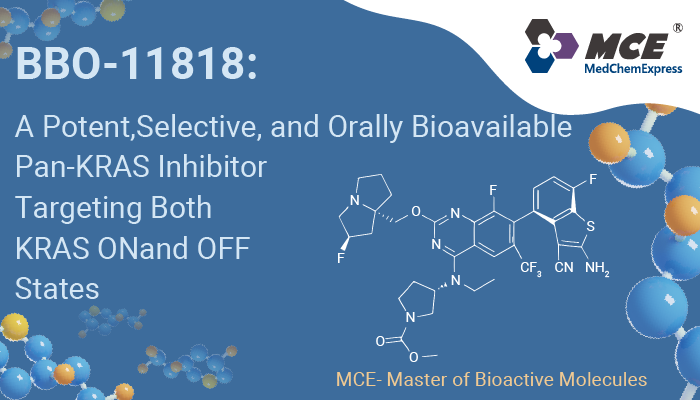
BBO-11818 is a potent, selective, orally bioavailable, and noncovalent pan-KRAS inhibitor targeting multiple clinically relevant KRAS mutants in both ON and OFF states.
Blog
BBO-11818 is a potent, selective, orally bioavailable, and noncovalent pan-KRAS inhibitor targeting multiple clinically relevant KRAS mutants in both ON and OFF states.
Products
All
-
All
-
Inhibitors & Agonists
-
Peptides
-
Recombinant Proteins
-
Antibodies
-
Screening Libraries
-
Kits
-
Inhibitory Antibodies
-
Reference Standards
-
Biochemical Assay Reagents
-
Natural Products
| Cat. No. | Product Name | Information | Application | Publication |
|---|---|---|---|---|
| HY-L031 | Small Molecule Immuno-Oncology Compound Library |
Immuno-Oncology is a type of immunotherapy that has the specific purpose of treating cancer. It works by stimulating our immune system to fight back. Normally, our immune system is able to destroy cancer cells in our body, however sometimes cancer cells can adapt and mutate, effectively hiding from our immune system. This is when tumors can develop and become a threat to our health. Immuno-oncology involves mobilizing lymphocytes to recognize and eliminate cancer cells using the body’s immune system. There are several immuno-oncology treatments available, including Immune cell therapy (CAR-T), monoclonal antibodies (mABs) and checkpoint inhibitors, cytokines and cancer vaccines.
MCE Small Molecule Immuno-Oncology Compound Library offers 831 bioactive tumor immunology compounds that target some important checkpoints such as PD1/PD-L1, CXCR, Sting, IDO, TLR, etc. This library is a useful tool for Immuno-oncology research.
|
|
88
|
| HY-L213 | Anti-Cancer Approved Drug Library |
The anti-cancer drug library meticulously collects all drugs approved by FDA and other major national drug regulatory authorities for cancer treatment. These drugs cover a variety of cancer types, including but not limited to lung cancer, breast cancer, colorectal cancer, leukemia, and other common cancers. The library includes a wide range of drugs, from classic chemotherapeutic agents to cutting-edge targeted therapies and immunotherapies. It contains various types of drug compounds with different mechanisms of action. There are cytotoxic drugs that directly kill cancer cells, as well as drugs that work by modulating the tumor microenvironment, inhibiting tumor angiogenesis, and activating the immune system. This diversity provides researchers with a broad range of perspectives and options for intervention strategies.
This library can be used for basic research on cancer treatment, exploring new targets and new mechanisms of drug action; Conducting drug reuse research to look for potential therapeutic effects of existing drugs on other cancer types or diseases; Or conducting research into combination drugs to optimize cancer treatment.
MCE has collected 265 small-molecule compounds with cancer indications, which are good tools for drug repurposing.
|
|
83
|
| HY-L219 | Antimicrobial Peptides Library |
Antimicrobial Peptides (AMPs), also known as antimicrobial peptides or antibiotic peptides, are a class of polypeptides encoded by specific genes in various biological cells and induced by external stimuli. They exhibit broad-spectrum bioactivity against bacteria, fungi, viruses, protozoa, and even tumor cells. AMPs serve as crucial effector molecules in the host's innate immune system.Due to their wide antimicrobial spectrum, low toxicity to normal cells of higher animals, high safety profile, low tendency to induce resistance, and additional benefits such as immune enhancement and antioxidant effects, antimicrobial peptides hold significant promise in new drug development.
MCE offers 58 types of antimicrobial peptides, which can be applied in high-throughput screening for research in anti-infection therapies, immunotherapy, anticancer drug development, and agricultural disease control.
|
|
83
|
| HY-L948 | PD-1/PD-L1 Lead-like Library |
PD-1/PD-L1 are key immune checkpoint targets that suppress T-cell-mediated anti-tumor immunity, representing a major focus in cancer immunotherapy. While antibody drugs dominate the clinic, they are limited by administration challenges and immune-related side effects. Small-molecule PD-1/PD-L1 inhibitors, with oral availability, good tissue penetration and low cost, have emerged as a promising next-generation strategy.
A PD-1/PD-L1 lead-like library was built via a five-step virtual screening process. After collecting 8,947 inhibitors from BindingDB and PubChem and filtering by activity and duplicates, AI similarity screening was performed using GeminiMol. Key pharmacophores were extracted from the PPI interface of co-crystal structures, and molecular was screened via a pharmacophore model, effectively enhancing target activity.
Containing 10,000 structurally diverse and drug-like molecules well-matched to the PD-L1 pocket, the library supports virtual docking, high-throughput screening and hit discovery, enabling efficient and rapid development of small-molecule immunotherapies.
|
|
83
|
| HY-13323A | CX-5461 dihydrochloride |
CX-5461 dihydrochloride is a selective, orally active RNA polymerase I inhibitor. CX-5461 dihydrochloride disrupts the formation of the SL1-rDNA complex, thereby blocking the transcription initiation of ribosomal RNA without altering the activity of RNA polymerase II, DNA replication, or protein translation processes. CX-5461 dihydrochloride upregulates the expression of p21, MDM2, Sestrin1/2, and phosphorylated AMPKα, and reduces the level of phosphorylated Akt. CX-5461 dihydrochloride induces G2/G2/M cell cycle arrest, Autophagy, Apoptosis, and cellular senescence, and activates CHK1, CHK2, and RPA. CX-5461 dihydrochloride can be used in research related to osteosarcoma, cervical cancer, hematologic malignancies, high-grade serous ovarian cancer, and solid tumors.
|
|
72
|
| HY-13323 | CX-5461 |
CX-5461 is a selective, orally active RNA polymerase I inhibitor. CX-5461 disrupts the formation of the SL1-rDNA complex, thereby blocking the transcription initiation of ribosomal RNA without altering the activity of RNA polymerase II, DNA replication, or protein translation processes. CX-5461 upregulates the expression of p21, MDM2, Sestrin1/2, and phosphorylated AMPKα, and reduces the level of phosphorylated Akt. CX-5461 induces G2/G2/M cell cycle arrest, Autophagy, Apoptosis, and cellular senescence, and activates CHK1, CHK2, and RPA. CX-5461 can be used in research related to osteosarcoma, cervical cancer, hematologic malignancies, high-grade serous ovarian cancer, and solid tumors.
|
|
72
|
| HY-18174 | Prexasertib |
Prexasertib (LY2606368) is a selective, ATP-competitive second-generation checkpoint kinase 1 (CHK1) inhibitor with a Ki of 0.9 nM and an IC50 of <1 nM. Prexasertib inhibits CHK2 (IC50=8 nM) and RSK1 (IC50=9 nM). Prexasertib causes double-stranded DNA breakage and replication catastrophe resulting in apoptosis. Prexasertib shows potent anti-tumor activity.
|
|
39
|
| HY-14720 | Rabusertib |
Rabusertib (LY2603618) is a potent and selective inhibitor of Chk1 with an IC50 of 7 nM.
|
|
26
|
| HY-10992 | AZD-7762 |
AZD-7762 is a potent ATP-competitive checkpoint kinase (Chk) inhibitor in with an IC50 of 5 nM for Chk1.
|
|
26
|
| HY-15532 | SCH900776 |
|
18
|
|
| HY-10895 | SB-334867 |
SB-334867 (SB 334867A) is an excellent,selective and blood-brain barrier permeable orexin-1 (OX1) receptor antagonist, shows selectivity over OX2 (pKb=7.4), 100-fold over 5-HT2B, 5-HT2C with pKi values of 5.4 and 5.3, respectively. SB-334867 reduces ethanol consumption and inhibits the acquisition of morphine-induced sensitization to locomotor activity in vivo.
|
|
14
|
| HY-106224B | Orexin A (human, rat, mouse) acetate |
Orexin A (Hypocretin-1) (human, rat, mouse) acetate is a hypothalamic neuropeptide with analgesic properties (crosses the blood-brain barrier). Orexin A (human, rat, mouse) acetate binds and activates two types of G protein-coupled receptors, the orexin-1 receptor (OX1R) and the orexin-2 receptor (OX2R). Orexin A (human, rat, mouse) acetate can be used in studies of appetite regulation, neurodegenerative diseases and modulation of injurious messaging.
|
|
13
|
| HY-106224 | Orexin A (human, rat, mouse) |
Orexin A (human, rat, mouse) (Hypocretin-1 (human, rat, mouse)), a 33 amino acid excitatory neuropeptide, orchestrates diverse central and peripheral processes. Orexin A (human, rat, mouse) binds and activates two types of G protein-coupled receptors, the orexin-1 receptor (OX1R) and the orexin-2 receptor (OX2R). Orexin A (human, rat, mouse) has a role in the regulation of feeding behavior. Orexin A (human, rat, mouse) is an effective anti-nociceptive and anti-hyperalgesic agent in mice and rats.
|
|
13
|
| HY-109566 | Elrelesertib |
Elrelesertib (AZD1390) is an orally active, brain-penetrant ATM kinase inhibitor with IC50 values of 0.78 nM. Elrelesertib blocks ATM-dependent DNA damage response, inhibits ATM autophosphorylation and downstream Chk2, Rad50 phosphorylation, and accumulates at DNA breaks. Elrelesertib acts as a radiosensitizer, induces apoptosis, genomic instability, G2-M cell cycle arrest, ROS elevation, and mitochondrial membrane potential alteration. Elrelesertib has low efflux liability against P-gp and BCRP. Elrelesertib can be used for the research of central nervous system malignancies, glioblastoma multiforme, glioma, lung cancer brain metastases, and breast cancer.
|
|
13
|
| HY-13946 | BML-277 |
BML-277 is a selective checkpoint kinase 2 (Chk2) inhibitor with an IC50 of 15 nM.
|
|
10
|
| HY-10805 | Almorexant |
Almorexant (ACT 078573) is an orally active, potent and competitive dual orexin receptor antagonist, with Kd values of 1.3 nM (OX1) and 0.17 nM (OX2), respectively. Almorexant reversibly blocks signaling of orexin-A and orexin-B peptides. Almorexant totally blocked the intracellular Ca2+ signal pathway. Almorexant stimulates caspase-3 activity in AsPC-1 cells and induces apoptosis.
|
|
9
|
| HY-P99032 | Monalizumab |
Monalizumab (IPH2201) is an immune checkpoint inhibitor targeting Natural Killer Group 2A (NKG2A). Monalizumab, a humanized anti-NKG2A blocking mAb, increases IFN-γ production, thereby promoting NK cell effector functions. Monalizumab can be used for the research of head and neck squamous cell carcinoma (HNSCC).
Species: Human |
|
7
|
| HY-109012 | Seltorexant |
Seltorexant (JNJ-42847922) is an orally active, high-affinity, and selective orexin-2 receptor (OX2R) antagonist (pKi values of 8.0 and 8.1 for human and rat OX2R). Seltorexant (JNJ-42847922) crosses the blood-brain barrier and quickly occupies OX2R binding sites in the rat brain.
|
|
4
|
| HY-N0743 | Senkyunolide A |
Senkyunolide A is a phthalide, anti-tumor cell proliferation agent with anticancer activity. Senkyunolide A protects neurons from corticosterone (HY-B1618)-induced apoptosis by decreasing protein phosphatase PP2A and α-synuclein phosphorylation and protein level. Senkyunolide A also inhibits osteoarthritis through the NLRP3 signaling pathway and suppresses the expression of CD137, a diagnostic biomarker for atherosclerosis.
|
|
4
|
| HY-18958 | CCT245737 |
CCT245737 (SRA737) is an orally active and seletive Chk1 inhibitor, with an IC50 of 1.3 nM.
|
|
4
|
| HY-108829A | Abatacept (powder) |
Abatacept (CTLA4lg; BMS-188667) powder is a soluble fusion protein consisting of the extra-cellular domain of human CTLA4 and a fragment of the Fc portion of human IgG1 (hinge and CH2 and 3 domains). Abatacept powder is a selective T-cell co-stimulation modulator and a protein agent for the autoimmune diseases.
Species: Human |
|
3
|
| HY-108829 | Abatacept |
Abatacept (CTLA4lg) is a soluble fusion protein consisting of the extra-cellular domain of human CTLA4 and a fragment of the Fc portion of human IgG1 (hinge and CH2 and 3 domains). Abatacept is a selective T-cell co-stimulation modulator and a protein agent for the autoimmune diseases.
Species: Human |
|
3
|
| HY-P1339A | Orexin B, human TFA |
Orexin B, human (TFA) is an endogenous agonist at Orexin receptor with Kis of 420 and 36 nM for OX1 and OX2, respectively.
|
|
2
|
| HY-P99434 | Amlitelimab |
Amlitelimab () is an anti-OX40 Ligand (OX40L) monoclonal antibody (mAb). Amlitelimab inhibits OX40-OX40L interaction, and can be used in the research of atopic dermatitis.
Species: Human |
|
2
|
| HY-N5084 | Pinocembrin 7-O-[3''-O-galloyl-4'',6''-hexahydroxydiphenoyl]-β-D-glucoside |
Pinocembrin 7-O-[3''-O-galloyl-4'',6''-hexahydroxydiphenoyl]-β-D-glucoside is a TRPV1 antagonist and HDAC7 inhibitor. Pinocembrin 7-O-[3''-O-galloyl-4'',6''-hexahydroxydiphenoyl]-β-D-glucoside blocks TRPV1-mediated calcium influx, suppresses phosphorylation of p65, IκBα, p38, JNK, and ERK1/2, inhibiting NF-κB and MAPK signaling cascades. Pinocembrin 7-O-[3''-O-galloyl-4'',6''-hexahydroxydiphenoyl]-β-D-glucoside reduces production and gene expression of pro-inflammatory cytokines IL-1β, IL-6, and TNF-α. Pinocembrin 7-O-[3''-O-galloyl-4'',6''-hexahydroxydiphenoyl]-β-D-glucoside exhibits potent analgesic activity, elevates thermal pain threshold and mechanical pain threshold in murine models. Pinocembrin 7-O-[3''-O-galloyl-4'',6''-hexahydroxydiphenoyl]-β-D-glucoside restores CD8+ T cell infiltration into bladder cancer tumors and improves bladder cancer immunotherapy efficacy. Pinocembrin 7-O-[3''-O-galloyl-4'',6''-hexahydroxydiphenoyl]-β-D-glucoside can be used for the researches of painand bladder cancer.
|
|
1
|
| HY-P99812 | Ragifilimab |
Ragifilimab (INCAGN-1876) is an agonist monoclonal antibody targeting the glucocorticoid-induced TNFR-related protein (GITR). Ragifilimab binds to and activates GITR on T cells, which stimulates the immune system to enhance its anti-tumor activity. Ragifilimab can be used for advanced or metastatic solid tumors research.
Species: Human |
|
1
|
| HY-P99419 | Acasunlimab |
Acasunlimab (GEN1046) is a bispecific antibody (bsAb) targeting PD-L1 and 4-1BB. Acasunlimab enhances T-cell and NK-cell function through conditional 4-1BB stimulation while constitutively blocking the PD-1/PD-L1 inhibitory axis. Acasunlimab can be used in research of cancer.
Species: Human |
|
1
|
| HY-P99742 | Mitazalimab |
Mitazalimab (ADC-1013; JNJ-64457107) is FcγR-dependent CD40 agonist with tumor-directed activity. Mitazalimab activates antigen-presenting cells, e.g. dendritic cells (DC), to initiate tumor-reactive T cells. Therefore, Mitazalimab induces tumor-specific T cells to infiltrate and kill tumors. Mitazalimab remodels the tumor-infiltrating myeloid microenvironment.
Species: Human |
|
1
|
| HY-P99014 | Cusatuzumab |
Cusatuzumab (ARGX-110) is a selective competitive blocker targeting CD70 (with an equilibrium dissociation constant of 17 pM for binding to human CD70). Cusatuzumab also possesses enhanced antibody-dependent cell-mediated cytotoxicity (ADCC) activity. It is a humanized IgG1 monoclonal antibody, artificially synthesized through humanization and genetic engineering modifications (CH2 region mutation to enhance effector function). Cusatuzumab has a dual mechanism of action: firstly, it competitively blocks the interaction between CD70 and CD27, inhibiting the CD27-NF-κB signaling pathway, reducing regulatory T cell (Treg) activation and tumor cell proliferation; secondly, by enhancing binding to FcγRIIIa, it mediates ADCC and antibody-dependent cellular phagocytosis (ADCP), directly lysing CD70-positive tumor cells. Cusatuzumab can efficiently eliminate leukemia stem cells (LSCs), induce tumor cell differentiation and apoptosis, restore immune surveillance, and target CD70-positive tumors. Cusatuzumab is used in the study of acute myeloid leukemia (AML).
Species: Human |
|
1
|
| HY-P78189 | OX40/TNFRSF4 Protein, Human (Biotinylated, HEK293, His-Avi) |
OX40 (TNFRSF4), is a receptor for OX40 Ligand. OX40 is preferentially expressed by T cells. OX40 can be activated by OX40 Ligand, thereby functioning as a T cell co-stimulatory molecule. The OX40-OX40 Ligand interaction promotes effector T-cell survival and effectively induces memory T-cell generation, as well as enhances the helper function of Tfh for B cells, and also promotes the differentiation and maturation of DCs. OX40/TNFRSF4 Protein, Human (Biotinylated, HEK293, His-Avi) is a recombinant biotinylated human OX40 (L29-A216) with C-terminal Avi and His tag, which is produced in HEK293.
Species: Human; Source: HEK293 |
|
1
|
| HY-P991404 | AMG-228 |
AMG-228 is a human IgG1 monoclonal antibody (mAb) targeting TNFRSF18/GITR/CD357. AMG-228 can be used in advanced solid tumors research.
Species: Human |
|
/
|
| HY-P991556 | TQB2916 |
|
/
|
|
| HY-P992062 | Anti-Mouse CD80 Antibody (TKMG48) |
Anti-Mouse CD80 Antibody (TKMG48) is an antibody that targets mouse CD80. By specifically binding to and disrupting the CD80:PD-L1 complex to release PD-L1, Anti-Mouse CD80 Antibody (TKMG48) functions as an indirect PD-1 agonist without blocking CD28 co-stimulation or CD80-CTLA4 binding. Anti-Mouse CD80 Antibody (TKMG48) inhibits T cell activation, reduces T cell effector functions and antigen-specific CD8+ T cell populations, and does not interfere with the differentiation, migration, antigen presentation or surface marker expression of dendritic cells. Anti-Mouse CD80 Antibody (TKMG48) significantly attenuates disease severity in mouse models of arthritis, spondyloarthritis, multiple sclerosis and Sjögren's syndrome, and its activity depends on the expression of PD-1 and PD-L1.
Species: Mouse |
|
/
|
| HY-203876 | Sar10 |
Sar10 (Compound 1) is a component of a bicyclic peptide sequence (βAla-Sar10-A-) for synthesis of multimeric CD137-binding/activating bicyclic peptide ligands.
|
|
/
|
| HY-P991465 | Anti-CD27 Antibody (M2177) |
Anti-CD27 Antibody (M2177) is a human monoclonal antibody (mAb) targeting TNFRSF7/CD27. Anti-CD27 Antibody (M2177) inhibits the binding of sCD70 to human CD27 ECD-Fc. Anti-CD27 Antibody (M2177) can be used in the study of anti-tumor immunity. Recommended isotype control: Human IgG1 kappa, Isotype Control (HY-P99001).
Species: Human |
|
/
|
| HY-P990241 | Anti-Mouse GITR (D265A) Antibody (DTA-1) |
Anti-Mouse GITR (D265A) Antibody (DTA-1) is an anti-mouse GITR IgG1 monoclonal antibody. Anti-Mouse GITR (D265A) Antibody (DTA-1) is a chimeric antibody of the original DTA-1 antibody (HY-P990124). Anti-Mouse GITR (D265A) Antibody (DTA-1) contains the D265A mutation region. Anti-Mouse GITR (D265A) Antibody (DTA-1) can be used for research on cancer and allergic conditions. The recommed isotype control of Anti-Mouse GITR (D265A) Antibody (DTA-1) is Mouse IgG1 kappa, Isotype Control (HY-P99977).
Species: Mouse |
|
/
|
| HY-P991510 | CDX-1140 |
CDX-1140 is a fully human IgG monoclonal antibody and CD40 agonist, with a Kd value of 0.01 nM against human targets. The epitope of CDX-1140 locates at CD40 CRD1 and avoids the CD40L binding site. It activates DCs and B cells, drives NF-κB reporter gene activation, exhibits agonist activity independent of FcR cross-linking, and shows a synergistic effect with recombinant CD40L. CDX-1140 does not induce systemic cytokine release, exerts direct and immune-mediated anti-tumor activity in tumor xenografts, and has favorable safety profiles. When used as a local vaccine adjuvant in combination with 6MHP+mBRAF+poly-ICLC, CDX-1140 increases the number of DC-LAMP+ DCs and induces Th1 CD4+ responses in high-risk melanoma. CDX-1140 can be used in studies related to B-cell lymphoma, bladder cancer and high-risk melanoma.
Species: Human |
|
/
|
| HY-P990280 | Anti-Mouse CD27 Antibody (RM27-3E5) |
|
/
|
|
| HY-P990809 | Anti-Mouse 4-1BB/CD137 Antibody (LOB12.3) |
Anti-Mouse 4-1BB/CD137 Antibody (LOB12.3) is an agonistic mouse-derived IgG2a κ antibody, targeting to mouse 4-1BB/CD137. Anti-Mouse 4-1BB/CD137 Antibody (LOB12.3) can stimulate 4-1BB signaling and induce T cell mediated antitumor immunity. Anti-Mouse 4-1BB/CD137 Antibody (LOB12.3) can be used for the researches of cancer, infection, immunology and neurological disease, such as glioblastoma and retrovirus infection.
Species: Mouse |
|
/
|
| HY-P991661 | AMG-172 Antibody |
|
/
|
|
| HY-P991466 | Anti-CD27 Antibody (M2191) |
Anti-CD27 Antibody (M2191) is a human monoclonal antibody (mAb) targeting TNFRSF7/CD27. Anti-CD27 Antibody (M2191) inhibits the binding of sCD70 to human CD27 ECD-Fc. Anti-CD27 Antibody (M2191) can be used in the study of anti-tumor immunity. Recommended isotype control: Human IgG1 kappa, Isotype Control (HY-P99001).
Species: Human |
|
/
|
| HY-P11253 | DOTA-Bn-CA-170 |
DOTA-Bn-CA-170 is a molecular probe targeting the VISTA protein, with a Kd value of 0.124 nM. DOTA-Bn-CA-170 is formed by covalently linking the p-SCN-Bn-DOTA ligand with CA-170 (HY-101093). DOTA-Bn-CA-170 labeled with [68Ga]Ga successfully achieves specific and high-contrast PET imaging of VISTA expression in various tumor-bearing mouse models. DOTA-Bn-CA-170 can be used for the study of VISTA-targeted immunotherapy.
|
|
/
|
| HY-P10417B | RTDLDSLRTYTL TFA |
RTDLDSLRTYTL TFA is an Alpha (v) beta (6) integrin (avb6) inhibitor with high affinity and specificity. RTDLDSLRTYTL TFA binds to avb6 integrin, a peptide sequence that activates cytotoxicity and cytokine production in T cells, such as interferon-gamma. RTDLDSLRTYTL TFA is designed through a chimeric T cell antigen receptor (CAR) so that T cells can be redirected to specifically recognize and attack tumor cells. RTDLDSLRTYTL TFA can be used in the research of cancer immunotherapy and targeted drug development.
|
|
/
|
| HY-P992408 | MEDI-5083 |
MEDI-5083 is an Fc fusion protein that targets CD40 and is a CD40 agonist. MEDI-5083 stimulates CD40 signaling via NF-κB activation. MEDI-5083 upregulates MHCII, CD80, and CD86 expression, induces pro-inflammatory cytokine secretion, and enhances IFN-γ secretion by memory CD8+ T cells. MEDI-5083 can be used for the research of melanoma, colon carcinoma, and advanced solid tumors[1][2].
Species: Human |
|
/
|
| HY-P1828 | EGFRvIII peptide (PEPvIII) |
EGFRvIII peptide (PEPvIII) is a tumor-specific mutation that is widely expressed in glioblastoma multiforme (GBM) and other neoplasms and its expression enhances tumorigenicity. EGFRvIII peptide represents a truly tumor-specific target for antitumor immunotherapy.
|
|
/
|
| HY-P992518 | Pumitamig (Mouse IgG2a) |
Pumitamig (Mouse IgG2a) is the Mouse IgG2a control antibody for Pumitamig (HY-P991097). Pumitamig (PM-8002, BNT-327) is a bispecific antibody targeting PD-L1 and VEGF-A, with immune activation and anti-angiogenic activities. By binding to PD-L1, Pumitamig restores the function of effector T cells, while neutralizing VEGF-A in the tumor microenvironment to reverse its inhibition on the infiltration and activation of immune cells and normalize tumor blood vessels. Pumitamig can also be combined with various ADCs targeting TROP2, B7H3, HER2, HER3 for the research of advanced/metastatic solid tumors, including non-small cell lung cancer, ovarian cancer, triple-negative breast cancer, cervical cancer, etc. Pumitamig also exhibits potential efficacy in "cold" tumors with low PD-L1 expression that are insensitive to immunotherapy.
|
|
/
|
| HY-P10491 | MAGE A4 (230-239) |
MAGE A4 (230-239) is a peptide sequence derived from the MAGE-A4 protein. MAGE A4 (230-239) is an immunogenic epitope that can activate T cells and trigger the killing of tumor cells expressing MAGE-A4. MAGE A4 (230-239) is used in the development of next-generation T cell-based immunotherapies.
|
|
/
|
| HY-P991529 | AGEN-2373 |
AGEN-2373 is a conditionally active agonist antibody targeting the co-stimulatory receptor CD137. GEN-2373 binds to CD137 without disruption of ligand binding. AGEN-2373 stimulates CD137 under receptor clustering conditions. AGEN-2373 can enhance T cell activity when combined with other checkpoint modulators (e.g. PD-1 antagonist and OX40 agonist). AGEN-2373 can be studied in research for human malignancies.
Species: Human |
|
/
|
| HY-P991918 | KHK2840 |
KHK2840 is a potent CD40 agonist with a Kd value of 0.485 nM for hCD40. KHK2840 delivers agonistic signals in tumor-bearing hCD40 transgenic mice and human peripheral blood B cells. KHK2840 upregulates CD80, CD86, CD95 and IL-12p70 expression. KHK2840 enhances antitumor efficacy of anti-PD-1 antibody and Paclitaxel (HY-B0015). KHK2840 can be used for the research of cancer, such as colon cancer and melanoma.
Species: Human |
|
/
|
| HY-P990528 | Anti-TNFRSF7/CD27 Antibody |
Anti-TNFRSF7/CD27 Antibody is a CHO-expressed human antibody targeting TNFRSF7/CD27. The Anti-TNFRSF7/CD27 Antibody contains huIgG2 heavy chain and huκ light chain, with a predicted molecular weight (MW) of 145 kDa. The isotype control for Anti-TNFRSF7/CD27 Antibody can refer to Human IgG2 kappa, Isotype Control (HY-P99002).
Species: Human |
|
/
|
| HY-P991070 | ADG-106 |
ADG-106 is a fully human agonistic monoclonal IgG4 antibody against CD137 (4-1BB). ADG-106 has the mechanism to activate CD137 via strong FcγRIIB-mediated crosslinking while antagonizing CD137 ligands. The isotype control for ADG-106 can refer to Human IgG4 (S228P) kappa, Isotype Control (HY-P99003).
Species: Human |
|
/
|
| HY-P10417 | RTDLDSLRTYTL |
RTDLDSLRTYTL is an Alpha (v) beta (6) integrin (avb6) inhibitor with high affinity and specificity. RTDLDSLRTYTL binds to avb6 integrin, a peptide sequence that activates cytotoxicity and cytokine production in T cells, such as interferon-gamma. RTDLDSLRTYTL is designed through a chimeric T cell antigen receptor (CAR) so that T cells can be redirected to specifically recognize and attack tumor cells. RTDLDSLRTYTL can be used in the research of cancer immunotherapy and targeted drug development.
|
|
/
|
| HY-P991464 | IBI37G5 |
IBI37G5 is a human monoclonal antibody (mAb) targeting TNFRSF18/GITR/CD357. IBI37G5 has anti-tumor activity in MC38 and B16F10 mouse tumor models. IBI37G5 can be used in the study of cancer immunity.
Species: Human |
|
/
|
| HY-169232 | PCC16 chloride |
PCC16 chloride is a dual PROTAC degrader targeting DHHC3 and PD-L1, with a DC50 of 0.103 μM for PD-L1 degradation. PCC16 chloride induces DHHC3 degradation via the ubiquitin-proteasome pathway by recruiting the CRBN E3 ubiquitin ligase (E3 ubiquitin ligase). By targeting DHHC3-which is essential for PD-L1 palmitoylation and membrane stability-PCC16 chloride reduces PD-L1 levels, decreases PD-L1 membrane retention time, and impairs its immunosuppressive function. PCC16 chloride enhances anti-tumor immunity by disrupting PD-L1-mediated immunosuppression. PCC16 chloride can be used in the research of immune checkpoint blockade-resistant cancers.
|
|
/
|
| HY-P990240 | Anti-Mouse GITR (LALA-PG) Antibody (DTA-1) |
Anti-Mouse GITR (LALA-PG) Antibody (DTA-1) is an anti-mouse GITR IgG2a monoclonal antibody. Anti-Mouse GITR (LALA-PG) Antibody (DTA-1) is a chimeric antibody of the original DTA-1 antibody (HY-P990124). Anti-Mouse GITR (LALA-PG) Antibody (DTA-1) contains the LALA-PG mutation region. Anti-Mouse GITR (LALA-PG) Antibody (DTA-1) can be used for research on cancer and allergic conditions. The recommed isotype control of Anti-Mouse GITR (LALA-PG) Antibody (DTA-1) is Mouse IgG2a kappa, Isotype Control (HY-P99978).
Species: Mouse |
|
/
|
| HY-P99876 | Efaprinermin alfa |
Efaprimermin alfa (OMP-336B11) is a human monoclonal antibody targeting TNFRSF18. Efaprimermin alfa is a GITR ligand-Fc fusion protein.
|
|
/
|
| HY-P991827 | Anti-Mouse CTLA-4 Antibody (UC10-4F10-11) |
Anti-Mouse CTLA-4 Antibody (UC10-4F10-11) reacts with mouse cytotoxic T lymphocyte antigen-4 (CTLA-4, CD152). Anti-Mouse CTLA-4 Antibody (UC10-4F10-11) promotes T cell co-stimulation by blocking CTLA-4 binding to the B7 co-receptors, allowing for CD28 binding. Recommend Isotype Controls: Polyclonal Armenian hamster IgG, Isotype Control (HY-P990305).
Species: Mouse |
|
/
|
| HY-P9994 | Pertuzumab zuvotolimod |
Pertuzumab zuvotolimod (SBT6050) is an anti-HER2 antibody-drug conjugate (ADC). Pertuzumab zuvotolimod is composed of a humanized anti-HER2 antibody (Pertuzumab) (HY-P9912A), a linker, a TLR8 agonist payload, and the drug-linker conjugate for ADC is Zuvotolimod (HY-145620). Pertuzumab zuvotolimod potently induces multiple anti-tumor immune activities through the direct activation myeloid cells and the subsequent induction of T and NK cell cytolytic activity. Pertuzumab zuvotolimod can be used for HER2-expressing solid tumors research.
|
|
/
|
| HY-P11379 | ELTLGEFLKL |
ELTLGEFLKL is a survivin peptide. ELTLGEFLKL shows significant stabilization of HLA-A*0201. ELTLGEFLKL can be used in the research of tumor immunotherapy.
|
|
/
|
| HY-P991063 | GEN-1053 |
|
/
|
|
| HY-P991125 | Cenzestotug |
Cenzestotug is a monoclonal antibody targeting human tumor necrosis factor receptor superfamily member 4 (TNFRSF4). Cenzestotug activates relevant immune cells by binding to TNFRSF4, exerting immunostimulatory and antitumor activities. Cenzestotug is promising for research of cancer immunotherapy.
Species: Human |
|
/
|
| HY-P991149 | Nesfrotamig |
Nesfrotamig (YH32367; ABL105) is a bispecific activator targeting HER2 and 4-1BB. The Kd values of Nesfrotamig for human HER2 and human 4-1BB are 0.48 nM and 3.36 nM, respectively. By blocking tumor cell growth signals, activating HER2-dependent local 4-1BB in tumors to maintain T cell survival, and inducing NK cell-mediated antibody-dependent cellular cytotoxicity, Nesfrotamig enhances the cytotoxicity and tumor infiltration ability of immune cells. Nesfrotamig promotes the generation of tumor-specific memory T cells, drives T cell-mediated tumor lysis, exhibits significant anti-tumor efficacy against both HER2-positive and HER2-low-expressing tumors, and shows synergistic activity when combined with anti-PD-1 antibodies. In cynomolgus monkey studies, Nesfrotamig demonstrates good safety and is suitable for research related to HER2-positive and HER2-low-expressing tumors.
Species: Human |
|
/
|
| HY-148775 | PLGA-PEG-MAL (60kDA-3.4kDA, LA:GA ratio 75:25) |
PLGA-PEG-MAL (60kDa-3.4kDa, LA:GA ratio 75:25) is a biodegradable amphipathic polymeric nanocarrier of poly (lactic-co-glycolic acid)-block-poly (ethylene glycol) (PLGA-PEG-Mal) that allows covalent modification of functional molecules. PLGA-PEG-MAL (60kDa-3.4kDa, LA:GA ratio 75:25) modified with Angiopep-2 can cross the blood-brain barrier and exhibits targeting selectivity for glioblastoma cells. PLGA-PEG-MAL (60kDa-3.4kDa, LA:GA ratio 75:25) can capture tumor-derived protein antigens, and exerts immunomodulatory effects when conjugated with anti-OX40 antibody; when used in combination with A2-CL/Dbait nanoparticles and radiotherapy, it prolongs survival time and reduces tumor volume in glioblastoma mouse models. PLGA-PEG-MAL (60kDa-3.4kDa, LA:GA ratio 75:25) can be used for studies related to bacterial wound infections and glioblastoma.
|
|
/
|
| HY-P99119A | Anti-Mouse 4-1BB/CD137 (LALA-PG) Antibody (LOB12.3) |
Anti-Mouse 4-1BB/CD137 (LALA-PG) Antibody (LOB12.3) is a mouse-derived IgG2a κ type antibody agonist, targeting to mouse 4-1BB/CD137. Anti-Mouse 4-1BB/CD137 (LALA-PG) Antibody (LOB12.3) is a chimeric antibody of the original LOB12.3 antibody (HY-P990809). Anti-Mouse 4-1BB/CD137 (LALA-PG) Antibody (LOB12.3) contains the LALA-PG mutation region. Anti-Mouse 4-1BB/CD137 (LALA-PG) Antibody (LOB12.3) can be used for the researches of cancer, infection, immunology and neurological disease.
Species: Mouse |
|
/
|
| HY-P99057A | Varlilumab (anti-CD27) |
Varlilumab (CDX-1127) (anti-CD27) is an agonist anti-CD27 monoclonal antibody. Varlilumab (anti-CD27) can promote T cell expansion and activate the immune response. Varlilumab (anti-CD27) has anti-tumor activity and can be used in the research of hematological malignancies and solid tumors.
Species: Human |
|
/
|
| HY-P99321 | Teneliximab |
Teneliximab (BMS-224819) is a chimeric monoclonal antibody, blocks the CD40-CD40L interaction. Teneliximab (BMS-224819) has partial agonist activity resulting in some signaling through CD40 and peripheral B cell depletion.
Species: Human |
|
/
|
| HY-P991525 | 2141-V11 |
2141-V11 is an Fc-engineered agonistic antibody against human CD40 with selectively enhanced binding affinity for human FcγRIIB. 2141-V11 drives CD40 multimerization and agonistic signal transduction, activates dendritic cells, promotes antigen cross-presentation and CD8+ T cell priming, induces tertiary lymphoid structure formation, increases leukocyte infiltration, and mediates local and abscopal anti-tumor effects, systemic immune activation and immune memory. 2141-V11 exhibits extremely low systemic toxicity upon intratumoral or intravesical administration, with no dose-limiting toxicity observed at the tested intratumoral doses, whereas high-dose systemic administration induces thrombocytopenia and elevated transaminases. 2141-V11 can be used in research related to breast cancer, melanoma, BCG-unresponsive non-muscle invasive bladder cancer, and recurrent malignant glioma.
Species: Human |
|
/
|
| HY-W145481A | D-Galacto-D-mannan |
D-Galacto-D-mannan (Carob galactomannan) is an orally active Dectin-2 agonist. D-Galacto-D-mannan exerts antioxidant activity against hydroxyl radical generation. D-Galacto-D-mannan activates Dectin-2 to trigger downstream signaling pathways, promote the expression of immunoregulatory molecules, coordinate innate and adaptive immune responses, and inhibit excessive inflammatory responses by upregulating the expression of Sirtuin 1. When used as a vaccine adjuvant, D-Galacto-D-mannan induces cellular and humoral immune responses, promotes IFNγ secretion, increases antibody levels and virus neutralization titers, and elevates the levels of immunoglobulin G and A. D-Galacto-D-mannan can serve as an adjuvant for foot-and-mouth disease vaccines, enhance the vaccine-mediated ability of hosts to defend against viral infection in mice, and reduce local side effects at the inoculation site in pigs. D-Galacto-D-mannan can be used in the research of inflammatory and immune diseases, such as foot-and-mouth disease.
|
|
/
|
| HY-P991180 | TRX-518 |
TRX-518 is a humanized agylcosyl IgG1 anti-GITR mAb, , and is a GITR agonist. TRX-518 binds to the extracellular domain of human GITR, abrogates Treg-mediated suppression. TRX-518 increases effector T cell activation and pro-inflammatory cytokine production, reduces circulating and intratumor Treg frequencies. TRX-518 destabilizes Treg phenotype via Foxp3 downregulation and T-bet upregulation. TRX-518 can be used for the research of solid tumors[1][2][3].
Species: Human |
|
/
|
| HY-P990018 | Boserolimab |
Boserolimab (MK-5890) is a humanized agonist monoclonal antibody that binds to CD27 to provide a costimulatory signal that enhances T-cell–mediated responses.
Species: Human |
|
/
|
| HY-P99914 | Emfizatamab |
Emfizatamab (GNC-038) is a monoclonal antibody against CD19/CD3E/TNFRSF9/PD-L1. Emfizatamab exhibits antitumor activity, being capable of activating CD3 and 4-1BB signals on T cells, as well as targeting the high expression of CD19 or PD-L1 on tumor cells. Emfizatamab functions as a CD19-specific T cell engager by mediating direct antitumor activity. Emfizatamab can also overcome the inhibition of T cells by PD-L1. Emfizatamab can be used in the research of tumors such as R/R non-Hodgkin lymphoma or acute lymphoblastic leukemia.
Species: Human |
|
/
|
| HY-P99572 | Tecaginlimab |
|
/
|
|
| HY-P990738 | Enristomig |
|
/
|
|
| HY-P990175 | Anti-Mouse OX40L/CD134L Antibody (RM134L) |
Anti-Mouse OX40L/CD134L Antibody (RM134L) is an anti-mouse OX40L/CD134L IgG2b monoclonal antibody. Anti-Mouse OX40L/CD134L Antibody (RM134L) reduces immune response by inhibiting the OX40/OX40L signaling pathway. Anti-Mouse OX40L/CD134L Antibody (RM134L) can inhibit plasma cell differentiation and antibody secretion. Anti-Mouse OX40L/CD134L Antibody (RM134L) can prolong the survival time of cell transplantation by inhibiting CD4+ T cells. Anti-Mouse OX40L/CD134L Antibody (RM134L) can be used for researches on inflammation and cancer such as graft versus host disease (GVHD), allergic reaction, lupus nephritis and hepatocellular carcinoma (HCC).
Species: Mouse |
|
/
|
| HY-P991179 | MK-4166 |
MK-4166 is a humanized IgG1 agonist monoclonal antibody targeting GITR. MK-4166 enhances the proliferation of both naïve and tumor-infiltrating T lymphocytes.
Species: Human |
|
/
|
| HY-P991178 | BMS-986156 |
BMS-986156 is a fully humanized IgG1 agonist monoclonal antibody agonist corticosteroid-induced tumor necrosis factor receptor-related protein (GITR). BMS-986156 binds to GITR and promotes activation of T effector cells and inactivates T regulatory cells. BMS-986156 is indicated for use in advanced solid tumor studies.
Species: Human |
|
/
|
| HY-P99834 | Crefmirlimab |
Crefmirlimab (IAB22M2C; ImaginAb) is a humanized CD8-specific single-domain antibody. Conjugation of Crefmirlimab with radioisotopes (e.g., 89Zr) enables tumor immune infiltration assessment, autoimmune disease detection, and immunotherapy response monitoring. Crefmirlimab is applicable for cancer research.
Species: Human |
|
/
|
| HY-P990017 | Englumafusp alfa |
|
/
|
|
| HY-P1828A | EGFRvIII peptide (PEPvIII) TFA |
EGFRvIII peptide (PEPvIII) TFA is a tumor-specific mutation that is widely expressed in glioblastoma multiforme (GBM) and other neoplasms and its expression enhances tumorigenicity. EGFRvIII peptide TFA represents a truly tumor-specific target for antitumor immunotherapy.
|
|
/
|
| HY-P10424 | OPBP-1 |
OPBP-1 is a D-peptide obtained by phage display screening, molecular docking and molecular dynamics simulation. OPBP-1 has high stability and strong antitumor and oral activity. OPBP-1 can selectively bind PD-L1 protein, significantly block the interaction between PD-1 and PD-L1, and this blocking effect helps to restore and improve the function of T lymphocytes and reduce the proportion of bone marrow derived suppressor cells (MDSCs) to combat tumor-induced immune escape. OPBP-1 can be used in cancer immunotherapy research.
|
Lung Cancer
Breast Cancer
Colorectal Cancer
Gastric Cancer
Liver Cancer
Leukemia/Lymphoma/Myeloma
Ovarian Cancer
|
/
|
| HY-P99178 | CTX-471 |
CTX-471 is a fully human monoclonal antibody of CD137. CTX-471 has bind affinity for recombinant human, cynomolgus macaque CD137 and mouse CD137 with Kd values of 50 nM, 61 nM and 748 nM, respectively. CTX-471 can be used for the research of immunomodulation and cancer.
Species: Human |
|
/
|
| HY-P10493A | NY-ESO-1 (157-165) peptide TFA |
NY-ESO-1 (157-165) peptide (TFA) is a peptide fragment from NY-ESO-1 protein. NY-ESO-1 (157-165) peptide (TFA) can activate the immune system, especially for HLA-A2 positive individuals, it can be recognized by CD8+ T cells, thus triggering an immune response. NY-ESO-1 (157-165) peptide (TFA) is expressed in a variety of tumors and can be used as a target for tumor immunotherapy.
|
|
/
|
| HY-P990124 | Anti-Mouse GITR Antibody (DTA-1) |
Anti-Mouse GITR Antibody (DTA-1) is a rat derived IgG2b monoclonal agonist antibody targeting mouse GITR. Anti-Mouse GITR Antibody (DTA-1) can activate T cells and B cells to enhance immune response. Anti-Mouse GITR Antibody (DTA-1) selectively enhances Th2 cell effector function through GITR signaling. Anti-Mouse GITR Antibody (DTA-1) may exacerbate allergic reactions. Anti-Mouse GITR Antibody (DTA-1) can be used for researches on cancer and allergic conditions such as colon cancer and allergic asthma. The recommed isotype control of Anti-Mouse GITR Antibody (DTA-1) is Rat IgG2b kappa, Isotype Control (HY-P990682).
Species: Mouse |
|
/
|
| HY-P991636 | AK006 |
|
/
|
|
| HY-P99836 | Cudarolimab |
Cudarolimab (IBI101) is a completely human anti-OX40 (CD134, a co stimulating molecule expressed by activated immune cells) antibody. Cudarolimab inhibits the binding of OX40 to its ligand OX40L. Cudarolimab has antitumor activity and can be used in cancer related research.
Species: Human |
|
/
|
| HY-P99605 | Cinrebafusp alfa |
Cinrebafusp alfa (PRS 343) is a high affinity CD137/HER2 bispecfic anticalin-based drug. Cinrebafusp alfa binds to recombinant human HER2 (Kd=0.3 nM) and human monomeric CD137 (4-1BB; Kd=5 nM). Cinrebafusp alfa facilitates T-cell costimulation by tumor-localized, HER2-dependent 4-1BB clustering and activation, further enhancing T-cell receptor-mediated activity and leading to tumor destruction. Cinrebafusp alfa has the potential for HER2+ solid tumors research.
|
|
/
|
| HY-P991336 | Ordastobart |
Ordastobart (INBRX-106; ES-102) is a hexavalent OX40 agonist antibody. Ordastobart enhances OX40 receptor clustering, signaling, and downstream activation, thereby increasing the proliferation and activation of CD4+ and CD8+ T cells in vitro and in vivo. Ordastobart exhibits anti-tumor effects and improves survival in mouse models of cancer. Ordastobart is indicated for research in cancers such as fibrosarcoma and colorectal cancer.
Species: Human |
|
/
|
| HY-P990981 | Clesitamig |
Clesitamig (ALPS-12) is a trispecific T cell engager with two CD3/CD137 dual-specific Fabs and one DLL3 Fab. Clesitamig engages CD3 and CD137 on T cells to activate and co-stimulate T cells, promoting their proliferation, survival, and antitumor activity. Clesitamig binds to DLL3 on tumor cells for tumor-specific recognition. Clesitamig can be used for the research of small cell lung cancer (SCLC).
Species: Human |
|
/
|
| HY-P991734 | VHB937 |
VHB937 is a potent and selective TREM2 agonist, a human monoclonal antibody, with sub-nanomolar affinity. VHB937 enhances TREM2 surface expression and downstream signaling, such as Syk phosphorylation and calcium mobilization. VHB937 exhibits robust neuroprotective effects in vivo, significantly reducing pathology and pro-inflammatory markers across a broad range of animal models of neuroinflammation and neurodegeneration. VHB937 can be used for neurodegenerative diseases research.
Species: Human |
|
/
|
| HY-P99363 | Feladilimab |
Feladilimab (Anti-ICOS/CD278 Reference Antibody (feladilimab); GSK3359609) is humanized IgG4 anti-ICOS/CD278 agonist monoclonal antibody. Feladilimab can be used for the research of cancer.
Species: Human |
|
/
|
| HY-P990742 | Givastomig |
Givastomig (ABL111, TJ033721) is a bispecific antibody (BsAb) inhibitor. Givastomig can specifically binds to Claudin18.2 (CLDN 18.2) on the surface of cancer cells and 4-1BB (CD137, TNFRSF9) on the surface of activated T cells and natural killer (NK) cells. Givastomig is engineered to contain a single Fc-domain mutation (asparagine to alanine) to eliminate Fc-effector function. Givastomig-bound cell lines expressing a range of CLDN18.2 levels with high affinity and induced 4-1BB activation only in the context of CLDN18.2 binding. Givastomig can be used for the study of colon carcinoma.
Species: Human |
|
/
|
| HY-P991066 | Adimanebart |
ARGX-119 is a first-in-class humanized agonist monoclonal antibody specific for muscle-specific kinase (MuSK). ARGX-119 can be used for the study of neuromuscular diseases. The isotype control for ARGX-119 can refer to Human IgG1 lambda1, Isotype Control (HY-P99992).
Species: Human |
|
/
|
| HY-P99057 | Varlilumab |
Varlilumab (CDX-1127) is an agonist anti-CD27 monoclonal antibody. Varlilumab can promote T cell expansion and activate the immune response. Varlilumab has anti-tumor activity and can be used in the research of hematological malignancies and solid tumors.
Species: Human |
|
/
|
| HY-P99249 | Vonlerolizumab |
Vonlerolizumab (Pogalizumab; MOXR 0916) is a humanized IgG1 monoclonal antibody targeting OX40 (CD134). Pogalizumab partially blocks the interaction between OX40 and its natural ligand OX40L upon binding, thereby activating the NF-κB signaling pathway. Pogalizumab enhances T cell activation and proliferation and has shown antitumor activity in mouse models.
Species: Human |
|
/
|
| HY-P99119 | Anti-Mouse 4-1BB/CD137 Antibody (3H3) |
Anti-Mouse 4-1BB/CD137 Antibody (3H3) is an anti-mouse 4-1BB/CD137 IgG2a κ agonistic monoclonal antibody. Anti-Mouse 4-1BB/CD137 Antibody (3H3) can effectively activate memory T cells and inhibit tumors by increasing Bcl-xL and granzyme B levels. Anti-Mouse 4-1BB/CD137 Antibody (3H3) can be used for research on cancer such as lymphoma and colon cancer.
Species: Mouse |
|
/
|
| HY-P990907 | Brivekimig |
Brivekimig (F-027300252; SAR-442970) is a bispecific nanobody targeting TNF/OX40L. Brivekimig is applicable to research related to hidradenitis suppurativa.
Species: Human |
|
/
|
| HY-P10493 | NY-ESO-1 (157-165) peptide |
NY-ESO-1 (157-165) peptide is a peptide fragment from NY-ESO-1 protein. NY-ESO-1 (157-165) peptide can activate the immune system, especially for HLA-A2 positive individuals, it can be recognized by CD8+ T cells, thus triggering an immune response. NY-ESO-1 (157-165) peptide is expressed in a variety of tumors and can be used as a target for tumor immunotherapy.
|
|
/
|
| HY-159835 | Oveporexton |
Oveporexton (TAK-861) is an orally active and selective orexin receptor 2 (OX2R) agonist with an EC50 of 2.5 nM. Oveporexton exhibits 3000-fold selectivity for OX2R over OX1R. Oveporexton can be used for the study of hypersomnia disorders including narcolepsy.
|
|
/
|
| HY-139559 | Vornorexant |
Vornorexant (ORN-0829; TS-142) is a potent dual OX1R and OX2R antagonist with IC50 values of 1.05 nM and 1.27 nM, respectively. Vornorexant exhibits potent sleep-promoting effects in vivo and can be used for insomnia research research.
|
|
/
|
| HY-P99408 | Oxelumab |
Oxelumab (R 4930) is a human monoclonal antibody against the OX40 ligand (OX40L). Oxelumab can be used for the research of asthma.
Species: Human |
|
/
|
| HY-P99570 | Telazorlimab |
Telazorlimab (GBR-830) is a humanized monoclonal antibody against OX40 costimulatory receptor on activated T cells. Telazorlimab can be used for the research of autoimmune diseases.
Species: Human |
|
/
|
| HY-P99159 | Ivuxolimab |
Ivuxolimab is a fully human IgG2 agonist targeting OX40 (CD134), which selectively binds to the OX40 receptor on the surface of activated CD4+ and CD8+ T cells without inducing antibody-dependent cytotoxicity. Ivuxolimab can promote T cell proliferation, survival and cytokine (such as IFN-γ, IL-2) secretion, inhibit regulatory T cell function, and enhance anti-tumor immune response. Ivuxolimab can be used in the study of melanoma, hepatocellular carcinoma, head and neck squamous cell carcinoma, etc.
Species: Human |
|
/
|
| HY-P990043 | Iluzanebart |
Iluzanebart is a human monoclonal IgG1 antibody and is the agonist antibody for human TREM2 (hTREM2). Iluzanebart improves the survival and function of microglia by activating the TREM2 signaling pathway to compensate for the loss of CSF1R function. Iluzanebart can be used for research of adult-onset leukoencephalopathy associated with CSF1R (colony stimulating factor 1 receptor) (CSF1R-ALSP).
Species: Human |
|
/
|
| HY-P99175 | KWAR 23 |
KWAR23 is an anti-human SIRPα antibody. KWAR23 binds human SIRPα with high affinity and disrupts its binding to CD47. KWAR23 shows antitumor activity in combination with tumor-opsonizing antibodies and can be used in cancer immunotherapy research.
Species: Human |
|
/
|
| HY-P99046 | Selicrelumab |
Selicrelumab is an agonist CD40 antibody, induces changes in the tumor microenvironment. Selicrelumab can be used for the research of pancreatic cance and neoadjuvant study.
Species: Human |
Colorectal Cancer
Metastatic Breast Cancer
Chronic Lymphocytic Leukemia
Non-Hodgkin Lymphoma
Pancreatic Ductal Adenocarcinoma
|
/
|
| HY-133898 | Danavorexton |
Danavorexton (TAK-925) is an orexin receptor agonist with brain permeability. Danavorexton induces a physiological pattern of OX2R activation in vitro to wake up sleepy mice and improve sleepiness symptoms.
|
|
/
|
| HY-P99260 | Conatumumab |
Conatumumab (AMG 655) is a human monoclonal agonist antibody against human death receptor 5 (DR5, TRAILR2) (Kd: 1 nM for the long form of DR5, 0.8 nM for the short form of DR5). Conatumumab induces apoptosis via caspase activation. Conatumumab can be used in the research of cancers.
.
Species: Human |
|
/
|
| HY-P991097 | Pumitamig |
Pumitamig (PM-8002, BNT-327) is a bispecific antibody targeting PD-L1 and VEGF-A, with immune activation and anti-angiogenic activities. By binding to PD-L1, Pumitamig restores the function of effector T cells, while neutralizing VEGF-A in the tumor microenvironment to reverse its inhibition on the infiltration and activation of immune cells and normalize tumor blood vessels. Pumitamig can also be combined with various ADCs targeting TROP2, B7H3, HER2, HER3 for the research of advanced/metastatic solid tumors, including non-small cell lung cancer, ovarian cancer, triple-negative breast cancer, cervical cancer, etc. Pumitamig also exhibits potential efficacy in "cold" tumors with low PD-L1 expression that are insensitive to immunotherapy.
Species: Human |
|
/
|
| HY-P99056 | Utomilumab |
|
/
|
|
| HY-P990688 | Xaluritamig |
Xaluritamig (AMG-509) is a bispecific T cell engager and cytolytic agent with a Kd of 27.6 nM for human CD3ε. Xaluritamig binds to CD3ε via an anti-CD3 single-chain variable fragment (scFv) domain, and to STEAP1 via a bispecific anti-STEAP1 antigen-binding fragment (Fab) domain, thereby recruiting and activating T cells and forming a bridge between T cells and STEAP1-expressing cancer cells. Xaluritamig induces T cell-mediated redirected cytotoxicity, tumor cell lysis, cytokine release, CD8+ T cell activation and expansion, as well as tumor stasis or regression. Xaluritamig contains an Fc domain with no effector function, which prolongs serum half-life, exhibits only minimal activity against cells with low STEAP1 expression and normal cells, and shows extremely low target-related off-tumor toxicity in cynomolgus monkeys. Xaluritamig is used in STEAP1×CD3 XmAb 2+1 immunotherapy and in research on metastatic castration-resistant prostate cancer and Ewing sarcoma.
Species: Human |
|
/
|
| HY-108813 | Belatacept |
Belatacept (BMS 224818) is a selective T-cell costimulation blocker and a costimulator of the CD28-CD80/86 pathway. Belatacept binds to the CD 80/86 ligand and inhibits CD-28-mediated T cell costimulation and IFN-γ production. Belatacept can be used in studies of immunosuppression in organ transplantation. The component ratio of this product is Active ingredient : Excipients = 1:2.4.
Species: Human |
|
/
|
| HY-P991202 | Anti-TSHR Antibody (M22) |
Anti-TSHR Antibody (M22) is a selective agonist targeting TSHR (thyroid-stimulating hormone receptor), acting through competitive binding to the extracellular domain of TSHR. Anti-TSHR Antibody (M22) can mimic the biological effects of thyroid-stimulating hormone (TSH), activating downstream cAMP-PKA and other signaling pathways. Anti-TSHR Antibody (M22) can stimulate the proliferation of thyroid follicular epithelial cells and human umbilical vein endothelial cells (HUVECs), promote angiogenesis and tube formation, cell migration, and also upregulate the expression of angiogenesis-related proteins such as PROX1. Anti-TSHR Antibody (M22) can be used in research areas such as the mechanisms of goiter formation in Graves' disease (GD), angiogenesis regulation, and TSHR antagonist screening.
Species: Human |
|
/
|
| HY-P99955 | Rocatinlimab |
Rocatinlimab (AMG 451) (KHK4083) is a fully human immunoglobulin G1 (IgG1) anti-OX40 monoclonal antibody. Rocatinlimab can be used for the research of atopic dermatitis (AD).
Species: Human |
|
/
|
| HY-P9997 | Rosnilimab |
Rosnilimab (ANB030) is a PD-1 agonist IgG1 monoclonal antibody. Rosnilimab can inhibit T cell proliferation, the secretion of inflammatory cytokines, and reduce CD4 and CD8 T cells with high PD-1 expression. Rosnilimab can be used in the research of inflammatory diseases such as colitis and rheumatoid arthritis.
Species: Human |
|
/
|
| HY-P7113 | 4-1BBL/TNFSF9 Protein, Human |
4-1BBL (4-1BB ligand) is a type II membrane protein of the TNF superfamily, is expressed on antigen-presenting cells. 4-1BB with 4-1BBL can induce T-cell expansion, cytokine induction, differentiation, and upregulation of anti-apoptotic genes as well as protect T cells from activation-induced cell death (AICD). 4-1BBL stimulates T cell proliferation and induces effective anti-tumor immune responses. 4-1BBL is an immunostimulant molecule that interacts with the 4-1BB high-affinity receptor during the antigen presentation, providing costimulatory signals to both CD4+ and CD8+ T cells through the activation of NF-kB, c-Jun, and p38 downstream pathways, triggering pleiotropic effects on the immune system. 4-1BBL/TNFSF9 Protein, Human is a recombinant protein consisting of 184 amino acids (R71-E254) and is produced in E. coli.
Species: Human; Source: E. coli |
|
/
|
| HY-P70813 | OX40/TNFRSF4 Protein, Human (HEK293, Fc) |
OX40 (TNFRSF4), is a receptor for OX40 Ligand. OX40 is preferentially expressed by T cells. OX40 can be activated by OX40 Ligand, thereby functioning as a T cell co-stimulatory molecule. The OX40-OX40 Ligand interaction promotes effector T-cell survival and effectively induces memory T-cell generation, as well as enhances the helper function of Tfh for B cells, and also promotes the differentiation and maturation of DCs. OX40/TNFRSF4 Protein, Human (HEK293, Fc) is a recombinant human OX40 (L29-A216) with C-terminal Fc tag, which is produced in HEK293.
Species: Human; Source: HEK293 |
|
/
|
| HY-P75427 | CD27/TNFRSF7 Protein, Rat (HEK293, Fc) |
The CD27/TNFRSF7 protein is predicted to have endopeptidase inhibitor activity, be ethanol responsive, and be membrane localized. Its ortholog of human CD27 has been implicated in lymphoproliferative syndrome 2, emphasizing immune system regulation. CD27/TNFRSF7 Protein, Rat (HEK293, Fc) is the recombinant rat-derived CD27/TNFRSF7 protein, expressed by HEK293 , with C-hFc labeled tag.
Species: Rat; Source: HEK293 |
|
/
|
| HY-P78334 | OX40/TNFRSF4 Protein, Mouse (HEK293, His-Avi) |
OX40 (TNFRSF4), is a receptor for OX40 Ligand. OX40 is preferentially expressed by T cells. OX40 can be activated by OX40 Ligand, thereby functioning as a T cell co-stimulatory molecule. The OX40-OX40 Ligand interaction promotes effector T-cell survival and effectively induces memory T-cell generation, as well as enhances the helper function of Tfh for B cells, and also promotes the differentiation and maturation of DCs. OX40/TNFRSF4 Protein, Mouse (His-Avi) is a recombinant mouse OX40 (V20-P211) with C-terminal Avi and His tag, which is produced in HEK293.
Species: Mouse; Source: HEK293 |
|
/
|
| HY-P78386 | 4-1BB/TNFRSF9 Protein, Human (HEK293, Fc-Avi) |
4-1BB (CD137; TNFRSF9), a receptor of TNFSF9/4-1BBL, belongs to the tumor necrosis factor (TNF) receptor superfamily. 4-1BB is helpful for T cell activation and development, and also induces peripheral mononuclear cell proliferation and migration to the tumor microenvironment. 4-1BB is also involved in enhancing Nrf2 and NF-κB pathway mediated apoptosis of endothelial cells. Human 4-1BB protein is a surface glycoprotein with a transmembrane domain (187-213 a.a.). 4-1BB/TNFRSF9 Protein, Human (HEK293, Fc-Avi) is the extracellular part (L24-Q186) of 4-1BB protein, produced by HEK293 cells with C-terminal Avi- and hFc-tag.
Species: Human; Source: HEK293 |
|
/
|
| HY-P72884 | 4-1BB/TNFRSF9 Protein, Mouse (HEK293, His) |
4-1BB (CD137; TNFRSF9), a receptor of TNFSF9/4-1BBL, belongs to the tumor necrosis factor (TNF) receptor superfamily. 4-1BB is helpful for T cell activation and development, and also induces peripheral mononuclear cell proliferation and migration to the tumor microenvironment. 4-1BB is also involved in enhancing Nrf2 and NF-κB pathway mediated apoptosis of endothelial cells. Mouse 4-1BB protein is a surface glycoprotein with a transmembrane domain. 4-1BB/TNFRSF9 Protein, Mouse (HEK293, His) is the extracellular part (V24-L187) of 4-1BB protein, produced by HEK293 cells with C-terminal His-tag.
Species: Mouse; Source: HEK293 |
|
/
|
| HY-P700012AF | Animal-Free 4-1BBL/TNFSF9 Protein, Human (His) |
4-1BBL/TNFSF9 protein is a cytokine that selectively binds to TNFRSF9 and exerts its effects by inducing the proliferation of activated peripheral blood T cells. As a homotrimer, this ligand demonstrates its potential role in activation-induced cell death (AICD) and may be involved in coordinating homologous interactions between T cells and B cells/macrophages. Animal-Free 4-1BBL/TNFSF9 Protein, Human (His) is the recombinant human-derived animal-Free4-1BBL/TNFSF9 protein, expressed by E. coli , with C-His labeled tag. This product is for cell culture use only.
Species: Human; Source: E. coli |
|
/
|
| HY-P75164 | GITR Protein, Mouse (HEK293, His) |
GITR (TNFRSF18) is a member of the TNFR superfamily. GITR promotes T cell activation and proliferation and increases resistance to tumors and viral infections, and exacerbates autoimmune diseases and inflammation processes. GITR Protein, Mouse (HEK293, His) is a recombinant protein with a C-terminal His label and is produced in HEK293 cells.
Species: Mouse; Source: HEK293 |
|
/
|
| HY-P70822 | GITR Protein, Human (T45A, HEK293, mFc) |
GITR (TNFRSF18) is a member of the TNFR superfamily. GITR promotes T cell activation and proliferation and increases resistance to tumors and viral infections, and exacerbates autoimmune diseases and inflammation processes. GITR Protein, Human (T45A, HEK293, mFc) is a recombinant protein with a C-terminal Fc label and T at position 45 is mutated to A. It consists of 136 amino acids (Q26-E161) and is produced in HEK293 cells.
Species: Human; Source: HEK293 |
|
/
|
| HY-P75633 | CD27/TNFRSF7 Protein, Human (Biotinylated, sf9, His) |
The CD27/TNFRSF7 protein is a receptor for CD70/CD27L and may ensure the survival of activated T cells, suggesting that it plays a crucial role in immune responses. Its association with SIVA1 suggests a regulatory function in the apoptotic pathway. CD27/TNFRSF7 Protein, Human (Biotinylated, sf9, His) is the recombinant human-derived CD27/TNFRSF7 protein, expressed by Sf9 insect cells , with C-His labeled tag.
Species: Human; Source: Sf9 insect cells |
|
/
|
| HY-P75634 | CD27/TNFRSF7 Protein, Human (HEK293, Fc) |
The CD27/TNFRSF7 protein is a receptor for CD70/CD27L and may ensure the survival of activated T cells, suggesting that it plays a crucial role in immune responses. Its association with SIVA1 suggests a regulatory function in the apoptotic pathway. CD27/TNFRSF7 Protein, Human (HEK293, Fc) is the recombinant human-derived CD27/TNFRSF7 protein, expressed by HEK293 , with C-rFc labeled tag.
Species: Human; Source: HEK293 |
|
/
|
| HY-P78067 | 4-1BB/TNFRSF9 Protein, Human (Biotinylated, HEK293, His-Avi) |
4-1BB (CD137; TNFRSF9), a receptor of TNFSF9/4-1BBL, belongs to the tumor necrosis factor (TNF) receptor superfamily. 4-1BB is helpful for T cell activation and development, and also induces peripheral mononuclear cell proliferation and migration to the tumor microenvironment. 4-1BB is also involved in enhancing Nrf2 and NF-κB pathway mediated apoptosis of endothelial cells. Human 4-1BB protein is a surface glycoprotein with a transmembrane domain (187-213 a.a.). 4-1BB/TNFRSF9 Protein, Human (Biotinylated, HEK293, His-Avi) is the extracellular part (L24-Q186) of 4-1BB protein, produced by HEK293 cells with C-terminal His- and Avi-tag.
Species: Human; Source: HEK293 |
Cytokines and Growth Factors Immune Checkpoint Proteins CD Antigens Receptor Proteins Biotinylated Proteins TNF Superfamily Stimulatory Immune Checkpoint Molecules T Cell CD Proteins Macrophage CD Proteins Stem Cell CD Proteins Dendritic Cell CD Proteins Cytokine Receptors TNF Receptor Superfamily 4-1BB |
/
|
| HY-P78068 | 4-1BB/TNFRSF9 Protein, Human (Biotinylated, HEK293, Fc-Avi) |
4-1BB (CD137; TNFRSF9), a receptor of TNFSF9/4-1BBL, belongs to the tumor necrosis factor (TNF) receptor superfamily. 4-1BB is helpful for T cell activation and development, and also induces peripheral mononuclear cell proliferation and migration to the tumor microenvironment. 4-1BB is also involved in enhancing Nrf2 and NF-κB pathway mediated apoptosis of endothelial cells. Human 4-1BB protein is a surface glycoprotein with a transmembrane domain (187-213 a.a.). 4-1BB/TNFRSF9 Protein, Human (Biotinylated, HEK293, Fc-Avi) is the extracellular part (L24-Q186) of 4-1BB protein, produced by HEK293 cells with C-terminal Avi- and hFc-tag.
Species: Human; Source: HEK293 |
Cytokines and Growth Factors Immune Checkpoint Proteins CD Antigens Receptor Proteins Biotinylated Proteins TNF Superfamily Stimulatory Immune Checkpoint Molecules T Cell CD Proteins Macrophage CD Proteins Stem Cell CD Proteins Dendritic Cell CD Proteins Cytokine Receptors TNF Receptor Superfamily 4-1BB |
/
|
| HY-P78137 | GITR Protein, Human (Biotinylated, HEK293, His-Avi) |
GITR (TNFRSF18) is a member of the TNFR superfamily. GITR promotes T cell activation and proliferation and increases resistance to tumors and viral infections, and exacerbates autoimmune diseases and inflammation processes. GITR Protein, Human (Biotinylated, HEK293, His-Avi) is a biotinylated recombinant protein with a C-terminal Avi label and a C-terminal His label, It consists of 136 amino acids (Q26-E161) and is produced in HEK293 cells.
Species: Human; Source: HEK293 |
|
/
|
| HY-P78503 | OX40/TNFRSF4 Protein, Human (HEK293, His-Avi) |
OX40 (TNFRSF4), is a receptor for OX40 Ligand. OX40 is preferentially expressed by T cells. OX40 can be activated by OX40 Ligand, thereby functioning as a T cell co-stimulatory molecule. The OX40-OX40 Ligand interaction promotes effector T-cell survival and effectively induces memory T-cell generation, as well as enhances the helper function of Tfh for B cells, and also promotes the differentiation and maturation of DCs. OX40/TNFRSF4 Protein, Human (HEK293, His-Avi) is a recombinant human OX40 (L29-A216) with C-terminal Avi and His tag, which is produced in HEK293.
Species: Human; Source: HEK293 |
|
/
|
| HY-P7125 | 4-1BB/TNFRSF9 Protein, Human |
4-1BB (CD137; TNFRSF9), a receptor of TNFSF9/4-1BBL, belongs to the tumor necrosis factor (TNF) receptor superfamily. 4-1BB is helpful for T cell activation and development, and also induces peripheral mononuclear cell proliferation and migration to the tumor microenvironment. 4-1BB is also involved in enhancing Nrf2 and NF-κB pathway mediated apoptosis of endothelial cells. Human 4-1BB protein is a surface glycoprotein with a transmembrane domain (187-213 a.a.). 4-1BB/TNFRSF9 Protein, Human is the extracellular part (E19-S184) of 4-1BB protein, produced by E. coli with tag free.
Species: Human; Source: E. coli |
|
/
|
| HY-P75632 | CD27/TNFRSF7 Protein, Human (sf9, His) |
The CD27/TNFRSF7 protein is a receptor for CD70/CD27L and may ensure the survival of activated T cells, suggesting that it plays a crucial role in immune responses. Its association with SIVA1 suggests a regulatory function in the apoptotic pathway. CD27/TNFRSF7 Protein, Human (sf9, His) is the recombinant human-derived CD27/TNFRSF7 protein, expressed by Sf9 insect cells , with C-His labeled tag.
Species: Human; Source: Sf9 insect cells |
|
/
|
| HY-P76216 | CD27/TNFRSF7 Protein, Mouse (HEK293, His) |
CD27/NFRSF7 Protein acts as a receptor for CD70/CD27L, supporting activated T-cell survival and potentially influencing apoptosis through interactions with SIVA1.It forms homodimers and engages with SIVA1 and TRAF2, indicating diverse roles in cellular processes.CD27/TNFRSF7 Protein, Mouse (HEK293, His) is the recombinant mouse-derived CD27/TNFRSF7 protein, expressed by HEK293 , with C-His labeled tag.
Species: Mouse; Source: HEK293 |
|
/
|
| HY-P78594 | CD27/TNFRSF7 Protein, Cynomolgus (HEK293, mFc) |
CD27/TNFRSF7 Protein lacks conserved residue(s) crucial for feature annotation propagation, suggesting a unique structural characteristic. This peculiarity may influence CD27's functional properties within the TNFR superfamily, emphasizing the need for further investigation to understand its specific roles and regulatory mechanisms in cellular processes. CD27/TNFRSF7 Protein, Cynomolgus (HEK293, mFc) is the recombinant cynomolgus-derived CD27/TNFRSF7 protein, expressed by HEK293 , with C-mFc labeled tag. The total length of CD27/TNFRSF7 Protein, Cynomolgus (HEK293, mFc) is 172 a.a., with molecular weight of 50-66 kDa.
Species: Cynomolgus; Source: HEK293 |
|
/
|
| HY-P78599 | 4-1BB/TNFRSF9 Protein, Rabbit (HEK293, His) |
4-1BB/TNFRSF9 Protein lacks conserved residue(s) crucial for feature annotation propagation. 4-1BB/TNFRSF9 Protein, Rabbit (HEK293, His) is the recombinant Rabbit-derived 4-1BB/TNFRSF9 protein, expressed by HEK293 , with C-His labeled tag.
Species: Rabbit; Source: HEK293 |
|
/
|
| HY-P78794 | 4-1BB/TNFRSF9 Protein, Mouse (Biotinylated, isoform 2, HEK293, His-Avi) |
4-1BB/TNFRSF9 Protein lacks conserved residue(s) crucial for feature annotation propagation. 4-1BB/TNFRSF9 Protein, Mouse (Biotinylated, 188a.a, HEK293, His-Avi) is the recombinant mouse-derived 4-1BB/TNFRSF9 protein, expressed by HEK293 , with C-Avi, C-His labeled tag. The total length of 4-1BB/TNFRSF9 Protein, Mouse (Biotinylated, 188a.a, HEK293, His-Avi) is 188 a.a., with molecular weight of 30-45 kDa.
Species: Mouse; Source: HEK293 |
Cytokines and Growth Factors Immune Checkpoint Proteins CD Antigens Receptor Proteins Biotinylated Proteins TNF Superfamily Stimulatory Immune Checkpoint Molecules T Cell CD Proteins Macrophage CD Proteins Stem Cell CD Proteins Dendritic Cell CD Proteins Cytokine Receptors TNF Receptor Superfamily 4-1BB |
/
|
| HY-P70683 | GITR Protein, Human (HEK293, hFc) |
GITR (TNFRSF18) is a member of the TNFR superfamily. GITR promotes T cell activation and proliferation and increases resistance to tumors and viral infections, and exacerbates autoimmune diseases and inflammation processes. GITR Protein, Human (HEK293, hFc) is a recombinant protein with a C-terminal Fc label, It consists of 136 amino acids (Q26-E161) and is produced in HEK293 cells.
Species: Human; Source: HEK293 |
|
/
|
| HY-P75166 | GITR Protein, Human (Biotinylated, HEK293, Fc-Avi) |
GITR (TNFRSF18) is a member of the TNFR superfamily. GITR promotes T cell activation and proliferation and increases resistance to tumors and viral infections, and exacerbates autoimmune diseases and inflammation processes. GITR Protein, Human (Biotinylated, HEK293, Fc-Avi) is a recombinant protein with a C-terminal Fc label and a C-terminal Avi label, It consists of 161 amino acids (M1-E161) and is produced in HEK293 cells.
Species: Human; Source: HEK293 |
|
/
|
| HY-P75610 | CD137/4-1BB Protein, Canine (HEK293, His) |
4-1BB (CD137; TNFRSF9), is a surface glycoprotein, a receptor of TNFSF9/4-1BBL, belongs to the tumor necrosis factor (TNF) receptor superfamily. 4-1BB is helpful for T cell activation and development, and also induces peripheral mononuclear cell proliferation and migration to the tumor microenvironment. 4-1BB is also involved in enhancing Nrf2 and NF-κB pathway mediated apoptosis of endothelial cells. CD137/4-1BB Protein, Canine (HEK293, His) has 185 amino acids (M1-S185), produced by HEK293 cells with C-terminal His-tag.
Species: Canine; Source: HEK293 |
|
/
|
| HY-P76199 | CD137/4-1BB Protein, Rhesus Macaque (HEK293, His) |
4-1BB (CD137; TNFRSF9), is a surface glycoprotein, a receptor of TNFSF9/4-1BBL, belongs to the tumor necrosis factor (TNF) receptor superfamily. 4-1BB is helpful for T cell activation and development, and also induces peripheral mononuclear cell proliferation and migration to the tumor microenvironment. 4-1BB is also involved in enhancing Nrf2 and NF-κB pathway mediated apoptosis of endothelial cells. CD137/4-1BB Protein, Rhesus Macaque (HEK293, His) has 186 amino acids (M1-Q186), produced by HEK293 cells with C-terminal His-tag.
Species: Rhesus Macaque; Source: HEK293 |
|
/
|
| HY-P78188 | OX40/TNFRSF4 Protein, Human (Biotinylated, HEK293, Fc) |
OX40 (TNFRSF4), is a receptor for OX40 Ligand. OX40 is preferentially expressed by T cells. OX40 can be activated by OX40 Ligand, thereby functioning as a T cell co-stimulatory molecule. The OX40-OX40 Ligand interaction promotes effector T-cell survival and effectively induces memory T-cell generation, as well as enhances the helper function of Tfh for B cells, and also promotes the differentiation and maturation of DCs. OX40/TNFRSF4 Protein, Human (Biotinylated, HEK293, Fc) is a biotinylated recombinant human OX40 (L29-A216) with C-terminal hFc tag, which is produced in HEK293.
Species: Human; Source: HEK293 |
|
/
|
| HY-P78640 | GITR Protein, Canine (HEK293, His) |
GITR is a type I transmembrane protein. GITR mediates signal transduction through NF-kB and MAPK pathways. Protects T cells from cell death induced by TCR activation. GITR inhibits proliferation and induces apoptosis of Multiple Myeloma (MM) cells in vitro and in vivo. GITR Protein, Canine (HEK293, His) is the recombinant canine-derived GITR protein, expressed by HEK293 , with C-6*His labeled tag.
Species: Canine; Source: HEK293 |
|
/
|
| HY-P70549 | OX40/TNFRSF4 Protein, Cynomolgus/Rhesus Macaque (187a.a, HEK293, His) |
OX40 (TNFRSF4), is a receptor for OX40 Ligand. OX40 is preferentially expressed by T cells. OX40 can be activated by OX40 Ligand, thereby functioning as a T cell co-stimulatory molecule. The OX40-OX40 Ligand interaction promotes effector T-cell survival and effectively induces memory T-cell generation, as well as enhances the helper function of Tfh for B cells, and also promotes the differentiation and maturation of DCs. OX40/TNFRSF4 Protein, Cynomolgus/Rhesus Macaque (187a.a, HEK293, His) is a recombinant cynomolgus OX40 (K28-A216) with C-terminal 6*His tag, which is produced in HEK293.
Species: Rhesus Macaque; Cynomolgus; Source: HEK293 |
|
/
|
| HY-P72631 | GITR Protein, Mouse (HEK293, Fc-His) |
GITR (TNFRSF18) is a member of the TNFR superfamily. GITR promotes T cell activation and proliferation and increases resistance to tumors and viral infections, and exacerbates autoimmune diseases and inflammation processes. GITR Protein, Mouse (HEK293, Fc-His) is a recombinant protein with a C-terminal Fc label and a C-terminal His label, It consists of 132 amino acids (S22-H153) and is produced in HEK293 cells.
Species: Mouse; Source: HEK293 |
|
/
|
| HY-P72743 | CD27/TNFRSF7 Protein, Mouse (HEK293, His-Fc) |
CD27/NFRSF7 Protein acts as a receptor for CD70/CD27L, supporting activated T-cell survival and potentially influencing apoptosis through interactions with SIVA1.It forms homodimers and engages with SIVA1 and TRAF2, indicating diverse roles in cellular processes.CD27/TNFRSF7 Protein, Mouse (HEK293, His-Fc) is the recombinant mouse-derived CD27/TNFRSF7 protein, expressed by HEK293 , with C-hFc, C-6*His labeled tag.
Species: Mouse; Source: HEK293 |
|
/
|
| HY-P74335 | 4-1BB/TNFRSF9 Protein, Mouse (isoform 2, HEK293, Fc) |
4-1BB (CD137; TNFRSF9), a receptor of TNFSF9/4-1BBL, belongs to the tumor necrosis factor (TNF) receptor superfamily. 4-1BB is helpful for T cell activation and development, and also induces peripheral mononuclear cell proliferation and migration to the tumor microenvironment. 4-1BB is also involved in enhancing Nrf2 and NF-κB pathway mediated apoptosis of endothelial cells. Mouse 4-1BB protein is a surface glycoprotein with a transmembrane domain (188-208 a.a.). 4-1BB/TNFRSF9 Protein, Mouse (isoform 2, HEK293, Fc) has 188 amino acids (V24-L211), produced by HEK293 cells with C-terminal rFc-tag.
Species: Mouse; Source: HEK293 |
|
/
|
| HY-P75163 | GITR Protein, Rat (HEK293, Fc) |
GITR (TNFRSF18) is a member of the TNFR superfamily. GITR promotes T cell activation and proliferation and increases resistance to tumors and viral infections, and exacerbates autoimmune diseases and inflammation processes. GITR Protein, Rat (HEK293, Fc) is a recombinant protein with a C-terminal Fc label, It consists of 121 amino acids (M1-K121) and is produced in HEK293 cells.
Species: Rat; Source: HEK293 |
|
/
|
| HY-P75165 | GITR Protein, Mouse (HEK293, Fc) |
GITR (TNFRSF18) is a member of the TNFR superfamily. GITR promotes T cell activation and proliferation and increases resistance to tumors and viral infections, and exacerbates autoimmune diseases and inflammation processes. GITR Protein, Mouse (HEK293, Fc) is a recombinant protein with a C-terminal Fc label and is produced in HEK293 cells.
Species: Mouse; Source: HEK293 |
|
/
|
| HY-P75609 | CD137/4-1BB Protein, Canine (HEK293, Fc) |
4-1BB is a surface glycoprotein that belongs to the tumor necrosis factor (TNF) receptor superfamily. CD137 promotes apoptosis of endothelial cells (ECs) by inhibiting Nrf2 pathway and up-regulating NF-κB pathway. 4-1BB can be used in anti-tumor research. CD137/4-1BB Protein, Canine (HEK293, Fc) is the recombinant canine-derived CD137/4-1BB protein, expressed by HEK293 , with C-hFc labeled tag.
Species: Canine; Source: HEK293 |
|
/
|
| HY-P75953 | OX40/TNFRSF4 Protein, Cynomolgus/Rhesus Macaque (HEK293, Fc) |
OX40 (TNFRSF4), is a receptor for OX40 Ligand. OX40 is preferentially expressed by T cells. OX40 can be activated by OX40 Ligand, thereby functioning as a T cell co-stimulatory molecule. The OX40-OX40 Ligand interaction promotes effector T-cell survival and effectively induces memory T-cell generation, as well as enhances the helper function of Tfh for B cells, and also promotes the differentiation and maturation of DCs. OX40/TNFRSF4 Protein, Cynomolgus/Rhesus Macaque (HEK293, Fc) is a recombinant rhesus macaque OX40 with C-terminal hFc tag, which is produced in HEK293.
Species: Rhesus Macaque; Cynomolgus; Source: HEK293 |
|
/
|
| HY-P75954 | OX40/TNFRSF4 Protein, Cynomolgus/Rhesus Macaque (HEK293, His) |
OX40 (TNFRSF4), is a receptor for OX40 Ligand. OX40 is preferentially expressed by T cells. OX40 can be activated by OX40 Ligand, thereby functioning as a T cell co-stimulatory molecule. The OX40-OX40 Ligand interaction promotes effector T-cell survival and effectively induces memory T-cell generation, as well as enhances the helper function of Tfh for B cells, and also promotes the differentiation and maturation of DCs. OX40/TNFRSF4 Protein, Cynomolgus/Rhesus Macaque (HEK293, His) is a recombinant rhesus macaque OX40 with C-terminal His tag, which is produced in HEK293.
Species: Rhesus Macaque; Cynomolgus; Source: HEK293 |
|
/
|
| HY-P76200 | CD137/4-1BB Protein, Cynomolgus/Rhesus Macaque (Biotinylated, HEK293, His) |
CD137, also known as 4-1BB, is a protein that exhibits defects in conserved residues required for feature annotation propagation. Specific residues missing in CD137 prevent the propagation of certain functional features associated with this protein. CD137/4-1BB Protein, Rhesus Macaque (Biotinylated, HEK293, His) is the recombinant Rhesus Macaque-derived CD137/4-1BB protein, expressed by HEK293 , with C-His labeled tag.
Species: Rhesus Macaque; Cynomolgus; Source: HEK293 |
Cytokines and Growth Factors Immune Checkpoint Proteins CD Antigens Receptor Proteins Biotinylated Proteins TNF Superfamily Stimulatory Immune Checkpoint Molecules T Cell CD Proteins Macrophage CD Proteins Stem Cell CD Proteins Dendritic Cell CD Proteins Cytokine Receptors TNF Receptor Superfamily 4-1BB |
/
|
| HY-P77574 | 4-1BB/TNFRSF9 Protein, Mouse (isoform 2, HEK293, His) |
4-1BB/TNFRSF9 Protein, crucial with cytokine and protein binding, influences processes like interleukin regulation and cell proliferation.Located externally on the plasma membrane, its expression is notably high in the placenta adult (RPKM 139.4), emphasizing its significance in specific physiological contexts.As the ortholog to human TNFRSF9, it suggests evolutionary conservation of functions across species.4-1BB/TNFRSF9 Protein, Mouse (isoform 2, HEK293, His) is the recombinant mouse-derived 4-1BB/TNFRSF9 protein, expressed by HEK293 , with C-His labeled tag.
Species: Mouse; Source: HEK293 |
|
/
|
| HY-P7810 | CD137/4-1BB Protein, Cynomolgus/Rhesus Macaque (HEK293, Fc) |
CD137/4-1BB Protein lacks conserved residue(s) crucial for feature annotation propagation. CD137/4-1BB Protein, Cynomolgus/Rhesus Macaque (HEK293, Fc) is the recombinant cynomolgus-derived CD137/4-1BB protein, expressed by HEK293 , with C-hFc labeled tag.
Species: Rhesus Macaque; Cynomolgus; Source: HEK293 |
|
/
|
| HY-P7832 | CD27/TNFRSF7 Protein, Rhesus macaque (HEK293, His) |
CD27/TNFRSF7 Protein lacks conserved residue(s) crucial for feature annotation propagation, suggesting a unique structural characteristic. This peculiarity may influence CD27's functional properties within the TNFR superfamily, emphasizing the need for further investigation to understand its specific roles and regulatory mechanisms in cellular processes. CD27/TNFRSF7 Protein, Rhesus macaque (HEK293, His) is the recombinant Rhesus Macaque-derived CD27/TNFRSF7 protein, expressed by HEK293 , with C-6*His labeled tag.
Species: Rhesus Macaque; Source: HEK293 |
|
/
|
| HY-P78614 | 4-1BB/TNFRSF9 Protein, Rat (HEK293, His) |
4-1BB/TNFRSF9 protein is deficient in the conserved residue(s) necessary for propagating feature annotation. 4-1BB/TNFRSF9 Protein, Rat (HEK293, His) is the recombinant rat-derived 4-1BB/TNFRSF9 protein, expressed by HEK293 , with C-His labeled tag. The total length of 4-1BB/TNFRSF9 Protein, Rat (HEK293, His) is 164 a.a., with molecular weight of 28-38 kDa.
Species: Rat; Source: HEK293 |
|
/
|
| HY-P78716 | GITR Protein, Cynomolgus (HEK293, Fc) |
GITR Protein, Cynomolgus (HEK293, Fc) is the recombinant Rhesus Macaque-derived GITR protein, expressed by HEK293, with C-hFc labeled tag.
Species: Rhesus Macaque; Source: HEK293 |
|
/
|
| HY-P704269 | CD27/TNFRSF7 Protein, Human (HEK293, mFc) |
The CD27/TNFRSF7 protein is a receptor for CD70/CD27L and may ensure the survival of activated T cells, suggesting that it plays a crucial role in immune responses. Its association with SIVA1 suggests a regulatory function in the apoptotic pathway. CD27/TNFRSF7 Protein, Human (HEK293, mFc) is the recombinant human-derived CD27/TNFRSF7 protein, expressed by HEK293, with C-mFc labeled tag.
Species: Human; Source: HEK293 |
|
/
|
| HY-P704274 | CD27/TNFRSF7 Protein, Human (HEK293, His) |
The CD27/TNFRSF7 protein is a receptor for CD70/CD27L and may ensure the survival of activated T cells, suggesting that it plays a crucial role in immune responses. Its association with SIVA1 suggests a regulatory function in the apoptotic pathway. CD27/TNFRSF7 Protein, Human (HEK293, His) is the recombinant human-derived CD27/TNFRSF7 protein, expressed by HEK293, with C-His labeled tag.
Species: Human; Source: HEK293 |
|
/
|
| HY-P704275 | OX40/TNFRSF4 Protein, Human (HEK293, mFc) |
OX40/TNFRSF4, a receptor for TNFSF4/OX40L/GP34, crucially acts as a costimulatory molecule in long-term T-cell immunity. Additionally, OX40 functions as a receptor for human herpesvirus 6B/HHV-6B during microbial infections, highlighting its dual role in the adaptive immune response and potential involvement in specific viral interactions. OX40/TNFRSF4 Protein, Human (HEK293, mFc) is the recombinant human-derived OX40/TNFRSF4 protein, expressed by HEK293, with C-mFc labeled tag.
Species: Human; Source: HEK293 |
|
/
|
| HY-P704970 | 4-1BB/TNFRSF9 Protein, Human (Biotinylated, 100a.a, HEK293, His-Avi) |
Species: Human; Source: HEK293 |
Cytokines and Growth Factors Immune Checkpoint Proteins CD Antigens Receptor Proteins Biotinylated Proteins TNF Superfamily Stimulatory Immune Checkpoint Molecules T Cell CD Proteins Macrophage CD Proteins Stem Cell CD Proteins Dendritic Cell CD Proteins Cytokine Receptors TNF Receptor Superfamily 4-1BB |
/
|
| HY-P705133 | OX40/TNFRSF4 Protein, Cynomolgus/Rhesus Macaque (Biotinylated, HEK293, His-Avi) |
Species: Rhesus Macaque; Cynomolgus; Source: HEK293 |
|
/
|
| HY-P81730 | OX40L Antibody (YA1475) |
OX40L Antibody (YA1475) is a Rabbit-derived and non-conjugated IgG monoclonal antibody, targeting to OX40L.
Host: Rabbit; Reactivity: Human |
|
/
|
| HY-P80025 | Bad Antibody (YA593) |
|
/
|
|
| HY-P81664 | CD70 Antibody (YA1409) |
CD70 Antibody (YA1409) is a Rabbit-derived and non-conjugated IgG monoclonal antibody, targeting to CD70.
Host: Rabbit; Reactivity: Human |
|
/
|
| HY-P81761 | CD137/4-1BB Antibody (YA1506) |
CD137/4-1BB Antibody (YA1506) is a Rabbit-derived and non-conjugated IgG monoclonal antibody, targeting to CD137/4-1BB.
Host: Rabbit; Reactivity: Human |
|
/
|
| HY-P84962 | CD137/4-1BB Antibody (YA4654) |
CD137/4-1BB Antibody (YA4654) is a non-conjugated antibody, targeting to CD137/4-1BB.
Host: Mouse; Reactivity: Human |
|
/
|
| HY-P84330 | CD134/OX40L Recepter Antibody (YA4027) |
CD134/OX40L Recepter Antibody (YA4027) is a Mouse-derived and non-conjugated IgG1 monoclonal antibody, targeting to CD134/OX40L Recepter.
Host: Mouse; Reactivity: Human |
|
/
|
| HY-P84309 | 4-1BBL Antibody (YA4006) |
|
/
|
|
| HY-P810813 | OX40L Antibody (YA10056) |
OX40L Antibody (YA10056) is a Mouse-derived and non-conjugated IgM Monoclonal antibody, targeting to OX40L.
Host: Mouse; Reactivity: Human |
|
/
|
| HY-P810815 | RAB5B Antibody (YA10058) |
RAB5B Antibody (YA10058) is a Mouse-derived and non-conjugated IgG1 Monoclonal antibody, targeting to RAB5B.
Host: Mouse; Reactivity: Human, Mouse |
|
/
|
| HY-P81509 | CD134/OX40L Recepter Antibody (YA1254) |
CD134/OX40L Recepter Antibody (YA1254) is a Rabbit-derived and non-conjugated IgG monoclonal antibody, targeting to CD134/OX40L Recepter.
Host: Rabbit; Reactivity: Human |
|
/
|
| HY-P81509A | CD134/OX40L Recepter Antibody (YA1254)(PBS only) |
CD134/OX40L Recepter Antibody (YA1254) is a Rabbit-derived and non-conjugated IgG monoclonal antibody, targeting to CD134/OX40L Recepter.
Host: Rabbit; Reactivity: Human |
|
/
|
| HY-P81533 | CD27 Antibody (YA1278) |
|
/
|
|
| HY-P81533A | CD27 Antibody (YA1278)(PBS only) |
|
/
|
|
| HY-P81584 | 4-1BBL Antibody (YA1329) |
|
/
|
|
| HY-P81588 | GITR Antibody (YA1333) |
GITR Antibody (YA1333) is a Rabbit-derived and non-conjugated IgG monoclonal antibody, targeting to GITR.
Host: Rabbit; Reactivity: Human |
|
/
|
| HY-P81759 | CD134/OX40L Recepter Antibody (YA1504) |
CD134/OX40L Recepter Antibody (YA1504) is a Rabbit-derived and non-conjugated IgG monoclonal antibody, targeting to CD134/OX40L Recepter.
Host: Rabbit; Reactivity: Human |
|
/
|
| HY-P81770 | GITR-L Antibody (YA1515) |
GITR-L Antibody (YA1515) is a Rabbit-derived and non-conjugated IgG monoclonal antibody, targeting to GITR-L.
Host: Rabbit; Reactivity: Human |
|
/
|
| HY-P82571 | 4-1BBL Antibody (YA2316) |
|
/
|
|
| HY-P82571A | 4-1BBL Antibody (YA2316)(PBS only) |
|
/
|
|
| HY-P84309A | 4-1BBL Antibody (YA4006)(PBS only) |
|
/
|
|
| HY-P84330A | CD134/OX40L Recepter Antibody (YA4027)(PBS only) |
CD134/OX40L Recepter Antibody (YA4027) is a Mouse-derived and non-conjugated IgG1 monoclonal antibody, targeting to CD134/OX40L Recepter.
Host: Mouse; Reactivity: Human |
|
/
|
| HY-P84503 | CD137/4-1BB Antibody (YA4200) |
CD137/4-1BB Antibody (YA4200) is a Mouse-derived and non-conjugated IgG1 monoclonal antibody, targeting to CD137/4-1BB.
Host: Mouse; Reactivity: Human |
|
/
|
| HY-P84503A | CD137/4-1BB Antibody (YA4200)(PBS only) |
CD137/4-1BB Antibody (YA4200) is a Mouse-derived and non-conjugated IgG1 monoclonal antibody, targeting to CD137/4-1BB.
Host: Mouse; Reactivity: Human |
|
/
|
| HY-P84896 | TNFRSF18 Antibody (YA4593) |
TNFRSF18 Antibody (YA4593) is a Mouse-derived and non-conjugated IgG1 monoclonal antibody, targeting to TNFRSF18.
Host: Mouse; Reactivity: Human |
|
/
|
| HY-P84896A | TNFRSF18 Antibody (YA4593)(PBS only) |
TNFRSF18 Antibody (YA4593) is a Mouse-derived and non-conjugated IgG1 monoclonal antibody, targeting to TNFRSF18.
Host: Mouse; Reactivity: Human |
|
/
|
| HY-P84953 | 4-1BBL Antibody (YA7076) |
4-1BBL Antibody is a non-conjugated antibody, targeting to 4-1BBL/CD137L.
|
|
/
|
| HY-P84961 | CD134/OX40L Recepter Antibody (YA4653) |
CD134/OX40L Recepter Antibody (YA4653) is a Rabbit-derived and non-conjugated IgG monoclonal antibody, targeting to CD134/OX40L Recepter.
Host: Rabbit; Reactivity: Human |
|
/
|
| HY-P84981 | CD27 Antibody (YA4673) |
|
/
|
|
| HY-P85005 | CD70 Antibody (YA4697) |
CD70 Antibody (YA4697) is a Mouse-derived and non-conjugated monoclonal antibody, targeting to CD70.
Host: Mouse; Reactivity: Human |
|
/
|
| HY-P85054 | BID Antibody (YA4746) |
BID Antibody (YA4746) is a Mouse-derived and non-conjugated monoclonal antibody, targeting to BID.
Host: Mouse; Reactivity: Human |
|
/
|
| HY-P85815 | CD27 Antibody (YA5507) |
|
/
|
|
| HY-P85859 | CD27 Antibody (YA5551) |
|
/
|
|
| HY-P88574 | SIVA1 Antibody (YA8258) |
SIVA1 Antibody (YA8258) is a Mouse-derived and non-conjugated IgG1 monoclonal antibody, targeting to SIVA1.
Host: Mouse; Reactivity: Human |
|
/
|
| HY-P88574A | SIVA1 Antibody (YA8258)(PBS only) |
SIVA1 Antibody (YA8258) is a Mouse-derived and non-conjugated IgG1 monoclonal antibody, targeting to SIVA1.
Host: Mouse; Reactivity: Human |
|
/
|
| HY-K2033 | OptiLNP Antibody-ctLNP pDNA Transfection Reagent (Jurkat Cells) |
MCE OptiLNP Antibody-ctLNP pDNA Transfection Reagent (Jurkat Cells) utilizes antibody-conjugated cell-targeted lipid nanoparticle (Cell-targeted Lipid Nanoparticle, ctLNP) technology to achieve highly efficient nucleic acid(eg. pDNA、mRNA、sgRNA、siRNA) delivery into Jurkat cells. It is designed for in vitro transfection of Jurkat cells and is well suited for applications in immunotherapy, tumor immunology, and other immune cell-related research. |
|
/
|
Targets/Pathways
