




 LinkedIn
 Researchgate
 Instagram
 X
X Facebook
 WhatsApp
 Reddit
 Mail
MailPROTAC, which exploit the ubiquitin-proteasome pathway to specifically degrade target proteins. PROTACs not only solve the problem of undruggability but they also have other advantages compared to traditional drug targeting strategies.
Articles
All
-
All
-
Scientific Reviews
-
EDM
-
Blog
Most Recent
-
Most Recent
-
Oldest
-
 Scientific Reviews
-
 Scientific Reviews
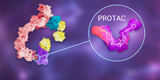
PROTAC — Target Selection and Design
Scientific Reviews
PROTAC — Target Selection and Design2022-07-08
A PROTAC molecule consists of three components: a target protein binding ligand, an E3 ligase ligand, and a linker connecting these two moieties. Here, we will discuss the conventional approaches for the rational design of PROTAC molecules. -
 Scientific Reviews
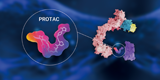
BacPROTACs is composed of a POI ligand, a chemical linker and a ClpCNTD anchor. BacPROTACs can induce in vitro and in vivo degradation of non-eukaryotic proteins in bacteria without the ubiquitin proteasome system.
Scientific Reviews
BacPROTACs is composed of a POI ligand, a chemical linker and a ClpCNTD anchor. BacPROTACs can induce in vitro and in vivo degradation of non-eukaryotic proteins in bacteria without the ubiquitin proteasome system. -
 Scientific Reviews
Autophagy, derived from the Greek meaning "eating of self", plays an indispensable role in maintaining homeostasis. p27 is an inhibitor of cyclin CDKs, but how p27 regulates autophagy remains unknown. This article will cover the mechanism of autophagy and p27-related cell cycle regulation.
Scientific Reviews
Autophagy, derived from the Greek meaning "eating of self", plays an indispensable role in maintaining homeostasis. p27 is an inhibitor of cyclin CDKs, but how p27 regulates autophagy remains unknown. This article will cover the mechanism of autophagy and p27-related cell cycle regulation. -
 Scientific Reviews
AlphaFold2 can predict disease-related protein structures at low cost, and then find potential drugs for these diseases through drug repositioning, virtual screening, and other methods. ZINC is a public database summarizing information about billions of compounds. AlphaFold2 + ZINC20 speeds up the virtual screening process and improves the computing speed.
Scientific Reviews
AlphaFold2 can predict disease-related protein structures at low cost, and then find potential drugs for these diseases through drug repositioning, virtual screening, and other methods. ZINC is a public database summarizing information about billions of compounds. AlphaFold2 + ZINC20 speeds up the virtual screening process and improves the computing speed. -
 Scientific Reviews
CMA (chaperone-mediated autophagy) plays an essential role in maintaining neuronal protein stability and preventing neurodegeneration. In this article, we will comprehensively clarify the role of CMA in the occurrence and development of neurodegenerative diseases.
Scientific Reviews
CMA (chaperone-mediated autophagy) plays an essential role in maintaining neuronal protein stability and preventing neurodegeneration. In this article, we will comprehensively clarify the role of CMA in the occurrence and development of neurodegenerative diseases. -
 Scientific Reviews
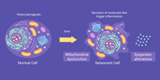
Understanding the mechanism of aging not only has guiding significance for prolonging human life but also has important clinical significance for the prevention and treatment of diseases in the elderly population , thus, improving their life quality and well-being.
Scientific Reviews
Understanding the mechanism of aging not only has guiding significance for prolonging human life but also has important clinical significance for the prevention and treatment of diseases in the elderly population , thus, improving their life quality and well-being. -
 Scientific Reviews
PROTAC - Design Strategy for Targeting
Scientific Reviews
PROTAC - Design Strategy for Targeting2023-04-23
Protein degradation targeting chimera (PROTAC) is a technology that uses the ubiquitin proteasome pathway to silent target protein. However, PROTAC still has problems such as solubility, membrane permeability, and selectivity. In this article, we have summarized three strategies for optimization: light-controlled linker, PAC molecule, and specific E3 ligase. -
 Scientific Reviews
How to Perform Western Blot?
Scientific Reviews
How to Perform Western Blot?2023-07-13
Western blot is one of the most frequently performed experiments in molecular biology, biochemistry and immunology. This article describes in detail how to do WB. -
 Scientific Reviews
SPR, which stands for Surface Plasmon Resonance, essentially works by detecting the interaction between ligands and analytes on a biosensor chip. This in turn allows us to probe the properties and structure of substances. With this technology, we can analyze molecules, proteins, DNA, and various organic and inorganic substances in samples in real-time with precision.
Scientific Reviews
SPR, which stands for Surface Plasmon Resonance, essentially works by detecting the interaction between ligands and analytes on a biosensor chip. This in turn allows us to probe the properties and structure of substances. With this technology, we can analyze molecules, proteins, DNA, and various organic and inorganic substances in samples in real-time with precision. -
 Scientific Reviews
Science | A "new" mechanism for non-ubiquitinated Midnolin-proteasomal degradation pathway
Scientific Reviews
Science | A "new" mechanism for non-ubiquitinated Midnolin-proteasomal degradation pathway2024-04-26
“ubiquitin-mediated protein degradation” won the Nobel Prize in Chemistry in 2004! In fact, proteasomes degrade not only ubiquitinated proteins but also non-ubiquitinated ones. The mechanism remains shrouded in mystery. After reading this piece today, you might have a lightbulb moment! -
 Scientific Reviews
Common Questions and Solutions for WB
Scientific Reviews
Common Questions and Solutions for WB2024-05-09
Come to understand the common problems and solutions of WB, and better complete the experiment! -
 Scientific Reviews
Degrade target proteins through the autophagy-lysosome pathway including LYTAC, AUTAC, and ATTEC have gained increasing attention in recent years due to their significant research potential!
Scientific Reviews
Degrade target proteins through the autophagy-lysosome pathway including LYTAC, AUTAC, and ATTEC have gained increasing attention in recent years due to their significant research potential! -
 Scientific Reviews
Streptavidin-Biotin System
Scientific Reviews
Streptavidin-Biotin System2024-08-03
Streptavidin strongly binding small molecule biotin is one of the most popular non-covalent coupling methods. Streptavidin can be coupled to various carriers such as magnetic beads and agarose matrix, and become a highly specific affinity medium to capture various biotin-labeled ligands. -
 Scientific Reviews
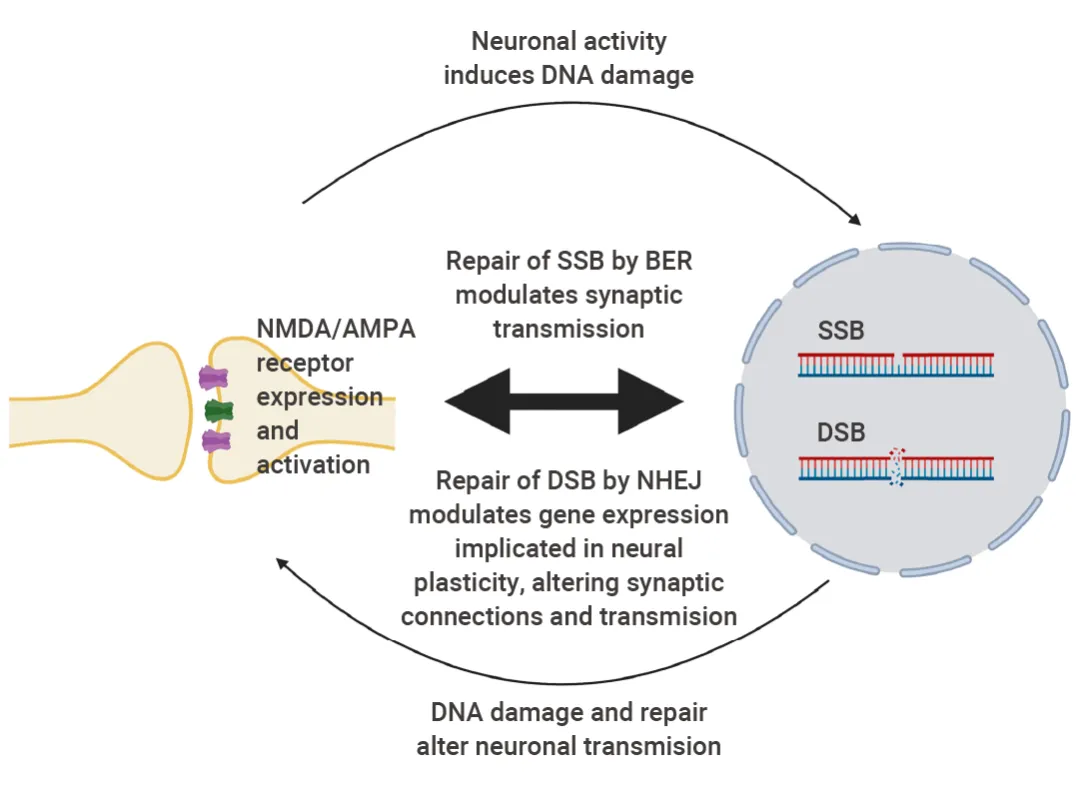
When you hear "inflammation" and "DNA damage," you might immediately think of disease or injury. However, in brains, these two processes are key steps in forming long-term memories, particularly related to specialized cells in our brain called hippocampal neurons.
Scientific Reviews
When you hear "inflammation" and "DNA damage," you might immediately think of disease or injury. However, in brains, these two processes are key steps in forming long-term memories, particularly related to specialized cells in our brain called hippocampal neurons. -
 Scientific Reviews
Autophagy is a fundamental process that degrades various components within the cell.
Scientific Reviews
Autophagy is a fundamental process that degrades various components within the cell. -
.jpg) Scientific Reviews
nside cells, the homeostasis and degradation of proteins is a precisely regulated process. If proteins cannot be degraded in time, it may lead to the occurrence of various diseases such as neurodegenerative diseases and cancer. This article will tell you the process of how proteins are recognized, labeled and then degraded!
Scientific Reviews
nside cells, the homeostasis and degradation of proteins is a precisely regulated process. If proteins cannot be degraded in time, it may lead to the occurrence of various diseases such as neurodegenerative diseases and cancer. This article will tell you the process of how proteins are recognized, labeled and then degraded! -
 Scientific Reviews
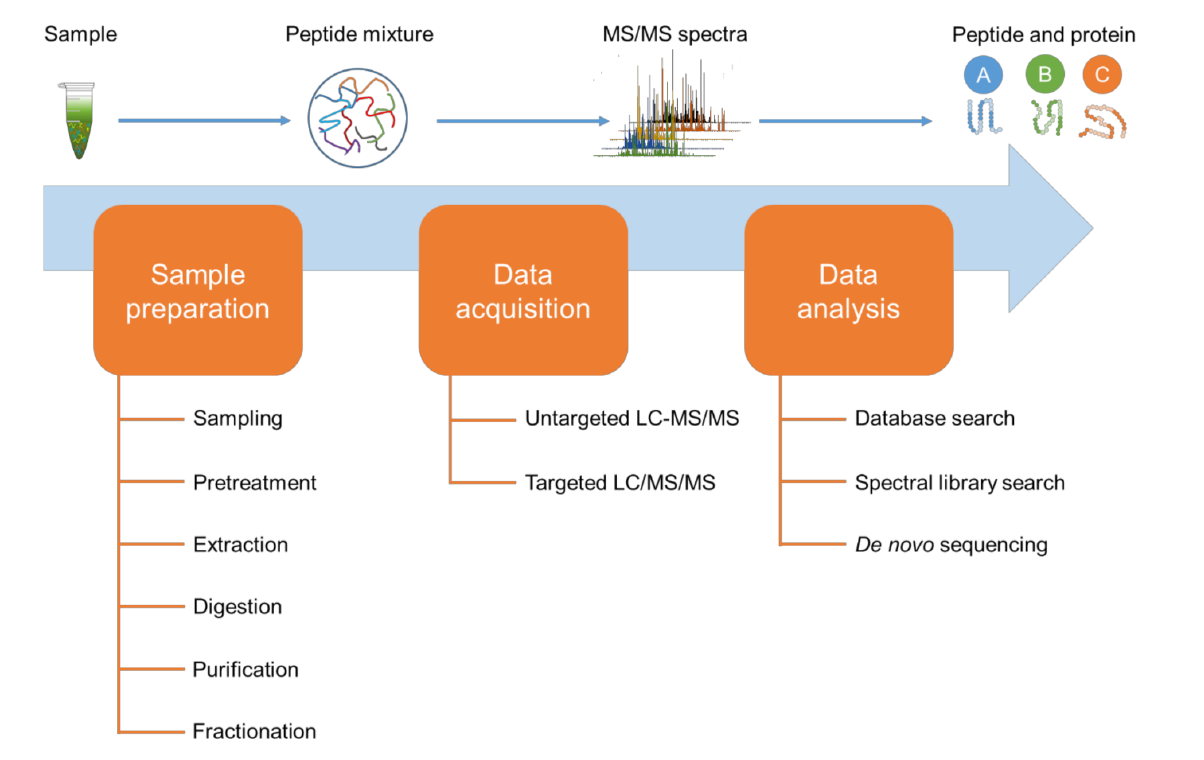
As a pivotal branch in the post - genomic era, proteomics is committed to comprehensively elucidating the types, abundances, structures, functions, and interactions of all proteins within living organisms. This article will tell you the key steps of proteomics sample preparation based on mass spectrometry. This article will tell you the key steps of proteomics sample preparation based on mass spectrometry.
Scientific Reviews
As a pivotal branch in the post - genomic era, proteomics is committed to comprehensively elucidating the types, abundances, structures, functions, and interactions of all proteins within living organisms. This article will tell you the key steps of proteomics sample preparation based on mass spectrometry. This article will tell you the key steps of proteomics sample preparation based on mass spectrometry. -
 Scientific Reviews
Western blotting is a crucial and fundamental technique in life science research. It plays a significant role in exploring protein expression and function. The following article will comprehensively and thoroughly elaborate on the specific procedures and detailed key points of this experiment.
Scientific Reviews
Western blotting is a crucial and fundamental technique in life science research. It plays a significant role in exploring protein expression and function. The following article will comprehensively and thoroughly elaborate on the specific procedures and detailed key points of this experiment. -
 Scientific Reviews
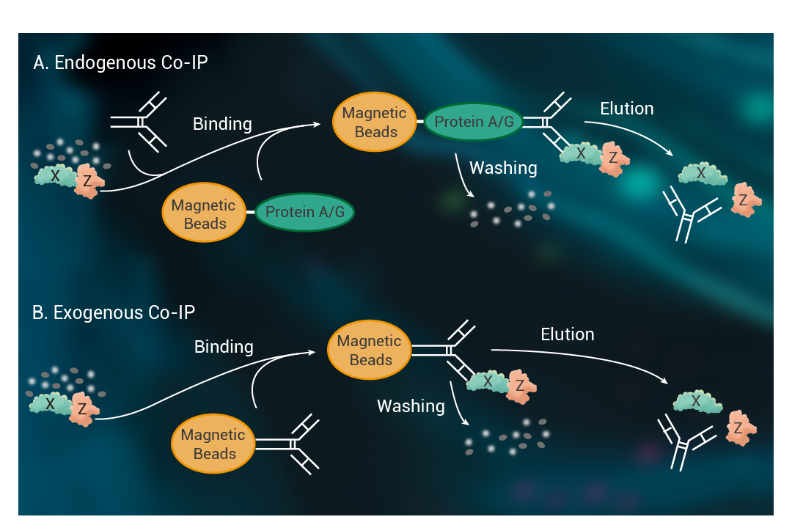
In protein biology, Co-IP is a powerful tool to uncover protein "social networks." But poorly performed, it easily becomes an awkward lab "meet-and-greet." Today, we discuss making Co-IP experiments elegant and efficient—so you pull down target proteins with confidence and precision.
Scientific Reviews
In protein biology, Co-IP is a powerful tool to uncover protein "social networks." But poorly performed, it easily becomes an awkward lab "meet-and-greet." Today, we discuss making Co-IP experiments elegant and efficient—so you pull down target proteins with confidence and precision. -
 Scientific Reviews
Chromatin Immunoprecipitation (ChIP) Demystified: A Complete Guide to Epigenetic Analysis
Scientific Reviews
Chromatin Immunoprecipitation (ChIP) Demystified: A Complete Guide to Epigenetic Analysis2025-08-05
In this issue, we introduce a powerful technique for detecting interactions between epigenetic regulatory factors and DNA—Chromatin Immunoprecipitation (ChIP)! -
Scientific Reviews
For all the protein research folks out there, techniques like IP and Co-IP are no stranger, right? And of course, there's a faster and more convenient go-to tool—Protein A/G magnetic beads! In this article, let's chat about how these beads work their magic in classic experiments like IP and Co-IP. -
Scientific Reviews
Cracking the PROTAC Permeability Barrier: CD36-Mediated Endocytosis as a Potential Breakthrough2025-12-03
This article provides an in-depth analysis of cutting-edge literature revealing CD36 as a key mediator of cellular uptake for PROTACs and bRO5 compounds. By structurally optimizing PROTAC molecules to enhance their affinity for CD36, membrane permeability can be markedly improved, leading to significantly enhanced antitumor efficacy. -
 Scientific Reviews
FISH is a molecular technique using fluorescent probes to detect specific nucleic acids in cells, with high sensitivity and diverse biomedical applications.
Scientific Reviews
FISH is a molecular technique using fluorescent probes to detect specific nucleic acids in cells, with high sensitivity and diverse biomedical applications. -
 Scientific Reviews
Molecular glue degraders have evolved from a serendipitous observation to one of the most dynamic and transformative fields in biomedical research.
Scientific Reviews
Molecular glue degraders have evolved from a serendipitous observation to one of the most dynamic and transformative fields in biomedical research. -
 EDM
Targeting the ‘Undruggable’ with PROTACs
EDM
Targeting the ‘Undruggable’ with PROTACs2025-06-18
This review introduces the fundamental principles and mechanisms of PROTACs, highlights recent advances in molecular design and clinical development, and discusses emerging opportunities and remaining challenges in targeted protein degradation. -
 EDM
This review explores the molecular mechanisms of the DNA damage response, reviews therapeutic strategies targeting DDR pathways in cancer, and examines their roles in cancer drug resistance.
EDM
This review explores the molecular mechanisms of the DNA damage response, reviews therapeutic strategies targeting DDR pathways in cancer, and examines their roles in cancer drug resistance. -
 EDM
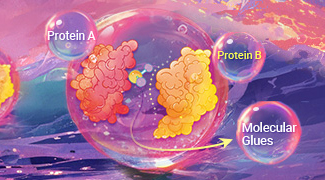
This review discusses recent progress in molecular glue technologies, illustrating how targeted protein degradation strategies enable the modulation of previously undruggable proteins.
EDM
This review discusses recent progress in molecular glue technologies, illustrating how targeted protein degradation strategies enable the modulation of previously undruggable proteins. -
 EDM
Review the evolution of molecular glues from serendipitous discovery to rational design, highlighting how emerging targets and advances in screening, proteomics, structural biology, and AI are expanding the druggable proteome.
EDM
Review the evolution of molecular glues from serendipitous discovery to rational design, highlighting how emerging targets and advances in screening, proteomics, structural biology, and AI are expanding the druggable proteome. -
 EDM
Explore emerging synthetic lethal vulnerabilities beyond BRCA–PARP and advances in their discovery and prediction through CRISPR screening, organoids, multi-omics, and AI.
EDM
Explore emerging synthetic lethal vulnerabilities beyond BRCA–PARP and advances in their discovery and prediction through CRISPR screening, organoids, multi-omics, and AI. -
 Blog
AZD5991, a macrocyclic molecule with high selectivity for Mcl-1, reduces Mcl-1 protein in AZD5991-sensitive but not in AZD5991-resistant MM cell lines.
Blog
AZD5991, a macrocyclic molecule with high selectivity for Mcl-1, reduces Mcl-1 protein in AZD5991-sensitive but not in AZD5991-resistant MM cell lines. -
 Blog
CF53 is a highly potent, selective and orally active inhibitor of BET protein, with anti-tumor activity in acute leukemia and breast cancer cell lines.
Blog
CF53 is a highly potent, selective and orally active inhibitor of BET protein, with anti-tumor activity in acute leukemia and breast cancer cell lines. -
 Blog
HJB97 is a BET PROTAC inhibitor with good anti-tumor activity, and effectively blocks the degradation of BRD2, BRD3, and BRD4 proteins induced by BETd-260.
Blog
HJB97 is a BET PROTAC inhibitor with good anti-tumor activity, and effectively blocks the degradation of BRD2, BRD3, and BRD4 proteins induced by BETd-260. -
 Blog
A Lead PROTAC BRD9 Chemical Degrader
Blog
A Lead PROTAC BRD9 Chemical Degrader2019-04-06
PROTAC BRD9 Degrader-1 is a lead PROTAC BRD9 chemical degrader and a selective probe useful for the study of BAF complex biology. -
 Blog
COH000 is an allosteric, covalent and irreversible inhibitor of SUMO-activating enzyme, with an IC50 of 0.2 μM for SUMOylation in vitro.
Blog
COH000 is an allosteric, covalent and irreversible inhibitor of SUMO-activating enzyme, with an IC50 of 0.2 μM for SUMOylation in vitro. -
 Blog
PhiKan 083 is a carbazole derivative, which binds to the surface cavity and stabilizes Y220C (a p53 mutant), with a Kd of 167 μM.
Blog
PhiKan 083 is a carbazole derivative, which binds to the surface cavity and stabilizes Y220C (a p53 mutant), with a Kd of 167 μM. -
 Blog
IITZ-01 is a potent lysosomotropic autophagy inhibitor with single-agent antitumor activity, with an IC50 of 2.62 μM for PI3Kγ.
Blog
IITZ-01 is a potent lysosomotropic autophagy inhibitor with single-agent antitumor activity, with an IC50 of 2.62 μM for PI3Kγ. -
 Blog
Y06036 is a potent and selective BET inhibitor for potential treatment of castration-resistant prostate cancer. With nanomolar inhibition.
Blog
Y06036 is a potent and selective BET inhibitor for potential treatment of castration-resistant prostate cancer. With nanomolar inhibition. -
 Blog
Y06137 is a potent and selective BET inhibitor, which binds to the BRD4(1) bromodomain with a Kd of 81 nM. Antitumor activity.
Blog
Y06137 is a potent and selective BET inhibitor, which binds to the BRD4(1) bromodomain with a Kd of 81 nM. Antitumor activity. -
 Blog
NRX-252262 is a β-catenin:β-TrCP interaction enhancer, and its cognate E3 ligase, SCFβ-TrCP, induces mutant β-catenin degradation, with an EC50 of 3.8 nM
Blog
NRX-252262 is a β-catenin:β-TrCP interaction enhancer, and its cognate E3 ligase, SCFβ-TrCP, induces mutant β-catenin degradation, with an EC50 of 3.8 nM -
 Blog
TAK-981 is a selective inhibitor of the SUMOylation enzymatic cascade, with potential immune-activating and antineoplastic activities
Blog
TAK-981 is a selective inhibitor of the SUMOylation enzymatic cascade, with potential immune-activating and antineoplastic activities -
 Blog
TD-428 is a Highly Specific BRD4 Degrader
Blog
TD-428 is a Highly Specific BRD4 Degrader2019-04-29
TD-428, a immunomodulatory drug analog, is a highly specific BRD4 degrader with a DC50 of 0.32 nM. TD-428 reduces c-Myc levels more efficiently than JQ1. -
 Blog
SLLN-15 is an oral activ enhancer of autophagy that activates cytostatic macroautophagy/autophagy in triple-negative breast cancer (TNBC).
Blog
SLLN-15 is an oral activ enhancer of autophagy that activates cytostatic macroautophagy/autophagy in triple-negative breast cancer (TNBC). -
 Blog
A1874 is a nutlin-based and BRD4-degrading PROTAC with a DC50 of 32 nM. Effective in inhibiting many cancer cell lines proliferation
Blog
A1874 is a nutlin-based and BRD4-degrading PROTAC with a DC50 of 32 nM. Effective in inhibiting many cancer cell lines proliferation -
 Blog
BSJ-03-123, a Degrader with Proteome-wide Selectivity for CDK6 (PROTAC). Induces a G1 cell-cycle arrest without a measurable increase in apoptosis.
Blog
BSJ-03-123, a Degrader with Proteome-wide Selectivity for CDK6 (PROTAC). Induces a G1 cell-cycle arrest without a measurable increase in apoptosis. -
 Blog
FT671 is a potent, non-covalent and selective USP7 inhibitor with an IC50 of 52 nM and binds to the USP7 catalytic domain with a Kd of 65 nM.
Blog
FT671 is a potent, non-covalent and selective USP7 inhibitor with an IC50 of 52 nM and binds to the USP7 catalytic domain with a Kd of 65 nM. -
 Blog
ZM223 is a non-sulfamide NEDD8 activating enzyme (NAE) inhibitor, with IC50 value of 100 nM in cells. ZM223 has potential to treat colon cancer.
Blog
ZM223 is a non-sulfamide NEDD8 activating enzyme (NAE) inhibitor, with IC50 value of 100 nM in cells. ZM223 has potential to treat colon cancer. -
 Blog
STL127705 is a Ku 70/80 heterodimer protein inhibitor, inhibits Ku70/80-DNA interaction (IC50 of 3.5 μM) and Ku-dependent activation of DNA-PKCS kinase.
Blog
STL127705 is a Ku 70/80 heterodimer protein inhibitor, inhibits Ku70/80-DNA interaction (IC50 of 3.5 μM) and Ku-dependent activation of DNA-PKCS kinase. -
 Blog
MS4077 is an anaplastic lymphoma kinase (ALK) PROTAC (degrader) with a Kd of 37 nM for binding affinity to ALK. Efficacy for breast cancer and lung cancer.
Blog
MS4077 is an anaplastic lymphoma kinase (ALK) PROTAC (degrader) with a Kd of 37 nM for binding affinity to ALK. Efficacy for breast cancer and lung cancer. -
 Blog
VL285, is a Potent VHL Ligand
Blog
VL285, is a Potent VHL Ligand2019-05-24
VL285 is a Potent VHL Ligand. -
 Blog
SNIPER(TACC3)-1 targets the TACC3 protein for degradation via the ubiquitin-proteasome pathway. SNIPER(TACC3)-1 induces cancer cell death.
Blog
SNIPER(TACC3)-1 targets the TACC3 protein for degradation via the ubiquitin-proteasome pathway. SNIPER(TACC3)-1 induces cancer cell death. -
 Blog
TAS-114 is a dual dUTPase/dihydropyrimidine dehydrogenase (DPD) inhibitor, can improving the therapeutic efficacy of fluoropyrimidine.
Blog
TAS-114 is a dual dUTPase/dihydropyrimidine dehydrogenase (DPD) inhibitor, can improving the therapeutic efficacy of fluoropyrimidine. -
 Blog
IWP-O1, a Highly Potent Porcupine Inhibitor, Functions by Preventing the Secretion of Wnt Proteins
Blog
IWP-O1, a Highly Potent Porcupine Inhibitor, Functions by Preventing the Secretion of Wnt Proteins2019-06-03
IWP-O1 is a Porcupine (Porcn) inhibitor, with an EC50 of 80 pM in L-Wnt-STF cells. IWP-O1 functions by preventing the secretion of Wnt proteins[ -
 Blog
SJFδ, a 10-atom Linker PROTAC, Degrades p38δ
Blog
SJFδ, a 10-atom Linker PROTAC, Degrades p38δ2019-06-11
SJFδ, a 10-atom Linker PROTAC, Degrades p38δ, degrades p38δwith strong capacity. SJFδ degrades p38δ with a DC50 of 46.17±9.85 nM and a Dmax of 99.41±3.31%. -
 Blog
TAS4464 is a highly potent and selective inhibitor of NEDD8 activating enzyme (NAE), with an IC50 of 0.955 nM. TAS4464 shows antitumor activity.
Blog
TAS4464 is a highly potent and selective inhibitor of NEDD8 activating enzyme (NAE), with an IC50 of 0.955 nM. TAS4464 shows antitumor activity. -
 Blog
NMS-P515 is a potent, orally active and stereospecific PARP-1 inhibitor, with a Kd of 16 nM and an IC50 of 27 nM (in Hela cells). Anti-tumor activity.
Blog
NMS-P515 is a potent, orally active and stereospecific PARP-1 inhibitor, with a Kd of 16 nM and an IC50 of 27 nM (in Hela cells). Anti-tumor activity. -
 Blog
ERD-308 is a highly potent PROTAC degrader of ER for ER+ breast cancer treatment. ERD-308 induces >95% of ER degradation at concentrations as low as 5 nM.
Blog
ERD-308 is a highly potent PROTAC degrader of ER for ER+ breast cancer treatment. ERD-308 induces >95% of ER degradation at concentrations as low as 5 nM. -
 Blog
JG-98, an Hsp70 inhibitor, binds tightly to a conserved site on Hsp70 and disrupts the Hsp70-Bag3 interaction. JG-98 shows anti-cancer activities.
Blog
JG-98, an Hsp70 inhibitor, binds tightly to a conserved site on Hsp70 and disrupts the Hsp70-Bag3 interaction. JG-98 shows anti-cancer activities. -
 Blog
MZP-55 is a selective PROTAC degrader of BRD3/4, shows no obvious effect on BRD2. MZP-55 exhibits excellent activity in cancer research.
Blog
MZP-55 is a selective PROTAC degrader of BRD3/4, shows no obvious effect on BRD2. MZP-55 exhibits excellent activity in cancer research. -
 Blog
dBET6 is a potent PROTAC degrader of BET, shows high affinity to BRD4(1), and possess good efficacy in T cell acute lymphoblastic leukemia activity.
Blog
dBET6 is a potent PROTAC degrader of BET, shows high affinity to BRD4(1), and possess good efficacy in T cell acute lymphoblastic leukemia activity. -
 Blog
GSK2643943A is a Novel DUB Inhibitor
Blog
GSK2643943A is a Novel DUB Inhibitor2019-07-25
GSK2643943A is a novel deubiquitylating enzyme (DUB) inhibitor. GSK2643943A targets USP20/Ub-Rho and shows an IC50 of 160 nM. -
 Blog
MT-802 is a potent BTK degrader based on PROTAC technology, with a DC50 of 1 nM. MT-802 has potential to treat C481S mutant chronic lymphocytic leukemia.
Blog
MT-802 is a potent BTK degrader based on PROTAC technology, with a DC50 of 1 nM. MT-802 has potential to treat C481S mutant chronic lymphocytic leukemia. -
 Blog
ML367 is an ATAD5 Stabilization Inhibitor
Blog
ML367 is an ATAD5 Stabilization Inhibitor2019-08-03
ML367 is a potent inhibitor of ATAD5 stabilization. It blocks DNA repair pathways, and suppresses phosphorylation of RPA32 and CHK1. -
 Blog
ACBI1 is a PROTAC Degrader of BAF Complex
Blog
ACBI1 is a PROTAC Degrader of BAF Complex2019-08-07
ACBI1 is a potent PROTAC degrader of BAF ATPase subunits SMARCA2, SMARCA4 and PBRM1, with DC50s of 6 nM, 11 nM and 32 nM in MV-4-11 cells, respectively. -
 Blog
dMCL1-2 is a potent and selective degrader of myeloid cell leukemia 1 (MCL1) based on PROTAC, which binds to MCL1 with a KD of 30 nM.
Blog
dMCL1-2 is a potent and selective degrader of myeloid cell leukemia 1 (MCL1) based on PROTAC, which binds to MCL1 with a KD of 30 nM. -
 Blog
JH-RE-06, a potent REV1-REV7 interface inhibitor (IC50=0.78 μM; Kd=0.42 μM), targets REV1 that interacts with the REV7 subunit of POLζ.
Blog
JH-RE-06, a potent REV1-REV7 interface inhibitor (IC50=0.78 μM; Kd=0.42 μM), targets REV1 that interacts with the REV7 subunit of POLζ. -
 Blog
CP-10 is a Specific PROTAC Degrader of CDK6
Blog
CP-10 is a Specific PROTAC Degrader of CDK62019-08-25
CP-10 is a PROTAC with highly selective, specific, and remarkable CDK6 degradation (DC50=2.1 nM), which has anti-cancer activity. -
 Blog
ARV-825 is a PROTAC, and acts as a potent BRD4 degrader, with Kds of 90 and 28 nM for BRD4 BD1 and BRD4 BD2, respectively.
Blog
ARV-825 is a PROTAC, and acts as a potent BRD4 degrader, with Kds of 90 and 28 nM for BRD4 BD1 and BRD4 BD2, respectively. -
 Blog
GMB-475 is a PROTAC BCR-ABL1 degrader, overcomes BCR-ABL1-dependent drug resistance, targets BCR-ABL1 protein and recruits the E3 ligase Von Hippel Lindau.
Blog
GMB-475 is a PROTAC BCR-ABL1 degrader, overcomes BCR-ABL1-dependent drug resistance, targets BCR-ABL1 protein and recruits the E3 ligase Von Hippel Lindau. -
 Blog
dBET57 is a potent and selective degrader of BRD4BD1 based on the PROTAC technology and mediates recruitment to the CRL4CRBN E3 ubiquitin ligase.
Blog
dBET57 is a potent and selective degrader of BRD4BD1 based on the PROTAC technology and mediates recruitment to the CRL4CRBN E3 ubiquitin ligase. -
 Blog
MD-224 is a human MDM2 degrader based on the PROTAC concept. MD-224 induces rapid degradation of MDM2 at concentrations <1 nM in human leukemia cells.
Blog
MD-224 is a human MDM2 degrader based on the PROTAC concept. MD-224 induces rapid degradation of MDM2 at concentrations <1 nM in human leukemia cells. -
 Blog
E3330, an APE1 Redox Inhibitor, Modulates Cell Migration and Invasion in Metastatic Cancer
Blog
E3330, an APE1 Redox Inhibitor, Modulates Cell Migration and Invasion in Metastatic Cancer2019-09-13
E3330 is a direct, orally active AP endonuclease 1 (APE1) inhibitor, which suppresses NF-κB DNA-binding activity. E3330 shows good anticancer properties. -
 Blog
AOH1160, an Orally Active PCNA Inhibitor, Exhibits Efferctive Anti-cancer Activity with Low Toxicity
Blog
AOH1160, an Orally Active PCNA Inhibitor, Exhibits Efferctive Anti-cancer Activity with Low Toxicity2019-09-14
AOH1160 is a potent, first-in-class, orally available PCNA inhibitor and exhibits broad-spectrum anti-cancer activity without causing unacceptable toxicity. -
 Blog
Blog
-
 Blog
CP5V is a Specific PROTAC Degrader of Cdc20
Blog
CP5V is a Specific PROTAC Degrader of Cdc202019-11-20
CP5V is a PROTAC, which specifically degrades Cdc20 by linking Cdc20 to the VHL/VBC complex for ubiquitination followed by proteasomal degradation. -
 Blog
PK11007 is a Mild Alkylating Agent with Anticancer Activity and induces mutant p53 cancer cell death by increasing reactive oxygen species (ROS) levels.
Blog
PK11007 is a Mild Alkylating Agent with Anticancer Activity and induces mutant p53 cancer cell death by increasing reactive oxygen species (ROS) levels. -
 Blog
SD-36 is a Selective PROTAC STAT3 Degrader
Blog
SD-36 is a Selective PROTAC STAT3 Degrader2019-12-06
SD-36 is a potent, efficacious and selective PROTAC STAT3 degrader (Kd=50 nM) and achieves complete tumor regression in vivo. -
 Blog
Niraparib is an Orally Active PARP Inhibitor
Blog
Niraparib is an Orally Active PARP Inhibitor2019-12-18
Niraparib is a highly potent and orally bioavailable PARP1 and PARP2 inhibitor. Niraparib has potent anti-cancer activity. -
 Blog
MG-277 works as a PROTAC molecular glue, inducing degradation of a translation termination factor, GSPT1 to achieve its potent anticancer activity.
Blog
MG-277 works as a PROTAC molecular glue, inducing degradation of a translation termination factor, GSPT1 to achieve its potent anticancer activity. -
 Blog
DRF-1042 is an orally active derivative of Camptothecin and acts to inhibit DNA topoisomerase I with good anticancer activity.
Blog
DRF-1042 is an orally active derivative of Camptothecin and acts to inhibit DNA topoisomerase I with good anticancer activity. -
 Blog
MS432 is a first-in-class and highly selective PD0325901-based VHL-recruiting PROTAC degrader for MEK1 and MEK2 with good anti-cancer activity.
Blog
MS432 is a first-in-class and highly selective PD0325901-based VHL-recruiting PROTAC degrader for MEK1 and MEK2 with good anti-cancer activity. -
 Blog
KB02-JQ1 is a highly potent and selective PROTAC BRD4 degrader that degrades nuclear proteins by engaging CUL4-DDB1 E3 ubiquitin ligases DCAF16.
Blog
KB02-JQ1 is a highly potent and selective PROTAC BRD4 degrader that degrades nuclear proteins by engaging CUL4-DDB1 E3 ubiquitin ligases DCAF16. -
 Blog
D-I03 is a Selective RAD52 Inhibitor
Blog
D-I03 is a Selective RAD52 Inhibitor2020-01-08
D-I03 is a selective RAD52 inhibitor, which specifically inhibits RAD52-dependent single-strand annealing (SSA) and D-loop formation. -
 Blog
SB-218078, a Chk1 inhibitor, inhibits Chk1 phosphorylation of cdc25C with an IC50 of 15 nM, causeing apoptosis by DNA damage and cell cycle arrest.
Blog
SB-218078, a Chk1 inhibitor, inhibits Chk1 phosphorylation of cdc25C with an IC50 of 15 nM, causeing apoptosis by DNA damage and cell cycle arrest. -
 Blog
TCH-165 is a modulator of proteasome assembly, which increases 20S levels and facilitates 20S-mediated protein degradation, such as IDPs, α-syn, and tau.
Blog
TCH-165 is a modulator of proteasome assembly, which increases 20S levels and facilitates 20S-mediated protein degradation, such as IDPs, α-syn, and tau. -
 Blog
6RK73 is a covalent irreversible and specific UCHL1 inhibitor,which specifically inhibits UCHL1 activity in breast cancer.
Blog
6RK73 is a covalent irreversible and specific UCHL1 inhibitor,which specifically inhibits UCHL1 activity in breast cancer. -
 Blog
CCT367766, a PROTAC-based Pirin-targeting PDP, exhibits a moderate affinity for the CRBN-DDB1 complex and reveals a good affinity for Pirin and CRBN.
Blog
CCT367766, a PROTAC-based Pirin-targeting PDP, exhibits a moderate affinity for the CRBN-DDB1 complex and reveals a good affinity for Pirin and CRBN. -
 Blog
E64FC26 is a highly potent pan-style inhibitor of the protein disulfide isomerase (PDI) family with anti-myeloma activities.
Blog
E64FC26 is a highly potent pan-style inhibitor of the protein disulfide isomerase (PDI) family with anti-myeloma activities. -
 Blog
NU1025 is a potent PARP inhibitor and potentiates the cytotoxicity of ionizing radiation drug. NU1025 has anti-cancer and neuroprotective activity.
Blog
NU1025 is a potent PARP inhibitor and potentiates the cytotoxicity of ionizing radiation drug. NU1025 has anti-cancer and neuroprotective activity. -
 Blog
TL13-112 is a PROTAC Degrader of ALK
Blog
TL13-112 is a PROTAC Degrader of ALK2020-04-15
TL13-112 is a selective ALK-PROTAC degrader and inhibits ALK activity. TL13-112 is comprised of the conjugation of Ceritinib and the ligand pomalidomide . -
 Blog
TP3011 is a potent DNA topoisomerase I inhibitor. Antitumor activities.Active metabolite of TP3076. TP3011 inhibits cancer cell proliferative activities.
Blog
TP3011 is a potent DNA topoisomerase I inhibitor. Antitumor activities.Active metabolite of TP3076. TP3011 inhibits cancer cell proliferative activities. -
 Blog
TL13-12 is a Selective ALK-PROTAC Degrader
Blog
TL13-12 is a Selective ALK-PROTAC Degrader2020-04-21
TL13-12 can induce receptor tyrosine kinase anaplastic lymphoma kinase degradation in non small cell lung cancer cells. PROTAC ALK degrader. -
 Blog
ARCC-4 is a low-nanomolar AR degrader, and effectively degrades clinically relevant AR mutants associated with antiandrogen therapy.
Blog
ARCC-4 is a low-nanomolar AR degrader, and effectively degrades clinically relevant AR mutants associated with antiandrogen therapy. -
 Blog
PIK-75 is a reversible DNA-PK and p110α selective inhibitor. Impairs cell proliferation, survival, and tumor growth. Induce apoptosis.
Blog
PIK-75 is a reversible DNA-PK and p110α selective inhibitor. Impairs cell proliferation, survival, and tumor growth. Induce apoptosis. -
 Blog
RBN-2397 is an orally active accross species NAD+ competitive inhibitor of PARP7. RBN-2397 binds to PARP7 and restores interferon (Type I) signaling.
Blog
RBN-2397 is an orally active accross species NAD+ competitive inhibitor of PARP7. RBN-2397 binds to PARP7 and restores interferon (Type I) signaling. -
 Blog
UT-34 is a potent, selective and orally active second-generation pan-androgen receptor (AR) antagonist and degrader with anti-prostate cancer efficacy.
Blog
UT-34 is a potent, selective and orally active second-generation pan-androgen receptor (AR) antagonist and degrader with anti-prostate cancer efficacy. -
 Blog
HM03 is a potent and selective HSPA5 inhibitor with anticancer activity. HSPA5 plays a key role in monitoring protein transport through the cell.
Blog
HM03 is a potent and selective HSPA5 inhibitor with anticancer activity. HSPA5 plays a key role in monitoring protein transport through the cell. -
 Blog
XZ739 is a PROTAC BCL-XL Degrader
Blog
XZ739 is a PROTAC BCL-XL Degrader2020-06-18
XZ739 is a PROTAC BCL-XL Degrader. XZ739 is potent against various cancer cell lines. PROTAC is an emerging therapeutic modality. -
 Blog
DI-82 is a potent deoxycytidine kinase (dCK) inhibitor. DI-82 is potent against hematological malignancies and other cancers.
Blog
DI-82 is a potent deoxycytidine kinase (dCK) inhibitor. DI-82 is potent against hematological malignancies and other cancers. -
 Blog
RA-9 is a potent and selective proteasome-associated DUBs inhibitor with favorable toxicity profile and anticancer activity.
Blog
RA-9 is a potent and selective proteasome-associated DUBs inhibitor with favorable toxicity profile and anticancer activity. -
 Blog
DI-87, an orally active and selective dCK inhibitor, has antitumor activity and is used in combination therapy against tumors expressing dCK.
Blog
DI-87, an orally active and selective dCK inhibitor, has antitumor activity and is used in combination therapy against tumors expressing dCK. -
 Blog
HLI373 represents a potential drug-able lead for the development of therapeutically efficacious inhibitors of Hdm2. Hdm2 is an ubiquitin protein ligase.
Blog
HLI373 represents a potential drug-able lead for the development of therapeutically efficacious inhibitors of Hdm2. Hdm2 is an ubiquitin protein ligase. -
 Blog
RA375, a RPN13 inhibitor, inhibits proteasome function in muscle. RA375 is highly active against cell lines of multiple myeloma and diverse solid cancers.
Blog
RA375, a RPN13 inhibitor, inhibits proteasome function in muscle. RA375 is highly active against cell lines of multiple myeloma and diverse solid cancers. -
 Blog
CRT0044876 is a potent and selective APE1 inhibitor. CRT0044876 inhibits the AP endonuclease, 3′-phosphodiesterase and 3′-phosphatase activities of APE1.
Blog
CRT0044876 is a potent and selective APE1 inhibitor. CRT0044876 inhibits the AP endonuclease, 3′-phosphodiesterase and 3′-phosphatase activities of APE1. -
 Blog
SJF620 is a Potent PROTAC BTK Degrader
Blog
SJF620 is a Potent PROTAC BTK Degrader2020-09-26
SJF620 is a potent PROTAC BTK degrader with improved pharmacokinetic properties. Contains a Lenalidomide analog for recruiting CRBN. -
 Blog
BSJ-04-132 is a potent and selective Ribociclib-based CDK4 degrader (PROTAC) and does not induce CDK6 and IKZF1/3 degradation with anti-cancer activity.
Blog
BSJ-04-132 is a potent and selective Ribociclib-based CDK4 degrader (PROTAC) and does not induce CDK6 and IKZF1/3 degradation with anti-cancer activity. -
 Blog
BSJ-03-204 is a potent and selective Palbociclib-based CDK4/6 dual degrader (PROTAC) and does not induce IKZF1/3 degradation with anti-cancer activity.
Blog
BSJ-03-204 is a potent and selective Palbociclib-based CDK4/6 dual degrader (PROTAC) and does not induce IKZF1/3 degradation with anti-cancer activity. -
 Blog
KB02-SLF is a PROTAC-based nuclear FKBP12 degrader. KB02-SLF promotes nuclear FKBP12 degradation by covalently modifying DCAF16 (E3 ligase).
Blog
KB02-SLF is a PROTAC-based nuclear FKBP12 degrader. KB02-SLF promotes nuclear FKBP12 degradation by covalently modifying DCAF16 (E3 ligase). -
 Blog
DT2216 is a potent and selective BCL-XL degrader based on PROTAC technology. DT2216 inhibits leukemia and has potent anti-cancer activity.
Blog
DT2216 is a potent and selective BCL-XL degrader based on PROTAC technology. DT2216 inhibits leukemia and has potent anti-cancer activity. -
 Blog
dTRIM24 will be a useful tool to further probe the function of TRIM24 by rapid chemical depletion in hematopoietic cancers and other biological contexts.
Blog
dTRIM24 will be a useful tool to further probe the function of TRIM24 by rapid chemical depletion in hematopoietic cancers and other biological contexts. -
 Blog
ZXH-3-26 is a Selective PROTAC BRD4 Degrader
Blog
ZXH-3-26 is a Selective PROTAC BRD4 Degrader2020-11-17
ZXH-3-26 is a Selective PROTAC BRD4 Degrader and allows pharmacologic targeting of BRD4 without significant inhibition or degradation of BRD2/3. -
 Blog
BETd-260 is a Potent PROTAC BET Degrader
Blog
BETd-260 is a Potent PROTAC BET Degrader2020-11-18
BETd-260 is a highly potent, efficacious, and promising BET degrader. -
 Blog
SIAIS178 is a potent and selective BCR-ABL degrader based on PROTAC technology by recruiting VHL E3 ubiquitin ligase. SIAIS178 has anticancer activity.
Blog
SIAIS178 is a potent and selective BCR-ABL degrader based on PROTAC technology by recruiting VHL E3 ubiquitin ligase. SIAIS178 has anticancer activity. -
 Blog
GNE-987, a potent chimeric BET degrader, exhibits picomolar cell BRD4 degradation activity. GNE-987 can be used in PROTAC-Antibody Conjugate (PAC).
Blog
GNE-987, a potent chimeric BET degrader, exhibits picomolar cell BRD4 degradation activity. GNE-987 can be used in PROTAC-Antibody Conjugate (PAC). -
 Blog
BI-3663 is a highly selective PTK2/FAK PROTAC (DC50=30 nM), with cereblon ligands to hijack E3 ligases for PTK2 degradation.
Blog
BI-3663 is a highly selective PTK2/FAK PROTAC (DC50=30 nM), with cereblon ligands to hijack E3 ligases for PTK2 degradation. -
 Blog
dFKBP-1 induces potent and dose-dependent degradation of FKBP12 in 293FT-WT cells. A facile and general new strategy to control target protein stability.
Blog
dFKBP-1 induces potent and dose-dependent degradation of FKBP12 in 293FT-WT cells. A facile and general new strategy to control target protein stability. -
 Blog
UNC6852 is a chemical degrader that targets polycomb repressive complex 2 (PRC2). Anti-proliferative in diffuse large B cell lymphoma cell lines.
Blog
UNC6852 is a chemical degrader that targets polycomb repressive complex 2 (PRC2). Anti-proliferative in diffuse large B cell lymphoma cell lines. -
 Blog
VZ185 is a highly selective, potent, and rapid dual degrader with a slight preference for BRD9 over BRD7.
Blog
VZ185 is a highly selective, potent, and rapid dual degrader with a slight preference for BRD9 over BRD7. -
 Blog
MZP-54 is a Selective BRD3/4 PROTAC Degrader
Blog
MZP-54 is a Selective BRD3/4 PROTAC Degrader2020-12-02
MZP-54 is a PROTAC that would link together specific VHL ligand and BET bromodomain ligand. MZP-54 induces degradation of BRD3/4. -
 Blog
SAR-020106 is an ATP-competitive CHK1 inhibitor with an IC50 of 13.3 nM for hCHK1. SAR-020106 can enhance antitumor activity with selected anticancer drugs.
Blog
SAR-020106 is an ATP-competitive CHK1 inhibitor with an IC50 of 13.3 nM for hCHK1. SAR-020106 can enhance antitumor activity with selected anticancer drugs. -
 Blog
BI-3802, a BCL6 degrader, inhibits the BCL6 BTB domain. BI-3802 induces the polymerization of BCL6 and promotes BCL6 degration depended on E3 ligase SIAH1.
Blog
BI-3802, a BCL6 degrader, inhibits the BCL6 BTB domain. BI-3802 induces the polymerization of BCL6 and promotes BCL6 degration depended on E3 ligase SIAH1. -
 Blog
AZ9482 is a Triple PARP1/2/6 Inhibitor
Blog
AZ9482 is a Triple PARP1/2/6 Inhibitor2021-01-05
AZ9482 is a triple PARP1, PPAR2 and PPAR6 inhibitor, with IC50 values of 1 nM, 1 nM and 640 nM for PARP1, PARP2 and PARP6, respectively. -
 Blog
NSC 80467, a potent DNA damaging agent, selectively inhibits survivin, and preferentially inhibits DNA synthesis.
Blog
NSC 80467, a potent DNA damaging agent, selectively inhibits survivin, and preferentially inhibits DNA synthesis. -
 Blog
NSC-105808, a potent, specific DNA2 nuclease inhibitor, inhibits HR repair, DSB end resection and suppresses proliferation of cancer cells.
Blog
NSC-105808, a potent, specific DNA2 nuclease inhibitor, inhibits HR repair, DSB end resection and suppresses proliferation of cancer cells. -
 Blog
Senaparib, a selective and orally active PARP1/2 inhibitor, has great potential as a monotherapy as well as in combination with other agents.
Blog
Senaparib, a selective and orally active PARP1/2 inhibitor, has great potential as a monotherapy as well as in combination with other agents. -
 Blog
JH-XI-10-02, a highly Potent CDK8 Degrader, modulates the CDK8 protein levels. A viable therapeutic strategy in cancer.
Blog
JH-XI-10-02, a highly Potent CDK8 Degrader, modulates the CDK8 protein levels. A viable therapeutic strategy in cancer. -
 Blog
dCBP-1 is a potent and selective degrader of p300/CBP based on PROTAC. dCBP-1 is exceptionally potent at killing multiple myeloma cells.
Blog
dCBP-1 is a potent and selective degrader of p300/CBP based on PROTAC. dCBP-1 is exceptionally potent at killing multiple myeloma cells. -
 Blog
PF 477736 (PF 00477736) is a Chk1 inhibitor. Breaching the DNA damage checkpoint. PF-00477736 combines with Gemcitabine to abrogates cell cycle arrest.
Blog
PF 477736 (PF 00477736) is a Chk1 inhibitor. Breaching the DNA damage checkpoint. PF-00477736 combines with Gemcitabine to abrogates cell cycle arrest. -
 Blog
PR-619 is a Broad-Range DUB Inhibitor
Blog
PR-619 is a Broad-Range DUB Inhibitor2021-02-20
PR-619, a broad-spectrum deubiquitinating enzyme (DUB) inhibitor, induces ER stress and ER-stress related apoptosis. -
 Blog
Conglobatin inhibits proliferation and induces apoptosis by binding to N-terminus of Hsp90 and disrupting Hsp90-Cdc37 complex formation.
Blog
Conglobatin inhibits proliferation and induces apoptosis by binding to N-terminus of Hsp90 and disrupting Hsp90-Cdc37 complex formation. -
 Blog
YUM70 inhibits GRP78. Induces endoplasmic reticulum stress-mediated apoptosis. Pancreatic cancer. Acts as a novel anticancer agent.
Blog
YUM70 inhibits GRP78. Induces endoplasmic reticulum stress-mediated apoptosis. Pancreatic cancer. Acts as a novel anticancer agent. -
 Blog
Elimusertib is a potent, orally available and selective ATR inhibitor. Elimusertib has potent anti-tumor activity.
Blog
Elimusertib is a potent, orally available and selective ATR inhibitor. Elimusertib has potent anti-tumor activity. -
 Blog
LC-2 is a potent and first-in-class PROTAC capable of degrading endogenous KRAS G12C, with DC50s between 0.25 and 0.76 μM.
Blog
LC-2 is a potent and first-in-class PROTAC capable of degrading endogenous KRAS G12C, with DC50s between 0.25 and 0.76 μM. -
 Blog
PROTAC MDM2 degrader MD-222 is highly potent and effective in inducing degradation of MDM2 and in activating wild-type p53 in cells.
Blog
PROTAC MDM2 degrader MD-222 is highly potent and effective in inducing degradation of MDM2 and in activating wild-type p53 in cells. -
 Blog
Butaprost is a selective prostaglandin E receptor (EP2) agonist. Butaprost can effectively mitigate kidney fibrogenesis in various fibrosis models.
Blog
Butaprost is a selective prostaglandin E receptor (EP2) agonist. Butaprost can effectively mitigate kidney fibrogenesis in various fibrosis models. -
 Blog
Lenalidomide, a CRBN ligand, is an orally active immunomodulator that effective treatment for myelodysplastic syndrome and multiple myeloma.
Blog
Lenalidomide, a CRBN ligand, is an orally active immunomodulator that effective treatment for myelodysplastic syndrome and multiple myeloma. -
 Blog
AUTAC4 is a mitochondria-targeting autophagy-targeting chimera, which can be used for the study of mitochondrial dysfunction.
Blog
AUTAC4 is a mitochondria-targeting autophagy-targeting chimera, which can be used for the study of mitochondrial dysfunction. -
 Blog
ARV-110 is an orally active, specific androgen receptor (AR) PROTAC degrader. ARV-110 can be used for the research of prostate cancer.
Blog
ARV-110 is an orally active, specific androgen receptor (AR) PROTAC degrader. ARV-110 can be used for the research of prostate cancer. -
 Blog
Venadaparib is a selective and orally active PARP1/2 inhibitor with significant in vitro and in vivo activities in multiple cancer models.
Blog
Venadaparib is a selective and orally active PARP1/2 inhibitor with significant in vitro and in vivo activities in multiple cancer models. -
 Blog
SG3199, an ADC Cytotoxin, is a Cytotoxic DNA Minor Groove Interstrand Crosslinking PDB Dimer
Blog
SG3199, an ADC Cytotoxin, is a Cytotoxic DNA Minor Groove Interstrand Crosslinking PDB Dimer2021-07-12
SG3199, a PBD dimer, is a warhead in next-generation ADCs with potently cytotoxic and a very short half-life. -
 Blog
BSJ-4-116 is a highly potent and selective CDK12 degrader (PROTAC). BSJ-4-116 exhibits potent antiproliferative effects.
Blog
BSJ-4-116 is a highly potent and selective CDK12 degrader (PROTAC). BSJ-4-116 exhibits potent antiproliferative effects. -
 Blog
EMD527040 is a highly selective αvβ6 antagonist with antifibrotic activities.
Blog
EMD527040 is a highly selective αvβ6 antagonist with antifibrotic activities. -
 Blog
SJ6986 is a selective and orally active GSPT1/GSPT2 degrader, displaying selectivity over classical IMiD neosubstrates, such as IKZF1/3
Blog
SJ6986 is a selective and orally active GSPT1/GSPT2 degrader, displaying selectivity over classical IMiD neosubstrates, such as IKZF1/3 -
 Blog
DP-C-4 is a CRBN-Based dual PROTAC for EGFR and PARP could provide an effective study for cancer diseases.
Blog
DP-C-4 is a CRBN-Based dual PROTAC for EGFR and PARP could provide an effective study for cancer diseases. -
 Blog
XY028-140 is a potent and selective PROTAC-based CDK4/6 degrader, which can inhibit RB-E2F signaling and reduce CDK4 and CDK6 protein levels.
Blog
XY028-140 is a potent and selective PROTAC-based CDK4/6 degrader, which can inhibit RB-E2F signaling and reduce CDK4 and CDK6 protein levels. -
 Blog
NRX-2663 is a potent enhancer of the interaction between β-catenin SCFβ-TrCP, potentiates the ubiquitylation of mutant β-Catenin by β-TrCP.
Blog
NRX-2663 is a potent enhancer of the interaction between β-catenin SCFβ-TrCP, potentiates the ubiquitylation of mutant β-Catenin by β-TrCP. -
 Blog
SIM1 is a PROTAC Based BET Family Degrader
Blog
SIM1 is a PROTAC Based BET Family Degrader2021-08-11
SIM1 is a potent von Hippel-Lindau (VHL)-based trivalent PROTAC capable of degradation for all BET family members. -
 Blog
Iberdomide (CC-220) is an orally active cereblon (CRBN) E3 ligase modulator (CELMoD) with antitumor and immunostimulatory activities。
Blog
Iberdomide (CC-220) is an orally active cereblon (CRBN) E3 ligase modulator (CELMoD) with antitumor and immunostimulatory activities。 -
 Blog
SN-38 (NK012) is an active metabolite of the Topoisomerase I inhibitor Irinotecan and inhibits DNA and RNA synthesis.
Blog
SN-38 (NK012) is an active metabolite of the Topoisomerase I inhibitor Irinotecan and inhibits DNA and RNA synthesis. -
 Blog
GSK2606414 is an orally available PERK inhibitor and is a potent compound of cancer and neurological diseases.
Blog
GSK2606414 is an orally available PERK inhibitor and is a potent compound of cancer and neurological diseases. -
 Blog
Ganetespib (STA-9090) is a HSP90 Inhibitor
Blog
Ganetespib (STA-9090) is a HSP90 Inhibitor2021-10-14
Ganetespib is a unique Hsp90 inhibitor that exhibits potent and sustained antitumor effects in a broad range of malignancies. -
 Blog
Daunorubicin is a topoisomerase II inhibitor with a wide spectrum of anticancer activity and anti-HBV effect.
Blog
Daunorubicin is a topoisomerase II inhibitor with a wide spectrum of anticancer activity and anti-HBV effect. -
 Blog
MB710 is a stabilizer of oncogenic p53 mutation Y220C. MB710 binds to the Y220C pocket and stabilizes p53-Y220C, with a Kd of 4.1 μM.
Blog
MB710 is a stabilizer of oncogenic p53 mutation Y220C. MB710 binds to the Y220C pocket and stabilizes p53-Y220C, with a Kd of 4.1 μM. -
 Blog
PR-104A is a hypoxia-selective DNA cross-linking agent/DNA-damaging agent and cytotoxin. Antitumor Activity. Leukemia (T-ALL).
Blog
PR-104A is a hypoxia-selective DNA cross-linking agent/DNA-damaging agent and cytotoxin. Antitumor Activity. Leukemia (T-ALL). -
 Blog
AZD1390 is a potent, highly selective, orally bioavailable, brain-penetrant ATM inhibitor with an IC50 of 0.78 nM.
Blog
AZD1390 is a potent, highly selective, orally bioavailable, brain-penetrant ATM inhibitor with an IC50 of 0.78 nM. -
 Blog
MS4322 is a first-in-class PRMT5 degrader and a valuable chemical tool for exploring the PRMT5 functions in vitro and in vivo.
Blog
MS4322 is a first-in-class PRMT5 degrader and a valuable chemical tool for exploring the PRMT5 functions in vitro and in vivo. -
 Blog
Rucaparib is a PARP Inhibitor
Blog
Rucaparib is a PARP Inhibitor2022-01-13
Rucaparib is an orally active, potent inhibitor of PARP proteins (PARP-1, PARP-2 and PARP-3). Rucaparib has the potential for CRPC research. -
 Blog
β-Lapachone, a topoisomerase I inhibitor, induces apoptosis by inhibiting cell cycle progression. β-Lapachone has anti-inflammatory effect.
Blog
β-Lapachone, a topoisomerase I inhibitor, induces apoptosis by inhibiting cell cycle progression. β-Lapachone has anti-inflammatory effect. -
 Blog
PFM39 is a potent and selective MRE11 exonuclease inhibitor, and does not inhibit endonuclease, nuclease activity.
Blog
PFM39 is a potent and selective MRE11 exonuclease inhibitor, and does not inhibit endonuclease, nuclease activity. -
 Blog
VAL-083 is an alkylating agent that creates N7 methylation on DNA, VAL-083 exhibits antitumor activity in vitro and in vivo.
Blog
VAL-083 is an alkylating agent that creates N7 methylation on DNA, VAL-083 exhibits antitumor activity in vitro and in vivo. -
 Blog
Lomeguatrib is a highly potent MGMT inactivator, improves the therapeutic effect of alkylating agents in a number of tumour models.
Blog
Lomeguatrib is a highly potent MGMT inactivator, improves the therapeutic effect of alkylating agents in a number of tumour models. -
 Blog
MS170 is a PROTAC AKT Degrader
Blog
MS170 is a PROTAC AKT Degrader2022-02-27
MS170 is a CRBN-recruiting degrader, the AKT proteolysis targeting chimera (PROTAC) degrader. -
 Blog
AUTAC2 is a FKBP12-targeting autophagy-mediated degrader (AUTAC). AUTAC2 contains an FBnG and an SLF moiety.
Blog
AUTAC2 is a FKBP12-targeting autophagy-mediated degrader (AUTAC). AUTAC2 contains an FBnG and an SLF moiety. -
 Blog
Mirin is a potent MRN complex inhibitor. Mirin prevents MRN-dependent activation of ATM without affecting ATM protein kinase activity.
Blog
Mirin is a potent MRN complex inhibitor. Mirin prevents MRN-dependent activation of ATM without affecting ATM protein kinase activity. -
 Blog
Pirarubicin, an anthracycline antibiotics, is a topoisomerase II Inhibitor.
Blog
Pirarubicin, an anthracycline antibiotics, is a topoisomerase II Inhibitor. -
 Blog
Oprozomib (PR-047) is an orally active peptide epoxyketone proteasome inhibitor.
Blog
Oprozomib (PR-047) is an orally active peptide epoxyketone proteasome inhibitor. -
 Blog
Bisantrene is topoisomerase II poisons and DNA intercalators. Bisantrene intercalates with and disrupts the configuration of DNA.
Blog
Bisantrene is topoisomerase II poisons and DNA intercalators. Bisantrene intercalates with and disrupts the configuration of DNA. -
 Blog
Epoxomicin is an epoxyketone-containing natural product and a selective and irreversible proteasome inhibitor. Cross the blood-brain barrier.
Blog
Epoxomicin is an epoxyketone-containing natural product and a selective and irreversible proteasome inhibitor. Cross the blood-brain barrier. -
 Blog
Actinomycin D (Dactinomycin) is an autophagy activator inhibiting DNA repair with an IC50 of 0.42 μM.
Blog
Actinomycin D (Dactinomycin) is an autophagy activator inhibiting DNA repair with an IC50 of 0.42 μM. -
 Blog
Rebeccamycin, an antitumor antibiotic, inhibits DNA topoisomerase I. Rebeccamycin can be used for leukemia research.
Blog
Rebeccamycin, an antitumor antibiotic, inhibits DNA topoisomerase I. Rebeccamycin can be used for leukemia research. -
 Blog
DD1, a proteasome inhibitor, targets Bax activation and P70S6K degradation during acute myeloid leukemia (AML) apoptosis.
Blog
DD1, a proteasome inhibitor, targets Bax activation and P70S6K degradation during acute myeloid leukemia (AML) apoptosis. -
 Blog
Rucaparib (AG014699) is an orally active, potent inhibitor of PARP proteins (PARP-1, PARP-2 and PARP-3) with IC50s <5 nM , possessing anticancer activity.
Blog
Rucaparib (AG014699) is an orally active, potent inhibitor of PARP proteins (PARP-1, PARP-2 and PARP-3) with IC50s <5 nM , possessing anticancer activity. -
 Blog
PU-H54 is a potent purine-based (PU) Grp94-selective inhibitor. PU-H54 has the potential for the research of breast cancer.
Blog
PU-H54 is a potent purine-based (PU) Grp94-selective inhibitor. PU-H54 has the potential for the research of breast cancer. -
 Blog
BNS-22 is a potent and selective inhibitor of TOP2α and TOP2β that exhibits anti-proliferative activities.
Blog
BNS-22 is a potent and selective inhibitor of TOP2α and TOP2β that exhibits anti-proliferative activities. -
 Blog
MS159 is a frist-In-class nuclear receptor binding SET NSD2 PROTAC degrader for multiple myeloma research.
Blog
MS159 is a frist-In-class nuclear receptor binding SET NSD2 PROTAC degrader for multiple myeloma research. -
 Blog
ARV-471 is an oral estrogen receptor PROTAC degrader for breast cancer. ARV-471 robustly degrades ER in ER-positive breast cancer cell lines.
Blog
ARV-471 is an oral estrogen receptor PROTAC degrader for breast cancer. ARV-471 robustly degrades ER in ER-positive breast cancer cell lines. -
 Blog
AZD-9574 is a potent and brain penetrant PARP1 inhibitor and shows >8000-fold selectivity for PARP1 compared to PARP2/3/5a/6.
Blog
AZD-9574 is a potent and brain penetrant PARP1 inhibitor and shows >8000-fold selectivity for PARP1 compared to PARP2/3/5a/6. -
 Blog
Simmiparib is a highly potent and orally active PARP1 and PARP2 inhibitor with IC50s of 1.75 nM and 0.22 nM, respectively. Antitumor effect.
Blog
Simmiparib is a highly potent and orally active PARP1 and PARP2 inhibitor with IC50s of 1.75 nM and 0.22 nM, respectively. Antitumor effect. -
 Blog
ARD-69 is a potent PROTAC androgen receptor degrader and induces degradation of AR protein in AR-positive prostate cancer cell lines.
Blog
ARD-69 is a potent PROTAC androgen receptor degrader and induces degradation of AR protein in AR-positive prostate cancer cell lines. -
 Blog
AZ31 is a potent, highly selective, and orally active ATM inhibitor, and is also a potent radiosensitizer in vitro.
Blog
AZ31 is a potent, highly selective, and orally active ATM inhibitor, and is also a potent radiosensitizer in vitro. -
 Blog
Golcadomide is a potent and orally active CRBN E3 ligase modulator with immunomodulating and antineoplastic activities.
Blog
Golcadomide is a potent and orally active CRBN E3 ligase modulator with immunomodulating and antineoplastic activities. -
 Blog
RP-6685 is a potent, selective and orally active DNA Polθ inhibitor with an IC50 value of 5.8 nM. RP-6685 shows antitumor activity.
Blog
RP-6685 is a potent, selective and orally active DNA Polθ inhibitor with an IC50 value of 5.8 nM. RP-6685 shows antitumor activity. -
 Blog
CAM 833, a potent and selective inhibitor of the BRCA2-RAD51 interaction, and has the potential for the cancer research.
Blog
CAM 833, a potent and selective inhibitor of the BRCA2-RAD51 interaction, and has the potential for the cancer research. -
 Blog
LY3177833 is an orally active CDC7 and pMCM2 inhibitor with IC50 values of 3.3 nM and 290 nM, respectively. LY3177833 is a senescence inducer
Blog
LY3177833 is an orally active CDC7 and pMCM2 inhibitor with IC50 values of 3.3 nM and 290 nM, respectively. LY3177833 is a senescence inducer -
 Blog
U7D-1 is a selective USP7 PROTAC degrader. U7D-1 induces apoptosis in Jeko-1 cells and shows anticancer activity.
Blog
U7D-1 is a selective USP7 PROTAC degrader. U7D-1 induces apoptosis in Jeko-1 cells and shows anticancer activity. -
 Blog
Mitonafide, a potent cytostatic agent, can inhibit DNA and RNA synthesis. Mitonafide is a potent antitumor agent.
Blog
Mitonafide, a potent cytostatic agent, can inhibit DNA and RNA synthesis. Mitonafide is a potent antitumor agent. -
 Blog
A947 is a selective SMARCA2 (PROTAC). A947 also is a moderately selective SMARCA2 degrader. A947 can be used for the research of cancer.
Blog
A947 is a selective SMARCA2 (PROTAC). A947 also is a moderately selective SMARCA2 degrader. A947 can be used for the research of cancer. -
 Blog
SJ988497 is a cell permeable PROTAC JAK2 degrader that degrades JAK2 in vitro and in vivo, and shows anticancer activity against leukemia.
Blog
SJ988497 is a cell permeable PROTAC JAK2 degrader that degrades JAK2 in vitro and in vivo, and shows anticancer activity against leukemia. -
 Blog
MMRi62, a Ferroptosis inducer targeting MDM2-MDM4. MMRi62 shows a P53-independent pro-apoptotic activity against PDAC cells.
Blog
MMRi62, a Ferroptosis inducer targeting MDM2-MDM4. MMRi62 shows a P53-independent pro-apoptotic activity against PDAC cells. -
 Blog
TD1092 is a pan-IAP degrader, degrades cIAP1, cIAP2, and XIAP. TD1092 inhibits NF-κB pathway and epithelial-mesenchymal transition (EMT).
Blog
TD1092 is a pan-IAP degrader, degrades cIAP1, cIAP2, and XIAP. TD1092 inhibits NF-κB pathway and epithelial-mesenchymal transition (EMT). -
 Blog
OTS193320 is a potent SUV39H2 methyltransferase activity inhibitor. OTS193320 triggers apoptotic cell death.
Blog
OTS193320 is a potent SUV39H2 methyltransferase activity inhibitor. OTS193320 triggers apoptotic cell death. -
 Blog
SIAIS100 is a Potent BCR-ABL PROTAC Degrader
Blog
SIAIS100 is a Potent BCR-ABL PROTAC Degrader2023-01-10
SIAIS100 is a potent BCR-ABL PROTAC degrader with an DC50 value of 2.7 nM. SIAIS100 can be used to research chronic myeloid leukemia (CML). -
 Blog
YX-2-107 is a PROTAC that selectively degrades CDK6.
Blog
YX-2-107 is a PROTAC that selectively degrades CDK6. -
 Blog
SZUH280, a potent and selective PROTAC HDAC8 degrader, ,shows antitumor activity in an A549 nude mouse model.
Blog
SZUH280, a potent and selective PROTAC HDAC8 degrader, ,shows antitumor activity in an A549 nude mouse model. -
 Blog
MS8815 is a selective EZH2 PROTAC degrader. MS8815 can be used for the research of triple-negative breast cancer (TNBC),
Blog
MS8815 is a selective EZH2 PROTAC degrader. MS8815 can be used for the research of triple-negative breast cancer (TNBC), -
 Blog
ARN24139 is a potential topoisomerase II (topoII) inhibitor that inhibits cancer cell proliferation and is useful in cancer research.
Blog
ARN24139 is a potential topoisomerase II (topoII) inhibitor that inhibits cancer cell proliferation and is useful in cancer research. -
 Blog
dBRD9 is a PROTAC (proteolysis targeting chimera) and can be used as a selective valuable probe for degrading BRD9.
Blog
dBRD9 is a PROTAC (proteolysis targeting chimera) and can be used as a selective valuable probe for degrading BRD9.
Products
All
-
All
-
Inhibitors & Agonists
-
Isotope-Labeled Compounds
-
Fluorescent Dye
-
Peptides
-
Recombinant Proteins
-
Antibodies
-
Screening Libraries
-
Kits
-
Inhibitory Antibodies
-
Reference Standards
-
Induced Disease Models Products
-
GMP Small Molecules
-
Enzyme
-
Biochemical Assay Reagents
-
Natural Products
| Cat. No. | Product Name | Information | Application | Publication |
|---|---|---|---|---|
| HY-17026 | Gemcitabine |
Gemcitabine (LY 188011) is a pyrimidine nucleoside analog antimetabolite and an antineoplastic agent. Gemcitabine inhibits DNA synthesis and repair, and can modulate autophagy. Gemcitabine induces apoptosis through the activation of p38 MAPK. Gemcitabine demonstrates efficacy in mouse models of pancreatic and breast cancer. Gemcitabine can be used for cancer research, such as pancreatic cancer, non-small cell lung cancer, and breast cancer.
|
Prostate Cancer
Leukemia/Lymphoma/Myeloma
Pancreatic Cancer
Viral Infection
Digestive System Inflammation
Non-Small Cell Lung Cancer
HER-2 Positive Breast Cancer
Triple-Negative Breast Cancer
Metastatic Breast Cancer
SARS-CoV-2 Infection
|
301
|
| HY-17371 | Oxaliplatin |
|
236
|
|
| HY-13417 | AICAR |
AICAR (Acadesine) is an adenosine analog and a AMPK activator. AICAR is also an autophagy, YAP and mitophagy inhibitor. AICAR regulates the glucose and lipid metabolism, and inhibits proinflammatory cytokines and iNOS production. AICAR inhibits autophagy through a mechanism independent of AMPK activity.
|
|
231
|
| HY-17565A | Bleomycin hydrochloride |
Bleomycin hydrochloride is a DNA synthesis inhibitor. Bleomycin hydrochloride is a DNA damaging agent. Bleomycin hydrochloride is an antitumor antibiotic.
|
|
217
|
| HY-17565 | Bleomycin sulfate |
Bleomycin sulfate is a DNA synthesis inhibitor. Bleomycin hydrochloride is a DNA damaging agent. Bleomycin sulfate is an antitumor antibiotic.
Source: Streptomyces verticillus |
|
217
|
| HY-16561 | Resveratrol |
Resveratrol (trans-Resveratrol; SRT501) is a CNS-penetrant natural polyphenolic phytoalexin that possesses anti-oxidant, anti-inflammatory, cardioprotective, and anti-cancer properties. Resveratrol (SRT 501) has a wide spectrum of targets including mTOR, JAK, β-amyloid, Adenylyl cyclase, IKKβ, DNA polymerase. Resveratrol also is a specific SIRT1 activator. Resveratrol is a potent pregnane X receptor (PXR) inhibitor. Resveratrol is an Nrf2 activator, ameliorates aging-related progressive renal injury in mice model. Resveratrol increases production of NO in endothelial cells.
|
Neurological, Eye or Ear Disease
Prostate Cancer
Liver Cancer
Bacterial Infection
Fungal Infection
Digestive System Inflammation
Glucose Metabolism
SARS-CoV-2 Infection
Obesity
Lung Fibrosis
|
174
|
| HY-D0815 | Propidium Iodide |
Propidium Iodide (PI) is a nuclear staining agent that stains DNA. Propidium Iodide is an analogue of ethidine bromide that emits red fluorescence upon embedding in double-stranded DNA. Propidium Iodide cannot pass through living cell membranes, but it can pass through damaged cell membranes to stain the nucleus. Propidium Iodide has a fluorescence wavelength of 493/617 nm and a wavelength of 536/635 nm after Mosaic with DNA. Propidium Iodide is commonly used in the detection of apoptosis (apoptosis) or necrosis (necrosis), and is often used in flow cytometry analysis.
|
|
168
|
| HY-18982 | Anisomycin |
Anisomycin is a potent protein synthesis inhibitor which interferes with protein and DNA synthesis by inhibiting peptidyl transferase or the 80S ribosome system. Anisomycin is a JNK activator, which increases phospho-JNK. Anisomycin is a bacterial antibiotic.
Source: Streptomyces griseolus |
Cancer
Digestive System Disease
Bacterial Infection
Parasitic Infection
Pain
Digestive System Inflammation
|
162
|
| HY-13753 | Streptozotocin |
Streptozotocin (Streptozocin; STZ) is an antibiotic widely used in experimental animal models of induced diabetes. Streptozotocin enters B cells via the glucose transporter (GLUT2) and causes the alkylation of DNA ( DNA-methylating ). Streptozotocin can induce the apoptosis of β cells.
Source: Streptomyces achromogenes |
|
154
|
| HY-13605 | Cytarabine |
Cytarabine, a nucleoside analog, causes S phase cell cycle arrest and inhibits DNA polymerase. Cytarabine inhibits DNA synthesis with an IC50 of 16 nM. Cytarabine has antiviral effects against HSV. Cytarabine shows anti-orthopoxvirus activity.
Source: Xerocomus nigromaculatus |
DNA/RNA Synthesis
Nucleoside Antimetabolite/Analog
HSV
Autophagy
Apoptosis
Endogenous Metabolite
Orthopoxvirus
Neurological, Eye or Ear Disease
Digestive System Disease
Lung Cancer
Breast Cancer
Prostate Cancer
Leukemia/Lymphoma/Myeloma
Digestive System Inflammation
Orthopoxvirus Infection
SARS-CoV-2 Infection
|
106
|
| HY-17393 | Carboplatin |
Carboplatin (NSC 241240) is a DNA synthesis inhibitor which binds to DNA, inhibits replication and transcription and induces cell death. Carboplatin (NSC 241240) is a derivative of CDDP and a potent anti-cancer agent.
|
|
99
|
| HY-L028 | CNS-Penetrant Compound Library |
The blood-brain barrier (BBB) is the complex network of brain microvessels. It protects the brain from the external bloodstream environment and supplies the brain with the required nutrients for normal function. However, blood-brain barrier is also the obstacle to deliver beneficial drugs to treat CNS (central nervous system) diseases or brain tumors, as it has the least permeable capillaries in the entire body due to physical barriers (tight junctions). Therefore, it is crucial to discover drugs which can cross this barrier for the treatment of brain-based diseases, such as Alzheimer’s disease (AD), Parkinson’s disease (PD) and epilepsy.
MCE offers a unique collection of 1,170 compounds with confirmed CNS-Penetrant property. It’s a useful tool for the discovery of drugs used for brain diseases, such as brain tumors, mental disorders, and neurodegenerative diseases.
|
|
91
|
| HY-L054 | Endoplasmic Reticulum Stress Compound Library |
Endoplasmic reticulum (ER) contributes to the production and folding of approximately one third of cellular proteins, and is thus inextricably linked to the maintenance of cellular homeostasis and the fine balance between health and disease. However, some adverse factors negatively impact ER functions and protein synthesis, resulting in the activation of Endoplasmic reticulum stress (ER stress, ERS) and unfolded protein response (UPR) signaling pathways. The UPR is triggered when ER protein folding capacity is overwhelmed by cellular demand and the UPR initially aims to restore ER homeostasis and normal cellular functions. However, if this fails, then the UPR triggers cell death. Chronic ER stress and defects in UPR signaling are emerging as key contributors to a growing list of human diseases, including diabetes, neurodegeneration and cancer.
MCE Endoplasmic Reticulum Stress Compound Library contains 379 ER stress-related compounds that mainly target PERK, IRE1, ATF6, etc. MCE ER stress library is a useful tool for researching ER stress and related diseases.
|
|
85
|
| HY-L086 | Neurodegenerative Disease-related Compound Library |
Neurodegenerative diseases are incurable and life-threatening conditions that result in progressive degeneration and/or death of nerve cells. Some common neurodegenerative diseases include Alzheimer’s Disease (AD), Parkinson’s Disease (PD), Motor Neuron Disease (MND), Huntington’s Disease (HD), Spino-Cerebellar Ataxia (SCA), Spinal Muscular Atrophy (SMA), and Amyotrophic Lateral Sclerosis (ALS). Because the pathophysiology of neurodegenerative disorders is generally poorly understood, it is difficult to identify promising molecular targets and validate them. At the same time, about 85% of the drugs fail in clinical trials. Therefore, validating new targets and discovering new drugs to mitigate neurodegenerative disorders is need of the hour.
MCE offers a unique collection of 3,759 compounds with anti-Neurodegenerative Diseases activities or targeting the unique targets of neurodegenerative diseases. MCE Neurodegenerative Disease-related Compound Library is a useful tool for exploring the mechanism of neurodegenerative diseases and discovering new drugs for neurodegenerative diseases.
|
|
85
|
| HY-L029 | Autophagy Compound Library |
Autophagy is a lysosomal degradation pathway that is essential for cell survival, differentiation, development, and homeostasis. The process of autophagy in mammalian cells is as follows: a portion of cytoplasm, including organelles, is enclosed by a phagophore or isolation membrane to form an autophagosome. The outer membrane of the autophagosome subsequently fuses with the endosome and then the lysosome, and the internal material is degraded. Autophagy plays a wide variety of physiological and pathophysiological roles. Defective autophagy contributes to various pathologies, including infections, cancer, neurodegeneration, aging, and heart disease.
MCE provides a unique collection of 2,080 autophagy pathway-related compounds that is a useful tool for the research of autophagy-related regulation and diseases.
|
|
84
|
| HY-L034 | Anti-Aging Compound Library |
Aging is a complex biological process characterized by functional decline of tissues and organs, structural degeneration, and reduced adaptability and resistance, all of which contribute to an increase in morbidity and mortality caused by multiple chronic diseases, such as Alzheimer's disease, cancer, and diabetes. Many theories, which fall into two main categories: programmed and error theories, have been proposed to explain the process of aging, but neither of them appears to be fully satisfactory. The programmed theories imply that aging relies on specific gene regulation, and the error theories emphasize the internal and environmental damages accumulated to living organisms. The damage theories proposed the nine hallmarks that were generally considered to contribute to the aging process: genomic instability, telomere attrition, epigenetic alterations, loss of proteostasis, deregulated nutrient-sensing, mitochondrial dysfunction, cellular senescence, stem cell exhaustion, and altered intercellular communication.
MCE Anti-Aging Compound Library contains 7,771 compounds, mainly targeting Sirtuin, mTOR, IGF-1R, AMPK, p53, Telomerase, Mitophagy, Mitochondrial Metabolism, COX, Cytochrome P450, Oxidase, etc. This library is a useful tool for anti-aging research.
|
|
84
|
| HY-L046 | Anti-Cardiovascular Disease Compound Library |
Cardiovascular diseases (CVDs) are a group of disorders of the heart and blood vessels which include coronary heart disease, cerebrovascular disease, peripheral arterial disease, rheumatic heart disease, etc. CVDs are the number 1 cause of death globally. Smoking, unhealthy nutrition, aging population, lack of physical activity, arterial hypertension, or diabetes can promote cardiovascular disease like myocardial infarction or stroke. It is multifactorial and encompasses a multitude of mechanisms, such as eNOS uncoupling, reactive oxygen species formation, chronic inflammatory disorders and abnormal calcium homeostasis. Antioxidant, anti-inflammatory and anti-diabetes agents may reduce the cardiovascular disease risk.
MCE supplies a unique collection of 2,468 compounds with confirmed anti-cardiovascular activity. These compounds mainly target metabolic enzyme, membrane transporter, ion channel, inflammation related signaling pathways. MCE Anti-Cardiovascular Disease Compound Library can be used for cardiovascular diseases related research and high throughput and high content screening for new drugs.
|
|
84
|
| HY-L051 | Ferroptosis Compound Library |
Ferroptosis is a novel type of cell death program that is distinct from apoptosis, necroptosis and autophagy. It is dependent on iron and reactive oxygen species (ROS) and is characterized by lipid peroxidation. As a novel type of cell death, ferroptosis has distinct properties and recognizing functions involved in physical conditions or various diseases including cancers, neurodegenerative diseases, acute renal failure, etc.
MCE carefully collected a unique collection of 1,255 ferroptosis signaling pathway related compounds with ferroptosis-inducing or -inhibitory activity. MCE Ferroptosis Compound Library is a useful tool to study ferroptosis mechanism as well as related diseases.
|
|
84
|
| HY-L069 | Anti-Alzheimer's Disease Compound Library |
Alzheimer’s Disease (AD) is a progressive degenerative brain disease which causes mental and physical decline, gradually resulting in death. Despite the significant public health issue that it poses, only few medical treatments have been approved for Alzheimer’s Disease (AD) and these act to control symptoms rather than alter the course of the disease. Discovery of new therapeutic approaches depends on the study of pathology of AD. Recent research findings have led to greater understanding of disease neurobiology in Alzheimer's Disease (AD) and identification of unique targets for drug development. Several important mechanisms have been proposed to explain the underlying pathology of AD, such as Amyloid cascade hypothesis, Tau hypothesis and Cholinergic hypothesis, etc.
MCE offers a unique collection of 2,174 compounds with anti-Alzheimer’s Disease activities or targeting the unique targets of AD. MCE Anti-Alzheimer’s Disease Compound Library is a useful tool for exploring the mechanism of AD and discovering new drugs for AD.
|
|
84
|
| HY-L180 | Mitophagy Compound Library |
Mitochondrial autophagy refers to the selective encapsulation and degradation of damaged mitochondria by cells through the autophagy mechanism, thereby maintaining mitochondrial and cellular homeostasis. The concept of mitochondrial autophagy has received extensive attention since it was proposed. Current studies have shown that the mechanisms of mitochondrial autophagy can generally be divided into two categories: Ubiquitin-dependent pathways and Ub-independent pathways. In addition, mitochondrial autophagy is a research hotspot related to the pathogenesis of neurodegenerative diseases, cardiovascular diseases, cancer, metabolic diseases and other clinical diseases. Therefore, high-throughput screening based on mitochondrial autophagy can effectively screen out compounds that are closely related to the occurrence of diseases and analyze their mechanisms.
MCE can provide a library of 655 mitophagy compounds, which can be used for drug development and mechanism research in cancer, immunity, infection and other hot research fields.
|
|
84
|
| HY-L085 | Anti-Parkinson's Disease Compound Library |
Parkinson’s disease (PD), the second most common age-associated neurodegenerative disorder, is characterized by the loss of dopaminergic (DA) neurons and the presence of α-synuclein-containing aggregates in the substantia nigra pars compacta (SNpc). Motor features such as tremor, rigidity, bradykinesia and postural instability are common traits of PD. To date, there is no treatment to stop or at least slow down the progression of the disease. The etiology and pathogenesis of PD is still elusive, however, a large body of evidence suggests a prominent role of oxidative stress, inflammation, apoptosis, mitochondrial dysfunction and proteasome dysfunction in the pathogenesis of PD.
MCE offers a unique collection of 2,199 compounds with anti- Parkinson’s Disease activities or targeting the unique targets of PD. MCE Anti- Parkinson's Disease Compound Library is a useful tool for exploring the mechanism of PD and discovering new drugs for PD.
|
|
83
|
| HY-L097 | Animal Disease Model Inducer Library |
Animal disease models are used in a variety of settings in basic research, such as studies on mechanisms of disease progression and evaluation new drugs. Animal models can be broadly classified into five categories: 1) experimental, 2) spontaneous, 3) negative, 4) orphan, 5) genetically engineered. Experimental models, which are induced artificially in the laboratory, are most common. Some small molecular compounds are usually used as inducers for animal models, such as Ceruletide for inflammatory model, Azoxymethane for tumor model. These inducers are useful tool in building animal models.
MCE offers a unique collection of 52 animal model inducers, involving inflammatory model, tumor model, nervous disease model, etc. MCE Animal Disease Model library is a powerful tool for the establishment of animal disease models.
|
|
83
|
| HY-L102 | Rare Diseases Drug Library |
Rare diseases are an important public-health issue and a challenge for the medical community. Most rare diseases are genetic disorders, which are often severely disabling, substantially affect life expectancy, and impair physical and mental abilities.
Currently, there are about 7,000 identified rare diseases, together affecting 10% of the population. However, fewer than 6% of all rare diseases have an approved treatment option, highlighting their tremendous unmet needs in drug development. The process of repurposing drugs for new indications, compared with the development of novel orphan drugs, is a time-saving and cost-efficient method resulting in higher success rates, which can therefore drastically reduce the risk of drug development for rare diseases.
MCE carefully collects a unique of 1,900 compounds studied in preclinical, clinical trials or approved used in rare diseases treatment. MCE rare diseases drug library is a useful tool for the research of rare diseases. All compounds can provide corresponding indications for rare diseases.
|
|
83
|
| HY-L155 | Mitochondrial Toxicity Compound Library |
Mitochondria, as the main place of energy supply in life, is essential to maintain normal life activities. Mitochondrial dysfunction is associated with common diseases, such as cardiovascular diseases, neurodegenerative diseases, diabetes and cancer. The heart, brain and liver rely heavily on mitochondrial function as the main organs for drug metabolism. In addition, mitochondria is also a target of many drugs, some of which induce organotoxicity by inducing mitochondrial toxicity.
MCE contains 545 mitochondrial toxic compounds, which can be used as tool compounds for drug development and disease mechanism research.
|
|
83
|
| HY-L156 | Autoimmune Disease Compound Library |
Autoimmune disease is a pathological disease characterized by inflammatory disorders targeting autoantigens. The routine treatment of autoimmune diseases suppresses general immune function to regulate uncontrolled inflammation. The current targeted immunotherapy suppresses the main pro-inflammatory signaling pathways by blocking inflammatory cytokines, cell surface molecules, and intracellular kinases. As key participants in innate immunity, macrophages and dendritic cells (DCs) are crucial for Ag presentation and pro-inflammatory cytokine production, such as TNF and IL-1 β、 IL-6, IL-23, B cell activating factor (BAFF), and the proliferation-inducing ligand (APRIL, also known as TNFSF13A).
MCE designs a unique collection of 1,040 autoimmune disease-related compounds, covering multiple targets and subtypes, such as TNF Receptor, IFNAR, JAK, Btk, TLR, IL-6, IL-17, IL-23, etc. It is a useful tool for screening autoimmune disease drugs.
|
|
83
|
| HY-L172 | Immunopotentiator Compound Library |
Immunity refers to the ability of the body to resist the invasion of pathogenic microorganisms and resist a variety of diseases. Immunocompromised will inevitably lead to a series of diseases. Immunopotentiator are a class of compounds that enhance immune function and induce immune response. Immunopotentiator can activate the proliferation and differentiation of one or more kinds of immune active cells in the body, promote the secretion of lymphocytes, and then enhance the immune function of the body. Immunopotentiator are mainly used in the treatment of tumors, infectious diseases and immunodeficiency diseases. In addition, immunopotentiator are often used as adjuvants in combination with vaccine antigens to enhance the immunogenicity of vaccines.
MCE designs a unique collection of 150 compounds with definite or potential Immunopotentiating effect, mainly targeting the NOD-like Receptor (NLR), Toll-like Receptor (TLR), NF-κB, etc. It is an effective tool for development and research of anti-cancer, anti-infectious diseases and anti-immunodeficiency diseases compounds.
|
|
83
|
| HY-L199 | Non-Alcoholic Fatty Liver Disease (NAFLD) Compound Library |
Non-alcoholic fatty liver disease (NAFLD) is one of the most common liver diseases worldwide and is the primary liver manifestation of metabolic syndrome. The growth of NAFLD has coincided with the obesity epidemic. NAFLD is composed of excess lipid accumulation in the liver, causing steatotoxicity, and shows a wide range of histopathological abnormalities. NAFLD may progress from simple steatosis to Non-alcoholic steatohepatitis (NASH) with or without fibrosis (NASH), and eventually to cirrhosis and hepatocellular carcinoma. To date, very few drugs have been approved for marketing specifically for the treatment of NAFLD, so increased efforts to develop NAFLD drugs are necessary.
MCE designs a unique collection of 5,024 small molecules with definite or potential anti-NAFLD activity, which is an important tool for studying the pathological mechanism of NAFLD and developing drugs for NAFLD.
|
|
83
|
| HY-L244 | High-Efficiency Gene Editing Compound Library |
In this era of rapid advancement in gene-editing technology, the CRISPR-Cas system, with its powerful programmability, is leading a transformation in life sciences research. It enables efficient and precise targeted modification of an organism's genome, providing a robust tool for studying gene function, treating genetic diseases, and improving crop varieties. However, bottlenecks such as insufficient editing efficiency, low homologous directed repair efficiency, and potential off-target risks remain major challenges in achieving precise genetic modifications and developing gene therapies.
To overcome these limitations, the MCE High-Efficiency Gene Editing Compound Library systematically includes 761 small molecules that are known or have the potential to enhance gene-editing efficiency. These compounds work by targeting and modulating the DNA damage repair network, mechanistically inhibiting non-homologous end joining, promoting homologous directed repair, or regulating chromatin states and cellular responses, thereby significantly optimizing editing outcomes. This library is suitable for developing "CRISPR-small molecule" combination therapy strategies, improving gene-editing efficiency, and providing a powerful tool for in-depth research into the mechanisms of DNA damage repair in gene editing.
|
|
83
|
| HY-L264 | DNA Damage Repair Inhibitor Library |
DNA damage response (DDR) is a fundamental mechanism for maintaining genomic stability. When DNA damage occurs, such as single- or double-strand breaks or replication fork stalling, cells rely on key proteins including ATM, ATR, PARP, and DNA-PK to sense the damage and transmit signals, thereby regulating DNA repair, cell-cycle arrest, and cell death. Inhibition of specific DNA repair or checkpoint pathways can prevent tumor cells from effectively repairing accumulated DNA damage, ultimately leading to tumor cell death.
MCE DNA Damage Repair Inhibitor Library contains 1,544 compounds, focusing on key nodes involved in DNA damage response and DNA repair. The library covers multiple DNA repair and cell-cycle checkpoint pathways, providing a systematic compound screening tool for research on precision oncology, synthetic lethality, drug resistance mechanisms, and chemo- or radiosensitization.
|
|
83
|
| HY-Y1269D | Ammonium chloride, for molecular biology |
Ammonium chloride (Salmiac), for molecular biology is an inhibitor of Slc26a4 and SMAD2. Ammonium chloride, for molecular biology reduces the protein expression level of Slc26a4 in lung tissue, and attenuates ozone-induced increases in proinflammatory cytokines, inflammatory cells, pulmonary resistance, goblet cell hyperplasia, peribronchial inflammation and thiocyanate levels in mouse tissues and bronchoalveolar lavage fluid. Ammonium chloride, for molecular biology decreases the level of phosphorylated SMAD2, inhibits autophagy by reducing autophagy-related proteins, and enhances Cisplatin (HY-17394)-induced cancer cell apoptosis and DNA double-strand breaks. Ammonium chloride, for molecular biology also inhibits the TCA cycle, reduces ATP production, increases glucose utilization, regulates the levels of lactic acid, glutamic acid and ATP, and induces morphological degeneration of neuroblastoma cells. Ammonium chloride, for molecular biology can be used in studies related to ozone-induced airway injury, hepatocellular carcinoma, human cervical cancer, hepatic encephalopathy, Reye syndrome, epilepsy and neurodegenerative diseases.
|
|
62
|
| HY-Y1269C | Ammonium chloride, for cell culture |
Ammonium chloride, for cell culture (Salmiac, for cell culture) is a reagent that can be used in cell culture to provide a source of nitrogen. Ammonium chloride can be used as a heteropolar compound to regulate pH value, which can cause intracellular alkalination and metabolic acidosis, thus affecting the activity of enzymes and affecting the process of biological systems. Ammonium chloride acts as an autophagy inhibitor.Ammonium chloride is also a lysosome inhibitor.
|
|
62
|
| HY-Y1269 | Ammonium chloride, AR, 99.5% |
Ammonium chloride, as a heteropolar compound with pH value regulation, can cause intracellular alkalization and metabolic acidosis thus effecting enzymatic activity and influencing the process of biological system. Ammonium chloride is an autophagy inhibitor. Ammonium chloride is also a lysosome inhibitor.
|
|
62
|
| HY-141511 | Coppersensor 1 |
Coppersensor-1 (CS1) is a membrane-permeable fluorescent dye. Coppersensor-1 has a picomolar affinity for Cu+ with high selectivity over competing cellular metalions. Coppersensor-1 as a probe, can selective and sensitive detection of copper(I) ions (Cu+) in biological samples, including live cells. Coppersensor-1 can be used for the research of imaging of severe diseases such as cancer, cardiovascular disorders and neurogenerative diseases.
|
|
37
|
| HY-W105700 | Ethylenediaminetetraacetic acid sodium hydrate |
Ethylenediaminetetraacetic acid (EDTA) sodium hydrate is a kind of metal chelating agent (binds to bivalent and trivalent metal cations, including calcium). Ethylenediaminetetraacetic acid sodium hydrate has antibacterial, anti-inflammatory, antioxidant, anti-hypercalcemia and anticoagulant activities. Ethylenediaminetetraacetic acid sodium hydrate decreases the metal ion-catalyzed oxidative damage to proteins, and allows maintenance of reducing environment during protein purification. Ethylenediaminetetraacetic acid sodium hydrate can alleviate the liver fibrosis. Ethylenediaminetetraacetic acid sodium hydrate can be used for coronary artery disease and neural system disease research.
|
|
29
|
| HY-W127774 | EDTA hydrate sodium |
EDTA (Ethylenediaminetetraacetic acid) hydrate sodium is a kind of metal chelating agent (binds to bivalent and trivalent metal cations, including calcium). EDTA hydrate sodium has antibacterial, anti-inflammatory, antioxidant, anti-hypercalcemia and anticoagulant activities. EDTA hydrate sodium decreases the metal ion-catalyzed oxidative damage to proteins, and allows maintenance of reducing environment during protein purification. EDTA hydrate sodium can alleviate the liver fibrosis. Ethylenediaminetetraacetic acid can be used for coronary artery disease and neural system disease research.
|
|
29
|
| HY-143218 | TPE-MI |
TPE-MI (Tetraphenylethene maleimide) is a thiol probe for measuring unfolded protein load and proteostasis in cells (the excitation wavelength is 350 nm and the emission wavelength is 470 nm). TPE-MI can report imbalances in proteostasis in induced pluripotent stem cell models of Huntington disease, as well as cells transfected with mutant Huntington exon 1 before the formation of visible aggregates. TPE-MI also detects protein damage following dihydroartemisinin research of the malaria parasites Plasmodium falciparum .
|
|
18
|
| HY-P2260A | Tat-beclin 1 TFA |
Tat-beclin 1 TFA, a peptide derived from a region of the autophagy protein (beclin 1), is a potent inducer of autophagy and interacts with negative regulator of autophagy, GAPR-1 (GLIPR2). Tat-beclin 1 TFA decreases the accumulation of polyglutamine expansion protein aggregates and the replication of several pathogens (including HIV-1) in vitro, and reduces mortality in mice infected with chikungunya (CHIKV) or West Nile virus (WNV).
|
|
7
|
| HY-P2260 | Tat-beclin 1 |
Tat-beclin 1, a peptide derived from a region of the autophagy protein (beclin 1), is a potent inducer of autophagy and interacts with negative regulator of autophagy, GAPR-1 (GLIPR2). Tat-beclin 1 decreases the accumulation of polyglutamine expansion protein aggregates and the replication of several pathogens (including HIV-1) in vitro, and reduces mortality in mice infected with chikungunya (CHIKV) or West Nile virus (WNV).
|
|
7
|
| HY-N0901A | Corynoxine B |
Corynoxine B is an alkaloid-based autophagy inducer and α-synuclein aggregation inhibitor that ameliorates Mn-induced dysregulation of autophagy and enhances α-synuclein (α-syn) clearance in Parkinson's disease mice.
|
|
6
|
| HY-P0119A | Lixisenatide acetate |
Lixisenatide acetate is a glucagon-like peptide-1 (GLP-1) receptor agonist. Lixisenatide acetate inhibits the inflammatory response through down regulation of pro-inflammatory cytokines, and suppresses of the Akt-MEK1/2 signaling pathway. Lixisenatide acetate can inhibit oxidative stress, mitochondrial dysfunction and apoptosis. Lixisenatide acetate can be used for the researches of inflammation, metabolic disease, neurological disease and cardiovascular disease, such as rheumatoid arthritis, diabetes, Alzheimer's disease and atherosclerosis.
|
Neurological, Eye or Ear Disease
Inflammation or Immune System Disease
Blood or Cardio-cerebrovascular Disease
Metabolic or Endocrine Disease
|
4
|
| HY-44134 | Dimethyl 2-oxoglutarate |
Dimethyl 2-oxoglutarate (Dimethyl α-ketoglutarate) is a cell-permeable derivative of 2-oxoglutarate and tricarboxylic acid cycle metabolite with antioxidant properties. Dimethyl 2-oxoglutarate inhibits Autophagy. Dimethyl 2-oxoglutarate prevents mitochondrial damage and reduces ROS production. Dimethyl 2-oxoglutarate alleviates Carbon tetrachloride (HY-Y0298)-induced liver fibrosis. Dimethyl-2-oxoglutaric acid can be used in the research of diseases such as Alzheimer's disease, diabetes, and cardiomyopathy.
|
Endogenous Metabolite
Drug Derivative
Autophagy
Mitochondrial Metabolism
Reactive Oxygen Species (ROS)
|
4
|
| HY-W016412 | Coenzyme Q0 |
Coenzyme Q0 (CoQ0) is a potent, oral active ubiquinone compound can be derived from Antrodia cinnamomea. Coenzyme Q0 induces apoptosis and autophagy, suppresses of HER-2/AKT/mTOR signaling to potentiate the apoptosis and autophagy mechanisms. Coenzyme Q0 regulates NFκB/AP-1 activation and enhances Nrf2 stabilization in attenuation of inflammation and redox imbalance. Coenzyme Q0 has anti-angiogenic activity through downregulation of MMP-9/NF-κB and upregulation of HO-1 signaling.
|
Apoptosis
Autophagy
EGFR
Akt
mTOR
Caspase
Bcl-2 Family
Reactive Oxygen Species (ROS)
PARP
COX
NO Synthase
TNF Receptor
Interleukin Related
MMP
NF-κB
|
2
|
| HY-N4180 | Pennogenin 3-O-beta-chacotrioside |
Pennogenin 3-O-beta-chacotrioside is an autophagy (autophagy) inducer. Pennogenin 3-O-beta-chacotrioside exhibits strong binding affinity for the pro-apoptotic proteins CYTC, AIF1 and BAX. Pennogenin 3-O-beta-chacotrioside triggers reactive oxygen species-induced autophagy in cancer cells. Pennogenin 3-O-beta-chacotrioside can be used in studies related to colorectal cancer.
|
|
1
|
| HY-N1461 | Dihydrodaidzein |
Dihydrodaidzein is a dietary phytoestrogen. Dihydrodaidzein possesses functions including antioxidation, inhibition of DNA oxidative damage, regulation of lipid metabolism and maintenance of intestinal flora stability. Dihydrodaidzein induces apoptosis, regulates immune responses, modulates tumor-related factors, activates the Bmp-2 signaling pathway, inhibits NF-κB and MAPK, and exhibits anti-inflammatory activity. Dihydrodaidzein can be used in research related to cancer, cardiovascular diseases, osteoporosis and inflammatory diseases.
|
|
1
|
| HY-W329357 | 15:0 Lyso PC |
15:0 Lyso PC is a lysophosphatidylcholine (Lyso PC), a product of phospholipase A2 (PLA2) hydrolysis of phosphatidylcholine (PC) and is involved in cell membrane remodeling and inflammatory signaling. 15:0 Lyso PC demonstrates significant lipid metabolism disturbances in the serum with ischemic heart disease (IHD) and ischemic cardiomyopathy (ICM). 15:0 Lyso PC can be used as a lipid biomarker for cardiovascular disease.
|
|
1
|
| HY-18260R | Bisphenol A (Standard) |
Bisphenol A (Standard) is the analytical standard of Bisphenol A. This product is intended for research and analytical applications. Bisphenol A is a phenolic, organic synthetic compound widely used in the production of polycarbonate plastics and epoxy resins. Bisphenol A is a reproductive, developmental, and systemic toxicant, often classified as an endocrine-disrupting compound (EDC). Bisphenol A is associated with many diseases, including cardiovascular diseases, respiratory diseases, diabetes, kidney diseases, obesity, and reproductivedisorders.
|
|
1
|
| HY-P2322 | Iturin A |
Iturin A is a cyclic lipid peptide with strong antifungal activity. Iturin A induces ROS explosion and induces apoptosis and autophagy in tumor cells. Iturin A has antitumor activity.
|
|
1
|
| HY-P7532 | Apolipoprotein E/APOE Protein, Mouse (HEK293, His) |
Apolipoprotein E/APOE is a key molecule linking lipid metabolism and neurological function. Apolipoprotein E/APOE gene polymorphisms are closely associated with diseases such as Alzheimer’s disease and atherosclerosis by influencing protein structure and function. Apolipoprotein E/APOE Protein, Mouse (HEK293, His) is a recombinant APOE protein expressed in HEK293 cells, with a C-6*His tag.
Species: Mouse; Source: HEK293 |
|
1
|
| HY-P701096 | Apolipoprotein E/APOE Protein, Rat (His) |
Apolipoprotein E/APOE is essential for lipid transport and is integral to the production, transformation and clearance of plasma lipoproteins.It interacts with various particles to favor HDL and binds to receptors such as LDLR and VLDLR to promote cellular uptake.Apolipoprotein E/APOE Protein, Rat (His) is the recombinant rat-derived Apolipoprotein E/APOE protein, expressed by E.coli , with N-6*His labeled tag.
Species: Rat; Source: E. coli |
|
1
|
| HY-P81832 | UFM1 Antibody (YA1577) |
UFM1 Antibody (YA1577) is a Rabbit-derived and non-conjugated IgG monoclonal antibody, targeting to UFM1.
Host: Rabbit; Reactivity: Human, Mouse |
|
1
|
| HY-15371G | Forskolin (GMP) |
Forskolin (Coleonol) (GMP) is a potent adenylate cyclase activator with an IC50 of 41 nM and an EC50 of 0.5 μM for type I adenylyl cyclase. Forskolin (GMP) is also an inducer of intracellular cAMP formation. Forskolin (GMP) induces differentiation of various cell types and activates pregnane X receptor (PXR) and FXR. Forskolin (GMP) exerts a inotropic effect on the heart, and has platelet antiaggregatory and antihypertensive actions. Forskolin (GMP) also induces autophagy.
|
|
/
|
| HY-135811S | Desethyl chloroquine-d4 |
Desethyl chloroquine-d4 is the deuterium labeled Desethyl chloroquine. Desethyl chloroquine is a major desethyl metabolite of Chloroquine. Chloroquine diphosphate is an inhibitor of autophagy and toll-like receptors (TLRs). Desethyl chloroquine possesses antiplasmodic activity.
|
|
/
|
| HY-12222S | Obeticholic acid-d5 |
|
/
|
|
| HY-P992057 | Armanezumab |
Armanezumab is a monoclonal antibody that targets and inhibits tau protein, and it specifically binds to the exposed N-terminal domain of pathological tau protein. Armanezumab can be used in relevant studies on Alzheimer's disease, frontotemporal dementia, and Pick's disease.
Species: Human |
|
/
|
| HY-D2977 | AF-1 |
AF-1 is a azole-based near-infrared fluorescence diagnostic probe with an emission wavelength of 632 nm. AF-1 selectively accumulates in fungal cell membranes at physiological pH. AF-1 targets and induces Autophagy. AF-1 exhibits antifungal activity and sensitivity to autophagy-related pH.
|
|
/
|
| HY-18260S5 | Bisphenol A-d4-1 |
Bisphenol A-d4-1 is the deuterium labeled Bisphenol A. Bisphenol A is a phenolic, organic synthetic compound widely used in the production of polycarbonate plastics and epoxy resins. Bisphenol A is a reproductive, developmental, and systemic toxicant, often classified as an endocrine-disrupting compound (EDC). Bisphenol A is associated with many diseases, including cardiovascular diseases, respiratory diseases, diabetes, kidney diseases, obesity, and reproductivedisorders.
|
|
/
|
| HY-D3212 | Crisp-17 |
Crisp-17 is a monovalent copper ion probe. Crisp-17 can be used to characterize cellular phenotypes associated with copper metabolism defects. Crisp-17 is applicable to research related to Menkes disease.
|
|
/
|
| HY-12292G | IM-12 (GMP) |
IM-12 GMP is IM-12 (HY-12292) produced by using GMP guidelines. GMP small molecules works appropriately as an auxiliary reagent for cell therapy manufacture. IM-12 is an orally active anti-inflammatory agent that targets and inhibits the NF-κB and STAT3 signaling pathways. IM-12 activates the Wnt signaling pathway and promotes the nuclear translocation of β-catenin by inhibiting GSK3β, while also blocking the tyrosine kinase activity of p210BCR/ABL. IM-12 reduces the levels of IL-6, IL-17, NO, prostaglandin E2, iNOS and COX-2, and induces ER stress, Ca2+ release, autophagy and apoptosis. IM-12 is heat-sensitive and does not induce autophagy in IM-resistant p210BCR/ABLT315I mutant cells. IM-12 is also a component of the 5iLA medium used for naive pluripotent stem cell research. IM-12 has been applied in studies related to carrageenan (HY-125474)-induced hind paw edema, TNBS-induced colitis, and acute and chronic myeloid leukemia.
|
|
/
|
| HY-W441002R | DSPE-succinic acid (Standard) |
Taurine (Standard) is the analytical standard of Taurine. This product is intended for research and analytical applications. Taurine, a sulphur-containing amino acid and an organic osmolyte involved in cell volume regulation, provides a substrate for the formation of bile salts, and plays a role in the modulation of intracellular free calcium concentration. Taurine has the ability to activate autophagy in adipocytes.
|
|
/
|
| HY-P991552 | AFM15 |
AFM15 is a humanized monoclonal antibody inhibitor targeting CD3E. AFM15 can be used to study metabolic and immune system diseases, such as type 1 diabetes and inflammatory bowel disease (IBD).
Species: Human |
|
/
|
| HY-123485 | PPI-1019 |
PPI-1019 is an amyloid beta (Aβ) inhibitor. PPI-1019 can be used in the research of neurological diseases and Alzheimer's disease.
|
|
/
|
| HY-10181GL | Dasatinib (GMP Like) |
Dasatinib (GMP Like) (BMS-354825 (GMP Like)) is Dasatinib (HY-10181) produced by using GMP like guidelines. GMP Like small molecules works appropriately as an auxiliary reagent for cell therapy manufacture. Dasatinib (BMS-354825) is a highly potent, ATP competitive, orally active dual Src/Bcr-Abl inhibitor with potent antitumor activity. The Kis are 16 pM and 30 pM for Src and Bcr-Abl, respectively. Dasatinib inhibits Bcr-Abl and Src with IC50s of <1.0 nM and 0.5 nM, respectively. Dasatinib also induces apoptosis and autophagy.
|
|
/
|
| HY-P11496 | CK2 Substrate peptide |
CK2 Substrate peptide (Compound RRRADDSDDDDD) is a specific CK2 peptide substrate with Km of 13 μM. CK2 Substrate peptide can be used for the research of neurological disease, such as Alzheimer's Disease.
|
|
/
|
| HY-D2971 | NCIC-VIS |
NCIC-VIS is a lysosome-targeted, viscosity-sensitive two-photon near-infrared fluorescent probe. NCIC-VIS has a rigid structure that can restrict molecular torsion, thereby increasing the fluorescence quantum yield and two-photon absorption cross-section. NCIC-VIS enables real-time imaging of the autophagy process in cells.
|
|
/
|
| HY-D3211 | HJTA |
HJTA is a selective, pH/GSH dual-responsive Fluorescent probe and anticancer agent. HJTA selectively undergoes an enzymatic reaction with GSTπ. HJTA induces Apoptosis and Autophagy by regulating the expression of apoptotic and autophagic proteins. HJTA exhibits pH- and GSH-dual-responsive fluorescence in tumor cells. HJTA selectively illuminates tumor tissues, enabling precise in situ visualization of colon tumors. HJTA exerts anticancer effects against colon cancer. HJTA can be used for colon cancer research.
|
|
/
|
| HY-P991536 | KHK6640 |
KHK6640 is a humanized anti-amyloid beta oligomer-specific antibody. KHK6640 demonstrates high potency and efficacy for cognitive improvement in several rodent Alzheimer’s models. KHK6640 can be studied in research for neurological diseases such as Alzheimer’s disease.
Species: Human |
|
/
|
| HY-135811S1 | Desethyl chloroquine-d5 |
Desethyl chloroquine-d5 is deuterium labeled Desethyl chloroquine. Desethyl chloroquine is a major desethyl metabolite of Chloroquine. Chloroquine diphosphate is an inhibitor of autophagy and toll-like receptors (TLRs). Desethyl chloroquine possesses antiplasmodic activity.
|
|
/
|
| HY-W768347 | Xylitol-13C5 |
Xylitol-13C5 (Xylite-13C5) is the 13C-labeled Xylitol (HY-N0538). Xylitol can be classified as a polyol and sugar alcohol, exhibiting inhibitory activity on cancer cell proliferation. It induces autophagy (Autophagy) and cell death in A549 cells by activating the autophagy signaling pathway, as evidenced by the increased expression of LC3-II and Atg5-Atg12 upon Xylitol treatment. Additionally, Xylitol inhibits acetaldehyde production by Candida species, thereby reducing their carcinogenic potential. In vivo, Xylitol induces alterations in the gut microbiota of mice, which may enhance cholesterol accumulation and upregulate hepatic ChREBP, while also slowing tumor growth in the B16F10 melanoma C57BL/6 mouse model.
|
|
/
|
| HY-N13380 | 6′‐O‐Galloylsalidroside |
6’-O-Galloylsalidroside is an active component of Rhodiola. 6’-O-Galloylsalidroside is promising for research of Alzheimer’s disease, lung diseases, cerebrovascular disease, diabetes, cardiovascular disease and aging-related diseases.
|
Neurological, Eye or Ear Disease
Blood or Cardio-cerebrovascular Disease
Metabolic or Endocrine Disease
|
/
|
| HY-P10343 | Soybean peptide QRPR |
|
/
|
|
| HY-B0077S1 | Bendamustine-d8 hydrochloride |
Bendamustine-d8 (hydrochloride) is deuterium labeled Bendamustine (hydrochloride). Bendamustine hydrochloride (SDX-105), a purine analogue, is a DNA cross-linking agent. Bendamustine hydrochloride activats DNA-damage stress response and apoptosis. Bendamustine hydrochloride has potent alkylating, anticancer and antimetabolite properties.
|
|
/
|
| HY-P991376 | BIIB076 |
BIIB076 is a human monoclonal antibody (mAb) targeting PHF-tau. BIIB076 can be used for passive immunity research in Alzheimer's disease (AD).
Species: Human |
|
/
|
| HY-100596G | AS1842856 (GMP) |
AS1842856 (GMP) is AS1842856 (HY-100596) produced by using GMP guidelines. GMP small molecules works appropriately as an auxiliary reagent for cell therapy manufacture. AS1842856, a specific Foxo1 inhibitor (IC50=30 nM), potently suppresses autophagy. AS1842856 reduces Foxo1 activity and, to a lesser extent, inhibits Foxo1 protein expression by simply binding to Foxo1.
|
|
/
|
| HY-D2967 | Golgi-NO |
Golgi-NO is a Golgi-targeted fluorescent probe for nitric oxide (NO) (Ex/Em: 560 nm/589 nm). Golgi-NO exhibits excellent selectivity for various potential interfering substances. Golgi-NO can be used to study the function of NO within the Golgi apparatus in disease models such as Alzheimer's disease (AD).
|
|
/
|
| HY-N20382 | Tripterygium wilfordii extract |
|
/
|
|
| HY-180346 | Hepta-histidine |
Hepta-histidine is an inhibitor of Ku70-Huntingtin protein interaction. Hepta-histidine can reverse the morphological abnormalities of primary neurons differentiatied from hiPSCs. Hepta-histidine prolongs the lifespan in severe Huntington’s disease R6/2 mouse model. Hepta-histidine ameliorates DNA damage in vitro. Hepta-histidine can be used to study anti-aggregation agent against Tau-associated neurodegenerative diseases such as Alzheimer’s disease and Huntington’s disease.
|
|
/
|
| HY-D3222 | NIR-PN1 |
NIR-PN1 is a blood-brain barrier-permeable near-infrared fluorescent indicator targeting peroxynitrite anion (ONOO−) (Ex/Em = 510 nm/670 nm). NIR-PN1 reacts with ONOO− to trigger a strong near-infrared fluorescence enhancement, enabling the detection of ONOO− flux. NIR-PN1 allows the imaging of ONOO− flux in various Parkinson's disease models. NIR-PN1 is applicable to Parkinson's disease-related research.
|
|
/
|
| HY-DY1024 | TPE-MI (solution) |
TPE-MI (Tetraphenylethene maleimide) (solution) is a thiol probe for measuring unfolded protein load and proteostasis in cells (the excitation wavelength is 350 nm and the emission wavelength is 470 nm). TPE-MI can report imbalances in proteostasis in induced pluripotent stem cell models of Huntington disease, as well as cells transfected with mutant Huntington exon 1 before the formation of visible aggregates. TPE-MI also detects protein damage following dihydroartemisinin research of the malaria parasitesPlasmodium falciparum .
Solvent and concentration: DMSO: 10 mM |
|
/
|
| HY-N15556 | Thaigranatumin C |
Thaigranatumin C is a protolimonoid compound found in the seeds of the Thai mangrove (Xylocarpus granatum). Thaigranatumin C is promising for research of neurodegenerative diseases such as Parkinson's diseases.
|
|
/
|
| HY-D3005 | NpCy-4 |
NpCy-4 is a reliable reporter for monitoring lysosomal pH and viscosity changes in real time during Autophagy (λex = 650 nm; λem = 660-740 nm). NpCy-4 demonstrates a superior signal-to-background ratio (SBR) for cellular imaging. NpCy-4 facilitates real-time, noninvasive diagnostic imaging of acute gastritis model with high contrast.
|
|
/
|
| HY-N15559 | Thaigranatumin F |
Thaigranatumin F is a protolimonoid compound found in the seeds of the Thai mangrove (Xylocarpus granatum). Thaigranatumin F is promising for research of neurodegenerative diseases such as Parkinson's diseases.
|
|
/
|
| HY-P10711 | ALA-A2 peptide |
ALA-A2 is an anticancer peptide discovered in alpha-lactalbumin that selectively kills cancer cells by inducing Autophagy. ALA-A2 has cell-penetrating capabilities, allowing it to effectively enter cells without relying on membranolytic effects. In A549 lung cancer cells, ALA-A2 demonstrates significant dose-dependent anticancer activity. ALA-A2 holds promise for research in cancer therapy and autophagy regulation.
|
|
/
|
| HY-P991380 | TXB4 |
TXB4 is a brain-permeable human monoclonal antibody (mAb) targeting CD71. TXB4 prevents 6-OHDA-induced death of TH-positive neurons in the SNc in a 6-OHDA mouse model of Parkinson's disease (PD). TXB4 can be used in neurodegenerative diseases, acute brain and spinal cord injury, and depression research.
Species: Human |
|
/
|
| HY-W725496 | D-Fructose 6-phosphate dipotassium |
D-Fructose 6-phosphate dipotassium is an endogenous metabolite in saliva that affects cell growth and autophagy; it can be hydrolyzed by Fructose-1,6-bisphosphatase (FBPase). D-Fructose 6-phosphate dipotassium can be converted into D-glucose 6-phosphate (HY-112537) by the action of phosphoglucose isomerase. D-Fructose 6-phosphate dipotassium is a sugar intermediate in the glycolysis pathway and the pentose phosphate pathway. D-Fructose 6-phosphate dipotassium can be used to study Lewy body dementia.
|
|
/
|
| HY-152228 | SMYD3-IN-2 |
SMYD3-IN-2 is a SMYD3 inhibitor against gastric cancer via inducing lethal autophagy. SMYD3-IN-2 has inhibitory for SMYD3 and BGC823 cells with IC50 values of 0.81 μM and 0.75 μM, respectively. SMYD3-IN-2 can be used for the research of cancer.
|
|
/
|
| HY-N15545 | Thaigranatumin I |
Thaigranatumin I is a limonoid compound found in the seeds of the Thai mangrove (Xylocarpus granatum). Thaigranatumin I is promising for research of neurodegenerative diseases such as Parkinson's diseases.
|
|
/
|
| HY-N15557 | Thaigranatumin D |
Thaigranatumin D is a protolimonoid compound found in the seeds of the Thai mangrove (Xylocarpus granatum). Thaigranatumin D is promising for research of neurodegenerative diseases such as Parkinson's diseases.
|
|
/
|
| HY-N10305 | Clionamine B |
|
/
|
|
| HY-D3215 | Lyso-Cu(II) |
Lyso-Cu (II) is a lysosome-targeted divalent copper ion probe. Lyso-Cu (II) is applicable to the research of Wilson's disease, Menkes disease and Alzheimer's disease.
|
|
/
|
| HY-B0757AR | (±)-α-Tocopherol nicotinate (Standard) |
(±)-α-Tocopherol nicotinate (Standard) is the analytical standard of (±)-α-Tocopherol nicotinate. This product is intended for research and analytical applications. (±)-α-Tocopherol nicotinate, vitamin E - nicotinate, is an orally active fat-soluble antioxidant that prevents lipid peroxidation in cell membranes. (±)-α-Tocopherol nicotinate is hydrolysed in the blood to α -tocopherol and niacin and may be used in studies of related vascular diseases[1][2].
|
|
/
|
| HY-D2969 | CYDA |
CYDA is a colorimetric probe based on cyanine dyes, which enables highly sensitive and selective detection of Cu²⁺. CYDA can be used for urine copper detection in Wilson's disease.
|
|
/
|
| HY-N15554 | Thaigranatumin A |
Thaigranatumin A is a protolimonoid compound found in the seeds of the Thai mangrove (Xylocarpus granatum). Thaigranatumin A is promising for research of neurodegenerative diseases such as Parkinson's diseases.
|
|
/
|
| HY-13567S1 | Bendamustine-d8 |
Bendamustine-d8 is the deuterium labeled Bendamustine. Bendamustine (SDX-105 free base), a purine analogue, is a DNA cross-linking agent. Bendamustine activates DNA-damage stress response and apoptosis. Bendamustine has potent alkylating, anticancer and antimetabolite properties.
|
|
/
|
| HY-N3486 | Isodunnianol |
Isodunnianol is a autophagy inducer. Isodunnianol induces autophagy and increases he expression of pAMPK172, pULK1555,decreases teh expression of pULK1757, SQSTM2. Isodunnianol decreases Doxorubicin (HY-15142A)-induced cardiotoxicity.
|
|
/
|
| HY-P5984 | Thioether-cyclized helix B peptide, CHBP |
|
/
|
|
| HY-P991133 | Efranarelaxin alfa |
Efranarelaxin alfa is a relaxin receptor agonist. Efranarelaxin alfa is promising for research of cardiovascular diseases and tissue repair.
|
|
/
|
| HY-12041G | SP600125 (GMP) |
SP600125 (GMP) is SP600125 (HY-12041) produced by using GMP guidelines. GMP small molecules works appropriately as an auxiliary reagent for cell therapy manufacture. SP600125 is an orally active, reversible, and ATP-competitive JNK inhibitor with IC50s of 40, 40 and 90 nM for JNK1, JNK2 and JNK3, respectively. SP600125 is a potent ferroptosis inhibitor. SP600125 induces the transformation of bladder cancer cells from autophagy to apoptosis.
|
|
/
|
| HY-18260S3 | Bisphenol A-d8 |
Bisphenol A-d8 is the deuterium labeled Bisphenol A. Bisphenol A is a phenolic, organic synthetic compound widely used in the production of polycarbonate plastics and epoxy resins. Bisphenol A is a reproductive, developmental, and systemic toxicant, often classified as an endocrine-disrupting compound (EDC). Bisphenol A is associated with many diseases, including cardiovascular diseases, respiratory diseases, diabetes, kidney diseases, obesity, and reproductivedisorders.
|
|
/
|
| HY-D3207 | DHUCu-1 |
DHUCu-1 is a lysosome-targeted NIR divalent copper ion probe with high water solubility. DHUCu-1 serves as a tool for investigating the physiological functions of Cu2+ and related diseases, such as Menke syndrome, Wilson's disease, and Alzheimer's disease.
|
|
/
|
| HY-W749442 | 7a-Hydroxyfrullanolide |
7a-Hydroxyfrullanolide has anticancer properties. 7a-Hydroxyfrullanolide reduces polymerization of α-, β-tubulin. 7a-Hydroxyfrullanolide preferrs to bind to β-tubulin over α-tubulin. 7a-Hydroxyfrullanolide also triggers DNA damage response arrests cells in the G2/M-phase. 7a-Hydroxyfrullanolide is an eudesmanolide sesquiterpene lactone (SL) and can be isolated from the flowering plants of the Asteraceae family.
|
|
/
|
| HY-P4040 | Ac-D-DGla-LI-Cha-C |
Ac-D-DGla-LI-Cha-C is a potent HCV protease inhibitor peptide. Ac-D-DGla-LI-Cha-C can be used for the research of cancer, autoimmune diseases, fibrotic diseases, inflammatory diseases, neurodegenerative diseases, infectious diseases, lung diseases, heart and vascular diseases and metabolic diseases.
|
Cancer
Infection
Neurological, Eye or Ear Disease
Inflammation or Immune System Disease
Metabolic or Endocrine Disease
|
/
|
| HY-E70183 | Lysosomal α-Glucosidase |
Lysosomal α-Glucosidase (EC:3.2.1.20) is a lysosomal α-Glucosidase that degrades glycogen into glucose and catalyzes the hydrolysis of α-1,4 and α-1,6 glycosidic linkages in glycogen, as well as that of natural and synthetic oligoglucosides. Deficiency of Lysosomal α-Glucosidase causes type II glycogen storage disease (Pompe disease), which is characterized by lysosomal glycogen accumulation in mammals and birds. Lysosomal α-Glucosidase can be used in research related to type II glycogen storage disease.
|
|
/
|
| HY-W738282 | Bendamustine-d7 hydrochloride |
Bendamustine-d7 hydrochloride (SDX-105-d7) is the deuterium labeled Bendamustine hydrochloride (HY-B0077). Bendamustine hydrochloride (SDX-105), a purine analogue, is a DNA cross-linking agent. Bendamustine hydrochloride activats DNA-damage stress response and apoptosis. Bendamustine hydrochloride has potent alkylating, anticancer and antimetabolite properties.
|
|
/
|
| HY-P991435 | CEP-37248 |
CEP-37248 is a human monoclonal antibody (mAb) targeting IL-12. CEP-37248 can be used in Alzheimer's disease research.
Species: Human |
|
/
|
| HY-N15558 | Thaigranatumin E |
Thaigranatumin E is a protolimonoid compound found in the seeds of the Thai mangrove (Xylocarpus granatum). Thaigranatumin E is promising for research of neurodegenerative diseases such as Parkinson's diseases.
|
|
/
|
| HY-P0119S | Lixisenatide (Leu-13C6,15N) TFA |
Lixisenatide (Leu-13C6,15N) TFA is the 13C- and 15N-labeled Lixisenatide (HY-P0119). Lixisenatide is a glucagon-like peptide-1 (GLP-1) receptor agonist. Lixisenatide inhibits the inflammatory response through down regulation of pro-inflammatory cytokines, and suppresses of the Akt-MEK1/2 signaling pathway. Lixisenatide can inhibit oxidative stress, mitochondrial dysfunction and apoptosis. Lixisenatide can be used for the researches of inflammation, metabolic disease, neurological disease and cardiovascular disease, such as rheumatoid arthritis, diabetes, Alzheimer's disease and atherosclerosis.
|
Neurological, Eye or Ear Disease
Inflammation or Immune System Disease
Blood or Cardio-cerebrovascular Disease
Metabolic or Endocrine Disease
|
/
|
| HY-W751874 | Acetyl methylene blue |
Acetyl methylene blue can be used to synthesize mitochondrial development stimulators, which can be used for eye diseases related to insufficient mitochondrial function in nerve cells.
|
|
/
|
| HY-N1461R | Dihydrodaidzein (Standard) |
Dihydrodaidzein (Standard) ((±)-Dihydrodaidzein (Standard)) is the analytical standard of Dihydrodaidzein (HY-N1461). This product is intended for research and analytical applications. Dihydrodaidzein is a dietary phytoestrogen. Dihydrodaidzein possesses functions including antioxidation, inhibition of DNA oxidative damage, regulation of lipid metabolism and maintenance of intestinal flora stability. Dihydrodaidzein induces apoptosis, regulates immune responses, modulates tumor-related factors, activates the Bmp-2 signaling pathway, inhibits NF-κB and MAPK, and exhibits anti-inflammatory activity. Dihydrodaidzein can be used in research related to cancer, cardiovascular diseases, osteoporosis and inflammatory diseases.
|
|
/
|
| HY-W778391 | Bisphenol A-13C2 |
Bisphenol A-13C2 is 13C labeled Bisphenol A. Bisphenol A is a phenolic, organic synthetic compound widely used in the production of polycarbonate plastics and epoxy resins. Bisphenol A is a reproductive, developmental, and systemic toxicant, often classified as an endocrine-disrupting compound (EDC). Bisphenol A is associated with many diseases, including cardiovascular diseases, respiratory diseases, diabetes, kidney diseases, obesity, and reproductivedisorders.
|
|
/
|
| HY-B0419S | Manidipine-d4 |
Manidipine-d4 is the deuterium labeled Manidipine (HY-B0419). Manidipine is an orally active calcium channel antagonist. Manidipine regulates the expression of cytokines (IL-1β, IL-6). Manidipine has a hypotensive effect. Manidipine can be used in the study of cardiovascular diseases (such as hypertension, myocardial ischemia-reperfusion injury, ventricular hypertrophy), kidney diseases (such as glomerular diseases), and epilepsy.
|
|
/
|
| HY-W653999 | Glycodeoxycholic acid-d5 |
Glycodeoxycholic acid-d5 is deuterium labeled Glycodeoxycholic Acid. Glycodeoxycholic Acid is a natural product found in Streptomyces nigricans, Trypanosoma brucei and C. elegans. Glycodeoxycholic Acid induces hepatocyte necrosis and autophagy in patients with obstructive cholestasis.
|
|
/
|
| HY-D2227 | IR-58 |
IR-58, a mitochondria-targeting near-infrared (NIR) fluorophore, is an autophagy enhancer. IR-58 kills tumour cells and induces apoptosis via inducing excessive autophagy, which is mediated through the reactive oxygen species (ROS)-Akt-mTOR pathway.
|
|
/
|
| HY-P10494 | FEFEFKFK |
FEFEFKFK is an octapeptide that self-assembles into fibrillar structures. FEFEFKFK is able to form gels at concentrations greater than about 7 mg/mL. The self-assembly and gelation properties of FEFEFKFK help to understand the mechanism of amyloid fibril formation in protein misfolding diseases such as Alzheimer's disease and Parkinson's disease.
|
|
/
|
| HY-18260S4 | Bisphenol A-d4 |
Bisphenol A-d4 is the deuterium labeled Bisphenol A. Bisphenol A is a phenolic, organic synthetic compound widely used in the production of polycarbonate plastics and epoxy resins. Bisphenol A is a reproductive, developmental, and systemic toxicant, often classified as an endocrine-disrupting compound (EDC). Bisphenol A is associated with many diseases, including cardiovascular diseases, respiratory diseases, diabetes, kidney diseases, obesity, and reproductivedisorders.
|
|
/
|
| HY-B0015S1 | Paclitaxel-d5 (benzoyloxy) |
Paclitaxel-d5 (benzoyloxy) is the deuterium labeled Paclitaxel. Paclitaxel is a naturally occurring antineoplastic agent and stabilizes tubulin polymerization. Paclitaxel can cause both mitotic arrest and apoptotic cell death. Paclitaxel also induces autophagy.
|
|
/
|
| HY-126712 | ROS tracer precursor |
ROS tracer precursor is the precursor of [18F]ROStrace for the synthesis of ROStrace, which can be used for disease diagnosis.
|
|
/
|
| HY-P2260C | Tat-beclin 1 scrambled TFA |
Tat-beclin 1 scrambled TFA is the scrambled part and a scrambled control of Tat-beclin 1 (HY-P2260), which is derived from a region of the autophagy protein, beclin 1. beclin 1 induces autophagy via binding human immunodeficiency virus, HIV-1 Nef and interacting with negative regulator GAPR-1 (GLIPR2). Tat-beclin 1 decreases the accumulation of polyglutamine expansion protein aggregates and the replication of several pathogens, such as HIV-1. Tat-beclin 1 also reduces mortality in mice infected with chikungunya or West Nile virus.
|
|
/
|
| HY-P11632 | YLDLAPL |
YLDLAPL is a sleep-enhancing peptide that can be isolated from truffle albumin hydrolysate. YLDLAPL exhibits sleep-promoting effects via regulation of lysosomal autophagy, neurological activity, tyrosine metabolism, and fatty acid elongation.
|
|
/
|
| HY-12222S1 | Obeticholic acid-d4-1 |
|
/
|
|
| HY-D0404 | Direct red 254 |
Direct Red 254 is a bisazo dye for textile applications. Direct Red 254 can be used for amyloid tissue staining in basic research on neurodegenerative diseases (e.g., Alzheimer's disease).
|
|
/
|
| HY-N4120 | Valechlorine |
Valechlorine, an iridoid, is an autophagy enhancer. Valechlorine is effective in alleviating fatty liver by acting as an autophagy enhancer to break down lipid droplets. Valechlorine can be used for the study of nonalcoholic fatty liver disease (NAFLD).
|
|
/
|
| HY-P4704 | α-Synuclein (61-95) (human) |
α-Synuclein (61-95) (human) is the hydrophobic core region of α-synuclein, and induces neuronal cell death. α-Synuclein (61-95) (human) can be used for research of neurodegenerative diseases, including Alzheimer’s disease (AD) and Parkinson’s disease (PD).
|
|
/
|
| HY-P11633 | YLRPEGDW |
|
/
|
|
| HY-40269 | L-Pyroglutamic acid ethyl ester |
L-Pyroglutamic acid ethyl ester (Compound 2c) is an intermediate. L-Pyroglutamic acid ethyl ester is involved in the synthesis of γ-aminobutyrate transaminase inactivators. L-Pyroglutamic acid ethyl ester can be used in epilepsy and Huntington's disease research.
|
|
/
|
| HY-P991667 | NKTT120 |
NKTT 120 is a humanized monoclonal antibody against the iNKT cells. NKTT 120 is promising for research of sickle cell disease (SCD).
Species: Human |
|
/
|
| HY-173150 | Hapalindole Q |
Hapalindole Q (Compound (+)-1) is an autophagy (Autophagy) inhibitor targeting YAP1. Hapalindole Q binds to the Hippo pathway transcription factor YAP1 with a Kd of 9.13 μM and induces its degradation via the chaperone-mediated autophagy (CMA) pathway. This process inhibits Rab7-mediated fusion of autophagosomes and lysosomes, thereby reducing overall autophagy levels without affecting lysosomal function. Hapalindole Q holds promise for research in cancer (e.g., liver cancer, breast cancer, etc.).
Source: Hapalosiphon fontinalis |
|
/
|
| HY-18260S6 | Bisphenol A-d14 |
Bisphenol A-d14 is a deuterium labeled Bisphenol A (HY-18260). Bisphenol A is a phenolic, organic synthetic compound widely used in the production of polycarbonate plastics and epoxy resins. Bisphenol A is a reproductive, developmental, and systemic toxicant, often classified as an endocrine-disrupting compound (EDC). Bisphenol A is associated with many diseases, including cardiovascular diseases, respiratory diseases, diabetes, kidney diseases, obesity, and reproductivedisorders.
|
|
/
|
| HY-P3446A | Big Gastrin I (human) TFA |
Big Gastrin I, human (TFA) is a gastrointestinal hormone consisting of 34 amino acids. Big Gastrin I, human (TFA) can be used as a potential substance for the study of cancer, autoimmune diseases, fibrotic diseases, inflammatory diseases, neurological diseases or cardiovascular diseases.
|
Cancer
Infection
Neurological, Eye or Ear Disease
Inflammation or Immune System Disease
Blood or Cardio-cerebrovascular Disease
|
/
|
| HY-N11286 | Tridocosahexaenoylglycerol |
Tridocosahexaenoylglycerol (TG-DHA) is an orally active dietary supplement that improves autoimmune encephalomyelitis in mice. Tridocosahexaenoylglycerol shows beneficial effects on neurodegenerative diseases and also improves macular function in diabetic retinopathy. Tridocosahexaenoylglycerol can be used for research on neurological diseases, inflammatory immune diseases, and metabolic diseases.
Source: Fish Oil |
Neurological, Eye or Ear Disease
Inflammation or Immune System Disease
Metabolic or Endocrine Disease
|
/
|
| HY-D0193A | Ponceau 4R (85%) |
Ponceau 4R (85%) (Acid Red 18 (85%); New Coccine (85%)) is an orally active synthetic food colorant and a HSA-binding aggregator. Ponceau 4R (85%) binds to HSA, inducing its partial unfolding, conformational changes and aggregation. Ponceau 4R (85%) serves as a food colorant and can be used in research on diseases including type Ⅱ diabetes, Parkinson's disease, Huntington's disease and spongiform encephalopathy.
|
|
/
|
| HY-N8418 | Cearoin |
|
/
|
|
| HY-N8678 | Thonningianin B |
Thonningianin B is an antioxidant and an autophagy enhancer.
|
|
/
|
| HY-18260S2 | Bisphenol A-13C12 |
Bisphenol A-13C12 is the 13C-labeled Bisphenol A (HY-18260). Bisphenol A is a phenolic, organic synthetic compound widely used in the production of polycarbonate plastics and epoxy resins. Bisphenol A is a reproductive, developmental, and systemic toxicant, often classified as an endocrine-disrupting compound (EDC). Bisphenol A is associated with many diseases, including cancers, cardiovascular diseases, respiratory diseases, diabetes, kidney diseases, obesity, and reproductivedisorders.
|
Isotope-Labeled Compounds
Apoptosis
p38 MAPK
Endogenous Metabolite
Reactive Oxygen Species (ROS)
Akt
|
/
|
| HY-P990845 | Anti-Ganglioside GD2 Antibody (14G2a) |
Anti-Ganglioside GD2 Antibody (14G2a) is a kind of mouse IgG2a κ chimeric antibody inhibitor, targeting to human Ganglioside GD2. Anti-Ganglioside GD2 Antibody (14G2a) can induce neuroblastoma cells autophagy and lysis. Anti-Ganglioside GD2 Antibody (14G2a) can be used for the research of cancer, such as neuroblastoma.
Species: Human |
|
/
|
| HY-P10557 | DAG peptide |
DAG peptide is a cyclic peptide. DAG peptide selectively recognizes a subset of astrocytes that are activated in Alzheimer's disease (AD) starting at an early stage of the disease. DAG peptide can be used as a tool to enhance the delivery of therapeutics and imaging agents to sites of vascular changes and astrogliosis in diseases associated with neuroinflammation.
|
|
/
|
| HY-15206S1 | Glyburide-d3 |
Glyburide-d3 is the deuterium labeled Glibenclamide. Glibenclamide (Glyburide) is an orally active ATP-sensitive K+ channel (KATP) inhibitor and can be used for the research of diabetes and obesity[1]. Glibenclamide inhibits P-glycoprotein. Glibenclamide directly binds and blocks the SUR1 subunits of KATP and inhibits the cystic fibrosis transmembrane conductance regulator protein (CFTR)[3]. Glibenclamide interferes with mitochondrial bioenergetics by inducing changes on membrane ion permeability[4]. Glibenclamide can induce autophagy[5].
|
|
/
|
| HY-W763569 | Gluten, Wheat |
Gluten, Wheat is a cohesive, visco-elastic proteinaceous material that can be extrated from wheat. Gluten, Wheat can be used to induce celiac disease.
|
|
/
|
| HY-W004284S1 | Heptadecanoic acid-d33 |
Heptadecanoic acid-d33 is the deuterium labeled Heptadecanoic acid. Heptadecanoic acid is an odd chain saturated fatty acid (OCS-FA). Heptadecanoic acid is associated with several diseases, including the incidence of coronary heart disease, prediabetes and type 2 diabetes as well as multiple sclerosis.
|
|
/
|
| HY-P2260B | Tat-beclin 1 scrambled |
Tat-beclin 1 scrambled is the scrambled part and a scrambled control of Tat-beclin 1 (HY-P2260), which is derived from a region of the autophagy protein, beclin 1. beclin 1 induces autophagy via binding human immunodeficiency virus, HIV-1 Nef and interacting with negative regulator GAPR-1 (GLIPR2). Tat-beclin 1 decreases the accumulation of polyglutamine expansion protein aggregates and the replication of several pathogens, such as HIV-1. Tat-beclin 1 also reduces mortality in mice infected with chikungunya or West Nile virus.
|
|
/
|
| HY-N9487 | (R)-(-)-α-Phellandrene |
(R)-(-)-α-Phellandrene ((-)-α-Phellandrene) is an the (R)-(-)-stereoisomer of α-phellandrene. α-phellandrene is an orally active cyclic monoterpene that attenuates inflammatory response, and induces DNA damage.
|
|
/
|
| HY-P4704A | α-Synuclein (61-95) (human) TFA |
α-Synuclein (61-95) (human) TFA is the hydrophobic core region of α-synuclein, and induces neuronal cell death. α-Synuclein (61-95) (human) TFA can be used for research of neurodegenerative diseases, including Alzheimer’s disease (AD) and Parkinson’s disease (PD).
|
|
/
|
| HY-18260S | Bisphenol A-d16 |
Bisphenol A-d16 is the deuterium labeled Bisphenol A. Bisphenol A is a phenolic, organic synthetic compound widely used in the production of polycarbonate plastics and epoxy resins. Bisphenol A is a reproductive, developmental, and systemic toxicant, often classified as an endocrine-disrupting compound (EDC). Bisphenol A is associated with many diseases, including cardiovascular diseases, respiratory diseases, diabetes, kidney diseases, obesity, and reproductivedisorders.
|
|
/
|
| HY-47030 | Ferric citrate hydrate |
Ferric citrate hydrate, an orally active iron supplement, is an efficacious phosphate binder. Ferric citrate hydrate can be used for iron deficiency anemia and chronic kidney disease (CKD) research.
|
|
/
|
| HY-N10546 | Ganglioside GM1 |
Ganglioside GM1 is a type of glycosphingolipid, mainly found on the cell membranes of the central nervous system of vertebrates. Ganglioside GM1 exerts neuroprotective effects by reducing excessive activation of NMDAR, activating TrkA and ERK1/2, and inhibiting oxidative stress and cell apoptosis and autophagy. Ganglioside GM1 can be used in the research of diseases such as traumatic brain injury, Parkinson's disease, Alzheimer's disease, and Huntington's disease.
Source: hog epididymis |
|
/
|
| HY-110228 | Metformin-d6 hydrochloride |
Metformin-d6 hydrochloride is a deuterium labeled Metformin hydrochloride. Metformin hydrochloride inhibits the mitochondrial respiratory chain in the liver, leading to AMPK activation and enhancing insulin sensitivity, and can be used in the study of type 2 diabetes. Metformin hydrochloride also inhibits liver oxidative stress, nitrosative stress, inflammation, and apoptosis caused by liver ischemia/reperfusion injury. In addition, metformin hydrochloride regulates the expression of autophagy-related proteins by activating AMPK and inhibiting the mTOR signaling pathway, thereby inducing tumor cell autophagy and inhibiting the growth of renal cell carcinoma in vitro and in vivo.
|
|
/
|
| HY-P99356 | Cinpanemab |
Cinpanemab (BIIB054) is a human-derived monoclonal antibody that binds to α-synuclein. Cinpanemab can be used for the research of Parkinson's disease.
Species: Human |
|
/
|
| HY-15531S | Venetoclax-d8 |
Venetoclax-d8 is deuterium labeled Venetoclax. Venetoclax (ABT-199; GDC-0199) is a highly potent, selective and orally bioavailable Bcl-2 inhibitor with a Ki of less than 0.01 nM. Venetoclax induces autophagy.
|
|
/
|
| HY-P990125 | Anti-Mouse CSF1R/CD115 Antibody (AFS98) |
Anti-Mouse (CSF1R/CD115) Antibody (AFS98) is an anti-mouse CSF1R IgG2a antibody inhibitor derived from rats. Anti-Mouse (CSF1R/CD115) Antibody (AFS98) inhibits M-CSF-dependent colony formation and cell growth by blocking the binding of M-CSF to its receptor. Anti-Mouse (CSF1R/CD115) Antibody (AFS98) can be used for the researches of inflammation, metabolic disease, cardiovascular disease and neurological disease, such as such as stroke, diabetes and arthritis.
Species: Mouse |
Neurological, Eye or Ear Disease
Inflammation or Immune System Disease
Arthritis
Atherosclerosis
Type 2 Diabetes
|
/
|
| HY-P79124 | Norrin Protein, Human |
Norrin protein activates canonical Wnt signaling by binding to FZD4 and LRP5, promotes retinal vascularization and stabilizes β-catenin (CTNNB1). It cooperates with TSPAN12 to independently activate FZD4, suggesting a Wnt-independent mechanism. Norrin Protein, Human is the recombinant human-derived Norrin protein, expressed by E. coli , with tag free.
Species: Human; Source: E. coli |
|
/
|
| HY-P74180 | EDNRB/Endothelin Receptor Type B Protein, Human (HEK293, His) |
EDNRB/Endothelin Receptor Type B Protein, a non-specific receptor for endothelin 1, 2, and 3, activates a phosphatidylinositol-calcium second messenger system through G proteins. This mechanism underscores its pivotal role in mediating cellular responses initiated by endothelin neuropeptides, emphasizing the versatility of EDNRB in transducing signals for various physiological processes. EDNRB/Endothelin Receptor Type B Protein, Human (HEK293, His) is the recombinant human-derived EDNRB/Endothelin Receptor Type B Protein, expressed by HEK293 , with C-His labeled tag.
Species: Human; Source: HEK293 |
|
/
|
| HY-P70212 | GADD45B Protein, Human (His) |
GADD45B Protein, a pivotal mediator, regulates growth and apoptosis by activating the MTK1/MEKK4 MAPKKK signaling pathway. Interacting with GADD45GIP1, it forms a complex that modulates cellular responses under stress. Its central role in growth and apoptosis underscores its significance in orchestrating cellular processes, positioning GADD45B as a key player in the intricate network of signaling pathways governing cell fate decisions. GADD45B Protein, Human (His) is the recombinant human-derived GADD45B protein, expressed by E. coli , with N-6*His labeled tag.
Species: Human; Source: E. coli |
|
/
|
| HY-P79131 | Norrin Protein, Mouse |
Norrin protein is a key component of the canonical Wnt signaling pathway, activating the cascade by interacting with the FZD4 receptor and LRP5 coreceptor. Its role in retinal vascularization includes serving as a FZD4 ligand, stabilizing β-catenin (CTNNB1), and initiating LEF/TCF-mediated transcription. Norrin Protein, Mouse is the recombinant mouse-derived Norrin protein, expressed by E. coli , with tag free.
Species: Mouse; Source: E. coli |
|
/
|
| HY-P71395 | UBA5 Protein, Human (His) |
The UBA5 protein activates UFM1 in ufmylation, linking the C-terminal glycine residue of UFM1 to a cysteine residue in E1. UBA5 Protein, Human (His) is the recombinant human-derived UBA5 protein, expressed by E. coli , with N-6*His labeled tag.
Species: Human; Source: E. coli |
|
/
|
| HY-P72959 | CTLA-4 Protein, Human (HEK293) |
The CTLA-4 protein is a key inhibitory receptor and a major negative regulator of T cell responses in coordination of immune regulation. Its unique property is its significantly increased affinity for B7 ligands (CD80/CD86) compared with CD28. CTLA-4 Protein, Human (HEK293) is the recombinant human-derived CTLA-4 protein, expressed by HEK293 , with tag free.
Species: Human; Source: HEK293 |
|
/
|
| HY-P7620 | ATG5 Protein, Human |
ATG5 is an important participant in the formation of autophagy vesicles and binds to ATG12 through a ubiquitin-like system, which is critical for the lipidation of ATG8 family proteins. It plays a crucial role in mitochondrial quality control, affects cell longevity, and is critical for lymphocyte development, antigen processing, axonal morphology maintenance, adipocyte differentiation, primary ciliogenesis, and apoptotic processes. ATG5 Protein, Human is the recombinant human-derived ATG5 protein, expressed by E. coli , with tag free.
Species: Human; Source: E. coli |
|
/
|
| HY-P701492 | UFC1 Protein, Human (sf9, His, StreII) |
The UFC1 protein catalyzes the second step of ufmylation, accepting UFM1 from UBA5 and forming an intermediate with UFM1. Ufmylation is involved in reticulophagy and interacts with UBA5, UFL1, and UFM1. It also interacts with KIRREL3. UFC1 Protein, Human (sf9, His, Strep) is the recombinant human-derived UFC1 protein, expressed by sf9 insect cells , with N-Strep, N-8*His labeled tag.
Species: Human; Source: Sf9 insect cells |
|
/
|
| HY-P703284 | ATG7 Protein, Human (sf9) |
ATG7 Protein, Human (sf9) is the recombinant human-derived ATG7, expressed by sf9 insect cells, with tag free labeled tag.
Species: Human; Source: Sf9 insect cells |
|
/
|
| HY-P71576 | ATG14 Protein, Human (Myc, His) |
ATG14 is critical for basal and induced autophagy, determining PI3KC3-C1 localization, helping autophagosome formation and BECN1 translocation. It enhances PIK3C3 activity in a BECN1-dependent manner, which is essential for BECN1 phosphorylation. ATG14 Protein, Human (Myc, His) is the recombinant human-derived ATG14 protein, expressed by E. coli , with C-Myc, N-10*His labeled tag.
Species: Human; Source: E. coli |
|
/
|
| HY-P7617 | ATG3 Protein, Human |
ATG3 Protein, Human is a recombinant human Ubiquitin-like-conjugating Enzyme ATG3 expressed in E. coli. ATG3, the E2 ubiquitin-conjugating enzyme for the LC3 lipidation process, is essential for autophagy.
Species: Human; Source: E. coli |
|
/
|
| HY-P7618 | ATG4A Protein, Human (His) |
ATG4A Protein, Human (His) is a recombinant human Autophagy Related 4 Homolog A (ATG4A) expressed in E. coli with a His tag. ATG4A, a member of a family of cysteine proteinases, is a autophagy-regulating protease.
Species: Human; Source: E. coli |
|
/
|
| HY-P705526 | GADD34/PPP1R15A Protein, Human (His) |
Species: Human; Source: E. coli |
|
/
|
| HY-P7619 | ATG4C Protein, Human (His) |
ATG4C Protein, Human (His) is a recombinant human Autophagy Related 4 Homolog C (Atg4C) expressed in E. coli with a His tag. Atg4C, a member of a family of cysteine proteinases, is a autophagy-regulating protease.
Species: Human; Source: E. coli |
|
/
|
| HY-P78759 | ELAPOR1 Protein, Human (sf9, His) |
The ELAPOR1 protein emerged as a potential cytoprotective agent, inducing cytoplasmic vacuolation and upregulating the autophagy pathway to protect cells from death. ELAPOR1 interacts with HSPA5 and plays dual roles in apoptosis and cell proliferation. ELAPOR1 Protein, Human (sf9, His) is the recombinant human-derived ELAPOR1 protein, expressed by sf9 insect cells , with C-His labeled tag. The total length of ELAPOR1 Protein, Human (sf9, His) is 869 a.a., with molecular weight of 100-120 kDa.
Species: Human; Source: sf9 insect cells |
|
/
|
| HY-P74181 | EDNRB/Endothelin Receptor Type B Protein, Human (HEK293, Fc) |
EDNRB/Endothelin Receptor Type B Protein, a non-specific receptor for endothelin 1, 2, and 3, activates a phosphatidylinositol-calcium second messenger system through G proteins. This mechanism underscores its pivotal role in mediating cellular responses initiated by endothelin neuropeptides, emphasizing the versatility of EDNRB in transducing signals for various physiological processes. EDNRB/Endothelin Receptor Type B Protein, Human (HEK293, Fc) is the recombinant human-derived EDNRB/Endothelin Receptor Type B Protein, expressed by HEK293 , with C-mFc labeled tag.
Species: Human; Source: HEK293 |
|
/
|
| HY-P701246 | ATG10 Protein, Human (GST) |
ATG10 Protein, Human (GST) is a recombinant human Autophagy Related 10 Homolog (ATG10) expressed in E. coli with a GST tag. ATG10 is an E2 ubiquitin-conjugating-like enzyme involved in 2 ubiquitin-like modifications essential for autophagosome formation.
Species: Human; Source: E. coli |
|
/
|
| HY-P703352 | ATG101 Protein, Human (sf9, His, Strep) |
ATG101 Protein, Human (sf9, His, Strep) is the recombinant human-derived ATG101, expressed by sf9 insect cells, with Strep, His labeled tag.
Species: Human; Source: Sf9 insect cells |
|
/
|
| HY-P703416 | UfSP1 Protein, Human |
UfSP1 Protein, Human is the recombinant human-derived UfSP1, expressed by E. coli , with tag Free labeled tag. ,
Species: Human; Source: E. coli |
|
/
|
| HY-P704571 | EDNRB/Endothelin Receptor Type B Protein-VLP, Human (HEK293) |
EDNRB/Endothelin Receptor Type B Protein-VLP, Human (HEK293) is recommended for animal immunization, ELISA. It is not recommended for receptor-ligand interaction detection and SPR/BLI assay since there are other irrelevant membrane proteins of the host on the VLP envelope, and the receptor-ligand interaction will have strong background interference. High requirements for chips and experimental protocols are needed for SPR/BLI assays. If VLP control is required, it is recommended HY-P705433.
Species: Human; Source: HEK293 |
|
/
|
| HY-P704572 | EDNRB/Endothelin Receptor Type B Protein-VLP, Human (HEK293, GFP) |
EDNRB/Endothelin Receptor Type B Protein-VLP, Human (HEK293, GFP) is recommended for animal immunization, ELISA. It is not recommended for receptor-ligand interaction detection and SPR/BLI assay since there are other irrelevant membrane proteins of the host on the VLP envelope, and the receptor-ligand interaction will have strong background interference. High requirements for chips and experimental protocols are needed for SPR/BLI assays. If VLP control is required, it is recommended HY-P705433.
Species: Human; Source: HEK293 |
|
/
|
| HY-P705139 | ELAPOR1 Protein, Human (Biotinylated, HEK293, His-Avi) |
The ELAPOR1 protein emerged as a potential cytoprotective agent, inducing cytoplasmic vacuolation and upregulating the autophagy pathway to protect cells from death. ELAPOR1 interacts with HSPA5 and plays dual roles in apoptosis and cell proliferation. ELAPOR1, Human (Biotinylated, HEK293, His-Avi) is the recombinant human-derived ELAPOR1 protein, expressed by HEK293, with C-Avi;C-hFc labeled tag.
Species: Human; Source: HEK293 |
|
/
|
| HY-P706233 | Amyloid Precursor/APP-770 Protein, Mouse (His) |
Amyloid Precursor/APP-770 Protein, Mouse (His) is the recombinant mouse-derived Amyloid Precursor/APP-770 protein, expressed by HEK293, with C-His labeled tag.
Species: Mouse; Source: E. coli |
|
/
|
| HY-P80022 | ATG5 Antibody (YA599) |
ATG5 Antibody (YA599) is a Rabbit-derived and non-conjugated IgG monoclonal antibody, targeting to ATG5.
Host: Rabbit; Reactivity: Human, Rat, Mouse, Monkey |
|
/
|
| HY-P81905 | ATG13 Antibody (YA1650) |
ATG13 Antibody (YA1650) is a Rabbit-derived and non-conjugated IgG monoclonal antibody, targeting to ATG13.
Host: Rabbit; Reactivity: Human, Mouse, Rat |
|
/
|
| HY-P86206 | Parkin Antibody (YA5898) |
Parkin Antibody (YA5898) is a Rabbit-derived and non-conjugated IgG monoclonal antibody, targeting to Parkin.
Host: Rabbit; Reactivity: Human, Mouse, Rat |
|
/
|
| HY-P83336 | ATG9A Antibody (YA3081) |
ATG9A Antibody (YA3081) is a Rabbit-derived and non-conjugated IgG monoclonal antibody, targeting to ATG9A.
Host: Rabbit; Reactivity: Human, Mouse, Rat |
|
/
|
| HY-P80188 | Huntingtin Antibody (YA354) |
Huntingtin Antibody (YA354) is a Rabbit-derived and non-conjugated IgG monoclonal antibody, targeting to Huntingtin.
Host: Rabbit; Reactivity: Human, Mouse, Rat, Pig |
|
/
|
| HY-P82602 | UFC1 Antibody (YA2347) |
UFC1 Antibody (YA2347) is a Rabbit-derived and non-conjugated IgG monoclonal antibody, targeting to UFC1.
Host: Rabbit; Reactivity: Human, Mouse, Rat |
|
/
|
| HY-P87129 | UFSP2 Antibody (YA6822) |
UFSP2 Antibody (YA6822) is a Rabbit-derived and non-conjugated IgG monoclonal antibody, targeting to UFSP2.
Host: Rabbit; Reactivity: Human, Mouse, Rat |
|
/
|
| HY-P80545 | ATG5 Antibody (YA615) |
ATG5 Antibody (YA615) is a Rabbit-derived and non-conjugated IgG monoclonal antibody, targeting to ATG5.
Host: Rabbit; Reactivity: Human, Mouse, Rat |
|
/
|
| HY-P811091 | UBA5 Antibody |
UBA5 Antibody is a Rabbit-derived and non-conjugated IgG Polyclonal antibody, targeting to UBA5.
Host: Rabbit; Reactivity: Human, Mouse, Rat |
|
/
|
| HY-P811316 | Ribosomal Protein L26 Antibody |
Ribosomal Protein L26 Antibody is a Rabbit-derived and non-conjugated IgG Polyclonal antibody, targeting to Ribosomal Protein L26.
Host: Rabbit; Reactivity: Human, Mouse, Rat |
|
/
|
| HY-P87527 | Huntingtin Antibody (YA7211) |
Huntingtin Antibody (YA7211) is a Rabbit-derived and non-conjugated IgG monoclonal antibody, targeting to Huntingtin.
Host: Rabbit; Reactivity: Human, Mouse, Rat |
|
/
|
| HY-P810401 | GAA Antibody (YA9716) |
GAA Antibody (YA9716) is a Rabbit-derived and non-conjugated IgG Recombinant,Monoclonal antibody, targeting to GAA.
Host: Rabbit; Reactivity: Human |
|
/
|
| HY-P80545A | ATG5 Antibody (YA615)(PBS only) |
ATG5 Antibody (YA615) is a Rabbit-derived and non-conjugated IgG monoclonal antibody, targeting to ATG5.
Host: Rabbit; Reactivity: Human, Mouse, Rat |
|
/
|
| HY-P810796 | RPL26L1 Antibody (YA10039) |
RPL26L1 Antibody (YA10039) is a Rabbit-derived and non-conjugated IgG Monoclonal, Recombinant antibody, targeting to RPL26L1.
Host: Rabbit; Reactivity: Human, Mouse, Rat |
|
/
|
| HY-P811886 | PKD2 Antibody(YA10357) |
|
/
|
|
| HY-P811886A | PKD2 Antibody(YA10357) (PBS only) |
|
/
|
|
| HY-P81236 | ATG10 Antibody |
ATG10 Antibody is a Rabbit-derived and non-conjugated IgG polyclonal antibody, targeting to ATG10.
Host: Rabbit; Reactivity: Human, Mouse |
|
/
|
| HY-P81832A | UFM1 Antibody (YA1577)(PBS only) |
UFM1 Antibody (YA1577) is a Rabbit-derived and non-conjugated IgG monoclonal antibody, targeting to UFM1.
Host: Rabbit; Reactivity: Human, Mouse |
|
/
|
| HY-P81905A | ATG13 Antibody (YA1650)(PBS only) |
ATG13 Antibody (YA1650) is a Rabbit-derived and non-conjugated IgG monoclonal antibody, targeting to ATG13.
Host: Rabbit; Reactivity: Human, Mouse, Rat |
|
/
|
| HY-P82602A | UFC1 Antibody (YA2347)(PBS only) |
UFC1 Antibody (YA2347) is a Rabbit-derived and non-conjugated IgG monoclonal antibody, targeting to UFC1.
Host: Rabbit; Reactivity: Human, Mouse, Rat |
|
/
|
| HY-P86744 | ATG5 Antibody (YA6436) |
ATG5 Antibody (YA6436) is a Mouse-derived and non-conjugated IgG monoclonal antibody, targeting to ATG5.
Host: Mouse; Reactivity: Human, Mouse, Rat |
|
/
|
| HY-P86744A | ATG5 Antibody (YA6436)(PBS only) |
ATG5 Antibody (YA6436) is a Mouse-derived and non-conjugated IgG monoclonal antibody, targeting to ATG5.
Host: Mouse; Reactivity: Human, Mouse, Rat |
|
/
|
| HY-P86775 | ATG12 Antibody (YA6468) |
ATG12 Antibody (YA6468) is a Rabbit-derived and non-conjugated IgG monoclonal antibody, targeting to ATG12.
Host: Rabbit; Reactivity: Human |
|
/
|
| HY-P88302 | PYGM Antibody (YA7986) |
PYGM Antibody (YA7986) is a Mouse-derived and non-conjugated IgG1 monoclonal antibody, targeting to PYGM.
Host: Mouse; Reactivity: Human, Rat, Mouse |
|
/
|
| HY-P88302A | PYGM Antibody (YA7986)(PBS only) |
PYGM Antibody (YA7986) is a Mouse-derived and non-conjugated IgG1 monoclonal antibody, targeting to PYGM.
Host: Mouse; Reactivity: Human, Rat, Mouse |
|
/
|
| HY-P811647 | Parkin Antibody (YA10121) |
Parkin Antibody (YA10121) is a Rabbit-derived and non-conjugated IgG monoclonal antibody, targeting to Parkin.
Host: Rabbit; Reactivity: Human, Mouse, Rat |
|
/
|
| HY-P811647A | Parkin Antibody (YA10121) (PBS only) |
Parkin Antibody (YA10121) is a Rabbit-derived and non-conjugated IgG monoclonal antibody, targeting to Parkin.
Host: Rabbit; Reactivity: Human, Mouse, Rat |
|
/
|
| HY-K0606 | Methenamine Silver Stain Kit For Basement Membrane (PASM) |
MCE Methenamine Silver Stain Kit For Basement Membrane (PASM) is developed based on the classical staining principle. Through an optimized staining system and standardized reagent combination, it enables clear visualization of basement membranes and related reticular structures in tissue sections. This method is particularly widely used in renal pathology research, where it is commonly applied to examine morphological alterations of the glomerular capillary basement membrane, such as thickening, rupture, folding, double-contour (tram-track) appearance, or abnormal proliferation caused by inflammatory injury. In addition, this method can also be applied to the histological investigation and morphological observation of glomerular diseases, diabetic nephropathy, and other basement membrane–associated pathological changes. |
|
/
|
| HY-K3014D | Bi-27 Serum-free Supplement (50×), Antioxidant-Free |
MCE Bi-27 Serum-free Supplement (50×), Antioxidant-Free is a customized neuronal culture supplement developed by removing antioxidants components (such as vitamins, superoxide dismutase, catalase, etc.) from the standard Bi-27 formulation. It is specifically designed for investigating the roles of reactive oxygen species (ROS) in aging, cytotoxicity, apoptosis, and chronic neurological diseases. This formulation provides a stable culture environment for mechanistic studies without the interference of exogenous antioxidants. |
|
/
|
| HY-K6303 | Human iPSC/ESC Cardiomyocyte Induction Differentiation Kit |
MCE Human iPSC/ESC Cardiomyocyte Induction Differentiation Kit is based on the classical GiWi system. By precisely modulating the Wnt/β-catenin signaling pathway in a temporally controlled manner (sequential activation and inhibition), the kit enables highly efficient directed differentiation of human pluripotent stem cells into cardiomyocytes. It is suitable for cardiac disease modeling, drug cardiotoxicity assessment, and mechanistic studies. |
|
/
|
Targets/Pathways
