



 LinkedIn
 Researchgate
 Instagram
 X
X Facebook
 WhatsApp
 Reddit
 Mail
MailOrganoids represent an important bridge between 2D cultures and in vivo mouse/human models. The organoid technology exerts enormous potential in evaluation of efficacy and toxicity of drugs, regenerative medicine, and precision medicine.In this article, we will briefly introduce organoid technology.
Articles
All
-
All
-
Scientific Reviews
-
EDM
-
Blog
Most Recent
-
Most Recent
-
Oldest
-
 Scientific Reviews
-
 Scientific Reviews
Development of Intestinal Organoid
Scientific Reviews
Development of Intestinal Organoid2022-07-28
3D organoid is one of the revolutionary developments in biomedical field during the past 10 years. The establishment of intestinal organoids is an important milestone in the development of organoid technology. -
 Scientific Reviews
RNA therapeutics have changed the landscape of drug development, which possess broader spectrum of drug targets, simplicity and efficiency in development and manufacturing.In this article, we will discuss the underlying mechanisms of RNA-based drugs on the market or in clinical stages.
Scientific Reviews
RNA therapeutics have changed the landscape of drug development, which possess broader spectrum of drug targets, simplicity and efficiency in development and manufacturing.In this article, we will discuss the underlying mechanisms of RNA-based drugs on the market or in clinical stages. -
 Scientific Reviews
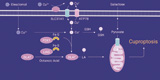
Tsvetkov et al. published in Science and demonstrated a copper-induced programmed cell death — Cuproptosis. As a novel programmed cell death, excess copper triggers abnormal aggregation of lipoylated proteins in TCA cycle and clearance of Fe-S cluster proteins, ultimately leading to cell death.
Scientific Reviews
Tsvetkov et al. published in Science and demonstrated a copper-induced programmed cell death — Cuproptosis. As a novel programmed cell death, excess copper triggers abnormal aggregation of lipoylated proteins in TCA cycle and clearance of Fe-S cluster proteins, ultimately leading to cell death. -
 Scientific Reviews
A comprehensive explanation of ferroptosis
Scientific Reviews
A comprehensive explanation of ferroptosis2022-09-15
Ferroptosis is a new type of RCD that depends on iron and characterized by the accumulation of lipid peroxides. In this article, we will pay our attention on ferroptosis and briefly discusses its mechanism. -
 Scientific Reviews
It's has been proved that p53, as a tumor suppressor gene and immune guardian, may become a destroyer through its own mutation. Moreover, the mechanism of p53 was found to be related to ferroptosis. This article mainly explores the mechanism between p53 and ferroptosis in detail.
Scientific Reviews
It's has been proved that p53, as a tumor suppressor gene and immune guardian, may become a destroyer through its own mutation. Moreover, the mechanism of p53 was found to be related to ferroptosis. This article mainly explores the mechanism between p53 and ferroptosis in detail. -
Scientific Reviews
Organoids have great potential in research of organ development, disease modeling, drug screening and, precision and regenerative medicin. In this article, we will expalin the origin of the organoids. Adult stem cells (ASCs) or pluripotent stem cells (PSCs) , which is the better choice.
-
 Scientific Reviews
Autophagy, derived from the Greek meaning "eating of self", plays an indispensable role in maintaining homeostasis. p27 is an inhibitor of cyclin CDKs, but how p27 regulates autophagy remains unknown. This article will cover the mechanism of autophagy and p27-related cell cycle regulation.
Scientific Reviews
Autophagy, derived from the Greek meaning "eating of self", plays an indispensable role in maintaining homeostasis. p27 is an inhibitor of cyclin CDKs, but how p27 regulates autophagy remains unknown. This article will cover the mechanism of autophagy and p27-related cell cycle regulation. -
 Scientific Reviews
AlphaFold2 can predict disease-related protein structures at low cost, and then find potential drugs for these diseases through drug repositioning, virtual screening, and other methods. ZINC is a public database summarizing information about billions of compounds. AlphaFold2 + ZINC20 speeds up the virtual screening process and improves the computing speed.
Scientific Reviews
AlphaFold2 can predict disease-related protein structures at low cost, and then find potential drugs for these diseases through drug repositioning, virtual screening, and other methods. ZINC is a public database summarizing information about billions of compounds. AlphaFold2 + ZINC20 speeds up the virtual screening process and improves the computing speed. -
 Scientific Reviews
CMA (chaperone-mediated autophagy) plays an essential role in maintaining neuronal protein stability and preventing neurodegeneration. In this article, we will comprehensively clarify the role of CMA in the occurrence and development of neurodegenerative diseases.
Scientific Reviews
CMA (chaperone-mediated autophagy) plays an essential role in maintaining neuronal protein stability and preventing neurodegeneration. In this article, we will comprehensively clarify the role of CMA in the occurrence and development of neurodegenerative diseases. -
 Scientific Reviews
As powerful pain relievers, the opioids morphine and fentanyl have been "checked" by their side effects (listed as controlled substances). How to reduce its side effects? What is its mechanism? This research will explore its mechanism.
Scientific Reviews
As powerful pain relievers, the opioids morphine and fentanyl have been "checked" by their side effects (listed as controlled substances). How to reduce its side effects? What is its mechanism? This research will explore its mechanism. -
 Scientific Reviews
Efferocytosis is the process in which phagocytes remove programmed dead cells. It prevents secondary necrosis of dying cells from releasing harmful cell contents (such as oxides and proteases) that may cause inflammation. Here, we will introduce three stages of efferocytosis: Find, Eat, Digest.
Scientific Reviews
Efferocytosis is the process in which phagocytes remove programmed dead cells. It prevents secondary necrosis of dying cells from releasing harmful cell contents (such as oxides and proteases) that may cause inflammation. Here, we will introduce three stages of efferocytosis: Find, Eat, Digest. -
 Scientific Reviews
Understanding the mechanism of aging not only has guiding significance for prolonging human life but also has important clinical significance for the prevention and treatment of diseases in the elderly population , thus, improving their life quality and well-being.
Scientific Reviews
Understanding the mechanism of aging not only has guiding significance for prolonging human life but also has important clinical significance for the prevention and treatment of diseases in the elderly population , thus, improving their life quality and well-being. -
 Scientific Reviews
Necroptosis, also known as necroptosis, is a form of regulated necrotizing cell death mediated by RIP1 and RIP3 kinases. Necroptosis is a process that prevents the self-destruction of activated cells that are blocked by apoptosis. Necroptosis plays a tumor suppressor role in most cases. It may provide benefits in the researches of a variety of human diseases involving immune inflammation and cell death.
Scientific Reviews
Necroptosis, also known as necroptosis, is a form of regulated necrotizing cell death mediated by RIP1 and RIP3 kinases. Necroptosis is a process that prevents the self-destruction of activated cells that are blocked by apoptosis. Necroptosis plays a tumor suppressor role in most cases. It may provide benefits in the researches of a variety of human diseases involving immune inflammation and cell death. -
 Scientific Reviews
Stem cell classification and its application
Scientific Reviews
Stem cell classification and its application2023-05-18
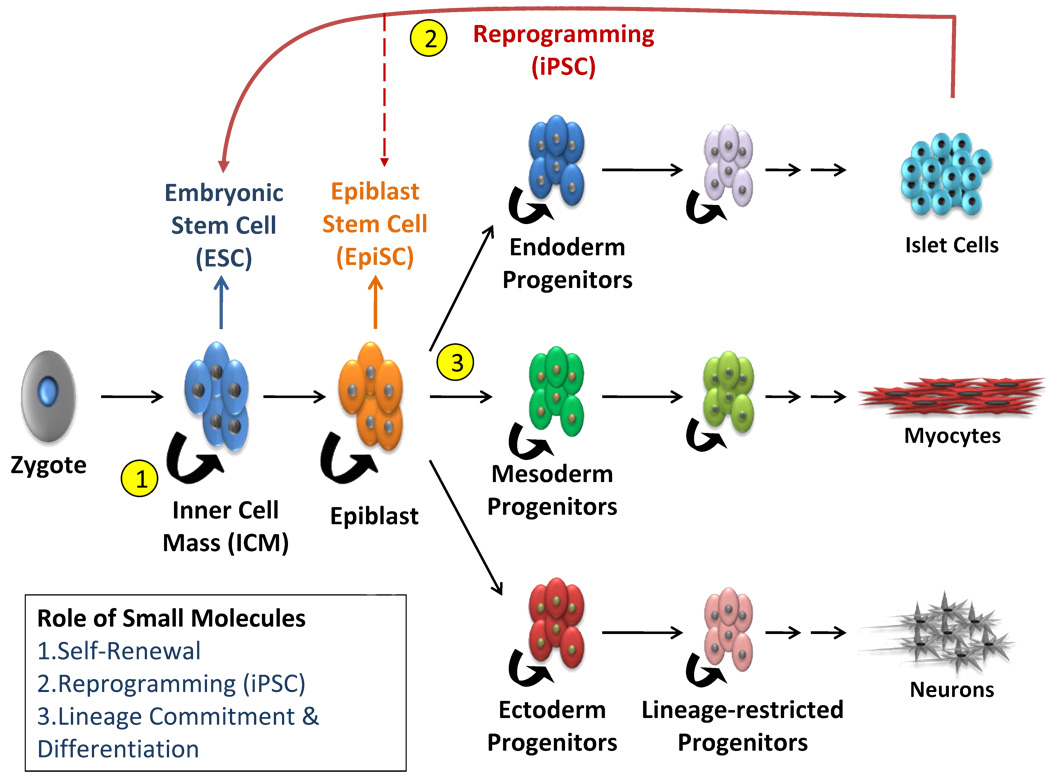
Stem cells (SCs) have the unique ability to self-renew and differentiate into different cell types. SCs can differentiate into various types of tissue cells under specific conditions. Additionally, they can be further cultured to form different tissues and organs in the human body. Stem cells have numerous applications in various fields, including cell therapy, organ transplantation, neurodegenerative disease modeling, and drug screening. -
 Scientific Reviews
Mitophagy:Mechanisms and Detection
Scientific Reviews
Mitophagy:Mechanisms and Detection2023-05-25
About 60 years ago, Christian de Duve first used the term "autophagy" to describe his observation of the degradation of mitochondria and other intracellular structures in lysosomes of rat liver. Over the years, autophagy has remained a beloved topic of research by the National Natural Science Foundation of China (NSFC).Today, let's talk about mitochondrial autophagy. -
 Scientific Reviews
Structure of Lipid Droplets
Scientific Reviews
Structure of Lipid Droplets2023-06-15
Huh? Lipid droplets? Organelles? In the past, biological data usually only show the traditional organelles, such as mitochondria, Golgi apparatus, endoplasmic reticulum, etc., lipid droplets are often not mentioned by people. Today, we will make a systematic explanation of lipid droplets, so that everyone has a clear understanding! -
 Scientific Reviews
How to Perform Western Blot?
Scientific Reviews
How to Perform Western Blot?2023-07-13
Western blot is one of the most frequently performed experiments in molecular biology, biochemistry and immunology. This article describes in detail how to do WB. -
 Scientific Reviews
Organoid Culture: Questions & Answers
Scientific Reviews
Organoid Culture: Questions & Answers2023-07-26
In the last issue, we conducted a live lecture on the theme of organoid culture. Today, we have a special topic to solve your doubts in the last live class! -
 Scientific Reviews
A suitable model is crucial in drug screening experiments. Organs can mimic the three-dimensional functional structure of internal organs, have similar spatial organization to corresponding organs, maintain some key characteristics, and reproduce some physiological functions. They are widely used for modeling and personalized drug screening of diseases such as cancer, infectious diseases, and rare diseases.
Scientific Reviews
A suitable model is crucial in drug screening experiments. Organs can mimic the three-dimensional functional structure of internal organs, have similar spatial organization to corresponding organs, maintain some key characteristics, and reproduce some physiological functions. They are widely used for modeling and personalized drug screening of diseases such as cancer, infectious diseases, and rare diseases. -
 Scientific Reviews
FDA Annual Review | Record-breaking number of new drug approvals in 2023!
Scientific Reviews
FDA Annual Review | Record-breaking number of new drug approvals in 2023! -
 Scientific Reviews
Are frozen cells always damaged? Is the survival rate of revived cells low? When is it appropriate to freeze cells? What should be considered when reviving them? Today, we're sharing a guide to avoid pitfalls in cell freezing and revival!
Scientific Reviews
Are frozen cells always damaged? Is the survival rate of revived cells low? When is it appropriate to freeze cells? What should be considered when reviving them? Today, we're sharing a guide to avoid pitfalls in cell freezing and revival! -
 Scientific Reviews
KRAS, a gene we've heard so much about, has quickly risen to fame after shedding its "undruggable" label. After reading numerous articles, it's easy to feel overwhelmed and wonder: What exactly should we know about this often-discussed but previously "undruggable" target KRAS?
Scientific Reviews
KRAS, a gene we've heard so much about, has quickly risen to fame after shedding its "undruggable" label. After reading numerous articles, it's easy to feel overwhelmed and wonder: What exactly should we know about this often-discussed but previously "undruggable" target KRAS? -
 Scientific Reviews
Compound Screening Guide!
Scientific Reviews
Compound Screening Guide!2024-03-15
How to use compound library? How to design an experiment if you buy a compound library? Want a specific experimental protocol? This article will introduce popular experimental techniques and provide new ideas for publishing high level literature. -
 Scientific Reviews
Wnt/β-catenin and tumor EMT
Scientific Reviews
Wnt/β-catenin and tumor EMT2024-03-18
Epithelial-Mesenchymal Transition (EMT) is closely related to the plasticity of tumor cells and is a necessary process for tumor metastasis. Wnt/β-catenin is one of the main actors involved in the EMT process. Today, we’re here to popularize the tumor EMT and Wnt/β-catenin pathway~ -
 Scientific Reviews
The 2024 AACR meeting concluded successfully in California, USA. Which antitumor drugs stole the show at this conference?
Scientific Reviews
The 2024 AACR meeting concluded successfully in California, USA. Which antitumor drugs stole the show at this conference? -
 Scientific Reviews
SPR, which stands for Surface Plasmon Resonance, essentially works by detecting the interaction between ligands and analytes on a biosensor chip. This in turn allows us to probe the properties and structure of substances. With this technology, we can analyze molecules, proteins, DNA, and various organic and inorganic substances in samples in real-time with precision.
Scientific Reviews
SPR, which stands for Surface Plasmon Resonance, essentially works by detecting the interaction between ligands and analytes on a biosensor chip. This in turn allows us to probe the properties and structure of substances. With this technology, we can analyze molecules, proteins, DNA, and various organic and inorganic substances in samples in real-time with precision. -
 Scientific Reviews
Common Questions and Solutions for WB
Scientific Reviews
Common Questions and Solutions for WB2024-05-09
Come to understand the common problems and solutions of WB, and better complete the experiment! -
 Scientific Reviews
Still struggling to find the preparation methods for various solutions? Save your time! Here comes a nanny-level tutorial!
Scientific Reviews
Still struggling to find the preparation methods for various solutions? Save your time! Here comes a nanny-level tutorial! -
 Scientific Reviews
How important is the compound library? It connects to drug screening on one end and leads to lead compound modifications on the other, serving as one of the sources of new drug development.
Scientific Reviews
How important is the compound library? It connects to drug screening on one end and leads to lead compound modifications on the other, serving as one of the sources of new drug development. -
 Scientific Reviews
Streptavidin-Biotin System
Scientific Reviews
Streptavidin-Biotin System2024-08-03
Streptavidin strongly binding small molecule biotin is one of the most popular non-covalent coupling methods. Streptavidin can be coupled to various carriers such as magnetic beads and agarose matrix, and become a highly specific affinity medium to capture various biotin-labeled ligands. -
 Scientific Reviews
What Are Popular Anti-tumor Drug Targets?
Scientific Reviews
What Are Popular Anti-tumor Drug Targets?2024-08-20
The rapid development of targeted anti-cancer drugs has spurred diverse research across various modalities. These include small molecules, monoclonal antibodies (mAbs), cell immunotherapies, antibody-drug conjugates (ADCs), and PROTACs (proteolysis targeting chimeras). -
 Scientific Reviews
Cuproptosis, How much do you know?
Scientific Reviews
Cuproptosis, How much do you know?2024-08-22
Cells die in a variety of ways, including apoptosis, pyroptosis, necrosis, and ferroptosis......And, of course, cuproptosis. So, how much do you know about cuproptosis? -
 Scientific Reviews
Virtual Screening and New Uses for Old Drugs
Scientific Reviews
Virtual Screening and New Uses for Old Drugs2024-09-17
With the advancement of medical science, drug screening against various disease targets has become the fundamental strategy for drug development. Currently, computer-based virtual screening techniques are emerging in the field of new drug research due to their efficiency and low cost. Let's explore it today! -
 Scientific Reviews
Recently, Mol Cell reported the discovery of the first ferroptosis marker, Hyperoxidized PRDX3! Let’s take a look together~
Scientific Reviews
Recently, Mol Cell reported the discovery of the first ferroptosis marker, Hyperoxidized PRDX3! Let’s take a look together~ -
 Scientific Reviews
Cuproptosis's Knowledge Points!
Scientific Reviews
Cuproptosis's Knowledge Points!2024-09-25
With the establishment of the cuproptosis mechanism related research has attracted more and more attention from major journals. Expect to use the sharp sword of cuproptosis to stab the tumor cells. -
 Scientific Reviews
2024 Nobel Prize Announcements! Curious about the details? Click to dive into the exciting developments!
Scientific Reviews
2024 Nobel Prize Announcements! Curious about the details? Click to dive into the exciting developments! -
 Scientific Reviews
How they used PKH 26 for cellular studies?
Scientific Reviews
How they used PKH 26 for cellular studies?2024-10-21
We are thrilled to highlight our client study using PKH 26 (MedChemExpress) , a red fluorescent dye that has proven invaluable for in vitro cell labeling and tracing. This innovative research, published in the Journal of Nanobiotechnology. -
Scientific Reviews
Delve into the intricate networks that govern mitochondrial quality control. By examining key mechanisms such as biogenesis, mitochondrial dynamics (fission and fusion), proteolysis, and mitophagy. -
 Scientific Reviews
A New Form of Cell Death: PANoptosis!
Scientific Reviews
A New Form of Cell Death: PANoptosis! -
 Scientific Reviews
We are thrilled to share the latest advancements in AI technology as highlighted in this insightful article. From groundbreaking innovations to transformative applications, the future of AI is brighter than ever!
Scientific Reviews
We are thrilled to share the latest advancements in AI technology as highlighted in this insightful article. From groundbreaking innovations to transformative applications, the future of AI is brighter than ever! -
 Scientific Reviews
Advancing Chronic Kidney Disease Research with GJ103 and Lamin B1 Antibody!
Scientific Reviews
Advancing Chronic Kidney Disease Research with GJ103 and Lamin B1 Antibody! -
 Scientific Reviews
In early January 2025, MIT Tech Review unveiled its annual list of top 10 breakthrough technologies poised to redefine the future. Among these, stem cell therapy stood out for its potential to treat diverse diseases—including neurodegenerative disorders, diabetes, cancer, and heart failure. This groundbreaking approach uses stem cells to replace damaged cells, offering hope for millions worldwide.
Scientific Reviews
In early January 2025, MIT Tech Review unveiled its annual list of top 10 breakthrough technologies poised to redefine the future. Among these, stem cell therapy stood out for its potential to treat diverse diseases—including neurodegenerative disorders, diabetes, cancer, and heart failure. This groundbreaking approach uses stem cells to replace damaged cells, offering hope for millions worldwide. -
 Scientific Reviews
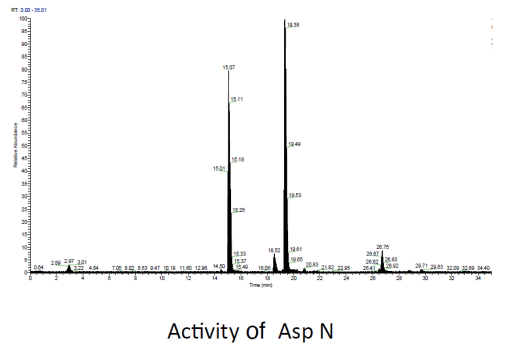
Autophagy is a fundamental process that degrades various components within the cell.
Scientific Reviews
Autophagy is a fundamental process that degrades various components within the cell. -
 Scientific Reviews
Do you feel confused when you start culturing cells? This article will show you the basic methods and steps of cell culture!
Scientific Reviews
Do you feel confused when you start culturing cells? This article will show you the basic methods and steps of cell culture! -
 Scientific Reviews
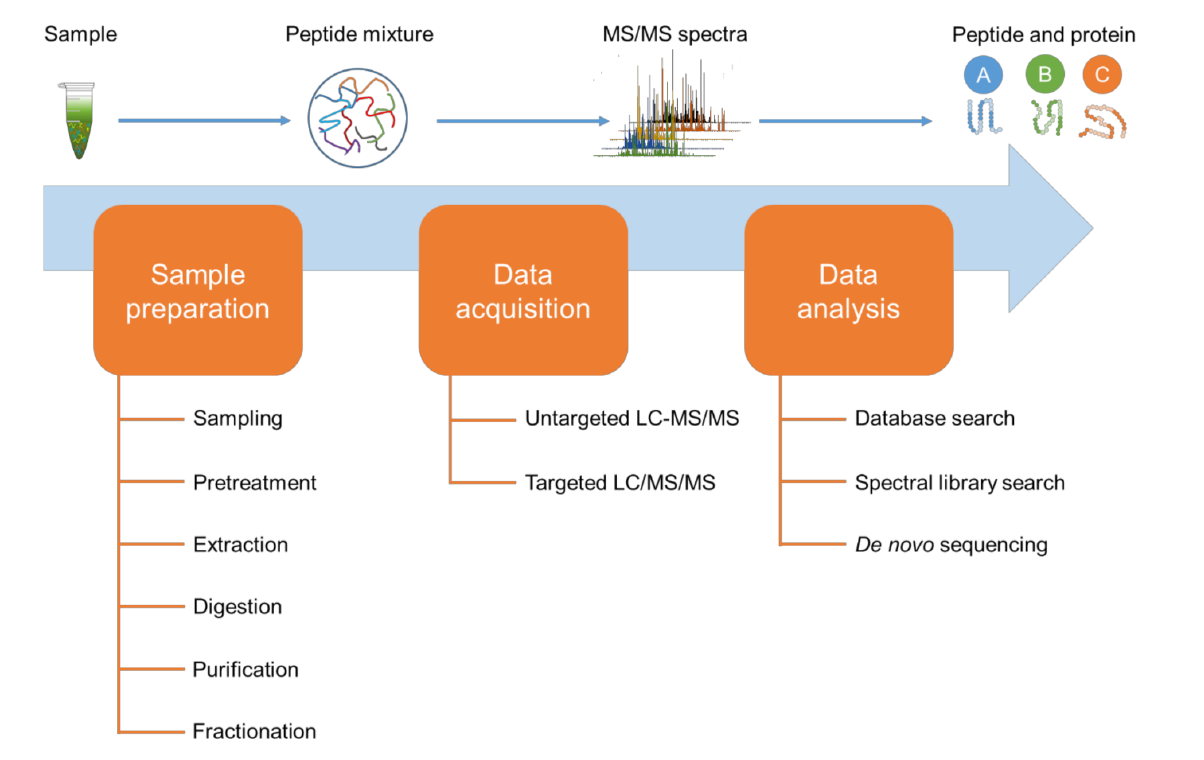
As a pivotal branch in the post - genomic era, proteomics is committed to comprehensively elucidating the types, abundances, structures, functions, and interactions of all proteins within living organisms. This article will tell you the key steps of proteomics sample preparation based on mass spectrometry. This article will tell you the key steps of proteomics sample preparation based on mass spectrometry.
Scientific Reviews
As a pivotal branch in the post - genomic era, proteomics is committed to comprehensively elucidating the types, abundances, structures, functions, and interactions of all proteins within living organisms. This article will tell you the key steps of proteomics sample preparation based on mass spectrometry. This article will tell you the key steps of proteomics sample preparation based on mass spectrometry. -
 Scientific Reviews
Cell Migration vs. Invasion: Differences Revealed by Scratch Assays and Transwell Experiments
Scientific Reviews
Cell Migration vs. Invasion: Differences Revealed by Scratch Assays and Transwell Experiments2025-05-30
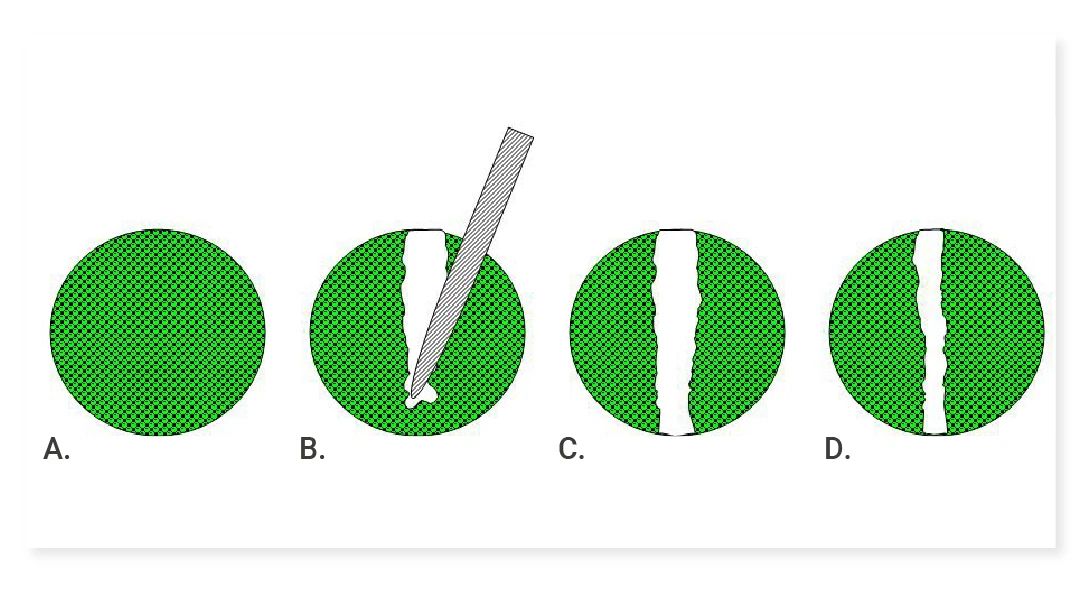
In scientific research, cell migration and invasion are crucial for understanding many important biological processes. This article delves into commonly used detection methods: the scratch assay and Transwell migration/invasion assay. -
 Scientific Reviews
Western blotting is a crucial and fundamental technique in life science research. It plays a significant role in exploring protein expression and function. The following article will comprehensively and thoroughly elaborate on the specific procedures and detailed key points of this experiment.
Scientific Reviews
Western blotting is a crucial and fundamental technique in life science research. It plays a significant role in exploring protein expression and function. The following article will comprehensively and thoroughly elaborate on the specific procedures and detailed key points of this experiment. -
 Scientific Reviews
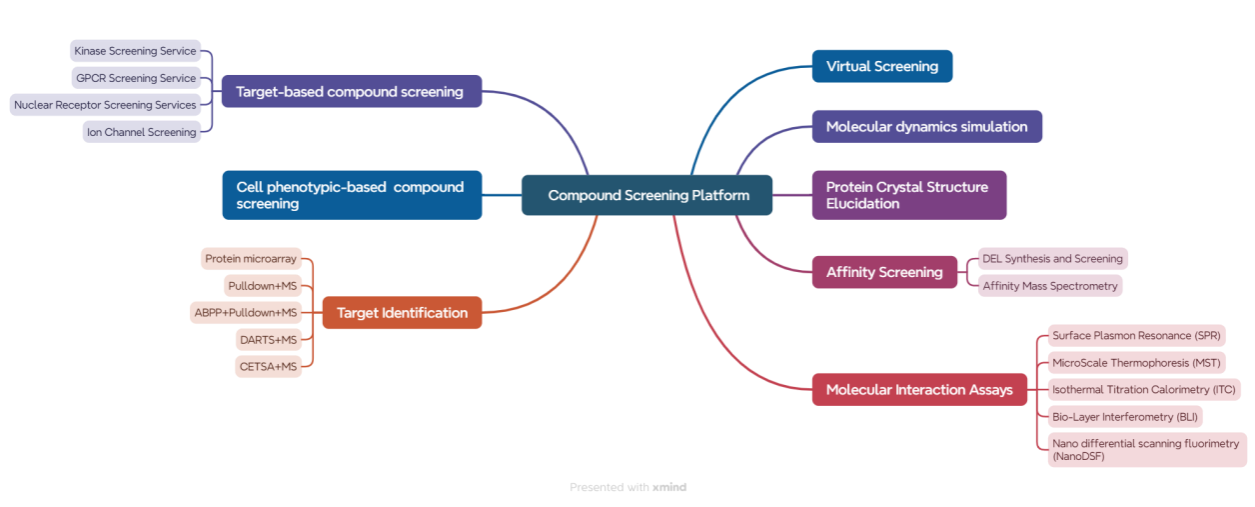
How should drug screening experiments be conducted? How can we ensure the accuracy of the lead compounds identified? This article will take you through how MCE's clients conduct drug screening experiments.
Scientific Reviews
How should drug screening experiments be conducted? How can we ensure the accuracy of the lead compounds identified? This article will take you through how MCE's clients conduct drug screening experiments. -
 Scientific Reviews
In this issue, we will conduct an in-depth interpretation from the dimensions of nanoparticle design, mechanism of action, in vivo and in vitro efficacy, and immune regulation, revealing how this research brings new hope for the treatment of invasive tumors through interdisciplinary innovation!
Scientific Reviews
In this issue, we will conduct an in-depth interpretation from the dimensions of nanoparticle design, mechanism of action, in vivo and in vitro efficacy, and immune regulation, revealing how this research brings new hope for the treatment of invasive tumors through interdisciplinary innovation! -
 Scientific Reviews
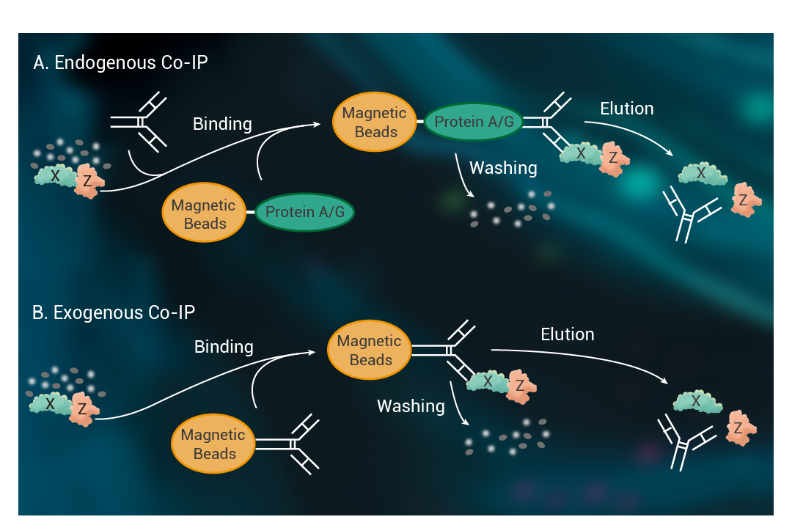
In protein biology, Co-IP is a powerful tool to uncover protein "social networks." But poorly performed, it easily becomes an awkward lab "meet-and-greet." Today, we discuss making Co-IP experiments elegant and efficient—so you pull down target proteins with confidence and precision.
Scientific Reviews
In protein biology, Co-IP is a powerful tool to uncover protein "social networks." But poorly performed, it easily becomes an awkward lab "meet-and-greet." Today, we discuss making Co-IP experiments elegant and efficient—so you pull down target proteins with confidence and precision. -
 Scientific Reviews
IHC, ICC, IF Techniques: A Practical Guide
Scientific Reviews
IHC, ICC, IF Techniques: A Practical Guide2025-07-25
Confused About IHC/ICC/IF? Why Does Immunostaining Seem So Complicated? Read This Now! Master Immunostaining with Confidence! -
 Scientific Reviews
Chromatin Immunoprecipitation (ChIP) Demystified: A Complete Guide to Epigenetic Analysis
Scientific Reviews
Chromatin Immunoprecipitation (ChIP) Demystified: A Complete Guide to Epigenetic Analysis2025-08-05
In this issue, we introduce a powerful technique for detecting interactions between epigenetic regulatory factors and DNA—Chromatin Immunoprecipitation (ChIP)! -
 Scientific Reviews
HTS Breakthroughs Powered by MCE Libraries
Scientific Reviews
HTS Breakthroughs Powered by MCE Libraries2025-08-13
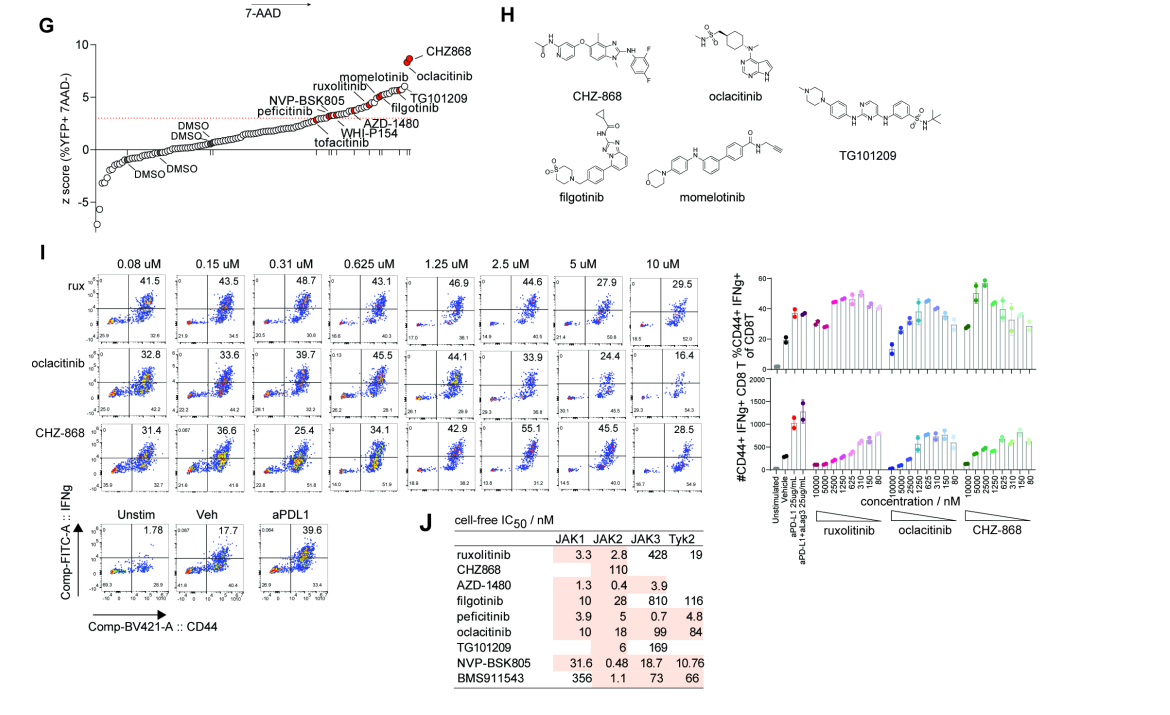
Key High-Throughput Screening Breakthroughs of 2024 Featuring MCE -
 Scientific Reviews
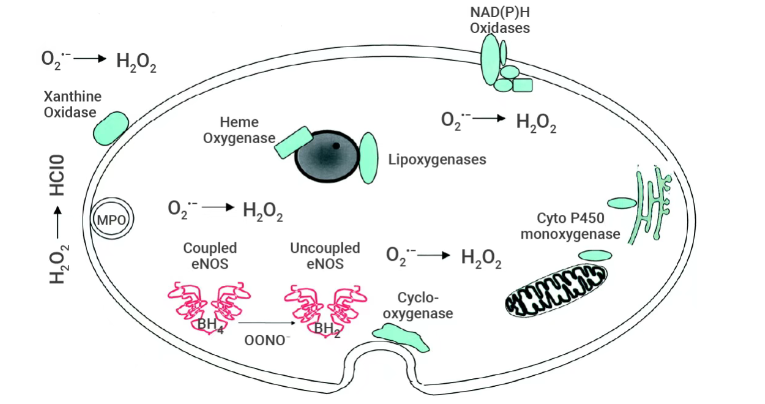
The article introduces the mechanisms of ROS generation and the methods for their detection.
Scientific Reviews
The article introduces the mechanisms of ROS generation and the methods for their detection. -
 Scientific Reviews
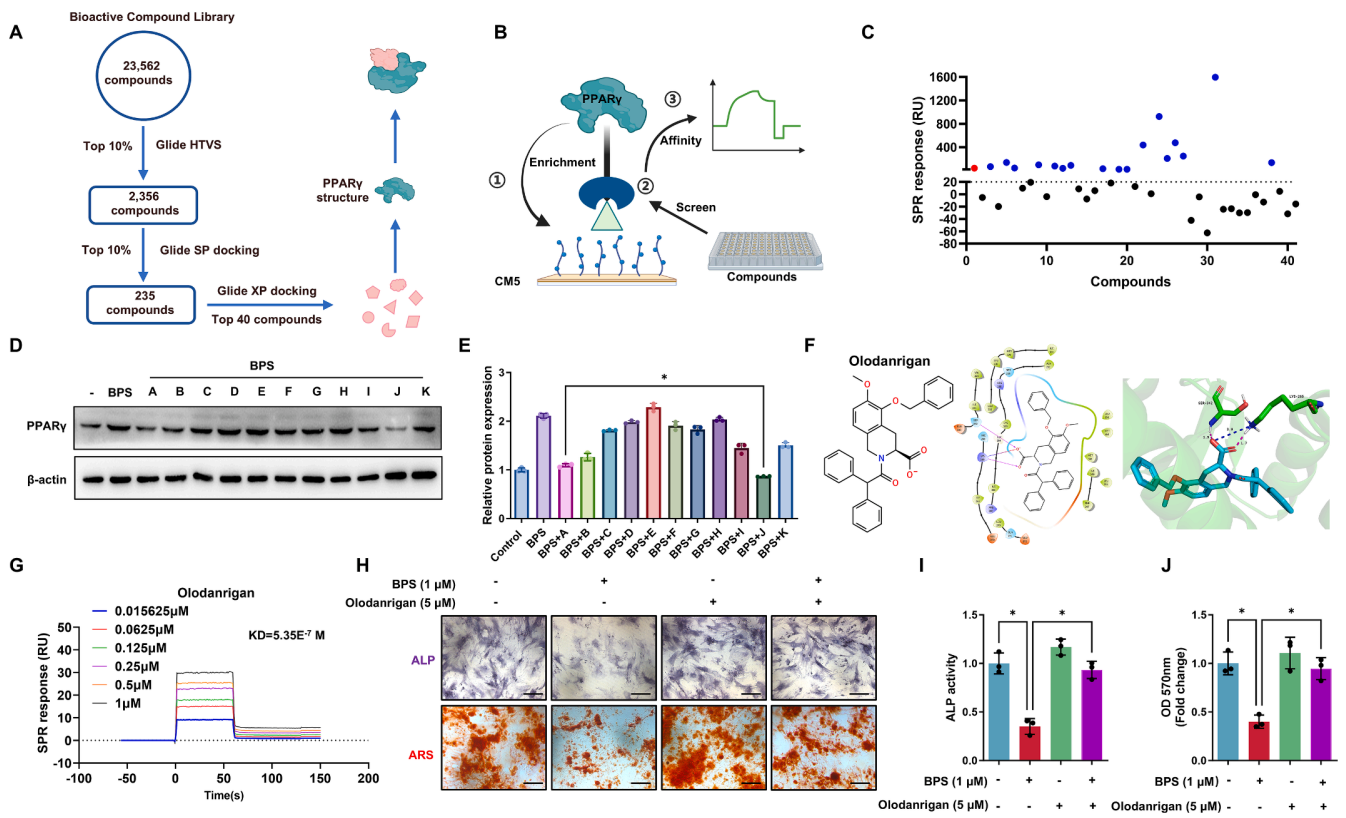
Encountering challenges with the high costs and long timelines of drug screening? Have a defined target but remain uncertain how to efficiently identify active molecules? Unsure how to validate hits generated from virtual screening? The ‘Winning Combination’ of drug screening offers a powerful solution to address these critical obstacles.
Scientific Reviews
Encountering challenges with the high costs and long timelines of drug screening? Have a defined target but remain uncertain how to efficiently identify active molecules? Unsure how to validate hits generated from virtual screening? The ‘Winning Combination’ of drug screening offers a powerful solution to address these critical obstacles. -
 Scientific Reviews
Generating Stable Cell Lines with Lentivirus
Scientific Reviews
Generating Stable Cell Lines with Lentivirus2025-09-16
A step-by-step protocol of establishing stable cell lines using lentivirus -
 Scientific Reviews
A groundbreaking study in Nature Communications reveals the key mechanism behind Idiopathic Pulmonary Fibrosis and identifies an existing drug with the potential to counter it.
Scientific Reviews
A groundbreaking study in Nature Communications reveals the key mechanism behind Idiopathic Pulmonary Fibrosis and identifies an existing drug with the potential to counter it. -
Scientific Reviews
For all the protein research folks out there, techniques like IP and Co-IP are no stranger, right? And of course, there's a faster and more convenient go-to tool—Protein A/G magnetic beads! In this article, let's chat about how these beads work their magic in classic experiments like IP and Co-IP. -
 Scientific Reviews
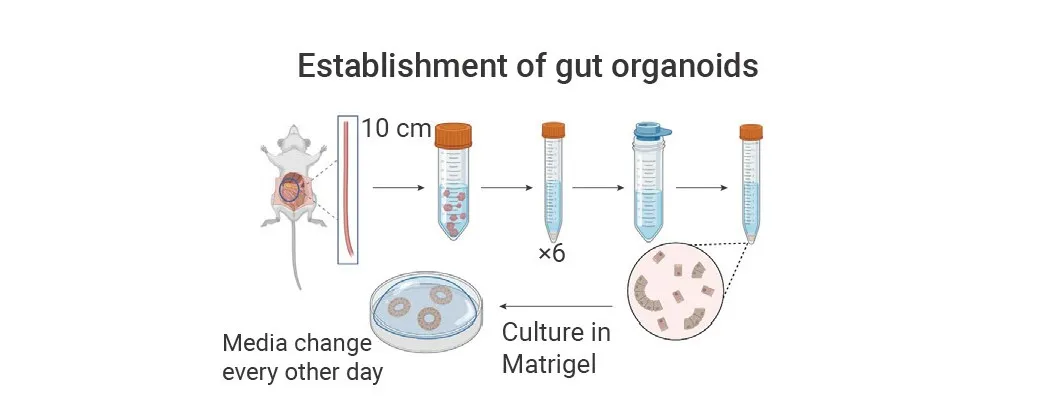
Efficient Generation of Mouse Small Intestinal Organoids: A Complete Experimental Protocol Guide
Scientific Reviews
Efficient Generation of Mouse Small Intestinal Organoids: A Complete Experimental Protocol Guide2025-12-10
How to successfully create mouse small intestine organoids? A detailed, hands-on guide to the entire process, all in one article! -
 Scientific Reviews
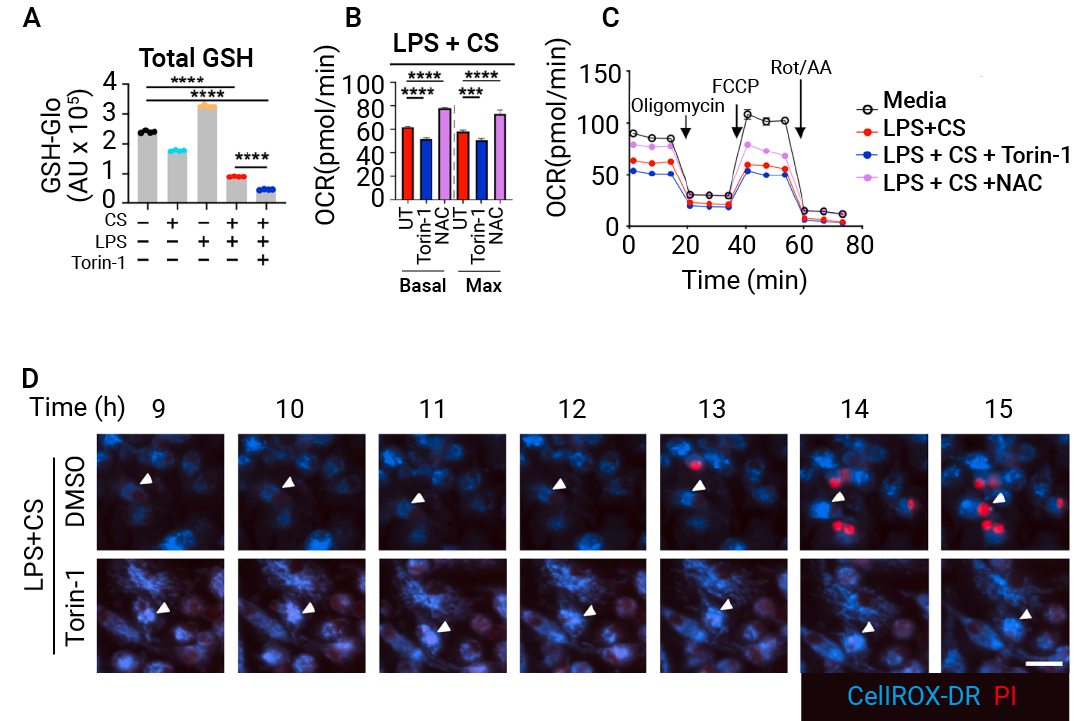
A November 2025 Cell study discovers Mitoxyperilysis, a new mTOR-regulated, caspase-independent cell death pathway driven by innate immune and metabolic dysregulation via mitochondrial-plasma membrane contact and oxidative damage, and verifies its potential to induce tumor necrosis for cancer therapy with key regulators including BAX, BAK1 and BID.
Scientific Reviews
A November 2025 Cell study discovers Mitoxyperilysis, a new mTOR-regulated, caspase-independent cell death pathway driven by innate immune and metabolic dysregulation via mitochondrial-plasma membrane contact and oxidative damage, and verifies its potential to induce tumor necrosis for cancer therapy with key regulators including BAX, BAK1 and BID. -
 Scientific Reviews
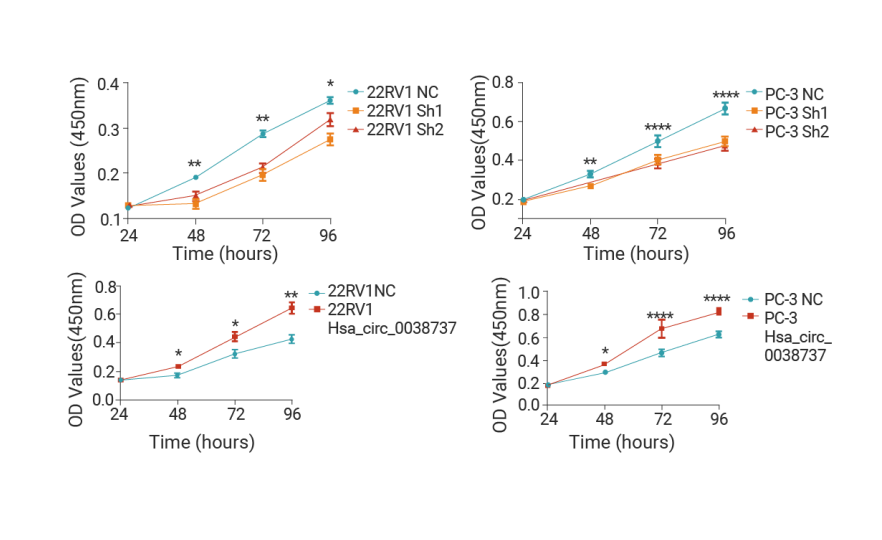
Essential for High-Impact Papers: Present Your CCK-8 Experimental Results in a More Outstanding Way!
Scientific Reviews
Essential for High-Impact Papers: Present Your CCK-8 Experimental Results in a More Outstanding Way!2026-03-18
CCK-8 is a widely used WST‑8‑based reagent for cell proliferation and cytotoxicity assays. It features high sensitivity, reliable results and easy operation, and is applicable to cell viability analysis, drug screening and growth inhibition testing. -
 Scientific Reviews
FISH is a molecular technique using fluorescent probes to detect specific nucleic acids in cells, with high sensitivity and diverse biomedical applications.
Scientific Reviews
FISH is a molecular technique using fluorescent probes to detect specific nucleic acids in cells, with high sensitivity and diverse biomedical applications. -
 Scientific Reviews
This article walks you through the experimental design and workflow of flow cytometry, delivering a clear, dynamic, and professional overview to elevate your research.
Scientific Reviews
This article walks you through the experimental design and workflow of flow cytometry, delivering a clear, dynamic, and professional overview to elevate your research. -
 EDM
This review introduces the major forms of programmed cell death, with a focus on the molecular mechanisms of ferroptosis and the methods used for its detection.
EDM
This review introduces the major forms of programmed cell death, with a focus on the molecular mechanisms of ferroptosis and the methods used for its detection. -
 EDM
This review provides a practical guide to the fundamental mechanisms, regulatory pathways, and detection methods of pyroptosis.
EDM
This review provides a practical guide to the fundamental mechanisms, regulatory pathways, and detection methods of pyroptosis. -
 EDM
Review the metabolic regulation of ferroptosis through iron homeostasis, lipid peroxidation and antioxidant defence, and the emerging polyamine–iron buffering axis.
EDM
Review the metabolic regulation of ferroptosis through iron homeostasis, lipid peroxidation and antioxidant defence, and the emerging polyamine–iron buffering axis. -
 Blog
EC0489, a SMDC for Cancer Therapy
Blog
EC0489, a SMDC for Cancer Therapy2019-03-25
EC0489, a conjugate of folic acid and desacetyl vinblastine hydrazide, is a SMDC under development for the treatment of solid tumours. -
 Blog
Role of PRMT7 Probe SGC3027 in Cancer
Blog
Role of PRMT7 Probe SGC3027 in Cancer2019-03-27
SGC3027 is the first potent, selective and cell active chemical probe for PRMT7. SGC3027 is also a pro-drug, which converts to the active compound SGC8158 -
 Blog
AZD5991, a macrocyclic molecule with high selectivity for Mcl-1, reduces Mcl-1 protein in AZD5991-sensitive but not in AZD5991-resistant MM cell lines.
Blog
AZD5991, a macrocyclic molecule with high selectivity for Mcl-1, reduces Mcl-1 protein in AZD5991-sensitive but not in AZD5991-resistant MM cell lines. -
 Blog
A Novel and Efficacious RAF Inhibitor RAF709
Blog
A Novel and Efficacious RAF Inhibitor RAF7092019-03-30
RAF709, a novel and efficacious RAF inhibitor, activates the MAPK pathway and shows antitumor activity in tumor cells harboring BRAF or RAS mutations. -
 Blog
CF53 is a highly potent, selective and orally active inhibitor of BET protein, with anti-tumor activity in acute leukemia and breast cancer cell lines.
Blog
CF53 is a highly potent, selective and orally active inhibitor of BET protein, with anti-tumor activity in acute leukemia and breast cancer cell lines. -
 Blog
HJB97 is a BET PROTAC inhibitor with good anti-tumor activity, and effectively blocks the degradation of BRD2, BRD3, and BRD4 proteins induced by BETd-260.
Blog
HJB97 is a BET PROTAC inhibitor with good anti-tumor activity, and effectively blocks the degradation of BRD2, BRD3, and BRD4 proteins induced by BETd-260. -
 Blog
CCB02 is an tubulin binder and has potential in the therapy of cancer cells with extra centrosomes. CCB02 also activates spindle assembly checkpoint.
Blog
CCB02 is an tubulin binder and has potential in the therapy of cancer cells with extra centrosomes. CCB02 also activates spindle assembly checkpoint. -
 Blog
H3B-5942 is a selective and irreversible estrogen receptor covalent antagonist, inactivates both ERαWT and ERα mutation.
Blog
H3B-5942 is a selective and irreversible estrogen receptor covalent antagonist, inactivates both ERαWT and ERα mutation. -
 Blog
AZD3229 is a Potent Pan-KIT Mutant Inhibitor
Blog
AZD3229 is a Potent Pan-KIT Mutant Inhibitor2019-04-04
AZD3229 is a potent, pan-KIT mutant inhibitor with potent single digit nM growth inhibition against a diverse panel of mutant KIT driven Ba/F3 cell lines. -
 Blog
A Lead PROTAC BRD9 Chemical Degrader
Blog
A Lead PROTAC BRD9 Chemical Degrader2019-04-06
PROTAC BRD9 Degrader-1 is a lead PROTAC BRD9 chemical degrader and a selective probe useful for the study of BAF complex biology. -
 Blog
SGC-GAK-1 is a potent, selective, and cell-active GAK inhibitor and shows potent anti-proliferative activity in LNCaP and 22Rv1 cells.
Blog
SGC-GAK-1 is a potent, selective, and cell-active GAK inhibitor and shows potent anti-proliferative activity in LNCaP and 22Rv1 cells. -
 Blog
COH000 is an allosteric, covalent and irreversible inhibitor of SUMO-activating enzyme, with an IC50 of 0.2 μM for SUMOylation in vitro.
Blog
COH000 is an allosteric, covalent and irreversible inhibitor of SUMO-activating enzyme, with an IC50 of 0.2 μM for SUMOylation in vitro. -
 Blog
HS-1371 is a Small Molecule RIP3 Inhibitor
Blog
HS-1371 is a Small Molecule RIP3 Inhibitor2019-04-09
HS-1371 is a novel kinase inhibitor of RIP3-mediated necroptosis, showing an inhibitory effect on S227 auto-phosphorylation of RIP3 at the basal level. -
 Blog
Nevanimibe is a selective and potent ACAT1 inhibitor. An excellent drug candidate in the treatment of adrenocortical cancer.
Blog
Nevanimibe is a selective and potent ACAT1 inhibitor. An excellent drug candidate in the treatment of adrenocortical cancer. -
 Blog
PhiKan 083 is a carbazole derivative, which binds to the surface cavity and stabilizes Y220C (a p53 mutant), with a Kd of 167 μM.
Blog
PhiKan 083 is a carbazole derivative, which binds to the surface cavity and stabilizes Y220C (a p53 mutant), with a Kd of 167 μM. -
 Blog
AZ304, a Dual BRAF Inhibitor Against Cancer
Blog
AZ304, a Dual BRAF Inhibitor Against Cancer2019-04-12
AZ304 is a potent BRAF inhibitor, blocks both wild type BRAF and V600E mutant BRAF activity, with IC50s in the nanomolar range. -
 Blog
Novel Greatwall Kinase Inhibitor GKI-1
Blog
Novel Greatwall Kinase Inhibitor GKI-12019-04-13
GKI-1, a GWL inhibitor, robustly inhibited ROCK1 with an IC50 of ~11 μM, but only weakly affected PKA and had no observable inhibition towards CDK2. -
 Blog
IITZ-01 is a potent lysosomotropic autophagy inhibitor with single-agent antitumor activity, with an IC50 of 2.62 μM for PI3Kγ.
Blog
IITZ-01 is a potent lysosomotropic autophagy inhibitor with single-agent antitumor activity, with an IC50 of 2.62 μM for PI3Kγ. -
 Blog
SSE15206 is a microtubule polymerization inhibitor, with a GI50 of 197 nM in HCT116 cells. Causes aberrant mitosis resulting in G2/M arrest.
Blog
SSE15206 is a microtubule polymerization inhibitor, with a GI50 of 197 nM in HCT116 cells. Causes aberrant mitosis resulting in G2/M arrest. -
 Blog
Erteberel is a Selective ERβ Agonist
Blog
Erteberel is a Selective ERβ Agonist2019-04-16
Erteberel (LY500307) is a synthetic, nonsteroidal estrogen which acts as a selective ERβ agonist and under development for the treatment of schizophrenia. -
 Blog
MBQ-167 is a dual Rac/Cdc42 inhibitor in in metastatic cancer, with IC50s of 103 nM for Rac 1/2/3 and 78 nM for Cdc42 in MDA-MB-231 cells, respectively.
Blog
MBQ-167 is a dual Rac/Cdc42 inhibitor in in metastatic cancer, with IC50s of 103 nM for Rac 1/2/3 and 78 nM for Cdc42 in MDA-MB-231 cells, respectively. -
 Blog
PRN1008 is a Reversible Covalent and Oral Active Inhibitor of Bruton’s Tyrosine Kinase (BTK)
Blog
PRN1008 is a Reversible Covalent and Oral Active Inhibitor of Bruton’s Tyrosine Kinase (BTK)2019-04-18
PRN1008 is a selective, reversible covalent and oral active inhibitor of Bruton’s Tyrosine Kinase (BTK), with an IC50 of 1.3 nM. -
 Blog
Y06036 is a potent and selective BET inhibitor for potential treatment of castration-resistant prostate cancer. With nanomolar inhibition.
Blog
Y06036 is a potent and selective BET inhibitor for potential treatment of castration-resistant prostate cancer. With nanomolar inhibition. -
 Blog
JNJ-64619178 is a selective and pseudo-irreversible PRMT5 inhibitor with an IC50 of 0.14 nM. Has potent Activity In Lung Cancer.
Blog
JNJ-64619178 is a selective and pseudo-irreversible PRMT5 inhibitor with an IC50 of 0.14 nM. Has potent Activity In Lung Cancer. -
 Blog
(E)-AG 99 is an EGFR inhibitor and shows a growth-inhibition on not only serum-starved cells but also normally grown cells. Treatment for Bladder cancer.
Blog
(E)-AG 99 is an EGFR inhibitor and shows a growth-inhibition on not only serum-starved cells but also normally grown cells. Treatment for Bladder cancer. -
 Blog
Cevipabulin is a microtubule-active compound and inhibits the binding of [3H] vinblastine to tubulin, with an IC50 of 18-40 nM for in human tumor cell line.
Blog
Cevipabulin is a microtubule-active compound and inhibits the binding of [3H] vinblastine to tubulin, with an IC50 of 18-40 nM for in human tumor cell line. -
 Blog
BTR-1 potently inhibits cell growth. It induces S phase arrest, affects DNA replication. Dose-dependently induces cytotoxicity in leukemic cell lines.
Blog
BTR-1 potently inhibits cell growth. It induces S phase arrest, affects DNA replication. Dose-dependently induces cytotoxicity in leukemic cell lines. -
 Blog
Y06137 is a potent and selective BET inhibitor, which binds to the BRD4(1) bromodomain with a Kd of 81 nM. Antitumor activity.
Blog
Y06137 is a potent and selective BET inhibitor, which binds to the BRD4(1) bromodomain with a Kd of 81 nM. Antitumor activity. -
 Blog
Borussertib is a covalent-allosteric and first-in-class inhibitor of protein kinase Akt, with an IC50 of 0.8 nM and a Ki of 2.2 nM for Akt-wt.
Blog
Borussertib is a covalent-allosteric and first-in-class inhibitor of protein kinase Akt, with an IC50 of 0.8 nM and a Ki of 2.2 nM for Akt-wt. -
 Blog
TD-428 is a Highly Specific BRD4 Degrader
Blog
TD-428 is a Highly Specific BRD4 Degrader2019-04-29
TD-428, a immunomodulatory drug analog, is a highly specific BRD4 degrader with a DC50 of 0.32 nM. TD-428 reduces c-Myc levels more efficiently than JQ1. -
 Blog
SLLN-15 is an oral activ enhancer of autophagy that activates cytostatic macroautophagy/autophagy in triple-negative breast cancer (TNBC).
Blog
SLLN-15 is an oral activ enhancer of autophagy that activates cytostatic macroautophagy/autophagy in triple-negative breast cancer (TNBC). -
 Blog
CB-6644 is a selective non-ATP-competitive inhibitor of the RUVBL1/2 complex. CB-6644 significantly reduces tumor growth without obvious toxicity.
Blog
CB-6644 is a selective non-ATP-competitive inhibitor of the RUVBL1/2 complex. CB-6644 significantly reduces tumor growth without obvious toxicity. -
 Blog
A1874 is a nutlin-based and BRD4-degrading PROTAC with a DC50 of 32 nM. Effective in inhibiting many cancer cell lines proliferation
Blog
A1874 is a nutlin-based and BRD4-degrading PROTAC with a DC50 of 32 nM. Effective in inhibiting many cancer cell lines proliferation -
 Blog
NSC 228155 is a activator of EGFR and a potent inhibitor of KIX-KID interaction. NSC 228155 shows excellent anti-tumor activity.
Blog
NSC 228155 is a activator of EGFR and a potent inhibitor of KIX-KID interaction. NSC 228155 shows excellent anti-tumor activity. -
 Blog
BSJ-03-123, a Degrader with Proteome-wide Selectivity for CDK6 (PROTAC). Induces a G1 cell-cycle arrest without a measurable increase in apoptosis.
Blog
BSJ-03-123, a Degrader with Proteome-wide Selectivity for CDK6 (PROTAC). Induces a G1 cell-cycle arrest without a measurable increase in apoptosis. -
 Blog
FT671 is a potent, non-covalent and selective USP7 inhibitor with an IC50 of 52 nM and binds to the USP7 catalytic domain with a Kd of 65 nM.
Blog
FT671 is a potent, non-covalent and selective USP7 inhibitor with an IC50 of 52 nM and binds to the USP7 catalytic domain with a Kd of 65 nM. -
 Blog
BSc5371 is a potent and irreversible FLT3 inhibitor. BSc5371 is cytotoxic to FLT3-dependent cell line. BSc5371 has potential to treat Acute Leukemia.
Blog
BSc5371 is a potent and irreversible FLT3 inhibitor. BSc5371 is cytotoxic to FLT3-dependent cell line. BSc5371 has potential to treat Acute Leukemia. -
 Blog
Blog
-
 Blog
MRTX-1257 is a selective, irreversible, covalent and oral active KRAS G12C inhibitor, with an IC50 of 900 pM for KRAS dependent ERK phosphorylation.
Blog
MRTX-1257 is a selective, irreversible, covalent and oral active KRAS G12C inhibitor, with an IC50 of 900 pM for KRAS dependent ERK phosphorylation. -
 Blog
SJ572403 (SJ403) is an inhibitor of disordered protein p27 (Kip1). p27 (Kip1) is a regulator of the CDKs that control eukaryotic cell division.
Blog
SJ572403 (SJ403) is an inhibitor of disordered protein p27 (Kip1). p27 (Kip1) is a regulator of the CDKs that control eukaryotic cell division. -
 Blog
ZM223 is a non-sulfamide NEDD8 activating enzyme (NAE) inhibitor, with IC50 value of 100 nM in cells. ZM223 has potential to treat colon cancer.
Blog
ZM223 is a non-sulfamide NEDD8 activating enzyme (NAE) inhibitor, with IC50 value of 100 nM in cells. ZM223 has potential to treat colon cancer. -
 Blog
JR-AB2-011 inhibits mTORC2 activity by blocking Rictor-mTOR association. JR-AB2-011 has anti-glioblastoma multiforme (GBM) properties.
Blog
JR-AB2-011 inhibits mTORC2 activity by blocking Rictor-mTOR association. JR-AB2-011 has anti-glioblastoma multiforme (GBM) properties. -
 Blog
CHMFL-ABL-039 is a Type II native and drug-resistant mutant BCR-ABL inhibitor for chronic myeloid leukemia. The IC50s are 7.9 nM and 27.9 nM, respectively.
Blog
CHMFL-ABL-039 is a Type II native and drug-resistant mutant BCR-ABL inhibitor for chronic myeloid leukemia. The IC50s are 7.9 nM and 27.9 nM, respectively. -
 Blog
MM-589 is an inhibitor of WDR5 and MLL protein-protein interaction. Binds to WDR5 (IC50=0.90 nM) and inhibits the MLL H3K4 methyltransferase activity.
Blog
MM-589 is an inhibitor of WDR5 and MLL protein-protein interaction. Binds to WDR5 (IC50=0.90 nM) and inhibits the MLL H3K4 methyltransferase activity. -
 Blog
GNE-955 is a potent and orally active pan Pim kinase inhibitor with Kis of 0.018, 0.11, 0.08 nM for Pim1, Pim2, Pim3, respectively.
Blog
GNE-955 is a potent and orally active pan Pim kinase inhibitor with Kis of 0.018, 0.11, 0.08 nM for Pim1, Pim2, Pim3, respectively. -
 Blog
STL127705 is a Ku 70/80 heterodimer protein inhibitor, inhibits Ku70/80-DNA interaction (IC50 of 3.5 μM) and Ku-dependent activation of DNA-PKCS kinase.
Blog
STL127705 is a Ku 70/80 heterodimer protein inhibitor, inhibits Ku70/80-DNA interaction (IC50 of 3.5 μM) and Ku-dependent activation of DNA-PKCS kinase. -
 Blog
SRT 1460, a Sirtuin-1 Activator, Negatively Regulate Pancreatic Cancer Cell Growth and Viability
Blog
SRT 1460, a Sirtuin-1 Activator, Negatively Regulate Pancreatic Cancer Cell Growth and Viability2019-05-18
SRT 1460, a selective SIRT1 activator with an EC1.5 value of 2.9 μM, is more potent than Resveratrol and the closest sirtuin homologues. -
 Blog
MS4077 is an anaplastic lymphoma kinase (ALK) PROTAC (degrader) with a Kd of 37 nM for binding affinity to ALK. Efficacy for breast cancer and lung cancer.
Blog
MS4077 is an anaplastic lymphoma kinase (ALK) PROTAC (degrader) with a Kd of 37 nM for binding affinity to ALK. Efficacy for breast cancer and lung cancer. -
 Blog
A Potent and Specific Tankyrase Inhibitor RK-287107, Blocks Colorectal Cancer Cell Growth
Blog
A Potent and Specific Tankyrase Inhibitor RK-287107, Blocks Colorectal Cancer Cell Growth2019-05-20
RK-287107 is a specific tankyrase inhibitor with IC50s of 14.3 and 10.6 nM for tankyrase-1 and tankyrase-2, respectively. -
 Blog
JI051 is a stabilizer for the Hes1-PHB2 interaction, induces cell-cycle arrest by inhibiting the Notch downstream effector gene Hes1.
Blog
JI051 is a stabilizer for the Hes1-PHB2 interaction, induces cell-cycle arrest by inhibiting the Notch downstream effector gene Hes1. -
 Blog
ORIC-101 is a highly potent and selective glucocorticoid receptor antagonist, with an EC50 of 5.6 nM. ORIC-101 has anti-cancer activity.
Blog
ORIC-101 is a highly potent and selective glucocorticoid receptor antagonist, with an EC50 of 5.6 nM. ORIC-101 has anti-cancer activity. -
 Blog
BGT226 is a Dual PI3K/mTOR Inhibitor
Blog
BGT226 is a Dual PI3K/mTOR Inhibitor2019-05-25
BGT226 (NVP-BGT226) is a PI3K (with IC50s of 4 nM, 63 nM and 38 nM for PI3Kα, PI3Kβ and PI3Kγ)/mTOR dual inhibitor. -
 Blog
SNIPER(TACC3)-1 targets the TACC3 protein for degradation via the ubiquitin-proteasome pathway. SNIPER(TACC3)-1 induces cancer cell death.
Blog
SNIPER(TACC3)-1 targets the TACC3 protein for degradation via the ubiquitin-proteasome pathway. SNIPER(TACC3)-1 induces cancer cell death. -
 Blog
MDL-800 is an allosteric and selective SIRT6 activator. MDL-800 increases SIRT6 deacetylation activity with an EC50 of 10.3 µM
Blog
MDL-800 is an allosteric and selective SIRT6 activator. MDL-800 increases SIRT6 deacetylation activity with an EC50 of 10.3 µM -
 Blog
TAS-114 is a dual dUTPase/dihydropyrimidine dehydrogenase (DPD) inhibitor, can improving the therapeutic efficacy of fluoropyrimidine.
Blog
TAS-114 is a dual dUTPase/dihydropyrimidine dehydrogenase (DPD) inhibitor, can improving the therapeutic efficacy of fluoropyrimidine. -
 Blog
CFI-402257 is a highly selective and oral active TTK/Mps1 inhibitor with an IC50 of 1.7 nM for TTK. CFI-402257 has potential to treat ovary cancer and TNBC.
Blog
CFI-402257 is a highly selective and oral active TTK/Mps1 inhibitor with an IC50 of 1.7 nM for TTK. CFI-402257 has potential to treat ovary cancer and TNBC. -
 Blog
RIPGBM is a selective inducer of apoptosis in glioblastoma multiforme (GBM) cancer stem cells (CSCs) with an EC50 less than 500 nM.
Blog
RIPGBM is a selective inducer of apoptosis in glioblastoma multiforme (GBM) cancer stem cells (CSCs) with an EC50 less than 500 nM. -
 Blog
GGTI-2418 is a selective GGTase I inhibitor. GGTI-2418 inhibits GGTase I and FTase activities with IC50s of 9.5 nM and 53 μM, respectively.
Blog
GGTI-2418 is a selective GGTase I inhibitor. GGTI-2418 inhibits GGTase I and FTase activities with IC50s of 9.5 nM and 53 μM, respectively. -
 Blog
TX1-85-1, a ATP-competitive ligand of Her3, covalent modification of Her3 to inhibit Her3 signaling
Blog
TX1-85-1, a ATP-competitive ligand of Her3, covalent modification of Her3 to inhibit Her3 signaling2019-06-01
TX1-85-1 is a Her3 (ErbB3) inhibitor with an IC50 of 23 nM. TX1-85-1 induces partial degradation of Her3 protein and attenuates Her3-dependent signaling. -
 Blog
Blog
-
 Blog
PF-06821497 (compound 23a) is an orally active EZH2 inhibitor, with a Ki value <0.1 nM against mutant Y641N EZH2. Exhibits robust tumor growth inhibition.
Blog
PF-06821497 (compound 23a) is an orally active EZH2 inhibitor, with a Ki value <0.1 nM against mutant Y641N EZH2. Exhibits robust tumor growth inhibition. -
 Blog
OTS186935 is a methyltransferase SUV39H2 inhibitor with an IC50 of 6.49 nM. OTS186935 reveales significant inhibition of tumor growth in animal models.
Blog
OTS186935 is a methyltransferase SUV39H2 inhibitor with an IC50 of 6.49 nM. OTS186935 reveales significant inhibition of tumor growth in animal models. -
 Blog
GSK3145095 is a RIP1 kinase inhibitor with an IC50 of 6.3 nM. Potently blocks the TNF response and RIP1-dependent inflammatory cytokine MIP-1β production.
Blog
GSK3145095 is a RIP1 kinase inhibitor with an IC50 of 6.3 nM. Potently blocks the TNF response and RIP1-dependent inflammatory cytokine MIP-1β production. -
 Blog
IZCZ-3 is a potent c-MYC transcription inhibitor with antitumor activity. IZCZ-3 induces an apparent accumulation of cells in the G0/G1 phase.
Blog
IZCZ-3 is a potent c-MYC transcription inhibitor with antitumor activity. IZCZ-3 induces an apparent accumulation of cells in the G0/G1 phase. -
 Blog
PF-06465469 is a Covalent Inhibitor of ITK
Blog
PF-06465469 is a Covalent Inhibitor of ITK2019-06-08
PF-06465469 is a potent and covalent inhibitor of ITK with an IC50 of 2 nM. PF-06465469 inhibits MEK1/2 or AKT phosphorylation. -
 Blog
Riviciclib is a Potent CDKs Inhibitor
Blog
Riviciclib is a Potent CDKs Inhibitor2019-06-09
Riviciclib P276-00 free base) is a potent CDK inhibitor, which inhibits CDK9-cyclinT1, CDK4-cyclin D1, and CDK1-cyclinB with IC50s of 20 nM, 63 nM, and 79 nM, respectively -
 Blog
Olutasidenib is a highly potent, selective inhibitor of mutant IDH1 that could be used in the treatment of AML or myelodysplastic syndrome (MDS).
Blog
Olutasidenib is a highly potent, selective inhibitor of mutant IDH1 that could be used in the treatment of AML or myelodysplastic syndrome (MDS). -
 Blog
SJFδ, a 10-atom Linker PROTAC, Degrades p38δ
Blog
SJFδ, a 10-atom Linker PROTAC, Degrades p38δ2019-06-11
SJFδ, a 10-atom Linker PROTAC, Degrades p38δ, degrades p38δwith strong capacity. SJFδ degrades p38δ with a DC50 of 46.17±9.85 nM and a Dmax of 99.41±3.31%. -
 Blog
Gboxin is an oxidative phosphorylation inhibitor that targets glioblastoma. Gboxin inhibits the activity of F0F1 ATP synthase and shows antitumour activity.
Blog
Gboxin is an oxidative phosphorylation inhibitor that targets glioblastoma. Gboxin inhibits the activity of F0F1 ATP synthase and shows antitumour activity. -
 Blog
CBS9106, a Reversible Oral CRM1 Inhibitor, Causes Arrest of the Cell Cycle and Induces Apoptosis
Blog
CBS9106, a Reversible Oral CRM1 Inhibitor, Causes Arrest of the Cell Cycle and Induces Apoptosis2019-06-14
CBS9106 (SL-801) is a reversible oral CRM1 inhibitor antitumor activities. CBS9106 causes arrest of the cell cycle and induces apoptosis. -
 Blog
Ralimetinib (LY2228820) is a selective and ATP-competitive inhibitor of p38 MAPK α/β, with IC50s of 5.3 and 3.2 nM, respectively. Anti-tumor activity.
Blog
Ralimetinib (LY2228820) is a selective and ATP-competitive inhibitor of p38 MAPK α/β, with IC50s of 5.3 and 3.2 nM, respectively. Anti-tumor activity. -
 Blog
BAY-11-7082 inhibits the proliferation and induces the apoptosis of U266 cells through inhibiting NF-κB pathway. BAY 11-7082 ameliorates experimental diabetic neuropathy by modulating neuroinflammation and improving antioxidant defence.
Blog
BAY-11-7082 inhibits the proliferation and induces the apoptosis of U266 cells through inhibiting NF-κB pathway. BAY 11-7082 ameliorates experimental diabetic neuropathy by modulating neuroinflammation and improving antioxidant defence. -
 Blog
NU6140 is a selective CDK2-cyclin A inhibitor (IC50, 0.41 μM). NU6140 also potently inhibits Aurora A and Aurora B, with IC50s of 67 and 35 nM, respectively
Blog
NU6140 is a selective CDK2-cyclin A inhibitor (IC50, 0.41 μM). NU6140 also potently inhibits Aurora A and Aurora B, with IC50s of 67 and 35 nM, respectively -
 Blog
ASP5878 is an oral active inhibitor of FGFR 1, 2, 3, and 4, with IC50 values of 0.47 nM, 0.6 nM, 0.74 nM and 3.5 nM for FGFR 1, 2, 3, and 4 kinase activity.
Blog
ASP5878 is an oral active inhibitor of FGFR 1, 2, 3, and 4, with IC50 values of 0.47 nM, 0.6 nM, 0.74 nM and 3.5 nM for FGFR 1, 2, 3, and 4 kinase activity. -
 Blog
SPP-86 is a selective inhibitor of RET tyrosine kinase, with an IC50 of 8 nM. SPP-86 inhibits RET-induced PI3K/Akt and MAPK signaling.
Blog
SPP-86 is a selective inhibitor of RET tyrosine kinase, with an IC50 of 8 nM. SPP-86 inhibits RET-induced PI3K/Akt and MAPK signaling. -
 Blog
S130, Targeting ATG4B, Inhibits Autophagy and Activates Apoptosis in Colorectal Colon Cancer
Blog
S130, Targeting ATG4B, Inhibits Autophagy and Activates Apoptosis in Colorectal Colon Cancer2019-06-19
S130 is a high affinity, selective inhibitor of ATG4B (a major cysteine protease) with an IC50 of 3.24 µM. S130 suppresses autophagy flux. -
 Blog
BI8622 is a specific inhibitor of the ubiquitin ligase HUWE1 with an IC50 of 3.1 μM. BI8622 suppresses colony formation of Ls174T cells.
Blog
BI8622 is a specific inhibitor of the ubiquitin ligase HUWE1 with an IC50 of 3.1 μM. BI8622 suppresses colony formation of Ls174T cells. -
 Blog
RO-5963 is a dual p53-MDM2 and p53-MDMX inhibitor with IC50s of ~17 nM and ~24 nM, respectively. Potently shows apoptotic activity.
Blog
RO-5963 is a dual p53-MDM2 and p53-MDMX inhibitor with IC50s of ~17 nM and ~24 nM, respectively. Potently shows apoptotic activity. -
 Blog
TH34, an HDAC6/8/10 inhibitor with IC50s of 4.6 μM, 1.9 μM, and 7.7 μM respectively, shows high selectivity over HDAC1/2/3.
Blog
TH34, an HDAC6/8/10 inhibitor with IC50s of 4.6 μM, 1.9 μM, and 7.7 μM respectively, shows high selectivity over HDAC1/2/3. -
 Blog
Alisertib (MLN 8237) is an oral active and selective Aurora A kinase inhibitor with an IC50 of 1.2 nM. To treat hematologic malignancies and solid tumors.
Blog
Alisertib (MLN 8237) is an oral active and selective Aurora A kinase inhibitor with an IC50 of 1.2 nM. To treat hematologic malignancies and solid tumors. -
 Blog
MA242 is a Dual Inhibitor of MDM2 and NFAT1
Blog
MA242 is a Dual Inhibitor of MDM2 and NFAT12019-06-24
MA242 is a dual inhibitor of murine double minute 2 (MDM2) and nuclear factor of activated T cells 1 (NFAT1) for Pancreatic Cancer Therapy. -
 Blog
PTC299 is a dual and orally active DHODH and VEGF inhibitor, has broad and potent activity against hematological cancer cells.
Blog
PTC299 is a dual and orally active DHODH and VEGF inhibitor, has broad and potent activity against hematological cancer cells. -
 Blog
NG25, a Dual Inhibitor of TAK1 and MAP4K2, Enhances Doxorubicin-mediated Apoptosis in Breast Cancer
Blog
NG25, a Dual Inhibitor of TAK1 and MAP4K2, Enhances Doxorubicin-mediated Apoptosis in Breast Cancer2019-06-26
NG25 is a potent dual TAK1 and MAP4K2 inhibitor, with IC50s of 149 nM and 21.7 nM, respectively. NG25 enhances Dox-mediated apoptosis in breast cancer. -
 Blog
GW7604 is an antiestrogen. GW7604 is the metabolite of GW5638, which is a high affinity estrogen receptor (ER) antagonist
Blog
GW7604 is an antiestrogen. GW7604 is the metabolite of GW5638, which is a high affinity estrogen receptor (ER) antagonist -
 Blog
TAS4464 is a highly potent and selective inhibitor of NEDD8 activating enzyme (NAE), with an IC50 of 0.955 nM. TAS4464 shows antitumor activity.
Blog
TAS4464 is a highly potent and selective inhibitor of NEDD8 activating enzyme (NAE), with an IC50 of 0.955 nM. TAS4464 shows antitumor activity. -
 Blog
DK419 is an orally active Wnt/β-catenin inhibitor, with an IC50 of 0.19 μM. DK419 reduces Axin2, β-catenin, c-Myc, Cyclin D1 and Survivin expression.
Blog
DK419 is an orally active Wnt/β-catenin inhibitor, with an IC50 of 0.19 μM. DK419 reduces Axin2, β-catenin, c-Myc, Cyclin D1 and Survivin expression. -
 Blog
AZ82 is a selective kinesin-like protein KIFC1 (HSET/KIFC1) inhibitor, with a Ki of 43 nM and an IC50 of 300 nM for KIFC1.
Blog
AZ82 is a selective kinesin-like protein KIFC1 (HSET/KIFC1) inhibitor, with a Ki of 43 nM and an IC50 of 300 nM for KIFC1. -
 Blog
CH-223191 is a Specific Antagonist of Aryl Hydrocarbon Receptor (AhR) with Anti-Tumor Activity
Blog
CH-223191 is a Specific Antagonist of Aryl Hydrocarbon Receptor (AhR) with Anti-Tumor Activity2019-07-02
CH-223191 is a potent and specific antagonist of aryl hydrocarbon receptor (AhR). CH-223191 blocks the binding of TCDD to AhR with an IC50 of 0.03 µM. -
 Blog
MRT67307, a dual IKKε/TBK1 inhibitor, inhibits ULK1 and ULK2 with IC50s of 45 and 38 nM, respectively. MRT67307 blocks mTOR-dependent autophagy.
Blog
MRT67307, a dual IKKε/TBK1 inhibitor, inhibits ULK1 and ULK2 with IC50s of 45 and 38 nM, respectively. MRT67307 blocks mTOR-dependent autophagy. -
 Blog
NSC 95397 inhibits MKP-1 and suppresses proliferation and induces apoptosis in colon cancer cells through MKP-1 and ERK1/2 pathway.
Blog
NSC 95397 inhibits MKP-1 and suppresses proliferation and induces apoptosis in colon cancer cells through MKP-1 and ERK1/2 pathway. -
 Blog
PTC-028 is an orally bioavailable inhibitor of stem cell factor BMI-1 in ovarian cancer. Depletion of BMI-1 by PTC-028 induces caspase-mediated apoptosis
Blog
PTC-028 is an orally bioavailable inhibitor of stem cell factor BMI-1 in ovarian cancer. Depletion of BMI-1 by PTC-028 induces caspase-mediated apoptosis -
 Blog
DS21360717 is a potent and orally active FER tyrosine kinase inhibitor, with an IC50 of 0.49 nM. DS21360717 has anti-cancer activity.
Blog
DS21360717 is a potent and orally active FER tyrosine kinase inhibitor, with an IC50 of 0.49 nM. DS21360717 has anti-cancer activity. -
 Blog
LY3295668 is a potent, orally active and highly specific Aurora-A kinase inhibitor, with Ki values of 0.8 nM and 1038 nM for AurA and AurB, respectively.
Blog
LY3295668 is a potent, orally active and highly specific Aurora-A kinase inhibitor, with Ki values of 0.8 nM and 1038 nM for AurA and AurB, respectively. -
 Blog
BAY1238097 is a selective inhibitor of BET binding to histones and has strong anti-proliferative activity through down-regulation of c-Myc levels.
Blog
BAY1238097 is a selective inhibitor of BET binding to histones and has strong anti-proliferative activity through down-regulation of c-Myc levels. -
 Blog
CCT020312, the G1/S checkpoint activator, is a selective EIF2AK3/PERK activator. CCT020312 elicits EIF2A phosphorylation in cells.
Blog
CCT020312, the G1/S checkpoint activator, is a selective EIF2AK3/PERK activator. CCT020312 elicits EIF2A phosphorylation in cells. -
 Blog
MRT-83, a Potent Smoothened Antagonist, has Potential to Treat Hh-pathway Related Diseases
Blog
MRT-83, a Potent Smoothened Antagonist, has Potential to Treat Hh-pathway Related Diseases2019-07-10
MRT-83 is a potent antagonist of Smo, with an IC50 in the nanomolar range. MRT-83 antagonizes the up-regulation of Ptc transcription. -
 Blog
MS023 is a selective inhibitor of human type I PRMTs inhibitor, with IC50s of 30, 119, 83, 4 and 5 nM for PRMT1, 3, 4, 6, and 8, respectively.
Blog
MS023 is a selective inhibitor of human type I PRMTs inhibitor, with IC50s of 30, 119, 83, 4 and 5 nM for PRMT1, 3, 4, 6, and 8, respectively. -
 Blog
S55746 (BLC201) is an orally active and selective BCL-2 inhibitor, with a Ki of 1.3 nM.. S55746 (BLC201) has antitumor activity with low toxicity.
Blog
S55746 (BLC201) is an orally active and selective BCL-2 inhibitor, with a Ki of 1.3 nM.. S55746 (BLC201) has antitumor activity with low toxicity. -
 Blog
WYC-209 is a retinoic acid receptor (RAR) agonist. WYC-209 induces apoptosis primarily via the caspase 3 pathway (IC50 = 0.19 μM for mTRCs).
Blog
WYC-209 is a retinoic acid receptor (RAR) agonist. WYC-209 induces apoptosis primarily via the caspase 3 pathway (IC50 = 0.19 μM for mTRCs). -
 Blog
SBI-0206965 is a selective and cell permeable autophagy kinase ULK1 inhibitor with IC50s of 108 nM for ULK1 and 711 nM for the highly related kinase ULK2 .
Blog
SBI-0206965 is a selective and cell permeable autophagy kinase ULK1 inhibitor with IC50s of 108 nM for ULK1 and 711 nM for the highly related kinase ULK2 . -
 Blog
TPCA-1, a Direct Dual Inhibitor of STAT3 and NF-κB, Regresses Mutant EGFR-Associated NSCLC
Blog
TPCA-1, a Direct Dual Inhibitor of STAT3 and NF-κB, Regresses Mutant EGFR-Associated NSCLC2019-07-15
TPCA-1 is a potent and selective inhibitor of IKK-2 with IC50 of 17.9 nM. TPCA-1 is an effective inhibitor of STAT3 phosphorylation, DNA binding. -
 Blog
NMS-P515 is a potent, orally active and stereospecific PARP-1 inhibitor, with a Kd of 16 nM and an IC50 of 27 nM (in Hela cells). Anti-tumor activity.
Blog
NMS-P515 is a potent, orally active and stereospecific PARP-1 inhibitor, with a Kd of 16 nM and an IC50 of 27 nM (in Hela cells). Anti-tumor activity. -
 Blog
ERD-308 is a highly potent PROTAC degrader of ER for ER+ breast cancer treatment. ERD-308 induces >95% of ER degradation at concentrations as low as 5 nM.
Blog
ERD-308 is a highly potent PROTAC degrader of ER for ER+ breast cancer treatment. ERD-308 induces >95% of ER degradation at concentrations as low as 5 nM. -
 Blog
JG-98, an Hsp70 inhibitor, binds tightly to a conserved site on Hsp70 and disrupts the Hsp70-Bag3 interaction. JG-98 shows anti-cancer activities.
Blog
JG-98, an Hsp70 inhibitor, binds tightly to a conserved site on Hsp70 and disrupts the Hsp70-Bag3 interaction. JG-98 shows anti-cancer activities. -
 Blog
ARS-853 is a Selective KRAS (G12C) Inhibitor
Blog
ARS-853 is a Selective KRAS (G12C) Inhibitor2019-07-19
ARS-853 is a selective, covalent KRAS (G12C) inhibitor, with an IC50 of 2.5 μM. ARS-853 treatment also induces apoptosis in four KRASG12C mutant cell lines. -
 Blog
ARS-1620 is an atropisomeric selective KRAS G12C inhibitor for KRAS-mutant cancer with desirable pharmacokinetics. A promising clinical candidate.
Blog
ARS-1620 is an atropisomeric selective KRAS G12C inhibitor for KRAS-mutant cancer with desirable pharmacokinetics. A promising clinical candidate. -
 Blog
MZP-55 is a selective PROTAC degrader of BRD3/4, shows no obvious effect on BRD2. MZP-55 exhibits excellent activity in cancer research.
Blog
MZP-55 is a selective PROTAC degrader of BRD3/4, shows no obvious effect on BRD2. MZP-55 exhibits excellent activity in cancer research. -
 Blog
dBET6 is a potent PROTAC degrader of BET, shows high affinity to BRD4(1), and possess good efficacy in T cell acute lymphoblastic leukemia activity.
Blog
dBET6 is a potent PROTAC degrader of BET, shows high affinity to BRD4(1), and possess good efficacy in T cell acute lymphoblastic leukemia activity. -
 Blog
SAR-260301 is a selective PI3Kβ inhibitor with an IC50 of 23 nM. SAR-260301 is a potent and highly selective PI3Kβ inhibitor for melanoma.
Blog
SAR-260301 is a selective PI3Kβ inhibitor with an IC50 of 23 nM. SAR-260301 is a potent and highly selective PI3Kβ inhibitor for melanoma. -
 Blog
FGTI-2734 is a dual farnesyl and geranylgeranyl transferase-1 inhibitor. FGTI-2734 prevents membrane localization of KRAS and mutant KRAS pancreatic tumors.
Blog
FGTI-2734 is a dual farnesyl and geranylgeranyl transferase-1 inhibitor. FGTI-2734 prevents membrane localization of KRAS and mutant KRAS pancreatic tumors. -
 Blog
GSK2643943A is a Novel DUB Inhibitor
Blog
GSK2643943A is a Novel DUB Inhibitor2019-07-25
GSK2643943A is a novel deubiquitylating enzyme (DUB) inhibitor. GSK2643943A targets USP20/Ub-Rho and shows an IC50 of 160 nM. -
 Blog
M-89 is a specific menin inhibitor, with a Kd of 1.4 nM. M-89 inhibits the Menin-MLL protein-protein interaction and has potential to treat MLL leukemia.
Blog
M-89 is a specific menin inhibitor, with a Kd of 1.4 nM. M-89 inhibits the Menin-MLL protein-protein interaction and has potential to treat MLL leukemia. -
 Blog
APG-115 is an orally active MDM2 protein inhibitor binding to MDM2 protein. APG-115 blocks the interaction of MDM2 and p53 and induces apoptosis.
Blog
APG-115 is an orally active MDM2 protein inhibitor binding to MDM2 protein. APG-115 blocks the interaction of MDM2 and p53 and induces apoptosis. -
 Blog
MBM-55 is a potent, selective Nek2 inhibitor with an IC50 of 1 nM. MBM-55 shows antitumor activities and induces cell cycle arrest and apoptosis.
Blog
MBM-55 is a potent, selective Nek2 inhibitor with an IC50 of 1 nM. MBM-55 shows antitumor activities and induces cell cycle arrest and apoptosis. -
 Blog
GSK3368715 is an orally active and SAM uncompetitive type I PRMT inhibitor that produces a shift in arginine methylation states.
Blog
GSK3368715 is an orally active and SAM uncompetitive type I PRMT inhibitor that produces a shift in arginine methylation states. -
 Blog
MT-802 is a potent BTK degrader based on PROTAC technology, with a DC50 of 1 nM. MT-802 has potential to treat C481S mutant chronic lymphocytic leukemia.
Blog
MT-802 is a potent BTK degrader based on PROTAC technology, with a DC50 of 1 nM. MT-802 has potential to treat C481S mutant chronic lymphocytic leukemia. -
 Blog
Alobresib is an Orally Active BET Bromodomain Inhibitor for Uterine Serous Carcinoma Treatment
Blog
Alobresib is an Orally Active BET Bromodomain Inhibitor for Uterine Serous Carcinoma Treatment2019-07-31
Alobresib is a novel and potent BET bromodomain inhibitor for recurrent/chemotherapy resistant uterine serous carcinoma overexpressing c-Myc. -
 Blog
GNE-207 is an orally bioavailable inhibitor of the bromodomain of CBP, with an IC50 of 1 nM, exhibits a selectively index of >2500-fold against BRD4 (1).
Blog
GNE-207 is an orally bioavailable inhibitor of the bromodomain of CBP, with an IC50 of 1 nM, exhibits a selectively index of >2500-fold against BRD4 (1). -
 Blog
BI-0252 is an orally active, selective MDM2-p53 inhibitor with an IC50 of 4 nM and can induce tumor regressions in all animals of a mouse SJSA-1 xenograft.
Blog
BI-0252 is an orally active, selective MDM2-p53 inhibitor with an IC50 of 4 nM and can induce tumor regressions in all animals of a mouse SJSA-1 xenograft. -
 Blog
ML367 is an ATAD5 Stabilization Inhibitor
Blog
ML367 is an ATAD5 Stabilization Inhibitor2019-08-03
ML367 is a potent inhibitor of ATAD5 stabilization. It blocks DNA repair pathways, and suppresses phosphorylation of RPA32 and CHK1. -
 Blog
DW14800 is a potent PRMT5 inhibitor, exhibits anti-cancer activity. DW14800 reduces H4R3me2s and H3R8me2s, and reduces symmetric dimethylarginine.
Blog
DW14800 is a potent PRMT5 inhibitor, exhibits anti-cancer activity. DW14800 reduces H4R3me2s and H3R8me2s, and reduces symmetric dimethylarginine. -
 Blog
LSN 3213128 is a selective, nonclassical, orally bioavailable antifolate with anti-cancer activity. LSN 3213128 potently and specifically inhibits AICARFT.
Blog
LSN 3213128 is a selective, nonclassical, orally bioavailable antifolate with anti-cancer activity. LSN 3213128 potently and specifically inhibits AICARFT. -
 Blog
CA-5f is a potent late-stage macroautophagy (autophagy) inhibitor via inhibiting autophagosome-lysosome fusion. CA-5f increases LC3B-II and SQSTM1 protein.
Blog
CA-5f is a potent late-stage macroautophagy (autophagy) inhibitor via inhibiting autophagosome-lysosome fusion. CA-5f increases LC3B-II and SQSTM1 protein. -
 Blog
ACBI1 is a PROTAC Degrader of BAF Complex
Blog
ACBI1 is a PROTAC Degrader of BAF Complex2019-08-07
ACBI1 is a potent PROTAC degrader of BAF ATPase subunits SMARCA2, SMARCA4 and PBRM1, with DC50s of 6 nM, 11 nM and 32 nM in MV-4-11 cells, respectively. -
 Blog
TAK-659 is a highly potent, selective, reversible and orally available inhibitor of spleen tyrosine kinase (SYK) and fms related tyrosine kinase 3 (FLT3).
Blog
TAK-659 is a highly potent, selective, reversible and orally available inhibitor of spleen tyrosine kinase (SYK) and fms related tyrosine kinase 3 (FLT3). -
 Blog
dMCL1-2 is a potent and selective degrader of myeloid cell leukemia 1 (MCL1) based on PROTAC, which binds to MCL1 with a KD of 30 nM.
Blog
dMCL1-2 is a potent and selective degrader of myeloid cell leukemia 1 (MCL1) based on PROTAC, which binds to MCL1 with a KD of 30 nM. -
 Blog
VERU-111 (ABI-231) is a potent and orally bioavailable α and β tubulin inhibitor, which displays strong antiproliferative activity.
Blog
VERU-111 (ABI-231) is a potent and orally bioavailable α and β tubulin inhibitor, which displays strong antiproliferative activity. -
 Blog
JH-RE-06, a potent REV1-REV7 interface inhibitor (IC50=0.78 μM; Kd=0.42 μM), targets REV1 that interacts with the REV7 subunit of POLζ.
Blog
JH-RE-06, a potent REV1-REV7 interface inhibitor (IC50=0.78 μM; Kd=0.42 μM), targets REV1 that interacts with the REV7 subunit of POLζ. -
 Blog
BI-882370 is a potent RAF kinase inhibitor with IC50s of 0.4, 0.8, and 0.6 nM for oncogenic BRAFV600E-mutant, the WT BRAF and CRAF kinases , respectively.
Blog
BI-882370 is a potent RAF kinase inhibitor with IC50s of 0.4, 0.8, and 0.6 nM for oncogenic BRAFV600E-mutant, the WT BRAF and CRAF kinases , respectively. -
 Blog
BDP9066 is a potent and selective myotonic dystrophy-related Cdc42-binding kinase MRCK inhibitor with an IC50 of 64 nM for MRCKβ in SCC12 cells.
Blog
BDP9066 is a potent and selective myotonic dystrophy-related Cdc42-binding kinase MRCK inhibitor with an IC50 of 64 nM for MRCKβ in SCC12 cells. -
 Blog
TTT-28 Antagonizes Multidrug Resistance by Selectively Inhibiting the Efflux Activity of ABCB1
Blog
TTT-28 Antagonizes Multidrug Resistance by Selectively Inhibiting the Efflux Activity of ABCB12019-08-15
TTT-28 is a novel selective inhibitor of ABCB1 (P-gp/MDR1) with high efficacy and low toxicity, which selectively blocks the efflux function of ABCB1. -
 Blog
MPT0B392 Induces Apoptosis via Inhibiting Tubulin Polymerization and Inducing c-JNK Activation
Blog
MPT0B392 Induces Apoptosis via Inhibiting Tubulin Polymerization and Inducing c-JNK Activation2019-08-16
MPT0B392 is a novel microtubule depolymerizing agent that triggers induction of the mitotic arrest and induces JNK activation, leading to apoptosis. -
 Blog
ZT-12-037-01 is a ATP-competitive and specific STK19 inhibitor and inhibits oncogenic NRAS-driven melanocyte malignant transformation.
Blog
ZT-12-037-01 is a ATP-competitive and specific STK19 inhibitor and inhibits oncogenic NRAS-driven melanocyte malignant transformation. -
 Blog
NXT629 is a potent, selective, and competitive PPAR-α antagonist and shows high selectivity over other nuclear hormone receptor.
Blog
NXT629 is a potent, selective, and competitive PPAR-α antagonist and shows high selectivity over other nuclear hormone receptor. -
 Blog
GNA002 is a highly potent, specific and covalent EZH2 inhibitor, which efficiently reduces EZH2-mediated H3K27 trimethylation.
Blog
GNA002 is a highly potent, specific and covalent EZH2 inhibitor, which efficiently reduces EZH2-mediated H3K27 trimethylation. -
 Blog
BJE6-106 is a selective PKCδ inhibitor with an IC50 of 0.05 μM and targets selectivity over PKCα. BJE6-106 induces caspase-dependent apoptosis.
Blog
BJE6-106 is a selective PKCδ inhibitor with an IC50 of 0.05 μM and targets selectivity over PKCα. BJE6-106 induces caspase-dependent apoptosis. -
 Blog
PT2977 is an orally active and selective HIF-2α inhibitor with an IC50 of 9 nM. PT2977 is a potential treatment for ccRCC and VHL disease.
Blog
PT2977 is an orally active and selective HIF-2α inhibitor with an IC50 of 9 nM. PT2977 is a potential treatment for ccRCC and VHL disease. -
 Blog
BI-2852 is a potent KRAS inhibitor with nanomolar affinity and reduces pERK and pAKT levels in a dose-dependent manner in a KRAS mutant cell line NCI-H358.
Blog
BI-2852 is a potent KRAS inhibitor with nanomolar affinity and reduces pERK and pAKT levels in a dose-dependent manner in a KRAS mutant cell line NCI-H358. -
 Blog
BI-4924 is a Selective PHGDH Inhibitor
Blog
BI-4924 is a Selective PHGDH Inhibitor2019-08-23
BI-4924 is a lipophilic and highly plasma protein bound selective phosphoglycerate dehydrogenase (PHGDH) inhibitor (IC50=3 nM) with excellent microsomal. -
 Blog
MS31 is a highly selective spindlin 1 inhibitor, which inhibits the interactions between SPIN1 and H3K4me3. MS31 is not toxic to nontumorigenic cells.
Blog
MS31 is a highly selective spindlin 1 inhibitor, which inhibits the interactions between SPIN1 and H3K4me3. MS31 is not toxic to nontumorigenic cells. -
 Blog
CP-10 is a Specific PROTAC Degrader of CDK6
Blog
CP-10 is a Specific PROTAC Degrader of CDK62019-08-25
CP-10 is a PROTAC with highly selective, specific, and remarkable CDK6 degradation (DC50=2.1 nM), which has anti-cancer activity. -
 Blog
AAPK-25 is a potent and selective Aurora kinases and Polo-like Kinases (PLK) dual inhibitor, which shows anti-tumor activity.
Blog
AAPK-25 is a potent and selective Aurora kinases and Polo-like Kinases (PLK) dual inhibitor, which shows anti-tumor activity. -
 Blog
AMG 232 is a potent, selective and orally available inhibitor of p53-MDM2 interaction, with an IC50 of 0.6 nM. AMG 232 binds to MDM2 with a Kd of 0.045 nM.
Blog
AMG 232 is a potent, selective and orally available inhibitor of p53-MDM2 interaction, with an IC50 of 0.6 nM. AMG 232 binds to MDM2 with a Kd of 0.045 nM. -
 Blog
RG7112 is a potent, selective, first clinical and orally active MDM2-p53 inhibitor, with a KD of 11 nM for binding to MDM2.
Blog
RG7112 is a potent, selective, first clinical and orally active MDM2-p53 inhibitor, with a KD of 11 nM for binding to MDM2. -
 Blog
ARV-825 is a PROTAC, and acts as a potent BRD4 degrader, with Kds of 90 and 28 nM for BRD4 BD1 and BRD4 BD2, respectively.
Blog
ARV-825 is a PROTAC, and acts as a potent BRD4 degrader, with Kds of 90 and 28 nM for BRD4 BD1 and BRD4 BD2, respectively. -
 Blog
GMB-475 is a PROTAC BCR-ABL1 degrader, overcomes BCR-ABL1-dependent drug resistance, targets BCR-ABL1 protein and recruits the E3 ligase Von Hippel Lindau.
Blog
GMB-475 is a PROTAC BCR-ABL1 degrader, overcomes BCR-ABL1-dependent drug resistance, targets BCR-ABL1 protein and recruits the E3 ligase Von Hippel Lindau. -
 Blog
BAY-293 is a potent inhibitor of Son of Sevenless 1 (SOS1) and blocks RAS activation via disruption of the KRAS-SOS1 interaction with an IC50 of 21 nM.
Blog
BAY-293 is a potent inhibitor of Son of Sevenless 1 (SOS1) and blocks RAS activation via disruption of the KRAS-SOS1 interaction with an IC50 of 21 nM. -
 Blog
MI-773 is a potent MDM2 inhibitor (Ki, 0.88 nM), blocks p53-MDM2 interaction, and and leads to p53 accumulation, with anti-cancer activity.
Blog
MI-773 is a potent MDM2 inhibitor (Ki, 0.88 nM), blocks p53-MDM2 interaction, and and leads to p53 accumulation, with anti-cancer activity. -
 Blog
CITCO is a selective agonist of constitutive androstane receptor, with an EC50 of 49 nM, with potent activity against brain tumor stem cells.
Blog
CITCO is a selective agonist of constitutive androstane receptor, with an EC50 of 49 nM, with potent activity against brain tumor stem cells. -
 Blog
RRx-001 is a hypoxia-selective epigenetic agent, triggers apoptosis and overcomes drug resistance in multi myeloma cells.
Blog
RRx-001 is a hypoxia-selective epigenetic agent, triggers apoptosis and overcomes drug resistance in multi myeloma cells. -
 Blog
MI-1061 is an Orally Active MDM2 Inhibitor
Blog
MI-1061 is an Orally Active MDM2 Inhibitor2019-09-04
MI-1061 is an orally bioavailable MDM2 inhibitor (IC50=4.4 nM; Ki=0.16 nM). MI-1061 potently activates p53, induces apoptosis, and has anti-tumor activity -
 Blog
dBET57 is a potent and selective degrader of BRD4BD1 based on the PROTAC technology and mediates recruitment to the CRL4CRBN E3 ubiquitin ligase.
Blog
dBET57 is a potent and selective degrader of BRD4BD1 based on the PROTAC technology and mediates recruitment to the CRL4CRBN E3 ubiquitin ligase. -
 Blog
FT113 is a potent and orally active fatty acid synthase inhibitor, with an IC50 of 213 nM for full-length recombinant human FAS, with anti-tumor activity.
Blog
FT113 is a potent and orally active fatty acid synthase inhibitor, with an IC50 of 213 nM for full-length recombinant human FAS, with anti-tumor activity. -
 Blog
SGC-iMLLT is a potent, selective MLLT1/3-histone interactions inhibitor and shows high binding activity towards MLLT1 YEATS domain and MLLT3 YD.
Blog
SGC-iMLLT is a potent, selective MLLT1/3-histone interactions inhibitor and shows high binding activity towards MLLT1 YEATS domain and MLLT3 YD. -
 Blog
YUKA1 is a potent, selective and cell permeable KDM5A inhibitor, with an IC50 of 2.66 μM. YUKA1 exhibits anti-cancer activity.
Blog
YUKA1 is a potent, selective and cell permeable KDM5A inhibitor, with an IC50 of 2.66 μM. YUKA1 exhibits anti-cancer activity. -
 Blog
MD-224 is a human MDM2 degrader based on the PROTAC concept. MD-224 induces rapid degradation of MDM2 at concentrations <1 nM in human leukemia cells.
Blog
MD-224 is a human MDM2 degrader based on the PROTAC concept. MD-224 induces rapid degradation of MDM2 at concentrations <1 nM in human leukemia cells. -
 Blog
BAY 61-3606 is an orally available, ATP-competitive, reversible and highly selective Syk inhibitor and sensitizes apoptosis by in breast cancer.
Blog
BAY 61-3606 is an orally available, ATP-competitive, reversible and highly selective Syk inhibitor and sensitizes apoptosis by in breast cancer. -
 Blog
E3330, an APE1 Redox Inhibitor, Modulates Cell Migration and Invasion in Metastatic Cancer
Blog
E3330, an APE1 Redox Inhibitor, Modulates Cell Migration and Invasion in Metastatic Cancer2019-09-13
E3330 is a direct, orally active AP endonuclease 1 (APE1) inhibitor, which suppresses NF-κB DNA-binding activity. E3330 shows good anticancer properties. -
 Blog
AOH1160, an Orally Active PCNA Inhibitor, Exhibits Efferctive Anti-cancer Activity with Low Toxicity
Blog
AOH1160, an Orally Active PCNA Inhibitor, Exhibits Efferctive Anti-cancer Activity with Low Toxicity2019-09-14
AOH1160 is a potent, first-in-class, orally available PCNA inhibitor and exhibits broad-spectrum anti-cancer activity without causing unacceptable toxicity. -
 Blog
WJ460 is a potent myoferlin (MYOF) inhibitor, which exerts anti-metastatic activity in the nanomolar range in breast cancer cells.
Blog
WJ460 is a potent myoferlin (MYOF) inhibitor, which exerts anti-metastatic activity in the nanomolar range in breast cancer cells. -
 Blog
UPGL00004 is a allosteric glutaminase C inhibitor which strongly inhibits the proliferation of highly aggressive triple-negative breast cancer cell lines.
Blog
UPGL00004 is a allosteric glutaminase C inhibitor which strongly inhibits the proliferation of highly aggressive triple-negative breast cancer cell lines. -
 Blog
TL02-59 is a selective Src-family kinase Fgr inhibitor with an IC50 of 0.03 nM. TL02-59 also inhibits Lyn and Hck. TL02-59 suppresses AML cell growth.
Blog
TL02-59 is a selective Src-family kinase Fgr inhibitor with an IC50 of 0.03 nM. TL02-59 also inhibits Lyn and Hck. TL02-59 suppresses AML cell growth. -
 Blog
IDH889 is an orally available, brain penetrant, allosteric and mutant specific inhibitor of isocitrate dehydrogenase 1 (IDH1) R132 mutations.
Blog
IDH889 is an orally available, brain penetrant, allosteric and mutant specific inhibitor of isocitrate dehydrogenase 1 (IDH1) R132 mutations. -
 Blog
DVD-445 is a potent peptidomimetic covalent TrxR1 inhibitor with an IC50 of 0.60 μM for rat TrxR1. DVD-445 has good anticancer application.
Blog
DVD-445 is a potent peptidomimetic covalent TrxR1 inhibitor with an IC50 of 0.60 μM for rat TrxR1. DVD-445 has good anticancer application. -
 Blog
MPT0E028 is an orally active and selective histone deacetylase (HDAC) inhibitor with IC50s of 53.0 nM, 106.2 nM, 29.5 nM for HDAC1, HDAC2 and HDAC6.
Blog
MPT0E028 is an orally active and selective histone deacetylase (HDAC) inhibitor with IC50s of 53.0 nM, 106.2 nM, 29.5 nM for HDAC1, HDAC2 and HDAC6. -
 Blog
VU0155069 is a selective phospholipase D1 inhibitor with an IC50 of 46 nM, which strongly inhibits the invasive migration of several cancer cell lines.
Blog
VU0155069 is a selective phospholipase D1 inhibitor with an IC50 of 46 nM, which strongly inhibits the invasive migration of several cancer cell lines. -
 Blog
KPT-6566 is a Selective PIN1 Inhibitor
Blog
KPT-6566 is a Selective PIN1 Inhibitor2019-09-23
KPT-6566 is a potent prolyl isomerase PIN1 inhibitor, covalently binds to the catalytic site of PIN1, selectively inhibits and degrades PIN1. -
 Blog
BY27 is a potent, selective BET BD2 inhibitor, shows high BD1/BD2 selectivity for BRD2, BRD3, BRD4, and BRDT. BY27 has anti-cancer activity.
Blog
BY27 is a potent, selective BET BD2 inhibitor, shows high BD1/BD2 selectivity for BRD2, BRD3, BRD4, and BRDT. BY27 has anti-cancer activity. -
 Blog
AZD0424 is a selective Src/Abl kinase inhibitor with potential antineoplastic activity. AZD0424 induces apoptosis and cell cycle arrest in lymphoma cells
Blog
AZD0424 is a selective Src/Abl kinase inhibitor with potential antineoplastic activity. AZD0424 induces apoptosis and cell cycle arrest in lymphoma cells -
 Blog
SS-208 is a selective HDAC6 inhibitor, with an IC50 of 12 nM. SS-208 (25 mg/kg, ip) significantly reduces the tumor growth in melanoma murine model.
Blog
SS-208 is a selective HDAC6 inhibitor, with an IC50 of 12 nM. SS-208 (25 mg/kg, ip) significantly reduces the tumor growth in melanoma murine model. -
 Blog
PTC596, an orally active and selective BMI-1 inhibitor, induces p53-independent mitochondrial apoptosis in acute myeloid leukemia progenitor cells.
Blog
PTC596, an orally active and selective BMI-1 inhibitor, induces p53-independent mitochondrial apoptosis in acute myeloid leukemia progenitor cells. -
 Blog
CSRM617 is a selective inhibitor of ONECUT2 (OC2). CSRM617 induces apoptosis. Well tolerated in the prostate cancer mouse model.
Blog
CSRM617 is a selective inhibitor of ONECUT2 (OC2). CSRM617 induces apoptosis. Well tolerated in the prostate cancer mouse model. -
 Blog
BPK-29 disrupts the NR0B1 protein-protein interactions and impairs the anchorage-independent growth of KEAP1-mutant cancer cells.
Blog
BPK-29 disrupts the NR0B1 protein-protein interactions and impairs the anchorage-independent growth of KEAP1-mutant cancer cells. -
 Blog
LDN-192960 is a potent Haspin and DYRK2 dual inhibitor. LDN-192960 may have potential therapeutic utility in treating cancer.
Blog
LDN-192960 is a potent Haspin and DYRK2 dual inhibitor. LDN-192960 may have potential therapeutic utility in treating cancer. -
 Blog
Blog
-
 Blog
SCH772984 is a highly selective and ATP-competitive ERK inhibitor. SCH772984 shows robust efficacy in RAS- or BRAF-mutant cancer cells.
Blog
SCH772984 is a highly selective and ATP-competitive ERK inhibitor. SCH772984 shows robust efficacy in RAS- or BRAF-mutant cancer cells. -
 Blog
LY3214996 is a highly potent and selective ERK1 and ERK2 inhibitor and shows potent antitumor activities in cancer models with MAPK pathway alterations.
Blog
LY3214996 is a highly potent and selective ERK1 and ERK2 inhibitor and shows potent antitumor activities in cancer models with MAPK pathway alterations. -
 Blog
Ravoxertinib (GDC-0994) is an orally bioavailable ERK kinase inhibitor with an IC50 of 6.1 nM and 3.1 nM for ERK1 and ERK2, respectively.
Blog
Ravoxertinib (GDC-0994) is an orally bioavailable ERK kinase inhibitor with an IC50 of 6.1 nM and 3.1 nM for ERK1 and ERK2, respectively. -
 Blog
FR 180204 is an ATP-competitive and selective ERK inhibitor and inhibits ERK1 and ERK2 with IC50s of 0.51 μM and 0.33 μM, respectively.
Blog
FR 180204 is an ATP-competitive and selective ERK inhibitor and inhibits ERK1 and ERK2 with IC50s of 0.51 μM and 0.33 μM, respectively. -
 Blog
CGS 15943 is an orally bioavailable adenosine receptor antagonist with low nanomolar range Ki values for human A1, A2A, A2B, and A3 adenosine receptors.
Blog
CGS 15943 is an orally bioavailable adenosine receptor antagonist with low nanomolar range Ki values for human A1, A2A, A2B, and A3 adenosine receptors. -
 Blog
CG-200745 is a potent and pan HDAC inhibitor. CG200745 inhibits the deacetylation of histone H3 and tubulin, inducing p53 accumulation.
Blog
CG-200745 is a potent and pan HDAC inhibitor. CG200745 inhibits the deacetylation of histone H3 and tubulin, inducing p53 accumulation. -
 Blog
NV03 is a potent and selective antagonist of UHRF1-H3K9me3 interaction by binding to UHRF1 TTD with a Kd of 2.4 μM and has anticancer activity.
Blog
NV03 is a potent and selective antagonist of UHRF1-H3K9me3 interaction by binding to UHRF1 TTD with a Kd of 2.4 μM and has anticancer activity. -
 Blog
CD161 is a potent and orally bioavailable bromodomain and extra-terminal bromodomain inhibitor with an IC50 of 28.2 nM and a Ki of 8.2 nM for BRD4 BD1.
Blog
CD161 is a potent and orally bioavailable bromodomain and extra-terminal bromodomain inhibitor with an IC50 of 28.2 nM and a Ki of 8.2 nM for BRD4 BD1. -
 Blog
sAJM589 is a Myc inhibitor which potently disrupts the Myc-Max heterodimer in a dose dependent manner with an IC50 of 1.8 μM.
Blog
sAJM589 is a Myc inhibitor which potently disrupts the Myc-Max heterodimer in a dose dependent manner with an IC50 of 1.8 μM. -
 Blog
Tasisulam is an anticancer agent and induces apoptosis, which also inhibits mitotic progression and induces vascular normalization.
Blog
Tasisulam is an anticancer agent and induces apoptosis, which also inhibits mitotic progression and induces vascular normalization. -
 Blog
JTE-013 is a potent and specific S1P2 antagonist and increases the excitability of sensory neurons independently of the receptor.
Blog
JTE-013 is a potent and specific S1P2 antagonist and increases the excitability of sensory neurons independently of the receptor. -
 Blog
OTS964 is an orally active, high affinity and selective TOPK inhibitor and is also a potent inhibitor of the cyclin-dependent kinase CDK11.
Blog
OTS964 is an orally active, high affinity and selective TOPK inhibitor and is also a potent inhibitor of the cyclin-dependent kinase CDK11. -
 Blog
IPR-803 is a potent inhibitor of the uPAR•uPA protein-protein interaction, and binds directly to uPAR with sub-micromolar affinity.
Blog
IPR-803 is a potent inhibitor of the uPAR•uPA protein-protein interaction, and binds directly to uPAR with sub-micromolar affinity. -
 Blog
FTI-2153 is a potent and highly selectiveof farnesyltransferase (FTase) inhibitor and a highly potent antagonist of oncogenic H-Ras signaling.
Blog
FTI-2153 is a potent and highly selectiveof farnesyltransferase (FTase) inhibitor and a highly potent antagonist of oncogenic H-Ras signaling. -
 Blog
TVB-3166 is an orally-available, reversible, and selective FASN inhibitor and it induces apoptosis, and inhibits in-vivo xenograft tumor growth.
Blog
TVB-3166 is an orally-available, reversible, and selective FASN inhibitor and it induces apoptosis, and inhibits in-vivo xenograft tumor growth. -
 Blog
Vorolanib is an orally active, multikinase VEGF/PDGF receptor inhibitor with antitumor activity and is expected to disrupt tumor angiogenesis.
Blog
Vorolanib is an orally active, multikinase VEGF/PDGF receptor inhibitor with antitumor activity and is expected to disrupt tumor angiogenesis. -
 Blog
CCG-222740 is a potent and selective MRTF pathway inhibitor. It effectively reduces fibrosis in the skin and blocks melanoma metastasis.
Blog
CCG-222740 is a potent and selective MRTF pathway inhibitor. It effectively reduces fibrosis in the skin and blocks melanoma metastasis. -
 Blog
ASLAN003 is an orally active and potent inhibitor of hDHODH with antitumor activity, and it has the potential to be a first-in-class drug candidate in AML.
Blog
ASLAN003 is an orally active and potent inhibitor of hDHODH with antitumor activity, and it has the potential to be a first-in-class drug candidate in AML. -
 Blog
MN58b, a selective choline kinase α (CHKα) inhibitor, results in inhibition of phosphocholine synthesis, induces of apoptosis, and has antitumoral activity.
Blog
MN58b, a selective choline kinase α (CHKα) inhibitor, results in inhibition of phosphocholine synthesis, induces of apoptosis, and has antitumoral activity. -
 Blog
JNJ-10198409 is an orally active PDGF-RTK inhibitor (IC50=2 nM). It also has potent activity against PDGFR-β (IC50=4.2 nM) and PDGFR-α kinase (IC50=45 nM).
Blog
JNJ-10198409 is an orally active PDGF-RTK inhibitor (IC50=2 nM). It also has potent activity against PDGFR-β (IC50=4.2 nM) and PDGFR-α kinase (IC50=45 nM). -
 Blog
SU16f is a selective PDGFRβ inhibitor and significantly decreases the enhanced migratory ability of SGC-7901 cells by GC-MSC.
Blog
SU16f is a selective PDGFRβ inhibitor and significantly decreases the enhanced migratory ability of SGC-7901 cells by GC-MSC. -
 Blog
IACS-8803 is a highly potent cyclic dinucleotide stimulator of interferon genes (STING) agonist with robust systemic antitumor efficacy.
Blog
IACS-8803 is a highly potent cyclic dinucleotide stimulator of interferon genes (STING) agonist with robust systemic antitumor efficacy. -
 Blog
MRTX849 is a potent, orally-available, and mutation-selective covalent inhibitor of KRASG12C with potential antineoplastic activity.
Blog
MRTX849 is a potent, orally-available, and mutation-selective covalent inhibitor of KRASG12C with potential antineoplastic activity. -
 Blog
AG-825 is a selective and ATP-competitive ErbB2 inhibitor and leads to a decrease in ErbB2–nucleolin interaction, which suppresses tyrosine phosphorylation.
Blog
AG-825 is a selective and ATP-competitive ErbB2 inhibitor and leads to a decrease in ErbB2–nucleolin interaction, which suppresses tyrosine phosphorylation. -
 Blog
CP5V is a Specific PROTAC Degrader of Cdc20
Blog
CP5V is a Specific PROTAC Degrader of Cdc202019-11-20
CP5V is a PROTAC, which specifically degrades Cdc20 by linking Cdc20 to the VHL/VBC complex for ubiquitination followed by proteasomal degradation. -
 Blog
DS18561882 is a highly potent, sozyme-selective methylenetetrahydrofolate dehydrogenase 2 (MTHFD2) inhibitor with a good oral pharmacokinetic profile.
Blog
DS18561882 is a highly potent, sozyme-selective methylenetetrahydrofolate dehydrogenase 2 (MTHFD2) inhibitor with a good oral pharmacokinetic profile. -
 Blog
AC-73 is a first specific, orally active the cluster of differentiation 147 (CD147) inhibitor and specifically disrupts CD147 dimerization.
Blog
AC-73 is a first specific, orally active the cluster of differentiation 147 (CD147) inhibitor and specifically disrupts CD147 dimerization. -
 Blog
S516 is a potent tubulin polymerization inhibitor with an IC50 of 4.29 μM and has marked antitumor activity against murine and human solid tumors.
Blog
S516 is a potent tubulin polymerization inhibitor with an IC50 of 4.29 μM and has marked antitumor activity against murine and human solid tumors. -
 Blog
GNE-618 is a Orally Active NAMPT Inhibitor
Blog
GNE-618 is a Orally Active NAMPT Inhibitor2019-11-28
GNE-618 is an orally active NAMPT inhibitor and reduces tumor growth. GNE-618 depletes NAD levels and induces tumor cell death. -
 Blog
MS645, a bivalent BET BrD inhibitor, affords a sustained repression of BRD4 transcriptional activity in solid-tumor cells.
Blog
MS645, a bivalent BET BrD inhibitor, affords a sustained repression of BRD4 transcriptional activity in solid-tumor cells. -
 Blog
PK11007 is a Mild Alkylating Agent with Anticancer Activity and induces mutant p53 cancer cell death by increasing reactive oxygen species (ROS) levels.
Blog
PK11007 is a Mild Alkylating Agent with Anticancer Activity and induces mutant p53 cancer cell death by increasing reactive oxygen species (ROS) levels. -
 Blog
PI-273 can be used to treat breast cancer. PI-273 is a first reversibly and specific PI4KIIα inhibitor (IC50 = 0.47 μM) and induce cell apoptosis.
Blog
PI-273 can be used to treat breast cancer. PI-273 is a first reversibly and specific PI4KIIα inhibitor (IC50 = 0.47 μM) and induce cell apoptosis. -
 Blog
SD-36 is a Selective PROTAC STAT3 Degrader
Blog
SD-36 is a Selective PROTAC STAT3 Degrader2019-12-06
SD-36 is a potent, efficacious and selective PROTAC STAT3 degrader (Kd=50 nM) and achieves complete tumor regression in vivo. -
 Blog
SR-4835 is a potent, highly selective and ATP competitive dual inhibitor of CDK12/CDK13.SR-4835 can provoke triple-negative breast cancer (TNBC) cell death.
Blog
SR-4835 is a potent, highly selective and ATP competitive dual inhibitor of CDK12/CDK13.SR-4835 can provoke triple-negative breast cancer (TNBC) cell death. -
 Blog
SI-109 is a potent STAT3 SH2 domain inhibitor and effectively inhibits the transcriptional activity of STAT3. SI-109 is the ligand of PROTAC degrader SD-36.
Blog
SI-109 is a potent STAT3 SH2 domain inhibitor and effectively inhibits the transcriptional activity of STAT3. SI-109 is the ligand of PROTAC degrader SD-36. -
 Blog
CMLD010509 is a Highly Specific Inhibitor of the Oncogenic MYC-Driven Translation Program
Blog
CMLD010509 is a Highly Specific Inhibitor of the Oncogenic MYC-Driven Translation Program2019-12-10
CMLD010509 (SDS-1-021) is a highly specific inhibitor of the oncogenic translation program supporting multiple myeloma (MM)-including key oncoproteins. -
 Blog
BI-4020 is an orally active, and non-covalent EGFR tyrosine kinase inhibitor. It inhibits BaF3 and EGFR wt cell lines with low IC50 values.
Blog
BI-4020 is an orally active, and non-covalent EGFR tyrosine kinase inhibitor. It inhibits BaF3 and EGFR wt cell lines with low IC50 values. -
 Blog
Sotorasib, a first-in-class, selective KRAS G12C covalent inhibitor, irreversibly inhibits KRAS G12C by locking it in an inactive GDP-bound state.
Blog
Sotorasib, a first-in-class, selective KRAS G12C covalent inhibitor, irreversibly inhibits KRAS G12C by locking it in an inactive GDP-bound state. -
 Blog
Telaglenastat is a first-in-class, reversible, orally bioavailable glutaminase 1 splice variants (KGA and GAC) inhibitor. It shows antitumor activity.
Blog
Telaglenastat is a first-in-class, reversible, orally bioavailable glutaminase 1 splice variants (KGA and GAC) inhibitor. It shows antitumor activity. -
 Blog
Alpelisib is a potent, selective, and orally active PI3Kα inhibitor (IC50=5 nM, 250 nM, 290 nM and 1200 nM for p110α, p110γ, p110δ, and p110β).
Blog
Alpelisib is a potent, selective, and orally active PI3Kα inhibitor (IC50=5 nM, 250 nM, 290 nM and 1200 nM for p110α, p110γ, p110δ, and p110β). -
 Blog
Niraparib is an Orally Active PARP Inhibitor
Blog
Niraparib is an Orally Active PARP Inhibitor2019-12-18
Niraparib is a highly potent and orally bioavailable PARP1 and PARP2 inhibitor. Niraparib has potent anti-cancer activity. -
 Blog
MG-277 works as a PROTAC molecular glue, inducing degradation of a translation termination factor, GSPT1 to achieve its potent anticancer activity.
Blog
MG-277 works as a PROTAC molecular glue, inducing degradation of a translation termination factor, GSPT1 to achieve its potent anticancer activity. -
 Blog
TK216 is a potent ETS inhibitor. TK216 blocks the binding between EWS-FLI1 and RNA helicase A. TK216 has anticancer activity.
Blog
TK216 is a potent ETS inhibitor. TK216 blocks the binding between EWS-FLI1 and RNA helicase A. TK216 has anticancer activity. -
 Blog
DRF-1042 is an orally active derivative of Camptothecin and acts to inhibit DNA topoisomerase I with good anticancer activity.
Blog
DRF-1042 is an orally active derivative of Camptothecin and acts to inhibit DNA topoisomerase I with good anticancer activity. -
 Blog
UK 356618 is a Selective MMP-3 Inhibitor
Blog
UK 356618 is a Selective MMP-3 Inhibitor2019-12-25
UK 356618 is a selective and potent inhibitor of MMP-3. UK 356618 exhibits potent anti-inflammatory and anti-cancer activity. -
 Blog
MS432 is a first-in-class and highly selective PD0325901-based VHL-recruiting PROTAC degrader for MEK1 and MEK2 with good anti-cancer activity.
Blog
MS432 is a first-in-class and highly selective PD0325901-based VHL-recruiting PROTAC degrader for MEK1 and MEK2 with good anti-cancer activity. -
 Blog
PI-828 is a dual PI3K and casein kinase 2 (CK2) inhibitor with good anti-cancer activity. PI-828 mitigated radiation-induced apoptosis in NCCIT cells.
Blog
PI-828 is a dual PI3K and casein kinase 2 (CK2) inhibitor with good anti-cancer activity. PI-828 mitigated radiation-induced apoptosis in NCCIT cells. -
 Blog
FPA-124 is a cell-permeable copper complex and a selective Akt inhibitor. FPA-124 induces apoptosis in multiple human cancer cells.
Blog
FPA-124 is a cell-permeable copper complex and a selective Akt inhibitor. FPA-124 induces apoptosis in multiple human cancer cells. -
 Blog
KB02-JQ1 is a highly potent and selective PROTAC BRD4 degrader that degrades nuclear proteins by engaging CUL4-DDB1 E3 ubiquitin ligases DCAF16.
Blog
KB02-JQ1 is a highly potent and selective PROTAC BRD4 degrader that degrades nuclear proteins by engaging CUL4-DDB1 E3 ubiquitin ligases DCAF16. -
 Blog
CH6953755 is a potent, orally active and selective YES1 kinase inhibitor leading to antitumor activity against YES1 Gene -amplified cancers.
Blog
CH6953755 is a potent, orally active and selective YES1 kinase inhibitor leading to antitumor activity against YES1 Gene -amplified cancers. -
 Blog
CA-4948 is a Selective and Orally Bioavailable IRAK4 Kinase Inhibitor for Lymphoma Treatment
Blog
CA-4948 is a Selective and Orally Bioavailable IRAK4 Kinase Inhibitor for Lymphoma Treatment2020-01-05
CA-4948 is a potent, selective and orally bioavailable IRAK4 kinase inhibitor. CA-4948 can be used for the treatment of lymphoma. -
 Blog
D-I03 is a Selective RAD52 Inhibitor
Blog
D-I03 is a Selective RAD52 Inhibitor2020-01-08
D-I03 is a selective RAD52 inhibitor, which specifically inhibits RAD52-dependent single-strand annealing (SSA) and D-loop formation. -
 Blog
CWP232228, a highly potent selective Wnt/β-catenin signaling inhibitor, antagonizes binding of β-catenin to T-cell factor (TCF) in the nucleus.
Blog
CWP232228, a highly potent selective Wnt/β-catenin signaling inhibitor, antagonizes binding of β-catenin to T-cell factor (TCF) in the nucleus. -
 Blog
CKI-7 is a potent CK1 and Cdc7 kinase inhibitor, which induces cytotoxicity of established leukemia and lymphoma cell lines.
Blog
CKI-7 is a potent CK1 and Cdc7 kinase inhibitor, which induces cytotoxicity of established leukemia and lymphoma cell lines. -
 Blog
GPP78 is a potent Nampt inhibitor. GPP78 is cytotoxic to neuroblastoma cell line SH-SY5Y cells. GPP78 has anti-cancer and anti-tumor activity.
Blog
GPP78 is a potent Nampt inhibitor. GPP78 is cytotoxic to neuroblastoma cell line SH-SY5Y cells. GPP78 has anti-cancer and anti-tumor activity. -
 Blog
CC-223 is an orally bioavailable mTOR kinase inhibitor and demonstrates mTORC1/2 and growth inhibitory activity across a variety of tumor cell types.
Blog
CC-223 is an orally bioavailable mTOR kinase inhibitor and demonstrates mTORC1/2 and growth inhibitory activity across a variety of tumor cell types. -
 Blog
COTI-2 is an orally available third generation activator of p53 mutant forms by inhibiting the PI3K/AKT/mTOR pathway. COTI-2 has has anti-cancer activity.
Blog
COTI-2 is an orally available third generation activator of p53 mutant forms by inhibiting the PI3K/AKT/mTOR pathway. COTI-2 has has anti-cancer activity. -
 Blog
PI-103 is a Potent PI3K and mTOR Inhibitor
Blog
PI-103 is a Potent PI3K and mTOR Inhibitor2020-01-17
PI-103 is a potent PI3K and mTOR inhibitor, it also inhibits DNA-PK. PI-103 exhibits antiproliferative properties in a panel of human cancer cell lines. -
 Blog
CGP52411 (DAPH) is a high selective, potent, orally active and ATP-competitive EGFR inhibitor with good anticancer activity.
Blog
CGP52411 (DAPH) is a high selective, potent, orally active and ATP-competitive EGFR inhibitor with good anticancer activity. -
 Blog
AZD4547 is a Potent FGFR Family Inhibitor
Blog
AZD4547 is a Potent FGFR Family Inhibitor2020-01-21
AZD4547 potently inhibits the FGFR family with low IC50s. AZD4547 inhibits FGF/FGFR downstream signaling through FRS2, PLCγ, and MAPK at the cellular level. -
 Blog
A-366 is a potent G9a-inhibitor without affect other histone methyltransferases. A-366 significantly results in tumor growth inhibition in leukemia.
Blog
A-366 is a potent G9a-inhibitor without affect other histone methyltransferases. A-366 significantly results in tumor growth inhibition in leukemia. -
 Blog
PF-573228 is a potent and selective FAK inhibitor and serves as a useful tool to dissect the functions of FAK in normal and cancer cells.
Blog
PF-573228 is a potent and selective FAK inhibitor and serves as a useful tool to dissect the functions of FAK in normal and cancer cells. -
 Blog
BCI-215 is a potent and tumor cell-selective DUSP-MKP inhibitor without affecting normal cells. Anti-migratory and proapoptotic activities in cancer cells.
Blog
BCI-215 is a potent and tumor cell-selective DUSP-MKP inhibitor without affecting normal cells. Anti-migratory and proapoptotic activities in cancer cells. -
 Blog
PKI-166 is an orally active EGFR tyrosine kinase inhibitor and inhibits pancreatic cancers. Combined with Gemcitabine produces a decrease in tumor growth.
Blog
PKI-166 is an orally active EGFR tyrosine kinase inhibitor and inhibits pancreatic cancers. Combined with Gemcitabine produces a decrease in tumor growth. -
 Blog
BAY-474 is a tyrosine-protein kinase c-Met inhibitor. BAY-474 is a structural genomics consortium (SGC) epigenetics probe.
Blog
BAY-474 is a tyrosine-protein kinase c-Met inhibitor. BAY-474 is a structural genomics consortium (SGC) epigenetics probe. -
 Blog
SAR439859 is an orally active and selective estrogen receptor degrader. SAR439859 is a potent ER antagonist, with an EC50 of 0.2 nM for ERα degradation.
Blog
SAR439859 is an orally active and selective estrogen receptor degrader. SAR439859 is a potent ER antagonist, with an EC50 of 0.2 nM for ERα degradation. -
 Blog
M8891 is an orally active, reversible and brain penetrant Methionine Aminopeptidase-2 (MetAP-2) inhibitor with antiangiogenic and antitumoral activity.
Blog
M8891 is an orally active, reversible and brain penetrant Methionine Aminopeptidase-2 (MetAP-2) inhibitor with antiangiogenic and antitumoral activity. -
 Blog
BRD7389 is a specific RSK family kinase inhibitor and is a small-molecule inducer of insulin expression in pancreatic α-cells.
Blog
BRD7389 is a specific RSK family kinase inhibitor and is a small-molecule inducer of insulin expression in pancreatic α-cells. -
 Blog
MRT199665 is a potent, ATP-competitive, and selective MARK/SIK/AMPK inhibitor, and causes apoptosis in MEF2C-activated human AML cells.
Blog
MRT199665 is a potent, ATP-competitive, and selective MARK/SIK/AMPK inhibitor, and causes apoptosis in MEF2C-activated human AML cells. -
 Blog
AKOS-22, a VDAC1 Oligomerization and Apoptosis Inhibitor, Protects Against Mitochondrial Dysfunction
Blog
AKOS-22, a VDAC1 Oligomerization and Apoptosis Inhibitor, Protects Against Mitochondrial Dysfunction2020-02-15
AKOS-22 is a potent mitochondrial protein VDAC1 and apoptosis inhibitor. AKOS-22 protects against Mitochondrial Dysfunction. -
 Blog
SB-218078, a Chk1 inhibitor, inhibits Chk1 phosphorylation of cdc25C with an IC50 of 15 nM, causeing apoptosis by DNA damage and cell cycle arrest.
Blog
SB-218078, a Chk1 inhibitor, inhibits Chk1 phosphorylation of cdc25C with an IC50 of 15 nM, causeing apoptosis by DNA damage and cell cycle arrest. -
 Blog
HKI-357 is an irreversible EGFR and ERBB2 inhibitor and is effective in the treatment of EGFR-mutant non-small cell lung cancers resistant to Gefitinib.
Blog
HKI-357 is an irreversible EGFR and ERBB2 inhibitor and is effective in the treatment of EGFR-mutant non-small cell lung cancers resistant to Gefitinib. -
 Blog
BAY-985 is an orally active and selective ATP-competitive dual inhibitor of TBK1 and IKKε with IC50s of 2/30 and 2 nM for TBK1 and IKKε, respectively.
Blog
BAY-985 is an orally active and selective ATP-competitive dual inhibitor of TBK1 and IKKε with IC50s of 2/30 and 2 nM for TBK1 and IKKε, respectively. -
 Blog
DS-437 is a Dual PRMT5/7 Inhibitor
Blog
DS-437 is a Dual PRMT5/7 Inhibitor2020-02-25
DS-437 is a dualPRMT5/7 inhibitor, and is selective for PRMT5 and PRMT7 over 29 other human protein-, DNA-, and RNA-methyltransferases. -
 Blog
CNX-500 is a probe consisting of a covalent Btk inhibitor (CC-292) chemically linked to biotin, and retains inhibitory activity against Btk.
Blog
CNX-500 is a probe consisting of a covalent Btk inhibitor (CC-292) chemically linked to biotin, and retains inhibitory activity against Btk. -
 Blog
6RK73 is a covalent irreversible and specific UCHL1 inhibitor,which specifically inhibits UCHL1 activity in breast cancer.
Blog
6RK73 is a covalent irreversible and specific UCHL1 inhibitor,which specifically inhibits UCHL1 activity in breast cancer. -
 Blog
AGN194204 is an orally active and selective RXR agonist. AGN194204 is inactive against RAR and has anti-inflammatory and anticarcinogenic actions.
Blog
AGN194204 is an orally active and selective RXR agonist. AGN194204 is inactive against RAR and has anti-inflammatory and anticarcinogenic actions. -
 Blog
BI-9321 is a potent, selective and cellular active NSD3-PWWP1 domain antagonist, and specifically disrupts histone interactions of the NSD3-PWWP1 domain.
Blog
BI-9321 is a potent, selective and cellular active NSD3-PWWP1 domain antagonist, and specifically disrupts histone interactions of the NSD3-PWWP1 domain. -
 Blog
BPI-9016M is a dual c-Met and AXL tyrosine kinases inhibitor. BPI-9016M suppresses lung cancer cell lines growth, migration, and invasion.
Blog
BPI-9016M is a dual c-Met and AXL tyrosine kinases inhibitor. BPI-9016M suppresses lung cancer cell lines growth, migration, and invasion. -
 Blog
MSN-125, a potent Bax and Bak oligomerization inhibitor, efficiently prevents mitochondrial outer membrane permeabilization.
Blog
MSN-125, a potent Bax and Bak oligomerization inhibitor, efficiently prevents mitochondrial outer membrane permeabilization. -
 Blog
F1324 is a potent and high-affinity peptidic inhibitor of BCL6 with anti-cancer activity. F1324 has strong inhibition activity against BCL6 PPI.
Blog
F1324 is a potent and high-affinity peptidic inhibitor of BCL6 with anti-cancer activity. F1324 has strong inhibition activity against BCL6 PPI. -
 Blog
BTSA1 is a high affinity and orally active BAX activator and induces conformational changes to BAX leading to BAX-mediated apoptosis.
Blog
BTSA1 is a high affinity and orally active BAX activator and induces conformational changes to BAX leading to BAX-mediated apoptosis. -
 Blog
ZLDI-8 is an ADAM-17 inhibitor that makes tumor cells susceptible to anti-tumor agents and therefore overcoming the HCC multi-drug resistance process.
Blog
ZLDI-8 is an ADAM-17 inhibitor that makes tumor cells susceptible to anti-tumor agents and therefore overcoming the HCC multi-drug resistance process. -
 Blog
ZCL278 is a potent and selective Cdc42 inhibitor with anticancer and antiviral activity. ZCL278 targets Cdc42-ITSN interaction.
Blog
ZCL278 is a potent and selective Cdc42 inhibitor with anticancer and antiviral activity. ZCL278 targets Cdc42-ITSN interaction. -
 Blog
CID2950007 is an allosteric inhibitor that binds the guanine nucleotide-associated Cdc42 and induces ligand dissociation.
Blog
CID2950007 is an allosteric inhibitor that binds the guanine nucleotide-associated Cdc42 and induces ligand dissociation. -
 Blog
CID-1067700 is a pan GTPase inhibitor, and competitively inhibits Rab7. CID-1067700 is a competitive guanine nucleotide binding inhibitor.
Blog
CID-1067700 is a pan GTPase inhibitor, and competitively inhibits Rab7. CID-1067700 is a competitive guanine nucleotide binding inhibitor. -
 Blog
Ro 90-7501, an Aβ42 fibril assembly inhibitor, inhibits PP5 in a TPR-dependent manner and has radiosensitizing effects on cervical cancer cells.
Blog
Ro 90-7501, an Aβ42 fibril assembly inhibitor, inhibits PP5 in a TPR-dependent manner and has radiosensitizing effects on cervical cancer cells. -
 Blog
CM-272, a first-in-class, selective, substrate-competitive and reversible dual G9a/DNMTs inhibitor, inhibits cell proliferation and promotes apoptosis.
Blog
CM-272, a first-in-class, selective, substrate-competitive and reversible dual G9a/DNMTs inhibitor, inhibits cell proliferation and promotes apoptosis. -
 Blog
CCT367766, a PROTAC-based Pirin-targeting PDP, exhibits a moderate affinity for the CRBN-DDB1 complex and reveals a good affinity for Pirin and CRBN.
Blog
CCT367766, a PROTAC-based Pirin-targeting PDP, exhibits a moderate affinity for the CRBN-DDB1 complex and reveals a good affinity for Pirin and CRBN. -
 Blog
PS315 is an allosteric PKC inhibitor by binding to the PIF-pocket of aPKC and inducing a displacement of the active site residue Lys111.
Blog
PS315 is an allosteric PKC inhibitor by binding to the PIF-pocket of aPKC and inducing a displacement of the active site residue Lys111. -
 Blog
JBJ-04-125-02 is a mutant-selective, allosteric and orally active EGFR inhibitor. JBJ-04-125-02 inhibits cancer cell proliferation.
Blog
JBJ-04-125-02 is a mutant-selective, allosteric and orally active EGFR inhibitor. JBJ-04-125-02 inhibits cancer cell proliferation. -
 Blog
DB1976 is a selenophene analog of DB270 and a potent and fully efficacious transcription factor PU.1 inhibitor with apoptosis-inducing effect.
Blog
DB1976 is a selenophene analog of DB270 and a potent and fully efficacious transcription factor PU.1 inhibitor with apoptosis-inducing effect. -
 Blog
CM10 is a potent and selective aldehyde dehydrogenase 1A family inhibitor and regulates metabolism and has anti-cancer activity.
Blog
CM10 is a potent and selective aldehyde dehydrogenase 1A family inhibitor and regulates metabolism and has anti-cancer activity. -
 Blog
E64FC26 is a highly potent pan-style inhibitor of the protein disulfide isomerase (PDI) family with anti-myeloma activities.
Blog
E64FC26 is a highly potent pan-style inhibitor of the protein disulfide isomerase (PDI) family with anti-myeloma activities. -
 Blog
EB-3D, a selective ChoKα1 inhibitor, induces deregulation of the AMPK-mTOR pathway and apoptosis in leukemia T-cells, and shows antiproliferative activity.
Blog
EB-3D, a selective ChoKα1 inhibitor, induces deregulation of the AMPK-mTOR pathway and apoptosis in leukemia T-cells, and shows antiproliferative activity. -
 Blog
NU1025 is a potent PARP inhibitor and potentiates the cytotoxicity of ionizing radiation drug. NU1025 has anti-cancer and neuroprotective activity.
Blog
NU1025 is a potent PARP inhibitor and potentiates the cytotoxicity of ionizing radiation drug. NU1025 has anti-cancer and neuroprotective activity. -
 Blog
Mobocertinib is a potent epidermal growth factor receptor (EGFR, ErbB1) inhibitor, which displays antineoplastic activity.
Blog
Mobocertinib is a potent epidermal growth factor receptor (EGFR, ErbB1) inhibitor, which displays antineoplastic activity. -
 Blog
Mepazine is an effective MALT1 inhibitor. Antipsychotic and tranquilizing agent. Mepazine affects viability of ABC-DLBCL cells by enhancing apoptosis.
Blog
Mepazine is an effective MALT1 inhibitor. Antipsychotic and tranquilizing agent. Mepazine affects viability of ABC-DLBCL cells by enhancing apoptosis. -
 Blog
LBW242, a Smac mimetic, is a potent and orally active proapoptotic IAP inhibitor. LBW242 shows effects on mutant FLT3-expressing cells.
Blog
LBW242, a Smac mimetic, is a potent and orally active proapoptotic IAP inhibitor. LBW242 shows effects on mutant FLT3-expressing cells. -
 Blog
LCH-7749944 is a potent PAK4 inhibitor and effectively suppresses the proliferation of human gastric cancer cells and induces apoptosis.
Blog
LCH-7749944 is a potent PAK4 inhibitor and effectively suppresses the proliferation of human gastric cancer cells and induces apoptosis. -
 Blog
TL13-112 is a PROTAC Degrader of ALK
Blog
TL13-112 is a PROTAC Degrader of ALK2020-04-15
TL13-112 is a selective ALK-PROTAC degrader and inhibits ALK activity. TL13-112 is comprised of the conjugation of Ceritinib and the ligand pomalidomide . -
 Blog
CCT365623, an Orally Active LOX Inhibitor, Supresses EGFR (pY1068) and AKT Phosphorylation
Blog
CCT365623, an Orally Active LOX Inhibitor, Supresses EGFR (pY1068) and AKT Phosphorylation2020-04-16
CCT365623 is an orally active LOX inhibitor, suppresses EGFR (pY1068) and AKT phosphorylation driven by EGF. CCT365623 has good pharmacokinetic properties. -
 Blog
TP3011 is a potent DNA topoisomerase I inhibitor. Antitumor activities.Active metabolite of TP3076. TP3011 inhibits cancer cell proliferative activities.
Blog
TP3011 is a potent DNA topoisomerase I inhibitor. Antitumor activities.Active metabolite of TP3076. TP3011 inhibits cancer cell proliferative activities. -
 Blog
TL13-12 is a Selective ALK-PROTAC Degrader
Blog
TL13-12 is a Selective ALK-PROTAC Degrader2020-04-21
TL13-12 can induce receptor tyrosine kinase anaplastic lymphoma kinase degradation in non small cell lung cancer cells. PROTAC ALK degrader. -
 Blog
DC-5163 is a potent GAPDH inhibitor, can inhibit glycolysis pathway partially. DC-5163 selectively inhibits cancer cell proliferation and induces apoptosis.
Blog
DC-5163 is a potent GAPDH inhibitor, can inhibit glycolysis pathway partially. DC-5163 selectively inhibits cancer cell proliferation and induces apoptosis. -
 Blog
BAY1082439 is an orally bioavailable, selective PI3Kα/β/δ inhibitor, which is highly effective in inhibiting Pten-null prostate cancer growth.
Blog
BAY1082439 is an orally bioavailable, selective PI3Kα/β/δ inhibitor, which is highly effective in inhibiting Pten-null prostate cancer growth. -
 Blog
M2698 is an orally active, ATP competitive, selective p70S6K and Akt dual-inhibitor with anti-cancer activity. M2698 can cross the blood-brain barrier.
Blog
M2698 is an orally active, ATP competitive, selective p70S6K and Akt dual-inhibitor with anti-cancer activity. M2698 can cross the blood-brain barrier. -
 Blog
ARCC-4 is a low-nanomolar AR degrader, and effectively degrades clinically relevant AR mutants associated with antiandrogen therapy.
Blog
ARCC-4 is a low-nanomolar AR degrader, and effectively degrades clinically relevant AR mutants associated with antiandrogen therapy. -
 Blog
TAK-683 is a Potent Metastin/GPR54 Agonist
Blog
TAK-683 is a Potent Metastin/GPR54 Agonist2020-04-29
TAK-683 is a full KISS1R agonist (IC50=170 pM) with improved metabolic stability. It has the potential for the study of hormone-dependent prostate cancer. -
 Blog
AMG 511 is a potent and selective class I PI3K inhibitor. Suppresses PI3K signaling. Decreases in phosphorylated AKT at Ser473 in a dose-dependent manner.
Blog
AMG 511 is a potent and selective class I PI3K inhibitor. Suppresses PI3K signaling. Decreases in phosphorylated AKT at Ser473 in a dose-dependent manner. -
 Blog
PIK-75 is a reversible DNA-PK and p110α selective inhibitor. Impairs cell proliferation, survival, and tumor growth. Induce apoptosis.
Blog
PIK-75 is a reversible DNA-PK and p110α selective inhibitor. Impairs cell proliferation, survival, and tumor growth. Induce apoptosis. -
 Blog
BO-264, an orally active TACC3 inhibitor, specifically blocks the function of FGFR3-TACC3 fusion protein and has broad-spectrum antitumor activity.
Blog
BO-264, an orally active TACC3 inhibitor, specifically blocks the function of FGFR3-TACC3 fusion protein and has broad-spectrum antitumor activity. -
 Blog
MK-2206 is an orally active, highly potent and selective allosteric AKT inhibitor, with IC50s in the nanomolar range and antitumor activity.
Blog
MK-2206 is an orally active, highly potent and selective allosteric AKT inhibitor, with IC50s in the nanomolar range and antitumor activity. -
 Blog
CPTH2 is a potent histone acetyltransferase (HAT) inhibitor and selectively inhibits the acetylation of histone H3 by recombinant human Gcn5.
Blog
CPTH2 is a potent histone acetyltransferase (HAT) inhibitor and selectively inhibits the acetylation of histone H3 by recombinant human Gcn5. -
 Blog
ONO-7475 is a selective and orally active novel Anexelekto (AXL) inhibitor. It sensitizes AXL-overexpressing EGFR-mutant NSCLC cells to the EGFR-TKIs.
Blog
ONO-7475 is a selective and orally active novel Anexelekto (AXL) inhibitor. It sensitizes AXL-overexpressing EGFR-mutant NSCLC cells to the EGFR-TKIs. -
 Blog
iFSP1 is a potent, selective FSP1inhibitor that induces ferroptosis in GPX4-knockout cells which overexpressed FSP1.
Blog
iFSP1 is a potent, selective FSP1inhibitor that induces ferroptosis in GPX4-knockout cells which overexpressed FSP1. -
 Blog
SB-633825 is a potent and ATP-competitive inhibitor of TIE2, LOK (STK10) and BRK. SB-633825 can inhibit cancer cell growth and angiogenesis.
Blog
SB-633825 is a potent and ATP-competitive inhibitor of TIE2, LOK (STK10) and BRK. SB-633825 can inhibit cancer cell growth and angiogenesis. -
 Blog
Zotatifin is a potent and selective eIF4A inhibitor. Zotatifin effectively reduces viral infectivity by inhibiting SARS-CoV-2 NP protein biogenesis.
Blog
Zotatifin is a potent and selective eIF4A inhibitor. Zotatifin effectively reduces viral infectivity by inhibiting SARS-CoV-2 NP protein biogenesis. -
 Blog
SNDX-5613 is a potent, selective, small molecule inhibitor of the Menin-MLL binding interaction for targeted therapy in MLL-rearranged leukemias.
Blog
SNDX-5613 is a potent, selective, small molecule inhibitor of the Menin-MLL binding interaction for targeted therapy in MLL-rearranged leukemias. -
 Blog
OTS514 is a TOPK inhibitor induces complete tumor regression in xenograft models of human cancer through inhibition of cytokinesis.
Blog
OTS514 is a TOPK inhibitor induces complete tumor regression in xenograft models of human cancer through inhibition of cytokinesis. -
 Blog
BAY1082439, an orally bioavailable, selective PI3K inhibitor, inhibits mutated forms of PIK3CA and is effective in treating prostate cancer with PTEN-loss.
Blog
BAY1082439, an orally bioavailable, selective PI3K inhibitor, inhibits mutated forms of PIK3CA and is effective in treating prostate cancer with PTEN-loss. -
 Blog
RBN-2397 is an orally active accross species NAD+ competitive inhibitor of PARP7. RBN-2397 binds to PARP7 and restores interferon (Type I) signaling.
Blog
RBN-2397 is an orally active accross species NAD+ competitive inhibitor of PARP7. RBN-2397 binds to PARP7 and restores interferon (Type I) signaling. -
 Blog
TNO155 is an allosteric inhibitor of wild-type SHP2. TNO155 has the potential for the study of RTK-dependent malignancies, especially advanced solid tumors.
Blog
TNO155 is an allosteric inhibitor of wild-type SHP2. TNO155 has the potential for the study of RTK-dependent malignancies, especially advanced solid tumors. -
 Blog
UT-34 is a potent, selective and orally active second-generation pan-androgen receptor (AR) antagonist and degrader with anti-prostate cancer efficacy.
Blog
UT-34 is a potent, selective and orally active second-generation pan-androgen receptor (AR) antagonist and degrader with anti-prostate cancer efficacy. -
 Blog
MYCMI-6 is a selective MYC:MAX protein interactions inhibitor, which blocks MYC-driven transcription and binds selectively to the MYC bHLHZip domain.
Blog
MYCMI-6 is a selective MYC:MAX protein interactions inhibitor, which blocks MYC-driven transcription and binds selectively to the MYC bHLHZip domain. -
 Blog
AKN-028 is an Orally Active FLT3 Inhibitor
Blog
AKN-028 is an Orally Active FLT3 Inhibitor2020-05-28
AKN-028 is an orally active and potent FLT3 tyrosine kinase inhibitor and causes dose-dependent inhibition of FLT3 autophosphorylation. -
 Blog
CGP77675 is an orally active and potent inhibitor of Src family kinases with anticancer activity. CGP77675 inhibits Src, EGFR, KDR, v-Abl, and Lck.
Blog
CGP77675 is an orally active and potent inhibitor of Src family kinases with anticancer activity. CGP77675 inhibits Src, EGFR, KDR, v-Abl, and Lck. -
 Blog
HSD1590 is potent ROCK inhibitor, with IC50s of 1.22 and 0.51 nM for ROCK1 and ROCK2, respectively. HSD1590 displays low cytotoxicity.
Blog
HSD1590 is potent ROCK inhibitor, with IC50s of 1.22 and 0.51 nM for ROCK1 and ROCK2, respectively. HSD1590 displays low cytotoxicity. -
 Blog
PD-161570 is a potent inhibitor of FGF-1R, PDGFR, EGFR, c-Src tyrosine kinases and inhibits PDGF-stimulated autophosphorylation and FGF-1R phosphorylation.
Blog
PD-161570 is a potent inhibitor of FGF-1R, PDGFR, EGFR, c-Src tyrosine kinases and inhibits PDGF-stimulated autophosphorylation and FGF-1R phosphorylation. -
 Blog
OT-82 is a selective inhibitor of NAMPT. Selectively toxic to cells of hematopoietic origin. OT-82 is a promising antineoplastic agent.
Blog
OT-82 is a selective inhibitor of NAMPT. Selectively toxic to cells of hematopoietic origin. OT-82 is a promising antineoplastic agent. -
 Blog
PD-089828 is an competitive inhibitor of FGFR-1/PDGFR-β/EGFR, and a noncompetitive inhibitor of c-Src tyrosine kinase with a long-lasting cellular activity.
Blog
PD-089828 is an competitive inhibitor of FGFR-1/PDGFR-β/EGFR, and a noncompetitive inhibitor of c-Src tyrosine kinase with a long-lasting cellular activity. -
 Blog
TED-347 is a potent, irreversible, covalent and allosteric inhibitor at YAP-TEAD protein-protein interaction with antitumor activity.
Blog
TED-347 is a potent, irreversible, covalent and allosteric inhibitor at YAP-TEAD protein-protein interaction with antitumor activity. -
 Blog
THZ-P1-2 is a Selective PI5P4K Inhibitor
Blog
THZ-P1-2 is a Selective PI5P4K Inhibitor2020-06-10
THZ-P1-2 is a potent and selective PI5P4K inhibitor and covalently targets PI5P4Kα/β/γ. THZ-P1-2 causes autophagy disruption and upregulates TFEB signaling. -
 Blog
ZINC69391, a Rac1 inhibitor, interferes with Rac1-GEF interaction. ZINC69391 induces apoptosis, and shows antiproliferative and antimetastatic effects.
Blog
ZINC69391, a Rac1 inhibitor, interferes with Rac1-GEF interaction. ZINC69391 induces apoptosis, and shows antiproliferative and antimetastatic effects. -
 Blog
CID44216842 is a potent Cdc42 selective guanine nucleotide binding lead inhibitor. Cdc42 plays important roles in cell cycle progression.
Blog
CID44216842 is a potent Cdc42 selective guanine nucleotide binding lead inhibitor. Cdc42 plays important roles in cell cycle progression. -
 Blog
AZA1, a potent dual inhibitor of Rac1 and Cdc42, induces apoptosis and inhibits prostate cancer cells proliferation, migration and invasion.
Blog
AZA1, a potent dual inhibitor of Rac1 and Cdc42, induces apoptosis and inhibits prostate cancer cells proliferation, migration and invasion. -
 Blog
HM03 is a potent and selective HSPA5 inhibitor with anticancer activity. HSPA5 plays a key role in monitoring protein transport through the cell.
Blog
HM03 is a potent and selective HSPA5 inhibitor with anticancer activity. HSPA5 plays a key role in monitoring protein transport through the cell. -
 Blog
XZ739 is a PROTAC BCL-XL Degrader
Blog
XZ739 is a PROTAC BCL-XL Degrader2020-06-18
XZ739 is a PROTAC BCL-XL Degrader. XZ739 is potent against various cancer cell lines. PROTAC is an emerging therapeutic modality. -
 Blog
TNP-351, an Antifolate, is a Dihydrofolate Reductase (DHFR) Inhibitor. Antifolates serve medical science well in neoplastic and non-neoplastic diseases.
Blog
TNP-351, an Antifolate, is a Dihydrofolate Reductase (DHFR) Inhibitor. Antifolates serve medical science well in neoplastic and non-neoplastic diseases. -
 Blog
ASP4132 is an Orally Active AMPK Activator
Blog
ASP4132 is an Orally Active AMPK Activator2020-06-23
ASP4132 is an orally active, potent AMPK activator with anti-cancer activity and makes tumor regression in breast cancer xenograft mouse models. -
 Blog
JCN037 is a potent, non-covalent, and brain-penetrant EGFR tyrosine kinase inhibitor. JCN037 has potent anti-cancer activity.
Blog
JCN037 is a potent, non-covalent, and brain-penetrant EGFR tyrosine kinase inhibitor. JCN037 has potent anti-cancer activity. -
 Blog
DI-82 is a potent deoxycytidine kinase (dCK) inhibitor. DI-82 is potent against hematological malignancies and other cancers.
Blog
DI-82 is a potent deoxycytidine kinase (dCK) inhibitor. DI-82 is potent against hematological malignancies and other cancers. -
 Blog
MYLS22 is a first-in-class and selective optic atrophy 1 (OPA1) inhibitor with anti-angiogenesis and anti-cancer activity.
Blog
MYLS22 is a first-in-class and selective optic atrophy 1 (OPA1) inhibitor with anti-angiogenesis and anti-cancer activity. -
 Blog
RA-9 is a potent and selective proteasome-associated DUBs inhibitor with favorable toxicity profile and anticancer activity.
Blog
RA-9 is a potent and selective proteasome-associated DUBs inhibitor with favorable toxicity profile and anticancer activity. -
 Blog
DI-87, an orally active and selective dCK inhibitor, has antitumor activity and is used in combination therapy against tumors expressing dCK.
Blog
DI-87, an orally active and selective dCK inhibitor, has antitumor activity and is used in combination therapy against tumors expressing dCK. -
 Blog
XMU-MP-3, a noncovalent inhibitor that suppresses BTK kinase activity both in vitro and in vivo.
Blog
XMU-MP-3, a noncovalent inhibitor that suppresses BTK kinase activity both in vitro and in vivo. -
 Blog
HLI373 represents a potential drug-able lead for the development of therapeutically efficacious inhibitors of Hdm2. Hdm2 is an ubiquitin protein ligase.
Blog
HLI373 represents a potential drug-able lead for the development of therapeutically efficacious inhibitors of Hdm2. Hdm2 is an ubiquitin protein ligase. -
 Blog
GSK143 is an orally active and highly selective spleen tyrosine kinase (SYK) inhibitor. GSK143 reduces inflammation in the intestinal muscularis in mice.
Blog
GSK143 is an orally active and highly selective spleen tyrosine kinase (SYK) inhibitor. GSK143 reduces inflammation in the intestinal muscularis in mice. -
 Blog
GSK621 is a potent and specific AMPK activator and induces autophagy and apoptosis in acute myeloid leukemia (AML) cells.
Blog
GSK621 is a potent and specific AMPK activator and induces autophagy and apoptosis in acute myeloid leukemia (AML) cells. -
 Blog
Targapremir-210 binds miR-210’s Dicer processing site and modulates the miR-210 hypoxic circuit in triple-negative breast cancer cells and a mouse xenograft model.
Blog
Targapremir-210 binds miR-210’s Dicer processing site and modulates the miR-210 hypoxic circuit in triple-negative breast cancer cells and a mouse xenograft model. -
 Blog
LQZ-7I orally and effectively inhibits xenograft tumor growth and induces survivin loss in tumors.
Blog
LQZ-7I orally and effectively inhibits xenograft tumor growth and induces survivin loss in tumors. -
 Blog
M-808 is a highly potent and efficacious covalent Menin-MLL interaction inhibitor. M-808 has a binding IC50 value of 2.6 nM.
Blog
M-808 is a highly potent and efficacious covalent Menin-MLL interaction inhibitor. M-808 has a binding IC50 value of 2.6 nM. -
 Blog
S2116 is a potent lysine-specific demethylase 1 (LSD1) inhibitor and increases H3K9 methylation, reciprocal H3K27 deacetylation at super-enhancer regions.
Blog
S2116 is a potent lysine-specific demethylase 1 (LSD1) inhibitor and increases H3K9 methylation, reciprocal H3K27 deacetylation at super-enhancer regions. -
 Blog
HJC0416 is a potent and orally active STAT3 inhibitor with an enhanced anticancer profile. HJC0416 is a promising anti-cancer agent for breast cancer study.
Blog
HJC0416 is a potent and orally active STAT3 inhibitor with an enhanced anticancer profile. HJC0416 is a promising anti-cancer agent for breast cancer study. -
 Blog
TH1834 is a specific Tip60 (KAT5) histone acetyltransferase (HAT) inhibitor. TH1834 induces apoptosis and increases DNA damage in breast cancer.
Blog
TH1834 is a specific Tip60 (KAT5) histone acetyltransferase (HAT) inhibitor. TH1834 induces apoptosis and increases DNA damage in breast cancer. -
 Blog
RA375, a RPN13 inhibitor, inhibits proteasome function in muscle. RA375 is highly active against cell lines of multiple myeloma and diverse solid cancers.
Blog
RA375, a RPN13 inhibitor, inhibits proteasome function in muscle. RA375 is highly active against cell lines of multiple myeloma and diverse solid cancers. -
 Blog
MRK-740 is a selective PRDM9 inhibitor. MRK-740 is more selective for PRDM9 than other histone methyltransferases and other non-epigenetic targets.
Blog
MRK-740 is a selective PRDM9 inhibitor. MRK-740 is more selective for PRDM9 than other histone methyltransferases and other non-epigenetic targets. -
 Blog
TAI-1 is an orally active and highly potent first-in-class Hec1 (Ndc80) inhibitor and disrupts Hec1-Nek2 protein interaction, leads to Nek2 degradation.
Blog
TAI-1 is an orally active and highly potent first-in-class Hec1 (Ndc80) inhibitor and disrupts Hec1-Nek2 protein interaction, leads to Nek2 degradation. -
 Blog
SR7826 is a potent, selective and orally active LIM kinase (LIMK) inhibitor. SR7826 is highly efficient in inhibiting cell-invasion/migration in PC-3 cells.
Blog
SR7826 is a potent, selective and orally active LIM kinase (LIMK) inhibitor. SR7826 is highly efficient in inhibiting cell-invasion/migration in PC-3 cells. -
 Blog
EW-7195 is a potent and selective ALK5 inhibitor, and efficiently inhibits TGF-β1-induced Smad signaling, EMT and breast tumour metastasis to the lung.
Blog
EW-7195 is a potent and selective ALK5 inhibitor, and efficiently inhibits TGF-β1-induced Smad signaling, EMT and breast tumour metastasis to the lung. -
 Blog
AMG-458 is a potent, selective and orally bioavailable c-Met inhibitor with potent anti-tumor activity in the NIH3T3/TPR-Met and U-87 MG xenograft models.
Blog
AMG-458 is a potent, selective and orally bioavailable c-Met inhibitor with potent anti-tumor activity in the NIH3T3/TPR-Met and U-87 MG xenograft models. -
 Blog
GSK778 is a potent and selective inhibitor of bromodomain (BRD) BD1 and offers a super survival advantage in the aggressive MLL-AF9 AML model.
Blog
GSK778 is a potent and selective inhibitor of bromodomain (BRD) BD1 and offers a super survival advantage in the aggressive MLL-AF9 AML model. -
 Blog
JX06 is a potent, selective and covalent inhibitor of PDK via covalently binding to a cysteine residue in an irreversible manner.
Blog
JX06 is a potent, selective and covalent inhibitor of PDK via covalently binding to a cysteine residue in an irreversible manner. -
 Blog
DM-01 is a EZH2 inhibitor with anticancer activity. DM-01 has significant ability to reduce the cellular H3K27me3 level in K562 cells.
Blog
DM-01 is a EZH2 inhibitor with anticancer activity. DM-01 has significant ability to reduce the cellular H3K27me3 level in K562 cells. -
 Blog
MS117 is a potent, selective, and cell-active PRMT6 inhibitor. MS117 is an invaluable tool for testing biological and therapeutic hypotheses.
Blog
MS117 is a potent, selective, and cell-active PRMT6 inhibitor. MS117 is an invaluable tool for testing biological and therapeutic hypotheses. -
 Blog
MCP110 is an inhibitor of Ras/Raf-1 interaction in human cancer cells. The Ras family GTPases play a central role in the growth factor signaling.
Blog
MCP110 is an inhibitor of Ras/Raf-1 interaction in human cancer cells. The Ras family GTPases play a central role in the growth factor signaling. -
 Blog
KCC-07 prevents binding of MBD2 to methylated DNA and activates BAI1 inducing anti-proliferative BAI1/p53/p21 signaling. Anticancer activity.
Blog
KCC-07 prevents binding of MBD2 to methylated DNA and activates BAI1 inducing anti-proliferative BAI1/p53/p21 signaling. Anticancer activity. -
 Blog
CYH33 is an orally active, highly selective PI3Kα inhibitor and inhibits phosphorylation of Akt, ERK with potent activity against solid tumors.
Blog
CYH33 is an orally active, highly selective PI3Kα inhibitor and inhibits phosphorylation of Akt, ERK with potent activity against solid tumors. -
 Blog
UC2288 is an Orally Active p21 Attenuator
Blog
UC2288 is an Orally Active p21 Attenuator2020-08-12
UC2288 is a cell-permeable p21 attenuator. UC2288 decreases p21 mRNA expression independently of p53, and attenuates p21 protein levels. -
 Blog
SKI-178 is a potent SphK1 and SphK2 inhibitor and is cytotoxic in both drug sensitive and multi-drug resistant cancer cell lines.
Blog
SKI-178 is a potent SphK1 and SphK2 inhibitor and is cytotoxic in both drug sensitive and multi-drug resistant cancer cell lines. -
 Blog
SC-43 is a potent and orally active SHP-1 (PTPN6) agonist. SC-43 inhibits the phosphorylation of STAT3 and induces cell apoptosis.
Blog
SC-43 is a potent and orally active SHP-1 (PTPN6) agonist. SC-43 inhibits the phosphorylation of STAT3 and induces cell apoptosis. -
 Blog
ATH686 is a potent, selective, and ATP-competitive FLT3 inhibitor with an antileukemic effect. ATH686 induces apoptosis and inhibits cell cycle.
Blog
ATH686 is a potent, selective, and ATP-competitive FLT3 inhibitor with an antileukemic effect. ATH686 induces apoptosis and inhibits cell cycle. -
 Blog
SP-146 is a potent Aurora B inhibitor (IC50=0.316 nM), and shows >2000 fold selectivity against FLT3 and KIT. SP-146 is used for the research of TNBC.
Blog
SP-146 is a potent Aurora B inhibitor (IC50=0.316 nM), and shows >2000 fold selectivity against FLT3 and KIT. SP-146 is used for the research of TNBC. -
 Blog
SBP-0636457 is a smac mimetic and small-molecule IAP antagonist. Act as potent TRAIL-sensitizing agents in a variety of cancer cell lines.
Blog
SBP-0636457 is a smac mimetic and small-molecule IAP antagonist. Act as potent TRAIL-sensitizing agents in a variety of cancer cell lines. -
 Blog
BM-1197 is a potent and specific Bcl-2/Bcl-xL inhibitor inducing complete and long-lasting tumor regression in vivo. Antitumor activity.
Blog
BM-1197 is a potent and specific Bcl-2/Bcl-xL inhibitor inducing complete and long-lasting tumor regression in vivo. Antitumor activity. -
 Blog
JH295 is a potent, irreversible and selective Nek2 inhibitor. JH295 is inactive against the mitotic kinases, Cdk1, Aurora B or Plk1.
Blog
JH295 is a potent, irreversible and selective Nek2 inhibitor. JH295 is inactive against the mitotic kinases, Cdk1, Aurora B or Plk1. -
 Blog
YKL-5-124 is a potent, selective, irreversible and covalent CDK7 inhibitor and induces a strong cell-cycle arrest, inhibits E2F-driven gene expression.
Blog
YKL-5-124 is a potent, selective, irreversible and covalent CDK7 inhibitor and induces a strong cell-cycle arrest, inhibits E2F-driven gene expression. -
 Blog
BRD9500 is an Orally Active Phosphodiesterases 3 (PDE3) Inhibitor with Antitumor Activity
Blog
BRD9500 is an Orally Active Phosphodiesterases 3 (PDE3) Inhibitor with Antitumor Activity2020-08-27
BRD9500 is an orally active phosphodiesterases 3 (PDE3) inhibitor. BRD9500 is active in an SK-MEL-3 xenograft model of cancer. -
 Blog
ZZW-115, a NUPR1 Inhibitor, Possesses Anticancer Activity via Inducing Necroptosis and Apoptosis
Blog
ZZW-115, a NUPR1 Inhibitor, Possesses Anticancer Activity via Inducing Necroptosis and Apoptosis2020-08-29
ZZW-115 is a potent NUPR1 inhibitor, with a Kd of 2.1 μM. ZZW-115 induces tumor cell death by necroptosis and apoptosis. ZZW-115 exerts anticancer activity. -
 Blog
SM1-71, a potent TAK1 inhibitor. it is also a multi-targeted kinase inhibitor and has the potential to be a useful tool to for cancer research.
Blog
SM1-71, a potent TAK1 inhibitor. it is also a multi-targeted kinase inhibitor and has the potential to be a useful tool to for cancer research. -
 Blog
IPI-9119 is an orally active, selective and irreversible FASN inhibitor with potent anti-cancer activity. IPI-9119 induces cell cycle arrest, apoptosis.
Blog
IPI-9119 is an orally active, selective and irreversible FASN inhibitor with potent anti-cancer activity. IPI-9119 induces cell cycle arrest, apoptosis. -
 Blog
CAY10404 is a potent and highly selective COX-2 inhibitor. CAY10404 is a potent inhibitor of PKB/Akt and MAPK signalling pathways.
Blog
CAY10404 is a potent and highly selective COX-2 inhibitor. CAY10404 is a potent inhibitor of PKB/Akt and MAPK signalling pathways. -
 Blog
RJW100 is a Potent LRH-1 and SF-1 Agonist
Blog
RJW100 is a Potent LRH-1 and SF-1 Agonist2020-09-05
RJW100 is a potent LRH-1 and SF-1 agonist. RJW100 also causes strong activation of the miR-200c promoter and downregulates ZEB1 and ZEB2 proteins. -
 Blog
Z-LEHD-FMK, an irreversible, selective caspase-9 inhibitor, protects some human cancer cell lines from TRAIL-induced apoptosis
Blog
Z-LEHD-FMK, an irreversible, selective caspase-9 inhibitor, protects some human cancer cell lines from TRAIL-induced apoptosis -
 Blog
CRT0044876 is a potent and selective APE1 inhibitor. CRT0044876 inhibits the AP endonuclease, 3′-phosphodiesterase and 3′-phosphatase activities of APE1.
Blog
CRT0044876 is a potent and selective APE1 inhibitor. CRT0044876 inhibits the AP endonuclease, 3′-phosphodiesterase and 3′-phosphatase activities of APE1. -
 Blog
EPI-001 is a selective inhibitor of Androgen Receptor (AR) and can inhibit transactivation of the AR amino-terminal domain (NTD).
Blog
EPI-001 is a selective inhibitor of Androgen Receptor (AR) and can inhibit transactivation of the AR amino-terminal domain (NTD). -
 Blog
MSA-2 is an orally available non-nucleotide STING agonist. MSA-2 shows antitumor activity and stimulates interferon-β secretion in tumors.
Blog
MSA-2 is an orally available non-nucleotide STING agonist. MSA-2 shows antitumor activity and stimulates interferon-β secretion in tumors. -
 Blog
MPT0G211, an orally active and selective HDAC6 inhibitor, ameliorates tau phosphorylation, and cognitive deficits in an Alzheimer’s disease model.
Blog
MPT0G211, an orally active and selective HDAC6 inhibitor, ameliorates tau phosphorylation, and cognitive deficits in an Alzheimer’s disease model. -
 Blog
SC99 is an orally active, selective STAT3 inhibitor targeting JAK2-STAT3 pathway. SC99 displays potent anti-myeloma, anti-thrombotic activity.
Blog
SC99 is an orally active, selective STAT3 inhibitor targeting JAK2-STAT3 pathway. SC99 displays potent anti-myeloma, anti-thrombotic activity. -
 Blog
PU02, a derivative of 6-MP, is an allosteric antagonist of 5-HT3 receptor. PU02 possesses anti-cancer cativity by inducing aopotosis.
Blog
PU02, a derivative of 6-MP, is an allosteric antagonist of 5-HT3 receptor. PU02 possesses anti-cancer cativity by inducing aopotosis. -
 Blog
SP-8356, an orally active CD147inhibitor, exerts anti-breast cancer effects by inhibiting NF-κB signaling. Anti-atherosclerotic effects.
Blog
SP-8356, an orally active CD147inhibitor, exerts anti-breast cancer effects by inhibiting NF-κB signaling. Anti-atherosclerotic effects. -
 Blog
AZD-9833 is a potent and orally active ER antagonist. AZD-9833 has the potential for the study of ER+ HER2-advanced breast cancer.
Blog
AZD-9833 is a potent and orally active ER antagonist. AZD-9833 has the potential for the study of ER+ HER2-advanced breast cancer. -
 Blog
RapaLink-1, a third-generation bivalent mTOR inhibitor, potently blocking cancer-derived, activating mutants of mTOR. It can cross the blood-brain barrier.
Blog
RapaLink-1, a third-generation bivalent mTOR inhibitor, potently blocking cancer-derived, activating mutants of mTOR. It can cross the blood-brain barrier. -
 Blog
CMLD012073, an Amidino-Rocaglates, is a Potent eIF4A Inhibitor. Amidino- and amino-rocaglates act as potent translation inhibitors and anti-cancer agents.
Blog
CMLD012073, an Amidino-Rocaglates, is a Potent eIF4A Inhibitor. Amidino- and amino-rocaglates act as potent translation inhibitors and anti-cancer agents. -
 Blog
SJF620 is a Potent PROTAC BTK Degrader
Blog
SJF620 is a Potent PROTAC BTK Degrader2020-09-26
SJF620 is a potent PROTAC BTK degrader with improved pharmacokinetic properties. Contains a Lenalidomide analog for recruiting CRBN. -
 Blog
Ilorasertib is a potent inhibitor of Aurora A, B, and C, FLT-3,and the VEGF and PDGF receptor kinases. Activity in acute myeloid leukemia.
Blog
Ilorasertib is a potent inhibitor of Aurora A, B, and C, FLT-3,and the VEGF and PDGF receptor kinases. Activity in acute myeloid leukemia. -
 Blog
EEDi-5285 is an exceptionally potent and orally active embryonic ectoderm development (EED) inhibitor with potent anti-cancer activity.
Blog
EEDi-5285 is an exceptionally potent and orally active embryonic ectoderm development (EED) inhibitor with potent anti-cancer activity. -
 Blog
CB-1158, a potent and orally bioavailable inhibitor of arginase, blocks myeloid cell-mediated immune suppression in the tumor microenvironment.
Blog
CB-1158, a potent and orally bioavailable inhibitor of arginase, blocks myeloid cell-mediated immune suppression in the tumor microenvironment. -
 Blog
AG-494 is a potent and selective EGFR tyrosine kinase inhibitor. AG-494 inhibits the autophosphorylation of EGFR, ErbB2, HER1-2 and PDGFR.
Blog
AG-494 is a potent and selective EGFR tyrosine kinase inhibitor. AG-494 inhibits the autophosphorylation of EGFR, ErbB2, HER1-2 and PDGFR. -
 Blog
SRX3207 is an orally active and first-in-class dual Syk/PI3K inhibitor. SRX3207 possesses effective anti-tumor activity in vitro and in vivo.
Blog
SRX3207 is an orally active and first-in-class dual Syk/PI3K inhibitor. SRX3207 possesses effective anti-tumor activity in vitro and in vivo. -
 Blog
A 419259 is a Potent Src Inhibitor
Blog
A 419259 is a Potent Src Inhibitor2020-10-08
A 419259 is a Src family kinases inhibitor with IC50s of 9 nM, 3 nM and 3 nM for Src, Lck and Lyn, respectively. A 419259 is used for cancer research. -
 Blog
CMLD012612 is a potent eIF4A inhibitor. CMLD012612 inhibits cell translation and is cytotoxic to NIH/3T3 cells with an IC50 value of 2 nM.
Blog
CMLD012612 is a potent eIF4A inhibitor. CMLD012612 inhibits cell translation and is cytotoxic to NIH/3T3 cells with an IC50 value of 2 nM. -
 Blog
D-3263 is an enteric-coated, orally bioavailable (transient receptor potential melastatin member 8) TRPM8 agonist with antineoplastic activity.
Blog
D-3263 is an enteric-coated, orally bioavailable (transient receptor potential melastatin member 8) TRPM8 agonist with antineoplastic activity. -
 Blog
Giredestrant is an orally active and selective estrogen receptor (ER) antagonist with anti-tumor activity. Giredestrant is a non-steroidal ER ligand.
Blog
Giredestrant is an orally active and selective estrogen receptor (ER) antagonist with anti-tumor activity. Giredestrant is a non-steroidal ER ligand. -
 Blog
NEO2734 (EP31670) is an orally active p300/CBP and BET bromodomain selective inhibitor, with IC50 values of <30 nM for both p300/CBP and BET bromodomains.
Blog
NEO2734 (EP31670) is an orally active p300/CBP and BET bromodomain selective inhibitor, with IC50 values of <30 nM for both p300/CBP and BET bromodomains. -
 Blog
Mavelertinib is a high-affinity irreversible inhibitor targeting oncogenic EGFR mutants with selectivity over wild-type EGFR.
Blog
Mavelertinib is a high-affinity irreversible inhibitor targeting oncogenic EGFR mutants with selectivity over wild-type EGFR. -
 Blog
Verucopeptin inhibits v-ATPase activity by directly targeting the v-ATPase ATP6V1G subunit but not ATP1V1B2 or ATP6V1D. Also a potent HIF-1 inhibitor.
Blog
Verucopeptin inhibits v-ATPase activity by directly targeting the v-ATPase ATP6V1G subunit but not ATP1V1B2 or ATP6V1D. Also a potent HIF-1 inhibitor. -
 Blog
BRD3731 is a Selective GSK3β Inhibitor
Blog
BRD3731 is a Selective GSK3β Inhibitor2020-10-21
BRD3731 is a selective GSK3β inhibitor. BRD3731 can be used for the research of a mood disorder, diabetes, and neurodegenerative disorder, etc. -
 Blog
Telomestatin is a potent telomerase inhibitor and selectively facilitates the formation of intramolecular G-quadruplexes. ADC cytotoxin for cancer research.
Blog
Telomestatin is a potent telomerase inhibitor and selectively facilitates the formation of intramolecular G-quadruplexes. ADC cytotoxin for cancer research. -
 Blog
BSJ-04-132 is a potent and selective Ribociclib-based CDK4 degrader (PROTAC) and does not induce CDK6 and IKZF1/3 degradation with anti-cancer activity.
Blog
BSJ-04-132 is a potent and selective Ribociclib-based CDK4 degrader (PROTAC) and does not induce CDK6 and IKZF1/3 degradation with anti-cancer activity. -
 Blog
BC-LI-0186 is a selective inhibitor of LeuRS and RagD interaction (IC50=46.11 nM). BC-LI-0186 suppresses the activity of cancer-associated MTOR mutants.
Blog
BC-LI-0186 is a selective inhibitor of LeuRS and RagD interaction (IC50=46.11 nM). BC-LI-0186 suppresses the activity of cancer-associated MTOR mutants. -
 Blog
BSJ-03-204 is a potent and selective Palbociclib-based CDK4/6 dual degrader (PROTAC) and does not induce IKZF1/3 degradation with anti-cancer activity.
Blog
BSJ-03-204 is a potent and selective Palbociclib-based CDK4/6 dual degrader (PROTAC) and does not induce IKZF1/3 degradation with anti-cancer activity. -
 Blog
MSAB, a strongest and selective inhibitor of Wnt/β-catenin signaling activity, represents an effective strategy for cancers.
Blog
MSAB, a strongest and selective inhibitor of Wnt/β-catenin signaling activity, represents an effective strategy for cancers. -
 Blog
APS6-45 is an orally active tumor-calibrated inhibitor. A highly efficacious lead. Inhibits RAS/MAPK signaling and exhibits antitumor activity.
Blog
APS6-45 is an orally active tumor-calibrated inhibitor. A highly efficacious lead. Inhibits RAS/MAPK signaling and exhibits antitumor activity. -
 Blog
CCT369260 is an Orally Avtive B-cell Lymphoma 6 (BCL6) Inhibitor with Anti-Tumor Activity
Blog
CCT369260 is an Orally Avtive B-cell Lymphoma 6 (BCL6) Inhibitor with Anti-Tumor Activity2020-11-03
CCT369260 is an orally avtive B-cell lymphoma 6 (BCL6) inhibitor with anti-tumor activity. CCT369260 exhibits an IC50 of 520 nM. -
 Blog
KB02-SLF is a PROTAC-based nuclear FKBP12 degrader. KB02-SLF promotes nuclear FKBP12 degradation by covalently modifying DCAF16 (E3 ligase).
Blog
KB02-SLF is a PROTAC-based nuclear FKBP12 degrader. KB02-SLF promotes nuclear FKBP12 degradation by covalently modifying DCAF16 (E3 ligase). -
 Blog
E7820, sulfonamide derivative, is a unique angiogenesis inhibitor suppressing an expression of integrin alpha2 subunit on endothelium.
Blog
E7820, sulfonamide derivative, is a unique angiogenesis inhibitor suppressing an expression of integrin alpha2 subunit on endothelium. -
 Blog
Cyclo(-RGDfK) is a selective inhibitor of the αvβ3 integrin. Cyclo(-RGDfK) potently targets cancer cells through binding to the cell surface αvβ3 integrin.
Blog
Cyclo(-RGDfK) is a selective inhibitor of the αvβ3 integrin. Cyclo(-RGDfK) potently targets cancer cells through binding to the cell surface αvβ3 integrin. -
 Blog
Cilengitide is a compound targeting angiogenesis, the cornerstone of tumor growth and metastasis. ανβ3 and ανβ5 are the target of Cilengitide.
Blog
Cilengitide is a compound targeting angiogenesis, the cornerstone of tumor growth and metastasis. ανβ3 and ανβ5 are the target of Cilengitide. -
 Blog
Tetrac inhibits the cellular actions of thyroid hormone initiated at the hormone receptor on plasma membrane integrin alphavbeta3.
Blog
Tetrac inhibits the cellular actions of thyroid hormone initiated at the hormone receptor on plasma membrane integrin alphavbeta3. -
 Blog
DT2216 is a potent and selective BCL-XL degrader based on PROTAC technology. DT2216 inhibits leukemia and has potent anti-cancer activity.
Blog
DT2216 is a potent and selective BCL-XL degrader based on PROTAC technology. DT2216 inhibits leukemia and has potent anti-cancer activity. -
 Blog
dTRIM24 will be a useful tool to further probe the function of TRIM24 by rapid chemical depletion in hematopoietic cancers and other biological contexts.
Blog
dTRIM24 will be a useful tool to further probe the function of TRIM24 by rapid chemical depletion in hematopoietic cancers and other biological contexts. -
 Blog
ZXH-3-26 is a Selective PROTAC BRD4 Degrader
Blog
ZXH-3-26 is a Selective PROTAC BRD4 Degrader2020-11-17
ZXH-3-26 is a Selective PROTAC BRD4 Degrader and allows pharmacologic targeting of BRD4 without significant inhibition or degradation of BRD2/3. -
 Blog
BETd-260 is a Potent PROTAC BET Degrader
Blog
BETd-260 is a Potent PROTAC BET Degrader2020-11-18
BETd-260 is a highly potent, efficacious, and promising BET degrader. -
 Blog
SIAIS178 is a potent and selective BCR-ABL degrader based on PROTAC technology by recruiting VHL E3 ubiquitin ligase. SIAIS178 has anticancer activity.
Blog
SIAIS178 is a potent and selective BCR-ABL degrader based on PROTAC technology by recruiting VHL E3 ubiquitin ligase. SIAIS178 has anticancer activity. -
 Blog
GNE-987, a potent chimeric BET degrader, exhibits picomolar cell BRD4 degradation activity. GNE-987 can be used in PROTAC-Antibody Conjugate (PAC).
Blog
GNE-987, a potent chimeric BET degrader, exhibits picomolar cell BRD4 degradation activity. GNE-987 can be used in PROTAC-Antibody Conjugate (PAC). -
 Blog
BI-3663 is a highly selective PTK2/FAK PROTAC (DC50=30 nM), with cereblon ligands to hijack E3 ligases for PTK2 degradation.
Blog
BI-3663 is a highly selective PTK2/FAK PROTAC (DC50=30 nM), with cereblon ligands to hijack E3 ligases for PTK2 degradation. -
 Blog
dFKBP-1 induces potent and dose-dependent degradation of FKBP12 in 293FT-WT cells. A facile and general new strategy to control target protein stability.
Blog
dFKBP-1 induces potent and dose-dependent degradation of FKBP12 in 293FT-WT cells. A facile and general new strategy to control target protein stability. -
 Blog
UNC6852 is a chemical degrader that targets polycomb repressive complex 2 (PRC2). Anti-proliferative in diffuse large B cell lymphoma cell lines.
Blog
UNC6852 is a chemical degrader that targets polycomb repressive complex 2 (PRC2). Anti-proliferative in diffuse large B cell lymphoma cell lines. -
 Blog
VZ185 is a highly selective, potent, and rapid dual degrader with a slight preference for BRD9 over BRD7.
Blog
VZ185 is a highly selective, potent, and rapid dual degrader with a slight preference for BRD9 over BRD7. -
 Blog
PQR530 is a potent, ATP-competitive, orally bioavailable and brain-penetrant dual pan-PI3K/mTORC1/2 inhibitor. Antitumor activity.
Blog
PQR530 is a potent, ATP-competitive, orally bioavailable and brain-penetrant dual pan-PI3K/mTORC1/2 inhibitor. Antitumor activity. -
 Blog
MZP-54 is a Selective BRD3/4 PROTAC Degrader
Blog
MZP-54 is a Selective BRD3/4 PROTAC Degrader2020-12-02
MZP-54 is a PROTAC that would link together specific VHL ligand and BET bromodomain ligand. MZP-54 induces degradation of BRD3/4. -
 Blog
H3B-6545 is a selective estrogen receptor covalent antagonist and prevents bone loss in ovariectomized Sprague-Dawley rats.
Blog
H3B-6545 is a selective estrogen receptor covalent antagonist and prevents bone loss in ovariectomized Sprague-Dawley rats. -
 Blog
ADPM06 is a Novel Nonporphyrin Photodynamic Therapeutic (PDT) Sensitizer and Induces Apoptosis
Blog
ADPM06 is a Novel Nonporphyrin Photodynamic Therapeutic (PDT) Sensitizer and Induces Apoptosis2020-12-05
ADPM06 is a nonporphyrin PDT agent. ADPM06 exhibits IC50 values in the micro-molar range in human tumor cells and induces apoptosis. -
 Blog
CC-90010 is a reversible and orally active BET inhibitor. CC-90010 is applied in the study for advanced solid tumors and non-Hodgkin's lymphoma.
Blog
CC-90010 is a reversible and orally active BET inhibitor. CC-90010 is applied in the study for advanced solid tumors and non-Hodgkin's lymphoma. -
 Blog
GNE-371, a Chemical Probe for the Second Bromodomains of TFIID Subunit 1 and TFIID Subunit 1-Like
Blog
GNE-371, a Chemical Probe for the Second Bromodomains of TFIID Subunit 1 and TFIID Subunit 1-Like2020-12-09
GNE-371 is a selective chemical probe for the second bromodomains of human transcription-initiation-factor TFIID subunit 1 and TFIID subunit 1-like. -
 Blog
VERU-111 inhibits the expression of tubulin βIII and βIV over other isotypes, which supports the ability of VERU-111 to surmount drug resistance.
Blog
VERU-111 inhibits the expression of tubulin βIII and βIV over other isotypes, which supports the ability of VERU-111 to surmount drug resistance. -
 Blog
BMS-P5 is an Orally Active PAD4 Inhibitor
Blog
BMS-P5 is an Orally Active PAD4 Inhibitor2020-12-12
BMS-P5 is an orally active PAD4 inhibitor. BMS-P5 blocks MM-induced NET formation and delays progression of MM in a syngeneic mouse model -
 Blog
ML132, a potent and selective caspase 1 inhibitor with a unique selectivity pattern, is responsible for the proteolytic activation of IL-1β and IL-18.
Blog
ML132, a potent and selective caspase 1 inhibitor with a unique selectivity pattern, is responsible for the proteolytic activation of IL-1β and IL-18. -
 Blog
CHDI-390576, a potent and CNS penetrant class IIa HDAC inhibitor, show selectivity over class I HDACs, HDAC8 and the class IIb HDAC6 isoform.
Blog
CHDI-390576, a potent and CNS penetrant class IIa HDAC inhibitor, show selectivity over class I HDACs, HDAC8 and the class IIb HDAC6 isoform. -
 Blog
SAR-020106 is an ATP-competitive CHK1 inhibitor with an IC50 of 13.3 nM for hCHK1. SAR-020106 can enhance antitumor activity with selected anticancer drugs.
Blog
SAR-020106 is an ATP-competitive CHK1 inhibitor with an IC50 of 13.3 nM for hCHK1. SAR-020106 can enhance antitumor activity with selected anticancer drugs. -
 Blog
EMI56 is a Superior Mutant EGFR Inhibitor
Blog
EMI56 is a Superior Mutant EGFR Inhibitor2020-12-19
EMI56 is a Superior Mutant EGFR InhibitorLung Cancer, Non-Small Cell Lung Cancer A drug discovery platform to identify compounds that inhibit EGFR triple mutants. -
 Blog
CTPI-2 is a SLC25A1 inhibitor. CTPI-2 inhibits glycolysis, PPARγ, and its downstream target the glucose transporter GLUT4. Antitumor activity.
Blog
CTPI-2 is a SLC25A1 inhibitor. CTPI-2 inhibits glycolysis, PPARγ, and its downstream target the glucose transporter GLUT4. Antitumor activity. -
 Blog
BI-3802, a BCL6 degrader, inhibits the BCL6 BTB domain. BI-3802 induces the polymerization of BCL6 and promotes BCL6 degration depended on E3 ligase SIAH1.
Blog
BI-3802, a BCL6 degrader, inhibits the BCL6 BTB domain. BI-3802 induces the polymerization of BCL6 and promotes BCL6 degration depended on E3 ligase SIAH1. -
 Blog
DMU-212 Possesses Antimitotic, Anti-Proliferative, Antioxidant and Apoptosis Promoting Activities
Blog
DMU-212 Possesses Antimitotic, Anti-Proliferative, Antioxidant and Apoptosis Promoting Activities2020-12-24
Activation of ERK1/2 is required for the antimitotic activity of the Resveratrol analogue DMU‐212 in human melanoma cells. -
 Blog
PND-1186 is a FAK inhibitor and selectively promotes tumor cell apoptosis in three-dimensional environments. Acts as an anti-cancer therapy.
Blog
PND-1186 is a FAK inhibitor and selectively promotes tumor cell apoptosis in three-dimensional environments. Acts as an anti-cancer therapy. -
 Blog
AZ9482 is a Triple PARP1/2/6 Inhibitor
Blog
AZ9482 is a Triple PARP1/2/6 Inhibitor2021-01-05
AZ9482 is a triple PARP1, PPAR2 and PPAR6 inhibitor, with IC50 values of 1 nM, 1 nM and 640 nM for PARP1, PARP2 and PARP6, respectively. -
 Blog
CPL304110 is a potent, orally active and selective inhibitor of fibroblast growth factor receptors FGFR (1-3), respectively.
Blog
CPL304110 is a potent, orally active and selective inhibitor of fibroblast growth factor receptors FGFR (1-3), respectively. -
 Blog
APG-1387 is a bivalent SMAC mimetic and an IAP antagonist. APG-1387 induces apoptosis with anti-cancer activity.
Blog
APG-1387 is a bivalent SMAC mimetic and an IAP antagonist. APG-1387 induces apoptosis with anti-cancer activity. -
 Blog
WL47, a high-affinity cavolin-1 (CAV1) ligand (Kd=23 nM), act as a potent and selective disrupter of CAV1 oligomers.
Blog
WL47, a high-affinity cavolin-1 (CAV1) ligand (Kd=23 nM), act as a potent and selective disrupter of CAV1 oligomers. -
 Blog
NHWD-870 is a potent, orally active and selective BET family bromodomain inhibitor with potent tumor suppressive efficacies.
Blog
NHWD-870 is a potent, orally active and selective BET family bromodomain inhibitor with potent tumor suppressive efficacies. -
 Blog
CJ-2360 is an ALK inhibitor with IC50s of 2.2-8.9 nM against wild-type ALK and F1197M, G1269A, L1196M, and S1206Y ALK mutants, respectively.
Blog
CJ-2360 is an ALK inhibitor with IC50s of 2.2-8.9 nM against wild-type ALK and F1197M, G1269A, L1196M, and S1206Y ALK mutants, respectively. -
 Blog
NSC 80467, a potent DNA damaging agent, selectively inhibits survivin, and preferentially inhibits DNA synthesis.
Blog
NSC 80467, a potent DNA damaging agent, selectively inhibits survivin, and preferentially inhibits DNA synthesis. -
 Blog
G5-7, an orally active and allosteric JAK2 inhibitor. G5-7 induces cell cycle arrest, apoptosis and possesses antiangiogenic effect.
Blog
G5-7, an orally active and allosteric JAK2 inhibitor. G5-7 induces cell cycle arrest, apoptosis and possesses antiangiogenic effect. -
 Blog
R59949 is a pan DGK inhibitor with an IC50 of 300 nM. R59949 activates PKC by enhancing the levels of the endogenous ligand diacyl glycerol.
Blog
R59949 is a pan DGK inhibitor with an IC50 of 300 nM. R59949 activates PKC by enhancing the levels of the endogenous ligand diacyl glycerol. -
 Blog
ML786 is an orally bioavailable Raf inhibitor, inhibits V600EΔB-Raf, wt B-Raf, and C-Raf. It also inhibits Abl-1, DDR2, EPHA2, KDR, and RET.
Blog
ML786 is an orally bioavailable Raf inhibitor, inhibits V600EΔB-Raf, wt B-Raf, and C-Raf. It also inhibits Abl-1, DDR2, EPHA2, KDR, and RET. -
 Blog
NSC-105808, a potent, specific DNA2 nuclease inhibitor, inhibits HR repair, DSB end resection and suppresses proliferation of cancer cells.
Blog
NSC-105808, a potent, specific DNA2 nuclease inhibitor, inhibits HR repair, DSB end resection and suppresses proliferation of cancer cells. -
 Blog
Afatinib is an irreversible EGFR family inhibitor and shows potent activity against wild-type and mutant forms of EGFR and HER2.
Blog
Afatinib is an irreversible EGFR family inhibitor and shows potent activity against wild-type and mutant forms of EGFR and HER2. -
 Blog
Senaparib, a selective and orally active PARP1/2 inhibitor, has great potential as a monotherapy as well as in combination with other agents.
Blog
Senaparib, a selective and orally active PARP1/2 inhibitor, has great potential as a monotherapy as well as in combination with other agents. -
 Blog
CMLD-2 is Inhibits HuR and Induces Apoptosis
Blog
CMLD-2 is Inhibits HuR and Induces Apoptosis2021-01-20
CMLD-2, a HuR -ARE interaction inhibitor, competitively binds HuR protein and induces apoptosis. CMLD-2 has potent anti-cancer activity. -
 Blog
NU6102 is a Potent CDK1 and CDK2 Inhibitor
Blog
NU6102 is a Potent CDK1 and CDK2 Inhibitor2021-01-21
NU6102 is a potent CDK1 and CDK2 inhibitor with IC50s of 9.5 nM and 5.4 nM for CDK1/cyclinB and CDK2/cyclinA3, respectively. -
 Blog
JH-XI-10-02, a highly Potent CDK8 Degrader, modulates the CDK8 protein levels. A viable therapeutic strategy in cancer.
Blog
JH-XI-10-02, a highly Potent CDK8 Degrader, modulates the CDK8 protein levels. A viable therapeutic strategy in cancer. -
 Blog
ICCB280, a inducer of C/EBPα, exhibits anti-leukemic properties including terminal differentiation, proliferation arrest, and apoptosis.
Blog
ICCB280, a inducer of C/EBPα, exhibits anti-leukemic properties including terminal differentiation, proliferation arrest, and apoptosis. -
 Blog
NVS-CECR2-1, a non-BET family Bromodomain (BRD) inhibitor, is a potent and selective CECR2 inhibitor with potent anti-cancer activity.
Blog
NVS-CECR2-1, a non-BET family Bromodomain (BRD) inhibitor, is a potent and selective CECR2 inhibitor with potent anti-cancer activity. -
 Blog
BI99179 is a Selective Type I FASN Inhibitor
Blog
BI99179 is a Selective Type I FASN Inhibitor2021-01-28
FASN is a key enzyme for lipogenesis and highly expressed in lipogenic tissues. BI99179 is a Selective Type I FASN Inhibitor. -
 Blog
The retinoic acid receptor antagonist, BMS453, inhibits normal breast cell growth by inducing active TGFβ and causing cell cycle arrest
Blog
The retinoic acid receptor antagonist, BMS453, inhibits normal breast cell growth by inducing active TGFβ and causing cell cycle arrest -
 Blog
Triciferol combines VDR agonism and HDAC inhibition to enhance the cytostatic and cytotoxic activities of 1,25D.
Blog
Triciferol combines VDR agonism and HDAC inhibition to enhance the cytostatic and cytotoxic activities of 1,25D. -
 Blog
Fasentin inhibits GLUT-1 and GLUT-4 transporters. Fasentin blocks glucose uptake in cancer cell lines and has anti-angiogenic activity.
Blog
Fasentin inhibits GLUT-1 and GLUT-4 transporters. Fasentin blocks glucose uptake in cancer cell lines and has anti-angiogenic activity. -
 Blog
PINT87aa, a Potential Tumor-Suppressive Peptide, Directly Interacts with the PAF1 Complex
Blog
PINT87aa, a Potential Tumor-Suppressive Peptide, Directly Interacts with the PAF1 Complex2021-02-04
PINT87aa, a potential tumor-suppressive peptide, directly interacts with the PAF1 complex and inhibits mRNA transcriptional elongation. -
 Blog
KS15 is an inhibitor of the cryptochromes and clockbmal1 heterodimer interaction.
Blog
KS15 is an inhibitor of the cryptochromes and clockbmal1 heterodimer interaction. -
 Blog
dCBP-1 is a potent and selective degrader of p300/CBP based on PROTAC. dCBP-1 is exceptionally potent at killing multiple myeloma cells.
Blog
dCBP-1 is a potent and selective degrader of p300/CBP based on PROTAC. dCBP-1 is exceptionally potent at killing multiple myeloma cells. -
 Blog
Tuxobertinib (BDTX-189) is a small molecule ATP-competitive inhibitor against a family of allosteric EGFR and HER2 mutations.
Blog
Tuxobertinib (BDTX-189) is a small molecule ATP-competitive inhibitor against a family of allosteric EGFR and HER2 mutations. -
 Blog
Piclidenoson (IB-MECA) is an A3 adenosine receptor (A3AR) agonist. Piclidenoson is used for the research of cancer, inflammatory diseases and COVID-19.
Blog
Piclidenoson (IB-MECA) is an A3 adenosine receptor (A3AR) agonist. Piclidenoson is used for the research of cancer, inflammatory diseases and COVID-19. -
 Blog
PF 477736 (PF 00477736) is a Chk1 inhibitor. Breaching the DNA damage checkpoint. PF-00477736 combines with Gemcitabine to abrogates cell cycle arrest.
Blog
PF 477736 (PF 00477736) is a Chk1 inhibitor. Breaching the DNA damage checkpoint. PF-00477736 combines with Gemcitabine to abrogates cell cycle arrest. -
 Blog
CXD101 is a selective and orally active class I HDAC inhibitor for advanced cancer.
Blog
CXD101 is a selective and orally active class I HDAC inhibitor for advanced cancer. -
 Blog
AKI603 is a potent Aurora kinase inhibitor. AKI603 attenuates breast tumor-initiating cells and overcomes drug resistance.
Blog
AKI603 is a potent Aurora kinase inhibitor. AKI603 attenuates breast tumor-initiating cells and overcomes drug resistance. -
 Blog
NSC 33994 is a Selective JAK2 Inhibitor
Blog
NSC 33994 is a Selective JAK2 Inhibitor2021-02-18
NSC 33994 (G6) is a selective JAK2 inhibitor. NSC 33994 reduces the levels of pJAK2 in both a dose- and time-dependent manner. -
 Blog
PR-619 is a Broad-Range DUB Inhibitor
Blog
PR-619 is a Broad-Range DUB Inhibitor2021-02-20
PR-619, a broad-spectrum deubiquitinating enzyme (DUB) inhibitor, induces ER stress and ER-stress related apoptosis. -
 Blog
Barasertib (AZD1152), a Pro-Drug of Barasertib-hQPA, is a Highly Selective Aurora B Inhibitor
Blog
Barasertib (AZD1152), a Pro-Drug of Barasertib-hQPA, is a Highly Selective Aurora B Inhibitor2021-02-23
Barasertib (AZD1152) is a pro-drug of Barasertib-hQPA. A selective Aurora B kinase inhibitor. Provides a potential treatment for multiple myeloma. -
 Blog
ML390 is a Potent DHODH Inhibitor
Blog
ML390 is a Potent DHODH Inhibitor2021-02-24
ML390 is a potent dihydroorotate dehydrogenase (DHODH) inhibitor and is an inducer of myeloid differentiation. -
 Blog
PF-06843195 is a Selective PI3Kα Inhibitor
Blog
PF-06843195 is a Selective PI3Kα Inhibitor2021-02-25
PF-06843195 is a selective PI3Kα inhibitor. The Kis of PF-06843195 for PI3Kα and PI3Kδ are less than 0.018 nM and 0.28 nM, respectively. -
 Blog
TAS-119 is an orally active, selective inhibitor of Aurora kinase A. A clinical candidate for efficacy testing in combination with taxanes.
Blog
TAS-119 is an orally active, selective inhibitor of Aurora kinase A. A clinical candidate for efficacy testing in combination with taxanes. -
 Blog
AES-135 is a Potent HDAC Inhibitor
Blog
AES-135 is a Potent HDAC Inhibitor2021-03-03
AES-135, a potent HDAC inhibitor, demonstrates high cytotoxicity in a variety of cancer cell lines, most notably in pancreatic tumor lines. -
 Blog
NAZ2329 is an allosteric, noncompetitive and reversible inhibitor of R5 RPTP subfamily and PTPRZ/PTPRG with anti-cancer activity.
Blog
NAZ2329 is an allosteric, noncompetitive and reversible inhibitor of R5 RPTP subfamily and PTPRZ/PTPRG with anti-cancer activity. -
 Blog
GW806742X, an ATP mimetic and a potent MLKL inhibitor, retards MLKL membrane translocation and inhibits necroptosis.
Blog
GW806742X, an ATP mimetic and a potent MLKL inhibitor, retards MLKL membrane translocation and inhibits necroptosis. -
 Blog
ENMD-1198 is an orally active microtubule-targeting agent with antiproliferative and antiangiogenic activity.
Blog
ENMD-1198 is an orally active microtubule-targeting agent with antiproliferative and antiangiogenic activity. -
 Blog
DTHIB is a Direct and Selective Heat Shock Factor 1 (HSF1) Inhibitor. Selectively accelerates the degradation of nuclear HSF1.
Blog
DTHIB is a Direct and Selective Heat Shock Factor 1 (HSF1) Inhibitor. Selectively accelerates the degradation of nuclear HSF1. -
 Blog
BrBzGCp2 is a Glyoxalase 1 (GLO1) inhibitor for a variety of disorders. Possesses antitumor and neuroprotective activity.
Blog
BrBzGCp2 is a Glyoxalase 1 (GLO1) inhibitor for a variety of disorders. Possesses antitumor and neuroprotective activity. -
 Blog
IACS-13909 is a Selective and Orally Active SHP2 Inhibitor. Overcomes tumor resistance to Osimertinib. Targeting SHP2. Therapeutic strategy.
Blog
IACS-13909 is a Selective and Orally Active SHP2 Inhibitor. Overcomes tumor resistance to Osimertinib. Targeting SHP2. Therapeutic strategy. -
 Blog
IMT1 is a first-in-class specific and noncompetitive human POLRMT inhibitor for mitochondrial transcription disorders related diseases.
Blog
IMT1 is a first-in-class specific and noncompetitive human POLRMT inhibitor for mitochondrial transcription disorders related diseases. -
 Blog
Z-LE(OMe)TD(OMe)-FMK is a Selective Caspase-8 Inhibitor. Caspase-8 is a cysteine protease for Fas-induced apoptosis and lymphocyte activation.
Blog
Z-LE(OMe)TD(OMe)-FMK is a Selective Caspase-8 Inhibitor. Caspase-8 is a cysteine protease for Fas-induced apoptosis and lymphocyte activation. -
 Blog
BIM-23190, a somatostatin analog, is a selective SSTR2 and SSTR5 agonist. BIM-23190 can be used in the study for cancer and acromegaly.
Blog
BIM-23190, a somatostatin analog, is a selective SSTR2 and SSTR5 agonist. BIM-23190 can be used in the study for cancer and acromegaly. -
 Blog
Conglobatin inhibits proliferation and induces apoptosis by binding to N-terminus of Hsp90 and disrupting Hsp90-Cdc37 complex formation.
Blog
Conglobatin inhibits proliferation and induces apoptosis by binding to N-terminus of Hsp90 and disrupting Hsp90-Cdc37 complex formation. -
 Blog
TPP-1 is a potent inhibitor of the PD-1/PD-L1 interaction. TPP-1 binds specifically to PD-L1 with a high affinity (KD=95 nM).
Blog
TPP-1 is a potent inhibitor of the PD-1/PD-L1 interaction. TPP-1 binds specifically to PD-L1 with a high affinity (KD=95 nM). -
 Blog
YUM70 inhibits GRP78. Induces endoplasmic reticulum stress-mediated apoptosis. Pancreatic cancer. Acts as a novel anticancer agent.
Blog
YUM70 inhibits GRP78. Induces endoplasmic reticulum stress-mediated apoptosis. Pancreatic cancer. Acts as a novel anticancer agent. -
 Blog
DBPR112 is an orally active furanopyrimidine-based EGFR (WT and L858R/T790M) inhibitor with significant antitumor efficacy.
Blog
DBPR112 is an orally active furanopyrimidine-based EGFR (WT and L858R/T790M) inhibitor with significant antitumor efficacy. -
 Blog
UZH1a is a Selective METTL3 Inhibitor
Blog
UZH1a is a Selective METTL3 Inhibitor2021-03-25
UZH1a, a potent and selective METTL3 inhibitor can be used for epitranscriptomic modulation of cellular processes with antitumor activity. -
 Blog
Olafertinib is a Third-Generation EGFR TKI
Blog
Olafertinib is a Third-Generation EGFR TKI2021-03-27
Olafertinib acts as a promising third-generation EGFR inhibitor. Olafertinib has the potential for NSCLC research. -
 Blog
Elimusertib is a potent, orally available and selective ATR inhibitor. Elimusertib has potent anti-tumor activity.
Blog
Elimusertib is a potent, orally available and selective ATR inhibitor. Elimusertib has potent anti-tumor activity. -
 Blog
FLTX1, a Fluorescent Tamoxifen Derivative, Specifically Labels Intracellular Binding Sites (ER)
Blog
FLTX1, a Fluorescent Tamoxifen Derivative, Specifically Labels Intracellular Binding Sites (ER)2021-03-31
FLTX1 is a fluorescent Tamoxifen (Tx) derivative that specifically labels intracellular Tx-binding sites (estrogen receptors). -
 Blog
Rineterkib, an orally active RAF and ERK1/2 inhibitor, has activity in multiple MAPK activated cancer cells and xenograft models.
Blog
Rineterkib, an orally active RAF and ERK1/2 inhibitor, has activity in multiple MAPK activated cancer cells and xenograft models. -
 Blog
DC_AC50 is a dual inhibitor of Atox1 and CCS (copper chaperones). DC_AC50 can be used for cancer research.
Blog
DC_AC50 is a dual inhibitor of Atox1 and CCS (copper chaperones). DC_AC50 can be used for cancer research. -
 Blog
LC-2 is a potent and first-in-class PROTAC capable of degrading endogenous KRAS G12C, with DC50s between 0.25 and 0.76 μM.
Blog
LC-2 is a potent and first-in-class PROTAC capable of degrading endogenous KRAS G12C, with DC50s between 0.25 and 0.76 μM. -
 Blog
PF-06260414 is an orally active and nonsteroidal selective androgen receptor modulator (SARM) and has the potential for muscle weakening.
Blog
PF-06260414 is an orally active and nonsteroidal selective androgen receptor modulator (SARM) and has the potential for muscle weakening. -
 Blog
Stafib-1 is the First Selective Inhibitor of STAT5b SH2 Domain. Anticancer agent. STAT5b acts as a target for tumor therapy.
Blog
Stafib-1 is the First Selective Inhibitor of STAT5b SH2 Domain. Anticancer agent. STAT5b acts as a target for tumor therapy. -
 Blog
LDN193189 is a selective BMP type I receptor inhibitor, which efficiently inhibits ALK2 and ALK3, with weaker effects on ALK4, ALK5 and ALK7.
Blog
LDN193189 is a selective BMP type I receptor inhibitor, which efficiently inhibits ALK2 and ALK3, with weaker effects on ALK4, ALK5 and ALK7. -
 Blog
Retro-2 is an inhibitor of retrograde protein trafficking at the endosome-trans-Golgi network interface. Retro-2 induces cell autophagy
Blog
Retro-2 is an inhibitor of retrograde protein trafficking at the endosome-trans-Golgi network interface. Retro-2 induces cell autophagy -
 Blog
APS-2-79 is a MEK inhibitor. Stabilization of the KSR inactive state. An effective strategy to target other pseudokinases.
Blog
APS-2-79 is a MEK inhibitor. Stabilization of the KSR inactive state. An effective strategy to target other pseudokinases. -
 Blog
BMS-354825 is a dual Src and Abl kinase inhibitor. Antitumor activity. Orally active in the chronic myelogenous leukemia.
Blog
BMS-354825 is a dual Src and Abl kinase inhibitor. Antitumor activity. Orally active in the chronic myelogenous leukemia. -
 Blog
Miransertib is an orally active, selective and allosteric Akt inhibitor. Miransertib is also a potent the AKT1-E17K mutant protein inhibitor.
Blog
Miransertib is an orally active, selective and allosteric Akt inhibitor. Miransertib is also a potent the AKT1-E17K mutant protein inhibitor. -
 Blog
L-Moses is the first potent, selective, and cell-active PCAF Brd inhibitor. L-Moses disrupts PCAF-Brd histone H3.3 interaction.
Blog
L-Moses is the first potent, selective, and cell-active PCAF Brd inhibitor. L-Moses disrupts PCAF-Brd histone H3.3 interaction. -
 Blog
MS049 is a potent, selective dual inhibitor of PRMT4 and PRMT6. MS049 reduces levels of Med12me2a and H3R2me2a in HEK293 cells.
Blog
MS049 is a potent, selective dual inhibitor of PRMT4 and PRMT6. MS049 reduces levels of Med12me2a and H3R2me2a in HEK293 cells. -
 Blog
LYN-1604 is a Potent ULK1 Activator
Blog
LYN-1604 is a Potent ULK1 Activator2021-04-24
LYN-1604, a potent ULK1 activator, induces cell death involved in ATF3, RAD21, and caspase3, accompanied by autophagy and apoptosis. -
 Blog
SB-332235 is a potent, orally active nonpeptide CXCR2 antagonist. SB-332235 inhibits acute and chronic models of arthritis in the rabbit.
Blog
SB-332235 is a potent, orally active nonpeptide CXCR2 antagonist. SB-332235 inhibits acute and chronic models of arthritis in the rabbit. -
 Blog
AZD1208 is a potent, selective, ATP-competitive, and orally active pan-Pim kinase inhibitor. AZD1208 inhibits acute myeloid leukaemia.
Blog
AZD1208 is a potent, selective, ATP-competitive, and orally active pan-Pim kinase inhibitor. AZD1208 inhibits acute myeloid leukaemia. -
 Blog
ML-00253764 is a brain penetrant nonpeptidic melanocortin receptor 4 (MC4R) antagonist with a Ki/IC50 of 0.16 µM/0.103 µM, respectively.
Blog
ML-00253764 is a brain penetrant nonpeptidic melanocortin receptor 4 (MC4R) antagonist with a Ki/IC50 of 0.16 µM/0.103 µM, respectively. -
 Blog
Rosabulin is a Potent Microtubule Inhibitor
Blog
Rosabulin is a Potent Microtubule Inhibitor2021-05-01
Rosabulin is a small molecule vascular disrupting agent, with potential antimitotic and antineoplastic activities. -
 Blog
BMSpep-57 is a potent and competitive macrocyclic peptide inhibitor of PD-1/PD-L1 interaction. It induces high levels of IL-2.
Blog
BMSpep-57 is a potent and competitive macrocyclic peptide inhibitor of PD-1/PD-L1 interaction. It induces high levels of IL-2. -
 Blog
A-674563 is an orally active and selective Akt1 inhibitor. A-674563 induces G2 cell cycle arrest and apoptosis in STS cells.
Blog
A-674563 is an orally active and selective Akt1 inhibitor. A-674563 induces G2 cell cycle arrest and apoptosis in STS cells. -
 Blog
Pirtobrutinib, a highly selective and non-covalent next generation BTK inhibitor, inhibits diverse BTK C481 substitution mutations.
Blog
Pirtobrutinib, a highly selective and non-covalent next generation BTK inhibitor, inhibits diverse BTK C481 substitution mutations. -
 Blog
SHP394 acts as a Potent, Selective, and Orally Efficacious SHP2 Inhibitor. SHP2 is a multifunctional therapeutic target.
Blog
SHP394 acts as a Potent, Selective, and Orally Efficacious SHP2 Inhibitor. SHP2 is a multifunctional therapeutic target. -
 Blog
MR837 is an Inhibitor of NSD2-PWWP1
Blog
MR837 is an Inhibitor of NSD2-PWWP12021-05-11
MR837 is a potent inhibitor of NSD2 (WHSC1)-PWWP1 protein-protein interaction. MR837 can bind with human NSD2. -
 Blog
ML339 is a Selective CXCR6 Antagonist
Blog
ML339 is a Selective CXCR6 Antagonist2021-05-12
ML339 is a small molecule antagonist would block Prostate cancer cell trafficking; hence mediate a metastatic event and disease progression. -
 Blog
SIS3 is a selective Smad3 phosphorylation inhibitor and inhibits the myofibroblast differentiation of fibroblasts by TGF-β1.
Blog
SIS3 is a selective Smad3 phosphorylation inhibitor and inhibits the myofibroblast differentiation of fibroblasts by TGF-β1. -
 Blog
PROTAC MDM2 degrader MD-222 is highly potent and effective in inducing degradation of MDM2 and in activating wild-type p53 in cells.
Blog
PROTAC MDM2 degrader MD-222 is highly potent and effective in inducing degradation of MDM2 and in activating wild-type p53 in cells. -
 Blog
BI-3406 is a selective, orally bioavailable SOS1 inhibitor that binds to the catalytic domain of SOS1, preventing the interaction with KRAS.
Blog
BI-3406 is a selective, orally bioavailable SOS1 inhibitor that binds to the catalytic domain of SOS1, preventing the interaction with KRAS. -
 Blog
GSK973, a selective, orally bioavailable inhibitor of the BD2s of the BET family, shows good potency against BRD2 BD2, BRD3 BD2 and BRDT BD2.
Blog
GSK973, a selective, orally bioavailable inhibitor of the BD2s of the BET family, shows good potency against BRD2 BD2, BRD3 BD2 and BRDT BD2. -
 Blog
DT-061 is an Orally Active PP2A Activator
Blog
DT-061 is an Orally Active PP2A Activator2021-05-21
DT-061 is an Orally Active PP2A Activator. PP2A inhibition is a druggable MEK inhibitor resistance mechanism. -
 Blog
Lonafarnib is a potent and orally active farnesyl transferase inhibitor, and it inhibits the activities of H-ras, K-ras and N-ras.
Blog
Lonafarnib is a potent and orally active farnesyl transferase inhibitor, and it inhibits the activities of H-ras, K-ras and N-ras. -
 Blog
FTI-277 is a farnesyl transferase inhibitor, selectively blocks oncogenic Ras signaling. It inhibits hepatitis delta virus infection.
Blog
FTI-277 is a farnesyl transferase inhibitor, selectively blocks oncogenic Ras signaling. It inhibits hepatitis delta virus infection. -
 Blog
PHT-7.3 is a Selective Inhibitor of Connector Enhancer of Kinase Suppressor of Ras 1 (Cnk1)
Blog
PHT-7.3 is a Selective Inhibitor of Connector Enhancer of Kinase Suppressor of Ras 1 (Cnk1)2021-05-27
PHT-7.3 is a selective inhibitor of Cnk1 pleckstrin homology (PH) domain. PHT 7.3 blocks the growth of mutant KRAS cells and tumors. -
 Blog
Lenalidomide, a CRBN ligand, is an orally active immunomodulator that effective treatment for myelodysplastic syndrome and multiple myeloma.
Blog
Lenalidomide, a CRBN ligand, is an orally active immunomodulator that effective treatment for myelodysplastic syndrome and multiple myeloma. -
 Blog
Trilaciclib is a CDK4/6 inhibitor with IC50s of 1 nM/4 nM for CDK4/6, respectively. Use for chemotherapy-induced myelosuppression in vivo.
Blog
Trilaciclib is a CDK4/6 inhibitor with IC50s of 1 nM/4 nM for CDK4/6, respectively. Use for chemotherapy-induced myelosuppression in vivo. -
 Blog
SMAP-2 is an orally active PP2A activator. SMAP-2 reduces cell viability of pancreatic ductal adenocarcinoma (PDA) cell lines.
Blog
SMAP-2 is an orally active PP2A activator. SMAP-2 reduces cell viability of pancreatic ductal adenocarcinoma (PDA) cell lines. -
 Blog
LJI308 inhibits the phosphorylation of RSK and YB-1 after irradiation, treatment with EGF, and in cells expressing a KRAS mutation.
Blog
LJI308 inhibits the phosphorylation of RSK and YB-1 after irradiation, treatment with EGF, and in cells expressing a KRAS mutation. -
 Blog
Sitravatinib (MGCD516) is an Orally Bioavailable RTK Inhibitor with PD-1 Blockade Activity
Blog
Sitravatinib (MGCD516) is an Orally Bioavailable RTK Inhibitor with PD-1 Blockade Activity2021-06-03
Sitravatinib, a small molecule RTK inhibitor, shows potent anti-tumor activity in preclinical models of sarcoma. -
 Blog
CC-90011 is a potent, selective, reversible and orally active LSD1 inhibitor that induces AML and SCLC cells differentiation.
Blog
CC-90011 is a potent, selective, reversible and orally active LSD1 inhibitor that induces AML and SCLC cells differentiation. -
 Blog
Elacestrant is an orally available selective estrogen receptor degrader (SERD). Elacestrant is an effective breast cancer cell antagonist.
Blog
Elacestrant is an orally available selective estrogen receptor degrader (SERD). Elacestrant is an effective breast cancer cell antagonist. -
 Blog
PTC-209, a specific BMI-1 inhibitor, irreversibly impairs colorectal cancer-initiating cells (CICs) and impairs the tumor microenvironment.
Blog
PTC-209, a specific BMI-1 inhibitor, irreversibly impairs colorectal cancer-initiating cells (CICs) and impairs the tumor microenvironment. -
 Blog
NU9056 is a selective Tip60 (KAT5) histone acetyltransferase inhibitor. NU9056 shows >16-fold selectivity for Tip60 over PCAF, p300 and GCN5.
Blog
NU9056 is a selective Tip60 (KAT5) histone acetyltransferase inhibitor. NU9056 shows >16-fold selectivity for Tip60 over PCAF, p300 and GCN5. -
 Blog
DGY-06-116 is an irreversible covalent, selective Src inhibitor with an IC50 of 3nM. DGY-06-116 inhibits FGFR1 with an IC50 of 8340 nM.
Blog
DGY-06-116 is an irreversible covalent, selective Src inhibitor with an IC50 of 3nM. DGY-06-116 inhibits FGFR1 with an IC50 of 8340 nM. -
 Blog
Acolbifene is a 4th generation SERM with potent and pure anticarcinogenic properties in the mammary gland and uterus.
Blog
Acolbifene is a 4th generation SERM with potent and pure anticarcinogenic properties in the mammary gland and uterus. -
 Blog
ARV-110 is an orally active, specific androgen receptor (AR) PROTAC degrader. ARV-110 can be used for the research of prostate cancer.
Blog
ARV-110 is an orally active, specific androgen receptor (AR) PROTAC degrader. ARV-110 can be used for the research of prostate cancer. -
 Blog
CCI-007, a selective MLL-r leukemia cell lines inhibitor, and inhibits the viability of CALM-AF10 and SET-NUP214 leukemia.
Blog
CCI-007, a selective MLL-r leukemia cell lines inhibitor, and inhibits the viability of CALM-AF10 and SET-NUP214 leukemia. -
 Blog
NCGC00378430 is a potent SIX1/EYA2 interaction inhibitor and inhibits SIX1-mediated breast cancer metastasis.
Blog
NCGC00378430 is a potent SIX1/EYA2 interaction inhibitor and inhibits SIX1-mediated breast cancer metastasis. -
 Blog
Golvatinib (E-7050) is an inhibitor of c-Met and VEGFR2 kinases with IC50s of 14 and 16 nM, respectively. Can be used for cancer research.
Blog
Golvatinib (E-7050) is an inhibitor of c-Met and VEGFR2 kinases with IC50s of 14 and 16 nM, respectively. Can be used for cancer research. -
 Blog
Vorasidenib is an orally available, brain penetrant second-generation dual mutant isocitrate dehydrogenases 1 and 2 (mIDH1/2) inhibitor.
Blog
Vorasidenib is an orally available, brain penetrant second-generation dual mutant isocitrate dehydrogenases 1 and 2 (mIDH1/2) inhibitor. -
 Blog
Motesanib (AMG 706) is an orally active VEGFR inhibitor. Potently inhibits angiogenesis and induces regression in tumor xenografts.
Blog
Motesanib (AMG 706) is an orally active VEGFR inhibitor. Potently inhibits angiogenesis and induces regression in tumor xenografts. -
 Blog
Rociletinib is a mutant-selective covalent inhibitor of EGFR that overcomes T790M-mediated resistance in NSCLC.
Blog
Rociletinib is a mutant-selective covalent inhibitor of EGFR that overcomes T790M-mediated resistance in NSCLC. -
 Blog
Venadaparib is a selective and orally active PARP1/2 inhibitor with significant in vitro and in vivo activities in multiple cancer models.
Blog
Venadaparib is a selective and orally active PARP1/2 inhibitor with significant in vitro and in vivo activities in multiple cancer models. -
 Blog
LP-261 is a potent and orally active anti-mitotic agent and shows an inhibition of in vitro tubulin polymerization with an EC50 of 3.2 μM.
Blog
LP-261 is a potent and orally active anti-mitotic agent and shows an inhibition of in vitro tubulin polymerization with an EC50 of 3.2 μM. -
 Blog
Capivasertib is an orally active AKT inhibitor with pharmacodynamic activity in multiple solid and hematologic tumors.
Blog
Capivasertib is an orally active AKT inhibitor with pharmacodynamic activity in multiple solid and hematologic tumors. -
 Blog
Proxalutamide (GT0918) is an orally active potent androgen receptor (AR) antagonist. And Proxalutamide (GT0918) plays important roles in the study of prostate cancer and COVID-19.
Blog
Proxalutamide (GT0918) is an orally active potent androgen receptor (AR) antagonist. And Proxalutamide (GT0918) plays important roles in the study of prostate cancer and COVID-19. -
 Blog
SG3199, an ADC Cytotoxin, is a Cytotoxic DNA Minor Groove Interstrand Crosslinking PDB Dimer
Blog
SG3199, an ADC Cytotoxin, is a Cytotoxic DNA Minor Groove Interstrand Crosslinking PDB Dimer2021-07-12
SG3199, a PBD dimer, is a warhead in next-generation ADCs with potently cytotoxic and a very short half-life. -
 Blog
BSJ-4-116 is a highly potent and selective CDK12 degrader (PROTAC). BSJ-4-116 exhibits potent antiproliferative effects.
Blog
BSJ-4-116 is a highly potent and selective CDK12 degrader (PROTAC). BSJ-4-116 exhibits potent antiproliferative effects. -
 Blog
GL0388 activates Bax and induces Bax-mediated apoptosis. GL0388 suppresses breast cancer xenograft tumor growth in vivo.
Blog
GL0388 activates Bax and induces Bax-mediated apoptosis. GL0388 suppresses breast cancer xenograft tumor growth in vivo. -
 Blog
Lumiracoxib is a COX-2 inhibitor. Lumiracoxib acts as nonselective NSAID with anti-inflammatory, analgesic and antipyretic activities.
Blog
Lumiracoxib is a COX-2 inhibitor. Lumiracoxib acts as nonselective NSAID with anti-inflammatory, analgesic and antipyretic activities. -
 Blog
SJ6986 is a selective and orally active GSPT1/GSPT2 degrader, displaying selectivity over classical IMiD neosubstrates, such as IKZF1/3
Blog
SJ6986 is a selective and orally active GSPT1/GSPT2 degrader, displaying selectivity over classical IMiD neosubstrates, such as IKZF1/3 -
 Blog
DP-C-4 is a CRBN-Based dual PROTAC for EGFR and PARP could provide an effective study for cancer diseases.
Blog
DP-C-4 is a CRBN-Based dual PROTAC for EGFR and PARP could provide an effective study for cancer diseases. -
 Blog
ABBV-744 is a first-in-class, orally active and selective BET BDII inhibitor could provide an effective study for prostate cancer.
Blog
ABBV-744 is a first-in-class, orally active and selective BET BDII inhibitor could provide an effective study for prostate cancer. -
 Blog
Inupadenant is an orally active, highly selective A2A receptor antagonist with potent anti-tumor activity.
Blog
Inupadenant is an orally active, highly selective A2A receptor antagonist with potent anti-tumor activity. -
 Blog
GGTI-2154 is a potent and selective inhibitor of GGTase I and has the potential for the research of cancer.
Blog
GGTI-2154 is a potent and selective inhibitor of GGTase I and has the potential for the research of cancer. -
 Blog
XY028-140 is a potent and selective PROTAC-based CDK4/6 degrader, which can inhibit RB-E2F signaling and reduce CDK4 and CDK6 protein levels.
Blog
XY028-140 is a potent and selective PROTAC-based CDK4/6 degrader, which can inhibit RB-E2F signaling and reduce CDK4 and CDK6 protein levels. -
 Blog
Nimotuzumab is a humanized IgG1 monoclonal antibody targeting EGFR. Nimotuzumab is a strong antitumor drug.
Blog
Nimotuzumab is a humanized IgG1 monoclonal antibody targeting EGFR. Nimotuzumab is a strong antitumor drug. -
 Blog
Pelcitoclax (APG-1252) is a Bcl-2/Bcl-xl Inhibitor with Antineoplastic and Pro-Apoptotic Effects
Blog
Pelcitoclax (APG-1252) is a Bcl-2/Bcl-xl Inhibitor with Antineoplastic and Pro-Apoptotic Effects2021-07-28
Pelcitoclax has potent anti-tumor effects through ntrinsic mitochondrial pathway of apoptosis in cancer cells. -
 Blog
UK122 is a potent and selective urokinase-type plasminogen activator (uPA) inhibitor with anti-cancer activity.
Blog
UK122 is a potent and selective urokinase-type plasminogen activator (uPA) inhibitor with anti-cancer activity. -
 Blog
DCH36_06 is a Selective p300/CBP Inhibitor
Blog
DCH36_06 is a Selective p300/CBP Inhibitor2021-07-31
DCH36_06 is a potent and selective p300/CBP inhibitor with strong anti-tumor activities both in vivo and in vitro. -
 Blog
Aderbasib is a potent and orally active inhibitor of ADAM10 and ADAM17. Aderbasib exhibits robust antineoplastic activity in vivo.
Blog
Aderbasib is a potent and orally active inhibitor of ADAM10 and ADAM17. Aderbasib exhibits robust antineoplastic activity in vivo. -
 Blog
NRX-2663 is a potent enhancer of the interaction between β-catenin SCFβ-TrCP, potentiates the ubiquitylation of mutant β-Catenin by β-TrCP.
Blog
NRX-2663 is a potent enhancer of the interaction between β-catenin SCFβ-TrCP, potentiates the ubiquitylation of mutant β-Catenin by β-TrCP. -
 Blog
M3258 is an orally bioavailable, potent, reversible, and highly selective immunoproteasome subunit LMP7 (β5i) inhibitor.
Blog
M3258 is an orally bioavailable, potent, reversible, and highly selective immunoproteasome subunit LMP7 (β5i) inhibitor. -
 Blog
MRTX9768 is an Orally Active PRMT5 Inhibitor
Blog
MRTX9768 is an Orally Active PRMT5 Inhibitor2021-08-07
MRTX9768 is an orally active PRMT5 inhibitor and designed to bind the PRMT5-MTA complex and selectively target MTAP/CDKN2A-deleted tumors. -
 Blog
E67-2 is a Selective KIAA1718 Jumonji Domain Inhibitor with Low toxicity and is a potent compound of cancer research.
Blog
E67-2 is a Selective KIAA1718 Jumonji Domain Inhibitor with Low toxicity and is a potent compound of cancer research. -
 Blog
SIM1 is a PROTAC Based BET Family Degrader
Blog
SIM1 is a PROTAC Based BET Family Degrader2021-08-11
SIM1 is a potent von Hippel-Lindau (VHL)-based trivalent PROTAC capable of degradation for all BET family members. -
 Blog
AC-4-130 is a potent STAT5 SH2 domain inhibitor. AC-4-130 induces cell cycle arrest and apoptosis with anti-cancer activity.
Blog
AC-4-130 is a potent STAT5 SH2 domain inhibitor. AC-4-130 induces cell cycle arrest and apoptosis with anti-cancer activity. -
 Blog
PHPS1 is a Selective Shp2 Inhibitor
Blog
PHPS1 is a Selective Shp2 Inhibitor2021-08-14
PHPS1 is a potent and selective Shp2 inhibitor. PHPS1 reveals a significant decrease in atherosclerotic plaque size. -
 Blog
UMB298 is a selective CBP/P300 bromodomain inhibitor and could provide an effective study for acute myeloid leukemia.
Blog
UMB298 is a selective CBP/P300 bromodomain inhibitor and could provide an effective study for acute myeloid leukemia. -
 Blog
VT-107 is a potent and pan-TEAD auto-palmitoylation inhibitor. VT-107 can inhibit the proliferation of NF2-deficient mesothelioma cells.
Blog
VT-107 is a potent and pan-TEAD auto-palmitoylation inhibitor. VT-107 can inhibit the proliferation of NF2-deficient mesothelioma cells. -
 Blog
IV-361 is an orally active, potent, and selective CDK7 inhibitor. IV-361 exhibits excellent anti-tumor activity.
Blog
IV-361 is an orally active, potent, and selective CDK7 inhibitor. IV-361 exhibits excellent anti-tumor activity. -
 Blog
HS-131, a near infrared dye tethered Hsp90 inhibitor, is able to detect oncogene-driven many breast cancers.
Blog
HS-131, a near infrared dye tethered Hsp90 inhibitor, is able to detect oncogene-driven many breast cancers. -
 Blog
Z-VAD-FMK is a cell-permeant, irreversible pan-caspase inhibitor, which prevents apoptosis in many different cell types.
Blog
Z-VAD-FMK is a cell-permeant, irreversible pan-caspase inhibitor, which prevents apoptosis in many different cell types. -
 Blog
Rapamycin is a Specific mTOR Inhibitor
Blog
Rapamycin is a Specific mTOR Inhibitor2021-08-25
Rapamycin is a specific inhibitor of mTOR, an autophagy activator, an immunosuppressant, with anti-inflammatory and anti-tumor activities. -
 Blog
Staurosporine is an ATP-competitive protein kinases inhibitor and is a potent compound of cancer research.
Blog
Staurosporine is an ATP-competitive protein kinases inhibitor and is a potent compound of cancer research. -
 Blog
LY294002, a broad-spectrum inhibitor of PI3K (IC50s ranging 0.5-0.97 μM for PI3Kα, PI3Kδ, and PI3Kβ), is an apoptosis inducer.
Blog
LY294002, a broad-spectrum inhibitor of PI3K (IC50s ranging 0.5-0.97 μM for PI3Kα, PI3Kδ, and PI3Kβ), is an apoptosis inducer. -
 Blog
Trichostatin A (TSA) is a potent and specific inhibitor of HDAC class I/II. Trichostatin A exhibits anti-tumor activity.
Blog
Trichostatin A (TSA) is a potent and specific inhibitor of HDAC class I/II. Trichostatin A exhibits anti-tumor activity. -
 Blog
Fulvestrant is a pure antiestrogen and a potent estrogen receptor (ER) antagonist. Fulvestrant induces autophagy and has antitumor efficacy.
Blog
Fulvestrant is a pure antiestrogen and a potent estrogen receptor (ER) antagonist. Fulvestrant induces autophagy and has antitumor efficacy. -
 Blog
Iberdomide (CC-220) is an orally active cereblon (CRBN) E3 ligase modulator (CELMoD) with antitumor and immunostimulatory activities。
Blog
Iberdomide (CC-220) is an orally active cereblon (CRBN) E3 ligase modulator (CELMoD) with antitumor and immunostimulatory activities。 -
 Blog
Ruxolitinib is a potent and selective JAK1/2 inhibitor and has 130-fold selectivity for JAK1/2 over JAK3. Ruxolitinib induces autophagy.
Blog
Ruxolitinib is a potent and selective JAK1/2 inhibitor and has 130-fold selectivity for JAK1/2 over JAK3. Ruxolitinib induces autophagy. -
 Blog
Everolimus (RAD001), a Rapamycin Derivative, is a Selective and Orally Active mTOR1 Inhibitor
Blog
Everolimus (RAD001), a Rapamycin Derivative, is a Selective and Orally Active mTOR1 Inhibitor2021-09-07
Everolimus (RAD001), a Rapamycin derivative, is a selective and orally active mTOR1 inhibitor with anticancer activities. -
 Blog
SN-38 (NK012) is an active metabolite of the Topoisomerase I inhibitor Irinotecan and inhibits DNA and RNA synthesis.
Blog
SN-38 (NK012) is an active metabolite of the Topoisomerase I inhibitor Irinotecan and inhibits DNA and RNA synthesis. -
 Blog
Cabozantinib is a potent multiple receptor tyrosine kinases (RTKs) inhibitor with good anticancer activity.
Blog
Cabozantinib is a potent multiple receptor tyrosine kinases (RTKs) inhibitor with good anticancer activity. -
 Blog
Sorafenib (Bay 43-9006) is an orally active Raf inhibitor and induces autophagy and apoptosis with anti-tumor activity.
Blog
Sorafenib (Bay 43-9006) is an orally active Raf inhibitor and induces autophagy and apoptosis with anti-tumor activity. -
 Blog
ARQ 531 is a potent, ATP-competitive, reversible non-covalent and orally active BTK inhibitor, with anti-tumor activities.
Blog
ARQ 531 is a potent, ATP-competitive, reversible non-covalent and orally active BTK inhibitor, with anti-tumor activities. -
 Blog
Wortmannin is a potent, selective, irreversible and orally active PI3K inhibitor, with anticancer effects.
Blog
Wortmannin is a potent, selective, irreversible and orally active PI3K inhibitor, with anticancer effects. -
 Blog
Birinapant (TL32711), a bivalent Smac mimetic, is a potent antagonist for XIAP and cIAP1 and induces apoptosis.
Blog
Birinapant (TL32711), a bivalent Smac mimetic, is a potent antagonist for XIAP and cIAP1 and induces apoptosis. -
 Blog
GSK2606414 is an orally available PERK inhibitor and is a potent compound of cancer and neurological diseases.
Blog
GSK2606414 is an orally available PERK inhibitor and is a potent compound of cancer and neurological diseases. -
 Blog
AZD4635 is a potent, selective and orally active antagonist of A2AR that reverses adenosine-mediated immune suppression.
Blog
AZD4635 is a potent, selective and orally active antagonist of A2AR that reverses adenosine-mediated immune suppression. -
 Blog
IACS-010759 is an orally active, potent mitochondrial complex I of oxidative phosphorylation (OXPHOS) inhibitor with antitumor activity.
Blog
IACS-010759 is an orally active, potent mitochondrial complex I of oxidative phosphorylation (OXPHOS) inhibitor with antitumor activity. -
 Blog
Infigratinib is a potent inhibitor of the FGFR family, with IC50s of 0.9 nM, 1.4 nM, 1 nM, and 60 nM for FGFR1/2/3/4, respectively.
Blog
Infigratinib is a potent inhibitor of the FGFR family, with IC50s of 0.9 nM, 1.4 nM, 1 nM, and 60 nM for FGFR1/2/3/4, respectively. -
 Blog
Sapanisertib is an orally available, potent, and highly selective mTORC1/2 inhibitor demonstrating promise in numerous malignancies.
Blog
Sapanisertib is an orally available, potent, and highly selective mTORC1/2 inhibitor demonstrating promise in numerous malignancies. -
 Blog
Elesclomol is an oxidative stress inducer that induces cancer cell apoptosis. Elesclomol is a reactive oxygen species (ROS) inducer.
Blog
Elesclomol is an oxidative stress inducer that induces cancer cell apoptosis. Elesclomol is a reactive oxygen species (ROS) inducer. -
 Blog
Ganetespib (STA-9090) is a HSP90 Inhibitor
Blog
Ganetespib (STA-9090) is a HSP90 Inhibitor2021-10-14
Ganetespib is a unique Hsp90 inhibitor that exhibits potent and sustained antitumor effects in a broad range of malignancies. -
 Blog
Atuveciclib (BAY-1143572) is a highly selective, oral PTEFb/CDK9 inhibitor with potent antitumor activity.
Blog
Atuveciclib (BAY-1143572) is a highly selective, oral PTEFb/CDK9 inhibitor with potent antitumor activity. -
 Blog
Cytochalasin B is a cell-permeable mycotoxin binding to the barbed end of actin filaments, disrupting the formation of actin polymers.
Blog
Cytochalasin B is a cell-permeable mycotoxin binding to the barbed end of actin filaments, disrupting the formation of actin polymers. -
 Blog
Saracatinib is a potent Src inhibitor (IC50s of 2.7 to 11 nM for c-Src, Lck, c-YES, Lyn, Fyn, Fgr, and Blk) and has anti-invasive activities.
Blog
Saracatinib is a potent Src inhibitor (IC50s of 2.7 to 11 nM for c-Src, Lck, c-YES, Lyn, Fyn, Fgr, and Blk) and has anti-invasive activities. -
 Blog
Quizartinib (AC220) is an Orally Active and Highly Selective FLT3 Tyrosine Kinase Inhibitor
Blog
Quizartinib (AC220) is an Orally Active and Highly Selective FLT3 Tyrosine Kinase Inhibitor2021-10-24
Quizartinib (AC220) is an orally active, highly selective, and potent second-generation type II FLT3 tyrosine kinase inhibitor. -
 Blog
Brusatol (NSC 172924) is a Nrf2 Inhibitor
Blog
Brusatol (NSC 172924) is a Nrf2 Inhibitor2021-10-26
Brusatol inhibits the Nrf2 signaling pathway by reducing the protein level of Nrf2, with anticancer activities. -
 Blog
SB 258719 is a selective 5-HT7 receptor antagonist and can be used for the research of cancer and neurological disease.
Blog
SB 258719 is a selective 5-HT7 receptor antagonist and can be used for the research of cancer and neurological disease. -
 Blog
CX-5461 is a potent and orally bioavailable inhibitor of Pol I-mediated rRNA synthesis with potent antitumor activity.
Blog
CX-5461 is a potent and orally bioavailable inhibitor of Pol I-mediated rRNA synthesis with potent antitumor activity. -
 Blog
Daunorubicin is a topoisomerase II inhibitor with a wide spectrum of anticancer activity and anti-HBV effect.
Blog
Daunorubicin is a topoisomerase II inhibitor with a wide spectrum of anticancer activity and anti-HBV effect. -
 Blog
MB710 is a stabilizer of oncogenic p53 mutation Y220C. MB710 binds to the Y220C pocket and stabilizes p53-Y220C, with a Kd of 4.1 μM.
Blog
MB710 is a stabilizer of oncogenic p53 mutation Y220C. MB710 binds to the Y220C pocket and stabilizes p53-Y220C, with a Kd of 4.1 μM. -
 Blog
Nintedanib a potent and orally active triple vascular kinase inhibitor for VEGFR1/2/3, FGFR1/2/3 and PDGFRα/β.
Blog
Nintedanib a potent and orally active triple vascular kinase inhibitor for VEGFR1/2/3, FGFR1/2/3 and PDGFRα/β. -
 Blog
IMD-0354 is a Selective IKKβ Inhibitor
Blog
IMD-0354 is a Selective IKKβ Inhibitor2021-11-09
IMD-0354 is a selective IKKβ inhibitor and potently inhibits NF-κB activity. IMD0354 has antitumor activity. -
 Blog
Anisomycin is a potent protein synthesis inhibitor which interferes with protein and DNA synthesis. Anisomycin is a JNK activator.
Blog
Anisomycin is a potent protein synthesis inhibitor which interferes with protein and DNA synthesis. Anisomycin is a JNK activator. -
 Blog
Crizotinib is an orally bioavailable, ATP-competitive ALK and c-Met inhibitor with IC50s of 20 and 8 nM, respectively. Anti-tumor activity.
Blog
Crizotinib is an orally bioavailable, ATP-competitive ALK and c-Met inhibitor with IC50s of 20 and 8 nM, respectively. Anti-tumor activity. -
 Blog
Oltipraz is a Nrf2 Inhibitor
Blog
Oltipraz is a Nrf2 Inhibitor2021-11-18
Oltipraz is a potent Nrf2 activator. Oltipraz has an inhibitory effect on HIF-1α activation in a time-dependent manner, the IC50 is 10 μM. -
 Blog
Cyclopamine is a potent Hedgehog (Hh) pathway antagonist and a selective Smo inhibitor with antitumor activity.
Blog
Cyclopamine is a potent Hedgehog (Hh) pathway antagonist and a selective Smo inhibitor with antitumor activity. -
 Blog
A 83-01 is an inhibitor of ALK5/4/7, with IC50s of 12 nM, 45 nM and 7.5 nM against the transcription induced by ALK5/4/7, respectively.
Blog
A 83-01 is an inhibitor of ALK5/4/7, with IC50s of 12 nM, 45 nM and 7.5 nM against the transcription induced by ALK5/4/7, respectively. -
 Blog
PR-104A is a hypoxia-selective DNA cross-linking agent/DNA-damaging agent and cytotoxin. Antitumor Activity. Leukemia (T-ALL).
Blog
PR-104A is a hypoxia-selective DNA cross-linking agent/DNA-damaging agent and cytotoxin. Antitumor Activity. Leukemia (T-ALL). -
 Blog
Axitinib is a multi-targeted tyrosine kinase inhibitor and potently inhibitor VEGFR1, VEGFR2, VEGFR3 and PDGFRβ.
Blog
Axitinib is a multi-targeted tyrosine kinase inhibitor and potently inhibitor VEGFR1, VEGFR2, VEGFR3 and PDGFRβ. -
 Blog
Fadrozole is a potent, selective, and nonsteroidal inhibitor of aromatase with an IC50 of 6.4 nM. Can be used for cancer research.
Blog
Fadrozole is a potent, selective, and nonsteroidal inhibitor of aromatase with an IC50 of 6.4 nM. Can be used for cancer research. -
 Blog
Troglitazone is a potent PPARγ agonist with antitumor activies. Troglitazone has the potential for the research of the pancreatic cancer.
Blog
Troglitazone is a potent PPARγ agonist with antitumor activies. Troglitazone has the potential for the research of the pancreatic cancer. -
 Blog
Spautin-1 is a specific and potent autophagy inhibitor which inhibits ubiquitin-specific peptidases, USP10 and USP13.
Blog
Spautin-1 is a specific and potent autophagy inhibitor which inhibits ubiquitin-specific peptidases, USP10 and USP13. -
 Blog
Flavopiridol is a broad spectrum and competitive inhibitor of CDKs, inhibiting CDK1, CDK2, CDK4 with IC50s of 30, 170, 100 nM, respectively.
Blog
Flavopiridol is a broad spectrum and competitive inhibitor of CDKs, inhibiting CDK1, CDK2, CDK4 with IC50s of 30, 170, 100 nM, respectively. -
 Blog
Lonidamine, an antitumor agent and an indazole derivative, interferes with energy-yielding processes in cancer cells.
Blog
Lonidamine, an antitumor agent and an indazole derivative, interferes with energy-yielding processes in cancer cells. -
 Blog
CBL0137 is an inhibitor of the histone chaperone, FACT. CBL0137 activates p53 and inhibits NF-κB with EC50s of 0.37 and 0.47 µM, respectively.
Blog
CBL0137 is an inhibitor of the histone chaperone, FACT. CBL0137 activates p53 and inhibits NF-κB with EC50s of 0.37 and 0.47 µM, respectively. -
 Blog
AZD1390 is a potent, highly selective, orally bioavailable, brain-penetrant ATM inhibitor with an IC50 of 0.78 nM.
Blog
AZD1390 is a potent, highly selective, orally bioavailable, brain-penetrant ATM inhibitor with an IC50 of 0.78 nM. -
 Blog
MRTX1133, a selective, first-in-class inhibitor of KRAS G12D, selectively inhibits KRAS G12D mutant, but not KRAS wild-type, tumor cells.
Blog
MRTX1133, a selective, first-in-class inhibitor of KRAS G12D, selectively inhibits KRAS G12D mutant, but not KRAS wild-type, tumor cells. -
 Blog
Zebularine is a potent DNA methyltransferase inhibitor with anti-tumor activity. Zebularine also inhibits cytidine deaminase.
Blog
Zebularine is a potent DNA methyltransferase inhibitor with anti-tumor activity. Zebularine also inhibits cytidine deaminase. -
 Blog
MS4322 is a first-in-class PRMT5 degrader and a valuable chemical tool for exploring the PRMT5 functions in vitro and in vivo.
Blog
MS4322 is a first-in-class PRMT5 degrader and a valuable chemical tool for exploring the PRMT5 functions in vitro and in vivo. -
 Blog
Apitolisib is a potent Class I PI3 kinase and mTORC1/2 inhibitor with IC50s of 5 nM/27 nM/7 nM/14 nM for PI3Kα/β/δ/γ, respectively.
Blog
Apitolisib is a potent Class I PI3 kinase and mTORC1/2 inhibitor with IC50s of 5 nM/27 nM/7 nM/14 nM for PI3Kα/β/δ/γ, respectively. -
 Blog
Almonertinib is an orally available, third-generation EGFR TKI with selectivity for EGFR-sensitizing and T790M resistance mutations.
Blog
Almonertinib is an orally available, third-generation EGFR TKI with selectivity for EGFR-sensitizing and T790M resistance mutations. -
 Blog
ABT-737, a BH3 mimetic, is a potent Bcl-2, Bcl-xL and Bcl-w inhibitor and has the potential for acute myeloid leukemia (AML) research.
Blog
ABT-737, a BH3 mimetic, is a potent Bcl-2, Bcl-xL and Bcl-w inhibitor and has the potential for acute myeloid leukemia (AML) research. -
 Blog
Alda-1 is a potent ALDH2 Agonist
Blog
Alda-1 is a potent ALDH2 Agonist2021-12-30
Alda-1 ameliorates H2O2-induced Achilles tendinopathy. Alda-1 could be used for preventing Achilles tendinopathy. -
 Blog
Bestatin is a broad-spectrum and competitive aminopeptidase and leukotriene A4 hydrolase inhibitor, with anticancer effects.
Blog
Bestatin is a broad-spectrum and competitive aminopeptidase and leukotriene A4 hydrolase inhibitor, with anticancer effects. -
 Blog
Repotrectinib is a potent ROS1 (IC50=0.07 nM) and TRK (IC50=0.83/0.05/0.1 nM for TRKA/B/C) inhibitor. Repotrectinib has anti-cancer activity.
Blog
Repotrectinib is a potent ROS1 (IC50=0.07 nM) and TRK (IC50=0.83/0.05/0.1 nM for TRKA/B/C) inhibitor. Repotrectinib has anti-cancer activity. -
 Blog
Deguelin acts as a chemopreventive agent by blocking multiple pathways like PI3K-Akt, IKK-NF-κB, and MAPK-mTOR-survivin-mediated apoptosis.
Blog
Deguelin acts as a chemopreventive agent by blocking multiple pathways like PI3K-Akt, IKK-NF-κB, and MAPK-mTOR-survivin-mediated apoptosis. -
 Blog
XL092 is a potent inhibitor of the activity of Axl, Mer and C-Met kinase with IC50s of <10 nM, respectively. Anti-tumor Activity.
Blog
XL092 is a potent inhibitor of the activity of Axl, Mer and C-Met kinase with IC50s of <10 nM, respectively. Anti-tumor Activity. -
 Blog
Dovitinib is a multi-targeted tyrosine kinase inhibitor. Dovitinib inhibits cell proliferation and has potent antitumor activity.
Blog
Dovitinib is a multi-targeted tyrosine kinase inhibitor. Dovitinib inhibits cell proliferation and has potent antitumor activity. -
 Blog
Rucaparib is a PARP Inhibitor
Blog
Rucaparib is a PARP Inhibitor2022-01-13
Rucaparib is an orally active, potent inhibitor of PARP proteins (PARP-1, PARP-2 and PARP-3). Rucaparib has the potential for CRPC research. -
 Blog
β-Lapachone, a topoisomerase I inhibitor, induces apoptosis by inhibiting cell cycle progression. β-Lapachone has anti-inflammatory effect.
Blog
β-Lapachone, a topoisomerase I inhibitor, induces apoptosis by inhibiting cell cycle progression. β-Lapachone has anti-inflammatory effect. -
 Blog
Tirabrutinib is a Selective BTK Inhibitor
Blog
Tirabrutinib is a Selective BTK Inhibitor2022-01-18
Tirabrutinib is a selective and novel inhibitor of BTK, Tirabrutinib prevents B-cell receptor signaling and impeding B-cell development. -
 Blog
SD-1029 is a JAK2/STAT3 Activation Inhibitor
Blog
SD-1029 is a JAK2/STAT3 Activation Inhibitor2022-01-22
SD-1029, a JAK2/STAT3 activation inhibitor, can inhibit STAT3 nuclear translocation and JAK2 phosphorylation. -
 Blog
VU0359595 is a Selective PLD1 Inhibitor
Blog
VU0359595 is a Selective PLD1 Inhibitor2022-01-26
VU0359595 is a potent and selective PLD1 inhibitor, and VU0359595 shows >1700-fold selective for PLD1 over PLD2. -
 Blog
Zingerone is a natural orally active nontoxic methoxyphenol potent anti-inflammatory, antidiabetic, antioxidize, and anti-tumor properties.
Blog
Zingerone is a natural orally active nontoxic methoxyphenol potent anti-inflammatory, antidiabetic, antioxidize, and anti-tumor properties. -
 Blog
ML-099 is a pan Ras-related GTPases activator. ML-099 can activate Rac1, cell division cycle 42, Ras, Rab7, and Rab-2A.
Blog
ML-099 is a pan Ras-related GTPases activator. ML-099 can activate Rac1, cell division cycle 42, Ras, Rab7, and Rab-2A. -
 Blog
IACS-15414, a potent and orally active SHP2 inhibitor, exhibits significant anti-tumor efficacy in mouse xenograft model.
Blog
IACS-15414, a potent and orally active SHP2 inhibitor, exhibits significant anti-tumor efficacy in mouse xenograft model. -
 Blog
GS-493 is a selective SHP2 inhibitor and blocks cellular motility and growth of cancer cells in vitro and in vivo.
Blog
GS-493 is a selective SHP2 inhibitor and blocks cellular motility and growth of cancer cells in vitro and in vivo. -
 Blog
HM43239 is a potent, selective, and orally active FLT3 inhibitor and shows effectiveness in AML with FLT3 mutations.
Blog
HM43239 is a potent, selective, and orally active FLT3 inhibitor and shows effectiveness in AML with FLT3 mutations. -
 Blog
PFM39 is a potent and selective MRE11 exonuclease inhibitor, and does not inhibit endonuclease, nuclease activity.
Blog
PFM39 is a potent and selective MRE11 exonuclease inhibitor, and does not inhibit endonuclease, nuclease activity. -
 Blog
Hesperadin, an ATP competitive inhibitor of Aurora A/B, inhibits Aurora B with an IC50 of 250 nM. A broad-spectrum influenza antiviral.
Blog
Hesperadin, an ATP competitive inhibitor of Aurora A/B, inhibits Aurora B with an IC50 of 250 nM. A broad-spectrum influenza antiviral. -
 Blog
VAL-083 is an alkylating agent that creates N7 methylation on DNA, VAL-083 exhibits antitumor activity in vitro and in vivo.
Blog
VAL-083 is an alkylating agent that creates N7 methylation on DNA, VAL-083 exhibits antitumor activity in vitro and in vivo. -
 Blog
Lomeguatrib is a highly potent MGMT inactivator, improves the therapeutic effect of alkylating agents in a number of tumour models.
Blog
Lomeguatrib is a highly potent MGMT inactivator, improves the therapeutic effect of alkylating agents in a number of tumour models. -
 Blog
Indoximod, an immunometabolic adjuvant, is an orally active IDO pathway inhibitor. Indoximod acts as a Trp mimetic in regulating mTOR.
Blog
Indoximod, an immunometabolic adjuvant, is an orally active IDO pathway inhibitor. Indoximod acts as a Trp mimetic in regulating mTOR. -
 Blog
MS170 is a PROTAC AKT Degrader
Blog
MS170 is a PROTAC AKT Degrader2022-02-27
MS170 is a CRBN-recruiting degrader, the AKT proteolysis targeting chimera (PROTAC) degrader. -
 Blog
Avitinib is a potent, irreversible and orally active inhibitor of epidermal growth factor receptor (EGFR) tyrosine kinase.
Blog
Avitinib is a potent, irreversible and orally active inhibitor of epidermal growth factor receptor (EGFR) tyrosine kinase. -
 Blog
Rigosertib (ON-01910), a multi-kinase inhibitor, inhibits PLK1 (IC50=9 nM), and induces G2/M arrest in cell cycle and apoptosis.
Blog
Rigosertib (ON-01910), a multi-kinase inhibitor, inhibits PLK1 (IC50=9 nM), and induces G2/M arrest in cell cycle and apoptosis. -
 Blog
PX-12 is an irreversible inhibitor of Trx-1 and inhibits the growth, migration, and invasion of colorectal cancer cell lines.
Blog
PX-12 is an irreversible inhibitor of Trx-1 and inhibits the growth, migration, and invasion of colorectal cancer cell lines. -
 Blog
Chelerythrine is a potent inhibitor pf protein kinase C with anti-cancer activity.
Blog
Chelerythrine is a potent inhibitor pf protein kinase C with anti-cancer activity. -
 Blog
Tanomastat is an orally active, non-peptidic biphenyl MMPs inhibitor, with antiangiogenic, anti-invasive and antimetastatic activities.
Blog
Tanomastat is an orally active, non-peptidic biphenyl MMPs inhibitor, with antiangiogenic, anti-invasive and antimetastatic activities. -
 Blog
Linzagolix is a potent, non-peptide, and orally active GnRH antagonist used for the research of endometriosis and uterine myomas.
Blog
Linzagolix is a potent, non-peptide, and orally active GnRH antagonist used for the research of endometriosis and uterine myomas. -
 Blog
Mirin is a potent MRN complex inhibitor. Mirin prevents MRN-dependent activation of ATM without affecting ATM protein kinase activity.
Blog
Mirin is a potent MRN complex inhibitor. Mirin prevents MRN-dependent activation of ATM without affecting ATM protein kinase activity. -
 Blog
Monastrol, a potent and cell-permeable inhibitor of the mitotic kinesin Eg5, has potential for cancer research.
Blog
Monastrol, a potent and cell-permeable inhibitor of the mitotic kinesin Eg5, has potential for cancer research. -
 Blog
FH535 is a potent inhibitor of Wnt/β-catenin and PPAR.
Blog
FH535 is a potent inhibitor of Wnt/β-catenin and PPAR. -
 Blog
GNE-149 is an orally bioavailable full antagonist of estrogen receptor α. GNE-149 has potent antitumor activity.
Blog
GNE-149 is an orally bioavailable full antagonist of estrogen receptor α. GNE-149 has potent antitumor activity. -
 Blog
Bafetinib is an orally active dual Abl/Lyn tyrosine kinase inhibitor. Bafetinib suppresses the growth of Ph+ leukemia cells.
Blog
Bafetinib is an orally active dual Abl/Lyn tyrosine kinase inhibitor. Bafetinib suppresses the growth of Ph+ leukemia cells. -
 Blog
Pirarubicin, an anthracycline antibiotics, is a topoisomerase II Inhibitor.
Blog
Pirarubicin, an anthracycline antibiotics, is a topoisomerase II Inhibitor. -
 Blog
WAY 316606 is an inhibitor of the secreted protein sFRP-1.
Blog
WAY 316606 is an inhibitor of the secreted protein sFRP-1. -
 Blog
Ulixertinib is a potent, orally active, highly selective, ATP-competitive and reversible covalent inhibitor of ERK1/2 kinases.
Blog
Ulixertinib is a potent, orally active, highly selective, ATP-competitive and reversible covalent inhibitor of ERK1/2 kinases. -
 Blog
Nimbolide, a triterpene derived from the leaves and flowers of neem, induces apoptosis through inactivation of NF-κB.
Blog
Nimbolide, a triterpene derived from the leaves and flowers of neem, induces apoptosis through inactivation of NF-κB. -
 Blog
Telatinib is an orally active inhibitor of VEGFR2, VEGFR3, PDGFα, and c-Kit.
Blog
Telatinib is an orally active inhibitor of VEGFR2, VEGFR3, PDGFα, and c-Kit. -
 Blog
Reversine is a potent, ATP-competitive Aurora kinases inhibitor. Reversine is a potential anticancer agent for ALL.
Blog
Reversine is a potent, ATP-competitive Aurora kinases inhibitor. Reversine is a potential anticancer agent for ALL. -
 Blog
Tivantinib is a selective and orally active inhibitor of c-MET. Tivantinib can be used for the research of cancer.
Blog
Tivantinib is a selective and orally active inhibitor of c-MET. Tivantinib can be used for the research of cancer. -
 Blog
Oprozomib (PR-047) is an orally active peptide epoxyketone proteasome inhibitor.
Blog
Oprozomib (PR-047) is an orally active peptide epoxyketone proteasome inhibitor. -
 Blog
Embelin is a Nonpeptidic XIAP Inhibitor
Blog
Embelin is a Nonpeptidic XIAP Inhibitor2022-05-05
Embelin is a potent inhibitor of nonpeptidic XIAP. -
 Blog
Splitomicin is a cell-permeable, potent inhibitor of SIR2. Splitomicin inhibits the aggregation of human platelets.
Blog
Splitomicin is a cell-permeable, potent inhibitor of SIR2. Splitomicin inhibits the aggregation of human platelets. -
 Blog
Bisantrene is topoisomerase II poisons and DNA intercalators. Bisantrene intercalates with and disrupts the configuration of DNA.
Blog
Bisantrene is topoisomerase II poisons and DNA intercalators. Bisantrene intercalates with and disrupts the configuration of DNA. -
 Blog
Epothilone B is a Microtubule Stabilizer
Blog
Epothilone B is a Microtubule Stabilizer2022-05-10
Epothilone B, a non-taxane-related and nonneurotoxic microtubule stabilizer, can be used for the research of breast cancer. -
 Blog
Pimasertib is a highly selective, ATP non-competitive allosteric orally available MEK1/2 inhibitor with antitumor activies.
Blog
Pimasertib is a highly selective, ATP non-competitive allosteric orally available MEK1/2 inhibitor with antitumor activies. -
 Blog
5-Azacytidine is a DNMT inhibitor. 5-Azacytidine can be used for the research of myelodysplastic syndrome.
Blog
5-Azacytidine is a DNMT inhibitor. 5-Azacytidine can be used for the research of myelodysplastic syndrome. -
 Blog
Epoxomicin is an epoxyketone-containing natural product and a selective and irreversible proteasome inhibitor. Cross the blood-brain barrier.
Blog
Epoxomicin is an epoxyketone-containing natural product and a selective and irreversible proteasome inhibitor. Cross the blood-brain barrier. -
 Blog
Vistusertib is an ATP competitive mTOR inhibitor with an IC50 of 2.81 nM. AZD2014 inhibits both mTORC1 and mTORC2 complexes.
Blog
Vistusertib is an ATP competitive mTOR inhibitor with an IC50 of 2.81 nM. AZD2014 inhibits both mTORC1 and mTORC2 complexes. -
 Blog
Seliciclib, a potent, selective and orally active CDKs inhibitor, preferentially inhibits CDK2, CDK7 and CDK9.
Blog
Seliciclib, a potent, selective and orally active CDKs inhibitor, preferentially inhibits CDK2, CDK7 and CDK9. -
 Blog
Temoporfin, a photosensitizer agent, can be used for the research of squamous cell carcinoma of the head and neck.
Blog
Temoporfin, a photosensitizer agent, can be used for the research of squamous cell carcinoma of the head and neck. -
 Blog
Namodenoson (CF-102) is a selective A3 adenosine receptor (A3AR) agonist.
Blog
Namodenoson (CF-102) is a selective A3 adenosine receptor (A3AR) agonist. -
 Blog
Marimastat (BB2516) is a broad spectrum and orally bioavailable inhibitor of MMPs (Matrix metalloproteinases).
Blog
Marimastat (BB2516) is a broad spectrum and orally bioavailable inhibitor of MMPs (Matrix metalloproteinases). -
 Blog
Ascochlorin Mediates Anti-tumor Effects through the Suppression of STAT3 Signaling Cascade
Blog
Ascochlorin Mediates Anti-tumor Effects through the Suppression of STAT3 Signaling Cascade2022-06-05
Ascochlorin, an isoprenoid antibiotic, mediates its anti-tumor effects predominantly through the suppression of STAT3 signaling cascade. -
 Blog
Gardiquimod is a TLR7/8 agonist and can inhibit HIV-1 infection.
Blog
Gardiquimod is a TLR7/8 agonist and can inhibit HIV-1 infection. -
 Blog
Vatalanib is an inhibitor of VEGFR2/KDR. Vatalanib induces inhibition of the angiogenic response to VEGF and PDGF.
Blog
Vatalanib is an inhibitor of VEGFR2/KDR. Vatalanib induces inhibition of the angiogenic response to VEGF and PDGF. -
 Blog
β-Amanitin is a cyclic peptide toxin, inhibits eukaryotic RNA polymerase II and III. It inhibits DNA transcription, and protein synthesis.
Blog
β-Amanitin is a cyclic peptide toxin, inhibits eukaryotic RNA polymerase II and III. It inhibits DNA transcription, and protein synthesis. -
 Blog
LTX-315 is an oncolytic peptide with potent anticancer activity.
Blog
LTX-315 is an oncolytic peptide with potent anticancer activity. -
 Blog
Actinomycin D (Dactinomycin) is an autophagy activator inhibiting DNA repair with an IC50 of 0.42 μM.
Blog
Actinomycin D (Dactinomycin) is an autophagy activator inhibiting DNA repair with an IC50 of 0.42 μM. -
 Blog
Pitstop 2 is a clathrin inhibitor which inhibits clathrin-mediated endocytosis (CME) by associating with the terminal domain of clathrin.
Blog
Pitstop 2 is a clathrin inhibitor which inhibits clathrin-mediated endocytosis (CME) by associating with the terminal domain of clathrin. -
 Blog
DS17701585 is a highly selective and orally active EP300 and CBP inhibitor and DS17701585 can be used for cancer research.
Blog
DS17701585 is a highly selective and orally active EP300 and CBP inhibitor and DS17701585 can be used for cancer research. -
 Blog
Rebeccamycin, an antitumor antibiotic, inhibits DNA topoisomerase I. Rebeccamycin can be used for leukemia research.
Blog
Rebeccamycin, an antitumor antibiotic, inhibits DNA topoisomerase I. Rebeccamycin can be used for leukemia research. -
 Blog
Lapatinib is a potent inhibitor of the ErbB-2 and EGFR tyrosine kinase domains with IC50 values against purified EGFR and ErbB-2 of 10.2 and 9.8 nM, respectively.
Blog
Lapatinib is a potent inhibitor of the ErbB-2 and EGFR tyrosine kinase domains with IC50 values against purified EGFR and ErbB-2 of 10.2 and 9.8 nM, respectively. -
 Blog
CQ211 is a selective RIOK2 inhibitor (Kd=6.1 nM). CQ211 exhibits anti-proliferation inhibition activity against multiple cancer cell lines.
Blog
CQ211 is a selective RIOK2 inhibitor (Kd=6.1 nM). CQ211 exhibits anti-proliferation inhibition activity against multiple cancer cell lines. -
 Blog
FPDT is an anti-glioblastoma agent. Besides, FPDT shows anti-proliferative activity for GBM cells and astrocytes.
Blog
FPDT is an anti-glioblastoma agent. Besides, FPDT shows anti-proliferative activity for GBM cells and astrocytes. -
 Blog
SBI-581 is an orally active and selective serine-threonine kinase TAO3 inhibitor with potent antitumor activity.
Blog
SBI-581 is an orally active and selective serine-threonine kinase TAO3 inhibitor with potent antitumor activity. -
 Blog
AZD7254 is a potent and orally active Smoothened (SMO) inhibitor, against sonic Hh protein (shh), with strong anti-cancer effects.
Blog
AZD7254 is a potent and orally active Smoothened (SMO) inhibitor, against sonic Hh protein (shh), with strong anti-cancer effects. -
 Blog
Toceranib is a selective and orally active inhibitor of RTK and has the potential for the research of canine mast cell tumors.
Blog
Toceranib is a selective and orally active inhibitor of RTK and has the potential for the research of canine mast cell tumors. -
 Blog
RKI-1313 is a Potent ROCK1/2 inhibitor
Blog
RKI-1313 is a Potent ROCK1/2 inhibitor2022-07-09
RKI-1313 is a potent ROCK inhibitor and shows little effect on the phosphorylation levels of ROCK substrates, migration, invasion. -
 Blog
LDN-211904 oxalate is a potent and selective EphB3 inhibitor and combines with cetuximab can overcome cetuximab resistance.
Blog
LDN-211904 oxalate is a potent and selective EphB3 inhibitor and combines with cetuximab can overcome cetuximab resistance. -
 Blog
Pulrodemstat is a potent, selective, reversible and orally active LSD1 inhibitor, with anticancer effects.
Blog
Pulrodemstat is a potent, selective, reversible and orally active LSD1 inhibitor, with anticancer effects. -
 Blog
Tiragolumab is an immune checkpoint inhibitor binding to TIGIT. Tiragolumab is effective against multiple solid malignancies.
Blog
Tiragolumab is an immune checkpoint inhibitor binding to TIGIT. Tiragolumab is effective against multiple solid malignancies. -
 Blog
PSB-SB-487 is a Potent GPR55 Antagonist
Blog
PSB-SB-487 is a Potent GPR55 Antagonist2022-07-21
PSB-SB-487, a Coumarin derivative, is a potent GPR55 antagonist, and is also a partial CB2 receptor agonist. -
 Blog
Henatinib is an orally active small-molecule multikinase inhibitor that has demonstrated broad and potent antitumor activities.
Blog
Henatinib is an orally active small-molecule multikinase inhibitor that has demonstrated broad and potent antitumor activities. -
 Blog
Panobinostat, a potent and orally active non-selective HDAC inhibitor, exhibits antineoplastic activities.
Blog
Panobinostat, a potent and orally active non-selective HDAC inhibitor, exhibits antineoplastic activities. -
 Blog
DD1, a proteasome inhibitor, targets Bax activation and P70S6K degradation during acute myeloid leukemia (AML) apoptosis.
Blog
DD1, a proteasome inhibitor, targets Bax activation and P70S6K degradation during acute myeloid leukemia (AML) apoptosis. -
 Blog
Rucaparib (AG014699) is an orally active, potent inhibitor of PARP proteins (PARP-1, PARP-2 and PARP-3) with IC50s <5 nM , possessing anticancer activity.
Blog
Rucaparib (AG014699) is an orally active, potent inhibitor of PARP proteins (PARP-1, PARP-2 and PARP-3) with IC50s <5 nM , possessing anticancer activity. -
 Blog
ML-097 is a pan Ras-related GTPases activator that can activate Rac1, cell division cycle 42, Ras, and Rab7.
Blog
ML-097 is a pan Ras-related GTPases activator that can activate Rac1, cell division cycle 42, Ras, and Rab7. -
 Blog
KGP94 is a selective inhibitor of cathepsin L. KGP94 has antitumor activity and improves survival of bone metastases bearing mice.
Blog
KGP94 is a selective inhibitor of cathepsin L. KGP94 has antitumor activity and improves survival of bone metastases bearing mice. -
 Blog
PU-H54 is a potent purine-based (PU) Grp94-selective inhibitor. PU-H54 has the potential for the research of breast cancer.
Blog
PU-H54 is a potent purine-based (PU) Grp94-selective inhibitor. PU-H54 has the potential for the research of breast cancer. -
 Blog
Vamotinib is a novel, potent and selective BCR-ABL tyrosine kinase inhibitor that can induce apoptosis in chronic myelogenous leukemia cells.
Blog
Vamotinib is a novel, potent and selective BCR-ABL tyrosine kinase inhibitor that can induce apoptosis in chronic myelogenous leukemia cells. -
 Blog
BI-1622 is an orally active, potent and highly selective HER2 inhibitor, and shows antiproliferative and anti-tumor activity.
Blog
BI-1622 is an orally active, potent and highly selective HER2 inhibitor, and shows antiproliferative and anti-tumor activity. -
 Blog
BNS-22 is a potent and selective inhibitor of TOP2α and TOP2β that exhibits anti-proliferative activities.
Blog
BNS-22 is a potent and selective inhibitor of TOP2α and TOP2β that exhibits anti-proliferative activities. -
 Blog
FL118 is a survivin inhibitor and a camptothecin analogue. FL118 has the potential for the research of cancer.
Blog
FL118 is a survivin inhibitor and a camptothecin analogue. FL118 has the potential for the research of cancer. -
 Blog
BM-1074 is a potent and specific Bcl-2 and Bcl-xL inhibitor and shows antiproliferative and anti-tumor activity.
Blog
BM-1074 is a potent and specific Bcl-2 and Bcl-xL inhibitor and shows antiproliferative and anti-tumor activity. -
 Blog
MS159 is a frist-In-class nuclear receptor binding SET NSD2 PROTAC degrader for multiple myeloma research.
Blog
MS159 is a frist-In-class nuclear receptor binding SET NSD2 PROTAC degrader for multiple myeloma research. -
 Blog
DC-S239 is a potent and selective SET7 Inhibitor, and DC-S239 shows antiproliferative activity for some cancer cells.
Blog
DC-S239 is a potent and selective SET7 Inhibitor, and DC-S239 shows antiproliferative activity for some cancer cells. -
 Blog
Certepetide is a Tumor-penetrating Enhancer via RGD Motif Interaction with Alphav-integrins
Blog
Certepetide is a Tumor-penetrating Enhancer via RGD Motif Interaction with Alphav-integrins2022-09-01
Certepetide is a tumor-penetrating enhancer and has the potential for the research of metastatic pancreatic ductal adenocarcinoma. -
 Blog
ARV-471 is an oral estrogen receptor PROTAC degrader for breast cancer. ARV-471 robustly degrades ER in ER-positive breast cancer cell lines.
Blog
ARV-471 is an oral estrogen receptor PROTAC degrader for breast cancer. ARV-471 robustly degrades ER in ER-positive breast cancer cell lines. -
 Blog
AZD-9574 is a potent and brain penetrant PARP1 inhibitor and shows >8000-fold selectivity for PARP1 compared to PARP2/3/5a/6.
Blog
AZD-9574 is a potent and brain penetrant PARP1 inhibitor and shows >8000-fold selectivity for PARP1 compared to PARP2/3/5a/6. -
 Blog
BLU2864 is an orally active ATP-competitive PRKACA inhibitor. BLU2864 can be used in cancer and polycystic kidney disease research.
Blog
BLU2864 is an orally active ATP-competitive PRKACA inhibitor. BLU2864 can be used in cancer and polycystic kidney disease research. -
 Blog
SPH5030 is a potent, selective, irreversible and orally active HER2 Inhibitor and shows anti-cancer activity.
Blog
SPH5030 is a potent, selective, irreversible and orally active HER2 Inhibitor and shows anti-cancer activity. -
 Blog
LCS3 is a potent and reversible inhibitor of GSR and TXNRD1 with anti-tumour activity by non-competitive inhibition of the enzyme activity.
Blog
LCS3 is a potent and reversible inhibitor of GSR and TXNRD1 with anti-tumour activity by non-competitive inhibition of the enzyme activity. -
 Blog
EAI001 is a potent, selective mutant EGFR allosteric inhibitor. EAI001 has the potential for research on cancer.
Blog
EAI001 is a potent, selective mutant EGFR allosteric inhibitor. EAI001 has the potential for research on cancer. -
 Blog
G12Si-5, a potent, selective and reversible covalent inhibitor of the K-Ras G12S, can be used for the research of cancer.
Blog
G12Si-5, a potent, selective and reversible covalent inhibitor of the K-Ras G12S, can be used for the research of cancer. -
 Blog
Simmiparib is a highly potent and orally active PARP1 and PARP2 inhibitor with IC50s of 1.75 nM and 0.22 nM, respectively. Antitumor effect.
Blog
Simmiparib is a highly potent and orally active PARP1 and PARP2 inhibitor with IC50s of 1.75 nM and 0.22 nM, respectively. Antitumor effect. -
 Blog
TK4g is a potent JAK inhibitor and can be used for studies of lymphatic-related diseases and leukemic cancers.
Blog
TK4g is a potent JAK inhibitor and can be used for studies of lymphatic-related diseases and leukemic cancers. -
 Blog
ARD-69 is a potent PROTAC androgen receptor degrader and induces degradation of AR protein in AR-positive prostate cancer cell lines.
Blog
ARD-69 is a potent PROTAC androgen receptor degrader and induces degradation of AR protein in AR-positive prostate cancer cell lines. -
 Blog
CP681301 is a Potent CDK5 Inhibitor
Blog
CP681301 is a Potent CDK5 Inhibitor2022-09-26
CP681301 is a potent CDK5 inhibitor, inhibits glioma stem cells self-renewal and shows anti-tumor activity. -
 Blog
SHR2415 is a highly potent, selective and orally active ERK1 and ERK2 inhibitor with IC50 values of 2.8 and 5.9 nM, respectively.
Blog
SHR2415 is a highly potent, selective and orally active ERK1 and ERK2 inhibitor with IC50 values of 2.8 and 5.9 nM, respectively. -
 Blog
EM127 is a SMYD3 Covalent Inhibitor
Blog
EM127 is a SMYD3 Covalent Inhibitor2022-10-01
EM127 is a potent and selectivity SMYD3 covalent inhibitor and impairs methyltransferase activity, can be used in SMYD3 positive tumours. -
 Blog
BT5528 is a bicyclic peptide toxin conjugate, an EphA2 activator. BT5528 shows potent anti-tumor activity.
Blog
BT5528 is a bicyclic peptide toxin conjugate, an EphA2 activator. BT5528 shows potent anti-tumor activity. -
 Blog
BSP16 is a potent, orally active stimulator of interferon genes (STING) agonist. BSP16 has potent anti-cancer activity.
Blog
BSP16 is a potent, orally active stimulator of interferon genes (STING) agonist. BSP16 has potent anti-cancer activity. -
 Blog
PM-81I is a Potent STAT6 Inhibitor
Blog
PM-81I is a Potent STAT6 Inhibitor2022-10-08
PM-81I is a potent STAT6 inhibitor that has potential for the research of allergic lung disease, allergic rhinitis and cancer. -
 Blog
EPI-7170 is an AR N-terminal structural domain antagonist that blocks the transcriptional activity of full-length AR (FL-AR) and AR-Vs.
Blog
EPI-7170 is an AR N-terminal structural domain antagonist that blocks the transcriptional activity of full-length AR (FL-AR) and AR-Vs. -
 Blog
GR-46611 is a 5-HT1D Receptor Agonist
Blog
GR-46611 is a 5-HT1D Receptor Agonist2022-10-11
GR-46611 is a potent 5-HT1D receptor agonist and has the potential for the research of epilepsy and inhibits bladder activity. -
 Blog
AZ31 is a potent, highly selective, and orally active ATM inhibitor, and is also a potent radiosensitizer in vitro.
Blog
AZ31 is a potent, highly selective, and orally active ATM inhibitor, and is also a potent radiosensitizer in vitro. -
 Blog
Ficlatuzumab is a monoclonal antibody (McAb) targeting human hepatocyte growth factor (HGF) with potent anti-cancer activity.
Blog
Ficlatuzumab is a monoclonal antibody (McAb) targeting human hepatocyte growth factor (HGF) with potent anti-cancer activity. -
 Blog
Coleon-U-quinone is a potent P-gp inhibitor. It inhibits P-glycoprotein (P-gp) activity and reverts doxorubicin (DOX) resistance.
Blog
Coleon-U-quinone is a potent P-gp inhibitor. It inhibits P-glycoprotein (P-gp) activity and reverts doxorubicin (DOX) resistance. -
 Blog
Purinostat mesylate is a potent and selective inhibitor of HDAC. Purinostat mesylate can be used for the research of lymphoblastic leukemia.
Blog
Purinostat mesylate is a potent and selective inhibitor of HDAC. Purinostat mesylate can be used for the research of lymphoblastic leukemia. -
 Blog
Parsatuzumab (RG 7414) is a humanized monoclonal antibody, that acts as an immunomodulator, and binds to EGFL7.
Blog
Parsatuzumab (RG 7414) is a humanized monoclonal antibody, that acts as an immunomodulator, and binds to EGFL7. -
 Blog
Golcadomide is a potent and orally active CRBN E3 ligase modulator with immunomodulating and antineoplastic activities.
Blog
Golcadomide is a potent and orally active CRBN E3 ligase modulator with immunomodulating and antineoplastic activities. -
 Blog
GNE-9815 is a highly selective pan-RAF inhibitor, can be used to research KRAS mutant cancers
Blog
GNE-9815 is a highly selective pan-RAF inhibitor, can be used to research KRAS mutant cancers2022-10-24
GNE-9815 is a highly selective, pan-RAF inhibitor with good oral bioavailability and is used for cancer research. -
 Blog
MPM-1, a marine Eusynstyelamides mimic, is a potent anticancer agent. MPM-1 causes perturbation of autophagy in cancer cells.
Blog
MPM-1, a marine Eusynstyelamides mimic, is a potent anticancer agent. MPM-1 causes perturbation of autophagy in cancer cells. -
 Blog
RP-6685 is a potent, selective and orally active DNA Polθ inhibitor with an IC50 value of 5.8 nM. RP-6685 shows antitumor activity.
Blog
RP-6685 is a potent, selective and orally active DNA Polθ inhibitor with an IC50 value of 5.8 nM. RP-6685 shows antitumor activity. -
 Blog
Zilovertamab is a humanised monoclonal antibody against ROR1 that blocks Wnt5a-induced ROR1 signalling.
Blog
Zilovertamab is a humanised monoclonal antibody against ROR1 that blocks Wnt5a-induced ROR1 signalling. -
 Blog
CAM 833, a potent and selective inhibitor of the BRCA2-RAD51 interaction, and has the potential for the cancer research.
Blog
CAM 833, a potent and selective inhibitor of the BRCA2-RAD51 interaction, and has the potential for the cancer research. -
 Blog
SOR-C13 is a high-affinity TRPV6 antagonist with an IC50 value of 14 nM. SOR-C13 is used for Advanced Solid Tumors Research
Blog
SOR-C13 is a high-affinity TRPV6 antagonist with an IC50 value of 14 nM. SOR-C13 is used for Advanced Solid Tumors Research -
 Blog
JNJ-9350 is an inhibitor of spermine oxidase (SMOX). JNJ-9350 also inhibits polyamine oxidase (PAO). JNJ-9350 has anti-cancer activity.
Blog
JNJ-9350 is an inhibitor of spermine oxidase (SMOX). JNJ-9350 also inhibits polyamine oxidase (PAO). JNJ-9350 has anti-cancer activity. -
 Blog
LY3177833 is an orally active CDC7 and pMCM2 inhibitor with IC50 values of 3.3 nM and 290 nM, respectively. LY3177833 is a senescence inducer
Blog
LY3177833 is an orally active CDC7 and pMCM2 inhibitor with IC50 values of 3.3 nM and 290 nM, respectively. LY3177833 is a senescence inducer -
 Blog
Serplulimab is a humanized monoclonal anti-PD-1 antibody and has the potential for the research of small cell lung cancer.
Blog
Serplulimab is a humanized monoclonal anti-PD-1 antibody and has the potential for the research of small cell lung cancer. -
 Blog
BI-0474 is a Potent KRAS G12C inhibitor
Blog
BI-0474 is a Potent KRAS G12C inhibitor2022-11-14
BI-0474 is a potent KRAS G12C inhibitor and exhibits good anti-proliferative activity against NCI-H358 cells carrying the G12C mutation. -
 Blog
ABT-510, a peptide analog of thrombospondin-1 (TSP-1), can block angiogenesis in vitro and in vivo, and slow tumor growth.
Blog
ABT-510, a peptide analog of thrombospondin-1 (TSP-1), can block angiogenesis in vitro and in vivo, and slow tumor growth. -
 Blog
GN25 is a specific inhibitor of p53-Snail binding and shows anti-tumor effect against K-Ras-mutated cancer.
Blog
GN25 is a specific inhibitor of p53-Snail binding and shows anti-tumor effect against K-Ras-mutated cancer. -
 Blog
STX-0119 is a selective, orally active STAT3 dimerization inhibitor. STX-0119 shows potent antitumor activity.
Blog
STX-0119 is a selective, orally active STAT3 dimerization inhibitor. STX-0119 shows potent antitumor activity. -
 Blog
JBJ-09-063 is a mutant-selective allosteric EGFR inhibitor. JBJ-09-063 can be used for EGFR-mutant lung cancer research.
Blog
JBJ-09-063 is a mutant-selective allosteric EGFR inhibitor. JBJ-09-063 can be used for EGFR-mutant lung cancer research. -
 Blog
Abexinostat, a potent and broad-spectrum inhibitor of histone deacetylases, can be used for the research of cancer.
Blog
Abexinostat, a potent and broad-spectrum inhibitor of histone deacetylases, can be used for the research of cancer. -
 Blog
JS25 is a selective and covalent BTK inhibitor in hematological cancer. JS25 has blood brain barrier crossing property.
Blog
JS25 is a selective and covalent BTK inhibitor in hematological cancer. JS25 has blood brain barrier crossing property. -
 Blog
STF-31 is a potent ans selective inhibitor of GLUT1 that inhibit glucose uptake in renal cell carcinoma (RCC) 4 cells.
Blog
STF-31 is a potent ans selective inhibitor of GLUT1 that inhibit glucose uptake in renal cell carcinoma (RCC) 4 cells. -
 Blog
Reversin 121, a P-glycoprotein Inhibitor, Reverses P-glycoprotein-Mediated Multidrug Resistance
Blog
Reversin 121, a P-glycoprotein Inhibitor, Reverses P-glycoprotein-Mediated Multidrug Resistance2022-12-01
Reversin 121 is a potent P-glycoprotein inhibitor that reverses P-glycoprotein-mediated multidrug resistance. -
 Blog
Spiruchostatin A is a potent HDAC inhibitor that can induce apoptosis and has anticancer activity uesd for leukemia studies.
Blog
Spiruchostatin A is a potent HDAC inhibitor that can induce apoptosis and has anticancer activity uesd for leukemia studies. -
 Blog
CYD-2-11 is a selective Bax agonist with antitumor activities in vitro and vivo and the inducing of cell apoptosis.
Blog
CYD-2-11 is a selective Bax agonist with antitumor activities in vitro and vivo and the inducing of cell apoptosis. -
 Blog
U7D-1 is a selective USP7 PROTAC degrader. U7D-1 induces apoptosis in Jeko-1 cells and shows anticancer activity.
Blog
U7D-1 is a selective USP7 PROTAC degrader. U7D-1 induces apoptosis in Jeko-1 cells and shows anticancer activity. -
 Blog
Targefrin is a potent EphA2-targeting agent, acts as an antagonist, and can be used to research pancreatic cancer.
Blog
Targefrin is a potent EphA2-targeting agent, acts as an antagonist, and can be used to research pancreatic cancer. -
 Blog
Mogamulizumab is an Anti-CCR4 monoclonal antibody. It enhances antibody-dependent cellular cytotoxicity and is effective against leukemia.
Blog
Mogamulizumab is an Anti-CCR4 monoclonal antibody. It enhances antibody-dependent cellular cytotoxicity and is effective against leukemia. -
 Blog
Olutasidenib (FT-2102) is an orally active, brain penetrant inhibitor of mutant IDH1. Olutasidenib is used for AML or MDS Research.
Blog
Olutasidenib (FT-2102) is an orally active, brain penetrant inhibitor of mutant IDH1. Olutasidenib is used for AML or MDS Research. -
 Blog
Mitonafide, a potent cytostatic agent, can inhibit DNA and RNA synthesis. Mitonafide is a potent antitumor agent.
Blog
Mitonafide, a potent cytostatic agent, can inhibit DNA and RNA synthesis. Mitonafide is a potent antitumor agent. -
 Blog
Polatuzumab vedotin is an antibody-drug conjugate targeting CD79b and has the potential for the research of Large B-cell lymphomas (LBCL).
Blog
Polatuzumab vedotin is an antibody-drug conjugate targeting CD79b and has the potential for the research of Large B-cell lymphomas (LBCL). -
 Blog
A947 is a selective SMARCA2 (PROTAC). A947 also is a moderately selective SMARCA2 degrader. A947 can be used for the research of cancer.
Blog
A947 is a selective SMARCA2 (PROTAC). A947 also is a moderately selective SMARCA2 degrader. A947 can be used for the research of cancer. -
 Blog
Adagrasib (MRTX849) is an orally available, and mutation-selective covalent inhibitor of KRAS G12C. Can be used for NSCLC research.
Blog
Adagrasib (MRTX849) is an orally available, and mutation-selective covalent inhibitor of KRAS G12C. Can be used for NSCLC research. -
 Blog
NecroIr2 is an iridium(III) complex, serves as necroptosis inducers in Cisplatin (HY-17394)-resistant lung cancer cells (A549R).
Blog
NecroIr2 is an iridium(III) complex, serves as necroptosis inducers in Cisplatin (HY-17394)-resistant lung cancer cells (A549R). -
 Blog
CYD-4-61 is a novel Bax activator. It induces cytochrome c release, mitochondrial membrane penetration, consequently leads to cell apoptosis.
Blog
CYD-4-61 is a novel Bax activator. It induces cytochrome c release, mitochondrial membrane penetration, consequently leads to cell apoptosis. -
 Blog
Rohinitib is a potent and specific eIF4A inhibitor that induce apoptosis of AML cell lines and shows anti-AML effects in vivo.
Blog
Rohinitib is a potent and specific eIF4A inhibitor that induce apoptosis of AML cell lines and shows anti-AML effects in vivo. -
 Blog
Ganitumab (AMG 479) is a recombinant human monoclonal antibody to the human IGF1R. Ganitumab can be used in research of cancer.
Blog
Ganitumab (AMG 479) is a recombinant human monoclonal antibody to the human IGF1R. Ganitumab can be used in research of cancer. -
 Blog
AManzamine A is an orally active β-carboline alkaloid effective against HSV-1, Cancer, and Malaria.
Blog
AManzamine A is an orally active β-carboline alkaloid effective against HSV-1, Cancer, and Malaria. -
 Blog
SJ988497 is a cell permeable PROTAC JAK2 degrader that degrades JAK2 in vitro and in vivo, and shows anticancer activity against leukemia.
Blog
SJ988497 is a cell permeable PROTAC JAK2 degrader that degrades JAK2 in vitro and in vivo, and shows anticancer activity against leukemia. -
 Blog
D6808 is a highly selective and potent c‑Met inhibitor. D6808 can be used for the research of NSCLC and gastric cancers
Blog
D6808 is a highly selective and potent c‑Met inhibitor. D6808 can be used for the research of NSCLC and gastric cancers -
 Blog
MMRi62, a Ferroptosis inducer targeting MDM2-MDM4. MMRi62 shows a P53-independent pro-apoptotic activity against PDAC cells.
Blog
MMRi62, a Ferroptosis inducer targeting MDM2-MDM4. MMRi62 shows a P53-independent pro-apoptotic activity against PDAC cells. -
 Blog
TD1092 is a pan-IAP degrader, degrades cIAP1, cIAP2, and XIAP. TD1092 inhibits NF-κB pathway and epithelial-mesenchymal transition (EMT).
Blog
TD1092 is a pan-IAP degrader, degrades cIAP1, cIAP2, and XIAP. TD1092 inhibits NF-κB pathway and epithelial-mesenchymal transition (EMT). -
 Blog
Xentuzumab is an anti-IGF-1/2 mAb, also targets to INSR-A. Xentuzumab inhibits tumor proliferation and induces apoptosis.
Blog
Xentuzumab is an anti-IGF-1/2 mAb, also targets to INSR-A. Xentuzumab inhibits tumor proliferation and induces apoptosis. -
 Blog
Tigatuzumab, a humanized IgG1 anti-DR5 monoclonal antibody, is aTRAIL-R2 agonist, with potent anticancer effects.
Blog
Tigatuzumab, a humanized IgG1 anti-DR5 monoclonal antibody, is aTRAIL-R2 agonist, with potent anticancer effects. -
 Blog
OTS193320 is a potent SUV39H2 methyltransferase activity inhibitor. OTS193320 triggers apoptotic cell death.
Blog
OTS193320 is a potent SUV39H2 methyltransferase activity inhibitor. OTS193320 triggers apoptotic cell death. -
 Blog
FA16 is a specific and metabolically stable ferroptosis inducer. It inhibits system Xc-, results in tumor progression suppression.
Blog
FA16 is a specific and metabolically stable ferroptosis inducer. It inhibits system Xc-, results in tumor progression suppression. -
 Blog
SIAIS100 is a Potent BCR-ABL PROTAC Degrader
Blog
SIAIS100 is a Potent BCR-ABL PROTAC Degrader2023-01-10
SIAIS100 is a potent BCR-ABL PROTAC degrader with an DC50 value of 2.7 nM. SIAIS100 can be used to research chronic myeloid leukemia (CML). -
 Blog
Benufutamab is a DR5-specific agonistic IgG1 antibody (Hx-DR5-01 and Hx-DR5-05), with potent antitumor effects.
Blog
Benufutamab is a DR5-specific agonistic IgG1 antibody (Hx-DR5-01 and Hx-DR5-05), with potent antitumor effects. -
 Blog
Salviolone is a natural diterpene identified from Salvia miltiorrhiza roots with an anti-melanoma activity.
Blog
Salviolone is a natural diterpene identified from Salvia miltiorrhiza roots with an anti-melanoma activity. -
 Blog
YX-2-107 is a PROTAC that selectively degrades CDK6.
Blog
YX-2-107 is a PROTAC that selectively degrades CDK6. -
 Blog
Bapotulimab (BAY-1905254) is an ILDR2 IgG antibody that blocks the immunosuppressive effects of ILDR2 on T-cell activation.
Blog
Bapotulimab (BAY-1905254) is an ILDR2 IgG antibody that blocks the immunosuppressive effects of ILDR2 on T-cell activation. -
 Blog
YL-939 was a potent inhibitor of iron death and significantly improved liver injury in a model of iron death-related acute liver injury.
Blog
YL-939 was a potent inhibitor of iron death and significantly improved liver injury in a model of iron death-related acute liver injury. -
 Blog
Amivantamab is an EGFR-MET bispecific monoclonal antibody for the treatment of non-small cell lung cancer.
Blog
Amivantamab is an EGFR-MET bispecific monoclonal antibody for the treatment of non-small cell lung cancer. -
 Blog
Nanrilkefusp alfa is a selective and strong IL-15 agonist. It inhibits tumor metastasis and viability by activating natural killer (NK) cells.
Blog
Nanrilkefusp alfa is a selective and strong IL-15 agonist. It inhibits tumor metastasis and viability by activating natural killer (NK) cells. -
 Blog
Enavatuzumab (PDL192; ABT-361) is a humanized IgG1 monoclonal antibody targeting the receptor of TWEAK with potent antitumor activity.
Blog
Enavatuzumab (PDL192; ABT-361) is a humanized IgG1 monoclonal antibody targeting the receptor of TWEAK with potent antitumor activity. -
 Blog
Coibamide A is an N-methyl-stabilized cytotoxic depsipeptide with antiproliferative activity. Coibamide A induces autophagosome accumulation.
Blog
Coibamide A is an N-methyl-stabilized cytotoxic depsipeptide with antiproliferative activity. Coibamide A induces autophagosome accumulation. -
 Blog
Urabrelimab (SRF231) is an anti-CD47 monoclonal antibody, blocking the CD47-SIRPα interaction. It has the potential to research anticancer.
Blog
Urabrelimab (SRF231) is an anti-CD47 monoclonal antibody, blocking the CD47-SIRPα interaction. It has the potential to research anticancer. -
 Blog
SZUH280, a potent and selective PROTAC HDAC8 degrader, ,shows antitumor activity in an A549 nude mouse model.
Blog
SZUH280, a potent and selective PROTAC HDAC8 degrader, ,shows antitumor activity in an A549 nude mouse model. -
 Blog
Talacotuzumab is an IgG1-type fully humanized, CD123-neutralizing monoclonal antibody containing a modified Fc structure.
Blog
Talacotuzumab is an IgG1-type fully humanized, CD123-neutralizing monoclonal antibody containing a modified Fc structure. -
 Blog
Lexatumumab is a TRAIL-R2 agonist antibody that can induce apoptosis. It shows stronger efficacy when combined with other anticancer agents.
Blog
Lexatumumab is a TRAIL-R2 agonist antibody that can induce apoptosis. It shows stronger efficacy when combined with other anticancer agents. -
 Blog
MS8815 is a selective EZH2 PROTAC degrader. MS8815 can be used for the research of triple-negative breast cancer (TNBC),
Blog
MS8815 is a selective EZH2 PROTAC degrader. MS8815 can be used for the research of triple-negative breast cancer (TNBC), -
 Blog
Efineptakin alfa (NT-17) is a Long-Acting Recombinant Human IL-7 for Glioblastoma Research
Blog
Efineptakin alfa (NT-17) is a Long-Acting Recombinant Human IL-7 for Glioblastoma Research2023-02-07
Efineptakin alfa (NT-17) is a long-acting recombinant human IL-7. Efineptakin alfa can be used for glioblastoma research. -
 Blog
ML-SA5 is a potent TRPML1 cation channel agonist with some anticancer activity and can inhibit tumour growth.
Blog
ML-SA5 is a potent TRPML1 cation channel agonist with some anticancer activity and can inhibit tumour growth. -
 Blog
MC2590 is a potent pyridine-containing HDAC inhibitor and modulates pro- and anti-apoptotic microRNAs toward apoptosis induction.
Blog
MC2590 is a potent pyridine-containing HDAC inhibitor and modulates pro- and anti-apoptotic microRNAs toward apoptosis induction. -
 Blog
Pegdinetanib (BMS-844203) is a selective VEGFR-2 inhibitor with antitumor activity.
Blog
Pegdinetanib (BMS-844203) is a selective VEGFR-2 inhibitor with antitumor activity. -
 Blog
Asunercept (APG101) is a soluble CD95-Fc fusion protein targeting CD95L.
Blog
Asunercept (APG101) is a soluble CD95-Fc fusion protein targeting CD95L. -
 Blog
Ferristatin is a potent iron transport inhibitor and shows antiviral potency and anti-MTase (methyltransferase) activity.
Blog
Ferristatin is a potent iron transport inhibitor and shows antiviral potency and anti-MTase (methyltransferase) activity. -
 Blog
Elacestrant (RAD1901) is an orally available selective estrogen receptor degrader. Elacestrant used for Breast cancer research.
Blog
Elacestrant (RAD1901) is an orally available selective estrogen receptor degrader. Elacestrant used for Breast cancer research. -
 Blog
Opnurasib (JDQ-443) is a structurally novel, potent, and selective covalent oral inhibitor of KRAS G12C that exhibits antitumor activity.
Blog
Opnurasib (JDQ-443) is a structurally novel, potent, and selective covalent oral inhibitor of KRAS G12C that exhibits antitumor activity. -
 Blog
BPDA2 is a competitive active site SHP2 inhibitor and suppresses SHP2-mediated signaling and breast cancer cell phenotypes.
Blog
BPDA2 is a competitive active site SHP2 inhibitor and suppresses SHP2-mediated signaling and breast cancer cell phenotypes. -
 Blog
ARN24139 is a potential topoisomerase II (topoII) inhibitor that inhibits cancer cell proliferation and is useful in cancer research.
Blog
ARN24139 is a potential topoisomerase II (topoII) inhibitor that inhibits cancer cell proliferation and is useful in cancer research. -
 Blog
Talotrexin (PT523), a classic antifolate, is an RFC (reduced folate carrier) specific inhibitor and selectively inhibits RFC transport.
Blog
Talotrexin (PT523), a classic antifolate, is an RFC (reduced folate carrier) specific inhibitor and selectively inhibits RFC transport. -
 Blog
RLA-5331 is an iron activator containing anti-androgen. RLA-5331 is used for metastatic castrated tolerant prostate cancer (mCRPC) research.
Blog
RLA-5331 is an iron activator containing anti-androgen. RLA-5331 is used for metastatic castrated tolerant prostate cancer (mCRPC) research. -
 Blog
SH-BC-893 is an orally active sphingolipid analog. It can be used for the research of cancer and metabolism-related diseases.
Blog
SH-BC-893 is an orally active sphingolipid analog. It can be used for the research of cancer and metabolism-related diseases. -
 Blog
SG-094 is a potent TPC2 inhibitor with antiproliferative effects. SG-094 can be used for the research of cancer.
Blog
SG-094 is a potent TPC2 inhibitor with antiproliferative effects. SG-094 can be used for the research of cancer. -
 Blog
Cetuximab is a potent human anti-EGFR monoclonal antibody. Besides, Cetuximab also shows anti-tumor activity.
Blog
Cetuximab is a potent human anti-EGFR monoclonal antibody. Besides, Cetuximab also shows anti-tumor activity. -
 Blog
Navitoclax (ABT-263) is an Orally Active Bcl-2 Inhibitor for Chronic Lymphocytic Leukemia Research
Blog
Navitoclax (ABT-263) is an Orally Active Bcl-2 Inhibitor for Chronic Lymphocytic Leukemia Research2023-03-06
Navitoclax is an orally active Bcl-2 inhibitor targeting to Bcl-xL, Bcl-2, Bcl-w, with anti-tumor activity in vitro and in vivo. -
 Blog
Tifcemalimab, a Humanized anti-BTLA monoclonal antibody, blocks the interaction of HVEM-BTLA by binding to BTLA and activates lymphocytes.
Blog
Tifcemalimab, a Humanized anti-BTLA monoclonal antibody, blocks the interaction of HVEM-BTLA by binding to BTLA and activates lymphocytes. -
 Blog
SU056, a YB-1 Inhibitor, Induces Cell-cycle Arrest, Apoptosis and Inhibits Cell Migration in Cancer
Blog
SU056, a YB-1 Inhibitor, Induces Cell-cycle Arrest, Apoptosis and Inhibits Cell Migration in Cancer2023-03-09
SU056 is a YB-1 inhibitor that induces cell cycle arrest, apoptosis and inhibits cell migration of cancer cells. -
 Blog
Sotorasib is a first-in-class, orally bioavailable, and selective KRAS G12C covalent inhibitor, which inhibits tumor growth in mice.
Blog
Sotorasib is a first-in-class, orally bioavailable, and selective KRAS G12C covalent inhibitor, which inhibits tumor growth in mice. -
 Blog
Dazostinag is a STING Agonist and Can be used for Antibody-Drug Conjugates (ADCs) Synthesis
Blog
Dazostinag is a STING Agonist and Can be used for Antibody-Drug Conjugates (ADCs) Synthesis2023-03-13
Dazostinag is a STING agonist and a playload, to synthesis antibody-drug conjugates (ADCs). It has antitumor activity in vivo. -
 Blog
Ruxolitinib is an orally-active JAK1/2 inhibitor. Ruxolitinib has the potential for the research of myeloproliferative neoplasm (MPN).
Blog
Ruxolitinib is an orally-active JAK1/2 inhibitor. Ruxolitinib has the potential for the research of myeloproliferative neoplasm (MPN). -
 Blog
Izalontamab is an EGFR/HER3 Bi-specific monoclonal antibody. Besides, Izalontamab has the potential for the research of cancer.
Blog
Izalontamab is an EGFR/HER3 Bi-specific monoclonal antibody. Besides, Izalontamab has the potential for the research of cancer. -
 Blog
Palbociclib is a potent, selective and orally active CDK4 and CDK6 inhibitor with strong anti-cancer activity.
Blog
Palbociclib is a potent, selective and orally active CDK4 and CDK6 inhibitor with strong anti-cancer activity. -
 Blog
MC0704 is a STAT3 inhibitor (IC50=2.13 μM), which can be used for the research of metastatic triple-negative breast cancer (mTNBC).
Blog
MC0704 is a STAT3 inhibitor (IC50=2.13 μM), which can be used for the research of metastatic triple-negative breast cancer (mTNBC). -
 Blog
MPT0B014 is a potent tubulin polymerization inhibitor and induces cancer cell apoptosis in a dose-dependent manner.
Blog
MPT0B014 is a potent tubulin polymerization inhibitor and induces cancer cell apoptosis in a dose-dependent manner.
Products
All
-
All
-
Inhibitors & Agonists
-
Isotope-Labeled Compounds
-
Fluorescent Dye
-
Peptides
-
Recombinant Proteins
-
Antibodies
-
Screening Libraries
-
Kits
-
Inhibitory Antibodies
-
Reference Standards
-
Induced Disease Models Products
-
GMP Small Molecules
-
Enzyme
-
Biochemical Assay Reagents
-
Natural Products
| Cat. No. | Product Name | Information | Application | Publication |
|---|---|---|---|---|
| HY-17394 | Cisplatin |
Cisplatin (CDDP) is an antineoplastic chemotherapy agent by cross-linking with DNA and causing DNA damage in cancer cells. Cisplatin activates ferroptosis and induces autophagy.
|
Non-Small Cell Lung Cancer
Lung Adenocarcinoma
Lung Squamous Cell Carcinoma
Large Cell Lung Carcinoma
Triple-Negative Breast Cancer
Metastatic Breast Cancer
|
862
|
| HY-B0215 | Acetylcysteine |
Acetylcysteine (N-Acetylcysteine) is a mucolytic agent that can cross the blood-brain barrier, which reduces the thickness of the mucus. Acetylcysteine is a ROS inhibitor. Acetylcysteine is a cysteine precursor, prevents hemin-induced ferroptosis by neutralizing toxic lipids generated by arachidonate-dependent activity of 5-lipoxygenases. Acetylcysteine induces cell apoptosis. Acetylcysteine also has anti-influenza virus activities. In addition, Acetylcysteine is the most stable form of cysteine during drug delivery and can be used in disulfidptosis studies.
|
Reactive Oxygen Species (ROS)
Endogenous Metabolite
Apoptosis
Ferroptosis
Influenza Virus
Disulfidptosis
Neurological, Eye or Ear Disease
Digestive System Disease
Breast Cancer
Viral Infection
Digestive System Inflammation
SARS-CoV-2 Infection
Lung Fibrosis
|
767
|
| HY-B0240 | Disulfiram |
Disulfiram (Tetraethylthiuram disulfide) is a specific inhibitor of aldehyde-dehydrogenase (ALDH1), used for the treatment of chronic alcoholism by producing an acute sensitivity to alcohol. Disulfiram inhibits gasdermin D (GSDMD) pore formation in liposomes and inflammasome-mediated pyroptosis and IL-1β secretion in human and mouse cells. Disulfiram, a copper ion carrier, with Cu2+ increases intracellular ROS levels and induces cuproptosis.
|
Metabolic or Endocrine Disease
Breast Cancer
Prostate Cancer
Pancreatic Cancer
Ovarian Cancer
Viral Infection
Depression
Pain
Autoimmune Disease
Digestive System Inflammation
SARS-CoV-2 Infection
|
162
|
| HY-12040 | Elesclomol |
Elesclomol (STA-4783) is a potent copper ionophore and promotes copper-dependent cell death (cuproptosis). Elesclomol specifically binds ferredoxin 1 (FDX1) α2/α3 helices and β5 strand. Elesclomol inhibits FDX1-mediated Fe-S cluster biosynthesis. Elesclomol is an oxidative stress inducer that induces cancer cell apoptosis. Elesclomol is a reactive oxygen species (ROS) inducer. Elesclomol can be used for Menkes and associated disorders of hereditary copper deficiency research.
|
Digestive System Disease
Prostate Cancer
Digestive System Inflammation
SARS-CoV-2 Infection
Parkinson's Disease
|
131
|
| HY-L107 | Anti-Cancer Natural Product Library |
With features of enormous scaffold diversity and structural complexity, natural products (NPs) are the main sources of lead compounds and new drugs and play a highly significant role in the drug discovery and development process, especially for cancer and infectious diseases. A large number of natural products have been proven to have potential anti-tumor effects, mainly from plants, animals, Marine organisms and microorganisms. At present, derived than 60% of anti-tumor drugs come from natural sources, and they are widely used in breast, prostate and colon cancers.
MCE offers a unique collection of 2,020 natural products with validated anti-cancer activity. MCE anti-cancer natural product library is a useful tool for anti-tumor drugs screening and other related research.
|
|
85
|
| HY-L075 | Anti-Lung Cancer Compound Library |
Lung cancer is a major global health problem, as it is the leading cause of cancer-related deaths worldwide. Lung cancer is divided into two categories: small cell lung cancer and non-small cell lung cancer (NSCLC). Non-small cell lung cancer accounts for about 85 percent of lung cancers.
As with all cancers, lung cancer may be treated with surgery, chemotherapy, radiation therapy, targeted therapy, immunotherapy or a combination thereof. Targeted therapy is one of the most exciting developments in lung cancer medicine, especially for NSCLC. Extensive genomic characterization of NSCLC has led to the identification of molecular subtypes of NSCLC that are oncogene addicted and exquisitely sensitive to targeted therapies. These include activating mutations in epidermal growth factor receptor (EGFR) and BRAF or echinoderm microtubule-associated protein-like 4 (EML4)-anaplastic lymphoma kinase (ALK) fusions and ROS1 receptor tyrosine kinase fusions. These are important targets for target therapy.
MCE offers a unique collection of 3,061 compounds with identified and potential anti-lung cancer activity. These compounds target lung cancer’s major targets and signaling pathways. MCE anti-lung cancer compound library is a useful tool for anti-lung cancer drugs screening and other related research.
|
|
84
|
| HY-L124 | Anti-Prostate Cancer Compound Library |
Cancer is one of the leading causes of mortality amongst world’s population, in which prostate cancer (PCa) is one of the most encountered malignancies among men. Several molecular mechanisms are involved in prostate cancer development and progression. These include common survival factors in prostate cancer (IGF-1), growth factors (TGF-α, EGF), Wnt, Hedgehog, NF-κB, and mTOR and other signaling pathways. These provide potential therapeutic target in prostate cancer treatment.
MCE offers a unique collection of 3,655 compounds with identified and potential anti-prostate cancer activity. MCE Anti-Prostate Cancer Compound Library is a useful tool for anti-prostate cancer drugs screening and other related research.
|
|
83
|
| HY-L133 | Cuproptosis Compound Library |
Copper is an important co-factor of all biological enzymes, but if the concentration exceeds the threshold of maintaining the homeostasis mechanism, copper will lead to cytotoxicity. This death mechanism has been named "Cuproptosis".
The mechanism of cuproptosis distinct from all other known mechanisms of regulated cell death, including apoptosis, pyroptosis, necroptosis, and ferroptosis.
Copper combine with the lipoylated components of the tricarboxylic acid cycle (TCA), leading to lipoylated protein aggregation and subsequent loss of iron-sulfur cluster proteins, ultimately resulting in protein toxicity stress and cell death. Studies have shown that the necessary factors for cuproptosis include the presence of glutathione, mitochondrial metabolism of galactose and pyruvate, and glutamine metabolism.
Targeted regulation of cuproptosis is a potential choice to treat cancer, rheumatoid arthritis, and other diseases. For example, up-regulation of LIPT1 may inhibit the occurrence and development of tumors by destroying TCA in mitochondria and then inducing cuproptosis.
MCE supplies a unique collection of 446 cuproptosis-related compounds, all of which act on the targets or signaling pathways related to cuproptosis and may have in inhibitory or activated effect on cuproptosis. MCE Cuproptosis Library is a useful tool for drug research related to cancer, rheumatoid arthritis, and other diseases.
|
|
83
|
| HY-L162M | Cell Death Inhibitor Library Mini |
Cell death is a core biological process that maintains homeostasis in multicellular organisms, playing a dual role in life activities. On one hand, cell death participates in physiological processes such as cell renewal and damage repair through precise regulation; on the other hand, it actively eliminates damaged, infected, or cancerous cells, thereby blocking pathological progression and preserving organism health. Cell death not only ensures the normal development and growth regulation of organisms but is also closely associated with the occurrence and development of various diseases. Numerous studies have shown that specific types of programmed cell death play critical roles in disease progression, providing an important theoretical basis for developing novel therapeutic strategies by regulating cell death pathways.
MCE offers 23 types of commonly used cell death inhibitors, such as apoptosis, ferroptosis, pyroptosis, and cuproptosis, suitable for use as positive controls in the study of novel cell death mechanisms.
|
|
83
|
| HY-L213 | Anti-Cancer Approved Drug Library |
The anti-cancer drug library meticulously collects all drugs approved by FDA and other major national drug regulatory authorities for cancer treatment. These drugs cover a variety of cancer types, including but not limited to lung cancer, breast cancer, colorectal cancer, leukemia, and other common cancers. The library includes a wide range of drugs, from classic chemotherapeutic agents to cutting-edge targeted therapies and immunotherapies. It contains various types of drug compounds with different mechanisms of action. There are cytotoxic drugs that directly kill cancer cells, as well as drugs that work by modulating the tumor microenvironment, inhibiting tumor angiogenesis, and activating the immune system. This diversity provides researchers with a broad range of perspectives and options for intervention strategies.
This library can be used for basic research on cancer treatment, exploring new targets and new mechanisms of drug action; Conducting drug reuse research to look for potential therapeutic effects of existing drugs on other cancer types or diseases; Or conducting research into combination drugs to optimize cancer treatment.
MCE has collected 265 small-molecule compounds with cancer indications, which are good tools for drug repurposing.
|
|
83
|
| HY-L260 | KRAS Targeted Compound Library |
KRAS (Kirsten Rat Sarcoma Viral Oncogene Homolog) is one of the most important oncogenic driver genes in oncology, with high mutation frequencies in pancreatic cancer, non‑small cell lung cancer, and colorectal cancer. For a long time, KRAS was considered "undruggable" due to the lack of suitable small‑molecule binding pockets on its protein surface. In recent years, with the discovery of the switch‑II pocket and the successful approval of KRAS G12C inhibitors, KRAS‑targeted research has achieved groundbreaking progress, which has also spurred a wave of development targeting non‑G12C mutants such as G12D and G12V, as well as upstream and downstream regulatory factors including SOS1 and SHP2.
MCE KRAS Targeted Compound Library contains 82 small‑molecule compounds targeting the KRAS, serving as high‑quality research tools for mechanistic studies of KRAS‑mutant tumors, combination therapy development, resistance mechanism exploration, and high‑throughput drug screening, thereby providing robust support for KRAS‑targeted drug discovery.
|
|
83
|
| HY-B0572 | Zinc Pyrithione |
Zinc Pyrithione is an antifungal and antibacterial agent disrupting membrane transport by blocking the proton pump. Zinc Pyrithione is also a copper ionophore that delivers copper into cells and is a useful tool for studying cuproptosis.
|
|
12
|
| HY-D1063 | IR-780 |
IR-780 is a near-infrared fluorescent probe for in vivo imaging of tumor cells. IR-780 is transported into tumor cells via OATPs and ABCB10, with uptake dependent on glycolytic activity and plasma membrane potential. IR-780 preferentially accumulates in tumor cell mitochondria, including those of drug-resistant cancer cells, without chemical conjugation. IR-780 generates reactive oxygen species (ROS), induces hyperthermia and apoptosis, inhibits tumor growth and recurrence, and modulates HSP70 expression upon ultrasound or 808 nm laser exposure. IR-780 acts as a sonosensitizer, photodynamic and photothermal agent, and drug delivery carrier, with low acute imaging-dose toxicity and rapid vital organ clearance. IR-780 can be used for the research of cancer, such as breast cancer, lung cancer, and non-small cell lung cancer (NSCLC).
|
|
7
|
| HY-156376 | Cu(II)-Elesclomol |
Cu(II)-Elesclomol is a complex formed by Elesclomol (HY-12040) and Cu2+ (copper ions). Cu(II)-Elesclomol is also a weak inhibitor of DNA topoisomerase I. Cu(II)-Elesclomol exerts anticancer effects by inducing oxidative stress and DNA damage through copper chelation. Cu(II)-Elesclomol can inhibit tumor cell proliferation and induce cell cycle arrest and apoptosis. Cu(II)-Elesclomol can be used in the study of cancer.
|
|
7
|
| HY-B0300 | Penicillamine |
Penicillamine (D-(-)-Penicillamine) is a penicillin metabolic degradation product, can be used as a heavy metal chelator. Penicillamine increases free copper and increases oxidative stress. Penicillamine has effect of seizures through nitric oxide/NMDA pathways. Penicillamine is a potential immune modulator. Penicillamine can be used for the research of Wilson disease, rheumatoid arthritis, and cystinuria.
Source: Penicillium |
|
4
|
| HY-141601 | Telisotuzumab vedotin |
Telisotuzumab vedotin (ABBV-399) (Teliso-V) is an anti-c-Met antibody-drug conjugate. Telisotuzumab vedotin consists of an anti-c-Met monoclonal antibody Telisotuzumab (ABT-700) (HY-P99391) and Monomethyl Auristatin E (HY-15162). Telisotuzumab vedotin exerts antitumor activity with acceptable toxicity in vivo. Telisotuzumab vedotin can be used for non-small cell lung cancer (NSCLC) research.
|
|
3
|
| HY-13673 | Goserelin |
Goserelin (ICI 118630), a decapeptide analogue of gonadotropin-releasing hormone (GnRH/LHRH), functions as a GnRH agonist. Goserelin can be used for the research of breast cancer, epithelial ovarian cancer and prostate cancer.
|
Metabolic or Endocrine Disease
Luminal Breast Cancer
Triple-Negative Breast Cancer
Metastatic Breast Cancer
|
2
|
| HY-126357 | Palmitoylcarnitine |
Palmitoylcarnitine is a C16:0 long-chain acylcarnitine and an intermediate product of fatty acid oxidation. The level of Palmitoylcarnitine in human prostate cancer tissues is higher than that in non-cancerous tissues. Palmitoylcarnitine can be used in studies related to lipid metabolism associated with prostate cancer.
|
|
2
|
| HY-101017 | Palmitoylcarnitine chloride |
Palmitoylcarnitine chloride is a C16:0 long-chain acylcarnitine and an intermediate product of fatty acid oxidation. The level of Palmitoylcarnitine chloride in human prostate cancer tissues is higher than that in non-cancerous tissues. Palmitoylcarnitine chloride can be used in studies related to lipid metabolism associated with prostate cancer.
|
|
2
|
| HY-125865 | Casein |
Casein is an orally active phosphoprotein that can be separated into various electrophoretic components, such as α2-Casein, κ-Casein, β-casein, and γ-casein. Casein has also been blended and grafted with other polymers, cross-linkers, or monomers to improve its functional properties. Casein enhances calcium absorption and reduces the extent of fissure as well as smooth-surface caries. Casein promotes proliferation of prostate cancer. Casein has various applications in the paper, leather, textile, and food industries, serving as coatings, adhesives, and packaging materials.
|
|
2
|
| HY-13534 | Abarelix |
Abarelix (R3827; PPI 149) is a potent gonadotrophin-releasing hormone (GnRH) antagonist, used for prostate cancer treatment.
|
|
1
|
| HY-N2456 | Mogroside IV-E |
Mogroside IV-E is a PUS1 inhibitor that reduces PUS1 expression and inhibits bone metastasis of prostate cancer. Mogroside IV-E can be used in prostate cancer-related research.
|
|
1
|
| HY-P99269 | Sibrotuzumab |
Sibrotuzumab (BIBH 1) is a humanized IgG1 monoclonal antibody targets fibroblast activation protein (FAP). Sibrotuzumab can be used for the research of colorectal cancer and non-small cell lung cancer (NSCLC).
Species: Human |
|
1
|
| HY-105173 | Teverelix |
Teverelix (EP 24332) is a GnRH antagonist. Teverelix binds competitively and reversibly to GnRH receptors, thereby suppressing the release of LH and FSH. Teverelix can be used in the research of prostatic hyperplasia, endometriosis, and prostate cancer.
|
|
/
|
| HY-D3209 | NIR-ASM |
NIR-ASM is a near-infrared fluorescent probe that can cross cell membranes and be activated by NQO1. NIR-ASM can distinguish NQO1-expressing cancer cells from normal cells via fluorescence microscopy and flow cytometry. NIR-ASM generates near-infrared fluorescence with a high signal-to-noise ratio in tumor models with NQO1 activity, enabling the detection of endogenous NQO1 activity in vivo. NIR-ASM is applicable to the research of lung cancer and breast cancer.
|
|
/
|
| HY-W1123936D | DBCO-PEG3400-FA |
DBCO-PEG-FA (DBCO-PEG-Folate) (MW 3400) is a multifunctional bioconjugation reagent, which is a copolymer of DBCO and Folic acid (FA) (HY-16637) and can target folate receptors (FR). Folate receptors are highly overexpressed on the surface of many cancer cells (such as lung cancer, nasopharyngeal cancer, ovarian cancer, etc.), but exhibit extremely low expression levels in normal tissues. DBCO-PEG-FA can be used for click chemistry conjugation via its DBCO terminal, and thus applies to various bioconjugation and drug delivery applications.
|
|
/
|
| HY-N16669 | Cathyanin B |
Cathyanin B (Compound 7) is a flavonoid found in Morus cathayana. Cathyanin B can be used for the research of cancer, such as lung cancer.
|
|
/
|
| HY-W048303 | L-Azatyrosine |
L-Azatyrosine is an antitumor Antibiotic. L-Azatyrosine is present in Streptomyces chibanensis. L-Azatyrosine inhibits the growth of K-ras-transformed cells without affecting wild-type cells. L-Azatyrosine exhibits anticancer activity against prostate cancer. L-Azatyrosine can be used in studies related to prostate cancer.
Source: Streptomyces chibanensis |
|
/
|
| HY-N17453 | (+)-Mornaphthoate E |
(+)-Mornaphthoate E is a growth inhibitor that suppresses cancer cell proliferation. It can be used in research on cancers such as lung cancer and breast cancer.
|
|
/
|
| HY-131384 | 8,11,14-Eicosatriynoic acid |
8,11,14-Eicosatriynoic Acid, as an inhibitor of prostaglandin, leukotriene biosynthesis, and arachidonic acid-induced platelet aggregation, blocks human 12-lipoxygenase (12-LO), cyclooxygenase (COX)and 5-lipoxygenase (5-LO) with IC50 values of 0.46 μM, 14 μMand 25 μM, respectively. In addition, 8,11,14-Eicosatriynoic Acid inhibits the action of slow-reacting substances of allergic reactions, with IC50 value of 10 μM. Lipoxygenase is widely found in fungi, plants and animals. 12-LO involves in many important disease states and may play a role in oxidative glutamate toxicity. COX enzymes play complex roles in human physiology and pathology involving the neuronal, immune, renal, cardiovascular, gastrointestinal and reproductive systems. COX enzymes are blocked by aspirin and a variety of other NSAIDs, which makes them clinically important. 5-LO involves in cancer pathology. It is expressed by a variety of cancer cells, including colon, lung, breast, and prostate cancers, and promotes cancer cell growth and neovascularization. 8,11,14-Eicosatriynoic acid is a click chemistry reagent, it contains an Alkyne group and can undergo copper-catalyzed azide-alkyne cycloaddition (CuAAc) with molecules containing Azide groups.
|
|
/
|
| HY-P11624 | PP-60 |
PP-60 is an apoptosis inducer. PP-60 inhibits the proliferation of cancer cells and induces cancer cell apoptosis. PP-60 exerts anti-tumor effects in nude mouse liver tumor models. PP-60 is applicable to research related to cancers such as liver cancer, lung cancer, and prostate cancer.
|
|
/
|
| HY-106138 | Avorelin |
Avorelin (Meterelin) is a gonadotropin releasing hormone (GnRH) agonist. Avorelin can be used of the study of prostate cancer.
|
|
/
|
| HY-N15637 | Torularhodin |
Torularhodin is a carotenoid with anti-cancer activity. Torularhodin induces apopotsis of tumor cells and can be used for the study of prostate cancer.
Source: Rhodotorula rubra |
|
/
|
| HY-P11255 | SPDI-48-T1 |
SPDI-48-T1 is a lysine-stapled peptide. SPDI-48-T1 exhibits discernible binding affinities for MDM2 and MDMX, with Kd values of 396 nM and 456 nM, respectively. SPDI-48-T1 exhibits anticancer activity against breast cancer, colorectal cancer, non-small cell lung cancer, cervical cancer, and malignant melanoma.
|
|
/
|
| HY-W1123936H | DBCO-PEG10000-FA |
DBCO-PEG10000-FA (DBCO-PEG10000-Folate) is a multifunctional bioconjugation reagent, which is a copolymer of DBCO and Folic acid (FA) (HY-16637) and can target folate receptors (FR). Folate receptors are highly overexpressed on the surface of many cancer cells (such as lung cancer, nasopharyngeal cancer, ovarian cancer, etc.), but exhibit extremely low expression levels in normal tissues. DBCO-PEG-FA can be used for click chemistry conjugation via its DBCO terminal, and thus applies to various bioconjugation and drug delivery applications.
|
|
/
|
| HY-182259 | Montanastatin |
Montanastatin is an antitumor agent that can be isolated from the terrestrial actinomycete Streptomyces anulatus. Montanastatin inhibits the growth of various cancer cells. Montanastatin can be used in research related to lymphocytic leukemia, ovarian cancer, brain cancer, renal cancer, lung cancer, colon cancer and melanoma.
|
|
/
|
| HY-P11078 | LARLLT |
LARLLT (D4) is an EGFR-binding peptide. LARLLT has the potential for research of EGFR overexpressing cancers, such as lung, ovarian and colorectal cancer.
|
|
/
|
| HY-158498 | FA2 glycan (G0F) |
FA2 glycan (G0F) (FA2 N-linked oligosaccharide; F(6)A2 glycan) is a core-fucosylated biantennary N-linked oligosaccharide that serves as a prostate cancer biomarker. The level of FA2 glycan (G0F) is higher in prostate cancer than in benign prostatic hyperplasia, and it is further elevated in advanced prostate cancer with a Gleason score ≥8 compared with both benign prostatic hyperplasia and low-/intermediate-risk prostate cancer. FA2 glycan (G0F) can be used in prostate cancer research.
|
|
/
|
| HY-P11551 | Histone H4 peptide |
Histone H4 peptide is a peptide that interacts with hNatD. Histone H4 peptide exhibits polar interactions with hNatD. Histone H4 peptide can be used in lung cancer research.
|
|
/
|
| HY-15947G | Ravoxertinib (GMP) |
Ravoxertinib GMP is Ravoxertinib (HY-15947) produced by using GMP guidelines. GMP small molecules works appropriately as an auxiliary reagent for cell therapy manufacture. Ravoxertinib (GDC-0994) is an orally active ERK1/2 inhibitor. Ravoxertinib inhibits the ERK1/2 MAPK signaling pathway and reduces the expression levels of c-Myc, HK2 and LDHA. Ravoxertinib decreases mammosphere formation, and exerts additive and/or superadditive cytotoxicity when combined with Ipatasertib (HY-15186) in 3D tumor sphere models. Ravoxertinib can be used in research related to various cancers including breast cancer, melanoma, head and neck cancer, non-small cell lung cancer, ovarian cancer and Merkel cell carcinoma.
|
|
/
|
| HY-N10491 | Spongionellol A |
Spongionellol A is a MDR1 (p-glycoprotein) inhibitor. Spongionellol A has high cytotoxic activity and selectivity in prostate cancer cells by inducing caspase‑dependent apoptosis. Spongionellol A can be used in the research of cancers, such as prostate cancer.
|
|
/
|
| HY-19337S1 | Ketodarolutamide-d6 |
Ketodarolutamide-d6 (BAY 1896953-d6) is the deuterium labeled Ketodarolutamide (HY-19337). Ketodarolutamide (ORM-15341) is a potent, high-affinity nonsteroidal competitive full antagonist of androgen receptor (AR). Ketodarolutamide displays a Ki value of 8 nM for rat wild-type AR and an IC50 value of 38 nM in AR-HEK293 cells. Ketodarolutamide inhibits testosterone-induced nuclear translocation of the AR and antagonizes both overexpressed and mutant ARs. Ketodarolutamide specifically suppresses the proliferation of AR-dependent prostate cancer cells and exhibits antitumor activity in models of castration-resistant prostate cancer (CRPC) . Ketodarolutamide is suitable for the mechanistic and therapeutic research of prostate cancer.
|
|
/
|
| HY-D3347 | DUPA-FITC |
DUPA-FITC is a fluorescent reagent targeting PSMA, which specifically binds to prostate cancer cells expressing PSMA without non-specific binding to normal blood cells. DUPA-FITC can label PSMA-expressing prostate cancer cells in whole blood, followed by internalization and trafficking to acidic intracellular endosomes, during which the fluorescence is quenched. When combined with flow cytometry and density gradient centrifugation enrichment, DUPA-FITC enables quantitative analysis of circulating tumor cells in peripheral blood samples from prostate cancer patients.
|
|
/
|
| HY-N18312 | Crepidatin |
Crepidatin is a bibenzyl compound that can be isolated from the stems of Dendrobium loddigesii. Crepidatin promotes anoikis of lung cancer cells. Crepidatin inhibits the anchorage-independent growth of human lung cancer cells. Crepidatin can be used in lung cancer-related research.
|
|
/
|
| HY-D3353 | PSMA-SulfoCy7 |
PSMA-SulfoCy7 is a high-affinity imaging agent targeting PSMA/GCPII (with a Ki of 18.1 nM for human PSMA). PSMA-SulfoCy7 regulates PSMA-dependent NAAG hydrolysis. PSMA-SulfoCy7 exhibits excellent in vivo imaging capability, enabling clear visualization of PSMA-expressing tumors in xenograft models, with no obvious toxicity even at a dose of 87.9 mg/kg. PSMA-SulfoCy7 is widely used in prostate cancer-related studies.
|
|
/
|
| HY-14249S1 | (R)-Bicalutamide-d5 |
(R)-Bicalutamide-d5 is deuterated labeled (R)-Bicalutamide (HY-108250). (R)-Bicalutamide is an androgen receptor (AR) antagonist, with antineoplastic activity. (R)-Bicalutamide is widely used for the research of prostate cancer.
|
|
/
|
| HY-13673S1 | Goserelin-d7 |
Goserelin-d7 (ICI 118630-d7) is deuterium labeled Goserelin. Goserelin (ICI 118630), a decapeptide analogue of gonadotropin-releasing hormone (GnRH/LHRH), functions as a GnRH agonist. Goserelin can be used for the research of breast cancer, epithelial ovarian cancer and prostate cancer.
|
|
/
|
| HY-P11310 | PSMA-1-SMCC |
PSMA-1-SMCC is a selective binding agent targeting Prostate-Specific Membrane Antigen (PSMA). PSMA-1-SMCC is promising for research of targeted imaging for prostate cancer.
|
|
/
|
| HY-P991360 | MLN 591 |
MLN 591 is a human monoclonal antibody (mAb) targeting PSMA. MLN 591 can be used in Prostate cancer research.
Species: Human |
|
/
|
| HY-W750535 | Triglycidyl Isocyanurate-d15 |
Triglycidyl Isocyanurate-d15 is the deuterium labeled Triglycidyl isocyanurate (HY-W011434). Triglycidyl isocyanurate (TGIC; Teroxirone) is a triazene triepoxide with antiangiogenic and antineoplastic activities. Triglycidyl isocyanurate inhibits the growth of non-small-cell-lung cancer cells via p53 activation. Triglycidyl isocyanurate induces cell apoptosis. Triglycidyl isocyanurate can be used for cancer research.
|
|
/
|
| HY-10585AG | Valproic acid sodium (GMP) |
Valproic acid (Sodium Valproate) sodium is an orally active HDAC inhibitor, with IC50 in the range of 0.5 and 2 mM, also inhibits HDAC1 (IC50, 400 μM), and induces proteasomal degradation of HDAC2. Valproic acid sodium activates Notch1 signaling and inhibits proliferation in small cell lung cancer (SCLC) cells. Valproic acid sodium is used in the treatment of epilepsy, bipolar disorder, metabolic disease, HIV infection and prevention of migraine headaches.
|
|
/
|
| HY-113221AS | Isovalerylcarnitine-d3 chloride |
Isovalerylcarnitine-d3 chloride is the deuterium labeled Isovalerylcarnitine chloride (HY-145542). Isovalerylcarnitine chloride is a metabolite of leucine. Isovalerylcarnitine chloride can specifically activate calpain in human neutrophils. Isovalerylcarnitine chloride inhibits tumor cell proliferation and induces apoptosis. Elevated circulating levels of Isovalerylcarnitine chloride are negatively correlated with reduced lung cancer risk.
|
|
/
|
| HY-P10988 | LVTX-8 |
LVTX-8 is a peptide toxin, exacted from Lycosa vittata. LVTX-8 has potent anticancer and and anti-metastasis activities towards lung cancer with strong cytotoxicity. LVTX-8 significantly induces apoptosis and inhibits the proliferation, invasion and migration of lung cancer cells through P53 hypoxia pathways and integrin signaling. LVTX-8 significantly inhibits the tumor growth and metastasis in A549/H460 xenograft mice model.
|
|
/
|
| HY-P1813 | PSA1 (141-150) |
PSA1 (141-150), a prostate specific antigen 1 peptide, is used in the immunotherapy of cancer experiments.
|
|
/
|
| HY-W587738 | Viridiflorol |
Viridiflorol is an active natural molecule with anti-cancer effect. Viridiflorol induces anti-neoplastic effects on breast (MCF-7, IC50 = 10 µM), lung (A549, IC50 = 30 µM), and brain (Daoy, IC50 = 0.1 µM) cancer cells through apoptosis. Viridiflorol can be used for breast, lung, and brain cancer research.
|
|
/
|
| HY-P992209 | Anti-CD318/CDCP1 Antibody (25A11) |
Anti-CD318/CDCP1 Antibody (25A11) is an anti-CDCP1 antibody. Anti-CD318/CDCP1 Antibody (25A11) drives the internalization of antibody-CDCP1 complexes, inhibits cancer cell migration and invasion, and blocks downstream migration/invasion signaling pathways. When conjugated with saponin, Anti-CD318/CDCP1 Antibody (25A11) mediates the killing of prostate cancer cells. When conjugated with saponin, this antibody acts as an immunotoxin to inhibit the growth and metastasis of primary prostate tumors in mouse xenograft models. Anti-CD318/CDCP1 Antibody (25A11) is applicable to prostate cancer-related research.
Species: Human |
|
/
|
| HY-152852S | Mefatinib-d6 free base |
Mefatinib-d6 free base (Mifanertinib-d6) is the 6-labeled Mefatinib free base (HY-152852). Mefatinib free base is an orally active EGFR and HER2 kinase inhibitor with IC50 values of 0.4 nM and 11.7 nM, respectively. Mefatinib free base inhibits tumor growth in mouse models of lung cancer xenografts that overexpress EGFR/HER2, carry EGFR mutations, or carry Erlotinib (HY-50896)-resistant EGFR double mutations. Mefatinib free base can be used for the research of advanced EGFR-mutant non-small cell lung cancer.
|
|
/
|
| HY-10321G | PD173074 (GMP) |
PD173074 GMP is PD173074 (HY-10321) produced by using GMP guidelines. GMP small molecules works appropriately as an auxiliary reagent for cell therapy manufacture. PD173074 is an orally active FGFR inhibitor that targets the transphosphorylation of FGFR1 and FGFR2 and blocks the FGF signaling pathway. By reducing the phosphorylation level of SMAD2 and altering the expression of Nodal/Activin target genes, PD173074 eliminates endothelial differentiation potential, thereby inhibiting the formation of capillary-like structures. PD173074 blocks the proliferation and colony formation of tumor cells and increases intratumoral cell apoptosis. PD173074 successfully reverses FGF-2-induced chemoresistance to enhance the effect of cisplatin (HY-17394) in small cell lung cancer models. PD173074 can be applied to research related to critical limb ischemia and small cell lung cancer.
|
|
/
|
| HY-N10492 | Spongionellol A analog 1 |
Spongionellol A analog 1, an analog of Spongionellol A (HY-10491), is a MDR1 (p-glycoprotein) inhibitor. Spongionellol A analog 1 has high cytotoxic activity and selectivity in prostate cancer cells by inducing caspase?dependent apoptosis. Spongionellol A analog 1 can be used in the research of cancers, such as prostate cancer.
Source: marine sponge Spongionella sp. |
|
/
|
| HY-159979 | Dillenetin |
Dillenetin is a flavonoid. Dillenetin can be isolated from the fruit of Dillenia indica. Dillenetin has anticancer activity against lung cancer and cervical cancer.
|
|
/
|
| HY-P991378 | MORAb-066 |
MORAb-066 is a human monoclonal antibody (mAb) targeting CD142/F3/TF. MORAb-066 can be used in Breast cancer, Colorectal cancer, Non-small cell lung cancer and Pancreatic cancer research.
Species: Human |
|
/
|
| HY-W1123936C | DBCO-PEG2000-FA |
DBCO-PEG2000-FA (DBCO-PEG2000-Folate) is a multifunctional bioconjugation reagent, which is a copolymer of DBCO and Folic acid (FA) (HY-16637) and can target folate receptors (FR). Folate receptors are highly overexpressed on the surface of many cancer cells (such as lung cancer, nasopharyngeal cancer, ovarian cancer, etc.), but exhibit extremely low expression levels in normal tissues. DBCO-PEG-FA can be used for click chemistry conjugation via its DBCO terminal, and thus applies to various bioconjugation and drug delivery applications.
|
|
/
|
| HY-W088413A | DOTA-amide dihydrate |
DOTA-amide (dihydrate) is a Bifunctional Chelators (BFCs). DOTA-amide (dihydrate) binds to the Affibody molecule ZHER2:S1. Its complex binds specifically to HER2 and can be used to detect bone metastases, which are common in prostate cancer.
|
|
/
|
| HY-14281S | Trilostane-d3 |
Trilostane-d3 is the deuterium-labeled Trilostane (HY-14281). Trilostane-d3 (Win 24540) is a competitive and orally active 3-β-hydroxysteroiddehydrogenase (3β-HSD) inhibitor. Trilostane-d3 is a synthetic nonhormonal steroid. Trilostane-d3 can be used for the research of breast cancer and prostate cancer.
|
|
/
|
| HY-D3189 | 5GluAF-2MeTG |
5GluAF-2MeTG is an activatable fluorescent probe targeting the glutamate carboxypeptidase (CP) activity of PSMA (Ex/Em=490/500-600 nm). After being hydrolyzed by PSMA, 5GluAF-2MeTG releases a cell membrane-permeable fluorescent product, and achieves fluorescence activation by disrupting donor-excited photoinduced electron transfer (d-PeT). 5GluAF-2MeTG enables fluorescence imaging of live PSMA-expressing prostate cancer cells in vitro and visualizes the carboxypeptidase activity of PSMA. 5GluAF-2MeTG can be used to detect prostate cancer regions in preclinical excised tissue specimens.
|
|
/
|
| HY-16498 | Tigapotide |
Tigapotide (PCK-3145) is a synthetic 15-mer peptide derived from prostate-secretory protein, and acts as an antineoplastic agent. Tigapotide inhibits tumor growth, experimental bone metastasis, and malignancy-associated hypocalcemia. Tigapotide induces apoptosis in prostate cancer cells and tumors, and suppresses the growth of prostate cancer cells. Tigapotide inhibits the production of parathyroid hormone-related protein (PTHrP) in tumors and plasma. Tigapotide reduces plasma calcium levels in hypercalcemic tumor-bearing rats. Tigapotide is applicable for the research of prostate cancer and malignancy-associated hypercalcemia.
|
|
/
|
| HY-P11598 | PSMA-N5 |
PSMA-N5 (Compound 15) is a PSMA ligand with a Ki value of 0.71 nM. PSMA-N5 acts as a PET radiotracer for prostate cancer imaging. PSMA-N5 is applicable to the research of prostate cancer and other related cancers.
|
|
/
|
| HY-N18186 | Neojiangyouaconitine |
Neojiangyouaconitine is a diterpenoid alkaloid cytotoxin isolated from Aconitum soongaricum var. pubescens. Neojiangyouaconitine exhibits cytotoxic activity against human breast cancer, prostate cancer and lung cancer cells, with weak inhibitory effect on HeLa cells. Neojiangyouaconitine has the ability to kill specific tumor cell lines and can be applied to the research on the mechanisms of related cancers such as breast cancer, prostate cancer and lung cancer.
|
|
/
|
| HY-145542S | Isovalerylcarnitine-d9 chloride |
Isovalerylcarnitine-d9 chloride is the deuterium labeled Isovalerylcarnitine chloride (HY-145542). Isovalerylcarnitine chloride is a metabolite of leucine. Isovalerylcarnitine chloride can specifically activate calpain in human neutrophils. Isovalerylcarnitine chloride inhibits tumor cell proliferation and induces apoptosis. Elevated circulating levels of Isovalerylcarnitine chloride are negatively correlated with reduced lung cancer risk.
|
|
/
|
| HY-19337S | Ketodarolutamide-d3 |
Ketodarolutamide-d3 (BAY 1896953-d3) is the deuterium labeled Ketodarolutamide (HY-19337). Ketodarolutamide (ORM-15341) is a potent, high-affinity nonsteroidal competitive full antagonist of androgen receptor (AR). Ketodarolutamide displays a Ki value of 8 nM for rat wild-type AR and an IC50 value of 38 nM in AR-HEK293 cells. Ketodarolutamide inhibits testosterone-induced nuclear translocation of the AR and antagonizes both overexpressed and mutant ARs. Ketodarolutamide specifically suppresses the proliferation of AR-dependent prostate cancer cells and exhibits antitumor activity in models of castration-resistant prostate cancer (CRPC) . Ketodarolutamide is suitable for the mechanistic and therapeutic research of prostate cancer.
|
|
/
|
| HY-N8255 | Puupehenone |
Puupehenone is a cytotoxic and antifungal agent present in various marine sponge species. Puupehenone exerts cytotoxic activity against leukemia, lung cancer, colon cancer and breast cancer cells, and inhibits the growth of Candida albicans. Puupehenone can be used in research related to cancers such as leukemia, lung cancer, colon cancer and breast cancer.
Source: marine sponge Hyrtios sp. |
|
/
|
| HY-P99658A | Imaprelimab (powder) |
Imaprelimab (powder) is a humanized IgG1κ anti-CD146 antibody. Imaprelimab (powder) exerts anti-angiogenic effects on brain metastasis of lung cancer in animal models. Imaprelimab (powder) can be used in studies related to brain metastasis of non-small cell lung cancer.
Species: Human |
|
/
|
| HY-12040S | Elesclomol-d2 |
Elesclomol-d2 (STA-4783-d2) is a deuterium labeled Elesclomol (HY-12040). Elesclomol (STA-4783) is a potent copper ionophore and promotes copper-dependent cell death (cuproptosis). Elesclomol specifically binds ferredoxin 1 (FDX1) α2/α3 helices and β5 strand. Elesclomol inhibits FDX1-mediated Fe-S cluster biosynthesis. Elesclomol is an oxidative stress inducer that induces cancer cell apoptosis. Elesclomol is a reactive oxygen species (ROS) inducer. Elesclomol can be used for Menkes and associated disorders of hereditary copper deficiency research.
|
|
/
|
| HY-E70188 | N-Acetylgalactosamine-6-Sulfatase |
N-Acetylgalactosamine-6-Sulfatase (GALNS) is a potential general biomarker for multiple malignancies (such as lung cancer, breast cancer, head and neck cancer, etc.). N-Acetylgalactosamine-6-Sulfatase deficiency causes mucopolysaccharidosis type IVA (MPS IVA), also known as Morquio A syndrome. N-Acetylgalactosamine-6-Sulfatase can be used in MPS IVA as well as cancer research.
|
|
/
|
| HY-P991533 | DLX-521 |
DLX-521 is an antibody that inhibits ALK. DLX-521 can be used in diagnosis and research for lung cancer.
Species: Human |
|
/
|
| HY-N0610S2 | Cinnamic acid-d7 |
Cinnamic acid-d7 (3-Phenylacrylic acid-d7) is the deuterium labeled Cinnamic acid (HY-N0610A). Cinnamic acid has potential use in cancer intervention, with IC50s of 1-4.5 mM in glioblastoma, melanoma, prostate and lung carcinoma cells.
|
|
/
|
| HY-W1123936E | DBCO-PEG5000-FA |
DBCO-PEG5000-FA (DBCO-PEG5000-Folate) is a multifunctional bioconjugation reagent, which is a copolymer of DBCO and Folic acid (FA) (HY-16637) and can target folate receptors (FR). Folate receptors are highly overexpressed on the surface of many cancer cells (such as lung cancer, nasopharyngeal cancer, ovarian cancer, etc.), but exhibit extremely low expression levels in normal tissues. DBCO-PEG-FA can be used for click chemistry conjugation via its DBCO terminal, and thus applies to various bioconjugation and drug delivery applications.
|
|
/
|
| HY-P991414 | FGI-1011A6 |
FGI-1011A6 is a human monoclonal antibody (mAb) targeting TSG101. FGI-1011A6 can be used in Prostate cancer and Viral infections research.
Species: Human |
|
/
|
| HY-P10951 | (R)-Zadavotide guraxetan |
|
/
|
|
| HY-P991332 | JAB-BX102 |
JAB-BX102 is a human monoclonal antibody (mAb) targeting NT5E/CD73. JAB-BX102 can be used in the study of cancers such as breast cancer, pancreatic cancer, and prostate cancer.
Species: Human |
|
/
|
| HY-N0565AG | Doxycycline (hydrochloride) (GMP) |
Doxycycline hydrochloride GMP is Doxycycline (hydrochloride) (HY-N0565A) produced by using GMP guidelines. GMP small molecules works appropriately as an auxiliary reagent for cell therapy manufacture. Doxycycline hydrochloride is an orally active highly lipophilic, tissue-permeable MMP inhibitor with broad-spectrum antibacterial activity. Doxycycline hydrochloride is also a semi-synthetic antibiotic with chelating properties, which blocks bacterial protein synthesis and inhibits extracellular matrix degradation through interactions with zinc and calcium atoms. Doxycycline hydrochloride also inhibits mitochondrial biogenesis, translation, and the expression of respiratory chain proteins. Doxycycline hydrochloride induces apoptosis, inhibits autophagy and EMT, downregulates stem cell markers, and activates the PI3K-AKT pathway, thereby effectively inhibiting the viability and proliferation of cancer cells such as breast cancer cells. Doxycycline hydrochloride also promotes the survival and self-renewal of embryonic stem cells and neural stem cells, and reduces the frequency of medium changes in culture. Doxycycline hydrochloride has been applied in studies related to breast cancer, prostate cancer, bladder cancer, and other cancers.
|
Infection
Neurological, Eye or Ear Disease
Inflammation or Immune System Disease
Breast Cancer
Prostate Cancer
Bladder Cancer
|
/
|
| HY-N8856 | Angelol M |
Angelol M,isolated from the roots of Angelica gigas Nakai, shows activity in inhibiting prostate specific antigen (PSA) secreted from androgen dependent prostate cancer cell line, LNCaP cells.
|
|
/
|
| HY-W248121 | Pyrromethene 567 |
Pyrromethene 567 is a commercially available BODIPY dye with a photodynamic cytotoxicity IC50 of 6.8 ± 1.8 μM.Pyrromethene 567 shows cytoplasmic localization and limited cellular uptake in cancer cells.Pyrromethene 567 can be used for the research of lung cancer.
|
|
/
|
| HY-13673S | Goserelin-d10 |
Goserelin-d10 (ICI 118630-d10) is deuterium labeled Goserelin. Goserelin (ICI 118630), a decapeptide analogue of gonadotropin-releasing hormone (GnRH/LHRH), functions as a GnRH agonist. Goserelin can be used for the research of breast cancer, epithelial ovarian cancer and prostate cancer.
|
|
/
|
| HY-N14780 | Pochonin D |
Pochonin D ((+)-Pochonin D) is an inhibitor of heat shock protein 90 (Hsp90) with antiviral and anti-inflammatory activities. Pochonin D inhibits Hsp90, affects the homeostasis, folding and assembly processes of viral proteins, and reduces the replication capacity of viruses. Pochonin D is a copper ion carrier that can induce cuproptosis in triple-negative breast cancer cells by targeting PRDX1. Pochonin D reduces the infiltration of inflammatory cells, decreases the secretion of inflammatory cytokines such as TNF-α and IL-1β, and alleviates inflammatory responses. Pochonin D is a promising candidate for research on human rhinovirus (HRV) infection and cancer.
Source: Humicola sp. FO-2942 |
|
/
|
| HY-14249S | Bicalutamide-d4 |
Bicalutamide-d4 is the deuterium labeled Bicalutamide. Bicalutamide is an orally active non-steroidal androgen receptor (AR) antagonist. Bicalutamide can be used for the research of prostate cancer.
|
|
/
|
| HY-16560S | Camptothecin-d5 |
Camptothecin-d5 is the deuterium labeled Camptothecin. Camptothecin (CPT), a kind of alkaloid, is a DNA topoisomerase I (Topo I) inhibitor with an IC50 of 679 nM. Camptothecin (CPT) exhibits powerful antineoplastic activity against colorectal, breast, lung and ovarian cancers, modulates hypoxia-inducible factor-1α (HIF-1α) activity by changing microRNAs (miRNA) expression patterns in human cancer cells.
|
Isotope-Labeled Compounds
Topoisomerase
ADC Payloads
MicroRNA
Influenza Virus
Apoptosis
Fungal
Antibiotic
|
/
|
| HY-W1123936B | DBCO-PEG1000-FA |
DBCO-PEG1000-FA (DBCO-PEG1000-Folate) is a multifunctional bioconjugation reagent, which is a copolymer of DBCO and Folic acid (FA) (HY-16637) and can target folate receptors (FR). Folate receptors are highly overexpressed on the surface of many cancer cells (such as lung cancer, nasopharyngeal cancer, ovarian cancer, etc.), but exhibit extremely low expression levels in normal tissues. DBCO-PEG-FA can be used for click chemistry conjugation via its DBCO terminal, and thus applies to various bioconjugation and drug delivery applications.
|
|
/
|
| HY-N0610AS2 | Cinnamic acid-13C3 |
Cinnamic acid-13C3 (3-Phenylacrylic acid-13C3) is the 13C labeled Cinnamic acid (HY-N0610A). Cinnamic acid has potential use in cancer intervention, with IC50s of 1-4.5 mM in glioblastoma, melanoma, prostate and lung carcinoma cells.
|
|
/
|
| HY-P11280A | PRAME peptide (425-433) acetate |
PRAME peptide (425-433) acetate is a proteasome-degraded peptide derived from the cancer-testis antigen PRAME (Preferentially Expressed Antigen in Melanoma). PRAME peptide (425-433) acetate is restricted by HLA-A*02:01 and can serve as a target for bispecific T cell engager therapy in the context of major histocompatibility complex I presentation. PRAME peptide (425-433) acetate shows application potential in various malignant tumors and is widely suitable for research related to solid tumors, melanoma, ovarian cancer, endometrial cancer, and lung cancer (including lung adenocarcinoma and lung squamous cell carcinoma). PRAME peptide (425-433) acetate can be used to explore disease of triple-negative breast cancer, diffuse large B-cell lymphoma, and head and neck squamous cell carcinoma.
|
Breast Cancer
Leukemia/Lymphoma/Myeloma
Ovarian Cancer
Lung Squamous Cell Carcinoma
Squamous Cell Carcinoma
|
/
|
| HY-P992107 | Dulpatatug |
Dulpatatug is a monoclonal antibody targeting ERBB2, which can be used for research on gastric cancer, breast cancer and non-small cell lung cancer.
Species: Human |
|
/
|
| HY-13673S2 | Goserelin-d7 TFA |
Goserelin-d7 (TFA) is deuterium labeled Goserelin. Goserelin (ICI 118630), a decapeptide analogue of gonadotropin-releasing hormone (GnRH/LHRH), functions as a GnRH agonist. Goserelin can be used for the research of breast cancer, epithelial ovarian cancer and prostate cancer.
|
|
/
|
| HY-N8840 | Laricitrin |
Laricitrin is a natural product with multiple biological activities. Laricitrin inhibits the phosphorylation and DNA-binding activity of STAT3, and downregulates the expression of IL-10. Laricitrin acts as an immunomodulator to regulate the differentiation, maturation and function of dendritic cells (DCs). Laricitrin inhibits the migration and invasion of lung cancer cells, and ameliorates lung cancer progression. Laricitrin can be used in research related to hypertension and lung cancer.
|
|
/
|
| HY-P991016 | Peluntamig |
Peluntamig (PT-217) is a bispecific antibody targeting DLL3 and CD47. The antibody arms of Peluntamig specifically bind to DLL3 on small cell lung cancer tumor cells while blocking the CD47-SIRPa interaction, thereby effectively stimulating macrophage phagocytosis and inducing NK cell-mediated cytotoxicity. Peluntamig exhibits significant anti-tumor activity against small cell lung cancer and also has favorable safety profiles. Peluntamig can be used in a variety of tumor-related studies including those on small cell lung cancer and L1210 leukemia.
Species: Human |
|
/
|
| HY-P11347 | NOTA-AUNP-12 |
NOTA-AUNP-12 is a PD-L1 antagonist (IC50=2.24×10⁻⁷ M). NOTA-AUNP-12 is promising for research of cancers (e.g., lung/esophageal cancers).
|
|
/
|
| HY-116038 | Kulinone |
Kulinone is a triterpenoid anticancer agent. Kulinone induces cytotoxic effects in lung cancer and gastric cancer cells. Kulinone is isolated from the bark of Melia azedarach. Kulinone is applicable to research related to lung cancer and gastric cancer.
|
|
/
|
| HY-P11078A | LARLLT TFA |
LARLLT TFA is an EGFR-binding peptide. LARLLT has the potential for research of EGFR overexpressing cancers, such as lung, ovarian and colorectal cancer.
|
|
/
|
| HY-129630S | Tetrahydrocortisol-d5 |
Tetrahydrocortisol-d5 is the deuterium labeled Tetrahydrocortisol. Tetrahydrocortisol is a metabolite of Hydrocortisone (HY-N0583) that fails to activate glucocorticoid receptor. Tetrahydrocortisol inhibits Dexamethasone (HY-14648)-induced formation of cross-linked actin networks. Tetrahydrocortisol acts as a synergist to enhance the activity of anticancer agents. Tetrahydrocortisol can be used in the research of primary open-angle glaucoma, ocular hypertension, lung cancer and breast cancer.
|
|
/
|
| HY-A0287S | Clomiphene-d5 hydrochloride |
Clomifene (Clomifene; (Z/E)-Enclomiphene; (Z/E)-Enclomifene)-d5 hydrochloride is a deuterium labeled Clomifene hydrochloride (HY-A0287A). Clomiphene hydrochloride is an orally active ovulation-inducing agent. Clomiphene hydrochloride binds to hypothalamic estrogen receptors to elevate FSH levels, and exhibits antiestrogenic or estrogenic properties. Clomiphene hydrochloride can induce erturbations during meiotic maturation and cytogenetic abnormalities in mouse oocytes. Clomiphene hydrochloride ameliorates memory impairment in PCOS models. Clomiphene hydrochloride mobilizes cytosolic calcium and reduces viability in prostate cancer cells. Clomiphene hydrochloride can be used for the research of polycystic ovary syndrome (PCOS) and prostate cancer.
|
|
/
|
| HY-112870AS | Firmonertinib-d3 mesylate |
Firmonertinib-d3 (Alflutinib-d3) mesylate is the deuterium labeled Firmonertinib mesylate (HY-112870A). Firmonertinib (Alflutinib; Furmonertinib) mesylate is is an orally active, mutant-selective, and blood-brain barrier penetrant EGFR inhibitor. Firmonertinib mesylate inhibits EGFR active mutations as well as the T790M acquired resistant mutation. Firmonertinib mesylate has the potential for the research of cancer diseases, especially advanced non-small cell lung cancer (NSCLC) with EGFR ex20ins mutation.
|
|
/
|
| HY-145622 | Mecbotamab vedotin |
Mecbotamab vedotin (BA3011) is a pH dependent antibody drug conjugate (ADC) targeting AXL. Mecbotamab vedotin can significantly inhibit AXL in DU145 cells and LCLC-103H cells and kills cells. Mecbotamab vedotin can be used for research on cancer such as lung cancer, pancreatic cancer and prostate cancer. The antibody component is Mecbotamab (HY-P9988), and the ADC toxin molecule is Monomethyl auristatin E (MMAE) (HY-15162).
|
|
/
|
| HY-142026 | Vitisin A |
Vitisin A ((+)-Vitisin A) is an orally active natural product with multiple pharmacological activities including anti-inflammatory, anti-tumor, anti-oxidant, anti-pathogenic microorganism, hypoglycemic and lipid-regulating, anti-osteoporotic, neuroprotective and cardiovascular protective effects. Vitisin A exhibits inhibitory effects on human AChE and MAO-B with IC50 values of 1.29 µM and 4.94 µM, respectively. Vitisin A inhibits the ERK, MAPK, NF-κB, STAT1, HMGCR and TRAF6 pathways, downregulates the related phosphorylation and protein expression, while activates the Nrf2/HO-1 pathway and upregulates p21 expression. Vitisin A induces tumor cell apoptosis and cell cycle arrest, inhibits adipogenesis and lipid accumulation, while alleviates oxidative stress, suppresses inflammatory responses, blocks hepatic fibrosis, Cuproptosis and cholesterol synthesis, and increases the expression levels of central BDNF and TrkB. Vitisin A can be used in the research of tumors, infectious diseases, metabolic diseases, bone and joint diseases, liver diseases, skin injuries, as well as neurodegenerative and cognitive dysfunction-related diseases.
|
Caspase
ERK
NF-κB
Influenza Virus
PAK
LDLR
PPAR
PCSK9
Androgen Receptor
Keap1-Nrf2
Monoamine Oxidase
Cholinesterase (ChE)
IKK
Wnt
β-catenin
Reactive Oxygen Species (ROS)
Apoptosis
Cuproptosis
|
/
|
| HY-P990704 | Rilvegostomig |
Rilvegostomig (AZD-2936) is a bispecific humanized IgG1 antibody targeting PD-1 and TIGIT. Rilvegostomig induces tumor growth inhibition and modulates the tumor immune microenvironment. Rilvegostomig exhibits anti-tumor activity in metastatic non-small cell lung cancer (without prior immune checkpoint inhibitor treatment). Rilvegostomig can be used in research related to metastatic non-small cell lung cancer and endometrial cancer.
Species: Human |
|
/
|
| HY-P991372 | Anti-TROP2 Antibody |
Anti-TROP2 Antibody (RN927C antibody) is a human monoclonal antibody targeting Trop-2. Anti-TROP2 Antibody exerts in vitro inhibitory effects on a variety of tumor cell lines. Anti-TROP2 Antibody exhibits anti-tumor activity in mouse pancreatic PDX, ovarian PDX, lung PDX and triple-negative breast cancer (TNB) PDX models. Anti-TROP2 Antibody can be used for research on pancreatic cancer, ovarian cancer, lung cancer and triple-negative breast cancer.
Species: Human |
|
/
|
| HY-201263 | p-SCN-Bn-TCMC |
p-SCN-Bn-TCMC is a bifunctional chelator. Its cyclen backbone binds Hg2+, while its isothiocyanate group allows for conjugation to biomolecules. p-SCN-Bn-TCMC can be used in the research of prostate cancer.
|
|
/
|
| HY-P991723 | Varsetatug |
Varsetatug (CX-2051 antibody) is a humanized IgG1κ monoclonal antibody inhibitor targeting EpCAM/TROP1/CD326. Varsetatug serves as the antibody component of the ADC compound CX-2051. It can be used in research on cancers including breast cancer, prostate cancer and ovarian cancer.
Species: Human |
|
/
|
| HY-B1817A | Zinc acetate, 99.99% trace metals basis |
Zinc (Zinc (II)) acetate, 99.99% trace metals basis is a heme oxygenase 1 (HO-1) activator and apoptosis inducer with cytotoxic and anticancer activities. Zinc acetate, 99.99% trace metals basis enhances HO-1 expression, alters the microRNA profile, and increases the level of caspase-cleaved cytokeratin 18. Zinc acetate, 99.99% trace metals basis also regulates the expression of Cdk2/cyclin E and interferes with cell cycle progression. Zinc acetate, 99.99% trace metals basis effectively inhibits cancer cell proliferation and induces their rapid death, with no significant cytotoxicity to non-tumor tissues. Zinc acetate, 99.99% trace metals basis has been widely used in studies related to hepatocellular carcinoma, prostate cancer, and other conditions.
|
|
/
|
| HY-P5290 | HYNIC-PSMA |
HYNIC-PSMA is a ligand for molecular imaging of tumors. Hynic-psma consists of two components: HYNIC (6-hydrazinonicotinamide) and PSMA (Prostate-Specific Membrane Antigen). HYNIC is a compound used to attach radioactive isotopes to targeted molecules, such as 188Re-HYNIC-PSMA. PSMA is a membrane antigen that is specifically expressed on the surface of prostate cancer cells. HYNIC-PSMA can be used in prostate cancer research. HYNIC-PSMA can be used for the synthesis/research of Radionuclide-Drug Conjugates (RDCs).
|
|
/
|
| HY-N2039 | 20(R)-Ginsenoside Rg2 |
20(R)-Ginsenoside Rg2 shows inhibitory effects on lung cancer NCI-H1650 cells. Anti-cancer activities.
|
|
/
|
| HY-162386 | UM4118 |
UM4118 is a potent copper-selective non-genotoxic copper ionophore that induces cuproptosis in acute myeloid leukemia cells. UM4118 exhibits stronger activity against SF3B1G12C mutant acute myeloid leukemia cells. UM4118 transports extracellular copper into cells, elevates intracellular and mitochondrial copper levels, and triggers lipoylated DLAT aggregation, proteotoxic stress, iron-sulfur cluster protein depletion, reduced lipoylated protein levels, and maximal mitochondrial respiratory damage. UM4118 cytotoxicity can be enhanced by supplementation with extracellular copper, abolished by copper chelation, and shows synthetic lethal effects in the absence of iron-sulfur cluster biosynthesis/transport genes. UM4118 can be used for the study of acute myeloid leukemia.
|
|
/
|
| HY-N7645 | Prunetrin |
Prunetrin (Trifoside) is a flavonoid identified as a potential anti-prostate cancer agent in in silico screening.
|
|
/
|
| HY-W115752 | Hydrazine sulfate (99%) |
Hydrazine sulfate is an orally active PEPCK inhibitor. Hydrazine sulfate inhibits PEPCK and low-Km ALDH. Hydrazine sulfate impairs gluconeogenesis and enhances the protective effect of energy substrates against MPP+ toxicity. Hydrazine sulfate exacerbates liver damage in rats when combined with Ethanol. Hydrazine sulfate can be used in the research of shock, non-small cell lung cancer, colorectal cancer and Parkinson's disease.
|
Metabolic or Endocrine Disease
Lung Cancer
Colorectal Cancer
Salmonella Infection
Parkinson's Disease
|
/
|
| HY-174406 | MT-125 |
MT-125 is a specific and well-tolerated inhibitor of non-muscle myosin IIA (Ki,NMIIA = 2.7 μM) and IIB (EC50 = 1.7 μM). MT-125 can pass through the blood-brain barrier. MT-125 induces ferroptosis and DNA damage by increasing the levels of reactive oxygen species (ROS) within tumor cells. MT-125 can enhance the PDGFR signaling pathway. MT-125 can be used for research on glioblastoma.
|
|
/
|
| HY-W020952 | Palladium(Ⅱ) acetylacetonate |
Palladium(II) acetylacetonate is a metal-organic complex. Palladium(II) acetylacetonate upregulates the expression of GRP78, ATF-4, XBP-1, CHOP, and phosphorylated c-Jun. Palladium(II) acetylacetonate induces Apoptosis. Palladium(II) acetylacetonate has anticancer effects against non-small cell lung cancer, gastric cancer, leukemia, and cervical cancer.
|
|
/
|
| HY-P990717 | Brenetafusp |
Brenetafusp is a TCR/anti-CD3 bispecific fusion protein, consisting of a TCR targeting the PRAME peptide and an anti-CD3 scFv effector domain. Brenetafusp redirects CD3+ T cells to kill PRAME+ tumor cells. Brenetafusp can be used in research related to cutaneous melanoma, non-small cell lung cancer, ovarian cancer, endometrial cancer, triple-negative breast cancer, and small cell lung cancer.
Species: Human |
|
/
|
| HY-B2153 | Tetraethylenepentamine pentahydrochloride |
Tetraethylenepentamine pentahydrochloride is an orally active copper chelator and copper mobilizer. Tetraethylenepentamine pentahydrochloride exhibits growth inhibitory and hypolipidemic properties. Tetraethylenepentamine pentahydrochloride significantly increases urinary copper excretion and reduces renal copper accumulation in copper overload models, but does not significantly alter hepatic copper levels. Tetraethylenepentamine pentahydrochloride exerts growth inhibitory effects on Candida albicans and Fluconazole (HY-B0101)-resistant strains, and can be widely used in studies related to Wilson's disease and Candida infections.
|
|
/
|
| HY-N2122 | Neoisoliquiritin |
Neoisoliquiritin (Neoisoliquiritigenin) is an androgen receptor (AR) inhibitor. Neoisoliquiritin inhibits the ATPase activity of GRP78. Neoisoliquiritin induces G0/G1 cell cycle arrest and inhibits proliferation in cancer cells, while it also induces cell apoptosis (apoptosis). Neoisoliquiritin suppresses tumor growth in mouse models of prostate cancer and breast cancer. Neoisoliquiritin can be used in studies related to prostate cancer and breast cancer.
|
|
/
|
| HY-N0610AS | Cinnamic acid-d6 |
Cinnamic acid-d6 is the deuterium labeled Cinnamic acid. Cinnamic acid has potential use in cancer intervention, with IC50s of 1-4.5 mM in glioblastoma, melanoma, prostate and lung carcinoma cells.
|
|
/
|
| HY-126437I | Poly-L-lysine hydrobromide (MW 1000-5000) |
Poly-L-lysine hydrobromide (MW 1000-5000) is a homopolymer of L-lysine and a polycationic non-viral gene delivery vector. Poly-L-lysine hydrobromide (MW 1000-5000) forms complexes with plasmid DNA. Poly-L-lysine hydrobromide (MW 1000-5000) is applicable to relevant research on lung cancer.
|
|
/
|
| HY-W782083 | p-SCN-Bn-NOTA trihydrochloride |
p-SCN-Bn-NOTA trihydrochloride is a macrocyclic chelator. p-SCN-Bn-NOTA trihydrochloride can be covalently coupled to molecules such as peptides through the thiocyanate group to form hexacoordinate copper (such as 64Cu) complexes. p-SCN-Bn-NOTA trihydrochloride specifically binds to GRPR or EGFR highly expressed on the surface of tumor cells, mediating tumor enrichment of radioactive probes. p-SCN-Bn-NOTA trihydrochloride can be used to study malignant tumors expressing GRPR or EGFR, such as prostate cancer and colorectal cancer.
|
|
/
|
| HY-P9992 | Pelgifatamab |
Peligifatamab is a PSMA-targeted α-radioimmunoconjugate with an EC50 of 1.2 nM against human targets. Peligifatamab induces DNA damage, DNA double-strand breaks, cell cycle arrest and apoptosis (Apoptosis) in PSMA-positive prostate cancer cells. Peligifatamab reduces cell viability in a manner dependent on cellular PSMA expression levels. Peligifatamab inhibits tumor growth and tumor-induced abnormal bone growth in prostate cancer bone metastasis models. Peligifatamab exhibits antitumor efficacy in subcutaneous prostate cancer models and xenograft models. Peligifatamab can be used for the research of metastatic castration-resistant prostate cancer.
Species: Human |
|
/
|
| HY-33287 | 2-Bromothiazole-5-carboxylic acid |
2-Bromothiazole-5-carboxylic acid is a starting compound in the synthesis of active compounds. 2-Bromothiazole-5-carboxylic acid can be used in the synthesis of NAMPT/HDAC inhibitors. 2-Bromothiazole-5-carboxylic acid can be used in the research of colon cancer, lung cancer, and liver cancer.
|
|
/
|
| HY-16739 | Emeramide |
Emeramide is a thiol-redox antioxidant and heavy metal chelator.
|
|
/
|
| HY-164729 | FZ-AD005 |
FZ-AD005 is a DLL3-targeting antibody-drug conjugate (ADC) with high selectivity, composed of the anti-DLL3 antibody FZ-A038 (HY-P990896), a dipeptide linker (Val-Ala), and DXd (HY-13631D). The Kd value of FZ-AD005 for human DLL3 ranges from 13.29 to 58.3 pmol/L. After binding to DLL3 on the cell surface, FZ-AD005 mediates endocytosis, and the payload DXd is released via cleavage by lysosomal cathepsins. DXd inhibits topoisomerase TopI to induce double-strand DNA breaks, cell cycle arrest and apoptosis, and FZ-AD005 exhibits bystander killing activity against adjacent DLL3-negative cells. FZ-AD005 shows stable circulation in vivo, has good tolerance and acceptable pharmacokinetic profiles in rats and cynomolgus monkeys, and effectively inhibits the growth of DLL3-expressing tumor cells. FZ-AD005 serves as a promising candidate molecule for research on small cell lung cancer and human neuroendocrine prostate cancer.
|
|
/
|
| HY-P99183 | Abituzumab |
|
/
|
|
| HY-P5423 | GALA |
GALA is a pH-responsive amphipathic peptide consisting of 30 amino acids, which acts as a lung endothelium-targeting ligand. GALA undergoes a conformational transition from random coil to α-helix in an acidic environment at pH 5.0, thereby inducing endosomal membrane destabilization and fusion. GALA-modified liposomes traverse lung endothelial cells via clathrin-dependent endocytosis and transcytosis, and specifically accumulate in the lungs after intravenous injection. GALA significantly promotes the cytosolic release of cargos carried by exosomes, plasmids and liposomes, effectively enhances gene transfection efficiency, and drives gene knockdown of functional macromolecules (such as siRNA) in alveolar epithelial cells (with no significant cytotoxicity at effective concentrations). GALA serves as a critical tool for studies on lung cancer metastasis (e.g., melanoma lung metastasis) and lung-targeted drug delivery systems.
|
|
/
|
| HY-W054292 | tert-Butyl-DCL |
Tert-Butyl-DCL is a PSMA inhibitor. Tert-Butyl-DCL Tert-Butyl-DCL can be used in the research of prostate cancer.
|
|
/
|
| HY-170554 | ABBV-706 |
ABBV-706 is a SEZ6-targeted topoisomerase 1 inhibitor Antibody-Drug Conjugates (ADCs), which is composed of the Linker-Payload conjugation (HY-148820) and the Anti-SEZ6 Antibody (SC17) (HY-P991041). ABBV-706 can inhibit cancer cells proliferation and induce DNA damage and G2/M arrest. ABBV-706 exhibits high efficacy against small cell lung cancer (SCLC), neuroendocrine tumors (NENs) and central nervous system (CNS) tumors.
|
|
/
|
| HY-P99189 | Cixutumumab |
Cixutumumab (IMC-A12) is a human anti-IGF-1R monoclonal antibody with high affinity that inhibits ligand-dependent receptor activation and downstream signaling. Cixutumumab also mediates the internalization and degradation of IGF-IR. Cixutumumab shows broad-spectrum anti-tumour activity and can be used in studies of cancers such as lung cancer, malignancies, leukaemia, non-small cell lung cancer and prostate cancer.
Species: Human |
Colorectal Cancer
Prostate Cancer
Liver Cancer
Non-Small Cell Lung Cancer
Lung Adenocarcinoma
Large Cell Lung Carcinoma
HER-2 Positive Breast Cancer
Metastatic Breast Cancer
|
/
|
| HY-B0240R | Disulfiram (Standard) |
Disulfiram (Standard) is the analytical standard of Disulfiram. This product is intended for research and analytical applications. Disulfiram (Tetraethylthiuram disulfide) is a specific inhibitor of aldehyde-dehydrogenase (ALDH1), used for the treatment of chronic alcoholism by producing an acute sensitivity to alcohol. Disulfiram inhibits gasdermin D (GSDMD) pore formation in liposomes and inflammasome-mediated pyroptosis and IL-1β secretion in human and mouse cells. Disulfiram + Cu2+ increases intracellular ROS levels triggering apoptosis of ovarian cancer stem cells.
|
Reference Standards
Aldehyde Dehydrogenase (ALDH)
Interleukin Related
Pyroptosis
Apoptosis
Cuproptosis
|
/
|
| HY-P991503 | Anti-STEAP2 Antibody |
Anti-STEAP2 Antibody (AZD0516 antibody) is an antibody targeting six-transmembrane epithelial antigen of the prostate 2 (STEAP2). Anti-STEAP2 Antibody can be used for the synthesis of the ADC molecule AZD0516 (HY-173639). Anti-STEAP2 Antibody can be used in the research of prostate cancer.
Species: Human |
|
/
|
| HY-131498 | Mca-PLGL-Dpa-AR-NH2 |
MOCAc-PLGL (Dpa) AR (Mca-Pro-Leu-Gly-Leu-Dpa-Ala-Arg-NH2) is a synthetic fluorescent substrate mainly used for in vitro enzymatic activity assays of MMP-7 (detection at 393 nm after excitation at 328 nm). MOCAc-PLGL (Dpa) AR is specifically cleaved and hydrolyzed by MMP-7 at the Gly-Leu peptide bond, allowing enzymatic activity to be monitored via fluorometry or HPLC (DMSO is usually added to ensure sufficient dissolution when determining kinetic parameters). MOCAc-PLGL (Dpa) AR is used to accurately evaluate the catalytic activity and pH dependence of recombinant mature human MMP-7 in vitro. MOCAc-PLGL (Dpa) AR is suitable for research on the mechanisms of tumor metastasis and invasion, particularly in fields such as prostate cancer, colon cancer, lung cancer and breast cancer.\n
|
|
/
|
| HY-P991015 | Pasritamig |
Pasritamig (JNJ-78278343; KLCB-245) is a bispecific T-cell engager (BiTE) that targets the complex of human kallikrein KLK2 and CD3 receptor. Pasritamig redirects the cytotoxicity of T cells to KLK2-expressing tumor cells and induces T cell-mediated lysis of KLK2-expressing prostate cancer cells. Administered via subcutaneous injection, subcutaneous infusion or intravenous infusion, Pasritamig exhibits antitumor activity against metastatic castration-resistant prostate cancer. Pasritamig has a safety profile with an extremely low incidence of cytokine release syndrome and can be safely administered in an outpatient setting. Pasritamig is applicable to the research of metastatic castration-resistant prostate cancer.
Species: Human |
|
/
|
| HY-P99239 | Rosopatamab |
Rosopatamab (HuJ591) is a humanized antiPSMA IgG1 monoclonal antibody that can be used in cancer research, especially prostate cancer. Rosopatamab can be linked to the low-energy beta-emitting radioisotope lutetium-177 (177Lu) through the bifunctional chelator DOTA-NHS ester to obtain a radioimmunoconjugate that targets malignant prostate cells with high efficiency.
Species: Human |
|
/
|
| HY-P70085 | CADM1/IGSF4A Protein, Mouse (HEK293, His) |
CADM1/IGSF4A proteins coordinate Ca(2+)-independent homophilic and heterophilic cell adhesion with CADM3 and NECTIN3. Interaction with CRTAM enhances NK cell cytotoxicity and CD8+ T cell function. CADM1/IGSF4A Protein, Mouse (341a.a, HEK293, His) is the recombinant mouse-derived CADM1/IGSF4A protein, expressed by HEK293 , with C-6*His labeled tag.
Species: Mouse; Source: HEK293 |
|
/
|
| HY-P71733 | ERG Protein, Human (P.pastoris, His) |
ERG Protein, a transcriptional regulator, recruits SETDB1 histone methyltransferase to modify local chromatin. It interacts with SETDB1 and is identified in an IGF2BP1-dependent mRNP granule complex with untranslated mRNAs. ERG Protein, Human (P.pastoris, His) is the recombinant human-derived ERG protein, expressed by P. pastoris , with N-6*His labeled tag.
Species: Human; Source: P. pastoris |
|
/
|
| HY-P75462 | CADM1/IGSF4A Protein, Human (HEK293, His) |
The CADM1/IGSF4A protein is an important mediator of cell-cell adhesion.It forms homodimers and interacts with CADM3 and NECTIN3.CADM1/IGSF4A Protein, Human (HEK293, His) is the recombinant human-derived CADM1/IGSF4A protein, expressed by HEK293 , with C-His labeled tag.
Species: Human; Source: HEK293 |
|
/
|
| HY-P72226 | HJURP Protein, Human (His-SUMO) |
The HJURP protein is a centromeric factor that plays a critical role in centromeric integration and maintenance of CENPA. As a chaperone, it ensures the integration of newly synthesized CENPA into nucleosomes at replicating centromeres. HJURP Protein, Human (His-SUMO) is the recombinant human-derived HJURP protein, expressed by E. coli , with N-6*His, N-SUMO labeled tag.
Species: Human; Source: E. coli |
|
/
|
| HY-P78027 | PSMP Protein, Human (HEK293, Fc) |
PSMP Protein acts as a ligand for CCR2, inducing chemotaxis and calcium mobilization. It attracts monocytes and lymphocytes, not neutrophils. It contributes to neuropathic pain and enhances synaptic transmission in dopamine neurons. PSMP Protein exists as a monomer or homodimer, binding to endothelial cells via proteoglycans. It interacts with TNFAIP6. PSMP Protein, Human (HEK293, Fc) is the recombinant human-derived PSMP protein, expressed by HEK293 , with C-hFc labeled tag.
Species: Human; Source: HEK293 |
|
/
|
| HY-P702668 | CSNK1A1/Casein Kinase I alpha Protein, Human (Active, sf9, His, Strep) |
Casein kinase I α is a member of casein kinases that exhibits a preference for phosphorylation of acidic proteins such as casein. It phosphorylates many substrates, including CTNNB1 at "Ser-45" involved in Wnt signaling. CSNK1A1/Casein Kinase I alpha Protein, Human (sf9, His, Strep) is the recombinant human-derived CSNK1A1, expressed by Sf9 insect cells, with Strep, His labeled tag.
Species: Human; Source: Sf9 insect cells |
|
/
|
| HY-P72872 | CSNK1A1/Casein Kinase I alpha Protein, Human (Active, sf9, GST) |
Casein kinase I α is a member of casein kinases that exhibits a preference for phosphorylation of acidic proteins such as casein. It phosphorylates many substrates, including CTNNB1 at "Ser-45" involved in Wnt signaling. CSNK1A1/Casein Kinase I alpha Protein, Human (sf9, GST) is the recombinant human-derived Casein Kinase I alpha protein, expressed by Sf9 insect cells , with N-GST labeled tag.
Species: Human; Source: Sf9 insect cells |
|
/
|
| HY-P75598 | CADM1/IGSF4A Protein, Mouse (Q8R5M8-2, HEK293, His) |
CADM1/IGSF4A proteins coordinate Ca(2+)-independent homophilic and heterophilic cell adhesion with CADM3 and NECTIN3. Interaction with CRTAM enhances NK cell cytotoxicity and CD8+ T cell function. CADM1/IGSF4A Protein, Mouse (Q8R5M8-2, HEK293, His) is the recombinant mouse-derived CADM1/IGSF4A protein, expressed by HEK293 , with C-His labeled tag.
Species: Mouse; Source: HEK293 |
|
/
|
| HY-P77823 | PSMP Protein, Mouse (HEK293, Fc) |
PSMP protein, acting as a CCR2 ligand, induces a robust chemotactic response and intracellular calcium mobilization in monocytes and lymphocytes, while having no impact on neutrophils. PSMP Protein, Mouse (HEK293, Fc) is the recombinant mouse-derived PSMP protein, expressed by HEK293 , with C-hFc labeled tag.
Species: Mouse; Source: HEK293 |
|
/
|
| HY-P73700 | PRAC Protein, Human (His-SUMO) |
PRAC Protein exhibits high expression in the prostate, rectum, and distal colon, with weaker expression in the bladder. Its prominence in prostate cancer cell lines suggests a potential link to prostate cancer pathology. The tissue-specific expression emphasizes PRAC Protein's potential roles in normal physiological processes and cancer contexts. PRAC Protein, Human (His-SUMO) is the recombinant human-derived PRAC protein, expressed by E. coli , with N-His, N-SUMO labeled tag.
Species: Human; Source: E. coli |
|
/
|
| HY-P706321 | CT83 Protein, Human (His) |
The CT83 protein shows specific expression in the testis, highlighting its selective presence in this reproductive organ. In addition, multiple cancer cell lines express CT83, suggesting a potential association with malignancy. CT83 Protein, Human (His) is the recombinant human-derived CT83 protein, expressed by E. coli , with N-His labeled tag.
Species: Human; Source: E. coli |
|
/
|
| HY-P702012 | SLC35F2 Protein, Human (sf9, His, StrepⅡ, FLAG) |
SLC35F2 Protein, a putative solute transporter, potentially participates in the cellular transport of various solutes. Despite the lack of clarity on specific substrates and transport mechanisms, its designation implies a role in regulating intracellular solute concentrations. Precise details of its transport function and impact on cellular physiology require further research. SLC35F2 Protein, Human (sf9, His, Strep, FLAG) is the recombinant human-derived SLC35F2 protein, expressed by sf9 insect cells , with N-Strep, C-Flag, N-8*His labeled tag.
Species: Human; Source: Sf9 insect cells |
|
/
|
| HY-P705985 | LY6K Protein, Human (HEK293, hFc) |
Species: Human; Source: HEK293 |
|
/
|
| HY-P706252 | STEAP2 Protein-Nanodisc, Human (sf9, Flag) |
Species: Human; Source: sf9 insect cells |
|
/
|
| HY-P706253 | STEAP2 Protein, Human (sf9, Flag, Detergent) |
STEAP2 Protein, Human (sf9, Flag, Detergent) is supplied in a detergent-containing formulation. The detergent is essential for maintaining protein solubility, stability, and biological activity. Do not remove the detergent under any circumstances.
Species: Human; Source: sf9 insect cells |
|
/
|
| HY-P82292 | ALDOA Antibody (YA2037) |
ALDOA Antibody (YA2037) is a Rabbit-derived and non-conjugated IgG monoclonal antibody, targeting to ALDOA.
Host: Rabbit; Reactivity: Human, Mouse, Rat |
|
/
|
| HY-P80979 | HOPX Antibody (YA846) |
HOPX Antibody (YA846) is a Rabbit-derived and non-conjugated IgG monoclonal antibody, targeting to HOPX.
Host: Rabbit; Reactivity: Human |
|
/
|
| HY-P811348 | HOP Antibody |
HOP Antibody is a Rabbit-derived and non-conjugated IgG Polyclonal antibody, targeting to HOP.
Host: Rabbit; Reactivity: Human, Mouse, Rat |
|
/
|
| HY-P80979A | HOPX Antibody (YA846)(PBS only) |
HOPX Antibody (YA846) is a Rabbit-derived and non-conjugated IgG monoclonal antibody, targeting to HOPX.
Host: Rabbit; Reactivity: Human |
|
/
|
| HY-P811350 | TRAM2 Antibody |
TRAM2 Antibody is a Rabbit-derived and non-conjugated IgG Polyclonal antibody, targeting to TRAM2.
Host: Rabbit; Reactivity: Human |
|
/
|
| HY-P811993 | SPAG9 Antibody(YA10464) |
SPAG9 Antibody(YA10464) is a Mouse-derived and non-conjugated IgG2a monoclonal antibody, targeting to SPAG9.
Host: Mouse; Reactivity: Human, M |
|
/
|
| HY-P811993A | SPAG9 Antibody(YA10464) (PBS only) |
SPAG9 Antibody(YA10464) is a Mouse-derived and non-conjugated IgG2a monoclonal antibody, targeting to SPAG9.
Host: Mouse; Reactivity: Human, M |
|
/
|
| HY-P81365 | SLC45A3 Antibody (YA1110) |
SLC45A3 Antibody (YA1110) is a Rabbit-derived and non-conjugated IgG monoclonal antibody, targeting to SLC45A3.
Host: Rabbit; Reactivity: Human |
|
/
|
| HY-P81365A | SLC45A3 Antibody (YA1110)(PBS only) |
SLC45A3 Antibody (YA1110) is a Rabbit-derived and non-conjugated IgG monoclonal antibody, targeting to SLC45A3.
Host: Rabbit; Reactivity: Human |
|
/
|
| HY-P82292A | ALDOA Antibody (YA2037)(PBS only) |
ALDOA Antibody (YA2037) is a Rabbit-derived and non-conjugated IgG monoclonal antibody, targeting to ALDOA.
Host: Rabbit; Reactivity: Human, Mouse, Rat |
|
/
|
| HY-P85009 | CD82 Antibody (YA4701) |
|
/
|
|
| HY-P87354 | RIM2 Antibody (YA7037) |
RIM2 Antibody (YA7037) is a Mouse-derived and non-conjugated IgG1 monoclonal antibody, targeting to RIM2.
Host: Mouse; Reactivity: Human, Rat |
|
/
|
| HY-P87489 | RBM6 Antibody (YA7176) |
RBM6 Antibody (YA7176) is a Mouse-derived and non-conjugated IgG1, Kappa monoclonal antibody, targeting to RBM6.
Host: Mouse; Reactivity: Human |
|
/
|
| HY-K6103 | Human Small Cell Lung Cancer Organoid Kit |
MCE Human Small Cell Lung Cancer Organoid Kit contains Small Cell Lung Cancer Organoid Basal Medium A, Small Cell Lung Cancer Organoid Supplement B (50×),Small Cell Lung Cancer Organoid Supplement C (250×). This product can be used to efficiently construct human small cell lung cancer organoid. |
|
/
|
Targets/Pathways
