




 LinkedIn
 Researchgate
 Instagram
 X
X Facebook
 WhatsApp
 Reddit
 Mail
MailOrganoids represent an important bridge between 2D cultures and in vivo mouse/human models. The organoid technology exerts enormous potential in evaluation of efficacy and toxicity of drugs, regenerative medicine, and precision medicine.In this article, we will briefly introduce organoid technology.
Articles
All
-
All
-
Scientific Reviews
-
EDM
-
Blog
Most Recent
-
Most Recent
-
Oldest
-
 Scientific Reviews
-
 Scientific Reviews
Development of Intestinal Organoid
Scientific Reviews
Development of Intestinal Organoid2022-07-28
3D organoid is one of the revolutionary developments in biomedical field during the past 10 years. The establishment of intestinal organoids is an important milestone in the development of organoid technology. -
Scientific Reviews
Organoids have great potential in research of organ development, disease modeling, drug screening and, precision and regenerative medicin. In this article, we will expalin the origin of the organoids. Adult stem cells (ASCs) or pluripotent stem cells (PSCs) , which is the better choice.
-
 Scientific Reviews
Stem cell classification and its application
Scientific Reviews
Stem cell classification and its application2023-05-18
Stem cells (SCs) have the unique ability to self-renew and differentiate into different cell types. SCs can differentiate into various types of tissue cells under specific conditions. Additionally, they can be further cultured to form different tissues and organs in the human body. Stem cells have numerous applications in various fields, including cell therapy, organ transplantation, neurodegenerative disease modeling, and drug screening. -
 Scientific Reviews
Organoid Culture: Questions & Answers
Scientific Reviews
Organoid Culture: Questions & Answers2023-07-26
In the last issue, we conducted a live lecture on the theme of organoid culture. Today, we have a special topic to solve your doubts in the last live class! -
 Scientific Reviews
Exosomes, which won the Nobel Prize in 2013, are still a research hotspot in the national natural sciences, and their popularity has only increased over the past decade (in 2022, they still rank 5th in the national natural sciences hotspots!). Why have exosomes become the darling of scientific research? Let's take a look together~
Scientific Reviews
Exosomes, which won the Nobel Prize in 2013, are still a research hotspot in the national natural sciences, and their popularity has only increased over the past decade (in 2022, they still rank 5th in the national natural sciences hotspots!). Why have exosomes become the darling of scientific research? Let's take a look together~ -
 Scientific Reviews
Exosomes—natural nanoscale carriers—are revolutionizing targeted therapy. This article uncovers the science behind their precision in drug delivery.
Scientific Reviews
Exosomes—natural nanoscale carriers—are revolutionizing targeted therapy. This article uncovers the science behind their precision in drug delivery. -
 Scientific Reviews
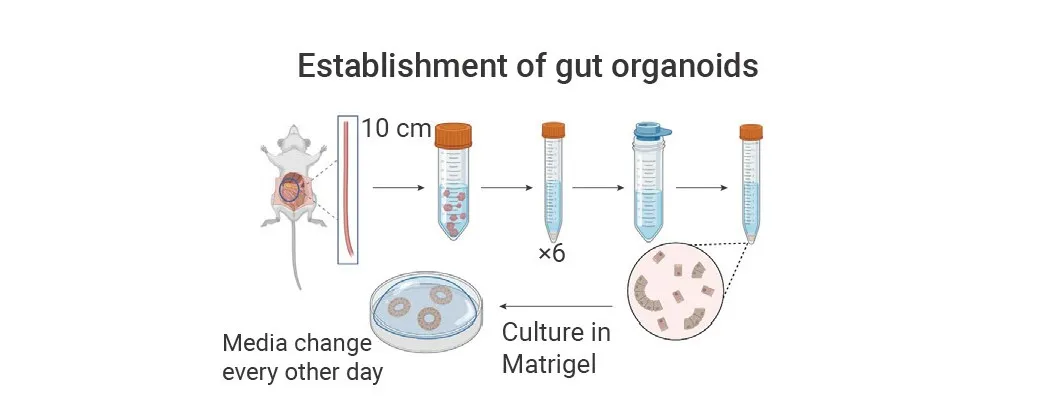
Efficient Generation of Mouse Small Intestinal Organoids: A Complete Experimental Protocol Guide
Scientific Reviews
Efficient Generation of Mouse Small Intestinal Organoids: A Complete Experimental Protocol Guide2025-12-10
How to successfully create mouse small intestine organoids? A detailed, hands-on guide to the entire process, all in one article! -
 EDM
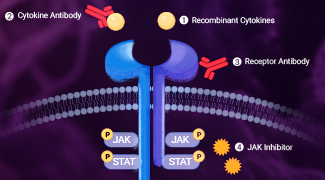
This review critically examines the role of the JAK-STAT pathway in immunity and autoimmune diseases, reviews current clinical applications of targeted therapies, and highlights emerging trends in autoimmune drug development.
EDM
This review critically examines the role of the JAK-STAT pathway in immunity and autoimmune diseases, reviews current clinical applications of targeted therapies, and highlights emerging trends in autoimmune drug development. -
 EDM
This review outlines macrophage functions and classification, and provides practical experimental guidelines for macrophage differentiation, polarization, and identification.
EDM
This review outlines macrophage functions and classification, and provides practical experimental guidelines for macrophage differentiation, polarization, and identification. -
 EDM
Explore the mechanisms driving immune tolerance breakdown in autoimmune diseases and emerging tolerance-restoring strategies, with a focus on IL-2-based immune modulation.
EDM
Explore the mechanisms driving immune tolerance breakdown in autoimmune diseases and emerging tolerance-restoring strategies, with a focus on IL-2-based immune modulation. -
 Blog
JMS-17-2 is a CX3CR1 Antagonist
Blog
JMS-17-2 is a CX3CR1 Antagonist2019-06-12
JMS-17-2 is a potent and selective CX3CR1 antagonist with an IC50 of 0.32 nM. Has potential to treat cancers such as breast cancer. -
 Blog
AA92593 is a selective and competitive OPN4 (melanopsin) antagonist. AA92593 can potently decrease IOP in mice.
Blog
AA92593 is a selective and competitive OPN4 (melanopsin) antagonist. AA92593 can potently decrease IOP in mice. -
 Blog
SOR-C13 is a high-affinity TRPV6 antagonist with an IC50 value of 14 nM. SOR-C13 is used for Advanced Solid Tumors Research
Blog
SOR-C13 is a high-affinity TRPV6 antagonist with an IC50 value of 14 nM. SOR-C13 is used for Advanced Solid Tumors Research -
 Blog
ML-SA5 is a potent TRPML1 cation channel agonist with some anticancer activity and can inhibit tumour growth.
Blog
ML-SA5 is a potent TRPML1 cation channel agonist with some anticancer activity and can inhibit tumour growth. -
 Blog
SG-094 is a potent TPC2 inhibitor with antiproliferative effects. SG-094 can be used for the research of cancer.
Blog
SG-094 is a potent TPC2 inhibitor with antiproliferative effects. SG-094 can be used for the research of cancer.
Products
All
-
All
-
Inhibitors & Agonists
-
Isotope-Labeled Compounds
-
Fluorescent Dye
-
Peptides
-
Recombinant Proteins
-
Antibodies
-
Screening Libraries
-
Kits
-
Inhibitory Antibodies
-
Reference Standards
-
Induced Disease Models Products
-
GMP Small Molecules
-
Biochemical Assay Reagents
-
Natural Products
| Cat. No. | Product Name | Information | Application | Publication |
|---|---|---|---|---|
| HY-L022 | FDA-Approved Drug Library |
New drug development is a time-consuming and high-cost process. Drug repurposing (also called drug repositioning, reprofiling or re‑tasking) offers various advantages over developing an entirely new drug for a given indication. First, the risk of failure is lower. Second, the time frame for drug development can be reduced. Third, less investment is needed. Approved drugs have identified bioactivities, good pharmacokinetic characteristics and safety which are suitable for drug repurposing.
MCE owns a unique collection of 3,236 approved compounds which have been completed extensive preclinical and clinical studies and have well-characterized bioactivities, safety and bioavailability properties. MCE FDA-Approved Drug Library is a good tool for drug repurposing which could dramatically accelerate drug development.
|
|
195
|
| HY-B0075 | Melatonin |
Melatonin is a hormone made by the pineal gland that can activate melatonin receptor and inhibit PANoptosis. Melatonin plays a role in sleep and possesses important antioxidative and anti-inflammatory properties. Melatonin is a novel selective ATF-6 inhibitor and induces human hepatoma cell apoptosis through COX-2 downregulation. Melatonin attenuates palmitic acid-induced (HY-N0830) mouse granulosa cells apoptosis via endoplasmic reticulum stress.
|
Melatonin Receptor
Autophagy
Mitophagy
Endogenous Metabolite
Apoptosis
PANoptosis
Ligands for Target Protein for PROTAC
Histone Acetyltransferase
Lung Cancer
Breast Cancer
Prostate Cancer
Liver Cancer
Viral Infection
Neurodegenerative Disease
Digestive System Inflammation
SARS-CoV-2 Infection
|
149
|
| HY-L035 | Drug Repurposing Compound Library |
New drug development is a time-consuming and high-cost process. Drug repurposing (also called drug repositioning, reprofiling or re‑tasking) offers various advantages over developing an entirely new drug for a given indication. First, the risk of failure is lower. Second, the time frame for drug development can be reduced. Third, less investment is needed. Approved and clinical drugs, especially after phase I drugs, have identified bioactivities, good pharmacokinetic characteristics and safety which are suitable for drug repurposing.
MCE Drug Repurposing Compound Library contains 5,148 approved drugs and passed phase Ⅰclinical drugs, which have been completed extensive preclinical and clinical studies and have well-characterized bioactivities, safety and bioavailability properties.
|
|
109
|
| HY-L022P | FDA-Approved Drug Library Plus |
New drug development is a time-consuming and high-cost process. Drug repurposing (also called drug repositioning, reprofiling or re‑tasking) offers various advantages over developing an entirely new drug for a given indication. First, the risk of failure is lower. Second, the time frame for drug development can be reduced. Third, less investment is needed. Approved drugs have identified bioactivities, good pharmacokinetic characteristics and safety which are suitable for drug repurposing.
MCE owns a unique collection of 3,663 approved compounds which have been completed extensive preclinical and clinical studies and have well-characterized bioactivities, safety and bioavailability properties. MCE FDA-Approved Drug Library Plus, with more powerful screening capability, further complements FDA-Approved Drug Library (HY-L022) by adding some compounds with low solubility or solution stability (Part B) to this library. All those supplementary are supplied in powder form.
|
|
97
|
| HY-L035P | Drug Repurposing Compound Library Plus |
New drug development is a time-consuming and high-cost process. Drug repurposing (also called drug repositioning, reprofiling or re‑tasking) offers various advantages over developing an entirely new drug for a given indication. First, the risk of failure is lower. Second, the time frame for drug development can be reduced. Third, less investment is needed. Approved and clinical drugs, especially after phase I drugs, have identified bioactivities, good pharmacokinetic characteristics and safety, which are suitable for drug repurposing.
MCE Drug Repurposing Compound Library plus contains 6,142 approved and passed phase I clinical drugs, which have been completed extensive preclinical and clinical studies and have well-characterized bioactivities, safety and bioavailability properties.
MCE Drug Repurposing Compound Library plus, with more powerful screening capability, further complement MCE Drug Repurposing Compound Library (HY-L035) by adding some compounds with low solubility or stability (Part B) to this library. All those supplementary compounds are supplied in powder form.
|
|
89
|
| HY-L136 | Coagulation and Anti-coagulation Compound Library |
Coagulation, also known as clotting, is the process in which blood changes from a liquid to a solid gel to form a blood clot. Thrombin, which is accurately and evenly generated in the injured part of blood vessels, is a key effector enzyme of the blood coagulation system and participates in many important biological processes, such as platelet activation, fibrinogen conversion to fibrin network, coagulation feedback amplification, etc. At the same time, to avoid the accidental formation of thrombus in the body, there is also an anticoagulant mechanism that inhibits blood coagulation.
Normal coagulation mechanism represents a balance between the pro-coagulant pathway in the injured site and anti-coagulant pathway beyond it. The blood coagulation system may be out of balance during the perioperative period or critical illness, which may lead to thrombosis or excessive bleeding. Therefore, the physiological study of coagulation balance is an important basis for clinical diagnosis and treatment of the abnormal coagulation process.
MCE supplies a unique collection of 1,525 compounds targeting key proteins in coagulation and anti-coagulation system. MCE Coagulation and Anti-coagulation Compound Library is a useful tool for study the mechanism of coagulation and anticoagulation.
|
|
85
|
| HY-L013 | Neuronal Signaling Compound Library |
Neuronal Signaling is involved in the regulation of the mechanisms of the central nervous system (CNS) such as its structure, function, genetics and physiology as well as how this can be applied to understand diseases of the nervous system. Every information processing system in the CNS is composed of neurons and glia, neurons have evolved unique capabilities for intracellular signaling (communication within the cell) and intercellular signaling (communication between cells). G protein-coupled receptors (GPCRs), including 5-HT receptor, histamine receptor, opioid receptor, etc. are the largest class of sensory proteins and are important therapeutic targets in Neuronal Signaling. Besides, Notch signaling, such as β- and γ-secretase, also plays multiple roles in the development of the CNS including regulating neural stem cell (NSC) proliferation, survival, self-renewal and differentiation. GPCR dysfunction caused by receptor mutations and environmental challenges contributes to many neurological diseases. Notch signaling in neurons, glia, and NSCs is also involved in pathological changes that occur in disorders such as stroke, Alzheimer's disease and CNS tumors. Thus, targeting Neuronal Signaling, such as notch signaling and GPCRs, can be used as therapeutic interventions for several different CNS disorders.
MCE designs a unique collection of 3,961 Neuronal Signaling-related compounds that act as a useful tool for the research of neuronal regulation and neuronal diseases.
|
|
84
|
| HY-L040 | Anti-diabetic Compound Library |
Diabetes mellitus, usually called diabetes, is a group of metabolic disorders characterized by a high blood sugar level over a prolonged period of time. The most common types are Type I and Type II. Type I diabetes (T1D), also called juvenile onset diabetes mellitus or insulin-dependent diabetes mellitus, is characterized by destruction of the β-cells of the pancreas and insulin is not produced, whereas type II diabetes (T2D), also called non-insulin-dependent diabetes mellitus, is characterized by a progressive impairment of insulin secretion and relative decreased sensitivity of target tissues to the action of this hormone. Type 2 diabetes accounts for the vast majority of all diabetes mellitus. Diabetes of all types can lead to complications in many parts of the body and can increase the overall risk of dying prematurely. Possible complications include kidney failure, leg amputation, vision loss and nerve damage.
The pathogenesis of diabetes is complicated, and development of the safe and effective drugs against diabetes is full of challenge. Increasing studies have confirmed that the pathogenesis of diabetes is related to various signaling pathways, such as insulin signaling pathway, AMPK pathway, PPAR regulation and chromatin modification pathways. These signaling pathways have thus become the major source of the promising novel drug targets to treat metabolic diseases and diabetes.
MCE Anti-diabetic Compound Library owns a unique collection of 1,172 compounds, which mainly target SGLT, PPAR, DPP-4, AMPK, Dipeptidyl Peptidase, Glucagon Receptor, etc. This library is a useful tool for discovery anti-diabetes drugs.
|
|
84
|
| HY-L053 | NMPA-Approved Drug Library |
From target identification to clinical research, traditional drug discovery and development is a time-consuming and costly process, which also bears high risk. Compared with traditional drug discovery, drug repositioning or repurposing, also known as old drugs for new uses can greatly shorten the development cycle and reduce development cost, which has become a new trend of drug development. After undergoing clinical trials, approved drugs have identified bioactivities, good pharmacokinetic characteristics and safety, which can greatly improve the success rate of drug discovery. A number of successes have been achieved, such as metformin for type 2 diabetes and thalidomide for leprosy and multiple myeloma, etc.
MCE provides a unique collection of 1,534 China NMPA (National Medical Products Administration) approved compounds, which have undergone extensive preclinical and clinical studies and have well-characterized bioactivities, safety and bioavailability properties. MCE NMPA-Approved Drug Library is a good tool for drug repurposing which could dramatically accelerate drug development.
|
|
84
|
| HY-L047 | Endocrinology Compound Library |
The endocrine system is a chemical messenger system comprising feedback loops of the hormones released by internal glands of an organism directly into the circulatory system, regulating distant target organs. Hormones are chemicals that serve to communicate between organs and tissues for physiological regulation and behavioral activities. Hormones affect distant cells by binding to specific receptor proteins in the target cell, resulting in a change in cell function.
The endocrine system is concerned with the integration of developmental events proliferation, growth, and differentiation, and the psychological or behavioral activities of metabolism, growth and development, tissue function, sleep, digestion, respiration, excretion, mood, stress, lactation, movement, reproduction, and sensory perception caused by hormones. Irregulated hormone release, inappropriate response to signaling or lack of a gland can lead to endocrine disease.
MCE offers a unique collection of 908 endocrinology related compounds targeting varieties of hormone receptors such as thyroid hormone receptor, TSH receptor, GNRH receptor, adrenergic receptor, etc. MCE Endocrinology Compound Library is a useful tool for the discovery of endocrinology drugs.
|
|
83
|
| HY-L087 | Anti-Obesity Compound Library |
Obesity is widely recognized as the largest and fastest growing public health problem and is associated with numerous chronic disorders including osteoarthritis, obstructive sleep apnea, gallstones, fatty liver disease, reproductive and gastrointestinal cancers, dyslipidemia, hypertension, type 2 diabetes, heart failure, coronary artery disease, stroke, etc. Although obesity has long been associated with serious health issues, it has only recently been regarded as a disease in the sense of being a specific target for medical therapy. Obesity may be viewed as the dysregulation of two physiological functions, appetite regulation and energy metabolism, which combine to create disordered energy balance. Consequently, developing obesity treatments that target novel pathways is a growing focus for both biopharmaceutical industries.
MCE Anti-Obesity Compound Library owns a unique collection of 3,741 compounds, which mainly target signaling pathway of controlling appetite, fatty acid metabolism and energy expenditure, etc. This library is a useful tool for discovery anti-obesity drugs.
|
|
83
|
| HY-L120 | GABA Receptor Compound Library |
GABA receptors are a class of receptors that respond to the neurotransmitter gamma-aminobutyric acid (GABA), the chief inhibitory neurotransmitter in the vertebrate central nervous system. There are two classes of GABA receptors: GABAA and GABAB. GABAA receptors are ligand-gated ion channels (also known as ionotropic receptors), whereas GABAB receptors are G protein-coupled receptors (also known asmetabotropic receptors). GABA receptors are significant drug targets in the treatment of neuropsychiatric disorders such as epilepsy, insomnia, and anxiety, as well as in anesthesia in surgical operations.
MCE offers a unique collection of 206 GABA receptors inhibitors and activators, which is an efficient tool for neuropsychiatric disorders drugs discovery.
|
|
83
|
| HY-L135 | Cancer Stem Cells Compound Library |
With the progress of modern cancer therapy, the life of cancer patients has been extended. However, after initial treatment and recovery, the development of secondary tumors often leads to cancer recurrence. Cancer stem cells are a small number of cells that tumor growth and reproduction depend on.
Cancer stem cells have strong self-renewal ability, which is the direct cause of tumor occurrence. In addition, cancer stem cells also have the ability to differentiate into different cell types, playing a crucial role in tumor metastasis and development. Chemotherapy and radiotherapy induced DNA damage and apoptosis are common cancer treatments. However, cancer stem cells can effectively protect cancer cells from apoptosis by activating DNA repair ability. Cancer stem cells are regarded as the key "seed" of tumor occurrence, development, metastasis and recurrence. Since its first discovery in leukemia in 1994, cancer stem cells have been considered a promising therapeutic target for cancer treatment.
MCE supplies a unique collection of 3,540 compounds targeting key proteins in cancer stem cells. MCE Cancer Stem Cells Compound Library is a useful tool for cancer stem cells related research and anti-cancer drug development.
|
|
83
|
| HY-L141 | Off-patent Drug Library |
Drug repurposing (also called drug repositioning, reprofiling, or re‑tasking) offers various advantages over developing an entirely new drug for a given indication, for example, lower risk of failure, less investment, and shorter development timelines. But drug repositioning projects are also subject to several risks, including regulatory and intellectual property issues. So the off-patent drugs are optimal for repositioning because of their immediate availability for clinical studies, with high feasibility and relatively low risk.
MCE carefully prepared a unique collection of 2,921 off-patent drugs, which is a good choice for drug repurposing.
|
|
83
|
| HY-L174 | Macrophage Related Compound Library |
Macrophages are effector cells of the innate immune system, engulfing bacteria and secreting pro-inflammatory and antibacterial mediators. They are an important component of the first line defense against pathogens and tumor cells. In addition, macrophages play an important role in eliminating damaged cells through programmed cell death. Like all immune cells, macrophages originate from pluripotent hematopoietic stem cells in the bone marrow. Macrophages play key functions in many physiological processes beyond homeostasis and innate immunity, including metabolic function, cell debris clearance, tissue repair, and remodeling. In order to fulfill their different functional roles, macrophages can polarize into a series of phenotypes, including classic (pro inflammatory, M1) and alternative (anti-inflammatory, healing promoting, M2) activation states, as well as a wide range of regulatory phenotypes and subtypes. Macrophages exist in all vertebrate tissues and have a dual function in host protection and tissue damage, maintaining a good balance.
MCE designs a unique collection of 276 macrophage related compounds. It is a good tool to be used for research on Inflammation, cancer and other diseases.
|
|
83
|
| HY-L197 | Vitamin Compound Library |
Vitamins are a category of trace organic compounds essential for maintaining normal physiological functions in living organisms. They are classified into fat-soluble and water-soluble vitamins. Fat-soluble vitamins play a role in maintaining vision, bone health, reproductive functions, and blood coagulation. Water-soluble vitamins are involved in energy metabolism, nervous system function, and cellular repair processes. Most vitamins cannot be synthesized by the organism and must be obtained through diet. In recent years, vitamins and their derivatives have become increasingly important in the field of drug development due to their extensive physiological activities. Additionally, vitamins and their derivatives can be used to construct research platforms for vitamin metabolism, which helps to delve into the metabolic pathways and dynamic changes of vitamins within the body and aids in identifying new biomarkers for certain diseases.
MCE included 136 vitamins and their derivatives, including Vitamin A, Vitamin B, Vitamin D, etc., which is a good tool for studying vitamin metabolism.
|
|
83
|
| HY-L211 | Human Hormone Compound Library |
Hormones are a class of biologically active substances secreted by endocrine gland cells, which are transported through the circulatory system to various parts of the body, and precisely act on specific target organs or cells, playing a crucial role in regulating the growth, development, metabolism, and reproduction of organisms. The mechanisms of hormone action are diverse and complex. Some hormones (such as corticosteroids, vitamin D, and thyroid hormones) can enter the cell interior and interact with receptors in the nucleus, thereby regulating gene expression and affecting cell function. Other hormones (such as growth hormone and thyrotropin-releasing hormone) bind directly to receptors on the cell surface, exerting their effects by regulating enzyme activity or influencing the state of ion channels. Additionally, hormones play a key role in the study of endocrine and metabolic diseases, and are closely related to the development of diseases such as diabetes and thyroid diseases.
MCE has included 86 human hormone compounds, which is of great significance for the study of human metabolic pathways, and can also be used to build a metabonomics database.
|
|
83
|
| HY-L239 | Steroid Hormones Library |
Steroid hormones (also known as steroidal hormones) are a class of tetracyclic aliphatic hydrocarbon compounds derived from cholesterol. Typical representatives of steroid hormones include cortisol, aldosterone, testosterone, estradiol, among others. These hormones serve diverse regulatory functions within the body. For instance, aldosterone helps maintain the homeostasis of extracellular fluid volume and circulating blood volume; testosterone and estradiol primarily promote the development and maturation of male and female reproductive organs and regulate reproductive functions.
MCE designs a unique collection of 71 steroid hormones. This library can be used for research related to metabolic or immune diseases, investigations into the mechanisms of action of nuclear receptor signaling pathways, as well as identification and quantitative analysis in metabolomics studies.
|
|
83
|
| HY-L249 | Lactylation Compound Library |
Protein lactylation, an emerging post-translational modification identified in recent years, plays a critical role in linking cellular metabolic reprogramming, epigenetic regulation, and signaling networks. Based on a systematic framework encompassing lactate metabolism, lactylation, and downstream signaling pathways, this compound library comprehensively targets multiple regulatory layers, including histone modification enzymes (such as p300 and HDACs), key glycolytic enzymes (such as PKM2, LDHA, and GAPDH), transcriptional regulators (such as STAT3, HMGB1, and p53), as well as central signaling pathway nodes including HIF-1α, NF-κB, and PI3K-AKT-mTOR. This integrated design enables a comprehensive representation of the regulatory roles of lactylation across the “metabolism–epigenetics–signaling” axis.
MCE has assembled a collection of 6,182 known bioactive compounds and potential functional molecules, making this library suitable for a wide range of applications, including high-throughput drug screening, inhibitor identification, and mechanistic studies. It can be used to systematically evaluate the functional roles of lactylation in biological processes such as tumor metabolism, immune regulation, and inflammatory responses, and to efficiently identify small-molecule candidates with regulatory potential, thereby facilitating the development of innovative therapeutics targeting the interplay between metabolism and epigenetic regulation.
|
|
83
|
| HY-L923 | Ion Channel Lead-like Compound Library |
Ion channels are key proteins on the cell membrane that regulate the flow of ions across membranes. They participate in nearly all physiological processes, including nerve conduction, muscle contraction, heart rhythm, and pain perception. Abnormalities in their function can lead to various serious diseases such as arrhythmia, epilepsy, hypertension, neuropathic pain, and cancer. Therefore, ion channels are highly valuable drug targets—over 15% of approved drugs target ion channels currently, demonstrating their irreplaceable therapeutic value in cardiovascular, neurological, and analgesic fields.
MCE has collected a library of over 5,000 reported ion channel-related bioactive compounds targeting major sites such as Na+ channels, K+ channels, Ca2+ channels, GABA receptors, iGluRs, and others. Using AI models, these compounds are characterized through both 2D representations (molecular fingerprints, pharmacophores) and 3D representations (3D conformation) to screen for a collection of lead-like compounds highly similar to known active molecules. Additionally, an hERG channel prediction algorithm integrating XGB and ISE mapping strategy is employed to assess and exclude potential cardiotoxicity in the library.. This step significantly reduces safety risks in subsequent screenings, particularly for ion channel drug development related to cardiovascular systems (e.g., Nav1.5, Cav1.2), effectively minimizing failures due to hERG inhibition and serving as a valuable tool for ion channel drug screening.
|
|
83
|
| HY-N1150 | Thymidine |
|
28
|
|
| HY-N0623 | L-Tryptophan |
L-Tryptophan (Tryptophan) is an orally active and essential amino acid that is the precursor of serotonin, melatonin, and vitamin B3. L-Tryptophan can promote an increase in stemness and osteogenic ability of BMSCs in vitro and in vivo. L-Tryptophan inhibits cell proliferation and induced cell cycle arrest with high levels.
|
|
18
|
| HY-P3216 | Oxytocin free acid |
Oxytocin free acid (9-Deamidooxytocin) is an analog of oxytocin in which the glycinamide residue at position 9 in oxytocin has been replaced by a glycine residue. Oxytocin is a pleiotropic, peptide hormone with broad implications for general health, adaptation, development, reproduction, and social behavior.
|
|
17
|
| HY-P3216B | Oxytocin free acid TFA |
Oxytocin free acid (9-Deamidooxytocin) TFA is an analog of oxytocin in which the glycinamide residue at position 9 in oxytocin has been replaced by a glycine residue. Oxytocin is a pleiotropic, peptide hormone with broad implications for general health, adaptation, development, reproduction, and social behavior.
|
|
17
|
| HY-N2333 | Resiniferatoxin |
Resiniferatoxin ((+)-Resiniferatoxin), is a selective agonist of transient receptor potential vanilloid 1 (TRPV1) receptor agonist. Resiniferatoxin can be isolated from the Euphorbia resinifera plant. Resiniferatoxin eliminates TRPV1+ primary sensory afferents and blunt cardiac sympathetic afferent reflex for a relatively long period.
|
|
14
|
| HY-B1945 | DEHP |
DEHP (Bis(2-ethylhexyl) phthalate) is a widely used plasticizer, which has orally active. DEHP can produce a wide spectrum of toxic effects on organisms including neurotoxicity, liver toxicity, immunotoxicity, and reproductive toxicity.
|
|
13
|
| HY-16168A | Degarelix |
Degarelix acetate (FE 200486) is a decapeptide that shows high affinity/selectivity to human gonadotropin-releasing hormone (GnRH) receptor (IC50 = 3 nM). Degarelix acetate Degarelix acetate (FE 200486) is used for the research of prostate cancer.
|
Metabolic or Endocrine Disease
Digestive System Disease
Prostate Cancer
Digestive System Inflammation
|
11
|
| HY-N6771 | Cyclopiazonic acid |
Cyclopiazonic acid is an endoplasmic reticulum calcium ATPase (ECAs) inhibitor and human respiratory syncytial virus (RSV) inhibitor (EC50 value of 4.13 μ M), which can reduce the antagonistic effect of 5-HT receptors in rat thoracic aorta, induce p53 dependent cell apoptosis and reproductive toxicity in mouse testes, and inhibit the biological activation of aflatoxin B.
Source: Aspergillus flavus |
Leukemia/Lymphoma/Myeloma
Pancreatic Cancer
Viral Infection
Digestive System Inflammation
Alzheimer's Disease
Hypertension
Obesity
|
7
|
| HY-B1811 | Vasopressin |
Vasopressin is a cyclic nonapeptide that is synthesized centrally in the hypothalamus. Vasopressin participates in the hypothalamic-pituitary-adrenal axis, and regulates pituitary corticotropin secretion by potentiating the stimulatory effects of corticotropin releasing factor. Vasopressin also can act as a neurotransmitter, exerting its action by binding to specific G protein-coupled receptors.
|
|
7
|
| HY-W007355 | Skatole |
Skatole (3-methylindole) is a heterocyclic compound naturally found in the feces of vertebrates and can be found in certain plants. Skatole can be produced by intestinal bacteria, inducing apoptosis of intestinal epithelial cells through activating aryl hydrocarbon receptors (AhR) and p38. Skatole has been used in specific products of the perfume industry or as a flavor additive in ice cream.
|
Digestive System Disease
Lung Cancer
Bacterial Infection
Neurodegenerative Disease
Pain
Digestive System Inflammation
|
6
|
| HY-B0891 | 17α-Hydroxyprogesterone |
17α-Hydroxyprogesterone is a steroid hormone. 17α-Hydroxyprogesterone induces ovarian growth and yolk production in female crabs and increases blood pressure in sheep. 17α-Hydroxyprogesterone is mainly used in research related to crustacean reproduction and animal hypertension.
|
|
5
|
| HY-113354 | Anserine |
Anserine, a methylated form of Carnosine, is an orally active, natural Histidine-containing dipeptide found in skeletal muscle of vertebrates. Anserine is not cleaved by serum carnosinase and act as biochemical buffers, chelators, antioxidants, and anti-glycation agents. Anserine has blood-brain barrier permeability, and improves memory functions in Alzheimer's disease (AD)-model mice.
|
|
5
|
| HY-112173 | Prolylleucine |
Prolylleucine (Z-Pro-D-Leu) is a dipeptide containing branched-chain amino acids. Prolylleucine (Z-Pro-D-Leu) can affect the circadian rhythms and behaviour of animals.
|
|
4
|
| HY-P2161B | TAK-683 acetate |
TAK-683 acetate is a potent full KISS1 receptor (KISS1R) agonist (IC50=170 pM) with improved metabolic stability. TAK-683 acetate is a nonapeptide metastin analog, exhibits agonistic activities to KISS1R with EC50 values of 0.96 nM and 1.6 nM for human and rat, respectively. TAK-683 acetate depletes GnRH in the hypothalamus and reduces plasma FSH, LH, and testosterone levels in vivo, it has the potential for the study of hormone-dependent prostate cancer.
|
|
4
|
| HY-N6779 | Patulin |
Patulin (Terinin) is a mycotoxin produced by fungi including the Aspergillus, Penicillium, and Byssochlamys species, causes chromosome breakage, mutation, teratogenic and cytotoxic. Patulin induces autophagy-dependent apoptosis through lysosomal-mitochondrial axis, and causes DNA damage.
Source: Penicillium and Aspergillus |
|
4
|
| HY-115672 | KS15 |
KS15 is an inhibitor of the interactions between cryptochromes (CRYs: CRY1 and CRY2) and the CLOCK:BMAL1 heterodimer. KS15 impairs the feedback actions of CRYs on E-box-dependent transcription (EC50=4.9 μM) by CLOCK:BMAL1 heterodimer, an indispensable transcriptional regulator of the mammalian circadian clock. Anti-proliferative activity.
|
|
4
|
| HY-P1197 | Kisspeptin-10 (mouse, rat) |
Kisspeptin-10 (mouse, rat) is a potent vasoconstrictor and inhibitor of angiogenesis. Kisspeptin-10 (mouse, rat) is a ligand for the rodent kisspeptin receptor (KISS1, GPR54). Kisspeptin-10 reduces Methotrexate-induced reproductive toxicity as a potential antioxidant compound.
|
|
3
|
| HY-P1197A | Kisspeptin-10 (mouse, rat) TFA |
Kisspeptin-10 (mouse, rat) TFA is a potent vasoconstrictor and inhibitor of angiogenesis. Kisspeptin-10 (mouse, rat) TFA is a ligand for the rodent kisspeptin receptor (KISS1, GPR54). Kisspeptin-10 (mouse, rat) TFA reduces Methotrexate-induced reproductive toxicity as a potential antioxidant compound.
|
|
3
|
| HY-P0076A | TAK-448 acetate |
TAK-448 acetate (MVT-602 acetate) is a potent and full KISS1R agonist with an IC50 of 460 pM and an EC50 of 632 pM.
|
|
3
|
| HY-P0076 | TAK-448 |
TAK-448 (MVT-602) is a potent and full KISS1R agonist with an IC50 of 460 pM and an EC50 of 632 pM.
|
|
3
|
| HY-D0885B | Phosphocreatine disodium |
Phosphocreatine (disodium) is an organic compound found in vertebrate skeletal muscles. Phosphocreatine (disodium) enhances antioxidant activity, and activates the TAK1 pathway to protect the heart. Phosphocreatine (disodium) normalizing mitochondrial function and reducing oxidative stress via Akt mediated Nrf2/HO-1 pathway. Phosphocreatine (disodium) provides renal protection by suppressing Apoptosis and ROS (Reactive Oxygen Species) generation through ERK mediated mediated Nrf-2/HO-1 pathway..
|
Breast Cancer
Pancreatic Cancer
Depression
Pain
Digestive System Inflammation
Glucose Metabolism
Parkinson's Disease
|
3
|
| HY-107953 | Chorionic gonadotrophin |
Chorionic gonadotrophin (hCG) is a gonadotropin that can be isolated from the anterior pituitary gland. Chorionic gonadotrophin has potential applications in ovarian and follicular development.
|
|
3
|
| HY-P2293 | Luteinizing hormone (human) |
Luteinizing hormone (human), a heterodimeric glycoprotein hormone produced by the pituitary gland (LH), plays key roles in human reproduction.
|
|
3
|
| HY-107854 | N-Acetyl-5-hydroxytryptamine |
N-Acetyl-5-hydroxytryptamine is a Melatonin precursor, and that it can potently activate TrkB receptor.
|
|
3
|
| HY-N0623S | L-Tryptophan-d5 |
L-Tryptophan-d5 is the deuterium labeled L-Tryptophan. L-Tryptophan (Tryptophan) is an essential amino acid that is the precursor of serotonin, melatonin, and vitamin B3.
|
|
3
|
| HY-D0885 | Phosphocreatine |
Phosphocreatine (creatine phosphate) is an organic compound found in vertebrate skeletal muscles. Phosphocreatine enhances antioxidant activity, and activates the TAK1 pathway to protect the heart. Phosphocreatine normalizing mitochondrial function and reducing oxidative stress via Akt mediated Nrf2/HO-1 pathway. Phosphocreatine provides renal protection by suppressing Apoptosis and ROS (Reactive Oxygen Species) generation through ERK mediated mediated Nrf-2/HO-1 pathway..
Source: skeletal muscles of vertebrates |
Breast Cancer
Pancreatic Cancer
Depression
Pain
Digestive System Inflammation
Glucose Metabolism
Parkinson's Disease
|
3
|
| HY-W013494 | L-Carnosine |
L-Carnosine is a dipeptide composed of beta-alanine and histidine. L-Carnosine is an endogenous metabolite found in human brain, muscle and gastrointestinal tissues and is present in all vertebrates. L-Carnosine is a non-enzymatic free radical scavenger and natural antioxidant with anti-inflammatory and neuroprotective properties that can inhibit biochemical changes associated with aging.
|
Neurological, Eye or Ear Disease
Inflammation or Immune System Disease
Metabolic or Endocrine Disease
SARS-CoV-2 Infection
|
3
|
| HY-120973 | Butaprost free acid |
Butaprost free acid is a selective prostaglandin E receptor (EP2) agonist with an EC50 of 33 nM and a Ki of 2.4 μM for murine EP2 receptor. Butaprost free acid is less activity against murine EP1, EP3 and EP4 receptors. Butaprost free acid attenuates fibrosis by hampering TGF-β/Smad2 signalling.
|
|
2
|
| HY-P0009 | Cetrorelix |
Cetrorelix (SB-75) is a competitive gonadotropin-releasing hormone receptor (GnRHR) antagonist with a Kd of 0.19 nM. Cetrorelix inhibits the secretion of luteinizing hormone (LH) and follicle-stimulating hormone (FSH), thereby suppressing the secretion of downstream sex steroids. Cetrorelix prevents ovulation, induces reversible reproductive shutdown and azoospermia, reduces ovarian fibrosis, improves superovulation outcomes, and inhibits chemotherapy-induced mitochondria-dependent apoptosis. Cetrorelix is applicable for fertility assistance research.
|
|
2
|
| HY-P0254A | Kisspeptin-10, human TFA |
Kisspeptin-10, human TFA is a potent vasoconstrictor and inhibitor of angiogenesis. Kisspeptin-10, human TFA acts as a tumor metastasis suppressor via its receptor GPR54. Kisspeptin-10-GPR54 system plays an important role in embryonic kidney development. Kisspeptin-10/GPR54 signaling induces osteoblast differentiation via NFATc4-mediated BMP2 expression.
|
|
2
|
| HY-N1374 | Magnolin |
Inflammation or Immune System Disease
Colorectal Cancer
Prostate Cancer
Liver Cancer
Pancreatic Cancer
Pain
Obesity
Lung Fibrosis
|
2
|
|
| HY-B1024 | DL-Panthenol |
DL-Panthenol (DL-Pantothenol) is a precursor of pantothenic acid. DL-Panthenol easily penetrates the skin and has effects of deep moisturizing, promoting wound healing and anti-inflammation. DL-Panthenol can also be used as a hair conditioner in cosmetics. DL-Panthenol has low acute toxicity, non-sensitizing property, and no significant genotoxicity or reproductive and developmental toxicity. DL-Panthenol can be applied to the research of cosmetics.
|
|
2
|
| HY-119506 | KL044 |
KL044, a stabilizer of the clock protein cryptochrome (CRY) , is a potent chemical probe with a pEC50 value of 7.32, leading to the extension of the circadian period and repression of Per2 activity.
|
|
2
|
| HY-134194 | KL201 |
KL201 a circadian clock modulator, is a isoform-selective cryptochrome 1 (CRY1) stabilizer. KL201 has no stabilizing effect on CRY2. KL201 lengthens the period of circadian rhythms in cells and tissues.
|
|
2
|
| HY-125934 | Allocholic acid |
Allocholic acid is a typically fetal bile acid found in vertebrates and reappears during liver regeneration and carcinogenesis, besides it is also a conjugate acid of allocholate and an isomer of cholic acid. Allocholic acid is a potent and specific stimulant of the adult olfactory system, it has a role as a marine metabolite, a rat metabolite and a human metabolite.
Source: Duck gall |
|
2
|
| HY-P99463 | Batiraxcept |
Batiraxcept (AVB-500; AVB-S6-500) is a selective, soluble AXL receptor and GAS6 inhibitor that targets the GAS6-AXL signaling axis. Batiraxcept is orally inactive and does not cross the blood-brain barrier. Batiraxcept competitively binds to GAS6 ((KD <1 nM), preventing its interaction with the AXL receptor tyrosine kinase, thereby inhibiting downstream PI3K/AKT and MAPK signaling pathways, reducing tumor cell glycolysis, angiogenesis, and metastatic potential. Batiraxcept has demonstrated antitumor activity in preclinical models of endometrial, cholangiocarcinoma, and ovarian cancer by inhibiting tumor growth, invasion, and metastasis.
|
|
2
|
| HY-107818 | 4-Hydroxychalcone |
4-Hydroxychalcone is an orally active flavonoid precursor. 4-Hydroxychalcone inhibits VEGF- and bFGF-induced phosphorylation of ERK1/2 and Akt. 4-Hydroxychalcone suppresses resistant hypertension by alleviating hyperaldosteronism, inflammation and renal injury in cryptochrome gene knockout mice. 4-Hydroxychalcone possesses anti-angiogenic activity.
|
|
2
|
| HY-N0623S1 | L-Tryptophan-13C |
L-Tryptophan-13C is the 13C-labeled L-Tryptophan. L-Tryptophan (Tryptophan) is an essential amino acid that is the precursor of serotonin, melatonin, and vitamin B3.
|
|
2
|
| HY-P0009A | Cetrorelix acetate |
Cetrorelix (SB-75) acetate is a competitive gonadotropin-releasing hormone receptor (GnRHR) antagonist with a Kd of 0.19 nM. Cetrorelix acetate inhibits the secretion of luteinizing hormone (LH) and follicle-stimulating hormone (FSH), thereby suppressing the secretion of downstream sex steroids. Cetrorelix acetate prevents ovulation, induces reversible reproductive shutdown and azoospermia, reduces ovarian fibrosis, improves superovulation outcomes, and inhibits chemotherapy-induced mitochondria-dependent apoptosis. Cetrorelix acetate is applicable for fertility assistance research.
|
|
2
|
| HY-P0254 | Kisspeptin-10, human |
Kisspeptin-10, human is a potent vasoconstrictor and inhibitor of angiogenesis. Kisspeptin-10, human acts as a tumor metastasis suppressor via its receptor GPR54. Kisspeptin-10-GPR54 system plays an important role in embryonic kidney development. Kisspeptin-10/GPR54 signaling induces osteoblast differentiation via NFATc4-mediated BMP2 expression.
|
|
2
|
| HY-108468 | KL001 |
KL001 is a first-in-class cryptochrome (CRY, a flavoproteins that are sensitive to blue light, and is involved in the circadian rhythms of plants and animals) stabilizer which specifically interacts with CRY1 and CRY2. KL001 prevents ubiquitin-dependent degradation of CRY, resulting in lengthening of the circadian period. KL001 has the potential to control fasting hormone-induced gluconeogenesis.
|
|
2
|
| HY-N11287A | UDP-xylose disodium |
UDP-xylose disodium is an endogenous sugar nucleotide and a catalytic substrate of UDP-xylose disodium synthase (UXS). UDP-xylose disodium is a sugar donor for the synthesis of glycoproteins, polysaccharides, various metabolites and oligosaccharides in plants, vertebrates and fungi, and participates in the synthesis of proteoglycans as a glycosyl donor. UDP-xylose disodium participates in the regulation of the synthesis of extracellular matrix components and can be used to study the mechanism of proteoglycan biosynthesis in glycobiology and related diseases (such as connective tissue diseases)[1][2].
|
|
2
|
| HY-N0623R | L-Tryptophan (standard) |
L-Tryptophan (standard) is the analytical standard of L-Tryptophan. L-Tryptophan (Tryptophan) is an orally active and essential amino acid that is the precursor of serotonin, melatonin, and vitamin B3. L-Tryptophan can promote an increase in stemness and osteogenic ability of BMSCs in vitro and in vivo. L-Tryptophan inhibits cell proliferation and induced cell cycle arrest with high levels.
Source: Human Urine, Saliva, Feces, Blood, Breast milk, Sweat, Cerebrospinal fluid |
|
2
|
| HY-13673A | Goserelin acetate |
Goserelin acetate (ICI-118630 acetate), a decapeptide analogue of gonadotropin-releasing hormone (GnRH/LHRH), functions as a GnRH agonist. Goserelin acetate can be used for the research of breast cancer, epithelial ovarian cancer and prostate cancer.
|
Metabolic or Endocrine Disease
Luminal Breast Cancer
Triple-Negative Breast Cancer
Metastatic Breast Cancer
|
2
|
| HY-113308AS | Taurolithocholic acid-d4 sodium |
Taurolithocholic acid-d4 (sodium) is the deuterium labeled Taurolithocholic acid (sodium salt). Taurolithocholic acid sodium is an orally active bile acid and antiviral agent. Taurolithocholic acid sodium upregulates FADS2 by activating the TGR5-PI3K/AKT-SREBP2 signaling axis, inhibits SFTSV-induced ferroptosis, viral replication and viral entry of HBV/HDV, while reducing the release of IL-1β, lipid ROS and LDH. While exerting antiviral protective effects, Taurolithocholic acid sodium also stimulates the recycling of hepatocellular membrane transporters, impairs canalicular bile acid secretion function, and induces hepatocyte cholestasis, apoptosis and acute hepatocellular injury. Taurolithocholic acid sodium serves as an experimental model compound for hepatocellular cholestasis. At concentrations ≤200 μM, Taurolithocholic acid sodium shows no cytotoxicity and does not activate the interferon pathway. Taurolithocholic acid sodium not only protects mice from lethal SFTSV infection but also is suitable for studies related to severe fever with thrombocytopenia syndrome and cholestasis.
|
|
1
|
| HY-D0914A | Fast green FCF free acid |
Fast green FCF free acid is a dye that is acid-resistant. Fast Green FCF free acid inhibits α-synuclein aggregation, as well as Aβ, P2X4 receptor and TLR4/Myd88/NF-κB. Fast Green FCF free acid is widely used as a staining agent like quantitative stain for histones at alkaline pH after acid extraction of DNA, and as a protein stain in electrophoresis. Fast Green FCF free acid improves cognitive impairment, depression, relieves pain allergies, and promotes reproductive function.
|
|
1
|
| HY-W040074 | Glycylglycine hydrochloride hydrate |
Glycylglycine hydrochloride hydrate is a non-selective Glycylglycine hydrochloride hydrate dipeptidase substrate and iNOS inhibitor. Glycylglycine hydrochloride hydrate can cross the cell membrane by passive diffusion and is hydrolyzed to glycine in the cell, participating in energy metabolism and antioxidant processes. Glycylglycine hydrochloride hydrate promotes spermatogonial stem cells (SSCs) proliferation, inhibits astrocyte overactivation and reduces nitric oxide (NO) release, while upregulating the expression of neurotrophic factors (such as PDGFA, FGF2, CNTF) to support nerve myelin repair. Glycylglycine hydrochloride hydrate can be used to study male reproductive biology (such as SSCs proliferation regulation) and neurodegenerative diseases (such as neuroprotective mechanisms in multiple sclerosis).
|
|
1
|
| HY-W011215 | Dihexyl phthalate |
Dihexyl phthalate is an orally active phthalate ester (PAEs) widely used as a plasticizer, and it acts as an environmental endocrine disruptor. Dihexyl phthalate exhibits endocrine-disrupting and reproductive toxic properties, induces oxidative stress and inflammation, and ultimately causes apoptosis and damage to reproductive organs such as the testes. Dihexyl phthalate can be used in studies related to developmental toxicity, embryonic lethality, teratogenicity, and abnormal development of the male reproductive system.
|
Metabolic or Endocrine Disease
Digestive System Disease
Digestive System Inflammation
Male Reproductive System Disease
|
1
|
| HY-113440 | 5-Methoxytryptophol |
5-Methoxytryptophol is a 5-methoxyindole alcohol structurally homologous to Melatonin (HY-B0075). It is secreted by the mammalian pineal gland and exhibits an inverse circadian rhythm. 5-Methoxytryptophol regulates bone metabolism by activating the ERK1/2 pathway. It reduces the levels of pro-inflammatory cytokines TNF-α and IL-1β, as well as proteolytic enzymes MMP-1 and MMP-2, in serum and dental pulp tissues, thereby ameliorating acute pulpitis. 5-Methoxytryptophol induces rapid sleep in mice, while high doses cause respiratory depression and death. 5-Methoxytryptophol. 5-Methoxytryptophol can be used in studies related to acute pulpitis, hypnosis, and bone metabolism.
|
|
1
|
| HY-A0070AG | Liothyronine (GMP) |
Liothyronine (Triiodothyronine) (GMP) is the Liothyronine (HY-A0070A) produced by using GMP guidelines. GMP small molecules work appropriately as an auxiliary reagent for cell therapy manufacture. Liothyronine is a potent thyroid hormone receptors TRα and TRβ agonist with Kis of 2.33 nM for hTRα and hTRβ, respectively.
|
|
1
|
| HY-76547 | p-Toluic acid |
p-Toluic acid (4-Methylbenzoic acid), coumarin, is a substituted benzoic acid. p-Toluic acidis synthetic p-aminomethylbenzoic acid (PAMBA), intermediates such as p-toluonitrile. p-Toluic acidMay have potential reproductive toxicity, press 1g/kgRepeated administration of doses can produce a variety of adverse effects on the epididymis.
|
|
1
|
| HY-P2543 | Neuropeptide Y (3-36) (human, rat) |
Neuropeptide Y (3-36) (human, rat) is a neuropeptide Y fragment derived from humans or rats. Neuropeptide Y is an extremely abundant neurotransmitter in central and peripheral neurons, and it participates in the regulation of psychomotor activity, circadian rhythm, feeding behavior and cardiovascular function. Neuropeptide Y (3-36) (human, rat) can serve as a substrate to be sequentially degraded from its N-terminus by AfuS28, and it requires binding to AfuS28 and SedB to be decomposed into amino acids, dipeptides and tripeptides[1].
|
|
1
|
| HY-Y1117 | Melamine |
Melamine is an orally active inducer of Apoptosis. Melamine induces animal disease models. Melamine affects the activity of Sertoli cell and can be used for research on male reproductive function. Melamine also has neurotoxicity and nephrotoxicity. Melamine induces cognitive impairment and acute kidney injury models. Melamine can also be used to induce bladder cancer and urinary stone models.
|
|
1
|
| HY-P99419 | Acasunlimab |
Acasunlimab (GEN1046) is a bispecific antibody (bsAb) targeting PD-L1 and 4-1BB. Acasunlimab enhances T-cell and NK-cell function through conditional 4-1BB stimulation while constitutively blocking the PD-1/PD-L1 inhibitory axis. Acasunlimab can be used in research of cancer.
Species: Human |
|
1
|
| HY-16474 | Relugolix |
Relugolix (TAK-385)?is a potent, orally active, nonpeptidic gonadotropin-releasing hormone (GnRH) antagonist. Relugolix possesses high affinity and potent antagonistic activity for human receptor (binding IC50=0.33 nM) and monkey receptor (IC50=0.32 nM) compared with TAK-013 (HY-100209). Relugolix is used for the study of sex-hormone-dependent diseases, such as including endometriosis, uterine fibroids and prostate cancer et al.
|
|
1
|
| HY-148764 | M47 |
M47 is a molecular glue that selectively destabilizes Cryptochrome 1 (CRY1) and increases degradation of the CRY1 in the nucleus. M47 enhances apoptosis in Ras-transformed P53-deficient mouse skin fibroblast lines and enhances life span in p53 knockout mice. M47 can be used in research of cancer.
|
|
1
|
| HY-130248 | BAY-899 |
BAY-899, a chemical probe, is an orally active and selective luteinizing hormone receptor (LH-R) antagonist with IC50s of 185 nM and 46nM for hLH (human LH) and rLH (rat LH), respectively. BAY-899 can reduce sex hormone levels.
|
|
1
|
| HY-N2995 | Poricoic acid A |
Poricoic acid A can be isolated from Poria cocos. Poricoic acid A is an orally active anti-tumor agent. Poricoic acid A enhances melatonin inhibition of AKI-to-CKD transition by regulating Gas6/AxlNFκB/Nrf2 axis. Poricoic acid A also attenuatea fibroblast activation and abnormal extracellular matrix remodeling in renal fibrosis by activating AMPK and inhibiting Smad3. Poricoic acid A significantly reduces the magnitude of rise in serum creatinine and urea levels in rat model when combined with Melatonin. Poricoic acid A ameliorates renal fibrosis and podocyte injury by attenuating oxidative stress and inflammation through regulating NF-κB and Nrf2 in IRI rodent model in combination with Melatonin.
|
Breast Cancer
Colorectal Cancer
Prostate Cancer
Pancreatic Cancer
Pain
Digestive System Inflammation
Parkinson's Disease
Obesity
Lung Fibrosis
|
1
|
| HY-W007566 | 5-Methoxyindole-3-acetic acid |
|
1
|
|
| HY-N0623S2 | L-Tryptophan-13C11 |
L-Tryptophan-13C11 is the 13C-labeled L-Tryptophan. L-Tryptophan (Tryptophan) is an essential amino acid that is the precursor of serotonin, melatonin, and vitamin B3.
|
|
1
|
| HY-P99144A | Anti-Mouse PD-1 Antibody (S-5001) |
Anti-Mouse PD-1 Antibody (S-5001) is a selective inhibitor targeting PD-1, blocking the PD-1/PD-L1 immune checkpoint axis through competitive binding to PD-1. Anti-Mouse PD-1 Antibody (S-5001) works by reversing the tumor immunosuppressive microenvironment and reactivating the anti-tumor activity of cytotoxic T lymphocytes. It can be used in research on tumors such as melanoma and HPV-positive oropharyngeal squamous cell carcinoma. Anti-Mouse PD-1 Antibody (S-5001) is often combined with photothermal therapy, chemotherapy, etc., to enhance efficacy.
Species: Mouse |
|
1
|
| HY-D0914 | Fast Green FCF |
Fast Green FCF is a sea green triarylmethane food dye, with absorption maximum ranging from 622 to 626 nm. Fast Green FCF inhibits α-synuclein aggregation, as well as Aβ and P2X4 receptor, and TLR4/Myd88/NF-κB. Fast Green FCF is widely used as a staining agent like quantitative stain for histones at alkaline pH after acid extraction of DNA, and as a protein stain in electrophoresis. Fast Green FCF improves cognitive impairment, depression, relieves pain allergies, and promotes reproductive function.
|
|
1
|
| HY-109521A | Manganese chloride tetrahydrate, molecular biology grade,≥99.0% (KT) |
Manganese chloride (tetrahydrate), molecular biology grade,≥99.0% (KT) is an orally active and a blood-brain barrier penetrant compound. It affects the activities of multiple enzymes in cells, such as regulating the activities of histone acetyltransferase (HAT) and histone deacetylase (HDAC), thereby affecting gene expression. It has multiple activities such as neurotoxicity, embryotoxicity, and reproductive toxicity. It is currently mainly used in neurodegenerative diseases and toxicology research.
|
|
1
|
| HY-148765 | CLK8 |
CLK8 is a potent and specific CLOCK inhibitor that can disrupt the interaction between CLOCK and BMAL1 and interfere with nuclear translocation of CLOCK. CLK8 can be used for the research of disorders associated with dampened circadian rhythms.
|
|
1
|
| HY-P81119 | MTNR1A Antibody |
MTNR1A Antibody is a Rabbit-derived and non-conjugated IgG polyclonal antibody, targeting to MTNR1A.
Host: Rabbit; Reactivity: Human, Mouse, Rat |
|
1
|
| HY-B0551S | Doxapram-d8 |
Doxapram-d8 is deuterated labeled Doxapram (HY-B0551). Doxapram is a respiratory stimulant. Doxapram increases breathing rate and depth by acting on the brain's respiratory centers and peripheral chemoreceptors. Doxapram inhibits TASK-1, TASK-3, TASK-1/TASK-3 heterodimeric channel function with EC50s of 410 nM, 37 μM, 9 μM, respectively. Doxapram inhibits the Ca²⁺-activated potassium current (IC50 ≈ 13 μM) and Ca²⁺-independent potassium current (IC50 ≈ 20 μM) in type I cells of the carotid body. Doxapram significantly prolongs the effective refractory period of the atrium and has an anti-arrhythmic effect. Doxapram can be used for the study of respiratory depression such as post-anesthesia respiratory depression, chronic obstructive pulmonary disease and apnea of prematurity.
|
|
/
|
| HY-P4184 | Isotocin |
Isotocin is the homologue of mammalian oxytocin in teleost fish, belonging to the category of neurotransmitters/neuromodulators and peripheral hormones. Isotocin exerts biological effects by binding to its homologous isotocin receptor (with EC50 = 1.58e-10 mol/L in gilthead seabream) and specific G-protein-coupled receptor subtypes. Isotocin promotes paternal behavior in cichlids, regulates the expression of Foxi3a and P63, thereby controlling the differentiation of ionocyte progenitor cells and the proliferation of epidermal stem cells, and modulates whole-body ion content in zebrafish embryos. Isotocin regulates social and reproductive behaviors, synchronizes the reproductive cycles of teleost fish, and its neuronal phenotypes can be used to classify the types of reproductive systems in cichlids.
|
|
/
|
| HY-B2015S | Carbosulfan-d18 |
Carbosulfan-d18 is the deuterium labeled Carbosulfan. Carbosulfan is an orally active AChE inhibitor that hydrolyzes to Carbofuran in organisms to exert insecticidal effects. Carbosulfan exhibits broad-spectrum insecticidal activity, and it also induces severe oxidative stress by enhancing lipid peroxidation and impairing the antioxidant defense system. Carbosulfan causes reproductive toxicity in male rats and developmental disorders in their offspring. Carbosulfan shows persistence in paddy field environments and potential hazards to non-target organisms, and it is commonly used in studies related to reproductive toxicity and environmental risk assessment.
|
|
/
|
| HY-B1617AS1 | Zuclomiphene-d5 citrate |
Zuclomiphene-d5 citrate is the deuterium labeled Zuclomiphene citrate (HY-B1617A). Zuclomiphene citrate is a cis isomer of Clomiphene citrate (HY-B0463). Zuclomiphene citrate is orally active and has an antiestrogenic effect. Zuclomiphene can reduce cholesterol levels. Zuclomiphene citrate can be for the researches of endocrinology and metabolic disease.
|
|
/
|
| HY-114558S | Resmethrin-d5 |
Resmethrin-d5 (Benzofuroline-d5) is the deuterium labeled Resmethrin (HY-114558). Resmethrin (Benzofuroline) is a reproductively toxic compound that inhibits spermatogenesis and induces apoptosis of germ cells in mouse testis culture in vitro, but has no significant toxicity to supporting cells and interstitial cells.
|
|
/
|
| HY-P992393 | JMT203 |
|
/
|
|
| HY-131384 | 8,11,14-Eicosatriynoic acid |
8,11,14-Eicosatriynoic Acid, as an inhibitor of prostaglandin, leukotriene biosynthesis, and arachidonic acid-induced platelet aggregation, blocks human 12-lipoxygenase (12-LO), cyclooxygenase (COX)and 5-lipoxygenase (5-LO) with IC50 values of 0.46 μM, 14 μMand 25 μM, respectively. In addition, 8,11,14-Eicosatriynoic Acid inhibits the action of slow-reacting substances of allergic reactions, with IC50 value of 10 μM. Lipoxygenase is widely found in fungi, plants and animals. 12-LO involves in many important disease states and may play a role in oxidative glutamate toxicity. COX enzymes play complex roles in human physiology and pathology involving the neuronal, immune, renal, cardiovascular, gastrointestinal and reproductive systems. COX enzymes are blocked by aspirin and a variety of other NSAIDs, which makes them clinically important. 5-LO involves in cancer pathology. It is expressed by a variety of cancer cells, including colon, lung, breast, and prostate cancers, and promotes cancer cell growth and neovascularization. 8,11,14-Eicosatriynoic acid is a click chemistry reagent, it contains an Alkyne group and can undergo copper-catalyzed azide-alkyne cycloaddition (CuAAc) with molecules containing Azide groups.
|
|
/
|
| HY-P11105 | Short neuropeptide F |
Short neuropeptide F is an insect neurohormone involved in regulating insect locomotor activity and circadian rhythm.
|
|
/
|
| HY-N1150S5 | Thymidine-2′-13C |
|
/
|
|
| HY-138794G | XL177A (GMP) |
XL177A GMP is XL177A (HY-138794) produced by using GMP guidelines. GMP small molecules works appropriately as an auxiliary reagent for cell therapy manufacture. XL177A is a covalent USP7 inhibitor that blocks the deubiquitinase activity of USP7. XL177A destabilizes non-canonical PRC1 complexes or KDM6A and reduces chromatin deposition of H2AK119Ub, thereby relieving the repression of neuronal differentiation programs. Meanwhile, XL177A also regulates the ELOF1-UVSSA-USP7-nuclear β-catenin axis, decreasing the transcription levels of related proteins and the accumulation of nuclear β-catenin. XL177A exerts antiviral effects by reducing the expression levels of coronavirus receptors, and exhibits inhibitory activity against APC-mutated colorectal cancer cells, neuroblastoma, and coronaviruses including SARS-CoV-2 variants. XL177A is mainly used in studies related to colorectal cancer, neuroblastoma, and coronavirus infections.
|
|
/
|
| HY-172166B | TRITC-lysine-dextran (MW 70kDa) |
TRITC-lysine-dextran (MW 70kDa) is a fluorescent label prepared by the conjugation of TRITC (HY-D0791), lysine and dextran. TRITC-lysine-dextran (MW 70kDa) serves multiple functions as an axonal tracer, non-viral nanocarrier and fixable fluorescent clonal marker. TRITC-lysine-dextran (MW 70kDa) undergoes anterograde and retrograde transport within axons of sensory neurons, and acts as a non-viral delivery system to precisely deliver biomolecules to neurons. TRITC-lysine-dextran (MW 70kDa) remains stably retained during histological preparation, thereby supporting continuous observation in live or fixed samples.
|
|
/
|
| HY-D3235 | FDOCl-22 |
FDOCl-22 is a HOCl-responsive probe. FDOCl-22 reacts with hypochlorous acid to significantly enhance near-infrared emission and absorption signals, enabling the detection of HOCl levels associated with reagent-induced acute kidney injury. FDOCl-22 can be used in studies related to reagent-induced acute kidney injury.
|
|
/
|
| HY-P3539 | Exendin-4 (3-39) |
Exendin-4 (3-39) is a peptide. Exendin-4 (3-39) is a truncated form of Exendin-4 (HY-13443) that lacks the first two amino acids. Exendin-4 is a potent Glucagon-like peptide-1 receptor (GLP-1r) agonist. Exendin-4 (3-39) and Exendin-4 can be used for the research of diabetic and hypothalamic-pituitary-adrenal (HPA) axis.
|
|
/
|
| HY-124410S | Mitoquinol-d15 |
Mitoquinol-d15 is deuterium labeled Mitoquinol (HY-124410). Mitoquinol is an orally active mitochondria-targeted antioxidant. Mitoquinol can regulate mitochondrial respiration and oxidation. Mitoquinol inhibits ROS production, and improves phagocytosis and glycolysis in ethanol-exposed macrophages via the HIF-1α-PFKP axis. Additionally, Mitoquinol can partially alleviate heat stress-induced decreases in growth performance, inflammatory responses, and metabolic disorders in pigs.
|
|
/
|
| HY-N6710S | α-Zearalenol-d4 |
α-Zearalenol-d4 is a deuterated labeled α-Zearalenol. α-Zearalenol is a Mycotoxin with high affinity for the estrogen receptors (ER),
α-Zearalenol is the derivative of zearalenone (ZEN), causes reproductive disorders in animals, due to its xenoestrogenic effects.
|
|
/
|
| HY-175147 | Progesterone 3-PEG11-biotin |
Progesterone 3-PEG11-biotin is an affinity probe. Progesterone 3-PEG11-biotin allows progesterone to be detected or immobilized using the biotin ligand.
|
|
/
|
| HY-184895 | CM002 |
CM002 is a circadian clock activator. CM002 inhibits the lineage commitment and terminal differentiation of preadipocytes by activating the circadian clock, thereby blocking the adipogenesis process driven by Wnt signaling-mediated transcriptional induction. CM002 attenuates lipid storage in a clock-dependent manner via inhibition of the lipogenic program in mature adipocytes. CM002 enhances circadian clock output across various adipose depots in both lean and obese mice through BMAL1/CLOCK-dependent metabolic reprogramming, inhibits adipocyte development and hypertrophy, and improves insulin sensitivity. CM002 can be used in research on obesity and type 2 diabetes.
|
Cryptochrome
REV-ERB
Nuclear Hormone Receptor 4A/NR4A
FABP
PARP
Fatty Acid Synthase (FASN)
Wnt
β-catenin
Hormone-Sensitive Lipase (HSL)
PGC-1α
ROR
GLUT
|
/
|
| HY-P11196 | Allatostatin C |
Allatostatin C (AstC) is a neuropeptide that suppresses gonadotropin production. Allatostatin C generates oogenesis rhythm by regulating juvenile hormone and vitellogenesis indirectly via insulin signaling. Allatostatin C can be used for neurological research.
|
|
/
|
| HY-B0025R | Voglibose (Standard) |
Voglibose (Standard) is the analytical standard of Voglibose. This product is intended for research and analytical applications. Voglibose is an orally active alpha-glucosidase inhibitor that prevents the development of colorectal precancerous lesions induced by obesity and diabetes. Voglibose reduces oxidative stress in an inflammatory environment and inhibits the insulin-like growth factor/insulin-like growth factor-1 receptor (IGF/IGF-1R) functional axis[1].
|
|
/
|
| HY-131946 | Menotropin |
Menotropin (Menotrophin) is a hormone that can be extracted from the urine of postmenopausal women and has both follicle stimulating hormone (FSH) and luteinizing hormone (LH) activity.
|
|
/
|
| HY-N17816 | Tambulin |
Tambulin is an orally active flavonol compound found in Zanthoxylum armatum. Tambulin can inhibit cell proliferation, induce apoptosis and inhibit ROS production. Tambulin upregulates cleaved caspase-3, cleaved caspase-9, and Bax, downregulates Bcl-2 levels. Tambulin can stimulate glucose-dependent insulin secretion and induce endothelium-independent vasorelaxation. Tambulin binds to succinate dehydrogenase (SDH) (Ki = 11.02 μM) and shows significant ferric reducing power. Tambulin can enhances oxidative stress resistance, reduces, lipofuscin deposits, lipid levels, α-synuclein levels, improves locomotary behavior, and dopamine levels in in age-synchronized L1 hermaphrodite Caenorhabditis elegans models of ageing and Parkinson's disease. Tambulin can be used for the researches of Parkinson's disease, lung squamous cell carcinoma, and diabetes.
|
|
/
|
| HY-P11144 | Inotocin |
Inotocin is a neuropeptide belonging to the oxytocin/vasopressin family in insects. Inotocin does not participate in water balance regulation. Inotocin may regulate reproductive behavior, especially parental care.
|
|
/
|
| HY-P992377 | HY-0102 |
|
/
|
|
| HY-137521 | Z-PDLDA-NHOH |
Z-PDLDA-NHOH is a potent and specific inhibitor of vertebrate collagenase.
|
|
/
|
| HY-B1812S3 | Veratrole-d6 |
Veratrole-d6 is the deuterium labeled Veratrole. Veratrole (1,2-Dimethoxybenzene) is a key compound that widely exists in plants and attracts pollinators. The release of Veratrole has a circadian rhythm and plays an important role in plant reproduction, species differentiation, and interactions with pollinators. In addition, Veratrole can be demethylated by cytochrome P-450 in Streptomyces setonii.
|
|
/
|
| HY-125911R | Gossypin (Standard) |
Gossypin (Standard) is the analytical standard of Gossypin. This product is intended for research and analytical applications. Gossypin is an orally active flavone isolated from Hibiscus vitifolius. Gossypin has antioxidant, antiinflammatory, anticancer, anticataract, antidiabetic, and hepatoprotective activities. Gossypin inhibits NF-κB and NF-κB-regulated gene expression. Gossypin inhibits AURKA and RSK2. Gossypin inhibits invasion and induces apoptosis. Gossypin can be used for gastric cancer study.
|
Reference Standards
NF-κB
Aurora Kinase
Ribosomal S6 Kinase (RSK)
Apoptosis
Bcl-2 Family
Caspase
Cryptochrome
|
/
|
| HY-D3234 | Cy-AP |
Cy-AP is a hypoxia-sensitive near-infrared Fluorescent probe (emission wavelength: 725 nm). Cy-AP exhibits no fluorescence under normoxic microenvironments, while under hypoxic microenvironments, its azo group is reduced, releasing strong near-infrared fluorescence with an emission at 725 nm. Cy-AP enables visualization of intracellular hypoxic status through multiple imaging modalities.
|
|
/
|
| HY-N1150S6 | Thymidine-d2 |
|
/
|
|
| HY-P3317 | Azaline |
Azaline (Azaline A) is a gonadotropin-releasing hormone (GnRH) receptor antagonist with a KD value of 0.48 nM. Azaline can effectively induce histamine release, with an effect comparable to that of GnRH, and it can completely inhibit ovulation at a dose of 2.0-3.0 μg per female rat. Azaline has potential applications in regulating reproductive functions.
|
|
/
|
| HY-113204R | N-Oleoyl glycine (Standard) |
Diludine (Standard) is the analytical standard of Diludine. This product is intended for research and analytical applications. Diludine has antioxidant properties, targeting oxidative stress-related pathways. By improving antioxidative status and reducing β-hydroxybutyrate levels, Diludine alleviates oxidative stress during the parturition period in dairy cows. It is primarily used during the transition period in dairy cows to increase milk yield and milk fat content, as well as to improve health during parturition.
|
|
/
|
| HY-P10290 | Neuropeptide Y (human) free acid |
Neuropeptide Y (human) free acid is the deamidated form of Neuropeptide Y (human, rat, mouse) (HY-P0198). The amidation of Neuropeptide Y C-terminal tyrosine is critical for its function. Non-amidated Neuropeptide Y fails to elicit G protein signaling.
|
|
/
|
| HY-N0059S1 | D-Arabinose-13C-1 |
D-Arabinose-13C-1 is the 13C labeled D-Arabinose (HY-N0059). D-Arabinose is is an orally active antidepressant and a growth inhibitor of C. elegans (IC50 is 7.5 mM). D-Arabinose can penetrate the blood-brain barrier, selectively interfere with the metabolism of D-ribose and D-fructose, and inhibit the growth of nematodes. D-Arabinose can also inhibit the synthesis of cell biofilm and exert antibacterial activity. D-Arabinose activates the ACSS2-PPARγ/TFEB-CRTC1 axis through the lysosomal AXIN-LKB1-AMPK pathway, inducing CRTC1 transcription, exerts antidepressant-like activity. D-Arabinose is the ring-opened form of the aldopentose D-?Arabinose (HY-N7082).
|
|
/
|
| HY-P992366 | HFB200901 |
HFB200901 is a galectin LGALS9 inhibitor and immunostimulant that can be used in studies related to pancreatic adenocarcinoma, pancreatic intraepithelial neoplasia, KRASG12C-mutant colon cancer, and prostate cancer. HFB200901 disrupts the LGALS9/TIM-3 axis, while blocking the internalization and vacuolization of recombinant LGALS9. HFB200901 reduces the proportion of regulatory T cells (Treg) and enhances dendritic cell activation, thereby inducing polyfunctional and memory CD8+ T cell responses. HFB200901 inhibits the progression of pancreatic neoplastic lesions and effectively improves the efficacy of PSMA-based vaccination.
Species: Human |
|
/
|
| HY-113308AS2 | Taurolithocholic acid-d4-1 sodium |
Taurolithocholic acid-d4-1 (sodium) is the deuterium labeled Taurolithocholic acid. Taurolithocholic acid sodium is an orally active bile acid and antiviral agent. Taurolithocholic acid sodium upregulates FADS2 by activating the TGR5-PI3K/AKT-SREBP2 signaling axis, inhibits SFTSV-induced ferroptosis, viral replication and viral entry of HBV/HDV, while reducing the release of IL-1β, lipid ROS and LDH. While exerting antiviral protective effects, Taurolithocholic acid sodium also stimulates the recycling of hepatocellular membrane transporters, impairs canalicular bile acid secretion function, and induces hepatocyte cholestasis, apoptosis and acute hepatocellular injury. Taurolithocholic acid sodium serves as an experimental model compound for hepatocellular cholestasis. At concentrations ≤200 μM, Taurolithocholic acid sodium shows no cytotoxicity and does not activate the interferon pathway. Taurolithocholic acid sodium not only protects mice from lethal SFTSV infection but also is suitable for studies related to severe fever with thrombocytopenia syndrome and cholestasis.
|
|
/
|
| HY-B1812R | Veratrole (Standard) |
Veratrole (Standard) is the analytical standard of Veratrole. This product is intended for research and analytical applications. Veratrole (1,2-Dimethoxybenzene) is a key compound that widely exists in plants and attracts pollinators. The release of Veratrole has a circadian rhythm and plays an important role in plant reproduction, species differentiation, and interactions with pollinators. In addition, Veratrole can be demethylated by cytochrome P-450 in Streptomyces setonii.
|
|
/
|
| HY-P991343 | ALD306 |
ALD306 is a human monoclonal antibody (mAb) targeting PCSK9. ALD306 can be used in Hypercholesterolaemia research.
Species: Human |
|
/
|
| HY-NP186 | Helix pomatia Agglutinin |
Helix pomatia Agglutinin is a N-acetylgalactosamine (GalNAc) binding lectin, found in the reproductive gland of a Roman snail. Helix pomatia Agglutinin binds with high affinity (kD = 1.9-2.4 μM) steroid hormones: testosterone and progesterone. Helix pomatia Agglutinin interacts with adenine (kD = 5.4 μM) and arylaminonaphthalene sulfonate TNS (kD = 12 μM). Helix pomatia Agglutinin is commonly used for characterizing, imaging, or targeting glycoconjugates, and is also a very useful tool for glycomics analysis . Helix pomatia Agglutinin can be used for cancer prognosis study.
|
|
/
|
| HY-N6678S1 | Zearalanone-13C18 |
Zearalanone-13C18 is the 13C-labeled Zearalanone (HY-N6678). Zearalenone is a nonsteroidal estrogenic mycotoxin produced by Fusarium species, which colonizes several grains. Zearalenone has low acute toxicity and carcinogenicity. Due to its agonistic effect on the estrogen receptor, Zearalenone exhibits distinct estrogenic and anabolic properties in several animal species, resulting in severe effects on the reproductive system.
|
|
/
|
| HY-N1150S3 | Thymidine-13C-1 |
|
/
|
|
| HY-131921 | DL-Glyceraldehyde 3-phosphate diethyl acetal barium |
DL-Glyceraldehyde 3-phosphate diethyl acetal barium is an Aspartate Aminotransferase isozyme inhibitor.
|
|
/
|
| HY-113896 | U-67827E |
U-67827E is a cholecystokinin (CCK) agonist that decreases food intake over a prolonged period of time in baboons. U-67827E may affect the latency to food by inhibiting the movement of food in the stomach and magnifying a gastric distention signal.
|
|
/
|
| HY-P4184A | Isotocin acetate |
Isotocin acetate is the homologue of mammalian oxytocin in teleost fish, belonging to the category of neurotransmitters/neuromodulators and peripheral hormones. Isotocin acetate exerts biological effects by binding to its homologous Isotocin acetate receptor (with EC50 = 1.58e-10 mol/L in gilthead seabream) and specific G-protein-coupled receptor subtypes. Isotocin acetate promotes paternal behavior in cichlids, regulates the expression of Foxi3a and P63, thereby controlling the differentiation of ionocyte progenitor cells and the proliferation of epidermal stem cells, and modulates whole-body ion content in zebrafish embryos. Isotocin acetate regulates social and reproductive behaviors, synchronizes the reproductive cycles of teleost fish, and its neuronal phenotypes can be used to classify the types of reproductive systems in cichlids.
|
|
/
|
| HY-113308S | Taurolithocholic acid-d5 |
Taurolithocholic acid-d5 is deuterium labeled Taurolithocholic acid. Taurolithocholic acid is an orally active bile acid and antiviral agent. Taurolithocholic acid upregulates FADS2 by activating the TGR5-PI3K/AKT-SREBP2 signaling axis, inhibits SFTSV-induced ferroptosis, viral replication and viral entry of HBV/HDV, while reducing the release of IL-1β, lipid ROS and LDH. While exerting antiviral protective effects, Taurolithocholic acid also stimulates the recycling of hepatocellular membrane transporters, impairs canalicular bile acid secretion function, and induces hepatocyte cholestasis, apoptosis and acute hepatocellular injury. Taurolithocholic acid serves as an experimental model compound for hepatocellular cholestasis. At concentrations ≤200 μM, Taurolithocholic acid shows no cytotoxicity and does not activate the interferon pathway. Taurolithocholic acid not only protects mice from lethal SFTSV infection but also is suitable for studies related to severe fever with thrombocytopenia syndrome and cholestasis.
|
|
/
|
| HY-113354S1 | Anserine-d4 hydrochloride |
Anserine-d4 hydrochloride is the deuterium labeled Anserine (HY-113354). Anserine, a methylated form of Carnosine, is an orally active, natural Histidine-containing dipeptide found in skeletal muscle of vertebrates. Anserine is not cleaved by serum carnosinase and act as biochemical buffers, chelators, antioxidants, and anti-glycation agents. Anserine improves memory functions in Alzheimer's disease (AD)-model mice.
|
|
/
|
| HY-B1617AS2 | Zuclomiphene d10 Citrate salt |
Zuclomiphene d10 Citrate salt is deuterium labeled Zuclomiphene citrate (HY-B1617A). Zuclomiphene citrate is a cis isomer of Clomiphene citrate (HY-B0463). Zuclomiphene citrate is orally active and has an antiestrogenic effect. Zuclomiphene can reduce cholesterol levels. Zuclomiphene citrate can be for the researches of endocrinology and metabolic disease.
|
|
/
|
| HY-N6779S | Patulin-13C7 |
Patulin-13C7 (Terinin-13C7) is the 13C labeled Patulin (HY-N6779). Patulin (Terinin) is a mycotoxin produced by fungi including the Aspergillus, Penicillium, and Byssochlamys species, is suspected to be clastogenic, mutagenic, teratogenic and cytotoxic. Patulin induces autophagy-dependent apoptosis through lysosomal-mitochondrial axis, and causes DNA damage.
|
|
/
|
| HY-NP012A | Dil low density lipoprotein, human |
Dil low density lipoprotein, human (Dil LDL) is a human low-density lipoprotein (LDL) labeled with Dil. Low-density lipoprotein (LDL) binds to specific receptors on the surface of vertebrate cells and delivers cholesterol via receptor-mediated endocytosis. Dil low density lipoprotein, human can be used to study normal cholesterol transport and endocytosis processes (Ex/Em = 554/571 nm).
|
|
/
|
| HY-122959 | Kihadanin B |
Kihadanin B is a citrus limonoid that can be purified from the peels of immature Citrus unshiu. Kihadanin B suppresses adipogenesis through repression of the Akt-FOXO1-PPARγ axis in 3T3-L1 adipocytes.
|
|
/
|
| HY-B1812S2 | Veratrole-d10 |
Veratrole-d10 is the deuterium labeled Veratrole. Veratrole (1,2-Dimethoxybenzene) is a key compound that widely exists in plants and attracts pollinators. The release of Veratrole has a circadian rhythm and plays an important role in plant reproduction, species differentiation, and interactions with pollinators. In addition, Veratrole can be demethylated by cytochrome P-450 in Streptomyces setonii.
|
|
/
|
| HY-P2061 | Leualacin |
Leualacin, a calcium channel blocker, can be isolated from the fungus Hapsidospora irregularis.
|
|
/
|
| HY-P991361 | ABX-10241 |
ABX-10241 (ABX-PTH) is a human monoclonal antibody (mAb) targeting Parathyrin. ABX-10241 can be used in Hyperparathyroidism research.
Species: Human |
|
/
|
| HY-P4432 | (Des-Gly10,D-Ala6,Pro-NHEt9)-LHRH (salmon) |
(Des-Gly10,D-Ala6,Pro-NHEt9)-LHRH (salmon) is a GnRH analog that induces ovulation and/or spawning in farmed fish.
|
|
/
|
| HY-18341F | Biotin-(L-Thyroxine) |
Biotin-(L-Thyroxine) is the biotinylated L-Thyroxine (HY-18341). L-Thyroxine is a synthetic hormone for the research of hypothyroidism. DIO enzymes convert biologically active thyroid hormone (Triiodothyronine,T3) from Biotin-(L-Thyroxine) (T4).
|
|
/
|
| HY-P991365 | DS-1501 |
DS-1501 is a human monoclonal antibody (mAb) targeting Siglec-15/CD33L3. DS-1501 inhibits osteoclastogenesis. DS-1501 suppresses the decrease of lumbar spine bone mineral density (BMD) in ovariectomized (OVX) rats. DS-1501 can be used in Osteoporosis research. Recommended isotype control: Human IgG1 kappa, Isotype Control (HY-P99001).
Species: Human |
|
/
|
| HY-134192 | TH301 |
TH301 is a Phenylpyrazole derivative. TH301 selectively stabilize CRY2. TH301 dose-dependently prolongs circadian period.
|
|
/
|
| HY-N1150S10 | Thymidine-d14 |
|
/
|
|
| HY-P10178 | Myristoylated ARF6 (2-13) |
Myristoylated ARF6 (2-13) blocks MyD88–ARNO–ARF6–signaling axis by deactivating ARF6.
|
|
/
|
| HY-W782599 | Senkyunolide B |
Senkyunolide B is a phthalide found in Angelica sinensis. Senkyunolide B has broad antifungal activities. Senkyunolide B affects the spore germination and hyphae growth of Aspergillus fumigatus via down-regulating phosphatidylinositol-PKC-calcineurin axis and the expression of ENG genes.
|
|
/
|
| HY-P11148 | Hym-355 |
Hym-355 is a Hydra neuropeptide. Hym-355 can induce oocyte maturation and spawning.
|
|
/
|
| HY-N3913 | Furowanin A |
Furowanin A is a flavonoid with anti-neoplastic effects. Furowanin A inhibits STAT3/Mcl-1 axis to suppress proliferation, block cell cycle progression, induce apoptosis and promote autophagy. Furowanin A potently inhibits colorectal cancer (CRC) cells.
|
|
/
|
| HY-P3633 | Locustatachykinin II |
Locustatachykinin II (Lom-TK II) is an insect neuropeptide with homology to peptides of the vertebrate tachykinin family. Locustatachykinin II can be used for the research of insect endocrine.
|
|
/
|
| HY-21191S | Perfluorobutanesulfonic acid-13C3 sodium |
Perfluorobutanesulfonic acid-13C3 sodium (PFBS-13C3 sodium) is the 13C-labeled Perfluorobutanesulfonic acid (HY-21191). Perfluorobutanesulfonic acid (PFBS) is a short-chain perfluoroalkyl substance and the main replacement for perfluorooctanesulfonic acid. Perfluorobutanesulfonic acid induces fat accumulation in human HepG2 hepatoma cells. Perfluorobutanesulfonic acid promotes lipid accumulation by activating PPARγ pathway and triggering oxidative stress, endoplasmic reticulum stress and calcium dyshomeostasis. Perfluorobutanesulfonic acid impairs reproduction and causes developmental disorders in offspring of Caenorhabditis elegans. Perfluorobutanesulfonic acid disrupts pancreatic organogenesis and lipid homeostasis in zebrafish embryos. Perfluorobutanesulfonic acid can be used in environmental toxicology, lipid metabolism and developmental toxicity studies.
|
|
/
|
| HY-N6740S1 | β-Zearalanol-13C18 |
β-Zearalanol-13C18 is the 13C-labeled β-Zearalanol. Beta-Zearalenol is an mycotoxin produced by Fusarium spp, which causes apoptosis and oxidative stress in mammalian reproductive cells. Beta-Zearalenol is the derivative of zearalenone (ZEA) which can conjugate with glucuronic acid.
|
|
/
|
| HY-N8421 | Tabernanthine |
Tabernanthine is a negative chronotropic and negative inotropic agent that selectively acts on sinoatrial node receptors, regulating heart rhythm and myocardial contractility. Tabernanthine exhibits atropine resistance and direct non-cholinergic binding properties, acting directly on the sinoatrial node rather than relying on vagal nerve or cholinergic pathways to exert its key activity of slowing heart rate and weakening myocardial contractility. Tabernanthine is useful in cardiovascular pharmacology research, particularly in the areas of sinoatrial node function regulation, mechanisms related to bradycardia, and studies of cardiac receptor subtype differences.
|
|
/
|
| HY-N6710S1 | α-Zearalenol-13C18 |
α-Zearalenol-13C18 is the 13C-labeled α-Zearalenol. α-Zearalenol is a Mycotoxin with high affinity for the estrogen receptors (ER). α-Zearalenol is the derivative of zearalenone (ZEN), causes reproductive disorders in animals, due to its xenoestrogenic effects.
|
|
/
|
| HY-N14350 | 2'''-Hydroxychlorothricin |
Hydroxychlorothricin is an antibiotic of the chlorothricin group. Hydroxychlorothricin can be found in Streptomyces sp. K818. Hydroxychlorothricin has anti-tumor effect and can prolong the survival period of ICR mice inoculated with Ehrlich cancer cells.
Source: Streptomyces sp. |
|
/
|
| HY-107818R | 4-Hydroxychalcone (Standard) |
4-Hydroxychalcone (Standard) is the analytical standard of 4-Hydroxychalcone (HY-107818). This product is intended for research and analytical applications. 4-Hydroxychalcone is an orally active flavonoid precursor. 4-Hydroxychalcone inhibits VEGF- and bFGF-induced phosphorylation of ERK1/2 and Akt. 4-Hydroxychalcone suppresses resistant hypertension by alleviating hyperaldosteronism, inflammation and renal injury in cryptochrome gene knockout mice. 4-Hydroxychalcone possesses anti-angiogenic activity.
|
|
/
|
| HY-W753602 | Acetamiprid-N-desmethyl-13C,d3 |
Acetamiprid-N-desmethyl-13C,d3 is the 13C and deuterium labeled isotope of Acetamiprid-N-desmethyl(13C,d3)(HY-B0823).Acetamiprid is a nAChR agonist that has been implicated in neuromuscular and reproductive disorders.
|
|
/
|
| HY-179551S | (±)11(12)-EET-d11 Methyl ester |
(±)11(12)-EET-d11 Methyl ester is the deuterium labeled (±)11(12)-EET methyl ester (HY-139938). (±)11(12)-EET methyl ester is a methylated derivative of 11,12-epoxyeicosatrienoic acid (11,12-EET) (HY-130494). (±)11(12)-EET methyl ester cannot induce β-arrestin recruitment of the G protein-coupled receptor GPR132. (±)11(12)-EET methyl ester fails to enhance the expression of hematopoietic stem and progenitor cell (HSPC) markers. (±)11(12)-EET methyl ester can be used as a negative control molecule to study the structure-function relationship of 11,12-EET, facilitating the analysis of the role of the oxygenated fatty acid-GPR132 signaling axis in hematopoiesis.
|
|
/
|
| HY-P0009S1 | Cetrorelix-d10 |
Cetrorelix-d10 (SB-75-d10) is the d10-labeled Cetrorelix (HY-P0009). Cetrorelix is a competitive gonadotropin-releasing hormone receptor (GnRHR) antagonist with a Kd of 0.19 nM. Cetrorelix inhibits the secretion of luteinizing hormone (LH) and follicle-stimulating hormone (FSH), thereby suppressing the secretion of downstream sex steroids. Cetrorelix prevents ovulation, induces reversible reproductive shutdown and azoospermia, reduces ovarian fibrosis, improves superovulation outcomes, and inhibits chemotherapy-induced mitochondria-dependent apoptosis. Cetrorelix is applicable for fertility assistance research.
|
|
/
|
| HY-W007337S | 3-Bromopropan-1-ol-d6 |
3-Bromopropan-1-ol-d6 is the deuterium labeled 3-Bromopropan-1-ol (HY-W007337). 3-Bromopropan-1-ol is an endogenous metabolite. 3-Bromopropan-1-ol is significantly upregulated during the estrus period in buffaloes. 3-Bromopropan-1-ol can be used in buffalo estrus research.
|
|
/
|
| HY-B1812S4 | Veratrole-d2-1 |
Veratrole-d2-1 is the deuterium labeled Veratrole (HY-B1812). Veratrole (1,2-Dimethoxybenzene) is a key compound that widely exists in plants and attracts pollinators. The release of Veratrole has a circadian rhythm and plays an important role in plant reproduction, species differentiation, and interactions with pollinators. In addition, Veratrole can be demethylated by cytochrome P-450 in Streptomyces setonii.
|
|
/
|
| HY-P991291 | XOMA 129 |
XOMA 129 is a human monoclonal antibody targeting INSR. XOMA 129 is an insulin receptor (IR) antagonist that inhibits the drop in blood glucose. XOMA 129 can be used in the study of hypoglycemia .
Species: Human |
|
/
|
| HY-147064A | DL-4-Hydroxy-2-ketoglutarate |
DL-4-Hydroxy-2-ketoglutarate is one of the metabolites that is characteristically elevated in the urine of patients with type 3 primary hyperoxaluria (PH3), and it is produced by the accumulation of substrates of mitochondrial 4-hydroxy-2-oxoglutarate aldolase (HOGA). DL-4-Hydroxy-2-ketoglutarate can be used in studies related to PH3.
|
|
/
|
| HY-W010248R | 2-Phenylglycine (Standard) |
2-Phenylglycine (Standard) is the analytical standard of 2-Phenylglycine (HY-W010248). This product is intended for research and analytical applications. 2-Phenylglycine (DL-α-Phenylglycine) is a metabolite in breast milk during the W2 to W4 lactation period.
|
|
/
|
| HY-N9761 | Murrayanine |
Murrayanine is a dimeric pyranoquinoline alkaloid, a mixture of two enantiomers with a predominant configuration on the chiral axis.
|
|
/
|
| HY-W749516 | Voglibose-13C3 |
Voglibose-13C3 is the 13C-labeled Voglibose (HY-B0025). Voglibose is an orally active alpha-glucosidase inhibitor that prevents the development of colorectal precancerous lesions induced by obesity and diabetes. Voglibose reduces oxidative stress in an inflammatory environment and inhibits the insulin-like growth factor/insulin-like growth factor-1 receptor (IGF/IGF-1R) functional axis.
|
|
/
|
| HY-W011086R | Tri-O-tolyl phosphate (Standard) |
Tri-O-tolyl phosphate (Tri-O-cresyl phosphate; TOTP) (Standard) is an analytical standard of Tri-O-tolyl phosphate (HY-W011086). This product is intended for research and analytical applications. Tri-O-tolyl phosphate is an aryl phosphate compounds commonly utilized as flame retardants and lubricant additives across various industrie. Tri-O-tolyl phosphate has neurotoxicity and reproductive toxicity, decreasing cell viability, inhibiting cell proliferation, triggering cell cycle arrest, induceing apoptosis, causing mitochondrial dysfunction, disrupts calcium homeostasis.
|
|
/
|
| HY-14959S | Ulipristal-d3 |
Ulipristal-d3 (CDB-3236-d3) is deuterium labeled Ulipristal. Ulipristal (CDB 3236) is a selective progesterone receptor modulator (SPRM). Ulipristal binds to the progesteron receptor, thereby inhibiting PR-mediated gene expression, and interfering with progesterone activity in the reproductive system.
|
|
/
|
| HY-113308AS1 | Taurolithocholic Acid-d5 sodium salt |
Taurolithocholic Acid-d5 (sodium) is the deuterium labeled Taurolithocholic acid sodium salt. Taurolithocholic Acid sodium salt is an orally active bile acid and antiviral agent. Taurolithocholic Acid sodium salt upregulates FADS2 by activating the TGR5-PI3K/AKT-SREBP2 signaling axis, inhibits SFTSV-induced ferroptosis, viral replication and viral entry of HBV/HDV, while reducing the release of IL-1β, lipid ROS and LDH. While exerting antiviral protective effects, Taurolithocholic Acid sodium salt also stimulates the recycling of hepatocellular membrane transporters, impairs canalicular bile acid secretion function, and induces hepatocyte cholestasis, apoptosis and acute hepatocellular injury. Taurolithocholic Acid sodium salt serves as an experimental model compound for hepatocellular cholestasis. At concentrations ≤200 μM, Taurolithocholic Acid sodium salt shows no cytotoxicity and does not activate the interferon pathway. Taurolithocholic Acid sodium salt not only protects mice from lethal SFTSV infection but also is suitable for studies related to severe fever with thrombocytopenia syndrome and cholestasis.
|
|
/
|
| HY-113440R | 5-Methoxytryptophol (Standard) |
5-Methoxytryptophol (Standard) is the analytical standard of 5-Methoxytryptophol. This product is intended for research and analytical applications. 5-Methoxytryptophol is a 5-methoxyindole alcohol structurally homologous to Melatonin (HY-B0075). It is secreted by the mammalian pineal gland and exhibits an inverse circadian rhythm. 5-Methoxytryptophol regulates bone metabolism by activating the ERK1/2 pathway. It reduces the levels of pro-inflammatory cytokines TNF-α and IL-1β, as well as proteolytic enzymes MMP-1 and MMP-2, in serum and dental pulp tissues, thereby ameliorating acute pulpitis. 5-Methoxytryptophol induces rapid sleep in mice, while high doses cause respiratory depression and death. 5-Methoxytryptophol. 5-Methoxytryptophol can be used in studies related to acute pulpitis, hypnosis, and bone metabolism.
|
Reference Standards
Melatonin Receptor
MMP
Endogenous Metabolite
ERK
Interleukin Related
TNF Receptor
Neurological, Eye or Ear Disease
Inflammation or Immune System Disease
Metabolic or Endocrine Disease
|
/
|
| HY-P990721 | Inpegsomatropin |
Inpegsomatropin is a pegylated long-acting recombinant human growth hormone.
|
|
/
|
| HY-N2333R | Resiniferatoxin (Standard) |
Resiniferatoxin (Standard) is the analytical standard of Resiniferatoxin (HY-N2333). This product is intended for research and analytical applications. Resiniferatoxin ((+)-Resiniferatoxin), is a selective agonist of transient receptor potential vanilloid 1 (TRPV1) receptor agonist. Resiniferatoxin can be isolated from the Euphorbia resinifera plant. Resiniferatoxin eliminates TRPV1+ primary sensory afferents and blunt cardiac sympathetic afferent reflex for a relatively long period.
|
|
/
|
| HY-W007355S2 | Skatole-13C6 |
Skatole-13C6 is the 13C-labeled Skatole (HY-W007355). Skatole (3-methylindole) is a heterocyclic compound naturally found in the feces of vertebrates and can be found in certain plants. Skatole can be produced by intestinal bacteria, inducing apoptosis of intestinal epithelial cells through activating aryl hydrocarbon receptors (AhR) and p38. Skatole has been used in specific products of the perfume industry or as a flavor additive in ice cream.
|
|
/
|
| HY-W040047S | Pregnanediol 3-glucuronide-13C5 |
Pregnanediol 3-glucuronide is the main end-metabolite of Progesterone (HY-N0437). Pregnanediol 3-glucuronide is a metabolite of Progesterone formed by hydroxylation and glucuronidation in the liver, with high hydrophilicity and easy excretion through urine. Pregnanediol 3-glucuronide excretion rate of ≥ 9 μmol/24 h can serve as biochemical evidence of ovulation. Pregnanediol 3-glucuronide reflects the quality of the luteal phase, and a level of < 7 μmol/24 h may indicate anovulation or luteal insufficiency. Pregnanediol 3-glucuronide holds significant importance in monitoring female reproductive health, assessing pregnancy, and diagnosing endocrine disorders.
|
|
/
|
| HY-133668S | Monoethyl phthalate-d4 |
Monoethyl phthalate-d4 is the deuterium labeled Monoethyl phthalate. Monoethyl phthalate is an orally active PDX-1 activator and the major hydrolytic metabolite of Diethyl phthalate (HY-Y0284) in vivo, with reproductive toxicity. Monoethyl phthalate targets aromatase (aromatase/CYP19A1) and PPAR to induce cell proliferation. The plasma protein binding rate of Monoethyl phthalate in rats and humans is lower than that of Diethyl phthalate. It exhibits significant enterohepatic circulation in rats and mainly accumulates in liver tissues. Monoethyl phthalate shows no estrogenic activity in estrogen-dependent human breast cancer cells. Monoethyl phthalate can be used in studies of reproductive toxicity and related environmental endocrine disruption mechanisms.
|
|
/
|
| HY-B1617AS | Zuclomiphene-d4 citrate |
Zuclomiphene-d4 citrate is a deuterium labeled Zuclomiphene citrate (HY-B1617A). Zuclomiphene citrate is a cis isomer of Clomiphene citrate (HY-B0463). Zuclomiphene citrate is orally active and has an antiestrogenic effect. Zuclomiphene can reduce cholesterol levels. Zuclomiphene citrate can be for the researches of endocrinology and metabolic disease.
|
|
/
|
| HY-N1150S2 | Thymidine-13C |
|
/
|
|
| HY-Y1322S | Triphenyl phosphate-d15 |
Triphenyl phosphate-d15 is the deuterium labeled Triphenyl phosphate. Triphenyl phosphate is an orally active, blood-brain barrier-permeable aryl organophosphate flame retardant and endocrine disruptor. Triphenyl phosphate disrupts mitochondrial dynamic balance through oxidative stress, induces excessive mitophagy and apoptosis, and ultimately leads to myocardial fibrosis. In the brain, Triphenyl phosphate activates the NF-κB inflammatory pathway by disrupting the gut microbiota, alters tryptophan metabolism and elevates neurotoxins, thereby inducing anxiety- and depression-like behaviors. In the skeletal and reproductive systems, Triphenyl phosphate inhibits osteoblast differentiation and induces germ cell apoptosis by suppressing the MAPK/ERK pathway and activating the JNK signal, respectively. In adipose and placental tissues, Triphenyl phosphate promotes lipid accumulation by activating the PI3K/AKT-PPARγ axis, and disrupts placental metabolism via the MAOA/ROS/NF-κB cascade, impairing neurodevelopment of offspring.
|
JNK
Apoptosis
Isotope-Labeled Compounds
Indoleamine 2,3-Dioxygenase (IDO)
Akt
Reactive Oxygen Species (ROS)
PPAR
ERK
NF-κB
Mitophagy
PI3K
Environmental Pollutants
p38 MAPK
Monoamine Oxidase
Neurological, Eye or Ear Disease
Inflammation or Immune System Disease
Blood or Cardio-cerebrovascular Disease
Metabolic or Endocrine Disease
Urogenital Disease
|
/
|
| HY-W766497 | Alpha-Zearalenol-d7 |
Alpha-Zearalenol-d7 is the deuterium labeled α-Zearalenol (HY-N6710). α-Zearalenol is a Mycotoxin with high affinity for the estrogen receptors (ER). α-Zearalenol is the derivative of zearalenone (ZEN), causes reproductive disorders in animals, due to its xenoestrogenic effects.
|
|
/
|
| HY-129146S | Doxapram-d5 hydrochloride |
Doxapram-d5 hydrochloride is deuterium labeled Doxapram hydrochloride. Doxapram hydrochloride is a respiratory stimulant. Doxapram hydrochloride increases breathing rate and depth by acting on the brain's respiratory centers and peripheral chemoreceptors. Doxapram hydrochloride inhibits TASK-1, TASK-3, TASK-1/TASK-3 heterodimeric channel function with EC50s of 410 nM, 37 μM, 9 μM, respectively. Doxapram hydrochloride inhibits the Ca²⁺-activated potassium current (IC50 ≈ 13 μM) and Ca²⁺-independent potassium current (IC50 ≈ 20 μM) in type I cells of the carotid body. Doxapram hydrochloride significantly prolongs the effective refractory period of the atrium and has an anti-arrhythmic effect. Doxapram hydrochloride can be used for the study of respiratory depression such as post-anesthesia respiratory depression, chronic obstructive pulmonary disease and apnea of prematurity.
|
|
/
|
| HY-D1236 | Fluorescent brightener 71 |
Fluorescent brightener 71 (FB71) is an inhibitor targeting deubiquitinases UCHL5 and USP14, as well as a CD40 ligand. Fluorescent brightener 71 blocks enzymatic activity, induces apoptosis, inhibits cell growth and triggers reactive oxygen species production. Meanwhile, Fluorescent brightener 71 upregulates the expression of oxidative stress-related genes gpx-4 and sod-4, and reversibly increases the protein levels of UCHL5 and USP14 through a feedback response. Fluorescent brightener 71 inhibits the growth, movement and reproductive capacity of Caenorhabditis elegans, and also exhibits concentration-dependent toxic effects. Fluorescent brightener 71 can be applied to scientific research in related fields such as breast cancer.
|
|
/
|
| HY-N6740S | β-Zearalanol-d4 |
β-Zearalanol-d4 is a deuterium labeled Beta-Zearalanol (HY-N6740). Beta-Zearalenol is an mycotoxin produced by Fusarium spp, which causes apoptosis and oxidative stress in mammalian reproductive cells. Beta-Zearalenol is the derivative of zearalenone (ZEA) which can conjugate with glucuronic acid.
|
|
/
|
| HY-B1812S | Veratrole-d4 |
Veratrole-d4 is the deuterium labeled Veratrole. Veratrole (1,2-Dimethoxybenzene) is a key compound that widely exists in plants and attracts pollinators. The release of Veratrole has a circadian rhythm and plays an important role in plant reproduction, species differentiation, and interactions with pollinators. In addition, Veratrole can be demethylated by cytochrome P-450 in Streptomyces setonii.
|
|
/
|
| HY-P3069 | γ-Neuropeptide (rabbit) |
γ-Neuropeptide (rabbit) can be isolated from rabbit intestine. γ-Neuropeptide is an endogenous neurokinin peptide that acts as a neurokinin 2 (NK2) receptor agonist. γ-Neuropeptide mediates hypothalamic-pituitary-adrenal (HPA) axis, as well as reproductive hormone release.
|
|
/
|
| HY-B1812S1 | Veratrole-d2 |
Veratrole-d2 is the deuterium labeled Veratrole. Veratrole (1,2-Dimethoxybenzene) is a key compound that widely exists in plants and attracts pollinators. The release of Veratrole has a circadian rhythm and plays an important role in plant reproduction, species differentiation, and interactions with pollinators. In addition, Veratrole can be demethylated by cytochrome P-450 in Streptomyces setonii.
|
|
/
|
| HY-NP134 | Flagellin from S. typhimurium |
Flagellin from S. typhimurium is a potent TLR5 agonist. Flagellin from S. typhimurium activates immune cells and inhibits the activity of melanoma cells. Flagellin from S. typhimurium activates the NF-κB pathway dependent on the TLR5/MyD88/TRAF6 signaling axis in cells. Flagellin from S. typhimurium induces a proinflammatory response in the primary chicken hepatocyte-nonparenchymal cell co-culture system by promoting IL-8 production, inhibiting IL-10 production, and increasing the IFN-γ/IL-10 ratio. Flagellin from S. typhimurium can be used for research on melanoma and inflammatory diseases.
|
|
/
|
| HY-B0615AS | Moricizine-d8Hydrochloride |
Moricizine-d8 Hydrochloride is the deuterium labeled Moricizine Hydrochloride (HY-B0615A). Moricizine Hydrochloride is an orally active Class I antiarrhythmic agent. Moricizine Hydrochloride decreases the maximum rate of phase 0 depolarization; increases rates of phase 2 and 3 repolarization, decreases action potential duration, and decreases effective refractory period.
|
|
/
|
| HY-P10809 | VAMP |
VAMP, a tetrapeptide, is a competitive dipeptidyl peptidase IV (DPP-IV) inhibitor with an IC50 of 1.00 μM and a Kd of 6.89 μM. VAMP effectively targets the DPP-IV-GLP-1 axis and can be used for the study of type 2 diabetes.
|
|
/
|
| HY-129137 | Cyanidin 3-sophoroside chloride |
Cyanidin 3-sophoroside chloride is a potent non-competitive reversible polyphenol oxidase (PPO)/Tyrosinase inhibitor. Also, Cyanidin 3-sophoroside chloride can be used as an anti-browning agent to inhibit the degree of PPO browning, enhance the antioxidant damage capacity of fruits and prolong the storage period.
|
|
/
|
| HY-B1198S | Piperonyl butoxide-d9 |
Piperonyl butoxide-d9 is the deuterium labeled Piperonyl butoxide.Piperonyl butoxide (ENT-14250) is a pesticide synergist and food additive. Piperonyl butoxide has adverse effects on reproduction, development and behavior in mice. Piperonyl butoxide can activate c-Jun and ATF-2 in mouse hepatocytes. Piperonyl butoxide is a liver cancer carcinogen in rats and mice.
|
|
/
|
| HY-N1150S11 | Thymidine-13C10 |
|
/
|
|
| HY-N1150S1 | Thymidine-d4 |
|
/
|
|
| HY-W010248S | 2-Phenylglycine-d5 |
2-Phenylglycine-d5 is the deuterium labeled 2-Phenylglycine. 2-Phenylglycine (DL-α-Phenylglycine) is a metabolite in breast milk during the W2 to W4 lactation period.
|
|
/
|
| HY-P1905 | [Gln8]-C517 (LH-RH), chicken |
[Gln8]-C517 (LH-RH), chicken is an avian hypothalamic peptide, which stimulates release of gonadotropins from anterior pituitary, thus regulating reproductive functions.
|
|
/
|
| HY-W654077 | Bisphenol AF-d4 |
Bisphenol AF-d4 is the isotope labelled analog of Bisphenol AF (HY-W013782). Bisphenol AF is a full agonist for the estrogen receptor. Bisphenol AF acts as an endocrine-disrupting chemical (EDC), activating estrogen through the estrogen receptor Era. Bisphenol AF-d4 can be used for the research of endocrinology and cancer.
|
|
/
|
| HY-P1520A | Prolactin Releasing Peptide (1-31), human acetate |
Prolactin Releasing Peptide (1-31), human (acetate) is a high affinity GPR10 ligand that causes the release of the prolactin. Prolactin Releasing Peptide (1-31) binds to GPR10 for human and rats with Ki values of 1.03 nM and 0.33 nM, respectively. Prolactin Releasing Peptide (1-31) can be used for the research of the hypothalamo-pituitary axis.
|
|
/
|
| HY-P10289A | Neuropeptide W-30 (rat) acetate |
Neuropeptide W-30 (rat) is an important stress mediator in the central nervous system that modulates the hypothalamus-pituitary-adrenal (HPA) axis and sympathetic outflow. Neuropeptide W-30 (rat) is an endogenous ligand for the two structurally related orphan G-protein-coupled receptors (GPCRs) GPR7 and GPR8. NPW-30 activates and binds to both GPR7 and GPR8 at similar effective doses.
|
|
/
|
| HY-N1150S9 | Thymidine-15N2 |
|
/
|
|
| HY-P2092 | Cyclo(L-leucyl-L-tryptophyl) |
Cyclo(L-leucyl-L-tryptophyl) (Cyclo(-Leu-Trp)) is a cyclic dipeptide that inhibits a various of bacteria and fungi. Cyclo(L-leucyl-L-tryptophyl) is a melatonin receptor agonist and is also used as a bitter ligand.
|
|
/
|
| HY-W102545 | Diaza-15-crown-5 |
Diaza-15-crown-5 extends the lifetime of M intermediates in BR membranes. Diaza-15-crown-5 is a crown ether compound that alters the surface charge of BR membranes. Diaza-15-crown-5 changes the surface charge of the BR film. and overall membrane stability. Diaza-15-crown-5 allows the M state to be maintained for a longer period of time.
|
|
/
|
| HY-P10256A | Kiss2 peptide acetate |
Kiss2 peptide acetate is the acetate form of Kiss2 pepride (HY-P10256). Kiss2 peptide acetate is a positive regulator of reproduction. Kiss2 peptide acetate binds with its cognate receptor Kiss2R (GPR54) in COS-7 cells, activates PKA and PKC signaling pathways through Gas and Gaq proteins, and thus enhances the activity of cAMP response element-dependent luciferase (CRE-luc) and serum response element-dependent luciferase (SRE-luc).
|
|
/
|
| HY-118860 | Corifollitropin alfa |
Corifollitropin alfa (Org 36286) is a long-acting recombinant follicle-stimulating hormone (FSH) analog. Corifollitropin alfa is a FSH Receptor agonist with an EC50 of 5.0 pM. Corifollitropin alfa stimulates ovulation and can be used in the research of infertility.
|
|
/
|
| HY-127170 | 3-Hydroxycoumarin |
3-Hydroxycoumarin is an inhibitor of tyrosinase and lipoxygenase with an IC50 for recombinant human tyrosinase (rHT) of 26 μM, and a Ki of 3.39 μM; its IC50 for LOX is 9.5 μM. 3-Hydroxycoumarin has DPPH free radical scavenging activity (IC50 = 31.2 μM). 3-Hydroxycoumarin has photoprotective effects on sea urchin zygotes and embryos.
|
|
/
|
| HY-P991736 | Anti-IL11 Antibody (X203, Mouse IgG) |
Anti-IL11 Antibody (X203, Mouse IgG) is an antibody targeting IL-11. Anti-IL11 Antibody (X203, Mouse IgG) inhibits IL-11-mediated activation of the ERK-mTORC1 axis, inactivation of LKB1-AMPK, and pro-senescence pathways. Anti-IL11 Antibody (X203, Mouse IgG) alleviates age-related metabolic decline, improves muscle function, reduces tissue fibrosis, decreases the expression of senescence markers, and maintains telomere length and mtDNA copy number. Anti-IL11 Antibody (X203, Mouse IgG) restores browning of white adipose tissue, upregulates thermogenic and mitochondrial biogenesis gene programs, reduces lipid droplet size, and decreases immune cell infiltration in visceral white adipose tissue. Anti-IL11 Antibody (X203, Mouse IgG) extends the median lifespan of mice and reduces the incidence of age-related tumors. Anti-IL11 Antibody (X203, Mouse IgG) can be used in the research of age-related metabolic decline, sarcopenia and age-related cancers.
Species: Human |
|
/
|
| HY-P4675 | LHRH free acid |
LHRH (free acid), the luteinizing hormone-releasing hormone, is a neuropeptide hypothalamic. LHRH regulates reproduction. LHRH can be used for the research of cancer.
|
|
/
|
| HY-P1250 | RFRP-3(human) |
RFRP-3 (Neuropeptide VF(124-131))(human), a human GnIH peptide homolog, is a potent inhibitor of gonadotropin secretion by inhibiting Ca2+ mobilization. RFRP-3(human) is a NPFF1 receptor agonist, it inhibits forskolin-induced production of cAMP with an IC50 of 0.7 nM.
|
|
/
|
| HY-W010248 | 2-Phenylglycine |
2-Phenylglycine (DL-α-Phenylglycine) is a metabolite in breast milk during the W2 to W4 lactation period.
Source: breast milk |
|
/
|
| HY-P10419 | Zebrafish Kisspeptin-1 |
Zebrafish Kisspeptin-1 is the core sequence of the neuropeptide kisspeptin-1, which participate in the regulation of gonadotropin-releasing hormone (GnRH) release, and regulates the reproductive system.
|
|
/
|
| HY-P1183 | Locustatachykinin I |
Locustatachykinin I is a insect tachykinin-related peptide isolated from Locusta migratoria. Locustatachykinin I exhibits sequence homologies with the vertebrate tachykinins. In Lacanobia, Locustatachykinin I is also a substrate for a deamidase.
|
|
/
|
| HY-P1245 | Neuropeptide SF (human) |
Neuropeptide SF human augments paraventricular corticotrophin-releasing hormone (CRH) release and increases adrenocorticotropic hormone (ACTH) and corticosterone levels in the plasma. Neuropeptide SF human play a physiologic role in the regulation of such circadian functions as the activity of motor centers and the HPA axis, through the release of CRH.
|
|
/
|
| HY-113093S | Ethyl glucuronide-d5 |
Ethyl glucuronide-d5 is the deuterium labeled Ethyl glucuronide (HY-113093). Ethyl glucuronide is an endogenous metabolite. Ethyl glucuronide is the metabolite of ethanol. Ethyl glucuronide is a biomarker for ethanol exposure that accumulates in hair and reflects the alcohol intake over a time period. Ethyl glucuronide is the agonist for TLR4.
|
|
/
|
| HY-147089 | PRRSV/CD163-IN-1 |
PRRSV/CD163-IN-1 is a PRRSV/CD163 inhibitor. PRRSV/CD163-IN-1 can inhibit the interaction between the PRRSV glycoprotein (GP2a or GP4) and the CD163-SRCR5 domain. PRRSV/CD163-IN-1 can be used for the research of porcine reproductive and respiratory syndrome (PRRS) .
|
|
/
|
| HY-N1150S8 | Thymidine-13C10,15N2 |
|
/
|
|
| HY-B1273 | Fenipentol |
Fenipentol (1-Phenyl-1-pentanol), a synthetic derivative of an ingredient of Curcuma longa that is used as a condiment and dye. Fenipentol is also an orally active choleretic agent that plays an important role in release of secretin, gastrin, and pancreatic secretion of bicarbonate and protein.
|
|
/
|
| HY-P991326 | BL-9020 |
BL-9020 is a human monoclonal antibody (mAb) targeting NKp46/NCR1. BL-9020 can be used in type 1 diabetes mellitus research.
Species: Human |
|
/
|
| HY-B0075S2 | Melatonin-d7 |
Melatonin-d7 is the deuterium labeled Melatonin (HY-B0075). Melatonin is a hormone made by the pineal gland that can activates melatonin receptor. Melatonin plays a role in sleep and possesses important antioxidative and anti-inflammatory properties. Melatonin is a novel selective ATF-6 inhibitor and induces human hepatoma cell apoptosis through COX-2 downregulation. Melatonin attenuates palmitic acid-induced (HY-N0830) mouse granulosa cells apoptosis via endoplasmic reticulum stress.
|
|
/
|
| HY-P991022 | Ruxoprubart |
Ruxoprubart (NM8074) is an inhibitor of complement factor B (Bb subunit). Ruxoprubart selectively binds to active Bb to inhibit the alternative complement pathway without affecting the classical complement pathway. By blocking the activities of AP C3 and C5 convertases, Ruxoprubart effectively inhibits red blood cell hemolysis and reduces C3b deposition, thereby preventing intravascular and extravascular hemolysis. Ruxoprubart can be used in research related to paroxysmal nocturnal hemoglobinuria, atypical hemolytic uremic syndrome, C3 glomerulopathy, and IgA nephropathy.
Species: Human |
|
/
|
| HY-103005S | Ramelteon metabolite M-II-d3 |
|
/
|
|
| HY-N6655 | DL-Methionine methylsulfonium chloride |
DL-Methionine methylsulfonium chloride (DL-MMSC) is an orally effective methionine-derived sulfonium salt that promotes gastric emptying and gastrointestinal transit. DL-Methionine methylsulfonium chloride attenuates oxidative stress and inflammatory responses, and enhances anti-apoptotic (apoptosis) signaling, thereby ameliorating Sodium metabisulfite (HY-Y1326)-induced testicular dysfunction and semen quality impairment. DL-Methionine methylsulfonium chloride is applicable for research on functional dyspepsia, gastrointestinal motility, and male reproductive function injury.
Source: milk |
|
/
|
| HY-113354S | Anserine-d4 |
Anserine-d4 is the deuterium labeled Anserine. Anserine, a methylated form of Carnosine, is an orally active, natural Histidine-containing dipeptide found in skeletal muscle of vertebrates. Anserine is not cleaved by serum carnosinase and act as biochemical buffers, chelators, antioxidants, and anti-glycation agents. Anserine improves memory functions in Alzheimer's disease (AD)-model mice.
|
|
/
|
| HY-76632 | 4-Hydroxyisophthalic acid |
4-Hydroxyisophthalic acid activates antioxidant enzymes (such as catalase CAT and superoxide dismutase SOD), scavenges free radicals, and exhibits antioxidant property. 4-Hydroxyisophthalic acid activates AChE and BChE, enhances neuronal function and improves Tau-induced neurobehavioral defects. 4-Hydroxyisophthalic acid improves the cognitive defects, and ameliorates circadian rhythm disorders of fruit flies.
|
|
/
|
| HY-W015169A | 5-Methoxytryptamine hydrochloride |
5-Methoxytryptamine hydrochloride, a metabolite of Melatonin, is a nonselective 5-HT receptor agonist. 5-Methoxytryptamine hydrochloride has no affinity for the 5-HT3 receptor. 5-Methoxytryptamine hydrochloride is also a potent antioxidant and has radioprotective action.
|
|
/
|
| HY-P1520 | Prolactin Releasing Peptide (1-31), human |
Prolactin Releasing Peptide (1-31), human is a high affinity GPR10 ligand that cause the release of the prolactin. Prolactin Releasing Peptide (1-31) binds to GPR10 for human and rats with Ki values of 1.03 nM and 0.33 nM, respectively. Prolactin Releasing Peptide (1-31) can be used for the research of the hypothalamo-pituitary axis.
|
|
/
|
| HY-P5244 | Tripeptide-32 |
Tripeptide-32 is a bioactive peptide that targets the PER1 gene. Tripeptide-32 can regulate circadian rhythms and stimulate the synthesis of cellular repair proteins, with anti-aging activity.
|
|
/
|
| HY-P991748 | Anti-Human/Mouse Amphiregulin Antibody (AR37) |
Anti-Human/Mouse Amphiregulin Antibody (AR37) is an antibody targeting amphiregulin (AREG), with a Kd value of 3.24 nM for the human protein and 6.40 nM for the mouse protein. Anti-Human/Mouse Amphiregulin Antibody (AR37) blocks the autocrine activation of the AREG-EGFR-ERK axis. Anti-Human/Mouse Amphiregulin Antibody (AR37) inhibits the proliferation and migration of ovarian cancer cells. Anti-Human/Mouse Amphiregulin Antibody (AR37) prolongs the survival of immunocompetent mice bearing syngeneic ovarian cancer tumors. Anti-Human/Mouse Amphiregulin Antibody (AR37) is applicable to ovarian cancer-related research.
Species: Human/Mouse |
|
/
|
| HY-W011848 | Monobenzyl phthalate |
Monobenzyl phthalate is a phthalate metabolite (aromatic alkyl chain monophthalate) with oral activity, which acts as a male reproductive development inhibitor and antiandrogen in rat fetuses.
|
|
/
|
| HY-B1812 | Veratrole |
Veratrole (1,2-Dimethoxybenzene) is a key compound that widely exists in plants and attracts pollinators. The release of Veratrole has a circadian rhythm and plays an important role in plant reproduction, species differentiation, and interactions with pollinators. In addition, Veratrole can be demethylated by cytochrome P-450 in Streptomyces setonii.
|
|
/
|
| HY-P0243 | Luteinizing Hormone Releasing Hormone (LH-RH), salmon |
Luteinizing Hormone Releasing Hormone (LH-RH), salmon (Salmon GnRH) is the hypophysiotropic decapeptide synthesized in the hypothalamus that plays a crucial role in the control of reproductive functions.
|
|
/
|
| HY-N1150S | Thymidine-d3 |
|
/
|
|
| HY-D0342 | Disperse Red 1 |
Disperse Red 1, an azobenzene derivative, is an azo textile dye extensively used for dyeing polyester fabrics in textile industry.
|
|
/
|
| HY-N1581 | Quassin |
Quassin (Nigakilactone D) is a bioactive triterpenoid from stem bark extract of Quassia amara. Quassin inhibits P. falciparum with an IC50 of 0.15 μM. Quassin possesses reversible antifertility, anti-estrogenic and anti-plasmodial activity.
|
|
/
|
| HY-18260S1 | Bisphenol A-d6 |
Bisphenol A-d6 is the deuterium labeled Bisphenol A. Bisphenol A is a phenolic, organic synthetic compound widely used in the production of polycarbonate plastics and epoxy resins. Bisphenol A is a reproductive, developmental, and systemic toxicant, often classified as an endocrine-disrupting compound (EDC). Bisphenol A is associated with many diseases, including cardiovascular diseases, respiratory diseases, diabetes, kidney diseases, obesity, and reproductivedisorders.
|
|
/
|
| HY-P5763 | Phoenixin-20 |
Phoenixin-20 (PNX-20) is a bioactive peptide with hormone-like actions in vertebrates, and can stimulates hypothalamo-pituitary-gonadal hormones and regulate reproductive processes in mammals. Phoenixin-20 promotes neuronal mitochondrial biogenesis via CREB-PGC-1α pathway. Phoenixin-20 has anxiolytic effect.
|
|
/
|
| HY-125911 | Gossypin |
Gossypin is an orally active flavone isolated from Hibiscus vitifolius. Gossypin has antioxidant, antiinflammatory, anticancer, anticataract, antidiabetic, and hepatoprotective activities. Gossypin inhibits NF-κB and NF-κB-regulated gene expression. Gossypin inhibits AURKA and RSK2. Gossypin inhibits invasion and induces apoptosis. Gossypin can be used for gastric cancer study.
|
Breast Cancer
Prostate Cancer
Gastric Cancer
Liver Cancer
Leukemia/Lymphoma/Myeloma
Pancreatic Cancer
Ovarian Cancer
Depression
Pain
Digestive System Inflammation
Cardiovascular Disease
Glucose Metabolism
Obesity
|
/
|
| HY-114557 | NSC 90469 |
NSC 90469 (3,5-Diiodo-L-thyronine) is an orally active thyroid hormone derivative. NSC 90469 inhibits JNK phosphorylation and NF-κB acetylation, blocks SIRT1 protein expression, induces elevated PGC-1α levels, and stimulates COX activity. NSC 90469 enhances UCP1-mediated thermogenesis, increases hepatic Dio1 activity, inhibits TSH levels and hypothalamic-pituitary-thyroid axis function, enhances lipid metabolism, and regulates energy metabolism via the mitochondrial pathway. NSC 90469 prevents blood glucose reduction, reduces urinary albumin excretion, inhibits renal matrix expansion, decreases TGF-β1 expression, and reduces renal fibronectin and type Ⅳ collagen deposition. NSC 90469 also increases energy expenditure and prevents diet-induced overweight. NSC 90469 can be used in studies related to diabetic nephropathy, hypothyroidism, non-alcoholic fatty liver disease, and diet-induced obesity.
|
|
/
|
| HY-N0623S3 | L-Tryptophan-1-13C |
L-Tryptophan-1-13C is the 13C-labeled L-Tryptophan. L-Tryptophan (Tryptophan) is an essential amino acid that is the precursor of serotonin, melatonin, and vitamin B3.
|
|
/
|
| HY-P990635 | NGM-120 |
NGM-120 is a fully humanized IgG1 monoclonal antibody targeting GFRAL, which functions by blocking the GDF15-GFRAL axis. NGM-120 reduces serum GDF15 levels, increases body weight, expands central memory and proliferative CD8+ T cell populations, and decreases immunosuppressive and naive regulatory T cell populations. NGM-120 can be used for research on advanced prostate cancer.
Species: Human |
|
/
|
| HY-W007328 | 5-Methoxyindole |
5-Methoxyindole is an L-tryptophan metabolite with antifungal activity, and also serves as a pharmaceutical intermediate. Metabolites of 5-Methoxyindole exhibit COX-2 inhibitory, anti-inflammatory and anti-tumor activities. 5-Methoxyindole induces morphological distortion of hyphae and conidia, ROS accumulation, apoptosis and cell death in Gaeumannomyces graminis. 5-Methoxyindole can be used in studies related to fungal infections and organic synthesis.
|
|
/
|
| HY-133668 | Monoethyl phthalate |
Monoethyl phthalate is an orally active PDX-1 activator and the major hydrolytic metabolite of Diethyl phthalate (HY-Y0284) in vivo, with reproductive toxicity. Monoethyl phthalate targets aromatase (aromatase/CYP19A1) and PPAR to induce cell proliferation. The plasma protein binding rate of Monoethyl phthalate in rats and humans is lower than that of Diethyl phthalate. It exhibits significant enterohepatic circulation in rats and mainly accumulates in liver tissues. Monoethyl phthalate shows no estrogenic activity in estrogen-dependent human breast cancer cells. Monoethyl phthalate can be used in studies of reproductive toxicity and related environmental endocrine disruption mechanisms.
|
|
/
|
| HY-P0242 | Neurokinin B |
Neurokinin B is a tachykinin family peptide that preferentially binds to and activates NK3R over other tachykinin receptors. Neurokinin B preferentially binds to the substance P receptor (SP-N receptor) and mediates acetylcholine release from cholinergic neurons. Neurokinin B regulates the pulsatile release of Kisspeptin and GnRH, stimulates or inhibits the secretion of luteinizing hormone (HY-P2293), regulates reproductive function via metabolic signals, and drives the onset of puberty. Neurokinin B exerts vasoactive effects and induces contraction of isolated guinea pig ileum. Neurokinin B can be used in studies related to hypogonadotropic hypogonadism.
|
|
/
|
| HY-P10489 | Kisspeptin-14 human |
Kisspeptin-14 human is a peptide hormone encoded by the KiSS-1 gene. Kisspeptin-14 human, along with several other similar peptide hormones, is produced from a common precursor protein by cleavage by different proteases. Kisspeptin-14 human is an endogenous ligand of KISS1R. Kisspeptin-14 human has the same receptor binding efficiency and potency as full-length kisspeptin. Kisspeptin-14 human binds to its receptor GPR54 and is able to activate this G protein-coupled receptor and activate multiple intracellular signaling pathways. Kisspeptin-14 human can be used to study reproductive development and tumor metastasis.
|
|
/
|
| HY-B0075R | Melatonin (standard) |
Melatonin (Standard) is the analytical standard of Melatonin. This product is intended for research and analytical applications. Melatonin is a hormone made by the pineal gland that can activates melatonin receptor. Melatonin plays a role in sleep and possesses important antioxidative and anti-inflammatory properties. Melatonin is a novel selective ATF-6 inhibitor and induces human hepatoma cell apoptosis through COX-2 downregulation. Melatonin attenuates palmitic acid-induced (HY-N0830) mouse granulosa cells apoptosis via endoplasmic reticulum stress.
Source: Human Blood, Cerebrospinal Fluid |
Neurological, Eye or Ear Disease
Inflammation or Immune System Disease
Lung Cancer
Breast Cancer
Coronavirus Infection
|
/
|
| HY-P99781 | Plozalizumab |
Plozalizumab (MLN-1202) is a humanized anti-CCR2 IgG1 monoclonal antibody. Plozalizumab blocks the recruitment of myeloid cells to the tumor microenvironment by inhibiting the CCL2/CCR2 axis. In addition, Plozalizumab also ameliorates synovial inflammation in rheumatoid arthritis. Plozalizumab can be used in the research of malignant melanoma and bone metastasis-related cancers. Recommended isotype control: Human IgG1 kappa, Isotype Control (HY-P99001).
Species: Human |
|
/
|
| HY-113306 | 1-Methyladenine |
1-Methyladenine is a gonad maturation-promoting regulator. 1-Methyladenine is produced in testes and ovarian follicle cells of starfish under the induction of gonad-stimulating substance (GSS). 1-Methyladenine promotes starfish oocyte maturation and spawning, and modifies bases that regulate DNA structure. 1-Methyladenine converts T-A base pairs in double-stranded DNA into non-disruptive T (anti)m1A (syn) Hoogsteen conformation. If this conformational base is not repaired in a timely manner, 1-Methyladenine transforms into cytotoxic DNA damage and blocks the replication process.
|
|
/
|
| HY-N0623S9 | L-Tryptophan-d3 |
L-Tryptophan-d3 is the deuterium labeled L-Tryptophan. L-Tryptophan (Tryptophan) is an essential amino acid that is the precursor of serotonin, melatonin, and vitamin B3.
|
|
/
|
| HY-W009154 | 3,6-Dibromocarbazole |
3,6-Dibromocarbazole is a glucocorticoid receptor (GR) inhibitor and Environmental pollutant. 3,6-Dibromocarbazole induces abnormal development of zebrafish embryos and disrupts the neurohormonal function of the hypothalamic-pituitary-adrenal axis in zebrafish larvae. 3,6-Dibromocarbazole increases the α-diversity of soil bacteria, alters community structure, enhances interspecific competition, regulates metabolic functions, and changes the abundance of genes related to nitrogen fixation, nitrification and carbon cycling. 3,6-Dibromocarbazole exerts endocrine-disrupting potential by interfering with the gluconeogenesis pathway.
|
|
/
|
| HY-B0075S1 | Melatonin-d3 |
Melatonin-d3 is the deuterium labeled Melatonin. Melatonin is a hormone made by the pineal gland that can activates melatonin receptor. Melatonin plays a role in sleep and possesses important antioxidative and anti-inflammatory properties. Melatonin is a novel selective ATF-6 inhibitor and induces human hepatoma cell apoptosis through COX-2 downregulation. Melatonin attenuates palmitic acid-induced (HY-N0830) mouse granulosa cells apoptosis via endoplasmic reticulum stress.
|
|
/
|
| HY-W015169 | 5-Methoxytryptamine |
5-Methoxytryptamine, a metabolite of Melatonin, is a nonselective 5-HT receptor agonist. 5-Methoxytryptamine has no affinity for the 5-HT3 receptor. 5-Methoxytryptamine is also a potent antioxidant and has radioprotective action.
|
|
/
|
| HY-P1196A | Kisspeptin 234 TFA |
Kisspeptin 234 TFA, is a 10 amino acid peptide as well as a kisspeptin receptor (KISS1, GPR54) antagonist. Kisspeptin 234 TFA is an analog of Kisspeptin 10.
|
|
/
|
| HY-N10546 | Ganglioside GM1 |
Ganglioside GM1 is a type of glycosphingolipid, mainly found on the cell membranes of the central nervous system of vertebrates. Ganglioside GM1 exerts neuroprotective effects by reducing excessive activation of NMDAR, activating TrkA and ERK1/2, and inhibiting oxidative stress and cell apoptosis and autophagy. Ganglioside GM1 can be used in the research of diseases such as traumatic brain injury, Parkinson's disease, Alzheimer's disease, and Huntington's disease.
Source: hog epididymis |
|
/
|
| HY-P5762 | Phoenixin-14 |
Phoenixin-14 (PNX-14) is one of the endogenous active isoform, and generates anxiolytic effect via the activation of the AHA GnRH system in mice. Phoenixin-14 inhibits ischemia/reperfusion-induced cytotoxicity in microglia.
|
|
/
|
| HY-N0623S5 | L-Tryptophan-d8 |
L-Tryptophan-d8 is the deuterium labeled L-Tryptophan. L-Tryptophan (Tryptophan) is an essential amino acid that is the precursor of serotonin, melatonin, and vitamin B3.
|
|
/
|
| HY-B0075S | Melatonin-d4 |
Melatonin-d4 is deuterium labeled Melatonin. Melatonin is a hormone made by the pineal gland that can activates melatonin receptor. Antioxidative and anti-inflammatory properties. Melatonin is a selective ATF-6 inhibitor and induces human hepatoma cell apoptosis through COX-2 downregulation.
|
|
/
|
| HY-113093 | Ethyl glucuronide |
Ethyl glucuronide is an endogenous metabolite. Ethyl glucuronide is the metabolite of ethanol. Ethyl glucuronide is a biomarker for ethanol exposure that accumulates in hair and reflects the alcohol intake over a time period. Ethyl glucuronide is the agonist for TLR4.
|
|
/
|
| HY-N1150R | Thymidine (Standard) |
Thymidine (Standard) is the analytical standard of Thymidine. This product is intended for research and analytical applications. Thymidine, a specific precursor of deoxyribonucleic acid, is used as a cell synchronizing agent. Thymidine is a DNA synthesis inhibitor that can arrest cell at G1/S boundary, prior to DNA replication.
|
|
/
|
| HY-100767 | Guanylyl Imidodiphosphate trisodium |
Guanylyl Imidodiphosphate (Guanosine 5'-[β,γ-imido]triphosphate) trisodium is a non-hydrolysable GTP analogue, an activator of ADP-ribosylation factor (ARF) and a potent stimulator of adenylate cyclase. Imidodiphosphate trisodium can be used in protein synthesis studies.
|
|
/
|
| HY-P990045 | Lixudebart |
Lixudebart (ALE.F02) is a humanized immunoglobulin G1-kappa, anti-CLDN1 monoclonal antibody. Lixudebart disrupts CLDN1 interactions with CD44 and MMP14, reduces renal macrophage infiltration, epithelial activation, and urinary albumin-to-creatinine ratio, and attenuates glomerulosclerosis. Lixudebart can be used for the research of focal segmental glomerulosclerosis.
Species: Human |
|
/
|
| HY-W011956 | 6-Hydroxymelatonin |
6-Hydroxymelatonin is the main metabolite of melatonin (HY-B0075) after being metabolized by CYP1A2 and can cross the blood-brain barrier. 6-Hydroxymelatonin has strong free radical scavenging ability and antioxidant activity, and can alleviate oxidative damage caused by various neurotoxins. 6-Hydroxymelatonin can cause oxidative DNA damage in the presence of copper ions through a "non-quinone" type redox cycling mechanism.
|
|
/
|
| HY-W014180 | N-Acetyl-L-histidine monohydrate |
N-Acetyl-L-histidine monohydrate, a histidine derivative, is a prominent biomolecule in brain, retina and lens of poikilothermic vertebrates. N-Acetyl-L-histidine monohydrate has a role as an animal metabolite.
Source: poikilothermic vertebrates |
|
/
|
| HY-P4190 | Fsh receptor-binding inhibitor fragment(bi-10) |
FSH receptor-binding inhibitor fragment(bi-10) is a potent FSH antagonist. FSH receptor-binding inhibitor fragment(bi-10) blocks the binding of FSH to FSHR, and alteres FSH action at the receptor level. FSH receptor-binding inhibitor fragment(bi-10) results in the suppression of ovulation and causes follicular atresia of mice. FSH receptor-binding inhibitor fragment(bi-10) has the potential for utilizing to restrain the carcinogenesis of ovarian cancer by down-regulating overexpression of FSHR and ERβ in the ovaries.
|
|
/
|
| HY-P0242A | Neurokinin B TFA |
Neurokinin B TFA is a tachykinin family peptide that preferentially binds to and activates NK3R over other tachykinin receptors. Neurokinin B TFA preferentially binds to the substance P receptor (SP-N receptor) and mediates acetylcholine release from cholinergic neurons. Neurokinin B TFA regulates the pulsatile release of Kisspeptin and GnRH, stimulates or inhibits the secretion of luteinizing hormone (HY-P2293), regulates reproductive function via metabolic signals, and drives the onset of puberty. Neurokinin B TFA exerts vasoactive effects and induces contraction of isolated guinea pig ileum. Neurokinin B TFA can be used in studies related to hypogonadotropic hypogonadism.
|
|
/
|
| HY-W007337 | 3-Bromopropan-1-ol |
3-Bromopropan-1-ol is an endogenous metabolite. 3-Bromopropan-1-ol is significantly up-regulated during the estrous period of buffaloes. 3-Bromopropan-1-ol acts as an alkylating agent. 3-Bromopropan-1-ol participates in the enantioselective synthesis of nornicotine enantiomers. 3-Bromopropan-1-ol can be used in studies related to estrus detection in buffaloes.
|
|
/
|
| HY-101952G | Prostaglandin E2 (GMP) |
Prostaglandin E2 (GMP) is Prostaglandin E2 (HY-101952) produced by using GMP guidelines. GMP small molecules work appropriately as an auxiliary reagent for cell therapy manufacture. Prostaglandin E2, an inflammatory mediator, is a endogenous hormone-like substance that participate in a wide range of body functions.
|
|
/
|
| HY-N12634 | Pregnant mare serum gonadotropin |
Pregnant mare serum gonadotropin (PMSG) is a gonadotropin used to promote follicular development and ovulation in animals. PMSG exerts its regulatory effects by stimulating changes in blood hormones, gonadotropins, and cytoplasmic estradiol receptors in the anterior pituitary and hypothalamus. PMSG is commonly used in livestock to improve reproductive efficiency and can also be utilized for research on estrous cycle regulation.
Source: horse |
|
/
|
| HY-P99050 | Sutimlimab |
Sutimlimab is a humanized monoclonal IgG4 antibody. Sutimlimab inhibits complement protein component 1, s subcomponent (C1s). Sutimlimab blocks C3 and C4 activation. Sutimlimab can be used for the research of cold agglutinin disease and complement-mediated hemolytic uremic syndrome.
Species: Human |
|
/
|
| HY-P7S0151 | CRY1 Protein, Human (His, Myc) |
CRY1 Protein, Human (His, Myc) is the recombinant human-derived CRY1, expressed by E. coli , with N-10*His, C-Myc labeled tag. The total length of CRY1 Protein, Human (His, Myc) is 586 a.a.,
Species: Human; Source: E. coli |
|
/
|
| HY-P82477 | Axin 2 Antibody (YA2222) |
Axin 2 Antibody (YA2222) is a Rabbit-derived and non-conjugated IgG monoclonal antibody, targeting to Axin 2.
Host: Rabbit; Reactivity: Human, Mouse, Rat |
|
/
|
| HY-P87328 | CRY2 Antibody (YA7011) |
|
/
|
|
| HY-P82477A | Axin 2 Antibody (YA2222)(PBS only) |
Axin 2 Antibody (YA2222) is a Rabbit-derived and non-conjugated IgG monoclonal antibody, targeting to Axin 2.
Host: Rabbit; Reactivity: Human, Mouse, Rat |
|
/
|
| HY-P82608 | PER2 Antibody (YA2353) |
PER2 Antibody (YA2353) is a Rabbit-derived and non-conjugated IgG monoclonal antibody, targeting to PER2.
Host: Rabbit; Reactivity: Human |
|
/
|
| HY-P86791 | BRCC45/BRE Antibody (YA6484) |
BRCC45/BRE Antibody (YA6484) is a Rabbit-derived and non-conjugated IgG monoclonal antibody, targeting to BRCC45/BRE.
Host: Rabbit; Reactivity: Human, Mouse, Rat |
|
/
|
| HY-P86813 | CHD8 Antibody (YA6506) |
CHD8 Antibody (YA6506) is a Rabbit-derived and non-conjugated IgG monoclonal antibody, targeting to CHD8.
Host: Rabbit; Reactivity: Human, Mouse, Rat |
|
/
|
| HY-P87329 | PER3 Antibody (YA7012) |
PER3 Antibody (YA7012) is a Mouse-derived and non-conjugated IgG2b monoclonal antibody, targeting to PER3.
Host: Mouse; Reactivity: Human |
|
/
|
| HY-P87329A | PER3 Antibody (YA7012)(PBS only) |
PER3 Antibody (YA7012) is a Mouse-derived and non-conjugated IgG2b monoclonal antibody, targeting to PER3.
Host: Mouse; Reactivity: Human |
|
/
|
| HY-P810961 | GPR50 Antibody |
GPR50 Antibody is a Rabbit-derived and non-conjugated IgG Polyclonal antibody, targeting to GPR50.
Host: Rabbit; Reactivity: Human, Mouse, Rat |
|
/
|
| HY-K6504 | Human iPSC/ESC Cortical Brain Organoid Maturation Medium |
MCE Human iPSC/ESC Cortical Brain Organoid Maturation Medium is a ready-to-use culture system specifically formulated for the long-term maintenance and maturation of cortical brain organoids. It serves as a seamless transition from the induction phase and supports the continued growth and functional development of the organoids. Upon switching PSC-derived cortical brain organoids to this medium, organoid viability and structural stability are markedly enhanced, enabling a robust and extended culture period of up to 180 d. |
|
/
|
Targets/Pathways
