




 LinkedIn
 Researchgate
 Instagram
 X
X Facebook
 WhatsApp
 Reddit
 Mail
MailSARS-CoV-2 contains four main structural proteins: spike (S), membrane (M), envelope (E), and nucleocapsid (N) proteins. All the proteins and subcellular structures of CoVs are promising targets for SARS-CoV-2 research.
Articles
All
-
All
-
Scientific Reviews
-
EDM
-
Product Guides
-
Blog
Most Recent
-
Most Recent
-
Oldest
-
 Scientific Reviews
-
 Scientific Reviews
Organoids represent an important bridge between 2D cultures and in vivo mouse/human models. The organoid technology exerts enormous potential in evaluation of efficacy and toxicity of drugs, regenerative medicine, and precision medicine.In this article, we will briefly introduce organoid technology.
Scientific Reviews
Organoids represent an important bridge between 2D cultures and in vivo mouse/human models. The organoid technology exerts enormous potential in evaluation of efficacy and toxicity of drugs, regenerative medicine, and precision medicine.In this article, we will briefly introduce organoid technology. -
 Scientific Reviews
Development of Intestinal Organoid
Scientific Reviews
Development of Intestinal Organoid2022-07-28
3D organoid is one of the revolutionary developments in biomedical field during the past 10 years. The establishment of intestinal organoids is an important milestone in the development of organoid technology. -
Scientific Reviews
Organoids have great potential in research of organ development, disease modeling, drug screening and, precision and regenerative medicin. In this article, we will expalin the origin of the organoids. Adult stem cells (ASCs) or pluripotent stem cells (PSCs) , which is the better choice.
-
 Scientific Reviews
TME (Tumor microenvironment) is considered as a complex integrated system, composed of cellular components such as tumor cells and immune cells, as well as non-cellular components such as ECM and cytokines. According to the spatial distribution of immune cells in TME, "hot" and "cold" TME will be explained in this article.
Scientific Reviews
TME (Tumor microenvironment) is considered as a complex integrated system, composed of cellular components such as tumor cells and immune cells, as well as non-cellular components such as ECM and cytokines. According to the spatial distribution of immune cells in TME, "hot" and "cold" TME will be explained in this article. -
 Scientific Reviews
Mammalian cells can also photosynthesize like plants! Photosynthesis can improve cell anabolism and exhibit good clinical effect in degenerative diseases (osteoarthritis).
Scientific Reviews
Mammalian cells can also photosynthesize like plants! Photosynthesis can improve cell anabolism and exhibit good clinical effect in degenerative diseases (osteoarthritis). -
 Scientific Reviews
The latest study of Cell magazine "Neural mechanism underlying depressive-like state associated with social status loss" considers social factors as a breakthrough point. It has been found that the downward transition of social status induces depression-like behavior in mice whereas improves the depressive state by restoring their social environment.
Scientific Reviews
The latest study of Cell magazine "Neural mechanism underlying depressive-like state associated with social status loss" considers social factors as a breakthrough point. It has been found that the downward transition of social status induces depression-like behavior in mice whereas improves the depressive state by restoring their social environment. -
 Scientific Reviews
Necroptosis, also known as necroptosis, is a form of regulated necrotizing cell death mediated by RIP1 and RIP3 kinases. Necroptosis is a process that prevents the self-destruction of activated cells that are blocked by apoptosis. Necroptosis plays a tumor suppressor role in most cases. It may provide benefits in the researches of a variety of human diseases involving immune inflammation and cell death.
Scientific Reviews
Necroptosis, also known as necroptosis, is a form of regulated necrotizing cell death mediated by RIP1 and RIP3 kinases. Necroptosis is a process that prevents the self-destruction of activated cells that are blocked by apoptosis. Necroptosis plays a tumor suppressor role in most cases. It may provide benefits in the researches of a variety of human diseases involving immune inflammation and cell death. -
 Scientific Reviews
Stem cell classification and its application
Scientific Reviews
Stem cell classification and its application2023-05-18
Stem cells (SCs) have the unique ability to self-renew and differentiate into different cell types. SCs can differentiate into various types of tissue cells under specific conditions. Additionally, they can be further cultured to form different tissues and organs in the human body. Stem cells have numerous applications in various fields, including cell therapy, organ transplantation, neurodegenerative disease modeling, and drug screening. -
 Scientific Reviews
Structure of Lipid Droplets
Scientific Reviews
Structure of Lipid Droplets2023-06-15
Huh? Lipid droplets? Organelles? In the past, biological data usually only show the traditional organelles, such as mitochondria, Golgi apparatus, endoplasmic reticulum, etc., lipid droplets are often not mentioned by people. Today, we will make a systematic explanation of lipid droplets, so that everyone has a clear understanding! -
 Scientific Reviews
HLA-E, A Novel Immune Checkpoint
Scientific Reviews
HLA-E, A Novel Immune Checkpoint2023-06-29
Immune checkpoints have immunosuppressive functions. It can be used in the research of tumor immunotherapy. In this article, we introduce a new paper entitled "Immune checkpoint HLA-E: CD94 - NKG2Amediates evasion of circulating tumor cells from NK cell surveillance "research paper. -
 Scientific Reviews
Organoid Culture: Questions & Answers
Scientific Reviews
Organoid Culture: Questions & Answers2023-07-26
In the last issue, we conducted a live lecture on the theme of organoid culture. Today, we have a special topic to solve your doubts in the last live class! -
 Scientific Reviews
WHO's Q2 drug list has been updated. Let's take you through the list of the most noteworthy small molecule drugs that we should pay attention to.
Scientific Reviews
WHO's Q2 drug list has been updated. Let's take you through the list of the most noteworthy small molecule drugs that we should pay attention to. -
 Scientific Reviews
FDA Approved Drug List!
Scientific Reviews
FDA Approved Drug List!2023-09-14
In the first half of 2023 (as of June 27), the FDA approved 26 new drugs, let's take you learn about it through the article. -
 Scientific Reviews
IHC is an indispensable technique for studying tissue morphology and in situ antigen expression, but usually only one or two antigens in tissues can be stained for analysis. It cannot judge the results more intuitively. Today, Little M will introduce you to the upgraded version mlHC.
Scientific Reviews
IHC is an indispensable technique for studying tissue morphology and in situ antigen expression, but usually only one or two antigens in tissues can be stained for analysis. It cannot judge the results more intuitively. Today, Little M will introduce you to the upgraded version mlHC. -
 Scientific Reviews
FDA Annual Review | Record-breaking number of new drug approvals in 2023!
Scientific Reviews
FDA Annual Review | Record-breaking number of new drug approvals in 2023! -
 Scientific Reviews
Katalin Karikó and Drew Weissman were awarded the Nobel Prize in Physiology or Medicine in 2023 for their groundbreaking work in nucleoside modification, which paved the way for the creation of successful mRNA vaccines to fight against COVID-19. Let's now delve into the complete process of mRNA vaccine development.
Scientific Reviews
Katalin Karikó and Drew Weissman were awarded the Nobel Prize in Physiology or Medicine in 2023 for their groundbreaking work in nucleoside modification, which paved the way for the creation of successful mRNA vaccines to fight against COVID-19. Let's now delve into the complete process of mRNA vaccine development. -
 Scientific Reviews
STZ Induced Diabetes Models
Scientific Reviews
STZ Induced Diabetes Models2024-06-13
Spotlight: How can STZ Help Diabetes Research? -
 Scientific Reviews
Exosomes, which won the Nobel Prize in 2013, are still a research hotspot in the national natural sciences, and their popularity has only increased over the past decade (in 2022, they still rank 5th in the national natural sciences hotspots!). Why have exosomes become the darling of scientific research? Let's take a look together~
Scientific Reviews
Exosomes, which won the Nobel Prize in 2013, are still a research hotspot in the national natural sciences, and their popularity has only increased over the past decade (in 2022, they still rank 5th in the national natural sciences hotspots!). Why have exosomes become the darling of scientific research? Let's take a look together~ -
 Scientific Reviews
Antibodies!
Scientific Reviews
Antibodies!2024-07-26
Today, We introduce antibodies for everyone! -
 Scientific Reviews
Science’s 2023 Breakthrough: GLP-1R Agonists
Scientific Reviews
Science’s 2023 Breakthrough: GLP-1R Agonists2024-08-13
GLP-1RAs, which achieved great success in 2023 and draws people’s attention back to obesity treatments and GLP-1 therapies worldwide, was chosen as the breakthrough of year 2023 by Science [2]. -
 Scientific Reviews
A New Form of Cell Death: PANoptosis!
Scientific Reviews
A New Form of Cell Death: PANoptosis! -
 Scientific Reviews
Unlocking the Power of Intermittent Fasting: The 16+8 Method
Scientific Reviews
Unlocking the Power of Intermittent Fasting: The 16+8 Method -
 Scientific Reviews
Advancing Chronic Kidney Disease Research with GJ103 and Lamin B1 Antibody!
Scientific Reviews
Advancing Chronic Kidney Disease Research with GJ103 and Lamin B1 Antibody! -
 Scientific Reviews
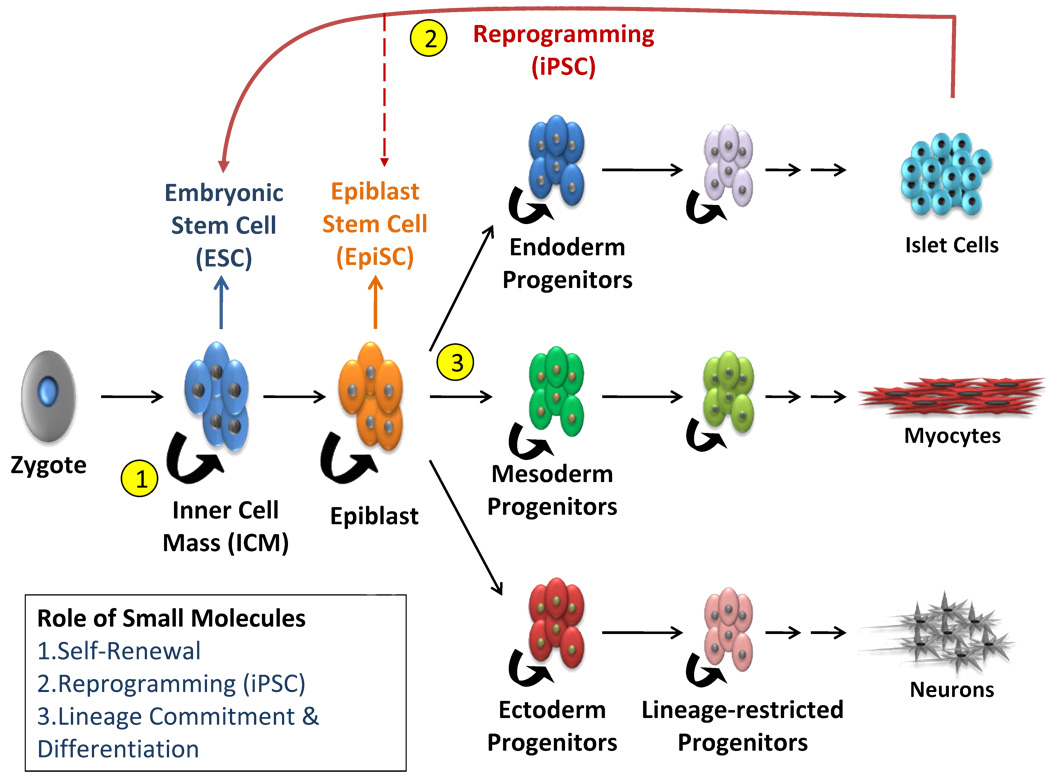
In early January 2025, MIT Tech Review unveiled its annual list of top 10 breakthrough technologies poised to redefine the future. Among these, stem cell therapy stood out for its potential to treat diverse diseases—including neurodegenerative disorders, diabetes, cancer, and heart failure. This groundbreaking approach uses stem cells to replace damaged cells, offering hope for millions worldwide.
Scientific Reviews
In early January 2025, MIT Tech Review unveiled its annual list of top 10 breakthrough technologies poised to redefine the future. Among these, stem cell therapy stood out for its potential to treat diverse diseases—including neurodegenerative disorders, diabetes, cancer, and heart failure. This groundbreaking approach uses stem cells to replace damaged cells, offering hope for millions worldwide. -
 Scientific Reviews
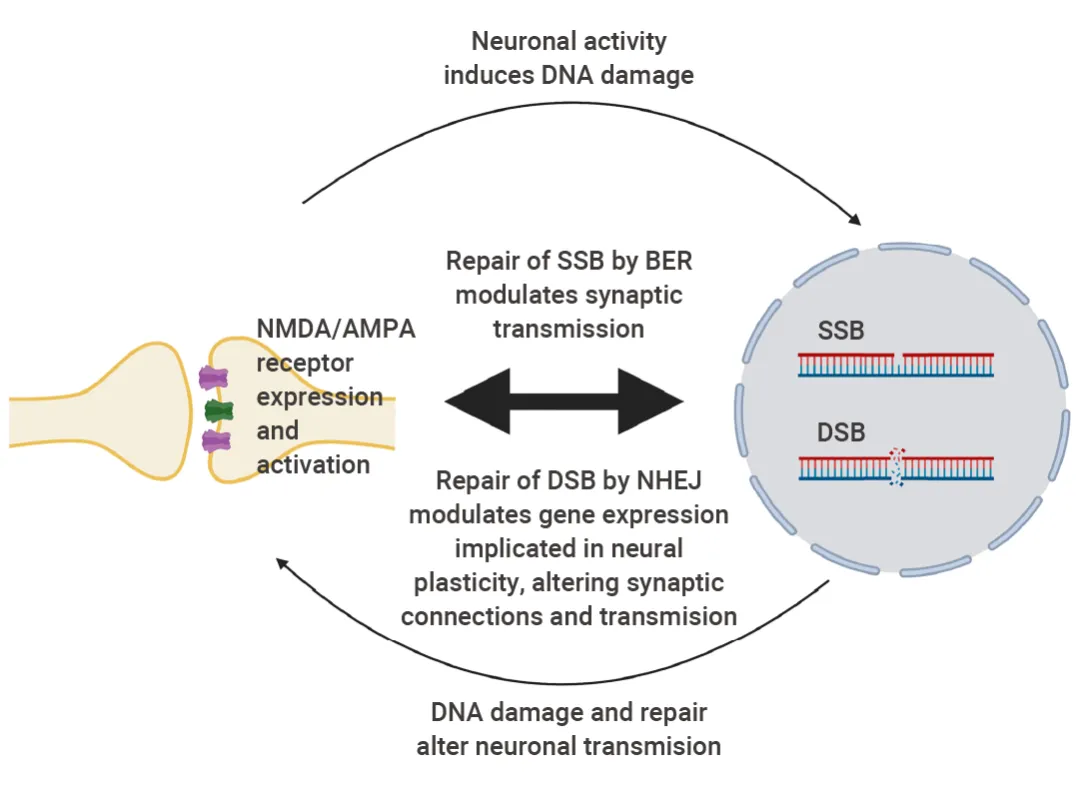
When you hear "inflammation" and "DNA damage," you might immediately think of disease or injury. However, in brains, these two processes are key steps in forming long-term memories, particularly related to specialized cells in our brain called hippocampal neurons.
Scientific Reviews
When you hear "inflammation" and "DNA damage," you might immediately think of disease or injury. However, in brains, these two processes are key steps in forming long-term memories, particularly related to specialized cells in our brain called hippocampal neurons. -
 Scientific Reviews
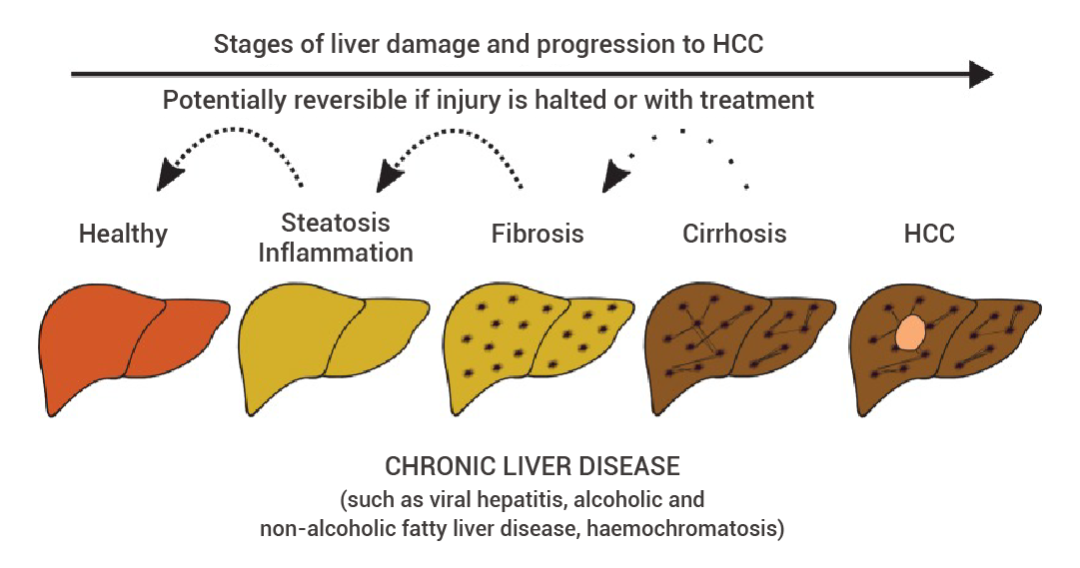
This article will tell you about the common methods of modeling liver disease in animal models.
Scientific Reviews
This article will tell you about the common methods of modeling liver disease in animal models. -
 Scientific Reviews
This article introduces some common cardiovascular disease models, inducers, modeling protocols and successful modeling cases in the research.
Scientific Reviews
This article introduces some common cardiovascular disease models, inducers, modeling protocols and successful modeling cases in the research. -
 Scientific Reviews
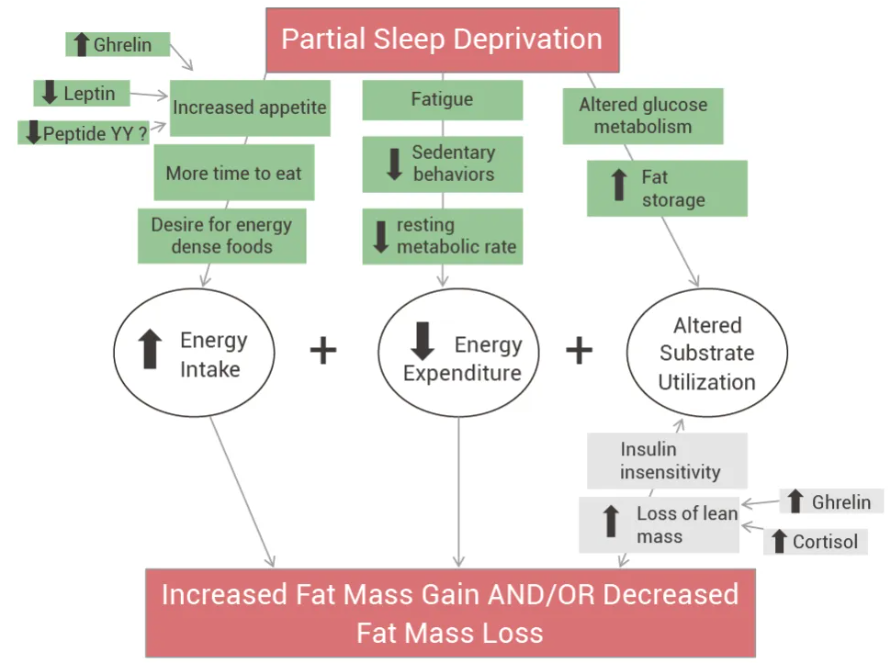
Have you ever noticed that after staying up late, your appetite—especially for high-calorie foods—gets out of control? If this sounds familiar, today’s article might offer some good news.
Scientific Reviews
Have you ever noticed that after staying up late, your appetite—especially for high-calorie foods—gets out of control? If this sounds familiar, today’s article might offer some good news. -
 Scientific Reviews
A groundbreaking study in Nature Communications reveals the key mechanism behind Idiopathic Pulmonary Fibrosis and identifies an existing drug with the potential to counter it.
Scientific Reviews
A groundbreaking study in Nature Communications reveals the key mechanism behind Idiopathic Pulmonary Fibrosis and identifies an existing drug with the potential to counter it. -
 Scientific Reviews
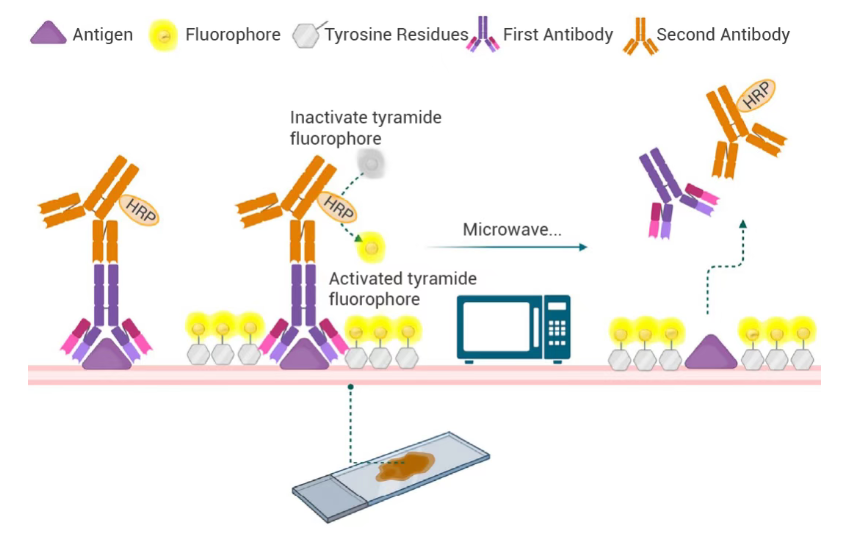
This detailed guide outlines the standardized experimental protocols for multiplex immunohistochemistry (mIHC), systematically summarizes common technical issues encountered during sample preparation, staining and imaging processes, and provides practical troubleshooting solutions to ensure reliable and reproducible results in biomedical research and clinical sample analysis.
Scientific Reviews
This detailed guide outlines the standardized experimental protocols for multiplex immunohistochemistry (mIHC), systematically summarizes common technical issues encountered during sample preparation, staining and imaging processes, and provides practical troubleshooting solutions to ensure reliable and reproducible results in biomedical research and clinical sample analysis. -
 Scientific Reviews
Finding adipogenic induction media too expensive and tricky to prepare? This comprehensive guide to 3T3-L1 adipogenic differentiation simplifies the process, helping you achieve great results!
Scientific Reviews
Finding adipogenic induction media too expensive and tricky to prepare? This comprehensive guide to 3T3-L1 adipogenic differentiation simplifies the process, helping you achieve great results! -
Scientific Reviews
Microglia– the only immune cells within the brain parenchyma. With advancements in imaging technologies, people’s understanding of microglia has shifted from being viewed as 'resting' cells to 'highly active' cells, particularly due to their dynamic processes that seem to be probing surrounding tissues and monitoring neuronal activity. This has made microglia a focal point of research in the field of neuroscience. -
 Scientific Reviews
Exosomes—natural nanoscale carriers—are revolutionizing targeted therapy. This article uncovers the science behind their precision in drug delivery.
Scientific Reviews
Exosomes—natural nanoscale carriers—are revolutionizing targeted therapy. This article uncovers the science behind their precision in drug delivery. -
 Scientific Reviews
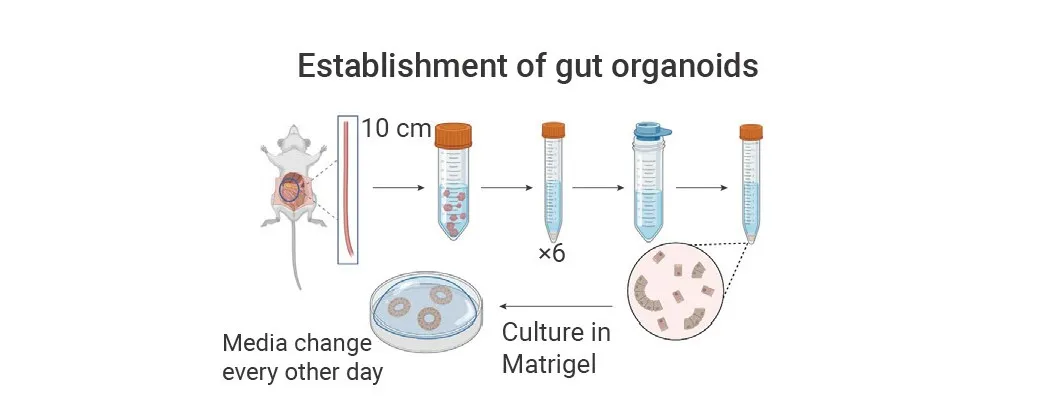
Efficient Generation of Mouse Small Intestinal Organoids: A Complete Experimental Protocol Guide
Scientific Reviews
Efficient Generation of Mouse Small Intestinal Organoids: A Complete Experimental Protocol Guide2025-12-10
How to successfully create mouse small intestine organoids? A detailed, hands-on guide to the entire process, all in one article! -
 Scientific Reviews
This paper elaborates on cytokines for culturing major immune cells, their regulatory roles, recombinant cytokines' merits and MCE’s related high-quality products.
Scientific Reviews
This paper elaborates on cytokines for culturing major immune cells, their regulatory roles, recombinant cytokines' merits and MCE’s related high-quality products. -
 Scientific Reviews
In the hunt for the next ‘GLP-1,’ amylin therapeutics, which have shown strong weight-loss results in clinical trials, have become a major focus for both multinational pharma and the scientific community.
Scientific Reviews
In the hunt for the next ‘GLP-1,’ amylin therapeutics, which have shown strong weight-loss results in clinical trials, have become a major focus for both multinational pharma and the scientific community. -
 Scientific Reviews
GLP-1 and Obesity Research
Scientific Reviews
GLP-1 and Obesity Research2026-08-14
Obesity substantially increases the risk of chronic diseases such as T2D and cardiovascular disease. The breakout success of GLP-1 therapies has spotlighted GLP-1R and a wave of emerging obesity targets. -
 EDM
Research Progress of Type-2-Diabetes
EDM
Research Progress of Type-2-Diabetes2025-07-09
This review comprehensively analyzes the pathophysiological mechanisms underlying T2D, surveys current therapeutic strategies, and introduces commonly used disease modeling approaches to support translational research. -
 EDM
This review provides an overview of GLP-1 biology and physiological functions, summarizes the development and clinical applications of GLP-1 receptor agonists, and discusses next-generation GLP-1–based therapeutic strategies.
EDM
This review provides an overview of GLP-1 biology and physiological functions, summarizes the development and clinical applications of GLP-1 receptor agonists, and discusses next-generation GLP-1–based therapeutic strategies. -
 EDM
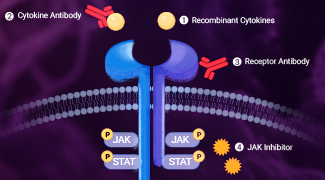
This review critically examines the role of the JAK-STAT pathway in immunity and autoimmune diseases, reviews current clinical applications of targeted therapies, and highlights emerging trends in autoimmune drug development.
EDM
This review critically examines the role of the JAK-STAT pathway in immunity and autoimmune diseases, reviews current clinical applications of targeted therapies, and highlights emerging trends in autoimmune drug development. -
 EDM
This review summarizes the mechanisms of DSS-induced colitis, commonly used modeling approaches, and key considerations related to DSS molecular weight.
EDM
This review summarizes the mechanisms of DSS-induced colitis, commonly used modeling approaches, and key considerations related to DSS molecular weight. -
 EDM
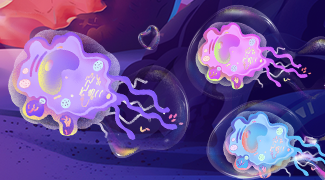
This review outlines macrophage functions and classification, and provides practical experimental guidelines for macrophage differentiation, polarization, and identification.
EDM
This review outlines macrophage functions and classification, and provides practical experimental guidelines for macrophage differentiation, polarization, and identification. -
 EDM
Explore next-generation obesity therapies from three perspectives: GLP-1-based multi-receptor agonists, oral GLP-1 strategies, and novel obesity targets.
EDM
Explore next-generation obesity therapies from three perspectives: GLP-1-based multi-receptor agonists, oral GLP-1 strategies, and novel obesity targets. -
 EDM
Review the mechanisms, mitochondrial regulation, disease relevance, and translational opportunities of the NLRP3–STING axis in neuroinflammation.
EDM
Review the mechanisms, mitochondrial regulation, disease relevance, and translational opportunities of the NLRP3–STING axis in neuroinflammation. -
 EDM
Explore the evolution from GLP-1 mono-agonists to multi-receptor therapeutics and the expanding role of incretin-based therapies in precision metabolic medicine.
EDM
Explore the evolution from GLP-1 mono-agonists to multi-receptor therapeutics and the expanding role of incretin-based therapies in precision metabolic medicine. -
 EDM
Explore the mechanisms driving immune tolerance breakdown in autoimmune diseases and emerging tolerance-restoring strategies, with a focus on IL-2-based immune modulation.
EDM
Explore the mechanisms driving immune tolerance breakdown in autoimmune diseases and emerging tolerance-restoring strategies, with a focus on IL-2-based immune modulation. -
 EDM
Evolution of PCSK9 Inhibitors Modalities: From Monoclonal Antibodies to Oral Macrocyclic Peptides
EDM
Evolution of PCSK9 Inhibitors Modalities: From Monoclonal Antibodies to Oral Macrocyclic Peptides2026-08-27
Review the biological basis of PCSK9, key therapeutic modalities, cardiovascular evidence, and future directions, including insights from the CORALreef clinical program. -
 EDM
Explore how mitochondrial quality control, inflammatory signaling, and metabolic–epigenetic reprogramming regulate cellular senescence and the SASP, along with strategies to restore mitochondrial homeostasis.
EDM
Explore how mitochondrial quality control, inflammatory signaling, and metabolic–epigenetic reprogramming regulate cellular senescence and the SASP, along with strategies to restore mitochondrial homeostasis. -
 Product Guides
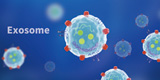
Exosomes are nano-sized biovesicles released into surrounding body fluids after the fusion of multivesicular bodies with the plasma membrane. In this article, we will briefly introduce isolation, labeling and identification of exosomes. And the specific application of exosomes will also be mentioned.
Product Guides
Exosomes are nano-sized biovesicles released into surrounding body fluids after the fusion of multivesicular bodies with the plasma membrane. In this article, we will briefly introduce isolation, labeling and identification of exosomes. And the specific application of exosomes will also be mentioned. -
 Blog
HS-1371 is a Small Molecule RIP3 Inhibitor
Blog
HS-1371 is a Small Molecule RIP3 Inhibitor2019-04-09
HS-1371 is a novel kinase inhibitor of RIP3-mediated necroptosis, showing an inhibitory effect on S227 auto-phosphorylation of RIP3 at the basal level. -
 Blog
Nevanimibe is a selective and potent ACAT1 inhibitor. An excellent drug candidate in the treatment of adrenocortical cancer.
Blog
Nevanimibe is a selective and potent ACAT1 inhibitor. An excellent drug candidate in the treatment of adrenocortical cancer. -
 Blog
PRN1008 is a Reversible Covalent and Oral Active Inhibitor of Bruton’s Tyrosine Kinase (BTK)
Blog
PRN1008 is a Reversible Covalent and Oral Active Inhibitor of Bruton’s Tyrosine Kinase (BTK)2019-04-18
PRN1008 is a selective, reversible covalent and oral active inhibitor of Bruton’s Tyrosine Kinase (BTK), with an IC50 of 1.3 nM. -
 Blog
Multiple Tyrosine Kinases Inhibitor TAS-115
Blog
Multiple Tyrosine Kinases Inhibitor TAS-1152019-04-19
TAS-115 is a potent VEGFR and c-Met/HGFR-targeted kinase inhibitor with IC50s of 30 and 32 nM for rVEGFR2 and rMET, respectively. -
 Blog
TAK-828F is a potent, selective and orally active retinoic acid receptor-related orphan receptor γt (RORγt) inverse agonist. TAK-828F inhibits IL-17A cytokine expression and reduces symptoms of autoimmune encephalomyelitis mice.
Blog
TAK-828F is a potent, selective and orally active retinoic acid receptor-related orphan receptor γt (RORγt) inverse agonist. TAK-828F inhibits IL-17A cytokine expression and reduces symptoms of autoimmune encephalomyelitis mice. -
 Blog
BAY-8002 is a selective and orally active inhibitor of monocarboxylate transporter 1 (MCT1), with an IC50 of 85 nM. Has potential to treat lymphoma.
Blog
BAY-8002 is a selective and orally active inhibitor of monocarboxylate transporter 1 (MCT1), with an IC50 of 85 nM. Has potential to treat lymphoma. -
 Blog
GSK3145095 is a RIP1 kinase inhibitor with an IC50 of 6.3 nM. Potently blocks the TNF response and RIP1-dependent inflammatory cytokine MIP-1β production.
Blog
GSK3145095 is a RIP1 kinase inhibitor with an IC50 of 6.3 nM. Potently blocks the TNF response and RIP1-dependent inflammatory cytokine MIP-1β production. -
 Blog
Olutasidenib is a highly potent, selective inhibitor of mutant IDH1 that could be used in the treatment of AML or myelodysplastic syndrome (MDS).
Blog
Olutasidenib is a highly potent, selective inhibitor of mutant IDH1 that could be used in the treatment of AML or myelodysplastic syndrome (MDS). -
 Blog
JMS-17-2 is a CX3CR1 Antagonist
Blog
JMS-17-2 is a CX3CR1 Antagonist2019-06-12
JMS-17-2 is a potent and selective CX3CR1 antagonist with an IC50 of 0.32 nM. Has potential to treat cancers such as breast cancer. -
 Blog
BAY-11-7082 inhibits the proliferation and induces the apoptosis of U266 cells through inhibiting NF-κB pathway. BAY 11-7082 ameliorates experimental diabetic neuropathy by modulating neuroinflammation and improving antioxidant defence.
Blog
BAY-11-7082 inhibits the proliferation and induces the apoptosis of U266 cells through inhibiting NF-κB pathway. BAY 11-7082 ameliorates experimental diabetic neuropathy by modulating neuroinflammation and improving antioxidant defence. -
 Blog
S18-000003 is a potent, selective and orally active inhibitor of retinoic acid receptor-related orphan receptor-gamma-t (RORγt). S18-000003 ameliorates psoriasis-like lesions in vivo. S18-000003 can be used for the research of skin inflammatory diseases.
Blog
S18-000003 is a potent, selective and orally active inhibitor of retinoic acid receptor-related orphan receptor-gamma-t (RORγt). S18-000003 ameliorates psoriasis-like lesions in vivo. S18-000003 can be used for the research of skin inflammatory diseases. -
 Blog
PTC299 is a dual and orally active DHODH and VEGF inhibitor, has broad and potent activity against hematological cancer cells.
Blog
PTC299 is a dual and orally active DHODH and VEGF inhibitor, has broad and potent activity against hematological cancer cells. -
 Blog
TPCA-1, a Direct Dual Inhibitor of STAT3 and NF-κB, Regresses Mutant EGFR-Associated NSCLC
Blog
TPCA-1, a Direct Dual Inhibitor of STAT3 and NF-κB, Regresses Mutant EGFR-Associated NSCLC2019-07-15
TPCA-1 is a potent and selective inhibitor of IKK-2 with IC50 of 17.9 nM. TPCA-1 is an effective inhibitor of STAT3 phosphorylation, DNA binding. -
 Blog
LSN 3213128 is a selective, nonclassical, orally bioavailable antifolate with anti-cancer activity. LSN 3213128 potently and specifically inhibits AICARFT.
Blog
LSN 3213128 is a selective, nonclassical, orally bioavailable antifolate with anti-cancer activity. LSN 3213128 potently and specifically inhibits AICARFT. -
 Blog
NXT629 is a potent, selective, and competitive PPAR-α antagonist and shows high selectivity over other nuclear hormone receptor.
Blog
NXT629 is a potent, selective, and competitive PPAR-α antagonist and shows high selectivity over other nuclear hormone receptor. -
 Blog
BI-4924 is a Selective PHGDH Inhibitor
Blog
BI-4924 is a Selective PHGDH Inhibitor2019-08-23
BI-4924 is a lipophilic and highly plasma protein bound selective phosphoglycerate dehydrogenase (PHGDH) inhibitor (IC50=3 nM) with excellent microsomal. -
 Blog
FT113 is a potent and orally active fatty acid synthase inhibitor, with an IC50 of 213 nM for full-length recombinant human FAS, with anti-tumor activity.
Blog
FT113 is a potent and orally active fatty acid synthase inhibitor, with an IC50 of 213 nM for full-length recombinant human FAS, with anti-tumor activity. -
 Blog
UPGL00004 is a allosteric glutaminase C inhibitor which strongly inhibits the proliferation of highly aggressive triple-negative breast cancer cell lines.
Blog
UPGL00004 is a allosteric glutaminase C inhibitor which strongly inhibits the proliferation of highly aggressive triple-negative breast cancer cell lines. -
 Blog
IDH889 is an orally available, brain penetrant, allosteric and mutant specific inhibitor of isocitrate dehydrogenase 1 (IDH1) R132 mutations.
Blog
IDH889 is an orally available, brain penetrant, allosteric and mutant specific inhibitor of isocitrate dehydrogenase 1 (IDH1) R132 mutations. -
 Blog
BI-167107 is a high affinity, full agonist that binds to the β2 adrenergic receptor (β2AR) with a dissociation constant Kd of 84 pM.
Blog
BI-167107 is a high affinity, full agonist that binds to the β2 adrenergic receptor (β2AR) with a dissociation constant Kd of 84 pM. -
 Blog
TVB-3166 is an orally-available, reversible, and selective FASN inhibitor and it induces apoptosis, and inhibits in-vivo xenograft tumor growth.
Blog
TVB-3166 is an orally-available, reversible, and selective FASN inhibitor and it induces apoptosis, and inhibits in-vivo xenograft tumor growth. -
 Blog
ASLAN003 is an orally active and potent inhibitor of hDHODH with antitumor activity, and it has the potential to be a first-in-class drug candidate in AML.
Blog
ASLAN003 is an orally active and potent inhibitor of hDHODH with antitumor activity, and it has the potential to be a first-in-class drug candidate in AML. -
 Blog
DS18561882 is a highly potent, sozyme-selective methylenetetrahydrofolate dehydrogenase 2 (MTHFD2) inhibitor with a good oral pharmacokinetic profile.
Blog
DS18561882 is a highly potent, sozyme-selective methylenetetrahydrofolate dehydrogenase 2 (MTHFD2) inhibitor with a good oral pharmacokinetic profile. -
 Blog
GNE-618 is a Orally Active NAMPT Inhibitor
Blog
GNE-618 is a Orally Active NAMPT Inhibitor2019-11-28
GNE-618 is an orally active NAMPT inhibitor and reduces tumor growth. GNE-618 depletes NAD levels and induces tumor cell death. -
 Blog
Telaglenastat is a first-in-class, reversible, orally bioavailable glutaminase 1 splice variants (KGA and GAC) inhibitor. It shows antitumor activity.
Blog
Telaglenastat is a first-in-class, reversible, orally bioavailable glutaminase 1 splice variants (KGA and GAC) inhibitor. It shows antitumor activity. -
 Blog
UK 356618 is a Selective MMP-3 Inhibitor
Blog
UK 356618 is a Selective MMP-3 Inhibitor2019-12-25
UK 356618 is a selective and potent inhibitor of MMP-3. UK 356618 exhibits potent anti-inflammatory and anti-cancer activity. -
 Blog
CH6953755 is a potent, orally active and selective YES1 kinase inhibitor leading to antitumor activity against YES1 Gene -amplified cancers.
Blog
CH6953755 is a potent, orally active and selective YES1 kinase inhibitor leading to antitumor activity against YES1 Gene -amplified cancers. -
 Blog
CA-4948 is a Selective and Orally Bioavailable IRAK4 Kinase Inhibitor for Lymphoma Treatment
Blog
CA-4948 is a Selective and Orally Bioavailable IRAK4 Kinase Inhibitor for Lymphoma Treatment2020-01-05
CA-4948 is a potent, selective and orally bioavailable IRAK4 kinase inhibitor. CA-4948 can be used for the treatment of lymphoma. -
 Blog
GPP78 is a potent Nampt inhibitor. GPP78 is cytotoxic to neuroblastoma cell line SH-SY5Y cells. GPP78 has anti-cancer and anti-tumor activity.
Blog
GPP78 is a potent Nampt inhibitor. GPP78 is cytotoxic to neuroblastoma cell line SH-SY5Y cells. GPP78 has anti-cancer and anti-tumor activity. -
 Blog
BRD7389 is a specific RSK family kinase inhibitor and is a small-molecule inducer of insulin expression in pancreatic α-cells.
Blog
BRD7389 is a specific RSK family kinase inhibitor and is a small-molecule inducer of insulin expression in pancreatic α-cells. -
 Blog
BAY-985 is an orally active and selective ATP-competitive dual inhibitor of TBK1 and IKKε with IC50s of 2/30 and 2 nM for TBK1 and IKKε, respectively.
Blog
BAY-985 is an orally active and selective ATP-competitive dual inhibitor of TBK1 and IKKε with IC50s of 2/30 and 2 nM for TBK1 and IKKε, respectively. -
 Blog
ADH-503 is an orally active and allosteric CD11b agonist and leads to the repolarization of tumor-associated macrophages.
Blog
ADH-503 is an orally active and allosteric CD11b agonist and leads to the repolarization of tumor-associated macrophages. -
 Blog
CM10 is a potent and selective aldehyde dehydrogenase 1A family inhibitor and regulates metabolism and has anti-cancer activity.
Blog
CM10 is a potent and selective aldehyde dehydrogenase 1A family inhibitor and regulates metabolism and has anti-cancer activity. -
 Blog
DC-5163 is a potent GAPDH inhibitor, can inhibit glycolysis pathway partially. DC-5163 selectively inhibits cancer cell proliferation and induces apoptosis.
Blog
DC-5163 is a potent GAPDH inhibitor, can inhibit glycolysis pathway partially. DC-5163 selectively inhibits cancer cell proliferation and induces apoptosis. -
 Blog
OT-82 is a selective inhibitor of NAMPT. Selectively toxic to cells of hematopoietic origin. OT-82 is a promising antineoplastic agent.
Blog
OT-82 is a selective inhibitor of NAMPT. Selectively toxic to cells of hematopoietic origin. OT-82 is a promising antineoplastic agent. -
 Blog
TNP-351, an Antifolate, is a Dihydrofolate Reductase (DHFR) Inhibitor. Antifolates serve medical science well in neoplastic and non-neoplastic diseases.
Blog
TNP-351, an Antifolate, is a Dihydrofolate Reductase (DHFR) Inhibitor. Antifolates serve medical science well in neoplastic and non-neoplastic diseases. -
 Blog
GSK143 is an orally active and highly selective spleen tyrosine kinase (SYK) inhibitor. GSK143 reduces inflammation in the intestinal muscularis in mice.
Blog
GSK143 is an orally active and highly selective spleen tyrosine kinase (SYK) inhibitor. GSK143 reduces inflammation in the intestinal muscularis in mice. -
 Blog
JX06 is a potent, selective and covalent inhibitor of PDK via covalently binding to a cysteine residue in an irreversible manner.
Blog
JX06 is a potent, selective and covalent inhibitor of PDK via covalently binding to a cysteine residue in an irreversible manner. -
 Blog
IPI-9119 is an orally active, selective and irreversible FASN inhibitor with potent anti-cancer activity. IPI-9119 induces cell cycle arrest, apoptosis.
Blog
IPI-9119 is an orally active, selective and irreversible FASN inhibitor with potent anti-cancer activity. IPI-9119 induces cell cycle arrest, apoptosis. -
 Blog
CAY10404 is a potent and highly selective COX-2 inhibitor. CAY10404 is a potent inhibitor of PKB/Akt and MAPK signalling pathways.
Blog
CAY10404 is a potent and highly selective COX-2 inhibitor. CAY10404 is a potent inhibitor of PKB/Akt and MAPK signalling pathways. -
 Blog
BMS-P5 is an Orally Active PAD4 Inhibitor
Blog
BMS-P5 is an Orally Active PAD4 Inhibitor2020-12-12
BMS-P5 is an orally active PAD4 inhibitor. BMS-P5 blocks MM-induced NET formation and delays progression of MM in a syngeneic mouse model -
 Blog
ML132, a potent and selective caspase 1 inhibitor with a unique selectivity pattern, is responsible for the proteolytic activation of IL-1β and IL-18.
Blog
ML132, a potent and selective caspase 1 inhibitor with a unique selectivity pattern, is responsible for the proteolytic activation of IL-1β and IL-18. -
 Blog
CTPI-2 is a SLC25A1 inhibitor. CTPI-2 inhibits glycolysis, PPARγ, and its downstream target the glucose transporter GLUT4. Antitumor activity.
Blog
CTPI-2 is a SLC25A1 inhibitor. CTPI-2 inhibits glycolysis, PPARγ, and its downstream target the glucose transporter GLUT4. Antitumor activity. -
 Blog
BI99179 is a Selective Type I FASN Inhibitor
Blog
BI99179 is a Selective Type I FASN Inhibitor2021-01-28
FASN is a key enzyme for lipogenesis and highly expressed in lipogenic tissues. BI99179 is a Selective Type I FASN Inhibitor. -
 Blog
Fasentin inhibits GLUT-1 and GLUT-4 transporters. Fasentin blocks glucose uptake in cancer cell lines and has anti-angiogenic activity.
Blog
Fasentin inhibits GLUT-1 and GLUT-4 transporters. Fasentin blocks glucose uptake in cancer cell lines and has anti-angiogenic activity. -
 Blog
ML390 is a Potent DHODH Inhibitor
Blog
ML390 is a Potent DHODH Inhibitor2021-02-24
ML390 is a potent dihydroorotate dehydrogenase (DHODH) inhibitor and is an inducer of myeloid differentiation. -
 Blog
CC-90001 is a potent, selective, and orally active inhibitor of JNK. CC-90001 can be used for the research of idiopathic pulmonary fibrosis (IPF).
Blog
CC-90001 is a potent, selective, and orally active inhibitor of JNK. CC-90001 can be used for the research of idiopathic pulmonary fibrosis (IPF). -
 Blog
SB-332235 is a potent, orally active nonpeptide CXCR2 antagonist. SB-332235 inhibits acute and chronic models of arthritis in the rabbit.
Blog
SB-332235 is a potent, orally active nonpeptide CXCR2 antagonist. SB-332235 inhibits acute and chronic models of arthritis in the rabbit. -
 Blog
Vorasidenib is an orally available, brain penetrant second-generation dual mutant isocitrate dehydrogenases 1 and 2 (mIDH1/2) inhibitor.
Blog
Vorasidenib is an orally available, brain penetrant second-generation dual mutant isocitrate dehydrogenases 1 and 2 (mIDH1/2) inhibitor. -
 Blog
Lumiracoxib is a COX-2 inhibitor. Lumiracoxib acts as nonselective NSAID with anti-inflammatory, analgesic and antipyretic activities.
Blog
Lumiracoxib is a COX-2 inhibitor. Lumiracoxib acts as nonselective NSAID with anti-inflammatory, analgesic and antipyretic activities. -
 Blog
Ruxolitinib is a potent and selective JAK1/2 inhibitor and has 130-fold selectivity for JAK1/2 over JAK3. Ruxolitinib induces autophagy.
Blog
Ruxolitinib is a potent and selective JAK1/2 inhibitor and has 130-fold selectivity for JAK1/2 over JAK3. Ruxolitinib induces autophagy. -
 Blog
IMD-0354 is a Selective IKKβ Inhibitor
Blog
IMD-0354 is a Selective IKKβ Inhibitor2021-11-09
IMD-0354 is a selective IKKβ inhibitor and potently inhibits NF-κB activity. IMD0354 has antitumor activity. -
 Blog
Lonidamine, an antitumor agent and an indazole derivative, interferes with energy-yielding processes in cancer cells.
Blog
Lonidamine, an antitumor agent and an indazole derivative, interferes with energy-yielding processes in cancer cells. -
 Blog
CL097 is a TLR7/8 agonist. CL097 induces pro-nflammatory cytokines. CL097 induces NADPH oxidase priming and efficient diabetogenic cytotoxic T lymphocyte (CTL) function in NOD mice.
Blog
CL097 is a TLR7/8 agonist. CL097 induces pro-nflammatory cytokines. CL097 induces NADPH oxidase priming and efficient diabetogenic cytotoxic T lymphocyte (CTL) function in NOD mice. -
 Blog
Zingerone is a natural orally active nontoxic methoxyphenol potent anti-inflammatory, antidiabetic, antioxidize, and anti-tumor properties.
Blog
Zingerone is a natural orally active nontoxic methoxyphenol potent anti-inflammatory, antidiabetic, antioxidize, and anti-tumor properties. -
 Blog
BM213 is a selective C5aR1 agonist. It’s a useful research tool to study C5aR1 function
Blog
BM213 is a selective C5aR1 agonist. It’s a useful research tool to study C5aR1 function -
 Blog
Pelecopan is a potent, selective, and orally active complement factor D inhibitor, possessing the potential to study paroxysmal nocturnal hemoglobinuria (PNH).
Blog
Pelecopan is a potent, selective, and orally active complement factor D inhibitor, possessing the potential to study paroxysmal nocturnal hemoglobinuria (PNH). -
 Blog
Etrolizumab is a Gut-selective, Anti-β7 Integrin McAb for Inflammatory Bowel Disease (IBD) Research
Blog
Etrolizumab is a Gut-selective, Anti-β7 Integrin McAb for Inflammatory Bowel Disease (IBD) Research2022-11-05
Etrolizumab is a gut-selective, anti-β7 integrin monoclonal antibody and has the potential for the research of inflammatory bowel disease. -
 Blog
STF-31 is a potent ans selective inhibitor of GLUT1 that inhibit glucose uptake in renal cell carcinoma (RCC) 4 cells.
Blog
STF-31 is a potent ans selective inhibitor of GLUT1 that inhibit glucose uptake in renal cell carcinoma (RCC) 4 cells. -
 Blog
Olutasidenib (FT-2102) is an orally active, brain penetrant inhibitor of mutant IDH1. Olutasidenib is used for AML or MDS Research.
Blog
Olutasidenib (FT-2102) is an orally active, brain penetrant inhibitor of mutant IDH1. Olutasidenib is used for AML or MDS Research. -
 Blog
Talotrexin (PT523), a classic antifolate, is an RFC (reduced folate carrier) specific inhibitor and selectively inhibits RFC transport.
Blog
Talotrexin (PT523), a classic antifolate, is an RFC (reduced folate carrier) specific inhibitor and selectively inhibits RFC transport. -
 Blog
Ruxolitinib is an orally-active JAK1/2 inhibitor. Ruxolitinib has the potential for the research of myeloproliferative neoplasm (MPN).
Blog
Ruxolitinib is an orally-active JAK1/2 inhibitor. Ruxolitinib has the potential for the research of myeloproliferative neoplasm (MPN).
Products
All
-
All
-
Inhibitors & Agonists
-
Isotope-Labeled Compounds
-
Fluorescent Dye
-
Peptides
-
Recombinant Proteins
-
Antibodies
-
Screening Libraries
-
Kits
-
Inhibitory Antibodies
-
Reference Standards
-
Induced Disease Models Products
-
Enzyme
-
Biochemical Assay Reagents
-
Natural Products
| Cat. No. | Product Name | Information | Application | Publication |
|---|---|---|---|---|
| HY-17589 | Chloroquine phosphate |
Chloroquine phosphate is an antimalarial and anti-inflammatory agent widely used to treat malaria and rheumatoid arthritis. Chloroquine phosphate is an autophagy and toll-like receptors (TLRs) inhibitor. Chloroquine phosphate is highly effective in the control of SARS-CoV-2 (COVID-19) infection in vitro (EC50=1.13 μM).
|
Pancreatic Cancer
Viral Infection
Parasitic Infection
Pain
SARS-CoV-2 Infection
Rheumatoid Arthritis
|
1344
|
| HY-17589A | Chloroquine |
Chloroquine is an antimalarial and anti-inflammatory agent widely used to treat malaria and rheumatoid arthritis. Chloroquine is an autophagy and toll-like receptors (TLRs) inhibitor. Chloroquine is highly effective in the control of SARS-CoV-2 (COVID-19) infection in vitro (EC50=1.13 μM).
|
Breast Cancer
Pancreatic Cancer
Viral Infection
Parasitic Infection
Pain
SARS-CoV-2 Infection
Rheumatoid Arthritis
|
1344
|
| HY-D1056 | Lipopolysaccharides, from E. coli O55:B5 |
Lipopolysaccharides, from E. coli O55:B5 (LPS, from Escherichia coli (O55:B5)) are endotoxins and TLR4 activators extracted from Escherichia coli (E. coli O55:B5) and are classified as S (smooth) type LPS. Lipopolysaccharides, from E. coli O55:B5 possess the typical three-part structure: O-antigen, core oligosaccharide, and lipid A. Lipopolysaccharides, from E. coli O55:B5 activate TLR-4 in immune cells, exhibit high pyrogenicity, and demonstrate dose and serotype specificity. Lipopolysaccharides, from E. coli O55:B5 can be widely used to induce cellular inflammation and establish animal models related to inflammation.
It is recommended to prepare a solution with concentration ≥2 mg/mL. Vortex thoroughly for more than 10 minutes. Due to the adsorption characteristics of LPS, silanized container or low adsorption centrifuge tubes should be used for aliquoting and storage, and mix thoroughly before use. Source: surface of Gram-negative bacteria |
|
616
|
| HY-11109 | Resatorvid |
Resatorvid (TAK-242) is a selective Toll-like receptor 4 (TLR4) inhibitor. Resatorvid inhibits NO, TNF-α and IL-6 production with IC50s of 1.8 nM, 1.9 nM and 1.3 nM, respectively. Resatorvid downregulates expression of TLR4 downstream signaling molecules MyD88 and TRIF. Resatorvid inhibits autophagy and plays pivotal role in various inflammatory diseases.
|
|
536
|
| HY-12815A | MCC950 sodium |
MCC950 sodium (CP-456773 sodium; CRID3 sodium salt) is a potent, selective NLRP3 inhibitor with IC50s of 7.5 and 8.1 nM in BMDMs and HMDMs, respectively.
|
|
497
|
| HY-12815 | MCC950 |
MCC950 (CP-456773; CRID3) is a potent and selective NLRP3 inhibitor with IC50s of 7.5 and 8.1 nM in BMDMs and HMDMs, respectively.
|
|
497
|
| HY-12028 | PD98059 |
PD98059 is a potent and selective MEK inhibitor with an IC50 of 5 µM. PD98059 binds to the inactive form of MEK, thereby preventing the activation of MEK1 (IC50 of 2-7 µM) and MEK2 (IC50 of 50 µM) by upstream kinases. PD98059 is a ERK1/2 signaling inhibitor. PD98059 is a ligand for the aryl hydrocarbon receptor (AHR), and suppresses TCDD binding (IC50 of 4 μM) and AHR transformation (IC50 of 1 μM). PD98059 also inhibits Mycobacterium bovis Bacillus CalmetteGuerin (BCG)-induced autophagy.
|
Colorectal Cancer
Prostate Cancer
Liver Cancer
Pancreatic Cancer
Pain
Obesity
Lung Fibrosis
Rheumatoid Arthritis
|
427
|
| HY-100381 | Nigericin sodium salt |
Nigericin sodium salt is an antibiotic derived from Streptomyces hygroscopicus that act as a K+/H+ ionophore, promoting K+/H+ exchange across mitochondrial membranes. Nigericin sodium salt is a NLRP3 activator. Nigericin sodium salt shows promising anti-cancer activities through decreasing intracellular pH (pHi), and inactivation of Wnt/β-catenin signals. Nigericin sodium salt induces pyroptosis through caspase 1/GSDMD in TNBC.
Source: Streptomyces hygroscopicus |
Breast Cancer
Colorectal Cancer
Prostate Cancer
Gastric Cancer
Liver Cancer
Ovarian Cancer
Bacterial Infection
Depression
Hypertension
Lung Fibrosis
Rheumatoid Arthritis
|
258
|
| HY-127019 | Nigericin |
Nigericin is an antibiotic derived from Streptomyces hygroscopicus that act as a K+/H+ ionophore, promoting K+/H+ exchange across mitochondrial membranes. Nigericin is a NLRP3 activator. Nigericin shows promising anti-cancer activities through decreasing intracellular pH (pHi), and inactivation of Wnt/β-catenin signals. Nigericin induces pyroptosis through caspase 1/GSDMD in TNBC.
|
Breast Cancer
Colorectal Cancer
Prostate Cancer
Gastric Cancer
Liver Cancer
Ovarian Cancer
Bacterial Infection
Depression
Hypertension
Lung Fibrosis
Rheumatoid Arthritis
|
258
|
| HY-15371 | Forskolin |
Forskolin (Coleonol) is a potent adenylate cyclase activator with an IC50 of 41 nM and an EC50 of 0.5 μM for type I adenylyl cyclase. Forskolin is also an inducer of intracellular cAMP formation. Forskolin induces differentiation of various cell types and activates pregnane X receptor (PXR) and FXR. Forskolin exerts a inotropic effect on the heart, and has platelet antiaggregatory and antihypertensive actions. Forskolin also induces autophagy.
|
|
233
|
| HY-K0208 | Streptavidin Magnetic Beads |
MCE Streptavidin Magnetic Beads provide a fast and convenient method for numerous applications, including purification of proteins and nucleic acids, protein interaction studies, immunoprecipitation, immunoassays, pull-down and cell isolation. The 1 mL is defined as the base specification. All larger sizes correspond to incremental volumes of this base. |
|
226
|
| HY-112879 | Mito-TEMPO |
Mito-TEMPO is a mitochondria-targeted antioxidant. Mito-TEMPO induces mitophagy by activating the PINK1/Parkin pathway, inhibits NLRP3 inflammasome activation, restores mitochondrial membrane potential, and improves renal function and podocyte injury. Mito-TEMPO regulates Ca2+ homeostasis, inhibits Bnip3 overexpression, shortens action potential duration, and exerts antiarrhythmic effects. Mito-TEMPO reverses premature senescence, reduces trabecular bone loss, and decreases cell apoptosis. Mito-TEMPO can be used in studies of chronic kidney disease, age-related cardiac dysfunction, postmenopausal osteoporosis, and ischemic stroke.
|
|
186
|
| HY-B2176 | ATP |
ATP (Adenosine 5'-triphosphate) is a central component of energy storage and metabolism in vivo. ATP provides the metabolic energy to drive metabolic pumps and serves as a coenzyme in cells. ATP is an important endogenous signaling molecule in immunity and inflammation. ATP can activate the NLRP3 inflammasome and induce IL-1β and chemokines secretion. ATP has anti-bacterial infection effects and can protect mice against bacterial infection in mice.
Source: widespread |
|
178
|
| HY-100573 | Necrosulfonamide |
Necrosulfonamide is a MLKL and Gasdermin D (GSDMD) inhibitor, capable of separately inhibiting necroptosis and pyroptosis of cells. Necrosulfonamide does not affect the activation of upstream signals, but specifically inhibits the downstream executor oligomerization step. Necrosulfonamide reduces the expression of the key kinases NLRP3 and caspase-1 involved in necroptosis and pyroptosis, activate the Nrf2 pathway and the downstream antioxidant enzymes, and also downregulates a variety of inflammatory factors. Necrosulfonamide plays significant roles in various diseases such as neurodegenerative diseases (such as Parkinson’s disease), tissue damage and ischemia-reperfusion injury, inflammatory bowel disease, osteoarthritis and fracture repair, and hair loss by regulating two important programmed necrosis pathways.
|
Mixed Lineage Kinase
Necroptosis
Pyroptosis
Caspase
NOD-like Receptor (NLR)
Keap1-Nrf2
TNF Receptor
Interleukin Related
NO Synthase
Heme Oxygenase (HO)
Digestive System Disease
Prostate Cancer
Leukemia/Lymphoma/Myeloma
Depression
Digestive System Inflammation
Cardiovascular Disease
Parkinson's Disease
Obesity
Lung Fibrosis
Rheumatoid Arthritis
|
147
|
| HY-12684 | CH-223191 |
CH-223191 is a potent and specific antagonist of aryl hydrocarbon receptor (AhR).
CH-223191 inhibits TCDD-mediated nuclear translocation and DNA binding of AhR, and inhibits TCDD-induced luciferase activity with an IC50 of 0.03 μM.
|
|
123
|
| HY-13740 | Resiquimod |
Resiquimod is a Toll-like receptor 7 and 8 (TLR7/TLR8) agonist that induces the upregulation of cytokines such as TNF-α, IL-6 and IFN-α.
|
Prostate Cancer
Viral Infection
Depression
Pain
Autoimmune Disease
SARS-CoV-2 Infection
Hepatitis C Virus Infection
|
120
|
| HY-15484 | Pifithrin-α hydrobromide |
Pifithrin-α hydrobromide is a p53 inhibitor which blocks its transcriptional activity and prevents cells from apoptosis. Pifithrin-α hydrobromide is also an aryl hydrocarbon receptor (AhR) agonist.
|
|
105
|
| HY-L027 | Antiviral Compound Library |
Viruses are much simpler organisms than bacteria, and they are made from protein substances and nucleic acid. Despite the fact that the exact mechanism of infection is extremely specific to each type of virus, the general scheme of infection can be represented in the following manner: A virus is absorbed at the surface of a host cell and then permeates through the membrane, where it releases nucleic acid from its protein protection. Then the viral nucleic acid begins to replicate, and transcription of the viral genome takes place either in the cytoplasm, or in the nucleus of the host cell. As a result of these events, a large amount of viral nucleic acid and protein are made to make new generations of virions. Therefore, one mechanism of action of antiviral drugs is to interfere with the ability of a virus to get into a target cell. A second mechanism of action is to target the processes that synthesize virus components after a virus invades a cell, such as nucleotide or nucleoside analogs.
MCE designs a unique collection of 1,237 anti-virus compounds that target several viruses, including SARS-CoV, HBV, HCV, HIV, HSV and Influenza Virus. It’s an effective tool for anti-virus drug discovery.
|
|
104
|
| HY-W031727 | Hydroxychloroquine |
Hydroxychloroquine (HCQ) is a synthetic oral antimalarial drug that can be used in the study of malaria and autoimmune diseases such as systemic lupus erythematosus and rheumatoid arthritis. Hydroxychloroquine is a potent autophagic flux inhibitor with antiviral activity (such as SARS-CoV-2 virus) that inhibits Toll-like receptor 7/9 (TLR7/9) signaling.
|
|
95
|
| HY-L007 | Immunology/Inflammation Compound Library |
The immune system is a host defense system comprising many biological structures and processes within an organism that protects against disease. To function properly, an immune system must detect a wide variety of agents, known as pathogens, from viruses to parasitic worms, and distinguish them from the organism's own healthy tissue. Inflammation is also the body's attempt at self-protection to remove harmful stimuli and begin the healing process. It’s part of the body's immune response. The immune system recognizes damaged cells, irritants, and pathogens, and inflammation begins the healing process. Inflammatory abnormalities are a large group of disorders that underlie a vast variety of human diseases. The immune system is often involved with inflammatory disorders, demonstrated in both allergic reactions and some myopathies, with many immune system disorders resulting in abnormal inflammation.
MCE designs a unique collection of 8,643 compounds that are useful tool for Immunology/Inflammation research or autoimmune inflammatory diseases drug discovery.
|
|
89
|
| HY-12222 | Obeticholic acid |
|
87
|
|
| HY-L109 | Protein-protein Interaction Inhibitor Library |
Protein protein interactions (PPI) have pivotal roles in life processes. The studies showed that aberrant PPI are associated with various diseases, including cancer, infectious diseases, and neurodegenerative diseases. The classic drug targets are usually enzymes, ion channels, or receptors, the PPI indicate new potential therapeutic targets. Therefore, targeting PPI is a new direction in treating diseases and an essential strategy for the development of new drugs.
However, the design of modulators targeting PPI still faces tremendous challenges, such the difficult PPI interfaces for the drug design, lack of ligands reference, lack of guidance rules for the PPI modulators development and high-resolution PPI proteins structures.
With the development of high-throughput technology, high-throughput screening is also gradually used for the identification of PPI inhibitors, but the compound library used for conventional target screening is not very effective in screening PPI inhibitors. To improve screening efficiency, MCE carefully selected 826 PPI inhibitors and mainly targeting MDM2-p53, Keap1-Nrf2, PD-1/PD-L1, Myc-Max, etc. MCE Protein-protein Interaction Inhibitor Library is a useful tool for PPI drug discovery and related research.
|
|
86
|
| HY-L078 | Gut Microbial Metabolite Library |
Accumulating evidence has revealed that intestinal microbiota play an important role in human health and disease, including cardiovascular diseases, inflammatory bowel disease, diabetes, obesity, cancer, and depression, etc. Changes in the composition of gut microbiota associated with disease, referred to as dysbiosis, have been linked to pathologies. Indeed, the gut microbiome functions like an endocrine organ, generating bioactive metabolites which play important roles in human metabolism, health, and disease. Gut microbiome has become a novel therapeutic target for many diseases. Analysis and identification of gut microbial metabolite will contribute to the development of therapeutic methods.
In order to meet the need of gut microbiome research, MCE carefully selected a unique collection of 475 gut microbial metabolites. MCE gut microbial metabolite library is a powerful tool for gut microbiome research and gut microbiome -related drug discovery.
|
|
85
|
| HY-L940 | Antiviral Lead-like compound library |
Owing to the widespread transmission and frequent mutation of viral diseases, as well as the continuous emergence of new viruses and drug-resistant strains, antiviral drug development is facing increasingly stringent requirements. Antiviral compound libraries serve as important tools for drug screening, mechanism research and development, enabling the discovery and investigation of various antiviral drugs.
These compounds act through diverse antiviral mechanisms, targeting key steps in viral replication, assembly and invasion. They exert antiviral effects by inhibiting viral nucleic acid synthesis, blocking viral protein processing, and preventing viral binding to host cells. This library covers various types of antiviral compounds, including nucleosides, non-nucleosides, protease inhibitors and integrase inhibitors. It supports research on influenza virus, herpes virus, hepatitis virus, emerging respiratory viruses and other pathogens, and enables high-throughput screening of novel antiviral candidates to rapidly identify potential active compounds against diverse viruses. It also facilitates mechanistic studies to elucidate drug-target interactions and viral resistance mechanisms, and supports the screening of effective compounds against mutant strains for research on viral variation and drug resistance.
This antiviral library consists of 6,804 compounds with lead-like physicochemical properties. The core sources of the compounds include analogs of known antiviral molecues with a similarity score ≥ 0.6. MCE has collected more than 1450 antiviral molecules. As a small-molecule collection with both activity potential and structural modifiability, it provides strong support for antiviral drug research and development.
|
|
85
|
| HY-L013 | Neuronal Signaling Compound Library |
Neuronal Signaling is involved in the regulation of the mechanisms of the central nervous system (CNS) such as its structure, function, genetics and physiology as well as how this can be applied to understand diseases of the nervous system. Every information processing system in the CNS is composed of neurons and glia, neurons have evolved unique capabilities for intracellular signaling (communication within the cell) and intercellular signaling (communication between cells). G protein-coupled receptors (GPCRs), including 5-HT receptor, histamine receptor, opioid receptor, etc. are the largest class of sensory proteins and are important therapeutic targets in Neuronal Signaling. Besides, Notch signaling, such as β- and γ-secretase, also plays multiple roles in the development of the CNS including regulating neural stem cell (NSC) proliferation, survival, self-renewal and differentiation. GPCR dysfunction caused by receptor mutations and environmental challenges contributes to many neurological diseases. Notch signaling in neurons, glia, and NSCs is also involved in pathological changes that occur in disorders such as stroke, Alzheimer's disease and CNS tumors. Thus, targeting Neuronal Signaling, such as notch signaling and GPCRs, can be used as therapeutic interventions for several different CNS disorders.
MCE designs a unique collection of 3,961 Neuronal Signaling-related compounds that act as a useful tool for the research of neuronal regulation and neuronal diseases.
|
|
84
|
| HY-L033 | Peptidomimetic Library |
Peptidomimetics are compounds whose essential elements (pharmacophore) mimic a natural peptide or protein in 3D space and which retain the ability to interact with the biological target and produce the same biological effect. Peptidomimetics are designed to circumvent some of the problems associated with a natural peptide: e.g. stability against proteolysis (duration of activity) and poor bioavailability. Certain other properties, such as receptor selectivity or potency, often can be substantially improved. The design and synthesis of peptidomimetics are most important because of the dominant position peptide and protein-protein interactions play in molecular recognition and signaling, especially in living systems. Hence mimics have great potential in drug discovery.
MCE Peptidomimetic Library contains 370 compounds including peptoid, α-helix mimetics, β-turn/sheets mimetics, etc. This library is an indispensable tool of structure-activity relationships in drug discovery.
|
|
84
|
| HY-L059 | Pyroptosis Compound Library |
Programmed cell death pathways, including apoptosis, pyroptosis and necroptosis, are regulated by unique sets of host proteins that coordinate a variety of biological outcomes. Pyroptosis is a highly inflammatory form of programmed cell death that occurs most frequently upon infection with intracellular pathogens and is likely to form part of the antimicrobial response. This process promotes the rapid clearance of various bacterial, viral, fungal and protozoan infections by removing intracellular replication niches and enhancing the host's defensive responses. Pyroptosis has been widely studied in inflammatory and infection disease models. Recently, there are growing evidences that pyroptosis also plays an important role in the development of cancer, cardiovascular diseases and Metabolic disorder, etc.
MCE designs a unique collection of 2,034 pyroptosis-related compounds mainly focusing on the key targets in the pyroptosis signaling pathway and can be used in the research of pyroptosis signal pathway and related diseases.
|
|
84
|
| HY-L114 | Anti-inflammatory Traditional Chinese Medicine Active Compound Library |
Inflammation promotes physiological and pathological processes by the activation of the immune system, local vascular system, and various cells within the damaged tissue. Accumulating epidemiological and clinical evidence shows that chronic inflammation is causally linked to various human diseases, including cerebrovascular, cardiovascular, joint, cutaneous, pulmonary, blood, liver, and intestinal diseases as well as diabetes.
Various natural products from Traditional Chinese Medicine (TCM) have been shown to safely suppress proinflammatory pathways and control inflammation-associated disease. MCE designs a unique collection of 1,665 Traditional Chinese Medicine active compounds with anti-inflammatory activity, which are derived from Coptis chinensis, Radix isatidis, Flos Lonicerae, Forsythia suspensa, etc. MCE Anti-inflammatory Traditional Chinese Medicine Active Compound Library is a useful tool for discovery anti-inflammatory drugs from TCM.
|
|
84
|
| HY-L188 | Anti-Brain Cancer Compound Library |
Although brain cancer only accounts for 2% of all tumors, it has a poor prognosis, high mortality and high recurrence rate. Brain cancer can be divided into primary brain cancer and secondary brain cancer. According to the location of the cancer, brain cancer can also be divided into: brain glioma, pituitary adenoma, schwannoma, craniopharyngioma, meningioma and so on. Glioma is the most common primary brain tumor, accounting for about 1/3 of all brain tumors. At present, brain cancer lacks precision targeted therapeutic drugs, and there is still a great clinical demand that has not been met. With the continuous development of high-throughput screening technology, it may be able to help develop effective anti-brain cancer drugs by screening compounds targeting PKC, PD-1, c-Met, PARP, etc targets.
MCE designs a unique collection of 2,134 small molecules with definite or potential anti-brain cancer activity, which is an important tool for studying the pathological mechanism of brain cancer and developing drugs for brain cancer.
|
|
84
|
| HY-L0119V | Asinex PPI Pre-Plated Library |
Protein protein interactions (PPI) have pivotal roles in life processes. The studies showed that aberrant PPI are associated with various diseases. However, the design of modulators targeting PPI still faces tremendous challenges, such the difficult PPI interfaces for the drug design, lack of ligands reference, lack of guidance rules for the PPI modulators development and high-resolution PPI proteins structures.
The PPI Library comprises molecules of various sizes, frameworks, and shapes ranging from fragment-like entities to macrocyclic derivatives designed as secondary structure mimetics or as epitope mimetics. The designs cover β-turn / loop mimetics and α-helix mimetics. Since helices present at the interface in 62% of all protein-protein interactions. This library focused on designs including mimics with the substitution geometry of an a-helices, as well as designs that mimic the location of “hot-spot” side chains in helix-mediated PPIs.
|
|
83
|
| HY-L041 | Macrocyclic Compound Library |
Macrocycles, molecules containing 12-membered or larger rings, are receiving increased attention in small-molecule drug discovery. The reasons are several, including providing access to novel chemical space, challenging new protein targets, showing favorable ADME- and PK-properties. Macrocycles have demonstrated repeated success when addressing targets that have proved to be highly challenging for standard small-molecule drug discovery, especially in modulating macromolecular processes such as protein–protein interactions (PPI). Otherwise, the size and complexity of macrocyclic compounds make possible to ensure numerous and spatially distributed binding interactions, thereby increasing both binding affinity and selectivity.
MCE offers a unique collection of 468 macrocyclic compounds which can be used for drug discovery for high throughput screening (HTS) and high content screening (HCS). MCE Macrocyclic Compound Library is a useful tool for discovering new drugs, especially for “undruggable” targets and protein–protein interactions.
|
|
83
|
| HY-L073 | Anti-Hepatitis C Virus Compound Library |
Hepatitis C virus (HCV) is a hepatotropic enveloped positive- strand RNA virus (family Flaviviridae) that infects the parenchymal cells of the liver. HCV infection is a significant public health burden. Globally, an estimated 71 million people have chronic hepatitis C virus infection. A significant number of those who are chronically infected will develop cirrhosis or liver cancer. To date, there is no vaccine against HCV, and combination pegylated alpha interferon (pIFN-) and ribavirin, the main standard-of-care treatment for HCV, is effective in only a subset of patients and is associated with a wide spectrum of toxic side effects and complications. More recently, new therapeutic approaches that target essential components of the HCV life cycle have been developed, including direct-acting antiviral (DAA) that specifically block a viral enzyme or functional protein and host-targeted agents (HTA) that block interactions between host proteins and viral components that are essential to the viral life cycle. However, the genetic diversity of HCV viruses and the stage of liver disease (i.e., cirrhosis) are revealing themselves as obstacles for effective, pan-genotypic treatments. There still exists a need for the discovery and development of new HCV inhibitors. In particular, since the future of HCV therapy will likely consist of a cocktail approach using multiple inhibitors that target different steps of infection, new antivirals targeting all steps of the viral infection cycle.
MCE offers a unique collection of 394 compounds with identified and potential anti-HCV activity. MCE Anti- Hepatitis C Virus Compound Library is a useful tool for discovery new anti-HCV drugs and other anti-infection research.
|
|
83
|
| HY-L082 | Antiparasitic Compound library |
A parasite is an organism that lives on or in a host organism and gets its food from or at the expense of its host. Parasites of humans include protozoans, helminths, and ecto-parasites (organisms that live on the external surface of a host). They are responsible for many diseases and are transmitted to their hosts most often through the ingestion of contaminated food, water or through the bite of an arthropod (e.g., a fly or tick), which can act as an intermediate host and as a vector. Parasitic diseases of humans are a major global health problem causing significant morbidity and mortality, especially in developing countries. Each year there are hundreds of millions of people infected with disease-causing parasites, particularly in tropical and subtropical regions of the world, resulting in an estimated one million deaths. Therefore, there is a dire need of novel anti-parasitic drugs.
MCE has a unique collection of 673 compounds with validated anti-parasitic activity which offer researchers an opportunity to screen novel anti-parasitic targets.
|
|
83
|
| HY-L174 | Macrophage Related Compound Library |
Macrophages are effector cells of the innate immune system, engulfing bacteria and secreting pro-inflammatory and antibacterial mediators. They are an important component of the first line defense against pathogens and tumor cells. In addition, macrophages play an important role in eliminating damaged cells through programmed cell death. Like all immune cells, macrophages originate from pluripotent hematopoietic stem cells in the bone marrow. Macrophages play key functions in many physiological processes beyond homeostasis and innate immunity, including metabolic function, cell debris clearance, tissue repair, and remodeling. In order to fulfill their different functional roles, macrophages can polarize into a series of phenotypes, including classic (pro inflammatory, M1) and alternative (anti-inflammatory, healing promoting, M2) activation states, as well as a wide range of regulatory phenotypes and subtypes. Macrophages exist in all vertebrate tissues and have a dual function in host protection and tissue damage, maintaining a good balance.
MCE designs a unique collection of 276 macrophage related compounds. It is a good tool to be used for research on Inflammation, cancer and other diseases.
|
|
83
|
| HY-L175 | Inflammasomes related Compound Library |
Inflammasomes are classic pattern recognition receptors for natural immune responses. Inflammasomes are polymeric protein complexes that regulate inflammatory responses and pyrolytic cell death, thereby exerting the host's defense against microorganisms. Inflammasomes sensors are associated with adapter proteins, activating inflammatory caspase-1, releasing inflammatory cytokines and inducing cell death, endowing the host with defense against pathogens. NLRP1, NLRP3, NLRC4, AIM2, and pyrin are considered typical inflammasomes because they convert cysteine asparaginase-1 into catalytically active capsaicin-1. In addition to infectious diseases, the importance of inflammasomes is also related to various clinical diseases, such as autoimmune diseases, neurodegeneration and metabolic disorders, and the development of cancer. Therefore, it is necessary to strictly regulate the activation and function of inflammasomes to avoid accidental host tissue damage while inducing pathogens to kill the inflammatory response.
MCE designs a unique collection of 178 inflammasomes related compounds. It is a good tool to be used for research on Inflammation, cancer and other diseases.
|
|
83
|
| HY-L215 | Mass Spectrometry Human Metabolite Library |
Metabolomics, positioned as the systemic characterization of small-molecule metabolites within biological systems, has emerged as an indispensable analytical platform in both fundamental research and translational applications across plant sciences, microbial biotechnology, and biomedical investigations. Functioning as a critical component in multi-omics integration, this discipline deciphers the intricate molecular networks operating downstream of genomic, transcriptomic, and proteomic regulation, thereby capturing the dynamic biochemical phenotype closest to organismal functionality. The metabolome, comprising endogenous compounds with molecular weights typically below 1500 Da, serves as the functional readout of cellular processes and environmental interactions, where perturbations in metabolic networks are frequently implicated in disease pathogenesis. Such unique attributes have propelled metabolomics into a pivotal role in pharmacological research, particularly in target deconvolution, pharmacodynamic assessment, and mechanistic elucidation of pathological processes.
MCE can provide 6,077 mass spectrometry human metabolites that can be used for metabolite identification and quantification, functional cell detection and phenotypic screening of mass spectrometry.
|
|
83
|
| HY-L216 | Polysaccharides Compound Library |
Polysaccharides are long chains of carbohydrate molecules, consisting of multiple smaller monosaccharides. Polysaccharides are found mainly in natural sources such as plants, microorganisms, algae and animals. Polysaccharides have a large number of active functional groups, different chemical compositions and different molecular weight ranges, which determines their diversity in nature and structure. Also in the field of medical research, polysaccharides act as a class of functional compounds and thus play a role. For example, nanocarrier construction, immunomodulation and vaccine development, new strategies for antitumor therapy, tissue regeneration engineering applications and disease diagnosis. With the advancement of glycomics and synthetic biotechnology, human beings are moving from “knowing polysaccharides” to “designing polysaccharides”, which will provide innovative solutions for materials science, precision medicine and sustainable development.
MCE offers 70 polysaccharides that can be used in biomedical studies.
|
|
83
|
| HY-L219 | Antimicrobial Peptides Library |
Antimicrobial Peptides (AMPs), also known as antimicrobial peptides or antibiotic peptides, are a class of polypeptides encoded by specific genes in various biological cells and induced by external stimuli. They exhibit broad-spectrum bioactivity against bacteria, fungi, viruses, protozoa, and even tumor cells. AMPs serve as crucial effector molecules in the host's innate immune system.Due to their wide antimicrobial spectrum, low toxicity to normal cells of higher animals, high safety profile, low tendency to induce resistance, and additional benefits such as immune enhancement and antioxidant effects, antimicrobial peptides hold significant promise in new drug development.
MCE offers 58 types of antimicrobial peptides, which can be applied in high-throughput screening for research in anti-infection therapies, immunotherapy, anticancer drug development, and agricultural disease control.
|
|
83
|
| HY-L222 | PROTAC Linkers Library |
Linkers play a necessary role in the physicochemical properties and biological activity of the bifunctional molecule. These linkers are not a simply connection of two functional modules together, but its design and nature directly affect the stability, activity, selectivity, pharmacokinetics, and ultimately the therapeutic efficacy of the entire molecule. The length of the linker determines the extent of interaction between the two ligands and thus the maximum activity of the PROTAC molecule.
MCE has collected 1,213 PROTAC Linkers can be used for the design and synthesis of bifunctional molecules.
|
|
83
|
| HY-L226 | Posttranslational Modification Library |
Post-translational modifications (PTMs) refer to chemical modifications that occur on amino acid residues of proteins after translation, involving the addition or removal of specific functional groups. These modifications regulate protein activity, localization, folding, and interactions with other biomolecules. By influencing protein function, PTMs play a crucial role in various pathophysiological processes. Common types of PTMs include protein phosphorylation, methylation, acetylation, ubiquitination, glycosylation, and more.
MCE offers 3,693 PTM-targeting compounds, which can be used for drug screening in cancer, neurodegenerative diseases, metabolic disorders, etc.
|
|
83
|
| HY-L237 | Pattern Recognition Receptors Library |
Pattern Recognition Receptors (PRRs) are a crucial class of protein molecules expressed in cells of the innate immune system. The core function of Pattern Recognition Receptors is to recognize Pathogen-Associated Molecular Patterns (PAMPs) and Damage-Associated Molecular Patterns (DAMPs). Upon recognizing and binding to PAMPs or DAMPs, PRRs rapidly initiate intracellular signaling pathways (such as the NF-κB, IRF, and inflammasome pathways). This triggers the production of inflammatory factors, chemokines, and type I interferons, thereby initiating inflammatory responses to eliminate pathogens or repair damage. PRRs represent the body's first line of defense against infection, and the rapidity and broad specificity of their response are crucial for host survival. However, aberrant activation of PRR signaling is also a cause of many chronic inflammatory diseases, autoimmune disorders, and neurodegenerative diseases. Therefore, precisely regulating PRR activity has become a key therapeutic strategy for these conditions.
MCE has cataloged 338 inhibitors targeting key PRRs, such as NLRs, TLRs, C-type Lectin Receptors (CLRs), and cGAS, to support drug discovery efforts for chronic inflammatory diseases.
|
|
83
|
| HY-L252 | Carbohydrate Metabolite Compound Library |
Carbohydrate metabolism serves as a central hub for energy supply and biosynthesis in living organisms and plays a critical role in the onset and progression of various diseases. In recent years, studies have shown that tumor cells reprogram their energy metabolism through aerobic glycolysis (the Warburg effect) to support rapid proliferation. Immune cells also rely on specific carbohydrate metabolic pathways to regulate their activation and differentiation states, while disorders such as diabetes and metabolic syndrome arise directly from dysregulation of carbohydrate metabolism. In addition, enzymes and key metabolic nodes involved in carbohydrate metabolism have become important targets for drug discovery, and therapeutic strategies targeting glycolysis, the pentose phosphate pathway, and energy metabolism are continuously advancing the treatment of cancer and metabolic diseases. Therefore, systematic analysis of carbohydrate metabolic networks and their associated metabolites is of great significance for elucidating disease mechanisms and developing novel therapeutic approaches.
The MCE Carbohydrate Metabolism Metabolite Library is constructed based on classical carbohydrate metabolic pathways and contains 76 metabolites. It systematically integrates key metabolic networks, including glycolysis, the pentose phosphate pathway, the tricarboxylic acid (TCA) cycle, monosaccharide metabolism, and sugar acid interconversions. The library comprehensively covers core metabolic nodes from glucose uptake and utilization to energy production and biosynthesis, while also incorporating important upstream and downstream intermediates. It enables accurate representation of intracellular metabolic flux dynamics and is well suited for applications such as metabolic flux analysis, target validation, and mechanistic studies. Furthermore, it provides robust support for multi-omics integration and the development of precision intervention strategies.
|
|
83
|
| HY-L264 | DNA Damage Repair Inhibitor Library |
DNA damage response (DDR) is a fundamental mechanism for maintaining genomic stability. When DNA damage occurs, such as single- or double-strand breaks or replication fork stalling, cells rely on key proteins including ATM, ATR, PARP, and DNA-PK to sense the damage and transmit signals, thereby regulating DNA repair, cell-cycle arrest, and cell death. Inhibition of specific DNA repair or checkpoint pathways can prevent tumor cells from effectively repairing accumulated DNA damage, ultimately leading to tumor cell death.
MCE DNA Damage Repair Inhibitor Library contains 1,544 compounds, focusing on key nodes involved in DNA damage response and DNA repair. The library covers multiple DNA repair and cell-cycle checkpoint pathways, providing a systematic compound screening tool for research on precision oncology, synthetic lethality, drug resistance mechanisms, and chemo- or radiosensitization.
|
|
83
|
| HY-L907 | MCE Kinase Hinge Binder Fragment Library |
The most prominent mechanism of action of kinase inhibitors is their competition with ATP by binding to the hinge region of the kinase protein. Once the kinase is blocked by an inhibitor, it loses the ability to transfer phosphate groups from ATP to other molecules, resulting in the loss of kinase activity.
The hinge-binding region of kinase inhibitors mimics the interaction pattern between the ATP nucleobase and the kinase. MCE extracted thousands of kinase inhibitors from the ChEMBL database and isolated their molecular fragments. In certain cases, the amino and amide groups on the molecular fragments are crucial for binding in the hinge region. Therefore, we enhanced the diversity of the collected results by adding these two groups to unoccupied positions on the ring system. Subsequently, the fragments were assessed for their hinge region binding ability via docking at distinct kinases, we also applied pharmacophore constraints to ensure interactions with key amino acids in the kinase hinge region, ultimately obtaining kinase-related molecular fragments.
MCE provides over 12,373 kinase fragment molecules that meet the above requirements and are available off the shelf, serving as an effective tool for screening and developing drugs targeting kinases.
|
|
83
|
| HY-L917 | RNA Binding Library |
RNA is crucial for the regulation of numerous cellular processes and functions. With the in-depth study of disease mechanisms, processes such as RNA expression, splicing, translation, and stability regulation have become new targets for disease intervention. RNA has provided new therapeutic modalities for metabolic diseases, genetic disorders, and cancer patients, resulting in several innovative drugs.
MCE R&D team collected small molecules targeting RNA from the PDB, R-BIND, ROBIN, and internal database as the positive dataset, and non-targeting RNA small molecules from ROBIN as the negative dataset. Based on the GeminiMol pre-trained model, we encoded the molecules and calculated over 1700 molecular descriptors using Mordred as inputs for the model. Subsequently, we employed 13 deep learning models to learn from the data. All of which yielded good training results, with AUROCs greater than 0.75. Ultimately, we selected the Finetune model to screen HY-L901P, which exhibited the best classification performance, achieving an AUROC of 0.82 and a prediction accuracy of 0.76. We then applied filtering based on StaR rules (with at least two of the following properties: cLogP ≥ 1.5, Molar Refractivity ≥ 4, Relative Polar Surface Area ≤ 0.3) to obtain a library containing approximately 5,000 small molecule compounds targeting RNA. This library serves as a valuable tool for screening small molecules that interact with RNA.
|
|
83
|
| HY-L926 | Cysteine Protease Focused Covalent Library |
Cysteine proteases (CPs), a key enzyme family regulating physiological metabolism and mediating pathological processes (e.g., abnormal bone resorption, tumour invasion, and pathogen infection), represent a core therapeutic target for disease intervention via the development of specific inhibitors. Currently reported CP covalent inhibitors encompass diverse structural types, including epoxides, aziridine, and activated double bonds (vinyl sulphones, α,β-unsaturated ketones), providing clear structural references for the development of novel CP covalent inhibitors.
This compound library contains multiple warheads that specifically target cysteine proteases, serving as a powerful tool for the efficient discovery of novel covalent inhibitors against this enzyme family.
|
|
83
|
| HY-L935 | Molecular Glue POI binding Fragment library |
POI (Protein of Interest) refers to the target protein, namely the disease-causing protein or key functional protein that undergoes degradation or functional modulation in molecular glue-mediated processes. The Molecular Glue POI Library consists of a series of fragments that can specifically bind to different types of POIs. As key components of molecular glues, these ligands form stable interactions with target proteins, laying the foundation for molecular glues to induce the interaction between POIs and E3 ubiquitin ligases. The covered POIs include various types such as cancer-associated GSPT1, androgen receptors, and abnormally aggregated proteins linked to neurodegenerative diseases.
This fragment library can be applied to the screening and optimization of targeted protein degraders. By screening ligands with high affinity and strong selectivity for specific POIs from the library, core structures can be identified to develop novel molecular glues. For instance, optimization of ligands targeting GSPT1 has yielded molecular glue degraders with enhanced degradation activity. Since many POIs are difficult to drug due to the lack of traditional small-molecule binding pockets, some ligands in the POI Ligand Library can modulate such POIs by inducing protein-protein interactions, thereby further expanding the scope of drug discovery for undruggable targets.
MCE has compiled a POI Fragment Library comprising thousands of POI fragments with molecular weights ranging from 150 to 400. This compound library can be widely applied in Molecular Glue research and development.
|
|
83
|
| HY-16569 | Colchicine |
Colchicine, an orally active alkaloid, is a potent tubulin inhibitor and a microtubule disrupting agent. Colchicine inhibits microtubule polymerization with an IC50 of 3 nM. Colchicine is also a competitive antagonist of the α3 glycine receptors (GlyRs). Colchicine prevents non-steroidal anti-inflammatory drug (NSAID)-induced small intestinal injury by inhibiting activation of the NLRP3 inflammasome. Colchicine has extensive anti-inflammatory, immunosuppressive and strong anti-fibrosis effects and has the potential for gouty arthritis research.
|
Digestive System Disease
Lung Cancer
Prostate Cancer
Viral Infection
Coronavirus Infection
Depression
Pain
Autoimmune Disease
Digestive System Inflammation
Alzheimer's Disease
Lung Fibrosis
|
77
|
| HY-50937 | ST 2825 |
|
75
|
|
| HY-135748 | Polyinosinic-polycytidylic acid sodium |
Polyinosinic-polycytidylic acid (Poly(I:C)) sodium is a synthetic analog of double-stranded RNA and an agonist of toll-like receptor 3 (TLR3) and retinoic acid inducible gene I (RIG-I)-like receptors (RIG-I and MDA5). Polyinosinic-polycytidylic acid sodium can be used as a vaccine adjuvant to enhance innate and adaptive immune responses, and to alter the tumor microenvironment. Polyinosinic-polycytidylic acid sodium can directly trigger cancer cells to undergo apoptosis.
|
|
75
|
| HY-107202 | Polyinosinic-polycytidylic acid |
Polyinosinic-polycytidylic acid (Poly(I:C)) is a synthetic analog of double-stranded RNA and an agonist of toll-like receptor 3 (TLR3) and retinoic acid inducible gene I (RIG-I)-like receptors (RIG-I and MDA5). Polyinosinic-polycytidylic acid can be used as a vaccine adjuvant to enhance innate and adaptive immune responses, and to alter the tumor microenvironment. Polyinosinic-polycytidylic acid can directly trigger cancer cells to undergo apoptosis.
|
RIG-I-like receptor (RLR)
Toll-like Receptor (TLR)
PKD
HSP
Bcl-2 Family
Interleukin Related
Apoptosis
Infection
Digestive System Disease
Prostate Cancer
Pain
Digestive System Inflammation
Lung Fibrosis
Rheumatoid Arthritis
|
73
|
| HY-B0180 | Imiquimod |
|
62
|
|
| HY-50108 | GW 4064 |
GW 4064 is a potent FXR agonist with an EC50 of 65 nM.
|
|
57
|
| HY-10626 | T0901317 |
T0901317 is an orally active and highly selective LXR agonist with an EC50 of 20 nM for LXRα. T0901317 activates FXR with an EC50 of 5 μM. T0901317 is RORα and RORγ dual inverse agonist with Ki values of 132 nM and 51 nM, respectively. T0901317 induces apoptosis and inhibits the development of atherosclerosis in low-density lipoprotein (LDL) receptor-deficient mice.
|
Cancer
Metabolic or Endocrine Disease
Digestive System Disease
Digestive System Inflammation
Cardiovascular Disease
|
50
|
| HY-12497 | ANA-12 |
ANA-12 is a brain-penetrant, selective TrkB antagonist with IC50 values of 45.6 nM and 41.1 μM, and Kd values of 10 nM and 12 μM, for high- and low-affinity sites, respectively. ANA-12 specifically inhibits BDNF-induced TrkB receptor activation and its downstream signaling cascades by directly and non-competitively binding to the TrkB receptor, without affecting the functions of TrkA and TrkC. ANA-12 is used in research concerning neuropsychiatric disorders (such as depression and anxiety), acute and chronic pain, neuroimmune inflammation, and the mechanisms of learning and memory.
|
|
41
|
| HY-139397 | TJ-M2010-5 |
|
34
|
|
| HY-12451 | FICZ |
FICZ is a potent aryl hydrocarbon receptor (AhR) agonist with a Kd of 70 pM.
|
|
32
|
| HY-13771 | Ursodeoxycholic acid |
Ursodeoxycholic acid (Ursodeoxycholate) is a secondary bile acid issued from the transformation of (cheno)deoxycholic acid by intestinal bacteria, acting as a key regulator of the intestinal barrier integrity and essential for lipid metabolism. Ursodeoxycholic acid acts as signaling molecule, exerting its effects by interacting with bile acid activated receptors, including G-protein coupled bile acid receptor 5 (TGR5, GPCR19) and the farnesoid X receptor (FXR). Ursodeoxycholic acid can be used for the research of a variety of hepatic and gastrointestinal diseases. Ursodeoxycholic acid also reduces ACE2 expression and is beneficial for reducing SARS-CoV-2 infection. Orally active.
|
G protein-coupled Bile Acid Receptor 1
FXR
Angiotensin-converting Enzyme (ACE)
Endogenous Metabolite
|
32
|
| HY-104026 | L-Kynurenine |
L-Kynurenine is a metabolite of the amino acid L-tryptophan. L-Kynurenine is an aryl hydrocarbon receptor agonist.
|
Cancer
Neurological, Eye or Ear Disease
Inflammation or Immune System Disease
Cardiovascular Disease
|
31
|
| HY-W250119 | Calcium disodium edetate hydrate |
Calcium disodium edetate hydrate (EDTA disodium calcium salt hydrate) is a metal chelator and antifungal agent. Calcium disodium edetate hydrate chelates Mn2+, damages mitochondria, and interferes with carbohydrate metabolic pathways, particularly the synthesis of pyruvate in glycolysis. Calcium disodium edetate hydrate inhibits Penicillium digitatum and delays conidial germination. Calcium disodium edetate (hydrate) enhances the host defense system of citrus fruits. Calcium disodium edetate hydrate is applicable to research related to citrus green mold.
|
|
29
|
| HY-76847 | Chenodeoxycholic Acid |
Chenodeoxycholic Acid is a hydrophobic primary bile acid that activates nuclear receptors (FXR) involved in cholesterol metabolism.
|
|
26
|
| HY-153808 | Complete Freund's adjuvant (CFA) |
Complete Freund's adjuvant (CFA) is an immunoadjuvant emulsified with antigen by its discoverer Jules T. Freund to enhance an animal's immune response to an antigen. Complete Freund's adjuvant (CFA) is also an inducer of the Th1 immune response and a ligand of TLRs. Complete Freund's adjuvant (CFA) contains heat-killed inactive tuberculosis bacilli and consists of a paraffin oil-in-water emulsion. Complete Freund's adjuvant (CFA) stimulates a strong and durable immune response and can be used to induce persistent inflammatory pain models in mice, experimental autoimmune myocarditis (EAM) models, and more. Incomplete Freund's adjuvant (IFA) (HY-153808A) is another type of Freund's Adjuvant that stimulates a weaker immune response.
|
|
25
|
| HY-107738 | Guggulsterone |
Guggulsterone is a plant sterol derived from the gum resin of the tree Commiphora wightii. Guggulsterone inhibits the growth of a wide variety of tumor cells and induces apoptosis through down regulation of antiapoptotic gene products (IAP1, xIAP, Bfl-1/A1, Bcl-2, cFLIP and survivin), modulation of cell cycle proteins (cyclin D1 and c-Myc), activation of caspases and JNK, inhibition of Akt. Guggulsterone, a farnesoid X receptor (FXR) antagonist, with IC50s of 24.06 μM and 39.05 μM for (-)-(E)-Guggulsterone (HY-N7781) and (Z)-Guggulsterone (HY-110066), respectively.
|
Lung Cancer
Breast Cancer
Colorectal Cancer
Prostate Cancer
Gastric Cancer
Liver Cancer
Leukemia/Lymphoma/Myeloma
Pancreatic Cancer
Ovarian Cancer
Pain
Digestive System Inflammation
Obesity
Lung Fibrosis
|
22
|
| HY-B0172 | Lithocholic acid |
Lithocholic acid is a toxic secondary bile acid that can promote intrahepatic cholestasis and promote tumorigenesis. Lithocholic acid is also a FXR antagonist and a PXR/SXR agonist.
|
|
21
|
| HY-N0170 | Indole-3-carbinol |
Indole-3-carbinol (I3C) inhibits NF-κB activity and also is an Aryl hydrocarbon receptor (AhR) agonist, and an inhibitor of WWP1 (WW domain-containing ubiquitin E3 ligase 1).
|
Breast Cancer
Prostate Cancer
Liver Cancer
Pancreatic Cancer
Ovarian Cancer
Depression
Pain
Digestive System Inflammation
Chronic Myelogenous Leukemia
SARS-CoV-2 Infection
Obesity
|
19
|
| HY-15001 | Stemregenin 1 |
Stemregenin 1 is a potent aryl hydrocarbon receptor (AhR) antagonist with IC50 of 127 nM.
|
|
18
|
| HY-19332 | Kifunensine |
Kifunensine, a potent and selective inhibitor of class I α-mannosidases isolated from Actinomycete, prevents α-mannosidases I from trimming mannose residues on glycoproteins. Kifunensine inhibits ERAD.
Source: actinomycete |
|
17
|
| HY-19744 | T6167923 |
T6167923 is a selective inhibitor of MyD88-dependent signaling pathways. T6167923 directly binds to Toll/IL1 receptor (TIR) domain of MyD88 and disrupts MyD88 homodimeric formation. T6167923 inhibits NF-κB driven Staphylococcus enterotoxin AP (SEAP) activity, and improves anti-inflammatory activity with IC50s of 2.7 μM, 2.9 μM, 2.66 μM and 2.66 μM for IFN-γ, IL-1β, IL-6 and TNF-α, respectively.
|
|
16
|
| HY-109044 | Tapinarof |
Tapinarof (WBI-1001) is a natural aryl hydrocarbon receptor (AhR) agonist with an EC50 of 13 nM. Tapinarof resolves skin inflammation in mice.
|
|
16
|
| HY-B0089 | Acarbose |
Acarbose (BAY g 5421), antihyperglycemic agent, is an orally active alpha-glucosidase inhibitor (IC50=11 nM). Acarbose can potentiate the hypoglycemic effects of sulfonylureas or insulin.
Source: Actinoplanes sp |
|
15
|
| HY-100944 | Conduritol B epoxide |
Conduritol B epoxide is an irreversible covalently bound acid β-glucosidase (GCase) inhibitor.
|
|
13
|
| HY-129389 | Benzyl-α-GalNAc |
Benzyl-α-GalNAc is a potent O-glycosylation inhibitor. Benzyl-α-GalNAc effectively inhibits the proliferation and activation of LX-2 cells and suppresses the expression of collagen I/III, which has good potential for investigation in liver fibrosis. Benzyl-α-GalNAc also significantly enhances the anti-tumour activity of 5-Fluorouracil (HY-90006) (e.g. pancreatic cancer) by inhibiting O-glycosylation.
|
|
13
|
| HY-109083 | Cilofexor |
Cilofexor (GS-9674) is a potent, selective and orally active nonsteroidal FXR agonist with an EC50 of 43 nM. Cilofexor has anti-inflammatory and antifibrotic effects. Cilofexor has the potential for primary sclerosing cholangitis (PSC) and nonalcoholic steatohepatitis (NASH) research.
|
|
11
|
| HY-17567 | Heparin |
Heparin is a highly sulfated glycosaminoglycan,that is widely used as an injectable anticoagulant, and has the highest negative charge density of any known biological molecule. Heparin significantly inhibits exosome-cell interactions.
|
|
11
|
| HY-N0057 | 3,4-Dicaffeoylquinic acid |
3,4-Dicaffeoylquinic acid (3,4-Di-O-caffeoylquinic acid), naturally isolated from Laggera alata, has antioxidative, DNA protective, neuroprotective and hepatoprotective properties. 3,4-Dicaffeoylquinic acid exerts apoptosis-mediated cytotoxicity and α-glucosidase inhibitory effects. 3,4-Dicaffeoylquinic acid possesses a unique mechanism of anti-influenza viral activity, that is, enhancing viral clearance by increasing TRAIL.
|
Cancer
Digestive System Disease
Digestive System Inflammation
Influenza Virus Infection
SARS-CoV-2 Infection
Alzheimer's Disease
Parkinson's Disease
|
10
|
| HY-132179 | Fucoidan |
Fucoidan, a biologically active polysaccharide, is an efficient inhibitor of α-amylase and α-glucosidase. Anticoagulant, antitumor, antioxidant and antisteatotic activities.
|
|
9
|
| HY-N0703 | Schaftoside |
Cancer
Digestive System Disease
Pain
Digestive System Inflammation
Parkinson's Disease
Obesity
Rheumatoid Arthritis
|
8
|
|
| HY-135317 | Emavusertib |
Emavusertib is an orally active inhibitor for IRAK4 (IC50=57 nM) and FLT3. Emavusertib inhibits NF-κB and MyD88 signaling pathways, reduces the generation of pro-inflammatory cytokines like IL-6 and IL-10, thereby exhibiting anti-inflammatory and anti-proliferative activities against cancer cells, leading to cell apoptosis. Emavusertib exhibits antitumor activity in mouse model
|
Breast Cancer
Prostate Cancer
Liver Cancer
Leukemia/Lymphoma/Myeloma
Pancreatic Cancer
Ovarian Cancer
Depression
Pain
Digestive System Inflammation
Obesity
Rheumatoid Arthritis
|
7
|
| HY-B1521 | Aluminum Hydroxide |
Aluminum Hydroxide is an orally active main form of aluminum used as adjuvant. Aluminum hydroxide-based adjuvant researches include the repository effect, pro-phagocytic effect, and activation of the pro-inflammatory NLRP3 pathway. Aluminum Hydroxide also acts as adjuvant to compensate low inherent immunogenicity of subunit vaccines.
|
|
7
|
| HY-15934 | X-GAL |
X-GAL (BCIG) is a widely used chromogenic β-galactosidase substrate. X-GAL is a colorless compound until cleaved by β-galactosidase, at which point X-GAL turns to an insoluble and detectable blue compound, making X-GAL particularly useful in techniques such as blue-white screening for cloning in bacteria. X-GAL can also be used for detection of β-galactosidase activity.
|
|
6
|
| HY-139056 | SU0268 |
SU0268 is a potent and specific inhibitor of 8-Oxoguanine DNA glycosylase 1 (OGG1). SU0268 regulates inflammatory responses during Pseudomonas aeruginosa infection.
|
|
5
|
| HY-N9965 | 2'-Fucosyllactose |
2'-Fucosyllactose (2'-FL) is an oligosaccharide that could be derived from human milk. 2'-Fucosyllactose regulates the expression of CD14, alleviates colitis and regulates the gut microbiome. 2'-Fucosyllactose stimulates T cells to increase IFN-γ production and decreases IL-6, IL-17, and TNF-α production of cytokines.
Source: Human milk |
Infection
Digestive System Disease
Prostate Cancer
Depression
Pain
Digestive System Inflammation
Lung Fibrosis
Rheumatoid Arthritis
|
5
|
| HY-100898 | OGT 2115 |
|
5
|
|
| HY-116282 | Dextran sulfate sodium salt (MW 5000) |
Dextran sulfate sodium salt (DSS) (MW 5000) is a polymer of dehydrated glucose with a molecular weight of approximately 5000. Dextran sulfate sodium salt (DSS) with different molecular weights exhibits different biological activities. Dextran sulfate sodium salt (MW 5000) is an inhibitor of complement and coagulation pathways, and belongs to the glycosaminoglycans (GAG) family. Dextran sulfate sodium salt (MW 5000) acts as an anticoagulant, antiviral, and anti-lipemic agent. Dextran sulfate sodium salt (DSS) stops HIV-1 virus adsorption to host cells. Dextran sulfate sodium salt (MW 5000) prevents NK cell-mediated cytotoxicity. Dextran sulfate sodium salt (MW 5000) inhibits instant blood-mediated inflammatory reaction (IBMIR).
|
|
5
|
| HY-B2123 | Lactose |
Lactose is a β-galactoside consisting of galactose and glucose residues, the main carbohydrate in mammalian breast milk. Lactose, a macronutrient and an inducer of host innate immune responses, possesses immune modulatory functions.
|
Lung Cancer
Breast Cancer
Colorectal Cancer
Prostate Cancer
Liver Cancer
Leukemia/Lymphoma/Myeloma
Pancreatic Cancer
Ovarian Cancer
Depression
Pain
Digestive System Inflammation
SARS-CoV-2 Infection
Obesity
|
4
|
| HY-157646 | MZ-101 |
MZ-101 (GYS1-IN-2) is an orally active, potent and selective small-molecule glycogen synthase 1 (GYS1) inhibitor with with an IC50 value of 0.041 µM. MZ-101 reduces glycogen concentrations in cells and in mice. MZ-101 can used to study GYS1 -mediated Pompe disease and other glycogen storage diseases.
|
|
4
|
| HY-W096600 | 2F-Peracetyl-Fucose |
2F-Peracetyl-Fucose (1,3,4-Tri-O-acetyl-2-deoxy-2-fluoro-L-fucopyranos) acts as a potent fucosyltransferase (FUT) inhibitor.
|
|
4
|
| HY-P99156 | Relatlimab |
Relatlimab (BMS-986016) is a human monoclonal antibody anti-LAG-3 antibody generated by immunization of transgenic mice bearing human immunoglobulin miniloci with recombinant LAG-3 protein. Relatlimab blocks LAG-3/MHC II interaction with an IC50 value of 0.67 nM and LAG-3/FGL1 interaction with an IC50 value of 0.019 nM. Relatlimab can be used in research of cancer.
Species: Human |
|
4
|
| HY-N1423 | Glycocholic acid |
Glycocholic acid is a bile acid derivative. Glycocholic acid downregulates MDR1, Bcl-2, MRP1, MRP2 and FXR, upregulates Bax, p53, caspase-9, caspase-3, TGR5 and S1PR2. Glycocholic acid inhibits multidrug resistance and efflux pumps, induces mitochondrial apoptosis, and enhances chemosensitivity. Glycocholic acid modulates related bile acid receptor signaling. Glycocholic acid suppresses growth and conjugation of Enterobacteriaceae and increases their antibiotic susceptibility. Glycocholic acid can be used for the research of colon adenocarcinoma and cholangiocarcinoma (CCA).
|
P-glycoprotein
Endogenous Metabolite
FXR
LPL Receptor
G protein-coupled Bile Acid Receptor 1
Apoptosis
MDM-2/p53
Bcl-2 Family
Bacterial
Caspase
Metabolic or Endocrine Disease
Lung Cancer
Experimental Autoimmune Encephalomyelitis
Experimental Autoimmune Encephalomyelitis
|
4
|
| HY-110204 | Heclin |
Heclin is a HECT E3 ubiquitin ligases inhibitor. Heclin inhibits Smurf2, Nedd4, WWP1 (IC50 values are 6.8, 6.3, 6.9 μM) and can be used for the research of gastric cancer.
|
|
3
|
| HY-116705 | 2-Deoxy-2-fluoro-L-fucose |
2-Deoxy-2-fluoro-L-fucose, an L-fucose analog, is a fucosylation inhibitor. 2-Deoxy-2-fluoro-L-fucose inhibits de novo synthesis of GDP-fucose in mammalian cells. Fucosylation is a relatively well-defined biomarker for progression in many human cancers; for example, pancreatic and hepatocellular carcinoma.
|
|
3
|
| HY-W028393 | Indole-3-pyruvic acid |
Indole-3-pyruvic acid is an orally active ketone analog of tryptophan, and is an aryl hydrocarbon receptor (AHR) agonist. Indole-3-pyruvic acid inhibits p38/MAPK phosphorylation, regulates the tryptophan metabolic pathway, and also possesses protective activities against skin photodamage, as well as anti-inflammatory and anti-anxiety bioactivities in the gut. Indole-3-pyruvic acid can downregulate the expression of IL-1β, IL-6, Cox-2, and Bax to alleviate UVB-induced keratinocyte toxicity. Indole-3-pyruvic acid can activate AHR to promote Tr1 cell differentiation, increase IL-10, and inhibit Th1 cytokine production. Indole-3-pyruvic acid can alter the levels of kynurenine metabolites in the brain, mediating central nervous system-related effects. Indole-3-pyruvic acid can be used in research on skin lesions, colitis, and anxiety.
|
|
3
|
| HY-P99123 | Anti-Mouse CD28 Antibody (37.51) |
|
2
|
|
| HY-107366 | SGN-2FF |
SGN-2FF is a potent and orally active inhibitor of fucosylation, directly inhibits fucosyltransferase activity. SGN-2FF possesses antitumor activity.
|
|
2
|
| HY-P2929 | PNGase F |
PNGase F, a glycosidase, catalyzes the cleavage of an internal glycoside bond in an oligosaccharide. PNGase F removes nearly all N-linked oligosaccharides from glycoproteins. PNGase F can release N-glycans from glycoproteins in glycoanalytical workflows.
Species: Elizabethkingia miricola |
|
2
|
| HY-135829 | BAY 2416964 |
BAY 2416964 is a potent and orally active aryl hydrocarbon receptor (AHR) antagonist extracted from patent WO2018146010A1, example 192, has an IC50 of 341 nM. BAY 2416964 has the potential for solid tumors treatment.
|
|
2
|
| HY-P99434 | Amlitelimab |
Amlitelimab () is an anti-OX40 Ligand (OX40L) monoclonal antibody (mAb). Amlitelimab inhibits OX40-OX40L interaction, and can be used in the research of atopic dermatitis.
Species: Human |
|
2
|
| HY-Y0262A | Oxalic acid diammonium monohydrate |
Oxalic acid (Ethanedioic acid) diammonium monohydrate is a dicarboxylic acid found in a wide variety of plants.
Oxalic acid diammonium monohydrate shows antioxidant acyivity and suppresses lipid peroxidation. Oxalic acid diammonium monohydrate is a pathogenicity factor for sclerotinia sclerotiorum, and suppresses the oxidative burst of the host plant. Oxalic acid diammonium monohydrate exerts acaricidal activity. Oxalic acid can be used for the researches of sclerotinia disease varroatosis and inflammatory diseases. |
|
1
|
| HY-P9801 | Anti-Spike-RBD mAb |
Anti-Spike-RBD mAb is a CHO cell derived human monoclonal IgG1 antibody. Blocking the interaction of Spike protein and ACE2. Anti-Spike-RBD mAb is a potential therapeutic approach for SARS-CoV-2 treatment.
|
|
1
|
| HY-B0469S | Medroxyprogesterone acetate-d3 |
Medroxyprogesterone acetate-d3 is deuterium labeled Medroxyprogesterone acetate. Medroxyprogesterone acetate is a widely used synthetic steroid by its interaction with progesterone, androgen and glucocorticoid receptors.
|
|
1
|
| HY-P99736 | Miptenalimab |
|
1
|
|
| HY-P99999 | Anti-Mouse CD4 Antibody (YTS 191) |
|
1
|
|
| HY-122815 | Fusicoccin |
Fusicoccin (Fusicoccin A), a fungal pytotoxin, is a stabilizer of specific 14-3-3 protein-protein interactions. Fusicoccin sabilizes H+-ATPase/14-3-3 cmplex in pants, maintaining the enzyme in activated state. Fusicoccin also stabilizes 14-3-3 protein interactions with binding partners containing a C-terminal 14-3-3 recognition motif (a mode 3 motif), such as ERα, GPIbα, TASK3, CTFR, and p53. Fusicoccin induces apoptosis in cancer cells and has anticancer activity.
Source: Fusicoccum amygdali |
|
1
|
| HY-B0469R | Medroxyprogesterone acetate (Standard) |
Medroxyprogesterone acetate (Standard) is the analytical standard of Medroxyprogesterone acetate. This product is intended for research and analytical applications. Medroxyprogesterone acetate is a widely used synthetic steroid by its interaction with progesterone, androgen and glucocorticoid receptors.
|
Reference Standards
Progesterone Receptor
Androgen Receptor
Glucocorticoid Receptor
Endogenous Metabolite
|
1
|
| HY-D1056H | Lipopolysaccharides, from S. marcescens |
Lipopolysaccharides, from S. marcescens (Serratia marcescens) are lipopolysaccharide endotoxins and TLR-4 activators derived from Serratia marcescens, classified as S-type LPS, which can activate pathogen-associated molecular patterns (PAMP) of the immune system and induce cellular secretion of migrasomes. Lipopolysaccharides, from S. marcescens exhibit a typical three-part structure: O-antigen (O-antigen), core oligosaccharide (core oligosaccharide), and lipid A (Lipid A). Lipopolysaccharides, from S. marcescens induce NF-κB activation in mouse cells via Toll-like receptor (TLR4)/MD-2. The lipopolysaccharides of S. marcescens can induce apoptosis in host immune cells, thereby suppressing the host's innate immunity.
It is recommended to prepare a solution with concentration ≥2 mg/mL. Vortex thoroughly for more than 10 minutes. Due to the adsorption characteristics of LPS, silanized container or low adsorption centrifuge tubes should be used for aliquoting and storage, and mix thoroughly before use. |
|
1
|
| HY-N0224 | Epigoitrin |
Epigoitrin is a natural alkaloid that provides protection against influenza infection by reducing the host’s susceptibility to influenza virus under stress. Epigoitrin exerts antiviral activity against influenza A1 virus FM1 via inhibiting virus attachment and multiplication in vitro. Epigoitrin also has lipid-lowering effects.
|
|
1
|
| HY-W011927S | 4,4'-Sulfonyldiphenol-d8 |
4,4'-Sulfonyldiphenol-d8 (Bisphenol S (4,4'-Sulfonyldiphenol)-d8) is the deuterium labeled 4,4'-Sulfonyldiphenol (HY-W011927).4,4'-Sulfonyldiphenol (Bisphenol S; Bis(4-hydroxyphenyl) sulfone), a substitute for Bisphenol A (HY-18260), is widely used in industrial and consumer products. 4,4'-Sulfonyldiphenol is an estrogen receptor (ER) agonist and can competitively bind to thyroid hormone receptors (TR) with IC50 values for TRα and TRβ are 2650 μM and 2294 μM respectively, thereby affecting breast development and reducing the expression of androgen receptor (AR) in fetal testes. 4,4'-Sulfonyldiphenol promotes the progression of glioblastoma by upregulating the EZH2 mediated PI3K/AKT/mTOR pathway. Under chronic exposure, 4,4'-Sulfonyldiphenol can cause significant lipid deposition and dyslipidemia in the mouse liver by upregulating JunB and Atf3, and has a role in causing obesity at low doses. 4,4'-Sulfonyldiphenol induces intestinal inflammation by altering the intestinal microbiome. 4,4'-Sulfonyldiphenol accelerates the progression of atherosclerosis in zebrafish embryo larvae.
|
Isotope-Labeled Compounds
Estrogen Receptor/ERR
Histone Methyltransferase
Thyroid Hormone Receptor
PI3K
Akt
mTOR
Androgen Receptor
Cancer
Inflammation or Immune System Disease
Blood or Cardio-cerebrovascular Disease
Metabolic or Endocrine Disease
|
1
|
| HY-P99533 | Urabrelimab |
Urabrelimab (SRF231) is a fully human anti-CD47 monoclonal antibody that blocks the CD47-SIRP interaction.
Species: Human |
|
1
|
| HY-P99124 | Anti-Mouse CD3 Antibody (17A2) |
Anti-Mouse CD3 Antibody (17A2) is an anti-mouse CD3 IgG2b antibody inhibitor derived from the host Rat. Anti-Mouse CD3 Antibody (17A2) enhances T-cell proliferation and activation and stimulate IFN-γ or IL-17 production in splenic T cells. Anti-Mouse CD3 Antibody (17A2) significantly suppresses mortality in Graft-versus-host disease (GVHD) mice models.
Species: Mouse |
|
1
|
| HY-Y1881B | Copper sulfate pentahydrate, for cell culture, 98% |
Copper sulfate pentahydrate, for cell culture, 98% is a biochemical reagent. Copper sulfate pentahydrate, for cell culture, 98% reduces the production of ROS and the expression levels of MyD88 as well as c-Rel genes. Copper sulfate pentahydrate, for cell culture, 98% decreases the activities of T-SOD, CAT, and GSH, increases the activities of caspase-3, caspase-8, and caspase-9. Copper sulfate pentahydrate, for cell culture, 98% is cytotoxic to various cells.
|
|
1
|
| HY-129038 | GR24 |
(Rac)-GR24 (Strigolactone GR24) is a plant hormone analog. (Rac)-GR24 can mimic the natural germination stimulus of parasitic plant seeds, promoting seed germination in the absence of host plants, thereby reducing the number of parasitic seeds in the soil. (Rac)-GR24 can be used in agricultural research.
|
|
1
|
| HY-D1056B3 | Lipopolysaccharides, from Klebsiella pneumoniae |
Lipopolysaccharides, from Klebsiella pneumoniae (LPS, from bacterial (Klebsiella pneumoniae)) are lipopolysaccharide endotoxins and TLR4 activators derived from Klebsiella pneumoniae, and are classified as S-type LPS. Lipopolysaccharides, from Klebsiella pneumoniae exhibit a typical three-part structure: O-antigen, core oligosaccharide, and lipid A. Lipopolysaccharides, from Klebsiella pneumoniae may participate in bacterial immune evasion by inhibiting complement-mediated killing and suppressing the host's secretion of antimicrobial peptides, thereby allowing the bacteria to escape immune defenses. Lipopolysaccharides, from Klebsiella pneumoniae possess high viscosity and resistance to serum-mediated killing, which may lead to sepsis. Lipopolysaccharides, from Klebsiella pneumoniae can be used to construct Acute Lung Injury Model.
It is recommended to prepare a solution with concentration ≥2 mg/mL. Vortex thoroughly for more than 10 minutes. Due to the adsorption characteristics of LPS, silanized container or low adsorption centrifuge tubes should be used for aliquoting and storage, and mix thoroughly before use. |
|
1
|
| HY-P2802 | α-Glucosidase, Yeast |
α-Glucosidase, Yeast (α-D-Glucosidase, Yeast), a carbohydrate hydrolyzing enzyme, catalyzes the liberation of α-glucose from the non-reducing end of the substrate. α-Glucosidase can facilitate the absorption of glucose by the small intestine. Inhibition of α-Glucosidase is an effective management of non-insulin-dependent diabetes mellitus (NIDDM).
|
|
1
|
| HY-P3161 | Lactoferrin from Bovine milk |
Lactoferrin from Bovine milk is a substance released by neutrophils. Lactoferrin from Bovine milk is an orally active multifunctional iron binding glycoprotein. Lactoferrin from Bovine milk prevents cell adhesion, growth and spreading of cell colonies. Lactoferrin from Bovine milk also has antiviral activity and inhibits microbial and viral adhesion and entry into host cells. Besides, Lactoferrin from Bovine milk has anti-inflammatory, immunomodulatory, and anti-cancer activities.
|
|
1
|
| HY-145934 | UDP-GalNAz disodium |
UDP-GalNAz (UDP-N-azidoacetylgalactosamine) disodium is the analogue of UDP-GalNAc disodium (HY-114365). UDP-GalNAc disodium is the donor substrate of many N-acetylgalactosaminyltransferases, enzymes which transfer GalNAc from the nucleotide sugar to a saccharide or peptide acceptor. UDP-GalNAz disodium is a click chemistry reagent, it contains an Azide group and can undergo copper-catalyzed azide-alkyne cycloaddition reaction (CuAAc) with molecules containing Alkyne groups. It can also undergo strain-promoted alkyne-azide cycloaddition (SPAAC) reactions with molecules containing DBCO or BCN groups.
|
|
1
|
| HY-P99698 | Lesabelimab |
Lesabelimab (LDP) is an immunoglobulin G1-kappa anti-CD274 monoclonal antibody. CD274 is an immune checkpoint ligand, represses antitumour immunity through the interaction with PDCD1 receptor.
Species: Human |
|
/
|
| HY-P99949 | Etigilimab |
Etigilimab (OMP-313M32), a humanized IgG1 monoclonal antibody, blocks TIGIT interaction with PVR (CD155; poliovirus receptor) and inhibits downstream signalling with target cell killing.
Species: Human |
|
/
|
| HY-B0223S2 | Albendazole-d7 |
Albendazole-d7 is the deuterium labeled Albendazole. Albendazole is a broad-spectrum parasiticide with high effectiveness and low host toxicity. Albendazole is used for the research gastrointestinal parasites in humans and animals.
|
|
/
|
| HY-132001S1 | Ziftomenib-d4 |
Ziftomenib-d4 (KO-539-d4) is the deuterium labeled Ziftomenib (HY-132001). Ziftomenib (KO-539) is an orally active menin-MLL interaction inhibitor with antitumor activities.
|
|
/
|
| HY-P1857 | CEF7, Influenza Virus NP (380-388) |
CEF7, Influenza Virus NP (380-388) is a HLA-B*08 restricted influenza virus nucleoprotein epitope. Influenza virus NP functions as a key adapter molecule between virus and host cell processes.
|
|
/
|
| HY-D0838S1 | Dodecyltrimethylammonium-d34bromide |
Dodecyltrimethylammonium-d34 (bromide) is the deuterium labeled Dodecyltrimethylammonium (bromide). Dodecyltrimethylammonium bromide (DTAB) is a surfactant. Dodecyltrimethylammonium bromide interacts with DNA and changes the mechanical properties of DNA on binding and the specific binding parameters of the interaction.
|
|
/
|
| HY-158104 | LPPM-8 |
LPPM-8 is a ligand of Med25 and an inhibitor of Med25 protein-protein interactions (PPIs). LPPM-8 engages Med25 through interaction with the H2 face of its Activator Interaction Domain and stabilizes full-length protein in the cellular proteome. LPPM-8 is an orthosteric inhibitor of H2-binding transcriptional activators (such as ATF6a). LPPM-8 can be used for studying Med25 and Mediator complex biology.
|
|
/
|
| HY-Y0740S | 4-Methoxybenzaldehyde-d1 |
4-Methoxybenzaldehyde-d1 is the deuterium labeled 4-Methoxybenzaldehyde. 4-Methoxybenzaldehyde is a naturally occurring fragrant phenolic compound. 4-Methoxybenzaldehyde has been found in many plant species including horseradish, anise, star anise. 4-Methoxybenzaldehyde is a possible neurotoxicant and it has shown effects that include mortality, attractancy, and interference with host seeking.
|
|
/
|
| HY-P3979 | Defensin HNP 4 |
Defensin HNP 4 (HNP 4) is a host-defense peptide that has antimicrobial activity against Gram-negative bacteria. Defensin HNP 4 inhibits ACTH stimulated synthesis of Corticosterone (HY-B1618) in rat adrenal cell suspensions.
|
|
/
|
| HY-W750451 | Reptoside |
Reptoside, an iridoid glucoside, is a DNA damaging active agent. Reptoside has strong interactions with Trp352 and Tyr335 in AKT1.
|
|
/
|
| HY-P5528 | 2Abz-SLGRKIQIK(Dnp)-NH2 |
2Abz-SLGRKIQIK(Dnp)-NH2 is a biological active peptide. (This peptide is a second complement component (C2), the physiological substrate for the proenzyme Cls, first complement component. The complement system is a central component of host defense but can also contribute to the inflammation seen in pathological conditions. The C1s protease of the C1 complex initiates the host defense pathway. This peptide employs 2Abz/Dnp FRET pair for quantitation of complement enzyme activity.)
|
|
/
|
| HY-P10066 | Menin-MLL inhibitor 31 |
Menin-MLL inhibitor 31 (compound 18) is a potent inhibitor of the menin MLL interaction with an IC50 value of 4.6 nM.
|
|
/
|
| HY-N1480S2 | (-)-Fucose-13C-2 |
(-)-Fucose-13C-2 is the 13C labeled (-)-Fucose. (-)-Fucose is classified as a member of the hexoses, plays a role in A and B blood group antigen substructure determination, selectin-mediated leukocyte-endothelial adhesion, and host-microbe interacti[
|
|
/
|
| HY-NP216 | PA-IIL |
PA-IIL (LecB) is a lectin produced by Pseudomonas aeruginosa. PA-IIL binds to glycosylated β1-integrin, fucose-containing glycosphingolipids, fucosylated/mannosylated neutrophil glycoconjugates, and pre-formed neutrophil extracellular traps. PA-IIL disrupts host defenses: it creates favorable conditions for Pseudomonas aeruginosa infection and dissemination by modulating the bactericidal activity of neutrophils, impairing the trafficking and recruitment of immune cells, and compromising the repair capacity of epithelial barriers. PA-IIL can be used in studies related to Pseudomonas aeruginosa infection.
|
|
/
|
| HY-N9826 | Icterogenin |
Icterogenin is a selective inhibitor targeting the Bcl-XL/Bak BH3 domain peptide interaction and exhibits anti-leukemic activity. Icterogenin regulates protein interactions and affects tumor cell survival. Icterogenin is an oleanane-type triterpenoid compound that can be isolated from Lantana camara and is useful in the field of anti-tumor drug development.
|
|
/
|
| HY-P5109 | Minigastrin |
Minigastrin is an acidic peptide. Minigastrin can be used to study peptidepeptide interaction.
|
|
/
|
| HY-W777496 | Saccharin-13C6 |
|
/
|
|
| HY-170220 | PacFA Ceramide |
PacFA Ceramide is a 15-carbon long photoactivatable and clickable fatty acid. PacFA Ceramide can be used for the analysis of protein-lipid interactions in living cells.
|
|
/
|
| HY-P5718 | Brevinin-1PMa |
Brevinin-1PMa is a host-defense peptide that exhibits antimicrobial activity against Staphylococcus aureus and Echerichia coli. Brevinin-1PMa also shows hemolytic activity.
|
|
/
|
| HY-N21835 | Partricin |
Partricin is an aromatic heptaene macrolide antibiotic complex consisting of partricin A and B, an antifungal agent found in Streptomyces aureofaciens. Partricin exhibits antifungal activity. Partricin has poor selective toxicity in the pathogen/host system. Partricin can be used for the research of fungal infections.
Source: Streptomyces aureofaciens |
|
/
|
| HY-P992178 | ALLO-647 |
ALLO-647 is a human monoclonal antibody targeting CD52. ALLO-647 transiently and selectively depletes host lymphocytes to promote the proliferation of allogeneic CAR T-cell following infusion. ALLO-647 can be used for the research of B-cell lymphoma and follicular lymphoma.
Species: Human |
|
/
|
| HY-D1595 | BODIPY FL Cholesterol |
BODIPY FL Cholesterol is a green fluorescent, lipophilic probe. BODIPY FL Cholesterol can be used for the research of lipid transport processes and lipid-protein interactions.
|
|
/
|
| HY-P4667 | VLHDDLLEA |
VLHDDLLEA is a peptide that can be isolated from the MHC complex HLA-A*0201 molecule. VLHDDLLEA can be recognized by HLA-A*0201-restricted cytotoxic T cells (CTLs). VLHDDLLEA can be used for research on graft versus host disease (GvHD).
|
|
/
|
| HY-D1545 | Violamine R |
Violamine R (Acid Violet 9) is a potent fluorophore. Violamine R shows environment and temperature-dependent photoluminescence (PL) intermittency in poly(vinyl alcohol) (PVOH) and potassium acid phthalate (KAP). Violamine R can be used to measure the temperatures spanning the glass-transition temperature (Tg) of the polymer host by the fluorescence intermittency or blinking in poly(vinyl alcohol) (PVA).
|
|
/
|
| HY-D2317 | HaloFlipper 30 |
HaloFlipper 30 is a fluorescent probe that covalently reacts with HaloTag fusion proteins to form an ester bond, which allows the probe to be stably attached to membrane structures. HaloFlipper 30 has high specificity, precision and good cell permeability.
|
|
/
|
| HY-178411S | Dodecyltrimethylammonium-d9 bromide |
Dodecyltrimethylammonium-d9 bromide is the deuterium labeled Dodecyltrimethylammonium bromide (HY-D0838). Dodecyltrimethylammonium bromide (DTAB) is a surfactant. Dodecyltrimethylammonium bromide interacts with DNA and changes the mechanical properties of DNA on binding and the specific binding parameters of the interaction.
|
|
/
|
| HY-P992088 | Zolimomab |
|
/
|
|
| HY-N20679 | Aequinetin |
Aequinetin is a tyrosinase inhibitor, and docking results show that it forms hydrogen bonds and hydrophobic interactions with key protein residues of NF-κB p65, MAPK10 and ERK1.
|
|
/
|
| HY-B0469S1 | Medroxyprogesterone acetate-d7 |
Medroxyprogesterone acetate-d7 (Medroxyprogesterone 17-acetate-d7) is the deuterium labeled Medroxyprogesterone acetate (HY-B0469) . Medroxyprogesterone acetate is a widely used synthetic steroid by its interaction with progesterone, androgen and glucocorticoid receptors.
|
Isotope-Labeled Compounds
Progesterone Receptor
Glucocorticoid Receptor
Androgen Receptor
Endogenous Metabolite
|
/
|
| HY-P11699 | AAPDNRETF |
AAPDNRETF is a dominant minor histocompatibility antigen presented by H-2Db, which antigen is expressed in C57BL/6 mice and can be recognized by T cells from C3H.SW mice, thereby inducing a strong immune response. AAPDNRETF can induce graft-versus-host disease in irradiated C57BL/6 recipient mice via transfer of sensitized T lymphocytes. AAPDNRETF is applicable to the research of graft-versus-host disease.
|
|
/
|
| HY-N21643 | Euphominoid A |
|
/
|
|
| HY-D0330 | Mordant black 17 |
Mordant black 17 (Sunchromine blue black R) is a versatile chelating agent, demonstrating significant adsorptive properties through its interaction with metal ions, enhancing the efficiency of polymeric materials in various applications.
|
|
/
|
| HY-P99130 | Anti-Mouse CD90 Antibody (T24/31) |
Anti-Mouse CD90 Antibody is a anti-mouse CD90 IgG2b antibody inhibitor derived from host Rat.
Species: Mouse |
|
/
|
| HY-D0838S | Dodecyltrimethylammonium-d25 bromide |
Dodecyltrimethylammonium-d25 (bromide) is the deuterium labeled Dodecyltrimethylammonium (bromide). Dodecyltrimethylammonium bromide (DTAB) is a surfactant. Dodecyltrimethylammonium bromide interacts with DNA and changes the mechanical properties of DNA on binding and the specific binding parameters of the interaction.
|
|
/
|
| HY-P10682 | PuroA |
PuroA is a tryptophan-rich domain of Puroindoline a that exerts antibacterial activity through interaction with bacterial membranes.
|
|
/
|
| HY-N1480S3 | (-)-Fucose-13C-3 |
(-)-Fucose-13C-3 is the 13C labeled (-)-Fucose. (-)-Fucose is classified as a member of the hexoses, plays a role in A and B blood group antigen substructure determination, selectin-mediated leukocyte-endothelial adhesion, and host-microbe interacti[
|
|
/
|
| HY-P5415 | DABCYL-GABA-Ser-Gln-Asn-Tyr-Pro-Ile-Val-Gln-EDANS |
DABCYL-GABA-Ser-Gln-Asn-Tyr-Pro-Ile-Val-Gln-EDANS is a biological active peptide. (DABCYL-GABA-Ser-Gln-Asn-Tyr-Pro-Ile-Val-Gln-EDANS is also called HIV protease substrate I in some literature. It is widely used for the continuous assay for HIV protease activity. The 11-Kd protease (PR) encoded by the human immunodeficiency virus 1 (HIV-1) is essential for the correct processing of viral polyproteins and the maturation of infectious virus, and is therefore a target for the design of selective acquired immunodeficiency syndrome (AIDS) therapeutics. The FRET-based fluorogenic substrate is derived from a natural processing site for HIV-1 PR. Incubation of recombinant HIV-1 PR with the fluorogenic substrate resulted in specific cleavage at the Tyr-Pro bond and a time-dependent increase in fluorescence intensity that is linearly related to the extent of substrate hydrolysis. The fluorescence quantum yields of the HIV-1 PR substrate in the FRET assay increased by 40.0- and 34.4-fold, respectively, per mole of substrate cleaved. Because of its simplicity and precision in the determination of reaction rates required for kinetic analysis, this substrate offers many advantages over the commonly used HPLC or electrophoresis-based assays for peptide substrate hydrolysis by retroviral PRs. Abs/Em = 340nm/490nm.)
|
|
/
|
| HY-NP057 | Ovalbumin-AF555 |
Ovalbumin-AF555 is an AF555 conjugated ovalbumin (Ex=555 nM, Em=565 nm). Ovalbumin-AF555 can be used in the research of cell interaction.
|
|
/
|
| HY-Y0740S1 | 4-Methoxybenzaldehyde-d3 |
4-Methoxybenzaldehyde-d3 is the deuterium labeled 4-Methoxybenzaldehyde. 4-Methoxybenzaldehyde is a naturally occurring fragrant phenolic compound. 4-Methoxybenzaldehyde has been found in many plant species including horseradish, anise, star anise. 4-Methoxybenzaldehyde is a possible neurotoxicant and it has shown effects that include mortality, attractancy, and interference with host seeking.
|
|
/
|
| HY-P2269 | MAIT-203 |
MAIT-203, a cyclopentyalanin-derived peptidomimetic, potently inhibits the interaction of adenomatous polyposis coli (APC) and Asef (RhoGEF4), but not APC-Sam68 or APC-striatin interactions. MAIT-203 binds APC-ARM with a Ki of 0.015 μM and a Kd of 0.036 μM. MAIT-203 significantly represses the migration and invasion of colorectal cancer cells.
|
|
/
|
| HY-N1480S1 | (-)-Fucose-13C-1 |
(-)-Fucose-13C-1 is the 13C labeled (-)-Fucose. (-)-Fucose is classified as a member of the hexoses, plays a role in A and B blood group antigen substructure determination, selectin-mediated leukocyte-endothelial adhesion, and host-microbe interacti[
|
|
/
|
| HY-P11137 | LANA |
LANA is a KSHV latency-associated nuclear antigen. The core function of LANA is to act as an "anchor" for the viral genome, attaching it to the chromatin of the host cell. LANA ensures that the episomal DNA of KSHV replicates together with the host chromosome and is evenly distributed among the daughter cells, thereby maintaining the latent infection of the virus in the cell population. LANA can regulate the transcription of viral and host cell genes, and regulate certain host cell genes to promote cell survival. LANA can be used to study the viral DNA tethering structure.
|
|
/
|
| HY-P5842 | Citrullinated LL-37 3cit |
Citrullinated LL-37 3cit is a host defense peptide (HDP) with broad immunomodulatory and antimicrobial activities. Citrullinated LL-37 3cit exhibits direct antiviral effects against human rhinoviruses (HRV).
|
|
/
|
| HY-N19687 | Thevefolic acid B |
Thevefolic acid B is a plant secondary metabolite specific to the nectar of Cascabela thevetia. Thevefolic acid B can be used to identify mosquito host plants and control vector-borne diseases.
|
|
/
|
| HY-N21759 | Dendroside D |
Dendroside D is a sesquiterpenoid compound. Dendroside D binds to the RNA site of RNA-dependent RNA polymerase and the active site of SARS-CoV-2 main protease through hydrogen bonds, electrostatic interactions, and hydrophobic interactions, thereby blocking viral replication. Dendroside D stimulates the proliferation of mouse T and B lymphocytes, promotes T and B lymphocyte proliferation, and exhibits immunomodulatory activity. Dendroside D can be used for viral infection and immune-related research.
|
|
/
|
| HY-132001S | Ziftomenib-d3 |
Ziftomenib-d3 (KO-539-d3) is the deuterium labeled Ziftomenib (HY-132001). Ziftomenib (KO-539) is an orally active menin-MLL interaction inhibitor with antitumor activities.
|
|
/
|
| HY-P10543 | SMRT peptide |
|
/
|
|
| HY-P0273 | Histatin 5 |
Histatin 5 inhibits the activity of the host matrix metalloproteinases MMP-2 and MMP-9 with IC50s of 0.57 and 0.25 μM, respectively.
|
|
/
|
| HY-N14936 | AK-toxin Ⅰ |
AK-toxin I is a host-specific phytotoxic metabolite. AK-toxin I causes black spot disease of pear trees.
Source: Alternaria alternata |
|
/
|
| HY-N13916 | Alternaric acid |
|
/
|
|
| HY-W096997S | Sodium octyl sulfate (SOS)-d17 |
Sodium octyl sulfate (SOS)-d17 (Sodium capryl sulfate-d17) is the deuterated analogue of Sodium octyl sulfate (SOS). Sodium octyl sulfate (Sodium capryl sulfate; SOS) is a medium‑chain anionic surfactant. Sodium octyl sulfate (SOS) can undergo strong hydrophobic interactions with serum albumins (such as human serum albumin (HSA) and bovine serum albumin (BSA)), while exhibiting weak interactions with other proteins including myoglobin and hemoglobin. As an environmental pollutant in freshwater ecosystems, Sodium octyl sulfate (SOS) can mimic interspecific pheromones released by Daphnia magna and induce the formation of multicellular colonies in green algae.
|
|
/
|
| HY-D0584 | Reactive orange 86 |
Reactive orange 86 is common textile dyes that can be adsorbed onto single-walled carbon nanotubes (SWCNTs) through electrostatic interactions, allowing the separation of residual dyes.
|
|
/
|
| HY-D0668 | Reactive orange 13 |
Reactive orange 13 is common textile dyes that can be adsorbed onto single-walled carbon nanotubes (SWCNTs) through electrostatic interactions, allowing the separation of residual dyes.
|
|
/
|
| HY-N0224R | Epigoitrin (Standard) |
Epigoitrin (Standard) is the analytical standard of Epigoitrin. This product is intended for research and analytical applications. Epigoitrin is a natural alkaloid that provides protection against influenza infection by reducing the host’s susceptibility to influenza virus under stress. Epigoitrin exerts antiviral activity against influenza A1 virus FM1 via inhibiting virus attachment and multiplication in vitro. Epigoitrin also has lipid-lowering effects.
|
|
/
|
| HY-121125 | Aucubigenin |
Aucubigenin, the aglycone of the iridoid glycoside aucubin, has been characterized through X-ray diffraction analysis. Its crystal structure reveals monoclinic symmetry with specific conformations adopted by its cyclopentane and pyran rings. The study also determined the absolute configurations of both aucubin and aucubigenin. Significant O-H O hydrogen bonding interactions were observed in the crystal lattices of both compounds, highlighting their structural stability and potential for intermolecular interactions.
|
|
/
|
| HY-D0653 | Reactive orange 35 |
Reactive orange 35 is common textile dyes that can be adsorbed onto single-walled carbon nanotubes (SWCNTs) through electrostatic interactions, allowing the separation of residual dyes.
|
|
/
|
| HY-Y0272R | Saccharin (Standard) |
Saccharin (Standard) is the analytical standard of Saccharin. This product is intended for research and analytical applications. Saccharin is an orally active, non-caloric artificial sweeteners (NAS). Saccharin has bacteriostatic and microbiome-modulating properties.
|
|
/
|
| HY-Y0740S2 | 4-Methoxybenzaldehyde-d2 |
4-Methoxybenzaldehyde-d2 is the deuterium labeled 4-Methoxybenzaldehyde (HY-W041300). 4-Methoxybenzaldehyde (p-anisaldehyde) is a fragrant phenolic compound. 4-Methoxybenzaldehyde has been found in many plant species including horseradish, anise, star anise. 4-Methoxybenzaldehyde is a possible neurotoxicant and it has shown effects that include mortality, attractancy, and interference with host seeking .
|
|
/
|
| HY-D0622 | Reactive Green 19 |
Reactive Green 19 is common textile dyes that can be adsorbed onto single-walled carbon nanotubes (SWCNTs) through electrostatic interactions, allowing the separation of residual dyes.
|
|
/
|
| HY-D0514 | Reactive blue 5 |
Reactive blue 5 is common textile dyes that can be adsorbed onto single-walled carbon nanotubes (SWCNTs) through electrostatic interactions, allowing the separation of residual dyes.
|
|
/
|
| HY-D0522 | Reactive orange 16 |
Reactive orange 16 is common textile dyes that can be adsorbed onto single-walled carbon nanotubes (SWCNTs) through electrostatic interactions, allowing the separation of residual dyes.
|
|
/
|
| HY-D0639 | Reactive Brown 23 |
Reactive Brown 23 is common textile dyes that can be adsorbed onto single-walled carbon nanotubes (SWCNTs) through electrostatic interactions, allowing the separation of residual dyes.
|
|
/
|
| HY-D0661 | Reactive red 45 |
Reactive red 45 is common textile dyes that can be adsorbed onto single-walled carbon nanotubes (SWCNTs) through electrostatic interactions, allowing the separation of residual dyes.
|
|
/
|
| HY-W776847 | 3-(2-Iodoacetamido)-proxyl |
3-(2-Iodoacetamido)-proxyl serves as a free radical spin probe employed in spin labeling techniques, which facilitate the exploration of the dynamic interactions among molecules, proteins, lipids, and cell membranes.
|
|
/
|
| HY-W096997A | Sodium octyl sulfate (SOS), 95% |
Sodium octyl sulfate (Sodium capryl sulfate; SOS), 95% is a medium-chain anionic surfactant. Sodium octyl sulfate (SOS), 95% exhibits strong hydrophobic interactions with serum albumins (such as human serum albumin HSA and bovine serum albumin BSA), but only weak interactions with other proteins including myoglobin and hemoglobin. Sodium octyl sulfate (SOS), 95% acts as an environmental pollutant in freshwater ecosystems, mimicking the interspecific pheromones released by *Daphnia magna* to induce the formation of multicellular colonies in green algae.
|
|
/
|
| HY-D2729 | Cy3-NO2-Tre |
Cy3-NO2-Tre is a nitroreductase-responsive cyanine-based fluorescent probe that specifically labels Mycobacterium tuberculosis (Mtb). Cy3-NO2-tre generated fluorescence after activation by a specific nitroreductase, Rv3368c, which is conserved in the Mycobacteriaceae. Cy3-NO2-tre effectively imaged mycobacteria within infected host cells, tracked the infection process, and visualized Mycobacterium smegmatis being endocytosed by macrophages (Ex/Em= 540-550/575-625 nm).
|
|
/
|
| HY-P10425 | T2857W |
T2857W is a mutant peptide that has inhibitory effect on KIX-MLL interaction (IC50=5.67 μM). T2857W can be used for protein-protein interaction (PPI) and for the study of diseases related to KIX-MLL interaction, such as leukemia, cancer, etc.
|
|
/
|
| HY-P99664 | Inolimomab |
Inolimomab is an anti-interleukin-2 receptor (IL-2R) α chain monoclonal antibody. Inolimomab improves the survival rate in the early research of treating acute graft-versus-host disease (aGVHD).
Species: Human |
|
/
|
| HY-W047324 | 4-Aminophenyl-α-D-mannopyranoside, 98% |
4-Aminophenyl-α-D-mannopyranoside, 98% is a synthetic glycoside primarily used as a molecular tool in biochemical research for studying glycosylation processes and enzyme-substrate interactions.
|
|
/
|
| HY-P2266 | SAH-EZH2 |
|
/
|
|
| HY-147889 | BBR-BODIPY |
BBR-BODIPY is a fluorescent probe that allows screening its interaction with the targeted cells. BBR-BODIPY induces apoptosis and changes the expression of apoptosis-related proteins.
|
|
/
|
| HY-P10813 | ZLIRTLHEWY |
ZLIRTLHEWY is a potent peptide CD47/SIRPα interaction inhibitor. ZLIRTLHEWY is promising for research of cancers.
|
|
/
|
| HY-157922 | Trehalose C12 |
Trehalose C12 (α-D-Glucopyranosyl-α-D-glucopyranoside monododecanoate) is a nonreducing disaccharide with amphiphilic property, which is used as emulsifier, surfactant, encapsulating materials, and in the biochemical researches of cellular processes and membrane interactions.
|
|
/
|
| HY-N1480S | (-)-Fucose-13C |
(-)-Fucose-13C is the 13C labeled (-)-Fucose. (-)-Fucose is classified as a member of the hexoses, plays a role in A and B blood group antigen substructure determination, selectin-mediated leukocyte-endothelial adhesion, and host-microbe interacti
|
|
/
|
| HY-14904AS | Umifenovir-d6 hydrochloride |
Umifenovir-d6 (hydrochloride) is the deuterium labeled Umifenovir hydrochloride. Umifenovir hydrochloride is a potent, orally active broad-spectrum antiviral with activity against a number of enveloped and non-enveloped viruses. Umifenovir hydrochloride is used as an anti-influenza virus agent. Umifenovir hydrochloride could effectively inhibit the fusion of virus with host cells. Umifenovir hydrochloride is an efficient inhibitor of SARS-CoV-2 in vitro. Anti-inflammatory activity.
|
|
/
|
| HY-W008907 | 5'-O-Tritylthymidine |
5'-O-Tritylthymidine is an inhibitor of TK-2 and inhibits angiogenesis. 5'-O-Tritylthymidine targets FAK-Mdm-2 interactions, decreasing cell viability and increasing apoptosis.
|
|
/
|
| HY-W145481A | D-Galacto-D-mannan |
D-Galacto-D-mannan (Carob galactomannan) is an orally active Dectin-2 agonist. D-Galacto-D-mannan exerts antioxidant activity against hydroxyl radical generation. D-Galacto-D-mannan activates Dectin-2 to trigger downstream signaling pathways, promote the expression of immunoregulatory molecules, coordinate innate and adaptive immune responses, and inhibit excessive inflammatory responses by upregulating the expression of Sirtuin 1. When used as a vaccine adjuvant, D-Galacto-D-mannan induces cellular and humoral immune responses, promotes IFNγ secretion, increases antibody levels and virus neutralization titers, and elevates the levels of immunoglobulin G and A. D-Galacto-D-mannan can serve as an adjuvant for foot-and-mouth disease vaccines, enhance the vaccine-mediated ability of hosts to defend against viral infection in mice, and reduce local side effects at the inoculation site in pigs. D-Galacto-D-mannan can be used in the research of inflammatory and immune diseases, such as foot-and-mouth disease.
|
|
/
|
| HY-N10311 | Neosartoricin B |
Neosartoricin B is the secondary metabolite, which can be produced by Aspergillus nidulans. Neosartoricin B may regulate immunomodulatory effects with the host during infection and colonization by pathogenic fungi.
Source: Aspergillus nidulans |
|
/
|
| HY-P99525 | Varisacumab |
Varisacumab (R 84; GNR-011) is a fully humanized IgG1 monoclonal antibody targeting VEGF. Varisacumab specifically blocks the interaction between VEGF and VEGFR2, but does not interfere with the interaction between VEGF and VEGFR1. Varisacumab achieves effective anti-tumor and anti-angiogenic effects and can be used in the research of non-small cell lung cancer and pancreatic cancer.
Species: Human |
|
/
|
| HY-P0273A | Histatin 5 TFA |
Histatin 5 TFA inhibits the activity of the host matrix metalloproteinases MMP-2 and MMP-9 with IC50s of 0.57 and 0.25 μM, respectively.
|
|
/
|
| HY-B1847S | Terbuthylazine-d9 |
Terbuthylazine-d9 is the deuterium labeled Terbuthylazine (HY-B1847). Terbuthylazine is an inhibitor of acetolactate syntase (ALS), is a selective herbicide. Terbuthylazine blocks electron transport in photosystem II via interaction with the D1-protein.
|
|
/
|
| HY-B1111S1 | Amitraz-d3 |
Amitraz-d3 is the deuterium labeled Amitraz. Amitraz is a non-systemic acaricide and insecticide, with alpha-adrenergic agonist activity, interaction with octopamine receptors of the central nervous system and inhibition of monoamine oxidases and prostaglandin synthesis.
|
|
/
|
| HY-W011927R | 4,4'-Sulfonyldiphenol (Standard) |
4,4'-Sulfonyldiphenol (Bisphenol S; Bis(4-hydroxyphenyl) sulfone) (Standard) is the analytical standard of 4,4'-Sulfonyldiphenol (HY-W011927). This product is intended for research and analytical applications. 4,4'-Sulfonyldiphenol, a substitute for Bisphenol A (HY-18260), is widely used in industrial and consumer products. 4,4'-Sulfonyldiphenol is an estrogen receptor (ER) agonist and can competitively bind to thyroid hormone receptors (TR) with IC50 values for TRα and TRβ are 2650 μM and 2294 μM respectively, thereby affecting breast development and reducing the expression of androgen receptor (AR) in fetal testes. 4,4'-Sulfonyldiphenol promotes the progression of glioblastoma by upregulating the EZH2 mediated PI3K/AKT/mTOR pathway. Under chronic exposure, 4,4'-Sulfonyldiphenol can cause significant lipid deposition and dyslipidemia in the mouse liver by upregulating JunB and Atf3, and has a role in causing obesity at low doses. 4,4'-Sulfonyldiphenol induces intestinal inflammation by altering the intestinal microbiome. 4,4'-Sulfonyldiphenol accelerates the progression of atherosclerosis in zebrafish embryo larvae.
|
Reference Standards
Estrogen Receptor/ERR
Histone Methyltransferase
Thyroid Hormone Receptor
PI3K
Akt
mTOR
Androgen Receptor
Drug Derivative
Cancer
Inflammation or Immune System Disease
Blood or Cardio-cerebrovascular Disease
Metabolic or Endocrine Disease
|
/
|
| HY-Y0272S | Saccharin-d4 |
Saccharin-d4 is the deuterium labeled Saccharin. Saccharin is an orally active, non-caloric artificial sweeteners (NAS). Saccharin has bacteriostatic and microbiome-modulating properties.
|
|
/
|
| HY-P5314 | OK2 |
OK2, a specific inhibitor of the CCN2/EGFR interaction, efficiently blocks CCN2/EGFR interaction through binding to the CT domain of CCN2. OK2 can be used for kidney fibrosis and chronic kidney disease research.
|
Lung Cancer
Breast Cancer
Colorectal Cancer
Prostate Cancer
Liver Cancer
Leukemia/Lymphoma/Myeloma
Pancreatic Cancer
Ovarian Cancer
Hepatitis C Virus Infection
Obesity
|
/
|
| HY-W010516 | 2-Methylvaleric acid |
2-Methylvaleric acid is a branched short-chain fatty acid (SCFA) produced by the metabolism of branched-chain amino acids by gut microbes. 2-Methylvaleric acid can be used as a potential biomarker for metabolic diseases such as type 2 diabetes, and its content is significantly reduced in the feces of diabetic mice. 2-Methylvaleric acid may regulate host energy metabolism and inflammatory response through G protein-coupled receptors (GPCRs) or histone deacetylase (HDAC) inhibition. 2-Methylvaleric acid can be used to study gut microbe-host interactions and metabolic diseases as a fecal biomarker[1][2].
|
|
/
|
| HY-W010410 | Oct-1-en-3-ol |
Oct-1-en-3-ol, a fatty acid fragrant, is a self-stimulating oxylipin messenger. Oct-1-en-3-ol serves as a signaling molecule in plant cellular responses, plant-herbivore interactions, and plant-plant interactions. Oct-1-en-3-ol causes dopamine neuron degeneration through disruption of dopamine handling.
|
|
/
|
| HY-N1033 | 12-Hydroxyjasmonic acid |
12-Hydroxyjasmonic acid is a metabolite of Jasmonic acid (HY-122464A) and an inducer of defense responses. 12-Hydroxyjasmonic acid can be isolated from potato leaflets. During the response of sugar beet plants to Cercospora beticola infection, 12-Hydroxyjasmonic acid is released through deglycosylation of its glucoside form and participates in the Jasmonic acid-mediated defense signaling pathway. 12-Hydroxyjasmonic acid mediates changes in source-sink relationships during pathogen infection, prioritizing the activation of defense processes over growth processes. 12-Hydroxyjasmonic acid serves as a substrate for salicylic acid Glycosyltransferases in tobacco and rice. 12-Hydroxyjasmonic acid can induce leaflet closure in Samanea saman. 12-Hydroxyjasmonic acid acts as a potato tuber-inducing substance. 12-Hydroxyjasmonic acid does not induce protoplast shrinkage in extensor motor cells of Samanea saman. 12-Hydroxyjasmonic acid can be used in studies related to brown spot disease.
|
|
/
|
| HY-P99337 | Ansuvimab |
Ansuvimab (Ansuvimab-zyk) is a recombinant human monoclonal IgG1 antibody that exhibits antiviral activity against Zaire ebolavirus. Ansuvimab binds to the glycoprotein on Zaire ebolavirus to block its entry into host cells.
Species: Virus |
|
/
|
| HY-P99795 | Otilimab |
|
/
|
|
| HY-W020005 | 2-Carboxyphenol-d4 |
2-Carboxyphenol-d4 is the deuterium labeled 2-Carboxyphenol. 2-Carboxyphenol is a plant hormone and mediates host responses against microbial pathogens.
|
|
/
|
| HY-125961 | T3Inh-1 |
T3Inh-1 is a potent and selective inhibitor of ppGalNAc-T3 (IC50=7 μM). T3Inh-1 reduces FGF23 hormone levels in both tissue cells and mice, without causing any toxic side effects. T3Inh-1 also prevents breast cancer cells. The enzyme ppGalNAc-T3 is implicated in at least two medically important pathways: cancer metastasis and stabilization of FGF23 (regulates phosphate levels in the bloodstream).
|
|
/
|
| HY-P99378 | Neihulizumab |
Neihulizumab (ALTB-168) is an immune checkpoint agonistic antibody that binds to human CD162 (PSGL-1), leading to downregulation of activated T-cells. Neihulizumab can be uesd for steroid-refractory acute graft-versus-host-disease (SR-aGVHD), psoriasis, psoriatic arthritis and ulcerative colitis research.
Species: Human |
|
/
|
| HY-W145665 | Amylose |
Amylose is not a typical small-molecule ligand with a specific traditional receptor-binding target. It is a polysaccharide. In food science and biological systems, amylose can interact with proteins and free fatty acids through non-covalent forces like hydrophobic interactions and electrostatic interactions. For example, it can form a ternary complex with them, which is related to the structure and digestion of starch. It is widely studied in the fields of food science, carbohydrate metabolism, and is also relevant in research on controlling glycemic responses, as it affects starch digestion rate.
|
|
/
|
| HY-P991192 | BI-1808 |
BI-1808 is a human IgG1 monoclonal antibody that targets TNFR2by blocking interaction of TNFR2 with ligand TNF-α, confers FcγR-dependent depletion of Treg and mediates expansion of intratumoral CD8+ T cells.
Species: Human |
|
/
|
| HY-P99452 | Axatilimab |
Axatilimab (SNDX-6352) is a humanized IgG4 antibody with high affinity to CSF-1R. Axatilimab can be used for the research of chronic graft versus host disease (cGVHD) and neoplastic diseases.
Species: Human |
|
/
|
| HY-B2167R | Docosahexaenoic acid (Standard) |
Docosahexaenoic acid (Standard) is the analytical standard of Docosahexaenoic acid. This product is intended for research and analytical applications. Docosahexaenoic Acid (DHA) is an omega-3 fatty acid abundantly present brain and retina. It can be obtained directly from fish oil and maternal milk.
In Vitro: Docosahexaenoic acid (DHA) is essential for the growth and functional development of the brain in infants. DHA is also required for maintenance of normal brain function in adults. The inclusion of plentiful DHA in the diet improves learning ability and memory. DHA is an essential requirement in every step of brain development like neural cell proliferation, migration, differentiation, synaptogenesis. The multiple double bonds and unique structure allow DHA to impart special membrane characteristics for effective cell signaling. Many development disorders like dyslexia, autism spectrum disorder, attention deficit hyperactivity disorder, schizophrenia etc. are causally related to decreased level of DHA. DHA is a potent RXR ligand inducing robust RXR activation already at low micro molar concentrations. The EC50 for RXRα activation by DHA is about 5-10 μM fatty acid.
In Vivo: Docosahexaenoic acid administration over 10 weeks significantly reduces the number of reference memory errors, without affecting the number of working memory errors, and significantly increases the docosahexaenoic acid content and the docosahexaenoic acid/arachidonic acid ratio in both the hippocampus and the cerebral cortex. DHA treatment exerts neuroprotective actions on an experimental mouse model of PD. There is a decrease tendency in brain lipid oxidation of MPTP mice but it does not significantly.
|
|
/
|
| HY-E70285 | beta-1,4-Galactosyltransferase 1 (Y285L) |
beta-1,4-Galactosyltransferase 1 (Y285L) can enzymatic synthesis of the LacdiNAc motif. beta-1,4-Galactosyltransferase 1 (Y285L) can transfer of GalNAc from UDP-GalNAc.
Species: Human |
|
/
|
| HY-Y1881A | Copper sulfate pentahydrate |
Copper sulfate pentahydrate, 99% is a biochemical reagent. Copper sulfate pentahydrate, 99% reduces the production of ROS and the expression levels of MyD88 as well as c-Rel genes. Copper sulfate pentahydrate, 99% decreases the activities of T-SOD, CAT, and GSH, increases the activities of caspase-3, caspase-8, and caspase-9. Copper sulfate pentahydrate, 99% is cytotoxic to various cells. Copper sulfate pentahydrate, 99% has antioxidant activity. Copper sulfate pentahydrate, 99% can be used in the research of diabetes, Parkinson's disease and DMBA (HY-W011845)-induced tumors.
|
|
/
|
| HY-160229 | ssRNA40 sodium |
ssRNA40 sodium (R-1075 sodium) is a single-stranded RNA40 derived from HIV-1. ssRNA40 sodium activates the TLR7, TLR8, TLR2, RIG-I, MDA5, MyD88, Caspase-3, IRE1α, NLRP3 inflammasome and IRF7 signaling pathways. ssRNA40 sodium alters mRNA expression in neutrophils, induces pro-inflammatory cytokines, ROS, autophagy (autophagy), pyroptosis (pyroptosis), neuronal death, neurodegeneration, aggregate formation and NK cell activation. ssRNA40 sodium activates the expression of CD62L, CD11b, CD69, MX1, OAS1, ATG7, LC3B and XBP1 in immune cell and neuronal populations. ssRNA40 sodium causes cortical neuron loss and axonal damage in mice in a TLR7-dependent manner. ssRNA40 sodium can be used in research on HIV-1 infection, neurodegeneration, COVID-19 and HIV-associated neurological disorders.
|
|
/
|
| HY-112137 | Trehalose-6,6'-dibehenate |
Trehalose-6,6'-dibehenate is an orally active glycolipid. Trehalose-6,6'-dibehenate activates Mincle and inflammasome, inducing IL-1β secretion in a caspase activity-dependent manner. Trehalose-6,6'-dibehenate exerts a Myd88-dependent adjuvant activity. Trehalose-6,6'-dibehenate induces Th-1/Th-17 immune responses.
|
|
/
|
| HY-W011927 | 4,4'-Sulfonyldiphenol |
4,4'-Sulfonyldiphenol (Bisphenol S; Bis(4-hydroxyphenyl) sulfone), a substitute for Bisphenol A (HY-18260), is widely used in industrial and consumer products. 4,4'-Sulfonyldiphenol is an oally ative estrogen receptor (ER) agonist and can competitively bind to thyroid hormone receptors (TR) with IC50 values for TRα and TRβ are 2650 μM and 2294 μM respectively, thereby affecting breast development and reducing the expression of androgen receptor (AR) in fetal testes. 4,4'-Sulfonyldiphenol promotes the progression of glioblastoma by upregulating the EZH2 mediated PI3K/AKT/mTOR pathway. Under chronic exposure, 4,4'-Sulfonyldiphenol can cause significant lipid deposition and dyslipidemia in the mouse liver by upregulating JunB and Atf3, and has a role in causing obesity at low doses. 4,4'-Sulfonyldiphenol induces intestinal inflammation by altering the intestinal microbiome. 4,4'-Sulfonyldiphenol accelerates the progression of atherosclerosis in zebrafish embryo larvae.
|
Estrogen Receptor/ERR
Histone Methyltransferase
Thyroid Hormone Receptor
PI3K
Akt
mTOR
Androgen Receptor
Drug Derivative
Metabolic or Endocrine Disease
Breast Cancer
Prostate Cancer
Leukemia/Lymphoma/Myeloma
Pancreatic Cancer
Ovarian Cancer
Depression
Pain
Digestive System Inflammation
Cardiovascular Disease
|
/
|
| HY-D0838 | Dodecyltrimethylammonium bromide |
Dodecyltrimethylammonium bromide (DTAB) is a surfactant. Dodecyltrimethylammonium bromide interacts with DNA and changes the mechanical properties of DNA on binding and the specific binding parameters of the interaction.
|
|
/
|
| HY-E70289 | Bovin beta-1,4-galactosyltransferase 1 (Y289L) |
Bovin beta-1,4-galactosyltransferase 1 (Y289L) (Bovin B4GALT1 (Y289L)) is a mutated form of bovine-derived galactosyltransferase with a mutation at the Y289L genetic site. Bovin beta-1,4-galactosyltransferase 1 can label O-GlcNAcylated proteins with an N-azidoacetylgalactosamine (GalNAz) group. This labeling method allows for the specific, unbiased, and global labeling of O-GlcNAcylated proteins. After labeling, the appended azide group can react with a wide variety of alkyne-modified chemical probes, facilitating multiple downstream analyses.
Species: Bovin |
|
/
|
| HY-P703310 | KLHDC2 Protein, Human (sf9, His, GST) |
KLHDC2 Protein, Human (sf9, His, GST) is the recombinant human-derived KLHDC2, expressed by sf9 insect cells , with His, GST labeled tag. ,
Species: Human; Source: Sf9 insect cells |
|
/
|
| HY-P703461 | KLHDC2/EloB/EloC Protein, Human (Active, sf9, His, GST) |
KLHDC2/EloB/EloC Protein, Human (Active, sf9, His, GST) is the recombinant human-derived KLHDC2/EloB/EloC, expressed by sf9 insect cells , with His, GST labeled tag. ,
Species: Human; Source: Sf9 insect cells |
|
/
|
| HY-P71587 | Nmes1 Protein, Mouse (His-SUMO) |
Nmes1 protein is prominently expressed in diverse tissues such as vertebrae, brain, intestine, and stomach. Nmes1 Protein, Mouse (His-SUMO) is the recombinant mouse-derived Nmes1 protein, expressed by E. coli , with N-His, N-SUMO labeled tag.
Species: Mouse; Source: E. coli |
|
/
|
| HY-P77831 | SARS Plpro/papain-like protease Protein (His-Avi) |
The multifunctional SARS Plpro/papain-like protease protein utilizes essential proteases for multi-protein cleavage to strategically coordinate viral RNA transcription and replication. It blocks host translation by interacting with the 40S ribosomal subunit, causing endonucleolytic cleavage near the 5'UTR of host mRNAs, thereby targeting them for degradation. SARS Plpro/papain-like protease Protein (His-Avi) is the recombinant Virus-derived SARS Plpro/papain-like protease protein, expressed by E. coli , with N-His, N-Avi labeled tag.
Species: Virus; Source: E. coli |
|
/
|
| HY-P70906 | HCFC2 Protein, Mouse (His) |
HCFC2 protein is critically involved in cellular processes by binding to KMT2A/MLL1 and participating in the MLL1/MLL complex. This complex, characterized by KMT2A/MLL1, ASH2L, RBBP5, DPY30, WDR5, MEN1, HCFC1, and HCFC2, plays a key role in epigenetic regulation and gene expression. HCFC2 Protein, Mouse (His) is the recombinant mouse-derived HCFC2 protein, expressed by E. coli , with N-6*His labeled tag.
Species: Mouse; Source: E. coli |
|
/
|
| HY-P702190 | SARS-CoV-2 PL-PRO Protein (His) |
The multifunctional PL-PRO protein plays a critical role in viral RNA transcription and replication, providing the necessary proteases for multiprotein cleavage. It strategically blocks host translation by binding to the open head conformation of the 40S subunit, impeding ribosomal mRNA entry into the tunnel. SARS-CoV-2 PL-PRO Protein (His) is the recombinant Virus-derived PL-PRO protein, expressed by E. coli , with N-6*His labeled tag.
Species: Virus; Source: E. coli |
|
/
|
| HY-P703532 | SARS-CoV-2 NSP16-NSP10 Protein |
The multifunctional SARS-CoV-2 PP1ab protein is essential for viral RNA transcription and replication, utilizing proteases for multi-protein cleavage. It inhibits host translation by binding to the 40S subunit and blocks ribosomal mRNA entry channels, thereby hindering the antiviral response. NSP16/NSP10 Protein, SARS-CoV-2 is the recombinant virus-derived NSP16/NSP10, expressed by E. coli, with tag-free.
Species: Virus; Source: E. coli |
|
/
|
| HY-P703533 | SARS-CoV-2 NSP16-NSP10 Protein (His) |
The multifunctional SARS-CoV-2 PP1ab protein is essential for viral RNA transcription and replication, utilizing proteases for multi-protein cleavage. It inhibits host translation by binding to the 40S subunit and blocks ribosomal mRNA entry channels, thereby hindering the antiviral response. NSP16/NSP10 Protein, Severe acute respiratory syndrome coronavirus 2 (2019-nCoV) (SARS-CoV-2) (His) is the recombinant virus-derived NSP16/NSP10, expressed by E. coli, with His labeled tag.
Species: Virus; Source: E. coli |
|
/
|
| HY-P811022 | HCFC1 Antibody |
HCFC1 Antibody is a Rabbit-derived and non-conjugated IgG Polyclonal antibody, targeting to HCFC1.
Host: Rabbit; Reactivity: Human, Mouse |
|
/
|
| HY-P88910 | HCFC2 (Host cell factor C2) Antibody (YA8594) |
HCFC2 (Host cell factor C2) Antibody (YA8594) is a Mouse-derived and non-conjugated IgG1 monoclonal antibody, targeting to HCFC2 (Host cell factor C2).
Host: Mouse; Reactivity: Human, Mouse, Rat |
|
/
|
| HY-P88910A | HCFC2 (Host cell factor C2) Antibody (YA8594)(PBS only) |
HCFC2 (Host cell factor C2) Antibody (YA8594) is a Mouse-derived and non-conjugated IgG1 monoclonal antibody, targeting to HCFC2 (Host cell factor C2).
Host: Mouse; Reactivity: Human, Mouse, Rat |
|
/
|
| HY-P811200 | Zhangfei Antibody |
Zhangfei Antibody is a Rabbit-derived and non-conjugated IgG Polyclonal antibody, targeting to Zhangfei.
Host: Rabbit; Reactivity: Human, Mouse, Rat |
|
/
|
| HY-K2030 | Lentivirus Packaging Kit |
MCE Lentivirus Packaging Kit is based on the second-generation lentiviral packaging system and is also compatible with both second- and third-generation packaging plasmids. Lentiviruses produced using this kit exhibit high infection efficiency and a broad host range, enabling stable and sustained expression of exogenous genes in host cells. |
|
/
|
| HY-K3120 | Serum/Plasma Exosome Isolation and Purification Kit (Magnetic Beads) |
MCE Serum/Plasma Exosome Isolation and Purification Kit (Magnetic Beads) utilizes a magnetic bead-based method for the isolation and purification of exosomes. The underlying principle is based on the charge-dependent interaction between exosomes and functional polymers on the surface of the magnetic beads under an optimized buffer system, enabling selective adsorption of exosomes. Subsequent adjustment of the ionic strength and pH of the buffer promotes the gentle dissociation of exosomes from the magnetic beads, thereby enabling efficient exosome isolation and purification while maintaining high vesicle integrity and low impurity carryover. |
|
/
|
| HY-KD1004A | Vari Fluor 4-colour Multiple Fluorescent Staining Kit-1 (For all samples) |
Multiplex immunohistochemistry is also known as Tyramide Signal Amplification (TSA, Tyramide dignal amplification). It has been used for more than 20 years as an enzymatic assay for high-density in situ labelling of target proteins or nucleic acids by horseradish peroxidase (HRP). The method is based on multiple cis-immunostaining with tyramide signal amplification, which allows the detection of multiple target sites in cell or tissue samples in situ, and elucidation of their interaction mechanism through the study of the combination and positional relationship of these target sites.
|
|
/
|
Targets/Pathways
