




 LinkedIn
 Researchgate
 Instagram
 X
X Facebook
 WhatsApp
 Reddit
 Mail
MailSARS-CoV-2 contains four main structural proteins: spike (S), membrane (M), envelope (E), and nucleocapsid (N) proteins. All the proteins and subcellular structures of CoVs are promising targets for SARS-CoV-2 research.
Articles
All
-
All
-
Scientific Reviews
-
EDM
-
Product Guides
-
Blog
Most Recent
-
Most Recent
-
Oldest
-
 Scientific Reviews
-
 Scientific Reviews
The concept of ADC can be traced back to the early 1900s, It is a visionary magic bullet that could deliver a toxic drug to certain malignant cells without affecting other normal tissues. Now, it seems that a golden age of ADC drug development is coming.
Scientific Reviews
The concept of ADC can be traced back to the early 1900s, It is a visionary magic bullet that could deliver a toxic drug to certain malignant cells without affecting other normal tissues. Now, it seems that a golden age of ADC drug development is coming. -
 Scientific Reviews
Organoids represent an important bridge between 2D cultures and in vivo mouse/human models. The organoid technology exerts enormous potential in evaluation of efficacy and toxicity of drugs, regenerative medicine, and precision medicine.In this article, we will briefly introduce organoid technology.
Scientific Reviews
Organoids represent an important bridge between 2D cultures and in vivo mouse/human models. The organoid technology exerts enormous potential in evaluation of efficacy and toxicity of drugs, regenerative medicine, and precision medicine.In this article, we will briefly introduce organoid technology. -
 Scientific Reviews
Development of Intestinal Organoid
Scientific Reviews
Development of Intestinal Organoid2022-07-28
3D organoid is one of the revolutionary developments in biomedical field during the past 10 years. The establishment of intestinal organoids is an important milestone in the development of organoid technology. -
Scientific Reviews
Organoids have great potential in research of organ development, disease modeling, drug screening and, precision and regenerative medicin. In this article, we will expalin the origin of the organoids. Adult stem cells (ASCs) or pluripotent stem cells (PSCs) , which is the better choice.
-
 Scientific Reviews
TME (Tumor microenvironment) is considered as a complex integrated system, composed of cellular components such as tumor cells and immune cells, as well as non-cellular components such as ECM and cytokines. According to the spatial distribution of immune cells in TME, "hot" and "cold" TME will be explained in this article.
Scientific Reviews
TME (Tumor microenvironment) is considered as a complex integrated system, composed of cellular components such as tumor cells and immune cells, as well as non-cellular components such as ECM and cytokines. According to the spatial distribution of immune cells in TME, "hot" and "cold" TME will be explained in this article. -
 Scientific Reviews
Mammalian cells can also photosynthesize like plants! Photosynthesis can improve cell anabolism and exhibit good clinical effect in degenerative diseases (osteoarthritis).
Scientific Reviews
Mammalian cells can also photosynthesize like plants! Photosynthesis can improve cell anabolism and exhibit good clinical effect in degenerative diseases (osteoarthritis). -
 Scientific Reviews
The latest study of Cell magazine "Neural mechanism underlying depressive-like state associated with social status loss" considers social factors as a breakthrough point. It has been found that the downward transition of social status induces depression-like behavior in mice whereas improves the depressive state by restoring their social environment.
Scientific Reviews
The latest study of Cell magazine "Neural mechanism underlying depressive-like state associated with social status loss" considers social factors as a breakthrough point. It has been found that the downward transition of social status induces depression-like behavior in mice whereas improves the depressive state by restoring their social environment. -
 Scientific Reviews
Necroptosis, also known as necroptosis, is a form of regulated necrotizing cell death mediated by RIP1 and RIP3 kinases. Necroptosis is a process that prevents the self-destruction of activated cells that are blocked by apoptosis. Necroptosis plays a tumor suppressor role in most cases. It may provide benefits in the researches of a variety of human diseases involving immune inflammation and cell death.
Scientific Reviews
Necroptosis, also known as necroptosis, is a form of regulated necrotizing cell death mediated by RIP1 and RIP3 kinases. Necroptosis is a process that prevents the self-destruction of activated cells that are blocked by apoptosis. Necroptosis plays a tumor suppressor role in most cases. It may provide benefits in the researches of a variety of human diseases involving immune inflammation and cell death. -
 Scientific Reviews
Stem cell classification and its application
Scientific Reviews
Stem cell classification and its application2023-05-18
Stem cells (SCs) have the unique ability to self-renew and differentiate into different cell types. SCs can differentiate into various types of tissue cells under specific conditions. Additionally, they can be further cultured to form different tissues and organs in the human body. Stem cells have numerous applications in various fields, including cell therapy, organ transplantation, neurodegenerative disease modeling, and drug screening. -
 Scientific Reviews
Structure of Lipid Droplets
Scientific Reviews
Structure of Lipid Droplets2023-06-15
Huh? Lipid droplets? Organelles? In the past, biological data usually only show the traditional organelles, such as mitochondria, Golgi apparatus, endoplasmic reticulum, etc., lipid droplets are often not mentioned by people. Today, we will make a systematic explanation of lipid droplets, so that everyone has a clear understanding! -
 Scientific Reviews
HLA-E, A Novel Immune Checkpoint
Scientific Reviews
HLA-E, A Novel Immune Checkpoint2023-06-29
Immune checkpoints have immunosuppressive functions. It can be used in the research of tumor immunotherapy. In this article, we introduce a new paper entitled "Immune checkpoint HLA-E: CD94 - NKG2Amediates evasion of circulating tumor cells from NK cell surveillance "research paper. -
 Scientific Reviews
Organoid Culture: Questions & Answers
Scientific Reviews
Organoid Culture: Questions & Answers2023-07-26
In the last issue, we conducted a live lecture on the theme of organoid culture. Today, we have a special topic to solve your doubts in the last live class! -
 Scientific Reviews
WHO's Q2 drug list has been updated. Let's take you through the list of the most noteworthy small molecule drugs that we should pay attention to.
Scientific Reviews
WHO's Q2 drug list has been updated. Let's take you through the list of the most noteworthy small molecule drugs that we should pay attention to. -
 Scientific Reviews
FDA Approved Drug List!
Scientific Reviews
FDA Approved Drug List!2023-09-14
In the first half of 2023 (as of June 27), the FDA approved 26 new drugs, let's take you learn about it through the article. -
 Scientific Reviews
IHC is an indispensable technique for studying tissue morphology and in situ antigen expression, but usually only one or two antigens in tissues can be stained for analysis. It cannot judge the results more intuitively. Today, Little M will introduce you to the upgraded version mlHC.
Scientific Reviews
IHC is an indispensable technique for studying tissue morphology and in situ antigen expression, but usually only one or two antigens in tissues can be stained for analysis. It cannot judge the results more intuitively. Today, Little M will introduce you to the upgraded version mlHC. -
 Scientific Reviews
A suitable model is crucial in drug screening experiments. Organs can mimic the three-dimensional functional structure of internal organs, have similar spatial organization to corresponding organs, maintain some key characteristics, and reproduce some physiological functions. They are widely used for modeling and personalized drug screening of diseases such as cancer, infectious diseases, and rare diseases.
Scientific Reviews
A suitable model is crucial in drug screening experiments. Organs can mimic the three-dimensional functional structure of internal organs, have similar spatial organization to corresponding organs, maintain some key characteristics, and reproduce some physiological functions. They are widely used for modeling and personalized drug screening of diseases such as cancer, infectious diseases, and rare diseases. -
 Scientific Reviews
FDA Annual Review | Record-breaking number of new drug approvals in 2023!
Scientific Reviews
FDA Annual Review | Record-breaking number of new drug approvals in 2023! -
 Scientific Reviews
KRAS, a gene we've heard so much about, has quickly risen to fame after shedding its "undruggable" label. After reading numerous articles, it's easy to feel overwhelmed and wonder: What exactly should we know about this often-discussed but previously "undruggable" target KRAS?
Scientific Reviews
KRAS, a gene we've heard so much about, has quickly risen to fame after shedding its "undruggable" label. After reading numerous articles, it's easy to feel overwhelmed and wonder: What exactly should we know about this often-discussed but previously "undruggable" target KRAS? -
 Scientific Reviews
Compound Screening Guide!
Scientific Reviews
Compound Screening Guide!2024-03-15
How to use compound library? How to design an experiment if you buy a compound library? Want a specific experimental protocol? This article will introduce popular experimental techniques and provide new ideas for publishing high level literature. -
 Scientific Reviews
Wnt/β-catenin and tumor EMT
Scientific Reviews
Wnt/β-catenin and tumor EMT2024-03-18
Epithelial-Mesenchymal Transition (EMT) is closely related to the plasticity of tumor cells and is a necessary process for tumor metastasis. Wnt/β-catenin is one of the main actors involved in the EMT process. Today, we’re here to popularize the tumor EMT and Wnt/β-catenin pathway~ -
 Scientific Reviews
The 2024 AACR meeting concluded successfully in California, USA. Which antitumor drugs stole the show at this conference?
Scientific Reviews
The 2024 AACR meeting concluded successfully in California, USA. Which antitumor drugs stole the show at this conference? -
 Scientific Reviews
Katalin Karikó and Drew Weissman were awarded the Nobel Prize in Physiology or Medicine in 2023 for their groundbreaking work in nucleoside modification, which paved the way for the creation of successful mRNA vaccines to fight against COVID-19. Let's now delve into the complete process of mRNA vaccine development.
Scientific Reviews
Katalin Karikó and Drew Weissman were awarded the Nobel Prize in Physiology or Medicine in 2023 for their groundbreaking work in nucleoside modification, which paved the way for the creation of successful mRNA vaccines to fight against COVID-19. Let's now delve into the complete process of mRNA vaccine development. -
 Scientific Reviews
STZ Induced Diabetes Models
Scientific Reviews
STZ Induced Diabetes Models2024-06-13
Spotlight: How can STZ Help Diabetes Research? -
 Scientific Reviews
Exosomes, which won the Nobel Prize in 2013, are still a research hotspot in the national natural sciences, and their popularity has only increased over the past decade (in 2022, they still rank 5th in the national natural sciences hotspots!). Why have exosomes become the darling of scientific research? Let's take a look together~
Scientific Reviews
Exosomes, which won the Nobel Prize in 2013, are still a research hotspot in the national natural sciences, and their popularity has only increased over the past decade (in 2022, they still rank 5th in the national natural sciences hotspots!). Why have exosomes become the darling of scientific research? Let's take a look together~ -
 Scientific Reviews
How important is the compound library? It connects to drug screening on one end and leads to lead compound modifications on the other, serving as one of the sources of new drug development.
Scientific Reviews
How important is the compound library? It connects to drug screening on one end and leads to lead compound modifications on the other, serving as one of the sources of new drug development. -
 Scientific Reviews
Antibodies!
Scientific Reviews
Antibodies!2024-07-26
Today, We introduce antibodies for everyone! -
 Scientific Reviews
Science’s 2023 Breakthrough: GLP-1R Agonists
Scientific Reviews
Science’s 2023 Breakthrough: GLP-1R Agonists2024-08-13
GLP-1RAs, which achieved great success in 2023 and draws people’s attention back to obesity treatments and GLP-1 therapies worldwide, was chosen as the breakthrough of year 2023 by Science [2]. -
 Scientific Reviews
What Are Popular Anti-tumor Drug Targets?
Scientific Reviews
What Are Popular Anti-tumor Drug Targets?2024-08-20
The rapid development of targeted anti-cancer drugs has spurred diverse research across various modalities. These include small molecules, monoclonal antibodies (mAbs), cell immunotherapies, antibody-drug conjugates (ADCs), and PROTACs (proteolysis targeting chimeras). -
 Scientific Reviews
Virtual Screening and New Uses for Old Drugs
Scientific Reviews
Virtual Screening and New Uses for Old Drugs2024-09-17
With the advancement of medical science, drug screening against various disease targets has become the fundamental strategy for drug development. Currently, computer-based virtual screening techniques are emerging in the field of new drug research due to their efficiency and low cost. Let's explore it today! -
 Scientific Reviews
2024 Nobel Prize Announcements! Curious about the details? Click to dive into the exciting developments!
Scientific Reviews
2024 Nobel Prize Announcements! Curious about the details? Click to dive into the exciting developments! -
 Scientific Reviews
A New Form of Cell Death: PANoptosis!
Scientific Reviews
A New Form of Cell Death: PANoptosis! -
 Scientific Reviews
Unlocking the Power of Intermittent Fasting: The 16+8 Method
Scientific Reviews
Unlocking the Power of Intermittent Fasting: The 16+8 Method -
 Scientific Reviews
We are thrilled to share the latest advancements in AI technology as highlighted in this insightful article. From groundbreaking innovations to transformative applications, the future of AI is brighter than ever!
Scientific Reviews
We are thrilled to share the latest advancements in AI technology as highlighted in this insightful article. From groundbreaking innovations to transformative applications, the future of AI is brighter than ever! -
 Scientific Reviews
Advancing Chronic Kidney Disease Research with GJ103 and Lamin B1 Antibody!
Scientific Reviews
Advancing Chronic Kidney Disease Research with GJ103 and Lamin B1 Antibody! -
 Scientific Reviews
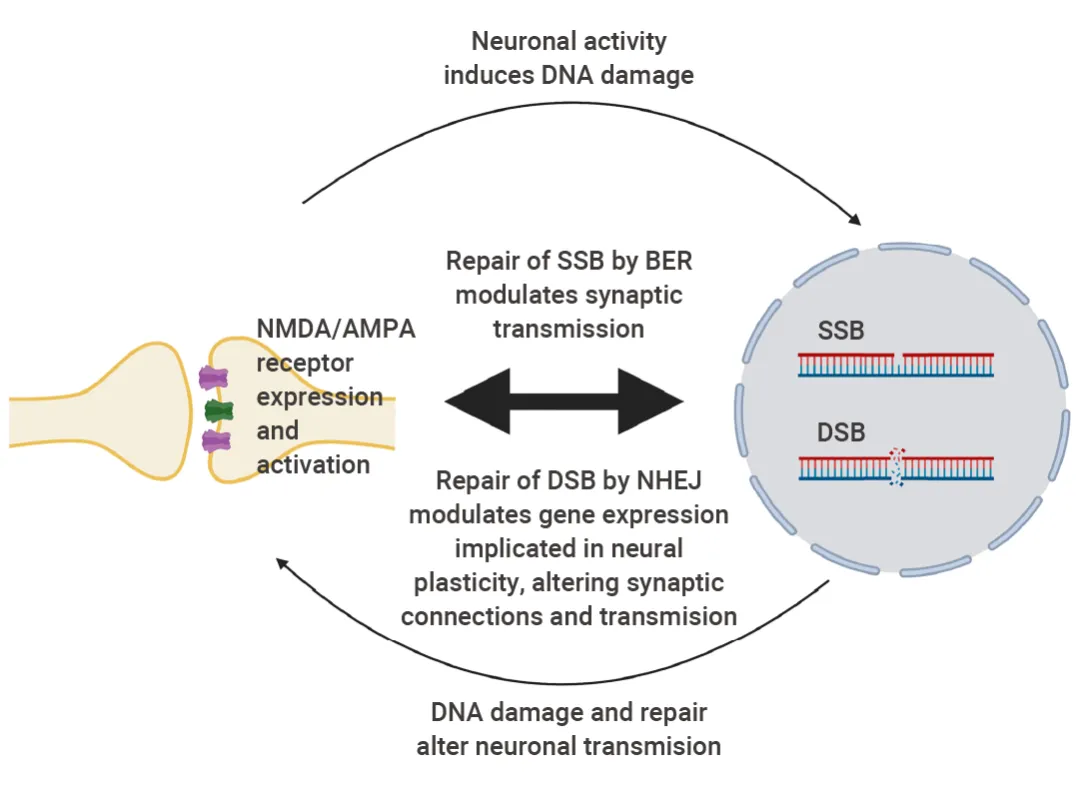
When you hear "inflammation" and "DNA damage," you might immediately think of disease or injury. However, in brains, these two processes are key steps in forming long-term memories, particularly related to specialized cells in our brain called hippocampal neurons.
Scientific Reviews
When you hear "inflammation" and "DNA damage," you might immediately think of disease or injury. However, in brains, these two processes are key steps in forming long-term memories, particularly related to specialized cells in our brain called hippocampal neurons. -
 Scientific Reviews
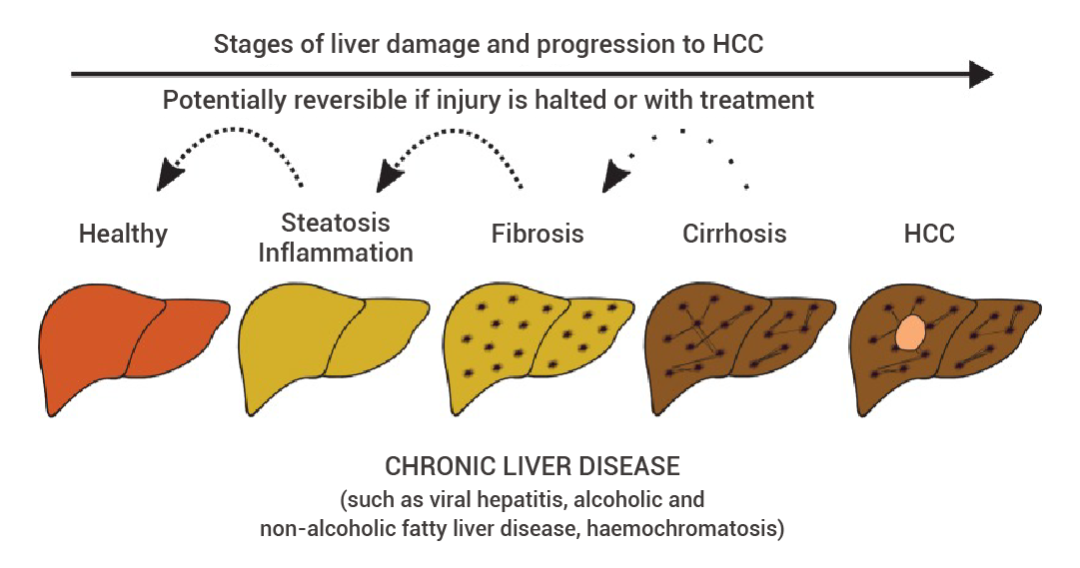
This article will tell you about the common methods of modeling liver disease in animal models.
Scientific Reviews
This article will tell you about the common methods of modeling liver disease in animal models. -
 Scientific Reviews
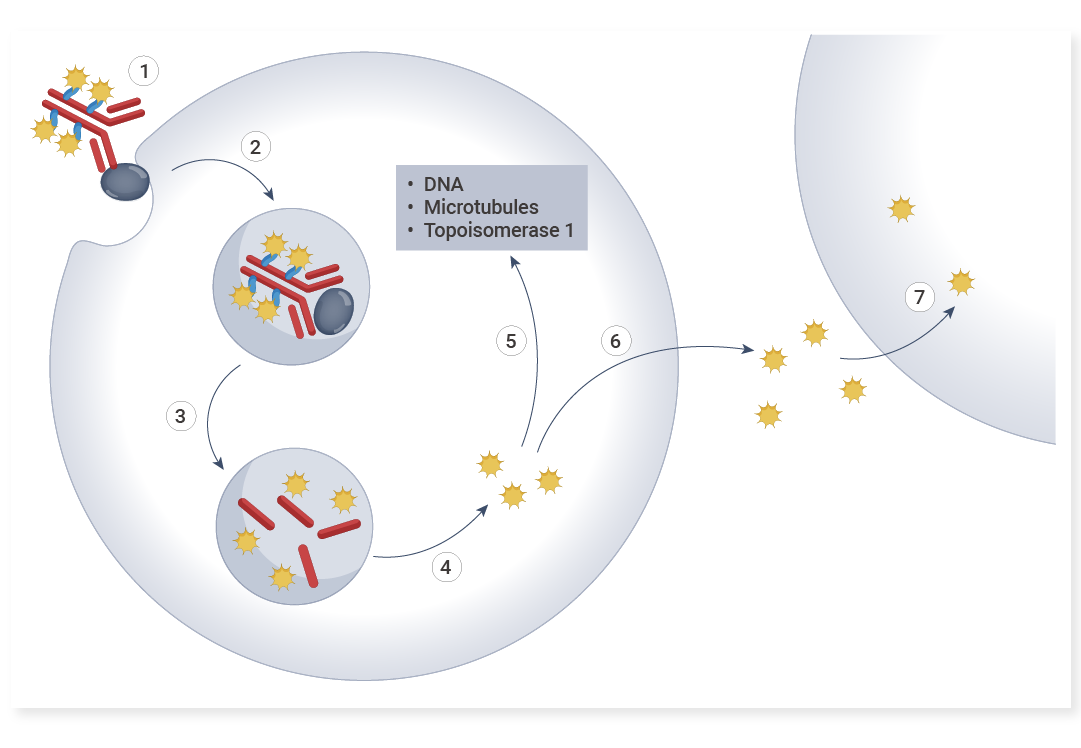
This article will walk you through the remarkable impacts of anti-payload antibodies, delving into how these molecules are revolutionizing drug development and biological research!
Scientific Reviews
This article will walk you through the remarkable impacts of anti-payload antibodies, delving into how these molecules are revolutionizing drug development and biological research! -
 Scientific Reviews
This article introduces some common cardiovascular disease models, inducers, modeling protocols and successful modeling cases in the research.
Scientific Reviews
This article introduces some common cardiovascular disease models, inducers, modeling protocols and successful modeling cases in the research. -
 Scientific Reviews
Cell Migration vs. Invasion: Differences Revealed by Scratch Assays and Transwell Experiments
Scientific Reviews
Cell Migration vs. Invasion: Differences Revealed by Scratch Assays and Transwell Experiments2025-05-30
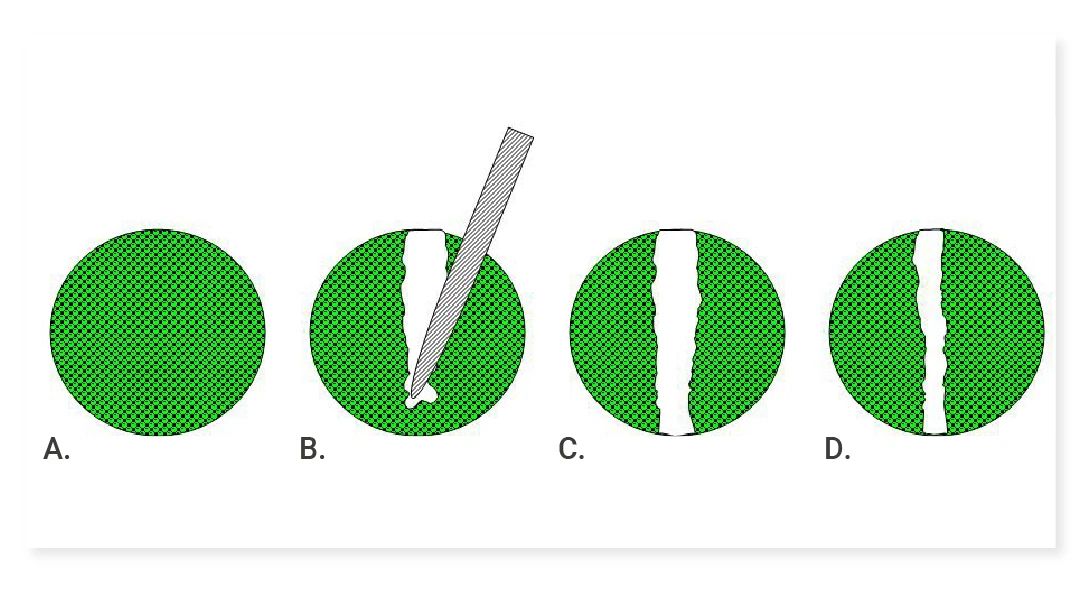
In scientific research, cell migration and invasion are crucial for understanding many important biological processes. This article delves into commonly used detection methods: the scratch assay and Transwell migration/invasion assay. -
 Scientific Reviews
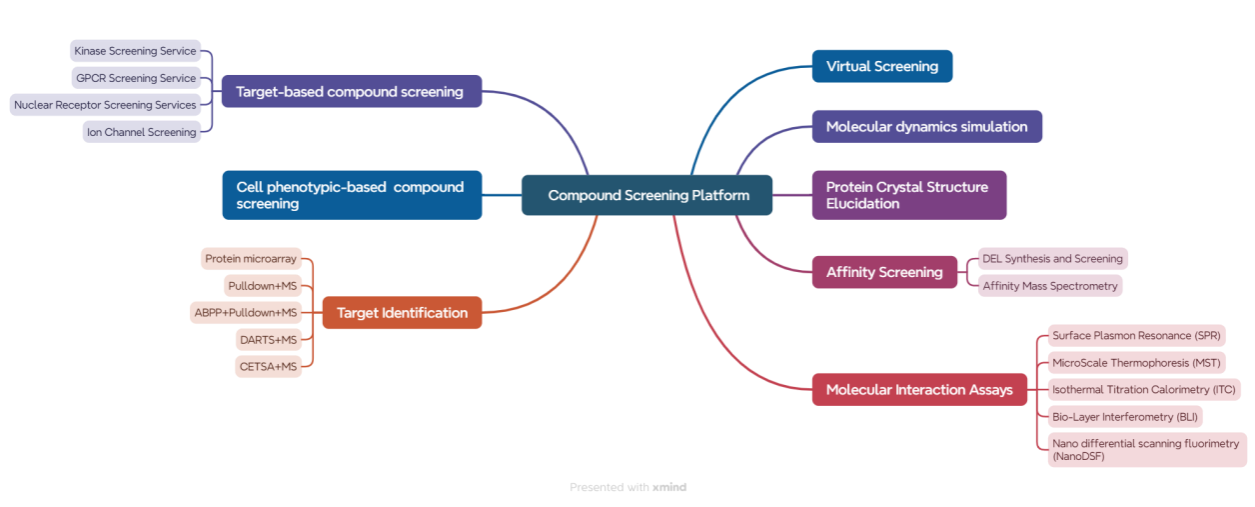
How should drug screening experiments be conducted? How can we ensure the accuracy of the lead compounds identified? This article will take you through how MCE's clients conduct drug screening experiments.
Scientific Reviews
How should drug screening experiments be conducted? How can we ensure the accuracy of the lead compounds identified? This article will take you through how MCE's clients conduct drug screening experiments. -
 Scientific Reviews
IHC, ICC, IF Techniques: A Practical Guide
Scientific Reviews
IHC, ICC, IF Techniques: A Practical Guide2025-07-25
Confused About IHC/ICC/IF? Why Does Immunostaining Seem So Complicated? Read This Now! Master Immunostaining with Confidence! -
 Scientific Reviews
HTS Breakthroughs Powered by MCE Libraries
Scientific Reviews
HTS Breakthroughs Powered by MCE Libraries2025-08-13
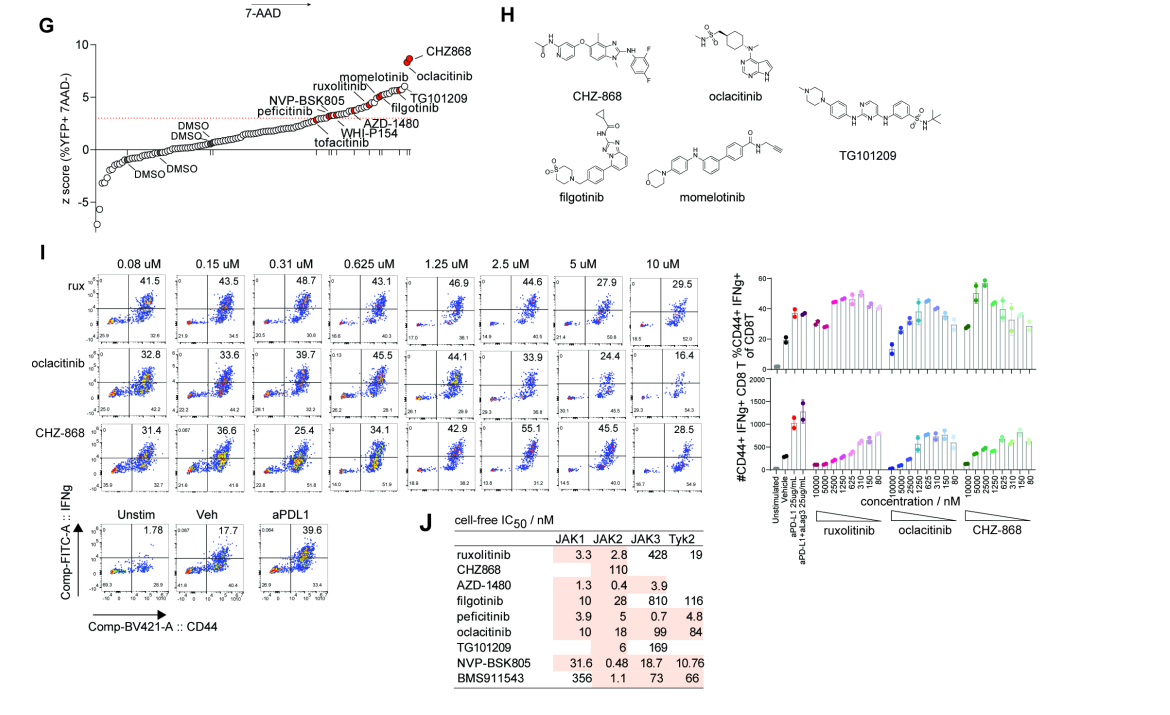
Key High-Throughput Screening Breakthroughs of 2024 Featuring MCE -
 Scientific Reviews
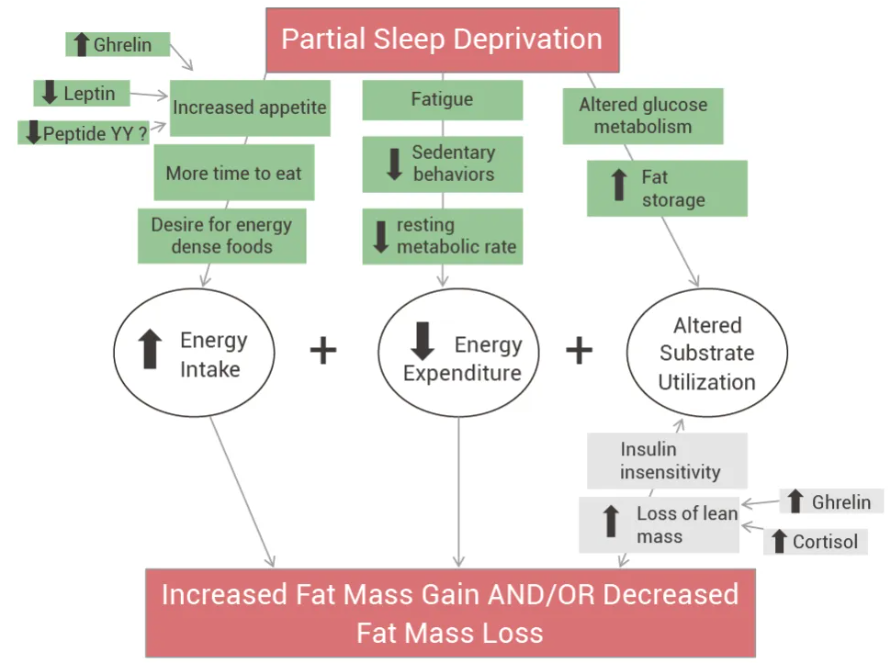
Have you ever noticed that after staying up late, your appetite—especially for high-calorie foods—gets out of control? If this sounds familiar, today’s article might offer some good news.
Scientific Reviews
Have you ever noticed that after staying up late, your appetite—especially for high-calorie foods—gets out of control? If this sounds familiar, today’s article might offer some good news. -
 Scientific Reviews
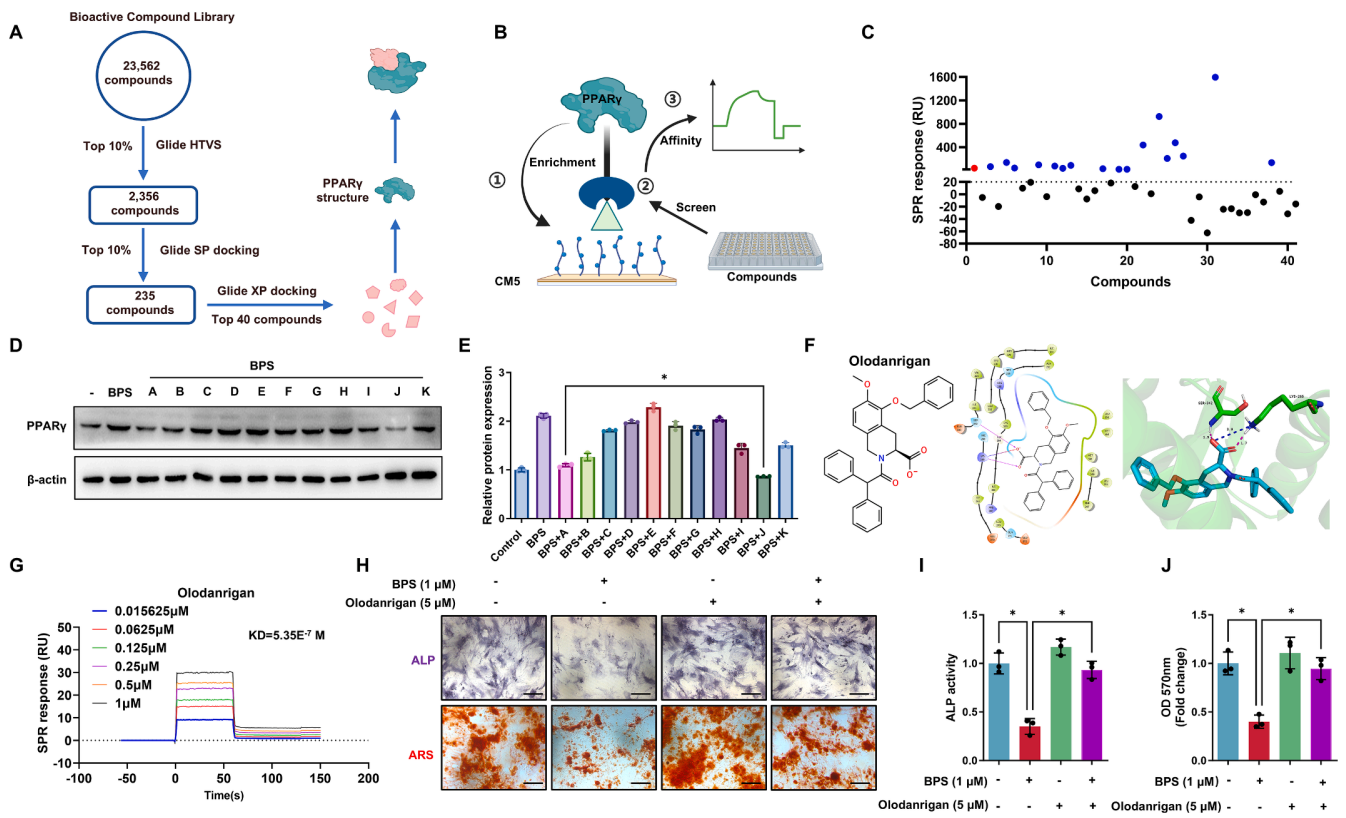
Encountering challenges with the high costs and long timelines of drug screening? Have a defined target but remain uncertain how to efficiently identify active molecules? Unsure how to validate hits generated from virtual screening? The ‘Winning Combination’ of drug screening offers a powerful solution to address these critical obstacles.
Scientific Reviews
Encountering challenges with the high costs and long timelines of drug screening? Have a defined target but remain uncertain how to efficiently identify active molecules? Unsure how to validate hits generated from virtual screening? The ‘Winning Combination’ of drug screening offers a powerful solution to address these critical obstacles. -
 Scientific Reviews
A groundbreaking study in Nature Communications reveals the key mechanism behind Idiopathic Pulmonary Fibrosis and identifies an existing drug with the potential to counter it.
Scientific Reviews
A groundbreaking study in Nature Communications reveals the key mechanism behind Idiopathic Pulmonary Fibrosis and identifies an existing drug with the potential to counter it. -
 Scientific Reviews
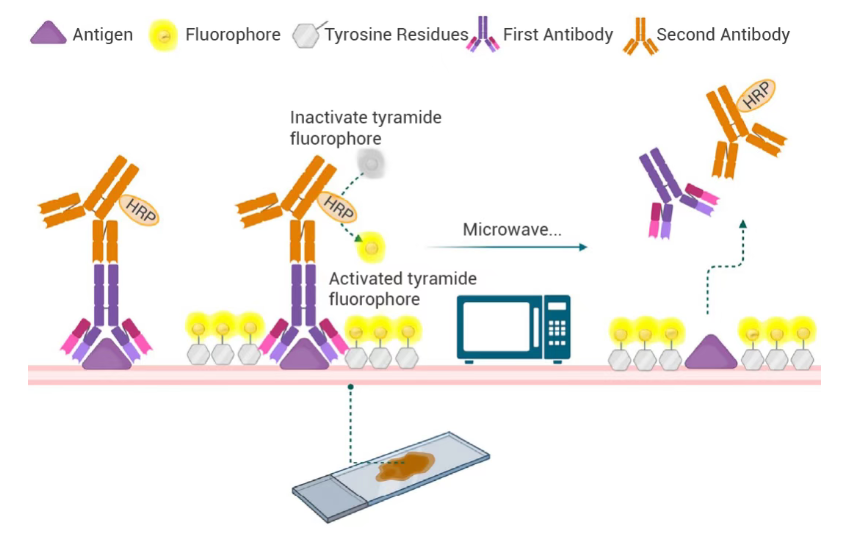
This detailed guide outlines the standardized experimental protocols for multiplex immunohistochemistry (mIHC), systematically summarizes common technical issues encountered during sample preparation, staining and imaging processes, and provides practical troubleshooting solutions to ensure reliable and reproducible results in biomedical research and clinical sample analysis.
Scientific Reviews
This detailed guide outlines the standardized experimental protocols for multiplex immunohistochemistry (mIHC), systematically summarizes common technical issues encountered during sample preparation, staining and imaging processes, and provides practical troubleshooting solutions to ensure reliable and reproducible results in biomedical research and clinical sample analysis. -
 Scientific Reviews
Finding adipogenic induction media too expensive and tricky to prepare? This comprehensive guide to 3T3-L1 adipogenic differentiation simplifies the process, helping you achieve great results!
Scientific Reviews
Finding adipogenic induction media too expensive and tricky to prepare? This comprehensive guide to 3T3-L1 adipogenic differentiation simplifies the process, helping you achieve great results! -
Scientific Reviews
Microglia– the only immune cells within the brain parenchyma. With advancements in imaging technologies, people’s understanding of microglia has shifted from being viewed as 'resting' cells to 'highly active' cells, particularly due to their dynamic processes that seem to be probing surrounding tissues and monitoring neuronal activity. This has made microglia a focal point of research in the field of neuroscience. -
 Scientific Reviews
Exosomes—natural nanoscale carriers—are revolutionizing targeted therapy. This article uncovers the science behind their precision in drug delivery.
Scientific Reviews
Exosomes—natural nanoscale carriers—are revolutionizing targeted therapy. This article uncovers the science behind their precision in drug delivery. -
Scientific Reviews
Cracking the PROTAC Permeability Barrier: CD36-Mediated Endocytosis as a Potential Breakthrough2025-12-03
This article provides an in-depth analysis of cutting-edge literature revealing CD36 as a key mediator of cellular uptake for PROTACs and bRO5 compounds. By structurally optimizing PROTAC molecules to enhance their affinity for CD36, membrane permeability can be markedly improved, leading to significantly enhanced antitumor efficacy. -
 Scientific Reviews
Efficient Generation of Mouse Small Intestinal Organoids: A Complete Experimental Protocol Guide
Scientific Reviews
Efficient Generation of Mouse Small Intestinal Organoids: A Complete Experimental Protocol Guide2025-12-10
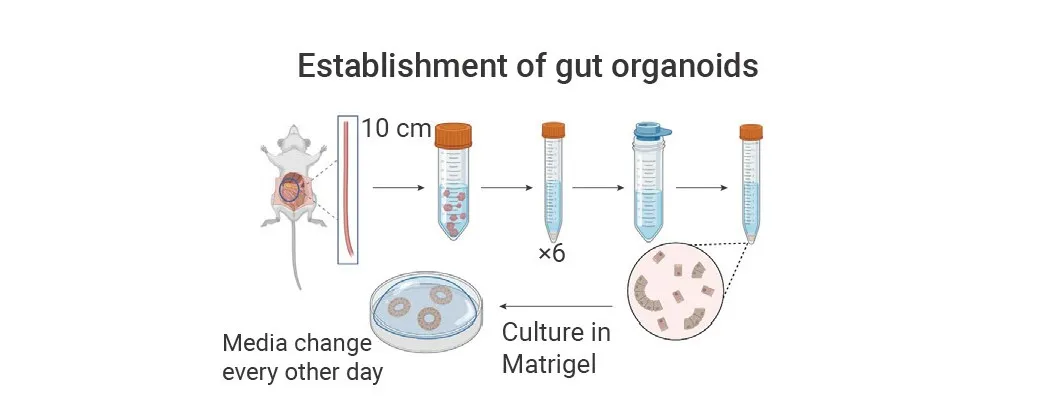
How to successfully create mouse small intestine organoids? A detailed, hands-on guide to the entire process, all in one article! -
 Scientific Reviews
This paper elaborates on cytokines for culturing major immune cells, their regulatory roles, recombinant cytokines' merits and MCE’s related high-quality products.
Scientific Reviews
This paper elaborates on cytokines for culturing major immune cells, their regulatory roles, recombinant cytokines' merits and MCE’s related high-quality products. -
 Scientific Reviews
In the hunt for the next ‘GLP-1,’ amylin therapeutics, which have shown strong weight-loss results in clinical trials, have become a major focus for both multinational pharma and the scientific community.
Scientific Reviews
In the hunt for the next ‘GLP-1,’ amylin therapeutics, which have shown strong weight-loss results in clinical trials, have become a major focus for both multinational pharma and the scientific community. -
 Scientific Reviews
This article walks you through the experimental design and workflow of flow cytometry, delivering a clear, dynamic, and professional overview to elevate your research.
Scientific Reviews
This article walks you through the experimental design and workflow of flow cytometry, delivering a clear, dynamic, and professional overview to elevate your research. -
 Scientific Reviews
Molecular glue degraders have evolved from a serendipitous observation to one of the most dynamic and transformative fields in biomedical research.
Scientific Reviews
Molecular glue degraders have evolved from a serendipitous observation to one of the most dynamic and transformative fields in biomedical research. -
 Scientific Reviews
GLP-1 and Obesity Research
Scientific Reviews
GLP-1 and Obesity Research2026-08-14
Obesity substantially increases the risk of chronic diseases such as T2D and cardiovascular disease. The breakout success of GLP-1 therapies has spotlighted GLP-1R and a wave of emerging obesity targets. -
 EDM
Research Progress of Type-2-Diabetes
EDM
Research Progress of Type-2-Diabetes2025-07-09
This review comprehensively analyzes the pathophysiological mechanisms underlying T2D, surveys current therapeutic strategies, and introduces commonly used disease modeling approaches to support translational research. -
 EDM
This review provides an overview of GLP-1 biology and physiological functions, summarizes the development and clinical applications of GLP-1 receptor agonists, and discusses next-generation GLP-1–based therapeutic strategies.
EDM
This review provides an overview of GLP-1 biology and physiological functions, summarizes the development and clinical applications of GLP-1 receptor agonists, and discusses next-generation GLP-1–based therapeutic strategies. -
 EDM
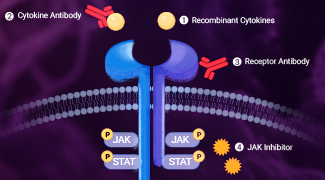
This review critically examines the role of the JAK-STAT pathway in immunity and autoimmune diseases, reviews current clinical applications of targeted therapies, and highlights emerging trends in autoimmune drug development.
EDM
This review critically examines the role of the JAK-STAT pathway in immunity and autoimmune diseases, reviews current clinical applications of targeted therapies, and highlights emerging trends in autoimmune drug development. -
 EDM
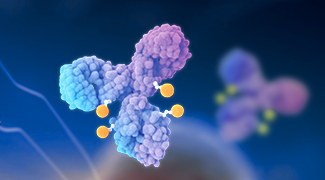
This review presents an overview of antibody–drug conjugates from design principles and antitumor mechanisms to structural innovations, clinical progress, and future development prospects.
EDM
This review presents an overview of antibody–drug conjugates from design principles and antitumor mechanisms to structural innovations, clinical progress, and future development prospects. -
 EDM
This review summarizes the mechanisms of DSS-induced colitis, commonly used modeling approaches, and key considerations related to DSS molecular weight.
EDM
This review summarizes the mechanisms of DSS-induced colitis, commonly used modeling approaches, and key considerations related to DSS molecular weight. -
 EDM
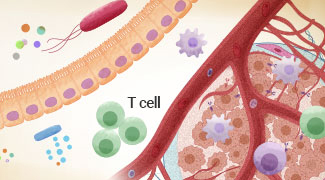
This review explores mechanisms and strategies for modulating the gut microbiota to enhance cancer immunotherapy, providing insights to improve therapeutic efficacy.
EDM
This review explores mechanisms and strategies for modulating the gut microbiota to enhance cancer immunotherapy, providing insights to improve therapeutic efficacy. -
 EDM
Combating Immune Evasion in Cancer
EDM
Combating Immune Evasion in Cancer2025-10-15
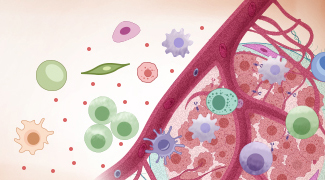
This review summarizes the mechanisms by which tumors evade immune surveillance and discusses therapeutic strategies to restore antitumor immunity. -
 EDM
This review outlines macrophage functions and classification, and provides practical experimental guidelines for macrophage differentiation, polarization, and identification.
EDM
This review outlines macrophage functions and classification, and provides practical experimental guidelines for macrophage differentiation, polarization, and identification. -
 EDM
Understanding In Vivo CAR-T Cell Therapy
EDM
Understanding In Vivo CAR-T Cell Therapy2026-01-22
This review provides a comprehensive overview of in vivo CAR-T therapy, covering technical platforms, clinical translation, and key challenges such as gene delivery and immunogenicity. -
 EDM
Explore next-generation obesity therapies from three perspectives: GLP-1-based multi-receptor agonists, oral GLP-1 strategies, and novel obesity targets.
EDM
Explore next-generation obesity therapies from three perspectives: GLP-1-based multi-receptor agonists, oral GLP-1 strategies, and novel obesity targets. -
 EDM
Explore ADC evolution, immune combination strategies, and clinical advances at the intersection of targeted therapy and immunotherapy.
EDM
Explore ADC evolution, immune combination strategies, and clinical advances at the intersection of targeted therapy and immunotherapy. -
 EDM
Tumor Organoid-Immune Cell Co-Culture Models: Advances, Applications, and Future Directions
EDM
Tumor Organoid-Immune Cell Co-Culture Models: Advances, Applications, and Future Directions2026-05-07
Summarize technical strategies, application advances, and future directions of tumor organoid–immune co-culture systems. -
 EDM
Review mechanisms, major challenges, and efficacy-enhancing strategies of TCR-T therapy in solid tumors, with implications for future research and clinical translation.
EDM
Review mechanisms, major challenges, and efficacy-enhancing strategies of TCR-T therapy in solid tumors, with implications for future research and clinical translation. -
 EDM
Review the mechanisms, mitochondrial regulation, disease relevance, and translational opportunities of the NLRP3–STING axis in neuroinflammation.
EDM
Review the mechanisms, mitochondrial regulation, disease relevance, and translational opportunities of the NLRP3–STING axis in neuroinflammation. -
 EDM
Breaking Immune Resistance in Colorectal Cancer: From Molecular Mechanisms to Precision Therapy
EDM
Breaking Immune Resistance in Colorectal Cancer: From Molecular Mechanisms to Precision Therapy2026-06-25
Explore CRC molecular subtypes, immune landscapes, resistance mechanisms, and emerging precision strategies for improving outcomes across distinct subtypes. -
 EDM
Explore the evolution from GLP-1 mono-agonists to multi-receptor therapeutics and the expanding role of incretin-based therapies in precision metabolic medicine.
EDM
Explore the evolution from GLP-1 mono-agonists to multi-receptor therapeutics and the expanding role of incretin-based therapies in precision metabolic medicine. -
 EDM
Explore the mechanisms driving immune tolerance breakdown in autoimmune diseases and emerging tolerance-restoring strategies, with a focus on IL-2-based immune modulation.
EDM
Explore the mechanisms driving immune tolerance breakdown in autoimmune diseases and emerging tolerance-restoring strategies, with a focus on IL-2-based immune modulation. -
 EDM
Evolution of PCSK9 Inhibitors Modalities: From Monoclonal Antibodies to Oral Macrocyclic Peptides
EDM
Evolution of PCSK9 Inhibitors Modalities: From Monoclonal Antibodies to Oral Macrocyclic Peptides2026-08-27
Review the biological basis of PCSK9, key therapeutic modalities, cardiovascular evidence, and future directions, including insights from the CORALreef clinical program. -
 EDM
Explore the mechanisms of tumor immune evasion, dynamic checkpoint regulation, and the evolution of mechanism-driven combinations and patient stratification.
EDM
Explore the mechanisms of tumor immune evasion, dynamic checkpoint regulation, and the evolution of mechanism-driven combinations and patient stratification. -
 EDM
Explore how mitochondrial quality control, inflammatory signaling, and metabolic–epigenetic reprogramming regulate cellular senescence and the SASP, along with strategies to restore mitochondrial homeostasis.
EDM
Explore how mitochondrial quality control, inflammatory signaling, and metabolic–epigenetic reprogramming regulate cellular senescence and the SASP, along with strategies to restore mitochondrial homeostasis. -
 Product Guides
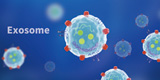
Exosomes are nano-sized biovesicles released into surrounding body fluids after the fusion of multivesicular bodies with the plasma membrane. In this article, we will briefly introduce isolation, labeling and identification of exosomes. And the specific application of exosomes will also be mentioned.
Product Guides
Exosomes are nano-sized biovesicles released into surrounding body fluids after the fusion of multivesicular bodies with the plasma membrane. In this article, we will briefly introduce isolation, labeling and identification of exosomes. And the specific application of exosomes will also be mentioned. -
 Blog
R916562, a dual Axl/VEGF-R2 inhibitor, could be a potential anti-angiogenic and anti-metastatic drug for cancer chemotherapy.
Blog
R916562, a dual Axl/VEGF-R2 inhibitor, could be a potential anti-angiogenic and anti-metastatic drug for cancer chemotherapy. -
 Blog
Role of PRMT7 Probe SGC3027 in Cancer
Blog
Role of PRMT7 Probe SGC3027 in Cancer2019-03-27
SGC3027 is the first potent, selective and cell active chemical probe for PRMT7. SGC3027 is also a pro-drug, which converts to the active compound SGC8158 -
 Blog
Alofanib, An Allosteric Inhibitor of FGFR2
Blog
Alofanib, An Allosteric Inhibitor of FGFR22019-03-28
Alofanib is an allosteric inhibitor of FGFR2 and inhibits FGF-mediated proliferation with GI50s of 16-370 nM, showing pronounced antitumor activity. -
 Blog
CF53 is a highly potent, selective and orally active inhibitor of BET protein, with anti-tumor activity in acute leukemia and breast cancer cell lines.
Blog
CF53 is a highly potent, selective and orally active inhibitor of BET protein, with anti-tumor activity in acute leukemia and breast cancer cell lines. -
 Blog
A Lead PROTAC BRD9 Chemical Degrader
Blog
A Lead PROTAC BRD9 Chemical Degrader2019-04-06
PROTAC BRD9 Degrader-1 is a lead PROTAC BRD9 chemical degrader and a selective probe useful for the study of BAF complex biology. -
 Blog
HS-1371 is a Small Molecule RIP3 Inhibitor
Blog
HS-1371 is a Small Molecule RIP3 Inhibitor2019-04-09
HS-1371 is a novel kinase inhibitor of RIP3-mediated necroptosis, showing an inhibitory effect on S227 auto-phosphorylation of RIP3 at the basal level. -
 Blog
Nevanimibe is a selective and potent ACAT1 inhibitor. An excellent drug candidate in the treatment of adrenocortical cancer.
Blog
Nevanimibe is a selective and potent ACAT1 inhibitor. An excellent drug candidate in the treatment of adrenocortical cancer. -
 Blog
Erteberel is a Selective ERβ Agonist
Blog
Erteberel is a Selective ERβ Agonist2019-04-16
Erteberel (LY500307) is a synthetic, nonsteroidal estrogen which acts as a selective ERβ agonist and under development for the treatment of schizophrenia. -
 Blog
MBQ-167 is a dual Rac/Cdc42 inhibitor in in metastatic cancer, with IC50s of 103 nM for Rac 1/2/3 and 78 nM for Cdc42 in MDA-MB-231 cells, respectively.
Blog
MBQ-167 is a dual Rac/Cdc42 inhibitor in in metastatic cancer, with IC50s of 103 nM for Rac 1/2/3 and 78 nM for Cdc42 in MDA-MB-231 cells, respectively. -
 Blog
PRN1008 is a Reversible Covalent and Oral Active Inhibitor of Bruton’s Tyrosine Kinase (BTK)
Blog
PRN1008 is a Reversible Covalent and Oral Active Inhibitor of Bruton’s Tyrosine Kinase (BTK)2019-04-18
PRN1008 is a selective, reversible covalent and oral active inhibitor of Bruton’s Tyrosine Kinase (BTK), with an IC50 of 1.3 nM. -
 Blog
Multiple Tyrosine Kinases Inhibitor TAS-115
Blog
Multiple Tyrosine Kinases Inhibitor TAS-1152019-04-19
TAS-115 is a potent VEGFR and c-Met/HGFR-targeted kinase inhibitor with IC50s of 30 and 32 nM for rVEGFR2 and rMET, respectively. -
 Blog
Y06036 is a potent and selective BET inhibitor for potential treatment of castration-resistant prostate cancer. With nanomolar inhibition.
Blog
Y06036 is a potent and selective BET inhibitor for potential treatment of castration-resistant prostate cancer. With nanomolar inhibition. -
 Blog
JNJ-64619178 is a selective and pseudo-irreversible PRMT5 inhibitor with an IC50 of 0.14 nM. Has potent Activity In Lung Cancer.
Blog
JNJ-64619178 is a selective and pseudo-irreversible PRMT5 inhibitor with an IC50 of 0.14 nM. Has potent Activity In Lung Cancer. -
 Blog
TAK-828F is a potent, selective and orally active retinoic acid receptor-related orphan receptor γt (RORγt) inverse agonist. TAK-828F inhibits IL-17A cytokine expression and reduces symptoms of autoimmune encephalomyelitis mice.
Blog
TAK-828F is a potent, selective and orally active retinoic acid receptor-related orphan receptor γt (RORγt) inverse agonist. TAK-828F inhibits IL-17A cytokine expression and reduces symptoms of autoimmune encephalomyelitis mice. -
 Blog
Y06137 is a potent and selective BET inhibitor, which binds to the BRD4(1) bromodomain with a Kd of 81 nM. Antitumor activity.
Blog
Y06137 is a potent and selective BET inhibitor, which binds to the BRD4(1) bromodomain with a Kd of 81 nM. Antitumor activity. -
 Blog
TAK-981 is a selective inhibitor of the SUMOylation enzymatic cascade, with potential immune-activating and antineoplastic activities
Blog
TAK-981 is a selective inhibitor of the SUMOylation enzymatic cascade, with potential immune-activating and antineoplastic activities -
 Blog
TD-428 is a Highly Specific BRD4 Degrader
Blog
TD-428 is a Highly Specific BRD4 Degrader2019-04-29
TD-428, a immunomodulatory drug analog, is a highly specific BRD4 degrader with a DC50 of 0.32 nM. TD-428 reduces c-Myc levels more efficiently than JQ1. -
 Blog
A1874 is a nutlin-based and BRD4-degrading PROTAC with a DC50 of 32 nM. Effective in inhibiting many cancer cell lines proliferation
Blog
A1874 is a nutlin-based and BRD4-degrading PROTAC with a DC50 of 32 nM. Effective in inhibiting many cancer cell lines proliferation -
 Blog
BAY-8002 is a selective and orally active inhibitor of monocarboxylate transporter 1 (MCT1), with an IC50 of 85 nM. Has potential to treat lymphoma.
Blog
BAY-8002 is a selective and orally active inhibitor of monocarboxylate transporter 1 (MCT1), with an IC50 of 85 nM. Has potential to treat lymphoma. -
 Blog
USL311 is a selective CXCR4 antagonist, which prevents the binding of stromal-cell derived factor-1 (SDF-1 or CXCL12) to CXCR4. Anti-tumor activity.
Blog
USL311 is a selective CXCR4 antagonist, which prevents the binding of stromal-cell derived factor-1 (SDF-1 or CXCL12) to CXCR4. Anti-tumor activity. -
 Blog
GSK3145095 is a RIP1 kinase inhibitor with an IC50 of 6.3 nM. Potently blocks the TNF response and RIP1-dependent inflammatory cytokine MIP-1β production.
Blog
GSK3145095 is a RIP1 kinase inhibitor with an IC50 of 6.3 nM. Potently blocks the TNF response and RIP1-dependent inflammatory cytokine MIP-1β production. -
 Blog
PF-06465469 is a Covalent Inhibitor of ITK
Blog
PF-06465469 is a Covalent Inhibitor of ITK2019-06-08
PF-06465469 is a potent and covalent inhibitor of ITK with an IC50 of 2 nM. PF-06465469 inhibits MEK1/2 or AKT phosphorylation. -
 Blog
Olutasidenib is a highly potent, selective inhibitor of mutant IDH1 that could be used in the treatment of AML or myelodysplastic syndrome (MDS).
Blog
Olutasidenib is a highly potent, selective inhibitor of mutant IDH1 that could be used in the treatment of AML or myelodysplastic syndrome (MDS). -
 Blog
JMS-17-2 is a CX3CR1 Antagonist
Blog
JMS-17-2 is a CX3CR1 Antagonist2019-06-12
JMS-17-2 is a potent and selective CX3CR1 antagonist with an IC50 of 0.32 nM. Has potential to treat cancers such as breast cancer. -
 Blog
BAY-11-7082 inhibits the proliferation and induces the apoptosis of U266 cells through inhibiting NF-κB pathway. BAY 11-7082 ameliorates experimental diabetic neuropathy by modulating neuroinflammation and improving antioxidant defence.
Blog
BAY-11-7082 inhibits the proliferation and induces the apoptosis of U266 cells through inhibiting NF-κB pathway. BAY 11-7082 ameliorates experimental diabetic neuropathy by modulating neuroinflammation and improving antioxidant defence. -
 Blog
S18-000003 is a potent, selective and orally active inhibitor of retinoic acid receptor-related orphan receptor-gamma-t (RORγt). S18-000003 ameliorates psoriasis-like lesions in vivo. S18-000003 can be used for the research of skin inflammatory diseases.
Blog
S18-000003 is a potent, selective and orally active inhibitor of retinoic acid receptor-related orphan receptor-gamma-t (RORγt). S18-000003 ameliorates psoriasis-like lesions in vivo. S18-000003 can be used for the research of skin inflammatory diseases. -
 Blog
PTC299 is a dual and orally active DHODH and VEGF inhibitor, has broad and potent activity against hematological cancer cells.
Blog
PTC299 is a dual and orally active DHODH and VEGF inhibitor, has broad and potent activity against hematological cancer cells. -
 Blog
AMG 487 is an orally active and selective antagonist of CXC chemokine receptor 3 (CXCR3). AMG 487 has potential to treat metastatic cancer.
Blog
AMG 487 is an orally active and selective antagonist of CXC chemokine receptor 3 (CXCR3). AMG 487 has potential to treat metastatic cancer. -
 Blog
TPCA-1, a Direct Dual Inhibitor of STAT3 and NF-κB, Regresses Mutant EGFR-Associated NSCLC
Blog
TPCA-1, a Direct Dual Inhibitor of STAT3 and NF-κB, Regresses Mutant EGFR-Associated NSCLC2019-07-15
TPCA-1 is a potent and selective inhibitor of IKK-2 with IC50 of 17.9 nM. TPCA-1 is an effective inhibitor of STAT3 phosphorylation, DNA binding. -
 Blog
LSN 3213128 is a selective, nonclassical, orally bioavailable antifolate with anti-cancer activity. LSN 3213128 potently and specifically inhibits AICARFT.
Blog
LSN 3213128 is a selective, nonclassical, orally bioavailable antifolate with anti-cancer activity. LSN 3213128 potently and specifically inhibits AICARFT. -
 Blog
MSX-122 is an orally active partial antagonist of CXCR4, inhibiting CXCR4/CXCL12 actions. MSX-122 has both anti-tumor and anti-metastasis activities.
Blog
MSX-122 is an orally active partial antagonist of CXCR4, inhibiting CXCR4/CXCL12 actions. MSX-122 has both anti-tumor and anti-metastasis activities. -
 Blog
NXT629 is a potent, selective, and competitive PPAR-α antagonist and shows high selectivity over other nuclear hormone receptor.
Blog
NXT629 is a potent, selective, and competitive PPAR-α antagonist and shows high selectivity over other nuclear hormone receptor. -
 Blog
BI-4924 is a Selective PHGDH Inhibitor
Blog
BI-4924 is a Selective PHGDH Inhibitor2019-08-23
BI-4924 is a lipophilic and highly plasma protein bound selective phosphoglycerate dehydrogenase (PHGDH) inhibitor (IC50=3 nM) with excellent microsomal. -
 Blog
FT113 is a potent and orally active fatty acid synthase inhibitor, with an IC50 of 213 nM for full-length recombinant human FAS, with anti-tumor activity.
Blog
FT113 is a potent and orally active fatty acid synthase inhibitor, with an IC50 of 213 nM for full-length recombinant human FAS, with anti-tumor activity. -
 Blog
WZ811 is an Orally Active CXCR4 Antagonist
Blog
WZ811 is an Orally Active CXCR4 Antagonist2019-09-07
WZ811 is an orally active, highly potent competitive antagonist of CXCR4, which inhibits chronic lymphocytic leukemia progression and tumorigenesis. -
 Blog
RU-302 is a pan-TAM inhibitor that blocks the TAM Ig1 ectodomain and the Gas6 Lg domain interaction. RU-302 blocks Gas6-inducible Axl receptor activation.
Blog
RU-302 is a pan-TAM inhibitor that blocks the TAM Ig1 ectodomain and the Gas6 Lg domain interaction. RU-302 blocks Gas6-inducible Axl receptor activation. -
 Blog
BAY 61-3606 is an orally available, ATP-competitive, reversible and highly selective Syk inhibitor and sensitizes apoptosis by in breast cancer.
Blog
BAY 61-3606 is an orally available, ATP-competitive, reversible and highly selective Syk inhibitor and sensitizes apoptosis by in breast cancer. -
 Blog
UPGL00004 is a allosteric glutaminase C inhibitor which strongly inhibits the proliferation of highly aggressive triple-negative breast cancer cell lines.
Blog
UPGL00004 is a allosteric glutaminase C inhibitor which strongly inhibits the proliferation of highly aggressive triple-negative breast cancer cell lines. -
 Blog
IDH889 is an orally available, brain penetrant, allosteric and mutant specific inhibitor of isocitrate dehydrogenase 1 (IDH1) R132 mutations.
Blog
IDH889 is an orally available, brain penetrant, allosteric and mutant specific inhibitor of isocitrate dehydrogenase 1 (IDH1) R132 mutations. -
 Blog
BI-167107 is a high affinity, full agonist that binds to the β2 adrenergic receptor (β2AR) with a dissociation constant Kd of 84 pM.
Blog
BI-167107 is a high affinity, full agonist that binds to the β2 adrenergic receptor (β2AR) with a dissociation constant Kd of 84 pM. -
 Blog
TVB-3166 is an orally-available, reversible, and selective FASN inhibitor and it induces apoptosis, and inhibits in-vivo xenograft tumor growth.
Blog
TVB-3166 is an orally-available, reversible, and selective FASN inhibitor and it induces apoptosis, and inhibits in-vivo xenograft tumor growth. -
 Blog
ASLAN003 is an orally active and potent inhibitor of hDHODH with antitumor activity, and it has the potential to be a first-in-class drug candidate in AML.
Blog
ASLAN003 is an orally active and potent inhibitor of hDHODH with antitumor activity, and it has the potential to be a first-in-class drug candidate in AML. -
 Blog
IACS-8803 is a highly potent cyclic dinucleotide stimulator of interferon genes (STING) agonist with robust systemic antitumor efficacy.
Blog
IACS-8803 is a highly potent cyclic dinucleotide stimulator of interferon genes (STING) agonist with robust systemic antitumor efficacy. -
 Blog
DS18561882 is a highly potent, sozyme-selective methylenetetrahydrofolate dehydrogenase 2 (MTHFD2) inhibitor with a good oral pharmacokinetic profile.
Blog
DS18561882 is a highly potent, sozyme-selective methylenetetrahydrofolate dehydrogenase 2 (MTHFD2) inhibitor with a good oral pharmacokinetic profile. -
 Blog
GNE-618 is a Orally Active NAMPT Inhibitor
Blog
GNE-618 is a Orally Active NAMPT Inhibitor2019-11-28
GNE-618 is an orally active NAMPT inhibitor and reduces tumor growth. GNE-618 depletes NAD levels and induces tumor cell death. -
 Blog
Telaglenastat is a first-in-class, reversible, orally bioavailable glutaminase 1 splice variants (KGA and GAC) inhibitor. It shows antitumor activity.
Blog
Telaglenastat is a first-in-class, reversible, orally bioavailable glutaminase 1 splice variants (KGA and GAC) inhibitor. It shows antitumor activity. -
 Blog
UK 356618 is a Selective MMP-3 Inhibitor
Blog
UK 356618 is a Selective MMP-3 Inhibitor2019-12-25
UK 356618 is a selective and potent inhibitor of MMP-3. UK 356618 exhibits potent anti-inflammatory and anti-cancer activity. -
 Blog
CH6953755 is a potent, orally active and selective YES1 kinase inhibitor leading to antitumor activity against YES1 Gene -amplified cancers.
Blog
CH6953755 is a potent, orally active and selective YES1 kinase inhibitor leading to antitumor activity against YES1 Gene -amplified cancers. -
 Blog
CA-4948 is a Selective and Orally Bioavailable IRAK4 Kinase Inhibitor for Lymphoma Treatment
Blog
CA-4948 is a Selective and Orally Bioavailable IRAK4 Kinase Inhibitor for Lymphoma Treatment2020-01-05
CA-4948 is a potent, selective and orally bioavailable IRAK4 kinase inhibitor. CA-4948 can be used for the treatment of lymphoma. -
 Blog
GPP78 is a potent Nampt inhibitor. GPP78 is cytotoxic to neuroblastoma cell line SH-SY5Y cells. GPP78 has anti-cancer and anti-tumor activity.
Blog
GPP78 is a potent Nampt inhibitor. GPP78 is cytotoxic to neuroblastoma cell line SH-SY5Y cells. GPP78 has anti-cancer and anti-tumor activity. -
 Blog
BAY-985 is an orally active and selective ATP-competitive dual inhibitor of TBK1 and IKKε with IC50s of 2/30 and 2 nM for TBK1 and IKKε, respectively.
Blog
BAY-985 is an orally active and selective ATP-competitive dual inhibitor of TBK1 and IKKε with IC50s of 2/30 and 2 nM for TBK1 and IKKε, respectively. -
 Blog
ADH-503 is an orally active and allosteric CD11b agonist and leads to the repolarization of tumor-associated macrophages.
Blog
ADH-503 is an orally active and allosteric CD11b agonist and leads to the repolarization of tumor-associated macrophages. -
 Blog
Balixafortide is a potent, selective peptidic CXCR4 antagonist with anti-cancer effects, and blocks β-arrestin recruitment and calcium flux.
Blog
Balixafortide is a potent, selective peptidic CXCR4 antagonist with anti-cancer effects, and blocks β-arrestin recruitment and calcium flux. -
 Blog
CM10 is a potent and selective aldehyde dehydrogenase 1A family inhibitor and regulates metabolism and has anti-cancer activity.
Blog
CM10 is a potent and selective aldehyde dehydrogenase 1A family inhibitor and regulates metabolism and has anti-cancer activity. -
 Blog
DC-5163 is a potent GAPDH inhibitor, can inhibit glycolysis pathway partially. DC-5163 selectively inhibits cancer cell proliferation and induces apoptosis.
Blog
DC-5163 is a potent GAPDH inhibitor, can inhibit glycolysis pathway partially. DC-5163 selectively inhibits cancer cell proliferation and induces apoptosis. -
 Blog
RBN-2397 is an orally active accross species NAD+ competitive inhibitor of PARP7. RBN-2397 binds to PARP7 and restores interferon (Type I) signaling.
Blog
RBN-2397 is an orally active accross species NAD+ competitive inhibitor of PARP7. RBN-2397 binds to PARP7 and restores interferon (Type I) signaling. -
 Blog
OT-82 is a selective inhibitor of NAMPT. Selectively toxic to cells of hematopoietic origin. OT-82 is a promising antineoplastic agent.
Blog
OT-82 is a selective inhibitor of NAMPT. Selectively toxic to cells of hematopoietic origin. OT-82 is a promising antineoplastic agent. -
 Blog
TNP-351, an Antifolate, is a Dihydrofolate Reductase (DHFR) Inhibitor. Antifolates serve medical science well in neoplastic and non-neoplastic diseases.
Blog
TNP-351, an Antifolate, is a Dihydrofolate Reductase (DHFR) Inhibitor. Antifolates serve medical science well in neoplastic and non-neoplastic diseases. -
 Blog
GSK143 is an orally active and highly selective spleen tyrosine kinase (SYK) inhibitor. GSK143 reduces inflammation in the intestinal muscularis in mice.
Blog
GSK143 is an orally active and highly selective spleen tyrosine kinase (SYK) inhibitor. GSK143 reduces inflammation in the intestinal muscularis in mice. -
 Blog
JX06 is a potent, selective and covalent inhibitor of PDK via covalently binding to a cysteine residue in an irreversible manner.
Blog
JX06 is a potent, selective and covalent inhibitor of PDK via covalently binding to a cysteine residue in an irreversible manner. -
 Blog
IPI-9119 is an orally active, selective and irreversible FASN inhibitor with potent anti-cancer activity. IPI-9119 induces cell cycle arrest, apoptosis.
Blog
IPI-9119 is an orally active, selective and irreversible FASN inhibitor with potent anti-cancer activity. IPI-9119 induces cell cycle arrest, apoptosis. -
 Blog
CAY10404 is a potent and highly selective COX-2 inhibitor. CAY10404 is a potent inhibitor of PKB/Akt and MAPK signalling pathways.
Blog
CAY10404 is a potent and highly selective COX-2 inhibitor. CAY10404 is a potent inhibitor of PKB/Akt and MAPK signalling pathways. -
 Blog
MSA-2 is an orally available non-nucleotide STING agonist. MSA-2 shows antitumor activity and stimulates interferon-β secretion in tumors.
Blog
MSA-2 is an orally available non-nucleotide STING agonist. MSA-2 shows antitumor activity and stimulates interferon-β secretion in tumors. -
 Blog
CB-1158, a potent and orally bioavailable inhibitor of arginase, blocks myeloid cell-mediated immune suppression in the tumor microenvironment.
Blog
CB-1158, a potent and orally bioavailable inhibitor of arginase, blocks myeloid cell-mediated immune suppression in the tumor microenvironment. -
 Blog
SRX3207 is an orally active and first-in-class dual Syk/PI3K inhibitor. SRX3207 possesses effective anti-tumor activity in vitro and in vivo.
Blog
SRX3207 is an orally active and first-in-class dual Syk/PI3K inhibitor. SRX3207 possesses effective anti-tumor activity in vitro and in vivo. -
 Blog
BMS-P5 is an Orally Active PAD4 Inhibitor
Blog
BMS-P5 is an Orally Active PAD4 Inhibitor2020-12-12
BMS-P5 is an orally active PAD4 inhibitor. BMS-P5 blocks MM-induced NET formation and delays progression of MM in a syngeneic mouse model -
 Blog
ML132, a potent and selective caspase 1 inhibitor with a unique selectivity pattern, is responsible for the proteolytic activation of IL-1β and IL-18.
Blog
ML132, a potent and selective caspase 1 inhibitor with a unique selectivity pattern, is responsible for the proteolytic activation of IL-1β and IL-18. -
 Blog
CTPI-2 is a SLC25A1 inhibitor. CTPI-2 inhibits glycolysis, PPARγ, and its downstream target the glucose transporter GLUT4. Antitumor activity.
Blog
CTPI-2 is a SLC25A1 inhibitor. CTPI-2 inhibits glycolysis, PPARγ, and its downstream target the glucose transporter GLUT4. Antitumor activity. -
 Blog
BI99179 is a Selective Type I FASN Inhibitor
Blog
BI99179 is a Selective Type I FASN Inhibitor2021-01-28
FASN is a key enzyme for lipogenesis and highly expressed in lipogenic tissues. BI99179 is a Selective Type I FASN Inhibitor. -
 Blog
Fasentin inhibits GLUT-1 and GLUT-4 transporters. Fasentin blocks glucose uptake in cancer cell lines and has anti-angiogenic activity.
Blog
Fasentin inhibits GLUT-1 and GLUT-4 transporters. Fasentin blocks glucose uptake in cancer cell lines and has anti-angiogenic activity. -
 Blog
ML390 is a Potent DHODH Inhibitor
Blog
ML390 is a Potent DHODH Inhibitor2021-02-24
ML390 is a potent dihydroorotate dehydrogenase (DHODH) inhibitor and is an inducer of myeloid differentiation. -
 Blog
CC-90001 is a potent, selective, and orally active inhibitor of JNK. CC-90001 can be used for the research of idiopathic pulmonary fibrosis (IPF).
Blog
CC-90001 is a potent, selective, and orally active inhibitor of JNK. CC-90001 can be used for the research of idiopathic pulmonary fibrosis (IPF). -
 Blog
TPP-1 is a potent inhibitor of the PD-1/PD-L1 interaction. TPP-1 binds specifically to PD-L1 with a high affinity (KD=95 nM).
Blog
TPP-1 is a potent inhibitor of the PD-1/PD-L1 interaction. TPP-1 binds specifically to PD-L1 with a high affinity (KD=95 nM). -
 Blog
SB-332235 is a potent, orally active nonpeptide CXCR2 antagonist. SB-332235 inhibits acute and chronic models of arthritis in the rabbit.
Blog
SB-332235 is a potent, orally active nonpeptide CXCR2 antagonist. SB-332235 inhibits acute and chronic models of arthritis in the rabbit. -
 Blog
BMSpep-57 is a potent and competitive macrocyclic peptide inhibitor of PD-1/PD-L1 interaction. It induces high levels of IL-2.
Blog
BMSpep-57 is a potent and competitive macrocyclic peptide inhibitor of PD-1/PD-L1 interaction. It induces high levels of IL-2. -
 Blog
Sitravatinib (MGCD516) is an Orally Bioavailable RTK Inhibitor with PD-1 Blockade Activity
Blog
Sitravatinib (MGCD516) is an Orally Bioavailable RTK Inhibitor with PD-1 Blockade Activity2021-06-03
Sitravatinib, a small molecule RTK inhibitor, shows potent anti-tumor activity in preclinical models of sarcoma. -
 Blog
Vorasidenib is an orally available, brain penetrant second-generation dual mutant isocitrate dehydrogenases 1 and 2 (mIDH1/2) inhibitor.
Blog
Vorasidenib is an orally available, brain penetrant second-generation dual mutant isocitrate dehydrogenases 1 and 2 (mIDH1/2) inhibitor. -
 Blog
Lumiracoxib is a COX-2 inhibitor. Lumiracoxib acts as nonselective NSAID with anti-inflammatory, analgesic and antipyretic activities.
Blog
Lumiracoxib is a COX-2 inhibitor. Lumiracoxib acts as nonselective NSAID with anti-inflammatory, analgesic and antipyretic activities. -
 Blog
Inupadenant is an orally active, highly selective A2A receptor antagonist with potent anti-tumor activity.
Blog
Inupadenant is an orally active, highly selective A2A receptor antagonist with potent anti-tumor activity. -
 Blog
Ruxolitinib is a potent and selective JAK1/2 inhibitor and has 130-fold selectivity for JAK1/2 over JAK3. Ruxolitinib induces autophagy.
Blog
Ruxolitinib is a potent and selective JAK1/2 inhibitor and has 130-fold selectivity for JAK1/2 over JAK3. Ruxolitinib induces autophagy. -
 Blog
AZD4635 is a potent, selective and orally active antagonist of A2AR that reverses adenosine-mediated immune suppression.
Blog
AZD4635 is a potent, selective and orally active antagonist of A2AR that reverses adenosine-mediated immune suppression. -
 Blog
IMD-0354 is a Selective IKKβ Inhibitor
Blog
IMD-0354 is a Selective IKKβ Inhibitor2021-11-09
IMD-0354 is a selective IKKβ inhibitor and potently inhibits NF-κB activity. IMD0354 has antitumor activity. -
 Blog
Lonidamine, an antitumor agent and an indazole derivative, interferes with energy-yielding processes in cancer cells.
Blog
Lonidamine, an antitumor agent and an indazole derivative, interferes with energy-yielding processes in cancer cells. -
 Blog
CL097 is a TLR7/8 agonist. CL097 induces pro-nflammatory cytokines. CL097 induces NADPH oxidase priming and efficient diabetogenic cytotoxic T lymphocyte (CTL) function in NOD mice.
Blog
CL097 is a TLR7/8 agonist. CL097 induces pro-nflammatory cytokines. CL097 induces NADPH oxidase priming and efficient diabetogenic cytotoxic T lymphocyte (CTL) function in NOD mice. -
 Blog
Zingerone is a natural orally active nontoxic methoxyphenol potent anti-inflammatory, antidiabetic, antioxidize, and anti-tumor properties.
Blog
Zingerone is a natural orally active nontoxic methoxyphenol potent anti-inflammatory, antidiabetic, antioxidize, and anti-tumor properties. -
 Blog
Indoximod, an immunometabolic adjuvant, is an orally active IDO pathway inhibitor. Indoximod acts as a Trp mimetic in regulating mTOR.
Blog
Indoximod, an immunometabolic adjuvant, is an orally active IDO pathway inhibitor. Indoximod acts as a Trp mimetic in regulating mTOR. -
 Blog
BM213 is a selective C5aR1 agonist. It’s a useful research tool to study C5aR1 function
Blog
BM213 is a selective C5aR1 agonist. It’s a useful research tool to study C5aR1 function -
 Blog
Gardiquimod is a TLR7/8 agonist and can inhibit HIV-1 infection.
Blog
Gardiquimod is a TLR7/8 agonist and can inhibit HIV-1 infection. -
 Blog
Tiragolumab is an immune checkpoint inhibitor binding to TIGIT. Tiragolumab is effective against multiple solid malignancies.
Blog
Tiragolumab is an immune checkpoint inhibitor binding to TIGIT. Tiragolumab is effective against multiple solid malignancies. -
 Blog
Pelecopan is a potent, selective, and orally active complement factor D inhibitor, possessing the potential to study paroxysmal nocturnal hemoglobinuria (PNH).
Blog
Pelecopan is a potent, selective, and orally active complement factor D inhibitor, possessing the potential to study paroxysmal nocturnal hemoglobinuria (PNH). -
 Blog
BSP16 is a potent, orally active stimulator of interferon genes (STING) agonist. BSP16 has potent anti-cancer activity.
Blog
BSP16 is a potent, orally active stimulator of interferon genes (STING) agonist. BSP16 has potent anti-cancer activity. -
 Blog
Etrolizumab is a Gut-selective, Anti-β7 Integrin McAb for Inflammatory Bowel Disease (IBD) Research
Blog
Etrolizumab is a Gut-selective, Anti-β7 Integrin McAb for Inflammatory Bowel Disease (IBD) Research2022-11-05
Etrolizumab is a gut-selective, anti-β7 integrin monoclonal antibody and has the potential for the research of inflammatory bowel disease. -
 Blog
Serplulimab is a humanized monoclonal anti-PD-1 antibody and has the potential for the research of small cell lung cancer.
Blog
Serplulimab is a humanized monoclonal anti-PD-1 antibody and has the potential for the research of small cell lung cancer. -
 Blog
STF-31 is a potent ans selective inhibitor of GLUT1 that inhibit glucose uptake in renal cell carcinoma (RCC) 4 cells.
Blog
STF-31 is a potent ans selective inhibitor of GLUT1 that inhibit glucose uptake in renal cell carcinoma (RCC) 4 cells. -
 Blog
Mogamulizumab is an Anti-CCR4 monoclonal antibody. It enhances antibody-dependent cellular cytotoxicity and is effective against leukemia.
Blog
Mogamulizumab is an Anti-CCR4 monoclonal antibody. It enhances antibody-dependent cellular cytotoxicity and is effective against leukemia. -
 Blog
Olutasidenib (FT-2102) is an orally active, brain penetrant inhibitor of mutant IDH1. Olutasidenib is used for AML or MDS Research.
Blog
Olutasidenib (FT-2102) is an orally active, brain penetrant inhibitor of mutant IDH1. Olutasidenib is used for AML or MDS Research. -
 Blog
Bapotulimab (BAY-1905254) is an ILDR2 IgG antibody that blocks the immunosuppressive effects of ILDR2 on T-cell activation.
Blog
Bapotulimab (BAY-1905254) is an ILDR2 IgG antibody that blocks the immunosuppressive effects of ILDR2 on T-cell activation. -
 Blog
Nanrilkefusp alfa is a selective and strong IL-15 agonist. It inhibits tumor metastasis and viability by activating natural killer (NK) cells.
Blog
Nanrilkefusp alfa is a selective and strong IL-15 agonist. It inhibits tumor metastasis and viability by activating natural killer (NK) cells. -
 Blog
Urabrelimab (SRF231) is an anti-CD47 monoclonal antibody, blocking the CD47-SIRPα interaction. It has the potential to research anticancer.
Blog
Urabrelimab (SRF231) is an anti-CD47 monoclonal antibody, blocking the CD47-SIRPα interaction. It has the potential to research anticancer. -
 Blog
Efineptakin alfa (NT-17) is a Long-Acting Recombinant Human IL-7 for Glioblastoma Research
Blog
Efineptakin alfa (NT-17) is a Long-Acting Recombinant Human IL-7 for Glioblastoma Research2023-02-07
Efineptakin alfa (NT-17) is a long-acting recombinant human IL-7. Efineptakin alfa can be used for glioblastoma research. -
 Blog
Talotrexin (PT523), a classic antifolate, is an RFC (reduced folate carrier) specific inhibitor and selectively inhibits RFC transport.
Blog
Talotrexin (PT523), a classic antifolate, is an RFC (reduced folate carrier) specific inhibitor and selectively inhibits RFC transport. -
 Blog
Tifcemalimab, a Humanized anti-BTLA monoclonal antibody, blocks the interaction of HVEM-BTLA by binding to BTLA and activates lymphocytes.
Blog
Tifcemalimab, a Humanized anti-BTLA monoclonal antibody, blocks the interaction of HVEM-BTLA by binding to BTLA and activates lymphocytes. -
 Blog
Geptanolimab (CBT-501) is a programmed death-1 (PD-1) monoclonal antibody. Geptanolimab can be used in research forsolid tumor research.
Blog
Geptanolimab (CBT-501) is a programmed death-1 (PD-1) monoclonal antibody. Geptanolimab can be used in research forsolid tumor research. -
 Blog
Dazostinag is a STING Agonist and Can be used for Antibody-Drug Conjugates (ADCs) Synthesis
Blog
Dazostinag is a STING Agonist and Can be used for Antibody-Drug Conjugates (ADCs) Synthesis2023-03-13
Dazostinag is a STING agonist and a playload, to synthesis antibody-drug conjugates (ADCs). It has antitumor activity in vivo. -
 Blog
Ruxolitinib is an orally-active JAK1/2 inhibitor. Ruxolitinib has the potential for the research of myeloproliferative neoplasm (MPN).
Blog
Ruxolitinib is an orally-active JAK1/2 inhibitor. Ruxolitinib has the potential for the research of myeloproliferative neoplasm (MPN). -
 Blog
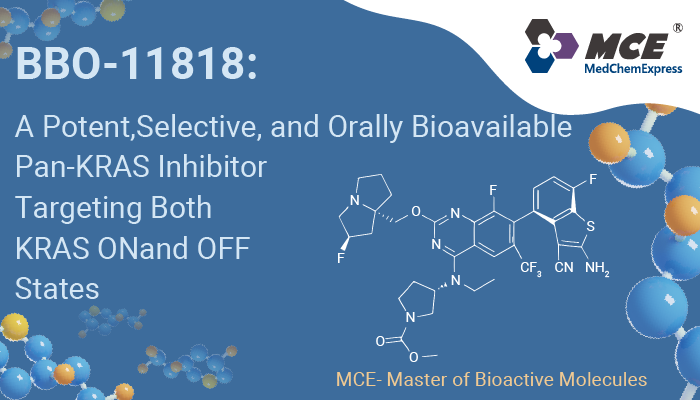
BBO-11818 is a potent, selective, orally bioavailable, and noncovalent pan-KRAS inhibitor targeting multiple clinically relevant KRAS mutants in both ON and OFF states.
Blog
BBO-11818 is a potent, selective, orally bioavailable, and noncovalent pan-KRAS inhibitor targeting multiple clinically relevant KRAS mutants in both ON and OFF states.
Products
All
-
All
-
Inhibitors & Agonists
-
Isotope-Labeled Compounds
-
Fluorescent Dye
-
Peptides
-
Recombinant Proteins
-
Antibodies
-
Screening Libraries
-
Kits
-
Inhibitory Antibodies
-
Reference Standards
-
Induced Disease Models Products
-
Biochemical Assay Reagents
-
Natural Products
| Cat. No. | Product Name | Information | Application | Publication |
|---|---|---|---|---|
| HY-11109 | Resatorvid |
Resatorvid (TAK-242) is a selective Toll-like receptor 4 (TLR4) inhibitor. Resatorvid inhibits NO, TNF-α and IL-6 production with IC50s of 1.8 nM, 1.9 nM and 1.3 nM, respectively. Resatorvid downregulates expression of TLR4 downstream signaling molecules MyD88 and TRIF. Resatorvid inhibits autophagy and plays pivotal role in various inflammatory diseases.
|
|
536
|
| HY-B2176 | ATP |
ATP (Adenosine 5'-triphosphate) is a central component of energy storage and metabolism in vivo. ATP provides the metabolic energy to drive metabolic pumps and serves as a coenzyme in cells. ATP is an important endogenous signaling molecule in immunity and inflammation. ATP can activate the NLRP3 inflammasome and induce IL-1β and chemokines secretion. ATP has anti-bacterial infection effects and can protect mice against bacterial infection in mice.
Source: widespread |
|
178
|
| HY-B0240 | Disulfiram |
Disulfiram (Tetraethylthiuram disulfide) is a specific inhibitor of aldehyde-dehydrogenase (ALDH1), used for the treatment of chronic alcoholism by producing an acute sensitivity to alcohol. Disulfiram inhibits gasdermin D (GSDMD) pore formation in liposomes and inflammasome-mediated pyroptosis and IL-1β secretion in human and mouse cells. Disulfiram, a copper ion carrier, with Cu2+ increases intracellular ROS levels and induces cuproptosis.
|
Metabolic or Endocrine Disease
Breast Cancer
Prostate Cancer
Pancreatic Cancer
Ovarian Cancer
Viral Infection
Depression
Pain
Autoimmune Disease
Digestive System Inflammation
SARS-CoV-2 Infection
|
161
|
| HY-100573 | Necrosulfonamide |
Necrosulfonamide is a MLKL and Gasdermin D (GSDMD) inhibitor, capable of separately inhibiting necroptosis and pyroptosis of cells. Necrosulfonamide does not affect the activation of upstream signals, but specifically inhibits the downstream executor oligomerization step. Necrosulfonamide reduces the expression of the key kinases NLRP3 and caspase-1 involved in necroptosis and pyroptosis, activate the Nrf2 pathway and the downstream antioxidant enzymes, and also downregulates a variety of inflammatory factors. Necrosulfonamide plays significant roles in various diseases such as neurodegenerative diseases (such as Parkinson’s disease), tissue damage and ischemia-reperfusion injury, inflammatory bowel disease, osteoarthritis and fracture repair, and hair loss by regulating two important programmed necrosis pathways.
|
Mixed Lineage Kinase
Necroptosis
Pyroptosis
Caspase
NOD-like Receptor (NLR)
Keap1-Nrf2
TNF Receptor
Interleukin Related
NO Synthase
Heme Oxygenase (HO)
Digestive System Disease
Prostate Cancer
Leukemia/Lymphoma/Myeloma
Depression
Digestive System Inflammation
Cardiovascular Disease
Parkinson's Disease
Obesity
Lung Fibrosis
Rheumatoid Arthritis
|
147
|
| HY-L031 | Small Molecule Immuno-Oncology Compound Library |
Immuno-Oncology is a type of immunotherapy that has the specific purpose of treating cancer. It works by stimulating our immune system to fight back. Normally, our immune system is able to destroy cancer cells in our body, however sometimes cancer cells can adapt and mutate, effectively hiding from our immune system. This is when tumors can develop and become a threat to our health. Immuno-oncology involves mobilizing lymphocytes to recognize and eliminate cancer cells using the body’s immune system. There are several immuno-oncology treatments available, including Immune cell therapy (CAR-T), monoclonal antibodies (mABs) and checkpoint inhibitors, cytokines and cancer vaccines.
MCE Small Molecule Immuno-Oncology Compound Library offers 831 bioactive tumor immunology compounds that target some important checkpoints such as PD1/PD-L1, CXCR, Sting, IDO, TLR, etc. This library is a useful tool for Immuno-oncology research.
|
|
88
|
| HY-14519 | Methotrexate |
Methotrexate (Amethopterin; CL14377; WR19039) is an orally active antifolate (Antifolate). Methotrexate inhibits dihydrofolate reductase (DHFR), blocks tetrahydrofolate production, suppresses purine/pyrimidine synthesis and transmethylation, and causes intracellular accumulation of AICAR. Methotrexate promotes extracellular adenosine release, regulates the cytokine network, and inhibits the alarmin function of HMGB1. Methotrexate induces apoptosis and cytotoxicity, upregulates the expression of iNOS and COX-2, suppresses hippocampal neurogenesis, and induces pulmonary fibrosis. Methotrexate is used in the research of various immune and inflammation-related diseases such as arthritis, psoriasis, systemic lupus erythematosus, as well as pulmonary fibrosis and breast cancer.
|
|
87
|
| HY-L084 | Microbial Metabolite Library |
Nature has been a source of medicinal products for millennia, with many useful active substances developed from plant sources. In the 20th century, the discovery of the penicillin was the starting point for drug discovery from microbial sources. Microorganisms, which have been considered to be a rich source of unique bioactive compounds, play an important role in the development of the chemistry of natural products and medical therapy. Microbial metabolites have proved to be affective antimicrobial agents, anti-tumor agents, enzyme inhibitors, anti-inflammatory agents, etc. Today, many microbial-originated antibiotics are available in the mark, and a large number of bioactive metabolites are used in medicine.
MCE provides a unique collection of 939 microbial metabolites, which is an important source of lead compounds and can be used for drug discovery.
|
|
87
|
| HY-L078 | Gut Microbial Metabolite Library |
Accumulating evidence has revealed that intestinal microbiota play an important role in human health and disease, including cardiovascular diseases, inflammatory bowel disease, diabetes, obesity, cancer, and depression, etc. Changes in the composition of gut microbiota associated with disease, referred to as dysbiosis, have been linked to pathologies. Indeed, the gut microbiome functions like an endocrine organ, generating bioactive metabolites which play important roles in human metabolism, health, and disease. Gut microbiome has become a novel therapeutic target for many diseases. Analysis and identification of gut microbial metabolite will contribute to the development of therapeutic methods.
In order to meet the need of gut microbiome research, MCE carefully selected a unique collection of 475 gut microbial metabolites. MCE gut microbial metabolite library is a powerful tool for gut microbiome research and gut microbiome -related drug discovery.
|
|
85
|
| HY-L174 | Macrophage Related Compound Library |
Macrophages are effector cells of the innate immune system, engulfing bacteria and secreting pro-inflammatory and antibacterial mediators. They are an important component of the first line defense against pathogens and tumor cells. In addition, macrophages play an important role in eliminating damaged cells through programmed cell death. Like all immune cells, macrophages originate from pluripotent hematopoietic stem cells in the bone marrow. Macrophages play key functions in many physiological processes beyond homeostasis and innate immunity, including metabolic function, cell debris clearance, tissue repair, and remodeling. In order to fulfill their different functional roles, macrophages can polarize into a series of phenotypes, including classic (pro inflammatory, M1) and alternative (anti-inflammatory, healing promoting, M2) activation states, as well as a wide range of regulatory phenotypes and subtypes. Macrophages exist in all vertebrate tissues and have a dual function in host protection and tissue damage, maintaining a good balance.
MCE designs a unique collection of 276 macrophage related compounds. It is a good tool to be used for research on Inflammation, cancer and other diseases.
|
|
83
|
| HY-L184 | Anti-Gastric Cancer Compound Library |
Gastric Cancer (GC) is one of the most common malignant tumors in the world, ranking fourth in mortality rate globally. Because the early symptoms of stomach neoplasm are usually not obvious, are diagnosed with gastric cancer at terminal stage, and the relative survival rate within 5 years is very low. With the further understanding of the molecular characteristics of stomach neoplasm, many therapeutic targets for gastric cancer have been identified, and molecular targeted therapies such as CTLA-4, HER2 and immune checkpoint inhibitors have made rapid progress. Although survival rates for patients with gastric neoplasm have improved over the past few decades, the prognosis is still worrying. Therefore, there is an urgent need for new drugs to treat gastric cancer.
MCE designs a unique collection of 1,203 small molecules with definite or potential anti-gastric cancer activity, which is an important tool for studying the pathological mechanism of stomach neoplasm and developing drugs for stomach neoplasm.
|
|
83
|
| HY-L185 | Anti-Fibrosis Compound Library |
Fibrosis is a kind of repair response to long-term tissue damage, which is mainly manifested by excessive deposition of extracellular matrix (ECM) and scar formation. Myofibroblasts are the main generating cells of extracellular matrix, and their activation process is related to various pathological mechanisms including Oxidative stress, chronic inflammation and cytokine secretion. Fibrosis can occur in many organs, such as kidneys, liver, heart, lungs, etc. Continuous fibrosis can lead to the destruction of the normal structure of tissues and organs, and if not controlled in time, may cause organ failure or even life-threatening.
MCE contains 2,568 compounds targeting ant-fibrosis targets such as TGF-β, PI3K, Wnt, MMP, etc. These compounds have clear or potential anti-fibrosis activity and can be used for mechanism research and drug screening of fibrosis diseases.
|
|
83
|
| HY-L212 | Neuropeptide Library |
Neuropeptides are small proteins produced and released by neurons through the regulation of secretory pathways, expressed in neurons and have transmitter or co-transmitter functions, and are used as nerve substrates. Neuropeptides are by far the largest and most diverse signaling molecules in the brain and have been implicated in the development of diseases and drugs. Neuropeptides are involved in inflammatory and immune diseases and have an impact on epithelial, vascular, and connective tissue cells proliferation and tissue repair. Studies have shown that neuropeptides are particularly important when the nervous system is challenged, such as stress, injury, or substance abuse. Substance P is a neuropeptide that acts as a neurotransmitter and neuromodulator in the central nervous system and is currently in clinical research and has been shown to be involved in inflammatory processes and pain.
MCE can provide 128 neuropeptides that can be used for scientific research.
|
|
83
|
| HY-L215 | Mass Spectrometry Human Metabolite Library |
Metabolomics, positioned as the systemic characterization of small-molecule metabolites within biological systems, has emerged as an indispensable analytical platform in both fundamental research and translational applications across plant sciences, microbial biotechnology, and biomedical investigations. Functioning as a critical component in multi-omics integration, this discipline deciphers the intricate molecular networks operating downstream of genomic, transcriptomic, and proteomic regulation, thereby capturing the dynamic biochemical phenotype closest to organismal functionality. The metabolome, comprising endogenous compounds with molecular weights typically below 1500 Da, serves as the functional readout of cellular processes and environmental interactions, where perturbations in metabolic networks are frequently implicated in disease pathogenesis. Such unique attributes have propelled metabolomics into a pivotal role in pharmacological research, particularly in target deconvolution, pharmacodynamic assessment, and mechanistic elucidation of pathological processes.
MCE can provide 6,077 mass spectrometry human metabolites that can be used for metabolite identification and quantification, functional cell detection and phenotypic screening of mass spectrometry.
|
|
83
|
| HY-L948 | PD-1/PD-L1 Lead-like Library |
PD-1/PD-L1 are key immune checkpoint targets that suppress T-cell-mediated anti-tumor immunity, representing a major focus in cancer immunotherapy. While antibody drugs dominate the clinic, they are limited by administration challenges and immune-related side effects. Small-molecule PD-1/PD-L1 inhibitors, with oral availability, good tissue penetration and low cost, have emerged as a promising next-generation strategy.
A PD-1/PD-L1 lead-like library was built via a five-step virtual screening process. After collecting 8,947 inhibitors from BindingDB and PubChem and filtering by activity and duplicates, AI similarity screening was performed using GeminiMol. Key pharmacophores were extracted from the PPI interface of co-crystal structures, and molecular was screened via a pharmacophore model, effectively enhancing target activity.
Containing 10,000 structurally diverse and drug-like molecules well-matched to the PD-L1 pocket, the library supports virtual docking, high-throughput screening and hit discovery, enabling efficient and rapid development of small-molecule immunotherapies.
|
|
83
|
| HY-16141 | Cilengitide |
Cilengitide (EMD 121974) is an integrin (integrin) inhibitor with blood-brain barrier permeability, with IC50 values against human targets as follows: 0.61 nM for αvβ3, 8.4 nM for αvβ5, 14.9 nM for α5β1, 5400 nM for αIIbβ3, 2050 nM for αvβ6, 2350 nM for αvβ8. Cilengitide inhibits the binding of integrins to vitronectin, fibronectin, fibrinogen and LAP (TGF-β), and serves as an internal standard for solid-phase integrin binding assays. Cilengitide inhibits tumor cell viability, induces apoptosis, reduces the phosphorylation levels of STAT3, AKT and mTOR, downregulates the expression of PD-L1, inhibits cell viability and angiogenesis, regulates anti-tumor immune responses and slows tumor growth. Cilengitide can be used in research related to glioblastoma, melanoma, advanced solid tumors and refractory brain tumors.
|
|
75
|
| HY-107202 | Polyinosinic-polycytidylic acid |
Polyinosinic-polycytidylic acid (Poly(I:C)) is a synthetic analog of double-stranded RNA and an agonist of toll-like receptor 3 (TLR3) and retinoic acid inducible gene I (RIG-I)-like receptors (RIG-I and MDA5). Polyinosinic-polycytidylic acid can be used as a vaccine adjuvant to enhance innate and adaptive immune responses, and to alter the tumor microenvironment. Polyinosinic-polycytidylic acid can directly trigger cancer cells to undergo apoptosis.
|
RIG-I-like receptor (RLR)
Toll-like Receptor (TLR)
PKD
HSP
Bcl-2 Family
Interleukin Related
Apoptosis
Infection
Digestive System Disease
Prostate Cancer
Pain
Digestive System Inflammation
Lung Fibrosis
Rheumatoid Arthritis
|
73
|
| HY-123606 | GSK484 |
GSK484 is a PAD4 inhibitor that effectively inhibits protein citrullination and the formation of neutrophil extracellular traps (NETs) by blocking the catalytic activity of PAD4. GSK484 suppresses the production of histone H3, MHC-I expression, CD8+ T cell activation, proliferation and inflammatory cytokine release. GSK484 reduces inflammation and bone destruction in collagen-induced rheumatoid arthritis, alleviates pain and mast cell activation in sickle cell disease, and improves myocardial ischemia-reperfusion injury and experimental colitis. In addition, GSK484 restores intestinal microbial homeostasis by reversing ferroptosis-induced dysbiosis. GSK484 can be used to study the disease mechanisms of rheumatoid arthritis, sickle cell disease, thrombosis, myocardial injury, colitis and other conditions.
|
|
57
|
| HY-108841 | Raleukin |
Raleukin (Kineret) is a recombinant, nonglycosylated human interleukin-1 receptor (IL-1R) antagonist. Raleukin significantly reduces neutrophil accumulation in blood vessels and brain infarct volume as well as improves motor coordination performance in ischemic stroke mice model. Anakinra can be used to study chronic inflammatory disorders like rheumatoid arthritis and cardiovascular recurrence post-myocardial infarction.
Species: Human |
|
57
|
| HY-B1081A | Oxidopamine hydrobromide |
Oxidopamine (6-OHDA) hydrobromide is an antagonist of the neurotransmitter dopamine. Oxidopamine hydrobromide is a widely used neurotoxin and selectively destroys dopaminergic neurons. Oxidopamine hydrobromide promotes COX-2 activation, leading to PGE2 synthesis and pro-inflammatory cytokine IL-1β secretion. Oxidopamine hydrobromide can be used for the research of Parkinson’s disease (PD), attention-deficit hyperactivity disorder (ADHD), and Lesch-Nyhan syndrome.
|
Dopamine Receptor
Autophagy
Mitophagy
COX
PGE synthase
Interleukin Related
p38 MAPK
Apoptosis
Caspase
|
50
|
| HY-100599 | Urolithin A |
Drug Metabolite
Reactive Oxygen Species (ROS)
DNA/RNA Synthesis
Autophagy
Apoptosis
Endogenous Metabolite
|
49
|
|
| HY-P9904 | Atezolizumab |
Colorectal Cancer
Liver Cancer
Non-Small Cell Lung Cancer
Triple-Negative Breast Cancer
Metastatic Breast Cancer
|
42
|
|
| HY-P9902 | Pembrolizumab |
Pembrolizumab (MK-3475) is a humanized IgG4 antibody inhibiting the programmed cell death 1 (PD-1) receptor, used in cancer immunotherapy.
Species: Human |
Non-Small Cell Lung Cancer
Lung Adenocarcinoma
HER-2 Positive Breast Cancer
Triple-Negative Breast Cancer
Metastatic Breast Cancer
|
37
|
| HY-19991 | BMS-1 |
BMS-1 is an inhibitor of the PD-1/PD-L1 protein/protein interaction (IC50 between 6 and 100 nM).
|
Lung Cancer
Breast Cancer
Colorectal Cancer
Gastric Cancer
Liver Cancer
Leukemia/Lymphoma/Myeloma
Ovarian Cancer
Digestive System Inflammation
|
34
|
| HY-19745 | BMS-202 |
BMS-202 is a potent and nonpeptidic PD-1/PD-L1 complex inhibitor with an IC50 of 18 nM and a KD of 8 μM. BMS-202 binds to PD-L1 and blocks human PD-1/PD-L1 interaction. BMS-202 has antitumor activity.
|
Neurological, Eye or Ear Disease
Lung Cancer
Breast Cancer
Colorectal Cancer
Gastric Cancer
Liver Cancer
Leukemia/Lymphoma/Myeloma
Ovarian Cancer
Digestive System Inflammation
|
27
|
| HY-P99144 | Anti-Mouse PD-1 Antibody (RMP1-14) |
|
27
|
|
| HY-P1489A | OVA Peptide(257-264) TFA |
OVA Peptide(257-264) TFA is a class I (Kb)-restricted peptide epitope of OVA, an octameric peptide can be from ovalbumin presented by the class I MHC molecule, H-2Kb.
|
|
25
|
| HY-P1489 | OVA Peptide(257-264) |
OVA Peptide(257-264) is a class I (Kb)-restricted peptide epitope of OVA, an octameric peptide can be from ovalbumin presented by the class I MHC molecule, H-2Kb.
|
|
25
|
| HY-P9903 | Nivolumab |
Nivolumab is a programmed death receptor-1 (PD-1) blocking human IgG4 antibody to treat advanced (metastatic) non-small cell lung cancer.
Species: Human |
Non-Small Cell Lung Cancer
Lung Adenocarcinoma
Triple-Negative Breast Cancer
Metastatic Breast Cancer
SARS-CoV-2 Infection
|
23
|
| HY-12326 | c-di-AMP |
c-di-AMP (Cyclic diadenylate) is a STING agonist, which binds to the transmembrane protein STING thereby activating the TBK3-IRF3 signaling pathway, subsequently triggering the production of type I IFN and TNF. c-di-AMP (Cyclic diadenylate) is also a bacterial second messenger, which regulates cell growth, survival, and virulence, primarily within Gram-positive bacteria, and also regulates host immune response. c-di-AMP (Cyclic diadenylate) acts as a potent mucosal adjuvant stimulating both humoral and cellular responses.
|
|
20
|
| HY-12326B | c-di-AMP diammonium |
c-di-AMP diammonium is a STING agonist, which binds to the transmembrane protein STING thereby activating the TBK3-IRF3 signaling pathway, subsequently triggering the production of type I IFN and TNF. c-di-AMP diammonium is also a bacterial second messenger, which regulates cell growth, survival, and virulence, primarily within Gram-positive bacteria, and also regulates host immune response. c-di-AMP diammonium acts as a potent mucosal adjuvant stimulating both humoral and cellular responses.
|
|
20
|
| HY-12326A | c-di-AMP disodium |
c-di-AMP (Cyclic diadenylate) sodium is a STING agonist, which binds to the transmembrane protein STING thereby activating the TBK3-IRF3 signaling pathway, subsequently triggering the production of type I IFN and TNF. c-di-AMP sodium is also a bacterial second messenger, which regulates cell growth, survival, and virulence, primarily within Gram-positive bacteria, and also regulates host immune response. c-di-AMP sodium acts as a potent mucosal adjuvant stimulating both humoral and cellular responses.
|
|
20
|
| HY-P99145 | Anti-Mouse PD-L1/B7-H1 Antibody (10F.9G2) |
Anti-Mouse PD-L1/B7-H1 Antibody (10F.9G2) is an anti-mouse PD-L1/B7-H1 IgG2b antibody inhibitor derived from host rat. Anti-Mouse PD-L1/B7-H1 Antibody (10F.9G2) blocks PD-1 signaling. Anti-Mouse PD-L1/B7-H1 Antibody (10F.9G2) can be used for the research of cancer, such as colon cancer.
Species: Mouse |
|
20
|
| HY-P9926 | Dupilumab |
Dupilumab (REGN-668) is a fully human mAb to IL-4 receptor α (IL-4Rα) that inhibits both IL-4 and IL-13 signaling, markedly improved moderate-to-severe atopic dermatitis.
Species: Human |
Inflammation or Immune System Disease
Breast Cancer
Non-Small Cell Lung Cancer
Staphylococcus Aureus Infection
|
9
|
| HY-P99032 | Monalizumab |
Monalizumab (IPH2201) is an immune checkpoint inhibitor targeting Natural Killer Group 2A (NKG2A). Monalizumab, a humanized anti-NKG2A blocking mAb, increases IFN-γ production, thereby promoting NK cell effector functions. Monalizumab can be used for the research of head and neck squamous cell carcinoma (HNSCC).
Species: Human |
|
7
|
| HY-P9919 | Durvalumab |
Gastric Cancer
Liver Cancer
Leukemia/Lymphoma/Myeloma
Non-Small Cell Lung Cancer
Lung Adenocarcinoma
Triple-Negative Breast Cancer
Metastatic Breast Cancer
|
7
|
|
| HY-W250978 | Ovalbumins |
Ovalbumins are the major proteins in egg white. Ovalbumins act as an allergen and inducer, and can be applied to mouse models of allergic diseases. Ovalbumins can induce allergic rhinitis in mice via sensitization and nasal challenge. Ovalbumins can be used to establish asthma models.
Ovalbumin, low endotoxin (HY-W250978A) is recommended for model establishment. |
|
6
|
| HY-135897 | Urolithin C |
Urolithin C, a gut-microbial metabolite of Ellagic acid, is a glucose-dependent activator of insulin secretion. Urolithin C is a L-type Ca2+ channel opener and enhances Ca2+ influx. Urolithin C induces cell apoptosis through a mitochondria-mediated pathway and also stimulates reactive oxygen species (ROS) formation.
|
|
5
|
| HY-123941 | FKBP12 PROTAC dTAG-7 |
FKBP12 PROTAC dTAG-7 (dTAG-7) is a FKBP12F36V PROTAC degrader. FKBP12 PROTAC dTAG-7 binds FKBP12F36V and CRBN to form a complex, mediating degradation via the ubiquitin-proteasome system. FKBP12 PROTAC dTAG-7 mediates the degradation of FKBP12F36V-tagged nuclear and cytoplasmic proteins, including BRD4, HDAC1, EZH2, MYC, PLK1, KRASG12V, and antigen fusion proteins. FKBP12 PROTAC dTAG-7 enhances MHC class I antigen presentation. FKBP12 PROTAC dTAG-7 is applicable to leukemia-related research.
|
PROTACs
FKBP
Epigenetic Reader Domain
HDAC
Histone Methyltransferase
c-Myc
Polo-like Kinase (PLK)
Ras
MHC
|
4
|
| HY-Y0520 | Itaconic acid |
Itaconic acid, a precursor of polymers, chemicals, and fuels, can be synthesized by many fungi. Itaconic acid also is a macrophage-specific metabolite. Itaconic acid mediates crosstalk between macrophage metabolism and peritoneal tumors. Itaconic acid has anti-inflammatory, anti-microbial and immunomodulatory effect.
|
|
4
|
| HY-B1391 | D-Panthenol |
D-Panthenol is the biologically-active alcohol of pantothenic acid, which leads to an elevation in the amount of coenzyme A in the cell. D-panthenol exhibits nephroprotective effect in AKI, promotes tissue repair and regeneration.
|
|
3
|
| HY-W015346 | Desaminotyrosine |
Desaminotyrosine is a microbially associated metabolite protecting from influenza through augmentation of type I interferon signaling.
Source: Saccharomyces cerevisiae |
|
3
|
| HY-W050026 | Phenylacetylglutamine |
Phenylacetylglutamine is a colonic microbial metabolite from amino acid fermentation.
|
|
3
|
| HY-D0256A | Direct Black 38 free acid |
Direct Black 38 (Chlorazol Black E; Ferristatin II disodium) free acid is a benzidine-based azo dye, a substrate of Enterococcus gallinarum, and is mainly used for textile dyeing. Direct Black 38 free acid is biodegradable after being reduced by microbial enzymes (such as Enterococcus gallinarum azoreductase), breaking the azo bonds and releasing benzidine and 4-aminobiphenyl. Direct Black 38 free acid can be used in environmental toxicology, wastewater treatment and carcinogenicity studies, but its metabolite benzidine is listed as a human carcinogen.
|
|
2
|
| HY-P4846 | Ac-Pro-Gly-Pro-OH |
Ac-Pro-Gly-Pro-OH is an endogenous degradation product of extracellular collagen and acts as a CXCR2 agonist. Ac-Pro-Gly-Pro-OH exerts bactericidal activity by generating hydrogen peroxide, inhibits pulmonary inflammation, and reduces immune cell apoptosis (apoptosis). Ac-Pro-Gly-Pro-OH promotes the production of IFN-γ and inhibits the production of TNF-α and IL-6 in leukocytes. Ac-Pro-Gly-Pro-OH increases the survival rate of mice in sepsis models, enhances the bactericidal activity of neutrophils, acts as a neutrophil chemoattractant, induces neutrophil polarization, and regulates inflammatory and repair processes. Ac-Pro-Gly-Pro-OH induces chronic inflammation and tissue remodeling through sustained action. Ac-Pro-Gly-Pro-OH is released via alkaline hydrolysis of corneal proteins in alkali-injured eyes, thereby driving the early infiltration of neutrophils into the cornea. Ac-Pro-Gly-Pro-OH is applicable to research related to sepsis, chronic obstructive pulmonary disease, cystic fibrosis, bronchiolitis obliterans syndrome, severe asthma, idiopathic pulmonary fibrosis, and corneal ulcer.
|
|
2
|
| HY-P990131 | Anti-Mouse CD47/IAP Antibody (MIAP301) |
Anti-Mouse CD47/IAP Antibody (MIAP301) is an anti-mouse CD47/IAP IgG2a monoclonal antibody. Anti-Mouse CD47/IAP Antibody (MIAP301) can effectively block CD47 signaling and enhance macrophage phagocytic function. Anti-Mouse CD47/IAP Antibody (MIAP301) can increase the infiltration of immune cells. Anti-Mouse CD47/IAP Antibody (MIAP301) restores the phagocytic function of myeloid cells and alleviate B cell inhibition. Anti-Mouse CD47/IAP Antibody (MIAP301) may interfere with wound healing. Anti-Mouse CD47/IAP Antibody (MIAP301) can be used for researches on cancer, inflammation and infection conditions such as melanoma, intestinal mucosal repair and sepsis.
Species: Mouse |
|
2
|
| HY-D0256 | Direct Black 38 |
Direct Black 38 (Chlorazol Black E) is a benzidine-based azo dye, a substrate of Enterococcus gallinarum, and is mainly used for textile dyeing. Direct Black 38 is biodegradable after being reduced by microbial enzymes (such as Enterococcus gallinarum azoreductase), breaking the azo bonds and releasing benzidine and 4-aminobiphenyl. Direct Black 38 can be used in environmental toxicology, wastewater treatment and carcinogenicity studies, but its metabolite benzidine is listed as a human carcinogen.
|
|
2
|
| HY-109520 | Glatiramer acetate |
Glatiramer acetate, a synthetic analogue of myelin basic protein and an immunomodulating agent, inhibits Experimental autoimmune encephalomyelitis (EAE), and can be used for the research of multiple sclerosis. Glatiramer acetate exhibits strong and promiscuous binding to MHC molecules and consequent competition with various myelin antigens for their presentation to T cells. A further aspect of its action is potent induction of specific suppressor cells of the T helper 2 (Th2) type that migrate to the brain and lead to in situ bystander suppression.
|
|
2
|
| HY-W050026S | Phenylacetylglutamine-d5 |
Phenylacetylglutamine-d5 (NSC 203800-d5) is the deuterium labeled Phenylacetylglutamine (HY-W050026). Phenylacetylglutamine is a colonic microbial metabolite from amino acid fermentation.
|
|
2
|
| HY-P99051 | Tinurilimab |
Tinurilimab (Bay 1834942) is an anti-CEACAM6 (carcinoembryonic antigen-related cell adhesion molecule 6) humanized IgG2 monoclonal antibody. CEACAM6 is an immune checkpoint regulator suppressing the activity of effector T-cells against tumors. Tinurilimab shows an increased tumor cell killing effect in the tumor-cell/T-cell co-culture system.
Species: Human |
|
2
|
| HY-N2406 | Dihydrocaffeic acid |
Dihydrocaffeic acid is a microbial metabolite of flavonoids. Dihydrocaffeic acid scavenges intracellular ROS and increases nitric oxide synthase activity. Dihydrocaffeic acid reduces phosphorylation of MAPK p38 and prevent UVB-induced skin damage. Dihydrocaffeic acid has antioxidant, anti-inflammatory and anti-cartilage degradation activities.
|
Lung Cancer
Prostate Cancer
Gastric Cancer
Ovarian Cancer
Neurodegenerative Disease
Depression
Pain
Obesity
Lung Fibrosis
Rheumatoid Arthritis
|
2
|
| HY-119109 | Laminaran |
Laminaran is an β-1-3-glucan and a typical ligand for Dectin-1 from Eisenia Bicyclis, has potent immunomodulating, radioprotective, and anticancer activities. Laminaran is made up of β (1→3)-glucan with β (1→6)-branches and can be catalyzed by enzymes such as laminarinase (EC 3.2.1.6) that breaks the β (1→3) bonds. Laminaran is a promising immune stimulatory molecule for use in cancer immunotherapy.
Source: Eisenia Bicyclis |
|
2
|
| HY-131166 | Curdlan |
Curdlan is a polysaccharide found in bacteria, consisting of a glucose homopolymer with β-1,3-glycosidic linkages. Curdlan can be recognized by Dectin-1 (a C-type lectin receptor), inducing immune responses in tissue mast cells and enhancing dendritic cell effects in tumor immunity. Curdlan holds potential for research in cancer and immune-inflammatory diseases.
|
Bacterial
C-type Lectin-like Receptors (CTLRs)
Toll-like Receptor (TLR)
NO Synthase
Reactive Oxygen Species (ROS)
|
2
|
| HY-P99931 | Epcoritamab |
Epcoritamab (GEN3013) is an bispecific IgG1 antibody redirecting T-cells toward CD3×CD20+ tumor cells. Epcoritamab induces potent T-cell-mediated cytotoxicity towards B-cell NHL cell lines.
Species: Human |
|
2
|
| HY-126855 | Cholic acid 7-sulfate |
Cholic acid 7-sulfate (7-Sulfocholic acid) is a selective agonist targeting TGR5 (EC50=0.17 μM) and a ligand for MHC class I-related protein (MR1). As a gut-restricted TGR5 agonist, cholic acid 7-sulfate binds to TGR5 on enteroendocrine L cells, induces GLP-1 secretion, and improves glucose tolerance in a TGR5-dependent manner. Cholic acid 7-sulfate also acts as an endogenous ligand for MR1, promoting the survival of mucosal-associated invariant T cells MAIT and the expression of homeostatic gene signatures, affecting MAIT cell development and function. Cholic acid 7-sulfate is mainly used in the research of diabetes and MAIT cell-related immune regulation.
|
|
1
|
| HY-139413 | β-D-Glucan |
β-D-glucan is a natural non-digestible polysaccharide and high biocompatibility that can be selectively recognized by recognition receptors such as Dectin-1 and Toll-like receptors as well as being easily internalized by murine or human macrophages, which is likely to attribute to a target delivery. β-d-glucan is an enteric delivery vehicle for probiotics.
|
|
1
|
| HY-P99144A | Anti-Mouse PD-1 Antibody (S-5001) |
Anti-Mouse PD-1 Antibody (S-5001) is a selective inhibitor targeting PD-1, blocking the PD-1/PD-L1 immune checkpoint axis through competitive binding to PD-1. Anti-Mouse PD-1 Antibody (S-5001) works by reversing the tumor immunosuppressive microenvironment and reactivating the anti-tumor activity of cytotoxic T lymphocytes. It can be used in research on tumors such as melanoma and HPV-positive oropharyngeal squamous cell carcinoma. Anti-Mouse PD-1 Antibody (S-5001) is often combined with photothermal therapy, chemotherapy, etc., to enhance efficacy.
Species: Mouse |
|
1
|
| HY-W015061 | Phenylacetylglycine |
Phenylacetylglycine is a gut microbial metabolite that can activate β2AR. Phenylacetylglycine protects against cardiac injury caused by ischemia/reperfusion.
|
|
1
|
| HY-P99394 | Talquetamab |
Talquetamab (JNJ-64407564) is a humanized bispecific antibody that binds to GPRC5D (member of G protein-coupled receptor family C5 group D) and CD3 to induce T cell-mediated killing of GPRC5D-expressing MM cells through T cell recruitment and activation. Talquetamab (JNJ-64407564) has antitumor activity.
Species: Human |
|
1
|
| HY-P99592 | Solitomab |
Solitomab (AMG 110) is a bispecific anti-CD3 and anti-epithelial-cell-adhesion-molecule (EpCAM) antibody. Solitomab can be used for the research of primary uterine and ovarian carcinosarcoma cancer.
Species: Human |
|
1
|
| HY-P99033 | Mosunetuzumab |
Mosunetuzumab (BTCT-4465A) is a full-length, fully humanized immunoglobulin G1 (IgG1) T-cell-dependent bispecific (TDB) antibody targeting CD20 (B cells) and CD3 (T cells). Mosunetuzumab redirects T cells to engage and eliminate malignant B cells and can be used for the research of relapsed or refractory (R/R) B-cell non-Hodgkin lymphomas (B-NHLs). The Fc region of Mosunetuzumab incorporates a "knob-into-hole" structural modification and an N297G point mutation to achieve heterodimerization and eliminate Fc glycosylation, thereby effectively silencing antibody effector functions.
Species: Human |
|
1
|
| HY-P99024 | Glofitamab |
Glofitamab (RO7082859) is a T-cell-engaging bispecific antibody possessing a novel 2:1 structure with bivalency for CD20 on B cells and monovalency for CD3 on T cells. Glofitamab leads to T-cell activation, proliferation, and tumor cell killing upon binding to CD20 on malignant cells. Glofitamab induces durable complete remissions in relapsed or refractory B-Cell non-Hodgkin lymphoma (B-NHL).
Species: Human |
|
1
|
| HY-P99675 | Ivonescimab |
Ivonescimab (AK112) is a PD-1/VEGF bispecific antibody. Ivonescimab competitively inhibiting PD-1/PD-L1 interaction, reversing the immunosuppression mediated by it, and blocks the binding of VEGF-A to VEGFR2, inhibiting tumour angiogenesis in the tumour microenvironment. Ivonescimab also has significantly anticancer activity against EGFR-mutated locally advanced or metastatic non-squamous non-small cell lung cancer (NSCL).
Species: Human |
|
1
|
| HY-P71133 | Serpin E1 Protein, Mouse (HEK293, His) |
Serpin E1 protein is a serine protease inhibitor that regulates TMPRSS7 and is a major inhibitor of tissue-type plasminogen activator (PLAT) and urokinase-type plasminogen activator (PLAU).It can significantly downregulate fibrinolysis and control thrombus degradation.Serpin E1 Protein, Mouse (HEK293, His) is the recombinant mouse-derived Serpin E1 protein, expressed by HEK293 , with C-6*His labeled tag.
Species: Mouse; Source: HEK293 |
|
1
|
| HY-P11422 | CKS9 |
CKS9 is an M cell-targeting polypeptide with the amino acid sequence CKSTHPLSC, forming a 9-mer peptide via cyclization through a disulfide bond between the two cysteine residues. CKS9 is obtained through phage display technology screening and has high affinity for M cells. CKS9 can promote chitosan nanoparticles to cross M cells and enter the follicle-associated epithelium (FAE) of intestinal Peyer's patches (PP). CKS9 can be used in studies related to swine dysentery and oral delivery.
|
|
/
|
| HY-P11062 | M30 peptide |
|
/
|
|
| HY-P5254 | Hexapeptide-3 |
Hexapeptide-3isa bioactive peptide with repair skin effect and has been reported used as a cosmetic ingredient.
|
|
/
|
| HY-P11061 | M27 peptide |
|
/
|
|
| HY-P11253 | DOTA-Bn-CA-170 |
DOTA-Bn-CA-170 is a molecular probe targeting the VISTA protein, with a Kd value of 0.124 nM. DOTA-Bn-CA-170 is formed by covalently linking the p-SCN-Bn-DOTA ligand with CA-170 (HY-101093). DOTA-Bn-CA-170 labeled with [68Ga]Ga successfully achieves specific and high-contrast PET imaging of VISTA expression in various tumor-bearing mouse models. DOTA-Bn-CA-170 can be used for the study of VISTA-targeted immunotherapy.
|
|
/
|
| HY-P11338 | Microcyclamide |
Microcyclamide (Compound 1), a cytotoxic cyclic hexapeptide, is a microbial secondary metabolite. Microcyclamide can be isolated from the cyanobacterium Microcystis aeruginosa. Microcyclamide has moderate cytotoxicity against P388 murine leukemia cells with an IC50 of 1.2 μg/mL. Microcyclamide can be used for cancers research.
|
|
/
|
| HY-P11249 | Mr1.1[S4Dap, C16Pen] |
|
/
|
|
| HY-W127357 | Tripelargonin |
Glyceryl trinonanoate is a triacylglycerol containing nonanoic acid at the sn-1, sn-2 and sn-3 positions. It has been found in Schizochytrium biomass. 1 1,2,3-Trinonanoyl-rac-glycerol increases blood levels of the ketone body D-(-)-3-hydroxybutyrate in neonatal rhesus monkeys. 2|1. Mioso, R., Toledo Marante, FJ, González, JE, et al. Schizochytrium sp. metabolite analysis. Oleaginous microbial sources of biodiesel by GC-MS. braz. J. Microbiology. 45(2), 403-409 (2014).|2. Tetrick, MA, Greer, FR and Benevenga, NJ Blood D- ( )-3-Hydroxybutyric acid concentration. Compare. medicine. 60(6), 486-490 (2010).
|
|
/
|
| HY-P990270 | Anti-Mouse CD40L/CD154 (D265A) Antibody (MR-1) |
Anti-Mouse CD40L/CD154 (D265A) Antibody (MR-1) is a mouse-derived IgG1 κ type antibody inhibitor, targeting to mouse CD40L/CD154. Anti-Mouse CD40L/CD154 (D265A) Antibody (MR-1) is a chimeric version of the original MR-1 antibody (HY-P990134). The variable domain sequences are identical to the original MR-1 but the constant region sequences have been switched from Armenian hamster IgG to mouse IgG1. Anti-Mouse CD40L/CD154 (D265A) Antibody (MR-1) contains a D265A mutation in the Fc fragment rendering it unable to bind to endogenous Fcγ receptors. Anti-Mouse CD40L/CD154 (D265A) Antibody (MR-1) blocks CD40/CD40L signaling. Anti-Mouse CD40L/CD154 (D265A) Antibody (MR-1) can be used for researches of cancer, inflammation and immunology.
Species: Mouse |
|
/
|
| HY-P11616 | WK2 |
WK2 is an antibacterial agent. WK2 reduces serum TNF-α production induced by Bacterial infection. WK2 reduces wound size and promotes tissue repair in a skin wound infection model. WK2 exerts anti-inflammatory effects in a pneumonia model. WK2 can be used for research on infectious diseases such as pneumonia caused by bacterial infection.
|
|
/
|
| HY-N0465S | Olaquindox-d4 |
Olaquindox-d4 is the deuterium labeled Olaquindox (HY-N0465). Olaquindox, a quinoxalin derivative, is an orally active antibiotic. Olaquindox stimulates growth and decreases intestinal mucosal immunity of piglets.
|
|
/
|
| HY-W015346S | Desaminotyrosine-d8 |
Desaminotyrosine-d8 (3-(4-Hydroxyphenyl)propionic acid-d8) is the deuterium labeled Desaminotyrosine (HY-W015346). Desaminotyrosine is a microbially associated metabolite protecting from influenza through augmentation of type I interferon signaling.
|
|
/
|
| HY-W713010 | 3-Epideoxycholic acid-d5 |
3-Epideoxycholic acid-d5 is the deuterium labeled 3-Epideoxycholic acid (HY-48814). 3-Epideoxycholic acid is the microbial metabolite of Deoxycholic acid (HY-N0593). 3-Epideoxycholic acid targets FXR of dendritic cells, reduces their immunostimulatory properties, promotes the generation of Treg cells, and exhibits anti-inflammatory activity. 3-Epideoxycholic acid promotes the growth of bacteria Bacteroides.
|
|
/
|
| HY-N12041 | Axl-IN-16 |
Axl-IN-16 is a dual inhibitor of Axl/HIF. Axl-IN-16 induces fruiting body formation of Flammulina velutipes. Axl-IN-16 inhibits hypoxia-inducible factor activity and receptor tyrosine kinase expression.
Source: Hericium erinaceus,Monascus |
|
/
|
| HY-P5681 | Human α-Defensin 6 |
Human α-Defensin 6, a 32-residue cysteine-rich peptide, can inhibit bacterial invasion and contribute to the mucosal immunity. Human α-Defensin 6 forms ordered self-assembly fibrils and nanonets that surround and entangle bacteria after stochastic binding to bacterial surface proteins. Human α-Defensin 6 also inhibits C. albicans biofilm formation.
|
|
/
|
| HY-W777281 | Fluocinolone acetonide-13C3 |
Fluocinolone acetonide-13C3 is the 13C-labeled Fluocinolone (Acetonide) (HY-B0415). Fluocinolone is a glucocorticoid glucocorticoid receptor agonist. Fluocinolone is effective in preventing both lipid accumulation and inflammation. Fluocinolone can promote the proliferation of DPCs and has the potential role in repairing injured pulp tissues. Fluocinolone can be used to study the prevention of chemotherapy-induced peripheral neuropathy caused by Paclitaxel (HY-B0015).
|
|
/
|
| HY-P10707A | Tpp-CAQK TFA |
Tpp-CAQK TAF can bind to mitochondria, enabling the construction of an engineered mitochondrial compound, Mito-Tpp-CAQK TFA, with excellent bioactivity. Mito-Tpp-CAQK TFA can be internalized by macrophages, thereby enhancing the phagocytosis of myelin debris, alleviating mitochondrial dysfunction, and reducing proinflammatory profiles, ultimately facilitating tissue repair and functional recovery in mice after spinal cord injury.
|
|
/
|
| HY-P2269 | MAIT-203 |
MAIT-203, a cyclopentyalanin-derived peptidomimetic, potently inhibits the interaction of adenomatous polyposis coli (APC) and Asef (RhoGEF4), but not APC-Sam68 or APC-striatin interactions. MAIT-203 binds APC-ARM with a Ki of 0.015 μM and a Kd of 0.036 μM. MAIT-203 significantly represses the migration and invasion of colorectal cancer cells.
|
|
/
|
| HY-P991133 | Efranarelaxin alfa |
Efranarelaxin alfa is a relaxin receptor agonist. Efranarelaxin alfa is promising for research of cardiovascular diseases and tissue repair.
|
|
/
|
| HY-P10707 | Tpp-CAQK |
Tpp-CAQK can bind to mitochondria, enabling the construction of an engineered mitochondrial compound, Mito-Tpp-CAQK, with excellent bioactivity. Mito-Tpp-CAQK can be internalized by macrophages, thereby enhancing the phagocytosis of myelin debris, alleviating mitochondrial dysfunction, and reducing proinflammatory profiles, ultimately facilitating tissue repair and functional recovery in mice after spinal cord injury.
|
|
/
|
| HY-131557 | O-Deacetylravidomycin |
O-Deacetylravidomycin, a microbial metabolite discovered in Streptomyces, is an antibiotic. O-Deacetylravidomycin exhibits light-dependent antibacterial and anticancer activities.
|
|
/
|
| HY-P3529 | G-{d-Arg}-GDSPASSK |
G-{d-Arg}-GDSPASSK is a polypeptide that prevents cell adhesion, is used for wound healing, and allows tissue repair.
|
|
/
|
| HY-169232 | PCC16 chloride |
PCC16 chloride is a dual PROTAC degrader targeting DHHC3 and PD-L1, with a DC50 of 0.103 μM for PD-L1 degradation. PCC16 chloride induces DHHC3 degradation via the ubiquitin-proteasome pathway by recruiting the CRBN E3 ubiquitin ligase (E3 ubiquitin ligase). By targeting DHHC3-which is essential for PD-L1 palmitoylation and membrane stability-PCC16 chloride reduces PD-L1 levels, decreases PD-L1 membrane retention time, and impairs its immunosuppressive function. PCC16 chloride enhances anti-tumor immunity by disrupting PD-L1-mediated immunosuppression. PCC16 chloride can be used in the research of immune checkpoint blockade-resistant cancers.
|
|
/
|
| HY-P10715 | Fmoc-KCRGDK |
Fmoc-KCRGDK is a self-assembling peptide that can be used to prepare hydrogels and assist in drug delivery for immune checkpoint inhibitors. Fmoc-KCRGDK can be applied in cancer immunotherapy research.
|
|
/
|
| HY-126855S | Cholic acid 7-sulfate-d4 |
Cholic acid 7-sulfate-d4 (7-Sulfocholic acid-d4) is the deuterium labeled Cholic acid 7-sulfate (HY-126855). Cholic acid 7-sulfate is a selective agonist targeting TGR5 (EC50=0.17 μM) and a ligand for MHC class I-related protein (MR1). As a gut-restricted TGR5 agonist, cholic acid 7-sulfate binds to TGR5 on enteroendocrine L cells, induces GLP-1 secretion, and improves glucose tolerance in a TGR5-dependent manner. Cholic acid 7-sulfate also acts as an endogenous ligand for MR1, promoting the survival of mucosal-associated invariant T cells MAIT and the expression of homeostatic gene signatures, affecting MAIT cell development and function. Cholic acid 7-sulfate is mainly used in the research of diabetes and MAIT cell-related immune regulation.
|
|
/
|
| HY-119684S | Maresin 2 |
Maresin 2-d5 is the d5-labeled Maresin 2 (HY-119684). Maresin 2 is an anti-inflammatory and pro-resolving mediator. Maresin 2 drives intestinal epithelial cell migration by activating the focal cell-matrix adhesion signaling pathway in primary human intestinal epithelial cells, thereby promoting mucosal wound repair. Maresin 2 alleviates nociceptive and anxiety-like behaviors in rats with type 1 diabetes by inhibiting IL-1β in the spinal cord and prefrontal cortex. Maresin 2 attenuates allergic airway inflammation in mice by inhibiting the activation of the NLRP3 inflammasome, Th2-type immune responses, and oxidative stress. Maresin 2 inhibits inflammatory and neuropathic trigeminal neuralgia and reduces neuronal activation in the trigeminal ganglion. Maresin 2 promotes inflammation resolution and mucosal repair after DSS-induced colitis or biopsy-induced colonic mucosal injury.
|
|
/
|
| HY-N12323 | 6′-Galactosyllactose |
6′-Galactosyllactose is the main oligosaccharide that makes up galactose, a component of human milk. 6′-Galactosyllactose can synthesize human milk oligosaccharides and synthetic galactosyllactose with 3′-Galactosyllactose and 4′-Galactosyllactose, and reduce inflammation in human T84, NCM-460 and H4 cells and intestinal tissues.
Source: Human milk |
|
/
|
| HY-P992073 | OpSCF |
OpSCF (INS1148) is an antibody that specifically binds and inactivates inflammatory stem cell factor (SCF), blocks the positive feedback cycle of chronic inflammation, and aids tissue repair. OpSCF can be used for research related to asthma, pulmonary fibrosis, and interstitial lung disease.
Species: Human |
|
/
|
| HY-W015061S | N-(Phenylacetyl-d5)glycine |
N-(Phenylacetyl-d5)glycine is the deuterium labeled Phenylacetylglycine. Phenylacetylglycine is a gut microbial metabolite that can activate β2AR. Phenylacetylglycine protects against cardiac injury caused by ischemia/reperfusion.
|
|
/
|
| HY-100599S2 | Urolithin A-13C6 |
Urolithin A-13C6 is the 13C-labeled Urolithin A (HY-100599). Urolithin A, a gut-microbial metabolite of ellagic acid, exerts anti-inflammatory, antiproliferative, and antioxidant properties. Urolithin A induces autophagy and apoptosis, suppresses cell cycle progression, and inhibits DNA synthesis.
|
Isotope-Labeled Compounds
DNA/RNA Synthesis
Endogenous Metabolite
Reactive Oxygen Species (ROS)
Apoptosis
Drug Metabolite
Autophagy
|
/
|
| HY-P2269A | MAIT-203 acetate |
MAIT-203 acetate is a cyclopentyalanin-derived peptidomimetic, potently inhibits the interaction of adenomatous polyposis coli (APC) and Asef (RhoGEF4), but not APC-Sam68 or APC-striatin interactions. MAIT-203 acetate binds APC-ARM with a Ki value of 0.015 μM and aKd value of 0.036 μM. MAIT-203 acetate significantly represses the migration and invasion of colorectal cancer cells.
|
|
/
|
| HY-P990269 | Anti-Mouse CD40L/CD154 (LALA-PG) Antibody (MR-1) |
Anti-Mouse CD40L/CD154 (LALA-PG) Antibody (MR-1) is a mouse-derived IgG2a κ type antibody inhibitor, targeting to mouse CD40L/CD154. Anti-Mouse CD40L/CD154 (LALA-PG) Antibody (MR-1) is a chimeric version of the original MR-1 antibody (HY-P990134). The variable domain sequences are identical to the original MR-1 but the constant region sequences have been switched from Armenian hamster IgG to mouse IgG2a. Anti-Mouse CD40L/CD154 (LALA-PG) Antibody (MR-1) contains a LALA-PG mutation in the Fc fragment rendering it unable to bind to endogenous Fcγ receptors. Anti-Mouse CD40L/CD154 (LALA-PG) Antibody (MR-1) blocks CD40/CD40L signaling. Anti-Mouse CD40L/CD154 (LALA-PG) Antibody (MR-1) can be used for researches of cancer, inflammation and immunology.
Species: Mouse |
|
/
|
| HY-P2841 | Elastin from pig |
Elastin from pig (Elastin) is a key matrix protein that imparts elasticity to organs and tissues. Elastin from pig is a stable, insoluble protein, and utilized in biomaterial for human tissue repairment.
|
|
/
|
| HY-P2263A | KLD-12 TFA |
KLD-12 TFA is the TFA salt form of KLD-12 (HY-P2263). KLD-12 TFA is a self a 12-residue self-assembling peptide that is used in tissue-engineering. KLD-12 TFA combined with SDF-1 self-assembled polypeptide enhances chondrogenic differentiation of bone marrow stromal cells (BMSCs). KLD-12 TFA hydrogel can fill full-thickness osteochondral defects in situ and improve cartilage repair.
|
|
/
|
| HY-100573S | Necrosulfonamide-d4 |
Necrosulfonamide-d4 is the deuterium labeled Necrosulfonamide (HY-100573). Necrosulfonamide is a MLKL and Gasdermin D (GSDMD) inhibitor, capable of separately inhibiting necroptosis and pyroptosis of cells. Necrosulfonamide does not affect the activation of upstream signals, but specifically inhibits the downstream executor oligomerization step. Necrosulfonamide reduces the expression of the key kinases NLRP3 and caspase-1 involved in necroptosis and pyroptosis, activate the Nrf2 pathway and the downstream antioxidant enzymes, and also downregulates a variety of inflammatory factors. Necrosulfonamide plays significant roles in various diseases such as neurodegenerative diseases (such as Parkinson’s disease), tissue damage and ischemia-reperfusion injury, inflammatory bowel disease, osteoarthritis and fracture repair, and hair loss by regulating two important programmed necrosis pathways.
|
Isotope-Labeled Compounds
Mixed Lineage Kinase
Necroptosis
Pyroptosis
Caspase
NOD-like Receptor (NLR)
Keap1-Nrf2
TNF Receptor
Integrin
NO Synthase
Heme Oxygenase (HO)
Neurological, Eye or Ear Disease
Inflammation or Immune System Disease
Blood or Cardio-cerebrovascular Disease
Metabolic or Endocrine Disease
|
/
|
| HY-N2216 | Polygalasaponin XXXI |
Polygalasaponin XXXI (Onjisaponin F) is an effective adjuvant for intranasal administration of influenza Influenza hemagglutinin (HA) vaccine to protect influenza virus infection.
|
|
/
|
| HY-121636S | Resolvin D2-d5 |
Resolvin D2-d5 is the deuterium labeled Resolvin D2. Resolvin D2 is a metabolite of docosahexaenoic acid (DHA), with anti-inflammatory, anti-infective activities. Resolvin D2 is a potent regulator of leukocytes and controls microbial sepsis. Resolvin D2 is a remarkably potent inhibitor of TRPV1 (IC50 = 0.1 nM) and TRPA1 (IC50 = 2 nM) in primary sensory neurons.
|
|
/
|
| HY-N8693 | Withanoside IV |
Withanoside IV is an orally active, blood-brain barrier-permeable withanolide derivative. Withanoside IV specifically binds to the Sudlow I site of HSA, induces secondary structural changes in HSA, and forms stable HSA complexes. Withanoside IV inhibits the enzymatic activity of COX-2. Withanoside IV induces axonal regeneration, peripheral nervous system myelination and increased axonal density in spinal cord tissue, reduces reactive gliosis-related changes, and improves hindlimb motor function. Withanoside IV binds to amyloid-β 1-42 to inhibit its aggregation, induces neurite outgrowth and synapse reconstruction, repairs damaged axons and dendrites, enhances mitochondrial biogenesis, exerts neuroprotective effects via the BDNF and SIRT1 signaling pathways, reduces ROS production and neuronal apoptosis, and ameliorates memory deficits. Withanoside IV inhibits the activity of the SARS-CoV-2 main protease. Withanoside IV can be used in research related to spinal cord injury, Alzheimer's disease, and coronavirus disease 2019 (COVID-19).
|
|
/
|
| HY-N6579 | Arvenin I |
Arvenin I is a natural cucurbitacin glucoside that activates T cells within the cancer-competitive environment. Arvenin I covalently reacts with and hyperactivates MKK3, thereby reviving the mitochondrial fitness of exhausted T cells through the activation of the p38MAPK pathway. Arvenin I exhibits broad-spectrum antiproliferative against cancer cells. Arvenin I enhances antitumor effects both as a monotherapy and in combination with immune checkpoint inhibitors in mice. Arvenin I can be used for cancer research, such as colon cancer, breast cancer, lung cancer, and ovarian cancer.
|
|
/
|
| HY-P991023 | Safimestomig |
Safimestomig (6MW3211) is an CD47/PD-L1-targeting bispecific antibody. Safimestomig blocks CD47-mediated 'don't eat me' signaling and selectively binds to CD47 on tumor cells. Safimestomig blocks PD-L1-mediated immune checkpoint signaling. Safimestomig can be used for the research of cancer.
Species: Human |
|
/
|
| HY-P5225 | Acetyl hexapeptide-38 |
Acetyl hexapeptide-38 is a tissue repair promoter that targets fibroblasts in the dermis of the skin. It works by promoting collagen synthesis in the dermis and thickening of subcutaneous fat. Acetyl hexapeptide-38 can activate the skin repair mechanism, increase the collagen content in the dermis, improve the skin tissue structure, and has the activity of promoting local tissue repair. Acetyl hexapeptide-38 can be used in the field of cosmetic medicine to repair congenital soft tissue defects, reduce tear grooves and nasolabial folds, eliminate postoperative scars, and conduct micro-plastic surgery of skin tissue.
|
|
/
|
| HY-118383 | Agathisflavone |
Agathisflavone is a flavonoid with antioxidant, anti-inflammatory, antiviral, antiparasitic, cytotoxic, neuroprotective, and hepatoprotective activities. Agathisflavone can improve tissue repair in a spinal cord injury model in rats.
|
Cancer
Infection
Neurological, Eye or Ear Disease
Inflammation or Immune System Disease
Metabolic or Endocrine Disease
|
/
|
| HY-B1391R | D-Panthenol (Standard) |
D-Panthenol (Standard) is the analytical standard of D-Panthenol. This product is intended for research and analytical applications. D-Panthenol is the biologically-active alcohol of pantothenic acid, which leads to an elevation in the amount of coenzyme A in the cell. D-panthenol exhibits nephroprotective effect in AKI, promotes tissue repair and regeneration.
|
|
/
|
| HY-P99514 | Zalifrelimab |
|
/
|
|
| HY-P2263 | KLD-12 |
KLD-12 is a 12-residue self-assembling peptide that is used in tissue-engineering. KLD-12 combined with SDF-1 self-assembled polypeptide enhances chondrogenic differentiation of bone marrow stromal cells (BMSCs). KLD-12 hydrogel can fill full-thickness osteochondral defects in situ and improve cartilage repair.
|
|
/
|
| HY-P99617 | Fianlimab |
Fianlimab (REGN3767) is a human monoclonal antibody that targets the immune checkpoint receptor LAG-3 on T cells and has anti-tumour activity.
Species: Human |
|
/
|
| HY-32955 | 2-Chloropyridine-5-boronic acid |
2-Chloropyridine-5-boronic acid is a mandelate racemase (MR) inhibitor with a Ki value of 8.5 μM against Pseudomonas putida MR.
|
|
/
|
| HY-Y0669R | Pipecolic acid (Standard) |
Pipecolic acid (Standard) is the analytical standard of Pipecolic acid. This product is intended for research and analytical applications. Pipecolic acid is a metabolite of lysine and an important precursor for many useful microbial secondary metabolites. Pipecolic acid slows ferroptosis in diabetic retinopathy by inhibiting the YAP-GPX4 signaling pathway. In addition, Pipecolic acid can be used as a diagnostic marker for pyridoxine-dependent epilepsy.
|
Neurological, Eye or Ear Disease
Inflammation or Immune System Disease
Metabolic or Endocrine Disease
|
/
|
| HY-P99917 | Eflepedocokin alfa |
Eflepedocokin alfa is a recombinant fusion protein. Eflepedocokin alfa consists of human IL-22 fused to human IgG2-Fc domain. Eflepedocokin alfa leads to the activation of IL-22/IL-22R-mediated signal transduction pathways as well as STAT3. Eflepedocokin alfa plays a role in immune response and bacterial infection, enhancing intestinal barrier function, intestinal immunity, and tissue repair.
Species: Human |
|
/
|
| HY-P99166 | Vudalimab |
|
/
|
|
| HY-N6066 | Praeruptorin E |
Praeruptorin E is an orally active pyranocoumarin compound. Praeruptorin E can be isolated from the dried roots of Peucedanum praeruptorum Dunn. Praeruptorin E reduces the expression of NF-κB. Praeruptorin E upregulates the expression of PXR and CYP3A4. Praeruptorin E inhibits Th2 cytokines, TNF-α, IL6, MPO, and blocks the Ca2+ slow channel. Praeruptorin E promotes pulmonary tissue repair and relaxes porcine coronary artery strips. Praeruptorin E protects mice from lipopolysaccharide- and hydrochloric acid-induced acute lung injury. Praeruptorin E can be used in studies related to asthma and acute lung injury.
|
|
/
|
| HY-Y0669S | Pipecolic acid-d9 |
Pipecolic acid-d9 is the deuterium labeled Pipecolic acid. Pipecolic acid is a metabolite of lysine and an important precursor for many useful microbial secondary metabolites. Pipecolic acid slows ferroptosis in diabetic retinopathy by inhibiting the YAP-GPX4 signaling pathway. In addition, Pipecolic acid can be used as a diagnostic marker for pyridoxine-dependent epilepsy.
|
|
/
|
| HY-P99950 | Evorpacept |
Evorpacept (ALX148) is a high-affinity CD47-blocking fusion protein with an inactive human immunoglobulin Fc region. Evorpacept binds to CD47, blocks the interaction of the CD47-SIRPα immune checkpoint, and inhibits the binding of wild-type SIRPα to CD47. Evorpacept is applicable to research related to acute myeloid leukemia.
|
|
/
|
| HY-W019724 | 2,2-Dihydroxyacetic acid |
2,2-Dihydroxyacetic acid is an endogenous metabolite, which is the monohydrate of Glyoxylic Acid. 2,2-Dihydroxyacetic acid may participate in the microbial glyoxylate cycle, induce an increase in reactive oxygen species, promote cell differentiation, and modify proteins to form advanced glycation end products (AGEs) (HY-NP165). 2,2-Dihydroxyacetic acid is associated with metabolic diseases such as primary hyperoxaluria.
|
|
/
|
| HY-P99389 | Tesnatilimab |
Tesnatilimab (JNJ-64304500) is a human IgG4 monoclonal antibody targeting NKG2D, with a KD value of 9.2 pM. Tesnatilimab blocks the binding of ligands to the NKG2D receptor, thereby inhibiting downstream proinflammatory cytokine, cytotoxic mediator signaling pathways and proinflammatory immune responses. Tesnatilimab is applicable to research related to Crohn's disease.
Species: Human |
|
/
|
| HY-P99378 | Neihulizumab |
Neihulizumab (ALTB-168) is an immune checkpoint agonistic antibody that binds to human CD162 (PSGL-1), leading to downregulation of activated T-cells. Neihulizumab can be uesd for steroid-refractory acute graft-versus-host-disease (SR-aGVHD), psoriasis, psoriatic arthritis and ulcerative colitis research.
Species: Human |
|
/
|
| HY-P990134 | Anti-Mouse CD40L/CD154 Antibody (MR-1) |
Anti-Mouse CD40L/CD154 Antibody (MR-1) is an anti-mouse CD40L/CD154 IgG monoclonal antibody. Anti-Mouse CD40L/CD154 Antibody (MR-1) reduces the expression of IFN signaling pathway and lowers the level of IFN-β. Anti-Mouse CD40L/CD154 Antibody (MR-1) can prolong the survival time of transplants. Anti-Mouse CD40L/CD154 Antibody (MR-1) can be used for researches on cancer, inflammation conditions and xenotransplantation such as pancreatic cancer and autoimmune cholangitis.
Species: Mouse |
|
/
|
| HY-P1827 | mTRP-2 (180-188) |
mTRP-2 (180-188) is an MHC class I-restricted tumor-associated antigenic peptide derived from mouse tyrosinase-related protein 2 (TRP-2). mTRP-2 (180-188) binds to HLA-A*0201 with an ID50 of 36 nM. mTRP-2 (180-188) can be presented by H-2Kb molecules and activate TRP-2-specific cytotoxic T lymphocytes (CTL). mTRP-2 (180-188) induces immune responses against B16 melanoma by promoting antigen-specific T cell proliferation, cytokine release, and CTL-mediated tumor cell killing. mTRP-2 (180-188) can be used in studies related to melanoma, glioma, and tumor immunology.
|
|
/
|
| HY-P990026 | Ulviprubart |
Ulviprubart (ABC-008) is a monoclonal antibody targeting the KLRG1 receptor that selectively depletes highly differentiated cytotoxic T cells. Ulviprubart can be used in the study of inclusion body myositis (IBM).
Species: Human |
|
/
|
| HY-159069 | Zymosan (ZM), 95% |
Zymosan (ZM), 95% is a yeast cell wall-derived carbohydrate-rich preparation and immunomodulator. Zymosan (ZM), 95% binds to and activates TLR-2, TLR-4, and Dectin-1 receptor to trigger downstream signaling pathways. Zymosan (ZM), 95% upregulates TLR-2, TLR-4, and TNF-α mRNA expression, increases serum TNF-α levels, and stimulates splenocyte number and viability in mice. Zymosan (ZM), 95% attenuates melanoma growth progression, modulates macrophage marker gene expression, and mediates phagocytosis, ROS generation, and cytokine production. Zymosan (ZM), 95% reduces Connexin 43 protein and mRNA levels, inhibits gap junctional intercellular communication, and induces proinflammatory factor production in human corneal cells. Zymosan (ZM), 95% induces peritoneal inflammation in mice, functions as a drug carrier, and supports fibroblast cell attachment in hydrogel formulations. Zymosan (ZM), 95% can be used for the research of melanoma, tumors, fungal keratitis, ocular surface inflammatory disorders, and peritoneal inflammation.
|
|
/
|
| HY-P3333 | KSPWFTTL |
KSPWFTTL is an immunodominant Kb-restricted epitope from the p15E transmembrane protein. KSPWFTTL can restore susceptibility of a tumor line to anti-AKR/Gross MuLV cytotoxic T lymphocytes.
|
|
/
|
| HY-N2021A | Phosphoramidon disodium |
Phosphoramidon disodium, a microbial metabolite, is a specific metalloprotease thermolysin inhibitor with an IC50 of 0.4 μg/mL. Phosphoramidon disodium also inhibits endothelin-converting enzyme (ECE), neutral endopeptidase (NEP), and angiotensin-converting enzyme (ACE) with IC50 values of 3.5, 0.034, and 78 μM, respectively.
Source: Streptomyces tanashiensis |
|
/
|
| HY-P1939 | Cyclo(L-Leu-L-Pro) |
Cyclo(L-Leu-L-Pro) is a cyclic dipeptide with broad-spectrum antibacterial, antiviral and antifungal activities. Its biological activity is highly dependent on the stereoconfiguration and is widely present in microbial metabolites. Cyclo(L-Leu-L-Pro) efficiently and specifically inhibits the production of aflatoxin by Aspergillus flavus. The cis configuration of Cyclo(L-Leu-L-Pro) (cis-cyclo(L-Leu-L-Pro)) has broad-spectrum antibacterial activity against multi-drug resistant bacteria and significantly inhibits the influenza A virus H3N2.
|
|
/
|
| HY-171821 | PF-08046054 |
PF-08046054 (SGN-PDL1V) is a PD-L1-directed Antibody-drug conjugate (ADC), which is comprised of an anti-PD-L1 antibody conjugated to VcMMAE (HY-15575). PF-08046054 is direct cytotoxicity to PD-L1-expressing tumor cells via the intracellular delivery of MMAE. PF-08046054 can be used for the study of solid tumors
|
|
/
|
| HY-P1587 | IRBP (1-20), human |
IRBP (1-20), human contains a major epitope for the H-2b haplotype. IRBP (1-20), human induces experimental autoimmune uveoretinitis (EAU) in H-2b mice.
|
|
/
|
| HY-128746 | 2,6-Diaminoheptanedioic acid |
2,6-Diaminopimelic acid is a endogenous metabolite produced in bacteria and is a component of cell wall. 2,6-Diaminopimelic acid is essential for microbial metabolism and is a potential marker for quantification of microbial proteins .
|
|
/
|
| HY-P4193 | AH1 |
AH1 is an immunodominant MHC class I-restricted nonamer peptide recognized by CD8+ cytotoxic T lymphocytes. AH1 derives from the envelope protein (gp70) of an endogenous ecotropic murine leukemia virus and is presented by the MHC class I Ld molecule. AH1 can be used for the research of colorectal carcinoma.
|
|
/
|
| HY-P990132 | Anti-Mouse/Rat/Human CD47/IAP Antibody (MIAP410) |
Anti-Mouse/Rat/Human CD47/IAP Antibody (MIAP410) is an anti-mouse/rat/human CD47/IAP IgG1 monoclonal antibody. Anti-Mouse/Rat/Human CD47/IAP Antibody (MIAP410) can effectively block CD47 signaling and enhance macrophage phagocytic function. Anti-Mouse/Rat/Human CD47/IAP Antibody (MIAP410) can increase the infiltration of immune cells. Anti-Mouse/Rat/Human CD47/IAP Antibody (MIAP410) may interfere with wound healing. Anti-Mouse/Rat/Human CD47/IAP Antibody (MIAP410) can be used for researches on cancer and inflammation conditions such as breast cancer and intestinal mucosal repair.
Species: Human/Mouse/Rat |
|
/
|
| HY-P9990 | Litifilimab |
Litifilimab (BIIB059) is a humanized IgG1 monoclonal antibody targeting BDCA2. Litifilimab induces internalization of BDCA2 receptors on the membrane of plasmacytoid dendritic cells, inhibits the TLR7/TLR9 signaling pathway, and suppresses the production of type I interferons. Litifilimab can be used in the research of systemic and cutaneous lupus erythematosus.
Species: Human |
|
/
|
| HY-P5558 | KLTWQELYQLKYKGI |
KLTWQELYQLKYKGI is a VEGF mimetic peptide designed based on the VEGF helix sequence 17-25, with the ability to activate VEGF receptors and exert pro-angiogenic biological activity. KLTWQELYQLKYKGI effectively promotes the attachment, spreading and proliferation of human umbilical vein endothelial cells. KLTWQELYQLKYKGI enhances the proliferation, migration and osteogenic differentiation of bone marrow stromal cells (BMSCs). KLTWQELYQLKYKGI synergistically accelerates angiogenesis and bone regeneration in rat cranial defect models. KLTWQELYQLKYKGI can be used for the research of brain tissue engineering and traumatic brain injury repair and biomaterials for bone tissue engineering and bone repair.
|
|
/
|
| HY-112137 | Trehalose-6,6'-dibehenate |
Trehalose-6,6'-dibehenate is an orally active glycolipid. Trehalose-6,6'-dibehenate activates Mincle and inflammasome, inducing IL-1β secretion in a caspase activity-dependent manner. Trehalose-6,6'-dibehenate exerts a Myd88-dependent adjuvant activity. Trehalose-6,6'-dibehenate induces Th-1/Th-17 immune responses.
|
|
/
|
| HY-P9986 | Tiragolumab |
Tiragolumab is an immune checkpoint inhibitor binding to the T-cell immunoglobulin and ITIM domain (TIGIT). Tiragolumab in combination with Atezolizumab (HY-P9904) and Bevacizumab (HY-P9906) has benefit in unresectable hepatocellular carcinoma. Tiragolumab can be used to study non-small cell lung cancer (NSCLC) and melanoma.
Species: Human |
Respiratory Disease
Non-Small Cell Lung Cancer
Triple-Negative Breast Cancer
Metastatic Breast Cancer
|
/
|
| HY-P991028 | Surovatamig |
Surovatamig (AZD0486; TNB-486) is a fully human anti-CD19/CD3 IgG4 bispecific antibody. Surovatamig triggers T cell activation, releases cytotoxic granules, and induces T cell-dependent cellular cytotoxicity and tumor cell lysis. Surovatamig can reduces release of pro-inflammatory cytokines including IL-2, IFNγ, TNF. Surovatamig can be used for the research of cancer, such as B cell non-Hodgkin lymphoma.
Species: Human |
|
/
|
| HY-P991015 | Pasritamig |
Pasritamig (JNJ-78278343; KLCB-245) is a bispecific T-cell engager (BiTE) that targets the complex of human kallikrein KLK2 and CD3 receptor. Pasritamig redirects the cytotoxicity of T cells to KLK2-expressing tumor cells and induces T cell-mediated lysis of KLK2-expressing prostate cancer cells. Administered via subcutaneous injection, subcutaneous infusion or intravenous infusion, Pasritamig exhibits antitumor activity against metastatic castration-resistant prostate cancer. Pasritamig has a safety profile with an extremely low incidence of cytokine release syndrome and can be safely administered in an outpatient setting. Pasritamig is applicable to the research of metastatic castration-resistant prostate cancer.
Species: Human |
|
/
|
| HY-134816 | D-Glucan |
D-Glucan is an orally effective Dectin-1 receptor immune activator with antioxidant properties (reducing TNF-α). D-Glucan activates macrophages and neutrophils to scavenge free radicals, inhibit oxidative stress and inflammatory responses, and improve insulin sensitivity. D-Glucan promotes glycolysis by enhancing the activity of the antioxidant enzyme glutathione, inhibiting gluconeogenesis and activating GK. D-Glucan can be used in the research of liver damage protection (antagonizing Acetaminophen (HY-66005) toxicity), radiation protection (synergistic with vitamin E) and diabetes (improving glucose metabolism).
|
|
/
|
| HY-147295 | Odetiglucan |
Odetiglucan is a novel β-glucan that is a potent immunostimulant and a Dectin-1 (CLEC7A) agonist. Odetiglucan activates innate immune effector cells and triggers a coordinated anti-cancer immune response.
|
|
/
|
| HY-P9954 | Catumaxomab |
Catumaxomab, a trifunctional IgG2 antibody, is composed of mouse and rat heavy and light chains and binds to human EpCAM and human CD 3 receptors. The Fc region of Catumaxomab region has binding affinity for FcγR1 (CD 64), FcγRIIA (CD 32a), and FcγRIII (CD 16). Catumaxomab can be used for anti-tumor research, especially epithelial cancers.
Species: Human |
|
/
|
| HY-P990688 | Xaluritamig |
Xaluritamig (AMG-509) is a bispecific T cell engager and cytolytic agent with a Kd of 27.6 nM for human CD3ε. Xaluritamig binds to CD3ε via an anti-CD3 single-chain variable fragment (scFv) domain, and to STEAP1 via a bispecific anti-STEAP1 antigen-binding fragment (Fab) domain, thereby recruiting and activating T cells and forming a bridge between T cells and STEAP1-expressing cancer cells. Xaluritamig induces T cell-mediated redirected cytotoxicity, tumor cell lysis, cytokine release, CD8+ T cell activation and expansion, as well as tumor stasis or regression. Xaluritamig contains an Fc domain with no effector function, which prolongs serum half-life, exhibits only minimal activity against cells with low STEAP1 expression and normal cells, and shows extremely low target-related off-tumor toxicity in cynomolgus monkeys. Xaluritamig is used in STEAP1×CD3 XmAb 2+1 immunotherapy and in research on metastatic castration-resistant prostate cancer and Ewing sarcoma.
Species: Human |
|
/
|
| HY-P10408 | Candidalysin |
Candidalysin is a cytolytic peptide toxin secreted by the fungus Candida albicans. Candidalysin drives epithelial immune responses by activating the EGFR-MAPK signaling pathway, inducing MMP expression and calcium influx, and regulating the c-Fos transcription factor and MKP1 via p38 MAPK and ERK1/2 respectively. Candidalysin is essential for mucosal and systemic infections, activating NLRP3 to promote inflammatory responses, neutrophil recruitment, and Th17 immunity. Candidalysin activates LDH causing membrane damage and exhibiting cytotoxicity
|
|
/
|
| HY-P99392 | Teclistamab |
Teclistamab is a human bispecific antibody to BCMA and CD3 that recognizes BCMA on target cells and CD3 on T cells and induces T cell-mediated cytotoxicity leading to T cell activation and subsequent target cell lysis. Teclistamab can be used in studies of diseases related to multiple myeloma (MM).
Species: Human |
|
/
|
| HY-P705394 | MR1-B2M Complex Protein, Human (Biotinylated, HEK293, His-Avi) |
Species: Human; Source: HEK293 |
|
/
|
| HY-P84718 | MR1 Antibody (YA4415) |
MR1 Antibody (YA4415) is a Mouse-derived and non-conjugated IgG2a monoclonal antibody, targeting to MR1.
Host: Mouse; Reactivity: Human |
|
/
|
| HY-P84718A | MR1 Antibody (YA4415)(PBS only) |
MR1 Antibody (YA4415) is a Mouse-derived and non-conjugated IgG2a monoclonal antibody, targeting to MR1.
Host: Mouse; Reactivity: Human |
|
/
|
| HY-K0611 | Modified Van Gieson Staining Kit |
MCE Modified Van Gieson Staining Kit employs Celestine Blue and Mayer’s hematoxylin for nuclear staining, providing clearer and more stable nuclear visualization while facilitating longer preservation of stained sections. Ponceau S is used for collagen fiber staining, offering stable coloration and strong resistance to fading. This method enables effective differentiation between collagen fibers and muscle fibers, and can assist in distinguishing collagen fiber–derived tumors from myogenic tumors to a certain extent. It is also suitable for observing tissue or organ injury, repair processes, and the degree of fibrosis. |
|
/
|
Targets/Pathways
