




 LinkedIn
 Researchgate
 Instagram
 X
X Facebook
 WhatsApp
 Reddit
 Mail
MailSARS-CoV-2 contains four main structural proteins: spike (S), membrane (M), envelope (E), and nucleocapsid (N) proteins. All the proteins and subcellular structures of CoVs are promising targets for SARS-CoV-2 research.
Articles
All
-
All
-
Scientific Reviews
-
EDM
-
Blog
Most Recent
-
Most Recent
-
Oldest
-
 Scientific Reviews
-
 Scientific Reviews
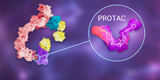
PROTAC, which exploit the ubiquitin-proteasome pathway to specifically degrade target proteins. PROTACs not only solve the problem of undruggability but they also have other advantages compared to traditional drug targeting strategies.
Scientific Reviews
PROTAC, which exploit the ubiquitin-proteasome pathway to specifically degrade target proteins. PROTACs not only solve the problem of undruggability but they also have other advantages compared to traditional drug targeting strategies. -
 Scientific Reviews
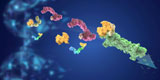
PROTAC — Target Selection and Design
Scientific Reviews
PROTAC — Target Selection and Design2022-07-08
A PROTAC molecule consists of three components: a target protein binding ligand, an E3 ligase ligand, and a linker connecting these two moieties. Here, we will discuss the conventional approaches for the rational design of PROTAC molecules. -
 Scientific Reviews
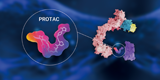
BacPROTACs is composed of a POI ligand, a chemical linker and a ClpCNTD anchor. BacPROTACs can induce in vitro and in vivo degradation of non-eukaryotic proteins in bacteria without the ubiquitin proteasome system.
Scientific Reviews
BacPROTACs is composed of a POI ligand, a chemical linker and a ClpCNTD anchor. BacPROTACs can induce in vitro and in vivo degradation of non-eukaryotic proteins in bacteria without the ubiquitin proteasome system. -
 Scientific Reviews
RNA therapeutics have changed the landscape of drug development, which possess broader spectrum of drug targets, simplicity and efficiency in development and manufacturing.In this article, we will discuss the underlying mechanisms of RNA-based drugs on the market or in clinical stages.
Scientific Reviews
RNA therapeutics have changed the landscape of drug development, which possess broader spectrum of drug targets, simplicity and efficiency in development and manufacturing.In this article, we will discuss the underlying mechanisms of RNA-based drugs on the market or in clinical stages. -
 Scientific Reviews
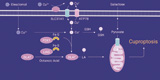
Tsvetkov et al. published in Science and demonstrated a copper-induced programmed cell death — Cuproptosis. As a novel programmed cell death, excess copper triggers abnormal aggregation of lipoylated proteins in TCA cycle and clearance of Fe-S cluster proteins, ultimately leading to cell death.
Scientific Reviews
Tsvetkov et al. published in Science and demonstrated a copper-induced programmed cell death — Cuproptosis. As a novel programmed cell death, excess copper triggers abnormal aggregation of lipoylated proteins in TCA cycle and clearance of Fe-S cluster proteins, ultimately leading to cell death. -
 Scientific Reviews
A comprehensive explanation of ferroptosis
Scientific Reviews
A comprehensive explanation of ferroptosis2022-09-15
Ferroptosis is a new type of RCD that depends on iron and characterized by the accumulation of lipid peroxides. In this article, we will pay our attention on ferroptosis and briefly discusses its mechanism. -
 Scientific Reviews
It's has been proved that p53, as a tumor suppressor gene and immune guardian, may become a destroyer through its own mutation. Moreover, the mechanism of p53 was found to be related to ferroptosis. This article mainly explores the mechanism between p53 and ferroptosis in detail.
Scientific Reviews
It's has been proved that p53, as a tumor suppressor gene and immune guardian, may become a destroyer through its own mutation. Moreover, the mechanism of p53 was found to be related to ferroptosis. This article mainly explores the mechanism between p53 and ferroptosis in detail. -
 Scientific Reviews
Autophagy, derived from the Greek meaning "eating of self", plays an indispensable role in maintaining homeostasis. p27 is an inhibitor of cyclin CDKs, but how p27 regulates autophagy remains unknown. This article will cover the mechanism of autophagy and p27-related cell cycle regulation.
Scientific Reviews
Autophagy, derived from the Greek meaning "eating of self", plays an indispensable role in maintaining homeostasis. p27 is an inhibitor of cyclin CDKs, but how p27 regulates autophagy remains unknown. This article will cover the mechanism of autophagy and p27-related cell cycle regulation. -
 Scientific Reviews
AlphaFold2 can predict disease-related protein structures at low cost, and then find potential drugs for these diseases through drug repositioning, virtual screening, and other methods. ZINC is a public database summarizing information about billions of compounds. AlphaFold2 + ZINC20 speeds up the virtual screening process and improves the computing speed.
Scientific Reviews
AlphaFold2 can predict disease-related protein structures at low cost, and then find potential drugs for these diseases through drug repositioning, virtual screening, and other methods. ZINC is a public database summarizing information about billions of compounds. AlphaFold2 + ZINC20 speeds up the virtual screening process and improves the computing speed. -
 Scientific Reviews
CMA (chaperone-mediated autophagy) plays an essential role in maintaining neuronal protein stability and preventing neurodegeneration. In this article, we will comprehensively clarify the role of CMA in the occurrence and development of neurodegenerative diseases.
Scientific Reviews
CMA (chaperone-mediated autophagy) plays an essential role in maintaining neuronal protein stability and preventing neurodegeneration. In this article, we will comprehensively clarify the role of CMA in the occurrence and development of neurodegenerative diseases. -
 Scientific Reviews
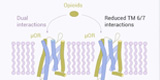
As powerful pain relievers, the opioids morphine and fentanyl have been "checked" by their side effects (listed as controlled substances). How to reduce its side effects? What is its mechanism? This research will explore its mechanism.
Scientific Reviews
As powerful pain relievers, the opioids morphine and fentanyl have been "checked" by their side effects (listed as controlled substances). How to reduce its side effects? What is its mechanism? This research will explore its mechanism. -
 Scientific Reviews
Efferocytosis is the process in which phagocytes remove programmed dead cells. It prevents secondary necrosis of dying cells from releasing harmful cell contents (such as oxides and proteases) that may cause inflammation. Here, we will introduce three stages of efferocytosis: Find, Eat, Digest.
Scientific Reviews
Efferocytosis is the process in which phagocytes remove programmed dead cells. It prevents secondary necrosis of dying cells from releasing harmful cell contents (such as oxides and proteases) that may cause inflammation. Here, we will introduce three stages of efferocytosis: Find, Eat, Digest. -
 Scientific Reviews
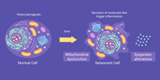
Understanding the mechanism of aging not only has guiding significance for prolonging human life but also has important clinical significance for the prevention and treatment of diseases in the elderly population , thus, improving their life quality and well-being.
Scientific Reviews
Understanding the mechanism of aging not only has guiding significance for prolonging human life but also has important clinical significance for the prevention and treatment of diseases in the elderly population , thus, improving their life quality and well-being. -
 Scientific Reviews
Mammalian cells can also photosynthesize like plants! Photosynthesis can improve cell anabolism and exhibit good clinical effect in degenerative diseases (osteoarthritis).
Scientific Reviews
Mammalian cells can also photosynthesize like plants! Photosynthesis can improve cell anabolism and exhibit good clinical effect in degenerative diseases (osteoarthritis). -
 Scientific Reviews
The latest study of Cell magazine "Neural mechanism underlying depressive-like state associated with social status loss" considers social factors as a breakthrough point. It has been found that the downward transition of social status induces depression-like behavior in mice whereas improves the depressive state by restoring their social environment.
Scientific Reviews
The latest study of Cell magazine "Neural mechanism underlying depressive-like state associated with social status loss" considers social factors as a breakthrough point. It has been found that the downward transition of social status induces depression-like behavior in mice whereas improves the depressive state by restoring their social environment. -
 Scientific Reviews
PROTAC - Design Strategy for Targeting
Scientific Reviews
PROTAC - Design Strategy for Targeting2023-04-23
Protein degradation targeting chimera (PROTAC) is a technology that uses the ubiquitin proteasome pathway to silent target protein. However, PROTAC still has problems such as solubility, membrane permeability, and selectivity. In this article, we have summarized three strategies for optimization: light-controlled linker, PAC molecule, and specific E3 ligase. -
 Scientific Reviews
Mitophagy:Mechanisms and Detection
Scientific Reviews
Mitophagy:Mechanisms and Detection2023-05-25
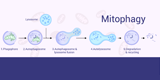
About 60 years ago, Christian de Duve first used the term "autophagy" to describe his observation of the degradation of mitochondria and other intracellular structures in lysosomes of rat liver. Over the years, autophagy has remained a beloved topic of research by the National Natural Science Foundation of China (NSFC).Today, let's talk about mitochondrial autophagy. -
 Scientific Reviews
Structure of Lipid Droplets
Scientific Reviews
Structure of Lipid Droplets2023-06-15
Huh? Lipid droplets? Organelles? In the past, biological data usually only show the traditional organelles, such as mitochondria, Golgi apparatus, endoplasmic reticulum, etc., lipid droplets are often not mentioned by people. Today, we will make a systematic explanation of lipid droplets, so that everyone has a clear understanding! -
 Scientific Reviews
How to Perform Western Blot?
Scientific Reviews
How to Perform Western Blot?2023-07-13
Western blot is one of the most frequently performed experiments in molecular biology, biochemistry and immunology. This article describes in detail how to do WB. -
 Scientific Reviews
Are frozen cells always damaged? Is the survival rate of revived cells low? When is it appropriate to freeze cells? What should be considered when reviving them? Today, we're sharing a guide to avoid pitfalls in cell freezing and revival!
Scientific Reviews
Are frozen cells always damaged? Is the survival rate of revived cells low? When is it appropriate to freeze cells? What should be considered when reviving them? Today, we're sharing a guide to avoid pitfalls in cell freezing and revival! -
 Scientific Reviews
SPR, which stands for Surface Plasmon Resonance, essentially works by detecting the interaction between ligands and analytes on a biosensor chip. This in turn allows us to probe the properties and structure of substances. With this technology, we can analyze molecules, proteins, DNA, and various organic and inorganic substances in samples in real-time with precision.
Scientific Reviews
SPR, which stands for Surface Plasmon Resonance, essentially works by detecting the interaction between ligands and analytes on a biosensor chip. This in turn allows us to probe the properties and structure of substances. With this technology, we can analyze molecules, proteins, DNA, and various organic and inorganic substances in samples in real-time with precision. -
 Scientific Reviews
Science | A "new" mechanism for non-ubiquitinated Midnolin-proteasomal degradation pathway
Scientific Reviews
Science | A "new" mechanism for non-ubiquitinated Midnolin-proteasomal degradation pathway2024-04-26
“ubiquitin-mediated protein degradation” won the Nobel Prize in Chemistry in 2004! In fact, proteasomes degrade not only ubiquitinated proteins but also non-ubiquitinated ones. The mechanism remains shrouded in mystery. After reading this piece today, you might have a lightbulb moment! -
 Scientific Reviews
Common Questions and Solutions for WB
Scientific Reviews
Common Questions and Solutions for WB2024-05-09
Come to understand the common problems and solutions of WB, and better complete the experiment! -
 Scientific Reviews
Still struggling to find the preparation methods for various solutions? Save your time! Here comes a nanny-level tutorial!
Scientific Reviews
Still struggling to find the preparation methods for various solutions? Save your time! Here comes a nanny-level tutorial! -
 Scientific Reviews
STZ Induced Diabetes Models
Scientific Reviews
STZ Induced Diabetes Models2024-06-13
Spotlight: How can STZ Help Diabetes Research? -
 Scientific Reviews
Degrade target proteins through the autophagy-lysosome pathway including LYTAC, AUTAC, and ATTEC have gained increasing attention in recent years due to their significant research potential!
Scientific Reviews
Degrade target proteins through the autophagy-lysosome pathway including LYTAC, AUTAC, and ATTEC have gained increasing attention in recent years due to their significant research potential! -
 Scientific Reviews
Streptavidin-Biotin System
Scientific Reviews
Streptavidin-Biotin System2024-08-03
Streptavidin strongly binding small molecule biotin is one of the most popular non-covalent coupling methods. Streptavidin can be coupled to various carriers such as magnetic beads and agarose matrix, and become a highly specific affinity medium to capture various biotin-labeled ligands. -
 Scientific Reviews
Science’s 2023 Breakthrough: GLP-1R Agonists
Scientific Reviews
Science’s 2023 Breakthrough: GLP-1R Agonists2024-08-13
GLP-1RAs, which achieved great success in 2023 and draws people’s attention back to obesity treatments and GLP-1 therapies worldwide, was chosen as the breakthrough of year 2023 by Science [2]. -
 Scientific Reviews
Cuproptosis, How much do you know?
Scientific Reviews
Cuproptosis, How much do you know?2024-08-22
Cells die in a variety of ways, including apoptosis, pyroptosis, necrosis, and ferroptosis......And, of course, cuproptosis. So, how much do you know about cuproptosis? -
 Scientific Reviews
Recently, Mol Cell reported the discovery of the first ferroptosis marker, Hyperoxidized PRDX3! Let’s take a look together~
Scientific Reviews
Recently, Mol Cell reported the discovery of the first ferroptosis marker, Hyperoxidized PRDX3! Let’s take a look together~ -
 Scientific Reviews
Cuproptosis's Knowledge Points!
Scientific Reviews
Cuproptosis's Knowledge Points!2024-09-25
With the establishment of the cuproptosis mechanism related research has attracted more and more attention from major journals. Expect to use the sharp sword of cuproptosis to stab the tumor cells. -
 Scientific Reviews
How they used PKH 26 for cellular studies?
Scientific Reviews
How they used PKH 26 for cellular studies?2024-10-21
We are thrilled to highlight our client study using PKH 26 (MedChemExpress) , a red fluorescent dye that has proven invaluable for in vitro cell labeling and tracing. This innovative research, published in the Journal of Nanobiotechnology. -
Scientific Reviews
Delve into the intricate networks that govern mitochondrial quality control. By examining key mechanisms such as biogenesis, mitochondrial dynamics (fission and fusion), proteolysis, and mitophagy. -
 Scientific Reviews
Unlocking the Power of Intermittent Fasting: The 16+8 Method
Scientific Reviews
Unlocking the Power of Intermittent Fasting: The 16+8 Method -
 Scientific Reviews
Advancing Chronic Kidney Disease Research with GJ103 and Lamin B1 Antibody!
Scientific Reviews
Advancing Chronic Kidney Disease Research with GJ103 and Lamin B1 Antibody! -
 Scientific Reviews
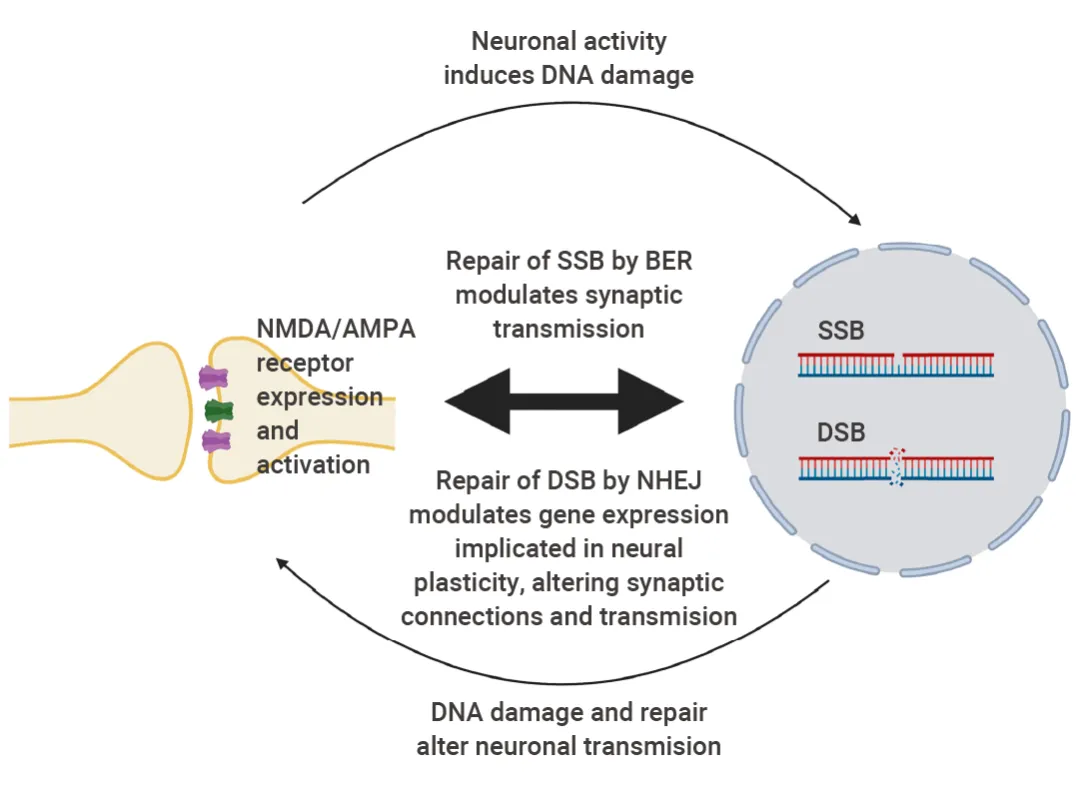
When you hear "inflammation" and "DNA damage," you might immediately think of disease or injury. However, in brains, these two processes are key steps in forming long-term memories, particularly related to specialized cells in our brain called hippocampal neurons.
Scientific Reviews
When you hear "inflammation" and "DNA damage," you might immediately think of disease or injury. However, in brains, these two processes are key steps in forming long-term memories, particularly related to specialized cells in our brain called hippocampal neurons. -
 Scientific Reviews
Autophagy is a fundamental process that degrades various components within the cell.
Scientific Reviews
Autophagy is a fundamental process that degrades various components within the cell. -
 Scientific Reviews
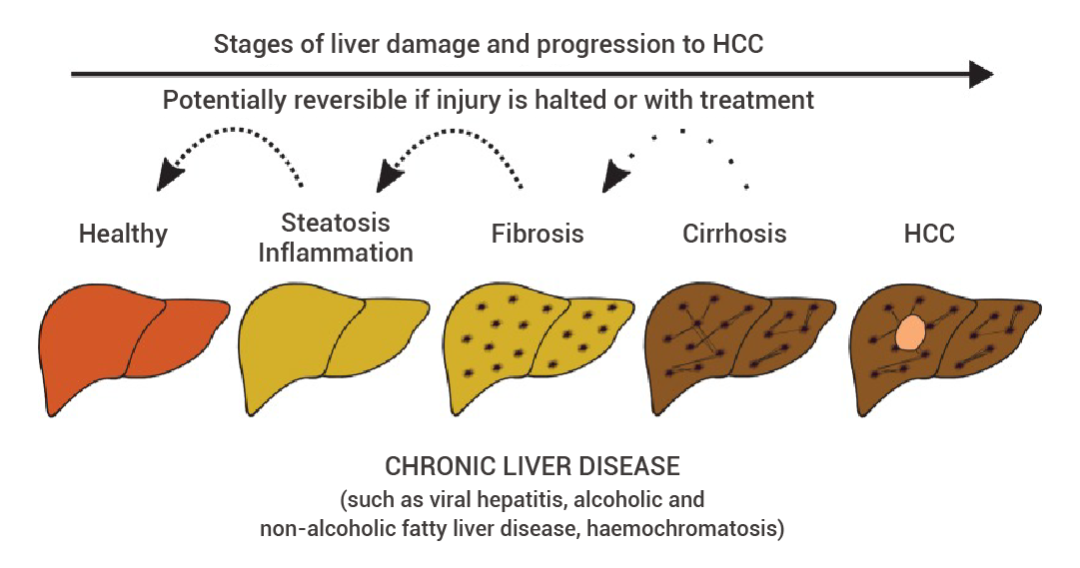
This article will tell you about the common methods of modeling liver disease in animal models.
Scientific Reviews
This article will tell you about the common methods of modeling liver disease in animal models. -
.jpg) Scientific Reviews
nside cells, the homeostasis and degradation of proteins is a precisely regulated process. If proteins cannot be degraded in time, it may lead to the occurrence of various diseases such as neurodegenerative diseases and cancer. This article will tell you the process of how proteins are recognized, labeled and then degraded!
Scientific Reviews
nside cells, the homeostasis and degradation of proteins is a precisely regulated process. If proteins cannot be degraded in time, it may lead to the occurrence of various diseases such as neurodegenerative diseases and cancer. This article will tell you the process of how proteins are recognized, labeled and then degraded! -
 Scientific Reviews
This article introduces some common cardiovascular disease models, inducers, modeling protocols and successful modeling cases in the research.
Scientific Reviews
This article introduces some common cardiovascular disease models, inducers, modeling protocols and successful modeling cases in the research. -
 Scientific Reviews
Do you feel confused when you start culturing cells? This article will show you the basic methods and steps of cell culture!
Scientific Reviews
Do you feel confused when you start culturing cells? This article will show you the basic methods and steps of cell culture! -
 Scientific Reviews
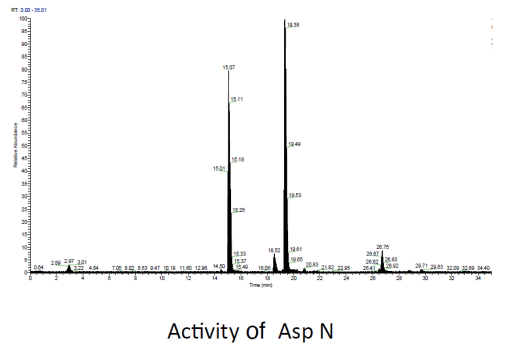
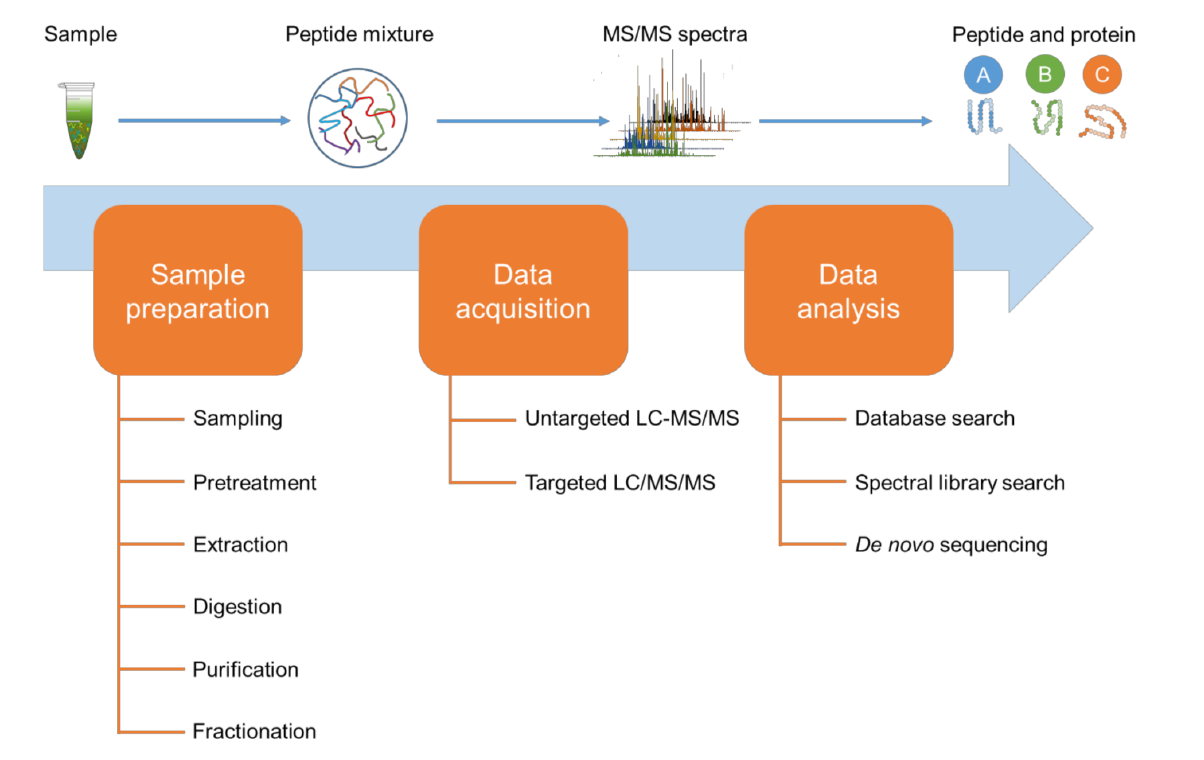
As a pivotal branch in the post - genomic era, proteomics is committed to comprehensively elucidating the types, abundances, structures, functions, and interactions of all proteins within living organisms. This article will tell you the key steps of proteomics sample preparation based on mass spectrometry. This article will tell you the key steps of proteomics sample preparation based on mass spectrometry.
Scientific Reviews
As a pivotal branch in the post - genomic era, proteomics is committed to comprehensively elucidating the types, abundances, structures, functions, and interactions of all proteins within living organisms. This article will tell you the key steps of proteomics sample preparation based on mass spectrometry. This article will tell you the key steps of proteomics sample preparation based on mass spectrometry. -
 Scientific Reviews
Western blotting is a crucial and fundamental technique in life science research. It plays a significant role in exploring protein expression and function. The following article will comprehensively and thoroughly elaborate on the specific procedures and detailed key points of this experiment.
Scientific Reviews
Western blotting is a crucial and fundamental technique in life science research. It plays a significant role in exploring protein expression and function. The following article will comprehensively and thoroughly elaborate on the specific procedures and detailed key points of this experiment. -
 Scientific Reviews
In this issue, we will conduct an in-depth interpretation from the dimensions of nanoparticle design, mechanism of action, in vivo and in vitro efficacy, and immune regulation, revealing how this research brings new hope for the treatment of invasive tumors through interdisciplinary innovation!
Scientific Reviews
In this issue, we will conduct an in-depth interpretation from the dimensions of nanoparticle design, mechanism of action, in vivo and in vitro efficacy, and immune regulation, revealing how this research brings new hope for the treatment of invasive tumors through interdisciplinary innovation! -
 Scientific Reviews
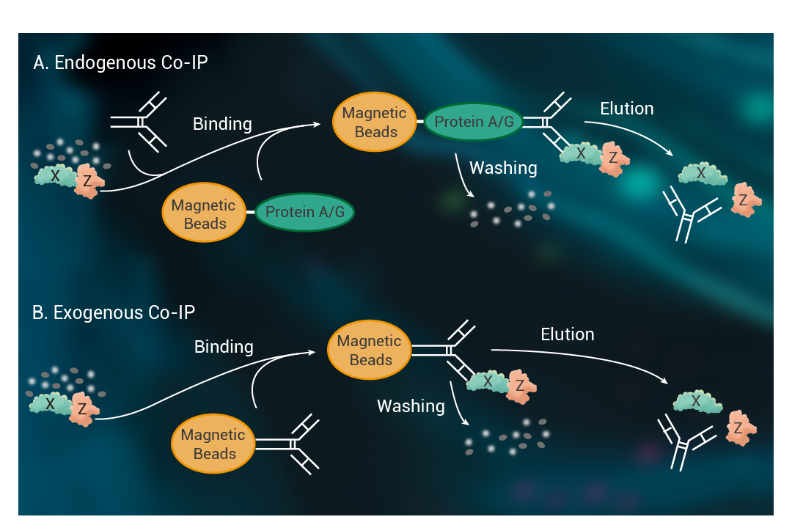
In protein biology, Co-IP is a powerful tool to uncover protein "social networks." But poorly performed, it easily becomes an awkward lab "meet-and-greet." Today, we discuss making Co-IP experiments elegant and efficient—so you pull down target proteins with confidence and precision.
Scientific Reviews
In protein biology, Co-IP is a powerful tool to uncover protein "social networks." But poorly performed, it easily becomes an awkward lab "meet-and-greet." Today, we discuss making Co-IP experiments elegant and efficient—so you pull down target proteins with confidence and precision. -
 Scientific Reviews
Chromatin Immunoprecipitation (ChIP) Demystified: A Complete Guide to Epigenetic Analysis
Scientific Reviews
Chromatin Immunoprecipitation (ChIP) Demystified: A Complete Guide to Epigenetic Analysis2025-08-05
In this issue, we introduce a powerful technique for detecting interactions between epigenetic regulatory factors and DNA—Chromatin Immunoprecipitation (ChIP)! -
 Scientific Reviews
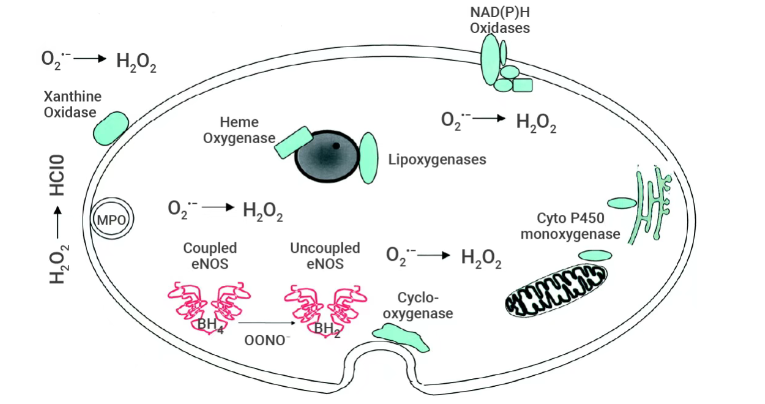
The article introduces the mechanisms of ROS generation and the methods for their detection.
Scientific Reviews
The article introduces the mechanisms of ROS generation and the methods for their detection. -
 Scientific Reviews
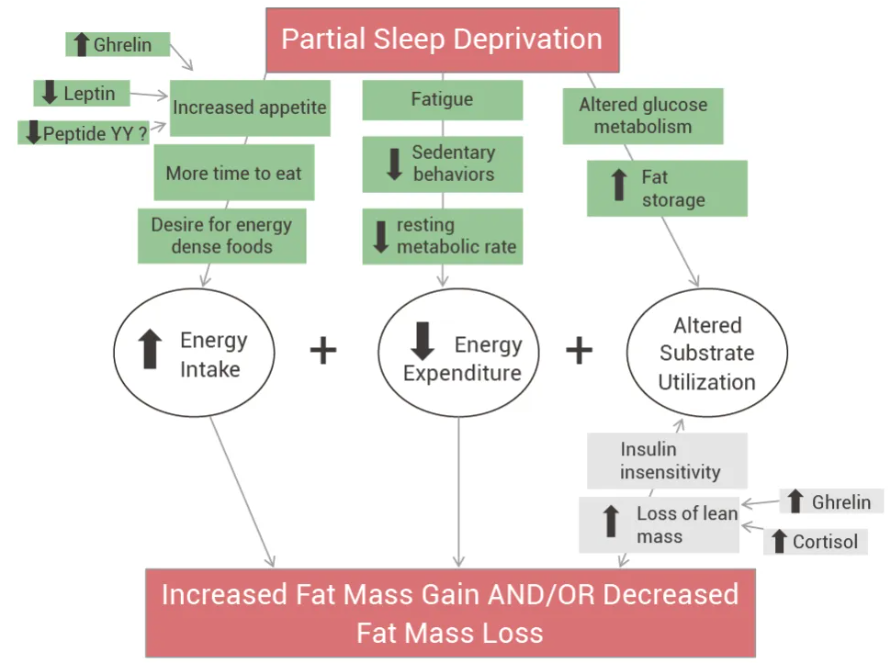
Have you ever noticed that after staying up late, your appetite—especially for high-calorie foods—gets out of control? If this sounds familiar, today’s article might offer some good news.
Scientific Reviews
Have you ever noticed that after staying up late, your appetite—especially for high-calorie foods—gets out of control? If this sounds familiar, today’s article might offer some good news. -
 Scientific Reviews
Generating Stable Cell Lines with Lentivirus
Scientific Reviews
Generating Stable Cell Lines with Lentivirus2025-09-16
A step-by-step protocol of establishing stable cell lines using lentivirus -
 Scientific Reviews
A groundbreaking study in Nature Communications reveals the key mechanism behind Idiopathic Pulmonary Fibrosis and identifies an existing drug with the potential to counter it.
Scientific Reviews
A groundbreaking study in Nature Communications reveals the key mechanism behind Idiopathic Pulmonary Fibrosis and identifies an existing drug with the potential to counter it. -
 Scientific Reviews
Finding adipogenic induction media too expensive and tricky to prepare? This comprehensive guide to 3T3-L1 adipogenic differentiation simplifies the process, helping you achieve great results!
Scientific Reviews
Finding adipogenic induction media too expensive and tricky to prepare? This comprehensive guide to 3T3-L1 adipogenic differentiation simplifies the process, helping you achieve great results! -
Scientific Reviews
For all the protein research folks out there, techniques like IP and Co-IP are no stranger, right? And of course, there's a faster and more convenient go-to tool—Protein A/G magnetic beads! In this article, let's chat about how these beads work their magic in classic experiments like IP and Co-IP. -
Scientific Reviews
Microglia– the only immune cells within the brain parenchyma. With advancements in imaging technologies, people’s understanding of microglia has shifted from being viewed as 'resting' cells to 'highly active' cells, particularly due to their dynamic processes that seem to be probing surrounding tissues and monitoring neuronal activity. This has made microglia a focal point of research in the field of neuroscience. -
Scientific Reviews
Cracking the PROTAC Permeability Barrier: CD36-Mediated Endocytosis as a Potential Breakthrough2025-12-03
This article provides an in-depth analysis of cutting-edge literature revealing CD36 as a key mediator of cellular uptake for PROTACs and bRO5 compounds. By structurally optimizing PROTAC molecules to enhance their affinity for CD36, membrane permeability can be markedly improved, leading to significantly enhanced antitumor efficacy. -
 Scientific Reviews
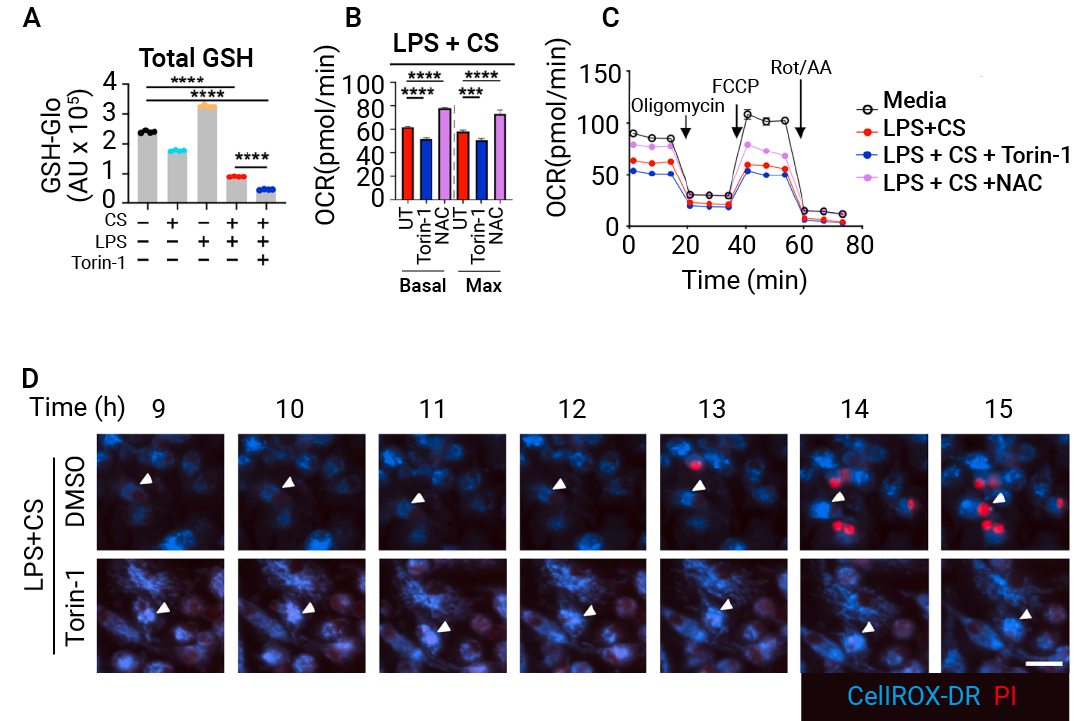
A November 2025 Cell study discovers Mitoxyperilysis, a new mTOR-regulated, caspase-independent cell death pathway driven by innate immune and metabolic dysregulation via mitochondrial-plasma membrane contact and oxidative damage, and verifies its potential to induce tumor necrosis for cancer therapy with key regulators including BAX, BAK1 and BID.
Scientific Reviews
A November 2025 Cell study discovers Mitoxyperilysis, a new mTOR-regulated, caspase-independent cell death pathway driven by innate immune and metabolic dysregulation via mitochondrial-plasma membrane contact and oxidative damage, and verifies its potential to induce tumor necrosis for cancer therapy with key regulators including BAX, BAK1 and BID. -
 Scientific Reviews
In the hunt for the next ‘GLP-1,’ amylin therapeutics, which have shown strong weight-loss results in clinical trials, have become a major focus for both multinational pharma and the scientific community.
Scientific Reviews
In the hunt for the next ‘GLP-1,’ amylin therapeutics, which have shown strong weight-loss results in clinical trials, have become a major focus for both multinational pharma and the scientific community. -
 Scientific Reviews
Essential for High-Impact Papers: Present Your CCK-8 Experimental Results in a More Outstanding Way!
Scientific Reviews
Essential for High-Impact Papers: Present Your CCK-8 Experimental Results in a More Outstanding Way!2026-03-18
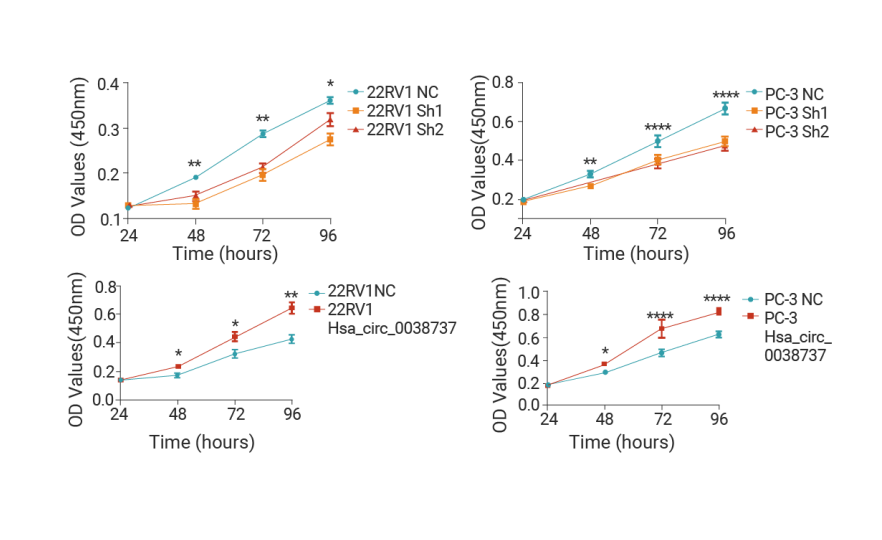
CCK-8 is a widely used WST‑8‑based reagent for cell proliferation and cytotoxicity assays. It features high sensitivity, reliable results and easy operation, and is applicable to cell viability analysis, drug screening and growth inhibition testing. -
 Scientific Reviews
FISH is a molecular technique using fluorescent probes to detect specific nucleic acids in cells, with high sensitivity and diverse biomedical applications.
Scientific Reviews
FISH is a molecular technique using fluorescent probes to detect specific nucleic acids in cells, with high sensitivity and diverse biomedical applications. -
 Scientific Reviews
Molecular glue degraders have evolved from a serendipitous observation to one of the most dynamic and transformative fields in biomedical research.
Scientific Reviews
Molecular glue degraders have evolved from a serendipitous observation to one of the most dynamic and transformative fields in biomedical research. -
 Scientific Reviews
GLP-1 and Obesity Research
Scientific Reviews
GLP-1 and Obesity Research2026-08-14
Obesity substantially increases the risk of chronic diseases such as T2D and cardiovascular disease. The breakout success of GLP-1 therapies has spotlighted GLP-1R and a wave of emerging obesity targets. -
 EDM
Targeting the ‘Undruggable’ with PROTACs
EDM
Targeting the ‘Undruggable’ with PROTACs2025-06-18
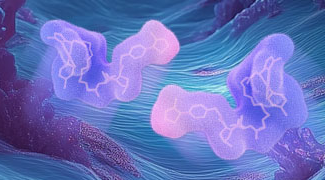
This review introduces the fundamental principles and mechanisms of PROTACs, highlights recent advances in molecular design and clinical development, and discusses emerging opportunities and remaining challenges in targeted protein degradation. -
 EDM
This review explores the molecular mechanisms of the DNA damage response, reviews therapeutic strategies targeting DDR pathways in cancer, and examines their roles in cancer drug resistance.
EDM
This review explores the molecular mechanisms of the DNA damage response, reviews therapeutic strategies targeting DDR pathways in cancer, and examines their roles in cancer drug resistance. -
 EDM
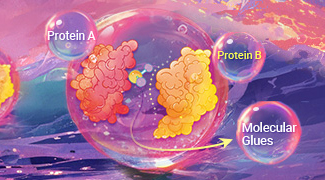
This review discusses recent progress in molecular glue technologies, illustrating how targeted protein degradation strategies enable the modulation of previously undruggable proteins.
EDM
This review discusses recent progress in molecular glue technologies, illustrating how targeted protein degradation strategies enable the modulation of previously undruggable proteins. -
 EDM
Explore lysosomal nutrient sensing, quality control, cellular adaptation, disease mechanisms, and emerging therapeutic approaches.
EDM
Explore lysosomal nutrient sensing, quality control, cellular adaptation, disease mechanisms, and emerging therapeutic approaches. -
 EDM
Review the evolution of molecular glues from serendipitous discovery to rational design, highlighting how emerging targets and advances in screening, proteomics, structural biology, and AI are expanding the druggable proteome.
EDM
Review the evolution of molecular glues from serendipitous discovery to rational design, highlighting how emerging targets and advances in screening, proteomics, structural biology, and AI are expanding the druggable proteome. -
 EDM
Explore how mitochondrial quality control, inflammatory signaling, and metabolic–epigenetic reprogramming regulate cellular senescence and the SASP, along with strategies to restore mitochondrial homeostasis.
EDM
Explore how mitochondrial quality control, inflammatory signaling, and metabolic–epigenetic reprogramming regulate cellular senescence and the SASP, along with strategies to restore mitochondrial homeostasis. -
 Blog
AZD5991, a macrocyclic molecule with high selectivity for Mcl-1, reduces Mcl-1 protein in AZD5991-sensitive but not in AZD5991-resistant MM cell lines.
Blog
AZD5991, a macrocyclic molecule with high selectivity for Mcl-1, reduces Mcl-1 protein in AZD5991-sensitive but not in AZD5991-resistant MM cell lines. -
 Blog
CF53 is a highly potent, selective and orally active inhibitor of BET protein, with anti-tumor activity in acute leukemia and breast cancer cell lines.
Blog
CF53 is a highly potent, selective and orally active inhibitor of BET protein, with anti-tumor activity in acute leukemia and breast cancer cell lines. -
 Blog
HJB97 is a BET PROTAC inhibitor with good anti-tumor activity, and effectively blocks the degradation of BRD2, BRD3, and BRD4 proteins induced by BETd-260.
Blog
HJB97 is a BET PROTAC inhibitor with good anti-tumor activity, and effectively blocks the degradation of BRD2, BRD3, and BRD4 proteins induced by BETd-260. -
 Blog
A Lead PROTAC BRD9 Chemical Degrader
Blog
A Lead PROTAC BRD9 Chemical Degrader2019-04-06
PROTAC BRD9 Degrader-1 is a lead PROTAC BRD9 chemical degrader and a selective probe useful for the study of BAF complex biology. -
 Blog
COH000 is an allosteric, covalent and irreversible inhibitor of SUMO-activating enzyme, with an IC50 of 0.2 μM for SUMOylation in vitro.
Blog
COH000 is an allosteric, covalent and irreversible inhibitor of SUMO-activating enzyme, with an IC50 of 0.2 μM for SUMOylation in vitro. -
 Blog
PhiKan 083 is a carbazole derivative, which binds to the surface cavity and stabilizes Y220C (a p53 mutant), with a Kd of 167 μM.
Blog
PhiKan 083 is a carbazole derivative, which binds to the surface cavity and stabilizes Y220C (a p53 mutant), with a Kd of 167 μM. -
 Blog
IITZ-01 is a potent lysosomotropic autophagy inhibitor with single-agent antitumor activity, with an IC50 of 2.62 μM for PI3Kγ.
Blog
IITZ-01 is a potent lysosomotropic autophagy inhibitor with single-agent antitumor activity, with an IC50 of 2.62 μM for PI3Kγ. -
 Blog
Y06036 is a potent and selective BET inhibitor for potential treatment of castration-resistant prostate cancer. With nanomolar inhibition.
Blog
Y06036 is a potent and selective BET inhibitor for potential treatment of castration-resistant prostate cancer. With nanomolar inhibition. -
 Blog
BTR-1 potently inhibits cell growth. It induces S phase arrest, affects DNA replication. Dose-dependently induces cytotoxicity in leukemic cell lines.
Blog
BTR-1 potently inhibits cell growth. It induces S phase arrest, affects DNA replication. Dose-dependently induces cytotoxicity in leukemic cell lines. -
 Blog
Y06137 is a potent and selective BET inhibitor, which binds to the BRD4(1) bromodomain with a Kd of 81 nM. Antitumor activity.
Blog
Y06137 is a potent and selective BET inhibitor, which binds to the BRD4(1) bromodomain with a Kd of 81 nM. Antitumor activity. -
 Blog
NRX-252262 is a β-catenin:β-TrCP interaction enhancer, and its cognate E3 ligase, SCFβ-TrCP, induces mutant β-catenin degradation, with an EC50 of 3.8 nM
Blog
NRX-252262 is a β-catenin:β-TrCP interaction enhancer, and its cognate E3 ligase, SCFβ-TrCP, induces mutant β-catenin degradation, with an EC50 of 3.8 nM -
 Blog
TAK-981 is a selective inhibitor of the SUMOylation enzymatic cascade, with potential immune-activating and antineoplastic activities
Blog
TAK-981 is a selective inhibitor of the SUMOylation enzymatic cascade, with potential immune-activating and antineoplastic activities -
 Blog
TD-428 is a Highly Specific BRD4 Degrader
Blog
TD-428 is a Highly Specific BRD4 Degrader2019-04-29
TD-428, a immunomodulatory drug analog, is a highly specific BRD4 degrader with a DC50 of 0.32 nM. TD-428 reduces c-Myc levels more efficiently than JQ1. -
 Blog
SLLN-15 is an oral activ enhancer of autophagy that activates cytostatic macroautophagy/autophagy in triple-negative breast cancer (TNBC).
Blog
SLLN-15 is an oral activ enhancer of autophagy that activates cytostatic macroautophagy/autophagy in triple-negative breast cancer (TNBC). -
 Blog
A1874 is a nutlin-based and BRD4-degrading PROTAC with a DC50 of 32 nM. Effective in inhibiting many cancer cell lines proliferation
Blog
A1874 is a nutlin-based and BRD4-degrading PROTAC with a DC50 of 32 nM. Effective in inhibiting many cancer cell lines proliferation -
 Blog
BSJ-03-123, a Degrader with Proteome-wide Selectivity for CDK6 (PROTAC). Induces a G1 cell-cycle arrest without a measurable increase in apoptosis.
Blog
BSJ-03-123, a Degrader with Proteome-wide Selectivity for CDK6 (PROTAC). Induces a G1 cell-cycle arrest without a measurable increase in apoptosis. -
 Blog
FT671 is a potent, non-covalent and selective USP7 inhibitor with an IC50 of 52 nM and binds to the USP7 catalytic domain with a Kd of 65 nM.
Blog
FT671 is a potent, non-covalent and selective USP7 inhibitor with an IC50 of 52 nM and binds to the USP7 catalytic domain with a Kd of 65 nM. -
 Blog
ZM223 is a non-sulfamide NEDD8 activating enzyme (NAE) inhibitor, with IC50 value of 100 nM in cells. ZM223 has potential to treat colon cancer.
Blog
ZM223 is a non-sulfamide NEDD8 activating enzyme (NAE) inhibitor, with IC50 value of 100 nM in cells. ZM223 has potential to treat colon cancer. -
 Blog
STL127705 is a Ku 70/80 heterodimer protein inhibitor, inhibits Ku70/80-DNA interaction (IC50 of 3.5 μM) and Ku-dependent activation of DNA-PKCS kinase.
Blog
STL127705 is a Ku 70/80 heterodimer protein inhibitor, inhibits Ku70/80-DNA interaction (IC50 of 3.5 μM) and Ku-dependent activation of DNA-PKCS kinase. -
 Blog
MS4077 is an anaplastic lymphoma kinase (ALK) PROTAC (degrader) with a Kd of 37 nM for binding affinity to ALK. Efficacy for breast cancer and lung cancer.
Blog
MS4077 is an anaplastic lymphoma kinase (ALK) PROTAC (degrader) with a Kd of 37 nM for binding affinity to ALK. Efficacy for breast cancer and lung cancer. -
 Blog
VL285, is a Potent VHL Ligand
Blog
VL285, is a Potent VHL Ligand2019-05-24
VL285 is a Potent VHL Ligand. -
 Blog
SNIPER(TACC3)-1 targets the TACC3 protein for degradation via the ubiquitin-proteasome pathway. SNIPER(TACC3)-1 induces cancer cell death.
Blog
SNIPER(TACC3)-1 targets the TACC3 protein for degradation via the ubiquitin-proteasome pathway. SNIPER(TACC3)-1 induces cancer cell death. -
 Blog
TAS-114 is a dual dUTPase/dihydropyrimidine dehydrogenase (DPD) inhibitor, can improving the therapeutic efficacy of fluoropyrimidine.
Blog
TAS-114 is a dual dUTPase/dihydropyrimidine dehydrogenase (DPD) inhibitor, can improving the therapeutic efficacy of fluoropyrimidine. -
 Blog
IWP-O1, a Highly Potent Porcupine Inhibitor, Functions by Preventing the Secretion of Wnt Proteins
Blog
IWP-O1, a Highly Potent Porcupine Inhibitor, Functions by Preventing the Secretion of Wnt Proteins2019-06-03
IWP-O1 is a Porcupine (Porcn) inhibitor, with an EC50 of 80 pM in L-Wnt-STF cells. IWP-O1 functions by preventing the secretion of Wnt proteins[ -
 Blog
SJFδ, a 10-atom Linker PROTAC, Degrades p38δ
Blog
SJFδ, a 10-atom Linker PROTAC, Degrades p38δ2019-06-11
SJFδ, a 10-atom Linker PROTAC, Degrades p38δ, degrades p38δwith strong capacity. SJFδ degrades p38δ with a DC50 of 46.17±9.85 nM and a Dmax of 99.41±3.31%. -
 Blog
Ralimetinib (LY2228820) is a selective and ATP-competitive inhibitor of p38 MAPK α/β, with IC50s of 5.3 and 3.2 nM, respectively. Anti-tumor activity.
Blog
Ralimetinib (LY2228820) is a selective and ATP-competitive inhibitor of p38 MAPK α/β, with IC50s of 5.3 and 3.2 nM, respectively. Anti-tumor activity. -
 Blog
BAY-11-7082 inhibits the proliferation and induces the apoptosis of U266 cells through inhibiting NF-κB pathway. BAY 11-7082 ameliorates experimental diabetic neuropathy by modulating neuroinflammation and improving antioxidant defence.
Blog
BAY-11-7082 inhibits the proliferation and induces the apoptosis of U266 cells through inhibiting NF-κB pathway. BAY 11-7082 ameliorates experimental diabetic neuropathy by modulating neuroinflammation and improving antioxidant defence. -
 Blog
S130, Targeting ATG4B, Inhibits Autophagy and Activates Apoptosis in Colorectal Colon Cancer
Blog
S130, Targeting ATG4B, Inhibits Autophagy and Activates Apoptosis in Colorectal Colon Cancer2019-06-19
S130 is a high affinity, selective inhibitor of ATG4B (a major cysteine protease) with an IC50 of 3.24 µM. S130 suppresses autophagy flux. -
 Blog
TAS4464 is a highly potent and selective inhibitor of NEDD8 activating enzyme (NAE), with an IC50 of 0.955 nM. TAS4464 shows antitumor activity.
Blog
TAS4464 is a highly potent and selective inhibitor of NEDD8 activating enzyme (NAE), with an IC50 of 0.955 nM. TAS4464 shows antitumor activity. -
 Blog
MRT67307, a dual IKKε/TBK1 inhibitor, inhibits ULK1 and ULK2 with IC50s of 45 and 38 nM, respectively. MRT67307 blocks mTOR-dependent autophagy.
Blog
MRT67307, a dual IKKε/TBK1 inhibitor, inhibits ULK1 and ULK2 with IC50s of 45 and 38 nM, respectively. MRT67307 blocks mTOR-dependent autophagy. -
 Blog
CCT020312, the G1/S checkpoint activator, is a selective EIF2AK3/PERK activator. CCT020312 elicits EIF2A phosphorylation in cells.
Blog
CCT020312, the G1/S checkpoint activator, is a selective EIF2AK3/PERK activator. CCT020312 elicits EIF2A phosphorylation in cells. -
 Blog
SBI-0206965 is a selective and cell permeable autophagy kinase ULK1 inhibitor with IC50s of 108 nM for ULK1 and 711 nM for the highly related kinase ULK2 .
Blog
SBI-0206965 is a selective and cell permeable autophagy kinase ULK1 inhibitor with IC50s of 108 nM for ULK1 and 711 nM for the highly related kinase ULK2 . -
 Blog
NMS-P515 is a potent, orally active and stereospecific PARP-1 inhibitor, with a Kd of 16 nM and an IC50 of 27 nM (in Hela cells). Anti-tumor activity.
Blog
NMS-P515 is a potent, orally active and stereospecific PARP-1 inhibitor, with a Kd of 16 nM and an IC50 of 27 nM (in Hela cells). Anti-tumor activity. -
 Blog
ERD-308 is a highly potent PROTAC degrader of ER for ER+ breast cancer treatment. ERD-308 induces >95% of ER degradation at concentrations as low as 5 nM.
Blog
ERD-308 is a highly potent PROTAC degrader of ER for ER+ breast cancer treatment. ERD-308 induces >95% of ER degradation at concentrations as low as 5 nM. -
 Blog
JG-98, an Hsp70 inhibitor, binds tightly to a conserved site on Hsp70 and disrupts the Hsp70-Bag3 interaction. JG-98 shows anti-cancer activities.
Blog
JG-98, an Hsp70 inhibitor, binds tightly to a conserved site on Hsp70 and disrupts the Hsp70-Bag3 interaction. JG-98 shows anti-cancer activities. -
 Blog
MZP-55 is a selective PROTAC degrader of BRD3/4, shows no obvious effect on BRD2. MZP-55 exhibits excellent activity in cancer research.
Blog
MZP-55 is a selective PROTAC degrader of BRD3/4, shows no obvious effect on BRD2. MZP-55 exhibits excellent activity in cancer research. -
 Blog
dBET6 is a potent PROTAC degrader of BET, shows high affinity to BRD4(1), and possess good efficacy in T cell acute lymphoblastic leukemia activity.
Blog
dBET6 is a potent PROTAC degrader of BET, shows high affinity to BRD4(1), and possess good efficacy in T cell acute lymphoblastic leukemia activity. -
 Blog
GSK2643943A is a Novel DUB Inhibitor
Blog
GSK2643943A is a Novel DUB Inhibitor2019-07-25
GSK2643943A is a novel deubiquitylating enzyme (DUB) inhibitor. GSK2643943A targets USP20/Ub-Rho and shows an IC50 of 160 nM. -
 Blog
MT-802 is a potent BTK degrader based on PROTAC technology, with a DC50 of 1 nM. MT-802 has potential to treat C481S mutant chronic lymphocytic leukemia.
Blog
MT-802 is a potent BTK degrader based on PROTAC technology, with a DC50 of 1 nM. MT-802 has potential to treat C481S mutant chronic lymphocytic leukemia. -
 Blog
ML367 is an ATAD5 Stabilization Inhibitor
Blog
ML367 is an ATAD5 Stabilization Inhibitor2019-08-03
ML367 is a potent inhibitor of ATAD5 stabilization. It blocks DNA repair pathways, and suppresses phosphorylation of RPA32 and CHK1. -
 Blog
CA-5f is a potent late-stage macroautophagy (autophagy) inhibitor via inhibiting autophagosome-lysosome fusion. CA-5f increases LC3B-II and SQSTM1 protein.
Blog
CA-5f is a potent late-stage macroautophagy (autophagy) inhibitor via inhibiting autophagosome-lysosome fusion. CA-5f increases LC3B-II and SQSTM1 protein. -
 Blog
ACBI1 is a PROTAC Degrader of BAF Complex
Blog
ACBI1 is a PROTAC Degrader of BAF Complex2019-08-07
ACBI1 is a potent PROTAC degrader of BAF ATPase subunits SMARCA2, SMARCA4 and PBRM1, with DC50s of 6 nM, 11 nM and 32 nM in MV-4-11 cells, respectively. -
 Blog
dMCL1-2 is a potent and selective degrader of myeloid cell leukemia 1 (MCL1) based on PROTAC, which binds to MCL1 with a KD of 30 nM.
Blog
dMCL1-2 is a potent and selective degrader of myeloid cell leukemia 1 (MCL1) based on PROTAC, which binds to MCL1 with a KD of 30 nM. -
 Blog
JH-RE-06, a potent REV1-REV7 interface inhibitor (IC50=0.78 μM; Kd=0.42 μM), targets REV1 that interacts with the REV7 subunit of POLζ.
Blog
JH-RE-06, a potent REV1-REV7 interface inhibitor (IC50=0.78 μM; Kd=0.42 μM), targets REV1 that interacts with the REV7 subunit of POLζ. -
 Blog
CP-10 is a Specific PROTAC Degrader of CDK6
Blog
CP-10 is a Specific PROTAC Degrader of CDK62019-08-25
CP-10 is a PROTAC with highly selective, specific, and remarkable CDK6 degradation (DC50=2.1 nM), which has anti-cancer activity. -
 Blog
ARV-825 is a PROTAC, and acts as a potent BRD4 degrader, with Kds of 90 and 28 nM for BRD4 BD1 and BRD4 BD2, respectively.
Blog
ARV-825 is a PROTAC, and acts as a potent BRD4 degrader, with Kds of 90 and 28 nM for BRD4 BD1 and BRD4 BD2, respectively. -
 Blog
GMB-475 is a PROTAC BCR-ABL1 degrader, overcomes BCR-ABL1-dependent drug resistance, targets BCR-ABL1 protein and recruits the E3 ligase Von Hippel Lindau.
Blog
GMB-475 is a PROTAC BCR-ABL1 degrader, overcomes BCR-ABL1-dependent drug resistance, targets BCR-ABL1 protein and recruits the E3 ligase Von Hippel Lindau. -
 Blog
dBET57 is a potent and selective degrader of BRD4BD1 based on the PROTAC technology and mediates recruitment to the CRL4CRBN E3 ubiquitin ligase.
Blog
dBET57 is a potent and selective degrader of BRD4BD1 based on the PROTAC technology and mediates recruitment to the CRL4CRBN E3 ubiquitin ligase. -
 Blog
MD-224 is a human MDM2 degrader based on the PROTAC concept. MD-224 induces rapid degradation of MDM2 at concentrations <1 nM in human leukemia cells.
Blog
MD-224 is a human MDM2 degrader based on the PROTAC concept. MD-224 induces rapid degradation of MDM2 at concentrations <1 nM in human leukemia cells. -
 Blog
E3330, an APE1 Redox Inhibitor, Modulates Cell Migration and Invasion in Metastatic Cancer
Blog
E3330, an APE1 Redox Inhibitor, Modulates Cell Migration and Invasion in Metastatic Cancer2019-09-13
E3330 is a direct, orally active AP endonuclease 1 (APE1) inhibitor, which suppresses NF-κB DNA-binding activity. E3330 shows good anticancer properties. -
 Blog
AOH1160, an Orally Active PCNA Inhibitor, Exhibits Efferctive Anti-cancer Activity with Low Toxicity
Blog
AOH1160, an Orally Active PCNA Inhibitor, Exhibits Efferctive Anti-cancer Activity with Low Toxicity2019-09-14
AOH1160 is a potent, first-in-class, orally available PCNA inhibitor and exhibits broad-spectrum anti-cancer activity without causing unacceptable toxicity. -
 Blog
Blog
-
 Blog
CP5V is a Specific PROTAC Degrader of Cdc20
Blog
CP5V is a Specific PROTAC Degrader of Cdc202019-11-20
CP5V is a PROTAC, which specifically degrades Cdc20 by linking Cdc20 to the VHL/VBC complex for ubiquitination followed by proteasomal degradation. -
 Blog
PK11007 is a Mild Alkylating Agent with Anticancer Activity and induces mutant p53 cancer cell death by increasing reactive oxygen species (ROS) levels.
Blog
PK11007 is a Mild Alkylating Agent with Anticancer Activity and induces mutant p53 cancer cell death by increasing reactive oxygen species (ROS) levels. -
 Blog
SD-36 is a Selective PROTAC STAT3 Degrader
Blog
SD-36 is a Selective PROTAC STAT3 Degrader2019-12-06
SD-36 is a potent, efficacious and selective PROTAC STAT3 degrader (Kd=50 nM) and achieves complete tumor regression in vivo. -
 Blog
Niraparib is an Orally Active PARP Inhibitor
Blog
Niraparib is an Orally Active PARP Inhibitor2019-12-18
Niraparib is a highly potent and orally bioavailable PARP1 and PARP2 inhibitor. Niraparib has potent anti-cancer activity. -
 Blog
MG-277 works as a PROTAC molecular glue, inducing degradation of a translation termination factor, GSPT1 to achieve its potent anticancer activity.
Blog
MG-277 works as a PROTAC molecular glue, inducing degradation of a translation termination factor, GSPT1 to achieve its potent anticancer activity. -
 Blog
DRF-1042 is an orally active derivative of Camptothecin and acts to inhibit DNA topoisomerase I with good anticancer activity.
Blog
DRF-1042 is an orally active derivative of Camptothecin and acts to inhibit DNA topoisomerase I with good anticancer activity. -
 Blog
MS432 is a first-in-class and highly selective PD0325901-based VHL-recruiting PROTAC degrader for MEK1 and MEK2 with good anti-cancer activity.
Blog
MS432 is a first-in-class and highly selective PD0325901-based VHL-recruiting PROTAC degrader for MEK1 and MEK2 with good anti-cancer activity. -
 Blog
KB02-JQ1 is a highly potent and selective PROTAC BRD4 degrader that degrades nuclear proteins by engaging CUL4-DDB1 E3 ubiquitin ligases DCAF16.
Blog
KB02-JQ1 is a highly potent and selective PROTAC BRD4 degrader that degrades nuclear proteins by engaging CUL4-DDB1 E3 ubiquitin ligases DCAF16. -
 Blog
D-I03 is a Selective RAD52 Inhibitor
Blog
D-I03 is a Selective RAD52 Inhibitor2020-01-08
D-I03 is a selective RAD52 inhibitor, which specifically inhibits RAD52-dependent single-strand annealing (SSA) and D-loop formation. -
 Blog
GPP78 is a potent Nampt inhibitor. GPP78 is cytotoxic to neuroblastoma cell line SH-SY5Y cells. GPP78 has anti-cancer and anti-tumor activity.
Blog
GPP78 is a potent Nampt inhibitor. GPP78 is cytotoxic to neuroblastoma cell line SH-SY5Y cells. GPP78 has anti-cancer and anti-tumor activity. -
 Blog
SB-218078, a Chk1 inhibitor, inhibits Chk1 phosphorylation of cdc25C with an IC50 of 15 nM, causeing apoptosis by DNA damage and cell cycle arrest.
Blog
SB-218078, a Chk1 inhibitor, inhibits Chk1 phosphorylation of cdc25C with an IC50 of 15 nM, causeing apoptosis by DNA damage and cell cycle arrest. -
 Blog
TCH-165 is a modulator of proteasome assembly, which increases 20S levels and facilitates 20S-mediated protein degradation, such as IDPs, α-syn, and tau.
Blog
TCH-165 is a modulator of proteasome assembly, which increases 20S levels and facilitates 20S-mediated protein degradation, such as IDPs, α-syn, and tau. -
 Blog
6RK73 is a covalent irreversible and specific UCHL1 inhibitor,which specifically inhibits UCHL1 activity in breast cancer.
Blog
6RK73 is a covalent irreversible and specific UCHL1 inhibitor,which specifically inhibits UCHL1 activity in breast cancer. -
 Blog
CCT367766, a PROTAC-based Pirin-targeting PDP, exhibits a moderate affinity for the CRBN-DDB1 complex and reveals a good affinity for Pirin and CRBN.
Blog
CCT367766, a PROTAC-based Pirin-targeting PDP, exhibits a moderate affinity for the CRBN-DDB1 complex and reveals a good affinity for Pirin and CRBN. -
 Blog
E64FC26 is a highly potent pan-style inhibitor of the protein disulfide isomerase (PDI) family with anti-myeloma activities.
Blog
E64FC26 is a highly potent pan-style inhibitor of the protein disulfide isomerase (PDI) family with anti-myeloma activities. -
 Blog
NU1025 is a potent PARP inhibitor and potentiates the cytotoxicity of ionizing radiation drug. NU1025 has anti-cancer and neuroprotective activity.
Blog
NU1025 is a potent PARP inhibitor and potentiates the cytotoxicity of ionizing radiation drug. NU1025 has anti-cancer and neuroprotective activity. -
 Blog
TL13-112 is a PROTAC Degrader of ALK
Blog
TL13-112 is a PROTAC Degrader of ALK2020-04-15
TL13-112 is a selective ALK-PROTAC degrader and inhibits ALK activity. TL13-112 is comprised of the conjugation of Ceritinib and the ligand pomalidomide . -
 Blog
TP3011 is a potent DNA topoisomerase I inhibitor. Antitumor activities.Active metabolite of TP3076. TP3011 inhibits cancer cell proliferative activities.
Blog
TP3011 is a potent DNA topoisomerase I inhibitor. Antitumor activities.Active metabolite of TP3076. TP3011 inhibits cancer cell proliferative activities. -
 Blog
TL13-12 is a Selective ALK-PROTAC Degrader
Blog
TL13-12 is a Selective ALK-PROTAC Degrader2020-04-21
TL13-12 can induce receptor tyrosine kinase anaplastic lymphoma kinase degradation in non small cell lung cancer cells. PROTAC ALK degrader. -
 Blog
ARCC-4 is a low-nanomolar AR degrader, and effectively degrades clinically relevant AR mutants associated with antiandrogen therapy.
Blog
ARCC-4 is a low-nanomolar AR degrader, and effectively degrades clinically relevant AR mutants associated with antiandrogen therapy. -
 Blog
PIK-75 is a reversible DNA-PK and p110α selective inhibitor. Impairs cell proliferation, survival, and tumor growth. Induce apoptosis.
Blog
PIK-75 is a reversible DNA-PK and p110α selective inhibitor. Impairs cell proliferation, survival, and tumor growth. Induce apoptosis. -
 Blog
RBN-2397 is an orally active accross species NAD+ competitive inhibitor of PARP7. RBN-2397 binds to PARP7 and restores interferon (Type I) signaling.
Blog
RBN-2397 is an orally active accross species NAD+ competitive inhibitor of PARP7. RBN-2397 binds to PARP7 and restores interferon (Type I) signaling. -
 Blog
UT-34 is a potent, selective and orally active second-generation pan-androgen receptor (AR) antagonist and degrader with anti-prostate cancer efficacy.
Blog
UT-34 is a potent, selective and orally active second-generation pan-androgen receptor (AR) antagonist and degrader with anti-prostate cancer efficacy. -
 Blog
HM03 is a potent and selective HSPA5 inhibitor with anticancer activity. HSPA5 plays a key role in monitoring protein transport through the cell.
Blog
HM03 is a potent and selective HSPA5 inhibitor with anticancer activity. HSPA5 plays a key role in monitoring protein transport through the cell. -
 Blog
XZ739 is a PROTAC BCL-XL Degrader
Blog
XZ739 is a PROTAC BCL-XL Degrader2020-06-18
XZ739 is a PROTAC BCL-XL Degrader. XZ739 is potent against various cancer cell lines. PROTAC is an emerging therapeutic modality. -
 Blog
DI-82 is a potent deoxycytidine kinase (dCK) inhibitor. DI-82 is potent against hematological malignancies and other cancers.
Blog
DI-82 is a potent deoxycytidine kinase (dCK) inhibitor. DI-82 is potent against hematological malignancies and other cancers. -
 Blog
RA-9 is a potent and selective proteasome-associated DUBs inhibitor with favorable toxicity profile and anticancer activity.
Blog
RA-9 is a potent and selective proteasome-associated DUBs inhibitor with favorable toxicity profile and anticancer activity. -
 Blog
DI-87, an orally active and selective dCK inhibitor, has antitumor activity and is used in combination therapy against tumors expressing dCK.
Blog
DI-87, an orally active and selective dCK inhibitor, has antitumor activity and is used in combination therapy against tumors expressing dCK. -
 Blog
HLI373 represents a potential drug-able lead for the development of therapeutically efficacious inhibitors of Hdm2. Hdm2 is an ubiquitin protein ligase.
Blog
HLI373 represents a potential drug-able lead for the development of therapeutically efficacious inhibitors of Hdm2. Hdm2 is an ubiquitin protein ligase. -
 Blog
GSK621 is a potent and specific AMPK activator and induces autophagy and apoptosis in acute myeloid leukemia (AML) cells.
Blog
GSK621 is a potent and specific AMPK activator and induces autophagy and apoptosis in acute myeloid leukemia (AML) cells. -
 Blog
RA375, a RPN13 inhibitor, inhibits proteasome function in muscle. RA375 is highly active against cell lines of multiple myeloma and diverse solid cancers.
Blog
RA375, a RPN13 inhibitor, inhibits proteasome function in muscle. RA375 is highly active against cell lines of multiple myeloma and diverse solid cancers. -
 Blog
CRT0044876 is a potent and selective APE1 inhibitor. CRT0044876 inhibits the AP endonuclease, 3′-phosphodiesterase and 3′-phosphatase activities of APE1.
Blog
CRT0044876 is a potent and selective APE1 inhibitor. CRT0044876 inhibits the AP endonuclease, 3′-phosphodiesterase and 3′-phosphatase activities of APE1. -
 Blog
SJF620 is a Potent PROTAC BTK Degrader
Blog
SJF620 is a Potent PROTAC BTK Degrader2020-09-26
SJF620 is a potent PROTAC BTK degrader with improved pharmacokinetic properties. Contains a Lenalidomide analog for recruiting CRBN. -
 Blog
BSJ-04-132 is a potent and selective Ribociclib-based CDK4 degrader (PROTAC) and does not induce CDK6 and IKZF1/3 degradation with anti-cancer activity.
Blog
BSJ-04-132 is a potent and selective Ribociclib-based CDK4 degrader (PROTAC) and does not induce CDK6 and IKZF1/3 degradation with anti-cancer activity. -
 Blog
BSJ-03-204 is a potent and selective Palbociclib-based CDK4/6 dual degrader (PROTAC) and does not induce IKZF1/3 degradation with anti-cancer activity.
Blog
BSJ-03-204 is a potent and selective Palbociclib-based CDK4/6 dual degrader (PROTAC) and does not induce IKZF1/3 degradation with anti-cancer activity. -
 Blog
KB02-SLF is a PROTAC-based nuclear FKBP12 degrader. KB02-SLF promotes nuclear FKBP12 degradation by covalently modifying DCAF16 (E3 ligase).
Blog
KB02-SLF is a PROTAC-based nuclear FKBP12 degrader. KB02-SLF promotes nuclear FKBP12 degradation by covalently modifying DCAF16 (E3 ligase). -
 Blog
DT2216 is a potent and selective BCL-XL degrader based on PROTAC technology. DT2216 inhibits leukemia and has potent anti-cancer activity.
Blog
DT2216 is a potent and selective BCL-XL degrader based on PROTAC technology. DT2216 inhibits leukemia and has potent anti-cancer activity. -
 Blog
dTRIM24 will be a useful tool to further probe the function of TRIM24 by rapid chemical depletion in hematopoietic cancers and other biological contexts.
Blog
dTRIM24 will be a useful tool to further probe the function of TRIM24 by rapid chemical depletion in hematopoietic cancers and other biological contexts. -
 Blog
ZXH-3-26 is a Selective PROTAC BRD4 Degrader
Blog
ZXH-3-26 is a Selective PROTAC BRD4 Degrader2020-11-17
ZXH-3-26 is a Selective PROTAC BRD4 Degrader and allows pharmacologic targeting of BRD4 without significant inhibition or degradation of BRD2/3. -
 Blog
BETd-260 is a Potent PROTAC BET Degrader
Blog
BETd-260 is a Potent PROTAC BET Degrader2020-11-18
BETd-260 is a highly potent, efficacious, and promising BET degrader. -
 Blog
SIAIS178 is a potent and selective BCR-ABL degrader based on PROTAC technology by recruiting VHL E3 ubiquitin ligase. SIAIS178 has anticancer activity.
Blog
SIAIS178 is a potent and selective BCR-ABL degrader based on PROTAC technology by recruiting VHL E3 ubiquitin ligase. SIAIS178 has anticancer activity. -
 Blog
GNE-987, a potent chimeric BET degrader, exhibits picomolar cell BRD4 degradation activity. GNE-987 can be used in PROTAC-Antibody Conjugate (PAC).
Blog
GNE-987, a potent chimeric BET degrader, exhibits picomolar cell BRD4 degradation activity. GNE-987 can be used in PROTAC-Antibody Conjugate (PAC). -
 Blog
BI-3663 is a highly selective PTK2/FAK PROTAC (DC50=30 nM), with cereblon ligands to hijack E3 ligases for PTK2 degradation.
Blog
BI-3663 is a highly selective PTK2/FAK PROTAC (DC50=30 nM), with cereblon ligands to hijack E3 ligases for PTK2 degradation. -
 Blog
dFKBP-1 induces potent and dose-dependent degradation of FKBP12 in 293FT-WT cells. A facile and general new strategy to control target protein stability.
Blog
dFKBP-1 induces potent and dose-dependent degradation of FKBP12 in 293FT-WT cells. A facile and general new strategy to control target protein stability. -
 Blog
UNC6852 is a chemical degrader that targets polycomb repressive complex 2 (PRC2). Anti-proliferative in diffuse large B cell lymphoma cell lines.
Blog
UNC6852 is a chemical degrader that targets polycomb repressive complex 2 (PRC2). Anti-proliferative in diffuse large B cell lymphoma cell lines. -
 Blog
VZ185 is a highly selective, potent, and rapid dual degrader with a slight preference for BRD9 over BRD7.
Blog
VZ185 is a highly selective, potent, and rapid dual degrader with a slight preference for BRD9 over BRD7. -
 Blog
MZP-54 is a Selective BRD3/4 PROTAC Degrader
Blog
MZP-54 is a Selective BRD3/4 PROTAC Degrader2020-12-02
MZP-54 is a PROTAC that would link together specific VHL ligand and BET bromodomain ligand. MZP-54 induces degradation of BRD3/4. -
 Blog
SAR-020106 is an ATP-competitive CHK1 inhibitor with an IC50 of 13.3 nM for hCHK1. SAR-020106 can enhance antitumor activity with selected anticancer drugs.
Blog
SAR-020106 is an ATP-competitive CHK1 inhibitor with an IC50 of 13.3 nM for hCHK1. SAR-020106 can enhance antitumor activity with selected anticancer drugs. -
 Blog
BI-3802, a BCL6 degrader, inhibits the BCL6 BTB domain. BI-3802 induces the polymerization of BCL6 and promotes BCL6 degration depended on E3 ligase SIAH1.
Blog
BI-3802, a BCL6 degrader, inhibits the BCL6 BTB domain. BI-3802 induces the polymerization of BCL6 and promotes BCL6 degration depended on E3 ligase SIAH1. -
 Blog
AZ9482 is a Triple PARP1/2/6 Inhibitor
Blog
AZ9482 is a Triple PARP1/2/6 Inhibitor2021-01-05
AZ9482 is a triple PARP1, PPAR2 and PPAR6 inhibitor, with IC50 values of 1 nM, 1 nM and 640 nM for PARP1, PARP2 and PARP6, respectively. -
 Blog
NSC 80467, a potent DNA damaging agent, selectively inhibits survivin, and preferentially inhibits DNA synthesis.
Blog
NSC 80467, a potent DNA damaging agent, selectively inhibits survivin, and preferentially inhibits DNA synthesis. -
 Blog
NSC-105808, a potent, specific DNA2 nuclease inhibitor, inhibits HR repair, DSB end resection and suppresses proliferation of cancer cells.
Blog
NSC-105808, a potent, specific DNA2 nuclease inhibitor, inhibits HR repair, DSB end resection and suppresses proliferation of cancer cells. -
 Blog
Senaparib, a selective and orally active PARP1/2 inhibitor, has great potential as a monotherapy as well as in combination with other agents.
Blog
Senaparib, a selective and orally active PARP1/2 inhibitor, has great potential as a monotherapy as well as in combination with other agents. -
 Blog
JH-XI-10-02, a highly Potent CDK8 Degrader, modulates the CDK8 protein levels. A viable therapeutic strategy in cancer.
Blog
JH-XI-10-02, a highly Potent CDK8 Degrader, modulates the CDK8 protein levels. A viable therapeutic strategy in cancer. -
 Blog
dCBP-1 is a potent and selective degrader of p300/CBP based on PROTAC. dCBP-1 is exceptionally potent at killing multiple myeloma cells.
Blog
dCBP-1 is a potent and selective degrader of p300/CBP based on PROTAC. dCBP-1 is exceptionally potent at killing multiple myeloma cells. -
 Blog
PF 477736 (PF 00477736) is a Chk1 inhibitor. Breaching the DNA damage checkpoint. PF-00477736 combines with Gemcitabine to abrogates cell cycle arrest.
Blog
PF 477736 (PF 00477736) is a Chk1 inhibitor. Breaching the DNA damage checkpoint. PF-00477736 combines with Gemcitabine to abrogates cell cycle arrest. -
 Blog
PR-619 is a Broad-Range DUB Inhibitor
Blog
PR-619 is a Broad-Range DUB Inhibitor2021-02-20
PR-619, a broad-spectrum deubiquitinating enzyme (DUB) inhibitor, induces ER stress and ER-stress related apoptosis. -
 Blog
CC-90001 is a potent, selective, and orally active inhibitor of JNK. CC-90001 can be used for the research of idiopathic pulmonary fibrosis (IPF).
Blog
CC-90001 is a potent, selective, and orally active inhibitor of JNK. CC-90001 can be used for the research of idiopathic pulmonary fibrosis (IPF). -
 Blog
Conglobatin inhibits proliferation and induces apoptosis by binding to N-terminus of Hsp90 and disrupting Hsp90-Cdc37 complex formation.
Blog
Conglobatin inhibits proliferation and induces apoptosis by binding to N-terminus of Hsp90 and disrupting Hsp90-Cdc37 complex formation. -
 Blog
YUM70 inhibits GRP78. Induces endoplasmic reticulum stress-mediated apoptosis. Pancreatic cancer. Acts as a novel anticancer agent.
Blog
YUM70 inhibits GRP78. Induces endoplasmic reticulum stress-mediated apoptosis. Pancreatic cancer. Acts as a novel anticancer agent. -
 Blog
Elimusertib is a potent, orally available and selective ATR inhibitor. Elimusertib has potent anti-tumor activity.
Blog
Elimusertib is a potent, orally available and selective ATR inhibitor. Elimusertib has potent anti-tumor activity. -
 Blog
LC-2 is a potent and first-in-class PROTAC capable of degrading endogenous KRAS G12C, with DC50s between 0.25 and 0.76 μM.
Blog
LC-2 is a potent and first-in-class PROTAC capable of degrading endogenous KRAS G12C, with DC50s between 0.25 and 0.76 μM. -
 Blog
LYN-1604 is a Potent ULK1 Activator
Blog
LYN-1604 is a Potent ULK1 Activator2021-04-24
LYN-1604, a potent ULK1 activator, induces cell death involved in ATF3, RAD21, and caspase3, accompanied by autophagy and apoptosis. -
 Blog
PROTAC MDM2 degrader MD-222 is highly potent and effective in inducing degradation of MDM2 and in activating wild-type p53 in cells.
Blog
PROTAC MDM2 degrader MD-222 is highly potent and effective in inducing degradation of MDM2 and in activating wild-type p53 in cells. -
 Blog
Butaprost is a selective prostaglandin E receptor (EP2) agonist. Butaprost can effectively mitigate kidney fibrogenesis in various fibrosis models.
Blog
Butaprost is a selective prostaglandin E receptor (EP2) agonist. Butaprost can effectively mitigate kidney fibrogenesis in various fibrosis models. -
 Blog
Lenalidomide, a CRBN ligand, is an orally active immunomodulator that effective treatment for myelodysplastic syndrome and multiple myeloma.
Blog
Lenalidomide, a CRBN ligand, is an orally active immunomodulator that effective treatment for myelodysplastic syndrome and multiple myeloma. -
 Blog
AUTAC4 is a mitochondria-targeting autophagy-targeting chimera, which can be used for the study of mitochondrial dysfunction.
Blog
AUTAC4 is a mitochondria-targeting autophagy-targeting chimera, which can be used for the study of mitochondrial dysfunction. -
 Blog
ARV-110 is an orally active, specific androgen receptor (AR) PROTAC degrader. ARV-110 can be used for the research of prostate cancer.
Blog
ARV-110 is an orally active, specific androgen receptor (AR) PROTAC degrader. ARV-110 can be used for the research of prostate cancer. -
 Blog
Venadaparib is a selective and orally active PARP1/2 inhibitor with significant in vitro and in vivo activities in multiple cancer models.
Blog
Venadaparib is a selective and orally active PARP1/2 inhibitor with significant in vitro and in vivo activities in multiple cancer models. -
 Blog
SG3199, an ADC Cytotoxin, is a Cytotoxic DNA Minor Groove Interstrand Crosslinking PDB Dimer
Blog
SG3199, an ADC Cytotoxin, is a Cytotoxic DNA Minor Groove Interstrand Crosslinking PDB Dimer2021-07-12
SG3199, a PBD dimer, is a warhead in next-generation ADCs with potently cytotoxic and a very short half-life. -
 Blog
BSJ-4-116 is a highly potent and selective CDK12 degrader (PROTAC). BSJ-4-116 exhibits potent antiproliferative effects.
Blog
BSJ-4-116 is a highly potent and selective CDK12 degrader (PROTAC). BSJ-4-116 exhibits potent antiproliferative effects. -
 Blog
EMD527040 is a highly selective αvβ6 antagonist with antifibrotic activities.
Blog
EMD527040 is a highly selective αvβ6 antagonist with antifibrotic activities. -
 Blog
SJ6986 is a selective and orally active GSPT1/GSPT2 degrader, displaying selectivity over classical IMiD neosubstrates, such as IKZF1/3
Blog
SJ6986 is a selective and orally active GSPT1/GSPT2 degrader, displaying selectivity over classical IMiD neosubstrates, such as IKZF1/3 -
 Blog
DP-C-4 is a CRBN-Based dual PROTAC for EGFR and PARP could provide an effective study for cancer diseases.
Blog
DP-C-4 is a CRBN-Based dual PROTAC for EGFR and PARP could provide an effective study for cancer diseases. -
 Blog
XY028-140 is a potent and selective PROTAC-based CDK4/6 degrader, which can inhibit RB-E2F signaling and reduce CDK4 and CDK6 protein levels.
Blog
XY028-140 is a potent and selective PROTAC-based CDK4/6 degrader, which can inhibit RB-E2F signaling and reduce CDK4 and CDK6 protein levels. -
 Blog
NRX-2663 is a potent enhancer of the interaction between β-catenin SCFβ-TrCP, potentiates the ubiquitylation of mutant β-Catenin by β-TrCP.
Blog
NRX-2663 is a potent enhancer of the interaction between β-catenin SCFβ-TrCP, potentiates the ubiquitylation of mutant β-Catenin by β-TrCP. -
 Blog
SIM1 is a PROTAC Based BET Family Degrader
Blog
SIM1 is a PROTAC Based BET Family Degrader2021-08-11
SIM1 is a potent von Hippel-Lindau (VHL)-based trivalent PROTAC capable of degradation for all BET family members. -
 Blog
Iberdomide (CC-220) is an orally active cereblon (CRBN) E3 ligase modulator (CELMoD) with antitumor and immunostimulatory activities。
Blog
Iberdomide (CC-220) is an orally active cereblon (CRBN) E3 ligase modulator (CELMoD) with antitumor and immunostimulatory activities。 -
 Blog
SN-38 (NK012) is an active metabolite of the Topoisomerase I inhibitor Irinotecan and inhibits DNA and RNA synthesis.
Blog
SN-38 (NK012) is an active metabolite of the Topoisomerase I inhibitor Irinotecan and inhibits DNA and RNA synthesis. -
 Blog
Ganetespib (STA-9090) is a HSP90 Inhibitor
Blog
Ganetespib (STA-9090) is a HSP90 Inhibitor2021-10-14
Ganetespib is a unique Hsp90 inhibitor that exhibits potent and sustained antitumor effects in a broad range of malignancies. -
 Blog
Daunorubicin is a topoisomerase II inhibitor with a wide spectrum of anticancer activity and anti-HBV effect.
Blog
Daunorubicin is a topoisomerase II inhibitor with a wide spectrum of anticancer activity and anti-HBV effect. -
 Blog
MB710 is a stabilizer of oncogenic p53 mutation Y220C. MB710 binds to the Y220C pocket and stabilizes p53-Y220C, with a Kd of 4.1 μM.
Blog
MB710 is a stabilizer of oncogenic p53 mutation Y220C. MB710 binds to the Y220C pocket and stabilizes p53-Y220C, with a Kd of 4.1 μM. -
 Blog
PR-104A is a hypoxia-selective DNA cross-linking agent/DNA-damaging agent and cytotoxin. Antitumor Activity. Leukemia (T-ALL).
Blog
PR-104A is a hypoxia-selective DNA cross-linking agent/DNA-damaging agent and cytotoxin. Antitumor Activity. Leukemia (T-ALL). -
 Blog
Spautin-1 is a specific and potent autophagy inhibitor which inhibits ubiquitin-specific peptidases, USP10 and USP13.
Blog
Spautin-1 is a specific and potent autophagy inhibitor which inhibits ubiquitin-specific peptidases, USP10 and USP13. -
 Blog
AZD1390 is a potent, highly selective, orally bioavailable, brain-penetrant ATM inhibitor with an IC50 of 0.78 nM.
Blog
AZD1390 is a potent, highly selective, orally bioavailable, brain-penetrant ATM inhibitor with an IC50 of 0.78 nM. -
 Blog
MS4322 is a first-in-class PRMT5 degrader and a valuable chemical tool for exploring the PRMT5 functions in vitro and in vivo.
Blog
MS4322 is a first-in-class PRMT5 degrader and a valuable chemical tool for exploring the PRMT5 functions in vitro and in vivo. -
 Blog
Alda-1 is a potent ALDH2 Agonist
Blog
Alda-1 is a potent ALDH2 Agonist2021-12-30
Alda-1 ameliorates H2O2-induced Achilles tendinopathy. Alda-1 could be used for preventing Achilles tendinopathy. -
 Blog
Rucaparib is a PARP Inhibitor
Blog
Rucaparib is a PARP Inhibitor2022-01-13
Rucaparib is an orally active, potent inhibitor of PARP proteins (PARP-1, PARP-2 and PARP-3). Rucaparib has the potential for CRPC research. -
 Blog
β-Lapachone, a topoisomerase I inhibitor, induces apoptosis by inhibiting cell cycle progression. β-Lapachone has anti-inflammatory effect.
Blog
β-Lapachone, a topoisomerase I inhibitor, induces apoptosis by inhibiting cell cycle progression. β-Lapachone has anti-inflammatory effect. -
 Blog
PFM39 is a potent and selective MRE11 exonuclease inhibitor, and does not inhibit endonuclease, nuclease activity.
Blog
PFM39 is a potent and selective MRE11 exonuclease inhibitor, and does not inhibit endonuclease, nuclease activity. -
 Blog
VAL-083 is an alkylating agent that creates N7 methylation on DNA, VAL-083 exhibits antitumor activity in vitro and in vivo.
Blog
VAL-083 is an alkylating agent that creates N7 methylation on DNA, VAL-083 exhibits antitumor activity in vitro and in vivo. -
 Blog
Lomeguatrib is a highly potent MGMT inactivator, improves the therapeutic effect of alkylating agents in a number of tumour models.
Blog
Lomeguatrib is a highly potent MGMT inactivator, improves the therapeutic effect of alkylating agents in a number of tumour models. -
 Blog
MS170 is a PROTAC AKT Degrader
Blog
MS170 is a PROTAC AKT Degrader2022-02-27
MS170 is a CRBN-recruiting degrader, the AKT proteolysis targeting chimera (PROTAC) degrader. -
 Blog
AUTAC2 is a FKBP12-targeting autophagy-mediated degrader (AUTAC). AUTAC2 contains an FBnG and an SLF moiety.
Blog
AUTAC2 is a FKBP12-targeting autophagy-mediated degrader (AUTAC). AUTAC2 contains an FBnG and an SLF moiety. -
 Blog
Mirin is a potent MRN complex inhibitor. Mirin prevents MRN-dependent activation of ATM without affecting ATM protein kinase activity.
Blog
Mirin is a potent MRN complex inhibitor. Mirin prevents MRN-dependent activation of ATM without affecting ATM protein kinase activity. -
 Blog
Pirarubicin, an anthracycline antibiotics, is a topoisomerase II Inhibitor.
Blog
Pirarubicin, an anthracycline antibiotics, is a topoisomerase II Inhibitor. -
 Blog
Oprozomib (PR-047) is an orally active peptide epoxyketone proteasome inhibitor.
Blog
Oprozomib (PR-047) is an orally active peptide epoxyketone proteasome inhibitor. -
 Blog
Bisantrene is topoisomerase II poisons and DNA intercalators. Bisantrene intercalates with and disrupts the configuration of DNA.
Blog
Bisantrene is topoisomerase II poisons and DNA intercalators. Bisantrene intercalates with and disrupts the configuration of DNA. -
 Blog
Epoxomicin is an epoxyketone-containing natural product and a selective and irreversible proteasome inhibitor. Cross the blood-brain barrier.
Blog
Epoxomicin is an epoxyketone-containing natural product and a selective and irreversible proteasome inhibitor. Cross the blood-brain barrier. -
 Blog
Actinomycin D (Dactinomycin) is an autophagy activator inhibiting DNA repair with an IC50 of 0.42 μM.
Blog
Actinomycin D (Dactinomycin) is an autophagy activator inhibiting DNA repair with an IC50 of 0.42 μM. -
 Blog
Rebeccamycin, an antitumor antibiotic, inhibits DNA topoisomerase I. Rebeccamycin can be used for leukemia research.
Blog
Rebeccamycin, an antitumor antibiotic, inhibits DNA topoisomerase I. Rebeccamycin can be used for leukemia research. -
 Blog
DD1, a proteasome inhibitor, targets Bax activation and P70S6K degradation during acute myeloid leukemia (AML) apoptosis.
Blog
DD1, a proteasome inhibitor, targets Bax activation and P70S6K degradation during acute myeloid leukemia (AML) apoptosis. -
 Blog
Rucaparib (AG014699) is an orally active, potent inhibitor of PARP proteins (PARP-1, PARP-2 and PARP-3) with IC50s <5 nM , possessing anticancer activity.
Blog
Rucaparib (AG014699) is an orally active, potent inhibitor of PARP proteins (PARP-1, PARP-2 and PARP-3) with IC50s <5 nM , possessing anticancer activity. -
 Blog
PU-H54 is a potent purine-based (PU) Grp94-selective inhibitor. PU-H54 has the potential for the research of breast cancer.
Blog
PU-H54 is a potent purine-based (PU) Grp94-selective inhibitor. PU-H54 has the potential for the research of breast cancer. -
 Blog
BNS-22 is a potent and selective inhibitor of TOP2α and TOP2β that exhibits anti-proliferative activities.
Blog
BNS-22 is a potent and selective inhibitor of TOP2α and TOP2β that exhibits anti-proliferative activities. -
 Blog
MS159 is a frist-In-class nuclear receptor binding SET NSD2 PROTAC degrader for multiple myeloma research.
Blog
MS159 is a frist-In-class nuclear receptor binding SET NSD2 PROTAC degrader for multiple myeloma research. -
 Blog
ARV-471 is an oral estrogen receptor PROTAC degrader for breast cancer. ARV-471 robustly degrades ER in ER-positive breast cancer cell lines.
Blog
ARV-471 is an oral estrogen receptor PROTAC degrader for breast cancer. ARV-471 robustly degrades ER in ER-positive breast cancer cell lines. -
 Blog
AZD-9574 is a potent and brain penetrant PARP1 inhibitor and shows >8000-fold selectivity for PARP1 compared to PARP2/3/5a/6.
Blog
AZD-9574 is a potent and brain penetrant PARP1 inhibitor and shows >8000-fold selectivity for PARP1 compared to PARP2/3/5a/6. -
 Blog
Simmiparib is a highly potent and orally active PARP1 and PARP2 inhibitor with IC50s of 1.75 nM and 0.22 nM, respectively. Antitumor effect.
Blog
Simmiparib is a highly potent and orally active PARP1 and PARP2 inhibitor with IC50s of 1.75 nM and 0.22 nM, respectively. Antitumor effect. -
 Blog
ARD-69 is a potent PROTAC androgen receptor degrader and induces degradation of AR protein in AR-positive prostate cancer cell lines.
Blog
ARD-69 is a potent PROTAC androgen receptor degrader and induces degradation of AR protein in AR-positive prostate cancer cell lines. -
 Blog
AZ31 is a potent, highly selective, and orally active ATM inhibitor, and is also a potent radiosensitizer in vitro.
Blog
AZ31 is a potent, highly selective, and orally active ATM inhibitor, and is also a potent radiosensitizer in vitro. -
 Blog
Golcadomide is a potent and orally active CRBN E3 ligase modulator with immunomodulating and antineoplastic activities.
Blog
Golcadomide is a potent and orally active CRBN E3 ligase modulator with immunomodulating and antineoplastic activities. -
 Blog
RP-6685 is a potent, selective and orally active DNA Polθ inhibitor with an IC50 value of 5.8 nM. RP-6685 shows antitumor activity.
Blog
RP-6685 is a potent, selective and orally active DNA Polθ inhibitor with an IC50 value of 5.8 nM. RP-6685 shows antitumor activity. -
 Blog
CAM 833, a potent and selective inhibitor of the BRCA2-RAD51 interaction, and has the potential for the cancer research.
Blog
CAM 833, a potent and selective inhibitor of the BRCA2-RAD51 interaction, and has the potential for the cancer research. -
 Blog
LY3177833 is an orally active CDC7 and pMCM2 inhibitor with IC50 values of 3.3 nM and 290 nM, respectively. LY3177833 is a senescence inducer
Blog
LY3177833 is an orally active CDC7 and pMCM2 inhibitor with IC50 values of 3.3 nM and 290 nM, respectively. LY3177833 is a senescence inducer -
 Blog
U7D-1 is a selective USP7 PROTAC degrader. U7D-1 induces apoptosis in Jeko-1 cells and shows anticancer activity.
Blog
U7D-1 is a selective USP7 PROTAC degrader. U7D-1 induces apoptosis in Jeko-1 cells and shows anticancer activity. -
 Blog
Mitonafide, a potent cytostatic agent, can inhibit DNA and RNA synthesis. Mitonafide is a potent antitumor agent.
Blog
Mitonafide, a potent cytostatic agent, can inhibit DNA and RNA synthesis. Mitonafide is a potent antitumor agent. -
 Blog
A947 is a selective SMARCA2 (PROTAC). A947 also is a moderately selective SMARCA2 degrader. A947 can be used for the research of cancer.
Blog
A947 is a selective SMARCA2 (PROTAC). A947 also is a moderately selective SMARCA2 degrader. A947 can be used for the research of cancer. -
 Blog
SJ988497 is a cell permeable PROTAC JAK2 degrader that degrades JAK2 in vitro and in vivo, and shows anticancer activity against leukemia.
Blog
SJ988497 is a cell permeable PROTAC JAK2 degrader that degrades JAK2 in vitro and in vivo, and shows anticancer activity against leukemia. -
 Blog
MMRi62, a Ferroptosis inducer targeting MDM2-MDM4. MMRi62 shows a P53-independent pro-apoptotic activity against PDAC cells.
Blog
MMRi62, a Ferroptosis inducer targeting MDM2-MDM4. MMRi62 shows a P53-independent pro-apoptotic activity against PDAC cells. -
 Blog
TD1092 is a pan-IAP degrader, degrades cIAP1, cIAP2, and XIAP. TD1092 inhibits NF-κB pathway and epithelial-mesenchymal transition (EMT).
Blog
TD1092 is a pan-IAP degrader, degrades cIAP1, cIAP2, and XIAP. TD1092 inhibits NF-κB pathway and epithelial-mesenchymal transition (EMT). -
 Blog
OTS193320 is a potent SUV39H2 methyltransferase activity inhibitor. OTS193320 triggers apoptotic cell death.
Blog
OTS193320 is a potent SUV39H2 methyltransferase activity inhibitor. OTS193320 triggers apoptotic cell death. -
 Blog
SIAIS100 is a Potent BCR-ABL PROTAC Degrader
Blog
SIAIS100 is a Potent BCR-ABL PROTAC Degrader2023-01-10
SIAIS100 is a potent BCR-ABL PROTAC degrader with an DC50 value of 2.7 nM. SIAIS100 can be used to research chronic myeloid leukemia (CML). -
 Blog
YX-2-107 is a PROTAC that selectively degrades CDK6.
Blog
YX-2-107 is a PROTAC that selectively degrades CDK6. -
 Blog
Coibamide A is an N-methyl-stabilized cytotoxic depsipeptide with antiproliferative activity. Coibamide A induces autophagosome accumulation.
Blog
Coibamide A is an N-methyl-stabilized cytotoxic depsipeptide with antiproliferative activity. Coibamide A induces autophagosome accumulation. -
 Blog
SZUH280, a potent and selective PROTAC HDAC8 degrader, ,shows antitumor activity in an A549 nude mouse model.
Blog
SZUH280, a potent and selective PROTAC HDAC8 degrader, ,shows antitumor activity in an A549 nude mouse model. -
 Blog
MS8815 is a selective EZH2 PROTAC degrader. MS8815 can be used for the research of triple-negative breast cancer (TNBC),
Blog
MS8815 is a selective EZH2 PROTAC degrader. MS8815 can be used for the research of triple-negative breast cancer (TNBC), -
 Blog
ARN24139 is a potential topoisomerase II (topoII) inhibitor that inhibits cancer cell proliferation and is useful in cancer research.
Blog
ARN24139 is a potential topoisomerase II (topoII) inhibitor that inhibits cancer cell proliferation and is useful in cancer research. -
 Blog
dBRD9 is a PROTAC (proteolysis targeting chimera) and can be used as a selective valuable probe for degrading BRD9.
Blog
dBRD9 is a PROTAC (proteolysis targeting chimera) and can be used as a selective valuable probe for degrading BRD9.
Products
All
-
All
-
Inhibitors & Agonists
-
Isotope-Labeled Compounds
-
Fluorescent Dye
-
Peptides
-
Recombinant Proteins
-
Antibodies
-
Screening Libraries
-
Kits
-
Inhibitory Antibodies
-
Reference Standards
-
Induced Disease Models Products
-
Biochemical Assay Reagents
-
Natural Products
| Cat. No. | Product Name | Information | Application | Publication |
|---|---|---|---|---|
| HY-K0010 | Protease Inhibitor Cocktail (EDTA-Free, 100× in DMSO) |
MCE Protease Inhibitor Cocktail (EDTA-Free, 100× in DMSO) is a blend of 6 pan-protease inhibitors for protection of protein integrity.The 1 mL volume is defined as the base specification. All larger sizes correspond to incremental volumes of this base. |
|
2102
|
| HY-K0011 | Protease Inhibitor Cocktail, mini-Tablet (EDTA-Free) |
MCE Protease Inhibitor Cocktail, mini-Tablet (EDTA-Free) is a blend of 5 pan-protease inhibitors for protection of protein integrity. The 25 pcs is defined as the base specification. All larger sizes correspond to incremental volumes of this base. |
|
263
|
| HY-L005 | Epigenetics Compound Library |
Epigenetics refers to changes in phenotype that are not rooted in DNA sequence. Many types of epigenetic processes have been identified, including DNA methylation, alteration in the structure of histone proteins and gene regulation by small noncoding microRNAs. Modification of DNA, protein, or RNA, resulting in changes to the function and/or regulation of these molecules, without altering their primary sequences, reveals the complexities of cellular differentiation, embryology, the regulation of gene expression, aging, cancer, and other diseases.
MCE provide a unique collection of 2,031 epigenetics-related compounds that can be used in the research of the related diseases.
|
|
102
|
| HY-L004 | Cell Cycle/DNA Damage Compound Library |
DNA is prone to numerous forms of damage that can injure cells and impair fitness. Cells have developed an array of mechanisms to repair these injuries. Proliferating cells are especially vulnerable to DNA damage due to the added demands of cellular growth and division. Cell cycle checkpoints represent integral components of DNA repair that coordinate cooperation between the machinery of the cell cycle and several biochemical pathways that respond to damage and restore DNA structure. By delaying progression through the cell cycle, checkpoints provide more time for repair before the critical phases of DNA replication, when the genome is replicated, and of mitosis, when the genome is segregated. Loss or attenuation of checkpoint function may increase spontaneous and induced gene mutations and chromosomal aberrations by reducing the efficiency of DNA repair.
MCE owns a unique collection of 3,522 cell cycle/DNA damage-related compounds which can be used in the research of the same.
|
|
93
|
| HY-L011 | Membrane Transporter/Ion Channel Compound Library |
Most of molecules enter or leave cells mainly via membrane transport proteins, which play important roles in several cellular functions, including cell metabolism, ion homeostasis, signal transduction, the recognition process in the immune system, energy transduction, etc. There are three major types of transport proteins, ATP-powered pumps, channel proteins and transporters. Transport proteins such as channels and transporters play important roles in the maintenance of intracellular homeostasis, and mutations in these transport protein genes have been identified in the pathogenesis of a number of hereditary diseases. In the central nervous system, ion channels have been linked to, but not limited to, many diseases such asataxias, paralyses, epilepsies, and deafness. This indicates the roles of ion channels in the initiation and coordination of movement, sensory perception, and encoding and processing of information. Ion channels are a major class of drug targets in drug development.
MCE designs a unique collection of 2,278 smal-molecule modulators that can be used for the research of Ion Channel and Membrane Transporter or high throughput screening (HTS) related drug discovery.
|
|
90
|
| HY-L044 | Nucleotide Compound Library |
Nucleoside and nucleotide analogues are synthetic, chemically modified compounds that have been developed to mimic their physiological counterparts in order to exploit cellular metabolism and subsequently be incorporated into DNA and RNA to inhibit cellular division and viral replication. In addition to their incorporation into nucleic acids, nucleoside and nucleotide analogues can interact with and inhibit essential enzymes such as human and viral polymerases (that is, DNA-dependent DNA polymerases, RNA-dependent DNA polymerases or RNA-dependent RNA polymerases), kinases, ribonucleotide reductase, DNA methyltransferases, purine and pyrimidine nucleoside phosphorylase and thymidylate synthase. These actions of nucleoside and nucleotide analogues have potential therapeutic benefits — for example, in the inhibition of cancer cell growth, the inhibition of viral replication as well as other indications.
MCE offers a unique collection of 593 nucleotide compounds including nucleotide, nucleoside and their structural analogues. MCE Nucleotide Compound Library is a useful tool to discover anti-cancer and antiviral drugs for high throughput screening (HTS) and high content screening (HCS).
|
|
89
|
| HY-L054 | Endoplasmic Reticulum Stress Compound Library |
Endoplasmic reticulum (ER) contributes to the production and folding of approximately one third of cellular proteins, and is thus inextricably linked to the maintenance of cellular homeostasis and the fine balance between health and disease. However, some adverse factors negatively impact ER functions and protein synthesis, resulting in the activation of Endoplasmic reticulum stress (ER stress, ERS) and unfolded protein response (UPR) signaling pathways. The UPR is triggered when ER protein folding capacity is overwhelmed by cellular demand and the UPR initially aims to restore ER homeostasis and normal cellular functions. However, if this fails, then the UPR triggers cell death. Chronic ER stress and defects in UPR signaling are emerging as key contributors to a growing list of human diseases, including diabetes, neurodegeneration and cancer.
MCE Endoplasmic Reticulum Stress Compound Library contains 379 ER stress-related compounds that mainly target PERK, IRE1, ATF6, etc. MCE ER stress library is a useful tool for researching ER stress and related diseases.
|
|
85
|
| HY-L092 | Glucose Metabolism Compound Library |
Glucose homeostasis is tightly regulated to meet the energy requirements of the vital organs and maintain an individual’s health. Glucose metabolism includes glycolysis, tricarboxylic acid cycle, pentose phosphate pathway, oxidative phosphorylation and other metabolic pathways. Glucose is the major carbon source that provides the main energy for life. Glucose metabolism dysregulation is also implicated in many diseases such as diabetes, heart disease, neurodegenerative diseases and even cancer.
MCE offers a unique collection of 1,777 compounds related to glucose metabolism, which target glucose metabolism related targets, such as GLUT, Hexokinase, Pyruvate Kinase, IDH, etc. MCE glucose metabolism library is a powerful tool for studying glucose metabolism and drug discovery of diseases related to glucose metabolism.
|
|
85
|
| HY-L095 | Mechanoreceptors Compound Library |
Mechanoreceptors convert different stimuli from the outside into electrical signals, enabling us to quickly respond to our environment. Mechanoreceptors are distributed throughout the body, including in the skin, tendons, muscles, joint capsules and viscera. In addition to the channels of TRP and Piezo mentioned in the Nobel Prize, there are also targets such as KCNK, ENaC and ASIC2, which play an important role in the environment perception and homeostasis of living organisms.
MCE offers a unique collection of 391 compounds related to mechanoreceptors, which targeting different mechanoreceptors, such as TRP, Piezo, KCNK, ENaC, etc. MCE mechanoreceptors compound library is a powerful tool for studying mechanoreceptors and life perception.
|
|
85
|
| HY-L029 | Autophagy Compound Library |
Autophagy is a lysosomal degradation pathway that is essential for cell survival, differentiation, development, and homeostasis. The process of autophagy in mammalian cells is as follows: a portion of cytoplasm, including organelles, is enclosed by a phagophore or isolation membrane to form an autophagosome. The outer membrane of the autophagosome subsequently fuses with the endosome and then the lysosome, and the internal material is degraded. Autophagy plays a wide variety of physiological and pathophysiological roles. Defective autophagy contributes to various pathologies, including infections, cancer, neurodegeneration, aging, and heart disease.
MCE provides a unique collection of 2,080 autophagy pathway-related compounds that is a useful tool for the research of autophagy-related regulation and diseases.
|
|
84
|
| HY-L076 | Drug-Induced Liver Injury (DILI) Compound Library |
Drug-induced liver injury (DILI; also known as drug-induced hepatotoxicity) is caused by medications (prescription or OTC), herbal and dietary supplements (HDS), or other xenobiotics that result in abnormalities in liver tests or in hepatic dysfunction that cannot be explained by other causes. Drugs are an important cause of liver injury. Drug-induced hepatic injury is the most common reason cited for withdrawal of an approved drug.
DILI is thought to occur via several different mechanisms. Among these are direct impairment of the structural (e.g., mitochondrial dysfunction) and functional integrity of the liver; production of a metabolite that alters hepatocellular structure and function; production of a reactive drug metabolite that binds to hepatic proteins to produce new antigenic drug-protein adducts, which are targeted by hosts’ defenses (the hapten hypothesis); and initiation of a systemic hypersensitivity response (i.e., drug allergy) that damages the liver.
MCE Drug-induced Liver Injury (DILI) Compound Library contains a unique collection of 641 hepatotoxicity causing compounds and is a powerful tool to research DILI and other drug toxicities. This library can be used to understand the mechanisms of DILI, identify biomarkers for early DILI prediction, and allow timely recognition during drug development, thus finally achieving successful DILI prevention and assessment in the pre-marketing phase.
|
|
84
|
| HY-E0077 | Adhesive Aluminium Foil Plate Seal |
MCE adhesive aluminium foil plate seals are of strong adhesive that can reduce chance of well-to-well contamination and sample evaporation when applied to microplates. This aluminium foil seal is suitable for long-term storage of samples at -80°C. The high integrity sealing materials give the best protection against evaporation and contamination. The aluminium foil seal features excellent chemical resistance to DMSO and DNase- & RNase- free. MCE adhesive foil seal is pierceable, peelable and easy-to-use.
|
|
83
|
| HY-L005M | Epigenetics Compound Library Mini |
Epigenetics involves heritable phenotypic changes that occur without alterations to the underlying DNA sequence. Key mechanisms include DNA methylation, histone modifications, and regulation by small non-coding RNAs such as microRNAs. By modifying DNA, histones, or RNA—while leaving their primary sequences intact—these processes influence molecular function and regulation, thereby playing critical roles in cellular differentiation, embryonic development, gene expression control, aging, and diseases such as cancer.
MCE provide a unique collection of 295 epigenetics-related compounds. For each regulatory target and its subtype, 3 to 5 highly specific representative compounds have been retained, which can be used in epigenetic and related disease research.
|
|
83
|
| HY-L0094V | Chinese National Compound Library |
The Chinese National Compound Library (CNCL) composes 1.4 million compounds possessing diversified structures. Coupled with this library will be advanced sample handling, information management and quality control systems. Most compounds in the library are drug-like, conforming to “Lipinski’s Rule of Five”, such as MW < 500, logP < 5, Hydrogen Bond Donors < 5.
|
|
83
|
| HY-L0095V | OTAVAchemicals Screening Collection |
OTAVAchemicals Screening Collection contains about 270,000 re-supply compounds for prompt delivery. All compounds have undergone quality control to confirm their chemical structures.
|
|
83
|
| HY-L0104V | UORSY New Generation Screening Library |
UORSY New Generation Screening Library contains about 1,900,000 compounds. The library is a revolutionary collection of lead-like molecules with outstanding structural quality and diversity—New Generation Screening Library (NGSL). Its core is decorated with interesting building blocks, including important medicinal fragments such as peptide bonds, amino groups and hydroxyl groups. and designed for discovery of new Voltage-gated calcium channel blockers.
|
|
83
|
| HY-L0116V | Asinex Macrocycles for RNA Library |
Macrocycles are promising scaffolds for the design of novel RNA targeting molecules. This collection of macrocycles for RNA consists of very diverse, drug-like molecules which incorporate certain known RNA-recognition elements (e.g. nucleobase ring systems and analogs) distributed within macrocyclic rings or peripheral fragments. As macrocyclic molecules tend to be larger than traditional screening molecules, it is vital to carefully assess and control their physicochemical properties. All macrocycles have been tested for aqueous and DMSO solubility with cutoffs applied at 10 mM in DMSO and 50 µM in PBS (pH 7.4); PAMPA permeability has also been tested for representative set of macrocycles.
|
|
83
|
| HY-L073 | Anti-Hepatitis C Virus Compound Library |
Hepatitis C virus (HCV) is a hepatotropic enveloped positive- strand RNA virus (family Flaviviridae) that infects the parenchymal cells of the liver. HCV infection is a significant public health burden. Globally, an estimated 71 million people have chronic hepatitis C virus infection. A significant number of those who are chronically infected will develop cirrhosis or liver cancer. To date, there is no vaccine against HCV, and combination pegylated alpha interferon (pIFN-) and ribavirin, the main standard-of-care treatment for HCV, is effective in only a subset of patients and is associated with a wide spectrum of toxic side effects and complications. More recently, new therapeutic approaches that target essential components of the HCV life cycle have been developed, including direct-acting antiviral (DAA) that specifically block a viral enzyme or functional protein and host-targeted agents (HTA) that block interactions between host proteins and viral components that are essential to the viral life cycle. However, the genetic diversity of HCV viruses and the stage of liver disease (i.e., cirrhosis) are revealing themselves as obstacles for effective, pan-genotypic treatments. There still exists a need for the discovery and development of new HCV inhibitors. In particular, since the future of HCV therapy will likely consist of a cocktail approach using multiple inhibitors that target different steps of infection, new antivirals targeting all steps of the viral infection cycle.
MCE offers a unique collection of 394 compounds with identified and potential anti-HCV activity. MCE Anti- Hepatitis C Virus Compound Library is a useful tool for discovery new anti-HCV drugs and other anti-infection research.
|
|
83
|
| HY-L155 | Mitochondrial Toxicity Compound Library |
Mitochondria, as the main place of energy supply in life, is essential to maintain normal life activities. Mitochondrial dysfunction is associated with common diseases, such as cardiovascular diseases, neurodegenerative diseases, diabetes and cancer. The heart, brain and liver rely heavily on mitochondrial function as the main organs for drug metabolism. In addition, mitochondria is also a target of many drugs, some of which induce organotoxicity by inducing mitochondrial toxicity.
MCE contains 545 mitochondrial toxic compounds, which can be used as tool compounds for drug development and disease mechanism research.
|
|
83
|
| HY-L158 | Highly Selective Inhibitors Library |
According to reports, most known kinase inhibitors exert their effects through competitive binding in highly conserved ATP pockets. Although genetic techniques such as RNA interference can inactivate specific genes, most kinases are multi domain proteins, each of which has an independent function. Highly selective inhibitors have higher efficiency than non-selective inhibitors, and the selectivity to the target is at least 100 times higher. Therefore, ensuring the validation of targets with the most selective inhibitors is crucial for a more thorough understanding of the pharmacology of the kinase field. The Highly Selective Inhibitors Library contains 6,342 compounds, covering multiple targets and subtypes, such as GPCR protein family, Ion channel, multiple kinases, etc. The Highly Selective Inhibitors Library is an effective tool for screening different phenotypes
|
|
83
|
| HY-L248 | RNA Binding Bioactive Compound Library |
The RNA-targeted bioactive compound library is a high-quality collection of small molecules specifically designed and curated to target RNA structures and functions. It is widely applied in cutting-edge drug discovery and life science research. Unlike traditional strategies that focus on protein targets, RNA-targeted compounds can directly modulate various functional RNA molecules by influencing their splicing, translation, stability, or structural conformation, thereby enabling precise intervention in key biological processes. In the field of drug development, these compounds provide a novel approach to addressing previously “undruggable” targets and have demonstrated significant potential in areas such as oncology, antiviral therapies, and neurodegenerative diseases. For example, by targeting disease-associated RNA structural domains or regulating the aberrant expression of non-coding RNAs, these compounds can effectively inhibit disease progression or restore normal cellular function. In mechanistic studies, RNA-targeted compounds serve as valuable chemical biology tools to elucidate the roles of RNA in gene expression regulation, cellular signaling pathways, and disease development.
The MCE RNA-targeted bioactive compound library contains 858 compounds, sourced from databases such as TargetRX Atlas and R-BIND. The library features excellent structural diversity and biological activity, making it suitable for high-throughput screening (HTS), target validation, phenotypic screening, and lead compound discovery. It represents a valuable resource for RNA-related research and innovative drug development.
|
|
83
|
| HY-L915 | Lysine Focused Covalent Fragment Library |
Lysine is the second most common target residue used in the design of TCIs and related covalent ligands. Its appeal lies in its abundance in human proteins, which is approximately three times higher than that of cysteine (5.8% vs. 1.9%). This significantly increases the number of proteins suitable for covalent targeting, especially given that many human proteins lack ligandable cysteine residues. Moreover, it has been suggested that functional lysines have a lower probability of being replaced by mutation, as they often play a crucial role in catalysis by acting as bases or nucleophiles. Additionally, lysines are essential for maintaining the structural integrity of proteins and for regulating post-translational modifications (PTMs). Consequently, targeting lysine has garnered significant interest in recent years.
Through careful selection, we constructed a structural filter containing over 110 electrophilic groups. By analyzing the electrophilic fragments selected by the structural filter, we removed any molecules with trivial or undesirable structural features. Ultimately, we obtained 445 fragment molecules which can target lysine residue and can be used for fragment-based covalent drug discovery.
|
|
83
|
| HY-L917 | RNA Binding Library |
RNA is crucial for the regulation of numerous cellular processes and functions. With the in-depth study of disease mechanisms, processes such as RNA expression, splicing, translation, and stability regulation have become new targets for disease intervention. RNA has provided new therapeutic modalities for metabolic diseases, genetic disorders, and cancer patients, resulting in several innovative drugs.
MCE R&D team collected small molecules targeting RNA from the PDB, R-BIND, ROBIN, and internal database as the positive dataset, and non-targeting RNA small molecules from ROBIN as the negative dataset. Based on the GeminiMol pre-trained model, we encoded the molecules and calculated over 1700 molecular descriptors using Mordred as inputs for the model. Subsequently, we employed 13 deep learning models to learn from the data. All of which yielded good training results, with AUROCs greater than 0.75. Ultimately, we selected the Finetune model to screen HY-L901P, which exhibited the best classification performance, achieving an AUROC of 0.82 and a prediction accuracy of 0.76. We then applied filtering based on StaR rules (with at least two of the following properties: cLogP ≥ 1.5, Molar Refractivity ≥ 4, Relative Polar Surface Area ≤ 0.3) to obtain a library containing approximately 5,000 small molecule compounds targeting RNA. This library serves as a valuable tool for screening small molecules that interact with RNA.
|
|
83
|
| HY-L929 | Fragment Library with Good Solubility |
In drug discovery and development (R&D) area, target binding and druggability optimization are core processes. Among these attributes, high solubility is critical for a compound to achieve druggability, as it directly impacts the progress of drug R&D. Superior solubility ensures the rapid dissolution and uniform distribution of drug molecules in vivo, thereby enhancing bioavailability and effectively mitigating issues such as suboptimal efficacy, increased dosage requirements, or exacerbated toxic and side effects arising from insufficient solubility.
From the perspective of medicinal chemistry, high-solubility drug fragments serve as high-quality "molecular building blocks". Based on these fragments, lead compounds with potential druggability can be rapidly screened out, which significantly shortens the drug R&D cycle and reduces R&D costs. Meanwhile, the high-solubility drug fragment library can provide diverse options for drug development in different therapeutic areas, offer solutions for the solubility defects of existing clinical drugs, and facilitate the development of novel, highly effective targeted drugs with higher bioavailability and better safety profiles.
MCE has collected and compiled 2,527 experimentally validated small-molecule fragments with high solubility. These fragments can be directly used for drug molecular design, providing high-quality pre-validated solubility fragments that significantly improve the efficiency of lead compound screening and accelerate the progress of drug R&D.
|
|
83
|
| HY-L947 | Electrophilic Heterocyclic Fragment Library |
Built on druggable heterocyclic backbones with tunable electrophilic warheads (halogens, cyano groups), our electrophilic heterocyclic fragment library targets non-conserved cysteine/lysine residues and screens covalent ligands through an electrophile-first workflow. It generates high-quality dual-functional fragments for KRAS, BTK and other popular targets, supporting MS and DEL high-throughput screening to accelerate covalent drug lead discovery.
MCE Electrophilic Heterocyclic Fragment Library Built on druggable heterocyclic backbones with tunable electrophilic warheads (halogens, cyano groups), our electrophilic heterocyclic fragment library targets non-conserved cysteine/lysine residues and screens covalent ligands through an electrophile-first workflow. It generates high-quality dual-functional fragments for KRAS, BTK and other popular targets, supporting MS and DEL high-throughput screening to accelerate covalent drug lead discovery.
|
|
83
|
| HY-LD004 | DEL Covalent Library |
DEL technology enables the simultaneous screening of millions or billions of compounds in a single tube by covalently linking each small molecule with a unique DNA sequence. Traditional DEL screening primarily focuses on identifying non-covalent binding molecules, where interactions with the target are reversible. In contrast, DNA‑encoded covalent library is an ultra‑high‑throughput screening library developed on the basis of conventional DNA‑encoded library technology. It incorporates controllable electrophilic covalent warheads capable of forming irreversible covalent bonds with amino acid residues at the active sites of target proteins, including Cys, Lys, Ser, Tyr, and others. This covalent binding enhances binding affinity, prolongs residence time at the target site, and has the potential to overcome challenges associated with traditional non-covalent inhibitors, such as drug resistance or off-target effects.
Each compound in the library contains both a binding domain and an electrophilic warhead. It first recognizes and binds to the target through non covalent interactions, and then forms a stable covalent bond with key amino acid residues to achieve irreversible inhibition. This library is specifically designed for the discovery of potent, long lasting, and highly selective covalent inhibitors, particularly for undruggable targets such as kinases, GPCRs, proteases, and mutant oncoproteins. Each molecule is uniquely labeled with a DNA barcode for molecular identification and sequencing decoding.
This library is an advanced and highly diverse collection, consists of 35 independent sub-libraries with a total scaleof 14 million compounds, It incorporates over 14 experimentally validated covalent warheads capable of targeting cysteine, lysine, arginine, aspartic acid and glutamic acid. This library is constructed with diverse drug like core scaffolds and integrated controllable covalent warheads, it features structural diversity, reaction spec
|
|
83
|
| HY-112654 | GCN2iB |
GCN2iB is an ATP-competitive, selective GCN2 inhibitor with an IC50 of 2.4 nM. GCN2iB inhibits the activation of the GCN2 pathway and upregulates GPX4. GCN2iB enhances the anticancer effect of ASNase against acute lymphoblastic leukemia. GCN2iB increases left ventricular ejection fraction, while reducing fasting blood glucose and myocardial fibrosis. GCN2iB can be used in research related to acute lymphoblastic leukemia, acute myeloid leukemia and diabetic cardiomyopathy.
|
|
65
|
| HY-13251 | Silvestrol |
|
54
|
|
| HY-D0942 | Acridine Orange zinc chloride salt |
Acridine Orange (Euchrysine 3RX) zinc chloride salt is a cell-penetrable nucleic acid-selective fluorescent dye. Acridine Orange zinc chloride salt produces orange fluorescence when it binds to ssDNA or RNA, and green fluorescence when it binds to dsDNA (Ex: 488 nM; Em: green fluorescence at 530 nm, orange fluorescence at 640 nm).
|
|
44
|
| HY-12495A | ISRIB |
ISRIB is a brain-penetrant inhibitor of integrated stress response (ISR). Persistent activation of the ISR has been linked to the development of several neurological disorders as ISR represses translation through inhibiting eIF2B. ISRIB inhibits the ISR by promoting the nucleotide exchange activity of eIF2B and recovering the translation, and thus can be used for neurological disorders research.
|
|
37
|
| HY-13771A | Ursodeoxycholic acid sodium |
Ursodeoxycholic acid (Ursodeoxycholate) sodium is a secondary bile acid issued from the transformation of (cheno)deoxycholic acid by intestinal bacteria, acting as a key regulator of the intestinal barrier integrity and essential for lipid metabolism. Ursodeoxycholic acid sodium acts as signaling molecule, exerting its effects by interacting with bile acid activated receptors, including G-protein coupled bile acid receptor 5 (TGR5, GPCR19) and the farnesoid X receptor (FXR). Ursodeoxycholic acid sodium can be used for the research of a variety of hepatic and gastrointestinal diseases. Orally active.
Source: intestinal bacteria |
|
32
|
| HY-19356 | Rocaglamide |
Rocaglamide (Roc-A) is isolated from the genus Aglaia and can be used for coughs, injuries, asthma and inflammatory skin diseases. Rocaglamide is a potent inhibitor of NF-κB activation in T-cells. Rocaglamide is a potent and selective heat shock factor 1 (HSF1) activation inhibitor with an IC50 of ~50 nM. Rocaglamide inhibits the function of the translation initiation factor eIF4A. Rocaglamide also has anticancer properties in leukemia.
|
|
32
|
| HY-13771 | Ursodeoxycholic acid |
Ursodeoxycholic acid (Ursodeoxycholate) is a secondary bile acid issued from the transformation of (cheno)deoxycholic acid by intestinal bacteria, acting as a key regulator of the intestinal barrier integrity and essential for lipid metabolism. Ursodeoxycholic acid acts as signaling molecule, exerting its effects by interacting with bile acid activated receptors, including G-protein coupled bile acid receptor 5 (TGR5, GPCR19) and the farnesoid X receptor (FXR). Ursodeoxycholic acid can be used for the research of a variety of hepatic and gastrointestinal diseases. Ursodeoxycholic acid also reduces ACE2 expression and is beneficial for reducing SARS-CoV-2 infection. Orally active.
|
G protein-coupled Bile Acid Receptor 1
FXR
Angiotensin-converting Enzyme (ACE)
Endogenous Metabolite
|
32
|
| HY-B0221 | Amphotericin B |
Amphotericin B is a polyene antifungal agent against a wide variety of fungal pathogens. It binds irreversibly to ergosterol, resulting in disruption of membrane integrity and ultimately cell death.
Source: Streptomyces nodosus |
Cancer
Viral Infection
Bacterial Infection
Fungal Infection
Parasitic Infection
SARS-CoV-2 Infection
|
32
|
| HY-100877 | GCN2-IN-1 |
GCN2-IN-1 is a potent general control nonderepressible 2 kinase (GCN2) inhibitor with an IC50 of <0.3 μM in the enzyme assay and an IC50 of 0.3-3 μM in the cell assay.
|
|
27
|
| HY-P99001 | Human IgG1 kappa, Isotype Control |
|
22
|
|
| HY-110251 | DFHBI-1T |
DFHBI-1T is a membrane-permeable RNA aptamers-activated fluorescence probe (ex/em=472 nm/507 nm). DFHBI-1T binds to RNA aptamers (Spinach, Spinach2, iSpinach, and Broccoli) and causes specific fluorescence and lower background fluorescence. DFHBI-1T is used to image RNA in live cells.
|
|
20
|
| HY-19831 | 4EGI-1 |
4EGI-1 is an inhibitor of eIF4E/eIF4G interaction, with a Kd of 25 μM against eIF4E binding.
|
|
18
|
| HY-P81140 | 8-OHdG (DNA/RNA Damage) Antibody |
8-OHdG (DNA/RNA Damage) Antibody is a Rabbit-derived and non-conjugated IgG polyclonal antibody, targeting to 8-OHdG (DNA/RNA Damage).
Host: Rabbit; Reactivity: Species independent |
|
18
|
| HY-112163 | Zotatifin |
Zotatifin (eFT226) is a potent, selective, and well-tolerated eIF4A inhibitor. Zotatifin promotes eIF4A binding to specific mRNA sequences with recognition motifs in the 5’-UTRs (IC50=2 nM) and interferes with the assembly of the eIF4F initiation complex. Zotatifin shows robust antiviral effects, it effectively reduces viral infectivity by inhibiting SARS-CoV-2 NP protein biogenesis (IC90=37 nM). Zotatifin induces cell apoptosis.
|
|
10
|
| HY-P80757 | Mouse IgG Isotype Control |
|
10
|
|
| HY-B0158 | Cytidine |
Cytidine is a pyrimidine nucleoside and acts as a component of RNA. Cytidine is a precursor of uridine. Cytidine controls neuronal-glial glutamate cycling, affecting cerebral phospholipid metabolism, catecholamine synthesis, and mitochondrial function.
Source: Widespread |
|
8
|
| HY-P990679 | Rat IgG2a kappa, Isotype Control |
Rat IgG2a kappa, Isotype Control is a monoclonal antibody derived from rats, representing the immunoglobulin G2a (IgG2a) subclass with a kappa light chain. Rat IgG2a kappa, Isotype Control exhibits high efficiency in inducing K cell mediated cytotoxicity. Rat IgG2a kappa, Isotype Control is utilized in research investigating the roles of different immunoglobulin subclasses in tumor immunology. Rat IgG2a kappa, an isotype control, can be used as an isotype control for Anti-Mouse PD-1 Antibody (RMP1-14) (HY-P99144), Anti-Mouse CD11a/LFA-1α Antibody (M17/4) (HY-P990801), and Anti-Mouse IL-2 Antibody (S4B6-1) (HY-P990796).
|
|
5
|
| HY-N9435 | 28-Homobrassinolide |
28-Homobrassinolide is a phytosteroid. 28-Homobrassinolide can be used for the research of cholesterol and glucose homeostasis.
|
|
4
|
| HY-W040821 | DL-Homocysteine |
DL-Homocysteine is a weak neurotoxin, and can affect the production of kynurenic acid in the brain. DL-Homocysteine is correlated with Vitamin B12, renal functions and folate levels, affects the cross-sectional cognition indirectly through white matter microstructural integrity.
|
|
4
|
| HY-125021 | 2BAct |
2BAct is a highly selective, orally active, and CNS-penetrant eIF2B (eukaryotic initiation factor 2B) activator with an EC50 of 33 nM. 2BAct prevents neurological defects caused by a chronic integrated stress response. 2BAct displays improved solubility and pharmacokinetics relative to eIF2B activator ISRIB trans-isomer (HY-12495).
|
|
4
|
| HY-D1098A | SYBR Green II (Ionic form) |
SYBR Green II (Ionic form) is a fluorescent nucleic acid dye that mainly binds single-stranded nucleotides. SYBR Green II is sensitive to oligonucleotides or larger nucleic acid polymers in a variety of cells and gels. SYBR Green II can be used to study cell structure, membrane integrity or function, and cell cycle distribution. Wavelength 484/515 nm.
|
|
3
|
| HY-N0237 | Atractyloside A |
Atractyloside A is an orally active inhibitor of the TLR4/MyD88/NF-κB signaling pathway and also an opener of the mitochondrial permeability transition pore (MPTP). Atractyloside A interferes with the activation of the TLR4/MyD88/NF-κB pathway, thereby inhibiting intestinal inflammatory responses. Atractyloside A reverses mucin synthesis impairment, improves intestinal barrier integrity, and restores homeostasis by altering the composition of the gut microbiota. Atractyloside A can be used in studies related to spleen deficiency diarrhea and myocardial injury.
|
|
3
|
| HY-D1098 | SYBR Green II |
SYBR Green II is a fluorescent nucleic acid dye that mainly binds single-stranded nucleotides. SYBR Green II is sensitive to oligonucleotides or larger nucleic acid polymers in a variety of cells and gels. SYBR Green II can be used to study cell structure, membrane integrity or function, and cell cycle distribution. Wavelength 484/515 nm.
|
|
3
|
| HY-113136 | 1-Methylguanosine |
1-Methylguanosine (N1-Methylguanosine) is a methylated nucleoside originating from RNA degradation. 1-Methylguanosine is a tumour marker.
|
|
3
|
| HY-P99459 | Baminercept |
Baminercept (BG 9924; TT-47) is an Ig fusion protein targeting the lymphotoxin β receptor (LTβR). Baminercept effectively regulates subsets of circulating immune cells by inhibiting LIGHT, LT-α1β2 and their receptors. Baminercept also increases blood lymphocyte counts and reduces plasma CXCL13 levels. Baminercept carries a high risk of hepatotoxicity. Baminercept can be used in research on rheumatoid arthritis and primary Sjögren's syndrome.
|
|
3
|
| HY-P99979 | Rat IgG1 kappa, Isotype Control |
Rat IgG1 kappa, Isotype Control, a rat monoclonal antibody, is an isotype control for Rat IgG1κ antibody.
|
|
3
|
| HY-D0970 | Diphenyl Blue |
Diphenyl Blue (Trypan Blue) is a cell active dye, the most commonly used dye for the identification of dead cells, of en used to test cell membrane integrity and cell viability. Diphenyl Blue staining is one of the methods for tissue and cell culture. When cells are deactivated or have incomplete cell membranes, Diphenyl Blue can stain them Blue. Normal living cells with intact cell membranes reject Diphenyl blue and do not stain them blue. However, macrophages are capable of phagocytosis of Diphenyl Blue, so it can be used as a living stain for macrophages.
|
|
3
|
| HY-KE7055 | RNase R |
RNase R is a magnesium ion-dependent 3'-5' exoribonuclease that can increase the abundance of circular RNA by degrading linear RNA in mixed RNA, thereby enriching circular RNA. |
|
3
|
| HY-P2537 | Apelin-12 |
Apelin-12 is one of the most potent C-terminal fragments of the polypeptide that possesses a high affinity to orphan receptor APJ receptor. Apelin-12 is involved in the regulation of body fluid homeostasis and in the central control of feeding. Apelin-12 blocks HIV-1 entry through APJ receptor. Apelin-12 exerts neuroprotective effect.
|
|
2
|
| HY-W073524 | DFAME |
DFAME is a red fluorophore (Ex = 508 nm, Em = 641 nm). DFAME binds to Beetroot and Corn (dimeric fluorescent RNA aptamers) to form Beetroot-DFAME (Kd = 460 nM) and Corn-DFAME (Kd = 3600 nM). Beetroot-DFAME and Corn-DFAME can be used to form RNA assemblies in living cells. Creating RNA assemblies can be used for the study of RNA Nanostructures. DNA/RNA Nanostructures would be useful in cell and gene therapy (CGT) research.
|
|
2
|
| HY-N0086R | N6-Methyladenosine (Standard) |
N6-Methyladenosine (Standard) is the analytical standard of N6-Methyladenosine. This product is intended for research and analytical applications. N6-Methyladenosine is the most prevalent internal (non-cap) modification present in the messenger RNA (mRNA) of all higher eukaryotes. N6-Methyladenosine can modifies viral RNAs and has antiviral activities.
In Vitro: N6-methyladenosine (m6A) is selectively recognized by the human YTH domain family 2 (YTHDF2) protein to regulate mRNA degradation. N6-methyladenosine (m6A), a prevalent internal modification in the messenger RNA of all eukaryotes, is post-transcriptionally installed by m6A methyltransferase (e.g., MT-A70) within the consensus sequence of G(m6A)C (70%) or A(m6A)C (30%). N6-methyladenosine (m6A)-containing RNAs are greatly enriched in the YTHDF-bound portion and diminished in the flow-through portion. N6-methyladenosine (m6A), the most abundant internal RNA modification, functions in diverse biological processes, including regulation of embryonic stem cell self-renewal and differentiation. N6-methyladenosine (m6A) is a large protein complex, consisting in part of methyltransferase-like 3 (METTL3) and methyltransferase-like 14 (METTL14) catalytic subunits.
|
|
2
|
| HY-W012499 | N-Acetyl-L-methionine |
N-Acetyl-L-methionine is a dietary supplementation. N-Acetyl-L-methionine increases caspase-3 activity and inhibits mitochondrial activity. N-Acetyl-L-methionine promotes lactation and improves meat quality.
|
Cancer
Metabolic or Endocrine Disease
Digestive System Disease
Digestive System Inflammation
Parkinson's Disease
|
2
|
| HY-122524 | 7-Methylguanosine |
7-Methylguanosine is a modified nucleoside widely present in various RNAs and a key metabolite of the 5'-cap structure of eukaryotic mRNA. 7-Methylguanosine plays important roles in stabilizing RNA structures, regulating translation, and other aspects.
|
|
2
|
| HY-P4373A | Hepcidin-1 (mouse) TFA |
Hepcidin-1 (mouse) TFA is an endogenous peptide hormone involved in the regulation of iron homeostasis. Hepcidin-1 (mouse) TFA upregulates mRNA levels of TRAP, cathepsin K, and MMP-9 and increases TRAP-5b protein secretion. Hepcidin-1 (mouse) TFA downregulates the level of FPN1 protein and increases intracellular iron. Hepcidin-1 (mouse) TFA facilitates osteoclast differentiation.
|
|
2
|
| HY-P9993 | Peresolimab |
Peresolimab is a humanized IgG1-κ antibody targeting to PD-1. Peresolimab potentially stimulates physiological immune inhibitory pathways to restore immune homeostasis. Peresolimab can be used in research of rheumatoid arthritis.
Species: Human |
|
2
|
| HY-P990682 | Rat IgG2b kappa, Isotype Control |
|
2
|
|
| HY-P99992 | Human IgG1 lambda1, Isotype Control |
Human IgG1 lambda1, Isotype Control, a human-derived antibody, is an isotype control for human IgG1λ1 antibody. Human IgG1 lambda1, Isotype Control can be used in the research of diabetes and pancreatic cancer.
|
|
2
|
| HY-K6004 | Basement Membrane Matrix GFR |
MCE Growth Factor Reduced Basement Membrane Matrix (Phenol Red-Free) is primarily composed of natural basement membrane matrix extracted from mouse tumors and contains abundant extracellular matrix components and a variety of naturally occurring growth factors. This product is primarily designed for 3D organoid culture and other research applications requiring high-quality basement membrane matrix. The phenol red-free formulation avoids potential interference with experiments requiring subsequent colorimetric or color-based analysis. |
|
2
|
| HY-108065 | 3'-Sialyllactose |
3'-Sialyllactose (3'-SL) is a prebiotic, maintains immune homeostasis and exerts anti-inflammatory and anti-arthritic effects. 3'-Sialyllactose is an ordinary carbohydrate with the lowest toxicity rating, it can be used for the research of inflammation.
Source: Human milk |
|
1
|
| HY-N7068 | Mupirocin calcium hydrate |
Mupirocin (BRL-4910A, Pseudomonic acid) calcium hydrate is an orally active antibiotic isolated from Pseudomonas fluorescens. Mupirocin calcium hydrate apparently exerts its antimicrobial activity by reversibly inhibiting isoleucyl-transfer RNA, thereby inhibiting bacterial protein and RNA synthesis.
Source: Pseudomonas fluorescens |
|
1
|
| HY-P10387A | RSM3 TFA |
RSM3 TFA is a METTL3-METTL14 complex inhibitor with a Kd of 3.10 μM for the METTL3-METTL14 complex. RSM3 TFA reduces the m6A modification level of SLC31A1 and the global RNA methylation level. RSM3 TFA upregulates programmed cell death-related genes, enhances cell apoptosis, inhibits pro-cancer signals and suppresses tumor growth. RSM3 TFA is applicable to the research of preeclampsia and cancer.
|
|
1
|
| HY-N0368S | Linalool-d3 |
Linalool-d3 is the deuterium labeled Linalool. Linalool is natural monoterpene in essential olis of coriander, acts as a competitive antagonist of Nmethyl d-aspartate (NMDA) receptor, with anti-tumor, anti-cardiotoxicity activity.Linalool is a PPARα ligand that reduces plasma TG levels and rewires the hepatic transcriptome and plasma metabolome.
|
|
1
|
| HY-172202A | Control Liposomes(PBS) |
Control Liposomes (PBS) can be used as control liposomes for Clodronate liposomes (HY-172202) without clodronate.
|
|
1
|
| HY-113138 | 3-Methyluridine |
3-Methyluridine (m3U; N3-Methyluridine) is a methylated nucleotide present in ribosomal RNA (rRNA), mainly targeting specific base sites of RNA molecules such as 23S rRNA. 3-Methyluridine can introduce a methyl group at the N3 position of uracil, affecting the secondary structure stability and base pairing ability of RNA, and regulating ribosome function. For example, it affects ribosomal subunit binding and tRNA interaction. 3-Methyluridine is often used as a key raw material for the synthesis of modified nucleotides, and is used to construct RNA oligonucleotides containing methylation modifications to study the effects of RNA methylation on gene expression and drug resistance.
|
|
1
|
| HY-NP0147 | Wheat Germ Agglutinin (Fluorescein) |
Wheat Germ Agglutinin (WGA) Fluorescein is a classic fluorescent label that specifically binds to sugar residues such as N-acetylglucosamine, N-acetylneuraminic acid and sialic acid. Wheat Germ Agglutinin Fluorescein performs regionally differential fluorescent staining of the ocular surface epithelial glycocalyx to assess its integrity, and causes no damage to the eye at safe concentrations. Wheat Germ Agglutinin Fluorescein is also used for staining structures including red blood cells, cultured cells, bacteria and pine wood nematodes, and facilitates the isolation of wheat-associated plant-growth-promoting rhizobacterial strains. Wheat Germ Agglutinin Fluorescein can be applied to the detection of ocular glycocalyx integrity and the research of related diseases such as pine wilt disease.
|
|
1
|
| HY-W040307 | Saccharopine |
Saccharopine (L-Saccharopine), a lysine degradation intermediate, is a mitochondrial toxin. Lysine and α-ketoglutarate are converted into Saccharopine by the lysine-ketoglutarate reductase. Saccharopine is then oxidized to α-aminoapidate semialdehyde and glutamate by the saccharopine dehydrogenase. Saccharopine impairs development by disrupting mitochondrial homeostasis.
|
|
1
|
| HY-W105970 | Sodium pyrophosphate |
Sodium pyrophosphate (Disodium pyrophosphate) is an orally active reverse transcriptase ribonuclease H inhibitor. Sodium pyrophosphate forms soluble complexes with iron from ferric pyrophosphate to promote intestinal iron absorption. Sodium pyrophosphate increases the β-sheet content of oxidatively damaged myofibrillar protein gels and enhances the gastric digestibility and antioxidant activity of their digestion products. Sodium pyrophosphate prevents the degradation of RNA-DNA hybrids, inhibits antisense complementary DNA synthesis, induces phage DNA leakage, and causes random mutations in temperate phages.
|
|
1
|
| HY-W040307B | Saccharopine hydrochloride |
Saccharopine (L-Saccharopine) hydrochloride, a lysine degradation intermediate, is a mitochondrial toxin. Lysine and α-ketoglutarate are converted into Saccharopine hydrochloride by the lysine-ketoglutarate reductase. Saccharopine hydrochloride is then oxidized to α-aminoapidate semialdehyde and glutamate by the saccharopine dehydrogenase. Saccharopine hydrochloride impairs development by disrupting mitochondrial homeostasis.
|
|
1
|
| HY-W019670 | N4-Acetylcytidine |
N4-acetylcytidine (N4A) is an endogenous nucleoside metabolite from the degradation of tRNA. N4-Acetylcytidine is formed by N-acetyltransferase 10 and other enzymes. N4-acetylcytidine might sustain NLRP3 inflammasome activation via induction of HMGB1 expression and releasee. N4-Acetylcytidine modifies mRNA, tRNA and rRNA, affecting their stability, translation efficiency (such as enterovirus 71 RNA). N4-Acetylcytidine is used in the study of cancer, neuroinflammatory diseases, viral infections and obesity.
|
|
1
|
| HY-P99014 | Cusatuzumab |
Cusatuzumab (ARGX-110) is a selective competitive blocker targeting CD70 (with an equilibrium dissociation constant of 17 pM for binding to human CD70). Cusatuzumab also possesses enhanced antibody-dependent cell-mediated cytotoxicity (ADCC) activity. It is a humanized IgG1 monoclonal antibody, artificially synthesized through humanization and genetic engineering modifications (CH2 region mutation to enhance effector function). Cusatuzumab has a dual mechanism of action: firstly, it competitively blocks the interaction between CD70 and CD27, inhibiting the CD27-NF-κB signaling pathway, reducing regulatory T cell (Treg) activation and tumor cell proliferation; secondly, by enhancing binding to FcγRIIIa, it mediates ADCC and antibody-dependent cellular phagocytosis (ADCP), directly lysing CD70-positive tumor cells. Cusatuzumab can efficiently eliminate leukemia stem cells (LSCs), induce tumor cell differentiation and apoptosis, restore immune surveillance, and target CD70-positive tumors. Cusatuzumab is used in the study of acute myeloid leukemia (AML).
Species: Human |
|
1
|
| HY-B0150S | Nicotinamide-d4 |
Nicotinamide-d4 is the deuterium labeled Nicotinamide. Nicotinamide is a form of vitamin B3 that plays essential roles in cell physiology through facilitating NAD+ redox homeostasis and providing NAD+ as a substrate to a class of enzymes that catalyze non-redox reactions. Nicotinamide is an inhibitor of SIRT1.
|
|
1
|
| HY-108065A | 3'-Sialyllactose sodium |
3'-Sialyllactose (3'-SL) sodium is a prebiotic, maintains immune homeostasis and exerts anti-inflammatory and anti-arthritic effects. 3'-Sialyllactose sodium is an ordinary carbohydrate with the lowest toxicity rating, it can be used for the research of inflammation.
Source: human milk |
Breast Cancer
Prostate Cancer
Liver Cancer
Leukemia/Lymphoma/Myeloma
Pancreatic Cancer
Ovarian Cancer
Depression
Pain
Digestive System Inflammation
Obesity
|
1
|
| HY-164152 | ADC Control Human IgG1-Deruxtecan (DAR 4) |
ADC Control Human IgG1-Deruxtecan (DAR 4) is a humanized monoclonal antibody that is an isotype control of ADC human IgG1-Deruxtecan and can inhibit DNA topoisomerase I. The antibody portion is Human IgG1 kappa, Isotype Control (HY-P99001), and the drug-linker conjugate for ADC is Deruxtecan (HY-13631E).
|
|
1
|
| HY-164153 | ADC Control Human IgG1-vcMMAE (DAR4, solution) |
ADC Control Human IgG1-vcMMAE (DAR4, solution) is a humanized monoclonal antibody that is an isotype control of ADC human IgG1-vcMMAE and can inhibit tubulin polymerization. The antibody portion is Human IgG1 kappa, Isotype Control (HY-P99001), and the drug-linker conjugate for ADC is vcMMAE (HY-15575).
|
|
1
|
| HY-164152A | ADC Control Human IgG1-Deruxtecan (DAR 8) |
ADC Control Human IgG1-Deruxtecan (DAR 8) is a humanized monoclonal antibody that is an isotype control of ADC human IgG1-Deruxtecan and can inhibit DNA topoisomerase I. The antibody portion is Human IgG1 kappa, Isotype Control (HY-P99001), and the drug-linker conjugate for ADC is Deruxtecan (HY-13631E).
|
|
1
|
| HY-108666 | ATPγS tetralithium salt |
ATPγS (tetralithium salt) is a P2Y11 receptor agonist, an antioxidant and a neuroprotective agent. ATPγS (tetralithium salt) can be used as a substrate for the nucleotide hydrolysis and RNA unwinding activities of eukaryotic translation initiation factor eIF4A. ATPγS (tetralithium salt) is active in ATP hydrolysis.
|
Neurological, Eye or Ear Disease
Inflammation or Immune System Disease
Metabolic or Endocrine Disease
|
1
|
| HY-P702583 | DDX5 Protein, Human (His, Myc) |
DDX5 Protein, Human (His, Myc) is the recombinant human-derived DDX5, expressed by E. coli , with N-10*His, C-Myc labeled tag.
Species: Human; Source: E. coli |
|
1
|
| HY-P72145 | CIRBP Protein, Mouse (His) |
CIRBP protein, a key player in cellular response to genotoxic stress, stabilizes survival-associated transcripts. It aids stress granule assembly, suppresses cell proliferation in the cold, and regulates translation. CIRBP interacts with EIF4G1, associates with ribosomes, and targets the 3'-UTRs of stress-responsive transcripts like RPA2 and TXN. It contributes to intricate molecular regulatory mechanisms. CIRBP Protein, Mouse (His) is the recombinant mouse-derived CIRBP protein, expressed by E. coli , with N-6*His labeled tag.
Species: Mouse; Source: E. coli |
|
1
|
| HY-P76261 | CIRBP Protein, Human (His) |
CIRBP is a cold-induced mRNA-binding protein that plays a key role in cellular responses to genotoxic stress, exerting a protective effect by stabilizing transcripts of genes critical for cell survival. As a translation activator, CIRBP appears to be critical for cold-induced inhibition of cell proliferation. CIRBP Protein, Human (His) is the recombinant human-derived CIRBP protein, expressed by E. coli , with N-His labeled tag.
Species: Human; Source: E. coli |
|
1
|
| HY-P74579 | SARS-CoV-2 RDRP Protein (sf9, His) |
The function of viral RNA transcription and replication is performed by a specific RNA dependent RNA polymerase (RdRp) region present in ORF1ab, including non-structure proteins NSP12 with nucleotidyltransferase activity and NSP13 with a Zinc-binding domain involved in replication and transcription. The catalytic subunit (Nsp12) RdRp enzyme is the core component of multisubunit replication and transcription complex of NSPs. SARS-CoV-2 RDRP Protein (sf9, His) is the recombinant Virus-derived SARS-CoV-2 RDRP protein, expressed by Sf9 insect cells , with C-His labeled tag.
Species: Virus; Source: Sf9 insect cells |
|
1
|
| HY-K1003 | Mammalian Active Protein Extraction Reagent |
MCE Mammalian Active Protein Extraction Reagent are gentle, non-denaturing detergents designed for the rapid, high-quality, and high-activity extraction of cytoplasmic, nuclear, and membrane proteins from mammalian cells or tissues. The 100 mL is defined as the base specification. All larger sizes correspond to incremental volumes of this base. |
|
1
|
| HY-K2023 | In vivo OptiLNP RNA Transfection Reagent (Local Effect) |
MCE In vivo OptiLNP RNA Transfection Reagent (Local Effect) is a ready-to-use transfection reagent based on LNP technology. It is designed for the efficient transfection of mRNA and short-chain RNA in experimental animals. The RNA functions locally. |
|
1
|
| HY-KE7058 | RNase H |
RNase H is an endoribonuclease expressed and purified from Escherichia coli and can specifically hydrolyze RNA in DNA-RNA hybrid strands. |
|
1
|
| HY-B0421S2 | Mycophenolic acid-13C17 |
Mycophenolic acid-13C17 (Mycophenolate-13C17) is the 13C labeled Mycophenolic acid (HY-B0421). Mycophenolic acid is a potent uncompetitive inosine monophosphate dehydrogenase (IMPDH) inhibitor with an EC50 of 0.24 μM. Mycophenolic acid demonstrates antiviral effects against a wide range of RNA viruses including influenza. Mycophenolic acid is an immunosuppressive agent. Antiangiogenic and antitumor effects.
|
|
/
|
| HY-W553514 | DL-α-Phosphatidylcholine, distearoyl |
DL-α-Phosphatidylcholine, distearoyl is a synthetic form of phosphatidylcholine that has the activity of spontaneously forming bilayer membranes in aqueous environments. DL-α-Phosphatidylcholine, distearoyl is an important component of biological membranes and provides support for the integrity of cell structures. DL-α-Phosphatidylcholine, distearoyl plays a key role in the preparation of compound delivery systems to improve the solubility and biocompatibility of compounds.
|
|
/
|
| HY-182733M | Plant Control Salt Solution |
|
/
|
|
| HY-P10230 | Sublancin |
Sublancin is an antimicrobial peptide, which inhibits DNA replication, transcription and translation, without affecting membrane integrity. Sublancin suppresses glucose uptake for the competition of phosphotransferase system (PTS). Sublancin inhibits B. subtilis strain 168 ΔSPβ with MIC of 0.312 μM.
|
|
/
|
| HY-D3459 | SYTO-9 |
SYTO-9 is a cell-permeable fluorescent dye that can be used for nucleic acid staining. The fluorescence intensity of SYTO-9 increases significantly upon binding to RNA and DNA. SYTO-9 can stain RNA and DNA in live and dead eukaryotic cells, as well as in Gram-positive and Gram-negative bacteria. SYTO-9 is applicable for fluorescence microscopy, flow cytometry, fluorophotometry, and bacterial counting in aquatic systems (RNA: Ex/Em = 486/501 nm; DNA: Ex/Em = 485/498 nm).
|
|
/
|
| HY-P10974 | La peptide |
La peptide (LAP) is an internal ribosome entry site (IRES) inhibitor. La peptide efficiently enters cells, blocks binding of cellular transacting factors to viral IRES, followed by inhibiting IRES-mediated translation. La peptide can be used for RNA viruses research, such as hepatitis C (HCV) and poliovirus (PV).
|
|
/
|
| HY-P992155 | Arevirumab |
Arevirumab (Arevirumab-3) is a pan-lineage neutralizing human monoclonal antibody cocktail (8.9F, 12.1F, 37.D). Arevirumab protects cynomolgus monkeys from severe Lassa fever caused by lineage II and III LASV isolates. Arevirumab is applicable to research related to Lassa fever.
Species: Lassa virus |
|
/
|
| HY-N2600R | Kuwanon H (Standard) |
Kuwanon H (Standard) is the analytical standard of Kuwanon H. This product is intended for research and analytical applications. Kuwanon H is a selective non-peptide bombesin receptor antagonist and platelet activation inhibitor. Kuwanon H also acts as a specific antagonist of GRP-preferring receptors, with a Ki value of 290 nM for mouse GRP-R and 6500 nM for rat NMB-R. Kuwanon H inhibits the phosphorylation of AKT, mTOR, ERK, cPLA2 and p38, and upregulates TRIB3. It induces endoplasmic reticulum stress, apoptosis and autophagosome formation. Kuwanon H blocks calcium mobilization, mitogenic signaling, DNA synthesis, dense granule secretion, thromboxane A2 generation and integrin αIIb/β3 activity. It inhibits collagen-induced platelet aggregation and fibronectin adhesion, and delays clot retraction. Kuwanon H inhibits melanoma cell growth in vitro and in vivo, and enhances the sensitivity of melanoma cells to CDDP. It can be used in research related to melanoma, small cell lung cancer and thrombosis.
|
|
/
|
| HY-10241S | Simeprevir-13C,d3 |
Simeprevir-13C,d3 is the 13C- and deuterium labeled Simeprevir. Simeprevir is an oral, potent and highly specific hepatitis C virus (HCV) NS3/4A protease inhibitor with a Ki of 0.36 nM. Simeprevir inhibits HCV replication with an EC50 of 7.8 nM. Simeprevir also potently suppresses SARS-CoV-2 replication and synergizes with Remdesivir. Simeprevir inhibits the main protease (Mpro) and the RNA-dependent RNA polymerase (RdRp) of SARS-CoV-2, and also modulates host immune responses.
|
|
/
|
| HY-113212S | Ursocholic acid-d4 |
Ursocholic acid-d4 is deuterium labeled Ursocholic acid. Ursocholic acid, a bile acid present in mammalian bile, is converted to deoxycholic acid (UDC) by the mouse intestinal flora. Ursocholic acid acts as a gallstone dissolving agent in the liver through anti-apoptosis, anti-inflammatory, immunomodulatory, bile regulation, and coordinated changes in mitochondrial integrity and cell signaling, Ursocholic acid also has favorable effects on bones in patients with chronic cholestasis.
|
|
/
|
| HY-D3387 | TBI |
TBI is a fluorescence enhancer with a Kd of 71 nM for the Broccoli fluorogenic RNA aptamer. TBI binds to the Broccoli fluorogenic RNA aptamer to activate its fluorescence.TBI undergoes photobleaching of its trans form, which dissociates rapidly, while cis-TBI from the media replaces the dissociated fluorophore to enable fluorophore recycling.TBI enables enhanced fluorescence of Broccoli during continuous cellular imaging (Ex/Em = 485/527 nm).
|
|
/
|
| HY-N19830 | Guavenoic acid |
Guavenoic acid is a triterpenoid compound that can be isolated from fresh leaves of Psidium guajava. Guavenoic acid protects cells in cellular oxidative damage models, inhibits intracellular ROS production, and suppresses cell apoptosis. Guavenoic acid significantly enhances cellular proliferation, promotes insulin synthesis and secretion, and upregulates the messenger RNA expression of insulin gene, PDX-1 and MafA. Guavenoic acid can be used in the research of diseases such as pancreatic islet β-cell tumors.
|
|
/
|
| HY-P10653 | C5A |
C5A is a microbicidal peptide, anti-hepatitis C virus (HCV), and anti-HIV agent. C5A disrupts the membrane integrity of the HIV virion as well as the integrity of the conical capsid core that surrounds the viral genome. C5A inhibits in vitro infectivity of a broad range of primary HIV isolates in various primary target cells. C5A protects mice against vaginal and rectal HIV challenges.
|
|
/
|
| HY-W769319 | Inosinic acid-13C5 |
Inosinic acid-13C5 (5'-IMP-13C5) is the 13C-labeled Inosinic acid (HY-108213). Inosinic acid is an endogenous metabolite. Inosinic acid is used as umami tastant, or as the dietary supplement to improve the yield and meat quality of pigs.
|
|
/
|
| HY-P3035 | Corazonin |
Corazonin is a highly conserved neuropeptide hormone of wide-spread occurrence in insects, serves a central regulator of caste identity and behavior in social insects. Corazonin is also preferentially expressed in workers and/or foragers from other social insect species.
|
|
/
|
| HY-P10169 | Acetyl-Calpastatin(184-210)(human), Negative Control |
Acetyl-Calpastatin(184-210)(human), Negative Control is a control scramble peptide of Acetyl-Calpastatin(184-210)(human) (HY-P1081). Acetyl-Calpastatin(184-210)(human) is a potent, selective and reversible calpain inhibitor.
|
|
/
|
| HY-P991235 | FS102 |
FS102 is a selective Fc fragment with antigen binding (Fcab) that targets HER2 with a KD value of 0.8 nM. FS102 induces the degradation of HER2, activates Caspase 3/7 and disrupts the integrity of the cell membrane, triggering apoptosis of tumor cells. FS102 is promising for research of cancers such as breast cancer, gastric cancer, and colorectal cancer.
Species: Human |
|
/
|
| HY-B0859S | MCPA-13C8 |
MCPA-13C8 is the 13C-labeled MCPA (HY-B0859). MCPA is an orally active phenoxyacetic acid herbicide. MCPA interferes with membrane integrity, energy metabolism (decreases ATP levels), and redox balance in plant cells. MCPA increases hepatic cytochrome P-450 levels and increases aniline hydroxylase and 7-ethoxycoumarin O-deethylase activities. MCPA can be used to control broadleaf weeds.
|
|
/
|
| HY-P11548 | Rattusin |
Rattusin is an antimicrobial peptide. Rattusin exerts bactericidal activity by damaging membrane integrity. Rattusin can be used for antimicrobial research.
|
|
/
|
| HY-P11662 | NLS peptide |
NLS peptide is a nuclear localization signal peptide, a short amino acid sequence that can be recognized by nuclear transport machinery (such as the Importin protein complex). NLS peptide can directionally transport the molecules or nanoparticles linked to it into the nucleus, and the N-terminal Cys terminus can be used for subsequent coupling. NLS peptide can be used to construct nucleus-specific imaging probes and nucleus-targeted nanoparticles
|
|
/
|
| HY-111647R | N2-Methylguanosine (Standard) |
N2-Methylguanosine (Standard) is the analytical standard of N2-Methylguanosine (HY-111647). This product is intended for research and analytical applications. N2-Methylguanosine is a commonly modified nucleoside in rRNA and tRNA, with specific distributions in both E. coli rRNA and eukaryotic tRNA. N2-Methylguanosine can be found in urine. N2-Methylguanosine affects the structure and stability of RNA.
|
|
/
|
| HY-111647S1 | N2-Methylguanosine-d3 |
N2-Methylguanosine-d3 is deuterium labeled N2-Methylguanosine (HY-111647). N2-Methylguanosine is a commonly modified nucleoside in rRNA and tRNA, with specific distributions in both E. coli rRNA and eukaryotic tRNA. N2-Methylguanosine can be found in urine. N2-Methylguanosine affects the structure and stability of RNA.
|
|
/
|
| HY-P10471D | MPSD control peptide |
MPSD control peptide (MARCKS-ED control peptide) is a control peptide for MPSD peptide (HY-P10471). MPSD (MARCKS-ED) is a 25-amino acid peptide based on the effector domain sequence of the intracellular membrane protein myristoylated alanine-rich C-kinase substrate (MARCKS). MPSD can sense membrane curvature and recognize phosphatidylserine. MPSD can be utilized as biological probe to study membrane shape and lipid composition.
|
|
/
|
| HY-D1409 | DMTr-4'-F-U-CED-TBDMS phosphoramidite |
DMTr-4'-F-U-CED-TBDMS phosphoramidite (DMTr-4'-F-uridine-CED-TBDMS phosphoramidite), a dye reagent for oligonucleotide labeling, can be used for the research of applications in RNA therapeutics, RNA aptamers, and ribozymes for elucidating RNA structure. DMTr-4'-F-U-CED-TBDMS phosphoramidite represents a probe with wide utility for elucidation of RNA structure.
|
|
/
|
| HY-P1383A | Rac1 Inhibitor F56, control peptide TFA |
Rac1 Inhibitor F56, control peptide TFA is a peptide containing residues 45-60 of Rac1. Rac1 Inhibitor F56, control peptide TFA contains a Trp56 to Phe56 mutation. Rac1 Inhibitor F56, control peptide TFA has no effect on Rac1 interaction with its guanine nucleotide exchange factors (GEFs).
|
|
/
|
| HY-117660S | Lincomycin-d3 |
Lincomycin-d3 (U-10149-d3) is the deuterium labeled Lincomycin. Lincomycin is an orally active lincosamide antibiotic. Lincomycin binds to the ribosomes of Gram-positive bacteria to inhibit protein synthesis. Lincomycin can inhibit chloroplast translation, disrupt chloroplast integrity, and activate chloroplast-to-nucleus retrograde signaling in Arabidopsis thaliana seedlings. Lincomycin induces alterations in lipid profiles and liver injury, disrupts blood glucose and insulin levels, and increases growth rate in mice.
|
|
/
|
| HY-D3415 | TOR-G4 |
TOR-G4 is a Fluorescent probe that binds to G-quadruplex (G4) nucleic acid structures. TOR-G4 exhibits a unique fluorescence lifetime when bound to G4 compared to other structures, enabling sensitive discrimination between G4-bound and non-G4-bound states. TOR-G4 mainly colocalizes with RNA in the cytoplasm and nucleolus. TOR-G4 can be used to investigate the roles of RNA G4 in cells. TOR-G4 shows cytotoxicity against osteosarcoma cells.
|
|
/
|
| HY-128854S | Dimethyl biphenyl-4,4'-dicarboxylate-d8 |
Dimethyl biphenyl-4,4'-dicarboxylate-d8 is the d8-labeled Dimethyl biphenyl-4,4'-dicarboxylate (HY-128854). Dimethyl biphenyl-4,4'-dicarboxylate (Biphenyl dimethyl dicarboxylate) is a hepatoprotective agent. Dimethyl biphenyl-4,4'-dicarboxylate stimulates the Jak/Stat signaling pathway and induces the expression of IFN-α-stimulated genes, particularly 6-16 and ISG12. Dimethyl biphenyl-4,4'-dicarboxylate inhibits the replication of pregenomic RNA and HBeAg. Polymer micelles loaded with Dimethyl biphenyl-4,4'-dicarboxylate can serve as carriers for the compound. Dimethyl biphenyl-4,4'-dicarboxylate can be used as an auxiliary improving agent for chronic hepatitis. Dimethyl biphenyl-4,4'-dicarboxylate is applicable to research related to chronic hepatitis B.
|
|
/
|
| HY-P2250 | ELA RR>GG |
ELA RR>GG (ELA-32 negative control), an ELABELA (ELA-32 human) mutant peptide, is inactive. ELA RR>GG is a negative control for ELABELA (HY-P2196).
|
|
/
|
| HY-P10310 | F9170 |
|
/
|
|
| HY-D1408 | DMTr-4'-Me-U-CED-TBDMS phosphoramidite |
DMTr-4'-Me-U-CED-TBDMS phosphoramidite (DMTr-4'-Methyluridine-CED-TBDMS phosphoramidite), a dye reagent for oligonucleotide labeling, can be used for the research of applications in RNA therapeutics, RNA aptamers, and ribozymes for elucidating RNA structure. DMTr-4'-Me-U-CED-TBDMS phosphoramidite represents a probe with wide utility for elucidation of RNA structure.
|
|
/
|
| HY-W004924S | 5-Hydroxymethyluracil-d3 |
|
/
|
|
| HY-P992467 | SOT102 Antibody |
|
/
|
|
| HY-W769319A | Inosinic acid-13C5 TEA |
Inosinic acid-13C5 (5'-IMP-13C5) TEA is the 13C-labeled Inosinic acid (HY-108213). Inosinic acid is an endogenous metabolite. Inosinic acid is used as umami tastant, or as the dietary supplement to improve the yield and meat quality of pigs.
|
|
/
|
| HY-112094S | WNK-IN-11-d3 |
WNK-IN-11-d3 is an orally active, selective and potent With-No-Lysine (WNK) kinase inhibitor. WNK-IN-11-d3 is effective at regulating cardiovascular homeostasis.
|
|
/
|
| HY-16189 | Elliptinium acetate |
Elliptinium acetate (NSC 264137) is a DNA intercalating agent that is highly cytotoxic to L1 210 cells and covalently binds to nucleic acids from L1210 cells. Elliptinium acetate can be used in cancer research, particularly in metastatic breast cancer.
|
|
/
|
| HY-P11231 | β4-TAT |
β4-TAT is a kind of β-sheet peptide foldamer. β4-TAT is composed of two parts: the β4 sequence (derived from the β-sheet fragment of the RRM domain of fused in sarcoma (FUS)) and the TAT sequence (a nuclear localization signal peptide that helps the entire peptide penetrate the nuclear membrane). β4-TAT influences FUS aggregation by targeting its RNA recognition motifs (RRM). β4-TAT effectively induces FUS aggregation within cells, leading to the death of cancer cells. β4-TAT can be used for the study of FUS.
|
|
/
|
| HY-P3517 | β-Endorphin (6-31), human |
β-Endorphin, an endogenous opioid neuropeptide, is an opioid receptor agonist. β-Endorphin binds preferentially to μ-opioid receptors and is produced in certain neurons of the central and peripheral nervous system and is one of three endorphins produced in humans. β-Endorphin can be used to reduce stress and maintain homeostasis in the body and is involved in neurological pain perception regulation.
|
|
/
|
| HY-139099A | Diguanosine 5′-triphosphate lithium |
Diguanosine 5′-triphosphate (Gp3G) lithium is a dinucleoside triphosphates. Diguanosine 5′-triphosphate lithium also is a virus-specific oligonucleotide. Diguanosine 5′-triphosphate lithium is needed for the synthesis of RNA during the transcription process.
|
|
/
|
| HY-P10088 | Mouse TREM-1 SCHOOL peptide, control |
|
/
|
|
| HY-403689 | Fmoc-PNA-J(Boc)-OH |
Fmoc-PNA-J(Boc)-OH is a nucleobase-modified PNA monomer (2-aminopyridine PNA monomer M) with Fmoc and Boc protecting groups, used for solid-phase synthesis of PNAs that form stable Hoogsteen triple helices with double-stranded RNA at physiologically relevant conditions.
|
|
/
|
| HY-P3130 | Stresscopin-related peptide (human) |
Stresscopin-related peptide (human) is a specific ligand for the type 2 CRH receptor. Stresscopin-related peptide (human) suppresses food intake, delayed gastric emptying and decreases heat-induced edema. Stresscopin-related peptide (human) maintains homeostasis after stress, and can be used in the research of stress-related diseases.
|
|
/
|
| HY-23155S | 2-Phenylethyl isothiocyanate-d5 |
2-Phenylethyl isothiocyanate-d5 isothiocyanate-d5 is the deuterium labeled 2-Phenylethyl isothiocyanate[1]. 2-Phenylethyl isothiocyanate is a potent antifungal agent. 2-Phenylethyl isothiocyanate significantly inhibited spore germination and mycelial growth of Alternaria alternata, with a MIC (minimum inhibitory concentration) of 1.22 mM. The antifungal effect of 2-Phenylethyl isothiocyanate against Alternaria alternata might be via reduction in toxin content and breakdown of cell membrane integrity[2][3].
|
|
/
|
| HY-B0158S4 | Cytidine-d1 |
|
/
|
|
| HY-D1686 | Biotin-16-UTP |
Biotin-16-UTP is an active substrate for RNA polymerase. Biotin-16-UTP can replace UTP in the in vitro transcription reaction for RNA labeling.
|
|
/
|
| HY-N0624 | Complanatoside A |
Complanatoside A is a flavonol glycoside isolated from Astragalus complanatus, and currently it is used as a quality control index for A. complanatus in the 2010 edition of the Chinese Pharmacopoeia.
|
|
/
|
| HY-B0158S8 | Cytidine-d13 |
Cytidine-d13 (Cytosine β-D-riboside-d13) is deuterium labeled Cytidine (HY-B0158). Cytidine is a pyrimidine nucleoside and acts as a component of RNA. Cytidine is a precursor of uridine. Cytidine controls neuronal-glial glutamate cycling, affecting cerebral phospholipid metabolism, catecholamine synthesis, and mitochondrial function.
|
|
/
|
| HY-113138R | 3-Methyluridine (Standard) |
3-Methyluridine (Standard) is the analytical standard of 3-Methyluridine. This product is intended for research and analytical applications. 3-Methyluridine (m3U; N3-Methyluridine) is a methylated nucleotide present in ribosomal RNA (rRNA), mainly targeting specific base sites of RNA molecules such as 23S rRNA. 3-Methyluridine can introduce a methyl group at the N3 position of uracil, affecting the secondary structure stability and base pairing ability of RNA, and regulating ribosome function. For example, it affects ribosomal subunit binding and tRNA interaction. 3-Methyluridine is often used as a key raw material for the synthesis of modified nucleotides, and is used to construct RNA oligonucleotides containing methylation modifications to study the effects of RNA methylation on gene expression and drug resistance.
|
|
/
|
| HY-W010108 | DL-Glutamic acid hydrate |
DL-Glutamic acid hydrate is a racemic amino acid mixture and an antibacterial agent. DL-Glutamic acid hydrate reduces RNA and DNA levels, with a more significant effect on RNA. DL-Glutamic acid hydrate inhibits cell division of Rhodospirillum rubrum.
|
|
/
|
| HY-W091784R | 3'-O-Methylguanosine (Standard) |
3'-O-Methylguanosine (Standard) is an analytical standard of 3'-O-Methylguanosine (HY-W091784). This product is intended for research and analytical applications. 3'-O-Methylguanosine is a methylated nucleoside analog and RNA chain terminator. 3'-O-Methylguanosine can inhibit the synthesis of early vaccinia virus-specific RNA.
|
Reference Standards
Endogenous Metabolite
Orthopoxvirus
Nucleoside Antimetabolite/Analog
DNA/RNA Synthesis
|
/
|
| HY-P991273 | MP196 |
MP196 is a cationic hexapeptide antibiotic targeting the bacterial cytoplasmic membrane, which exerts rapid bactericidal activity by disrupting membrane integrity, inhibiting cell respiration and cell wall synthesis. MP196 is promising for research of drug-resistant bacterial infections.
Species: Human |
|
/
|
| HY-P991898 | IASO-782 |
IASO-782 (RD126) is a fully human monoclonal antibody targeting human CD19. The Fc segment of IASO-782 is mutated to enhance antibody-dependent cell-mediated cytotoxicity (ADCC) while maintaining the integrity of other Fc segment functions, such as ADCP. IASO-782 effectively eliminates CD19+ B cells, plasmablasts, and some plasma cells, thereby reducing or completely eliminating autoreactive antibodies produced by these cells. IASO-782 can be used for the study of immune thrombocytopenic purpura (ITP), warm autoimmune hemolytic anemia (wAIHA) and systemic lupus erythematosus (SLE).
Species: Human |
|
/
|
| HY-100679S | Pirlindole-d4 |
Pirlindole-d4 is the d4-labeled Pirlindole (HY-100679). Pirlindole is an orally active, selective and reversible MAO-A inhibitor with an IC50 value of 250 nM. Pirlindole inhibits genomic replication of Enterovirus species B and D, and exhibits moderate activity against enterovirus species A. Pirlindole inhibits MAO-A-mediated monoamine metabolism, promotes adult hippocampal neurogenesis, rescues stress-induced dendritic atrophy of hippocampal granule neurons, reverses behavioral effects associated with chronic mild stress, and also possesses anticonvulsant, analgesic, local anesthetic, hypotensive, antiplatelet aggregation and antispasmodic activities. Pirlindole shows no detectable mutagenic, clastogenic or carcinogenic properties. Pirlindole can be used in research related to depression and enterovirus infections.
|
|
/
|
| HY-N0391G | L-Citrulline (GMP) |
L-Citrulline GMP is an orally active, blood-brain barrier permeable neutral α-amino acid. L-Citrulline GMP inhibits the mitochondrial translocation of Drp1 and maintains mitochondrial homeostasis via a NO-dependent pathway, thereby reducing excessive ROS production. Consequently, L-Citrulline GMP protects sperm DNA integrity, stabilizes the blood-testis barrier and improves semen quality. L-Citrulline GMP can be used in research related to male infertility, mycobacterial infection (tuberculosis) and radiation combined injury.
|
|
/
|
| HY-N7068R | Mupirocin calcium hydrate (Standard) |
Mupirocin (calcium hydrate) (Standard) is the analytical standard of Mupirocin (calcium hydrate). This product is intended for research and analytical applications. Mupirocin (BRL-4910A, Pseudomonic acid) calcium hydrate is an orally active antibiotic isolated from Pseudomonas fluorescens. Mupirocin calcium hydrate apparently exerts its antimicrobial activity by reversibly inhibiting isoleucyl-transfer RNA, thereby inhibiting bacterial protein and RNA synthesis.
|
|
/
|
| HY-W713900 | MCPA-d3-1 |
MCPA-d3-1 is the deuterium labeled MCPA (HY-B0859). MCPA is an orally active phenoxyacetic acid herbicide. MCPA interferes with membrane integrity, energy metabolism (decreases ATP levels), and redox balance in plant cells. MCPA increases hepatic cytochrome P-450 levels and increases aniline hydroxylase and 7-ethoxycoumarin O-deethylase activities. MCPA can be used to control broadleaf weeds.
|
|
/
|
| HY-174394S | CYP51-IN-25 |
CYP51-IN-25 is a orally active broad spectrum antifungal agent with the MIC80 of 0.00625-0.05 μg/mL. is a CYP51-IN-25 is a deuterated compound with antibiotic properties. CYP51-IN-25 can inhibit the fungal CYP51 enzyme, block ergosterol synthesis, and disrupt cell membrane integrity. CYP51-IN-25 can be used for research on fungal infections.
|
|
/
|
| HY-N14769 | 2-Hydroxyaclacinomycin B |
2-Hydroxyaclacinomycin B is an anthracycline antibiotic. 2-Hydroxyaclacinomycin B can be found in Strptomyces galilaeus A-862 (FERM BP-45). 2-Hydroxyaclacinomycin B inhibits RNA synthesis and has anti-tumor activity.
Source: Streptomyces galilaeus |
|
/
|
| HY-W769714 | Favipiravir-13C3 |
Favipiravir-13C3 is the 13C labeled isotope of Favipiravir (HY-14768). Favipiravir (T-705) is a potent viral RNA polymerase inhibitor, it is phosphoribosylated by cellular enzymes to its active form, Favipiravir-ribofuranosyl-5′-triphosphate (RTP). Favipiravir-RTP inhibits the influenza viral RNA-dependent RNA polymerase (RdRP) activity with an IC50 of 341 nM.
|
|
/
|
| HY-N9435R | 28-Homobrassinolide (Standard) |
28-Homobrassinolide (Standard) is the analytical standard of 28-Homobrassinolide (HY-N9435). This product is intended for research and analytical applications. 28-Homobrassinolide is a phytosteroid. 28-Homobrassinolide can be used for the research of cholesterol and glucose homeostasis.
|
|
/
|
| HY-113262R | 8-Hydroxyguanosine (Standard) |
8-Hydroxyguanosine (Standard) is the analytical standard of 8-Hydroxyguanosine. This product is intended for research and analytical applications. 8-Hydroxyguanosine, an oxidized nucleoside, is a marker of RNA oxidative damage and oxidative stress. 8-Hydroxyguanosine stimulates proliferation and differentiation of murine B cells with immunostimulatory activity. 8-Hydroxyguanosine is promising for research of Alzheimer’s disease and Down’s syndrome.
|
Neurological, Eye or Ear Disease
Inflammation or Immune System Disease
Metabolic or Endocrine Disease
|
/
|
| HY-B0268S2 | Enoxacin-d8 hydrate |
Enoxacin-d8 (hydrate) is deuterium labeled Enoxacin. Enoxacin (AT 2266), a fluoroquinolone, interferes with DNA replication and inhibits bacterial DNA gyrase (IC50=126 μg/ml) and topoisomerase IV (IC50=26.5 μg/ml). Enoxacin is a miRNA processing activator and enhances siRNA-mediated mRNA degradation and promotes the biogenesis of endogenous miRNAs. Enoxacin has potent activities against gram-positive and -negative bacteria. Enoxacin is a cancer-specific growth inhibitor that acts by enhancing TAR RNA-binding protein 2 (TRBP)-mediated microRNA processing.
|
|
/
|
| HY-W010451R | 1,2,4-Trihydroxybenzene (Standard) |
1,2,4-Trihydroxybenzene (Hydroxyhydroquinone) (Standard) is the analytical standard of 1,2,4-Trihydroxybenzene (HY-W010451). This product is intended for research and analytical applications. 1,2,4-Trihydroxybenzene (Hydroxyhydroquinone) is an ER stress inducer that targets proteins such as PKR-like ER kinase PERK to induce cytotoxicity. 1,2,4-Trihydroxybenzene selectively activates eIF2α phosphorylation, activates the PERK-eIF2α signaling pathway and induces stress granule formation. 1,2,4-Trihydroxybenzene subsequently exacerbates oxidative stress and causes DNA double-strand breaks, destroying organelles such as mitochondria and ER, and inducing cell death. 1,2,4-Trihydroxybenzene also has the potential to exhibit anti-tumor effect, increase blood pressure, and relieve spasm.
|
|
/
|
| HY-P9S0124 | Anti-CD33 Antibody (OR000283) |
Anti-CD33 Antibody (OR000283) (ORM-6151 Antibody; BMS-986497 Antibody) is an antibody targeting CD33. It is generated by grafting the FAb (H&L) sequence of Gemtuzumab (HY-P99971) onto an IgG1 Fc carrying the N297A mutation, which inhibits Fc-γR binding. Anti-CD33 Antibody (OR000283) can be used to construct degrader-antibody conjugates (DACs), such as ORM-6151 (HY-171792).
Species: Human |
|
/
|
| HY-108065AR | 3'-Sialyllactose sodium (Standard) |
3'-Sialyllactose (sodium) (Standard) is the analytical standard of 3'-Sialyllactose (sodium). This product is intended for research and analytical applications. 3'-Sialyllactose (3'-SL) sodium is a prebiotic, maintains immune homeostasis and exerts anti-inflammatory and anti-arthritic effects. 3'-Sialyllactose sodium is an ordinary carbohydrate with the lowest toxicity rating, it can be used for the research of inflammation.
|
|
/
|
| HY-W015551S | trans-2-Decenal-d2 |
trans-2-Decenal-d2 ((E)-Dec-2-enal-d2) is deuterated labeled trans-2-Decenal (HY-W015551). trans-2-Decenal ((E)-Dec-2-enal) acts as a urease inhibitor and antibacterial agent against Helicobacter pylori, with an IC50 of 9.484 μg/mL against Helicobacter pylori urease. trans-2-Decenal reduces the urease activity of Helicobacter pylori, and possesses antibacterial, bactericidal, anti-biofilm and anti-migratory activities. It alters the morphology of Helicobacter pylori, induces bacterial rupture, inhibits biofilm formation, reduces the number of mature biofilms and impairs the migratory capacity of Helicobacter pylori. trans-2-Decenal disrupts the cell wall integrity of Phytophthora capsici, damages membrane integrity and permeability, triggers intracellular reactive oxygen species (ROS) accumulation, decreases glutathione levels and disrupts the mitochondrial membrane potential of Phytophthora capsici. trans-2-Decenal is applicable to studies related to Helicobacter pylori and plant diseases induced by and Phytophthora capsici.
|
|
/
|
| HY-W004924R | 5-Hydroxymethyluracil (Standard) |
|
/
|
|
| HY-P2512 | Phytochelatin 2 (PC2) |
Phytochelatin 2, a short phytochelatin, is a key plant peptide binding heavy metals. Phytochelatins are a diverse set of plant compounds that chelate metals, protect against metal toxicity and function in metal homeostasis.
|
|
/
|
| HY-P1398 | Compstatin control peptide |
Compstatin control peptide is a negative control of Compstatin (HY-P1036). Compstatin is a potent complement system C3 inhibitor.
|
|
/
|
| HY-P11610 | KBP-089 |
KBP-089 is a dual Amylin and Calcitonin Receptor agonist. KBP-089 reduces body weight, decreases adipose tissue mass and improves glucose tolerance in obese rats. KBP-089 also eliminates lipid accumulation in the liver and muscle, and ameliorates glycemic homeostasis and insulin sensitivity. KBP-089 is applicable to the research of diseases such as obesity and type 2 diabetes.
|
|
/
|
| HY-P6013A | wt hMLN TFA |
wt hMLN (TFA) is a microprotein that inhibits of SR Ca2+ pump (SERCA). wt hMLN plays an important role in skeletal muscle calcium homeostasis.
|
|
/
|
| HY-W654004 | 8-Hydroxy guanosine-13C,15N2 |
8-Hydroxy guanosine-13C,15N2 is 13C and 15N labeled 8-Hydroxyguanosine. 8-Hydroxyguanosine, an oxidized nucleoside, is a marker of RNA oxidative damage and oxidative stress. 8-Hydroxyguanosine stimulates proliferation and differentiation of B cells.
|
|
/
|
| HY-D1669 | Biotin-11-UTP |
Biotin-11-UTP is a Biotin-labeled uridine triphosphate (UTP), containing 11 atoms in the linker between biotin and UTP. Biotin-11-UTP can biotinylate transcribed RNA in vitro and has been widely used as labeling RNA probe. Biotin-11-UTP is a click chemistry reagent, it contains an Alkyne group and can undergo copper-catalyzed azide-alkyne cycloaddition (CuAAc) with molecules containing Azide groups.
|
|
/
|
| HY-P5117 | TAT-CIRP |
TAT-CIRP is a a small peptide, refers to Trans-trans-activating (Tat)-cold-inducible RNA binding protein. TAT-CIRP is an inhibitor of myeloid differentiation protein 2 (MD2). TAT-CIRP exhibits robust neuroprotection against ischemic and hemorrhagic stroke in mice.
|
|
/
|
| HY-W040263 | TAPS sodium |
|
/
|
|
| HY-B0268S1 | Enoxacin-d8 hydrochloride |
Enoxacin-d8 (hydrochloride) is deuterium labeled Enoxacin. Enoxacin (AT 2266), a fluoroquinolone, interferes with DNA replication and inhibits bacterial DNA gyrase (IC50=126 μg/ml) and topoisomerase IV (IC50=26.5 μg/ml). Enoxacin is a miRNA processing activator and enhances siRNA-mediated mRNA degradation and promotes the biogenesis of endogenous miRNAs. Enoxacin has potent activities against gram-positive and -negative bacteria. Enoxacin is a cancer-specific growth inhibitor that acts by enhancing TAR RNA-binding protein 2 (TRBP)-mediated microRNA processing.
|
|
/
|
| HY-30234S | Clemizole-d4 |
Clemizole-d4 is the deuterated-labeled Clemizole (HY-30234). Clemizole is an orally active, blood-brain barrier permeable TRPC5 inhibitor, with an IC50 value of 1.05-1.34 μM against mouse TRPC5. Clemizole blocks TRPC1:TRPC5, TRPC3, TRPC4, TRPC6, TRPC7, hERG, hKCNQ1/hKCNE1 and hKv1.5 channels, and activates TRPA1; it modulates 5HT-2B and HTR2A receptors; it inhibits HCV RNA replication, CrtN enzymatic activity, oxidative stress, neuroinflammation, cell apoptosis and bacterial virulence; it maintains blood-brain barrier (BBB) integrity; it enhances DNA repair capacity; it improves cell viability; and it alters cardiac electrophysiological properties. Clemizole can be used in the research of Dravet syndrome, hepatitis C virus infection, Staphylococcus aureus skin infection, Cisplatin (HY-17394)-induced nephrotoxicity, STXBP1-related diseases, traumatic brain injury and xeroderma pigmentosum type C.
|
Neurological, Eye or Ear Disease
Renal Disease
Skin Disease
Hepatitis C Virus Infection
Staphylococcus Aureus Infection
|
/
|
| HY-P10471E | MPSD control peptide TFA |
|
/
|
|
| HY-113136S | 1-Methylguanosine-d3 |
1-Methylguanosine-d3 (N1-Methylguanosine-d3) is deuterium labeled 1-Methylguanosine (HY-113136). 1-Methylguanosine is a methylated nucleoside originating from RNA degradation. 1-Methylguanosine is a tumour marker.
|
|
/
|
| HY-P1632A | Tachyplesin I TFA |
Tachyplesin I TFA is a β-hairpin antimicrobial peptide that contains 17 amino acid residues. Tachyplesin I TFA exhibits cytotoxic properties against various human tumor cell lines acting primarily by impairing the integrity of the outer cell membrane.
|
|
/
|
| HY-W751835 | Baloxavir-d4 |
Baloxavir-d4 (Baloxavir acid-d4; S-033447-d4) is the deuterium-labeled Baloxavir (HY-109025A). Baloxavir-d4 (Baloxavir-d4 acid), derived from the proagent Baloxavir-d4 marboxil, is a first-in-class, potent and selective cap-dependent endonuclease (CEN) inhibitor within the polymerase PA subunit of influenza A and B viruses. Baloxavir-d4 inhibits viral RNA transcription and replication and has potently antiviral activity.
|
|
/
|
| HY-D2348 | ACE |
ACE is a low-background, photostable fluorophore with nanomolar binding affinity for the Okra RNA aptamer. ACE enables clear visualization of mRNA in live bacteria and mammalian cells, including tracking the trafficking of mRNA to stress granules and dual-color super-resolution imaging of RNA in live cells. (Ex=488 nm, Em=555 nm).
|
|
/
|
| HY-D148410F | Cy5-Zorevunensen negative control |
Cy5-Zorevunensen negative control (Cy5-STK-001 negative control) is an antisense oligonucleotide labeled with the fluorescent molecule Cy5, which can be used as a negative control for Zorevunersen (HY-148410).
|
|
/
|
| HY-113136R | 1-Methylguanosine (Standard) |
1-Methylguanosine (Standard) is the analytical standard of 1-Methylguanosine. This product is intended for research and analytical applications. 1-Methylguanosine is a methylated nucleoside originating from RNA degradation. 1-Methylguanosine is a tumour marker.
|
|
/
|
| HY-N2558 | Murrayone |
Murrayone is a coumarin compound with antifungal and antiplatelet activities. Murrayone disrupts fungal redox homeostasis, impairs cell membrane integrity, inhibits sporulation, spore germination and hyphal growth, and causes morphological damage to fungal cells. Murrayone reduces the disease severity of blueberry fruits infected with Botrytis cinerea. Murrayone can be used in studies related to fungal infections and vascular diseases.
|
|
/
|
| HY-W753593 | N4-Acetylcytidine-13C5 |
N4-Acetylcytidine-13C5 is the 13C-labeled N4-Acetylcytidine (HY-W019670). N4-acetylcytidine (N4A) is an endogenous nucleoside metabolite from the degradation of tRNA. N4-Acetylcytidine is formed by N-acetyltransferase 10 and other enzymes. N4-acetylcytidine might sustain NLRP3 inflammasome activation via induction of HMGB1 expression and releasee. N4-Acetylcytidine modifies mRNA, tRNA and rRNA, affecting their stability, translation efficiency (such as enterovirus 71 RNA). N4-Acetylcytidine is used in the study of cancer, neuroinflammatory diseases, viral infections and obesity.
|
Isotope-Labeled Compounds
Histone Acetyltransferase
NOD-like Receptor (NLR)
Enterovirus
Endogenous Metabolite
Cancer
Infection
Neurological, Eye or Ear Disease
Inflammation or Immune System Disease
Metabolic or Endocrine Disease
|
/
|
| HY-W019704 | N-Acetyl-DL-methionine |
N-Acetyl-DL-methionine is an orally active methionine analog and a glutathione (GSH) precursor that can be metabolized into cysteine in vivo. N-Acetyl-DL-methionine increases plasma methionine concentration and the molar percentage of plasma lysine in castrated sheep, and can partially meet the methionine requirement of growing rats. N-Acetyl-DL-methionine is absorbable from the lower digestive tract of sheep and undergoes ruminal microbial degradation in vivo. N-Acetyl-DL-methionine alleviates Acetaminophen (HY-66005)-induced hepatic GSH depletion in mice, maintains hepatocyte integrity, and promotes de novo synthesis of hepatic GSH. N-Acetyl-DL-methionine can be used in studies related to acetaminophen-induced liver injury.
|
|
/
|
| HY-135780 | 3'-Deoxyuridine-5'-triphosphate |
3'-Deoxyuridine-5'-triphosphate (3'-dUTP) is a nucleotide analogue that inhibits DNA-dependent RNA polymerases I and II. 3'-Deoxyuridine-5'-triphosphate strongly and competitively inhibits the incorporations of UTP into RNA with a Ki value of 2.0 μM.
|
|
/
|
| HY-P4907 | RGD Negative Control |
|
/
|
|
| HY-105069A | Rusalatide acetate |
Rusalatide acetate (TP508 amide acetate), a regenerative peptide, mitigates radiation-induced gastrointestinal damage by activating stem cells and preserving crypt integrity.
|
|
/
|
| HY-W011834S | 2'-O-Methylcytidine-d3 |
2'-O-Methylcytidine-d3 is deuterium labeled 2'-O-Methylcytidine (HY-W011834). 2'-O-Methylcytidine is a 2'-substituted nucleoside as a inhibitor of HCV replication. 2'-O-Methylcytidine inhibits RNA-dependent RNA polymerase (NS5B)-catalyzed RNA synthesis in vitro, in a manner that is competitive with substrate nucleoside triphosphate.
|
|
/
|
| HY-126327 | UNC4976 |
UNC4976 is a positive allosteric modulator (PAM) peptidomimetic of CBX7 chromodomain binding to nucleic acids. UNC4976 simultaneously antagonizes H3K27me3-specific recruitment of CBX7 to target genes while increasing non-specific binding to DNA and RNA.
|
|
/
|
| HY-B0859S1 | MCPA-d3 |
MCPA-d3 is the deuterium labeled MCPA (HY-B0859). MCPA is an orally active phenoxyacetic acid herbicide. MCPA interferes with membrane integrity, energy metabolism (decreases ATP levels), and redox balance in plant cells. MCPA increases hepatic cytochrome P-450 levels and increases aniline hydroxylase and 7-ethoxycoumarin O-deethylase activities. MCPA can be used to control broadleaf weeds.
|
|
/
|
| HY-145977A | m7GpppGmpG ammonium solution (100 mM) |
m7GpppGmpG ammonium is a trinucleotide 5′ cap analog with the capping efficiencies for the obtained RNAs of 86%.
|
|
/
|
| HY-128974S | N-Dodecyl-β-D-maltoside-d25 |
N-Dodecyl-β-D-maltoside-d25 (Lauryl Maltoside-d25) is deuterium labeled N-Dodecyl-β-D-maltoside (HY-128974). N-Dodecyl-β-D-maltoside is a non-ionic detergent. N-Dodecyl-β-D-maltoside has strong adsorption on alumina, titanium dioxide and hematite. N-Dodecyl-β-D-maltoside can promote the reactivation of various proteins. N-Dodecyl-β-D-maltoside can effectively stabilize photoactive reaction center complexes (RCs) and inhibit the degradation of Rhodopseudomonas spheroides R-26 reaction center in solution. N-Dodecyl-β-D-maltoside can be used for purification and stabilization of RNA polymerase and for detection of protein-lipid interactions.
|
|
/
|
| HY-21997 | DMT-2'fluoro-da(bz) amidite |
DMT-2'fluoro-da(bz) amidite is a key intermediate for synthesizing antisense oligonucleotides with high nuclease resistance, high RNA binding affinity, and maintained base-pair specificity.
|
|
/
|
| HY-P10887 | Pegevongitide |
Pegevongitide (AV-001) is a Tie2 agonist. Pegevongitide resists the increased endothelial cell permeability induced by SARS-CoV-2 infection. Pegevongitide activates the angiogenin (angiogenin)/Tie2 signaling pathway. Pegevongitide reduces perivascular space dilation and upregulates perivascular Aquaporin-4 expression. Pegevongitide decreases the expression of TNF-α, PAI-1, CXCL9 and P-selectin, improves white matter integrity, enhances cognitive function and exerts neuroprotective effects. Pegevongitide improves white matter integrity in middle-aged rats with vascular dementia induced by multiple microinfarctions. Pegevongitide can be used in related research on diseases such as COVID-19 and vascular dementia.
|
|
/
|
| HY-126327A | UNC4976 TFA |
UNC4976 TFA is a positive allosteric modulator (PAM) peptidomimetic of CBX7 chromodomain binding to nucleic acids. UNC4976 TFA simultaneously antagonizes H3K27me3-specific recruitment of CBX7 to target genes while increasing non-specific binding to DNA and RNA.
|
|
/
|
| HY-P4124 | Pepinh-Control |
Pepinh-Control is a negative control peptide.
|
|
/
|
| HY-W654041 | Adenosine monophosphate-13C5 |
|
/
|
|
| HY-P3512 | Iseganan |
Iseganan is an anti-microbial peptide that is active against both Gram-positive and Gram-negative bacteria and fungi. Iseganan kills a broad-spectrum of bacteria and fungi by attaching to and destroying the integrity of the lipid cell membranes. Iseganan can be used for oral mucositis research.
|
|
/
|
| HY-W048513 | 7-Deaza-2'-deoxyadenosine |
7-Deaza-2'-deoxyadenosine is an isosteric dATP analog of 2'-deoxyadenosine. 7-Deaza-2'-deoxyadenosine is recognized by various DNA polymerases and incorporated into DNA strands as a substrate. 7-Deaza-2'-deoxyadenosine undergoes a bioorthogonal inverse electron demand Diels-Alder reaction with tetrazine-modified molecules, enabling site-specific labeling of DNA, surface antibody immobilization and intracellular fluorescent labeling. 7-Deaza-2'-deoxyadenosine reduces the DNA curvature of d(A6)·d(T6) fragments and the stability of DNA/RNA double helices, and leads to decreased antisense activity against SV40 T Antigen. 7-Deaza-2'-deoxyadenosine finds application in the research field of SV40 T Antigen-related cancers.
|
|
/
|
| HY-N2600 | Kuwanon H |
Kuwanon H is a selective non-peptide bombesin receptor antagonist and platelet activation inhibitor. Kuwanon H also acts as a specific antagonist of GRP-preferring receptors, with a Ki value of 290 nM for mouse GRP-R and 6500 nM for rat NMB-R. Kuwanon H inhibits the phosphorylation of AKT, mTOR, ERK, cPLA2 and p38, and upregulates TRIB3. It induces endoplasmic reticulum stress, apoptosis and autophagosome formation. Kuwanon H blocks calcium mobilization, mitogenic signaling, DNA synthesis, dense granule secretion, thromboxane A2 generation and integrin αIIb/β3 activity. It inhibits collagen-induced platelet aggregation and fibronectin adhesion, and delays clot retraction. Kuwanon H inhibits melanoma cell growth in vitro and in vivo, and enhances the sensitivity of melanoma cells to CDDP. It can be used in research related to melanoma, small cell lung cancer and thrombosis.
|
|
/
|
| HY-119431 | Lactamide |
Lactamide (2-Hydroxypropanamide) is an amide compound. Lactamide can be used as a cryoprotectant and is employed in experiments for the cryopreservation of white rabbit sperm.
|
|
/
|
| HY-P5959 | PTBP1 α3-helix derived peptide P1 TFA |
PTBP1α3-helix derived peptide P1 is a polypeptide that inhibits RNA binding.
|
|
/
|
| HY-D0920 | TOTO-3 |
TOTO-3 is a cyanine nucleic acid intercalating fluorescent probe that binds to both RNA and DNA (Ex=642 nm, Em=660 nm). TOTO-3 cannot enter intact cells, but can penetrate cells with permeabilized plasma membranes, staining cytoplasmic RNA and nucleoli to distinguish intact cells from damaged ones. TOTO-3 is taken up by macrophages in an ultrasound-independent manner. TOTO-3 accumulates in tumor cells via ultrasound-mediated enhancement of plasma membrane permeability. TOTO-3 supports optical imaging for real-time assessment of plasma membrane integrity, nucleic acid detection, and monitoring of ultrasound-mediated intracellular delivery processes. TOTO-3 is applicable to studies related to rectal cancer.
|
|
/
|
| HY-W015551 | trans-2-Decenal |
trans-2-Decenal ((E)-Dec-2-enal) acts as a urease inhibitor and antibacterial agent against Helicobacter pylori, with an IC50 of 9.484 μg/mL against Helicobacter pylori urease. trans-2-Decenal reduces the urease activity of Helicobacter pylori, and possesses antibacterial, bactericidal, anti-biofilm and anti-migratory activities. It alters the morphology of Helicobacter pylori, induces bacterial rupture, inhibits biofilm formation, reduces the number of mature biofilms and impairs the migratory capacity of Helicobacter pylori. trans-2-Decenal disrupts the cell wall integrity of Phytophthora capsici, damages membrane integrity and permeability, triggers intracellular reactive oxygen species (ROS) accumulation, decreases glutathione levels and disrupts the mitochondrial membrane potential of Phytophthora capsici. trans-2-Decenal is applicable to studies related to Helicobacter pylori and plant diseases induced by and Phytophthora capsici.
|
|
/
|
| HY-179668A | 10x TE buffer, pH 8.0 |
10x TE buffer, pH 8.0 is weakly alkaline and protects the bases of DNA. DNA is relatively stable in TE and is not easily damaged in terms of integrity or prone to ring opening and breakage. 1x TE buffer, pH 8.0 composition concentration: 100 mM Tris-HCl, 10 mM EDTA, pH 8.0.
|
|
/
|
| HY-W007626 | 3,5-Dimethoxybenzaldehyde |
3,5-Dimethoxybenzaldehyde is an antifungal agent. 3,5-Dimethoxybenzaldehyde exhibits antifungal activity against Saccharomyces cerevisiae cell wall integrity mutants (slt2Δ and bck1Δ) and Aspergillus fumigatus MAPK mutants (sakAΔ and mpkCΔ).
|
|
/
|
| HY-145975A | m7Gpppm6AmpG ammonium solution (100 mM) |
m7Gpppm6AmpG ammonium solution (100 mM) is a trinucleotide mRNA 5’ cap analogs. m7Gpppm6AmpG ammonium can be used for RNA synthesis in vitro.
|
|
/
|
| HY-D1686B | Biotin-16-UTP tetrasodium |
Biotin-16-UTP tetrasodium is an active substrate for RNA polymerase. Biotin-16-UTP tetrasodium can replace UTP in the in vitro transcription reaction for RNA labeling.
|
|
/
|
| HY-W004924 | 5-Hydroxymethyluracil |
|
/
|
|
| HY-179668 | 1x TE buffer, pH 8.0 |
1x TE buffer, pH 8.0 is weakly alkaline and protects the bases of DNA. DNA is relatively stable in TE and is not easily damaged in terms of integrity or prone to ring opening and breakage. 1x TE buffer, pH 8.0 composition concentration: 10 mM Tris-HCl, 1 mM EDTA, pH 8.0.
|
|
/
|
| HY-150150F | Cy3-siRNA Negative Control |
Cy3-siRNA Negative Control is Cy3-labeled SiRNA Negative Control (HY-150150). Cy3-siRNA Negative Control can be used for easy visualization and assessment of transfection efficiency.
|
|
/
|
| HY-N8015S | Octanal-d16 |
Octanal-d16 is the deuterium labeled Octanal. Octanal is a fragrant aldehyde with antioxidant and antibacterial activity. Its antifungal effect against G. citri-aurantii may be related to the disruption of cell membrane integrity and the leakage of cellular components. Additionally, Octanal exhibits cytotoxicity towards HeLa cells, with an IC50 value of 3.5 μg/mL.
|
|
/
|
| HY-W041895S1 | DL-Glutamic acid-d3 |
DL-Glutamic acid-d3 is the d3-labeled DL-Glutamic acid (HY-W041895). DL-Glutamic acid is a racemic amino acid mixture and an antibacterial agent. DL-Glutamic acid reduces RNA and DNA levels, with a more significant effect on RNA. DL-Glutamic acid inhibits cell division of Rhodospirillum rubrum.
|
|
/
|
| HY-W091784 | 3'-O-Methylguanosine |
3'-O-Methylguanosine is a methylated nucleoside analog and RNA chain terminator. 3'-O-Methylguanosine can inhibit the synthesis of early vaccinia virus-specific RNA.
|
|
/
|
| HY-D0917 | NIR-Red Dead Cell-1 Dye |
NIR-Red Dead Cell-1 Dye is a DNA-binding fluorescent dye for non-living cells (Ex/Em=515 nm/531 nm). NIR-Red Dead Cell-1 Dye can intercalate into base pairs of double-stranded DNA and produce stronger fluorescence. NIR-Red Dead Cell-1 Dye is suitable for necrotic cells or late apoptotic cells with damaged cell membranes, showing green fluorescence under fluorescence microscopy or flow cytometry. NIR-Red Dead Cell-1 Dye can be used to distinguish live cells from dead cells and distinguish cell membrane integrity. NIR-Red Dead Cell-1 Dye can be attached to the surface of Feraheme (FH) nanoparticles (NPs) to obtain fluorescent dye-functionalized NPs for drug delivery studies.
|
|
/
|
| HY-B0158S7 | Cytidine-13C9 |
Cytidine-13C9 (Cytosine β-D-riboside-13C9) is 13C labeled Cytidine (HY-B0158). Cytidine is a pyrimidine nucleoside and acts as a component of RNA. Cytidine is a precursor of uridine. Cytidine controls neuronal-glial glutamate cycling, affecting cerebral phospholipid metabolism, catecholamine synthesis, and mitochondrial function.
|
|
/
|
| HY-I0960S9 | Uracil-d4 |
Uracil-d4 is the deuterium labeled Uracil[1]. Uracil is a common and naturally occurring pyrimidine derivative and one of the four nucleobases in the nucleic acid of RNA[2].
|
|
/
|
| HY-W010451 | 1,2,4-Trihydroxybenzene |
1,2,4-Trihydroxybenzene (Hydroxyhydroquinone) is an ER stress inducer that targets proteins such as PKR-like ER kinase PERK to induce cytotoxicity. 1,2,4-Trihydroxybenzene selectively activates eIF2α phosphorylation, activates the PERK-eIF2α signaling pathway and induces stress granule formation. 1,2,4-Trihydroxybenzene subsequently exacerbates oxidative stress and causes DNA double-strand breaks, destroying organelles such as mitochondria and ER, and inducing cell death. 1,2,4-Trihydroxybenzene also has the potential to exhibit anti-tumor effect, increase blood pressure, and relieve spasm.
Source: Phanerochaete chrysosporium |
Cancer
Digestive System Disease
Digestive System Inflammation
Cardiovascular Disease
Parkinson's Disease
|
/
|
| HY-W019670R | N4-Acetylcytidine (Standard) |
N4-acetylcytidine (N4A) is an endogenous nucleoside metabolite from the degradation of tRNA. N4-Acetylcytidine is formed by N-acetyltransferase 10 and other enzymes. N4-acetylcytidine might sustain NLRP3 inflammasome activation via induction of HMGB1 expression and releasee. N4-Acetylcytidine modifies mRNA, tRNA and rRNA, affecting their stability, translation efficiency (such as enterovirus 71 RNA). N4-Acetylcytidine is used in the study of cancer, neuroinflammatory diseases, viral infections and obesity.
|
Reference Standards
Endogenous Metabolite
Histone Acetyltransferase
Enterovirus
NOD-like Receptor (NLR)
Cancer
Infection
Neurological, Eye or Ear Disease
Inflammation or Immune System Disease
Metabolic or Endocrine Disease
|
/
|
| HY-W250152 | Polycytidylic acid potassium |
Polycytidylic acid potassium is an immunostimulant and synthetic double-stranded RNA. Polycytidylic acid potassium can be used experimentally to model viral infections in vivo. Polycytidylic acid potassium is a common tool in immune system research.
|
|
/
|
| HY-P1632 | Tachyplesin I |
Tachyplesin I is a β-hairpin antimicrobial peptide that contains 17 amino acid residues. Tachyplesin I exhibits cytotoxic properties against various human tumor cell lines acting primarily by impairing the integrity of the outer cell membrane.
|
|
/
|
| HY-B0158R | Cytidine (Standard) |
Cytidine (Standard) is the analytical standard of Cytidine. This product is intended for research and analytical applications. Cytidine is a pyrimidine nucleoside and acts as a component of RNA. Cytidine is a precursor of uridine. Cytidine controls neuronal-glial glutamate cycling, affecting cerebral phospholipid metabolism, catecholamine synthesis, and mitochondrial function.
In Vivo:Cytidine decreases glutamate/glutamine levels and induces earlier improvement of depressive symptoms.
|
|
/
|
| HY-153108 | 3'-O-Me-m7G(5')ppp(5')A solution (100 mM) |
3'-O-Me-m7G(5')ppp(5')A (ARCA cap) solution (100 mM), anti-reverse cap analog, has a special RNA cap structure. 3'-O-Me-m7G(5')ppp(5')A solution (100 mM) improves mRNA translation efficiency and stability, reduces translational inhibition by proteins such as IFIT1, and enables stronger and longer-lasting expression of the target protein.
The RNA cap structure is a common feature of mRNAs in some RNA viruses and eukaryotes, and it serves as a signal for translation initiation.
|
|
/
|
| HY-W145486 | Calcium gluconate |
Calcium gluconate is an orally effective calcium salt supplement. Calcium gluconate reduces elevated serum potassium, decreased serum calcium, and postoperative myalgia associated with succinylcholine administration. Calcium gluconate restores calcium homeostasis, skeletal integrity, bone mineralization and bone density, and maintains levels of parathyroid hormone, bone resorption markers and osteoclasts. Calcium gluconate reverses LPS (HY-D1056)-induced ERK phosphorylation, inflammatory cytokine release and acute lung injury, alleviates airway inflammatory damage and suppresses immune responses. Calcium gluconate can be used in research related to postoperative myalgia, osteoporosis/osteomalacia and acute lung injury.
|
|
/
|
| HY-Y0537B | Potassium chloride, for molecular biology |
Potassium chloride, for molecular biology is potassium chloride that can be used in molecular biology. Potassium chloride, for molecular biology affects the stability of biological membranes by disrupting the electrostatic interactions between proteins and lipids. Potassium chloride, for molecular biology affects the solubility of myofibrillar proteins and the integrity of mitochondria. Potassium chloride, for molecular biology is commonly used in homogenization buffers and protein extraction procedures.
|
|
/
|
| HY-131131 | 5-CFDA-AM |
5-CFDA-AM is a cell-permeable esterase substrate that can be used as an active probe to measure enzyme activity and cell membrane integrity. 5-CFDA-AM is electroneutral and can enter the cell at a lower concentration than CFDA, where it is hydrolysed by intracellular esterases to produce carboxyfluorescein, which contains an additional negative charge and can be better retained in the cell. 5-CFDA-AM can be used to detect cell viability.
|
|
/
|
| HY-P99791 | Orilanolimab |
Orilanolimab (SYNT001) is a humanized, de-immunized and FcRn-blocking monoclonal antibody. Orilanolimab blocks the interaction between FcRn and the Fc portion of IgG molecules. Orilanolimab impedes IgG IC activation of the FcRn-mediated adaptive immune function. And Orilanolimab disrupts the associated pathways related to IgG homeostasis and innate and adaptive immunity.
Species: Human |
|
/
|
| HY-W250124 | Ribonucleic acid (yeast) |
Ribonucleic acid (RNA) (yeast) is a ribonucleic acid isolated from yeast, characterized as a polynucleotide containing primary and secondary phosphate groups, amino groups, and purine-pyrimidine hydroxyl groups per 4 corrected phosphorus atoms. Ribonucleic acid (yeast) is widely used in scientific research as a substrate for nuclease detection, a carrier in ethanol precipitation processes, and a standard control for molecular biology techniques.
|
|
/
|
| HY-113262 | 8-Hydroxyguanosine |
8-Hydroxyguanosine, an oxidized nucleoside, is a marker of RNA oxidative damage and oxidative stress. 8-Hydroxyguanosine stimulates proliferation and differentiation of murine B cells with immunostimulatory activity. 8-Hydroxyguanosine is promising for research of Alzheimer’s disease and Down’s syndrome.
|
Metabolic or Endocrine Disease
Digestive System Disease
Digestive System Inflammation
Alzheimer's Disease
Parkinson's Disease
|
/
|
| HY-13771R | Ursodeoxycholic acid (Standard) |
Ursodeoxycholic acid (Standard) is the analytical standard of Ursodeoxycholic acid. This product is intended for research and analytical applications. Ursodeoxycholic acid (Ursodeoxycholate) is a secondary bile acid issued from the transformation of (cheno)deoxycholic acid by intestinal bacteria, acting as a key regulator of the intestinal barrier integrity and essential for lipid metabolism. Ursodeoxycholic acid acts as signaling molecule, exerting its effects by interacting with bile acid activated receptors, including G-protein coupled bile acid receptor 5 (TGR5, GPCR19) and the farnesoid X receptor (FXR). Ursodeoxycholic acid can be used for the research of a variety of hepatic and gastrointestinal diseases. Ursodeoxycholic acid also reduces ACE2 expression and is beneficial for reducing SARS-CoV-2 infection. Orally active.
|
Reference Standards
G protein-coupled Bile Acid Receptor 1
FXR
Angiotensin-converting Enzyme (ACE)
Endogenous Metabolite
|
/
|
| HY-164154 | ADC Control Human IgG1-vcMMAF |
ADC Control Human IgG1-vcMMAF is a humanized monoclonal antibody that is an isotype control of ADC human IgG1-vcMMAF and can inhibit tubulin polymerization. The antibody portion is Human IgG1 kappa, Isotype Control (HY-P99001), and the drug-linker conjugate for ADC is MC-Val-Cit-PAB-MMAF (vcMMAF; HY-112786).
|
|
/
|
| HY-P991206 | Human IgG2 lambda, Isotype Control |
Human IgG2 lambda, Isotype Control, a human monoclonal antibody, is an isotype control for human IgG2λ antibody.
|
|
/
|
| HY-P5960 | PTBP1-RNA-binding inhibitor P6 TFA |
PTBP1-RNA-binding inhibitor (PTBP1 α3-helix derived peptide) P6 TFA is a cell-permeable PTBP1 inhibitor. PTBP1-RNA-binding inhibitor P6 TFA binds to the α3 helix binding site of the PTBP1 RRM1 domain, and disrupts the synergistic RNA-binding effect of the RRM1 and RRM2 domains of PTBP1. PTBP1-RNA-binding inhibitor P6 (TFA) regulates the regulatory pattern of PTBP1-related alternative splicing events, and thus exhibits anticancer potential.
|
|
/
|
| HY-N8268 | Nordeoxycholic acid |
Nordeoxycholic acid (3α,12α-Dihydroxynorcholanic acid) is an orally active hydrophobic bile acid metabolite. Nordeoxycholic acid inhibits autophagic flux, induces endoplasmic reticulum stress and causes hepatocyte injury. Nordeoxycholic acid impairs intestinal barrier integrity in mice. Nordeoxycholic acid can be used in the research of alcohol-associated liver disease.
Source: bile |
|
/
|
| HY-D2348A | ACE TFA |
ACE TFA is a low-background, photostable fluorophore with nanomolar binding affinity for the Okra RNA aptamer. ACE TFA enables clear visualization of mRNA in live bacteria and mammalian cells, including tracking the trafficking of mRNA to stress granules and dual-color super-resolution imaging of RNA in live cells. (Ex=488 nm, Em=555 nm).
|
|
/
|
| HY-121389 | Hexadecanamide |
Hexadecanamide (Palmitamide) is a fatty acid amide that has orally active anti-allergic, antioxidant, and neuroprotective effects. Hexadecanamide exerts protective effects in Staphylococcus aureus- and SARA-induced mastitis. Hexadecanamide suppresses S. aureus-induced activation of the NF-κB pathway and improves blood-milk barrier integrity. Hexadecanamide activates PPARα. Hexadecanamide enhances sperm motility in vitro. Hexadecanamide can be studied in research for mastitis and asthenozoospermia.
|
Breast Cancer
Prostate Cancer
Liver Cancer
Leukemia/Lymphoma/Myeloma
Pancreatic Cancer
Ovarian Cancer
Bacterial Infection
Depression
Pain
Digestive System Inflammation
Obesity
|
/
|
| HY-P1070A | Amylin, amide, human TFA |
Amylin, amide, human TFA, a 37-amino acid polypeptide, is a pancreatic hormone cosecreted with insulin that exerts unique roles in metabolism and glucose homeostasis. Amylin, amide, human TFA inhibits glucagon secretion, delays gastric emptying, and acts as a satiety agent.
|
|
/
|
| HY-145974A | m7GpppAmpG ammonium solution (100 mM) |
m7GpppAmpG ammonium (m7G(5')ppp(5')(2'OMeA)pG ammonium) is a trinucleotide 5′ end cap analog. m7GpppAmpG ammonium binds to eIF4E with a KD value of 45.6 nM. m7GpppAmpG ammonium caps RNA with a capping efficiency of 90%. m7GpppAmpG ammonium enhances mRNA stability and translation efficiency. m7GpppAmpG ammonium is used in mRNA therapeutic research.
|
|
/
|
| HY-P990096 | Human IgG1 lambda2, Isotype Control |
Human IgG1 lambda2, Isotype Control is a human monoclonal antibody that is the isotype control of human IgG1λ antibody. Isotype control antibodies can help remove non-specific signals from experimental results and assess the accuracy and reliability of the experiment.
|
|
/
|
| HY-P1070 | Amylin, amide, human |
Amylin, amide, human, a 37-amino acid polypeptide, is a pancreatic hormone cosecreted with insulin that exerts unique roles in metabolism and glucose homeostasis. Amylin, amide, human inhibits glucagon secretion, delays gastric emptying, and acts as a satiety agent.
|
|
/
|
| HY-P99002 | Human IgG2 kappa, Isotype Control |
Human IgG2 kappa, Isotype Control is a human monoclonal antibody serving as an isotype control for human IgG2κ antibodies such as Cepeprubart (HY-P990732) and Ersodetug (HY-P990712). Human IgG2 kappa, Isotype Control can be used in T cell research.
|
|
/
|
| HY-P702824 | PNO1 Protein, Human (His) |
PNO1 Protein, Human (His) is the recombinant human-derived PNO1, expressed by E. coli , with C-6*His labeled tag.
Species: Human; Source: E. coli |
|
/
|
| HY-P705543 | ALKBH5 Protein, Human (His) |
Species: Human; Source: E. coli |
|
/
|
| HY-P705533 | DDX21 Protein, Human (His) |
DDX21, a member of the DEAD-box subfamily, is a multifunctional RNA helicase that uses energy from ATP hydrolysis to unwind structured RNA molecules, thereby promoting downstream RNA processing or RNA-protein complex remodeling. DDX21 Protein, Human (His) is a recombinant DDX21 protein expressed by *E. coli* with a C-6*His tag.
Species: Human; Source: E. coli |
|
/
|
| HY-P75316 | CUTC Protein, Human (His) |
CUTC proteins potentially regulate copper homeostasis by binding Cu(1+) of each subunit, suggesting a role in the control of cellular copper levels. As a homotetramer, the tetrameric arrangement of CUTC suggests cooperative behavior in managing copper ions. CUTC Protein, Human (His) is the recombinant human-derived CUTC protein, expressed by E. coli , with N-His labeled tag.
Species: Human; Source: E. coli |
|
/
|
| HY-P702775 | Envelop VLP Control (HEK293) |
Envelop VLP Control (HEK293) is recommended for the control of CCR2b Protein-VLP, Human (HEK293) (HY-P77589), CD20/MS4A1 Protein-VLP, Human (HEK293)(HY-P78543), Claudin-18/CLDN18.2 Protein-VLP, Human (HEK293)(HY-P78368), etc. For more control information on other VLP proteins, please refer to the description of the specific protein.
Species: Virus; Source: HEK293 |
|
/
|
| HY-P70198 | LSM1 Protein, Human (His) |
LSM1 protein participates in the degradation of histone mRNAs, unique among eukaryotic mRNAs for lacking polyadenylation.Likely part of an LSm subunit-containing complex involved in general mRNA degradation.It interacts with SLBP, particularly during rapid histone mRNA degradation in the S phase.The LSm subunits collectively form a donut-shaped heteromer.LSM1 Protein, Human (His) is the recombinant human-derived LSM1 protein, expressed by E.coli , with C-6*His labeled tag.
Species: Human; Source: E. coli |
|
/
|
| HY-P70944 | LSM4 Protein, Human (His) |
The LSM4 protein plays a crucial role in pre-mRNA splicing, participating in the U4/U6-U5 tri-snRNP complex during spliceosome assembly, and as a component of the precatalytic spliceosome (spliceosome B complex).In the heptameric LSM2-8 complex, LSM4 specifically binds to the 3' U region of U6 snRNA.LSM4 Protein, Human (His) is the recombinant human-derived LSM4 protein, expressed by E.coli , with N-6*His labeled tag.
Species: Human; Source: E. coli |
|
/
|
| HY-P75915 | LSM3 Protein, Human (His) |
The LSM3 protein plays a crucial role in pre-mRNA splicing as a component of the U4/U6-U5 tri-snRNP complex involved in spliceosome assembly and as part of the precatalytic spliceosome (spliceosome B complex). The heptameric LSM2-8 complex (including LSM3) specifically binds to the 3'-end U strand of U6 snRNA. LSM3 Protein, Human (His) is the recombinant human-derived LSM3 protein, expressed by E. coli , with N-His labeled tag.
Species: Human; Source: E. coli |
|
/
|
| HY-P76005 | RVFV-L Protein (His) |
RVFV-L Protein (His) is the recombinant Virus-derived RVFV-L protein, expressed by E. coli, with C-His labeled tag.
Species: Virus; Source: E. coli |
|
/
|
| HY-P73730 | PARM-1 Protein, Human (HEK293, His) |
PARM-1 Protein is a highly glycosylated, mucin-like type 1 transmembrane protein primarily located at the plasma membrane and in the endocytic pathway. PARM-1 is also a pro-proliferative and anti-apoptotic glycoprotein involved in the endoplasmic reticulum (ER) stress response, and its presence in most human tissues with especially high expression in heart, kidney and placenta. PARM-1 may regulate TLP1 expression and telomerase activity, thus enabling certain prostatic cells to resist apoptosis. PARM-1 Protein, Human (HEK293, His) is the recombinant human-derived PARM-1 protein, expressed by HEK293 , with C-His labeled tag.
Species: Human; Source: HEK293 |
|
/
|
| HY-P703268 | QKI Protein, Human (His, Strep) |
QKI Protein, Human (His, Strep) is the recombinant human-derived QKI, expressed by E. coli , with Strep, His labeled tag. ,
Species: Human; Source: E. coli |
|
/
|
| HY-P703336 | RBM38 Protein, Human (His) |
RBM38 Protein, Human (His) is the recombinant human-derived RBM38, expressed by E. coli , with His labeled tag. ,
Species: Human; Source: E. coli |
|
/
|
| HY-P705425 | CIRBP Protein, Mouse (C-His) |
CIRBP protein, a key player in cellular response to genotoxic stress, stabilizes survival-associated transcripts. It aids stress granule assembly, suppresses cell proliferation in the cold, and regulates translation. CIRBP interacts with EIF4G1, associates with ribosomes, and targets the 3'-UTRs of stress-responsive transcripts like RPA2 and TXN. It contributes to intricate molecular regulatory mechanisms. CIRBP, Mouse (C-His) is the recombinant mouse-derived CIRBP protein, expressed by E. coli, with N-6*His labeled tag.
Species: Mouse; Source: E. coli |
|
/
|
| HY-P82658 | RNA Polymerase beta Antibody (YA2403) |
RNA Polymerase beta Antibody (YA2403) is a Rabbit-derived and non-conjugated IgG monoclonal antibody, targeting to RNA Polymerase beta.
Host: Rabbit; Reactivity: E.coli |
|
/
|
| HY-P80883 | RNA Polymerase II Subunit B1 Antibody (YA090) |
RNA Polymerase II Subunit B1 Antibody (YA090) is a Rabbit-derived and non-conjugated IgG monoclonal antibody, targeting to RNA Polymerase II Subunit B1.
Host: Rabbit; Reactivity: Human |
|
/
|
| HY-P86338 | RNA Polymerase II Subunit B1 Antibody (YA6030) |
RNA Polymerase II Subunit B1 Antibody (YA6030) is a Rabbit-derived and non-conjugated IgG monoclonal antibody, targeting to RNA Polymerase II Subunit B1.
Host: Rabbit; Reactivity: Human, Mouse, Rat |
|
/
|
| HY-P87754 | Phospho-Rpb1 (Ser2) Antibody (YA7439) |
Phospho-Rpb1 (Ser2) Antibody (YA7439) is a Rabbit-derived and non-conjugated IgG, Kappa monoclonal antibody, targeting to Phospho-Rpb1 (Ser2).
Host: Rabbit; Reactivity: Human, Mouse, Rat |
|
/
|
| HY-P80883A | RNA Polymerase II Subunit B1 Antibody (YA090)(PBS only) |
RNA Polymerase II Subunit B1 Antibody (YA090) is a Rabbit-derived and non-conjugated IgG monoclonal antibody, targeting to RNA Polymerase II Subunit B1.
Host: Rabbit; Reactivity: Human |
|
/
|
| HY-P810843 | ADAR2 Antibody |
ADAR2 Antibody is a Rabbit-derived and non-conjugated IgG Polyclonal antibody, targeting to ADAR2.
Host: Rabbit; Reactivity: Human, Mouse, Rat |
|
/
|
| HY-P80303 | RBM3 Antibody (YA101) |
RBM3 Antibody (YA101) is a Rabbit-derived and non-conjugated IgG monoclonal antibody, targeting to RBM3.
Host: Rabbit; Reactivity: Mouse, Human, Rat |
|
/
|
| HY-P811649 | 8-OHdG (DNA/RNA Damage) Antibody (YA10123) |
8-OHdG (DNA/RNA Damage) Antibody (YA10123) is a Mouse-derived and non-conjugated IgG monoclonal antibody, targeting to 8-OHdG (DNA/RNA Damage).
Host: Mouse; Reactivity: Species independent |
|
/
|
| HY-P811967 | RBM12B Antibody(YA10438) |
RBM12B Antibody(YA10438) is a Mouse-derived and non-conjugated IgG1 monoclonal antibody, targeting to RBM12B.
Host: Mouse; Reactivity: Human |
|
/
|
| HY-P811967A | RBM12B Antibody(YA10438) (PBS only) |
RBM12B Antibody(YA10438) is a Mouse-derived and non-conjugated IgG1 monoclonal antibody, targeting to RBM12B.
Host: Mouse; Reactivity: Human |
|
/
|
| HY-P87721 | Phospho-Rpb1 (Ser5) Antibody (YA7406) |
Phospho-Rpb1 (Ser5) Antibody (YA7406) is a Rabbit-derived and non-conjugated IgG, Kappa monoclonal antibody, targeting to Phospho-Rpb1 (Ser5).
Host: Rabbit; Reactivity: Human, Mouse, Rat |
|
/
|
| HY-P810964 | NICE4 Antibody |
NICE4 Antibody is a Rabbit-derived and non-conjugated IgG Polyclonal antibody, targeting to NICE4.
Host: Rabbit; Reactivity: Human, Mouse, Rat |
|
/
|
| HY-K0002 | Bacterial Protein Extraction Reagent |
MCE Bacterial Protein Extraction Reagent integrates both lysozyme and nuclease activities and is specifically formulated for E. coli lysis. It efficiently disrupts the peptidoglycan layer under mild conditions to rapidly release intracellular proteins. Simultaneously, the incorporated nucleases degrade genomic DNA/RNA, significantly reducing lysate viscosity and minimizing nucleic-acid interference, thereby preserving the native conformation and functional integrity of target proteins to the greatest extent. |
|
/
|
| HY-K2004 | Trypan Blue Staining Solution (0.4%) |
MCE Trypan Blue Staining Solution (0.4%) is suitable for viability assessment of most adherent and suspension cell lines. It is commonly used for cell culture quality control, evaluation of cellular responses following drug treatment, and viability measurements after cell thawing and recovery. |
|
/
|
| HY-K2018 | OptiLNP RNA Transfection Reagent |
MCE OptiLNP RNA Transfection Reagent is a ready-to-use transfection reagent based on LNP technology. It is designed for the efficient transfection of various RNA types into common cells. |
|
/
|
| HY-K2019 | OptiLNP RNA Transfection Reagent (Stem Cells) |
MCE OptiLNP RNA Transfection Reagent (Stem Cells) is a ready-to-use transfection reagent based on LNP technology. It is designed for the efficient transfection of various RNA types into stem cells. |
|
/
|
| HY-K2020 | OptiLNP RNA Transfection Reagent (Primary Immune Cells) |
MCE OptiLNP RNA Transfection Reagent (Primary Immune Cells) is a ready-to-use transfection reagent based on LNP technology. It is designed for the efficient transfection of various RNA types into primary immune cells. |
|
/
|
| HY-K2021 | OptiLNP RNA Transfection Reagent (Immune Cells) |
MCE OptiLNP RNA Transfection Reagent (Immune Cells) is a ready-to-use transfection reagent based on LNP technology. It is designed for the efficient transfection of various RNA types into immune cells. |
|
/
|
| HY-K2022 | In vivo OptiLNP RNA Transfection Reagent (Systemic Effect) |
MCE In vivo OptiLNP RNA Transfection Reagent (Systemic Effect) is a ready-to-use transfection reagent based on LNP technology. It is designed for the efficient transfection of mRNA and short-chain RNA in experimental animals. The RNA functions systemically. |
|
/
|
| HY-K2025 | In vivo OptiLNP RNA Transfection Reagent (Lung-targeted) |
MCE In vivo OptiLNP RNA Transfection Reagent (Lung-targeted) is a ready-to-use transfection reagent based on LNP technology. It is designed for the efficient transfection of mRNA and short-chain RNA via intravenous injection in experimental animals. |
|
/
|
| HY-K2026 | OptiLNP Short-Chain RNA Transfection Reagent |
MCE OptiLNP Short-Chain RNA Transfection Reagent is a ready-to-use transfection reagent based on LNP technology. It is designed for the efficient transfection of short-chain RNA into common cells. |
|
/
|
| HY-K3119 | Exosome Preservation Solution (Chemically Defined) |
MCE Exosome Preservation Solution (Chemically Defined) is a buffer specifically formulated for the storage of exosome samples, designed to maintain their morphological integrity and biological activity. |
|
/
|
| HY-K3120 | Serum/Plasma Exosome Isolation and Purification Kit (Magnetic Beads) |
MCE Serum/Plasma Exosome Isolation and Purification Kit (Magnetic Beads) utilizes a magnetic bead-based method for the isolation and purification of exosomes. The underlying principle is based on the charge-dependent interaction between exosomes and functional polymers on the surface of the magnetic beads under an optimized buffer system, enabling selective adsorption of exosomes. Subsequent adjustment of the ionic strength and pH of the buffer promotes the gentle dissociation of exosomes from the magnetic beads, thereby enabling efficient exosome isolation and purification while maintaining high vesicle integrity and low impurity carryover. |
|
/
|
| HY-K3121 | Bacterial Membrane Vesicle Isolation and Purification Kit |
MCE Bacterial Membrane Vesicle Isolation and Purification Kit has been optimized specifically for the isolation and purification of bacterial membrane vesicles. The optimized formulation and purification workflow enable the isolation and purification of bacterial membrane vesicles from bacterial culture supernatants. In combination with an exosome purification column, the kit enables rapid and efficient enrichment of bacterial membrane vesicles, yielding vesicle particles with high purity and preserved structural integrity. |
|
/
|
| HY-K6003 | Basement Membrane Matrix GFR (Phenol Red) |
MCE Growth Factor Reduced Basement Membrane Matrix (with Phenol Red) is primarily composed of natural basement membrane matrix extracted from mouse tumors and contains abundant extracellular matrix components and a variety of naturally occurring growth factors. This product is primarily designed for 3D organoid culture and other research applications requiring high-quality basement membrane matrix. |
|
/
|
Targets/Pathways
