




 LinkedIn
 Researchgate
 Instagram
 X
X Facebook
 WhatsApp
 Reddit
 Mail
MailSARS-CoV-2 contains four main structural proteins: spike (S), membrane (M), envelope (E), and nucleocapsid (N) proteins. All the proteins and subcellular structures of CoVs are promising targets for SARS-CoV-2 research.
Articles
All
-
All
-
Scientific Reviews
-
EDM
-
Product Guides
-
Blog
Most Recent
-
Most Recent
-
Oldest
-
 Scientific Reviews
-
 Scientific Reviews
Organoids represent an important bridge between 2D cultures and in vivo mouse/human models. The organoid technology exerts enormous potential in evaluation of efficacy and toxicity of drugs, regenerative medicine, and precision medicine.In this article, we will briefly introduce organoid technology.
Scientific Reviews
Organoids represent an important bridge between 2D cultures and in vivo mouse/human models. The organoid technology exerts enormous potential in evaluation of efficacy and toxicity of drugs, regenerative medicine, and precision medicine.In this article, we will briefly introduce organoid technology. -
 Scientific Reviews
Development of Intestinal Organoid
Scientific Reviews
Development of Intestinal Organoid2022-07-28
3D organoid is one of the revolutionary developments in biomedical field during the past 10 years. The establishment of intestinal organoids is an important milestone in the development of organoid technology. -
Scientific Reviews
Organoids have great potential in research of organ development, disease modeling, drug screening and, precision and regenerative medicin. In this article, we will expalin the origin of the organoids. Adult stem cells (ASCs) or pluripotent stem cells (PSCs) , which is the better choice.
-
 Scientific Reviews
TME (Tumor microenvironment) is considered as a complex integrated system, composed of cellular components such as tumor cells and immune cells, as well as non-cellular components such as ECM and cytokines. According to the spatial distribution of immune cells in TME, "hot" and "cold" TME will be explained in this article.
Scientific Reviews
TME (Tumor microenvironment) is considered as a complex integrated system, composed of cellular components such as tumor cells and immune cells, as well as non-cellular components such as ECM and cytokines. According to the spatial distribution of immune cells in TME, "hot" and "cold" TME will be explained in this article. -
 Scientific Reviews
Mammalian cells can also photosynthesize like plants! Photosynthesis can improve cell anabolism and exhibit good clinical effect in degenerative diseases (osteoarthritis).
Scientific Reviews
Mammalian cells can also photosynthesize like plants! Photosynthesis can improve cell anabolism and exhibit good clinical effect in degenerative diseases (osteoarthritis). -
 Scientific Reviews
The latest study of Cell magazine "Neural mechanism underlying depressive-like state associated with social status loss" considers social factors as a breakthrough point. It has been found that the downward transition of social status induces depression-like behavior in mice whereas improves the depressive state by restoring their social environment.
Scientific Reviews
The latest study of Cell magazine "Neural mechanism underlying depressive-like state associated with social status loss" considers social factors as a breakthrough point. It has been found that the downward transition of social status induces depression-like behavior in mice whereas improves the depressive state by restoring their social environment. -
 Scientific Reviews
Necroptosis, also known as necroptosis, is a form of regulated necrotizing cell death mediated by RIP1 and RIP3 kinases. Necroptosis is a process that prevents the self-destruction of activated cells that are blocked by apoptosis. Necroptosis plays a tumor suppressor role in most cases. It may provide benefits in the researches of a variety of human diseases involving immune inflammation and cell death.
Scientific Reviews
Necroptosis, also known as necroptosis, is a form of regulated necrotizing cell death mediated by RIP1 and RIP3 kinases. Necroptosis is a process that prevents the self-destruction of activated cells that are blocked by apoptosis. Necroptosis plays a tumor suppressor role in most cases. It may provide benefits in the researches of a variety of human diseases involving immune inflammation and cell death. -
 Scientific Reviews
Stem cell classification and its application
Scientific Reviews
Stem cell classification and its application2023-05-18
Stem cells (SCs) have the unique ability to self-renew and differentiate into different cell types. SCs can differentiate into various types of tissue cells under specific conditions. Additionally, they can be further cultured to form different tissues and organs in the human body. Stem cells have numerous applications in various fields, including cell therapy, organ transplantation, neurodegenerative disease modeling, and drug screening. -
 Scientific Reviews
Structure of Lipid Droplets
Scientific Reviews
Structure of Lipid Droplets2023-06-15
Huh? Lipid droplets? Organelles? In the past, biological data usually only show the traditional organelles, such as mitochondria, Golgi apparatus, endoplasmic reticulum, etc., lipid droplets are often not mentioned by people. Today, we will make a systematic explanation of lipid droplets, so that everyone has a clear understanding! -
 Scientific Reviews
HLA-E, A Novel Immune Checkpoint
Scientific Reviews
HLA-E, A Novel Immune Checkpoint2023-06-29
Immune checkpoints have immunosuppressive functions. It can be used in the research of tumor immunotherapy. In this article, we introduce a new paper entitled "Immune checkpoint HLA-E: CD94 - NKG2Amediates evasion of circulating tumor cells from NK cell surveillance "research paper. -
 Scientific Reviews
Organoid Culture: Questions & Answers
Scientific Reviews
Organoid Culture: Questions & Answers2023-07-26
In the last issue, we conducted a live lecture on the theme of organoid culture. Today, we have a special topic to solve your doubts in the last live class! -
 Scientific Reviews
WHO's Q2 drug list has been updated. Let's take you through the list of the most noteworthy small molecule drugs that we should pay attention to.
Scientific Reviews
WHO's Q2 drug list has been updated. Let's take you through the list of the most noteworthy small molecule drugs that we should pay attention to. -
 Scientific Reviews
FDA Approved Drug List!
Scientific Reviews
FDA Approved Drug List!2023-09-14
In the first half of 2023 (as of June 27), the FDA approved 26 new drugs, let's take you learn about it through the article. -
 Scientific Reviews
IHC is an indispensable technique for studying tissue morphology and in situ antigen expression, but usually only one or two antigens in tissues can be stained for analysis. It cannot judge the results more intuitively. Today, Little M will introduce you to the upgraded version mlHC.
Scientific Reviews
IHC is an indispensable technique for studying tissue morphology and in situ antigen expression, but usually only one or two antigens in tissues can be stained for analysis. It cannot judge the results more intuitively. Today, Little M will introduce you to the upgraded version mlHC. -
 Scientific Reviews
FDA Annual Review | Record-breaking number of new drug approvals in 2023!
Scientific Reviews
FDA Annual Review | Record-breaking number of new drug approvals in 2023! -
 Scientific Reviews
Katalin Karikó and Drew Weissman were awarded the Nobel Prize in Physiology or Medicine in 2023 for their groundbreaking work in nucleoside modification, which paved the way for the creation of successful mRNA vaccines to fight against COVID-19. Let's now delve into the complete process of mRNA vaccine development.
Scientific Reviews
Katalin Karikó and Drew Weissman were awarded the Nobel Prize in Physiology or Medicine in 2023 for their groundbreaking work in nucleoside modification, which paved the way for the creation of successful mRNA vaccines to fight against COVID-19. Let's now delve into the complete process of mRNA vaccine development. -
 Scientific Reviews
STZ Induced Diabetes Models
Scientific Reviews
STZ Induced Diabetes Models2024-06-13
Spotlight: How can STZ Help Diabetes Research? -
 Scientific Reviews
Exosomes, which won the Nobel Prize in 2013, are still a research hotspot in the national natural sciences, and their popularity has only increased over the past decade (in 2022, they still rank 5th in the national natural sciences hotspots!). Why have exosomes become the darling of scientific research? Let's take a look together~
Scientific Reviews
Exosomes, which won the Nobel Prize in 2013, are still a research hotspot in the national natural sciences, and their popularity has only increased over the past decade (in 2022, they still rank 5th in the national natural sciences hotspots!). Why have exosomes become the darling of scientific research? Let's take a look together~ -
 Scientific Reviews
Antibodies!
Scientific Reviews
Antibodies!2024-07-26
Today, We introduce antibodies for everyone! -
 Scientific Reviews
Science’s 2023 Breakthrough: GLP-1R Agonists
Scientific Reviews
Science’s 2023 Breakthrough: GLP-1R Agonists2024-08-13
GLP-1RAs, which achieved great success in 2023 and draws people’s attention back to obesity treatments and GLP-1 therapies worldwide, was chosen as the breakthrough of year 2023 by Science [2]. -
 Scientific Reviews
A New Form of Cell Death: PANoptosis!
Scientific Reviews
A New Form of Cell Death: PANoptosis! -
 Scientific Reviews
Unlocking the Power of Intermittent Fasting: The 16+8 Method
Scientific Reviews
Unlocking the Power of Intermittent Fasting: The 16+8 Method -
 Scientific Reviews
Advancing Chronic Kidney Disease Research with GJ103 and Lamin B1 Antibody!
Scientific Reviews
Advancing Chronic Kidney Disease Research with GJ103 and Lamin B1 Antibody! -
 Scientific Reviews
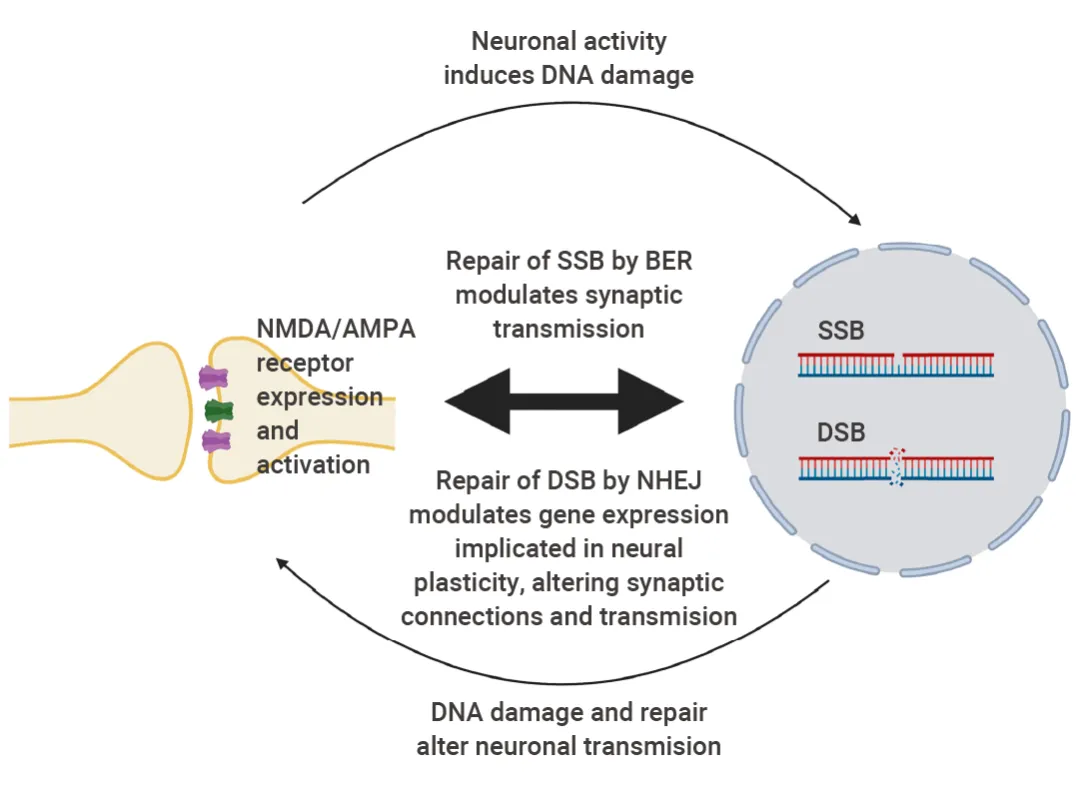
When you hear "inflammation" and "DNA damage," you might immediately think of disease or injury. However, in brains, these two processes are key steps in forming long-term memories, particularly related to specialized cells in our brain called hippocampal neurons.
Scientific Reviews
When you hear "inflammation" and "DNA damage," you might immediately think of disease or injury. However, in brains, these two processes are key steps in forming long-term memories, particularly related to specialized cells in our brain called hippocampal neurons. -
 Scientific Reviews
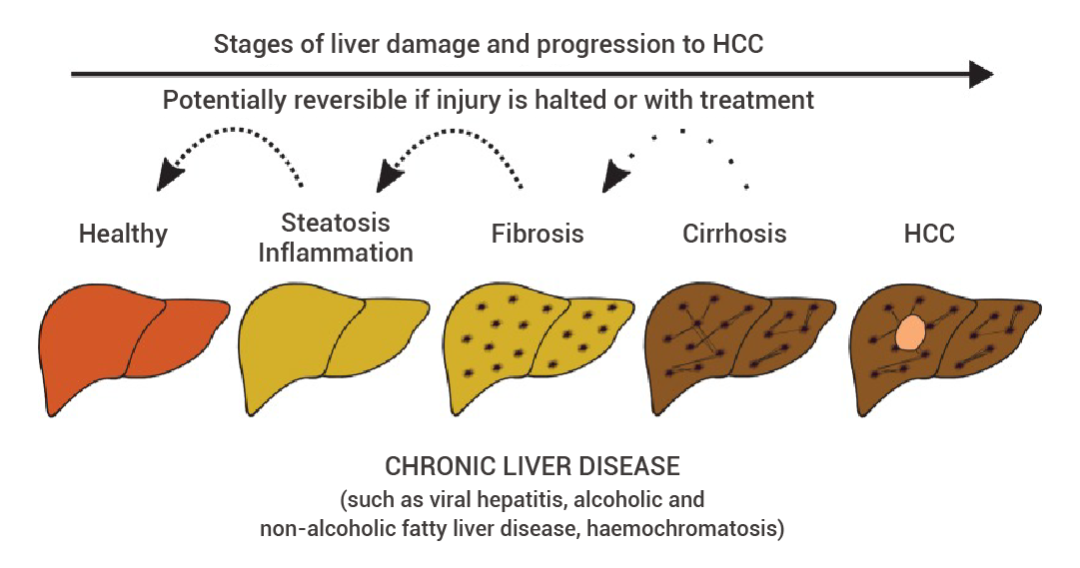
This article will tell you about the common methods of modeling liver disease in animal models.
Scientific Reviews
This article will tell you about the common methods of modeling liver disease in animal models. -
 Scientific Reviews
This article introduces some common cardiovascular disease models, inducers, modeling protocols and successful modeling cases in the research.
Scientific Reviews
This article introduces some common cardiovascular disease models, inducers, modeling protocols and successful modeling cases in the research. -
 Scientific Reviews
Chromatin Immunoprecipitation (ChIP) Demystified: A Complete Guide to Epigenetic Analysis
Scientific Reviews
Chromatin Immunoprecipitation (ChIP) Demystified: A Complete Guide to Epigenetic Analysis2025-08-05
In this issue, we introduce a powerful technique for detecting interactions between epigenetic regulatory factors and DNA—Chromatin Immunoprecipitation (ChIP)! -
 Scientific Reviews
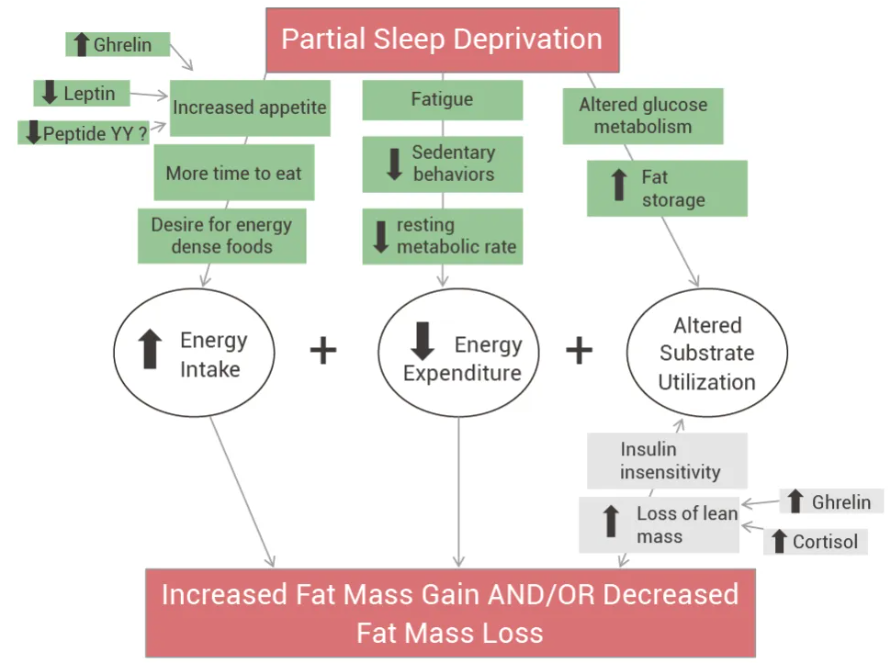
Have you ever noticed that after staying up late, your appetite—especially for high-calorie foods—gets out of control? If this sounds familiar, today’s article might offer some good news.
Scientific Reviews
Have you ever noticed that after staying up late, your appetite—especially for high-calorie foods—gets out of control? If this sounds familiar, today’s article might offer some good news. -
 Scientific Reviews
A groundbreaking study in Nature Communications reveals the key mechanism behind Idiopathic Pulmonary Fibrosis and identifies an existing drug with the potential to counter it.
Scientific Reviews
A groundbreaking study in Nature Communications reveals the key mechanism behind Idiopathic Pulmonary Fibrosis and identifies an existing drug with the potential to counter it. -
 Scientific Reviews
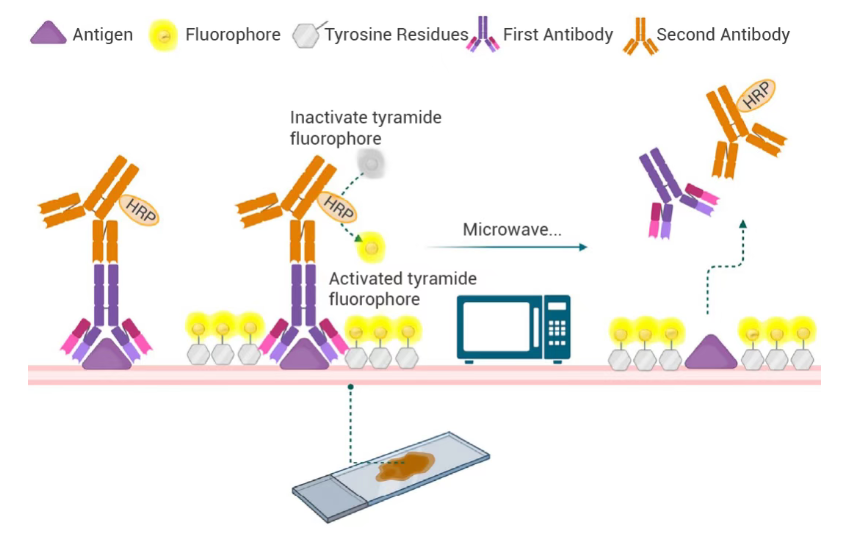
This detailed guide outlines the standardized experimental protocols for multiplex immunohistochemistry (mIHC), systematically summarizes common technical issues encountered during sample preparation, staining and imaging processes, and provides practical troubleshooting solutions to ensure reliable and reproducible results in biomedical research and clinical sample analysis.
Scientific Reviews
This detailed guide outlines the standardized experimental protocols for multiplex immunohistochemistry (mIHC), systematically summarizes common technical issues encountered during sample preparation, staining and imaging processes, and provides practical troubleshooting solutions to ensure reliable and reproducible results in biomedical research and clinical sample analysis. -
 Scientific Reviews
Finding adipogenic induction media too expensive and tricky to prepare? This comprehensive guide to 3T3-L1 adipogenic differentiation simplifies the process, helping you achieve great results!
Scientific Reviews
Finding adipogenic induction media too expensive and tricky to prepare? This comprehensive guide to 3T3-L1 adipogenic differentiation simplifies the process, helping you achieve great results! -
Scientific Reviews
Microglia– the only immune cells within the brain parenchyma. With advancements in imaging technologies, people’s understanding of microglia has shifted from being viewed as 'resting' cells to 'highly active' cells, particularly due to their dynamic processes that seem to be probing surrounding tissues and monitoring neuronal activity. This has made microglia a focal point of research in the field of neuroscience. -
 Scientific Reviews
Exosomes—natural nanoscale carriers—are revolutionizing targeted therapy. This article uncovers the science behind their precision in drug delivery.
Scientific Reviews
Exosomes—natural nanoscale carriers—are revolutionizing targeted therapy. This article uncovers the science behind their precision in drug delivery. -
 Scientific Reviews
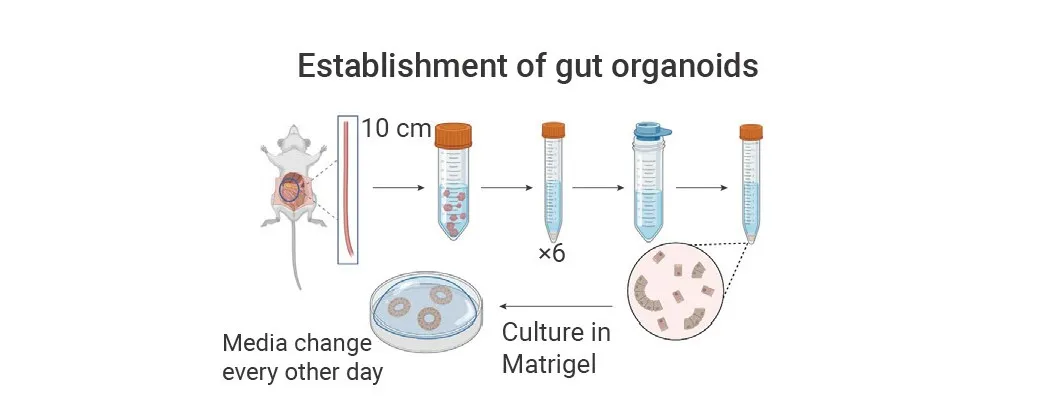
Efficient Generation of Mouse Small Intestinal Organoids: A Complete Experimental Protocol Guide
Scientific Reviews
Efficient Generation of Mouse Small Intestinal Organoids: A Complete Experimental Protocol Guide2025-12-10
How to successfully create mouse small intestine organoids? A detailed, hands-on guide to the entire process, all in one article! -
 Scientific Reviews
This paper elaborates on cytokines for culturing major immune cells, their regulatory roles, recombinant cytokines' merits and MCE’s related high-quality products.
Scientific Reviews
This paper elaborates on cytokines for culturing major immune cells, their regulatory roles, recombinant cytokines' merits and MCE’s related high-quality products. -
 Scientific Reviews
In the hunt for the next ‘GLP-1,’ amylin therapeutics, which have shown strong weight-loss results in clinical trials, have become a major focus for both multinational pharma and the scientific community.
Scientific Reviews
In the hunt for the next ‘GLP-1,’ amylin therapeutics, which have shown strong weight-loss results in clinical trials, have become a major focus for both multinational pharma and the scientific community. -
 Scientific Reviews
FISH is a molecular technique using fluorescent probes to detect specific nucleic acids in cells, with high sensitivity and diverse biomedical applications.
Scientific Reviews
FISH is a molecular technique using fluorescent probes to detect specific nucleic acids in cells, with high sensitivity and diverse biomedical applications. -
 Scientific Reviews
GLP-1 and Obesity Research
Scientific Reviews
GLP-1 and Obesity Research2026-08-14
Obesity substantially increases the risk of chronic diseases such as T2D and cardiovascular disease. The breakout success of GLP-1 therapies has spotlighted GLP-1R and a wave of emerging obesity targets. -
 EDM
Research Progress of Type-2-Diabetes
EDM
Research Progress of Type-2-Diabetes2025-07-09
This review comprehensively analyzes the pathophysiological mechanisms underlying T2D, surveys current therapeutic strategies, and introduces commonly used disease modeling approaches to support translational research. -
 EDM
This review explores the molecular mechanisms of the DNA damage response, reviews therapeutic strategies targeting DDR pathways in cancer, and examines their roles in cancer drug resistance.
EDM
This review explores the molecular mechanisms of the DNA damage response, reviews therapeutic strategies targeting DDR pathways in cancer, and examines their roles in cancer drug resistance. -
 EDM
This review provides an overview of GLP-1 biology and physiological functions, summarizes the development and clinical applications of GLP-1 receptor agonists, and discusses next-generation GLP-1–based therapeutic strategies.
EDM
This review provides an overview of GLP-1 biology and physiological functions, summarizes the development and clinical applications of GLP-1 receptor agonists, and discusses next-generation GLP-1–based therapeutic strategies. -
 EDM
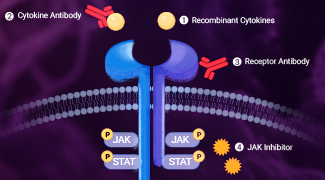
This review critically examines the role of the JAK-STAT pathway in immunity and autoimmune diseases, reviews current clinical applications of targeted therapies, and highlights emerging trends in autoimmune drug development.
EDM
This review critically examines the role of the JAK-STAT pathway in immunity and autoimmune diseases, reviews current clinical applications of targeted therapies, and highlights emerging trends in autoimmune drug development. -
 EDM
This review summarizes the mechanisms of DSS-induced colitis, commonly used modeling approaches, and key considerations related to DSS molecular weight.
EDM
This review summarizes the mechanisms of DSS-induced colitis, commonly used modeling approaches, and key considerations related to DSS molecular weight. -
 EDM
This review outlines macrophage functions and classification, and provides practical experimental guidelines for macrophage differentiation, polarization, and identification.
EDM
This review outlines macrophage functions and classification, and provides practical experimental guidelines for macrophage differentiation, polarization, and identification. -
 EDM
Explore next-generation obesity therapies from three perspectives: GLP-1-based multi-receptor agonists, oral GLP-1 strategies, and novel obesity targets.
EDM
Explore next-generation obesity therapies from three perspectives: GLP-1-based multi-receptor agonists, oral GLP-1 strategies, and novel obesity targets. -
 EDM
Review the mechanisms, mitochondrial regulation, disease relevance, and translational opportunities of the NLRP3–STING axis in neuroinflammation.
EDM
Review the mechanisms, mitochondrial regulation, disease relevance, and translational opportunities of the NLRP3–STING axis in neuroinflammation. -
 EDM
Explore the evolution from GLP-1 mono-agonists to multi-receptor therapeutics and the expanding role of incretin-based therapies in precision metabolic medicine.
EDM
Explore the evolution from GLP-1 mono-agonists to multi-receptor therapeutics and the expanding role of incretin-based therapies in precision metabolic medicine. -
 EDM
Explore the mechanisms driving immune tolerance breakdown in autoimmune diseases and emerging tolerance-restoring strategies, with a focus on IL-2-based immune modulation.
EDM
Explore the mechanisms driving immune tolerance breakdown in autoimmune diseases and emerging tolerance-restoring strategies, with a focus on IL-2-based immune modulation. -
 EDM
Evolution of PCSK9 Inhibitors Modalities: From Monoclonal Antibodies to Oral Macrocyclic Peptides
EDM
Evolution of PCSK9 Inhibitors Modalities: From Monoclonal Antibodies to Oral Macrocyclic Peptides2026-08-27
Review the biological basis of PCSK9, key therapeutic modalities, cardiovascular evidence, and future directions, including insights from the CORALreef clinical program. -
 EDM
Explore how mitochondrial quality control, inflammatory signaling, and metabolic–epigenetic reprogramming regulate cellular senescence and the SASP, along with strategies to restore mitochondrial homeostasis.
EDM
Explore how mitochondrial quality control, inflammatory signaling, and metabolic–epigenetic reprogramming regulate cellular senescence and the SASP, along with strategies to restore mitochondrial homeostasis. -
 Product Guides
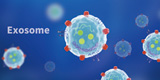
Exosomes are nano-sized biovesicles released into surrounding body fluids after the fusion of multivesicular bodies with the plasma membrane. In this article, we will briefly introduce isolation, labeling and identification of exosomes. And the specific application of exosomes will also be mentioned.
Product Guides
Exosomes are nano-sized biovesicles released into surrounding body fluids after the fusion of multivesicular bodies with the plasma membrane. In this article, we will briefly introduce isolation, labeling and identification of exosomes. And the specific application of exosomes will also be mentioned. -
 Blog
HS-1371 is a Small Molecule RIP3 Inhibitor
Blog
HS-1371 is a Small Molecule RIP3 Inhibitor2019-04-09
HS-1371 is a novel kinase inhibitor of RIP3-mediated necroptosis, showing an inhibitory effect on S227 auto-phosphorylation of RIP3 at the basal level. -
 Blog
Nevanimibe is a selective and potent ACAT1 inhibitor. An excellent drug candidate in the treatment of adrenocortical cancer.
Blog
Nevanimibe is a selective and potent ACAT1 inhibitor. An excellent drug candidate in the treatment of adrenocortical cancer. -
 Blog
PRN1008 is a Reversible Covalent and Oral Active Inhibitor of Bruton’s Tyrosine Kinase (BTK)
Blog
PRN1008 is a Reversible Covalent and Oral Active Inhibitor of Bruton’s Tyrosine Kinase (BTK)2019-04-18
PRN1008 is a selective, reversible covalent and oral active inhibitor of Bruton’s Tyrosine Kinase (BTK), with an IC50 of 1.3 nM. -
 Blog
Multiple Tyrosine Kinases Inhibitor TAS-115
Blog
Multiple Tyrosine Kinases Inhibitor TAS-1152019-04-19
TAS-115 is a potent VEGFR and c-Met/HGFR-targeted kinase inhibitor with IC50s of 30 and 32 nM for rVEGFR2 and rMET, respectively. -
 Blog
TAK-828F is a potent, selective and orally active retinoic acid receptor-related orphan receptor γt (RORγt) inverse agonist. TAK-828F inhibits IL-17A cytokine expression and reduces symptoms of autoimmune encephalomyelitis mice.
Blog
TAK-828F is a potent, selective and orally active retinoic acid receptor-related orphan receptor γt (RORγt) inverse agonist. TAK-828F inhibits IL-17A cytokine expression and reduces symptoms of autoimmune encephalomyelitis mice. -
 Blog
BAY-8002 is a selective and orally active inhibitor of monocarboxylate transporter 1 (MCT1), with an IC50 of 85 nM. Has potential to treat lymphoma.
Blog
BAY-8002 is a selective and orally active inhibitor of monocarboxylate transporter 1 (MCT1), with an IC50 of 85 nM. Has potential to treat lymphoma. -
 Blog
STL127705 is a Ku 70/80 heterodimer protein inhibitor, inhibits Ku70/80-DNA interaction (IC50 of 3.5 μM) and Ku-dependent activation of DNA-PKCS kinase.
Blog
STL127705 is a Ku 70/80 heterodimer protein inhibitor, inhibits Ku70/80-DNA interaction (IC50 of 3.5 μM) and Ku-dependent activation of DNA-PKCS kinase. -
 Blog
TAS-114 is a dual dUTPase/dihydropyrimidine dehydrogenase (DPD) inhibitor, can improving the therapeutic efficacy of fluoropyrimidine.
Blog
TAS-114 is a dual dUTPase/dihydropyrimidine dehydrogenase (DPD) inhibitor, can improving the therapeutic efficacy of fluoropyrimidine. -
 Blog
GSK3145095 is a RIP1 kinase inhibitor with an IC50 of 6.3 nM. Potently blocks the TNF response and RIP1-dependent inflammatory cytokine MIP-1β production.
Blog
GSK3145095 is a RIP1 kinase inhibitor with an IC50 of 6.3 nM. Potently blocks the TNF response and RIP1-dependent inflammatory cytokine MIP-1β production. -
 Blog
Olutasidenib is a highly potent, selective inhibitor of mutant IDH1 that could be used in the treatment of AML or myelodysplastic syndrome (MDS).
Blog
Olutasidenib is a highly potent, selective inhibitor of mutant IDH1 that could be used in the treatment of AML or myelodysplastic syndrome (MDS). -
 Blog
JMS-17-2 is a CX3CR1 Antagonist
Blog
JMS-17-2 is a CX3CR1 Antagonist2019-06-12
JMS-17-2 is a potent and selective CX3CR1 antagonist with an IC50 of 0.32 nM. Has potential to treat cancers such as breast cancer. -
 Blog
BAY-11-7082 inhibits the proliferation and induces the apoptosis of U266 cells through inhibiting NF-κB pathway. BAY 11-7082 ameliorates experimental diabetic neuropathy by modulating neuroinflammation and improving antioxidant defence.
Blog
BAY-11-7082 inhibits the proliferation and induces the apoptosis of U266 cells through inhibiting NF-κB pathway. BAY 11-7082 ameliorates experimental diabetic neuropathy by modulating neuroinflammation and improving antioxidant defence. -
 Blog
S18-000003 is a potent, selective and orally active inhibitor of retinoic acid receptor-related orphan receptor-gamma-t (RORγt). S18-000003 ameliorates psoriasis-like lesions in vivo. S18-000003 can be used for the research of skin inflammatory diseases.
Blog
S18-000003 is a potent, selective and orally active inhibitor of retinoic acid receptor-related orphan receptor-gamma-t (RORγt). S18-000003 ameliorates psoriasis-like lesions in vivo. S18-000003 can be used for the research of skin inflammatory diseases. -
 Blog
PTC299 is a dual and orally active DHODH and VEGF inhibitor, has broad and potent activity against hematological cancer cells.
Blog
PTC299 is a dual and orally active DHODH and VEGF inhibitor, has broad and potent activity against hematological cancer cells. -
 Blog
TPCA-1, a Direct Dual Inhibitor of STAT3 and NF-κB, Regresses Mutant EGFR-Associated NSCLC
Blog
TPCA-1, a Direct Dual Inhibitor of STAT3 and NF-κB, Regresses Mutant EGFR-Associated NSCLC2019-07-15
TPCA-1 is a potent and selective inhibitor of IKK-2 with IC50 of 17.9 nM. TPCA-1 is an effective inhibitor of STAT3 phosphorylation, DNA binding. -
 Blog
NMS-P515 is a potent, orally active and stereospecific PARP-1 inhibitor, with a Kd of 16 nM and an IC50 of 27 nM (in Hela cells). Anti-tumor activity.
Blog
NMS-P515 is a potent, orally active and stereospecific PARP-1 inhibitor, with a Kd of 16 nM and an IC50 of 27 nM (in Hela cells). Anti-tumor activity. -
 Blog
ML367 is an ATAD5 Stabilization Inhibitor
Blog
ML367 is an ATAD5 Stabilization Inhibitor2019-08-03
ML367 is a potent inhibitor of ATAD5 stabilization. It blocks DNA repair pathways, and suppresses phosphorylation of RPA32 and CHK1. -
 Blog
LSN 3213128 is a selective, nonclassical, orally bioavailable antifolate with anti-cancer activity. LSN 3213128 potently and specifically inhibits AICARFT.
Blog
LSN 3213128 is a selective, nonclassical, orally bioavailable antifolate with anti-cancer activity. LSN 3213128 potently and specifically inhibits AICARFT. -
 Blog
JH-RE-06, a potent REV1-REV7 interface inhibitor (IC50=0.78 μM; Kd=0.42 μM), targets REV1 that interacts with the REV7 subunit of POLζ.
Blog
JH-RE-06, a potent REV1-REV7 interface inhibitor (IC50=0.78 μM; Kd=0.42 μM), targets REV1 that interacts with the REV7 subunit of POLζ. -
 Blog
NXT629 is a potent, selective, and competitive PPAR-α antagonist and shows high selectivity over other nuclear hormone receptor.
Blog
NXT629 is a potent, selective, and competitive PPAR-α antagonist and shows high selectivity over other nuclear hormone receptor. -
 Blog
BI-4924 is a Selective PHGDH Inhibitor
Blog
BI-4924 is a Selective PHGDH Inhibitor2019-08-23
BI-4924 is a lipophilic and highly plasma protein bound selective phosphoglycerate dehydrogenase (PHGDH) inhibitor (IC50=3 nM) with excellent microsomal. -
 Blog
FT113 is a potent and orally active fatty acid synthase inhibitor, with an IC50 of 213 nM for full-length recombinant human FAS, with anti-tumor activity.
Blog
FT113 is a potent and orally active fatty acid synthase inhibitor, with an IC50 of 213 nM for full-length recombinant human FAS, with anti-tumor activity. -
 Blog
E3330, an APE1 Redox Inhibitor, Modulates Cell Migration and Invasion in Metastatic Cancer
Blog
E3330, an APE1 Redox Inhibitor, Modulates Cell Migration and Invasion in Metastatic Cancer2019-09-13
E3330 is a direct, orally active AP endonuclease 1 (APE1) inhibitor, which suppresses NF-κB DNA-binding activity. E3330 shows good anticancer properties. -
 Blog
AOH1160, an Orally Active PCNA Inhibitor, Exhibits Efferctive Anti-cancer Activity with Low Toxicity
Blog
AOH1160, an Orally Active PCNA Inhibitor, Exhibits Efferctive Anti-cancer Activity with Low Toxicity2019-09-14
AOH1160 is a potent, first-in-class, orally available PCNA inhibitor and exhibits broad-spectrum anti-cancer activity without causing unacceptable toxicity. -
 Blog
UPGL00004 is a allosteric glutaminase C inhibitor which strongly inhibits the proliferation of highly aggressive triple-negative breast cancer cell lines.
Blog
UPGL00004 is a allosteric glutaminase C inhibitor which strongly inhibits the proliferation of highly aggressive triple-negative breast cancer cell lines. -
 Blog
IDH889 is an orally available, brain penetrant, allosteric and mutant specific inhibitor of isocitrate dehydrogenase 1 (IDH1) R132 mutations.
Blog
IDH889 is an orally available, brain penetrant, allosteric and mutant specific inhibitor of isocitrate dehydrogenase 1 (IDH1) R132 mutations. -
 Blog
Blog
-
 Blog
BI-167107 is a high affinity, full agonist that binds to the β2 adrenergic receptor (β2AR) with a dissociation constant Kd of 84 pM.
Blog
BI-167107 is a high affinity, full agonist that binds to the β2 adrenergic receptor (β2AR) with a dissociation constant Kd of 84 pM. -
 Blog
TVB-3166 is an orally-available, reversible, and selective FASN inhibitor and it induces apoptosis, and inhibits in-vivo xenograft tumor growth.
Blog
TVB-3166 is an orally-available, reversible, and selective FASN inhibitor and it induces apoptosis, and inhibits in-vivo xenograft tumor growth. -
 Blog
ASLAN003 is an orally active and potent inhibitor of hDHODH with antitumor activity, and it has the potential to be a first-in-class drug candidate in AML.
Blog
ASLAN003 is an orally active and potent inhibitor of hDHODH with antitumor activity, and it has the potential to be a first-in-class drug candidate in AML. -
 Blog
DS18561882 is a highly potent, sozyme-selective methylenetetrahydrofolate dehydrogenase 2 (MTHFD2) inhibitor with a good oral pharmacokinetic profile.
Blog
DS18561882 is a highly potent, sozyme-selective methylenetetrahydrofolate dehydrogenase 2 (MTHFD2) inhibitor with a good oral pharmacokinetic profile. -
 Blog
GNE-618 is a Orally Active NAMPT Inhibitor
Blog
GNE-618 is a Orally Active NAMPT Inhibitor2019-11-28
GNE-618 is an orally active NAMPT inhibitor and reduces tumor growth. GNE-618 depletes NAD levels and induces tumor cell death. -
 Blog
Telaglenastat is a first-in-class, reversible, orally bioavailable glutaminase 1 splice variants (KGA and GAC) inhibitor. It shows antitumor activity.
Blog
Telaglenastat is a first-in-class, reversible, orally bioavailable glutaminase 1 splice variants (KGA and GAC) inhibitor. It shows antitumor activity. -
 Blog
Niraparib is an Orally Active PARP Inhibitor
Blog
Niraparib is an Orally Active PARP Inhibitor2019-12-18
Niraparib is a highly potent and orally bioavailable PARP1 and PARP2 inhibitor. Niraparib has potent anti-cancer activity. -
 Blog
DRF-1042 is an orally active derivative of Camptothecin and acts to inhibit DNA topoisomerase I with good anticancer activity.
Blog
DRF-1042 is an orally active derivative of Camptothecin and acts to inhibit DNA topoisomerase I with good anticancer activity. -
 Blog
UK 356618 is a Selective MMP-3 Inhibitor
Blog
UK 356618 is a Selective MMP-3 Inhibitor2019-12-25
UK 356618 is a selective and potent inhibitor of MMP-3. UK 356618 exhibits potent anti-inflammatory and anti-cancer activity. -
 Blog
CH6953755 is a potent, orally active and selective YES1 kinase inhibitor leading to antitumor activity against YES1 Gene -amplified cancers.
Blog
CH6953755 is a potent, orally active and selective YES1 kinase inhibitor leading to antitumor activity against YES1 Gene -amplified cancers. -
 Blog
CA-4948 is a Selective and Orally Bioavailable IRAK4 Kinase Inhibitor for Lymphoma Treatment
Blog
CA-4948 is a Selective and Orally Bioavailable IRAK4 Kinase Inhibitor for Lymphoma Treatment2020-01-05
CA-4948 is a potent, selective and orally bioavailable IRAK4 kinase inhibitor. CA-4948 can be used for the treatment of lymphoma. -
 Blog
D-I03 is a Selective RAD52 Inhibitor
Blog
D-I03 is a Selective RAD52 Inhibitor2020-01-08
D-I03 is a selective RAD52 inhibitor, which specifically inhibits RAD52-dependent single-strand annealing (SSA) and D-loop formation. -
 Blog
GPP78 is a potent Nampt inhibitor. GPP78 is cytotoxic to neuroblastoma cell line SH-SY5Y cells. GPP78 has anti-cancer and anti-tumor activity.
Blog
GPP78 is a potent Nampt inhibitor. GPP78 is cytotoxic to neuroblastoma cell line SH-SY5Y cells. GPP78 has anti-cancer and anti-tumor activity. -
 Blog
SB-218078, a Chk1 inhibitor, inhibits Chk1 phosphorylation of cdc25C with an IC50 of 15 nM, causeing apoptosis by DNA damage and cell cycle arrest.
Blog
SB-218078, a Chk1 inhibitor, inhibits Chk1 phosphorylation of cdc25C with an IC50 of 15 nM, causeing apoptosis by DNA damage and cell cycle arrest. -
 Blog
BAY-985 is an orally active and selective ATP-competitive dual inhibitor of TBK1 and IKKε with IC50s of 2/30 and 2 nM for TBK1 and IKKε, respectively.
Blog
BAY-985 is an orally active and selective ATP-competitive dual inhibitor of TBK1 and IKKε with IC50s of 2/30 and 2 nM for TBK1 and IKKε, respectively. -
 Blog
ADH-503 is an orally active and allosteric CD11b agonist and leads to the repolarization of tumor-associated macrophages.
Blog
ADH-503 is an orally active and allosteric CD11b agonist and leads to the repolarization of tumor-associated macrophages. -
 Blog
CM10 is a potent and selective aldehyde dehydrogenase 1A family inhibitor and regulates metabolism and has anti-cancer activity.
Blog
CM10 is a potent and selective aldehyde dehydrogenase 1A family inhibitor and regulates metabolism and has anti-cancer activity. -
 Blog
NU1025 is a potent PARP inhibitor and potentiates the cytotoxicity of ionizing radiation drug. NU1025 has anti-cancer and neuroprotective activity.
Blog
NU1025 is a potent PARP inhibitor and potentiates the cytotoxicity of ionizing radiation drug. NU1025 has anti-cancer and neuroprotective activity. -
 Blog
TP3011 is a potent DNA topoisomerase I inhibitor. Antitumor activities.Active metabolite of TP3076. TP3011 inhibits cancer cell proliferative activities.
Blog
TP3011 is a potent DNA topoisomerase I inhibitor. Antitumor activities.Active metabolite of TP3076. TP3011 inhibits cancer cell proliferative activities. -
 Blog
DC-5163 is a potent GAPDH inhibitor, can inhibit glycolysis pathway partially. DC-5163 selectively inhibits cancer cell proliferation and induces apoptosis.
Blog
DC-5163 is a potent GAPDH inhibitor, can inhibit glycolysis pathway partially. DC-5163 selectively inhibits cancer cell proliferation and induces apoptosis. -
 Blog
PIK-75 is a reversible DNA-PK and p110α selective inhibitor. Impairs cell proliferation, survival, and tumor growth. Induce apoptosis.
Blog
PIK-75 is a reversible DNA-PK and p110α selective inhibitor. Impairs cell proliferation, survival, and tumor growth. Induce apoptosis. -
 Blog
RBN-2397 is an orally active accross species NAD+ competitive inhibitor of PARP7. RBN-2397 binds to PARP7 and restores interferon (Type I) signaling.
Blog
RBN-2397 is an orally active accross species NAD+ competitive inhibitor of PARP7. RBN-2397 binds to PARP7 and restores interferon (Type I) signaling. -
 Blog
OT-82 is a selective inhibitor of NAMPT. Selectively toxic to cells of hematopoietic origin. OT-82 is a promising antineoplastic agent.
Blog
OT-82 is a selective inhibitor of NAMPT. Selectively toxic to cells of hematopoietic origin. OT-82 is a promising antineoplastic agent. -
 Blog
TNP-351, an Antifolate, is a Dihydrofolate Reductase (DHFR) Inhibitor. Antifolates serve medical science well in neoplastic and non-neoplastic diseases.
Blog
TNP-351, an Antifolate, is a Dihydrofolate Reductase (DHFR) Inhibitor. Antifolates serve medical science well in neoplastic and non-neoplastic diseases. -
 Blog
DI-82 is a potent deoxycytidine kinase (dCK) inhibitor. DI-82 is potent against hematological malignancies and other cancers.
Blog
DI-82 is a potent deoxycytidine kinase (dCK) inhibitor. DI-82 is potent against hematological malignancies and other cancers. -
 Blog
DI-87, an orally active and selective dCK inhibitor, has antitumor activity and is used in combination therapy against tumors expressing dCK.
Blog
DI-87, an orally active and selective dCK inhibitor, has antitumor activity and is used in combination therapy against tumors expressing dCK. -
 Blog
GSK143 is an orally active and highly selective spleen tyrosine kinase (SYK) inhibitor. GSK143 reduces inflammation in the intestinal muscularis in mice.
Blog
GSK143 is an orally active and highly selective spleen tyrosine kinase (SYK) inhibitor. GSK143 reduces inflammation in the intestinal muscularis in mice. -
 Blog
JX06 is a potent, selective and covalent inhibitor of PDK via covalently binding to a cysteine residue in an irreversible manner.
Blog
JX06 is a potent, selective and covalent inhibitor of PDK via covalently binding to a cysteine residue in an irreversible manner. -
 Blog
IPI-9119 is an orally active, selective and irreversible FASN inhibitor with potent anti-cancer activity. IPI-9119 induces cell cycle arrest, apoptosis.
Blog
IPI-9119 is an orally active, selective and irreversible FASN inhibitor with potent anti-cancer activity. IPI-9119 induces cell cycle arrest, apoptosis. -
 Blog
CAY10404 is a potent and highly selective COX-2 inhibitor. CAY10404 is a potent inhibitor of PKB/Akt and MAPK signalling pathways.
Blog
CAY10404 is a potent and highly selective COX-2 inhibitor. CAY10404 is a potent inhibitor of PKB/Akt and MAPK signalling pathways. -
 Blog
CRT0044876 is a potent and selective APE1 inhibitor. CRT0044876 inhibits the AP endonuclease, 3′-phosphodiesterase and 3′-phosphatase activities of APE1.
Blog
CRT0044876 is a potent and selective APE1 inhibitor. CRT0044876 inhibits the AP endonuclease, 3′-phosphodiesterase and 3′-phosphatase activities of APE1. -
 Blog
BMS-P5 is an Orally Active PAD4 Inhibitor
Blog
BMS-P5 is an Orally Active PAD4 Inhibitor2020-12-12
BMS-P5 is an orally active PAD4 inhibitor. BMS-P5 blocks MM-induced NET formation and delays progression of MM in a syngeneic mouse model -
 Blog
ML132, a potent and selective caspase 1 inhibitor with a unique selectivity pattern, is responsible for the proteolytic activation of IL-1β and IL-18.
Blog
ML132, a potent and selective caspase 1 inhibitor with a unique selectivity pattern, is responsible for the proteolytic activation of IL-1β and IL-18. -
 Blog
SAR-020106 is an ATP-competitive CHK1 inhibitor with an IC50 of 13.3 nM for hCHK1. SAR-020106 can enhance antitumor activity with selected anticancer drugs.
Blog
SAR-020106 is an ATP-competitive CHK1 inhibitor with an IC50 of 13.3 nM for hCHK1. SAR-020106 can enhance antitumor activity with selected anticancer drugs. -
 Blog
CTPI-2 is a SLC25A1 inhibitor. CTPI-2 inhibits glycolysis, PPARγ, and its downstream target the glucose transporter GLUT4. Antitumor activity.
Blog
CTPI-2 is a SLC25A1 inhibitor. CTPI-2 inhibits glycolysis, PPARγ, and its downstream target the glucose transporter GLUT4. Antitumor activity. -
 Blog
AZ9482 is a Triple PARP1/2/6 Inhibitor
Blog
AZ9482 is a Triple PARP1/2/6 Inhibitor2021-01-05
AZ9482 is a triple PARP1, PPAR2 and PPAR6 inhibitor, with IC50 values of 1 nM, 1 nM and 640 nM for PARP1, PARP2 and PARP6, respectively. -
 Blog
NSC 80467, a potent DNA damaging agent, selectively inhibits survivin, and preferentially inhibits DNA synthesis.
Blog
NSC 80467, a potent DNA damaging agent, selectively inhibits survivin, and preferentially inhibits DNA synthesis. -
 Blog
NSC-105808, a potent, specific DNA2 nuclease inhibitor, inhibits HR repair, DSB end resection and suppresses proliferation of cancer cells.
Blog
NSC-105808, a potent, specific DNA2 nuclease inhibitor, inhibits HR repair, DSB end resection and suppresses proliferation of cancer cells. -
 Blog
Senaparib, a selective and orally active PARP1/2 inhibitor, has great potential as a monotherapy as well as in combination with other agents.
Blog
Senaparib, a selective and orally active PARP1/2 inhibitor, has great potential as a monotherapy as well as in combination with other agents. -
 Blog
BI99179 is a Selective Type I FASN Inhibitor
Blog
BI99179 is a Selective Type I FASN Inhibitor2021-01-28
FASN is a key enzyme for lipogenesis and highly expressed in lipogenic tissues. BI99179 is a Selective Type I FASN Inhibitor. -
 Blog
Fasentin inhibits GLUT-1 and GLUT-4 transporters. Fasentin blocks glucose uptake in cancer cell lines and has anti-angiogenic activity.
Blog
Fasentin inhibits GLUT-1 and GLUT-4 transporters. Fasentin blocks glucose uptake in cancer cell lines and has anti-angiogenic activity. -
 Blog
PF 477736 (PF 00477736) is a Chk1 inhibitor. Breaching the DNA damage checkpoint. PF-00477736 combines with Gemcitabine to abrogates cell cycle arrest.
Blog
PF 477736 (PF 00477736) is a Chk1 inhibitor. Breaching the DNA damage checkpoint. PF-00477736 combines with Gemcitabine to abrogates cell cycle arrest. -
 Blog
ML390 is a Potent DHODH Inhibitor
Blog
ML390 is a Potent DHODH Inhibitor2021-02-24
ML390 is a potent dihydroorotate dehydrogenase (DHODH) inhibitor and is an inducer of myeloid differentiation. -
 Blog
CC-90001 is a potent, selective, and orally active inhibitor of JNK. CC-90001 can be used for the research of idiopathic pulmonary fibrosis (IPF).
Blog
CC-90001 is a potent, selective, and orally active inhibitor of JNK. CC-90001 can be used for the research of idiopathic pulmonary fibrosis (IPF). -
 Blog
Elimusertib is a potent, orally available and selective ATR inhibitor. Elimusertib has potent anti-tumor activity.
Blog
Elimusertib is a potent, orally available and selective ATR inhibitor. Elimusertib has potent anti-tumor activity. -
 Blog
SB-332235 is a potent, orally active nonpeptide CXCR2 antagonist. SB-332235 inhibits acute and chronic models of arthritis in the rabbit.
Blog
SB-332235 is a potent, orally active nonpeptide CXCR2 antagonist. SB-332235 inhibits acute and chronic models of arthritis in the rabbit. -
 Blog
Vorasidenib is an orally available, brain penetrant second-generation dual mutant isocitrate dehydrogenases 1 and 2 (mIDH1/2) inhibitor.
Blog
Vorasidenib is an orally available, brain penetrant second-generation dual mutant isocitrate dehydrogenases 1 and 2 (mIDH1/2) inhibitor. -
 Blog
Venadaparib is a selective and orally active PARP1/2 inhibitor with significant in vitro and in vivo activities in multiple cancer models.
Blog
Venadaparib is a selective and orally active PARP1/2 inhibitor with significant in vitro and in vivo activities in multiple cancer models. -
 Blog
SG3199, an ADC Cytotoxin, is a Cytotoxic DNA Minor Groove Interstrand Crosslinking PDB Dimer
Blog
SG3199, an ADC Cytotoxin, is a Cytotoxic DNA Minor Groove Interstrand Crosslinking PDB Dimer2021-07-12
SG3199, a PBD dimer, is a warhead in next-generation ADCs with potently cytotoxic and a very short half-life. -
 Blog
Lumiracoxib is a COX-2 inhibitor. Lumiracoxib acts as nonselective NSAID with anti-inflammatory, analgesic and antipyretic activities.
Blog
Lumiracoxib is a COX-2 inhibitor. Lumiracoxib acts as nonselective NSAID with anti-inflammatory, analgesic and antipyretic activities. -
 Blog
DP-C-4 is a CRBN-Based dual PROTAC for EGFR and PARP could provide an effective study for cancer diseases.
Blog
DP-C-4 is a CRBN-Based dual PROTAC for EGFR and PARP could provide an effective study for cancer diseases. -
 Blog
Ruxolitinib is a potent and selective JAK1/2 inhibitor and has 130-fold selectivity for JAK1/2 over JAK3. Ruxolitinib induces autophagy.
Blog
Ruxolitinib is a potent and selective JAK1/2 inhibitor and has 130-fold selectivity for JAK1/2 over JAK3. Ruxolitinib induces autophagy. -
 Blog
SN-38 (NK012) is an active metabolite of the Topoisomerase I inhibitor Irinotecan and inhibits DNA and RNA synthesis.
Blog
SN-38 (NK012) is an active metabolite of the Topoisomerase I inhibitor Irinotecan and inhibits DNA and RNA synthesis. -
 Blog
Daunorubicin is a topoisomerase II inhibitor with a wide spectrum of anticancer activity and anti-HBV effect.
Blog
Daunorubicin is a topoisomerase II inhibitor with a wide spectrum of anticancer activity and anti-HBV effect. -
 Blog
IMD-0354 is a Selective IKKβ Inhibitor
Blog
IMD-0354 is a Selective IKKβ Inhibitor2021-11-09
IMD-0354 is a selective IKKβ inhibitor and potently inhibits NF-κB activity. IMD0354 has antitumor activity. -
 Blog
PR-104A is a hypoxia-selective DNA cross-linking agent/DNA-damaging agent and cytotoxin. Antitumor Activity. Leukemia (T-ALL).
Blog
PR-104A is a hypoxia-selective DNA cross-linking agent/DNA-damaging agent and cytotoxin. Antitumor Activity. Leukemia (T-ALL). -
 Blog
Lonidamine, an antitumor agent and an indazole derivative, interferes with energy-yielding processes in cancer cells.
Blog
Lonidamine, an antitumor agent and an indazole derivative, interferes with energy-yielding processes in cancer cells. -
 Blog
AZD1390 is a potent, highly selective, orally bioavailable, brain-penetrant ATM inhibitor with an IC50 of 0.78 nM.
Blog
AZD1390 is a potent, highly selective, orally bioavailable, brain-penetrant ATM inhibitor with an IC50 of 0.78 nM. -
 Blog
Rucaparib is a PARP Inhibitor
Blog
Rucaparib is a PARP Inhibitor2022-01-13
Rucaparib is an orally active, potent inhibitor of PARP proteins (PARP-1, PARP-2 and PARP-3). Rucaparib has the potential for CRPC research. -
 Blog
β-Lapachone, a topoisomerase I inhibitor, induces apoptosis by inhibiting cell cycle progression. β-Lapachone has anti-inflammatory effect.
Blog
β-Lapachone, a topoisomerase I inhibitor, induces apoptosis by inhibiting cell cycle progression. β-Lapachone has anti-inflammatory effect. -
 Blog
CL097 is a TLR7/8 agonist. CL097 induces pro-nflammatory cytokines. CL097 induces NADPH oxidase priming and efficient diabetogenic cytotoxic T lymphocyte (CTL) function in NOD mice.
Blog
CL097 is a TLR7/8 agonist. CL097 induces pro-nflammatory cytokines. CL097 induces NADPH oxidase priming and efficient diabetogenic cytotoxic T lymphocyte (CTL) function in NOD mice. -
 Blog
Zingerone is a natural orally active nontoxic methoxyphenol potent anti-inflammatory, antidiabetic, antioxidize, and anti-tumor properties.
Blog
Zingerone is a natural orally active nontoxic methoxyphenol potent anti-inflammatory, antidiabetic, antioxidize, and anti-tumor properties. -
 Blog
PFM39 is a potent and selective MRE11 exonuclease inhibitor, and does not inhibit endonuclease, nuclease activity.
Blog
PFM39 is a potent and selective MRE11 exonuclease inhibitor, and does not inhibit endonuclease, nuclease activity. -
 Blog
VAL-083 is an alkylating agent that creates N7 methylation on DNA, VAL-083 exhibits antitumor activity in vitro and in vivo.
Blog
VAL-083 is an alkylating agent that creates N7 methylation on DNA, VAL-083 exhibits antitumor activity in vitro and in vivo. -
 Blog
Lomeguatrib is a highly potent MGMT inactivator, improves the therapeutic effect of alkylating agents in a number of tumour models.
Blog
Lomeguatrib is a highly potent MGMT inactivator, improves the therapeutic effect of alkylating agents in a number of tumour models. -
 Blog
BM213 is a selective C5aR1 agonist. It’s a useful research tool to study C5aR1 function
Blog
BM213 is a selective C5aR1 agonist. It’s a useful research tool to study C5aR1 function -
 Blog
Mirin is a potent MRN complex inhibitor. Mirin prevents MRN-dependent activation of ATM without affecting ATM protein kinase activity.
Blog
Mirin is a potent MRN complex inhibitor. Mirin prevents MRN-dependent activation of ATM without affecting ATM protein kinase activity. -
 Blog
Pirarubicin, an anthracycline antibiotics, is a topoisomerase II Inhibitor.
Blog
Pirarubicin, an anthracycline antibiotics, is a topoisomerase II Inhibitor. -
 Blog
Bisantrene is topoisomerase II poisons and DNA intercalators. Bisantrene intercalates with and disrupts the configuration of DNA.
Blog
Bisantrene is topoisomerase II poisons and DNA intercalators. Bisantrene intercalates with and disrupts the configuration of DNA. -
 Blog
Actinomycin D (Dactinomycin) is an autophagy activator inhibiting DNA repair with an IC50 of 0.42 μM.
Blog
Actinomycin D (Dactinomycin) is an autophagy activator inhibiting DNA repair with an IC50 of 0.42 μM. -
 Blog
Rebeccamycin, an antitumor antibiotic, inhibits DNA topoisomerase I. Rebeccamycin can be used for leukemia research.
Blog
Rebeccamycin, an antitumor antibiotic, inhibits DNA topoisomerase I. Rebeccamycin can be used for leukemia research. -
 Blog
Rucaparib (AG014699) is an orally active, potent inhibitor of PARP proteins (PARP-1, PARP-2 and PARP-3) with IC50s <5 nM , possessing anticancer activity.
Blog
Rucaparib (AG014699) is an orally active, potent inhibitor of PARP proteins (PARP-1, PARP-2 and PARP-3) with IC50s <5 nM , possessing anticancer activity. -
 Blog
BNS-22 is a potent and selective inhibitor of TOP2α and TOP2β that exhibits anti-proliferative activities.
Blog
BNS-22 is a potent and selective inhibitor of TOP2α and TOP2β that exhibits anti-proliferative activities. -
 Blog
Pelecopan is a potent, selective, and orally active complement factor D inhibitor, possessing the potential to study paroxysmal nocturnal hemoglobinuria (PNH).
Blog
Pelecopan is a potent, selective, and orally active complement factor D inhibitor, possessing the potential to study paroxysmal nocturnal hemoglobinuria (PNH). -
 Blog
AZD-9574 is a potent and brain penetrant PARP1 inhibitor and shows >8000-fold selectivity for PARP1 compared to PARP2/3/5a/6.
Blog
AZD-9574 is a potent and brain penetrant PARP1 inhibitor and shows >8000-fold selectivity for PARP1 compared to PARP2/3/5a/6. -
 Blog
Simmiparib is a highly potent and orally active PARP1 and PARP2 inhibitor with IC50s of 1.75 nM and 0.22 nM, respectively. Antitumor effect.
Blog
Simmiparib is a highly potent and orally active PARP1 and PARP2 inhibitor with IC50s of 1.75 nM and 0.22 nM, respectively. Antitumor effect. -
 Blog
AZ31 is a potent, highly selective, and orally active ATM inhibitor, and is also a potent radiosensitizer in vitro.
Blog
AZ31 is a potent, highly selective, and orally active ATM inhibitor, and is also a potent radiosensitizer in vitro. -
 Blog
RP-6685 is a potent, selective and orally active DNA Polθ inhibitor with an IC50 value of 5.8 nM. RP-6685 shows antitumor activity.
Blog
RP-6685 is a potent, selective and orally active DNA Polθ inhibitor with an IC50 value of 5.8 nM. RP-6685 shows antitumor activity. -
 Blog
CAM 833, a potent and selective inhibitor of the BRCA2-RAD51 interaction, and has the potential for the cancer research.
Blog
CAM 833, a potent and selective inhibitor of the BRCA2-RAD51 interaction, and has the potential for the cancer research. -
 Blog
Etrolizumab is a Gut-selective, Anti-β7 Integrin McAb for Inflammatory Bowel Disease (IBD) Research
Blog
Etrolizumab is a Gut-selective, Anti-β7 Integrin McAb for Inflammatory Bowel Disease (IBD) Research2022-11-05
Etrolizumab is a gut-selective, anti-β7 integrin monoclonal antibody and has the potential for the research of inflammatory bowel disease. -
 Blog
LY3177833 is an orally active CDC7 and pMCM2 inhibitor with IC50 values of 3.3 nM and 290 nM, respectively. LY3177833 is a senescence inducer
Blog
LY3177833 is an orally active CDC7 and pMCM2 inhibitor with IC50 values of 3.3 nM and 290 nM, respectively. LY3177833 is a senescence inducer -
 Blog
STF-31 is a potent ans selective inhibitor of GLUT1 that inhibit glucose uptake in renal cell carcinoma (RCC) 4 cells.
Blog
STF-31 is a potent ans selective inhibitor of GLUT1 that inhibit glucose uptake in renal cell carcinoma (RCC) 4 cells. -
 Blog
Olutasidenib (FT-2102) is an orally active, brain penetrant inhibitor of mutant IDH1. Olutasidenib is used for AML or MDS Research.
Blog
Olutasidenib (FT-2102) is an orally active, brain penetrant inhibitor of mutant IDH1. Olutasidenib is used for AML or MDS Research. -
 Blog
Mitonafide, a potent cytostatic agent, can inhibit DNA and RNA synthesis. Mitonafide is a potent antitumor agent.
Blog
Mitonafide, a potent cytostatic agent, can inhibit DNA and RNA synthesis. Mitonafide is a potent antitumor agent. -
 Blog
OTS193320 is a potent SUV39H2 methyltransferase activity inhibitor. OTS193320 triggers apoptotic cell death.
Blog
OTS193320 is a potent SUV39H2 methyltransferase activity inhibitor. OTS193320 triggers apoptotic cell death. -
 Blog
ARN24139 is a potential topoisomerase II (topoII) inhibitor that inhibits cancer cell proliferation and is useful in cancer research.
Blog
ARN24139 is a potential topoisomerase II (topoII) inhibitor that inhibits cancer cell proliferation and is useful in cancer research. -
 Blog
Talotrexin (PT523), a classic antifolate, is an RFC (reduced folate carrier) specific inhibitor and selectively inhibits RFC transport.
Blog
Talotrexin (PT523), a classic antifolate, is an RFC (reduced folate carrier) specific inhibitor and selectively inhibits RFC transport. -
 Blog
Ruxolitinib is an orally-active JAK1/2 inhibitor. Ruxolitinib has the potential for the research of myeloproliferative neoplasm (MPN).
Blog
Ruxolitinib is an orally-active JAK1/2 inhibitor. Ruxolitinib has the potential for the research of myeloproliferative neoplasm (MPN).
Products
All
-
All
-
Inhibitors & Agonists
-
Isotope-Labeled Compounds
-
Fluorescent Dye
-
Peptides
-
Antibodies
-
Screening Libraries
-
Kits
-
Inhibitory Antibodies
-
Reference Standards
-
Induced Disease Models Products
-
GMP Small Molecules
-
Biochemical Assay Reagents
-
Natural Products
| Cat. No. | Product Name | Information | Application | Publication |
|---|---|---|---|---|
| HY-17589 | Chloroquine phosphate |
Chloroquine phosphate is an antimalarial and anti-inflammatory agent widely used to treat malaria and rheumatoid arthritis. Chloroquine phosphate is an autophagy and toll-like receptors (TLRs) inhibitor. Chloroquine phosphate is highly effective in the control of SARS-CoV-2 (COVID-19) infection in vitro (EC50=1.13 μM).
|
Pancreatic Cancer
Viral Infection
Parasitic Infection
Pain
SARS-CoV-2 Infection
Rheumatoid Arthritis
|
1344
|
| HY-17589A | Chloroquine |
Chloroquine is an antimalarial and anti-inflammatory agent widely used to treat malaria and rheumatoid arthritis. Chloroquine is an autophagy and toll-like receptors (TLRs) inhibitor. Chloroquine is highly effective in the control of SARS-CoV-2 (COVID-19) infection in vitro (EC50=1.13 μM).
|
Breast Cancer
Pancreatic Cancer
Viral Infection
Parasitic Infection
Pain
SARS-CoV-2 Infection
Rheumatoid Arthritis
|
1344
|
| HY-D1056 | Lipopolysaccharides, from E. coli O55:B5 |
Lipopolysaccharides, from E. coli O55:B5 (LPS, from Escherichia coli (O55:B5)) are endotoxins and TLR4 activators extracted from Escherichia coli (E. coli O55:B5) and are classified as S (smooth) type LPS. Lipopolysaccharides, from E. coli O55:B5 possess the typical three-part structure: O-antigen, core oligosaccharide, and lipid A. Lipopolysaccharides, from E. coli O55:B5 activate TLR-4 in immune cells, exhibit high pyrogenicity, and demonstrate dose and serotype specificity. Lipopolysaccharides, from E. coli O55:B5 can be widely used to induce cellular inflammation and establish animal models related to inflammation.
It is recommended to prepare a solution with concentration ≥2 mg/mL. Vortex thoroughly for more than 10 minutes. Due to the adsorption characteristics of LPS, silanized container or low adsorption centrifuge tubes should be used for aliquoting and storage, and mix thoroughly before use. Source: surface of Gram-negative bacteria |
|
616
|
| HY-11109 | Resatorvid |
Resatorvid (TAK-242) is a selective Toll-like receptor 4 (TLR4) inhibitor. Resatorvid inhibits NO, TNF-α and IL-6 production with IC50s of 1.8 nM, 1.9 nM and 1.3 nM, respectively. Resatorvid downregulates expression of TLR4 downstream signaling molecules MyD88 and TRIF. Resatorvid inhibits autophagy and plays pivotal role in various inflammatory diseases.
|
|
536
|
| HY-100941 | CCCP |
CCCP is an oxidative phosphorylation (OXPHOS) uncoupler. CCCP induces activation of PINK1 leading to Parkin Ser65 phosphorylation.
|
Cancer
Digestive System Disease
Bacterial Infection
Digestive System Inflammation
Parkinson's Disease
Rheumatoid Arthritis
|
192
|
| HY-B2176B | ATP dimagnesium |
ATP (Adenosine 5'-triphosphate) dimagnesium is a central component of energy storage and metabolism in vivo. ATP dimagnesium provides the metabolic energy to drive metabolic pumps and serves as a coenzyme in cells. ATP dimagnesium is an important endogenous signaling molecule in immunity and inflammation. ATP dimagnesium can activate the NLRP3 inflammasome and induce IL-1β and chemokines secretion. ATP dimagnesium has anti-bacterial infection effects and can protect mice against bacterial infection in mice.
|
|
178
|
| HY-B2176 | ATP |
ATP (Adenosine 5'-triphosphate) is a central component of energy storage and metabolism in vivo. ATP provides the metabolic energy to drive metabolic pumps and serves as a coenzyme in cells. ATP is an important endogenous signaling molecule in immunity and inflammation. ATP can activate the NLRP3 inflammasome and induce IL-1β and chemokines secretion. ATP has anti-bacterial infection effects and can protect mice against bacterial infection in mice.
Source: widespread |
|
178
|
| HY-B0345A | ATP disodium salt |
ATP disodium salt (Adenosine 5'-triphosphate disodium salt) is a central component of energy storage and metabolism in vivo, provides the metabolic energy to drive metabolic pumps and serves as a coenzyme in cells. ATP disodium salt is an important endogenous signaling molecule in immunity and inflammation.
Source: Widespread |
|
175
|
| HY-B2176I | ATP disodium salt, 100 mM Solution, PCR Grade |
ATP (Adenosine 5'-triphosphate) disodium salt, 100 mM Solution, PCR Grade is a central component of energy storage and metabolism in vivo. ATP disodium salt, 100 mM Solution, PCR Grade provides the metabolic energy to drive metabolic pumps and serves as a coenzyme in cells. ATP disodium salt, 100 mM Solution, PCR Grade is an important endogenous signaling molecule in immunity and inflammation. ATP disodium salt, 100 mM Solution, PCR Grade can activate the NLRP3 inflammasome and induce IL-1β and chemokines secretion. ATP disodium salt, 100 mM Solution, PCR Grade has anti-bacterial infection effects and can protect mice against bacterial infection in mice.
|
|
168
|
| HY-112693 | H-151 |
|
168
|
|
| HY-D1301 | BODIPY 581/591 C11 |
BODIPY 581/591 C11 is a BODIPY borofluoroprene derivative with good light stability and low fluorescence artifacts. BODIPY 581/591 C11 can be used for study lipid peroxidation and antioxidant properties in living cells, or detect ferroptosis by reaction with hydroxyl radicals. BODIPY 581/591 C11 is emitted at 591 nm (reduced prototype), or redshifted to 510 nm (oxidized type). The excitation wavelengths were 581 nm (reduced prototype) and 500 nm (oxidized type).
|
|
165
|
| HY-B0240 | Disulfiram |
Disulfiram (Tetraethylthiuram disulfide) is a specific inhibitor of aldehyde-dehydrogenase (ALDH1), used for the treatment of chronic alcoholism by producing an acute sensitivity to alcohol. Disulfiram inhibits gasdermin D (GSDMD) pore formation in liposomes and inflammasome-mediated pyroptosis and IL-1β secretion in human and mouse cells. Disulfiram, a copper ion carrier, with Cu2+ increases intracellular ROS levels and induces cuproptosis.
|
Metabolic or Endocrine Disease
Breast Cancer
Prostate Cancer
Pancreatic Cancer
Ovarian Cancer
Viral Infection
Depression
Pain
Autoimmune Disease
Digestive System Inflammation
SARS-CoV-2 Infection
|
161
|
| HY-100573 | Necrosulfonamide |
Necrosulfonamide is a MLKL and Gasdermin D (GSDMD) inhibitor, capable of separately inhibiting necroptosis and pyroptosis of cells. Necrosulfonamide does not affect the activation of upstream signals, but specifically inhibits the downstream executor oligomerization step. Necrosulfonamide reduces the expression of the key kinases NLRP3 and caspase-1 involved in necroptosis and pyroptosis, activate the Nrf2 pathway and the downstream antioxidant enzymes, and also downregulates a variety of inflammatory factors. Necrosulfonamide plays significant roles in various diseases such as neurodegenerative diseases (such as Parkinson’s disease), tissue damage and ischemia-reperfusion injury, inflammatory bowel disease, osteoarthritis and fracture repair, and hair loss by regulating two important programmed necrosis pathways.
|
Mixed Lineage Kinase
Necroptosis
Pyroptosis
Caspase
NOD-like Receptor (NLR)
Keap1-Nrf2
TNF Receptor
Interleukin Related
NO Synthase
Heme Oxygenase (HO)
Digestive System Disease
Prostate Cancer
Leukemia/Lymphoma/Myeloma
Depression
Digestive System Inflammation
Cardiovascular Disease
Parkinson's Disease
Obesity
Lung Fibrosis
Rheumatoid Arthritis
|
147
|
| HY-10997 | Ibrutinib |
Ibrutinib (PCI-32765) is a selective, irreversible Btk inhibitor with an IC50 of 0.5 nM.
|
Breast Cancer
Prostate Cancer
Leukemia/Lymphoma/Myeloma
Pancreatic Cancer
Viral Infection
Non-Small Cell Lung Cancer
SARS-CoV-2 Infection
Rheumatoid Arthritis
|
139
|
| HY-112906 | C-176 |
|
127
|
|
| HY-13740 | Resiquimod |
Resiquimod is a Toll-like receptor 7 and 8 (TLR7/TLR8) agonist that induces the upregulation of cytokines such as TNF-α, IL-6 and IFN-α.
|
Prostate Cancer
Viral Infection
Depression
Pain
Autoimmune Disease
SARS-CoV-2 Infection
Hepatitis C Virus Infection
|
120
|
| HY-W031727 | Hydroxychloroquine |
Hydroxychloroquine (HCQ) is a synthetic oral antimalarial drug that can be used in the study of malaria and autoimmune diseases such as systemic lupus erythematosus and rheumatoid arthritis. Hydroxychloroquine is a potent autophagic flux inhibitor with antiviral activity (such as SARS-CoV-2 virus) that inhibits Toll-like receptor 7/9 (TLR7/9) signaling.
|
|
95
|
| HY-L049 | Antibacterial Compound Library |
Antibacterial agents are a group of materials that fight against pathogenic bacteria. Thus, by killing or reducing the metabolic activity of bacteria, their pathogenic effect in the biological environments will be minimized. The most widely used antibacterial agents exert their effects on bacterial cell wall synthesis, protein synthesis, DNA replication and metabolic pathways. However, resistance to antimicrobial agents has become a major source of morbidity and mortality worldwide. The main mechanisms of resistance are limiting uptake of a drug, modification of a drug target, inactivation of a drug, and active efflux of a drug. Therefore, it is an urgent need to develop new drugs targeted at resistant organisms.
MCE offers a unique collection of 1,994 compounds with validated antibacterial activities. MCE antibacterial compound library is an effective tool for drug repurposing screening, combination screening and biological investigation.
|
|
92
|
| HY-L012 | Metabolism/Protease Compound Library |
Metabolism is the set of life-sustaining chemical reactions in organisms. Metabolic pathways are enzyme-mediated biochemical reactions that lead to biosynthesis (anabolism) or breakdown (catabolism) of natural product small molecules within a cell or tissue. Acting as catalysts, enzymes are crucial to metabolism - they allow a reaction to proceed more rapidly - and they also allow the regulation of the rate of a metabolic reaction. Proteases are used throughout an organism for various metabolic processes. Proteases control a great variety of physiological processes that are critical for life, including the immune response, cell cycle, cell death, wound healing, food digestion, and protein and organelle recycling. Imbalances in metabolic activities have been found to be critical in a number of pathologies, such as cardiovascular diseases, inflammation, cancer, and neurodegenerative diseases.
MCE designs a unique collection of 7,360 Metabolism/Protease-related small molecules that act as a useful tool for drug discovery of metabolism-related diseases.
|
|
89
|
| HY-14519 | Methotrexate |
Methotrexate (Amethopterin; CL14377; WR19039) is an orally active antifolate (Antifolate). Methotrexate inhibits dihydrofolate reductase (DHFR), blocks tetrahydrofolate production, suppresses purine/pyrimidine synthesis and transmethylation, and causes intracellular accumulation of AICAR. Methotrexate promotes extracellular adenosine release, regulates the cytokine network, and inhibits the alarmin function of HMGB1. Methotrexate induces apoptosis and cytotoxicity, upregulates the expression of iNOS and COX-2, suppresses hippocampal neurogenesis, and induces pulmonary fibrosis. Methotrexate is used in the research of various immune and inflammation-related diseases such as arthritis, psoriasis, systemic lupus erythematosus, as well as pulmonary fibrosis and breast cancer.
|
|
87
|
| HY-L091 | Lipid Metabolism Compound Library |
Lipids are a fundamental class of organic molecules implicated in a wide range of biological processes, and based on this can be broadly classified into five categories: fatty acids, triacylglycerols (TAGs), phospholipids, sterol lipids and sphingolipids. Lipids play a crucial role in different metabolic pathways and cellular functions. Lipid metabolism is an important physiological process that is related to nutrient adjustment, hormone regulation, and homeostasis. Lipid metabolism dysregulation is associated with many diseases such as obesity, liver disease, aging and inflammation.
MCE offers a unique collection of 1,026 compounds related to lipid metabolism, which target relevant targets in the process of lipid metabolism, such as ATGL, MAGL, FAAH, acetyl-Coa Carboxylase, FASN, etc. MCE lipid metabolism compound library is a useful tool for research lipid metabolism and drug discovery of diseases related to lipid metabolism.
|
|
85
|
| HY-L046 | Anti-Cardiovascular Disease Compound Library |
Cardiovascular diseases (CVDs) are a group of disorders of the heart and blood vessels which include coronary heart disease, cerebrovascular disease, peripheral arterial disease, rheumatic heart disease, etc. CVDs are the number 1 cause of death globally. Smoking, unhealthy nutrition, aging population, lack of physical activity, arterial hypertension, or diabetes can promote cardiovascular disease like myocardial infarction or stroke. It is multifactorial and encompasses a multitude of mechanisms, such as eNOS uncoupling, reactive oxygen species formation, chronic inflammatory disorders and abnormal calcium homeostasis. Antioxidant, anti-inflammatory and anti-diabetes agents may reduce the cardiovascular disease risk.
MCE supplies a unique collection of 2,468 compounds with confirmed anti-cardiovascular activity. These compounds mainly target metabolic enzyme, membrane transporter, ion channel, inflammation related signaling pathways. MCE Anti-Cardiovascular Disease Compound Library can be used for cardiovascular diseases related research and high throughput and high content screening for new drugs.
|
|
84
|
| HY-L034M | Anti-Aging Compound Library Mini |
Research has shown that drugs targeting aging pathways demonstrate promising potential in models of age-related diseases such as Alzheimer's disease, cardiovascular diseases, metabolic syndrome, osteoarthritis, and various malignancies. This suggests that intervening in the biological processes of aging may enable synergistic prevention and treatment of multiple chronic diseases. Against the backdrop of the gradual elucidation of core aging mechanisms-including cellular senescence, telomere attrition, epigenetic dysregulation, and chronic inflammation anti-aging research has shifted from traditional phenotypic interventions toward targeting key pathways that regulate biological age.
The MCE Anti-Aging Compound Library Mini is precisely built upon this cutting-edge concept. It focuses on aging-related targets validated through genetic or functional studies, comprising 381 compounds designed to provide systematic research tools for aging biology and intervention strategy development. The library covers core mechanisms such as mTOR, SIRT, energy metabolism, clearance of senescent cells, optimization of mitochondrial function, and telomere maintenance. For each target, 1-5 compounds with clear activity and strong representativeness have been carefully selected, spanning the entire translational spectrum from preclinical tool molecules to clinically investigational drugs.
|
|
83
|
| HY-L168 | Extracellular Vesicles (EVs) Compound Library |
Extracellular vesicles (EVs) are small membrane binding structures that are released from cells into the surrounding environment and play a crucial role in mediating and regulating intercellular communication related to physiological and pathological processes. EVs are lipid membrane vesicles composed of proteins, lipids, and nucleic acids. EVs can be divided into several types based on their source, such as extracellular vesicles, microcapsules, and apoptotic vesicles. The size range of exosomes is 30-150nm, which are endocrine in multi vesicular endosomes (MVEs); microvesicles (50-1000nm) are secreted directly through extracellular interactions, thereby releasing plasma membrane vesicles. In contrast, apoptotic bodies are usually larger, ranging in size from 1 to 5 μ m. This is generated during programmed cell death. EV plays a crucial role in transmitting information between cells and influencing the behavior and function of receptor cells.
MCE designs a unique collection of 707 small molecules related to extracellular vesicles (EVs). It is a good tool to be used for research on metabolize, cancer and other diseases.
|
|
83
|
| HY-L174 | Macrophage Related Compound Library |
Macrophages are effector cells of the innate immune system, engulfing bacteria and secreting pro-inflammatory and antibacterial mediators. They are an important component of the first line defense against pathogens and tumor cells. In addition, macrophages play an important role in eliminating damaged cells through programmed cell death. Like all immune cells, macrophages originate from pluripotent hematopoietic stem cells in the bone marrow. Macrophages play key functions in many physiological processes beyond homeostasis and innate immunity, including metabolic function, cell debris clearance, tissue repair, and remodeling. In order to fulfill their different functional roles, macrophages can polarize into a series of phenotypes, including classic (pro inflammatory, M1) and alternative (anti-inflammatory, healing promoting, M2) activation states, as well as a wide range of regulatory phenotypes and subtypes. Macrophages exist in all vertebrate tissues and have a dual function in host protection and tissue damage, maintaining a good balance.
MCE designs a unique collection of 276 macrophage related compounds. It is a good tool to be used for research on Inflammation, cancer and other diseases.
|
|
83
|
| HY-L175 | Inflammasomes related Compound Library |
Inflammasomes are classic pattern recognition receptors for natural immune responses. Inflammasomes are polymeric protein complexes that regulate inflammatory responses and pyrolytic cell death, thereby exerting the host's defense against microorganisms. Inflammasomes sensors are associated with adapter proteins, activating inflammatory caspase-1, releasing inflammatory cytokines and inducing cell death, endowing the host with defense against pathogens. NLRP1, NLRP3, NLRC4, AIM2, and pyrin are considered typical inflammasomes because they convert cysteine asparaginase-1 into catalytically active capsaicin-1. In addition to infectious diseases, the importance of inflammasomes is also related to various clinical diseases, such as autoimmune diseases, neurodegeneration and metabolic disorders, and the development of cancer. Therefore, it is necessary to strictly regulate the activation and function of inflammasomes to avoid accidental host tissue damage while inducing pathogens to kill the inflammatory response.
MCE designs a unique collection of 178 inflammasomes related compounds. It is a good tool to be used for research on Inflammation, cancer and other diseases.
|
|
83
|
| HY-L250 | Lactic Acid Metabolite Compound Library |
In the progression of various diseases, metabolic reprogramming has emerged as a key hallmark. Lactate, as an important metabolic signaling molecule, is widely involved in tumorigenesis, immune regulation, and inflammatory responses. Particularly within the tumor microenvironment, the abnormal accumulation of lactate not only affects cellular energy metabolism but also promotes disease progression by modulating immune cell functions and mediating protein lactylation, thereby participating in epigenetic regulation and signaling networks. Therefore, systematic investigation of lactate metabolic pathways and their associated metabolites is of great significance for understanding disease mechanisms and developing novel therapeutic strategies.
The MCE lactic acid metabolite compound library contains 61 compounds and is constructed around key metabolic pathways involving lactate production, transport, and utilization. This library systematically includes core intermediates from glycolysis, the tricarboxylic acid (TCA) cycle, and the lactate cycle. Focusing on disease-associated metabolic reprogramming, it is suitable for research in oncology, inflammation, and metabolic disorders. The library can be used to elucidate the roles of lactate in tumor microenvironment regulation, immune evasion, and epigenetic modifications (such as protein lactylation). In addition, it provides high-quality small-molecule resources for drug screening, facilitating the discovery of potential modulators targeting key enzymes (such as LDH) or transporters (such as MCTs) involved in lactate metabolism.
|
|
83
|
| HY-10964 | Vadimezan |
|
80
|
|
| HY-50937 | ST 2825 |
|
75
|
|
| HY-135748 | Polyinosinic-polycytidylic acid sodium |
Polyinosinic-polycytidylic acid (Poly(I:C)) sodium is a synthetic analog of double-stranded RNA and an agonist of toll-like receptor 3 (TLR3) and retinoic acid inducible gene I (RIG-I)-like receptors (RIG-I and MDA5). Polyinosinic-polycytidylic acid sodium can be used as a vaccine adjuvant to enhance innate and adaptive immune responses, and to alter the tumor microenvironment. Polyinosinic-polycytidylic acid sodium can directly trigger cancer cells to undergo apoptosis.
|
|
75
|
| HY-107202 | Polyinosinic-polycytidylic acid |
Polyinosinic-polycytidylic acid (Poly(I:C)) is a synthetic analog of double-stranded RNA and an agonist of toll-like receptor 3 (TLR3) and retinoic acid inducible gene I (RIG-I)-like receptors (RIG-I and MDA5). Polyinosinic-polycytidylic acid can be used as a vaccine adjuvant to enhance innate and adaptive immune responses, and to alter the tumor microenvironment. Polyinosinic-polycytidylic acid can directly trigger cancer cells to undergo apoptosis.
|
RIG-I-like receptor (RLR)
Toll-like Receptor (TLR)
PKD
HSP
Bcl-2 Family
Interleukin Related
Apoptosis
Infection
Digestive System Disease
Prostate Cancer
Pain
Digestive System Inflammation
Lung Fibrosis
Rheumatoid Arthritis
|
73
|
| HY-B0180 | Imiquimod |
|
62
|
|
| HY-108841 | Raleukin |
Raleukin (Kineret) is a recombinant, nonglycosylated human interleukin-1 receptor (IL-1R) antagonist. Raleukin significantly reduces neutrophil accumulation in blood vessels and brain infarct volume as well as improves motor coordination performance in ischemic stroke mice model. Anakinra can be used to study chronic inflammatory disorders like rheumatoid arthritis and cardiovascular recurrence post-myocardial infarction.
Species: Human |
|
57
|
| HY-112921A | diABZI STING agonist-1 |
|
52
|
|
| HY-B1906 | Streptomycin |
Streptomycin (Agrept) is an effective antibiotic against M. tuberculosis, is used for the research of tuberculosis (TB). Streptomycin also is a bacteriocidal agent that can be used for the research of a number of bacterial infections. Streptomycin can bind strongly to nucleic acids, interferes and blocks protein synthesis while permitting continued RNA and DNA synthesis. Streptomycin, as a common antibiotic used in culture media, also is a blocker of stretch-activated and mechanosensitive ion channels in neurons and cardiac myocytes .
Source: Streptococcus |
|
51
|
| HY-B1081A | Oxidopamine hydrobromide |
Oxidopamine (6-OHDA) hydrobromide is an antagonist of the neurotransmitter dopamine. Oxidopamine hydrobromide is a widely used neurotoxin and selectively destroys dopaminergic neurons. Oxidopamine hydrobromide promotes COX-2 activation, leading to PGE2 synthesis and pro-inflammatory cytokine IL-1β secretion. Oxidopamine hydrobromide can be used for the research of Parkinson’s disease (PD), attention-deficit hyperactivity disorder (ADHD), and Lesch-Nyhan syndrome.
|
Dopamine Receptor
Autophagy
Mitophagy
COX
PGE synthase
Interleukin Related
p38 MAPK
Apoptosis
Caspase
|
50
|
| HY-D0952 | Acridine Orange base |
Acridine Orange base is a cell-permeable fluorescent dye that stains organisms (bacteria, parasites, viruses, etc.) bright orange and, when used under appropriate conditions (pH=3.5, Ex=460 nm), distinguishes human cells in green for detection by fluorescence microscopy. Acridine Orange base fluoresces green when bound to dsDNA (Ex=488, Em=520-524) and red when bound to ssDNA (Ex=457, Em=630-644) or ssRNA (Ex=457, Em=630-644), also can be used in cell cycle assays.
|
|
44
|
| HY-100564A | 2',3'-cGAMP sodium |
2',3'-cGAMP sodium (2'-3'-cyclic GMP-AMP sodium) is a endogenous cGAMP in mammalian cells. 2',3'-cGAMP sodium binds to STING with a high affinity and is a potent inducer of interferon-β (IFNβ). 2',3'-cGAMP sodium is produced in mammalian cells in response to DNA in the cytoplasm.
|
|
44
|
| HY-100564 | 2',3'-cGAMP |
2',3'-cGAMP (2'-3'-cyclic GMP-AMP) is a endogenous cGAMP in mammalian cells. 2',3'-cGAMP binds to STING with a high affinity and is a potent inducer of interferon-β (IFNβ). 2',3'-cGAMP is produced in mammalian cells in response to DNA in the cytoplasm.
|
|
44
|
| HY-17600 | Acalabrutinib |
Acalabrutinib (ACP-196) is an orally active, irreversible, and highly selective second-generation BTK inhibitor. Acalabrutinib binds covalently to Cys481 in the ATP-binding pocket of BTK. Acalabrutinib demonstrates potent on-target effects and efficacy in mouse models of chronic lymphocytic leukemia (CLL). Acalabrutinib can be used for CLL research. Acalabrutinib is a click chemistry reagent, itcontains an Alkyne group and can undergo copper-catalyzed azide-alkyne cycloaddition (CuAAc) with molecules containing Azide groups.
|
Leukemia/Lymphoma/Myeloma
Digestive System Cancer
Metastatic Prostate Cancer
SARS-CoV-2 Infection
Rheumatoid Arthritis
|
35
|
| HY-136927 | MSA-2 |
MSA-2, a potent and orally available non-nucleotide STING agonist, is bound to STING as a noncovalent dimer with nanomolar affinity. MSA-2 shows EC50s of 8.3 and 24 μM for human STING isoforms WT and HAQ, respectively. MSA-2 stimulates interferon-β secretion in tumors, induces tumor regression with durable antitumor immunity, and synergizes with anti-PD-1 in syngeneic mouse tumor models.
|
|
35
|
| HY-139397 | TJ-M2010-5 |
|
34
|
|
| HY-13902 | Berzosertib |
Berzosertib (VE-822) is an orally active, CNS-penetrant, and selective ATR kinase inhibitor. Berzosertib blocks ATR kinase activity, abrogates G2/M cell cycle checkpoint, impairs DNA damage repair. Berzosertib induces apoptosis, inhibnits conlony migration, inhibits cell proliferation, and activates cGAS-STING axes in cancer cells. Berzosertib can be used for the research of cancers, such as head and neck squamous cell carcinoma, and colorectal cancer.
|
|
27
|
| HY-12212 | Omaveloxolone |
|
26
|
|
| HY-153808 | Complete Freund's adjuvant (CFA) |
Complete Freund's adjuvant (CFA) is an immunoadjuvant emulsified with antigen by its discoverer Jules T. Freund to enhance an animal's immune response to an antigen. Complete Freund's adjuvant (CFA) is also an inducer of the Th1 immune response and a ligand of TLRs. Complete Freund's adjuvant (CFA) contains heat-killed inactive tuberculosis bacilli and consists of a paraffin oil-in-water emulsion. Complete Freund's adjuvant (CFA) stimulates a strong and durable immune response and can be used to induce persistent inflammatory pain models in mice, experimental autoimmune myocarditis (EAM) models, and more. Incomplete Freund's adjuvant (IFA) (HY-153808A) is another type of Freund's Adjuvant that stimulates a weaker immune response.
|
|
25
|
| HY-101474A | Zanubrutinib |
Zanubrutinib (BGB-3111) is a selective and orally active Bruton tyrosine kinase (Btk) inhibitor (IC50: 0.3 nM).
|
|
24
|
| HY-19744 | T6167923 |
T6167923 is a selective inhibitor of MyD88-dependent signaling pathways. T6167923 directly binds to Toll/IL1 receptor (TIR) domain of MyD88 and disrupts MyD88 homodimeric formation. T6167923 inhibits NF-κB driven Staphylococcus enterotoxin AP (SEAP) activity, and improves anti-inflammatory activity with IC50s of 2.7 μM, 2.9 μM, 2.66 μM and 2.66 μM for IFN-γ, IL-1β, IL-6 and TNF-α, respectively.
|
|
16
|
| HY-19834 | Fenebrutinib |
Fenebrutinib (GDC-0853) is a potent, selective, orally available, and noncovalent bruton's tyrosine kinase (Btk) inhibitor with Kis of 0.91 nM, 1.6, 1.3, 12.6, and 3.4 nM for WT Btk, and the C481S, C481R, T474I, T474M mutants. Fenebrutinib has the potential for rheumatoid arthritis and systemic lupus erythematosus research.
|
|
11
|
| HY-131328 | Pirtobrutinib |
Pirtobrutinib (LOXO-305), a highly selective and non-covalent next generation BTK inhibitor, inhibits diverse BTK C481 substitution mutations. Pirtobrutinib causes regression of BTK-dependent lymphoma tumors in mouse xenograft models. Pirtobrutinib is also more than 300-fold selective for BTK versus 370 other kinases tested and shows no significant inhibition of non-kinase off-targets at 1 μM.
|
|
9
|
| HY-P9926 | Dupilumab |
Dupilumab (REGN-668) is a fully human mAb to IL-4 receptor α (IL-4Rα) that inhibits both IL-4 and IL-13 signaling, markedly improved moderate-to-severe atopic dermatitis.
Species: Human |
Inflammation or Immune System Disease
Breast Cancer
Non-Small Cell Lung Cancer
Staphylococcus Aureus Infection
|
9
|
| HY-N0703 | Schaftoside |
Cancer
Digestive System Disease
Pain
Digestive System Inflammation
Parkinson's Disease
Obesity
Rheumatoid Arthritis
|
8
|
|
| HY-113325A | NADP sodium hydrate |
NADP sodium hydrate is the sodium salt hydrate form of NADP (HY-113325). NADP is a coenzyme involved in cellular electron transfer reactions in biological metabolism, which is alternately oxidized (NADP+) and reduced (NADPH), and can maintain cellular redox homeostasis and regulate many biological events, including cellular metabolism. NADPH is a universal electron donor that provides reducing ability for synthetic metabolic reactions and redox balance. NADPH plays a multifunctional role in regulating inflammation, redox homeostasis, and synthetic metabolism processes.
|
|
7
|
| HY-N0010 | Geniposidic acid |
Geniposidic acid is an orally active FXR modulator and SIRT6 activator. Geniposidic acid binds to the Ser332 and His447 sites on the FXR ligand-binding domain, thereby driving nuclear translocation, coactivator recruitment, and transcription of downstream bile acid and cholesterol metabolism-related genes. Geniposidic acid improves metabolic dysfunction-related fatty liver disease by activating the SIRT6 signaling pathway. Geniposidic acid inhibits inflammation and modulates gut microbiota to alleviate colitis. Geniposidic acid can be used in research on drug-induced liver injury, inflammatory bowel disease, metabolic dysfunction-related fatty liver disease, and metabolic dysfunction-related steatohepatitis.
|
|
7
|
| HY-F0002A | NADP disodium salt |
NADP disodium salt is the disodium salt form of NADP (HY-113325). NADP is a coenzyme involved in cellular electron transfer reactions in biological metabolism, which is alternately oxidized (NADP+) and reduced (NADPH), and can maintain cellular redox homeostasis and regulate many biological events, including cellular metabolism. NADPH is a universal electron donor that provides reducing ability for synthetic metabolic reactions and redox balance. NADPH plays a multifunctional role in regulating inflammation, redox homeostasis, and synthetic metabolism processes.
Source: Widespread |
|
7
|
| HY-135317 | Emavusertib |
Emavusertib is an orally active inhibitor for IRAK4 (IC50=57 nM) and FLT3. Emavusertib inhibits NF-κB and MyD88 signaling pathways, reduces the generation of pro-inflammatory cytokines like IL-6 and IL-10, thereby exhibiting anti-inflammatory and anti-proliferative activities against cancer cells, leading to cell apoptosis. Emavusertib exhibits antitumor activity in mouse model
|
Breast Cancer
Prostate Cancer
Liver Cancer
Leukemia/Lymphoma/Myeloma
Pancreatic Cancer
Ovarian Cancer
Depression
Pain
Digestive System Inflammation
Obesity
Rheumatoid Arthritis
|
7
|
| HY-113325 | NADP |
NADP is a coenzyme involved in cellular electron transfer reactions in biological metabolism, which is alternately oxidized (NADP+) and reduced (NADPH), and can maintain cellular redox homeostasis and regulate many biological events, including cellular metabolism. NADPH is a universal electron donor that provides reducing ability for synthetic metabolic reactions and redox balance. NADPH plays a multifunctional role in regulating inflammation, redox homeostasis, and synthetic metabolism processes.
|
|
7
|
| HY-109192 | Tolebrutinib |
Tolebrutinib (SAR442168) is an orally active, selective, and blood-brain barrier-penetrant BTK inhibitor with neuroactive properties. Tolebrutinib is being investigated for use in multiple sclerosis (MS), particularly secondary progressive multiple sclerosis (SPMS)..
|
Experimental Autoimmune Encephalomyelitis
Multiple Sclerosis
Experimental Autoimmune Encephalomyelitis
|
7
|
| HY-108749 | Olive oil |
Olive oil (Cropure OL) is an oleaginous compound found in the fruit of the Olea europaea tree. Olive oil contains many phenolic components and exerts antioxidant activity. Olive oil exhibits hydroxyl radical scavenging, platelet aggregation inhibition and xanthine oxidase inhibitory activity. Olive oil can promote wound healing and relieve inflammation. Olive oil can be used for the research of inflammation, cancer, metabolic and cardiovascular disease, such as diabetic foot ulcers and inflammatory bowel disease.
|
Cancer
Blood or Cardio-cerebrovascular Disease
Metabolic or Endocrine Disease
Inflammatory Bowel Disease
|
7
|
| HY-128757 | Remibrutinib |
|
6
|
|
| HY-W250978 | Ovalbumins |
Ovalbumins are the major proteins in egg white. Ovalbumins act as an allergen and inducer, and can be applied to mouse models of allergic diseases. Ovalbumins can induce allergic rhinitis in mice via sensitization and nasal challenge. Ovalbumins can be used to establish asthma models.
Ovalbumin, low endotoxin (HY-W250978A) is recommended for model establishment. |
|
6
|
| HY-W018772 | D-Ribose(mixture of isomers) |
D-Ribose(mixture of isomers) is an energy enhancer, and acts as a sugar moiety of ATP, and widely used as a metabolic therapy supplement for chronic fatigue syndrome or cardiac energy metabolism. D-Ribose(mixture of isomers) is active in protein glycation, induces NF-κB inflammation in a RAGE-dependent manner.
|
|
5
|
| HY-P0119A | Lixisenatide acetate |
Lixisenatide acetate is a glucagon-like peptide-1 (GLP-1) receptor agonist. Lixisenatide acetate inhibits the inflammatory response through down regulation of pro-inflammatory cytokines, and suppresses of the Akt-MEK1/2 signaling pathway. Lixisenatide acetate can inhibit oxidative stress, mitochondrial dysfunction and apoptosis. Lixisenatide acetate can be used for the researches of inflammation, metabolic disease, neurological disease and cardiovascular disease, such as rheumatoid arthritis, diabetes, Alzheimer's disease and atherosclerosis.
|
Neurological, Eye or Ear Disease
Inflammation or Immune System Disease
Blood or Cardio-cerebrovascular Disease
Metabolic or Endocrine Disease
|
4
|
| HY-B1422 | 9-Aminoacridine |
9-Aminoacridine, a fluorescent probe, acts as an indicator of pH for quantitative determination of transmembrane pH gradients (inside acidic). 9-Aminoacridine is an antimicrobial. 9-Aminoacridine exerts its antimicrobial activity by interacting with specific bacterial DNA and disrupting the proton motive force in K. pneumoniae. 9-Aminoacridine is a HIV-1 inhibitor and inhibits HIV LTR transcription highly dependent on the presence and location of the amino moiety. 9-Aminoacridine inhibits virus replication in HIV-1 infected cell lines. 9-Aminoacridine is used as a Rifampin (RIF; HY-B0272) adjuvant for the multidrug-resistant K. pneumoniae infections.
|
|
4
|
| HY-153321 | Bexobrutideg |
Bexobrutideg (NX-5948) is an orally active chimeric targeting molecule (CTM) that induces specific BTK protein degradation by the cereblon E3 ligase (CRBN) complex without degradation of other cereblon neo-substrates. Bexobrutideg mediates potent anti-inflammatory activity via BTK degradation with resultant inhibition of B cell activation. Bexobrutideg exhibits potent tumor growth inhibition in TMD8 xenograft models that contain either wild-type BTK or BTKi-resistant mutations. Bexobrutideg is efficacious in a mouse collageninduced arthritis (CIA) model. Bexobrutideg can cross the blood brain barrier (BBB). Bexobrutideg is a PROTAC composed of the ligand for target protein, a linker, and a cereblon E3 ligase (CRBN) complex (Red: BTK ligand (HY-170324); Blue: CRBN ligand (HY-171893); Black: linker).
|
|
4
|
| HY-N4110 | Friedelin |
Friedelin is derived from the leaves of Maytenus ilicifolia (Mart). Friedelin is an orally active non-competitive inhibitor of CYP3A4, with IC50 and Ki values of 10.79 μM and 6.16 μM, respectively. Friedelin is also a competitive inhibitor of CYP2E1, with IC50 and Ki values of 22.54 μM and 18.02 μM, respectively. Friedelin can be used in research related to inflammation, neurological diseases, and metabolic disorders.
|
Neurological, Eye or Ear Disease
Inflammation or Immune System Disease
Metabolic or Endocrine Disease
|
3
|
| HY-B0883 | 3,6-Diaminoacridine hemisulfate |
3,6-Diaminoacridine hemisulfate is a multifunctional acridine compound. 3,6-Diaminoacridine hemisulfate is an acridine dye and also a DNA inserter. 3,6-Diaminoacridine hemisulfate is a potent broad-spectrum antibacterial agent. Its mechanism is to insert into bacterial DNA, interfering with replication and transcription, leading to bacterial lysis. 3,6-Diaminoacridine hemisulfate is a Kir3.2 potassium channel blocker and can be used to study the neurological phenotype of Down syndrome. 3,6-Diaminoacridine hemisulfate can penetrate the stratum corneum of the skin and accumulate in the cell nucleus. Long-term exposure may induce skin cancer or other malignant tumors.
|
|
3
|
| HY-110204 | Heclin |
Heclin is a HECT E3 ubiquitin ligases inhibitor. Heclin inhibits Smurf2, Nedd4, WWP1 (IC50 values are 6.8, 6.3, 6.9 μM) and can be used for the research of gastric cancer.
|
|
3
|
| HY-N8423 | α-Amyrin |
α-Amyrin is a pentacyclic triterpenoid compound with oral activity. α-Amyrin activates the ERK and GSK-3β signaling pathways. α-Amyrin can inhibit cancer cells proliferation and induce apoptosis. α-Amyrin shows anti-bacterial and anti-inflammation activity. α-Amyrin can reduce blood glucose level. α-Amyrin can be used for the researches of cancer, infection, inflammation, metabolic disease and neurological disease, such as breast cancer, Streptococcus oralis infection, skin inflammation and diabetes.
|
Breast Cancer
Colorectal Cancer
Prostate Cancer
Pancreatic Cancer
Bacterial Infection
Depression
Pain
Digestive System Inflammation
Glucose Metabolism
Lung Fibrosis
Rheumatoid Arthritis
|
2
|
| HY-112166 | Rilzabrutinib |
Rilzabrutinib (PRN1008) is a reversible covalent, selective and oral active inhibitor of Bruton’s Tyrosine Kinase (BTK), with an IC50 of 1.3 nM.
|
|
2
|
| HY-153220 | Zelebrudomide |
Zelebrudomide is an orally active BTK-targeting PROTAC degrader, with DC50 values of 4.5 nM and 31 nM against wild-type BTK and BTKC481S mutant, respectively. Zelebrudomide recruits the cereblon E3 ubiquitin ligase complex to mediate the degradation of BTK. Zelebrudomide also acts as a molecular glue to bind the cereblon E3 ubiquitin ligase complex, mediating the degradation of IKZF1 and IKZF3. Zelebrudomide can be used in the research of B-cell malignancies.
|
|
2
|
| HY-P991257 | MK-1966 |
MK-1966 is an anti-IL-10 antibody. MK-1966 inhibits secretion of cytokines from activated macrophages, production of CC and CXC chemokines, and a TH1 response, down-regulates MHC and costimulatory molecules on dendritic cells (DCs), and induces regulatory T cells. MK-1966 can be used for the research of cancer , such as gastric cancer.
Species: Human |
|
1
|
| HY-10219G | Rapamycin (GMP) |
Rapamycin (Sirolimus) (GMP) is Rapamycin (HY-10219) produced by using GMP guidelines. GMP small molecules works appropriately as an auxiliary reagent for cell therapy manufacture. Rapamycin (Sirolimus; AY 22989) is a potent and specific blood-brain barrier-transmissible mTOR inhibitor with an IC50 of 0.1 nM in HEK293 cells. Rapamycin is a molecular glue that binds FKBP12 and mTOR proteins together, thereby inhibiting mTOR kinase activity. Rapamycin binds to FKBP12 and specifically acts as an allosteric inhibitor of mTORC1. Rapamycin is an autophagy activator, an immunosuppressant.
|
Breast Cancer
Colorectal Cancer
Prostate Cancer
Gastric Cancer
Liver Cancer
Leukemia/Lymphoma/Myeloma
Pancreatic Cancer
Ovarian Cancer
Viral Infection
Bacterial Infection
Fungal Infection
Pain
Non-Small Cell Lung Cancer
Lung Adenocarcinoma
SARS-CoV-2 Infection
Obesity
Lung Fibrosis
|
1
|
| HY-N2616 | Vomicine |
Vomicine modulates cGAS-STING-TBK1 signaling pathway, and exhibits anti-inflammatory activity. Vomicine is an alkaloid that can be isolated from Strychnos nux-vomica seeds.
|
|
1
|
| HY-P990181 | Anti-Mouse myeloperoxidase/MPO Antibody (6G4) |
Anti-Mouse myeloperoxidase/MPO Antibody (6G4) is an anti-mouse myeloperoxidase/MPO IgG2c monoclonal antibody. Anti-Mouse myeloperoxidase/MPO Antibody (6G4) can activate the cGAS/STING pathway. Anti-Mouse myeloperoxidase/MPO Antibody (6G4) induces acute and chronic kidney injury in mice. Anti-Mouse myeloperoxidase/MPO Antibody (6G4) is often used in the construction of inflammation conditions models such as anti-neutrophil cytoplasmic antibody (ANCA)-associated vasculitides (AAV).
Species: Mouse |
|
1
|
| HY-106373A | Adrenocorticotropic hormone TFA |
Adrenocorticotropic hormone (ACTH; Adrenocorticotrophic hormone) TFA is a polypeptide tropic hormone produced by the anterior pituitary gland. Adrenocorticotropic hormone TFA stimulates cortisol secretion from the adrenal cortex via the hypothalamic-pituitary-adrenal (HPA) axis. Adrenocorticotropic hormone TFA regulates cortisol and androgen production. Adrenocorticotropic hormone TFA can promote the development of spermatogenesis. Adrenocorticotropic hormone TFA can relieve acute inflammation in gout models by inhibiting the polarization of macrophages to M1 type, inhibiting ROS and proinflammatory factor production and protecting mitochondrial function. Adrenocorticotropic hormone TFA can be used for the researches of inflammation, endocrinology, metabolic disease, such as gout and nephrotic syndrome.
|
Androgen Receptor
Reactive Oxygen Species (ROS)
Mitochondrial Metabolism
Interleukin Related
TNF Receptor
|
1
|
| HY-B2176S5 | ATP-15N5 dilithium |
ATP-15N5 (Adenosine 5'-triphosphate-ATP-15N5) dilithium is the 15N5-labeled ATP (HY-B2176). ATP is a central component of energy storage and metabolism in vivo. ATP provides the metabolic energy to drive metabolic pumps and serves as a coenzyme in cells. ATP is an important endogenous signaling molecule in immunity and inflammation. ATP can activate the NLRP3 inflammasome and induce IL-1β and chemokines secretion. ATP has anti-bacterial infection effects and can protect mice against bacterial infection in mice.
|
Isotope-Labeled Compounds
Endogenous Metabolite
NOD-like Receptor (NLR)
Interleukin Related
Bacterial
|
1
|
| HY-Y1885 | Tetrasodium pyrophosphate |
Tetrasodium pyrophosphate is a water-soluble inorganic salt commonly used as a buffering agent,
emulsifier, and sequestrant. Tetrasodium pyrophosphate is an antimicrobial agent that can reduce microbial colonization. Tetrasodium pyrophosphate blocks IPP translocation, enhances astaxanthin, phenol, flavonoid, and H2O2 levels, activates PAL and DPPH scavenging activity. Tetrasodium pyrophosphate can be used for the research of alleviating symptoms post COVID-19.
|
|
1
|
| HY-106373 | Adrenocorticotropic hormone |
Adrenocorticotropic hormone (ACTH; Adrenocorticotrophic hormone) is a polypeptide tropic hormone produced by the anterior pituitary gland. Adrenocorticotropic hormone stimulates cortisol secretion from the adrenal cortex via the hypothalamic-pituitary-adrenal (HPA) axis. Adrenocorticotropic hormone regulates cortisol and androgen production. Adrenocorticotropic hormone can promote the development of spermatogenesis. Adrenocorticotropic hormone can relieve acute inflammation in gout models by inhibiting the polarization of macrophages to M1 type, inhibiting ROS and proinflammatory factor production and protecting mitochondrial function. Adrenocorticotropic hormone can be used for the researches of inflammation, endocrinology, metabolic disease, such as gout and nephrotic syndrome.
|
Androgen Receptor
Reactive Oxygen Species (ROS)
Mitochondrial Metabolism
Interleukin Related
TNF Receptor
|
1
|
| HY-P4855 | CRAMP (mouse) |
CRAMP (mouse) is an antibacterial peptide and a functional homolog of LL-37. CRAMP (mouse) exhibits potent antibacterial activity against Gram-negative bacteria. The complex formed by CRAMP (mouse) and CpG can activate macrophages to secrete TNF-α. CRAMP (mouse) plays a key role in wound healing, immune regulation and maintenance of intestinal homeostasis.
|
|
1
|
| HY-113227 | Oxoadipic acid |
Oxoadipic acid is a key intermediate metabolite in the lysine degradation pathway. The level of Oxoadipic acid is significantly negatively correlated with the abundance of Staphylococcus. That is, the higher the abundance of Staphylococcus-a potential pathogenic bacterium that usually increases in ulcerative colitis-the lower the level of Oxoadipic acid. Oxoadipic acid can be used in the research of ulcerative colitis.
|
|
1
|
| HY-Y1881B | Copper sulfate pentahydrate, for cell culture, 98% |
Copper sulfate pentahydrate, for cell culture, 98% is a biochemical reagent. Copper sulfate pentahydrate, for cell culture, 98% reduces the production of ROS and the expression levels of MyD88 as well as c-Rel genes. Copper sulfate pentahydrate, for cell culture, 98% decreases the activities of T-SOD, CAT, and GSH, increases the activities of caspase-3, caspase-8, and caspase-9. Copper sulfate pentahydrate, for cell culture, 98% is cytotoxic to various cells.
|
|
1
|
| HY-DY1022 | BODIPY 581/591 C11 (solution) |
BODIPY 581/591 C11 (solution) is a BODIPY borofluoroprene derivative with good light stability and low fluorescence artifacts. BODIPY 581/591 C11 can be used for study lipid peroxidation and antioxidant properties in living cells, or detect ferroptosis by reaction with hydroxyl radicals. BODIPY 581/591 C11 is emitted at 591 nm (reduced prototype) , or redshifted to 510 nm (oxidized type). The excitation wavelengths were 581 nm (reduced prototype) and 500 nm (oxidized type) .
Solvent and concentration: DMSO: 2 mM |
|
1
|
| HY-15371G | Forskolin (GMP) |
Forskolin (Coleonol) (GMP) is a potent adenylate cyclase activator with an IC50 of 41 nM and an EC50 of 0.5 μM for type I adenylyl cyclase. Forskolin (GMP) is also an inducer of intracellular cAMP formation. Forskolin (GMP) induces differentiation of various cell types and activates pregnane X receptor (PXR) and FXR. Forskolin (GMP) exerts a inotropic effect on the heart, and has platelet antiaggregatory and antihypertensive actions. Forskolin (GMP) also induces autophagy.
|
|
/
|
| HY-B0330DS | (R)-Ofloxacin-d3 |
(R)-Ofloxacin-d3 is the deuterium labeled (R)-Ofloxacin. (R)-Ofloxacin is the dextrorotatory enantiomer of Ofloxacin (HY-B0125) and is an orally effective fluoroquinolone antibiotic. (R)-Ofloxacin can inhibit the activity of bacterial DNA topoisomerase II, interfere with bacterial DNA replication and repair, and exert a bactericidal effect. (R)-Ofloxacin has a broad-spectrum antibacterial activity and has inhibitory effects on both Gram-negative and Gram-positive bacteria.
|
|
/
|
| HY-150659S | ATP-d14 disodium |
ATP-d14 (Adenosine 5'-triphosphate-ATP-d14) sodium is the d14-labeled ATP (HY-B2176). ATP is a central component of energy storage and metabolism in vivo. ATP provides the metabolic energy to drive metabolic pumps and serves as a coenzyme in cells. ATP is an important endogenous signaling molecule in immunity and inflammation. ATP can activate the NLRP3 inflammasome and induce IL-1β and chemokines secretion. ATP has anti-bacterial infection effects and can protect mice against bacterial infection in mice.
|
|
/
|
| HY-B0330S1 | (S)-Ofloxacin-d3 |
(S)-Ofloxacin-d3 is the deuterium labeled Levofloxacin. Levofloxacin, a synthetic fluoroquinolone, is an antibacterial agent that inhibits the supercoiling activity of bacterial DNA gyrase, halting DNA replication.
|
|
/
|
| HY-121348 | Ficellomycin |
Ficellomycin is a nitrogen-containing bicyclic antibiotic with strong activity against Gram-positive bacteria, including multidrug-resistant strains of Staphylococcus aureus. Ficellomycin works by inducing the formation of defective 34S DNA fragments, which interfere with the semi-conservative DNA replication process. These fragments lack the ability to integrate into larger DNA segments and eventually form a complete bacterial chromosome. Ficellomycin can be used in research for various bacterial diseases.
Source: Streptomyces ficellus. |
|
/
|
| HY-135389S | Desmethyl Levofloxacin-d8 hydrochloride |
Desmethyl Levofloxacin-d8 hydrochloride is the deuterium labeled Desmethyl Levofloxacin. Desmethyl Levofloxacin is a metabolite of Levofloxacin (HY-B0330). Levofloxacin is a synthetic fluoroquinolone antibiotic that inhibits the supercoiling activity of bacterial DNA gyrase and prevents DNA replication.
|
|
/
|
| HY-P990292 | Anti-Mouse CD132 (common γ chain) Antibody (3E12) |
Anti-Mouse CD132 (common γ chain) Antibody (3E12) is a rat-derived IgG2b type antibody inhibitor, targeting to mouse CD132. Anti-Mouse CD132 (common γ chain) Antibody (3E12) can block IL-2, IL-4 and IL-7. Anti-Mouse CD132 (common γ chain) Antibody (3E12) can inhibit T cells and B cells. Anti-Mouse CD132 (common γ chain) Antibody (3E12) can be used for the researches of cancer, immunology, inflammation and metabolic disease, such as tumor, skin transfer and diabetes.
Species: Mouse |
|
/
|
| HY-P11646 | Brazzein |
Brazzein is a functional sweetener with antioxidant, anti-inflammatory, and anti-allergic activities.
Brazzein inhibits COX-2 with an IC50 of 12.62 μM. Brazzein exhibits strong antioxidant effects, showing ABTS radical scavenging activity (IC50 = 12.55 μM). Brazzein shows no antibacterial or antifungal activity. Brazzein can be used for the research of obesity, metabolic disorder, inflammation. |
|
/
|
| HY-101472 | Closthioamide |
Closthioamide is a potent inhibitor of bacterial DNA gyrase and highly active against Ec, MRSA, VRE and Mv), with MICs of 9.00 μM, 0.58 μM, 0.58 μM and 72.03 μM respectively.
Source: the Strictly Anaerobic Bacterium Clostridium cellulolyticum |
|
/
|
| HY-D3459 | SYTO-9 |
SYTO-9 is a cell-permeable fluorescent dye that can be used for nucleic acid staining. The fluorescence intensity of SYTO-9 increases significantly upon binding to RNA and DNA. SYTO-9 can stain RNA and DNA in live and dead eukaryotic cells, as well as in Gram-positive and Gram-negative bacteria. SYTO-9 is applicable for fluorescence microscopy, flow cytometry, fluorophotometry, and bacterial counting in aquatic systems (RNA: Ex/Em = 486/501 nm; DNA: Ex/Em = 485/498 nm).
|
|
/
|
| HY-P11552 | (Asp-Ser-Ser)6 |
(Asp-Ser-Ser)6 ((DSS)6) is an artificially designed bone-targeting peptide. (Asp-Ser-Ser)6 is used as a ligand to modify apoptotic extracellular vesicles (ApoEVs) in order to enhance the bone targeting and efficacy of ApoEVs in the treatment of osteoporosis. (Asp-Ser-Ser)6 can be used for research on osteoporosis.
|
|
/
|
| HY-P10932 | pGk13a |
pGk13a is an amphipathic membrane-labeling probe containing an azide group, which can bind to fluorophores. pGk13a enables high-resolution imaging of cell membranes in the ultrastructure expansion microscopy (umExM) technique, facilitating the observation of membrane-associated structures and proteins. pGk13a is applicable to neuronal structure research.
|
|
/
|
| HY-W112937 | Zn(II)TMPyP tetrachloride |
Zn(II)TMPyP tetrachloride is an ionic MOF linker that serves as a biomaterial or organic/chemical reagent for biomedical research, and also acts as a sulfonylation reagent.
|
|
/
|
| HY-B0174AS3 | Olsalazine-d6 |
Olsalazine-d6 is the deuterium labeled Olsalazine (HY-B0174A). Olsalazine is an orally active prodrug of 5-ASA (HY-15027). Olsalazine can inhibit cells proliferation and induce apoptosis. Olsalazine can reduce DAI and MPO activity and inhibit inflammatory cytokines levels. Olsalazine can be used for the researches of cancer, inflammation and metabolic disease, such as colorectal cancer, inflammatory bowel disease (IBD) and hyperuricemic.
|
|
/
|
| HY-B0174AS | Olsalazine-13C6 |
Olsalazine-13C6 is the 13C labeled Olsalazine (HY-B0174A). Olsalazine is an orally active prodrug of 5-ASA (HY-15027). Olsalazine can inhibit cells proliferation and induce apoptosis. Olsalazine can reduce DAI and MPO activity and inhibit inflammatory cytokines levels. Olsalazine can be used for the researches of cancer, inflammation and metabolic disease, such as colorectal cancer, inflammatory bowel disease (IBD) and hyperuricemic.
|
|
/
|
| HY-P3326 | Targeting the bacterial sliding clamp peptide 46 |
|
/
|
|
| HY-P10362 | Temporin-GHd |
Temporin-GHd exhibits antibacterial activity against Streptococcus mutans (MIC=13.1 μM; MBC=26 μM). Temporin-GHd increases the permeability of the bacterial cell membrane, causing membrane damage and leakage of cellular contents. Temporin-GHd disrupts preformed biofilms at high concentrations. Temporin-GHd can bind to bacterial DNA, inhibiting DNA migration.
|
|
/
|
| HY-P10970 | RT2 |
RT2 is a tryptophan-rich cationic amphipathic antibacterial peptide, with main targets including lipopolysaccharide (LPS) on the bacterial surface and intracellular DNA. RT2 binds to bacterial surface LPS, and interacts with cytoplasmic membrane phospholipids, enabling it to rapidly penetrate the bacterial cell membrane and enter the cell, and then bind to components such as DNA in the cytoplasmic membrane, thereby exerting antibacterial effects. RT2 is promising for research of acute and chronic infections caused by planktonic bacteria.
|
|
/
|
| HY-141442 | Dihydronovobiocin |
Dihydronovobiocin is a bacterial inhibitor and ATPase inhibitor that can bind to GyrB. Dihydronovobiocin can be used to study the interaction between coumarin antibiotics (such as Novobiocin, Chlorobiocin, and Coumermycin) and DNA gyrase. Dihydronovobiocin also has the potential to study bacterial infections.
Source: Streptomyces spheroides |
|
/
|
| HY-D3195 | CDr15 |
CDr15 is a deep-red fluorescent probe (Ex=733 nm) that can selectively intercalate into and label bacterial extracellular DNA (eDNA). CDr15 exhibits extremely high specificity for biofilm imaging and cannot effectively bind to mammalian nuclear DNA. CDr15 enables real-time visualization of the microcolony structure and developmental process of three-dimensional *Pseudomonas aeruginosa* biofilms, and accurately localizes biofilm-forming regions of microorganisms in a mouse corneal infection model. With low background interference signals, CDr15 serves as an ideal diagnostic tool for research fields including bacterial biofilms and corneal infections.
|
|
/
|
| HY-B0174AS2 | Olsalazine-d3,15N |
Olsalazine-d3,15N is 15N and deuterated labeled Olsalazine (HY-B0174A). Olsalazine is an orally active prodrug of 5-ASA (HY-15027). Olsalazine can inhibit cells proliferation and induce apoptosis. Olsalazine can reduce DAI and MPO activity and inhibit inflammatory cytokines levels. Olsalazine can be used for the researches of cancer, inflammation and metabolic disease, such as colorectal cancer, inflammatory bowel disease (IBD) and hyperuricemic.
|
|
/
|
| HY-P11600 | SGNLTKYWKKIWKPGIKKWIK |
SGNLTKYWKKIWKPGIKKWIK is a thymidylate kinase (TMK)-targeting antimicrobial peptide with a KD value of 4.721 μM. SGNLTKYWKKIWKPGIKKWIK exerts antimicrobial effects through multiple mechanisms, including membrane disruption, induction of ROS, and DNA binding. SGNLTKYWKKIWKPGIKKWIK shows remarkable activity against Gram-negative bacteria, possesses good biocompatibility, and rarely induces drug resistance. SGNLTKYWKKIWKPGIKKWIK can be used for research on Gram-negative bacterial infections.
|
|
/
|
| HY-W127487 | N-Octadecanoyl-L-homoserine lactone |
Quorum sensing is a regulatory system used by bacteria to control gene expression in response to increased cell density. This regulatory process manifests itself in a variety of phenotypes, including biofilm formation and virulence factor production. Coordinated gene expression is achieved through the production, release and detection of small diffusible signaling molecules called autoinducers. N-acylated homoserine lactones (AHLs) comprise a class of such autoinducers, each of which generally consists of a fatty acid coupled to a homoserine lactone (HSL). Modulation of bacterial quorum-sensing signaling systems to suppress pathogenesis represents a new approach to antimicrobial research for infectious diseases. AHLs differ in acyl length (C4-C18), C3 substitution (hydrogen, hydroxyl, or oxo group), and the presence or absence of one or more carbon-carbon double bonds in the fatty acid chain. These differences confer signaling specificity through the affinity of the LuxR family of transcriptional regulators. C18-HSL, one of four lipophilic long acyl side chain AHLs produced by the LuxI AHL synthase homolog SinI, is involved in quorum-sensing signaling in strains of Rhizobium meliloti (a nitrogen-fixing bacterial symbiont of the legume M. sativa) . C18-HSL and other hydrophobic AHLs tend to localize in the relatively lipophilic environment of bacterial cells and cannot diffuse freely across the cell membrane. Long-chain N-acyl homoserine lactones can be exported from cells by efflux pumps, or can be transported between communicating cells by extracellular outer membrane vesicles.
|
|
/
|
| HY-B0356G | Ciprofloxacin (GMP) |
Ciprofloxacin GMP is Ciprofloxacin (HY-B0356) produced by using GMP guidelines. GMP small molecules works appropriately as an auxiliary reagent for cell therapy manufacture. Ciprofloxacin (Bay-09867) is an orally active, blood-brain barrier permeable fluoroquinolone antibacterial agent. Ciprofloxacin exerts bactericidal effects primarily by inhibiting topoisomerase II and IV. Ciprofloxacin inhibits the proliferation of human dental pulp stem cells and chondrocytes from young rats, and also activates the Akt signaling pathway and upregulates markers such as β-catenin and Nanog to maintain the morphological characteristics of stem cells. Ciprofloxacin induces significant neurotoxicity and tissue damage, including reducing serotonin and glutathione levels in the brain, inducing oxidative stress and depression-like behaviors, and causing articular cartilage damage. Ciprofloxacin can be applied to research related to infections of necrotic young permanent teeth and neurotoxicity.
|
|
/
|
| HY-D3405 | BO-TAP-3 |
BO-TAP-3 is an orange fluorescent carbocyanine monomer dye, and it is also a cell impermeable nucleic acid staining agent. When there is no nucleic acid present, BO-TAP-3 shows a non-fluorescent state. However, when it binds to double-stranded DNA, it exhibits multiple fluorescence enhancement effects. BO-TAP-3 can be used for cell nucleus and cytoplasm imaging, bacterial and sperm labeling, and can also be applied in nucleic acid detection and amplification research. It can also be used as a temperature sensor (Ex/Em = 564/600 nM).
|
|
/
|
| HY-P990262 | Anti-Mouse CD8 Antibody (HB-129) |
Anti-Mouse CD8 Antibody (HB-129) is a mouse-derived IgG2a κ type antibody inhibitor, targeting to mouse CD8. Anti-Mouse CD8 Antibody (HB-129) can deplete CD8+ T cells. Anti-Mouse CD8 Antibody (HB-129) can be used for the researches of cancer, inflammation, immunology and metabolic disease, such as P815 tumor, experimental autoimmune thyroiditis (EAT) and graft versus host disease (GVHD).
Species: Mouse |
|
/
|
| HY-B1402G | Hydrocortisone hemisuccinate (GMP) |
Hydrocortisone hemisuccinate GMP (Hydrocortisone 21-hemisuccinate GMP) is a GMP-grade version of Hydrocortisone hemisuccinate (HY-B1402). GMP-grade small molecules can be used as auxiliary reagents in cell therapy. Hydrocortisone hemisuccinate (Hydrocortisone 21-hemisuccinate), a glucocorticoid, is an orally active steroidal anti-inflammatory agent (SAID) with anti-inflammatory and immunomodulatory activities. Hydrocortisone hemisuccinate inhibits the bioactivity of IL-6 and IL-3 with IC50 values of 6.7 and 21.4 μM, respectively. Hydrocortisone hemisuccinate can be used in the study of ulcerative colitis (UC) and recurrent oral ulcers. .
|
|
/
|
| HY-W357142 | 3-Acetylumbelliferyl β-D-Glucopyranoside |
3-Acetylumbelliferyl β-D-Glucopyranoside is a fluorogenic substrate for β-glucosidase and can be used as a positive control substrates for β-D-glucosidase.
|
|
/
|
| HY-N15159 | Cladophorol A |
Cladophorol A is a cyclic GMP-AMP synthase (cGAS) inhibitor. Cladophorol A binds to the conserved adenosine nucleobase binding site within the cGAS active site to inhibit its catalytic activity. Cladophorol A effectively inhibits the overactivation of the cGAS-STING pathway with an IC50 of 370 nM. Cladophorol A inhibits asexual blood-stage Plasmodium falciparum with an EC50 of 0.7 μg/mL. Cladophorol A can be used for the researches of inflammatory disease and malaria.
|
|
/
|
| HY-P10968 | KT2 |
KT2 is a cationic amphipathic antibacterial peptide. KT2 can completely kill cells of E. coli O157:H7. KT2 has potent anti-biofilm activity and prevents biofilm formation of E. coli O157:H7. KT2 significantly binds to bacterial surface LPS and interacts with the lipids of liposomes with great penetration capability into bacterial cells, followed by bond to DNA and other cytoplasmic membrane.
|
|
/
|
| HY-182832 | Skim Milk powder |
Skim Milk powder (Dry skim milk) is an orally effective, dairy-derived non-fat milk solid powder. Skim Milk powder serves as a nutrient source in microbial culture media and can also be used for blocking procedures in WB assays. Skim Milk powder protects zebrafish sperm from oxidative stress, DNA damage, membrane disruption and morphological abnormalities during cryopreservation, and improves their survival rate. After undergoing high Maillard reaction during moist-heat storage, Skim Milk powder exhibits negative metabolic activities such as inhibiting GLP-1/GIP and promoting intestinal inflammation. Skim Milk powder can be used in studies related to intestinal inflammation, diabetes and obesity.
|
|
/
|
| HY-N12507 | Eupenicisirenin C |
Eupenicisirenin C (compound 1) is a sirenin derivative. Eupenicisirenin C has strong NF-κB inhibitory activities. Eupenicisirenin C suppresses effects on cGAS-STING pathway. Eupenicisirenin C inhibits RANKL-induced osteoclast differentiation in bone marrow macrophage cells.
Source: mangrove sediment-derived fungus Penicillium sp. SCSIO 41410. |
|
/
|
| HY-P11232 | NAB815 |
NAB815 is a specific inhibitor of the Stx2a (Kd = 0.01 μM)/TLR4 interaction. NAB815 inhibits the neutrophil/Stx2a interaction (IC50 = 0.057 μg/mL). NAB815 inhibits the formation of Stx2-containing extracellular vesicles (EVs) produced by leukocytes and platelets and reduces their toxic effects in cellular (Vero cells) and animal models (CD-1 mice). NAB815 reduces bacterial loads in the kidneys, urine, and bladders of Escherichia coli-infected mice. NAB815 is useful in the study of hemolytic uremic syndrome (HUS).
|
|
/
|
| HY-131306B | 2-Hexadecenoic acid |
2-Hexadecenoic acid is a natural unsaturated fatty acid. It is ubiquitously present in various animal and plant tissues, especially adipose tissue and certain vegetable oils, such as macadamia nut oil. 2-Hexadecenoic acid has unique chemical properties that make it an important component of cell membranes and storage lipids, and participates in various metabolic processes such as lipid metabolism and inflammation. It's also been linked to potential health benefits, including improved insulin sensitivity and a lower risk of heart disease.
|
|
/
|
| HY-135389S1 | Desmethyl Levofloxacin-d8 |
Desmethyl Levofloxacin-d8 is deuterium labeled Desmethyl Levofloxacin. Desmethyl Levofloxacin is a metabolite of Levofloxacin (HY-B0330). Levofloxacin is a synthetic fluoroquinolone antibiotic that inhibits the supercoiling activity of bacterial DNA gyrase and prevents DNA replication.
|
|
/
|
| HY-P1752A | Urocortin II, human TFA |
Urocortin II, human TFA is a selective endogenous peptide agonist of type-2 corticotropin-releasing factor (CRF2) receptor. Urocortin II, human TFA has an effect of promoting satiet and neuroprotective effect. Urocortin II, human TFA also has bactericidal, antiparasitic and pro-inflammation activity. Urocortin II, human TFA can activate NF-κB pathway and ERK1/2 MAP kinase. Urocortin II, human TFA can reduce pulmonary arterial hypertension and shows cardiac protection effect. Urocortin II, human TFA can be used for the researches of infection, inflammation, metabolic, neurological and cardiovascular disease.
|
|
/
|
| HY-W004924S | 5-Hydroxymethyluracil-d3 |
|
/
|
|
| HY-W011117S | Danofloxacin-d3 |
Danofloxacin-d3 is deuterium labeled Danofloxacin. Danofloxacin is an orally active quinolone antibiotic. Danofloxacin targets bacterial DNA gyrase and inhibits bacterial DNA replication, transcription and growth. Danofloxacin can be used for various bacterial infections caused by Escherichia coli, Mycoplasma and other pathogens.
|
|
/
|
| HY-D3174 | PiF |
PiF is a fluorescent probe with high specificity for pancreatic β-cells (Ex/Em = 535 nm/565 nm), and its fluorescence signal increases significantly with elevated insulin concentrations in in vitro experiments. PiF enables visualization of rat and human islets transplanted via the portal vein in mouse livers with low liver background signals. The fluorine atom of PiF can be replaced by radioactive 18F to prepare a PET tracer. PiF can be used for research on type 1 diabetes.
|
|
/
|
| HY-P5423D | Ahx-GALA-Cys |
Ahx-GALA-Cys is a GALA peptide (HY-P5423) derivative with an N-terminal 6-aminohexanoic acid (Ahx) linker and a C-terminal cysteine residue. Ahx-GALA-Cys possesses strong covalent coupling capacity, which can be used to conjugate fluorophores and targeting ligands for investigating the surface functionalization of small extracellular vesicles (sEV) and lysosomal escape.
|
|
/
|
| HY-W011117S1 | Danofloxacin-d3-1 |
Danofloxacin-d3-1 is deuterium labeled Danofloxacin. Danofloxacin is an orally active quinolone antibiotic. Danofloxacin targets bacterial DNA gyrase and inhibits bacterial DNA replication, transcription and growth. Danofloxacin can be used for various bacterial infections caused by Escherichia coli, Mycoplasma and other pathogens.
|
|
/
|
| HY-10581AS | Gatifloxacin-d3 hydrochloride |
Gatifloxacin-d3 (hydrochloride) is the deuterium labeled Gatifloxacin (hydrochloride). Gatifloxacin hydrochloride (AM-1155; BMS-206584; PD135432) is a potent fluoroquinolone antibiotic with broad-spectrum antibacterial activity. Gatifloxacin hydrochloride inhibits bacterial type II topoisomerases (IC50=13.8 μg/ml for S. aureus topoisomerase IV) and E. coli DNA gyrase (IC50 = 0.109 μg/ml). Gatifloxacin hydrochloride can be used to treat bacterial conjunctivitis in vivo.
|
|
/
|
| HY-W116594 | X-GalNAc |
X-GalNAc is a chromogenic substrate for for N-acetyl-β-galactosidase, used to determine the presence or absence of a cloned DNA insert in bacteria growing on agar plates.
|
|
/
|
| HY-P1726A | MSG606 TFA |
MSG606 TFA is a selective melanocortin 1 receptor (MC1R) antagonist. MSG606 TFA can abolish the neuroprotective effects of BMS-470539 (HY-15616) (MC1R agonist). MSG606 TFA can inhibit cancer cell proliferation and transition from the G1 to the S phase. MSG606 TFA can delay pain hypersensitivity and reduce cholesterol levels. MSG606 TFA can be used for the researches of cancer, inflammation, neurological and metabolic disease, such as breast cancer and subarachnoid hemorrhage (SAH).
|
Neurological, Eye or Ear Disease
Inflammation or Immune System Disease
Metabolic or Endocrine Disease
|
/
|
| HY-P990197 | Anti-Mouse MAdCAM-1 Antibody (MECA-367) |
Anti-Mouse MAdCAM-1 Antibody (MECA-367) is an anti-mouse MAdCAM-1 IgG2a monoclonal antibody. Anti-Mouse MAdCAM-1 Antibody (MECA-367) significantly inhibits the migration of pig peripheral blood lymphocytes (PBL) by blocking the function of MAdCAM-1. Anti-Mouse MAdCAM-1 Antibody (MECA-367) selectively inhibits B cell migration to exacerbate inflammation. Anti-Mouse MAdCAM-1 Antibody (MECA-367) can be used for researches on inflammation, metabolic conditions and xenotransplantation such as colitis and diabetes.
Species: Mouse |
|
/
|
| HY-N8431 | 5-Geranoxy-7-methoxycoumarin |
5-Geranoxy-7-methoxycoumarin is a coumarin with anti-cancer, antifungal, and ?antibacterial?activities. 5-Geranoxy-7-methoxycoumarin induces cell apoptosis.
|
|
/
|
| HY-B1422R | 9-Aminoacridine (Standard) |
9-Aminoacridine (Standard) is the analytical standard of 9-Aminoacridine. This product is intended for research and analytical applications. 9-Aminoacridine, a fluorescent probe, acts as an indicator of pH for quantitative determination of transmembrane pH gradients (inside acidic). 9-Aminoacridine is an antimicrobial. 9-Aminoacridine exerts its antimicrobial activity by interacting with specific bacterial DNA and disrupting the proton motive force in K. pneumoniae. 9-Aminoacridine is a HIV-1 inhibitor and inhibits HIV LTR transcription highly dependent on the presence and location of the amino moiety. 9-Aminoacridine inhibits virus replication in HIV-1 infected cell lines. 9-Aminoacridine is used as a Rifampin (RIF; HY-B0272) adjuvant for the multidrug-resistant K. pneumoniae infections.
|
|
/
|
| HY-P0119S | Lixisenatide (Leu-13C6,15N) TFA |
Lixisenatide (Leu-13C6,15N) TFA is the 13C- and 15N-labeled Lixisenatide (HY-P0119). Lixisenatide is a glucagon-like peptide-1 (GLP-1) receptor agonist. Lixisenatide inhibits the inflammatory response through down regulation of pro-inflammatory cytokines, and suppresses of the Akt-MEK1/2 signaling pathway. Lixisenatide can inhibit oxidative stress, mitochondrial dysfunction and apoptosis. Lixisenatide can be used for the researches of inflammation, metabolic disease, neurological disease and cardiovascular disease, such as rheumatoid arthritis, diabetes, Alzheimer's disease and atherosclerosis.
|
Neurological, Eye or Ear Disease
Inflammation or Immune System Disease
Blood or Cardio-cerebrovascular Disease
Metabolic or Endocrine Disease
|
/
|
| HY-B0227S3 | Ketoprofen-13C6 |
Ketoprofen-13C6 (RP-19583-13C6) is 13C labeled Ketoprofen. Ketoprofen (RP-19583) is a non-steroidal anti-inflammatory agent. Ketoprofen can inhibits the activity of cyclooxygenase with IC50 values of 2 nM (COX-1) and 26 nM (COX-2). which is potential in the research of inflammation, immunology, and metabolic disease such as obesity.
|
|
/
|
| HY-P991989 | MRG004A Antibody |
MRG004A Antibody (HuSC1-39) is a monoclonal antibody inhibitor targeting tissue factor (TF). MRG004A Antibody can be used to synthesize the antibody-drug conjugate (ADC) MRG004A. MRG004A Antibody can be used to research related to cancer.
Species: Human |
|
/
|
| HY-B2176BR | ATP dimagnesium (Standard) |
ATP (dimagnesium) (Standard) is the analytical standard of ATP (dimagnesium). This product is intended for research and analytical applications. ATP (Adenosine 5'-triphosphate) dimagnesium is a central component of energy storage and metabolism in vivo. ATP dimagnesium provides the metabolic energy to drive metabolic pumps and serves as a coenzyme in cells. ATP dimagnesium is an important endogenous signaling molecule in immunity and inflammation.
|
|
/
|
| HY-N2616R | Vomicine (Standard) |
Vomicine (Standard) is the analytical standard of Vomicine. This product is intended for research and analytical applications. Vomicine modulates cGAS-STING-TBK1 signaling pathway, and exhibits anti-inflammatory activity. Vomicine is an alkaloid that can be isolated from Strychnos nux-vomica seeds.
|
|
/
|
| HY-P990138 | Anti-Monkey/Human CD20 Antibody (2H7) |
Anti-Monkey/Human CD20 Antibody (2H7) is a mouse-derived IgG2b κ type antibody inhibitor, targeting to monkey/human CD20. Anti-Monkey/Human CD20 Antibody (2H7) specifically depletes B cells. Anti-Monkey/Human CD20 Antibody (2H7) can be used for the researches of inflammation and metabolic disease, such as diabetes and experimental autoimmune encephalomyelitis.
Species: Monkey/Human |
Metabolic or Endocrine Disease
Experimental Autoimmune Encephalomyelitis
Experimental Autoimmune Encephalomyelitis
|
/
|
| HY-N13915 | Scorodonin |
Scorodonin has anti-bacterial, Streptomyces and fungal effects. Scorodonin inhibits DNA-dependent RNA polymerases with an IC50 of 25 μg/mL.
Source: Marasmius scorodonius |
|
/
|
| HY-W004924R | 5-Hydroxymethyluracil (Standard) |
|
/
|
|
| HY-125576 | Griselimycin |
Griselimycin is a cyclic lipopeptide produced by Streptomyces. Griselimycin specifically binds to the sliding clamp of bacterial DNA polymerase and does not interact with human PCNA. Griselimycin exhibits potent antibacterial activity against Mycobacterium tuberculosis (including drug-resistant strains) and a variety of Gram-negative bacteria.
|
|
/
|
| HY-B1906R | Streptomycin (Standard) |
Streptomycin (Standard) is the analytical standard of Streptomycin. This product is intended for research and analytical applications. Streptomycin (Agrept) is an effective antibiotic against M. tuberculosis, is used for the research of tuberculosis (TB). Streptomycin also is a bacteriocidal agent that can be used for the research of a number of bacterial infections. Streptomycin can bind strongly to nucleic acids, interferes and blocks protein synthesis while permitting continued RNA and DNA synthesis. Streptomycin, as a common antibiotic used in culture media, also is a blocker of stretch-activated and mechanosensitive ion channels in neurons and cardiac myocytes .
|
|
/
|
| HY-P3326A | Targeting the bacterial sliding clamp peptide 46 TFA |
|
/
|
|
| HY-D2267 | JF646-Hoechst |
JF646-Hoechst is a fluorescent red DNA probe that is an ideal substitute for large oligonucleotide-coupled antibodies used in PAINT experiments, especially for bacterial studies. JF646-Hoechst excitation/emission maximum =655/670 nm.
|
|
/
|
| HY-128736 | L-2-Phosphoglyceric acid |
L-2-Phosphoglyceric acid is an endogenous metabolite. L-2-Phosphoglyceric acid serves as a substrate for phosphatases and releases inorganic phosphate upon catalytic dephosphorylation. L-2-phosphoglyceric acid is upregulated in human oral fibroblasts treated with Porphyromonas gingivalis bacterial extracellular vesicles. L-2-Phosphoglyceric acid is useful for research related to prostate cancer and periodontitis.
|
|
/
|
| HY-150843S | ATP-15N5 ammonium |
ATP-15N5 (Adenosine 5'-triphosphate-ATP-15N5) ammonium is the 15N5-labeled ATP (HY-B2176). ATP is a central component of energy storage and metabolism in vivo. ATP provides the metabolic energy to drive metabolic pumps and serves as a coenzyme in cells. ATP is an important endogenous signaling molecule in immunity and inflammation. ATP can activate the NLRP3 inflammasome and induce IL-1β and chemokines secretion. ATP has anti-bacterial infection effects and can protect mice against bacterial infection in mice.
|
|
/
|
| HY-B0345AS | ATP-18O4 sodium |
ATP-18O4 (disodium salt) is the 18O labeled ATP disodium salt. ATP disodium salt (Adenosine 5'-triphosphate disodium salt) is a central component of energy storage and metabolism in vivo, provides the metabolic energy to drive metabolic pumps and serves as a coenzyme in cells. ATP disodium salt is an important endogenous signaling molecule in immunity and inflammation.
|
|
/
|
| HY-123115 | Leucrose |
Leucrose (5-O-α-D-Glucopyranosyl-D-fructose) is an orally active Sucrose (HY-B1779) isomer naturally found in pollen and honey. Leucrose promotes phosphorylation of JAK1 and STAT6, reduces pro-inflammatory mediators and cytokinesas (TNFα, and IL-1β), increases M2 macrophage polarization and suppresses DSS (HY-116282C)-induced colitis. Leucrose suppresses hepatic triglyceride accumulation, improves fasting blood glucose levels, and regulates hepatic lipogenesis and fatty acid β-oxidation in high-fat diet-induced obese mice. Leucrose is slowly hydrolyzed into glucose and fructose by α-glucosidase and acts as as a sugar substitute in diet.
|
|
/
|
| HY-P990295 | Anti-Mouse CD103 Antibody (M290) |
Anti-Mouse CD103 Antibody (M290) is a rat-derived IgG2a κ type antibody inhibitor, targeting to mouse CD103. Anti-Mouse CD103 Antibody (M290) can neutralize CD103. Anti-Mouse CD103 Antibody (M290) can be used for the researches of cancer, inflammation, immunology and metabolic disease, such as B16.gp33 tumor, colitis and diabetes.
Species: Mouse |
|
/
|
| HY-123635 | Nybomycin |
Nybomycin, an antibiotic, exhibits antiphage and antibacterial properties. Nybomycin binds to DNA and induces a unique morphological change to mycobacterial bacilli leading the bacterial cell death.
Source: Streptomyces sp. |
|
/
|
| HY-B0125S1 | Ofloxacin-d8 |
Ofloxacin-d8 (Hoe-280-d8) is the deuterium labeled Ofloxacin. Ofloxacin (Hoe-280) is a fluoroquinolone whose primary mechanism of action is inhibition of bacterial DNA gyrase.
|
|
/
|
| HY-N1403 | Tigogenin |
Tigogenin is a steroidal sapogenins. Tigogenin can inhibit adipocytic differentiation and induce osteoblastic differentiation in mouse bone marrow stromal cells. Tigogenin can inhibit cells proliferation and induce apoptosis. Tigogenin can be used for the researches of cancer, inflammation, immunology, metabolic and cardiovascular disease, such as mammary gland carcinoma, rheumatoid arthritis, osteoporosis and atherosclerosis.
|
Cancer
Metabolic or Endocrine Disease
Digestive System Disease
Digestive System Inflammation
Cardiovascular Disease
Rheumatoid Arthritis
|
/
|
| HY-B2176S4 | ATP-d14 dilithium |
ATP-d14 (Adenosine 5'-triphosphate-ATP-d14) dilithium is the d14-labeled ATP (HY-B2176). ATP is a central component of energy storage and metabolism in vivo. ATP provides the metabolic energy to drive metabolic pumps and serves as a coenzyme in cells. ATP is an important endogenous signaling molecule in immunity and inflammation. ATP can activate the NLRP3 inflammasome and induce IL-1β and chemokines secretion. ATP has anti-bacterial infection effects and can protect mice against bacterial infection in mice.
|
Isotope-Labeled Compounds
Endogenous Metabolite
NOD-like Receptor (NLR)
Interleukin Related
Bacterial
|
/
|
| HY-10219GL | Rapamycin (GMP Like) |
Rapamycin (Sirolimus) GMP Like is Rapamycin (HY-10219) produced by using GMP like guidelines. GMP Like small molecules works appropriately as an auxiliary reagent for cell therapy manufacture. Rapamycin (Sirolimus; AY 22989) is a potent and specific blood-brain barrier-transmissible mTOR inhibitor with an IC50 of 0.1 nM in HEK293 cells. Rapamycin is a molecular glue that binds FKBP12 and mTOR proteins together, thereby inhibiting mTOR kinase activity. Rapamycin binds to FKBP12 and specifically acts as an allosteric inhibitor of mTORC1. Rapamycin is an autophagy activator, an immunosuppressant.
|
Breast Cancer
Colorectal Cancer
Prostate Cancer
Gastric Cancer
Liver Cancer
Leukemia/Lymphoma/Myeloma
Pancreatic Cancer
Ovarian Cancer
Viral Infection
Bacterial Infection
Fungal Infection
Pain
Non-Small Cell Lung Cancer
Lung Adenocarcinoma
SARS-CoV-2 Infection
Obesity
Lung Fibrosis
|
/
|
| HY-P0311A | LAH4 TFA |
LAH4 TFA, an alpha-helix of the designed amphipathic peptide antibiotic, exhibits potent antimicrobial, nucleic acid transfection and cell penetration activities. LAH4 TFA possesses high plasmid DNA delivery capacities. LAH4 TFA has a strong affinity for anionic lipids found in the outer membrane of bacterial membranes.
|
|
/
|
| HY-W019922 | Magnesium fluoride |
Magnesium fluoride is a biochemical reagent. Magnesium fluoride nanoparticles act as an antibacterial and antibiofilm agent with activity against pathogenic bacteria. Magnesium fluoride can be used for the research of bacteria-related infections.
|
|
/
|
| HY-P990284 | Anti-Mouse CD205 Antibody (NLDC-145) |
Anti-Mouse CD205 Antibody (NLDC-145) is a rat-derived IgG2aκ type antibody inhibitor, targeting to mouse CD205. Anti-Mouse CD205 Antibody (NLDC-145) reacts with CD205 also known as DEC-205. Anti-Mouse CD205 Antibody (NLDC-145) can be used for the researches of cancer, inflammation, immunology and metabolic disease, such as colitis, D2F2/E2 tumor and diabetes.
Species: Mouse |
|
/
|
| HY-P990021 | Calpurbatug |
Calpurbatug is an immunoglobulin G1 antibody. Calpurbatug has activity with anti-bacterial DNA-binding protein DNABII family and anti-human monoclonal TRL1068 γ1-chain.
Species: Escherichia coli |
|
/
|
| HY-DY1102 | BODIPY FL-C16 (solution) |
BODIPY FL-C16 (solution) is a BODIPY-labeled analog of Palmitic acid (HY-N0830), which serves as a fluorescent lipid tracer. BODIPY FL-C16 (solution) also acts as a ligand for liver fatty acid-binding protein (L-FABP)
Solvent and concentration: DMSO: 5 mM |
|
/
|
| HY-P1752B | Urocortin II, human acetate |
Urocortin II, human acetate is a selective endogenous peptide agonist of type-2 corticotropin-releasing factor (CRF2) receptor. Urocortin II, human acetate has an effect of promoting satiet and neuroprotective effect. Urocortin II, human acetate also has bactericidal, antiparasitic and pro-inflammation activity. Urocortin II, human acetate can activate NF-κB pathway and ERK1/2 MAP kinase. Urocortin II, human acetate can reduce pulmonary arterial hypertension and shows cardiac protection effect. Urocortin II, human acetate can be used for the researches of infection, inflammation, metabolic, neurological and cardiovascular disease.
|
|
/
|
| HY-P0311 | LAH4 |
LAH4, an alpha-helix of the designed amphipathic peptide antibiotic, exhibits potent antimicrobial, nucleic acid transfection and cell penetration activities. LAH4 possesses high plasmid DNA delivery capacities. LAH4 has a strong affinity for anionic lipids found in the outer membrane of bacterial membranes.
|
|
/
|
| HY-W047710 | D-Galactal |
D-Galactal is a monosaccharide that belongs to the class of carbohydrates. It is an aldohexose, which means it has six carbon atoms and an aldehyde functional group. D-Galactal occurs naturally in certain foods such as dairy products, meats and fruits. It can also be synthesized by chemical or enzymatic processes. D-Galactal has various applications in the food industry, especially as a flavoring and sweetening agent. Additionally, it has potential research roles in metabolic disorders, cancer, and inflammation.
|
|
/
|
| HY-W004924 | 5-Hydroxymethyluracil |
|
/
|
|
| HY-P990201 | Anti-Mouse L-Selectin/CD62L Antibody (Mel-14) |
Anti-Mouse L-Selectin/CD62L Antibody (Mel-14) is an anti-mouse L-Selectin/CD62L IgG2a monoclonal antibody. Anti-Mouse L-Selectin/CD62L Antibody (Mel-14) can significantly inhibit the migration of T cells and B cells. Anti-Mouse L-Selectin/CD62L Antibody (Mel-14) can block initial lymphocyte homing. Anti-Mouse L-Selectin/CD62L Antibody (Mel-14) can be used for researches on inflammation, metabolic and infection conditions such as diabetes and parasitic infections.
Species: Mouse |
|
/
|
| HY-159067 | DEAE-dextran, MW 500000 hydrochloride |
DEAE-dextran, MW 500000 hydrochloride (DEAE-dextran, MW 500000 hydrochloride, from bacterial (Leuconostoc mesenteroides)) is a high-molecular-weight positively charged polymer that significantly enhances the uptake of viral RNA by tissue culture cells. When employed in the delivery system for "tumor immunity" RNA-splenocyte transfer, DEAE-dextran can markedly extend the lifespan of tumor-bearing animals, comparable to that of actively immunized animals. Furthermore, DEAE-dextran serves as a complexing agent for nucleic acids, forming composite particles with DNA/RNA for extensive applications in gene delivery. Additionally, DEAE-dextran can be utilized as a coating for liposomes.
|
|
/
|
| HY-P990225 | Anti-Mouse IL-12 p40 Antibody (C17.8) |
Anti-Mouse IL-12 p40 Antibody (C17.8) is a rat-derived anti-mouse IL-12 p40 IgG2a κ type antibody inhibitor. Anti-Mouse IL-12 p40 Antibody (C17.8) binds p40 subunit of IL-12. Anti-Mouse IL-12 p40 Antibody (C17.8) can be used for the researches of inflammation, immunology and metabolic disease, such as diabetes and arthritis.
Species: Mouse |
Metabolic or Endocrine Disease
Experimental Autoimmune Encephalomyelitis
Experimental Autoimmune Encephalomyelitis
|
/
|
| HY-B0330S | Levofloxacin-d8 |
Levofloxacin-d8 is the deuterium labeled Levofloxacin. Levofloxacin, a synthetic fluoroquinolone, is an antibacterial agent that inhibits the supercoiling activity of bacterial DNA gyrase, halting DNA replication.
|
|
/
|
| HY-P99140 | Anti-Mouse IL-1R Antibody (JAMA-147) |
Anti-Mouse IL-1R Antibody (JAMA-147) is an anti-mouse IL-1R IgG2b antibody inhibitor derived from host Armenian Hamster. Anti-Mouse IL-1R Antibody (JAMA-147) diminishes Spp1hi-TAM-mediated T cell suppression. Anti-Mouse IL-1R Antibody (JAMA-147) can be used for the researches of inflammation, metabolic disease and infection, such as diabetes.
Species: Mouse |
|
/
|
| HY-141633 | Sucrose monolaurate |
Sucrose monolaurate is a glycolipid surfactant. Sucrose monolaurate interacts with bacterial DNA, disrupts cell membrane permeability, and exerts excellent inhibitory and bactericidal effects against a variety of foodborne pathogens (especially Gram-positive bacteria). Sucrose monolaurate significantly reduces liquid surface tension, and acts as a synergist for chlorine-based disinfectants in food cleaning and disinfection to improve the removal efficiency of pathogens on the surface of agricultural products.
|
|
/
|
| HY-P10932A | pGk13a TFA |
pGk13a TFA is an azide (azide group can be combined with fluorophore)-containing amphiphilic membrane labeling probe. pGk13a TFA enables high-resolution imaging of cell membranes in the ultrastructural membrane expansion microscopy (umExM) technique, facilitating the observation of membrane-associated structures and proteins. pGk13a TFA can be used for neuronal structural studies.
|
|
/
|
| HY-W127711 | Fast Blue B Salt, Dye content ~95% |
Fast Blue B Salt, Dye content ~95% is a diazo dye, primarily used as a chromogenic substrate in biochemical analysis. Fast Blue B Salt, Dye content ~95% is the coupling agent for the histochemical demonstration of proteases. Fast Blue B Salt, Dye content ~95% can be used for the detection of acid phosphatase in Clostridium perfringens, and also for the determination of lipase activity. Fast Blue B Salt, Dye content ~95% reacts directly with the active hydroxyl groups in phenolic compounds to determine the content of phenolic substances.
|
|
/
|
| HY-N8332 | Bile extract |
Bile extract (Ox bile extract) is a complex mixture of substances, containing bile acids, cholesterol, and bilirubin. Bile extract has antimicrobial activity and can induce DNA damage and degrade viral and bacterial membranes. Bile extract can be used in bacterial culture media as a selective inhibitor for the isolation and identification of pathogens.
|
|
/
|
| HY-P1726 | MSG606 |
MSG606 is a selective melanocortin 1 receptor (MC1R) antagonist. MSG606 can abolish the neuroprotective effects of BMS-470539 (HY-15616) (MC1R agonist). MSG606 can inhibit cancer cell proliferation and transition from the G1 to the S phase. MSG606 can delay pain hypersensitivity and reduce cholesterol levels. MSG606 can be used for the researches of cancer, inflammation, neurological and metabolic disease, such as breast cancer and subarachnoid hemorrhage (SAH).
|
Neurological, Eye or Ear Disease
Inflammation or Immune System Disease
Metabolic or Endocrine Disease
|
/
|
| HY-128736C | L-2-Phosphoglyceric acid sodium hydrate |
L-2-Phosphoglyceric acid sodium hydrate is an endogenous metabolite. L-2-Phosphoglyceric acid sodium hydrate serves as a substrate for phosphatases and releases inorganic phosphate upon catalytic dephosphorylation. L-2-Phosphoglyceric acid sodium hydrate is upregulated in human oral fibroblasts treated with Porphyromonas gingivalis bacterial extracellular vesicles. L-2-Phosphoglyceric acid sodium hydrate is useful for research related to prostate cancer and periodontitis.
|
|
/
|
| HY-150097 | Recombinant Human Serum Albumin(rHSA) |
Recombinant Human Serum Albumin (rHSA) is a non-glycosylated monomeric plasma protein that acts as a core factor for maintaining plasma colloid osmotic pressure. Recombinant Human Serum Albumin (rHSA) possesses multiple physiological functions including carrier, metabolic regulation, detoxification, antioxidation and enzyme mimicking. Recombinant Human Serum Albumin (rHSA) not only scavenges reactive oxygen and nitrogen species via specific residues and binds a variety of endogenous and exogenous compounds to maintain redox homeostasis, but also serves as a biomarker for multiple diseases such as cancer and inflammation. Recombinant Human Serum Albumin (rHSA) broadly supports the development of implantable materials, surgical adhesives and ligand capture, and can be used for research on critical illnesses including hypovolemia, liver failure, severe sepsis and various types of trauma resuscitation.
|
|
/
|
| HY-Y1881A | Copper sulfate pentahydrate, 99.9% |
Copper sulfate pentahydrate, 99% is a biochemical reagent. Copper sulfate pentahydrate, 99% reduces the production of ROS and the expression levels of MyD88 as well as c-Rel genes. Copper sulfate pentahydrate, 99% decreases the activities of T-SOD, CAT, and GSH, increases the activities of caspase-3, caspase-8, and caspase-9. Copper sulfate pentahydrate, 99% is cytotoxic to various cells. Copper sulfate pentahydrate, 99% has antioxidant activity. Copper sulfate pentahydrate, 99% can be used in the research of diabetes, Parkinson's disease and DMBA (HY-W011845)-induced tumors.
|
|
/
|
| HY-P1752 | Urocortin II, human |
Urocortin II, human is a selective endogenous peptide agonist of type-2 corticotropin-releasing factor (CRF2) receptor. Urocortin II, human has an effect of promoting satiet and neuroprotective effect. Urocortin II, human also has bactericidal, antiparasitic and pro-inflammation activity. Urocortin II, human can activate NF-κB pathway and ERK1/2 MAP kinase. Urocortin II, human can reduce pulmonary arterial hypertension and shows cardiac protection effect. Urocortin II, human can be used for the researches of infection, inflammation, metabolic, neurological and cardiovascular disease.
|
|
/
|
| HY-P1680 | Astin C |
Astin C (Asterin) is a cyclopeptide that can be extracted from Aster tataricus. Astin C has anti-inflammatory and anti-cancer activities. Astin C can specifically inhibit the cGAS-STING signaling pathway, block the recruitment of IRF3 to the STING signalosome, and thus inhibit the innate inflammatory response. Astin C can be used in the research of autoimmune diseases and cancers.
|
|
/
|
| HY-P9990 | Litifilimab |
Litifilimab (BIIB059) is a humanized IgG1 monoclonal antibody targeting BDCA2. Litifilimab induces internalization of BDCA2 receptors on the membrane of plasmacytoid dendritic cells, inhibits the TLR7/TLR9 signaling pathway, and suppresses the production of type I interferons. Litifilimab can be used in the research of systemic and cutaneous lupus erythematosus.
Species: Human |
|
/
|
| HY-B2227F | Lactic acid, Biotin labeled |
Lactic acid, Biotin labeled (DL-Lactic acid, Biotin labeled) is the biotin labeled Lactic acid (HY-B2227). Lactic acid-Biotin can be conjugated to streptavidin for purification.
|
|
/
|
| HY-P990125 | Anti-Mouse CSF1R/CD115 Antibody (AFS98) |
Anti-Mouse (CSF1R/CD115) Antibody (AFS98) is an anti-mouse CSF1R IgG2a antibody inhibitor derived from rats. Anti-Mouse (CSF1R/CD115) Antibody (AFS98) inhibits M-CSF-dependent colony formation and cell growth by blocking the binding of M-CSF to its receptor. Anti-Mouse (CSF1R/CD115) Antibody (AFS98) can be used for the researches of inflammation, metabolic disease, cardiovascular disease and neurological disease, such as such as stroke, diabetes and arthritis.
Species: Mouse |
Neurological, Eye or Ear Disease
Inflammation or Immune System Disease
Arthritis
Atherosclerosis
Type 2 Diabetes
|
/
|
| HY-160229 | ssRNA40 sodium |
ssRNA40 sodium (R-1075 sodium) is a single-stranded RNA40 derived from HIV-1. ssRNA40 sodium activates the TLR7, TLR8, TLR2, RIG-I, MDA5, MyD88, Caspase-3, IRE1α, NLRP3 inflammasome and IRF7 signaling pathways. ssRNA40 sodium alters mRNA expression in neutrophils, induces pro-inflammatory cytokines, ROS, autophagy (autophagy), pyroptosis (pyroptosis), neuronal death, neurodegeneration, aggregate formation and NK cell activation. ssRNA40 sodium activates the expression of CD62L, CD11b, CD69, MX1, OAS1, ATG7, LC3B and XBP1 in immune cell and neuronal populations. ssRNA40 sodium causes cortical neuron loss and axonal damage in mice in a TLR7-dependent manner. ssRNA40 sodium can be used in research on HIV-1 infection, neurodegeneration, COVID-19 and HIV-associated neurological disorders.
|
|
/
|
| HY-D1736 | BODIPY FL-C16 |
BODIPY FL-C16 is a BODIPY-labeled analog of Palmitic acid (HY-N0830), which serves as a fluorescent lipid tracer. BODIPY FL-C16 also acts as a ligand for liver fatty acid-binding protein (L-FABP)
|
|
/
|
| HY-112137 | Trehalose-6,6'-dibehenate |
Trehalose-6,6'-dibehenate is an orally active glycolipid. Trehalose-6,6'-dibehenate activates Mincle and inflammasome, inducing IL-1β secretion in a caspase activity-dependent manner. Trehalose-6,6'-dibehenate exerts a Myd88-dependent adjuvant activity. Trehalose-6,6'-dibehenate induces Th-1/Th-17 immune responses.
|
|
/
|
| HY-113238A | Lithocholic acid 3-sulfate disodium |
Lithocholic acid 3-sulfate disodium is a GPR39 agonist, with EC50 values of 41 μM and 42.4 μM in M39-20 and hGPR39-2 cells, respectively, in the absence of Zn2+, and 0.88 μM and 0.97 μM in the presence of Zn2+. Lithocholic acid 3-sulfate disodium acts as a RORγt ligand. Lithocholic acid 3-sulfate disodium stimulates the GPR39 receptor to initiate intracellular calcium signaling, independent of the Zn2+-binding sites H17 and H19. LCA-3-S selectively inhibits Th17 cell differentiation by targeting RORγt. Lithocholic acid 3-sulfate disodium can be used in the research of cholestatic liver diseases.
|
|
/
|
| HY-P83576 | Toll-Like Receptor 9 Antibody (YA3321) |
Toll-Like Receptor 9 Antibody (YA3321) is a Rabbit-derived and non-conjugated IgG monoclonal antibody, targeting to Toll-Like Receptor 9.
Host: Rabbit; Reactivity: Human |
|
/
|
| HY-K0002 | Bacterial Protein Extraction Reagent |
MCE Bacterial Protein Extraction Reagent integrates both lysozyme and nuclease activities and is specifically formulated for E. coli lysis. It efficiently disrupts the peptidoglycan layer under mild conditions to rapidly release intracellular proteins. Simultaneously, the incorporated nucleases degrade genomic DNA/RNA, significantly reducing lysate viscosity and minimizing nucleic-acid interference, thereby preserving the native conformation and functional integrity of target proteins to the greatest extent. |
|
/
|
| HY-K3122 | Dry Plant-Derived Extracellular Vesicle Isolation and Purification Kit |
MCE Dry Plant-Derived Extracellular Vesicle Isolation and Purification Kit is specifically optimized for dried plant samples. It facilitates the efficient release of vesicles from plant tissues and employs an optimized extraction and purification system to remove non-vesicular components such as polysaccharides and phenolic compounds, thereby enabling the efficient extraction and purification of plant-derived vesicles. The isolated plant-derived vesicles can be used for downstream applications including transmission electron microscopy (TEM), nanoparticle tracking analysis (NTA), Western blotting, qPCR, cell-based studies, and animal experiments. |
|
/
|
| HY-K3123 | Succulent Plant-Derived Extracellular Vesicle Isolation and Purification Kit |
MCE Succulent Plant -Derived Extracellular Vesicle Isolation and Purification Kit is specifically optimized for succulent plant samples. It facilitates the efficient release of vesicles from plant tissues and employs an optimized extraction and purification system to remove non-vesicular components such as polysaccharides and phenolic compounds, thereby enabling the efficient extraction and purification of plant-derived vesicles. The isolated plant-derived vesicles can be used for downstream applications including transmission electron microscopy (TEM), nanoparticle tracking analysis (NTA), Western blotting, qPCR, cell-based studies, and animal experiments. |
|
/
|
| HY-K3124 | Macrofungal-Derived Extracellular Vesicle Isolation and Purification Kit |
MCE Macrofungal-Derived Extracellular Vesicle Isolation and Purification Kit is specifically optimized for fungal fruiting body samples. The optimized extraction system facilitates the release of EVs from fungal tissues, while the purification system effectively removes polysaccharides, proteins, phenolic compounds, terpenoids, and other non-vesicular components, enabling efficient isolation and purification of fungal EVs. The isolated macrofungal-derived vesicles can be used for downstream applications including transmission electron microscopy (TEM), nanoparticle tracking analysis (NTA), Western blotting, qPCR, cell-based studies, and animal experiments. |
|
/
|
| HY-K3125 | Extracellular Vesicle (EV) Ultrafiltration Concentrator (500 μL, 100 kDa) |
MCE Extracellular Vesicle (EV) Ultrafiltration Concentrator (500 μL, 100 kDa) features a polyethersulfone (PES) ultrafiltration membrane with a molecular weight cutoff (MWCO) of 100 kDa. It provides rapid filtration, high concentration efficiency, and high exosome recovery. Its specialized anti-dry-spin design effectively minimizes sample loss caused by excessive centrifugation and membrane drying, thereby helping maintain high exosome recovery. |
|
/
|
Targets/Pathways
