




 LinkedIn
 Researchgate
 Instagram
 X
X Facebook
 WhatsApp
 Reddit
 Mail
MailSARS-CoV-2 contains four main structural proteins: spike (S), membrane (M), envelope (E), and nucleocapsid (N) proteins. All the proteins and subcellular structures of CoVs are promising targets for SARS-CoV-2 research.
Articles
All
-
All
-
Scientific Reviews
-
EDM
-
Blog
Most Recent
-
Most Recent
-
Oldest
-
 Scientific Reviews
-
 Scientific Reviews
The concept of ADC can be traced back to the early 1900s, It is a visionary magic bullet that could deliver a toxic drug to certain malignant cells without affecting other normal tissues. Now, it seems that a golden age of ADC drug development is coming.
Scientific Reviews
The concept of ADC can be traced back to the early 1900s, It is a visionary magic bullet that could deliver a toxic drug to certain malignant cells without affecting other normal tissues. Now, it seems that a golden age of ADC drug development is coming. -
 Scientific Reviews
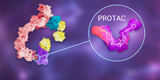
PROTAC, which exploit the ubiquitin-proteasome pathway to specifically degrade target proteins. PROTACs not only solve the problem of undruggability but they also have other advantages compared to traditional drug targeting strategies.
Scientific Reviews
PROTAC, which exploit the ubiquitin-proteasome pathway to specifically degrade target proteins. PROTACs not only solve the problem of undruggability but they also have other advantages compared to traditional drug targeting strategies. -
 Scientific Reviews
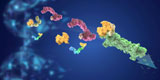
PROTAC — Target Selection and Design
Scientific Reviews
PROTAC — Target Selection and Design2022-07-08
A PROTAC molecule consists of three components: a target protein binding ligand, an E3 ligase ligand, and a linker connecting these two moieties. Here, we will discuss the conventional approaches for the rational design of PROTAC molecules. -
 Scientific Reviews
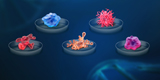
Organoids represent an important bridge between 2D cultures and in vivo mouse/human models. The organoid technology exerts enormous potential in evaluation of efficacy and toxicity of drugs, regenerative medicine, and precision medicine.In this article, we will briefly introduce organoid technology.
Scientific Reviews
Organoids represent an important bridge between 2D cultures and in vivo mouse/human models. The organoid technology exerts enormous potential in evaluation of efficacy and toxicity of drugs, regenerative medicine, and precision medicine.In this article, we will briefly introduce organoid technology. -
 Scientific Reviews
Development of Intestinal Organoid
Scientific Reviews
Development of Intestinal Organoid2022-07-28
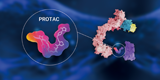
3D organoid is one of the revolutionary developments in biomedical field during the past 10 years. The establishment of intestinal organoids is an important milestone in the development of organoid technology. -
 Scientific Reviews
BacPROTACs is composed of a POI ligand, a chemical linker and a ClpCNTD anchor. BacPROTACs can induce in vitro and in vivo degradation of non-eukaryotic proteins in bacteria without the ubiquitin proteasome system.
Scientific Reviews
BacPROTACs is composed of a POI ligand, a chemical linker and a ClpCNTD anchor. BacPROTACs can induce in vitro and in vivo degradation of non-eukaryotic proteins in bacteria without the ubiquitin proteasome system. -
Scientific Reviews
Organoids have great potential in research of organ development, disease modeling, drug screening and, precision and regenerative medicin. In this article, we will expalin the origin of the organoids. Adult stem cells (ASCs) or pluripotent stem cells (PSCs) , which is the better choice.
-
 Scientific Reviews
TME (Tumor microenvironment) is considered as a complex integrated system, composed of cellular components such as tumor cells and immune cells, as well as non-cellular components such as ECM and cytokines. According to the spatial distribution of immune cells in TME, "hot" and "cold" TME will be explained in this article.
Scientific Reviews
TME (Tumor microenvironment) is considered as a complex integrated system, composed of cellular components such as tumor cells and immune cells, as well as non-cellular components such as ECM and cytokines. According to the spatial distribution of immune cells in TME, "hot" and "cold" TME will be explained in this article. -
 Scientific Reviews
The latest study of Cell magazine "Neural mechanism underlying depressive-like state associated with social status loss" considers social factors as a breakthrough point. It has been found that the downward transition of social status induces depression-like behavior in mice whereas improves the depressive state by restoring their social environment.
Scientific Reviews
The latest study of Cell magazine "Neural mechanism underlying depressive-like state associated with social status loss" considers social factors as a breakthrough point. It has been found that the downward transition of social status induces depression-like behavior in mice whereas improves the depressive state by restoring their social environment. -
 Scientific Reviews
PROTAC - Design Strategy for Targeting
Scientific Reviews
PROTAC - Design Strategy for Targeting2023-04-23
Protein degradation targeting chimera (PROTAC) is a technology that uses the ubiquitin proteasome pathway to silent target protein. However, PROTAC still has problems such as solubility, membrane permeability, and selectivity. In this article, we have summarized three strategies for optimization: light-controlled linker, PAC molecule, and specific E3 ligase. -
 Scientific Reviews
Necroptosis, also known as necroptosis, is a form of regulated necrotizing cell death mediated by RIP1 and RIP3 kinases. Necroptosis is a process that prevents the self-destruction of activated cells that are blocked by apoptosis. Necroptosis plays a tumor suppressor role in most cases. It may provide benefits in the researches of a variety of human diseases involving immune inflammation and cell death.
Scientific Reviews
Necroptosis, also known as necroptosis, is a form of regulated necrotizing cell death mediated by RIP1 and RIP3 kinases. Necroptosis is a process that prevents the self-destruction of activated cells that are blocked by apoptosis. Necroptosis plays a tumor suppressor role in most cases. It may provide benefits in the researches of a variety of human diseases involving immune inflammation and cell death. -
 Scientific Reviews
Stem cell classification and its application
Scientific Reviews
Stem cell classification and its application2023-05-18
Stem cells (SCs) have the unique ability to self-renew and differentiate into different cell types. SCs can differentiate into various types of tissue cells under specific conditions. Additionally, they can be further cultured to form different tissues and organs in the human body. Stem cells have numerous applications in various fields, including cell therapy, organ transplantation, neurodegenerative disease modeling, and drug screening. -
 Scientific Reviews
HLA-E, A Novel Immune Checkpoint
Scientific Reviews
HLA-E, A Novel Immune Checkpoint2023-06-29
Immune checkpoints have immunosuppressive functions. It can be used in the research of tumor immunotherapy. In this article, we introduce a new paper entitled "Immune checkpoint HLA-E: CD94 - NKG2Amediates evasion of circulating tumor cells from NK cell surveillance "research paper. -
 Scientific Reviews
Organoid Culture: Questions & Answers
Scientific Reviews
Organoid Culture: Questions & Answers2023-07-26
In the last issue, we conducted a live lecture on the theme of organoid culture. Today, we have a special topic to solve your doubts in the last live class! -
 Scientific Reviews
WHO's Q2 drug list has been updated. Let's take you through the list of the most noteworthy small molecule drugs that we should pay attention to.
Scientific Reviews
WHO's Q2 drug list has been updated. Let's take you through the list of the most noteworthy small molecule drugs that we should pay attention to. -
 Scientific Reviews
FDA Approved Drug List!
Scientific Reviews
FDA Approved Drug List!2023-09-14
In the first half of 2023 (as of June 27), the FDA approved 26 new drugs, let's take you learn about it through the article. -
 Scientific Reviews
IHC is an indispensable technique for studying tissue morphology and in situ antigen expression, but usually only one or two antigens in tissues can be stained for analysis. It cannot judge the results more intuitively. Today, Little M will introduce you to the upgraded version mlHC.
Scientific Reviews
IHC is an indispensable technique for studying tissue morphology and in situ antigen expression, but usually only one or two antigens in tissues can be stained for analysis. It cannot judge the results more intuitively. Today, Little M will introduce you to the upgraded version mlHC. -
 Scientific Reviews
A suitable model is crucial in drug screening experiments. Organs can mimic the three-dimensional functional structure of internal organs, have similar spatial organization to corresponding organs, maintain some key characteristics, and reproduce some physiological functions. They are widely used for modeling and personalized drug screening of diseases such as cancer, infectious diseases, and rare diseases.
Scientific Reviews
A suitable model is crucial in drug screening experiments. Organs can mimic the three-dimensional functional structure of internal organs, have similar spatial organization to corresponding organs, maintain some key characteristics, and reproduce some physiological functions. They are widely used for modeling and personalized drug screening of diseases such as cancer, infectious diseases, and rare diseases. -
 Scientific Reviews
FDA Annual Review | Record-breaking number of new drug approvals in 2023!
Scientific Reviews
FDA Annual Review | Record-breaking number of new drug approvals in 2023! -
 Scientific Reviews
KRAS, a gene we've heard so much about, has quickly risen to fame after shedding its "undruggable" label. After reading numerous articles, it's easy to feel overwhelmed and wonder: What exactly should we know about this often-discussed but previously "undruggable" target KRAS?
Scientific Reviews
KRAS, a gene we've heard so much about, has quickly risen to fame after shedding its "undruggable" label. After reading numerous articles, it's easy to feel overwhelmed and wonder: What exactly should we know about this often-discussed but previously "undruggable" target KRAS? -
 Scientific Reviews
Compound Screening Guide!
Scientific Reviews
Compound Screening Guide!2024-03-15
How to use compound library? How to design an experiment if you buy a compound library? Want a specific experimental protocol? This article will introduce popular experimental techniques and provide new ideas for publishing high level literature. -
 Scientific Reviews
Wnt/β-catenin and tumor EMT
Scientific Reviews
Wnt/β-catenin and tumor EMT2024-03-18
Epithelial-Mesenchymal Transition (EMT) is closely related to the plasticity of tumor cells and is a necessary process for tumor metastasis. Wnt/β-catenin is one of the main actors involved in the EMT process. Today, we’re here to popularize the tumor EMT and Wnt/β-catenin pathway~ -
 Scientific Reviews
The 2024 AACR meeting concluded successfully in California, USA. Which antitumor drugs stole the show at this conference?
Scientific Reviews
The 2024 AACR meeting concluded successfully in California, USA. Which antitumor drugs stole the show at this conference? -
 Scientific Reviews
Katalin Karikó and Drew Weissman were awarded the Nobel Prize in Physiology or Medicine in 2023 for their groundbreaking work in nucleoside modification, which paved the way for the creation of successful mRNA vaccines to fight against COVID-19. Let's now delve into the complete process of mRNA vaccine development.
Scientific Reviews
Katalin Karikó and Drew Weissman were awarded the Nobel Prize in Physiology or Medicine in 2023 for their groundbreaking work in nucleoside modification, which paved the way for the creation of successful mRNA vaccines to fight against COVID-19. Let's now delve into the complete process of mRNA vaccine development. -
 Scientific Reviews
Science | A "new" mechanism for non-ubiquitinated Midnolin-proteasomal degradation pathway
Scientific Reviews
Science | A "new" mechanism for non-ubiquitinated Midnolin-proteasomal degradation pathway2024-04-26
“ubiquitin-mediated protein degradation” won the Nobel Prize in Chemistry in 2004! In fact, proteasomes degrade not only ubiquitinated proteins but also non-ubiquitinated ones. The mechanism remains shrouded in mystery. After reading this piece today, you might have a lightbulb moment! -
 Scientific Reviews
Exosomes, which won the Nobel Prize in 2013, are still a research hotspot in the national natural sciences, and their popularity has only increased over the past decade (in 2022, they still rank 5th in the national natural sciences hotspots!). Why have exosomes become the darling of scientific research? Let's take a look together~
Scientific Reviews
Exosomes, which won the Nobel Prize in 2013, are still a research hotspot in the national natural sciences, and their popularity has only increased over the past decade (in 2022, they still rank 5th in the national natural sciences hotspots!). Why have exosomes become the darling of scientific research? Let's take a look together~ -
 Scientific Reviews
How important is the compound library? It connects to drug screening on one end and leads to lead compound modifications on the other, serving as one of the sources of new drug development.
Scientific Reviews
How important is the compound library? It connects to drug screening on one end and leads to lead compound modifications on the other, serving as one of the sources of new drug development. -
 Scientific Reviews
Degrade target proteins through the autophagy-lysosome pathway including LYTAC, AUTAC, and ATTEC have gained increasing attention in recent years due to their significant research potential!
Scientific Reviews
Degrade target proteins through the autophagy-lysosome pathway including LYTAC, AUTAC, and ATTEC have gained increasing attention in recent years due to their significant research potential! -
 Scientific Reviews
Antibodies!
Scientific Reviews
Antibodies!2024-07-26
Today, We introduce antibodies for everyone! -
 Scientific Reviews
What Are Popular Anti-tumor Drug Targets?
Scientific Reviews
What Are Popular Anti-tumor Drug Targets?2024-08-20
The rapid development of targeted anti-cancer drugs has spurred diverse research across various modalities. These include small molecules, monoclonal antibodies (mAbs), cell immunotherapies, antibody-drug conjugates (ADCs), and PROTACs (proteolysis targeting chimeras). -
 Scientific Reviews
Virtual Screening and New Uses for Old Drugs
Scientific Reviews
Virtual Screening and New Uses for Old Drugs2024-09-17
With the advancement of medical science, drug screening against various disease targets has become the fundamental strategy for drug development. Currently, computer-based virtual screening techniques are emerging in the field of new drug research due to their efficiency and low cost. Let's explore it today! -
 Scientific Reviews
2024 Nobel Prize Announcements! Curious about the details? Click to dive into the exciting developments!
Scientific Reviews
2024 Nobel Prize Announcements! Curious about the details? Click to dive into the exciting developments! -
 Scientific Reviews
A New Form of Cell Death: PANoptosis!
Scientific Reviews
A New Form of Cell Death: PANoptosis! -
 Scientific Reviews
We are thrilled to share the latest advancements in AI technology as highlighted in this insightful article. From groundbreaking innovations to transformative applications, the future of AI is brighter than ever!
Scientific Reviews
We are thrilled to share the latest advancements in AI technology as highlighted in this insightful article. From groundbreaking innovations to transformative applications, the future of AI is brighter than ever! -
 Scientific Reviews
Advancing Chronic Kidney Disease Research with GJ103 and Lamin B1 Antibody!
Scientific Reviews
Advancing Chronic Kidney Disease Research with GJ103 and Lamin B1 Antibody! -
 Scientific Reviews
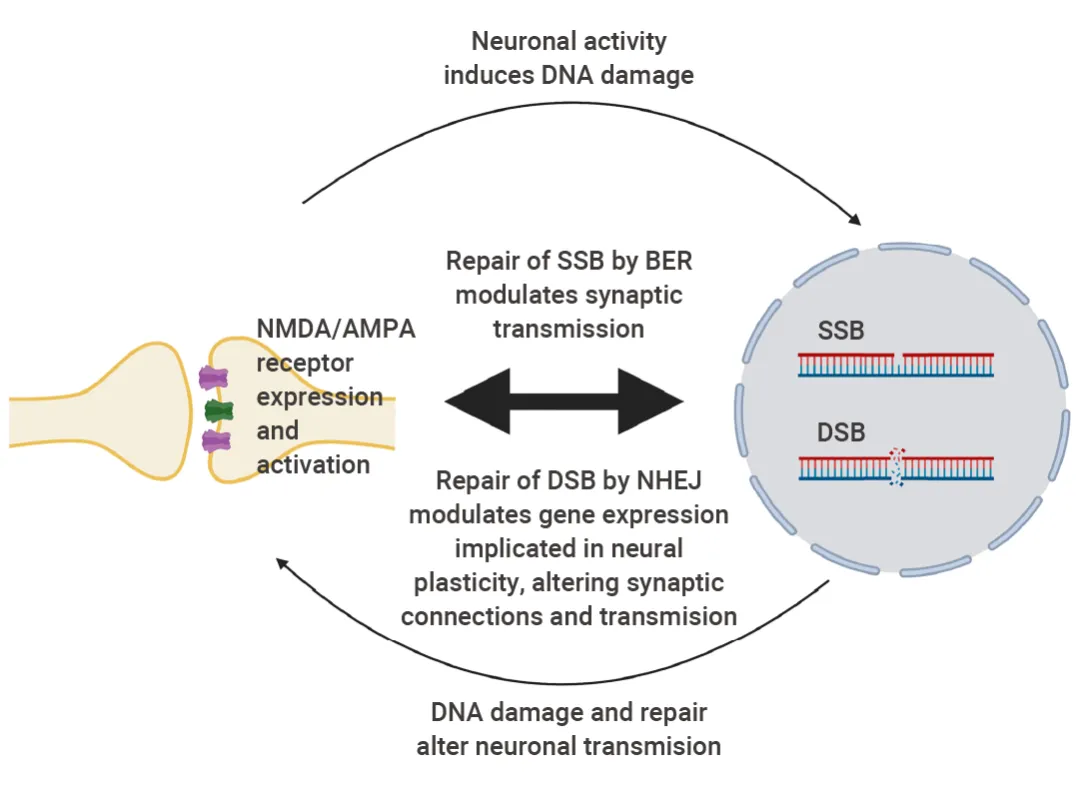
When you hear "inflammation" and "DNA damage," you might immediately think of disease or injury. However, in brains, these two processes are key steps in forming long-term memories, particularly related to specialized cells in our brain called hippocampal neurons.
Scientific Reviews
When you hear "inflammation" and "DNA damage," you might immediately think of disease or injury. However, in brains, these two processes are key steps in forming long-term memories, particularly related to specialized cells in our brain called hippocampal neurons. -
 Scientific Reviews
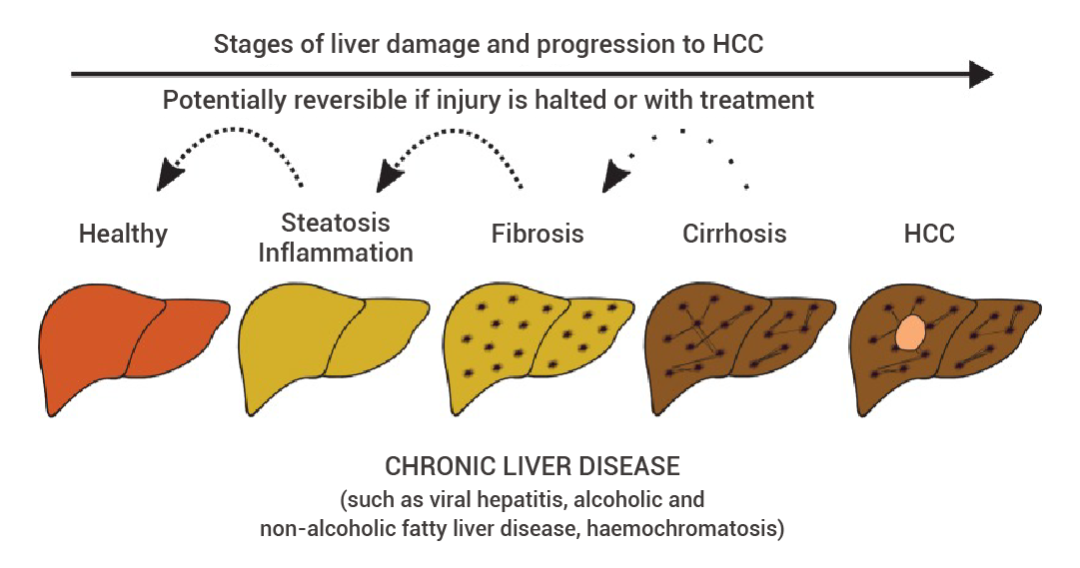
This article will tell you about the common methods of modeling liver disease in animal models.
Scientific Reviews
This article will tell you about the common methods of modeling liver disease in animal models. -
.jpg) Scientific Reviews
nside cells, the homeostasis and degradation of proteins is a precisely regulated process. If proteins cannot be degraded in time, it may lead to the occurrence of various diseases such as neurodegenerative diseases and cancer. This article will tell you the process of how proteins are recognized, labeled and then degraded!
Scientific Reviews
nside cells, the homeostasis and degradation of proteins is a precisely regulated process. If proteins cannot be degraded in time, it may lead to the occurrence of various diseases such as neurodegenerative diseases and cancer. This article will tell you the process of how proteins are recognized, labeled and then degraded! -
 Scientific Reviews
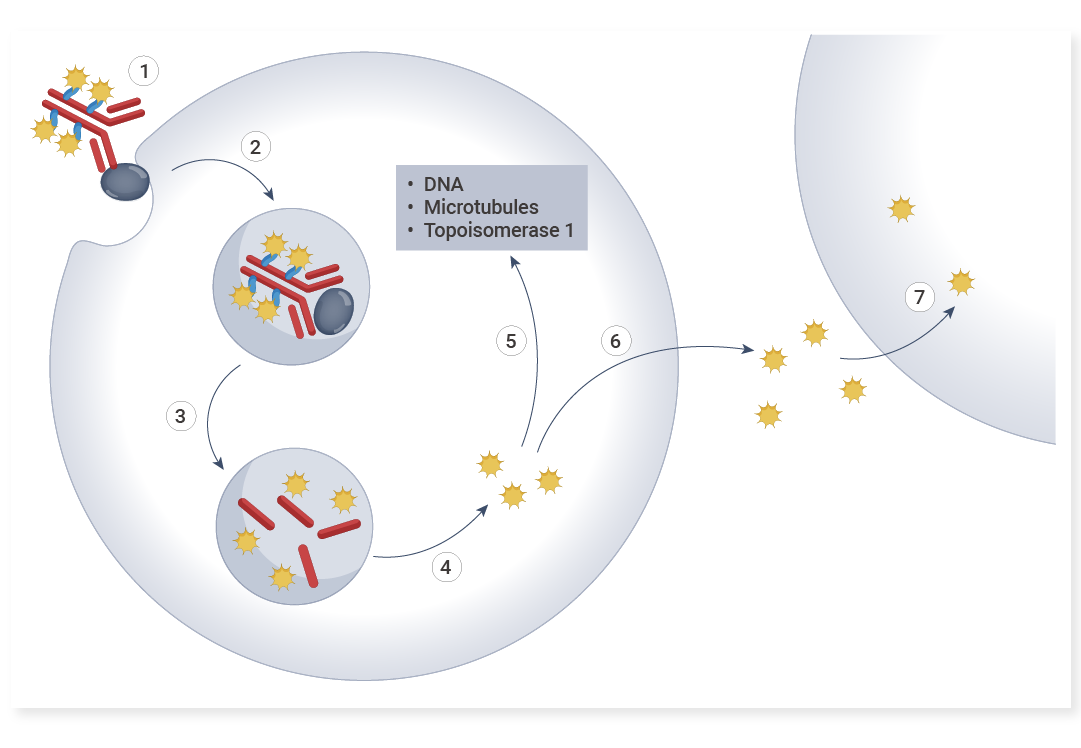
This article will walk you through the remarkable impacts of anti-payload antibodies, delving into how these molecules are revolutionizing drug development and biological research!
Scientific Reviews
This article will walk you through the remarkable impacts of anti-payload antibodies, delving into how these molecules are revolutionizing drug development and biological research! -
 Scientific Reviews
This article introduces some common cardiovascular disease models, inducers, modeling protocols and successful modeling cases in the research.
Scientific Reviews
This article introduces some common cardiovascular disease models, inducers, modeling protocols and successful modeling cases in the research. -
 Scientific Reviews
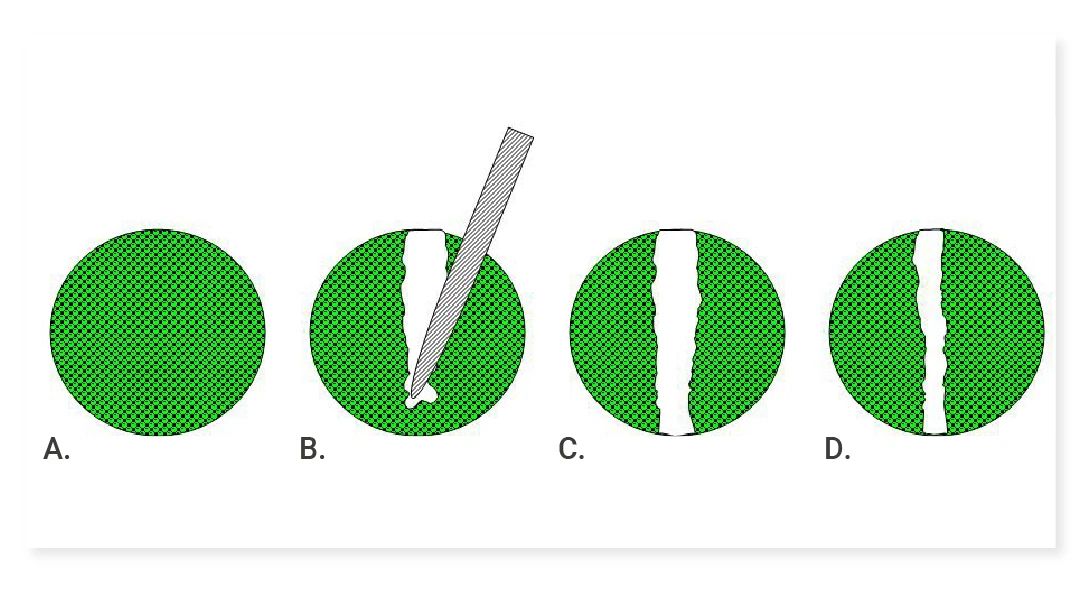
Cell Migration vs. Invasion: Differences Revealed by Scratch Assays and Transwell Experiments
Scientific Reviews
Cell Migration vs. Invasion: Differences Revealed by Scratch Assays and Transwell Experiments2025-05-30
In scientific research, cell migration and invasion are crucial for understanding many important biological processes. This article delves into commonly used detection methods: the scratch assay and Transwell migration/invasion assay. -
 Scientific Reviews
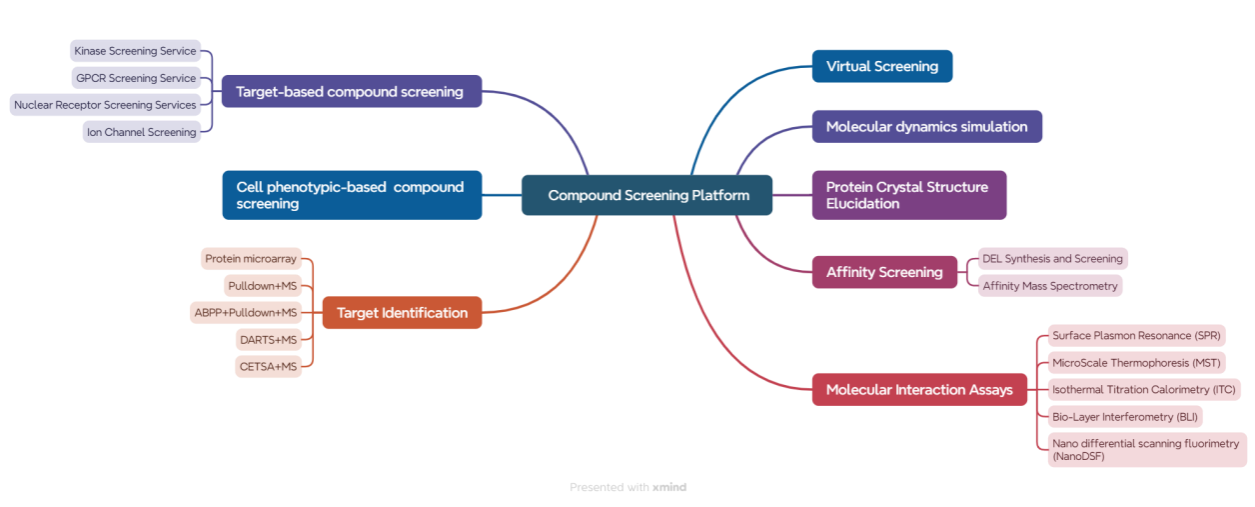
How should drug screening experiments be conducted? How can we ensure the accuracy of the lead compounds identified? This article will take you through how MCE's clients conduct drug screening experiments.
Scientific Reviews
How should drug screening experiments be conducted? How can we ensure the accuracy of the lead compounds identified? This article will take you through how MCE's clients conduct drug screening experiments. -
 Scientific Reviews
IHC, ICC, IF Techniques: A Practical Guide
Scientific Reviews
IHC, ICC, IF Techniques: A Practical Guide2025-07-25
Confused About IHC/ICC/IF? Why Does Immunostaining Seem So Complicated? Read This Now! Master Immunostaining with Confidence! -
 Scientific Reviews
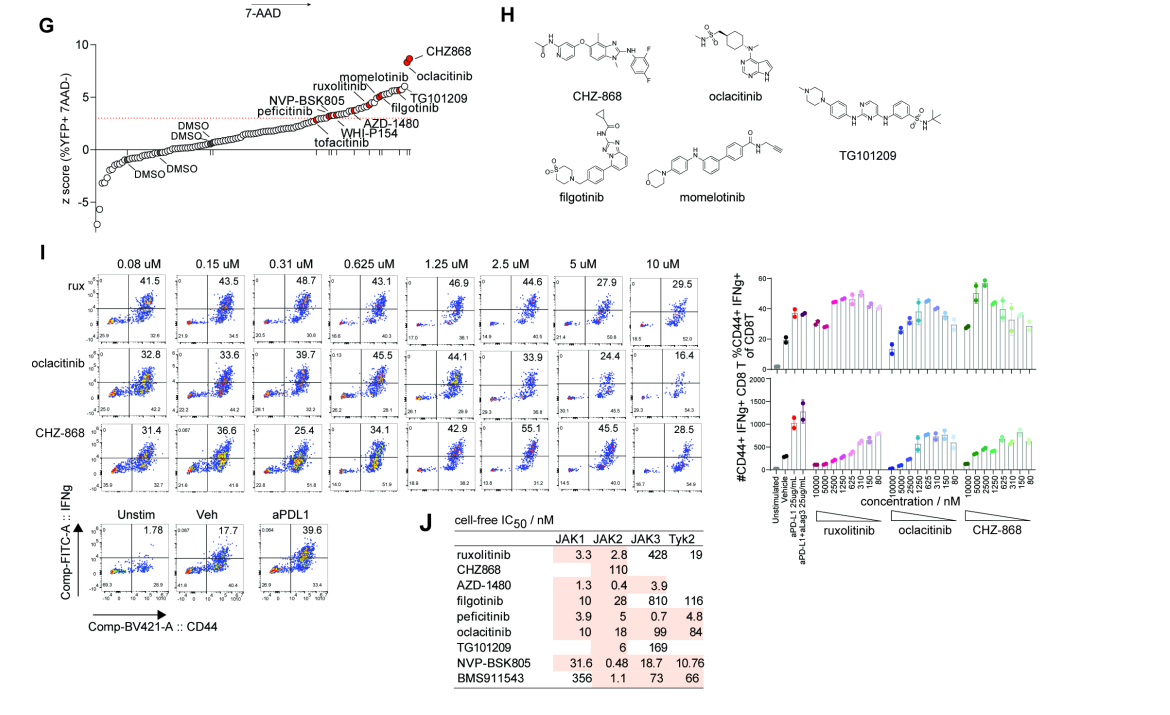
HTS Breakthroughs Powered by MCE Libraries
Scientific Reviews
HTS Breakthroughs Powered by MCE Libraries2025-08-13
Key High-Throughput Screening Breakthroughs of 2024 Featuring MCE -
 Scientific Reviews
Encountering challenges with the high costs and long timelines of drug screening? Have a defined target but remain uncertain how to efficiently identify active molecules? Unsure how to validate hits generated from virtual screening? The ‘Winning Combination’ of drug screening offers a powerful solution to address these critical obstacles.
Scientific Reviews
Encountering challenges with the high costs and long timelines of drug screening? Have a defined target but remain uncertain how to efficiently identify active molecules? Unsure how to validate hits generated from virtual screening? The ‘Winning Combination’ of drug screening offers a powerful solution to address these critical obstacles. -
 Scientific Reviews
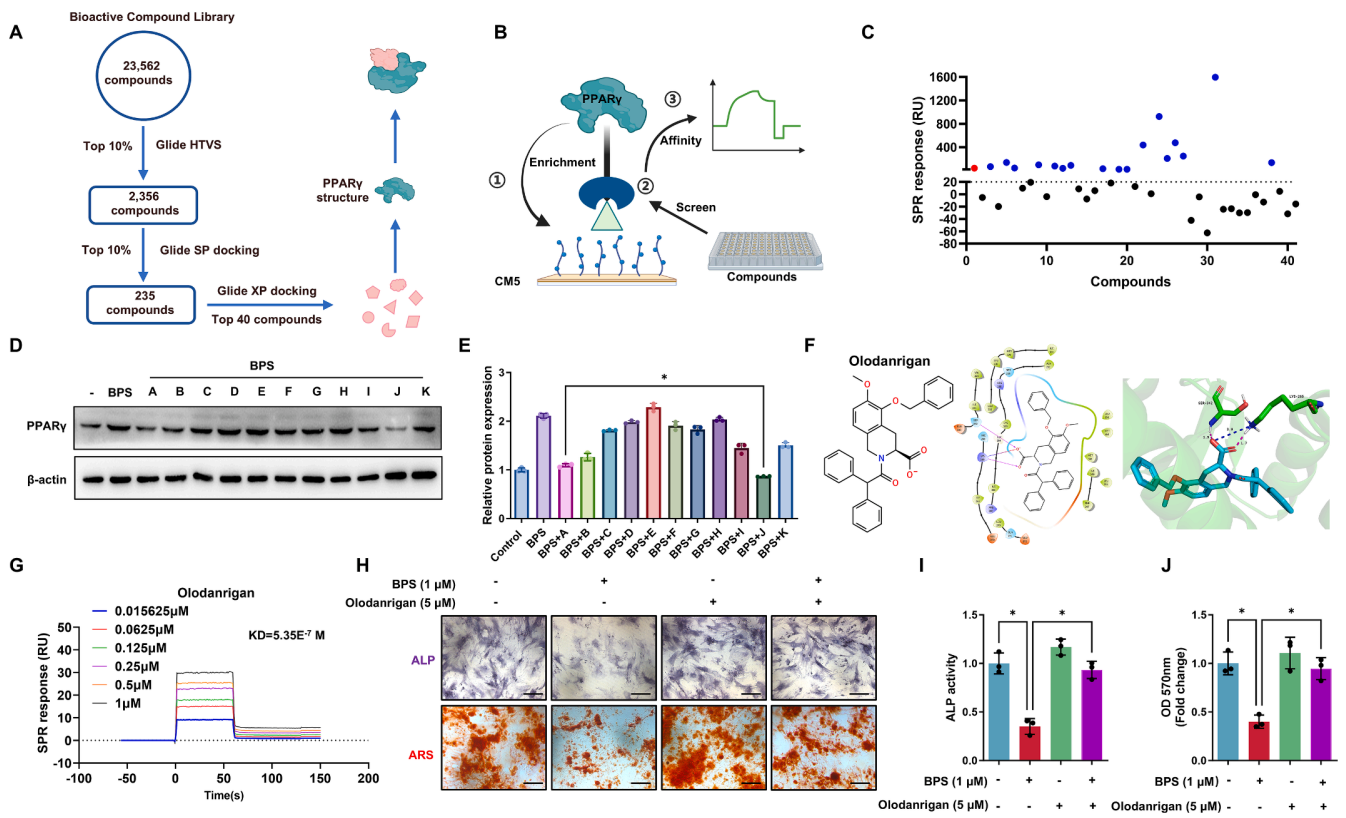
A groundbreaking study in Nature Communications reveals the key mechanism behind Idiopathic Pulmonary Fibrosis and identifies an existing drug with the potential to counter it.
Scientific Reviews
A groundbreaking study in Nature Communications reveals the key mechanism behind Idiopathic Pulmonary Fibrosis and identifies an existing drug with the potential to counter it. -
 Scientific Reviews
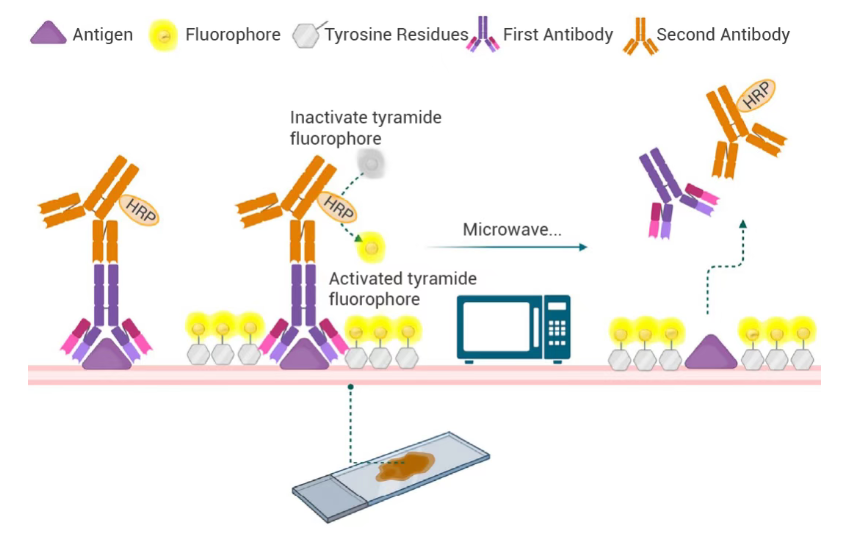
This detailed guide outlines the standardized experimental protocols for multiplex immunohistochemistry (mIHC), systematically summarizes common technical issues encountered during sample preparation, staining and imaging processes, and provides practical troubleshooting solutions to ensure reliable and reproducible results in biomedical research and clinical sample analysis.
Scientific Reviews
This detailed guide outlines the standardized experimental protocols for multiplex immunohistochemistry (mIHC), systematically summarizes common technical issues encountered during sample preparation, staining and imaging processes, and provides practical troubleshooting solutions to ensure reliable and reproducible results in biomedical research and clinical sample analysis. -
Scientific Reviews
Microglia– the only immune cells within the brain parenchyma. With advancements in imaging technologies, people’s understanding of microglia has shifted from being viewed as 'resting' cells to 'highly active' cells, particularly due to their dynamic processes that seem to be probing surrounding tissues and monitoring neuronal activity. This has made microglia a focal point of research in the field of neuroscience. -
 Scientific Reviews
Exosomes—natural nanoscale carriers—are revolutionizing targeted therapy. This article uncovers the science behind their precision in drug delivery.
Scientific Reviews
Exosomes—natural nanoscale carriers—are revolutionizing targeted therapy. This article uncovers the science behind their precision in drug delivery. -
Scientific Reviews
Cracking the PROTAC Permeability Barrier: CD36-Mediated Endocytosis as a Potential Breakthrough2025-12-03
This article provides an in-depth analysis of cutting-edge literature revealing CD36 as a key mediator of cellular uptake for PROTACs and bRO5 compounds. By structurally optimizing PROTAC molecules to enhance their affinity for CD36, membrane permeability can be markedly improved, leading to significantly enhanced antitumor efficacy. -
 Scientific Reviews
Efficient Generation of Mouse Small Intestinal Organoids: A Complete Experimental Protocol Guide
Scientific Reviews
Efficient Generation of Mouse Small Intestinal Organoids: A Complete Experimental Protocol Guide2025-12-10
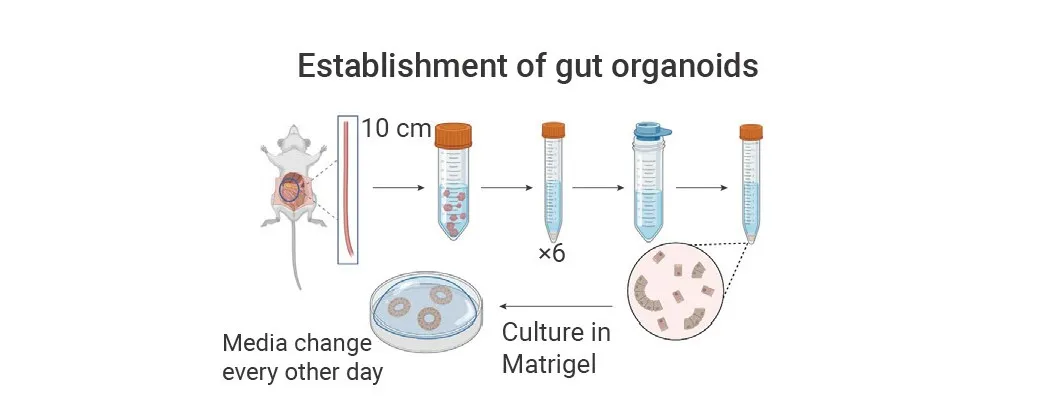
How to successfully create mouse small intestine organoids? A detailed, hands-on guide to the entire process, all in one article! -
 Scientific Reviews
This paper elaborates on cytokines for culturing major immune cells, their regulatory roles, recombinant cytokines' merits and MCE’s related high-quality products.
Scientific Reviews
This paper elaborates on cytokines for culturing major immune cells, their regulatory roles, recombinant cytokines' merits and MCE’s related high-quality products. -
 Scientific Reviews
This article walks you through the experimental design and workflow of flow cytometry, delivering a clear, dynamic, and professional overview to elevate your research.
Scientific Reviews
This article walks you through the experimental design and workflow of flow cytometry, delivering a clear, dynamic, and professional overview to elevate your research. -
 Scientific Reviews
Molecular glue degraders have evolved from a serendipitous observation to one of the most dynamic and transformative fields in biomedical research.
Scientific Reviews
Molecular glue degraders have evolved from a serendipitous observation to one of the most dynamic and transformative fields in biomedical research. -
 EDM
Targeting the ‘Undruggable’ with PROTACs
EDM
Targeting the ‘Undruggable’ with PROTACs2025-06-18
This review introduces the fundamental principles and mechanisms of PROTACs, highlights recent advances in molecular design and clinical development, and discusses emerging opportunities and remaining challenges in targeted protein degradation. -
 EDM
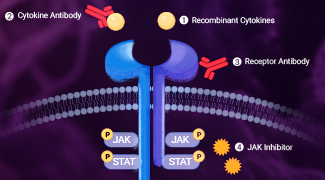
This review critically examines the role of the JAK-STAT pathway in immunity and autoimmune diseases, reviews current clinical applications of targeted therapies, and highlights emerging trends in autoimmune drug development.
EDM
This review critically examines the role of the JAK-STAT pathway in immunity and autoimmune diseases, reviews current clinical applications of targeted therapies, and highlights emerging trends in autoimmune drug development. -
 EDM
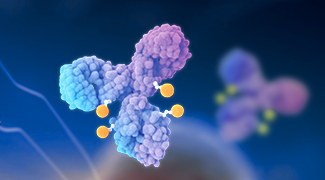
This review presents an overview of antibody–drug conjugates from design principles and antitumor mechanisms to structural innovations, clinical progress, and future development prospects.
EDM
This review presents an overview of antibody–drug conjugates from design principles and antitumor mechanisms to structural innovations, clinical progress, and future development prospects. -
 EDM
This review summarizes the mechanisms of DSS-induced colitis, commonly used modeling approaches, and key considerations related to DSS molecular weight.
EDM
This review summarizes the mechanisms of DSS-induced colitis, commonly used modeling approaches, and key considerations related to DSS molecular weight. -
 EDM
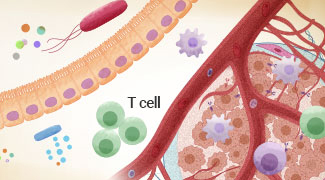
This review explores mechanisms and strategies for modulating the gut microbiota to enhance cancer immunotherapy, providing insights to improve therapeutic efficacy.
EDM
This review explores mechanisms and strategies for modulating the gut microbiota to enhance cancer immunotherapy, providing insights to improve therapeutic efficacy. -
 EDM
Combating Immune Evasion in Cancer
EDM
Combating Immune Evasion in Cancer2025-10-15
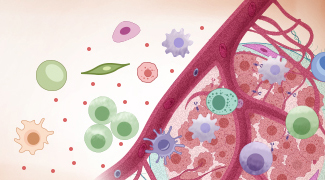
This review summarizes the mechanisms by which tumors evade immune surveillance and discusses therapeutic strategies to restore antitumor immunity. -
 EDM
This review outlines macrophage functions and classification, and provides practical experimental guidelines for macrophage differentiation, polarization, and identification.
EDM
This review outlines macrophage functions and classification, and provides practical experimental guidelines for macrophage differentiation, polarization, and identification. -
 EDM
Understanding In Vivo CAR-T Cell Therapy
EDM
Understanding In Vivo CAR-T Cell Therapy2026-01-22
This review provides a comprehensive overview of in vivo CAR-T therapy, covering technical platforms, clinical translation, and key challenges such as gene delivery and immunogenicity. -
 EDM
Highlight the overview of engineered EVs, their construction methods, and applications in cancer immunotherapy.
EDM
Highlight the overview of engineered EVs, their construction methods, and applications in cancer immunotherapy. -
 EDM
Explore ADC evolution, immune combination strategies, and clinical advances at the intersection of targeted therapy and immunotherapy.
EDM
Explore ADC evolution, immune combination strategies, and clinical advances at the intersection of targeted therapy and immunotherapy. -
 EDM
Summarize LLPS principles, regulatory mechanisms, experimental strategies, and pathological roles to inspire mechanism-driven research and translational applications.
EDM
Summarize LLPS principles, regulatory mechanisms, experimental strategies, and pathological roles to inspire mechanism-driven research and translational applications. -
 EDM
Tumor Organoid-Immune Cell Co-Culture Models: Advances, Applications, and Future Directions
EDM
Tumor Organoid-Immune Cell Co-Culture Models: Advances, Applications, and Future Directions2026-05-07
Summarize technical strategies, application advances, and future directions of tumor organoid–immune co-culture systems. -
 EDM
Review mechanisms, major challenges, and efficacy-enhancing strategies of TCR-T therapy in solid tumors, with implications for future research and clinical translation.
EDM
Review mechanisms, major challenges, and efficacy-enhancing strategies of TCR-T therapy in solid tumors, with implications for future research and clinical translation. -
 EDM
Review the mechanisms, mitochondrial regulation, disease relevance, and translational opportunities of the NLRP3–STING axis in neuroinflammation.
EDM
Review the mechanisms, mitochondrial regulation, disease relevance, and translational opportunities of the NLRP3–STING axis in neuroinflammation. -
 EDM
Breaking Immune Resistance in Colorectal Cancer: From Molecular Mechanisms to Precision Therapy
EDM
Breaking Immune Resistance in Colorectal Cancer: From Molecular Mechanisms to Precision Therapy2026-06-25
Explore CRC molecular subtypes, immune landscapes, resistance mechanisms, and emerging precision strategies for improving outcomes across distinct subtypes. -
 EDM
Explore the mechanisms driving immune tolerance breakdown in autoimmune diseases and emerging tolerance-restoring strategies, with a focus on IL-2-based immune modulation.
EDM
Explore the mechanisms driving immune tolerance breakdown in autoimmune diseases and emerging tolerance-restoring strategies, with a focus on IL-2-based immune modulation. -
 EDM
Review the evolution of molecular glues from serendipitous discovery to rational design, highlighting how emerging targets and advances in screening, proteomics, structural biology, and AI are expanding the druggable proteome.
EDM
Review the evolution of molecular glues from serendipitous discovery to rational design, highlighting how emerging targets and advances in screening, proteomics, structural biology, and AI are expanding the druggable proteome. -
 EDM
Explore the mechanisms of tumor immune evasion, dynamic checkpoint regulation, and the evolution of mechanism-driven combinations and patient stratification.
EDM
Explore the mechanisms of tumor immune evasion, dynamic checkpoint regulation, and the evolution of mechanism-driven combinations and patient stratification. -
 EDM
Explore how mitochondrial quality control, inflammatory signaling, and metabolic–epigenetic reprogramming regulate cellular senescence and the SASP, along with strategies to restore mitochondrial homeostasis.
EDM
Explore how mitochondrial quality control, inflammatory signaling, and metabolic–epigenetic reprogramming regulate cellular senescence and the SASP, along with strategies to restore mitochondrial homeostasis. -
 Blog
R916562, a dual Axl/VEGF-R2 inhibitor, could be a potential anti-angiogenic and anti-metastatic drug for cancer chemotherapy.
Blog
R916562, a dual Axl/VEGF-R2 inhibitor, could be a potential anti-angiogenic and anti-metastatic drug for cancer chemotherapy. -
 Blog
Role of PRMT7 Probe SGC3027 in Cancer
Blog
Role of PRMT7 Probe SGC3027 in Cancer2019-03-27
SGC3027 is the first potent, selective and cell active chemical probe for PRMT7. SGC3027 is also a pro-drug, which converts to the active compound SGC8158 -
 Blog
Alofanib, An Allosteric Inhibitor of FGFR2
Blog
Alofanib, An Allosteric Inhibitor of FGFR22019-03-28
Alofanib is an allosteric inhibitor of FGFR2 and inhibits FGF-mediated proliferation with GI50s of 16-370 nM, showing pronounced antitumor activity. -
 Blog
CF53 is a highly potent, selective and orally active inhibitor of BET protein, with anti-tumor activity in acute leukemia and breast cancer cell lines.
Blog
CF53 is a highly potent, selective and orally active inhibitor of BET protein, with anti-tumor activity in acute leukemia and breast cancer cell lines. -
 Blog
A Lead PROTAC BRD9 Chemical Degrader
Blog
A Lead PROTAC BRD9 Chemical Degrader2019-04-06
PROTAC BRD9 Degrader-1 is a lead PROTAC BRD9 chemical degrader and a selective probe useful for the study of BAF complex biology. -
 Blog
HS-1371 is a Small Molecule RIP3 Inhibitor
Blog
HS-1371 is a Small Molecule RIP3 Inhibitor2019-04-09
HS-1371 is a novel kinase inhibitor of RIP3-mediated necroptosis, showing an inhibitory effect on S227 auto-phosphorylation of RIP3 at the basal level. -
 Blog
MK-0429 is An Oral Integrin (αvβ3) Inhibitor
Blog
MK-0429 is An Oral Integrin (αvβ3) Inhibitor2019-04-11
MK-0429, an orally active αvβ3 inhibitor, is a potential therapeutic agent for the prevention of kidney fibrosis, melanoma and osteoporosis. -
 Blog
Erteberel is a Selective ERβ Agonist
Blog
Erteberel is a Selective ERβ Agonist2019-04-16
Erteberel (LY500307) is a synthetic, nonsteroidal estrogen which acts as a selective ERβ agonist and under development for the treatment of schizophrenia. -
 Blog
MBQ-167 is a dual Rac/Cdc42 inhibitor in in metastatic cancer, with IC50s of 103 nM for Rac 1/2/3 and 78 nM for Cdc42 in MDA-MB-231 cells, respectively.
Blog
MBQ-167 is a dual Rac/Cdc42 inhibitor in in metastatic cancer, with IC50s of 103 nM for Rac 1/2/3 and 78 nM for Cdc42 in MDA-MB-231 cells, respectively. -
 Blog
PRN1008 is a Reversible Covalent and Oral Active Inhibitor of Bruton’s Tyrosine Kinase (BTK)
Blog
PRN1008 is a Reversible Covalent and Oral Active Inhibitor of Bruton’s Tyrosine Kinase (BTK)2019-04-18
PRN1008 is a selective, reversible covalent and oral active inhibitor of Bruton’s Tyrosine Kinase (BTK), with an IC50 of 1.3 nM. -
 Blog
Multiple Tyrosine Kinases Inhibitor TAS-115
Blog
Multiple Tyrosine Kinases Inhibitor TAS-1152019-04-19
TAS-115 is a potent VEGFR and c-Met/HGFR-targeted kinase inhibitor with IC50s of 30 and 32 nM for rVEGFR2 and rMET, respectively. -
 Blog
Y06036 is a potent and selective BET inhibitor for potential treatment of castration-resistant prostate cancer. With nanomolar inhibition.
Blog
Y06036 is a potent and selective BET inhibitor for potential treatment of castration-resistant prostate cancer. With nanomolar inhibition. -
 Blog
JNJ-64619178 is a selective and pseudo-irreversible PRMT5 inhibitor with an IC50 of 0.14 nM. Has potent Activity In Lung Cancer.
Blog
JNJ-64619178 is a selective and pseudo-irreversible PRMT5 inhibitor with an IC50 of 0.14 nM. Has potent Activity In Lung Cancer. -
 Blog
TAK-828F is a potent, selective and orally active retinoic acid receptor-related orphan receptor γt (RORγt) inverse agonist. TAK-828F inhibits IL-17A cytokine expression and reduces symptoms of autoimmune encephalomyelitis mice.
Blog
TAK-828F is a potent, selective and orally active retinoic acid receptor-related orphan receptor γt (RORγt) inverse agonist. TAK-828F inhibits IL-17A cytokine expression and reduces symptoms of autoimmune encephalomyelitis mice. -
 Blog
Y06137 is a potent and selective BET inhibitor, which binds to the BRD4(1) bromodomain with a Kd of 81 nM. Antitumor activity.
Blog
Y06137 is a potent and selective BET inhibitor, which binds to the BRD4(1) bromodomain with a Kd of 81 nM. Antitumor activity. -
 Blog
NRX-252262 is a β-catenin:β-TrCP interaction enhancer, and its cognate E3 ligase, SCFβ-TrCP, induces mutant β-catenin degradation, with an EC50 of 3.8 nM
Blog
NRX-252262 is a β-catenin:β-TrCP interaction enhancer, and its cognate E3 ligase, SCFβ-TrCP, induces mutant β-catenin degradation, with an EC50 of 3.8 nM -
 Blog
TAK-981 is a selective inhibitor of the SUMOylation enzymatic cascade, with potential immune-activating and antineoplastic activities
Blog
TAK-981 is a selective inhibitor of the SUMOylation enzymatic cascade, with potential immune-activating and antineoplastic activities -
 Blog
TD-428 is a Highly Specific BRD4 Degrader
Blog
TD-428 is a Highly Specific BRD4 Degrader2019-04-29
TD-428, a immunomodulatory drug analog, is a highly specific BRD4 degrader with a DC50 of 0.32 nM. TD-428 reduces c-Myc levels more efficiently than JQ1. -
 Blog
CB-6644 is a selective non-ATP-competitive inhibitor of the RUVBL1/2 complex. CB-6644 significantly reduces tumor growth without obvious toxicity.
Blog
CB-6644 is a selective non-ATP-competitive inhibitor of the RUVBL1/2 complex. CB-6644 significantly reduces tumor growth without obvious toxicity. -
 Blog
A1874 is a nutlin-based and BRD4-degrading PROTAC with a DC50 of 32 nM. Effective in inhibiting many cancer cell lines proliferation
Blog
A1874 is a nutlin-based and BRD4-degrading PROTAC with a DC50 of 32 nM. Effective in inhibiting many cancer cell lines proliferation -
 Blog
NSC 228155 is a activator of EGFR and a potent inhibitor of KIX-KID interaction. NSC 228155 shows excellent anti-tumor activity.
Blog
NSC 228155 is a activator of EGFR and a potent inhibitor of KIX-KID interaction. NSC 228155 shows excellent anti-tumor activity. -
 Blog
MM-589 is an inhibitor of WDR5 and MLL protein-protein interaction. Binds to WDR5 (IC50=0.90 nM) and inhibits the MLL H3K4 methyltransferase activity.
Blog
MM-589 is an inhibitor of WDR5 and MLL protein-protein interaction. Binds to WDR5 (IC50=0.90 nM) and inhibits the MLL H3K4 methyltransferase activity. -
 Blog
USL311 is a selective CXCR4 antagonist, which prevents the binding of stromal-cell derived factor-1 (SDF-1 or CXCL12) to CXCR4. Anti-tumor activity.
Blog
USL311 is a selective CXCR4 antagonist, which prevents the binding of stromal-cell derived factor-1 (SDF-1 or CXCL12) to CXCR4. Anti-tumor activity. -
 Blog
JI051 is a stabilizer for the Hes1-PHB2 interaction, induces cell-cycle arrest by inhibiting the Notch downstream effector gene Hes1.
Blog
JI051 is a stabilizer for the Hes1-PHB2 interaction, induces cell-cycle arrest by inhibiting the Notch downstream effector gene Hes1. -
 Blog
IWP-O1, a Highly Potent Porcupine Inhibitor, Functions by Preventing the Secretion of Wnt Proteins
Blog
IWP-O1, a Highly Potent Porcupine Inhibitor, Functions by Preventing the Secretion of Wnt Proteins2019-06-03
IWP-O1 is a Porcupine (Porcn) inhibitor, with an EC50 of 80 pM in L-Wnt-STF cells. IWP-O1 functions by preventing the secretion of Wnt proteins[ -
 Blog
GSK3145095 is a RIP1 kinase inhibitor with an IC50 of 6.3 nM. Potently blocks the TNF response and RIP1-dependent inflammatory cytokine MIP-1β production.
Blog
GSK3145095 is a RIP1 kinase inhibitor with an IC50 of 6.3 nM. Potently blocks the TNF response and RIP1-dependent inflammatory cytokine MIP-1β production. -
 Blog
PF-06465469 is a Covalent Inhibitor of ITK
Blog
PF-06465469 is a Covalent Inhibitor of ITK2019-06-08
PF-06465469 is a potent and covalent inhibitor of ITK with an IC50 of 2 nM. PF-06465469 inhibits MEK1/2 or AKT phosphorylation. -
 Blog
JMS-17-2 is a CX3CR1 Antagonist
Blog
JMS-17-2 is a CX3CR1 Antagonist2019-06-12
JMS-17-2 is a potent and selective CX3CR1 antagonist with an IC50 of 0.32 nM. Has potential to treat cancers such as breast cancer. -
 Blog
BAY-11-7082 inhibits the proliferation and induces the apoptosis of U266 cells through inhibiting NF-κB pathway. BAY 11-7082 ameliorates experimental diabetic neuropathy by modulating neuroinflammation and improving antioxidant defence.
Blog
BAY-11-7082 inhibits the proliferation and induces the apoptosis of U266 cells through inhibiting NF-κB pathway. BAY 11-7082 ameliorates experimental diabetic neuropathy by modulating neuroinflammation and improving antioxidant defence. -
 Blog
S18-000003 is a potent, selective and orally active inhibitor of retinoic acid receptor-related orphan receptor-gamma-t (RORγt). S18-000003 ameliorates psoriasis-like lesions in vivo. S18-000003 can be used for the research of skin inflammatory diseases.
Blog
S18-000003 is a potent, selective and orally active inhibitor of retinoic acid receptor-related orphan receptor-gamma-t (RORγt). S18-000003 ameliorates psoriasis-like lesions in vivo. S18-000003 can be used for the research of skin inflammatory diseases. -
 Blog
AMG 487 is an orally active and selective antagonist of CXC chemokine receptor 3 (CXCR3). AMG 487 has potential to treat metastatic cancer.
Blog
AMG 487 is an orally active and selective antagonist of CXC chemokine receptor 3 (CXCR3). AMG 487 has potential to treat metastatic cancer. -
 Blog
TPCA-1, a Direct Dual Inhibitor of STAT3 and NF-κB, Regresses Mutant EGFR-Associated NSCLC
Blog
TPCA-1, a Direct Dual Inhibitor of STAT3 and NF-κB, Regresses Mutant EGFR-Associated NSCLC2019-07-15
TPCA-1 is a potent and selective inhibitor of IKK-2 with IC50 of 17.9 nM. TPCA-1 is an effective inhibitor of STAT3 phosphorylation, DNA binding. -
 Blog
M-89 is a specific menin inhibitor, with a Kd of 1.4 nM. M-89 inhibits the Menin-MLL protein-protein interaction and has potential to treat MLL leukemia.
Blog
M-89 is a specific menin inhibitor, with a Kd of 1.4 nM. M-89 inhibits the Menin-MLL protein-protein interaction and has potential to treat MLL leukemia. -
 Blog
ACBI1 is a PROTAC Degrader of BAF Complex
Blog
ACBI1 is a PROTAC Degrader of BAF Complex2019-08-07
ACBI1 is a potent PROTAC degrader of BAF ATPase subunits SMARCA2, SMARCA4 and PBRM1, with DC50s of 6 nM, 11 nM and 32 nM in MV-4-11 cells, respectively. -
 Blog
MSX-122 is an orally active partial antagonist of CXCR4, inhibiting CXCR4/CXCL12 actions. MSX-122 has both anti-tumor and anti-metastasis activities.
Blog
MSX-122 is an orally active partial antagonist of CXCR4, inhibiting CXCR4/CXCL12 actions. MSX-122 has both anti-tumor and anti-metastasis activities. -
 Blog
MS31 is a highly selective spindlin 1 inhibitor, which inhibits the interactions between SPIN1 and H3K4me3. MS31 is not toxic to nontumorigenic cells.
Blog
MS31 is a highly selective spindlin 1 inhibitor, which inhibits the interactions between SPIN1 and H3K4me3. MS31 is not toxic to nontumorigenic cells. -
 Blog
WZ811 is an Orally Active CXCR4 Antagonist
Blog
WZ811 is an Orally Active CXCR4 Antagonist2019-09-07
WZ811 is an orally active, highly potent competitive antagonist of CXCR4, which inhibits chronic lymphocytic leukemia progression and tumorigenesis. -
 Blog
SGC-iMLLT is a potent, selective MLLT1/3-histone interactions inhibitor and shows high binding activity towards MLLT1 YEATS domain and MLLT3 YD.
Blog
SGC-iMLLT is a potent, selective MLLT1/3-histone interactions inhibitor and shows high binding activity towards MLLT1 YEATS domain and MLLT3 YD. -
 Blog
RU-302 is a pan-TAM inhibitor that blocks the TAM Ig1 ectodomain and the Gas6 Lg domain interaction. RU-302 blocks Gas6-inducible Axl receptor activation.
Blog
RU-302 is a pan-TAM inhibitor that blocks the TAM Ig1 ectodomain and the Gas6 Lg domain interaction. RU-302 blocks Gas6-inducible Axl receptor activation. -
 Blog
BAY 61-3606 is an orally available, ATP-competitive, reversible and highly selective Syk inhibitor and sensitizes apoptosis by in breast cancer.
Blog
BAY 61-3606 is an orally available, ATP-competitive, reversible and highly selective Syk inhibitor and sensitizes apoptosis by in breast cancer. -
 Blog
BPK-29 disrupts the NR0B1 protein-protein interactions and impairs the anchorage-independent growth of KEAP1-mutant cancer cells.
Blog
BPK-29 disrupts the NR0B1 protein-protein interactions and impairs the anchorage-independent growth of KEAP1-mutant cancer cells. -
 Blog
NV03 is a potent and selective antagonist of UHRF1-H3K9me3 interaction by binding to UHRF1 TTD with a Kd of 2.4 μM and has anticancer activity.
Blog
NV03 is a potent and selective antagonist of UHRF1-H3K9me3 interaction by binding to UHRF1 TTD with a Kd of 2.4 μM and has anticancer activity. -
 Blog
sAJM589 is a Myc inhibitor which potently disrupts the Myc-Max heterodimer in a dose dependent manner with an IC50 of 1.8 μM.
Blog
sAJM589 is a Myc inhibitor which potently disrupts the Myc-Max heterodimer in a dose dependent manner with an IC50 of 1.8 μM. -
 Blog
BI-167107 is a high affinity, full agonist that binds to the β2 adrenergic receptor (β2AR) with a dissociation constant Kd of 84 pM.
Blog
BI-167107 is a high affinity, full agonist that binds to the β2 adrenergic receptor (β2AR) with a dissociation constant Kd of 84 pM. -
 Blog
IACS-8803 is a highly potent cyclic dinucleotide stimulator of interferon genes (STING) agonist with robust systemic antitumor efficacy.
Blog
IACS-8803 is a highly potent cyclic dinucleotide stimulator of interferon genes (STING) agonist with robust systemic antitumor efficacy. -
 Blog
UK 356618 is a Selective MMP-3 Inhibitor
Blog
UK 356618 is a Selective MMP-3 Inhibitor2019-12-25
UK 356618 is a selective and potent inhibitor of MMP-3. UK 356618 exhibits potent anti-inflammatory and anti-cancer activity. -
 Blog
CH6953755 is a potent, orally active and selective YES1 kinase inhibitor leading to antitumor activity against YES1 Gene -amplified cancers.
Blog
CH6953755 is a potent, orally active and selective YES1 kinase inhibitor leading to antitumor activity against YES1 Gene -amplified cancers. -
 Blog
CA-4948 is a Selective and Orally Bioavailable IRAK4 Kinase Inhibitor for Lymphoma Treatment
Blog
CA-4948 is a Selective and Orally Bioavailable IRAK4 Kinase Inhibitor for Lymphoma Treatment2020-01-05
CA-4948 is a potent, selective and orally bioavailable IRAK4 kinase inhibitor. CA-4948 can be used for the treatment of lymphoma. -
 Blog
BAY-985 is an orally active and selective ATP-competitive dual inhibitor of TBK1 and IKKε with IC50s of 2/30 and 2 nM for TBK1 and IKKε, respectively.
Blog
BAY-985 is an orally active and selective ATP-competitive dual inhibitor of TBK1 and IKKε with IC50s of 2/30 and 2 nM for TBK1 and IKKε, respectively. -
 Blog
ADH-503 is an orally active and allosteric CD11b agonist and leads to the repolarization of tumor-associated macrophages.
Blog
ADH-503 is an orally active and allosteric CD11b agonist and leads to the repolarization of tumor-associated macrophages. -
 Blog
BI-9321 is a potent, selective and cellular active NSD3-PWWP1 domain antagonist, and specifically disrupts histone interactions of the NSD3-PWWP1 domain.
Blog
BI-9321 is a potent, selective and cellular active NSD3-PWWP1 domain antagonist, and specifically disrupts histone interactions of the NSD3-PWWP1 domain. -
 Blog
Balixafortide is a potent, selective peptidic CXCR4 antagonist with anti-cancer effects, and blocks β-arrestin recruitment and calcium flux.
Blog
Balixafortide is a potent, selective peptidic CXCR4 antagonist with anti-cancer effects, and blocks β-arrestin recruitment and calcium flux. -
 Blog
SNDX-5613 is a potent, selective, small molecule inhibitor of the Menin-MLL binding interaction for targeted therapy in MLL-rearranged leukemias.
Blog
SNDX-5613 is a potent, selective, small molecule inhibitor of the Menin-MLL binding interaction for targeted therapy in MLL-rearranged leukemias. -
 Blog
RBN-2397 is an orally active accross species NAD+ competitive inhibitor of PARP7. RBN-2397 binds to PARP7 and restores interferon (Type I) signaling.
Blog
RBN-2397 is an orally active accross species NAD+ competitive inhibitor of PARP7. RBN-2397 binds to PARP7 and restores interferon (Type I) signaling. -
 Blog
MYCMI-6 is a selective MYC:MAX protein interactions inhibitor, which blocks MYC-driven transcription and binds selectively to the MYC bHLHZip domain.
Blog
MYCMI-6 is a selective MYC:MAX protein interactions inhibitor, which blocks MYC-driven transcription and binds selectively to the MYC bHLHZip domain. -
 Blog
TED-347 is a potent, irreversible, covalent and allosteric inhibitor at YAP-TEAD protein-protein interaction with antitumor activity.
Blog
TED-347 is a potent, irreversible, covalent and allosteric inhibitor at YAP-TEAD protein-protein interaction with antitumor activity. -
 Blog
GSK143 is an orally active and highly selective spleen tyrosine kinase (SYK) inhibitor. GSK143 reduces inflammation in the intestinal muscularis in mice.
Blog
GSK143 is an orally active and highly selective spleen tyrosine kinase (SYK) inhibitor. GSK143 reduces inflammation in the intestinal muscularis in mice. -
 Blog
M-808 is a highly potent and efficacious covalent Menin-MLL interaction inhibitor. M-808 has a binding IC50 value of 2.6 nM.
Blog
M-808 is a highly potent and efficacious covalent Menin-MLL interaction inhibitor. M-808 has a binding IC50 value of 2.6 nM. -
 Blog
MCP110 is an inhibitor of Ras/Raf-1 interaction in human cancer cells. The Ras family GTPases play a central role in the growth factor signaling.
Blog
MCP110 is an inhibitor of Ras/Raf-1 interaction in human cancer cells. The Ras family GTPases play a central role in the growth factor signaling. -
 Blog
CAY10404 is a potent and highly selective COX-2 inhibitor. CAY10404 is a potent inhibitor of PKB/Akt and MAPK signalling pathways.
Blog
CAY10404 is a potent and highly selective COX-2 inhibitor. CAY10404 is a potent inhibitor of PKB/Akt and MAPK signalling pathways. -
 Blog
MSA-2 is an orally available non-nucleotide STING agonist. MSA-2 shows antitumor activity and stimulates interferon-β secretion in tumors.
Blog
MSA-2 is an orally available non-nucleotide STING agonist. MSA-2 shows antitumor activity and stimulates interferon-β secretion in tumors. -
 Blog
CB-1158, a potent and orally bioavailable inhibitor of arginase, blocks myeloid cell-mediated immune suppression in the tumor microenvironment.
Blog
CB-1158, a potent and orally bioavailable inhibitor of arginase, blocks myeloid cell-mediated immune suppression in the tumor microenvironment. -
 Blog
SRX3207 is an orally active and first-in-class dual Syk/PI3K inhibitor. SRX3207 possesses effective anti-tumor activity in vitro and in vivo.
Blog
SRX3207 is an orally active and first-in-class dual Syk/PI3K inhibitor. SRX3207 possesses effective anti-tumor activity in vitro and in vivo. -
 Blog
BC-LI-0186 is a selective inhibitor of LeuRS and RagD interaction (IC50=46.11 nM). BC-LI-0186 suppresses the activity of cancer-associated MTOR mutants.
Blog
BC-LI-0186 is a selective inhibitor of LeuRS and RagD interaction (IC50=46.11 nM). BC-LI-0186 suppresses the activity of cancer-associated MTOR mutants. -
 Blog
GNE-371, a Chemical Probe for the Second Bromodomains of TFIID Subunit 1 and TFIID Subunit 1-Like
Blog
GNE-371, a Chemical Probe for the Second Bromodomains of TFIID Subunit 1 and TFIID Subunit 1-Like2020-12-09
GNE-371 is a selective chemical probe for the second bromodomains of human transcription-initiation-factor TFIID subunit 1 and TFIID subunit 1-like. -
 Blog
BMS-P5 is an Orally Active PAD4 Inhibitor
Blog
BMS-P5 is an Orally Active PAD4 Inhibitor2020-12-12
BMS-P5 is an orally active PAD4 inhibitor. BMS-P5 blocks MM-induced NET formation and delays progression of MM in a syngeneic mouse model -
 Blog
ML132, a potent and selective caspase 1 inhibitor with a unique selectivity pattern, is responsible for the proteolytic activation of IL-1β and IL-18.
Blog
ML132, a potent and selective caspase 1 inhibitor with a unique selectivity pattern, is responsible for the proteolytic activation of IL-1β and IL-18. -
 Blog
WL47, a high-affinity cavolin-1 (CAV1) ligand (Kd=23 nM), act as a potent and selective disrupter of CAV1 oligomers.
Blog
WL47, a high-affinity cavolin-1 (CAV1) ligand (Kd=23 nM), act as a potent and selective disrupter of CAV1 oligomers. -
 Blog
CC-90001 is a potent, selective, and orally active inhibitor of JNK. CC-90001 can be used for the research of idiopathic pulmonary fibrosis (IPF).
Blog
CC-90001 is a potent, selective, and orally active inhibitor of JNK. CC-90001 can be used for the research of idiopathic pulmonary fibrosis (IPF). -
 Blog
TPP-1 is a potent inhibitor of the PD-1/PD-L1 interaction. TPP-1 binds specifically to PD-L1 with a high affinity (KD=95 nM).
Blog
TPP-1 is a potent inhibitor of the PD-1/PD-L1 interaction. TPP-1 binds specifically to PD-L1 with a high affinity (KD=95 nM). -
 Blog
L-Moses is the first potent, selective, and cell-active PCAF Brd inhibitor. L-Moses disrupts PCAF-Brd histone H3.3 interaction.
Blog
L-Moses is the first potent, selective, and cell-active PCAF Brd inhibitor. L-Moses disrupts PCAF-Brd histone H3.3 interaction. -
 Blog
SB-332235 is a potent, orally active nonpeptide CXCR2 antagonist. SB-332235 inhibits acute and chronic models of arthritis in the rabbit.
Blog
SB-332235 is a potent, orally active nonpeptide CXCR2 antagonist. SB-332235 inhibits acute and chronic models of arthritis in the rabbit. -
 Blog
BMSpep-57 is a potent and competitive macrocyclic peptide inhibitor of PD-1/PD-L1 interaction. It induces high levels of IL-2.
Blog
BMSpep-57 is a potent and competitive macrocyclic peptide inhibitor of PD-1/PD-L1 interaction. It induces high levels of IL-2. -
 Blog
MR837 is an Inhibitor of NSD2-PWWP1
Blog
MR837 is an Inhibitor of NSD2-PWWP12021-05-11
MR837 is a potent inhibitor of NSD2 (WHSC1)-PWWP1 protein-protein interaction. MR837 can bind with human NSD2. -
 Blog
BI-3406 is a selective, orally bioavailable SOS1 inhibitor that binds to the catalytic domain of SOS1, preventing the interaction with KRAS.
Blog
BI-3406 is a selective, orally bioavailable SOS1 inhibitor that binds to the catalytic domain of SOS1, preventing the interaction with KRAS. -
 Blog
PHT-7.3 is a Selective Inhibitor of Connector Enhancer of Kinase Suppressor of Ras 1 (Cnk1)
Blog
PHT-7.3 is a Selective Inhibitor of Connector Enhancer of Kinase Suppressor of Ras 1 (Cnk1)2021-05-27
PHT-7.3 is a selective inhibitor of Cnk1 pleckstrin homology (PH) domain. PHT 7.3 blocks the growth of mutant KRAS cells and tumors. -
 Blog
Sitravatinib (MGCD516) is an Orally Bioavailable RTK Inhibitor with PD-1 Blockade Activity
Blog
Sitravatinib (MGCD516) is an Orally Bioavailable RTK Inhibitor with PD-1 Blockade Activity2021-06-03
Sitravatinib, a small molecule RTK inhibitor, shows potent anti-tumor activity in preclinical models of sarcoma. -
 Blog
NCGC00378430 is a potent SIX1/EYA2 interaction inhibitor and inhibits SIX1-mediated breast cancer metastasis.
Blog
NCGC00378430 is a potent SIX1/EYA2 interaction inhibitor and inhibits SIX1-mediated breast cancer metastasis. -
 Blog
EMD527040 is a highly selective αvβ6 antagonist with antifibrotic activities.
Blog
EMD527040 is a highly selective αvβ6 antagonist with antifibrotic activities. -
 Blog
Lumiracoxib is a COX-2 inhibitor. Lumiracoxib acts as nonselective NSAID with anti-inflammatory, analgesic and antipyretic activities.
Blog
Lumiracoxib is a COX-2 inhibitor. Lumiracoxib acts as nonselective NSAID with anti-inflammatory, analgesic and antipyretic activities. -
 Blog
Inupadenant is an orally active, highly selective A2A receptor antagonist with potent anti-tumor activity.
Blog
Inupadenant is an orally active, highly selective A2A receptor antagonist with potent anti-tumor activity. -
 Blog
NRX-2663 is a potent enhancer of the interaction between β-catenin SCFβ-TrCP, potentiates the ubiquitylation of mutant β-Catenin by β-TrCP.
Blog
NRX-2663 is a potent enhancer of the interaction between β-catenin SCFβ-TrCP, potentiates the ubiquitylation of mutant β-Catenin by β-TrCP. -
 Blog
Ruxolitinib is a potent and selective JAK1/2 inhibitor and has 130-fold selectivity for JAK1/2 over JAK3. Ruxolitinib induces autophagy.
Blog
Ruxolitinib is a potent and selective JAK1/2 inhibitor and has 130-fold selectivity for JAK1/2 over JAK3. Ruxolitinib induces autophagy. -
 Blog
AZD4635 is a potent, selective and orally active antagonist of A2AR that reverses adenosine-mediated immune suppression.
Blog
AZD4635 is a potent, selective and orally active antagonist of A2AR that reverses adenosine-mediated immune suppression. -
 Blog
IMD-0354 is a Selective IKKβ Inhibitor
Blog
IMD-0354 is a Selective IKKβ Inhibitor2021-11-09
IMD-0354 is a selective IKKβ inhibitor and potently inhibits NF-κB activity. IMD0354 has antitumor activity. -
 Blog
CL097 is a TLR7/8 agonist. CL097 induces pro-nflammatory cytokines. CL097 induces NADPH oxidase priming and efficient diabetogenic cytotoxic T lymphocyte (CTL) function in NOD mice.
Blog
CL097 is a TLR7/8 agonist. CL097 induces pro-nflammatory cytokines. CL097 induces NADPH oxidase priming and efficient diabetogenic cytotoxic T lymphocyte (CTL) function in NOD mice. -
 Blog
Zingerone is a natural orally active nontoxic methoxyphenol potent anti-inflammatory, antidiabetic, antioxidize, and anti-tumor properties.
Blog
Zingerone is a natural orally active nontoxic methoxyphenol potent anti-inflammatory, antidiabetic, antioxidize, and anti-tumor properties. -
 Blog
Indoximod, an immunometabolic adjuvant, is an orally active IDO pathway inhibitor. Indoximod acts as a Trp mimetic in regulating mTOR.
Blog
Indoximod, an immunometabolic adjuvant, is an orally active IDO pathway inhibitor. Indoximod acts as a Trp mimetic in regulating mTOR. -
 Blog
BM213 is a selective C5aR1 agonist. It’s a useful research tool to study C5aR1 function
Blog
BM213 is a selective C5aR1 agonist. It’s a useful research tool to study C5aR1 function -
 Blog
Mirin is a potent MRN complex inhibitor. Mirin prevents MRN-dependent activation of ATM without affecting ATM protein kinase activity.
Blog
Mirin is a potent MRN complex inhibitor. Mirin prevents MRN-dependent activation of ATM without affecting ATM protein kinase activity. -
 Blog
Gardiquimod is a TLR7/8 agonist and can inhibit HIV-1 infection.
Blog
Gardiquimod is a TLR7/8 agonist and can inhibit HIV-1 infection. -
 Blog
Tiragolumab is an immune checkpoint inhibitor binding to TIGIT. Tiragolumab is effective against multiple solid malignancies.
Blog
Tiragolumab is an immune checkpoint inhibitor binding to TIGIT. Tiragolumab is effective against multiple solid malignancies. -
 Blog
Pelecopan is a potent, selective, and orally active complement factor D inhibitor, possessing the potential to study paroxysmal nocturnal hemoglobinuria (PNH).
Blog
Pelecopan is a potent, selective, and orally active complement factor D inhibitor, possessing the potential to study paroxysmal nocturnal hemoglobinuria (PNH). -
 Blog
MS159 is a frist-In-class nuclear receptor binding SET NSD2 PROTAC degrader for multiple myeloma research.
Blog
MS159 is a frist-In-class nuclear receptor binding SET NSD2 PROTAC degrader for multiple myeloma research. -
 Blog
BSP16 is a potent, orally active stimulator of interferon genes (STING) agonist. BSP16 has potent anti-cancer activity.
Blog
BSP16 is a potent, orally active stimulator of interferon genes (STING) agonist. BSP16 has potent anti-cancer activity. -
 Blog
CAM 833, a potent and selective inhibitor of the BRCA2-RAD51 interaction, and has the potential for the cancer research.
Blog
CAM 833, a potent and selective inhibitor of the BRCA2-RAD51 interaction, and has the potential for the cancer research. -
 Blog
Etrolizumab is a Gut-selective, Anti-β7 Integrin McAb for Inflammatory Bowel Disease (IBD) Research
Blog
Etrolizumab is a Gut-selective, Anti-β7 Integrin McAb for Inflammatory Bowel Disease (IBD) Research2022-11-05
Etrolizumab is a gut-selective, anti-β7 integrin monoclonal antibody and has the potential for the research of inflammatory bowel disease. -
 Blog
Serplulimab is a humanized monoclonal anti-PD-1 antibody and has the potential for the research of small cell lung cancer.
Blog
Serplulimab is a humanized monoclonal anti-PD-1 antibody and has the potential for the research of small cell lung cancer. -
 Blog
GN25 is a specific inhibitor of p53-Snail binding and shows anti-tumor effect against K-Ras-mutated cancer.
Blog
GN25 is a specific inhibitor of p53-Snail binding and shows anti-tumor effect against K-Ras-mutated cancer. -
 Blog
Mogamulizumab is an Anti-CCR4 monoclonal antibody. It enhances antibody-dependent cellular cytotoxicity and is effective against leukemia.
Blog
Mogamulizumab is an Anti-CCR4 monoclonal antibody. It enhances antibody-dependent cellular cytotoxicity and is effective against leukemia. -
 Blog
Bapotulimab (BAY-1905254) is an ILDR2 IgG antibody that blocks the immunosuppressive effects of ILDR2 on T-cell activation.
Blog
Bapotulimab (BAY-1905254) is an ILDR2 IgG antibody that blocks the immunosuppressive effects of ILDR2 on T-cell activation. -
 Blog
Nanrilkefusp alfa is a selective and strong IL-15 agonist. It inhibits tumor metastasis and viability by activating natural killer (NK) cells.
Blog
Nanrilkefusp alfa is a selective and strong IL-15 agonist. It inhibits tumor metastasis and viability by activating natural killer (NK) cells. -
 Blog
Urabrelimab (SRF231) is an anti-CD47 monoclonal antibody, blocking the CD47-SIRPα interaction. It has the potential to research anticancer.
Blog
Urabrelimab (SRF231) is an anti-CD47 monoclonal antibody, blocking the CD47-SIRPα interaction. It has the potential to research anticancer. -
 Blog
Efineptakin alfa (NT-17) is a Long-Acting Recombinant Human IL-7 for Glioblastoma Research
Blog
Efineptakin alfa (NT-17) is a Long-Acting Recombinant Human IL-7 for Glioblastoma Research2023-02-07
Efineptakin alfa (NT-17) is a long-acting recombinant human IL-7. Efineptakin alfa can be used for glioblastoma research. -
 Blog
Tifcemalimab, a Humanized anti-BTLA monoclonal antibody, blocks the interaction of HVEM-BTLA by binding to BTLA and activates lymphocytes.
Blog
Tifcemalimab, a Humanized anti-BTLA monoclonal antibody, blocks the interaction of HVEM-BTLA by binding to BTLA and activates lymphocytes. -
 Blog
Geptanolimab (CBT-501) is a programmed death-1 (PD-1) monoclonal antibody. Geptanolimab can be used in research forsolid tumor research.
Blog
Geptanolimab (CBT-501) is a programmed death-1 (PD-1) monoclonal antibody. Geptanolimab can be used in research forsolid tumor research. -
 Blog
Dazostinag is a STING Agonist and Can be used for Antibody-Drug Conjugates (ADCs) Synthesis
Blog
Dazostinag is a STING Agonist and Can be used for Antibody-Drug Conjugates (ADCs) Synthesis2023-03-13
Dazostinag is a STING agonist and a playload, to synthesis antibody-drug conjugates (ADCs). It has antitumor activity in vivo. -
 Blog
Ruxolitinib is an orally-active JAK1/2 inhibitor. Ruxolitinib has the potential for the research of myeloproliferative neoplasm (MPN).
Blog
Ruxolitinib is an orally-active JAK1/2 inhibitor. Ruxolitinib has the potential for the research of myeloproliferative neoplasm (MPN). -
 Blog
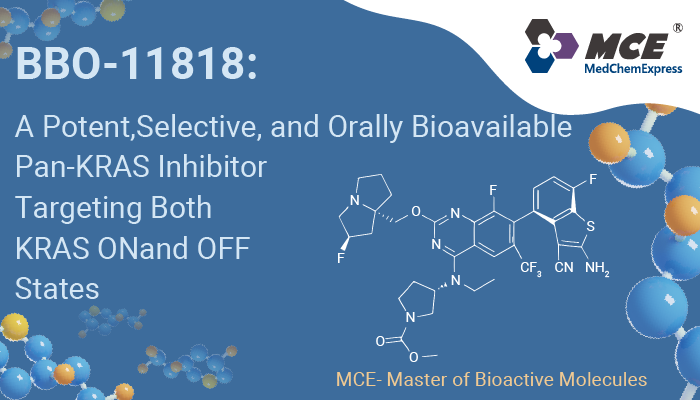
BBO-11818 is a potent, selective, orally bioavailable, and noncovalent pan-KRAS inhibitor targeting multiple clinically relevant KRAS mutants in both ON and OFF states.
Blog
BBO-11818 is a potent, selective, orally bioavailable, and noncovalent pan-KRAS inhibitor targeting multiple clinically relevant KRAS mutants in both ON and OFF states.
Products
All
-
All
-
Inhibitors & Agonists
-
Isotope-Labeled Compounds
-
Fluorescent Dye
-
Peptides
-
Recombinant Proteins
-
Antibodies
-
Screening Libraries
-
Kits
-
Inhibitory Antibodies
-
Reference Standards
-
Induced Disease Models Products
-
GMP Small Molecules
-
Enzyme
-
Biochemical Assay Reagents
-
Natural Products
| Cat. No. | Product Name | Information | Application | Publication |
|---|---|---|---|---|
| HY-10201 | Sorafenib |
Sorafenib (Bay 43-9006) is a potent oral active multikinase inhibitor. Sorafenib blocks autophosphorylation and activity of receptor tyrosine kinases (VEGFR-2, VEGFR-3) and RAF family kinases, thereby suppressing the RAF/MEK/ERK and PI3K/Akt pathways, inhibiting STAT3 phosphorylation, and selectively inhibiting the MAPK pathway in cancer cells. Sorafenib induces cell cycle arrest, autophagy, apoptosis, and PARP cleavage, reduces Bcl-2, Bcl-XL, cyclin D1 levels, and activates Bak and Bax. Sorafenib inhibits tumor growth and metastasis in mouse and rat models. Sorafenib can be used for cancer research, such as colon, breast, non-small-cell lung cancer (NSCLC), ovarian, pancreatic, melanoma, colorectal and hepatocellular carcinoma.
|
Raf
VEGFR
FLT3
Autophagy
Apoptosis
STAT
Akt
MMP
Cadherin
p38 MAPK
ERK
MEK
PI3K
PARP
Bcl-2 Family
Ephrin Receptor
PDGFR
Gastric Cancer
Liver Cancer
Ovarian Cancer
Digestive System Inflammation
Small Cell Lung Cancer
Non-Small Cell Lung Cancer
Metastatic Breast Cancer
Metastatic Colorectal Cancer
Metastatic Prostate Cancer
Multiple Myeloma
Metastatic Pancreatic Cancer
SARS-CoV-2 Infection
Alzheimer's Disease
Parkinson's Disease
Obesity
Lung Fibrosis
|
317
|
| HY-N0565B | Doxycycline hyclate |
Doxycycline hyclate, an antibiotic, is an orally active and broad-spectrum metalloproteinase (MMP) inhibitor. Doxycycline hyclate shows antibacterial activity and anti-cancer cell proliferation activity. Doxycycline hyclate can be used to construct gene expression regulation models.
|
Breast Cancer
Pancreatic Cancer
Viral Infection
Parasitic Infection
Pain
SARS-CoV-2 Infection
Staphylococcus Aureus Infection
Chlamydia Infection
Lung Fibrosis
|
197
|
| HY-N0565 | Doxycycline |
Doxycycline, an antibiotic, is an orally active and broad-spectrum metalloproteinase (MMP) inhibitor. Doxycycline shows antibacterial activity and anti-cancer cell proliferation activity.
|
Breast Cancer
Pancreatic Cancer
Viral Infection
Parasitic Infection
Pain
SARS-CoV-2 Infection
Staphylococcus Aureus Infection
Chlamydia Infection
Lung Fibrosis
|
197
|
| HY-13027 | DAPT |
DAPT (GSI-IX) is a potent and orally active γ-secretase inhibitor with IC50s of 115 nM and 200 nM for total amyloid-β (Aβ) and Aβ42, respectively. DAPT inhibits the activation of Notch 1 signaling and induces cell differentiation. DAPT also induces autophagy and apoptosis. DAPT has neuroprotection activity and has the potential for autoimmune and lymphoproliferative diseases, degenerative disease and cancers treatment.
|
Breast Cancer
Colorectal Cancer
Liver Cancer
Pancreatic Cancer
Digestive System Inflammation
Alzheimer's Disease
Rheumatoid Arthritis
|
174
|
| HY-12270 | T-5224 |
T-5224 is a transcription factor c-Fos/activator protein (AP)-1 inhibitor with anti-inflammatory effects, which specifically inhibits the DNA binding activity of c-Fos/c-Jun without affecting other transcription factors. T-5224 inhibits the IL-1β-induced up-regulation of Mmp-3, Mmp-13 and Adamts-5 transcription.
|
|
109
|
| HY-L025 | Anti-Cancer Compound Library |
Cancer is the second leading cause of death globally and seriously threatens human health. A neoplasm and malignant tumor are other common names for cancer. Disruption of the normal regulation of cell-cycle progression and division lies at the heart of the events leading to cancer. Target therapy, which targets proteins that control how cancer cells grow, divide and spread, plays an important role in cancer treatment. Recent studies mainly focus on targeting the key proteins for cancer surviving, cancer stem cells, the tumor microenvironment, tumor immunology, etc.
MCE designs a unique collection of 11,237 anti-cancer compounds that target kinases, cell cycle key components, tumorigenesis related signaling pathways, etc. MCE Anti-cancer compound library is a useful tool for anti-cancer drug screening.
|
|
100
|
| HY-L017 | Stem Cell Signaling Compound Library |
Adult stem cells are important for tissue homeostasis and regeneration due to their ability to self-renew and generate multiple types of differentiated daughters. Self-renewal is reflected by their capacity to undergo multiple/limitless divisions. Several signaling pathways are involved in self-renewal of stem cells, that is, Notch, Wnt, and Hedgehog pathways or Polycomb family proteins. Recent studies mainly focus on cancer stem cell (CSCs), induced pluripotent stem cell (iPSCs), neural stem cell and maintenance of embryonic stem cell pluripotency. Among them, CSCs have been believed to be responsible for tumor initiation, growth, and recurrence that have implications for cancer therapy.
MCE owns a unique collection of 2,931 compounds that can be used for stem cell regulatory and signaling pathway research.
|
|
86
|
| HY-L020 | Wnt/Hedgehog/Notch Compound Library |
The developmental proteins Hedgehog, Notch and Wnt are key regulators of cell fate, proliferation, migration and differentiation in several tissues. Their related signaling pathways are frequently activated in tumors, and particularly in the rare subpopulation of cancer stem cells.
The Wnt signaling pathway is a conserved pathway in animals. Deregulated Wnt signaling has catastrophic consequences for the developing embryo and it is now well appreciated that defective Wnt signaling is a causative factor for a number of pleiotropic human pathologies, including cancer. Hedgehog signaling pathway is linked to tumorigenesis and is aberrantly activated in a variety of cancers. The Notch signaling pathway is a highly conserved cell signaling system present in most animals. It plays an important role in cell-cell communication, and further regulates embryonic development.
MCE designs a unique collection of 654 Wnt/Hedgehog/Notch signaling pathway-related small molecules. Wnt/Hedgehog/Notch Compound Library serves as a useful tool for stem cell research and anti-cancer drug screening.
|
|
86
|
| HY-L013 | Neuronal Signaling Compound Library |
Neuronal Signaling is involved in the regulation of the mechanisms of the central nervous system (CNS) such as its structure, function, genetics and physiology as well as how this can be applied to understand diseases of the nervous system. Every information processing system in the CNS is composed of neurons and glia, neurons have evolved unique capabilities for intracellular signaling (communication within the cell) and intercellular signaling (communication between cells). G protein-coupled receptors (GPCRs), including 5-HT receptor, histamine receptor, opioid receptor, etc. are the largest class of sensory proteins and are important therapeutic targets in Neuronal Signaling. Besides, Notch signaling, such as β- and γ-secretase, also plays multiple roles in the development of the CNS including regulating neural stem cell (NSC) proliferation, survival, self-renewal and differentiation. GPCR dysfunction caused by receptor mutations and environmental challenges contributes to many neurological diseases. Notch signaling in neurons, glia, and NSCs is also involved in pathological changes that occur in disorders such as stroke, Alzheimer's disease and CNS tumors. Thus, targeting Neuronal Signaling, such as notch signaling and GPCRs, can be used as therapeutic interventions for several different CNS disorders.
MCE designs a unique collection of 3,961 Neuronal Signaling-related compounds that act as a useful tool for the research of neuronal regulation and neuronal diseases.
|
|
84
|
| HY-L075 | Anti-Lung Cancer Compound Library |
Lung cancer is a major global health problem, as it is the leading cause of cancer-related deaths worldwide. Lung cancer is divided into two categories: small cell lung cancer and non-small cell lung cancer (NSCLC). Non-small cell lung cancer accounts for about 85 percent of lung cancers.
As with all cancers, lung cancer may be treated with surgery, chemotherapy, radiation therapy, targeted therapy, immunotherapy or a combination thereof. Targeted therapy is one of the most exciting developments in lung cancer medicine, especially for NSCLC. Extensive genomic characterization of NSCLC has led to the identification of molecular subtypes of NSCLC that are oncogene addicted and exquisitely sensitive to targeted therapies. These include activating mutations in epidermal growth factor receptor (EGFR) and BRAF or echinoderm microtubule-associated protein-like 4 (EML4)-anaplastic lymphoma kinase (ALK) fusions and ROS1 receptor tyrosine kinase fusions. These are important targets for target therapy.
MCE offers a unique collection of 3,061 compounds with identified and potential anti-lung cancer activity. These compounds target lung cancer’s major targets and signaling pathways. MCE anti-lung cancer compound library is a useful tool for anti-lung cancer drugs screening and other related research.
|
|
84
|
| HY-L083 | Anti-Cancer Metabolism Compound Library |
Mutations in oncogenes and tumor suppressor genes can modify multiple signaling pathways and in turn cell metabolism, which facilitates tumorigenesis. The paramount hallmark of tumor metabolism is “aerobic glycolysis” or the Warburg effect, coined by Otto Warburg in 1926, in which cancer cells produce most of energy from glycolysis pathway regardless of whether in aerobic or anaerobic condition. Usually, cancer cells are highly glycolytic (glucose addiction) and take up more glucose than do normal cells from outside. The increased uptake of glucose is facilitated by the overexpression of several isoforms of membrane glucose transporters (GLUTs). Likewise, the metabolic pathways of glutamine, amino acid and fat metabolism are also altered. Recent trends in anti-cancer drug discovery suggests that targeting the altered metabolic pathways of cancer cells result in energy crisis inside the cancer cells and can selectively inhibit cancer cell proliferation by delaying or suppressing tumor growth.
MCE provides a unique collection of 3,806 compounds which cover various tumor metabolism-related signaling pathways. These compounds can be used for anti-cancer metabolism targets identification, validation as well anti-cancer drug discovery.
|
|
84
|
| HY-L188 | Anti-Brain Cancer Compound Library |
Although brain cancer only accounts for 2% of all tumors, it has a poor prognosis, high mortality and high recurrence rate. Brain cancer can be divided into primary brain cancer and secondary brain cancer. According to the location of the cancer, brain cancer can also be divided into: brain glioma, pituitary adenoma, schwannoma, craniopharyngioma, meningioma and so on. Glioma is the most common primary brain tumor, accounting for about 1/3 of all brain tumors. At present, brain cancer lacks precision targeted therapeutic drugs, and there is still a great clinical demand that has not been met. With the continuous development of high-throughput screening technology, it may be able to help develop effective anti-brain cancer drugs by screening compounds targeting PKC, PD-1, c-Met, PARP, etc targets.
MCE designs a unique collection of 2,134 small molecules with definite or potential anti-brain cancer activity, which is an important tool for studying the pathological mechanism of brain cancer and developing drugs for brain cancer.
|
|
84
|
| HY-L074 | Anti-Breast Cancer Compound Library |
Breast cancer is the most frequent cancer among women, impacting 2.1 million women each year, and also causes the greatest number of cancer-related deaths among women. Surgery is usually the first type of treatment for breast cancer, which is usually followed by chemotherapy or radiotherapy or, in some cases, hormone or targeted therapies, especially for metastatic breast cancer (MBC).
Breast cancer is a heterogeneous disease, which is categorized into 3 major subtypes based on the presence or absence of molecular markers for estrogen or progesterone receptors and human epidermal growth factor 2 (ERBB2; formerly HER2): hormone receptor positive/ERBB2 negative (70% of patients), ERBB2 positive (15%-20%), and triple-negative (tumors lacking all 3 standard molecular markers; 15%). Different intrinsic subtypes exhibit different tumor behavior with different prognoses, and may require specific targeted therapies to maximize treatment effectiveness. Otherwise, some signaling pathways also play important roles in the development of breast cancer, such as NF-κB Signaling Pathway, TGF-beta Signaling Pathway, PI3K/AKT/mTOR signaling pathway and Notch Signaling Pathway. These signaling pathways offer ideal targets for development of new targeted therapies for breast cancer.
MCE supplies a unique collection of 3,404 compounds with identified and potential anti-breast cancer activity. MCE Anti-Breast Cancer Compound Library is a useful tool for anti-breast cancer drugs screening.
|
|
83
|
| HY-L079 | Anti-Blood Cancer Compound Library |
Blood cancers, also called hematologic cancers, occur when abnormal blood cells start growing out of control, interrupting the function of normal blood cells, which fight off infection and produce new blood cells. Most blood cancers start in the bone marrow, which is where blood is produced. There are three main types of blood cancers: leukemia, lymphoma and myeloma, which afflict millions of children and adults every year, and are often deadly.
Some common blood cancer treatments include stem cell transplantation, chemotherapy, radiation therapy, targeted therapy, immunotherapy or a combination thereof. As we begin to understand the key signaling pathways and molecular drivers of malignant transformation in haematological disorders, new treatment strategies will continue to be developed.
MCE offers a unique collection of 4,333 compounds with identified and potential anti-blood cancer activity. These compounds target blood cancer’s major targets and signaling pathways. MCE anti-blood cancer compound library is a useful tool for anti-blood cancer drugs screening and other related research.
|
|
83
|
| HY-L103 | Anti-Colorectal Cancer Compound Library |
Colorectal cancer (CRC), also known as bowel cancer, colon cancer, or rectal cancer, arises as adenocarcinoma from glandular epithelial cells of the large intestine comprised of the colon and rectum. The majority of cases of CRC are sporadic and result from risk factors, such as a sedentary lifestyle, obesity, processed diets, alcohol consumption and smoking. CRC is also a common preventable cancer.
Studies showed several cellular signaling pathways dysregulated in CRC, leading to the onset of malignant phenotypes. Therefore, it is necessary to analyze the signaling pathways involved in the occurrence and development of colorectal cancer to study the progression and drug treatment of colorectal cancer. Among them, Wnt/β-catenin, p53, TGF-β/SMAD, NF-κB, Notch, VEGF and other target genes and signaling pathways are the focus of research.
MCE offers a unique collection of 2,653 compounds with identified and potential anti-colorectal cancer activity. MCE anti-colorectal cancer compound library is a useful tool for anti-colorectal cancer drugs screening and other related research.
|
|
83
|
| HY-L135 | Cancer Stem Cells Compound Library |
With the progress of modern cancer therapy, the life of cancer patients has been extended. However, after initial treatment and recovery, the development of secondary tumors often leads to cancer recurrence. Cancer stem cells are a small number of cells that tumor growth and reproduction depend on.
Cancer stem cells have strong self-renewal ability, which is the direct cause of tumor occurrence. In addition, cancer stem cells also have the ability to differentiate into different cell types, playing a crucial role in tumor metastasis and development. Chemotherapy and radiotherapy induced DNA damage and apoptosis are common cancer treatments. However, cancer stem cells can effectively protect cancer cells from apoptosis by activating DNA repair ability. Cancer stem cells are regarded as the key "seed" of tumor occurrence, development, metastasis and recurrence. Since its first discovery in leukemia in 1994, cancer stem cells have been considered a promising therapeutic target for cancer treatment.
MCE supplies a unique collection of 3,540 compounds targeting key proteins in cancer stem cells. MCE Cancer Stem Cells Compound Library is a useful tool for cancer stem cells related research and anti-cancer drug development.
|
|
83
|
| HY-L173 | Anti-Ovarian Cancer Compound Library |
Ovarian cancer is the most common cause of death in female genital malignancies, with the highest mortality rate in female genital malignancies. It is characterized by difficulty in detection in the early stage of the disease, high recurrence rate and poor prognosis. In fact, ovarian cancer includes many pathologic types. It is usually divided into epithelial ovarian cancer, malignant germ cell tumors and sex cord stromal tumors, of which epithelial ovarian cancer is the most dominant form. Clinical treatment of ovarian cancer prioritizes surgery combined with paclitaxel chemotherapy. However, due to the spread and drug resistance of tumor cells, the recurrence of ovarian cancer is high. In this case, combined with traditional methods, the development of new therapeutic agents can help to improve the treatment effect of ovarian cancer.
MCE designs a unique collection of 2,967 compounds with definite or potential anti-ovarian cancer activity, which mainly targeting the main targets of ovarian cancer such as PARP, ATM/ATR, VEGFR and HIF/HIF Prolyl-Hydroxylase, etc. It is an essential tool for development and research of anti-ovarian compounds.
|
|
83
|
| HY-L213 | Anti-Cancer Approved Drug Library |
The anti-cancer drug library meticulously collects all drugs approved by FDA and other major national drug regulatory authorities for cancer treatment. These drugs cover a variety of cancer types, including but not limited to lung cancer, breast cancer, colorectal cancer, leukemia, and other common cancers. The library includes a wide range of drugs, from classic chemotherapeutic agents to cutting-edge targeted therapies and immunotherapies. It contains various types of drug compounds with different mechanisms of action. There are cytotoxic drugs that directly kill cancer cells, as well as drugs that work by modulating the tumor microenvironment, inhibiting tumor angiogenesis, and activating the immune system. This diversity provides researchers with a broad range of perspectives and options for intervention strategies.
This library can be used for basic research on cancer treatment, exploring new targets and new mechanisms of drug action; Conducting drug reuse research to look for potential therapeutic effects of existing drugs on other cancer types or diseases; Or conducting research into combination drugs to optimize cancer treatment.
MCE has collected 265 small-molecule compounds with cancer indications, which are good tools for drug repurposing.
|
|
83
|
| HY-10585B | Valproic acid sodium (2:1) |
Valproic acid (VPA) sodium (2:1) is an orally active HDAC inhibitor, with IC50 in the range of 0.5 and 2 mM, also inhibits HDAC1 (IC50, 400 μM), and induces proteasomal degradation of HDAC2. Valproic acid sodium (2:1) activates Notch1 signaling and inhibits proliferation in small cell lung cancer (SCLC) cells. Valproic acid sodium (2:1) is used in the treatment of epilepsy, bipolar disorder, metabolic disease, HIV infection and prevention of migraine headaches.
|
|
70
|
| HY-10585A | Valproic acid sodium |
Valproic acid (Sodium Valproate) sodium is an orally active HDAC inhibitor, with IC50 in the range of 0.5 and 2 mM, also inhibits HDAC1 (IC50, 400 μM), and induces proteasomal degradation of HDAC2. Valproic acid sodium activates Notch1 signaling and inhibits proliferation in small cell lung cancer (SCLC) cells. Valproic acid sodium is used in the treatment of epilepsy, bipolar disorder, metabolic disease, HIV infection and prevention of migraine headaches.
|
|
70
|
| HY-10585 | Valproic acid |
Valproic acid (VPA) is an orally active HDAC inhibitor, with IC50 in the range of 0.5 and 2 mM. Valproic acid inhibits HDAC1 (IC50, 400 μM), and induces proteasomal degradation of HDAC2. Valproic acid activates Notch1 signaling and inhibits proliferation in small cell lung cancer (SCLC) cells. Valproic acid is used in the epilepsy, bipolar disorder, metabolic disease, HIV infection and prevention of migraine headaches.
|
Infection
Neurological, Eye or Ear Disease
Metabolic or Endocrine Disease
Respiratory Disease
Small Cell Lung Cancer
|
70
|
| HY-15768 | Ilomastat |
|
67
|
|
| HY-50752 | LY-411575 |
LY-411575 is a potent γ-secretase inhibitor with IC50 of 0.078 nM/0.082 nM (membrane/cell-based), and also inhibits Notch S3 cleavage with an IC50 of 0.39 nM.
|
Breast Cancer
Colorectal Cancer
Liver Cancer
Pancreatic Cancer
Neurodegenerative Disease
Digestive System Inflammation
Rheumatoid Arthritis
|
29
|
| HY-11102 | RO4929097 |
RO4929097 is an orally active γ secretase inhibitor with an IC50 of 4 nM, inhibiting cellular processing of Aβ40 and Notch with EC50 of 14 nM and 5 nM, respectively.
|
Respiratory Disease
Colorectal Cancer
Prostate Cancer
Liver Cancer
Pancreatic Cancer
Viral Infection
Neurodegenerative Disease
Non-Small Cell Lung Cancer
Triple-Negative Breast Cancer
Rheumatoid Arthritis
|
21
|
| HY-E70005A | Collagenase, Type I |
Collagenase, Type I is a microbially derived matrix metalloproteinases (MMPs) and zinc peptidase. Collagenase, Type I breaks down collagens 1, 3, 7, 8, 10, gelatin, proteoglycans, aggrecan.
|
|
21
|
| HY-E70005D | Collagenase IV, Clostridium histolytica |
Collagenase, Type IV (EC 3.4.24.3) is a microbially derived matrix metalloproteinases (MMPs) and zinc peptidase. Collagenase, Type IV degrades type IV collagen and type VII collagen, the main components of the basement membrane, and can also decompose basement matrix and elastin.
|
|
21
|
| HY-B0239 | Chloramphenicol |
Chloramphenicol is an orally active, potent and broad-spectrum antibiotic. Chloramphenicol shows antibacterial activity. Chloramphenicol represses the oxygen-labile transcription factor and hypoxia inducible factor-1 alpha (HIF-1α) in hypoxic A549 and H1299 cells. Chloramphenicol suppresses the mRNA levels of vascular endothelial growth factor (VEGF) and glucose transporter 1, eventually decreasing VEGF release. Chloramphenicol can be used for anaerobic infections and lung cancer research.
Source: Streptomyces venezuelae |
|
20
|
| HY-P1846A | Jagged-1 (188-204) TFA |
Jagged-1 (188-204) TFA is a fragment of the Jagged-1 (JAG-1) protein with Notch agonist activity. JAG-1 is a Notch ligand highly expressed in cultured and primary multiple myeloma (MM) cells. JAG-1 induces maturation of monocyte-derived human dendritic cells.
|
|
19
|
| HY-15096 | MKT-077 |
MKT-077 (FJ-776), a highly water-soluble mitochondrial dye, has significant antitumor activity. MKT-077 exhibits low cytotoxicity, and inhibits broad-spectrum human cancer cell lines (colon cancer, breast cancer, pancreatic cancer). MKT-077 inhibits the growth of tumor in nude mice enograft tumor model. Ex/Em=488/543 nm.
|
|
18
|
| HY-14176 | Compound E |
Compound E is a γ-secretase inhibitor. Compound E blocks β-amyloid(40), β-amyloid(42), and Notch γ-secretase cleavage with IC50s of 0.24, 0.37, 0.32 nM, respectively.
|
|
18
|
| HY-N0133 | Tangeretin |
Tangeretin (Tangeritin), a flavonoid from citrus fruit peels, has been proven to play an important role in anti-inflammatory responses and neuroprotective effects in several disease models, and is a Notch-1 inhibitor.
|
Neurological, Eye or Ear Disease
Breast Cancer
Colorectal Cancer
Liver Cancer
Pancreatic Cancer
Digestive System Inflammation
Rheumatoid Arthritis
|
16
|
| HY-15185 | Nirogacestat |
Nirogacestat (PF-3084014) is a reversible, orally bioavailable, noncompetitive, and selective γ-secretase inhibitor with an IC50 of 6.2 nM. Inhibition of Notch signaling by Nirogacestat while minimizing gastrointestinal toxicity presents a promising approach for research of Notch receptor-dependent cancers.
|
|
16
|
| HY-E70005B | Collagenase, Type II |
Collagenase, Type II is a microbially derived matrix metalloproteinases (MMPs) and zinc peptidase. Collagenase, Type II breaksdown collagens1, 3, 5, 7, 8, 10, fibronectin, gelatin, aggrecann.
|
|
16
|
| HY-10974 | MK-0752 |
MK-0752 is a potent, orally active and specific γ-secretase inhibitor, showing dose-dependent reduction of Aβ40 with an IC50 of 5 nM in human SH-SY5Y cells. MK-0752 crosses the blood-brain barrier. MK-0752 reduces newly generated CNS Aβ in vivo.
|
|
14
|
| HY-10009 | Semagacestat |
Semagacestat is a γ-secretase inhibitor, inhibits β-amyloid (Aβ42), Aβ38 and Aβ40 with IC50s of 10.9, 12 and 12.1 nM, respectively; also inhibits Notch signaling with IC50 of 14.1 nM. Semagacestat can be used for the research of alzheimer's disease.
|
Breast Cancer
Colorectal Cancer
Liver Cancer
Pancreatic Cancer
SARS-CoV-2 Infection
Alzheimer's Disease
Rheumatoid Arthritis
|
12
|
| HY-N0711 | Carvacrol |
Carvacrol is an orally active and blood-brain barrier-permeable monoterpenic phenol that can be extract from an abundant number of aromatic plants, including thyme and oregano, possessing antioxidant, antibacterial, antifungal, anticancer, anti-inflammatory, hepatoprotective, spasmolytic, and vasorelaxant properties. Carvacrol also causes cell cycle arrest in G0/G1, downregulates Notch-1, and Jagged-1, and induces apoptosis. Carvacrol is used in low concentrations as a food flavoring ingredient and preservative, as well as a fragrance ingredient in cosmetic formulations.
|
Neurological, Eye or Ear Disease
Breast Cancer
Colorectal Cancer
Liver Cancer
Pancreatic Cancer
Bacterial Infection
Fungal Infection
Digestive System Inflammation
Rheumatoid Arthritis
|
11
|
| HY-148905 | p-Aminophenylmercuric acetate |
p-Aminophenylmercuric acetate is an organomercurial activator of matrix metalloproteinases (MMP). P-Aminophenylmercuric acetate participates in the activation and inhibition of MMP-8 by attacking protein sulfhydryl or inducing cysteine switching reaction. p-Aminophenylmercuric acetate promotes the shedding of betacellulin precursor (pro-BTC). p-Aminophenylmercuric acetate influences the binding of agonists and antagonists to the opiate receptor.
|
|
11
|
| HY-12449 | Crenigacestat |
Crenigacestat (LY3039478) is an orally active Notch and γ-secretase inhibitor, with an IC50 of 1 nM in most of the tumor cell lines tested.
|
Breast Cancer
Colorectal Cancer
Liver Cancer
Pancreatic Cancer
Neurodegenerative Disease
SARS-CoV-2 Infection
Rheumatoid Arthritis
|
8
|
| HY-13526 | YO-01027 |
YO-01027 (Dibenzazepine;DBZ) is a potent γ-secretase inhibitor with IC50 values of 2.92 and 2.64 nM for Notch and APPL cleavage, respectively.
|
Breast Cancer
Colorectal Cancer
Liver Cancer
Pancreatic Cancer
Neurodegenerative Disease
Rheumatoid Arthritis
|
8
|
| HY-19369 | L-685458 |
L-685458 is a potent transition state analog (TSA) γ-secretase inhibitor (GSI). L-685458 inhibits amyloid β-protein precursor γ-secretase activity with IC50 of 17 nM, shows greater than 50-100-fold selectivity over other aspartyl proteases tested. L685458 inhibits γ-secretase-mediated cleavage of APP-C99 and Notch-100 with IC50s of 301.3 nM and 351.3 nM, respectively. L-685458 can be used for the research of alzheimer’s disease (AD) and cancers.
|
|
6
|
| HY-N0232 | Psoralidin |
Breast Cancer
Colorectal Cancer
Prostate Cancer
Liver Cancer
Pancreatic Cancer
Bacterial Infection
Depression
Rheumatoid Arthritis
|
5
|
|
| HY-12316 | 20(S)-Hydroxycholesterol |
20(S)-Hydroxycholesterol (20α-Hydroxycholesterol) is an allosteric activator that selectively targets the Smoothened (Smo) of the Hedgehog pathway with an EC50 of ~30 μM (Hedgehog). 20(S)-Hydroxycholesterol binds to the extracellular cysteine-rich domain (CRD) of Smo in a stereoselective manner, activating downstream Gli transcription factors (without inducing transcription of receptor genes in the Wnt pathway). 20(S)-Hydroxycholesterol enhances osteogenic differentiation of bone marrow stromal cells and synergistically activates the Raf/MEK/ERK pathway with Simvastatin (HY-17502) to promote bone regeneration. 20(S)-Hydroxycholesterol can be used to study the mechanisms of developmental biology, oncology, bone, and angiogenesis.
|
|
5
|
| HY-139109 | IR-783 |
IR-783 (ADS 780WS) is a heptamethine cyanine dye. IR-783 induces Mitochondrial membrane potential loss, ATP depletion, mitochondrial permeability transition pore opening, Cytochrome c release and Apoptosis in breast cancer cells. IR-783 promotes the translocation of Drp1 from the cytosol to mitochondria. IR-783 increases the expression of mitochondrial fission proteins such as MFF and Fission-1. IR-783 possesses imaging, cancer-targeting and anticancer properties. IR-783 exerts anticancer effects against breast cancer. IR-783 can be used in breast cancer-related research.
|
|
4
|
| HY-P7696 | CA125 Protein, Human (HEK293, His) |
CA125 is a giant mucin-like glycoprotein expressed by epithelial ovarian neoplasms and cells, which is an antigenic tumor marker. CA125 provides a protective, lubricating barrier against particles and infectious agents at mucosal surfaces. CA125 binds to mesothelin (MSLN) mediates heterotypic cell adhesion, contributing to the metastasis of ovarian cancer to the peritoneum by initiating cell attachment to the mesothelial epithelium. CA125 is widely used for monitoring with ovarian epithelial cancer. CA125 Protein, Human (HEK293, His) is a recombinant human cancer antigen 125 (CA125) with a His label and is expressed in HEK293 cells.
Species: Human; Source: HEK293 |
|
4
|
| HY-P99575 | Tarlatamab |
Tarlatamab (AMG-757) is a bispecific T-cell engager (BiTE) antibody targeting delta-like ligand 3 (DLL3). DLL3 is a target that is selectively expressed in small-cell lung cancer (SCLC) tumors, but with minimal normal tissue expression. Tarlatamab has the KDs of 0.64 nM and 0.50 nM for human and nonhuman primate (NHP) DLL3, respectively. Tarlatamab has the KDs of 14.9 nM and 12 nM for human and NHP CD3, respectively. Tarlatamab is a first-in-class HLE BiTE immuno-oncology therapy targeting DLL3 and has the potential for SCLC research.
Species: Human |
|
3
|
| HY-W008091R | 5-Methylcytosine (Standard) |
5-Methylcytosine (Standard) is the analytical standard of 5-Methylcytosine (HY-W008091). This product is intended for research and analytical applications. 5-Methylcytosine is a well-characterized DNA modification in prokaryotes and eukaryotes. 5-Methylcytosine forms symmetrical methylation on CpG dinucleotides in DNA, stabilizes tRNA/rRNA structure in RNA, and affects mRNA translation. 5-Methylcytosine can be oxidized to generate 5hmC, 5fC, and 5caC. 5-Methylcytosine can be used in epigenetics, developmental biology, and the study of diseases such as colorectal cancer and hepatocellular carcinoma.
|
|
2
|
| HY-W008091 | 5-Methylcytosine |
5-Methylcytosine is a well-characterized DNA modification in prokaryotes and eukaryotes. 5-Methylcytosine forms symmetrical methylation on CpG dinucleotides in DNA, stabilizes tRNA/rRNA structure in RNA, and affects mRNA translation. 5-Methylcytosine can be oxidized to generate 5hmC, 5fC, and 5caC. 5-Methylcytosine can be used in epigenetics, developmental biology, and the study of diseases such as colorectal cancer and hepatocellular carcinoma.
Source: prokaryotes and eukaryotes |
|
2
|
| HY-10585S3 | Valproic acid-d4 sodium |
Valproic acid-d4 (sodium) is the deuterium labeled Valproic acid. Valproic acid (VPA; 2-Propylpentanoic Acid) is an HDAC inhibitor, with IC50 in the range of 0.5 and 2 mM, also inhibits HDAC1 (IC50, 400 μM), and induces proteasomal degradation of HDAC2. Valproic acid activates Notch1 signaling and inhibits proliferation in small cell lung cancer (SCLC) cells. Valproic acid sodium salt is used in the treatment of epilepsy, bipolar disorder and prevention of migraine headaches.
|
|
1
|
| HY-10585S | Valproic acid-d4 |
Valproic acid-d4 is the deuterium labeled Valproic acid. Valproic acid (VPA; 2-Propylpentanoic Acid) is an HDAC inhibitor, with IC50 in the range of 0.5 and 2 mM, also inhibits HDAC1 (IC50, 400 μM), and induces proteasomal degradation of HDAC2. Valproic acid activates Notch1 signaling and inhibits proliferation in small cell lung cancer (SCLC) cells. Valproic acid sodium salt is used in the treatment of epilepsy, bipolar disorder and prevention of migraine headaches.
|
|
1
|
| HY-N2830 | Agrimonolide |
Agrimonolide is a phenethyl isocoumarin compound discovered from Agrimonia pilosa, exhibiting anti-inflammatory, antioxidant, and anticancer activities. Agrimonolide inhibits NF-κB, MAPK, and TLR4-mediated neuroinflammatory signaling, suppresses Notch and JAK2/STAT3 signaling to modulate Th17/Treg balance and maintain the intestinal barrier. Agrimonolide decreases HIF1A expression, inhibits glycolysis, and induces ferroptosis and cell cycle arrest via the mTOR pathway in tumor models, thereby suppressing cancer cell viability, proliferation, and metastasis. Agrimonolide exerts hepatoprotective and anti-fibrotic effects by regulating bile acid transporter expression and reducing hepatic bile acid accumulation. Agrimonolide is used for research on ulcerative colitis, ovarian cancer, non-small cell lung cancer, cholestatic liver injury, and neuroinflammation.
|
|
1
|
| HY-121608 | Lumiflavin |
Lumiflavin (Lumiflavine), a riboflavine analog, causes significant inhibition of riboflavine uptake. Lumiflavin can effectively reduce the riboflavin enrichment in cancer stem-like cells (CSCs) and sensitize the effect of cisplatin Diamminedichloroplatinum (DDP) on CSCs. Lumiflavin is promising for research of ovarian cancer.
|
|
1
|
| HY-K6105 | Human Gastric Cancer Organoid Kit |
MCE Human Gastric Cancer Organoid Kit contains Gastric Cancer Organoid Basal Medium A, Gastric Cancer Organoid Supplement B (50×), Gastric Cancer Organoid Supplement C (250×). This product can be used to efficiently construct human gastric cancer organoid. |
|
1
|
| HY-13526G | YO-01027 (GMP) |
YO-01027 (Dibenzazepine) (GMP) is YO-01027 (HY-13526) produced by using GMP guidelines. GMP small molecules work appropriately as an auxiliary reagent for cell therapy manufacture. YO-01027 is a potent γ-secretase inhibitor.
|
|
/
|
| HY-10585AS | Valproic acid-d7 sodium |
Valproic acid-d7 (sodium) is the deuterium labeled Valproic acid (sodium salt). Valproic acid sodium salt (Sodium Valproate) is an HDAC inhibitor, with IC50 in the range of 0.5 and 2 mM, also inhibits HDAC1 (IC50, 400 μM), and induces proteasomal degradation of HDAC2. Valproic acid sodium salt activates Notch1 signaling and inhibits proliferation in small cell lung cancer (SCLC) cells. Valproic acid sodium salt is used in the treatment of epilepsy, bipolar disorder and prevention of migraine headaches.
|
|
/
|
| HY-B2099S | Buformin-d9 hydrochloride |
Buformin-d9 (hydrochloride) is the deuterium labeled Buformin. Buformin (1-Butylbiguanide), a potent AMPK activator, acts as an orally active biguanide antidiabetic agent. Buformin decreases hepatic gluconeogenesis and lowers blood glucose production in vivo. Buformin also has anti-cancer activities and is applied in cancer study (such as, cervical cancer and breast cancer, et al).
|
|
/
|
| HY-N17453 | (+)-Mornaphthoate E |
(+)-Mornaphthoate E is a growth inhibitor that suppresses cancer cell proliferation. It can be used in research on cancers such as lung cancer and breast cancer.
|
|
/
|
| HY-N17825 | Terrestroside A |
Terrestroside A is an anticancer agent. Terrestroside A inhibits the growth of various cancer cells in vitro. Terrestroside A can be used for the research of lung cancer, central nervous system cancer and breast cancer.
|
|
/
|
| HY-P11624 | PP-60 |
PP-60 is an apoptosis inducer. PP-60 inhibits the proliferation of cancer cells and induces cancer cell apoptosis. PP-60 exerts anti-tumor effects in nude mouse liver tumor models. PP-60 is applicable to research related to cancers such as liver cancer, lung cancer, and prostate cancer.
|
|
/
|
| HY-P3779 | Amyloid 17-42 |
Amyloid 17-42 (Aβ(17-42)) is a major constituent of diffuse plaques in Alzheimer's disease and cerebellar pre-amyloid in Down's syndrome, derived by alpha- and gamma-secretase cleavage of the amyloid precursor protein (APP). Amyloid 17-42 can induce neuronal apoptosis via a Fas-like/caspase-8 activation pathway.
|
|
/
|
| HY-P990206 | Anti-Mouse Jagged 2 Antibody (HMJ2-1) |
Anti-Mouse Jagged 2 Antibody (HMJ2-1) is an anti-mouse Jagged 2 IgG monoclonal antibody. Anti-Mouse Jagged 2 Antibody (HMJ2-1) regulates Treg/Th17 balance through IL-9. Anti-Mouse Jagged 2 Antibody (HMJ2-1) increases Jagged2-Notch signaling through activation of RBP-Jk. Anti-Mouse Jagged 2 Antibody (HMJ2-1) can be used for researches on inflammation conditions and xenotransplantation such as experimental autoimmune encephalomyelitis (EAE).
Species: Mouse |
|
/
|
| HY-P11255 | SPDI-48-T1 |
SPDI-48-T1 is a lysine-stapled peptide. SPDI-48-T1 exhibits discernible binding affinities for MDM2 and MDMX, with Kd values of 396 nM and 456 nM, respectively. SPDI-48-T1 exhibits anticancer activity against breast cancer, colorectal cancer, non-small cell lung cancer, cervical cancer, and malignant melanoma.
|
|
/
|
| HY-N19739 | Efrapeptin F |
Efrapeptin F is a mitochondrial complex V inhibitor and cytotoxic agent with in vivo antitumor activity. Efrapeptin F induces cell death in glucose-limiting conditions, with preferential cytotoxicity to nutrient-deprived cancer cells under hypoxic conditions. Efrapeptin F can be used for the research of pancreatic cancer, prostate cancer, breast cancer, central nervous system cancer, colon cancer, lung cancer, melanoma, ovarian cancer, kidney cancer, stomach cancer.
Source: Tolypocladium geodes |
|
/
|
| HY-D3158 | LGP-CL |
|
/
|
|
| HY-N18236 | 3β-Acetoxyl-atractylenolide I |
3β-Acetoxyl-atractylenolide I is a LSD1 inhibitor with an IC50 of 57 μM. 3β-Acetoxyl-atractylenolide I blocks tumor growth, metastasis and invasion. 3β-Acetoxyl-atractylenolide I is used in the research of various cancers including prostate cancer, breast cancer, neuroblastoma, gastric cancer, colon cancer, bladder cancer, esophageal cancer, acute myeloid leukemia and retinoblastoma.
|
Breast Cancer
Prostate Cancer
Gastric Cancer
Bladder Cancer
Acute Myeloid Leukemia
Esophageal Cancer
|
/
|
| HY-P11658 | Anticancer peptoid 1 |
Anticancer peptoid 1 (Peptoid 1) is a peptoid with antitumor activity. Anticancer peptoid 1 exerts cytotoxicity primarily via plasma membrane damage. Anticancer peptoid 1 exerts cytotoxicity against a broad range of cancer cell lines, including those with multidrug resistance. Anticancer peptoid 1 inhibits tumor growth in a human breast cancer xenotransplantation mouse model without noticeable acute adverse effects. Anticancer peptoid 1 can be used for the research of cancer, such as breast cancer, and prostate cancer.
|
|
/
|
| HY-182259 | Montanastatin |
Montanastatin is an antitumor agent that can be isolated from the terrestrial actinomycete Streptomyces anulatus. Montanastatin inhibits the growth of various cancer cells. Montanastatin can be used in research related to lymphocytic leukemia, ovarian cancer, brain cancer, renal cancer, lung cancer, colon cancer and melanoma.
|
|
/
|
| HY-P11078 | LARLLT |
LARLLT (D4) is an EGFR-binding peptide. LARLLT has the potential for research of EGFR overexpressing cancers, such as lung, ovarian and colorectal cancer.
|
|
/
|
| HY-158498 | FA2 glycan (G0F) |
FA2 glycan (G0F) (FA2 N-linked oligosaccharide; F(6)A2 glycan) is a core-fucosylated biantennary N-linked oligosaccharide that serves as a prostate cancer biomarker. The level of FA2 glycan (G0F) is higher in prostate cancer than in benign prostatic hyperplasia, and it is further elevated in advanced prostate cancer with a Gleason score ≥8 compared with both benign prostatic hyperplasia and low-/intermediate-risk prostate cancer. FA2 glycan (G0F) can be used in prostate cancer research.
|
|
/
|
| HY-15947G | Ravoxertinib (GMP) |
Ravoxertinib GMP is Ravoxertinib (HY-15947) produced by using GMP guidelines. GMP small molecules works appropriately as an auxiliary reagent for cell therapy manufacture. Ravoxertinib (GDC-0994) is an orally active ERK1/2 inhibitor. Ravoxertinib inhibits the ERK1/2 MAPK signaling pathway and reduces the expression levels of c-Myc, HK2 and LDHA. Ravoxertinib decreases mammosphere formation, and exerts additive and/or superadditive cytotoxicity when combined with Ipatasertib (HY-15186) in 3D tumor sphere models. Ravoxertinib can be used in research related to various cancers including breast cancer, melanoma, head and neck cancer, non-small cell lung cancer, ovarian cancer and Merkel cell carcinoma.
|
|
/
|
| HY-N21630 | Phanginin F |
Phanginin F is a cassane-type furanoditerpenoid anticancer agent. Phanginin F can be isolated from the seeds of Caesalpinia sappan Linn. Phanginin F exhibits anticancer activity against ovarian cancer, gastric cancer, and non-small cell lung cancer. Phanginin F can be used in research on ovarian cancer, gastric cancer, and non-small cell lung cancer.
|
|
/
|
| HY-D3182 | AldRed 588-A |
AldeRed 588-A is a fluorescent labeling reagent and a substrate for aldehyde dehydrogenase (ALDH). AldeRed 588-A is metabolized by functionally active ALDH enzymes, thereby specifically labeling viable ALDHbright cell populations with red-shifted fluorescence. AldeRed 588-A supports one-step isolation and sorting of ALDH-expressing cells (including normal stem cells and cancer stem cells), and can be used in combination with green fluorophores for multicolor experimental applications. AldeRed 588-A is widely applicable to research related to various cancers such as bladder cancer, breast cancer, and head and neck cancer.
|
|
/
|
| HY-P991235 | FS102 |
FS102 is a selective Fc fragment with antigen binding (Fcab) that targets HER2 with a KD value of 0.8 nM. FS102 induces the degradation of HER2, activates Caspase 3/7 and disrupts the integrity of the cell membrane, triggering apoptosis of tumor cells. FS102 is promising for research of cancers such as breast cancer, gastric cancer, and colorectal cancer.
Species: Human |
|
/
|
| HY-D3185 | AlDeSense AM |
AlDeSense AM is a cell-permeable ALDH1A1-selective fluorescent reporter. AlDeSense AM is oxidized by ALDH1A1, which eliminates photoinduced electron transfer quenching and enhances the fluorescent signal. AlDeSense AM can be used to detect cells with cancer stem cell properties, as well as to monitor the plasticity of cancer stem cells in cell culture systems and animal models. AlDeSense AM is applicable to the study of cancers associated with cancer stem cells, including chronic myeloid leukemia, melanoma, and breast cancer.
|
|
/
|
| HY-P992321 | BAY-356 |
BAY-356, a potent TWEAK receptor agonist, is an aglycosylated anti-TWEAK receptor antibody. BAY-356 triggers TWEAKR hyperactivation, activates NFκB and STAT1 pathways, and undergoes TWEAKR-dependent internalization. BAY-356 can be used for the research of colorectal cancer, bladder cancer, non-small cell lung cancer and pancreatic cancer[1][2].
Species: Human |
|
/
|
| HY-13673S1 | Goserelin-d7 |
Goserelin-d7 (ICI 118630-d7) is deuterium labeled Goserelin. Goserelin (ICI 118630), a decapeptide analogue of gonadotropin-releasing hormone (GnRH/LHRH), functions as a GnRH agonist. Goserelin can be used for the research of breast cancer, epithelial ovarian cancer and prostate cancer.
|
|
/
|
| HY-D2062 | ATTO 740 NHS ester |
ATTO 740 NHS ester is a near-infrared fluorescent dye and a multimodal fluorescence/photoacoustic contrast agent with excellent near-infrared emission properties and extremely high photostability. The photoacoustic signal of ATTO 740 NHS ester shows no significant decrease after continuous irradiation with a 750 nm laser for 30 min, making it suitable for in vivo fluorescence imaging and photoacoustic contrast imaging. When conjugated with the cystine knot peptide R01, ATTO 740 NHS ester enables precise detection of integrin αvβ6-positive cells and tumors in nude mouse xenograft models.
|
|
/
|
| HY-P4144 | Onvitrelin ucalontide |
Onvitrelin ucalontide (Phor18-LHRH (338613); EP-100) is a luteinizing hormone-releasing hormone (LHRH) receptor ligand. Onvitrelin ucalontide binds to functional LHRH receptors on cancer cells and mediates targeted cytotoxicity. Onvitrelin ucalontide reduces tumor volume, weight and the number of viable tumor cells in xenograft models. Onvitrelin ucalontide can be used for the research of breast cancer, ovarian cancer and prostate cancer.
|
|
/
|
| HY-P991980 | H2Mab-139 |
H2Mab-139 (H2Mab-141;H2Mab-19) is an anti-HER2 monoclonal antibody. H2Mab-139 specifically binds to HER2 on various cancer cells. H2Mab-139 can detect HER2 overexpression in colorectal cancer via flow cytometry and immunohistochemical analysis. H2Mab-139 exhibits anti-tumor activity in mouse oral cancer and breast cancer xenografts. H2Mab-139 is applicable to research related to multiple cancers including colon cancer, oral cancer, and breast cancer.
Species: Human |
|
/
|
| HY-10585AG | Valproic acid sodium (GMP) |
Valproic acid (Sodium Valproate) sodium is an orally active HDAC inhibitor, with IC50 in the range of 0.5 and 2 mM, also inhibits HDAC1 (IC50, 400 μM), and induces proteasomal degradation of HDAC2. Valproic acid sodium activates Notch1 signaling and inhibits proliferation in small cell lung cancer (SCLC) cells. Valproic acid sodium is used in the treatment of epilepsy, bipolar disorder, metabolic disease, HIV infection and prevention of migraine headaches.
|
|
/
|
| HY-P992275 | Anti-Nicastrin Antibody (A5226A) |
Anti-Nicastrin Antibody (A5226A) is a monoclonal antibody against Nicastrin and an inhibitor of γ-secretase. Anti-Nicastrin Antibody (A5226A) recognizes the fully glycosylated mature presenilin enhancer in the active γ-secretase complex and inhibits its activity via competition for substrate binding. Anti-Nicastrin Antibody (A5226A) abrogates the growth of cancer cells dependent on γ-secretase activity. Anti-Nicastrin Antibody (A5226A) serves as an imaging tool to visualize the endocytic trafficking of active γ-secretase, and also acts as a detection reagent to evaluate the endocytic efficiency of γ-secretase. Anti-Nicastrin Antibody (A5226A) can be used in studies related to non-small cell lung cancer, T-cell acute lymphoblastic leukemia and Alzheimer's disease.
Species: Human |
|
/
|
| HY-N19127 | Aspergillusidone E |
Aspergillusidone E is an aromatase inhibitor with an aromatase IC50 of 1.0 μM. Aspergillusidone E exhibits cytotoxicity against cancer cells. Aspergillusidone E can be used in research related to various cancers such as breast cancer and liver cancer.
Source: Aspergillus unguis |
|
/
|
| HY-P10789 | P160 peptide |
The P160 peptide is a breast cancer-targeting peptide that binds to the keratin 1 (KRT1) receptor on breast cancer cells, with a Kd of approximately 1.1 μM, demonstrating significant potential for targeted drug delivery to breast cancer cells. The P160 peptide enhances the cellular uptake and anticancer activity of the pro-apoptotic antimicrobial peptide MccJ25 (microcin J25). The P160 peptide can be used in cancer research.
|
|
/
|
| HY-D3196 | AG2 |
AG2 is a glucose uptake tracer and two-photon fluorescent probe. AG2 is taken up by cells via glucose-specific transport systems, rather than passive diffusion; it preferentially accumulates in cancer cells and colon cancer tissues compared with normal cells and tissues; it mainly localizes to mitochondria, with a small amount also distributed in the cytoplasm and cell membrane. AG2 can be used for colon cancer research.
|
|
/
|
| HY-B1786S | Sulindac sulfide-d3 |
Sulindac sulfide-d3 is deuterium labeled Sulindac sulfide. Sulindac sulfide is a noncompetitive γ-secretase inhibitor, with an IC50 of 20.2 μM for γ42-secretase activity.
|
|
/
|
| HY-E70178 | Protein O-Glucosyltransferase 1 |
|
/
|
|
| HY-W742805 | Sulindac Sulfone-d6 |
Sulindac Sulfone-d6 is the deuterium labeled Sulindac sulfone (HY-B1787). Sulindac sulfone is an mTORC1 pathway inhibitor and a metabolite of Sulindac. Sulindac sulfone inhibits colon cancer cell growth and induces cell cycle arrest. Sulindac sulfone is used in cancer research.
|
|
/
|
| HY-N21702 | Hypelodin A |
Hypelodin A is a Hypelodin. Hypelodin A can be isolated from H. beanii. Hypelodin A can be used in research on colorectal cancer, breast cancer, and liver cancer.
|
|
/
|
| HY-131492S | Δ4-Dafachronic Acid-d3 |
Δ4-Dafachronic Acid-d3 is deuterium labeled Δ4-Dafachronic acid (HY-131492). Δ4‑Dafachronic acid is an endogenous steroid hormone, an agonist of the DAF‑12 nuclear receptor, and a key ligand for the vitamin D receptor (VDR). Δ4‑Dafachronic acid promotes the active escape developmental trajectory in Austrofundulus limnaeus embryos even under diapause‑inducing conditions. Δ4‑Dafachronic acid is suitable for research on the developmental biology.
|
|
/
|
| HY-P991378 | MORAb-066 |
MORAb-066 is a human monoclonal antibody (mAb) targeting CD142/F3/TF. MORAb-066 can be used in Breast cancer, Colorectal cancer, Non-small cell lung cancer and Pancreatic cancer research.
Species: Human |
|
/
|
| HY-14176G | Compound E (GMP) |
Compound E (GMP) is a GMP-grade Compound E (HY-14176). GMP-grade small molecules can be used as adjuvant reagents in cell therapy. Compound E is a γ-secretase inhibitor. Compound E inhibits β-amyloid(40), β-amyloid(42), and Notch γ-secretase cleavage with IC50 values of 0.24, 0.37, and 0.32 nM, respectively.
|
|
/
|
| HY-100187S | (Rac)-[6]-Gingerol-13C,d3 |
(Rac)-[6]-Gingerol-13C,d3 ((±)-[6]-Gingerol-13C,d3) is the deuterium and 13C-labeled (Rac)-[6]-Gingerol (HY-100187). (Rac)-[6]-Gingerol is a natural product. (Rac)-[6]-Gingerol can be isolated from rhizomes of Z. officinale. (Rac)-[6]-Gingerol shows moderate anticancer activity against lung cancer, ovarian cancer, melanoma, and colon cancer.
|
|
/
|
| HY-P11598 | PSMA-N5 |
PSMA-N5 (Compound 15) is a PSMA ligand with a Ki value of 0.71 nM. PSMA-N5 acts as a PET radiotracer for prostate cancer imaging. PSMA-N5 is applicable to the research of prostate cancer and other related cancers.
|
|
/
|
| HY-16562AS | Irinotecan-d5 hydrochloride |
Irinotecan-d5 hydrochloride is deuterated labeled Irinotecan hydrochloride (HY-16562A). Irinotecan hydrochloride ((+)-Irinotecan hydrochloride) is a topoisomerase I inhibitor mainly used to treat colon cancer and rectal cancer.
|
|
/
|
| HY-N18186 | Neojiangyouaconitine |
Neojiangyouaconitine is a diterpenoid alkaloid cytotoxin isolated from Aconitum soongaricum var. pubescens. Neojiangyouaconitine exhibits cytotoxic activity against human breast cancer, prostate cancer and lung cancer cells, with weak inhibitory effect on HeLa cells. Neojiangyouaconitine has the ability to kill specific tumor cell lines and can be applied to the research on the mechanisms of related cancers such as breast cancer, prostate cancer and lung cancer.
|
|
/
|
| HY-P4376B | Gamma-Glu-Abu acetate |
Gamma-Glu-Abu acetate is a CaSR activator with an EC50 of 0.21 μM (in HEK-293 cells). Gamma-Glu-Abu acetate interacts with the extracellular venus flytrap domain of hCaSR via its N-terminal γ-L-glutamyl residue, the neutral aliphatic side chain of the Abu residue, and the C-terminal carboxylic acid group.
|
|
/
|
| HY-P991417 | LYN00101 |
LYN00101 is a human monoclonal antibody (mAb) targeting VEGFA. LYN00101 can be used in Cervical cancer, Colorectal cancer, Gastric cancer and Ovarian cancer research.
Species: Human |
|
/
|
| HY-E70172 | Heparan Sulfate 3-O-Sulfotransferase 4 |
Heparan Sulfate 3-O-Sulfotransferase 4 is a sulfotransferase. Heparan Sulfate 3-O-Sulfotransferase 4 regulates Notch signaling.
|
|
/
|
| HY-E70188 | N-Acetylgalactosamine-6-Sulfatase |
N-Acetylgalactosamine-6-Sulfatase (GALNS) is a potential general biomarker for multiple malignancies (such as lung cancer, breast cancer, head and neck cancer, etc.). N-Acetylgalactosamine-6-Sulfatase deficiency causes mucopolysaccharidosis type IVA (MPS IVA), also known as Morquio A syndrome. N-Acetylgalactosamine-6-Sulfatase can be used in MPS IVA as well as cancer research.
|
|
/
|
| HY-15244G | Alpelisib (GMP) |
Alpelisib GMP is Alpelisib (HY-15244) produced by using GMP guidelines. GMP small molecules works appropriately as an auxiliary reagent for cell therapy manufacture. Alpelisib (BYL-719) is an orally active PI3Kα-selective inhibitor that blocks the conversion of PIP2 to PIP3, thereby inhibiting pathways including PI3K/AKT/mTOR, MAPK/ERK, Notch and JAK-STAT. Alpelisib also induces apoptosis, G0/G1 phase arrest and senescence; it significantly inhibits the proliferation, self-renewal, stemness and epithelial-mesenchymal transition (EMT) of tumor cells, reduces cancer stem cell populations and decreases the expression of stem cell markers. Alpelisib not only enhances the sensitivity to Eribulin (HY-13442) and exerts a synergistic effect with Paclitaxel (HY-B0015), but may also induce drug resistance by upregulating the SGK3/GSK3β/β-catenin signaling pathway. Alpelisib can be applied to research related to breast cancer, gastric cancer and lipomas associated with PTEN hamartoma tumor syndrome.
|
|
/
|
| HY-N19463 | Dicatenarin |
Dicatenarin is a caspase‑3 activator with growth‑inhibitory activity against human cancer cells. Dicatenarin increases caspase‑3 activity, induces intracellular ROS generation, and activates the mitochondrial‑mediated apoptotic pathway. Dicatenarin exerts growth‑inhibitory effects against a panel of human cancer cell lines. Dicatenarin can be used in research on pancreatic cancer, lung cancer, colon cancer, breast cancer, prostate cancer, and ovarian cancer.
Source: Penicillium pinophilum |
|
/
|
| HY-P991332 | JAB-BX102 |
JAB-BX102 is a human monoclonal antibody (mAb) targeting NT5E/CD73. JAB-BX102 can be used in the study of cancers such as breast cancer, pancreatic cancer, and prostate cancer.
Species: Human |
|
/
|
| HY-W248121 | Pyrromethene 567 |
Pyrromethene 567 is a commercially available BODIPY dye with a photodynamic cytotoxicity IC50 of 6.8 ± 1.8 μM.Pyrromethene 567 shows cytoplasmic localization and limited cellular uptake in cancer cells.Pyrromethene 567 can be used for the research of lung cancer.
|
|
/
|
| HY-13673S | Goserelin-d10 |
Goserelin-d10 (ICI 118630-d10) is deuterium labeled Goserelin. Goserelin (ICI 118630), a decapeptide analogue of gonadotropin-releasing hormone (GnRH/LHRH), functions as a GnRH agonist. Goserelin can be used for the research of breast cancer, epithelial ovarian cancer and prostate cancer.
|
|
/
|
| HY-P990252 | Anti-Mouse Delta-like protein 4/DLL4 Antibody (HMD4-2) |
Anti-Mouse Delta-like protein 4/DLL4 Antibody (HMD4-2) is an anti-mouse Delta-like protein 4/DLL4 IgG monoclonal antibody. Anti-Mouse Delta-like protein 4/DLL4 Antibody (HMD4-2) can reduce angiogenesis and density by blocking the DLL4-Notch signaling pathway. Anti-Mouse Delta-like protein 4/DLL4 Antibody (HMD4-2) reduces inflammatory response by decreasing NF-κB activity and pro-inflammatory factors (IL-1β, iNOS, IL-6) levels. Anti-Mouse Delta-like protein 4/DLL4 Antibody (HMD4-2) can inhibit Th17 cell differentiation and IL-17A production. Anti-Mouse Delta-like protein 4/DLL4 Antibody (HMD4-2) can reduce macrophage infiltration and alleviate insulin resistance. Anti-Mouse Delta-like protein 4/DLL4 Antibody (HMD4-2) can be used for researches on inflammation, metabolic conditions and cancer such as atherosclerosis, pancreatic cancer and asthma.
Species: Mouse |
|
/
|
| HY-N0976 | 1,11b-Dihydro-11b-hydroxymedicarpin |
1,11b-Dihydro-11b-hydroxymedicarpin (11b-Hydroxy-11b,1-dihydromedicarpin) is a pterocarpan from Ononis viscosa subsp. breviflora is a Medicarpin derivative. Medicarpin, a natural pterocarpan, heals cortical bone defect by activation of Notch and Wnt canonical signaling pathways. Medicarpin prevents arthritis in post-menopausal conditions by arresting the expansion of TH17 cells and pro-inflammatory cytokines. Medicarpin down-regulates pro-inflammatory cytokines like TNF-α, IL-6 and IL-17A, while up-regulates anti-inflammatory cytokine IL-10 in arthritis (CIA) model of mice.
|
|
/
|
| HY-159846S | Luvometinib-d |
Luvometinib-d (FCN-159-d) is the deuterated-labeled Luvometinib (HY-159846). Luvometinib is an orally potent MEK1/2 inhibitor. Luvometinib selectively blocks the MAPK signaling pathway by forming a ternary complex with MEKase and ATP, thereby reducing the phosphorylation level of ERK. Luvometinib induces cell cycle arrest and apoptosis, and inhibits cancer cell proliferation. Luvometinib can be used in relevant research on various solid tumors including melanoma, non-small cell lung cancer, colon cancer, and acute myeloid leukemia.
|
|
/
|
| HY-10585AS1 | Valproic acid-d14 sodium |
Valproic acid-d14 (sodium) is deuterium labeled Valproic acid (sodium). Valproic acid sodium salt (Sodium Valproate) is an HDAC inhibitor, with IC50 in the range of 0.5 and 2 mM, also inhibits HDAC1 (IC50, 400 μM), and induces proteasomal degradation of HDAC2. Valproic acid sodium salt activates Notch1 signaling and inhibits proliferation in small cell lung cancer (SCLC) cells. Valproic acid sodium salt is used in the treatment of epilepsy, bipolar disorder and prevention of migraine headaches.
|
|
/
|
| HY-108692S | Enterolactone-d6 |
Enterolactone-d6 is the deuterium labeled Enterolactone. Enterolactone is a bioactive phenolic metabolite known as a mammalian lignan derived from dietary lignans. Enterolactone has estrogenic properties and anti-breast cancer activity. Enterolactone is a radiosensitizer for human breast cancer cell lines through impaired DNA repair and increased apoptosis.
|
|
/
|
| HY-W1123936B | DBCO-PEG1000-FA |
DBCO-PEG1000-FA (DBCO-PEG1000-Folate) is a multifunctional bioconjugation reagent, which is a copolymer of DBCO and Folic acid (FA) (HY-16637) and can target folate receptors (FR). Folate receptors are highly overexpressed on the surface of many cancer cells (such as lung cancer, nasopharyngeal cancer, ovarian cancer, etc.), but exhibit extremely low expression levels in normal tissues. DBCO-PEG-FA can be used for click chemistry conjugation via its DBCO terminal, and thus applies to various bioconjugation and drug delivery applications.
|
|
/
|
| HY-W777317 | Elacridar-d4(Major) |
Elacridar-d4(Major) is the deuterium labeled Elacridar (HY-50879). Elacridar is an orally active P-glycoprotein (Pgp) and breast cancer resistance protein (BCRP) inhibitor. Elacridar can be used to examine the influence of efflux transporters on agent distribution to brain and the research of cancer.
|
|
/
|
| HY-N13247 | Ajuga Turkestanica Extract |
|
/
|
|
| HY-P992107 | Dulpatatug |
Dulpatatug is a monoclonal antibody targeting ERBB2, which can be used for research on gastric cancer, breast cancer and non-small cell lung cancer.
Species: Human |
|
/
|
| HY-13673S2 | Goserelin-d7 TFA |
Goserelin-d7 (TFA) is deuterium labeled Goserelin. Goserelin (ICI 118630), a decapeptide analogue of gonadotropin-releasing hormone (GnRH/LHRH), functions as a GnRH agonist. Goserelin can be used for the research of breast cancer, epithelial ovarian cancer and prostate cancer.
|
|
/
|
| HY-N8890 | Demissidine |
Demissidine is an alkaloid that can be isolated from potato. Demissidine is a promising dual inhibitors against β- and γ-secretase proteins in silico.
|
|
/
|
| HY-10585S4 | Valproic acid-d4-1 |
Valproic acid-d4-1 is the deuterium labeled Valproic acid. Valproic acid (VPA; 2-Propylpentanoic Acid) is an HDAC inhibitor, with IC50 in the range of 0.5 and 2 mM, also inhibits HDAC1 (IC50, 400 μM), and induces proteasomal degradation of HDAC2. Valproic acid activates Notch1 signaling and inhibits proliferation in small cell lung cancer (SCLC) cells. Valproic acid sodium salt is used in the treatment of epilepsy, bipolar disorder and prevention of migraine headaches.
|
|
/
|
| HY-116038 | Kulinone |
Kulinone is a triterpenoid anticancer agent. Kulinone induces cytotoxic effects in lung cancer and gastric cancer cells. Kulinone is isolated from the bark of Melia azedarach. Kulinone is applicable to research related to lung cancer and gastric cancer.
|
|
/
|
| HY-P11078A | LARLLT TFA |
LARLLT TFA is an EGFR-binding peptide. LARLLT has the potential for research of EGFR overexpressing cancers, such as lung, ovarian and colorectal cancer.
|
|
/
|
| HY-10585AR | Valproic acid sodium (Standard) |
Valproic acid (sodium) (Standard) is the analytical standard of Valproic acid (sodium). This product is intended for research and analytical applications. Valproic acid (Sodium Valproate) sodium is an orally active HDAC inhibitor, with IC50 in the range of 0.5 and 2 mM, also inhibits HDAC1 (IC50, 400 μM), and induces proteasomal degradation of HDAC2. Valproic acid sodium activates Notch1 signaling and inhibits proliferation in small cell lung cancer (SCLC) cells. Valproic acid sodium is used in the treatment of epilepsy, bipolar disorder, metabolic disease, HIV infection and prevention of migraine headaches.
|
Infection
Neurological, Eye or Ear Disease
Metabolic or Endocrine Disease
Respiratory Disease
Small Cell Lung Cancer
|
/
|
| HY-145622 | Mecbotamab vedotin |
Mecbotamab vedotin (BA3011) is a pH dependent antibody drug conjugate (ADC) targeting AXL. Mecbotamab vedotin can significantly inhibit AXL in DU145 cells and LCLC-103H cells and kills cells. Mecbotamab vedotin can be used for research on cancer such as lung cancer, pancreatic cancer and prostate cancer. The antibody component is Mecbotamab (HY-P9988), and the ADC toxin molecule is Monomethyl auristatin E (MMAE) (HY-15162).
|
|
/
|
| HY-N11709 | Theasaponin E1 |
Theasaponin E1 is an orally effective tea saponin. Theasaponin E1 inhibits the proliferation of cancer cells by activating apoptosis. Theasaponin E1 inhibits angiogenesis in ovarian cancer cells and HUVECs by reducing the expression of VEGF. Theasaponin E1 upregulates the phosphorylation level of ATM protein and the expression level of PTEN protein in cancer cells, decreases the phosphorylation levels of Akt, mTOR, p70S6K and 4E-BP1 proteins, downregulates the expression of HIF-1α and NF-κB, and reduces the protein expression of Notch ligands Dll4 and Jagged1. Theasaponin E1 exerts neuroprotective effects by inhibiting the activity of acetylcholinesterase, activating α-secretase and neprilysin, reducing the concentration of Aβ, and inhibiting the activities of β-secretase and γ-secretase. Theasaponin E1 exhibits toxic effects on cancer cells and quinone reductase-inducing activity, and inhibits tumor growth in vivo. Theasaponin E1 induces ferroptosis in Pomacea canaliculata by synergistically disrupting cholesterol homeostasis and sphingolipid metabolism. Theasaponin E1 possesses anti-biofilm activity against Candida albicans. Theasaponin E1 can be used in the research of ovarian cancer, obesity, Alzheimer's disease and fungal infections.
|
Apoptosis
VEGFR
ATM/ATR
PTEN
Akt
mTOR
HIF/HIF Prolyl-Hydroxylase
NF-κB
Notch
Cholinesterase (ChE)
Amyloid-β
γ-secretase
Ferroptosis
Fungal
|
/
|
| HY-W001603 | Ethyl diethoxyacetate |
Ethyl diethoxyacetate is a reagent used in organic synthesis. Ethyl diethoxyacetate has moderate antiproliferative effects on cervical cancer and liver cancer.
|
|
/
|
| HY-120234 | Z-LLNle-CHO |
Digestive System Disease
Breast Cancer
Leukemia/Lymphoma/Myeloma
Neurodegenerative Disease
Digestive System Inflammation
|
/
|
|
| HY-N2896 | Arjunolic acid |
Arjunolic acid is an orally active, multifunctional bioactive compound. Arjunolic acid exhibits free radical scavenging activity, as well as fungal and bacterial activities. Arjunolic acid induces apoptosis (Apoptosis) in various cancer cells. Arjunolic acid protects hepatocytes against induced oxidative stress and apoptosis by reducing reactive oxygen species and inhibiting NF-κB activation. Arjunolic acid regulates pancreatic dysfunction in type 2 diabetic rats by blocking the activation of the TLR-4/MyD88 and canonical Wnt pathways. Arjunolic acid inhibits neuroinflammation and ameliorates depressive behaviors via the SIRT1/AMPK/Notch1 signaling pathway in microglia. Arjunolic acid improves Crohn's disease-like colitis by restoring gut microbiota composition and inhibiting TLR4 signaling. Arjunolic acid suppresses osteosarcoma progression by inhibiting Wnt3a-mediated M2 polarization of macrophages. Arjunolic acid ameliorates diabetic retinopathy via the autophagy pathway regulated by AMPK/mTOR/HO-1. Arjunolic acid is applicable to research related to type 2 diabetes, organ toxicity, depression, Crohn's disease, osteosarcoma, diabetic retinopathy, and testicular dysfunction.
|
Free Radical Scavengers
Reactive Oxygen Species (ROS)
Apoptosis
Fungal
Bacterial
NF-κB
SOD
AMPK
mTOR
Notch
Toll-like Receptor (TLR)
Wnt
MyD88
Sirtuin
Digestive System Disease
Leukemia/Lymphoma/Myeloma
Bacterial Infection
Fungal Infection
Depression
Digestive System Inflammation
Crohn's Disease
|
/
|
| HY-P990901 | Aplitabart |
Aplitabart (IGM-8444) is a pentameric IgM death receptor 5 (DR5) agonist antibody with a KD of 85 nM and an apparent affinity of 11 pM. Aplitabart induces DR5 multimerization, thereby triggering cancer cell apoptosis via the extrinsic apoptotic pathway apoptosis. Aplitabart is applicable to cancer-related research such as colorectal cancer and gastric cancer.
Species: Human |
|
/
|
| HY-W115609 | N-Phenylbenzamide |
N-Phenylbenzamide (N-Benzoylaniline) is a compound skeleton. N-Phenylbenzamide can be used for the researches of cancer and infection, such as enterovirus and cervical cancer.
|
|
/
|
| HY-P991723 | Varsetatug |
Varsetatug (CX-2051 antibody) is a humanized IgG1κ monoclonal antibody inhibitor targeting EpCAM/TROP1/CD326. Varsetatug serves as the antibody component of the ADC compound CX-2051. It can be used in research on cancers including breast cancer, prostate cancer and ovarian cancer.
Species: Human |
|
/
|
| HY-10585S1 | Valproic acid-d6 |
Valproic acid-d6 is the deuterium labeled Valproic acid. Valproic acid (VPA; 2-Propylpentanoic Acid) is an HDAC inhibitor, with IC50 in the range of 0.5 and 2 mM, also inhibits HDAC1 (IC50, 400 μM), and induces proteasomal degradation of HDAC2. Valproic acid activates Notch1 signaling and inhibits proliferation in small cell lung cancer (SCLC) cells. Valproic acid sodium salt is used in the treatment of epilepsy, bipolar disorder and prevention of migraine headaches.
|
|
/
|
| HY-W008091S | 5-Methylcytosine-d4 |
5-Methylcytosine-d4 is the deuterium labeled 5-Methylcytosine (HY-W008091). 5-Methylcytosine is a well-characterized DNA modification in prokaryotes and eukaryotes. 5-Methylcytosine forms symmetrical methylation on CpG dinucleotides in DNA, stabilizes tRNA/rRNA structure in RNA, and affects mRNA translation. 5-Methylcytosine can be oxidized to generate 5hmC, 5fC, and 5caC. 5-Methylcytosine can be used in epigenetics, developmental biology, and the study of diseases such as colorectal cancer and hepatocellular carcinoma.
|
|
/
|
| HY-P99925 | Enoticumab |
Enoticumab (REGN421, SAR153192) is an IgG1κ antibody targeting human Dll4. DLL4 is a ligand of the Notch signaling pathway and regulates fatty acid uptake through non-transcriptional regulation of macropinocytosis-dependent long-chain fatty acid uptake. Specific in vivo activity of Enoticumab in an ovarian xenograft model. EGN421 (2.5 mg/kg once weekly) resulted in 86% and 83% tumor growth inhibition in mouse subcutaneous TOV-112D or intraperitoneal A2780 human tumor xenograft models, respectively.
Species: Human |
|
/
|
| HY-N1510 | Kaempferol 3-O-gentiobioside |
Kaempferol 3-O-gentiobioside is an orally active flavonoid, with a Ka value of 57 µM against human NOTCH1 and an IC50 value of 50 μM against α-glucosidase. Kaempferol 3-O-gentiobioside inhibits the NOTCH signaling pathway. It downregulates the expression of TLR4 and NLRP3, and suppresses the activation and nuclear translocation of NF-κB. Kaempferol 3-O-gentiobioside inhibits the expression of MUC5AC, reduces nitrite and ROS levels, and attenuates excessive mucus secretion. It exhibits antibacterial activity, reducing the formation and growth of MRSA biofilms. Kaempferol 3-O-gentiobioside blocks the TGF-β/ALK5/Smad signaling pathway and inhibits epithelial-mesenchymal transition. It suppresses the proliferation, migration, invasion and metastatic growth of tumor cells. Kaempferol 3-O-gentiobioside alleviates airway inflammation and mucus hypersecretion in mice with allergic asthma. It reduces the volume of ovarian cancer xenografts in mice. Kaempferol 3-O-gentiobioside can be used in research related to allergic asthma, diabetes, MRSA infection, breast cancer, gastric cancer and ovarian cancer.
|
Glycosidase
Notch
Toll-like Receptor (TLR)
NF-κB
Mucin
Reactive Oxygen Species (ROS)
Bacterial
TGF-beta/Smad
Anaplastic lymphoma kinase (ALK)
Breast Cancer
Gastric Cancer
Ovarian Cancer
Autoimmune Disease
Staphylococcus Aureus Infection
Allergic Asthma
|
/
|
| HY-10585S2 | Valproic acid-d15 |
Valproic acid-d15 is the deuterium labeled Valproic acid. Valproic acid (VPA; 2-Propylpentanoic Acid) is an HDAC inhibitor, with IC50 in the range of 0.5 and 2 mM, also inhibits HDAC1 (IC50, 400 μM), and induces proteasomal degradation of HDAC2. Valproic acid activates Notch1 signaling and inhibits proliferation in small cell lung cancer (SCLC) cells. Valproic acid sodium salt is used in the treatment of epilepsy, bipolar disorder and prevention of migraine headaches.
|
|
/
|
| HY-76562 | Methyl 6-bromopicolinate |
Methyl 6-bromopicolinate is a synthetic intermediate used in the preparation of γ-secretase inhibitor library scaffolds.
|
|
/
|
| HY-114491 | Rineterkib |
Rineterkib (compound B) is an orally available ERK1 and ERK2 inhibitor in the treatment of a proliferative disease characterized by activating mutations in the MAPK pathway. The activity is particularly related to the treatment of KRAS-mutant NSCLC, BRAF-mutant NSCLC, KRAS-mutant pancreatic cancer, KRAS-mutant colorectal cancer (CRC) and KRAS-mutant ovarian cancer. Rineterkib hydrochloride can also inhibit RAF.
|
|
/
|
| HY-P1940 | Maculosin |
Maculosin (Cyclo (Tyr-Pro)) is a host-specific phytotoxin for spotted knapweed from Alternaria alternata. Maculosin is a quorum-sensing molecule involved in cell-cell communication. Maculosin also acts as a signaling molecule regulating virulence gene expression. Maculosin shows antimicrobial, antifungal, antioxidant and anti-cancer properties.Maculosin (Cyclo (Tyr-Pro)) is a host-specific phytotoxin for spotted knapweed from Alternaria alternata. Maculosin is a quorum-sensing molecule involved in cell-cell communication. Maculosin also acts as a signaling molecule regulating virulence gene expression. Maculosin shows antimicrobial, antifungal, antioxidant and anti-cancer properties.
Source: Streptomyces sp. KTM18 |
|
/
|
| HY-W020952 | Palladium(Ⅱ) acetylacetonate |
Palladium(II) acetylacetonate is a metal-organic complex. Palladium(II) acetylacetonate upregulates the expression of GRP78, ATF-4, XBP-1, CHOP, and phosphorylated c-Jun. Palladium(II) acetylacetonate induces Apoptosis. Palladium(II) acetylacetonate has anticancer effects against non-small cell lung cancer, gastric cancer, leukemia, and cervical cancer.
|
|
/
|
| HY-P990717 | Brenetafusp |
Brenetafusp is a TCR/anti-CD3 bispecific fusion protein, consisting of a TCR targeting the PRAME peptide and an anti-CD3 scFv effector domain. Brenetafusp redirects CD3+ T cells to kill PRAME+ tumor cells. Brenetafusp can be used in research related to cutaneous melanoma, non-small cell lung cancer, ovarian cancer, endometrial cancer, triple-negative breast cancer, and small cell lung cancer.
Species: Human |
|
/
|
| HY-78216 | 2-Thiooxamic acid ethyl ester |
|
/
|
|
| HY-P99258 | Brontictuzumab |
Brontictuzumab (OMP 52M51) is a monoclonal antibody (MAb) that inhibits Notch1 signal. Brontictuzumab selectively binds the negative regulatory region of the Notch1. Brontictuzumab inhibits tumor cell proliferation. Brontictuzumab can be used in the research of leukemia and lymphoma.
Species: Human |
|
/
|
| HY-13027G | DAPT (GMP) |
DAPT (GSI-IX) (GMP) is DAPT (HY-13027) produced by using GMP guidelines. GMP small molecules works appropriately as an auxiliary reagent for cell therapy manufacture. DAPT is a potent and orally active γ-secretase inhibitor.
|
|
/
|
| HY-33287 | 2-Bromothiazole-5-carboxylic acid |
2-Bromothiazole-5-carboxylic acid is a starting compound in the synthesis of active compounds. 2-Bromothiazole-5-carboxylic acid can be used in the synthesis of NAMPT/HDAC inhibitors. 2-Bromothiazole-5-carboxylic acid can be used in the research of colon cancer, lung cancer, and liver cancer.
|
|
/
|
| HY-P99320 | Tarextumab |
Tarextumab (OMP-59R5) is a cross-reactive, fully human IgG2 antibody that selectively inhibits Notch2 and Notch3 signaling. Tarextumab demonstrates broad-spectrum antitumor efficacy in xenograft models of epithelial tumors. Tarextumab can be used for the study of pancreatic cancer.
Species: Human |
|
/
|
| HY-156002 | LUNA18 |
LUNA18 is an orally-available cyclic peptide KRAS and ERK inhibitor. LUNA18 phosphorylates ERK and AKT and decreases cell proliferation in RAS-mutated cancer cells. LUNA18 exhibits RAS signal inhibition and potent anti-cancer activities through inhibiting interaction between RAS and guanine nucleotide exchange factors (GEFs) in a mouse xenograft model. LUNA18 shows significant cellular efficacy against cell lines with KRAS genetic alterations, such as colon cancer, stomach cancer, non-small cell lung cancer and pancreaticcancer.
|
|
/
|
| HY-P71043 | SNCG Protein, Human |
SNCG proteins help maintain the integrity of neurofilament networks and may influence axonal structure during development and adulthood. In vitro, it enhances the sensitivity of neurofilament-H to calcium-dependent proteases. SNCG Protein, Human is the recombinant human-derived SNCG protein, expressed by E. coli , with tag free.
Species: Human; Source: E. coli |
|
/
|
| HY-P71928 | TFF1 Protein, Human |
TFF1 protein functions as a mucous gel stabilizer, vital for fortifying the gastrointestinal mucosa against noxious agents. It contributes to the mucous layer's integrity, providing a crucial physical barrier for the gastrointestinal tract, safeguarding it from potential harm. TFF1's stabilizing role emphasizes its significance in preserving the mucosal barrier, essential for overall gastrointestinal health and protection. TFF1 Protein, Human is the recombinant human-derived TFF1 protein, expressed by E. coli , with tag free.
Species: Human; Source: E. coli |
|
/
|
| HY-P703091 | BRCA1 Protein, Human |
BRCA1 Protein, Human is the recombinant human-derived BRCA1, expressed by E. coli, with tag free labeled tag.
Species: Human; Source: E. coli |
|
/
|
| HY-P7677 | BIN2 Protein, Human (His) |
BIN2 Protein, Human (His) is a recombinant human bridging integrator 2 (BIN2) with a His tag.
Species: Human; Source: E. coli |
|
/
|
| HY-P72054 | RCVRN Protein, Human (sf9, His-Myc) |
The RCVRN protein is a calcium sensor that regulates phototransduction in cone and rod photoreceptors, enhancing the light sensitivity of cone photoreceptors in dark conditions. Under low light, it prolongs RHO/rhodopsin activation in rod photoreceptor cells by inhibiting GRK1-mediated phosphorylation. RCVRN Protein, Human (sf9, His-Myc) is the recombinant human-derived RCVRN protein, expressed by sf9 insect cells , with N-10*His, C-Myc labeled tag.
Species: Human; Source: Sf9 insect cells |
|
/
|
| HY-P71778 | RCVRN Protein, Human (P.pastoris, His) |
The RCVRN protein is a calcium sensor that regulates phototransduction in cone and rod photoreceptors, enhancing the light sensitivity of cone photoreceptors in dark conditions. Under low light, it prolongs RHO/rhodopsin activation in rod photoreceptor cells by inhibiting GRK1-mediated phosphorylation. RCVRN Protein, Human (P.pastoris, His) is the recombinant human-derived RCVRN protein, expressed by P. pastoris , with N-His labeled tag.
Species: Human; Source: P. pastoris |
|
/
|
| HY-P76849 | CSAG1 Protein, Human (HEK293, Fc) |
CSAG1 Protein is a potential key player in maintaining centrosome integrity during mitosis, impacting chromosome segregation. The mechanisms underlying its contribution to centrosome stability require elucidation. Its putative involvement highlights significance in mitosis-related cellular events. Further research is essential to unravel precise details of CSAG1's function and its implications for centrosome integrity during mitosis. CSAG1 Protein, Human (HEK293, Fc) is the recombinant human-derived CSAG1 protein, expressed by HEK293 , with N-hFc labeled tag.
Species: Human; Source: HEK293 |
|
/
|
| HY-P73700 | PRAC Protein, Human (His-SUMO) |
PRAC Protein exhibits high expression in the prostate, rectum, and distal colon, with weaker expression in the bladder. Its prominence in prostate cancer cell lines suggests a potential link to prostate cancer pathology. The tissue-specific expression emphasizes PRAC Protein's potential roles in normal physiological processes and cancer contexts. PRAC Protein, Human (His-SUMO) is the recombinant human-derived PRAC protein, expressed by E. coli , with N-His, N-SUMO labeled tag.
Species: Human; Source: E. coli |
|
/
|
| HY-P702211 | APH1A Protein, Human (Cell-Free, His, SUMO) |
The APH1A protein is a noncatalytic subunit of the γ-secretase complex and is essential for the assembly of this endoprotease. The γ-secretase complex, including presenilin homodimer, nicastrin, APH1A, and PSENEN/PEN2, catalyzes the cleavage of intramembrane proteins such as Notch and APP. APH1A Protein, Human (Cell-Free, His, SUMO) is the recombinant human-derived APH1A protein, expressed by E. coli Cell-free , with N-6*His, N-SUMO labeled tag.
Species: Human; Source: E. coli Cell-free |
|
/
|
| HY-P703092 | BRCA2 Protein, Human (HEK293, His, Strep, Flag) |
BRCA2 Protein, Human (HEK293, His, Strep, Flag) is the recombinant human-derived BRCA2, expressed by HEK293, with Strep, His, Flag labeled tag.
Species: Human; Source: HEK293 |
|
/
|
| HY-P86790 | BRCA2 Antibody (YA6483) |
BRCA2 Antibody (YA6483) is a Rabbit-derived and non-conjugated IgG monoclonal antibody, targeting to BRCA2.
Host: Rabbit; Reactivity: Human |
|
/
|
| HY-P86827 | CTAG1B Antibody (YA6520) |
CTAG1B Antibody (YA6520) is a Rabbit-derived and non-conjugated IgG monoclonal antibody, targeting to CTAG1B.
Host: Rabbit; Reactivity: Human |
|
/
|
| HY-P811127 | Recoverin Antibody |
Recoverin Antibody is a Rabbit-derived and non-conjugated IgG Polyclonal antibody, targeting to Recoverin.
Host: Rabbit; Reactivity: Human, Mouse, Rat |
|
/
|
| HY-P80305 | RBPJK Antibody (YA099) |
RBPJK Antibody (YA099) is a Rabbit-derived and non-conjugated IgG monoclonal antibody, targeting to RBPJK.
Host: Rabbit; Reactivity: Human |
|
/
|
| HY-P811296 | CTAG1B Antibody |
CTAG1B Antibody is a Rabbit-derived and non-conjugated IgG Polyclonal antibody, targeting to CTAG1B.
Host: Rabbit; Reactivity: Human |
|
/
|
| HY-P83052 | CEP55 Antibody (YA2797) |
CEP55 Antibody (YA2797) is a Rabbit-derived and non-conjugated IgG monoclonal antibody, targeting to CEP55.
Host: Rabbit; Reactivity: Human, Rat |
|
/
|
| HY-P83052A | CEP55 Antibody (YA2797)(PBS only) |
CEP55 Antibody (YA2797) is a Rabbit-derived and non-conjugated IgG monoclonal antibody, targeting to CEP55.
Host: Rabbit; Reactivity: Human, Rat |
|
/
|
| HY-P86253 | NABC1 Antibody (YA5945) |
NABC1 Antibody (YA5945) is a Rabbit-derived and non-conjugated IgG monoclonal antibody, targeting to NABC1.
Host: Rabbit; Reactivity: Human |
|
/
|
| HY-P86753 | MUC16 Antibody (YA6445) |
MUC16 Antibody (YA6445) is a Mouse-derived and non-conjugated IgG monoclonal antibody, targeting to MUC16.
Host: Mouse; Reactivity: Human |
|
/
|
| HY-P86753A | MUC16 Antibody (YA6445)(PBS only) |
MUC16 Antibody (YA6445) is a Mouse-derived and non-conjugated IgG monoclonal antibody, targeting to MUC16.
Host: Mouse; Reactivity: Human |
|
/
|
| HY-P87366 | BLCAP Antibody (YA7049) |
BLCAP Antibody (YA7049) is a Mouse-derived and non-conjugated IgG2a monoclonal antibody, targeting to BLCAP.
Host: Mouse; Reactivity: Human, Rat |
|
/
|
| HY-K6101 | Human Breast Cancer Organoid Kit |
MCE Human Breast Cancer Organoid Kit contains Breast Cancer Organoid Basal Medium A, Breast Cancer Organoid Supplement B (50×), Breast Cancer Organoid Supplement C (250×). This product can be used to efficiently construct human breast cancer organoid. |
|
/
|
| HY-K6103 | Human Small Cell Lung Cancer Organoid Kit |
MCE Human Small Cell Lung Cancer Organoid Kit contains Small Cell Lung Cancer Organoid Basal Medium A, Small Cell Lung Cancer Organoid Supplement B (50×),Small Cell Lung Cancer Organoid Supplement C (250×). This product can be used to efficiently construct human small cell lung cancer organoid. |
|
/
|
| HY-K6104 | Human Colorectal Cancer Organoid Kit |
MCE Human Colorectal Cancer Organoid Kit contains Colorectal Cancer Organoid Basal Medium A, Colorectal Cancer Organoid Supplement B (50×), Colorectal Cancer Organoid Supplement C (250×). This product can be used to efficiently construct human colorectal cancer organoid. |
|
/
|
| HY-K6107 | Human Cervical Cancer Organoid Kit |
MCE Human Cervical cancer Organoid Kit contains Cervical cancer Organoid Basal Medium A, Cervical cancer Organoid Supplement B (50×), Cervical cancer Organoid Supplement C (250×). This product can be used to efficiently construct human cervical cancer organoid. |
|
/
|
| HY-K6108 | Human Esophageal Cancer Organoid Kit |
MCE Human Esophageal Cancer Organoid Kit contains Esophageal Cancer Organoid Basal Medium A, Esophageal Cancer Organoid Supplement B (50×), Esophageal Cancer Organoid Supplement C (250×). This product can be used to efficiently construct human esophageal cancer organoid. |
|
/
|
| HY-K6109 | Human Endometrial Cancer Organoid Kit |
MCE Human Endometrial Cancer Organoid Kit contains Endometrial Cancer Organoid Basal Medium A, Endometrial Cancer Organoid Supplement B (50×), Endometrial Cancer Organoid Supplement C (250×). This product can be used to efficiently construct human endometrial cancer organoid. |
|
/
|
| HY-K6110 | Human Pancreatic Cancer Organoid Kit |
MCE Human Pancreatic Cancer Organoid Kit contains Pancreatic Cancer Organoid Basal Medium A, Pancreatic Cancer Organoid Supplement B (50×), Pancreatic Cancer Organoid Supplement C (250×). This product can be used to efficiently construct human pancreatic cancer organoid. |
|
/
|
| HY-K6123 | Human Ovarian Cancer Organoid Kit |
MCE Human Ovarian Cancer Organoid Kit includes a basic culture medium for ovarian cancer organoids, as well as culture supplements, and is designed for the effective construction of human ovarian cancer organoids. |
|
/
|
| HY-K6126 | Human Kidney Cancer Organoid Kit |
MCE Human Kidney Cancer Organoid Kit includes a basic culture medium for Kidney Cancer organoids, as well as culture supplements, and is designed for the effective construction of human Kidney Cancer organoids. |
|
/
|
Targets/Pathways
