




 LinkedIn
 Researchgate
 Instagram
 X
X Facebook
 WhatsApp
 Reddit
 Mail
MailSARS-CoV-2 contains four main structural proteins: spike (S), membrane (M), envelope (E), and nucleocapsid (N) proteins. All the proteins and subcellular structures of CoVs are promising targets for SARS-CoV-2 research.
Articles
All
-
All
-
Scientific Reviews
-
EDM
-
Product Guides
-
Blog
Most Recent
-
Most Recent
-
Oldest
-
 Scientific Reviews
-
 Scientific Reviews
Organoids represent an important bridge between 2D cultures and in vivo mouse/human models. The organoid technology exerts enormous potential in evaluation of efficacy and toxicity of drugs, regenerative medicine, and precision medicine.In this article, we will briefly introduce organoid technology.
Scientific Reviews
Organoids represent an important bridge between 2D cultures and in vivo mouse/human models. The organoid technology exerts enormous potential in evaluation of efficacy and toxicity of drugs, regenerative medicine, and precision medicine.In this article, we will briefly introduce organoid technology. -
 Scientific Reviews
Development of Intestinal Organoid
Scientific Reviews
Development of Intestinal Organoid2022-07-28
3D organoid is one of the revolutionary developments in biomedical field during the past 10 years. The establishment of intestinal organoids is an important milestone in the development of organoid technology. -
Scientific Reviews
Organoids have great potential in research of organ development, disease modeling, drug screening and, precision and regenerative medicin. In this article, we will expalin the origin of the organoids. Adult stem cells (ASCs) or pluripotent stem cells (PSCs) , which is the better choice.
-
 Scientific Reviews
TME (Tumor microenvironment) is considered as a complex integrated system, composed of cellular components such as tumor cells and immune cells, as well as non-cellular components such as ECM and cytokines. According to the spatial distribution of immune cells in TME, "hot" and "cold" TME will be explained in this article.
Scientific Reviews
TME (Tumor microenvironment) is considered as a complex integrated system, composed of cellular components such as tumor cells and immune cells, as well as non-cellular components such as ECM and cytokines. According to the spatial distribution of immune cells in TME, "hot" and "cold" TME will be explained in this article. -
 Scientific Reviews
Mammalian cells can also photosynthesize like plants! Photosynthesis can improve cell anabolism and exhibit good clinical effect in degenerative diseases (osteoarthritis).
Scientific Reviews
Mammalian cells can also photosynthesize like plants! Photosynthesis can improve cell anabolism and exhibit good clinical effect in degenerative diseases (osteoarthritis). -
 Scientific Reviews
The latest study of Cell magazine "Neural mechanism underlying depressive-like state associated with social status loss" considers social factors as a breakthrough point. It has been found that the downward transition of social status induces depression-like behavior in mice whereas improves the depressive state by restoring their social environment.
Scientific Reviews
The latest study of Cell magazine "Neural mechanism underlying depressive-like state associated with social status loss" considers social factors as a breakthrough point. It has been found that the downward transition of social status induces depression-like behavior in mice whereas improves the depressive state by restoring their social environment. -
 Scientific Reviews
Necroptosis, also known as necroptosis, is a form of regulated necrotizing cell death mediated by RIP1 and RIP3 kinases. Necroptosis is a process that prevents the self-destruction of activated cells that are blocked by apoptosis. Necroptosis plays a tumor suppressor role in most cases. It may provide benefits in the researches of a variety of human diseases involving immune inflammation and cell death.
Scientific Reviews
Necroptosis, also known as necroptosis, is a form of regulated necrotizing cell death mediated by RIP1 and RIP3 kinases. Necroptosis is a process that prevents the self-destruction of activated cells that are blocked by apoptosis. Necroptosis plays a tumor suppressor role in most cases. It may provide benefits in the researches of a variety of human diseases involving immune inflammation and cell death. -
 Scientific Reviews
Stem cell classification and its application
Scientific Reviews
Stem cell classification and its application2023-05-18
Stem cells (SCs) have the unique ability to self-renew and differentiate into different cell types. SCs can differentiate into various types of tissue cells under specific conditions. Additionally, they can be further cultured to form different tissues and organs in the human body. Stem cells have numerous applications in various fields, including cell therapy, organ transplantation, neurodegenerative disease modeling, and drug screening. -
 Scientific Reviews
Structure of Lipid Droplets
Scientific Reviews
Structure of Lipid Droplets2023-06-15
Huh? Lipid droplets? Organelles? In the past, biological data usually only show the traditional organelles, such as mitochondria, Golgi apparatus, endoplasmic reticulum, etc., lipid droplets are often not mentioned by people. Today, we will make a systematic explanation of lipid droplets, so that everyone has a clear understanding! -
 Scientific Reviews
HLA-E, A Novel Immune Checkpoint
Scientific Reviews
HLA-E, A Novel Immune Checkpoint2023-06-29
Immune checkpoints have immunosuppressive functions. It can be used in the research of tumor immunotherapy. In this article, we introduce a new paper entitled "Immune checkpoint HLA-E: CD94 - NKG2Amediates evasion of circulating tumor cells from NK cell surveillance "research paper. -
 Scientific Reviews
Organoid Culture: Questions & Answers
Scientific Reviews
Organoid Culture: Questions & Answers2023-07-26
In the last issue, we conducted a live lecture on the theme of organoid culture. Today, we have a special topic to solve your doubts in the last live class! -
 Scientific Reviews
WHO's Q2 drug list has been updated. Let's take you through the list of the most noteworthy small molecule drugs that we should pay attention to.
Scientific Reviews
WHO's Q2 drug list has been updated. Let's take you through the list of the most noteworthy small molecule drugs that we should pay attention to. -
 Scientific Reviews
FDA Approved Drug List!
Scientific Reviews
FDA Approved Drug List!2023-09-14
In the first half of 2023 (as of June 27), the FDA approved 26 new drugs, let's take you learn about it through the article. -
 Scientific Reviews
IHC is an indispensable technique for studying tissue morphology and in situ antigen expression, but usually only one or two antigens in tissues can be stained for analysis. It cannot judge the results more intuitively. Today, Little M will introduce you to the upgraded version mlHC.
Scientific Reviews
IHC is an indispensable technique for studying tissue morphology and in situ antigen expression, but usually only one or two antigens in tissues can be stained for analysis. It cannot judge the results more intuitively. Today, Little M will introduce you to the upgraded version mlHC. -
 Scientific Reviews
FDA Annual Review | Record-breaking number of new drug approvals in 2023!
Scientific Reviews
FDA Annual Review | Record-breaking number of new drug approvals in 2023! -
 Scientific Reviews
Katalin Karikó and Drew Weissman were awarded the Nobel Prize in Physiology or Medicine in 2023 for their groundbreaking work in nucleoside modification, which paved the way for the creation of successful mRNA vaccines to fight against COVID-19. Let's now delve into the complete process of mRNA vaccine development.
Scientific Reviews
Katalin Karikó and Drew Weissman were awarded the Nobel Prize in Physiology or Medicine in 2023 for their groundbreaking work in nucleoside modification, which paved the way for the creation of successful mRNA vaccines to fight against COVID-19. Let's now delve into the complete process of mRNA vaccine development. -
 Scientific Reviews
STZ Induced Diabetes Models
Scientific Reviews
STZ Induced Diabetes Models2024-06-13
Spotlight: How can STZ Help Diabetes Research? -
 Scientific Reviews
Exosomes, which won the Nobel Prize in 2013, are still a research hotspot in the national natural sciences, and their popularity has only increased over the past decade (in 2022, they still rank 5th in the national natural sciences hotspots!). Why have exosomes become the darling of scientific research? Let's take a look together~
Scientific Reviews
Exosomes, which won the Nobel Prize in 2013, are still a research hotspot in the national natural sciences, and their popularity has only increased over the past decade (in 2022, they still rank 5th in the national natural sciences hotspots!). Why have exosomes become the darling of scientific research? Let's take a look together~ -
 Scientific Reviews
Antibodies!
Scientific Reviews
Antibodies!2024-07-26
Today, We introduce antibodies for everyone! -
 Scientific Reviews
Science’s 2023 Breakthrough: GLP-1R Agonists
Scientific Reviews
Science’s 2023 Breakthrough: GLP-1R Agonists2024-08-13
GLP-1RAs, which achieved great success in 2023 and draws people’s attention back to obesity treatments and GLP-1 therapies worldwide, was chosen as the breakthrough of year 2023 by Science [2]. -
 Scientific Reviews
A New Form of Cell Death: PANoptosis!
Scientific Reviews
A New Form of Cell Death: PANoptosis! -
 Scientific Reviews
Unlocking the Power of Intermittent Fasting: The 16+8 Method
Scientific Reviews
Unlocking the Power of Intermittent Fasting: The 16+8 Method -
 Scientific Reviews
Advancing Chronic Kidney Disease Research with GJ103 and Lamin B1 Antibody!
Scientific Reviews
Advancing Chronic Kidney Disease Research with GJ103 and Lamin B1 Antibody! -
 Scientific Reviews
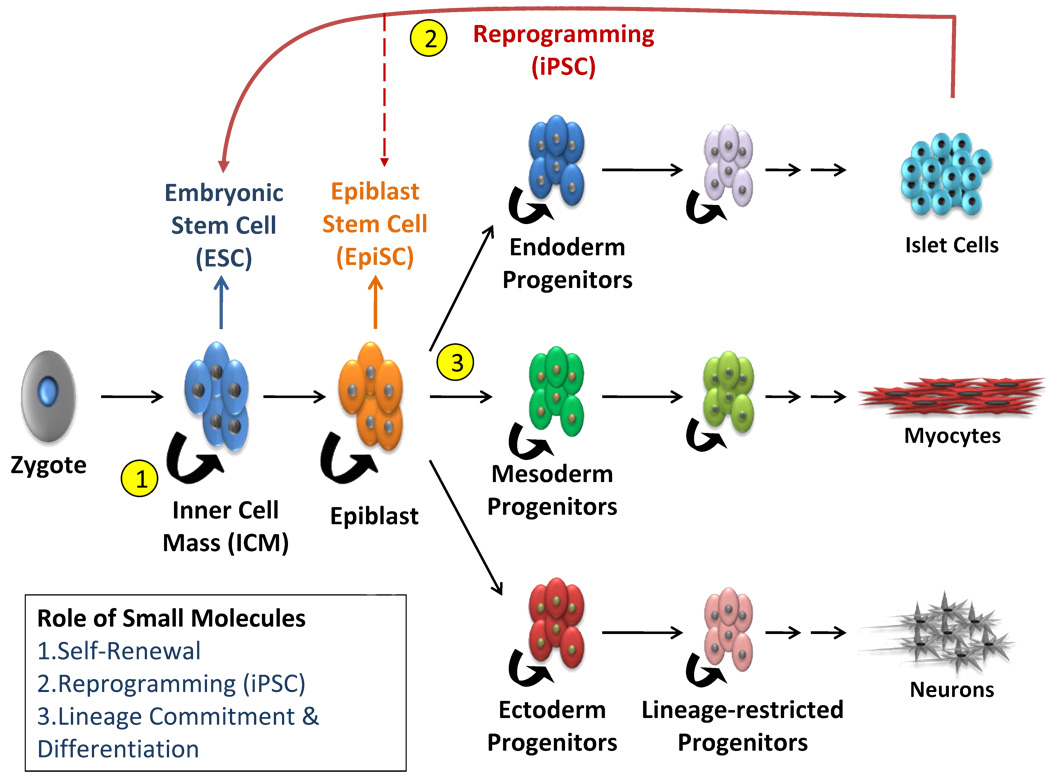
In early January 2025, MIT Tech Review unveiled its annual list of top 10 breakthrough technologies poised to redefine the future. Among these, stem cell therapy stood out for its potential to treat diverse diseases—including neurodegenerative disorders, diabetes, cancer, and heart failure. This groundbreaking approach uses stem cells to replace damaged cells, offering hope for millions worldwide.
Scientific Reviews
In early January 2025, MIT Tech Review unveiled its annual list of top 10 breakthrough technologies poised to redefine the future. Among these, stem cell therapy stood out for its potential to treat diverse diseases—including neurodegenerative disorders, diabetes, cancer, and heart failure. This groundbreaking approach uses stem cells to replace damaged cells, offering hope for millions worldwide. -
 Scientific Reviews
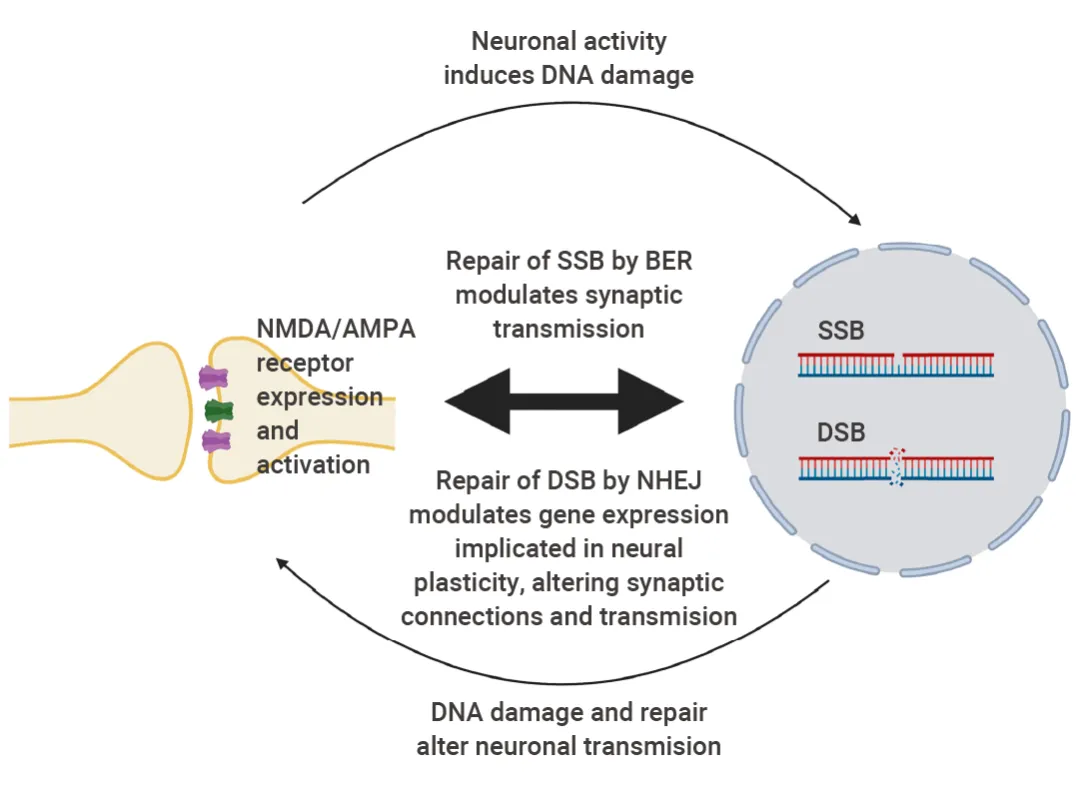
When you hear "inflammation" and "DNA damage," you might immediately think of disease or injury. However, in brains, these two processes are key steps in forming long-term memories, particularly related to specialized cells in our brain called hippocampal neurons.
Scientific Reviews
When you hear "inflammation" and "DNA damage," you might immediately think of disease or injury. However, in brains, these two processes are key steps in forming long-term memories, particularly related to specialized cells in our brain called hippocampal neurons. -
 Scientific Reviews
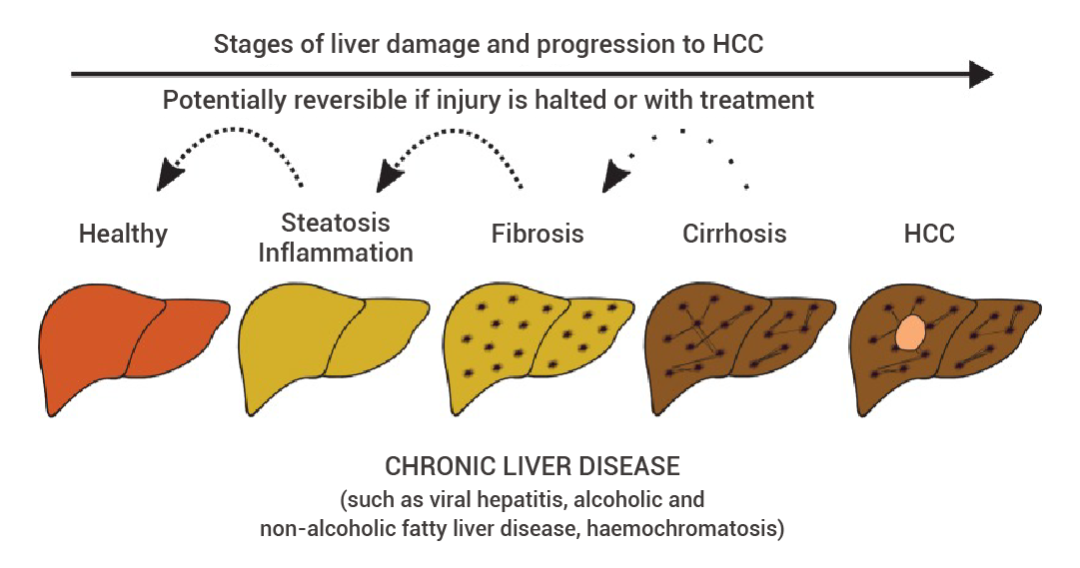
This article will tell you about the common methods of modeling liver disease in animal models.
Scientific Reviews
This article will tell you about the common methods of modeling liver disease in animal models. -
 Scientific Reviews
This article introduces some common cardiovascular disease models, inducers, modeling protocols and successful modeling cases in the research.
Scientific Reviews
This article introduces some common cardiovascular disease models, inducers, modeling protocols and successful modeling cases in the research. -
 Scientific Reviews
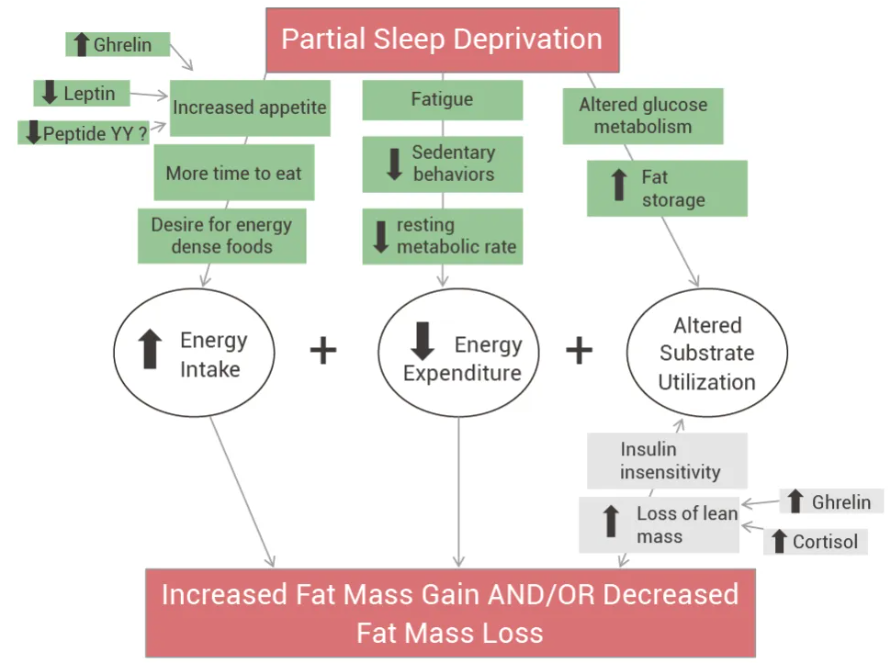
Have you ever noticed that after staying up late, your appetite—especially for high-calorie foods—gets out of control? If this sounds familiar, today’s article might offer some good news.
Scientific Reviews
Have you ever noticed that after staying up late, your appetite—especially for high-calorie foods—gets out of control? If this sounds familiar, today’s article might offer some good news. -
 Scientific Reviews
A groundbreaking study in Nature Communications reveals the key mechanism behind Idiopathic Pulmonary Fibrosis and identifies an existing drug with the potential to counter it.
Scientific Reviews
A groundbreaking study in Nature Communications reveals the key mechanism behind Idiopathic Pulmonary Fibrosis and identifies an existing drug with the potential to counter it. -
 Scientific Reviews
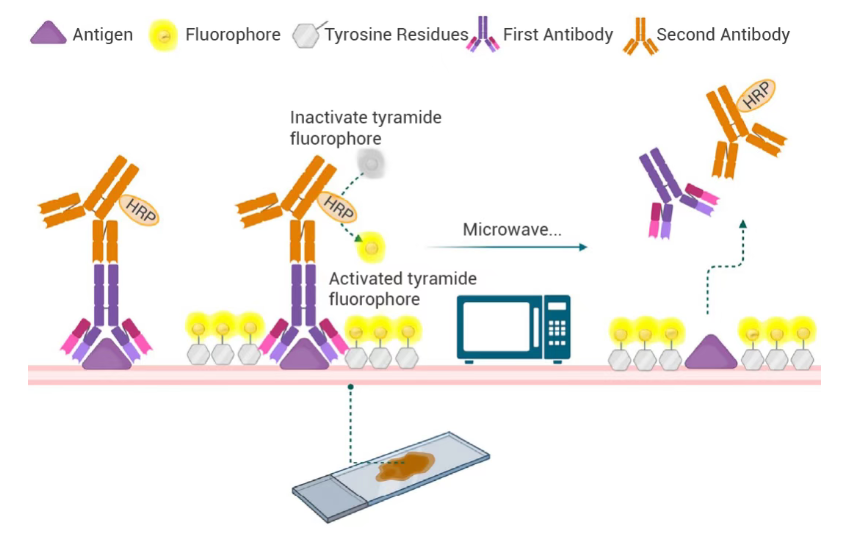
This detailed guide outlines the standardized experimental protocols for multiplex immunohistochemistry (mIHC), systematically summarizes common technical issues encountered during sample preparation, staining and imaging processes, and provides practical troubleshooting solutions to ensure reliable and reproducible results in biomedical research and clinical sample analysis.
Scientific Reviews
This detailed guide outlines the standardized experimental protocols for multiplex immunohistochemistry (mIHC), systematically summarizes common technical issues encountered during sample preparation, staining and imaging processes, and provides practical troubleshooting solutions to ensure reliable and reproducible results in biomedical research and clinical sample analysis. -
 Scientific Reviews
Finding adipogenic induction media too expensive and tricky to prepare? This comprehensive guide to 3T3-L1 adipogenic differentiation simplifies the process, helping you achieve great results!
Scientific Reviews
Finding adipogenic induction media too expensive and tricky to prepare? This comprehensive guide to 3T3-L1 adipogenic differentiation simplifies the process, helping you achieve great results! -
Scientific Reviews
Microglia– the only immune cells within the brain parenchyma. With advancements in imaging technologies, people’s understanding of microglia has shifted from being viewed as 'resting' cells to 'highly active' cells, particularly due to their dynamic processes that seem to be probing surrounding tissues and monitoring neuronal activity. This has made microglia a focal point of research in the field of neuroscience. -
 Scientific Reviews
Exosomes—natural nanoscale carriers—are revolutionizing targeted therapy. This article uncovers the science behind their precision in drug delivery.
Scientific Reviews
Exosomes—natural nanoscale carriers—are revolutionizing targeted therapy. This article uncovers the science behind their precision in drug delivery. -
 Scientific Reviews
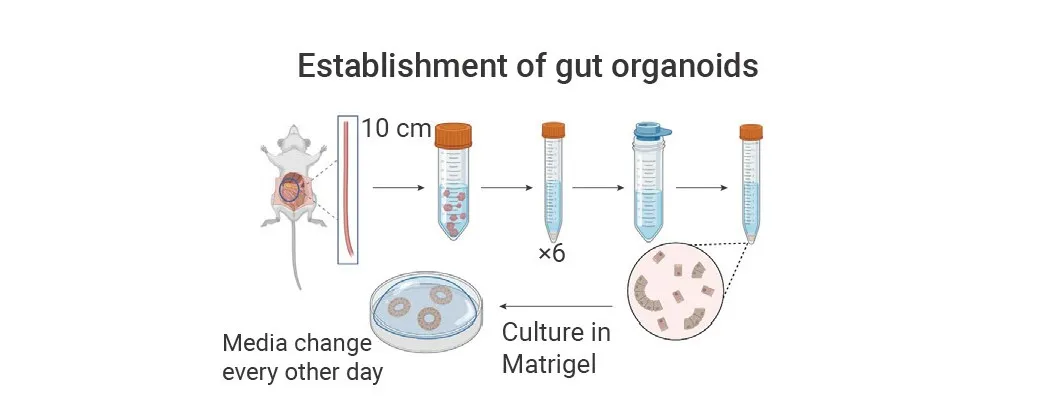
Efficient Generation of Mouse Small Intestinal Organoids: A Complete Experimental Protocol Guide
Scientific Reviews
Efficient Generation of Mouse Small Intestinal Organoids: A Complete Experimental Protocol Guide2025-12-10
How to successfully create mouse small intestine organoids? A detailed, hands-on guide to the entire process, all in one article! -
 Scientific Reviews
This paper elaborates on cytokines for culturing major immune cells, their regulatory roles, recombinant cytokines' merits and MCE’s related high-quality products.
Scientific Reviews
This paper elaborates on cytokines for culturing major immune cells, their regulatory roles, recombinant cytokines' merits and MCE’s related high-quality products. -
 Scientific Reviews
In the hunt for the next ‘GLP-1,’ amylin therapeutics, which have shown strong weight-loss results in clinical trials, have become a major focus for both multinational pharma and the scientific community.
Scientific Reviews
In the hunt for the next ‘GLP-1,’ amylin therapeutics, which have shown strong weight-loss results in clinical trials, have become a major focus for both multinational pharma and the scientific community. -
 Scientific Reviews
GLP-1 and Obesity Research
Scientific Reviews
GLP-1 and Obesity Research2026-08-14
Obesity substantially increases the risk of chronic diseases such as T2D and cardiovascular disease. The breakout success of GLP-1 therapies has spotlighted GLP-1R and a wave of emerging obesity targets. -
 EDM
Research Progress of Type-2-Diabetes
EDM
Research Progress of Type-2-Diabetes2025-07-09
This review comprehensively analyzes the pathophysiological mechanisms underlying T2D, surveys current therapeutic strategies, and introduces commonly used disease modeling approaches to support translational research. -
 EDM
This review provides an overview of GLP-1 biology and physiological functions, summarizes the development and clinical applications of GLP-1 receptor agonists, and discusses next-generation GLP-1–based therapeutic strategies.
EDM
This review provides an overview of GLP-1 biology and physiological functions, summarizes the development and clinical applications of GLP-1 receptor agonists, and discusses next-generation GLP-1–based therapeutic strategies. -
 EDM
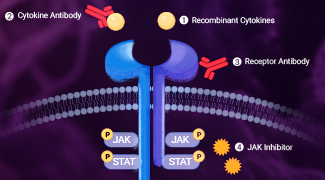
This review critically examines the role of the JAK-STAT pathway in immunity and autoimmune diseases, reviews current clinical applications of targeted therapies, and highlights emerging trends in autoimmune drug development.
EDM
This review critically examines the role of the JAK-STAT pathway in immunity and autoimmune diseases, reviews current clinical applications of targeted therapies, and highlights emerging trends in autoimmune drug development. -
 EDM
This review summarizes the mechanisms of DSS-induced colitis, commonly used modeling approaches, and key considerations related to DSS molecular weight.
EDM
This review summarizes the mechanisms of DSS-induced colitis, commonly used modeling approaches, and key considerations related to DSS molecular weight. -
 EDM
This review outlines macrophage functions and classification, and provides practical experimental guidelines for macrophage differentiation, polarization, and identification.
EDM
This review outlines macrophage functions and classification, and provides practical experimental guidelines for macrophage differentiation, polarization, and identification. -
 EDM
Explore next-generation obesity therapies from three perspectives: GLP-1-based multi-receptor agonists, oral GLP-1 strategies, and novel obesity targets.
EDM
Explore next-generation obesity therapies from three perspectives: GLP-1-based multi-receptor agonists, oral GLP-1 strategies, and novel obesity targets. -
 EDM
Review the mechanisms, mitochondrial regulation, disease relevance, and translational opportunities of the NLRP3–STING axis in neuroinflammation.
EDM
Review the mechanisms, mitochondrial regulation, disease relevance, and translational opportunities of the NLRP3–STING axis in neuroinflammation. -
 EDM
Explore the evolution from GLP-1 mono-agonists to multi-receptor therapeutics and the expanding role of incretin-based therapies in precision metabolic medicine.
EDM
Explore the evolution from GLP-1 mono-agonists to multi-receptor therapeutics and the expanding role of incretin-based therapies in precision metabolic medicine. -
 EDM
Explore the mechanisms driving immune tolerance breakdown in autoimmune diseases and emerging tolerance-restoring strategies, with a focus on IL-2-based immune modulation.
EDM
Explore the mechanisms driving immune tolerance breakdown in autoimmune diseases and emerging tolerance-restoring strategies, with a focus on IL-2-based immune modulation. -
 EDM
Evolution of PCSK9 Inhibitors Modalities: From Monoclonal Antibodies to Oral Macrocyclic Peptides
EDM
Evolution of PCSK9 Inhibitors Modalities: From Monoclonal Antibodies to Oral Macrocyclic Peptides2026-08-27
Review the biological basis of PCSK9, key therapeutic modalities, cardiovascular evidence, and future directions, including insights from the CORALreef clinical program. -
 EDM
Explore how mitochondrial quality control, inflammatory signaling, and metabolic–epigenetic reprogramming regulate cellular senescence and the SASP, along with strategies to restore mitochondrial homeostasis.
EDM
Explore how mitochondrial quality control, inflammatory signaling, and metabolic–epigenetic reprogramming regulate cellular senescence and the SASP, along with strategies to restore mitochondrial homeostasis. -
 Product Guides
Exosomes are nano-sized biovesicles released into surrounding body fluids after the fusion of multivesicular bodies with the plasma membrane. In this article, we will briefly introduce isolation, labeling and identification of exosomes. And the specific application of exosomes will also be mentioned.
Product Guides
Exosomes are nano-sized biovesicles released into surrounding body fluids after the fusion of multivesicular bodies with the plasma membrane. In this article, we will briefly introduce isolation, labeling and identification of exosomes. And the specific application of exosomes will also be mentioned. -
 Blog
HS-1371 is a Small Molecule RIP3 Inhibitor
Blog
HS-1371 is a Small Molecule RIP3 Inhibitor2019-04-09
HS-1371 is a novel kinase inhibitor of RIP3-mediated necroptosis, showing an inhibitory effect on S227 auto-phosphorylation of RIP3 at the basal level. -
 Blog
Nevanimibe is a selective and potent ACAT1 inhibitor. An excellent drug candidate in the treatment of adrenocortical cancer.
Blog
Nevanimibe is a selective and potent ACAT1 inhibitor. An excellent drug candidate in the treatment of adrenocortical cancer. -
 Blog
PRN1008 is a Reversible Covalent and Oral Active Inhibitor of Bruton’s Tyrosine Kinase (BTK)
Blog
PRN1008 is a Reversible Covalent and Oral Active Inhibitor of Bruton’s Tyrosine Kinase (BTK)2019-04-18
PRN1008 is a selective, reversible covalent and oral active inhibitor of Bruton’s Tyrosine Kinase (BTK), with an IC50 of 1.3 nM. -
 Blog
Multiple Tyrosine Kinases Inhibitor TAS-115
Blog
Multiple Tyrosine Kinases Inhibitor TAS-1152019-04-19
TAS-115 is a potent VEGFR and c-Met/HGFR-targeted kinase inhibitor with IC50s of 30 and 32 nM for rVEGFR2 and rMET, respectively. -
 Blog
TAK-828F is a potent, selective and orally active retinoic acid receptor-related orphan receptor γt (RORγt) inverse agonist. TAK-828F inhibits IL-17A cytokine expression and reduces symptoms of autoimmune encephalomyelitis mice.
Blog
TAK-828F is a potent, selective and orally active retinoic acid receptor-related orphan receptor γt (RORγt) inverse agonist. TAK-828F inhibits IL-17A cytokine expression and reduces symptoms of autoimmune encephalomyelitis mice. -
 Blog
BAY-8002 is a selective and orally active inhibitor of monocarboxylate transporter 1 (MCT1), with an IC50 of 85 nM. Has potential to treat lymphoma.
Blog
BAY-8002 is a selective and orally active inhibitor of monocarboxylate transporter 1 (MCT1), with an IC50 of 85 nM. Has potential to treat lymphoma. -
 Blog
GSK3145095 is a RIP1 kinase inhibitor with an IC50 of 6.3 nM. Potently blocks the TNF response and RIP1-dependent inflammatory cytokine MIP-1β production.
Blog
GSK3145095 is a RIP1 kinase inhibitor with an IC50 of 6.3 nM. Potently blocks the TNF response and RIP1-dependent inflammatory cytokine MIP-1β production. -
 Blog
Olutasidenib is a highly potent, selective inhibitor of mutant IDH1 that could be used in the treatment of AML or myelodysplastic syndrome (MDS).
Blog
Olutasidenib is a highly potent, selective inhibitor of mutant IDH1 that could be used in the treatment of AML or myelodysplastic syndrome (MDS). -
 Blog
JMS-17-2 is a CX3CR1 Antagonist
Blog
JMS-17-2 is a CX3CR1 Antagonist2019-06-12
JMS-17-2 is a potent and selective CX3CR1 antagonist with an IC50 of 0.32 nM. Has potential to treat cancers such as breast cancer. -
 Blog
BAY-11-7082 inhibits the proliferation and induces the apoptosis of U266 cells through inhibiting NF-κB pathway. BAY 11-7082 ameliorates experimental diabetic neuropathy by modulating neuroinflammation and improving antioxidant defence.
Blog
BAY-11-7082 inhibits the proliferation and induces the apoptosis of U266 cells through inhibiting NF-κB pathway. BAY 11-7082 ameliorates experimental diabetic neuropathy by modulating neuroinflammation and improving antioxidant defence. -
 Blog
S18-000003 is a potent, selective and orally active inhibitor of retinoic acid receptor-related orphan receptor-gamma-t (RORγt). S18-000003 ameliorates psoriasis-like lesions in vivo. S18-000003 can be used for the research of skin inflammatory diseases.
Blog
S18-000003 is a potent, selective and orally active inhibitor of retinoic acid receptor-related orphan receptor-gamma-t (RORγt). S18-000003 ameliorates psoriasis-like lesions in vivo. S18-000003 can be used for the research of skin inflammatory diseases. -
 Blog
PTC299 is a dual and orally active DHODH and VEGF inhibitor, has broad and potent activity against hematological cancer cells.
Blog
PTC299 is a dual and orally active DHODH and VEGF inhibitor, has broad and potent activity against hematological cancer cells. -
 Blog
TPCA-1, a Direct Dual Inhibitor of STAT3 and NF-κB, Regresses Mutant EGFR-Associated NSCLC
Blog
TPCA-1, a Direct Dual Inhibitor of STAT3 and NF-κB, Regresses Mutant EGFR-Associated NSCLC2019-07-15
TPCA-1 is a potent and selective inhibitor of IKK-2 with IC50 of 17.9 nM. TPCA-1 is an effective inhibitor of STAT3 phosphorylation, DNA binding. -
 Blog
LSN 3213128 is a selective, nonclassical, orally bioavailable antifolate with anti-cancer activity. LSN 3213128 potently and specifically inhibits AICARFT.
Blog
LSN 3213128 is a selective, nonclassical, orally bioavailable antifolate with anti-cancer activity. LSN 3213128 potently and specifically inhibits AICARFT. -
 Blog
NXT629 is a potent, selective, and competitive PPAR-α antagonist and shows high selectivity over other nuclear hormone receptor.
Blog
NXT629 is a potent, selective, and competitive PPAR-α antagonist and shows high selectivity over other nuclear hormone receptor. -
 Blog
BI-4924 is a Selective PHGDH Inhibitor
Blog
BI-4924 is a Selective PHGDH Inhibitor2019-08-23
BI-4924 is a lipophilic and highly plasma protein bound selective phosphoglycerate dehydrogenase (PHGDH) inhibitor (IC50=3 nM) with excellent microsomal. -
 Blog
FT113 is a potent and orally active fatty acid synthase inhibitor, with an IC50 of 213 nM for full-length recombinant human FAS, with anti-tumor activity.
Blog
FT113 is a potent and orally active fatty acid synthase inhibitor, with an IC50 of 213 nM for full-length recombinant human FAS, with anti-tumor activity. -
 Blog
UPGL00004 is a allosteric glutaminase C inhibitor which strongly inhibits the proliferation of highly aggressive triple-negative breast cancer cell lines.
Blog
UPGL00004 is a allosteric glutaminase C inhibitor which strongly inhibits the proliferation of highly aggressive triple-negative breast cancer cell lines. -
 Blog
IDH889 is an orally available, brain penetrant, allosteric and mutant specific inhibitor of isocitrate dehydrogenase 1 (IDH1) R132 mutations.
Blog
IDH889 is an orally available, brain penetrant, allosteric and mutant specific inhibitor of isocitrate dehydrogenase 1 (IDH1) R132 mutations. -
 Blog
BI-167107 is a high affinity, full agonist that binds to the β2 adrenergic receptor (β2AR) with a dissociation constant Kd of 84 pM.
Blog
BI-167107 is a high affinity, full agonist that binds to the β2 adrenergic receptor (β2AR) with a dissociation constant Kd of 84 pM. -
 Blog
TVB-3166 is an orally-available, reversible, and selective FASN inhibitor and it induces apoptosis, and inhibits in-vivo xenograft tumor growth.
Blog
TVB-3166 is an orally-available, reversible, and selective FASN inhibitor and it induces apoptosis, and inhibits in-vivo xenograft tumor growth. -
 Blog
ASLAN003 is an orally active and potent inhibitor of hDHODH with antitumor activity, and it has the potential to be a first-in-class drug candidate in AML.
Blog
ASLAN003 is an orally active and potent inhibitor of hDHODH with antitumor activity, and it has the potential to be a first-in-class drug candidate in AML. -
 Blog
DS18561882 is a highly potent, sozyme-selective methylenetetrahydrofolate dehydrogenase 2 (MTHFD2) inhibitor with a good oral pharmacokinetic profile.
Blog
DS18561882 is a highly potent, sozyme-selective methylenetetrahydrofolate dehydrogenase 2 (MTHFD2) inhibitor with a good oral pharmacokinetic profile. -
 Blog
GNE-618 is a Orally Active NAMPT Inhibitor
Blog
GNE-618 is a Orally Active NAMPT Inhibitor2019-11-28
GNE-618 is an orally active NAMPT inhibitor and reduces tumor growth. GNE-618 depletes NAD levels and induces tumor cell death. -
 Blog
Telaglenastat is a first-in-class, reversible, orally bioavailable glutaminase 1 splice variants (KGA and GAC) inhibitor. It shows antitumor activity.
Blog
Telaglenastat is a first-in-class, reversible, orally bioavailable glutaminase 1 splice variants (KGA and GAC) inhibitor. It shows antitumor activity. -
 Blog
UK 356618 is a Selective MMP-3 Inhibitor
Blog
UK 356618 is a Selective MMP-3 Inhibitor2019-12-25
UK 356618 is a selective and potent inhibitor of MMP-3. UK 356618 exhibits potent anti-inflammatory and anti-cancer activity. -
 Blog
CH6953755 is a potent, orally active and selective YES1 kinase inhibitor leading to antitumor activity against YES1 Gene -amplified cancers.
Blog
CH6953755 is a potent, orally active and selective YES1 kinase inhibitor leading to antitumor activity against YES1 Gene -amplified cancers. -
 Blog
CA-4948 is a Selective and Orally Bioavailable IRAK4 Kinase Inhibitor for Lymphoma Treatment
Blog
CA-4948 is a Selective and Orally Bioavailable IRAK4 Kinase Inhibitor for Lymphoma Treatment2020-01-05
CA-4948 is a potent, selective and orally bioavailable IRAK4 kinase inhibitor. CA-4948 can be used for the treatment of lymphoma. -
 Blog
GPP78 is a potent Nampt inhibitor. GPP78 is cytotoxic to neuroblastoma cell line SH-SY5Y cells. GPP78 has anti-cancer and anti-tumor activity.
Blog
GPP78 is a potent Nampt inhibitor. GPP78 is cytotoxic to neuroblastoma cell line SH-SY5Y cells. GPP78 has anti-cancer and anti-tumor activity. -
 Blog
BRD7389 is a specific RSK family kinase inhibitor and is a small-molecule inducer of insulin expression in pancreatic α-cells.
Blog
BRD7389 is a specific RSK family kinase inhibitor and is a small-molecule inducer of insulin expression in pancreatic α-cells. -
 Blog
BAY-985 is an orally active and selective ATP-competitive dual inhibitor of TBK1 and IKKε with IC50s of 2/30 and 2 nM for TBK1 and IKKε, respectively.
Blog
BAY-985 is an orally active and selective ATP-competitive dual inhibitor of TBK1 and IKKε with IC50s of 2/30 and 2 nM for TBK1 and IKKε, respectively. -
 Blog
ADH-503 is an orally active and allosteric CD11b agonist and leads to the repolarization of tumor-associated macrophages.
Blog
ADH-503 is an orally active and allosteric CD11b agonist and leads to the repolarization of tumor-associated macrophages. -
 Blog
CM10 is a potent and selective aldehyde dehydrogenase 1A family inhibitor and regulates metabolism and has anti-cancer activity.
Blog
CM10 is a potent and selective aldehyde dehydrogenase 1A family inhibitor and regulates metabolism and has anti-cancer activity. -
 Blog
DC-5163 is a potent GAPDH inhibitor, can inhibit glycolysis pathway partially. DC-5163 selectively inhibits cancer cell proliferation and induces apoptosis.
Blog
DC-5163 is a potent GAPDH inhibitor, can inhibit glycolysis pathway partially. DC-5163 selectively inhibits cancer cell proliferation and induces apoptosis. -
 Blog
OT-82 is a selective inhibitor of NAMPT. Selectively toxic to cells of hematopoietic origin. OT-82 is a promising antineoplastic agent.
Blog
OT-82 is a selective inhibitor of NAMPT. Selectively toxic to cells of hematopoietic origin. OT-82 is a promising antineoplastic agent. -
 Blog
TNP-351, an Antifolate, is a Dihydrofolate Reductase (DHFR) Inhibitor. Antifolates serve medical science well in neoplastic and non-neoplastic diseases.
Blog
TNP-351, an Antifolate, is a Dihydrofolate Reductase (DHFR) Inhibitor. Antifolates serve medical science well in neoplastic and non-neoplastic diseases. -
 Blog
GSK143 is an orally active and highly selective spleen tyrosine kinase (SYK) inhibitor. GSK143 reduces inflammation in the intestinal muscularis in mice.
Blog
GSK143 is an orally active and highly selective spleen tyrosine kinase (SYK) inhibitor. GSK143 reduces inflammation in the intestinal muscularis in mice. -
 Blog
JX06 is a potent, selective and covalent inhibitor of PDK via covalently binding to a cysteine residue in an irreversible manner.
Blog
JX06 is a potent, selective and covalent inhibitor of PDK via covalently binding to a cysteine residue in an irreversible manner. -
 Blog
IPI-9119 is an orally active, selective and irreversible FASN inhibitor with potent anti-cancer activity. IPI-9119 induces cell cycle arrest, apoptosis.
Blog
IPI-9119 is an orally active, selective and irreversible FASN inhibitor with potent anti-cancer activity. IPI-9119 induces cell cycle arrest, apoptosis. -
 Blog
CAY10404 is a potent and highly selective COX-2 inhibitor. CAY10404 is a potent inhibitor of PKB/Akt and MAPK signalling pathways.
Blog
CAY10404 is a potent and highly selective COX-2 inhibitor. CAY10404 is a potent inhibitor of PKB/Akt and MAPK signalling pathways. -
 Blog
BMS-P5 is an Orally Active PAD4 Inhibitor
Blog
BMS-P5 is an Orally Active PAD4 Inhibitor2020-12-12
BMS-P5 is an orally active PAD4 inhibitor. BMS-P5 blocks MM-induced NET formation and delays progression of MM in a syngeneic mouse model -
 Blog
ML132, a potent and selective caspase 1 inhibitor with a unique selectivity pattern, is responsible for the proteolytic activation of IL-1β and IL-18.
Blog
ML132, a potent and selective caspase 1 inhibitor with a unique selectivity pattern, is responsible for the proteolytic activation of IL-1β and IL-18. -
 Blog
CTPI-2 is a SLC25A1 inhibitor. CTPI-2 inhibits glycolysis, PPARγ, and its downstream target the glucose transporter GLUT4. Antitumor activity.
Blog
CTPI-2 is a SLC25A1 inhibitor. CTPI-2 inhibits glycolysis, PPARγ, and its downstream target the glucose transporter GLUT4. Antitumor activity. -
 Blog
BI99179 is a Selective Type I FASN Inhibitor
Blog
BI99179 is a Selective Type I FASN Inhibitor2021-01-28
FASN is a key enzyme for lipogenesis and highly expressed in lipogenic tissues. BI99179 is a Selective Type I FASN Inhibitor. -
 Blog
Fasentin inhibits GLUT-1 and GLUT-4 transporters. Fasentin blocks glucose uptake in cancer cell lines and has anti-angiogenic activity.
Blog
Fasentin inhibits GLUT-1 and GLUT-4 transporters. Fasentin blocks glucose uptake in cancer cell lines and has anti-angiogenic activity. -
 Blog
ML390 is a Potent DHODH Inhibitor
Blog
ML390 is a Potent DHODH Inhibitor2021-02-24
ML390 is a potent dihydroorotate dehydrogenase (DHODH) inhibitor and is an inducer of myeloid differentiation. -
 Blog
CC-90001 is a potent, selective, and orally active inhibitor of JNK. CC-90001 can be used for the research of idiopathic pulmonary fibrosis (IPF).
Blog
CC-90001 is a potent, selective, and orally active inhibitor of JNK. CC-90001 can be used for the research of idiopathic pulmonary fibrosis (IPF). -
 Blog
SB-332235 is a potent, orally active nonpeptide CXCR2 antagonist. SB-332235 inhibits acute and chronic models of arthritis in the rabbit.
Blog
SB-332235 is a potent, orally active nonpeptide CXCR2 antagonist. SB-332235 inhibits acute and chronic models of arthritis in the rabbit. -
 Blog
Vorasidenib is an orally available, brain penetrant second-generation dual mutant isocitrate dehydrogenases 1 and 2 (mIDH1/2) inhibitor.
Blog
Vorasidenib is an orally available, brain penetrant second-generation dual mutant isocitrate dehydrogenases 1 and 2 (mIDH1/2) inhibitor. -
 Blog
Lumiracoxib is a COX-2 inhibitor. Lumiracoxib acts as nonselective NSAID with anti-inflammatory, analgesic and antipyretic activities.
Blog
Lumiracoxib is a COX-2 inhibitor. Lumiracoxib acts as nonselective NSAID with anti-inflammatory, analgesic and antipyretic activities. -
 Blog
Ruxolitinib is a potent and selective JAK1/2 inhibitor and has 130-fold selectivity for JAK1/2 over JAK3. Ruxolitinib induces autophagy.
Blog
Ruxolitinib is a potent and selective JAK1/2 inhibitor and has 130-fold selectivity for JAK1/2 over JAK3. Ruxolitinib induces autophagy. -
 Blog
IMD-0354 is a Selective IKKβ Inhibitor
Blog
IMD-0354 is a Selective IKKβ Inhibitor2021-11-09
IMD-0354 is a selective IKKβ inhibitor and potently inhibits NF-κB activity. IMD0354 has antitumor activity. -
 Blog
Lonidamine, an antitumor agent and an indazole derivative, interferes with energy-yielding processes in cancer cells.
Blog
Lonidamine, an antitumor agent and an indazole derivative, interferes with energy-yielding processes in cancer cells. -
 Blog
CL097 is a TLR7/8 agonist. CL097 induces pro-nflammatory cytokines. CL097 induces NADPH oxidase priming and efficient diabetogenic cytotoxic T lymphocyte (CTL) function in NOD mice.
Blog
CL097 is a TLR7/8 agonist. CL097 induces pro-nflammatory cytokines. CL097 induces NADPH oxidase priming and efficient diabetogenic cytotoxic T lymphocyte (CTL) function in NOD mice. -
 Blog
Zingerone is a natural orally active nontoxic methoxyphenol potent anti-inflammatory, antidiabetic, antioxidize, and anti-tumor properties.
Blog
Zingerone is a natural orally active nontoxic methoxyphenol potent anti-inflammatory, antidiabetic, antioxidize, and anti-tumor properties. -
 Blog
BM213 is a selective C5aR1 agonist. It’s a useful research tool to study C5aR1 function
Blog
BM213 is a selective C5aR1 agonist. It’s a useful research tool to study C5aR1 function -
 Blog
Pelecopan is a potent, selective, and orally active complement factor D inhibitor, possessing the potential to study paroxysmal nocturnal hemoglobinuria (PNH).
Blog
Pelecopan is a potent, selective, and orally active complement factor D inhibitor, possessing the potential to study paroxysmal nocturnal hemoglobinuria (PNH). -
 Blog
Etrolizumab is a Gut-selective, Anti-β7 Integrin McAb for Inflammatory Bowel Disease (IBD) Research
Blog
Etrolizumab is a Gut-selective, Anti-β7 Integrin McAb for Inflammatory Bowel Disease (IBD) Research2022-11-05
Etrolizumab is a gut-selective, anti-β7 integrin monoclonal antibody and has the potential for the research of inflammatory bowel disease. -
 Blog
STF-31 is a potent ans selective inhibitor of GLUT1 that inhibit glucose uptake in renal cell carcinoma (RCC) 4 cells.
Blog
STF-31 is a potent ans selective inhibitor of GLUT1 that inhibit glucose uptake in renal cell carcinoma (RCC) 4 cells. -
 Blog
Olutasidenib (FT-2102) is an orally active, brain penetrant inhibitor of mutant IDH1. Olutasidenib is used for AML or MDS Research.
Blog
Olutasidenib (FT-2102) is an orally active, brain penetrant inhibitor of mutant IDH1. Olutasidenib is used for AML or MDS Research. -
 Blog
Talotrexin (PT523), a classic antifolate, is an RFC (reduced folate carrier) specific inhibitor and selectively inhibits RFC transport.
Blog
Talotrexin (PT523), a classic antifolate, is an RFC (reduced folate carrier) specific inhibitor and selectively inhibits RFC transport. -
 Blog
Ruxolitinib is an orally-active JAK1/2 inhibitor. Ruxolitinib has the potential for the research of myeloproliferative neoplasm (MPN).
Blog
Ruxolitinib is an orally-active JAK1/2 inhibitor. Ruxolitinib has the potential for the research of myeloproliferative neoplasm (MPN).
Products
All
-
All
-
Inhibitors & Agonists
-
Isotope-Labeled Compounds
-
Fluorescent Dye
-
Peptides
-
Recombinant Proteins
-
Antibodies
-
Screening Libraries
-
Kits
-
Inhibitory Antibodies
-
Reference Standards
-
GMP Small Molecules
-
Biochemical Assay Reagents
-
Natural Products
| Cat. No. | Product Name | Information | Application | Publication |
|---|---|---|---|---|
| HY-L036 | Covalent Screening Library |
Small molecule covalent inhibitors, or irreversible inhibitors, are a type of inhibitors that exert their biological functions by irreversibly binding to target through covalent bonds. Compared with non-covalent inhibitors, covalent inhibitors have obvious advantages in bioactivity, such that covalent warheads can target rare residues of a particular target protein, thus leading to the development of highly selective inhibitors and achieving a more complete and continued target occupancy in living systems. In recent years, the distinct strengths of covalent inhibitors in overcoming drug resistance had been recognized. However, toxicity can be a real challenge related to this class of therapeutics due to their potential for off-target reactivity and has led to these drugs being disfavored as a drug class. The drug design and optimization of covalent inhibitors has become a hot spot in drug discovery.
MCE covalent inhibitor library contains 1,618 small molecules including identified covalent inhibitors and other bioactive molecules having common covalent reactive groups as warheads, such as acrylamides, activated terminal acetylenes, Sulfonyl fluorides/esters, cloracetamides, alkyl halides, epoxides, aziridines, disulfides, etc.
|
|
87
|
| HY-L059 | Pyroptosis Compound Library |
Programmed cell death pathways, including apoptosis, pyroptosis and necroptosis, are regulated by unique sets of host proteins that coordinate a variety of biological outcomes. Pyroptosis is a highly inflammatory form of programmed cell death that occurs most frequently upon infection with intracellular pathogens and is likely to form part of the antimicrobial response. This process promotes the rapid clearance of various bacterial, viral, fungal and protozoan infections by removing intracellular replication niches and enhancing the host's defensive responses. Pyroptosis has been widely studied in inflammatory and infection disease models. Recently, there are growing evidences that pyroptosis also plays an important role in the development of cancer, cardiovascular diseases and Metabolic disorder, etc.
MCE designs a unique collection of 2,034 pyroptosis-related compounds mainly focusing on the key targets in the pyroptosis signaling pathway and can be used in the research of pyroptosis signal pathway and related diseases.
|
|
84
|
| HY-L146 | Metabolic Enzyme Compound Library |
Metabolism is the set of life-sustaining chemical reactions in organisms that maintain cell homeostasis. Metabolic pathways are enzyme-mediated biochemical reactions that lead to biosynthesis (anabolism) or breakdown (catabolism) of molecules including glucose metabolism, lipid metabolism and amino acid or protein metabolism within a cell or tissue. As catalysts, enzymes are crucial to metabolism as they allow a reaction to proceed more rapidly and tregulate the rate of a metabolic reaction. Due to the importance of metabolic balance in the organism, the abnormal function of metabolic enzymes often leads to the occurrence of a variety of metabolic diseases, such as diabetes, obesity, cardiovascular disease, etc.
MCE designs a unique collection of 4,407 metabolic enzymes related small molecules, which is an important tool for studying the metabolic activities of organisms and developing drugs for metabolic diseases.
|
|
84
|
| HY-L034M | Anti-Aging Compound Library Mini |
Research has shown that drugs targeting aging pathways demonstrate promising potential in models of age-related diseases such as Alzheimer's disease, cardiovascular diseases, metabolic syndrome, osteoarthritis, and various malignancies. This suggests that intervening in the biological processes of aging may enable synergistic prevention and treatment of multiple chronic diseases. Against the backdrop of the gradual elucidation of core aging mechanisms-including cellular senescence, telomere attrition, epigenetic dysregulation, and chronic inflammation anti-aging research has shifted from traditional phenotypic interventions toward targeting key pathways that regulate biological age.
The MCE Anti-Aging Compound Library Mini is precisely built upon this cutting-edge concept. It focuses on aging-related targets validated through genetic or functional studies, comprising 381 compounds designed to provide systematic research tools for aging biology and intervention strategy development. The library covers core mechanisms such as mTOR, SIRT, energy metabolism, clearance of senescent cells, optimization of mitochondrial function, and telomere maintenance. For each target, 1-5 compounds with clear activity and strong representativeness have been carefully selected, spanning the entire translational spectrum from preclinical tool molecules to clinically investigational drugs.
|
|
83
|
| HY-L036P | Covalent Screening Library Plus |
Small molecule covalent inhibitors, or irreversible inhibitors, are a type of inhibitors that exert their biological functions by irreversibly binding to target through covalent bonds. Compared with non-covalent inhibitors, covalent inhibitors have obvious advantages in bioactivity, such that covalent warheads can target rare residues of a particular target protein, thus leading to the development of highly selective inhibitors and achieving a more complete and continued target occupancy in living systems. In recent years, the distinct strengths of covalent inhibitors in overcoming drug resistance had been recognized. However, toxicity can be a real challenge related to this class of therapeutics due to their potential for off-target reactivity and has led to these drugs being disfavored as a drug class. The drug design and optimization of covalent inhibitors has become a hot spot in drug discovery.
MCE covalent inhibitor library contains 6,121 small molecules including identified covalent inhibitors and other molecules having common covalent reactive groups as warheads, such as acrylamides, activated terminal acetylenes, sulfonyl fluorides/esters, cloracetamides, alkyl halides, epoxides, aziridines, disulfides, etc.
MCE Covalent inhibitor Library plus, with more powerful screening capability, further complement Covalent inhibitor Library (HY-L036) by adding some fragment compounds with covalent warheads.
|
|
83
|
| HY-L072 | Exosomes Compound Library |
Exosomes are small membrane vesicles of endocytic origin that are secreted by most cells in culture. Exosomes contain nucleic acids, proteins, lipids, amino acids, and metabolites, etc. Their diverse constituents can reflect their cell of origin. Exosomes are associated with immune responses, viral pathogenicity, pregnancy, cardiovascular diseases, central nervous system-related diseases, and cancer progression. Proteins, metabolites, and nucleic acids delivered by exosomes into recipient cells effectively alter their biological response. Such exosome-mediated responses can be disease promoting or restraining.
The biology of exosomes in disease is still emerging, and the number of studies addressing their utility in the diagnosis and treatment of various pathologies has increased substantially. MCE supplies a unique collection of 58 compounds with the activity of inhibiting or stimulating exsomes secretion/biosynthesis. MCE Exosomes Compound Library is a useful tool for exsomes research.
|
|
83
|
| HY-L087 | Anti-Obesity Compound Library |
Obesity is widely recognized as the largest and fastest growing public health problem and is associated with numerous chronic disorders including osteoarthritis, obstructive sleep apnea, gallstones, fatty liver disease, reproductive and gastrointestinal cancers, dyslipidemia, hypertension, type 2 diabetes, heart failure, coronary artery disease, stroke, etc. Although obesity has long been associated with serious health issues, it has only recently been regarded as a disease in the sense of being a specific target for medical therapy. Obesity may be viewed as the dysregulation of two physiological functions, appetite regulation and energy metabolism, which combine to create disordered energy balance. Consequently, developing obesity treatments that target novel pathways is a growing focus for both biopharmaceutical industries.
MCE Anti-Obesity Compound Library owns a unique collection of 3,741 compounds, which mainly target signaling pathway of controlling appetite, fatty acid metabolism and energy expenditure, etc. This library is a useful tool for discovery anti-obesity drugs.
|
|
83
|
| HY-L110 | Cyclic Peptide Library |
Cyclic peptides are polypeptide chains taking cyclic ring structure, which exhibit diverse biological activities, such as antibacterial activity, immunosuppressive activity and anti-tumor activity. Cyclic peptides, with the features of good binding affinity, target selectivity and low toxicity, show great success as therapeutics. Multiple cyclic peptides are currently in clinical use, for examples, gramicidin and tyrocidine with bactericidal activity, cyclosporin A with immunosuppressive activity, and vancomycin with antibacterial activity. Furthermore, cyclic peptides usually have the sufficient size and a balanced conformational flexibility/rigidity for binding to flat protein-protein interaction (PPI) interfaces, which have potential to develop PPI drugs.
MCE offers a unique collection of 100 cyclic peptides, all of which have good bioactivities. MCE Cyclic Peptide Library is a powerful tool for drug discovery and PPI inhibitor screening.
|
|
83
|
| HY-L138 | Heterocyclic Compound Library |
Heterocyclic compounds are cyclic organic compounds which contain at least one hetero atom, the most common heteroatoms are nitrogen, oxygen ,and sulfur. Heterocycles are common in biology, featuring a wide range of structures from enzyme co-factors to amino acids and proteins. On the one hand, heterocycles are common structural units in approved drugs and in medicinal chemistry targets in the drug discovery process. In addition, heterocycles have been found as a key structure in medical chemistry and also they are frequently found in large percent of biomolecules such as vitamins, natural products ,and biologically active compounds including antifungal, anti-inflammatory, antibacterial, antioxidant, antiallergic, anti-HIV, antidiabetic, anticancer activity.
MCE offers a unique collection of 6,553 heterocyclic compounds which can be used for drug discovery for high throughput screening (HTS) and high content screening (HCS). MCE heterocyclic compound library is critical for drug discovery and development.
|
|
83
|
| HY-L179 | Radiosensitizer Library |
Radiotherapy is a common treatment for various cancers, and more than 50% of cancer patients require radiotherapy during the disease treatment. With advances in radiation technology and a better understanding of tumor biology, the efficacy of radiation therapy has gradually improved, and more and more patients have benefited from it. However, even with the use of advanced radiotherapy techniques, there are still many malignant tumor cells with low sensitivity to radiation, leading to the radiation effect is not ideal. To solve this problem, radiosensitizers have received more and more attention. Radiosensitizer is a kind of drug that can enhance the radiosensitivity of tumor cells and improve the effect of radiotherapy. Radiation sensitizers act in a variety of ways, such as killing hypoxic cells, enhancing DNA damage, inhibiting DNA damage repair, and blocking cell cycle progression, making tumor cells more susceptible to radiation damage and death than surrounding normal cells.
MCE designs a unique collection of 39 compounds with definite reported radiosensitization. It can be used for drug combination research in anti-cancer treatment.
|
|
83
|
| HY-L183 | Pesticide Compound Library |
Pesticide is a single substance or mixture that can be used to prevent, mitigate, iminate pests or as a plant conditioner, defoliant or desiccant. In recent years, scientists have proposed the concept of "Molecules to Ecosystems", bringing the concept of molecular biology to understand the impact of pesticides, degradation and relationship with the environment or organisms. MCE integrates effective compounds approved as pesticides by agencies such as the Environmental Protection Agency (EPA), China Pesticide Information Network and some insecticidal compounds with potential for agricultural applications.
MCE can provide a library of 531 pesticide compounds that are tool compounds for relevant research.
|
|
83
|
| HY-L189 | Amino Acid Metabolism Compound Library |
Amino acids, as one of the most fundamental organic compounds in living organisms, serve not only as the basic building blocks of proteins but also but also undertake the functions of energy supply, neurotransmitter synthesis, and maintenance of internal environment stability.Amino acid metabolic enzymes are a class of enzymes involved in the metabolic processes of amino acids, catalyzing their synthesis, breakdown, transformation, and interactions with other metabolic pathways. Abnormalities in amino acid metabolic enzymes can lead to various metabolic diseases, such as phenylketonuria and hyperammonemia, etc. Therefore, actively exploring and regulating the processes of amino acid metabolism is crucial for the development of drugs related to these diseases.
MCE designs a unique collection of 352 small molecules target amino acid metabolizing enzymes, which is an important tool for studying studying amino acid metabolism processes or metabolism-related drug development.
|
|
83
|
| HY-L199 | Non-Alcoholic Fatty Liver Disease (NAFLD) Compound Library |
Non-alcoholic fatty liver disease (NAFLD) is one of the most common liver diseases worldwide and is the primary liver manifestation of metabolic syndrome. The growth of NAFLD has coincided with the obesity epidemic. NAFLD is composed of excess lipid accumulation in the liver, causing steatotoxicity, and shows a wide range of histopathological abnormalities. NAFLD may progress from simple steatosis to Non-alcoholic steatohepatitis (NASH) with or without fibrosis (NASH), and eventually to cirrhosis and hepatocellular carcinoma. To date, very few drugs have been approved for marketing specifically for the treatment of NAFLD, so increased efforts to develop NAFLD drugs are necessary.
MCE designs a unique collection of 5,024 small molecules with definite or potential anti-NAFLD activity, which is an important tool for studying the pathological mechanism of NAFLD and developing drugs for NAFLD.
|
|
83
|
| HY-L204 | Lactic Acid Metabolic Compound Library |
Lactic acid metabolism is one of the key metabolic pathways within living organisms. It plays a crucial role not only in cellular energy conversion but is also closely related to a variety of physiological and pathological processes. The production and clearance of lactic acid are important indicators of cellular metabolic balance, and its abnormal regulation may lead to conditions such as lactic acidosis, muscle fatigue, and hereditary metabolic diseases. Moreover, lactic acid is closely related to the malignancy of tumors and is considered a biomarker for malignant tumors and poor prognosis. Lactic acid can serve as a metabolic substrate to support the metabolic needs of tumor cells under hypoxic conditions, and it can also cause acidification of the tumor microenvironment, suppress immune cell function to promote immune evasion, and induce drug resistance in tumor cells. Currently, targeting lactic acid-lactylation and its related metabolic pathways has become a new research avenue for cancer treatment. In-depth exploration of the molecular mechanisms of lactic acid metabolism can help in screening lead compounds that regulate the lactic acid metabolism.
MCE contains 582 small molecule compounds targeting enzymes involved in lactic acid metabolism. This library is of significant value for researching the role of lactate metabolism in the mechanisms of diseases.
|
|
83
|
| HY-L208 | Bile Acids Library |
Bile acids are a class of amphiphilic molecules derived from the metabolic breakdown of cholesterol, primarily synthesized in the liver, and play a crucial role in the intestines. Based on their structural characteristics, bile acids are mainly divided into two categories: free bile acids (including Cholic acid, Deoxycholic acid, Chenodeoxycholic acid) and conjugated bile acids (including Glycocholic acid, Glycochenodeoxycholic acid, Taurocholic acid, etc.). Bile acids play a significant role in the pathophysiological research of liver and gastrointestinal diseases and are closely associated with the occurrence of metabolic diseases such as obesity, type II diabetes, non-alcoholic fatty liver disease, and atherosclerosis. Bile acids maintain metabolic balance within the body by regulating sugar metabolism, lipid metabolism, and amino acid metabolism, and they influence the activity of metabolism-related enzymes and transporters. In addition, Bile acids can also be used to construct a bile acid metabolism research platform, which helps to delve into the metabolic pathways and dynamic changes of bile acids in living organisms and aids in identifying new biomarkers for certain diseases.
MCE included 62 bile acids, including Cholic acid, Deoxycholic acid, Glycocholic acid, etc., which are effective tools for the study of liver and gallbladder diseases.
|
|
83
|
| HY-L211 | Human Hormone Compound Library |
Hormones are a class of biologically active substances secreted by endocrine gland cells, which are transported through the circulatory system to various parts of the body, and precisely act on specific target organs or cells, playing a crucial role in regulating the growth, development, metabolism, and reproduction of organisms. The mechanisms of hormone action are diverse and complex. Some hormones (such as corticosteroids, vitamin D, and thyroid hormones) can enter the cell interior and interact with receptors in the nucleus, thereby regulating gene expression and affecting cell function. Other hormones (such as growth hormone and thyrotropin-releasing hormone) bind directly to receptors on the cell surface, exerting their effects by regulating enzyme activity or influencing the state of ion channels. Additionally, hormones play a key role in the study of endocrine and metabolic diseases, and are closely related to the development of diseases such as diabetes and thyroid diseases.
MCE has included 86 human hormone compounds, which is of great significance for the study of human metabolic pathways, and can also be used to build a metabonomics database.
|
|
83
|
| HY-L217 | Mouse Metabolite Compound Library |
Metabolic abnormalities lead to dysfunction of metabolic pathways and the accumulation or lack of metabolites, which are recognized hallmarks of the disease. The metabolite signature is closely related to the disease phenotype and is very useful for predicting the diagnosis and prognosis of the disease as well as monitoring treatment. Metabolites can be used as disease markers for diagnostic therapy. As the classic model of disease experiment in vivo, mice metabolites also play a role in disease diagnosis and mechanism research.
MCE provides 330 mouse metabolites that can be used in disease research.
|
|
83
|
| HY-L220 | Biotoxin Library |
Biotoxins, also referred to as natural toxins, are chemical substances produced by plants, animals, or microorganisms that exert toxic effects on other living organisms. Due to unique biological activities, biotoxins have been widely applied in molecular biology, physiology, pharmacology, and the clinical diagnosis and treatment of various human diseases, becoming an important source of natural drug development. Biotoxins can specifically bind to and interfere with intracellular signaling molecules or receptors, thereby altering cellular signaling processes. Leveraging this characteristic, biotoxins can be used to study the regulatory mechanisms of cellular signaling pathways. For example, neurotoxins such as snake venom peptides can be used to investigate the functional regulation of neurotransmitter receptors and ion channels. Additionally, biotoxins have demonstrated significant potential in drug development across various fields, including neurological diseases, cardiovascular diseases, anticoagulation, and anti-cancer therapies. With advancements in high throughput screening, structural optimization, and antibody-toxin conjugation technologies, numerous biotoxins or their structural analogs have been successfully brought to market, such as Ziconotide, Captopril, Bivalirudin, and Eptifibatide.
MCE offers 91 types of biotoxins, including neurotoxins, cardiotoxins, mycotoxins, and more.
|
|
83
|
| HY-L227 | Amino Acid Metabolite Compound Library |
Amino acids are the fundamental components that sustain life activities, playing roles in ATP generation, promoting nucleotide synthesis, and maintaining cellular redox balance. Moreover, dysregulation of amino acid consumption is a significant potential regulatory mechanism leading to impaired anti-tumor immunity in immune cells. The normal functioning of immune cells relies on amino acid metabolic pathways to obtain energy and materials, and upon activation, they reprogram their metabolism to support growth, proliferation, and effector functions. Additionally, metabolic disorders of specific amino acids (such as branched-chain amino acids, glutamine, and arginine) can exacerbate mitochondrial dysfunction and oxidative stress, thereby promoting myocardial fibrosis and cardiac cell damage. Therefore, conducting research related to amino acid metabolism holds promise for discovering potential drugs for diseases related to cancer, immunity, and metabolism.
MCE can provide 195 kinds of metabolites of amino acid metabolic pathways, which can be used for drug screening in various diseases such as cancer, immune disorders, metabolic diseases, mitochondrial-targeted diseases
|
|
83
|
| HY-L230 | FDA Kinase Inhibitor Library |
Kinases are enzymes that catalyze the addition of phosphate groups to substrate molecules, a process known as phosphorylation. Protein phosphorylation serves as a critical regulatory mechanism for numerous cellular processes, including cell division, metabolism, and signal transduction. The human genome encodes over 500 kinases, which collectively regulate approximately 50% of cellular functions. Due to their pivotal roles, kinases represent one of the most important target classes in drug development. Kinase inhibitors can selectively block the activity of disease-associated kinases, making them valuable therapeutics for conditions such as cancer and inflammatory diseases. FDA-approved kinase inhibitors have undergone extensive preclinical and clinical studies, demonstrating high bioactivity, favorable safety profiles, and good bioavailability, rendering them suitable for investigating new therapeutic indications.
|
|
83
|
| HY-L248 | RNA Binding Bioactive Compound Library |
The RNA-targeted bioactive compound library is a high-quality collection of small molecules specifically designed and curated to target RNA structures and functions. It is widely applied in cutting-edge drug discovery and life science research. Unlike traditional strategies that focus on protein targets, RNA-targeted compounds can directly modulate various functional RNA molecules by influencing their splicing, translation, stability, or structural conformation, thereby enabling precise intervention in key biological processes. In the field of drug development, these compounds provide a novel approach to addressing previously “undruggable” targets and have demonstrated significant potential in areas such as oncology, antiviral therapies, and neurodegenerative diseases. For example, by targeting disease-associated RNA structural domains or regulating the aberrant expression of non-coding RNAs, these compounds can effectively inhibit disease progression or restore normal cellular function. In mechanistic studies, RNA-targeted compounds serve as valuable chemical biology tools to elucidate the roles of RNA in gene expression regulation, cellular signaling pathways, and disease development.
The MCE RNA-targeted bioactive compound library contains 858 compounds, sourced from databases such as TargetRX Atlas and R-BIND. The library features excellent structural diversity and biological activity, making it suitable for high-throughput screening (HTS), target validation, phenotypic screening, and lead compound discovery. It represents a valuable resource for RNA-related research and innovative drug development.
|
|
83
|
| HY-L249 | Lactylation Compound Library |
Protein lactylation, an emerging post-translational modification identified in recent years, plays a critical role in linking cellular metabolic reprogramming, epigenetic regulation, and signaling networks. Based on a systematic framework encompassing lactate metabolism, lactylation, and downstream signaling pathways, this compound library comprehensively targets multiple regulatory layers, including histone modification enzymes (such as p300 and HDACs), key glycolytic enzymes (such as PKM2, LDHA, and GAPDH), transcriptional regulators (such as STAT3, HMGB1, and p53), as well as central signaling pathway nodes including HIF-1α, NF-κB, and PI3K-AKT-mTOR. This integrated design enables a comprehensive representation of the regulatory roles of lactylation across the “metabolism–epigenetics–signaling” axis.
MCE has assembled a collection of 6,182 known bioactive compounds and potential functional molecules, making this library suitable for a wide range of applications, including high-throughput drug screening, inhibitor identification, and mechanistic studies. It can be used to systematically evaluate the functional roles of lactylation in biological processes such as tumor metabolism, immune regulation, and inflammatory responses, and to efficiently identify small-molecule candidates with regulatory potential, thereby facilitating the development of innovative therapeutics targeting the interplay between metabolism and epigenetic regulation.
|
|
83
|
| HY-L250 | Lactic Acid Metabolite Compound Library |
In the progression of various diseases, metabolic reprogramming has emerged as a key hallmark. Lactate, as an important metabolic signaling molecule, is widely involved in tumorigenesis, immune regulation, and inflammatory responses. Particularly within the tumor microenvironment, the abnormal accumulation of lactate not only affects cellular energy metabolism but also promotes disease progression by modulating immune cell functions and mediating protein lactylation, thereby participating in epigenetic regulation and signaling networks. Therefore, systematic investigation of lactate metabolic pathways and their associated metabolites is of great significance for understanding disease mechanisms and developing novel therapeutic strategies.
The MCE lactic acid metabolite compound library contains 61 compounds and is constructed around key metabolic pathways involving lactate production, transport, and utilization. This library systematically includes core intermediates from glycolysis, the tricarboxylic acid (TCA) cycle, and the lactate cycle. Focusing on disease-associated metabolic reprogramming, it is suitable for research in oncology, inflammation, and metabolic disorders. The library can be used to elucidate the roles of lactate in tumor microenvironment regulation, immune evasion, and epigenetic modifications (such as protein lactylation). In addition, it provides high-quality small-molecule resources for drug screening, facilitating the discovery of potential modulators targeting key enzymes (such as LDH) or transporters (such as MCTs) involved in lactate metabolism.
|
|
83
|
| HY-L251 | Ionizable Lipid Compound Library |
Ionizable lipids are a class of specialized, functional lipid molecules with pH-sensitive charge characteristics. They are primarily divided into two major categories: ionizable cationic lipids and ionizable anionic lipids, though the term typically specifies ionizable cationic lipids within the biomedical field. Structurally, these lipids consist of an ionizable hydrophilic headgroup, a biodegradable linker, and hydrophobic tails. Their primary application is serving as the key delivery vehicle in lipid nanoparticles (LNPs) to encapsulate negatively charged nucleic acid macromolecules, such as mRNA vaccines, siRNA therapeutics, and CRISPR gene-editing components. In a physiological, neutral environment, they remain electrically neutral to minimize systemic toxicity and prolong circulation time. Upon entering the acidic microenvironment of cellular endosomes, however, they undergo protonation to become positively charged, thereby inducing membrane fusion and enabling the highly efficient intracellular release of the nucleic acid cargo. Consequently, they serve as the technological cornerstone for bringing nucleic acid therapies into clinical application.
To accelerate the translational process of cutting-edge nucleic acid drugs, MCE has meticulously constructed an ionizable lipid compound library containing 93 high-performance molecules, aiming to provide researchers and pharmaceutical professionals with a high-throughput, multi-dimensional lipid screening platform.
|
|
83
|
| HY-L252 | Carbohydrate Metabolite Compound Library |
Carbohydrate metabolism serves as a central hub for energy supply and biosynthesis in living organisms and plays a critical role in the onset and progression of various diseases. In recent years, studies have shown that tumor cells reprogram their energy metabolism through aerobic glycolysis (the Warburg effect) to support rapid proliferation. Immune cells also rely on specific carbohydrate metabolic pathways to regulate their activation and differentiation states, while disorders such as diabetes and metabolic syndrome arise directly from dysregulation of carbohydrate metabolism. In addition, enzymes and key metabolic nodes involved in carbohydrate metabolism have become important targets for drug discovery, and therapeutic strategies targeting glycolysis, the pentose phosphate pathway, and energy metabolism are continuously advancing the treatment of cancer and metabolic diseases. Therefore, systematic analysis of carbohydrate metabolic networks and their associated metabolites is of great significance for elucidating disease mechanisms and developing novel therapeutic approaches.
The MCE Carbohydrate Metabolism Metabolite Library is constructed based on classical carbohydrate metabolic pathways and contains 76 metabolites. It systematically integrates key metabolic networks, including glycolysis, the pentose phosphate pathway, the tricarboxylic acid (TCA) cycle, monosaccharide metabolism, and sugar acid interconversions. The library comprehensively covers core metabolic nodes from glucose uptake and utilization to energy production and biosynthesis, while also incorporating important upstream and downstream intermediates. It enables accurate representation of intracellular metabolic flux dynamics and is well suited for applications such as metabolic flux analysis, target validation, and mechanistic studies. Furthermore, it provides robust support for multi-omics integration and the development of precision intervention strategies.
|
|
83
|
| HY-L256 | Azide Compound Library |
In modern drug discovery and chemical biology research, the azide group (-N3) is an important functional moiety that is widely used in click chemistry, biomolecular labeling, drug delivery systems, and prodrug design due to its unique reactivity and bioorthogonality.
The MCE Azide Structural Compound Library contains 100 compounds featuring -N3 functional groups. It is designed for the construction of click chemistry reaction systems and the subsequent development of functional molecules. This library enables the rapid assembly of targeting ligands, linkers, and functional molecular modules, thereby accelerating PROTAC assembly, optimization of antibody-drug conjugate (ADC) linkers, and the development of biological labeling probes. In addition, the high reaction selectivity and excellent biocompatibility of the azide group allow it to maintain stable reactivity even in complex biological environments, improving controllability and efficiency in drug design. It serves as an indispensable molecular tool in modern medicinal chemistry and chemical biology research.
|
|
83
|
| HY-L258 | Alkyne Compound Library |
In modern medicinal chemistry and chemical biology research, alkyne (-C≡C-) structures play an important role in click chemistry, bioorthogonal labeling, and the construction of functional molecules due to their unique linear geometry and high reactivity. In particular, driven by the development of copper-catalyzed azide-alkyne cycloaddition (CuAAC) and copper-free click reactions (SPAAC), terminal alkyne groups have become important “chemical handles” for building complex biomolecular systems.
The MCE Alkyne Compound Library contains 437 compounds designed for the construction of click chemistry reaction systems and the development of diverse functional molecules. In drug discovery, these structures serve as key reactive sites that can efficiently undergo click reactions with azide groups, enabling modular assembly of PROTAC molecules, construction of ADC linkers, and rapid synthesis of bioorthogonal labeling probes. In addition, alkyne groups exhibit high stability, mild reaction conditions, and excellent biocompatibility, allowing them to maintain reactivity in complex biological environments. This contributes to improved efficiency and controllability in drug development, making them indispensable chemical building blocks in modern drug design and functional molecular engineering.
|
|
83
|
| HY-L908 | Lead-like Covalent Screening Library |
Small molecule covalent inhibitors, or irreversible inhibitors, are a type of inhibitors that exert their biological functions by irreversibly binding to target through covalent bonds. Compared with non-covalent inhibitors, covalent inhibitors have obvious advantages in bioactivity, such that covalent warheads can target rare residues of a particular target protein, thus leading to the development of highly selective inhibitors and achieving a more complete and continued target occupancy in living systems. In recent years, the distinct strengths of covalent inhibitors in overcoming drug resistance had been recognized. However, toxicity can be a real challenge related to this class of therapeutics due to their potential for off-target reactivity and has led to these drugs being disfavored as a drug class. The drug design and optimization of covalent inhibitors has become a hot spot in drug discovery.
MCE Lead-like Covalent Screening Library offers a valuable resource of 1,049 lead-like compounds with commonly used covalent warheads. These warheads, such as acrylamide, activated terminal alkyne, acyloxymethyl ketone, and boronic acid, are capable of reacting with specific amino acid residues, including cysteine, lysine, serine, and histidine. The inclusion of these reactive warheads in the library allows researchers to explore the potential of covalent inhibition, a powerful approach in drug discovery.
|
|
83
|
| HY-L945 | Sulfonyl Fluoride Fragment Library |
Sulfonyl fluoride (-SO₂F) overcomes the poor target selectivity of traditional covalent warheads that rely heavily on cysteine. With high stability and tunable electrophilicity under physiological conditions, it targets multiple nucleophilic residues including Lys, Tyr, Ser and His, offering expanded druggable space, lower off-target risks and prolonged efficacy. It is widely used in covalent inhibitors, molecular glues, PROTACs and chemical probes.
MCE has built a highly diverse sulfonyl fluoride fragment library with 1,162 structurally diverse, drug-like fragments. Designed for balanced reactivity, stability and compatibility, these molecules feature tunable electrophilicity, simple scaffolds and high derivatization potential. Combined with SuFEx click chemistry, the library enables efficient modular modification and rapid structure optimization.
Ideal for targeting non-cysteine residues, this library improves covalent screening and probe development efficiency, serving as a precise tool for early-stage covalent drug discovery and chemical biology research.
|
|
83
|
| HY-13443 | Exendin-4 |
Exendin‑4 (Exenatide) is an orally active, blood-brain barrier-permeable glucagon-like peptide-1 receptor (GLP‑1 receptor) agonist that resists degradation mediated by dipeptidyl peptidase IV. Exendin‑4 mediates multiple glucose-regulating effects, including stimulation of glucose-dependent insulin secretion, inhibition of glucagon production, increase in β-cell mass, delay of gastric emptying, reduction of food intake, improvement of peripheral insulin sensitivity, and restoration of normal islet structure. Exendin‑4 inhibits oxidative stress, alleviates inflammatory responses, and reduces neuronal apoptosis. Exendin‑4 reduces the aggregation level of mutant huntingtin, improves motor function, prolongs survival time, and regulates the expression levels of leptin and ghrelin. Exendin‑4 can be used in research related to type 2 diabetes, acute ischemic stroke, and Huntington's disease.
|
|
72
|
| HY-B0445A | NAD sodium |
NAD sodium is an orally effective cofactor and homeostatic regulator. NAD sodium can be reduced to β-nicotinamide adenine dinucleotide (NADH) during coupling with reactions that oxidize organic substrates. NAD sodium can be converted to β-nicotinamide adenine dinucleotide (NADH) and passes to the inside of mitochondria, which indirectly generates ATP. NAD sodium can be used for the research of non-alcoholic fatty liver disease, obesity, and glucose intolerance.
|
|
53
|
| HY-114118A | Semaglutide TFA |
Semaglutide TFA is a long-acting, selective, competitive GLP-1R agonist that can penetrate the blood-brain barrier. After activating GLP-1R, Semaglutide TFA promotes insulin secretion, inhibits gastric emptying and appetite, and at the same time enhances autophagy, inhibits oxidative stress and apoptosis. Semaglutide TFA also regulates mitochondrial function and lipid metabolism (such as reducing de novo lipogenesis in the liver). Semaglutide TFA has activities such as lowering blood sugar, reducing weight, neuroprotection (such as improving motor function in Parkinson's disease models, reducing α-synuclein aggregation) and improving hepatic steatosis. Semaglutide TFA can be used for the study of neurodegenerative diseases and liver diseases such as type 2 diabetes, obesity, Parkinson's disease, metabolic associated fatty liver disease (MASLD), and cancer.
|
|
50
|
| HY-114118 | Semaglutide |
Semaglutide is a long-acting, selective, competitive GLP-1R agonist that can penetrate the blood-brain barrier. After activating GLP-1R, Semaglutide promotes insulin secretion, inhibits gastric emptying and appetite, and at the same time enhances autophagy, inhibits oxidative stress and apoptosis. Semaglutide also regulates mitochondrial function and lipid metabolism (such as reducing de novo lipogenesis in the liver). Semaglutide has activities such as lowering blood sugar, reducing weight, neuroprotection (such as improving motor function in Parkinson's disease models, reducing α-synuclein aggregation) and improving hepatic steatosis. Semaglutide can be used for the study of neurodegenerative diseases and liver diseases such as type 2 diabetes, obesity, Parkinson's disease, metabolic associated fatty liver disease (MASLD), and cancer.
|
|
50
|
| HY-P0264 | Exendin(9-39) amide |
Exendin (9-39) amide (Avexitide) is a competitive GLP-1R antagonist. Exendin (9-39) amide blocks the Semaglutide (HY-114118)-induced increase in insulin secretion and also attenuates the hypoglycemic effect of Semaglutide. Exendin (9-39) amide abolishes the islet-protective effect of Liraglutide. Exendin (9-39) amide can be used in research on type 2 diabetes and type 1 diabetes.
|
|
46
|
| HY-P0014 | Liraglutide |
Liraglutide is a glucagon-like peptide-1 (GLP-1) receptor agonist used clinically to treat type 2 diabetes mellitus.
|
Digestive System Disease
Digestive System Inflammation
Alzheimer's Disease
Parkinson's Disease
Type 1 Diabetes
Psoriasis
Chronic Obstructive Pulmonary Disease
Type 2 Diabetes
Obesity
|
43
|
| HY-13749 | Sitagliptin |
Sitagliptin (MK-0431) is an orally active and highly selective DPP4 inhibitor with an IC50 value of 19 nM. Sitagliptin blocks the degradation of glucagon-like peptide-1 (GLP-1) and glucose-dependent insulinotropic peptide (GIP) by competing inhibition mechanism (Kᵢ = 1 nM), thereby increasing the level of active incretin. Sitagliptin can also directly stimulate the secretion of GLP-1 by intestinal L cells by activating the cAMP/PKA and ERK1/2 pathways, and this effect is independent of DPP-4. Sitagliptin shows protective effects on pancreatic islet grafts in 1-type diabetes models. Sitagliptin can be used for the study of 1-type and 2-type diabetes.
|
Colorectal Cancer
Prostate Cancer
Liver Cancer
Pancreatic Cancer
Pain
Digestive System Inflammation
SARS-CoV-2 Infection
Obesity
|
31
|
| HY-D0021 | EthD bromide |
EthD bromide is an intercalating agent commonly used as a fluorescent tag (nucleic acid stain) in molecular biology laboratories for techniques such as agarose gel electrophoresis.
|
|
30
|
| HY-P0239A | HA Peptide TFA |
HA Peptide (TFA) is a nine amino acids peptide derived from the human influenza hemagglutinin (HA). HA Peptide (TFA) is extensively used to isolate, purify, detect, and track the protein of interest in cell biology and biochemistry.
|
|
16
|
| HY-P0239 | HA Peptide |
HA Peptide (HA tag) is a nine amino acids peptide derived from the human influenza hemagglutinin (HA). HA Peptide is extensively used to isolate, purify, detect, and track the protein of interest in cell biology and biochemistry.
Source: Candida albicans |
|
16
|
| HY-D1168 | Oil Red O |
Oil Red O is a fat-soluble diazol dye, with a maximum absorption at 518 nm. Oil Red O stains neutral lipids and cholesteryl esters but not biological membranes. Oil Red O can be used for detecting and quantifying hepatic steatosis in mouse liver biopsies. Oil Red O staining efficiently helps to visualize the radical changes that occur in tissues as metabolic disease occurs and progresses.
|
|
12
|
| HY-P0054A | GLP-1(7-36), amide |
|
11
|
|
| HY-P0055 | GLP-1(7-37) |
|
10
|
|
| HY-P99977 | Mouse IgG1 kappa, Isotype Control |
Mouse IgG1 kappa, Isotype Control is a negative control reagent/isotype control for mouse-derived IgG1κ antibodies. Mouse IgG1 kappa, Isotype Control, by maintaining the same immunoglobulin structure (including isotype, light chain, etc.) as the specific mouse IgG1κ subtype primary antibody, eliminates false positive signals caused by non-specific binding in immunological experiments, thus playing a core role in verifying the specificity of the experiment. Mouse IgG1 kappa, Isotype Control can be applied to immunolocalization experiments in the field of cell biology, such as immunofluorescence staining and immunohistochemistry, assisting in research on protein subcellular localization and cell structure analysis, ensuring the reliability of experimental results.
|
|
9
|
| HY-19870C | Setmelanotide monoacetate |
Setmelanotide monoacetate (RM-493 monoacetate) is a blood-brain barrier-permeable, selective MC4R agonist with a Ki value of 2.1 nM for hMC4R. Setmelanotide monoacetate activates the CaMKK2/AMPK signaling pathway. Setmelanotide monoacetate mediates body weight homeostasis, feeding regulation and energy expenditure modulation; it reduces food intake, induces weight loss, decreases obesity severity, increases daytime activity and energy expenditure, lowers levels of leptin, triglycerides, fasting insulin and diastolic blood pressure, improves insulin sensitivity, glucose tolerance and fatty liver condition, and reverses respiratory depression. Setmelanotide monoacetate is applicable to research related to obesity, hyperinsulinemia, fatty liver and respiratory depression.
|
|
8
|
| HY-N0010 | Geniposidic acid |
Geniposidic acid is an orally active FXR modulator and SIRT6 activator. Geniposidic acid binds to the Ser332 and His447 sites on the FXR ligand-binding domain, thereby driving nuclear translocation, coactivator recruitment, and transcription of downstream bile acid and cholesterol metabolism-related genes. Geniposidic acid improves metabolic dysfunction-related fatty liver disease by activating the SIRT6 signaling pathway. Geniposidic acid inhibits inflammation and modulates gut microbiota to alleviate colitis. Geniposidic acid can be used in research on drug-induced liver injury, inflammatory bowel disease, metabolic dysfunction-related fatty liver disease, and metabolic dysfunction-related steatohepatitis.
|
|
7
|
| HY-108749 | Olive oil |
Olive oil (Cropure OL) is an oleaginous compound found in the fruit of the Olea europaea tree. Olive oil contains many phenolic components and exerts antioxidant activity. Olive oil exhibits hydroxyl radical scavenging, platelet aggregation inhibition and xanthine oxidase inhibitory activity. Olive oil can promote wound healing and relieve inflammation. Olive oil can be used for the research of inflammation, cancer, metabolic and cardiovascular disease, such as diabetic foot ulcers and inflammatory bowel disease.
|
Cancer
Blood or Cardio-cerebrovascular Disease
Metabolic or Endocrine Disease
Inflammatory Bowel Disease
|
7
|
| HY-P70704 | Leptin Protein, Mouse |
Leptin Protein, Mouse is a hormone secreted by fat cells that helps to regulate energy balance by inhibiting feeding and increase thermogenesis.
Species: Mouse; Source: E. coli |
|
7
|
| HY-12316 | 20(S)-Hydroxycholesterol |
20(S)-Hydroxycholesterol (20α-Hydroxycholesterol) is an allosteric activator that selectively targets the Smoothened (Smo) of the Hedgehog pathway with an EC50 of ~30 μM (Hedgehog). 20(S)-Hydroxycholesterol binds to the extracellular cysteine-rich domain (CRD) of Smo in a stereoselective manner, activating downstream Gli transcription factors (without inducing transcription of receptor genes in the Wnt pathway). 20(S)-Hydroxycholesterol enhances osteogenic differentiation of bone marrow stromal cells and synergistically activates the Raf/MEK/ERK pathway with Simvastatin (HY-17502) to promote bone regeneration. 20(S)-Hydroxycholesterol can be used to study the mechanisms of developmental biology, oncology, bone, and angiogenesis.
|
|
5
|
| HY-N0401A | (Z)-Ligustilide |
(Z)-Ligustilide is extracted from Ligusticum chuanxiong Hort, has antimicrobial and antifungal activity, exhibits an average antifungal score of 5.6. (Z)-Ligustilide is orally active, it inhibits the expression of FATP5 and DGAT, inhibits fatty acid uptake and esterification in mice and has potential as therapeutics for nonalcoholic fatty liver disease (NAFLD) . (Z)-Ligustilide is also able to reactivate ERα, has epigenetic regulation, and is used in the study of tamoxifen-resistant breast cancer.
|
|
5
|
| HY-D0858 | MES |
MES (2-Morpholinoethanesulphonic acid) is a kind of amphoteric ion buffer, the buffer capacity ranging pH 5.5-7.0. As a Good's buffer, MES is widely used in biochemistry and molecular biology experiments, such as cell culture, enzyme activity determination, electrophoresis and protein studies.
|
|
5
|
| HY-P0119A | Lixisenatide acetate |
Lixisenatide acetate is a glucagon-like peptide-1 (GLP-1) receptor agonist. Lixisenatide acetate inhibits the inflammatory response through down regulation of pro-inflammatory cytokines, and suppresses of the Akt-MEK1/2 signaling pathway. Lixisenatide acetate can inhibit oxidative stress, mitochondrial dysfunction and apoptosis. Lixisenatide acetate can be used for the researches of inflammation, metabolic disease, neurological disease and cardiovascular disease, such as rheumatoid arthritis, diabetes, Alzheimer's disease and atherosclerosis.
|
Neurological, Eye or Ear Disease
Inflammation or Immune System Disease
Blood or Cardio-cerebrovascular Disease
Metabolic or Endocrine Disease
|
4
|
| HY-P3506CP | Retatrutide (crude) |
Retatrutide (LY3437943) (crude) is the crude form of Retatrutide (HY-P3506). Retatrutide is a triple agonist peptide of the glucagon receptor (GCGR), glucosedependent insulinotropic polypeptide receptor (GIPR), and glucagon-like peptide-1 receptor (GLP-1R). Retatrutide binds human GCGR, GIPR, and GLP-1R with EC50 values of 5.79, 0.0643 and 0.775 nM, respectively. Retatrutide can be used for the research of obesity.
|
|
3
|
| HY-N0132B | Synephrine hemitartrate |
Synephrine (Oxedrine) hemitartrate, an alkaloid, is an α-adrenergic and β-adrenergic agonist derived from the Citrus aurantium. Synephrine hemitartrate is a sympathomimetic compound and can be used for weight loss.
|
|
3
|
| HY-P3506B | Retatrutide acetate |
Retatrutide (LY3437943) acetate is a triple agonist peptide of the glucagon receptor (GCGR), glucosedependent insulinotropic polypeptide receptor (GIPR), and glucagon-like peptide-1 receptor (GLP-1R). Retatrutide acetate inhibits human GCGR, GIPR, and GLP-1R with EC50 values of 5.79, 0.0643 and 0.775 nM, respectively. Retatrutide acetate can be used for the research of obesity.
|
|
3
|
| HY-N0132A | Synephrine hydrochloride |
Synephrine (Oxedrine) hydrochloride, an alkaloid, is an α-adrenergic and β-adrenergic agonist derived from the Citrus aurantium. Synephrine hydrochloride is a sympathomimetic compound and can be used for weight loss.
|
|
3
|
| HY-Y0344J | Sodium chloride, for molecular biology |
Sodium chloride is an orally active salt. Sodium chloride induces the expression of ATP1A1. Sodium chloride induces the pro-inflammatory cytokines IL-2, TNFα, IL-9 and several chemokines. Sodium chloride enhances the anti-tumor activities of Digoxin (HY-B1049) against small cell lung cancer. Sodium chloride drives autoimmune disease by the induction of pathogenic Th17 cells.
|
|
3
|
| HY-N0132 | Synephrine |
Synephrine (Oxedrine), an alkaloid, is an α-adrenergic and β-adrenergic agonist derived from the Citrus aurantium. Synephrine is a sympathomimetic compound and can be used for weight loss.
|
|
3
|
| HY-113344 | 16α-Hydroxyestrone |
16α-Hydroxyestrone (16αOHE) is a major Estradiol metabolite. 16α-Hydroxyestrone (16αOHE) can be used for the research of metabolic disease.
|
|
3
|
| HY-N0547 | Nomilin |
Nomilin is a limonoid compound obtained from the extracts of citrus fruits. Nomilin is an anti-obesity and anti-hyperglycemic agent .
|
|
3
|
| HY-P0276A | GIP, human TFA |
GIP, human TFA, a peptide hormone consisting of 42 amino acids, is a stimulator of glucose-dependent insulin secretion and a weak inhibitor of gastric acid secretion. GIP, human TFA acts as an incretin hormone released from intestinal K cells in response to nutrient ingestion.
|
|
3
|
| HY-P3506A | Retatrutide TFA |
Retatrutide (LY3437943) TFA is a triple agonist peptide of the glucagon receptor (GCGR), glucosedependent insulinotropic polypeptide receptor (GIPR), and glucagon-like peptide-1 receptor (GLP-1R). Retatrutide TFA binds human GCGR, GIPR, and GLP-1R with EC50 values of 5.79, 0.0643 and 0.775 nM, respectively. Retatrutide TFA can be used for the research of obesity.
|
|
3
|
| HY-107542 | Oleoylethanolamide |
Oleoylethanolamide is a high affinity endogenous PPAR-α agonist, which plays an important role in the treatment of obesity and arteriosclerosis.
|
Metabolic or Endocrine Disease
Digestive System Disease
Depression
Digestive System Inflammation
Cardiovascular Disease
|
3
|
| HY-P0120 | Dulaglutide |
Dulaglutide (LY2189265) is a glucagon-like peptide-1 (GLP-1) receptor agonist. Dulaglutide can be uesd for the research of type 2 diabetes (T2D) .
|
|
3
|
| HY-P99978 | Mouse IgG2a kappa, Isotype Control |
Mouse IgG2a kappa, Isotype Control is a negative control reagent/isotype control for mouse-derived IgG2aκ antibodies. Mouse IgG2a kappa, Isotype Control maintains the same immunoglobulin structure (including isotype, light chain, etc.) as the specific mouse IgG2aκ subtype primary antibody, thus eliminating false positive signals caused by non-specific adsorption in immunological experiments and playing a core role in verifying experimental specificity. Mouse IgG2a kappa, Isotype Control can be applied to immunolocalization experiments such as immunofluorescence staining and immunohistochemistry in the field of cell biology, assisting in protein subcellular localization, cell structure analysis, and other research to ensure the reliability of experimental results.
|
|
3
|
| HY-P3462A | Cagrilintide acetate |
Cagrilintide acetate is a non-selective AMYR/CTR agonist and long-acting acylated amylase analogue. Cagrilintide acetate causes a reduction in food intake and significant weight loss in a dose-dependent manner. Cagrilintide acetate can be used in obesity studies.
|
|
3
|
| HY-P0276 | GIP, human |
GIP, human, a peptide hormone consisting of 42 amino acids, is a stimulator of glucose-dependent insulin secretion and a weak inhibitor of gastric acid secretion. GIP, human acts as an incretin hormone released from intestinal K cells in response to nutrient ingestion.
|
|
3
|
| HY-P3462 | Cagrilintide |
Cagrilintide is an investigational novel long-acting acylated amylin analogue, acts as nonselective amylin receptors (AMYR) and calcitonin G protein-coupled receptor (CTR) agonist. Cagrilintide induces significant weight loss and reduces food intake. Cagrilintide has the potential for the research of obesity.
|
|
3
|
| HY-P3506 | Retatrutide |
Retatrutide (LY3437943) is a triple agonist peptide of the glucagon receptor (GCGR), glucosedependent insulinotropic polypeptide receptor (GIPR), and glucagon-like peptide-1 receptor (GLP-1R). Retatrutide binds human GCGR, GIPR, and GLP-1R with EC50 values of 5.79, 0.0643 and 0.775 nM, respectively. Retatrutide can be used for the research of obesity.
|
|
3
|
| HY-P7232 | Leptin Protein, Human |
Leptin is a cytokine-like sugar secretory protein secreted by adipocytes that helps regulate energy balance by inhibiting food intake and increasing thermogenesis. Leptin can activate the JAK2-STAT3 and PI3K-AKT/mTOR pathways to regulate energy metabolism, prolong the QT interval via MAPK in the myocardium, and play a protective role in the gastric mucosa by inducing NO/CGRP release via the vagus nerve. Circulating CRP protein binds to leptin and blocks signal transduction, leading to obesity resistance. Leptin Protein, Human is a recombinant human Leptin protein expressed by E. coli without a tag.
Species: Human; Source: E. coli |
|
3
|
| HY-W008091R | 5-Methylcytosine (Standard) |
5-Methylcytosine (Standard) is the analytical standard of 5-Methylcytosine (HY-W008091). This product is intended for research and analytical applications. 5-Methylcytosine is a well-characterized DNA modification in prokaryotes and eukaryotes. 5-Methylcytosine forms symmetrical methylation on CpG dinucleotides in DNA, stabilizes tRNA/rRNA structure in RNA, and affects mRNA translation. 5-Methylcytosine can be oxidized to generate 5hmC, 5fC, and 5caC. 5-Methylcytosine can be used in epigenetics, developmental biology, and the study of diseases such as colorectal cancer and hepatocellular carcinoma.
|
|
2
|
| HY-W008091 | 5-Methylcytosine |
5-Methylcytosine is a well-characterized DNA modification in prokaryotes and eukaryotes. 5-Methylcytosine forms symmetrical methylation on CpG dinucleotides in DNA, stabilizes tRNA/rRNA structure in RNA, and affects mRNA translation. 5-Methylcytosine can be oxidized to generate 5hmC, 5fC, and 5caC. 5-Methylcytosine can be used in epigenetics, developmental biology, and the study of diseases such as colorectal cancer and hepatocellular carcinoma.
Source: prokaryotes and eukaryotes |
|
2
|
| HY-13755A | (R)-Sulforaphane |
(R)-Sulforaphane (L-Sulforaphane) is a orally active, potent inducer of the Keap1/Nrf2/ARE pathway, exhibiting antioxidant and anticancer activities. (R)-Sulforaphane primarily functions by upregulating phase II detoxifying enzymes in cells, aiding in the removal of carcinogens and combating oxidative stress. (R)-Sulforaphane is capable of modulating gene expression, influencing various signaling pathways, including Nrf2, NF-κB, and AP-1. (R)-Sulforaphane can be used in studies of tumor biology, antioxidant defense mechanisms, as well as inflammation and immune responses.
|
|
2
|
| HY-D1683 | NBD-PE |
NBD-PE is an effective lipid fluorescent probe (Excitation/Emission: 465/535 nm; Color: Green). NBD-PE offers a wide array of applications in membrane and cell biology.
|
|
2
|
| HY-P990222 | Anti-Mouse/Rat IL-17A Antibody (17F3) |
Anti-Mouse/Rat IL-17A Antibody (17F3) is a mouse-derived IgG1κ type antibody inhibitor, targeting to mouse and rat IL-17A. Anti-Mouse IL-17A Antibody (17F3) can neutralize IL-17. Anti-Mouse/Rat IL-17A Antibody (17F3) can be used for the researches of infection, immunology and metabolic disease, such as M.intracellulare infection and diabetes.
Species: Mouse |
|
2
|
| HY-Y0808 | Dimethyl succinate |
Dimethyl succinate is an orally active cell permeable succinate analogue. Dimethyl succinate can disrupt the TCA cycle by elevating intracellular succinate levels, leading to reduced protein synthesis and impairs myogenic differentiation. Dimethyl succinate can induce apoptosis. Dimethyl succinate can decrease maximal cellular respiration and reserve capacity. Dimethyl succinate can rescue synapse loss in AD. Dimethyl succinate can be used for the researches of metabolic and neurological disease.
|
|
2
|
| HY-P7233 | Leptin Protein, Rat |
Leptin Protein, Rat is a hormone secreted by fat cells that helps to regulate energy balance by inhibiting feeding and increase thermogenesis.
Species: Rat; Source: E. coli |
|
2
|
| HY-P70239 | GLP-1/GCG Protein, Human (HEK293, His) |
GLP-1 and GCG are two proteins derived from the same precursor protein, which is encoded by the GCG-glucagon gene. The GCG protein is a counterregulatory hormone to insulin, playing a crucial role in glucose metabolism by increasing gluconeogenesis and reducing glycolysis to regulate blood glucose levels. GLP-1 protein, secreted by intestinal endocrine cells, promotes insulin secretion, regulates gastrointestinal motility, and inhibits the secretion of GCG protein. GLP-1/GCG protein, Human (HEK293, His), is a recombinant GLP-1/GCG protein expressed by HEK293 cells, with a His tag at the C-terminus, and is composed of 160 amino acids (R21-K180).
Species: Human; Source: HEK293 |
|
2
|
| HY-P2080 | GIP (1-30) amide,human |
|
1
|
|
| HY-W127601 | Lard oil |
Lard oil is an orally active biochemical reagent. Lard oil upregulates PERK, eIF2a, CHOP, OPN, TLR2, TLR4, TNF-α, and downregulates GRP78 and IRE1a. Lard oil induces responses such as body fat accumulation, elevated serum insulin levels, increased HOMA-IR, hepatic ectopic lipid deposition, hepatic endoplasmic reticulum stress, and hepatic inflammation. Lard oil can be used in studies related to diet-induced obesity, insulin resistance, and non-alcoholic fatty liver disease.
|
Biochemical Assay Reagents
PERK
Eukaryotic Initiation Factor (eIF)
Toll-like Receptor (TLR)
TNF Receptor
IRE1
|
1
|
| HY-N2840 | Allitol |
Allitol (Allodulcitol) is an orally active rare sugar alcohol found in Itea virginica L, Tylopilus plumbeoviolaceus. Allitol has anti-obesity and hypoglycaemic activities. Allitol reduces carcass and total body fat mass, increases cecal weight, surface area, and short-chain fatty acid production, and upregulates cecal microbial enzymes linked to butyrate metabolism. Allitol can be used for the researches of obesity and diabetes.
Source: Klebsiella oxytoca G4A4 |
|
1
|
| HY-P1145 | Glucagon-like peptide 1 (1-37), human |
Glucagon-like peptide 1 (1-37), human is a highly potent agonist of the GLP-1 receptor.
|
|
1
|
| HY-DY1050 | Ethidium bromide (solution) |
Ethidium bromide (solution) is an intercalating agent commonly used as a fluorescent tag (nucleic acid stain) in molecular biology laboratories for techniques such as agarose gel electrophoresis.
Solvent and Concentration: Sterile water: 10 mg/Ml |
|
1
|
| HY-P2541A | GIP (1-30) amide, porcine TFA |
GIP (1-30) amide, porcine TFA is a full glucose-dependent insulinotropic polypeptide (GIP) receptor agonist with high affinity equal to native GIP(1-42). GIP (1-30) amide, porcine is a weak inhibitor of gastric acid secretion and potent stimulator of insulin.
|
|
1
|
| HY-N0630 | Shanzhiside methyl ester |
Shanzhiside methy lester is isolated from lamiophlomis rotata. Shanzhiside methyl ester is a small molecule glucagon-like peptide-1 (GLP-1) receptor agonist and has the ability to induce anti-allodynic tolerance.
|
|
1
|
| HY-P1145A | Glucagon-like peptide 1 (1-37), human TFA |
Glucagon-like peptide 1 (1-37), human (TFA) is a highly potent agonist of the GLP-1 receptor.
|
|
1
|
| HY-B2243B | Anhydrous sodium dihydrogen phosphate, for molecular biology |
Anhydrous sodium dihydrogen phosphate, for molecular biology is an inorganic salt compound that can be used as a buffer and nutritional supplement. Anhydrous sodium dihydrogen phosphate, for molecular biology can be used in molecular biology experiments.
|
|
1
|
| HY-P2231 | Cotadutide |
Cotadutide (MEDI0382) is a potent dual agonist of glucagon-like peptide-1 (GLP-1) and GCGR with EC50 values of 6.9 pM and 10.2 pM, respectively. Cotadutide exhibits ability to facilitate both weight loss and glycaemic control, and alleviate fibrosis. Cotadutide can be used in the research of obesity and type 2 diabetes (T2D).
|
|
1
|
| HY-P3463 | Beinaglutide |
Beinaglutide is a human GLP-1 polypeptide that shares almost 100% homology with human GLP-1 (7–36). Beinaglutide displays does-dependent effects in glycemic control, inhibiting food intake and gastric empty and promoting weight loss. Beinaglutide has the potential for the research of overweight/obesity and nonalcoholic steatohepatitis (NASH).
|
|
1
|
| HY-P2231A | Cotadutide acetate |
Cotadutide (MEDI0382) acetate is a potent dual agonist of glucagon-like peptide-1 (GLP-1) and GCGR with EC50 values of 6.9 pM and 10.2 pM, respectively. Cotadutide acetate exhibits ability to facilitate both weight loss and glycaemic control, and alleviate fibrosis. Cotadutide acetate can be used in the research of obesity and type 2 diabetes (T2D).
|
|
1
|
| HY-W105750 | 6-Hydroxyhexanoic acid |
6-Hydroxyhexanoic acid (6-HHA) is a bacterial effector molecule with metabolic and immunomodulatory activities. 6-Hydroxyhexanoic acid activates the JAK1-STAT1 signaling pathway, promotes phenotypic conversion of M2 macrophages to M1 macrophages, and exerts anti-tumor effects by regulating macrophage polarization. 6-Hydroxyhexanoic acid inhibits lipolysis in adipocytes mediated by Gαi family GPCR, and reduces high-fat diet-induced weight gain and obesity. 6-Hydroxyhexanoic acid can be used in studies related to pancreatic ductal adenocarcinoma, obesity, and insulin resistance.
|
|
1
|
| HY-P990806 | Anti-Mouse CD20 Antibody (MB20-11) |
Anti-Mouse CD20 Antibody (MB20-11) is a kind of mouse IgG2c antibody inhibitor, targeting to CD20. Anti-Mouse CD20 Antibody (MB20-11) can deplete mature B cells in lymphoid tissues. Anti-Mouse CD20 Antibody (MB20-11) can be used for the researches of cancer, immunology and metabolic Disease, such as lymphoma and diabetes.
Species: Mouse |
|
1
|
| HY-P2080B | GIP (1-30) amide,human acetate |
GIP (1-30) amide,human acetate is a glucose-dependent insulinotropic polypeptide (GIP) fragment. GIP is an incretin hormone that stimulates insulin secretion and reduces postprandial glycaemic excursions. GIP (1-30) amide,human acetate dose-dependently promotes insulin secretion over the range 10-9-10-6 M.
|
|
1
|
| HY-Y1147 | Diethyl maleate |
Diethyl maleate (DEM) is an orally available, effective glutathione (GSH) depletor that crosses the blood-brain barrier. Diethyl maleate covalently binds irreversibly to GSH via glutathione S-transferase with an in vitro IC50 of 0.1-0.5 mM. Diethyl maleate selectively depletes GSH in liver, lung, and brain tissues, exacerbating oxidative stress and enhancing hyperbaric oxygen toxicity. Diethyl maleate promotes precursor amino acid uptake and in turn promotes GSH synthesis by upregulating the activity of the cystine-glutamate transporter XO-. Diethyl maleate can be used to study redox homeostasis and GSH protection mechanisms in oxidative stress-related diseases such as hyperbaric oxygen injury and metabolic diseases[1][2][3].
|
|
1
|
| HY-D0889 | Glycylglycine |
Glycylglycine is a non-selective glycylglycine dipeptidase substrate and iNOS inhibitor. Glycylglycine can cross the cell membrane by passive diffusion and is hydrolyzed to glycine in the cell, participating in energy metabolism and antioxidant processes. Glycylglycine promotes spermatogonial stem cells (SSCs) proliferation, inhibits astrocyte overactivation and reduces nitric oxide (NO) release, while upregulating the expression of neurotrophic factors (such as PDGFA, FGF2, CNTF) to support nerve myelin repair. Glycylglycine can be used to study male reproductive biology (such as SSCs proliferation regulation) and neurodegenerative diseases (such as neuroprotective mechanisms in multiple sclerosis).
|
|
1
|
| HY-W014787 | Decanedioic acid |
Decanedioic acid is a straight-chain dicarboxylic acid. Dodecanedioic acid overcomes metabolic inflexibility in type 2 diabetes. Decanedioic acid prevents and reverses metabolic-associated liver disease and obesity. Decanedioic acid is associated with carnitine-acylcarnitine translocase deficiency and medium chain acyl-CoA dehydrogenase deficiency.
|
|
1
|
| HY-W250122 | Glutamic acid sodium salt |
Glutamic acid sodium salt (Monosodium glutamate) is an orally active food flavor enhancer. Glutamic acid sodium salt causes ROS generation, mitochondrial dysfunction, and Apoptosis. Glutamic acid sodium salt upregulates CHOP, Grp78, and Bcl-2. Glutamic acid sodium salt impairs cognition, induces depressive-like behavior, induces hyperalgesia, and induces obesity and insulin resistance. Glutamic acid sodium salt can be used to study neurotoxicity (e.g., brain damage, cognitive impairment), metabolic disorders (e.g., obesity, insulin resistance), hepatotoxicity, and renal toxicity, as well as pain-related disorders.
|
Biochemical Assay Reagents
Reactive Oxygen Species (ROS)
Mitochondrial Metabolism
Apoptosis
HSP
Bcl-2 Family
Neurological, Eye or Ear Disease
Inflammation or Immune System Disease
Metabolic or Endocrine Disease
|
1
|
| HY-W127703 | Octadecyl Rhodamine B chloride |
Octadecyl Rhodamine B chloride is an amphiphilic fluorescent probe with both membrane-binding ability and fluorescent properties, which easily forms aggregates in aqueous phase leading to self-quenching. Octadecyl Rhodamine B chloride can be used for cell membrane staining and further applied in membrane biology research. The maximum absorption/emission wavelengths of Octadecyl Rhodamine B chloride monomer in Triton X-100 are 565 nm/585 nm; the absorption peaks of aggregates in water are blue-shifted to 524 nm and 574 nm, with significantly quenched fluorescence.
|
|
1
|
| HY-109521A | Manganese chloride tetrahydrate, molecular biology grade,≥99.0% (KT) |
Manganese chloride (tetrahydrate), molecular biology grade,≥99.0% (KT) is an orally active and a blood-brain barrier penetrant compound. It affects the activities of multiple enzymes in cells, such as regulating the activities of histone acetyltransferase (HAT) and histone deacetylase (HDAC), thereby affecting gene expression. It has multiple activities such as neurotoxicity, embryotoxicity, and reproductive toxicity. It is currently mainly used in neurodegenerative diseases and toxicology research.
|
|
1
|
| HY-W019981B | Magnesium chloride hexahydrate, for molecular biology |
Magnesium chloride hexahydrate (MgCl2 hexahydrate), for molecular biology is the hexahydrate form of magnesium dichloride. Magnesium chloride hexahydrate can be used as a source of magnesium ion and a co-foactor for many enzymes. Magnesium chloride hexahydrate increases the activity of Ca2+ ATPase.
|
|
1
|
| HY-P77948 | GIP Protein, Mouse (HEK293, His) |
GIP protein is a potent stimulator of insulin secretion that critically regulates glucose homeostasis by promoting insulin release from pancreatic beta cells. GIP has limited inhibitory effects on gastric acid secretion and plays dual roles in nutrient sensing and metabolic regulation, particularly in postprandial glucose metabolism. GIP Protein, Mouse (HEK293, His) is the recombinant mouse-derived GIP protein, expressed by HEK293 , with C-His labeled tag.
Species: Mouse; Source: HEK293 |
|
1
|
| HY-P70704A | Leptin Protein, Mouse (His) |
Leptin is a key regulator of energy balance and body weight and binds to LEPR receptors in multiple tissues.It controls appetite in the hypothalamus and affects bone mass, hormone regulation, and reproductive function.Leptin Protein, Mouse (His) is the recombinant mouse-derived Leptin protein, expressed by E.coli , with N-6*His labeled tag.
Species: Mouse; Source: E. coli |
|
1
|
| HY-P11274 | Zenagamtide |
Zenagamtide (Amycretin; NN 9487) is an orally active, blood-brain barrier permeable triple agonist that targets GLP-1, amylin (Amylin Receptor) and calcitonin receptor (Calcitonin Receptor). Zenagamtide is a single peptide consisting of 68 amino acids that can target brain regions regulating food intake, significantly suppress appetite and reduce energy intake. Therefore, Zenagamtide improves body weight, waist circumference, glycated hemoglobin and lipid profile, and also alleviates the histological features of metabolic dysfunction-associated steatotic liver disease (MASLD) and enhances insulin sensitivity. Zenagamtide may cause transient increases in heart rate and fluctuations in serum calcium levels, but it is an important compound for the study of overweight, obesity, insulin resistance and related metabolic diseases.
|
|
/
|
| HY-D0021S | EthD-d5 bromide |
EthD-d5 bromide is the deuterium labeled Ethidium bromide. EthD bromide is an intercalating agent commonly used as a fluorescent tag (nucleic acid stain) in molecular biology laboratories for techniques such as agarose gel electrophoresis.
|
|
/
|
| HY-P11674 | Zantrutide |
Zantrutide is a glucagon, gastric inhibitory polypeptide (GIP) and glucagon-like peptide 1 (GLP-1) receptor agonist. Zantrutide can be used for the study of metabolic diseases.
|
|
/
|
| HY-P3866 | [Asu1,6]-Oxytocin |
[Asu1,6]-Oxytocin is an analog of oxytocin. [Asu1,6]-Oxytocin reverses insulin resistance and glucose intolerance prior to reduction of obesity. [Asu1,6]-Oxytocin has the potential for the research of obesity and diabetes.
|
|
/
|
| HY-W127851 | CLA |
CLA, or conjugated linoleic acid, is a polyunsaturated fatty acid that occurs naturally in a variety of animal products, such as meat and dairy. It has several potential benefits for human health, including the ability to reduce body fat mass, improve insulin sensitivity, and reduce inflammation. CLA has been extensively studied for its effects on weight loss and muscle growth, as well as its potential role in preventing chronic diseases such as heart disease and cancer. Additionally, it can be taken as a dietary supplement in capsule form.
|
|
/
|
| HY-172439S | Simedeutirom |
Simedeutirom is the agonist for thyroid hormone beta receptor (THRβ) and can be used for researchs of metabolic diseases, such as obesity and diabetes mellitus.
|
|
/
|
| HY-N0132R | Synephrine (Standard) |
Synephrine (Standard) is the analytical standard of Synephrine. This product is intended for research and analytical applications. Synephrine (Oxedrine), an alkaloid, is an α-adrenergic and β-adrenergic agonist derived from the Citrus aurantium. Synephrine is a sympathomimetic compound and can be used for weight loss.
|
|
/
|
| HY-P991552 | AFM15 |
AFM15 is a humanized monoclonal antibody inhibitor targeting CD3E. AFM15 can be used to study metabolic and immune system diseases, such as type 1 diabetes and inflammatory bowel disease (IBD).
Species: Human |
|
/
|
| HY-163263S1 | HSD17B13-IN-80-d2 |
HSD17B13-IN-80-d2 (Compound 200) is the the deuterium labeled HSD17B13-IN-80 (HY-163263). HSD17B13-IN-80 is an inhibitor of hydroxysteroid 17β-dehydrogenase 13 (HSD17B13) with an IC50 value of ≤ 0.1 μM for estradiol. HSD17B13-IN-80 can be used for research on liver diseases, metabolic diseases, or cardiovascular diseases, such as NAFLD or NASH, as well as drug-induced liver injury (DILI).
|
|
/
|
| HY-N15280 | Terrestrimine |
Terrestrimine is a potent inhibitor of α-Glycosidase, with the IC50 of 225.83 μM. Terrestrimine plays an important role in metabolic disease research.
|
|
/
|
| HY-P3135 | CPN-116 |
|
/
|
|
| HY-P11269 | Lenbelintide |
Lenbelintide is a dual amylin/calcitonin receptor agonist. Lenbelintide can be studied in research on obesity.
|
|
/
|
| HY-P2342 | Angiopep-Bim BH3 hydrochloride |
Angiopep-Bim BH3 hydrochloride, a BBB penetrated peptode, could be used to investigate the permeability of CNS therapeutics.
|
|
/
|
| HY-100596G | AS1842856 (GMP) |
AS1842856 (GMP) is AS1842856 (HY-100596) produced by using GMP guidelines. GMP small molecules works appropriately as an auxiliary reagent for cell therapy manufacture. AS1842856, a specific Foxo1 inhibitor (IC50=30 nM), potently suppresses autophagy. AS1842856 reduces Foxo1 activity and, to a lesser extent, inhibits Foxo1 protein expression by simply binding to Foxo1.
|
|
/
|
| HY-N2840S | Allitol-13C |
Allitol (Allodulcitol)-13C is the 13C labeled Allitol (HY-N2840). Allitol is an orally active rare sugar alcohol found in Itea virginica L, Tylopilus plumbeoviolaceus. Allitol has anti-obesity and hypoglycaemic activities. Allitol reduces carcass and total body fat mass, increases cecal weight, surface area, and short-chain fatty acid production, and upregulates cecal microbial enzymes linked to butyrate metabolism. Allitol can be used for the researches of obesity and diabetes.
|
|
/
|
| HY-14472S1 | Tesofensine-13C,d3 |
Tesofensine-13C,d3 (NS-2330-13C,d3) is the deuterium and 13C-labeled Tesofensine (HY-14472). Tesofensine (NS-2330) is a triple monoamine reuptake inhibitor inducing a potent inhibition of the re-uptake process in the synaptic cleft of the neurotransmitters dopamine (DA; IC50=6.5 nM), norepinephrine (NE;IC50=1.7 nM), and serotonin (5-HT;IC50=11 nM), and with potentials as an anti-obesity agent. Tesofensine is a CNS acting anti-obesity agent.
|
|
/
|
| HY-N0821R | Lithospermoside (Standard) |
Lithospermoside (Griffonin) (Standard) is the analytical standard of Lithospermoside (HY-N0821). This product is intended for research and analytical applications. Lithospermoside is an orally active Na+/K+-ATPase inhibitor and hypoglycemic agent. Lithospermoside increases intracellular sodium levels in normal and sickle red blood cells. Lithospermoside reduces fasting blood glucose levels, improves glucose tolerance, and prevents weight loss in diabetic mice. Lithospermoside can be used in the research of sickle cell disease and diabetes.
|
|
/
|
| HY-120971 | N-Decanoyl p-Nitroaniline |
N-Decanoyl p-nitroaniline (DepNA) is one of several nitroaniline fatty acid amides which can be used to measure fatty acid amide hydrolase (FAAH) activity.1 FAAH is a relatively unselective enzyme in that it accepts a variety of amide head groups other than the ethanolamine of its endogenous substrate anandamide (AEA). It also will hydrolyze fatty acid amides with fewer carbons and fewer double bonds than arachidonate. Exposure of DepNA to FAAH activity results in the release of the yellow colorimetric dye p-nitroaniline (ε=13,500 at 410 nm). This allows the fast and convenient measurement of FAAH activity using a 96 well plate spectrophotometer.
|
|
/
|
| HY-10585AG | Valproic acid sodium (GMP) |
Valproic acid (Sodium Valproate) sodium is an orally active HDAC inhibitor, with IC50 in the range of 0.5 and 2 mM, also inhibits HDAC1 (IC50, 400 μM), and induces proteasomal degradation of HDAC2. Valproic acid sodium activates Notch1 signaling and inhibits proliferation in small cell lung cancer (SCLC) cells. Valproic acid sodium is used in the treatment of epilepsy, bipolar disorder, metabolic disease, HIV infection and prevention of migraine headaches.
|
|
/
|
| HY-P3952 | (D-Trp8,D-Cys14)-Somatostatin-14 |
(D-Trp8,D-Cys14)-Somatostatin-14 is a Somatostatin synthetic analogue. (D-Trp8,D-Cys14)-Somatostatin-14 can be used for the research of metabolic related diseases.
|
|
/
|
| HY-153476 | GIP/GLP-1 dual receptor agonist-1 |
GIP/GLP-1 dual receptor agonist-1 is a GIP/GLP-1 dual receptor agonist. GIP/GLP-1 dual receptor agonist-1 is used in the research of metabolic disorders and fatty liver diseases, including non-alcoholic steatohepatitis (NASH) and non-alcoholic fatty liver disease (NAFLD).
|
|
/
|
| HY-P990262 | Anti-Mouse CD8 Antibody (HB-129) |
Anti-Mouse CD8 Antibody (HB-129) is a mouse-derived IgG2a κ type antibody inhibitor, targeting to mouse CD8. Anti-Mouse CD8 Antibody (HB-129) can deplete CD8+ T cells. Anti-Mouse CD8 Antibody (HB-129) can be used for the researches of cancer, inflammation, immunology and metabolic disease, such as P815 tumor, experimental autoimmune thyroiditis (EAT) and graft versus host disease (GVHD).
Species: Mouse |
|
/
|
| HY-B0337S2 | Sulfadimethoxine-13C6 |
Sulfadimethoxine-13C6 is the 13C-labeled Sulfadimethoxine (HY-B0337). Sulfadimethoxine (Sulphadimethoxine) is an orally active sulfonamide antibiotic. Sulfadimethoxine reduces Eimeria-related mortality, weight loss, and lesions. Sulfadimethoxine can be used for the research of avian coccidiosis.
|
|
/
|
| HY-P4843 | Gastric Inhibitory Polypeptide (6-30) amide (human) |
Gastric Inhibitory Polypeptide (6-30) amide (human) is an incretin hormone. Gastric Inhibitory Polypeptide (6-30) amide (human) can be used for the research of diabete.
|
|
/
|
| HY-14472S | Tesofensine-d5 |
Tesofensine-d5 (NS-2330-d5) is the deuterium labeled Tesofensine (HY-14472). Tesofensine (NS-2330) is a triple monoamine reuptake inhibitor inducing a potent inhibition of the re-uptake process in the synaptic cleft of the neurotransmitters dopamine (DA; IC50=6.5 nM), norepinephrine (NE;IC50=1.7 nM), and serotonin (5-HT;IC50=11 nM), and with potentials as an anti-obesity agent. Tesofensine is a CNS acting anti-obesity agent.
|
|
/
|
| HY-D1409 | DMTr-4'-F-U-CED-TBDMS phosphoramidite |
DMTr-4'-F-U-CED-TBDMS phosphoramidite (DMTr-4'-F-uridine-CED-TBDMS phosphoramidite), a dye reagent for oligonucleotide labeling, can be used for the research of applications in RNA therapeutics, RNA aptamers, and ribozymes for elucidating RNA structure. DMTr-4'-F-U-CED-TBDMS phosphoramidite represents a probe with wide utility for elucidation of RNA structure.
|
|
/
|
| HY-P11830 | UDA-6 |
UDA-6 is a potent calcitonin and amylin receptor agonist (DACRA). UDA-6 induces weight loss, improves metabolic and hepatic parameters, and stabilizes active receptor states in obesity rats. UDA-6 can be used for the research of obesity.
|
|
/
|
| HY-W014787R | Decanedioic acid (Standard) |
Decanedioic acid (Standard) is the analytical standard of Decanedioic acid (HY-W014787). This product is intended for research and analytical applications. Decanedioic acid is a straight-chain dicarboxylic acid. Dodecanedioic acid overcomes metabolic inflexibility in type 2 diabetes. Decanedioic acid prevents and reverses metabolic-associated liver disease and obesity. Decanedioic acid is associated with carnitine-acylcarnitine translocase deficiency and medium chain acyl-CoA dehydrogenase deficiency.
|
|
/
|
| HY-B0389S25 | D-Glucose-13C,d1 |
D-Glucose-13C,d is the deuterium and 13C labeled D-Glucose. D-Glucose (Glucose), a monosaccharide, is an important carbohydrate in biology. D-Glucose is a carbohydrate sweetener and critical components of the general metabolism, and serve as critical sig
|
|
/
|
| HY-B0389S20 | D-Glucose-13C,d-1 |
D-Glucose-13C,d-1 is the deuterium and 13C labeled D-Glucose. D-Glucose (Glucose), a monosaccharide, is an important carbohydrate in biology. D-Glucose is a carbohydrate sweetener and critical components of the general metabolism, and serve as critical si
|
|
/
|
| HY-P992081 | Anti-H3L Antibody (NAL_A185) |
Anti-H3L Antibody (NAL_A185) is a neutralizing antibody targeting the H3L envelope protein of vaccinia virus (CV) belonging to the genus Orthopoxvirus. By binding to the H3L protein of intracellular mature virions, Anti-H3L Antibody (NAL_A185) blocks the binding of the virus to host cells, thereby neutralizing viral infectivity. Anti-H3L Antibody (NAL_A185) not only protects BALB/c mice from intranasal challenge with the lethal vaccinia virus WR strain, reducing weight loss and mortality, but also exhibits complement-dependent neutralizing activity against monkeypox virus. Among these properties, NAL_A185 is an immune target induced by the smallpox vaccine Dryvax; it elicits a robust recall antibody response and induces high-titer neutralizing antibodies in mice. Anti-H3L Antibody (NAL_A185) can be used for studies related to vaccinia virus infection, monkeypox and monkeypox disease.
Species: Monkeypox Virus |
|
/
|
| HY-W769079 | N-Isovaleroylglycine-13C2,15N |
N-Isovaleroylglycine-13C2,15N is the 13C- and 15N-labeled N-Isovaleroylglycine (HY-W015464). N-Isovaleroylglycine is an acyl glycine and could be used as a biomarker for the predispositon for weight gain and obesity.
|
|
/
|
| HY-131306B | 2-Hexadecenoic acid |
2-Hexadecenoic acid is a natural unsaturated fatty acid. It is ubiquitously present in various animal and plant tissues, especially adipose tissue and certain vegetable oils, such as macadamia nut oil. 2-Hexadecenoic acid has unique chemical properties that make it an important component of cell membranes and storage lipids, and participates in various metabolic processes such as lipid metabolism and inflammation. It's also been linked to potential health benefits, including improved insulin sensitivity and a lower risk of heart disease.
|
|
/
|
| HY-P11149 | Human Defensin-5 (1-9) |
Human Defensin-5 (1-9) is an orally active antimicrobial peptide. Human Defensin-5 (1-9) can inhibit metabolic disorders induced by Western-style diet (WSD) or Western-style diet with fructose (WSDF). Human Defensin-5 (1-9) enhances intestinal barrier function by upregulating the gene expression of ileal tight junction protein and mucins. Human Defensin-5 (1-9) can be used for the study of obesity and related metabolic diseases.
|
|
/
|
| HY-B1617AS2 | Zuclomiphene d10 Citrate salt |
Zuclomiphene d10 Citrate salt is deuterium labeled Zuclomiphene citrate (HY-B1617A). Zuclomiphene citrate is a cis isomer of Clomiphene citrate (HY-B0463). Zuclomiphene citrate is orally active and has an antiestrogenic effect. Zuclomiphene can reduce cholesterol levels. Zuclomiphene citrate can be for the researches of endocrinology and metabolic disease.
|
|
/
|
| HY-P11351 | Precursor-HhH |
Precursor-HhH is a nucleic acid-binding peptide capable of non-specific interactions with RNA and double-stranded DNA (dsDNA). Precursor-HhH is promising for research of nucleic acid-targeted therapeutics.
|
|
/
|
| HY-D1408 | DMTr-4'-Me-U-CED-TBDMS phosphoramidite |
DMTr-4'-Me-U-CED-TBDMS phosphoramidite (DMTr-4'-Methyluridine-CED-TBDMS phosphoramidite), a dye reagent for oligonucleotide labeling, can be used for the research of applications in RNA therapeutics, RNA aptamers, and ribozymes for elucidating RNA structure. DMTr-4'-Me-U-CED-TBDMS phosphoramidite represents a probe with wide utility for elucidation of RNA structure.
|
|
/
|
| HY-P11589 | PIISVYWK |
|
/
|
|
| HY-D2992 | KSA02 |
KSA02 is a two-dimensional intelligent fluorescent probe. KSA02 not only detects the activity of the aging-related β-galactosidase (SA-β-gal), but also can simultaneously sense the pH value changes of the lysosomal microenvironment where SA-β-gal is located. KSA02 can distinguish between aging and cancer, track the aging process, and evaluate the efficacy of anti-aging agents. KSA02 can be used for the study of aging biology.
|
|
/
|
| HY-172836S | GLP-1 receptor agonist 17-d3 |
GLP-1 receptor agonist 17-d3 (Compound 701) is the deuterium labeled GLP-1R agonist 17 (HY-148212). GLP-1R agonist 17 is a GLP-1 receptor agonist that can be used for the research of cardiovascular metabolic diseases.
|
|
/
|
| HY-P11235 | Berobenatide |
Berobenatide (PF-08653944; MET-097) is a GLP-1R agonist that exerts functional regulation of GLP-1R biased toward the Gs protein signaling pathway. Berobenatide induces weight loss in diet-induced obese mice. Berobenatide can be used in obesity-related research.
|
|
/
|
| HY-113217F | BODIPY 480/508-cholesteryl oleate |
BODIPY 480/508-cholesteryl oleate is a fluorescently tagged derivative of Cholesteryl oleate (HY-113217). BODIPY 480/508-cholesteryl oleate can be used to monitor lipid transport mechanisms in mammalian cells (Ex/Em = 480/508 nm).
|
|
/
|
| HY-B0389S19 | D-Glucose-13C,d |
D-Glucose-13C,d is the deuterium and 13C labeled D-Glucose. D-Glucose (Glucose), a monosaccharide, is an important carbohydrate in biology. D-Glucose is a carbohydrate sweetener and critical components of the general metabolism, and serve as critical sign
|
|
/
|
| HY-163253S | HSD17B13-IN-56-d3 |
HSD17B13-IN-56-D3 (Compound 169) is an inhibitor of hydroxysteroid 17β-dehydrogenase 13 (HSD17B13) with an IC50 value of ≤ 0.1 μM for estradiol. HSD17B13-IN-56-D3 can be used for research on liver diseases, metabolic diseases, or cardiovascular diseases, such as NAFLD or NASH, as well as drug-induced liver injury (DILI).
|
|
/
|
| HY-N20077 | Sarsaparilla extract |
|
/
|
|
| HY-P4040 | Ac-D-DGla-LI-Cha-C |
Ac-D-DGla-LI-Cha-C is a potent HCV protease inhibitor peptide. Ac-D-DGla-LI-Cha-C can be used for the research of cancer, autoimmune diseases, fibrotic diseases, inflammatory diseases, neurodegenerative diseases, infectious diseases, lung diseases, heart and vascular diseases and metabolic diseases.
|
Cancer
Infection
Neurological, Eye or Ear Disease
Inflammation or Immune System Disease
Metabolic or Endocrine Disease
|
/
|
| HY-W747043 | Megestrol-d3 |
|
/
|
|
| HY-113344S2 | 16α-Hydroxyestrone-d3 |
16α-Hydroxyestrone-d3 (16αOHE-d3) is the deuterium labeled 16α-Hydroxyestrone (HY-113344). 16α-Hydroxyestrone (16αOHE) is a major Estradiol metabolite. 16α-Hydroxyestrone (16αOHE) can be used for the research of metabolic disease.
|
|
/
|
| HY-B1834S1 | Megestrol-d5 |
Megestrol-d5 is the deuterium labeled Megestrol. Megestrol is an orally active glucocorticoid and progesterone receptor agonist. Megestrol can alleviate anorexia, cachexia or unexplained significant weight loss associated with acquired immunodeficiency syndrome (AIDS). Megestrol may cause glucocorticoid-like effects and an increased risk of mental disorders.
|
|
/
|
| HY-B0389S26 | D-Glucose-d2-2 |
D-Glucose-d2-2 is the deuterium labeled D-Glucose. D-Glucose (Glucose), a monosaccharide, is an important carbohydrate in biology. D-Glucose is a carbohydrate sweetener and critical components of the general metabolism, and serve as critical signaling mol
|
|
/
|
| HY-N0630R | Shanzhiside methyl ester (Standard) |
Shanzhiside methyl ester (Standard) is the analytical standard of Shanzhiside methyl ester. This product is intended for research and analytical applications. Shanzhiside methy lester is isolated from lamiophlomis rotata. Shanzhiside methyl ester is a small molecule glucagon-like peptide-1 (GLP-1) receptor agonist and has the ability to induce anti-allodynic tolerance.
|
|
/
|
| HY-P0119S | Lixisenatide (Leu-13C6,15N) TFA |
Lixisenatide (Leu-13C6,15N) TFA is the 13C- and 15N-labeled Lixisenatide (HY-P0119). Lixisenatide is a glucagon-like peptide-1 (GLP-1) receptor agonist. Lixisenatide inhibits the inflammatory response through down regulation of pro-inflammatory cytokines, and suppresses of the Akt-MEK1/2 signaling pathway. Lixisenatide can inhibit oxidative stress, mitochondrial dysfunction and apoptosis. Lixisenatide can be used for the researches of inflammation, metabolic disease, neurological disease and cardiovascular disease, such as rheumatoid arthritis, diabetes, Alzheimer's disease and atherosclerosis.
|
Neurological, Eye or Ear Disease
Inflammation or Immune System Disease
Blood or Cardio-cerebrovascular Disease
Metabolic or Endocrine Disease
|
/
|
| HY-N0132AR | Synephrine hydrochloride (Standard) |
Synephrine (hydrochloride) (Standard) is the analytical standard of Synephrine (hydrochloride). This product is intended for research and analytical applications. Synephrine (Oxedrine) hydrochloride, an alkaloid, is an α-adrenergic and β-adrenergic agonist derived from the Citrus aurantium. Synephrine hydrochloride is a sympathomimetic compound and can be used for weight loss.
|
|
/
|
| HY-P0014AS | Liraglutide-d8 tetraTFA |
Liraglutide-d8 tetraTFA is deuterium labeled Liraglutide (HY-P0014). Liraglutide is a glucagon-like peptide-1 (GLP-1) receptor agonist used for the study of type 2 diabetes mellitus.
|
|
/
|
| HY-N11924 | Foenumoside B |
Foenumoside B is a triterpene saponin isolated from Lysimachia foenum-graecum. Foenumoside B activates AMPK signaling, inhibits PPARγ-induced adipogenesis, and shifts lipid metabolism toward lipolysis. Foenumoside B can be used in the study of obesity and obesity-related metabolic diseases.
|
|
/
|
| HY-15401A | WAY 163909 (hydrochloride) |
WAY 163909 hydrochloride is an orally active, blood-brain barrier permeable 5-HT2C receptor-selective agonist. WAY 163909 hydrochloride exhibits an EC50 of 8 nM and a Ki of 10.5 nM for h5-HT2C. Instead of triggering apoptosis, WAY 163909 hydrochloride induces anorectic, antipsychotic-like, antidepressant-like, anti-aggressive and anti-compulsive effects. WAY 163909 hydrochloride alleviates ketamine-induced hypothermia, but impairs sexual function at high doses. With rapid antidepressant-like properties, WAY 163909 hydrochloride can be used in research related to obesity, schizophrenia, depression, obsessive-compulsive disorder, and anesthesia-induced hypothermia.
|
|
/
|
| HY-N7347R | (-)-Hydroxycitric acid lactone (Standard) |
(-)-Hydroxycitric acid lactone (Standard) is the analytical standard of (-)-Hydroxycitric acid lactone. This product is intended for research and analytical applications. (-)-Hydroxycitric acid lactone (Garcinia lactone) is an anti-obesity agent and a popular weight loss food supplement. (-)-Hydroxycitric acid lactone is a potent inhibitor of ATP-citrate lyase. (-)-Hydroxycitric acid lactone catalyzes the extramitochondrial cleavage of citrate to oxaloacetate and acetyl-CoA, limits the availability of acetyl-CoA units required for fatty acid synthesis.
|
|
/
|
| HY-105047 | Cholyl-Lys-fluorescein |
Cholyl-Lys-fluorescein is a fluorescent-labelled bile salt and a marker of hepatic biliary transporter function. Cholyl-Lys-fluorescein can be used for metabolic research.
|
|
/
|
| HY-107333S | Cinoxate-d3 |
|
/
|
|
| HY-P990846 | Anti-Fy3 Antibody (MIMA-29) |
Anti-Fy3 Antibody (MIMA-29) is a kind of mouse IgG2a κ chimeric antibody inhibitor, targeting to human Fy3. Anti-Fy3 Antibody (MIMA-29) binds to erythrocytes and induces RBC (red blood cells) clearance. Anti-Fy3 Antibody (MIMA-29) can be used for the research of metabolic disease .
Species: Human |
|
/
|
| HY-N13366 | 3-Methylcrotonyl CoA |
3-Methylcrotonyl CoA is a key metabolic intermediate in the leucine degradation pathway, converted to 3-Methylglutaconyl CoA by 3-Methylcrotonyl CoA Carboxylase. Normally, 3-Methylglutaconyl CoA is catalyzed by 3-Methylglutaconyl-CoA Hydratase into 3-Hydroxy-3-methylglutaryl-CoA (HMG CoA). However, mutations in 3-Methylglutaconyl-CoA Hydratase lead to the accumulation of 3-Methylglutaconyl CoA, causing metabolic disorders associated with 3MGA-uria. 3-Methylcrotonyl CoA is useful for research into metabolic diseases related to the leucine degradation pathway.
|
|
/
|
| HY-118747 | Scirpusin A |
Scirpusin A is a naturally occurring compound extracted from the legume plant Caragana rosea Turcz, exhibiting anti-HIV activity. Scirpusin A demonstrates significant inhibitory effects against HIV-1 (EC50=7 μg/mL). Scirpusin A is utilized in research towards the development of anti-HIV therapeutics.
|
|
/
|
| HY-N15345 | Menominin A |
Menominin A is a cyclic peptide identified from the freshwater sponge-associated cyanobacterium Nostoc sp., exhibiting cytotoxic properties. It displays antiproliferative activity against the ovarian cancer cell line OVCAR3, with an IC50 value of 3.1 μM. Menominin A holds promise for research in the field of anticancer therapeutics.
Source: Freshwater Sponge-Associated Cyanobacterium Nostoc sp. UIC 10607 |
|
/
|
| HY-P990138 | Anti-Monkey/Human CD20 Antibody (2H7) |
Anti-Monkey/Human CD20 Antibody (2H7) is a mouse-derived IgG2b κ type antibody inhibitor, targeting to monkey/human CD20. Anti-Monkey/Human CD20 Antibody (2H7) specifically depletes B cells. Anti-Monkey/Human CD20 Antibody (2H7) can be used for the researches of inflammation and metabolic disease, such as diabetes and experimental autoimmune encephalomyelitis.
Species: Monkey/Human |
Metabolic or Endocrine Disease
Experimental Autoimmune Encephalomyelitis
Experimental Autoimmune Encephalomyelitis
|
/
|
| HY-W060216 | N-Acetyl-DL-penicillamine |
2-Acetamido-3-methyl-3-sulfanylbutanoic acid is an organic compound that belongs to the class of amino acids. It is a derivative of methionine, an essential amino acid commonly found in various foods. 2-Acetamido-3-methyl-3-sulfanylbutanoic acid contains a thiol group and an acetamido group at specific positions in the amino acid chain. It has various applications in the food industry, especially as a flavor enhancer and umami seasoning. Additionally, it has potential research utility in liver disease and other metabolic disorders.
|
|
/
|
| HY-P1226 | HAEGTFTSD |
|
/
|
|
| HY-P11271 | Ribupatide |
Ribupatide is a dual gastric inhibitory polypeptide (GIP) and glucagon-like peptide 1 (GLP-1) receptor agonist. Enicepatide can be studied in antidiabetic research.
|
|
/
|
| HY-B1779S5 | Sucrose-13C6 |
Sucrose-13C6 is the 13C labeled Sucrose. Sucrose (D-(+)-Saccharose) is a disaccharide which is composed of two monosaccharides, glucose and fructose. Sucrose can be applied in some animal models, including metabolic disease, obesity, diet on preference, and diabetes, et al.
|
|
/
|
| HY-B0337S | Sulfadimethoxine-d4 |
Sulfadimethoxine-d4 is a deuterium labeled Sulfadimethoxine (HY-B0337). Sulfadimethoxine (Sulphadimethoxine) is an orally active sulfonamide antibiotic. Sulfadimethoxine reduces Eimeria-related mortality, weight loss, and lesions. Sulfadimethoxine can be used for the research of avian coccidiosis.
|
|
/
|
| HY-134541G | SM-102 (GMP) |
SM-102 (GMP) is SM-102 (HY-134541) produced by using GMP guidelines. GMP small molecules works appropriately as an auxiliary reagent for cell therapy manufacture. SM-102 is an amino cationic lipid useful in the formation of lipid nanoparticles (LNPs). SM-102 has higher transfection efficiency. SM-102 plays an important role in the effectiveness of lipid nanoparticles (LNPs) in delivering mRNA therapeutics and vaccines.
|
|
/
|
| HY-P991641 | IMC-EB10 |
IMC-EB10 (LY3012218) is an anti-FLT3 monoclonal antibody. IMC-EB10 binds to FLT3 with high affinity (Kd = 158 pM) and blocks the binding of FLT3 ligand to FLT3 (IC50 ≈ 10 nM), thereby inhibiting MAPK, STAT5, and PI3K/Akt signaling in leukemia cells. IMC-EB10 can enhance the anti-leukemic effect of Methotrexate (HY-14519) and inhibit leukemias expressing wild-type or ITD-mutated FLT3 receptors. IMC-EB10 prolongs the survival of acute lymphoblastic leukemia (ALL) cells and primary leukemia samples and reduces engraftment in non-obese diabetic/severe combined immunodeficiency patients. IMC-EB10 is indicated for leukemia research.
Species: Human |
|
/
|
| HY-P2080C | GIP (1-30)-Myr |
GIP (1-30)-Myr is the Myr-modified GIP (1-30), which is a glucose-dependent insulinotropic polypeptide (GIP) fragment. GIP is an incretin hormone that stimulates insulin secretion and reduces postprandial glycaemic excursions. GIP (1-30) dose-dependently promotes insulin secretion over the range 10-9-10-6 M.
|
|
/
|
| HY-B0337S1 | Sulfadimethoxine-d6 |
Sulfadimethoxine-d6 is the deuterium labeled Sulfadimethoxine (HY-B0337). Sulfadimethoxine (Sulphadimethoxine) is an orally active sulfonamide antibiotic. Sulfadimethoxine reduces Eimeria-related mortality, weight loss, and lesions. Sulfadimethoxine can be used for the research of avian coccidiosis.
|
|
/
|
| HY-15935 | X-Gluc Dicyclohexylamine |
X-Gluc Dicyclohexylamine is a dye reagent for the detection of β-glucuronidase, an enzyme produced by Escherichia coli. X-Gluc sodium can be used to detect E. coli contamination in food, water and the urinary tract. X-Gluc sodium is also widely used in molecular biology experiments to label and detect the expression of target genes (GUS reporter system).
|
|
/
|
| HY-P990990 | Efsubaglutide alfa |
Efsubaglutide alfa is a long-acting humanised GLP-1 receptor agonist. Efsubaglutide alfa binds specifically to the GLP-1 receptor, enhancing glucose-dependent insulin secretion, suppressing glucagon release, and promoting β-cell proliferation and increased β-cell mass. Efsubaglutide alfa improves glucose tolerance, increases pancreatic insulin content, and enhances β-cell secretory responses in isolated human islets. Efsubaglutide alfa reduces liver steatosis, lowers NAFLD Activity Scores, improves perisinusoidal collagen features, reduces serum ALT and AST levels, improves fasting glucose and triglyceride levels, and reduces body weight, liver weight and liver-to-body weight ratio. Efsubaglutide alfa can be used for the research of type 2 diabetes. Efsubaglutide alfa can be used for the research of metabolic dysfunction-associated steatohepatitis.
Species: Human |
|
/
|
| HY-N7092A | L-(+)-Fructose, 95% |
L-(+)-Fructose, 95% (L-arabino-2-Hexulose, 95%) is the L-isomer of D-Fructose (HY-N7092). L-(+)-Fructose, 95% participates in glycolysis and gluconeogenesis, and can be used to study photosynthesis and carbohydrate storage in plant biology. L-(+)-Fructose, 95% is applicable for investigating the activity of fructokinase and other fructose-metabolizing enzymes.
|
|
/
|
| HY-P1447 | Exendin-3/4 (64-86) |
Exendin-3/4 (64-86) is a polypeptide from patent CN 106029087 A. The incretin receptor ligands are derived from multiple skin toxicity Shan exosomes -3 skin of SDGTFTSDLSKQM Di EAVRLFIEWLKNGGPSSGAPPPS.
|
|
/
|
| HY-113513 | 5-HEPE |
5-HEPE is an active metabolite of eicosapentaenoic acid. It is formed from EPA by 5-lipoxygenase (5-LO). 5(S)-HEPE is an agonist of G protein-coupled receptor 119 (GPR119). 5(S)-HEPE increases cAMP accumulation in CHO-K1 cells expressing human GPR119 when used at a concentration of 10 μM. 5(S)-HEPE increases glucose-induced insulin secretion from MING6 insulinoma pancreatic islets and glucagon-like peptide 1 (GLP-1) secretion from HuTu 80 adenocarcinoma cells when used at a concentration of 10 μM. Serum levels of 5(S)-HEPE are elevated in patients with hyperlipidemia.
Source: Caenorhabditis elegan |
|
/
|
| HY-P990805 | Anti-Human/Mouse GRP78 Antibody (C38) |
Anti-Human/Mouse GRP78 Antibody (C38) is a kind of mouse IgG2b antibody inhibitor, targeting to GRP78. Anti-Human/Mouse GRP78 Antibody (C38) inhibits RhoA, ROCK and AKT activation. Anti-Human/Mouse GRP78 Antibody (C38) can be used for the researches of cancer and metabolic disease, such as melanoma and diabetes.
Species: Human/Mouse |
|
/
|
| HY-123115 | Leucrose |
Leucrose (5-O-α-D-Glucopyranosyl-D-fructose) is an orally active Sucrose (HY-B1779) isomer naturally found in pollen and honey. Leucrose promotes phosphorylation of JAK1 and STAT6, reduces pro-inflammatory mediators and cytokinesas (TNFα, and IL-1β), increases M2 macrophage polarization and suppresses DSS (HY-116282C)-induced colitis. Leucrose suppresses hepatic triglyceride accumulation, improves fasting blood glucose levels, and regulates hepatic lipogenesis and fatty acid β-oxidation in high-fat diet-induced obese mice. Leucrose is slowly hydrolyzed into glucose and fructose by α-glucosidase and acts as as a sugar substitute in diet.
|
|
/
|
| HY-N2452 | Cochinchinenin C |
Cochinchinenin C is a GLP-1R agonist that binds to the extracellular domain of the receptor via hydrophobic interactions and hydrogen bonds, and promotes glucose-dependent insulin secretion from pancreatic β-cells. Cochinchinenin C also increases intracellular cAMP and ATP levels. At low concentrations, Cochinchinenin C binds to human serum albumin, alters its microenvironment, and induces dominant static fluorescence quenching. Cochinchinenin C shows almost no cytotoxicity to pancreatic β-cells, and exerts a synergistic effect with Loureirin A (HY-N1505) when binding to human serum albumin. Cochinchinenin C has been widely used in studies of type 2 diabetes, Helicobacter pylori infection, thrombotic diseases, and other conditions.
|
|
/
|
| HY-W014787S | Decanedioic acid-d4 |
Decanedioic acid-d4 is the deuterium labeled Decanedioic acid (HY-W014787). Decanedioic acid is a straight-chain dicarboxylic acid. Dodecanedioic acid overcomes metabolic inflexibility in type 2 diabetes. Decanedioic acid prevents and reverses metabolic-associated liver disease and obesity. Decanedioic acid is associated with carnitine-acylcarnitine translocase deficiency and medium chain acyl-CoA dehydrogenase deficiency.
|
|
/
|
| HY-112764GL | mPEG2000-DMG (GMP Like) |
mPEG2000-DMG (GMP Like) is mPEG2000-DMG (HY-112764) produced by using GMP like guidelines. GMP Like small molecules works appropriately as an auxiliary reagent for cell therapy manufacture. mPEG2000-DMG is used for the preparation of liposome for siRNA delivery with improved transfection efficiency in vitro. mPEG2000-DMG is also used for the lipid nanoparticle for an oral plasmid DNA delivery approach in vivo through a facile surface modification to improve the mucus permeability and delivery efficiency of the nanoparticles.
|
|
/
|
| HY-D1886 | Vari Fluor 647 SE |
Vari Fluor 647 SE is a fluorescent dye, SE stands for "succinimidyl ester". Vari Fluor 647 SE belongs to the Vari Fluor family of labeling reagents used in cell and molecular biology research. Vari Fluor 647 SE can react with an amino group to form a covalent bond, thereby introducing Vari Fluor 647 dye into the target molecule or cell. Vari Fluor 647 SE is a reactive dye that produces a fluorescent signal after binding to a target molecule or cell.
|
|
/
|
| HY-B0389S24 | D-Glucose-d4 |
D-Glucose-d4 is the deuterium labeled D-Glucose. D-Glucose (Glucose), a monosaccharide, is an important carbohydrate in biology. D-Glucose is a carbohydrate sweetener and critical components of the general metabolism, and serve as critical signaling molec
|
|
/
|
| HY-P990295 | Anti-Mouse CD103 Antibody (M290) |
Anti-Mouse CD103 Antibody (M290) is a rat-derived IgG2a κ type antibody inhibitor, targeting to mouse CD103. Anti-Mouse CD103 Antibody (M290) can neutralize CD103. Anti-Mouse CD103 Antibody (M290) can be used for the researches of cancer, inflammation, immunology and metabolic disease, such as B16.gp33 tumor, colitis and diabetes.
Species: Mouse |
|
/
|
| HY-B0389S29 | D-Glucose-18O |
D-Glucose-18O is the 18O labeled D-Glucose. D-Glucose (Glucose), a monosaccharide, is an important carbohydrate in biology. D-Glucose is a carbohydrate sweetener and critical components of the general metabolism, and serve as critical signaling molecules
|
|
/
|
| HY-N8630 | Oleacein |
Oleacein (Compound 9) is an ACE inhibitor that can be isolated from J. grandiflorum. Oleacein is orally active and can be used in the study of metabolic and cardiovascular diseases.
|
|
/
|
| HY-N11286 | Tridocosahexaenoylglycerol |
Tridocosahexaenoylglycerol (TG-DHA) is an orally active dietary supplement that improves autoimmune encephalomyelitis in mice. Tridocosahexaenoylglycerol shows beneficial effects on neurodegenerative diseases and also improves macular function in diabetic retinopathy. Tridocosahexaenoylglycerol can be used for research on neurological diseases, inflammatory immune diseases, and metabolic diseases.
Source: Fish Oil |
Neurological, Eye or Ear Disease
Inflammation or Immune System Disease
Metabolic or Endocrine Disease
|
/
|
| HY-P0014S2 | Liraglutide-13C6,15N TFA |
Liraglutide-13C6,15 TFA is the 13C and 15N labeledLiraglutide(HY-P0014). Liraglutide is a glucagon-like peptide-1 (GLP-1) receptor agonist used for the study of type 2 diabetes mellitus.
|
|
/
|
| HY-107542S | Oleoylethanolamide-d4 |
Oleoylethanolamide-d4 is the deuterium labeled Oleoylethanolamide. Oleoylethanolamide is a high affinity endogenous PPAR-α agonist, which plays an important role in the treatment of obesity and arteriosclerosis.
|
|
/
|
| HY-B0389S1 | D-Glucose-d1 |
D-Glucose-d is the deuterium labeled D-Glucose. D-Glucose (Glucose), a monosaccharide, is an important carbohydrate in biology. D-Glucose is a carbohydrate sweetener and critical components of the general metabolism, and serve as critical signaling molec
|
|
/
|
| HY-Y0261AS | Ammonium sulphate-d8 |
Ammonium sulphate-d8 is the deuterium labeled Ammonium sulphate,≥99.0%,AR. Ammonium sulphate,≥99.0%,AR is an inorganic sulfate salt used for molecular biology.
|
|
/
|
| HY-153476A | GIP/GLP-1 dual receptor agonist-1 sodium |
GIP/GLP-1 dual receptor agonist-1 sodium is a GIP/GLP-1 dual receptor agonist. GIP/GLP-1 dual receptor agonist-1 sodium is used in the research of metabolic disorders and fatty liver diseases, including non-alcoholic steatohepatitis (NASH) and non-alcoholic fatty liver disease (NAFLD).
|
|
/
|
| HY-134541GL | SM-102 (GMP Like) |
SM-102 (GMP Like) is SM-102 (HY-134541) produced by using GMP like guidelines. GMP Like small molecules works appropriately as an auxiliary reagent for cell therapy manufacture. SM-102 is an amino cationic lipid useful in the formation of lipid nanoparticles (LNPs). SM-102 has higher transfection efficiency. SM-102 plays an important role in the effectiveness of lipid nanoparticles (LNPs) in delivering mRNA therapeutics and vaccines.
|
|
/
|
| HY-P5311 | Albiglutide |
Albiglutide is a long acting GLP-1 receptor agonist. Albiglutide is a recombinant fusion protein consisting of two copies of a 30-amino-acid sequence of modified human GLP-1 (fragment 7-36), modified with a glycine substituted for the naturally occurring alanine at position 8 in order to augment resistance to DPP-4. Albiglutide can be used for research of Type 2 diabetes.
Species: Human |
|
/
|
| HY-59320 | 4-Thiazolecarboxylic acid |
|
/
|
|
| HY-N0930B | Galegine hydrochloride |
Galegine hydrochloride, a guanidine derivative, contributes to weight loss in mice. Guanidine hydrochloride is the compound derived from G. officinalis, which gave rise to the biguanides, metformin and phenformin. Galegine hydrochloride activates AMPK in 3T3-L1 adipocytes and L6 myotubes, as well as in the H4IIE rat hepatoma and HEK293 human kidney cell lines. Galegine hydrochloride has antibacterial activity, with minimum inhibitory concentration of 4 mg/L against Staphylococcus aureus strains.
|
|
/
|
| HY-B1779S3 | Sucrose-d14 |
Sucrose-d14 is the deuterium labeled Sucrose. Sucrose (D-(+)-Saccharose) is a disaccharide which is composed of two monosaccharides, glucose and fructose. Sucrose can be applied in some animal models, including metabolic disease, obesity, diet on preferen
|
|
/
|
| HY-W768340 | Sucrose-13C6-1 |
Sucrose-13C6-1 is 13C labeled Sucrose. Sucrose (D-(+)-Saccharose) is a disaccharide which is composed of two monosaccharides, glucose and fructose. Sucrose can be applied in some animal models, including metabolic disease, obesity, diet on preference, and diabetes, et al.
|
|
/
|
| HY-D0889R | Glycylglycine (Standard) |
Glycylglycine (Standard) is the analytical standard of Glycylglycine (HY-D0889). This product is intended for research and analytical applications. Glycylglycine is a non-selective glycylglycine dipeptidase substrate and iNOS inhibitor. Glycylglycine can cross the cell membrane by passive diffusion and is hydrolyzed to glycine in the cell, participating in energy metabolism and antioxidant processes. Glycylglycine promotes spermatogonial stem cells (SSCs) proliferation, inhibits astrocyte overactivation and reduces nitric oxide (NO) release, while upregulating the expression of neurotrophic factors (such as PDGFA, FGF2, CNTF) to support nerve myelin repair. Glycylglycine can be used to study male reproductive biology (such as SSCs proliferation regulation) and neurodegenerative diseases (such as neuroprotective mechanisms in multiple sclerosis).
|
|
/
|
| HY-P11235A | Berobenatide acetate |
Berobenatide acetate (PF-08653944 acetate; MET-097 acetate) is a GLP-1R agonist that exerts functional regulation of GLP-1R biased toward the Gs protein signaling pathway. Berobenatide acetate induces weight loss in diet-induced obese mice. Berobenatide acetate can be used in obesity-related research.
|
|
/
|
| HY-N7347 | (-)-Hydroxycitric acid lactone |
(-)-Hydroxycitric acid lactone (Garcinia lactone) is an anti-obesity agent and a popular weight loss food supplement. (-)-Hydroxycitric acid lactone is a potent inhibitor of ATP-citrate lyase. (-)-Hydroxycitric acid lactone catalyzes the extramitochondrial cleavage of citrate to oxaloacetate and acetyl-CoA, limits the availability of acetyl-CoA units required for fatty acid synthesis.
|
|
/
|
| HY-N10264 | Avrainvillamide |
Avrainvillamide ((+)-Avrainvillamide) is a naturally occurring alkaloid with antiproliferative effects, binds to the nuclear chaperone nucleophosmin, a proposed oncogenic protein that is overexpressed in many different human tumors. Avrainvillamide affects cell biology both by directly binding NPM1 and Crm1 as well as by inhibiting the association of these proteins with certain native cellular partners. Avrainvillamide, an antibiotic, inhibits growth of multi-agent resistant Staphylococcus aureus, Streptococcus pyogenes, and Enterococcus faecalis, with MICs of 12.5, 12.5 and 25 μg/ml, respectively.
Source: Aspergillus sp |
|
/
|
| HY-P10716 | Exendin-P5 |
Exendin-P5 is a selective agonist that targets the GLP-1R. Exendin-P5 promotes rapid activation of G proteins by transient interactions with the transmembrane domain of GLP-1R, enhancing its potency in G protein-mediated signaling and accelerating cAMP production. This mechanism suggests the potential application of Exendin-P5 in the study of metabolic diseases.
|
|
/
|
| HY-P10557 | DAG peptide |
DAG peptide is a cyclic peptide. DAG peptide selectively recognizes a subset of astrocytes that are activated in Alzheimer's disease (AD) starting at an early stage of the disease. DAG peptide can be used as a tool to enhance the delivery of therapeutics and imaging agents to sites of vascular changes and astrogliosis in diseases associated with neuroinflammation.
|
|
/
|
| HY-P10929 | Fmoc-Lys(tBuO-Ara-Glu(AEEA-AEEA)-OtBu)-OH |
Fmoc-Lys(tBuO-Ara-Glu(AEEA-AEEA)-OtBu)-OH is a drug intermediate in the synthesis of Tirzepatide. Tirzepatide is a dual glucose-dependent insulinotropic peptide (GIP) and glucagon-like peptide-1 receptor (GLP-1R) agonist.
|
|
/
|
| HY-15935C | X-Gluc sodium |
X-Gluc sodium is a dye reagent for the detection of β-glucuronidase (GUS), an enzyme produced by E. coli. X-Gluc sodium can be used to detect E. coli contamination in food, water and the urinary tract (GUS as a specific detection indicator). X-Gluc sodium is also widely used in molecular biology experiments to label and detect the expression of target genes (reacts with the GUS gene, appears blue).
|
|
/
|
| HY-D0227ES | THAM-d11 (for molecular biology) |
Trometamol(Tris),for molecular biology-d11 is the deuterium labeled Trometamol(Tris),for molecular biology.
|
|
/
|
| HY-N0821 | Lithospermoside |
Lithospermoside (Griffonin) is an orally active Na+/K+-ATPase inhibitor and hypoglycemic agent. Lithospermoside increases intracellular sodium levels in normal and sickle red blood cells. Lithospermoside reduces fasting blood glucose levels, improves glucose tolerance, and prevents weight loss in diabetic mice. Lithospermoside can be used in the research of sickle cell disease and diabetes.
|
|
/
|
| HY-N2268 | Gymnemagenin |
|
/
|
|
| HY-P3375A | Mazdutide TFA |
Mazdutide (IBI-362; LY-3305677) TFA is a long-acting synthetic oxyntomodulin analog. Mazdutide is also a co-agonist of glucagon-like peptide (GLP-1R) and glucagon receptor (GCGR). Mazdutide TFA binds human and mouse GCGR (Ki: 17.7 nM and 15.9 nM, respectively) and GLP-1R (Ki: 28.6 nM and 25.1 nM, respectively) and stimulates insulin secretion from mouse islets (EC50: 5.2 nM). Mazdutide TFA is used in studies of obesity and type 2 diabetes (T2D).
|
|
/
|
| HY-P10959A | Macupatide acetate |
Macupatide acetate is a glucose-dependent insulinotropic polypeptide (GIP) receptor agonist. Macupatide acetate improves insulin secretion responses and insulin sensitivity.Macupatide acetate can be used for the research of type 2 diabetes.
|
|
/
|
| HY-137840 | Hippuryl-L-phenylalanine |
Hippuryl-L-phenylalanine is a substrate of carboxypeptidase. Carboxypeptidase is a protease enzyme that related with obesity, epilepsy and neurodegeneration. Hippuryl-L-phenylalanine can be used for the determination of carboxypeptidase activity.
|
|
/
|
| HY-D0830 | Calcein (tetraethyl ester) |
Calcein tetraethyl ester is a tetraethylated derivative of calcein, with its core function serving as a live cell-specific fluorescent tracer. Calcein tetraethyl ester can diffuse between human periodontal ligament cells via gap junctions, thus enabling the evaluation of gap junction intercellular communication function, and its diffusion is enhanced under hydrogen peroxide induction. Calcein tetraethyl ester can be applied in the fields of cell biology and fluorescent labeling.
|
|
/
|
| HY-W010516 | 2-Methylvaleric acid |
2-Methylvaleric acid is a branched short-chain fatty acid (SCFA) produced by the metabolism of branched-chain amino acids by gut microbes. 2-Methylvaleric acid can be used as a potential biomarker for metabolic diseases such as type 2 diabetes, and its content is significantly reduced in the feces of diabetic mice. 2-Methylvaleric acid may regulate host energy metabolism and inflammatory response through G protein-coupled receptors (GPCRs) or histone deacetylase (HDAC) inhibition. 2-Methylvaleric acid can be used to study gut microbe-host interactions and metabolic diseases as a fecal biomarker[1][2].
|
|
/
|
| HY-P10018 | Bamadutide |
Bamadutide (SAR425899) is a potent dual glucagon-like peptide-1 receptor/glucagon receptor (GLP-1R/GCGR) agonist. Bamadutide improves post-meal blood glucose control by significantly enhancing β-cell function and slowing down the rate of glucose absorption in the body. Bamadutide can be used for the research of metabolic diseases such as type 2 diabetes.
|
|
/
|
| HY-W115789 | Sodium silicate |
Sodium silicate is a water-soluble silicate. Sodium silicate is widely used as a binder, particularly in the production of detergents, soaps, and cleaners. Sodium silicate promotes the deposition of suberin polyphenols and lignin at wound sites of potato tubers, accelerates callus structure formation, enhances ROS production, and induces the synthesis of total phenols and flavonoids. Sodium silicate reduces the weight loss rate and disease index of wounded potato tubers during storage.
|
|
/
|
| HY-15206S1 | Glyburide-d3 |
Glyburide-d3 is the deuterium labeled Glibenclamide. Glibenclamide (Glyburide) is an orally active ATP-sensitive K+ channel (KATP) inhibitor and can be used for the research of diabetes and obesity[1]. Glibenclamide inhibits P-glycoprotein. Glibenclamide directly binds and blocks the SUR1 subunits of KATP and inhibits the cystic fibrosis transmembrane conductance regulator protein (CFTR)[3]. Glibenclamide interferes with mitochondrial bioenergetics by inducing changes on membrane ion permeability[4]. Glibenclamide can induce autophagy[5].
|
|
/
|
| HY-W768338 | Sucrose-13C |
Sucrose-13C is 13C labeled Sucrose. Sucrose (D-(+)-Saccharose) is a disaccharide which is composed of two monosaccharides, glucose and fructose. Sucrose can be applied in some animal models, including metabolic disease, obesity, diet on preference, and diabetes, et al.
|
|
/
|
| HY-Y0308H | Sodium phosphate dibasic, for molecular biology |
Sodium phosphate dibasic (Disodium hydrogen phosphate), for molecular biology, is a type of phosphate salt that can be used in molecular biology research to prepare stable buffers free of RNase/DNase/protease.
|
|
/
|
| HY-15001G | Stemregenin 1 (GMP) |
Stemregenin 1 (SR1) (GMP) is a GMP-grade Stemregenin 1 (HY-15001). GMP-grade small molecules can be used as adjuvants in cell therapy. Stemregenin 1 is a potent aryl hydrocarbon receptor (AhR) antagonist with an IC50 of 127 nM. Stemregenin 1 (GMP) can competitively bind to AhR and inhibit its nuclear translocation, inhibiting osteoclastogenesis and promoting hematopoietic progenitor cell expansion by blocking the AhR-c-src-NF-κB/p-ERK MAPK-NFATc1 signaling pathway. Stemregenin 1 (GMP) can be used for the study of osteoporosis, in vitro expansion of hematopoietic stem cells, and the study of the mechanism of bone metabolic diseases.
|
|
/
|
| HY-W009417 | Cedryl acetate |
Cedryl acetate is an orally active α-glucosidase inhibitor with an IC50 of 94 μM against yeast α-glucosidase. Cedryl acetate reduces high-fat diet-induced body weight gain, visceral fat pad weight, adipocyte hypertrophy, hepatic lipid accumulation, glucose intolerance, insulin resistance and gluconeogenesis. Cedryl acetate can be used in the research of obesity and obesity-related metabolic syndrome.
|
|
/
|
| HY-P3584A | (Pro3) GIP, human TFA |
(Pro3) GIP, human TFA is an efficacious, stable and specific human GIP receptor (hGIPR) full agonist. (Pro3) GIP, human TFA has high binding affinity for human GIPR with Ki/ Kd value of 0.90 nM. (Pro3) GIP, human TFA human can be used for the research of obesity-related diabetes.
|
|
/
|
| HY-116583 | Resorufin butyrate |
Resorufin butyrate is a fluorogenic substrate for triglyceride lipases and cholinesterase (Ex=570 nm, Em=580 nm).
|
|
/
|
| HY-P1144 | Oxyntomodulin (bovine, porcine) |
Oxyntomodulin (bovine, porcine), a 37-amino acid peptide hormone, is a glucagon-like peptide 1 (GLP-1) receptor agonist.
|
|
/
|
| HY-W250120 | Konjac glucomannan (Viscosity≥15000mPa.s) |
Konjac glucomannan (Viscosity≥15000mPa.s) is an orally active acetylated (1-4)-β-D-glucomannan with multiple biological activities including anti-diabetic, anti-obesity, anti-inflammatory effects, as well as film-forming and gelling properties. Konjac glucomannan (Viscosity≥15000mPa.s) forms a defensive coating on the intestinal surface, reducing levels of blood glucose, cholesterol, triglycerides and blood pressure; it is specifically degraded by colonic β-mannanase produced by human colonic bacteria. Konjac glucomannan (Viscosity≥15000mPa.s) can be used as a food additive, dietary supplement and excipient for oral colon-targeted drug delivery systems. Konjac glucomannan (Viscosity≥15000mPa.s) is applicable to research related to various diseases such as type 2 diabetes, obesity, atopic dermatitis and metabolic syndrome, as well as research in fields including biotechnology, pharmaceuticals and tissue engineering.
|
|
/
|
| HY-P990225 | Anti-Mouse IL-12 p40 Antibody (C17.8) |
Anti-Mouse IL-12 p40 Antibody (C17.8) is a rat-derived anti-mouse IL-12 p40 IgG2a κ type antibody inhibitor. Anti-Mouse IL-12 p40 Antibody (C17.8) binds p40 subunit of IL-12. Anti-Mouse IL-12 p40 Antibody (C17.8) can be used for the researches of inflammation, immunology and metabolic disease, such as diabetes and arthritis.
Species: Mouse |
Metabolic or Endocrine Disease
Experimental Autoimmune Encephalomyelitis
Experimental Autoimmune Encephalomyelitis
|
/
|
| HY-P10302A | GLP-1R/GIPR agonist-1 (soduim) |
GLP-1R/GIPR agonist-1 sodium is a dual GLP-1/GIP receptor agonist, with an EC50 of 0.57 nM for GLP-1R and an EC50 of 0.75 nM for GIPR. GLP-1R/GIPR agonist-1 sodium reduces food intake, inhibits weight gain, repairs islet damage, improves glucose tolerance, regulates serum lipid and liver enzyme levels, ameliorates hepatic vacuolization, reduces hepatic fat accumulation, delays the progression of hepatic fibrosis, and exhibits long-lasting hypoglycemic activity. GLP-1R/GIPR agonist-1 sodium can be used in research related to type 2 diabetes, obesity, and non-alcoholic steatohepatitis.
|
|
/
|
| HY-P0014S1 | Liraglutide-13C5,15N tetraTFA |
Liraglutide-13C6,15 tetraTFA is the 13C and 15N labeled Liraglutide (HY-P0014). Liraglutide is a glucagon-like peptide-1 (GLP-1) receptor agonist used for the study of type 2 diabetes mellitus.
|
|
/
|
| HY-P0165 | Taspoglutide |
Taspoglutide is a long-acting glucagon-like peptide 1 (GLP-1) receptor agonist developed for treatment of type 2 diabetes, with an EC50 value of 0.06 nM.
|
|
/
|
| HY-W251598B | Sodium bicarbonate, for molecular biology |
Sodium bicarbonate, for molecular biology (Sodium hydrogen carbonate for molecular biolog; Soda bicarbonate for molecular biolog) is an inorganic salt. Sodium bicarbonate can maintain the pH of the culture medium, thereby affecting the expression of inducible nitric oxide synthase (iNOS) and nitric oxide (NO) production in macrophages and reversing the acidosis of the tumor microenvironment. Sodium bicarbonate is widely used in the fields of food, cosmetics, etc. Its main uses include buffers, flavoring agents, disinfectants, pharmaceuticals, and proton gradient regulators. Sodium bicarbonate is also commonly used as an antacid to inhibit gastrointestinal diseases, neutralize gastric acid, and reduce gastric discomfort.
|
|
/
|
| HY-P990964 | Efimosfermin alfa |
Efimosfermin alfa is a genetically engineered FGF21 variant. Efimosfermin alfa exerts its function by activating the FGFR1c/β-Klotho complex. Efimosfermin alfa is applicable to researches on metabolic dysfunction-associated steatohepatitis, obesity and mild hypertriglyceridemia.
Species: Human |
|
/
|
| HY-W073080 | Coproporphyrin I dihydrochloride |
Coproporphyrin I dihydrochlorideIt is an organic compound belonging to the class of porphyrins. It is a derivative of heme, an iron-containing molecule found in hemoglobin and other proteins. Coproporphyrin I dihydrochlorideOften used as a biomarker in the assessment of certain liver and metabolic diseases, especially those related to bile synthesis and transport. It can also be used as a reference standard for analytical chemistry and pharmacological research.
|
|
/
|
| HY-113114 | Tetrahydrocortisone |
Tetrahydrocortisone is a corticosteroid catalyzed from endogenous glucocorticoids by AKR1D1 (5β-reductase). Its formation is mediated by AKR1D1 and regulated by the glucocorticoid receptor (GR). As one of the final products of glucocorticoid inactivation metabolism, Tetrahydrocortisone participates in the maintenance of glucocorticoid metabolic homeostasis in vivo. Tetrahydrocortisone can be used for mechanistic studies of metabolic diseases such as non-alcoholic fatty liver disease (NAFLD) and type 2 diabetes, and also serves as a biomarker for in vivo AKR1D1 activity and glucocorticoid metabolic status.
|
|
/
|
| HY-D0168 | Orcinol |
Orcinol (3,5-Dihydroxytoluene) is an organic compound used in biological dyeing and proteomics research. Orcinol inhibits melanogenesis in B16F10 cells by upregulating the MAPK/ERK signaling pathway, and suppresses the expression of MITF, tyrosinase (TYR), TRP1, and DCT. Orcinol exhibits certain DPPH radical scavenging activity. In addition, Orcinol can alter nitrogen balance in animals. Orcinol holds promise for research in cancer and metabolic diseases.
Source: Aspergillus niger |
|
/
|
| HY-Y1673 | Potassium bromide, 99% |
Potassium bromide, 99% is a salt, widely used as an anticonvulsant and a sedative. Potassium bromide is a redox reagent that can be used to remove peripheral membrane proteins in molecular biology.
|
|
/
|
| HY-P10959 | Macupatide |
Macupatide is a glucose-dependent insulinotropic polypeptide (GIP) receptor agonist. Macupatide improves insulin secretion responses and insulin sensitivity.Macupatide can be used for the research of type 2 diabetes.
|
|
/
|
| HY-P3366 | Ecnoglutide |
|
/
|
|
| HY-P991504 | LAE-102 |
|
/
|
|
| HY-N15721 | Tryptophan-cholic acid |
Tryptophan-cholic acid (Trp-CA) is a microbial amino acid-conjugated bile acid that acts as an endogenous ligand and agonist (EC50=9.6 μM) for the orphan G protein-coupled receptor (GPCR) MRGPRE (Mas-related G protein-coupled receptor family member E). Tryptophan-cholic acid is orally effective but has poor oral absorption and does not cross the blood-brain barrier. Tryptophan-cholic acid promotes the secretion of glucagon-like peptide GLP-1, thereby improving glucose tolerance in diabetic mice. Tryptophan-cholic acid improves glucose tolerance, promotes insulin secretion, and alleviates high-fat diet-induced hepatic steatosis without causing pruritus side effects. Tryptophan-cholic acid is primarily used in research on type 2 diabetes (T2D).
|
|
/
|
| HY-D2906 | Alexa fluor 647 maleimide |
Alexa fluor 647 maleimide is a bright, far-red-emitting fluorescent dye for labeling of protein SH groups (Ex/Em = 656/670 nm). Alexa fluor 647 maleimide can be used to attach AF 647 fluorophore to proteins and peptides containing cysteine residues, as well as to other thiolated molecules (such as thiol-containing oligonucleotides). Alexa Fluor 647 maleimide is promising for research of cell biology, neuroscience, and disease diagnostics.
|
|
/
|
| HY-P10736A | AMG133 peptide payload TFA |
|
/
|
|
| HY-150097 | Recombinant Human Serum Albumin(rHSA) |
Recombinant Human Serum Albumin (rHSA) is a non-glycosylated monomeric plasma protein that acts as a core factor for maintaining plasma colloid osmotic pressure. Recombinant Human Serum Albumin (rHSA) possesses multiple physiological functions including carrier, metabolic regulation, detoxification, antioxidation and enzyme mimicking. Recombinant Human Serum Albumin (rHSA) not only scavenges reactive oxygen and nitrogen species via specific residues and binds a variety of endogenous and exogenous compounds to maintain redox homeostasis, but also serves as a biomarker for multiple diseases such as cancer and inflammation. Recombinant Human Serum Albumin (rHSA) broadly supports the development of implantable materials, surgical adhesives and ligand capture, and can be used for research on critical illnesses including hypovolemia, liver failure, severe sepsis and various types of trauma resuscitation.
|
|
/
|
| HY-P990125 | Anti-Mouse CSF1R/CD115 Antibody (AFS98) |
Anti-Mouse (CSF1R/CD115) Antibody (AFS98) is an anti-mouse CSF1R IgG2a antibody inhibitor derived from rats. Anti-Mouse (CSF1R/CD115) Antibody (AFS98) inhibits M-CSF-dependent colony formation and cell growth by blocking the binding of M-CSF to its receptor. Anti-Mouse (CSF1R/CD115) Antibody (AFS98) can be used for the researches of inflammation, metabolic disease, cardiovascular disease and neurological disease, such as such as stroke, diabetes and arthritis.
Species: Mouse |
Neurological, Eye or Ear Disease
Inflammation or Immune System Disease
Arthritis
Atherosclerosis
Type 2 Diabetes
|
/
|
| HY-P990047 | Maridebart |
Maridebart (AMG133 antibody) is a human immunoglobulin G1-kappa, anti-GIPR (gastric inhibitory polypeptide receptor) monoclonal antibody. Maridebart is the antibody portion of Maridebart cafraglutide (HY-164535) and can be used for the synthesis of antibody-drug conjugates (ADC). Maridebart can be used for the reserrch of obesity and type 2 diabetes .
Species: Human |
|
/
|
| HY-P10745A | Petrelintide acetate |
Perelintide (ZP8396) acetate is a dual amylin and calcitonin receptor agonist (DACRA). Perelintide acetate elicits a selective reduction in high-fat diet intake in diet-induced obese (DIO) rats, which is accompanied by a loss of fat mass and preservation of lean mass during weight reduction. Perelintide acetate can be utilized in diabetes research.
|
|
/
|
| HY-P11274A | Zenagamtide sodium |
Zenagamtide (Amycretin; NN 9487) sodium is an orally active, blood-brain barrier permeable triple agonist that targets GLP-1, amylin (Amylin Receptor) and calcitonin receptor (Calcitonin Receptor). Zenagamtide sodium is a single peptide consisting of 68 amino acids that can target brain regions regulating food intake, significantly suppress appetite and reduce energy intake. Therefore, Zenagamtide sodium improves body weight, waist circumference, glycated hemoglobin and lipid profile, and also alleviates the histological features of metabolic dysfunction-associated steatotic liver disease (MASLD) and enhances insulin sensitivity. Zenagamtide sodium may cause transient increases in heart rate and fluctuations in serum calcium levels, but it is an important compound for the study of overweight, obesity, insulin resistance and related metabolic diseases.
|
|
/
|
| HY-P10745 | Petrelintide |
Petrelintide (ZP8396) is a dual amylin and calcitonin receptor agonist (DACRA) Petrelintide elicits a selective reduction in high-fat diet intake in diet-induced obese (DIO) rats, which is accompanied by a loss of fat mass and preservation of lean mass during weight reduction. Petrelintide can be utilized in diabetes research.
|
|
/
|
| HY-Y0849C | Ammonium acetate, for molecular biology, 98% |
Ammonium acetate, for molecular biology, 98% is a biochemical reagent that can be used as a biological material or organic compound for life science related research.
|
|
/
|
| HY-P3247 | [D-Ala2]-GIP (human) |
[D-Ala2]-GIP (human) is a GIP receptor agonist (EC50 = 630 pM). [D-Ala2]-GIP (human) improves glucose tolerance. [D-Ala2]-GIP (human) shows neuroprotective activity in MPTP (HY-W114750)-induced Parkinson's disease model. [D-Ala2]-GIP (human) also improves cognitive function and hippocampal synaptic plasticity in obese diabetic rats. [D-Ala2]-GIP (human) can be used for research of type 2 diabetes, Parkinson's disease, etc
|
|
/
|
| HY-P4146 | Survodutide |
Survodutide (BI 456906) is a potent, selective glucagon receptor/GLP-1 receptor (GCGR/GLP-1R) dual agonist with EC50s of 0.52 nM and 0.33 nM in CHO-K1 cells, respectively. Survodutide, a 29-amino-acid peptide, is a potent acylated peptide containing a C18 fatty acid. Survodutide has robust anti-obesity efficacy achieved by increasing energy expenditure and decreasing food intake.
|
|
/
|
| HY-Y0649D | Lithium chloride, 99% |
Lithium chloride, for molecular biology, 99% can be used in the preparation of wash buffers for chromatin immunoprecipitation. Lithium chloride, for molecular biology, 99% is a kind of biological materials or organic compounds that are widely used in life science research.
|
|
/
|
| HY-P3375 | Mazdutide |
Mazdutide (IBI-362; LY-3305677) is a long-acting synthetic oxyntomodulin analog. Mazdutide is also a co-agonist of glucagon-like peptide (GLP-1R) and glucagon receptor (GCGR). Mazdutide binds human and mouse GCGR (Ki: 17.7 nM and 15.9 nM, respectively) and GLP-1R (Ki: 28.6 nM and 25.1 nM, respectively) and stimulates insulin secretion from mouse islets (EC50: 5.2 nM). Mazdutide is used in studies of obesity and type 2 diabetes (T2D).
|
|
/
|
| HY-P10798 | Eloralintide |
Eloralintide (LY-3841136) is an amylin receptor agonist with human AMY1R EC50 23.9 pM and human AMY3R EC50 253.8 pM. Eloralintide induces decreased appetite, reduced food intake, body weight and fat mass loss, prolonged plasma calcium2+ reduction, and weak conditioned taste avoidance. Eloralintide can be used for the research of obesity.
|
|
/
|
| HY-P74125A | GIP Protein, Human (HEK293, hFc) |
The GIP protein is a member of the glucagon superfamily, an important incretin hormone that stimulates pancreatic beta cells to secrete insulin in response to food intake. Through its G protein-coupled receptor, it activates adenylyl cyclase and other signal transduction pathways. GIP Protein, Human (HEK293, hFc) is the recombinant human-derived GIP protein, expressed by HEK293 , with C-hFc labeled tag.
Species: Human; Source: HEK293 |
|
/
|
| HY-P7232A | Leptin Protein, Human (His) |
Leptin is a cytokine-like sugar secretory protein secreted by adipocytes that helps regulate energy balance by inhibiting food intake and increasing thermogenesis. Leptin can activate the JAK2-STAT3 and PI3K-AKT/mTOR pathways to regulate energy metabolism, prolong the QT interval via MAPK in the myocardium, and play a protective role in the gastric mucosa by inducing NO/CGRP release via the vagus nerve. Circulating CRP protein binds to leptin and blocks signal transduction, leading to obesity resistance. Leptin Protein, Human (His) is a recombinant human Leptin protein expressed by E. coli with N-6*His tag.
Species: Human; Source: E. coli |
|
/
|
| HY-P72470 | Siglec-F Protein, Mouse (HEK293, His) |
Siglec-F Protein, a putative adhesion molecule, crucially mediates sialic-acid dependent binding to cells with a preferential affinity for alpha-2,3-linked sialic acid. Notably, its sialic acid recognition site may be concealed through cis interactions with sialic acids on the same cell surface. Siglec-F Protein, Mouse (HEK293, His) is the recombinant mouse-derived Siglec-F protein, expressed by HEK293 , with C-6*His labeled tag.
Species: Mouse; Source: HEK293 |
|
/
|
| HY-P701888 | FTO Protein, Human (His) |
FTO protein is an RNA demethylase that regulates fat mass, lipogenesis, and energy homeostasis by targeting N(6)-methyladenosine in mRNA. It also demethylates m6A in U6 snRNA and m6A(m) in 5'-cap, affecting mRNA stability. FTO Protein, Human (His) is the recombinant human-derived FTO protein, expressed by E. coli , with N-6*His labeled tag.
Species: Human; Source: E. coli |
|
/
|
| HY-P7233A | Leptin Protein, Rat (His) |
Leptin Protein, Rat is a hormone secreted by fat cells that helps to regulate energy balance by inhibiting feeding and increase thermogenesis.
Species: Rat; Source: E. coli |
|
/
|
| HY-P70181 | Leptin Protein, Carassius auratus (P.pastoris, His) |
Leptin protein plays a pivotal role in regulating energy balance and body weight. It binds to its receptor, LEPR, in various tissues, activating signaling pathways that regulate energy homeostasis. Leptin Protein, Carassius auratus (P.pastoris, His) is the recombinant Leptin protein, expressed by P. pastoris , with N-8*His labeled tag.
Species: Others; Source: P. pastoris |
|
/
|
| HY-P77949 | GIP Protein, Mouse (HEK293, Fc) |
GIP protein is a potent stimulator of insulin secretion that critically regulates glucose homeostasis by promoting insulin release from pancreatic beta cells. GIP has limited inhibitory effects on gastric acid secretion and plays dual roles in nutrient sensing and metabolic regulation, particularly in postprandial glucose metabolism. GIP Protein, Mouse (HEK293, Fc) is the recombinant mouse-derived GIP protein, expressed by HEK293 , with C-hFc labeled tag.
Species: Mouse; Source: HEK293 |
|
/
|
| HY-P70960 | Siglec-5 Protein, Cynomolgus (HEK293, His) |
Siglec-5 Protein is a member of the sialic acid-binding immunoglobulin-like lectin (Siglec) family. Siglec-5 is a member of the CD33-related subset of Siglecs and is expressed on myeloid cells of the hemopoietic system. Siglec-5 inhibits the response of innate immune cells, such as monocytes and neutrophils against pathogens. Siglec-5 Protein, Cynomolgus (HEK293, His) is the recombinant cynomolgus-derived Siglec-5 protein, expressed by HEK293 , with C-6*His labeled tag.
Species: Cynomolgus; Source: HEK293 |
|
/
|
| HY-P80680 | FTO Antibody (YA424) |
FTO Antibody (YA424) is a Rabbit-derived and non-conjugated IgG monoclonal antibody, targeting to FTO.
Host: Rabbit; Reactivity: Human |
|
/
|
| HY-P81241 | Leptin Antibody |
|
/
|
|
| HY-P85618 | Leptin Antibody (YA5310) |
|
/
|
|
| HY-P80680A | FTO Antibody (YA424)(PBS only) |
FTO Antibody (YA424) is a Rabbit-derived and non-conjugated IgG monoclonal antibody, targeting to FTO.
Host: Rabbit; Reactivity: Human |
|
/
|
| HY-P811650 | Tirzepatide Antibody |
Tirzepatide Antibody is a Rabiit-derived and non-conjugated polyclonal antibody, targeting to Tirzepatide.
Host: Rabbit; Reactivity: Human |
|
/
|
| HY-P85618A | Leptin Antibody (YA5310)(PBS only) |
|
/
|
|
| HY-P86495 | FTO Antibody (YA6187) |
FTO Antibody (YA6187) is a Rabbit-derived and non-conjugated IgG monoclonal antibody, targeting to FTO.
Host: Rabbit; Reactivity: Human, Mouse, Rat |
|
/
|
| HY-P87423A | SIGLEC5/CD170 Antibody (YA7111)(PBS only) |
SIGLEC5/CD170 Antibody (YA7111) is a Mouse-derived and non-conjugated IgG2a monoclonal antibody, targeting to SIGLEC5/CD170.
Host: Mouse; Reactivity: Human |
|
/
|
| HY-K3125 | Extracellular Vesicle (EV) Ultrafiltration Concentrator (500 μL, 100 kDa) |
MCE Extracellular Vesicle (EV) Ultrafiltration Concentrator (500 μL, 100 kDa) features a polyethersulfone (PES) ultrafiltration membrane with a molecular weight cutoff (MWCO) of 100 kDa. It provides rapid filtration, high concentration efficiency, and high exosome recovery. Its specialized anti-dry-spin design effectively minimizes sample loss caused by excessive centrifugation and membrane drying, thereby helping maintain high exosome recovery. |
|
/
|
Targets/Pathways
