




 LinkedIn
 Researchgate
 Instagram
 X
X Facebook
 WhatsApp
 Reddit
 Mail
MailSARS-CoV-2 contains four main structural proteins: spike (S), membrane (M), envelope (E), and nucleocapsid (N) proteins. All the proteins and subcellular structures of CoVs are promising targets for SARS-CoV-2 research.
Articles
All
-
All
-
Scientific Reviews
-
EDM
-
Blog
Most Recent
-
Most Recent
-
Oldest
-
 Scientific Reviews
-
 Scientific Reviews
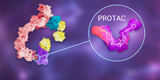
PROTAC, which exploit the ubiquitin-proteasome pathway to specifically degrade target proteins. PROTACs not only solve the problem of undruggability but they also have other advantages compared to traditional drug targeting strategies.
Scientific Reviews
PROTAC, which exploit the ubiquitin-proteasome pathway to specifically degrade target proteins. PROTACs not only solve the problem of undruggability but they also have other advantages compared to traditional drug targeting strategies. -
 Scientific Reviews
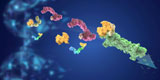
PROTAC — Target Selection and Design
Scientific Reviews
PROTAC — Target Selection and Design2022-07-08
A PROTAC molecule consists of three components: a target protein binding ligand, an E3 ligase ligand, and a linker connecting these two moieties. Here, we will discuss the conventional approaches for the rational design of PROTAC molecules. -
 Scientific Reviews
Organoids represent an important bridge between 2D cultures and in vivo mouse/human models. The organoid technology exerts enormous potential in evaluation of efficacy and toxicity of drugs, regenerative medicine, and precision medicine.In this article, we will briefly introduce organoid technology.
Scientific Reviews
Organoids represent an important bridge between 2D cultures and in vivo mouse/human models. The organoid technology exerts enormous potential in evaluation of efficacy and toxicity of drugs, regenerative medicine, and precision medicine.In this article, we will briefly introduce organoid technology. -
 Scientific Reviews
Development of Intestinal Organoid
Scientific Reviews
Development of Intestinal Organoid2022-07-28
3D organoid is one of the revolutionary developments in biomedical field during the past 10 years. The establishment of intestinal organoids is an important milestone in the development of organoid technology. -
 Scientific Reviews
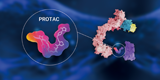
BacPROTACs is composed of a POI ligand, a chemical linker and a ClpCNTD anchor. BacPROTACs can induce in vitro and in vivo degradation of non-eukaryotic proteins in bacteria without the ubiquitin proteasome system.
Scientific Reviews
BacPROTACs is composed of a POI ligand, a chemical linker and a ClpCNTD anchor. BacPROTACs can induce in vitro and in vivo degradation of non-eukaryotic proteins in bacteria without the ubiquitin proteasome system. -
 Scientific Reviews
RNA therapeutics have changed the landscape of drug development, which possess broader spectrum of drug targets, simplicity and efficiency in development and manufacturing.In this article, we will discuss the underlying mechanisms of RNA-based drugs on the market or in clinical stages.
Scientific Reviews
RNA therapeutics have changed the landscape of drug development, which possess broader spectrum of drug targets, simplicity and efficiency in development and manufacturing.In this article, we will discuss the underlying mechanisms of RNA-based drugs on the market or in clinical stages. -
 Scientific Reviews
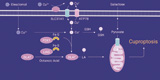
Tsvetkov et al. published in Science and demonstrated a copper-induced programmed cell death — Cuproptosis. As a novel programmed cell death, excess copper triggers abnormal aggregation of lipoylated proteins in TCA cycle and clearance of Fe-S cluster proteins, ultimately leading to cell death.
Scientific Reviews
Tsvetkov et al. published in Science and demonstrated a copper-induced programmed cell death — Cuproptosis. As a novel programmed cell death, excess copper triggers abnormal aggregation of lipoylated proteins in TCA cycle and clearance of Fe-S cluster proteins, ultimately leading to cell death. -
 Scientific Reviews
A comprehensive explanation of ferroptosis
Scientific Reviews
A comprehensive explanation of ferroptosis2022-09-15
Ferroptosis is a new type of RCD that depends on iron and characterized by the accumulation of lipid peroxides. In this article, we will pay our attention on ferroptosis and briefly discusses its mechanism. -
 Scientific Reviews
It's has been proved that p53, as a tumor suppressor gene and immune guardian, may become a destroyer through its own mutation. Moreover, the mechanism of p53 was found to be related to ferroptosis. This article mainly explores the mechanism between p53 and ferroptosis in detail.
Scientific Reviews
It's has been proved that p53, as a tumor suppressor gene and immune guardian, may become a destroyer through its own mutation. Moreover, the mechanism of p53 was found to be related to ferroptosis. This article mainly explores the mechanism between p53 and ferroptosis in detail. -
Scientific Reviews
Organoids have great potential in research of organ development, disease modeling, drug screening and, precision and regenerative medicin. In this article, we will expalin the origin of the organoids. Adult stem cells (ASCs) or pluripotent stem cells (PSCs) , which is the better choice.
-
 Scientific Reviews
Autophagy, derived from the Greek meaning "eating of self", plays an indispensable role in maintaining homeostasis. p27 is an inhibitor of cyclin CDKs, but how p27 regulates autophagy remains unknown. This article will cover the mechanism of autophagy and p27-related cell cycle regulation.
Scientific Reviews
Autophagy, derived from the Greek meaning "eating of self", plays an indispensable role in maintaining homeostasis. p27 is an inhibitor of cyclin CDKs, but how p27 regulates autophagy remains unknown. This article will cover the mechanism of autophagy and p27-related cell cycle regulation. -
 Scientific Reviews
CMA (chaperone-mediated autophagy) plays an essential role in maintaining neuronal protein stability and preventing neurodegeneration. In this article, we will comprehensively clarify the role of CMA in the occurrence and development of neurodegenerative diseases.
Scientific Reviews
CMA (chaperone-mediated autophagy) plays an essential role in maintaining neuronal protein stability and preventing neurodegeneration. In this article, we will comprehensively clarify the role of CMA in the occurrence and development of neurodegenerative diseases. -
 Scientific Reviews
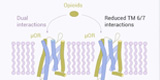
As powerful pain relievers, the opioids morphine and fentanyl have been "checked" by their side effects (listed as controlled substances). How to reduce its side effects? What is its mechanism? This research will explore its mechanism.
Scientific Reviews
As powerful pain relievers, the opioids morphine and fentanyl have been "checked" by their side effects (listed as controlled substances). How to reduce its side effects? What is its mechanism? This research will explore its mechanism. -
 Scientific Reviews
Efferocytosis is the process in which phagocytes remove programmed dead cells. It prevents secondary necrosis of dying cells from releasing harmful cell contents (such as oxides and proteases) that may cause inflammation. Here, we will introduce three stages of efferocytosis: Find, Eat, Digest.
Scientific Reviews
Efferocytosis is the process in which phagocytes remove programmed dead cells. It prevents secondary necrosis of dying cells from releasing harmful cell contents (such as oxides and proteases) that may cause inflammation. Here, we will introduce three stages of efferocytosis: Find, Eat, Digest. -
 Scientific Reviews
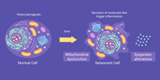
Understanding the mechanism of aging not only has guiding significance for prolonging human life but also has important clinical significance for the prevention and treatment of diseases in the elderly population , thus, improving their life quality and well-being.
Scientific Reviews
Understanding the mechanism of aging not only has guiding significance for prolonging human life but also has important clinical significance for the prevention and treatment of diseases in the elderly population , thus, improving their life quality and well-being. -
 Scientific Reviews
Mammalian cells can also photosynthesize like plants! Photosynthesis can improve cell anabolism and exhibit good clinical effect in degenerative diseases (osteoarthritis).
Scientific Reviews
Mammalian cells can also photosynthesize like plants! Photosynthesis can improve cell anabolism and exhibit good clinical effect in degenerative diseases (osteoarthritis). -
 Scientific Reviews
The latest study of Cell magazine "Neural mechanism underlying depressive-like state associated with social status loss" considers social factors as a breakthrough point. It has been found that the downward transition of social status induces depression-like behavior in mice whereas improves the depressive state by restoring their social environment.
Scientific Reviews
The latest study of Cell magazine "Neural mechanism underlying depressive-like state associated with social status loss" considers social factors as a breakthrough point. It has been found that the downward transition of social status induces depression-like behavior in mice whereas improves the depressive state by restoring their social environment. -
 Scientific Reviews
PROTAC - Design Strategy for Targeting
Scientific Reviews
PROTAC - Design Strategy for Targeting2023-04-23
Protein degradation targeting chimera (PROTAC) is a technology that uses the ubiquitin proteasome pathway to silent target protein. However, PROTAC still has problems such as solubility, membrane permeability, and selectivity. In this article, we have summarized three strategies for optimization: light-controlled linker, PAC molecule, and specific E3 ligase. -
 Scientific Reviews
Stem cell classification and its application
Scientific Reviews
Stem cell classification and its application2023-05-18
Stem cells (SCs) have the unique ability to self-renew and differentiate into different cell types. SCs can differentiate into various types of tissue cells under specific conditions. Additionally, they can be further cultured to form different tissues and organs in the human body. Stem cells have numerous applications in various fields, including cell therapy, organ transplantation, neurodegenerative disease modeling, and drug screening. -
 Scientific Reviews
Mitophagy:Mechanisms and Detection
Scientific Reviews
Mitophagy:Mechanisms and Detection2023-05-25
About 60 years ago, Christian de Duve first used the term "autophagy" to describe his observation of the degradation of mitochondria and other intracellular structures in lysosomes of rat liver. Over the years, autophagy has remained a beloved topic of research by the National Natural Science Foundation of China (NSFC).Today, let's talk about mitochondrial autophagy. -
 Scientific Reviews
Structure of Lipid Droplets
Scientific Reviews
Structure of Lipid Droplets2023-06-15
Huh? Lipid droplets? Organelles? In the past, biological data usually only show the traditional organelles, such as mitochondria, Golgi apparatus, endoplasmic reticulum, etc., lipid droplets are often not mentioned by people. Today, we will make a systematic explanation of lipid droplets, so that everyone has a clear understanding! -
 Scientific Reviews
Organoid Culture: Questions & Answers
Scientific Reviews
Organoid Culture: Questions & Answers2023-07-26
In the last issue, we conducted a live lecture on the theme of organoid culture. Today, we have a special topic to solve your doubts in the last live class! -
 Scientific Reviews
Are frozen cells always damaged? Is the survival rate of revived cells low? When is it appropriate to freeze cells? What should be considered when reviving them? Today, we're sharing a guide to avoid pitfalls in cell freezing and revival!
Scientific Reviews
Are frozen cells always damaged? Is the survival rate of revived cells low? When is it appropriate to freeze cells? What should be considered when reviving them? Today, we're sharing a guide to avoid pitfalls in cell freezing and revival! -
 Scientific Reviews
Science | A "new" mechanism for non-ubiquitinated Midnolin-proteasomal degradation pathway
Scientific Reviews
Science | A "new" mechanism for non-ubiquitinated Midnolin-proteasomal degradation pathway2024-04-26
“ubiquitin-mediated protein degradation” won the Nobel Prize in Chemistry in 2004! In fact, proteasomes degrade not only ubiquitinated proteins but also non-ubiquitinated ones. The mechanism remains shrouded in mystery. After reading this piece today, you might have a lightbulb moment! -
 Scientific Reviews
Still struggling to find the preparation methods for various solutions? Save your time! Here comes a nanny-level tutorial!
Scientific Reviews
Still struggling to find the preparation methods for various solutions? Save your time! Here comes a nanny-level tutorial! -
 Scientific Reviews
STZ Induced Diabetes Models
Scientific Reviews
STZ Induced Diabetes Models2024-06-13
Spotlight: How can STZ Help Diabetes Research? -
 Scientific Reviews
Degrade target proteins through the autophagy-lysosome pathway including LYTAC, AUTAC, and ATTEC have gained increasing attention in recent years due to their significant research potential!
Scientific Reviews
Degrade target proteins through the autophagy-lysosome pathway including LYTAC, AUTAC, and ATTEC have gained increasing attention in recent years due to their significant research potential! -
 Scientific Reviews
Science’s 2023 Breakthrough: GLP-1R Agonists
Scientific Reviews
Science’s 2023 Breakthrough: GLP-1R Agonists2024-08-13
GLP-1RAs, which achieved great success in 2023 and draws people’s attention back to obesity treatments and GLP-1 therapies worldwide, was chosen as the breakthrough of year 2023 by Science [2]. -
 Scientific Reviews
Cuproptosis, How much do you know?
Scientific Reviews
Cuproptosis, How much do you know?2024-08-22
Cells die in a variety of ways, including apoptosis, pyroptosis, necrosis, and ferroptosis......And, of course, cuproptosis. So, how much do you know about cuproptosis? -
 Scientific Reviews
Recently, Mol Cell reported the discovery of the first ferroptosis marker, Hyperoxidized PRDX3! Let’s take a look together~
Scientific Reviews
Recently, Mol Cell reported the discovery of the first ferroptosis marker, Hyperoxidized PRDX3! Let’s take a look together~ -
 Scientific Reviews
Cuproptosis's Knowledge Points!
Scientific Reviews
Cuproptosis's Knowledge Points!2024-09-25
With the establishment of the cuproptosis mechanism related research has attracted more and more attention from major journals. Expect to use the sharp sword of cuproptosis to stab the tumor cells. -
 Scientific Reviews
How they used PKH 26 for cellular studies?
Scientific Reviews
How they used PKH 26 for cellular studies?2024-10-21
We are thrilled to highlight our client study using PKH 26 (MedChemExpress) , a red fluorescent dye that has proven invaluable for in vitro cell labeling and tracing. This innovative research, published in the Journal of Nanobiotechnology. -
Scientific Reviews
Delve into the intricate networks that govern mitochondrial quality control. By examining key mechanisms such as biogenesis, mitochondrial dynamics (fission and fusion), proteolysis, and mitophagy. -
 Scientific Reviews
Unlocking the Power of Intermittent Fasting: The 16+8 Method
Scientific Reviews
Unlocking the Power of Intermittent Fasting: The 16+8 Method -
 Scientific Reviews
Advancing Chronic Kidney Disease Research with GJ103 and Lamin B1 Antibody!
Scientific Reviews
Advancing Chronic Kidney Disease Research with GJ103 and Lamin B1 Antibody! -
 Scientific Reviews
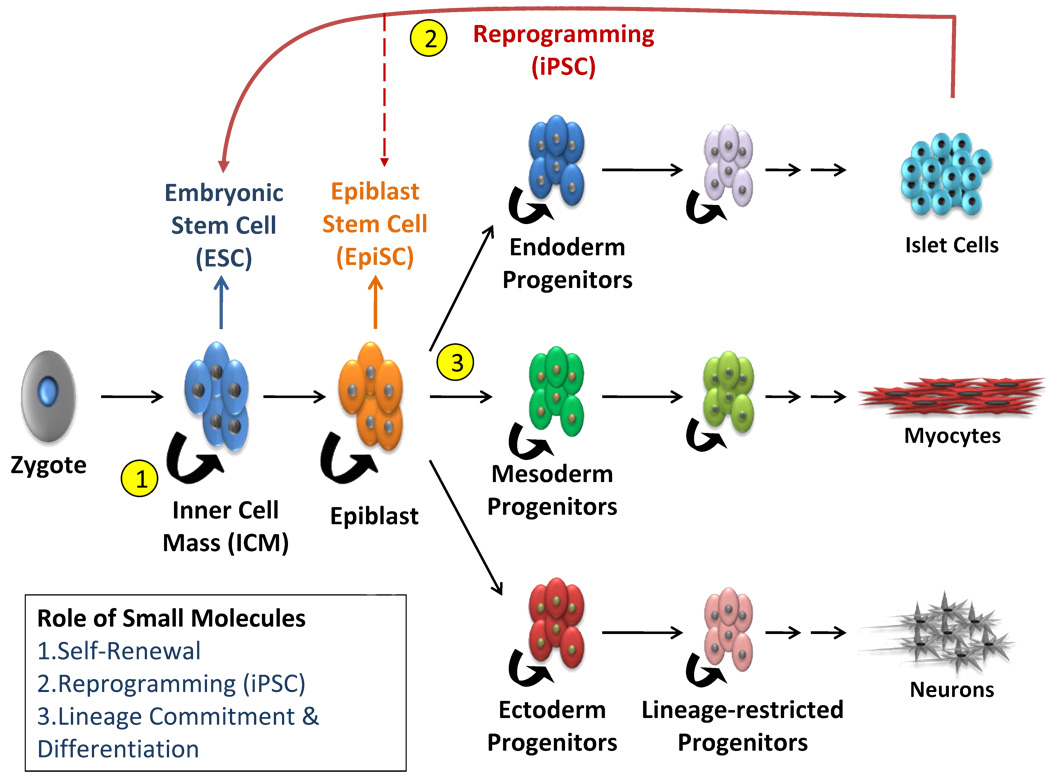
In early January 2025, MIT Tech Review unveiled its annual list of top 10 breakthrough technologies poised to redefine the future. Among these, stem cell therapy stood out for its potential to treat diverse diseases—including neurodegenerative disorders, diabetes, cancer, and heart failure. This groundbreaking approach uses stem cells to replace damaged cells, offering hope for millions worldwide.
Scientific Reviews
In early January 2025, MIT Tech Review unveiled its annual list of top 10 breakthrough technologies poised to redefine the future. Among these, stem cell therapy stood out for its potential to treat diverse diseases—including neurodegenerative disorders, diabetes, cancer, and heart failure. This groundbreaking approach uses stem cells to replace damaged cells, offering hope for millions worldwide. -
 Scientific Reviews
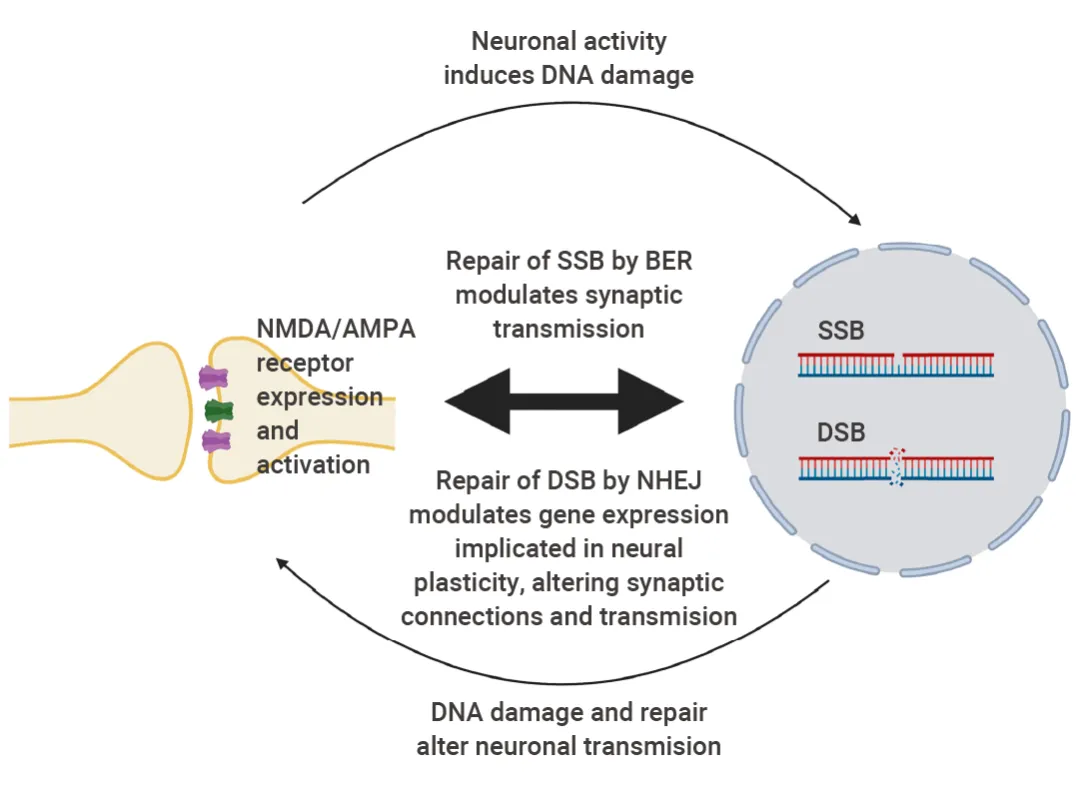
When you hear "inflammation" and "DNA damage," you might immediately think of disease or injury. However, in brains, these two processes are key steps in forming long-term memories, particularly related to specialized cells in our brain called hippocampal neurons.
Scientific Reviews
When you hear "inflammation" and "DNA damage," you might immediately think of disease or injury. However, in brains, these two processes are key steps in forming long-term memories, particularly related to specialized cells in our brain called hippocampal neurons. -
 Scientific Reviews
Autophagy is a fundamental process that degrades various components within the cell.
Scientific Reviews
Autophagy is a fundamental process that degrades various components within the cell. -
 Scientific Reviews
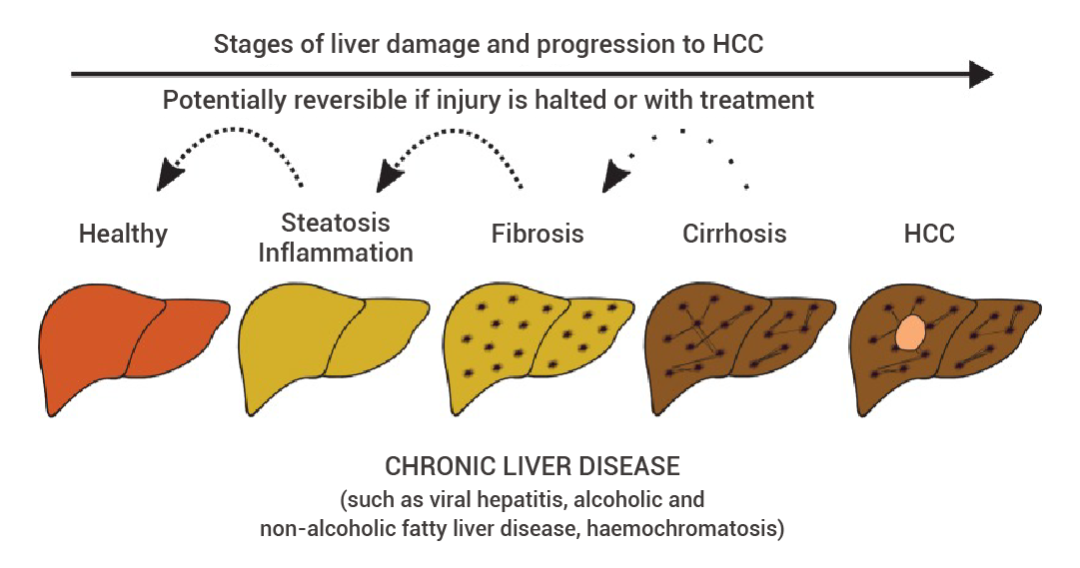
This article will tell you about the common methods of modeling liver disease in animal models.
Scientific Reviews
This article will tell you about the common methods of modeling liver disease in animal models. -
.jpg) Scientific Reviews
nside cells, the homeostasis and degradation of proteins is a precisely regulated process. If proteins cannot be degraded in time, it may lead to the occurrence of various diseases such as neurodegenerative diseases and cancer. This article will tell you the process of how proteins are recognized, labeled and then degraded!
Scientific Reviews
nside cells, the homeostasis and degradation of proteins is a precisely regulated process. If proteins cannot be degraded in time, it may lead to the occurrence of various diseases such as neurodegenerative diseases and cancer. This article will tell you the process of how proteins are recognized, labeled and then degraded! -
 Scientific Reviews
This article introduces some common cardiovascular disease models, inducers, modeling protocols and successful modeling cases in the research.
Scientific Reviews
This article introduces some common cardiovascular disease models, inducers, modeling protocols and successful modeling cases in the research. -
 Scientific Reviews
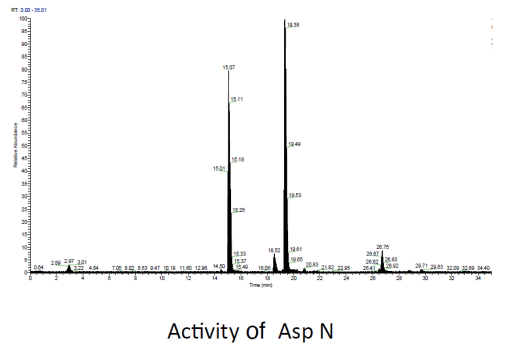
Do you feel confused when you start culturing cells? This article will show you the basic methods and steps of cell culture!
Scientific Reviews
Do you feel confused when you start culturing cells? This article will show you the basic methods and steps of cell culture! -
 Scientific Reviews
In this issue, we will conduct an in-depth interpretation from the dimensions of nanoparticle design, mechanism of action, in vivo and in vitro efficacy, and immune regulation, revealing how this research brings new hope for the treatment of invasive tumors through interdisciplinary innovation!
Scientific Reviews
In this issue, we will conduct an in-depth interpretation from the dimensions of nanoparticle design, mechanism of action, in vivo and in vitro efficacy, and immune regulation, revealing how this research brings new hope for the treatment of invasive tumors through interdisciplinary innovation! -
 Scientific Reviews
Chromatin Immunoprecipitation (ChIP) Demystified: A Complete Guide to Epigenetic Analysis
Scientific Reviews
Chromatin Immunoprecipitation (ChIP) Demystified: A Complete Guide to Epigenetic Analysis2025-08-05
In this issue, we introduce a powerful technique for detecting interactions between epigenetic regulatory factors and DNA—Chromatin Immunoprecipitation (ChIP)! -
 Scientific Reviews
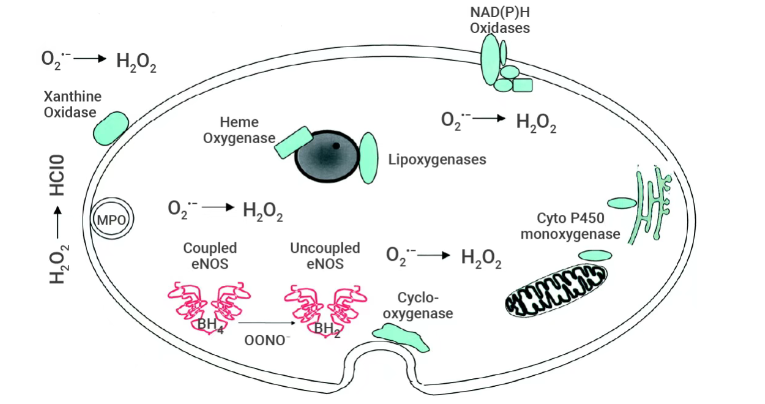
The article introduces the mechanisms of ROS generation and the methods for their detection.
Scientific Reviews
The article introduces the mechanisms of ROS generation and the methods for their detection. -
 Scientific Reviews
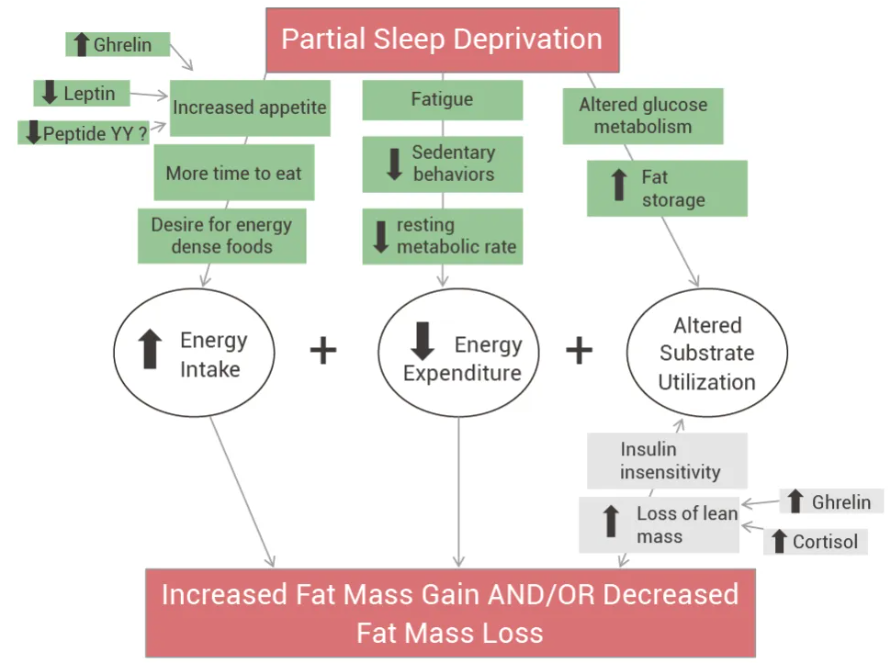
Have you ever noticed that after staying up late, your appetite—especially for high-calorie foods—gets out of control? If this sounds familiar, today’s article might offer some good news.
Scientific Reviews
Have you ever noticed that after staying up late, your appetite—especially for high-calorie foods—gets out of control? If this sounds familiar, today’s article might offer some good news. -
 Scientific Reviews
Generating Stable Cell Lines with Lentivirus
Scientific Reviews
Generating Stable Cell Lines with Lentivirus2025-09-16
A step-by-step protocol of establishing stable cell lines using lentivirus -
 Scientific Reviews
A groundbreaking study in Nature Communications reveals the key mechanism behind Idiopathic Pulmonary Fibrosis and identifies an existing drug with the potential to counter it.
Scientific Reviews
A groundbreaking study in Nature Communications reveals the key mechanism behind Idiopathic Pulmonary Fibrosis and identifies an existing drug with the potential to counter it. -
 Scientific Reviews
Finding adipogenic induction media too expensive and tricky to prepare? This comprehensive guide to 3T3-L1 adipogenic differentiation simplifies the process, helping you achieve great results!
Scientific Reviews
Finding adipogenic induction media too expensive and tricky to prepare? This comprehensive guide to 3T3-L1 adipogenic differentiation simplifies the process, helping you achieve great results! -
Scientific Reviews
Microglia– the only immune cells within the brain parenchyma. With advancements in imaging technologies, people’s understanding of microglia has shifted from being viewed as 'resting' cells to 'highly active' cells, particularly due to their dynamic processes that seem to be probing surrounding tissues and monitoring neuronal activity. This has made microglia a focal point of research in the field of neuroscience. -
Scientific Reviews
Cracking the PROTAC Permeability Barrier: CD36-Mediated Endocytosis as a Potential Breakthrough2025-12-03
This article provides an in-depth analysis of cutting-edge literature revealing CD36 as a key mediator of cellular uptake for PROTACs and bRO5 compounds. By structurally optimizing PROTAC molecules to enhance their affinity for CD36, membrane permeability can be markedly improved, leading to significantly enhanced antitumor efficacy. -
 Scientific Reviews
Efficient Generation of Mouse Small Intestinal Organoids: A Complete Experimental Protocol Guide
Scientific Reviews
Efficient Generation of Mouse Small Intestinal Organoids: A Complete Experimental Protocol Guide2025-12-10
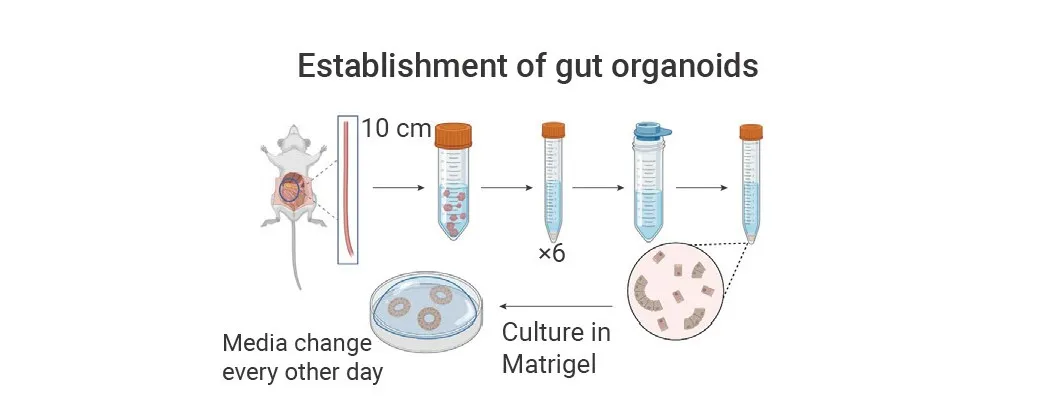
How to successfully create mouse small intestine organoids? A detailed, hands-on guide to the entire process, all in one article! -
 Scientific Reviews
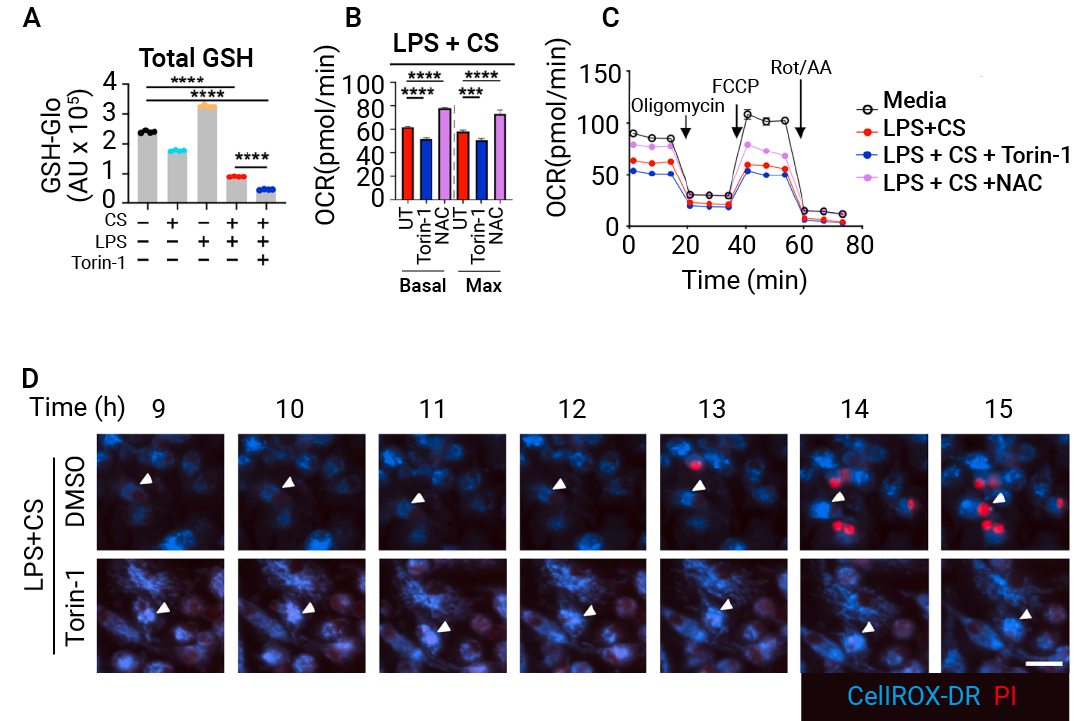
A November 2025 Cell study discovers Mitoxyperilysis, a new mTOR-regulated, caspase-independent cell death pathway driven by innate immune and metabolic dysregulation via mitochondrial-plasma membrane contact and oxidative damage, and verifies its potential to induce tumor necrosis for cancer therapy with key regulators including BAX, BAK1 and BID.
Scientific Reviews
A November 2025 Cell study discovers Mitoxyperilysis, a new mTOR-regulated, caspase-independent cell death pathway driven by innate immune and metabolic dysregulation via mitochondrial-plasma membrane contact and oxidative damage, and verifies its potential to induce tumor necrosis for cancer therapy with key regulators including BAX, BAK1 and BID. -
 Scientific Reviews
In the hunt for the next ‘GLP-1,’ amylin therapeutics, which have shown strong weight-loss results in clinical trials, have become a major focus for both multinational pharma and the scientific community.
Scientific Reviews
In the hunt for the next ‘GLP-1,’ amylin therapeutics, which have shown strong weight-loss results in clinical trials, have become a major focus for both multinational pharma and the scientific community. -
 Scientific Reviews
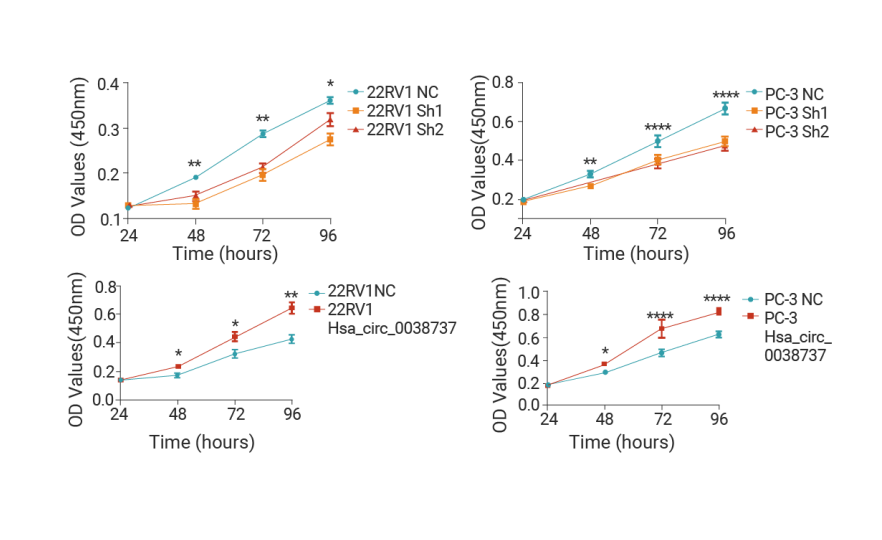
Essential for High-Impact Papers: Present Your CCK-8 Experimental Results in a More Outstanding Way!
Scientific Reviews
Essential for High-Impact Papers: Present Your CCK-8 Experimental Results in a More Outstanding Way!2026-03-18
CCK-8 is a widely used WST‑8‑based reagent for cell proliferation and cytotoxicity assays. It features high sensitivity, reliable results and easy operation, and is applicable to cell viability analysis, drug screening and growth inhibition testing. -
 Scientific Reviews
FISH is a molecular technique using fluorescent probes to detect specific nucleic acids in cells, with high sensitivity and diverse biomedical applications.
Scientific Reviews
FISH is a molecular technique using fluorescent probes to detect specific nucleic acids in cells, with high sensitivity and diverse biomedical applications. -
 Scientific Reviews
Molecular glue degraders have evolved from a serendipitous observation to one of the most dynamic and transformative fields in biomedical research.
Scientific Reviews
Molecular glue degraders have evolved from a serendipitous observation to one of the most dynamic and transformative fields in biomedical research. -
 Scientific Reviews
GLP-1 and Obesity Research
Scientific Reviews
GLP-1 and Obesity Research2026-08-14
Obesity substantially increases the risk of chronic diseases such as T2D and cardiovascular disease. The breakout success of GLP-1 therapies has spotlighted GLP-1R and a wave of emerging obesity targets. -
 EDM
Targeting the ‘Undruggable’ with PROTACs
EDM
Targeting the ‘Undruggable’ with PROTACs2025-06-18
This review introduces the fundamental principles and mechanisms of PROTACs, highlights recent advances in molecular design and clinical development, and discusses emerging opportunities and remaining challenges in targeted protein degradation. -
 EDM
This review explores the molecular mechanisms of the DNA damage response, reviews therapeutic strategies targeting DDR pathways in cancer, and examines their roles in cancer drug resistance.
EDM
This review explores the molecular mechanisms of the DNA damage response, reviews therapeutic strategies targeting DDR pathways in cancer, and examines their roles in cancer drug resistance. -
 EDM
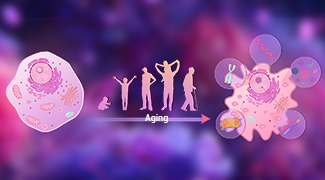
This review summarizes the hallmarks of aging and aging-related diseases, discusses mechanistic insights into aging processes, and highlights emerging anti-aging interventions.
EDM
This review summarizes the hallmarks of aging and aging-related diseases, discusses mechanistic insights into aging processes, and highlights emerging anti-aging interventions. -
 EDM
Summarize LLPS principles, regulatory mechanisms, experimental strategies, and pathological roles to inspire mechanism-driven research and translational applications.
EDM
Summarize LLPS principles, regulatory mechanisms, experimental strategies, and pathological roles to inspire mechanism-driven research and translational applications. -
 EDM
The Dual Role of Cellular Senescence in Cancer: Mechanisms, Microenvironment, and Therapeutics
EDM
The Dual Role of Cellular Senescence in Cancer: Mechanisms, Microenvironment, and Therapeutics2026-05-21
Explore the dual role of cellular senescence in cancer, including tumor suppression, SASP-driven tumor promotion, senescence heterogeneity and plasticity, and advances in senescence-targeted therapies. -
 EDM
Explore lysosomal nutrient sensing, quality control, cellular adaptation, disease mechanisms, and emerging therapeutic approaches.
EDM
Explore lysosomal nutrient sensing, quality control, cellular adaptation, disease mechanisms, and emerging therapeutic approaches. -
 EDM
Review the evolution of molecular glues from serendipitous discovery to rational design, highlighting how emerging targets and advances in screening, proteomics, structural biology, and AI are expanding the druggable proteome.
EDM
Review the evolution of molecular glues from serendipitous discovery to rational design, highlighting how emerging targets and advances in screening, proteomics, structural biology, and AI are expanding the druggable proteome. -
 EDM
Explore how mitochondrial quality control, inflammatory signaling, and metabolic–epigenetic reprogramming regulate cellular senescence and the SASP, along with strategies to restore mitochondrial homeostasis.
EDM
Explore how mitochondrial quality control, inflammatory signaling, and metabolic–epigenetic reprogramming regulate cellular senescence and the SASP, along with strategies to restore mitochondrial homeostasis. -
 EDM
Explore emerging synthetic lethal vulnerabilities beyond BRCA–PARP and advances in their discovery and prediction through CRISPR screening, organoids, multi-omics, and AI.
EDM
Explore emerging synthetic lethal vulnerabilities beyond BRCA–PARP and advances in their discovery and prediction through CRISPR screening, organoids, multi-omics, and AI. -
 Blog
MK-0429 is An Oral Integrin (αvβ3) Inhibitor
Blog
MK-0429 is An Oral Integrin (αvβ3) Inhibitor2019-04-11
MK-0429, an orally active αvβ3 inhibitor, is a potential therapeutic agent for the prevention of kidney fibrosis, melanoma and osteoporosis. -
 Blog
IITZ-01 is a potent lysosomotropic autophagy inhibitor with single-agent antitumor activity, with an IC50 of 2.62 μM for PI3Kγ.
Blog
IITZ-01 is a potent lysosomotropic autophagy inhibitor with single-agent antitumor activity, with an IC50 of 2.62 μM for PI3Kγ. -
 Blog
BTR-1 potently inhibits cell growth. It induces S phase arrest, affects DNA replication. Dose-dependently induces cytotoxicity in leukemic cell lines.
Blog
BTR-1 potently inhibits cell growth. It induces S phase arrest, affects DNA replication. Dose-dependently induces cytotoxicity in leukemic cell lines. -
 Blog
NRX-252262 is a β-catenin:β-TrCP interaction enhancer, and its cognate E3 ligase, SCFβ-TrCP, induces mutant β-catenin degradation, with an EC50 of 3.8 nM
Blog
NRX-252262 is a β-catenin:β-TrCP interaction enhancer, and its cognate E3 ligase, SCFβ-TrCP, induces mutant β-catenin degradation, with an EC50 of 3.8 nM -
 Blog
SLLN-15 is an oral activ enhancer of autophagy that activates cytostatic macroautophagy/autophagy in triple-negative breast cancer (TNBC).
Blog
SLLN-15 is an oral activ enhancer of autophagy that activates cytostatic macroautophagy/autophagy in triple-negative breast cancer (TNBC). -
 Blog
CB-6644 is a selective non-ATP-competitive inhibitor of the RUVBL1/2 complex. CB-6644 significantly reduces tumor growth without obvious toxicity.
Blog
CB-6644 is a selective non-ATP-competitive inhibitor of the RUVBL1/2 complex. CB-6644 significantly reduces tumor growth without obvious toxicity. -
 Blog
NSC 228155 is a activator of EGFR and a potent inhibitor of KIX-KID interaction. NSC 228155 shows excellent anti-tumor activity.
Blog
NSC 228155 is a activator of EGFR and a potent inhibitor of KIX-KID interaction. NSC 228155 shows excellent anti-tumor activity. -
 Blog
MM-589 is an inhibitor of WDR5 and MLL protein-protein interaction. Binds to WDR5 (IC50=0.90 nM) and inhibits the MLL H3K4 methyltransferase activity.
Blog
MM-589 is an inhibitor of WDR5 and MLL protein-protein interaction. Binds to WDR5 (IC50=0.90 nM) and inhibits the MLL H3K4 methyltransferase activity. -
 Blog
STL127705 is a Ku 70/80 heterodimer protein inhibitor, inhibits Ku70/80-DNA interaction (IC50 of 3.5 μM) and Ku-dependent activation of DNA-PKCS kinase.
Blog
STL127705 is a Ku 70/80 heterodimer protein inhibitor, inhibits Ku70/80-DNA interaction (IC50 of 3.5 μM) and Ku-dependent activation of DNA-PKCS kinase. -
 Blog
JI051 is a stabilizer for the Hes1-PHB2 interaction, induces cell-cycle arrest by inhibiting the Notch downstream effector gene Hes1.
Blog
JI051 is a stabilizer for the Hes1-PHB2 interaction, induces cell-cycle arrest by inhibiting the Notch downstream effector gene Hes1. -
 Blog
TAS-114 is a dual dUTPase/dihydropyrimidine dehydrogenase (DPD) inhibitor, can improving the therapeutic efficacy of fluoropyrimidine.
Blog
TAS-114 is a dual dUTPase/dihydropyrimidine dehydrogenase (DPD) inhibitor, can improving the therapeutic efficacy of fluoropyrimidine. -
 Blog
IWP-O1, a Highly Potent Porcupine Inhibitor, Functions by Preventing the Secretion of Wnt Proteins
Blog
IWP-O1, a Highly Potent Porcupine Inhibitor, Functions by Preventing the Secretion of Wnt Proteins2019-06-03
IWP-O1 is a Porcupine (Porcn) inhibitor, with an EC50 of 80 pM in L-Wnt-STF cells. IWP-O1 functions by preventing the secretion of Wnt proteins[ -
 Blog
Ralimetinib (LY2228820) is a selective and ATP-competitive inhibitor of p38 MAPK α/β, with IC50s of 5.3 and 3.2 nM, respectively. Anti-tumor activity.
Blog
Ralimetinib (LY2228820) is a selective and ATP-competitive inhibitor of p38 MAPK α/β, with IC50s of 5.3 and 3.2 nM, respectively. Anti-tumor activity. -
 Blog
BAY-11-7082 inhibits the proliferation and induces the apoptosis of U266 cells through inhibiting NF-κB pathway. BAY 11-7082 ameliorates experimental diabetic neuropathy by modulating neuroinflammation and improving antioxidant defence.
Blog
BAY-11-7082 inhibits the proliferation and induces the apoptosis of U266 cells through inhibiting NF-κB pathway. BAY 11-7082 ameliorates experimental diabetic neuropathy by modulating neuroinflammation and improving antioxidant defence. -
 Blog
S130, Targeting ATG4B, Inhibits Autophagy and Activates Apoptosis in Colorectal Colon Cancer
Blog
S130, Targeting ATG4B, Inhibits Autophagy and Activates Apoptosis in Colorectal Colon Cancer2019-06-19
S130 is a high affinity, selective inhibitor of ATG4B (a major cysteine protease) with an IC50 of 3.24 µM. S130 suppresses autophagy flux. -
 Blog
MRT67307, a dual IKKε/TBK1 inhibitor, inhibits ULK1 and ULK2 with IC50s of 45 and 38 nM, respectively. MRT67307 blocks mTOR-dependent autophagy.
Blog
MRT67307, a dual IKKε/TBK1 inhibitor, inhibits ULK1 and ULK2 with IC50s of 45 and 38 nM, respectively. MRT67307 blocks mTOR-dependent autophagy. -
 Blog
CCT020312, the G1/S checkpoint activator, is a selective EIF2AK3/PERK activator. CCT020312 elicits EIF2A phosphorylation in cells.
Blog
CCT020312, the G1/S checkpoint activator, is a selective EIF2AK3/PERK activator. CCT020312 elicits EIF2A phosphorylation in cells. -
 Blog
SBI-0206965 is a selective and cell permeable autophagy kinase ULK1 inhibitor with IC50s of 108 nM for ULK1 and 711 nM for the highly related kinase ULK2 .
Blog
SBI-0206965 is a selective and cell permeable autophagy kinase ULK1 inhibitor with IC50s of 108 nM for ULK1 and 711 nM for the highly related kinase ULK2 . -
 Blog
NMS-P515 is a potent, orally active and stereospecific PARP-1 inhibitor, with a Kd of 16 nM and an IC50 of 27 nM (in Hela cells). Anti-tumor activity.
Blog
NMS-P515 is a potent, orally active and stereospecific PARP-1 inhibitor, with a Kd of 16 nM and an IC50 of 27 nM (in Hela cells). Anti-tumor activity. -
 Blog
M-89 is a specific menin inhibitor, with a Kd of 1.4 nM. M-89 inhibits the Menin-MLL protein-protein interaction and has potential to treat MLL leukemia.
Blog
M-89 is a specific menin inhibitor, with a Kd of 1.4 nM. M-89 inhibits the Menin-MLL protein-protein interaction and has potential to treat MLL leukemia. -
 Blog
ML367 is an ATAD5 Stabilization Inhibitor
Blog
ML367 is an ATAD5 Stabilization Inhibitor2019-08-03
ML367 is a potent inhibitor of ATAD5 stabilization. It blocks DNA repair pathways, and suppresses phosphorylation of RPA32 and CHK1. -
 Blog
CA-5f is a potent late-stage macroautophagy (autophagy) inhibitor via inhibiting autophagosome-lysosome fusion. CA-5f increases LC3B-II and SQSTM1 protein.
Blog
CA-5f is a potent late-stage macroautophagy (autophagy) inhibitor via inhibiting autophagosome-lysosome fusion. CA-5f increases LC3B-II and SQSTM1 protein. -
 Blog
ACBI1 is a PROTAC Degrader of BAF Complex
Blog
ACBI1 is a PROTAC Degrader of BAF Complex2019-08-07
ACBI1 is a potent PROTAC degrader of BAF ATPase subunits SMARCA2, SMARCA4 and PBRM1, with DC50s of 6 nM, 11 nM and 32 nM in MV-4-11 cells, respectively. -
 Blog
JH-RE-06, a potent REV1-REV7 interface inhibitor (IC50=0.78 μM; Kd=0.42 μM), targets REV1 that interacts with the REV7 subunit of POLζ.
Blog
JH-RE-06, a potent REV1-REV7 interface inhibitor (IC50=0.78 μM; Kd=0.42 μM), targets REV1 that interacts with the REV7 subunit of POLζ. -
 Blog
MS31 is a highly selective spindlin 1 inhibitor, which inhibits the interactions between SPIN1 and H3K4me3. MS31 is not toxic to nontumorigenic cells.
Blog
MS31 is a highly selective spindlin 1 inhibitor, which inhibits the interactions between SPIN1 and H3K4me3. MS31 is not toxic to nontumorigenic cells. -
 Blog
SGC-iMLLT is a potent, selective MLLT1/3-histone interactions inhibitor and shows high binding activity towards MLLT1 YEATS domain and MLLT3 YD.
Blog
SGC-iMLLT is a potent, selective MLLT1/3-histone interactions inhibitor and shows high binding activity towards MLLT1 YEATS domain and MLLT3 YD. -
 Blog
E3330, an APE1 Redox Inhibitor, Modulates Cell Migration and Invasion in Metastatic Cancer
Blog
E3330, an APE1 Redox Inhibitor, Modulates Cell Migration and Invasion in Metastatic Cancer2019-09-13
E3330 is a direct, orally active AP endonuclease 1 (APE1) inhibitor, which suppresses NF-κB DNA-binding activity. E3330 shows good anticancer properties. -
 Blog
AOH1160, an Orally Active PCNA Inhibitor, Exhibits Efferctive Anti-cancer Activity with Low Toxicity
Blog
AOH1160, an Orally Active PCNA Inhibitor, Exhibits Efferctive Anti-cancer Activity with Low Toxicity2019-09-14
AOH1160 is a potent, first-in-class, orally available PCNA inhibitor and exhibits broad-spectrum anti-cancer activity without causing unacceptable toxicity. -
 Blog
BPK-29 disrupts the NR0B1 protein-protein interactions and impairs the anchorage-independent growth of KEAP1-mutant cancer cells.
Blog
BPK-29 disrupts the NR0B1 protein-protein interactions and impairs the anchorage-independent growth of KEAP1-mutant cancer cells. -
 Blog
Blog
-
 Blog
NV03 is a potent and selective antagonist of UHRF1-H3K9me3 interaction by binding to UHRF1 TTD with a Kd of 2.4 μM and has anticancer activity.
Blog
NV03 is a potent and selective antagonist of UHRF1-H3K9me3 interaction by binding to UHRF1 TTD with a Kd of 2.4 μM and has anticancer activity. -
 Blog
sAJM589 is a Myc inhibitor which potently disrupts the Myc-Max heterodimer in a dose dependent manner with an IC50 of 1.8 μM.
Blog
sAJM589 is a Myc inhibitor which potently disrupts the Myc-Max heterodimer in a dose dependent manner with an IC50 of 1.8 μM. -
 Blog
Niraparib is an Orally Active PARP Inhibitor
Blog
Niraparib is an Orally Active PARP Inhibitor2019-12-18
Niraparib is a highly potent and orally bioavailable PARP1 and PARP2 inhibitor. Niraparib has potent anti-cancer activity. -
 Blog
DRF-1042 is an orally active derivative of Camptothecin and acts to inhibit DNA topoisomerase I with good anticancer activity.
Blog
DRF-1042 is an orally active derivative of Camptothecin and acts to inhibit DNA topoisomerase I with good anticancer activity. -
 Blog
D-I03 is a Selective RAD52 Inhibitor
Blog
D-I03 is a Selective RAD52 Inhibitor2020-01-08
D-I03 is a selective RAD52 inhibitor, which specifically inhibits RAD52-dependent single-strand annealing (SSA) and D-loop formation. -
 Blog
GPP78 is a potent Nampt inhibitor. GPP78 is cytotoxic to neuroblastoma cell line SH-SY5Y cells. GPP78 has anti-cancer and anti-tumor activity.
Blog
GPP78 is a potent Nampt inhibitor. GPP78 is cytotoxic to neuroblastoma cell line SH-SY5Y cells. GPP78 has anti-cancer and anti-tumor activity. -
 Blog
SB-218078, a Chk1 inhibitor, inhibits Chk1 phosphorylation of cdc25C with an IC50 of 15 nM, causeing apoptosis by DNA damage and cell cycle arrest.
Blog
SB-218078, a Chk1 inhibitor, inhibits Chk1 phosphorylation of cdc25C with an IC50 of 15 nM, causeing apoptosis by DNA damage and cell cycle arrest. -
 Blog
BI-9321 is a potent, selective and cellular active NSD3-PWWP1 domain antagonist, and specifically disrupts histone interactions of the NSD3-PWWP1 domain.
Blog
BI-9321 is a potent, selective and cellular active NSD3-PWWP1 domain antagonist, and specifically disrupts histone interactions of the NSD3-PWWP1 domain. -
 Blog
NU1025 is a potent PARP inhibitor and potentiates the cytotoxicity of ionizing radiation drug. NU1025 has anti-cancer and neuroprotective activity.
Blog
NU1025 is a potent PARP inhibitor and potentiates the cytotoxicity of ionizing radiation drug. NU1025 has anti-cancer and neuroprotective activity. -
 Blog
TP3011 is a potent DNA topoisomerase I inhibitor. Antitumor activities.Active metabolite of TP3076. TP3011 inhibits cancer cell proliferative activities.
Blog
TP3011 is a potent DNA topoisomerase I inhibitor. Antitumor activities.Active metabolite of TP3076. TP3011 inhibits cancer cell proliferative activities. -
 Blog
PIK-75 is a reversible DNA-PK and p110α selective inhibitor. Impairs cell proliferation, survival, and tumor growth. Induce apoptosis.
Blog
PIK-75 is a reversible DNA-PK and p110α selective inhibitor. Impairs cell proliferation, survival, and tumor growth. Induce apoptosis. -
 Blog
SNDX-5613 is a potent, selective, small molecule inhibitor of the Menin-MLL binding interaction for targeted therapy in MLL-rearranged leukemias.
Blog
SNDX-5613 is a potent, selective, small molecule inhibitor of the Menin-MLL binding interaction for targeted therapy in MLL-rearranged leukemias. -
 Blog
RBN-2397 is an orally active accross species NAD+ competitive inhibitor of PARP7. RBN-2397 binds to PARP7 and restores interferon (Type I) signaling.
Blog
RBN-2397 is an orally active accross species NAD+ competitive inhibitor of PARP7. RBN-2397 binds to PARP7 and restores interferon (Type I) signaling. -
 Blog
MYCMI-6 is a selective MYC:MAX protein interactions inhibitor, which blocks MYC-driven transcription and binds selectively to the MYC bHLHZip domain.
Blog
MYCMI-6 is a selective MYC:MAX protein interactions inhibitor, which blocks MYC-driven transcription and binds selectively to the MYC bHLHZip domain. -
 Blog
TED-347 is a potent, irreversible, covalent and allosteric inhibitor at YAP-TEAD protein-protein interaction with antitumor activity.
Blog
TED-347 is a potent, irreversible, covalent and allosteric inhibitor at YAP-TEAD protein-protein interaction with antitumor activity. -
 Blog
HM03 is a potent and selective HSPA5 inhibitor with anticancer activity. HSPA5 plays a key role in monitoring protein transport through the cell.
Blog
HM03 is a potent and selective HSPA5 inhibitor with anticancer activity. HSPA5 plays a key role in monitoring protein transport through the cell. -
 Blog
DI-82 is a potent deoxycytidine kinase (dCK) inhibitor. DI-82 is potent against hematological malignancies and other cancers.
Blog
DI-82 is a potent deoxycytidine kinase (dCK) inhibitor. DI-82 is potent against hematological malignancies and other cancers. -
 Blog
DI-87, an orally active and selective dCK inhibitor, has antitumor activity and is used in combination therapy against tumors expressing dCK.
Blog
DI-87, an orally active and selective dCK inhibitor, has antitumor activity and is used in combination therapy against tumors expressing dCK. -
 Blog
GSK621 is a potent and specific AMPK activator and induces autophagy and apoptosis in acute myeloid leukemia (AML) cells.
Blog
GSK621 is a potent and specific AMPK activator and induces autophagy and apoptosis in acute myeloid leukemia (AML) cells. -
 Blog
M-808 is a highly potent and efficacious covalent Menin-MLL interaction inhibitor. M-808 has a binding IC50 value of 2.6 nM.
Blog
M-808 is a highly potent and efficacious covalent Menin-MLL interaction inhibitor. M-808 has a binding IC50 value of 2.6 nM. -
 Blog
MCP110 is an inhibitor of Ras/Raf-1 interaction in human cancer cells. The Ras family GTPases play a central role in the growth factor signaling.
Blog
MCP110 is an inhibitor of Ras/Raf-1 interaction in human cancer cells. The Ras family GTPases play a central role in the growth factor signaling. -
 Blog
CRT0044876 is a potent and selective APE1 inhibitor. CRT0044876 inhibits the AP endonuclease, 3′-phosphodiesterase and 3′-phosphatase activities of APE1.
Blog
CRT0044876 is a potent and selective APE1 inhibitor. CRT0044876 inhibits the AP endonuclease, 3′-phosphodiesterase and 3′-phosphatase activities of APE1. -
 Blog
BC-LI-0186 is a selective inhibitor of LeuRS and RagD interaction (IC50=46.11 nM). BC-LI-0186 suppresses the activity of cancer-associated MTOR mutants.
Blog
BC-LI-0186 is a selective inhibitor of LeuRS and RagD interaction (IC50=46.11 nM). BC-LI-0186 suppresses the activity of cancer-associated MTOR mutants. -
 Blog
GNE-371, a Chemical Probe for the Second Bromodomains of TFIID Subunit 1 and TFIID Subunit 1-Like
Blog
GNE-371, a Chemical Probe for the Second Bromodomains of TFIID Subunit 1 and TFIID Subunit 1-Like2020-12-09
GNE-371 is a selective chemical probe for the second bromodomains of human transcription-initiation-factor TFIID subunit 1 and TFIID subunit 1-like. -
 Blog
SAR-020106 is an ATP-competitive CHK1 inhibitor with an IC50 of 13.3 nM for hCHK1. SAR-020106 can enhance antitumor activity with selected anticancer drugs.
Blog
SAR-020106 is an ATP-competitive CHK1 inhibitor with an IC50 of 13.3 nM for hCHK1. SAR-020106 can enhance antitumor activity with selected anticancer drugs. -
 Blog
AZ9482 is a Triple PARP1/2/6 Inhibitor
Blog
AZ9482 is a Triple PARP1/2/6 Inhibitor2021-01-05
AZ9482 is a triple PARP1, PPAR2 and PPAR6 inhibitor, with IC50 values of 1 nM, 1 nM and 640 nM for PARP1, PARP2 and PARP6, respectively. -
 Blog
WL47, a high-affinity cavolin-1 (CAV1) ligand (Kd=23 nM), act as a potent and selective disrupter of CAV1 oligomers.
Blog
WL47, a high-affinity cavolin-1 (CAV1) ligand (Kd=23 nM), act as a potent and selective disrupter of CAV1 oligomers. -
 Blog
NSC 80467, a potent DNA damaging agent, selectively inhibits survivin, and preferentially inhibits DNA synthesis.
Blog
NSC 80467, a potent DNA damaging agent, selectively inhibits survivin, and preferentially inhibits DNA synthesis. -
 Blog
NSC-105808, a potent, specific DNA2 nuclease inhibitor, inhibits HR repair, DSB end resection and suppresses proliferation of cancer cells.
Blog
NSC-105808, a potent, specific DNA2 nuclease inhibitor, inhibits HR repair, DSB end resection and suppresses proliferation of cancer cells. -
 Blog
Senaparib, a selective and orally active PARP1/2 inhibitor, has great potential as a monotherapy as well as in combination with other agents.
Blog
Senaparib, a selective and orally active PARP1/2 inhibitor, has great potential as a monotherapy as well as in combination with other agents. -
 Blog
PF 477736 (PF 00477736) is a Chk1 inhibitor. Breaching the DNA damage checkpoint. PF-00477736 combines with Gemcitabine to abrogates cell cycle arrest.
Blog
PF 477736 (PF 00477736) is a Chk1 inhibitor. Breaching the DNA damage checkpoint. PF-00477736 combines with Gemcitabine to abrogates cell cycle arrest. -
 Blog
CC-90001 is a potent, selective, and orally active inhibitor of JNK. CC-90001 can be used for the research of idiopathic pulmonary fibrosis (IPF).
Blog
CC-90001 is a potent, selective, and orally active inhibitor of JNK. CC-90001 can be used for the research of idiopathic pulmonary fibrosis (IPF). -
 Blog
YUM70 inhibits GRP78. Induces endoplasmic reticulum stress-mediated apoptosis. Pancreatic cancer. Acts as a novel anticancer agent.
Blog
YUM70 inhibits GRP78. Induces endoplasmic reticulum stress-mediated apoptosis. Pancreatic cancer. Acts as a novel anticancer agent. -
 Blog
Elimusertib is a potent, orally available and selective ATR inhibitor. Elimusertib has potent anti-tumor activity.
Blog
Elimusertib is a potent, orally available and selective ATR inhibitor. Elimusertib has potent anti-tumor activity. -
 Blog
L-Moses is the first potent, selective, and cell-active PCAF Brd inhibitor. L-Moses disrupts PCAF-Brd histone H3.3 interaction.
Blog
L-Moses is the first potent, selective, and cell-active PCAF Brd inhibitor. L-Moses disrupts PCAF-Brd histone H3.3 interaction. -
 Blog
LYN-1604 is a Potent ULK1 Activator
Blog
LYN-1604 is a Potent ULK1 Activator2021-04-24
LYN-1604, a potent ULK1 activator, induces cell death involved in ATF3, RAD21, and caspase3, accompanied by autophagy and apoptosis. -
 Blog
MR837 is an Inhibitor of NSD2-PWWP1
Blog
MR837 is an Inhibitor of NSD2-PWWP12021-05-11
MR837 is a potent inhibitor of NSD2 (WHSC1)-PWWP1 protein-protein interaction. MR837 can bind with human NSD2. -
 Blog
BI-3406 is a selective, orally bioavailable SOS1 inhibitor that binds to the catalytic domain of SOS1, preventing the interaction with KRAS.
Blog
BI-3406 is a selective, orally bioavailable SOS1 inhibitor that binds to the catalytic domain of SOS1, preventing the interaction with KRAS. -
 Blog
Butaprost is a selective prostaglandin E receptor (EP2) agonist. Butaprost can effectively mitigate kidney fibrogenesis in various fibrosis models.
Blog
Butaprost is a selective prostaglandin E receptor (EP2) agonist. Butaprost can effectively mitigate kidney fibrogenesis in various fibrosis models. -
 Blog
PHT-7.3 is a Selective Inhibitor of Connector Enhancer of Kinase Suppressor of Ras 1 (Cnk1)
Blog
PHT-7.3 is a Selective Inhibitor of Connector Enhancer of Kinase Suppressor of Ras 1 (Cnk1)2021-05-27
PHT-7.3 is a selective inhibitor of Cnk1 pleckstrin homology (PH) domain. PHT 7.3 blocks the growth of mutant KRAS cells and tumors. -
 Blog
NCGC00378430 is a potent SIX1/EYA2 interaction inhibitor and inhibits SIX1-mediated breast cancer metastasis.
Blog
NCGC00378430 is a potent SIX1/EYA2 interaction inhibitor and inhibits SIX1-mediated breast cancer metastasis. -
 Blog
Venadaparib is a selective and orally active PARP1/2 inhibitor with significant in vitro and in vivo activities in multiple cancer models.
Blog
Venadaparib is a selective and orally active PARP1/2 inhibitor with significant in vitro and in vivo activities in multiple cancer models. -
 Blog
SG3199, an ADC Cytotoxin, is a Cytotoxic DNA Minor Groove Interstrand Crosslinking PDB Dimer
Blog
SG3199, an ADC Cytotoxin, is a Cytotoxic DNA Minor Groove Interstrand Crosslinking PDB Dimer2021-07-12
SG3199, a PBD dimer, is a warhead in next-generation ADCs with potently cytotoxic and a very short half-life. -
 Blog
EMD527040 is a highly selective αvβ6 antagonist with antifibrotic activities.
Blog
EMD527040 is a highly selective αvβ6 antagonist with antifibrotic activities. -
 Blog
DP-C-4 is a CRBN-Based dual PROTAC for EGFR and PARP could provide an effective study for cancer diseases.
Blog
DP-C-4 is a CRBN-Based dual PROTAC for EGFR and PARP could provide an effective study for cancer diseases. -
 Blog
NRX-2663 is a potent enhancer of the interaction between β-catenin SCFβ-TrCP, potentiates the ubiquitylation of mutant β-Catenin by β-TrCP.
Blog
NRX-2663 is a potent enhancer of the interaction between β-catenin SCFβ-TrCP, potentiates the ubiquitylation of mutant β-Catenin by β-TrCP. -
 Blog
SN-38 (NK012) is an active metabolite of the Topoisomerase I inhibitor Irinotecan and inhibits DNA and RNA synthesis.
Blog
SN-38 (NK012) is an active metabolite of the Topoisomerase I inhibitor Irinotecan and inhibits DNA and RNA synthesis. -
 Blog
Daunorubicin is a topoisomerase II inhibitor with a wide spectrum of anticancer activity and anti-HBV effect.
Blog
Daunorubicin is a topoisomerase II inhibitor with a wide spectrum of anticancer activity and anti-HBV effect. -
 Blog
PR-104A is a hypoxia-selective DNA cross-linking agent/DNA-damaging agent and cytotoxin. Antitumor Activity. Leukemia (T-ALL).
Blog
PR-104A is a hypoxia-selective DNA cross-linking agent/DNA-damaging agent and cytotoxin. Antitumor Activity. Leukemia (T-ALL). -
 Blog
Spautin-1 is a specific and potent autophagy inhibitor which inhibits ubiquitin-specific peptidases, USP10 and USP13.
Blog
Spautin-1 is a specific and potent autophagy inhibitor which inhibits ubiquitin-specific peptidases, USP10 and USP13. -
 Blog
AZD1390 is a potent, highly selective, orally bioavailable, brain-penetrant ATM inhibitor with an IC50 of 0.78 nM.
Blog
AZD1390 is a potent, highly selective, orally bioavailable, brain-penetrant ATM inhibitor with an IC50 of 0.78 nM. -
 Blog
Alda-1 is a potent ALDH2 Agonist
Blog
Alda-1 is a potent ALDH2 Agonist2021-12-30
Alda-1 ameliorates H2O2-induced Achilles tendinopathy. Alda-1 could be used for preventing Achilles tendinopathy. -
 Blog
Rucaparib is a PARP Inhibitor
Blog
Rucaparib is a PARP Inhibitor2022-01-13
Rucaparib is an orally active, potent inhibitor of PARP proteins (PARP-1, PARP-2 and PARP-3). Rucaparib has the potential for CRPC research. -
 Blog
β-Lapachone, a topoisomerase I inhibitor, induces apoptosis by inhibiting cell cycle progression. β-Lapachone has anti-inflammatory effect.
Blog
β-Lapachone, a topoisomerase I inhibitor, induces apoptosis by inhibiting cell cycle progression. β-Lapachone has anti-inflammatory effect. -
 Blog
PFM39 is a potent and selective MRE11 exonuclease inhibitor, and does not inhibit endonuclease, nuclease activity.
Blog
PFM39 is a potent and selective MRE11 exonuclease inhibitor, and does not inhibit endonuclease, nuclease activity. -
 Blog
VAL-083 is an alkylating agent that creates N7 methylation on DNA, VAL-083 exhibits antitumor activity in vitro and in vivo.
Blog
VAL-083 is an alkylating agent that creates N7 methylation on DNA, VAL-083 exhibits antitumor activity in vitro and in vivo. -
 Blog
Lomeguatrib is a highly potent MGMT inactivator, improves the therapeutic effect of alkylating agents in a number of tumour models.
Blog
Lomeguatrib is a highly potent MGMT inactivator, improves the therapeutic effect of alkylating agents in a number of tumour models. -
 Blog
AUTAC2 is a FKBP12-targeting autophagy-mediated degrader (AUTAC). AUTAC2 contains an FBnG and an SLF moiety.
Blog
AUTAC2 is a FKBP12-targeting autophagy-mediated degrader (AUTAC). AUTAC2 contains an FBnG and an SLF moiety. -
 Blog
Mirin is a potent MRN complex inhibitor. Mirin prevents MRN-dependent activation of ATM without affecting ATM protein kinase activity.
Blog
Mirin is a potent MRN complex inhibitor. Mirin prevents MRN-dependent activation of ATM without affecting ATM protein kinase activity. -
 Blog
Pirarubicin, an anthracycline antibiotics, is a topoisomerase II Inhibitor.
Blog
Pirarubicin, an anthracycline antibiotics, is a topoisomerase II Inhibitor. -
 Blog
Bisantrene is topoisomerase II poisons and DNA intercalators. Bisantrene intercalates with and disrupts the configuration of DNA.
Blog
Bisantrene is topoisomerase II poisons and DNA intercalators. Bisantrene intercalates with and disrupts the configuration of DNA. -
 Blog
Actinomycin D (Dactinomycin) is an autophagy activator inhibiting DNA repair with an IC50 of 0.42 μM.
Blog
Actinomycin D (Dactinomycin) is an autophagy activator inhibiting DNA repair with an IC50 of 0.42 μM. -
 Blog
Rebeccamycin, an antitumor antibiotic, inhibits DNA topoisomerase I. Rebeccamycin can be used for leukemia research.
Blog
Rebeccamycin, an antitumor antibiotic, inhibits DNA topoisomerase I. Rebeccamycin can be used for leukemia research. -
 Blog
Rucaparib (AG014699) is an orally active, potent inhibitor of PARP proteins (PARP-1, PARP-2 and PARP-3) with IC50s <5 nM , possessing anticancer activity.
Blog
Rucaparib (AG014699) is an orally active, potent inhibitor of PARP proteins (PARP-1, PARP-2 and PARP-3) with IC50s <5 nM , possessing anticancer activity. -
 Blog
BNS-22 is a potent and selective inhibitor of TOP2α and TOP2β that exhibits anti-proliferative activities.
Blog
BNS-22 is a potent and selective inhibitor of TOP2α and TOP2β that exhibits anti-proliferative activities. -
 Blog
MS159 is a frist-In-class nuclear receptor binding SET NSD2 PROTAC degrader for multiple myeloma research.
Blog
MS159 is a frist-In-class nuclear receptor binding SET NSD2 PROTAC degrader for multiple myeloma research. -
 Blog
AZD-9574 is a potent and brain penetrant PARP1 inhibitor and shows >8000-fold selectivity for PARP1 compared to PARP2/3/5a/6.
Blog
AZD-9574 is a potent and brain penetrant PARP1 inhibitor and shows >8000-fold selectivity for PARP1 compared to PARP2/3/5a/6. -
 Blog
Simmiparib is a highly potent and orally active PARP1 and PARP2 inhibitor with IC50s of 1.75 nM and 0.22 nM, respectively. Antitumor effect.
Blog
Simmiparib is a highly potent and orally active PARP1 and PARP2 inhibitor with IC50s of 1.75 nM and 0.22 nM, respectively. Antitumor effect. -
 Blog
AZ31 is a potent, highly selective, and orally active ATM inhibitor, and is also a potent radiosensitizer in vitro.
Blog
AZ31 is a potent, highly selective, and orally active ATM inhibitor, and is also a potent radiosensitizer in vitro. -
 Blog
RP-6685 is a potent, selective and orally active DNA Polθ inhibitor with an IC50 value of 5.8 nM. RP-6685 shows antitumor activity.
Blog
RP-6685 is a potent, selective and orally active DNA Polθ inhibitor with an IC50 value of 5.8 nM. RP-6685 shows antitumor activity. -
 Blog
CAM 833, a potent and selective inhibitor of the BRCA2-RAD51 interaction, and has the potential for the cancer research.
Blog
CAM 833, a potent and selective inhibitor of the BRCA2-RAD51 interaction, and has the potential for the cancer research. -
 Blog
LY3177833 is an orally active CDC7 and pMCM2 inhibitor with IC50 values of 3.3 nM and 290 nM, respectively. LY3177833 is a senescence inducer
Blog
LY3177833 is an orally active CDC7 and pMCM2 inhibitor with IC50 values of 3.3 nM and 290 nM, respectively. LY3177833 is a senescence inducer -
 Blog
GN25 is a specific inhibitor of p53-Snail binding and shows anti-tumor effect against K-Ras-mutated cancer.
Blog
GN25 is a specific inhibitor of p53-Snail binding and shows anti-tumor effect against K-Ras-mutated cancer. -
 Blog
Mitonafide, a potent cytostatic agent, can inhibit DNA and RNA synthesis. Mitonafide is a potent antitumor agent.
Blog
Mitonafide, a potent cytostatic agent, can inhibit DNA and RNA synthesis. Mitonafide is a potent antitumor agent. -
 Blog
OTS193320 is a potent SUV39H2 methyltransferase activity inhibitor. OTS193320 triggers apoptotic cell death.
Blog
OTS193320 is a potent SUV39H2 methyltransferase activity inhibitor. OTS193320 triggers apoptotic cell death. -
 Blog
Coibamide A is an N-methyl-stabilized cytotoxic depsipeptide with antiproliferative activity. Coibamide A induces autophagosome accumulation.
Blog
Coibamide A is an N-methyl-stabilized cytotoxic depsipeptide with antiproliferative activity. Coibamide A induces autophagosome accumulation. -
 Blog
ARN24139 is a potential topoisomerase II (topoII) inhibitor that inhibits cancer cell proliferation and is useful in cancer research.
Blog
ARN24139 is a potential topoisomerase II (topoII) inhibitor that inhibits cancer cell proliferation and is useful in cancer research.
Products
All
-
All
-
Inhibitors & Agonists
-
Isotope-Labeled Compounds
-
Fluorescent Dye
-
Peptides
-
Recombinant Proteins
-
Antibodies
-
Screening Libraries
-
Kits
-
Inhibitory Antibodies
-
Reference Standards
-
GMP Small Molecules
-
Enzyme
-
Biochemical Assay Reagents
-
Natural Products
| Cat. No. | Product Name | Information | Application | Publication |
|---|---|---|---|---|
| HY-K0202 | Protein A/G Magnetic Beads |
MCE Protein A/G Magnetic Beads provide a fast and convenient method for Immunoprecipitation, Co-Immunoprecipitation and Chromatin Immunoprecipitation. The 1 mL volume is defined as the base specification. All larger sizes correspond to incremental volumes of this base. |
|
1442
|
| HY-N0005 | Curcumin |
Curcumin (Diferuloylmethane), a natural phenolic compound, is a p300/CREB-binding protein-specific inhibitor of acetyltransferase, represses the acetylation of histone/nonhistone proteins and histone acetyltransferase-dependent chromatin transcription. Curcumin is a photosensitizer against microorganisms. Curcumin shows inhibitory effects on NF-κB and MAPKs, and has diverse pharmacologic effects including anti-inflammatory, antioxidant, antiproliferative and antiangiogenic activities. Curcumin induces stabilization of Nrf2 protein through Keap1 cysteine modification.
|
Histone Acetyltransferase
Epigenetic Reader Domain
Keap1-Nrf2
Autophagy
Mitophagy
Influenza Virus
Ferroptosis
Apoptosis
Prostate Cancer
Leukemia/Lymphoma/Myeloma
Pancreatic Cancer
Viral Infection
Pain
Digestive System Inflammation
Glucose Metabolism
Metastatic Breast Cancer
SARS-CoV-2 Infection
Obesity
Lung Fibrosis
|
139
|
| HY-L009 | Kinase Inhibitor Library |
Kinase is an enzyme that adds phosphate groups to other molecules. This process is known as phosphorylation. Protein phosphorylation is a key aspect in the regulation of a large number of cellular processes including cellular division, metabolism, signal transduction, and so on. There are over 500 kinases encoded by the human genome and it has been estimated that kinases regulate approximately 50% of cellular functions. Kinases are a large group of drug targets in drug discovery. Kinase inhibitors are an important class of drugs that block certain enzymes involved in diseases such as cancer and inflammatory disorders.
Kinase inhibitor library designed by MCE contains 3,998 kinase inhibitors and regulators mainly targeting protein kinases (VEGFR, EGFR, BTK, CDK, Akt, etc.), lipid kinases (PI3K, PI4K, SK, etc.) and carbohydrate kinases (Hexokinase), and is a useful tool for kinase drug discovery and related research.
|
|
125
|
| HY-13470 | GSK126 |
GSK126 (GSK2816126A) is a potent, highly selective inhibitor of EZH2 methyltransferase with an IC50 of 9.9 nM.
|
|
105
|
| HY-L027 | Antiviral Compound Library |
Viruses are much simpler organisms than bacteria, and they are made from protein substances and nucleic acid. Despite the fact that the exact mechanism of infection is extremely specific to each type of virus, the general scheme of infection can be represented in the following manner: A virus is absorbed at the surface of a host cell and then permeates through the membrane, where it releases nucleic acid from its protein protection. Then the viral nucleic acid begins to replicate, and transcription of the viral genome takes place either in the cytoplasm, or in the nucleus of the host cell. As a result of these events, a large amount of viral nucleic acid and protein are made to make new generations of virions. Therefore, one mechanism of action of antiviral drugs is to interfere with the ability of a virus to get into a target cell. A second mechanism of action is to target the processes that synthesize virus components after a virus invades a cell, such as nucleotide or nucleoside analogs.
MCE designs a unique collection of 1,237 anti-virus compounds that target several viruses, including SARS-CoV, HBV, HCV, HIV, HSV and Influenza Virus. It’s an effective tool for anti-virus drug discovery.
|
|
104
|
| HY-L005 | Epigenetics Compound Library |
Epigenetics refers to changes in phenotype that are not rooted in DNA sequence. Many types of epigenetic processes have been identified, including DNA methylation, alteration in the structure of histone proteins and gene regulation by small noncoding microRNAs. Modification of DNA, protein, or RNA, resulting in changes to the function and/or regulation of these molecules, without altering their primary sequences, reveals the complexities of cellular differentiation, embryology, the regulation of gene expression, aging, cancer, and other diseases.
MCE provide a unique collection of 2,031 epigenetics-related compounds that can be used in the research of the related diseases.
|
|
102
|
| HY-13803 | Tazemetostat |
Tazemetostat (EPZ-6438) is a potent, selective and orally available EZH2 inhibitor. Tazemetostat inhibits the activity of human polycomb repressive complex 2 (PRC2)-containing wild-type EZH2 with a Ki value of 2.5 nM. Tazemetostat inhibits EZH2 with IC50s of 11 and 16 nM in peptide assay and nucleosome assay, respectively. Tazemetostat inhibits rat EZH2 with an IC50 of 4 nM. Tazemetostat also inhibits EZH1 with an IC50 of 392 nM. Tazemetostat induces apoptosis and differentiation specifically in SMARCB1-deleted MRT cells.
|
Pancreatic Cancer
Digestive System Inflammation
Castration-Resistant Prostate Cancer
Metastatic Prostate Cancer
Acute Myeloid Leukemia
|
98
|
| HY-L004 | Cell Cycle/DNA Damage Compound Library |
DNA is prone to numerous forms of damage that can injure cells and impair fitness. Cells have developed an array of mechanisms to repair these injuries. Proliferating cells are especially vulnerable to DNA damage due to the added demands of cellular growth and division. Cell cycle checkpoints represent integral components of DNA repair that coordinate cooperation between the machinery of the cell cycle and several biochemical pathways that respond to damage and restore DNA structure. By delaying progression through the cell cycle, checkpoints provide more time for repair before the critical phases of DNA replication, when the genome is replicated, and of mitosis, when the genome is segregated. Loss or attenuation of checkpoint function may increase spontaneous and induced gene mutations and chromosomal aberrations by reducing the efficiency of DNA repair.
MCE owns a unique collection of 3,522 cell cycle/DNA damage-related compounds which can be used in the research of the same.
|
|
93
|
| HY-L006 | GPCR/G Protein Compound Library |
GPCRs are a large family of cell surface receptors that respond to a variety of external signals. Binding of a signaling molecule to a GPCR results in G protein activation, which in turn triggers the production of any number of second messengers. GPCRs play an important role in the human body, and increased understanding of these receptors has greatly affected modern medicine. In fact, researchers estimate that between one-third to one-half of all approved drugs act by binding to GPCRs. GPCRs are a large group of drug targets in drug discovery.
MCE provides a unique collection of 3,519 small molecules targeting GPCRs that can be used in the screening for various GPCRs-related research and drug development projects.
|
|
93
|
| HY-L030 | Human Endogenous Metabolite Compound Library |
The composition of endogenous metabolite compounds is affected by the upstream influence of the proteome and genome as well as environmental factors, lifestyle factors, medication, and underlying disease. Therefore, metabolites have been described as proximal reporters of disease because their abundances in biological specimens are often directly related to pathogenic mechanisms. In more recent years, metabolomics approach has been adopted or suggested to be used in various research areas including drug discovery, neurosciences, agriculture, food and nutrition, and environmental sciences.
MCE owns a unique collection of 765 human endogenous metabolites, all of which are derived from human issues. This library is a powerful tool for metabonomics research and metabolism-related drug discovery.
|
|
91
|
| HY-L024 | Histone Modification Research Compound Library |
A histone modification, a covalent post-translational modification (PTM) to histone proteins, includes methylation, phosphorylation, acetylation, ubiquitylation, and sumoylation, etc. In general, histone modifications are catalyzed by specific enzymes that act predominantly at the histone N-terminal tails involving amino acids such as lysine or arginine, as well as serine, threonine, tyrosine, etc. The PTMs made to histones can impact gene expression by altering chromatin structure or recruiting histone modifiers. Histone modifications act in diverse biological processes such as transcriptional activation/inactivation, chromosome packaging, and DNA damage/repair. Deregulation of histone modification contributes to many diseases, including cancer and autoimmune diseases.
MCE owns a unique collection of 931 bioactive compounds targeting Epigenetic Reader Domain, HDAC, Histone Acetyltransferase, Histone Demethylase, Histone Methyltransferase, Sirtuin, etc. Histone Modification Research Compound Library is a useful tool for histone modification research and drug screening.
|
|
85
|
| HY-L091 | Lipid Metabolism Compound Library |
Lipids are a fundamental class of organic molecules implicated in a wide range of biological processes, and based on this can be broadly classified into five categories: fatty acids, triacylglycerols (TAGs), phospholipids, sterol lipids and sphingolipids. Lipids play a crucial role in different metabolic pathways and cellular functions. Lipid metabolism is an important physiological process that is related to nutrient adjustment, hormone regulation, and homeostasis. Lipid metabolism dysregulation is associated with many diseases such as obesity, liver disease, aging and inflammation.
MCE offers a unique collection of 1,026 compounds related to lipid metabolism, which target relevant targets in the process of lipid metabolism, such as ATGL, MAGL, FAAH, acetyl-Coa Carboxylase, FASN, etc. MCE lipid metabolism compound library is a useful tool for research lipid metabolism and drug discovery of diseases related to lipid metabolism.
|
|
85
|
| HY-L092 | Glucose Metabolism Compound Library |
Glucose homeostasis is tightly regulated to meet the energy requirements of the vital organs and maintain an individual’s health. Glucose metabolism includes glycolysis, tricarboxylic acid cycle, pentose phosphate pathway, oxidative phosphorylation and other metabolic pathways. Glucose is the major carbon source that provides the main energy for life. Glucose metabolism dysregulation is also implicated in many diseases such as diabetes, heart disease, neurodegenerative diseases and even cancer.
MCE offers a unique collection of 1,777 compounds related to glucose metabolism, which target glucose metabolism related targets, such as GLUT, Hexokinase, Pyruvate Kinase, IDH, etc. MCE glucose metabolism library is a powerful tool for studying glucose metabolism and drug discovery of diseases related to glucose metabolism.
|
|
85
|
| HY-L040 | Anti-diabetic Compound Library |
Diabetes mellitus, usually called diabetes, is a group of metabolic disorders characterized by a high blood sugar level over a prolonged period of time. The most common types are Type I and Type II. Type I diabetes (T1D), also called juvenile onset diabetes mellitus or insulin-dependent diabetes mellitus, is characterized by destruction of the β-cells of the pancreas and insulin is not produced, whereas type II diabetes (T2D), also called non-insulin-dependent diabetes mellitus, is characterized by a progressive impairment of insulin secretion and relative decreased sensitivity of target tissues to the action of this hormone. Type 2 diabetes accounts for the vast majority of all diabetes mellitus. Diabetes of all types can lead to complications in many parts of the body and can increase the overall risk of dying prematurely. Possible complications include kidney failure, leg amputation, vision loss and nerve damage.
The pathogenesis of diabetes is complicated, and development of the safe and effective drugs against diabetes is full of challenge. Increasing studies have confirmed that the pathogenesis of diabetes is related to various signaling pathways, such as insulin signaling pathway, AMPK pathway, PPAR regulation and chromatin modification pathways. These signaling pathways have thus become the major source of the promising novel drug targets to treat metabolic diseases and diabetes.
MCE Anti-diabetic Compound Library owns a unique collection of 1,172 compounds, which mainly target SGLT, PPAR, DPP-4, AMPK, Dipeptidyl Peptidase, Glucagon Receptor, etc. This library is a useful tool for discovery anti-diabetes drugs.
|
|
84
|
| HY-L149 | Membrane Protein-targeted Compound Library |
A membrane protein is a protein molecule that is attached to or associated with the membrane of a cell or an organelle. Membrane proteins can be classified into two groups based on how the protein is associated with the membrane: integral membrane proteins and peripheral membrane proteins. In humans, about 30% genome encodes membrane proteins. Membrane proteins perform a variety of functions vital to the survival of organisms, for example, signal transduction, molecules or ion transportation, enzymatic catalysis, and intercellular communication. Membrane proteins also play important roles in drug discovery. As reported, more than 60% of current drug targets are membrane proteins.
MCE supplies a unique collection of 7,999 compounds targeting a variety of membrane proteins. MCE Membrane Protein-targeted Compound Library can be used for membrane protein-focused screening and drug discovery.
|
|
84
|
| HY-L005M | Epigenetics Compound Library Mini |
Epigenetics involves heritable phenotypic changes that occur without alterations to the underlying DNA sequence. Key mechanisms include DNA methylation, histone modifications, and regulation by small non-coding RNAs such as microRNAs. By modifying DNA, histones, or RNA—while leaving their primary sequences intact—these processes influence molecular function and regulation, thereby playing critical roles in cellular differentiation, embryonic development, gene expression control, aging, and diseases such as cancer.
MCE provide a unique collection of 295 epigenetics-related compounds. For each regulatory target and its subtype, 3 to 5 highly specific representative compounds have been retained, which can be used in epigenetic and related disease research.
|
|
83
|
| HY-L087 | Anti-Obesity Compound Library |
Obesity is widely recognized as the largest and fastest growing public health problem and is associated with numerous chronic disorders including osteoarthritis, obstructive sleep apnea, gallstones, fatty liver disease, reproductive and gastrointestinal cancers, dyslipidemia, hypertension, type 2 diabetes, heart failure, coronary artery disease, stroke, etc. Although obesity has long been associated with serious health issues, it has only recently been regarded as a disease in the sense of being a specific target for medical therapy. Obesity may be viewed as the dysregulation of two physiological functions, appetite regulation and energy metabolism, which combine to create disordered energy balance. Consequently, developing obesity treatments that target novel pathways is a growing focus for both biopharmaceutical industries.
MCE Anti-Obesity Compound Library owns a unique collection of 3,741 compounds, which mainly target signaling pathway of controlling appetite, fatty acid metabolism and energy expenditure, etc. This library is a useful tool for discovery anti-obesity drugs.
|
|
83
|
| HY-L125 | Anti-Pulmonary Fibrosis Compound Library |
Pulmonary fibrosis (PF), also known as diffuse interstitial pulmonary fibrosis, is a very common end-stage manifestation of several diseases, including idiopathic pulmonary fibrosis (IPF), pulmonary hypertension, and scleroderma, characterised by excessive matrix deposition and destruction of the lung architecture, finally leading to respiratory insufficiency. PF has become a global disease with significantly increased incidence rate, and the most common form of pulmonary fibrosis is idiopathic pulmonary fibrosis (IPF).
Lung fibrosis is a complex disease, a multitude of signal factors and signaling pathways is disrupted in this complex disease, such as TGF-β, Wnt, VEGF and PI3K–Akt. MCE offers a unique collection of 2,810 compounds with identified and potential anti-pulmonary fibrosis activity. MCE Anti-Pulmonary Fibrosis Compound Library is a useful tool for anti-pulmonary fibrosis drugs screening and other related research.
|
|
83
|
| HY-L230 | FDA Kinase Inhibitor Library |
Kinases are enzymes that catalyze the addition of phosphate groups to substrate molecules, a process known as phosphorylation. Protein phosphorylation serves as a critical regulatory mechanism for numerous cellular processes, including cell division, metabolism, and signal transduction. The human genome encodes over 500 kinases, which collectively regulate approximately 50% of cellular functions. Due to their pivotal roles, kinases represent one of the most important target classes in drug development. Kinase inhibitors can selectively block the activity of disease-associated kinases, making them valuable therapeutics for conditions such as cancer and inflammatory diseases. FDA-approved kinase inhibitors have undergone extensive preclinical and clinical studies, demonstrating high bioactivity, favorable safety profiles, and good bioavailability, rendering them suitable for investigating new therapeutic indications.
|
|
83
|
| HY-L244 | High-Efficiency Gene Editing Compound Library |
In this era of rapid advancement in gene-editing technology, the CRISPR-Cas system, with its powerful programmability, is leading a transformation in life sciences research. It enables efficient and precise targeted modification of an organism's genome, providing a robust tool for studying gene function, treating genetic diseases, and improving crop varieties. However, bottlenecks such as insufficient editing efficiency, low homologous directed repair efficiency, and potential off-target risks remain major challenges in achieving precise genetic modifications and developing gene therapies.
To overcome these limitations, the MCE High-Efficiency Gene Editing Compound Library systematically includes 761 small molecules that are known or have the potential to enhance gene-editing efficiency. These compounds work by targeting and modulating the DNA damage repair network, mechanistically inhibiting non-homologous end joining, promoting homologous directed repair, or regulating chromatin states and cellular responses, thereby significantly optimizing editing outcomes. This library is suitable for developing "CRISPR-small molecule" combination therapy strategies, improving gene-editing efficiency, and providing a powerful tool for in-depth research into the mechanisms of DNA damage repair in gene editing.
|
|
83
|
| HY-L248 | RNA Binding Bioactive Compound Library |
The RNA-targeted bioactive compound library is a high-quality collection of small molecules specifically designed and curated to target RNA structures and functions. It is widely applied in cutting-edge drug discovery and life science research. Unlike traditional strategies that focus on protein targets, RNA-targeted compounds can directly modulate various functional RNA molecules by influencing their splicing, translation, stability, or structural conformation, thereby enabling precise intervention in key biological processes. In the field of drug development, these compounds provide a novel approach to addressing previously “undruggable” targets and have demonstrated significant potential in areas such as oncology, antiviral therapies, and neurodegenerative diseases. For example, by targeting disease-associated RNA structural domains or regulating the aberrant expression of non-coding RNAs, these compounds can effectively inhibit disease progression or restore normal cellular function. In mechanistic studies, RNA-targeted compounds serve as valuable chemical biology tools to elucidate the roles of RNA in gene expression regulation, cellular signaling pathways, and disease development.
The MCE RNA-targeted bioactive compound library contains 858 compounds, sourced from databases such as TargetRX Atlas and R-BIND. The library features excellent structural diversity and biological activity, making it suitable for high-throughput screening (HTS), target validation, phenotypic screening, and lead compound discovery. It represents a valuable resource for RNA-related research and innovative drug development.
|
|
83
|
| HY-L914 | Serine/Threonine Focused Covalent Fragment Library |
In the research of covalent inhibitors targeting serine and threonine, scientists have found that the nucleophilicity of these hydroxyl groups is significantly enhanced due to the influence of their surrounding environment. This results in higher activity during catalytic reactions. Aspirin, which targets the non-catalytic domain serine (Ser529 in human COX1) of cyclooxygenase, exerts its anti-inflammatory effect through covalent binding. β-lactam antibiotics, which targets the catalytic domain serine of penicillin-binding proteins, interferes with bacterial cell wall synthesis.
Through careful selection, we constructed a structural filter containing over 110 electrophilic groups. By analyzing the electrophilic fragments selected by the structural filter, we removed any molecules with trivial or undesirable structural features. Ultimately, we obtained 3,300 fragment molecules which can target serine and threonine residues and can be used for fragment-based covalent drug discovery.
|
|
83
|
| HY-L932V | Kinase Macrocyclic Compound Virtual Library |
Macrocyclic compounds (≥12-atom cyclic small molecules/peptides) have unique physicochemical properties. They form preorganized conformations with high binding affinity/selectivity, target traditional small-molecule-inaccessible proteins, and bridge small-molecule drugs and biological agents. As key protein phosphorylation enzymes, kinases are linked to tumors, COPD, etc., and are critical therapeutic targets. Traditional small-molecule kinase inhibitors lack selectivity, causing off-target toxicity, low bioavailability, and acquired resistance. Macrocycles’ semi-rigid structure restricts conformations, boosts binding selectivity, optimizes pharmacokinetics, and makes macrocyclization a core kinase inhibitor optimization strategy.
Thousands of bioactive macrocycles were curated from ChEMBL. Via Transformer, macrocyclization was converted into a chemical language translation task, enabling end-to-end macrocycle generation from linear precursors with simplified inputs. Macformer achieves efficient, automated linear molecule macrocyclization via deep learning; generated macrocycles have diversity, novelty, biocompatibility, and cover broader chemical space.
MCE collected thousands of marketed/clinical kinase inhibitors, using their fragments for macrocyclization to generate derivatives. After evaluating synthetic accessibility and physicochemical properties, a million-scale virtual macrocyclic library was built for kinase-related virtual and AI-driven screening.
|
|
83
|
| HY-L932V0 | Kinase Macrocyclic Compound Virtual Library |
Macrocyclic compounds (≥12-atom cyclic small molecules/peptides) have unique physicochemical properties. They form preorganized conformations with high binding affinity/selectivity, target traditional small-molecule-inaccessible proteins, and bridge small-molecule drugs and biological agents. As key protein phosphorylation enzymes, kinases are linked to tumors, COPD, etc., and are critical therapeutic targets. Traditional small-molecule kinase inhibitors lack selectivity, causing off-target toxicity, low bioavailability, and acquired resistance. Macrocycles’ semi-rigid structure restricts conformations, boosts binding selectivity, optimizes pharmacokinetics, and makes macrocyclization a core kinase inhibitor optimization strategy.
Thousands of bioactive macrocycles were curated from ChEMBL. Via Transformer, macrocyclization was converted into a chemical language translation task, enabling end-to-end macrocycle generation from linear precursors with simplified inputs. Macformer achieves efficient, automated linear molecule macrocyclization via deep learning; generated macrocycles have diversity, novelty, biocompatibility, and cover broader chemical space.
MCE collected thousands of marketed/clinical kinase inhibitors, using their fragments for macrocyclization to generate derivatives. After evaluating synthetic accessibility and physicochemical properties, a million-scale virtual macrocyclic library was built for kinase-related virtual and AI-driven screening.
|
|
83
|
| HY-L943 | MCE‑18 Novelty drug‑like Library |
MCE-18 stands for Medicinal Chemistry Evolution 2018, which was first published in Journal of Medicinal Chemistry in 2019 for assessing molecular novelty and three-dimensional complexity. Developed based on Clarivate global pharmaceutical patent database, this descriptor was constructed via big-data analysis covering 28,161 patented lead compounds, 1,370 approved drugs and nearly 30,000 preclinical-to-phase III drug candidates from 23 top pharmaceutical companies worldwide between 1950 and 2018, followed by structural clustering and removal of redundant outdated scaffolds for data denoising. Its scoring system integrates five core structural features including aromatic ring (AR), aliphatic heterocycle (NAR), chiral center (CHIRAL), spiro atom (SPIRO), cyclic and acyclic sp³ carbon ratio together with a quadratic topological correction factor. Breaking the limitations of the single Fsp³ parameter, MCE-18 effectively distinguishes conventional flat aromatic scaffolds from modern 3D-enriched novel chemotypes, overcoming typical drawbacks of traditional compound libraries such as scaffold redundancy, low screening hit rates and poor compatibility with allosteric and PPI-related difficult targets.
This library contains over 37,000 structurally diverse compounds with favorable overall drug-likeness, suitable for high-throughput screening against canonical targets including kinases, GPCRs and proteases as well as challenging allosteric and PPI targets. Compounds comply with the developmental trend of modern novel drug discovery, supporting routine primary screening as well as early hit identification of allosteric modulators and PPI inhibitors, serving as an efficient screening resource for early-stage innovative drug discovery.
|
|
83
|
| HY-D0842 | BSA Protein |
BSA Protein (Bovine Serum Albumin; BSA) is a 583-residue protein consisting of three homologous all-α domains, organized in a heart-shaped structure. BSA is a globular protein that is used in numerous biochemical applications.
|
|
66
|
| HY-K0204 | Protein G Magnetic Beads |
Protein G Magnetic Beads provide a fast and convenient method for Immunoprecipitation and Co-Immunoprecipitation and Chromatin Immunoprecipitation. The 1 mL is defined as the base specification. All larger sizes correspond to incremental volumes of this base. |
|
66
|
| HY-W250163 | NAD+ lithium |
NAD+ lithium (β-DPN lithium) is a lithium salt of nicotinamide adenine dinucleotide. NAD+ is a coenzyme in the REDOX reaction. NAD+ can directly or indirectly affect several key cellular functions, including metabolic pathways, DNA repair, chromatin remodeling, cell aging, and immune cell function.
|
|
52
|
| HY-10442 | 3-Deazaneplanocin A |
3-Deazaneplanocin A (DZNep) is a potent histone methyltransferase EZH2 inhibitor. 3-Deazaneplanocin A is a potent S-adenosylhomocysteine hydrolase (AHCY) inhibitor. 3-Deazaneplanocin A shows anti-orthopoxvirus activity.
|
|
37
|
| HY-101563 | Pemrametostat |
GSK3326595 is a protein arginine methyltransferase 5 (PRMT5) inhibitor. GSK3326595 decreases SARS-CoV-2 infection, inhibits cancer cell proliferation and induces pro-inflammatory macrophage polarization and increases hepatic triglyceride levels without affecting atherosclerosis. GSK3326595 can be used for research of relapsed/refractory mantle cell lymphoma.
|
Leukemia/Lymphoma/Myeloma
Pancreatic Cancer
Viral Infection
HER-2 Positive Breast Cancer
SARS-CoV-2 Infection
|
34
|
| HY-13500 | GSK343 |
GSK343, a chemical probe, is a highly potent and selective EZH2 inhibitor with an IC50 of 4 nM.
|
|
33
|
| HY-15593 | Pinometostat |
Pinometostat (EPZ-5676) is a potent DOT1L histone methyltransferase inhibitor with a Ki of 80 pM.
|
|
33
|
| HY-K0203 | Protein A Magnetic Beads |
Protein A Magnetic Beads provide a fast and convenient method for Immunoprecipitation and Co-Immunoprecipitation and Chromatin Immunoprecipitation.The 1 mL volume is defined as the base specification. All larger sizes correspond to incremental volumes of this base. |
|
32
|
| HY-B0350A | Sodium butyrate |
Sodium butyrate ((Butanoic acid; Butyric acid) sodium) is an orally active HDAC inhibitor. Sodium butyrate induces hyperacetylation of core histones and affects phosphorylation of H1/H2A, thereby altering chromatin structure and regulating gene expression. Sodium butyrate can be used in research related to various cancers, inflammatory bowel disease, and sickle cell anemia.
|
|
28
|
| HY-10587 | BIX-01294 |
BIX-01294 is a reversible and highly selective G9a and GLP Histone Methyltransferase inhibitor, with IC50s of of 1.7 μM and 0.9 μM, respectively. BIX-01294 inhibits G9a/GLP by competing for binding with the amino acids N-terminal of the substrate lysine residue. BIX-01294, a (1H-1,4-diazepin-1-yl)-quinazolin-4-yl amine derivative, induces necroptosis and autophagy. BIX-01294 has antitumor activity in recurrent tumor cells.
|
|
27
|
| HY-D0085 | DiSC3(5) |
DiSC3(5) is a fluorescent probe commonly used as a tracer dye to evaluate mitochondrial membrane potential. The excitation/emission wavelength of DiSC3(5) is up to 622/670 nm. DiSC3(5) can inhibit the respiratory system associated with mitochondrial NAD, and the IC50 value is 8 μM. DiSC3(5) in the presence of Na+/K+-ATPase inhibitor ouabain 2 can induce membrane hyperpolarization of Ehrlich ascites tumor cells.
|
|
21
|
| HY-K0205 | Protein L Magnetic Beads |
Protein L Magnetic Beads provide a fast and convenient method for Immunuoprecipitaion, Co-Immunoprecipitation and Chromatin Immunoprecipitation. The 1 mL is defined as the base specification. All larger sizes correspond to incremental volumes of this base. |
|
20
|
| HY-B2233A | Calcium phosphorylcholine chloride, 98% |
Calcium phosphorylcholine chloride, 98% is the main phospholipid component in eukaryotic biofilms. Calcium phosphorylcholine chloride, 98% exists in commensal or pathogenic bacteria associated with eukaryotes in prokaryotes. Calcium phosphorylcholine chloride, 98% exhibits a surprising range of immunomodulatory properties.
|
Neurological, Eye or Ear Disease
Inflammation or Immune System Disease
Blood or Cardio-cerebrovascular Disease
|
13
|
| HY-136328 | EZM0414 TFA |
EZM0414 (SETD2-IN-1) TFA is the TFA salt form of EZM0414 (HY-144858). EZM0414 TFA is a potent, selective, orally active inhibitor of SETD2 (IC50=18 nM in SETD2 biochemical assay; IC50=34 nM in cellular assay). EZM0414 TFA can be used for the research of relapsed or refractory multiple myeloma and diffuse large B-cell lymphoma.
|
|
10
|
| HY-B1718 | Choline theophyllinate |
Choline theophyllinate (Oxtriphylline) is an orally active methylxanthine derivative. Choline theophyllinate exhibits weak antihistaminic and anticholinergic activities and potentiates the effects of histamine and acetylcholine. Choline theophyllinate relaxes bronchial smooth muscle, dilates coronary and peripheral blood vessels, increases urine output and electrolyte excretion, stimulates locomotor activity in the central nervous system, and induces transient hypotension following a pressor phase. It modulates sleep architecture by increasing wakefulness time and reducing slow-wave sleep, without altering the frequency or severity of nocturnal hypoxemia, apnea, or hypopnea events. Choline theophyllinate is used in studies of bronchospasm, nocturnal asthma, and chronic asthma.
|
|
6
|
| HY-101036 | Choline (bitartrate) |
Choline bitartrate (Oxtriphylline) is an orally active methylxanthine-derived choline salt of theophylline. Choline bitartrate exhibits weak antihistaminic and anticholinergic activities and can enhance the effects of histamine and acetylcholine. Choline bitartrate relaxes bronchial smooth muscle, dilates coronary and peripheral blood vessels, increases urine output and electrolyte excretion, stimulates central nervous system motor activity, and induces transient hypotension following a pressor phase. Choline bitartrate modulates sleep architecture by increasing wakefulness time and reducing slow-wave sleep, without altering the frequency or severity of nocturnal hypoxemia, apnea, or hypopnea events. Choline bitartrate is used in studies of bronchospasm, nocturnal asthma, and chronic asthma.
Source: human milk |
|
6
|
| HY-102055 | JAK2 JH2 Tracer |
|
6
|
|
| HY-B1337 | Choline chloride |
Choline chloride is an orally active methylxanthine derivative. Choline chloride exhibits weak antihistaminic and anticholinergic activities and potentiates the effects of histamine and acetylcholine. Choline chloride relaxes bronchial smooth muscle, dilates coronary and peripheral blood vessels, increases urine output and electrolyte excretion, stimulates locomotor activity in the central nervous system, and induces transient hypotension following a pressor phase. Choline chloride modulates sleep architecture by increasing wakefulness time and reducing slow-wave sleep, without altering the frequency or severity of nocturnal hypoxemia, apnea, or hypopnea events. Choline chloride is used in studies of bronchospasm, nocturnal asthma, and chronic asthma.
|
|
6
|
| HY-109108 | Valemetostat |
Valemetostat (DS-3201), a first-in-class EZH1/2 dual inhibitor with IC50 values <10 nM. Valemetostat can be used for the research of relapsed/refractory peripheral T-cell lymphoma.
|
|
5
|
| HY-15435A | CHAPS hydrate |
CHAPS hydrate is a cholic acid-derived, sulfobetaine-type zwitterionic detergent and micelle-forming agent. CHAPS hydrate exhibits properties of weak cationic or nonionic surfactants in different solution systems, undergoes micellization, and forms small, loose hydrophilic aggregates that are temperature-dependent. CHAPS hydrate stabilizes mononucleosomes under different ionic strengths, reduces nucleosome sequence specificity, promotes sliding of histone cores along DNA, solubilizes Tamm‑Horsfall protein to reduce its interference with urinary exosome isolation, and maintains vesicle structure and the activity of related proteins at the same time. CHAPS hydrate is used to recover native folded fusion proteins, enhance the binding capacity of GST fusion proteins, and restore GST enzyme activity. However, CHAPS hydrate cannot refold proteins denatured by urea, guanidine hydrochloride or heat, nor can it construct the structure of intrinsically disordered proteins. CHAPS hydrate is commonly used in research on the separation and purification of membrane proteins.
|
|
4
|
| HY-139611 | Navlimetostat |
Navlimetostat is a potent, orally active, selective PRMT5-MTA complex inhibitor, with IC50 of 3.6 and 20.5 nM for PRMT5-MTA and PRMT5. Navlimetostat binds to the PRMT5-MTA complex, with KD value of 0.14 pM. Navlimetostat shows antineoplastic activity in vitro and in vivo, and can be used for cancer study.
|
|
4
|
| HY-P1454A | Fz7-21 TFA |
Fz7-21 (Ac-LPSDDLEFWCHVMY-NH2) TFA is a potent peptide antagonist of FZD7 receptors , selectively binds to FZD7 CRD subclass and alters the conformation of the CRD and the architecture of its lipid-binding groove. The EC50 values are 58 and 34 nM for human and mouse FZD7 CRD, respectively. Fz7-21 TFA impairs the function of FZD7 in Wnt-β-catenin signalling and stem cell function in intestinal organoids.
|
|
3
|
| HY-P1454 | Fz7-21 |
Fz7-21 (Ac-LPSDDLEFWCHVMY-NH2) is a potent peptide antagonist of FZD7 receptors , selectively binds to FZD7 CRD subclass and alters the conformation of the CRD and the architecture of its lipid-binding groove. The EC50 values are 58 and 34 nM for human and mouse FZD7 CRD, respectively. Fz7-21 impairs the function of FZD7 in Wnt–β-catenin signalling and stem cell function in intestinal organoids.
|
|
3
|
| HY-W012078 | 5-Methyl-2'-deoxycytidine |
5-Methyl-2'-deoxycytidine (5mdC) is an endogenous substrate of DNA methyltransferases (such as mammalian 5-C-MTase) and binds to DNA dependent on the formation of DNA stem-loop structures. 5-Methyl-2'-deoxycytidine guides de novo DNA methylation by acting as a methylation mark and activates the methylation of adjacent CpG sites in single-stranded DNA through cis action. 5-Methyl-2'-deoxycytidine regulates DNA methylation patterns by recruiting methyltransferases to specific chromatin regions, affecting chromatin condensation and gene expression. Its distribution in plant cells is related to cell proliferation and differentiation stages. The methylation level of 5-Methyl-2'-deoxycytidine is low in proliferating cells and high in differentiated cells.
|
|
3
|
| HY-W015346 | Desaminotyrosine |
Desaminotyrosine is a microbially associated metabolite protecting from influenza through augmentation of type I interferon signaling.
Source: Saccharomyces cerevisiae |
|
3
|
| HY-W012078R | 5-Methyl-2'-deoxycytidine (Standard) |
5-Methyl-2'-deoxycytidine (5mdC) is an endogenous substrate of DNA methyltransferases (such as mammalian 5-C-MTase) and binds to DNA dependent on the formation of DNA stem-loop structures. 5-Methyl-2'-deoxycytidine guides de novo DNA methylation by acting as a methylation mark and activates the methylation of adjacent CpG sites in single-stranded DNA through cis action. 5-Methyl-2'-deoxycytidine regulates DNA methylation patterns by recruiting methyltransferases to specific chromatin regions, affecting chromatin condensation and gene expression. Its distribution in plant cells is related to cell proliferation and differentiation stages. The methylation level of 5-Methyl-2'-deoxycytidine is low in proliferating cells and high in differentiated cells.
|
|
2
|
| HY-B1514 | Allantoic acid |
Allantoic acid is a degradative product of uric acid and associated with purine metabolism.
|
|
2
|
| HY-D0944 | Giemsa stain |
Giemsa stain is a composite dye composed of methylene azure, methylene blue, eosin and other components. Giemsa stain stains chromatin, nuclear membranes, specific cytoplasmic components and microorganisms. Giemsa stain is used in research on cytological and parasitological staining.
|
|
2
|
| HY-N0620 | Mulberroside C |
Mulberroside C is one of the main bioactive components in white mulberry (Morus alba L.). Mulberroside C exhibits antiplatelet, antiviral and neutrophil-regulating activities, and binds to EV-A71 VP1 with a Kd value of 1.289 nM. Mulberroside C reduces the phosphorylation level of ERK, promotes the phosphorylation of IP3RI at the Ser1756 site, and decreases calcium influx and calcium mobilization. Mulberroside C inhibits the expression of P-selectin (P-selectin). Mulberroside C upregulates the cyclic nucleotide signaling pathway in human platelets. Mulberroside C binds to IL-23R, upregulates the expression of G-CSF, GM-CSF and RASGRP1, and activates the RAS/ERK signaling pathway. Mulberroside C promotes neutrophil maturation, accelerates the recovery of leukopenia, and enhances the antibacterial activity of neutrophils. Mulberroside C inhibits the replication of hepatitis C virus in replicon cells. Mulberroside C prevents the uncoating and genome release of EV-A71, and inhibits the synthesis of viral proteins and RNA. Mulberroside C can be used in studies related to thrombosis-mediated cardiovascular diseases, chemotherapy- and radiotherapy-induced leukopenia, hepatitis C virus infection, and hand, foot and mouth disease.
|
Inflammation or Immune System Disease
Blood or Cardio-cerebrovascular Disease
Hepatitis C Virus Infection
Staphylococcus Aureus Infection
|
1
|
| HY-155539 | Cisd2 agonist 2 |
Cisd2 agonist 2 (compound 6) is a Cisd2 activator (EC50=191 nM), and Cisd2 levels are associated with non-alcoholic fatty liver disease (NAFLD). Cisd2 agonist 2 has no significant in vivo toxicity in Cisd2hKO-het mice (heterozygous hepatocyte-specific Cisd2 knockout). Cisd2 (CDGSH iron sulfur domain 2) is a zinc finger protein that is mainly localized in the endoplasmic reticulum or mitochondrial membrane. Cisd2 participates in mitochondrial function by forming homodimers containing two redox-active 2Fe-2S clusters.
|
|
1
|
| HY-113408 | Tiglyl carnitine |
Tiglyl carnitine is found to be associated with celiac disease and mitochondrial acetoacetyl-CoA thiolase (T2) deficiency.
|
|
1
|
| HY-D1815 | Allophycocyanin |
Allophycocyanin (APC Dye) is a light-harvesting protein, containing strongly coupled dimers of chromophores. Allophycocyanin serve as a minimal system to examine photosynthetic energy transfer. Allophycocyanin strongly absorbs far-red light (FRL), and expresses during acclimation to low light, likely associates with chlorophyll a-containing photosystem I.
|
|
1
|
| HY-N5139 | Lecithins, egg |
Lecithins, egg (Lecithins, egg yolk; Belovo PL 85) is an orally active natural phospholipid mixture extracted from egg yolks. Lecithins, egg inhibits the activities of acetylcholinesterase (AChE) and angiotensin-converting enzyme (ACE). Lecithins, egg exhibits antibacterial, antioxidant and anti-inflammatory activities, and helps delay cellular senescence. Lecithins, egg enhances nerve conduction, improves memory and cognitive function, and exerts positive effects on delaying neurodegenerative diseases. Lecithins, egg promotes lipid absorption and alleviates diarrhea. Lecithins, egg acts as a high-efficiency drug carrier for the preparation of targeted drug delivery systems such as liposomes.
|
Digestive System Disease
Bacterial Infection
Neurodegenerative Disease
Oxidative Stress and Inflammation
Lipid Metabolism
|
1
|
| HY-153368 | Zomiradomide |
Zomiradomide (KT-413) is an orally active IRAK4 PROTAC degrader with a DC50 of 6 nM. Zomiradomide inhibits the NF-κB signaling pathway, while its molecular glue function mediates the degradation of Ikaros and Aiolos (with a DC50 of 1 nM for both), activates the IFN-I signaling pathway, and selectively degrades IMiD substrates. Zomiradomide inhibits cancer cell proliferation and tumor growth. Zomiradomide can be used in research related to B-cell non-Hodgkin's lymphoma and diffuse large B-cell lymphoma.
|
|
1
|
| HY-113162 | Bovinic acid |
Bovinic acid is an orally active anti-inflammatory agent. Bovinic acid inhibits oxidative stress and ferroptosis by regulating the Keap1-Nrf2 signaling pathway. Bovinic acid exerts hepatoprotective effects against alcohol-associated liver disease. Bovinic acid can be used for the research of alcohol-associated liver disease.
|
|
1
|
| HY-W014787 | Decanedioic acid |
Decanedioic acid is a straight-chain dicarboxylic acid. Dodecanedioic acid overcomes metabolic inflexibility in type 2 diabetes. Decanedioic acid prevents and reverses metabolic-associated liver disease and obesity. Decanedioic acid is associated with carnitine-acylcarnitine translocase deficiency and medium chain acyl-CoA dehydrogenase deficiency.
|
|
1
|
| HY-113080 | N-Acetylornithine |
N-Acetylornithine is a precursor of ornithine. N-Acetylornithine is associated with type 2 diabetes.
|
|
1
|
| HY-P99165 | Teprotumumab |
Teprotumumab is an IGF-1 receptor (IGF-1R) blocking human monoclonal antibody. Teprotumumab binds to the ligand binding extracellular α-subunit domain of IGF-1R. Teprotumumab inhibits TSH and IGF-1 action in fibrocytes. Teprotumumab attenuates TSH-dependent IL-6 and IL-8 expression and Akt phosphorylation. Teprotumumab can be used for thyroid-associated ophthalmopathy research.
Species: Human |
|
1
|
| HY-P70039 | CTCF Protein, Human |
CTCF protein is a chromatin-binding factor that plays multiple roles in transcriptional regulation and epigenetic control. It binds to DNA at specific sites and acts as a transcriptional repressor by binding to chromatin insulators to prevent undesirable interactions between promoters and neighboring enhancers or silencers. CTCF Protein, Human is the recombinant human-derived CTCF protein, expressed by E. coli , with tag free.
Species: Human; Source: E. coli |
|
1
|
| HY-P79315 | HMGN1 Protein, Human |
The HMGN1 protein is a key player in the immune response, binding to the Fc region of immunoglobulin alpha and specifically promoting the production of cytokines. HMGN1 is intricately related to the Fc epsilon RI gamma 2 receptor, can induce tyrosine phosphorylation of gamma 2, and actively participates in the complex coordination of immune signaling pathways. HMGN1 Protein, Human is the recombinant human-derived HMGN1 protein, expressed by E. coli , with tag free.
Species: Human; Source: E. coli |
|
1
|
| HY-P704230 | DENV2 Envelope Protein (HEK293, His) |
NS1 Protein, essential in virus budding, binds the cell membrane, forming a nucleocapsid that becomes the virus core. During entry, NS1 facilitates viral genome penetration post-hemifusion. NS1 migrates to the nucleus, influencing host functions, and counteracts host EXOC1's antiviral effects by sequestering and degrading EXOC1 via the proteasome pathway. Additionally, NS1 impedes RNA silencing by interfering with the host Dicer enzyme. DENV2 Envelope Protein (HEK293, His) is the recombinant DENV2 Envelope protein, expressed by HEK293, with N-His labeled tag.
Species: Virus; Source: HEK293 |
|
1
|
| HY-K3012 | N-2 Supplement (100×), Sterile |
This product is serum-free and supports cell growth and survival. It has been associated with the growth and expression of neuroblastoma, and with post-mitotic neuronal survival and expression in primary cultures of both the peripheral nervous system (PNS) and central nervous system (CNS). This product is formulated with water-for-injection. The 5 mL is defined as the base specification. All larger sizes correspond to incremental volumes of this base. |
|
1
|
| HY-P2465 | Histone H3 (1-35) |
Histone H3 (1-35) is a 35-residue peptide of histone H3. Histone H3 is one of the five main histones involved in the structure of chromatin in eukaryotic cells.
|
|
/
|
| HY-NP185 | Chicken Tenascin,suitable for cell culture |
Chicken Tenascin,suitable for cell culture is a glycoprotein that forms disulfide-linked hexamers. Chicken Tenascin,suitable for cell culture is composed of repetitive domains, including EGF-like repeats, fibronectin type III repeats, and a region homologous to fibrinogen. Chicken Tenascin,suitable for cell culture can be used for cell culture.
|
|
/
|
| HY-W725543 | Chlorphenesin-d5 |
Chlorphenesin-d5 is the deuterium labeled Chlorphenesin (HY-A0133). Chlorphenesin is a reversible antigen-associated immunosuppressant. Chlorphenesin is an antibacterial and antifungal agent used in numerous eye care cosmetics.
|
|
/
|
| HY-B0667S1 | Balsalazide-d4 |
Balsalazide-d4 is deuterium labeled Balsalazide. Balsalazide could suppress colitis-associated carcinogenesis through modulation of IL-6/STAT3 pathway.
|
|
/
|
| HY-P2253 | H3K27(Me2) (15-34) |
H3K27(Me2) (15-34), a histone peptide, is a repressive chromatin mark derived from human histone. Polycomb Repressive Complex 2 (PRC2) is a multiprotein complex that catalyzes the methylation of H3K27(Me).
|
|
/
|
| HY-D3212 | Crisp-17 |
Crisp-17 is a monovalent copper ion probe. Crisp-17 can be used to characterize cellular phenotypes associated with copper metabolism defects. Crisp-17 is applicable to research related to Menkes disease.
|
|
/
|
| HY-D2279 | NFL-NH2 |
NFL-NH2 is a mitochondrial-targeted near-infrared ratiometric fluorescent probe. NFL-NH2 can rapidly detect NO levels associated with the inflammatory damage degree in rheumatoid arthritis (RA) mice models by ratiometric fluorescence imaging. The excitation wavelength and emission wavelength are 650 nm and 780 nm, respectively.
|
|
/
|
| HY-P2252 | H3K27(Me) (15-34) |
H3K27(Me) (15-34), a histone peptide, is a repressive chromatin markderived from human histone. Polycomb Repressive Complex 2 (PRC2) is a multiprotein complex that catalyzes the methylation of H3K27(Me).
|
|
/
|
| HY-138794G | XL177A (GMP) |
XL177A GMP is XL177A (HY-138794) produced by using GMP guidelines. GMP small molecules works appropriately as an auxiliary reagent for cell therapy manufacture. XL177A is a covalent USP7 inhibitor that blocks the deubiquitinase activity of USP7. XL177A destabilizes non-canonical PRC1 complexes or KDM6A and reduces chromatin deposition of H2AK119Ub, thereby relieving the repression of neuronal differentiation programs. Meanwhile, XL177A also regulates the ELOF1-UVSSA-USP7-nuclear β-catenin axis, decreasing the transcription levels of related proteins and the accumulation of nuclear β-catenin. XL177A exerts antiviral effects by reducing the expression levels of coronavirus receptors, and exhibits inhibitory activity against APC-mutated colorectal cancer cells, neuroblastoma, and coronaviruses including SARS-CoV-2 variants. XL177A is mainly used in studies related to colorectal cancer, neuroblastoma, and coronavirus infections.
|
|
/
|
| HY-D1771 | Thionin perchlorate |
Thionin perchlorate is a general nuclear stain for chromatin and mucin.
|
|
/
|
| HY-D3235 | FDOCl-22 |
FDOCl-22 is a HOCl-responsive probe. FDOCl-22 reacts with hypochlorous acid to significantly enhance near-infrared emission and absorption signals, enabling the detection of HOCl levels associated with reagent-induced acute kidney injury. FDOCl-22 can be used in studies related to reagent-induced acute kidney injury.
|
|
/
|
| HY-137697 | ddCTP |
ddCTP is a type of chain-terminating deoxynucleotide. ddCTP can be incorporated into the extension primer chain that lacks the 3'-hydroxyl group, thereby terminating primer extension, viral genome replication, and DNA synthesis. ddCTP can distinguish almost identical RNA through distinguishable extension products in primer extension inhibition experiments. ddCTP is the active metabolite of Zalcitabine (HY-17392), which can competitively inhibit HIV reverse transcriptase, terminate the synthesis of viral DNA chains, and thereby inhibit HIV replication.
|
|
/
|
| HY-P10653 | C5A |
C5A is a microbicidal peptide, anti-hepatitis C virus (HCV), and anti-HIV agent. C5A disrupts the membrane integrity of the HIV virion as well as the integrity of the conical capsid core that surrounds the viral genome. C5A inhibits in vitro infectivity of a broad range of primary HIV isolates in various primary target cells. C5A protects mice against vaginal and rectal HIV challenges.
|
|
/
|
| HY-W014125S | Undecanedioic acid-d18 |
Undecanedioic acid-d18 is the deuterium labeled Undecanedioic acid (HY-W014125). Undecanedioic acid is an oral activie nndogenous metabolite. Undecanedioic acid is associated with intercellular matrix macromolecules and specifically with elastin.
|
|
/
|
| HY-N17375 | Saikosaponin bk1 |
Saikosaponin bk1 is a NADPH-oxidase 5(NOX5) dehydrogenase domain binder and hepatoprotective agent. Saikosaponin bk1 forms stable interactions with the dehydrogenase domain of NOX5 from Cylindrospermum stagnale. Saikosaponin bk1 is applicable to research related to COVID-19 and alcoholic liver injury.
|
|
/
|
| HY-P10567 | Pip6a |
Pip6a is an arginine-rich cell-penetrating peptide. Pip6a has the ability to deliver associated cargoes across the plasma and endosomal membranes and is stable to serum proteolysis. Pip6a is composed of a hydrophobic core region flanked on each side by arginine-rich domains containing β-alanine and aminohexanoyl spacers. Pip6a-conjugated morpholino phosphorodiamidate oligomer (PMO) dramatically enhanced antisense oligonucleotide (ASO) delivery into striated muscles of myotonic dystrophy (DM1) mice.
|
|
/
|
| HY-175875 | HRZ-01-082-5 |
HRZ-01-082-5 is an analog of Glutarimide (HY-I0466). HRZ-01-082-5 is a dual-functional molecular glue degrader of SALL4 and OSR1 with a DC50 4.8 nM for OSR1. HRZ-01-082-5 significantly induced SALL4 and OSR1 degradation through CRBN. HRZ-01-082-5 can be used for heart and urogenital development, as well as cancers research.
|
|
/
|
| HY-D3352 | EMI-137 |
EMI-137 (AGSCYCSGPPRFECWCYETEGT-Cy5) is a fluorescent imaging agent targeting the c-Met receptor. EMI-137 specifically binds to the extracellular domain of the c-Met receptor and is used for fluorescent visualization of c-Met-expressing cells and tissues. EMI-137 can be applied to research related to colorectal cancer.
|
|
/
|
| HY-P11643 | LVV-hemorphin-7 |
LVV-hemorphin-7 is an Angiotensin IV receptor ligand and IRAP inhibitor (IC50s: 17.6 nM for sheep adrenal IRAP; 5.0 nM for sheep cerebellum IRAP). LVV-hemorphin-7 inhibits the catalytic activity of IRAP. LVV-hemorphin-7 stimulates DNA synthesis. LVV-hemorphin-7 elicits a number of physiological effects, including cellular proliferation and memory enhancement.
|
|
/
|
| HY-135146G | GSK-3484862 (GMP) |
GSK-3484862 GMP is GSK-3484862 (HY-135146) produced by using GMP guidelines. GMP small molecules works appropriately as an auxiliary reagent for cell therapy manufacture. GSK-3484862 is a highly potent non-covalent inhibitor and demethylating agent of DNMT1. GSK-3484862 induces genome-wide DNA demethylation, including the regulatory elements of DNMT3B and the promoter region of TERT, and significantly inhibits cell viability, growth, proliferation and self-renewal. GSK-3484862 blocks the transformation of young AT2 cells, induces apoptosis, and generates transcriptomic features similar to those of senescent cells. GSK-3484862 is widely used in studies related to lung cancer, oral squamous cell carcinoma and lung adenocarcinoma.
|
|
/
|
| HY-183629 | ZNF281-IN-1 |
ZNF281-IN-1 is a ZNF281 inhibitor. ZNF281-IN-1 disrupts the binding of transcriptionally active DNA-bound ZNF281 to the promoters of target genes including TRIM35 and ZEB1. ZNF281-IN-1 inhibits tumor cell proliferation, stabilizes P53 and upregulates PUMA to induce apoptosis, while triggering cellular senescence. ZNF281-IN-1 completely prevents Doxorubicin (HY-15142A)-induced cardiotoxicity (AIC), and enhances rather than impairs the antitumor efficacy of Doxorubicin. ZNF281-IN-1 completely blocks the distant metastasis of melanoma to the lungs. ZNF281-IN-1 can be used in the research of cardiotoxicity, lung cancer and metastatic melanoma.
|
|
/
|
| HY-P5307A | Peptide A5K acetate |
Peptide A5K (INF7-A5K-TAT) acetate is an amphiphilic peptide derived from the HA2-TAT fusion scaffold. Peptide A5K acetate can non-covalently bind to CRISPR ribonucleoproteins and efficiently deliver them to cells, such as primary human T cells, B cells, and NK cells. Peptide A5K acetate enables low-toxicity, precise, and multiplex genome editing, holding great application potential in the field of cell therapy.
|
|
/
|
| HY-P10563 | Noraramtide |
Noraramtide (BHV-1100) is an antibody-recruiting molecule. Noraramtide binds to CD38 and recruits natural killer (NK) cells to mediate antibody-dependent cellular cytotoxicity. Noraramtide enhances the capacity of autologous cytokine-induced memory-like (CIML) NK cells to produce IFNγ and CD107a, thereby improving their cytotoxicity against multiple myeloma cells. Noraramtide can be used in the research of multiple myeloma.
|
|
/
|
| HY-W854392 | 3-Carboxyumbelliferyl-β-D-glucuronide dipotassium |
3-Carboxyumbelliferyl-β-D-glucuronide (dipotassium) is a chromogenic substrate with biological activity for enzyme activity detection. 3-Carboxyumbelliferyl-β-D-glucuronide (dipotassium) can be used to evaluate biological reactions associated with glycosidases. 3-Carboxyumbelliferyl-β-D-glucuronide (dipotassium) shows a wide range of application potentials in compound discovery and biomedical research.
|
|
/
|
| HY-180281 | PLAGL2-IN-1 |
PLAGL2-IN-1 is a inhibitor of pleiomorphic adenoma-like protein 2 (PLAGL2) with a Kd of 2.23 µM. PLAGL2-IN-1 suppresses PLAGL2 transcriptional activity, induces G0/G1 cell cycle arrest, and apoptosis, thereby inhibiting hepatocellular carcinoma (HCC) cell proliferation. PLAGL2-IN-1 disrupts extracellular matrix organization and suppresses the PI3K-AKT pathway by reducing AKT phosphorylation. PLAGL2-IN-1 inhibits tumor growth in an HCCLM3 xenograft mouse model. PLAGL2-IN-1 can be used for the research of HCC.
|
Lung Cancer
Breast Cancer
Colorectal Cancer
Prostate Cancer
Gastric Cancer
Liver Cancer
Leukemia/Lymphoma/Myeloma
Ovarian Cancer
|
/
|
| HY-P991546 | MEDI-552 |
MEDI-552 is a human IgG monoclonal antibody targeting CD20/membrane-spanning 4-domains subfamily A member 1 (MS4A1).
Species: Human |
|
/
|
| HY-E70162 | Carbohydrate Sulfotransferase 2 |
Carbohydrate Sulfotransferase 2 (EC:2.8.2.-) can catalyze sulphate transfer to position 6 of non-reducing GlcNAc residues within keratan-like structures on N-linked glycans and within mucin-associated glycans.
|
|
/
|
| HY-159570 | XD2-149 |
XD2-149 is a ZFP91 PROTAC degrader with DC50 values of 0.08 μM and 0.06 μM, respectively. ZFP91 is a bifunctional nuclear protein with both transcription factor and E3 ubiquitin ligase activities, and is classified as an oncogenic non-canonical NF-κB pathway regulator in tumor and immune regulation. XD2-149 induces proteasome-dependent degradation of the E3 ubiquitin-protein ligase ZFP91. XD2-149 inhibits the STAT3 signaling pathway in pancreatic cancer cells and induces NQO1-dependent cell death independent of ZFP91 degradation. XD2-149 can be used for the research of pancreatic cancer.
|
|
/
|
| HY-P10999 | INF7TAT-P55 |
|
/
|
|
| HY-108398BR | 11(Z),14(Z),17(Z)-Eicosatrienoic acid (Standard) |
11(Z),14(Z),17(Z)-Eicosatrienoic acid (Standard) is the analytical standard of 11(Z),14(Z),17(Z)-Eicosatrienoic acid (HY-108398B). This product is intended for research and analytical applications. 11 (Z),14 (Z),17 (Z)-Eicosatrienoic acid is an unsaturated fatty acid that affects mitochondrial genome maintenance. 11 (Z),14 (Z),17 (Z)-Eicosatrienoic acid fully incorporates into cell membrane phospholipids and supports the initial induction of cellular respiration, but fails to sustain the continuous replication and retention of mitochondrial genomes. 11 (Z),14 (Z),17 (Z)-Eicosatrienoic acid is applicable to research related to fatty acid acyl chain structure-dependent mitochondrial genome maintenance and mitochondrial biogenesis.
|
|
/
|
| HY-13271AG | Tubastatin A (GMP) |
Tubastatin A (GMP) is the Tubastatin A (HY-13271A) produced by using GMP guidelines. GMP small molecules work appropriately as an auxiliary reagent for cell therapy manufacture. Tubastatin A is a potent and selective HDAC6 inhibitor with an IC50 of 15 nM in a cell-free assay, and is selective (1000-fold more) against all other isozymes except HDAC8 (57-fold more). Tubastatin A also inhibits HDAC10 and metallo-β-lactamase domain-containing protein 2 (MBLAC2).
|
|
/
|
| HY-P4110 | TAT-NSF222 Fusion Peptide |
TAT-NSF222 Fusion Peptide is a fusion polypeptide with two domains, a TAT domain, which enters cells through macropinocytosis, and an NSF domain that inhibits N-ethylmaleimide-sensitive factor (NSF). TAT-NSF222 Fusion Peptide is an exocytosis inhibitor.
|
|
/
|
| HY-P991784 | Anti-Mouse/Human EGFR (domain III) Antibody (EMab-88) |
|
/
|
|
| HY-159060 | Coriolus Versicolor Extract |
|
/
|
|
| HY-P991783 | Anti-Mouse EGFR (domain I) Antibody (EMab-300) |
|
/
|
|
| HY-173256 | Hyp-dBET1 |
Hyp-dBET1 is a hypoxia-activated BRD4 PROTAC degrader. The IC50 of Hyp-dBET1 for reducing cell viability under hypoxic conditions is approximately 153 nM to 192 nM, while it shows low activity under normoxic conditions (IC50 of approximately 2.8 μM to 3.8 μM). Hyp-dBET1 induces BRD4 degradation under hypoxic conditions, converts to dBET1 in hypoxic environments, and downregulates the expression level of ZFP-91. Hyp-dBET1 can be used in studies related to breast cancer, cervical cancer and solid tumors.
|
|
/
|
| HY-P11137 | LANA |
LANA is a KSHV latency-associated nuclear antigen. The core function of LANA is to act as an "anchor" for the viral genome, attaching it to the chromatin of the host cell. LANA ensures that the episomal DNA of KSHV replicates together with the host chromosome and is evenly distributed among the daughter cells, thereby maintaining the latent infection of the virus in the cell population. LANA can regulate the transcription of viral and host cell genes, and regulate certain host cell genes to promote cell survival. LANA can be used to study the viral DNA tethering structure.
|
|
/
|
| HY-D2204 | SHP1-IN-1 |
SHP1-IN-1 (compound 5p) is a fluorescent probe for the protein tyrosine phosphatase SHP1 containing the Src homology 2 domain. SHP1-IN-1 has SHP1 inhibitory activity, selectivity for Fe3+ ions and good fluorescence properties. SHP1-IN-1 exhibits aggregation post-quenching (ACQ) effect, good interference immunity and low detection limit (5.55 μM).
|
|
/
|
| HY-134505 | Avicin G |
Avicin G is a sphingomyelinase inhibitor and plasma membrane disruptor. Avicin G inhibits the enzymatic activities of neutral sphingomyelinases (SMPD2/3) and acid sphingomyelinase (SMPD1), elevates intracellular sphingomyelin levels, and alters the distribution of sphingomyelin. Avicin G interferes with the lateral segregation of GTP- and GDP-bound H-Ras, inhibits the signal output of oncogenic K-Ras and H-Ras, reduces the phosphorylation of ERK and Akt, increases lysosomal pH, and inhibits the endocytic recycling of epidermal growth factor receptor. Avicin G can be used in research related to pancreatic ductal adenocarcinoma and non-small cell lung cancer.
|
|
/
|
| HY-166594S | Deucravacitinib-13C,d3 |
Deucravacitinib-13C,d3 is the 13C- and deuterium labeled Deucravacitinib. Deucravacitinib (BMS-986165) is a highly selective, orally bioavailable allosteric TYK2 inhibitor for the treatment of autoimmune diseases, which selectively binds to TYK2 pseudokinase (JH2) domain (IC50=1.0 nM) and blocks receptor-mediated Tyk2 activation by stabilizing the regulatory JH2 domain. Deucravacitinib inhibits IL-12/23 and type I IFN pathways. Deucravacitinib, the FDA's world first de novo deuterium, is available for study in moderate to severe plaque psoriasis.
|
|
/
|
| HY-13689G | Go 6983 (GMP) |
Go 6983 GMP is Go 6983 (HY-13689) produced by using GMP guidelines. GMP small molecules works appropriately as an auxiliary reagent for cell therapy manufacture. Go 6983 is a dual inhibitor targeting Suv39h1/2 (KMT1A/KMT1B) and PKC, as well as a transcriptional activator capable of inducing DNA hypomethylation. Go 6983 stimulates the transcription of Prdm14 by reducing Suv39h1/2 protein levels, decreasing histone modifications in the Prdm14 promoter region, and increasing the recruitment of RNA polymerase II. Go 6983 induces genome-wide DNA hypomethylation by inhibiting de novo methyltransferase expression and increasing Tet1/Tet2 levels, thereby promoting self-renewal and pluripotency maintenance of stem cells. Meanwhile, Go 6983 can block PKC-mediated signaling pathways to reduce the expression of EMT-related genes and eliminate the upregulation of antioxidant genes downstream of NRF2. Go 6983 is mainly used in mechanism studies related to myocardial ischemia/reperfusion injury.
|
|
/
|
| HY-N10241 | Hortein |
Hortein is a natural product from the fungus Hortaea werneckii associated with the sponge Aplysina aerophoba.
Source: fungus Hortaea werneckii |
|
/
|
| HY-B1718R | Choline theophyllinate (Standard) |
Choline theophyllinate (Standard) (Oxtriphylline (Standard)) is the analytical standard of Choline theophyllinate (HY-B1718). This product is intended for research and analytical applications. Choline theophyllinate (Oxtriphylline) is an orally active methylxanthine derivative. Choline theophyllinate exhibits weak antihistaminic and anticholinergic activities and potentiates the effects of histamine and acetylcholine. Choline theophyllinate relaxes bronchial smooth muscle, dilates coronary and peripheral blood vessels, increases urine output and electrolyte excretion, stimulates locomotor activity in the central nervous system, and induces transient hypotension following a pressor phase. It modulates sleep architecture by increasing wakefulness time and reducing slow-wave sleep, without altering the frequency or severity of nocturnal hypoxemia, apnea, or hypopnea events. Choline theophyllinate is used in studies of bronchospasm, nocturnal asthma, and chronic asthma.
|
|
/
|
| HY-N11872 | Suffruticosol A |
Suffruticosol A is a neuroprotective agent that restores scopolamine-induced cellular neurodegenerative damage. Suffruticosol A ameliorates hippocampal cholinergic deficits and partially enhances BDNF signaling. Suffruticosol A has neuromodulatory effects in a Scopolamine (HY-N0296)-induced model, restoring memory and cognitive performance in mice. Suffruticosol A can be isolated from seeds of P. lactiflora.
|
|
/
|
| HY-W700491 | AalphaC-15N3 |
AalphaC-15N3 (2-Amino-α-carboline-15N3) is 15N labeled AalphaC. AalphaC (AαC) is a potential carcinogen with carcinogenic activity. AalphaC is an important biomarker in tobacco smoke and is associated with tobacco smoke exposure. Urinary concentrations of AalphaC are significantly higher in dedicated smokers than in non-smokers, indicating its importance in monitoring tobacco exposure. AalphaC levels increase significantly with increasing serum nicotine levels, indicating its close relationship with tobacco use. In addition, consuming high-temperature cooked beef significantly increases the amount of AalphaC in urine, while consuming vegetables is associated with a decrease in AalphaC concentrations. Smoking half a pack of cigarettes is associated with a significant increase in the amount of AalphaC, which further confirms the biological activity of AalphaC and its association with dietary habits.
|
|
/
|
| HY-N0005S1 | Curcumin-d3 |
Curcumin-d3 (Diferuloylmethane-d3 ) is deuterium labeled Curcumin (HY-N0005). Curcumin (Diferuloylmethane), a natural phenolic compound, is a p300/CREB-binding protein-specific inhibitor of acetyltransferase, represses the acetylation of histone/nonhistone proteins and histone acetyltransferase-dependent chromatin transcription. Curcumin is a photosensitizer against microorganisms. Curcumin shows inhibitory effects on NF-κB and MAPKs, and has diverse pharmacologic effects including anti-inflammatory, antioxidant, antiproliferative and antiangiogenic activities. Curcumin induces stabilization of Nrf2 protein through Keap1 cysteine modification.
|
Isotope-Labeled Compounds
Keap1-Nrf2
Epigenetic Reader Domain
Histone Acetyltransferase
Mitophagy
Autophagy
Influenza Virus
Ferroptosis
|
/
|
| HY-P2788 | Hyp-Phe-Phe |
Hyp-Phe-Phe is a tripeptide that forms helical-like sheets via aromatic interactions of the Phe rings to comprise a cross helical architecture. Hyp-Phe-Phe possesses a high shear piezoelectricity and acts as piezoelectric material.
|
|
/
|
| HY-B0432AS2 | Propafenone-d5 hydrochloride |
Propafenone-d5 (hydrochloride) is the deuterium labeled Propafenone hydrochloride. Propafenone (SA-79) hydrochloride is a class of anti-arrhythmic medication, which treats illnesses associated with rapid heart beats such as atrial and ventricular arrhythmias[1].
|
|
/
|
| HY-P990955 | Ebribafusp alfa |
Ebribafusp alfa (ADX-097) comprising a humanized anti-C3d monoclonal antibody linked to two moieties of the first five consensus repeats of factor H (fH1-5). Ebribafusp alfa binds C3d and related fragments, catalyzes AP convertase dissociation, acts as a factor I co-factor for C3b cleavage, and delivers fH1-5 moieties to C3d-deposited tissues for local complement inhibition without systemic blockade. Ebribafusp alfa reduces glomerular C3 deposition, proteinuria, urine albumin-creatinine ratios, and urine soluble C5b-9 levels, preserves podocyte foot-process architecture, inhibits skin complement activation, and localizes to UVB-damaged primate skin. Ebribafusp alfa can be used for the research of membranous nephropathy, bullous pemphigoid, discoid lupus erythematosus, C3 glomerulopathy, IgA nephropathy, and lupus nephritis.
Species: Human |
|
/
|
| HY-121199 | Germanicol |
|
/
|
|
| HY-140696D | m-PEG10000-OH |
m-PEG10000-OH (mPEG10000-Hydroxy; Polyethylene glycol monomethyl ether 10000) is a hydroxyl-terminated methoxylated polyethylene glycol (PEG-based) compound that serves as a linker for PROTACs. m-PEG10000-OH is applicable to research on healthcare-associated infections.
|
|
/
|
| HY-P991149 | Nesfrotamig |
Nesfrotamig (YH32367; ABL105) is a bispecific activator targeting HER2 and 4-1BB. The Kd values of Nesfrotamig for human HER2 and human 4-1BB are 0.48 nM and 3.36 nM, respectively. By blocking tumor cell growth signals, activating HER2-dependent local 4-1BB in tumors to maintain T cell survival, and inducing NK cell-mediated antibody-dependent cellular cytotoxicity, Nesfrotamig enhances the cytotoxicity and tumor infiltration ability of immune cells. Nesfrotamig promotes the generation of tumor-specific memory T cells, drives T cell-mediated tumor lysis, exhibits significant anti-tumor efficacy against both HER2-positive and HER2-low-expressing tumors, and shows synergistic activity when combined with anti-PD-1 antibodies. In cynomolgus monkey studies, Nesfrotamig demonstrates good safety and is suitable for research related to HER2-positive and HER2-low-expressing tumors.
Species: Human |
|
/
|
| HY-P1985A | Notch 1 TFA |
Notch 1 TFA (Notch homolog 1, translocation-associated) can encode a member of the NOTCH family of proteins. Members of this Type I transmembrane protein family share structural characteristics including an extracellular domain consisting of multiple epidermal growth factor-like (EGF) repeats, and an intracellular domain consisting of multiple different domain types.
|
|
/
|
| HY-148043 | Schnurri-3 inhibitor-1 |
Schnurri-3 inhibitor-1 is a potent schnurri-3 inhibitor which is an essential regulator of adult bone formation. Schnurri-3 inhibitor-1 can inhibit Shn3 with EF1alpha promoter in osteoblast cell line Shn3FFL with an AC50 value of 2.09 μM. Schnurri-3 inhibitor-1 can be used to research osteoporosis.
|
|
/
|
| HY-P10366 | WEYIPNV |
WEYIPNV is a ligand for SurA, specifically binding to the P1 domain of SurA (Kd: 1-14 μM). The binding of WEYIPNV promotes the release of the P1 domain from the core domain.
|
|
/
|
| HY-146127 | Grb2 SH2 domain inhibitor 1 |
Grb2 SH2 domain inhibitor 1 is an inhibitor of the Grb2 SH2 domain with an IC50 of 0.40 μM. Grb2 SH2 domain inhibitor 1 is also a cell-permeable cyclic peptide that can enter the cytosol of mammalian cells. Grb2 SH2 domain inhibitor 1 downregulates the expression level of p-MEK. Grb2 SH2 domain inhibitor 1 can be used in the research of breast cancer.
|
|
/
|
| HY-W014787S | Decanedioic acid-d4 |
Decanedioic acid-d4 is the deuterium labeled Decanedioic acid (HY-W014787). Decanedioic acid is a straight-chain dicarboxylic acid. Dodecanedioic acid overcomes metabolic inflexibility in type 2 diabetes. Decanedioic acid prevents and reverses metabolic-associated liver disease and obesity. Decanedioic acid is associated with carnitine-acylcarnitine translocase deficiency and medium chain acyl-CoA dehydrogenase deficiency.
|
|
/
|
| HY-P1985 | Notch 1 |
Notch 1 (Notch homolog 1, translocation-associated) can encode a member of the NOTCH family of proteins. Members of this Type I transmembrane protein family share structural characteristics including an extracellular domain consisting of multiple epidermal growth factor-like (EGF) repeats, and an intracellular domain consisting of multiple different domain types.
|
|
/
|
| HY-169675 | Lacripep |
Lacripep is a synthetic tear protein. Lacripep binds to and activates syndecan-1 (SDC1). Lacripep restores progenitor cell identity and epithelial barrier function. Lacripep resolves dry eye.
|
|
/
|
| HY-P10999A | INF7TAT-P55 acetate |
|
/
|
|
| HY-W740027 | 5-Methyl-2'-deoxycytidine-d3 |
5-Methyl-2'-deoxycytidine-d3 (5-Methyldeoxycytidine-d3) is the deuterium labeled Methyl-2'-deoxycytidine (HY-W012078). 5-Methyl-2'-deoxycytidine (5mdC) is an endogenous substrate of DNA methyltransferases (such as mammalian 5-C-MTase) and binds to DNA dependent on the formation of DNA stem-loop structures. 5-Methyl-2'-deoxycytidine guides de novo DNA methylation by acting as a methylation mark and activates the methylation of adjacent CpG sites in single-stranded DNA through cis action. 5-Methyl-2'-deoxycytidine regulates DNA methylation patterns by recruiting methyltransferases to specific chromatin regions, affecting chromatin condensation and gene expression. Its distribution in plant cells is related to cell proliferation and differentiation stages. The methylation level of 5-Methyl-2'-deoxycytidine is low in proliferating cells and high in differentiated cells.
|
|
/
|
| HY-120317 | CPTH2-Alkyne |
CPTH2-Alkyne is a cell active analog of CPTH2 (HY-W013274). CPTH2-Alkyne specifically accumulates in nucleoli and locates in nuclear periphery and in cytoplasma. CPTH2-Alkyne inhibits N-acetyltransferase 10 (NAT10). CPTH2-Alkyne is used in study of nuclear architecture and application in laminopathy.
|
|
/
|
| HY-113006 | 3-Methylglutarylcarnitine |
3-Methylglutarylcarnitine is a biomarker of disease associated with compromised mitochondrial energy metabolism.
|
|
/
|
| HY-P99562 | Tidutamab |
Tidutamab (XmAb-18087) is a humanized and affinity-optimized bispecific antibody (bsAb) targeting SSTR2 binding domain and T-cell binding domain (CD3). Tidutamab possesses a full Fc domain to maintain long serum half-life.Tidutamab eliminates SSTR+ tumor cells by stimulating redirected T cellmediated cytotoxicity (RTcC).
Species: Human |
|
/
|
| HY-161303 | ZNF207-IN-1 |
ZNF207-IN-1 is an orally active and brain-penetrant ZNF207 inhibitor with a target KD of 67 nM. ZNF207-IN-1 binds directly to ZNF207, downregulates stem-related genes and weakens glioma cell stemness. ZNF207-IN-1 hinders tumorigenesis and migration and promotes apoptosis. ZNF207-IN-1 can be used for the research of glioma[1].
|
|
/
|
| HY-P10426 | cyclo(CLLFVY) |
cyclo(CLLFVY) is an inhibitor for hypoxia inducible factor-1 (HIF-1), with IC50 of 19 μM (in U2OS) and 16 μM (in MCF-7). cyclo(CLLFVY) binds to the PAS-B domain of HIF-1α, inhibits HIF-1 dimerization and transcriptional activity. cyclo(CLLFVY) downregulates the expression of hypoxia response genes, such as VEGF and CAIX, exhibits antitumor against the HIF-1 associated cancers.
|
|
/
|
| HY-P2254 | H3K27(Me3) (15-34) |
H3K27(Me3) (15-34), a histone peptide, is a repressive chromatin mark derived from human histone. Polycomb Repressive Complex 2 (PRC2) is a multiprotein complex that catalyzes the methylation of H3K27(Me).
|
|
/
|
| HY-W543137 | PT-ttpy |
Pt-ttpy, a metallo-organic complex and potent G-quadruplex ligand, effectively triggers substantial telomere-related DNA damage in cancer cells by inhibiting telomerase and/or telomere functions, while also causing various chromatin abnormalities during mitosis, such as chromatin bridges, ultrafine bridges (UFBs), and double-stranded breaks (DSBs).
|
|
/
|
| HY-P990736 | Efercoleukin alfa |
Efercoleukin alfa (XTX-202) is an IL-2 Rβ-biased IL-2 which has a masking domain to prevent IL-2 activity in non-tumor regions along with a half-life extension domain. The masking domain is cleaved by matrix metalloproteases (MMP) in the TME, leading to the release of the IL-2 R agonist. Efercoleukin alfa shows potential immunoregulatory and antineoplastic activities.
Species: Human |
|
/
|
| HY-P2258 | Histone H3 (1-34) |
Histone H3 (1-34) is a peptide derived from human histone isotype 3.1. Histones are the main protein components of eukaryotic chromatin. Histone variants and histone modifications modulate chromatin structure, ensuring the precise operation of cellular processes associated with genomic DNA.
|
|
/
|
| HY-126242S | Tyk2-IN-7 |
Tyk2-IN-7 is an orally active TYK2 JH2 inhibitor, binds to TYK2 JH2 domain with IC50 and Ki.app of 0.00053 μM and 0.00007 μM, respectively. Tyk2-IN-7 provides a highly selective alternative to conventional TYK2 orthosteric inhibitors, inhibits TYK2/JAK1/JAK2 kinase domain. Tyk2-IN-7 can inhibit the IL-23 and IFN-α signaling pathways. Tyk2-IN-7 is commonly used in the study of inflammatory conditions such as colitis.
|
|
/
|
| HY-76585 | Paricalcitol-d6 |
Paricalcitol-d6 is the deuterium labeled Paricalcitol. Paricalcitol is a agent used for the prevention and treatment of secondary hyperparathyroidism (excessive secretion of parathyroid hormone) associated with chronic renal failure.
|
|
/
|
| HY-P1195 | PDZ1 Domain inhibitor peptide |
PDZ1 Domain inhibitor peptide, a cyclic peptide, incorporates a β-Ala lactam side chain linker and targets the PDZ1 domains of the postsynaptic density protein 95 (PSD-95). PDZ1 Domain inhibitor peptide disrupts the GluR6/PSD-95 interaction and is very efficient in competing against the C terminus of GluR6 for the PDZ1 domain.
|
|
/
|
| HY-P99306 | Modotuximab |
|
/
|
|
| HY-W008951 | Ethylenediaminetetra(methylenephosphonic acid) |
Ethylenediaminetetramethylenephosphonic acid (EDTMP) is a bone-targeted chelating agent. Ethylenediaminetetramethylenephosphonic acid sodium‘s phosphonic acid groups possess a unique ability to bind with high affinity to hydroxyapatite in bone, and can form radioactive compounds with 153Sm and 177Lu. Ethylenediaminetetramethylenephosphonic acid is used to study palliative therapy for pain associated with multiple bone metastatic cancers.
|
|
/
|
| HY-P2465A | Histone H3 (1-35) TFA |
Histone H3 (1-35) TFA is a 35-residue peptide of histone H3. Histone H3 is one of the five main histones involved in the structure of chromatin in eukaryotic cells.
|
|
/
|
| HY-P10506 | CMX-8933 |
CMX-8933 is an octapeptide fragment of the goldfish brain neurotrophic factor ependymin. CMX-8933 increases the enzymatic activity of c-Jun N-terminal kinase (JNK), increases the phosphorylation of JNK and c-Jun proteins, and increases the cellular levels of c-Jun and c-Fos mRNA. CMX-8933 can be used to study the role of ependymin in neuroplasticity, learning, memory formation, and neural regeneration.
|
|
/
|
| HY-B1648 | Ferric pyrophosphate |
Ferric pyrophosphate is an orally effective anti-inflammatory agent and iron fortifier. Ferric pyrophosphate downregulates the expression of colonic pro-inflammatory cytokines, modulates the intestinal flora, and corrects the dysbiosis associated with iron deficiency anemia (IDA). Ferric pyrophosphate can be used in studies related to iron deficiency anemia.
|
|
/
|
| HY-W088068 | Wright's stain |
Wright's stain is a composite cell stain that mainly binds to intracellular nucleic acids, proteins and other components through thiazine dyes (such as methylene blue) and eosin. Wright's stain is pH-dependent (optimal pH 6.4-6.7) and achieves cell morphology resolution by differentially staining the cytoplasm and nucleus. Under alkaline conditions, thiazine dyes bind to nucleic acids to form purple, and acidic eosin binds to cytoplasmic proteins to form red, which can form contrasting cell morphological features. Wright's stain can clearly display the fine structures of blood cells and bone marrow cells (such as nuclear chromatin and granules) and quickly evaluate cell morphological abnormalities.
|
|
/
|
| HY-N0005S | Curcumin-d6 |
Curcumin-d6 (Diferuloylmethane-d6 ) is deuterium labeled Curcumin (HY-N0005). Curcumin (Diferuloylmethane), a natural phenolic compound, is a p300/CREB-binding protein-specific inhibitor of acetyltransferase, represses the acetylation of histone/nonhistone proteins and histone acetyltransferase-dependent chromatin transcription. Curcumin is a photosensitizer against microorganisms. Curcumin shows inhibitory effects on NF-κB and MAPKs, and has diverse pharmacologic effects including anti-inflammatory, antioxidant, antiproliferative and antiangiogenic activities. Curcumin induces stabilization of Nrf2 protein through Keap1 cysteine modification.
|
Isotope-Labeled Compounds
Keap1-Nrf2
Ferroptosis
Autophagy
Histone Acetyltransferase
Epigenetic Reader Domain
Mitophagy
Influenza Virus
|
/
|
| HY-NP175 | Collagen (bovine skin) |
Collagen (bovine skin) is a three-dimensional cell culture matrix and morphoregulator extracted from bovine skin, which binds to integrins (such as α1β1, α2β1, α11β1) and discoidin domain receptors (DDR1 and DDR2). Collagen (bovine skin) can be reconstituted into a three-dimensional fibrous network to mimic the in vivo tissue environment. It can not only be modified through cross-linking or concentration adjustment, but also interact with fibronectin to enhance matrix-associated cellular activities. Collagen (bovine skin) mediates the proliferation, aggregation, durotactic migration and differentiation of fibroblasts, regulates the synthesis, remodeling and contraction of extracellular matrix, and modulates the expression, activation of MMP as well as cell apoptosis, etc. Collagen (bovine skin) can be used in studies related to the mechanisms of cancer occurrence and development.
|
|
/
|
| HY-108398B | 11(Z),14(Z),17(Z)-Eicosatrienoic acid |
11 (Z),14 (Z),17 (Z)-Eicosatrienoic acid is an unsaturated fatty acid that affects mitochondrial genome maintenance. 11 (Z),14 (Z),17 (Z)-Eicosatrienoic acid fully incorporates into cell membrane phospholipids and supports the initial induction of cellular respiration, but fails to sustain the continuous replication and retention of mitochondrial genomes. 11 (Z),14 (Z),17 (Z)-Eicosatrienoic acid is applicable to research related to fatty acid acyl chain structure-dependent mitochondrial genome maintenance and mitochondrial biogenesis.
Source: Saccharomyces cerevisiae |
|
/
|
| HY-B1337R | Choline chloride (Standard) |
Choline chloride (Standard) is the analytical standard of Choline chloride (HY-B1337). This product is intended for research and analytical applications. Choline chloride is an orally active methylxanthine derivative. Choline chloride exhibits weak antihistaminic and anticholinergic activities and potentiates the effects of histamine and acetylcholine. Choline chloride relaxes bronchial smooth muscle, dilates coronary and peripheral blood vessels, increases urine output and electrolyte excretion, stimulates locomotor activity in the central nervous system, and induces transient hypotension following a pressor phase. Choline chloride modulates sleep architecture by increasing wakefulness time and reducing slow-wave sleep, without altering the frequency or severity of nocturnal hypoxemia, apnea, or hypopnea events. Choline chloride is used in studies of bronchospasm, nocturnal asthma, and chronic asthma.
|
|
/
|
| HY-P5904 | Caveolin-1 (82-101) amide (human, mouse, rat) |
Caveolin-1 (82-101) amide (human, mouse, rat) (Caveolin-1 scaffolding domain peptide) is a peptide that reverses aging-associated deleterious changes in multiple organs. Caveolin-1 (82-101) amide (human, mouse, rat) inhibits tyrosine kinases.
|
|
/
|
| HY-B1411S | i-Inositol-d6 |
i-Inositol-d6 is the deuterium labeled i-Inositol. i-Inositol is a chemical compound, associated lipids are found in many foods, in particular fruit, especially cantaloupe and oranges.
|
|
/
|
| HY-P10108 | Hexokinase II VDAC binding domain peptide, cell-permeable |
Hexokinase II VDAC binding domain peptide (Hxk2VBD peptide) is a cell-permeable hexokinase II VDAC binding domain. Hexokinase II VDAC binding domain peptide inhibits mitochondrial localization of hexokinase 2 (HXK2). Hexokinase II VDAC binding domain peptide inhibits neurotrophic factor-directed axon outgrowth.
|
|
/
|
| HY-113144 | L-Hexanoylcarnitine |
L-Hexanoylcarnitine is an acylcarnitine and is found to be associated with celiac disease.
|
|
/
|
| HY-403538 | iZMYND8-34 |
iZMYND8-34 is a ZMYND8 inhibitor with an IC50 of 0.66 μM. iZMYND8-34 inhibits the binding of H3K4me1–H3K14ac peptide to the ZMYND8 protein. iZMYND8-34 inhibits ZMYND8’s histone recognition. iZMYND8-34 blocks neuroendocrine prostate cancer development.
|
|
/
|
| HY-D1435 | Oxonol VI |
Oxonol VI is an optical indicator of membrane potential in lipid vesicles (excitation/emission wavelengths: 614/646 nm). Oxonol VI can be used to detect changes in membrane potential associated with (Na+ + K+)-ATPase activity in reconstituted vesicles.
|
|
/
|
| HY-108822 | Rilonacept |
Rilonacept (Arcalyst), a dimeric fusion protein, is a interleukin 1 inhibitor. Rilonacept consists of the ligand-binding domains of the extracellular portions of the IL-1R components linked to the Fc portion of human IgG1. Rilonacept can be used for the research of cryopyrin-associated periodic syndromes.
Species: Human |
|
/
|
| HY-P5307 | Peptide A5K |
Peptide A5K (INF7-A5K-TAT) is an amphiphilic peptide derived from the HA2-TAT fusion scaffold. Peptide A5K can non-covalently bind to CRISPR ribonucleoproteins and efficiently deliver them to cells, such as primary human T cells, B cells, and NK cells. Peptide A5K enables low-toxicity, precise, and multiplex genome editing, holding great application potential in the field of cell therapy.
|
|
/
|
| HY-P990748 | Lunsekimig |
Lunsekimig (SAR443765) is a nanobody composed of 5 VH domains that targets both TSLP and IL-13. Lunsekimig blocks the functional effects of TSLP and IL-13, inhibits related inflammatory signals, and improves lung function associated with type 2 inflammation. Lunsekimig can be used in research on asthma and type 2 inflammation.
Species: Human |
|
/
|
| HY-P99339 | Tebentafusp |
Tebentafusp (IMCgp100) is a bispecific fusion protein to target gp100 peptide-HLA-A*02:01 (a melanoma-associated antigen). Tebentafusp guides T cells to kill gp100-expressing tumor cells via a high affinity T-cell receptor (TCR) binding domain and an anti-CD3 T-cell engaging domain. Tebentafusp leads to inflammatory cytokines and cytolytic proteins production, resulting in the direct lysis of tumour cells.
Species: Human |
|
/
|
| HY-Y0649D | Lithium chloride, 99% |
Lithium chloride, for molecular biology, 99% can be used in the preparation of wash buffers for chromatin immunoprecipitation. Lithium chloride, for molecular biology, 99% is a kind of biological materials or organic compounds that are widely used in life science research.
|
|
/
|
| HY-P79151A | TEV Protease Protein, Tobacco etch virus (S2256N, C-His) |
The TEV protease is critical in aphid transmission and has proteolytic activity that cleaves the Gly-Gly dipeptide at its C terminus. In addition to proteolysis, it interacts with virions and aphid stylets, which is critical for aphid transmission. TEV Protease Protein, Tobacco etch virus (S2256N, C-His) is the recombinant Virus-derived TEV Protease protein, expressed by E. coli , with C-6*His labeled tag.
Species: Virus; Source: E. coli |
|
/
|
| HY-P70878A | EDIL3 Protein, Human (HEK293, His) |
EDIL3 Protein enhances endothelial cell adhesion by interacting with the alpha-v/beta-3 integrin receptor, while also inhibiting the formation of vascular-like structures. Its role suggests involvement in the regulation of vascular morphogenesis during embryonic development. EDIL3 Protein, Human (HEK293, His) is the recombinant human-derived EDIL3 protein, expressed by HEK293 , with C-6*His labeled tag.
Species: Human; Source: HEK293 |
|
/
|
| HY-P71362 | TIE-1 Protein, Human (HEK293, His) |
TIE-1, a transmembrane kinase, modulates TEK/TIE2 activity, actively participating in the intricate regulation of angiogenesis. TIE-1 Protein, Human (HEK293, His) is the recombinant human-derived TIE-1 protein, expressed by HEK293 , with C-6*His labeled tag.
Species: Human; Source: HEK293 |
|
/
|
| HY-P76970 | HHLA2 Protein, Human (HEK293, Fc) |
HHLA2 protein, a key immune regulator, interacts with TMIGD2, providing crucial costimulation for T-cells during TCR-mediated activation. This interaction amplifies T-cell proliferation and cytokine production through an AKT-dependent signaling cascade, revealing HHLA2's role in enhancing T-cell responses and immune modulation. HHLA2 Protein, Human (HEK293, Fc) is the recombinant human-derived HHLA2 protein, expressed by HEK293 , with C-hFc labeled tag.
Species: Human; Source: HEK293 |
|
/
|
| HY-P701528 | HLTF Protein, Human |
HLTF protein has helicase and E3 ubiquitin ligase activities and has intrinsic ATP-dependent nucleosome remodeling ability. It is critical for the transcriptional regulation of specific promoters such as SERPINE1, HIV-1 and SV40. HLTF Protein, Human is the recombinant human-derived HLTF protein, expressed by E. coli , with tag free.
Species: Human; Source: E. coli |
|
/
|
| HY-P74601 | RBBP4 Protein, Human (sf9, His) |
The RBBP4 protein regulates chromatin assembly by binding to core histones and interacting with chromatin assembly factors, remodelers, and histone deacetylases. Its activity is determined by its interaction with nucleosomal DNA. RBBP4 Protein, Human (sf9, His) is the recombinant human-derived RBBP4 protein, expressed by Sf9 insect cells , with N-His labeled tag.
Species: Human; Source: Sf9 insect cells |
|
/
|
| HY-P76491 | MEGF10 Protein, Human (HEK293, His) |
The MEGF10 protein is a membrane receptor that plays a key role in phagocytosis by macrophages and astrocytes, specifically the clearance of apoptotic cells through C1q binding to phosphatidylserine. MEGF10 cooperates with ABCA1 to contribute to the formation of large vacuoles and may facilitate amyloid-beta peptide uptake. MEGF10 Protein, Human (HEK293, His) is the recombinant human-derived MEGF10 protein, expressed by HEK293 , with C-His labeled tag.
Species: Human; Source: HEK293 |
|
/
|
| HY-P76971 | HHLA2 Protein, Human (HEK293, His) |
HHLA2 protein, a key immune regulator, interacts with TMIGD2, providing crucial costimulation for T-cells during TCR-mediated activation. This interaction amplifies T-cell proliferation and cytokine production through an AKT-dependent signaling cascade, revealing HHLA2's role in enhancing T-cell responses and immune modulation. HHLA2 Protein, Human (HEK293, His) is the recombinant human-derived HHLA2 protein, expressed by HEK293 , with C-His labeled tag.
Species: Human; Source: HEK293 |
|
/
|
| HY-P7985 | SMARCA2 Protein, Human (P.pastoris, His) |
SMARCA2 Protein, Human(P.pastoris, His) is a subunit of the Switch/Sucrose non-fermenting (SWI/SNF) complex, which play an important role in chromatin remodeling and regulation of downstream gene expression in neural development.
Species: Human; Source: P. pastoris |
|
/
|
| HY-P78927 | HHLA2 Protein, Human (Biotinylated, HEK293, Fc-Avi) |
HHLA2 protein, a key immune regulator, interacts with TMIGD2, providing crucial costimulation for T-cells during TCR-mediated activation. This interaction amplifies T-cell proliferation and cytokine production through an AKT-dependent signaling cascade, revealing HHLA2's role in enhancing T-cell responses and immune modulation. HHLA2 Protein, Human (Biotinylated, HEK293, Fc-Avi) is the recombinant human-derived HHLA2 protein, expressed by HEK293 , with C-Avi, C-hFc labeled tag.
Species: Human; Source: HEK293 |
|
/
|
| HY-P70926 | LMCD1 Protein, Human (His) |
The LMCD1 protein is a transcriptional cofactor that regulates GATA6 by blocking its DNA binding, thereby inhibiting transcriptional activation in lung and heart tissues. It inhibits GATA6-mediated transactivation of tissue-specific promoters, which is critical for developmental processes. LMCD1 Protein, Human (His) is the recombinant human-derived LMCD1 protein, expressed by E. coli , with N-6*His, C-6*His labeled tag.
Species: Human; Source: E. coli |
|
/
|
| HY-P71588 | CHD1L Protein, Human (His-SUMO) |
CHD1L protein is the ATP-binding subunit of the mitochondrial potassium channel and cooperates with CCDC51/MITOK to form a complex to promote ATP-dependent potassium current across the inner membrane (mitoK(ATP) channel). ABCB8 is essential for mitochondrial iron transport, affects cardiac function, and regulates the maturation of cytosolic iron-sulfur-containing enzymes. CHD1L Protein, Human (His-SUMO) is the recombinant human-derived CHD1L protein, expressed by E. coli , with N-His, N-SUMO labeled tag.
Species: Human; Source: E. coli |
|
/
|
| HY-P74600 | RBBP4 Protein, Mouse (sf9, His) |
The RBBP4 protein is a core histone-binding subunit that directs chromatin regulators and histone deacetylases to their substrates and participates in chromatin metabolism.RBBP4 Protein, Mouse (sf9, His) is the recombinant mouse-derived RBBP4 protein, expressed by Sf9 insect cells , with N-His labeled tag.
Species: Mouse; Source: Sf9 insect cells |
|
/
|
| HY-P75810 | HMGN3 Protein, Human (His) |
HMGN3 binds to nucleosomes, regulates chromatin structure, and affects chromatin-dependent processes such as transcription and DNA repair. It affects insulin and glucagon levels and regulates pancreatic gene expression related to insulin secretion. HMGN3 Protein, Human (His) is the recombinant human-derived HMGN3 protein, expressed by E. coli , with N-His labeled tag.
Species: Human; Source: E. coli |
|
/
|
| HY-P78597 | HHLA2 Protein, Cynomolgus (HEK293, His) |
HHLA2 protein, a key immune regulator, interacts with TMIGD2, providing crucial costimulation for T-cells during TCR-mediated activation. This interaction amplifies T-cell proliferation and cytokine production through an AKT-dependent signaling cascade, revealing HHLA2's role in enhancing T-cell responses and immune modulation. HHLA2 Protein, Cynomolgus (HEK293, His) is the recombinant cynomolgus-derived HHLA2 protein, expressed by HEK293 , with C-His labeled tag. The total length of HHLA2 Protein, Cynomolgus (HEK293, His) is 325 a.a., with molecular weight of 60-70 kDa.
Species: Cynomolgus; Source: HEK293 |
|
/
|
| HY-P76389 | Enterovirus 71 VP0 Protein (sf9, His-GST) |
The enterovirus 71 VP0 protein forms a 300 angstrom icosahedral capsid with the VP2 and VP3 proteins.Enterovirus 71 VP0 Protein (sf9, His-GST) is the recombinant Virus-derived Enterovirus 71 VP0 protein, expressed by Sf9 insect cells , with N-GST, N-His labeled tag.
Species: Virus; Source: Sf9 insect cells |
|
/
|
| HY-P702052 | CHMP6 Protein, Human |
The CHMP6 protein is a core component of ESCRT-III and plays a key role in the formation of multivesicular bodies (MVBs) for endosomal cargo protein sorting. MVB is essential for the degradation of membrane proteins transported to lysosomes. CHMP6 Protein, Human is the recombinant human-derived CHMP6 protein, expressed by E. coli , with tag free.
Species: Human; Source: E. coli |
|
/
|
| HY-P702982 | RANGAP1 Protein, Human (His) |
RANGAP1 Protein, Human (His) is the recombinant human-derived RANGAP1, expressed by E. coli , with His labeled tag. ,
Species: Human; Source: E. coli |
|
/
|
| HY-P703421 | SPT16 Protein, Arabidopsis thaliana |
SPT16 Protein, Arabidopsis thaliana is the recombinant SPT16, expressed by E. coli , with tag Free labeled tag. ,
Species: Others; Source: E. coli |
|
/
|
| HY-P701529 | HLTF Protein, Human (His) |
HLTF protein has helicase and E3 ubiquitin ligase activities and has intrinsic ATP-dependent nucleosome remodeling ability. It is critical for the transcriptional regulation of specific promoters such as SERPINE1, HIV-1 and SV40. HLTF Protein, Human (His) is the recombinant human-derived HLTF protein, expressed by E. coli , with N-6*His labeled tag.
Species: Human; Source: E. coli |
|
/
|
| HY-P701611 | BPTF Protein, Human |
BPTF proteins are regulatory subunits in the NURF-1 and NURF-5 ISWI chromatin remodeling complexes that assemble ordered nucleosome arrays to access DNA during replication, transcription, and repair. The NURF-1 complex is critical for brain development and actively regulates the expression of En1 and En2. BPTF Protein, Human is the recombinant human-derived BPTF protein, expressed by E. coli , with tag free.
Species: Human; Source: E. coli |
|
/
|
| HY-P701612 | BPTF Protein, Human (His) |
BPTF proteins are regulatory subunits in the NURF-1 and NURF-5 ISWI chromatin remodeling complexes that assemble ordered nucleosome arrays to access DNA during replication, transcription, and repair. The NURF-1 complex is critical for brain development and actively regulates the expression of En1 and En2. BPTF Protein, Human (His) is the recombinant human-derived BPTF protein, expressed by E. coli , with N-6*His labeled tag.
Species: Human; Source: E. coli |
|
/
|
| HY-P701613 | CECR2 Protein, Human (His) |
The CECR2 protein is a regulatory subunit in the CERF-1 and CERF-5 ISWI chromatin remodeling complexes that assembles ordered nucleosome arrays to help DNA enter replication, transcription, and repair. Despite lacking mononucleosome sliding ability, these complexes make crucial contributions to various developmental processes. CECR2 Protein, Human (His) is the recombinant human-derived CECR2 protein, expressed by E. coli , with N-6*His labeled tag.
Species: Human; Source: E. coli |
|
/
|
| HY-P701920 | 3C protease Protein, Human rhinovirus 14 |
The 3C protease protein forms an icosahedral capsid with the VP2 and VP3 proteins, with a diameter of 300 angstroms. 3C protease Protein, Human rhinovirus 14 is the recombinant Virus-derived 3C protease protein, expressed by E. coli , with tag free.
Species: Virus; Source: E. coli |
|
/
|
| HY-P701921 | 3C protease Protein, Human rhinovirus 14 (GST) |
The 3C protease protein forms an icosahedral capsid with the VP2 and VP3 proteins, with a diameter of 300 angstroms. 3C protease Protein, Human rhinovirus 14 (GST) is the recombinant Virus-derived 3C protease protein, expressed by E. coli , with N-GST labeled tag.
Species: Virus; Source: E. coli |
|
/
|
| HY-P702053 | CHMP6 Protein, Human (His, StrepⅡ) |
The CHMP6 protein is a core component of ESCRT-III and plays a key role in the formation of multivesicular bodies (MVBs) for endosomal cargo protein sorting. MVB is essential for the degradation of membrane proteins transported to lysosomes. CHMP6 Protein, Human (His, Strep) is the recombinant human-derived CHMP6 protein, expressed by E. coli , with N-Strep, N-6*His labeled tag.
Species: Human; Source: E. coli |
|
/
|
| HY-P704569 | EDIL3 Protein, Human (HEK293, Fc) |
EDIL3 Protein enhances endothelial cell adhesion by interacting with the alpha-v/beta-3 integrin receptor, while also inhibiting the formation of vascular-like structures. Its role suggests involvement in the regulation of vascular morphogenesis during embryonic development. EDIL3 Protein, Human (HEK293, Fc) is the recombinant human-derived EDIL3 protein, expressed by HEK293, with C-hFc labeled tag.
Species: Human; Source: HEK293 |
|
/
|
| HY-P704580 | Enterovirus 71 VP0 Protein (Sf9, His) |
The enterovirus 71 VP0 protein forms a 300 angstrom icosahedral capsid with the VP2 and VP3 proteins. Enterovirus 71 VP0 Protein (Sf9, His) is the recombinant virus-derived Enterovirus 71 VP0 protein, expressed by sf9 insect cells, with N-His labeled tag.
Species: Virus; Source: sf9 insect cells |
|
/
|
| HY-P705142 | HHLA2 Protein, Cynomolgus (Biotinylated, HEK293, His-Avi) |
Species: Cynomolgus; Source: HEK293 |
|
/
|
| HY-P706140 | POLG Protein, Hepatitis C virus genotype 1b (435a.a) |
POLG proteins play multiple roles in the viral life cycle, contributing to viral RNA packaging, budding, and particle production. It exhibits RNA-binding and RNA chaperone activities, affecting translation initiation through interactions with viral IRES and ribosomal subunits. POLG Protein, Hepatitis C virus genotype 1b (435a.a) is the recombinant Virus-derived POLG protein, expressed by E. coli , with tag free.
Species: Virus; Source: E. coli |
|
/
|
| HY-P80353 | SUZ12 Antibody (YA044) |
SUZ12 Antibody (YA044) is a Rabbit-derived and non-conjugated IgG monoclonal antibody, targeting to SUZ12.
Host: Rabbit; Reactivity: Human, Mouse, Rat |
|
/
|
| HY-P83721 | WTAP Antibody |
WTAP Antibody is a Rabbit-derived and non-conjugated IgG polyclonal antibody, targeting to WTAP.
Host: Rabbit; Reactivity: Human, Mouse, Rat |
|
/
|
| HY-P85636 | FADD Antibody (YA5328) |
FADD Antibody (YA5328) is a Mouse-derived and non-conjugated monoclonal antibody, targeting to FADD.
Host: Mouse; Reactivity: Human |
|
/
|
| HY-P88276 | LMCD1 Antibody (YA7960) |
LMCD1 Antibody (YA7960) is a Mouse-derived and non-conjugated IgG1 monoclonal antibody, targeting to LMCD1.
Host: Mouse; Reactivity: Human, Mouse, Rat |
|
/
|
| HY-P82825 | CTCF Antibody (YA2570) |
CTCF Antibody (YA2570) is a Rabbit-derived and non-conjugated IgG monoclonal antibody, targeting to CTCF.
Host: Rabbit; Reactivity: Human, Mouse, Rat |
|
/
|
| HY-P84357 | CTCF Antibody (YA4054) |
CTCF Antibody (YA4054) is a Mouse-derived and non-conjugated IgG1 monoclonal antibody, targeting to CTCF.
Host: Mouse; Reactivity: Human, Monkey |
|
/
|
| HY-P89689 | EED Antibody (YA9033) |
EED Antibody (YA9033) is a Mouse-derived and non-conjugated IgG2b monoclonal antibody, targeting to EED.
Host: Mouse; Reactivity: human |
|
/
|
| HY-P80939 | MYSM1 Antibody |
MYSM1 Antibody is a Rabbit-derived and non-conjugated IgG polyclonal antibody, targeting to MYSM1.
Host: Rabbit; Reactivity: Human, Mouse |
|
/
|
| HY-P811765 | SSRP1 Antibody (YA10236) |
SSRP1 Antibody (YA10236) is a Rabbit-derived and non-conjugated IgG recombinant monoclonal antibody, targeting to SSRP1.
Host: Rabbit; Reactivity: Human, Mouse, Rat |
|
/
|
| HY-P811765A | SSRP1 Antibody (YA10236) (PBS only) |
SSRP1 Antibody (YA10236) is a Rabbit-derived and non-conjugated IgG recombinant monoclonal antibody, targeting to SSRP1.
Host: Rabbit; Reactivity: Human, Mouse, Rat |
|
/
|
| HY-P81743 | p150 CAF1 Antibody (YA1488) |
p150 CAF1 Antibody (YA1488) is a Rabbit-derived and non-conjugated IgG monoclonal antibody, targeting to p150 CAF1.
Host: Rabbit; Reactivity: Human |
|
/
|
| HY-P85564 | SMARCC1 Antibody (YA5256) |
SMARCC1 Antibody (YA5256) is a Mouse-derived and non-conjugated monoclonal antibody, targeting to SMARCC1.
Host: Mouse; Reactivity: Human |
|
/
|
| HY-P80894 | SMC1A Antibody (YA673) |
SMC1A Antibody (YA673) is a Mouse-derived and non-conjugated IgG1 monoclonal antibody, targeting to SMC1A.
Host: Mouse; Reactivity: Human |
|
/
|
| HY-P80894A | SMC1A Antibody (YA673)(PBS only) |
SMC1A Antibody (YA673) is a Mouse-derived and non-conjugated IgG1 monoclonal antibody, targeting to SMC1A.
Host: Mouse; Reactivity: Human |
|
/
|
| HY-P811921 | CHMP7 Antibody(YA10392) |
CHMP7 Antibody(YA10392) is a Mouse-derived and non-conjugated IgG1 monoclonal antibody, targeting to CHMP7.
Host: Mouse; Reactivity: Human |
|
/
|
| HY-P811921A | CHMP7 Antibody(YA10392) (PBS only) |
CHMP7 Antibody(YA10392) is a Mouse-derived and non-conjugated IgG1 monoclonal antibody, targeting to CHMP7.
Host: Mouse; Reactivity: Human |
|
/
|
| HY-P81743A | p150 CAF1 Antibody (YA1488)(PBS only) |
p150 CAF1 Antibody (YA1488) is a Rabbit-derived and non-conjugated IgG monoclonal antibody, targeting to p150 CAF1.
Host: Rabbit; Reactivity: Human |
|
/
|
| HY-P81912 | WTAP Antibody (YA1657) |
WTAP Antibody (YA1657) is a Rabbit-derived and non-conjugated IgG monoclonal antibody, targeting to WTAP.
Host: Rabbit; Reactivity: Human |
|
/
|
| HY-P82825A | CTCF Antibody (YA2570)(PBS only) |
CTCF Antibody (YA2570) is a Rabbit-derived and non-conjugated IgG monoclonal antibody, targeting to CTCF.
Host: Rabbit; Reactivity: Human, Mouse, Rat |
|
/
|
| HY-P83440 | SUZ12 Antibody (YA3185) |
SUZ12 Antibody (YA3185) is a Rabbit-derived and non-conjugated IgG monoclonal antibody, targeting to SUZ12.
Host: Rabbit; Reactivity: Human, Mouse, Rat |
|
/
|
| HY-P84357A | CTCF Antibody (YA4054)(PBS only) |
CTCF Antibody (YA4054) is a Mouse-derived and non-conjugated IgG1 monoclonal antibody, targeting to CTCF.
Host: Mouse; Reactivity: Human, Monkey |
|
/
|
| HY-P85112 | CTCF Antibody (YA4804) |
CTCF Antibody (YA4804) is a Mouse-derived and non-conjugated monoclonal antibody, targeting to CTCF.
Host: Mouse; Reactivity: Human, Monkey |
|
/
|
| HY-P85502 | SMC1A(N-term) Antibody (YA5194) |
SMC1A(N-term) Antibody (YA5194) is a Mouse-derived and non-conjugated monoclonal antibody, targeting to SMC1A(N-term).
Host: Mouse; Reactivity: Human |
|
/
|
| HY-P85503 | SMC1A(C-term) Antibody (YA5195) |
SMC1A(C-term) Antibody (YA5195) is a Mouse-derived and non-conjugated monoclonal antibody, targeting to SMC1A(C-term).
Host: Mouse; Reactivity: Human |
|
/
|
| HY-P86221 | CTCF Antibody (YA5913) |
CTCF Antibody (YA5913) is a Rabbit-derived and non-conjugated IgG monoclonal antibody, targeting to CTCF.
Host: Rabbit; Reactivity: Human, Mouse, Rat |
|
/
|
| HY-P86786 | BAF170 Antibody (YA6479) |
BAF170 Antibody (YA6479) is a Rabbit-derived and non-conjugated IgG monoclonal antibody, targeting to BAF170.
Host: Rabbit; Reactivity: Human, Mouse, Rat |
|
/
|
| HY-P87031 | Phospho-SMC1 (S957) Antibody (YA6724) |
Phospho-SMC1 (S957) Antibody (YA6724) is a Rabbit-derived and non-conjugated IgG monoclonal antibody, targeting to Phospho-SMC1 (S957).
Host: Rabbit; Reactivity: Human |
|
/
|
| HY-P87412 | LRP4 Antibody (YA7100) |
LRP4 Antibody (YA7100) is a Mouse-derived and non-conjugated IgG2a monoclonal antibody, targeting to LRP4.
Host: Mouse; Reactivity: Human |
|
/
|
| HY-P88276A | LMCD1 Antibody (YA7960)(PBS only) |
LMCD1 Antibody (YA7960) is a Mouse-derived and non-conjugated IgG1 monoclonal antibody, targeting to LMCD1.
Host: Mouse; Reactivity: Human, Mouse, Rat |
|
/
|
| HY-P89133 | HHLA3 Antibody (YA8817) |
HHLA3 Antibody (YA8817) is a Mouse-derived and non-conjugated IgG1 monoclonal antibody, targeting to HHLA3.
Host: Mouse; Reactivity: Human |
|
/
|
| HY-P89133A | HHLA3 Antibody (YA8817)(PBS only) |
HHLA3 Antibody (YA8817) is a Mouse-derived and non-conjugated IgG1 monoclonal antibody, targeting to HHLA3.
Host: Mouse; Reactivity: Human |
|
/
|
| HY-P811291 | ARL8B Antibody |
ARL8B Antibody is a Rabbit-derived and non-conjugated IgG Polyclonal antibody, targeting to ARL8B.
Host: Rabbit; Reactivity: Human, Mouse, Rat |
|
/
|
| HY-P87955 | SA2 Antibody (YA7640) |
SA2 Antibody (YA7640) is a Rabbit-derived and non-conjugated IgG monoclonal antibody, targeting to SA2.
Host: Rabbit; Reactivity: Human, Mouse, Rat |
|
/
|
| HY-K0606 | Methenamine Silver Stain Kit For Basement Membrane (PASM) |
MCE Methenamine Silver Stain Kit For Basement Membrane (PASM) is developed based on the classical staining principle. Through an optimized staining system and standardized reagent combination, it enables clear visualization of basement membranes and related reticular structures in tissue sections. This method is particularly widely used in renal pathology research, where it is commonly applied to examine morphological alterations of the glomerular capillary basement membrane, such as thickening, rupture, folding, double-contour (tram-track) appearance, or abnormal proliferation caused by inflammatory injury. In addition, this method can also be applied to the histological investigation and morphological observation of glomerular diseases, diabetic nephropathy, and other basement membrane–associated pathological changes. |
|
/
|
| HY-K1043A | Polyamine Supplement (1000×) |
MCE Polyamine Supplement (1000×) can be used as a component of the CEPT Cocktail in combination with Emricasan, Chroman 1, and trans-ISRIB to enhance the survival of pluripotent stem cells (PSCs) and promote single-cell clonal expansion. In addition, this supplement improves the viability of PSCs and their differentiated derivatives during cryopreservation, organoid culture, single-cell cloning, and genome editing, thereby enhancing the robustness and reproducibility of downstream applications. |
|
/
|
Targets/Pathways
