




 LinkedIn
 Researchgate
 Instagram
 X
X Facebook
 WhatsApp
 Reddit
 Mail
MailSARS-CoV-2 contains four main structural proteins: spike (S), membrane (M), envelope (E), and nucleocapsid (N) proteins. All the proteins and subcellular structures of CoVs are promising targets for SARS-CoV-2 research.
Articles
All
-
All
-
Scientific Reviews
-
EDM
-
Product Guides
-
Blog
Most Recent
-
Most Recent
-
Oldest
-
 Scientific Reviews
-
 Scientific Reviews
The concept of ADC can be traced back to the early 1900s, It is a visionary magic bullet that could deliver a toxic drug to certain malignant cells without affecting other normal tissues. Now, it seems that a golden age of ADC drug development is coming.
Scientific Reviews
The concept of ADC can be traced back to the early 1900s, It is a visionary magic bullet that could deliver a toxic drug to certain malignant cells without affecting other normal tissues. Now, it seems that a golden age of ADC drug development is coming. -
 Scientific Reviews
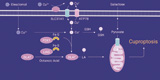
Tsvetkov et al. published in Science and demonstrated a copper-induced programmed cell death — Cuproptosis. As a novel programmed cell death, excess copper triggers abnormal aggregation of lipoylated proteins in TCA cycle and clearance of Fe-S cluster proteins, ultimately leading to cell death.
Scientific Reviews
Tsvetkov et al. published in Science and demonstrated a copper-induced programmed cell death — Cuproptosis. As a novel programmed cell death, excess copper triggers abnormal aggregation of lipoylated proteins in TCA cycle and clearance of Fe-S cluster proteins, ultimately leading to cell death. -
 Scientific Reviews
A comprehensive explanation of ferroptosis
Scientific Reviews
A comprehensive explanation of ferroptosis2022-09-15
Ferroptosis is a new type of RCD that depends on iron and characterized by the accumulation of lipid peroxides. In this article, we will pay our attention on ferroptosis and briefly discusses its mechanism. -
 Scientific Reviews
It's has been proved that p53, as a tumor suppressor gene and immune guardian, may become a destroyer through its own mutation. Moreover, the mechanism of p53 was found to be related to ferroptosis. This article mainly explores the mechanism between p53 and ferroptosis in detail.
Scientific Reviews
It's has been proved that p53, as a tumor suppressor gene and immune guardian, may become a destroyer through its own mutation. Moreover, the mechanism of p53 was found to be related to ferroptosis. This article mainly explores the mechanism between p53 and ferroptosis in detail. -
 Scientific Reviews
TME (Tumor microenvironment) is considered as a complex integrated system, composed of cellular components such as tumor cells and immune cells, as well as non-cellular components such as ECM and cytokines. According to the spatial distribution of immune cells in TME, "hot" and "cold" TME will be explained in this article.
Scientific Reviews
TME (Tumor microenvironment) is considered as a complex integrated system, composed of cellular components such as tumor cells and immune cells, as well as non-cellular components such as ECM and cytokines. According to the spatial distribution of immune cells in TME, "hot" and "cold" TME will be explained in this article. -
 Scientific Reviews
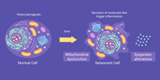
Understanding the mechanism of aging not only has guiding significance for prolonging human life but also has important clinical significance for the prevention and treatment of diseases in the elderly population , thus, improving their life quality and well-being.
Scientific Reviews
Understanding the mechanism of aging not only has guiding significance for prolonging human life but also has important clinical significance for the prevention and treatment of diseases in the elderly population , thus, improving their life quality and well-being. -
 Scientific Reviews
Mammalian cells can also photosynthesize like plants! Photosynthesis can improve cell anabolism and exhibit good clinical effect in degenerative diseases (osteoarthritis).
Scientific Reviews
Mammalian cells can also photosynthesize like plants! Photosynthesis can improve cell anabolism and exhibit good clinical effect in degenerative diseases (osteoarthritis). -
 Scientific Reviews
Necroptosis, also known as necroptosis, is a form of regulated necrotizing cell death mediated by RIP1 and RIP3 kinases. Necroptosis is a process that prevents the self-destruction of activated cells that are blocked by apoptosis. Necroptosis plays a tumor suppressor role in most cases. It may provide benefits in the researches of a variety of human diseases involving immune inflammation and cell death.
Scientific Reviews
Necroptosis, also known as necroptosis, is a form of regulated necrotizing cell death mediated by RIP1 and RIP3 kinases. Necroptosis is a process that prevents the self-destruction of activated cells that are blocked by apoptosis. Necroptosis plays a tumor suppressor role in most cases. It may provide benefits in the researches of a variety of human diseases involving immune inflammation and cell death. -
 Scientific Reviews
Mitophagy:Mechanisms and Detection
Scientific Reviews
Mitophagy:Mechanisms and Detection2023-05-25
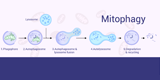
About 60 years ago, Christian de Duve first used the term "autophagy" to describe his observation of the degradation of mitochondria and other intracellular structures in lysosomes of rat liver. Over the years, autophagy has remained a beloved topic of research by the National Natural Science Foundation of China (NSFC).Today, let's talk about mitochondrial autophagy. -
 Scientific Reviews
Structure of Lipid Droplets
Scientific Reviews
Structure of Lipid Droplets2023-06-15
Huh? Lipid droplets? Organelles? In the past, biological data usually only show the traditional organelles, such as mitochondria, Golgi apparatus, endoplasmic reticulum, etc., lipid droplets are often not mentioned by people. Today, we will make a systematic explanation of lipid droplets, so that everyone has a clear understanding! -
 Scientific Reviews
HLA-E, A Novel Immune Checkpoint
Scientific Reviews
HLA-E, A Novel Immune Checkpoint2023-06-29
Immune checkpoints have immunosuppressive functions. It can be used in the research of tumor immunotherapy. In this article, we introduce a new paper entitled "Immune checkpoint HLA-E: CD94 - NKG2Amediates evasion of circulating tumor cells from NK cell surveillance "research paper. -
 Scientific Reviews
WHO's Q2 drug list has been updated. Let's take you through the list of the most noteworthy small molecule drugs that we should pay attention to.
Scientific Reviews
WHO's Q2 drug list has been updated. Let's take you through the list of the most noteworthy small molecule drugs that we should pay attention to. -
 Scientific Reviews
FDA Approved Drug List!
Scientific Reviews
FDA Approved Drug List!2023-09-14
In the first half of 2023 (as of June 27), the FDA approved 26 new drugs, let's take you learn about it through the article. -
 Scientific Reviews
IHC is an indispensable technique for studying tissue morphology and in situ antigen expression, but usually only one or two antigens in tissues can be stained for analysis. It cannot judge the results more intuitively. Today, Little M will introduce you to the upgraded version mlHC.
Scientific Reviews
IHC is an indispensable technique for studying tissue morphology and in situ antigen expression, but usually only one or two antigens in tissues can be stained for analysis. It cannot judge the results more intuitively. Today, Little M will introduce you to the upgraded version mlHC. -
 Scientific Reviews
A suitable model is crucial in drug screening experiments. Organs can mimic the three-dimensional functional structure of internal organs, have similar spatial organization to corresponding organs, maintain some key characteristics, and reproduce some physiological functions. They are widely used for modeling and personalized drug screening of diseases such as cancer, infectious diseases, and rare diseases.
Scientific Reviews
A suitable model is crucial in drug screening experiments. Organs can mimic the three-dimensional functional structure of internal organs, have similar spatial organization to corresponding organs, maintain some key characteristics, and reproduce some physiological functions. They are widely used for modeling and personalized drug screening of diseases such as cancer, infectious diseases, and rare diseases. -
 Scientific Reviews
FDA Annual Review | Record-breaking number of new drug approvals in 2023!
Scientific Reviews
FDA Annual Review | Record-breaking number of new drug approvals in 2023! -
 Scientific Reviews
KRAS, a gene we've heard so much about, has quickly risen to fame after shedding its "undruggable" label. After reading numerous articles, it's easy to feel overwhelmed and wonder: What exactly should we know about this often-discussed but previously "undruggable" target KRAS?
Scientific Reviews
KRAS, a gene we've heard so much about, has quickly risen to fame after shedding its "undruggable" label. After reading numerous articles, it's easy to feel overwhelmed and wonder: What exactly should we know about this often-discussed but previously "undruggable" target KRAS? -
 Scientific Reviews
Compound Screening Guide!
Scientific Reviews
Compound Screening Guide!2024-03-15
How to use compound library? How to design an experiment if you buy a compound library? Want a specific experimental protocol? This article will introduce popular experimental techniques and provide new ideas for publishing high level literature. -
 Scientific Reviews
Wnt/β-catenin and tumor EMT
Scientific Reviews
Wnt/β-catenin and tumor EMT2024-03-18
Epithelial-Mesenchymal Transition (EMT) is closely related to the plasticity of tumor cells and is a necessary process for tumor metastasis. Wnt/β-catenin is one of the main actors involved in the EMT process. Today, we’re here to popularize the tumor EMT and Wnt/β-catenin pathway~ -
 Scientific Reviews
The 2024 AACR meeting concluded successfully in California, USA. Which antitumor drugs stole the show at this conference?
Scientific Reviews
The 2024 AACR meeting concluded successfully in California, USA. Which antitumor drugs stole the show at this conference? -
 Scientific Reviews
Katalin Karikó and Drew Weissman were awarded the Nobel Prize in Physiology or Medicine in 2023 for their groundbreaking work in nucleoside modification, which paved the way for the creation of successful mRNA vaccines to fight against COVID-19. Let's now delve into the complete process of mRNA vaccine development.
Scientific Reviews
Katalin Karikó and Drew Weissman were awarded the Nobel Prize in Physiology or Medicine in 2023 for their groundbreaking work in nucleoside modification, which paved the way for the creation of successful mRNA vaccines to fight against COVID-19. Let's now delve into the complete process of mRNA vaccine development. -
 Scientific Reviews
STZ Induced Diabetes Models
Scientific Reviews
STZ Induced Diabetes Models2024-06-13
Spotlight: How can STZ Help Diabetes Research? -
 Scientific Reviews
Exosomes, which won the Nobel Prize in 2013, are still a research hotspot in the national natural sciences, and their popularity has only increased over the past decade (in 2022, they still rank 5th in the national natural sciences hotspots!). Why have exosomes become the darling of scientific research? Let's take a look together~
Scientific Reviews
Exosomes, which won the Nobel Prize in 2013, are still a research hotspot in the national natural sciences, and their popularity has only increased over the past decade (in 2022, they still rank 5th in the national natural sciences hotspots!). Why have exosomes become the darling of scientific research? Let's take a look together~ -
 Scientific Reviews
How important is the compound library? It connects to drug screening on one end and leads to lead compound modifications on the other, serving as one of the sources of new drug development.
Scientific Reviews
How important is the compound library? It connects to drug screening on one end and leads to lead compound modifications on the other, serving as one of the sources of new drug development. -
 Scientific Reviews
Antibodies!
Scientific Reviews
Antibodies!2024-07-26
Today, We introduce antibodies for everyone! -
 Scientific Reviews
Science’s 2023 Breakthrough: GLP-1R Agonists
Scientific Reviews
Science’s 2023 Breakthrough: GLP-1R Agonists2024-08-13
GLP-1RAs, which achieved great success in 2023 and draws people’s attention back to obesity treatments and GLP-1 therapies worldwide, was chosen as the breakthrough of year 2023 by Science [2]. -
 Scientific Reviews
What Are Popular Anti-tumor Drug Targets?
Scientific Reviews
What Are Popular Anti-tumor Drug Targets?2024-08-20
The rapid development of targeted anti-cancer drugs has spurred diverse research across various modalities. These include small molecules, monoclonal antibodies (mAbs), cell immunotherapies, antibody-drug conjugates (ADCs), and PROTACs (proteolysis targeting chimeras). -
 Scientific Reviews
Cuproptosis, How much do you know?
Scientific Reviews
Cuproptosis, How much do you know?2024-08-22
Cells die in a variety of ways, including apoptosis, pyroptosis, necrosis, and ferroptosis......And, of course, cuproptosis. So, how much do you know about cuproptosis? -
 Scientific Reviews
Virtual Screening and New Uses for Old Drugs
Scientific Reviews
Virtual Screening and New Uses for Old Drugs2024-09-17
With the advancement of medical science, drug screening against various disease targets has become the fundamental strategy for drug development. Currently, computer-based virtual screening techniques are emerging in the field of new drug research due to their efficiency and low cost. Let's explore it today! -
 Scientific Reviews
Recently, Mol Cell reported the discovery of the first ferroptosis marker, Hyperoxidized PRDX3! Let’s take a look together~
Scientific Reviews
Recently, Mol Cell reported the discovery of the first ferroptosis marker, Hyperoxidized PRDX3! Let’s take a look together~ -
 Scientific Reviews
Cuproptosis's Knowledge Points!
Scientific Reviews
Cuproptosis's Knowledge Points!2024-09-25
With the establishment of the cuproptosis mechanism related research has attracted more and more attention from major journals. Expect to use the sharp sword of cuproptosis to stab the tumor cells. -
 Scientific Reviews
2024 Nobel Prize Announcements! Curious about the details? Click to dive into the exciting developments!
Scientific Reviews
2024 Nobel Prize Announcements! Curious about the details? Click to dive into the exciting developments! -
Scientific Reviews
Delve into the intricate networks that govern mitochondrial quality control. By examining key mechanisms such as biogenesis, mitochondrial dynamics (fission and fusion), proteolysis, and mitophagy. -
 Scientific Reviews
Unlocking the Power of Intermittent Fasting: The 16+8 Method
Scientific Reviews
Unlocking the Power of Intermittent Fasting: The 16+8 Method -
 Scientific Reviews
We are thrilled to share the latest advancements in AI technology as highlighted in this insightful article. From groundbreaking innovations to transformative applications, the future of AI is brighter than ever!
Scientific Reviews
We are thrilled to share the latest advancements in AI technology as highlighted in this insightful article. From groundbreaking innovations to transformative applications, the future of AI is brighter than ever! -
 Scientific Reviews
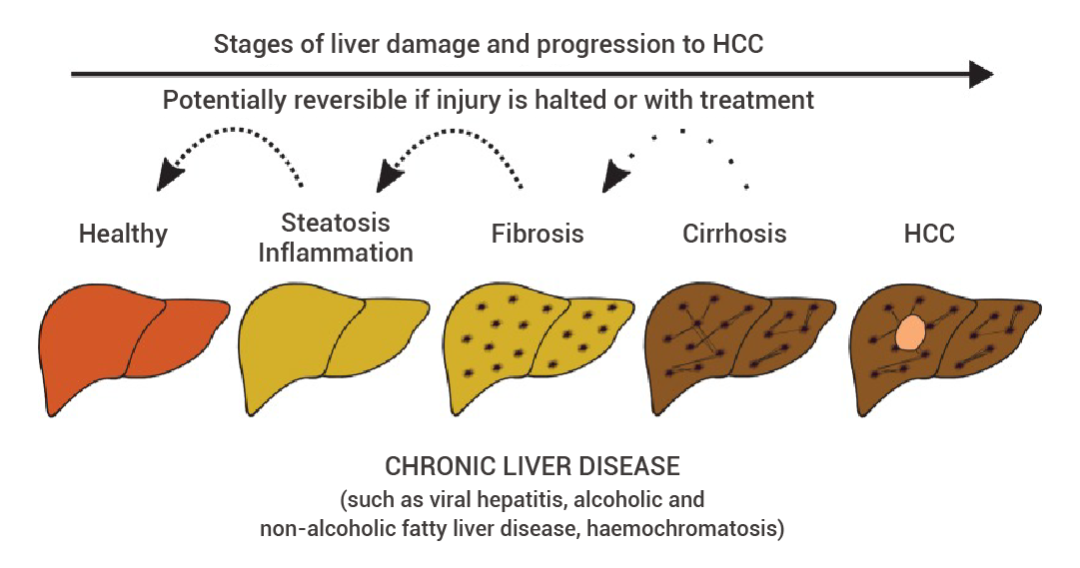
This article will tell you about the common methods of modeling liver disease in animal models.
Scientific Reviews
This article will tell you about the common methods of modeling liver disease in animal models. -
 Scientific Reviews
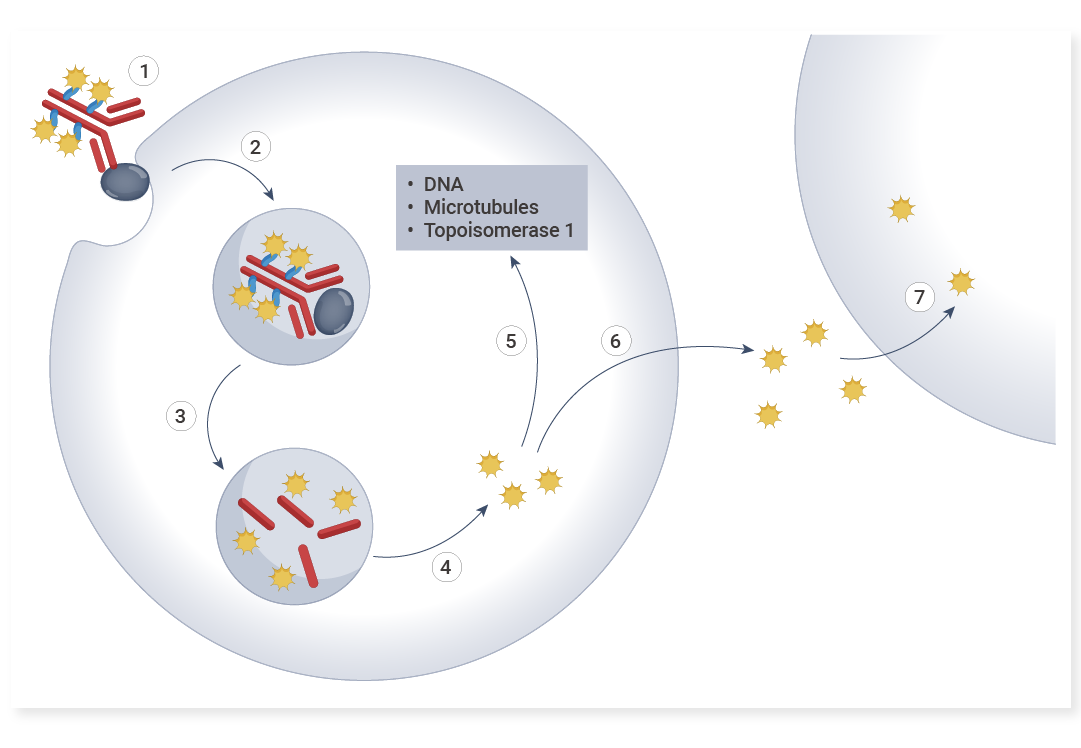
This article will walk you through the remarkable impacts of anti-payload antibodies, delving into how these molecules are revolutionizing drug development and biological research!
Scientific Reviews
This article will walk you through the remarkable impacts of anti-payload antibodies, delving into how these molecules are revolutionizing drug development and biological research! -
 Scientific Reviews
This article introduces some common cardiovascular disease models, inducers, modeling protocols and successful modeling cases in the research.
Scientific Reviews
This article introduces some common cardiovascular disease models, inducers, modeling protocols and successful modeling cases in the research. -
 Scientific Reviews
Cell Migration vs. Invasion: Differences Revealed by Scratch Assays and Transwell Experiments
Scientific Reviews
Cell Migration vs. Invasion: Differences Revealed by Scratch Assays and Transwell Experiments2025-05-30
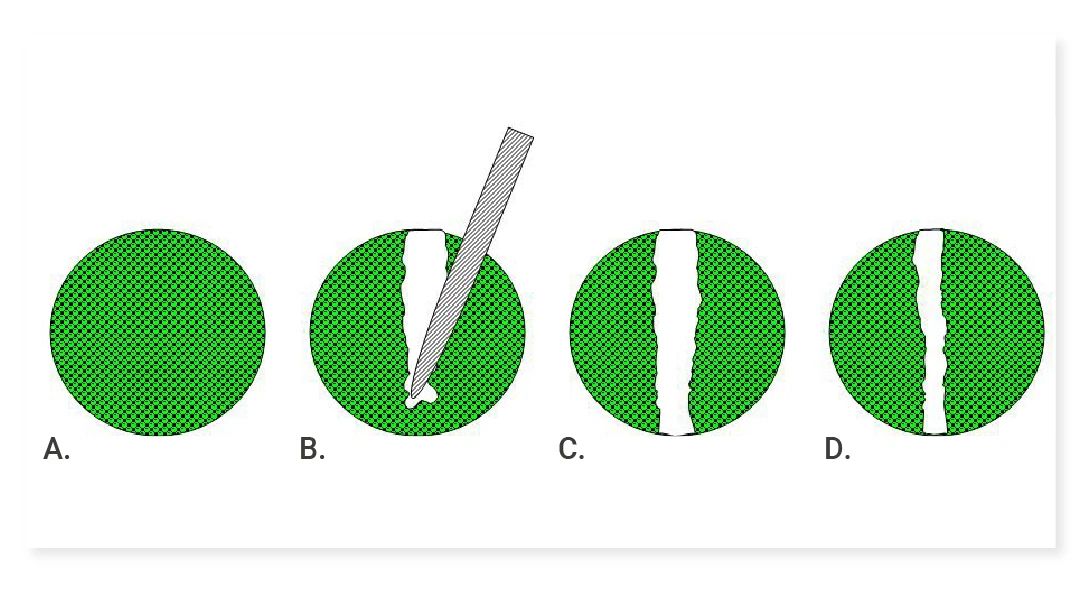
In scientific research, cell migration and invasion are crucial for understanding many important biological processes. This article delves into commonly used detection methods: the scratch assay and Transwell migration/invasion assay. -
 Scientific Reviews
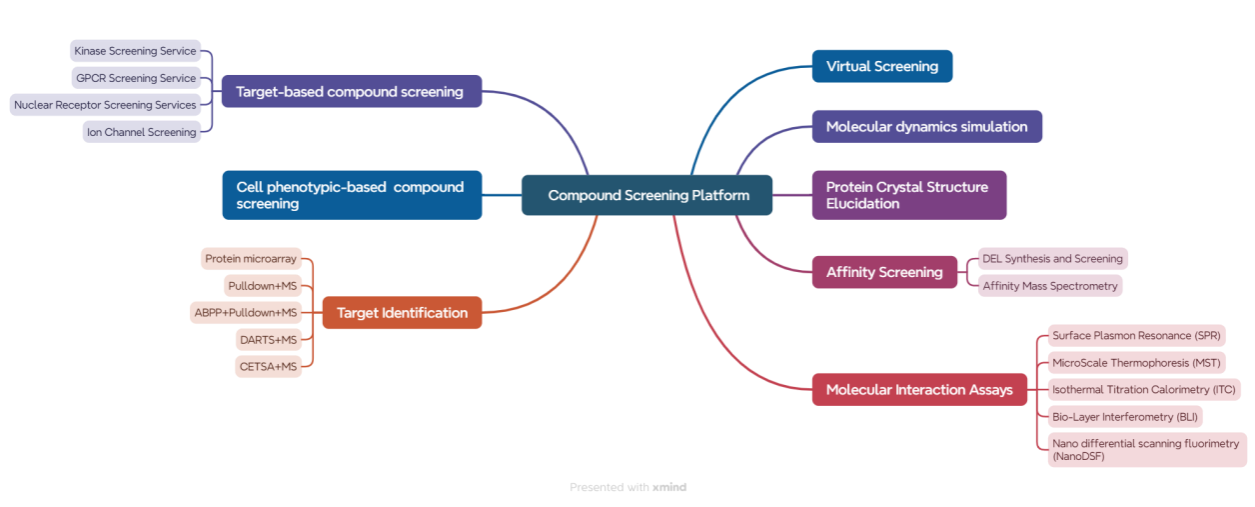
How should drug screening experiments be conducted? How can we ensure the accuracy of the lead compounds identified? This article will take you through how MCE's clients conduct drug screening experiments.
Scientific Reviews
How should drug screening experiments be conducted? How can we ensure the accuracy of the lead compounds identified? This article will take you through how MCE's clients conduct drug screening experiments. -
 Scientific Reviews
In this issue, we will conduct an in-depth interpretation from the dimensions of nanoparticle design, mechanism of action, in vivo and in vitro efficacy, and immune regulation, revealing how this research brings new hope for the treatment of invasive tumors through interdisciplinary innovation!
Scientific Reviews
In this issue, we will conduct an in-depth interpretation from the dimensions of nanoparticle design, mechanism of action, in vivo and in vitro efficacy, and immune regulation, revealing how this research brings new hope for the treatment of invasive tumors through interdisciplinary innovation! -
 Scientific Reviews
IHC, ICC, IF Techniques: A Practical Guide
Scientific Reviews
IHC, ICC, IF Techniques: A Practical Guide2025-07-25
Confused About IHC/ICC/IF? Why Does Immunostaining Seem So Complicated? Read This Now! Master Immunostaining with Confidence! -
 Scientific Reviews
HTS Breakthroughs Powered by MCE Libraries
Scientific Reviews
HTS Breakthroughs Powered by MCE Libraries2025-08-13
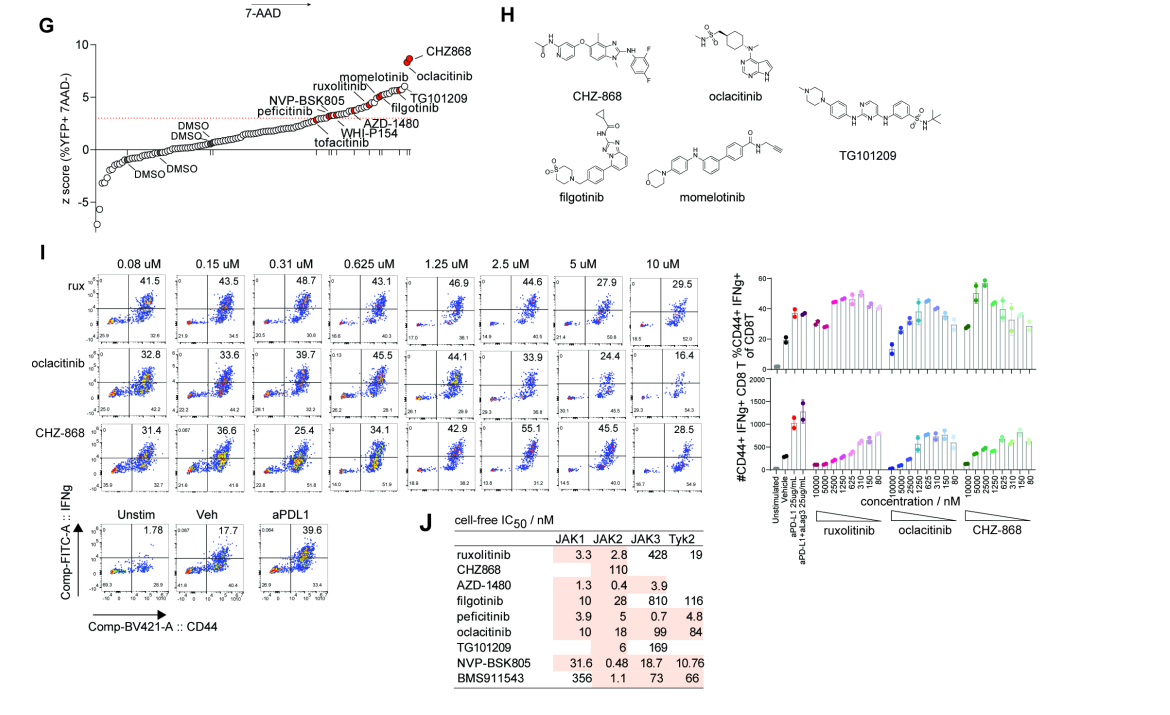
Key High-Throughput Screening Breakthroughs of 2024 Featuring MCE -
 Scientific Reviews
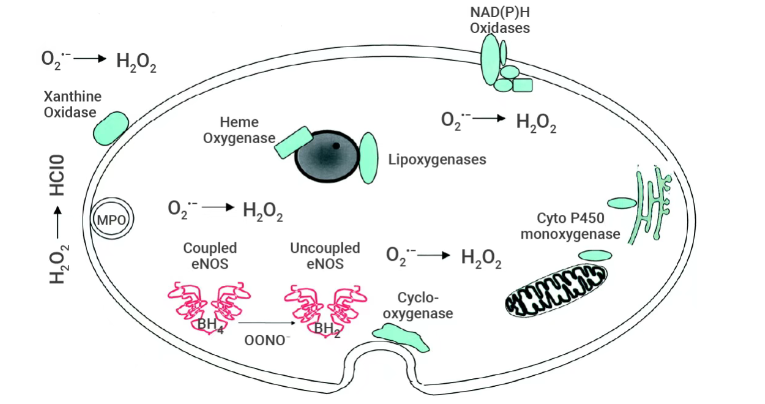
The article introduces the mechanisms of ROS generation and the methods for their detection.
Scientific Reviews
The article introduces the mechanisms of ROS generation and the methods for their detection. -
 Scientific Reviews
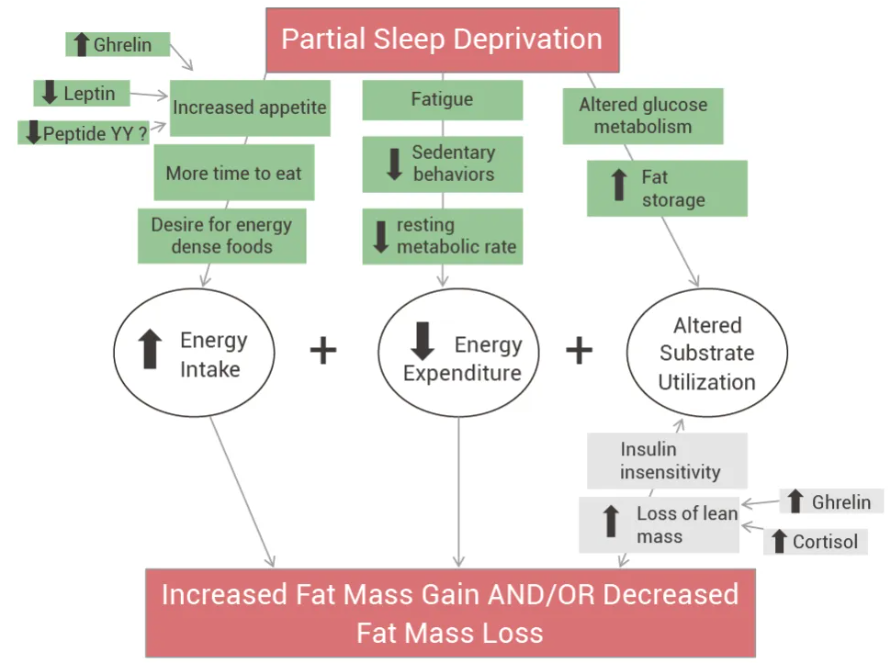
Have you ever noticed that after staying up late, your appetite—especially for high-calorie foods—gets out of control? If this sounds familiar, today’s article might offer some good news.
Scientific Reviews
Have you ever noticed that after staying up late, your appetite—especially for high-calorie foods—gets out of control? If this sounds familiar, today’s article might offer some good news. -
 Scientific Reviews
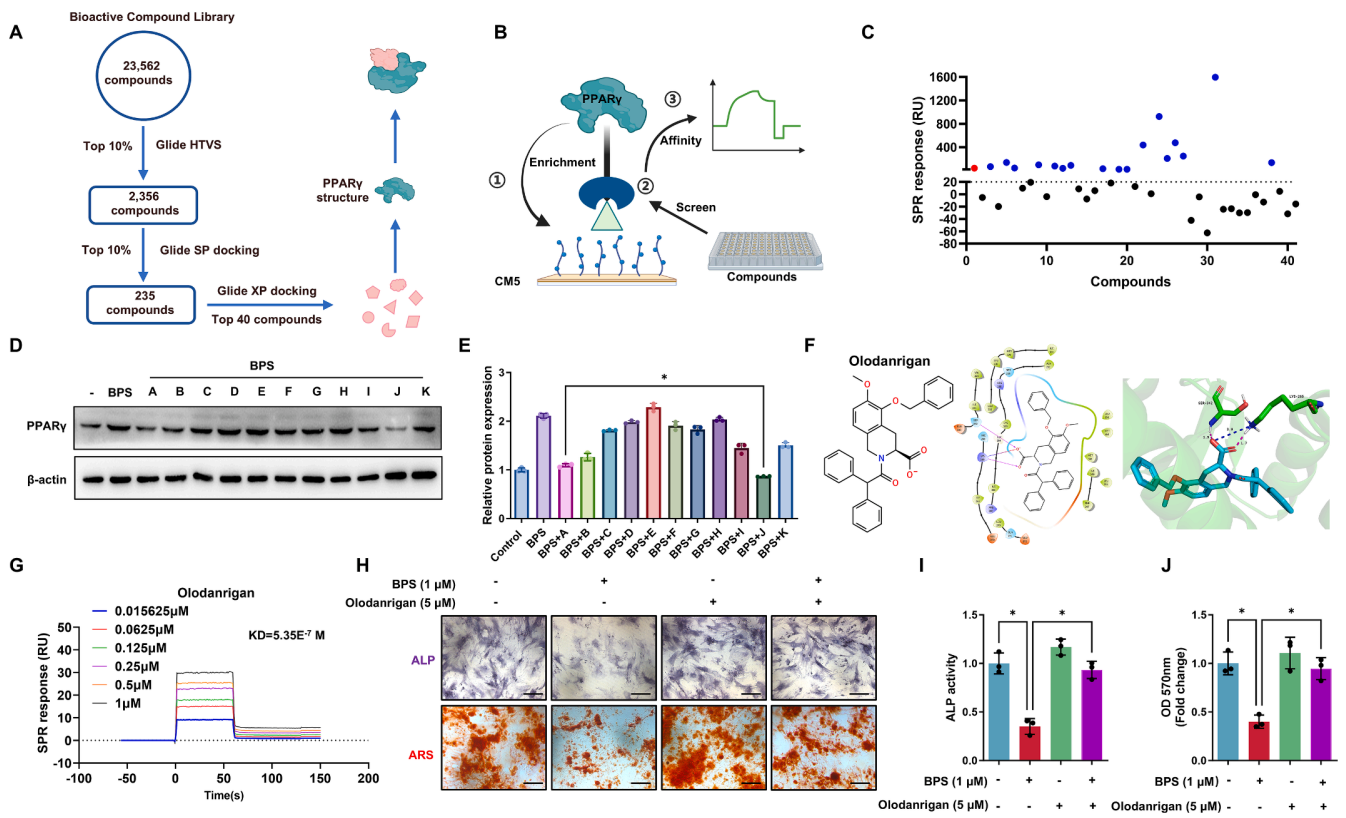
Encountering challenges with the high costs and long timelines of drug screening? Have a defined target but remain uncertain how to efficiently identify active molecules? Unsure how to validate hits generated from virtual screening? The ‘Winning Combination’ of drug screening offers a powerful solution to address these critical obstacles.
Scientific Reviews
Encountering challenges with the high costs and long timelines of drug screening? Have a defined target but remain uncertain how to efficiently identify active molecules? Unsure how to validate hits generated from virtual screening? The ‘Winning Combination’ of drug screening offers a powerful solution to address these critical obstacles. -
 Scientific Reviews
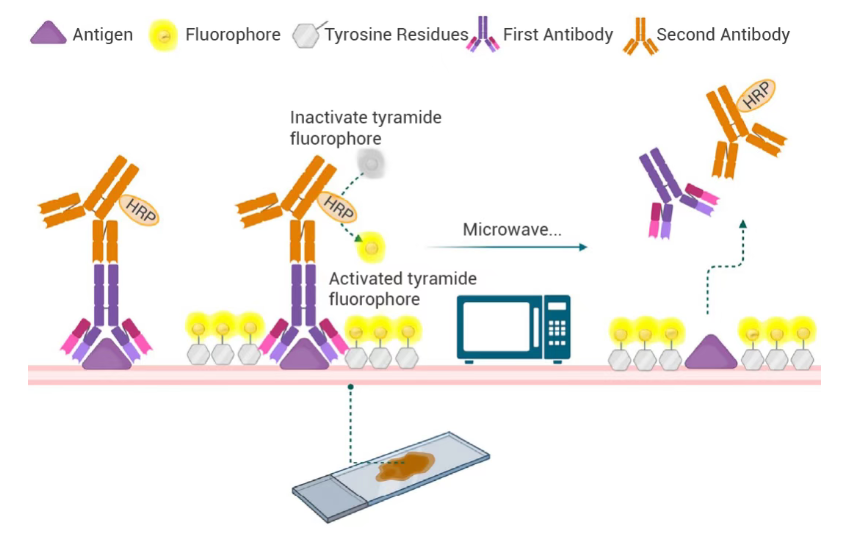
This detailed guide outlines the standardized experimental protocols for multiplex immunohistochemistry (mIHC), systematically summarizes common technical issues encountered during sample preparation, staining and imaging processes, and provides practical troubleshooting solutions to ensure reliable and reproducible results in biomedical research and clinical sample analysis.
Scientific Reviews
This detailed guide outlines the standardized experimental protocols for multiplex immunohistochemistry (mIHC), systematically summarizes common technical issues encountered during sample preparation, staining and imaging processes, and provides practical troubleshooting solutions to ensure reliable and reproducible results in biomedical research and clinical sample analysis. -
 Scientific Reviews
Finding adipogenic induction media too expensive and tricky to prepare? This comprehensive guide to 3T3-L1 adipogenic differentiation simplifies the process, helping you achieve great results!
Scientific Reviews
Finding adipogenic induction media too expensive and tricky to prepare? This comprehensive guide to 3T3-L1 adipogenic differentiation simplifies the process, helping you achieve great results! -
 Scientific Reviews
Exosomes—natural nanoscale carriers—are revolutionizing targeted therapy. This article uncovers the science behind their precision in drug delivery.
Scientific Reviews
Exosomes—natural nanoscale carriers—are revolutionizing targeted therapy. This article uncovers the science behind their precision in drug delivery. -
Scientific Reviews
Cracking the PROTAC Permeability Barrier: CD36-Mediated Endocytosis as a Potential Breakthrough2025-12-03
This article provides an in-depth analysis of cutting-edge literature revealing CD36 as a key mediator of cellular uptake for PROTACs and bRO5 compounds. By structurally optimizing PROTAC molecules to enhance their affinity for CD36, membrane permeability can be markedly improved, leading to significantly enhanced antitumor efficacy. -
 Scientific Reviews
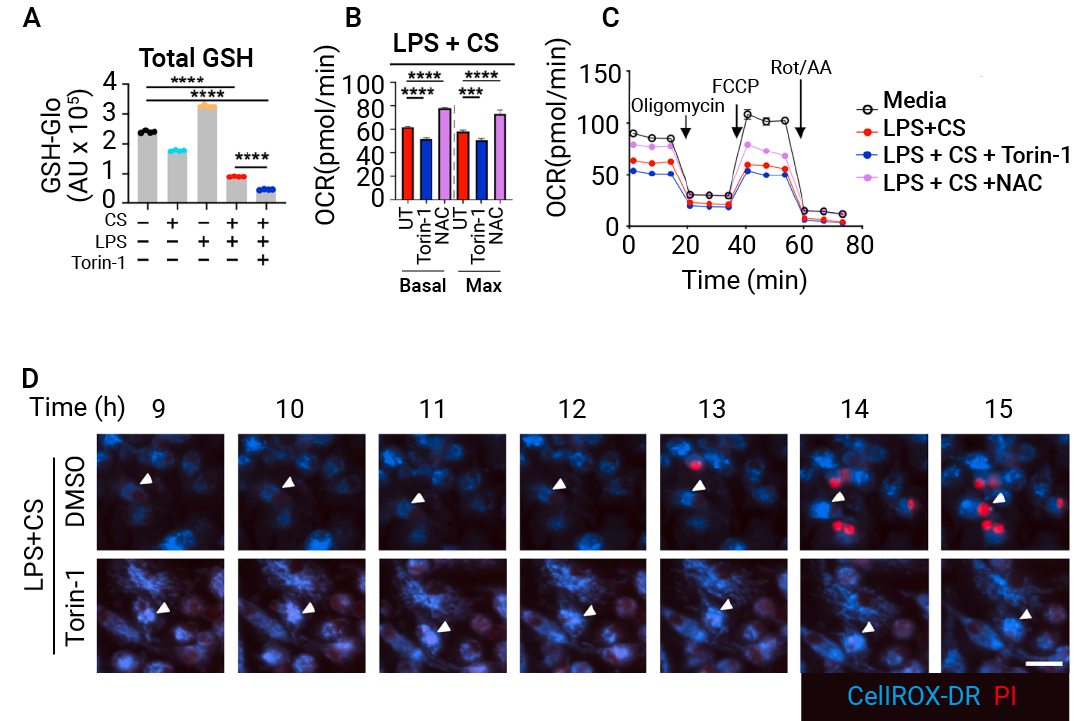
A November 2025 Cell study discovers Mitoxyperilysis, a new mTOR-regulated, caspase-independent cell death pathway driven by innate immune and metabolic dysregulation via mitochondrial-plasma membrane contact and oxidative damage, and verifies its potential to induce tumor necrosis for cancer therapy with key regulators including BAX, BAK1 and BID.
Scientific Reviews
A November 2025 Cell study discovers Mitoxyperilysis, a new mTOR-regulated, caspase-independent cell death pathway driven by innate immune and metabolic dysregulation via mitochondrial-plasma membrane contact and oxidative damage, and verifies its potential to induce tumor necrosis for cancer therapy with key regulators including BAX, BAK1 and BID. -
 Scientific Reviews
This paper elaborates on cytokines for culturing major immune cells, their regulatory roles, recombinant cytokines' merits and MCE’s related high-quality products.
Scientific Reviews
This paper elaborates on cytokines for culturing major immune cells, their regulatory roles, recombinant cytokines' merits and MCE’s related high-quality products. -
 Scientific Reviews
In the hunt for the next ‘GLP-1,’ amylin therapeutics, which have shown strong weight-loss results in clinical trials, have become a major focus for both multinational pharma and the scientific community.
Scientific Reviews
In the hunt for the next ‘GLP-1,’ amylin therapeutics, which have shown strong weight-loss results in clinical trials, have become a major focus for both multinational pharma and the scientific community. -
 Scientific Reviews
This article walks you through the experimental design and workflow of flow cytometry, delivering a clear, dynamic, and professional overview to elevate your research.
Scientific Reviews
This article walks you through the experimental design and workflow of flow cytometry, delivering a clear, dynamic, and professional overview to elevate your research. -
 Scientific Reviews
Molecular glue degraders have evolved from a serendipitous observation to one of the most dynamic and transformative fields in biomedical research.
Scientific Reviews
Molecular glue degraders have evolved from a serendipitous observation to one of the most dynamic and transformative fields in biomedical research. -
 Scientific Reviews
GLP-1 and Obesity Research
Scientific Reviews
GLP-1 and Obesity Research2026-08-14
Obesity substantially increases the risk of chronic diseases such as T2D and cardiovascular disease. The breakout success of GLP-1 therapies has spotlighted GLP-1R and a wave of emerging obesity targets. -
 EDM
Research Solution for Breast Cancer TME
EDM
Research Solution for Breast Cancer TME2025-05-21
This review examines the complex interactions within the breast cancer tumor microenvironment, emphasizing how understanding these dynamics is essential for developing effective therapies and overcoming immune resistance. -
 EDM
Research Progress of Type-2-Diabetes
EDM
Research Progress of Type-2-Diabetes2025-07-09
This review comprehensively analyzes the pathophysiological mechanisms underlying T2D, surveys current therapeutic strategies, and introduces commonly used disease modeling approaches to support translational research. -
 EDM
This review discusses the fundamentals of lipid biology and lipid metabolism, examines dysregulated lipid metabolism in cancer, and summarizes therapeutic strategies targeting lipid metabolic pathways.
EDM
This review discusses the fundamentals of lipid biology and lipid metabolism, examines dysregulated lipid metabolism in cancer, and summarizes therapeutic strategies targeting lipid metabolic pathways. -
 EDM
This review provides an overview of GLP-1 biology and physiological functions, summarizes the development and clinical applications of GLP-1 receptor agonists, and discusses next-generation GLP-1–based therapeutic strategies.
EDM
This review provides an overview of GLP-1 biology and physiological functions, summarizes the development and clinical applications of GLP-1 receptor agonists, and discusses next-generation GLP-1–based therapeutic strategies. -
 EDM
This review presents an overview of antibody–drug conjugates from design principles and antitumor mechanisms to structural innovations, clinical progress, and future development prospects.
EDM
This review presents an overview of antibody–drug conjugates from design principles and antitumor mechanisms to structural innovations, clinical progress, and future development prospects. -
 EDM
This review explores mechanisms and strategies for modulating the gut microbiota to enhance cancer immunotherapy, providing insights to improve therapeutic efficacy.
EDM
This review explores mechanisms and strategies for modulating the gut microbiota to enhance cancer immunotherapy, providing insights to improve therapeutic efficacy. -
 EDM
Combating Immune Evasion in Cancer
EDM
Combating Immune Evasion in Cancer2025-10-15
This review summarizes the mechanisms by which tumors evade immune surveillance and discusses therapeutic strategies to restore antitumor immunity. -
 EDM
This review summarizes the mechanisms of drug resistance in triple-negative breast cancer and highlights emerging therapeutic strategies.
EDM
This review summarizes the mechanisms of drug resistance in triple-negative breast cancer and highlights emerging therapeutic strategies. -
 EDM
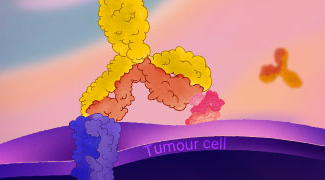
Bispecific Antibodies in Cancer Therapy
EDM
Bispecific Antibodies in Cancer Therapy2025-10-29
This review highlights the mechanisms, technology platforms, and clinical progress of bispecific antibodies, and discusses emerging strategies to guide future development. -
 EDM
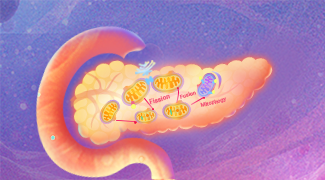
This review discusses β-cell dysfunction driven by mitochondrial impairment, outlines mitochondrial quality control networks, and summarizes strategies to restore mitochondrial function.
EDM
This review discusses β-cell dysfunction driven by mitochondrial impairment, outlines mitochondrial quality control networks, and summarizes strategies to restore mitochondrial function. -
 EDM
This review provides insights into the pancreatic ductal adenocarcinoma tumor microenvironment, highlighting its cellular composition, stromal heterogeneity, and immune-targeting strategies.
EDM
This review provides insights into the pancreatic ductal adenocarcinoma tumor microenvironment, highlighting its cellular composition, stromal heterogeneity, and immune-targeting strategies. -
 EDM
Understanding In Vivo CAR-T Cell Therapy
EDM
Understanding In Vivo CAR-T Cell Therapy2026-01-22
This review provides a comprehensive overview of in vivo CAR-T therapy, covering technical platforms, clinical translation, and key challenges such as gene delivery and immunogenicity. -
 EDM
Highlight the overview of engineered EVs, their construction methods, and applications in cancer immunotherapy.
EDM
Highlight the overview of engineered EVs, their construction methods, and applications in cancer immunotherapy. -
 EDM
Explore next-generation obesity therapies from three perspectives: GLP-1-based multi-receptor agonists, oral GLP-1 strategies, and novel obesity targets.
EDM
Explore next-generation obesity therapies from three perspectives: GLP-1-based multi-receptor agonists, oral GLP-1 strategies, and novel obesity targets. -
 EDM
Highlight single-cell metabolomics and stable isotope tracing (SIT) in uncovering metabolic heterogeneity and nutrient flux dynamics in tumors.
EDM
Highlight single-cell metabolomics and stable isotope tracing (SIT) in uncovering metabolic heterogeneity and nutrient flux dynamics in tumors. -
 EDM
Explore ADC evolution, immune combination strategies, and clinical advances at the intersection of targeted therapy and immunotherapy.
EDM
Explore ADC evolution, immune combination strategies, and clinical advances at the intersection of targeted therapy and immunotherapy. -
 EDM
Review mitophagy regulation, disease mechanisms, and therapeutic advances to guide future research and drug development.
EDM
Review mitophagy regulation, disease mechanisms, and therapeutic advances to guide future research and drug development. -
 EDM
Tumor Organoid-Immune Cell Co-Culture Models: Advances, Applications, and Future Directions
EDM
Tumor Organoid-Immune Cell Co-Culture Models: Advances, Applications, and Future Directions2026-05-07
Summarize technical strategies, application advances, and future directions of tumor organoid–immune co-culture systems. -
 EDM
Review mechanisms, major challenges, and efficacy-enhancing strategies of TCR-T therapy in solid tumors, with implications for future research and clinical translation.
EDM
Review mechanisms, major challenges, and efficacy-enhancing strategies of TCR-T therapy in solid tumors, with implications for future research and clinical translation. -
 EDM
The Dual Role of Cellular Senescence in Cancer: Mechanisms, Microenvironment, and Therapeutics
EDM
The Dual Role of Cellular Senescence in Cancer: Mechanisms, Microenvironment, and Therapeutics2026-05-21
Explore the dual role of cellular senescence in cancer, including tumor suppression, SASP-driven tumor promotion, senescence heterogeneity and plasticity, and advances in senescence-targeted therapies. -
 EDM
Breaking Immune Resistance in Colorectal Cancer: From Molecular Mechanisms to Precision Therapy
EDM
Breaking Immune Resistance in Colorectal Cancer: From Molecular Mechanisms to Precision Therapy2026-06-25
Explore CRC molecular subtypes, immune landscapes, resistance mechanisms, and emerging precision strategies for improving outcomes across distinct subtypes. -
 EDM
Explore the evolution from GLP-1 mono-agonists to multi-receptor therapeutics and the expanding role of incretin-based therapies in precision metabolic medicine.
EDM
Explore the evolution from GLP-1 mono-agonists to multi-receptor therapeutics and the expanding role of incretin-based therapies in precision metabolic medicine. -
 EDM
Evolution of PCSK9 Inhibitors Modalities: From Monoclonal Antibodies to Oral Macrocyclic Peptides
EDM
Evolution of PCSK9 Inhibitors Modalities: From Monoclonal Antibodies to Oral Macrocyclic Peptides2026-08-27
Review the biological basis of PCSK9, key therapeutic modalities, cardiovascular evidence, and future directions, including insights from the CORALreef clinical program. -
 EDM
Explore the mechanisms of tumor immune evasion, dynamic checkpoint regulation, and the evolution of mechanism-driven combinations and patient stratification.
EDM
Explore the mechanisms of tumor immune evasion, dynamic checkpoint regulation, and the evolution of mechanism-driven combinations and patient stratification. -
 EDM
Explore how mitochondrial quality control, inflammatory signaling, and metabolic–epigenetic reprogramming regulate cellular senescence and the SASP, along with strategies to restore mitochondrial homeostasis.
EDM
Explore how mitochondrial quality control, inflammatory signaling, and metabolic–epigenetic reprogramming regulate cellular senescence and the SASP, along with strategies to restore mitochondrial homeostasis. -
 Product Guides
Exosomes are nano-sized biovesicles released into surrounding body fluids after the fusion of multivesicular bodies with the plasma membrane. In this article, we will briefly introduce isolation, labeling and identification of exosomes. And the specific application of exosomes will also be mentioned.
Product Guides
Exosomes are nano-sized biovesicles released into surrounding body fluids after the fusion of multivesicular bodies with the plasma membrane. In this article, we will briefly introduce isolation, labeling and identification of exosomes. And the specific application of exosomes will also be mentioned. -
 Blog
EC0489, a SMDC for Cancer Therapy
Blog
EC0489, a SMDC for Cancer Therapy2019-03-25
EC0489, a conjugate of folic acid and desacetyl vinblastine hydrazide, is a SMDC under development for the treatment of solid tumours. -
 Blog
R916562, a dual Axl/VEGF-R2 inhibitor, could be a potential anti-angiogenic and anti-metastatic drug for cancer chemotherapy.
Blog
R916562, a dual Axl/VEGF-R2 inhibitor, could be a potential anti-angiogenic and anti-metastatic drug for cancer chemotherapy. -
 Blog
Role of PRMT7 Probe SGC3027 in Cancer
Blog
Role of PRMT7 Probe SGC3027 in Cancer2019-03-27
SGC3027 is the first potent, selective and cell active chemical probe for PRMT7. SGC3027 is also a pro-drug, which converts to the active compound SGC8158 -
 Blog
Alofanib, An Allosteric Inhibitor of FGFR2
Blog
Alofanib, An Allosteric Inhibitor of FGFR22019-03-28
Alofanib is an allosteric inhibitor of FGFR2 and inhibits FGF-mediated proliferation with GI50s of 16-370 nM, showing pronounced antitumor activity. -
 Blog
A Novel and Efficacious RAF Inhibitor RAF709
Blog
A Novel and Efficacious RAF Inhibitor RAF7092019-03-30
RAF709, a novel and efficacious RAF inhibitor, activates the MAPK pathway and shows antitumor activity in tumor cells harboring BRAF or RAS mutations. -
 Blog
CF53 is a highly potent, selective and orally active inhibitor of BET protein, with anti-tumor activity in acute leukemia and breast cancer cell lines.
Blog
CF53 is a highly potent, selective and orally active inhibitor of BET protein, with anti-tumor activity in acute leukemia and breast cancer cell lines. -
 Blog
AZD3229 is a Potent Pan-KIT Mutant Inhibitor
Blog
AZD3229 is a Potent Pan-KIT Mutant Inhibitor2019-04-04
AZD3229 is a potent, pan-KIT mutant inhibitor with potent single digit nM growth inhibition against a diverse panel of mutant KIT driven Ba/F3 cell lines. -
 Blog
BR351 is a Brain Penetrant MMP Inhibitor
Blog
BR351 is a Brain Penetrant MMP Inhibitor2019-04-05
BR351 is a brain penetrant MMP inhibitor, and a potential tool for the molecular imaging of activated MMPs with PET, with an IC50 in the nanomolar range. -
 Blog
A Lead PROTAC BRD9 Chemical Degrader
Blog
A Lead PROTAC BRD9 Chemical Degrader2019-04-06
PROTAC BRD9 Degrader-1 is a lead PROTAC BRD9 chemical degrader and a selective probe useful for the study of BAF complex biology. -
 Blog
SGC-GAK-1 is a potent, selective, and cell-active GAK inhibitor and shows potent anti-proliferative activity in LNCaP and 22Rv1 cells.
Blog
SGC-GAK-1 is a potent, selective, and cell-active GAK inhibitor and shows potent anti-proliferative activity in LNCaP and 22Rv1 cells. -
 Blog
COH000 is an allosteric, covalent and irreversible inhibitor of SUMO-activating enzyme, with an IC50 of 0.2 μM for SUMOylation in vitro.
Blog
COH000 is an allosteric, covalent and irreversible inhibitor of SUMO-activating enzyme, with an IC50 of 0.2 μM for SUMOylation in vitro. -
 Blog
Nevanimibe is a selective and potent ACAT1 inhibitor. An excellent drug candidate in the treatment of adrenocortical cancer.
Blog
Nevanimibe is a selective and potent ACAT1 inhibitor. An excellent drug candidate in the treatment of adrenocortical cancer. -
 Blog
MK-0429 is An Oral Integrin (αvβ3) Inhibitor
Blog
MK-0429 is An Oral Integrin (αvβ3) Inhibitor2019-04-11
MK-0429, an orally active αvβ3 inhibitor, is a potential therapeutic agent for the prevention of kidney fibrosis, melanoma and osteoporosis. -
 Blog
AZ304, a Dual BRAF Inhibitor Against Cancer
Blog
AZ304, a Dual BRAF Inhibitor Against Cancer2019-04-12
AZ304 is a potent BRAF inhibitor, blocks both wild type BRAF and V600E mutant BRAF activity, with IC50s in the nanomolar range. -
 Blog
Erteberel is a Selective ERβ Agonist
Blog
Erteberel is a Selective ERβ Agonist2019-04-16
Erteberel (LY500307) is a synthetic, nonsteroidal estrogen which acts as a selective ERβ agonist and under development for the treatment of schizophrenia. -
 Blog
MBQ-167 is a dual Rac/Cdc42 inhibitor in in metastatic cancer, with IC50s of 103 nM for Rac 1/2/3 and 78 nM for Cdc42 in MDA-MB-231 cells, respectively.
Blog
MBQ-167 is a dual Rac/Cdc42 inhibitor in in metastatic cancer, with IC50s of 103 nM for Rac 1/2/3 and 78 nM for Cdc42 in MDA-MB-231 cells, respectively. -
 Blog
PRN1008 is a Reversible Covalent and Oral Active Inhibitor of Bruton’s Tyrosine Kinase (BTK)
Blog
PRN1008 is a Reversible Covalent and Oral Active Inhibitor of Bruton’s Tyrosine Kinase (BTK)2019-04-18
PRN1008 is a selective, reversible covalent and oral active inhibitor of Bruton’s Tyrosine Kinase (BTK), with an IC50 of 1.3 nM. -
 Blog
Multiple Tyrosine Kinases Inhibitor TAS-115
Blog
Multiple Tyrosine Kinases Inhibitor TAS-1152019-04-19
TAS-115 is a potent VEGFR and c-Met/HGFR-targeted kinase inhibitor with IC50s of 30 and 32 nM for rVEGFR2 and rMET, respectively. -
 Blog
Y06036 is a potent and selective BET inhibitor for potential treatment of castration-resistant prostate cancer. With nanomolar inhibition.
Blog
Y06036 is a potent and selective BET inhibitor for potential treatment of castration-resistant prostate cancer. With nanomolar inhibition. -
 Blog
JNJ-64619178 is a selective and pseudo-irreversible PRMT5 inhibitor with an IC50 of 0.14 nM. Has potent Activity In Lung Cancer.
Blog
JNJ-64619178 is a selective and pseudo-irreversible PRMT5 inhibitor with an IC50 of 0.14 nM. Has potent Activity In Lung Cancer. -
 Blog
(E)-AG 99 is an EGFR inhibitor and shows a growth-inhibition on not only serum-starved cells but also normally grown cells. Treatment for Bladder cancer.
Blog
(E)-AG 99 is an EGFR inhibitor and shows a growth-inhibition on not only serum-starved cells but also normally grown cells. Treatment for Bladder cancer. -
 Blog
TAK-828F is a potent, selective and orally active retinoic acid receptor-related orphan receptor γt (RORγt) inverse agonist. TAK-828F inhibits IL-17A cytokine expression and reduces symptoms of autoimmune encephalomyelitis mice.
Blog
TAK-828F is a potent, selective and orally active retinoic acid receptor-related orphan receptor γt (RORγt) inverse agonist. TAK-828F inhibits IL-17A cytokine expression and reduces symptoms of autoimmune encephalomyelitis mice. -
 Blog
Y06137 is a potent and selective BET inhibitor, which binds to the BRD4(1) bromodomain with a Kd of 81 nM. Antitumor activity.
Blog
Y06137 is a potent and selective BET inhibitor, which binds to the BRD4(1) bromodomain with a Kd of 81 nM. Antitumor activity. -
 Blog
Borussertib is a covalent-allosteric and first-in-class inhibitor of protein kinase Akt, with an IC50 of 0.8 nM and a Ki of 2.2 nM for Akt-wt.
Blog
Borussertib is a covalent-allosteric and first-in-class inhibitor of protein kinase Akt, with an IC50 of 0.8 nM and a Ki of 2.2 nM for Akt-wt. -
 Blog
NRX-252262 is a β-catenin:β-TrCP interaction enhancer, and its cognate E3 ligase, SCFβ-TrCP, induces mutant β-catenin degradation, with an EC50 of 3.8 nM
Blog
NRX-252262 is a β-catenin:β-TrCP interaction enhancer, and its cognate E3 ligase, SCFβ-TrCP, induces mutant β-catenin degradation, with an EC50 of 3.8 nM -
 Blog
TAK-981 is a selective inhibitor of the SUMOylation enzymatic cascade, with potential immune-activating and antineoplastic activities
Blog
TAK-981 is a selective inhibitor of the SUMOylation enzymatic cascade, with potential immune-activating and antineoplastic activities -
 Blog
TD-428 is a Highly Specific BRD4 Degrader
Blog
TD-428 is a Highly Specific BRD4 Degrader2019-04-29
TD-428, a immunomodulatory drug analog, is a highly specific BRD4 degrader with a DC50 of 0.32 nM. TD-428 reduces c-Myc levels more efficiently than JQ1. -
 Blog
SLLN-15 is an oral activ enhancer of autophagy that activates cytostatic macroautophagy/autophagy in triple-negative breast cancer (TNBC).
Blog
SLLN-15 is an oral activ enhancer of autophagy that activates cytostatic macroautophagy/autophagy in triple-negative breast cancer (TNBC). -
 Blog
A1874 is a nutlin-based and BRD4-degrading PROTAC with a DC50 of 32 nM. Effective in inhibiting many cancer cell lines proliferation
Blog
A1874 is a nutlin-based and BRD4-degrading PROTAC with a DC50 of 32 nM. Effective in inhibiting many cancer cell lines proliferation -
 Blog
BAY-8002 is a selective and orally active inhibitor of monocarboxylate transporter 1 (MCT1), with an IC50 of 85 nM. Has potential to treat lymphoma.
Blog
BAY-8002 is a selective and orally active inhibitor of monocarboxylate transporter 1 (MCT1), with an IC50 of 85 nM. Has potential to treat lymphoma. -
 Blog
MRTX-1257 is a selective, irreversible, covalent and oral active KRAS G12C inhibitor, with an IC50 of 900 pM for KRAS dependent ERK phosphorylation.
Blog
MRTX-1257 is a selective, irreversible, covalent and oral active KRAS G12C inhibitor, with an IC50 of 900 pM for KRAS dependent ERK phosphorylation. -
 Blog
USL311 is a selective CXCR4 antagonist, which prevents the binding of stromal-cell derived factor-1 (SDF-1 or CXCL12) to CXCR4. Anti-tumor activity.
Blog
USL311 is a selective CXCR4 antagonist, which prevents the binding of stromal-cell derived factor-1 (SDF-1 or CXCL12) to CXCR4. Anti-tumor activity. -
 Blog
TX1-85-1, a ATP-competitive ligand of Her3, covalent modification of Her3 to inhibit Her3 signaling
Blog
TX1-85-1, a ATP-competitive ligand of Her3, covalent modification of Her3 to inhibit Her3 signaling2019-06-01
TX1-85-1 is a Her3 (ErbB3) inhibitor with an IC50 of 23 nM. TX1-85-1 induces partial degradation of Her3 protein and attenuates Her3-dependent signaling. -
 Blog
IWP-O1, a Highly Potent Porcupine Inhibitor, Functions by Preventing the Secretion of Wnt Proteins
Blog
IWP-O1, a Highly Potent Porcupine Inhibitor, Functions by Preventing the Secretion of Wnt Proteins2019-06-03
IWP-O1 is a Porcupine (Porcn) inhibitor, with an EC50 of 80 pM in L-Wnt-STF cells. IWP-O1 functions by preventing the secretion of Wnt proteins[ -
 Blog
PF-06465469 is a Covalent Inhibitor of ITK
Blog
PF-06465469 is a Covalent Inhibitor of ITK2019-06-08
PF-06465469 is a potent and covalent inhibitor of ITK with an IC50 of 2 nM. PF-06465469 inhibits MEK1/2 or AKT phosphorylation. -
 Blog
Olutasidenib is a highly potent, selective inhibitor of mutant IDH1 that could be used in the treatment of AML or myelodysplastic syndrome (MDS).
Blog
Olutasidenib is a highly potent, selective inhibitor of mutant IDH1 that could be used in the treatment of AML or myelodysplastic syndrome (MDS). -
 Blog
JMS-17-2 is a CX3CR1 Antagonist
Blog
JMS-17-2 is a CX3CR1 Antagonist2019-06-12
JMS-17-2 is a potent and selective CX3CR1 antagonist with an IC50 of 0.32 nM. Has potential to treat cancers such as breast cancer. -
 Blog
Gboxin is an oxidative phosphorylation inhibitor that targets glioblastoma. Gboxin inhibits the activity of F0F1 ATP synthase and shows antitumour activity.
Blog
Gboxin is an oxidative phosphorylation inhibitor that targets glioblastoma. Gboxin inhibits the activity of F0F1 ATP synthase and shows antitumour activity. -
 Blog
S18-000003 is a potent, selective and orally active inhibitor of retinoic acid receptor-related orphan receptor-gamma-t (RORγt). S18-000003 ameliorates psoriasis-like lesions in vivo. S18-000003 can be used for the research of skin inflammatory diseases.
Blog
S18-000003 is a potent, selective and orally active inhibitor of retinoic acid receptor-related orphan receptor-gamma-t (RORγt). S18-000003 ameliorates psoriasis-like lesions in vivo. S18-000003 can be used for the research of skin inflammatory diseases. -
 Blog
PTC299 is a dual and orally active DHODH and VEGF inhibitor, has broad and potent activity against hematological cancer cells.
Blog
PTC299 is a dual and orally active DHODH and VEGF inhibitor, has broad and potent activity against hematological cancer cells. -
 Blog
AMG 487 is an orally active and selective antagonist of CXC chemokine receptor 3 (CXCR3). AMG 487 has potential to treat metastatic cancer.
Blog
AMG 487 is an orally active and selective antagonist of CXC chemokine receptor 3 (CXCR3). AMG 487 has potential to treat metastatic cancer. -
 Blog
FGTI-2734 is a dual farnesyl and geranylgeranyl transferase-1 inhibitor. FGTI-2734 prevents membrane localization of KRAS and mutant KRAS pancreatic tumors.
Blog
FGTI-2734 is a dual farnesyl and geranylgeranyl transferase-1 inhibitor. FGTI-2734 prevents membrane localization of KRAS and mutant KRAS pancreatic tumors. -
 Blog
LSN 3213128 is a selective, nonclassical, orally bioavailable antifolate with anti-cancer activity. LSN 3213128 potently and specifically inhibits AICARFT.
Blog
LSN 3213128 is a selective, nonclassical, orally bioavailable antifolate with anti-cancer activity. LSN 3213128 potently and specifically inhibits AICARFT. -
 Blog
BI-882370 is a potent RAF kinase inhibitor with IC50s of 0.4, 0.8, and 0.6 nM for oncogenic BRAFV600E-mutant, the WT BRAF and CRAF kinases , respectively.
Blog
BI-882370 is a potent RAF kinase inhibitor with IC50s of 0.4, 0.8, and 0.6 nM for oncogenic BRAFV600E-mutant, the WT BRAF and CRAF kinases , respectively. -
 Blog
MSX-122 is an orally active partial antagonist of CXCR4, inhibiting CXCR4/CXCL12 actions. MSX-122 has both anti-tumor and anti-metastasis activities.
Blog
MSX-122 is an orally active partial antagonist of CXCR4, inhibiting CXCR4/CXCL12 actions. MSX-122 has both anti-tumor and anti-metastasis activities. -
 Blog
ZT-12-037-01 is a ATP-competitive and specific STK19 inhibitor and inhibits oncogenic NRAS-driven melanocyte malignant transformation.
Blog
ZT-12-037-01 is a ATP-competitive and specific STK19 inhibitor and inhibits oncogenic NRAS-driven melanocyte malignant transformation. -
 Blog
NXT629 is a potent, selective, and competitive PPAR-α antagonist and shows high selectivity over other nuclear hormone receptor.
Blog
NXT629 is a potent, selective, and competitive PPAR-α antagonist and shows high selectivity over other nuclear hormone receptor. -
 Blog
PT2977 is an orally active and selective HIF-2α inhibitor with an IC50 of 9 nM. PT2977 is a potential treatment for ccRCC and VHL disease.
Blog
PT2977 is an orally active and selective HIF-2α inhibitor with an IC50 of 9 nM. PT2977 is a potential treatment for ccRCC and VHL disease. -
 Blog
BI-2852 is a potent KRAS inhibitor with nanomolar affinity and reduces pERK and pAKT levels in a dose-dependent manner in a KRAS mutant cell line NCI-H358.
Blog
BI-2852 is a potent KRAS inhibitor with nanomolar affinity and reduces pERK and pAKT levels in a dose-dependent manner in a KRAS mutant cell line NCI-H358. -
 Blog
BI-4924 is a Selective PHGDH Inhibitor
Blog
BI-4924 is a Selective PHGDH Inhibitor2019-08-23
BI-4924 is a lipophilic and highly plasma protein bound selective phosphoglycerate dehydrogenase (PHGDH) inhibitor (IC50=3 nM) with excellent microsomal. -
 Blog
BAY-293 is a potent inhibitor of Son of Sevenless 1 (SOS1) and blocks RAS activation via disruption of the KRAS-SOS1 interaction with an IC50 of 21 nM.
Blog
BAY-293 is a potent inhibitor of Son of Sevenless 1 (SOS1) and blocks RAS activation via disruption of the KRAS-SOS1 interaction with an IC50 of 21 nM. -
 Blog
FT113 is a potent and orally active fatty acid synthase inhibitor, with an IC50 of 213 nM for full-length recombinant human FAS, with anti-tumor activity.
Blog
FT113 is a potent and orally active fatty acid synthase inhibitor, with an IC50 of 213 nM for full-length recombinant human FAS, with anti-tumor activity. -
 Blog
WZ811 is an Orally Active CXCR4 Antagonist
Blog
WZ811 is an Orally Active CXCR4 Antagonist2019-09-07
WZ811 is an orally active, highly potent competitive antagonist of CXCR4, which inhibits chronic lymphocytic leukemia progression and tumorigenesis. -
 Blog
RU-302 is a pan-TAM inhibitor that blocks the TAM Ig1 ectodomain and the Gas6 Lg domain interaction. RU-302 blocks Gas6-inducible Axl receptor activation.
Blog
RU-302 is a pan-TAM inhibitor that blocks the TAM Ig1 ectodomain and the Gas6 Lg domain interaction. RU-302 blocks Gas6-inducible Axl receptor activation. -
 Blog
BAY 61-3606 is an orally available, ATP-competitive, reversible and highly selective Syk inhibitor and sensitizes apoptosis by in breast cancer.
Blog
BAY 61-3606 is an orally available, ATP-competitive, reversible and highly selective Syk inhibitor and sensitizes apoptosis by in breast cancer. -
 Blog
UPGL00004 is a allosteric glutaminase C inhibitor which strongly inhibits the proliferation of highly aggressive triple-negative breast cancer cell lines.
Blog
UPGL00004 is a allosteric glutaminase C inhibitor which strongly inhibits the proliferation of highly aggressive triple-negative breast cancer cell lines. -
 Blog
IDH889 is an orally available, brain penetrant, allosteric and mutant specific inhibitor of isocitrate dehydrogenase 1 (IDH1) R132 mutations.
Blog
IDH889 is an orally available, brain penetrant, allosteric and mutant specific inhibitor of isocitrate dehydrogenase 1 (IDH1) R132 mutations. -
 Blog
IPR-803 is a potent inhibitor of the uPAR•uPA protein-protein interaction, and binds directly to uPAR with sub-micromolar affinity.
Blog
IPR-803 is a potent inhibitor of the uPAR•uPA protein-protein interaction, and binds directly to uPAR with sub-micromolar affinity. -
 Blog
TVB-3166 is an orally-available, reversible, and selective FASN inhibitor and it induces apoptosis, and inhibits in-vivo xenograft tumor growth.
Blog
TVB-3166 is an orally-available, reversible, and selective FASN inhibitor and it induces apoptosis, and inhibits in-vivo xenograft tumor growth. -
 Blog
Vorolanib is an orally active, multikinase VEGF/PDGF receptor inhibitor with antitumor activity and is expected to disrupt tumor angiogenesis.
Blog
Vorolanib is an orally active, multikinase VEGF/PDGF receptor inhibitor with antitumor activity and is expected to disrupt tumor angiogenesis. -
 Blog
CCG-222740 is a potent and selective MRTF pathway inhibitor. It effectively reduces fibrosis in the skin and blocks melanoma metastasis.
Blog
CCG-222740 is a potent and selective MRTF pathway inhibitor. It effectively reduces fibrosis in the skin and blocks melanoma metastasis. -
 Blog
ASLAN003 is an orally active and potent inhibitor of hDHODH with antitumor activity, and it has the potential to be a first-in-class drug candidate in AML.
Blog
ASLAN003 is an orally active and potent inhibitor of hDHODH with antitumor activity, and it has the potential to be a first-in-class drug candidate in AML. -
 Blog
IACS-8803 is a highly potent cyclic dinucleotide stimulator of interferon genes (STING) agonist with robust systemic antitumor efficacy.
Blog
IACS-8803 is a highly potent cyclic dinucleotide stimulator of interferon genes (STING) agonist with robust systemic antitumor efficacy. -
 Blog
DS18561882 is a highly potent, sozyme-selective methylenetetrahydrofolate dehydrogenase 2 (MTHFD2) inhibitor with a good oral pharmacokinetic profile.
Blog
DS18561882 is a highly potent, sozyme-selective methylenetetrahydrofolate dehydrogenase 2 (MTHFD2) inhibitor with a good oral pharmacokinetic profile. -
 Blog
AC-73 is a first specific, orally active the cluster of differentiation 147 (CD147) inhibitor and specifically disrupts CD147 dimerization.
Blog
AC-73 is a first specific, orally active the cluster of differentiation 147 (CD147) inhibitor and specifically disrupts CD147 dimerization. -
 Blog
GNE-618 is a Orally Active NAMPT Inhibitor
Blog
GNE-618 is a Orally Active NAMPT Inhibitor2019-11-28
GNE-618 is an orally active NAMPT inhibitor and reduces tumor growth. GNE-618 depletes NAD levels and induces tumor cell death. -
 Blog
Telaglenastat is a first-in-class, reversible, orally bioavailable glutaminase 1 splice variants (KGA and GAC) inhibitor. It shows antitumor activity.
Blog
Telaglenastat is a first-in-class, reversible, orally bioavailable glutaminase 1 splice variants (KGA and GAC) inhibitor. It shows antitumor activity. -
 Blog
CH6953755 is a potent, orally active and selective YES1 kinase inhibitor leading to antitumor activity against YES1 Gene -amplified cancers.
Blog
CH6953755 is a potent, orally active and selective YES1 kinase inhibitor leading to antitumor activity against YES1 Gene -amplified cancers. -
 Blog
CA-4948 is a Selective and Orally Bioavailable IRAK4 Kinase Inhibitor for Lymphoma Treatment
Blog
CA-4948 is a Selective and Orally Bioavailable IRAK4 Kinase Inhibitor for Lymphoma Treatment2020-01-05
CA-4948 is a potent, selective and orally bioavailable IRAK4 kinase inhibitor. CA-4948 can be used for the treatment of lymphoma. -
 Blog
GPP78 is a potent Nampt inhibitor. GPP78 is cytotoxic to neuroblastoma cell line SH-SY5Y cells. GPP78 has anti-cancer and anti-tumor activity.
Blog
GPP78 is a potent Nampt inhibitor. GPP78 is cytotoxic to neuroblastoma cell line SH-SY5Y cells. GPP78 has anti-cancer and anti-tumor activity. -
 Blog
AKOS-22, a VDAC1 Oligomerization and Apoptosis Inhibitor, Protects Against Mitochondrial Dysfunction
Blog
AKOS-22, a VDAC1 Oligomerization and Apoptosis Inhibitor, Protects Against Mitochondrial Dysfunction2020-02-15
AKOS-22 is a potent mitochondrial protein VDAC1 and apoptosis inhibitor. AKOS-22 protects against Mitochondrial Dysfunction. -
 Blog
ADH-503 is an orally active and allosteric CD11b agonist and leads to the repolarization of tumor-associated macrophages.
Blog
ADH-503 is an orally active and allosteric CD11b agonist and leads to the repolarization of tumor-associated macrophages. -
 Blog
Balixafortide is a potent, selective peptidic CXCR4 antagonist with anti-cancer effects, and blocks β-arrestin recruitment and calcium flux.
Blog
Balixafortide is a potent, selective peptidic CXCR4 antagonist with anti-cancer effects, and blocks β-arrestin recruitment and calcium flux. -
 Blog
CM10 is a potent and selective aldehyde dehydrogenase 1A family inhibitor and regulates metabolism and has anti-cancer activity.
Blog
CM10 is a potent and selective aldehyde dehydrogenase 1A family inhibitor and regulates metabolism and has anti-cancer activity. -
 Blog
CCT365623, an Orally Active LOX Inhibitor, Supresses EGFR (pY1068) and AKT Phosphorylation
Blog
CCT365623, an Orally Active LOX Inhibitor, Supresses EGFR (pY1068) and AKT Phosphorylation2020-04-16
CCT365623 is an orally active LOX inhibitor, suppresses EGFR (pY1068) and AKT phosphorylation driven by EGF. CCT365623 has good pharmacokinetic properties. -
 Blog
DC-5163 is a potent GAPDH inhibitor, can inhibit glycolysis pathway partially. DC-5163 selectively inhibits cancer cell proliferation and induces apoptosis.
Blog
DC-5163 is a potent GAPDH inhibitor, can inhibit glycolysis pathway partially. DC-5163 selectively inhibits cancer cell proliferation and induces apoptosis. -
 Blog
RBN-2397 is an orally active accross species NAD+ competitive inhibitor of PARP7. RBN-2397 binds to PARP7 and restores interferon (Type I) signaling.
Blog
RBN-2397 is an orally active accross species NAD+ competitive inhibitor of PARP7. RBN-2397 binds to PARP7 and restores interferon (Type I) signaling. -
 Blog
OT-82 is a selective inhibitor of NAMPT. Selectively toxic to cells of hematopoietic origin. OT-82 is a promising antineoplastic agent.
Blog
OT-82 is a selective inhibitor of NAMPT. Selectively toxic to cells of hematopoietic origin. OT-82 is a promising antineoplastic agent. -
 Blog
TNP-351, an Antifolate, is a Dihydrofolate Reductase (DHFR) Inhibitor. Antifolates serve medical science well in neoplastic and non-neoplastic diseases.
Blog
TNP-351, an Antifolate, is a Dihydrofolate Reductase (DHFR) Inhibitor. Antifolates serve medical science well in neoplastic and non-neoplastic diseases. -
 Blog
MYLS22 is a first-in-class and selective optic atrophy 1 (OPA1) inhibitor with anti-angiogenesis and anti-cancer activity.
Blog
MYLS22 is a first-in-class and selective optic atrophy 1 (OPA1) inhibitor with anti-angiogenesis and anti-cancer activity. -
 Blog
GSK143 is an orally active and highly selective spleen tyrosine kinase (SYK) inhibitor. GSK143 reduces inflammation in the intestinal muscularis in mice.
Blog
GSK143 is an orally active and highly selective spleen tyrosine kinase (SYK) inhibitor. GSK143 reduces inflammation in the intestinal muscularis in mice. -
 Blog
EW-7195 is a potent and selective ALK5 inhibitor, and efficiently inhibits TGF-β1-induced Smad signaling, EMT and breast tumour metastasis to the lung.
Blog
EW-7195 is a potent and selective ALK5 inhibitor, and efficiently inhibits TGF-β1-induced Smad signaling, EMT and breast tumour metastasis to the lung. -
 Blog
JX06 is a potent, selective and covalent inhibitor of PDK via covalently binding to a cysteine residue in an irreversible manner.
Blog
JX06 is a potent, selective and covalent inhibitor of PDK via covalently binding to a cysteine residue in an irreversible manner. -
 Blog
IPI-9119 is an orally active, selective and irreversible FASN inhibitor with potent anti-cancer activity. IPI-9119 induces cell cycle arrest, apoptosis.
Blog
IPI-9119 is an orally active, selective and irreversible FASN inhibitor with potent anti-cancer activity. IPI-9119 induces cell cycle arrest, apoptosis. -
 Blog
MSA-2 is an orally available non-nucleotide STING agonist. MSA-2 shows antitumor activity and stimulates interferon-β secretion in tumors.
Blog
MSA-2 is an orally available non-nucleotide STING agonist. MSA-2 shows antitumor activity and stimulates interferon-β secretion in tumors. -
 Blog
SP-8356, an orally active CD147inhibitor, exerts anti-breast cancer effects by inhibiting NF-κB signaling. Anti-atherosclerotic effects.
Blog
SP-8356, an orally active CD147inhibitor, exerts anti-breast cancer effects by inhibiting NF-κB signaling. Anti-atherosclerotic effects. -
 Blog
CB-1158, a potent and orally bioavailable inhibitor of arginase, blocks myeloid cell-mediated immune suppression in the tumor microenvironment.
Blog
CB-1158, a potent and orally bioavailable inhibitor of arginase, blocks myeloid cell-mediated immune suppression in the tumor microenvironment. -
 Blog
SRX3207 is an orally active and first-in-class dual Syk/PI3K inhibitor. SRX3207 possesses effective anti-tumor activity in vitro and in vivo.
Blog
SRX3207 is an orally active and first-in-class dual Syk/PI3K inhibitor. SRX3207 possesses effective anti-tumor activity in vitro and in vivo. -
 Blog
Verucopeptin inhibits v-ATPase activity by directly targeting the v-ATPase ATP6V1G subunit but not ATP1V1B2 or ATP6V1D. Also a potent HIF-1 inhibitor.
Blog
Verucopeptin inhibits v-ATPase activity by directly targeting the v-ATPase ATP6V1G subunit but not ATP1V1B2 or ATP6V1D. Also a potent HIF-1 inhibitor. -
 Blog
E7820, sulfonamide derivative, is a unique angiogenesis inhibitor suppressing an expression of integrin alpha2 subunit on endothelium.
Blog
E7820, sulfonamide derivative, is a unique angiogenesis inhibitor suppressing an expression of integrin alpha2 subunit on endothelium. -
 Blog
Cyclo(-RGDfK) is a selective inhibitor of the αvβ3 integrin. Cyclo(-RGDfK) potently targets cancer cells through binding to the cell surface αvβ3 integrin.
Blog
Cyclo(-RGDfK) is a selective inhibitor of the αvβ3 integrin. Cyclo(-RGDfK) potently targets cancer cells through binding to the cell surface αvβ3 integrin. -
 Blog
Cilengitide is a compound targeting angiogenesis, the cornerstone of tumor growth and metastasis. ανβ3 and ανβ5 are the target of Cilengitide.
Blog
Cilengitide is a compound targeting angiogenesis, the cornerstone of tumor growth and metastasis. ανβ3 and ανβ5 are the target of Cilengitide. -
 Blog
Tetrac inhibits the cellular actions of thyroid hormone initiated at the hormone receptor on plasma membrane integrin alphavbeta3.
Blog
Tetrac inhibits the cellular actions of thyroid hormone initiated at the hormone receptor on plasma membrane integrin alphavbeta3. -
 Blog
CTPI-2 is a SLC25A1 inhibitor. CTPI-2 inhibits glycolysis, PPARγ, and its downstream target the glucose transporter GLUT4. Antitumor activity.
Blog
CTPI-2 is a SLC25A1 inhibitor. CTPI-2 inhibits glycolysis, PPARγ, and its downstream target the glucose transporter GLUT4. Antitumor activity. -
 Blog
BI99179 is a Selective Type I FASN Inhibitor
Blog
BI99179 is a Selective Type I FASN Inhibitor2021-01-28
FASN is a key enzyme for lipogenesis and highly expressed in lipogenic tissues. BI99179 is a Selective Type I FASN Inhibitor. -
 Blog
Fasentin inhibits GLUT-1 and GLUT-4 transporters. Fasentin blocks glucose uptake in cancer cell lines and has anti-angiogenic activity.
Blog
Fasentin inhibits GLUT-1 and GLUT-4 transporters. Fasentin blocks glucose uptake in cancer cell lines and has anti-angiogenic activity. -
 Blog
ML390 is a Potent DHODH Inhibitor
Blog
ML390 is a Potent DHODH Inhibitor2021-02-24
ML390 is a potent dihydroorotate dehydrogenase (DHODH) inhibitor and is an inducer of myeloid differentiation. -
 Blog
ENMD-1198 is an orally active microtubule-targeting agent with antiproliferative and antiangiogenic activity.
Blog
ENMD-1198 is an orally active microtubule-targeting agent with antiproliferative and antiangiogenic activity. -
 Blog
IMT1 is a first-in-class specific and noncompetitive human POLRMT inhibitor for mitochondrial transcription disorders related diseases.
Blog
IMT1 is a first-in-class specific and noncompetitive human POLRMT inhibitor for mitochondrial transcription disorders related diseases. -
 Blog
TPP-1 is a potent inhibitor of the PD-1/PD-L1 interaction. TPP-1 binds specifically to PD-L1 with a high affinity (KD=95 nM).
Blog
TPP-1 is a potent inhibitor of the PD-1/PD-L1 interaction. TPP-1 binds specifically to PD-L1 with a high affinity (KD=95 nM). -
 Blog
FAPI-46 is a quinoline-based FAP-targeted radiotracer. FAPI-46 has higher tumor uptake and prolonged tumor accumulation.
Blog
FAPI-46 is a quinoline-based FAP-targeted radiotracer. FAPI-46 has higher tumor uptake and prolonged tumor accumulation. -
 Blog
BMSpep-57 is a potent and competitive macrocyclic peptide inhibitor of PD-1/PD-L1 interaction. It induces high levels of IL-2.
Blog
BMSpep-57 is a potent and competitive macrocyclic peptide inhibitor of PD-1/PD-L1 interaction. It induces high levels of IL-2. -
 Blog
ML339 is a Selective CXCR6 Antagonist
Blog
ML339 is a Selective CXCR6 Antagonist2021-05-12
ML339 is a small molecule antagonist would block Prostate cancer cell trafficking; hence mediate a metastatic event and disease progression. -
 Blog
Sitravatinib (MGCD516) is an Orally Bioavailable RTK Inhibitor with PD-1 Blockade Activity
Blog
Sitravatinib (MGCD516) is an Orally Bioavailable RTK Inhibitor with PD-1 Blockade Activity2021-06-03
Sitravatinib, a small molecule RTK inhibitor, shows potent anti-tumor activity in preclinical models of sarcoma. -
 Blog
AUTAC4 is a mitochondria-targeting autophagy-targeting chimera, which can be used for the study of mitochondrial dysfunction.
Blog
AUTAC4 is a mitochondria-targeting autophagy-targeting chimera, which can be used for the study of mitochondrial dysfunction. -
 Blog
Vorasidenib is an orally available, brain penetrant second-generation dual mutant isocitrate dehydrogenases 1 and 2 (mIDH1/2) inhibitor.
Blog
Vorasidenib is an orally available, brain penetrant second-generation dual mutant isocitrate dehydrogenases 1 and 2 (mIDH1/2) inhibitor. -
 Blog
Motesanib (AMG 706) is an orally active VEGFR inhibitor. Potently inhibits angiogenesis and induces regression in tumor xenografts.
Blog
Motesanib (AMG 706) is an orally active VEGFR inhibitor. Potently inhibits angiogenesis and induces regression in tumor xenografts. -
 Blog
EMD527040 is a highly selective αvβ6 antagonist with antifibrotic activities.
Blog
EMD527040 is a highly selective αvβ6 antagonist with antifibrotic activities. -
 Blog
Inupadenant is an orally active, highly selective A2A receptor antagonist with potent anti-tumor activity.
Blog
Inupadenant is an orally active, highly selective A2A receptor antagonist with potent anti-tumor activity. -
 Blog
UK122 is a potent and selective urokinase-type plasminogen activator (uPA) inhibitor with anti-cancer activity.
Blog
UK122 is a potent and selective urokinase-type plasminogen activator (uPA) inhibitor with anti-cancer activity. -
 Blog
AZD4635 is a potent, selective and orally active antagonist of A2AR that reverses adenosine-mediated immune suppression.
Blog
AZD4635 is a potent, selective and orally active antagonist of A2AR that reverses adenosine-mediated immune suppression. -
 Blog
IACS-010759 is an orally active, potent mitochondrial complex I of oxidative phosphorylation (OXPHOS) inhibitor with antitumor activity.
Blog
IACS-010759 is an orally active, potent mitochondrial complex I of oxidative phosphorylation (OXPHOS) inhibitor with antitumor activity. -
 Blog
Nintedanib a potent and orally active triple vascular kinase inhibitor for VEGFR1/2/3, FGFR1/2/3 and PDGFRα/β.
Blog
Nintedanib a potent and orally active triple vascular kinase inhibitor for VEGFR1/2/3, FGFR1/2/3 and PDGFRα/β. -
 Blog
Axitinib is a multi-targeted tyrosine kinase inhibitor and potently inhibitor VEGFR1, VEGFR2, VEGFR3 and PDGFRβ.
Blog
Axitinib is a multi-targeted tyrosine kinase inhibitor and potently inhibitor VEGFR1, VEGFR2, VEGFR3 and PDGFRβ. -
 Blog
Lonidamine, an antitumor agent and an indazole derivative, interferes with energy-yielding processes in cancer cells.
Blog
Lonidamine, an antitumor agent and an indazole derivative, interferes with energy-yielding processes in cancer cells. -
 Blog
Alda-1 is a potent ALDH2 Agonist
Blog
Alda-1 is a potent ALDH2 Agonist2021-12-30
Alda-1 ameliorates H2O2-induced Achilles tendinopathy. Alda-1 could be used for preventing Achilles tendinopathy. -
 Blog
CL097 is a TLR7/8 agonist. CL097 induces pro-nflammatory cytokines. CL097 induces NADPH oxidase priming and efficient diabetogenic cytotoxic T lymphocyte (CTL) function in NOD mice.
Blog
CL097 is a TLR7/8 agonist. CL097 induces pro-nflammatory cytokines. CL097 induces NADPH oxidase priming and efficient diabetogenic cytotoxic T lymphocyte (CTL) function in NOD mice. -
 Blog
Indoximod, an immunometabolic adjuvant, is an orally active IDO pathway inhibitor. Indoximod acts as a Trp mimetic in regulating mTOR.
Blog
Indoximod, an immunometabolic adjuvant, is an orally active IDO pathway inhibitor. Indoximod acts as a Trp mimetic in regulating mTOR. -
 Blog
Tanomastat is an orally active, non-peptidic biphenyl MMPs inhibitor, with antiangiogenic, anti-invasive and antimetastatic activities.
Blog
Tanomastat is an orally active, non-peptidic biphenyl MMPs inhibitor, with antiangiogenic, anti-invasive and antimetastatic activities. -
 Blog
BM213 is a selective C5aR1 agonist. It’s a useful research tool to study C5aR1 function
Blog
BM213 is a selective C5aR1 agonist. It’s a useful research tool to study C5aR1 function -
 Blog
Telatinib is an orally active inhibitor of VEGFR2, VEGFR3, PDGFα, and c-Kit.
Blog
Telatinib is an orally active inhibitor of VEGFR2, VEGFR3, PDGFα, and c-Kit. -
 Blog
Marimastat (BB2516) is a broad spectrum and orally bioavailable inhibitor of MMPs (Matrix metalloproteinases).
Blog
Marimastat (BB2516) is a broad spectrum and orally bioavailable inhibitor of MMPs (Matrix metalloproteinases). -
 Blog
Gardiquimod is a TLR7/8 agonist and can inhibit HIV-1 infection.
Blog
Gardiquimod is a TLR7/8 agonist and can inhibit HIV-1 infection. -
 Blog
Vatalanib is an inhibitor of VEGFR2/KDR. Vatalanib induces inhibition of the angiogenic response to VEGF and PDGF.
Blog
Vatalanib is an inhibitor of VEGFR2/KDR. Vatalanib induces inhibition of the angiogenic response to VEGF and PDGF. -
 Blog
Toceranib is a selective and orally active inhibitor of RTK and has the potential for the research of canine mast cell tumors.
Blog
Toceranib is a selective and orally active inhibitor of RTK and has the potential for the research of canine mast cell tumors. -
 Blog
Tiragolumab is an immune checkpoint inhibitor binding to TIGIT. Tiragolumab is effective against multiple solid malignancies.
Blog
Tiragolumab is an immune checkpoint inhibitor binding to TIGIT. Tiragolumab is effective against multiple solid malignancies. -
 Blog
Henatinib is an orally active small-molecule multikinase inhibitor that has demonstrated broad and potent antitumor activities.
Blog
Henatinib is an orally active small-molecule multikinase inhibitor that has demonstrated broad and potent antitumor activities. -
 Blog
KGP94 is a selective inhibitor of cathepsin L. KGP94 has antitumor activity and improves survival of bone metastases bearing mice.
Blog
KGP94 is a selective inhibitor of cathepsin L. KGP94 has antitumor activity and improves survival of bone metastases bearing mice. -
 Blog
Certepetide is a Tumor-penetrating Enhancer via RGD Motif Interaction with Alphav-integrins
Blog
Certepetide is a Tumor-penetrating Enhancer via RGD Motif Interaction with Alphav-integrins2022-09-01
Certepetide is a tumor-penetrating enhancer and has the potential for the research of metastatic pancreatic ductal adenocarcinoma. -
 Blog
BSP16 is a potent, orally active stimulator of interferon genes (STING) agonist. BSP16 has potent anti-cancer activity.
Blog
BSP16 is a potent, orally active stimulator of interferon genes (STING) agonist. BSP16 has potent anti-cancer activity. -
 Blog
Parsatuzumab (RG 7414) is a humanized monoclonal antibody, that acts as an immunomodulator, and binds to EGFL7.
Blog
Parsatuzumab (RG 7414) is a humanized monoclonal antibody, that acts as an immunomodulator, and binds to EGFL7. -
 Blog
Serplulimab is a humanized monoclonal anti-PD-1 antibody and has the potential for the research of small cell lung cancer.
Blog
Serplulimab is a humanized monoclonal anti-PD-1 antibody and has the potential for the research of small cell lung cancer. -
 Blog
ABT-510, a peptide analog of thrombospondin-1 (TSP-1), can block angiogenesis in vitro and in vivo, and slow tumor growth.
Blog
ABT-510, a peptide analog of thrombospondin-1 (TSP-1), can block angiogenesis in vitro and in vivo, and slow tumor growth. -
 Blog
STF-31 is a potent ans selective inhibitor of GLUT1 that inhibit glucose uptake in renal cell carcinoma (RCC) 4 cells.
Blog
STF-31 is a potent ans selective inhibitor of GLUT1 that inhibit glucose uptake in renal cell carcinoma (RCC) 4 cells. -
 Blog
Mogamulizumab is an Anti-CCR4 monoclonal antibody. It enhances antibody-dependent cellular cytotoxicity and is effective against leukemia.
Blog
Mogamulizumab is an Anti-CCR4 monoclonal antibody. It enhances antibody-dependent cellular cytotoxicity and is effective against leukemia. -
 Blog
Olutasidenib (FT-2102) is an orally active, brain penetrant inhibitor of mutant IDH1. Olutasidenib is used for AML or MDS Research.
Blog
Olutasidenib (FT-2102) is an orally active, brain penetrant inhibitor of mutant IDH1. Olutasidenib is used for AML or MDS Research. -
 Blog
Bapotulimab (BAY-1905254) is an ILDR2 IgG antibody that blocks the immunosuppressive effects of ILDR2 on T-cell activation.
Blog
Bapotulimab (BAY-1905254) is an ILDR2 IgG antibody that blocks the immunosuppressive effects of ILDR2 on T-cell activation. -
 Blog
Nanrilkefusp alfa is a selective and strong IL-15 agonist. It inhibits tumor metastasis and viability by activating natural killer (NK) cells.
Blog
Nanrilkefusp alfa is a selective and strong IL-15 agonist. It inhibits tumor metastasis and viability by activating natural killer (NK) cells. -
 Blog
Urabrelimab (SRF231) is an anti-CD47 monoclonal antibody, blocking the CD47-SIRPα interaction. It has the potential to research anticancer.
Blog
Urabrelimab (SRF231) is an anti-CD47 monoclonal antibody, blocking the CD47-SIRPα interaction. It has the potential to research anticancer. -
 Blog
Efineptakin alfa (NT-17) is a Long-Acting Recombinant Human IL-7 for Glioblastoma Research
Blog
Efineptakin alfa (NT-17) is a Long-Acting Recombinant Human IL-7 for Glioblastoma Research2023-02-07
Efineptakin alfa (NT-17) is a long-acting recombinant human IL-7. Efineptakin alfa can be used for glioblastoma research. -
 Blog
Pegdinetanib (BMS-844203) is a selective VEGFR-2 inhibitor with antitumor activity.
Blog
Pegdinetanib (BMS-844203) is a selective VEGFR-2 inhibitor with antitumor activity. -
 Blog
Talotrexin (PT523), a classic antifolate, is an RFC (reduced folate carrier) specific inhibitor and selectively inhibits RFC transport.
Blog
Talotrexin (PT523), a classic antifolate, is an RFC (reduced folate carrier) specific inhibitor and selectively inhibits RFC transport. -
 Blog
Tifcemalimab, a Humanized anti-BTLA monoclonal antibody, blocks the interaction of HVEM-BTLA by binding to BTLA and activates lymphocytes.
Blog
Tifcemalimab, a Humanized anti-BTLA monoclonal antibody, blocks the interaction of HVEM-BTLA by binding to BTLA and activates lymphocytes. -
 Blog
Geptanolimab (CBT-501) is a programmed death-1 (PD-1) monoclonal antibody. Geptanolimab can be used in research forsolid tumor research.
Blog
Geptanolimab (CBT-501) is a programmed death-1 (PD-1) monoclonal antibody. Geptanolimab can be used in research forsolid tumor research. -
 Blog
Dazostinag is a STING Agonist and Can be used for Antibody-Drug Conjugates (ADCs) Synthesis
Blog
Dazostinag is a STING Agonist and Can be used for Antibody-Drug Conjugates (ADCs) Synthesis2023-03-13
Dazostinag is a STING agonist and a playload, to synthesis antibody-drug conjugates (ADCs). It has antitumor activity in vivo. -
 Blog
BBO-11818 is a potent, selective, orally bioavailable, and noncovalent pan-KRAS inhibitor targeting multiple clinically relevant KRAS mutants in both ON and OFF states.
Blog
BBO-11818 is a potent, selective, orally bioavailable, and noncovalent pan-KRAS inhibitor targeting multiple clinically relevant KRAS mutants in both ON and OFF states.
Products
All
-
All
-
Inhibitors & Agonists
-
Isotope-Labeled Compounds
-
Fluorescent Dye
-
Peptides
-
Recombinant Proteins
-
Antibodies
-
Screening Libraries
-
Inhibitory Antibodies
-
Reference Standards
-
Induced Disease Models Products
-
GMP Small Molecules
-
Enzyme
-
Biochemical Assay Reagents
-
Natural Products
| Cat. No. | Product Name | Information | Application | Publication |
|---|---|---|---|---|
| HY-B0345A | ATP disodium salt |
ATP disodium salt (Adenosine 5'-triphosphate disodium salt) is a central component of energy storage and metabolism in vivo, provides the metabolic energy to drive metabolic pumps and serves as a coenzyme in cells. ATP disodium salt is an important endogenous signaling molecule in immunity and inflammation.
Source: Widespread |
|
175
|
| HY-L084 | Microbial Metabolite Library |
Nature has been a source of medicinal products for millennia, with many useful active substances developed from plant sources. In the 20th century, the discovery of the penicillin was the starting point for drug discovery from microbial sources. Microorganisms, which have been considered to be a rich source of unique bioactive compounds, play an important role in the development of the chemistry of natural products and medical therapy. Microbial metabolites have proved to be affective antimicrobial agents, anti-tumor agents, enzyme inhibitors, anti-inflammatory agents, etc. Today, many microbial-originated antibiotics are available in the mark, and a large number of bioactive metabolites are used in medicine.
MCE provides a unique collection of 939 microbial metabolites, which is an important source of lead compounds and can be used for drug discovery.
|
|
87
|
| HY-L070 | Neuroprotective Compound Library |
Neurodegenerative diseases are characterised by progressive dysfunction and death of neurons, such as Alzheimer’s disease, Parkinson’s disease, and multiple sclerosis (MS). Neuroprotection is an approach to preserve neurons so that neurons cannot be hurt by different pathological factors in neurodegenerative diseases. Neuroprotectors are some agonists and antagonists targeting some key targets in neuroprotactive signal pathways, such as calcium and sodium channel blockers, GABA receptor agonists, NMDA receptor Antagonists, etc. Current neuroprotectors cannot reverse existing damage, but they may protect against further nerve damage and slow down any degeneration of the central nervous system (CNS) and still play important roles in the treatment of neurodegenerative diseases.
MCE offers a unique collection of 1,851 compounds with potential neuroprotective activities. These compounds mainly act on some key targets in neuroprotetive signal pathways, such as calcium channel, sodium channel, adenosine A1 receptor, etc. MCE Neuroprotective Compopund Library is a useful tool in neuroprotective drug discovery.
|
|
84
|
| HY-L0107V | Life Chemicals Natural Product-like Compound Library |
Natural products are small molecules produced naturally by any organism including primary and secondary metabolites. Nowadays, new drugs based on Natural products are successfully applied to treat tumors, viral and bacterial diseases, and nervous disorders.
In response to the current drug discovery demand, we created this natural product-like compound library with 13,236 in-stock synthetic compounds similar to natural ones. The library was designed by 2D fingerprint similarity filtering, chemical descriptor-based and natural-likeness scoring selection. These compounds are useful tools for high throughput screening (HTS) and high content screening (HCS) programs.
|
|
83
|
| HY-L204 | Lactic Acid Metabolic Compound Library |
Lactic acid metabolism is one of the key metabolic pathways within living organisms. It plays a crucial role not only in cellular energy conversion but is also closely related to a variety of physiological and pathological processes. The production and clearance of lactic acid are important indicators of cellular metabolic balance, and its abnormal regulation may lead to conditions such as lactic acidosis, muscle fatigue, and hereditary metabolic diseases. Moreover, lactic acid is closely related to the malignancy of tumors and is considered a biomarker for malignant tumors and poor prognosis. Lactic acid can serve as a metabolic substrate to support the metabolic needs of tumor cells under hypoxic conditions, and it can also cause acidification of the tumor microenvironment, suppress immune cell function to promote immune evasion, and induce drug resistance in tumor cells. Currently, targeting lactic acid-lactylation and its related metabolic pathways has become a new research avenue for cancer treatment. In-depth exploration of the molecular mechanisms of lactic acid metabolism can help in screening lead compounds that regulate the lactic acid metabolism.
MCE contains 582 small molecule compounds targeting enzymes involved in lactic acid metabolism. This library is of significant value for researching the role of lactate metabolism in the mechanisms of diseases.
|
|
83
|
| HY-L213 | Anti-Cancer Approved Drug Library |
The anti-cancer drug library meticulously collects all drugs approved by FDA and other major national drug regulatory authorities for cancer treatment. These drugs cover a variety of cancer types, including but not limited to lung cancer, breast cancer, colorectal cancer, leukemia, and other common cancers. The library includes a wide range of drugs, from classic chemotherapeutic agents to cutting-edge targeted therapies and immunotherapies. It contains various types of drug compounds with different mechanisms of action. There are cytotoxic drugs that directly kill cancer cells, as well as drugs that work by modulating the tumor microenvironment, inhibiting tumor angiogenesis, and activating the immune system. This diversity provides researchers with a broad range of perspectives and options for intervention strategies.
This library can be used for basic research on cancer treatment, exploring new targets and new mechanisms of drug action; Conducting drug reuse research to look for potential therapeutic effects of existing drugs on other cancer types or diseases; Or conducting research into combination drugs to optimize cancer treatment.
MCE has collected 265 small-molecule compounds with cancer indications, which are good tools for drug repurposing.
|
|
83
|
| HY-L227 | Amino Acid Metabolite Compound Library |
Amino acids are the fundamental components that sustain life activities, playing roles in ATP generation, promoting nucleotide synthesis, and maintaining cellular redox balance. Moreover, dysregulation of amino acid consumption is a significant potential regulatory mechanism leading to impaired anti-tumor immunity in immune cells. The normal functioning of immune cells relies on amino acid metabolic pathways to obtain energy and materials, and upon activation, they reprogram their metabolism to support growth, proliferation, and effector functions. Additionally, metabolic disorders of specific amino acids (such as branched-chain amino acids, glutamine, and arginine) can exacerbate mitochondrial dysfunction and oxidative stress, thereby promoting myocardial fibrosis and cardiac cell damage. Therefore, conducting research related to amino acid metabolism holds promise for discovering potential drugs for diseases related to cancer, immunity, and metabolism.
MCE can provide 195 kinds of metabolites of amino acid metabolic pathways, which can be used for drug screening in various diseases such as cancer, immune disorders, metabolic diseases, mitochondrial-targeted diseases
|
|
83
|
| HY-L234 | Nucleotide Metabolite Compound Library |
Nucleotide metabolism is central to cancer aggressiveness, underpinning uncontrolled proliferation, chemotherapy resistance, immune evasion, and metastasis. It is transcriptionally regulated by oncogenes (e.g., MYC) and tumor suppressors (e.g., pRb). Nucleotide imbalance and nucleoside degradation further regulate cell state transitions, especially following replication stress. Additionally, secretion of nucleotides/nucleosides into the tumor microenvironment modulates immune responses and influences treatment efficacy. Therefore, nucleotide metabolites have roles in disease response and indication in cancer research, and can be utilized to develop cancer-related mechanisms and drugs.
MCE can provide 83 metabolites produced by nucleotide metabolic pathways, which can be used for disease mechanism research and drug research.
|
|
83
|
| HY-L249 | Lactylation Compound Library |
Protein lactylation, an emerging post-translational modification identified in recent years, plays a critical role in linking cellular metabolic reprogramming, epigenetic regulation, and signaling networks. Based on a systematic framework encompassing lactate metabolism, lactylation, and downstream signaling pathways, this compound library comprehensively targets multiple regulatory layers, including histone modification enzymes (such as p300 and HDACs), key glycolytic enzymes (such as PKM2, LDHA, and GAPDH), transcriptional regulators (such as STAT3, HMGB1, and p53), as well as central signaling pathway nodes including HIF-1α, NF-κB, and PI3K-AKT-mTOR. This integrated design enables a comprehensive representation of the regulatory roles of lactylation across the “metabolism–epigenetics–signaling” axis.
MCE has assembled a collection of 6,182 known bioactive compounds and potential functional molecules, making this library suitable for a wide range of applications, including high-throughput drug screening, inhibitor identification, and mechanistic studies. It can be used to systematically evaluate the functional roles of lactylation in biological processes such as tumor metabolism, immune regulation, and inflammatory responses, and to efficiently identify small-molecule candidates with regulatory potential, thereby facilitating the development of innovative therapeutics targeting the interplay between metabolism and epigenetic regulation.
|
|
83
|
| HY-L250 | Lactic Acid Metabolite Compound Library |
In the progression of various diseases, metabolic reprogramming has emerged as a key hallmark. Lactate, as an important metabolic signaling molecule, is widely involved in tumorigenesis, immune regulation, and inflammatory responses. Particularly within the tumor microenvironment, the abnormal accumulation of lactate not only affects cellular energy metabolism but also promotes disease progression by modulating immune cell functions and mediating protein lactylation, thereby participating in epigenetic regulation and signaling networks. Therefore, systematic investigation of lactate metabolic pathways and their associated metabolites is of great significance for understanding disease mechanisms and developing novel therapeutic strategies.
The MCE lactic acid metabolite compound library contains 61 compounds and is constructed around key metabolic pathways involving lactate production, transport, and utilization. This library systematically includes core intermediates from glycolysis, the tricarboxylic acid (TCA) cycle, and the lactate cycle. Focusing on disease-associated metabolic reprogramming, it is suitable for research in oncology, inflammation, and metabolic disorders. The library can be used to elucidate the roles of lactate in tumor microenvironment regulation, immune evasion, and epigenetic modifications (such as protein lactylation). In addition, it provides high-quality small-molecule resources for drug screening, facilitating the discovery of potential modulators targeting key enzymes (such as LDH) or transporters (such as MCTs) involved in lactate metabolism.
|
|
83
|
| HY-L252 | Carbohydrate Metabolite Compound Library |
Carbohydrate metabolism serves as a central hub for energy supply and biosynthesis in living organisms and plays a critical role in the onset and progression of various diseases. In recent years, studies have shown that tumor cells reprogram their energy metabolism through aerobic glycolysis (the Warburg effect) to support rapid proliferation. Immune cells also rely on specific carbohydrate metabolic pathways to regulate their activation and differentiation states, while disorders such as diabetes and metabolic syndrome arise directly from dysregulation of carbohydrate metabolism. In addition, enzymes and key metabolic nodes involved in carbohydrate metabolism have become important targets for drug discovery, and therapeutic strategies targeting glycolysis, the pentose phosphate pathway, and energy metabolism are continuously advancing the treatment of cancer and metabolic diseases. Therefore, systematic analysis of carbohydrate metabolic networks and their associated metabolites is of great significance for elucidating disease mechanisms and developing novel therapeutic approaches.
The MCE Carbohydrate Metabolism Metabolite Library is constructed based on classical carbohydrate metabolic pathways and contains 76 metabolites. It systematically integrates key metabolic networks, including glycolysis, the pentose phosphate pathway, the tricarboxylic acid (TCA) cycle, monosaccharide metabolism, and sugar acid interconversions. The library comprehensively covers core metabolic nodes from glucose uptake and utilization to energy production and biosynthesis, while also incorporating important upstream and downstream intermediates. It enables accurate representation of intracellular metabolic flux dynamics and is well suited for applications such as metabolic flux analysis, target validation, and mechanistic studies. Furthermore, it provides robust support for multi-omics integration and the development of precision intervention strategies.
|
|
83
|
| HY-L253 | Fungal-Sourced Compound Library |
For thousands of years, natural products have always been an important source for drug discovery. Fungi, due to their unique and diverse secondary metabolic capabilities, have become a valuable resource for natural active molecules. Since the discovery of penicillin, natural products derived from fungi have demonstrated significant application value in areas such as anti-infection, anti-tumor, immune regulation, and metabolic disease research. A large number of clinical drugs, such as antibiotics, immunosuppressants, and lipid-lowering drugs, are derived from fungal metabolites or their structurally optimized derivatives.
MCE fungal-derived compound library contains 91 structurally diverse and bioactive fungal natural products and their derivatives. It can be widely applied in various research fields such as antibacterial, anti-tumor, anti-inflammatory, immune regulation, epigenetics, and cell signaling pathways, providing high-quality tools for natural product drug development and high-throughput screening.
|
|
83
|
| HY-L263 | Energy Metabolites Library |
Energy metabolism is the most fundamental biochemical process in living organisms, encompassing glycolysis, the TCA cycle, oxidative phosphorylation, the pentose phosphate pathway, and fatty acid oxidation. These core pathways directly regulate cell survival, proliferation, differentiation, and apoptosis. Dysregulation of energy metabolism is closely linked to major diseases including cancer, diabetes, obesity, cardiovascular diseases, neurodegenerative disorders, and ischemia‑reperfusion injury. Targeting these metabolic pathways has become a frontier in drug discovery and mechanistic research.
The MCE Energy Metabolite Compound Library features 89 structurally defined small‑molecule compounds. It covers energy substrates, pathway intermediates, coenzymes and redox carriers, nucleotide derivatives, and microenvironmental modulators. This library is applicable to research areas including tumor metabolism, insulin resistance, mitochondrial dysfunction, oxidative stress, neuroprotection, and cardiometabolic diseases, providing a high‑quality tool for mechanistic studies, biomarker discovery, and high‑throughput drug screening.
|
|
83
|
| HY-W013032 | Oxamic acid |
|
74
|
|
| HY-W013032A | Oxamic acid sodium |
|
74
|
|
| HY-15947 | Ravoxertinib |
Ravoxertinib (GDC-0994) is an orally active ERK1/2 inhibitor. Ravoxertinib inhibits the ERK1/2 MAPK signaling pathway and reduces the expression levels of c-Myc, HK2 and LDHA. Ravoxertinib decreases mammosphere formation, and exerts additive and/or superadditive cytotoxicity when combined with Ipatasertib (HY-15186) in 3D tumor sphere models. Ravoxertinib can be used in research related to various cancers including breast cancer, melanoma, head and neck cancer, non-small cell lung cancer, ovarian cancer and Merkel cell carcinoma.
|
|
52
|
| HY-100681 | GSK2837808A |
GSK2837808A is a potent and selective lactate dehydrogenase A (LDHA) inhibitor with IC50s of 2.6 and 43 nM for hLDHA and hLDHB, respectively.
|
|
50
|
| HY-16214 | FX-11 |
FX-11 is a potent, selective, reversible and competitive lactate dehydrogenase A (LDHA) inhibitor, with a Ki of 8 μM. FX-11 reduces ATP levels and induces oxidative stress, ROS production and cell death. FX-11 shows antitumor activity in lymphoma and pancreatic cancer xenografts.
|
|
33
|
| HY-B1511A | Cyclic AMP sodium |
|
30
|
|
| HY-B1511 | Cyclic AMP |
|
30
|
|
| HY-N0171A | Beta-Sitosterol (purity>98%) |
Beta-Sitosterol (purity>98%) is orally active. Beta-Sitosterol exhibits multiple activities, including anti-inflammatory, anticancer, antioxidant, antimicrobial, antidiabetic, antioxidant enzyme, and analgesic. Beta-Sitosterol inhibits inflammation and impaired adipogenesis in bovine mammary epithelial cells by reducing levels of ROS, TNF-α, IL-1β, and NF-κB p65 and restoring the activity of the HIF-1α/mTOR signaling pathway. Beta-Sitosterol induces apoptosis in cancer cells through ROS-mediated mitochondrial dysregulation and p53 activation. Beta-Sitosterol exerts its anticancer effects in cancer cells by activating caspase-3, caspase-8, and caspase-9, mediating PARP inactivation, MMP loss, altered Bcl-2-Bax ratio, and cytochrome c release. Beta-Sitosterol modulates macrophage polarization and reduces rheumatoid inflammation in mice. Beta-Sitosterol inhibits tumor growth in multiple mouse cancer models. Beta-Sitosterol can be used in the research of arthritis, lung cancer, breast cancer and other cancers, diabetes, etc.
|
Bacterial
Apoptosis
Reactive Oxygen Species (ROS)
MDM-2/p53
Caspase
PARP
MMP
Bcl-2 Family
HIF/HIF Prolyl-Hydroxylase
TNF Receptor
Interleukin Related
NF-κB
mTOR
Lactate Dehydrogenase
CDK
Glutathione Peroxidase
SOD
Lung Cancer
Breast Cancer
Prostate Cancer
Liver Cancer
Leukemia/Lymphoma/Myeloma
Pancreatic Cancer
Ovarian Cancer
Bacterial Infection
Depression
Pain
Digestive System Inflammation
Cardiovascular Disease
Glucose Metabolism
Obesity
Lung Fibrosis
Rheumatoid Arthritis
|
25
|
| HY-125286 | AB-680 |
|
24
|
|
| HY-A0181A | Adenosine 5'-monophosphate monohydrate |
Cancer
Neurological, Eye or Ear Disease
Metabolic or Endocrine Disease
Viral Infection
SARS-CoV-2 Infection
|
22
|
|
| HY-W011012 | Adenosine 5'-monophosphate disodium |
Adenosine 5'-monophosphate disodium is an orally active purine nucleotide, and participates in ATP metabolism. Adenosine 5'-monophosphate disodium is also a ligand for adenosine 2B receptor. Adenosine 5'-monophosphate disodium can activate AMPK in skeletal muscle, and ameliorates insulin resistance and impaired glucose metabolism. Adenosine 5'-monophosphate disodium can be used for research of diabetes.
|
|
22
|
| HY-A0181 | Adenosine monophosphate |
Cancer
Neurological, Eye or Ear Disease
Metabolic or Endocrine Disease
Viral Infection
SARS-CoV-2 Infection
|
22
|
|
| HY-B2227D | Calcium 2-hydroxypropanoate pentahydrate |
Calcium 2-hydroxypropanoate (pentahydrate) is a hydroxycarboxylic acid receptor 1 (HCAR1) activator and an epigenetic modulator inducing lysine residues lactylation. Calcium 2-hydroxypropanoate (pentahydrate) is a glycolysis end-product, bridging the gap between glycolysis and oxidative phosphorylation. Calcium 2-hydroxypropanoate (pentahydrate) is an oncometabolite and has immune protective role of lactate in anti-tumor immunity.
|
|
20
|
| HY-W010968 | 5'-Adenylic acid sodium hydrate |
5'-Adenylic acid (sodium hydrate) (A-5'-P (sodium hydrate); AMP (sodium hydrate); Adenosine 5'-monophosphate (sodium hydrate)) is a biochemical reagent that can be used as a biological material or organic compound for life science related research.
|
|
20
|
| HY-100742A | (R)-GNE-140 |
(R)-GNE-140 is a potent inhibitor of lactate dehydrogenase (LDH) A, B and C, with IC50 values of 3, 5 and 5 nM against LDHA, LDHB, LDHC, respectively. (R)-GNE-140 blocks the conversion of pyruvate to lactate, reduces lactate production and histone lysine lactylation, and inhibits glycolysis. (R)-GNE-140 attenuates cardiac hypertrophy, alleviates PM2.5-induced pulmonary inflammation and fibrosis, blocks MRSA-induced Arg1 expression. (R)-GNE-140 is applicable to research related to pathological cardiac hypertrophy, pulmonary fibrosis, MRSA infection and pancreatic cancer.
|
Inflammation or Immune System Disease
Blood or Cardio-cerebrovascular Disease
Breast Cancer
Bacterial Infection
|
20
|
| HY-W040118 | Galloflavin |
Galloflavin is a potent lactate dehydrogenase (LDH) inhibitor. The calculated Kis for pyruvate are 5.46 μM (LDH-A) and 15.06 μM (LDH-B). Galloflavin hinders the proliferation of cancer cells by blocking glycolysis and ATP production.
|
|
19
|
| HY-19533 | SCH 58261 |
SCH 58261 is a potent, selective and competitive antagonist of adenosine A2A receptor with an IC50 of 15 nM, and displays 323-, 53- and 100-fold more selective for A2A receptor than A1, A2B, and A3 receptors, respectively.
|
|
18
|
| HY-B0228 | Adenosine |
Adenosine (Adenine riboside), a ubiquitous and BBB-permeable endogenous autacoid, acts through the enrollment of four G protein-coupled receptors: A1, A2A, A2B, and A3. Adenosine affects almost all aspects of cellular physiology, including neuronal activity, vascular function, platelet aggregation, and blood cell regulation.
|
|
18
|
| HY-10888 | Istradefylline |
Istradefylline is a very potent, selective and orally active adenosine A2A receptor antagonist with Ki of 2.2 nM in experimental models of Parkinson's disease.
|
|
16
|
| HY-19532 | ZM241385 |
ZM241385 is a potent, high affinity and selective adenosine A2a receptor (A2AR) antagonist with a Ki value of 1.4 nM.
|
|
16
|
| HY-N0092 | Inosine |
Cancer
Neurological, Eye or Ear Disease
Inflammation or Immune System Disease
Viral Infection
SARS-CoV-2 Infection
Lung Fibrosis
|
16
|
|
| HY-13201A | CGS 21680 Hydrochloride |
CGS 21680 Hydrochloride is a selective adenosine A2A receptor agonist with a Ki of 27 nM.
|
|
14
|
| HY-B0809 | Theophylline |
Theophylline (1,3-Dimethylxanthine) is a potent phosphodiesterase (PDE) inhibitor, adenosine receptor antagonist, and histone deacetylase (HDAC) activator. Theophylline (1,3-Dimethylxanthine) inhibits PDE3 activity to relax airway smooth muscle. Theophylline (1,3-Dimethylxanthine) has anti-inflammatory activity by increase IL-10 and inhibit NF-κB into the nucleus. Theophylline (1,3-Dimethylxanthine) induces apoptosis. Theophylline (1,3-Dimethylxanthine) can be used for asthma and chronic obstructive pulmonary disease (COPD) research.
|
Phosphodiesterase (PDE)
Adenosine Receptor
HDAC
Apoptosis
Interleukin Related
TNF Receptor
Endogenous Metabolite
Breast Cancer
Colorectal Cancer
Cervical Cancer
Bladder Cancer
Depression
Digestive System Inflammation
Non-Small Cell Lung Cancer
Castration-Resistant Prostate Cancer
SARS-CoV-2 Infection
Alzheimer's Disease
Parkinson's Disease
Chronic Obstructive Pulmonary Disease
Asthma
Lung Fibrosis
Rheumatoid Arthritis
|
14
|
| HY-D0199 | Adenosine 5'-diphosphate disodium |
|
10
|
|
| HY-W010918 | Adenosine 5'-diphosphate |
Adenosine 5'-diphosphate (Adenosine diphosphate) is a nucleoside diphosphate. Adenosine 5'-diphosphate is the product of ATP dephosphorylation by ATPases. Adenosine 5'-diphosphate induces human platelet aggregation and inhibits stimulated adenylate cyclase by an action at P2T-purinoceptors.
|
|
10
|
| HY-100937 | DPCPX |
DPCPX (PD 116948), a xanthine derivative, is a highly potent and selective Adenosine A1 receptor antagonist, with a Ki of 0.46 nM in 3H-CHA binding to A1 receptors in rat whole brain membranes.
|
|
9
|
| HY-147216 | AXKO-0046 |
AXKO-0046, indole derivative, is an uncompetitive Lactate dehydrogenase B (LDHB) selective inhibitor.AXKO-0046 has LDHB inhibitory activity with an EC50 value of 42 nM.AXKO-0046 can be used for the research of cancer metabolism.
|
|
8
|
| HY-103173 | 5'-N-Ethylcarboxamidoadenosine |
5'-N-Ethylcarboxamidoadenosine (NECA) is a nonselective adenosine receptor agonist.
|
|
8
|
| HY-P2764 | Apyrase |
Apyrase is an Nucleoside triphosphate diphosphohydrolase (NTPDase). Apyrase can hydrolyze extracellular adenosine triphosphate (ATP) and adenosine diphosphate (ADP). Apyrase can inhibit Stx2 toxin release of enterohemorrhagic Escherichia coli (EHEC) infection and protect the intestinal barrier function. Apyrase can be used for the research of infection and inflammation, such as hemorrhagic colitis.
|
|
6
|
| HY-100747 | PSB-12379 |
PSB-12379, a nucleotide analogue, is a potent Ecto-5'-Nucleotidase (CD73) inhibitor with Kis of 9.03 nM (rat) and 2.21 nM (human).
|
|
5
|
| HY-103265D | ARL67156 triethylamine |
ARL67156 (FPL 67156) triethylamine is a selective small is a selective samll molecular inhibitor, targeting to ecto-ATPase, CD39, and CD73. ARL67156 triethylamine is also a competitive inhibitor of NTPDase1 (CD39), NTPDase3 and NPP1, with Kis of 11, 18 and 12 μM, respectively. ARL67156 triethylamine can be used in the research of disease like calcific aortic valve disease, asthma.
|
|
4
|
| HY-103265B | ARL67156 trisodium hydrate |
ARL67156 (FPL 67156) trisodium hydrate is a selective small is a selective samll molecular inhibitor, targeting to ecto-ATPase, CD39, and CD73. ARL67156 trisodium hydrate is also a competitive inhibitor of NTPDase1 (CD39), NTPDase3 and NPP1, with Kis of 11, 18 and 12 μM, respectively. ARL67156 trisodium hydrate can be used in the research of disease like calcific aortic valve disease, asthma.
|
|
4
|
| HY-103265 | ARL67156 trisodium |
ARL67156 (FPL 67156) trisodium is a selective small molecular inhibitor, targeting to ecto-ATPase, CD39, and CD73. ARL67156 trisodium is also a competitive inhibitor of NTPDase1 (CD39), NTPDase3 and NPP1, with Kis of 11, 18 and 12?μM, respectively. ARL67156 trisodium can be used in the research of calcific aortic valve disease, asthma.
|
|
4
|
| HY-W008253 | 5-Hydroxyindole-3-acetic acid |
5-Hydroxyindole-3-acetic acid is the main metabolite of serotonin or metanephrines, which can be used as a biomarker of neuroendocrine tumors.
|
|
4
|
| HY-Y0520 | Itaconic acid |
Itaconic acid, a precursor of polymers, chemicals, and fuels, can be synthesized by many fungi. Itaconic acid also is a macrophage-specific metabolite. Itaconic acid mediates crosstalk between macrophage metabolism and peritoneal tumors. Itaconic acid has anti-inflammatory, anti-microbial and immunomodulatory effect.
|
|
4
|
| HY-B1180 | Vinburnine |
Vinburnine ((-)-Eburnamonine; (-)-Vincamone) is an orally active, blood-brain barrier permeable immunomodulator and apoptosis inducer. Vinburnine drives the secretion of IL-24 by activating the P38/MAPK/ATF3 signaling axis. Vinburnine induces reactive oxygen species production and DNA damage in cancer cells, thereby inhibiting cancer cell proliferation, activating the apoptotic cascade, and enhancing CD8+ T cell function to remodel the tumor immune microenvironment. Vinburnine can be used in the research of diseases such as melanoma.
|
|
3
|
| HY-B0153A | Ticlopidine hydrochloride |
Ticlopidine (PCR 5332) hydrochloride, an antithrombotic proagent, acts as an allosteric, noncompetitive inhibitor of CD39 with the IC50 of 81.7 μM. Ticlopidine hydrochloride blocks several NTPDase isoenzymes with IC50s of 170 μM and 149 μM for NTPDase2 and NTPDase3, respectively. Ticlopidine hydrochloride is an inhibitor of CYP2C19 human liver cytochrome. Ticlopidine hydrochloride inhibits CYP2C9 and CYP3A4 with IC50s of 26.0 and 32.3 μM, respectively.
|
|
3
|
| HY-113486 | Lathosterol |
Lathosterol is a plant sterol and cholesterol-like molecule. Lathosterol increases antioxidant enzymes (such as SOD, CAT, and GSH) and decreases LDH. Lathosterol has a hepatoprotective effect on mice with acetaminophen (HY-66005)-induced liver injury[1].
|
|
3
|
| HY-100386 | Ticlopidine |
Ticlopidine (PCR 5332), an antithrombotic proagent, acts as an allosteric, noncompetitive inhibitor of CD39 with the IC50 of 81.7 μM. Ticlopidine blocks several NTPDase isoenzymes with IC50s of 170 μM and 149 μM for NTPDase2 and NTPDase3, respectively. Ticlopidine is an inhibitor of CYP2C19 human liver cytochrome. Ticlopidine inhibits CYP2C9 and CYP3A4 with IC50s of 26.0 and 32.3 μM, respectively.
|
|
3
|
| HY-125850 | Berberrubine chloride |
|
3
|
|
| HY-N0797 | (20S)-Protopanaxadiol |
|
3
|
|
| HY-W010936 | Nitrobenzylthioinosine |
Nitrobenzylthioinosine is an ENT1 transporter inhibitor that binds to ENT1 transporter with high affinity. Nitrobenzylthioinosine is a photoaffinity probe for adenosine uptake sites in brain. Nitrobenzylthioinosine can cross the blood-brain barrier.
|
|
3
|
| HY-75954 | 2-Hydroxyhexanoic acid |
2-Hydroxyhexanoic acid is a metabolite. 2-Hydroxyhexanoic acid is elevated in metastatic pancreatic neuroendocrine tumors. 2-Hydroxyhexanoic acid does not promote the proliferation, migration or invasion of pancreatic neuroendocrine tumor cells. 2-Hydroxyhexanoic acid can be used in the research of metastatic pancreatic neuroendocrine tumors.
|
|
2
|
| HY-W005288 | 4-Vinylphenol (10% in Propylene glycol) |
4-Vinylphenol is found in the medicinal herb Hedyotis diffusa Willd, wild rice and is also the metabolite of p-coumaric and ferulic acid by lactic acid bacteria in wine. 4-Vinylphenol induces apoptosis and inhibits blood vessels formation and suppresses invasive breast tumor growth in vivo.
Source: recombinant Streptomyces mobaraense |
|
2
|
| HY-N6985 | Baccatin III |
Baccatin III is an orally available, selective inhibitor of the TGF-β1 signaling pathway and myeloid-derived suppressor cell (MDSC) activation. Baccatin III targets the AKT/STAT6 and Smad2/3 pathways, blocking TGF-β1-induced fibroblast differentiation and MDSC-mediated immunosuppression. Baccatin III exerts anti-inflammatory and anti-fibrotic effects by inhibiting macrophage activation and extracellular matrix deposition, and shows potential in the treatment of pulmonary fibrosis and cancer in terms of regulating the tumor immune microenvironment.
|
|
2
|
| HY-W001171 | 3-Hydroxyanthranilic acid |
3-Hydroxyanthranilic acid is a tryptophan metabolite in the kynurenine pathway.3-hydroxyanthranilic acid has anti-inflammatory, neuroprotective, and lipid-lowering effects. 3-hydroxyanthranilic acid can be used for researches of cardiovascular diseases, tumors, and metabolic diseases.
|
Cancer
Neurological, Eye or Ear Disease
Inflammation or Immune System Disease
Metabolic or Endocrine Disease
Cardiovascular Disease
|
2
|
| HY-P80223 | METTL3 Antibody (YA294) |
|
2
|
|
| HY-P1181 | Pam2CSK4 |
Pam2CSK4 is a TLR2 agonist. Pam2CSK4 induces the expression of iNOS and NO in macrophage cell lines via TBK1 and MyD88 molecules. Pam2CSK4 activates the NF-κB and Bruton's tyrosine kinase signaling pathways in platelets, and promotes platelet-endothelial cell interactions. TLR2 activation triggered by Pam2CSK4 expands myeloid-derived suppressor cells (MDSCs) and suppresses anti-tumor immune responses in the tumor microenvironment. Pam2CSK4 acts as a Th2-polarizing adjuvant in mouse vaccine models against Leishmania major and Brugia malayi. Pam2CSK4 can be used in the research of various diseases, including thromboinflammatory diseases, sepsis, atherosclerosis, heart failure, influenza, lymphoma, melanoma, cutaneous leishmaniasis and lymphatic filariasis.
|
Leukemia/Lymphoma/Myeloma
Cancer Immunology
Immunotherapy for Melanoma
Influenza Virus Infection
Atherosclerosis and Inflammation
Heart Failure
|
1
|
| HY-145334 | CD73-IN-5 |
CD73-IN-5 is a potent and selective non-nucleotide small molecule inhibitor of CD73 (IC50 = 19 nM).
|
|
1
|
| HY-16467 | Squalamine lactate |
Squalamine lactate is an aminosterol compound discovered in the tissues of the dogfish shark, with antimicrobial activity, and used for the treatment of neovascular age-related macular degeneration.
Source: Squalus acanthias |
|
1
|
| HY-Y0479AS2 | L-Lactate-13C sodium (20% in water) |
L-Lactate-13C ((S)-2-Hydroxypropanoic acid-13C) sodium is the 13C-labeled L-Lactic acid sodium (HY-W040233). L-lactate Sodium is a buildiing block which can be used as a precursor for the production of the bioplastic polymer poly-lactic acid. L-Lactic acid Sodium has antiproliferative activity.
|
|
1
|
| HY-D0976 | NF279 |
NF279 is a selective P2X1 receptor antagonist and NTPDase inhibitor, with a P2X1 IC50 value of 19 nM. NF279 suppresses GABA-evoked currents, reduces ATP-excited respiratory activity, alters hypoglossal nerve burst parameters, and blocks CXCR4, CCR5, CXCR3, and CXCR7-mediated calcium responses. NF279 arrests HIV-1 fusion downstream of CD4 binding, inhibits R5- and X4-tropic HIV-1 strains. NF279 can be used for the research of HIV-1 infection.
|
|
1
|
| HY-P99039 | Oleclumab |
Oleclumab (MEDI9447) is a human IgG1λ monoclonal antibody targeting CD73 and inhibits the exonuclease activity of the extracellular enzyme CD73. Oleclumab can adjust the composition of bone marrow and lymphoid infiltrating leukocyte populations in the tumor microenvironment and has anti-tumor activity.
Species: Human |
|
1
|
| HY-P1181A | Pam2CSK4 TFA |
Pam2CSK4 TFA is a TLR2 agonist. Pam2CSK4 TFA induces the expression of iNOS and NO in macrophage cell lines via TBK1 and MyD88 molecules. Pam2CSK4 TFA activates the NF-κB and Bruton's tyrosine kinase signaling pathways in platelets, and promotes platelet-endothelial cell interactions. TLR2 activation triggered by Pam2CSK4 TFA expands myeloid-derived suppressor cells (MDSCs) and suppresses anti-tumor immune responses in the tumor microenvironment. Pam2CSK4 TFA acts as a Th2-polarizing adjuvant in mouse vaccine models against Leishmania major and Brugia malayi. Pam2CSK4 TFA can be used in the research of various diseases, including thromboinflammatory diseases, sepsis, atherosclerosis, heart failure, influenza, lymphoma, melanoma, cutaneous leishmaniasis and lymphatic filariasis.
|
Leukemia/Lymphoma/Myeloma
Cancer Immunology
Immunotherapy for Melanoma
Influenza Virus Infection
Atherosclerosis and Inflammation
Heart Failure
|
1
|
| HY-Y0479AS | L-Lactic acid-13C3 sodium (20% w/w in water) |
L-Lactic acid-13C3 ((S)-2-hydroxypropanoic-13C3) sodium (20% in water) is the 13C labeled L-Lactic acid. L-Lactic acid-13C3 sodium (20% in water) can be used for lactate metabolism research.
|
|
1
|
| HY-P99144A | Anti-Mouse PD-1 Antibody (S-5001) |
Anti-Mouse PD-1 Antibody (S-5001) is a selective inhibitor targeting PD-1, blocking the PD-1/PD-L1 immune checkpoint axis through competitive binding to PD-1. Anti-Mouse PD-1 Antibody (S-5001) works by reversing the tumor immunosuppressive microenvironment and reactivating the anti-tumor activity of cytotoxic T lymphocytes. It can be used in research on tumors such as melanoma and HPV-positive oropharyngeal squamous cell carcinoma. Anti-Mouse PD-1 Antibody (S-5001) is often combined with photothermal therapy, chemotherapy, etc., to enhance efficacy.
Species: Mouse |
|
1
|
| HY-W015273A | trans-3-Indoleacrylic acid |
Trans-3-Indoleacrylic acid is a tryptophan metabolite, which promotes tumor development through inhibition of RSL3 (HY-100218A) induced ferroptosis via AHR-ALDH1A3-FSP1-CoQ10 axis, and facilitates colorectal carcinogenesis
|
|
1
|
| HY-Y0479S | L-Lactic acid-13C3 |
L-Lactic acid-13C3 is a 13C-labeled L-Lactic acid (HY-Y0479). L-Lactic acid-13C3 can be used for lactate metabolism research.
|
|
1
|
| HY-P70265 | LDHB Protein, Human (His) |
The LDHB protein, also known as lactate dehydrogenase B, is an enzyme that plays a crucial role in cellular energy metabolism. References indicate that the LDHB protein effectively catalyzes the simultaneous, stereospecific interconversion of pyruvate and lactate. LDHB Protein, Human (His) is the recombinant human-derived LDHB protein, expressed by E. coli , with N-6*His labeled tag.
Species: Human; Source: E. coli |
|
1
|
| HY-143959S | Fingolimod Mono-lactate-d4 hydrochloride |
Fingolimod Mono-lactate-d4 (hydrochloride) is the deuterium labeled Fingolimod Mono-lactate hydrochloride.
|
|
/
|
| HY-B1511G | Cyclic AMP (GMP) |
Cyclic AMP (GMP) (Cyclic adenosine monophosphate (GMP)) is Cyclic AMP (HY-B1511) produced by using GMP guidelines. GMP small molecules works appropriately as an auxiliary reagent for cell therapy manufacture. Cyclic AMP (Cyclic adenosine monophosphate), adenosine triphosphate derivative, is an intracellular signaling molecule responsible for directing cellular responses to extracellular signals. Cyclic AMP is an important second messenger in many biological processes.
|
|
/
|
| HY-W105639A | Calcium L-lactate pentahydrate, meets USP testing specifications |
Calcium L-lactate pentahydrate, meets USP testing specifications (Calcium lactate pentahydrate, meets USP testing specifications) is a biochemical reagent and serves as one of the important sources of calcium. Compared to other organic calcium salts, Calcium L-lactate pentahydrate, meets USP testing specifications exhibits excellent solubility and bioavailability. Calcium L-lactate pentahydrate, meets USP testing specifications possesses remarkable moisture resistance, thermal stability, and chemical stability and can be used in medical implants and drug delivery systems .
|
|
/
|
| HY-W016773S | 1,10-Decanediol-d20 |
1,10-Decanediol-d20 is the deuterium labeled 1,10-Decanediol. 1,10-Decanediol is a diol compound that can react with α-ketoglutarate (aKG) to generate polymeric microparticles (termed paKG MPs) for the sustained release of aKG, thereby promoting immunosuppressive regulation. Additionally, paKG MPs can bind to dendritic cells (DCs), reducing their glycolysis and mitochondrial respiration in vitro. These metabolic changes lead to the modulation of MHC-II and CD86 expression in DCs and alter the frequency of regulatory T cells (Tregs) as well as T-helper type 1/2/17 cells in vitro. 1,10-Decanediol can be used in research within the field of immunometabolism. can be used as a surfactant/stabilizer in the synthesis of nanomaterials.
|
|
/
|
| HY-155902D | Mal-PEG10000-OH |
Mal-PEG10000-OH (Maleimide-PEG10000-Hydroxy) is a linear heteroterminal bifunctional PEG product with maleimide and hydroxyl groups. Mal-PEG10000-OH can be used as a macroinitiator to obtain amphiphilic diblock copolymers through ring-opening polymerization of Lactate (Lactic Acid) (HY-B2227). Nanoparticles prepared using amphiphilic block copolymers can form active drug delivery systems.
|
|
/
|
| HY-N6776R | Penitrem A (Standard) |
Prenylamine (lactate) (Standard) is the analytical standard of Prenylamine (lactate). This product is intended for research and analytical applications. Prenylamine lactate is a calcium-modulating protein (CaM) antagonist that inhibits CaM-dependent enzymes and can slowly relax smooth muscle preparations. The effect of Prenylamine lactate on smooth muscle is not inhibited by the calcium agonist Bay K 8644 (HY-10588). Reports suggest that under low heart rate conditions, Prenylamine seems to enhance voltage-dependent transmembrane calcium currents.
|
|
/
|
| HY-136450S | Triclabendazole sulfoxide-d3 |
Triclabendazole sulfoxide-d3 is the deuterium labeled Triclabendazole sulfoxide. Triclabendazole sulfoxide (TCBZ-SO) is an orally active ABCG2 inhibitor with antiparasitic activity. Triclabendazole sulfoxide inhibits ABCG2-mediated active efflux and ATPase activity. Triclabendazole sulfoxide increases the intracellular accumulation of Mitoxantrone (HY-13502). Triclabendazole sulfoxide reduces the apical-directed transepithelial transport of Nitrofurantoin and Danofloxacin, while increasing their basolateral-directed transepithelial transport. Triclabendazole sulfoxide elevates the plasma levels of sulfasalazine in wild-type mice. Triclabendazole sulfoxide decreases ABCG2-mediated secretion of Nitrofurantoin into milk in wild-type lactating mice. Triclabendazole sulfoxide can be used in the research of insecticidal agents and cancers such as breast cancer.
|
|
/
|
| HY-P992446 | PUR001 |
PUR001 is a monoclonal antibody targeting NTPDase 1 (CD39). PUR001 blocks the hydrolysis of extracellular ATP and ADP into AMP by inhibiting CD39, reduces the production of immunosuppressive adenosine, and increases extracellular ATP concentration to activate anti-tumor immune responses. PUR001 can be used in studies related to solid tumors.
Species: Human |
|
/
|
| HY-137404 | Adenosine 5'-O-thiomonophosphate dilithium |
Adenosine 5'-O-thiomonophosphate dilithium is a compound that inhibits phosphohydrolase activity and can also serve as a substrate for 5'-nucleotidase.
|
|
/
|
| HY-P992362 | HBM1007 |
HBM1007 is a fully human monoclonal antibody targeting CD73. HBM1007 is an extracellular enzyme expressed on the surface of stromal cells and tumor cells, capable of converting extracellular adenosine monophosphate (AMP) into adenosine, and recognizing CD73 via a unique antigenic epitope. HBM1007 inhibits both CD73-dependent and CD73-independent enzyme activities.
Species: Human |
|
/
|
| HY-120993 | 1,N6-Ethenoadenosine 5'-monophosphate sodium |
1,N6-Ethenoadenosine 5'-monophosphate (1,N6-Etheno-AMP) sodium is a highly fluorescent analog of adenosine 5'-monophosphate (AMP). 1,N6-Ethenoadenosine 5'-monophosphate sodium is a powerful probe for systems involving adenosine 5'-monophosphate and can be detected at low concentration. 1,N6-Ethenoadenosine 5'-monophosphate sodium has long wavelength of excitation (250-300 nm), and emission at 415 nm.
|
|
/
|
| HY-W040073S | Nifurtimox-d4 |
Nifurtimox-d4 is deuterium labeled Nifurtimox. Nifurtimox, an antiprotozoal agent, which is generally used for the treatment of infections with Trypanosoma cruzi, has been used in the therapy of neuroblastoma. Nifurtimox affects enzyme activity of lactate dehydrogenase (LDH).
|
|
/
|
| HY-P992518 | Pumitamig (Mouse IgG2a) |
Pumitamig (Mouse IgG2a) is the Mouse IgG2a control antibody for Pumitamig (HY-P991097). Pumitamig (PM-8002, BNT-327) is a bispecific antibody targeting PD-L1 and VEGF-A, with immune activation and anti-angiogenic activities. By binding to PD-L1, Pumitamig restores the function of effector T cells, while neutralizing VEGF-A in the tumor microenvironment to reverse its inhibition on the infiltration and activation of immune cells and normalize tumor blood vessels. Pumitamig can also be combined with various ADCs targeting TROP2, B7H3, HER2, HER3 for the research of advanced/metastatic solid tumors, including non-small cell lung cancer, ovarian cancer, triple-negative breast cancer, cervical cancer, etc. Pumitamig also exhibits potential efficacy in "cold" tumors with low PD-L1 expression that are insensitive to immunotherapy.
|
|
/
|
| HY-P990038 | Eurestobart |
Eurestobart (ES002023) is a recombinant human IgG1 antibody against CD39. Eurestobart restores antitumor immunity by stabilizing the pro-inflammatory extracellular ATP (eATP) and interfering with synthesis of the immunosuppressive adenosine within the tumor microenvironment (TME). Eurestobart is used in the research of locally advanced and metastatic solid tumors.
Species: Human |
|
/
|
| HY-B1505G | Acefylline (GMP) |
Acefylline (Theophyllineacetic acid) (GMP), a xanthine derivative, is an Adenosine Receptor antagonist. Acefylline (GMP) is a peptidylarginine deiminase (PAD) activator. Acefylline (GMP) is also a bronchodilator and cardiac stimulant that inhibits rat lung cAMP phosphodiesterase isoenzymes. Acefylline (GMP) can be used in asthma research.
|
Neurological, Eye or Ear Disease
Inflammation or Immune System Disease
Blood or Cardio-cerebrovascular Disease
|
/
|
| HY-155902E | Mal-PEG20000-OH |
Mal-PEG20000-OH (Maleimide-PEG20000-Hydroxy) is a linear heteroterminal bifunctional PEG product with maleimide and hydroxyl groups. Mal-PEG20000-OH can be used as a macroinitiator to obtain amphiphilic diblock copolymers through ring-opening polymerization of Lactate (Lactic Acid) (HY-B2227). Nanoparticles prepared using amphiphilic block copolymers can form active drug delivery systems.
|
|
/
|
| HY-P10759 | DTS-201 sodium |
DTS-201 sodium (CPI-0004Na) is a peptidic prodrug of Doxorubicin (HY-15142A). DTS-201, comprising the tetrapeptide portion, is cleaved by endopeptidases in the tumor environment to produce metabolites that subsequently enter the cell and are converted to active Doxorubicin. DTS-201 shows antitumoral efficacy in tumor xenograft models of prostate, breast, and lung cancer.
|
|
/
|
| HY-D1186 | 2-Aza-ε-adenosine |
2-Aza-ε-adenosine (2-Aza-1,N6-ethenoadenosine) is a multifunctional dye. Dyes are important tools in biological experiments. They can help researchers observe and analyze cell structures, track biomolecules, evaluate cell functions, distinguish cell types, detect biomolecules, study tissue pathology and monitor microorganisms. Their applications range from basic scientific research to clinical A wide range of diagnostics. Dyes are also widely used in traditional fields such as textile dyeing, as well as in emerging fields such as functional textile processing, food pigments and dye-sensitized solar cells.
|
|
/
|
| HY-W250153A | Adenosine 3'-phosphate 5'-phosphosulfate lithium, hydrate |
Adenosine 3'-phosphate 5'-phosphosulfate lithium hydrate, an adenine nucleotide derivative, is a selective P2Y1 antagonist with no effect on P2Y2, P2Y4, or P2Y6 receptors. Adenosine 3'-phosphate 5'-phosphosulfate lithium hydrate can competitive inhibit ADP-induced platelet aggregation, as well as the ability of ADP to cause shape change and increases in Ca2+ in platelets, but had no effect on the inhibition of stimulated adenylate cyclase by ADP. Adenosine 3'-phosphate 5'-phosphosulfate lithium hydrate is a co-substrate used for the sulfonation of glycans. Adenosine 3'-phosphate 5'-phosphosulfate lithium hydrate can be used for Golgi-resident PAP-specific 3'-phosphatase-coupled sulfotransferase assays, which as donor substrate to transfer a sulfonate group.
|
|
/
|
| HY-W008449S | 1-Methylxanthine-13C,d3 |
1-Methylxanthine-13C,d3 is the 13C- and deuterium labeled 1-Methylxanthine. 1-Methylxanthine, a caffeine derivative, is an essential human urinary metabolite of caffeine and theophylline (1,3-dimethylxanthine, TP). 1-Methylxanthine enhances the radiosensitivity of tumor cells.
|
|
/
|
| HY-W008253S3 | 5-Hydroxyindole-3-acetic acid-13C6 |
5-Hydroxyindole-3-acetic acid-13C6 is the 13C-labeled 5-Hydroxyindole-3-acetic acid. 5-Hydroxyindole-3-acetic acid is the main metabolite of serotonin or metanephrines, which can be used as a biomarker of neuroendocrine tumors.
|
|
/
|
| HY-P5708 | Adenoregulin |
Adenoregulin (Dermaseptin b2) is an antimicrobial peptide antibiotic. Adenoregulin is active against Gram-negative and Gram-positive bacteria, yeast and fungi. Adenoregulin also enhances the binding of agonists to the A1 adenosine receptor.
Source: frog |
|
/
|
| HY-W011012R | Adenosine 5'-monophosphate disodium (Standard) |
Adenosine 5'-monophosphate (disodium) (Standard) is the analytical standard of Adenosine 5'-monophosphate (disodium). This product is intended for research and analytical applications. Adenosine 5'-monophosphate disodium is an orally active purine nucleotide, and participates in ATP metabolism. Adenosine 5'-monophosphate disodium is also a ligand for adenosine 2B receptor. Adenosine 5'-monophosphate disodium can activate AMPK in skeletal muscle, and ameliorates insulin resistance and impaired glucose metabolism. Adenosine 5'-monophosphate disodium can be used for research of diabetes.
|
|
/
|
| HY-W769991 | Lactate sodium-13C2 |
Lactic acid-13C2 (DL-Lactic acid-13C2) sodium is the 13C-labeled Lactic acid sodium . Lactic acid (DL-Lactic acid) sodium is a hydroxycarboxylic acid receptor 1 (HCAR1) activator and an epigenetic modulator inducing lysine residues lactylation. Lactic acid sodium is a glycolysis end-product, bridging the gap between glycolysis and oxidative phosphorylation. Lactic acid sodium is an oncometabolite and has immune protective role of lactate in anti-tumor immunity. Lactic acid sodium also has antimicrobial activity, which can be used as a food preservative.
|
|
/
|
| HY-112175R | N-Acetylhistamine (Standard) |
Ethacridine (lactate monohydrate) (Standard) is the analytical standard of Ethacridine (lactate monohydrate). This product is intended for research and analytical applications. Ethacridine lactate (Acrinol) monohydrate is a widely used antiseptic and abortifacient. Ethacridine lactate monohydrate is effective against Staphylococcus aureus and other gram-positive cocci. Ethacridine lactate monohydrate is also a poly(ADP-ribose) glycohydrolase (PARG) inhibitor.
|
Inflammation or Immune System Disease
Metabolic or Endocrine Disease
Staphylococcus Aureus Infection
|
/
|
| HY-105129AS | Pimonidazole-d10 |
Pimonidazole-d10 is the deuterium labeled Pimonidazole. Pimonidazole is a novel hypoxia marker for complementary study of tumor hypoxia and cell proliferation in tumor. Pimonidazole accumulates in hypoxic cells via covalent binding with macromolecules or by forming reductive metabolites after reduction of its nitro group, it can be used for qualitative and quantitative assessment of tumor hypoxia .
|
|
/
|
| HY-P991634 | IBI-325 |
IBI-325 is a humanized monoclonal antibody inhibitor targeting CD73. IBI-325 completely inhibits CD73 enzymatic activity without hook effect. IBI-325 reverses Adenosine monophosphate (HY-A0181)-mediated immune suppression and significantly inhibits T cell proliferation and cytokines (IL-2, IFN-γ and TNF-α) release. IBI-325 has potent antitumor activities in hPBMC-reconstituted mice model and hCD73 knock-in mice model. IBI-325 can be used for cancer immunotherapy research.
Species: Human |
|
/
|
| HY-N20238 | Chinese gallnut extract |
Chinese gallnut extract is an extract of the gallnut (Melaphis chinensis gallnut) and is an inhibitor of human lactate dehydrogenase (LDH)-A.
|
|
/
|
| HY-P991403 | BC011 |
BC011 is a human monoclonal antibody (mAb) targeting TNFRSF1B. BC011 promotes CD8+T cell proliferation and depletes Treg cells, thereby increasing the proportion of effector T cells in the tumor microenvironment. BC011 can be used in tumor Immunity research.
Species: Human |
|
/
|
| HY-155902C | Mal-PEG3400-OH |
Mal-PEG3400-OH (Maleimide-PEG3400-Hydroxy) is a linear heteroterminal bifunctional PEG product with maleimide and hydroxyl groups. Mal-PEG3400-OH can be used as a macroinitiator to obtain amphiphilic diblock copolymers through ring-opening polymerization of Lactate (Lactic Acid) (HY-B2227). Nanoparticles prepared using amphiphilic block copolymers can form active drug delivery systems.
|
|
/
|
| HY-P991309 | ZM-008 |
ZM-008 is an anti-LLT1 monoclonal antibody. ZM-008 blocks the interaction between LLT1 and CD161 on the surface of NK cells and T cells. ZM-008 restores anti-tumor immune activity, shifts the tumor microenvironment to an immune-responsive state, and recovers NK cell-mediated cytotoxicity against tumor cells, thereby reversing immunosuppression in immune-resistant "cold" tumors. ZM-008 is applicable to the research of immune-resistant solid tumors.
Species: Human |
|
/
|
| HY-59208R | 4-Quinolinol (Standard) |
4-Quinolinol (Standard) is the analytical standard of 4-Quinolinol. This product is intended for research and analytical applications. 4-Quinolone (Kynurine) is a quinoline derivative. Kynurine pathway modulates tryptophan metabolism and involves in neuroprotective effect. Kynurine promotes tumor cell survival and motility by suppressing antitumor immune.
|
|
/
|
| HY-W250153 | Adenosine 3'-phosphate 5'-phosphosulfate lithium |
Adenosine 3'-phosphate 5'-phosphosulfate lithium, an adenine nucleotide derivative, is a selective P2Y1 antagonist with no effect on P2Y2, P2Y4, or P2Y6 receptors. Adenosine 3'-phosphate 5'-phosphosulfate lithium can competitive inhibit ADP-induced platelet aggregation, as well as the ability of ADP to cause shape change and increases in Ca2+ in platelets, but had no effect on the inhibition of stimulated adenylate cyclase by ADP. Adenosine 3'-phosphate 5'-phosphosulfate lithium is a co-substrate used for the sulfonation of glycans. Adenosine 3'-phosphate 5'-phosphosulfate lithium can be used for Golgi-resident PAP-specific 3'-phosphatase-coupled sulfotransferase assays, which as donor substrate to transfer a sulfonate group.
|
|
/
|
| HY-141466 | Crotonyl-CoA |
Crotonyl-CoA, a high-energy acyl donor, is an intermediate in the fermentation of butyric acid, and in the metabolism of lysine and tryptophan. Crotonyl-CoA is important in the metabolism of fatty acids and amino acids. Crotonyl-CoA acts as a substrate for p300’s histone crotonyltransferase activity, competing with acetyl-CoA for p300-mediated histone acylation reactions. Crotonyl-CoA regulates global and gene-specific histone crotonylation levels in cells, with cellular concentration changes altering histone crotonylation at regulatory elements of activated genes. Crotonyl-CoA serves as the substrate for crotonyl-CoA reductase/carboxylase (CCRC)-catalyzed NADPH-mediated reduction and carbon dioxide trapping to form unusual alkylmalonyl-CoA polyketide synthase extender units. Crotonyl-CoA can be used for the research of LPS-induced inflammatory response.
|
|
/
|
| HY-141465 | 3-Hydroxybutyryl-CoA |
3-Hydroxybutyryl-CoA is a metabolite which can be found in mouse or E.coli, et al. 3-Hydroxybutyryl-CoA has a 3-hydroxybutanoyl as the S-acyl component, and is an intermediate in the fermentation of butyric acid, and in the metabolism of lysine and tryptophan.
|
|
/
|
| HY-Y0496S | 1,4-Dichlorobenzene-d4 |
1,4-Dichlorobenzene-d4 is the deuterium labeled 1,4-Dichlorobenzene. 1,4-Dichlorobenzene is a non-genotoxic, orally active mitogenic/tumor-promoting carcinogen that is also widely used as a dye, resin intermediate, and deodorant, moth repellent/insecticide. 1,4-Dichlorobenzene induces liver tumors in mice and promotes the growth of spontaneous precancerous lesions, but shows no liver tumor-inducing activity in F344 rats. 1,4-Dichlorobenzene increases the levels of white blood cell count, serum alanine aminotransferase and blood urea nitrogen in occupationally exposed populations. 1,4-Dichlorobenzene is metabolized to 2,5-dichlorophenol and excreted in urine, and this metabolite can serve as a biomarker for 1,4-Dichlorobenzene exposure. Due to its specific hepatotoxic characteristics, 1,4-Dichlorobenzene is applicable to liver cancer-related research.
|
|
/
|
| HY-W001542R | 5-Hydroxyoxindole (Standard) |
5-Hydroxyoxindole is a structural analog of uric acid for its antioxidant. 5-Hydroxyoxindole has DPPH radical scavenging activities and lipid peroxidation-inhibitory activities. 5-Hydroxyoxindole is a product of partial metabolism of tryptophan involving conversion in the gut lumen of tryptophan to indole through the action of bacterial tryptophanase and tryptophan synthase. 5-Hydroxyoxindole is one of the main molecules responsible for the neurological symptoms of hepatic encephalopathy in rats. 5-Hydroxyoxindole can be used for the research of oxidative stress-mediated disorders.
|
|
/
|
| HY-B1180R | Vinburnine (Standard) |
Vinburnine ((-)-Eburnamonine; (-)-Vincamone) (Standard) is the analytical standard of Vinburnine (HY-B1180). This product is intended for research and analytical applications. Vinburnine ((-)-Eburnamonine; (-)-Vincamone) phosphate is an orally active, blood-brain barrier permeable immunomodulator and apoptosis inducer. Vinburnine drives the secretion of IL-24 by activating the P38/MAPK/ATF3 signaling axis. Vinburnine induces reactive oxygen species production and DNA damage in cancer cells, thereby inhibiting cancer cell proliferation, activating the apoptotic cascade, and enhancing CD8+ T cell function to remodel the tumor immune microenvironment. Vinburnine can be used in the research of diseases such as melanoma.
|
|
/
|
| HY-N11627 | L-Indole-3-lactic acid |
L-Indole-3-lactic acid is an L (-)-tryptophan metabolite found in strains of Bifidobacterium, Lactobacillus plantarum and Lactobacillus paraplantarum, and also an indole-based antioxidant. L-Indole-3-lactic acid is produced via the pathway that converts tryptophan into indole-3-pyruvic acid. L-Indole-3-lactic acid acts as a free radical scavenger to eliminate DPPH free radicals. L-Indole-3-lactic acid can be used in antioxidant and metabolism-related research.
Source: Bifidobacterium spp |
|
/
|
| HY-N6935R | Sennidin B (Standard) |
Sennidin B Standard is the analytical standard of Sennidin B (HY-N6935). This product is intended for research and analytical applications. Sennidin B is an anthraquinone compound isolated from Cassia angustifolia. Sennidin B is a DPP-4 inhibitor with an IC50 of 39.39 μM. Sennidin B is an insect chitinase inhibitor with a Ki of 80 nM against OfChi-h. Sennidin B competitively inhibits chitinase activity by forming π-π stacking interactions with key tryptophan residues in the active site through a folded conformation. Sennidin B activates PI3K/Akt to promote glucose uptake in adipocytes. Sennidin B can be used for the development of biopesticides and research on type 2 diabetes and metabolism-related signaling pathways.
|
|
/
|
| HY-Y1322S | Triphenyl phosphate-d15 |
Triphenyl phosphate-d15 is the deuterium labeled Triphenyl phosphate. Triphenyl phosphate is an orally active, blood-brain barrier-permeable aryl organophosphate flame retardant and endocrine disruptor. Triphenyl phosphate disrupts mitochondrial dynamic balance through oxidative stress, induces excessive mitophagy and apoptosis, and ultimately leads to myocardial fibrosis. In the brain, Triphenyl phosphate activates the NF-κB inflammatory pathway by disrupting the gut microbiota, alters tryptophan metabolism and elevates neurotoxins, thereby inducing anxiety- and depression-like behaviors. In the skeletal and reproductive systems, Triphenyl phosphate inhibits osteoblast differentiation and induces germ cell apoptosis by suppressing the MAPK/ERK pathway and activating the JNK signal, respectively. In adipose and placental tissues, Triphenyl phosphate promotes lipid accumulation by activating the PI3K/AKT-PPARγ axis, and disrupts placental metabolism via the MAOA/ROS/NF-κB cascade, impairing neurodevelopment of offspring.
|
JNK
Apoptosis
Isotope-Labeled Compounds
Indoleamine 2,3-Dioxygenase (IDO)
Akt
Reactive Oxygen Species (ROS)
PPAR
ERK
NF-κB
Mitophagy
PI3K
Environmental Pollutants
p38 MAPK
Monoamine Oxidase
Neurological, Eye or Ear Disease
Inflammation or Immune System Disease
Blood or Cardio-cerebrovascular Disease
Metabolic or Endocrine Disease
Urogenital Disease
|
/
|
| HY-131485A | 3-Acetylpyridine adenine dinucleotide, 95% |
3-Acetylpyridine adenine dinucleotide, 95% (3-APAD, 95%)is an analog of nicotinamide adenine dinucleotide (NAD). 33-Acetylpyridine adenine dinucleotide, 95% collaboratively inhibits Lactate Dehydrogenase (LDH) with bisulfite.
|
|
/
|
| HY-W040233S1 | L-Lactic acid-2-d1 sodium |
Sodium L-Lactate-2-d is the deuterium labeled Sodium L-Lactate-2.
|
|
/
|
| HY-P990324 | Anti-AA2AR/Adenosine A2aR Antibody (3F6-9G5) |
Anti-AA2AR/Adenosine A2aR Antibody (3F6-9G5) is a humanized antibody expressed in CHO cells, targeting AA2AR/Adenosine A2aR. Anti-AA2AR/Adenosine A2aR Antibody (3F6-9G5) contains huIgG1 heavy chain and huκ light chain, with a predicted molecular weight (MW) of 146.66 kDa. The isotype control for Anti-AA2AR/Adenosine A2aR Antibody (3F6-9G5) can be referenced as Human IgG1 kappa, Isotype Control (HY-P99001).
Species: Human |
|
/
|
| HY-B0843AS | Metalaxyl-M-d6 |
Metalaxyl-M-d6 ((R)-Metalaxyl-d6) is the deuterium labeled Metalaxyl-M (HY-B0843A). Metalaxyl-M ((R)-Metalaxyl) is an orally active and selective inhibitor of fungal RNA polymerase, which exerts fungicidal activity by selectively interfering with the synthesis of fungal ribosomal RNA. Metalaxyl-M can also be used to induce inflammation in hepatocytes and regulate tryptophan metabolism. Metalaxyl-M can be used in ecotoxicology studies.
|
|
/
|
| HY-W005288S | 4-Vinylphenol-d4 |
4-Vinylphenol-d4 is deuterated labeled 4-Vinylphenol (HY-W005288). 4-Vinylphenol is found in the medicinal herb Hedyotis diffusa Willd, wild rice and is also the metabolite of p-coumaric and ferulic acid by lactic acid bacteria in wine. 4-Vinylphenol induces apoptosis and inhibits blood vessels formation and suppresses invasive breast tumor growth in vivo.
|
|
/
|
| HY-N13295 | Indole-3-lactate-O-β-D-glucopyranoside |
Indole-3-lactate-O-β-D-glucopyranoside is an endogenous metabolite that acts as a plant growth regulator.
|
|
/
|
| HY-B0228S9 | Adenosine-13C10,15N5 |
Adenosine-13C10,15N5 is the 13C and 15N labeled Adenosine (HY-B0228). Adenosine (Adenine riboside), a ubiquitous endogenous autacoid, acts through the enrollment of four G protein-coupled receptors: A1, A2A, A2B, and A3. Adenosine affects almost all aspects of cellular physiology, including neuronal activity, vascular function, platelet aggregation, and blood cell regulation.
|
Isotope-Labeled Compounds
Apoptosis
Nucleoside Antimetabolite/Analog
Autophagy
Endogenous Metabolite
|
/
|
| HY-W076441 | Ethyl (S)-3-hydroxybutanoate |
Ethyl (S)-3-hydroxybutanoate, also known as (S)-ethyl lactate, which is an ester formed by the condensation of ethanol and (S)-3-hydroxybutanoate, is known for its fruity, sweet smell and taste , which are commonly used as flavoring agents and fragrances in the food and cosmetic industries, and in addition, its potential use as a starting material for the synthesis of various organic compounds, including pharmaceuticals and agrochemicals, has been investigated.
|
|
/
|
| HY-W038795 | (S)-Ethyl lactate |
(S)-Ethyl lactate ((S)-(-)-ethyl lactate) is a volatile compound produced by plant fermentation. (S)-Ethyl lactate cansynergistically attracts palm weevils with specific pheromones and is mainly used for pest monitoring and control research.
|
|
/
|
| HY-176785S | MCB-294 |
MCB-294 is a dual-state pan-KRAS inhibitor that selectively inhibits KRAS over NRAS and HRAS. MCB-294 capable of binding both the active (GTP-bound) and inactive (GDP-bound) forms of KRAS with Kds of approximately 1 pM and 10 nM, respectively. MCB-294 broadly impairs the growth of hTERT-HPNE cells expressing G12D, G12C, G12V, G12S, G13D, and wild-type KRAS, with IC50s of approximately 700 nM. MCB-294 induces irreversible apoptosis in KRAS-mutated tumors. MCB-294 effectively suppress KRASG12C inhibitor-resistant cancer cells and remodel the tumor immune microenvironment. MCB-294 can be used for the study of pancreatic cancer, colorectal cancer and lung cancer.
|
|
/
|
| HY-103695 | CD73-IN-1 |
|
/
|
|
| HY-N14001 | Naamidine J |
Naamidine J is an imidazole-type alkaloids discovered in a sponge. Naamidine J inhibits inflammation by binding to the protein CSE1L (KD = 5.41 μM). Namidine J significantly inhibits the expression of pro-inflammatory factors such as TNF-α, IL-1β, and IL-6, and upregulates anti-inflammatory factors such as CD206 and Arg-1. Namidine J inhibits PD-L1 and shows antitumor activity. Namidine J significantly reduces pulmonary tissue edema, inflammatory cell infiltration and cytokine storm in mice. Namidine J can be used for the research on the immune microenvironment of acute lung injury and tumors.
Source: Pericharax heteroraphis |
|
/
|
| HY-P990704 | Rilvegostomig |
Rilvegostomig (AZD-2936) is a bispecific humanized IgG1 antibody targeting PD-1 and TIGIT. Rilvegostomig induces tumor growth inhibition and modulates the tumor immune microenvironment. Rilvegostomig exhibits anti-tumor activity in metastatic non-small cell lung cancer (without prior immune checkpoint inhibitor treatment). Rilvegostomig can be used in research related to metastatic non-small cell lung cancer and endometrial cancer.
Species: Human |
|
/
|
| HY-D2361 | Adenosine 2'-PEG-Biotin |
Adenosine 2'-PEG-Biotin is a biochemical reagent derived from adenosine. Adenosine 2'-PEG-Biotin regulates cell signaling pathways by mimicking the effects of endogenous adenosine and binding to its receptors. Adenosine 2'-PEG-Biotin can be used in the research of bioprobes, biosensors and diagnostic reagents.
|
|
/
|
| HY-B0228S4 | Adenosine-1′-13C |
Isotope-Labeled Compounds
Apoptosis
Nucleoside Antimetabolite/Analog
Endogenous Metabolite
Autophagy
|
/
|
|
| HY-P10449 | M2 Peptide |
M2 Peptide is a peptide targeting M2-like tumor-associated macrophages (TAMs). M2 Peptide is used to carry drugs or small interfering RNA (siRNA) to promote the repolarization of M2-like macrophages to M1-like macrophages, thereby altering the immunosuppressive state in the tumor microenvironment and enhancing the anti-tumor immune response. M2 Peptide can be used to study the effect of macrophage polarization and how this polarization change affects tumor growth and metastasis.
|
|
/
|
| HY-120566 | PSB-16131 |
|
/
|
|
| HY-G0017S | N-Desmethyl imatinib-d8 |
N-Desmethyl imatinib-d8 is a deuterium labeled Imatinib metabolite N-Desmethyl Imatinib (HY-G0017). N‑Desmethyl imatinib (Norimatinib) is an active metabolite of Imatinib (HY-15463), a selective c‑Abl inhibitor, and a substrate of P‑glycoprotein. N-Desmethyl imatinib binds to the c-Abl catalytic domain to prevent substrate phosphorylation, inhibits c-Abl-mediated α-synuclein activation and downstream inflammatory signaling pathways. N-Desmethyl imatinib induces apoptosis in K562 human leukemia cells. N-Desmethyl imatinib exhibits significantly elevated plasma levels in gastrointestinal stromal tumor (GIST) settings following mild SARS CoV 2 infection. N-Desmethyl imatinib can be used for the research of Parkinson’s disease, gastrointestinal stromal tumor, and chronic myeloid leukemia.
|
|
/
|
| HY-N2498 | Glomeratose A |
Glomeratose A is a lactate dehydrogenase inhibitor, isolated from Polygala tenuifolia.
|
|
/
|
| HY-103263 | PSB-06126 |
Cancer
Neurological, Eye or Ear Disease
Inflammation or Immune System Disease
Cardiovascular Disease
|
/
|
|
| HY-D0199R | Adenosine 5'-diphosphate disodium (Standard) |
Adenosine 5'-diphosphate (disodium) (Standard) is the analytical standard of Adenosine 5'-diphosphate (disodium). This product is intended for research and analytical applications. Adenosine 5'-diphosphate disodium is a nucleoside diphosphate. Adenosine 5'-diphosphate disodium is the product of ATP dephosphorylation by ATPases. Adenosine 5'-diphosphate disodium is a platelet aggregation agent for hemostasis and the development and extension of arterial thrombosis.
|
|
/
|
| HY-113098R | 2-Oxovaleric acid (Standard) |
2-Oxovaleric acid (Standard) is the analytical standard of 2-Oxovaleric acid (HY-113098). This product is intended for research and analytical applications. 2-Oxovaleric acid is an analog of Pyruvate and a substrate inhibitor of Lactate dehydrogenase, exhibiting substrate inhibitory activity against lactate dehydrogenase from Phycomyces blakesleeanus.
|
|
/
|
| HY-W001542 | 5-Hydroxyoxindole |
5-Hydroxyoxindole is a structural analog of uric acid for its antioxidant. 5-Hydroxyoxindole has DPPH radical scavenging activities and lipid peroxidation-inhibitory activities. 5-Hydroxyoxindole is a product of partial metabolism of tryptophan involving conversion in the gut lumen of tryptophan to indole through the action of bacterial tryptophanase and tryptophan synthase. 5-Hydroxyoxindole is one of the main molecules responsible for the neurological symptoms of hepatic encephalopathy in rats. 5-Hydroxyoxindole can be used for the research of oxidative stress-mediated disorders.
|
Cancer
Inflammation or Immune System Disease
Metabolic or Endocrine Disease
Bacterial Infection
Parkinson's Disease
|
/
|
| HY-W011398 | Linoleate sodium |
Linoleate sodium is an orally active IL8 regulator via the JNK and NF-κB pathway. Linoleate sodium can change the composition of fatty acids and the production of metabolites in cells. Linoleate sodium has anti-inflammatory, immune-regulating, and tumor cell growth-affecting activities.
|
|
/
|
| HY-P4520 | (Trp4)-Kemptide |
(Trp4)-Kemptide is a peptide substrate for adenosine 3',5'-cyclic monophosphate-dependent protein kinase.
|
|
/
|
| HY-N6935 | Sennidin B |
Sennidin B is an anthraquinone compound isolated from Cassia angustifolia. Sennidin B is a DPP-4 inhibitor with an IC50 of 39.39 μM. Sennidin B is an insect chitinase inhibitor with a Ki of 80 nM against OfChi-h. Sennidin B competitively inhibits chitinase activity by forming π-π stacking interactions with key tryptophan residues in the active site through a folded conformation. Sennidin B activates PI3K/Akt to promote glucose uptake in adipocytes. Sennidin B can be used for the development of biopesticides and research on type 2 diabetes and metabolism-related signaling pathways.
|
|
/
|
| HY-B2227BS | Lactic acid-d4 sodium (60% w/w in water) |
Lactic acid-d4 (DL-Lactic acid-d4) sodium (60% in water) is the deuterium labeled Lactic acid sodium (60% in water) (HY-B2227B) . Lactic acid (DL-Lactic acid) sodium (60% w/w in water) is a hydroxycarboxylic acid receptor 1 (HCAR1) activator and an epigenetic modulator inducing lysine residues lactylation. Lactic acid sodium (60% w/w in water) is a glycolysis end-product, bridging the gap between glycolysis and oxidative phosphorylation. Lactic acid sodium (60% w/w in water) is an oncometabolite and has immune protective role of lactate in anti-tumor immunity. Lactic acid sodium (60% w/w in water) also has antimicrobial activity, which can be used as a food preservative.
|
|
/
|
| HY-D0808 | Meldola blue |
Meldola blue is a biosensor for measuring lactate in serum based on screen-printed carbon electrodes modified with Meldola's Blue-Reinecke salt (MBRS-SPCE) coated with lactate dehydrogenase NAD+-dependent enzyme (from pig heart) and NAD+.
|
|
/
|
| HY-P990263 | Anti-Mouse CD73 Antibody (TY/23) |
Anti-Mouse CD73 Antibody (TY/23) is a rat-derived IgG2a κ type antibody inhibitor, targeting to mouse CD73. Anti-Mouse CD73 Antibody (TY/23) can neutralize CD73. Anti-Mouse CD73 Antibody (TY/23) can be used for the researches of cancer, infection and immunology, such as B16F10 tumor and murine cytomegalovirus infection.
Species: Mouse |
|
/
|
| HY-W008253S2 | 5-Hydroxyindole-3-acetic acid-d5 |
5-Hydroxyindole-3-acetic acid-d5 is the deuterium labeled 5-Hydroxyindole-3-acetic acid (HY-W008253). 5-Hydroxyindole-3-acetic acid is the main metabolite of serotonin or metanephrines, which can be used as a biomarker of neuroendocrine tumors.
|
|
/
|
| HY-B2227BS3 | L-Lactic acid-13C-1 sodium (20% w/w in water) |
L-Lactic acid-13C1 (L-E-270-13C1) sodium (20% in water) is the 13C-labeled L-Lactic acid sodium (HY-W040233). L-lactate Sodium is a buildiing block which can be used as a precursor for the production of the bioplastic polymer poly-lactic acid. L-Lactic acid Sodium has antiproliferative activityy.
|
|
/
|
| HY-112502 | MethADP |
MethADP is a specific CD73 inhibitor.
|
|
/
|
| HY-W008253S1 | 5-Hydroxyindole-3-acetic acid-d6 |
5-Hydroxyindole-3-acetic acid-d6 is the deuterium labeled 5-Hydroxyindole-3-acetic acid. 5-Hydroxyindole-3-acetic acid is the main metabolite of serotonin or metanephrines, which can be used as a biomarker of neuroendocrine tumors.
|
|
/
|
| HY-150770S | Adenosine 5'-triphosphate(ATP)-d4 ammonium solution (100 mM) |
|
/
|
|
| HY-W008253S | 5-Hydroxyindole-3-acetic acid-d2 |
5-Hydroxyindole-3-acetic acid-d2 is the deuterium labeled 5-Hydroxyindole-3-acetic acid. 5-Hydroxyindole-3-acetic acid is the main metabolite of serotonin or metanephrines, which can be used as a biomarker of neuroendocrine tumors.
|
|
/
|
| HY-P99181 | Mupadolimab |
Inflammation or Immune System Disease
Non-Small Cell Lung Cancer
Triple-Negative Breast Cancer
SARS-CoV-2 Infection
|
/
|
|
| HY-P99169 | Uliledlimab |
|
/
|
|
| HY-59208 | 4-Quinolinol |
4-Quinolone (Kynurine) is a quinoline derivative. Kynurine pathway modulates tryptophan metabolism and involves in neuroprotective effect. Kynurine promotes tumor cell survival and motility by suppressing antitumor immune.
|
|
/
|
| HY-W010918S2 | Adenosine 5'-diphosphate-15N5 dilithium |
Adenosine 5'-diphosphate-15N5 (Adenosine diphosphate-15N5 dilithium) dilithium is 15N labeled Adenosine 5'-diphosphate (HY-W010918). Adenosine 5'-diphosphate (Adenosine diphosphate) is a nucleoside diphosphate. Adenosine 5'-diphosphate is the product of ATP dephosphorylation by ATPases. Adenosine 5'-diphosphate induces human platelet aggregation and inhibits stimulated adenylate cyclase by an action at P2T-purinoceptors.
|
|
/
|
| HY-P990068 | Perenostobart |
Perenostobart (SRF617) is a human IgG4 antibody with inhibitory activity against CD39 ATPase. Perenostobart inhibits CD39-mediated hydrolysis of extracellular ATP to AMP, with IC50 values of 1.9 nM (HEK293 OE cells), 0.7 nM (MOLP-8 cells), and 1.2 nM (RBC-lysed whole blood). Perenostobart enhances CD4+ T-cell proliferation, promotes dendritic cell maturation, and boosts inflammasome activation in macrophages in the presence of ATP. Perenostobart demonstrates significant single-agent anti-tumor efficacy in MOLP-8 and H520 xenograft models. Perenostobart can be used for the study of cancer.
Species: Human |
|
/
|
| HY-185057 | S-D-Lactoylglutathione |
S-D-Lactoylglutathione (S-Lactylglutathione; (R)-S-Lactoylglutathione) is a multifunctional metabolic intermediate of the glyoxalase system. S-D-Lactoylglutathione activates K+ efflux in bacteria by displacing inhibitory glutathione from KefGB channels, thereby acidifying the cytoplasm. In eukaryotic cells, S-D-Lactoylglutathione mediates S-glutathionylation as a substrate of glyoxalase 2. S-D-Lactoylglutathione serves as a sensitive metabolic biomarker for neodymium nitrate neurotoxicity; when used in combination with MSCs-exo, it upregulates glutathione levels, downregulates lactate dehydrogenase and Glo2 levels, and inhibits cellular inflammatory responses and pyroptosis. S-D-Lactoylglutathione can be used in research related to prostate cancer, breast cancer, non-small cell lung cancer, sepsis-associated encephalopathy, and neurotoxicity.
|
|
/
|
| HY-P990651 | PY314 |
PY314 is a humanized antibody targeting TREM2. PY314 binds TREM2 on tumor-associated macrophages, depletes TREM2-high tumor-associated macrophages, reduces pro-tumorigenic M2 macrophage infiltration, increases CD8+ T cell, NK cell, and M1 macrophage infiltration, creates a proinflammatory tumor microenvironment, and promotes antitumor immune responseS. PY314 can be used for the research of platinum-resistant ovarian cancer, advanced solid tumors, breast cancer, and advanced refractory solid tumors.
Species: Human |
|
/
|
| HY-P990961 | Palverafusp alfa |
Palverafusp alfa (IMM-2510; SYN-2510) is a PD-L1/VEGF-targeting IgG1κ type humanized antibody. Palverafusp alfa blocks PD-1/PD-L1 binding, relieves immune suppression, mediates PD-L1-directed antibody-dependent cellular cytotoxicity (ADCC). Palverafusp alfa blocks VEGF/VEGFR binding, inhibits angiogenic signaling, relieves VEGF-induced immune suppression. Palverafusp alfa reduces endothelial cell proliferation, enhances ADCC and antibody-dependent cellular phagocytosis (ADCP), inhibits tumor growth, reverses T cell immune suppression. Palverafusp alfa exhibits immune stimulatory, antiangiogenic, and anti-tumor activity in the tumor microenvironment. Palverafusp alfa can be used for the research of cancer, such as solid tumors, non-small cell lung cancer.
Species: Human |
|
/
|
| HY-W039898 | α-D-Mannose pentaacetate |
α-D-Mannose pentaacetate (1,2,3,4,6-Penta-O-acetyl-α-D-mannopyranose) acts as a lactate promoter. It increases lactate production in rat red blood cells.
|
|
/
|
| HY-B0228S | Adenosine-d1 |
Adenosine-d is the deuterium labeled Adenosine. Adenosine (Adenine riboside), a ubiquitous endogenous autacoid, acts through the enrollment of four G protein-coupled receptors: A1, A2A, A2B, and A3. Adenosine affects almost all aspects of cellular physiology, including neuronal activity, vascular function, platelet aggregation, and blood cell regulation.
|
Isotope-Labeled Compounds
Nucleoside Antimetabolite/Analog
Autophagy
Apoptosis
Endogenous Metabolite
|
/
|
| HY-W007328 | 5-Methoxyindole |
5-Methoxyindole is an L-tryptophan metabolite with antifungal activity, and also serves as a pharmaceutical intermediate. Metabolites of 5-Methoxyindole exhibit COX-2 inhibitory, anti-inflammatory and anti-tumor activities. 5-Methoxyindole induces morphological distortion of hyphae and conidia, ROS accumulation, apoptosis and cell death in Gaeumannomyces graminis. 5-Methoxyindole can be used in studies related to fungal infections and organic synthesis.
|
|
/
|
| HY-P4823 | pTH (1-37) (human) |
PTH (1-37) human is an adenylate cyclase stimulator and a normocalcemic regulator. PTH (1-37) human participates in cAMP-dependent signal transduction to affect the proliferation of skeletal tissue cells and bone metabolism. PTH (1-37) human induces cyclic adenosine monophosphate responses in human primary osteoblast-like cells and is also widely used in osteoporosis-related research.
|
|
/
|
| HY-Y1939A | Metaphosphoric acid, 33.5-36.5% |
Metaphosphoric acid, 33.5-36.5% (Glacial phosphoric acid, 33.5-36.5%) is a precipitant used for rapid enzymatic measurement of blood lactate and pyruvate. Metaphosphoric acid, 33.5-36.5% can also be used as a dehydrating agent, and its derivative sodium hexametaphosphate can be used as a chelating agent and food additive.
|
|
/
|
| HY-B0228S11 | Adenosine-15N5 |
Adenosine-15N5 (Adenine riboside-15N5; D-Adenosine-15N5) is the 15N labled Adenosine (HY-B0228). Adenosine (Adenine riboside), a ubiquitous endogenous autacoid, acts through the enrollment of four G protein-coupled receptors: A1, A2A, A2B, and A3. Adenosine affects almost all aspects of cellular physiology, including neuronal activity, vascular function, platelet aggregation, and blood cell regulation.
|
|
/
|
| HY-113221 | Isovalerylcarnitine |
Isovalerylcarnitine is a metabolite of leucine. Isovalerylcarnitine can specifically activate calpain in human neutrophils. Isovalerylcarnitine inhibits tumor cell proliferation and induces apoptosis. Elevated circulating levels of Isovalerylcarnitine are negatively correlated with reduced lung cancer risk.
|
|
/
|
| HY-Y0520S | Itaconic acid-13C5 |
|
/
|
|
| HY-B0445GL | NAD+ (GMP Like) |
|
/
|
|
| HY-113098 | 2-Oxovaleric acid |
2-Oxovaleric acid is an analog of Pyruvate and a substrate inhibitor of Lactate dehydrogenase, exhibiting substrate inhibitory activity against lactate dehydrogenase from Phycomyces blakesleeanus.
|
|
/
|
| HY-107202GL | Polyinosinic-polycytidylic acid (GMP Like) |
Polyinosinic-polycytidylic acid (Poly(I:C)) (GMP Like) is the GMP Like class Polyinosinic-polycytidylic acid (HY-107202), and can be used as pharmaceutical excipients. Polyinosinic-polycytidylic acid (Poly(I:C)) is a synthetic analog of double-stranded RNA and an agonist of toll-like receptor 3 (TLR3) and retinoic acid inducible gene I (RIG-I)-like receptors (RIG-I and MDA5). Polyinosinic-polycytidylic acid can be used as a vaccine adjuvant to enhance innate and adaptive immune responses, and to alter the tumor microenvironment. Polyinosinic-polycytidylic acid can directly trigger cancer cells to undergo apoptosis.
|
|
/
|
| HY-B0228S6 | Adenosine-d2 |
|
/
|
|
| HY-124151 | Adenosine-2'-monophosphate |
Adenosine-2'-monophosphate (2'-AMP) is converted by extracellular 2’,3'-CAMP. Adenosine-2'-monophosphate is further metabolized to extracellular adenosine (a mechanism called the extracellular 2’,3’-cAMP-adenosine pathway). Adenosine-2'-monophosphate inhibits LPS-induced TNF-α and CXCL10 production via A2A receptor activation.
|
|
/
|
| HY-W170255 | Sodium mercaptopyruvate |
Sodium mercaptopyruvate serves as a substrate for Lactate dehydrogenase and Sulfurtransferase. Sodium mercaptopyruvate forms through enzymatic transamination and oxidative deamination of L-cysteine (HY-Y0337). Sodium mercaptopyruvate abolishes lactate dehydrogenase reaction activity. It increases urinary thiosulfate excretion, fails to sustain rat growth by replacing L-cystine (HY-N0394), and does not induce morbidity or mortality in mice. Sodium mercaptopyruvate is applicable to research related to 3-mercaptopyruvate disulfiduria and 3-mercaptolactate disulfiduria.
|
|
/
|
| HY-B0228S13 | Adenosine-13C10 |
Adenosine-13C10 (Adenine riboside-13C10; D-Adenosine-13C10) is 13C-labeled Adenosine (HY-B0228). Adenosine (Adenine riboside), a ubiquitous endogenous autacoid, acts through the enrollment of four G protein-coupled receptors: A1, A2A, A2B, and A3. Adenosine affects almost all aspects of cellular physiology, including neuronal activity, vascular function, platelet aggregation, and blood cell regulation.
|
Isotope-Labeled Compounds
Nucleoside Antimetabolite/Analog
Endogenous Metabolite
Autophagy
Apoptosis
|
/
|
| HY-A0181S1 | Adenosine monophosphate-15N5 dilithium |
Adenosine monophosphate-15N5 dilithium is the 15N labeled Adenosine monophosphate (HY-A0181). Adenosine monophosphate is an adenosine A1 receptor agonist. Adenosine monophosphate has significant antiviral activity against HSV-1 and HSV-2. Adenosine monophosphate is a key cellular metabolite regulating energy homeostasis and signal transduction.
|
|
/
|
| HY-W012642 | 2-Aminopurine |
2-Aminopurine, a fluorescent analog of guanosine and adenosine, is a widely used fluorescence-decay-based probe of DNA structure. When 2-Aminopurine is inserted in anoligonucleotide, its fluorescence is highly quenched by stacking with the natural bases. 2-Aminopurine has been used to probe nucleic acid structure and dynamics.
|
|
/
|
| HY-112502C | MethADP triammonium |
|
/
|
|
| HY-A0181R | Adenosine monophosphate (Standard) |
Adenosine monophosphate (Standard) is the analytical standard of Adenosine monophosphate (HY-A0181). This product is intended for research and analytical applications. Adenosine monophosphate is an adenosine A1 receptor agonist. Adenosine monophosphate has significant antiviral activity against HSV-1 and HSV-2. Adenosine monophosphate is a key cellular metabolite regulating energy homeostasis and signal transduction.
|
|
/
|
| HY-134426 | DL-β-Hydroxybutyryl coenzyme A lithium |
DL-β-Hydroxybutyryl coenzyme A lithium is an intermediate in the fermentation of butyric acid and the metabolism of lysine and tryptophan, and is produced from β-hydroxybutyric acid by short-chain-CoA synthase.
|
|
/
|
| HY-P6292A | KS-133 TFA |
KS-133 TFA is a highly selective and potent antagonist of the vascular active enteropeptide receptor 2 (VIPR2) with IC50 values for Ca influx measurement and cAMP measurement of 24.8 nM and 500 nM, respectively. KS-133 TFA reverses the tumor-promoting M2 phenotype of tumor-associated macrophages to the anti-tumor M1 phenotype, alters the tumor immune microenvironment, and inhibits tumor growth. KS-133 TFA can be used for research on schizophrenia and cancer immune regulation.
|
|
/
|
| HY-B0228R | Adenosine (Standard) |
Adenosine (Standard) is the analytical standard of Adenosine. This product is intended for research and analytical applications. Adenosine (Adenine riboside), a ubiquitous endogenous autacoid, acts through the enrollment of four G protein-coupled receptors: A1, A2A, A2B, and A3. Adenosine affects almost all aspects of cellular physiology, including neuronal activity, vascular function, platelet aggregation, and blood cell regulation.
|
|
/
|
| HY-128748 | DL-Glyceraldehyde |
DL-Glyceraldehyde is a bioactive substance involved in cellular energy metabolism and a key intermediate in sugar metabolism pathways (such as glycolysis and gluconeogenesis). During glycolysis, DL-Glyceraldehyde is converted by enzymes into other metabolites to provide energy for cells; during gluconeogenesis, DL-Glyceraldehyde participates in the synthesis of glucose as a precursor. In the field of medical research, DL-Glyceraldehyde can be used to study diseases related to sugar metabolism, such as diabetes, tumors, etc
|
|
/
|
| HY-P991097 | Pumitamig |
Pumitamig (PM-8002, BNT-327) is a bispecific antibody targeting PD-L1 and VEGF-A, with immune activation and anti-angiogenic activities. By binding to PD-L1, Pumitamig restores the function of effector T cells, while neutralizing VEGF-A in the tumor microenvironment to reverse its inhibition on the infiltration and activation of immune cells and normalize tumor blood vessels. Pumitamig can also be combined with various ADCs targeting TROP2, B7H3, HER2, HER3 for the research of advanced/metastatic solid tumors, including non-small cell lung cancer, ovarian cancer, triple-negative breast cancer, cervical cancer, etc. Pumitamig also exhibits potential efficacy in "cold" tumors with low PD-L1 expression that are insensitive to immunotherapy.
Species: Human |
|
/
|
| HY-B0228S1 | Adenosine-13C5 |
Adenosine-13C5 is the 13C labeled Adenosine. Adenosine (Adenine riboside), a ubiquitous endogenous autacoid, acts through the enrollment of four G protein-coupled receptors: A1, A2A, A2B, and A3. Adenosine affects almost all aspects of cellular physiology, including neuronal activity, vascular function, platelet aggregation, and blood cell regulation.
|
|
/
|
| HY-P70225 | LDHA Protein, Human (His) |
LDHA protein catalyzes the stereospecific interconversion of pyruvate and lactate, concomitantly exchanging NADH and NAD(+). LDHA Protein, Human (His) is the recombinant human-derived LDHA protein, expressed by E. coli , with N-6*His labeled tag.
Species: Human; Source: E. coli |
|
/
|
| HY-P75530 | ADK/Adenosine Kinase Protein, Human (HEK293) |
ADK is an enzyme that catalyzes the transfer of gamma-phosphate from adenosine triphosphate (ATP) to adenosine (Ado) to form adenosine monophosphate (AMP). ADK acts as a potential regulator of extracellular adenosine and intracellular adenine nucleotide concentrations. ADK is a therapeutic target for controlling obesity and non-alcoholic fatty liver disease. ADK/Adenosine Kinase Protein, Human (HEK293) is the recombinant human-derived ADK/Adenosine Kinase protein, expressed by HEK293 , with tag free.
Species: Human; Source: HEK293 |
|
/
|
| HY-P70259 | LDHA Protein, Mouse (HEK293, His) |
LDHA protein catalyzes the simultaneous and stereospecific interconversion of pyruvate and lactate, accompanied by the reciprocal interconversion of NADH and NAD(+).LDHA Protein, Mouse (HEK293, His) is the recombinant mouse-derived LDHA protein, expressed by HEK293 , with C-6*His labeled tag.
Species: Mouse; Source: HEK293 |
|
/
|
| HY-P73271 | LDHA Protein, Rat (His) |
The LDHA protein facilitates the simultaneous and stereospecific interconversion of pyruvate and lactate, accompanied by the concomitant exchange of NADH and NAD(+).LDHA Protein, Rat (His) is the recombinant rat-derived LDHA protein, expressed by E.coli , with N-His labeled tag.
Species: Rat; Source: E. coli |
|
/
|
| HY-P74429 | Adenosine Deaminase/ADA Protein, Human (sf9, His) |
The adenosine deaminase/ADA protein catalyzes the hydrolytic deamination of adenosine and 2-deoxyadenosine, which is critical for purine metabolism and adenosine homeostasis. It affects cell signaling indirectly by regulating extracellular adenosine. Adenosine Deaminase/ADA Protein, Human (sf9, His) is the recombinant human-derived Adenosine Deaminase/ADA protein, expressed by Sf9 insect cells , with C-His labeled tag.
Species: Human; Source: Sf9 insect cells |
|
/
|
| HY-P77134 | LDH Protein, P. falciparum (His) |
The pfHPRT (Plasmodium falciparum hypoxanthine-guanine phosphoribosyltransferase) protein is a member of the LDH/MDH (lactate dehydrogenase/malate dehydrogenase) superfamily. It plays a crucial role in the purine metabolism salvage pathway of the malaria-causing parasite Plasmodium falciparum. LDH Protein, P. falciparum (His) is the recombinant LDH protein, expressed by E. coli , with C-His labeled tag.
Species: Others; Source: E. coli |
|
/
|
| HY-P76250 | CECR1 Protein, Human (sf9, His) |
CECR1, an adenosine deaminase, degrades extracellular adenosine, a pivotal signaling molecule, with activity dependent on elevated adenosine levels. It binds cell surfaces through proteoglycans, hinting at roles in cell proliferation and differentiation beyond its enzyme function. This dual functionality highlights its potential significance in cellular regulatory processes. CECR1 Protein, Human (sf9, His) is the recombinant human-derived CECR1 protein, expressed by Sf9 insect cells , with C-His labeled tag.
Species: Human; Source: Sf9 insect cells |
|
/
|
| HY-P702202 | ADORA1 Protein, Human (Cell-Free, His) |
ADORA1 Protein, a receptor for adenosine, inhibits adenylyl cyclase through G proteins, modulating cellular activity. ADORA1 Protein, Human (Cell-Free, His) is the recombinant human-derived ADORA1 protein, expressed by E. coli Cell-free , with N-10*His labeled tag. The total length of ADORA1 Protein, Human (Cell-Free, His) is 326 a.a., with molecular weight of 39.3 kDa.
Species: Human; Source: E. coli Cell-free |
|
/
|
| HY-P703633 | METTL14-METTL3 Protein, Human (sf9, His, Strep) |
METTL3 and METTL14 are important players in RNA methylation specifically involved in N6-methyladenosine (m6A) modification. METTL3 and METTL14 have shown associations with certain cancers and neurological disorders. METTL14-METTL3 Protein, Human (sf9, His, Strep) is expressed by Sf9 insect cells and carries Strep and His tags.
Species: Human; Source: Sf9 insect cells |
|
/
|
| HY-P71522 | IIdD Protein, E.coli (His) |
GLO1/Glyoxalase I Protein catalyzes the conversion of hemimercaptal to S-lactoylglutathione, detoxifying cytotoxic methylglyoxal produced in glycolysis. Beyond detoxification, GLO1 regulates NF-kappa-B transcriptional activity in TNF-induced pathways, indicating its role in inflammation. Additionally, GLO1 is crucial for normal osteoclastogenesis, emphasizing its broader involvement in cellular processes. IIdD Protein, E.coli (His) is the recombinant E. coli-derived IIdD protein, expressed by E. coli , with N-His labeled tag.
Species: E.coli; Source: E. coli |
|
/
|
| HY-P702855 | LDHC Protein, Human (sf9, His) |
LDHC Protein, Human (sf9, His) is the recombinant human-derived LDHC, expressed by Sf9 insect cells , with N-6*His labeled tag. ,
Species: Human; Source: Sf9 insect cells |
|
/
|
| HY-P73270 | LDHA Protein, Mouse (His) |
LDHA protein catalyzes the simultaneous and stereospecific interconversion of pyruvate and lactate, accompanied by the reciprocal interconversion of NADH and NAD(+).LDHA Protein, Mouse (His) is the recombinant mouse-derived LDHA protein, expressed by E.coli , with N-His labeled tag.
Species: Mouse; Source: E. coli |
|
/
|
| HY-P75529 | ADK/Adenosine Kinase Protein, Human (sf9, His-GST) |
ADK is an enzyme that catalyzes the transfer of gamma-phosphate from adenosine triphosphate (ATP) to adenosine (Ado) to form adenosine monophosphate (AMP). ADK acts as a potential regulator of extracellular adenosine and intracellular adenine nucleotide concentrations. ADK is a therapeutic target for controlling obesity and non-alcoholic fatty liver disease. ADK/Adenosine Kinase Protein, Human (sf9, His-GST) is the recombinant human-derived ADK/Adenosine Kinase protein, expressed by Sf9 insect cells , with N-His, N-GST labeled tag.
Species: Human; Source: Sf9 insect cells |
|
/
|
| HY-P700899 | ADORA2A Protein-VLP, Human (HEK293) |
ADORA2A Protein-VLP, Human (HEK293) is recommended for animal immunization, ELISA. It is not recommended for receptor-ligand interaction detection and SPR/BLI assay since there are other irrelevant membrane proteins of the host on the VLP envelope, and the receptor-ligand interaction will have strong background interference. High requirements for chips and experimental protocols are needed for SPR/BLI assays. If VLP control is required, it is recommended HY-P705433.
Species: Human; Source: HEK293 |
|
/
|
| HY-P706213 | ADORA2A Protein-VLP, Human (HEK293, His) |
ADORA2A Protein-VLP, Human (HEK293, His) is recommended for animal immunization, ELISA. It is not recommended for receptor-ligand interaction detection and SPR/BLI assay since there are other irrelevant membrane proteins of the host on the VLP envelope, and the receptor-ligand interaction will have strong background interference. High requirements for chips and experimental protocols are needed for SPR/BLI assays. If VLP control is required, it is recommended HHY-P701236.
Species: Human; Source: HEK293 |
|
/
|
| HY-P701500 | UEVLD Protein, Human (sf9) |
UEVLD proteins are considered potential negative regulators of polyubiquitination, possibly controlling the ubiquitin-proteasome system. Its ability to form homodimers suggests that it has self-interacting properties, which may contribute to its role in regulating polyubiquitin chains. UEVLD Protein, Human (sf9) is the recombinant human-derived UEVLD protein, expressed by sf9 insect cells , with tag free.
Species: Human; Source: Sf9 insect cells |
|
/
|
| HY-P702912 | METTL3 Protein, Human (sf9, FLAG) |
METTL3 Protein, Human (sf9, FLAG) is the recombinant human-derived METTL3, expressed by Sf9 insect cells , with N-Flag labeled tag. ,
Species: Human; Source: Sf9 insect cells |
|
/
|
| HY-P701499 | UEVLD Protein, Human (sf9, His, StrepⅡ) |
UEVLD proteins are considered potential negative regulators of polyubiquitination, possibly controlling the ubiquitin-proteasome system. Its ability to form homodimers suggests that it has self-interacting properties, which may contribute to its role in regulating polyubiquitin chains. UEVLD Protein, Human (sf9, His, Strep) is the recombinant human-derived UEVLD protein, expressed by sf9 insect cells , with N-Strep, N-8*His labeled tag.
Species: Human; Source: Sf9 insect cells |
|
/
|
| HY-P705470 | METTL3 Protein, Human (His) |
Species: Human; Source: E. coli |
|
/
|
| HY-P80738 | Lactate Dehydrogenase A Antibody (YA317) |
Lactate Dehydrogenase A Antibody (YA317) is a Rabbit-derived and non-conjugated IgG monoclonal antibody, targeting to Lactate Dehydrogenase A.
Host: Rabbit; Reactivity: Human, Rat |
|
/
|
| HY-P80422 | Lactate Dehydrogenase Antibody (YA316) |
Lactate Dehydrogenase Antibody (YA316) is a Rabbit-derived and non-conjugated IgG monoclonal antibody, targeting to Lactate Dehydrogenase.
Host: Rabbit; Reactivity: Human, Mouse, Rat, Zebrafish |
|
/
|
| HY-P83596 | Adenosine A1 Receptor Antibody (YA3341) |
|
/
|
|
| HY-P82944 | ADK Antibody (YA2689) |
ADK Antibody (YA2689) is a Rabbit-derived and non-conjugated IgG monoclonal antibody, targeting to ADK.
Host: Rabbit; Reactivity: Human, Mouse, Rat |
|
/
|
| HY-P86942 | LDHD Antibody (YA6635) |
LDHD Antibody (YA6635) is a Rabbit-derived and non-conjugated IgG monoclonal antibody, targeting to LDHD.
Host: Rabbit; Reactivity: Human, Mouse, Rat |
|
/
|
| HY-P86598 | METTL3 Antibody (YA6290) |
|
/
|
|
| HY-P810451 | Adenosine Deaminase Antibody (YA9756) |
Adenosine Deaminase Antibody (YA9756) is a Rabbit-derived and non-conjugated IgG Monoclonal antibody, targeting to Adenosine Deaminase.
Host: Rabbit; Reactivity: Human, Rat |
|
/
|
| HY-P810843 | ADAR2 Antibody |
ADAR2 Antibody is a Rabbit-derived and non-conjugated IgG Polyclonal antibody, targeting to ADAR2.
Host: Rabbit; Reactivity: Human, Mouse, Rat |
|
/
|
| HY-P82862 | Adenosine Deaminase Antibody (YA2607) |
Adenosine Deaminase Antibody (YA2607) is a Rabbit-derived and non-conjugated IgG monoclonal antibody, targeting to Adenosine Deaminase.
Host: Rabbit; Reactivity: Human, Rat |
|
/
|
| HY-P82862A | Adenosine Deaminase Antibody (YA2607)(PBS only) |
Adenosine Deaminase Antibody (YA2607) is a Rabbit-derived and non-conjugated IgG monoclonal antibody, targeting to Adenosine Deaminase.
Host: Rabbit; Reactivity: Human, Rat |
|
/
|
| HY-P80739 | Lactate Dehydrogenase C Antibody (YA315) |
Lactate Dehydrogenase C Antibody (YA315) is a Rabbit-derived and non-conjugated IgG monoclonal antibody, targeting to Lactate Dehydrogenase C.
Host: Rabbit; Reactivity: Human |
|
/
|
| HY-P80739A | Lactate Dehydrogenase C Antibody (YA315)(PBS only) |
Lactate Dehydrogenase C Antibody (YA315) is a Rabbit-derived and non-conjugated IgG monoclonal antibody, targeting to Lactate Dehydrogenase C.
Host: Rabbit; Reactivity: Human |
|
/
|
| HY-P80994A | Lactate Dehydrogenase A Antibody (YA3482)(PBS only) |
Lactate Dehydrogenase A Antibody (YA3482) is a Rabbit-derived and non-conjugated IgG monoclonal antibody, targeting to Lactate Dehydrogenase A.
Host: Rabbit; Reactivity: Human, Mouse, Rat |
|
/
|
| HY-P82944A | ADK Antibody (YA2689)(PBS only) |
ADK Antibody (YA2689) is a Rabbit-derived and non-conjugated IgG monoclonal antibody, targeting to ADK.
Host: Rabbit; Reactivity: Human, Mouse, Rat |
|
/
|
| HY-P83596A | Adenosine A1 Receptor Antibody (YA3341)(PBS only) |
|
/
|
|
| HY-P86602 | Lactate Dehydrogenase Antibody (YA6294) |
Lactate Dehydrogenase Antibody (YA6294) is a Rabbit-derived and non-conjugated IgG monoclonal antibody, targeting to Lactate Dehydrogenase.
Host: Rabbit; Reactivity: Human, Mouse, Rat |
|
/
|
| HY-P86628 | Lactate Dehydrogenase Isoenzyme V Antibody (YA6320) |
Lactate Dehydrogenase Isoenzyme V Antibody (YA6320) is a Rabbit-derived and non-conjugated IgG monoclonal antibody, targeting to Lactate Dehydrogenase Isoenzyme V.
Host: Rabbit; Reactivity: Human, Mouse, Rat |
|
/
|
| HY-P80994 | Lactate Dehydrogenase A Antibody (YA3482) |
Lactate Dehydrogenase A Antibody (YA3482) is a Rabbit-derived and non-conjugated IgG monoclonal antibody, targeting to Lactate Dehydrogenase A.
Host: Rabbit; Reactivity: Human, Mouse, Rat |
|
/
|
| HY-P810486 | Lactate Dehydrogenase C Antibody |
Lactate Dehydrogenase C Antibody is a Rabbit-derived and non-conjugated IgG polyclonal antibody, targeting to Lactate Dehydrogenase C.
Host: Rabbit; Reactivity: Human, Mouse |
|
/
|
Targets/Pathways
