




 LinkedIn
 Researchgate
 Instagram
 X
X Facebook
 WhatsApp
 Reddit
 Mail
MailSARS-CoV-2 contains four main structural proteins: spike (S), membrane (M), envelope (E), and nucleocapsid (N) proteins. All the proteins and subcellular structures of CoVs are promising targets for SARS-CoV-2 research.
Articles
All
-
All
-
Scientific Reviews
-
EDM
-
Blog
Most Recent
-
Most Recent
-
Oldest
-
 Scientific Reviews
-
 Scientific Reviews
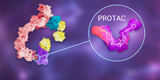
PROTAC, which exploit the ubiquitin-proteasome pathway to specifically degrade target proteins. PROTACs not only solve the problem of undruggability but they also have other advantages compared to traditional drug targeting strategies.
Scientific Reviews
PROTAC, which exploit the ubiquitin-proteasome pathway to specifically degrade target proteins. PROTACs not only solve the problem of undruggability but they also have other advantages compared to traditional drug targeting strategies. -
 Scientific Reviews
PROTAC — Target Selection and Design
Scientific Reviews
PROTAC — Target Selection and Design2022-07-08
A PROTAC molecule consists of three components: a target protein binding ligand, an E3 ligase ligand, and a linker connecting these two moieties. Here, we will discuss the conventional approaches for the rational design of PROTAC molecules. -
 Scientific Reviews
Organoids represent an important bridge between 2D cultures and in vivo mouse/human models. The organoid technology exerts enormous potential in evaluation of efficacy and toxicity of drugs, regenerative medicine, and precision medicine.In this article, we will briefly introduce organoid technology.
Scientific Reviews
Organoids represent an important bridge between 2D cultures and in vivo mouse/human models. The organoid technology exerts enormous potential in evaluation of efficacy and toxicity of drugs, regenerative medicine, and precision medicine.In this article, we will briefly introduce organoid technology. -
 Scientific Reviews
Development of Intestinal Organoid
Scientific Reviews
Development of Intestinal Organoid2022-07-28
3D organoid is one of the revolutionary developments in biomedical field during the past 10 years. The establishment of intestinal organoids is an important milestone in the development of organoid technology. -
 Scientific Reviews
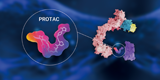
BacPROTACs is composed of a POI ligand, a chemical linker and a ClpCNTD anchor. BacPROTACs can induce in vitro and in vivo degradation of non-eukaryotic proteins in bacteria without the ubiquitin proteasome system.
Scientific Reviews
BacPROTACs is composed of a POI ligand, a chemical linker and a ClpCNTD anchor. BacPROTACs can induce in vitro and in vivo degradation of non-eukaryotic proteins in bacteria without the ubiquitin proteasome system. -
 Scientific Reviews
RNA therapeutics have changed the landscape of drug development, which possess broader spectrum of drug targets, simplicity and efficiency in development and manufacturing.In this article, we will discuss the underlying mechanisms of RNA-based drugs on the market or in clinical stages.
Scientific Reviews
RNA therapeutics have changed the landscape of drug development, which possess broader spectrum of drug targets, simplicity and efficiency in development and manufacturing.In this article, we will discuss the underlying mechanisms of RNA-based drugs on the market or in clinical stages. -
 Scientific Reviews
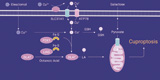
Tsvetkov et al. published in Science and demonstrated a copper-induced programmed cell death — Cuproptosis. As a novel programmed cell death, excess copper triggers abnormal aggregation of lipoylated proteins in TCA cycle and clearance of Fe-S cluster proteins, ultimately leading to cell death.
Scientific Reviews
Tsvetkov et al. published in Science and demonstrated a copper-induced programmed cell death — Cuproptosis. As a novel programmed cell death, excess copper triggers abnormal aggregation of lipoylated proteins in TCA cycle and clearance of Fe-S cluster proteins, ultimately leading to cell death. -
 Scientific Reviews
A comprehensive explanation of ferroptosis
Scientific Reviews
A comprehensive explanation of ferroptosis2022-09-15
Ferroptosis is a new type of RCD that depends on iron and characterized by the accumulation of lipid peroxides. In this article, we will pay our attention on ferroptosis and briefly discusses its mechanism. -
 Scientific Reviews
It's has been proved that p53, as a tumor suppressor gene and immune guardian, may become a destroyer through its own mutation. Moreover, the mechanism of p53 was found to be related to ferroptosis. This article mainly explores the mechanism between p53 and ferroptosis in detail.
Scientific Reviews
It's has been proved that p53, as a tumor suppressor gene and immune guardian, may become a destroyer through its own mutation. Moreover, the mechanism of p53 was found to be related to ferroptosis. This article mainly explores the mechanism between p53 and ferroptosis in detail. -
Scientific Reviews
Organoids have great potential in research of organ development, disease modeling, drug screening and, precision and regenerative medicin. In this article, we will expalin the origin of the organoids. Adult stem cells (ASCs) or pluripotent stem cells (PSCs) , which is the better choice.
-
 Scientific Reviews
Autophagy, derived from the Greek meaning "eating of self", plays an indispensable role in maintaining homeostasis. p27 is an inhibitor of cyclin CDKs, but how p27 regulates autophagy remains unknown. This article will cover the mechanism of autophagy and p27-related cell cycle regulation.
Scientific Reviews
Autophagy, derived from the Greek meaning "eating of self", plays an indispensable role in maintaining homeostasis. p27 is an inhibitor of cyclin CDKs, but how p27 regulates autophagy remains unknown. This article will cover the mechanism of autophagy and p27-related cell cycle regulation. -
 Scientific Reviews
CMA (chaperone-mediated autophagy) plays an essential role in maintaining neuronal protein stability and preventing neurodegeneration. In this article, we will comprehensively clarify the role of CMA in the occurrence and development of neurodegenerative diseases.
Scientific Reviews
CMA (chaperone-mediated autophagy) plays an essential role in maintaining neuronal protein stability and preventing neurodegeneration. In this article, we will comprehensively clarify the role of CMA in the occurrence and development of neurodegenerative diseases. -
 Scientific Reviews
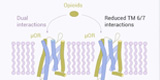
As powerful pain relievers, the opioids morphine and fentanyl have been "checked" by their side effects (listed as controlled substances). How to reduce its side effects? What is its mechanism? This research will explore its mechanism.
Scientific Reviews
As powerful pain relievers, the opioids morphine and fentanyl have been "checked" by their side effects (listed as controlled substances). How to reduce its side effects? What is its mechanism? This research will explore its mechanism. -
 Scientific Reviews
Efferocytosis is the process in which phagocytes remove programmed dead cells. It prevents secondary necrosis of dying cells from releasing harmful cell contents (such as oxides and proteases) that may cause inflammation. Here, we will introduce three stages of efferocytosis: Find, Eat, Digest.
Scientific Reviews
Efferocytosis is the process in which phagocytes remove programmed dead cells. It prevents secondary necrosis of dying cells from releasing harmful cell contents (such as oxides and proteases) that may cause inflammation. Here, we will introduce three stages of efferocytosis: Find, Eat, Digest. -
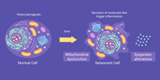 Scientific Reviews
Understanding the mechanism of aging not only has guiding significance for prolonging human life but also has important clinical significance for the prevention and treatment of diseases in the elderly population , thus, improving their life quality and well-being.
Scientific Reviews
Understanding the mechanism of aging not only has guiding significance for prolonging human life but also has important clinical significance for the prevention and treatment of diseases in the elderly population , thus, improving their life quality and well-being. -
 Scientific Reviews
Mammalian cells can also photosynthesize like plants! Photosynthesis can improve cell anabolism and exhibit good clinical effect in degenerative diseases (osteoarthritis).
Scientific Reviews
Mammalian cells can also photosynthesize like plants! Photosynthesis can improve cell anabolism and exhibit good clinical effect in degenerative diseases (osteoarthritis). -
 Scientific Reviews
The latest study of Cell magazine "Neural mechanism underlying depressive-like state associated with social status loss" considers social factors as a breakthrough point. It has been found that the downward transition of social status induces depression-like behavior in mice whereas improves the depressive state by restoring their social environment.
Scientific Reviews
The latest study of Cell magazine "Neural mechanism underlying depressive-like state associated with social status loss" considers social factors as a breakthrough point. It has been found that the downward transition of social status induces depression-like behavior in mice whereas improves the depressive state by restoring their social environment. -
 Scientific Reviews
PROTAC - Design Strategy for Targeting
Scientific Reviews
PROTAC - Design Strategy for Targeting2023-04-23
Protein degradation targeting chimera (PROTAC) is a technology that uses the ubiquitin proteasome pathway to silent target protein. However, PROTAC still has problems such as solubility, membrane permeability, and selectivity. In this article, we have summarized three strategies for optimization: light-controlled linker, PAC molecule, and specific E3 ligase. -
 Scientific Reviews
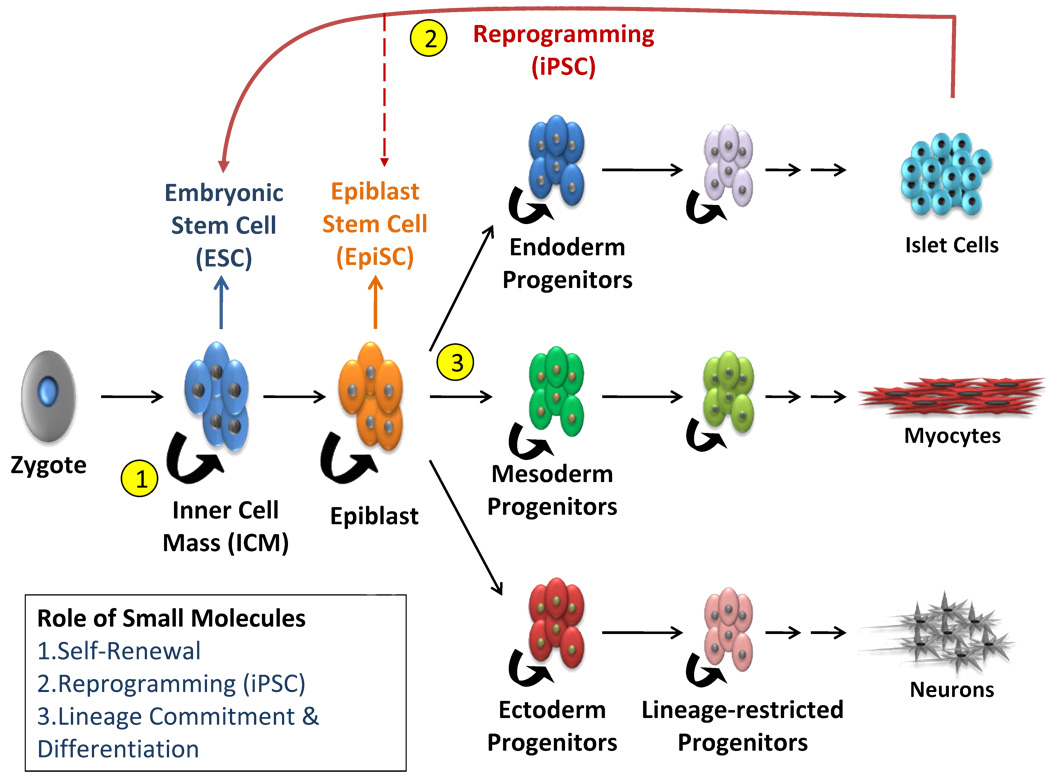
Stem cell classification and its application
Scientific Reviews
Stem cell classification and its application2023-05-18
Stem cells (SCs) have the unique ability to self-renew and differentiate into different cell types. SCs can differentiate into various types of tissue cells under specific conditions. Additionally, they can be further cultured to form different tissues and organs in the human body. Stem cells have numerous applications in various fields, including cell therapy, organ transplantation, neurodegenerative disease modeling, and drug screening. -
 Scientific Reviews
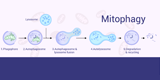
Mitophagy:Mechanisms and Detection
Scientific Reviews
Mitophagy:Mechanisms and Detection2023-05-25
About 60 years ago, Christian de Duve first used the term "autophagy" to describe his observation of the degradation of mitochondria and other intracellular structures in lysosomes of rat liver. Over the years, autophagy has remained a beloved topic of research by the National Natural Science Foundation of China (NSFC).Today, let's talk about mitochondrial autophagy. -
 Scientific Reviews
Structure of Lipid Droplets
Scientific Reviews
Structure of Lipid Droplets2023-06-15
Huh? Lipid droplets? Organelles? In the past, biological data usually only show the traditional organelles, such as mitochondria, Golgi apparatus, endoplasmic reticulum, etc., lipid droplets are often not mentioned by people. Today, we will make a systematic explanation of lipid droplets, so that everyone has a clear understanding! -
 Scientific Reviews
Organoid Culture: Questions & Answers
Scientific Reviews
Organoid Culture: Questions & Answers2023-07-26
In the last issue, we conducted a live lecture on the theme of organoid culture. Today, we have a special topic to solve your doubts in the last live class! -
 Scientific Reviews
WHO's Q2 drug list has been updated. Let's take you through the list of the most noteworthy small molecule drugs that we should pay attention to.
Scientific Reviews
WHO's Q2 drug list has been updated. Let's take you through the list of the most noteworthy small molecule drugs that we should pay attention to. -
 Scientific Reviews
FDA Approved Drug List!
Scientific Reviews
FDA Approved Drug List!2023-09-14
In the first half of 2023 (as of June 27), the FDA approved 26 new drugs, let's take you learn about it through the article. -
 Scientific Reviews
Are frozen cells always damaged? Is the survival rate of revived cells low? When is it appropriate to freeze cells? What should be considered when reviving them? Today, we're sharing a guide to avoid pitfalls in cell freezing and revival!
Scientific Reviews
Are frozen cells always damaged? Is the survival rate of revived cells low? When is it appropriate to freeze cells? What should be considered when reviving them? Today, we're sharing a guide to avoid pitfalls in cell freezing and revival! -
 Scientific Reviews
Science | A "new" mechanism for non-ubiquitinated Midnolin-proteasomal degradation pathway
Scientific Reviews
Science | A "new" mechanism for non-ubiquitinated Midnolin-proteasomal degradation pathway2024-04-26
“ubiquitin-mediated protein degradation” won the Nobel Prize in Chemistry in 2004! In fact, proteasomes degrade not only ubiquitinated proteins but also non-ubiquitinated ones. The mechanism remains shrouded in mystery. After reading this piece today, you might have a lightbulb moment! -
 Scientific Reviews
Still struggling to find the preparation methods for various solutions? Save your time! Here comes a nanny-level tutorial!
Scientific Reviews
Still struggling to find the preparation methods for various solutions? Save your time! Here comes a nanny-level tutorial! -
 Scientific Reviews
STZ Induced Diabetes Models
Scientific Reviews
STZ Induced Diabetes Models2024-06-13
Spotlight: How can STZ Help Diabetes Research? -
 Scientific Reviews
Exosomes, which won the Nobel Prize in 2013, are still a research hotspot in the national natural sciences, and their popularity has only increased over the past decade (in 2022, they still rank 5th in the national natural sciences hotspots!). Why have exosomes become the darling of scientific research? Let's take a look together~
Scientific Reviews
Exosomes, which won the Nobel Prize in 2013, are still a research hotspot in the national natural sciences, and their popularity has only increased over the past decade (in 2022, they still rank 5th in the national natural sciences hotspots!). Why have exosomes become the darling of scientific research? Let's take a look together~ -
 Scientific Reviews
Degrade target proteins through the autophagy-lysosome pathway including LYTAC, AUTAC, and ATTEC have gained increasing attention in recent years due to their significant research potential!
Scientific Reviews
Degrade target proteins through the autophagy-lysosome pathway including LYTAC, AUTAC, and ATTEC have gained increasing attention in recent years due to their significant research potential! -
 Scientific Reviews
Science’s 2023 Breakthrough: GLP-1R Agonists
Scientific Reviews
Science’s 2023 Breakthrough: GLP-1R Agonists2024-08-13
GLP-1RAs, which achieved great success in 2023 and draws people’s attention back to obesity treatments and GLP-1 therapies worldwide, was chosen as the breakthrough of year 2023 by Science [2]. -
 Scientific Reviews
Cuproptosis, How much do you know?
Scientific Reviews
Cuproptosis, How much do you know?2024-08-22
Cells die in a variety of ways, including apoptosis, pyroptosis, necrosis, and ferroptosis......And, of course, cuproptosis. So, how much do you know about cuproptosis? -
 Scientific Reviews
Recently, Mol Cell reported the discovery of the first ferroptosis marker, Hyperoxidized PRDX3! Let’s take a look together~
Scientific Reviews
Recently, Mol Cell reported the discovery of the first ferroptosis marker, Hyperoxidized PRDX3! Let’s take a look together~ -
 Scientific Reviews
Cuproptosis's Knowledge Points!
Scientific Reviews
Cuproptosis's Knowledge Points!2024-09-25
With the establishment of the cuproptosis mechanism related research has attracted more and more attention from major journals. Expect to use the sharp sword of cuproptosis to stab the tumor cells. -
 Scientific Reviews
2024 Nobel Prize Announcements! Curious about the details? Click to dive into the exciting developments!
Scientific Reviews
2024 Nobel Prize Announcements! Curious about the details? Click to dive into the exciting developments! -
 Scientific Reviews
How they used PKH 26 for cellular studies?
Scientific Reviews
How they used PKH 26 for cellular studies?2024-10-21
We are thrilled to highlight our client study using PKH 26 (MedChemExpress) , a red fluorescent dye that has proven invaluable for in vitro cell labeling and tracing. This innovative research, published in the Journal of Nanobiotechnology. -
Scientific Reviews
Delve into the intricate networks that govern mitochondrial quality control. By examining key mechanisms such as biogenesis, mitochondrial dynamics (fission and fusion), proteolysis, and mitophagy. -
 Scientific Reviews
Unlocking the Power of Intermittent Fasting: The 16+8 Method
Scientific Reviews
Unlocking the Power of Intermittent Fasting: The 16+8 Method -
 Scientific Reviews
Advancing Chronic Kidney Disease Research with GJ103 and Lamin B1 Antibody!
Scientific Reviews
Advancing Chronic Kidney Disease Research with GJ103 and Lamin B1 Antibody! -
 Scientific Reviews
In early January 2025, MIT Tech Review unveiled its annual list of top 10 breakthrough technologies poised to redefine the future. Among these, stem cell therapy stood out for its potential to treat diverse diseases—including neurodegenerative disorders, diabetes, cancer, and heart failure. This groundbreaking approach uses stem cells to replace damaged cells, offering hope for millions worldwide.
Scientific Reviews
In early January 2025, MIT Tech Review unveiled its annual list of top 10 breakthrough technologies poised to redefine the future. Among these, stem cell therapy stood out for its potential to treat diverse diseases—including neurodegenerative disorders, diabetes, cancer, and heart failure. This groundbreaking approach uses stem cells to replace damaged cells, offering hope for millions worldwide. -
 Scientific Reviews
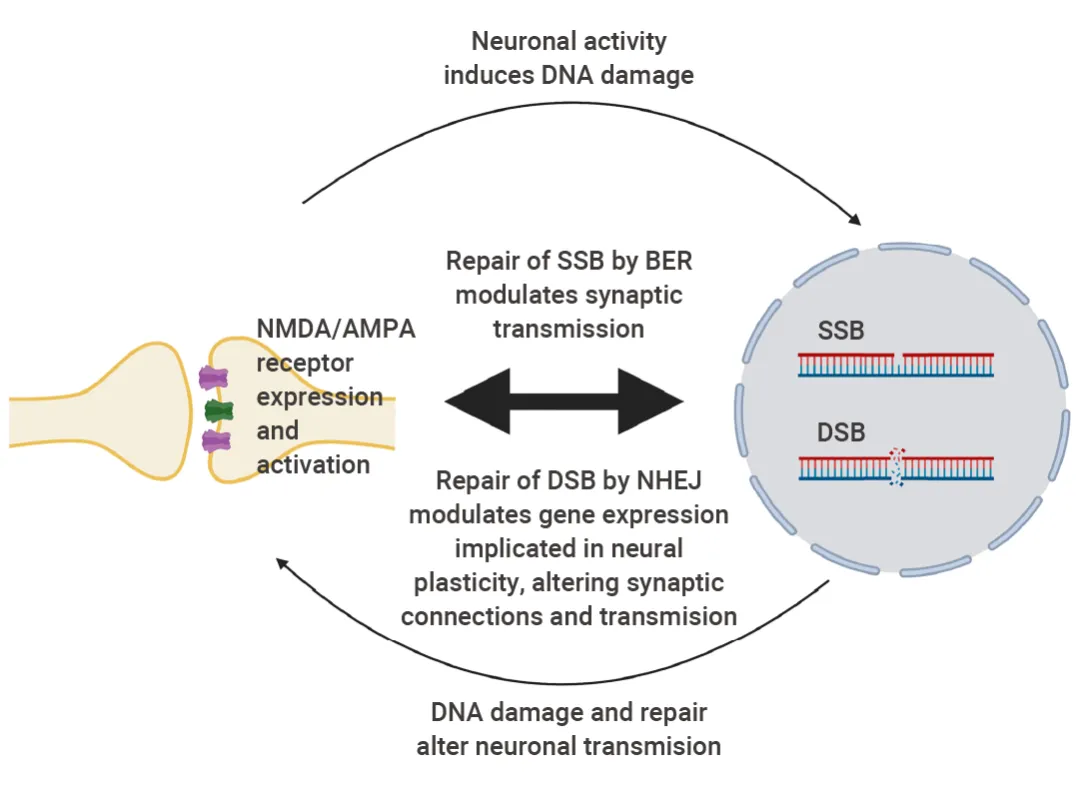
When you hear "inflammation" and "DNA damage," you might immediately think of disease or injury. However, in brains, these two processes are key steps in forming long-term memories, particularly related to specialized cells in our brain called hippocampal neurons.
Scientific Reviews
When you hear "inflammation" and "DNA damage," you might immediately think of disease or injury. However, in brains, these two processes are key steps in forming long-term memories, particularly related to specialized cells in our brain called hippocampal neurons. -
 Scientific Reviews
Autophagy is a fundamental process that degrades various components within the cell.
Scientific Reviews
Autophagy is a fundamental process that degrades various components within the cell. -
 Scientific Reviews
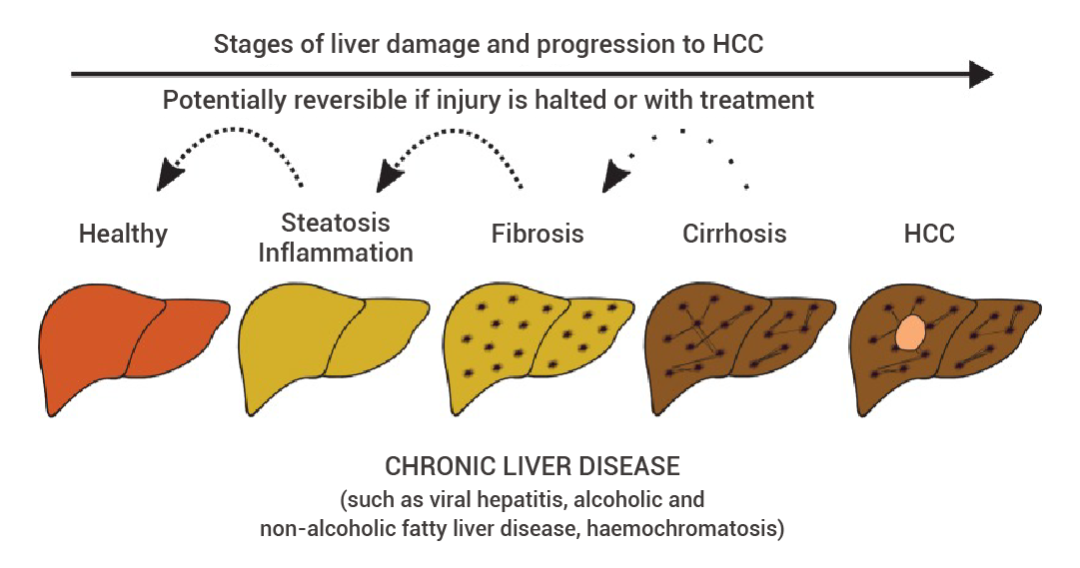
This article will tell you about the common methods of modeling liver disease in animal models.
Scientific Reviews
This article will tell you about the common methods of modeling liver disease in animal models. -
.jpg) Scientific Reviews
nside cells, the homeostasis and degradation of proteins is a precisely regulated process. If proteins cannot be degraded in time, it may lead to the occurrence of various diseases such as neurodegenerative diseases and cancer. This article will tell you the process of how proteins are recognized, labeled and then degraded!
Scientific Reviews
nside cells, the homeostasis and degradation of proteins is a precisely regulated process. If proteins cannot be degraded in time, it may lead to the occurrence of various diseases such as neurodegenerative diseases and cancer. This article will tell you the process of how proteins are recognized, labeled and then degraded! -
 Scientific Reviews
This article introduces some common cardiovascular disease models, inducers, modeling protocols and successful modeling cases in the research.
Scientific Reviews
This article introduces some common cardiovascular disease models, inducers, modeling protocols and successful modeling cases in the research. -
 Scientific Reviews
Do you feel confused when you start culturing cells? This article will show you the basic methods and steps of cell culture!
Scientific Reviews
Do you feel confused when you start culturing cells? This article will show you the basic methods and steps of cell culture! -
 Scientific Reviews
In this issue, we will conduct an in-depth interpretation from the dimensions of nanoparticle design, mechanism of action, in vivo and in vitro efficacy, and immune regulation, revealing how this research brings new hope for the treatment of invasive tumors through interdisciplinary innovation!
Scientific Reviews
In this issue, we will conduct an in-depth interpretation from the dimensions of nanoparticle design, mechanism of action, in vivo and in vitro efficacy, and immune regulation, revealing how this research brings new hope for the treatment of invasive tumors through interdisciplinary innovation! -
 Scientific Reviews
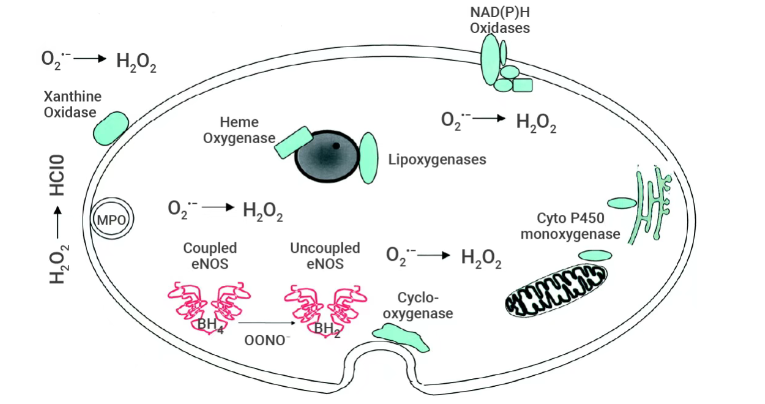
The article introduces the mechanisms of ROS generation and the methods for their detection.
Scientific Reviews
The article introduces the mechanisms of ROS generation and the methods for their detection. -
 Scientific Reviews
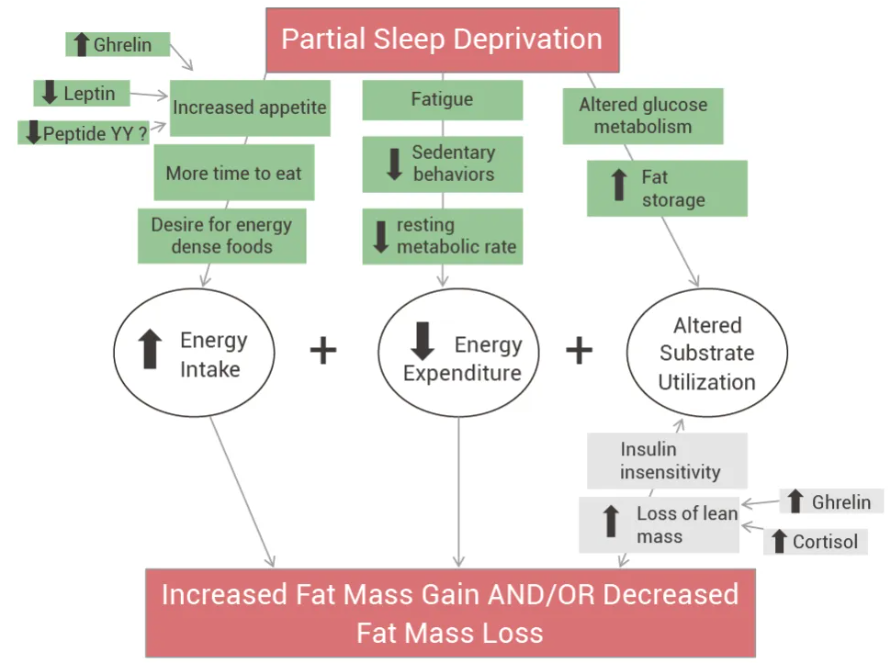
Have you ever noticed that after staying up late, your appetite—especially for high-calorie foods—gets out of control? If this sounds familiar, today’s article might offer some good news.
Scientific Reviews
Have you ever noticed that after staying up late, your appetite—especially for high-calorie foods—gets out of control? If this sounds familiar, today’s article might offer some good news. -
 Scientific Reviews
Generating Stable Cell Lines with Lentivirus
Scientific Reviews
Generating Stable Cell Lines with Lentivirus2025-09-16
A step-by-step protocol of establishing stable cell lines using lentivirus -
 Scientific Reviews
A groundbreaking study in Nature Communications reveals the key mechanism behind Idiopathic Pulmonary Fibrosis and identifies an existing drug with the potential to counter it.
Scientific Reviews
A groundbreaking study in Nature Communications reveals the key mechanism behind Idiopathic Pulmonary Fibrosis and identifies an existing drug with the potential to counter it. -
 Scientific Reviews
Finding adipogenic induction media too expensive and tricky to prepare? This comprehensive guide to 3T3-L1 adipogenic differentiation simplifies the process, helping you achieve great results!
Scientific Reviews
Finding adipogenic induction media too expensive and tricky to prepare? This comprehensive guide to 3T3-L1 adipogenic differentiation simplifies the process, helping you achieve great results! -
Scientific Reviews
Microglia– the only immune cells within the brain parenchyma. With advancements in imaging technologies, people’s understanding of microglia has shifted from being viewed as 'resting' cells to 'highly active' cells, particularly due to their dynamic processes that seem to be probing surrounding tissues and monitoring neuronal activity. This has made microglia a focal point of research in the field of neuroscience. -
 Scientific Reviews
Exosomes—natural nanoscale carriers—are revolutionizing targeted therapy. This article uncovers the science behind their precision in drug delivery.
Scientific Reviews
Exosomes—natural nanoscale carriers—are revolutionizing targeted therapy. This article uncovers the science behind their precision in drug delivery. -
Scientific Reviews
Cracking the PROTAC Permeability Barrier: CD36-Mediated Endocytosis as a Potential Breakthrough2025-12-03
This article provides an in-depth analysis of cutting-edge literature revealing CD36 as a key mediator of cellular uptake for PROTACs and bRO5 compounds. By structurally optimizing PROTAC molecules to enhance their affinity for CD36, membrane permeability can be markedly improved, leading to significantly enhanced antitumor efficacy. -
 Scientific Reviews
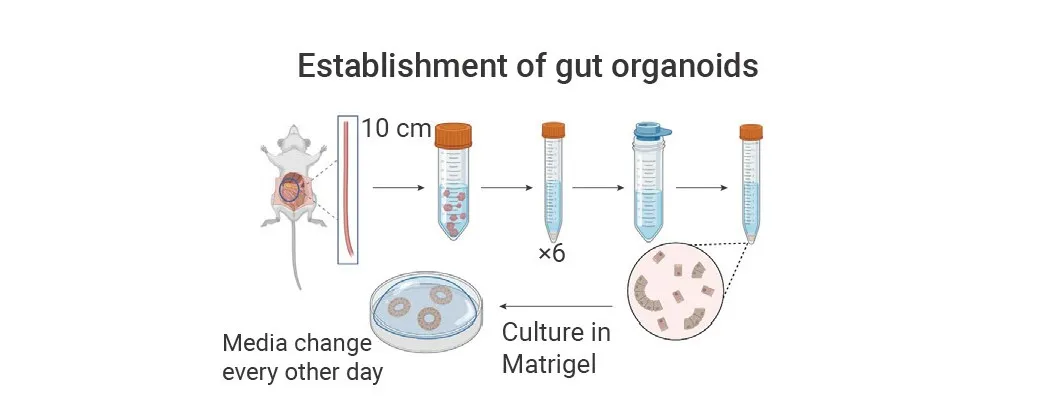
Efficient Generation of Mouse Small Intestinal Organoids: A Complete Experimental Protocol Guide
Scientific Reviews
Efficient Generation of Mouse Small Intestinal Organoids: A Complete Experimental Protocol Guide2025-12-10
How to successfully create mouse small intestine organoids? A detailed, hands-on guide to the entire process, all in one article! -
 Scientific Reviews
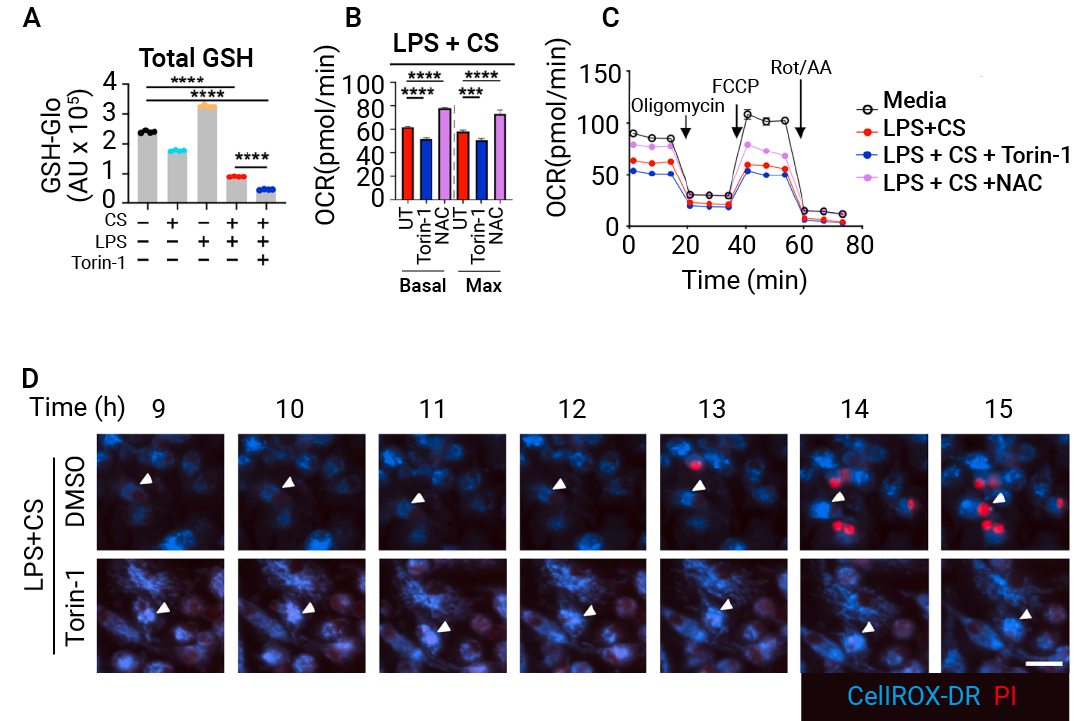
A November 2025 Cell study discovers Mitoxyperilysis, a new mTOR-regulated, caspase-independent cell death pathway driven by innate immune and metabolic dysregulation via mitochondrial-plasma membrane contact and oxidative damage, and verifies its potential to induce tumor necrosis for cancer therapy with key regulators including BAX, BAK1 and BID.
Scientific Reviews
A November 2025 Cell study discovers Mitoxyperilysis, a new mTOR-regulated, caspase-independent cell death pathway driven by innate immune and metabolic dysregulation via mitochondrial-plasma membrane contact and oxidative damage, and verifies its potential to induce tumor necrosis for cancer therapy with key regulators including BAX, BAK1 and BID. -
 Scientific Reviews
In the hunt for the next ‘GLP-1,’ amylin therapeutics, which have shown strong weight-loss results in clinical trials, have become a major focus for both multinational pharma and the scientific community.
Scientific Reviews
In the hunt for the next ‘GLP-1,’ amylin therapeutics, which have shown strong weight-loss results in clinical trials, have become a major focus for both multinational pharma and the scientific community. -
 Scientific Reviews
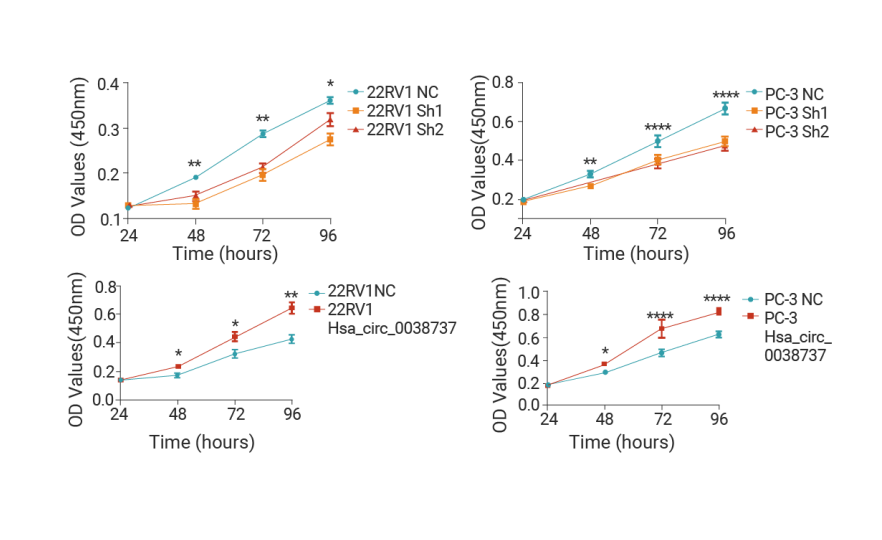
Essential for High-Impact Papers: Present Your CCK-8 Experimental Results in a More Outstanding Way!
Scientific Reviews
Essential for High-Impact Papers: Present Your CCK-8 Experimental Results in a More Outstanding Way!2026-03-18
CCK-8 is a widely used WST‑8‑based reagent for cell proliferation and cytotoxicity assays. It features high sensitivity, reliable results and easy operation, and is applicable to cell viability analysis, drug screening and growth inhibition testing. -
 Scientific Reviews
Molecular glue degraders have evolved from a serendipitous observation to one of the most dynamic and transformative fields in biomedical research.
Scientific Reviews
Molecular glue degraders have evolved from a serendipitous observation to one of the most dynamic and transformative fields in biomedical research. -
 Scientific Reviews
GLP-1 and Obesity Research
Scientific Reviews
GLP-1 and Obesity Research2026-08-14
Obesity substantially increases the risk of chronic diseases such as T2D and cardiovascular disease. The breakout success of GLP-1 therapies has spotlighted GLP-1R and a wave of emerging obesity targets. -
 EDM
Advances in Alzheimer's Disease Research
EDM
Advances in Alzheimer's Disease Research2025-07-16
This review summarizes current understanding of AD pathophysiology, including amyloid and tau pathology, neuroinflammation, synaptic dysfunction, and vascular abnormalities, and evaluates therapeutic strategies and experimental models. -
 EDM
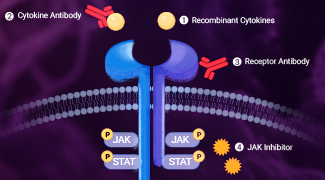
This review critically examines the role of the JAK-STAT pathway in immunity and autoimmune diseases, reviews current clinical applications of targeted therapies, and highlights emerging trends in autoimmune drug development.
EDM
This review critically examines the role of the JAK-STAT pathway in immunity and autoimmune diseases, reviews current clinical applications of targeted therapies, and highlights emerging trends in autoimmune drug development. -
 EDM
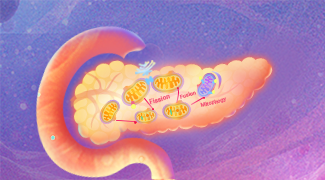
This review discusses β-cell dysfunction driven by mitochondrial impairment, outlines mitochondrial quality control networks, and summarizes strategies to restore mitochondrial function.
EDM
This review discusses β-cell dysfunction driven by mitochondrial impairment, outlines mitochondrial quality control networks, and summarizes strategies to restore mitochondrial function. -
 EDM
This review highlights the roles of microglia in AD pathology, focusing on metabolic reprogramming and microglia-targeted therapeutic strategies.
EDM
This review highlights the roles of microglia in AD pathology, focusing on metabolic reprogramming and microglia-targeted therapeutic strategies. -
 EDM
This review outlines macrophage functions and classification, and provides practical experimental guidelines for macrophage differentiation, polarization, and identification.
EDM
This review outlines macrophage functions and classification, and provides practical experimental guidelines for macrophage differentiation, polarization, and identification. -
 EDM
Review advances in target discovery, disease modeling, and biomarkers for Parkinson’s disease, highlighting their interplay and future directions for translational research.
EDM
Review advances in target discovery, disease modeling, and biomarkers for Parkinson’s disease, highlighting their interplay and future directions for translational research. -
 EDM
Review mitophagy regulation, disease mechanisms, and therapeutic advances to guide future research and drug development.
EDM
Review mitophagy regulation, disease mechanisms, and therapeutic advances to guide future research and drug development. -
 EDM
Explore lysosomal nutrient sensing, quality control, cellular adaptation, disease mechanisms, and emerging therapeutic approaches.
EDM
Explore lysosomal nutrient sensing, quality control, cellular adaptation, disease mechanisms, and emerging therapeutic approaches. -
 EDM
Explore the mechanisms driving immune tolerance breakdown in autoimmune diseases and emerging tolerance-restoring strategies, with a focus on IL-2-based immune modulation.
EDM
Explore the mechanisms driving immune tolerance breakdown in autoimmune diseases and emerging tolerance-restoring strategies, with a focus on IL-2-based immune modulation. -
 EDM
Explore how anti-Aβ therapy is reshaping the AD treatment landscape, the rationale for multi-pathology combination strategies, and advances in biomarker-guided precision treatment.
EDM
Explore how anti-Aβ therapy is reshaping the AD treatment landscape, the rationale for multi-pathology combination strategies, and advances in biomarker-guided precision treatment. -
 EDM
Explore how mitochondrial quality control, inflammatory signaling, and metabolic–epigenetic reprogramming regulate cellular senescence and the SASP, along with strategies to restore mitochondrial homeostasis.
EDM
Explore how mitochondrial quality control, inflammatory signaling, and metabolic–epigenetic reprogramming regulate cellular senescence and the SASP, along with strategies to restore mitochondrial homeostasis. -
 Blog
BR351 is a Brain Penetrant MMP Inhibitor
Blog
BR351 is a Brain Penetrant MMP Inhibitor2019-04-05
BR351 is a brain penetrant MMP inhibitor, and a potential tool for the molecular imaging of activated MMPs with PET, with an IC50 in the nanomolar range. -
 Blog
IITZ-01 is a potent lysosomotropic autophagy inhibitor with single-agent antitumor activity, with an IC50 of 2.62 μM for PI3Kγ.
Blog
IITZ-01 is a potent lysosomotropic autophagy inhibitor with single-agent antitumor activity, with an IC50 of 2.62 μM for PI3Kγ. -
 Blog
BTR-1 potently inhibits cell growth. It induces S phase arrest, affects DNA replication. Dose-dependently induces cytotoxicity in leukemic cell lines.
Blog
BTR-1 potently inhibits cell growth. It induces S phase arrest, affects DNA replication. Dose-dependently induces cytotoxicity in leukemic cell lines. -
 Blog
SLLN-15 is an oral activ enhancer of autophagy that activates cytostatic macroautophagy/autophagy in triple-negative breast cancer (TNBC).
Blog
SLLN-15 is an oral activ enhancer of autophagy that activates cytostatic macroautophagy/autophagy in triple-negative breast cancer (TNBC). -
 Blog
ACY-1083, a Highly Selective HDAC6 Inhibitor, Reverses Chemotherapy-induced Peripheral Neuropathy
Blog
ACY-1083, a Highly Selective HDAC6 Inhibitor, Reverses Chemotherapy-induced Peripheral Neuropathy2019-05-12
ACY-1083 is a selective and brain-penetrating HDAC6 inhibitor with an IC50 of 3 nM. ACY-1083 effectively reverses chemotherapy-induced peripheral neuropathy -
 Blog
JMS-17-2 is a CX3CR1 Antagonist
Blog
JMS-17-2 is a CX3CR1 Antagonist2019-06-12
JMS-17-2 is a potent and selective CX3CR1 antagonist with an IC50 of 0.32 nM. Has potential to treat cancers such as breast cancer. -
 Blog
Gboxin is an oxidative phosphorylation inhibitor that targets glioblastoma. Gboxin inhibits the activity of F0F1 ATP synthase and shows antitumour activity.
Blog
Gboxin is an oxidative phosphorylation inhibitor that targets glioblastoma. Gboxin inhibits the activity of F0F1 ATP synthase and shows antitumour activity. -
 Blog
Ralimetinib (LY2228820) is a selective and ATP-competitive inhibitor of p38 MAPK α/β, with IC50s of 5.3 and 3.2 nM, respectively. Anti-tumor activity.
Blog
Ralimetinib (LY2228820) is a selective and ATP-competitive inhibitor of p38 MAPK α/β, with IC50s of 5.3 and 3.2 nM, respectively. Anti-tumor activity. -
 Blog
BAY-11-7082 inhibits the proliferation and induces the apoptosis of U266 cells through inhibiting NF-κB pathway. BAY 11-7082 ameliorates experimental diabetic neuropathy by modulating neuroinflammation and improving antioxidant defence.
Blog
BAY-11-7082 inhibits the proliferation and induces the apoptosis of U266 cells through inhibiting NF-κB pathway. BAY 11-7082 ameliorates experimental diabetic neuropathy by modulating neuroinflammation and improving antioxidant defence. -
 Blog
S130, Targeting ATG4B, Inhibits Autophagy and Activates Apoptosis in Colorectal Colon Cancer
Blog
S130, Targeting ATG4B, Inhibits Autophagy and Activates Apoptosis in Colorectal Colon Cancer2019-06-19
S130 is a high affinity, selective inhibitor of ATG4B (a major cysteine protease) with an IC50 of 3.24 µM. S130 suppresses autophagy flux. -
 Blog
MRT67307, a dual IKKε/TBK1 inhibitor, inhibits ULK1 and ULK2 with IC50s of 45 and 38 nM, respectively. MRT67307 blocks mTOR-dependent autophagy.
Blog
MRT67307, a dual IKKε/TBK1 inhibitor, inhibits ULK1 and ULK2 with IC50s of 45 and 38 nM, respectively. MRT67307 blocks mTOR-dependent autophagy. -
 Blog
CCT020312, the G1/S checkpoint activator, is a selective EIF2AK3/PERK activator. CCT020312 elicits EIF2A phosphorylation in cells.
Blog
CCT020312, the G1/S checkpoint activator, is a selective EIF2AK3/PERK activator. CCT020312 elicits EIF2A phosphorylation in cells. -
 Blog
SBI-0206965 is a selective and cell permeable autophagy kinase ULK1 inhibitor with IC50s of 108 nM for ULK1 and 711 nM for the highly related kinase ULK2 .
Blog
SBI-0206965 is a selective and cell permeable autophagy kinase ULK1 inhibitor with IC50s of 108 nM for ULK1 and 711 nM for the highly related kinase ULK2 . -
 Blog
CA-5f is a potent late-stage macroautophagy (autophagy) inhibitor via inhibiting autophagosome-lysosome fusion. CA-5f increases LC3B-II and SQSTM1 protein.
Blog
CA-5f is a potent late-stage macroautophagy (autophagy) inhibitor via inhibiting autophagosome-lysosome fusion. CA-5f increases LC3B-II and SQSTM1 protein. -
 Blog
GPP78 is a potent Nampt inhibitor. GPP78 is cytotoxic to neuroblastoma cell line SH-SY5Y cells. GPP78 has anti-cancer and anti-tumor activity.
Blog
GPP78 is a potent Nampt inhibitor. GPP78 is cytotoxic to neuroblastoma cell line SH-SY5Y cells. GPP78 has anti-cancer and anti-tumor activity. -
 Blog
M8891 is an orally active, reversible and brain penetrant Methionine Aminopeptidase-2 (MetAP-2) inhibitor with antiangiogenic and antitumoral activity.
Blog
M8891 is an orally active, reversible and brain penetrant Methionine Aminopeptidase-2 (MetAP-2) inhibitor with antiangiogenic and antitumoral activity. -
 Blog
AKOS-22, a VDAC1 Oligomerization and Apoptosis Inhibitor, Protects Against Mitochondrial Dysfunction
Blog
AKOS-22, a VDAC1 Oligomerization and Apoptosis Inhibitor, Protects Against Mitochondrial Dysfunction2020-02-15
AKOS-22 is a potent mitochondrial protein VDAC1 and apoptosis inhibitor. AKOS-22 protects against Mitochondrial Dysfunction. -
 Blog
TCH-165 is a modulator of proteasome assembly, which increases 20S levels and facilitates 20S-mediated protein degradation, such as IDPs, α-syn, and tau.
Blog
TCH-165 is a modulator of proteasome assembly, which increases 20S levels and facilitates 20S-mediated protein degradation, such as IDPs, α-syn, and tau. -
 Blog
Ro 90-7501, an Aβ42 fibril assembly inhibitor, inhibits PP5 in a TPR-dependent manner and has radiosensitizing effects on cervical cancer cells.
Blog
Ro 90-7501, an Aβ42 fibril assembly inhibitor, inhibits PP5 in a TPR-dependent manner and has radiosensitizing effects on cervical cancer cells. -
 Blog
NU1025 is a potent PARP inhibitor and potentiates the cytotoxicity of ionizing radiation drug. NU1025 has anti-cancer and neuroprotective activity.
Blog
NU1025 is a potent PARP inhibitor and potentiates the cytotoxicity of ionizing radiation drug. NU1025 has anti-cancer and neuroprotective activity. -
 Blog
HM03 is a potent and selective HSPA5 inhibitor with anticancer activity. HSPA5 plays a key role in monitoring protein transport through the cell.
Blog
HM03 is a potent and selective HSPA5 inhibitor with anticancer activity. HSPA5 plays a key role in monitoring protein transport through the cell. -
 Blog
JCN037 is a potent, non-covalent, and brain-penetrant EGFR tyrosine kinase inhibitor. JCN037 has potent anti-cancer activity.
Blog
JCN037 is a potent, non-covalent, and brain-penetrant EGFR tyrosine kinase inhibitor. JCN037 has potent anti-cancer activity. -
 Blog
MYLS22 is a first-in-class and selective optic atrophy 1 (OPA1) inhibitor with anti-angiogenesis and anti-cancer activity.
Blog
MYLS22 is a first-in-class and selective optic atrophy 1 (OPA1) inhibitor with anti-angiogenesis and anti-cancer activity. -
 Blog
GSK621 is a potent and specific AMPK activator and induces autophagy and apoptosis in acute myeloid leukemia (AML) cells.
Blog
GSK621 is a potent and specific AMPK activator and induces autophagy and apoptosis in acute myeloid leukemia (AML) cells. -
 Blog
KCC-07 prevents binding of MBD2 to methylated DNA and activates BAI1 inducing anti-proliferative BAI1/p53/p21 signaling. Anticancer activity.
Blog
KCC-07 prevents binding of MBD2 to methylated DNA and activates BAI1 inducing anti-proliferative BAI1/p53/p21 signaling. Anticancer activity. -
 Blog
MPT0G211, an orally active and selective HDAC6 inhibitor, ameliorates tau phosphorylation, and cognitive deficits in an Alzheimer’s disease model.
Blog
MPT0G211, an orally active and selective HDAC6 inhibitor, ameliorates tau phosphorylation, and cognitive deficits in an Alzheimer’s disease model. -
 Blog
RapaLink-1, a third-generation bivalent mTOR inhibitor, potently blocking cancer-derived, activating mutants of mTOR. It can cross the blood-brain barrier.
Blog
RapaLink-1, a third-generation bivalent mTOR inhibitor, potently blocking cancer-derived, activating mutants of mTOR. It can cross the blood-brain barrier. -
 Blog
PQR530 is a potent, ATP-competitive, orally bioavailable and brain-penetrant dual pan-PI3K/mTORC1/2 inhibitor. Antitumor activity.
Blog
PQR530 is a potent, ATP-competitive, orally bioavailable and brain-penetrant dual pan-PI3K/mTORC1/2 inhibitor. Antitumor activity. -
 Blog
CHDI-390576, a potent and CNS penetrant class IIa HDAC inhibitor, show selectivity over class I HDACs, HDAC8 and the class IIb HDAC6 isoform.
Blog
CHDI-390576, a potent and CNS penetrant class IIa HDAC inhibitor, show selectivity over class I HDACs, HDAC8 and the class IIb HDAC6 isoform. -
 Blog
NAZ2329 is an allosteric, noncompetitive and reversible inhibitor of R5 RPTP subfamily and PTPRZ/PTPRG with anti-cancer activity.
Blog
NAZ2329 is an allosteric, noncompetitive and reversible inhibitor of R5 RPTP subfamily and PTPRZ/PTPRG with anti-cancer activity. -
 Blog
CC-90001 is a potent, selective, and orally active inhibitor of JNK. CC-90001 can be used for the research of idiopathic pulmonary fibrosis (IPF).
Blog
CC-90001 is a potent, selective, and orally active inhibitor of JNK. CC-90001 can be used for the research of idiopathic pulmonary fibrosis (IPF). -
 Blog
BrBzGCp2 is a Glyoxalase 1 (GLO1) inhibitor for a variety of disorders. Possesses antitumor and neuroprotective activity.
Blog
BrBzGCp2 is a Glyoxalase 1 (GLO1) inhibitor for a variety of disorders. Possesses antitumor and neuroprotective activity. -
 Blog
IMT1 is a first-in-class specific and noncompetitive human POLRMT inhibitor for mitochondrial transcription disorders related diseases.
Blog
IMT1 is a first-in-class specific and noncompetitive human POLRMT inhibitor for mitochondrial transcription disorders related diseases. -
 Blog
YUM70 inhibits GRP78. Induces endoplasmic reticulum stress-mediated apoptosis. Pancreatic cancer. Acts as a novel anticancer agent.
Blog
YUM70 inhibits GRP78. Induces endoplasmic reticulum stress-mediated apoptosis. Pancreatic cancer. Acts as a novel anticancer agent. -
 Blog
LYN-1604 is a Potent ULK1 Activator
Blog
LYN-1604 is a Potent ULK1 Activator2021-04-24
LYN-1604, a potent ULK1 activator, induces cell death involved in ATF3, RAD21, and caspase3, accompanied by autophagy and apoptosis. -
 Blog
ML-00253764 is a brain penetrant nonpeptidic melanocortin receptor 4 (MC4R) antagonist with a Ki/IC50 of 0.16 µM/0.103 µM, respectively.
Blog
ML-00253764 is a brain penetrant nonpeptidic melanocortin receptor 4 (MC4R) antagonist with a Ki/IC50 of 0.16 µM/0.103 µM, respectively. -
 Blog
Butaprost is a selective prostaglandin E receptor (EP2) agonist. Butaprost can effectively mitigate kidney fibrogenesis in various fibrosis models.
Blog
Butaprost is a selective prostaglandin E receptor (EP2) agonist. Butaprost can effectively mitigate kidney fibrogenesis in various fibrosis models. -
 Blog
AUTAC4 is a mitochondria-targeting autophagy-targeting chimera, which can be used for the study of mitochondrial dysfunction.
Blog
AUTAC4 is a mitochondria-targeting autophagy-targeting chimera, which can be used for the study of mitochondrial dysfunction. -
 Blog
Vorasidenib is an orally available, brain penetrant second-generation dual mutant isocitrate dehydrogenases 1 and 2 (mIDH1/2) inhibitor.
Blog
Vorasidenib is an orally available, brain penetrant second-generation dual mutant isocitrate dehydrogenases 1 and 2 (mIDH1/2) inhibitor. -
 Blog
GSK2606414 is an orally available PERK inhibitor and is a potent compound of cancer and neurological diseases.
Blog
GSK2606414 is an orally available PERK inhibitor and is a potent compound of cancer and neurological diseases. -
 Blog
IACS-010759 is an orally active, potent mitochondrial complex I of oxidative phosphorylation (OXPHOS) inhibitor with antitumor activity.
Blog
IACS-010759 is an orally active, potent mitochondrial complex I of oxidative phosphorylation (OXPHOS) inhibitor with antitumor activity. -
 Blog
SB 258719 is a selective 5-HT7 receptor antagonist and can be used for the research of cancer and neurological disease.
Blog
SB 258719 is a selective 5-HT7 receptor antagonist and can be used for the research of cancer and neurological disease. -
 Blog
Spautin-1 is a specific and potent autophagy inhibitor which inhibits ubiquitin-specific peptidases, USP10 and USP13.
Blog
Spautin-1 is a specific and potent autophagy inhibitor which inhibits ubiquitin-specific peptidases, USP10 and USP13. -
 Blog
Lonidamine, an antitumor agent and an indazole derivative, interferes with energy-yielding processes in cancer cells.
Blog
Lonidamine, an antitumor agent and an indazole derivative, interferes with energy-yielding processes in cancer cells. -
 Blog
Trolox is an analogue of vitamin E with a powerful antioxidant effect. Trolox is also a powerful inhibitor of membrane damage.
Blog
Trolox is an analogue of vitamin E with a powerful antioxidant effect. Trolox is also a powerful inhibitor of membrane damage. -
 Blog
AZD1390 is a potent, highly selective, orally bioavailable, brain-penetrant ATM inhibitor with an IC50 of 0.78 nM.
Blog
AZD1390 is a potent, highly selective, orally bioavailable, brain-penetrant ATM inhibitor with an IC50 of 0.78 nM. -
 Blog
Alda-1 is a potent ALDH2 Agonist
Blog
Alda-1 is a potent ALDH2 Agonist2021-12-30
Alda-1 ameliorates H2O2-induced Achilles tendinopathy. Alda-1 could be used for preventing Achilles tendinopathy. -
 Blog
AUTAC2 is a FKBP12-targeting autophagy-mediated degrader (AUTAC). AUTAC2 contains an FBnG and an SLF moiety.
Blog
AUTAC2 is a FKBP12-targeting autophagy-mediated degrader (AUTAC). AUTAC2 contains an FBnG and an SLF moiety. -
 Blog
Epoxomicin is an epoxyketone-containing natural product and a selective and irreversible proteasome inhibitor. Cross the blood-brain barrier.
Blog
Epoxomicin is an epoxyketone-containing natural product and a selective and irreversible proteasome inhibitor. Cross the blood-brain barrier. -
 Blog
AZD-9574 is a potent and brain penetrant PARP1 inhibitor and shows >8000-fold selectivity for PARP1 compared to PARP2/3/5a/6.
Blog
AZD-9574 is a potent and brain penetrant PARP1 inhibitor and shows >8000-fold selectivity for PARP1 compared to PARP2/3/5a/6. -
 Blog
GR-46611 is a 5-HT1D Receptor Agonist
Blog
GR-46611 is a 5-HT1D Receptor Agonist2022-10-11
GR-46611 is a potent 5-HT1D receptor agonist and has the potential for the research of epilepsy and inhibits bladder activity. -
 Blog
Olutasidenib (FT-2102) is an orally active, brain penetrant inhibitor of mutant IDH1. Olutasidenib is used for AML or MDS Research.
Blog
Olutasidenib (FT-2102) is an orally active, brain penetrant inhibitor of mutant IDH1. Olutasidenib is used for AML or MDS Research. -
 Blog
Coibamide A is an N-methyl-stabilized cytotoxic depsipeptide with antiproliferative activity. Coibamide A induces autophagosome accumulation.
Blog
Coibamide A is an N-methyl-stabilized cytotoxic depsipeptide with antiproliferative activity. Coibamide A induces autophagosome accumulation. -
 Blog
J-113397 is a potent and selective nonpeptidyl ORL1 receptor antagonist without any agonistic effects on other opioid receptors.
Blog
J-113397 is a potent and selective nonpeptidyl ORL1 receptor antagonist without any agonistic effects on other opioid receptors.
Products
All
-
All
-
Inhibitors & Agonists
-
Isotope-Labeled Compounds
-
Fluorescent Dye
-
Peptides
-
Recombinant Proteins
-
Antibodies
-
Screening Libraries
-
Kits
-
Inhibitory Antibodies
-
Reference Standards
-
Induced Disease Models Products
-
Biochemical Assay Reagents
-
Natural Products
| Cat. No. | Product Name | Information | Application | Publication |
|---|---|---|---|---|
| HY-10071 | Y-27632 |
Y-27632 is a ROCK inhibitor with Ki values of 220 nM and 300 nM for ROCK1 and ROCK2, respectively. Y-27632 exerts anti-inflammatory and immunomodulatory effects in systemic lupus erythematosus models by inhibiting the ROCK/NF-κB pathway. Y-27632 enhances autophagy by inhibiting the AKT/mTOR pathway, thereby inducing apoptosis apoptosis in oral squamous cell carcinoma. Y-27632 induces the formation of tunneling nanotubes in ARPE-19 cells and significantly enhances mitochondrial transfer through these channels. Y-27632 promotes neurite outgrowth in PC12 cells by activating the Rac1/NOX1/ROS/AKT/PAK1 signaling cascade.
|
|
602
|
| HY-11109 | Resatorvid |
Resatorvid (TAK-242) is a selective Toll-like receptor 4 (TLR4) inhibitor. Resatorvid inhibits NO, TNF-α and IL-6 production with IC50s of 1.8 nM, 1.9 nM and 1.3 nM, respectively. Resatorvid downregulates expression of TLR4 downstream signaling molecules MyD88 and TRIF. Resatorvid inhibits autophagy and plays pivotal role in various inflammatory diseases.
|
|
536
|
| HY-10358 | MK-2206 dihydrochloride |
MK-2206 dihydrochloride (MK-2206 2HCl) is an orally active pan-AKT inhibitor, with IC50 values of 8 nM, 12 nM and 65 nM against AKT1, AKT2 and AKT3, respectively. MK-2206 dihydrochloride inhibits the Akt/mTOR signaling pathway and reduces the levels of downstream GSK3β and Mcl-1 via proteasomal degradation. MK-2206 dihydrochloride induces G1-phase cell cycle arrest, apoptosis, epithelial-mesenchymal transition, fibroblast activation and extracellular matrix deposition. MK-2206 dihydrochloride causes transient hyperglycemia and hyperinsulinemia in animals. MK-2206 dihydrochloride can be used in research related to solid tumors, renal fibrosis and hypercholesterolemia.
|
Colorectal Cancer
Prostate Cancer
Gastric Cancer
Liver Cancer
Leukemia/Lymphoma/Myeloma
Pancreatic Cancer
Ovarian Cancer
Large Cell Lung Carcinoma
Metastatic Breast Cancer
Lung Fibrosis
|
494
|
| HY-B0988 | Deferoxamine mesylate |
Deferoxamine mesylate (Deferoxamine B mesylate) is an iron chelator (binds to Fe(III) and many other metal cations), is widely used to reduce iron accumulation and deposition in tissues. Deferoxamine mesylate upregulates HIF-1α levels with good antioxidant activity. Deferoxamine mesylate also shows anti-proliferative activity, can induce apoptosis and autophagy in cancer cells. Deferoxamine mesylate can be used in studies of diabetes, neurodegenerative diseases as well as anti-cancer and anti-COVID-19.
|
Infection
Neurological, Eye or Ear Disease
Inflammation or Immune System Disease
Metabolic or Endocrine Disease
|
452
|
| HY-18749 | SC79 |
|
341
|
|
| HY-10201 | Sorafenib |
Sorafenib (Bay 43-9006) is a potent oral active multikinase inhibitor. Sorafenib blocks autophosphorylation and activity of receptor tyrosine kinases (VEGFR-2, VEGFR-3) and RAF family kinases, thereby suppressing the RAF/MEK/ERK and PI3K/Akt pathways, inhibiting STAT3 phosphorylation, and selectively inhibiting the MAPK pathway in cancer cells. Sorafenib induces cell cycle arrest, autophagy, apoptosis, and PARP cleavage, reduces Bcl-2, Bcl-XL, cyclin D1 levels, and activates Bak and Bax. Sorafenib inhibits tumor growth and metastasis in mouse and rat models. Sorafenib can be used for cancer research, such as colon, breast, non-small-cell lung cancer (NSCLC), ovarian, pancreatic, melanoma, colorectal and hepatocellular carcinoma.
|
Raf
VEGFR
FLT3
Autophagy
Apoptosis
STAT
Akt
MMP
Cadherin
p38 MAPK
ERK
MEK
PI3K
PARP
Bcl-2 Family
Ephrin Receptor
PDGFR
Gastric Cancer
Liver Cancer
Ovarian Cancer
Digestive System Inflammation
Small Cell Lung Cancer
Non-Small Cell Lung Cancer
Metastatic Breast Cancer
Metastatic Colorectal Cancer
Metastatic Prostate Cancer
Multiple Myeloma
Metastatic Pancreatic Cancer
SARS-CoV-2 Infection
Alzheimer's Disease
Parkinson's Disease
Obesity
Lung Fibrosis
|
316
|
| HY-B2176 | ATP |
ATP (Adenosine 5'-triphosphate) is a central component of energy storage and metabolism in vivo. ATP provides the metabolic energy to drive metabolic pumps and serves as a coenzyme in cells. ATP is an important endogenous signaling molecule in immunity and inflammation. ATP can activate the NLRP3 inflammasome and induce IL-1β and chemokines secretion. ATP has anti-bacterial infection effects and can protect mice against bacterial infection in mice.
Source: widespread |
|
178
|
| HY-B0240 | Disulfiram |
Disulfiram (Tetraethylthiuram disulfide) is a specific inhibitor of aldehyde-dehydrogenase (ALDH1), used for the treatment of chronic alcoholism by producing an acute sensitivity to alcohol. Disulfiram inhibits gasdermin D (GSDMD) pore formation in liposomes and inflammasome-mediated pyroptosis and IL-1β secretion in human and mouse cells. Disulfiram, a copper ion carrier, with Cu2+ increases intracellular ROS levels and induces cuproptosis.
|
Metabolic or Endocrine Disease
Breast Cancer
Prostate Cancer
Pancreatic Cancer
Ovarian Cancer
Viral Infection
Depression
Pain
Autoimmune Disease
Digestive System Inflammation
SARS-CoV-2 Infection
|
161
|
| HY-100573 | Necrosulfonamide |
Necrosulfonamide is a MLKL and Gasdermin D (GSDMD) inhibitor, capable of separately inhibiting necroptosis and pyroptosis of cells. Necrosulfonamide does not affect the activation of upstream signals, but specifically inhibits the downstream executor oligomerization step. Necrosulfonamide reduces the expression of the key kinases NLRP3 and caspase-1 involved in necroptosis and pyroptosis, activate the Nrf2 pathway and the downstream antioxidant enzymes, and also downregulates a variety of inflammatory factors. Necrosulfonamide plays significant roles in various diseases such as neurodegenerative diseases (such as Parkinson’s disease), tissue damage and ischemia-reperfusion injury, inflammatory bowel disease, osteoarthritis and fracture repair, and hair loss by regulating two important programmed necrosis pathways.
|
Mixed Lineage Kinase
Necroptosis
Pyroptosis
Caspase
NOD-like Receptor (NLR)
Keap1-Nrf2
TNF Receptor
Interleukin Related
NO Synthase
Heme Oxygenase (HO)
Digestive System Disease
Prostate Cancer
Leukemia/Lymphoma/Myeloma
Depression
Digestive System Inflammation
Cardiovascular Disease
Parkinson's Disease
Obesity
Lung Fibrosis
Rheumatoid Arthritis
|
147
|
| HY-18723 | Yoda 1 |
Yoda 1 is a potent and selective Piezo1 agonist. Yoda 1 activates purified Piezo1 channels. Yoda 1 potently inhibits macropinocytosis induced by epidermal growth factor (EGF). Yoda 1 enhances Ca2+ influx followed by activation of the calcium-activated potassium channel KCa3.1 and inhibition of Rac1 activation.
|
Pancreatic Cancer
Depression
Pain
Digestive System Inflammation
Cardiovascular Disease
Lung Fibrosis
|
120
|
| HY-10261 | Afatinib |
Afatinib (BIBW 2992) is an orally active, potent and irreversible dual specificity inhibitor of ErbB family (EGFR and HER2), with IC50 values of 0.5 nM, 0.4 nM, 10 nM and 14 nM for EGFRwt, EGFRL858R, EGFRL858R/T790M and HER2, respectively. Afatinib can be used for the research of esophageal squamous cell carcinoma (ESCC), non-small cell lung cancer (NSCLC) and gastric cancer.
|
Lung Cancer
Breast Cancer
Colorectal Cancer
Prostate Cancer
Gastric Cancer
Liver Cancer
Leukemia/Lymphoma/Myeloma
Pancreatic Cancer
Ovarian Cancer
Neurodegenerative Disease
Depression
Pain
Digestive System Inflammation
Hepatitis C Virus Infection
Obesity
Lung Fibrosis
Rheumatoid Arthritis
|
113
|
| HY-15465B | KN-93 phosphate |
KN-93 phosphate is a cell-permeable, reversible and competitive inhibitor calmodulin-dependent kinase type II (CaMKII) with a Ki of 370 nM.
|
|
108
|
| HY-15465 | KN-93 |
KN-93 is a cell-permeable, reversible and competitive inhibitor calmodulin-dependent kinase type II (CaMKII) with a Ki of 370 nM.
|
|
108
|
| HY-P1061A | Colivelin TFA |
Colivelin TFA is a brain penetrant neuroprotective peptide and a potent activator of STAT3, suppresses neuronal death by activating STAT3 in vitro. Colivelin TFA exhibits long-term beneficial effects against neurotoxicity, Aβ deposition, neuronal apoptosis, and synaptic plasticity deficits in neurodegenerative disease. Colivelin TFA has the potential for the treatment of alzheimer's disease and ischemic brain injury.
|
|
102
|
| HY-P1061 | Colivelin |
Colivelin is a brain penetrant neuroprotective peptide and a potent activator of STAT3, suppresses neuronal death by activating STAT3 in vitro. Colivelin exhibits long-term beneficial effects against neurotoxicity, Aβ deposition, neuronal apoptosis, and synaptic plasticity deficits in neurodegenerative disease. Colivelin has the potential for the treatment of alzheimer's disease and ischemic brain injury
|
|
102
|
| HY-15431 | Capivasertib |
Lung Cancer
Breast Cancer
Colorectal Cancer
Prostate Cancer
Gastric Cancer
Liver Cancer
Leukemia/Lymphoma/Myeloma
Pancreatic Cancer
Ovarian Cancer
Pain
Digestive System Inflammation
Glucose Metabolism
SARS-CoV-2 Infection
Obesity
Lung Fibrosis
|
91
|
|
| HY-L089 | Mitochondria-Targeted Compound Library |
Mitochondria plays an important role in many vital processes in cells, including energy production, fatty-acid oxidation and the Tricarboxylic Acid (TCA) cycle, calcium signaling, permeability transition, apoptosis and heat production. At present, it is recognized that many diseases are associated with impaired mitochondrial function, such as increased accumulation of ROS and decreased OXPHOS and ATP production. Mitochondria are recognized as one of the most important targets for new drug design in cancer, cardiovascular, and neurological diseases, etc. Some small molecule drugs or biologics can act on mitochondria through various pathways, including ETC inhibition, OXPHOS uncoupling, mitochondrial Ca2+ modulation, and control of oxidative stress via decrease or increase of mitochondrial ROS accumulation.
MCE supplies a unique collection of 1,182 mitochondria-targeted compound that mainly targeting Mitochondrial Metabolism, ATP Synthase, Mitophagy, Reactive Oxygen Species, etc. MCE Mitochondria-Targeted Compound Library is a useful tool for mitochondria-targeted drug discovery and related research.
|
|
89
|
| HY-14519 | Methotrexate |
Methotrexate (Amethopterin; CL14377; WR19039) is an orally active antifolate (Antifolate). Methotrexate inhibits dihydrofolate reductase (DHFR), blocks tetrahydrofolate production, suppresses purine/pyrimidine synthesis and transmethylation, and causes intracellular accumulation of AICAR. Methotrexate promotes extracellular adenosine release, regulates the cytokine network, and inhibits the alarmin function of HMGB1. Methotrexate induces apoptosis and cytotoxicity, upregulates the expression of iNOS and COX-2, suppresses hippocampal neurogenesis, and induces pulmonary fibrosis. Methotrexate is used in the research of various immune and inflammation-related diseases such as arthritis, psoriasis, systemic lupus erythematosus, as well as pulmonary fibrosis and breast cancer.
|
|
87
|
| HY-L043 | Lipid Compound Library |
Lipids are a diverse and ubiquitous group of compounds which have many key biological functions, such as acting as structural components of cell membranes, serving as energy storage sources and participating in signaling pathways. Several studies suggest that bioactive lipids have effects on the treatment of some mental illnesses and metabolic syndrome. For example, DHA and EPA are important for monoaminergic neurotransmission, brain development and synaptic functioning, and are also correlated with a reduced risk of cancer and cardiovascular disease in clinical and animal studies.
MCE supplies a unique collection of 2,028 lipid and lipid derivative related compounds including triglycerides, phospholipids, sphingolipids, steroids and their structural analogues or derivatives. MCE lipid compound library can be used for research in bioactive lipids, and high throughput screening (HTS) and high content screening (HCS).
|
|
84
|
| HY-L069 | Anti-Alzheimer's Disease Compound Library |
Alzheimer’s Disease (AD) is a progressive degenerative brain disease which causes mental and physical decline, gradually resulting in death. Despite the significant public health issue that it poses, only few medical treatments have been approved for Alzheimer’s Disease (AD) and these act to control symptoms rather than alter the course of the disease. Discovery of new therapeutic approaches depends on the study of pathology of AD. Recent research findings have led to greater understanding of disease neurobiology in Alzheimer's Disease (AD) and identification of unique targets for drug development. Several important mechanisms have been proposed to explain the underlying pathology of AD, such as Amyloid cascade hypothesis, Tau hypothesis and Cholinergic hypothesis, etc.
MCE offers a unique collection of 2,174 compounds with anti-Alzheimer’s Disease activities or targeting the unique targets of AD. MCE Anti-Alzheimer’s Disease Compound Library is a useful tool for exploring the mechanism of AD and discovering new drugs for AD.
|
|
84
|
| HY-L188 | Anti-Brain Cancer Compound Library |
Although brain cancer only accounts for 2% of all tumors, it has a poor prognosis, high mortality and high recurrence rate. Brain cancer can be divided into primary brain cancer and secondary brain cancer. According to the location of the cancer, brain cancer can also be divided into: brain glioma, pituitary adenoma, schwannoma, craniopharyngioma, meningioma and so on. Glioma is the most common primary brain tumor, accounting for about 1/3 of all brain tumors. At present, brain cancer lacks precision targeted therapeutic drugs, and there is still a great clinical demand that has not been met. With the continuous development of high-throughput screening technology, it may be able to help develop effective anti-brain cancer drugs by screening compounds targeting PKC, PD-1, c-Met, PARP, etc targets.
MCE designs a unique collection of 2,134 small molecules with definite or potential anti-brain cancer activity, which is an important tool for studying the pathological mechanism of brain cancer and developing drugs for brain cancer.
|
|
84
|
| HY-L0123V | Life Chemicals CNS Focused Screening Library |
The incidence and significance of central nervous system diseases are increasing at an alarming rate all over the world. Although substantial research efforts have been applied to develop new CNS-active drugs, only a few CNS disorders are addressed satisfactorily, while the remaining ones pose significant clinical challenges. Blood-brain barrier (BBB) permeability is one of the most important limiting factors in the design and development of novel CNS-targeted pharmaceuticals for the treatment of neurological disorders.
Carefully selected from the HTS Compound Collection to meet the parameters optimized for high BBB-permeability, our CNS Focused Screening Library comprising over 30,300 structurally-diverse and potentially CNS-active screening compounds. This original Screening Compound Library is aimed at supporting CNS drug design projects and HTS efforts in search for novel neurotherapeutics.
|
|
83
|
| HY-L085 | Anti-Parkinson's Disease Compound Library |
Parkinson’s disease (PD), the second most common age-associated neurodegenerative disorder, is characterized by the loss of dopaminergic (DA) neurons and the presence of α-synuclein-containing aggregates in the substantia nigra pars compacta (SNpc). Motor features such as tremor, rigidity, bradykinesia and postural instability are common traits of PD. To date, there is no treatment to stop or at least slow down the progression of the disease. The etiology and pathogenesis of PD is still elusive, however, a large body of evidence suggests a prominent role of oxidative stress, inflammation, apoptosis, mitochondrial dysfunction and proteasome dysfunction in the pathogenesis of PD.
MCE offers a unique collection of 2,199 compounds with anti- Parkinson’s Disease activities or targeting the unique targets of PD. MCE Anti- Parkinson's Disease Compound Library is a useful tool for exploring the mechanism of PD and discovering new drugs for PD.
|
|
83
|
| HY-L133 | Cuproptosis Compound Library |
Copper is an important co-factor of all biological enzymes, but if the concentration exceeds the threshold of maintaining the homeostasis mechanism, copper will lead to cytotoxicity. This death mechanism has been named "Cuproptosis".
The mechanism of cuproptosis distinct from all other known mechanisms of regulated cell death, including apoptosis, pyroptosis, necroptosis, and ferroptosis.
Copper combine with the lipoylated components of the tricarboxylic acid cycle (TCA), leading to lipoylated protein aggregation and subsequent loss of iron-sulfur cluster proteins, ultimately resulting in protein toxicity stress and cell death. Studies have shown that the necessary factors for cuproptosis include the presence of glutathione, mitochondrial metabolism of galactose and pyruvate, and glutamine metabolism.
Targeted regulation of cuproptosis is a potential choice to treat cancer, rheumatoid arthritis, and other diseases. For example, up-regulation of LIPT1 may inhibit the occurrence and development of tumors by destroying TCA in mitochondria and then inducing cuproptosis.
MCE supplies a unique collection of 446 cuproptosis-related compounds, all of which act on the targets or signaling pathways related to cuproptosis and may have in inhibitory or activated effect on cuproptosis. MCE Cuproptosis Library is a useful tool for drug research related to cancer, rheumatoid arthritis, and other diseases.
|
|
83
|
| HY-L155 | Mitochondrial Toxicity Compound Library |
Mitochondria, as the main place of energy supply in life, is essential to maintain normal life activities. Mitochondrial dysfunction is associated with common diseases, such as cardiovascular diseases, neurodegenerative diseases, diabetes and cancer. The heart, brain and liver rely heavily on mitochondrial function as the main organs for drug metabolism. In addition, mitochondria is also a target of many drugs, some of which induce organotoxicity by inducing mitochondrial toxicity.
MCE contains 545 mitochondrial toxic compounds, which can be used as tool compounds for drug development and disease mechanism research.
|
|
83
|
| HY-L212 | Neuropeptide Library |
Neuropeptides are small proteins produced and released by neurons through the regulation of secretory pathways, expressed in neurons and have transmitter or co-transmitter functions, and are used as nerve substrates. Neuropeptides are by far the largest and most diverse signaling molecules in the brain and have been implicated in the development of diseases and drugs. Neuropeptides are involved in inflammatory and immune diseases and have an impact on epithelial, vascular, and connective tissue cells proliferation and tissue repair. Studies have shown that neuropeptides are particularly important when the nervous system is challenged, such as stress, injury, or substance abuse. Substance P is a neuropeptide that acts as a neurotransmitter and neuromodulator in the central nervous system and is currently in clinical research and has been shown to be involved in inflammatory processes and pain.
MCE can provide 128 neuropeptides that can be used for scientific research.
|
|
83
|
| HY-L227 | Amino Acid Metabolite Compound Library |
Amino acids are the fundamental components that sustain life activities, playing roles in ATP generation, promoting nucleotide synthesis, and maintaining cellular redox balance. Moreover, dysregulation of amino acid consumption is a significant potential regulatory mechanism leading to impaired anti-tumor immunity in immune cells. The normal functioning of immune cells relies on amino acid metabolic pathways to obtain energy and materials, and upon activation, they reprogram their metabolism to support growth, proliferation, and effector functions. Additionally, metabolic disorders of specific amino acids (such as branched-chain amino acids, glutamine, and arginine) can exacerbate mitochondrial dysfunction and oxidative stress, thereby promoting myocardial fibrosis and cardiac cell damage. Therefore, conducting research related to amino acid metabolism holds promise for discovering potential drugs for diseases related to cancer, immunity, and metabolism.
MCE can provide 195 kinds of metabolites of amino acid metabolic pathways, which can be used for drug screening in various diseases such as cancer, immune disorders, metabolic diseases, mitochondrial-targeted diseases
|
|
83
|
| HY-L263 | Energy Metabolites Library |
Energy metabolism is the most fundamental biochemical process in living organisms, encompassing glycolysis, the TCA cycle, oxidative phosphorylation, the pentose phosphate pathway, and fatty acid oxidation. These core pathways directly regulate cell survival, proliferation, differentiation, and apoptosis. Dysregulation of energy metabolism is closely linked to major diseases including cancer, diabetes, obesity, cardiovascular diseases, neurodegenerative disorders, and ischemia‑reperfusion injury. Targeting these metabolic pathways has become a frontier in drug discovery and mechanistic research.
The MCE Energy Metabolite Compound Library features 89 structurally defined small‑molecule compounds. It covers energy substrates, pathway intermediates, coenzymes and redox carriers, nucleotide derivatives, and microenvironmental modulators. This library is applicable to research areas including tumor metabolism, insulin resistance, mitochondrial dysfunction, oxidative stress, neuroprotection, and cardiometabolic diseases, providing a high‑quality tool for mechanistic studies, biomarker discovery, and high‑throughput drug screening.
|
|
83
|
| HY-L919 | MCE CNS BBB Lead-like Library |
With the aging population and increasing competitive pressures, neurodegenerative diseases of the central nervous system (CNS) have become a serious medical challenge in modern society, including Parkinson's disease, Alzheimer's disease, brain tumors, and multiple sclerosis. However, the success rate of CNS drug development remains remarkably low, primarily due to the blood-brain barrier (BBB).
The blood-brain barrier (BBB) is a semipermeable barrier structure that surrounds the microvasculature of the CNS. In capillaries, the wedged endothelial cells are tightly packed and wedge-shaped, lining the interior of the vessels to form extensive tight junctions. Along with a range of receptors, transporters, efflux pumps, and other cellular components, this barrier regulates the entry and exit of molecules between the bloodstream and the brain. The intact BBB blocks the passage of most blood-borne substances into the brain, preventing nearly 100% of large-molecule drugs and over 98% of small-molecule drugs from entering.
Compared to non-CNS drugs, physicochemical properties such as hydrogen bonds, lipophilicity, and molecular weight significantly influence a compound's ability to cross the BBB. Using artificial intelligence (AI) algorithms to predict BBB permeability, a predicted value greater than 0.75 indicates that the compound has strong potential to cross the BBB, providing a promising starting point for CNS drug discovery.
|
|
83
|
| HY-107202 | Polyinosinic-polycytidylic acid |
Polyinosinic-polycytidylic acid (Poly(I:C)) is a synthetic analog of double-stranded RNA and an agonist of toll-like receptor 3 (TLR3) and retinoic acid inducible gene I (RIG-I)-like receptors (RIG-I and MDA5). Polyinosinic-polycytidylic acid can be used as a vaccine adjuvant to enhance innate and adaptive immune responses, and to alter the tumor microenvironment. Polyinosinic-polycytidylic acid can directly trigger cancer cells to undergo apoptosis.
|
RIG-I-like receptor (RLR)
Toll-like Receptor (TLR)
PKD
HSP
Bcl-2 Family
Interleukin Related
Apoptosis
Infection
Digestive System Disease
Prostate Cancer
Pain
Digestive System Inflammation
Lung Fibrosis
Rheumatoid Arthritis
|
73
|
| HY-B1618 | Corticosterone |
Corticosterone (17-Deoxycortisol) is an orally active and adrenal cortex-produced glucocorticoid, which plays an important role in regulating neuronal functions of the limbic system (including hippocampus, prefrontal cortex, and amygdala). Corticosterone increases the Rab-mediated AMPAR membrane traffic via SGK-induced phosphorylation of GDI. Corticosterone also interferes with the maturation of dendritic cells and shows a good immunosuppressive effect.
|
Inflammation or Immune System Disease
Metabolic or Endocrine Disease
Pain
SARS-CoV-2 Infection
Osteoarthritis
|
71
|
| HY-18234A | Leupeptin hemisulfate |
Leupeptin hemisulfate is a broad-spectrum protease inhibitor. By inhibiting the activation of the PTEN/PI3K/Akt/NF-κB/ERK1/2/p38 signaling pathway, Leupeptin hemisulfate significantly reduces LPS-induced NO and ROS production, mitochondrial membrane potential hyperpolarization, phagocytic activity, pro-inflammatory cytokine release, and M1 polarization in mouse peritoneal macrophages, and reverses autophagic flux impairment. It also decreases Concanavalin A (HY-P2149)-induced proliferation index of mouse splenic lymphocytes and the Th1/IL-10 and Th2/IL-10 cytokine ratios, thereby modulating innate and adaptive immune responses. Leupeptin hemisulfate inhibits blood coagulation and tumorigenesis in mouse skin. Leupeptin hemisulfate can be used in research on chronic inflammatory diseases and skin tumorigenesis.
Source: Streptomyces roseus MB-26-AI |
Ser/Thr Protease
Cathepsin
Autophagy
SARS-CoV
Atg8/LC3
NO Synthase
COX
p62
Arginase
PTEN
NF-κB
PI3K
Akt
p38 MAPK
ERK
Reactive Oxygen Species (ROS)
|
68
|
| HY-108841 | Raleukin |
Raleukin (Kineret) is a recombinant, nonglycosylated human interleukin-1 receptor (IL-1R) antagonist. Raleukin significantly reduces neutrophil accumulation in blood vessels and brain infarct volume as well as improves motor coordination performance in ischemic stroke mice model. Anakinra can be used to study chronic inflammatory disorders like rheumatoid arthritis and cardiovascular recurrence post-myocardial infarction.
Species: Human |
|
57
|
| HY-15084B | Dizocilpine |
Dizocilpine (MK-801), a potent anticonvulsant, is a selective and non-competitive NMDA receptor antagonist, with a Kd of 37.2 nM in rat brain membranes. Dizocilpine acts by binding to a site located within the NMDA associated ion channel and thus prevents Ca2+ flux.
|
|
52
|
| HY-15084 | Dizocilpine maleate |
Dizocilpine maleate (MK-801 maleate) is a potent, selective and non-competitive NMDA receptor antagonist with Kd of 37.2 nM in rat brain membranes.
|
|
52
|
| HY-114118C | Semaglutide sodium |
Semaglutide sodium is a long-acting, selective, competitive GLP-1R agonist that can penetrate the blood-brain barrier. After activating GLP-1R, Semaglutide sodium promotes insulin secretion, inhibits gastric emptying and appetite, and at the same time enhances autophagy, inhibits oxidative stress and apoptosis. Semaglutide sodium also regulates mitochondrial function and lipid metabolism (such as reducing de novo lipogenesis in the liver). Semaglutide sodium has activities such as lowering blood sugar, reducing weight, neuroprotection (such as improving motor function in Parkinson's disease models, reducing α-synuclein aggregation) and improving hepatic steatosis. Semaglutide sodium can be used for the study of neurodegenerative diseases and liver diseases such as type 2 diabetes, obesity, Parkinson's disease, metabolic associated fatty liver disease (MASLD), and cancer.
|
|
50
|
| HY-114118B | Semaglutide acetate |
Semaglutide acetate is a long-acting, selective, competitive GLP-1R agonist that can penetrate the blood-brain barrier. After activating GLP-1R, Semaglutide acetate promotes insulin secretion, inhibits gastric emptying and appetite, and at the same time enhances autophagy, inhibits oxidative stress and apoptosis. Semaglutide acetate also regulates mitochondrial function and lipid metabolism (such as reducing de novo lipogenesis in the liver). Semaglutide acetate has activities such as lowering blood sugar, reducing weight, neuroprotection (such as improving motor function in Parkinson's disease models, reducing α-synuclein aggregation) and improving hepatic steatosis. Semaglutide acetate can be used for the study of neurodegenerative diseases and liver diseases such as type 2 diabetes, obesity, Parkinson's disease, metabolic associated fatty liver disease (MASLD), and cancer.
|
|
50
|
| HY-114118A | Semaglutide TFA |
Semaglutide TFA is a long-acting, selective, competitive GLP-1R agonist that can penetrate the blood-brain barrier. After activating GLP-1R, Semaglutide TFA promotes insulin secretion, inhibits gastric emptying and appetite, and at the same time enhances autophagy, inhibits oxidative stress and apoptosis. Semaglutide TFA also regulates mitochondrial function and lipid metabolism (such as reducing de novo lipogenesis in the liver). Semaglutide TFA has activities such as lowering blood sugar, reducing weight, neuroprotection (such as improving motor function in Parkinson's disease models, reducing α-synuclein aggregation) and improving hepatic steatosis. Semaglutide TFA can be used for the study of neurodegenerative diseases and liver diseases such as type 2 diabetes, obesity, Parkinson's disease, metabolic associated fatty liver disease (MASLD), and cancer.
|
|
50
|
| HY-B1081A | Oxidopamine hydrobromide |
Oxidopamine (6-OHDA) hydrobromide is an antagonist of the neurotransmitter dopamine. Oxidopamine hydrobromide is a widely used neurotoxin and selectively destroys dopaminergic neurons. Oxidopamine hydrobromide promotes COX-2 activation, leading to PGE2 synthesis and pro-inflammatory cytokine IL-1β secretion. Oxidopamine hydrobromide can be used for the research of Parkinson’s disease (PD), attention-deficit hyperactivity disorder (ADHD), and Lesch-Nyhan syndrome.
|
Dopamine Receptor
Autophagy
Mitophagy
COX
PGE synthase
Interleukin Related
p38 MAPK
Apoptosis
Caspase
|
50
|
| HY-114118 | Semaglutide |
Semaglutide is a long-acting, selective, competitive GLP-1R agonist that can penetrate the blood-brain barrier. After activating GLP-1R, Semaglutide promotes insulin secretion, inhibits gastric emptying and appetite, and at the same time enhances autophagy, inhibits oxidative stress and apoptosis. Semaglutide also regulates mitochondrial function and lipid metabolism (such as reducing de novo lipogenesis in the liver). Semaglutide has activities such as lowering blood sugar, reducing weight, neuroprotection (such as improving motor function in Parkinson's disease models, reducing α-synuclein aggregation) and improving hepatic steatosis. Semaglutide can be used for the study of neurodegenerative diseases and liver diseases such as type 2 diabetes, obesity, Parkinson's disease, metabolic associated fatty liver disease (MASLD), and cancer.
|
|
50
|
| HY-19805 | STO-609 |
STO-609 is a selective and cell-permeable inhibitor of the Ca2+/calmodulin-dependent protein kinase kinase (CaM-KK), with Ki values of 80 and 15 ng/mL for recombinant CaM-KKα and CaM-KKβ, respectively. STO-609 inhibits AMP-activated protein kinase kinase (AMPKK) activity in HeLa cell lysates with an IC50 ~0.02 g/ml.
|
|
38
|
| HY-100714A | D-AP5 |
D-AP5 (D-APV) is a selective and competitive NMDA receptor antagonist with a Kd of 1.4 μM. D-AP5 (D-APV) inhibits the glutamate binding site of NMDA receptors.
|
|
37
|
| HY-12495A | ISRIB |
ISRIB is a brain-penetrant inhibitor of integrated stress response (ISR). Persistent activation of the ISR has been linked to the development of several neurological disorders as ISR represses translation through inhibiting eIF2B. ISRIB inhibits the ISR by promoting the nucleotide exchange activity of eIF2B and recovering the translation, and thus can be used for neurological disorders research.
|
|
37
|
| HY-N0148A | Rutin hydrate |
Rutin (Rutoside) hydrate is a flavonoid found in many plants and shows a wide range of biological activities including anti-inflammatory, antidiabetic, antioxidant, neuroprotective, nephroprotective, hepatoprotective and reducing Aβ oligomer activities. Rutin hydrate can cross the blood brain barrier. Rutin hydrate attenuates vancomycin-induced renal tubular cell apoptosis via suppression of apoptosis, mitochondrial dysfunction, and oxidative stress.
|
Cancer
Digestive System Disease
Digestive System Inflammation
Glucose Metabolism
Alzheimer's Disease
Parkinson's Disease
|
35
|
| HY-17551 | NMDA |
NMDA is a specific agonist for NMDA receptor mimicking the action of glutamate, the neurotransmitter which normally acts at that receptor.
|
|
33
|
| HY-B1102 | Evans Blue |
Evans Blue (Direct Blue 53; T-1824; C.I. 23860) is a potent inhibitor of L-glutamate uptake via the membrane bound excitatory amino acid transporter (EAAT). Evans Blue is a L-glutamate and kainate receptor-mediated currents inhibitor. Evans Blue has a strong affinity towards serum albumin, making it a high molecular weight protein tracer. Evans Blue is also used to study BBB (blood-brain barrier) permeability.
|
|
33
|
| HY-16637D | Folic acid disodium |
Folic acid disodium (Vitamin B9 disodium; Vitamin M disodium) is an orally active disodium salt form of Folic acid (HY-16637) with an intrinsic dissolution rate (IDR) of 4.96·105 g/s. Folic acid disodium serves as cofactor in single-carbon transfer reactions and exhibits protective effects against neural tube defects, ischemic events, and cancer. Folate acid disodium overload leads to impaired brain development in embryogenesis and promotes growth of precancerous altered cells. Folic acid deficiency leads to megaloblastic anemia.
|
|
29
|
| HY-100001 | SKF-96365 (hydrochloride) |
SKF-96365 hydrochloride is a TRPC channel antagonist and store-operated calcium entry (SOCE) inhibitor. SKF-96365 hydrochloride reduces calcium ion influx by inhibiting the activity and expression of TRPC6, STIM1 and Orai1. SKF-96365 hydrochloride inhibits voltage-gated sodium current (cardiac INa/NaV1.5) and slows myocardial conduction. SKF-96365 hydrochloride inhibits phosphorylation/activation of CaMKIIγ and suppresses the downstream AKT signaling pathway. SKF-96365 hydrochloride induces G2/M phase cell cycle arrest, apoptosis and cytoprotective autophagy in colorectal cancer cells. SKF-96365 hydrochloride alleviates allergic rhinitis symptoms by reducing inflammatory cytokine levels. SKF-96365 hydrochloride reduces intracellular calcium overload, inhibits Homer1 expression, prevents nuclear damage and suppresses apoptosis. SKF-96365 hydrochloride inhibits the growth of colorectal cancer xenografts in nude mice. SKF-96365 hydrochloride is applicable to research related to allergic rhinitis, colorectal cancer, Parkinson's disease, persistent spontaneous nociception and hyperalgesia.
|
|
29
|
| HY-N6732 | K-252a |
K-252a, a staurosporine analog, inhibits protein kinase, with IC50 values of 470 nM, 140 nM, 270 nM, and 1.7 nM for PKC, PKA, Ca2+/calmodulin-dependent kinase type II, and phosphorylase kinase, respectively. K-252a is a potent inhibitor (IC50 of 3 nM) of the tyrosine protein kinase (TRK) activity of the NGF receptor gp140trk, the product of the trk protooncogene.
Source: Nocardiopsis sp. |
|
27
|
| HY-B1204 | Histamine |
Histamine is the agonist for histamine receptor and a vasodilator. Histamine is an organic nitrogen compound that participates in local immune responses, regulates intestinal physiological functions, and acts as a neurotransmitter. Histamine affects p38 MAPK/Akt signaling pathway, exhibits antitumor, antioxidant and anti-inflammatory activities. Histamine can be used in the research of acute myeloid leukemia, malignant melanoma, and renal cell carcinoma.
|
Metabolic or Endocrine Disease
Lung Cancer
Leukemia/Lymphoma/Myeloma
Pancreatic Cancer
Neurodegenerative Disease
Depression
Pain
Digestive System Inflammation
SARS-CoV-2 Infection
Hypertension
|
22
|
| HY-P0299A | LSKL, Inhibitor of Thrombospondin (TSP-1) TFA |
LSKL, Inhibitor of Thrombospondin (TSP-1) TFA is a latency-associated protein (LAP)-TGFβ derived tetrapeptide and a competitive TGF-β1 antagonist. LSKL, Inhibitor of Thrombospondin (TSP-1) TFA inhibits the binding of TSP-1 to LAP and alleviates renal interstitial fibrosis and hepatic fibrosis. LSKL, Inhibitor of Thrombospondin (TSP-1) TFA suppresses subarachnoid fibrosis via inhibition of TSP-1-mediated TGF-β1 activity, prevents the development of chronic hydrocephalus and improves long-term neurocognitive defects following subarachnoid hemorrhage (SAH). LSKL, Inhibitor of Thrombospondin (TSP-1) TFA can readily crosse the blood-brain barrier.
|
|
18
|
| HY-P0299 | LSKL, Inhibitor of Thrombospondin (TSP-1) |
LSKL, Inhibitor of Thrombospondin (TSP-1) is a latency-associated protein (LAP)-TGFβ derived tetrapeptide and a competitive TGF-β1 antagonist. LSKL, Inhibitor of Thrombospondin (TSP-1) inhibits the binding of TSP-1 to LAP and alleviates renal interstitial fibrosis and hepatic fibrosis. LSKL, Inhibitor of Thrombospondin (TSP-1) suppresses subarachnoid fibrosis via inhibition of TSP-1-mediated TGF-β1 activity, prevents the development of chronic hydrocephalus and improves long-term neurocognitive defects following subarachnoid hemorrhage (SAH). LSKL, Inhibitor of Thrombospondin (TSP-1) can readily crosse the blood-brain barrier.
|
|
18
|
| HY-143218 | TPE-MI |
TPE-MI (Tetraphenylethene maleimide) is a thiol probe for measuring unfolded protein load and proteostasis in cells (the excitation wavelength is 350 nm and the emission wavelength is 470 nm). TPE-MI can report imbalances in proteostasis in induced pluripotent stem cell models of Huntington disease, as well as cells transfected with mutant Huntington exon 1 before the formation of visible aggregates. TPE-MI also detects protein damage following dihydroartemisinin research of the malaria parasites Plasmodium falciparum .
|
|
18
|
| HY-Y0966 | Glycine |
Glycine is an inhibitory neurotransmitter in the CNS and also acts as a co-agonist along with glutamate, facilitating an excitatory potential at the glutaminergic N-methyl-D-aspartic acid (NMDA) receptors. Glycine is orally active. Glycine inhibits the membrane aggregation of NINJ1 and prevents plasma membrane rupture during cell death. Glycine can be used to study cell protection, cancer, neurological diseases, and angiogenesis.
|
Colorectal Cancer
Liver Cancer
Pancreatic Cancer
Ovarian Cancer
Schizophrenia
Pain
Non-Small Cell Lung Cancer
HER-2 Positive Breast Cancer
Multiple Myeloma
HSV Infection
SARS-CoV-2 Infection
Alzheimer's Disease
Lung Fibrosis
|
18
|
| HY-14608 | L-Glutamic acid |
L-Glutamic acid is an excitatory amino acid neurotransmitter that acts as an agonist for all subtypes of glutamate receptors (metabolic rhodophylline, NMDA, and AMPA). L-Glutamic acid has an agonist effect on the release of DA from dopaminergic nerve endings. L-Glutamic acid can be used in the study of neurological diseases. L-Glutamic acid acts at ionotropic and metabotropic glutamate receptors.
|
|
16
|
| HY-N0492A | α-Lipoic Acid sodium |
α-Lipoic Acid (Thioctic acid) sodium is an antioxidant, which is an essential cofactor of mitochondrial enzyme complexes. α-Lipoic Acid sodium inhibits NF-κB-dependent HIV-1 LTR activation. α-Lipoic Acid sodium induces endoplasmic reticulum (ER) stress-mediated apoptosis in hepatoma cells. α-Lipoic Acid sodium can be used with CPUL1 (HY-151802) to construct the self-assembled nanoaggregate CPUL1-LA NA, which has improved antitumor efficacy than CPUL1.
|
Breast Cancer
Prostate Cancer
Liver Cancer
Leukemia/Lymphoma/Myeloma
Pancreatic Cancer
Ovarian Cancer
Viral Infection
Depression
Pain
Digestive System Inflammation
Obesity
|
14
|
| HY-13290 | KN-62 |
KN-62 is a selective and reversible inhibitor of calmodulin-dependent protein kinase II (CaMK-II) with a Ki of 0.9 μM for rat brain CaMK-II. KN-62 directly binds to the calmodulin binding site of CaMK-II. KN-62 displays noncompetitive antagonism at P2X7 receptors in HEK293 cells, with an IC50 value of approximately 15 nM.
|
|
14
|
| HY-N0492 | α-Lipoic Acid |
α-Lipoic Acid (Thioctic acid) is an antioxidant, which is an essential cofactor of mitochondrial enzyme complexes. α-Lipoic Acid inhibits NF-κB-dependent HIV-1 LTR activation. α-Lipoic Acid induces endoplasmic reticulum (ER) stress-mediated apoptosis in hepatoma cells. α-Lipoic Acid can be used with CPUL1 (HY-151802) to construct the self-assembled nanoaggregate CPUL1-LA NA, which has improved antitumor efficacy than CPUL1.
|
Breast Cancer
Prostate Cancer
Liver Cancer
Leukemia/Lymphoma/Myeloma
Pancreatic Cancer
Ovarian Cancer
Viral Infection
Depression
Pain
Digestive System Inflammation
Obesity
|
14
|
| HY-113355 | NADH |
NADH is an orally active dehydrogenase coenzyme that acts as a crucial electron carrier in cellular respiration and participates in ATP production. NADH promotes metabolism, supports brain function, and counteracts oxidative stress by transferring electrons to the electron transport chain. As a signaling molecule, NADH regulates multiple biological processes, including anti-apoptosis, synaptic plasticity, gene expression, and calcium homeostasis. Redox imbalance of NADH/NAD⁺ is one of the key pathological mechanisms of various diseases, such as diabetic nephropathy, neurodegenerative diseases, and ischemia-reperfusion injury.
|
|
11
|
| HY-N0935 | Ligustrazine hydrochloride |
Ligustrazine hydrochloride (Chuanxiongzine hydrochloride) is an orally active, blood-brain barrier-permeable alkaloid. It can be isolated from Ligusticum striatum DC. Ligustrazine hydrochloride reduces ROS, upregulates the levels of p-Akt/Akt and p-eNOS/eNOS, and decreases ALT and AST. It inhibits glutamate excitotoxicity, calcium overload, oxidative stress, ischemia-reperfusion injury and atherosclerotic plaque progression, enhances synaptic plasticity, and improves neurological function, cerebral infarct volume and brain water content. Ligustrazine hydrochloride possesses anti-inflammatory, antioxidant, lipid-lowering, endothelial protective and hepatoprotective activities. It can be used in studies related to ischemic stroke, cerebral ischemia-reperfusion injury and atherosclerosis.
|
Cerebrovascular Disease
Lipid Metabolism
Ischemia-Reperfusion Injury
Atherosclerosis and Inflammation
|
11
|
| HY-N0264 | Ligustrazine |
Ligustrazine (Chuanxiongzine) is an orally active, blood-brain barrier-permeable alkaloid. It can be isolated from Ligusticum striatum DC. Ligustrazine reduces ROS, upregulates the levels of p-Akt/Akt and p-eNOS/eNOS, and decreases ALT and AST. It inhibits glutamate excitotoxicity, calcium overload, oxidative stress, ischemia-reperfusion injury and atherosclerotic plaque progression, enhances synaptic plasticity, and improves neurological function, cerebral infarct volume and brain water content. Ligustrazine possesses anti-inflammatory, antioxidant, lipid-lowering, endothelial protective and hepatoprotective activities. It can be used in studies related to ischemic stroke, cerebral ischemia-reperfusion injury and atherosclerosis.
|
Cerebrovascular Disease
Lipid Metabolism
Ischemia-Reperfusion Injury
Atherosclerosis and Inflammation
|
11
|
| HY-100806 | Kynurenic acid |
Kynurenic acid, an endogenous tryptophan metabolite, is a broad-spectrum antagonist targeting NMDA, glutamate, α7 nicotinic acetylcholine receptor. Kynurenic acid is also an agonist of GPR35/CXCR8.
|
Cancer
Metabolic or Endocrine Disease
Digestive System Disease
Depression
Digestive System Inflammation
Alzheimer's Disease
Parkinson's Disease
|
11
|
| HY-B0532A | Trifluoperazine dihydrochloride |
Trifluoperazine dihydrochloride, an antipsychotic agent, acts by blocking central dopamine receptors. Trifluoperazine dihydrochloride is a potent α1-adrenergic receptor antagonist. Trifluoperazine dihydrochloride is a potent NUPR1 inhibitor exerting anticancer activity. Trifluoperazine dihydrochloride is a calmodulin inhibitor, and also inhibits P-glycoprotein. Trifluoperazine dihydrochloride can be used for the research of schizophrenia. Trifluoperazine dihydrochloride acts as a reversible inhibitor of influenza virus morphogenesis.
|
|
10
|
| HY-108599 | DCP-LA |
DCP-LA (FR236924), a linoleic acid derivative, selectively and directly activates PKCε. DCP-LA activates Ca(2+)/calmodulin-dependent protein kinase II (CaMKII) and inhibits protein phosphatase-1 (PP-1) to stimulate AMPA receptor exocytosis. DCP-LA inhibits activation of caspase-3/-9 and protects neurons at least in part from oxidative stress-induced apoptosis.
|
|
9
|
| HY-110096 | A-484954 |
A-484954 is a highly selective eukaryotic elongationfactor-2 kinase(eEF2K) inhibitor, with an IC50 of 280 nM.
|
|
9
|
| HY-N0215 | L-Phenylalanine |
L-Phenylalanine ((S)-2-Amino-3-phenylpropionic acid) is an essential amino acid isolated from Escherichia coli. L-Phenylalanine is a α2δ subunit of voltage-dependent Ca+ channels antagonist with a Ki of 980 nM. L-phenylalanine is a competitive antagonist for the glycine- and glutamate-binding sites of N-methyl-D-aspartate receptors (NMDARs) (KB of 573 μM ) and non-NMDARs, respectively. L-Phenylalanine is widely used in the production of food flavors and pharmaceuticals.
Source: Escherichia coli |
Breast Cancer
Colorectal Cancer
Depression
Pain
SARS-CoV-2 Infection
Alzheimer's Disease
Hypertension
Phenylketonuria
|
9
|
| HY-P9926 | Dupilumab |
Dupilumab (REGN-668) is a fully human mAb to IL-4 receptor α (IL-4Rα) that inhibits both IL-4 and IL-13 signaling, markedly improved moderate-to-severe atopic dermatitis.
Species: Human |
Inflammation or Immune System Disease
Breast Cancer
Non-Small Cell Lung Cancer
Staphylococcus Aureus Infection
|
9
|
| HY-B0504 | Creatinine |
Creatinine (NSC13123) is an orally active, blood-brain barrier-permeable modulator of GABAA and NMDA receptors, with activities of antioxidation and metabolic regulation. Creatinine is generated via non-enzymatic conversion of creatine and phosphocreatine in muscle. Creatinine serum levels correlate with muscle mass, glomerular filtration rate, and extrarenal clearance, serving as an evaluation biomarker for renal function, muscle mass, and clinical outcomes, and used for perioperative renal risk assessment. In addition, Creatinine can induce specific Cryptococcus species to produce creatinine deiminase and act as their nitrogen source, while it can be secreted via renal tubules. Creatinine is widely used in research related to various diseases such as neurodegenerative diseases, psychiatric disorders, acute kidney injury, chronic kidney disease, and renal failure.
|
|
6
|
| HY-W250978 | Ovalbumins |
Ovalbumins are the major proteins in egg white. Ovalbumins act as an allergen and inducer, and can be applied to mouse models of allergic diseases. Ovalbumins can induce allergic rhinitis in mice via sensitization and nasal challenge. Ovalbumins can be used to establish asthma models.
Ovalbumin, low endotoxin (HY-W250978A) is recommended for model establishment. |
|
6
|
| HY-B0504S | Creatinine-d3 |
Creatinine-d3 is a deuterium labeled Creatinine. Creatinine (NSC13123) is an orally active, blood-brain barrier-permeable modulator of GABAA and NMDA receptors, with activities of antioxidation and metabolic regulation. Creatinine is generated via non-enzymatic conversion of creatine and phosphocreatine in muscle. Creatinine serum levels correlate with muscle mass, glomerular filtration rate, and extrarenal clearance, serving as an evaluation biomarker for renal function, muscle mass, and clinical outcomes, and used for perioperative renal risk assessment. In addition, Creatinine can induce specific Cryptococcus species to produce creatinine deiminase and act as their nitrogen source, while it can be secreted via renal tubules. Creatinine is widely used in research related to various diseases such as neurodegenerative diseases, psychiatric disorders, acute kidney injury, chronic kidney disease, and renal failure.
|
|
5
|
| HY-125623 | MitoPerOx |
MitoPerOx is a mitochondrial-targeted, lipid peroxidation-indicating fluorescent probe with BODIPY581/591 fluorophores. The triphenylphosphine cation (TPP+) of MitoPerOx can be selectively enriched in mitochondria (depending on membrane potential) and can be used to detect lipid peroxidation in the inner mitochondrial membrane. Under the action of lipid peroxides, the BODIPY581/591 fluorophores of MitoPerOx shift their emission wavelength from 590 nm (reduced state) to 520 nm (oxidized state), and ratiometric detection can be performed at an excitation wavelength of 488 nm. MitoPerOx can specifically monitor the peroxidation of mitochondrial phospholipids (especially cardiolipin) and is used in the study of oxidative stress-related diseases (such as aging, neurodegenerative diseases, and mitochondrial dysfunction)[1][2].
|
|
5
|
| HY-P0119A | Lixisenatide acetate |
Lixisenatide acetate is a glucagon-like peptide-1 (GLP-1) receptor agonist. Lixisenatide acetate inhibits the inflammatory response through down regulation of pro-inflammatory cytokines, and suppresses of the Akt-MEK1/2 signaling pathway. Lixisenatide acetate can inhibit oxidative stress, mitochondrial dysfunction and apoptosis. Lixisenatide acetate can be used for the researches of inflammation, metabolic disease, neurological disease and cardiovascular disease, such as rheumatoid arthritis, diabetes, Alzheimer's disease and atherosclerosis.
|
Neurological, Eye or Ear Disease
Inflammation or Immune System Disease
Blood or Cardio-cerebrovascular Disease
Metabolic or Endocrine Disease
|
4
|
| HY-116522 | AR420626 |
AR420626 is a selective agonist of free fatty acid receptor 3 (FFAR3) (IC50=117 nM). AR420626 has anti-inflammatory, anticancer and antidiabetic activities. AR420626 improves neurogenic diarrhea by inhibiting nAChR mediated neural pathways. AR420626 inhibits the growth of HepG2 xenografts and inhibits the proliferation of hepatoma cells by inducing apoptosis. AR420626 also suppresses allergic asthma and eczema and has the ability to activate GPR41 to increase Ca2+ signal-mediated glucose uptake and improve diabetes.
|
Free Fatty Acid Receptor
Histone Methyltransferase
HDAC
mTOR
CaMK
p38 MAPK
Epigenetic Reader Domain
GLUT
nAChR
TNF Receptor
Lung Cancer
Breast Cancer
Liver Cancer
Leukemia/Lymphoma/Myeloma
Pancreatic Cancer
Depression
Pain
Autoimmune Disease
Digestive System Inflammation
Glucose Metabolism
Parkinson's Disease
|
4
|
| HY-B0765 | Dehydroepiandrosterone sulfate sodium |
Dehydroepiandrosterone sulfate (DHEA sulfate; Prasterone sulfate) sodium salt is a neurosteroid and the main secretion product of the adrenal gland. Dehydroepiandrosterone sulfate sodium salt has both non-competitive antagonist activity of GABAA receptor and agonist activity of σ1 receptor. Dehydroepiandrosterone sulfate sodium salt can partially penetrate the blood-brain barrier, inhibit GABAA receptor-mediated chloride influx, enhance NMDA receptor activity through σ1 receptors, exert anti-inflammatory, anti-glucocorticoid and antidepressant effects, and increase convulsive sensitivity. Dehydroepiandrosterone sulfate sodium salt participates in neuroprotection, neurite growth regulation and catecholamine secretion regulation, and can be used in the study of depression, post-traumatic stress disorder (PTSD), Alzheimer's disease, etc. Dehydroepiandrosterone sulfate sodium salt may also be a biomarker for cardiovascular disease mortality, and its concentration is independently and negatively correlated with mortality.
|
Breast Cancer
Prostate Cancer
Liver Cancer
Leukemia/Lymphoma/Myeloma
Pancreatic Cancer
Ovarian Cancer
Depression
Pain
Digestive System Inflammation
Alzheimer's Disease
Parkinson's Disease
Obesity
|
4
|
| HY-113416 | Dehydroepiandrosterone sulfate |
Dehydroepiandrosterone sulfate (DHEA sulfate; Prasterone sulfate) is a neurosteroid and the main secretion product of the adrenal gland. Dehydroepiandrosterone sulfate has both non-competitive antagonist activity of GABAA receptor and agonist activity of σ1 receptor. Dehydroepiandrosterone sulfate can partially penetrate the blood-brain barrier, inhibit GABAA receptor-mediated chloride influx, enhance NMDA receptor activity through σ1 receptors, exert anti-inflammatory, anti-glucocorticoid and antidepressant effects, and increase convulsive sensitivity. Dehydroepiandrosterone sulfate participates in neuroprotection, neurite growth regulation and catecholamine secretion regulation, and can be used in the study of depression, post-traumatic stress disorder (PTSD), Alzheimer's disease, etc. Dehydroepiandrosterone sulfate may also be a biomarker for cardiovascular disease mortality, and its concentration is independently and negatively correlated with mortality.
|
Breast Cancer
Prostate Cancer
Liver Cancer
Leukemia/Lymphoma/Myeloma
Pancreatic Cancer
Ovarian Cancer
Depression
Pain
Digestive System Inflammation
Cardiovascular Disease
Alzheimer's Disease
Parkinson's Disease
Obesity
|
4
|
| HY-P2264 | KYL peptide |
KYL peptide, an antagonistic peptide, selectively targets EphA4 receptor (IC50:4.22 μM, Kd:1.3 μM). KYL peptide binds to the ligand-binding domain of EphA4, effectively alleviates Aβ-induced synaptic dysfunction and synaptic plasticity defects in AD mice. KYL peptide can promote nerve regeneration after injury and modulating immune responses.
|
|
3
|
| HY-P1291A | PKI 14-22 amide,myristoylated TFA |
PKI 14-22 amide, myristoylated TFA is a selective, cAMP-dependent, competitive PKA inhibitor with Ki=~36 nM. The myristoylation modification of PKI 14-22 amide, myristoylated TFA makes it more permeable to cell membranes and blood-brain barriers than the precursor molecule. PKI 14-22 amide, myristoylated TFA can block the phosphorylation of cAMP-dependent downstream targets (such as CREB). PKI 14-22 amide, myristoylated TFA can prevent the development of analgesic tolerance in mice, and also inhibits protein translation and negative-strand RNA synthesis of Zika virus. PKI 14-22 amide, myristoylated TFA can be used in research fields such as opioid tolerance mechanisms and antiviral drugs.
|
|
3
|
| HY-D0186 | 2'-Deoxyuridine |
2’-deoxyuridine is a brain-penetrant pyrimidines nucleotide that is associated with nervous system diseases. 2'-Deoxyuridine could increase chromosome breakage and results in a decreased thymidylate synthetase activity. 2'-Deoxyuridine is a precursor in the synthesis of Edoxudine (HY-B1011) and also an analogue of 5-ethynyl-2'-deoxyuridine, EdU (HY-118411). 2’-deoxyuridine reduces microglial activation and improve oxidative stress damage by modulating glycolytic metabolism on the Aβ25-35-induced brain injury, which is promising for research of Alzheimer’s disease (AD).
|
|
3
|
| HY-D0885B | Phosphocreatine disodium |
Phosphocreatine (disodium) is an organic compound found in vertebrate skeletal muscles. Phosphocreatine (disodium) enhances antioxidant activity, and activates the TAK1 pathway to protect the heart. Phosphocreatine (disodium) normalizing mitochondrial function and reducing oxidative stress via Akt mediated Nrf2/HO-1 pathway. Phosphocreatine (disodium) provides renal protection by suppressing Apoptosis and ROS (Reactive Oxygen Species) generation through ERK mediated mediated Nrf-2/HO-1 pathway..
|
Breast Cancer
Pancreatic Cancer
Depression
Pain
Digestive System Inflammation
Glucose Metabolism
Parkinson's Disease
|
3
|
| HY-P1291 | PKI 14-22 amide,myristoylated |
PKI 14-22 amide, myristoylated is a selective, cAMP-dependent, competitive PKA inhibitor with Ki=~36 nM. The myristoylation modification of PKI 14-22 amide, myristoylated makes it more permeable to cell membranes and blood-brain barriers than the precursor molecule. PKI 14-22 amide, myristoylated can block the phosphorylation of cAMP-dependent downstream targets (such as CREB). PKI 14-22 amide, myristoylated can prevent the development of morphine analgesic tolerance in mice, and also inhibits protein translation and negative-strand RNA synthesis of Zika virus. PKI 14-22 amide, myristoylated can be used in research fields such as opioid tolerance mechanisms and antiviral drugs.
|
|
3
|
| HY-100808 | D-Serine |
D-Serine ((R)-Serine), an endogenous amino acid involved in glia-synapse interactions that has unique neurotransmitter characteristics, is a potent co-agonist at the NMDA glutamate receptor. D-Serinee has a cardinal modulatory role in major NMDAR-dependent processes including NMDAR-mediated neurotransmission, neurotoxicity, synaptic plasticity, and cell migration.
|
|
3
|
| HY-D0885 | Phosphocreatine |
Phosphocreatine (creatine phosphate) is an organic compound found in vertebrate skeletal muscles. Phosphocreatine enhances antioxidant activity, and activates the TAK1 pathway to protect the heart. Phosphocreatine normalizing mitochondrial function and reducing oxidative stress via Akt mediated Nrf2/HO-1 pathway. Phosphocreatine provides renal protection by suppressing Apoptosis and ROS (Reactive Oxygen Species) generation through ERK mediated mediated Nrf-2/HO-1 pathway..
Source: skeletal muscles of vertebrates |
Breast Cancer
Pancreatic Cancer
Depression
Pain
Digestive System Inflammation
Glucose Metabolism
Parkinson's Disease
|
3
|
| HY-B1941 | 4-tert-Octylphenol |
4-tert-Octylphenol, a endocrine-disrupting chemical, is an estrogenic agent. 4-tert-Octylphenol is also a biodegradation product of non-ionic surfactants alkylphenol polyethoxylates. 4-tert-Octylphenol induces apoptosis in neuronal progenitor cells in offspring mouse brain. 4-tert-Octylphenol reduces bromodeoxyuridine (BrdU), mitotic marker Ki67, and phospho-histone H3 (p-Histone-H3), resulting in a reduction of neuronal progenitor proliferation. 4-tert-Octylphenol disrupts brain development and behavior in mice, which is promising for reserch of immune response, neuro-related diseases and ethology.
|
Neurological, Eye or Ear Disease
Metabolic or Endocrine Disease
Digestive System Disease
Digestive System Inflammation
|
2
|
| HY-B0248 | Desonide |
Desonide is a non-fluorinated corticosteroid anti-inflammatory agent that acts on the glucocorticoid receptor. Desonide can also specifically bind to the mutant huntingtin protein (mHTT), reducing the level and toxicity of mHTT. Desonide can be used in the research of Huntington's disease and inflammatory diseases such as atopic dermatitis.
|
|
2
|
| HY-B0762 | Acetyl-L-carnitine hydrochloride |
Acetyl-L-carnitine (O-Acetyl-L-carnitine; ALCAR) hydrochloride is an orally active mitochondrial energy metabolism regulator and neuroprotectant that can penetrate the blood-brain barrier. Acetyl-L-carnitine hydrochloride selectively enters cells and the brain through the organic cation transporter OCTN2. Acetyl-L-carnitine hydrochloride can participate in fatty acid β-oxidation, promote acetylcholine synthesis, regulate mitochondrial function and inhibit oxidative stress as an acetyl donor. Acetyl-L-carnitine hydrochloride exerts its activity by enhancing energy metabolism, protecting neurons and improving synaptic plasticity. Acetyl-L-carnitine hydrochloride is mainly used in the study of neurodegenerative diseases and metabolic disorder-related diseases such as neonatal hypoxic-ischemic brain damage, Alzheimer's disease, and depression.
|
Digestive System Disease
Prostate Cancer
Viral Infection
Depression
Digestive System Inflammation
Alzheimer's Disease
Parkinson's Disease
|
2
|
| HY-113218 | Acetyl-L-carnitine |
Acetyl-L-carnitine (O-Acetyl-L-carnitine; ALCAR) is an orally active mitochondrial energy metabolism regulator and neuroprotectant that can penetrate the blood-brain barrier. Acetyl-L-carnitine selectively enters cells and the brain through the organic cation transporter OCTN2. Acetyl-L-carnitine can participate in fatty acid β-oxidation, promote acetylcholine synthesis, regulate mitochondrial function and inhibit oxidative stress as an acetyl donor. Acetyl-L-carnitine exerts its activity by enhancing energy metabolism, protecting neurons and improving synaptic plasticity. Acetyl-L-carnitine is mainly used in the study of neurodegenerative diseases and metabolic disorder-related diseases such as neonatal hypoxic-ischemic brain damage, Alzheimer's disease, and depression.
Source: Homo sapiens |
Digestive System Disease
Viral Infection
Digestive System Inflammation
Alzheimer's Disease
Parkinson's Disease
|
2
|
| HY-W040269 | Dehydrothio-p-toluidine |
Dehydrothio-p-toluidine (DHPT) is a chemical intermediate used in dyestuff production. Dehydrothio-p-toluidine shows inhalation toxicity in acute and subchronic conditions.
|
|
1
|
| HY-113416R | Dehydroepiandrosterone sulfate (Standard) |
Dehydroepiandrosterone sulfate (DHEA sulfate; Prasterone sulfate) (Standard) is the analytical standard of Dehydroepiandrosterone sulfate (HY-113416). This product is intended for research and analytical applications. Dehydroepiandrosterone sulfate (DHEA sulfate; Prasterone sulfate) is a neurosteroid and the main secretion product of the adrenal gland. Dehydroepiandrosterone sulfate has both non-competitive antagonist activity of GABAA receptor and agonist activity of σ1 receptor. Dehydroepiandrosterone sulfate can partially penetrate the blood-brain barrier, inhibit GABAA receptor-mediated chloride influx, enhance NMDA receptor activity through σ1 receptors, exert anti-inflammatory, anti-glucocorticoid and antidepressant effects, and increase convulsive sensitivity. Dehydroepiandrosterone sulfate participates in neuroprotection, neurite growth regulation and catecholamine secretion regulation, and can be used in the study of depression, post-traumatic stress disorder (PTSD), Alzheimer's disease, etc. Dehydroepiandrosterone sulfate may also be a biomarker for cardiovascular disease mortality, and its concentration is independently and negatively correlated with mortality.
|
Neurological, Eye or Ear Disease
Inflammation or Immune System Disease
Metabolic or Endocrine Disease
|
1
|
| HY-136780 | SEN177 |
SEN177 is an orally effect glutamine cyclase (QC) inhibitor. The Ki of SEN177 for human glutamine cyclase (hQC) is 20 nM, and the IC50 is 13 nM. SEN177 interferes with the interaction between CD47 and SIRRPα, and has anti-tumor activity. SEN177 reduces aggregation and apoptosis caused by HTT mutation in Huntington model, and can be used in the study of neurodegenerative diseases.
|
|
1
|
| HY-Z0478 | (-)-Limonene |
(-)-Limonene ((S)-(-)-Limonene) is orally active and can cause mild bronchoconstriction. (-)-Limonene alleviates cytosolic and mitochondrial oxidative stress by inhibiting the increase of calcium ions (Ca2+) and Ca2+/calmodulin-dependent protein kinase II (CaMKII). It also exerts anti-stress effects by inhibiting the activity of the hypothalamic-pituitary-adrenal (HPA) axis. Additionally, (-)-Limonene can be used as an antibacterial agent in aquaculture.
|
|
1
|
| HY-N0492S | α-Lipoic Acid-d5 |
α-Lipoic Acid-d5 is the deuterium labeled α-Lipoic Acid. α-Lipoic Acid is an antioxidant, which is an essential cofactor of mitochondrial enzyme complexes. α-Lipoic Acid inhibits NF-κB-dependent HIV-1 LTR activation. α-Lipoic Acid induces endoplasmic reticulum (ER) stress-mediated apoptosis in hepatoma cells.
|
|
1
|
| HY-N10528 | 3-Fucosyllactose |
3-Fucosyllactose (3-Fucosyl-D-lactose) is one of the major fucosylated oligosaccharides found in human breast milk. 3-Fucosyllactose shows prebiotic, immunomodulator, neonatal brain development, and antimicrobial function.
Source: Breast milk |
Neurological, Eye or Ear Disease
Inflammation or Immune System Disease
Viral Infection
Bacterial Infection
|
1
|
| HY-119976 | Boscalid |
Boscalid is a succinate dehydrogenase (SDHI) inhibitor with antifungal activity. Boscalid binds to the ubiquinone-binding site of fungal mitochondrial complex II, blocks ATP production and aerobic respiration, exhibits good control efficacy against a variety of plant fungal diseases including gray mold, sclerotinia rot and powdery mildew, and is widely used for disease control in agriculture. Boscalid induces apoptosis, altered lipid metabolism, mitochondrial dysfunction, respiratory impairment, oxidative stress, ROS accumulation and neurodevelopmental disorders in zebrafish. Boscalid reduces foraging ability, shortens median death time and causes chronic toxicity in exposed honeybees. Boscalid also possesses genotoxicity, cytotoxicity, elevated mitochondrial superoxide levels and early-stage apoptosis.
|
|
1
|
| HY-107855 | DL-Mevalonolactone |
DL-Mevalonolactone ((±)-Mevalonolactone;Mevalolactone) is the δ-lactone form of mevalonic acid, a precursor in the mevalonate pathway. DL-Mevalonolactone is orally active against HMGCR mutation and statin caused myopathy. DL-Mevalonolactone induces inflammation and oxidative stress response with decreased mitochondrial membrane potential (MMP) and induces mitochondrial swelling.
|
|
1
|
| HY-W251428 | Phosphatidylglycerols (egg) sodium salt |
Phosphatidylglycerols (PG) is a selective inhibitor targeting the TLR4 accessory protein CD14/MD-2 complex, inhibiting LPS or virus (such as RSV)-mediated inflammatory signaling pathways through competitive binding. Phosphatidylglycerols directly bind to viral particles to block infection, inhibit COX-2 expression to reduce the release of inflammatory factors (IL-6, IL-8), and improve oxidative stress by regulating mitochondrial membrane phospholipid remodeling. Phosphatidylglycerols can be taken orally or by inhalation and can be used in the study of chronic inflammatory diseases (such as atherosclerosis) and respiratory viral infections (such as RSV).
|
|
1
|
| HY-B0504S5 | Creatinine-15N |
Creatinine-15N (NSC13123-15N) is the 15N-labeled Creatinine (HY-B0504). Creatinine (NSC13123) is an orally active, blood-brain barrier-permeable modulator of GABAA and NMDA receptors, with activities of antioxidation and metabolic regulation. Creatinine is generated via non-enzymatic conversion of creatine and phosphocreatine in muscle. Creatinine serum levels correlate with muscle mass, glomerular filtration rate, and extrarenal clearance, serving as an evaluation biomarker for renal function, muscle mass, and clinical outcomes, and used for perioperative renal risk assessment. In addition, Creatinine can induce specific Cryptococcus species to produce creatinine deiminase and act as their nitrogen source, while it can be secreted via renal tubules. Creatinine is widely used in research related to various diseases such as neurodegenerative diseases, psychiatric disorders, acute kidney injury, chronic kidney disease, and renal failure.
|
|
/
|
| HY-P2471 | Neurogranin (48-76), mouse |
Neurogranin (48-76), mouse is a peptide corresponding to residues 48-76 of Neurogranin. Neurogranin, a calmodulin-binding protein, is exclusively expressed in the post-synapse, and mediates NMDAR driven synaptic plasticity by regulating the calcium-calmodulin (Ca2+-CaM) pathway.
|
|
/
|
| HY-178425S | Butylhydroxyanisole-d24 |
Butylhydroxyanisole-d24 (Butylated hydroxyanisole-d24) is the deuterium labeled Butylhydroxyanisole (HY-B1066). Butylhydroxyanisole (Butylated hydroxyanisole) is an antioxidant used as a food additive preservative. Butylhydroxyanisole mediates liver toxicity, retardation in reproductive organ development and learning, and sleep deficit. Butylhydroxyanisole exerts neurotoxic effects and leads to disruption of the brain and nerve development. Butylhydroxyanisole is a ferroptosis inducer.
|
|
/
|
| HY-113410S | 3-Methylglutaric acid-d4 |
3-Methylglutaric acid-d4 is the deuterium labeled 3-Methylglutaric acid (HY-113410). 3-Methylglutaric acid is a non-selective inhibitor of mitochondrial function and Na+, K+-ATPase, with an inhibition rate of 30% on rat cortical synaptosomal Na+, K+-ATPase. 3-Methylglutaric acid can induce reactive oxygen species (ROS) generation, thereby causing oxidative damage and inhibiting mitochondrial redox potential and ion pump function of cell membranes. 3-Methylglutaric acid can be used to study the neuropathological mechanisms of metabolic diseases and the role of oxidative stress-mediated neuronal damage in neurodegeneration.
|
|
/
|
| HY-B1120S | Temephos-d12 |
Temephos-d12 is the deuterium labeled Temephos. Temephos (Temefos) is an orally active, blood-brain barrier-permeable organophosphate insecticide and AChE inhibitor. By irreversibly inhibiting AChE to induce cholinergic overactivation, Temephos effectively blocks larval development of Aedes aegypti (yellow fever mosquito) and Aedes albopictus (Asian tiger mosquito), and is commonly used in studies related to Dengue Virus, Zika Virus and other relevant pathogens. Temephos exhibits genotoxicity and neurodevelopmental toxicity, and may also cause liver injury, reproductive system abnormalities and cholinergic poisoning symptoms in mammals. Temephos tends to accumulate in adipose tissues and aquatic organisms, and is excreted via feces after metabolism through oxidation and hydrolysis. Note that CYP-mediated metabolic detoxification may reduce the actual larvicidal efficacy of Temephos against some mosquito species. Temephos can be used in research related to dengue fever, Zika virus disease, chikungunya and dracunculiasis.
|
|
/
|
| HY-W778990 | 2-Deoxyuridine-1,2,3,4,5-13C5 |
2-Deoxyuridine-1,2,3,4,5-13C5 is the 13C-labeled 2'-Deoxyuridine (HY-D0186). 2’-deoxyuridine is a brain-penetrant pyrimidines nucleotide that is associated with nervous system diseases. 2'-Deoxyuridine could increase chromosome breakage and results in a decreased thymidylate synthetase activity. 2'-Deoxyuridine is a precursor in the synthesis of Edoxudine (HY-B1011) and also an analogue of 5-ethynyl-2'-deoxyuridine, EdU (HY-118411). 2’-deoxyuridine reduces microglial activation and improve oxidative stress damage by modulating glycolytic metabolism on the Aβ25-35-induced brain injury, which is promising for research of Alzheimer’s disease (AD).
|
|
/
|
| HY-W017540S | Cyclocreatine-13C3 |
Cyclocreatine-13C3 is the 13C-labeled Cyclocreatine (HY-W017540). Cyclocreatine, a creatine analogue, acts as a brain-penetrant and potent bioenergetic protective agent by providing high levels of ATP. Cyclocreatine can be phosphorylated and dephosphorylated by creatine kinases. Cyclocreatine suppresses creatine metabolism ameliorating the cognitive, autistic and epileptic phenotype in a mouse model of creatine transporter defciency. Cyclocreatine protects against ischemic injury and enhances cardiac recovery during early reperfusion in dogs and rats. Cyclocreatine decreases plaque-adjacent neuronal dystrophy in TREM2-deficient mice with amyloid-β pathology. Cyclocreatine is proming for research of ischemic heart disease, cardiovascular diseases, Alzheimer’s disease and other neurodegenerative diseases associated with microglial dysfunction, prostate cancer.
|
Cancer
Neurological, Eye or Ear Disease
Blood or Cardio-cerebrovascular Disease
Metabolic or Endocrine Disease
|
/
|
| HY-P2713A | OM99-2 TFA |
OM99-2 TFA, an eight residue peptidomimetic, tight-binding inhibitor of human brain memapsin 2 with a Ki value of 9.58 nM. OM99-2 TFA is significantly advanced the development of BACE1 inhibitor. OM99-2 has the potential for the research of the Alzheimer's disease.
|
|
/
|
| HY-P11638 | Mitochondrial-targeted peptide BP29 |
Mitochondrial-targeted peptide BP29 is a mitochondria-targeted iron chelator linked to a mitochondria-homing SS-peptide. Mitochondrial-targeted peptide BP29 protects human primary skin fibroblasts against ultraviolet A-induced oxidative damage to mitochondrial membranes, ATP depletion, and necrotic cell death. Mitochondrial-targeted peptide BP29 prevents hydrogen peroxide-induced oxidative stress and cytotoxicity in both healthy and Friedreich's ataxia skin fibroblasts. Mitochondrial-targeted peptide BP29 can be used for the research of Friedreich's ataxia.
|
|
/
|
| HY-107855S4 | DL-Mevalonolactone-13C2 |
DL-Mevalonolactone-13C2 ((±)-Mevalonolactone-13C2) is the 13C-labeled DL-Mevalonolactone (HY-107855). DL-Mevalonolactone ((±)-Mevalonolactone;Mevalolactone) is the δ-lactone form of mevalonic acid, a precursor in the mevalonate pathway. DL-Mevalonolactone is orally active against HMGCR mutation and statin caused myopathy. DL-Mevalonolactone induces inflammation and oxidative stress response with decreased mitochondrial membrane potential (MMP) and induces mitochondrial swelling.
|
|
/
|
| HY-B1941R | 4-tert-Octylphenol (Standard) |
4-tert-Octylphenol (Standard) is the analytical standard of 4-tert-Octylphenol. This product is intended for research and analytical applications. 4-tert-Octylphenol, a endocrine-disrupting chemical, is an estrogenic agent. 4-tert-Octylphenol is also a biodegradation product of non-ionic surfactants alkylphenol polyethoxylates. 4-tert-Octylphenol induces apoptosis in neuronal progenitor cells in offspring mouse brain. 4-tert-Octylphenol reduces bromodeoxyuridine (BrdU), mitotic marker Ki67, and phospho-histone H3 (p-Histone-H3), resulting in a reduction of neuronal progenitor proliferation. 4-tert-Octylphenol disrupts brain development and behavior in mice, which is promising for reserch of immune response, neuro-related diseases and ethology.
|
Neurological, Eye or Ear Disease
Inflammation or Immune System Disease
Metabolic or Endocrine Disease
|
/
|
| HY-P3340 | Leptin (116-130) |
Leptin (116-130) is a bioactive leptin fragment. Leptin (116-130) promotes AMPA receptor trafficking to synapses and facilitate activity-dependent hippocampal synaptic plasticity. Leptin (116-130) prevents hippocampal synaptic disruption and neuronal cell death in models of amyloid toxicity. Leptin (116-130) has the potential for the research of Alzheimer's disease (AD).
|
|
/
|
| HY-P1057 | Pep4c |
Pep4c is an inactive control peptide for Pep2m (HY-P1058). Pep4c lacks functional activity to disrupt Protein Interacting with C Kinase 1 (PICK1)-AMPA receptor (GluA2) or N-ethylmaleimide-sensitive factor (NSF)-GluA2 interactions. Pep4c is used as a negative control in experiments to validate the specificity of Pep2m's effects on AMPA receptor trafficking and synaptic plasticity[2][3][4][5][6].
|
|
/
|
| HY-107855S2 | DL-Mevalonolactone-13C |
DL-Mevalonolactone-13C ((±)-Mevalonolactone-13C) is the 13C-labeled DL-Mevalonolactone (HY-107855). DL-Mevalonolactone ((±)-Mevalonolactone;Mevalolactone) is the δ-lactone form of mevalonic acid, a precursor in the mevalonate pathway. DL-Mevalonolactone is orally active against HMGCR mutation and statin caused myopathy. DL-Mevalonolactone induces inflammation and oxidative stress response with decreased mitochondrial membrane potential (MMP) and induces mitochondrial swelling.
|
|
/
|
| HY-P10630 | Pep63 |
Pep63 is a neuroprotective peptide (VFQVRARTVA). Pep63 has a neuroprotective effect on synaptic plasticity and memory. Pep63 can competitively bind with Aβ1-42 oligomers, and can block Aβ fiber formation. Pep63 can be used for Alzheimer’s disease (AD) research.
|
|
/
|
| HY-W765177 | Acetyl-L-carnitine hydrochloride-13C3 |
Acetyl-L-carnitine hydrochloride-13C3 (O-Acetyl-L-carnitine hydrochloride-13C3) is the 13C-labeled Acetyl-L-carnitine hydrochloride (HY-B0762). Acetyl-L-carnitine (O-Acetyl-L-carnitine; ALCAR) hydrochloride is an orally active mitochondrial energy metabolism regulator and neuroprotectant that can penetrate the blood-brain barrier. Acetyl-L-carnitine hydrochloride selectively enters cells and the brain through the organic cation transporter OCTN2. Acetyl-L-carnitine hydrochloride can participate in fatty acid β-oxidation, promote acetylcholine synthesis, regulate mitochondrial function and inhibit oxidative stress as an acetyl donor. Acetyl-L-carnitine hydrochloride exerts its activity by enhancing energy metabolism, protecting neurons and improving synaptic plasticity. Acetyl-L-carnitine hydrochloride is mainly used in the study of neurodegenerative diseases and metabolic disorder-related diseases such as neonatal hypoxic-ischemic brain damage, Alzheimer's disease, and depression.
|
|
/
|
| HY-B0765R | Dehydroepiandrosterone sulfate sodium (Standard) |
Dehydroepiandrosterone sulfate (DHEA sulfate; Prasterone sulfate) sodium salt (Standard) is the analytical standard of Dehydroepiandrosterone sulfate sodium salt (HY-B0765). This product is intended for research and analytical applications. Dehydroepiandrosterone sulfate (DHEA sulfate; Prasterone sulfate) is a neurosteroid and the main secretion product of the adrenal gland. Dehydroepiandrosterone sulfate has both non-competitive antagonist activity of GABAA receptor and agonist activity of σ1 receptor. Dehydroepiandrosterone sulfate can partially penetrate the blood-brain barrier, inhibit GABAA receptor-mediated chloride influx, enhance NMDA receptor activity through σ1 receptors, exert anti-inflammatory, anti-glucocorticoid and antidepressant effects, and increase convulsive sensitivity. Dehydroepiandrosterone sulfate participates in neuroprotection, neurite growth regulation and catecholamine secretion regulation, and can be used in the study of depression, post-traumatic stress disorder (PTSD), Alzheimer's disease, etc. Dehydroepiandrosterone sulfate may also be a biomarker for cardiovascular disease mortality, and its concentration is independently and negatively correlated with mortality.
|
Neurological, Eye or Ear Disease
Inflammation or Immune System Disease
Metabolic or Endocrine Disease
|
/
|
| HY-W752587 | DL-Mevalonolactone-d4 |
DL-Mevalonolactone-d4 ( (±)-Mevalonolactone-d4) is the deuterium labeled DL-Mevalonolactone (HY-107855). DL-Mevalonolactone ((±)-Mevalonolactone;Mevalolactone) is the δ-lactone form of mevalonic acid, a precursor in the mevalonate pathway. DL-Mevalonolactone is orally active against HMGCR mutation and statin caused myopathy. DL-Mevalonolactone induces inflammation and oxidative stress response with decreased mitochondrial membrane potential (MMP) and induces mitochondrial swelling.
|
|
/
|
| HY-P2713 | OM99-2 |
OM99-2, an eight residue peptidomimetic, tight-binding inhibitor of human brain memapsin 2 with a Ki value of 9.58 nM. OM99-2 is significantly advanced the development of BACE1 inhibitor. OM99-2 has the potential for the research of the Alzheimer's disease.
|
|
/
|
| HY-B0926S | Diatrizoic acid-d6 |
Diatrizoic acid-d6 (Diatrizoate-d6; Amidotrizoic acid-d6) is the deuterium labeled Diatrizoic acid (HY-B0926). Diatrizoic acid (Diatrizoate) is an iodinated radiocontrast agent and has the potential for radiographic imaging of the airways. Diatrizoic acid induces mitochondrial turnover and oxidative stress, and activating apoptosis by dysregulating calcium.
|
|
/
|
| HY-136355S | Picoxystrobin-d3 |
Picoxystrobin-d3 is the deuterium labeled Picoxystrobin (HY-136355). Picoxystrobin is a strobilurin fungicide. Picoxystrobin controls plant diseases by inhibiting mitochondrial respiration. Picoxystrobin is highly toxic to zebrafish embryos, causing developmental abnormalities, oxidative stress, and immunotoxicity.
|
|
/
|
| HY-184832 | P021 |
P021 (Peptide 021) is an orally active, blood-brain barrier penetrant neurotrophic/neurogenic pentapeptide derived from the most active region of ciliary neurotrophic factor (CNTF). P021 competitively inhibits leukemia inhibitory factor (LIF) and promotes BDNF transcription. P021 targets neurogenesis and synaptic plasticity. P021 prevents neurodegeneration, Amyloid-β pathology, tau protein pathology and cognitive deficits, rescues episodic memory impairment and reduces mortality in 3xTg-AD mice. P021 is applicable to the research of Alzheimer's disease.
|
|
/
|
| HY-N4190 | Britannilactone diacetate |
Britannilactone diacetate (1,6-O,O-Diacetylbritannilactone; Compound 2) exhibits potential NO inhibition effect. Britannilactone diacetate exhibits activity against NO production induced by LPS in BV-2 microglial cells with the EC50 value of 6.3 μM. Britannilactone diacetate exhibits a favorable blood-brain barriers (BBB) penetration and absorption, distribution, metabolism, excretion, and toxicity (ADMET) property.
|
|
/
|
| HY-122129S | Dotriaconta-14,17,20,23,26,29-hexaenoic acid-d6 |
Dotriaconta-14,17,20,23,26,29-hexaenoic acid-d6 is deuterium labeled Dotriaconta-14,17,20,23,26,29-hexaenoic acid. Very long chain polyunsaturated fatty acids (VLCPUFA) are present in retina, sperm, and brain. Though little is known of their biosynthesis or functional roles in these tissues, recent studies using the elongation of very long-chain FA-4 protein suggest a unique role for VLCPUFA in retinal development and macular degeneration. Dotriaconta-14,17,20,23,26,29-hexaenoic acid is a C32:6 VLCPUFA whose specific biological actions are largely unknown, but are thought to involve normal photoreceptor cell function in the retina.
|
|
/
|
| HY-13570BS1 | Betamethasone acetate-d5 |
Betamethasone acetate-d5 is deuterium labeled Betamethasone acetate (HY-13570B). Betamethasone acetate is a glucocorticoid with prenatal application for preventing respiratory distress syndrome (RDS) in premature infants. Betamethasone acetate exhibits dose-dependent effects on somatic and brain development in offspring when administered prenatally to pregnant rats. Betamethasone acetate can be used for the study of antenatal intervention.
|
|
/
|
| HY-P10430 | Stalk peptide |
Stalk peptide is a GPR110 activator. Stalk peptide is released from GPCR Autoproteolysis INducing domain by autocatalytic process and then Stalk peptide is inserted into the ligand-binding pocket of the receptor to activate the receptor. Stalk peptide can promote nerve growth and synaptic formation. Stalk peptide can be used to study neurodevelopmental and neurodegenerative diseases.
|
|
/
|
| HY-P0119S | Lixisenatide (Leu-13C6,15N) TFA |
Lixisenatide (Leu-13C6,15N) TFA is the 13C- and 15N-labeled Lixisenatide (HY-P0119). Lixisenatide is a glucagon-like peptide-1 (GLP-1) receptor agonist. Lixisenatide inhibits the inflammatory response through down regulation of pro-inflammatory cytokines, and suppresses of the Akt-MEK1/2 signaling pathway. Lixisenatide can inhibit oxidative stress, mitochondrial dysfunction and apoptosis. Lixisenatide can be used for the researches of inflammation, metabolic disease, neurological disease and cardiovascular disease, such as rheumatoid arthritis, diabetes, Alzheimer's disease and atherosclerosis.
|
Neurological, Eye or Ear Disease
Inflammation or Immune System Disease
Blood or Cardio-cerebrovascular Disease
Metabolic or Endocrine Disease
|
/
|
| HY-D2318 | Flipper-TR 5 |
Flipper-TR 5 is a Flipper probe containing a terminal carboxylate for retention on the plasma membrane. Flipper-TR 5 selectively labels the cytoplasmic membrane, and exhibits excellent mechanical sensitivity, negligible cytotoxicity and controllable phototoxicity.
|
|
/
|
| HY-W014901S1 | Bisphenol F-13C12 |
Bisphenol F-13C12 is the 13C labeled Bisphenol F (HY-W014901). Bisphenol F is an orally active endocrine disruptor. Bisphenol F promotes ROS generation, upregulates p-AKT/p-GSK3β, and induces Apoptosis. Bisphenol F interferes with glucose metabolism, affects neurodevelopment and reproductive function. Bisphenol F reduces social novelty preference in mouse offspring. Bisphenol F can be used in bone, blood, and fat-related studies. Bisphenol F is used as a substitute for Bisphenol A (HY-18260).
|
Neurological, Eye or Ear Disease
Blood or Cardio-cerebrovascular Disease
Metabolic or Endocrine Disease
|
/
|
| HY-W014901R | Bisphenol F (Standard) |
Bisphenol F (Standard) is the analytical standard of Bisphenol F (HY-W014901). This product is intended for research and analytical applications. Bisphenol F is an orally active endocrine disruptor. Bisphenol F promotes ROS generation, upregulates p-AKT/p-GSK3β, and induces Apoptosis. Bisphenol F interferes with glucose metabolism, affects neurodevelopment and reproductive function. Bisphenol F reduces social novelty preference in mouse offspring. Bisphenol F can be used in bone, blood, and fat-related studies. Bisphenol F is used as a substitute for Bisphenol A (HY-18260).
|
|
/
|
| HY-N9503 | Carvacryl acetate |
Carvacryl acetate is an orally active and brain-penetrant TRPA1 receptor activator and Na+/K+-ATPase activator. Carvacryl acetate modulates GABAergic signaling, alters hippocampal GABA and glutamine levels, reduces lipid peroxidation and nitrite formation, scavenges hydroxyl radicals, and boosts glutathione and antioxidant enzyme activity. Carvacryl acetate inhibits Haemonchus contortus larval hatching, development, adult motility, and fecal egg counts, and induces adult worm structural damage. Carvacryl acetate can be used for the research of intestinal mucositis, gastrointestinal nematode infection, epilepsy, and neurodegenerative diseases.
|
|
/
|
| HY-Y1322S | Triphenyl phosphate-d15 |
Triphenyl phosphate-d15 is the deuterium labeled Triphenyl phosphate. Triphenyl phosphate is an orally active, blood-brain barrier-permeable aryl organophosphate flame retardant and endocrine disruptor. Triphenyl phosphate disrupts mitochondrial dynamic balance through oxidative stress, induces excessive mitophagy and apoptosis, and ultimately leads to myocardial fibrosis. In the brain, Triphenyl phosphate activates the NF-κB inflammatory pathway by disrupting the gut microbiota, alters tryptophan metabolism and elevates neurotoxins, thereby inducing anxiety- and depression-like behaviors. In the skeletal and reproductive systems, Triphenyl phosphate inhibits osteoblast differentiation and induces germ cell apoptosis by suppressing the MAPK/ERK pathway and activating the JNK signal, respectively. In adipose and placental tissues, Triphenyl phosphate promotes lipid accumulation by activating the PI3K/AKT-PPARγ axis, and disrupts placental metabolism via the MAOA/ROS/NF-κB cascade, impairing neurodevelopment of offspring.
|
JNK
Apoptosis
Isotope-Labeled Compounds
Indoleamine 2,3-Dioxygenase (IDO)
Akt
Reactive Oxygen Species (ROS)
PPAR
ERK
NF-κB
Mitophagy
PI3K
Environmental Pollutants
p38 MAPK
Monoamine Oxidase
Neurological, Eye or Ear Disease
Inflammation or Immune System Disease
Blood or Cardio-cerebrovascular Disease
Metabolic or Endocrine Disease
Urogenital Disease
|
/
|
| HY-P11638A | Mitochondrial-targeted peptide BP29 acetate |
Mitochondrial-targeted peptide BP29 acetate is a mitochondria-targeted iron chelator linked to a mitochondria-homing SS-peptide. Mitochondrial-targeted peptide BP29 acetate protects human primary skin fibroblasts against ultraviolet A-induced oxidative damage to mitochondrial membranes, ATP depletion, and necrotic cell death. Mitochondrial-targeted peptide BP29 acetate prevents hydrogen peroxide-induced oxidative stress and cytotoxicity in both healthy and Friedreich's ataxia skin fibroblasts. Mitochondrial-targeted peptide BP29 acetate can be used for the research of Friedreich's ataxia.
|
|
/
|
| HY-N0264R | Ligustrazine (Standard) |
Ligustrazine (Standard) (Chuanxiongzine (Standard)) is the analytical standard of Ligustrazine (HY-N0264). This product is intended for research and analytical applications. Ligustrazine (Chuanxiongzine) is an orally active, blood-brain barrier-permeable alkaloid. It can be isolated from Ligusticum striatum DC. Ligustrazine reduces ROS, upregulates the levels of p-Akt/Akt and p-eNOS/eNOS, and decreases ALT and AST. It inhibits glutamate excitotoxicity, calcium overload, oxidative stress, ischemia-reperfusion injury and atherosclerotic plaque progression, enhances synaptic plasticity, and improves neurological function, cerebral infarct volume and brain water content. Ligustrazine possesses anti-inflammatory, antioxidant, lipid-lowering, endothelial protective and hepatoprotective activities. It can be used in studies related to ischemic stroke, cerebral ischemia-reperfusion injury and atherosclerosis.
|
Cerebrovascular Disease
Lipid Metabolism
Ischemia-Reperfusion Injury
Atherosclerosis and Inflammation
|
/
|
| HY-119976R | Boscalid (Standard) |
Boscalid (Standard) is the analytical standard of Boscalid. This product is intended for research and analytical applications. Boscalid is a succinate dehydrogenase (SDHI) inhibitor with antifungal activity. Boscalid binds to the ubiquinone-binding site of fungal mitochondrial complex II, blocks ATP production and aerobic respiration, exhibits good control efficacy against a variety of plant fungal diseases including gray mold, sclerotinia rot and powdery mildew, and is widely used for disease control in agriculture. Boscalid induces apoptosis, altered lipid metabolism, mitochondrial dysfunction, respiratory impairment, oxidative stress, ROS accumulation and neurodevelopmental disorders in zebrafish. Boscalid reduces foraging ability, shortens median death time and causes chronic toxicity in exposed honeybees. Boscalid also possesses genotoxicity, cytotoxicity, elevated mitochondrial superoxide levels and early-stage apoptosis.
|
|
/
|
| HY-W014901S | Bisphenol F-13C6 |
Bisphenol F-13C6 is the 13C labeled Bisphenol F (HY-W014901). Bisphenol F is an orally active endocrine disruptor. Bisphenol F promotes ROS generation, upregulates p-AKT/p-GSK3β, and induces Apoptosis. Bisphenol F interferes with glucose metabolism, affects neurodevelopment and reproductive function. Bisphenol F reduces social novelty preference in mouse offspring. Bisphenol F can be used in bone, blood, and fat-related studies. Bisphenol F is used as a substitute for Bisphenol A (HY-18260).
|
Neurological, Eye or Ear Disease
Blood or Cardio-cerebrovascular Disease
Metabolic or Endocrine Disease
|
/
|
| HY-132593 | Rovanersen |
Rovanersen (WVE-120101) is an antisense oligonucleotide that specifically targets mutated mRNA copies of the huntington (HTT) gene without affecting healthy mRNA of HTT gene, thereby preventing the production of faulty Huntingtin protein. Rovanersen can be used for huntington’s disease research.
|
|
/
|
| HY-113416AS | Dehydroepiandrosterone sulfate-d6 sodium dihydrate |
Dehydroepiandrosterone sulfate sodium dihydrate-d6 sodium dihydrate is the deuterium labeled Dehydroepiandrosterone sulfate sodium dihydrate. Dehydroepiandrosterone sulfate (DHEA sulfate; Prasterone sulfate) sodium dihydrate is a neurosteroid and the main secretion product of the adrenal gland. Dehydroepiandrosterone sulfate sodium dihydrate has both non-competitive antagonist activity of GABAA receptor and agonist activity of σ1 receptor. Dehydroepiandrosterone sulfate sodium dihydrate can partially penetrate the blood-brain barrier, inhibit GABAA receptor-mediated chloride influx, enhance NMDA receptor activity through σ1 receptors, exert anti-inflammatory, anti-glucocorticoid and antidepressant effects, and increase convulsive sensitivity. Dehydroepiandrosterone sulfate sodium dihydrate participates in neuroprotection, neurite growth regulation and catecholamine secretion regulation, and can be used in the study of depression, post-traumatic stress disorder (PTSD), Alzheimer's disease, etc. Dehydroepiandrosterone sulfate sodium dihydrate may also be a biomarker for cardiovascular disease mortality, and its concentration is independently and negatively correlated with mortality.
|
Neurological, Eye or Ear Disease
Inflammation or Immune System Disease
Metabolic or Endocrine Disease
|
/
|
| HY-132593A | Rovanersen sodium |
Rovanersen sodium is an antisense oligonucleotide that specifically targets mutated mRNA copies of the huntington (HTT) gene without affecting healthy mRNA of HTT gene, thereby preventing the production of faulty Huntingtin protein. Rovanersen sodium can be used for huntington’s disease research.
|
|
/
|
| HY-119976S | Boscalid-d4 |
Boscalid-d4 is the deuterium labeled Boscalid. Boscalid is a succinate dehydrogenase (SDHI) inhibitor with antifungal activity. Boscalid binds to the ubiquinone-binding site of fungal mitochondrial complex II, blocks ATP production and aerobic respiration, exhibits good control efficacy against a variety of plant fungal diseases including gray mold, sclerotinia rot and powdery mildew, and is widely used for disease control in agriculture. Boscalid induces apoptosis, altered lipid metabolism, mitochondrial dysfunction, respiratory impairment, oxidative stress, ROS accumulation and neurodevelopmental disorders in zebrafish. Boscalid reduces foraging ability, shortens median death time and causes chronic toxicity in exposed honeybees. Boscalid also possesses genotoxicity, cytotoxicity, elevated mitochondrial superoxide levels and early-stage apoptosis.
|
|
/
|
| HY-50682S | Azeliragon-d9 |
Azeliragon-d9 (TTP488-d9) is the deuterium labeled Azeliragon (HY-50682). Azeliragon (TTP488) is an orally bioavailable inhibitor of the receptor for advanced glycation end products (RAGE) in development as a potential treatment to slow disease progression with mild Alzheimer’s disease (AD). Azeliragon also can cross the blood-brain barrier (BBB).
|
|
/
|
| HY-W012382S | N-Acetyl-L-tyrosine-d3 |
N-Acetyl-L-tyrosine-d3 is the deuterated form of N-Acetyl-L-tyrosine (HY-W012382). N-Acetyl-L-tyrosine is an orally active endogenous mitochondrial stress response regulator that can permeate the cell membrane by passive diffusion. N-Acetyl-L-tyrosine induces low-level reactive oxygen species (ROS) generation by transiently perturbing mitochondrial membrane potential, triggering reverse signaling to activate FoxO and Keap1 pathways. As a result, N-Acetyl-L-tyrosine enhances the expression of antioxidant enzyme genes, exerting anti-stress and cytoprotective effects. N-Acetyl-L-tyrosine can improve heat stress tolerance, inhibit tumor growth, and regulate energy metabolism. N-Acetyl-L-tyrosine can be used in the research of aging, metabolic diseases (such as diabetes), and cancer.
|
|
/
|
| HY-D0186R | 2'-Deoxyuridine (Standard) |
2'-Deoxyuridine (Standard) is the analytical standard of 2'-Deoxyuridine. This product is intended for research and analytical applications. 2’-deoxyuridine is a brain-penetrant pyrimidines nucleotide that is associated with nervous system diseases. 2'-Deoxyuridine could increase chromosome breakage and results in a decreased thymidylate synthetase activity. 2'-Deoxyuridine is a precursor in the synthesis of Edoxudine (HY-B1011) and also an analogue of 5-ethynyl-2'-deoxyuridine, EdU (HY-118411). 2’-deoxyuridine reduces microglial activation and improve oxidative stress damage by modulating glycolytic metabolism on the Aβ25-35-induced brain injury, which is promising for research of Alzheimer’s disease (AD).
In Vitro:The interaction between the 2-deoxyuridine and the column increases the duration of retention of 2-deoxyuridine.
Gradient elution with sodium acetate buffer-ACN eluent on two ZIC-HILIC homemade columns separates 2-deoxyuridine in under 9 min. In Vivo:2'-Deoxyuridine (34.42 ng/mL, gavage, 15 min) passes the blood-brain barrier (BBB) to enter the hippocampus of mice brain. 2'-Deoxyuridine (20 mg/kg, gavage, daily for 4 weeks) improves cognition and memory loss and attenuates the damage to the hippocampus in Aβ25-35-induced mice model. |
|
/
|
| HY-132579 | Tominersen |
Tominersen (RG6042) is a second-generation 2′-O-(2-methoxyethyl) antisense oligonucleotide that targets huntingtin protein (HTT) mRNA and potently suppresses HTT production. Tominersen improves survival and reduces brain atrophy in mice. Tominersen can be used for the research of Huntington’s disease (HD).
|
|
/
|
| HY-N10889 | Sominone |
Sominone is the active metabolite of Withanoside IV (HY-N8693). Sominone enhances neuronal morphological plasticity by activating the RET pathway. Sominone can also induce axon/dendrite regeneration and synaptic reconstruction, thereby improving spatial memory. Sominone can be used in the research of neurodegenerative diseases such as Alzheimer's disease.
|
|
/
|
| HY-N6784 | Oligomycin B |
Oligomycin B is an antibiotic that acts as a non-selective inhibitor of ATP Synthase. Oligomycin B increases mitochondrial membrane potential. Oligomycin B induces apoptosis and necrosis. Oligomycin B impairs the motility of Plasmopara viticola zoospores and induces their lysis. Oligomycin B inhibits Magnaporthe oryzae (wheat blast fungus) and suppresses the development of wheat blast. Oligomycin B reduces hyphal growth and spore germination of Botrytis cinerea, and protects Arabidopsis thaliana against Botrytis cinerea infection. Oligomycin B exacerbates cytotoxic brain edema in rats with cerebral cortical contusion, increases intracranial pressure and brain water content, and aggravates mitochondrial damage in these rats. Oligomycin B is used in studies related to grape downy mildew, traumatic brain injury, wheat blast, and gray mold.
Source: the marine Streptomyces strains B8496 and B8739 |
|
/
|
| HY-B0504S1 | Creatinine-13C |
Creatinine-13C is the 13C-labeled Creatinine. Creatinine (NSC13123) is an orally active, blood-brain barrier-permeable modulator of GABAA and NMDA receptors, with activities of antioxidation and metabolic regulation. Creatinine is generated via non-enzymatic conversion of creatine and phosphocreatine in muscle. Creatinine serum levels correlate with muscle mass, glomerular filtration rate, and extrarenal clearance, serving as an evaluation biomarker for renal function, muscle mass, and clinical outcomes, and used for perioperative renal risk assessment. In addition, Creatinine can induce specific Cryptococcus species to produce creatinine deiminase and act as their nitrogen source, while it can be secreted via renal tubules. Creatinine is widely used in research related to various diseases such as neurodegenerative diseases, psychiatric disorders, acute kidney injury, chronic kidney disease, and renal failure.
|
|
/
|
| HY-114118S | Semaglutide-d8 |
Semaglutide-d8 is the deuterium labeled Semaglutide (HY-114118). Semaglutide is a long-acting, selective, competitive GLP-1R agonist that can penetrate the blood-brain barrier. After activating GLP-1R, Semaglutide promotes insulin secretion, inhibits gastric emptying and appetite, and at the same time enhances autophagy, inhibits oxidative stress and apoptosis. Semaglutide also regulates mitochondrial function and lipid metabolism (such as reducing de novo lipogenesis in the liver). Semaglutide has activities such as lowering blood sugar, reducing weight, neuroprotection (such as improving motor function in Parkinson's disease models, reducing α-synuclein aggregation) and improving hepatic steatosis. Semaglutide can be used for the study of neurodegenerative diseases and liver diseases such as type 2 diabetes, obesity, Parkinson's disease, metabolic associated fatty liver disease (MASLD), and cancer.
|
Isotope-Labeled Compounds
α-synuclein
Autophagy
Insulin Receptor
p38 MAPK
GLP Receptor
Apoptosis
Bcl-2 Family
|
/
|
| HY-156103 | mHTT-IN-2 |
mHTT-IN-2 (compound 27) is a potent inhibitor (EC50=0.066 μM) of mutant huntingtin (mHTT). mHTT-IN-2 reduces canonical splicing of HTT RNA exons [49-50] and is a splicing regulator of the huntingtin (HTT) gene. mHTT-IN-2 exhibits inhibitory activity in vitro and in vivo in human HD stem cells and mouse BACHD models. mHTT-IN-2 may be used in the study of branaplam-related peripheral neuropathy.
|
|
/
|
| HY-DY1073 | MitoPerOx (solution) |
MitoPerOx (solution) is a mitochondrial-targeted, lipid peroxidation-indicating fluorescent probe with BODIPY581/591 fluorophores. The triphenylphosphine cation (TPP+) of MitoPerOx can be selectively enriched in mitochondria (depending on membrane potential) and can be used to detect lipid peroxidation in the inner mitochondrial membrane. Under the action of lipid peroxides, the BODIPY581/591 fluorophores of MitoPerOx shift their emission wavelength from 590 nm (reduced state) to 520 nm (oxidized state) , and ratiometric detection can be performed at an excitation wavelength of 488 nm. MitoPerOx can specifically monitor the peroxidation of mitochondrial phospholipids (especially cardiolipin) and is used in the study of oxidative stress-related diseases (such as aging, neurodegenerative diseases, and mitochondrial dysfunction) .
Solvent and concentration: DMSO: 2 mM |
|
/
|
| HY-141921S | Dehydroepiandrosterone sulfate sodium-d6 |
Dehydroepiandrosterone sulfate sodium salt-d6 (DHEA sulfate sodium salt-d6; Prasterone sulfate sodium salt-d6) is the deuterium labeled Dehydroepiandrosterone sulfate sodium salt (HY-B0765). Dehydroepiandrosterone sulfate (DHEA sulfate; Prasterone sulfate) sodium salt is a neurosteroid and the main secretion product of the adrenal gland. Dehydroepiandrosterone sulfate sodium salt has both non-competitive antagonist activity of GABAA receptor and agonist activity of σ1 receptor. Dehydroepiandrosterone sulfate sodium salt can partially penetrate the blood-brain barrier, inhibit GABAA receptor-mediated chloride influx, enhance NMDA receptor activity through σ1 receptors, exert anti-inflammatory, anti-glucocorticoid and antidepressant effects, and increase convulsive sensitivity. Dehydroepiandrosterone sulfate sodium salt participates in neuroprotection, neurite growth regulation and catecholamine secretion regulation, and can be used in the study of depression, post-traumatic stress disorder (PTSD), Alzheimer's disease, etc. Dehydroepiandrosterone sulfate sodium salt may also be a biomarker for cardiovascular disease mortality, and its concentration is independently and negatively correlated with mortality.
|
Neurological, Eye or Ear Disease
Inflammation or Immune System Disease
Metabolic or Endocrine Disease
|
/
|
| HY-100808S | D-Serine-d3 |
D-Serine-d3 ((R)-Serine-d3) is a deuterium labeled D-Serine (HY-100808). D-Serine ((R)-Serine), an endogenous amino acid involved in glia-synapse interactions that has unique neurotransmitter characteristics, is a potent co-agonist at the NMDA glutamate receptor. D-Serinee has a cardinal modulatory role in major NMDAR-dependent processes including NMDAR-mediated neurotransmission, neurotoxicity, synaptic plasticity, and cell migration.
|
|
/
|
| HY-P5430 | DYRKtide |
DYRKtide is a biological active peptide. (Dyrktide is designed as the optimal substrate sequence efficiently phosphorylated by DYRK1A, which is a dual-specificity protein kinase that is thought to be involved in brain development.)
|
|
/
|
| HY-132579A | Tominersen sodium |
Tominersen sodium is a second-generation 2′-O-(2-methoxyethyl) antisense oligonucleotide that targets huntingtin protein (HTT) mRNA and potently suppresses HTT production. Tominersen improves survival and reduces brain atrophy in mice. Tominersen sodium can be used for the research of Huntington’s disease (HD).
|
|
/
|
| HY-W013507 | (rac)-Methyl jasmonate |
(rac)-Methyl jasmonate is the racemate of Methyl jasmonate (HY-135663). Methyl jasmonate is a phytohormone that regulates the defense response of plants under biotic and biotic stress through jasmonate signaling pathway. Methyl jasmonate inhibits the activation of NF-κB signaling pathway. Methyl jasmonate can promote the mitochondrial ROS production, but also scavenges free radicals and reduces the oxidative stress. Methyl jasmonate exhibits anti-inflammatory, antitumor, anticonvulsant, antinociceptive and sedative activities.
|
Breast Cancer
Prostate Cancer
Leukemia/Lymphoma/Myeloma
Pain
Oxidative Stress and Inflammation
Arthritis
|
/
|
| HY-114118CP | Semaglutide (crude) |
Semaglutide (crude) is the crude form of Semaglutide (HY-114118). Semaglutide is a long-acting, selective, competitive GLP-1R agonist that can penetrate the blood-brain barrier. After activating GLP-1R, Semaglutide promotes insulin secretion, inhibits gastric emptying and appetite, and at the same time enhances Autophagy, inhibits oxidative stress and Apoptosis. Semaglutide also regulates mitochondrial function and lipid metabolism (such as reducing de novo lipogenesis in the liver). Semaglutide has activities such as lowering blood sugar, reducing weight, neuroprotection (such as improving motor function in Parkinson's disease models, reducing α-synuclein aggregation) and improving hepatic steatosis. Semaglutide can be used for the study of neurodegenerative diseases and liver diseases such as type 2 diabetes, obesity, Parkinson's disease, metabolic associated fatty liver disease (MASLD), and cancer.
|
|
/
|
| HY-B0762S | Acetyl-L-carnitine-d3 hydrochloride |
Acetyl-L-carnitine-d3 (O-Acetyl-L-carnitine-d3) hydrochloride is the deuterium labeled Acetyl-L-carnitine hydrochloride (HY-B0762). Acetyl-L-carnitine (O-Acetyl-L-carnitine; ALCAR) hydrochloride is an orally active mitochondrial energy metabolism regulator and neuroprotectant that can penetrate the blood-brain barrier. Acetyl-L-carnitine hydrochloride selectively enters cells and the brain through the organic cation transporter OCTN2. Acetyl-L-carnitine hydrochloride can participate in fatty acid β-oxidation, promote acetylcholine synthesis, regulate mitochondrial function and inhibit oxidative stress as an acetyl donor. Acetyl-L-carnitine hydrochloride exerts its activity by enhancing energy metabolism, protecting neurons and improving synaptic plasticity. Acetyl-L-carnitine hydrochloride is mainly used in the study of neurodegenerative diseases and metabolic disorder-related diseases such as neonatal hypoxic-ischemic brain damage, Alzheimer's disease, and depression.
|
|
/
|
| HY-B0762S1 | Acetyl-L-carnitine-d3-1 hydrochloride |
Acetyl-L-carnitine-d3-1 (O-Acetyl-L-carnitine-d3-1) hydrochloride is the deuterium labeled Acetyl-L-carnitine hydrochloride (HY-B0762). Acetyl-L-carnitine (O-Acetyl-L-carnitine; ALCAR) hydrochloride is an orally active mitochondrial energy metabolism regulator and neuroprotectant that can penetrate the blood-brain barrier. Acetyl-L-carnitine hydrochloride selectively enters cells and the brain through the organic cation transporter OCTN2. Acetyl-L-carnitine hydrochloride can participate in fatty acid β-oxidation, promote acetylcholine synthesis, regulate mitochondrial function and inhibit oxidative stress as an acetyl donor. Acetyl-L-carnitine hydrochloride exerts its activity by enhancing energy metabolism, protecting neurons and improving synaptic plasticity. Acetyl-L-carnitine hydrochloride is mainly used in the study of neurodegenerative diseases and metabolic disorder-related diseases such as neonatal hypoxic-ischemic brain damage, Alzheimer's disease, and depression.
|
|
/
|
| HY-B0504R | Creatinine (Standard) |
Creatinine (Standard) is the analytical standard of Creatinine. This product is intended for research and analytical applications. Creatinine (NSC13123) is an orally active, blood-brain barrier-permeable modulator of GABAA and NMDA receptors, with activities of antioxidation and metabolic regulation. Creatinine is generated via non-enzymatic conversion of creatine and phosphocreatine in muscle. Creatinine serum levels correlate with muscle mass, glomerular filtration rate, and extrarenal clearance, serving as an evaluation biomarker for renal function, muscle mass, and clinical outcomes, and used for perioperative renal risk assessment. In addition, Creatinine can induce specific Cryptococcus species to produce creatinine deiminase and act as their nitrogen source, while it can be secreted via renal tubules. Creatinine is widely used in research related to various diseases such as neurodegenerative diseases, psychiatric disorders, acute kidney injury, chronic kidney disease, and renal failure.
|
|
/
|
| HY-110228 | Metformin-d6 hydrochloride |
Metformin-d6 hydrochloride is a deuterium labeled Metformin hydrochloride. Metformin hydrochloride inhibits the mitochondrial respiratory chain in the liver, leading to AMPK activation and enhancing insulin sensitivity, and can be used in the study of type 2 diabetes. Metformin hydrochloride also inhibits liver oxidative stress, nitrosative stress, inflammation, and apoptosis caused by liver ischemia/reperfusion injury. In addition, metformin hydrochloride regulates the expression of autophagy-related proteins by activating AMPK and inhibiting the mTOR signaling pathway, thereby inducing tumor cell autophagy and inhibiting the growth of renal cell carcinoma in vitro and in vivo.
|
|
/
|
| HY-I1070 | D-Isoleucine |
D-Isoleucine is a selective competitive activator of the Asc-1 antiporter (Ki=0.98 mM). D-Isoleucine promotes the release of D-serine and glycine by binding to the Asc-1 protein on the neuronal cell membrane, and enhances NMDA receptor-dependent synaptic plasticity. D-Isoleucine can be used in the study of neurodegenerative diseases (such as Alzheimer's disease and schizophrenia). D-Isoleucine also acts as a non-classical D-amino acid, interferes with bacterial peptidoglycan synthesis, and inhibits the formation of Staphylococcus aureus biofilm, and has potential antibacterial application value[1][2].
|
|
/
|
| HY-B2167R | Docosahexaenoic acid (Standard) |
Docosahexaenoic acid (Standard) is the analytical standard of Docosahexaenoic acid. This product is intended for research and analytical applications. Docosahexaenoic Acid (DHA) is an omega-3 fatty acid abundantly present brain and retina. It can be obtained directly from fish oil and maternal milk.
In Vitro: Docosahexaenoic acid (DHA) is essential for the growth and functional development of the brain in infants. DHA is also required for maintenance of normal brain function in adults. The inclusion of plentiful DHA in the diet improves learning ability and memory. DHA is an essential requirement in every step of brain development like neural cell proliferation, migration, differentiation, synaptogenesis. The multiple double bonds and unique structure allow DHA to impart special membrane characteristics for effective cell signaling. Many development disorders like dyslexia, autism spectrum disorder, attention deficit hyperactivity disorder, schizophrenia etc. are causally related to decreased level of DHA. DHA is a potent RXR ligand inducing robust RXR activation already at low micro molar concentrations. The EC50 for RXRα activation by DHA is about 5-10 μM fatty acid.
In Vivo: Docosahexaenoic acid administration over 10 weeks significantly reduces the number of reference memory errors, without affecting the number of working memory errors, and significantly increases the docosahexaenoic acid content and the docosahexaenoic acid/arachidonic acid ratio in both the hippocampus and the cerebral cortex. DHA treatment exerts neuroprotective actions on an experimental mouse model of PD. There is a decrease tendency in brain lipid oxidation of MPTP mice but it does not significantly.
|
|
/
|
| HY-W012382 | N-Acetyl-L-tyrosine |
N-Acetyl-L-tyrosine is an orally active endogenous mitochondrial stress response regulator that can permeate the cell membrane by passive diffusion. N-Acetyl-L-tyrosine induces low-level reactive oxygen species (ROS) generation by transiently perturbing mitochondrial membrane potential, triggering reverse signaling to activate FoxO and Keap1 pathways. As a result, N-Acetyl-L-tyrosine enhances the expression of antioxidant enzyme genes, exerting anti-stress and cytoprotective effects. N-Acetyl-L-tyrosine can improve heat stress tolerance, inhibit tumor growth, and regulate energy metabolism. N-Acetyl-L-tyrosine can be used in the research of aging, metabolic diseases (such as diabetes), and cancer.
|
|
/
|
| HY-B0504S2 | Creatinine-d5 |
Creatinine-d5 is the deuterium labeled Creatinine. Creatinine (NSC13123) is an orally active, blood-brain barrier-permeable modulator of GABAA and NMDA receptors, with activities of antioxidation and metabolic regulation. Creatinine is generated via non-enzymatic conversion of creatine and phosphocreatine in muscle. Creatinine serum levels correlate with muscle mass, glomerular filtration rate, and extrarenal clearance, serving as an evaluation biomarker for renal function, muscle mass, and clinical outcomes, and used for perioperative renal risk assessment. In addition, Creatinine can induce specific Cryptococcus species to produce creatinine deiminase and act as their nitrogen source, while it can be secreted via renal tubules. Creatinine is widely used in research related to various diseases such as neurodegenerative diseases, psychiatric disorders, acute kidney injury, chronic kidney disease, and renal failure.
|
|
/
|
| HY-156650 | Votoplam |
Votoplam (PTC518) is a blood-brain barrier-permeable HTT pre-mRNA inhibitor with an IC50 ≤ 0.1 μM. Votoplam modulates the splicing process of HTT pre-mRNA to include a pseudo-exon carrying a premature translation termination codon, thereby triggering HTT mRNA degradation. Votoplam is applicable to research related to Huntington's disease.
|
|
/
|
| HY-W014901 | Bisphenol F |
Bisphenol F is an orally active endocrine disruptor. Bisphenol F promotes ROS generation, upregulates p-AKT/p-GSK3β, and induces Apoptosis. Bisphenol F interferes with glucose metabolism, affects neurodevelopment and reproductive function. Bisphenol F reduces social novelty preference in mouse offspring. Bisphenol F can be used in bone, blood, and fat-related studies. Bisphenol F is used as a substitute for Bisphenol A (HY-18260).
|
Metabolic or Endocrine Disease
Pancreatic Cancer
Depression
Pain
Digestive System Inflammation
Cardiovascular Disease
|
/
|
| HY-N2922 | β-Amyrin |
β-Amyrin shows effectively counteract amyloid β (Aβ)-induced impairment of long-term potentiation (LTP). β-Amyrin is a promising candidate for Alzheimer's disease (AD) research. β-Amyrin exhibits anti-inflammatory effects, protective activity against pulmonary fibrosis, and notable antibacterial capabilities. β-Amyrin is an orally active natural triterpenoid compound.
|
|
/
|
| HY-126358 | Acetylcarnitine |
Acetylcarnitine is a CNS-penetrant endogenous metabolite. Acetylcarnitine shuttling links mitochondrial metabolism to histone acetylation and lipogenesis. Acetylcarnitine attenuates oxidative stress and neuroinflammation. Acetylcarnitine can be used for fatigue-associated diseases research. Acetylcarnitine can be used as a candidate diagnostic and prognostic biomarker of hepatocellular carcinoma.
|
|
/
|
| HY-P3247 | [D-Ala2]-GIP (human) |
[D-Ala2]-GIP (human) is a GIP receptor agonist (EC50 = 630 pM). [D-Ala2]-GIP (human) improves glucose tolerance. [D-Ala2]-GIP (human) shows neuroprotective activity in MPTP (HY-W114750)-induced Parkinson's disease model. [D-Ala2]-GIP (human) also improves cognitive function and hippocampal synaptic plasticity in obese diabetic rats. [D-Ala2]-GIP (human) can be used for research of type 2 diabetes, Parkinson's disease, etc
|
|
/
|
| HY-P71587 | Nmes1 Protein, Mouse (His-SUMO) |
Nmes1 protein is prominently expressed in diverse tissues such as vertebrae, brain, intestine, and stomach. Nmes1 Protein, Mouse (His-SUMO) is the recombinant mouse-derived Nmes1 protein, expressed by E. coli , with N-His, N-SUMO labeled tag.
Species: Mouse; Source: E. coli |
|
/
|
| HY-P702943 | HSPA9 protein, Human (sf9, GST) |
HSPA9 protein, Human (sf9, GST) is the recombinant human-derived HSPA9, expressed by Sf9 insect cells , with GST labeled tag.
Species: Human; Source: Sf9 insect cells |
|
/
|
| HY-P83410 | Grp75/MOT Antibody (YA3155) |
Grp75/MOT Antibody (YA3155) is a Rabbit-derived and non-conjugated IgG monoclonal antibody, targeting to Grp75/MOT.
Host: Rabbit; Reactivity: Human, Mouse, Rat |
|
/
|
| HY-P80715A | HtrA2/Omi Antibody (YA726)(PBS only) |
HtrA2/Omi Antibody (YA726) is a Mouse-derived and non-conjugated IgG1 monoclonal antibody, targeting to HtrA2/Omi.
Host: Mouse; Reactivity: Human |
|
/
|
| HY-P80715 | HtrA2/Omi Antibody (YA726) |
HtrA2/Omi Antibody (YA726) is a Mouse-derived and non-conjugated IgG1 monoclonal antibody, targeting to HtrA2/Omi.
Host: Mouse; Reactivity: Human |
|
/
|
| HY-P85595 | HtrA2/Omi Antibody (YA5287) |
HtrA2/Omi Antibody (YA5287) is a Mouse-derived and non-conjugated monoclonal antibody, targeting to HtrA2/Omi.
Host: Mouse; Reactivity: Human |
|
/
|
| HY-P85641 | HtrA2/Omi Antibody (YA5333) |
HtrA2/Omi Antibody (YA5333) is a Mouse-derived and non-conjugated monoclonal antibody, targeting to HtrA2/Omi.
Host: Mouse; Reactivity: Mouse, Hamster |
|
/
|
| HY-K6022 | ECM Gentle Dissociation Solution |
MCE ECM Gentle Dissociation Solution is a gentle ECM-degrading enzyme mixture derived from marine bacteria and Bacillus species, specifically formulated for efficient and low-damage digestion of in-vitro cell systems. It selectively degrades extracellular matrix components while minimizing disruption to the cell membrane and intercellular junctions, thereby significantly reducing mechanical stress during dissociation. This product is compatible with a wide range of cell types, including stem cell colonies, primary cells, neural cells, and organoids, and is particularly well suited for gentle yet effective dissociation of brain organoids and other complex 3D structures. |
|
/
|
| HY-K6137 | Brain Glioma Organoid Kit |
MCE Brain Glioma Organoid Kit contains brain glioma organoid basal medium and culture supplement. This product can be used to efficiently construct brain glioma organoid. |
|
/
|
| HY-K6141 | Human Brain Organoid (Expansion) Kit |
MCE Human Brain Organoid (Expansion) Kit contains Human Brain Organoid Expansion Basal Medium and Human Brain Organoid Expansion Culture Supplements. This kit enables the efficient in vitro generation of human forebrain organoids (hFBs). Within this culture system, human brain tissue can spontaneously form organoid structures that faithfully recapitulate key features of in vivo cellular heterogeneity and complex tissue organization. |
|
/
|
| HY-K6142 | Human Brain (Differentiation) Organoid Kit |
MCE Human Brain (Differentiation) Organoid Kit includes a basic culture medium and differentiation supplements, designed for the induction and culture of human brain organoids (hFBs). |
|
/
|
| HY-K6143 | Mouse Fetal Brain Organoid (Expansion) Kit |
MCE Mouse Fetal Brain Organoid (Expansion) Kit contains Mouse Fetal Brain Organoid Expansion Basal Medium and Mouse Fetal Brain Organoid Expansion Culture Supplement . This kit enables the efficient in vitro generation of mouse fetal brain organoids (mFBs). Within this culture system, mouse fetal brain tissue can spontaneously form organoid structures that faithfully recapitulate key features of in vivo cellular heterogeneity and complex tissue organization. |
|
/
|
| HY-K6144 | Mouse Fetal Brain (Differentiation) Organoid Kit |
MCE Mouse Fetal Brain (Differentiation) Organoid Kit includes a basic culture medium and differentiation supplements, designed for the induction and culture of mouse fetal brain organoids (mFBs). |
|
/
|
| HY-K6301 | Human iPSC/ESC Cortical Brain Organoid Induction Differentiation Kit |
MCE Human iPSC/ESC Cortical Brain Organoid Induction Differentiation Kit is a standardized culture system specifically designed to recapitulate the developmental processes and functional features of the human cerebral cortex through forebrain ventralization-based signaling regulation. By sequentially activating the Wnt/β-catenin pathway and gradually inhibiting BMP/Smad signaling, this system efficiently drives human pluripotent stem cells (PSC) to differentiate into high-purity glutamatergic neurons (VGLUT1/2+ > 85%), while simultaneously promoting the formation of Pax6+/BLBP+ radial glial cells that establish a biomimetic ventricular-zone–like structure. |
|
/
|
| HY-K6302 | Human iPSC/ESC Whole-Brain Organoid Induction Differentiation Kit |
MCE Human iPSC/ESC Whole-Brain Organoid Induction Differentiation Kit is a non-region-specific brain organoid induction kit designed based on the neuroectoderm self-differentiation system. After 38 d of culture using this kit, the resulting whole-brain organoids stably express core neuronal markers such as TUJ1, SOX2, Nestin, and NeuN, as well as forebrain/cortical markers including FOXG1 and CTIP2. |
|
/
|
| HY-K6502 | Human iPSC-Derived Brain Organoid Long-term Culture Medium |
MCE Human iPSC-Derived Brain Organoid Long-term Culture Medium is a specialized culture system developed through systematic reformulation and concentration optimization based on neuronal cell culture platforms. It significantly enhances the adaptability and stability of long-term culture for brain organoids derived from human induced pluripotent stem cells (iPSCs). |
|
/
|
| HY-K6504 | Human iPSC/ESC Cortical Brain Organoid Maturation Medium |
MCE Human iPSC/ESC Cortical Brain Organoid Maturation Medium is a ready-to-use culture system specifically formulated for the long-term maintenance and maturation of cortical brain organoids. It serves as a seamless transition from the induction phase and supports the continued growth and functional development of the organoids. Upon switching PSC-derived cortical brain organoids to this medium, organoid viability and structural stability are markedly enhanced, enabling a robust and extended culture period of up to 180 d. |
|
/
|
Targets/Pathways
Brochures

