




 LinkedIn
 Researchgate
 Instagram
 X
X Facebook
 WhatsApp
 Reddit
 Mail
MailPROTAC, which exploit the ubiquitin-proteasome pathway to specifically degrade target proteins. PROTACs not only solve the problem of undruggability but they also have other advantages compared to traditional drug targeting strategies.
Articles
All
-
All
-
Scientific Reviews
-
EDM
-
Blog
Most Recent
-
Most Recent
-
Oldest
-
 Scientific Reviews
-
 Scientific Reviews
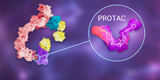
PROTAC — Target Selection and Design
Scientific Reviews
PROTAC — Target Selection and Design2022-07-08
A PROTAC molecule consists of three components: a target protein binding ligand, an E3 ligase ligand, and a linker connecting these two moieties. Here, we will discuss the conventional approaches for the rational design of PROTAC molecules. -
 Scientific Reviews
Organoids represent an important bridge between 2D cultures and in vivo mouse/human models. The organoid technology exerts enormous potential in evaluation of efficacy and toxicity of drugs, regenerative medicine, and precision medicine.In this article, we will briefly introduce organoid technology.
Scientific Reviews
Organoids represent an important bridge between 2D cultures and in vivo mouse/human models. The organoid technology exerts enormous potential in evaluation of efficacy and toxicity of drugs, regenerative medicine, and precision medicine.In this article, we will briefly introduce organoid technology. -
 Scientific Reviews
Development of Intestinal Organoid
Scientific Reviews
Development of Intestinal Organoid2022-07-28
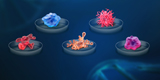
3D organoid is one of the revolutionary developments in biomedical field during the past 10 years. The establishment of intestinal organoids is an important milestone in the development of organoid technology. -
 Scientific Reviews
BacPROTACs is composed of a POI ligand, a chemical linker and a ClpCNTD anchor. BacPROTACs can induce in vitro and in vivo degradation of non-eukaryotic proteins in bacteria without the ubiquitin proteasome system.
Scientific Reviews
BacPROTACs is composed of a POI ligand, a chemical linker and a ClpCNTD anchor. BacPROTACs can induce in vitro and in vivo degradation of non-eukaryotic proteins in bacteria without the ubiquitin proteasome system. -
 Scientific Reviews
RNA therapeutics have changed the landscape of drug development, which possess broader spectrum of drug targets, simplicity and efficiency in development and manufacturing.In this article, we will discuss the underlying mechanisms of RNA-based drugs on the market or in clinical stages.
Scientific Reviews
RNA therapeutics have changed the landscape of drug development, which possess broader spectrum of drug targets, simplicity and efficiency in development and manufacturing.In this article, we will discuss the underlying mechanisms of RNA-based drugs on the market or in clinical stages. -
Scientific Reviews
Organoids have great potential in research of organ development, disease modeling, drug screening and, precision and regenerative medicin. In this article, we will expalin the origin of the organoids. Adult stem cells (ASCs) or pluripotent stem cells (PSCs) , which is the better choice.
-
 Scientific Reviews
Autophagy, derived from the Greek meaning "eating of self", plays an indispensable role in maintaining homeostasis. p27 is an inhibitor of cyclin CDKs, but how p27 regulates autophagy remains unknown. This article will cover the mechanism of autophagy and p27-related cell cycle regulation.
Scientific Reviews
Autophagy, derived from the Greek meaning "eating of self", plays an indispensable role in maintaining homeostasis. p27 is an inhibitor of cyclin CDKs, but how p27 regulates autophagy remains unknown. This article will cover the mechanism of autophagy and p27-related cell cycle regulation. -
 Scientific Reviews
AlphaFold2 can predict disease-related protein structures at low cost, and then find potential drugs for these diseases through drug repositioning, virtual screening, and other methods. ZINC is a public database summarizing information about billions of compounds. AlphaFold2 + ZINC20 speeds up the virtual screening process and improves the computing speed.
Scientific Reviews
AlphaFold2 can predict disease-related protein structures at low cost, and then find potential drugs for these diseases through drug repositioning, virtual screening, and other methods. ZINC is a public database summarizing information about billions of compounds. AlphaFold2 + ZINC20 speeds up the virtual screening process and improves the computing speed. -
 Scientific Reviews
CMA (chaperone-mediated autophagy) plays an essential role in maintaining neuronal protein stability and preventing neurodegeneration. In this article, we will comprehensively clarify the role of CMA in the occurrence and development of neurodegenerative diseases.
Scientific Reviews
CMA (chaperone-mediated autophagy) plays an essential role in maintaining neuronal protein stability and preventing neurodegeneration. In this article, we will comprehensively clarify the role of CMA in the occurrence and development of neurodegenerative diseases. -
 Scientific Reviews
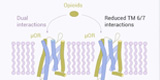
As powerful pain relievers, the opioids morphine and fentanyl have been "checked" by their side effects (listed as controlled substances). How to reduce its side effects? What is its mechanism? This research will explore its mechanism.
Scientific Reviews
As powerful pain relievers, the opioids morphine and fentanyl have been "checked" by their side effects (listed as controlled substances). How to reduce its side effects? What is its mechanism? This research will explore its mechanism. -
 Scientific Reviews
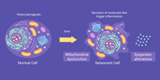
Understanding the mechanism of aging not only has guiding significance for prolonging human life but also has important clinical significance for the prevention and treatment of diseases in the elderly population , thus, improving their life quality and well-being.
Scientific Reviews
Understanding the mechanism of aging not only has guiding significance for prolonging human life but also has important clinical significance for the prevention and treatment of diseases in the elderly population , thus, improving their life quality and well-being. -
 Scientific Reviews
The latest study of Cell magazine "Neural mechanism underlying depressive-like state associated with social status loss" considers social factors as a breakthrough point. It has been found that the downward transition of social status induces depression-like behavior in mice whereas improves the depressive state by restoring their social environment.
Scientific Reviews
The latest study of Cell magazine "Neural mechanism underlying depressive-like state associated with social status loss" considers social factors as a breakthrough point. It has been found that the downward transition of social status induces depression-like behavior in mice whereas improves the depressive state by restoring their social environment. -
 Scientific Reviews
PROTAC - Design Strategy for Targeting
Scientific Reviews
PROTAC - Design Strategy for Targeting2023-04-23
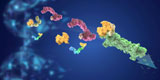
Protein degradation targeting chimera (PROTAC) is a technology that uses the ubiquitin proteasome pathway to silent target protein. However, PROTAC still has problems such as solubility, membrane permeability, and selectivity. In this article, we have summarized three strategies for optimization: light-controlled linker, PAC molecule, and specific E3 ligase. -
 Scientific Reviews
Stem cell classification and its application
Scientific Reviews
Stem cell classification and its application2023-05-18
Stem cells (SCs) have the unique ability to self-renew and differentiate into different cell types. SCs can differentiate into various types of tissue cells under specific conditions. Additionally, they can be further cultured to form different tissues and organs in the human body. Stem cells have numerous applications in various fields, including cell therapy, organ transplantation, neurodegenerative disease modeling, and drug screening. -
 Scientific Reviews
Mitophagy:Mechanisms and Detection
Scientific Reviews
Mitophagy:Mechanisms and Detection2023-05-25
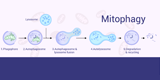
About 60 years ago, Christian de Duve first used the term "autophagy" to describe his observation of the degradation of mitochondria and other intracellular structures in lysosomes of rat liver. Over the years, autophagy has remained a beloved topic of research by the National Natural Science Foundation of China (NSFC).Today, let's talk about mitochondrial autophagy. -
 Scientific Reviews
How to Perform Western Blot?
Scientific Reviews
How to Perform Western Blot?2023-07-13
Western blot is one of the most frequently performed experiments in molecular biology, biochemistry and immunology. This article describes in detail how to do WB. -
 Scientific Reviews
Organoid Culture: Questions & Answers
Scientific Reviews
Organoid Culture: Questions & Answers2023-07-26
In the last issue, we conducted a live lecture on the theme of organoid culture. Today, we have a special topic to solve your doubts in the last live class! -
 Scientific Reviews
WHO's Q2 drug list has been updated. Let's take you through the list of the most noteworthy small molecule drugs that we should pay attention to.
Scientific Reviews
WHO's Q2 drug list has been updated. Let's take you through the list of the most noteworthy small molecule drugs that we should pay attention to. -
 Scientific Reviews
FDA Approved Drug List!
Scientific Reviews
FDA Approved Drug List!2023-09-14
In the first half of 2023 (as of June 27), the FDA approved 26 new drugs, let's take you learn about it through the article. -
 Scientific Reviews
SPR, which stands for Surface Plasmon Resonance, essentially works by detecting the interaction between ligands and analytes on a biosensor chip. This in turn allows us to probe the properties and structure of substances. With this technology, we can analyze molecules, proteins, DNA, and various organic and inorganic substances in samples in real-time with precision.
Scientific Reviews
SPR, which stands for Surface Plasmon Resonance, essentially works by detecting the interaction between ligands and analytes on a biosensor chip. This in turn allows us to probe the properties and structure of substances. With this technology, we can analyze molecules, proteins, DNA, and various organic and inorganic substances in samples in real-time with precision. -
 Scientific Reviews
Science | A "new" mechanism for non-ubiquitinated Midnolin-proteasomal degradation pathway
Scientific Reviews
Science | A "new" mechanism for non-ubiquitinated Midnolin-proteasomal degradation pathway2024-04-26
“ubiquitin-mediated protein degradation” won the Nobel Prize in Chemistry in 2004! In fact, proteasomes degrade not only ubiquitinated proteins but also non-ubiquitinated ones. The mechanism remains shrouded in mystery. After reading this piece today, you might have a lightbulb moment! -
 Scientific Reviews
Common Questions and Solutions for WB
Scientific Reviews
Common Questions and Solutions for WB2024-05-09
Come to understand the common problems and solutions of WB, and better complete the experiment! -
 Scientific Reviews
Exosomes, which won the Nobel Prize in 2013, are still a research hotspot in the national natural sciences, and their popularity has only increased over the past decade (in 2022, they still rank 5th in the national natural sciences hotspots!). Why have exosomes become the darling of scientific research? Let's take a look together~
Scientific Reviews
Exosomes, which won the Nobel Prize in 2013, are still a research hotspot in the national natural sciences, and their popularity has only increased over the past decade (in 2022, they still rank 5th in the national natural sciences hotspots!). Why have exosomes become the darling of scientific research? Let's take a look together~ -
 Scientific Reviews
Degrade target proteins through the autophagy-lysosome pathway including LYTAC, AUTAC, and ATTEC have gained increasing attention in recent years due to their significant research potential!
Scientific Reviews
Degrade target proteins through the autophagy-lysosome pathway including LYTAC, AUTAC, and ATTEC have gained increasing attention in recent years due to their significant research potential! -
 Scientific Reviews
Streptavidin-Biotin System
Scientific Reviews
Streptavidin-Biotin System2024-08-03
Streptavidin strongly binding small molecule biotin is one of the most popular non-covalent coupling methods. Streptavidin can be coupled to various carriers such as magnetic beads and agarose matrix, and become a highly specific affinity medium to capture various biotin-labeled ligands. -
 Scientific Reviews
2024 Nobel Prize Announcements! Curious about the details? Click to dive into the exciting developments!
Scientific Reviews
2024 Nobel Prize Announcements! Curious about the details? Click to dive into the exciting developments! -
Scientific Reviews
Delve into the intricate networks that govern mitochondrial quality control. By examining key mechanisms such as biogenesis, mitochondrial dynamics (fission and fusion), proteolysis, and mitophagy. -
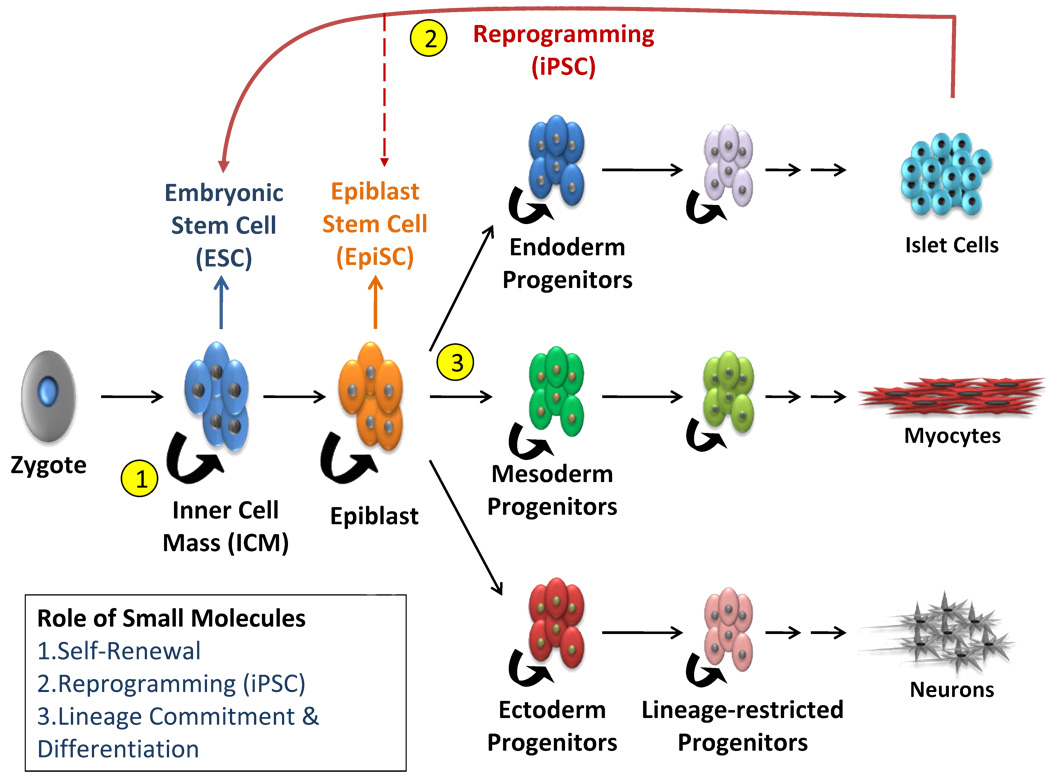 Scientific Reviews
In early January 2025, MIT Tech Review unveiled its annual list of top 10 breakthrough technologies poised to redefine the future. Among these, stem cell therapy stood out for its potential to treat diverse diseases—including neurodegenerative disorders, diabetes, cancer, and heart failure. This groundbreaking approach uses stem cells to replace damaged cells, offering hope for millions worldwide.
Scientific Reviews
In early January 2025, MIT Tech Review unveiled its annual list of top 10 breakthrough technologies poised to redefine the future. Among these, stem cell therapy stood out for its potential to treat diverse diseases—including neurodegenerative disorders, diabetes, cancer, and heart failure. This groundbreaking approach uses stem cells to replace damaged cells, offering hope for millions worldwide. -
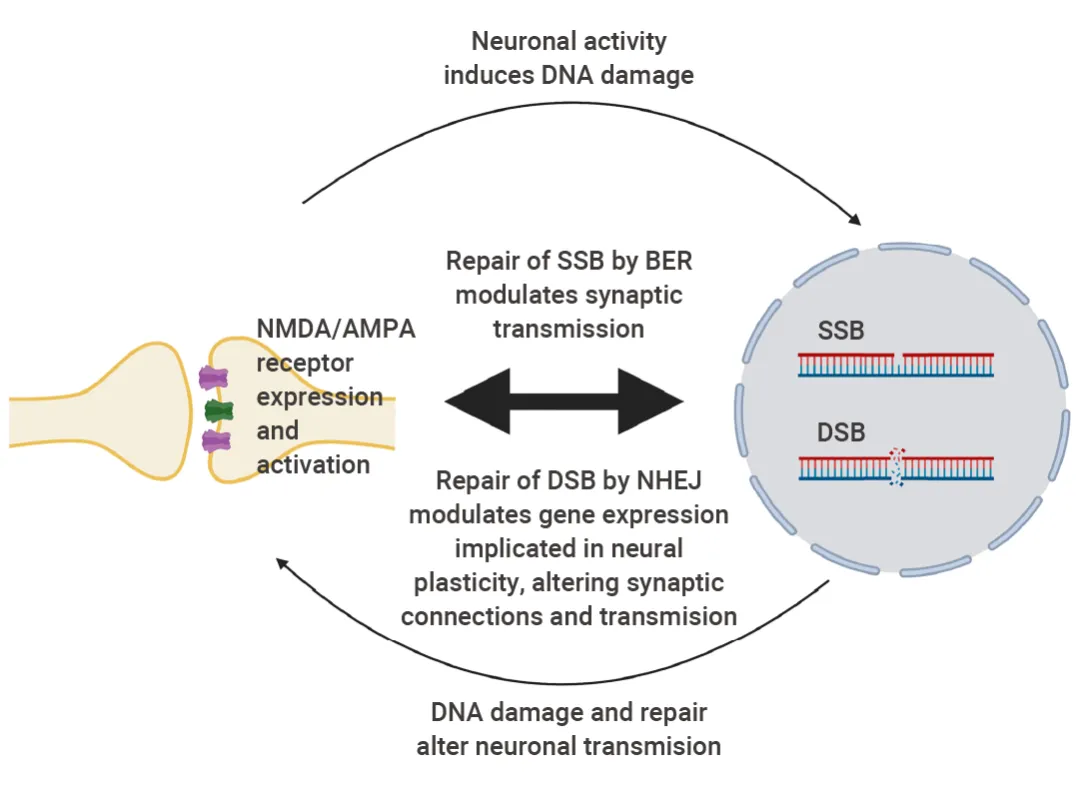 Scientific Reviews
When you hear "inflammation" and "DNA damage," you might immediately think of disease or injury. However, in brains, these two processes are key steps in forming long-term memories, particularly related to specialized cells in our brain called hippocampal neurons.
Scientific Reviews
When you hear "inflammation" and "DNA damage," you might immediately think of disease or injury. However, in brains, these two processes are key steps in forming long-term memories, particularly related to specialized cells in our brain called hippocampal neurons. -
 Scientific Reviews
Autophagy is a fundamental process that degrades various components within the cell.
Scientific Reviews
Autophagy is a fundamental process that degrades various components within the cell. -
.jpg) Scientific Reviews
nside cells, the homeostasis and degradation of proteins is a precisely regulated process. If proteins cannot be degraded in time, it may lead to the occurrence of various diseases such as neurodegenerative diseases and cancer. This article will tell you the process of how proteins are recognized, labeled and then degraded!
Scientific Reviews
nside cells, the homeostasis and degradation of proteins is a precisely regulated process. If proteins cannot be degraded in time, it may lead to the occurrence of various diseases such as neurodegenerative diseases and cancer. This article will tell you the process of how proteins are recognized, labeled and then degraded! -
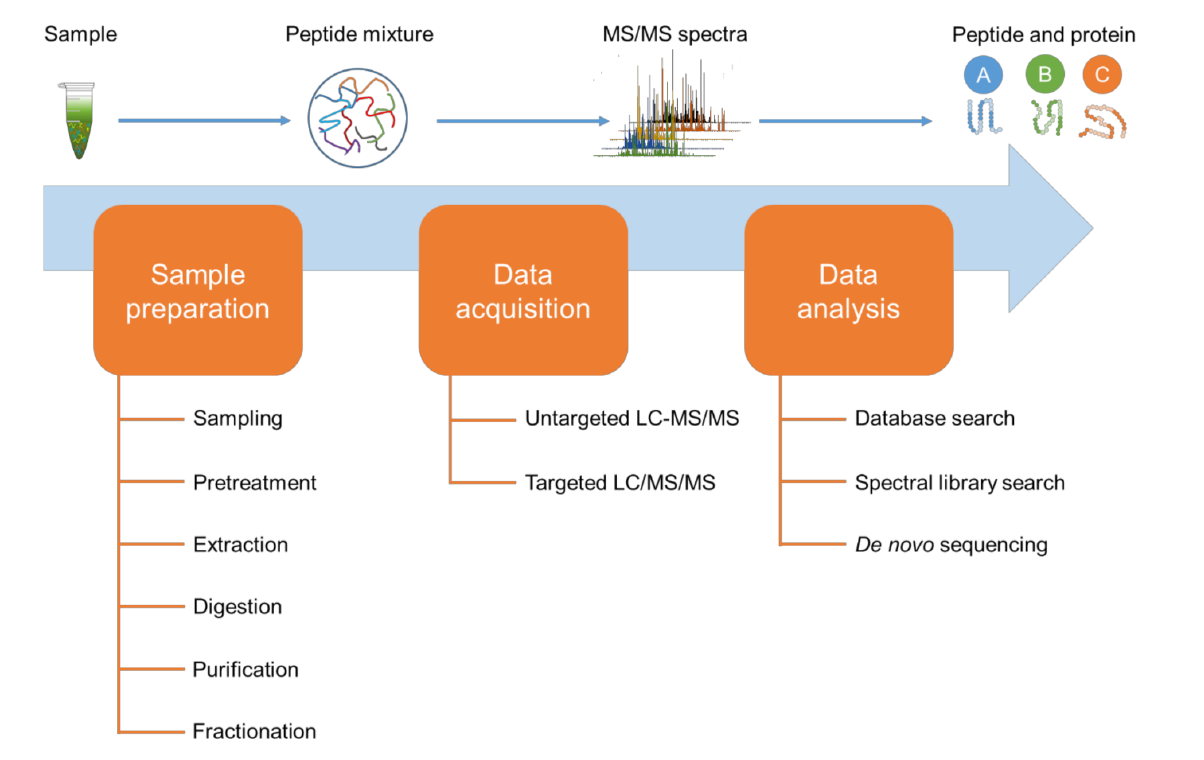 Scientific Reviews
As a pivotal branch in the post - genomic era, proteomics is committed to comprehensively elucidating the types, abundances, structures, functions, and interactions of all proteins within living organisms. This article will tell you the key steps of proteomics sample preparation based on mass spectrometry. This article will tell you the key steps of proteomics sample preparation based on mass spectrometry.
Scientific Reviews
As a pivotal branch in the post - genomic era, proteomics is committed to comprehensively elucidating the types, abundances, structures, functions, and interactions of all proteins within living organisms. This article will tell you the key steps of proteomics sample preparation based on mass spectrometry. This article will tell you the key steps of proteomics sample preparation based on mass spectrometry. -
 Scientific Reviews
Western blotting is a crucial and fundamental technique in life science research. It plays a significant role in exploring protein expression and function. The following article will comprehensively and thoroughly elaborate on the specific procedures and detailed key points of this experiment.
Scientific Reviews
Western blotting is a crucial and fundamental technique in life science research. It plays a significant role in exploring protein expression and function. The following article will comprehensively and thoroughly elaborate on the specific procedures and detailed key points of this experiment. -
 Scientific Reviews
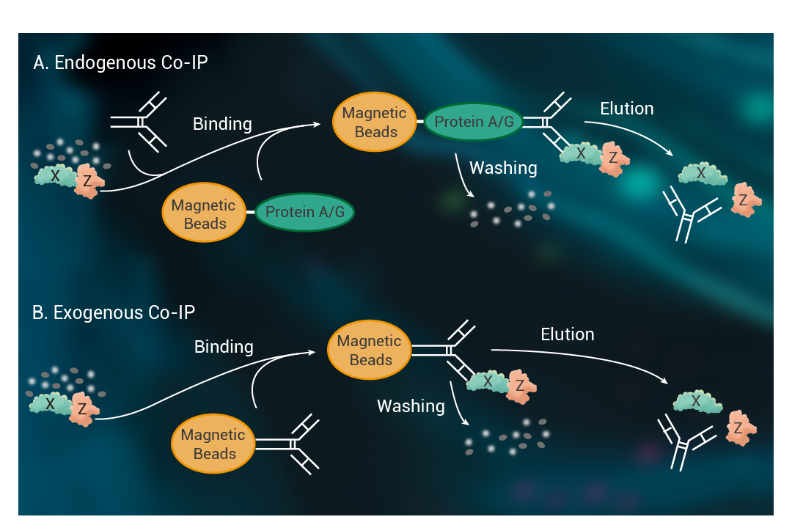
In protein biology, Co-IP is a powerful tool to uncover protein "social networks." But poorly performed, it easily becomes an awkward lab "meet-and-greet." Today, we discuss making Co-IP experiments elegant and efficient—so you pull down target proteins with confidence and precision.
Scientific Reviews
In protein biology, Co-IP is a powerful tool to uncover protein "social networks." But poorly performed, it easily becomes an awkward lab "meet-and-greet." Today, we discuss making Co-IP experiments elegant and efficient—so you pull down target proteins with confidence and precision. -
 Scientific Reviews
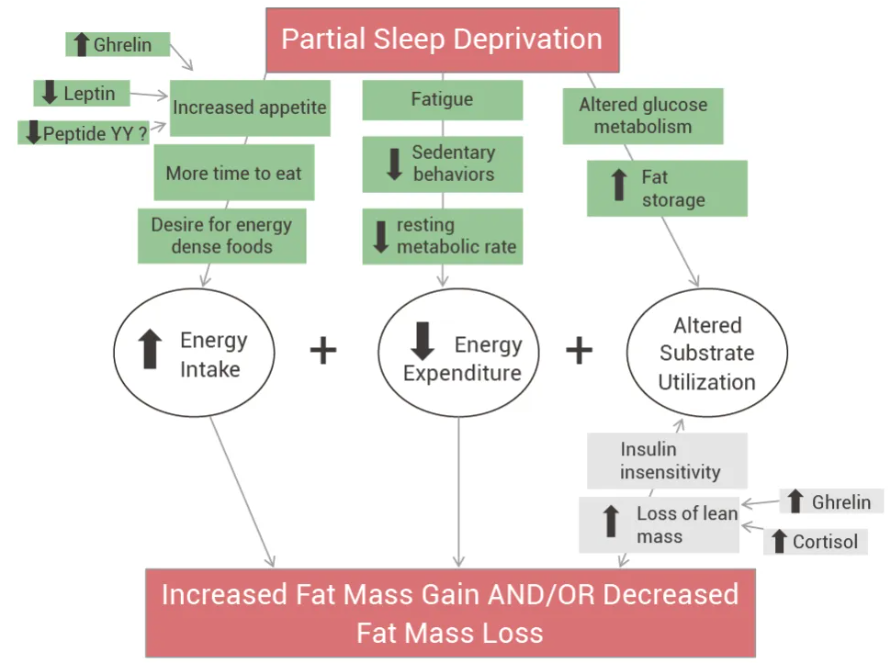
Have you ever noticed that after staying up late, your appetite—especially for high-calorie foods—gets out of control? If this sounds familiar, today’s article might offer some good news.
Scientific Reviews
Have you ever noticed that after staying up late, your appetite—especially for high-calorie foods—gets out of control? If this sounds familiar, today’s article might offer some good news. -
Scientific Reviews
For all the protein research folks out there, techniques like IP and Co-IP are no stranger, right? And of course, there's a faster and more convenient go-to tool—Protein A/G magnetic beads! In this article, let's chat about how these beads work their magic in classic experiments like IP and Co-IP. -
Scientific Reviews
Microglia– the only immune cells within the brain parenchyma. With advancements in imaging technologies, people’s understanding of microglia has shifted from being viewed as 'resting' cells to 'highly active' cells, particularly due to their dynamic processes that seem to be probing surrounding tissues and monitoring neuronal activity. This has made microglia a focal point of research in the field of neuroscience. -
 Scientific Reviews
Exosomes—natural nanoscale carriers—are revolutionizing targeted therapy. This article uncovers the science behind their precision in drug delivery.
Scientific Reviews
Exosomes—natural nanoscale carriers—are revolutionizing targeted therapy. This article uncovers the science behind their precision in drug delivery. -
Scientific Reviews
Cracking the PROTAC Permeability Barrier: CD36-Mediated Endocytosis as a Potential Breakthrough2025-12-03
This article provides an in-depth analysis of cutting-edge literature revealing CD36 as a key mediator of cellular uptake for PROTACs and bRO5 compounds. By structurally optimizing PROTAC molecules to enhance their affinity for CD36, membrane permeability can be markedly improved, leading to significantly enhanced antitumor efficacy. -
 Scientific Reviews
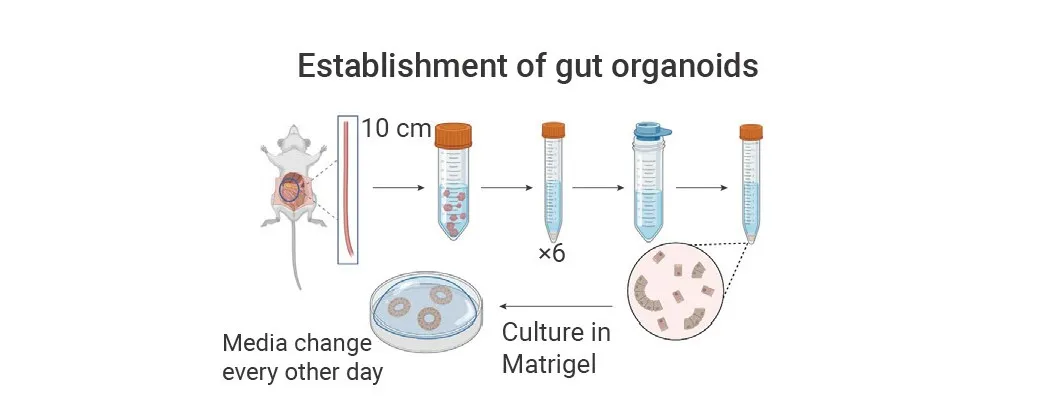
Efficient Generation of Mouse Small Intestinal Organoids: A Complete Experimental Protocol Guide
Scientific Reviews
Efficient Generation of Mouse Small Intestinal Organoids: A Complete Experimental Protocol Guide2025-12-10
How to successfully create mouse small intestine organoids? A detailed, hands-on guide to the entire process, all in one article! -
 Scientific Reviews
Molecular glue degraders have evolved from a serendipitous observation to one of the most dynamic and transformative fields in biomedical research.
Scientific Reviews
Molecular glue degraders have evolved from a serendipitous observation to one of the most dynamic and transformative fields in biomedical research. -
 EDM
Targeting the ‘Undruggable’ with PROTACs
EDM
Targeting the ‘Undruggable’ with PROTACs2025-06-18
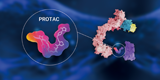
This review introduces the fundamental principles and mechanisms of PROTACs, highlights recent advances in molecular design and clinical development, and discusses emerging opportunities and remaining challenges in targeted protein degradation. -
 EDM
Advances in Alzheimer's Disease Research
EDM
Advances in Alzheimer's Disease Research2025-07-16
This review summarizes current understanding of AD pathophysiology, including amyloid and tau pathology, neuroinflammation, synaptic dysfunction, and vascular abnormalities, and evaluates therapeutic strategies and experimental models. -
 EDM
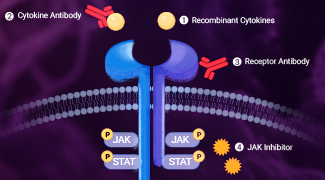
This review critically examines the role of the JAK-STAT pathway in immunity and autoimmune diseases, reviews current clinical applications of targeted therapies, and highlights emerging trends in autoimmune drug development.
EDM
This review critically examines the role of the JAK-STAT pathway in immunity and autoimmune diseases, reviews current clinical applications of targeted therapies, and highlights emerging trends in autoimmune drug development. -
 EDM
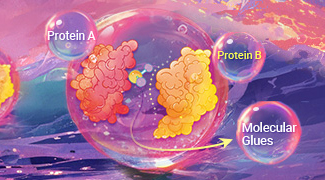
This review discusses recent progress in molecular glue technologies, illustrating how targeted protein degradation strategies enable the modulation of previously undruggable proteins.
EDM
This review discusses recent progress in molecular glue technologies, illustrating how targeted protein degradation strategies enable the modulation of previously undruggable proteins. -
 EDM
This review highlights the roles of microglia in AD pathology, focusing on metabolic reprogramming and microglia-targeted therapeutic strategies.
EDM
This review highlights the roles of microglia in AD pathology, focusing on metabolic reprogramming and microglia-targeted therapeutic strategies. -
 EDM
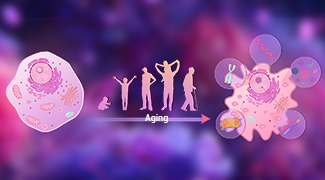
This review summarizes the hallmarks of aging and aging-related diseases, discusses mechanistic insights into aging processes, and highlights emerging anti-aging interventions.
EDM
This review summarizes the hallmarks of aging and aging-related diseases, discusses mechanistic insights into aging processes, and highlights emerging anti-aging interventions. -
 EDM
This review outlines macrophage functions and classification, and provides practical experimental guidelines for macrophage differentiation, polarization, and identification.
EDM
This review outlines macrophage functions and classification, and provides practical experimental guidelines for macrophage differentiation, polarization, and identification. -
 EDM
Review advances in target discovery, disease modeling, and biomarkers for Parkinson’s disease, highlighting their interplay and future directions for translational research.
EDM
Review advances in target discovery, disease modeling, and biomarkers for Parkinson’s disease, highlighting their interplay and future directions for translational research. -
 EDM
The Dual Role of Cellular Senescence in Cancer: Mechanisms, Microenvironment, and Therapeutics
EDM
The Dual Role of Cellular Senescence in Cancer: Mechanisms, Microenvironment, and Therapeutics2026-05-21
Explore the dual role of cellular senescence in cancer, including tumor suppression, SASP-driven tumor promotion, senescence heterogeneity and plasticity, and advances in senescence-targeted therapies. -
 EDM
Explore the mechanisms driving immune tolerance breakdown in autoimmune diseases and emerging tolerance-restoring strategies, with a focus on IL-2-based immune modulation.
EDM
Explore the mechanisms driving immune tolerance breakdown in autoimmune diseases and emerging tolerance-restoring strategies, with a focus on IL-2-based immune modulation. -
 EDM
Review the evolution of molecular glues from serendipitous discovery to rational design, highlighting how emerging targets and advances in screening, proteomics, structural biology, and AI are expanding the druggable proteome.
EDM
Review the evolution of molecular glues from serendipitous discovery to rational design, highlighting how emerging targets and advances in screening, proteomics, structural biology, and AI are expanding the druggable proteome. -
 EDM
Explore how anti-Aβ therapy is reshaping the AD treatment landscape, the rationale for multi-pathology combination strategies, and advances in biomarker-guided precision treatment.
EDM
Explore how anti-Aβ therapy is reshaping the AD treatment landscape, the rationale for multi-pathology combination strategies, and advances in biomarker-guided precision treatment. -
 EDM
Explore how mitochondrial quality control, inflammatory signaling, and metabolic–epigenetic reprogramming regulate cellular senescence and the SASP, along with strategies to restore mitochondrial homeostasis.
EDM
Explore how mitochondrial quality control, inflammatory signaling, and metabolic–epigenetic reprogramming regulate cellular senescence and the SASP, along with strategies to restore mitochondrial homeostasis. -
 Blog
AZD5991, a macrocyclic molecule with high selectivity for Mcl-1, reduces Mcl-1 protein in AZD5991-sensitive but not in AZD5991-resistant MM cell lines.
Blog
AZD5991, a macrocyclic molecule with high selectivity for Mcl-1, reduces Mcl-1 protein in AZD5991-sensitive but not in AZD5991-resistant MM cell lines. -
 Blog
CF53 is a highly potent, selective and orally active inhibitor of BET protein, with anti-tumor activity in acute leukemia and breast cancer cell lines.
Blog
CF53 is a highly potent, selective and orally active inhibitor of BET protein, with anti-tumor activity in acute leukemia and breast cancer cell lines. -
 Blog
HJB97 is a BET PROTAC inhibitor with good anti-tumor activity, and effectively blocks the degradation of BRD2, BRD3, and BRD4 proteins induced by BETd-260.
Blog
HJB97 is a BET PROTAC inhibitor with good anti-tumor activity, and effectively blocks the degradation of BRD2, BRD3, and BRD4 proteins induced by BETd-260. -
 Blog
BR351 is a Brain Penetrant MMP Inhibitor
Blog
BR351 is a Brain Penetrant MMP Inhibitor2019-04-05
BR351 is a brain penetrant MMP inhibitor, and a potential tool for the molecular imaging of activated MMPs with PET, with an IC50 in the nanomolar range. -
 Blog
A Lead PROTAC BRD9 Chemical Degrader
Blog
A Lead PROTAC BRD9 Chemical Degrader2019-04-06
PROTAC BRD9 Degrader-1 is a lead PROTAC BRD9 chemical degrader and a selective probe useful for the study of BAF complex biology. -
 Blog
COH000 is an allosteric, covalent and irreversible inhibitor of SUMO-activating enzyme, with an IC50 of 0.2 μM for SUMOylation in vitro.
Blog
COH000 is an allosteric, covalent and irreversible inhibitor of SUMO-activating enzyme, with an IC50 of 0.2 μM for SUMOylation in vitro. -
 Blog
PhiKan 083 is a carbazole derivative, which binds to the surface cavity and stabilizes Y220C (a p53 mutant), with a Kd of 167 μM.
Blog
PhiKan 083 is a carbazole derivative, which binds to the surface cavity and stabilizes Y220C (a p53 mutant), with a Kd of 167 μM. -
 Blog
IITZ-01 is a potent lysosomotropic autophagy inhibitor with single-agent antitumor activity, with an IC50 of 2.62 μM for PI3Kγ.
Blog
IITZ-01 is a potent lysosomotropic autophagy inhibitor with single-agent antitumor activity, with an IC50 of 2.62 μM for PI3Kγ. -
 Blog
Y06036 is a potent and selective BET inhibitor for potential treatment of castration-resistant prostate cancer. With nanomolar inhibition.
Blog
Y06036 is a potent and selective BET inhibitor for potential treatment of castration-resistant prostate cancer. With nanomolar inhibition. -
 Blog
Y06137 is a potent and selective BET inhibitor, which binds to the BRD4(1) bromodomain with a Kd of 81 nM. Antitumor activity.
Blog
Y06137 is a potent and selective BET inhibitor, which binds to the BRD4(1) bromodomain with a Kd of 81 nM. Antitumor activity. -
 Blog
NRX-252262 is a β-catenin:β-TrCP interaction enhancer, and its cognate E3 ligase, SCFβ-TrCP, induces mutant β-catenin degradation, with an EC50 of 3.8 nM
Blog
NRX-252262 is a β-catenin:β-TrCP interaction enhancer, and its cognate E3 ligase, SCFβ-TrCP, induces mutant β-catenin degradation, with an EC50 of 3.8 nM -
 Blog
TAK-981 is a selective inhibitor of the SUMOylation enzymatic cascade, with potential immune-activating and antineoplastic activities
Blog
TAK-981 is a selective inhibitor of the SUMOylation enzymatic cascade, with potential immune-activating and antineoplastic activities -
 Blog
TD-428 is a Highly Specific BRD4 Degrader
Blog
TD-428 is a Highly Specific BRD4 Degrader2019-04-29
TD-428, a immunomodulatory drug analog, is a highly specific BRD4 degrader with a DC50 of 0.32 nM. TD-428 reduces c-Myc levels more efficiently than JQ1. -
 Blog
SLLN-15 is an oral activ enhancer of autophagy that activates cytostatic macroautophagy/autophagy in triple-negative breast cancer (TNBC).
Blog
SLLN-15 is an oral activ enhancer of autophagy that activates cytostatic macroautophagy/autophagy in triple-negative breast cancer (TNBC). -
 Blog
A1874 is a nutlin-based and BRD4-degrading PROTAC with a DC50 of 32 nM. Effective in inhibiting many cancer cell lines proliferation
Blog
A1874 is a nutlin-based and BRD4-degrading PROTAC with a DC50 of 32 nM. Effective in inhibiting many cancer cell lines proliferation -
 Blog
BSJ-03-123, a Degrader with Proteome-wide Selectivity for CDK6 (PROTAC). Induces a G1 cell-cycle arrest without a measurable increase in apoptosis.
Blog
BSJ-03-123, a Degrader with Proteome-wide Selectivity for CDK6 (PROTAC). Induces a G1 cell-cycle arrest without a measurable increase in apoptosis. -
 Blog
FT671 is a potent, non-covalent and selective USP7 inhibitor with an IC50 of 52 nM and binds to the USP7 catalytic domain with a Kd of 65 nM.
Blog
FT671 is a potent, non-covalent and selective USP7 inhibitor with an IC50 of 52 nM and binds to the USP7 catalytic domain with a Kd of 65 nM. -
 Blog
ZM223 is a non-sulfamide NEDD8 activating enzyme (NAE) inhibitor, with IC50 value of 100 nM in cells. ZM223 has potential to treat colon cancer.
Blog
ZM223 is a non-sulfamide NEDD8 activating enzyme (NAE) inhibitor, with IC50 value of 100 nM in cells. ZM223 has potential to treat colon cancer. -
 Blog
ACY-1083, a Highly Selective HDAC6 Inhibitor, Reverses Chemotherapy-induced Peripheral Neuropathy
Blog
ACY-1083, a Highly Selective HDAC6 Inhibitor, Reverses Chemotherapy-induced Peripheral Neuropathy2019-05-12
ACY-1083 is a selective and brain-penetrating HDAC6 inhibitor with an IC50 of 3 nM. ACY-1083 effectively reverses chemotherapy-induced peripheral neuropathy -
 Blog
MS4077 is an anaplastic lymphoma kinase (ALK) PROTAC (degrader) with a Kd of 37 nM for binding affinity to ALK. Efficacy for breast cancer and lung cancer.
Blog
MS4077 is an anaplastic lymphoma kinase (ALK) PROTAC (degrader) with a Kd of 37 nM for binding affinity to ALK. Efficacy for breast cancer and lung cancer. -
 Blog
VL285, is a Potent VHL Ligand
Blog
VL285, is a Potent VHL Ligand2019-05-24
VL285 is a Potent VHL Ligand. -
 Blog
SNIPER(TACC3)-1 targets the TACC3 protein for degradation via the ubiquitin-proteasome pathway. SNIPER(TACC3)-1 induces cancer cell death.
Blog
SNIPER(TACC3)-1 targets the TACC3 protein for degradation via the ubiquitin-proteasome pathway. SNIPER(TACC3)-1 induces cancer cell death. -
 Blog
IWP-O1, a Highly Potent Porcupine Inhibitor, Functions by Preventing the Secretion of Wnt Proteins
Blog
IWP-O1, a Highly Potent Porcupine Inhibitor, Functions by Preventing the Secretion of Wnt Proteins2019-06-03
IWP-O1 is a Porcupine (Porcn) inhibitor, with an EC50 of 80 pM in L-Wnt-STF cells. IWP-O1 functions by preventing the secretion of Wnt proteins[ -
 Blog
SJFδ, a 10-atom Linker PROTAC, Degrades p38δ
Blog
SJFδ, a 10-atom Linker PROTAC, Degrades p38δ2019-06-11
SJFδ, a 10-atom Linker PROTAC, Degrades p38δ, degrades p38δwith strong capacity. SJFδ degrades p38δ with a DC50 of 46.17±9.85 nM and a Dmax of 99.41±3.31%. -
 Blog
JMS-17-2 is a CX3CR1 Antagonist
Blog
JMS-17-2 is a CX3CR1 Antagonist2019-06-12
JMS-17-2 is a potent and selective CX3CR1 antagonist with an IC50 of 0.32 nM. Has potential to treat cancers such as breast cancer. -
 Blog
TAS4464 is a highly potent and selective inhibitor of NEDD8 activating enzyme (NAE), with an IC50 of 0.955 nM. TAS4464 shows antitumor activity.
Blog
TAS4464 is a highly potent and selective inhibitor of NEDD8 activating enzyme (NAE), with an IC50 of 0.955 nM. TAS4464 shows antitumor activity. -
 Blog
ERD-308 is a highly potent PROTAC degrader of ER for ER+ breast cancer treatment. ERD-308 induces >95% of ER degradation at concentrations as low as 5 nM.
Blog
ERD-308 is a highly potent PROTAC degrader of ER for ER+ breast cancer treatment. ERD-308 induces >95% of ER degradation at concentrations as low as 5 nM. -
 Blog
JG-98, an Hsp70 inhibitor, binds tightly to a conserved site on Hsp70 and disrupts the Hsp70-Bag3 interaction. JG-98 shows anti-cancer activities.
Blog
JG-98, an Hsp70 inhibitor, binds tightly to a conserved site on Hsp70 and disrupts the Hsp70-Bag3 interaction. JG-98 shows anti-cancer activities. -
 Blog
MZP-55 is a selective PROTAC degrader of BRD3/4, shows no obvious effect on BRD2. MZP-55 exhibits excellent activity in cancer research.
Blog
MZP-55 is a selective PROTAC degrader of BRD3/4, shows no obvious effect on BRD2. MZP-55 exhibits excellent activity in cancer research. -
 Blog
dBET6 is a potent PROTAC degrader of BET, shows high affinity to BRD4(1), and possess good efficacy in T cell acute lymphoblastic leukemia activity.
Blog
dBET6 is a potent PROTAC degrader of BET, shows high affinity to BRD4(1), and possess good efficacy in T cell acute lymphoblastic leukemia activity. -
 Blog
GSK2643943A is a Novel DUB Inhibitor
Blog
GSK2643943A is a Novel DUB Inhibitor2019-07-25
GSK2643943A is a novel deubiquitylating enzyme (DUB) inhibitor. GSK2643943A targets USP20/Ub-Rho and shows an IC50 of 160 nM. -
 Blog
MT-802 is a potent BTK degrader based on PROTAC technology, with a DC50 of 1 nM. MT-802 has potential to treat C481S mutant chronic lymphocytic leukemia.
Blog
MT-802 is a potent BTK degrader based on PROTAC technology, with a DC50 of 1 nM. MT-802 has potential to treat C481S mutant chronic lymphocytic leukemia. -
 Blog
ACBI1 is a PROTAC Degrader of BAF Complex
Blog
ACBI1 is a PROTAC Degrader of BAF Complex2019-08-07
ACBI1 is a potent PROTAC degrader of BAF ATPase subunits SMARCA2, SMARCA4 and PBRM1, with DC50s of 6 nM, 11 nM and 32 nM in MV-4-11 cells, respectively. -
 Blog
dMCL1-2 is a potent and selective degrader of myeloid cell leukemia 1 (MCL1) based on PROTAC, which binds to MCL1 with a KD of 30 nM.
Blog
dMCL1-2 is a potent and selective degrader of myeloid cell leukemia 1 (MCL1) based on PROTAC, which binds to MCL1 with a KD of 30 nM. -
 Blog
CP-10 is a Specific PROTAC Degrader of CDK6
Blog
CP-10 is a Specific PROTAC Degrader of CDK62019-08-25
CP-10 is a PROTAC with highly selective, specific, and remarkable CDK6 degradation (DC50=2.1 nM), which has anti-cancer activity. -
 Blog
ARV-825 is a PROTAC, and acts as a potent BRD4 degrader, with Kds of 90 and 28 nM for BRD4 BD1 and BRD4 BD2, respectively.
Blog
ARV-825 is a PROTAC, and acts as a potent BRD4 degrader, with Kds of 90 and 28 nM for BRD4 BD1 and BRD4 BD2, respectively. -
 Blog
GMB-475 is a PROTAC BCR-ABL1 degrader, overcomes BCR-ABL1-dependent drug resistance, targets BCR-ABL1 protein and recruits the E3 ligase Von Hippel Lindau.
Blog
GMB-475 is a PROTAC BCR-ABL1 degrader, overcomes BCR-ABL1-dependent drug resistance, targets BCR-ABL1 protein and recruits the E3 ligase Von Hippel Lindau. -
 Blog
dBET57 is a potent and selective degrader of BRD4BD1 based on the PROTAC technology and mediates recruitment to the CRL4CRBN E3 ubiquitin ligase.
Blog
dBET57 is a potent and selective degrader of BRD4BD1 based on the PROTAC technology and mediates recruitment to the CRL4CRBN E3 ubiquitin ligase. -
 Blog
MD-224 is a human MDM2 degrader based on the PROTAC concept. MD-224 induces rapid degradation of MDM2 at concentrations <1 nM in human leukemia cells.
Blog
MD-224 is a human MDM2 degrader based on the PROTAC concept. MD-224 induces rapid degradation of MDM2 at concentrations <1 nM in human leukemia cells. -
 Blog
CP5V is a Specific PROTAC Degrader of Cdc20
Blog
CP5V is a Specific PROTAC Degrader of Cdc202019-11-20
CP5V is a PROTAC, which specifically degrades Cdc20 by linking Cdc20 to the VHL/VBC complex for ubiquitination followed by proteasomal degradation. -
 Blog
PK11007 is a Mild Alkylating Agent with Anticancer Activity and induces mutant p53 cancer cell death by increasing reactive oxygen species (ROS) levels.
Blog
PK11007 is a Mild Alkylating Agent with Anticancer Activity and induces mutant p53 cancer cell death by increasing reactive oxygen species (ROS) levels. -
 Blog
SD-36 is a Selective PROTAC STAT3 Degrader
Blog
SD-36 is a Selective PROTAC STAT3 Degrader2019-12-06
SD-36 is a potent, efficacious and selective PROTAC STAT3 degrader (Kd=50 nM) and achieves complete tumor regression in vivo. -
 Blog
MG-277 works as a PROTAC molecular glue, inducing degradation of a translation termination factor, GSPT1 to achieve its potent anticancer activity.
Blog
MG-277 works as a PROTAC molecular glue, inducing degradation of a translation termination factor, GSPT1 to achieve its potent anticancer activity. -
 Blog
MS432 is a first-in-class and highly selective PD0325901-based VHL-recruiting PROTAC degrader for MEK1 and MEK2 with good anti-cancer activity.
Blog
MS432 is a first-in-class and highly selective PD0325901-based VHL-recruiting PROTAC degrader for MEK1 and MEK2 with good anti-cancer activity. -
 Blog
KB02-JQ1 is a highly potent and selective PROTAC BRD4 degrader that degrades nuclear proteins by engaging CUL4-DDB1 E3 ubiquitin ligases DCAF16.
Blog
KB02-JQ1 is a highly potent and selective PROTAC BRD4 degrader that degrades nuclear proteins by engaging CUL4-DDB1 E3 ubiquitin ligases DCAF16. -
 Blog
M8891 is an orally active, reversible and brain penetrant Methionine Aminopeptidase-2 (MetAP-2) inhibitor with antiangiogenic and antitumoral activity.
Blog
M8891 is an orally active, reversible and brain penetrant Methionine Aminopeptidase-2 (MetAP-2) inhibitor with antiangiogenic and antitumoral activity. -
 Blog
TCH-165 is a modulator of proteasome assembly, which increases 20S levels and facilitates 20S-mediated protein degradation, such as IDPs, α-syn, and tau.
Blog
TCH-165 is a modulator of proteasome assembly, which increases 20S levels and facilitates 20S-mediated protein degradation, such as IDPs, α-syn, and tau. -
 Blog
6RK73 is a covalent irreversible and specific UCHL1 inhibitor,which specifically inhibits UCHL1 activity in breast cancer.
Blog
6RK73 is a covalent irreversible and specific UCHL1 inhibitor,which specifically inhibits UCHL1 activity in breast cancer. -
 Blog
Ro 90-7501, an Aβ42 fibril assembly inhibitor, inhibits PP5 in a TPR-dependent manner and has radiosensitizing effects on cervical cancer cells.
Blog
Ro 90-7501, an Aβ42 fibril assembly inhibitor, inhibits PP5 in a TPR-dependent manner and has radiosensitizing effects on cervical cancer cells. -
 Blog
CCT367766, a PROTAC-based Pirin-targeting PDP, exhibits a moderate affinity for the CRBN-DDB1 complex and reveals a good affinity for Pirin and CRBN.
Blog
CCT367766, a PROTAC-based Pirin-targeting PDP, exhibits a moderate affinity for the CRBN-DDB1 complex and reveals a good affinity for Pirin and CRBN. -
 Blog
E64FC26 is a highly potent pan-style inhibitor of the protein disulfide isomerase (PDI) family with anti-myeloma activities.
Blog
E64FC26 is a highly potent pan-style inhibitor of the protein disulfide isomerase (PDI) family with anti-myeloma activities. -
 Blog
NU1025 is a potent PARP inhibitor and potentiates the cytotoxicity of ionizing radiation drug. NU1025 has anti-cancer and neuroprotective activity.
Blog
NU1025 is a potent PARP inhibitor and potentiates the cytotoxicity of ionizing radiation drug. NU1025 has anti-cancer and neuroprotective activity. -
 Blog
TL13-112 is a PROTAC Degrader of ALK
Blog
TL13-112 is a PROTAC Degrader of ALK2020-04-15
TL13-112 is a selective ALK-PROTAC degrader and inhibits ALK activity. TL13-112 is comprised of the conjugation of Ceritinib and the ligand pomalidomide . -
 Blog
TL13-12 is a Selective ALK-PROTAC Degrader
Blog
TL13-12 is a Selective ALK-PROTAC Degrader2020-04-21
TL13-12 can induce receptor tyrosine kinase anaplastic lymphoma kinase degradation in non small cell lung cancer cells. PROTAC ALK degrader. -
 Blog
ARCC-4 is a low-nanomolar AR degrader, and effectively degrades clinically relevant AR mutants associated with antiandrogen therapy.
Blog
ARCC-4 is a low-nanomolar AR degrader, and effectively degrades clinically relevant AR mutants associated with antiandrogen therapy. -
 Blog
UT-34 is a potent, selective and orally active second-generation pan-androgen receptor (AR) antagonist and degrader with anti-prostate cancer efficacy.
Blog
UT-34 is a potent, selective and orally active second-generation pan-androgen receptor (AR) antagonist and degrader with anti-prostate cancer efficacy. -
 Blog
HM03 is a potent and selective HSPA5 inhibitor with anticancer activity. HSPA5 plays a key role in monitoring protein transport through the cell.
Blog
HM03 is a potent and selective HSPA5 inhibitor with anticancer activity. HSPA5 plays a key role in monitoring protein transport through the cell. -
 Blog
XZ739 is a PROTAC BCL-XL Degrader
Blog
XZ739 is a PROTAC BCL-XL Degrader2020-06-18
XZ739 is a PROTAC BCL-XL Degrader. XZ739 is potent against various cancer cell lines. PROTAC is an emerging therapeutic modality. -
 Blog
JCN037 is a potent, non-covalent, and brain-penetrant EGFR tyrosine kinase inhibitor. JCN037 has potent anti-cancer activity.
Blog
JCN037 is a potent, non-covalent, and brain-penetrant EGFR tyrosine kinase inhibitor. JCN037 has potent anti-cancer activity. -
 Blog
RA-9 is a potent and selective proteasome-associated DUBs inhibitor with favorable toxicity profile and anticancer activity.
Blog
RA-9 is a potent and selective proteasome-associated DUBs inhibitor with favorable toxicity profile and anticancer activity. -
 Blog
HLI373 represents a potential drug-able lead for the development of therapeutically efficacious inhibitors of Hdm2. Hdm2 is an ubiquitin protein ligase.
Blog
HLI373 represents a potential drug-able lead for the development of therapeutically efficacious inhibitors of Hdm2. Hdm2 is an ubiquitin protein ligase. -
 Blog
RA375, a RPN13 inhibitor, inhibits proteasome function in muscle. RA375 is highly active against cell lines of multiple myeloma and diverse solid cancers.
Blog
RA375, a RPN13 inhibitor, inhibits proteasome function in muscle. RA375 is highly active against cell lines of multiple myeloma and diverse solid cancers. -
 Blog
KCC-07 prevents binding of MBD2 to methylated DNA and activates BAI1 inducing anti-proliferative BAI1/p53/p21 signaling. Anticancer activity.
Blog
KCC-07 prevents binding of MBD2 to methylated DNA and activates BAI1 inducing anti-proliferative BAI1/p53/p21 signaling. Anticancer activity. -
 Blog
MPT0G211, an orally active and selective HDAC6 inhibitor, ameliorates tau phosphorylation, and cognitive deficits in an Alzheimer’s disease model.
Blog
MPT0G211, an orally active and selective HDAC6 inhibitor, ameliorates tau phosphorylation, and cognitive deficits in an Alzheimer’s disease model. -
 Blog
RapaLink-1, a third-generation bivalent mTOR inhibitor, potently blocking cancer-derived, activating mutants of mTOR. It can cross the blood-brain barrier.
Blog
RapaLink-1, a third-generation bivalent mTOR inhibitor, potently blocking cancer-derived, activating mutants of mTOR. It can cross the blood-brain barrier. -
 Blog
SJF620 is a Potent PROTAC BTK Degrader
Blog
SJF620 is a Potent PROTAC BTK Degrader2020-09-26
SJF620 is a potent PROTAC BTK degrader with improved pharmacokinetic properties. Contains a Lenalidomide analog for recruiting CRBN. -
 Blog
BSJ-04-132 is a potent and selective Ribociclib-based CDK4 degrader (PROTAC) and does not induce CDK6 and IKZF1/3 degradation with anti-cancer activity.
Blog
BSJ-04-132 is a potent and selective Ribociclib-based CDK4 degrader (PROTAC) and does not induce CDK6 and IKZF1/3 degradation with anti-cancer activity. -
 Blog
BSJ-03-204 is a potent and selective Palbociclib-based CDK4/6 dual degrader (PROTAC) and does not induce IKZF1/3 degradation with anti-cancer activity.
Blog
BSJ-03-204 is a potent and selective Palbociclib-based CDK4/6 dual degrader (PROTAC) and does not induce IKZF1/3 degradation with anti-cancer activity. -
 Blog
KB02-SLF is a PROTAC-based nuclear FKBP12 degrader. KB02-SLF promotes nuclear FKBP12 degradation by covalently modifying DCAF16 (E3 ligase).
Blog
KB02-SLF is a PROTAC-based nuclear FKBP12 degrader. KB02-SLF promotes nuclear FKBP12 degradation by covalently modifying DCAF16 (E3 ligase). -
 Blog
DT2216 is a potent and selective BCL-XL degrader based on PROTAC technology. DT2216 inhibits leukemia and has potent anti-cancer activity.
Blog
DT2216 is a potent and selective BCL-XL degrader based on PROTAC technology. DT2216 inhibits leukemia and has potent anti-cancer activity. -
 Blog
dTRIM24 will be a useful tool to further probe the function of TRIM24 by rapid chemical depletion in hematopoietic cancers and other biological contexts.
Blog
dTRIM24 will be a useful tool to further probe the function of TRIM24 by rapid chemical depletion in hematopoietic cancers and other biological contexts. -
 Blog
ZXH-3-26 is a Selective PROTAC BRD4 Degrader
Blog
ZXH-3-26 is a Selective PROTAC BRD4 Degrader2020-11-17
ZXH-3-26 is a Selective PROTAC BRD4 Degrader and allows pharmacologic targeting of BRD4 without significant inhibition or degradation of BRD2/3. -
 Blog
BETd-260 is a Potent PROTAC BET Degrader
Blog
BETd-260 is a Potent PROTAC BET Degrader2020-11-18
BETd-260 is a highly potent, efficacious, and promising BET degrader. -
 Blog
SIAIS178 is a potent and selective BCR-ABL degrader based on PROTAC technology by recruiting VHL E3 ubiquitin ligase. SIAIS178 has anticancer activity.
Blog
SIAIS178 is a potent and selective BCR-ABL degrader based on PROTAC technology by recruiting VHL E3 ubiquitin ligase. SIAIS178 has anticancer activity. -
 Blog
GNE-987, a potent chimeric BET degrader, exhibits picomolar cell BRD4 degradation activity. GNE-987 can be used in PROTAC-Antibody Conjugate (PAC).
Blog
GNE-987, a potent chimeric BET degrader, exhibits picomolar cell BRD4 degradation activity. GNE-987 can be used in PROTAC-Antibody Conjugate (PAC). -
 Blog
BI-3663 is a highly selective PTK2/FAK PROTAC (DC50=30 nM), with cereblon ligands to hijack E3 ligases for PTK2 degradation.
Blog
BI-3663 is a highly selective PTK2/FAK PROTAC (DC50=30 nM), with cereblon ligands to hijack E3 ligases for PTK2 degradation. -
 Blog
dFKBP-1 induces potent and dose-dependent degradation of FKBP12 in 293FT-WT cells. A facile and general new strategy to control target protein stability.
Blog
dFKBP-1 induces potent and dose-dependent degradation of FKBP12 in 293FT-WT cells. A facile and general new strategy to control target protein stability. -
 Blog
UNC6852 is a chemical degrader that targets polycomb repressive complex 2 (PRC2). Anti-proliferative in diffuse large B cell lymphoma cell lines.
Blog
UNC6852 is a chemical degrader that targets polycomb repressive complex 2 (PRC2). Anti-proliferative in diffuse large B cell lymphoma cell lines. -
 Blog
VZ185 is a highly selective, potent, and rapid dual degrader with a slight preference for BRD9 over BRD7.
Blog
VZ185 is a highly selective, potent, and rapid dual degrader with a slight preference for BRD9 over BRD7. -
 Blog
PQR530 is a potent, ATP-competitive, orally bioavailable and brain-penetrant dual pan-PI3K/mTORC1/2 inhibitor. Antitumor activity.
Blog
PQR530 is a potent, ATP-competitive, orally bioavailable and brain-penetrant dual pan-PI3K/mTORC1/2 inhibitor. Antitumor activity. -
 Blog
MZP-54 is a Selective BRD3/4 PROTAC Degrader
Blog
MZP-54 is a Selective BRD3/4 PROTAC Degrader2020-12-02
MZP-54 is a PROTAC that would link together specific VHL ligand and BET bromodomain ligand. MZP-54 induces degradation of BRD3/4. -
 Blog
CHDI-390576, a potent and CNS penetrant class IIa HDAC inhibitor, show selectivity over class I HDACs, HDAC8 and the class IIb HDAC6 isoform.
Blog
CHDI-390576, a potent and CNS penetrant class IIa HDAC inhibitor, show selectivity over class I HDACs, HDAC8 and the class IIb HDAC6 isoform. -
 Blog
BI-3802, a BCL6 degrader, inhibits the BCL6 BTB domain. BI-3802 induces the polymerization of BCL6 and promotes BCL6 degration depended on E3 ligase SIAH1.
Blog
BI-3802, a BCL6 degrader, inhibits the BCL6 BTB domain. BI-3802 induces the polymerization of BCL6 and promotes BCL6 degration depended on E3 ligase SIAH1. -
 Blog
JH-XI-10-02, a highly Potent CDK8 Degrader, modulates the CDK8 protein levels. A viable therapeutic strategy in cancer.
Blog
JH-XI-10-02, a highly Potent CDK8 Degrader, modulates the CDK8 protein levels. A viable therapeutic strategy in cancer. -
 Blog
dCBP-1 is a potent and selective degrader of p300/CBP based on PROTAC. dCBP-1 is exceptionally potent at killing multiple myeloma cells.
Blog
dCBP-1 is a potent and selective degrader of p300/CBP based on PROTAC. dCBP-1 is exceptionally potent at killing multiple myeloma cells. -
 Blog
PR-619 is a Broad-Range DUB Inhibitor
Blog
PR-619 is a Broad-Range DUB Inhibitor2021-02-20
PR-619, a broad-spectrum deubiquitinating enzyme (DUB) inhibitor, induces ER stress and ER-stress related apoptosis. -
 Blog
NAZ2329 is an allosteric, noncompetitive and reversible inhibitor of R5 RPTP subfamily and PTPRZ/PTPRG with anti-cancer activity.
Blog
NAZ2329 is an allosteric, noncompetitive and reversible inhibitor of R5 RPTP subfamily and PTPRZ/PTPRG with anti-cancer activity. -
 Blog
BrBzGCp2 is a Glyoxalase 1 (GLO1) inhibitor for a variety of disorders. Possesses antitumor and neuroprotective activity.
Blog
BrBzGCp2 is a Glyoxalase 1 (GLO1) inhibitor for a variety of disorders. Possesses antitumor and neuroprotective activity. -
 Blog
Conglobatin inhibits proliferation and induces apoptosis by binding to N-terminus of Hsp90 and disrupting Hsp90-Cdc37 complex formation.
Blog
Conglobatin inhibits proliferation and induces apoptosis by binding to N-terminus of Hsp90 and disrupting Hsp90-Cdc37 complex formation. -
 Blog
YUM70 inhibits GRP78. Induces endoplasmic reticulum stress-mediated apoptosis. Pancreatic cancer. Acts as a novel anticancer agent.
Blog
YUM70 inhibits GRP78. Induces endoplasmic reticulum stress-mediated apoptosis. Pancreatic cancer. Acts as a novel anticancer agent. -
 Blog
LC-2 is a potent and first-in-class PROTAC capable of degrading endogenous KRAS G12C, with DC50s between 0.25 and 0.76 μM.
Blog
LC-2 is a potent and first-in-class PROTAC capable of degrading endogenous KRAS G12C, with DC50s between 0.25 and 0.76 μM. -
 Blog
ML-00253764 is a brain penetrant nonpeptidic melanocortin receptor 4 (MC4R) antagonist with a Ki/IC50 of 0.16 µM/0.103 µM, respectively.
Blog
ML-00253764 is a brain penetrant nonpeptidic melanocortin receptor 4 (MC4R) antagonist with a Ki/IC50 of 0.16 µM/0.103 µM, respectively. -
 Blog
PROTAC MDM2 degrader MD-222 is highly potent and effective in inducing degradation of MDM2 and in activating wild-type p53 in cells.
Blog
PROTAC MDM2 degrader MD-222 is highly potent and effective in inducing degradation of MDM2 and in activating wild-type p53 in cells. -
 Blog
Butaprost is a selective prostaglandin E receptor (EP2) agonist. Butaprost can effectively mitigate kidney fibrogenesis in various fibrosis models.
Blog
Butaprost is a selective prostaglandin E receptor (EP2) agonist. Butaprost can effectively mitigate kidney fibrogenesis in various fibrosis models. -
 Blog
Lenalidomide, a CRBN ligand, is an orally active immunomodulator that effective treatment for myelodysplastic syndrome and multiple myeloma.
Blog
Lenalidomide, a CRBN ligand, is an orally active immunomodulator that effective treatment for myelodysplastic syndrome and multiple myeloma. -
 Blog
AUTAC4 is a mitochondria-targeting autophagy-targeting chimera, which can be used for the study of mitochondrial dysfunction.
Blog
AUTAC4 is a mitochondria-targeting autophagy-targeting chimera, which can be used for the study of mitochondrial dysfunction. -
 Blog
ARV-110 is an orally active, specific androgen receptor (AR) PROTAC degrader. ARV-110 can be used for the research of prostate cancer.
Blog
ARV-110 is an orally active, specific androgen receptor (AR) PROTAC degrader. ARV-110 can be used for the research of prostate cancer. -
 Blog
Vorasidenib is an orally available, brain penetrant second-generation dual mutant isocitrate dehydrogenases 1 and 2 (mIDH1/2) inhibitor.
Blog
Vorasidenib is an orally available, brain penetrant second-generation dual mutant isocitrate dehydrogenases 1 and 2 (mIDH1/2) inhibitor. -
 Blog
BSJ-4-116 is a highly potent and selective CDK12 degrader (PROTAC). BSJ-4-116 exhibits potent antiproliferative effects.
Blog
BSJ-4-116 is a highly potent and selective CDK12 degrader (PROTAC). BSJ-4-116 exhibits potent antiproliferative effects. -
 Blog
EMD527040 is a highly selective αvβ6 antagonist with antifibrotic activities.
Blog
EMD527040 is a highly selective αvβ6 antagonist with antifibrotic activities. -
 Blog
SJ6986 is a selective and orally active GSPT1/GSPT2 degrader, displaying selectivity over classical IMiD neosubstrates, such as IKZF1/3
Blog
SJ6986 is a selective and orally active GSPT1/GSPT2 degrader, displaying selectivity over classical IMiD neosubstrates, such as IKZF1/3 -
 Blog
DP-C-4 is a CRBN-Based dual PROTAC for EGFR and PARP could provide an effective study for cancer diseases.
Blog
DP-C-4 is a CRBN-Based dual PROTAC for EGFR and PARP could provide an effective study for cancer diseases. -
 Blog
XY028-140 is a potent and selective PROTAC-based CDK4/6 degrader, which can inhibit RB-E2F signaling and reduce CDK4 and CDK6 protein levels.
Blog
XY028-140 is a potent and selective PROTAC-based CDK4/6 degrader, which can inhibit RB-E2F signaling and reduce CDK4 and CDK6 protein levels. -
 Blog
NRX-2663 is a potent enhancer of the interaction between β-catenin SCFβ-TrCP, potentiates the ubiquitylation of mutant β-Catenin by β-TrCP.
Blog
NRX-2663 is a potent enhancer of the interaction between β-catenin SCFβ-TrCP, potentiates the ubiquitylation of mutant β-Catenin by β-TrCP. -
 Blog
SIM1 is a PROTAC Based BET Family Degrader
Blog
SIM1 is a PROTAC Based BET Family Degrader2021-08-11
SIM1 is a potent von Hippel-Lindau (VHL)-based trivalent PROTAC capable of degradation for all BET family members. -
 Blog
Iberdomide (CC-220) is an orally active cereblon (CRBN) E3 ligase modulator (CELMoD) with antitumor and immunostimulatory activities。
Blog
Iberdomide (CC-220) is an orally active cereblon (CRBN) E3 ligase modulator (CELMoD) with antitumor and immunostimulatory activities。 -
 Blog
GSK2606414 is an orally available PERK inhibitor and is a potent compound of cancer and neurological diseases.
Blog
GSK2606414 is an orally available PERK inhibitor and is a potent compound of cancer and neurological diseases. -
 Blog
Ganetespib (STA-9090) is a HSP90 Inhibitor
Blog
Ganetespib (STA-9090) is a HSP90 Inhibitor2021-10-14
Ganetespib is a unique Hsp90 inhibitor that exhibits potent and sustained antitumor effects in a broad range of malignancies. -
 Blog
SB 258719 is a selective 5-HT7 receptor antagonist and can be used for the research of cancer and neurological disease.
Blog
SB 258719 is a selective 5-HT7 receptor antagonist and can be used for the research of cancer and neurological disease. -
 Blog
MB710 is a stabilizer of oncogenic p53 mutation Y220C. MB710 binds to the Y220C pocket and stabilizes p53-Y220C, with a Kd of 4.1 μM.
Blog
MB710 is a stabilizer of oncogenic p53 mutation Y220C. MB710 binds to the Y220C pocket and stabilizes p53-Y220C, with a Kd of 4.1 μM. -
 Blog
Trolox is an analogue of vitamin E with a powerful antioxidant effect. Trolox is also a powerful inhibitor of membrane damage.
Blog
Trolox is an analogue of vitamin E with a powerful antioxidant effect. Trolox is also a powerful inhibitor of membrane damage. -
 Blog
AZD1390 is a potent, highly selective, orally bioavailable, brain-penetrant ATM inhibitor with an IC50 of 0.78 nM.
Blog
AZD1390 is a potent, highly selective, orally bioavailable, brain-penetrant ATM inhibitor with an IC50 of 0.78 nM. -
 Blog
MS4322 is a first-in-class PRMT5 degrader and a valuable chemical tool for exploring the PRMT5 functions in vitro and in vivo.
Blog
MS4322 is a first-in-class PRMT5 degrader and a valuable chemical tool for exploring the PRMT5 functions in vitro and in vivo. -
 Blog
MS170 is a PROTAC AKT Degrader
Blog
MS170 is a PROTAC AKT Degrader2022-02-27
MS170 is a CRBN-recruiting degrader, the AKT proteolysis targeting chimera (PROTAC) degrader. -
 Blog
AUTAC2 is a FKBP12-targeting autophagy-mediated degrader (AUTAC). AUTAC2 contains an FBnG and an SLF moiety.
Blog
AUTAC2 is a FKBP12-targeting autophagy-mediated degrader (AUTAC). AUTAC2 contains an FBnG and an SLF moiety. -
 Blog
Oprozomib (PR-047) is an orally active peptide epoxyketone proteasome inhibitor.
Blog
Oprozomib (PR-047) is an orally active peptide epoxyketone proteasome inhibitor. -
 Blog
Epoxomicin is an epoxyketone-containing natural product and a selective and irreversible proteasome inhibitor. Cross the blood-brain barrier.
Blog
Epoxomicin is an epoxyketone-containing natural product and a selective and irreversible proteasome inhibitor. Cross the blood-brain barrier. -
 Blog
DD1, a proteasome inhibitor, targets Bax activation and P70S6K degradation during acute myeloid leukemia (AML) apoptosis.
Blog
DD1, a proteasome inhibitor, targets Bax activation and P70S6K degradation during acute myeloid leukemia (AML) apoptosis. -
 Blog
PU-H54 is a potent purine-based (PU) Grp94-selective inhibitor. PU-H54 has the potential for the research of breast cancer.
Blog
PU-H54 is a potent purine-based (PU) Grp94-selective inhibitor. PU-H54 has the potential for the research of breast cancer. -
 Blog
MS159 is a frist-In-class nuclear receptor binding SET NSD2 PROTAC degrader for multiple myeloma research.
Blog
MS159 is a frist-In-class nuclear receptor binding SET NSD2 PROTAC degrader for multiple myeloma research. -
 Blog
ARV-471 is an oral estrogen receptor PROTAC degrader for breast cancer. ARV-471 robustly degrades ER in ER-positive breast cancer cell lines.
Blog
ARV-471 is an oral estrogen receptor PROTAC degrader for breast cancer. ARV-471 robustly degrades ER in ER-positive breast cancer cell lines. -
 Blog
AZD-9574 is a potent and brain penetrant PARP1 inhibitor and shows >8000-fold selectivity for PARP1 compared to PARP2/3/5a/6.
Blog
AZD-9574 is a potent and brain penetrant PARP1 inhibitor and shows >8000-fold selectivity for PARP1 compared to PARP2/3/5a/6. -
 Blog
ARD-69 is a potent PROTAC androgen receptor degrader and induces degradation of AR protein in AR-positive prostate cancer cell lines.
Blog
ARD-69 is a potent PROTAC androgen receptor degrader and induces degradation of AR protein in AR-positive prostate cancer cell lines. -
 Blog
GR-46611 is a 5-HT1D Receptor Agonist
Blog
GR-46611 is a 5-HT1D Receptor Agonist2022-10-11
GR-46611 is a potent 5-HT1D receptor agonist and has the potential for the research of epilepsy and inhibits bladder activity. -
 Blog
Golcadomide is a potent and orally active CRBN E3 ligase modulator with immunomodulating and antineoplastic activities.
Blog
Golcadomide is a potent and orally active CRBN E3 ligase modulator with immunomodulating and antineoplastic activities. -
 Blog
U7D-1 is a selective USP7 PROTAC degrader. U7D-1 induces apoptosis in Jeko-1 cells and shows anticancer activity.
Blog
U7D-1 is a selective USP7 PROTAC degrader. U7D-1 induces apoptosis in Jeko-1 cells and shows anticancer activity. -
 Blog
Olutasidenib (FT-2102) is an orally active, brain penetrant inhibitor of mutant IDH1. Olutasidenib is used for AML or MDS Research.
Blog
Olutasidenib (FT-2102) is an orally active, brain penetrant inhibitor of mutant IDH1. Olutasidenib is used for AML or MDS Research. -
 Blog
A947 is a selective SMARCA2 (PROTAC). A947 also is a moderately selective SMARCA2 degrader. A947 can be used for the research of cancer.
Blog
A947 is a selective SMARCA2 (PROTAC). A947 also is a moderately selective SMARCA2 degrader. A947 can be used for the research of cancer. -
 Blog
SJ988497 is a cell permeable PROTAC JAK2 degrader that degrades JAK2 in vitro and in vivo, and shows anticancer activity against leukemia.
Blog
SJ988497 is a cell permeable PROTAC JAK2 degrader that degrades JAK2 in vitro and in vivo, and shows anticancer activity against leukemia. -
 Blog
MMRi62, a Ferroptosis inducer targeting MDM2-MDM4. MMRi62 shows a P53-independent pro-apoptotic activity against PDAC cells.
Blog
MMRi62, a Ferroptosis inducer targeting MDM2-MDM4. MMRi62 shows a P53-independent pro-apoptotic activity against PDAC cells. -
 Blog
TD1092 is a pan-IAP degrader, degrades cIAP1, cIAP2, and XIAP. TD1092 inhibits NF-κB pathway and epithelial-mesenchymal transition (EMT).
Blog
TD1092 is a pan-IAP degrader, degrades cIAP1, cIAP2, and XIAP. TD1092 inhibits NF-κB pathway and epithelial-mesenchymal transition (EMT). -
 Blog
SIAIS100 is a Potent BCR-ABL PROTAC Degrader
Blog
SIAIS100 is a Potent BCR-ABL PROTAC Degrader2023-01-10
SIAIS100 is a potent BCR-ABL PROTAC degrader with an DC50 value of 2.7 nM. SIAIS100 can be used to research chronic myeloid leukemia (CML). -
 Blog
YX-2-107 is a PROTAC that selectively degrades CDK6.
Blog
YX-2-107 is a PROTAC that selectively degrades CDK6. -
 Blog
SZUH280, a potent and selective PROTAC HDAC8 degrader, ,shows antitumor activity in an A549 nude mouse model.
Blog
SZUH280, a potent and selective PROTAC HDAC8 degrader, ,shows antitumor activity in an A549 nude mouse model. -
 Blog
MS8815 is a selective EZH2 PROTAC degrader. MS8815 can be used for the research of triple-negative breast cancer (TNBC),
Blog
MS8815 is a selective EZH2 PROTAC degrader. MS8815 can be used for the research of triple-negative breast cancer (TNBC), -
 Blog
J-113397 is a potent and selective nonpeptidyl ORL1 receptor antagonist without any agonistic effects on other opioid receptors.
Blog
J-113397 is a potent and selective nonpeptidyl ORL1 receptor antagonist without any agonistic effects on other opioid receptors. -
 Blog
dBRD9 is a PROTAC (proteolysis targeting chimera) and can be used as a selective valuable probe for degrading BRD9.
Blog
dBRD9 is a PROTAC (proteolysis targeting chimera) and can be used as a selective valuable probe for degrading BRD9.
Products
All
-
All
-
Inhibitors & Agonists
-
Isotope-Labeled Compounds
-
Fluorescent Dye
-
Peptides
-
Recombinant Proteins
-
Antibodies
-
Screening Libraries
-
Kits
-
Inhibitory Antibodies
-
Reference Standards
-
Induced Disease Models Products
-
GMP Small Molecules
-
Enzyme
-
Biochemical Assay Reagents
-
Natural Products
| Cat. No. | Product Name | Information | Application | Publication |
|---|---|---|---|---|
| HY-D0938 | CFDA-SE |
CFDA-SE is a fluorescent dye that can penetrate the cell membrane. It can react with the free amine group in the cytoskeleton protein inside the cell, and finally form a protein complex with fluorescence. After entering the cell, CFDA-SE locates in the cell membrane, cytoplasm and nucleus, and the fluorescence staining is strongest in the nucleus.
CFDA-SE dye can be uniformly inherited by the cells with cell division and proliferation, and its attenuation is proportional to the number of cell divisions. This phenomenon can be detected and analyzed by flow cytometry under the excitation light of 488 nm, and can be used to detect the proliferation of cells.
|
|
125
|
| HY-L004 | Cell Cycle/DNA Damage Compound Library |
DNA is prone to numerous forms of damage that can injure cells and impair fitness. Cells have developed an array of mechanisms to repair these injuries. Proliferating cells are especially vulnerable to DNA damage due to the added demands of cellular growth and division. Cell cycle checkpoints represent integral components of DNA repair that coordinate cooperation between the machinery of the cell cycle and several biochemical pathways that respond to damage and restore DNA structure. By delaying progression through the cell cycle, checkpoints provide more time for repair before the critical phases of DNA replication, when the genome is replicated, and of mitosis, when the genome is segregated. Loss or attenuation of checkpoint function may increase spontaneous and induced gene mutations and chromosomal aberrations by reducing the efficiency of DNA repair.
MCE owns a unique collection of 3,522 cell cycle/DNA damage-related compounds which can be used in the research of the same.
|
|
93
|
| HY-L003 | Apoptosis Compound Library |
Apoptosis is an ordered and orchestrated cellular process that occurs in physiological and pathological conditions, which is also called programmed cell death (PCD). Apoptosis plays a crucial role in developing and maintaining the health of the body by eliminating old cells, unhealthy cells and unnecessary cells. Too little or too much apoptosis contribute to many diseases. When apoptosis does not work correctly, cells that should be eliminated may persist and become immortal, for example, in cancer and leukemia. When apoptosis works overly well, it kills too many cells and inflicts grave tissue damage. This is the case in strokes and neurodegenerative disorders such as Alzheimer's, Huntington's, and Parkinson's disease.
MCE designs a unique collection of 3,650 apoptosis-related compounds mainly focusing on the key targets in the apoptosis signaling pathway and can be used in the research of apoptosis signal pathway and related diseases.
|
|
90
|
| HY-L205 | High-Throughput Bioactive Compound Library |
Bioactive compounds are a general term for a class of substances that can cause certain biological effects in the body, which are the main source of small molecule drugs. These compounds generally penetrate cell membranes, act on specific target proteins in cells, regulate intracellular signaling pathways, and cause some changes in cell phenotype.
MCE high-throughput bioactive compound library integrates 29,893 spot and futures bioactive compounds with confirmed biological activities and clear targets. These compounds can also be used for signal pathway research, drug discovery and drug repurposing, etc.
|
|
87
|
| HY-L017 | Stem Cell Signaling Compound Library |
Adult stem cells are important for tissue homeostasis and regeneration due to their ability to self-renew and generate multiple types of differentiated daughters. Self-renewal is reflected by their capacity to undergo multiple/limitless divisions. Several signaling pathways are involved in self-renewal of stem cells, that is, Notch, Wnt, and Hedgehog pathways or Polycomb family proteins. Recent studies mainly focus on cancer stem cell (CSCs), induced pluripotent stem cell (iPSCs), neural stem cell and maintenance of embryonic stem cell pluripotency. Among them, CSCs have been believed to be responsible for tumor initiation, growth, and recurrence that have implications for cancer therapy.
MCE owns a unique collection of 2,931 compounds that can be used for stem cell regulatory and signaling pathway research.
|
|
86
|
| HY-L143 | Marine-Sourced Natural Product Library |
Oceans cover more than 70% of the Earth’s surface and host a huge species diversity. Marine organisms are considered the most recent source of bioactive natural products after terrestrial plants and nonmarine microorganisms. Marine biological sources are taxonomically diverse and include sponges, tunicates, corals, mollusks, fungi, and sediment-derived bacteria.
Marine organisms can produce a plethora of small molecules with novel chemical structures and potent biological properties, being a rich source for the discovery of pharmacologically active compounds, already with several marine-derived agents approved as drugs. Ziconotide, a peptide originally discovered in a tropical cone snail, was the first marine-derived compound to be approved in the United States in December 2004 for the treatment of pain. Then, in October 2007, Trabectedin became the first marine anticancer drug to be approved in the European Union.
MCE offers a unique collection of 60 marine-sourced natural products which can be used for drug discovery for high throughput screening (HTS) and high content screening (HCS). MCE marine-sourced natural product library is an important source for drug discovery and development.
|
|
85
|
| HY-L181 | Bioactive Compound Library Max |
Bioactive small molecules are important sources of lead compounds and effective tools for drug screening. Because the target of active small molecules is clear, it is conducive to the study of mechanism. In addition, due to the large structural differences between the individual active molecules, it is easier to obtain a greater variety of lead compounds.
MCE integrates the Bioactive Compound Library (HY-L001) and Novel Bioactive Compound Library (HY-L111) to form the Bioactive Compound Library Max. Bioactive Compound Library Max contains novel active small molecules, molecules that have entered the clinical stage and the market, and small molecules that have been verified by cell experiments or biochemical experiments, which fundamentally expands the number of compound libraries in the library and improves the structural diversity, and is an effective tool to start drug screening and mechanism research.
MCE can provide a library of 30,147 mitophagy compounds, which can be used for drug development and mechanism research in cancer, immunity, infection and other hot research fields.
|
|
85
|
| HY-L039 | Reprogramming Compound Library |
Techniques for reprogramming somatic cells create new opportunities for drug screening, disease modeling, artificial organ development, and cell therapy. The development of reprogramming techniques has grown exponentially since Yamanaka reprogrammed somatic cells to become induced pluripotent stem cells (iPSCs) using four transcription factors, OCT4, SOX2, KLF4, and c-MYC in 2006. Despite the development of efficient reprogramming methods, most methods are inappropriate for clinical applications because they carry the risk of integrating exogenous genetic factors or use oncogenes. Alternative approaches, such as those based on miRNA, non-viral genes, non-integrative vectors, and small molecules, have been studied as possible solutions to the problems. Among these alternatives, small molecules are attractive options for clinical applications. Reprogramming using small molecules is inexpensive and easy to control in a concentration- and time-dependent manner. It offers a high level of cell permeability, ease of synthesis and standardization, and it is appropriate for mass-producing cells.
MCE Reprogramming Compound Library contains a unique collection of 3,231 compounds that act on reprogramming signaling pathways. These compounds are potential stimulators for reprogramming. This library is a useful tool for researching reprogramming and regenerative medicine.
|
|
83
|
| HY-L047 | Endocrinology Compound Library |
The endocrine system is a chemical messenger system comprising feedback loops of the hormones released by internal glands of an organism directly into the circulatory system, regulating distant target organs. Hormones are chemicals that serve to communicate between organs and tissues for physiological regulation and behavioral activities. Hormones affect distant cells by binding to specific receptor proteins in the target cell, resulting in a change in cell function.
The endocrine system is concerned with the integration of developmental events proliferation, growth, and differentiation, and the psychological or behavioral activities of metabolism, growth and development, tissue function, sleep, digestion, respiration, excretion, mood, stress, lactation, movement, reproduction, and sensory perception caused by hormones. Irregulated hormone release, inappropriate response to signaling or lack of a gland can lead to endocrine disease.
MCE offers a unique collection of 908 endocrinology related compounds targeting varieties of hormone receptors such as thyroid hormone receptor, TSH receptor, GNRH receptor, adrenergic receptor, etc. MCE Endocrinology Compound Library is a useful tool for the discovery of endocrinology drugs.
|
|
83
|
| HY-L135 | Cancer Stem Cells Compound Library |
With the progress of modern cancer therapy, the life of cancer patients has been extended. However, after initial treatment and recovery, the development of secondary tumors often leads to cancer recurrence. Cancer stem cells are a small number of cells that tumor growth and reproduction depend on.
Cancer stem cells have strong self-renewal ability, which is the direct cause of tumor occurrence. In addition, cancer stem cells also have the ability to differentiate into different cell types, playing a crucial role in tumor metastasis and development. Chemotherapy and radiotherapy induced DNA damage and apoptosis are common cancer treatments. However, cancer stem cells can effectively protect cancer cells from apoptosis by activating DNA repair ability. Cancer stem cells are regarded as the key "seed" of tumor occurrence, development, metastasis and recurrence. Since its first discovery in leukemia in 1994, cancer stem cells have been considered a promising therapeutic target for cancer treatment.
MCE supplies a unique collection of 3,540 compounds targeting key proteins in cancer stem cells. MCE Cancer Stem Cells Compound Library is a useful tool for cancer stem cells related research and anti-cancer drug development.
|
|
83
|
| HY-L162 | Cell Death Library |
Cell death plays a crucial role in the development of the body and the maintenance of internal balance to prevent the development of diseases. According to the regulation of the involved processes, cell death can be defined as programmed and non-programmed death. Programmed cell death (PCD) can be divided into lytic cell death and nonlytic cell death, mainly including apoptosis, necrotic apoptosis and Pyroptosis. Non-Programmed cell death (Non-PCD) generally refers to necrosis. In stark contrast to Accidental Cell Death (ACD), Regulatory Cell Death (RCD) relies on specialized molecular mechanisms. Cell death includes internal apoptosis, external apoptosis, necrotic apoptosis, ferroptosis, pyroptosis, lysosome-dependent cell death, etc.
MCE designs a unique collection of 3,860 cell death compounds, covering multiple targets, such as Apoptosis, Ferroptosis, Pyroptosis, Necroptosis, etc. It is a useful tool for screening cell death drugs.
|
|
83
|
| HY-L162M | Cell Death Inhibitor Library Mini |
Cell death is a core biological process that maintains homeostasis in multicellular organisms, playing a dual role in life activities. On one hand, cell death participates in physiological processes such as cell renewal and damage repair through precise regulation; on the other hand, it actively eliminates damaged, infected, or cancerous cells, thereby blocking pathological progression and preserving organism health. Cell death not only ensures the normal development and growth regulation of organisms but is also closely associated with the occurrence and development of various diseases. Numerous studies have shown that specific types of programmed cell death play critical roles in disease progression, providing an important theoretical basis for developing novel therapeutic strategies by regulating cell death pathways.
MCE offers 23 types of commonly used cell death inhibitors, such as apoptosis, ferroptosis, pyroptosis, and cuproptosis, suitable for use as positive controls in the study of novel cell death mechanisms.
|
|
83
|
| HY-L165 | Dopamine Receptor Compound Library |
Dopamine receptor (DAR), widely distributed in the brain, plays a key role in regulating motor function, motivation, driving force and cognition. The role of DA is mediated by D1-type (D1, D5) and D2-type receptors (D2S, D2L, D3, D4), which are distributed in presynaptic, postsynaptic and extrasynaptic, projection neurons and interneurons. Each receptor has a different function. D1 and D5 receptors couple with G stimulation sites and activate Adenylyl cyclase. The activation of Adenylyl cyclase leads to the production of the second messenger cAMP, which leads to the production of protein kinase A (PKA), which leads to further transcription in the nucleus. D2 to D4 receptors are coupled to G inhibitory sites to inhibit adenylyl cyclase and activate potassium Ion channel. These receptors utilize phosphorylation cascades or direct membrane interactions to affect the functions of voltage-gated and neurotransmitter-gated channels, cytoplasmic enzymes, and transcription factors. Dopamine receptor plays an important role in daily life.
MCE designs a unique collection of 282 small molecules related to dopamine receptor. It is a good tool for screening drugs from nervous system disease.
|
|
83
|
| HY-L174 | Macrophage Related Compound Library |
Macrophages are effector cells of the innate immune system, engulfing bacteria and secreting pro-inflammatory and antibacterial mediators. They are an important component of the first line defense against pathogens and tumor cells. In addition, macrophages play an important role in eliminating damaged cells through programmed cell death. Like all immune cells, macrophages originate from pluripotent hematopoietic stem cells in the bone marrow. Macrophages play key functions in many physiological processes beyond homeostasis and innate immunity, including metabolic function, cell debris clearance, tissue repair, and remodeling. In order to fulfill their different functional roles, macrophages can polarize into a series of phenotypes, including classic (pro inflammatory, M1) and alternative (anti-inflammatory, healing promoting, M2) activation states, as well as a wide range of regulatory phenotypes and subtypes. Macrophages exist in all vertebrate tissues and have a dual function in host protection and tissue damage, maintaining a good balance.
MCE designs a unique collection of 276 macrophage related compounds. It is a good tool to be used for research on Inflammation, cancer and other diseases.
|
|
83
|
| HY-L183 | Pesticide Compound Library |
Pesticide is a single substance or mixture that can be used to prevent, mitigate, iminate pests or as a plant conditioner, defoliant or desiccant. In recent years, scientists have proposed the concept of "Molecules to Ecosystems", bringing the concept of molecular biology to understand the impact of pesticides, degradation and relationship with the environment or organisms. MCE integrates effective compounds approved as pesticides by agencies such as the Environmental Protection Agency (EPA), China Pesticide Information Network and some insecticidal compounds with potential for agricultural applications.
MCE can provide a library of 531 pesticide compounds that are tool compounds for relevant research.
|
|
83
|
| HY-L201 | Cell Proliferation Compound Library |
Cell proliferation, the increase in cell numbers resulting from cell division, is a complex and tightly regulated process. Cell proliferation is regulated by coordinated entry into the cell cycle, and changes in proliferation are closely linked to disease development. Evolutionary dynamics links tumor growth and progression with cell proliferation, cell death, and mutation rates. In addition, cell proliferation is central to degenerative diseases, the development of which is often accompanied by accelerated multiplication of cancer cells. Therefore, assays of cell proliferation levels are frequently used for laboratory research purposes and increasingly for clinical assessment of tumor aggressiveness and potentially to guide care. It has been shown that multiple key targets are collectively involved in regulating the process of cell proliferation, such as CDK, E2F, pRB, β-Catenin, and others.
MCE collects 3,628 compounds that target and regulate key targets of cell proliferation, which can be used in studies of cell proliferation mechanisms and drug discovery.
|
|
83
|
| HY-L215 | Mass Spectrometry Human Metabolite Library |
Metabolomics, positioned as the systemic characterization of small-molecule metabolites within biological systems, has emerged as an indispensable analytical platform in both fundamental research and translational applications across plant sciences, microbial biotechnology, and biomedical investigations. Functioning as a critical component in multi-omics integration, this discipline deciphers the intricate molecular networks operating downstream of genomic, transcriptomic, and proteomic regulation, thereby capturing the dynamic biochemical phenotype closest to organismal functionality. The metabolome, comprising endogenous compounds with molecular weights typically below 1500 Da, serves as the functional readout of cellular processes and environmental interactions, where perturbations in metabolic networks are frequently implicated in disease pathogenesis. Such unique attributes have propelled metabolomics into a pivotal role in pharmacological research, particularly in target deconvolution, pharmacodynamic assessment, and mechanistic elucidation of pathological processes.
MCE can provide 6,077 mass spectrometry human metabolites that can be used for metabolite identification and quantification, functional cell detection and phenotypic screening of mass spectrometry.
|
|
83
|
| HY-L246 | Tonifying Traditional Chinese Medicine Monomer Compound Library |
Tonifying traditional Chinese medicines occupy a central position in the traditional medical system, with their core value lying in the regulation of the body's functional state. Modern pharmacological studies have confirmed that these medicinal materials and their monomeric components possess multiple biological activities, including bidirectional immune regulation, anti-aging and lifespan extension, neuroprotection and cognitive enhancement, as well as hematopoietic and metabolic regulation. According to the traditional Chinese medicine theory of “strengthening the body’s resistance and consolidating the foundation”, tonifying medicines are mainly classified into four major categories: Qi-tonifying, Blood-tonifying, Yin-tonifying, and Yang-tonifying. This compound library strictly follows this classification system for compound collection.
Monomeric compounds derived from traditional Chinese medicines demonstrate excellent drug-like properties. They naturally possess structural diversity and clearly defined pharmacological activities, which help improve screening success rates and make them ideal tools for studying multi-target synergistic effects. This library contains 1,039 compounds, providing a material basis for investigating synergistic interactions among compounds (network pharmacology) and facilitating the development of multi-target therapeutic strategies for complex diseases such as cancer, neurodegenerative disorders, and metabolic syndrome.
|
|
83
|
| HY-L248 | RNA Binding Bioactive Compound Library |
The RNA-targeted bioactive compound library is a high-quality collection of small molecules specifically designed and curated to target RNA structures and functions. It is widely applied in cutting-edge drug discovery and life science research. Unlike traditional strategies that focus on protein targets, RNA-targeted compounds can directly modulate various functional RNA molecules by influencing their splicing, translation, stability, or structural conformation, thereby enabling precise intervention in key biological processes. In the field of drug development, these compounds provide a novel approach to addressing previously “undruggable” targets and have demonstrated significant potential in areas such as oncology, antiviral therapies, and neurodegenerative diseases. For example, by targeting disease-associated RNA structural domains or regulating the aberrant expression of non-coding RNAs, these compounds can effectively inhibit disease progression or restore normal cellular function. In mechanistic studies, RNA-targeted compounds serve as valuable chemical biology tools to elucidate the roles of RNA in gene expression regulation, cellular signaling pathways, and disease development.
The MCE RNA-targeted bioactive compound library contains 858 compounds, sourced from databases such as TargetRX Atlas and R-BIND. The library features excellent structural diversity and biological activity, making it suitable for high-throughput screening (HTS), target validation, phenotypic screening, and lead compound discovery. It represents a valuable resource for RNA-related research and innovative drug development.
|
|
83
|
| HY-L252 | Carbohydrate Metabolite Compound Library |
Carbohydrate metabolism serves as a central hub for energy supply and biosynthesis in living organisms and plays a critical role in the onset and progression of various diseases. In recent years, studies have shown that tumor cells reprogram their energy metabolism through aerobic glycolysis (the Warburg effect) to support rapid proliferation. Immune cells also rely on specific carbohydrate metabolic pathways to regulate their activation and differentiation states, while disorders such as diabetes and metabolic syndrome arise directly from dysregulation of carbohydrate metabolism. In addition, enzymes and key metabolic nodes involved in carbohydrate metabolism have become important targets for drug discovery, and therapeutic strategies targeting glycolysis, the pentose phosphate pathway, and energy metabolism are continuously advancing the treatment of cancer and metabolic diseases. Therefore, systematic analysis of carbohydrate metabolic networks and their associated metabolites is of great significance for elucidating disease mechanisms and developing novel therapeutic approaches.
The MCE Carbohydrate Metabolism Metabolite Library is constructed based on classical carbohydrate metabolic pathways and contains 76 metabolites. It systematically integrates key metabolic networks, including glycolysis, the pentose phosphate pathway, the tricarboxylic acid (TCA) cycle, monosaccharide metabolism, and sugar acid interconversions. The library comprehensively covers core metabolic nodes from glucose uptake and utilization to energy production and biosynthesis, while also incorporating important upstream and downstream intermediates. It enables accurate representation of intracellular metabolic flux dynamics and is well suited for applications such as metabolic flux analysis, target validation, and mechanistic studies. Furthermore, it provides robust support for multi-omics integration and the development of precision intervention strategies.
|
|
83
|
| HY-L264 | DNA Damage Repair Inhibitor Library |
DNA damage response (DDR) is a fundamental mechanism for maintaining genomic stability. When DNA damage occurs, such as single- or double-strand breaks or replication fork stalling, cells rely on key proteins including ATM, ATR, PARP, and DNA-PK to sense the damage and transmit signals, thereby regulating DNA repair, cell-cycle arrest, and cell death. Inhibition of specific DNA repair or checkpoint pathways can prevent tumor cells from effectively repairing accumulated DNA damage, ultimately leading to tumor cell death.
MCE DNA Damage Repair Inhibitor Library contains 1,544 compounds, focusing on key nodes involved in DNA damage response and DNA repair. The library covers multiple DNA repair and cell-cycle checkpoint pathways, providing a systematic compound screening tool for research on precision oncology, synthetic lethality, drug resistance mechanisms, and chemo- or radiosensitization.
|
|
83
|
| HY-L917 | RNA Binding Library |
RNA is crucial for the regulation of numerous cellular processes and functions. With the in-depth study of disease mechanisms, processes such as RNA expression, splicing, translation, and stability regulation have become new targets for disease intervention. RNA has provided new therapeutic modalities for metabolic diseases, genetic disorders, and cancer patients, resulting in several innovative drugs.
MCE R&D team collected small molecules targeting RNA from the PDB, R-BIND, ROBIN, and internal database as the positive dataset, and non-targeting RNA small molecules from ROBIN as the negative dataset. Based on the GeminiMol pre-trained model, we encoded the molecules and calculated over 1700 molecular descriptors using Mordred as inputs for the model. Subsequently, we employed 13 deep learning models to learn from the data. All of which yielded good training results, with AUROCs greater than 0.75. Ultimately, we selected the Finetune model to screen HY-L901P, which exhibited the best classification performance, achieving an AUROC of 0.82 and a prediction accuracy of 0.76. We then applied filtering based on StaR rules (with at least two of the following properties: cLogP ≥ 1.5, Molar Refractivity ≥ 4, Relative Polar Surface Area ≤ 0.3) to obtain a library containing approximately 5,000 small molecule compounds targeting RNA. This library serves as a valuable tool for screening small molecules that interact with RNA.
|
|
83
|
| HY-L923 | Ion Channel Lead-like Compound Library |
Ion channels are key proteins on the cell membrane that regulate the flow of ions across membranes. They participate in nearly all physiological processes, including nerve conduction, muscle contraction, heart rhythm, and pain perception. Abnormalities in their function can lead to various serious diseases such as arrhythmia, epilepsy, hypertension, neuropathic pain, and cancer. Therefore, ion channels are highly valuable drug targets—over 15% of approved drugs target ion channels currently, demonstrating their irreplaceable therapeutic value in cardiovascular, neurological, and analgesic fields.
MCE has collected a library of over 5,000 reported ion channel-related bioactive compounds targeting major sites such as Na+ channels, K+ channels, Ca2+ channels, GABA receptors, iGluRs, and others. Using AI models, these compounds are characterized through both 2D representations (molecular fingerprints, pharmacophores) and 3D representations (3D conformation) to screen for a collection of lead-like compounds highly similar to known active molecules. Additionally, an hERG channel prediction algorithm integrating XGB and ISE mapping strategy is employed to assess and exclude potential cardiotoxicity in the library.. This step significantly reduces safety risks in subsequent screenings, particularly for ion channel drug development related to cardiovascular systems (e.g., Nav1.5, Cav1.2), effectively minimizing failures due to hERG inhibition and serving as a valuable tool for ion channel drug screening.
|
|
83
|
| HY-L936V0 | Molecular Glue Virtual Library |
Molecular Glue Virtual Library is constructed using generative AI technology, integrating the structural features, activity data of known molecular glues, and interaction information of ternary complexes (target protein-E3-molecular glue). Endowed with structural novelty, drug-likeness, diversity and synthesizability, it is applicable to molecular glue-based AI drug screening and large-scale virtual screening.
MCE builds this library based on high-quality molecular building blocks by virtue of robust computing power, coupled with rigorous reaction rules and optimized compound generation strategies. To ensure library quality, molecules with high synthetic difficulty, poor drug-likeness, PAINS and other undesirable molecules are excluded first. Subsequently, scaffold-based compound analysis is performed to screen drug-like diverse molecules for synthesizability evaluation; those with excessively high synthetic difficulty are removed, ultimately forming a large-scale molecular glue virtual library with structural diversity, synthesizability and drug-likeness.
Compounds in the library can be synthesized in only 1-2 chemical reaction steps. With MCE’s experienced chemical synthesis team, custom synthesis of different scales from milligram to kilogram can be easily achieved to meet diverse customer needs.
|
|
83
|
| HY-L943 | MCE‑18 Novelty drug‑like Library |
MCE-18 stands for Medicinal Chemistry Evolution 2018, which was first published in Journal of Medicinal Chemistry in 2019 for assessing molecular novelty and three-dimensional complexity. Developed based on Clarivate global pharmaceutical patent database, this descriptor was constructed via big-data analysis covering 28,161 patented lead compounds, 1,370 approved drugs and nearly 30,000 preclinical-to-phase III drug candidates from 23 top pharmaceutical companies worldwide between 1950 and 2018, followed by structural clustering and removal of redundant outdated scaffolds for data denoising. Its scoring system integrates five core structural features including aromatic ring (AR), aliphatic heterocycle (NAR), chiral center (CHIRAL), spiro atom (SPIRO), cyclic and acyclic sp³ carbon ratio together with a quadratic topological correction factor. Breaking the limitations of the single Fsp³ parameter, MCE-18 effectively distinguishes conventional flat aromatic scaffolds from modern 3D-enriched novel chemotypes, overcoming typical drawbacks of traditional compound libraries such as scaffold redundancy, low screening hit rates and poor compatibility with allosteric and PPI-related difficult targets.
This library contains over 37,000 structurally diverse compounds with favorable overall drug-likeness, suitable for high-throughput screening against canonical targets including kinases, GPCRs and proteases as well as challenging allosteric and PPI targets. Compounds comply with the developmental trend of modern novel drug discovery, supporting routine primary screening as well as early hit identification of allosteric modulators and PPI inhibitors, serving as an efficient screening resource for early-stage innovative drug discovery.
|
|
83
|
| HY-L951 | Advanced Macrocyclization Linker Library |
Macrocyclic scaffolds are increasingly valued in modern drug discovery for their exceptional activity against undruggable targets (proteases, kinases, PPIs). 2026 marks a key commercial breakthrough for oral macrocyclic peptides: enlicitide, the world’s first oral PCSK9 macrocyclic peptide, has received FDA approval. Macrocyclic candidates targeting KRAS and other classic undruggable targets have also entered clinical development, validating macrocyclization as an effective strategy to overcome druggability barriers.
Two core R&D directions lead current macrocyclic drug design: AI-driven de novo generation and structural optimization of small-molecule macrocycles, and macrocyclic peptides based on sequence design and conformational engineering. Macrocycle druggability hinges on embedded linkers, which determine cyclization efficiency, final conformation and drug-like properties. Bifunctional reaction orthogonality is the core linker selection criterion. Our linker library enables stepwise intramolecular cyclization with suppressed side reactions, accommodates varied ring sizes, and covers three key reaction systems: amide condensation, nucleophilic substitution and CuAAC click chemistry.
Built on classical macrocyclization systems, the library is processed through reaction classification, bifunctional orthogonality evaluation, novelty clustering and redundancy removal, with PROTAC long-chain and ADC cleavable linkers explicitly excluded. Featuring rigid, semi-rigid and flexible scaffolds, it is widely applicable to small-molecule macrocycle synthesis and linear peptide cyclization.
|
|
83
|
| HY-Y1269C | Ammonium chloride, for cell culture |
Ammonium chloride, for cell culture (Salmiac, for cell culture) is a reagent that can be used in cell culture to provide a source of nitrogen. Ammonium chloride can be used as a heteropolar compound to regulate pH value, which can cause intracellular alkalination and metabolic acidosis, thus affecting the activity of enzymes and affecting the process of biological systems. Ammonium chloride acts as an autophagy inhibitor.Ammonium chloride is also a lysosome inhibitor.
|
|
62
|
| HY-18980 | Rottlerin |
Rottlerin, a natural product purified from Mallotus Philippinensis, is a specific PKC inhibitor, with IC50 values for PKCδ of 3-6 μM, PKCα,β,γ of 30-42 μM, PKCε,η,ζ of 80-100 μM. Rottlerin acts as a direct mitochondrial uncoupler, and stimulates autophagy by targeting a signaling cascade upstream of mTORC1. Rottlerin induces apoptosis via caspase 3 activation. Rottlerin inhibits HIV-1 integration and Rabies virus (RABV) infection.
|
|
26
|
| HY-D1421 | PKH 67 |
PKH67 is a fluorescent cell binding dye with green fluorescence. PKH67 can stain the cell membrane and the Ex/Em is 490/502 nm. PKH67 is often used in combination with the non-specific red fluorescent dye PKH26 (Ex/Em=551/567 nm) to label cells, detect cell proliferation in vitro, and trace cells in vitro and in vivo.
|
|
20
|
| HY-N0390S1 | L-Glutamine-13C5 |
L-Glutamine-13C5 is the 13C-labeled L-Glutamine (HY-N0390). L-Glutamine is an orally active nutritional agent and cellular metabolism regulator. L-Glutamine is taken up in a Na+-dependent manner and targets multiple key molecules including glutaminase, mTORC1, NF-κB, STAT-3 and HIF-1α. L-Glutamine enhances glutaminolytic catabolism, drives the conversion of glutamate to α-ketoglutarate, thereby regulating gene expression, integrating metabolic signals, mediating glutamine flux and maintaining redox homeostasis. L-Glutamine also promotes cell proliferation, osteogenic differentiation and fracture healing, exerts neuroprotective and cardioprotective effects, and inhibits osteoarthritis. L-Glutamine can be applied to research related to osteoporosis, osteoarthritis, ischemic stroke and acute cantharidin-induced cardiotoxicity.
|
Isotope-Labeled Compounds
mGluR
Ferroptosis
Environmental Pollutants
Endogenous Metabolite
HIF/HIF Prolyl-Hydroxylase
mTOR
STAT
NF-κB
Neurological, Eye or Ear Disease
Inflammation or Immune System Disease
Blood or Cardio-cerebrovascular Disease
Metabolic or Endocrine Disease
|
13
|
| HY-P1430A | 11R-VIVIT TFA |
11R-VIVIT TFA is a cell-permeable nuclear factor of activated T cells (NFAT) inhibitor. 11R-VIVIT TFA can be used for the research of podocyte and diabetic nephropathy.
|
|
9
|
| HY-P1430 | 11R-VIVIT |
11R-VIVIT is a cell-permeable nuclear factor of activated T cells (NFAT) inhibitor. 11R-VIVIT can be used for the research of podocyte and diabetic nephropathy.
|
|
9
|
| HY-P70453B | Wnt3a Surrogate Protein, Human (HEK293, Fc) |
Wnt3a Surrogate protein is a Wnt recombination protein that plays an important role in embryonic development, adult tissue homeostasis and injury repair. Wnt3a Surrogate protein, consisting of the domain and Fc portion of Wnt3a, helps organoids expand and maintain a source of Wnt. Organoids are a rapidly evolving model system for tissue development, and Wnt3a is considered as the essential protein for organoid growth. Wnt3a or the small molecule glycogen synthase kinase 3 (GSK3) inhibitor CHIR are commonly used as Wnt sources in experiments. However, the application of Wnt3a is hampered by Wnt lipidation, and cross-reactivity with Wnt frizzled (Fzd). Therefore, Wnt3a Surrogate protein was used instead of Wnt3a, as a water-soluble and Fzd-specific alternative Wnt agonist. And the Wnt3a Surrogate protein exhibits tissue selectivity consistent with Fzd isoform specificity. Wnt3a Surrogate Protein, Human (HEK293, Fc) is a recombinant Wnt3a protein of human origin, expressed by HEK293 cells with an Fc tag.
Species: Human; Source: HEK293 |
|
9
|
| HY-Y0836 | Diethyl succinate |
Diethyl succinate (Diethyl Butanedioate) can be utilized at physiological pH, allowing it to penetrate biological membranes and integrate into the cells of tissue cultures, where it is metabolized via the tricarboxylic acid cycle. Diethyl succinate modulates the polarization and activation of microglial cells by reducing mitochondrial fission and the levels of reactive oxygen species (ROS), thereby exerting an inflammatory protective effect in primary microglial cells. Furthermore, Diethyl succinate is non-toxic and can be used in flavorings and seasonings.
|
|
5
|
| HY-P70452 | Wnt3a Protein, Mouse (His) |
Wnt-3a protein is a Frizzled receptor ligand that activates TCF/LEF transcription factors in the canonical Wnt pathway, which is critical for embryonic mesoderm development, somite formation, neural tube morphogenesis, and stem cell self-renewal in vitro. Formation of a 1:1 complex with AFM ensures prolonged biological activity and may represent its physiological form. Wnt3a Protein, Mouse (His) is the recombinant mouse-derived Wnt3a, expressed by E. coli, with N-10*His labeled tag.
Species: Mouse; Source: E. coli |
|
5
|
| HY-N2488 | Demethylsuberosin |
Demethylsuberosin (7-Demethylsuberosin) is a coumarin compound found in Angelica gigas Nakai. Demethylsuberosin exerts antihypertensive effects by inhibiting the L-type CaV1.2 channel. Demethylsuberosin has antioxidant and anti-inflammatory activities. Demethylsuberosin also exhibits neuroprotective activities against glutamate-induced toxicity in primary cultured rat cortical cells.
|
|
4
|
| HY-N0390S9 | L-Glutamine-15N-1 |
L-Glutamine-15N-1 is the 15N-labeled L-Glutamine (HY-N0390). L-Glutamine is an orally active nutritional agent and cellular metabolism regulator. L-Glutamine is taken up in a Na+-dependent manner and targets multiple key molecules including glutaminase, mTORC1, NF-κB, STAT-3 and HIF-1α. L-Glutamine enhances glutaminolytic catabolism, drives the conversion of glutamate to α-ketoglutarate, thereby regulating gene expression, integrating metabolic signals, mediating glutamine flux and maintaining redox homeostasis. L-Glutamine also promotes cell proliferation, osteogenic differentiation and fracture healing, exerts neuroprotective and cardioprotective effects, and inhibits osteoarthritis. L-Glutamine can be applied to research related to osteoporosis, osteoarthritis, ischemic stroke and acute cantharidin-induced cardiotoxicity.
|
Isotope-Labeled Compounds
mGluR
Ferroptosis
Environmental Pollutants
Endogenous Metabolite
HIF/HIF Prolyl-Hydroxylase
mTOR
STAT
NF-κB
Neurological, Eye or Ear Disease
Inflammation or Immune System Disease
Blood or Cardio-cerebrovascular Disease
Metabolic or Endocrine Disease
|
4
|
| HY-N0390S | L-Glutamine-15N |
L-Glutamine-15N is the 15N-labeled L-Glutamine (HY-N0390). L-Glutamine is an orally active nutritional agent and cellular metabolism regulator. L-Glutamine is taken up in a Na+-dependent manner and targets multiple key molecules including glutaminase, mTORC1, NF-κB, STAT-3 and HIF-1α. L-Glutamine enhances glutaminolytic catabolism, drives the conversion of glutamate to α-ketoglutarate, thereby regulating gene expression, integrating metabolic signals, mediating glutamine flux and maintaining redox homeostasis. L-Glutamine also promotes cell proliferation, osteogenic differentiation and fracture healing, exerts neuroprotective and cardioprotective effects, and inhibits osteoarthritis. L-Glutamine can be applied to research related to osteoporosis, osteoarthritis, ischemic stroke and acute cantharidin-induced cardiotoxicity.
|
Isotope-Labeled Compounds
mGluR
Ferroptosis
Environmental Pollutants
Endogenous Metabolite
HIF/HIF Prolyl-Hydroxylase
mTOR
STAT
NF-κB
Neurological, Eye or Ear Disease
Inflammation or Immune System Disease
Blood or Cardio-cerebrovascular Disease
Metabolic or Endocrine Disease
|
4
|
| HY-108742A | Abaloparatide TFA |
Abaloparatide TFA (BA 058 TFA) is a parathyroid hormone receptor 1 (PTHR1) analogue. Abaloparatide TFA also is a selective PTHR1 activator. Abaloparatide TFA enhances Gs/cAMP signaling and β-arrestin recruitment. Abaloparatide TFA enhances bone formation and cortical structure in mice. Abaloparatide TFA has the potential for the research of osteoporosis.
|
|
3
|
| HY-P0198A | Neuropeptide Y (human,rat,mouse) TFA |
Neuropeptide Y (human) TFA is involved in Alzheimer's disease (AD) and protects rat cortical neurons against β-Amyloid toxicity.
|
|
3
|
| HY-108742 | Abaloparatide |
Abaloparatide (BA 058) is a parathyroid hormone receptor 1 (PTHR1) analog. Abaloparatide also is a selective PTHR1 activator. Abaloparatide enhances Gs/cAMP signaling and β-arrestin recruitment. Abaloparatide enhances bone formation and cortical structure in mice. Abaloparatide has the potential for the research of osteoporosis.
|
|
3
|
| HY-P0198 | Neuropeptide Y (human,rat,mouse) |
Neuropeptide Y (human,rat,mouse) is involved in Alzheimer's disease (AD) and protects rat cortical neurons against β-Amyloid toxicity.
|
|
3
|
| HY-D0970 | Diphenyl Blue |
Diphenyl Blue (Trypan Blue) is a cell active dye, the most commonly used dye for the identification of dead cells, of en used to test cell membrane integrity and cell viability. Diphenyl Blue staining is one of the methods for tissue and cell culture. When cells are deactivated or have incomplete cell membranes, Diphenyl Blue can stain them Blue. Normal living cells with intact cell membranes reject Diphenyl blue and do not stain them blue. However, macrophages are capable of phagocytosis of Diphenyl Blue, so it can be used as a living stain for macrophages.
|
|
3
|
| HY-Y0344D | Sodium chloride, for cell culture |
Sodium chloride, for cell culture is an orally active salt. Sodium chloride, for cell culture induces the expression of ATP1A1. Sodium chloride, for cell culture induces the pro-inflammatory cytokines IL-2, TNFα, IL-9 and several chemokines. Sodium chloride, for cell culture enhances the anti-tumor activities of Digoxin (HY-B1049) against small cell lung cancer. Sodium chloride, for cell culture drives autoimmune disease by the induction of pathogenic Th17 cells.
|
Small Cell Lung Cancer
Experimental Autoimmune Encephalomyelitis
Experimental Autoimmune Encephalomyelitis
|
3
|
| HY-Y0406E | Calcium chloride anhydrous, for cell culture |
Calcium chloride anhydrous, for cell culture is an inorganic salt for the preparation of various buffers. Calcium chloride anhydrous, for cell culture can be used for animal modeling, to construct abdominal aortic aneurysm models.
|
|
3
|
| HY-P70453C | Wnt3a Surrogate Protein, Human (HEK293, C-hFc) |
Wnt3a Surrogate protein is a Wnt recombination protein that plays an important role in embryonic development, adult tissue homeostasis and injury repair. Wnt3a Surrogate protein, consisting of the domain and Fc portion of Wnt3a, helps organoids expand and maintain a source of Wnt. Organoids are a rapidly evolving model system for tissue development, and Wnt3a is considered as the essential protein for organoid growth. Wnt3a or the small molecule glycogen synthase kinase 3 (GSK3) inhibitor CHIR are commonly used as Wnt sources in experiments. However, the application of Wnt3a is hampered by Wnt lipidation, and cross-reactivity with Wnt frizzled (Fzd). Therefore, Wnt3a Surrogate protein was used instead of Wnt3a, as a water-soluble and Fzd-specific alternative Wnt agonist. And the Wnt3a Surrogate protein exhibits tissue selectivity consistent with Fzd isoform specificity. Wnt3a Surrogate Protein, Human (HEK293, C-hFc) is the recombinant human-derived Wnt3a Surrogate, expressed by HEK293, with C-hFc labeled tag.
Species: Human; Source: HEK293 |
|
3
|
| HY-K0353 | Human CD3/CD28 T Cell Activation Magnetic Beads |
MCE Human CD3/CD28 T Cell Activation Magnetic Beads are based on the two important co-stimulatory signals, without relying on feeder cells (antigen-presenting cells) or antigens, CD3 and CD28, without relying on feeder cells (antigen-presenting cells) or antigens, enabling simple and rapid T cell activation. |
|
3
|
| HY-P2279A | Parathyroid hormone (1-34) (rat) acetate |
Parathyroid hormone (1-34) (rat) (acetate) is a parathyroid hormone. Parathyroid hormone (1-34) (rat) improves both cortical and cancellous bone structure. Parathyroid hormone (1-34) (rat) can be used for the research of osteoporosis.
|
|
2
|
| HY-P2279 | Parathyroid hormone (1-34) (rat) |
Parathyroid hormone (1-34) (rat) is a parathyroid hormone. Parathyroid hormone (1-34) (rat) improves both cortical and cancellous bone structure. Parathyroid hormone (1-34) (rat) can be used for the research of osteoporosis.
|
|
2
|
| HY-P99019 | Fremanezumab |
Fremanezumab (TEV-48125) is a humanized lgG2 monoclonal antibody that selectively and potently binds to calcitonin gene related peptide (CGRp) (IC50 values = 7.943 nM). Fremanezumab binds to mouse CGRP with an IC50 value of 19.6 nM. Fremanezumab counteracts anti-inflammatory effects of CGRP in vitro, including CGRP-mediated inhibition of LPS (HY-D1056)-induced microglial activation. Fremanezumab selectively inhibits the activation of Aδ meningeal nociceptors by cortical spreading depression (CSD) in rats. Fremanezumab can be used for the study of inflammation and chronic migraine.
Species: Human |
|
2
|
| HY-W016814 | (Z)-Aconitic acid |
|
2
|
|
| HY-P99011 | Cibisatamab |
Cibisatamab, a T cell bispecific antibody, binds Carcino-Embryonic Antigen (CEA) on cancer cells and CD3 on T cells. Cibisatamab triggers T cell killing of cancer cell lines expressing moderate to high levels of CEA at the cell surface. Cibisatamab can be used for colorectal cancer research.
Species: Human |
|
2
|
| HY-K0310 | Mouse CD8+ Cell Positive Selection Kit |
MCE Mouse CD8+ Cells Positive Selection Kit is designed for the isolation of CD8+ cells from single cell suspensions of mouse spleen cells, lymph nodes or other tissues. |
|
2
|
| HY-N6857A | (+)-Armepavine |
(+)-Armepavine is a bioactive compound with pharmacological activity. As an alkaloid, (+)-Armepavine belongs to the tetrahydrobenzylisoquinoline class of compounds and may play a role in inhibiting certain diseases. The chemical structure and properties of (+)-Armepavine make it an important chemical classification in phytochemistry.
|
|
1
|
| HY-P1205 | MCH(human, mouse, rat) |
MCH (human, mouse, rat) is a cyclic neuropeptide mainly synthesized by neurons in the lateral hypothalamic area. MCH (human, mouse, rat) also serves as an endogenous ligand for the melanin-concentrating hormone receptor (MHC receptor), with a binding IC50 of 0.3 nM and 1.5 nM for human MCH-1R and MCH-2R, respectively; its functional EC50 values are 3.9 nM and 88.7 nM. MCH (human, mouse, rat) acts not only as an orexigenic signal but also as a key integrating and regulatory hormone for energy homeostasis and sleep-wake cycles. MCH (human, mouse, rat) can be used in studies related to obesity, sleep disorders, and other associated conditions.
|
|
1
|
| HY-P0328 | VSV-G tag Peptide |
VSV-G tag Peptide is a 11 amino acid peptide derived from the Vesicular Stomatitis viral glycoprotein. VSV-G tag Peptide can integrate into the cell membranes of animal cells, induce cell fusion, and significantly enhance the efficiency of DNA transfection into animal cells. VSV-G tag Peptide can be used for research on drug delivery.
|
|
1
|
| HY-P0285 | Rabies Virus Glycoprotein |
Rabies Virus Glycoprotein is a 29-amino-acid cell penetrating peptide derived from a rabies virus glycoprotein that can cross the blood-brain barrier (BBB) and enter brain cells.
Source: Rabies Virus Glycoprotein |
|
1
|
| HY-112619 | TES-991 |
TES-991 is a potent and selective human α Amino-β-carboxymuconate-ε-semialdehyde Decarboxylase (ACMSD) inhibitor, with an IC50 of 3 nM.
|
|
1
|
| HY-N0390S5 | L-Glutamine-1-13C |
L-Glutamine-1-13C is the 13C-labeled L-Glutamine (HY-N0390). L-Glutamine is an orally active nutritional agent and cellular metabolism regulator. L-Glutamine is taken up in a Na+-dependent manner and targets multiple key molecules including glutaminase, mTORC1, NF-κB, STAT-3 and HIF-1α. L-Glutamine enhances glutaminolytic catabolism, drives the conversion of glutamate to α-ketoglutarate, thereby regulating gene expression, integrating metabolic signals, mediating glutamine flux and maintaining redox homeostasis. L-Glutamine also promotes cell proliferation, osteogenic differentiation and fracture healing, exerts neuroprotective and cardioprotective effects, and inhibits osteoarthritis. L-Glutamine can be applied to research related to osteoporosis, osteoarthritis, ischemic stroke and acute cantharidin-induced cardiotoxicity.
|
Isotope-Labeled Compounds
mGluR
Ferroptosis
Environmental Pollutants
Endogenous Metabolite
HIF/HIF Prolyl-Hydroxylase
mTOR
STAT
NF-κB
Neurological, Eye or Ear Disease
Inflammation or Immune System Disease
Blood or Cardio-cerebrovascular Disease
Metabolic or Endocrine Disease
|
1
|
| HY-W015595 | L-Allylglycine hydrochloride |
L-Allylglycine (L-2-Allylglycine) hydrochloride is an amino acid derivative. L-Allylglycine hydrochloride is an inhibitor for glutamate decarboxylase (GAD) that reduces the GABA biosynthesis in the brain. L-Allylglycine hydrochloride exhibits convulsant activity.
|
|
1
|
| HY-P4058 | Calcitonin gene-related peptide free acid |
Calcitonin gene-related peptide (CGRP) free acid is a 37-amino acid neuropeptide, which represents the deamidated form of α-CGRP (human) (HY-P1071). Calcitonin gene-related peptide free acid is produced in the central and peripheral nervous systems of rats, and localizes to specific sensory, integrative and motor neuron systems, including those involved in nociception/thermoreception, feeding behavior, olfaction and visceral motor functions.
|
|
1
|
| HY-P1205A | MCH(human, mouse, rat) TFA |
MCH (human, mouse, rat) TFA is a cyclic neuropeptide mainly synthesized by neurons in the lateral hypothalamic area. MCH (human, mouse, rat) TFA also serves as an endogenous ligand for the melanin-concentrating hormone receptor (MHC receptor), with a binding IC50 of 0.3 nM and 1.5 nM for human MCH-1R and MCH-2R, respectively; its functional EC50 values are 3.9 nM and 88.7 nM. MCH (human, mouse, rat) TFA acts not only as an orexigenic signal but also as a key integrating and regulatory hormone for energy homeostasis and sleep-wake cycles. MCH (human, mouse, rat) TFA can be used in studies related to obesity, sleep disorders, and other associated conditions.
|
|
1
|
| HY-W012906 | L-Allylglycine |
L-Allylglycine (L-2-Allylglycine) is an amino acid derivative. L-Allylglycine is an inhibitor for glutamate decarboxylase (GAD) that reduces the GABA biosynthesis in the brain. L-Allylglycine exhibits convulsant activity.
|
|
1
|
| HY-Y1110I | Magnesium chloride, for insect cell culture, 97% |
Magnesium chloride, for insect cell culture, 97% is an orally active inorganic mineral salt. Magnesium chloride combined with Potassium chloride (HY-Y0537E) increases the fat body glycogen, protein, total lipids and haemolymph protein and trehalose in the silkworm, Bombyx mori L.
|
|
1
|
| HY-N0390S2 | L-Glutamine-d5 |
L-Glutamine-d5 is the deuterium labeled L-Glutamine (HY-N0390). L-Glutamine is an orally active nutritional agent and cellular metabolism regulator. L-Glutamine is taken up in a Na+-dependent manner and targets multiple key molecules including glutaminase, mTORC1, NF-κB, STAT-3 and HIF-1α. L-Glutamine enhances glutaminolytic catabolism, drives the conversion of glutamate to α-ketoglutarate, thereby regulating gene expression, integrating metabolic signals, mediating glutamine flux and maintaining redox homeostasis. L-Glutamine also promotes cell proliferation, osteogenic differentiation and fracture healing, exerts neuroprotective and cardioprotective effects, and inhibits osteoarthritis. L-Glutamine can be applied to research related to osteoporosis, osteoarthritis, ischemic stroke and acute cantharidin-induced cardiotoxicity.
|
Isotope-Labeled Compounds
mGluR
Ferroptosis
Environmental Pollutants
Endogenous Metabolite
HIF/HIF Prolyl-Hydroxylase
mTOR
STAT
NF-κB
Neurological, Eye or Ear Disease
Inflammation or Immune System Disease
Blood or Cardio-cerebrovascular Disease
Metabolic or Endocrine Disease
|
1
|
| HY-W019981C | Magnesium chloride hexahydrate, for cell culture |
Magnesium chloride hexahydrate (MgCl2 hexahydrate), for cell culture is the hexahydrate form of magnesium dichloride. Magnesium chloride hexahydrate, for cell culture can be used as a source of magnesium ion and a co-foactor for many enzymes. Magnesium chloride hexahydrate, for cell culture increases the activity of Ca2+ ATPase.
|
|
1
|
| HY-Y0537E | Potassium chloride, for cell culture |
Potassium chloride, for cell culture is potassium chloride that can be used for cell culture. Potassium chloride, for cell culture increases extracellular potassium ion concentration to induce cellular depolarization, thereby activating voltage-gated calcium channels and regulating intracellular calcium signaling. Potassium chloride, for cell culture upregulates Brn-5. Potassium chloride, for cell culture inhibits the proliferation of neurons and some plant cells.
|
|
1
|
| HY-N0390S8 | L-Glutamine-15N2 |
L-Glutamine-15N2 is the 15N-labeled L-Glutamine (HY-N0390). L-Glutamine is an orally active nutritional agent and cellular metabolism regulator. L-Glutamine is taken up in a Na+-dependent manner and targets multiple key molecules including glutaminase, mTORC1, NF-κB, STAT-3 and HIF-1α. L-Glutamine enhances glutaminolytic catabolism, drives the conversion of glutamate to α-ketoglutarate, thereby regulating gene expression, integrating metabolic signals, mediating glutamine flux and maintaining redox homeostasis. L-Glutamine also promotes cell proliferation, osteogenic differentiation and fracture healing, exerts neuroprotective and cardioprotective effects, and inhibits osteoarthritis. L-Glutamine can be applied to research related to osteoporosis, osteoarthritis, ischemic stroke and acute cantharidin-induced cardiotoxicity.
|
Isotope-Labeled Compounds
mGluR
Ferroptosis
Environmental Pollutants
Endogenous Metabolite
HIF/HIF Prolyl-Hydroxylase
mTOR
STAT
NF-κB
Neurological, Eye or Ear Disease
Inflammation or Immune System Disease
Blood or Cardio-cerebrovascular Disease
Metabolic or Endocrine Disease
|
1
|
| HY-Y1881B | Copper sulfate pentahydrate, for cell culture, 98% |
Copper sulfate pentahydrate, for cell culture, 98% is a biochemical reagent. Copper sulfate pentahydrate, for cell culture, 98% reduces the production of ROS and the expression levels of MyD88 as well as c-Rel genes. Copper sulfate pentahydrate, for cell culture, 98% decreases the activities of T-SOD, CAT, and GSH, increases the activities of caspase-3, caspase-8, and caspase-9. Copper sulfate pentahydrate, for cell culture, 98% is cytotoxic to various cells.
|
|
1
|
| HY-170230 | Bovine Endothelial cell growth supplement,suitable for cell culture |
Bovine Endothelial cell growth supplement, suitable for cell culture (ECGS, Bovine) is a culture medium supplement, endothelial cell growth supplement (ECGS), which promotes the proliferation of human saphenous vein endothelial cells (HSVEC) and human umbilical vein endothelial cells (HUVEC).
|
|
1
|
| HY-DY3003 | Tissue and Cell Fixative (4% Paraformaldehyde, PFA) |
Tissue and Cell Fixative (4% Paraformaldehyde, PFA) is mainly composed of paraformaldehyde, phosphate, and deionized water, with a pH of 7.0-7.4. Tissue and Cell Fixative (4% Paraformaldehyde, PFA) is suitable for fixing most tissues and cells, and can effectively protect the morphology and structure of tissues and cells as well as nucleic acids.
|
|
1
|
| HY-P99024 | Glofitamab |
Glofitamab (RO7082859) is a T-cell-engaging bispecific antibody possessing a novel 2:1 structure with bivalency for CD20 on B cells and monovalency for CD3 on T cells. Glofitamab leads to T-cell activation, proliferation, and tumor cell killing upon binding to CD20 on malignant cells. Glofitamab induces durable complete remissions in relapsed or refractory B-Cell non-Hodgkin lymphoma (B-NHL).
Species: Human |
|
1
|
| HY-P702853 | Wnt5a Protein, Human (His) |
Wnt5a Protein, Human (His) is the recombinant human-derived Wnt5a, expressed by E. coli , with N-6*His labeled tag. ,
Species: Human; Source: E. coli |
|
1
|
| HY-P700065AF | Animal-Free FGF-3 Protein, Human (His) |
FGF-3 Protein orchestrates embryonic development, cell proliferation, and differentiation, crucial for normal ear development and tissue morphogenesis. Interactions with FGFR1 and FGFR2, along with heparan sulfate glycosaminoglycans, underpin FGF-3's diverse functions. The potentiated binding affinity emphasizes the multifaceted nature of FGF-3 in shaping essential developmental processes through intricate molecular interactions. Animal-Free FGF-3 Protein, Human (His) is the recombinant human-derived animal-FreeFGF-3 protein, expressed by E. coli , with C-His labeled tag. This product is for cell culture use only.
Species: Human; Source: E. coli |
|
1
|
| HY-P704313 | Wnt5a Protein, Mouse (His) |
The Wnt5a protein is a Frizzled receptor ligand that displays dual functions in the canonical Wnt pathway. Through FZD4, it activates β-catenin signaling/ together with ROR2, it inhibits this pathway, promoting β-catenin degradation and promoting cartilage formation while preventing tumor formation. Wnt5a Protein, Mouse (His) is the recombinant mouse-derived Wnt5a protein, expressed by E. coli, with C-6*His labeled tag.
Species: Mouse; Source: E. coli |
|
1
|
| HY-P7046 | IL-9 Protein, Human (CHO) |
|
1
|
|
| HY-K0306 | Mouse CD3+ T Cells Negative Selection Kit |
MCE Mouse CD3+ T Cells Negative Selection Kit is designed for the isolation of CD3+ T cells from single cell suspensions of mouse spleen cells and lymph nodes. |
|
1
|
| HY-K0307 | Mouse CD4+ T Cells Negative Selection Kit |
MCE Mouse CD4+ T Cells Negative Selection Kit is designed for the isolation of CD4+ T cells from single cell suspensions of mouse spleen cells and lymph nodes. |
|
1
|
| HY-K0350 | Mouse Neutrophil Negative Selection Kit |
MCE Mouse Neutrophil Negative Selection Kit can isolate neutrophils from single-cell suspensions of mouse bone marrow or other tissue samples. |
|
1
|
| HY-B1176S | Equilin-d4 |
Equilin-d4 is the deuterium labeled Equilin. Equilin (7-Dehydroestrone) is an important member of the large group of oestrogenic substances and is chemically related to menformon (oestrone). Equilin increases the growth of cortical neurons via an NMDA receptor-dependent mechanism.
|
|
/
|
| HY-117743S | Eprosartan-d3 |
Eprosartan-d3 is the deuterium labeled Eprosartan. Eprosartan (SKF-108566J free base) is a selective, competitive, nonpeptid and orally active angiotensin II receptor antagonist, used as an antihypertensive. Eprosartan binds angiotensin II receptor with IC50s of 9.2 nM and 3.9 nM in rat and human adrenal cortical membranes, respectively .
|
|
/
|
| HY-P1987 | Mast cell degranulating peptide (28-49) |
Mast cell degranulating peptide (28-49) is a depolarizing agent from bee venom, it can raise the content of cGMP level in mouse cerebellar slices.
Source: bee venom |
|
/
|
| HY-126967AS | 1-Palmitoyl-sn-glycerol 3-phosphate-d9 |
1-Palmitoyl-sn-glycerol 3-phosphate-d9 (1-P-GPA-d9) is the d9 labeled 1-Palmitoyl-sn-glycerol 3-phosphate (HY-126967A). 1-Palmitoyl-sn-glycerol 3-phosphate (1-P-GPA) is a phospholipid and lipid membrane precursor. 1-Palmitoyl-sn-glycerol 3-phosphate integrates into POPC liposomes, causing significant changes in membrane curvature. 1-Palmitoyl-sn-glycerol 3-phosphate induces platelet aggregation, but its activity is 30-fold lower than that of 1-hexadecyl-sn-glyceryl-3-phosphate.
|
|
/
|
| HY-114558S | Resmethrin-d5 |
Resmethrin-d5 (Benzofuroline-d5) is the deuterium labeled Resmethrin (HY-114558). Resmethrin (Benzofuroline) is a reproductively toxic compound that inhibits spermatogenesis and induces apoptosis of germ cells in mouse testis culture in vitro, but has no significant toxicity to supporting cells and interstitial cells.
|
|
/
|
| HY-121348 | Ficellomycin |
Ficellomycin is a nitrogen-containing bicyclic antibiotic with strong activity against Gram-positive bacteria, including multidrug-resistant strains of Staphylococcus aureus. Ficellomycin works by inducing the formation of defective 34S DNA fragments, which interfere with the semi-conservative DNA replication process. These fragments lack the ability to integrate into larger DNA segments and eventually form a complete bacterial chromosome. Ficellomycin can be used in research for various bacterial diseases.
Source: Streptomyces ficellus. |
|
/
|
| HY-111964S1 | Lenacapavir-d5 |
Lenacapavir-d5 (GS-6207-d5) is the deuterium labeled Lenacapavir (HY-111964). Lenacapavir (GS-6207) is an HIV-1 capsid inhibitor. Lenacapavir binds to the interface between capsid hexamers and CA monomers, disrupts capsid assembly and viral maturation, inhibits nuclear translocation of HIV-1 DNA, interferes with CA-mediated protein-protein interactions, reduces the formation of 2-LTR circles and pre-integration proviruses, induces aberrant capsids, and decreases the production of mature HIV-1. Lenacapavir exhibits activity against a variety of HIV-1 subtypes and clinical isolates. Lenacapavir is applicable to research related to human immunodeficiency virus type 1 (HIV-1) infection.
|
|
/
|
| HY-N5126 | Juncusol |
Juncusol, a phenanthrenoid found in Juncus setchuenensis, possesses anxiolytic effect. Juncusol is associated with metabolic changes in cortical serotonin/dopamine levels in Mice.
|
|
/
|
| HY-113410S | 3-Methylglutaric acid-d4 |
3-Methylglutaric acid-d4 is the deuterium labeled 3-Methylglutaric acid (HY-113410). 3-Methylglutaric acid is a non-selective inhibitor of mitochondrial function and Na+, K+-ATPase, with an inhibition rate of 30% on rat cortical synaptosomal Na+, K+-ATPase. 3-Methylglutaric acid can induce reactive oxygen species (ROS) generation, thereby causing oxidative damage and inhibiting mitochondrial redox potential and ion pump function of cell membranes. 3-Methylglutaric acid can be used to study the neuropathological mechanisms of metabolic diseases and the role of oxidative stress-mediated neuronal damage in neurodegeneration.
|
|
/
|
| HY-121034 | Acaterin |
Acaterin is a compound isolated from Pseudomonas. Its biosynthetic gene cluster has been identified, and related studies have proposed its biosynthetic pathway. Comparative transcriptomics has shown that its formation is related to the bacterial regulatory network.
Source: Pseudomonas sp. |
|
/
|
| HY-N16452 | Asperindole F |
Asperindole F is an indole-diterpene alkaloid that can be isolated from the coral-associated fungi Aspergillus candidus. Asperindole F exhibits no significant regulatory activity in the model of primary cultured cortical neuronal hyperexcitation.
Source: Aspergillus candidus |
|
/
|
| HY-W013863S | Djalonensone-d3 |
Djalonensone-d3 is a deuterium labeled Djalonensone (HY-W013863). Djalonensone, isolated from the roots of Anthocleista djalonensis (Loganiaceae), is an important taxonomic marker of the plant species.
|
|
/
|
| HY-12355S | Siponimod-d11 |
Siponimod-d11 (BAF-312-d11) is deuterium labeled Siponimod (HY-12355). Siponimod is an orally active, blood-brain barrier penetrant dual agonist of S1P1/S1P5, with EC50 values of 0.39 nM and 0.98 nM, respectively. Siponimod induces S1P1 internalization, activates GIRK channels, inhibits lymphocyte egress, reduces peripheral lymphocyte counts, triggers transient bradycardia, prevents synaptic neurodegeneration, promotes remyelination, alleviates demyelination, and prevents the loss of GABAergic interneurons. Siponimod can be used in research related to multiple sclerosis.
|
|
/
|
| HY-P5183 | Hm1a |
Hm1a is a venom peptide and a selective hNaV1.1 activator with an EC50 of 7.5 nM. Hm1a enhances hNaV1.1 and hNaV1.3 channel currents via delayed inactivation. Hm1a restores action potential firing in Dravet syndrome GABAergic inhibitory interneurons, reduces interictal epileptiform discharges and whole-brain hyperexcitability, lowers seizure frequency, and rescues premature death in Dravet syndrome mice. Hm1a can be used for the research of neurological disease, such as Dravet syndrome.
|
|
/
|
| HY-P991854 | Anti-iNKT Cell Antibody (6B11) |
Anti-iNKT Cell Antibody (6B11) recognizes an epitope on T cell receptor (TCR) V alpha 24-J alpha 18. Anti-iNKT Cell Antibody is specific for cloned and primary human but not rodent iNKT and the human invariant TCR-α. Recommend Isotype Controls: Mouse IgG1 kappa, Isotype Control (HY-P99977).
Species: Human |
|
/
|
| HY-N0390G | L-Glutamine (GMP) |
L-Glutamine GMP is L-Glutamine (HY-N0390) produced by using GMP guidelines. GMP small molecules works appropriately as an auxiliary reagent for cell therapy manufacture. L-Glutamine is an orally active nutritional agent and cellular metabolism regulator. L-Glutamine is taken up in a Na+-dependent manner and targets multiple key molecules including glutaminase, mTORC1, NF-κB, STAT-3 and HIF-1α. L-Glutamine enhances glutaminolytic catabolism, drives the conversion of glutamate to α-ketoglutarate, thereby regulating gene expression, integrating metabolic signals, mediating glutamine flux and maintaining redox homeostasis. L-Glutamine also promotes cell proliferation, osteogenic differentiation and fracture healing, exerts neuroprotective and cardioprotective effects, and inhibits osteoarthritis. L-Glutamine can be applied to research related to osteoporosis, osteoarthritis, ischemic stroke and acute cantharidin-induced cardiotoxicity.
|
|
/
|
| HY-135146G | GSK-3484862 (GMP) |
GSK-3484862 GMP is GSK-3484862 (HY-135146) produced by using GMP guidelines. GMP small molecules works appropriately as an auxiliary reagent for cell therapy manufacture. GSK-3484862 is a highly potent non-covalent inhibitor and demethylating agent of DNMT1. GSK-3484862 induces genome-wide DNA demethylation, including the regulatory elements of DNMT3B and the promoter region of TERT, and significantly inhibits cell viability, growth, proliferation and self-renewal. GSK-3484862 blocks the transformation of young AT2 cells, induces apoptosis, and generates transcriptomic features similar to those of senescent cells. GSK-3484862 is widely used in studies related to lung cancer, oral squamous cell carcinoma and lung adenocarcinoma.
|
|
/
|
| HY-B2046S | Simazine-d10 |
Simazine-d10 is the deuterium labeled Simazine (HY-B2046). Simazine is a triazine herbicide. Simazine is widely used in agriculture, potted plant and tree production. In addition, Simazine can induce the apoptosis of immune cells in the spleen of mice and inhibit the proliferation of B cells and T cells in mice.
|
|
/
|
| HY-D2062 | ATTO 740 NHS ester |
ATTO 740 NHS ester is a near-infrared fluorescent dye and a multimodal fluorescence/photoacoustic contrast agent with excellent near-infrared emission properties and extremely high photostability. The photoacoustic signal of ATTO 740 NHS ester shows no significant decrease after continuous irradiation with a 750 nm laser for 30 min, making it suitable for in vivo fluorescence imaging and photoacoustic contrast imaging. When conjugated with the cystine knot peptide R01, ATTO 740 NHS ester enables precise detection of integrin αvβ6-positive cells and tumors in nude mouse xenograft models.
|
|
/
|
| HY-N16451 | Asperindole E |
Asperindole E is an indole-diterpene alkaloid that can be isolated from the coral-associated fungi Aspergillus candidus. Asperindole E exhibits no significant regulatory activity in the model of primary cultured cortical neuronal hyperexcitation.
Source: Aspergillus candidus |
|
/
|
| HY-182732 | Oatmeal Agar |
Oatmeal Agar is a selective culture medium for culturing fungi, especially for megaspore formation, which helps in the classification and identification of fungi.
|
|
/
|
| HY-P4139 | activable cell-penetrating peptide (ACCP) |
activable cell-penetrating peptide (ACCP) consists of a polycationic CPP (typically arg9 or r9) connected via a cleavable linker to a matching polyanion (typically glu9 or e9), which reduces the net charge to nearly zero and thereby inhibits adhesion and uptake into cells.
|
|
/
|
| HY-P3777 | β-Bag cell peptide |
β-Bag cell peptide is a neuroactive peptide. β-Bag cell peptide elevates cyclic AMP levels in the bag cell neurons. β-Bag cell peptide decreases the amplitudes of the voltage-dependent potassium currents.
|
|
/
|
| HY-149773S | HPK1-IN-40-d2 |
HPK1-IN-40 (compound 49) is a potent and selective HPK1 inhibitor with an IC50 of 0.9 nM. HPK1-IN-40 reinvigorates T-cell receptor (TCR) signaling, promoting T-cell function and cytokine production in T cells while having anti-cancer activity.
|
|
/
|
| HY-N21790 | Feldamycin |
Feldamycin is an antibacterial agent. Feldamycin inhibits highly purified Escherichia coli RNA polymerase, semi-conservative DNA replication, and the integration of 34S DNA fragments into larger DNA, and causes the accumulation of a 34S DNA species during replication. Feldamycin inhibits melanin synthesis and leukemia cell growth, and possesses antibacterial activity. Feldamycin can be used in research related to bacterial infections, leukemia, and melanoma.
|
|
/
|
| HY-118482 | Sauristolactam |
Sauristolactam, a natural aristolactam isolated from aerial portions of Saururus chinensis, has significant neuroprotective activity against glutamate-induced toxicity in primary cultured rat cortical cells. Sauristolactam also inhibits the receptor activator of nuclear factor-κB ligand (RANKL)-induced osteoclastogenesis and has the potential to inhibit osteoclast differentiation.
|
|
/
|
| HY-N7660 | Mutatoxanthin |
Mutatoxanthin is a xanthophyll carotenoid. Mutatoxanthin forms a photoprotective barrier for chloroplasts in the thalli of Xanthoria lichens by shielding chloroplasts from excessive light irradiation, while also contributing to the golden to brownish-orange coloration of the thalli. Mutatoxanthin can serve as a taxonomic characteristic for lichen species.
Source: Xanthoria elegans |
|
/
|
| HY-P10156 | MAP17 |
MAP17 (Cell-penetrating peptide MAP17) is a synthetic secondary amphipathic cell-penetrating peptides, with sequence of QLALQLALQALQAALQLA.
|
|
/
|
| HY-D0919 | NIR-Red Dead Cell-3 Dye |
NIR-Red Dead Cell-3 Dye is a multifunctional dye. Dyes are important tools in biological experiments. They can help researchers observe and analyze cell structures, track biomolecules, evaluate cell functions, distinguish cell types, detect biomolecules, study tissue pathology and monitor microorganisms. Their applications range from basic scientific research to clinical A wide range of diagnostics. Dyes are also widely used in traditional fields such as textile dyeing, as well as in emerging fields such as functional textile processing, food pigments and dye-sensitized solar cells.
|
|
/
|
| HY-17372S | Rofecoxib-d5 |
Rofecoxib-d5 is the deuterium labeled Rofecoxib. Rofecoxib is a potent, specific and orally active COX-2 inhibitor, with IC50s of 26 and 18 nM for human COX-2 in human osteosarcoma cells and Chinese hamster ovary cells, with a 1000-fold selectivity for COX-2 over human COX-1 (IC50 > 50 μM in U937 cells and > 15 μM in Chinese hamster ovary cells).
|
|
/
|
| HY-N3117 | Paeonilactone B |
Paeonilactone B is a monoterpene with neuroprotective effect against oxidative stress. Paeonilactone B protects rat cortical cells against H2O2-induced neurotoxicity.
|
|
/
|
| HY-115402 | DAz-1 |
DAz-1 is a sulfonic acid probe for living cells, which can directly detect sulfonic acid-modified proteins in living cells and is cell-permeable.
|
|
/
|
| HY-P3775 | a-Bag Cell Peptide (1-7) |
a-Bag Cell Peptide (1-7) is a NH2-terminal fragment α-bag cell peptide. α-bag cell peptide can inhibit the left upper quadrant (LUQ) neurons and the depolarization of the bag cells.
α-Bag Cell Peptide Fragment
|
|
/
|
| HY-117743S1 | Eprosartan-d6 |
Eprosartan-d6 is deuterated labeled Eprosartan (HY-117743). Eprosartan (SKF-108566J free base) is a selective, competitive, nonpeptid and orally active angiotensin II receptor antagonist, used as an antihypertensive. Eprosartan binds angiotensin II receptor with IC50s of 9.2 nM and 3.9 nM in rat and human adrenal cortical membranes, respectively .
|
|
/
|
| HY-E70939 | L-Phenylalanine decarboxylase, Streptococcus faecalis |
L-Phenylalanine decarboxylase, Streptococcus faecalis (EC 4.1.1.53) belongs to the lyase family and is capable of cleaving carbon-carbon bonds. L-Phenylalanine decarboxylase, Streptococcus faecalis is involved in the metabolism of phenylalanine. This enzyme has one substrate, L-phenylalanine, and two products: phenylethylamine and CO2.
|
|
/
|
| HY-P1316A | Ac-RYYRWK-NH2 TFA |
Ac-RYYRWK-NH2 is a potent and selective partial agonist for the nociceptin receptor (NOP), [3H]Ac-RYYRWK-NH2 binds to rat cortical membranes ORL1 with a Kd of 0.071 nM, but has no affinity for μ-, κ- or δ-opioid receptors.
|
|
/
|
| HY-P1293 | Conantokin G |
Conantokin G, a 17-amino-acid peptide, is a potent, selective and competitive antagonist of N-methyl-D-aspartate (NMDA) receptors. Conantokin G inhibits NMDA-evoked currents in murine cortical neurons with an IC50 of 480 nM. Conantokin G has neuroprotective properties.
Source: Conus geographus |
|
/
|
| HY-D1737 | RADA |
RADA is a fluorescent D-amino acid (FDAA) with high photostability and thermostability, which emits yellow-to-orange fluorescence. RADA shows low outer membrane permeability in wild-type Gram-negative Escherichia coli, but it targets penicillin-binding proteins and L,D-transpeptidases, mimics the interaction between acyl acceptors and enzyme intermediates, and integrates into peptidoglycan during biosynthesis. As a peptidoglycan labeling reagent, RADA metabolically integrates into the nascent peptidoglycan of live bacterial cells, labels the peptidoglycan at the poles and lateral walls of mycobacteria, and enables visualization of peptidoglycan synthesis and remodeling processes. RADA serves as a non-specific stain for fixed cells, is non-toxic to bacterial cells, and its red-shifted excitation/emission spectra reduce phototoxicity. RADA also supports virtual pulse-chase labeling experiments and stochastic optical reconstruction microscopy for sub-diffraction-limited imaging of bacterial cell walls.
|
|
/
|
| HY-D3431 | CFSE-Tz |
CFSE-Tz is a fluorescent bioorthogonal probe constructed based on the IEDDA reaction, which is mainly used for visual tracing of amino acid uptake in living cells. The tetrazine group within the CFSE-Tz molecule quenches CFSE fluorescence via photoinduced electron transfer; after the probe specifically undergoes a bioorthogonal reaction with trans-cyclooctene-modified amino acids, the quenching effect is eliminated, and a green fluorescent signal is released, thereby dynamically monitoring the intracellular amino acid uptake process. CFSE-Tz can be applied to in vitro single-cell fluorescence imaging and studies related to amino acid metabolism in tumor cells (Ex = 495 nm, Em = 519 nm)[1][2]. |
|
/
|
| HY-D3172 | BD-105 |
BD-105 (Glucagon Yellow) is a glucagon-binding fluorescent probe with a KD value of 13.3 μM. BD-105 exhibits changes in fluorescence intensity upon interaction with glucagon, and colocalizes with glucagon in cells and tissues. BD-105 is a selective cell stain that labels glucagon-secreting cells without staining insulin-secreting cells or non-endocrine control cells. BD-105 serves as an imaging reagent for glucagon in live cells and tissues (Ex/Em = 540 nm/580 nm).
|
|
/
|
| HY-P3350 | LS-BF1 |
LS-BF1 is a stable and low toxic cationic antimicrobial peptide. LS-BF1 displays broad spectrum of antibacterial activity, including the challenging ESKAPE pathogens, by cell membrane disruptive mechanism. LS-BF1 shows good in vivo efficacy for elimination of bacteria in a mouse infection model[1].
|
|
/
|
| HY-W724404 | N-Oleoyl serinol-d5 |
N-Oleoyl serinol-d5 (Oleoyl serinol-d5) is the deuterium labeled N-Oleoyl serinol (HY-122788). N-Oleoyl serinol is a ceramide analog that can be used in stem cell therapy to prevent stem cells from developing into teratomas. N-Oleoyl serinol induces apoptosis in residual pluripotent embryoid body-derived cells (EBCs), prevents teratoma formation, and enriches EBC cells that undergo neural differentiation after transplantation.
|
|
/
|
| HY-P11492 | Hair cell targeting‐peptide A665 |
Hair cell targeting-peptide A665 is a hair cell targeting-peptide that specifically binds to the prestin protein on the surface of inner ear hair cells. Hair cell targeting-peptide A665 can be modified on the surface of nanocarriers and work in synergy with cell-penetrating peptides to enhance the permeability of the cylindrical window membrane, helping loaded drugs cross the blood-labyrinth barrier and enter the inner ear.
|
|
/
|
| HY-D3007 | LD-CK |
LD-CK is a fluorescent probe based on a coumarin-chromone structure, specifically designed to visualize lipid droplet polarity changes and endowed with multimodal imaging capability. LD-CK contains a high-performance lipophilic coumarin moiety, which enables it to specifically target lipid droplets upon cellular entry while minimizing background fluorescence to the greatest extent. LD-CK has an excitation wavelength (Ex) of 488 nm and an emission wavelength (Em) of 540 nm (in low-polarity environments such as toluene) or 640 nm (in high-polarity environments such as glycerol), with its emission peak undergoing a redshift as solvent polarity increases.
|
|
/
|
| HY-B0194AS | Tizanidine-d4 hydrochloride |
Tizanidine-d4 hydrochloride is deuterium labeled Tizanidine hydrochloride (HY-B0194A). Tizanidine hydrochloride, a skeletal muscle relaxant, is an orally effective central α2-adrenoceptor agonist (IC50 = 6.9 nmol). Tizanidine hydrochloride primarily exerts muscle relaxation effects by inhibiting the release of excitatory amino acids (glutamate and aspartate) from the presynaptic terminals of spinal cord interneurons. Tizanidine hydrochloride has anti-injury activity and can inhibit gastrointestinal (GI) transport. Tizanidine hydrochloride can inhibit the proliferation, migration, and invasion of lung cancer cells and induce cell apoptosis by upregulating Nischarin and inhibiting the AKT and Wnt3a/β-catenin signaling pathways. Tizanidine hydrochloride can be used to treat spasticity caused by diseases such as multiple sclerosis (MS), stroke, and spinal cord injury (SCI).
|
|
/
|
| HY-111333 | Pyrroxamycin |
Pyrroxamycin is a novel antibiotic produced by Streptomyces, whose chemical structure was determined by chemical properties and X-ray crystallography and 13C NMR spectroscopy analysis. It is active against Gram-positive bacteria and dermatophytes. In this paper, the authors discuss the taxonomy, fermentation, isolation, physicochemical properties, chemical structure, and biological activity of the strain producing Pyrroxamycin.
Source: Streptomyces sp. S46506 |
|
/
|
| HY-P11759 | Myr-transportan-Cys |
Myr-transportan-Cys is a derivative of the cell-penetrating peptide Transportan (HY-P1732), and its conjugated myristoyl group (Myr) enhances the interaction between the peptide and cell membranes. Myr-transportan-Cys integrates three key delivery functions: nucleic acid condensation, cell penetration, and endosomal escape. Myr-transportan-Cys can form immunostimulatory tandem peptide nanocomplexes (iTPNCs) for encapsulating and delivering immunostimulatory oligonucleotide cargos to tumors.
|
|
/
|
| HY-113218S | Acetyl-L-carnitine-d9 |
Acetyl-L-carnitine-d9 (O-Acetyl-L-carnitine-d9) is deuterium labeled Acetyl-L-carnitine. Acetyl-L-carnitine (O-Acetyl-L-carnitine) is a compound involved in human metabolic research. It has relevant applications in predicting metabolite biomarker changes using the Recon 2 metabolic reconstruction model and integrating and analyzing multiple data types, but its specific activity mechanism is not described in detail based on the existing information.
|
|
/
|
| HY-N12953 | Glucoalyssin |
Glucoalyssin is a major glucosinolate in Degenia velebitica, which exhibits antioxidant activity. Glucoalyssin is used in plant taxonomy.
|
|
/
|
| HY-W591393 | Biotin Azide Plus |
Biotin Azide Plus is an oxazolidine reagent that integrates azide-biotin click chemistry and a photocleavable linker arm. Biotin Azide Plus not only reacts with biotin thioether to form stable sulfinimide products, but also enables bioconjugation of proteins and DNA through biotin redox-activated chemical labeling technology. Taking advantage of the streptavidin capture and photo-release properties, Biotin Azide Plus effectively facilitates the isolation of lipid-derived electrophile-protein adducts, thus finding wide application in scientific research related to fields such as SKBR3 cancer.
|
|
/
|
| HY-P990174 | Anti-Mouse Pan-endothelial Cell Antigen/MECA-32 Antibody (MECA-32) |
Anti-Mouse Pan-endothelial Cell Antigen/MECA-32 Antibody (MECA-32) is an anti-mouse Pan-endothelial Cell Antigen/MECA-32 IgG2a monoclonal antibody. Anti-Mouse Pan-endothelial Cell Antigen/MECA-32 Antibody (MECA-32) can label endothelial cells. Anti-Mouse Pan-endothelial Cell Antigen/MECA-32 Antibody (MECA-32) is often used for immunohistochemistry, delivery of siRNA and immunofluorescence.
Species: Mouse |
|
/
|
| HY-N12953R | Glucoalyssin (Standard) |
Glucoalyssin (Standard) is the analytical standard of Glucoalyssin. This product is intended for research and analytical applications. Glucoalyssin is a major glucosinolate in Degenia velebitica, which exhibits antioxidant activity. Glucoalyssin is used in plant taxonomy.
|
|
/
|
| HY-B1176S1 | Equilin-d2 |
Equilin-d2 (7-Dehydroestrone-d2) is deuterium labeled Equilin. Equilin (7-Dehydroestrone) is an important member of the large group of oestrogenic substances and is chemically related to menformon (oestrone). Equilin increases the growth of cortical neurons via an NMDA receptor-dependent mechanism.
|
|
/
|
| HY-P990046 | Tuparstobart |
|
/
|
|
| HY-N8249 | Cynandione A |
Cynandione A is an acetophenone that can be isolated from Cynanchum Wilfordii Radix. Cynandione A protects hepatocytes and cortical neurons from toxicity and improves neurological deficits in a rat model of cerebral ischemia. On the other hand, cynandione A has significant anti-inflammatory effects and inhibits inflammation by activating macrophage α7 nAChR and IL-10 expression.
|
|
/
|
| HY-B1145S | Chlorhexidine-d8 dihydrochloride |
Chlorhexidine-d8 (dihydrochloride) is the deuterium labeled Chlorhexidine dihydrochloride (HY-B1145). Chlorhexidine dihydrochloride is a orally active cationic antimicrobial agent that targets microbial cell membranes. Chlorhexidine dihydrochloride binds to cell membrane phospholipids non-specifically, destroys membrane structure and induces leakage of cell contents. Chlorhexidine dihydrochloride has broad-spectrum bactericidal activity against both Gram-positive and Gram-negative bacteria. Chlorhexidine dihydrochloride can interfere with membrane permeability, cause protein precipitation and energy metabolism disorders, such as rapid inhibition of microbial growth and induction of cell death (necrosis or apoptosis).
|
|
/
|
| HY-P10553A | ARF(26-44), cell-permeable acetate |
ARF(26-44), cell-permeable acetate is a cell-penetrating peptide derived from a specific amino acid sequence of the p14ARF tumor suppressor protein. As a functional inhibitor of FoxM1, ARF(26-44) cell-permeable acetate shows significant anti-tumor activity in the treatment of mouse hepatocellular carcinoma (HCC), significantly increasing tumor cell apoptosis and reducing tumor cell proliferation and angiogenesis. ARF(26-44), cell-permeable acetate can be used in research on tumor therapy.
|
|
/
|
| HY-B0862S | Pendimethalin-d5 |
Pendimethalin-d5 is the deuterium labeled Pendimethalin. Pendimethalin is an herbicide that controls annual grasses and certain broadleaf weeds. Pendimethalin inhibits cell division and cell elongation.
|
|
/
|
| HY-N6746S1 | Citrinin-13C13 |
Citrinin-13C13 (NSC 186-13C13) is the 13C labeled Citrinin (HY-N6746). Citrinin (NSC 186) is a mycotoxin that causes food contamination and has different toxic effects. Citrinin is an effective oral anticancer agent. Citrinin has various regulatory effects on mouse immune system, including regulating the number of immune cells, inducing apoptosis and autophagy of immune cells, altering toll-like receptor expression and cytokine production. Citrinin can induce oxidative stress and lead to early apoptosis of oocytes. Low doses of Citrinin have neuroprotective effects against glutamate-induced excitotoxicity in rat cortical neurons. In addition, Citrinin also has antibacterial activity.
|
|
/
|
| HY-30234S | Clemizole-d4 |
Clemizole-d4 is the deuterated-labeled Clemizole (HY-30234). Clemizole is an orally active, blood-brain barrier permeable TRPC5 inhibitor, with an IC50 value of 1.05-1.34 μM against mouse TRPC5. Clemizole blocks TRPC1:TRPC5, TRPC3, TRPC4, TRPC6, TRPC7, hERG, hKCNQ1/hKCNE1 and hKv1.5 channels, and activates TRPA1; it modulates 5HT-2B and HTR2A receptors; it inhibits HCV RNA replication, CrtN enzymatic activity, oxidative stress, neuroinflammation, cell apoptosis and bacterial virulence; it maintains blood-brain barrier (BBB) integrity; it enhances DNA repair capacity; it improves cell viability; and it alters cardiac electrophysiological properties. Clemizole can be used in the research of Dravet syndrome, hepatitis C virus infection, Staphylococcus aureus skin infection, Cisplatin (HY-17394)-induced nephrotoxicity, STXBP1-related diseases, traumatic brain injury and xeroderma pigmentosum type C.
|
Neurological, Eye or Ear Disease
Renal Disease
Skin Disease
Hepatitis C Virus Infection
Staphylococcus Aureus Infection
|
/
|
| HY-P10553 | ARF(26-44), cell-permeable |
ARF(26-44), cell-permeable is a cell-penetrating peptide derived from a specific amino acid sequence of the p14ARF tumor suppressor protein. As a functional inhibitor of FoxM1, ARF(26-44) cell-permeable shows significant anti-tumor activity in the treatment of mouse hepatocellular carcinoma (HCC), significantly increasing tumor cell apoptosis and reducing tumor cell proliferation and angiogenesis. ARF(26-44), cell-permeable can be used in research on tumor therapy.
|
|
/
|
| HY-Y0836R | Diethyl succinate (Standard) |
Diethyl succinate (Standard) is the analytical standard of Diethyl succinate. This product is intended for research and analytical applications. Diethyl succinate (Diethyl Butanedioate) can be utilized at physiological pH, allowing it to penetrate biological membranes and integrate into the cells of tissue cultures, where it is metabolized via the tricarboxylic acid cycle. Diethyl succinate modulates the polarization and activation of microglial cells by reducing mitochondrial fission and the levels of reactive oxygen species (ROS), thereby exerting an inflammatory protective effect in primary microglial cells. Furthermore, Diethyl succinate is non-toxic and can be used in flavorings and seasonings.
|
|
/
|
| HY-P5423C | GALA-Cys |
GALA-Cys is a chemically modified GALA peptide (HY-P5423) that retains GALA functions while acquiring strong covalent conjugation capability. GALA-Cys undergoes pH-driven reversible secondary structure transition, rearranges into an amphipathic α-helix, self-oligomerizes, penetrates lipid membranes to form pores, and disrupts lipid bilayers, thereby enabling endosomal escape and cytosolic cargo delivery. GALA-Cys can be conjugated with lipid DPTE for integration into liposomes, self-assembles into a tilted monolayer on gold surfaces, and serves as a pH-responsive coating for particle surface functionalization. GALA-Cys is applicable to studies related to targeted cargo delivery.
|
|
/
|
| HY-P991088 | HPN536 |
HPN536 is a trispecific, T-cell-activating protein-based construct, which binds to mesothelin-expressing tumor cells, CD3ε on T cells, and to serum albumin. HPN536 specifically redirects T cells for potent redirected lysis of mesothelin-expressing cancer cells with concomitant T-cell activation.
Species: Human |
|
/
|
| HY-P4811 | Prepro-Atrial Natriuretic Factor (26-55) (human) |
Prepro-Atrial Natriuretic Factor (26-55) (human) is a polypeptide that increases renal cortical and medullary cyclic GMP levels. Prepro-Atrial Natriuretic Factor (26-55) (human) increases renal guanylate cyclase activity.
|
|
/
|
| HY-P5396A | GAD65 (524-543) acetate |
GAD65 (524-543) acetate is a biological active peptide with amino acids 524 to 543 fragment of glutamic acid decarboxylase 65 (GAD65). GAD65 (524-543) acetate is one of the first fragments of the islet antigen to induce proliferative T cell responses in the non-obese diabetic (NOD) mouse model of spontaneous autoimmune diabetes. GAD65 (524-543) acetate is a specific, possibly low affinity, stimulus for the spontaneously arising diabetogenic T cell clone BDC2.5. Immunization with GAD65 (524-543) acetate increases the susceptibility of the NOD mice to type 1 diabetes induced by the adoptive transfer of BDC2.5 T cells.
|
|
/
|
| HY-B0172AS | Isoallolithocholic acid-d2 |
Isoallolithocholic acid-d2 is the deuterium labeled Isoallolithocholic acid (HY-B0172A). Isoallolithocholic acid is a T cell regulator and enhances regulatory T cells (Tregs) differentiation.
|
|
/
|
| HY-101329S | Anthracene-9-carboxylic acid-d9 |
Anthracene-9-carboxylic acid-d9 is the deuterium labeled Anthracene-9-carboxylic acid. Anthracene-9-carboxylic acid (9-Anthracenecarboxylic acid) is an anthracene derivative traditionally used to block and identify Ca2+-activated Cl- currents (CaCCs) in various cell types, like diverse smooth muscle cells, epithelial cells and salivary gland cells.
|
|
/
|
| HY-124001 | N-Docosanoyl taurine |
N-Docosanoyl taurine is a lipoamino acid. N-Docosanoyl taurine is a discriminatory metabolity that drive the classification of brain regions.
|
|
/
|
| HY-N0390S4 | L-Glutamine-5-13C |
L-Glutamine-5-13C is the 13C-labeled L-Glutamine (HY-N0390). L-Glutamine is an orally active nutritional agent and cellular metabolism regulator. L-Glutamine is taken up in a Na+-dependent manner and targets multiple key molecules including glutaminase, mTORC1, NF-κB, STAT-3 and HIF-1α. L-Glutamine enhances glutaminolytic catabolism, drives the conversion of glutamate to α-ketoglutarate, thereby regulating gene expression, integrating metabolic signals, mediating glutamine flux and maintaining redox homeostasis. L-Glutamine also promotes cell proliferation, osteogenic differentiation and fracture healing, exerts neuroprotective and cardioprotective effects, and inhibits osteoarthritis. L-Glutamine can be applied to research related to osteoporosis, osteoarthritis, ischemic stroke and acute cantharidin-induced cardiotoxicity.
|
Isotope-Labeled Compounds
mGluR
Ferroptosis
Environmental Pollutants
Endogenous Metabolite
HIF/HIF Prolyl-Hydroxylase
mTOR
STAT
NF-κB
Neurological, Eye or Ear Disease
Inflammation or Immune System Disease
Blood or Cardio-cerebrovascular Disease
Metabolic or Endocrine Disease
|
/
|
| HY-N1450 | Aristolochic acid C |
Aristolochic acid C is a derivative of Aristolochic acid. Aristolochic acid is a phospholipase A2 (PLA2) inhibitor, which disrupts cortical microtubule arrays and root growth in Arabidopsis.
|
|
/
|
| HY-N9459 | 2-Amino-2-deoxyglucose hydrochloride |
2-Amino-2-deoxyglucose hydrochloride (D-Glucosamine Hydrochloride) is a glucose analog that is specifically recognized and transported by the cell membrane GLUT1. 2-Amino-2-deoxyglucose hydrochloride acts as a tumor-targeting ligand and a guiding molecule for the synthesis of prodrug conjugates, thus delivering drugs precisely to tumor cells. 2-Amino-2-deoxyglucose hydrochloride is applicable to diagnostic imaging and therapeutic efficacy monitoring of solid tumors and various cancers (e.g., breast cancer, glioblastoma). 2-Amino-2-deoxyglucose hydrochloride also helps bacteria resist lysozyme digestion by integrating into the non-N-acetylated residues of Streptococcus pneumoniae peptidoglycan. 2-Amino-2-deoxyglucose hydrochloride is used in studies on tumor metabolism and the exploration of bacterial drug resistance mechanisms.
Source: Shrimp, crab and other crustaceans |
|
/
|
| HY-B0194S | Tizanidine-d4 |
Tizanidine-d4 is the deuterium labeled Tizanidine (HY-B0194). Tizanidine, a skeletal muscle relaxant, is an orally effective central α2-adrenoceptor agonist (IC50 = 6.9 nmol). Tizanidine primarily exerts muscle relaxation effects by inhibiting the release of excitatory amino acids (glutamate and aspartate) from the presynaptic terminals of spinal cord interneurons. Tizanidine has anti-injury activity and can inhibit gastrointestinal (GI) transport. Tizanidine can inhibit the proliferation, migration, and invasion of lung cancer cells and induce cell apoptosis by upregulating Nischarin and inhibiting the AKT and Wnt3a/β-catenin signaling pathways. Tizanidine can be used to treat spasticity caused by diseases such as multiple sclerosis (MS), stroke, and spinal cord injury (SCI).
|
|
/
|
| HY-15121S | L-Theanine-d5 |
L-Theanine-d5 is the deuterium labeled L-Theanine. L-Theanine (L-Glutamic Acid γ-ethyl amide)is a non-protein amino acid contained in green tea leaves, which blocks the binding of L-glutamic acid to glutamate receptors in the brain, and with neuroprotective and anti-oxidative activities. L-Theanine causes anti-stress effects via the inhibition of cortical neuron excitation by oral intake.
|
|
/
|
| HY-DY1009 | CFDA-SE (solution) |
CFDA-SE (solution) is a fluorescent dye that can penetrate the cell membrane. It can react with the free amine group in the cytoskeleton protein inside the cell, and finally form a protein complex with fluorescence. After entering the cell, CFDA-SE locates in the cell membrane, cytoplasm and nucleus, and the fluorescence staining is strongest in the nucleus. CFDA-SE dye can be uniformly inherited by the cells with cell division and proliferation, and its attenuation is proportional to the number of cell divisions. This phenomenon can be detected and analyzed by flow cytometry under the excitation light of 488 nm, and can be used to detect the proliferation of cells.
Solvent and concentration: DMSO: 5 mM |
|
/
|
| HY-126967A | 1-Palmitoyl-sn-glycerol 3-phosphate |
1-Palmitoyl-sn-glycerol 3-phosphate (1-P-GPA) is a phospholipid and lipid membrane precursor. 1-Palmitoyl-sn-glycerol 3-phosphate integrates into POPC liposomes, causing significant changes in membrane curvature. 1-Palmitoyl-sn-glycerol 3-phosphate induces platelet aggregation, but its activity is 30-fold lower than that of 1-hexadecyl-sn-glyceryl-3-phosphate.
|
|
/
|
| HY-W013863 | Djalonensone |
Djalonensone, isolated from the roots of Anthocleista djalonensis (Loganiaceae), is an important taxonomic marker of the plant species.
|
|
/
|
| HY-D0917 | NIR-Red Dead Cell-1 Dye |
NIR-Red Dead Cell-1 Dye is a DNA-binding fluorescent dye for non-living cells (Ex/Em=515 nm/531 nm). NIR-Red Dead Cell-1 Dye can intercalate into base pairs of double-stranded DNA and produce stronger fluorescence. NIR-Red Dead Cell-1 Dye is suitable for necrotic cells or late apoptotic cells with damaged cell membranes, showing green fluorescence under fluorescence microscopy or flow cytometry. NIR-Red Dead Cell-1 Dye can be used to distinguish live cells from dead cells and distinguish cell membrane integrity. NIR-Red Dead Cell-1 Dye can be attached to the surface of Feraheme (FH) nanoparticles (NPs) to obtain fluorescent dye-functionalized NPs for drug delivery studies.
|
|
/
|
| HY-103391 | Qc1 |
Qc1 is a reversible and noncompetitive threonine dehydrogenase (TDH) inhibitor. Qc1 can be used for the research of Metabolic disease.
|
|
/
|
| HY-N1163 | Tetrahydroalstonine |
Tetrahydroalstonine ((-)-Tetrahydroalstonine) is an indole alkaloid and a selective α₂-adrenergic receptor antagonist. Tetrahydroalstonine exhibits certain neuroprotective effects. Tetrahydroalstonine can regulate autophagy-lysosomal function by activating the Akt/mTOR pathway, significantly reducing OGD/R-induced primary cortical neuronal injury.
|
|
/
|
| HY-115822 | α-Fluoromethylhistidine dihydrochloride |
α-Fluoromethylhistidine dihydrochloride is an orally active histidine decarboxylase inhibitor. α-Fluoromethylhistidine dihydrochloride depletes histamine in enterochromaffin-like (ECL) cells, reduces the number and volume density of secretory vesicles in ECL cells, and does not affect histamine storage in mast cells. α-Fluoromethylhistidine dihydrochloride abolishes Omeprazole (HY-B0113)-induced vacuolization of ECL cells and decreases gastrin-induced histamine efflux from ECL cells. α-Fluoromethylhistidine dihydrochloride does not alter the granular characteristics of ECL cells, omeprazole-induced hypertrophy of ECL cells, gastrin-induced pancreastatin-like immunoreactivity efflux, nor does it affect gastric acid secretion induced by histamine or vagal stimulation. α-Fluoromethylhistidine dihydrochloride inhibits basal and gastrin-stimulated gastric acid secretion, reduces acid output induced by gastrin+IBMX (HY-12318), but does not directly affect acid generation in isolated parietal cells.
|
|
/
|
| HY-P99798 | Pacanalotamab |
Pacanalotamab (AMG 420; BI-836909) is a bispecific T-cell engager (BiTE) targeting to BCMA and CD3E. BCMA refers to B cell maturation antigen, as Pacanalotamab redirecting T cells to BCMA expressing cells on the cell surface. Pacanalotamab conducts T-cell redirected lysis of human multiple myeloma (MM) cell lines.
Species: Human |
|
/
|
| HY-W016349 | Chelidamic acid |
Chelidamic acid is a heterocyclic organic acid with a pyran skeleton. Chelidamic acid has good coordination ability with noble metal ions. Chelidamic acid is also one of the most potent inhibitors of glutamate decarboxylase, with a Ki of 33 μM.
|
|
/
|
| HY-P0246 | Mastoparan |
Mastoparan, a tetradecapeptide which is a component of wasp venom, stimulates release of prolactin from cultured rat anterior pituitary cells.
Source: a wasp venom peptide |
|
/
|
| HY-18569R | 3-Indoleacetic acid (standard) |
3-Indoleacetic acid (standard) (Indole-3-acetic acid (standard)) is the analytical standard of 3-Indoleacetic acid (HY-18569). This product is intended for research and analytical applications. 3-Indoleacetic acid is is an IAA hormone and growth regulator that can promote plant nutritional growth through processes such as cell expansion, differentiation, morphogenesis, and organogenesis.
Source: Human Blood, Cerebrospinal Fluid (CSF), Feces, Saliva, Urine |
|
/
|
| HY-P10108 | Hexokinase II VDAC binding domain peptide, cell-permeable |
Hexokinase II VDAC binding domain peptide (Hxk2VBD peptide) is a cell-permeable hexokinase II VDAC binding domain. Hexokinase II VDAC binding domain peptide inhibits mitochondrial localization of hexokinase 2 (HXK2). Hexokinase II VDAC binding domain peptide inhibits neurotrophic factor-directed axon outgrowth.
|
|
/
|
| HY-W023493 | DL-Allylglycine |
DL-Allylglycine (2-Aminopent-4-enoic acid) is a glutamate decarboxylase (GAD) inhibitor. DL-Allylglycine significantly increases mouse brain ornithine decarboxylase (ODC) activity and decreases S-adenosyl-L-methionine decarboxylase (SAM-DC) activity. DL-Allylglycine causes a marked decrease in brain GABA concentration. DL-Allylglycine has convulsant activity that can be used in studies to induce epileptic seizures.
|
|
/
|
| HY-D2865 | Celltrack Deep Red |
Celltrack Deep Red is a fluorescent dye with a fluorescence signal that can be maintained for at least 72 h and has good stability. Celltrack Deep Red can be used for cell tracing and multi-generation cell movement tracking. Within a cell population, Celltrack Deep Red is only transferred to daughter cells and not to neighboring cells (Ex/Em = 630/650 nm).
|
|
/
|
| HY-W134423 | Agar, microbiology tested, for cell culture (powder) |
Agar, microbiology tested, for cell culture (powder) is a jelly like substance that contains agarose and agar gel. Agar, microbiology tested, for cell culture (powder) can be isolated from the cell walls of red algae species such as Gelidium and Gracilaria (Ogonori). The gelation and melting of Agar, microbiology tested, for cell culture (powder) is based on the hydrogen bridge (physical gels), so the gelation is reversible. Agar, microbiology tested, for cell culture (powder) is widely used in food additives, plant tissue culture, microorganisms culture media, fingerprint recognition, and medical fields.
|
|
/
|
| HY-P0281 | TAT |
TAT (YGRKKRRQRRR) is derived from the transactivator of transcription (TAT) of human immunodeficiency virus-1 (HIV-1) and is a cell-penetrating peptide. TAT can increase the yields and the solubility of heterologous proteins.
Source: HIV-1 |
|
/
|
| HY-N0390R | L-Glutamine (Standard) |
L-Glutamine (Standard) is the analytical standard of L-Glutamine (HY-N0390). This product is intended for research and analytical applications. L-Glutamine is an orally active nutritional agent and cellular metabolism regulator. L-Glutamine is taken up in a Na+-dependent manner and targets multiple key molecules including glutaminase, mTORC1, NF-κB, STAT-3 and HIF-1α. L-Glutamine enhances glutaminolytic catabolism, drives the conversion of glutamate to α-ketoglutarate, thereby regulating gene expression, integrating metabolic signals, mediating glutamine flux and maintaining redox homeostasis. L-Glutamine also promotes cell proliferation, osteogenic differentiation and fracture healing, exerts neuroprotective and cardioprotective effects, and inhibits osteoarthritis. L-Glutamine can be applied to research related to osteoporosis, osteoarthritis, ischemic stroke and acute cantharidin-induced cardiotoxicity.
Source: Human Blood, Breast Milk, Cerebrospinal Fluid (CSF), Feces, Saliva, Sweat, Urine |
Reference Standards
mGluR
Ferroptosis
Environmental Pollutants
Endogenous Metabolite
HIF/HIF Prolyl-Hydroxylase
mTOR
STAT
NF-κB
Neurological, Eye or Ear Disease
Inflammation or Immune System Disease
Blood or Cardio-cerebrovascular Disease
Metabolic or Endocrine Disease
|
/
|
| HY-P9989 | Linvoseltamab |
Linvoseltamab (REGN5458) is a bispecific T-cell engager (BiTE) antibody that specifically binds to B cell maturation antigen (BCMA) and CD3 of T cells, thereby directing T cells to multiple myeloma (MM) cells expressing BCMA and activating T cells to kill tumor cells. Linvoseltamab can be used in research of relapsed/refractory multiple myeloma (RRMM).
Species: Human |
|
/
|
| HY-W251598C | Sodium bicarbonate, for cell culture |
Sodium bicarbonate, for cell culture (Sodium hydrogen carbonate for cell culture; Soda bicarbonate for cell culture) is an inorganic salt that is neutral to slightly alkaline and easily decomposes when exposed to moisture in the air. Sodium bicarbonate, for cell culture can maintain the pH of the culture medium, thereby affecting the expression of inducible nitric oxide synthase (iNOS) and nitric oxide (NO) production in macrophages and reversing the acidosis of the tumor microenvironment. Sodium bicarbonate is widely used in the fields of food, medicine, cosmetics, etc. Its main uses include buffers, flavoring agents, disinfectants, pharmaceuticals, and proton gradient regulators. Sodium bicarbonate is also commonly used as an antacid to inhibit gastrointestinal diseases, neutralize gastric acid, and reduce gastric discomfort.
|
|
/
|
| HY-P99904 | Siplizumab |
|
/
|
|
| HY-P99392 | Teclistamab |
Teclistamab is a human bispecific antibody to BCMA and CD3 that recognizes BCMA on target cells and CD3 on T cells and induces T cell-mediated cytotoxicity leading to T cell activation and subsequent target cell lysis. Teclistamab can be used in studies of diseases related to multiple myeloma (MM).
Species: Human |
|
/
|
| HY-P70539 | IL-9 Protein, Human (HEK293, His) |
IL-9 protein, secreted by T-helper 2 lymphocytes, mast cells, or NKT cells, regulates immune response against parasites, intestinal permeability, and adaptive immunity. It induces differentiation of TH17 cells and mast cell proliferation through IL9R and IL2RG receptor stimulation, activating JAK1, JAK3, STAT1, STAT3, and STAT5. IL-9's diverse effects are mediated by its interaction with IL9R subunit and IL2RG. IL-9 Protein, Human (HEK293, His) is the recombinant human-derived IL-9 protein, expressed by HEK293 , with C-6*His labeled tag.
Species: Human; Source: HEK293 |
|
/
|
| HY-P7083 | IL-9 Protein, Mouse (CHO, His) |
|
/
|
|
| HY-P702628 | Wnt6 Protein, Mouse (His, SUMO) |
Wnt6 Protein, Mouse (His, SUMO) is the recombinant mouse-derived Wnt6, expressed by E. coli , with N-SUMO, N-6*His labeled tag. ,
Species: Mouse; Source: E. coli |
|
/
|
| HY-P70503 | VSIG2 Protein, Human (HEK293, His) |
VSIG2 is also known as CTXL (cortical thymocyte like-protein). VSIG2 promotes malignant progression of pancreatic ductal adenocarcinoma through LAMtor2-mediated mTOR activation. VSIG2 can be used as a potential biomarker or therapeutic target for tumors. VSIG2 Protein, Human (HEK293, His) is the recombinant human-derived VSIG2 protein, expressed by HEK293 , with C-6*His labeled tag.
Species: Human; Source: HEK293 |
|
/
|
| HY-P71823 | KIR2DS1 Protein, Human (P.pastoris, His) |
KIR2DS1, on NK cells, acts as a receptor for specific HLA-C alleles, like w6, without inhibiting NK cell activity. Interacting with the adapter protein TYROBP/DAP12, their collaboration enhances KIR2DS1 stability at the cell surface. This dynamic interplay highlights the intricate regulatory mechanisms associated with KIR2DS1, contributing to the modulation of NK cell responses. KIR2DS1 Protein, Human (P.pastoris, His) is the recombinant human-derived KIR2DS1 protein, expressed by P. pastoris , with N-6*His labeled tag.
Species: Human; Source: P. pastoris |
|
/
|
| HY-P72274 | Islet cell autoantigen 1/ICA1, Human (P.pastoris, His) |
ICA1 may be involved in neurotransmitter secretion, suggesting involvement in synaptic transmission. It may help regulate the release of neurotransmitters, a key aspect of neuronal communication. Islet cell autoantigen 1/ICA1, Human (P.pastoris, His) is the recombinant human-derived Islet cell autoantigen 1/ICA1, expressed by P. pastoris , with N-6*His labeled tag.
Species: Human; Source: P. pastoris |
|
/
|
| HY-P73230 | IL-9 Protein, Rat (sf9, His) |
IL-9 Protein, with cytokine and receptor binding activities, positively regulates cell growth. Active in the extracellular space, its human orthologs are linked to asthma and respiratory syncytial virus disease. IL-9 expression is biased, notably in testes (RPKM 6.4) and thymus (RPKM 1.0), suggesting involvement in immune and respiratory processes. IL-9 Protein, Rat (sf9, His) is the recombinant rat-derived IL-9 protein, expressed by Sf9 insect cells , with C-His labeled tag.
Species: Rat; Source: Sf9 insect cells |
|
/
|
| HY-P73229 | IL-9 Protein, Mouse (sf9, His) |
IL-9 is secreted by T helper 2 lymphocytes, mast cells, and NKT cells and plays an important role in antiparasitic immune responses, affecting intestinal permeability, adaptive immunity, and T cell subset differentiation.It promotes TH17 cell and mast cell proliferation through IL9R and IL2RG receptor activation, triggering JAK1 and JAK3 kinases and subsequent STAT-mediated transcription.IL-9 Protein, Mouse (sf9, His) is the recombinant mouse-derived IL-9 protein, expressed by Sf9 insect cells , with C-His labeled tag.
Species: Mouse; Source: Sf9 insect cells |
|
/
|
| HY-P705930 | ITK Protein, Human (Active, 269a.a, sf9, His, GST) |
ITK protein is an important tyrosine kinase that regulates adaptive immune responses by affecting the development and function of T cells and NKT cells. Upon T cell receptor (TCR) activation, ITK undergoes LCK-mediated phosphorylation, leading to its activation. ITK Protein, Human (Active, 269a.a, sf9, His, GST) is the recombinant human-derived ITK, expressed by Sf9 insect cells, with His and GST labeled tag.
Species: Human; Source: Sf9 insect cells |
|
/
|
| HY-P74795 | ITK Protein, Mouse (sf9, His-GST) |
ITK protein is a tyrosine kinase that plays a crucial role in directing adaptive immune responses by controlling the development, function, and differentiation of conventional T cells and unconventional NKT cells.After T cell receptor (TCR) activation by antigen-presenting cells (APC), ITK is recruited to the cell membrane and phosphorylated by LCK, thereby making it fully activated.ITK Protein, Mouse (sf9, His-GST) is the recombinant mouse-derived ITK protein, expressed by Sf9 insect cells , with N-His, N-GST labeled tag.
Species: Mouse; Source: Sf9 insect cells |
|
/
|
| HY-P75438 | CD1B Protein, Human (HEK293, Fc) |
The CD1B protein is a key antigen-presenting molecule that binds self- and non-self lipid and glycolipid antigens and presents them to T-cell receptors on natural killer T cells. As a B2M (beta-2-microglobulin) heterodimer, CD1B is crucially involved in immune surveillance and responses. CD1B Protein, Human (HEK293, Fc) is the recombinant human-derived CD1B protein, expressed by HEK293 , with C-hFc labeled tag.
Species: Human; Source: HEK293 |
|
/
|
| HY-P73228 | IL-9 Protein, Human (sf9, His) |
IL-9 protein, secreted by T-helper 2 lymphocytes, mast cells, or NKT cells, regulates immune response against parasites, intestinal permeability, and adaptive immunity. It induces differentiation of TH17 cells and mast cell proliferation through IL9R and IL2RG receptor stimulation, activating JAK1, JAK3, STAT1, STAT3, and STAT5. IL-9's diverse effects are mediated by its interaction with IL9R subunit and IL2RG. IL-9 Protein, Human (sf9, His) is the recombinant human-derived IL-9 protein, expressed by Sf9 insect cells , with C-His labeled tag.
Species: Human; Source: Sf9 insect cells |
|
/
|
| HY-P75757 | EVI2A Protein, Human (HEK293, Fc) |
EVI2A may be a component of a cell surface receptor that forms a complex with itself or other proteins within the membrane, suggesting a role in mediating cellular responses through complex molecular interactions. Its ability to participate in self-complex formation or to interact with other proteins implies involvement in the organization of membrane-associated receptor structures. EVI2A Protein, Human (HEK293, Fc) is the recombinant human-derived EVI2A protein, expressed by HEK293 , with C-hFc labeled tag.
Species: Human; Source: HEK293 |
|
/
|
| HY-P76209 | CD1B-B2M Heterodimer Protein, Rhesus Macaque (HEK293, His) |
CD1B belongs to family 1 of the transmembrane glycoprotein CD1 family and plays a critical role in immune surveillance and response. As a key antigen-presenting molecule, CD1B protein has shown the ability to bind both self and non-self-lipid and glycolipid antigens. CD1B is a potential prognostic biomarker associated with tumor mutation burden and promotes antitumor immunity in lung adenocarcinoma. CD1B-B2M Heterodimer Protein, Rhesus Macaque (HEK293, His) is a recombinant protein dimer complex containing Rhesus Macaque-derived CD1B-B2M Heterodimer protein, expressed by HEK293 , with C-His labeled tag. CD1B-B2M Heterodimer Protein, Rhesus Macaque (HEK293, His), has molecular weight of ~38-45 & 12 KDa.
Species: Rhesus Macaque; Source: HEK293 |
|
/
|
| HY-P76210 | CD1C-B2M Heterodimer Protein, Rhesus Macaque (HEK293, His) |
CD1C belongs to Group 1 of the transmembrane glycoprotein CD1 family. CD1C protein, as a key antigen-presenting molecule, has shown the ability to bind both self and non-self lipid and glycolipid antigens, mediating host defense against tuberculosis. CD1C is associated with breast cancer prognosis and immune invasion. CD1C-B2M Heterodimer Protein, Rhesus Macaque (HEK293, His) is a recombinant protein dimer complex containing Rhesus Macaque-derived CD1C-B2M Heterodimer protein, expressed by HEK293 , with C-His labeled tag. CD1C-B2M Heterodimer Protein, Rhesus Macaque (HEK293, His), has molecular weight of ~44.7 (33.1+ 11.6) KDa.
Species: Rhesus Macaque; Source: HEK293 |
|
/
|
| HY-P76697 | VSIG2 Protein, Human (Biotinylated, HEK293, His) |
VSIG2 is also known as CTXL (cortical thymocyte like-protein). VSIG2 promotes malignant progression of pancreatic ductal adenocarcinoma through LAMtor2-mediated mTOR activation. VSIG2 can be used as a potential biomarker or therapeutic target for tumors. VSIG2 Protein, Human (Biotinylated, HEK293, His) is the recombinant human-derived VSIG2 protein, expressed by HEK293 , with C-His labeled tag.
Species: Human; Source: HEK293 |
|
/
|
| HY-P703126 | FLI1 Protein, Human |
FLI1 Protein, Human is the recombinant human-derived FLI1, expressed by E. coli , with tag Free labeled tag.
Species: Human; Source: E. coli |
|
/
|
| HY-P703127 | FLI1 Protein, Human (His, Strep) |
FLI1 Protein, Human (His, Strep) is the recombinant human-derived FLI1, expressed by E. coli , with Strep, His labeled tag.
Species: Human; Source: E. coli |
|
/
|
| HY-P83724 | Wnt3a Antibody |
Wnt3a Antibody is a Rabbit-derived and non-conjugated IgG polyclonal antibody, targeting to Wnt3a.
Host: Rabbit; Reactivity: Human |
|
/
|
| HY-P80094 | Ctip1 Antibody (YA489) |
Ctip1 Antibody (YA489) is a Rabbit-derived and non-conjugated IgG monoclonal antibody, targeting to Ctip1.
Host: Rabbit; Reactivity: Human |
|
/
|
| HY-P81237 | Wnt10a Antibody |
Wnt10a Antibody is a Rabbit-derived and non-conjugated IgG polyclonal antibody, targeting to Wnt10a.
Host: Rabbit; Reactivity: Human, Mouse, Goat |
|
/
|
| HY-P83092 | FLI1 Antibody (YA2837) |
FLI1 Antibody (YA2837) is a Rabbit-derived and non-conjugated IgG monoclonal antibody, targeting to FLI1.
Host: Rabbit; Reactivity: Human, Rat |
|
/
|
| HY-P87311 | CXCL13 Antibody (YA6994) |
CXCL13 Antibody (YA6994) is a Rabbit-derived and non-conjugated IgG monoclonal antibody, targeting to CXCL13.
Host: Rabbit; Reactivity: Human |
|
/
|
| HY-P810514 | Wnt2 Antibody |
|
/
|
|
| HY-P83228 | Wnt2 Antibody (YA2973) |
|
/
|
|
| HY-P811002 | CD200R Antibody |
|
/
|
|
| HY-P811667 | EVI1 Antibody (YA10138) |
EVI1 Antibody (YA10138) is a Rabbit-derived and non-conjugated IgG recombinant monoclonal antibody, targeting to EVI1.
Host: Rabbit; Reactivity: Human, Mouse |
|
/
|
| HY-P811875 | ICA1 Antibody(YA10346) |
ICA1 Antibody(YA10346) is a Mouse-derived and non-conjugated IgG multiclonal antibody, targeting to ICA1.
Host: Mouse; Reactivity: Human, M |
|
/
|
| HY-P811875A | ICA1 Antibody(YA10346) (PBS only) |
ICA1 Antibody(YA10346) is a Mouse-derived and non-conjugated IgG multiclonal antibody, targeting to ICA1.
Host: Mouse; Reactivity: Human, M |
|
/
|
| HY-P81660 | CD7 Antibody (YA1405) |
|
/
|
|
| HY-P81660A | CD7 Antibody (YA1405)(PBS only) |
|
/
|
|
| HY-P83092A | FLI1 Antibody (YA2837)(PBS only) |
FLI1 Antibody (YA2837) is a Rabbit-derived and non-conjugated IgG monoclonal antibody, targeting to FLI1.
Host: Rabbit; Reactivity: Human, Rat |
|
/
|
| HY-P85013 | CD96 Antibody (YA4705) |
|
/
|
|
| HY-P85627 | Wnt3a Antibody (YA5319) |
Wnt3a Antibody (YA5319) is a Mouse-derived and non-conjugated monoclonal antibody, targeting to Wnt3a.
Host: Mouse; Reactivity: Human |
|
/
|
| HY-P85897 | CD7 Antibody (YA5589) |
|
/
|
|
| HY-P85998 | Mast cell tryptase Antibody (YA5690) |
Mast cell tryptase Antibody (YA5690) is a Mouse-derived and non-conjugated IgG1 monoclonal antibody, targeting to Mast cell tryptase.
Host: Mouse; Reactivity: Human |
|
/
|
| HY-P86015 | Mast cell tryptase Antibody (YA5707) |
Mast cell tryptase Antibody (YA5707) is a Mouse-derived and non-conjugated IgG1 monoclonal antibody, targeting to Mast cell tryptase.
Host: Mouse; Reactivity: Human |
|
/
|
| HY-P87305 | PSMD7/Mov34 Antibody |
PSMD7/Mov34 Antibody is a Rabbit-derived and non-conjugated IgG polyclonal antibody, targeting to PSMD7/Mov34.
Host: Rabbit; Reactivity: Human, Mouse |
|
/
|
| HY-K0002 | Bacterial Protein Extraction Reagent |
MCE Bacterial Protein Extraction Reagent integrates both lysozyme and nuclease activities and is specifically formulated for E. coli lysis. It efficiently disrupts the peptidoglycan layer under mild conditions to rapidly release intracellular proteins. Simultaneously, the incorporated nucleases degrade genomic DNA/RNA, significantly reducing lysate viscosity and minimizing nucleic-acid interference, thereby preserving the native conformation and functional integrity of target proteins to the greatest extent. |
|
/
|
| HY-K0308 | Mouse CD4+ Cell Positive Selection Kit |
MCE Mouse CD4+ Cells Positive Selection Kit is designed for the isolation of CD4+ cells from single cell suspensions of mouse spleen cells, lymph nodes or other tissues. |
|
/
|
| HY-K0309 | Mouse CD8+ T Cells Negative Selection Kit |
MCE Mouse CD8+ T Cells Negative Selection Kit is designed for the isolation of CD8+ T cells from single cell suspensions of mouse spleen cells and lymph nodes. |
|
/
|
| HY-K0354 | Mouse CD3/CD28 T Cell Activation Magnetic Beads |
MCE Mouse CD3/CD28 T Cell Activation Magnetic Beads are based on the two important co-stimulatory signals, without relying on feeder cells (antigen-presenting cells) or antigens, CD3 and CD28, without relying on feeder cells (antigen-presenting cells) or antigens, enabling simple and rapid T cell activation. |
|
/
|
| HY-K0355 | Mouse CD3 Cell Depletion Magnetic Beads (Positive Selection) |
MCE Mouse CD3 Cell Depletion Magnetic Beads (Positive Selection) are magnetic beads covalently coupled with anti-mouse CD3 antibodies, enabling the specific binding and magnetic removal of CD3+ cells from single-cell suspensions derived from mouse spleen and other tissues. This allows efficient enrichment of the non-CD3+ cell population. |
|
/
|
| HY-K0356 | Human CD3 Cell Depletion Magnetic Beads (Positive Selection) |
MCE Human CD3 Cell Depletion Magnetic Beads (Positive Selection) are magnetic beads covalently coupled with anti-human CD3 antibodies, enabling the specific binding and magnetic removal of CD3+ cells from single-cell suspensions derived from human peripheral blood mononuclear cells (PBMCs) or human peripheral blood leukocytes (WBCs). This allows efficient enrichment of the non-CD3+ cell population. |
|
/
|
| HY-K0357 | Mouse Mature B Cell Negative Selection Kit |
MCE Mouse Mature B Cell Negative Selection Kit enables the efficient isolation of mature B cells from single-cell suspensions prepared from mouse spleen, lymph nodes, or bone marrow. The principle involves using biotin-labeled monoclonal antibodies to label non-target cells (non-B cells), followed by the removal of these non-target cells through streptavidin-labeled magnetic beads, achieving the selective isolation of mouse mature B cells. |
|
/
|
| HY-K0358 | Human CD66b+ Cell Positive Selection Kit |
MCE Human CD66b+ Cell Positive Selection Kit is designed for the efficient isolation of CD66b+ cells from human peripheral blood single-cell suspensions. CD66b+ cells are first specifically labeled with the CD66b Capture Antibody and subsequently captured using Releasable Magnetic Beads. Following magnetic separation, the beads are detached from the cell surface using Magnetic Beads Release Buffer, resulting in highly purified CD66b+ cells free of residual magnetic bead labeling. |
|
/
|
| HY-K0360 | Mouse CD4+ CD25+ Regulatory T Cell Positive Selection Kit |
MCE Mouse CD4+ CD25+ Regulatory T Cell Positive Selection Kit is designed for the isolation of CD4+ CD25+ regulatory T cells (Tregs) from mouse splenic single-cell suspensions. The kit utilizes a two-step isolation strategy. First, CD4 Enrichment Beads are used to deplete non-target cells and enrich CD4+ T cells. Subsequently, CD25 Capture Antibody specifically binds to CD25+ cells, which are then captured by Releasable Magnetic Beads. Following isolation, the magnetic beads are gently detached from the cell surface using Magnetic Beads Release Buffer, yielding label-free CD4+ CD25+ regulatory T cells with no residual magnetic beads. |
|
/
|
| HY-K0610 | Sirius Red Staining Kit |
MCE Sirius Red Staining Kit consists of hematoxylin staining solution and Sirius Red staining solution and is mainly used to observe abnormal collagen deposition or fibrosis in various pathological tissues. Under a conventional light microscope, collagen fibers in tissues such as the heart and blood vessels appear red. Under polarized light microscopy, this method is useful for the classification and evaluation of different types of fibrotic lesions. |
|
/
|
| HY-K1043A | Polyamine Supplement (1000×) |
MCE Polyamine Supplement (1000×) can be used as a component of the CEPT Cocktail in combination with Emricasan, Chroman 1, and trans-ISRIB to enhance the survival of pluripotent stem cells (PSCs) and promote single-cell clonal expansion. In addition, this supplement improves the viability of PSCs and their differentiated derivatives during cryopreservation, organoid culture, single-cell cloning, and genome editing, thereby enhancing the robustness and reproducibility of downstream applications. |
|
/
|
| HY-K2034 | OptiLNP Antibody-ctLNP RNA Transfection Reagent (Human Primary T Cells) |
MCE OptiLNP Antibody-ctLNP pDNA Transfection Reagent (Jurkat Cells) utilizes antibody-conjugated cell-targeted lipid nanoparticle (Cell-targeted Lipid Nanoparticle, ctLNP) technology and is specifically optimized for human primary T cells. It enables efficient and targeted RNA delivery, improving transfection efficiency in difficult-to-transfect primary T cells. The kit is ideally suited for applications including CAR-T and TCR-T cell engineering, cancer immunology research, immune cell engineering, and in vitro T cell functional studies. |
|
/
|
| HY-K3030 | Ham's F-12K (Kaighn's) |
Ham’s F-12K Medium was originally designed for the culture of primary human hepatocytes and differentiated rat and chicken cells. It is particularly suitable for single-cell cloning of Chinese hamster ovary (CHO) cells under serum-free conditions. When supplemented with serum, it can also be used for the culture of various other mammalian cell types, including chondrocytes and rat prostate epithelial cells. |
|
/
|
| HY-K3037 | McCoy’s 5A (Modified) Medium |
MCE McCoy's 5A Modified Medium is a nutrient-rich medium designed for culturing a wide range of cell types, particularly suitable for supporting the growth of primary cells. It is widely used for the culture of various mammalian cells, including normal and tumor-derived cells, epithelial cells, fibroblasts, bone marrow cells, and other cell types. The product specifications are based on the 500 mL format, and larger volume packages are provided as multiples of this standard specification. |
|
/
|
| HY-K3042 | Ham's F-12 Medium (with Phenol Red and L-Alanyl-L-Glutamine) |
Ham's F-12 Medium was developed by Ham in 1969 from Ham's F-10 Medium. It was originally designed for serum-free, single-cell plating of Chinese hamster ovary (CHO) cells. Compared with F-10, F-12 contains higher concentrations of choline, inositol, putrescine, and several amino acids, providing a more comprehensive nutrient profile. |
|
/
|
| HY-K6023 | Cardiomyocyte Dissociation Solution |
MCE Cardiomyocyte Dissociation Solution is specifically designed for the dissociation of cardiomyocytes following PSC differentiation and selection. It contains highly active collagenase, dispase, and neutral protease, which work synergistically with a low concentration of recombinant serine protease to efficiently and gently dissociate densely adherent cardiomyocytes into a single-cell suspension. |
|
/
|
| HY-K6301 | Human iPSC/ESC Cortical Brain Organoid Induction Differentiation Kit |
MCE Human iPSC/ESC Cortical Brain Organoid Induction Differentiation Kit is a standardized culture system specifically designed to recapitulate the developmental processes and functional features of the human cerebral cortex through forebrain ventralization-based signaling regulation. By sequentially activating the Wnt/β-catenin pathway and gradually inhibiting BMP/Smad signaling, this system efficiently drives human pluripotent stem cells (PSC) to differentiate into high-purity glutamatergic neurons (VGLUT1/2+ > 85%), while simultaneously promoting the formation of Pax6+/BLBP+ radial glial cells that establish a biomimetic ventricular-zone–like structure. |
|
/
|
| HY-K6302 | Human iPSC/ESC Whole-Brain Organoid Induction Differentiation Kit |
MCE Human iPSC/ESC Whole-Brain Organoid Induction Differentiation Kit is a non-region-specific brain organoid induction kit designed based on the neuroectoderm self-differentiation system. After 38 d of culture using this kit, the resulting whole-brain organoids stably express core neuronal markers such as TUJ1, SOX2, Nestin, and NeuN, as well as forebrain/cortical markers including FOXG1 and CTIP2. |
|
/
|
| HY-K6503 | Human PSC Embryoid Body (EB) Induction Medium |
MCE Human PSC Embryoid Body (EB) Induction Medium is specifically designed to support the efficient and reproducible formation of uniform embryoid bodies from pluripotent stem cells under suspension culture conditions. This optimized culture system integrates microenvironmental regulation with metabolic adaptation strategies, significantly improving the stability and reproducibility of EB formation. |
|
/
|
| HY-K6504 | Human iPSC/ESC Cortical Brain Organoid Maturation Medium |
MCE Human iPSC/ESC Cortical Brain Organoid Maturation Medium is a ready-to-use culture system specifically formulated for the long-term maintenance and maturation of cortical brain organoids. It serves as a seamless transition from the induction phase and supports the continued growth and functional development of the organoids. Upon switching PSC-derived cortical brain organoids to this medium, organoid viability and structural stability are markedly enhanced, enabling a robust and extended culture period of up to 180 d. |
|
/
|
Targets/Pathways
Brochures

