



 LinkedIn
 Researchgate
 Instagram
 X
X Facebook
 WhatsApp
 Reddit
 Mail
MailRNA therapeutics have changed the landscape of drug development, which possess broader spectrum of drug targets, simplicity and efficiency in development and manufacturing.In this article, we will discuss the underlying mechanisms of RNA-based drugs on the market or in clinical stages.
Articles
All
-
All
-
Scientific Reviews
-
EDM
-
Blog
Most Recent
-
Most Recent
-
Oldest
-
 Scientific Reviews
-
 Scientific Reviews
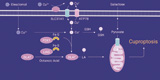
Tsvetkov et al. published in Science and demonstrated a copper-induced programmed cell death — Cuproptosis. As a novel programmed cell death, excess copper triggers abnormal aggregation of lipoylated proteins in TCA cycle and clearance of Fe-S cluster proteins, ultimately leading to cell death.
Scientific Reviews
Tsvetkov et al. published in Science and demonstrated a copper-induced programmed cell death — Cuproptosis. As a novel programmed cell death, excess copper triggers abnormal aggregation of lipoylated proteins in TCA cycle and clearance of Fe-S cluster proteins, ultimately leading to cell death. -
 Scientific Reviews
A comprehensive explanation of ferroptosis
Scientific Reviews
A comprehensive explanation of ferroptosis2022-09-15
Ferroptosis is a new type of RCD that depends on iron and characterized by the accumulation of lipid peroxides. In this article, we will pay our attention on ferroptosis and briefly discusses its mechanism. -
 Scientific Reviews
It's has been proved that p53, as a tumor suppressor gene and immune guardian, may become a destroyer through its own mutation. Moreover, the mechanism of p53 was found to be related to ferroptosis. This article mainly explores the mechanism between p53 and ferroptosis in detail.
Scientific Reviews
It's has been proved that p53, as a tumor suppressor gene and immune guardian, may become a destroyer through its own mutation. Moreover, the mechanism of p53 was found to be related to ferroptosis. This article mainly explores the mechanism between p53 and ferroptosis in detail. -
 Scientific Reviews
Autophagy, derived from the Greek meaning "eating of self", plays an indispensable role in maintaining homeostasis. p27 is an inhibitor of cyclin CDKs, but how p27 regulates autophagy remains unknown. This article will cover the mechanism of autophagy and p27-related cell cycle regulation.
Scientific Reviews
Autophagy, derived from the Greek meaning "eating of self", plays an indispensable role in maintaining homeostasis. p27 is an inhibitor of cyclin CDKs, but how p27 regulates autophagy remains unknown. This article will cover the mechanism of autophagy and p27-related cell cycle regulation. -
 Scientific Reviews
CMA (chaperone-mediated autophagy) plays an essential role in maintaining neuronal protein stability and preventing neurodegeneration. In this article, we will comprehensively clarify the role of CMA in the occurrence and development of neurodegenerative diseases.
Scientific Reviews
CMA (chaperone-mediated autophagy) plays an essential role in maintaining neuronal protein stability and preventing neurodegeneration. In this article, we will comprehensively clarify the role of CMA in the occurrence and development of neurodegenerative diseases. -
 Scientific Reviews
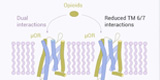
As powerful pain relievers, the opioids morphine and fentanyl have been "checked" by their side effects (listed as controlled substances). How to reduce its side effects? What is its mechanism? This research will explore its mechanism.
Scientific Reviews
As powerful pain relievers, the opioids morphine and fentanyl have been "checked" by their side effects (listed as controlled substances). How to reduce its side effects? What is its mechanism? This research will explore its mechanism. -
 Scientific Reviews
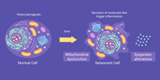
Understanding the mechanism of aging not only has guiding significance for prolonging human life but also has important clinical significance for the prevention and treatment of diseases in the elderly population , thus, improving their life quality and well-being.
Scientific Reviews
Understanding the mechanism of aging not only has guiding significance for prolonging human life but also has important clinical significance for the prevention and treatment of diseases in the elderly population , thus, improving their life quality and well-being. -
 Scientific Reviews
Mammalian cells can also photosynthesize like plants! Photosynthesis can improve cell anabolism and exhibit good clinical effect in degenerative diseases (osteoarthritis).
Scientific Reviews
Mammalian cells can also photosynthesize like plants! Photosynthesis can improve cell anabolism and exhibit good clinical effect in degenerative diseases (osteoarthritis). -
 Scientific Reviews
The latest study of Cell magazine "Neural mechanism underlying depressive-like state associated with social status loss" considers social factors as a breakthrough point. It has been found that the downward transition of social status induces depression-like behavior in mice whereas improves the depressive state by restoring their social environment.
Scientific Reviews
The latest study of Cell magazine "Neural mechanism underlying depressive-like state associated with social status loss" considers social factors as a breakthrough point. It has been found that the downward transition of social status induces depression-like behavior in mice whereas improves the depressive state by restoring their social environment. -
 Scientific Reviews
Mitophagy:Mechanisms and Detection
Scientific Reviews
Mitophagy:Mechanisms and Detection2023-05-25
About 60 years ago, Christian de Duve first used the term "autophagy" to describe his observation of the degradation of mitochondria and other intracellular structures in lysosomes of rat liver. Over the years, autophagy has remained a beloved topic of research by the National Natural Science Foundation of China (NSFC).Today, let's talk about mitochondrial autophagy. -
 Scientific Reviews
WHO's Q2 drug list has been updated. Let's take you through the list of the most noteworthy small molecule drugs that we should pay attention to.
Scientific Reviews
WHO's Q2 drug list has been updated. Let's take you through the list of the most noteworthy small molecule drugs that we should pay attention to. -
 Scientific Reviews
FDA Approved Drug List!
Scientific Reviews
FDA Approved Drug List!2023-09-14
In the first half of 2023 (as of June 27), the FDA approved 26 new drugs, let's take you learn about it through the article. -
 Scientific Reviews
Science | A "new" mechanism for non-ubiquitinated Midnolin-proteasomal degradation pathway
Scientific Reviews
Science | A "new" mechanism for non-ubiquitinated Midnolin-proteasomal degradation pathway2024-04-26
“ubiquitin-mediated protein degradation” won the Nobel Prize in Chemistry in 2004! In fact, proteasomes degrade not only ubiquitinated proteins but also non-ubiquitinated ones. The mechanism remains shrouded in mystery. After reading this piece today, you might have a lightbulb moment! -
 Scientific Reviews
STZ Induced Diabetes Models
Scientific Reviews
STZ Induced Diabetes Models2024-06-13
Spotlight: How can STZ Help Diabetes Research? -
 Scientific Reviews
Exosomes, which won the Nobel Prize in 2013, are still a research hotspot in the national natural sciences, and their popularity has only increased over the past decade (in 2022, they still rank 5th in the national natural sciences hotspots!). Why have exosomes become the darling of scientific research? Let's take a look together~
Scientific Reviews
Exosomes, which won the Nobel Prize in 2013, are still a research hotspot in the national natural sciences, and their popularity has only increased over the past decade (in 2022, they still rank 5th in the national natural sciences hotspots!). Why have exosomes become the darling of scientific research? Let's take a look together~ -
 Scientific Reviews
Degrade target proteins through the autophagy-lysosome pathway including LYTAC, AUTAC, and ATTEC have gained increasing attention in recent years due to their significant research potential!
Scientific Reviews
Degrade target proteins through the autophagy-lysosome pathway including LYTAC, AUTAC, and ATTEC have gained increasing attention in recent years due to their significant research potential! -
 Scientific Reviews
Cuproptosis, How much do you know?
Scientific Reviews
Cuproptosis, How much do you know?2024-08-22
Cells die in a variety of ways, including apoptosis, pyroptosis, necrosis, and ferroptosis......And, of course, cuproptosis. So, how much do you know about cuproptosis? -
 Scientific Reviews
Recently, Mol Cell reported the discovery of the first ferroptosis marker, Hyperoxidized PRDX3! Let’s take a look together~
Scientific Reviews
Recently, Mol Cell reported the discovery of the first ferroptosis marker, Hyperoxidized PRDX3! Let’s take a look together~ -
 Scientific Reviews
Cuproptosis's Knowledge Points!
Scientific Reviews
Cuproptosis's Knowledge Points!2024-09-25
With the establishment of the cuproptosis mechanism related research has attracted more and more attention from major journals. Expect to use the sharp sword of cuproptosis to stab the tumor cells. -
 Scientific Reviews
2024 Nobel Prize Announcements! Curious about the details? Click to dive into the exciting developments!
Scientific Reviews
2024 Nobel Prize Announcements! Curious about the details? Click to dive into the exciting developments! -
Scientific Reviews
Delve into the intricate networks that govern mitochondrial quality control. By examining key mechanisms such as biogenesis, mitochondrial dynamics (fission and fusion), proteolysis, and mitophagy. -
 Scientific Reviews
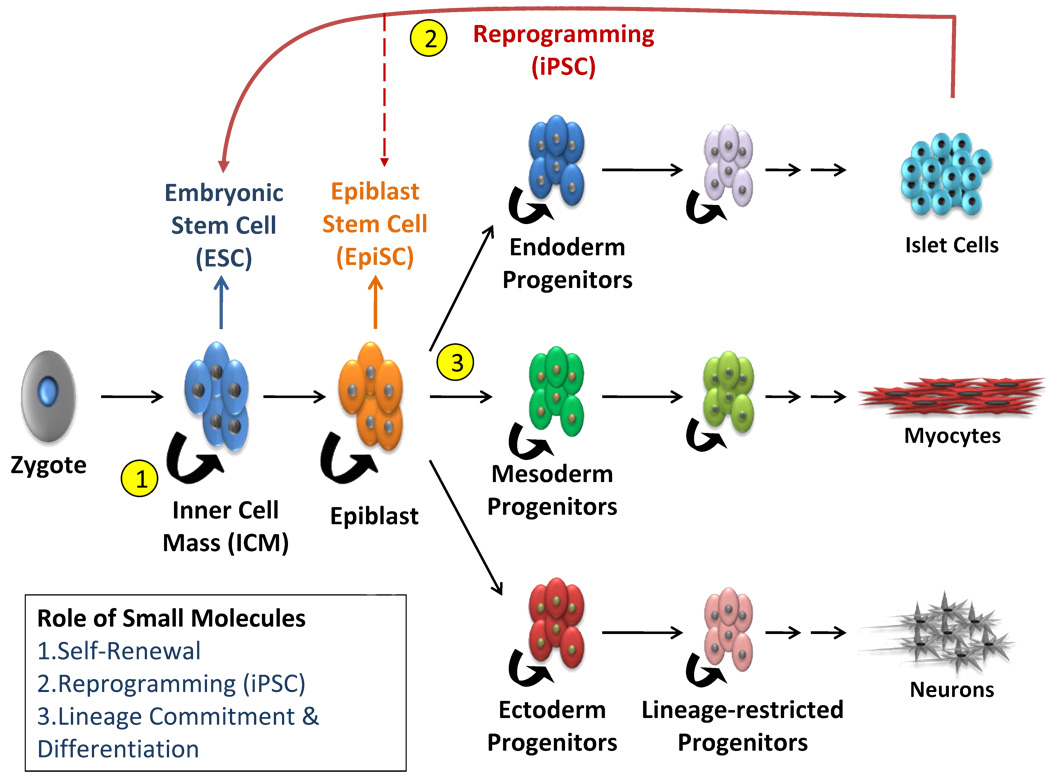
In early January 2025, MIT Tech Review unveiled its annual list of top 10 breakthrough technologies poised to redefine the future. Among these, stem cell therapy stood out for its potential to treat diverse diseases—including neurodegenerative disorders, diabetes, cancer, and heart failure. This groundbreaking approach uses stem cells to replace damaged cells, offering hope for millions worldwide.
Scientific Reviews
In early January 2025, MIT Tech Review unveiled its annual list of top 10 breakthrough technologies poised to redefine the future. Among these, stem cell therapy stood out for its potential to treat diverse diseases—including neurodegenerative disorders, diabetes, cancer, and heart failure. This groundbreaking approach uses stem cells to replace damaged cells, offering hope for millions worldwide. -
 Scientific Reviews
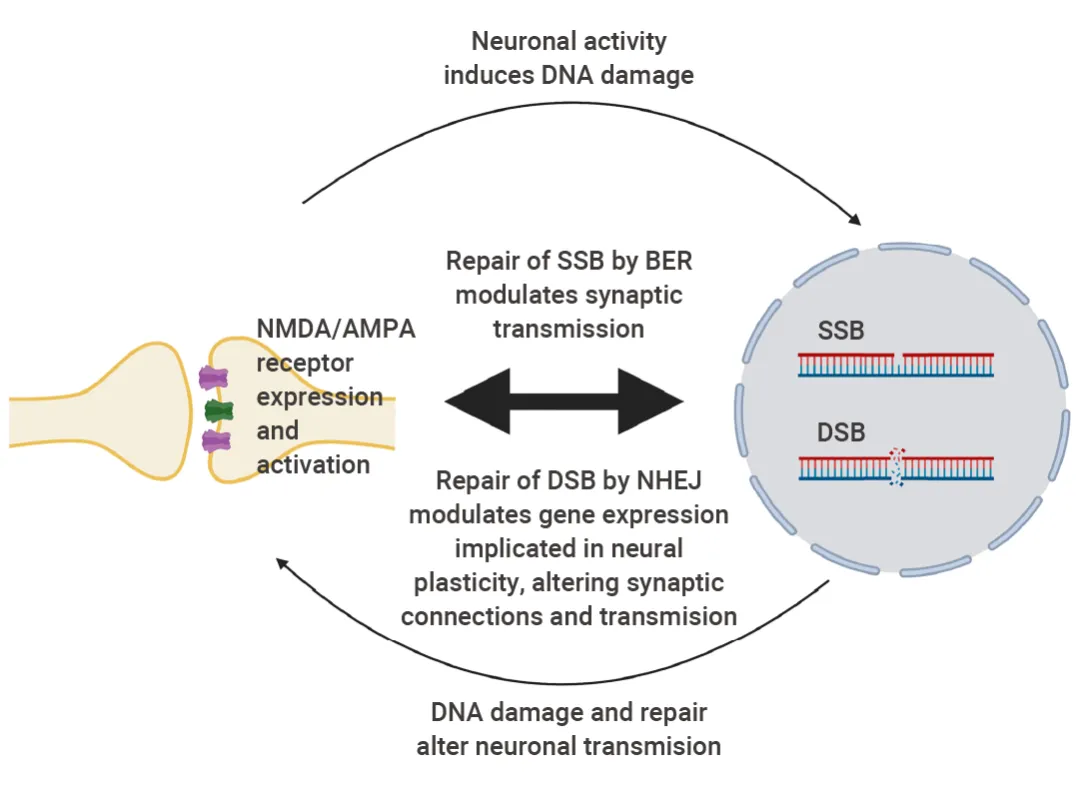
When you hear "inflammation" and "DNA damage," you might immediately think of disease or injury. However, in brains, these two processes are key steps in forming long-term memories, particularly related to specialized cells in our brain called hippocampal neurons.
Scientific Reviews
When you hear "inflammation" and "DNA damage," you might immediately think of disease or injury. However, in brains, these two processes are key steps in forming long-term memories, particularly related to specialized cells in our brain called hippocampal neurons. -
 Scientific Reviews
Autophagy is a fundamental process that degrades various components within the cell.
Scientific Reviews
Autophagy is a fundamental process that degrades various components within the cell. -
.jpg) Scientific Reviews
nside cells, the homeostasis and degradation of proteins is a precisely regulated process. If proteins cannot be degraded in time, it may lead to the occurrence of various diseases such as neurodegenerative diseases and cancer. This article will tell you the process of how proteins are recognized, labeled and then degraded!
Scientific Reviews
nside cells, the homeostasis and degradation of proteins is a precisely regulated process. If proteins cannot be degraded in time, it may lead to the occurrence of various diseases such as neurodegenerative diseases and cancer. This article will tell you the process of how proteins are recognized, labeled and then degraded! -
 Scientific Reviews
In this issue, we will conduct an in-depth interpretation from the dimensions of nanoparticle design, mechanism of action, in vivo and in vitro efficacy, and immune regulation, revealing how this research brings new hope for the treatment of invasive tumors through interdisciplinary innovation!
Scientific Reviews
In this issue, we will conduct an in-depth interpretation from the dimensions of nanoparticle design, mechanism of action, in vivo and in vitro efficacy, and immune regulation, revealing how this research brings new hope for the treatment of invasive tumors through interdisciplinary innovation! -
 Scientific Reviews
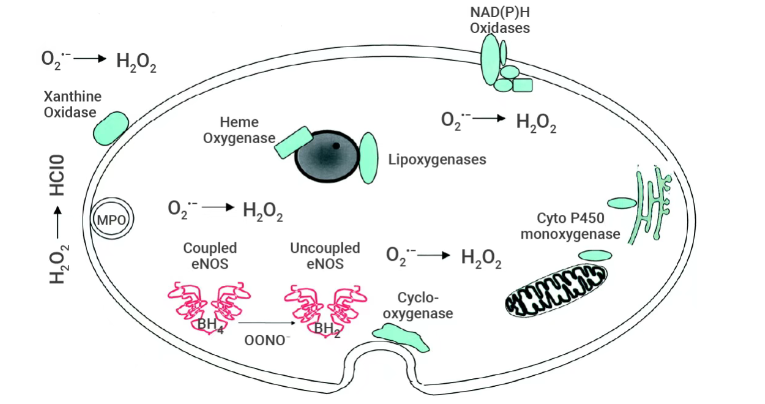
The article introduces the mechanisms of ROS generation and the methods for their detection.
Scientific Reviews
The article introduces the mechanisms of ROS generation and the methods for their detection. -
 Scientific Reviews
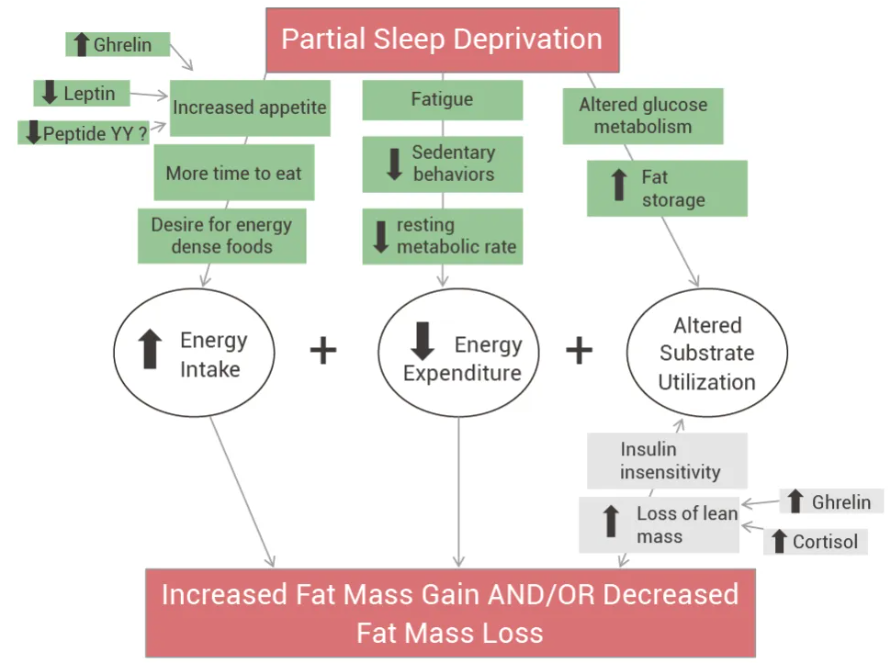
Have you ever noticed that after staying up late, your appetite—especially for high-calorie foods—gets out of control? If this sounds familiar, today’s article might offer some good news.
Scientific Reviews
Have you ever noticed that after staying up late, your appetite—especially for high-calorie foods—gets out of control? If this sounds familiar, today’s article might offer some good news. -
Scientific Reviews
Microglia– the only immune cells within the brain parenchyma. With advancements in imaging technologies, people’s understanding of microglia has shifted from being viewed as 'resting' cells to 'highly active' cells, particularly due to their dynamic processes that seem to be probing surrounding tissues and monitoring neuronal activity. This has made microglia a focal point of research in the field of neuroscience. -
 Scientific Reviews
Exosomes—natural nanoscale carriers—are revolutionizing targeted therapy. This article uncovers the science behind their precision in drug delivery.
Scientific Reviews
Exosomes—natural nanoscale carriers—are revolutionizing targeted therapy. This article uncovers the science behind their precision in drug delivery. -
 Scientific Reviews
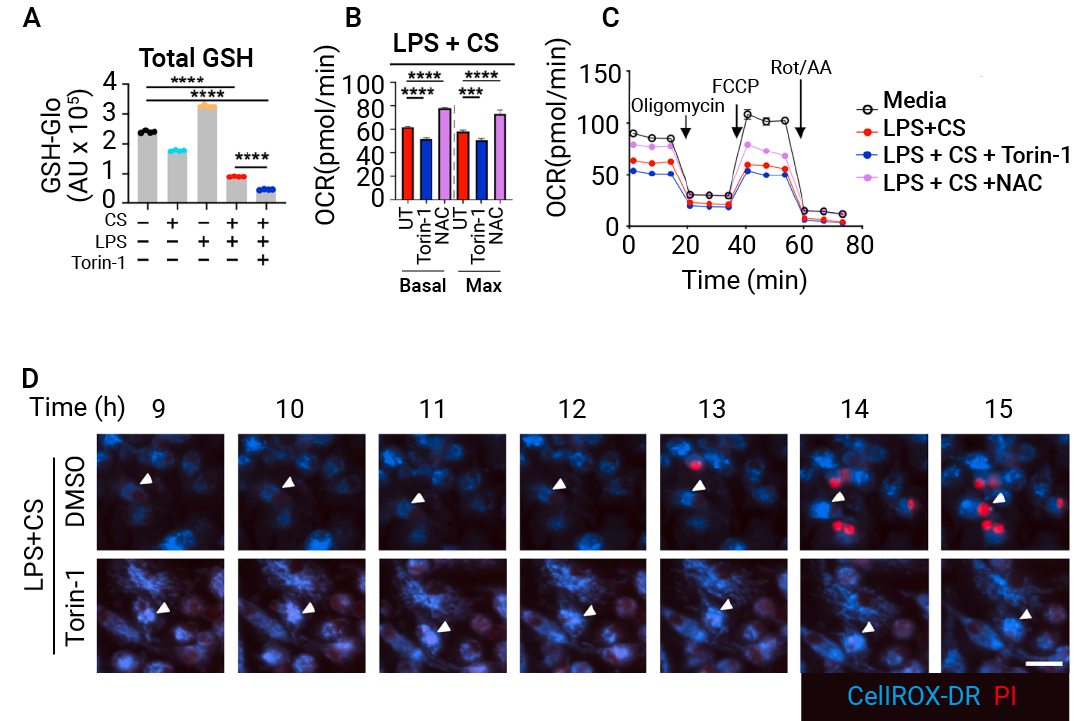
A November 2025 Cell study discovers Mitoxyperilysis, a new mTOR-regulated, caspase-independent cell death pathway driven by innate immune and metabolic dysregulation via mitochondrial-plasma membrane contact and oxidative damage, and verifies its potential to induce tumor necrosis for cancer therapy with key regulators including BAX, BAK1 and BID.
Scientific Reviews
A November 2025 Cell study discovers Mitoxyperilysis, a new mTOR-regulated, caspase-independent cell death pathway driven by innate immune and metabolic dysregulation via mitochondrial-plasma membrane contact and oxidative damage, and verifies its potential to induce tumor necrosis for cancer therapy with key regulators including BAX, BAK1 and BID. -
 EDM
Advances in Alzheimer's Disease Research
EDM
Advances in Alzheimer's Disease Research2025-07-16
This review summarizes current understanding of AD pathophysiology, including amyloid and tau pathology, neuroinflammation, synaptic dysfunction, and vascular abnormalities, and evaluates therapeutic strategies and experimental models. -
 EDM
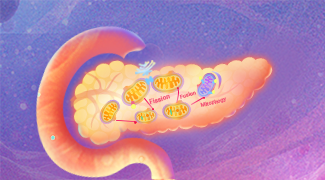
This review discusses β-cell dysfunction driven by mitochondrial impairment, outlines mitochondrial quality control networks, and summarizes strategies to restore mitochondrial function.
EDM
This review discusses β-cell dysfunction driven by mitochondrial impairment, outlines mitochondrial quality control networks, and summarizes strategies to restore mitochondrial function. -
 EDM
This review highlights the roles of microglia in AD pathology, focusing on metabolic reprogramming and microglia-targeted therapeutic strategies.
EDM
This review highlights the roles of microglia in AD pathology, focusing on metabolic reprogramming and microglia-targeted therapeutic strategies. -
 EDM
Review advances in target discovery, disease modeling, and biomarkers for Parkinson’s disease, highlighting their interplay and future directions for translational research.
EDM
Review advances in target discovery, disease modeling, and biomarkers for Parkinson’s disease, highlighting their interplay and future directions for translational research. -
 EDM
Review mitophagy regulation, disease mechanisms, and therapeutic advances to guide future research and drug development.
EDM
Review mitophagy regulation, disease mechanisms, and therapeutic advances to guide future research and drug development. -
 EDM
Explore how anti-Aβ therapy is reshaping the AD treatment landscape, the rationale for multi-pathology combination strategies, and advances in biomarker-guided precision treatment.
EDM
Explore how anti-Aβ therapy is reshaping the AD treatment landscape, the rationale for multi-pathology combination strategies, and advances in biomarker-guided precision treatment. -
 EDM
Explore how mitochondrial quality control, inflammatory signaling, and metabolic–epigenetic reprogramming regulate cellular senescence and the SASP, along with strategies to restore mitochondrial homeostasis.
EDM
Explore how mitochondrial quality control, inflammatory signaling, and metabolic–epigenetic reprogramming regulate cellular senescence and the SASP, along with strategies to restore mitochondrial homeostasis. -
 Blog
BR351 is a Brain Penetrant MMP Inhibitor
Blog
BR351 is a Brain Penetrant MMP Inhibitor2019-04-05
BR351 is a brain penetrant MMP inhibitor, and a potential tool for the molecular imaging of activated MMPs with PET, with an IC50 in the nanomolar range. -
 Blog
ACY-1083, a Highly Selective HDAC6 Inhibitor, Reverses Chemotherapy-induced Peripheral Neuropathy
Blog
ACY-1083, a Highly Selective HDAC6 Inhibitor, Reverses Chemotherapy-induced Peripheral Neuropathy2019-05-12
ACY-1083 is a selective and brain-penetrating HDAC6 inhibitor with an IC50 of 3 nM. ACY-1083 effectively reverses chemotherapy-induced peripheral neuropathy -
 Blog
Gboxin is an oxidative phosphorylation inhibitor that targets glioblastoma. Gboxin inhibits the activity of F0F1 ATP synthase and shows antitumour activity.
Blog
Gboxin is an oxidative phosphorylation inhibitor that targets glioblastoma. Gboxin inhibits the activity of F0F1 ATP synthase and shows antitumour activity. -
 Blog
DVD-445 is a potent peptidomimetic covalent TrxR1 inhibitor with an IC50 of 0.60 μM for rat TrxR1. DVD-445 has good anticancer application.
Blog
DVD-445 is a potent peptidomimetic covalent TrxR1 inhibitor with an IC50 of 0.60 μM for rat TrxR1. DVD-445 has good anticancer application. -
 Blog
M8891 is an orally active, reversible and brain penetrant Methionine Aminopeptidase-2 (MetAP-2) inhibitor with antiangiogenic and antitumoral activity.
Blog
M8891 is an orally active, reversible and brain penetrant Methionine Aminopeptidase-2 (MetAP-2) inhibitor with antiangiogenic and antitumoral activity. -
 Blog
AKOS-22, a VDAC1 Oligomerization and Apoptosis Inhibitor, Protects Against Mitochondrial Dysfunction
Blog
AKOS-22, a VDAC1 Oligomerization and Apoptosis Inhibitor, Protects Against Mitochondrial Dysfunction2020-02-15
AKOS-22 is a potent mitochondrial protein VDAC1 and apoptosis inhibitor. AKOS-22 protects against Mitochondrial Dysfunction. -
 Blog
TCH-165 is a modulator of proteasome assembly, which increases 20S levels and facilitates 20S-mediated protein degradation, such as IDPs, α-syn, and tau.
Blog
TCH-165 is a modulator of proteasome assembly, which increases 20S levels and facilitates 20S-mediated protein degradation, such as IDPs, α-syn, and tau. -
 Blog
Ro 90-7501, an Aβ42 fibril assembly inhibitor, inhibits PP5 in a TPR-dependent manner and has radiosensitizing effects on cervical cancer cells.
Blog
Ro 90-7501, an Aβ42 fibril assembly inhibitor, inhibits PP5 in a TPR-dependent manner and has radiosensitizing effects on cervical cancer cells. -
 Blog
NU1025 is a potent PARP inhibitor and potentiates the cytotoxicity of ionizing radiation drug. NU1025 has anti-cancer and neuroprotective activity.
Blog
NU1025 is a potent PARP inhibitor and potentiates the cytotoxicity of ionizing radiation drug. NU1025 has anti-cancer and neuroprotective activity. -
 Blog
iFSP1 is a potent, selective FSP1inhibitor that induces ferroptosis in GPX4-knockout cells which overexpressed FSP1.
Blog
iFSP1 is a potent, selective FSP1inhibitor that induces ferroptosis in GPX4-knockout cells which overexpressed FSP1. -
 Blog
JCN037 is a potent, non-covalent, and brain-penetrant EGFR tyrosine kinase inhibitor. JCN037 has potent anti-cancer activity.
Blog
JCN037 is a potent, non-covalent, and brain-penetrant EGFR tyrosine kinase inhibitor. JCN037 has potent anti-cancer activity. -
 Blog
MYLS22 is a first-in-class and selective optic atrophy 1 (OPA1) inhibitor with anti-angiogenesis and anti-cancer activity.
Blog
MYLS22 is a first-in-class and selective optic atrophy 1 (OPA1) inhibitor with anti-angiogenesis and anti-cancer activity. -
 Blog
RA375, a RPN13 inhibitor, inhibits proteasome function in muscle. RA375 is highly active against cell lines of multiple myeloma and diverse solid cancers.
Blog
RA375, a RPN13 inhibitor, inhibits proteasome function in muscle. RA375 is highly active against cell lines of multiple myeloma and diverse solid cancers. -
 Blog
KCC-07 prevents binding of MBD2 to methylated DNA and activates BAI1 inducing anti-proliferative BAI1/p53/p21 signaling. Anticancer activity.
Blog
KCC-07 prevents binding of MBD2 to methylated DNA and activates BAI1 inducing anti-proliferative BAI1/p53/p21 signaling. Anticancer activity. -
 Blog
MPT0G211, an orally active and selective HDAC6 inhibitor, ameliorates tau phosphorylation, and cognitive deficits in an Alzheimer’s disease model.
Blog
MPT0G211, an orally active and selective HDAC6 inhibitor, ameliorates tau phosphorylation, and cognitive deficits in an Alzheimer’s disease model. -
 Blog
RapaLink-1, a third-generation bivalent mTOR inhibitor, potently blocking cancer-derived, activating mutants of mTOR. It can cross the blood-brain barrier.
Blog
RapaLink-1, a third-generation bivalent mTOR inhibitor, potently blocking cancer-derived, activating mutants of mTOR. It can cross the blood-brain barrier. -
 Blog
PQR530 is a potent, ATP-competitive, orally bioavailable and brain-penetrant dual pan-PI3K/mTORC1/2 inhibitor. Antitumor activity.
Blog
PQR530 is a potent, ATP-competitive, orally bioavailable and brain-penetrant dual pan-PI3K/mTORC1/2 inhibitor. Antitumor activity. -
 Blog
CHDI-390576, a potent and CNS penetrant class IIa HDAC inhibitor, show selectivity over class I HDACs, HDAC8 and the class IIb HDAC6 isoform.
Blog
CHDI-390576, a potent and CNS penetrant class IIa HDAC inhibitor, show selectivity over class I HDACs, HDAC8 and the class IIb HDAC6 isoform. -
 Blog
DMU-212 Possesses Antimitotic, Anti-Proliferative, Antioxidant and Apoptosis Promoting Activities
Blog
DMU-212 Possesses Antimitotic, Anti-Proliferative, Antioxidant and Apoptosis Promoting Activities2020-12-24
Activation of ERK1/2 is required for the antimitotic activity of the Resveratrol analogue DMU‐212 in human melanoma cells. -
 Blog
NAZ2329 is an allosteric, noncompetitive and reversible inhibitor of R5 RPTP subfamily and PTPRZ/PTPRG with anti-cancer activity.
Blog
NAZ2329 is an allosteric, noncompetitive and reversible inhibitor of R5 RPTP subfamily and PTPRZ/PTPRG with anti-cancer activity. -
 Blog
BrBzGCp2 is a Glyoxalase 1 (GLO1) inhibitor for a variety of disorders. Possesses antitumor and neuroprotective activity.
Blog
BrBzGCp2 is a Glyoxalase 1 (GLO1) inhibitor for a variety of disorders. Possesses antitumor and neuroprotective activity. -
 Blog
IMT1 is a first-in-class specific and noncompetitive human POLRMT inhibitor for mitochondrial transcription disorders related diseases.
Blog
IMT1 is a first-in-class specific and noncompetitive human POLRMT inhibitor for mitochondrial transcription disorders related diseases. -
 Blog
ML-00253764 is a brain penetrant nonpeptidic melanocortin receptor 4 (MC4R) antagonist with a Ki/IC50 of 0.16 µM/0.103 µM, respectively.
Blog
ML-00253764 is a brain penetrant nonpeptidic melanocortin receptor 4 (MC4R) antagonist with a Ki/IC50 of 0.16 µM/0.103 µM, respectively. -
 Blog
AA92593 is a selective and competitive OPN4 (melanopsin) antagonist. AA92593 can potently decrease IOP in mice.
Blog
AA92593 is a selective and competitive OPN4 (melanopsin) antagonist. AA92593 can potently decrease IOP in mice. -
 Blog
AUTAC4 is a mitochondria-targeting autophagy-targeting chimera, which can be used for the study of mitochondrial dysfunction.
Blog
AUTAC4 is a mitochondria-targeting autophagy-targeting chimera, which can be used for the study of mitochondrial dysfunction. -
 Blog
Vorasidenib is an orally available, brain penetrant second-generation dual mutant isocitrate dehydrogenases 1 and 2 (mIDH1/2) inhibitor.
Blog
Vorasidenib is an orally available, brain penetrant second-generation dual mutant isocitrate dehydrogenases 1 and 2 (mIDH1/2) inhibitor. -
 Blog
GSK2606414 is an orally available PERK inhibitor and is a potent compound of cancer and neurological diseases.
Blog
GSK2606414 is an orally available PERK inhibitor and is a potent compound of cancer and neurological diseases. -
 Blog
IACS-010759 is an orally active, potent mitochondrial complex I of oxidative phosphorylation (OXPHOS) inhibitor with antitumor activity.
Blog
IACS-010759 is an orally active, potent mitochondrial complex I of oxidative phosphorylation (OXPHOS) inhibitor with antitumor activity. -
 Blog
Elesclomol is an oxidative stress inducer that induces cancer cell apoptosis. Elesclomol is a reactive oxygen species (ROS) inducer.
Blog
Elesclomol is an oxidative stress inducer that induces cancer cell apoptosis. Elesclomol is a reactive oxygen species (ROS) inducer. -
 Blog
Brusatol (NSC 172924) is a Nrf2 Inhibitor
Blog
Brusatol (NSC 172924) is a Nrf2 Inhibitor2021-10-26
Brusatol inhibits the Nrf2 signaling pathway by reducing the protein level of Nrf2, with anticancer activities. -
 Blog
SB 258719 is a selective 5-HT7 receptor antagonist and can be used for the research of cancer and neurological disease.
Blog
SB 258719 is a selective 5-HT7 receptor antagonist and can be used for the research of cancer and neurological disease. -
 Blog
Oltipraz is a Nrf2 Inhibitor
Blog
Oltipraz is a Nrf2 Inhibitor2021-11-18
Oltipraz is a potent Nrf2 activator. Oltipraz has an inhibitory effect on HIF-1α activation in a time-dependent manner, the IC50 is 10 μM. -
 Blog
Lonidamine, an antitumor agent and an indazole derivative, interferes with energy-yielding processes in cancer cells.
Blog
Lonidamine, an antitumor agent and an indazole derivative, interferes with energy-yielding processes in cancer cells. -
 Blog
Trolox is an analogue of vitamin E with a powerful antioxidant effect. Trolox is also a powerful inhibitor of membrane damage.
Blog
Trolox is an analogue of vitamin E with a powerful antioxidant effect. Trolox is also a powerful inhibitor of membrane damage. -
 Blog
AZD1390 is a potent, highly selective, orally bioavailable, brain-penetrant ATM inhibitor with an IC50 of 0.78 nM.
Blog
AZD1390 is a potent, highly selective, orally bioavailable, brain-penetrant ATM inhibitor with an IC50 of 0.78 nM. -
 Blog
Alda-1 is a potent ALDH2 Agonist
Blog
Alda-1 is a potent ALDH2 Agonist2021-12-30
Alda-1 ameliorates H2O2-induced Achilles tendinopathy. Alda-1 could be used for preventing Achilles tendinopathy. -
 Blog
β-Lapachone, a topoisomerase I inhibitor, induces apoptosis by inhibiting cell cycle progression. β-Lapachone has anti-inflammatory effect.
Blog
β-Lapachone, a topoisomerase I inhibitor, induces apoptosis by inhibiting cell cycle progression. β-Lapachone has anti-inflammatory effect. -
 Blog
Zingerone is a natural orally active nontoxic methoxyphenol potent anti-inflammatory, antidiabetic, antioxidize, and anti-tumor properties.
Blog
Zingerone is a natural orally active nontoxic methoxyphenol potent anti-inflammatory, antidiabetic, antioxidize, and anti-tumor properties. -
 Blog
PX-12 is an irreversible inhibitor of Trx-1 and inhibits the growth, migration, and invasion of colorectal cancer cell lines.
Blog
PX-12 is an irreversible inhibitor of Trx-1 and inhibits the growth, migration, and invasion of colorectal cancer cell lines. -
 Blog
Epoxomicin is an epoxyketone-containing natural product and a selective and irreversible proteasome inhibitor. Cross the blood-brain barrier.
Blog
Epoxomicin is an epoxyketone-containing natural product and a selective and irreversible proteasome inhibitor. Cross the blood-brain barrier. -
 Blog
AZD-9574 is a potent and brain penetrant PARP1 inhibitor and shows >8000-fold selectivity for PARP1 compared to PARP2/3/5a/6.
Blog
AZD-9574 is a potent and brain penetrant PARP1 inhibitor and shows >8000-fold selectivity for PARP1 compared to PARP2/3/5a/6. -
 Blog
LCS3 is a potent and reversible inhibitor of GSR and TXNRD1 with anti-tumour activity by non-competitive inhibition of the enzyme activity.
Blog
LCS3 is a potent and reversible inhibitor of GSR and TXNRD1 with anti-tumour activity by non-competitive inhibition of the enzyme activity. -
 Blog
GR-46611 is a 5-HT1D Receptor Agonist
Blog
GR-46611 is a 5-HT1D Receptor Agonist2022-10-11
GR-46611 is a potent 5-HT1D receptor agonist and has the potential for the research of epilepsy and inhibits bladder activity. -
 Blog
Olutasidenib (FT-2102) is an orally active, brain penetrant inhibitor of mutant IDH1. Olutasidenib is used for AML or MDS Research.
Blog
Olutasidenib (FT-2102) is an orally active, brain penetrant inhibitor of mutant IDH1. Olutasidenib is used for AML or MDS Research. -
 Blog
MMRi62, a Ferroptosis inducer targeting MDM2-MDM4. MMRi62 shows a P53-independent pro-apoptotic activity against PDAC cells.
Blog
MMRi62, a Ferroptosis inducer targeting MDM2-MDM4. MMRi62 shows a P53-independent pro-apoptotic activity against PDAC cells. -
 Blog
FA16 is a specific and metabolically stable ferroptosis inducer. It inhibits system Xc-, results in tumor progression suppression.
Blog
FA16 is a specific and metabolically stable ferroptosis inducer. It inhibits system Xc-, results in tumor progression suppression. -
 Blog
YL-939 was a potent inhibitor of iron death and significantly improved liver injury in a model of iron death-related acute liver injury.
Blog
YL-939 was a potent inhibitor of iron death and significantly improved liver injury in a model of iron death-related acute liver injury. -
 Blog
J-113397 is a potent and selective nonpeptidyl ORL1 receptor antagonist without any agonistic effects on other opioid receptors.
Blog
J-113397 is a potent and selective nonpeptidyl ORL1 receptor antagonist without any agonistic effects on other opioid receptors.
Products
All
-
All
-
Inhibitors & Agonists
-
Isotope-Labeled Compounds
-
Fluorescent Dye
-
Peptides
-
Recombinant Proteins
-
Antibodies
-
Screening Libraries
-
Kits
-
Inhibitory Antibodies
-
Reference Standards
-
Induced Disease Models Products
-
GMP Small Molecules
-
Biochemical Assay Reagents
-
Natural Products
| Cat. No. | Product Name | Information | Application | Publication |
|---|---|---|---|---|
| HY-B0215 | Acetylcysteine |
Acetylcysteine (N-Acetylcysteine) is a mucolytic agent that can cross the blood-brain barrier, which reduces the thickness of the mucus. Acetylcysteine is a ROS inhibitor. Acetylcysteine is a cysteine precursor, prevents hemin-induced ferroptosis by neutralizing toxic lipids generated by arachidonate-dependent activity of 5-lipoxygenases. Acetylcysteine induces cell apoptosis. Acetylcysteine also has anti-influenza virus activities. In addition, Acetylcysteine is the most stable form of cysteine during drug delivery and can be used in disulfidptosis studies.
|
Reactive Oxygen Species (ROS)
Endogenous Metabolite
Apoptosis
Ferroptosis
Influenza Virus
Disulfidptosis
Neurological, Eye or Ear Disease
Digestive System Disease
Breast Cancer
Viral Infection
Digestive System Inflammation
SARS-CoV-2 Infection
Lung Fibrosis
|
757
|
| HY-L022 | FDA-Approved Drug Library |
New drug development is a time-consuming and high-cost process. Drug repurposing (also called drug repositioning, reprofiling or re‑tasking) offers various advantages over developing an entirely new drug for a given indication. First, the risk of failure is lower. Second, the time frame for drug development can be reduced. Third, less investment is needed. Approved drugs have identified bioactivities, good pharmacokinetic characteristics and safety which are suitable for drug repurposing.
MCE owns a unique collection of 3,236 approved compounds which have been completed extensive preclinical and clinical studies and have well-characterized bioactivities, safety and bioavailability properties. MCE FDA-Approved Drug Library is a good tool for drug repurposing which could dramatically accelerate drug development.
|
|
195
|
| HY-B0075 | Melatonin |
Melatonin is a hormone made by the pineal gland that can activate melatonin receptor and inhibit PANoptosis. Melatonin plays a role in sleep and possesses important antioxidative and anti-inflammatory properties. Melatonin is a novel selective ATF-6 inhibitor and induces human hepatoma cell apoptosis through COX-2 downregulation. Melatonin attenuates palmitic acid-induced (HY-N0830) mouse granulosa cells apoptosis via endoplasmic reticulum stress.
|
Melatonin Receptor
Autophagy
Mitophagy
Endogenous Metabolite
Apoptosis
PANoptosis
Ligands for Target Protein for PROTAC
Histone Acetyltransferase
Lung Cancer
Breast Cancer
Prostate Cancer
Liver Cancer
Viral Infection
Neurodegenerative Disease
Digestive System Inflammation
SARS-CoV-2 Infection
|
149
|
| HY-L035 | Drug Repurposing Compound Library |
New drug development is a time-consuming and high-cost process. Drug repurposing (also called drug repositioning, reprofiling or re‑tasking) offers various advantages over developing an entirely new drug for a given indication. First, the risk of failure is lower. Second, the time frame for drug development can be reduced. Third, less investment is needed. Approved and clinical drugs, especially after phase I drugs, have identified bioactivities, good pharmacokinetic characteristics and safety which are suitable for drug repurposing.
MCE Drug Repurposing Compound Library contains 5,148 approved drugs and passed phase Ⅰclinical drugs, which have been completed extensive preclinical and clinical studies and have well-characterized bioactivities, safety and bioavailability properties.
|
|
109
|
| HY-128868 | FITC-Dextran (MW 10000) |
FITC-Dextran (MW 10000) is a fluorescent probe for fluorescein isothiocyanate (FITC) dextran (Ex=495 nm; Em=525 nm). FITC-Dextran (MW 10000) can be used as a marker to reveal heat shock-induced cell damage and to study the early and late stages of apoptosis. FITC-Dextran (MW 10000) can also be used for cell permeability studies, such as blood-brain barrier permeability and determination of the extent of blood-brain barrier disruption.
|
|
99
|
| HY-128868A | FITC-Dextran (MW 4000) |
FITC-Dextran (MW 4000) is a fluorescent probe for fluorescein isothiocyanate (FITC) dextran (Ex=495 nm; Em=525 nm). FITC-Dextran (MW 4000) can be used as a marker to reveal heat shock-induced cell damage and to study the early and late stages of apoptosis. FITC-Dextran (MW 4000) can also be used for cell permeability studies, such as blood-brain barrier permeability and determination of the extent of blood-brain barrier disruption.
|
|
99
|
| HY-L028 | CNS-Penetrant Compound Library |
The blood-brain barrier (BBB) is the complex network of brain microvessels. It protects the brain from the external bloodstream environment and supplies the brain with the required nutrients for normal function. However, blood-brain barrier is also the obstacle to deliver beneficial drugs to treat CNS (central nervous system) diseases or brain tumors, as it has the least permeable capillaries in the entire body due to physical barriers (tight junctions). Therefore, it is crucial to discover drugs which can cross this barrier for the treatment of brain-based diseases, such as Alzheimer’s disease (AD), Parkinson’s disease (PD) and epilepsy.
MCE offers a unique collection of 1,170 compounds with confirmed CNS-Penetrant property. It’s a useful tool for the discovery of drugs used for brain diseases, such as brain tumors, mental disorders, and neurodegenerative diseases.
|
|
91
|
| HY-L054 | Endoplasmic Reticulum Stress Compound Library |
Endoplasmic reticulum (ER) contributes to the production and folding of approximately one third of cellular proteins, and is thus inextricably linked to the maintenance of cellular homeostasis and the fine balance between health and disease. However, some adverse factors negatively impact ER functions and protein synthesis, resulting in the activation of Endoplasmic reticulum stress (ER stress, ERS) and unfolded protein response (UPR) signaling pathways. The UPR is triggered when ER protein folding capacity is overwhelmed by cellular demand and the UPR initially aims to restore ER homeostasis and normal cellular functions. However, if this fails, then the UPR triggers cell death. Chronic ER stress and defects in UPR signaling are emerging as key contributors to a growing list of human diseases, including diabetes, neurodegeneration and cancer.
MCE Endoplasmic Reticulum Stress Compound Library contains 379 ER stress-related compounds that mainly target PERK, IRE1, ATF6, etc. MCE ER stress library is a useful tool for researching ER stress and related diseases.
|
|
85
|
| HY-L904 | Drug Fragment Library |
The MCE 1K Drug Fragment Library consists of 1,394 drug fragments. These drug fragments are derived from 2,946 FDA-approved drug molecules, and fragments from one drug can appear in other drugs, so these fragments are somewhat correlated with good PK/PD properties. Fragment-based screening can reserve enough chemical space for subsequent structural optimization. This compound library is an essential tool for drug screening based on FBDD (Fragment-Based Drug Discovery).
|
|
85
|
| HY-L013 | Neuronal Signaling Compound Library |
Neuronal Signaling is involved in the regulation of the mechanisms of the central nervous system (CNS) such as its structure, function, genetics and physiology as well as how this can be applied to understand diseases of the nervous system. Every information processing system in the CNS is composed of neurons and glia, neurons have evolved unique capabilities for intracellular signaling (communication within the cell) and intercellular signaling (communication between cells). G protein-coupled receptors (GPCRs), including 5-HT receptor, histamine receptor, opioid receptor, etc. are the largest class of sensory proteins and are important therapeutic targets in Neuronal Signaling. Besides, Notch signaling, such as β- and γ-secretase, also plays multiple roles in the development of the CNS including regulating neural stem cell (NSC) proliferation, survival, self-renewal and differentiation. GPCR dysfunction caused by receptor mutations and environmental challenges contributes to many neurological diseases. Notch signaling in neurons, glia, and NSCs is also involved in pathological changes that occur in disorders such as stroke, Alzheimer's disease and CNS tumors. Thus, targeting Neuronal Signaling, such as notch signaling and GPCRs, can be used as therapeutic interventions for several different CNS disorders.
MCE designs a unique collection of 3,961 Neuronal Signaling-related compounds that act as a useful tool for the research of neuronal regulation and neuronal diseases.
|
|
84
|
| HY-L029 | Autophagy Compound Library |
Autophagy is a lysosomal degradation pathway that is essential for cell survival, differentiation, development, and homeostasis. The process of autophagy in mammalian cells is as follows: a portion of cytoplasm, including organelles, is enclosed by a phagophore or isolation membrane to form an autophagosome. The outer membrane of the autophagosome subsequently fuses with the endosome and then the lysosome, and the internal material is degraded. Autophagy plays a wide variety of physiological and pathophysiological roles. Defective autophagy contributes to various pathologies, including infections, cancer, neurodegeneration, aging, and heart disease.
MCE provides a unique collection of 2,080 autophagy pathway-related compounds that is a useful tool for the research of autophagy-related regulation and diseases.
|
|
84
|
| HY-L050 | Ubiquitination Compound Library |
Protein ubiquitination is an enzymatic post-translational modification in which an ubiquitin protein is attached to a substrate protein. Ubiquitination involves three main steps: activation, conjugation, and ligation, performed by ubiquitin-activating enzymes (E1s), ubiquitin-conjugating enzymes (E2s), and ubiquitin ligases (E3s), respectively. Ubiquitination affects cellular processes such as apoptosis, cell cycle, DNA damage repair, and membrane transportation, etc. by regulating the degradation of proteins (via the proteasome and lysosome), altering the cellular localization of proteins, affecting proteins activity, and promoting or preventing protein-protein interactions. Deregulation of ubiquitin pathway leads to many diseases such as neurodegeneration, cancer, infection and immunity, etc.
MCE offers a unique collection of 507 small molecule modulators with biological activity used for ubiquitination research. Compounds in this library target the key enzymes in ubiquitin pathway. MCE Ubiquitination Compound Library is a useful tool for the research of ubiquitination regulation and the corresponding diseases.
|
|
84
|
| HY-L053 | NMPA-Approved Drug Library |
From target identification to clinical research, traditional drug discovery and development is a time-consuming and costly process, which also bears high risk. Compared with traditional drug discovery, drug repositioning or repurposing, also known as old drugs for new uses can greatly shorten the development cycle and reduce development cost, which has become a new trend of drug development. After undergoing clinical trials, approved drugs have identified bioactivities, good pharmacokinetic characteristics and safety, which can greatly improve the success rate of drug discovery. A number of successes have been achieved, such as metformin for type 2 diabetes and thalidomide for leprosy and multiple myeloma, etc.
MCE provides a unique collection of 1,534 China NMPA (National Medical Products Administration) approved compounds, which have undergone extensive preclinical and clinical studies and have well-characterized bioactivities, safety and bioavailability properties. MCE NMPA-Approved Drug Library is a good tool for drug repurposing which could dramatically accelerate drug development.
|
|
84
|
| HY-L060 | Cytoskeleton Compound Library |
The cytoskeleton is responsible for contraction, cell motility, movement of organelles and vesicles through the cytoplasm, cytokinesis, intracellular signal transduction, and many other functions that are essential for cellular homeostasis and survival. It accomplishes these tasks through three basic structures: F-actin, microtubules, and intermediate filaments (IFs). The cytoskeleton is a dynamic structure where the three major filaments and tubules are under the influence of proteins that regulate their length, state of polymerization, and level of cross-linking. Since cytoskeleton is involved in virtually all cellular processes, cytoskeletal protein aberrations are the underlying reason for many pathological phenotypes, including several cardiovascular disease syndromes, neurodegeneration, cancer, liver cirrhosis, pulmonary fibrosis, and blistering skin diseases.
MCE designs a unique collection of 2,313 cytoskeleton-related compounds mainly focusing on the key targets in the cytoskeleton signal pathway and can be used in the research of cytoskeleton signal pathway and related diseases.
|
|
84
|
| HY-L116 | EMA-Approved Drug Library |
MCE EMA-Approved Drug Library consists of 728 EMA-approved drugs with high pharmacological diversity. All drugs in this library have been completed extensive preclinical and clinical studies and have well-characterized bioactivities, safety and bioavailability properties. MCE EMA-Approved Drug Library is a useful tool for drug repurposing which could dramatically accelerate drug development.
|
|
84
|
| HY-L0123V | Life Chemicals CNS Focused Screening Library |
The incidence and significance of central nervous system diseases are increasing at an alarming rate all over the world. Although substantial research efforts have been applied to develop new CNS-active drugs, only a few CNS disorders are addressed satisfactorily, while the remaining ones pose significant clinical challenges. Blood-brain barrier (BBB) permeability is one of the most important limiting factors in the design and development of novel CNS-targeted pharmaceuticals for the treatment of neurological disorders.
Carefully selected from the HTS Compound Collection to meet the parameters optimized for high BBB-permeability, our CNS Focused Screening Library comprising over 30,300 structurally-diverse and potentially CNS-active screening compounds. This original Screening Compound Library is aimed at supporting CNS drug design projects and HTS efforts in search for novel neurotherapeutics.
|
|
83
|
| HY-L0124V | Chemspace CNS-Focused Library |
The basic requirements for the compounds that are supposed to penetrate the blood-brain barrier are somewhat different from those for the majority of drug discovery projects. Alongside the known problem with delivery of the large and non-polar compounds and their penetrability through the cell membrane, the other issue arises as well: small and polar compounds are not able to pass the Blood-Brain Barrier. Chemspace CNS-focused library comprises quite small, non-polar compounds that are also free from PAINS/toxic fragments and aggregators.
|
|
83
|
| HY-L098 | Drug Metabolite Library |
A drug metabolite is a byproduct of the body breaking down, or “metabolizing” a drug into a different substance. Most drugs undergo chemical alteration by various bodily systems as a way to create compounds that are more easily excreted from the body. Drugs can be metabolized by oxidation, reduction, hydrolysis, hydration, conjugation, condensation, or isomerization. Drug metabolism can produce metabolites with physicochemical and pharmacological properties that differ substantially from those of the parent drug, and consequently have important implications for both drug safety and efficacy.
MCE offers a unique collection of 440 drug metabolites which is a useful tool for drug safety and efficacy study and drug repurposing.
|
|
83
|
| HY-L140 | Withdrawn Drug Compound Library |
Withdrawal or delisting drugs refer to drugs that are recalled or discontinued from the market due to low efficiency, serious side effects, financial and regulatory problems and other reasons. Once the drug is withdrawn from the market, it will cause heavy losses to the original research company that invested a lot of time, finance and other costs to develop the drug.
Adverse drug reaction (ADR) is the main reason for drug withdrawal from the market. ADR refers to the unexpected effects caused by the reasons such as the target-directed interaction during the treatment. However, studying the mechanism of these ADRs may just be a breakthrough in finding new indications. For example, thalidomide, the protagonist of the drug damage event that caused numerous "seal babies" deformed infants, was found to be due to the degradation of a transcription factor - SALL4 after delisting, which made thalidomide have a new clinical application. In 1998, it was approved by FDA for the treatment of leprosy nodular erythema, and in 2006, it was approved for the treatment of multiple myeloma. ADR study of delisted drugs can not only avoid the loss of drug development in advance but also bring hope to new indications.
MCE has sorted out 232 drug compounds withdrawn from the market through FDA, EMA and other authoritative platforms. Each compound has withdrawal records in at least one country/market. It is a useful tool for conducting research on drug side effects or drug toxicity mechanisms and discovering new indications of drugs.
|
|
83
|
| HY-L141 | Off-patent Drug Library |
Drug repurposing (also called drug repositioning, reprofiling, or re‑tasking) offers various advantages over developing an entirely new drug for a given indication, for example, lower risk of failure, less investment, and shorter development timelines. But drug repositioning projects are also subject to several risks, including regulatory and intellectual property issues. So the off-patent drugs are optimal for repositioning because of their immediate availability for clinical studies, with high feasibility and relatively low risk.
MCE carefully prepared a unique collection of 2,921 off-patent drugs, which is a good choice for drug repurposing.
|
|
83
|
| HY-L175 | Inflammasomes related Compound Library |
Inflammasomes are classic pattern recognition receptors for natural immune responses. Inflammasomes are polymeric protein complexes that regulate inflammatory responses and pyrolytic cell death, thereby exerting the host's defense against microorganisms. Inflammasomes sensors are associated with adapter proteins, activating inflammatory caspase-1, releasing inflammatory cytokines and inducing cell death, endowing the host with defense against pathogens. NLRP1, NLRP3, NLRC4, AIM2, and pyrin are considered typical inflammasomes because they convert cysteine asparaginase-1 into catalytically active capsaicin-1. In addition to infectious diseases, the importance of inflammasomes is also related to various clinical diseases, such as autoimmune diseases, neurodegeneration and metabolic disorders, and the development of cancer. Therefore, it is necessary to strictly regulate the activation and function of inflammasomes to avoid accidental host tissue damage while inducing pathogens to kill the inflammatory response.
MCE designs a unique collection of 178 inflammasomes related compounds. It is a good tool to be used for research on Inflammation, cancer and other diseases.
|
|
83
|
| HY-L211 | Human Hormone Compound Library |
Hormones are a class of biologically active substances secreted by endocrine gland cells, which are transported through the circulatory system to various parts of the body, and precisely act on specific target organs or cells, playing a crucial role in regulating the growth, development, metabolism, and reproduction of organisms. The mechanisms of hormone action are diverse and complex. Some hormones (such as corticosteroids, vitamin D, and thyroid hormones) can enter the cell interior and interact with receptors in the nucleus, thereby regulating gene expression and affecting cell function. Other hormones (such as growth hormone and thyrotropin-releasing hormone) bind directly to receptors on the cell surface, exerting their effects by regulating enzyme activity or influencing the state of ion channels. Additionally, hormones play a key role in the study of endocrine and metabolic diseases, and are closely related to the development of diseases such as diabetes and thyroid diseases.
MCE has included 86 human hormone compounds, which is of great significance for the study of human metabolic pathways, and can also be used to build a metabonomics database.
|
|
83
|
| HY-L213 | Anti-Cancer Approved Drug Library |
The anti-cancer drug library meticulously collects all drugs approved by FDA and other major national drug regulatory authorities for cancer treatment. These drugs cover a variety of cancer types, including but not limited to lung cancer, breast cancer, colorectal cancer, leukemia, and other common cancers. The library includes a wide range of drugs, from classic chemotherapeutic agents to cutting-edge targeted therapies and immunotherapies. It contains various types of drug compounds with different mechanisms of action. There are cytotoxic drugs that directly kill cancer cells, as well as drugs that work by modulating the tumor microenvironment, inhibiting tumor angiogenesis, and activating the immune system. This diversity provides researchers with a broad range of perspectives and options for intervention strategies.
This library can be used for basic research on cancer treatment, exploring new targets and new mechanisms of drug action; Conducting drug reuse research to look for potential therapeutic effects of existing drugs on other cancer types or diseases; Or conducting research into combination drugs to optimize cancer treatment.
MCE has collected 265 small-molecule compounds with cancer indications, which are good tools for drug repurposing.
|
|
83
|
| HY-L218 | Animal Drug Library |
Animal drug (also veterinary drug) refers to a drug intended for use in the diagnosis, cure, mitigation, treatment, or prevention of disease in animals. Animal Drugs @ FDA is a searchable online database that includes most FDA-approved and conditionally approved animal drugs. The major classes of veterinary drugs include antibiotics, anthelmintics, coccidiostats, nonsteroidal anti-inflammatory drugs, sedatives, corticosteroids, beta-agonists, and anabolic hormones.
MCE has collected 166 FDA-approved veterinary drug compounds for use in scientific research.
|
|
83
|
| HY-L919 | MCE CNS BBB Lead-like Library |
With the aging population and increasing competitive pressures, neurodegenerative diseases of the central nervous system (CNS) have become a serious medical challenge in modern society, including Parkinson's disease, Alzheimer's disease, brain tumors, and multiple sclerosis. However, the success rate of CNS drug development remains remarkably low, primarily due to the blood-brain barrier (BBB).
The blood-brain barrier (BBB) is a semipermeable barrier structure that surrounds the microvasculature of the CNS. In capillaries, the wedged endothelial cells are tightly packed and wedge-shaped, lining the interior of the vessels to form extensive tight junctions. Along with a range of receptors, transporters, efflux pumps, and other cellular components, this barrier regulates the entry and exit of molecules between the bloodstream and the brain. The intact BBB blocks the passage of most blood-borne substances into the brain, preventing nearly 100% of large-molecule drugs and over 98% of small-molecule drugs from entering.
Compared to non-CNS drugs, physicochemical properties such as hydrogen bonds, lipophilicity, and molecular weight significantly influence a compound's ability to cross the BBB. Using artificial intelligence (AI) algorithms to predict BBB permeability, a predicted value greater than 0.75 indicates that the compound has strong potential to cross the BBB, providing a promising starting point for CNS drug discovery.
|
|
83
|
| HY-L920 | CNS MPO Lead-like Library |
With the aging population and increasing competitive pressures, neurodegenerative diseases of the central nervous system (CNS) have become a serious medical challenge in modern society, including Parkinson's disease, Alzheimer's disease, brain tumors, and multiple sclerosis.
The CNS MPO (Multi-Parameter Optimization) score is a widely recognized algorithm in medicinal chemistry. Developed by Pfizer, this method is based on an analysis of approved CNS drugs and their interior CNS drug candidates, establishing the CNS MPO rules. It incorporates six key physicochemical properties (ClogP, ClogD, MW, TPSA, HBD, and pKa) to prospectively optimize CNS drug attributes—such as high blood-brain barrier (BBB) permeability, low P-gp efflux liability, low metabolic clearance, and high safety—thereby improving the clinical success rate of CNS drug candidates.
The CNS MPO compound library is a collection of compounds with CNS MPO scores greater than 5, specifically designed for CNS drug discovery.
|
|
83
|
| HY-N0304A | L-DOPA sodium |
L-DOPA (Levodopa) sodium is an orally active metabolic precursor of neurotransmitters dopamine. L-DOPA sodium can cross the blood-brain barrier and is converted into dopamine in the brain. L-DOPA sodium has anti-allodynic effects, and can be used for Parkinson's disease research.
|
|
37
|
| HY-N0304 | L-DOPA |
L-DOPA (Levodopa) is an orally active metabolic precursor of neurotransmitters dopamine. L-DOPA can cross the blood-brain barrier and is converted into dopamine in the brain. L-DOPA has anti-allodynic effects and the potential for Parkinson's disease.
|
|
37
|
| HY-N7131 | Coumarin 6 |
Coumarin 6, a fluorescent dye, is used as a fluorescent probe in a microparticle drug delivery system to conduct in vivo tracking, cell uptake, and transport mechanism studies of drug delivery systems (λexc=450 nm, λem=505 nm).
|
|
24
|
| HY-N0623 | L-Tryptophan |
L-Tryptophan (Tryptophan) is an orally active and essential amino acid that is the precursor of serotonin, melatonin, and vitamin B3. L-Tryptophan can promote an increase in stemness and osteogenic ability of BMSCs in vitro and in vivo. L-Tryptophan inhibits cell proliferation and induced cell cycle arrest with high levels.
|
|
18
|
| HY-128868D | FITC-Dextran (MW 40000) |
FITC-Dextran (MW 40000) is a fluorescent probe for fluorescein isothiocyanate (FITC) dextran (Ex=495 nm; Em=525 nm). FITC-Dextran (MW 40000) can be used as a marker to reveal heat shock-induced cell damage and to study the early and late stages of apoptosis. FITC-Dextran (MW 40000) can also be used for cell permeability studies, such as blood-brain barrier permeability and determination of the extent of blood-brain barrier disruption.
|
|
17
|
| HY-N0013 | Vitexin |
Vitexin is a c-glycosylated flavone, and is found in various medicinal plants species such as Trigonella foenum-graecum Linn. Vitexin has a wide range of pharmacological effects, including anti-oxidant, anti-cancer, anti-inflammatory, anti-hyperalgesic, and neuroprotective effects.
|
|
14
|
| HY-109506 | DPPC |
DPPC (129Y83) is a phosphoglyceride that can be used to prepare lipid monolayers, bilayers, and liposomes. DPPC is the main lipid component of pulmonary surfactant. Dppc-liposome can be effectively used as a delivery vector to induce an immune response against GSL antigen in mice.
|
|
10
|
| HY-P99045A | Sacituzumab (powder) |
Sacituzumab (powder) is a humanized IgG1 monoclonal antibody targeting Trophoblast cell surface antigen 2 (TROP2). Sacituzumab (powder) demonstrates a lack of antitumor effects alone and does not inhibit the function of TROP-2 during tumor metastasis, binding to the linear epitopes of TROP-2 protein. Sacituzumab (powder) can be used for the synthesis of antibody-drug conjugates (ADC) drug Sacituzumab govitecan (HY-132254). Sacituzumab govitecan can be used in the field of triple-negative breast cancer.
Species: Human |
|
9
|
| HY-128868G | FITC-Dextran (MW 150000) |
FITC-Dextran (MW 150000) is a fluorescent probe for fluorescein isothiocyanate (FITC) dextran (Ex=491 nm; Em=518 nm). FITC-Dextran (MW 150000) can be used as a marker to reveal heat shock-induced cell damage and to study the early and late stages of apoptosis. FITC-Dextran (MW 150000) can be used in perfusion studies in animals or in fluorescence microlymphography, to study processes that affect the permeability of the blood brain barrier (BBB). FITC-Dextran (MW 150000) can be used as fluorescent probe to study cell permeability.
|
|
6
|
| HY-115340 | Decanoic acid sodium |
Decanoic acid sodium, also known as Decanoic acid sodium, is a salt of the fatty acid capric acid. It is easily soluble in water and has a slightly soapy smell. Decanoic acid sodium acts as a penetration enhancer, which means it increases the absorption and bioavailability of drugs across biological membranes, including the intestinal epithelium and the blood-brain barrier. This property makes it useful in pharmaceutical formulations to improve drug delivery and effectiveness. Furthermore, Decanoic acid sodium has potential applications in food preservatives and cosmetics due to its antibacterial properties.
|
|
5
|
| HY-B1028 | Pantethine |
Pantethine is an orally active lipid-lowering agent. Pantethine has anti-tumor, anti-inflammatory and anti-SARS-COV virus activities. Pantethine is also a neuroprotective agent. Pantethine can be used in the study of Alzheimer's disease, Parkinson's disease, major depression, systemic sclerosis and pantothenate kinase-related neurodegeneration.
|
Inflammation or Immune System Disease
Metabolic or Endocrine Disease
Ovarian Cancer
Viral Infection
Cardiovascular Disease
SARS-CoV-2 Infection
Alzheimer's Disease
Parkinson's Disease
|
5
|
| HY-112173 | Prolylleucine |
Prolylleucine (Z-Pro-D-Leu) is a dipeptide containing branched-chain amino acids. Prolylleucine (Z-Pro-D-Leu) can affect the circadian rhythms and behaviour of animals.
|
|
4
|
| HY-B1306 | 4-Aminohippuric acid |
4-Aminohippuric acid (p-Aminohippuric acid) is a coordination ligand for metal ions (such as Cu2+, Fe3+, Hg2+) and a functionalization reagent for nanomaterials. 4-Aminohippuric acid can coordinate with metal ions or modify the surface of materials such as carbon nanotubes and gold nanoparticles through amino and carboxyl groups. 4-Aminohippuric acid can form stable complexes with metal ions or participate in the synthesis of nanomaterials as a reducing agent/stabilizer, enriching metal ions or giving nanoparticles peroxidase-mimicking activity. 4-Aminohippuric acid can be used to construct highly sensitive electrochemical sensors or colorimetric sensors to detect and quantitatively analyze heavy metal ions such as copper, iron, and mercury in environmental water samples and biological samples. 4-Aminohippuric acid may also be a biomarker for attention-deficit/hyperactivity disorder (ADHD).
|
|
4
|
| HY-N7056 | 4'-Hydroxychalcone |
4'-Hydroxychalcone is a chalcone isolated from licorice root, with hepatoprotective activity. 4'-Hydroxychalcone inhibits TNFα-induced NF-κB activation via proteasome inhibition. 4'-Hydroxychalcone induces a rapid potassium release from mitochondrial vesicles and causes deterioration of respiratory control and oxidative phosphorylation of isolated rat liver mitochondria.
|
|
3
|
| HY-N4110 | Friedelin |
Friedelin is derived from the leaves of Maytenus ilicifolia (Mart). Friedelin is an orally active non-competitive inhibitor of CYP3A4, with IC50 and Ki values of 10.79 μM and 6.16 μM, respectively. Friedelin is also a competitive inhibitor of CYP2E1, with IC50 and Ki values of 22.54 μM and 18.02 μM, respectively. Friedelin can be used in research related to inflammation, neurological diseases, and metabolic disorders.
|
Neurological, Eye or Ear Disease
Inflammation or Immune System Disease
Metabolic or Endocrine Disease
|
3
|
| HY-17573A | Carbetocin acetate |
Carbetocin acetate, an oxytocin (OT) analogue, is an oxytocin receptor agonist with a Ki of 7.1 nM. Carbetocin acetate has high affinity to chimeric N-terminus (E1) of the oxytocin receptor (Ki=1.17 μM). Carbetocin acetate has the potential for postpartum hemorrhage research. Carbetocin acetate can crosse the blood-brain barrier and produces antidepressant-like activity via activation of oxytocin receptors in the CNS.
|
|
3
|
| HY-17573 | Carbetocin |
Carbetocin, an oxytocin (OT) analogue, is an oxytocin receptor agonist with a Ki of 7.1 nM. Carbetocin has high affinity to chimeric N-terminus (E1) of the oxytocin receptor (Ki=1.17 μM). Carbetocin has the potential for postpartum hemorrhage research. Carbetocin can crosse the blood-brain barrier and produces antidepressant-like activity via activation of oxytocin receptors in the CNS.
|
|
3
|
| HY-107854 | N-Acetyl-5-hydroxytryptamine |
N-Acetyl-5-hydroxytryptamine is a Melatonin precursor, and that it can potently activate TrkB receptor.
|
|
3
|
| HY-N0623S | L-Tryptophan-d5 |
L-Tryptophan-d5 is the deuterium labeled L-Tryptophan. L-Tryptophan (Tryptophan) is an essential amino acid that is the precursor of serotonin, melatonin, and vitamin B3.
|
|
3
|
| HY-P80842 | Phospho-p38 alpha/MAPK14 (Thr180/Tyr182) Antibody |
Phospho-p38 alpha/MAPK14 (Thr180/Tyr182) Antibody is a Rabbit-derived and non-conjugated IgG polyclonal antibody, targeting to Phospho-p38 alpha/MAPK14 (Thr180/Tyr182).
Host: Rabbit; Reactivity: Human, Mouse, Rat |
|
3
|
| HY-K0225 | Carboxyl Magnetic Beads (200 nm, 10 mg/mL) |
MCE Carboxyl Magnetic beads (200 nm, 10 mg/mL) are characterized by superparamagnetism, fast magnetic response, abundant carboxyl functional groups, monodispersity, and submicron scale particle size. Biological ligands (proteins, peptides, oligonucleotides, drug molecules, etc.) can be covalently coupled to the surface of microspheres under the action of special chemical reagents (such as EDC). |
|
3
|
| HY-K1099 | Endotoxin Detection Kit (Recombinant Factor C) |
MCE Endotoxin Detection Kit (Recombinant Factor C) is suitable for the detection of endotoxins in therapeutic injectable drugs for human use (such as chemical drugs, antibiotics, and biologics), as well as in medical devices including dialysis fluids and implantable devices. It can be applied throughout raw material screening, process development, manufacturing, and commercialization stages. |
|
3
|
| HY-P1387 | β-Amyloid (1-40) (rat) |
β-Amyloid (1-40) (rat) is a rat form of the amyloid β-peptide, which accumulates as an insoluble extracellular deposit around neurons, giving rise to the senile plaques associated with Alzheimer's disease (AD). β-Amyloid (1-40) (rat) increases 45Ca2+ influx, induces neurodegeneration in the rat hippocampal neurons of the CA1 subfield. β-Amyloid (1-40) (rat) induces apoptosis. β-Amyloid (1-40) (rat) can be used for the research of Alzheimer's disease.
|
|
2
|
| HY-P99463 | Batiraxcept |
Batiraxcept (AVB-500; AVB-S6-500) is a selective, soluble AXL receptor and GAS6 inhibitor that targets the GAS6-AXL signaling axis. Batiraxcept is orally inactive and does not cross the blood-brain barrier. Batiraxcept competitively binds to GAS6 ((KD <1 nM), preventing its interaction with the AXL receptor tyrosine kinase, thereby inhibiting downstream PI3K/AKT and MAPK signaling pathways, reducing tumor cell glycolysis, angiogenesis, and metastatic potential. Batiraxcept has demonstrated antitumor activity in preclinical models of endometrial, cholangiocarcinoma, and ovarian cancer by inhibiting tumor growth, invasion, and metastasis.
|
|
2
|
| HY-N0623S1 | L-Tryptophan-13C |
L-Tryptophan-13C is the 13C-labeled L-Tryptophan. L-Tryptophan (Tryptophan) is an essential amino acid that is the precursor of serotonin, melatonin, and vitamin B3.
|
|
2
|
| HY-W016586 | Acivicin |
Acivicin (AT-125), a natural product produced by Streptomyces sviceus is a γ-glutamyl transpeptidase (GGT) inhibitor. Acivicin can across the blood-brain barrier and has anti-cancer, anti-parasitic properties.
Source: Streptomyces sviceus |
|
2
|
| HY-W016586A | Acivicin hydrochloride |
Acivicin hydrochloride (AT-125 hydrochloride), a natural product produced by Streptomyces sviceus, is a γ-glutamyl transpeptidase (GGT) inhibitor. Acivicin hydrochloride can across the blood-brain barrier and has anti-cancer, anti-parasitic properties.
Source: Streptomyces sviceus |
|
2
|
| HY-N6608 | Physostigmine |
Physostigmine (Eserine) is a reversible acetylcholinesterase (AChE) inhibitor. Physostigmine can crosses the blood-brain barrier and stimulates central cholinergic neurotransmission. Physostigmine can reverse memory deficits in transgenic mice with Alzheimer's disease. Physostigmine is also an antidote for anticholinergic poisoning.
|
|
2
|
| HY-N0623R | L-Tryptophan (standard) |
L-Tryptophan (standard) is the analytical standard of L-Tryptophan. L-Tryptophan (Tryptophan) is an orally active and essential amino acid that is the precursor of serotonin, melatonin, and vitamin B3. L-Tryptophan can promote an increase in stemness and osteogenic ability of BMSCs in vitro and in vivo. L-Tryptophan inhibits cell proliferation and induced cell cycle arrest with high levels.
Source: Human Urine, Saliva, Feces, Blood, Breast milk, Sweat, Cerebrospinal fluid |
|
2
|
| HY-D0175 | 3-Aminopropyltriethoxysilane |
3-Aminopropyltriethoxysilane (APTES) acts as a strong glue to immobilize biomolecules such as antibodies and enzymes to silicon and silicon derivatives such as silicon nitride (Si3N4 )) on. 3-Aminopropyltriethoxysilane also acts as a spacer, providing biomolecules with more spatial freedom during immobilization for higher specific activity. 3-Aminopropyltriethoxysilane can form a more stable, sensitive, and highly biocompatible bioanalytical platform by immobilizing biomolecules onto some solid materials, electrode materials, nanomaterials, and nanocomposites.
|
|
2
|
| HY-Y0669 | Pipecolic acid |
Pipecolic acid is an orally bioavailable, blood-brain barrier-permeable metabolite of lysine with antioxidant, inhibitor, and inducer activity. Pipecolic acid modulates the YAP-GPX4 signaling pathway, reduces retinal vascular tube formation, and mitigates ferroptosis. Pipecolic acid potentiates voltage-sensitive Ca2+ channel currents and induces neuronal apoptosis. Pipecolic acid can be used for the research of diabetic retinopathy.
|
Neurological, Eye or Ear Disease
Inflammation or Immune System Disease
Metabolic or Endocrine Disease
|
2
|
| HY-Y1878C | Copper sulfate anhydrous, 99% |
Anhydrous copper sulfate, 99% (Cupric sulfate anhydrous, 99%) is an orally administerable disinfectant. Anhydrous copper sulfate, 99% can be used as a biomaterial or organic compound related to life sciences research, and it can increase the Cu content in rat organs.
|
|
2
|
| HY-P80996 | p38 alpha/MAPK14 Antibody (YA3534) |
p38 alpha/MAPK14 Antibody (YA3534) is a Rabbit-derived and non-conjugated IgG monoclonal antibody, targeting to p38 alpha/MAPK14.
Host: Rabbit; Reactivity: Human, Mouse, Rat |
|
2
|
| HY-P80777 | p38 alpha/MAPK14 Antibody (YA252) |
p38 alpha/MAPK14 Antibody (YA252) is a Rabbit-derived and non-conjugated IgG monoclonal antibody, targeting to p38 alpha/MAPK14.
Host: Rabbit; Reactivity: Human |
|
2
|
| HY-P80776 | p38 alpha/MAPK14 Antibody (YA696) |
p38 alpha/MAPK14 Antibody (YA696) is a Mouse-derived and non-conjugated IgG1 monoclonal antibody, targeting to p38 alpha/MAPK14.
Host: Mouse; Reactivity: Human, Mouse, Rat, Monkey |
|
2
|
| HY-P11050 | SP94 peptide, Cys conjugated |
SP94 peptide, Cys conjugated is a hepatocellular carcinoma (HCC)-targeting peptide conjugated with Cys. SP94 peptide, Cys conjugated can be used for synthesis of stimuli-responsive peptide nanomaterials (SRPNs) like platinum nanocluster assemblies (PT-NA) and it promotes the entry of PT-NA into HCC cells by mediating endocytosis. SP94 peptide, Cys conjugated can be used for cancers research.
|
|
1
|
| HY-P1205 | MCH(human, mouse, rat) |
MCH (human, mouse, rat) is a cyclic neuropeptide mainly synthesized by neurons in the lateral hypothalamic area. MCH (human, mouse, rat) also serves as an endogenous ligand for the melanin-concentrating hormone receptor (MHC receptor), with a binding IC50 of 0.3 nM and 1.5 nM for human MCH-1R and MCH-2R, respectively; its functional EC50 values are 3.9 nM and 88.7 nM. MCH (human, mouse, rat) acts not only as an orexigenic signal but also as a key integrating and regulatory hormone for energy homeostasis and sleep-wake cycles. MCH (human, mouse, rat) can be used in studies related to obesity, sleep disorders, and other associated conditions.
|
|
1
|
| HY-15929 | TBHBA |
TBHBA (2,4,6-Tribromo-3-hydroxybenzoic acid) is a chemical colorimetric agent and nanomaterial surface modifier. TBHBA can react with some oxidants (such as H2O2) to generate high-absorbance quinoneimine dyes, which enhance the sensitivity of HDL cholesterol enzymatic determination. TBHBA can be used as a bromine-containing coupling agent to modify the surface of silica nanoparticles through esterification reaction. Thereby, organic flame retardant groups are introduced to improve the thermal stability and flame retardant properties of nanocomposites. TBHBA can be used in clinical biochemical testing (such as serum lipoprotein analysis) and the preparation of flame-retardant polymer nanocomposites.
|
|
1
|
| HY-113440 | 5-Methoxytryptophol |
5-Methoxytryptophol is a 5-methoxyindole alcohol structurally homologous to Melatonin (HY-B0075). It is secreted by the mammalian pineal gland and exhibits an inverse circadian rhythm. 5-Methoxytryptophol regulates bone metabolism by activating the ERK1/2 pathway. It reduces the levels of pro-inflammatory cytokines TNF-α and IL-1β, as well as proteolytic enzymes MMP-1 and MMP-2, in serum and dental pulp tissues, thereby ameliorating acute pulpitis. 5-Methoxytryptophol induces rapid sleep in mice, while high doses cause respiratory depression and death. 5-Methoxytryptophol. 5-Methoxytryptophol can be used in studies related to acute pulpitis, hypnosis, and bone metabolism.
|
|
1
|
| HY-122381 | Kyotorphin |
Kyotorphin is an endogenou neuroactive dipeptide with analgesic properties. Kyotorphin possesses anti-inflammatory and antimicrobial activity. Kyotorphin levels in cerebro-spinal fluid correlate negatively with the progression of neurodegeneration in Alzheimer's Disease patients.
|
|
1
|
| HY-106353 | Smilagenin |
Smilagenin (SMI) is a small-molecule steroidal sapogenin from Anemarrhena asphodeloides and Pelargonium hortorum widely used in traditional Chinese medicine for treating chronic neurodegeneration diseases.
Smilagenin (SMI) improves memory of aged rats by increasing the muscarinic receptor subtype 1 (M1)-receptor density.
Smilagenin (SMI) attenuates Aβ(25-35)-induced neurodegenerationvia stimulating the gene expression of brain-derived neurotrophic factor, may represents a novel therapeutic strategy for AD.
|
|
1
|
| HY-P2543 | Neuropeptide Y (3-36) (human, rat) |
Neuropeptide Y (3-36) (human, rat) is a neuropeptide Y fragment derived from humans or rats. Neuropeptide Y is an extremely abundant neurotransmitter in central and peripheral neurons, and it participates in the regulation of psychomotor activity, circadian rhythm, feeding behavior and cardiovascular function. Neuropeptide Y (3-36) (human, rat) can serve as a substrate to be sequentially degraded from its N-terminus by AfuS28, and it requires binding to AfuS28 and SedB to be decomposed into amino acids, dipeptides and tripeptides[1].
|
|
1
|
| HY-126415 | Magnesium Lithospermate B |
Magnesium Lithospermate B, is a derivative of caffeic acid tetramer and an inhibitor of Na+/K+ ATPase, which can be extracted from Salviae miltiorrhizae. Magnesium Lithospermate B is widely used for the research of cardiovascular diseases, and it can protect against glucose-induced intracellular oxidative damage. Magnesium Lithospermate B also suppresses neuroin?ammation and attenuates neurodegeneration.
|
|
1
|
| HY-128754 | Monoolein |
Monoolein is a biocompatible lipid molecule that can be used as a carrier for bone repair. Monoolein exhibits anti-inflammatory activity by inhibiting the immune response induced by LPS (HY-D1056). It exerts its anti-inflammatory effects by reducing the production of immune response factors such as IL-12 p40, IL-6, and TNF-α, and inhibiting the generation of NO. Monoolein can be used in drug delivery and research in the field of inflammatory diseases .
|
|
1
|
| HY-112624I | Dextran T3 (MW 3,000) |
Dextran T3 (Dextran 3; Dextran T3(MW 2400-3600)) is a neural tracer and intestinal permeability probe that can move anterogradely and retrogradely in neuronal axons by passive diffusion. Dextran T3 (MW 3,000) is able to permeate across the intestinal epithelial cell membrane in the presence of cholera toxin-induced cytoskeletal disturbance. Dextran T3 (MW 3,000) is used as a fluorescent marker to rapidly label developing neurons (such as Xenopus retinal ganglion cells) and to assess intestinal barrier function. It can be used to study axonal transport in neuroanatomy and permeability changes in intestinal pathophysiology. The Dextran series of compounds are also natural polysaccharide drug carriers that can be connected to drugs through covalent bonding methods such as ester bonds, amide bonds or click chemistry, or self-assembled to form carriers such as nanoparticles and hydrogels. Dextran is biodegradable and biocompatible, and can achieve targeted delivery and controlled release of drugs. Dextran derivatives can prolong the half-life of drugs, increase local concentrations, and reduce the activity of immune clearance.
|
|
1
|
| HY-P5623 | RVG |
RVG (RVG29) is a blood-brain barrier-permeable peptide derived from rabies virus glycoprotein, which binds to the α-7 subunit of neuronal nicotinic acetylcholine receptor (AchR). RVG efficiently delivers drugs to nerve cells and antigen-presenting cells in a targeted manner, and enhances the efficiency of antigen presentation and drug delivery.
|
|
1
|
| HY-P1205A | MCH(human, mouse, rat) TFA |
MCH (human, mouse, rat) TFA is a cyclic neuropeptide mainly synthesized by neurons in the lateral hypothalamic area. MCH (human, mouse, rat) TFA also serves as an endogenous ligand for the melanin-concentrating hormone receptor (MHC receptor), with a binding IC50 of 0.3 nM and 1.5 nM for human MCH-1R and MCH-2R, respectively; its functional EC50 values are 3.9 nM and 88.7 nM. MCH (human, mouse, rat) TFA acts not only as an orexigenic signal but also as a key integrating and regulatory hormone for energy homeostasis and sleep-wake cycles. MCH (human, mouse, rat) TFA can be used in studies related to obesity, sleep disorders, and other associated conditions.
|
|
1
|
| HY-P10128 | GE11 |
GE11 is a active peptide and combines with colloidal drug delivery systems as smart carriers for antitumor drugs and can be used for cancer study.
|
|
1
|
| HY-N2995 | Poricoic acid A |
Poricoic acid A can be isolated from Poria cocos. Poricoic acid A is an orally active anti-tumor agent. Poricoic acid A enhances melatonin inhibition of AKI-to-CKD transition by regulating Gas6/AxlNFκB/Nrf2 axis. Poricoic acid A also attenuatea fibroblast activation and abnormal extracellular matrix remodeling in renal fibrosis by activating AMPK and inhibiting Smad3. Poricoic acid A significantly reduces the magnitude of rise in serum creatinine and urea levels in rat model when combined with Melatonin. Poricoic acid A ameliorates renal fibrosis and podocyte injury by attenuating oxidative stress and inflammation through regulating NF-κB and Nrf2 in IRI rodent model in combination with Melatonin.
|
Breast Cancer
Colorectal Cancer
Prostate Cancer
Pancreatic Cancer
Pain
Digestive System Inflammation
Parkinson's Disease
Obesity
Lung Fibrosis
|
1
|
| HY-P2529 | Penetratin |
Penetratin is a cell-penetrating peptides derived from a nonviral protein. Penetratin can powerfully enhance drug absorption. Penetratin can be used for drug delivery research in the treatment of various diseases.
|
|
1
|
| HY-W007566 | 5-Methoxyindole-3-acetic acid |
|
1
|
|
| HY-N0623S2 | L-Tryptophan-13C11 |
L-Tryptophan-13C11 is the 13C-labeled L-Tryptophan. L-Tryptophan (Tryptophan) is an essential amino acid that is the precursor of serotonin, melatonin, and vitamin B3.
|
|
1
|
| HY-P10368 | P110 heptapeptide |
P110 heptapeptide is a peptide inhibitor of the Drp1-Fis1 interaction. P110 heptapeptide has anti-inflammatory, immunomodulatory, mitochondrial protective, and neuroprotective activities. Without blocking the physiological functions of Drp1, P110 heptapeptide reduces pathological functions in many models of neurodegeneration, ischemia, and sepsis. P110 heptapeptide can be used for research on neurological and inflammatory diseases.
|
Infection
Neurological, Eye or Ear Disease
Inflammation or Immune System Disease
Blood or Cardio-cerebrovascular Disease
|
1
|
| HY-109521A | Manganese chloride tetrahydrate, molecular biology grade,≥99.0% (KT) |
Manganese chloride (tetrahydrate), molecular biology grade,≥99.0% (KT) is an orally active and a blood-brain barrier penetrant compound. It affects the activities of multiple enzymes in cells, such as regulating the activities of histone acetyltransferase (HAT) and histone deacetylase (HDAC), thereby affecting gene expression. It has multiple activities such as neurotoxicity, embryotoxicity, and reproductive toxicity. It is currently mainly used in neurodegenerative diseases and toxicology research.
|
|
1
|
| HY-P73335 | p38 alpha/MAPK14 Protein, Human (Active, sf9, His) |
The p38 α/MAPK14 protein is an important serine/threonine kinase in the MAP kinase pathway. It can respond to stimuli such as cytokines or stress and directly activate transcription factors. In this cascade, p38 MAPK each phosphorylates approximately 200 to 300 substrates, including the downstream kinases RPS6KA5/MSK1 and RPS6KA4/MSK2, which are critical for immediate early gene induction. p38 alpha/MAPK14 Protein, Human (Activated, sf9, His) is the recombinant human-derived p38 alpha/MAPK14 protein, expressed by Sf9 insect cells , with N-His labeled tag.
Species: Human; Source: Sf9 insect cells |
|
1
|
| HY-P81119 | MTNR1A Antibody |
MTNR1A Antibody is a Rabbit-derived and non-conjugated IgG polyclonal antibody, targeting to MTNR1A.
Host: Rabbit; Reactivity: Human, Mouse, Rat |
|
1
|
| HY-P80213 | p38 alpha/MAPK14 Antibody (YA706) |
p38 alpha/MAPK14 Antibody (YA706) is a Mouse-derived and non-conjugated IgG2a monoclonal antibody, targeting to p38 alpha/MAPK14.
Host: Mouse; Reactivity: Human, Mouse |
|
1
|
| HY-K2016 | Protein Transfection Reagent |
MCE Protein Transfection Reagent is a cationic lipid mixture for complexation with proteins, peptides, antibodies and other biologically active molecules to allow their direct intracellular delivery. |
|
1
|
| HY-151615 | DCI-Br-3 |
DCI-Br-3 is a rapid, highly sensitive, and selective probe to monitor thiols in the epileptic brain. (λex=537 nm, λem=675 nm).DCI-Br-3 can effectively cross the blood-brain barrier (BBB).
|
|
/
|
| HY-DY1018 | FITC-Dextran (MW 4000) (solution) |
FITC-Dextran (MW 4000) (solution) is a fluorescent probe for fluorescein isothiocyanate (FITC) dextran (Ex=495 nm; Em=525 nm). FITC-Dextran (MW 4000) can be used as a marker to reveal heat shock-induced cell damage and to study the early and late stages of apoptosis. FITC-Dextran (MW 4000) can also be used for cell permeability studies, such as blood-brain barrier permeability and determination of the extent of blood-brain barrier disruption.
Solvent and Concentration: Sterile water: 2 mM |
|
/
|
| HY-P991310 | Lpathomab |
Lpathomab (LT3015; LT-3000) is a human IgG1 monoclonal antibody (mAb) targeting LPA. Lpathomab reduces the release of IL-8 and IL-6 cytokines in SKOV3 cells and blocks LPA-triggered tumor cell migration. Lpathomab reduces neovascularization in Matrigel plug and CNV models. Lpathomab inhibits brain injury in the CCI mouse model. Lpathomab can be used in the study of brain injury, ovarian cancer, diabetic neuropathy, and spinal cord injury. Recommended isotype control: Human IgG1 kappa, Isotype Control (HY-P99001).
Species: Human |
|
/
|
| HY-P4564 | (D-Ser(tBu)6,D-Leu7,Azagly10)-LHRH |
(D-Ser(tBu)6,D-Leu7,Azagly10)-LHRH is an analogue of luteinizing hormone-releasing hormone (LHRH). LHRH plays a central role in the control of reproduction by stimulating the release of pituitary luteinizing hormone (LH) and follicle-stimulating hormone (FSH).
|
|
/
|
| HY-166975 | Polysarcosine 100 |
Polysarcosine 100 (pSar 100) is a hydrophilic alternative to PEG that has good targeted drug delivery properties and can remain in the bloodstream longer. Polysarcosine 100 can be used in drug delivery research.
|
|
/
|
| HY-P991789 | Anti-Mouse NKp46 Antibody (29A1.4) |
Anti-Mouse NKp46 Antibody (29A1.4) reacts with mouse NKp46. Anti-Mouse NKp46 Antibody (29A1.4) stimulates the NK cells to produce IFN-γ and TNF-α and to release their cytoplasmic granule contents. Recommend Isotype Controls: Rat IgG2a kappa, Isotype Control (HY-P990679).
Species: Mouse |
|
/
|
| HY-P11105 | Short neuropeptide F |
Short neuropeptide F is an insect neurohormone involved in regulating insect locomotor activity and circadian rhythm.
|
|
/
|
| HY-107663 | MIF-1 |
MIF-1 (Melanostatin), an endogenous brain peptide, is a potent dopamine receptor allosteric modulator. MIF-1 inhibits melanin formation. MIF-1 blocks the effects of opioid receptor activation to modulate the analgesic effects. MIF-1 accesses from the blood to the CNS by directly crossing the blood-brain barrier (BBB).
|
|
/
|
| HY-113410S | 3-Methylglutaric acid-d4 |
3-Methylglutaric acid-d4 is the deuterium labeled 3-Methylglutaric acid (HY-113410). 3-Methylglutaric acid is a non-selective inhibitor of mitochondrial function and Na+, K+-ATPase, with an inhibition rate of 30% on rat cortical synaptosomal Na+, K+-ATPase. 3-Methylglutaric acid can induce reactive oxygen species (ROS) generation, thereby causing oxidative damage and inhibiting mitochondrial redox potential and ion pump function of cell membranes. 3-Methylglutaric acid can be used to study the neuropathological mechanisms of metabolic diseases and the role of oxidative stress-mediated neuronal damage in neurodegeneration.
|
|
/
|
| HY-12355S | Siponimod-d11 |
Siponimod-d11 (BAF-312-d11) is deuterium labeled Siponimod (HY-12355). Siponimod is an orally active, blood-brain barrier penetrant dual agonist of S1P1/S1P5, with EC50 values of 0.39 nM and 0.98 nM, respectively. Siponimod induces S1P1 internalization, activates GIRK channels, inhibits lymphocyte egress, reduces peripheral lymphocyte counts, triggers transient bradycardia, prevents synaptic neurodegeneration, promotes remyelination, alleviates demyelination, and prevents the loss of GABAergic interneurons. Siponimod can be used in research related to multiple sclerosis.
|
|
/
|
| HY-W016773S | 1,10-Decanediol-d20 |
1,10-Decanediol-d20 is the deuterium labeled 1,10-Decanediol. 1,10-Decanediol is a diol compound that can react with α-ketoglutarate (aKG) to generate polymeric microparticles (termed paKG MPs) for the sustained release of aKG, thereby promoting immunosuppressive regulation. Additionally, paKG MPs can bind to dendritic cells (DCs), reducing their glycolysis and mitochondrial respiration in vitro. These metabolic changes lead to the modulation of MHC-II and CD86 expression in DCs and alter the frequency of regulatory T cells (Tregs) as well as T-helper type 1/2/17 cells in vitro. 1,10-Decanediol can be used in research within the field of immunometabolism. can be used as a surfactant/stabilizer in the synthesis of nanomaterials.
|
|
/
|
| HY-P11313 | Catestatin (rat) |
Catestatin (rat) (Rat chromogranin A367–387) is a potent, reversible, noncompetitive, and noncooperative nicotinic cholinergic antagonist derived from chromogranin A (A367-387). Catestatin (rat) inhibits norepinephrine release in rat PC12 pheochromocytoma cells (IC50 = 1.2 μM), and blocks desensitization of norepinephrine release (IC50 = 0.62 μM). Catestatin (rat) exerts antiadrenergic effects through the endothelial PI3K-AKT-eNOS pathway in rat papillary muscles and isolated cardiomyocytes. Catestatin (rat) maintains mitochondrial membrane potential in I/R cardiomyocytes and increases phosphorylation of AKT at S473, GSK3β at S9, PLB at T17, and eNOS at S1179. Catestatin (rat) reverses desensitization of 22Na+ uptake. Catestatin (rat) can be used for the study of nicotinic cholinergic receptor regulation and catecholamine release control mechanisms.
|
|
/
|
| HY-W004260S | Arachidic acid-d2 |
Arachidic acid-d2 is the deuterium labeled Arachidic acid (HY-W004260). Arachidic acid (Eicosanoic acid) is a long-chain saturated fatty acid. Arachidic acid can be found in the human organism from the plasma phospholipid, fish, cannabis and other plant oils. Arachidic acid conjugated with Chitosan oligosaccharide (HY-112108) can be used for anti-cancer drug delivery research.
|
|
/
|
| HY-P10462 | SAP15 |
SAP15 (Synthetic anti-inflammatory peptide 15) is a synthetic anti-inflammatory peptide consisting of 15 amino acids designed from human beta-defensin 3. SAP15 has the ability to penetrate cells and is able to induce downregulation of intracellular inflammation. SAP15 inhibits inflammation by inhibiting the phosphorylation of HDAC5 and thereby reducing the phosphorylation of NF-κB p65. SAP15 inhibits HDAC5 and NF-κB p65 phosphorylation in LPS (HY-D1056)-induced macrophages. SAP15 increases the expression of aggrecan and type II collagen and decreases the expression of osteocalcin in LPS-induced chondrocytes. SAP15 can be used in the study of inflammation regulation and anti-inflammatory therapy of biomaterials.
|
|
/
|
| HY-N16236 | 16:0 mPEG2000 |
16:0 mPEG2000 is a functionalized PEG for drug delivery.
|
|
/
|
| HY-W590537 | LC10 |
LC10 is a cholesterol derivative that can be used in drug delivery studies.
|
|
/
|
| HY-W392100C | Polycaprolactone diol (MW 10000) |
Polycaprolactone diol (MW 10000) is a biocompatible, biodegradable polymer and also a castor oil-based polyurethane additive. Polycaprolactone diol (MW 10000) is used in studies of wound dressings and non-absorbable suture biomaterials.
|
|
/
|
| HY-P4098 | SynB1 |
SynB1 is a cell-penetrating peptide with blood-brain barrier permeability, derived from the antimicrobial peptide Protegrin 1. SynB1 enhances the cellular uptake efficiency and cytoplasmic localization level of conjugated constructs. SynB1 can be used in studies related to rabies and glioblastoma.
|
|
/
|
| HY-W004260S5 | Arachidic acid-d4-1 |
Arachidic acid-d4-1 is the deuterium labeled Arachidic acid (HY-W004260). Arachidic acid (Eicosanoic acid) is a long-chain saturated fatty acid. Arachidic acid can be found in the human organism from the plasma phospholipid, fish, cannabis and other plant oils. Arachidic acid conjugated with Chitosan oligosaccharide (HY-112108) can be used for anti-cancer drug delivery research.
|
|
/
|
| HY-D3222 | NIR-PN1 |
NIR-PN1 is a blood-brain barrier-permeable near-infrared fluorescent indicator targeting peroxynitrite anion (ONOO−) (Ex/Em = 510 nm/670 nm). NIR-PN1 reacts with ONOO− to trigger a strong near-infrared fluorescence enhancement, enabling the detection of ONOO− flux. NIR-PN1 allows the imaging of ONOO− flux in various Parkinson's disease models. NIR-PN1 is applicable to Parkinson's disease-related research.
|
|
/
|
| HY-P4568 | (D-Ser4,D-Ser(tBu)6,Azagly10)-LHRH |
(D-Ser4,D-Ser(tBu)6,Azagly10)-LHRH is an analogue of luteinizing hormone-releasing hormone (LHRH). LHRH plays a central role in the control of reproduction by stimulating the release of pituitary luteinizing hormone (LH) and follicle-stimulating hormone (FSH).
|
|
/
|
| HY-P10560 | M918 |
M918 is a cell-penetrating peptide. M918 is internalized by cells through endocytosis and can effectively penetrate a variety of cells in a non-toxic manner. M918 can be used in gene therapy and drug delivery system research.
|
|
/
|
| HY-P10822 | ED11 |
ED11 is a potent and selective caspase-6 inhibitor with an IC50 of 12.12 nM. ED11 competes with Htt for the caspase-6 active site, and thus reduce Htt cleavage. ED11 can cross the blood-brain barrier (BBB). ED11 has the potential for the study of Huntington's disease (HD).
|
|
/
|
| HY-109541S3 | Colfosceril miristate-d13 |
Colfosceril miristate-d13 (DMPC-d13) is deuterium labeled Colfosceril miristate. Colfosceril miristate a synthetic phospholipid used in liposomes. Colfosceril miristate is used to study lipid monolayers, bilayers and drug delivery.
|
|
/
|
| HY-P11049 | Stroke-homing peptide |
Stroke-homing peptide is a homing peptide. Stroke-homing peptide can home to ischemic stroke brain tissue and detect the apoptotic neuronal cells. Stroke-homing peptide can be used for the research of molecular imaging and selective drug delivery to stroke tissue.
|
|
/
|
| HY-109541S | Colfosceril miristate-d58 |
Colfosceril miristate-d58 (DMPC-d58) is deuterium labeled Colfosceril miristate. Colfosceril miristate a synthetic phospholipid used in liposomes. Colfosceril miristate is used to study lipid monolayers, bilayers and drug delivery.
|
|
/
|
| HY-P11550 | VPGVG |
|
/
|
|
| HY-D3220 | PTO-41 |
PTO-41 is a blood-brain barrier-permeable near-infrared fluorescent probe that targets β-amyloid oligomers (Aβ Oligomers, AβOs) with a Kd of 349 nM. PTO-41 exhibits low cytotoxicity, high sensitivity to β-amyloid oligomers in in vitro phantom imaging, and can be rapidly cleared from the brain. PTO-41 is applicable to the research of Alzheimer's disease (Ex/Em = 538 nM/680 nM).
|
|
/
|
| HY-B1812S3 | Veratrole-d6 |
Veratrole-d6 is the deuterium labeled Veratrole. Veratrole (1,2-Dimethoxybenzene) is a key compound that widely exists in plants and attracts pollinators. The release of Veratrole has a circadian rhythm and plays an important role in plant reproduction, species differentiation, and interactions with pollinators. In addition, Veratrole can be demethylated by cytochrome P-450 in Streptomyces setonii.
|
|
/
|
| HY-P10306 | Cys-LL37 |
Cys-LL37 is a biomaterial with antimicrobial properties developed by covalently fixing to the surface of titanium. Cys-LL37 uses a flexible hydrophilic polyethylene glycol spacer and selective n-terminal coupling LL37, a surface peptide layer that kills bacteria on contact is formed. Cys-LL37 can be used in research to develop new antimicrobial biomaterials.
|
|
/
|
| HY-166996 | Bis(N-2-ethoxyethyl 2-hexyldecanoate)amine |
Bis(N-2-ethoxyethyl 2-hexyldecanoate)amine is a PEG lipid that can improve the delivery efficiency and tissue specificity of poorly soluble drugs. Bis(N-2-ethoxyethyl 2-hexyldecanoate)amine can be used in drug delivery research.
|
|
/
|
| HY-142985 | Oleyl Mesylate |
Oleyl Mesylate is a derivative of Oleyl Alcohol. Oleyl Alcohol has been incorporated into various formulations for drug delivery.
|
|
/
|
| HY-P992426 | NS101 |
NS101 is an anti-FAM19A5 antibody with an IC50 of 0.2 nM and a Kd of 111 pM, as well as blood-brain barrier permeability. NS101 binds to key amino acid residues of FAM19A5, thereby blocking the interaction of LRRC4B and disrupting the FAM19A5-LRRC4B complex. NS101 increases the dendritic spine density in hippocampal neurons and the prefrontal cortex, normalizes the dendritic spine elimination rate, elevates the frequencies of mEPSC and fEPSP, and promotes the transport of brain-derived FAM19A5 into the peripheral circulation. NS101 improves cognitive function in mouse models of Alzheimer's disease. NS101 can be used for research on Alzheimer's disease. The recommended isotype control is human IgG1 kappa (HY-P99001).
Species: Human |
|
/
|
| HY-B1588S | Carbenoxolone-d4 |
Carbenoxolone-d4 is the d4 labeled Carbenoxolone (HY-B1588). Carbenoxolone is a blood-brain barrier-permeable Pannexin1 inhibitor, gap junction (Gap junction) blocker, and β-amyloid 42 inhibitor. Carbenoxolone modulates voltage-gated currents of wild-type and mutant Panx1, and inhibits stimulus-activated Panx1 channel function. Carbenoxolone interacts with stable residues of β-amyloid 42 peptides, fibrils and oligomers, thereby inhibiting their aggregation. Carbenoxolone alleviates liver fibrosis. Carbenoxolone exerts neuroprotective and nootropic effects. Carbenoxolone can be used in studies related to Alzheimer's disease and liver fibrosis.
|
|
/
|
| HY-P992382 | IC 100 |
IC 100 is a humanized IgG4κ monoclonal antibody targeting apoptosis-associated speck-like protein (ASC) with blood-brain barrier permeability. IC 100 specifically inhibits ASC after being endocytosed via its Fc segment, blocks ASC polymerization and inflammasome activation, suppresses IL-1β release, forms complexes with ASC and TRIM21, and evades TRIM21-mediated proteasomal degradation. IC 100 alleviates symptoms associated with autoimmune encephalomyelitis, reduces immune cell infiltration and microglial activation in the mouse EAE model. IC 100 is suitable for research on neuroinflammatory and inflammasome-related diseases such as multiple sclerosis. Isotype comparison: HY-P99003.
Species: Human |
|
/
|
| HY-D2619 | ICG PEG5000 FA |
ICG PEG5000 FA is a fluorescently labeled biomolecule containing Indocyanine green (ICG) (HY-D0711) fluorescent dye, polyethylene glycol (PEG) and Folic acid (FA) (HY-16637). ICG PEG5000 FA is widely used in drug delivery and biomaterial labeling (Ex/Em=785/813 nm).
|
|
/
|
| HY-W440815 | 6-((4-Hydroxybutyl)amino)hexyl 2-hexyldecanoate |
6-((4-Hydroxybutyl)amino)hexyl 2-hexyldecanoate is a lipid, it can be used to synthesis nanomaterials. 6-((4-Hydroxybutyl)amino)hexyl provides the use of the nano-lipid particle as the key component in nucleic acid delivery, including the components of the delivery carrier.
|
|
/
|
| HY-W414069 | Thiocholesterol |
Thiocholesterol is a member of the class of cholesteric liquid crystals (CLCs) that can be used to synthesis cationic lipid. Thiocholesterol is a stronger stabilizer of silver nanoparticles (SNPs). Thiocholesterol can be used for plasma membrane research and drug delivery.
|
|
/
|
| HY-W011426R | Isopropyl palmitate (Standard) |
Isopropyl palmitate (Standard) is the analytical standard of Isopropyl palmitate. This product is intended for research and analytical applications. Isopropyl palmitate is an fatty acid ester. Isopropyl palmitate can be used for design and characterization of bioactive bilayer films. The bilayer membrane not only has the ability to scavenge free radicals and inhibit lipid peroxidation, but also can inhibit the growth of known foodborne pathogens. Isopropyl palmitate can be used as an excipient, such as lubricant, oily carrier, solvent, controlled-release transdermal film. Pharmaceutical excipients, or pharmaceutical auxiliaries, refer to other chemical substances used in the pharmaceutical process other than pharmaceutical ingredients. Pharmaceutical excipients generally refer to inactive ingredients in pharmaceutical preparations, which can improve the stability, solubility and processability of pharmaceutical preparations. Pharmaceutical excipients also affect the absorption, distribution, metabolism, and elimination (ADME) processes of co-administered drugs.
|
|
/
|
| HY-P10290 | Neuropeptide Y (human) free acid |
Neuropeptide Y (human) free acid is the deamidated form of Neuropeptide Y (human, rat, mouse) (HY-P0198). The amidation of Neuropeptide Y C-terminal tyrosine is critical for its function. Non-amidated Neuropeptide Y fails to elicit G protein signaling.
|
|
/
|
| HY-166973 | Polysarcosine 20 |
Polysarcosine 20 (pSar 20) is a hydrophilic alternative to PEG that has good targeted drug delivery properties and can remain in the bloodstream longer. Polysarcosine 20 can be used in drug delivery research.
|
|
/
|
| HY-P11887 | VHPKQHR |
VHPKQHR is a peptide-based delivery enhancer that binds to VCAM-1. VHPKQHR enables intracellular internalization of relevant nanomaterials and facilitates the targeted delivery of miRNA inhibitors to inflamed endothelial cells and endothelial cells activated by disturbed flow. When conjugated with magnetic mesoporous silica nanoparticles, VHPKQHR achieves targeted accumulation at atherosclerotic plaque sites. When displayed on the surface of polyelectrolyte complex micelles, VHPKQHR enhances the relevant effects of anti-miR-92a in Apoe-/- mice. When conjugated with ultrasmall superparamagnetic iron oxide nanoparticles, VHPKQHR forms a contrast agent for T1-weighted magnetic resonance imaging. VHPKQHR can be used in research related to atherosclerosis, stenosis and rheumatoid arthritis.
|
|
/
|
| HY-B1812R | Veratrole (Standard) |
Veratrole (Standard) is the analytical standard of Veratrole. This product is intended for research and analytical applications. Veratrole (1,2-Dimethoxybenzene) is a key compound that widely exists in plants and attracts pollinators. The release of Veratrole has a circadian rhythm and plays an important role in plant reproduction, species differentiation, and interactions with pollinators. In addition, Veratrole can be demethylated by cytochrome P-450 in Streptomyces setonii.
|
|
/
|
| HY-B0250S1 | Lamivudine-13C,15N2,d2 |
Lamivudine-13C,15N2,d2 (BCH-189-13C,15N2,d2) is a 13C, 15N, and deuterium labeled Lamivudine (HY-B0250). Lamivudine is an orally active and blood-brain barrier permeable nucleoside reverse transcriptase inhibitor (NRTI). Lamivudine inhibits HIV reverse transcriptase 1 and 2 and hepatitis B virus (HBV) reverse transcriptase.
|
|
/
|
| HY-D2260 | hMSCs-Neu perchlorate |
hMSCs-Neu perchlorate (Compound 4) is a fluorescent probe that converts hMSCs into neurons in the presence of fibroblast growth factor (FGF). hMSCs-Neu perchlorate may have important applications in neuropathology and neurodegeneration research.
|
|
/
|
| HY-133813S | Apovincaminic acid-d4 |
Apovincaminic acid-d4 is the deuterated-labeled Apovincaminic acid (HY-133813). Apovincaminic acid is the major metabolite of Vinpocetine (HY-13295), with blood-brain barrier permeability and oral activity. Apovincaminic acid is detectable in the plasma of pregnant rabbits after oral administration of Vinpocetine. Apovincaminic acid is absorbable from all segments of the gastrointestinal tract of Norway rat, with the stomach as the primary absorption site, and is excreted via urine and feces. Apovincaminic acid is used in the research of cerebrovascular diseases.
|
|
/
|
| HY-P10497 | EBV BZLF1 (190-197) |
EBV BZLF1 (190-197) is an immunodominant CEF-controlling peptide derived from Epstein-Barr virus (EBV). EBV BZLF1 (190-197) is a suitable epitope for CD8+ T cells to stimulate the release of IFNg. CTL responses to EBV BZLF1 (190-197) are diverse and cross-recognize similar peptides from both host self-proteins and bacterial proteins. EBV BZLF1 (190-197) can be used to study autoimmune diseases.
|
|
/
|
| HY-N6619A | Lycoramine |
Lycoramine is a blood-brain barrier-penetrating Acetylcholinesterase inhibitor and Galanthamine (HY-76299) derivative. Lycoramine induces Amyloid-beta plaque clearance. Lycoramine induces reversal of cognitive decline and memory improvement. Lycoramine can be used for research on Alzheimer's disease and myasthenia gravis.
|
|
/
|
| HY-145786S | Abiraterone decanoate-d17 |
Abiraterone decanoate-d17 is the deuterium labeled Abiraterone decanoate (HY-145786). Abiraterone decanoate is a potent Abiraterone proagent. Abiraterone decanoate provide a controlled release of Abiraterone and long-acting CYP17 inhibition with intramuscular (IM) delivery.
|
|
/
|
| HY-109541S1 | Colfosceril miristate-d4 |
Colfosceril miristate-d4 (DMPC-d4) is deuterium labeled Colfosceril miristate. Colfosceril miristate is a synthetic phospholipid used in liposomes. Colfosceril miristate is used to study lipid monolayers, bilayers and drug delivery.
|
|
/
|
| HY-P10678 | d-KYFIL |
d-KYFIL is a peptide-based biomaterial that can be used for stereocomplexation and can be used to study the regulation of supramolecular assembly of hydrogel biomaterials.
|
|
/
|
| HY-B0250S | Lamivudine-15N,d2 |
Lamivudine-15N,d2 is 15N and deuterated labeled Lamivudine (HY-B0250). Lamivudine (BCH-189) is an orally active nucleoside reverse transcriptase inhibitor (NRTI). Lamivudine can inhibit HIV reverse transcriptase 1/2 and also the reverse transcriptase of hepatitis B virus. Lamivudine salicylate can penetrate the CNS.
|
|
/
|
| HY-P10702 | SAF-p1 |
SAF-p1 is a self-assembling fiber peptide that can form sticky-ended heterodimers by assembling with SAF-p2 (HY-P10703) through complementary amino acid sequences. These heterodimers further self-assemble into long-chain fiber structures. SAF-p1 is promising for the development of nanomaterials in the biomedical field .
|
|
/
|
| HY-109541S4 | Colfosceril miristate-d63 |
Colfosceril miristate-d63 (DMPC-d63) is deuterium labeled Colfosceril miristate. Colfosceril miristate a synthetic phospholipid used in liposomes. Colfosceril miristate is used to study lipid monolayers, bilayers and drug delivery.
|
|
/
|
| HY-P4577 | (D-Tyr5,D-Ser(tBu)6,Azagly10)-LHRH |
(D-Tyr5,D-Ser(tBu)6,Azagly10)-LHRH is an analogue of luteinizing hormone-releasing hormone (LHRH). LHRH plays a central role in the control of reproduction by stimulating the release of pituitary luteinizing hormone (LH) and follicle-stimulating hormone (FSH).
|
|
/
|
| HY-143211 | Murapalmitine |
Murapalmitine is the component of liposomes for drug delivery.
|
|
/
|
| HY-136933R | Gitoxin (Standard) |
Gitoxin (Standard) is the analytical standard of Gitoxin (HY-136933). This product is intended for research and analytical applications. Gitoxin is a degradation metabolite of Digitoxin (HY-B1357) and a non-competitive Na+/K+-ATPase inhibitor, with an IC50 of 1.18e-6 M against the porcine high-affinity subtype and an IC50 of 2.85e-5 M against the porcine low-affinity subtype. Gitoxin regulates atrial contractility and rhythmicity. Gitoxin is applicable to research related to congestive heart failure.
|
|
/
|
| HY-P10039 | β Amyloid (1-16) rat |
β-Amyloid (1-16) rat is a β-amyloid peptide (Abeta), a metal-binding domain fragment of amyloid. Three amino acid substitutions in β-Amyloid (1-16) rat that differ from humans render rats and mice less susceptible to AD-like neurodegeneration.
|
|
/
|
| HY-B1812S2 | Veratrole-d10 |
Veratrole-d10 is the deuterium labeled Veratrole. Veratrole (1,2-Dimethoxybenzene) is a key compound that widely exists in plants and attracts pollinators. The release of Veratrole has a circadian rhythm and plays an important role in plant reproduction, species differentiation, and interactions with pollinators. In addition, Veratrole can be demethylated by cytochrome P-450 in Streptomyces setonii.
|
|
/
|
| HY-12305G | Q-VD-OPh (GMP) |
Q-VD-OPh (GMP) is Q-VD-OPh (HY-12305) produced by using GMP guidelines. GMP small molecules works appropriately as an auxiliary reagent for cell therapy manufacture. Q-VD-OPh is an irreversible pan-caspase inhibitor with potent antiapoptotic properties; inhibits caspase 7 with an IC50 of 48 nM and 25-400 nM for other caspases including caspase 1, 3, 8, 9, 10, and 12. Q-VD-OPh can inhibits HIV infection. Q-VD-OPh is able to cross the blood-brain barrier.
|
|
/
|
| HY-P11186 | CALNN |
CALNN is a pentapeptide that can be used as a ligand to stabilise and functionalise gold nanoparticles in drug delivery systems.
|
|
/
|
| HY-N21913 | Ellagic acid glucoside |
Ellagic acid glucoside (compound 12) is an ellagic acid-4-O-β-D-glucopyranoside that does not possess blood-brain barrier permeability. Ellagic acid glucoside can be isolated from extracts of pomegranate (Punica granatum L.).
|
|
/
|
| HY-166994 | Heptyl 7-bromoheptanoate |
Heptyl 7-bromoheptanoate is a lipid that can be used in drug delivery studies.
|
|
/
|
| HY-B0303S1 | Diphenhydramine-d3 |
Diphenhydramine-d3 is the deuterium labeled Diphenhydramine (HY-B0303). Diphenhydramine is a first-generation histamine H1-receptor antagonist with anti-cholinergic effect. Diphenhydramine hydrochloride can across the ovine blood-brain barrier (BBB).
|
|
/
|
| HY-P4794 | Osteoblast-Adhesive Peptide |
Osteoblast-Adhesive Peptide (Lys-Arg-Ser-Arg) is an adhesion peptide that can be used as a dental/orthopedic biomaterial to support and enhance osteoblast (anchorage-dependent cell) adhesion. Osteoblasts adhere via both integrin-mediated and proteoglycan-mediated mechanisms. Osteoblast-Adhesive Peptide may be osteoblast- or osteocyte-specific and participate in proteoglycan-mediated osteoblast adhesion.
|
|
/
|
| HY-D2734 | Heparin-Cy3 |
Heparin-Cy3 is a fluorescent dye composed of Cy3 (HY-D0822) and Heparin. Heparin-Cy3 can be used for cell tracing and drug delivery.
|
|
/
|
| HY-P10703 | SAF-p2 |
SAF-p2 is a self-assembling fiber peptide that can form sticky-ended heterodimers by assembling with SAF-p2 (HY-P10702) through complementary amino acid sequences. These heterodimers further self-assemble into long-chain fiber structures. SAF-p2 is promising for the development of nanomaterials in the biomedical field .
|
|
/
|
| HY-P992172 | ADEL-Y01 |
ADEL-Y01 is a humanized and parental murine blood-brain barrier-penetrating monoclonal antibody against tau-acK280. ADEL-Y01 specifically recognizes tau-acK280 and its surrounding residues, mediates the neutralization and phagocytosis of acetylated tau aggregates, and interferes with the activity of pathological tau protein. ADEL-Y01 prevents the progression of tauopathies, increases neuronal survival rate, reduces tau-related pathological changes, and improves memory impairment. ADEL-Y01 can be used in research related to Alzheimer's disease and tauopathies.
Species: Human |
|
/
|
| HY-W009300S1 | 4-Hydroxyestrone-13C6 |
4-Hydroxyestrone (4-OHE1)-13C6 is a 13C-labeled 4-Hydroxyestrone (HY-W009300). 4-Hydroxyestrone is a brain-penetrant estrogen metabolite. 4-Hydroxyestrone shows neuroprotective effects involving increased cytoplasmic localization of p53 resulting from SIRT1-mediated p53 deacetylation. 4-Hydroxyestrone relies on PDI to mediate its protective effect against chemically induced ferroptosis in estrogen receptor-negative cancer cells. 4-Hydroxyestrone inhibits lipid peroxidation and lipid-ROS accumulation. 4-Hydroxyestrone blocks preovulatory luteinizing hormone surges in Rattus norvegicus. 4-Hydroxyestrone can be used for the researches of neurodegeneration, breast cancer and endocrine disease.
|
Isotope-Labeled Compounds
Endogenous Metabolite
Estrogen Receptor/ERR
Sirtuin
MDM-2/p53
PDI
Ferroptosis
Reactive Oxygen Species (ROS)
|
/
|
| HY-166974 | Polysarcosine 150 |
Polysarcosine 150 (pSar 150) is a hydrophilic alternative to PEG that has good targeted drug delivery properties and can remain in the bloodstream longer. Polysarcosine 150 can be used in drug delivery research.
|
|
/
|
| HY-184832 | P021 |
P021 (Peptide 021) is an orally active, blood-brain barrier penetrant neurotrophic/neurogenic pentapeptide derived from the most active region of ciliary neurotrophic factor (CNTF). P021 competitively inhibits leukemia inhibitory factor (LIF) and promotes BDNF transcription. P021 targets neurogenesis and synaptic plasticity. P021 prevents neurodegeneration, Amyloid-β pathology, tau protein pathology and cognitive deficits, rescues episodic memory impairment and reduces mortality in 3xTg-AD mice. P021 is applicable to the research of Alzheimer's disease.
|
|
/
|
| HY-160453 | MC-Gly-Gly-Phe-Gly-NH-CH2-O-cyclopropane-CH2COOH |
MC-Gly-Gly-Phe-Gly-NH-CH2-O-cyclopropane-CH2COOH is a camptothecin derivative. MC-Gly-Gly-Phe-Gly-NH-CH2-O-cyclopropane-CH2COOH can be used for antibody drug conjugate (ADC).
|
|
/
|
| HY-P10661 | L-KYFIL |
L-KYFIL is a pentapeptide that is amorphous on its own. When mixed with D-KYFIL, it transforms from fibrous hydrogels into plate-like networks, resulting in changes in mechanical properties and forming a crystalline state. The mixture can protect L-KYFIL from proteolytic degradation. L-KYFIL can be used to study stereocomplexation behavior of peptide sequences and in the development of biomaterials.
|
|
/
|
| HY-P10335 | SPARC (119-122) (mouse) |
SPARC (119-122) (mouse) stimulates endothelial cell proliferation and angiogenesis. SPARC (119-122) (mouse) can be used to enhance neovascularization in modified polypropropylene biomaterials.
|
|
/
|
| HY-P5755A | SWELYYPLRANL-NH2 TFA |
SWELYYPLRANL-NH2 TFA is an E-cadherin and N-cadherin antagonist. SWELYYPLRANL-NH2 TFA inhibits phage clone binding to E- or N-cad/Fc chimeric protein (IC50: 0.7 and 0.09 μM respectively). SWELYYPLRANL-NH2 TFA inhibits cell aggregation. SWELYYPLRANL-NH2 can be used to promote drug delivery through epithelial and endothelial permeability barriers.
|
|
/
|
| HY-W011425A | NTPO trisodium |
NTPO trisodium is a DNA damage inducer, causing genomic DNA damage and fragmentation, activating ATR-mediated cell cycle checkpoints. The DNA damaging effects of NTPO trisodium are abrogated by base excision repair (BER) but not nucleotide excision repair (NER).
|
|
/
|
| HY-P11808 | Glycine ester-serine |
Glycine ester-serine is a dipeptide composed of glycine and serine linked together. Glycine ester-serine and its derivatives are widely studied in biomedical fields, such as biomaterial synthesis.
|
|
/
|
| HY-145782 | Witepsol |
Witepsol is a selective lipid-based vehicle for use in drug delivery systems.
|
|
/
|
| HY-D2848C | Chitosan-Cy5.5 (MW 100000) |
Chitosan-Cy5.5 (MW 100000) is a fluorescent dye composed of CY5.5 (HY-D0924) and chitosan. Chitosan-Cy5.5 (MW 100000) can be used for bioimaging, drug delivery and biomaterial research (Ex/Em = 680/710 nm).
|
|
/
|
| HY-D2848B | Chitosan-Cy5.5 (MW 10000) |
Chitosan-Cy5.5 (MW 1000) is a fluorescent dye composed of CY5.5 (HY-D0924) and chitosan. Chitosan-Cy5.5 (MW 1000) can be used for bioimaging, drug delivery and biomaterial research (Ex/Em = 680/710 nm).
|
|
/
|
| HY-N0391G | L-Citrulline (GMP) |
L-Citrulline GMP is an orally active, blood-brain barrier permeable neutral α-amino acid. L-Citrulline GMP inhibits the mitochondrial translocation of Drp1 and maintains mitochondrial homeostasis via a NO-dependent pathway, thereby reducing excessive ROS production. Consequently, L-Citrulline GMP protects sperm DNA integrity, stabilizes the blood-testis barrier and improves semen quality. L-Citrulline GMP can be used in research related to male infertility, mycobacterial infection (tuberculosis) and radiation combined injury.
|
|
/
|
| HY-W014069R | 11-Mercaptoundecanoic acid (Standard) |
11-Mercaptoundecanoic acid (Standard) is an analytical standard of 11-Mercaptoundecanoic acid (HY-W014069R). This product is used for research and analytical applications. 11-Mercaptoundecanoic acid is a self-assembled monolayer membrane composed of long-chain alkane chains and carboxyl-containing thioalcohols and can be used as a metal surface modifier. 11-Mercaptoundecanoic acid is widely applied in the research of molecular probes, self-assembled membranes, nanomaterials, and biological materials, etc.
|
|
/
|
| HY-W015777R | 4-Methoxybenzyl alcohol (Standard) |
4-Methoxybenzyl alcohol (Standard) (P-Methoxy-benzyl alcoho (Standard); (4-Methoxyphenyl)methanol (Standard)) is the analytical standard of 4-Methoxybenzyl alcohol (HY-W015777). This product is intended for research and analytical applications. 4-Methoxybenzyl alcohol (P-Methoxy-benzyl alcoho; (4-Methoxyphenyl) methanol) is a naturally derived volatile aromatic compound. 4-Methoxybenzyl alcohol upregulates the phosphorylation level of PI3K/Akt pathway proteins, downregulates the expression of pro-inflammatory factors, increases the content of tight junction proteins occludin and claudin-5, and alleviates structural damage to the blood-brain barrier. 4-Methoxybenzyl alcohol improves the decrease in viability and NO level of cerebral microvascular endothelial cells induced by oxygen-glucose deprivation/reperfusion, and reduces the release of lactate dehydrogenase. 4-Methoxybenzyl alcohol serves as a substrate in the two-phase persulfate-mediated electro-oxidation system, where it is directionally oxidized to p-anisaldehyde. 4-Methoxybenzyl alcohol acts as a substrate for wild-type fungal aryl alcohol oxidase. 4-Methoxybenzyl alcohol can be used in studies related to ischemic stroke, as well as in research across various fields such as chemical synthesis, including the synthesis of fragrances and flavorings.
|
|
/
|
| HY-W115727D | Polyacrylamide,average Mn 40000 |
Polyacrylamide (PAM), average Mn 40000 is a versatile, high-molecular-weight polyacrylamide copolymer. Polyacrylamide series materials can maintain enzyme activity in enzyme immobilization, act as drug carriers to achieve controlled release, serve as smart materials responding to temperature/pH stimuli, and be used for in vitro toxin adsorption and soft tissue filling through mechanisms such as physical entrapment, covalent binding or chemical crosslinking. Polyacrylamide finds applications in biomedical engineering, environmental management and industrial applications.
|
|
/
|
| HY-N7056R | 4'-Hydroxychalcone (Standard) |
4'-Hydroxychalcone (Standard) is the analytical standard of 4'-Hydroxychalcone (HY-N7056). This product is intended for research and analytical applications. 4'-Hydroxychalcone is a chalcone isolated from licorice root, with hepatoprotective activity. 4'-Hydroxychalcone inhibits TNFα-induced NF-κB activation via proteasome inhibition. 4'-Hydroxychalcone induces a rapid potassium release from mitochondrial vesicles and causes deterioration of respiratory control and oxidative phosphorylation of isolated rat liver mitochondria.
|
|
/
|
| HY-122381R | Kyotorphin (Standard) |
Kyotorphin (Standard) is the analytical standard of Kyotorphin. This product is intended for research and analytical applications. Kyotorphin is an endogenou neuroactive dipeptide with analgesic properties. Kyotorphin possesses anti-inflammatory and antimicrobial activity. Kyotorphin levels in cerebro-spinal fluid correlate negatively with the progression of neurodegeneration in Alzheimer's Disease patients.
|
|
/
|
| HY-B1395S | Mecamylamine-d3 hydrochloride |
Mecamylamine-d3 hydrochloride is the deuterium labeled Mecamylamine hydrochloride. Mecamylamine hydrochloride is an orally active, nonselective, noncompetitive nAChR antagonist that can treat various neuropsychiatric disorders. Mecamylamine hydrochloride is originally used as a ganglionic blocker in treating hypertension. Mecamylamine hydrochloride can easily crosses the blood-brain barrier.
|
|
/
|
| HY-152015S | Acetyl-L-carnitine-d6 hydrochloride |
Acetyl-L-carnitine-d6 (hydrochloride) is a deuterated Acetyl-L-carnitine. Acetyl-L-carnitine is an orally active mitochondrial energy metabolism regulator and neuroprotectant that can penetrate the blood-brain barrier.
|
|
/
|
| HY-B1812S4 | Veratrole-d2-1 |
Veratrole-d2-1 is the deuterium labeled Veratrole (HY-B1812). Veratrole (1,2-Dimethoxybenzene) is a key compound that widely exists in plants and attracts pollinators. The release of Veratrole has a circadian rhythm and plays an important role in plant reproduction, species differentiation, and interactions with pollinators. In addition, Veratrole can be demethylated by cytochrome P-450 in Streptomyces setonii.
|
|
/
|
| HY-D2618 | ICG PEG2000 FA |
ICG PEG2000 FA is a fluorescently labeled biomolecule containing Indocyanine green (ICG) (HY-D0711) fluorescent dye, polyethylene glycol (PEG) and Folic acid (FA) (HY-16637). ICG PEG2000 FA is widely used in drug delivery and biomaterial labeling (Ex/Em=785/813 nm).
|
|
/
|
| HY-N2427R | Adamantane (Standard) |
Adamantane (Standard) is the analytical standard of Adamantane. This product is intended for research and analytical applications. Adamantane, a polycyclic cage molecule with high symmetry and remarkable properties. Adamantane can be incorporated into a lipophilic part of the lipid bilayer that constitutes membranes and as an anchor in the lipid bilayer of liposomes. Adamantane can be used in research of surface recognition and drug delivery.
|
|
/
|
| HY-W115727C | Polyacrylamide,Nonionic,Mw 5-6 million |
Polyacrylamide (Acrylamide polymer),Nonionic,Mw 5-6 million is a multifunctional, high-molecular-weight nonionic polyacrylamide copolymer. Polyacrylamide-based materials can maintain enzyme activity in enzyme immobilization, act as drug carriers for controlled release, function as smart materials responsive to temperature/pH stimuli, and be applied in in vitro toxin adsorption and soft tissue filling, through action mechanisms such as physical entrapment, covalent binding or chemical crosslinking. Polyacrylamide finds applications in biomedical engineering, environmental management and industrial applications.
|
|
/
|
| HY-N7131R | Coumarin 6 (Standard) |
Coumarin 6 (Standard) is the analytical standard of Coumarin 6 (HY-N7131). This product is intended for research and analytical applications. Coumarin 6, a fluorescent dye, is used as a fluorescent probe in a microparticle drug delivery system to conduct in vivo tracking, cell uptake, and transport mechanism studies of drug delivery systems (λexc=450 nm, λem=505 nm).
|
|
/
|
| HY-152004S | Acetyl-L-carnitine-d3-2 hydrochloride |
Acetyl-L-carnitine-d3-2 (hydrochloride) is a deuterated Acetyl-L-carnitine. Acetyl-L-carnitine is an orally active mitochondrial energy metabolism regulator and neuroprotectant that can penetrate the blood-brain barrier.
|
|
/
|
| HY-W015891R | ε-Caprolactone (Standard) |
ε-Caprolactone (Standard) is the analytical standard of ε-Caprolactone (HY-W015891). This product is intended for research and analytical applications. ε-Caprolactone is a 7-membered cyclic ester identified in Rubus arcticus L, and it is also a versatile monomer. ε-Caprolactone serves as an intermediate to derive various functional polymer materials. ε-Caprolactone is applicable to relevant research in fields such as biomedicine and material synthesis.
|
|
/
|
| HY-D1684 | DCDAPH |
DCDAPH (Compound 2c) is a novel smart NIRF probe for detection of β-amyloid (Aβ) plaques (λex/λem=597/665 nm in PBS). DCDAPH shows high affinity for Aβ aggregates (Ki=37 nM, Kd=27 nM). DCDAPH shows good blood brain barrier permeation and can meet most of the requirements for the detection of Aβ plaques both in vitro and in vivo.
|
|
/
|
| HY-N10782 | Balanophonin |
Balanophonin is an anti-inflammatory and anti-cancer agent. Balanophonin inhibits microglial activation and neurodegeneration via inhibiting activated microglia-induced apoptosis.
|
|
/
|
| HY-107130R | Alirinetide (Standard) |
Alirinetide (Standard) (GM604 (Standard)) is the analytical standard of Alirinetide (HY-107130). This product is intended for research and analytical applications. Alirinetide (GM604) is an oligopeptide containing 6 amino acids. Alirinetide can cross the blood-brain barrier and can be used for the research of multiple neurodegenerative diseases.
|
|
/
|
| HY-D2921 | BODIPY-FL-Vindoline |
BODIPY-FL-Vindoline is a high-affinity fluorescent probe for the pregnane X receptor (PXR), with a Kd of 256 nM. BODIPY-FL-Vindoline can be used in the research of drug metabolism and drug-drug interactions.
|
|
/
|
| HY-D2848 | Chitosan-Cy5.5 (MW 2000) |
Chitosan-Cy5.5 (MW 2000) is a fluorescent dye composed of CY5.5 (HY-D0924) and chitosan. Chitosan-Cy5.5 (MW 2000) can be used for bioimaging, drug delivery and biomaterial research (Ex/Em = 680/710 nm).
|
|
/
|
| HY-W440811 | 6-Bromohexyl 2-hexyldecanoate |
6-Bromohexyl 2-hexyldecanoate is a lipid. 6-Bromohexyl 2-hexyldecanoate can be used to build lipid nanoparticles and nanomaterials.
|
|
/
|
| HY-D2848A | Chitosan-Cy5.5 (MW 55000) |
Chitosan-Cy5.5 (MW 55000) is a fluorescent dye composed of CY5.5 (HY-D0924) and chitosan. Chitosan-Cy5.5 (MW 55000) can be used for bioimaging, drug delivery and biomaterial research (Ex/Em = 680/710 nm).
|
|
/
|
| HY-D2431 | Galactose-PEG-Cy3 |
Galactose-PEG-Cy3 is a Cy3 (HY-D0822) labeled Galactose-PEG conjugate. The Cy3 fluorophore is commonly used in applications such as immunolabeling, nucleic acid labeling, fluorescence microscopy, and flow cytometry. Cy3 has an emission maximum around 562-570 nm. Galactose-PEG improves drug cellular uptake and reduces endosomal degradation, and can be used in drug delivery.
|
|
/
|
| HY-113440R | 5-Methoxytryptophol (Standard) |
5-Methoxytryptophol (Standard) is the analytical standard of 5-Methoxytryptophol. This product is intended for research and analytical applications. 5-Methoxytryptophol is a 5-methoxyindole alcohol structurally homologous to Melatonin (HY-B0075). It is secreted by the mammalian pineal gland and exhibits an inverse circadian rhythm. 5-Methoxytryptophol regulates bone metabolism by activating the ERK1/2 pathway. It reduces the levels of pro-inflammatory cytokines TNF-α and IL-1β, as well as proteolytic enzymes MMP-1 and MMP-2, in serum and dental pulp tissues, thereby ameliorating acute pulpitis. 5-Methoxytryptophol induces rapid sleep in mice, while high doses cause respiratory depression and death. 5-Methoxytryptophol. 5-Methoxytryptophol can be used in studies related to acute pulpitis, hypnosis, and bone metabolism.
|
Reference Standards
Melatonin Receptor
MMP
Endogenous Metabolite
ERK
Interleukin Related
TNF Receptor
Neurological, Eye or Ear Disease
Inflammation or Immune System Disease
Metabolic or Endocrine Disease
|
/
|
| HY-W016586AR | Acivicin hydrochloride (Standard) |
Acivicin (hydrochloride) (Standard) is the analytical standard of Acivicin (hydrochloride). This product is intended for research and analytical applications. Acivicin hydrochloride (AT-125 hydrochloride), a natural product produced by Streptomyces sviceus, is a γ-glutamyl transpeptidase (GGT) inhibitor. Acivicin hydrochloride can across the blood-brain barrier and has anti-cancer, anti-parasitic properties[1][2].
|
|
/
|
| HY-128720R | Diethyl oxalpropionate (Standard) |
Diethyl oxalpropionate (Standard) is the analytical standard of Diethyl oxalpropionate. This product is intended for research and analytical applications. Diethyl oxalpropionate is an intermediate for poly((R,S)-3,3-dimethylmalic acid) (PDMMLA) derivative synthesis. PDMMLA derivative can be used in synthesis of nanoparticles and study of warfarin encapsulation and controlled release.
|
|
/
|
| HY-128720 | Diethyl oxalpropionate |
Diethyl oxalpropionate is an intermediate for poly((R,S)-3,3-dimethylmalic acid) (PDMMLA) derivative synthesis. PDMMLA derivative can be used in synthesis of nanoparticles and study of warfarin encapsulation and controlled release.
|
|
/
|
| HY-B1306S | 4-Aminohippuric acid-d4 |
4-Aminohippuric acid-d4 (p-Aminohippuric acid-d4) is the deuterium labeled 4-Aminohippuric acid (HY-B1306). 4-Aminohippuric acid (p-Aminohippuric acid) is a coordination ligand for metal ions (such as Cu2+, Fe3+, Hg2+) and a functionalization reagent for nanomaterials. 4-Aminohippuric acid can coordinate with metal ions or modify the surface of materials such as carbon nanotubes and gold nanoparticles through amino and carboxyl groups. 4-Aminohippuric acid can form stable complexes with metal ions or participate in the synthesis of nanomaterials as a reducing agent/stabilizer, enriching metal ions or giving nanoparticles peroxidase-mimicking activity. 4-Aminohippuric acid can be used to construct highly sensitive electrochemical sensors or colorimetric sensors to detect and quantitatively analyze heavy metal ions such as copper, iron, and mercury in environmental water samples and biological samples. 4-Aminohippuric acid may also be a biomarker for attention-deficit/hyperactivity disorder (ADHD).
|
|
/
|
| HY-W099642 | Trimethyloctylammonium bromide |
Trimethyloctylammonium bromide (TOAB) is used as a surfactant and phase transfer catalyst in various chemical reactions. TOAB can be used in the synthesis of nanomaterials due to its ability to selectively transfer ions across interfaces and as a surfactant in the production of emulsions and foams. It is valued for its amphiphilic properties, which allow it to interact with water and oils, stabilizing and dispersing mixtures.
|
|
/
|
| HY-D2401F1 | Cy5-Polystyrene microsphere (20um) |
Cy5-Polystyrene microsphere (20um) is a Cy5 (HY-D0821)-labeled microsphere that can be used for bioimaging and drug delivery.
|
|
/
|
| HY-P11094 | Tet1-Cys peptide |
Tet1-Cys peptide is a peptide with the sequence HLNILSTLWKYRC. Tet1 (HLNILSTLWKYR) (HY-P10998) can specifically bind to the neuronal ganglioside receptor GT1b, possessing neuronal targeting capabilities. The Tet1-Cys peptide sequence has an added Cys, which can be used for drug conjugation for research on drug delivery.
|
|
/
|
| HY-P3402 | HBpep-K |
HBpep-K is a peptide that can form co aggregated droplets. HBpep-K can efficiently load and deliver small peptides, proteins, and mRNA. HBpep-K can protect mRNA from RNase degradation. HBpep-K is commonly used for drug delivery.
|
|
/
|
| HY-B1812S | Veratrole-d4 |
Veratrole-d4 is the deuterium labeled Veratrole. Veratrole (1,2-Dimethoxybenzene) is a key compound that widely exists in plants and attracts pollinators. The release of Veratrole has a circadian rhythm and plays an important role in plant reproduction, species differentiation, and interactions with pollinators. In addition, Veratrole can be demethylated by cytochrome P-450 in Streptomyces setonii.
|
|
/
|
| HY-P6079A | Ac-IHIHIYI-NH2 TFA |
Ac-IHIHIYI-NH2 TFA is an amyloid self-assembling peptide variant that can be used as a bioactive nanomaterial with esterase activity.
|
|
/
|
| HY-B1812S1 | Veratrole-d2 |
Veratrole-d2 is the deuterium labeled Veratrole. Veratrole (1,2-Dimethoxybenzene) is a key compound that widely exists in plants and attracts pollinators. The release of Veratrole has a circadian rhythm and plays an important role in plant reproduction, species differentiation, and interactions with pollinators. In addition, Veratrole can be demethylated by cytochrome P-450 in Streptomyces setonii.
|
|
/
|
| HY-P3402A | HBpep-K acetate |
HBpep-K acetate is a peptide that can form co aggregated droplets. HBpep-K acetate can efficiently load and deliver small peptides, proteins, and mRNA. HBpep-K acetate can protect mRNA from RNase degradation. HBpep-K acetate is commonly used for drug delivery.
|
|
/
|
| HY-B1028S | Pantethine-15N2 |
Pantethine-15N2 is the 15N2 labeled Pantethine. Pantethine is an orally active lipid-lowering agent. Pantethine has anti-tumor, anti-inflammatory and anti-SARS-COV virus activities. Pantethine is also a neuroprotective agent. Pantethine can be used in the study of Alzheimer's disease, Parkinson's disease, major depression, systemic sclerosis and pantothenate kinase-related neurodegeneration.
|
Cancer
Neurological, Eye or Ear Disease
Inflammation or Immune System Disease
Metabolic or Endocrine Disease
|
/
|
| HY-P3019A | Urocortin III (human) TFA |
Urocortin III (human) TFA is a corticotropin-releasing factor (CRF)-related peptide. Urocortin III (human) TFA preferentially binds and activates CRF-R2 and has a discrete central nervous system and peripheral distribution. Urocortin III (human) TFA potently binds to type 2 CRF receptors, specifically mCRF2β (Ki = 13.5 nM) and rCRF2α (Ki = 21.7 nM), while demonstrating negligible affinity for hCRF1 (Ki >100 nM). Urocortin III (human) TFA mediates somatostatin-dependent negative feedback control of Insulin (human) (HY-P0035) secretion.
|
Neurological, Eye or Ear Disease
Blood or Cardio-cerebrovascular Disease
Metabolic or Endocrine Disease
|
/
|
| HY-148775 | PLGA-PEG-MAL (60kDA-3.4kDA, LA:GA ratio 75:25) |
PLGA-PEG-MAL (60kDa-3.4kDa, LA:GA ratio 75:25) is a biodegradable amphipathic polymeric nanocarrier of poly (lactic-co-glycolic acid)-block-poly (ethylene glycol) (PLGA-PEG-Mal) that allows covalent modification of functional molecules. PLGA-PEG-MAL (60kDa-3.4kDa, LA:GA ratio 75:25) modified with Angiopep-2 can cross the blood-brain barrier and exhibits targeting selectivity for glioblastoma cells. PLGA-PEG-MAL (60kDa-3.4kDa, LA:GA ratio 75:25) can capture tumor-derived protein antigens, and exerts immunomodulatory effects when conjugated with anti-OX40 antibody; when used in combination with A2-CL/Dbait nanoparticles and radiotherapy, it prolongs survival time and reduces tumor volume in glioblastoma mouse models. PLGA-PEG-MAL (60kDa-3.4kDa, LA:GA ratio 75:25) can be used for studies related to bacterial wound infections and glioblastoma.
|
|
/
|
| HY-P10497A | EBV BZLF1 (190-197) TFA |
EBV BZLF1 (190-197) TFA is an immunodominant CEF-controlling peptide derived from Epstein-Barr virus (EBV). EBV BZLF1 (190-197) TFA is a suitable epitope for CD8+ T cells to stimulate the release of IFNg. CTL responses to EBV BZLF1 (190-197) TFA are diverse and cross-recognize similar peptides from both host self-proteins and bacterial proteins. EBV BZLF1 (190-197) TFA can be used to study autoimmune diseases.
|
|
/
|
| HY-30234S | Clemizole-d4 |
Clemizole-d4 is the deuterated-labeled Clemizole (HY-30234). Clemizole is an orally active, blood-brain barrier permeable TRPC5 inhibitor, with an IC50 value of 1.05-1.34 μM against mouse TRPC5. Clemizole blocks TRPC1:TRPC5, TRPC3, TRPC4, TRPC6, TRPC7, hERG, hKCNQ1/hKCNE1 and hKv1.5 channels, and activates TRPA1; it modulates 5HT-2B and HTR2A receptors; it inhibits HCV RNA replication, CrtN enzymatic activity, oxidative stress, neuroinflammation, cell apoptosis and bacterial virulence; it maintains blood-brain barrier (BBB) integrity; it enhances DNA repair capacity; it improves cell viability; and it alters cardiac electrophysiological properties. Clemizole can be used in the research of Dravet syndrome, hepatitis C virus infection, Staphylococcus aureus skin infection, Cisplatin (HY-17394)-induced nephrotoxicity, STXBP1-related diseases, traumatic brain injury and xeroderma pigmentosum type C.
|
Neurological, Eye or Ear Disease
Renal Disease
Skin Disease
Hepatitis C Virus Infection
Staphylococcus Aureus Infection
|
/
|
| HY-P4794A | Osteoblast-Adhesive Peptide acetate |
Osteoblast-Adhesive Peptide (Lys-Arg-Ser-Arg) acetate is an adhesion peptide that can be used as a dental/orthopedic biomaterial to support and enhance osteoblast (anchorage-dependent cell) adhesion. Osteoblasts adhere via both integrin-mediated and proteoglycan-mediated mechanisms. Osteoblast-Adhesive Peptide acetate may be osteoblast- or osteocyte-specific and participate in proteoglycan-mediated osteoblast adhesion.
|
|
/
|
| HY-P3019 | Urocortin III (human) |
Urocortin III (human) is a corticotropin-releasing factor (CRF)-related peptide. Urocortin III (human) preferentially binds and activates CRF-R2 and has a discrete central nervous system and peripheral distribution. Urocortin III (human) potently binds to type 2 CRF receptors, specifically mCRF2β (Ki = 13.5 nM) and rCRF2α (Ki = 21.7 nM), while demonstrating negligible affinity for hCRF1 (Ki >100 nM). Urocortin III (human) mediates somatostatin-dependent negative feedback control of Insulin (human) (HY-P0035) secretion.
|
Neurological, Eye or Ear Disease
Blood or Cardio-cerebrovascular Disease
Metabolic or Endocrine Disease
|
/
|
| HY-60351S | 5-Aminopyrimidine-d3 |
5-Aminopyrimidine-d3 is the deuterated form of 5-Aminopyrimidine. 5-Aminopyrimidine is a biochemical reagent that can serve as a biomaterial or an organic compound for research related to life sciences. Its derivatives exhibit antioxidant activity.
|
|
/
|
| HY-W177335 | D-Mannopyranose |
D-Mannopyranose (compound 19) is a biochemical reagent that can be used as a biomaterial or organic compound related to life science research.
|
|
/
|
| HY-109541S2 | Colfosceril miristate-d9 |
Colfosceril miristate-d9 (DMPC-d9) is deuterium labeled Colfosceril miristate. Colfosceril miristate a synthetic phospholipid used in liposomes. Colfosceril miristate is used to study lipid monolayers, bilayers and drug delivery.
|
|
/
|
| HY-13010S | Laquinimod-d5 |
Laquinimod-d5 (ABR-215062-d5) is deuterium labeled Laquinimod. Laquinimod (ABR-215062), an orally available carboxamide derivative, is a potent immunomodulator that prevents neurodegeneration and inflammation in the central nervous system. Laquinimod reduces astrocytic NF-κB activation to protect from Cuprizone-induced demyelination. Laquinimod has the potential for relapsing-remitting (RR) and chronic progressive (CP) forms of multiple sclerosis (MS; RRMS or CPMS) as well as neurodegenerative diseases research.
|
|
/
|
| HY-D2441 | TAT-PEG-Cy3 |
TAT-PEG-Cy3 is a fluorescent labeling reagent that combines Cy3 fluorescent dye, Cell membrane penetrating peptide (TAT) and polyethylene glycol (PEG). The Cy3 fluorophore is commonly used in applications such as immunolabeling, nucleic acid labeling, fluorescence microscopy, and flow cytometry. Cy3 has an emission maximum around 562-570 nm. TAT-PEG-Cy3 can be used for cell targeted delivery and biological imaging.
|
|
/
|
| HY-P990689 | Zifibancimig |
Zifibancimig (RO-7250284) is a monoclonal antibody against VEGF-A and Ang-2, with affinities of 4 pM and 2 pM, respectively. Zifibancimig has high stability, maintains target-binding capability under physiological stress and storage conditions, and is designed for sustained long-term ocular delivery via the Port Delivery implant device. Zifibancimig can be used in the research of retinal diseases.
Species: Human |
|
/
|
| HY-D2401F | Cy5-Polystyrene microsphere (100nm) |
Cy5-Polystyrene microsphere (100 nm) is a Cy5 (HY-D0821)-labeled microsphere that can be used for bioimaging and drug delivery.
|
|
/
|
| HY-W015715 | 5-Methylresorcinol monohydrate |
5-Methylresorcinol monohydrate (Orcinol monohydrate) is a tyrosinase inhibitor. 5-Methylresorcinol monohydrate shows cytotoxicity. 5-Methylresorcinol monohydrate also is an oral active and cross the blood-brain barrier anxiolytic agent.
|
|
/
|
| HY-W015891S | ε-Caprolactone-d6 |
ε-Caprolactone-d6 is the deuterated-labeled ε-Caprolactone (HY-W015891). ε-Caprolactone is a 7-membered cyclic ester identified in Rubus arcticus L, and it is also a versatile monomer. ε-Caprolactone serves as an intermediate to derive various functional polymer materials. ε-Caprolactone is applicable to relevant research in fields such as biomedicine and material synthesis.
|
|
/
|
| HY-173592 | Keratin methacryloyl |
Keratin methacryloyl (KerMA) is a photosensitive biomaterial that can be used to synthesize hydrogels.
|
|
/
|
| HY-P10502 | L57 |
L57 is a low-density lipoprotein receptor-related protein 1 (LRP1)-binding peptide. L57 exhibits high affinity for LRP1, with an EC50 of 45 nM. L57 possesses blood-brain barrier (BBB) permeability and plasma stability. L57 can serve as a carrier for central nervous system drug delivery.
|
|
/
|
| HY-D0176 | Dextrosil KA (65% in water) |
Dextrosil KA ((3-Chloro-2-hydroxypropyl) trimethylammonium (chloride)) is a biological dye and indicator that can be used as a biomaterial or organic compound in life science-related research.
|
|
/
|
| HY-W017933 | Octahydroisoindole |
Octahydroisoindole (Perhydroisoindole) is a substance P antagonist that can cross the blood-brain barrier and is useful for the study of movement disorders associated with central nervous system diseases.
|
|
/
|
| HY-W115727E | Polyacrylamide,average Mn 150000 |
Polyacrylamide, average Mn 150000 (PAM, average Mn 150000) is a versatile, high-molecular-weight polyacrylamide copolymer. Polyacrylamide series materials can maintain enzyme activity in enzyme immobilization, act as drug carriers to achieve controlled release, serve as smart materials responding to temperature/pH stimuli, and be used for in vitro toxin adsorption and soft tissue filling through mechanisms such as physical entrapment, covalent binding or chemical crosslinking. Polyacrylamide finds applications in biomedical engineering, environmental management and industrial applications.
|
|
/
|
| HY-P991461 | AMG-424 |
AMG-424 (XmAb968) is a human bispecific antibody (bsAb) targeting CD38 & CD3E. AMG-424 kills CD38-expressing cancer cells, triggers T-cell proliferation and attenuates cytokine release. AMG 424 has antitumor activity in a bone marrow-invasive mouse cancer model and induces peripheral B-cell depletion in cynomolgus monkeys. AMG-424 can be used in multiple myeloma research. Recommended isotype control: half-IG G1-kappa/(scFv-heavy-lambda)-h-CH2-CH3.
Species: Human |
|
/
|
| HY-P2092 | Cyclo(L-leucyl-L-tryptophyl) |
Cyclo(L-leucyl-L-tryptophyl) (Cyclo(-Leu-Trp)) is a cyclic dipeptide that inhibits a various of bacteria and fungi. Cyclo(L-leucyl-L-tryptophyl) is a melatonin receptor agonist and is also used as a bitter ligand.
|
|
/
|
| HY-P99754 | Netakimab |
Netakimab (BCD-085) is a humanized IgG1κ monoclonal anti-IL-17 antibody that binds to and blocks IL-17 and IL-17A activity, including reduction of downstream IL-6 production. Netakimab can be used for the research of moderate-to-severe plaque psoriasis, ankylosing spondylitis, and COVID-19 with cytokine release syndrome. Recommend Isotype Controls: Human IgG1 kappa, Isotype Control (HY-P99001).
Species: Human |
|
/
|
| HY-N6600S | Octadecane-d38 |
Octadecane-d38 is the deuterium labeled Octadecane. Octadecane is an alkane used as a phase change material for storing thermal energy at ambient temperature. Octadecane can endow pesticide formulations with environmental responsiveness in the field of agricultural nanomaterials, enabling precise and safe pesticide application.
|
|
/
|
| HY-109506R | DPPC (Standard) |
DPPC (Standard) is the analytical standard of DPPC. This product is intended for research and analytical applications. DPPC (129Y83) is a phosphoglyceride that can be used to prepare lipid monolayers, bilayers, and liposomes. DPPC is the main lipid component of pulmonary surfactant. Dppc-liposome can be effectively used as a delivery vector to induce an immune response against GSL antigen in mice.
|
|
/
|
| HY-Y1365C | Fish Gelatin,suitable for cell culture |
Fish Gelatin,suitable for cell culture is an essential natural biopolymer. Fish Gelatin,suitable for cell culture can be isolated from fish processing by-products, such as fish skin, scales, bones and fish maw. Fish Gelatin,suitable for cell culture has been considered as a feasible substitute for mammalian gelatin. Modified Fish gelatin shows significant promise across various industries, including nanomaterials, 3D printing, thin films, coatings, and biopharmaceuticals. Fish Gelatin,suitable for cell culture can be used for cell culture.
|
|
/
|
| HY-D2841 | FITC-Heparin |
FITC-Heparin is a fluorescent dye composed of FITC (HY-66019) and Heparin. FITC-Heparin can be used for cell tracing and drug delivery.
|
|
/
|
| HY-Y0873A3 | PEG1000000 |
PEG1000000 (Polyethylene glycol 1000000) is a polymer compound with good biocompatibility and biodegradability, and is widely used in drug controlled release systems and bioadhesive materials.
|
|
/
|
| HY-B1306R | 4-Aminohippuric acid (Standard) |
4-Aminohippuric acid (p-Aminohippuric acid) (Standard) is the analytical standard of 4-Aminohippuric acid (HY-B1306). This product is intended for research and analytical applications. 4-Aminohippuric acid (p-Aminohippuric acid) is a coordination ligand for metal ions (such as Cu2+, Fe3+, Hg2+) and a functionalization reagent for nanomaterials. 4-Aminohippuric acid can coordinate with metal ions or modify the surface of materials such as carbon nanotubes and gold nanoparticles through amino and carboxyl groups. 4-Aminohippuric acid can form stable complexes with metal ions or participate in the synthesis of nanomaterials as a reducing agent/stabilizer, enriching metal ions or giving nanoparticles peroxidase-mimicking activity. 4-Aminohippuric acid can be used to construct highly sensitive electrochemical sensors or colorimetric sensors to detect and quantitatively analyze heavy metal ions such as copper, iron, and mercury in environmental water samples and biological samples. 4-Aminohippuric acid may also be a biomarker for attention-deficit/hyperactivity disorder (ADHD).
|
|
/
|
| HY-W009300S | 4-Hydroxyestrone-d4 |
4-Hydroxyestrone (4-OHE1)-d4 is the deuterium labeled 4-Hydroxyestrone (HY-W009300). 4-Hydroxyestrone is a brain-penetrant estrogen metabolite. 4-Hydroxyestrone shows neuroprotective effects involving increased cytoplasmic localization of p53 resulting from SIRT1-mediated p53 deacetylation. 4-Hydroxyestrone relies on PDI to mediate its protective effect against chemically induced ferroptosis in estrogen receptor-negative cancer cells. 4-Hydroxyestrone inhibits lipid peroxidation and lipid-ROS accumulation. 4-Hydroxyestrone blocks preovulatory luteinizing hormone surges in Rattus norvegicus. 4-Hydroxyestrone can be used for the researches of neurodegeneration, breast cancer and endocrine disease.
|
Endogenous Metabolite
Isotope-Labeled Compounds
Estrogen Receptor/ERR
Sirtuin
MDM-2/p53
PDI
Ferroptosis
Reactive Oxygen Species (ROS)
|
/
|
| HY-W004260R | Arachidic acid (Standard) |
Arachidic acid (Standard) is the analytical standard of Arachidic acid (HY-W004260). This product is intended for research and analytical applications. Arachidic acid (Eicosanoic acid) is a long-chain saturated fatty acid. Arachidic acid can be found in the human organism from the plasma phospholipid, fish, cannabis and other plant oils. Arachidic acid conjugated with Chitosan oligosaccharide (HY-112108) can be used for anti-cancer drug delivery research.
|
|
/
|
| HY-W011426 | Isopropyl palmitate |
Isopropyl palmitate is an fatty acid ester. Isopropyl palmitate can be used for design and characterization of bioactive bilayer films. The bilayer membrane not only has the ability to scavenge free radicals and inhibit lipid peroxidation, but also can inhibit the growth of known foodborne pathogens. Isopropyl palmitate can be used as an excipient, such as lubricant, oily carrier, solvent, controlled-release transdermal film. Pharmaceutical excipients, or pharmaceutical auxiliaries, refer to other chemical substances used in the pharmaceutical process other than pharmaceutical ingredients. Pharmaceutical excipients generally refer to inactive ingredients in pharmaceutical preparations, which can improve the stability, solubility and processability of pharmaceutical preparations. Pharmaceutical excipients also affect the absorption, distribution, metabolism, and elimination (ADME) processes of co-administered drugs.
|
|
/
|
| HY-136933 | Gitoxin |
Gitoxin is a degradation metabolite of Digitoxin (HY-B1357) and a non-competitive Na+/K+-ATPase inhibitor, with an IC50 of 1.18e-6 M against the porcine high-affinity subtype and an IC50 of 2.85e-5 M against the porcine low-affinity subtype. Gitoxin regulates atrial contractility and rhythmicity. Gitoxin is applicable to research related to congestive heart failure.
|
|
/
|
| HY-DY1016 | FITC-Dextran (MW 10000) (solution) |
FITC-Dextran (MW 10000) (solution) is a fluorescent probe for fluorescein isothiocyanate (FITC) dextran (Ex=495 nm; Em=525 nm). FITC-Dextran (MW 10000) can be used as a marker to reveal heat shock-induced cell damage and to study the early and late stages of apoptosis. FITC-Dextran (MW 10000) can also be used for cell permeability studies, such as blood-brain barrier permeability and determination of the extent of blood-brain barrier disruption.
Solvent and Concentration: Sterile water: 2 mM |
|
/
|
| HY-B2144J | Chitosan (≥90% deacetylated,viscosity 650-700 mPa.s) |
Chitosan (Deacetylated chitin) (≥90% deacetylated, viscosity 650-700 mPa.s) is a polysaccharide obtained by deacetylating chitin, and exhibits antimicrobial activity against various bacteria and fungi. Chitosan (≥90% deacetylated, viscosity 650-700 mPa.s) can be used as a versatile biomaterial in drug delivery, tissue engineering, and wound healing.
|
|
/
|
| HY-P991571 | GC1118 |
GC1118 (GC-1118A) is a fully human anti-EGFR monoclonal antibody with binding affinity of 0.16 nM (KD) to EGFR. GC1118 displays potent inhibitory effects on high- and low-affinity EGFR ligand-induced signaling. GC1118 shows potent anti proliferative activity in KRAS wild-type and KRAS mutant cells. GC1118 can reach the tumor by crossing both BBB (blood-brain barrier) and BTB (brain-tumor barrier) and shows superior anti-tumor effects in various mice xenograft models. GC1118 can be used for the researches of cancer, such as colorectal cancer.
Species: Human |
|
/
|
| HY-W105775 | Diammonium succinate |
Diammonium succinate (Ammonium succinate) is a hydrophobic hydrocarbon compound that can be used to study its interaction with microbial cells, especially the mechanisms of degradation and bioavailability. Diammonium succinate is a biomaterial or organic compound that can be used as a biomaterial or organic compound related to life science research.
|
|
/
|
| HY-W004260S4 | Arachidic acid-d4 |
Arachidic acid-d4 is the deuterium labeled Arachidic acid (HY-W004260). Arachidic acid (Eicosanoic acid) is a long-chain saturated fatty acid. Arachidic acid can be found in the human organism from the plasma phospholipid, fish, cannabis and other plant oils. Arachidic acid conjugated with Chitosan oligosaccharide (HY-112108) can be used for anti-cancer drug delivery research.
|
|
/
|
| HY-B0075S2 | Melatonin-d7 |
Melatonin-d7 is the deuterium labeled Melatonin (HY-B0075). Melatonin is a hormone made by the pineal gland that can activates melatonin receptor. Melatonin plays a role in sleep and possesses important antioxidative and anti-inflammatory properties. Melatonin is a novel selective ATF-6 inhibitor and induces human hepatoma cell apoptosis through COX-2 downregulation. Melatonin attenuates palmitic acid-induced (HY-N0830) mouse granulosa cells apoptosis via endoplasmic reticulum stress.
|
|
/
|
| HY-103005S | Ramelteon metabolite M-II-d3 |
|
/
|
|
| HY-B2144I | Chitosan (≥90% deacetylated,viscosity 10 mPa.s) |
Chitosan (Deacetylated chitin) (≥90% deacetylated,viscosity 10 mPa.s) is a polysaccharide obtained by deacetylating chitin, and exhibits antimicrobial activity against various bacteria and fungi. Chitosan (≥90% deacetylated,viscosity 10 mPa.s) can be used as a versatile biomaterial in drug delivery, tissue engineering, and wound healing.
|
|
/
|
| HY-P11051 | GE11, Cys Conjugated |
GE11, Cys Conjugated is a peptide conjugate. GE11, Cys Conjugated consists of GE11 (HY-P10128) conjugated to a GGGGC sequence. GE11, Cys Conjugated can be used to synthesize stimulus-responsive peptide nanomaterials (SRPNs) for photoacoustic imaging and cancer research, such as studies on triple-negative breast cancer (TNBC).
|
|
/
|
| HY-P5533 | CRT |
CRT, an iron peptide mimic, can bind to apo-transferrin (apo-Tf). CRT can be used to modify nanoparticles, and enhances drug delivery efficiency.
|
|
/
|
| HY-76632 | 4-Hydroxyisophthalic acid |
4-Hydroxyisophthalic acid activates antioxidant enzymes (such as catalase CAT and superoxide dismutase SOD), scavenges free radicals, and exhibits antioxidant property. 4-Hydroxyisophthalic acid activates AChE and BChE, enhances neuronal function and improves Tau-induced neurobehavioral defects. 4-Hydroxyisophthalic acid improves the cognitive defects, and ameliorates circadian rhythm disorders of fruit flies.
|
|
/
|
| HY-P99238 | Rolinsatamab |
Rolinsatamab is a IgG1κ type chimeric antibody targeting to PRLR (prolactin receptor). Rolinsatamab can be conjugated with pyrrolobenzodiazepine (PDB) dimer SGD-1882 (HY-101127) via a cleavable maleimidocaproyl type linker, to form an antibody-drug conjugate, Rolinsatamab talirine. One Rolinsatamab talirine has an average of 2 site-specific drug attachment engineered cysteines (S239C). The linker equips the valine-alanine dipeptide, as cathepsine B cleavage site. on an average of 2 site-specific drug attachment engineered cysteines (S239C).
Species: Human |
|
/
|
| HY-W015169A | 5-Methoxytryptamine hydrochloride |
5-Methoxytryptamine hydrochloride, a metabolite of Melatonin, is a nonselective 5-HT receptor agonist. 5-Methoxytryptamine hydrochloride has no affinity for the 5-HT3 receptor. 5-Methoxytryptamine hydrochloride is also a potent antioxidant and has radioprotective action.
|
|
/
|
| HY-W004260S2 | Arachidic acid-d3 |
Arachidic acid-d3 is the deuterium labeled Arachidic acid (HY-W004260). Arachidic acid (Eicosanoic acid) is a long-chain saturated fatty acid. Arachidic acid can be found in the human organism from the plasma phospholipid, fish, cannabis and other plant oils. Arachidic acid conjugated with Chitosan oligosaccharide (HY-112108) can be used for anti-cancer drug delivery research.
|
|
/
|
| HY-P5244 | Tripeptide-32 |
Tripeptide-32 is a bioactive peptide that targets the PER1 gene. Tripeptide-32 can regulate circadian rhythms and stimulate the synthesis of cellular repair proteins, with anti-aging activity.
|
|
/
|
| HY-Y0873A1 | PEG100000 |
PEG100000 (Polyethylene glycol 100000) is a polymer compound with good biocompatibility and biodegradability, and is widely used in drug controlled release systems and bioadhesive materials.
|
|
/
|
| HY-166979 | Stearic acid-mPEG2000 |
Stearic acid-mPEG2000 is a PEG lipid that can improve the delivery efficiency and tissue specificity of poorly soluble drugs. Stearic acid-mPEG2000 can be used in drug delivery research.
|
|
/
|
| HY-P10502A | L57 acetate |
L57 acetate is a Low-density lipoprotein receptor-related protein 1 (LRP1)-binding peptide. L57 acetate exhibits high affinity to LRP1 with Ki of 45 nM. L57 acetate exhibits blood-brain barrier (BBB) permeability and plasma stability. L57 acetate can be utilized as the carrier for CNS drug delivery.
|
|
/
|
| HY-B1812 | Veratrole |
Veratrole (1,2-Dimethoxybenzene) is a key compound that widely exists in plants and attracts pollinators. The release of Veratrole has a circadian rhythm and plays an important role in plant reproduction, species differentiation, and interactions with pollinators. In addition, Veratrole can be demethylated by cytochrome P-450 in Streptomyces setonii.
|
|
/
|
| HY-P3585 | Epobis |
Epobis, a dendrimeric peptide, is a recombinant form of erythropoietin. Epobis is a potent erythropoietin receptor agonist. Epobis promotes neuritogenesis in primary motoneurons. Epobis decrease TNF release and crosses the blood-brain barrier. Epobis has anti-inflammatory and memory enhancing properties.
|
|
/
|
| HY-137840 | Hippuryl-L-phenylalanine |
Hippuryl-L-phenylalanine is a substrate of carboxypeptidase. Carboxypeptidase is a protease enzyme that related with obesity, epilepsy and neurodegeneration. Hippuryl-L-phenylalanine can be used for the determination of carboxypeptidase activity.
|
|
/
|
| HY-P0243 | Luteinizing Hormone Releasing Hormone (LH-RH), salmon |
Luteinizing Hormone Releasing Hormone (LH-RH), salmon (Salmon GnRH) is the hypophysiotropic decapeptide synthesized in the hypothalamus that plays a crucial role in the control of reproductive functions.
|
|
/
|
| HY-148195 | Ercanetide |
Ercanetide (NNZ 2591) is a synthetic analogue of a small peptide of cyclic glycine proline (cGP). Ercanetide shows orally active and cross the blood-brain barrier. Ercanetide shows neuroprotective after ischemic brain injury. NNZ 2591 improves motor function in a rat model of Parkinson's disease. Ercanetide has the potential for the research of ischemic brain injury and angelman syndrome.
|
|
/
|
| HY-P11428 | DBCO-cyclo(RGDfK) |
DBCO-cyclo (RGDfK) is a clickable DBCO-modified cyclic RGD peptide, and also a DBCO derivative of cyclo (RGDfK) (HY-P0023). DBCO-cyclo (RGDfK) is synthesized via an amide coupling reaction between DBCO-NHS ester and cyclo (RGDfK). DBCO-cyclo (RGDfK) can react with azide groups through copper-free click chemistry (SPAAC) to immobilize RGD peptides onto biomaterials or hydrogels. The RGD sequence in DBCO-cyclo (RGDfK) is recognizable by cellular integrins and promotes cell adhesion. DBCO-cyclo (RGDfK) can be used in studies related to tissue engineering, 3D cell culture, and surface functionalization of biomaterials.
|
|
/
|
| HY-P990130 | Anti-Mouse/Rat CD71/TfR1 Antibody (OX-26) |
Anti-Mouse/Rat CD71/TfR1 Antibody (OX-26) is a mouse-derived IgG2a κ type antibody, targeting to mouse/rat CD71/TfR1. Anti-Mouse/Rat CD71/TfR1 Antibody (OX-26) targets the transferrin receptor and binds to an extracellular domain for the transferrin receptor. Anti-Mouse/Rat CD71/TfR1 Antibody (OX-26) can be used for the research in drug delivery, especially for drug delivery to the brain.
Species: Mouse/Rat |
|
/
|
| HY-P99230 | Pinatuzumab |
Pinatuzumab is a humanized monoclonal antibody targeting cell-surface antigen CD22. Pinatuzumab can be used to synthesize antibody-drug conjugate (ADC) such as Pinatuzumab vedotin (HY-141602). Pinatuzumab can be studied in research on cancer such as non-Hodgkin lymphoma. Recommend Isotype Controls: Human IgG1 kappa, Isotype Control (HY-P99001).
Species: Human |
|
/
|
| HY-P99146 | Anti-Mouse TCR gamma/delta Antibody (UC7-13D5) |
Anti-Mouse TCR gamma/delta Antibody (UC7-13D5) is an anti-mouse TCR gamma/delta IgG monoclonal antibody. Anti-Mouse TCR gamma/delta Antibody (UC7-13D5) can enter the blood-brain barrier. Anti-Mouse TCR gamma/delta Antibody (UC7-13D5) effectively depletes γδ T cells and reduces macrophage and neutrophil infiltration. Anti-Mouse TCR gamma/delta Antibody (UC7-13D5) can reduce the immune response of transplants. Anti-Mouse TCR gamma/delta Antibody (UC7-13D5) can be used for researches on inflammation conditions, virus infection and cancer such as arthritis, JHM virus and breast cancer.
Species: Mouse |
|
/
|
| HY-B0303AS | Diphenhydramine-d6 hydrochloride |
Diphenhydramine-d6 (hydrochloride) is the deuterium labeled Diphenhydramine hydrochloride. Diphenhydramine hydrochloride is a first-generation histamine H1-receptor antagonist with anti-cholinergic effect. Diphenhydramine hydrochloride can across the ovine blood-brain barrier (BBB).
|
|
/
|
| HY-P3089A | Dendrotoxin K TFA |
Dendrotoxin K TFA is a Kv1.1 channel blocker. Dendrotoxin K TFA determines glutamate release in CA3 neurons in a time-dependent manner through the control of the presynaptic spike waveform.
|
|
/
|
| HY-P1707A | Tau protein (592-597), human TFA |
Tau protein (592-597), human TFA is a peptide fragment of human Tau protein. The dysfunction of Tau protein is involved in neurodegeneration and dementia.
|
|
/
|
| HY-N6962 | α-Spinasterol |
α-Spinasterol is an orally taken antagonist of transient receptor potential vanilloid 1 ( TRPV1), and it's also an inhibitor of COX-1 and COX-2, with IC50 values of 16.17 μM and 7.76 μM, respectively. α-Spinasterol exhibits antibacterial, anti-inflammatory, antidepressant, and antioxidant effects, has the ability to cross the blood-brain barrier, and can improve diabetes in mice.
|
|
/
|
| HY-P991734 | VHB937 |
VHB937 is a potent and selective TREM2 agonist, a human monoclonal antibody, with sub-nanomolar affinity. VHB937 enhances TREM2 surface expression and downstream signaling, such as Syk phosphorylation and calcium mobilization. VHB937 exhibits robust neuroprotective effects in vivo, significantly reducing pathology and pro-inflammatory markers across a broad range of animal models of neuroinflammation and neurodegeneration. VHB937 can be used for neurodegenerative diseases research.
Species: Human |
|
/
|
| HY-171179 | BD-Oligo |
BD-Oligo is an oligomer-specific fluorescent chemical probe. BD-Oligo preferentially identifies Aβ oligomer assemblies over monomers or fibrils by using diversity-directed fluorescent library (DOFL) screening and computational techniques. BD-Oligo exhibits dynamic oligomer monitoring capabilities during Aβ peptide fibril formation as Aβ is induced to form oligomers and ultimately fibrils over time. BD-Oligo also exhibits blood-brain barrier permeability with the ability to stain Aβ oligomers in vivo.
|
|
/
|
| HY-W004260S1 | Arachidic acid-d39 |
Arachidic acid-d39 is the deuterium labeled Arachidic acid (HY-W004260). Arachidic acid (Eicosanoic acid) is a long-chain saturated fatty acid. Arachidic acid can be found in the human organism from the plasma phospholipid, fish, cannabis and other plant oils. Arachidic acid conjugated with Chitosan oligosaccharide (HY-112108) can be used for anti-cancer drug delivery research.
|
|
/
|
| HY-B0303AS1 | Diphenhydramine-d5 hydrochloride |
Diphenhydramine-d5 (hydrochloride) is the deuterium labeled Diphenhydramine hydrochloride. Diphenhydramine hydrochloride is a first-generation histamine H1-receptor antagonist with anti-cholinergic effect. Diphenhydramine hydrochloride can across the ovine blood-brain barrier (BBB).
|
|
/
|
| HY-W115727B | Polyacrylamide,Anion,Mw 18 million |
Polyacrylamide,Anion,Mw 18 million (PAM,Anion,Mw 18 million) is a multifunctional high molecular weight anionic polyacrylamide copolymer. The anionic properties of Polyacrylamide,Anion,Mw 18 million enable it to be used as a flocculant to achieve charge neutralization and aggregation, while its high molecular weight properties provide viscoelastic properties for fluid applications. Polyacrylamide series materials can maintain enzyme activity in enzyme immobilization, act as drug carriers to achieve controlled release, serve as smart materials responding to temperature/pH stimuli, and be used for in vitro toxin adsorption and soft tissue filling through mechanisms such as physical entrapment, covalent binding or chemical crosslinking. Polyacrylamide finds applications in biomedical engineering, environmental management and industrial applications.
|
|
/
|
| HY-W015891 | ε-Caprolactone |
ε-Caprolactone is a 7-membered cyclic ester identified in Rubus arcticus L, and it is also a versatile monomer. ε-Caprolactone serves as an intermediate to derive various functional polymer materials. ε-Caprolactone is applicable to relevant research in fields such as biomedicine and material synthesis.
|
|
/
|
| HY-121447 | Heneicosanoic acid |
Heneicosanoic acid is an odd-chain saturated fatty acid widely present in human milk, fish, seeds, and cerebrosides in the cell membranes of the nervous system. Heneicosanoic acid can form Langmuir monolayers and is often used as a model to study lipid self-assembly and disassembly processes in biological membranes and drug delivery systems. In the low-temperature L'2 and CS crystalline phases, Heneicosanoic acid undergoes local oscillations, which in turn drive the spontaneous formation and expulsion of micelles and vesicles.
|
|
/
|
| HY-N0623S3 | L-Tryptophan-1-13C |
L-Tryptophan-1-13C is the 13C-labeled L-Tryptophan. L-Tryptophan (Tryptophan) is an essential amino acid that is the precursor of serotonin, melatonin, and vitamin B3.
|
|
/
|
| HY-132392S | L-DOPA-2,5,6-d3 |
L-DOPA-2,5,6-d3 is the deuterium labeled L-DOPA. L-DOPA (Levodopa) is an orally active metabolic precursor of neurotransmitters dopamine. L-DOPA can cross the blood-brain barrier and is converted into dopamine in the brain.
|
|
/
|
| HY-P5755 | SWELYYPLRANL-NH2 |
SWELYYPLRANL-NH2 is an E-cadherin and N-cadherin antagonist. SWELYYPLRANL-NH2 inhibits phage clone binding to E- or N-cad/Fc chimeric protein (IC50: 0.7 and 0.09 μM respectively). SWELYYPLRANL-NH2 inhibits cell aggregation. SWELYYPLRANL-NH2 can be used to promote drug delivery through epithelial and endothelial permeability barriers.
|
|
/
|
| HY-P99453 | Azintuxizumab |
Azintuxizumab is an anti-SLAMF7 human IgG4κ monoclonal antibody. Azintuxizumab can be used in the synthesis of antibody-drug conjugate (ADC), Azintuxizumab vedotin.
Species: Human |
|
/
|
| HY-W007328 | 5-Methoxyindole |
5-Methoxyindole is an L-tryptophan metabolite with antifungal activity, and also serves as a pharmaceutical intermediate. Metabolites of 5-Methoxyindole exhibit COX-2 inhibitory, anti-inflammatory and anti-tumor activities. 5-Methoxyindole induces morphological distortion of hyphae and conidia, ROS accumulation, apoptosis and cell death in Gaeumannomyces graminis. 5-Methoxyindole can be used in studies related to fungal infections and organic synthesis.
|
|
/
|
| HY-P10216 | CAQK peptide |
CAQK peptide selectively binds to injured mouse brain. CAQK peptide selectively targets demyelinating areas and it is absent from healthy tissue. The CAQK peptide target is a proteoglycan complex upregulated in brain injuries and is used for drug delivery. CAQK peptide can penetrate the blood-brain barrier.
|
|
/
|
| HY-Y1369C | Manganese sulfate monohydrate, for cell culture |
Manganese sulfate monohydrate, for cell culture (Manganous sulfate monohydrate, for cell culture) can be used to prepare micronutrients. Manganese sulfate monohydrate, for cell culture is a biomaterial or organic compound that can be used as a life science research-related material.
|
|
/
|
| HY-P99872 | Ecleralimab |
Ecleralimab (CSJ-117; NVP-CSJ117) is a Fab-IgG1-λ2 antibody targeting the thymic stromal lymphopoietin (TSLP). Ecleralimab significantly attenuates allergen-induced airway responses and inflammation. Ecleralimab can be used for the study of inhaled asthma.
Species: Human |
|
/
|
| HY-B0075R | Melatonin (standard) |
Melatonin (Standard) is the analytical standard of Melatonin. This product is intended for research and analytical applications. Melatonin is a hormone made by the pineal gland that can activates melatonin receptor. Melatonin plays a role in sleep and possesses important antioxidative and anti-inflammatory properties. Melatonin is a novel selective ATF-6 inhibitor and induces human hepatoma cell apoptosis through COX-2 downregulation. Melatonin attenuates palmitic acid-induced (HY-N0830) mouse granulosa cells apoptosis via endoplasmic reticulum stress.
Source: Human Blood, Cerebrospinal Fluid |
Neurological, Eye or Ear Disease
Inflammation or Immune System Disease
Lung Cancer
Breast Cancer
Coronavirus Infection
|
/
|
| HY-P99233 | Camidanlumab |
Camidanlumab (HuMax-TAC) is a humanized IgG1 monoclonal antibody against CD25. Camidanlumab can be used to synthesize the ADC molecule Camidanlumab tesirine (HY-141599). Camidanlumab can be used in the research of tumors such as lymphoma and leukemia. Recommend Isotype Controls: Human IgG1 kappa, Isotype Control (HY-P99001).
Species: Human |
|
/
|
| HY-76194A | 3,4-Dihydronaphthalen-1-one |
3,4-Dihydronaphthalen-1-one (3,4-Dihydro-1 (2H)-naphthalenone) is a biochemical reagent that can serve as a biomaterial or organic compound for life science-related research.
|
|
/
|
| HY-W591476 | m-PEG1000-thiol |
m-PEG1000-thiol (mPEG1000-SH) is a surface modifier that can modify DNA thiolation and is used in the synthesis of gold nanorods (AuNR). m-PEG1000-thiol can load thiolated DNA onto AuNR, form a covalent bond with the surface of gold nanoparticles through the thiol group, and stabilize the nanoparticles by the steric hindrance effect of the polyethylene glycol chain, preventing aggregation and enhancing its biocompatibility. m-PEG1000-thiol can also provide a platform for the subsequent coupling of biomolecules (such as DNA, antibodies) by replacing surfactants (such as CTAB) on the surface of nanoparticles, thereby exerting its activity in promoting the functionalization of nanomaterials[2].
|
|
/
|
| HY-W015777 | 4-Methoxybenzyl alcohol |
4-Methoxybenzyl alcohol (P-Methoxy-benzyl alcoho; (4-Methoxyphenyl) methanol) is a naturally derived volatile aromatic compound. 4-Methoxybenzyl alcohol upregulates the phosphorylation level of PI3K/Akt pathway proteins, downregulates the expression of pro-inflammatory factors, increases the content of tight junction proteins occludin and claudin-5, and alleviates structural damage to the blood-brain barrier. 4-Methoxybenzyl alcohol improves the decrease in viability and NO level of cerebral microvascular endothelial cells induced by oxygen-glucose deprivation/reperfusion, and reduces the release of lactate dehydrogenase. 4-Methoxybenzyl alcohol serves as a substrate in the two-phase persulfate-mediated electro-oxidation system, where it is directionally oxidized to p-anisaldehyde. 4-Methoxybenzyl alcohol acts as a substrate for wild-type fungal aryl alcohol oxidase. 4-Methoxybenzyl alcohol can be used in studies related to ischemic stroke, as well as in research across various fields such as chemical synthesis, including the synthesis of fragrances and flavorings.
|
|
/
|
| HY-P990049 | Becotatug |
Becotatug (JMT-101) is a humanized IgG1 monoclonal antibody targeting epidermal growth factor receptor (EGFR), and serves as the antibody component of the antibody-drug conjugate Becotatug vedotin (HY-171265). Becotatug specifically binds to the extracellular domain of EGFR, induces receptor internalization and degradation, blocks the EGFR signaling pathway, and mediates antibody-dependent cellular cytotoxicity. When conjugated to monomethyl auristatin E (MMAE) (HY-15162) via a valine-citrulline cleavable linker, Becotatug enables targeted delivery of cytotoxic drugs to EGFR-positive tumor cells. Becotatug can be used for research related to non-small cell lung cancer, nasopharyngeal carcinoma, and head and neck squamous cell carcinoma..
Species: Human |
|
/
|
| HY-107130 | Alirinetide |
Alirinetide (GM604) is an oligopeptide containing 6 amino acids. Alirinetide can cross the blood-brain barrier and can be used for the research of multiple neurodegenerative diseases.
|
|
/
|
| HY-W250313 | Polylactic acid |
Polylactic acid (PLA) is a biodegradable and biocompatible polymer widely used as a carrier for drug delivery systems and a structural material for tissue engineering and medical implants. Polylactic acid acts as a controlled release matrix through the hydrolysis mechanism of ester bonds, gradually releasing the encapsulated drug and metabolizing to non-toxic lactic acid. Polylactic acid has adjustable degradation rate, mechanical properties and the ability to composite with other polymers, and can be used in local or systemic drug delivery, orthopedic fixation devices and 3D printed bone regeneration scaffolds.
|
|
/
|
| HY-N0623S9 | L-Tryptophan-d3 |
L-Tryptophan-d3 is the deuterium labeled L-Tryptophan. L-Tryptophan (Tryptophan) is an essential amino acid that is the precursor of serotonin, melatonin, and vitamin B3.
|
|
/
|
| HY-B0075S1 | Melatonin-d3 |
Melatonin-d3 is the deuterium labeled Melatonin. Melatonin is a hormone made by the pineal gland that can activates melatonin receptor. Melatonin plays a role in sleep and possesses important antioxidative and anti-inflammatory properties. Melatonin is a novel selective ATF-6 inhibitor and induces human hepatoma cell apoptosis through COX-2 downregulation. Melatonin attenuates palmitic acid-induced (HY-N0830) mouse granulosa cells apoptosis via endoplasmic reticulum stress.
|
|
/
|
| HY-W015169 | 5-Methoxytryptamine |
5-Methoxytryptamine, a metabolite of Melatonin, is a nonselective 5-HT receptor agonist. 5-Methoxytryptamine has no affinity for the 5-HT3 receptor. 5-Methoxytryptamine is also a potent antioxidant and has radioprotective action.
|
|
/
|
| HY-113285 | Ureidopropionic acid |
Ureidopropionic acid (3-Ureidopropionic acid) is a selective mitochondrial respiratory chain complex V inhibitor. Ureidopropionic acid induces the production of reactive oxygen species, delayed elevation of intracellular calcium concentration, secondary energy-dependent excitotoxicity and neurodegeneration in neurons. Ureidopropionic acid promotes neuropathological changes by impairing mitochondrial energy metabolism, oxidative stress and excitotoxicity pathways. Ureidopropionic acid can be used in studies related to 3-ureidopropionase deficiency and severe propionic aciduria.
|
|
/
|
| HY-P99785 | Opucolimab |
Opucolimab (HLX20) is an engineered anti-PD-L1 humanised IgG1 antibody. Opucolimab, when conjugated with camptothecin toxoid, yields the PD-L1-targeting ADC, HLX43 (HY-177439). HLX43 can be used for non-small cell lung cancer (NSCLC), head and neck squamous cell carcinoma (HNSCC), esophageal squamous cell carcinoma (ESCC), melanoma (MEL), ovarian cancer (Ovc) research.
Species: Human |
|
/
|
| HY-P990995 | Etalanetug |
Etalanetug (E2814) is a humanized high-affinity IgG1 antibody that targets tau protein and can cross the blood-brain barrier. Etalanetug inhibits the spread of pathological tau protein through high-affinity binding to the microtubule-binding region (MTBR). Etalanetug can be used in research related to Alzheimer's disease.
Species: Human |
|
/
|
| HY-N0623S5 | L-Tryptophan-d8 |
L-Tryptophan-d8 is the deuterium labeled L-Tryptophan. L-Tryptophan (Tryptophan) is an essential amino acid that is the precursor of serotonin, melatonin, and vitamin B3.
|
|
/
|
| HY-B0075S | Melatonin-d4 |
Melatonin-d4 is deuterium labeled Melatonin. Melatonin is a hormone made by the pineal gland that can activates melatonin receptor. Antioxidative and anti-inflammatory properties. Melatonin is a selective ATF-6 inhibitor and induces human hepatoma cell apoptosis through COX-2 downregulation.
|
|
/
|
| HY-P990724 | Tividenofusp alfa |
Tividenofusp alfa (DNL‑310) is a modified iduronate‑2‑sulfatase fusion protein capable of crossing the blood-brain barrier. Tividenofusp alfa can be used in research on mucopolysaccharidosis type II.
|
|
/
|
| HY-W011956 | 6-Hydroxymelatonin |
6-Hydroxymelatonin is the main metabolite of melatonin (HY-B0075) after being metabolized by CYP1A2 and can cross the blood-brain barrier. 6-Hydroxymelatonin has strong free radical scavenging ability and antioxidant activity, and can alleviate oxidative damage caused by various neurotoxins. 6-Hydroxymelatonin can cause oxidative DNA damage in the presence of copper ions through a "non-quinone" type redox cycling mechanism.
|
|
/
|
| HY-112624J | Dextran T4 (MW 4,000) |
Dextran 4,000 is a mucus rheology modifier. The dextran molecules in Dextran 4,000 can reduce the cross-link density of mucus through osmotic effects and hydrogen bond substitution, and reduce viscoelasticity and improve the mucociliary/cough clearance index by destroying the DNA-mucin network structure in mucus. Dextran 4,000 has the ability to improve the rheological properties and clearance ability of cystic fibrosis (CF) sputum, and can be used in the study of inhalation therapy or aerosol delivery of mucostatic respiratory diseases. The Dextran series of compounds are also natural polysaccharide drug carriers that can be connected to drugs through covalent bonding methods such as ester bonds, amide bonds or click chemistry, or self-assembled to form carriers such as nanoparticles and hydrogels. Dextran is biodegradable and biocompatible, and can achieve targeted delivery and controlled release of drugs. Dextran derivatives can prolong the half-life of drugs, increase local concentrations, and reduce the activity of immune clearance.
|
|
/
|
| HY-Y0079 | D-Phenylalanine |
D-Phenylalanine is an atypical D-amino acid and an inhibitor of bacterial biofilm formation. D-Phenylalanine mainly replaces D-alanine (D-Ala) by incorporating into the fourth and fifth positions of bacterial peptidoglycan (PG), changing the cell wall structure, enhancing bacterial acid resistance and affecting biofilm formation. D-Phenylalanine may promote the secretion of peptide tyrosine tyrosine (PYY) in mammals by activating the intestinal GPR109B receptor. D-Phenylalanine can inhibit the maturation of microbial biofilms and promote the release of specific hormones. It can be used for antibacterial preservation, improving the yield of probiotics in the food industry, and studying appetite regulation and blood sugar control in metabolic diseases such as diabetes.
|
|
/
|
| HY-A0104D | HPMC (Type I,Viscosity:4000mPa.s) |
HPMC (Hypromellose) (Type I, Viscosity: 4000mPa.s) is a primary sodium alginate and controlled release hydrophilic polymer with an average viscosity of 4000mPa.s. The viscosity of HPMC may change due to concentration, pH, temperature or the presence of metal ions. When the pH is above 10, the viscosity decreases.
|
|
/
|
| HY-D0873 | HEPPS |
HEPPS (EPPS) is a buffering agent with the useful pH range from 7.3 ~ 8.7. HEPPS reduces Aβ-aggregate-induced memory deficits and rescues cognitive deficits in mice. EPPS is orally active and penetrates the blood-brain barrier.
|
|
/
|
| HY-P2280 | TAT-P110 |
TAT-P110, a peptide inhibitor of Drp1-Fis1 interaction, reduces pathology in numerous models of neurodegeneration, ischemia, and sepsis without blocking the physiological functions of Drp1.
|
|
/
|
| HY-P991220 | AL002 |
AL002 is a humanized monoclonal IgG1 antibody and a blood-brain barrier-permeable TREM2 modulator. AL002 binds to TREM2 on the surface of microglia, promotes TREM2 clustering and the formation of the TREM2-DAP12 complex, activates the TREM2 signaling pathway and PI3K cascade, and induces TREM2 internalization and degradation. AL002 is applicable to research related to Alzheimer's disease.
Species: Human |
|
/
|
| HY-128850 | N-Acetyl-D-mannosamine |
N-Acetyl-D-mannosamine (ManNAc) is an oral active sialic acid precursor that can prevent hypertension by increasing sialylation of IgG, making it a promising candidate for cardiovascular disease research. Additionally, N-Acetyl-D-mannosamine can activate hypocretin (HCRT) gene expression in orexin neurons and improve neurodegeneration caused by aging, offering potential avenues for research in neurological disorders.
|
|
/
|
| HY-59291 | Levacetylleucine |
Levacetylleucine (N-acetyl-L-leucine), an orally bioavailable and brain-penetrant compound, is an acetylated derivative of amino acid Leucine. Levacetylleucine is the active form of N-acetyl-leucine (NAL). Levacetylleucine attenuates neuronal death and neuroinflammation in the cortical tissue of mice. Levacetylleucine also potentially improves ameliorates lysosomal and metabolic dysfunction. Levacetylleucine improves compensation of postural symptoms after unilateral chemical labyrinthectomy (UL) in rats. Levacetylleucine is promising for research of neurological manifestations of Niemann-Pick disease type C, traumatic brain injury and neurodegeneration prevention.
|
|
/
|
| HY-W014069 | 11-Mercaptoundecanoic acid |
11-Mercaptoundecanoic acid (11-Thioundecanoic acid; MUA; MUDA) is a self-assembled monolayer membrane composed of long-chain alkane chains and carboxyl-containing thioalcohols and can be used as a metal surface modifier. 11-Mercaptoundecanoic acid is widely applied in the research of molecular probes, self-assembled membranes, nanomaterials, and biological materials, etc.
|
|
/
|
| HY-W008525 | Tris(perfluorophenyl)borane |
Tris (perfluorophenyl) borane is a biochemical reagent that can be used as a biomaterial or organic compound for life science-related research.
|
|
/
|
| HY-D0180 | 18-Crown-6-ether |
18-Crown-6-ether is a type of crown ether compound and a specific structure dissociating agent. 18-Crown-6-ether can compete with K+ for binding to G-quadruplexes, disrupting their stable structure to regulate the functions of related systems. 18-Crown-6-ether combines with K+ and other metal ions to achieve precise ion transmembrane transport. 18-Crown-6-ether can act as an "susceptibility substrate" for the multi-drug efflux pump EmrE (a bacterial multidrug resistance transporter), ultimately inhibiting bacterial growth. 18-Crown-6-ether can be used in microcapsule controlled release and the research on developing antibacterial enhancers.
|
|
/
|
| HY-W011696 | Oleylamine, 80-90% |
Oleylamine, 80-90% (cis-1-Amino-9-octadecene, 80-90%) is a multifunctional reagent used for metal ion coordination and nanoparticle surface modification, and acts as a solvent, surfactant and reducing agent in the synthesis of metal oxide nanoparticles. Oleylamine, 80-90% regulates nanoparticle morphology, magnetization intensity and water proton relaxation rate via thiol-ene "click" reaction, and enhances the colloidal stability of nanoparticles in organic reagents. Oleylamine, 80-90% is mainly used in research and applications in fields such as nanomaterial synthesis, biomedical imaging (MRI contrast agents, fluorescent probes), cancer cell targeting and drug delivery.
|
|
/
|
| HY-P9967 | Aducanumab |
Aducanumab (BIIB037) is a human monoclonal antibody that selectively targets aggregated amyloid-beta (Aβ). Aducanumab shows blood-brain-barrier penetration, and can be used for Alzheimer's disease (AD) research.
Species: Human |
|
/
|
| HY-112624B | Dextran T70 (MW 70,000) |
Dextran 70,000 is a high molecular weight polysaccharide formed by glucose linked by α-(1→6) glycosidic bonds. Dextran 70,000 can expand blood volume through colloidal osmotic pressure effect and inhibit cell adhesion and platelet aggregation through steric hindrance. At the same time, Dextran 70,000 can be used as a drug carrier to achieve targeted delivery through endocytosis. Dextran 70,000 is biologically inert and has low immunogenicity. It can be used for clinical blood volume expansion, anti-thrombotic research, and evaluation of vascular permeability in in vitro experiments. It can also be combined with fluorescent dyes for cell tracking and drug delivery research. The Dextran series of compounds are also natural polysaccharide drug carriers that can be connected to drugs through covalent bonding methods such as ester bonds, amide bonds or click chemistry, or self-assembled to form carriers such as nanoparticles and hydrogels. Dextran is biodegradable and biocompatible, and can achieve targeted delivery and controlled release of drugs. Dextran derivatives can prolong the half-life of drugs, increase local concentrations, and reduce the activity of immune clearance.
|
|
/
|
| HY-P70245 | Ferritin light chain/FTL Protein, Human (His) |
Ferritin light chain/FTL protein is pivotal in iron homeostasis, storing iron in a soluble, non-toxic form and delivering it to cells. In kidney development, FTL mediates iron uptake in capsule cells, crucial for organogenesis. Structurally, FTL, an oligomer with light and heavy subunits forming a spherical shell, facilitates iron entry through pores. Mutations in the C-terminus disrupt pore formation, impacting iron accumulation. Ferritin light chain/FTL Protein, Human (His) is the recombinant human-derived Ferritin light chain/FTL protein, expressed by E. coli , with N-6*His labeled tag.
Species: Human; Source: E. coli |
|
/
|
| HY-P705520 | Ftl1 Protein, Mouse (His) |
Ferritin light chain 1 (FTL1) is an iron-associated protein that acts as a pro-aging neuronal factor, impairing cognitive function. Ftl1, Mouse (His) is a recombinant mouse Ftl1 protein expressed by E. coli and tagged with C-6*His.
Species: Mouse; Source: E. coli |
|
/
|
| HY-P703935 | GDF-15 Protein, Mouse (His) |
The GDF-15 protein regulates food intake, energy balance, and body weight by binding to its receptor GFRAL. This activates GFRAL-expressing neurons in the brainstem, triggering "emergency circuits" in the central parabrachial nucleus and amygdala during stress. GDF-15 Protein, Mouse (His) is the recombinant mouse-derived GDF-15 protein, expressed by E. coli, with N-His labeled tag.
Species: Mouse; Source: E. coli |
|
/
|
| HY-P7S0151 | CRY1 Protein, Human (His, Myc) |
CRY1 Protein, Human (His, Myc) is the recombinant human-derived CRY1, expressed by E. coli , with N-10*His, C-Myc labeled tag. The total length of CRY1 Protein, Human (His, Myc) is 586 a.a.,
Species: Human; Source: E. coli |
|
/
|
| HY-P704628 | GDF-15 Protein, Human (His) |
The GDF-15 protein is critical for regulating food intake, energy expenditure, and body weight in response to metabolic and toxin-induced stress. It binds to its receptor GFRAL and activates GFRAL-expressing neurons in the brainstem. GDF-15 Protein, Human (His) is the recombinant human-derived GDF-15 protein, expressed by E. coli, with N-His labeled tag.
Species: Human; Source: E. coli |
|
/
|
| HY-P82175 | CLOCK Antibody (YA1920) |
CLOCK Antibody (YA1920) is a Rabbit-derived and non-conjugated IgG monoclonal antibody, targeting to CLOCK.
Host: Rabbit; Reactivity: Human, Mouse, Rat |
|
/
|
| HY-P80777A | p38 alpha/MAPK14 Antibody (YA252)(PBS only) |
p38 alpha/MAPK14 Antibody (YA252) is a Rabbit-derived and non-conjugated IgG monoclonal antibody, targeting to p38 alpha/MAPK14.
Host: Rabbit; Reactivity: Human |
|
/
|
| HY-P811795 | CD147 Antibody (YA10266) |
|
/
|
|
| HY-P811795A | CD147 Antibody (YA10266) (PBS only) |
|
/
|
|
| HY-P82459 | TIMELESS Antibody (YA2204) |
TIMELESS Antibody (YA2204) is a Rabbit-derived and non-conjugated IgG monoclonal antibody, targeting to TIMELESS.
Host: Rabbit; Reactivity: Human |
|
/
|
| HY-P82459A | TIMELESS Antibody (YA2204)(PBS only) |
TIMELESS Antibody (YA2204) is a Rabbit-derived and non-conjugated IgG monoclonal antibody, targeting to TIMELESS.
Host: Rabbit; Reactivity: Human |
|
/
|
| HY-P85104 | CLOCK Antibody (YA4796) |
CLOCK Antibody (YA4796) is a Mouse-derived and non-conjugated monoclonal antibody, targeting to CLOCK.
Host: Mouse; Reactivity: Human |
|
/
|
| HY-P85712 | p38 alpha/MAPK14 Antibody (YA5404) |
p38 alpha/MAPK14 Antibody (YA5404) is a Mouse-derived and non-conjugated IgG1 monoclonal antibody, targeting to p38 alpha/MAPK14.
Host: Mouse; Reactivity: Human, Mouse, Rat |
|
/
|
| HY-P86460 | p38 alpha/MAPK14 Antibody (YA6152) |
p38 alpha/MAPK14 Antibody (YA6152) is a Rabbit-derived and non-conjugated IgG monoclonal antibody, targeting to p38 alpha/MAPK14.
Host: Rabbit; Reactivity: Human, Mouse, Rat |
|
/
|
| HY-P87329 | PER3 Antibody (YA7012) |
PER3 Antibody (YA7012) is a Mouse-derived and non-conjugated IgG2b monoclonal antibody, targeting to PER3.
Host: Mouse; Reactivity: Human |
|
/
|
| HY-P87329A | PER3 Antibody (YA7012)(PBS only) |
PER3 Antibody (YA7012) is a Mouse-derived and non-conjugated IgG2b monoclonal antibody, targeting to PER3.
Host: Mouse; Reactivity: Human |
|
/
|
| HY-P89418 | p38 MAPK Antibody (YA8861) |
|
/
|
|
| HY-P810544 | Phospho-p38 (Thr180) Antibody (YA9813) |
Phospho-p38 (Thr180) Antibody (YA9813) is a Rabbit-derived and non-conjugated IgG Recombinant, Monoclonal antibody, targeting to Phospho-p38 (Thr180).
Host: Rabbit; Reactivity: Human, Mouse, Rat |
|
/
|
| HY-P810961 | GPR50 Antibody |
GPR50 Antibody is a Rabbit-derived and non-conjugated IgG Polyclonal antibody, targeting to GPR50.
Host: Rabbit; Reactivity: Human, Mouse, Rat |
|
/
|
| HY-K0224 | Amino Magnetic Beads (200 nm, 10 mg/mL) |
MCE Amino magnetic beads (200 nm,10 mg/mL) can easily and efficiently combine with a variety of biological ligand in high loads, such as proteins, peptides, oligonucleotides, drug molecules, etc. It can be used as a good basic material for subsequent processing, adsorption, chemical modification and other follow-up processing. |
|
/
|
| HY-K2004 | Trypan Blue Staining Solution (0.4%) |
MCE Trypan Blue Staining Solution (0.4%) is suitable for viability assessment of most adherent and suspension cell lines. It is commonly used for cell culture quality control, evaluation of cellular responses following drug treatment, and viability measurements after cell thawing and recovery. |
|
/
|
| HY-K2033 | OptiLNP Antibody-ctLNP pDNA Transfection Reagent (Jurkat Cells) |
MCE OptiLNP Antibody-ctLNP pDNA Transfection Reagent (Jurkat Cells) utilizes antibody-conjugated cell-targeted lipid nanoparticle (Cell-targeted Lipid Nanoparticle, ctLNP) technology to achieve highly efficient nucleic acid(eg. pDNA、mRNA、sgRNA、siRNA) delivery into Jurkat cells. It is designed for in vitro transfection of Jurkat cells and is well suited for applications in immunotherapy, tumor immunology, and other immune cell-related research. |
|
/
|
| HY-K2034 | OptiLNP Antibody-ctLNP RNA Transfection Reagent (Human Primary T Cells) |
MCE OptiLNP Antibody-ctLNP pDNA Transfection Reagent (Jurkat Cells) utilizes antibody-conjugated cell-targeted lipid nanoparticle (Cell-targeted Lipid Nanoparticle, ctLNP) technology and is specifically optimized for human primary T cells. It enables efficient and targeted RNA delivery, improving transfection efficiency in difficult-to-transfect primary T cells. The kit is ideally suited for applications including CAR-T and TCR-T cell engineering, cancer immunology research, immune cell engineering, and in vitro T cell functional studies. |
|
/
|
| HY-K2035 | Fluc mRNA (N1-Me-pUTP) |
MCE Fluc mRNA (N1-Me-pUTP) is widely used for evaluating lipid nanoparticle (LNP) delivery efficiency, validating mRNA transfection reagents, assessing in vitro and in vivo mRNA expression, IVIS bioluminescence imaging, and screening novel nucleic acid delivery systems. It is commonly used as a positive control or reporter mRNA. |
|
/
|
| HY-K6303 | Human iPSC/ESC Cardiomyocyte Induction Differentiation Kit |
MCE Human iPSC/ESC Cardiomyocyte Induction Differentiation Kit is based on the classical GiWi system. By precisely modulating the Wnt/β-catenin signaling pathway in a temporally controlled manner (sequential activation and inhibition), the kit enables highly efficient directed differentiation of human pluripotent stem cells into cardiomyocytes. It is suitable for cardiac disease modeling, drug cardiotoxicity assessment, and mechanistic studies. |
|
/
|
Brochures

