




 LinkedIn
 Researchgate
 Instagram
 X
X Facebook
 WhatsApp
 Reddit
 Mail
MailSARS-CoV-2 contains four main structural proteins: spike (S), membrane (M), envelope (E), and nucleocapsid (N) proteins. All the proteins and subcellular structures of CoVs are promising targets for SARS-CoV-2 research.
Articles
All
-
All
-
Scientific Reviews
-
EDM
-
Blog
Most Recent
-
Most Recent
-
Oldest
-
 Scientific Reviews
-
 Scientific Reviews
The concept of ADC can be traced back to the early 1900s, It is a visionary magic bullet that could deliver a toxic drug to certain malignant cells without affecting other normal tissues. Now, it seems that a golden age of ADC drug development is coming.
Scientific Reviews
The concept of ADC can be traced back to the early 1900s, It is a visionary magic bullet that could deliver a toxic drug to certain malignant cells without affecting other normal tissues. Now, it seems that a golden age of ADC drug development is coming. -
 Scientific Reviews
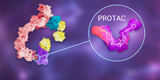
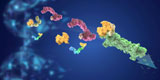
PROTAC, which exploit the ubiquitin-proteasome pathway to specifically degrade target proteins. PROTACs not only solve the problem of undruggability but they also have other advantages compared to traditional drug targeting strategies.
Scientific Reviews
PROTAC, which exploit the ubiquitin-proteasome pathway to specifically degrade target proteins. PROTACs not only solve the problem of undruggability but they also have other advantages compared to traditional drug targeting strategies. -
 Scientific Reviews
PROTAC — Target Selection and Design
Scientific Reviews
PROTAC — Target Selection and Design2022-07-08
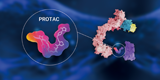
A PROTAC molecule consists of three components: a target protein binding ligand, an E3 ligase ligand, and a linker connecting these two moieties. Here, we will discuss the conventional approaches for the rational design of PROTAC molecules. -
 Scientific Reviews
BacPROTACs is composed of a POI ligand, a chemical linker and a ClpCNTD anchor. BacPROTACs can induce in vitro and in vivo degradation of non-eukaryotic proteins in bacteria without the ubiquitin proteasome system.
Scientific Reviews
BacPROTACs is composed of a POI ligand, a chemical linker and a ClpCNTD anchor. BacPROTACs can induce in vitro and in vivo degradation of non-eukaryotic proteins in bacteria without the ubiquitin proteasome system. -
 Scientific Reviews
RNA therapeutics have changed the landscape of drug development, which possess broader spectrum of drug targets, simplicity and efficiency in development and manufacturing.In this article, we will discuss the underlying mechanisms of RNA-based drugs on the market or in clinical stages.
Scientific Reviews
RNA therapeutics have changed the landscape of drug development, which possess broader spectrum of drug targets, simplicity and efficiency in development and manufacturing.In this article, we will discuss the underlying mechanisms of RNA-based drugs on the market or in clinical stages. -
 Scientific Reviews
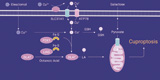
Tsvetkov et al. published in Science and demonstrated a copper-induced programmed cell death — Cuproptosis. As a novel programmed cell death, excess copper triggers abnormal aggregation of lipoylated proteins in TCA cycle and clearance of Fe-S cluster proteins, ultimately leading to cell death.
Scientific Reviews
Tsvetkov et al. published in Science and demonstrated a copper-induced programmed cell death — Cuproptosis. As a novel programmed cell death, excess copper triggers abnormal aggregation of lipoylated proteins in TCA cycle and clearance of Fe-S cluster proteins, ultimately leading to cell death. -
 Scientific Reviews
A comprehensive explanation of ferroptosis
Scientific Reviews
A comprehensive explanation of ferroptosis2022-09-15
Ferroptosis is a new type of RCD that depends on iron and characterized by the accumulation of lipid peroxides. In this article, we will pay our attention on ferroptosis and briefly discusses its mechanism. -
 Scientific Reviews
It's has been proved that p53, as a tumor suppressor gene and immune guardian, may become a destroyer through its own mutation. Moreover, the mechanism of p53 was found to be related to ferroptosis. This article mainly explores the mechanism between p53 and ferroptosis in detail.
Scientific Reviews
It's has been proved that p53, as a tumor suppressor gene and immune guardian, may become a destroyer through its own mutation. Moreover, the mechanism of p53 was found to be related to ferroptosis. This article mainly explores the mechanism between p53 and ferroptosis in detail. -
 Scientific Reviews
Autophagy, derived from the Greek meaning "eating of self", plays an indispensable role in maintaining homeostasis. p27 is an inhibitor of cyclin CDKs, but how p27 regulates autophagy remains unknown. This article will cover the mechanism of autophagy and p27-related cell cycle regulation.
Scientific Reviews
Autophagy, derived from the Greek meaning "eating of self", plays an indispensable role in maintaining homeostasis. p27 is an inhibitor of cyclin CDKs, but how p27 regulates autophagy remains unknown. This article will cover the mechanism of autophagy and p27-related cell cycle regulation. -
 Scientific Reviews
CMA (chaperone-mediated autophagy) plays an essential role in maintaining neuronal protein stability and preventing neurodegeneration. In this article, we will comprehensively clarify the role of CMA in the occurrence and development of neurodegenerative diseases.
Scientific Reviews
CMA (chaperone-mediated autophagy) plays an essential role in maintaining neuronal protein stability and preventing neurodegeneration. In this article, we will comprehensively clarify the role of CMA in the occurrence and development of neurodegenerative diseases. -
 Scientific Reviews
TME (Tumor microenvironment) is considered as a complex integrated system, composed of cellular components such as tumor cells and immune cells, as well as non-cellular components such as ECM and cytokines. According to the spatial distribution of immune cells in TME, "hot" and "cold" TME will be explained in this article.
Scientific Reviews
TME (Tumor microenvironment) is considered as a complex integrated system, composed of cellular components such as tumor cells and immune cells, as well as non-cellular components such as ECM and cytokines. According to the spatial distribution of immune cells in TME, "hot" and "cold" TME will be explained in this article. -
 Scientific Reviews
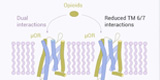
As powerful pain relievers, the opioids morphine and fentanyl have been "checked" by their side effects (listed as controlled substances). How to reduce its side effects? What is its mechanism? This research will explore its mechanism.
Scientific Reviews
As powerful pain relievers, the opioids morphine and fentanyl have been "checked" by their side effects (listed as controlled substances). How to reduce its side effects? What is its mechanism? This research will explore its mechanism. -
 Scientific Reviews
Efferocytosis is the process in which phagocytes remove programmed dead cells. It prevents secondary necrosis of dying cells from releasing harmful cell contents (such as oxides and proteases) that may cause inflammation. Here, we will introduce three stages of efferocytosis: Find, Eat, Digest.
Scientific Reviews
Efferocytosis is the process in which phagocytes remove programmed dead cells. It prevents secondary necrosis of dying cells from releasing harmful cell contents (such as oxides and proteases) that may cause inflammation. Here, we will introduce three stages of efferocytosis: Find, Eat, Digest. -
 Scientific Reviews
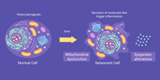
Understanding the mechanism of aging not only has guiding significance for prolonging human life but also has important clinical significance for the prevention and treatment of diseases in the elderly population , thus, improving their life quality and well-being.
Scientific Reviews
Understanding the mechanism of aging not only has guiding significance for prolonging human life but also has important clinical significance for the prevention and treatment of diseases in the elderly population , thus, improving their life quality and well-being. -
 Scientific Reviews
Mammalian cells can also photosynthesize like plants! Photosynthesis can improve cell anabolism and exhibit good clinical effect in degenerative diseases (osteoarthritis).
Scientific Reviews
Mammalian cells can also photosynthesize like plants! Photosynthesis can improve cell anabolism and exhibit good clinical effect in degenerative diseases (osteoarthritis). -
 Scientific Reviews
The latest study of Cell magazine "Neural mechanism underlying depressive-like state associated with social status loss" considers social factors as a breakthrough point. It has been found that the downward transition of social status induces depression-like behavior in mice whereas improves the depressive state by restoring their social environment.
Scientific Reviews
The latest study of Cell magazine "Neural mechanism underlying depressive-like state associated with social status loss" considers social factors as a breakthrough point. It has been found that the downward transition of social status induces depression-like behavior in mice whereas improves the depressive state by restoring their social environment. -
 Scientific Reviews
PROTAC - Design Strategy for Targeting
Scientific Reviews
PROTAC - Design Strategy for Targeting2023-04-23
Protein degradation targeting chimera (PROTAC) is a technology that uses the ubiquitin proteasome pathway to silent target protein. However, PROTAC still has problems such as solubility, membrane permeability, and selectivity. In this article, we have summarized three strategies for optimization: light-controlled linker, PAC molecule, and specific E3 ligase. -
 Scientific Reviews
Necroptosis, also known as necroptosis, is a form of regulated necrotizing cell death mediated by RIP1 and RIP3 kinases. Necroptosis is a process that prevents the self-destruction of activated cells that are blocked by apoptosis. Necroptosis plays a tumor suppressor role in most cases. It may provide benefits in the researches of a variety of human diseases involving immune inflammation and cell death.
Scientific Reviews
Necroptosis, also known as necroptosis, is a form of regulated necrotizing cell death mediated by RIP1 and RIP3 kinases. Necroptosis is a process that prevents the self-destruction of activated cells that are blocked by apoptosis. Necroptosis plays a tumor suppressor role in most cases. It may provide benefits in the researches of a variety of human diseases involving immune inflammation and cell death. -
 Scientific Reviews
Mitophagy:Mechanisms and Detection
Scientific Reviews
Mitophagy:Mechanisms and Detection2023-05-25
About 60 years ago, Christian de Duve first used the term "autophagy" to describe his observation of the degradation of mitochondria and other intracellular structures in lysosomes of rat liver. Over the years, autophagy has remained a beloved topic of research by the National Natural Science Foundation of China (NSFC).Today, let's talk about mitochondrial autophagy. -
 Scientific Reviews
Structure of Lipid Droplets
Scientific Reviews
Structure of Lipid Droplets2023-06-15
Huh? Lipid droplets? Organelles? In the past, biological data usually only show the traditional organelles, such as mitochondria, Golgi apparatus, endoplasmic reticulum, etc., lipid droplets are often not mentioned by people. Today, we will make a systematic explanation of lipid droplets, so that everyone has a clear understanding! -
 Scientific Reviews
HLA-E, A Novel Immune Checkpoint
Scientific Reviews
HLA-E, A Novel Immune Checkpoint2023-06-29
Immune checkpoints have immunosuppressive functions. It can be used in the research of tumor immunotherapy. In this article, we introduce a new paper entitled "Immune checkpoint HLA-E: CD94 - NKG2Amediates evasion of circulating tumor cells from NK cell surveillance "research paper. -
 Scientific Reviews
WHO's Q2 drug list has been updated. Let's take you through the list of the most noteworthy small molecule drugs that we should pay attention to.
Scientific Reviews
WHO's Q2 drug list has been updated. Let's take you through the list of the most noteworthy small molecule drugs that we should pay attention to. -
 Scientific Reviews
FDA Approved Drug List!
Scientific Reviews
FDA Approved Drug List!2023-09-14
In the first half of 2023 (as of June 27), the FDA approved 26 new drugs, let's take you learn about it through the article. -
 Scientific Reviews
IHC is an indispensable technique for studying tissue morphology and in situ antigen expression, but usually only one or two antigens in tissues can be stained for analysis. It cannot judge the results more intuitively. Today, Little M will introduce you to the upgraded version mlHC.
Scientific Reviews
IHC is an indispensable technique for studying tissue morphology and in situ antigen expression, but usually only one or two antigens in tissues can be stained for analysis. It cannot judge the results more intuitively. Today, Little M will introduce you to the upgraded version mlHC. -
 Scientific Reviews
A suitable model is crucial in drug screening experiments. Organs can mimic the three-dimensional functional structure of internal organs, have similar spatial organization to corresponding organs, maintain some key characteristics, and reproduce some physiological functions. They are widely used for modeling and personalized drug screening of diseases such as cancer, infectious diseases, and rare diseases.
Scientific Reviews
A suitable model is crucial in drug screening experiments. Organs can mimic the three-dimensional functional structure of internal organs, have similar spatial organization to corresponding organs, maintain some key characteristics, and reproduce some physiological functions. They are widely used for modeling and personalized drug screening of diseases such as cancer, infectious diseases, and rare diseases. -
 Scientific Reviews
FDA Annual Review | Record-breaking number of new drug approvals in 2023!
Scientific Reviews
FDA Annual Review | Record-breaking number of new drug approvals in 2023! -
 Scientific Reviews
Are frozen cells always damaged? Is the survival rate of revived cells low? When is it appropriate to freeze cells? What should be considered when reviving them? Today, we're sharing a guide to avoid pitfalls in cell freezing and revival!
Scientific Reviews
Are frozen cells always damaged? Is the survival rate of revived cells low? When is it appropriate to freeze cells? What should be considered when reviving them? Today, we're sharing a guide to avoid pitfalls in cell freezing and revival! -
 Scientific Reviews
KRAS, a gene we've heard so much about, has quickly risen to fame after shedding its "undruggable" label. After reading numerous articles, it's easy to feel overwhelmed and wonder: What exactly should we know about this often-discussed but previously "undruggable" target KRAS?
Scientific Reviews
KRAS, a gene we've heard so much about, has quickly risen to fame after shedding its "undruggable" label. After reading numerous articles, it's easy to feel overwhelmed and wonder: What exactly should we know about this often-discussed but previously "undruggable" target KRAS? -
 Scientific Reviews
Compound Screening Guide!
Scientific Reviews
Compound Screening Guide!2024-03-15
How to use compound library? How to design an experiment if you buy a compound library? Want a specific experimental protocol? This article will introduce popular experimental techniques and provide new ideas for publishing high level literature. -
 Scientific Reviews
Wnt/β-catenin and tumor EMT
Scientific Reviews
Wnt/β-catenin and tumor EMT2024-03-18
Epithelial-Mesenchymal Transition (EMT) is closely related to the plasticity of tumor cells and is a necessary process for tumor metastasis. Wnt/β-catenin is one of the main actors involved in the EMT process. Today, we’re here to popularize the tumor EMT and Wnt/β-catenin pathway~ -
 Scientific Reviews
The 2024 AACR meeting concluded successfully in California, USA. Which antitumor drugs stole the show at this conference?
Scientific Reviews
The 2024 AACR meeting concluded successfully in California, USA. Which antitumor drugs stole the show at this conference? -
 Scientific Reviews
Katalin Karikó and Drew Weissman were awarded the Nobel Prize in Physiology or Medicine in 2023 for their groundbreaking work in nucleoside modification, which paved the way for the creation of successful mRNA vaccines to fight against COVID-19. Let's now delve into the complete process of mRNA vaccine development.
Scientific Reviews
Katalin Karikó and Drew Weissman were awarded the Nobel Prize in Physiology or Medicine in 2023 for their groundbreaking work in nucleoside modification, which paved the way for the creation of successful mRNA vaccines to fight against COVID-19. Let's now delve into the complete process of mRNA vaccine development. -
 Scientific Reviews
Science | A "new" mechanism for non-ubiquitinated Midnolin-proteasomal degradation pathway
Scientific Reviews
Science | A "new" mechanism for non-ubiquitinated Midnolin-proteasomal degradation pathway2024-04-26
“ubiquitin-mediated protein degradation” won the Nobel Prize in Chemistry in 2004! In fact, proteasomes degrade not only ubiquitinated proteins but also non-ubiquitinated ones. The mechanism remains shrouded in mystery. After reading this piece today, you might have a lightbulb moment! -
 Scientific Reviews
Still struggling to find the preparation methods for various solutions? Save your time! Here comes a nanny-level tutorial!
Scientific Reviews
Still struggling to find the preparation methods for various solutions? Save your time! Here comes a nanny-level tutorial! -
 Scientific Reviews
STZ Induced Diabetes Models
Scientific Reviews
STZ Induced Diabetes Models2024-06-13
Spotlight: How can STZ Help Diabetes Research? -
 Scientific Reviews
Exosomes, which won the Nobel Prize in 2013, are still a research hotspot in the national natural sciences, and their popularity has only increased over the past decade (in 2022, they still rank 5th in the national natural sciences hotspots!). Why have exosomes become the darling of scientific research? Let's take a look together~
Scientific Reviews
Exosomes, which won the Nobel Prize in 2013, are still a research hotspot in the national natural sciences, and their popularity has only increased over the past decade (in 2022, they still rank 5th in the national natural sciences hotspots!). Why have exosomes become the darling of scientific research? Let's take a look together~ -
 Scientific Reviews
How important is the compound library? It connects to drug screening on one end and leads to lead compound modifications on the other, serving as one of the sources of new drug development.
Scientific Reviews
How important is the compound library? It connects to drug screening on one end and leads to lead compound modifications on the other, serving as one of the sources of new drug development. -
 Scientific Reviews
Degrade target proteins through the autophagy-lysosome pathway including LYTAC, AUTAC, and ATTEC have gained increasing attention in recent years due to their significant research potential!
Scientific Reviews
Degrade target proteins through the autophagy-lysosome pathway including LYTAC, AUTAC, and ATTEC have gained increasing attention in recent years due to their significant research potential! -
 Scientific Reviews
Antibodies!
Scientific Reviews
Antibodies!2024-07-26
Today, We introduce antibodies for everyone! -
 Scientific Reviews
Science’s 2023 Breakthrough: GLP-1R Agonists
Scientific Reviews
Science’s 2023 Breakthrough: GLP-1R Agonists2024-08-13
GLP-1RAs, which achieved great success in 2023 and draws people’s attention back to obesity treatments and GLP-1 therapies worldwide, was chosen as the breakthrough of year 2023 by Science [2]. -
 Scientific Reviews
What Are Popular Anti-tumor Drug Targets?
Scientific Reviews
What Are Popular Anti-tumor Drug Targets?2024-08-20
The rapid development of targeted anti-cancer drugs has spurred diverse research across various modalities. These include small molecules, monoclonal antibodies (mAbs), cell immunotherapies, antibody-drug conjugates (ADCs), and PROTACs (proteolysis targeting chimeras). -
 Scientific Reviews
Cuproptosis, How much do you know?
Scientific Reviews
Cuproptosis, How much do you know?2024-08-22
Cells die in a variety of ways, including apoptosis, pyroptosis, necrosis, and ferroptosis......And, of course, cuproptosis. So, how much do you know about cuproptosis? -
 Scientific Reviews
Virtual Screening and New Uses for Old Drugs
Scientific Reviews
Virtual Screening and New Uses for Old Drugs2024-09-17
With the advancement of medical science, drug screening against various disease targets has become the fundamental strategy for drug development. Currently, computer-based virtual screening techniques are emerging in the field of new drug research due to their efficiency and low cost. Let's explore it today! -
 Scientific Reviews
Recently, Mol Cell reported the discovery of the first ferroptosis marker, Hyperoxidized PRDX3! Let’s take a look together~
Scientific Reviews
Recently, Mol Cell reported the discovery of the first ferroptosis marker, Hyperoxidized PRDX3! Let’s take a look together~ -
 Scientific Reviews
Cuproptosis's Knowledge Points!
Scientific Reviews
Cuproptosis's Knowledge Points!2024-09-25
With the establishment of the cuproptosis mechanism related research has attracted more and more attention from major journals. Expect to use the sharp sword of cuproptosis to stab the tumor cells. -
 Scientific Reviews
2024 Nobel Prize Announcements! Curious about the details? Click to dive into the exciting developments!
Scientific Reviews
2024 Nobel Prize Announcements! Curious about the details? Click to dive into the exciting developments! -
 Scientific Reviews
How they used PKH 26 for cellular studies?
Scientific Reviews
How they used PKH 26 for cellular studies?2024-10-21
We are thrilled to highlight our client study using PKH 26 (MedChemExpress) , a red fluorescent dye that has proven invaluable for in vitro cell labeling and tracing. This innovative research, published in the Journal of Nanobiotechnology. -
Scientific Reviews
Delve into the intricate networks that govern mitochondrial quality control. By examining key mechanisms such as biogenesis, mitochondrial dynamics (fission and fusion), proteolysis, and mitophagy. -
 Scientific Reviews
A New Form of Cell Death: PANoptosis!
Scientific Reviews
A New Form of Cell Death: PANoptosis! -
 Scientific Reviews
Unlocking the Power of Intermittent Fasting: The 16+8 Method
Scientific Reviews
Unlocking the Power of Intermittent Fasting: The 16+8 Method -
 Scientific Reviews
We are thrilled to share the latest advancements in AI technology as highlighted in this insightful article. From groundbreaking innovations to transformative applications, the future of AI is brighter than ever!
Scientific Reviews
We are thrilled to share the latest advancements in AI technology as highlighted in this insightful article. From groundbreaking innovations to transformative applications, the future of AI is brighter than ever! -
 Scientific Reviews
Advancing Chronic Kidney Disease Research with GJ103 and Lamin B1 Antibody!
Scientific Reviews
Advancing Chronic Kidney Disease Research with GJ103 and Lamin B1 Antibody! -
 Scientific Reviews
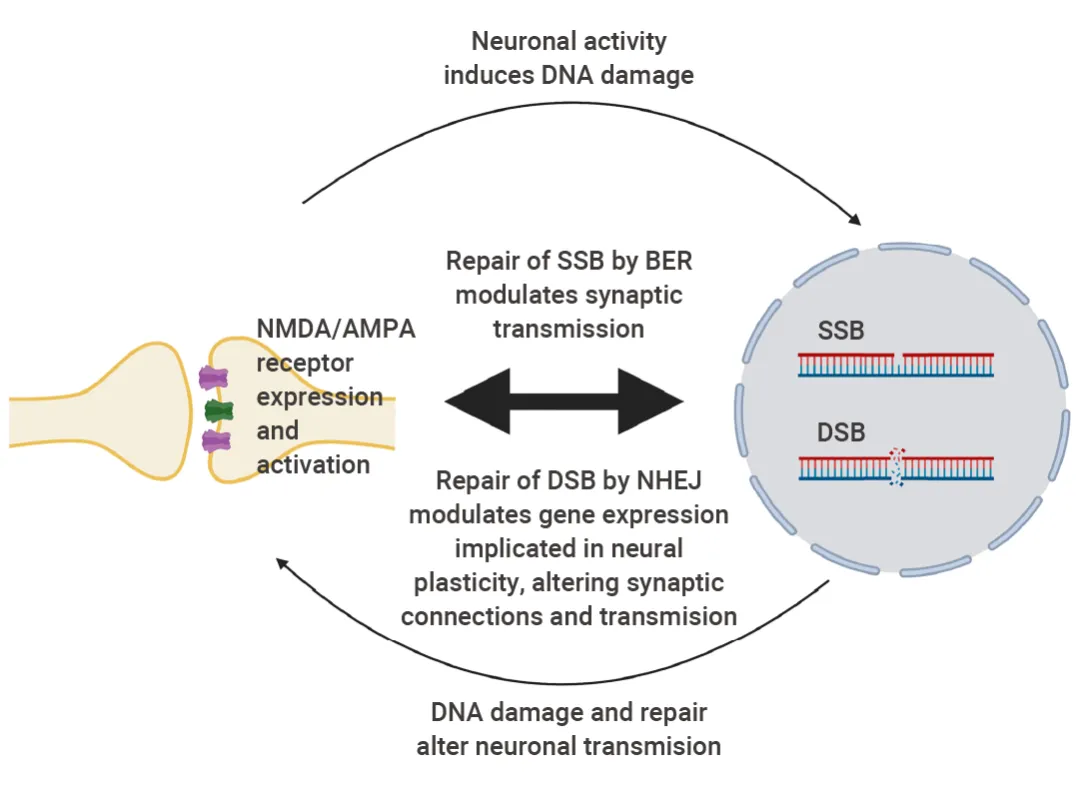
When you hear "inflammation" and "DNA damage," you might immediately think of disease or injury. However, in brains, these two processes are key steps in forming long-term memories, particularly related to specialized cells in our brain called hippocampal neurons.
Scientific Reviews
When you hear "inflammation" and "DNA damage," you might immediately think of disease or injury. However, in brains, these two processes are key steps in forming long-term memories, particularly related to specialized cells in our brain called hippocampal neurons. -
 Scientific Reviews
Autophagy is a fundamental process that degrades various components within the cell.
Scientific Reviews
Autophagy is a fundamental process that degrades various components within the cell. -
 Scientific Reviews
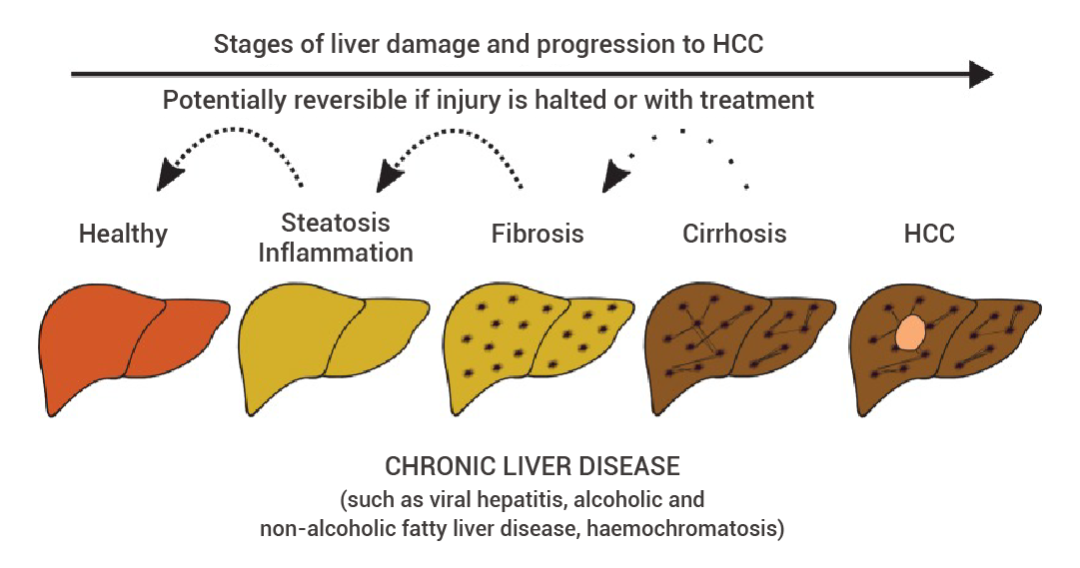
This article will tell you about the common methods of modeling liver disease in animal models.
Scientific Reviews
This article will tell you about the common methods of modeling liver disease in animal models. -
.jpg) Scientific Reviews
nside cells, the homeostasis and degradation of proteins is a precisely regulated process. If proteins cannot be degraded in time, it may lead to the occurrence of various diseases such as neurodegenerative diseases and cancer. This article will tell you the process of how proteins are recognized, labeled and then degraded!
Scientific Reviews
nside cells, the homeostasis and degradation of proteins is a precisely regulated process. If proteins cannot be degraded in time, it may lead to the occurrence of various diseases such as neurodegenerative diseases and cancer. This article will tell you the process of how proteins are recognized, labeled and then degraded! -
 Scientific Reviews
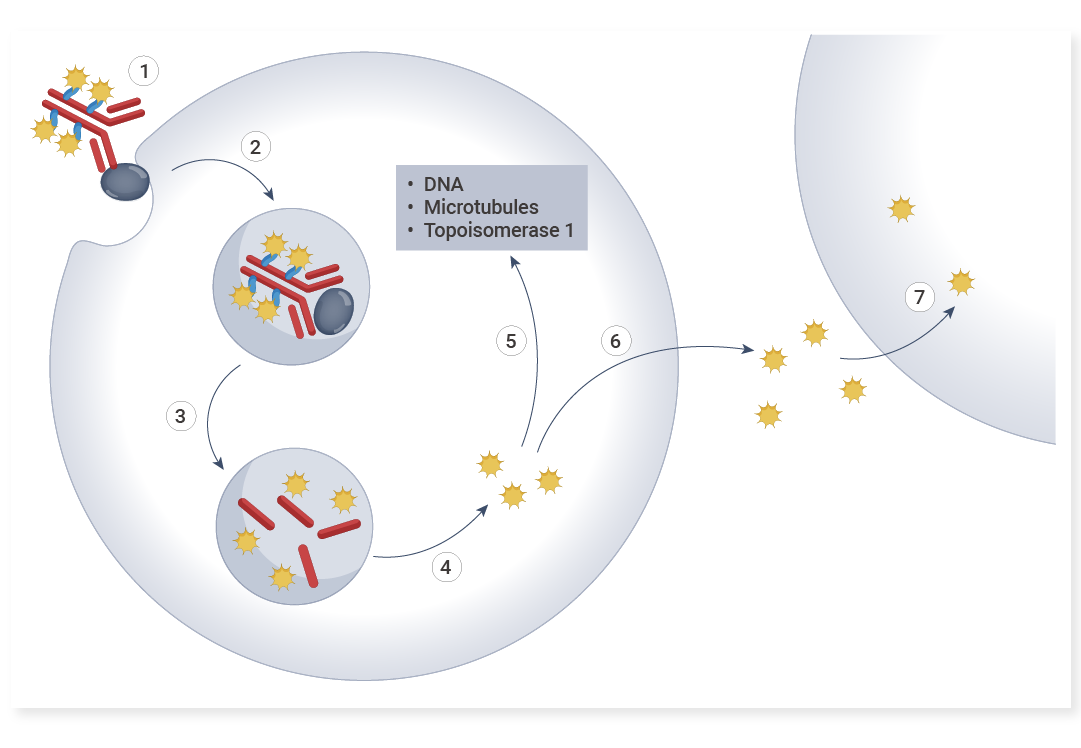
This article will walk you through the remarkable impacts of anti-payload antibodies, delving into how these molecules are revolutionizing drug development and biological research!
Scientific Reviews
This article will walk you through the remarkable impacts of anti-payload antibodies, delving into how these molecules are revolutionizing drug development and biological research! -
 Scientific Reviews
This article introduces some common cardiovascular disease models, inducers, modeling protocols and successful modeling cases in the research.
Scientific Reviews
This article introduces some common cardiovascular disease models, inducers, modeling protocols and successful modeling cases in the research. -
 Scientific Reviews
Do you feel confused when you start culturing cells? This article will show you the basic methods and steps of cell culture!
Scientific Reviews
Do you feel confused when you start culturing cells? This article will show you the basic methods and steps of cell culture! -
 Scientific Reviews
Cell Migration vs. Invasion: Differences Revealed by Scratch Assays and Transwell Experiments
Scientific Reviews
Cell Migration vs. Invasion: Differences Revealed by Scratch Assays and Transwell Experiments2025-05-30
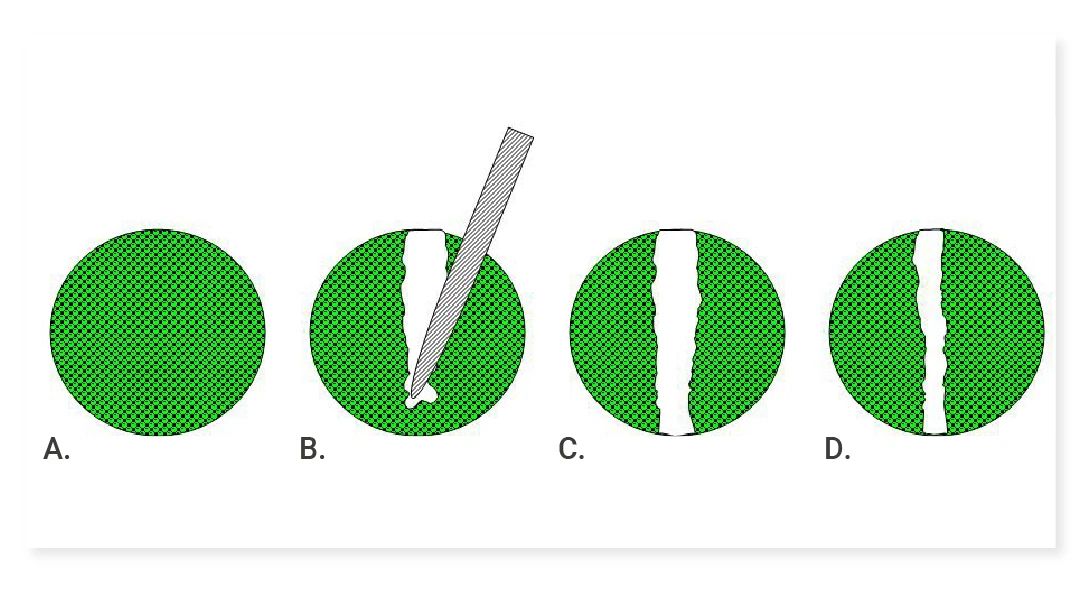
In scientific research, cell migration and invasion are crucial for understanding many important biological processes. This article delves into commonly used detection methods: the scratch assay and Transwell migration/invasion assay. -
 Scientific Reviews
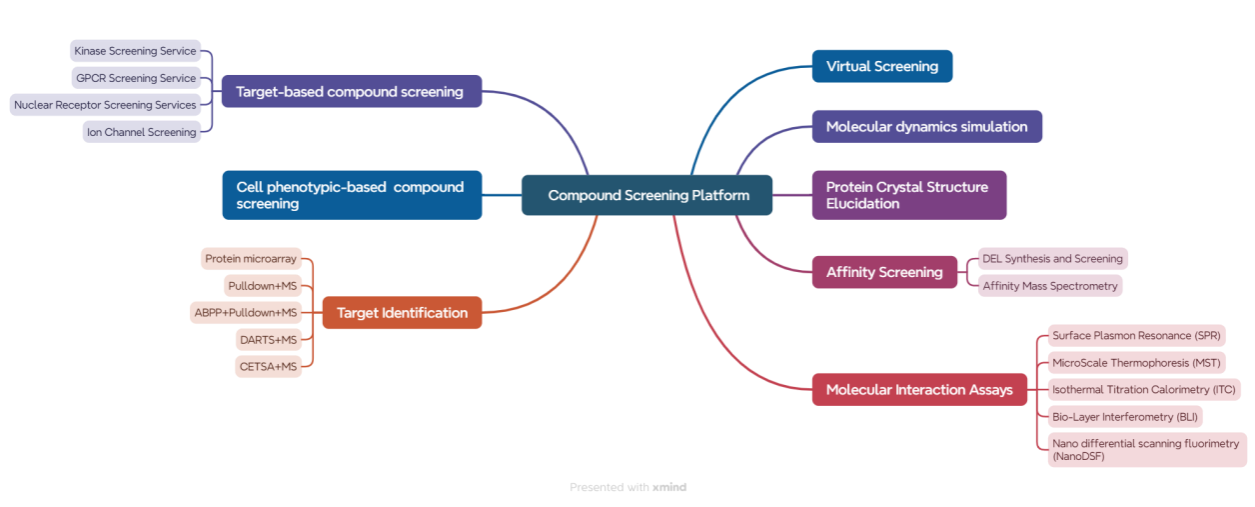
How should drug screening experiments be conducted? How can we ensure the accuracy of the lead compounds identified? This article will take you through how MCE's clients conduct drug screening experiments.
Scientific Reviews
How should drug screening experiments be conducted? How can we ensure the accuracy of the lead compounds identified? This article will take you through how MCE's clients conduct drug screening experiments. -
 Scientific Reviews
In this issue, we will conduct an in-depth interpretation from the dimensions of nanoparticle design, mechanism of action, in vivo and in vitro efficacy, and immune regulation, revealing how this research brings new hope for the treatment of invasive tumors through interdisciplinary innovation!
Scientific Reviews
In this issue, we will conduct an in-depth interpretation from the dimensions of nanoparticle design, mechanism of action, in vivo and in vitro efficacy, and immune regulation, revealing how this research brings new hope for the treatment of invasive tumors through interdisciplinary innovation! -
 Scientific Reviews
IHC, ICC, IF Techniques: A Practical Guide
Scientific Reviews
IHC, ICC, IF Techniques: A Practical Guide2025-07-25
Confused About IHC/ICC/IF? Why Does Immunostaining Seem So Complicated? Read This Now! Master Immunostaining with Confidence! -
 Scientific Reviews
HTS Breakthroughs Powered by MCE Libraries
Scientific Reviews
HTS Breakthroughs Powered by MCE Libraries2025-08-13
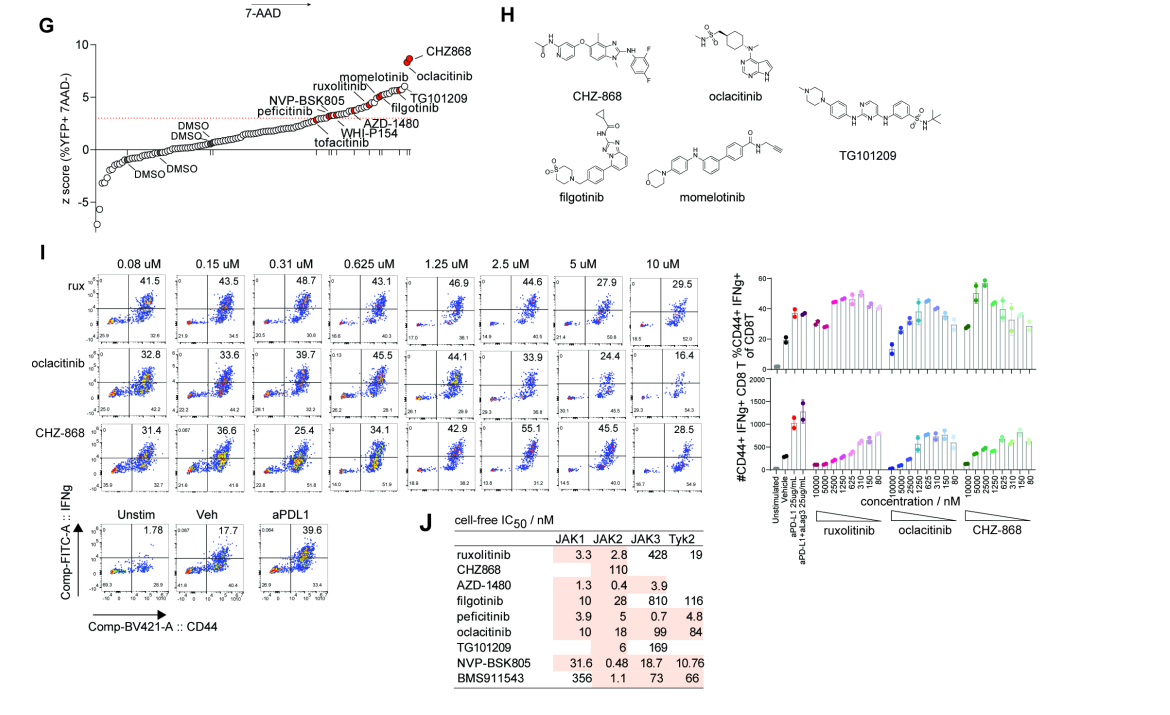
Key High-Throughput Screening Breakthroughs of 2024 Featuring MCE -
 Scientific Reviews
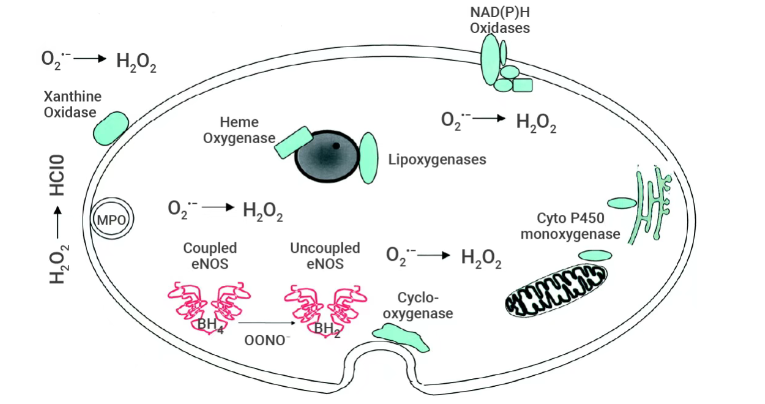
The article introduces the mechanisms of ROS generation and the methods for their detection.
Scientific Reviews
The article introduces the mechanisms of ROS generation and the methods for their detection. -
 Scientific Reviews
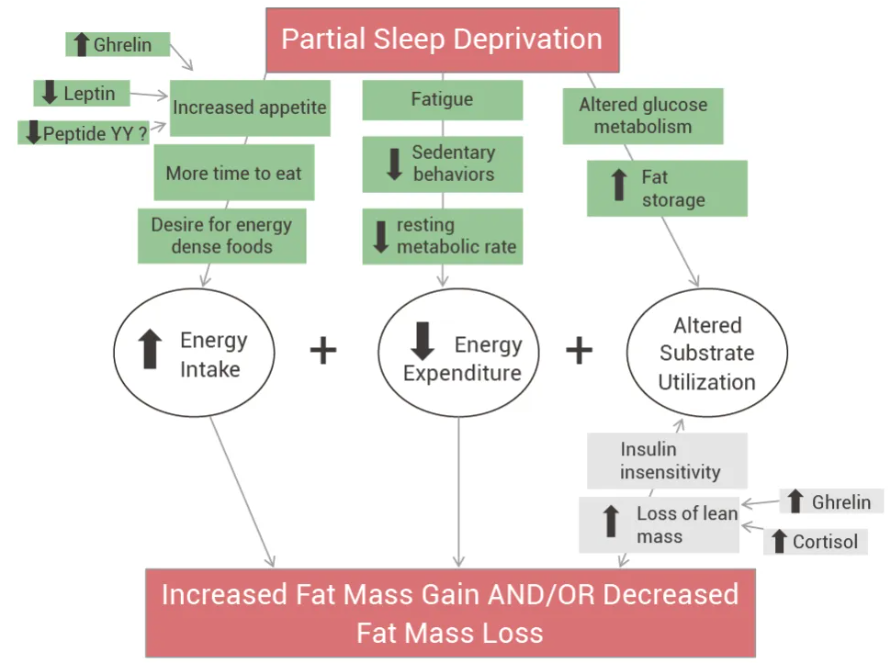
Have you ever noticed that after staying up late, your appetite—especially for high-calorie foods—gets out of control? If this sounds familiar, today’s article might offer some good news.
Scientific Reviews
Have you ever noticed that after staying up late, your appetite—especially for high-calorie foods—gets out of control? If this sounds familiar, today’s article might offer some good news. -
 Scientific Reviews
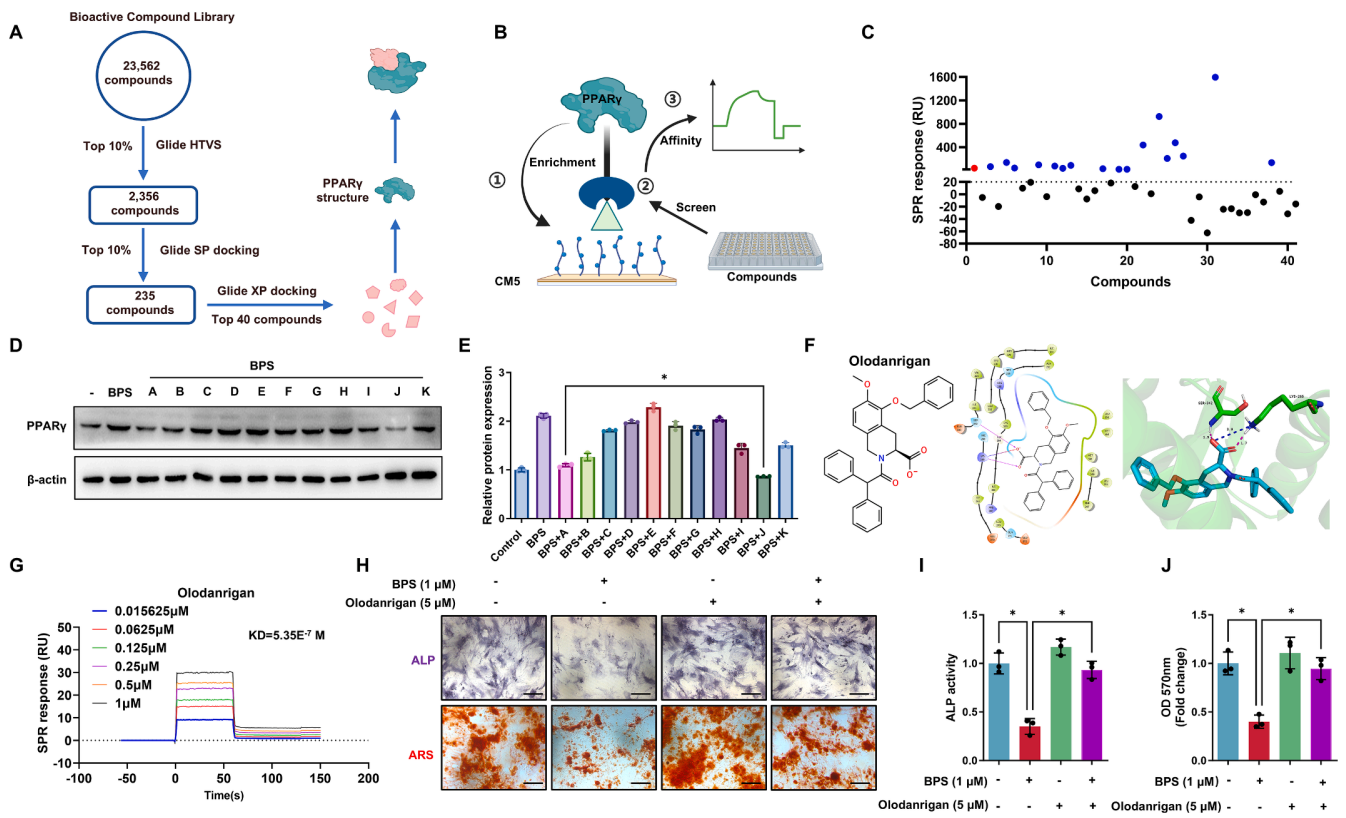
Encountering challenges with the high costs and long timelines of drug screening? Have a defined target but remain uncertain how to efficiently identify active molecules? Unsure how to validate hits generated from virtual screening? The ‘Winning Combination’ of drug screening offers a powerful solution to address these critical obstacles.
Scientific Reviews
Encountering challenges with the high costs and long timelines of drug screening? Have a defined target but remain uncertain how to efficiently identify active molecules? Unsure how to validate hits generated from virtual screening? The ‘Winning Combination’ of drug screening offers a powerful solution to address these critical obstacles. -
 Scientific Reviews
Generating Stable Cell Lines with Lentivirus
Scientific Reviews
Generating Stable Cell Lines with Lentivirus2025-09-16
A step-by-step protocol of establishing stable cell lines using lentivirus -
 Scientific Reviews
A groundbreaking study in Nature Communications reveals the key mechanism behind Idiopathic Pulmonary Fibrosis and identifies an existing drug with the potential to counter it.
Scientific Reviews
A groundbreaking study in Nature Communications reveals the key mechanism behind Idiopathic Pulmonary Fibrosis and identifies an existing drug with the potential to counter it. -
 Scientific Reviews
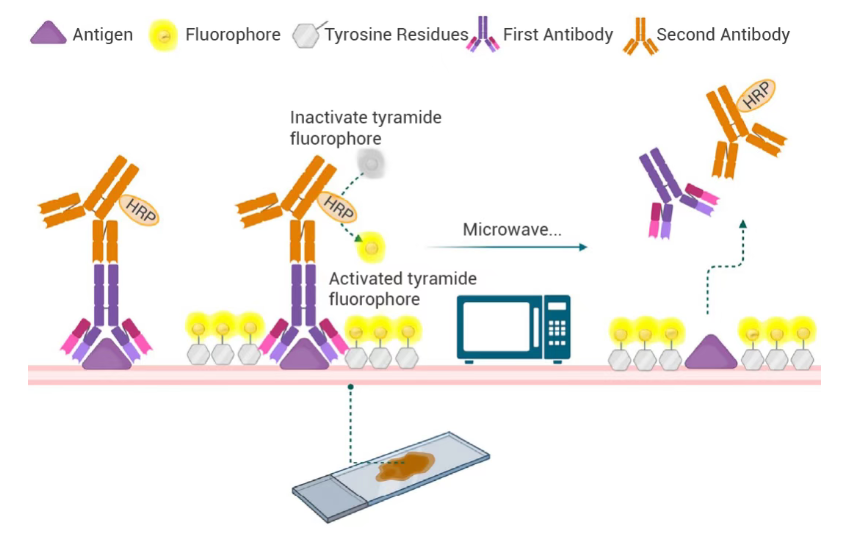
This detailed guide outlines the standardized experimental protocols for multiplex immunohistochemistry (mIHC), systematically summarizes common technical issues encountered during sample preparation, staining and imaging processes, and provides practical troubleshooting solutions to ensure reliable and reproducible results in biomedical research and clinical sample analysis.
Scientific Reviews
This detailed guide outlines the standardized experimental protocols for multiplex immunohistochemistry (mIHC), systematically summarizes common technical issues encountered during sample preparation, staining and imaging processes, and provides practical troubleshooting solutions to ensure reliable and reproducible results in biomedical research and clinical sample analysis. -
 Scientific Reviews
Finding adipogenic induction media too expensive and tricky to prepare? This comprehensive guide to 3T3-L1 adipogenic differentiation simplifies the process, helping you achieve great results!
Scientific Reviews
Finding adipogenic induction media too expensive and tricky to prepare? This comprehensive guide to 3T3-L1 adipogenic differentiation simplifies the process, helping you achieve great results! -
Scientific Reviews
Microglia– the only immune cells within the brain parenchyma. With advancements in imaging technologies, people’s understanding of microglia has shifted from being viewed as 'resting' cells to 'highly active' cells, particularly due to their dynamic processes that seem to be probing surrounding tissues and monitoring neuronal activity. This has made microglia a focal point of research in the field of neuroscience. -
 Scientific Reviews
Exosomes—natural nanoscale carriers—are revolutionizing targeted therapy. This article uncovers the science behind their precision in drug delivery.
Scientific Reviews
Exosomes—natural nanoscale carriers—are revolutionizing targeted therapy. This article uncovers the science behind their precision in drug delivery. -
Scientific Reviews
Cracking the PROTAC Permeability Barrier: CD36-Mediated Endocytosis as a Potential Breakthrough2025-12-03
This article provides an in-depth analysis of cutting-edge literature revealing CD36 as a key mediator of cellular uptake for PROTACs and bRO5 compounds. By structurally optimizing PROTAC molecules to enhance their affinity for CD36, membrane permeability can be markedly improved, leading to significantly enhanced antitumor efficacy. -
 Scientific Reviews
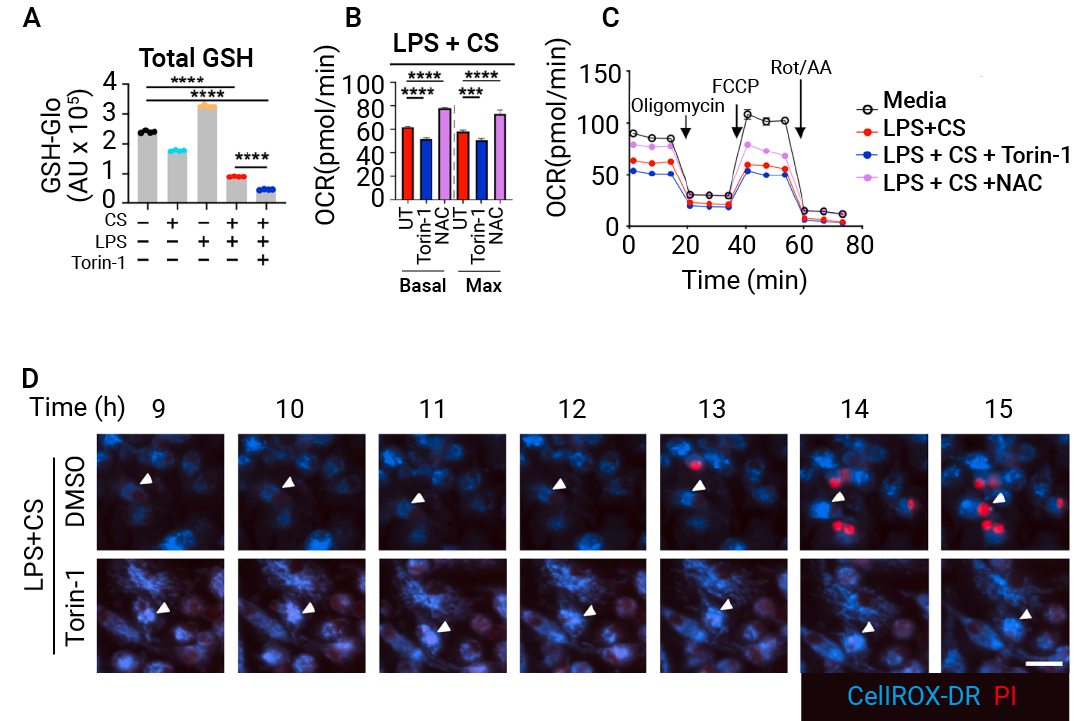
A November 2025 Cell study discovers Mitoxyperilysis, a new mTOR-regulated, caspase-independent cell death pathway driven by innate immune and metabolic dysregulation via mitochondrial-plasma membrane contact and oxidative damage, and verifies its potential to induce tumor necrosis for cancer therapy with key regulators including BAX, BAK1 and BID.
Scientific Reviews
A November 2025 Cell study discovers Mitoxyperilysis, a new mTOR-regulated, caspase-independent cell death pathway driven by innate immune and metabolic dysregulation via mitochondrial-plasma membrane contact and oxidative damage, and verifies its potential to induce tumor necrosis for cancer therapy with key regulators including BAX, BAK1 and BID. -
 Scientific Reviews
This paper elaborates on cytokines for culturing major immune cells, their regulatory roles, recombinant cytokines' merits and MCE’s related high-quality products.
Scientific Reviews
This paper elaborates on cytokines for culturing major immune cells, their regulatory roles, recombinant cytokines' merits and MCE’s related high-quality products. -
 Scientific Reviews
In the hunt for the next ‘GLP-1,’ amylin therapeutics, which have shown strong weight-loss results in clinical trials, have become a major focus for both multinational pharma and the scientific community.
Scientific Reviews
In the hunt for the next ‘GLP-1,’ amylin therapeutics, which have shown strong weight-loss results in clinical trials, have become a major focus for both multinational pharma and the scientific community. -
 Scientific Reviews
Essential for High-Impact Papers: Present Your CCK-8 Experimental Results in a More Outstanding Way!
Scientific Reviews
Essential for High-Impact Papers: Present Your CCK-8 Experimental Results in a More Outstanding Way!2026-03-18
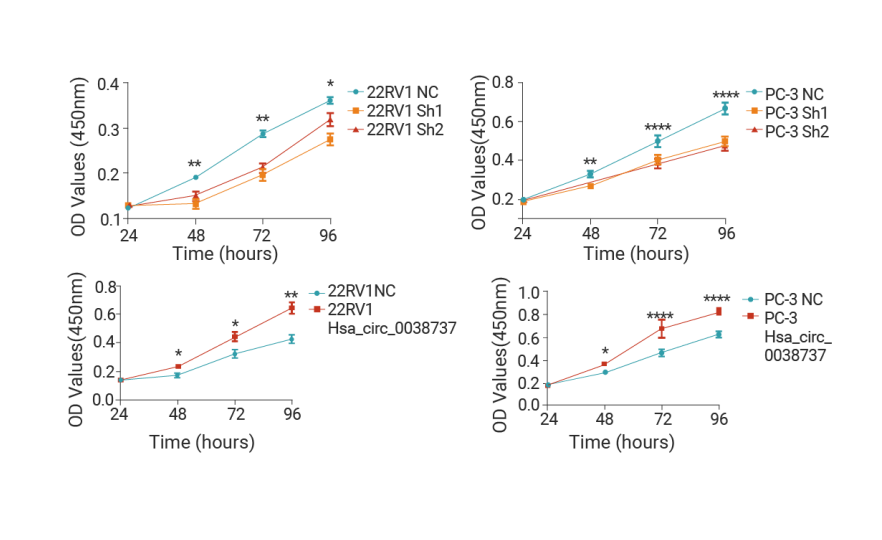
CCK-8 is a widely used WST‑8‑based reagent for cell proliferation and cytotoxicity assays. It features high sensitivity, reliable results and easy operation, and is applicable to cell viability analysis, drug screening and growth inhibition testing. -
 Scientific Reviews
This article walks you through the experimental design and workflow of flow cytometry, delivering a clear, dynamic, and professional overview to elevate your research.
Scientific Reviews
This article walks you through the experimental design and workflow of flow cytometry, delivering a clear, dynamic, and professional overview to elevate your research. -
 Scientific Reviews
Molecular glue degraders have evolved from a serendipitous observation to one of the most dynamic and transformative fields in biomedical research.
Scientific Reviews
Molecular glue degraders have evolved from a serendipitous observation to one of the most dynamic and transformative fields in biomedical research. -
 Scientific Reviews
GLP-1 and Obesity Research
Scientific Reviews
GLP-1 and Obesity Research2026-08-14
Obesity substantially increases the risk of chronic diseases such as T2D and cardiovascular disease. The breakout success of GLP-1 therapies has spotlighted GLP-1R and a wave of emerging obesity targets. -
 EDM
Research Solution for Breast Cancer TME
EDM
Research Solution for Breast Cancer TME2025-05-21
This review examines the complex interactions within the breast cancer tumor microenvironment, emphasizing how understanding these dynamics is essential for developing effective therapies and overcoming immune resistance. -
 EDM
This review introduces the major forms of programmed cell death, with a focus on the molecular mechanisms of ferroptosis and the methods used for its detection.
EDM
This review introduces the major forms of programmed cell death, with a focus on the molecular mechanisms of ferroptosis and the methods used for its detection. -
 EDM
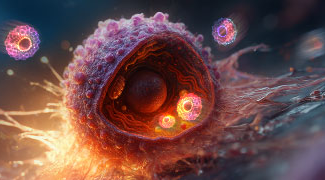
This review discusses the fundamentals of lipid biology and lipid metabolism, examines dysregulated lipid metabolism in cancer, and summarizes therapeutic strategies targeting lipid metabolic pathways.
EDM
This review discusses the fundamentals of lipid biology and lipid metabolism, examines dysregulated lipid metabolism in cancer, and summarizes therapeutic strategies targeting lipid metabolic pathways. -
 EDM
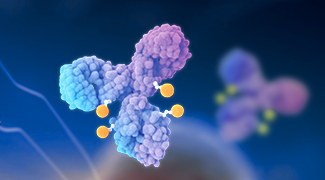
This review presents an overview of antibody–drug conjugates from design principles and antitumor mechanisms to structural innovations, clinical progress, and future development prospects.
EDM
This review presents an overview of antibody–drug conjugates from design principles and antitumor mechanisms to structural innovations, clinical progress, and future development prospects. -
 EDM
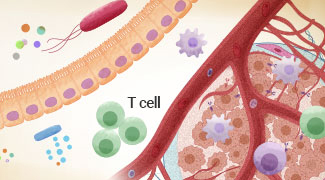
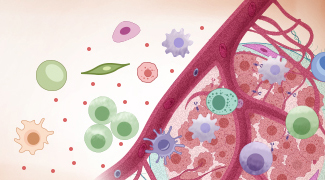
This review explores mechanisms and strategies for modulating the gut microbiota to enhance cancer immunotherapy, providing insights to improve therapeutic efficacy.
EDM
This review explores mechanisms and strategies for modulating the gut microbiota to enhance cancer immunotherapy, providing insights to improve therapeutic efficacy. -
 EDM
Combating Immune Evasion in Cancer
EDM
Combating Immune Evasion in Cancer2025-10-15
This review summarizes the mechanisms by which tumors evade immune surveillance and discusses therapeutic strategies to restore antitumor immunity. -
 EDM
This review summarizes the mechanisms of drug resistance in triple-negative breast cancer and highlights emerging therapeutic strategies.
EDM
This review summarizes the mechanisms of drug resistance in triple-negative breast cancer and highlights emerging therapeutic strategies. -
 EDM
Bispecific Antibodies in Cancer Therapy
EDM
Bispecific Antibodies in Cancer Therapy2025-10-29
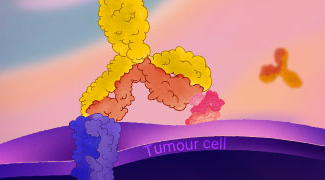
This review highlights the mechanisms, technology platforms, and clinical progress of bispecific antibodies, and discusses emerging strategies to guide future development. -
 EDM
This review provides insights into the pancreatic ductal adenocarcinoma tumor microenvironment, highlighting its cellular composition, stromal heterogeneity, and immune-targeting strategies.
EDM
This review provides insights into the pancreatic ductal adenocarcinoma tumor microenvironment, highlighting its cellular composition, stromal heterogeneity, and immune-targeting strategies. -
 EDM
This review provides a practical guide to the fundamental mechanisms, regulatory pathways, and detection methods of pyroptosis.
EDM
This review provides a practical guide to the fundamental mechanisms, regulatory pathways, and detection methods of pyroptosis. -
 EDM
Understanding In Vivo CAR-T Cell Therapy
EDM
Understanding In Vivo CAR-T Cell Therapy2026-01-22
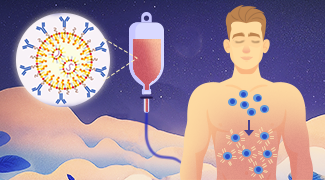
This review provides a comprehensive overview of in vivo CAR-T therapy, covering technical platforms, clinical translation, and key challenges such as gene delivery and immunogenicity. -
 EDM
Highlight the overview of engineered EVs, their construction methods, and applications in cancer immunotherapy.
EDM
Highlight the overview of engineered EVs, their construction methods, and applications in cancer immunotherapy. -
 EDM
Highlight single-cell metabolomics and stable isotope tracing (SIT) in uncovering metabolic heterogeneity and nutrient flux dynamics in tumors.
EDM
Highlight single-cell metabolomics and stable isotope tracing (SIT) in uncovering metabolic heterogeneity and nutrient flux dynamics in tumors. -
 EDM
Explore ADC evolution, immune combination strategies, and clinical advances at the intersection of targeted therapy and immunotherapy.
EDM
Explore ADC evolution, immune combination strategies, and clinical advances at the intersection of targeted therapy and immunotherapy. -
 EDM
Tumor Organoid-Immune Cell Co-Culture Models: Advances, Applications, and Future Directions
EDM
Tumor Organoid-Immune Cell Co-Culture Models: Advances, Applications, and Future Directions2026-05-07
Summarize technical strategies, application advances, and future directions of tumor organoid–immune co-culture systems. -
 EDM
Review mechanisms, major challenges, and efficacy-enhancing strategies of TCR-T therapy in solid tumors, with implications for future research and clinical translation.
EDM
Review mechanisms, major challenges, and efficacy-enhancing strategies of TCR-T therapy in solid tumors, with implications for future research and clinical translation. -
 EDM
The Dual Role of Cellular Senescence in Cancer: Mechanisms, Microenvironment, and Therapeutics
EDM
The Dual Role of Cellular Senescence in Cancer: Mechanisms, Microenvironment, and Therapeutics2026-05-21
Explore the dual role of cellular senescence in cancer, including tumor suppression, SASP-driven tumor promotion, senescence heterogeneity and plasticity, and advances in senescence-targeted therapies. -
 EDM
Explore lysosomal nutrient sensing, quality control, cellular adaptation, disease mechanisms, and emerging therapeutic approaches.
EDM
Explore lysosomal nutrient sensing, quality control, cellular adaptation, disease mechanisms, and emerging therapeutic approaches. -
 EDM
Breaking Immune Resistance in Colorectal Cancer: From Molecular Mechanisms to Precision Therapy
EDM
Breaking Immune Resistance in Colorectal Cancer: From Molecular Mechanisms to Precision Therapy2026-06-25
Explore CRC molecular subtypes, immune landscapes, resistance mechanisms, and emerging precision strategies for improving outcomes across distinct subtypes. -
 EDM
Explore the mechanisms of tumor immune evasion, dynamic checkpoint regulation, and the evolution of mechanism-driven combinations and patient stratification.
EDM
Explore the mechanisms of tumor immune evasion, dynamic checkpoint regulation, and the evolution of mechanism-driven combinations and patient stratification. -
 EDM
Explore how mitochondrial quality control, inflammatory signaling, and metabolic–epigenetic reprogramming regulate cellular senescence and the SASP, along with strategies to restore mitochondrial homeostasis.
EDM
Explore how mitochondrial quality control, inflammatory signaling, and metabolic–epigenetic reprogramming regulate cellular senescence and the SASP, along with strategies to restore mitochondrial homeostasis. -
 EDM
Review the metabolic regulation of ferroptosis through iron homeostasis, lipid peroxidation and antioxidant defence, and the emerging polyamine–iron buffering axis.
EDM
Review the metabolic regulation of ferroptosis through iron homeostasis, lipid peroxidation and antioxidant defence, and the emerging polyamine–iron buffering axis. -
 Blog
EC0489, a SMDC for Cancer Therapy
Blog
EC0489, a SMDC for Cancer Therapy2019-03-25
EC0489, a conjugate of folic acid and desacetyl vinblastine hydrazide, is a SMDC under development for the treatment of solid tumours. -
 Blog
R916562, a dual Axl/VEGF-R2 inhibitor, could be a potential anti-angiogenic and anti-metastatic drug for cancer chemotherapy.
Blog
R916562, a dual Axl/VEGF-R2 inhibitor, could be a potential anti-angiogenic and anti-metastatic drug for cancer chemotherapy. -
 Blog
Role of PRMT7 Probe SGC3027 in Cancer
Blog
Role of PRMT7 Probe SGC3027 in Cancer2019-03-27
SGC3027 is the first potent, selective and cell active chemical probe for PRMT7. SGC3027 is also a pro-drug, which converts to the active compound SGC8158 -
 Blog
Alofanib, An Allosteric Inhibitor of FGFR2
Blog
Alofanib, An Allosteric Inhibitor of FGFR22019-03-28
Alofanib is an allosteric inhibitor of FGFR2 and inhibits FGF-mediated proliferation with GI50s of 16-370 nM, showing pronounced antitumor activity. -
 Blog
AZD5991, a macrocyclic molecule with high selectivity for Mcl-1, reduces Mcl-1 protein in AZD5991-sensitive but not in AZD5991-resistant MM cell lines.
Blog
AZD5991, a macrocyclic molecule with high selectivity for Mcl-1, reduces Mcl-1 protein in AZD5991-sensitive but not in AZD5991-resistant MM cell lines. -
 Blog
A Novel and Efficacious RAF Inhibitor RAF709
Blog
A Novel and Efficacious RAF Inhibitor RAF7092019-03-30
RAF709, a novel and efficacious RAF inhibitor, activates the MAPK pathway and shows antitumor activity in tumor cells harboring BRAF or RAS mutations. -
 Blog
CF53 is a highly potent, selective and orally active inhibitor of BET protein, with anti-tumor activity in acute leukemia and breast cancer cell lines.
Blog
CF53 is a highly potent, selective and orally active inhibitor of BET protein, with anti-tumor activity in acute leukemia and breast cancer cell lines. -
 Blog
CCB02 is an tubulin binder and has potential in the therapy of cancer cells with extra centrosomes. CCB02 also activates spindle assembly checkpoint.
Blog
CCB02 is an tubulin binder and has potential in the therapy of cancer cells with extra centrosomes. CCB02 also activates spindle assembly checkpoint. -
 Blog
H3B-5942 is a selective and irreversible estrogen receptor covalent antagonist, inactivates both ERαWT and ERα mutation.
Blog
H3B-5942 is a selective and irreversible estrogen receptor covalent antagonist, inactivates both ERαWT and ERα mutation. -
 Blog
AZD3229 is a Potent Pan-KIT Mutant Inhibitor
Blog
AZD3229 is a Potent Pan-KIT Mutant Inhibitor2019-04-04
AZD3229 is a potent, pan-KIT mutant inhibitor with potent single digit nM growth inhibition against a diverse panel of mutant KIT driven Ba/F3 cell lines. -
 Blog
BR351 is a Brain Penetrant MMP Inhibitor
Blog
BR351 is a Brain Penetrant MMP Inhibitor2019-04-05
BR351 is a brain penetrant MMP inhibitor, and a potential tool for the molecular imaging of activated MMPs with PET, with an IC50 in the nanomolar range. -
 Blog
A Lead PROTAC BRD9 Chemical Degrader
Blog
A Lead PROTAC BRD9 Chemical Degrader2019-04-06
PROTAC BRD9 Degrader-1 is a lead PROTAC BRD9 chemical degrader and a selective probe useful for the study of BAF complex biology. -
 Blog
SGC-GAK-1 is a potent, selective, and cell-active GAK inhibitor and shows potent anti-proliferative activity in LNCaP and 22Rv1 cells.
Blog
SGC-GAK-1 is a potent, selective, and cell-active GAK inhibitor and shows potent anti-proliferative activity in LNCaP and 22Rv1 cells. -
 Blog
COH000 is an allosteric, covalent and irreversible inhibitor of SUMO-activating enzyme, with an IC50 of 0.2 μM for SUMOylation in vitro.
Blog
COH000 is an allosteric, covalent and irreversible inhibitor of SUMO-activating enzyme, with an IC50 of 0.2 μM for SUMOylation in vitro. -
 Blog
HS-1371 is a Small Molecule RIP3 Inhibitor
Blog
HS-1371 is a Small Molecule RIP3 Inhibitor2019-04-09
HS-1371 is a novel kinase inhibitor of RIP3-mediated necroptosis, showing an inhibitory effect on S227 auto-phosphorylation of RIP3 at the basal level. -
 Blog
MK-0429 is An Oral Integrin (αvβ3) Inhibitor
Blog
MK-0429 is An Oral Integrin (αvβ3) Inhibitor2019-04-11
MK-0429, an orally active αvβ3 inhibitor, is a potential therapeutic agent for the prevention of kidney fibrosis, melanoma and osteoporosis. -
 Blog
PhiKan 083 is a carbazole derivative, which binds to the surface cavity and stabilizes Y220C (a p53 mutant), with a Kd of 167 μM.
Blog
PhiKan 083 is a carbazole derivative, which binds to the surface cavity and stabilizes Y220C (a p53 mutant), with a Kd of 167 μM. -
 Blog
AZ304, a Dual BRAF Inhibitor Against Cancer
Blog
AZ304, a Dual BRAF Inhibitor Against Cancer2019-04-12
AZ304 is a potent BRAF inhibitor, blocks both wild type BRAF and V600E mutant BRAF activity, with IC50s in the nanomolar range. -
 Blog
Novel Greatwall Kinase Inhibitor GKI-1
Blog
Novel Greatwall Kinase Inhibitor GKI-12019-04-13
GKI-1, a GWL inhibitor, robustly inhibited ROCK1 with an IC50 of ~11 μM, but only weakly affected PKA and had no observable inhibition towards CDK2. -
 Blog
IITZ-01 is a potent lysosomotropic autophagy inhibitor with single-agent antitumor activity, with an IC50 of 2.62 μM for PI3Kγ.
Blog
IITZ-01 is a potent lysosomotropic autophagy inhibitor with single-agent antitumor activity, with an IC50 of 2.62 μM for PI3Kγ. -
 Blog
SSE15206 is a microtubule polymerization inhibitor, with a GI50 of 197 nM in HCT116 cells. Causes aberrant mitosis resulting in G2/M arrest.
Blog
SSE15206 is a microtubule polymerization inhibitor, with a GI50 of 197 nM in HCT116 cells. Causes aberrant mitosis resulting in G2/M arrest. -
 Blog
Erteberel is a Selective ERβ Agonist
Blog
Erteberel is a Selective ERβ Agonist2019-04-16
Erteberel (LY500307) is a synthetic, nonsteroidal estrogen which acts as a selective ERβ agonist and under development for the treatment of schizophrenia. -
 Blog
MBQ-167 is a dual Rac/Cdc42 inhibitor in in metastatic cancer, with IC50s of 103 nM for Rac 1/2/3 and 78 nM for Cdc42 in MDA-MB-231 cells, respectively.
Blog
MBQ-167 is a dual Rac/Cdc42 inhibitor in in metastatic cancer, with IC50s of 103 nM for Rac 1/2/3 and 78 nM for Cdc42 in MDA-MB-231 cells, respectively. -
 Blog
PRN1008 is a Reversible Covalent and Oral Active Inhibitor of Bruton’s Tyrosine Kinase (BTK)
Blog
PRN1008 is a Reversible Covalent and Oral Active Inhibitor of Bruton’s Tyrosine Kinase (BTK)2019-04-18
PRN1008 is a selective, reversible covalent and oral active inhibitor of Bruton’s Tyrosine Kinase (BTK), with an IC50 of 1.3 nM. -
 Blog
Multiple Tyrosine Kinases Inhibitor TAS-115
Blog
Multiple Tyrosine Kinases Inhibitor TAS-1152019-04-19
TAS-115 is a potent VEGFR and c-Met/HGFR-targeted kinase inhibitor with IC50s of 30 and 32 nM for rVEGFR2 and rMET, respectively. -
 Blog
Y06036 is a potent and selective BET inhibitor for potential treatment of castration-resistant prostate cancer. With nanomolar inhibition.
Blog
Y06036 is a potent and selective BET inhibitor for potential treatment of castration-resistant prostate cancer. With nanomolar inhibition. -
 Blog
JNJ-64619178 is a selective and pseudo-irreversible PRMT5 inhibitor with an IC50 of 0.14 nM. Has potent Activity In Lung Cancer.
Blog
JNJ-64619178 is a selective and pseudo-irreversible PRMT5 inhibitor with an IC50 of 0.14 nM. Has potent Activity In Lung Cancer. -
 Blog
(E)-AG 99 is an EGFR inhibitor and shows a growth-inhibition on not only serum-starved cells but also normally grown cells. Treatment for Bladder cancer.
Blog
(E)-AG 99 is an EGFR inhibitor and shows a growth-inhibition on not only serum-starved cells but also normally grown cells. Treatment for Bladder cancer. -
 Blog
Cevipabulin is a microtubule-active compound and inhibits the binding of [3H] vinblastine to tubulin, with an IC50 of 18-40 nM for in human tumor cell line.
Blog
Cevipabulin is a microtubule-active compound and inhibits the binding of [3H] vinblastine to tubulin, with an IC50 of 18-40 nM for in human tumor cell line. -
 Blog
BTR-1 potently inhibits cell growth. It induces S phase arrest, affects DNA replication. Dose-dependently induces cytotoxicity in leukemic cell lines.
Blog
BTR-1 potently inhibits cell growth. It induces S phase arrest, affects DNA replication. Dose-dependently induces cytotoxicity in leukemic cell lines. -
 Blog
TAK-828F is a potent, selective and orally active retinoic acid receptor-related orphan receptor γt (RORγt) inverse agonist. TAK-828F inhibits IL-17A cytokine expression and reduces symptoms of autoimmune encephalomyelitis mice.
Blog
TAK-828F is a potent, selective and orally active retinoic acid receptor-related orphan receptor γt (RORγt) inverse agonist. TAK-828F inhibits IL-17A cytokine expression and reduces symptoms of autoimmune encephalomyelitis mice. -
 Blog
Y06137 is a potent and selective BET inhibitor, which binds to the BRD4(1) bromodomain with a Kd of 81 nM. Antitumor activity.
Blog
Y06137 is a potent and selective BET inhibitor, which binds to the BRD4(1) bromodomain with a Kd of 81 nM. Antitumor activity. -
 Blog
Borussertib is a covalent-allosteric and first-in-class inhibitor of protein kinase Akt, with an IC50 of 0.8 nM and a Ki of 2.2 nM for Akt-wt.
Blog
Borussertib is a covalent-allosteric and first-in-class inhibitor of protein kinase Akt, with an IC50 of 0.8 nM and a Ki of 2.2 nM for Akt-wt. -
 Blog
NRX-252262 is a β-catenin:β-TrCP interaction enhancer, and its cognate E3 ligase, SCFβ-TrCP, induces mutant β-catenin degradation, with an EC50 of 3.8 nM
Blog
NRX-252262 is a β-catenin:β-TrCP interaction enhancer, and its cognate E3 ligase, SCFβ-TrCP, induces mutant β-catenin degradation, with an EC50 of 3.8 nM -
 Blog
TAK-981 is a selective inhibitor of the SUMOylation enzymatic cascade, with potential immune-activating and antineoplastic activities
Blog
TAK-981 is a selective inhibitor of the SUMOylation enzymatic cascade, with potential immune-activating and antineoplastic activities -
 Blog
TD-428 is a Highly Specific BRD4 Degrader
Blog
TD-428 is a Highly Specific BRD4 Degrader2019-04-29
TD-428, a immunomodulatory drug analog, is a highly specific BRD4 degrader with a DC50 of 0.32 nM. TD-428 reduces c-Myc levels more efficiently than JQ1. -
 Blog
SLLN-15 is an oral activ enhancer of autophagy that activates cytostatic macroautophagy/autophagy in triple-negative breast cancer (TNBC).
Blog
SLLN-15 is an oral activ enhancer of autophagy that activates cytostatic macroautophagy/autophagy in triple-negative breast cancer (TNBC). -
 Blog
A1874 is a nutlin-based and BRD4-degrading PROTAC with a DC50 of 32 nM. Effective in inhibiting many cancer cell lines proliferation
Blog
A1874 is a nutlin-based and BRD4-degrading PROTAC with a DC50 of 32 nM. Effective in inhibiting many cancer cell lines proliferation -
 Blog
BAY-8002 is a selective and orally active inhibitor of monocarboxylate transporter 1 (MCT1), with an IC50 of 85 nM. Has potential to treat lymphoma.
Blog
BAY-8002 is a selective and orally active inhibitor of monocarboxylate transporter 1 (MCT1), with an IC50 of 85 nM. Has potential to treat lymphoma. -
 Blog
MRTX-1257 is a selective, irreversible, covalent and oral active KRAS G12C inhibitor, with an IC50 of 900 pM for KRAS dependent ERK phosphorylation.
Blog
MRTX-1257 is a selective, irreversible, covalent and oral active KRAS G12C inhibitor, with an IC50 of 900 pM for KRAS dependent ERK phosphorylation. -
 Blog
USL311 is a selective CXCR4 antagonist, which prevents the binding of stromal-cell derived factor-1 (SDF-1 or CXCL12) to CXCR4. Anti-tumor activity.
Blog
USL311 is a selective CXCR4 antagonist, which prevents the binding of stromal-cell derived factor-1 (SDF-1 or CXCL12) to CXCR4. Anti-tumor activity. -
 Blog
CFI-402257 is a highly selective and oral active TTK/Mps1 inhibitor with an IC50 of 1.7 nM for TTK. CFI-402257 has potential to treat ovary cancer and TNBC.
Blog
CFI-402257 is a highly selective and oral active TTK/Mps1 inhibitor with an IC50 of 1.7 nM for TTK. CFI-402257 has potential to treat ovary cancer and TNBC. -
 Blog
RIPGBM is a selective inducer of apoptosis in glioblastoma multiforme (GBM) cancer stem cells (CSCs) with an EC50 less than 500 nM.
Blog
RIPGBM is a selective inducer of apoptosis in glioblastoma multiforme (GBM) cancer stem cells (CSCs) with an EC50 less than 500 nM. -
 Blog
TX1-85-1, a ATP-competitive ligand of Her3, covalent modification of Her3 to inhibit Her3 signaling
Blog
TX1-85-1, a ATP-competitive ligand of Her3, covalent modification of Her3 to inhibit Her3 signaling2019-06-01
TX1-85-1 is a Her3 (ErbB3) inhibitor with an IC50 of 23 nM. TX1-85-1 induces partial degradation of Her3 protein and attenuates Her3-dependent signaling. -
 Blog
IWP-O1, a Highly Potent Porcupine Inhibitor, Functions by Preventing the Secretion of Wnt Proteins
Blog
IWP-O1, a Highly Potent Porcupine Inhibitor, Functions by Preventing the Secretion of Wnt Proteins2019-06-03
IWP-O1 is a Porcupine (Porcn) inhibitor, with an EC50 of 80 pM in L-Wnt-STF cells. IWP-O1 functions by preventing the secretion of Wnt proteins[ -
 Blog
PF-06465469 is a Covalent Inhibitor of ITK
Blog
PF-06465469 is a Covalent Inhibitor of ITK2019-06-08
PF-06465469 is a potent and covalent inhibitor of ITK with an IC50 of 2 nM. PF-06465469 inhibits MEK1/2 or AKT phosphorylation. -
 Blog
Riviciclib is a Potent CDKs Inhibitor
Blog
Riviciclib is a Potent CDKs Inhibitor2019-06-09
Riviciclib P276-00 free base) is a potent CDK inhibitor, which inhibits CDK9-cyclinT1, CDK4-cyclin D1, and CDK1-cyclinB with IC50s of 20 nM, 63 nM, and 79 nM, respectively -
 Blog
JMS-17-2 is a CX3CR1 Antagonist
Blog
JMS-17-2 is a CX3CR1 Antagonist2019-06-12
JMS-17-2 is a potent and selective CX3CR1 antagonist with an IC50 of 0.32 nM. Has potential to treat cancers such as breast cancer. -
 Blog
CBS9106, a Reversible Oral CRM1 Inhibitor, Causes Arrest of the Cell Cycle and Induces Apoptosis
Blog
CBS9106, a Reversible Oral CRM1 Inhibitor, Causes Arrest of the Cell Cycle and Induces Apoptosis2019-06-14
CBS9106 (SL-801) is a reversible oral CRM1 inhibitor antitumor activities. CBS9106 causes arrest of the cell cycle and induces apoptosis. -
 Blog
Ralimetinib (LY2228820) is a selective and ATP-competitive inhibitor of p38 MAPK α/β, with IC50s of 5.3 and 3.2 nM, respectively. Anti-tumor activity.
Blog
Ralimetinib (LY2228820) is a selective and ATP-competitive inhibitor of p38 MAPK α/β, with IC50s of 5.3 and 3.2 nM, respectively. Anti-tumor activity. -
 Blog
BAY-11-7082 inhibits the proliferation and induces the apoptosis of U266 cells through inhibiting NF-κB pathway. BAY 11-7082 ameliorates experimental diabetic neuropathy by modulating neuroinflammation and improving antioxidant defence.
Blog
BAY-11-7082 inhibits the proliferation and induces the apoptosis of U266 cells through inhibiting NF-κB pathway. BAY 11-7082 ameliorates experimental diabetic neuropathy by modulating neuroinflammation and improving antioxidant defence. -
 Blog
NU6140 is a selective CDK2-cyclin A inhibitor (IC50, 0.41 μM). NU6140 also potently inhibits Aurora A and Aurora B, with IC50s of 67 and 35 nM, respectively
Blog
NU6140 is a selective CDK2-cyclin A inhibitor (IC50, 0.41 μM). NU6140 also potently inhibits Aurora A and Aurora B, with IC50s of 67 and 35 nM, respectively -
 Blog
S130, Targeting ATG4B, Inhibits Autophagy and Activates Apoptosis in Colorectal Colon Cancer
Blog
S130, Targeting ATG4B, Inhibits Autophagy and Activates Apoptosis in Colorectal Colon Cancer2019-06-19
S130 is a high affinity, selective inhibitor of ATG4B (a major cysteine protease) with an IC50 of 3.24 µM. S130 suppresses autophagy flux. -
 Blog
S18-000003 is a potent, selective and orally active inhibitor of retinoic acid receptor-related orphan receptor-gamma-t (RORγt). S18-000003 ameliorates psoriasis-like lesions in vivo. S18-000003 can be used for the research of skin inflammatory diseases.
Blog
S18-000003 is a potent, selective and orally active inhibitor of retinoic acid receptor-related orphan receptor-gamma-t (RORγt). S18-000003 ameliorates psoriasis-like lesions in vivo. S18-000003 can be used for the research of skin inflammatory diseases. -
 Blog
TH34, an HDAC6/8/10 inhibitor with IC50s of 4.6 μM, 1.9 μM, and 7.7 μM respectively, shows high selectivity over HDAC1/2/3.
Blog
TH34, an HDAC6/8/10 inhibitor with IC50s of 4.6 μM, 1.9 μM, and 7.7 μM respectively, shows high selectivity over HDAC1/2/3. -
 Blog
Alisertib (MLN 8237) is an oral active and selective Aurora A kinase inhibitor with an IC50 of 1.2 nM. To treat hematologic malignancies and solid tumors.
Blog
Alisertib (MLN 8237) is an oral active and selective Aurora A kinase inhibitor with an IC50 of 1.2 nM. To treat hematologic malignancies and solid tumors. -
 Blog
PTC299 is a dual and orally active DHODH and VEGF inhibitor, has broad and potent activity against hematological cancer cells.
Blog
PTC299 is a dual and orally active DHODH and VEGF inhibitor, has broad and potent activity against hematological cancer cells. -
 Blog
AMG 487 is an orally active and selective antagonist of CXC chemokine receptor 3 (CXCR3). AMG 487 has potential to treat metastatic cancer.
Blog
AMG 487 is an orally active and selective antagonist of CXC chemokine receptor 3 (CXCR3). AMG 487 has potential to treat metastatic cancer. -
 Blog
MRT67307, a dual IKKε/TBK1 inhibitor, inhibits ULK1 and ULK2 with IC50s of 45 and 38 nM, respectively. MRT67307 blocks mTOR-dependent autophagy.
Blog
MRT67307, a dual IKKε/TBK1 inhibitor, inhibits ULK1 and ULK2 with IC50s of 45 and 38 nM, respectively. MRT67307 blocks mTOR-dependent autophagy. -
 Blog
CCT020312, the G1/S checkpoint activator, is a selective EIF2AK3/PERK activator. CCT020312 elicits EIF2A phosphorylation in cells.
Blog
CCT020312, the G1/S checkpoint activator, is a selective EIF2AK3/PERK activator. CCT020312 elicits EIF2A phosphorylation in cells. -
 Blog
S55746 (BLC201) is an orally active and selective BCL-2 inhibitor, with a Ki of 1.3 nM.. S55746 (BLC201) has antitumor activity with low toxicity.
Blog
S55746 (BLC201) is an orally active and selective BCL-2 inhibitor, with a Ki of 1.3 nM.. S55746 (BLC201) has antitumor activity with low toxicity. -
 Blog
WYC-209 is a retinoic acid receptor (RAR) agonist. WYC-209 induces apoptosis primarily via the caspase 3 pathway (IC50 = 0.19 μM for mTRCs).
Blog
WYC-209 is a retinoic acid receptor (RAR) agonist. WYC-209 induces apoptosis primarily via the caspase 3 pathway (IC50 = 0.19 μM for mTRCs). -
 Blog
SBI-0206965 is a selective and cell permeable autophagy kinase ULK1 inhibitor with IC50s of 108 nM for ULK1 and 711 nM for the highly related kinase ULK2 .
Blog
SBI-0206965 is a selective and cell permeable autophagy kinase ULK1 inhibitor with IC50s of 108 nM for ULK1 and 711 nM for the highly related kinase ULK2 . -
 Blog
FGTI-2734 is a dual farnesyl and geranylgeranyl transferase-1 inhibitor. FGTI-2734 prevents membrane localization of KRAS and mutant KRAS pancreatic tumors.
Blog
FGTI-2734 is a dual farnesyl and geranylgeranyl transferase-1 inhibitor. FGTI-2734 prevents membrane localization of KRAS and mutant KRAS pancreatic tumors. -
 Blog
MBM-55 is a potent, selective Nek2 inhibitor with an IC50 of 1 nM. MBM-55 shows antitumor activities and induces cell cycle arrest and apoptosis.
Blog
MBM-55 is a potent, selective Nek2 inhibitor with an IC50 of 1 nM. MBM-55 shows antitumor activities and induces cell cycle arrest and apoptosis. -
 Blog
CA-5f is a potent late-stage macroautophagy (autophagy) inhibitor via inhibiting autophagosome-lysosome fusion. CA-5f increases LC3B-II and SQSTM1 protein.
Blog
CA-5f is a potent late-stage macroautophagy (autophagy) inhibitor via inhibiting autophagosome-lysosome fusion. CA-5f increases LC3B-II and SQSTM1 protein. -
 Blog
VERU-111 (ABI-231) is a potent and orally bioavailable α and β tubulin inhibitor, which displays strong antiproliferative activity.
Blog
VERU-111 (ABI-231) is a potent and orally bioavailable α and β tubulin inhibitor, which displays strong antiproliferative activity. -
 Blog
BI-882370 is a potent RAF kinase inhibitor with IC50s of 0.4, 0.8, and 0.6 nM for oncogenic BRAFV600E-mutant, the WT BRAF and CRAF kinases , respectively.
Blog
BI-882370 is a potent RAF kinase inhibitor with IC50s of 0.4, 0.8, and 0.6 nM for oncogenic BRAFV600E-mutant, the WT BRAF and CRAF kinases , respectively. -
 Blog
MSX-122 is an orally active partial antagonist of CXCR4, inhibiting CXCR4/CXCL12 actions. MSX-122 has both anti-tumor and anti-metastasis activities.
Blog
MSX-122 is an orally active partial antagonist of CXCR4, inhibiting CXCR4/CXCL12 actions. MSX-122 has both anti-tumor and anti-metastasis activities. -
 Blog
MPT0B392 Induces Apoptosis via Inhibiting Tubulin Polymerization and Inducing c-JNK Activation
Blog
MPT0B392 Induces Apoptosis via Inhibiting Tubulin Polymerization and Inducing c-JNK Activation2019-08-16
MPT0B392 is a novel microtubule depolymerizing agent that triggers induction of the mitotic arrest and induces JNK activation, leading to apoptosis. -
 Blog
ZT-12-037-01 is a ATP-competitive and specific STK19 inhibitor and inhibits oncogenic NRAS-driven melanocyte malignant transformation.
Blog
ZT-12-037-01 is a ATP-competitive and specific STK19 inhibitor and inhibits oncogenic NRAS-driven melanocyte malignant transformation. -
 Blog
BJE6-106 is a selective PKCδ inhibitor with an IC50 of 0.05 μM and targets selectivity over PKCα. BJE6-106 induces caspase-dependent apoptosis.
Blog
BJE6-106 is a selective PKCδ inhibitor with an IC50 of 0.05 μM and targets selectivity over PKCα. BJE6-106 induces caspase-dependent apoptosis. -
 Blog
PT2977 is an orally active and selective HIF-2α inhibitor with an IC50 of 9 nM. PT2977 is a potential treatment for ccRCC and VHL disease.
Blog
PT2977 is an orally active and selective HIF-2α inhibitor with an IC50 of 9 nM. PT2977 is a potential treatment for ccRCC and VHL disease. -
 Blog
BI-2852 is a potent KRAS inhibitor with nanomolar affinity and reduces pERK and pAKT levels in a dose-dependent manner in a KRAS mutant cell line NCI-H358.
Blog
BI-2852 is a potent KRAS inhibitor with nanomolar affinity and reduces pERK and pAKT levels in a dose-dependent manner in a KRAS mutant cell line NCI-H358. -
 Blog
AAPK-25 is a potent and selective Aurora kinases and Polo-like Kinases (PLK) dual inhibitor, which shows anti-tumor activity.
Blog
AAPK-25 is a potent and selective Aurora kinases and Polo-like Kinases (PLK) dual inhibitor, which shows anti-tumor activity. -
 Blog
BAY-293 is a potent inhibitor of Son of Sevenless 1 (SOS1) and blocks RAS activation via disruption of the KRAS-SOS1 interaction with an IC50 of 21 nM.
Blog
BAY-293 is a potent inhibitor of Son of Sevenless 1 (SOS1) and blocks RAS activation via disruption of the KRAS-SOS1 interaction with an IC50 of 21 nM. -
 Blog
WZ811 is an Orally Active CXCR4 Antagonist
Blog
WZ811 is an Orally Active CXCR4 Antagonist2019-09-07
WZ811 is an orally active, highly potent competitive antagonist of CXCR4, which inhibits chronic lymphocytic leukemia progression and tumorigenesis. -
 Blog
RU-302 is a pan-TAM inhibitor that blocks the TAM Ig1 ectodomain and the Gas6 Lg domain interaction. RU-302 blocks Gas6-inducible Axl receptor activation.
Blog
RU-302 is a pan-TAM inhibitor that blocks the TAM Ig1 ectodomain and the Gas6 Lg domain interaction. RU-302 blocks Gas6-inducible Axl receptor activation. -
 Blog
BAY 61-3606 is an orally available, ATP-competitive, reversible and highly selective Syk inhibitor and sensitizes apoptosis by in breast cancer.
Blog
BAY 61-3606 is an orally available, ATP-competitive, reversible and highly selective Syk inhibitor and sensitizes apoptosis by in breast cancer. -
 Blog
Tasisulam is an anticancer agent and induces apoptosis, which also inhibits mitotic progression and induces vascular normalization.
Blog
Tasisulam is an anticancer agent and induces apoptosis, which also inhibits mitotic progression and induces vascular normalization. -
 Blog
IPR-803 is a potent inhibitor of the uPAR•uPA protein-protein interaction, and binds directly to uPAR with sub-micromolar affinity.
Blog
IPR-803 is a potent inhibitor of the uPAR•uPA protein-protein interaction, and binds directly to uPAR with sub-micromolar affinity. -
 Blog
Vorolanib is an orally active, multikinase VEGF/PDGF receptor inhibitor with antitumor activity and is expected to disrupt tumor angiogenesis.
Blog
Vorolanib is an orally active, multikinase VEGF/PDGF receptor inhibitor with antitumor activity and is expected to disrupt tumor angiogenesis. -
 Blog
CCG-222740 is a potent and selective MRTF pathway inhibitor. It effectively reduces fibrosis in the skin and blocks melanoma metastasis.
Blog
CCG-222740 is a potent and selective MRTF pathway inhibitor. It effectively reduces fibrosis in the skin and blocks melanoma metastasis. -
 Blog
IACS-8803 is a highly potent cyclic dinucleotide stimulator of interferon genes (STING) agonist with robust systemic antitumor efficacy.
Blog
IACS-8803 is a highly potent cyclic dinucleotide stimulator of interferon genes (STING) agonist with robust systemic antitumor efficacy. -
 Blog
AC-73 is a first specific, orally active the cluster of differentiation 147 (CD147) inhibitor and specifically disrupts CD147 dimerization.
Blog
AC-73 is a first specific, orally active the cluster of differentiation 147 (CD147) inhibitor and specifically disrupts CD147 dimerization. -
 Blog
S516 is a potent tubulin polymerization inhibitor with an IC50 of 4.29 μM and has marked antitumor activity against murine and human solid tumors.
Blog
S516 is a potent tubulin polymerization inhibitor with an IC50 of 4.29 μM and has marked antitumor activity against murine and human solid tumors. -
 Blog
CH6953755 is a potent, orally active and selective YES1 kinase inhibitor leading to antitumor activity against YES1 Gene -amplified cancers.
Blog
CH6953755 is a potent, orally active and selective YES1 kinase inhibitor leading to antitumor activity against YES1 Gene -amplified cancers. -
 Blog
CA-4948 is a Selective and Orally Bioavailable IRAK4 Kinase Inhibitor for Lymphoma Treatment
Blog
CA-4948 is a Selective and Orally Bioavailable IRAK4 Kinase Inhibitor for Lymphoma Treatment2020-01-05
CA-4948 is a potent, selective and orally bioavailable IRAK4 kinase inhibitor. CA-4948 can be used for the treatment of lymphoma. -
 Blog
GPP78 is a potent Nampt inhibitor. GPP78 is cytotoxic to neuroblastoma cell line SH-SY5Y cells. GPP78 has anti-cancer and anti-tumor activity.
Blog
GPP78 is a potent Nampt inhibitor. GPP78 is cytotoxic to neuroblastoma cell line SH-SY5Y cells. GPP78 has anti-cancer and anti-tumor activity. -
 Blog
ADH-503 is an orally active and allosteric CD11b agonist and leads to the repolarization of tumor-associated macrophages.
Blog
ADH-503 is an orally active and allosteric CD11b agonist and leads to the repolarization of tumor-associated macrophages. -
 Blog
Balixafortide is a potent, selective peptidic CXCR4 antagonist with anti-cancer effects, and blocks β-arrestin recruitment and calcium flux.
Blog
Balixafortide is a potent, selective peptidic CXCR4 antagonist with anti-cancer effects, and blocks β-arrestin recruitment and calcium flux. -
 Blog
CCT365623, an Orally Active LOX Inhibitor, Supresses EGFR (pY1068) and AKT Phosphorylation
Blog
CCT365623, an Orally Active LOX Inhibitor, Supresses EGFR (pY1068) and AKT Phosphorylation2020-04-16
CCT365623 is an orally active LOX inhibitor, suppresses EGFR (pY1068) and AKT phosphorylation driven by EGF. CCT365623 has good pharmacokinetic properties. -
 Blog
RBN-2397 is an orally active accross species NAD+ competitive inhibitor of PARP7. RBN-2397 binds to PARP7 and restores interferon (Type I) signaling.
Blog
RBN-2397 is an orally active accross species NAD+ competitive inhibitor of PARP7. RBN-2397 binds to PARP7 and restores interferon (Type I) signaling. -
 Blog
HM03 is a potent and selective HSPA5 inhibitor with anticancer activity. HSPA5 plays a key role in monitoring protein transport through the cell.
Blog
HM03 is a potent and selective HSPA5 inhibitor with anticancer activity. HSPA5 plays a key role in monitoring protein transport through the cell. -
 Blog
GSK143 is an orally active and highly selective spleen tyrosine kinase (SYK) inhibitor. GSK143 reduces inflammation in the intestinal muscularis in mice.
Blog
GSK143 is an orally active and highly selective spleen tyrosine kinase (SYK) inhibitor. GSK143 reduces inflammation in the intestinal muscularis in mice. -
 Blog
GSK621 is a potent and specific AMPK activator and induces autophagy and apoptosis in acute myeloid leukemia (AML) cells.
Blog
GSK621 is a potent and specific AMPK activator and induces autophagy and apoptosis in acute myeloid leukemia (AML) cells. -
 Blog
EW-7195 is a potent and selective ALK5 inhibitor, and efficiently inhibits TGF-β1-induced Smad signaling, EMT and breast tumour metastasis to the lung.
Blog
EW-7195 is a potent and selective ALK5 inhibitor, and efficiently inhibits TGF-β1-induced Smad signaling, EMT and breast tumour metastasis to the lung. -
 Blog
ZZW-115, a NUPR1 Inhibitor, Possesses Anticancer Activity via Inducing Necroptosis and Apoptosis
Blog
ZZW-115, a NUPR1 Inhibitor, Possesses Anticancer Activity via Inducing Necroptosis and Apoptosis2020-08-29
ZZW-115 is a potent NUPR1 inhibitor, with a Kd of 2.1 μM. ZZW-115 induces tumor cell death by necroptosis and apoptosis. ZZW-115 exerts anticancer activity. -
 Blog
MSA-2 is an orally available non-nucleotide STING agonist. MSA-2 shows antitumor activity and stimulates interferon-β secretion in tumors.
Blog
MSA-2 is an orally available non-nucleotide STING agonist. MSA-2 shows antitumor activity and stimulates interferon-β secretion in tumors. -
 Blog
SP-8356, an orally active CD147inhibitor, exerts anti-breast cancer effects by inhibiting NF-κB signaling. Anti-atherosclerotic effects.
Blog
SP-8356, an orally active CD147inhibitor, exerts anti-breast cancer effects by inhibiting NF-κB signaling. Anti-atherosclerotic effects. -
 Blog
CB-1158, a potent and orally bioavailable inhibitor of arginase, blocks myeloid cell-mediated immune suppression in the tumor microenvironment.
Blog
CB-1158, a potent and orally bioavailable inhibitor of arginase, blocks myeloid cell-mediated immune suppression in the tumor microenvironment. -
 Blog
SRX3207 is an orally active and first-in-class dual Syk/PI3K inhibitor. SRX3207 possesses effective anti-tumor activity in vitro and in vivo.
Blog
SRX3207 is an orally active and first-in-class dual Syk/PI3K inhibitor. SRX3207 possesses effective anti-tumor activity in vitro and in vivo. -
 Blog
Verucopeptin inhibits v-ATPase activity by directly targeting the v-ATPase ATP6V1G subunit but not ATP1V1B2 or ATP6V1D. Also a potent HIF-1 inhibitor.
Blog
Verucopeptin inhibits v-ATPase activity by directly targeting the v-ATPase ATP6V1G subunit but not ATP1V1B2 or ATP6V1D. Also a potent HIF-1 inhibitor. -
 Blog
E7820, sulfonamide derivative, is a unique angiogenesis inhibitor suppressing an expression of integrin alpha2 subunit on endothelium.
Blog
E7820, sulfonamide derivative, is a unique angiogenesis inhibitor suppressing an expression of integrin alpha2 subunit on endothelium. -
 Blog
Cyclo(-RGDfK) is a selective inhibitor of the αvβ3 integrin. Cyclo(-RGDfK) potently targets cancer cells through binding to the cell surface αvβ3 integrin.
Blog
Cyclo(-RGDfK) is a selective inhibitor of the αvβ3 integrin. Cyclo(-RGDfK) potently targets cancer cells through binding to the cell surface αvβ3 integrin. -
 Blog
Cilengitide is a compound targeting angiogenesis, the cornerstone of tumor growth and metastasis. ανβ3 and ανβ5 are the target of Cilengitide.
Blog
Cilengitide is a compound targeting angiogenesis, the cornerstone of tumor growth and metastasis. ανβ3 and ανβ5 are the target of Cilengitide. -
 Blog
Tetrac inhibits the cellular actions of thyroid hormone initiated at the hormone receptor on plasma membrane integrin alphavbeta3.
Blog
Tetrac inhibits the cellular actions of thyroid hormone initiated at the hormone receptor on plasma membrane integrin alphavbeta3. -
 Blog
G5-7, an orally active and allosteric JAK2 inhibitor. G5-7 induces cell cycle arrest, apoptosis and possesses antiangiogenic effect.
Blog
G5-7, an orally active and allosteric JAK2 inhibitor. G5-7 induces cell cycle arrest, apoptosis and possesses antiangiogenic effect. -
 Blog
ENMD-1198 is an orally active microtubule-targeting agent with antiproliferative and antiangiogenic activity.
Blog
ENMD-1198 is an orally active microtubule-targeting agent with antiproliferative and antiangiogenic activity. -
 Blog
CC-90001 is a potent, selective, and orally active inhibitor of JNK. CC-90001 can be used for the research of idiopathic pulmonary fibrosis (IPF).
Blog
CC-90001 is a potent, selective, and orally active inhibitor of JNK. CC-90001 can be used for the research of idiopathic pulmonary fibrosis (IPF). -
 Blog
TPP-1 is a potent inhibitor of the PD-1/PD-L1 interaction. TPP-1 binds specifically to PD-L1 with a high affinity (KD=95 nM).
Blog
TPP-1 is a potent inhibitor of the PD-1/PD-L1 interaction. TPP-1 binds specifically to PD-L1 with a high affinity (KD=95 nM). -
 Blog
YUM70 inhibits GRP78. Induces endoplasmic reticulum stress-mediated apoptosis. Pancreatic cancer. Acts as a novel anticancer agent.
Blog
YUM70 inhibits GRP78. Induces endoplasmic reticulum stress-mediated apoptosis. Pancreatic cancer. Acts as a novel anticancer agent. -
 Blog
FAPI-46 is a quinoline-based FAP-targeted radiotracer. FAPI-46 has higher tumor uptake and prolonged tumor accumulation.
Blog
FAPI-46 is a quinoline-based FAP-targeted radiotracer. FAPI-46 has higher tumor uptake and prolonged tumor accumulation. -
 Blog
LYN-1604 is a Potent ULK1 Activator
Blog
LYN-1604 is a Potent ULK1 Activator2021-04-24
LYN-1604, a potent ULK1 activator, induces cell death involved in ATF3, RAD21, and caspase3, accompanied by autophagy and apoptosis. -
 Blog
BMSpep-57 is a potent and competitive macrocyclic peptide inhibitor of PD-1/PD-L1 interaction. It induces high levels of IL-2.
Blog
BMSpep-57 is a potent and competitive macrocyclic peptide inhibitor of PD-1/PD-L1 interaction. It induces high levels of IL-2. -
 Blog
ML339 is a Selective CXCR6 Antagonist
Blog
ML339 is a Selective CXCR6 Antagonist2021-05-12
ML339 is a small molecule antagonist would block Prostate cancer cell trafficking; hence mediate a metastatic event and disease progression. -
 Blog
Butaprost is a selective prostaglandin E receptor (EP2) agonist. Butaprost can effectively mitigate kidney fibrogenesis in various fibrosis models.
Blog
Butaprost is a selective prostaglandin E receptor (EP2) agonist. Butaprost can effectively mitigate kidney fibrogenesis in various fibrosis models. -
 Blog
Sitravatinib (MGCD516) is an Orally Bioavailable RTK Inhibitor with PD-1 Blockade Activity
Blog
Sitravatinib (MGCD516) is an Orally Bioavailable RTK Inhibitor with PD-1 Blockade Activity2021-06-03
Sitravatinib, a small molecule RTK inhibitor, shows potent anti-tumor activity in preclinical models of sarcoma. -
 Blog
Motesanib (AMG 706) is an orally active VEGFR inhibitor. Potently inhibits angiogenesis and induces regression in tumor xenografts.
Blog
Motesanib (AMG 706) is an orally active VEGFR inhibitor. Potently inhibits angiogenesis and induces regression in tumor xenografts. -
 Blog
EMD527040 is a highly selective αvβ6 antagonist with antifibrotic activities.
Blog
EMD527040 is a highly selective αvβ6 antagonist with antifibrotic activities. -
 Blog
Inupadenant is an orally active, highly selective A2A receptor antagonist with potent anti-tumor activity.
Blog
Inupadenant is an orally active, highly selective A2A receptor antagonist with potent anti-tumor activity. -
 Blog
UK122 is a potent and selective urokinase-type plasminogen activator (uPA) inhibitor with anti-cancer activity.
Blog
UK122 is a potent and selective urokinase-type plasminogen activator (uPA) inhibitor with anti-cancer activity. -
 Blog
AZD4635 is a potent, selective and orally active antagonist of A2AR that reverses adenosine-mediated immune suppression.
Blog
AZD4635 is a potent, selective and orally active antagonist of A2AR that reverses adenosine-mediated immune suppression. -
 Blog
Nintedanib a potent and orally active triple vascular kinase inhibitor for VEGFR1/2/3, FGFR1/2/3 and PDGFRα/β.
Blog
Nintedanib a potent and orally active triple vascular kinase inhibitor for VEGFR1/2/3, FGFR1/2/3 and PDGFRα/β. -
 Blog
Axitinib is a multi-targeted tyrosine kinase inhibitor and potently inhibitor VEGFR1, VEGFR2, VEGFR3 and PDGFRβ.
Blog
Axitinib is a multi-targeted tyrosine kinase inhibitor and potently inhibitor VEGFR1, VEGFR2, VEGFR3 and PDGFRβ. -
 Blog
Spautin-1 is a specific and potent autophagy inhibitor which inhibits ubiquitin-specific peptidases, USP10 and USP13.
Blog
Spautin-1 is a specific and potent autophagy inhibitor which inhibits ubiquitin-specific peptidases, USP10 and USP13. -
 Blog
Alda-1 is a potent ALDH2 Agonist
Blog
Alda-1 is a potent ALDH2 Agonist2021-12-30
Alda-1 ameliorates H2O2-induced Achilles tendinopathy. Alda-1 could be used for preventing Achilles tendinopathy. -
 Blog
CL097 is a TLR7/8 agonist. CL097 induces pro-nflammatory cytokines. CL097 induces NADPH oxidase priming and efficient diabetogenic cytotoxic T lymphocyte (CTL) function in NOD mice.
Blog
CL097 is a TLR7/8 agonist. CL097 induces pro-nflammatory cytokines. CL097 induces NADPH oxidase priming and efficient diabetogenic cytotoxic T lymphocyte (CTL) function in NOD mice. -
 Blog
Indoximod, an immunometabolic adjuvant, is an orally active IDO pathway inhibitor. Indoximod acts as a Trp mimetic in regulating mTOR.
Blog
Indoximod, an immunometabolic adjuvant, is an orally active IDO pathway inhibitor. Indoximod acts as a Trp mimetic in regulating mTOR. -
 Blog
Tanomastat is an orally active, non-peptidic biphenyl MMPs inhibitor, with antiangiogenic, anti-invasive and antimetastatic activities.
Blog
Tanomastat is an orally active, non-peptidic biphenyl MMPs inhibitor, with antiangiogenic, anti-invasive and antimetastatic activities. -
 Blog
AUTAC2 is a FKBP12-targeting autophagy-mediated degrader (AUTAC). AUTAC2 contains an FBnG and an SLF moiety.
Blog
AUTAC2 is a FKBP12-targeting autophagy-mediated degrader (AUTAC). AUTAC2 contains an FBnG and an SLF moiety. -
 Blog
BM213 is a selective C5aR1 agonist. It’s a useful research tool to study C5aR1 function
Blog
BM213 is a selective C5aR1 agonist. It’s a useful research tool to study C5aR1 function -
 Blog
Telatinib is an orally active inhibitor of VEGFR2, VEGFR3, PDGFα, and c-Kit.
Blog
Telatinib is an orally active inhibitor of VEGFR2, VEGFR3, PDGFα, and c-Kit. -
 Blog
Marimastat (BB2516) is a broad spectrum and orally bioavailable inhibitor of MMPs (Matrix metalloproteinases).
Blog
Marimastat (BB2516) is a broad spectrum and orally bioavailable inhibitor of MMPs (Matrix metalloproteinases). -
 Blog
Gardiquimod is a TLR7/8 agonist and can inhibit HIV-1 infection.
Blog
Gardiquimod is a TLR7/8 agonist and can inhibit HIV-1 infection. -
 Blog
Vatalanib is an inhibitor of VEGFR2/KDR. Vatalanib induces inhibition of the angiogenic response to VEGF and PDGF.
Blog
Vatalanib is an inhibitor of VEGFR2/KDR. Vatalanib induces inhibition of the angiogenic response to VEGF and PDGF. -
 Blog
Toceranib is a selective and orally active inhibitor of RTK and has the potential for the research of canine mast cell tumors.
Blog
Toceranib is a selective and orally active inhibitor of RTK and has the potential for the research of canine mast cell tumors. -
 Blog
Tiragolumab is an immune checkpoint inhibitor binding to TIGIT. Tiragolumab is effective against multiple solid malignancies.
Blog
Tiragolumab is an immune checkpoint inhibitor binding to TIGIT. Tiragolumab is effective against multiple solid malignancies. -
 Blog
Henatinib is an orally active small-molecule multikinase inhibitor that has demonstrated broad and potent antitumor activities.
Blog
Henatinib is an orally active small-molecule multikinase inhibitor that has demonstrated broad and potent antitumor activities. -
 Blog
KGP94 is a selective inhibitor of cathepsin L. KGP94 has antitumor activity and improves survival of bone metastases bearing mice.
Blog
KGP94 is a selective inhibitor of cathepsin L. KGP94 has antitumor activity and improves survival of bone metastases bearing mice. -
 Blog
Certepetide is a Tumor-penetrating Enhancer via RGD Motif Interaction with Alphav-integrins
Blog
Certepetide is a Tumor-penetrating Enhancer via RGD Motif Interaction with Alphav-integrins2022-09-01
Certepetide is a tumor-penetrating enhancer and has the potential for the research of metastatic pancreatic ductal adenocarcinoma. -
 Blog
BSP16 is a potent, orally active stimulator of interferon genes (STING) agonist. BSP16 has potent anti-cancer activity.
Blog
BSP16 is a potent, orally active stimulator of interferon genes (STING) agonist. BSP16 has potent anti-cancer activity. -
 Blog
Parsatuzumab (RG 7414) is a humanized monoclonal antibody, that acts as an immunomodulator, and binds to EGFL7.
Blog
Parsatuzumab (RG 7414) is a humanized monoclonal antibody, that acts as an immunomodulator, and binds to EGFL7. -
 Blog
Serplulimab is a humanized monoclonal anti-PD-1 antibody and has the potential for the research of small cell lung cancer.
Blog
Serplulimab is a humanized monoclonal anti-PD-1 antibody and has the potential for the research of small cell lung cancer. -
 Blog
ABT-510, a peptide analog of thrombospondin-1 (TSP-1), can block angiogenesis in vitro and in vivo, and slow tumor growth.
Blog
ABT-510, a peptide analog of thrombospondin-1 (TSP-1), can block angiogenesis in vitro and in vivo, and slow tumor growth. -
 Blog
Mogamulizumab is an Anti-CCR4 monoclonal antibody. It enhances antibody-dependent cellular cytotoxicity and is effective against leukemia.
Blog
Mogamulizumab is an Anti-CCR4 monoclonal antibody. It enhances antibody-dependent cellular cytotoxicity and is effective against leukemia. -
 Blog
Bapotulimab (BAY-1905254) is an ILDR2 IgG antibody that blocks the immunosuppressive effects of ILDR2 on T-cell activation.
Blog
Bapotulimab (BAY-1905254) is an ILDR2 IgG antibody that blocks the immunosuppressive effects of ILDR2 on T-cell activation. -
 Blog
Nanrilkefusp alfa is a selective and strong IL-15 agonist. It inhibits tumor metastasis and viability by activating natural killer (NK) cells.
Blog
Nanrilkefusp alfa is a selective and strong IL-15 agonist. It inhibits tumor metastasis and viability by activating natural killer (NK) cells. -
 Blog
Coibamide A is an N-methyl-stabilized cytotoxic depsipeptide with antiproliferative activity. Coibamide A induces autophagosome accumulation.
Blog
Coibamide A is an N-methyl-stabilized cytotoxic depsipeptide with antiproliferative activity. Coibamide A induces autophagosome accumulation. -
 Blog
Urabrelimab (SRF231) is an anti-CD47 monoclonal antibody, blocking the CD47-SIRPα interaction. It has the potential to research anticancer.
Blog
Urabrelimab (SRF231) is an anti-CD47 monoclonal antibody, blocking the CD47-SIRPα interaction. It has the potential to research anticancer. -
 Blog
Efineptakin alfa (NT-17) is a Long-Acting Recombinant Human IL-7 for Glioblastoma Research
Blog
Efineptakin alfa (NT-17) is a Long-Acting Recombinant Human IL-7 for Glioblastoma Research2023-02-07
Efineptakin alfa (NT-17) is a long-acting recombinant human IL-7. Efineptakin alfa can be used for glioblastoma research. -
 Blog
Pegdinetanib (BMS-844203) is a selective VEGFR-2 inhibitor with antitumor activity.
Blog
Pegdinetanib (BMS-844203) is a selective VEGFR-2 inhibitor with antitumor activity. -
 Blog
Tifcemalimab, a Humanized anti-BTLA monoclonal antibody, blocks the interaction of HVEM-BTLA by binding to BTLA and activates lymphocytes.
Blog
Tifcemalimab, a Humanized anti-BTLA monoclonal antibody, blocks the interaction of HVEM-BTLA by binding to BTLA and activates lymphocytes. -
 Blog
Geptanolimab (CBT-501) is a programmed death-1 (PD-1) monoclonal antibody. Geptanolimab can be used in research forsolid tumor research.
Blog
Geptanolimab (CBT-501) is a programmed death-1 (PD-1) monoclonal antibody. Geptanolimab can be used in research forsolid tumor research. -
 Blog
Dazostinag is a STING Agonist and Can be used for Antibody-Drug Conjugates (ADCs) Synthesis
Blog
Dazostinag is a STING Agonist and Can be used for Antibody-Drug Conjugates (ADCs) Synthesis2023-03-13
Dazostinag is a STING agonist and a playload, to synthesis antibody-drug conjugates (ADCs). It has antitumor activity in vivo. -
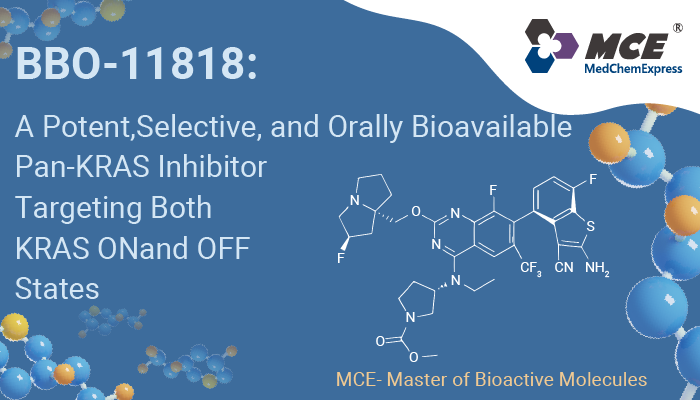 Blog
BBO-11818 is a potent, selective, orally bioavailable, and noncovalent pan-KRAS inhibitor targeting multiple clinically relevant KRAS mutants in both ON and OFF states.
Blog
BBO-11818 is a potent, selective, orally bioavailable, and noncovalent pan-KRAS inhibitor targeting multiple clinically relevant KRAS mutants in both ON and OFF states.
Products
All
-
All
-
Inhibitors & Agonists
-
Isotope-Labeled Compounds
-
Fluorescent Dye
-
Peptides
-
Recombinant Proteins
-
Antibodies
-
Screening Libraries
-
Inhibitory Antibodies
-
Reference Standards
-
GMP Small Molecules
-
Natural Products
| Cat. No. | Product Name | Information | Application | Publication |
|---|---|---|---|---|
| HY-10071 | Y-27632 |
Y-27632 is a ROCK inhibitor with Ki values of 220 nM and 300 nM for ROCK1 and ROCK2, respectively. Y-27632 exerts anti-inflammatory and immunomodulatory effects in systemic lupus erythematosus models by inhibiting the ROCK/NF-κB pathway. Y-27632 enhances autophagy by inhibiting the AKT/mTOR pathway, thereby inducing apoptosis apoptosis in oral squamous cell carcinoma. Y-27632 induces the formation of tunneling nanotubes in ARPE-19 cells and significantly enhances mitochondrial transfer through these channels. Y-27632 promotes neurite outgrowth in PC12 cells by activating the Rac1/NOX1/ROS/AKT/PAK1 signaling cascade.
|
|
603
|
| HY-12031 | U0126-EtOH |
Colorectal Cancer
Liver Cancer
Pancreatic Cancer
Viral Infection
Pain
Digestive System Inflammation
Obesity
Rheumatoid Arthritis
|
491
|
|
| HY-12031A | U0126 |
Colorectal Cancer
Liver Cancer
Pancreatic Cancer
Viral Infection
Pain
Digestive System Inflammation
Obesity
Rheumatoid Arthritis
|
491
|
|
| HY-12028 | PD98059 |
PD98059 is a potent and selective MEK inhibitor with an IC50 of 5 µM. PD98059 binds to the inactive form of MEK, thereby preventing the activation of MEK1 (IC50 of 2-7 µM) and MEK2 (IC50 of 50 µM) by upstream kinases. PD98059 is a ERK1/2 signaling inhibitor. PD98059 is a ligand for the aryl hydrocarbon receptor (AHR), and suppresses TCDD binding (IC50 of 4 μM) and AHR transformation (IC50 of 1 μM). PD98059 also inhibits Mycobacterium bovis Bacillus CalmetteGuerin (BCG)-induced autophagy.
|
Colorectal Cancer
Prostate Cancer
Liver Cancer
Pancreatic Cancer
Pain
Obesity
Lung Fibrosis
Rheumatoid Arthritis
|
427
|
| HY-10201 | Sorafenib |
Sorafenib (Bay 43-9006) is a potent oral active multikinase inhibitor. Sorafenib blocks autophosphorylation and activity of receptor tyrosine kinases (VEGFR-2, VEGFR-3) and RAF family kinases, thereby suppressing the RAF/MEK/ERK and PI3K/Akt pathways, inhibiting STAT3 phosphorylation, and selectively inhibiting the MAPK pathway in cancer cells. Sorafenib induces cell cycle arrest, autophagy, apoptosis, and PARP cleavage, reduces Bcl-2, Bcl-XL, cyclin D1 levels, and activates Bak and Bax. Sorafenib inhibits tumor growth and metastasis in mouse and rat models. Sorafenib can be used for cancer research, such as colon, breast, non-small-cell lung cancer (NSCLC), ovarian, pancreatic, melanoma, colorectal and hepatocellular carcinoma.
|
Raf
VEGFR
FLT3
Autophagy
Apoptosis
STAT
Akt
MMP
Cadherin
p38 MAPK
ERK
MEK
PI3K
PARP
Bcl-2 Family
Ephrin Receptor
PDGFR
Gastric Cancer
Liver Cancer
Ovarian Cancer
Digestive System Inflammation
Small Cell Lung Cancer
Non-Small Cell Lung Cancer
Metastatic Breast Cancer
Metastatic Colorectal Cancer
Metastatic Prostate Cancer
Multiple Myeloma
Metastatic Pancreatic Cancer
SARS-CoV-2 Infection
Alzheimer's Disease
Parkinson's Disease
Obesity
Lung Fibrosis
|
316
|
| HY-10999 | Trametinib |
Breast Cancer
Colorectal Cancer
Prostate Cancer
Liver Cancer
Pancreatic Cancer
Pain
Digestive System Inflammation
Non-Small Cell Lung Cancer
Lung Adenocarcinoma
SARS-CoV-2 Infection
Obesity
Rheumatoid Arthritis
|
307
|
|
| HY-50846 | SCH772984 |
|
202
|
|
| HY-10254 | Mirdametinib |
Mirdametinib (PD0325901) is an orally active, selective and non-ATP-competitive MEK inhibitor with an IC50 of 0.33 nM. Mirdametinib exhibits a Kiapp of 1 nM against activated MEK1 and MEK2. Mirdametinib suppresses the expression of p-ERK1/2 and induces apoptosis. Mirdametinib has anti-cancer activity for a broad spectrum of human tumor xenografts.
|
Colorectal Cancer
Liver Cancer
Pancreatic Cancer
Pain
Digestive System Inflammation
Obesity
Rheumatoid Arthritis
|
161
|
| HY-50896 | Erlotinib |
Erlotinib (CP-358774) is a selective, orally active EGFR tyrosine kinase inhibitor. Erlotinib also acts as a substrate and inhibitor of OATP2B1, with an IC50 of approximately 0.079 μM for inhibiting OATP2B1-mediated uptake of estrone 3-sulfate. Erlotinib blocks EGFR phosphorylation, downstream signal transduction, as well as the growth and proliferation of cancer cells. Erlotinib inhibits MMP-10-mediated renal injury, fibrotic lesions, the ERK1/2, GSK-3β and β-catenin signaling pathways, fibronectin, α-SMA, collagen deposition, and renal injury markers. Erlotinib is metabolized via CYP3A to produce the active metabolite OSI-420. Erlotinib can be used in research related to non-small cell lung cancer, gastric cancer, papillary renal cell carcinoma, pancreatic cancer, renal fibrosis, and other conditions.
|
|
147
|
| HY-114277 | Sotorasib |
Sotorasib (AMG-510) is a first-in-class, orally bioavailable, and selective KRAS G12C covalent inhibitor. Sotorasib irreversibly inhibits KRAS G12C by locking it in an inactive GDP-bound state. Sotorasib leads to the regression of KRAS G12C‑mutated locally advanced or metastatic non‑small cell lung cancer (NSCLC).
|
|
125
|
| HY-18723 | Yoda 1 |
Yoda 1 is a potent and selective Piezo1 agonist. Yoda 1 activates purified Piezo1 channels. Yoda 1 potently inhibits macropinocytosis induced by epidermal growth factor (EGF). Yoda 1 enhances Ca2+ influx followed by activation of the calcium-activated potassium channel KCa3.1 and inhibition of Rac1 activation.
|
Pancreatic Cancer
Depression
Pain
Digestive System Inflammation
Cardiovascular Disease
Lung Fibrosis
|
120
|
| HY-19696 | Tauroursodeoxycholate |
Colorectal Cancer
Prostate Cancer
Liver Cancer
Viral Infection
Neurodegenerative Disease
Pain
Digestive System Inflammation
Glucose Metabolism
Obesity
|
111
|
|
| HY-12057 | Vemurafenib |
|
105
|
|
| HY-50706 | Selumetinib |
Selumetinib (AZD6244) is selective, non-ATP-competitive oral MEK1/2 inhibitor, with an IC50 of 14 nM for MEK1. Selumetinib (AZD6244) inhibits ERK1/2 phosphorylation. Selumetinib can penetrate the blood brain barrier (BBB).
|
Colorectal Cancer
Liver Cancer
Pancreatic Cancer
Pain
Digestive System Inflammation
Non-Small Cell Lung Cancer
Triple-Negative Breast Cancer
Metastatic Breast Cancer
Obesity
Rheumatoid Arthritis
|
101
|
| HY-10331 | Regorafenib |
Lung Cancer
Breast Cancer
Colorectal Cancer
Prostate Cancer
Gastric Cancer
Liver Cancer
Leukemia/Lymphoma/Myeloma
Pancreatic Cancer
Ovarian Cancer
SARS-CoV-2 Infection
Obesity
Lung Fibrosis
|
96
|
|
| HY-L010 | MAPK Compound Library |
MAPK families play an important role in complex cellular programs like proliferation, differentiation, development, transformation, and apoptosis. In mammalian cells, four MAPK families have been clearly characterized: ERK1/2, C-Jun N-terminal kinse/stress-activated protein kinase (JNK/SAPK) , p38 kinase and ERK5. They respond to different signals. Each MAPK-related cascade consists of three enzymes that are activated in series: a MAPK kinase kinase (MAPKKK), a MAPK kinase (MAPKK) and a MAP kinase (MAPK). MAPK signaling pathways has been implicated in the development of many human diseases including Alzheimer's disease (AD), Parkinson's disease (PD), amyotrophic lateral sclerosis (ALS) and various types of cancers.
MCE designs a unique collection of 1,154 MAPK signaling pathway inhibitors that act as a useful tool for MAPK-related drug screening and disease research.
|
|
88
|
| HY-14590 | Kaempferol |
Kaempferol (Kempferol), a flavonoid found in many edible plants, inhibits estrogen receptor α expression in breast cancer cells and induces apoptosis in glioblastoma cells and lung cancer cells by activation of MEK-MAPK. Kaempferol can be uesd for the research of breast cancer.
|
Digestive System Disease
Lung Cancer
Breast Cancer
Ovarian Cancer
Viral Infection
Parasitic Infection
Digestive System Inflammation
Glucose Metabolism
|
85
|
| HY-L077 | Anti-Pancreatic Cancer Compound Library |
Pancreatic cancer is a devastating disease with a low overall survival rate. Chemotherapy is the most common treatment for patients presenting with advanced pancreatic cancer. More recently, the era of targeted therapies has generated a lot of interest in discovering better approaches for patients with pancreatic cancer. Commonly mutated genes in pancreatic cancer include K-ras (in 74-100% of cases), p16INK4a (up to 98%), p53 (43 to 76%), DPC4 (about 50%), HER-2/neu (in about 65%) and FHIT (found in 70% of cases). Other genes involved are notch1, Akt-2, BRCA2 and COX-2. These proteins are important targets of target therapies for pancreatic cancer.
MCE offers a unique collection of 4,336 compounds with identified and potential anti- pancreatic cancer activity. These compounds target K-Ras, p53, HER2, Notch, AKT, etc. MCE anti-pancreatic cancer compound library is a useful tool for anti-pancreatic cancer drugs screening and other related research.
|
|
85
|
| HY-14660 | Dabrafenib |
|
84
|
|
| HY-L075 | Anti-Lung Cancer Compound Library |
Lung cancer is a major global health problem, as it is the leading cause of cancer-related deaths worldwide. Lung cancer is divided into two categories: small cell lung cancer and non-small cell lung cancer (NSCLC). Non-small cell lung cancer accounts for about 85 percent of lung cancers.
As with all cancers, lung cancer may be treated with surgery, chemotherapy, radiation therapy, targeted therapy, immunotherapy or a combination thereof. Targeted therapy is one of the most exciting developments in lung cancer medicine, especially for NSCLC. Extensive genomic characterization of NSCLC has led to the identification of molecular subtypes of NSCLC that are oncogene addicted and exquisitely sensitive to targeted therapies. These include activating mutations in epidermal growth factor receptor (EGFR) and BRAF or echinoderm microtubule-associated protein-like 4 (EML4)-anaplastic lymphoma kinase (ALK) fusions and ROS1 receptor tyrosine kinase fusions. These are important targets for target therapy.
MCE offers a unique collection of 3,061 compounds with identified and potential anti-lung cancer activity. These compounds target lung cancer’s major targets and signaling pathways. MCE anti-lung cancer compound library is a useful tool for anti-lung cancer drugs screening and other related research.
|
|
84
|
| HY-L045 | Oxygen Sensing Compound Library |
Oxygen homeostasis regulation is the most fundamental cellular process for adjusting physiological oxygen variations, and its irregularity leads to various human diseases, including cancer. Hypoxia is closely associated with cancer development, and hypoxia/oxygen-sensing signaling plays critical roles in the modulation of cancer progression.
Hypoxia-inducible factor 1 (HIF-1) is a transcription factor that functions as a master regulator of oxygen homeostasis. A variety of HF-1 target genes have been identified thus far which encode proteins that play key roles in critical developmental and physiological processes including angiogenesis/vascular remodeling, erythropoiesis, glucose transport, glycolysis, iron transport, and cell proliferation/survival.
HIF-1 is a heterodimeric transcription factor consisting of a constitutively expressed β-subunit and an oxygen-regulated α-subunit. The unique feature of HIF-1 is the regulation of HIF-1α expression and activity based upon the cellular O2 concentration. Under normoxic conditions, hydroxylation of HIF-1α on these different proline residues is essential for HIF proteolytic degradation by promoting interaction with the von Hippel-Lindau tumor-suppressor protein (pVHL) through hydrogen bonding to the hydroxyproline-binding pocket in the pVHL β-domain. As oxygen levels decrease, hydroxylation of HIF decreases; HIF-1α then no longer binds pVHL, and becomes stabilized, allowing more of the protein to translocate to the cell’s nucleus, where it acts as a transcription factor, upregulating (often within minutes) the production of proteins that stimulate blood perfusion in tissues and thus tissue oxygenation.
MCE offers a unique collection of 4,317 oxygen sensing related compounds targeting HIF/HIF Prolyl-Hydroxylase, MAPK/ERK, PI3K/AKT signaling pathways, etc. MCE Oxygen Sensing Compound Library is a useful tool to study hypoxia, oxidative stress and discover new anti-cancer drugs.
|
|
83
|
| HY-L079 | Anti-Blood Cancer Compound Library |
Blood cancers, also called hematologic cancers, occur when abnormal blood cells start growing out of control, interrupting the function of normal blood cells, which fight off infection and produce new blood cells. Most blood cancers start in the bone marrow, which is where blood is produced. There are three main types of blood cancers: leukemia, lymphoma and myeloma, which afflict millions of children and adults every year, and are often deadly.
Some common blood cancer treatments include stem cell transplantation, chemotherapy, radiation therapy, targeted therapy, immunotherapy or a combination thereof. As we begin to understand the key signaling pathways and molecular drivers of malignant transformation in haematological disorders, new treatment strategies will continue to be developed.
MCE offers a unique collection of 4,333 compounds with identified and potential anti-blood cancer activity. These compounds target blood cancer’s major targets and signaling pathways. MCE anti-blood cancer compound library is a useful tool for anti-blood cancer drugs screening and other related research.
|
|
83
|
| HY-L145 | Antihypertensive Compound Library |
The majority of hypertensive patients have primary (or essential) hypertension, that is, hypertension in which secondary causes are not present. Management aims to control arterial pressure, prevent end-organ damage (cerebrovascular, cardiovascular, and renal), and reduce the risk of premature death.
Antihypertensive drugs may be divided into two broad groups, the first group being those which directly or indirectly block the renin–angiotensin system (RAS), for example, ACEIs, angiotensin receptor antagonists (ARAs), direct renin inhibitors (DRIs), and to a lesser extent β-blockers. The second group of drugs works by increasing water and sodium excretion, thereby reducing intravascular volume, or by causing vasodilatation through non-RAS pathways, for example, diuretics and calcium channel blockers (CCBs).
MCE offers a unique collection of 930 compounds with identified and potential antihypertensive activity. MCE Antihypertensive Compound Library is critical for antihypertensive drug discovery and development.
|
|
83
|
| HY-L164 | Serine/Threonine Kinase Inhibitor Library |
Protein serine/threonine kinases (PSKs) are protein kinases that use ATP as a high-energy donor molecule to transfer phosphate groups to serine/threonine residues of target protein. As an important signal transduction regulator, serine/threonine kinases can affect the function of target proteins by disrupting enzyme activity or binding of target proteins to other proteins. Serine/threonine kinases are involved in the regulation of immune response, cell proliferation, differentiation, apoptosis and other physiological processes. Serine/threonine kinase inhibitors are an important class of compounds that have been widely studied in cancer, chronic inflammation, autoimmune diseases, aging and other diseases.
MCE designs a unique collection of 2,276 serine/threonine kinase inhibitors, mainly targeting the receptor PKA, Akt, PKC, MAPK/ERK, etc, which is an effective tool for development and research of anti-cancer, anti-chronic inflammatory diseases, anti-autoimmune diseases and anti-aging compounds.
|
|
83
|
| HY-L213 | Anti-Cancer Approved Drug Library |
The anti-cancer drug library meticulously collects all drugs approved by FDA and other major national drug regulatory authorities for cancer treatment. These drugs cover a variety of cancer types, including but not limited to lung cancer, breast cancer, colorectal cancer, leukemia, and other common cancers. The library includes a wide range of drugs, from classic chemotherapeutic agents to cutting-edge targeted therapies and immunotherapies. It contains various types of drug compounds with different mechanisms of action. There are cytotoxic drugs that directly kill cancer cells, as well as drugs that work by modulating the tumor microenvironment, inhibiting tumor angiogenesis, and activating the immune system. This diversity provides researchers with a broad range of perspectives and options for intervention strategies.
This library can be used for basic research on cancer treatment, exploring new targets and new mechanisms of drug action; Conducting drug reuse research to look for potential therapeutic effects of existing drugs on other cancer types or diseases; Or conducting research into combination drugs to optimize cancer treatment.
MCE has collected 265 small-molecule compounds with cancer indications, which are good tools for drug repurposing.
|
|
83
|
| HY-L260 | KRAS Targeted Compound Library |
KRAS (Kirsten Rat Sarcoma Viral Oncogene Homolog) is one of the most important oncogenic driver genes in oncology, with high mutation frequencies in pancreatic cancer, non‑small cell lung cancer, and colorectal cancer. For a long time, KRAS was considered "undruggable" due to the lack of suitable small‑molecule binding pockets on its protein surface. In recent years, with the discovery of the switch‑II pocket and the successful approval of KRAS G12C inhibitors, KRAS‑targeted research has achieved groundbreaking progress, which has also spurred a wave of development targeting non‑G12C mutants such as G12D and G12V, as well as upstream and downstream regulatory factors including SOS1 and SHP2.
MCE KRAS Targeted Compound Library contains 82 small‑molecule compounds targeting the KRAS, serving as high‑quality research tools for mechanistic studies of KRAS‑mutant tumors, combination therapy development, resistance mechanism exploration, and high‑throughput drug screening, thereby providing robust support for KRAS‑targeted drug discovery.
|
|
83
|
| HY-100388A | SHP099 monohydrochloride |
SHP099 hydrochloride is a potent, selective and orally available SHP2 inhibitor with an IC50 of 70 nM.
|
|
76
|
| HY-100388 | SHP099 |
|
76
|
|
| HY-18234A | Leupeptin hemisulfate |
Leupeptin hemisulfate is a broad-spectrum protease inhibitor. By inhibiting the activation of the PTEN/PI3K/Akt/NF-κB/ERK1/2/p38 signaling pathway, Leupeptin hemisulfate significantly reduces LPS-induced NO and ROS production, mitochondrial membrane potential hyperpolarization, phagocytic activity, pro-inflammatory cytokine release, and M1 polarization in mouse peritoneal macrophages, and reverses autophagic flux impairment. It also decreases Concanavalin A (HY-P2149)-induced proliferation index of mouse splenic lymphocytes and the Th1/IL-10 and Th2/IL-10 cytokine ratios, thereby modulating innate and adaptive immune responses. Leupeptin hemisulfate inhibits blood coagulation and tumorigenesis in mouse skin. Leupeptin hemisulfate can be used in research on chronic inflammatory diseases and skin tumorigenesis.
Source: Streptomyces roseus MB-26-AI |
Ser/Thr Protease
Cathepsin
Autophagy
SARS-CoV
Atg8/LC3
NO Synthase
COX
p62
Arginase
PTEN
NF-κB
PI3K
Akt
p38 MAPK
ERK
Reactive Oxygen Species (ROS)
|
68
|
| HY-50876 | Daporinad |
Daporinad (FK866) is a non-competitive inhibitor of nicotinamide phosphoribosyltransferase (Nampt), with a Ki value of 0.3 nM. Daporinad depletes NAD+ and ATP levels, inhibits mTORC1 and MAPK/ERK pathways, and activates TFEB to induce autophagy. Daporinad causes the depletion of the endoplasmic reticulum Ca²⁺ pool, ultimately weakening the mitogen-induced Ca²⁺ signal and the activation and function of T cells. Daporinad induces cell cycle arrest and apoptosis, and inhibits cell proliferation. Daporinad can be used for the study of myeloma, liver cancer, and immunosuppression.
|
|
67
|
| HY-130149 | Adagrasib |
Adagrasib (MRTX849) is a potent, orally-available, and mutation-selective covalent inhibitor of KRAS G12C with potential antineoplastic activity. Adagrasib covalently binds to KRAS G12C at the cysteine at residue 12, locks the protein in its inactive GDP-bound conformation, and inhibits KRAS-dependent signal transduction.
|
|
64
|
| HY-13064 | Cobimetinib |
Lung Cancer
Colorectal Cancer
Prostate Cancer
Liver Cancer
Pancreatic Cancer
Pain
Digestive System Inflammation
Obesity
Rheumatoid Arthritis
|
63
|
|
| HY-134813 | MRTX1133 |
MRTX1133 is a noncovalent, potent, and selective alkyne-based KRAS G12D inhibitor. MRTX1133 optimally fills the switch II pocket and extends three substituents to favorably interact with the protein, resulting in an estimated KD against KRAS G12D of 0.2 pM. MRTX1133 prevents SOS1-catalyzed nucleotide exchange and/or formation of the KRAS G12D/GTP/RAF1 complex, thereby inhibiting mutant KRAS-dependent signal transduction. MRTX1133 selectively inhibits KRAS G12D mutant, but not KRAS wild-type, tumor cells. MRTX1133 has single digit nanomolar activity in cellular assays and marked in vivo efficacy in tumor models harboring KRAS G12D mutations.
|
|
62
|
| HY-15723A | NSC 23766 trihydrochloride |
NSC 23766 trihydrochloride is an inhibitor of Rac1 activation.
|
Colorectal Cancer
Liver Cancer
Leukemia/Lymphoma/Myeloma
Pancreatic Cancer
Digestive System Inflammation
Glucose Metabolism
|
56
|
| HY-15202 | Binimetinib |
Binimetinib (MEK162) is an oral and selective MEK1/2 inhibitor. Binimetinib (MEK162) inhibits MEK with an IC50 of 12 nM.
|
Colorectal Cancer
Prostate Cancer
Pancreatic Cancer
Non-Small Cell Lung Cancer
Lung Adenocarcinoma
Triple-Negative Breast Cancer
Rheumatoid Arthritis
|
53
|
| HY-10320 | Doramapimod |
Lung Cancer
Colorectal Cancer
Prostate Cancer
Gastric Cancer
Liver Cancer
Pancreatic Cancer
Ovarian Cancer
Neurodegenerative Disease
Depression
Pain
SARS-CoV-2 Infection
Obesity
Lung Fibrosis
Rheumatoid Arthritis
|
53
|
|
| HY-15605 | Encorafenib |
Encorafenib (LGX818) is a highly potent BRAF inhibitor with selective anti-proliferative and apoptotic activity in cells expressing BRAFV600E (EC50=4 nM).
|
|
47
|
| HY-108635 | C16-PAF |
C16-PAF (PAF (C16)), a phospholipid mediator, is a platelet-activating factor and ligand for PAF G-protein-coupled receptor (PAFR). C16-PAF exhibits anti-apoptotic effect and inhibits caspase-dependent death by activating the PAFR. C16-PAF is a potent MAPK and MEK/ERK activator. C16-PAF induces increased vascular permeability.
|
Inflammation or Immune System Disease
Lung Cancer
Neurodegenerative Disease
Depression
Pain
Cardiovascular Disease
|
43
|
| HY-N0431 | Astragaloside IV |
Lung Cancer
Breast Cancer
Colorectal Cancer
Prostate Cancer
Liver Cancer
Pancreatic Cancer
Depression
Pain
Parkinson's Disease
Obesity
Lung Fibrosis
Rheumatoid Arthritis
|
43
|
|
| HY-D0886 | β-Glycerophosphate disodium salt pentahydrate |
β-Glycerophosphate disodium salt pentahydrate is a bioactive endogenous metabolite and a phosphatase inhibitor. β-Glycerophosphate disodium salt pentahydrate plays an important role in inducing and maintaining osteoblast differentiation, mineral metabolism and signal transduction, and can be used as a drug carrier to form heat-sensitive hydrogels. β-Glycerophosphate disodium salt hydrate accelerates the calcification of vascular smooth muscle cells.
|
|
35
|
| HY-W011269 | Eicosapentaenoic Acid sodium |
Eicosapentaenoic Acid (EPA)sodium is an orally active Omega-3 long-chain polyunsaturated fatty acid (ω-3 LC-PUFA). Eicosapentaenoic Acid sodium exhibits a DNA demethylating action that promotes the re-expression of the tumor suppressor gene CCAAT/enhancer-binding protein δ (C/EBPδ). Eicosapentaenoic Acid sodium activates RAS/ERK/C/EBPβ pathway through H-Ras intron 1 CpG island demethylation in U937 leukemia cells. Eicosapentaenoic Acid sodium can promote relaxation of vascular smooth muscle cells and vasodilation.
|
|
33
|
| HY-B0660 | Eicosapentaenoic Acid |
Eicosapentaenoic Acid (EPA) is an orally active Omega-3 long-chain polyunsaturated fatty acid (ω-3 LC-PUFA). Eicosapentaenoic Acid exhibits a DNA demethylating action that promotes the re-expression of the tumor suppressor gene CCAAT/enhancer-binding protein δ (C/EBPδ). Eicosapentaenoic Acid activates RAS/ERK/C/EBPβ pathway through H-Ras intron 1 CpG island demethylation in U937 leukemia cells. Eicosapentaenoic Acid can promote relaxation of vascular smooth muscle cells and vasodilation.
|
|
33
|
| HY-B0105 | Ketoconazole |
Ketoconazole (R-41400) is an imidazole anti-fungal agent, a CYP3A4 and CYP24A1 inhibitor.
|
Colorectal Cancer
Prostate Cancer
Liver Cancer
Leukemia/Lymphoma/Myeloma
Pancreatic Cancer
Viral Infection
Bacterial Infection
Fungal Infection
Metastatic Breast Cancer
|
32
|
| HY-B0183 | Ellagic acid |
|
22
|
|
| HY-156498 | RMC-7977 |
RMC-7977 is an orally active triple-complex RAS inhibitor that can simultaneously bind to cyclophilin A (CYPA) (Kd = 195 nM) and KRAS (G12V) (Kd = 292 μM). It exhibits broad-spectrum inhibitory activity against KRAS, NRAS, and HRAS proteins and their various wild-type and mutant variants. RMC-7977 induces apoptosis by inhibiting the phosphorylation of ERK, CRAF, and RSK, as well as increasing PARP cleavage. This leads to tumor regression, reduces resistance in KRASG12C cancer models, and demonstrates good tolerability across various RAS cancer models.
|
|
18
|
| HY-148439 | Daraxonrasib |
Daraxonrasib (RMC-6236) is an orally active, non-covalent RAS (ON) inhibitor. Daraxonrasib disrupts the interaction of wild-type or mutant RAS proteins with the RAS binding domain of BRAF, with EC50 values ranging from 28-220 nM for wild-type KRAS, NRAS, HRAS, and multiple oncogenic RAS variants. Daraxonrasib inhibits pERK. Daraxonrasib has anti-tumor activity against KRAS mutant tumors.
|
Respiratory Disease
Colorectal Cancer
Liver Cancer
Leukemia/Lymphoma/Myeloma
Pancreatic Cancer
Non-Small Cell Lung Cancer
|
18
|
| HY-N0103 | Sophocarpine |
Sophocarpine is a PTEN activator and an inhibitor of PI3K/Akt, MEK/ERK, and NF-κB signaling pathways. Sophocarpine upregulates PTEN expression and inhibits PI3K/Akt phosphorylation, arrests tumor cell cycle and induces apoptosis. Sophocarpine inhibits MEK/ERK phosphorylation and VEGF secretion, reducing tumor cell migration. Sophocarpine can also inhibit NF-κB activation and p38 and JNK phosphorylation, reduce the expression of inflammatory factors such as iNOS and COX-2, and activate the Nrf2/HO-1 pathway to reduce oxidative stress. Sophocarpine has anti-tumor, anti-inflammatory, antioxidant and anti-apoptotic effects, and can be used in the research of cancers such as glioblastoma and colorectal cancer, inflammation-related diseases, and Doxorubicin (HY-15142A)-induced cardiac damage.
|
Lung Cancer
Breast Cancer
Colorectal Cancer
Prostate Cancer
Gastric Cancer
Liver Cancer
Leukemia/Lymphoma/Myeloma
Pancreatic Cancer
Ovarian Cancer
Depression
Pain
Digestive System Inflammation
Cardiovascular Disease
Parkinson's Disease
Obesity
Lung Fibrosis
Rheumatoid Arthritis
|
12
|
| HY-153724 | BI-2865 |
BI-2865 is a none-covalent pan-KRAS Inhibitor. BI-2865 binds to WT, G12C, G12D, G12V and G13D mutant KRAS with KDs of 6.9, 4.5, 32, 26, 4.3 nM respectively. BI-2865 inhibits the proliferation of G12C, G12D or G12V mutant KRAS expressing BaF3 cells (mean IC50: roughly 140 nM).
|
|
12
|
| HY-116009 | RMC-4550 |
RMC-4550 is a potent, selective and allosteric inhibitor of SHP2, with an IC50 of 0.583 nM.
|
|
11
|
| HY-N0678 | Icaritin |
Icaritin (Anhydroicaritin) is a prenylflavonoid derivative from Epimedium brevicornuMaxim. and potently inhibits proliferation of K562 cells (IC50 of 8 µM) and primary CML cells (IC50 of 13.4 µM for CML-CP and 18 µM for CML-BC). Icaritin can regulate MAPK/ERK/JNK and JAK2/STAT3 /AKT signalings, also enhances osteogenesis.
|
Lung Cancer
Leukemia/Lymphoma/Myeloma
Pancreatic Cancer
Autoimmune Disease
Digestive System Inflammation
SARS-CoV-2 Infection
|
11
|
| HY-N0104 | Curcumol |
Curcumol ((-)-Curcumol), a bioactive sesquiterpenoid, possesses numerous pharmacological activities like anticancer, antimicrobial, antifungal, antiviral, and antiinflammatory. Curcumol is a potent inducer of apoptosis in numerous cancer cells via targeting key signaling pathways as MAPK/ERK, PI3K/Akt and NF-κB which are generally deregulated in several cancers.
|
|
9
|
| HY-10966 | SB-590885 |
SB-590885 is a BRAF/c-Raf kinase inhibitor that selectively targets B-Raf, and it amplifies the ERK/MAPK signaling pathway in RAS-activated cells. SB-590885 effectively inhibits the malignant proliferation, transformation and tumorigenicity of oncogenic B-Raf cells; it also induces the proliferation of erythroid progenitor cells, delays their differentiation and promotes hemoglobin synthesis, thereby improving ineffective erythropoiesis and reducing apoptosis. SB-590885 exerts a synergistic effect with TGF-β inhibitors and glucocorticoids, significantly promoting the formation of erythroid colonies in cells from patients with Diamond-Blackfan anemia (DBA). SB-590885 is mainly used in relevant studies on DBA, cisplatin-induced myelosuppression-related anemia, and pan-cancers such as melanoma and colorectal cancer.
|
|
9
|
| HY-15246 | Tovorafenib |
Tovorafenib (TAK-580, MLN 2480) is an orally active and selective inhibitor of pan-Raf kinase. Tovorafenib can be used for the study of glioma.
|
|
8
|
| HY-112368 | PHPS1 |
|
7
|
|
| HY-136173 | Batoprotafib |
|
7
|
|
| HY-156819 | Zoldonrasib |
|
6
|
|
| HY-P0119A | Lixisenatide acetate |
Lixisenatide acetate is a glucagon-like peptide-1 (GLP-1) receptor agonist. Lixisenatide acetate inhibits the inflammatory response through down regulation of pro-inflammatory cytokines, and suppresses of the Akt-MEK1/2 signaling pathway. Lixisenatide acetate can inhibit oxidative stress, mitochondrial dysfunction and apoptosis. Lixisenatide acetate can be used for the researches of inflammation, metabolic disease, neurological disease and cardiovascular disease, such as rheumatoid arthritis, diabetes, Alzheimer's disease and atherosclerosis.
|
Neurological, Eye or Ear Disease
Inflammation or Immune System Disease
Blood or Cardio-cerebrovascular Disease
Metabolic or Endocrine Disease
|
4
|
| HY-N0498 | Nitidine chloride |
Nitidine chloride, a potential anti-malarial lead compound derived from Zanthoxylum nitidum (Roxb) DC, exerts potent anticancer activity through diverse pathways, including inducing apoptosis, inhibiting STAT3 signaling cascade, DNA topoisomerase 1 and 2A, ERK and c-Src/FAK associated signaling pathway, also has anti-inflammatory activity. Nitidine chloride inhibits LPS-induced inflammatory cytokines production via MAPK and NF-kB pathway.
|
Lung Cancer
Breast Cancer
Colorectal Cancer
Prostate Cancer
Gastric Cancer
Liver Cancer
Leukemia/Lymphoma/Myeloma
Pancreatic Cancer
Ovarian Cancer
Parasitic Infection
Neurodegenerative Disease
Depression
Pain
Digestive System Inflammation
Obesity
Lung Fibrosis
Rheumatoid Arthritis
|
4
|
| HY-N2963 | Broussonin E |
Broussonin E is a phenolic compound and shows anti-inflammatory activity. Broussonin E can suppress inflammation by modulating macrophages activation statevia inhibiting the ERK and p38 MAPK and enhancing JAK2-STAT3 signaling pathway. Broussonin E can be used for the research of inflammation-related diseases such as atherosclerosis.
|
Lung Cancer
Colorectal Cancer
Prostate Cancer
Gastric Cancer
Liver Cancer
Pancreatic Cancer
Ovarian Cancer
Neurodegenerative Disease
Depression
Pain
Digestive System Inflammation
Obesity
Lung Fibrosis
Rheumatoid Arthritis
|
3
|
| HY-18756 | NSC-87877 |
NSC-87877 is a potent inhibitor of Shp2 and Shp1 protein tyrosine phosphatases (SH-PTP2 and SH-PTP1), with IC50 values of 0.318 μM, 0.355 μM shp2 and shp1, respectively. NSC-87877 also inhibits dual-specificity phosphatase 26 (DUSP26).
|
|
3
|
| HY-19700 | trans-Zeatin |
trans-Zeatin is a plant cytokinin, which plays an important role in cell growth, differentiation, and division; trans-Zeatin also inhibits UV-induced MEK/ERK activation.
|
|
3
|
| HY-N0363 | (+)-Columbianetin |
(+)-Columbianetin ((S)-Columbianetin) acts as an inhibitor of JNK/ERK. (+)-Columbianetin inhibits UVA-induced phosphorylation of JNK and ERK, reduces the production of MMP-1, reverses UVA-induced Collagen (HY-NP003) degradation, and alleviates UVA-mediated inhibition of Smad2/3 phosphorylation and translocation. (+)-Columbianetin regulates the AP-1 and ASK1-MAPK signaling pathways, inhibits the production of ROS and blocks sub-G1 cell cycle arrest. (+)-Columbianetin is applicable to research related to skin aging.
|
|
2
|
| HY-P4322 | H-Ile-Lys-Val-Ala-Val-OH |
H-Ile-Lys-Val-Ala-Val-OH is one of the most potent active sites of laminin-1. H-Ile-Lys-Val-Ala-Val-OH promotes cell adhesion, neurite outgrowth, and tumor growth. H-Ile-Lys-Val-Ala-Val-OH stimulates BMMSC population growth and proliferation by activating MAPK/ERK1/2 and PI3K/Akt signalling pathways.
|
|
2
|
| HY-N0526 | 2"-O-Galloylhyperin |
2''-O-Galloylhyperin is an active natural compound with anti‑inflammatory, antioxidant, anti‑adipogenic, antifibrotic, and cytostatic activities. 2''-O-Galloylhyperin upregulates SIRT1/Nrf2 signaling, inhibits NF-κB and MAPK (ERK1/2, p38, JNK) phosphorylation, suppresses TSHR activation, reduces ROS accumulation, and enhances SOD and GSH-Px activities. 2''-O-Galloylhyperin protects against LPS-induced tissue injury, enhances survival, and inhibits adipogenesis and fibrosis. 2"-O-Galloylhyperin can be used for the research of sepsis, acute lung injury, and thyroid eye disease.
|
|
2
|
| HY-N1419 | Vaccarin |
Vaccarin is an orally active flavonoid glycoside with multiple biological functions. Vaccarin promotes neovascularization by activating AKT and ERK. Vaccarin activates the AMPK signaling pathway to improve insulin resistance and steatosis. Vaccarin is a MAPK, NF-κB, and NFAT inhibitor, effectively blocking RANKL-induced osteoclastogenesis.
|
Lung Cancer
Breast Cancer
Prostate Cancer
Gastric Cancer
Liver Cancer
Leukemia/Lymphoma/Myeloma
Pancreatic Cancer
Ovarian Cancer
Depression
Pain
Digestive System Inflammation
Cardiovascular Disease
Glucose Metabolism
Parkinson's Disease
Obesity
Lung Fibrosis
Rheumatoid Arthritis
|
2
|
| HY-P5522 | TriDAP |
TriDAP (L-Ala-γ-D-Glu-meso-diaminopimelic acid) is a NOD1 agonist with a Kd value of 34.5 μM. TriDAP enhances the binding of NOD1-RICK, promotes RICK phosphorylation, and activates the NF-κB, TAK1, MEK/ERK, p38 and interferon response pathways. TriDAP downregulates Runx2 via increasing ubiquitination and reduces trabecular bone parameters. TriDAP decreases IκBα levels and increases p65 levels. TriDAP induces the secretion of proinflammatory mediators IL-8 and prostaglandins, triggers tissue inflammation and innate immune activation, and inhibits SARS-CoV-2 replication in lung epithelial cells. TriDAP increases the RANKL/OPG ratio in mice, reduces bone mass and enhances osteoclast activity, and inhibits new bone formation by decreasing the mineralization deposition rate in mice. TriDAP can be used in research related to pulpitis, chronic ulcerative colitis, Crohn's disease and SARS-CoV-2 infection.
|
|
1
|
| HY-N7694 | Isotoosendanin |
Isotoosendanin is an orally active TGFβR1 inhibitor and abrogating its kinase activity (IC50 = 6732 nM). Isotoosendanin inhibits the JAK/STAT3 signaling pathway by directly targeting SHP-2, enhancing its stability, and reducing its ubiquitination. Isotoosendanin inhibits TGF-β-induced reduces the migration, invasion, and metastasis in triple-negative breast cancer (TNBC) cells. Isotoosendanin exhibits anti-tumor efficacy in TNBC xenograft models and A549 xenograft tumors. Isotoosendanin exhibits significant anti-inflammatory effects in acetic acid-induced vascular permeability and λ-carrageenan-induced hind paw edema tests. Isotoosendanin can be used for the study of non-small cell lung cancer (NSCLC), TNBC and inflammation.
|
Lung Cancer
Breast Cancer
Colorectal Cancer
Prostate Cancer
Liver Cancer
Leukemia/Lymphoma/Myeloma
Pancreatic Cancer
Digestive System Inflammation
Obesity
Lung Fibrosis
Rheumatoid Arthritis
|
1
|
| HY-N4322 | Decursinol angelate |
Decursinol angelate acts as a PKC activator and GDH inhibitor, with an IC50 of 1.432 μM against human GDH. Decursinol angelate activates PKC, downregulates PKCα and PKCβII isoforms, and exerts cytotoxic activity against cancer cells. Decursinol angelate binds to GDH and inhibits its enzymatic activity. Decursinol angelate inhibits VEGF-induced autophosphorylation of VEGFR2, downstream p42/44 ERK and JNK-MAPK signaling pathways, as well as the angiogenesis process. Decursinol angelate is applicable to research related to cancer and leukemia.
|
|
1
|
| HY-10254G | Mirdametinib (GMP) |
Mirdametinib (PD0325901) (GMP) is Mirdametinib (HY-10254) produced by using GMP guidelines. GMP small molecules works appropriately as an auxiliary reagent for cell therapy manufacture. Mirdametinib is an orally active, selective and non-ATP-competitive MEK inhibitor.
|
|
1
|
| HY-P5522A | TriDAP dihydrochloride |
TriDAP dihydrochloride (L-Ala-γ-D-Glu-meso-diaminopimelic acid dihydrochloride) is a NOD1 agonist with a Kd value of 34.5 μM. TriDAP dihydrochloride enhances the binding of NOD1-RICK, promotes RICK phosphorylation, and activates the NF-κB, TAK1, MEK/ERK, p38 and interferon response pathways. TriDAP dihydrochloride downregulates Runx2 via increasing ubiquitination and reduces trabecular bone parameters. TriDAP dihydrochloride decreases IκBα levels and increases p65 levels. TriDAP dihydrochloride induces the secretion of proinflammatory mediators IL-8 and prostaglandins, triggers tissue inflammation and innate immune activation, and inhibits SARS-CoV-2 replication in lung epithelial cells. TriDAP dihydrochloride increases the RANKL/OPG ratio in mice, reduces bone mass and enhances osteoclast activity, and inhibits new bone formation by decreasing the mineralization deposition rate in mice. TriDAP dihydrochloride can be used in research related to pulpitis, chronic ulcerative colitis, Crohn's disease and SARS-CoV-2 infection.
|
|
1
|
| HY-161952 | Sitneprotafib |
Sitneprotafib (JAB-3312) is an orally effective anticancer phosphatase SHP2 inhibitor (IC50: 1.9 nM) with anti-cancer activity. Sitneprotafib has good tolerability and significantly induced tumor regression in a KYSE-520 mouse xenograft model.
|
|
1
|
| HY-P700618 | SHP-2 Protein, Human (T253M, Q257L, His) |
The SHP-2 protein is a key player downstream of the receptor and cytoplasmic protein tyrosine kinases, facilitating signal transduction from the cell surface to the nucleus. It actively regulates the MAPK pathway and dephosphorylates key substrates, including GAB1, ARHGAP35, EGFR, ROCK2 ("Tyr-722"), and CDC73. SHP-2 Protein, Human (T253M, Q257L, His) is the recombinant human-derived SHP-2 protein, expressed by E. coli , with N-6*His labeled tag and T253M, Q257L mutation.
Species: Human; Source: E. coli |
|
1
|
| HY-P80298 | Ras Antibody (YA106) |
|
1
|
|
| HY-N12740 | Napyradiomycin B4 |
Napyradiomycin B4 is a Napyradiomycin derivative, which inhibits the RANKL-induced MEK-ERK signaling pathway. Napyradiomycin B4 attenuates osteoclastogenesis and prevents alveolar bone destruction in experimental periodontitis.
Source: marine-derived Streptomyces species |
|
/
|
| HY-B1272AS1 | Desipramine-d3 |
Desipramine-d3 is the deuterium labeled Desipramine (HY-B1272A). Desipramine is a first-generation tricyclic antidepressant. Desipramine selectively binds to norepinephrine transporter and blocks neuronal norepinephrine reuptake. Desipramine activates MAPK signaling via ERK1/2, JNK, and p38, represses NF-κB and AP-1 activity, and induces apoptosis via ROS elevation, mitochondrial membrane potential reduction, and intracellular calcium increase. Desipramine also shows anyi-inflammatory activity, inhibiting TNF-α production. Desipramine can be used for the research of hepatocellular cancer, inflammation, and neurological diseases.
|
Isotope-Labeled Compounds
Adrenergic Receptor
ERK
JNK
p38 MAPK
NF-κB
AP-1
Apoptosis
Reactive Oxygen Species (ROS)
Mitochondrial Metabolism
TNF Receptor
|
/
|
| HY-B1014S1 | Acenocoumarol-d4 |
Acenocoumarol-d4 is deuterium labeled Acenocoumarol (HY-B1014). Acenocoumarol is an anticoagulant that functions as a Vitamin K antagonist. Acenocoumarol inhibits MAPK/ERK/JNK signaling pathway, reduces the nuclear translocation of NF-κB p65, activates Akt/GSK3β signaling pathway. Acenocoumarol induces apoptosis in cell A549, arrests cell cycle at S phase.
|
|
/
|
| HY-P11242 | Cm-CATH2 |
Cm-CATH2 is an antimicrobial peptide discovered from Chelonia mydas. Cm-CATH2 has a potent, broad-spectrum and rapid bactericidal ability by rapidly destroying the integrity of bacterial cell membranes. It shows strong activity against Gram-positive bacteria (such as VREF, Staphylococcus aureus), Gram-negative bacteria (such as Escherichia coli, Klebsiella pneumoniae), and fungi (such as Candida albicans) with MICs ranges from 1.17 to 18.75 μg/mL. Cm-CATH2 is also effective against various aquatic pathogenic bacteria. Cm-CATH2 not only inhibits biofilm formation but can also remove the formed biofilms. Cm-CATH2 has immunomodulatory functions and chemotactic effects on immune cells, and can inhibit the production of pro-inflammatory cytokines by macrophages stimulated by LPS (HY-D1056). Cm-CATH2 prevents the activation of NF-κB by inhibiting the degradation of IκBα, and also inhibits the phosphorylation of MAPK signaling pathways (p38, JNK, ERK). Cm-CATH2 demonstrates strong anti-infective ability in mouse peritonitis models and pneumonia models.
|
|
/
|
| HY-P2157 | Ras Inhibitory Peptide |
|
/
|
|
| HY-122465 | Aspafilioside B |
Aspafilioside B is a steroidal saponin. Aspafilioside B is extractable from Asparagus filicinus. Aspafilioside B activates the ERK, c-Raf and p38 MAPK signaling pathways, and upregulates H-Ras and N-Ras. Aspafilioside B mediates G2/M cell cycle arrest by altering the expression of cell cycle regulatory proteins. Aspafilioside B induces Apoptosis. Aspafilioside B increases intracellular ROS levels. Aspafilioside B is applicable to research related to hepatocellular carcinoma.
|
|
/
|
| HY-128393S2 | Trilinolein-d5 |
Trilinolein-d5 is the deuterium labeled Trilinolein (HY-128393). Trilinolein is an orally active triglyceride that inhibits the PI3K/Akt, Ras/MEK/ERK signaling pathways, and MMP-2. Trilinolein can reduce oxidative stress, induce apoptosis, and inhibit cell migration. Trilinolein can be used in the research fields of cardiovascular disease, cerebrovascular disease (such as cerebral ischemia), and non-small cell lung cancer.
|
|
/
|
| HY-113313S2 | Aldosterone-d4 |
Aldosterone-d4 is the deuterium labeled Aldosterone. Aldosterone is the primary mineralocorticoid. Aldosterone is a steroid hormone, and it is synthesized and secreted in response to renin-angiotensin system activation (RAS) or high dietary potassium by t
|
|
/
|
| HY-W065835 | 2-Bromoaldisine |
|
/
|
|
| HY-B0185AS1 | Lidocaine-d6 hydrochloride |
Lidocaine-d6 (hydrochloride) is deuterium labeled Lidocaine (hydrochloride). Lidocaine hydrochloride (Lignocaine hydrochloride) inhibits sodium channels involving complex voltage and using dependence. Lidocaine hydrochloride decreases growth, migration and invasion of gastric carcinoma cells via up-regulating miR-145 expression and further inactivation of MEK/ERK and NF-κB signaling pathways. Lidocaine hydrochloride is an amide derivative and a agent to treat ventricular arrhythmia and an effective tumor-inhibitor.
|
|
/
|
| HY-15947G | Ravoxertinib (GMP) |
Ravoxertinib GMP is Ravoxertinib (HY-15947) produced by using GMP guidelines. GMP small molecules works appropriately as an auxiliary reagent for cell therapy manufacture. Ravoxertinib (GDC-0994) is an orally active ERK1/2 inhibitor. Ravoxertinib inhibits the ERK1/2 MAPK signaling pathway and reduces the expression levels of c-Myc, HK2 and LDHA. Ravoxertinib decreases mammosphere formation, and exerts additive and/or superadditive cytotoxicity when combined with Ipatasertib (HY-15186) in 3D tumor sphere models. Ravoxertinib can be used in research related to various cancers including breast cancer, melanoma, head and neck cancer, non-small cell lung cancer, ovarian cancer and Merkel cell carcinoma.
|
|
/
|
| HY-P990146 | Anti-Mouse/Rat/Human v-H-Ras Antibody (Y13-238) |
Anti-Mouse/Rat/Human v-H-Ras Antibody (Y13-238) is an anti-mouse/rat/human v-H-Ras IgG2a monoclonal antibody. Anti-Mouse/Rat/Human v-H-Ras Antibody (Y13-238) can be used as a control antibody. Anti-Mouse/Rat/Human v-H-Ras Antibody (Y13-238) is often used for immunofluorescence and immunoprecipitation.
Species: Human/Mouse/Rat |
|
/
|
| HY-P10074 | TAT-MEK1 |
|
/
|
|
| HY-P2360A | G12 TFA |
G12 (Ras 5-17) TFA is a wild-type Ras peptide consisted of amino acids 5-17 (KLVVVGAGGVGKS). G12 TFA can be used as a control of mutant Ras peptides studies (such V12).
|
|
/
|
| HY-B0660S2 | Eicosapentaenoic acid-d10 |
Eicosapentaenoic acid-d10 (EPA-d10) is the deuterium labeled Eicosapentaenoic acid (HY-B0660). Eicosapentaenoic Acid (EPA) is an orally active Omega-3 long-chain polyunsaturated fatty acid (ω-3 LC-PUFA). Eicosapentaenoic Acid exhibits a DNA demethylating action that promotes the re-expression of the tumor suppressor gene CCAAT/enhancer-binding protein δ (C/EBPδ). Eicosapentaenoic Acid activates RAS/ERK/C/EBPβ pathway through H-Ras intron 1 CpG island demethylation in U937 leukemia cells. Eicosapentaenoic Acid can promote relaxation of vascular smooth muscle cells and vasodilation.
|
|
/
|
| HY-P4133 | MEK1 Derived Peptide Inhibitor 1 |
|
/
|
|
| HY-N9980 | Antcin K |
Antcin K is a selective inhibitor targeting the PI3K/Akt, NF-κB, MEK1/2-ERK, p38 and AP-1 pathways. Antcin K upregulates IL-10 expression, thereby inhibiting the production of pro-inflammatory factors, blocking monocyte adhesion, reducing tissue damage, and promoting myogenesis. Antcin K has significant anti-inflammatory, anti-damage and tissue protective activities. Antcin K is mainly used in the research of inflammation-related diseases such as periodontitis, rheumatoid arthritis, and skeletal muscle injury.
Source: Antrodia cinnamomea |
|
/
|
| HY-P11250 | HVF18-a3-d |
HVF18-a3-d is an antimicrobial peptide. HVF18-a3-d reduces NO production. HVF18-a3-d inhibits the production of TNF-α and IL-6, reduces ROS production, and suppresses the TLR4 signaling pathway, as well as LPS-induced phosphorylation of ERK, JNK, and p38 MAPK. HVF18-a3-d exhibits antimicrobial activity against a variety of bacteria by disrupting their outer and inner membranes. HVF18-a3-d protects mice from fatal septic shock induced by Acinetobacter baumannii resistant to Carbapenem. HVF18-a3-d shows anti-inflammatory and antioxidant effects.
|
Bacterial
NO Synthase
Interleukin Related
Reactive Oxygen Species (ROS)
Toll-like Receptor (TLR)
ERK
JNK
p38 MAPK
|
/
|
| HY-P5977 | STE-MEK1(13) |
STE-MEK1(13) (Ste-MPKKKPTPIQLNP-NH ) is a cell permeable ERK1/2 inhibitor (IC50: 13-30 μM). STE-MEK1(13) inhibits ERK1/2 phosphorylation.
|
|
/
|
| HY-10999S1 | Trametinib-13C6 |
Trametinib-13C6 is the 13C-labeled Trametinib. Trametinib (GSK1120212; JTP-74057) is an orally active MEK inhibitor that inhibits MEK1 and MEK2 with IC50s of about 2 nM. Trametinib activates autophagy and induces apoptosis.
|
|
/
|
| HY-121532 | (-)-Rasfonin |
|
/
|
|
| HY-G0007S | Omeprazole sulfone-d3 |
Omeprazole sulfone-d3 is the deuterium labeled Omeprazole sulfone. Omeprazole sulfone (Omeprazole sulphone) is one of the major circulating metabolites of Omeprazole (HY-B0113) in vivo, and belongs to class 4 non-mutagenic impurities. Omeprazole sulfone does not bind to the aryl hydrocarbon receptor (AhR), nor does it induce the expression of CYP1A1 or CYP1A2. However, Omeprazole sulfone promotes the migration of gastric epithelial cells under basal conditions and reverses the inhibitory effect of Indomethacin (HY-14397) on cell migration. Omeprazole sulfone does not promote cell proliferation, nor does it upregulate COX-2 expression or activate signaling pathways such as ERK, P38 MAPK and PI3K. Omeprazole sulfone maintains basal ulcer healing under non-acid-dependent conditions and can be used in studies related to gastric ulcer repair.
|
|
/
|
| HY-10966G | SB-590885 (GMP) |
SB-590885 GMP is SB-590885 (HY-10966) produced by using GMP guidelines. GMP small molecules works appropriately as an auxiliary reagent for cell therapy manufacture. SB-590885 is a BRAF/c-Raf kinase inhibitor that selectively targets B-Raf, and it amplifies the ERK/MAPK signaling pathway in RAS-activated cells. SB-590885 effectively inhibits the malignant proliferation, transformation and tumorigenicity of oncogenic B-Raf cells; it also induces the proliferation of erythroid progenitor cells, delays their differentiation and promotes hemoglobin synthesis, thereby improving ineffective erythropoiesis and reducing apoptosis. SB-590885 exerts a synergistic effect with TGF-β inhibitors and glucocorticoids, significantly promoting the formation of erythroid colonies in cells from patients with Diamond-Blackfan anemia (DBA). SB-590885 is mainly used in relevant studies on DBA, cisplatin-induced myelosuppression-related anemia, and pan-cancers such as melanoma and colorectal cancer.
|
|
/
|
| HY-P11467 | Gy-CATH |
Gy-CATH is an anionic antimicrobial peptide. Gy-CATH activates MAPK and NF-κB signaling pathways (elevated levels of phospho-ERK, -p38, -JNK, -p65, and -IκBα). Gy-CATH upregulates the expression levels of three physiological anticoagulant pathways. Gy-CATH inhibits ADP-, Collagen-, and PMA-induced platelet aggregation. Gy-CATH has no direct antimicrobial activity, but shows significant preventive abilities against mice infected with Staphylococcus aureus, Escherichia coli, and Methicillin (HY-121544)-resistant Staphylococcus aureus. Gy-CATH exhibits potent immunomodulatory activity, enhancing macrophage-and neutrophil-mediated bactericidal functions. Gy-CATH significantly reduces the extent of pulmonary fibrin deposition and prevents thrombosis in mice.
|
|
/
|
| HY-13078S | Cobimetinib-13C6 racemate |
Cobimetinib-13C6 (GDC-0973-13C6; XL518-13C6) racemate is the deuterium labeled Cobimetinib (racemate) (HY-13078). Cobimetinib racemate (GDC-0973 racemate; XL518 racemate) is the racemate of Cobimetinib. Cobimetinib is a potent and selective MEK inhibitor.
|
|
/
|
| HY-W010201S1 | Citronellol-d3 |
Citronellol-d3 ( (±)-Citronelloll-d3) is the deuterium labeled Citronellol (HY-W010201). Citronellol ((±)-Citronellol) is an orally active inducer of apoptosis. Citronellol can prevent oxidative stress, mitochondrial dysfunction, and apoptosis in the SH-SY5Y cell Parkinson's disease model induced by 6-OHDA by regulating the ROS-NO, MAPK/ERK, and PI3K/Akt signaling pathways. Citronellol can induce necroptosis in human lung cancer cells through the TNF-α pathway and accumulation of ROS. Citronellol can reduce the levels of LC-3 and p62 to regulate the autophagy pathway, inhibit oxidative stress and neuroinflammation, and thus have neuroprotective effects on Parkinson's rats. Citronellol exhibits anti-fungal activity against Trichophyton rubrum by inhibiting ergosterol synthesis.
|
p62
Isotope-Labeled Compounds
Apoptosis
TNF Receptor
Necroptosis
PI3K
Autophagy
Atg8/LC3
Fungal
ERK
Reactive Oxygen Species (ROS)
|
/
|
| HY-P991744 | Anti-Mouse CXCR4 Antibody (Cx4Mab-1) |
Anti-Mouse CXCR4 Antibody is a monoclonal antibody that specifically recognizes murine CXCR4 (C-X-C chemokine receptor 4), also known as fusin or CD184. CXCR4 is a seven-transmembrane G protein–coupled receptor whose principal endogenous ligand is CXCL12 (stromal cell–derived factor-1α, SDF-1α) and is widely expressed in hematopoietic cells, endothelial cells, neurons, as well as embryonic and adult stem cells. The CXCR4–CXCL12 signaling axis activates multiple downstream pathways, including ERK1/2, Ras, p38 MAPK, PLC/MAPK, and SAPK/JNK, thereby regulating cell survival, proliferation, migration, and stemness maintenance. Aberrant overexpression of CXCR4 is closely associated with poor prognosis and metastasis in various cancers, with CXCR4-positive tumor cells preferentially home to CXCL12-rich tissues such as the liver, bone marrow, lung, and lymph nodes. Accordingly, CXCR4 and its CXCL12-related antagonists emerge as attractive targets for experimental anticancer therapy. Anti-Mouse CXCR4 Antibody is generated using a cell-based immunization and screening strategy and exhibits high affinity for both endogenous and exogenous murine CXCR4. Anti-Mouse CXCR4 Antibody can be used for thestudy of chronic lymphocytic leukemia and multiple myeloma.
|
|
/
|
| HY-N12177 | Cryptosporioptide A |
Cryptosporioptide A (Compound 3) is a pigment protein tyrosine phosphatase inhibitor derived from the insect-parasitic fungus Cordyceps gracilioides. Cryptosporioptide A inhibits PTP1B, SHP2, CDC25B, LAR and SHP1 enzymes with IC50 of 7.3, 5.7, 7.6, >50, 4.9 μg/mL, respectively.
Source: Cordyceps gracilioides |
|
/
|
| HY-N10079 | Suchilactone |
|
/
|
|
| HY-119481 | Swerchirin |
Swerchirin is an orally active, plant-derived xanthone that acts as an inhibitor of the Raf/MEK/ERK signaling pathway. Swerchirin downregulates the expression of phosphorylated MEK and phosphorylated ERK, induces mitochondrial apoptosis and cell cycle arrest, regulates Bcl-2 family proteins, triggers cytochrome c release, activates caspases, and drives PARP cleavage. Swerchirin reduces blood glucose levels in rat models under fasting, fed, glucose-loaded conditions, and following treatment with Tolbutamide (HY-B0401). Swerchirin can be used in research related to ovarian cancer, liver injury, and diabetes.
|
|
/
|
| HY-P4136 | Myristoyl-MEK1 Derived Peptide Inhibitor 1 |
|
/
|
|
| HY-P3444A | CD31 TFA |
CD31 (PECAM-1) TFA is platelet endothelial cell adhesion molecule-1, serves as the endothelial cell-specific receptor of clostridium perfringens b-Toxin (CPB). CD31 TFA is also an ER-MP12 antigen, acts as a linker between mechanical stress, metabolism and inflammation. CD31 TFA peptide is able to sustain phosphorylation of the CD31 ITIM686 and of SHP2 and to inhibit TCR-induced T-cell activation-.
|
|
/
|
| HY-134505 | Avicin G |
Avicin G is a sphingomyelinase inhibitor and plasma membrane disruptor. Avicin G inhibits the enzymatic activities of neutral sphingomyelinases (SMPD2/3) and acid sphingomyelinase (SMPD1), elevates intracellular sphingomyelin levels, and alters the distribution of sphingomyelin. Avicin G interferes with the lateral segregation of GTP- and GDP-bound H-Ras, inhibits the signal output of oncogenic K-Ras and H-Ras, reduces the phosphorylation of ERK and Akt, increases lysosomal pH, and inhibits the endocytic recycling of epidermal growth factor receptor. Avicin G can be used in research related to pancreatic ductal adenocarcinoma and non-small cell lung cancer.
|
|
/
|
| HY-10999S2 | Trametinib-13C,d3 |
Trametinib-13C,d3 is the 13C- and deuterium labeled Trametinib. Trametinib (GSK1120212; JTP-74057) is an orally active MEK inhibitor that inhibits MEK1 and MEK2 with IC50s of about 2 nM. Trametinib activates autophagy and induces apoptosis.
|
|
/
|
| HY-P11617 | CLP-d2 |
CLP-d2 is a multi-target anti-inflammatory agent, osteoclastogenesis inhibitor and immunomodulator with superior pharmacokinetic properties to Daptomycin (HY-B0108) and good safety profiles. CLP-d2 inhibits the NF-κB and MAPK signaling pathways by reducing the expression levels of c-Fos and NFATc1, and decreasing the phosphorylation levels of IκBα, p65, ERK and JNK, thereby reducing the secretion of pro-inflammatory cytokines such as IL-6, TNF-α and IL-1β to exert anti-inflammatory activity. CLP-d2 inhibits intra-articular osteoclastogenesis in mice, alleviates bone erosion and joint swelling, reduces synovial hyperplasia and inflammatory cell infiltration, and decreases serum rheumatoid factor (RF) levels. CLP-d2 is applicable to related research on rheumatoid arthritis.
|
|
/
|
| HY-137971 | (±)-Spiro-oxanthromicin A |
(±)-Spiro-oxanthromicin A (Compound 4), a polyketide, is a K-Ras inhibitor with an IC50 of 26.7 μM. (±)-Spiro-oxanthromicin A can be isolated from soil-derived Streptomyces sp. (±)-Spiro-oxanthromicin A can mislocalize oncogenic mutant K-Ras from the plasma membrane of intact MDCK cells. (±)-Spiro-oxanthromicin A can be used for cancers research.
Source: Streptomyces sp. |
|
/
|
| HY-P10847 | KS-58 |
|
/
|
|
| HY-15244G | Alpelisib (GMP) |
Alpelisib GMP is Alpelisib (HY-15244) produced by using GMP guidelines. GMP small molecules works appropriately as an auxiliary reagent for cell therapy manufacture. Alpelisib (BYL-719) is an orally active PI3Kα-selective inhibitor that blocks the conversion of PIP2 to PIP3, thereby inhibiting pathways including PI3K/AKT/mTOR, MAPK/ERK, Notch and JAK-STAT. Alpelisib also induces apoptosis, G0/G1 phase arrest and senescence; it significantly inhibits the proliferation, self-renewal, stemness and epithelial-mesenchymal transition (EMT) of tumor cells, reduces cancer stem cell populations and decreases the expression of stem cell markers. Alpelisib not only enhances the sensitivity to Eribulin (HY-13442) and exerts a synergistic effect with Paclitaxel (HY-B0015), but may also induce drug resistance by upregulating the SGK3/GSK3β/β-catenin signaling pathway. Alpelisib can be applied to research related to breast cancer, gastric cancer and lipomas associated with PTEN hamartoma tumor syndrome.
|
|
/
|
| HY-169232 | PCC16 chloride |
PCC16 chloride is a dual PROTAC degrader targeting DHHC3 and PD-L1, with a DC50 of 0.103 μM for PD-L1 degradation. PCC16 chloride induces DHHC3 degradation via the ubiquitin-proteasome pathway by recruiting the CRBN E3 ubiquitin ligase (E3 ubiquitin ligase). By targeting DHHC3-which is essential for PD-L1 palmitoylation and membrane stability-PCC16 chloride reduces PD-L1 levels, decreases PD-L1 membrane retention time, and impairs its immunosuppressive function. PCC16 chloride enhances anti-tumor immunity by disrupting PD-L1-mediated immunosuppression. PCC16 chloride can be used in the research of immune checkpoint blockade-resistant cancers.
|
|
/
|
| HY-P0119S | Lixisenatide (Leu-13C6,15N) TFA |
Lixisenatide (Leu-13C6,15N) TFA is the 13C- and 15N-labeled Lixisenatide (HY-P0119). Lixisenatide is a glucagon-like peptide-1 (GLP-1) receptor agonist. Lixisenatide inhibits the inflammatory response through down regulation of pro-inflammatory cytokines, and suppresses of the Akt-MEK1/2 signaling pathway. Lixisenatide can inhibit oxidative stress, mitochondrial dysfunction and apoptosis. Lixisenatide can be used for the researches of inflammation, metabolic disease, neurological disease and cardiovascular disease, such as rheumatoid arthritis, diabetes, Alzheimer's disease and atherosclerosis.
|
Neurological, Eye or Ear Disease
Inflammation or Immune System Disease
Blood or Cardio-cerebrovascular Disease
Metabolic or Endocrine Disease
|
/
|
| HY-15202S3 | Binimetinib-d4 |
Binimetinib-d4 (MEK162-d4) is deuterium labeled Binimetinib. Binimetinib (MEK162) is an oral and selective MEK1/2 inhibitor. Binimetinib (MEK162) inhibits MEK with an IC50 of 12 nM.
|
|
/
|
| HY-120885 | (+)-Oxanthromicin |
(+)-Oxanthromicin (Compound 1) mislocalizes the oncogenic mutant K-Ras from the plasma membrane of intact Madin-Darby canine kidney (MDCK) cells, and exhibits thereby antitumor efficacy.
Source: Streptomyces sp. |
|
/
|
| HY-32718S | Pelitinib-d6 |
|
/
|
|
| HY-N15438 | Herbacitrin |
Herbacitrin is a HIV-1 reverse transcriptase and integrase inhibitor with IC50 values of 21.5 μM and 2.15 μM, respectively. Herbacitrin inhibits the growth of normal mouse embryonic cells, hybridoma HF cells, and ras/myc-transformed SFME cells, regulates the growth of ras-transformed SFME cells, and exhibits cytotoxic activity against hybridoma HF cells. Herbacitrin can be used in studies related to HIV-1 infection.
|
|
/
|
| HY-112541 | 21-Hydroxyoligomycin A |
21-Hydroxyoligomycin A is a potent inhibitor of K-Ras PM localization with an IC50 value of 4.82 nM. 21-Hydroxyoligomycin A has cytotoxicity and can be isolated from Streptomyces.
Source: Streptomyces cyaneogriseus |
|
/
|
| HY-N12915 | SHP2-IN-29 |
SHP2-IN-29 (Compound 3) is a potent SHP2 inhibitor with an IC50 value of 0.18 μM. SHP2-IN-29 also has inhibitory activity against PTP1B and TCPTP, with IC50 values of 4.27 and 4.74 μM, respectively.
Source: fungal strain F10Z1082 |
|
/
|
| HY-W010201S | Citronellol-d6 |
Citronellol-d6 is deuterated labeled Citronellol (HY-W010201). Citronellol ((±)-Citronellol) is an orally active inducer of apoptosis. Citronellol can prevent oxidative stress, mitochondrial dysfunction, and apoptosis in the SH-SY5Y cell Parkinson's disease model induced by 6-OHDA by regulating the ROS-NO, MAPK/ERK, and PI3K/Akt signaling pathways. Citronellol can induce necroptosis in human lung cancer cells through the TNF-α pathway and accumulation of ROS. Citronellol can reduce the levels of LC-3 and p62 to regulate the autophagy pathway, inhibit oxidative stress and neuroinflammation, and thus have neuroprotective effects on Parkinson's rats. Citronellol exhibits anti-fungal activity against Trichophyton rubrum by inhibiting ergosterol synthesis.
|
|
/
|
| HY-B1014S | Acenocoumarol-d5 |
Acenocoumarol-d5 is the deuterium labeled Acenocoumarol (HY-B1014). Acenocoumarol is an anticoagulant that functions as a Vitamin K antagonist. Acenocoumarol inhibits MAPK/ERK/JNK signaling pathway, reduces the nuclear translocation of NF-κB p65, activates Akt/GSK3β signaling pathway. Acenocoumarol induces apoptosis in cell A549, arrests cell cycle at S phase.
|
|
/
|
| HY-126871 | Zaragozic acid D2 |
Zaragozic acid D2 is the inhibitor for squalene synthase and Ras farnesyl-protein transferase (Ras FPTase), with IC50 of 2 nM and 100 nM, respectively. Zaragozic acid D2 is potentially ameliorating hypercholesterolemia and Ras-induced cancer.
Source: Amauroascus niger |
|
/
|
| HY-152003S | Ganglioside GM2-d3 ammonium |
Ganglioside GM2-d3 (ammonium) is the deuterium labeled Ganglioside GM2 (HY-148385). Ganglioside GM2 is a human tumor antigen predominantly found in human tumor cells and fetal brain tissue. As a sialylated glycosphingolipid, Ganglioside GM2 is involved in processes such as cell signaling, adhesion, and motility. Ganglioside GM2 abnormal expression and accumulation are associated with tumors and neurodegenerative disorders. Ganglioside GM2 promotes tumor cell migration and invasion by directly binding to the integrin β1 receptor, activating the FAK/Src/Erk-MAPK signaling pathway, and inducing actin cytoskeleton remodeling.
|
|
/
|
| HY-B0627S1 | Metformin-13C2 hydrochloride |
Metformin-13C2 (1,1-Dimethylbiguanide-13C2) hydrochloride is the 13C-labeled Metformin hydrochloride (HY-17471A). Metformin (1,1-Dimethylbiguanide) hydrochloride inhibits the mitochondrial respiratory chain in the liver, leading to AMPK activation and enhancing insulin sensitivity, and can be used in the study of type 2 diabetes. Metformin hydrochloride exerts central glucose-lowering effects by inhibiting Ras-related protein 1 (Rap1) in SF1 hypothalamic neurons. Metformin hydrochloride also inhibits liver oxidative stress, nitrosative stress, inflammation, and apoptosis caused by liver ischemia/reperfusion injury. In addition, Metformin hydrochloride regulates the expression of autophagy-related proteins by activating AMPK and inhibiting the mTOR signaling pathway, thereby inducing tumor cell autophagy and inhibiting the growth of renal cell carcinoma in vitro and in vivo.
|
|
/
|
| HY-159846S | Luvometinib-d |
Luvometinib-d (FCN-159-d) is the deuterated-labeled Luvometinib (HY-159846). Luvometinib is an orally potent MEK1/2 inhibitor. Luvometinib selectively blocks the MAPK signaling pathway by forming a ternary complex with MEKase and ATP, thereby reducing the phosphorylation level of ERK. Luvometinib induces cell cycle arrest and apoptosis, and inhibits cancer cell proliferation. Luvometinib can be used in relevant research on various solid tumors including melanoma, non-small cell lung cancer, colon cancer, and acute myeloid leukemia.
|
|
/
|
| HY-B0627S | Metformin-d6 |
Metformin-d6 (1,1-Dimethylbiguanide-d6) is a deuterated labeled Metformin (HY-B0627). Metformin (1,1-Dimethylbiguanide) inhibits the mitochondrial respiratory chain in the liver, leading to AMPK activation and enhancing insulin sensitivity, and can be used in the study of type 2 diabetes. Metformin exerts central glucose-lowering effects by inhibiting Ras-related protein 1 (Rap1) in SF1 hypothalamic neurons. Metformin also inhibits liver oxidative stress, nitrosative stress, inflammation, and apoptosis caused by liver ischemia/reperfusion injury. In addition, Metformin regulates the expression of autophagy-related proteins by activating AMPK and inhibiting the mTOR signaling pathway, thereby inducing tumor cell autophagy and inhibiting the growth of renal cell carcinoma in vitro and in vivo.
|
|
/
|
| HY-14188S | Amiodarone-d4 hydrochloride |
Amiodarone-d4 (hydrochloride) is the deuterium labeled Amiodarone hydrochloride. Amiodarone hydrochloride, a benzofuran-based Class III antiarrhythmic agent, inhibits WT outwardIhERG tails with an IC50 of ~45 nM. Amiodarone hydrochloride induces cell proliferation and myofibroblast differentiation via ERK1/2 and p38 MAPK signaling in fibroblasts. Amiodarone hydrochloride can be used in the research of both supraventricular and ventricular arrhythmias.
|
|
/
|
| HY-P10051A | Cyclorasin 9A5 TFA |
Cyclorasin 9A5 TFA is an 11-residue cell-permeable cyclic peptide that orthosterically inhibits the Ras-Raf protein interaction with an IC50 of 120 nM.
|
|
/
|
| HY-153939S | Idasanutlin-d3-1 |
Idasanutlin-d3-1 (RG7388-d3-1) is the deuterated-labeled Idasanutlin (HY-15676). Idasanutlin (RG7388) is an orally bioavailable MDM2 inhibitor with an IC50 of 6 nM. Idasanutlin disrupts MDM2-p53 binding, stabilizes and activates p53, triggering cell cycle arrest, apoptosis, and reduced cancer cell viability. Idasanutlin reduces EGFR protein expression and phosphorylation, suppresses downstream SHP2, MEK1/2, ERK1/2, AKT, mTOR, p70(S6K1), and S6 signaling. Idasanutlin induces mitochondrial ROS production, drives p38 MAPK phosphorylation, upregulates NOXA, and mediates caspase-3-dependent apoptosis and gasdermin E-mediated pyroptosis. Idasanutlin can be used for the research of TP53-mutant non-small cell lung cancer, T-cell acute lymphoblastic leukemia, colorectal carcinoma, melanoma, diffuse large B-cell lymphoma, mantle cell lymphoma, non-Hodgkin lymphoma, severe fever with thrombocytopenia syndrome, neuroblastoma, acute lymphoblastic leukemia, relapsed or refractory acute myeloid leukemia, osteosarcoma, solid tumors, and hematological tumors.
|
Isotope-Labeled Compounds
MDM-2/p53
E1/E2/E3 Enzyme
Apoptosis
Pyroptosis
Reactive Oxygen Species (ROS)
Caspase
Musculoskeletal and Skin Disease
Colorectal Cancer
Melanoma
Neuroblastoma
Osteosarcoma
Non-Small Cell Lung Cancer
Acute Myeloid Leukemia
Non-Hodgkin Lymphoma
|
/
|
| HY-P991507 | SCT200 |
SCT200 is a fully humanized IgG1 anti-EGFR monoclonal antibody with a Kd of 0.08 nM. SCT200 can kill tumor cells by complement-dependent cytotoxicity (CDC) and antibody-dependent cellular cytotoxicity (ADCC) through the Fc. SCT200 can be used for the study of refractory RAS and BRAF wild-type metastatic colorectal cancer.
Species: Human |
|
/
|
| HY-P2360 | G12 |
G12 (Ras 5-17) is a wild-type Ras peptide consisted of amino acids 5-17 (KLVVVGAGGVGKS). G12 can be used as a control of mutant Ras peptides studies (such V12).
|
|
/
|
| HY-B0183S | Ellagic acid-13C12 |
Ellagic acid-13C12 is 13 C-labeled Ellagic acid (HY-B0183). Ellagic acid is a natural antioxidant and acts as a potent and ATP-competitive inhibitor of CK2 and SHP2, with an IC50 of 40 nM and a Ki of 20 nM.
|
|
/
|
| HY-P10051 | Cyclorasin 9A5 |
Cyclorasin 9A5 is an 11-residue cell-permeable cyclic peptide that orthosterically inhibits the Ras-Raf protein interaction with an IC50 of 120 nM.
|
|
/
|
| HY-19700R | trans-Zeatin (Standard) |
trans-Zeatin (Standard) is the analytical standard of trans-Zeatin. This product is intended for research and analytical applications. trans-Zeatin is a plant cytokinin, which plays an important role in cell growth, differentiation, and division; trans-Zeatin also inhibits UV-induced MEK/ERK activation.
|
|
/
|
| HY-P3277A | KRpep-2d TFA |
|
/
|
|
| HY-P2361 | S12 |
S12 is a mutant RAS peptide containing the Gly (G) to Ser (S12) substitution. The sequence of the peptide is KLVVVGASGVGKS.
|
|
/
|
| HY-B0185G | Lidocaine (GMP) |
Lidocaine (GMP) is Lidocaine (HY-B0185) produced by using GMP guidelines. GMP small molecules work appropriately as an auxiliary reagent for cell therapy manufacture. Lidocaine inhibits sodium channels involving complex voltage and using dependence. Lidocaine decreases growth, migration and invasion of gastric carcinoma cells via up-regulating miR-145 expression and further inactivation of MEK/ERK and NF-κB signaling pathways. Lidocaine is an amide derivative and has potential for the research of ventricular arrhythmia.
|
|
/
|
| HY-146127 | Grb2 SH2 domain inhibitor 1 |
Grb2 SH2 domain inhibitor 1 is an inhibitor of the Grb2 SH2 domain with an IC50 of 0.40 μM. Grb2 SH2 domain inhibitor 1 is also a cell-permeable cyclic peptide that can enter the cytosol of mammalian cells. Grb2 SH2 domain inhibitor 1 downregulates the expression level of p-MEK. Grb2 SH2 domain inhibitor 1 can be used in the research of breast cancer.
|
|
/
|
| HY-P3444 | CD31 |
CD31 (PECAM-1) is platelet endothelial cell adhesion molecule-1, serves as the endothelial cell-specific receptor of clostridium perfringens b-Toxin (CPB). CD31 is also an ER-MP12 antigen, acts as a linker between mechanical stress, metabolism and inflammation. CD31 peptide is able to sustain phosphorylation of the CD31 ITIM686 and of SHP2 and to inhibit TCR-induced T-cell activation-.
|
|
/
|
| HY-P991413 | ZEB85 |
ZEB85 is a human monoclonal antibody (mAb) targeting TrkB. ZEB85 activates TrkB and its downstream cascades, including the ERK, PLCγ, AKT, MAPK signaling pathways and cFOS expression, and enhances neuronal activity. ZEB85 prevents β-amyloid toxicity in cultured hippocampal neurons. ZEB85 is applicable to the research of Alzheimer's disease (AD).
Species: Human |
|
/
|
| HY-10999S | Trametinib-d4 |
Trametinib-d4 is the deuterium labeled Trametinib. Trametinib (GSK1120212; JTP-74057) is an orally active MEK inhibitor that inhibits MEK1 and MEK2 with IC50s of about 2 nM. Trametinib activates autophagy and induces apoptosis.
|
|
/
|
| HY-118563 | Farnesylthioacetic acid |
Farnesylthioacetic acid is a competitive, non-substrate inhibitor of Prenylcysteine α-carboxyl methyltransferase. It acts as a non-substrate competitive inhibitor of Arabidopsis thaliana Prenylcysteine α-carboxyl methyltransferase and blocks methyltransferase activity. Farnesylthioacetic acid does not inhibit protein farnesyltransferase activity in Arabidopsis. It induces Apoptosis. Farnesylthioacetic acid regulates the subcellular localization of Ras protein, reducing the proportion of cytoplasmic Ras protein without disrupting membrane binding. It enhances ABA-induced seed dormancy, delays seed germination, and promotes maximum stomatal closure at lower exogenous ABA concentrations. Farnesylthioacetic acid can be used in studies related to promyelocytic leukemia.
|
|
/
|
| HY-13064S1 | Cobimetinib-d4 hydrochloride |
Cobimetinib-d4 hydrochloride is deuterated labeled Cobimetinib (HY-13064). Cobimetinib (GDC-0973, RG7420) is a potent, selective and oral MEK1 inhibitor with an IC50 of 4.2 nM for MEK1.
|
|
/
|
| HY-B1272AS | Desipramine-d4 |
Desipramine-d4 is the deuterium labeled Desipramine (HY-B1272A). Desipramine is a first-generation tricyclic antidepressant. Desipramine selectively binds to norepinephrine transporter and blocks neuronal norepinephrine reuptake. Desipramine activates MAPK signaling via ERK1/2, JNK, and p38, represses NF-κB and AP-1 activity, and induces apoptosis via ROS elevation, mitochondrial membrane potential reduction, and intracellular calcium increase. Desipramine also shows anyi-inflammatory activity, inhibiting TNF-α production. Desipramine can be used for the research of hepatocellular cancer, inflammation, and neurological diseases.
|
Adrenergic Receptor
ERK
JNK
p38 MAPK
NF-κB
AP-1
Apoptosis
Reactive Oxygen Species (ROS)
Mitochondrial Metabolism
TNF Receptor
|
/
|
| HY-B0183R | Ellagic acid (Standard) |
|
/
|
|
| HY-107417 | Hypothemycin |
|
/
|
|
| HY-P3277 | KRpep-2d |
|
/
|
|
| HY-19700S | trans-Zeatin-d5 |
trans-Zeatin-d5 is deuterium labeled trans-Zeatin. trans-Zeatin is a plant cytokinin, which plays an important role in cell growth, differentiation, and division; trans-Zeatin also inhibits UV-induced MEK/ERK activation.
|
|
/
|
| HY-15001G | Stemregenin 1 (GMP) |
Stemregenin 1 (SR1) (GMP) is a GMP-grade Stemregenin 1 (HY-15001). GMP-grade small molecules can be used as adjuvants in cell therapy. Stemregenin 1 is a potent aryl hydrocarbon receptor (AhR) antagonist with an IC50 of 127 nM. Stemregenin 1 (GMP) can competitively bind to AhR and inhibit its nuclear translocation, inhibiting osteoclastogenesis and promoting hematopoietic progenitor cell expansion by blocking the AhR-c-src-NF-κB/p-ERK MAPK-NFATc1 signaling pathway. Stemregenin 1 (GMP) can be used for the study of osteoporosis, in vitro expansion of hematopoietic stem cells, and the study of the mechanism of bone metabolic diseases.
|
|
/
|
| HY-N9330 | Broussoflavonol F |
Broussoflavonol F is a potent dual inhibitor of the HER2-RAS-MEK-ERK signaling pathway and mushroom tyrosinase with an IC50 value of 82.3 μM. Broussoflavonol F downregulates the expression of RAS, HER2, phosphorylated BRAF, phosphorylated MEK and phosphorylated Erk proteins. Broussoflavonol F induces cell cycle arrest and apoptosis, and exhibits cytotoxicity in colon cancer cells. Broussoflavonol F inhibits endothelial proliferation, migration and tube formation, suppresses subintestinal vascular development, and reduces the mRNA levels of angiogenesis-associated genes.Broussoflavonol F can be used for colon cancer research.
|
|
/
|
| HY-113313S1 | Aldosterone-d7 |
Aldosterone-d7 is the deuterium labeled Aldosterone. Aldosterone is the primary mineralocorticoid. Aldosterone is a steroid hormone, and it is synthesized and secreted in response to renin-angiotensin system activation (RAS) or high dietary potassium by the zona glomerulosa (ZG) of the adrenal cortex. Aldosterone activity is dependent by the binding and activation of the cytoplasmic/nuclear mineralocorticoid receptor (MR) at cellular level.
|
|
/
|
| HY-N2375 | L-Quebrachitol |
L-Quebrachitol is a methoxy analog of inositol that can be isolated from plants. L-Quebrachitol has free-radical scavenging, gastroprotection, anti-platelet aggregation and anti-diabetic activity. L-Quebrachitol promotes osteoblastogenesis by uppregulation of BMP-2, runt-related transcription factor-2 (Runx2), MAPK (ERK, JNK, p38α), and Wnt/β-catenin signaling pathway.
|
Inflammation or Immune System Disease
Lung Cancer
Neurodegenerative Disease
Depression
Pain
Glucose Metabolism
Obesity
Lung Fibrosis
|
/
|
| HY-141867 | Z-FF-FMK |
Z-FF-FMK (Z-Phe-Phe-FMK) is a cell-permeable, irreversible, and cysteine protease inhibitor targeting cathepsin-L. Z-FF-FMK inhibits angiotensin II-induced MEK activation in vascular walls, aortic medial remodeling, blood pressure elevation, and upregulation of cystatin C in aortic walls. Z-FF-FMK prevents β-amyloid-mediated caspase-3 activation, poly (ADP-ribose) polymerase cleavage, DNA fragmentation, and apoptosis of cortical neurons (apoptosis). Z-FF-FMK can be used in research related to hypertension and Alzheimer's disease.
|
|
/
|
| HY-P1615 | Cenupatide |
Cenupatide (UPARANT) is a uPAR and FPR antagonist with anti-angiogenic, anti-inflammatory, and vascular barrier regulatory activities, as well as high stability and resistance to enzymatic degradation in blood/plasma. Cenupatide blocks the uPAR-FPR interaction, reduces VEGF-induced phosphorylation levels of AKT, VEGFR-2, STAT3, JNK, p38 MAPK, ERK1/2, and NF-κB p65, and inhibits αvβ3 integrin activation. Cenupatide suppresses endothelial cell migration, invasion, tube formation, and angiogenic signaling pathways, restores tight junctions and blood-retinal barrier integrity, reduces pro-inflammatory marker levels, and inhibits apoptosis. Cenupatide reduces retinal neovascularization, renal fibrosis, and vascular leakage, and restores visual function in preclinical models. Cenupatide is applicable to research related to retinopathy, diabetic complications, ocular diseases, cancer, and inflammatory diseases.
|
Transmembrane Glycoprotein
Formyl Peptide Receptor (FPR)
VEGFR
Akt
STAT
JNK
p38 MAPK
ERK
NF-κB
Apoptosis
Integrin
Cancer
Inflammation or Immune System Disease
Blood or Cardio-cerebrovascular Disease
Glucose Metabolism
Retinopathy
|
/
|
| HY-153740 | PF-07284892 |
|
/
|
|
| HY-D0168 | Orcinol |
Orcinol (3,5-Dihydroxytoluene) is an organic compound used in biological dyeing and proteomics research. Orcinol inhibits melanogenesis in B16F10 cells by upregulating the MAPK/ERK signaling pathway, and suppresses the expression of MITF, tyrosinase (TYR), TRP1, and DCT. Orcinol exhibits certain DPPH radical scavenging activity. In addition, Orcinol can alter nitrogen balance in animals. Orcinol holds promise for research in cancer and metabolic diseases.
Source: Aspergillus niger |
|
/
|
| HY-P99175 | KWAR 23 |
KWAR23 is an anti-human SIRPα antibody. KWAR23 binds human SIRPα with high affinity and disrupts its binding to CD47. KWAR23 shows antitumor activity in combination with tumor-opsonizing antibodies and can be used in cancer immunotherapy research.
Species: Human |
|
/
|
| HY-141523 | Vociprotafib |
Vociprotafib (RMC-4630) is an orally active, selective and potent phosphatase SHP2 inhibitor, which blocks activation of the RAS-RAF-MEK-ERK signaling pathway with antitumor activity. Vociprotafib accelerates the time to, and increases the magnitude of, tumor regressions in Osimertinib (HY-15772)-sensitive EGFR-mutant tumors of mice.
|
|
/
|
| HY-156002 | LUNA18 |
LUNA18 is an orally-available cyclic peptide KRAS and ERK inhibitor. LUNA18 phosphorylates ERK and AKT and decreases cell proliferation in RAS-mutated cancer cells. LUNA18 exhibits RAS signal inhibition and potent anti-cancer activities through inhibiting interaction between RAS and guanine nucleotide exchange factors (GEFs) in a mouse xenograft model. LUNA18 shows significant cellular efficacy against cell lines with KRAS genetic alterations, such as colon cancer, stomach cancer, non-small cell lung cancer and pancreaticcancer.
|
|
/
|
| HY-P99278 | Adecatumumab |
Adecatumumab (Anti-Human EPCAM Recombinant Antibody; MT201) is a full human monoclonal antibody of the IgG1 isotype, targeting human EpCAM. Adecatumumab is expressed in almost all adenocarcinomas, and its activity is not dependent of K-Ras status.
Species: Human |
|
/
|
| HY-P10408 | Candidalysin |
Candidalysin is a cytolytic peptide toxin secreted by the fungus Candida albicans. Candidalysin drives epithelial immune responses by activating the EGFR-MAPK signaling pathway, inducing MMP expression and calcium influx, and regulating the c-Fos transcription factor and MKP1 via p38 MAPK and ERK1/2 respectively. Candidalysin is essential for mucosal and systemic infections, activating NLRP3 to promote inflammatory responses, neutrophil recruitment, and Th17 immunity. Candidalysin activates LDH causing membrane damage and exhibiting cytotoxicity
|
|
/
|
| HY-158115 | NST-628 |
NST-628 is a brain-permeable MAPK pathway molecule glue that inhibits RAF phosphorylation and MEK activation. NST-628 also binds RAF and prevents the formation of BRAF-CRAF and BRAF-ARAF heterodimers, effectively inhibiting the RAS-MAPK pathway. NST-628 inhibits RAS- and RAF-driven cancers and demonstrated potent inhibition in mutant KRAS, NRAS, BRAF class II/III, and NF1-mutant tumors.
|
Colorectal Cancer
Liver Cancer
Pancreatic Cancer
Pain
Non-Small Cell Lung Cancer
Lung Adenocarcinoma
Obesity
Rheumatoid Arthritis
|
/
|
| HY-P74549 | SHP-2 Protein, Mouse (HEK293, His) |
SHP-2 Protein functions downstream of diverse receptor and cytoplasmic tyrosine kinases, participating in signal transduction from the cell surface to the nucleus.It positively regulates the MAPK pathway and dephosphorylates key proteins like GAB1, ARHGAP35, EGFR, ROCK2, CDC73, and SOX9.Additionally, SHP-2 dephosphorylates NEDD9/CAS-L to modulate cellular processes.SHP-2 Protein, Mouse (HEK293, His) is the recombinant mouse-derived SHP-2 protein, expressed by HEK293 , with C-His labeled tag.
Species: Mouse; Source: HEK293 |
|
/
|
| HY-P7805 | Kras4B Protein, Human (184a.a, G12V, His) |
KRAS protein is a key Ras family member that binds GDP/GTP and has intrinsic GTPase activity. Its critical role in regulating cell proliferation emphasizes its importance in cellular processes. Kras4B Protein, Human (184a.a, G12V, His) is the recombinant human-derived KRAS protein, expressed by E. coli , with N-6*His labeled tag and G12V mutation.
Species: Human; Source: E. coli |
|
/
|
| HY-P74684 | Non-structural protein 1/NS1 Protein, H1N1 (His) |
Nonstructural protein 1/NS1 plays multiple roles in viral infection.It inhibits cellular pre-mRNA processing by binding to CPSF4 and PABPN1, disrupting normal 3' end processing and halting host protein synthesis.Non-structural protein 1/NS1 Protein, H1N1 (His) is the recombinant Virus-derived Non-structural protein 1/NS1 protein, expressed by E.coli , with N-His labeled tag.
Species: Virus; Source: E. coli |
|
/
|
| HY-P701974 | RRAS2 Protein, Human |
RRAS2 protein, a GTP-binding with GTPase activity, crucially regulates the MAPK signaling pathway, impacting diverse cellular processes and playing a pivotal role in orchestrating cellular responses. Its influence extends to regulating craniofacial development, emphasizing its multifaceted role in biological pathways essential for proper cellular and developmental outcomes. RRAS2 Protein, Human is the recombinant human-derived RRAS2 protein, expressed by E. coli , with tag free.
Species: Human; Source: E. coli |
|
/
|
| HY-P77781 | HLA-A*0301 KRAS G12V Complex Protein, Human (HEK293, His-Avi) |
HLA-A*0301 collaborates with B2M to present viral and tumor peptides that direct CD8-positive T cells to respond against infected or transformed cells. It can also present self-peptides to avoid self-reaction. HLA-A*0301 KRAS G12V Complex Protein, Human (HEK293, His-Avi) is a recombinant protein dimer complex containing HLA-A*0301 and B2M/Beta-2-microglobulin Protein, expressed by HEK293, with C-Avi, C-His labeled tag and VVGAVGVGK peptide. HLA-A*0301 KRAS G12V Complex Protein, Human (HEK293, His-Avi), has molecular weight of 55-60 kDa.
Species: Human; Source: HEK293 |
|
/
|
| HY-P77783 | HLA-A*11:01&B2M&KRAS G12D(VVVGADGVGK) Protein, Human (HEK293, His-Avi) |
Species: Human; Source: HEK293 |
|
/
|
| HY-P77789 | HLA-A*03:01&B2M&KRAS WT(VVVGAGGVGK) Protein, Human (HEK293, His-Avi) |
Species: Human; Source: HEK293 |
|
/
|
| HY-P77790 | HLA-A*03:01&B2M&KRAS WT(VVVGAGGVGK) Protein, Human (Biotinylated, HEK293, His-Avi) |
Species: Human; Source: HEK293 |
|
/
|
| HY-P700929 | HLA-A*11:01&B2M&KRAS WT(VVVGAGGVGK) Monomer Protein, Human (Biotinylated, HEK293, His-Avi) |
Species: Human; Source: HEK293 |
|
/
|
| HY-P700930 | HLA-A*11:01&B2M&KRAS WT(VVVGAGGVGK) Monomer Protein, Human (HEK293, His-Avi) |
Species: Human; Source: HEK293 |
|
/
|
| HY-P700931 | HLA-A*11:01&B2M&KRAS WT(VVVGAGGVGK) Tetramer Protein, Human (HEK293, His-Avi) |
Species: Human; Source: HEK293 |
|
/
|
| HY-P701975 | RRAS2 Protein, Human (His, StrepⅡ) |
RRAS2 protein, a GTP-binding with GTPase activity, crucially regulates the MAPK signaling pathway, impacting diverse cellular processes and playing a pivotal role in orchestrating cellular responses. Its influence extends to regulating craniofacial development, emphasizing its multifaceted role in biological pathways essential for proper cellular and developmental outcomes. RRAS2 Protein, Human (His, Strep) is the recombinant human-derived RRAS2 protein, expressed by E. coli , with N-Strep, N-6*His labeled tag.
Species: Human; Source: E. coli |
|
/
|
| HY-P704877 | SHP-2 Protein, Human (N-His) |
The SHP-2 protein is a key player downstream of the receptor and cytoplasmic protein tyrosine kinases, facilitating signal transduction from the cell surface to the nucleus. It actively regulates the MAPK pathway and dephosphorylates key substrates, including GAB1, ARHGAP35, EGFR, ROCK2 ("Tyr-722"), and CDC73. SHP-2, Human (N-His) is the recombinant human-derived SHP-2 protein, expressed by E. coli, with C-mFc labeled tag.
Species: Human; Source: E. coli |
|
/
|
| HY-P87170 | KRAS Antibody (YA6861) |
KRAS Antibody (YA6861) is a Mouse-derived and non-conjugated IgG1 monoclonal antibody, targeting to KRAS.
Host: Mouse; Reactivity: Human, Mouse, Rat |
|
/
|
| HY-P86935 | KRAS Antibody (YA6628) |
KRAS Antibody (YA6628) is a Mouse-derived and non-conjugated IgG1 monoclonal antibody, targeting to KRAS.
Host: Mouse; Reactivity: Human, Mouse, Rat |
|
/
|
| HY-P80513 | Phospho-SHP2 (Tyr542) Antibody (YA154) |
Phospho-SHP2 (Tyr542) Antibody (YA154) is a Rabbit-derived and non-conjugated IgG monoclonal antibody, targeting to Phospho-SHP2 (Tyr542).
Host: Rabbit; Reactivity: Mouse |
|
/
|
| HY-P81898 | SHP2 Antibody (YA1643) |
|
/
|
|
| HY-P81898A | SHP2 Antibody (YA1643)(PBS only) |
|
/
|
|
| HY-P84492 | SHP2 Antibody (YA4189) |
|
/
|
|
| HY-P84492A | SHP2 Antibody (YA4189)(PBS only) |
|
/
|
|
| HY-P810818 | RRAS2 Antibody (YA10061) |
RRAS2 Antibody (YA10061) is a Mouse-derived and non-conjugated IgG1 Monoclonal antibody, targeting to RRAS2.
Host: Mouse; Reactivity: Human, Mouse |
|
/
|
| HY-P83335 | MRAS Antibody (YA3080) |
MRAS Antibody (YA3080) is a Rabbit-derived and non-conjugated IgG monoclonal antibody, targeting to MRAS.
Host: Rabbit; Reactivity: Human, Mouse, Rat |
|
/
|
| HY-P85464 | RASSF1 Antibody (YA5156) |
RASSF1 Antibody (YA5156) is a Mouse-derived and non-conjugated monoclonal antibody, targeting to RASSF1.
Host: Mouse; Reactivity: Human |
|
/
|
| HY-P86320 | SH-PTP2 Antibody (YA6012) |
SH-PTP2 Antibody (YA6012) is a Rabbit-derived and non-conjugated IgG monoclonal antibody, targeting to SH-PTP2.
Host: Rabbit; Reactivity: Human, Mouse, Rat |
|
/
|
| HY-P87281 | Rab3A Antibody (YA6964) |
Rab3A Antibody (YA6964) is a Rabbit-derived and non-conjugated IgG monoclonal antibody, targeting to Rab3A.
Host: Rabbit; Reactivity: Human, Mouse, Rat |
|
/
|
| HY-P87380 | ERAS Antibody (YA7063) |
ERAS Antibody (YA7063) is a Mouse-derived and non-conjugated IgG1 monoclonal antibody, targeting to ERAS.
Host: Mouse; Reactivity: Human, Mouse |
|
/
|
| HY-P87534 | RASA1 Antibody (YA7218) |
RASA1 Antibody (YA7218) is a Rabbit-derived and non-conjugated IgG monoclonal antibody, targeting to RASA1.
Host: Rabbit; Reactivity: Human, Rat, Mouse |
|
/
|
| HY-P87571 | RASSF1A Antibody (YA7255) |
RASSF1A Antibody (YA7255) is a Rabbit-derived and non-conjugated IgG monoclonal antibody, targeting to RASSF1A.
Host: Rabbit; Reactivity: Human |
|
/
|
Targets/Pathways
