




 LinkedIn
 Researchgate
 Instagram
 X
X Facebook
 WhatsApp
 Reddit
 Mail
MailSARS-CoV-2 contains four main structural proteins: spike (S), membrane (M), envelope (E), and nucleocapsid (N) proteins. All the proteins and subcellular structures of CoVs are promising targets for SARS-CoV-2 research.
Articles
All
-
All
-
Scientific Reviews
-
EDM
-
Blog
Most Recent
-
Most Recent
-
Oldest
-
 Scientific Reviews
-
 Scientific Reviews
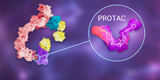
PROTAC, which exploit the ubiquitin-proteasome pathway to specifically degrade target proteins. PROTACs not only solve the problem of undruggability but they also have other advantages compared to traditional drug targeting strategies.
Scientific Reviews
PROTAC, which exploit the ubiquitin-proteasome pathway to specifically degrade target proteins. PROTACs not only solve the problem of undruggability but they also have other advantages compared to traditional drug targeting strategies. -
 Scientific Reviews
PROTAC — Target Selection and Design
Scientific Reviews
PROTAC — Target Selection and Design2022-07-08
A PROTAC molecule consists of three components: a target protein binding ligand, an E3 ligase ligand, and a linker connecting these two moieties. Here, we will discuss the conventional approaches for the rational design of PROTAC molecules. -
 Scientific Reviews
Organoids represent an important bridge between 2D cultures and in vivo mouse/human models. The organoid technology exerts enormous potential in evaluation of efficacy and toxicity of drugs, regenerative medicine, and precision medicine.In this article, we will briefly introduce organoid technology.
Scientific Reviews
Organoids represent an important bridge between 2D cultures and in vivo mouse/human models. The organoid technology exerts enormous potential in evaluation of efficacy and toxicity of drugs, regenerative medicine, and precision medicine.In this article, we will briefly introduce organoid technology. -
 Scientific Reviews
Development of Intestinal Organoid
Scientific Reviews
Development of Intestinal Organoid2022-07-28
3D organoid is one of the revolutionary developments in biomedical field during the past 10 years. The establishment of intestinal organoids is an important milestone in the development of organoid technology. -
 Scientific Reviews
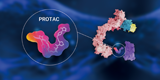
BacPROTACs is composed of a POI ligand, a chemical linker and a ClpCNTD anchor. BacPROTACs can induce in vitro and in vivo degradation of non-eukaryotic proteins in bacteria without the ubiquitin proteasome system.
Scientific Reviews
BacPROTACs is composed of a POI ligand, a chemical linker and a ClpCNTD anchor. BacPROTACs can induce in vitro and in vivo degradation of non-eukaryotic proteins in bacteria without the ubiquitin proteasome system. -
 Scientific Reviews
RNA therapeutics have changed the landscape of drug development, which possess broader spectrum of drug targets, simplicity and efficiency in development and manufacturing.In this article, we will discuss the underlying mechanisms of RNA-based drugs on the market or in clinical stages.
Scientific Reviews
RNA therapeutics have changed the landscape of drug development, which possess broader spectrum of drug targets, simplicity and efficiency in development and manufacturing.In this article, we will discuss the underlying mechanisms of RNA-based drugs on the market or in clinical stages. -
 Scientific Reviews
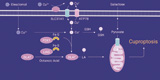
Tsvetkov et al. published in Science and demonstrated a copper-induced programmed cell death — Cuproptosis. As a novel programmed cell death, excess copper triggers abnormal aggregation of lipoylated proteins in TCA cycle and clearance of Fe-S cluster proteins, ultimately leading to cell death.
Scientific Reviews
Tsvetkov et al. published in Science and demonstrated a copper-induced programmed cell death — Cuproptosis. As a novel programmed cell death, excess copper triggers abnormal aggregation of lipoylated proteins in TCA cycle and clearance of Fe-S cluster proteins, ultimately leading to cell death. -
 Scientific Reviews
A comprehensive explanation of ferroptosis
Scientific Reviews
A comprehensive explanation of ferroptosis2022-09-15
Ferroptosis is a new type of RCD that depends on iron and characterized by the accumulation of lipid peroxides. In this article, we will pay our attention on ferroptosis and briefly discusses its mechanism. -
 Scientific Reviews
It's has been proved that p53, as a tumor suppressor gene and immune guardian, may become a destroyer through its own mutation. Moreover, the mechanism of p53 was found to be related to ferroptosis. This article mainly explores the mechanism between p53 and ferroptosis in detail.
Scientific Reviews
It's has been proved that p53, as a tumor suppressor gene and immune guardian, may become a destroyer through its own mutation. Moreover, the mechanism of p53 was found to be related to ferroptosis. This article mainly explores the mechanism between p53 and ferroptosis in detail. -
Scientific Reviews
Organoids have great potential in research of organ development, disease modeling, drug screening and, precision and regenerative medicin. In this article, we will expalin the origin of the organoids. Adult stem cells (ASCs) or pluripotent stem cells (PSCs) , which is the better choice.
-
 Scientific Reviews
Autophagy, derived from the Greek meaning "eating of self", plays an indispensable role in maintaining homeostasis. p27 is an inhibitor of cyclin CDKs, but how p27 regulates autophagy remains unknown. This article will cover the mechanism of autophagy and p27-related cell cycle regulation.
Scientific Reviews
Autophagy, derived from the Greek meaning "eating of self", plays an indispensable role in maintaining homeostasis. p27 is an inhibitor of cyclin CDKs, but how p27 regulates autophagy remains unknown. This article will cover the mechanism of autophagy and p27-related cell cycle regulation. -
 Scientific Reviews
CMA (chaperone-mediated autophagy) plays an essential role in maintaining neuronal protein stability and preventing neurodegeneration. In this article, we will comprehensively clarify the role of CMA in the occurrence and development of neurodegenerative diseases.
Scientific Reviews
CMA (chaperone-mediated autophagy) plays an essential role in maintaining neuronal protein stability and preventing neurodegeneration. In this article, we will comprehensively clarify the role of CMA in the occurrence and development of neurodegenerative diseases. -
 Scientific Reviews
TME (Tumor microenvironment) is considered as a complex integrated system, composed of cellular components such as tumor cells and immune cells, as well as non-cellular components such as ECM and cytokines. According to the spatial distribution of immune cells in TME, "hot" and "cold" TME will be explained in this article.
Scientific Reviews
TME (Tumor microenvironment) is considered as a complex integrated system, composed of cellular components such as tumor cells and immune cells, as well as non-cellular components such as ECM and cytokines. According to the spatial distribution of immune cells in TME, "hot" and "cold" TME will be explained in this article. -
 Scientific Reviews
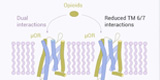
As powerful pain relievers, the opioids morphine and fentanyl have been "checked" by their side effects (listed as controlled substances). How to reduce its side effects? What is its mechanism? This research will explore its mechanism.
Scientific Reviews
As powerful pain relievers, the opioids morphine and fentanyl have been "checked" by their side effects (listed as controlled substances). How to reduce its side effects? What is its mechanism? This research will explore its mechanism. -
 Scientific Reviews
Efferocytosis is the process in which phagocytes remove programmed dead cells. It prevents secondary necrosis of dying cells from releasing harmful cell contents (such as oxides and proteases) that may cause inflammation. Here, we will introduce three stages of efferocytosis: Find, Eat, Digest.
Scientific Reviews
Efferocytosis is the process in which phagocytes remove programmed dead cells. It prevents secondary necrosis of dying cells from releasing harmful cell contents (such as oxides and proteases) that may cause inflammation. Here, we will introduce three stages of efferocytosis: Find, Eat, Digest. -
 Scientific Reviews
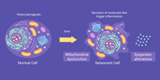
Understanding the mechanism of aging not only has guiding significance for prolonging human life but also has important clinical significance for the prevention and treatment of diseases in the elderly population , thus, improving their life quality and well-being.
Scientific Reviews
Understanding the mechanism of aging not only has guiding significance for prolonging human life but also has important clinical significance for the prevention and treatment of diseases in the elderly population , thus, improving their life quality and well-being. -
 Scientific Reviews
Mammalian cells can also photosynthesize like plants! Photosynthesis can improve cell anabolism and exhibit good clinical effect in degenerative diseases (osteoarthritis).
Scientific Reviews
Mammalian cells can also photosynthesize like plants! Photosynthesis can improve cell anabolism and exhibit good clinical effect in degenerative diseases (osteoarthritis). -
 Scientific Reviews
The latest study of Cell magazine "Neural mechanism underlying depressive-like state associated with social status loss" considers social factors as a breakthrough point. It has been found that the downward transition of social status induces depression-like behavior in mice whereas improves the depressive state by restoring their social environment.
Scientific Reviews
The latest study of Cell magazine "Neural mechanism underlying depressive-like state associated with social status loss" considers social factors as a breakthrough point. It has been found that the downward transition of social status induces depression-like behavior in mice whereas improves the depressive state by restoring their social environment. -
 Scientific Reviews
PROTAC - Design Strategy for Targeting
Scientific Reviews
PROTAC - Design Strategy for Targeting2023-04-23
Protein degradation targeting chimera (PROTAC) is a technology that uses the ubiquitin proteasome pathway to silent target protein. However, PROTAC still has problems such as solubility, membrane permeability, and selectivity. In this article, we have summarized three strategies for optimization: light-controlled linker, PAC molecule, and specific E3 ligase. -
 Scientific Reviews
Necroptosis, also known as necroptosis, is a form of regulated necrotizing cell death mediated by RIP1 and RIP3 kinases. Necroptosis is a process that prevents the self-destruction of activated cells that are blocked by apoptosis. Necroptosis plays a tumor suppressor role in most cases. It may provide benefits in the researches of a variety of human diseases involving immune inflammation and cell death.
Scientific Reviews
Necroptosis, also known as necroptosis, is a form of regulated necrotizing cell death mediated by RIP1 and RIP3 kinases. Necroptosis is a process that prevents the self-destruction of activated cells that are blocked by apoptosis. Necroptosis plays a tumor suppressor role in most cases. It may provide benefits in the researches of a variety of human diseases involving immune inflammation and cell death. -
 Scientific Reviews
Stem cell classification and its application
Scientific Reviews
Stem cell classification and its application2023-05-18
Stem cells (SCs) have the unique ability to self-renew and differentiate into different cell types. SCs can differentiate into various types of tissue cells under specific conditions. Additionally, they can be further cultured to form different tissues and organs in the human body. Stem cells have numerous applications in various fields, including cell therapy, organ transplantation, neurodegenerative disease modeling, and drug screening. -
 Scientific Reviews
Mitophagy:Mechanisms and Detection
Scientific Reviews
Mitophagy:Mechanisms and Detection2023-05-25
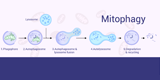
About 60 years ago, Christian de Duve first used the term "autophagy" to describe his observation of the degradation of mitochondria and other intracellular structures in lysosomes of rat liver. Over the years, autophagy has remained a beloved topic of research by the National Natural Science Foundation of China (NSFC).Today, let's talk about mitochondrial autophagy. -
 Scientific Reviews
Structure of Lipid Droplets
Scientific Reviews
Structure of Lipid Droplets2023-06-15
Huh? Lipid droplets? Organelles? In the past, biological data usually only show the traditional organelles, such as mitochondria, Golgi apparatus, endoplasmic reticulum, etc., lipid droplets are often not mentioned by people. Today, we will make a systematic explanation of lipid droplets, so that everyone has a clear understanding! -
 Scientific Reviews
HLA-E, A Novel Immune Checkpoint
Scientific Reviews
HLA-E, A Novel Immune Checkpoint2023-06-29
Immune checkpoints have immunosuppressive functions. It can be used in the research of tumor immunotherapy. In this article, we introduce a new paper entitled "Immune checkpoint HLA-E: CD94 - NKG2Amediates evasion of circulating tumor cells from NK cell surveillance "research paper. -
 Scientific Reviews
Organoid Culture: Questions & Answers
Scientific Reviews
Organoid Culture: Questions & Answers2023-07-26
In the last issue, we conducted a live lecture on the theme of organoid culture. Today, we have a special topic to solve your doubts in the last live class! -
 Scientific Reviews
WHO's Q2 drug list has been updated. Let's take you through the list of the most noteworthy small molecule drugs that we should pay attention to.
Scientific Reviews
WHO's Q2 drug list has been updated. Let's take you through the list of the most noteworthy small molecule drugs that we should pay attention to. -
 Scientific Reviews
FDA Approved Drug List!
Scientific Reviews
FDA Approved Drug List!2023-09-14
In the first half of 2023 (as of June 27), the FDA approved 26 new drugs, let's take you learn about it through the article. -
 Scientific Reviews
IHC is an indispensable technique for studying tissue morphology and in situ antigen expression, but usually only one or two antigens in tissues can be stained for analysis. It cannot judge the results more intuitively. Today, Little M will introduce you to the upgraded version mlHC.
Scientific Reviews
IHC is an indispensable technique for studying tissue morphology and in situ antigen expression, but usually only one or two antigens in tissues can be stained for analysis. It cannot judge the results more intuitively. Today, Little M will introduce you to the upgraded version mlHC. -
 Scientific Reviews
FDA Annual Review | Record-breaking number of new drug approvals in 2023!
Scientific Reviews
FDA Annual Review | Record-breaking number of new drug approvals in 2023! -
 Scientific Reviews
Are frozen cells always damaged? Is the survival rate of revived cells low? When is it appropriate to freeze cells? What should be considered when reviving them? Today, we're sharing a guide to avoid pitfalls in cell freezing and revival!
Scientific Reviews
Are frozen cells always damaged? Is the survival rate of revived cells low? When is it appropriate to freeze cells? What should be considered when reviving them? Today, we're sharing a guide to avoid pitfalls in cell freezing and revival! -
 Scientific Reviews
Katalin Karikó and Drew Weissman were awarded the Nobel Prize in Physiology or Medicine in 2023 for their groundbreaking work in nucleoside modification, which paved the way for the creation of successful mRNA vaccines to fight against COVID-19. Let's now delve into the complete process of mRNA vaccine development.
Scientific Reviews
Katalin Karikó and Drew Weissman were awarded the Nobel Prize in Physiology or Medicine in 2023 for their groundbreaking work in nucleoside modification, which paved the way for the creation of successful mRNA vaccines to fight against COVID-19. Let's now delve into the complete process of mRNA vaccine development. -
 Scientific Reviews
Science | A "new" mechanism for non-ubiquitinated Midnolin-proteasomal degradation pathway
Scientific Reviews
Science | A "new" mechanism for non-ubiquitinated Midnolin-proteasomal degradation pathway2024-04-26
“ubiquitin-mediated protein degradation” won the Nobel Prize in Chemistry in 2004! In fact, proteasomes degrade not only ubiquitinated proteins but also non-ubiquitinated ones. The mechanism remains shrouded in mystery. After reading this piece today, you might have a lightbulb moment! -
 Scientific Reviews
Still struggling to find the preparation methods for various solutions? Save your time! Here comes a nanny-level tutorial!
Scientific Reviews
Still struggling to find the preparation methods for various solutions? Save your time! Here comes a nanny-level tutorial! -
 Scientific Reviews
STZ Induced Diabetes Models
Scientific Reviews
STZ Induced Diabetes Models2024-06-13
Spotlight: How can STZ Help Diabetes Research? -
 Scientific Reviews
Exosomes, which won the Nobel Prize in 2013, are still a research hotspot in the national natural sciences, and their popularity has only increased over the past decade (in 2022, they still rank 5th in the national natural sciences hotspots!). Why have exosomes become the darling of scientific research? Let's take a look together~
Scientific Reviews
Exosomes, which won the Nobel Prize in 2013, are still a research hotspot in the national natural sciences, and their popularity has only increased over the past decade (in 2022, they still rank 5th in the national natural sciences hotspots!). Why have exosomes become the darling of scientific research? Let's take a look together~ -
 Scientific Reviews
Degrade target proteins through the autophagy-lysosome pathway including LYTAC, AUTAC, and ATTEC have gained increasing attention in recent years due to their significant research potential!
Scientific Reviews
Degrade target proteins through the autophagy-lysosome pathway including LYTAC, AUTAC, and ATTEC have gained increasing attention in recent years due to their significant research potential! -
 Scientific Reviews
Antibodies!
Scientific Reviews
Antibodies!2024-07-26
Today, We introduce antibodies for everyone! -
 Scientific Reviews
Science’s 2023 Breakthrough: GLP-1R Agonists
Scientific Reviews
Science’s 2023 Breakthrough: GLP-1R Agonists2024-08-13
GLP-1RAs, which achieved great success in 2023 and draws people’s attention back to obesity treatments and GLP-1 therapies worldwide, was chosen as the breakthrough of year 2023 by Science [2]. -
 Scientific Reviews
Cuproptosis, How much do you know?
Scientific Reviews
Cuproptosis, How much do you know?2024-08-22
Cells die in a variety of ways, including apoptosis, pyroptosis, necrosis, and ferroptosis......And, of course, cuproptosis. So, how much do you know about cuproptosis? -
 Scientific Reviews
Recently, Mol Cell reported the discovery of the first ferroptosis marker, Hyperoxidized PRDX3! Let’s take a look together~
Scientific Reviews
Recently, Mol Cell reported the discovery of the first ferroptosis marker, Hyperoxidized PRDX3! Let’s take a look together~ -
 Scientific Reviews
Cuproptosis's Knowledge Points!
Scientific Reviews
Cuproptosis's Knowledge Points!2024-09-25
With the establishment of the cuproptosis mechanism related research has attracted more and more attention from major journals. Expect to use the sharp sword of cuproptosis to stab the tumor cells. -
 Scientific Reviews
How they used PKH 26 for cellular studies?
Scientific Reviews
How they used PKH 26 for cellular studies?2024-10-21
We are thrilled to highlight our client study using PKH 26 (MedChemExpress) , a red fluorescent dye that has proven invaluable for in vitro cell labeling and tracing. This innovative research, published in the Journal of Nanobiotechnology. -
Scientific Reviews
Delve into the intricate networks that govern mitochondrial quality control. By examining key mechanisms such as biogenesis, mitochondrial dynamics (fission and fusion), proteolysis, and mitophagy. -
 Scientific Reviews
A New Form of Cell Death: PANoptosis!
Scientific Reviews
A New Form of Cell Death: PANoptosis! -
 Scientific Reviews
Unlocking the Power of Intermittent Fasting: The 16+8 Method
Scientific Reviews
Unlocking the Power of Intermittent Fasting: The 16+8 Method -
 Scientific Reviews
Advancing Chronic Kidney Disease Research with GJ103 and Lamin B1 Antibody!
Scientific Reviews
Advancing Chronic Kidney Disease Research with GJ103 and Lamin B1 Antibody! -
 Scientific Reviews
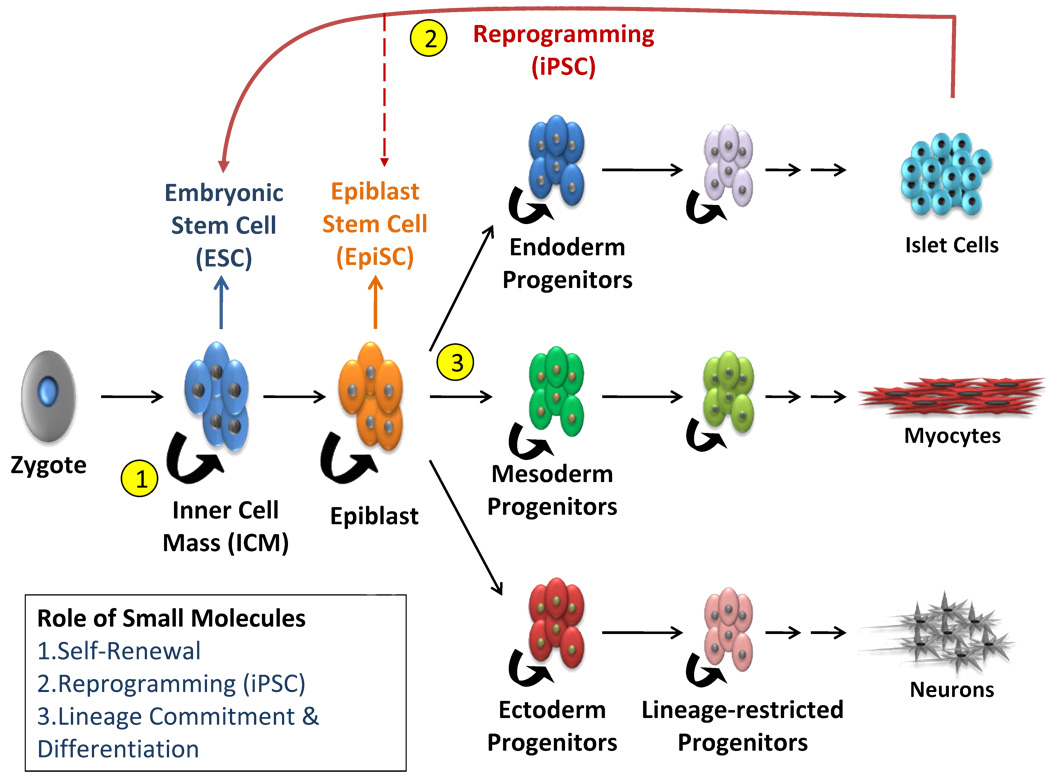
In early January 2025, MIT Tech Review unveiled its annual list of top 10 breakthrough technologies poised to redefine the future. Among these, stem cell therapy stood out for its potential to treat diverse diseases—including neurodegenerative disorders, diabetes, cancer, and heart failure. This groundbreaking approach uses stem cells to replace damaged cells, offering hope for millions worldwide.
Scientific Reviews
In early January 2025, MIT Tech Review unveiled its annual list of top 10 breakthrough technologies poised to redefine the future. Among these, stem cell therapy stood out for its potential to treat diverse diseases—including neurodegenerative disorders, diabetes, cancer, and heart failure. This groundbreaking approach uses stem cells to replace damaged cells, offering hope for millions worldwide. -
 Scientific Reviews
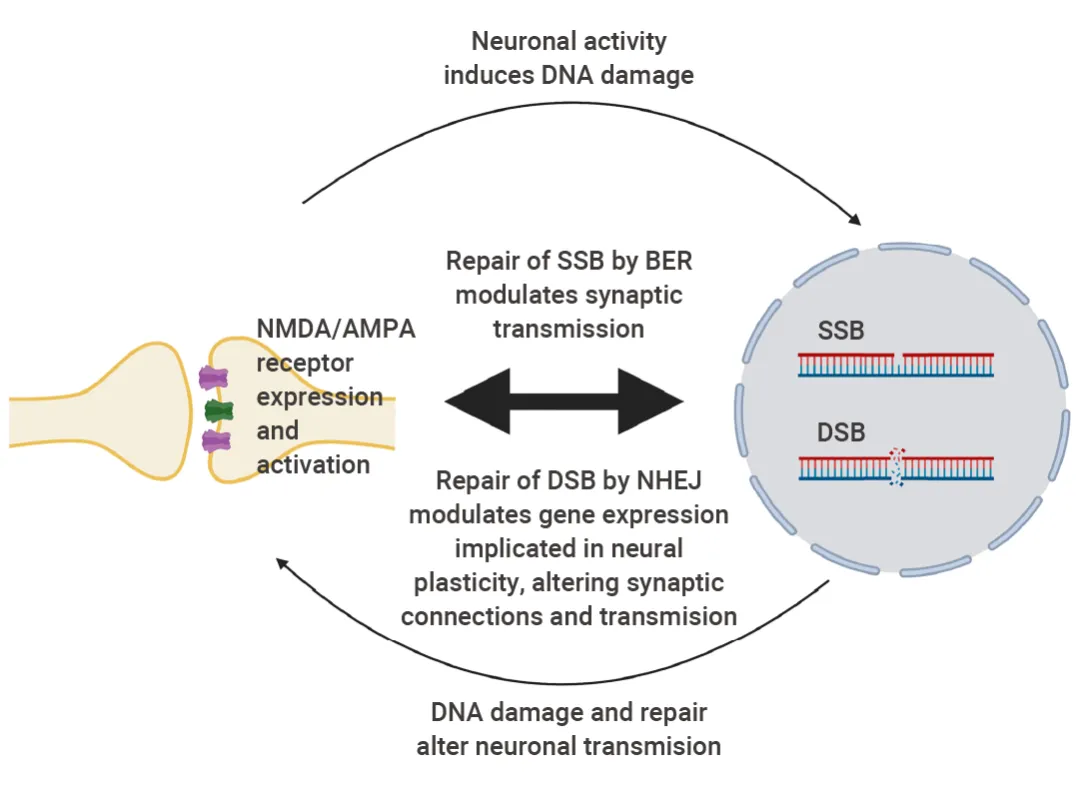
When you hear "inflammation" and "DNA damage," you might immediately think of disease or injury. However, in brains, these two processes are key steps in forming long-term memories, particularly related to specialized cells in our brain called hippocampal neurons.
Scientific Reviews
When you hear "inflammation" and "DNA damage," you might immediately think of disease or injury. However, in brains, these two processes are key steps in forming long-term memories, particularly related to specialized cells in our brain called hippocampal neurons. -
 Scientific Reviews
Autophagy is a fundamental process that degrades various components within the cell.
Scientific Reviews
Autophagy is a fundamental process that degrades various components within the cell. -
 Scientific Reviews
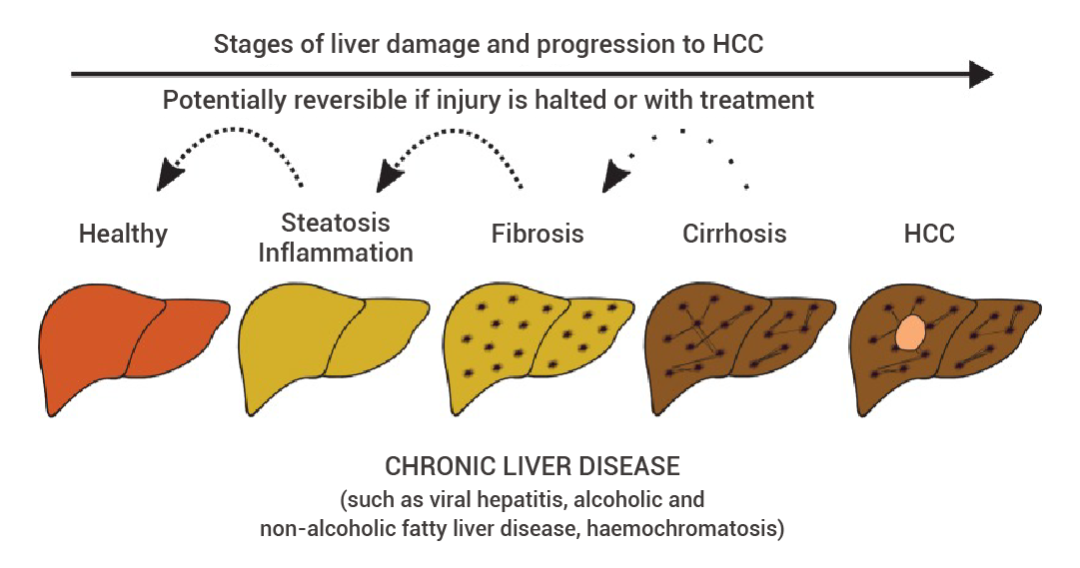
This article will tell you about the common methods of modeling liver disease in animal models.
Scientific Reviews
This article will tell you about the common methods of modeling liver disease in animal models. -
.jpg) Scientific Reviews
nside cells, the homeostasis and degradation of proteins is a precisely regulated process. If proteins cannot be degraded in time, it may lead to the occurrence of various diseases such as neurodegenerative diseases and cancer. This article will tell you the process of how proteins are recognized, labeled and then degraded!
Scientific Reviews
nside cells, the homeostasis and degradation of proteins is a precisely regulated process. If proteins cannot be degraded in time, it may lead to the occurrence of various diseases such as neurodegenerative diseases and cancer. This article will tell you the process of how proteins are recognized, labeled and then degraded! -
 Scientific Reviews
This article introduces some common cardiovascular disease models, inducers, modeling protocols and successful modeling cases in the research.
Scientific Reviews
This article introduces some common cardiovascular disease models, inducers, modeling protocols and successful modeling cases in the research. -
 Scientific Reviews
Do you feel confused when you start culturing cells? This article will show you the basic methods and steps of cell culture!
Scientific Reviews
Do you feel confused when you start culturing cells? This article will show you the basic methods and steps of cell culture! -
 Scientific Reviews
In this issue, we will conduct an in-depth interpretation from the dimensions of nanoparticle design, mechanism of action, in vivo and in vitro efficacy, and immune regulation, revealing how this research brings new hope for the treatment of invasive tumors through interdisciplinary innovation!
Scientific Reviews
In this issue, we will conduct an in-depth interpretation from the dimensions of nanoparticle design, mechanism of action, in vivo and in vitro efficacy, and immune regulation, revealing how this research brings new hope for the treatment of invasive tumors through interdisciplinary innovation! -
 Scientific Reviews
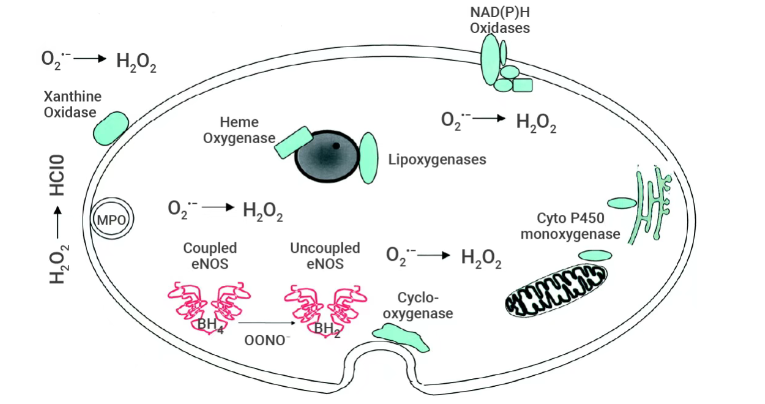
The article introduces the mechanisms of ROS generation and the methods for their detection.
Scientific Reviews
The article introduces the mechanisms of ROS generation and the methods for their detection. -
 Scientific Reviews
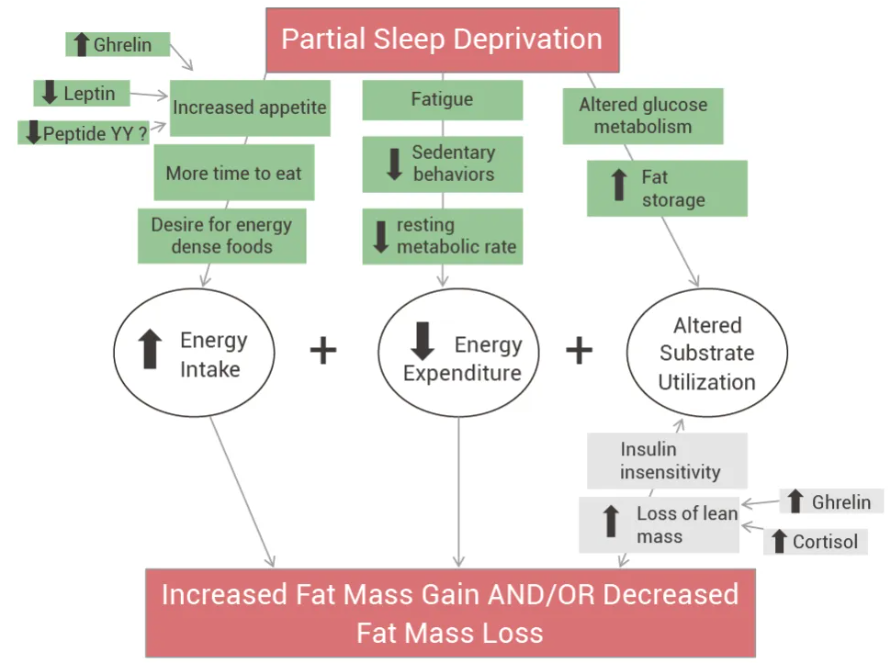
Have you ever noticed that after staying up late, your appetite—especially for high-calorie foods—gets out of control? If this sounds familiar, today’s article might offer some good news.
Scientific Reviews
Have you ever noticed that after staying up late, your appetite—especially for high-calorie foods—gets out of control? If this sounds familiar, today’s article might offer some good news. -
 Scientific Reviews
Generating Stable Cell Lines with Lentivirus
Scientific Reviews
Generating Stable Cell Lines with Lentivirus2025-09-16
A step-by-step protocol of establishing stable cell lines using lentivirus -
 Scientific Reviews
A groundbreaking study in Nature Communications reveals the key mechanism behind Idiopathic Pulmonary Fibrosis and identifies an existing drug with the potential to counter it.
Scientific Reviews
A groundbreaking study in Nature Communications reveals the key mechanism behind Idiopathic Pulmonary Fibrosis and identifies an existing drug with the potential to counter it. -
 Scientific Reviews
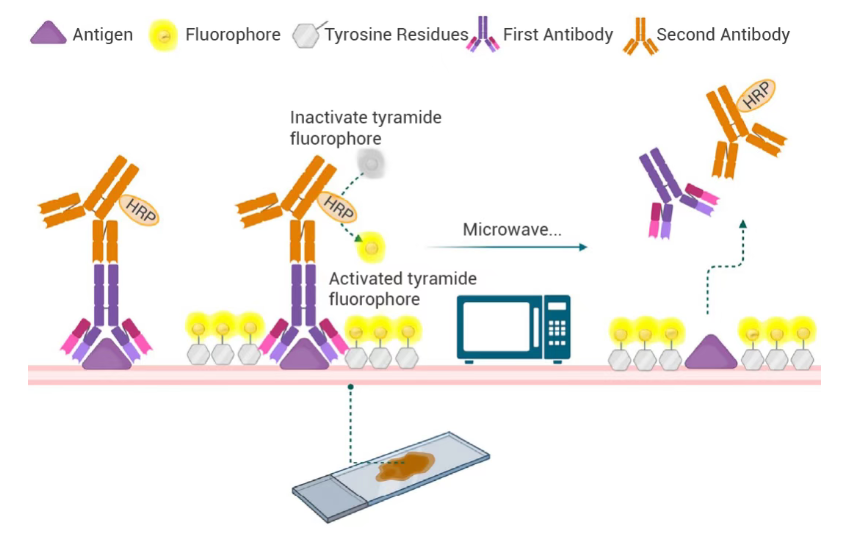
This detailed guide outlines the standardized experimental protocols for multiplex immunohistochemistry (mIHC), systematically summarizes common technical issues encountered during sample preparation, staining and imaging processes, and provides practical troubleshooting solutions to ensure reliable and reproducible results in biomedical research and clinical sample analysis.
Scientific Reviews
This detailed guide outlines the standardized experimental protocols for multiplex immunohistochemistry (mIHC), systematically summarizes common technical issues encountered during sample preparation, staining and imaging processes, and provides practical troubleshooting solutions to ensure reliable and reproducible results in biomedical research and clinical sample analysis. -
 Scientific Reviews
Finding adipogenic induction media too expensive and tricky to prepare? This comprehensive guide to 3T3-L1 adipogenic differentiation simplifies the process, helping you achieve great results!
Scientific Reviews
Finding adipogenic induction media too expensive and tricky to prepare? This comprehensive guide to 3T3-L1 adipogenic differentiation simplifies the process, helping you achieve great results! -
Scientific Reviews
Microglia– the only immune cells within the brain parenchyma. With advancements in imaging technologies, people’s understanding of microglia has shifted from being viewed as 'resting' cells to 'highly active' cells, particularly due to their dynamic processes that seem to be probing surrounding tissues and monitoring neuronal activity. This has made microglia a focal point of research in the field of neuroscience. -
 Scientific Reviews
Exosomes—natural nanoscale carriers—are revolutionizing targeted therapy. This article uncovers the science behind their precision in drug delivery.
Scientific Reviews
Exosomes—natural nanoscale carriers—are revolutionizing targeted therapy. This article uncovers the science behind their precision in drug delivery. -
Scientific Reviews
Cracking the PROTAC Permeability Barrier: CD36-Mediated Endocytosis as a Potential Breakthrough2025-12-03
This article provides an in-depth analysis of cutting-edge literature revealing CD36 as a key mediator of cellular uptake for PROTACs and bRO5 compounds. By structurally optimizing PROTAC molecules to enhance their affinity for CD36, membrane permeability can be markedly improved, leading to significantly enhanced antitumor efficacy. -
 Scientific Reviews
Efficient Generation of Mouse Small Intestinal Organoids: A Complete Experimental Protocol Guide
Scientific Reviews
Efficient Generation of Mouse Small Intestinal Organoids: A Complete Experimental Protocol Guide2025-12-10
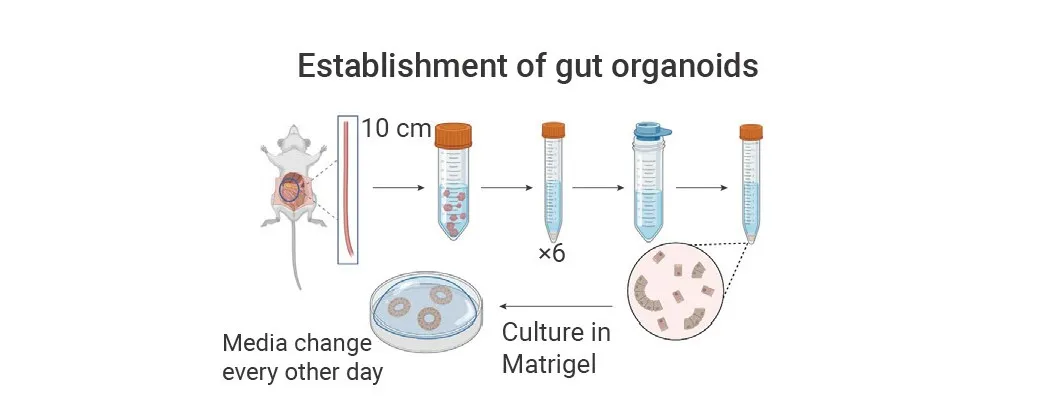
How to successfully create mouse small intestine organoids? A detailed, hands-on guide to the entire process, all in one article! -
 Scientific Reviews
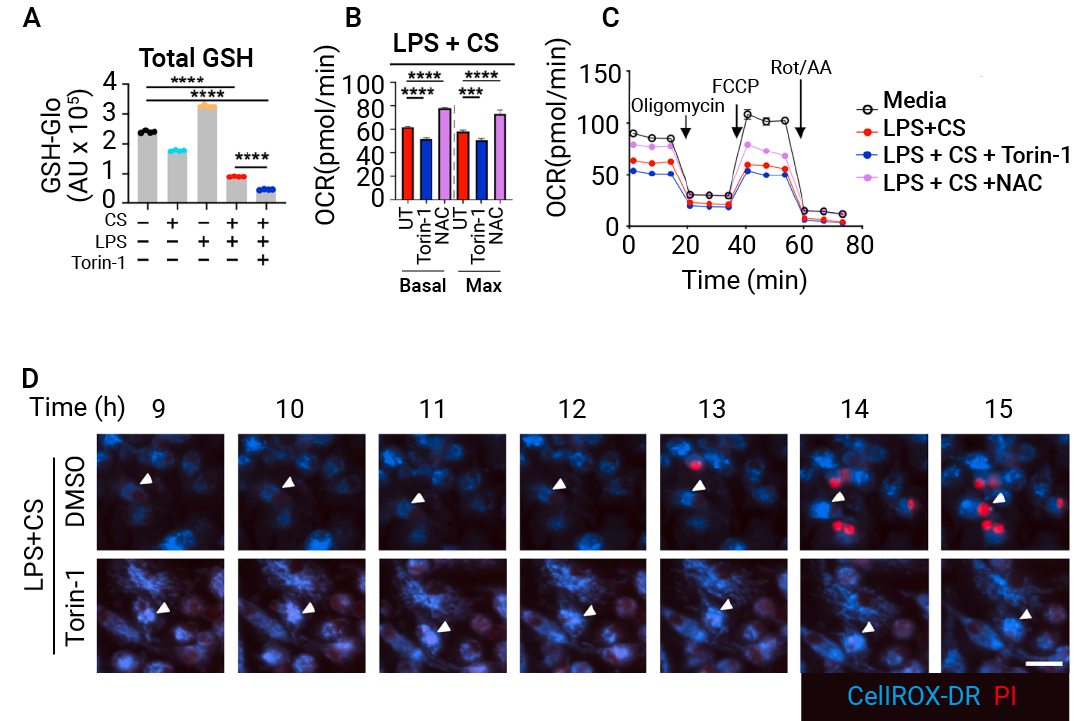
A November 2025 Cell study discovers Mitoxyperilysis, a new mTOR-regulated, caspase-independent cell death pathway driven by innate immune and metabolic dysregulation via mitochondrial-plasma membrane contact and oxidative damage, and verifies its potential to induce tumor necrosis for cancer therapy with key regulators including BAX, BAK1 and BID.
Scientific Reviews
A November 2025 Cell study discovers Mitoxyperilysis, a new mTOR-regulated, caspase-independent cell death pathway driven by innate immune and metabolic dysregulation via mitochondrial-plasma membrane contact and oxidative damage, and verifies its potential to induce tumor necrosis for cancer therapy with key regulators including BAX, BAK1 and BID. -
 Scientific Reviews
This paper elaborates on cytokines for culturing major immune cells, their regulatory roles, recombinant cytokines' merits and MCE’s related high-quality products.
Scientific Reviews
This paper elaborates on cytokines for culturing major immune cells, their regulatory roles, recombinant cytokines' merits and MCE’s related high-quality products. -
 Scientific Reviews
In the hunt for the next ‘GLP-1,’ amylin therapeutics, which have shown strong weight-loss results in clinical trials, have become a major focus for both multinational pharma and the scientific community.
Scientific Reviews
In the hunt for the next ‘GLP-1,’ amylin therapeutics, which have shown strong weight-loss results in clinical trials, have become a major focus for both multinational pharma and the scientific community. -
 Scientific Reviews
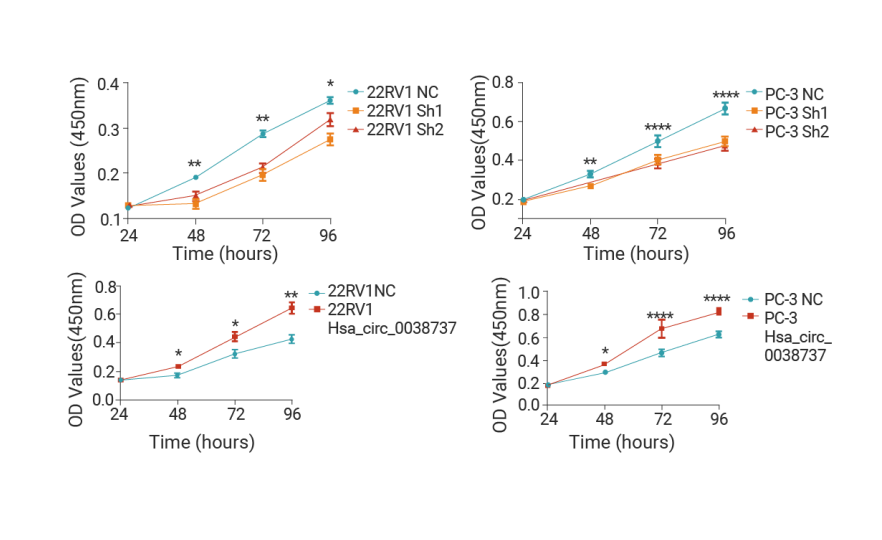
Essential for High-Impact Papers: Present Your CCK-8 Experimental Results in a More Outstanding Way!
Scientific Reviews
Essential for High-Impact Papers: Present Your CCK-8 Experimental Results in a More Outstanding Way!2026-03-18
CCK-8 is a widely used WST‑8‑based reagent for cell proliferation and cytotoxicity assays. It features high sensitivity, reliable results and easy operation, and is applicable to cell viability analysis, drug screening and growth inhibition testing. -
 Scientific Reviews
Molecular glue degraders have evolved from a serendipitous observation to one of the most dynamic and transformative fields in biomedical research.
Scientific Reviews
Molecular glue degraders have evolved from a serendipitous observation to one of the most dynamic and transformative fields in biomedical research. -
 Scientific Reviews
GLP-1 and Obesity Research
Scientific Reviews
GLP-1 and Obesity Research2026-08-14
Obesity substantially increases the risk of chronic diseases such as T2D and cardiovascular disease. The breakout success of GLP-1 therapies has spotlighted GLP-1R and a wave of emerging obesity targets. -
 EDM
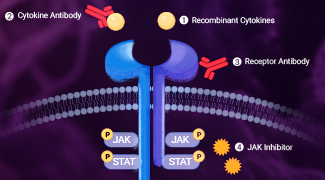
This review critically examines the role of the JAK-STAT pathway in immunity and autoimmune diseases, reviews current clinical applications of targeted therapies, and highlights emerging trends in autoimmune drug development.
EDM
This review critically examines the role of the JAK-STAT pathway in immunity and autoimmune diseases, reviews current clinical applications of targeted therapies, and highlights emerging trends in autoimmune drug development. -
 EDM
This review summarizes the mechanisms of DSS-induced colitis, commonly used modeling approaches, and key considerations related to DSS molecular weight.
EDM
This review summarizes the mechanisms of DSS-induced colitis, commonly used modeling approaches, and key considerations related to DSS molecular weight. -
 EDM
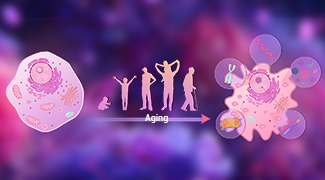
This review summarizes the hallmarks of aging and aging-related diseases, discusses mechanistic insights into aging processes, and highlights emerging anti-aging interventions.
EDM
This review summarizes the hallmarks of aging and aging-related diseases, discusses mechanistic insights into aging processes, and highlights emerging anti-aging interventions. -
 EDM
This review outlines macrophage functions and classification, and provides practical experimental guidelines for macrophage differentiation, polarization, and identification.
EDM
This review outlines macrophage functions and classification, and provides practical experimental guidelines for macrophage differentiation, polarization, and identification. -
 EDM
The Dual Role of Cellular Senescence in Cancer: Mechanisms, Microenvironment, and Therapeutics
EDM
The Dual Role of Cellular Senescence in Cancer: Mechanisms, Microenvironment, and Therapeutics2026-05-21
Explore the dual role of cellular senescence in cancer, including tumor suppression, SASP-driven tumor promotion, senescence heterogeneity and plasticity, and advances in senescence-targeted therapies. -
 EDM
Explore lysosomal nutrient sensing, quality control, cellular adaptation, disease mechanisms, and emerging therapeutic approaches.
EDM
Explore lysosomal nutrient sensing, quality control, cellular adaptation, disease mechanisms, and emerging therapeutic approaches. -
 EDM
Review the mechanisms, mitochondrial regulation, disease relevance, and translational opportunities of the NLRP3–STING axis in neuroinflammation.
EDM
Review the mechanisms, mitochondrial regulation, disease relevance, and translational opportunities of the NLRP3–STING axis in neuroinflammation. -
 EDM
Explore the mechanisms driving immune tolerance breakdown in autoimmune diseases and emerging tolerance-restoring strategies, with a focus on IL-2-based immune modulation.
EDM
Explore the mechanisms driving immune tolerance breakdown in autoimmune diseases and emerging tolerance-restoring strategies, with a focus on IL-2-based immune modulation. -
 EDM
Explore how mitochondrial quality control, inflammatory signaling, and metabolic–epigenetic reprogramming regulate cellular senescence and the SASP, along with strategies to restore mitochondrial homeostasis.
EDM
Explore how mitochondrial quality control, inflammatory signaling, and metabolic–epigenetic reprogramming regulate cellular senescence and the SASP, along with strategies to restore mitochondrial homeostasis. -
 Blog
HS-1371 is a Small Molecule RIP3 Inhibitor
Blog
HS-1371 is a Small Molecule RIP3 Inhibitor2019-04-09
HS-1371 is a novel kinase inhibitor of RIP3-mediated necroptosis, showing an inhibitory effect on S227 auto-phosphorylation of RIP3 at the basal level. -
 Blog
IITZ-01 is a potent lysosomotropic autophagy inhibitor with single-agent antitumor activity, with an IC50 of 2.62 μM for PI3Kγ.
Blog
IITZ-01 is a potent lysosomotropic autophagy inhibitor with single-agent antitumor activity, with an IC50 of 2.62 μM for PI3Kγ. -
 Blog
PRN1008 is a Reversible Covalent and Oral Active Inhibitor of Bruton’s Tyrosine Kinase (BTK)
Blog
PRN1008 is a Reversible Covalent and Oral Active Inhibitor of Bruton’s Tyrosine Kinase (BTK)2019-04-18
PRN1008 is a selective, reversible covalent and oral active inhibitor of Bruton’s Tyrosine Kinase (BTK), with an IC50 of 1.3 nM. -
 Blog
Multiple Tyrosine Kinases Inhibitor TAS-115
Blog
Multiple Tyrosine Kinases Inhibitor TAS-1152019-04-19
TAS-115 is a potent VEGFR and c-Met/HGFR-targeted kinase inhibitor with IC50s of 30 and 32 nM for rVEGFR2 and rMET, respectively. -
 Blog
BTR-1 potently inhibits cell growth. It induces S phase arrest, affects DNA replication. Dose-dependently induces cytotoxicity in leukemic cell lines.
Blog
BTR-1 potently inhibits cell growth. It induces S phase arrest, affects DNA replication. Dose-dependently induces cytotoxicity in leukemic cell lines. -
 Blog
TAK-828F is a potent, selective and orally active retinoic acid receptor-related orphan receptor γt (RORγt) inverse agonist. TAK-828F inhibits IL-17A cytokine expression and reduces symptoms of autoimmune encephalomyelitis mice.
Blog
TAK-828F is a potent, selective and orally active retinoic acid receptor-related orphan receptor γt (RORγt) inverse agonist. TAK-828F inhibits IL-17A cytokine expression and reduces symptoms of autoimmune encephalomyelitis mice. -
 Blog
SLLN-15 is an oral activ enhancer of autophagy that activates cytostatic macroautophagy/autophagy in triple-negative breast cancer (TNBC).
Blog
SLLN-15 is an oral activ enhancer of autophagy that activates cytostatic macroautophagy/autophagy in triple-negative breast cancer (TNBC). -
 Blog
GSK3145095 is a RIP1 kinase inhibitor with an IC50 of 6.3 nM. Potently blocks the TNF response and RIP1-dependent inflammatory cytokine MIP-1β production.
Blog
GSK3145095 is a RIP1 kinase inhibitor with an IC50 of 6.3 nM. Potently blocks the TNF response and RIP1-dependent inflammatory cytokine MIP-1β production. -
 Blog
JMS-17-2 is a CX3CR1 Antagonist
Blog
JMS-17-2 is a CX3CR1 Antagonist2019-06-12
JMS-17-2 is a potent and selective CX3CR1 antagonist with an IC50 of 0.32 nM. Has potential to treat cancers such as breast cancer. -
 Blog
Ralimetinib (LY2228820) is a selective and ATP-competitive inhibitor of p38 MAPK α/β, with IC50s of 5.3 and 3.2 nM, respectively. Anti-tumor activity.
Blog
Ralimetinib (LY2228820) is a selective and ATP-competitive inhibitor of p38 MAPK α/β, with IC50s of 5.3 and 3.2 nM, respectively. Anti-tumor activity. -
 Blog
BAY-11-7082 inhibits the proliferation and induces the apoptosis of U266 cells through inhibiting NF-κB pathway. BAY 11-7082 ameliorates experimental diabetic neuropathy by modulating neuroinflammation and improving antioxidant defence.
Blog
BAY-11-7082 inhibits the proliferation and induces the apoptosis of U266 cells through inhibiting NF-κB pathway. BAY 11-7082 ameliorates experimental diabetic neuropathy by modulating neuroinflammation and improving antioxidant defence. -
 Blog
S130, Targeting ATG4B, Inhibits Autophagy and Activates Apoptosis in Colorectal Colon Cancer
Blog
S130, Targeting ATG4B, Inhibits Autophagy and Activates Apoptosis in Colorectal Colon Cancer2019-06-19
S130 is a high affinity, selective inhibitor of ATG4B (a major cysteine protease) with an IC50 of 3.24 µM. S130 suppresses autophagy flux. -
 Blog
S18-000003 is a potent, selective and orally active inhibitor of retinoic acid receptor-related orphan receptor-gamma-t (RORγt). S18-000003 ameliorates psoriasis-like lesions in vivo. S18-000003 can be used for the research of skin inflammatory diseases.
Blog
S18-000003 is a potent, selective and orally active inhibitor of retinoic acid receptor-related orphan receptor-gamma-t (RORγt). S18-000003 ameliorates psoriasis-like lesions in vivo. S18-000003 can be used for the research of skin inflammatory diseases. -
 Blog
MRT67307, a dual IKKε/TBK1 inhibitor, inhibits ULK1 and ULK2 with IC50s of 45 and 38 nM, respectively. MRT67307 blocks mTOR-dependent autophagy.
Blog
MRT67307, a dual IKKε/TBK1 inhibitor, inhibits ULK1 and ULK2 with IC50s of 45 and 38 nM, respectively. MRT67307 blocks mTOR-dependent autophagy. -
 Blog
CCT020312, the G1/S checkpoint activator, is a selective EIF2AK3/PERK activator. CCT020312 elicits EIF2A phosphorylation in cells.
Blog
CCT020312, the G1/S checkpoint activator, is a selective EIF2AK3/PERK activator. CCT020312 elicits EIF2A phosphorylation in cells. -
 Blog
SBI-0206965 is a selective and cell permeable autophagy kinase ULK1 inhibitor with IC50s of 108 nM for ULK1 and 711 nM for the highly related kinase ULK2 .
Blog
SBI-0206965 is a selective and cell permeable autophagy kinase ULK1 inhibitor with IC50s of 108 nM for ULK1 and 711 nM for the highly related kinase ULK2 . -
 Blog
TPCA-1, a Direct Dual Inhibitor of STAT3 and NF-κB, Regresses Mutant EGFR-Associated NSCLC
Blog
TPCA-1, a Direct Dual Inhibitor of STAT3 and NF-κB, Regresses Mutant EGFR-Associated NSCLC2019-07-15
TPCA-1 is a potent and selective inhibitor of IKK-2 with IC50 of 17.9 nM. TPCA-1 is an effective inhibitor of STAT3 phosphorylation, DNA binding. -
 Blog
CA-5f is a potent late-stage macroautophagy (autophagy) inhibitor via inhibiting autophagosome-lysosome fusion. CA-5f increases LC3B-II and SQSTM1 protein.
Blog
CA-5f is a potent late-stage macroautophagy (autophagy) inhibitor via inhibiting autophagosome-lysosome fusion. CA-5f increases LC3B-II and SQSTM1 protein. -
 Blog
BI-167107 is a high affinity, full agonist that binds to the β2 adrenergic receptor (β2AR) with a dissociation constant Kd of 84 pM.
Blog
BI-167107 is a high affinity, full agonist that binds to the β2 adrenergic receptor (β2AR) with a dissociation constant Kd of 84 pM. -
 Blog
UK 356618 is a Selective MMP-3 Inhibitor
Blog
UK 356618 is a Selective MMP-3 Inhibitor2019-12-25
UK 356618 is a selective and potent inhibitor of MMP-3. UK 356618 exhibits potent anti-inflammatory and anti-cancer activity. -
 Blog
CH6953755 is a potent, orally active and selective YES1 kinase inhibitor leading to antitumor activity against YES1 Gene -amplified cancers.
Blog
CH6953755 is a potent, orally active and selective YES1 kinase inhibitor leading to antitumor activity against YES1 Gene -amplified cancers. -
 Blog
CA-4948 is a Selective and Orally Bioavailable IRAK4 Kinase Inhibitor for Lymphoma Treatment
Blog
CA-4948 is a Selective and Orally Bioavailable IRAK4 Kinase Inhibitor for Lymphoma Treatment2020-01-05
CA-4948 is a potent, selective and orally bioavailable IRAK4 kinase inhibitor. CA-4948 can be used for the treatment of lymphoma. -
 Blog
GPP78 is a potent Nampt inhibitor. GPP78 is cytotoxic to neuroblastoma cell line SH-SY5Y cells. GPP78 has anti-cancer and anti-tumor activity.
Blog
GPP78 is a potent Nampt inhibitor. GPP78 is cytotoxic to neuroblastoma cell line SH-SY5Y cells. GPP78 has anti-cancer and anti-tumor activity. -
 Blog
BAY-985 is an orally active and selective ATP-competitive dual inhibitor of TBK1 and IKKε with IC50s of 2/30 and 2 nM for TBK1 and IKKε, respectively.
Blog
BAY-985 is an orally active and selective ATP-competitive dual inhibitor of TBK1 and IKKε with IC50s of 2/30 and 2 nM for TBK1 and IKKε, respectively. -
 Blog
ADH-503 is an orally active and allosteric CD11b agonist and leads to the repolarization of tumor-associated macrophages.
Blog
ADH-503 is an orally active and allosteric CD11b agonist and leads to the repolarization of tumor-associated macrophages. -
 Blog
HM03 is a potent and selective HSPA5 inhibitor with anticancer activity. HSPA5 plays a key role in monitoring protein transport through the cell.
Blog
HM03 is a potent and selective HSPA5 inhibitor with anticancer activity. HSPA5 plays a key role in monitoring protein transport through the cell. -
 Blog
GSK143 is an orally active and highly selective spleen tyrosine kinase (SYK) inhibitor. GSK143 reduces inflammation in the intestinal muscularis in mice.
Blog
GSK143 is an orally active and highly selective spleen tyrosine kinase (SYK) inhibitor. GSK143 reduces inflammation in the intestinal muscularis in mice. -
 Blog
GSK621 is a potent and specific AMPK activator and induces autophagy and apoptosis in acute myeloid leukemia (AML) cells.
Blog
GSK621 is a potent and specific AMPK activator and induces autophagy and apoptosis in acute myeloid leukemia (AML) cells. -
 Blog
CAY10404 is a potent and highly selective COX-2 inhibitor. CAY10404 is a potent inhibitor of PKB/Akt and MAPK signalling pathways.
Blog
CAY10404 is a potent and highly selective COX-2 inhibitor. CAY10404 is a potent inhibitor of PKB/Akt and MAPK signalling pathways. -
 Blog
BMS-P5 is an Orally Active PAD4 Inhibitor
Blog
BMS-P5 is an Orally Active PAD4 Inhibitor2020-12-12
BMS-P5 is an orally active PAD4 inhibitor. BMS-P5 blocks MM-induced NET formation and delays progression of MM in a syngeneic mouse model -
 Blog
ML132, a potent and selective caspase 1 inhibitor with a unique selectivity pattern, is responsible for the proteolytic activation of IL-1β and IL-18.
Blog
ML132, a potent and selective caspase 1 inhibitor with a unique selectivity pattern, is responsible for the proteolytic activation of IL-1β and IL-18. -
 Blog
CC-90001 is a potent, selective, and orally active inhibitor of JNK. CC-90001 can be used for the research of idiopathic pulmonary fibrosis (IPF).
Blog
CC-90001 is a potent, selective, and orally active inhibitor of JNK. CC-90001 can be used for the research of idiopathic pulmonary fibrosis (IPF). -
 Blog
YUM70 inhibits GRP78. Induces endoplasmic reticulum stress-mediated apoptosis. Pancreatic cancer. Acts as a novel anticancer agent.
Blog
YUM70 inhibits GRP78. Induces endoplasmic reticulum stress-mediated apoptosis. Pancreatic cancer. Acts as a novel anticancer agent. -
 Blog
LYN-1604 is a Potent ULK1 Activator
Blog
LYN-1604 is a Potent ULK1 Activator2021-04-24
LYN-1604, a potent ULK1 activator, induces cell death involved in ATF3, RAD21, and caspase3, accompanied by autophagy and apoptosis. -
 Blog
SB-332235 is a potent, orally active nonpeptide CXCR2 antagonist. SB-332235 inhibits acute and chronic models of arthritis in the rabbit.
Blog
SB-332235 is a potent, orally active nonpeptide CXCR2 antagonist. SB-332235 inhibits acute and chronic models of arthritis in the rabbit. -
 Blog
Butaprost is a selective prostaglandin E receptor (EP2) agonist. Butaprost can effectively mitigate kidney fibrogenesis in various fibrosis models.
Blog
Butaprost is a selective prostaglandin E receptor (EP2) agonist. Butaprost can effectively mitigate kidney fibrogenesis in various fibrosis models. -
 Blog
Lumiracoxib is a COX-2 inhibitor. Lumiracoxib acts as nonselective NSAID with anti-inflammatory, analgesic and antipyretic activities.
Blog
Lumiracoxib is a COX-2 inhibitor. Lumiracoxib acts as nonselective NSAID with anti-inflammatory, analgesic and antipyretic activities. -
 Blog
Ruxolitinib is a potent and selective JAK1/2 inhibitor and has 130-fold selectivity for JAK1/2 over JAK3. Ruxolitinib induces autophagy.
Blog
Ruxolitinib is a potent and selective JAK1/2 inhibitor and has 130-fold selectivity for JAK1/2 over JAK3. Ruxolitinib induces autophagy. -
 Blog
IMD-0354 is a Selective IKKβ Inhibitor
Blog
IMD-0354 is a Selective IKKβ Inhibitor2021-11-09
IMD-0354 is a selective IKKβ inhibitor and potently inhibits NF-κB activity. IMD0354 has antitumor activity. -
 Blog
Spautin-1 is a specific and potent autophagy inhibitor which inhibits ubiquitin-specific peptidases, USP10 and USP13.
Blog
Spautin-1 is a specific and potent autophagy inhibitor which inhibits ubiquitin-specific peptidases, USP10 and USP13. -
 Blog
Alda-1 is a potent ALDH2 Agonist
Blog
Alda-1 is a potent ALDH2 Agonist2021-12-30
Alda-1 ameliorates H2O2-induced Achilles tendinopathy. Alda-1 could be used for preventing Achilles tendinopathy. -
 Blog
CL097 is a TLR7/8 agonist. CL097 induces pro-nflammatory cytokines. CL097 induces NADPH oxidase priming and efficient diabetogenic cytotoxic T lymphocyte (CTL) function in NOD mice.
Blog
CL097 is a TLR7/8 agonist. CL097 induces pro-nflammatory cytokines. CL097 induces NADPH oxidase priming and efficient diabetogenic cytotoxic T lymphocyte (CTL) function in NOD mice. -
 Blog
Zingerone is a natural orally active nontoxic methoxyphenol potent anti-inflammatory, antidiabetic, antioxidize, and anti-tumor properties.
Blog
Zingerone is a natural orally active nontoxic methoxyphenol potent anti-inflammatory, antidiabetic, antioxidize, and anti-tumor properties. -
 Blog
AUTAC2 is a FKBP12-targeting autophagy-mediated degrader (AUTAC). AUTAC2 contains an FBnG and an SLF moiety.
Blog
AUTAC2 is a FKBP12-targeting autophagy-mediated degrader (AUTAC). AUTAC2 contains an FBnG and an SLF moiety. -
 Blog
BM213 is a selective C5aR1 agonist. It’s a useful research tool to study C5aR1 function
Blog
BM213 is a selective C5aR1 agonist. It’s a useful research tool to study C5aR1 function -
 Blog
Pelecopan is a potent, selective, and orally active complement factor D inhibitor, possessing the potential to study paroxysmal nocturnal hemoglobinuria (PNH).
Blog
Pelecopan is a potent, selective, and orally active complement factor D inhibitor, possessing the potential to study paroxysmal nocturnal hemoglobinuria (PNH). -
 Blog
Etrolizumab is a Gut-selective, Anti-β7 Integrin McAb for Inflammatory Bowel Disease (IBD) Research
Blog
Etrolizumab is a Gut-selective, Anti-β7 Integrin McAb for Inflammatory Bowel Disease (IBD) Research2022-11-05
Etrolizumab is a gut-selective, anti-β7 integrin monoclonal antibody and has the potential for the research of inflammatory bowel disease. -
 Blog
Coibamide A is an N-methyl-stabilized cytotoxic depsipeptide with antiproliferative activity. Coibamide A induces autophagosome accumulation.
Blog
Coibamide A is an N-methyl-stabilized cytotoxic depsipeptide with antiproliferative activity. Coibamide A induces autophagosome accumulation. -
 Blog
Ruxolitinib is an orally-active JAK1/2 inhibitor. Ruxolitinib has the potential for the research of myeloproliferative neoplasm (MPN).
Blog
Ruxolitinib is an orally-active JAK1/2 inhibitor. Ruxolitinib has the potential for the research of myeloproliferative neoplasm (MPN).
Products
All
-
All
-
Inhibitors & Agonists
-
Isotope-Labeled Compounds
-
Fluorescent Dye
-
Peptides
-
Recombinant Proteins
-
Antibodies
-
Screening Libraries
-
Kits
-
Inhibitory Antibodies
-
Reference Standards
-
Induced Disease Models Products
-
GMP Small Molecules
-
Biochemical Assay Reagents
-
Natural Products
| Cat. No. | Product Name | Information | Application | Publication |
|---|---|---|---|---|
| HY-L052 | Anti-COVID-19 Compound Library |
COVID-19 poses a serious threat to people's health, and it is urgent to develop drugs to treat COVID-19 quickly. The screening of anti-COVID-19 drugs by using the clinical and approved compounds can greatly shorten the research and development cycle. In addition, the virtual screening technology can effectively narrow the scope of screening and improve the screening efficiency in the pre-screening of new drugs.
Taking advantage of our virtual screening, we conduct virtual screening of approved compound library and clinical compound library based on the 3CL protease (PDB ID: 6LU7), Spike Glycoprotein (PDB ID: 6VSB), NSP15 (PDB ID: 6VWW), RDRP, PLPro and ACE2 (Angiotensin Converting Enzyme 2) structure. We design a unique collection of 1,380 compounds which may have anti-COVID-19 activity. Anti-COVID-19 Compound Library will be a powerful tool for screening new anti-COVID-19 activity drugs.
|
|
90
|
| HY-L122 | FDA-Approved Anticancer Drug Library |
Cancer is the second leading cause of death worldwide and a serious threat to human health. Multiple treatments have been developed for cancer treatment, but new anti-cancer drugs still need to be developed urgently. Approved drugs, have well-characterized bioactivities, safety and bioavailability properties, will dramatically accelerate drug development.
MCE offers a unique collection of 1,540 approved drugs with anti-cancer activity, which can be used for discovery of new anti-cancer drugs or as positive compounds used for anti-cancer research.
|
|
89
|
| HY-L031 | Small Molecule Immuno-Oncology Compound Library |
Immuno-Oncology is a type of immunotherapy that has the specific purpose of treating cancer. It works by stimulating our immune system to fight back. Normally, our immune system is able to destroy cancer cells in our body, however sometimes cancer cells can adapt and mutate, effectively hiding from our immune system. This is when tumors can develop and become a threat to our health. Immuno-oncology involves mobilizing lymphocytes to recognize and eliminate cancer cells using the body’s immune system. There are several immuno-oncology treatments available, including Immune cell therapy (CAR-T), monoclonal antibodies (mABs) and checkpoint inhibitors, cytokines and cancer vaccines.
MCE Small Molecule Immuno-Oncology Compound Library offers 831 bioactive tumor immunology compounds that target some important checkpoints such as PD1/PD-L1, CXCR, Sting, IDO, TLR, etc. This library is a useful tool for Immuno-oncology research.
|
|
88
|
| HY-L037 | Antioxidant Compound Library |
Oxidative stress is an imbalance of free radicals and antioxidants in the body, which can lead to cell and tissue damage. Oxidative stress can be responsible for the induction of several diseases, both chronic and degenerative, as well as speeding up body aging process and cause acute pathologies. Antioxidants are a class of compounds able to counteract oxidative stress and mitigate its effects on individuals’ health, gained enormous attention from the biomedical research community. Antioxidants have long been substantial and amenable therapeutic arsenals for multifarious diseases such as AD and cancer.
MCE Antioxidant Compound Library contains 2,489 compounds that act as antioxidants for high throughput screening (HTS) and high content screening (HCS). This library is a useful tool for discovery new antioxidants and oxidative stress research.
|
|
85
|
| HY-L054 | Endoplasmic Reticulum Stress Compound Library |
Endoplasmic reticulum (ER) contributes to the production and folding of approximately one third of cellular proteins, and is thus inextricably linked to the maintenance of cellular homeostasis and the fine balance between health and disease. However, some adverse factors negatively impact ER functions and protein synthesis, resulting in the activation of Endoplasmic reticulum stress (ER stress, ERS) and unfolded protein response (UPR) signaling pathways. The UPR is triggered when ER protein folding capacity is overwhelmed by cellular demand and the UPR initially aims to restore ER homeostasis and normal cellular functions. However, if this fails, then the UPR triggers cell death. Chronic ER stress and defects in UPR signaling are emerging as key contributors to a growing list of human diseases, including diabetes, neurodegeneration and cancer.
MCE Endoplasmic Reticulum Stress Compound Library contains 379 ER stress-related compounds that mainly target PERK, IRE1, ATF6, etc. MCE ER stress library is a useful tool for researching ER stress and related diseases.
|
|
85
|
| HY-L134 | Anti-Aging Natural Product Library |
Aging is an unavoidable process, leading to cell senescence due to physiochemical changes in an organism. Aging cells cease to divide and drive the progression of illness through various pathways, resulting in the death of an organism ultimately. Anti-aging activities are primarily involved in the therapies of age-related disorders such as Parkinson's Disease (PD), Alzheimer's Disease (AD), cardiovascular diseases, cancer, and chronic obstructive pulmonary diseases.
Natural products are known as effective molecules in anti-aging treatments, which delay the aging process through influencing several pathways and thus ensure an extended lifespan. MCE offers a unique collection of 193 natural products with validated anti-aging activity. MCE anti-aging natural product library is a useful tool for the study of aging-related diseases drugs and pharmacology.
|
|
85
|
| HY-L101 | Anti-Liver Cancer Compound Library |
Liver cancer is one of the leading malignancies which occupies the second position in cancer deaths worldwide, becoming serious threat to human health. Hepatocellular carcinoma (HCC), also known as hepatoma is the most common type accounting for approximately 90% of all liver cancers.
Current evidence indicates that during hepatocarcinogenesis, two main pathogenic mechanisms prevail: (1) cirrhosis associated with hepatic regeneration after tissue damage caused by hepatitis infection, toxins or metabolic influences, and (2) mutations occurring in single or multiple oncogenes or tumor suppressor genes. Both mechanisms have been linked with alterations in several important cellular signaling pathways. These include the RAF/MEK/ERK pathway, PI3K/AKT/mTOR pathway, WNT/b-catenin pathway, insulin-like growth factor pathway, c-MET/HGFR pathway , etc.
MCE offers a unique collection of 3,003 compounds with identified and potential anti-liver cancer activity. MCE anti-liver cancer compound library is a useful tool for anti-liver cancer drugs screening and other related research.
|
|
84
|
| HY-L121 | 5-HT Receptor Compound Library |
5-HT receptors, also called Serotonin receptors, are a group of G protein-coupled receptors (GPCRs) and ligand-gated ion channels (LGICs) found in the central and peripheral nervous systems. These receptors are now classified into seven families, 5-HT1–7, comprising a total of 14 structurally and pharmacologically distinct mammalian 5-HT receptor subtypes. The 5-HT receptors influence various biological and neurological processes such as aggression, anxiety, appetite, cognition, learning, memory, mood, nausea, sleep, andthermoregulation. The serotonin receptors are the target of a variety of pharmaceutical drugs, including many antidepressants, antipsychotics, anorectics, antiemetics, gastroprokinetic agents, antimigraine agents, hallucinogens, and entactogens.
MCE 5-HT Receptor Compound Library consists of 430 5-HT receptor inhibitors and activators, which can be used for neuropsychiatric disorders drugs discovery.
|
|
84
|
| HY-L0115V | Asinex Macrocycles Library |
ASINEX has elaborated a library of diverse macrocycles using an effective tool box of synthetic methods. The resulting scaffolds are novel, tremendously diverse, medchem-relevant, macrocyclic frameworks.
Macrocyles tend to be larger than traditional screening molecules which make them perfect discovery tools for targets with shallow or extended binding sites. At the same time, their unique character based on restricted flexibility and ability to form intra-molecular hydrogen bonds allows for design approaches effectively optimizing properties such asaqueous solubility and membrane permeability. Many of these macrocycles have been tested for aqueous and DMSO solubility with cut-offs applied at 10 mM in DMSO and 50 µM in PBS (pH 7.4) followed by PAMPA permeability assay.
|
|
83
|
| HY-L045 | Oxygen Sensing Compound Library |
Oxygen homeostasis regulation is the most fundamental cellular process for adjusting physiological oxygen variations, and its irregularity leads to various human diseases, including cancer. Hypoxia is closely associated with cancer development, and hypoxia/oxygen-sensing signaling plays critical roles in the modulation of cancer progression.
Hypoxia-inducible factor 1 (HIF-1) is a transcription factor that functions as a master regulator of oxygen homeostasis. A variety of HF-1 target genes have been identified thus far which encode proteins that play key roles in critical developmental and physiological processes including angiogenesis/vascular remodeling, erythropoiesis, glucose transport, glycolysis, iron transport, and cell proliferation/survival.
HIF-1 is a heterodimeric transcription factor consisting of a constitutively expressed β-subunit and an oxygen-regulated α-subunit. The unique feature of HIF-1 is the regulation of HIF-1α expression and activity based upon the cellular O2 concentration. Under normoxic conditions, hydroxylation of HIF-1α on these different proline residues is essential for HIF proteolytic degradation by promoting interaction with the von Hippel-Lindau tumor-suppressor protein (pVHL) through hydrogen bonding to the hydroxyproline-binding pocket in the pVHL β-domain. As oxygen levels decrease, hydroxylation of HIF decreases; HIF-1α then no longer binds pVHL, and becomes stabilized, allowing more of the protein to translocate to the cell’s nucleus, where it acts as a transcription factor, upregulating (often within minutes) the production of proteins that stimulate blood perfusion in tissues and thus tissue oxygenation.
MCE offers a unique collection of 4,317 oxygen sensing related compounds targeting HIF/HIF Prolyl-Hydroxylase, MAPK/ERK, PI3K/AKT signaling pathways, etc. MCE Oxygen Sensing Compound Library is a useful tool to study hypoxia, oxidative stress and discover new anti-cancer drugs.
|
|
83
|
| HY-L085 | Anti-Parkinson's Disease Compound Library |
Parkinson’s disease (PD), the second most common age-associated neurodegenerative disorder, is characterized by the loss of dopaminergic (DA) neurons and the presence of α-synuclein-containing aggregates in the substantia nigra pars compacta (SNpc). Motor features such as tremor, rigidity, bradykinesia and postural instability are common traits of PD. To date, there is no treatment to stop or at least slow down the progression of the disease. The etiology and pathogenesis of PD is still elusive, however, a large body of evidence suggests a prominent role of oxidative stress, inflammation, apoptosis, mitochondrial dysfunction and proteasome dysfunction in the pathogenesis of PD.
MCE offers a unique collection of 2,199 compounds with anti- Parkinson’s Disease activities or targeting the unique targets of PD. MCE Anti- Parkinson's Disease Compound Library is a useful tool for exploring the mechanism of PD and discovering new drugs for PD.
|
|
83
|
| HY-L105 | Peptide Library |
Peptides are a group of biologically active substances that are involved in various cellular functions of organisms. Peptides are often used in functional analysis, vaccine research and especially in the field of drug research and development. At present, more than 80 peptide drugs have reached the market for a wide range of diseases, including diabetes, cancer, osteoporosis, multiple sclerosis, HIV infection and chronic pain.
MedChemExpress (MCE) offers a comprehensive collection of 2,647 peptides, including bioactive peptides, amino acid derivatives, and blocking peptides. MCE Peptide Library can be used for peptide library screening, peptide drug discovery, vaccine development, target verification, structural activity research, etc.
|
|
83
|
| HY-L120 | GABA Receptor Compound Library |
GABA receptors are a class of receptors that respond to the neurotransmitter gamma-aminobutyric acid (GABA), the chief inhibitory neurotransmitter in the vertebrate central nervous system. There are two classes of GABA receptors: GABAA and GABAB. GABAA receptors are ligand-gated ion channels (also known as ionotropic receptors), whereas GABAB receptors are G protein-coupled receptors (also known asmetabotropic receptors). GABA receptors are significant drug targets in the treatment of neuropsychiatric disorders such as epilepsy, insomnia, and anxiety, as well as in anesthesia in surgical operations.
MCE offers a unique collection of 206 GABA receptors inhibitors and activators, which is an efficient tool for neuropsychiatric disorders drugs discovery.
|
|
83
|
| HY-L127 | Anti-Orthopoxvirus Compound Library |
Orthopoxvirus is a genus of viruses in the family Poxviridae and subfamily Chordopoxvirinae. The orthopoxvirus genus consists of 12 viruses including variola virus, vaccinia virus (VV), cowpox viruses (CV), monkeypox virus, and camelpox virus. Smallpox has been eradicated worldwide in 1980, but some other orthopoxvirus, such as monkeypox virus, are still threats to human health.
There are not many drugs available for orthopoxvirus treatment. The only product currently available for treatment of complications of Orthopoxvirus infection is vaccinia immunoglobulin (VIG). In 2021, brincidofovir was approved by FDA for the treatment of smallpox and tecovirimat was approved by EMA for the treatment of monkeypox in 2022. A few active compounds including interferon and interferon inducers, and a variety of nucleosides or nucleotides have been reported to have activity against orthopoxvirus.
MCE carefully prepared a unique collection of 39 compounds reported with the anti- orthopoxvirus activity which can be used for drug screening and other research about orthopoxvirus.
|
|
83
|
| HY-L135 | Cancer Stem Cells Compound Library |
With the progress of modern cancer therapy, the life of cancer patients has been extended. However, after initial treatment and recovery, the development of secondary tumors often leads to cancer recurrence. Cancer stem cells are a small number of cells that tumor growth and reproduction depend on.
Cancer stem cells have strong self-renewal ability, which is the direct cause of tumor occurrence. In addition, cancer stem cells also have the ability to differentiate into different cell types, playing a crucial role in tumor metastasis and development. Chemotherapy and radiotherapy induced DNA damage and apoptosis are common cancer treatments. However, cancer stem cells can effectively protect cancer cells from apoptosis by activating DNA repair ability. Cancer stem cells are regarded as the key "seed" of tumor occurrence, development, metastasis and recurrence. Since its first discovery in leukemia in 1994, cancer stem cells have been considered a promising therapeutic target for cancer treatment.
MCE supplies a unique collection of 3,540 compounds targeting key proteins in cancer stem cells. MCE Cancer Stem Cells Compound Library is a useful tool for cancer stem cells related research and anti-cancer drug development.
|
|
83
|
| HY-L185 | Anti-Fibrosis Compound Library |
Fibrosis is a kind of repair response to long-term tissue damage, which is mainly manifested by excessive deposition of extracellular matrix (ECM) and scar formation. Myofibroblasts are the main generating cells of extracellular matrix, and their activation process is related to various pathological mechanisms including Oxidative stress, chronic inflammation and cytokine secretion. Fibrosis can occur in many organs, such as kidneys, liver, heart, lungs, etc. Continuous fibrosis can lead to the destruction of the normal structure of tissues and organs, and if not controlled in time, may cause organ failure or even life-threatening.
MCE contains 2,568 compounds targeting ant-fibrosis targets such as TGF-β, PI3K, Wnt, MMP, etc. These compounds have clear or potential anti-fibrosis activity and can be used for mechanism research and drug screening of fibrosis diseases.
|
|
83
|
| HY-L191 | Tibetan Medicine Compound Library |
Tibetan medicine, as one of the treasures of traditional Chinese medicine, carries the profound cultural heritage of the Tibetan people and their unique understanding of health. Tibet is the birthplace of Tibetan medicine, and its plateau climate and unique ecological environment have nurtured its rich medicinal resources. Among them, cordyceps, saffron and snow lily are favored by people for their excellent medicinal value and unique growth characteristics. Tibetan medicine, with its profound heritage, plays a crucial role in the management of diseases that are unique to high-altitude regions, such as altitude stress. It facilitates a swifter adaptation to high-altitude conditions and mitigates the symptoms of altitude sickness by meticulously recalibrating the internal environment within the human body. For rheumatic diseases, cardiovascular diseases, etc., Tibetan medicine has also shown its remarkable effect.
MCE included 1,146 natural products from Tibetan medicine, including animal, plant and mineral sources.
|
|
83
|
| HY-L212 | Neuropeptide Library |
Neuropeptides are small proteins produced and released by neurons through the regulation of secretory pathways, expressed in neurons and have transmitter or co-transmitter functions, and are used as nerve substrates. Neuropeptides are by far the largest and most diverse signaling molecules in the brain and have been implicated in the development of diseases and drugs. Neuropeptides are involved in inflammatory and immune diseases and have an impact on epithelial, vascular, and connective tissue cells proliferation and tissue repair. Studies have shown that neuropeptides are particularly important when the nervous system is challenged, such as stress, injury, or substance abuse. Substance P is a neuropeptide that acts as a neurotransmitter and neuromodulator in the central nervous system and is currently in clinical research and has been shown to be involved in inflammatory processes and pain.
MCE can provide 128 neuropeptides that can be used for scientific research.
|
|
83
|
| HY-L214 | Liposome Library |
Liposomes are spherical or multilayered spherical vesicles formed by the self-assembly of diacyl chain phospholipids (lipid bilayers) in aqueous solutions, which can be made from natural or synthetic phospholipids and exhibit good biocompatibility and low toxicity. They can serve as delivery carriers for various bioactive substances (such as drugs, proteins, nucleic acids, etc.) and are widely used in biomedical and chemical research. The main advantages of liposomes include 1) Protective effect: Their bilayer structure can protect encapsulated molecules from enzymatic degradation, oxidation, and other influences, extending stability and activity; 2) Active targeting: Surface modifications enable active targeting, enhancing the concentration of drugs or molecules in specific tissues or cells; 3) Customizability: The composition and structure of liposomes can be adjusted according to needs, such as altering phospholipid types or adding targeting ligands. These properties make liposomes highly valuable in developing novel drug delivery systems, serving as nucleic acid carriers for gene transfection, studying cellular uptake mechanisms and drug release kinetics, as well as developing functional food additives to improve the bioavailability of nutritional components.
MCE contains 227 liposome compounds, which is a good tool for drug delivery-related studies.
|
|
83
|
| HY-L228 | Lipid Metabolite Compound Library |
Lipids are important energy storage substances in the human body. They are involved in the regulation of cell structure and function, as well as signaling pathways and gene expression. Abnormal lipid levels in tissues or their dysregulation can lead to various diseases. These include obesity, type 2 diabetes, non-alcoholic fatty liver disease, neurodegenerative diseases, infections, and cancer. Therefore, maintaining normal levels of lipid metabolism is critical to overall health.
One of the key features of cancer is aberrant lipid metabolism. This includes alterations in lipid uptake, lipid desaturation, neolipogenesis, lipid droplets, and fatty acid oxidation in cancer cells. These changes all contribute to cellular survival in an ever-changing microenvironment. They do this by modulating feed-forward oncogenic signals and key oncogenic functions. Additionally, they affect oxidative stress, other types of stress, immune responses, and intercellular communication. Alterations in lipid metabolism have a strong impact on the properties of cancer stem cells. This includes aspects such as self-renewal, differentiation, invasion, metastasis, drug sensitivity, and resistance. Furthermore, these alterations also modulate T cell responses.
MCE can offer 146 metabolites of lipid metabolism pathways, which can be used for drug screening in cancer, immune-based diseases, metabolic diseases, and other diseases.
|
|
83
|
| HY-L234 | Nucleotide Metabolite Compound Library |
Nucleotide metabolism is central to cancer aggressiveness, underpinning uncontrolled proliferation, chemotherapy resistance, immune evasion, and metastasis. It is transcriptionally regulated by oncogenes (e.g., MYC) and tumor suppressors (e.g., pRb). Nucleotide imbalance and nucleoside degradation further regulate cell state transitions, especially following replication stress. Additionally, secretion of nucleotides/nucleosides into the tumor microenvironment modulates immune responses and influences treatment efficacy. Therefore, nucleotide metabolites have roles in disease response and indication in cancer research, and can be utilized to develop cancer-related mechanisms and drugs.
MCE can provide 83 metabolites produced by nucleotide metabolic pathways, which can be used for disease mechanism research and drug research.
|
|
83
|
| HY-L242 | Flavors and Fragrances Compound Library |
Flavors and fragrances serve as indispensable enhancing elements in modern industries, playing multidimensional roles in the fields of food, cosmetics, and pharmaceutical development.
In the food industry, flavors and fragrances are not only used to compensate for flavor loss during processing but also to create novel sensory experiences and enhance product appeal. Natural flavors such as vanilla and citrus oils impart rich, layered aromas to foods, while synthetic flavors can precisely replicate specific tastes, meeting the demands of standardized production and extending the flavor stability of food products. In the cosmetics sector, flavors and fragrances are key to emotional design. They enhance product recognition and elevate the pleasure of use through pleasant scents. In pharmaceutical development, the application of flavors and fragrances focuses on improving compliance. Especially in formulations such as oral liquids and chewable tablets, the addition of mint, fruit, and other flavoring components effectively masks the bitter or irritating taste of medications, increasing patient acceptance. Additionally, some natural flavors may themselves possess auxiliary therapeutic benefits.
MCE contains 495 kinds of flavors and fragrances, which can be used in fields such as food, cosmetics and drug development.
|
|
83
|
| HY-L247 | Environmental Pollutant Compound Library |
Environmental pollution refers to the process where human activities release harmful chemicals or energy (such as industrial waste, pesticides, and plastic particles) into the natural environment at a rate that exceeds the ecosystem's capacity for self-purification, leading to deterioration in the composition or state of the atmosphere, water bodies, and soil. Environmental pollution is not only a direct threat to biodiversity but also ultimately impacts human health through the bioaccumulation effect of the food chain. Therefore, the accurate identification and dynamic monitoring of pollutants constitute the scientific cornerstone for formulating environmental policies, assessing ecological risks, and promoting green chemistry transformation.
MCE features a collection of 296 environmental pollutants, covering categories such as air pollutants, water pollutants, and pesticides, for research in the field of environmental chemistry.
|
|
83
|
| HY-L263 | Energy Metabolites Library |
Energy metabolism is the most fundamental biochemical process in living organisms, encompassing glycolysis, the TCA cycle, oxidative phosphorylation, the pentose phosphate pathway, and fatty acid oxidation. These core pathways directly regulate cell survival, proliferation, differentiation, and apoptosis. Dysregulation of energy metabolism is closely linked to major diseases including cancer, diabetes, obesity, cardiovascular diseases, neurodegenerative disorders, and ischemia‑reperfusion injury. Targeting these metabolic pathways has become a frontier in drug discovery and mechanistic research.
The MCE Energy Metabolite Compound Library features 89 structurally defined small‑molecule compounds. It covers energy substrates, pathway intermediates, coenzymes and redox carriers, nucleotide derivatives, and microenvironmental modulators. This library is applicable to research areas including tumor metabolism, insulin resistance, mitochondrial dysfunction, oxidative stress, neuroprotection, and cardiometabolic diseases, providing a high‑quality tool for mechanistic studies, biomarker discovery, and high‑throughput drug screening.
|
|
83
|
| HY-B1618 | Corticosterone |
Corticosterone (17-Deoxycortisol) is an orally active and adrenal cortex-produced glucocorticoid, which plays an important role in regulating neuronal functions of the limbic system (including hippocampus, prefrontal cortex, and amygdala). Corticosterone increases the Rab-mediated AMPAR membrane traffic via SGK-induced phosphorylation of GDI. Corticosterone also interferes with the maturation of dendritic cells and shows a good immunosuppressive effect.
|
Inflammation or Immune System Disease
Metabolic or Endocrine Disease
Pain
SARS-CoV-2 Infection
Osteoarthritis
|
72
|
| HY-N0219 | Bicuculline |
Bicuculline ((+)-Bicuculline) is A competing neurotransmitter GABAA receptor antagonist (IC50=2 μM). Bicuculline also blocks Ca2+ activating potassium (SK) channels and subsequently blocks slow post-hyperpolarization (slow AHP). Bicuculline has anticonvulsant activity. Bicuculline can be used to induce seizures in mice.
|
|
42
|
| HY-12495A | ISRIB |
ISRIB is a brain-penetrant inhibitor of integrated stress response (ISR). Persistent activation of the ISR has been linked to the development of several neurological disorders as ISR represses translation through inhibiting eIF2B. ISRIB inhibits the ISR by promoting the nucleotide exchange activity of eIF2B and recovering the translation, and thus can be used for neurological disorders research.
|
|
37
|
| HY-126793 | 2′,7′-Dichlorofluorescein diacetate |
2′,7′-Dichlorofluorescein diacetate (DCFH2-DA) is a cell-permeable fluorescent probe. 2′,7′-Dichlorofluorescein diacetate can be used to detect the generation of reactive oxygen intermediates and for assessing the overall oxidative stress in toxicological phenomenon.
|
|
25
|
| HY-B0649 | Propofol |
Propofol potently and directly activates GABAA receptor and inhibits glutamate receptor mediated excitatory synaptic transmission. Propofol has antinociceptive properties and is used for sedation and hypnotic.
Source: Periplaneta americana |
Breast Cancer
Prostate Cancer
Pancreatic Cancer
Depression
Non-Small Cell Lung Cancer
Alzheimer's Disease
Parkinson's Disease
|
25
|
| HY-107994 | Aminooxyacetic acid hemihydrochloride |
Aminooxyacetic acid (Carboxymethoxylamine) hemihydrochloride is a malate-aspartate shuttle (MAS) inhibitor which also inhibits the GABA degradating enzyme GABA-T.
|
|
25
|
| HY-15122A | Sinomenine hydrochloride |
Sinomenine hydrochloride (Cucoline hydrochloride), an alkaloid extracted from Sinomenium acutum, is a blocker of the NF-κB activation. Sinomenine also is an activator of μ-opioid receptor.
|
Breast Cancer
Prostate Cancer
Liver Cancer
Leukemia/Lymphoma/Myeloma
Pancreatic Cancer
Ovarian Cancer
Depression
Pain
Digestive System Inflammation
Obesity
|
23
|
| HY-15122 | Sinomenine |
Sinomenine, an alkaloid extracted from Sinomenium acutum, is a blocker of the NF-κB activation. Sinomenine also is an activator of μ-opioid receptor.
|
Breast Cancer
Prostate Cancer
Liver Cancer
Leukemia/Lymphoma/Myeloma
Pancreatic Cancer
Ovarian Cancer
Depression
Pain
Digestive System Inflammation
Obesity
|
23
|
| HY-N0662 | Amentoflavone |
Amentoflavone (Didemethyl-ginkgetin) is a potent and orally active GABA(A) negative modulator. Amentoflavone also shows anti-inflammatory, antioxidative, anti-viral, anti-tumor, anti-radiation, anti-fungal, antibacterial activity. Amentoflavone induces apoptosis and cell cycle arrest at sub-G1 phase.
|
Cancer
Digestive System Disease
Viral Infection
Bacterial Infection
Fungal Infection
Digestive System Inflammation
Glucose Metabolism
Alzheimer's Disease
Parkinson's Disease
|
19
|
| HY-N0164 | Matrine |
Matrine (Matridin-15-one) is an alkaloid found in plants from the Sophora genus that can act as a kappa opioid receptor and u-receptor agonist. Matrine has a variety of pharmacological effects, including anti-cancer, anti-oxidative stress, anti-inflammation and anti-apoptosis effects. Matrine is potential in the research of disease like human non-small cell lung cancer, hepatoma, papillary thyroid cancer and acute kidney injury (AKI).
|
|
19
|
| HY-B0211 | Riluzole |
Riluzole is an anticonvulsant agent and belongs to the family of use-dependent Na+ channel blocker which can also inhibit GABA uptake with an IC50 of 43 μM.
|
|
16
|
| HY-P0210 | DAMGO |
DAMGO is a μ-opioid receptor (μ-OPR ) selective agonist with a Kd of 3.46 nM for native μ-OPR.
|
|
16
|
| HY-103533 | Gabazine |
Gabazine is a selective and competitive antagonist of GABAA receptor, with an IC50 of ~0.2 μM for GABA receptor.
|
|
15
|
| HY-B0007 | Baclofen |
Baclofen, a lipophilic derivative of γ-aminobutyric acid (GABA), is an orally active, selective metabotropic GABAB receptor (GABABR) agonist with blood-brain barrier permeability. Baclofen mimics the action of GABA and produces slow presynaptic inhibition through the GABAB receptor. Baclofen has high blood brain barrier penetrance. Baclofen has the potential for muscle spasticity research.
|
|
13
|
| HY-B0418A | Loperamide hydrochloride |
Loperamide (hydrochloride) (R-18553 (hydrochloride)) is an opioid receptor agonist. Loperamide hydrochloride is a selective and competitive human intestinal carboxylesterases (hiCE) inhibitor. Loperamide hydrochloride has anti-diarrheal effect.
|
|
13
|
| HY-B0135 | Furosemide |
Furosemide is an orally active GABAA receptor antagonist. Furosemide inhibits carbonic anhydrase, the sodium-chloride cotransporter, sodium reabsorption, tubuloglomerular feedback, and GABA-induced chloride flux. Furosemide can be used as a diuretic reagent. Furosemide is applied in the research of hepatic necrosis, sepsis-associated acute kidney injury, hypoalbuminemia-related fluid retention, and congestive heart failure.
|
|
10
|
| HY-103377 | Antalarmin hydrochloride |
Antalarmin (hydrochloride) is an oral active non-peptide corticotropin-releasing hormone receptor 1 (CRHR1) antagonist with a Ki of 1 nM. Antalarmin hydrochloride suppresses CRH-induced ACTH secretion and blocks CRH and novelty induced anxiety-like behavior in animal models. Antalarmin hydrochloride produces anti-inflammatory effects in arthritis models, and suppresses stress-induced gastric ulceration related to irritable bowel syndrome.
|
|
8
|
| HY-100903 | Norbinaltorphimine dihydrochloride |
Norbinaltorphimine dihydrochloride (nor-Binaltorphimine dihydrochloride; nor-BNI dihydrochloride) is a selective, long-acting competitive antagonist of the κ-opioid receptor. Norbinaltorphimine dihydrochloride blocks κ-opioid receptor-mediated analgesic effects, and inhibits butorphanol-induced changes in κ-opioid receptor binding kinetics, desensitization and down-regulation. Norbinaltorphimine dihydrochloride suppresses specific opioid withdrawal symptoms, precipitates withdrawal behaviors in butorphanol-dependent rats, and serves as a molecular probe for studying κ-opioid receptor-agonist interactions. Norbinaltorphimine dihydrochloride is applicable to research related to neurological disorders such as pain.
|
|
8
|
| HY-17417A | Naloxone |
Naloxone hydrochloride is an orally active opioid receptor antagonist. Naloxone hydrochloride attenuates spinal cord stimulation‑associated anti‑hyperalgesic effects, antagonizes physiologic effects of endogenous opioid peptides linked to central nervous system injury sequelae, functions as a pressor agent to induce modest elevations in mean arterial blood pressure, exerts neuroprotective effects to improve post‑traumatic neurologic motor function, blocks opioid receptor‑mediated amnesic pathways, enhances memory consolidation, reverses Adrenocorticotropic hormone (ACTH) (HY-106373)‑ and epinephrine‑induced amnesia, and potentiates the memory‑facilitatory effects of ACTH and epinephrine.
|
|
8
|
| HY-17417 | Naloxone hydrochloride |
Naloxone hydrochloride is an orally active opioid receptor antagonist. Naloxone hydrochloride attenuates spinal cord stimulation‑associated anti‑hyperalgesic effects, antagonizes physiologic effects of endogenous opioid peptides linked to central nervous system injury sequelae, functions as a pressor agent to induce modest elevations in mean arterial blood pressure, exerts neuroprotective effects to improve post‑traumatic neurologic motor function, blocks opioid receptor‑mediated amnesic pathways, enhances memory consolidation, reverses Adrenocorticotropic hormone (ACTH) (HY-106373)- and epinephrine‑induced amnesia, and potentiates the memory‑facilitatory effects of ACTH and epinephrine.
|
|
8
|
| HY-14127 | R121919 |
R121919 (NBI30775) is a potent and selective CRF1R antagonist with a Ki of 2 to 5 nM. R121919 has antidepressant and anxiolytic effects. R121919 alleviates defensive withdrawal in rats.
|
|
7
|
| HY-W011540 | 8-Hydroxy-2'-deoxyguanosine |
8-Hydroxy-2'-deoxyguanosine is a critical biomarker of oxidative stress and carcinogenesis.
|
|
7
|
| HY-N0067 | γ-Aminobutyric acid |
γ-Aminobutyric acid (4-Aminobutyric acid) is a major inhibitory neurotransmitter in the adult mammalian brain, binding to the ionotropic GABA receptors (GABAA receptors) and metabotropic receptors (GABAB receptors. γ-Aminobutyric acid shows calming effect by blocking specific signals of central nervous system.
Source: mammalian central nervous system |
|
6
|
| HY-D1191 | SYBR green I chloride |
SYBR Green I chloride is a highly sensitive fluorescent nucleic acid dye that binds specifically to the minor groove of double-stranded DNA or intercalates between base pairs. SYBR Green I chloride exhibits weak fluorescence in the unbound state but emits bright fluorescence upon binding, and it preferentially binds to large-fragment DNA and DNA with high G+C content. SYBR Green I chloride is suitable for real-time PCR technology; its fluorescence intensity correlates with the amount and size of amplification products, enabling accurate quantification of gene expression and discrimination of amplicons via melting curve analysis without additional post-processing. SYBR Green I chloride is widely used in preclinical in vitro nucleic acid detection.
|
|
5
|
| HY-N2031 | Parishin |
Parishin is a phenolic glucoside isolated from Gastrodia elata. Parishin exhibits antiaging effects and extends the lifespan of yeast via regulation of Sir2/Uth1/TOR signaling pathway.
|
|
5
|
| HY-P1569A | LCMV gp33-41 TFA |
LCMV gp33-41 (TFA), the carboxyl-extended 9-aa-long peptide, is an lymphocytic choriomeningitis virus sequence restricted by MHC class I H-2Db molecules and presented to cytotoxic T lymphocytes.
|
|
4
|
| HY-N0061 | Ethyl ferulate |
Ethyl ferulate, a naturally lipophilic derivative of ferulic acid originally derived from Rhizoma Chuanxiong, induces heme oxygenase-1 (HO-1) and protects rat neurons against oxidative stress. Ethyl ferulate also protects neurons against amyloid β peptide (1-42)-induced oxidative stress and neurotoxicity.
|
|
4
|
| HY-W094516 | Disodium succinate hexahydrate |
Disodium succinate hexahydrate (Wormwood acid disodium hexahydrate) is an anti-anxiety agent with oral activity. Disodium succinate hexahydrate is an intermediate product of the tricarboxylic acid cycle. Disodium succinate hexahydrate is an important platform chemical. Disodium succinate hexahydrate can be used as surfactant, additive, ion chelating agent, flavoring agent and other applications in chemical, pharmaceutical and food fields.
|
|
4
|
| HY-N0659 | Jujuboside A |
Jujuboside A is a glycoside extracted from Semen Ziziphi Spinosae, a Chinese herbal medicine used to treat insomnia and anxiety.
|
|
4
|
| HY-P1569 | LCMV gp33-41 |
LCMV gp33-41, the carboxyl-extended 9-aa-long peptide, is an lymphocytic choriomeningitis virus sequence restricted by MHC class I H-2Db molecules and presented to cytotoxic T lymphocytes.
|
|
4
|
| HY-P0073 | Tyr-Gly-Gly-Phe-Met-OH |
Tyr-Gly-Gly-Phe-Met-OH regulates human immune function and inhibits tumor growth via binding to the opioid receptor.
|
|
4
|
| HY-P0257 | Astressin |
Astressin is a potent corticotropin releasing factor (CRF) antagonist.
|
|
3
|
| HY-135542 | NBI-27914 |
NBI-27914 is a highly selective, high-affinity non-peptide competitive antagonist of human corticotropin-releasing factor receptor 1 (CRFR1). NBI-27914 primarily binds to the His199 and Met276 sites in the transmembrane domain of the receptor.
|
|
3
|
| HY-119358 | Traumatic Acid |
Traumatic Acid is a wound healing agent and a cytokinin (phytohormone). Traumatic Acid enhances the biosynthesis of collagen in cultured human skin fibroblasts. Traumatic Acid inhibits MCF-7 breast cancer cells viability and enhances apoptosis and oxidative stress. Traumatic Acid can be used in studies of cancer, circulatory disorders (including arterial hypertension), and skin diseases associated with oxidative stress and impaired collagen biosynthesis.
|
|
3
|
| HY-P0086 | Corticotropin-releasing factor (human) |
Corticotropin-releasing factor human (Human CRF) stimulates the synthesis and secretion of adrenocorticotropin in the anterior pituitary.
|
|
3
|
| HY-W010155 | Tryptophol |
Tryptophol is an aromatic alcohol and secondary metabolite produced by microorganisms. Tryptophol induces apoptosis and cleavage of caspase-8. Tryptophol inhibits Cunninghamella blakesleeana biofilm. Tryptophol has anti-phage infection, biofilm formation regulation, anti-inflammatory, hemolytic, sleep induction, temperature change, seizure susceptibility and immune regulation activities. Tryptophol is used in the research of African trypanosomiasis, sleep disorders, epilepsy.
|
Neurological, Eye or Ear Disease
Metabolic or Endocrine Disease
Digestive System Disease
Bacterial Infection
Digestive System Inflammation
Cardiovascular Disease
|
3
|
| HY-N0113A | Hordenine sulfate |
Hordenine sulfate (Ordenina sulfate; Peyocactine sulfate) is a multifunctional alkaloid with oral activity and blood-brain barrier penetration. Hordenine sulfate inhibits LPS-induced phosphorylation of p38, JNK, ERK1/2, p65, IκB, and AKT, prevents p65 nuclear translocation, and suppresses inflammatory cytokines and mediators. Hordenine sulfate promotes M2 macrophage polarization, restores blood-milk barrier integrity, alleviates oxidative stress by reducing ROS and MDA, and attenuates LPS-induced lung injury and pulmonary edema. Hordenine sulfate inhibits cAMP production, CREB phosphorylation, and MITF expression, thereby suppressing melanin synthesis in melanocytes and reconstructed epidermis. Hordenine sulfate activates the Wnt/β-catenin signaling pathway, promotes dermal papilla cell proliferation and hair shaft elongation, and accelerates hair regeneration. Hordenine sulfate activates DRD2, acts as a D3R partial agonist, α2A-AR full agonist, and 5-HT2A-R antagonist, and inhibits SERT and DAT. Hordenine sulfate inhibits α-synuclein accumulation and ameliorates motor deficits in Parkinson's disease models. Hordenine sulfate limits alcohol intake, reduces relapse drinking behavior, and modulates alcohol-induced conditioned place preference. Hordenine sulfate can be used for research on mastitis, skin pigmentation, acute lung injury, foodborne diseases, hair loss, Parkinson's disease, bacterial infections, and alcohol use disorder.
|
Bacterial
p38 MAPK
JNK
ERK
Akt
Interleukin Related
TNF Receptor
NO Synthase
COX
Reactive Oxygen Species (ROS)
Microphthalmia Associated Transcription Factor (MITF)
Wnt
β-catenin
Dopamine Receptor
Adrenergic Receptor
5-HT Receptor
Serotonin Transporter
Dopamine Transporter
α-synuclein
Musculoskeletal and Skin Disease
Pseudomonas Aeruginosa Infection
Parkinson's Disease
Acute Lung Injury
|
2
|
| HY-N0113B | Hordenine hydrochloride |
Hordenine hydrochloride (Ordenina hydrochloride; Peyocactine hydrochloride) is a multifunctional alkaloid with oral activity and blood-brain barrier penetration. Hordenine hydrochloride inhibits LPS-induced phosphorylation of p38, JNK, ERK1/2, p65, IκB, and AKT, prevents p65 nuclear translocation, and suppresses inflammatory cytokines and mediators. Hordenine hydrochloride promotes M2 macrophage polarization, restores blood-milk barrier integrity, alleviates oxidative stress by reducing ROS and MDA, and attenuates LPS-induced lung injury and pulmonary edema. Hordenine hydrochloride inhibits cAMP production, CREB phosphorylation, and MITF expression, thereby suppressing melanin synthesis in melanocytes and reconstructed epidermis. Hordenine hydrochloride activates the Wnt/β-catenin signaling pathway, promotes dermal papilla cell proliferation and hair shaft elongation, and accelerates hair regeneration. Hordenine hydrochloride activates DRD2, acts as a D3R partial agonist, α2A-AR full agonist, and 5-HT2A-R antagonist, and inhibits SERT and DAT. Hordenine hydrochloride inhibits α-synuclein accumulation and ameliorates motor deficits in Parkinson's disease models. Hordenine hydrochloride limits alcohol intake, reduces relapse drinking behavior, and modulates alcohol-induced conditioned place preference. Hordenine hydrochloride can be used for research on mastitis, skin pigmentation, acute lung injury, foodborne diseases, hair loss, Parkinson's disease, bacterial infections, and alcohol use disorder.
|
Bacterial
p38 MAPK
JNK
ERK
Akt
Interleukin Related
TNF Receptor
NO Synthase
COX
Reactive Oxygen Species (ROS)
Microphthalmia Associated Transcription Factor (MITF)
Wnt
β-catenin
Dopamine Receptor
Adrenergic Receptor
5-HT Receptor
Serotonin Transporter
Dopamine Transporter
α-synuclein
Musculoskeletal and Skin Disease
Pseudomonas Aeruginosa Infection
Parkinson's Disease
Acute Lung Injury
|
2
|
| HY-P3609 | CR 665 |
CR 665 (JNJ 38488502) is a peripherally selective κ-opioid agonist. CR 665 can activate the kappa opioid receptor with EC50 value of 10.9 nM. CR 665 can be used for the research of peripheral pain.
|
|
2
|
| HY-N1487 | Oleanonic acid |
Oleanonic acid (3-Oxooleanolic acid) is an orally available triterpene that has anti-inflammatory and insecticidal properties. In vitro, oleanonic acid can improve oxidative stress, autophagy defects, ferroptosis, mitochondrial damage, and endoplasmic reticulum stress induced by Amyloid-β, and in vivo, it can alleviate myocardial hypertrophy in rats.
|
Cancer
Inflammation or Immune System Disease
Viral Infection
Alzheimer's Disease
Parkinson's Disease
|
2
|
| HY-N0925 | Tetrahydroberberine |
Tetrahydroberberine is a different kind of living thing that can be extended and divided into parts. Tetrahydroberberine is a kind of effective D2 receptor antagonistic force. Tetrahydroberberine has the ability to strengthen the stomach and relieve the pressure on the stomach.
|
|
2
|
| HY-N0113 | Hordenine |
Hordenine (Ordenina; Peyocactine) is a multifunctional alkaloid with oral activity and blood-brain barrier penetration. Hordenine inhibits LPS-induced phosphorylation of p38, JNK, ERK1/2, p65, IκB, and AKT, prevents p65 nuclear translocation, and suppresses inflammatory cytokines and mediators. Hordenine promotes M2 macrophage polarization, restores blood-milk barrier integrity, alleviates oxidative stress by reducing ROS and MDA, and attenuates LPS-induced lung injury and pulmonary edema. Hordenine inhibits cAMP production, CREB phosphorylation, and MITF expression, thereby suppressing melanin synthesis in melanocytes and reconstructed epidermis. Hordenine activates the Wnt/β-catenin signaling pathway, promotes dermal papilla cell proliferation and hair shaft elongation, and accelerates hair regeneration. Hordenine activates DRD2, acts as a D3R partial agonist, α2A-AR full agonist, and 5-HT2A-R antagonist, and inhibits SERT and DAT. Hordenine inhibits α-synuclein accumulation and ameliorates motor deficits in Parkinson's disease models. Hordenine limits alcohol intake, reduces relapse drinking behavior, and modulates alcohol-induced conditioned place preference. Hordenine can be used for research on mastitis, skin pigmentation, acute lung injury, foodborne diseases, hair loss, Parkinson's disease, bacterial infections, and alcohol use disorder.
|
Bacterial
p38 MAPK
JNK
ERK
Akt
Interleukin Related
TNF Receptor
NO Synthase
COX
Reactive Oxygen Species (ROS)
Microphthalmia Associated Transcription Factor (MITF)
Wnt
β-catenin
Dopamine Receptor
Adrenergic Receptor
5-HT Receptor
Serotonin Transporter
Dopamine Transporter
α-synuclein
Musculoskeletal and Skin Disease
Pseudomonas Aeruginosa Infection
Parkinson's Disease
Acute Lung Injury
|
2
|
| HY-N0576 | Solanesol |
Solanesol is an orally active aliphatic terpene alcohol. Solanesol is mainly found in tobacco and other Solanaceae plants. Solanesol induces HO-1 and Hsp70 expression, activates p38 and Akt signaling pathways, and inhibits Apoptosis (reduces caspase-3 and PARP cleavage). Solanesol has antioxidant, anti-inflammatory, and neuroprotective activities. Solanesol can be used in the research of Huntington's disease, alcoholic liver disease, chronic inflammatory pain, anxiety, Alzheimer's disease, and bipolar disorder.
|
Metabolic or Endocrine Disease
Lung Cancer
Breast Cancer
Pancreatic Cancer
Ovarian Cancer
Depression
Pain
Digestive System Inflammation
Alzheimer's Disease
|
2
|
| HY-30267 | 4-Hydroxyphenyl acetate |
4-Hydroxyphenyl acetate (4-HPA) is a natural antioxidant and protects cells from oxidative stress-induced necrosis. 4-Hydroxyphenyl acetate blocks the increase of cellular ROS induced by oxidative stress, and up-regulates NQO1 and HO-1 genes by stabilizing and inducing the nuclear translocation of NRF2 transcription factor.
|
|
2
|
| HY-P1333 | Dynorphin A |
Dynorphin A is an endogenous opioid peptide involved in inhibitory neurotransmission in the central nervous system (CNS). Dynorphin A is a highy potent kappa opioid receptor (KOR) agonist, and is also an agonist for other opioid receptors, such as mu (MOR) and delta (DOR). Dynorphin A can induce neuronal death, and can be used in the research of neurological disease.
|
|
2
|
| HY-P99011 | Cibisatamab |
Cibisatamab, a T cell bispecific antibody, binds Carcino-Embryonic Antigen (CEA) on cancer cells and CD3 on T cells. Cibisatamab triggers T cell killing of cancer cell lines expressing moderate to high levels of CEA at the cell surface. Cibisatamab can be used for colorectal cancer research.
Species: Human |
|
2
|
| HY-P0288 | [Leu5]-Enkephalin |
[Leu5]-Enkephalin is a pentapeptide with morphine like properties. [Leu5]-Enkephalin is a five amino acid endogenous peptide that acts as an agonist at opioid receptors.
|
|
2
|
| HY-P1438A | Neuropeptide S(Rat) TFA |
Neuropeptide S(Rat) TFA is a potent endogenous neuropeptide S receptor (NSPR) agonist (EC50=3.2 nM). Neuropeptide S(Rat) TFA increases locomotor activity and wakefulness in mice. Neuropeptide S(Rat) TFA also reduces anxiety-like behavior in mice.
|
|
1
|
| HY-P1337A | Dynorphin B (1-13) TFA |
Dynorphin B (1-13) TFA acts as an agonist on opioid κ-receptor.
|
|
1
|
| HY-N3297 | Meranzin hydrate |
Meranzin hydrate is an orally active antidepressant and GHSR modulator. Meranzin hydrate significantly upregulates the expression levels of brain-derived neurotrophic factor and p-mTOR in the hippocampus via the ghrelin-growth hormone secretagogue receptor pathway. Meranzin hydrate regulates blood oxygen level-dependent signals in the hippocampus-thalamus-basal ganglia circuit, attenuates reward system activation, and promotes the normalization of related hormone levels. Meranzin hydrate effectively ameliorates depression-like behaviors and gastrointestinal hypomotility, and can be used in research related to depression and major depressive disorder.
|
|
1
|
| HY-P1337 | Dynorphin B (1-13) |
Dynorphin B (1-13) acts as an agonist on opioid κ-receptor.
|
|
1
|
| HY-P99814 | Pavurutamab |
Pavurutamab (AMG-701) is a bispecific T cell engager molecule that anti-CD3 and anti-B cell maturation antigens (BCMA). Pavurutamab has an extended half-life based on Pacanalotamab (HY-P99798). The Fc of Pavurutamab is coupled to molecules to improve pharmacokinetic parameters. Pavurutamab has potential applications in immune regulation and multiple myeloma (MM).
Species: Human |
|
1
|
| HY-N0340 | Scopolamine butylbromide |
Scopolamine butylbromide (Hyoscine butylbromide) is an orally active anticholinergic agent and spasmolytic. Scopolamine butylbromide binds with high affinity to rat cardiac M2 (Ki 83 nmol/L), hM2 (Ki 233 nmol/L), rat intestinal M3 (Ki 290 nmol/L) and hM3 (Ki 643 nmol/L) muscarinic receptors. Scopolamine butylbromide exerts a dose-dependent antagonistic effect on Carbachol-induced gastrointestinal smooth muscle spasm. Scopolamine butylbromide can be used for the research of abdominal colic and pain associated with gastrointestinal spasm, functional abdominal pain, chronic gastropathy and gastric ulcer.
|
|
1
|
| HY-N6036 | Ganoderic acid F |
Ganoderic acid F is a ganoderic acid. Ganoderic acid F exhibits antitumor and antimetastatic activities through inhibition of angiogenesis and alteration of proteins involving cell proliferation and/or cell death, carcinogenesis, oxidative stress, calcium signaling, and endoplasmic reticulum stress.
|
|
1
|
| HY-P1108A | Astressin 2B TFA |
Astressin 2B TFA is a blood-brain barrier-impermeable, highly selective CRFR2 antagonist (rCRFR2, IC50=0.57 nM). Astressin 2B TFA blocks the protective effects mediated by CRFR2, thereby exacerbating indomethacin (HY-14397)-induced hemorrhagic intestinal injury in rats. Astressin 2B TFA reverses the protective effects of Urocortin 1 against intestinal hypermotility, bacterial invasion and upregulation of inflammatory mediators. Astressin 2B TFA also blocks the anxiogenic effect of Urocortin 2 and attenuates stress-induced anxiety-related behaviors. In the Clostridioides difficile toxin A (C. difficile toxin A)-mediated enteritis model, Astressin 2B TFA mimics the phenotype of CRFR2-deficient mice, significantly exacerbating intestinal epithelial damage, edema, neutrophil migration and the expression of multiple proinflammatory cytokines. Astressin 2B TFA is an important tool molecule for investigating the intestinal protective mechanisms of CRFR2.
|
|
1
|
| HY-NP199 | Bovine pituitary extract |
Bovine pituitary extract is a bovine pituitary extract that can be used as a mitogenic supplement in serum-free growth media. Bovine pituitary extract is rich in growth factors. Bovine pituitary extract not only promotes the proliferation of corneal keratinocytes and maintains their phenotype, but also exerts significant antioxidant stress protective effects on human prostate epithelial cells.
|
|
1
|
| HY-N6948 | Linalyl acetate |
Linalyl acetate is the principal components of many plant essential oils. Linalyl acetate exhibits anti-anxiety, anti-inflammatory, anti-diabetic, anti-stress, and cardiovascular-regulatory effects. Linalyl acetate is orally active.
|
Cancer
Neurological, Eye or Ear Disease
Inflammation or Immune System Disease
Cardiovascular Disease
Glucose Metabolism
|
1
|
| HY-P99350 | Gresonitamab |
Gresonitamab (AMG 910) is a half-life extended (HLE) bispecific T-cell engager (BiTE) antibody targets CD3-positive T cells and CLDN18.2-expressing tumor cells. Gresonitamab can be used for the research of adenocarcinoma.
Species: Human |
|
1
|
| HY-108750 | Soybean oil |
Soybean oil (VT 18 (oil); Vegetoil; Wesson) is an edible vegetable oil. Soybean oil reduces circulating blood cholesterol levels when it replaces dietary saturated fats. Soybean oil does not affect inflammatory biomarkers or increase oxidative stress. Soybean oil contains γ-tocopherol and δ-tocopherol, which possess antioxidant properties. Soybean oil can be used in research related to coronary heart disease.
|
|
1
|
| HY-B0188A | Mianserin hydrochloride |
Mianserin hydrochloride (Org GB 94) is an orally active H1 receptor antagonist. Mianserin hydrochloride can activate κ-opioid receptor and octopamine receptor. Mianserin hydrochloride increases ERK1/2 and CREB phosphorylation, and antagonizes full κ-opioid agonist and Dynorphin A (HY-P1333)-induced MAPK phosphorylation. Mianserin hydrochloride modulates social and exploratory behaviour, raises electroconvulsive thresholds. Mianserin hydrochloride can be used for the research of neurological disease, such as depression and epilepsy.
|
|
1
|
| HY-Y1147 | Diethyl maleate |
Diethyl maleate (DEM) is an orally available, effective glutathione (GSH) depletor that crosses the blood-brain barrier. Diethyl maleate covalently binds irreversibly to GSH via glutathione S-transferase with an in vitro IC50 of 0.1-0.5 mM. Diethyl maleate selectively depletes GSH in liver, lung, and brain tissues, exacerbating oxidative stress and enhancing hyperbaric oxygen toxicity. Diethyl maleate promotes precursor amino acid uptake and in turn promotes GSH synthesis by upregulating the activity of the cystine-glutamate transporter XO-. Diethyl maleate can be used to study redox homeostasis and GSH protection mechanisms in oxidative stress-related diseases such as hyperbaric oxygen injury and metabolic diseases[1][2][3].
|
|
1
|
| HY-139411 | White mineral oil |
White mineral oil is the highly refined mineral oil, and is composed of saturated aliphatic and alicyclic nonpolar hydrocarbons. White mineral oil is biologically and chemically stable, and doesn’t support pathogenic bacterial growth. White mineral oil can resist moisture, extend, soften, smoothen, and lubricate.
|
|
1
|
| HY-P73848 | JNK1 Protein, Human (Inactive, sf9, GST) |
JNK1 is a multifunctional serine/threonine protein kinase that complexly regulates multiple cellular processes, including cell proliferation, apoptosis, and differentiation. JNK1 is activated by MAP2K4/MKK4 and MAP2K7/MKK7, phosphorylates AP-1 components, and affects transcriptional activity. JNK1 Protein, Human (sf9, GST) is the recombinant human-derived JNK1 protein, expressed by Sf9 insect cells , with N-GST labeled tag.
Species: Human; Source: Sf9 insect cells |
|
1
|
| HY-P99691 | Lemalesomab |
Lemalesomab (IMMU-MN3) is a Fab' fragment of a murine anti-granulocyte monoclonal antibody targeting NCA-90 (CEACAM6). Lemalesomab binds strongly to NCA-90 on the surface of granulocytes, cross-reacts with epitopes of other CEA family members, and blocks the binding between human colon adenocarcinoma cells and CEA. When labeled with 99mTc, Lemalesomab can be used for radionuclide imaging of soft tissue infections and osteomyelitis.
Species: Human |
|
/
|
| HY-W013150S | Alpidem-d14 |
Alpidem-d14 is the deuterium labeled Alpidem (HY-W013150). Alpidem, an anxiolytic agent, is an orally active and brain-penetrant GABAA receptor ligand, binds to α1β2γ2 subunit-containing GABAA receptors (IC50 of 17 nM) over α5β2γ2 subunit-containing GABAA receptors (IC50 of >10 μM). Alpidem modulates calcium-induced mitochondrial permeability transition, induces glutathione depletion and hepatocyte necrosis, potentiates TNF-α toxicity, inhibits marble-burying and locomotor activity, enhances stressed rodent feeding behavior, and exerts anticonvulsant effects. Alpidem can be used for the research of anxiety, anxiety disorders, and convulsions.
|
|
/
|
| HY-W009353S | Tetrabutylammonium-d36 chloride |
Tetrabutylammonium-d36 chloride (IPC-TBA-Cl-d36 chloride) is the deuterium labeled Tetrabutylammonium (chloride). Tetrabutylammonium chloride (IPC-TBA-Cl) is an organic compound commonly used as a catalyst and as an ionic liquid. It can be used to catalyze or promote reactions in certain organic reactions, and is widely used in batteries, solar cells and pigments. In addition, the compound is also used for metallization, silver plating and electroplating of circuit boards.
|
|
/
|
| HY-113114S | Tetrahydrocortisone-d5 |
Tetrahydrocortisone-d5 is the deuterium labeled Tetrahydrocortisone. Tetrahydrocortisone is a stress-induced hormone. Tetrahydrocortisone is also a urinary metabolite of Cortisone derived from the reduction of Cortisone by 5-reductase.
|
|
/
|
| HY-B1115S | Buspirone-d8 hydrochloride |
Buspirone-d8 (hydrochloride) is the deuterium labeled Buspirone hydrochloride. Buspirone hydrochloride is an anxiolytic psychotropic agent, is used to treat generalized anxiety disorder (GAD).
|
|
/
|
| HY-N7833 | Heneicosapentaenoic acid |
Heneicosapentaenoic Acid (HPA) is a 21:5 omega-3 fatty acid found in trace amounts in the green alga B. pennata and in fish oils. Its chemical composition is similar to eicosapentaenoic acid (EPA), except that a carbon is extended at the carboxy terminus, placing the first double bond at the δ6 position. HPA can be used to study the importance of double bond position in omega-3 fatty acids. It incorporates phospholipids and triacylglycerols in vivo with the same efficiency as EPA and docosahexaenoic acid, and exhibits a strong inhibitory effect on the synthesis of arachidonic acid from linoleic acid. HPA is a poor substrate for prostaglandin H synthase (PGHS) (cyclooxygenase) and 5-lipoxygenase, but retains the ability to rapidly inactivate PGHS.
|
|
/
|
| HY-P10274 | CM05 |
CM05 is a bromo-fatty acid. CM05 can be used to modify ornithodoros moubata complement inhibitor (OmCI) and extend the half-life of OmCI.
|
|
/
|
| HY-D1619 | Cyanine3 hydrazide dichloride |
Cyanine3 hydrazide dichloride is a carbonyl reactive dye. Cyanine3 hydrazide dichloride allows the labelling of various carbonyl-containing molecules such as antibodies and other glycoproteins after oxidation by periodate, proteins or reducing sugars after oxidative stress or deamination.
|
|
/
|
| HY-142570S1 | Nalmefene-d4 |
Nalmefene-d4 is the deuterium labeled Nalmefene (HY-107744). Nalmefene is a BBB-penetrable?opioid receptor?modulator. Nalmefene is an antagonist of?MOR?and?DOR, and a partial agonist of?KOR. Nalmefene has anti-inflammatory and neuroprotective activities. Nalmefene can be used in the research of reducing alcohol-dependent disorders.
|
Isotope-Labeled Compounds
Reactive Oxygen Species (ROS)
p38 MAPK
Apoptosis
Toll-like Receptor (TLR)
Opioid Receptor
NO Synthase
NF-κB
Neurological, Eye or Ear Disease
Inflammation or Immune System Disease
Blood or Cardio-cerebrovascular Disease
|
/
|
| HY-P1614 | ZEP-3 |
ZEP-3 is a tetrapeptide derivative with anti-aging activity for the skin. ZEP-3 can inhibit ROS production and alleviate oxidative stress.
|
|
/
|
| HY-P7060 | NT 13 |
NT 13 (TPPT) is a tetrapeptide having the amino acid sequence L-threonyl-L-prolyl-L-prolyl-L-threonine amide. NT 13 is a partial N-methyl-D-aspartate receptor (NMDAR) agonist used in the study of depression, anxiety, and other related diseases.
|
|
/
|
| HY-W724326 | Tebuconazole-d4 |
Tebuconazole-d4 is the deuterium labeled Tebuconazole (HY-B0852). Tebuconazole is an orally active agricultural azole fungicide which can also inhibit CYP51 with IC50s of 0.9 and 1.3 μM for Candida albicans CYP51 (CaCYP51) and truncated Homo sapiens CYP51 (Δ60HsCYP51), respectively. Tebuconazole induces lipid accumulation and oxidative stress in HepG2 Cells. Tebuconazole decreases MAC-T cells viability and proliferation, induces ER-stress-mediated apoptosis and increases oxidative stress levels in MAC-T cells.
|
|
/
|
| HY-106605S | Flumezapine-d8 hydrochloride |
Flumezapine-d8 (LY 120363-d8) hydrochloride is deuterated labeled Flumezapine hydrochloride. Flumezapine hydrochloride is a potent and balanced antagonist of the dopamine D2 receptor and the 5-hydroxytryptamine receptor (5-HT receptor). Flumezapine hydrochloride does not alter the increase in serum cortisol caused by κ-opioid receptor agonists. Flumezapine hydrochloride inhibits the conditioned avoidance response in rats and has a low risk of extrapyramidal side effects. Flumezapine hydrochloride can be used in antipsychotic research.
|
|
/
|
| HY-P990365 | Anti-CEACAM5/CEA/CD66e Antibody |
The Anti-CEACAM5/CEA/CD66e Antibody is a humanized antibody expressed in CHO cells, targeting CEACAM5/CEA/CD66e. The Anti-CEACAM5/CEA/CD66e Antibody has a huIgG1 heavy chain and a huκ light chain, with a predicted molecular weight (MW) of 145 kDa. The isotype control for the Anti-CEACAM5/CEA/CD66e Antibody can be referenced as Human IgG1 kappa, Isotype Control (HY-P99001).
Species: Human |
|
/
|
| HY-124033 | Aspinonene |
Aspinonene is a bioactive compound that has the function of regulating plant growth and defense mechanisms. It can participate in biochemical signaling pathways in plants and affect various physiological responses such as growth, defense and adaptation to environmental stress.
|
|
/
|
| HY-N1363R | Royal Jelly acid (Standard) |
Royal Jelly acid (Standard) is the analytical standard of Royal Jelly acid. This product is intended for research and analytical applications. Royal Jelly acid (Queen Bee Acid) is a fatty acid constituent of royal jelly, promotes the growth and protection of neurons, reduces anxiety-like phenotypes.
|
|
/
|
| HY-133968S1 | 24-Methylenecholesterol-13C |
24-Methylenecholesterol-13C (Ostreasterol-13C) is the 13C labeled 24-Methylenecholesterol (HY-133968). 24-Methylenecholesterol (Ostreasterol) is a regulator targeting acyl-CoA cholesterol acyltransferase (ACAT) with anti-aging and neuroprotective effects. 24-Methylenecholesterol mimics the effects of nerve growth factor (NGF), can extend yeast lifespan through an anti-oxidative stress mechanism, and exhibits neuroprotective activity in PC12 cells. 24-Methylenecholesterol can reduce intracellular reactive oxygen species (ROS) and malondialdehyde (MDA) levels, activate anti-oxidative stress pathways (such as UTH1, SOD-related genes), and promote synaptic growth.
|
|
/
|
| HY-P5907 | Helianorphin-19 |
Helianorphin-19 is a potent and selective κ-opioid receptor (KOR) activator with a Ki of 21 nM and an EC50 of 45 nM. Helianorphin-19 exhibits strong KOR-specific peripheral analgesic activity in a mouse model of chronic visceral pain.
|
|
/
|
| HY-N0340R | Scopolamine butylbromide (Standard) |
Scopolamine butylbromide (Standard) is the analytical standard of Scopolamine butylbromide (HY-N0340). This product is intended for research and analytical applications. Scopolamine butylbromide (Hyoscine butylbromide) is an orally active anticholinergic agent and spasmolytic. Scopolamine butylbromide binds with high affinity to rat cardiac M2 (Ki 83 nmol/L), hM2 (Ki 233 nmol/L), rat intestinal M3 (Ki 290 nmol/L) and hM3 (Ki 643 nmol/L) muscarinic receptors. Scopolamine butylbromide exerts a dose-dependent antagonistic effect on Carbachol-induced gastrointestinal smooth muscle spasm. Scopolamine butylbromide can be used for the research of abdominal colic and pain associated with gastrointestinal spasm, functional abdominal pain, chronic gastropathy and gastric ulcer.
|
|
/
|
| HY-D3310 | Fluorescein-12-dGTP |
Fluorescein-12-dGTP is a fluorescein-labeled deoxyguanosine triphosphate. Fluorescein-12-dGTP incorporates into complementary allele-specific primers at SNP sites, enabling FRET with cationic conjugated polymer PFP via DNA-PFP electrostatic interactions. Fluorescein-12-dGTP incorporates into G-allele-specific primers for homozygous G/G SNP genotypes to enable genotype discrimination. Fluorescein-12-dGTP serves as a fluorescently labeled nucleotide for homogeneous solution-based SNP and FRET genotyping assays (Ex/Em = 498/517 nm).
|
|
/
|
| HY-134658 | Hentriacontanoic acid |
Hentriacontanoic acid is a long-chain saturated fatty acid commonly found in various plant and animal tissues, especially in certain waxes and oils, such as beeswax and lanolin. Hentriacontanoic acid has unique chemical properties that make it an important ingredient in many industrial products, including cosmetics, candles and lubricants. It also has potential physiological roles in regulating lipid metabolism and protecting against oxidative stress, although its biological function is not fully understood.
|
|
/
|
| HY-N3297R | Meranzin hydrate (Standard) |
Meranzin hydrate (Standard) is the analytical standard of Meranzin hydrate (HY-N3297). This product is intended for research and analytical applications. Meranzin hydrate is an orally active antidepressant and GHSR modulator. Meranzin hydrate significantly upregulates the expression levels of brain-derived neurotrophic factor and p-mTOR in the hippocampus via the ghrelin-growth hormone secretagogue receptor pathway. Meranzin hydrate regulates blood oxygen level-dependent signals in the hippocampus-thalamus-basal ganglia circuit, attenuates reward system activation, and promotes the normalization of related hormone levels. Meranzin hydrate effectively ameliorates depression-like behaviors and gastrointestinal hypomotility, and can be used in research related to depression and major depressive disorder.
|
|
/
|
| HY-W127725 | Thymolphthalexon tetrasodium |
Thymolphthalexon (tetrasodium) is an organic compound commonly used as a reagent in biochemical assays. It belongs to the family of thioxanthone derivatives and has strong antioxidant properties. Thymolphthalexon has several applications in the study of free radical response, oxidative stress, and aging. In addition, it can be used as a photosensitizer in photodynamic therapy for the improvement of cancer and other diseases.
|
|
/
|
| HY-107614G | 1-Oleoyl lysophosphatidic acid sodium (GMP) |
1-Oleoyl lysophosphatidic acid sodium (GMP) is the GMP-grade form of 1-Oleoyl lysophosphatidic acid sodium (HY-107614). GMP-grade small molecules serve as auxiliary reagents in cell therapy. 1-Oleoyl lysophosphatidic acid sodium is a bioactive lipid signaling molecule. 1-Oleoyl lysophosphatidic acid sodium inhibits lysoPLD-catalyzed hydrolysis of lysophosphatidylcholine and FS-3. 1-Oleoyl lysophosphatidic acid sodium activates LPA1 and LPA2, thereby triggering calcium mobilization, NFATc1 translocation, Rho/ROCK activation, Smad2/3 phosphorylation and c-Fos expression. 1-Oleoyl lysophosphatidic acid sodium induces anxiety-like, depression-like and hypoactivity phenotypes, regulates osteoclast cytoskeleton and viability, reduces osteoclast bone resorptive activity, and drives mesenchymal stem cell differentiation into myofibroblast-like cells. 1-Oleoyl lysophosphatidic acid sodium stimulates the secretion of transforming growth factor-β1 and stromal cell-derived factor-1. 1-Oleoyl lysophosphatidic acid sodium is applicable to research related to anxiety, depression and ovarian cancer.
|
|
/
|
| HY-113114S1 | Tetrahydrocortisone-d6 |
Tetrahydrocortisone-d6 is the deuterium labeled Tetrahydrocortisone. Tetrahydrocortisone is a stress-induced hormone. Tetrahydrocortisone is also a urinary metabolite of Cortisone derived from the reduction of Cortisone by 5-reductase.
|
|
/
|
| HY-N0113R | Hordenine (Standard) |
Hordenine (Standard) (Ordenina (Standard); Peyocactine (Standard)) is the analytical standard of Hordenine (HY-N0113). This product is intended for research and analytical applications. Hordenine (Ordenina; Peyocactine) is a multifunctional alkaloid with oral activity and blood-brain barrier penetration. Hordenine inhibits LPS-induced phosphorylation of p38, JNK, ERK1/2, p65, IκB, and AKT, prevents p65 nuclear translocation, and suppresses inflammatory cytokines and mediators. Hordenine promotes M2 macrophage polarization, restores blood-milk barrier integrity, alleviates oxidative stress by reducing ROS and MDA, and attenuates LPS-induced lung injury and pulmonary edema. Hordenine inhibits cAMP production, CREB phosphorylation, and MITF expression, thereby suppressing melanin synthesis in melanocytes and reconstructed epidermis. Hordenine activates the Wnt/β-catenin signaling pathway, promotes dermal papilla cell proliferation and hair shaft elongation, and accelerates hair regeneration. Hordenine activates DRD2, acts as a D3R partial agonist, α2A-AR full agonist, and 5-HT2A-R antagonist, and inhibits SERT and DAT. Hordenine inhibits α-synuclein accumulation and ameliorates motor deficits in Parkinson's disease models. Hordenine limits alcohol intake, reduces relapse drinking behavior, and modulates alcohol-induced conditioned place preference. Hordenine can be used for research on mastitis, skin pigmentation, acute lung injury, foodborne diseases, hair loss, Parkinson's disease, bacterial infections, and alcohol use disorder.
|
Reference Standards
Bacterial
p38 MAPK
JNK
ERK
Akt
Interleukin Related
TNF Receptor
NO Synthase
COX
Reactive Oxygen Species (ROS)
Microphthalmia Associated Transcription Factor (MITF)
Wnt
β-catenin
Dopamine Receptor
Adrenergic Receptor
5-HT Receptor
Serotonin Transporter
Dopamine Transporter
α-synuclein
Musculoskeletal and Skin Disease
Pseudomonas Aeruginosa Infection
Parkinson's Disease
Acute Lung Injury
|
/
|
| HY-B0548AS2 | Hydroxyzine-d8 dihydrochloride |
Hydroxyzine-d8 (dihydrochloride) is the deuterium labeled Hydroxyzine dihydrochloride. Hydroxyzine dihydrochloride, a benzodiazepine antihistamine agent, acts as a orally active histamine?H1-receptor and serotonin antagonist. Hydroxyzine dihydrochloride has anxiolytic effect and can be used forthe research of generalised anxiety disorder.
|
|
/
|
| HY-N1964B | Gibberellic acid Sterile Solution (1 mg/ml) |
Gibberellic acid Sterile Solution (1 mg/mL) (GA3 Sterile Solution (1 mg/mL)) is a natural plant growth regulator with oral bioactivity. Gibberellic acid Sterile Solution (1 mg/mL) governs multiple plant developmental events, including seed germination, cell elongation, floral organ formation, and rice spikelet fertility. Gibberellic acid Sterile Solution (1 mg/mL) optimizes root morphology and secondary metabolite production in Echinacea purpurea hairy roots, and serves as a bioactive seed priming agent to improve chilling stress tolerance in chickpea. Gibberellic acid Sterile Solution (1 mg/mL) mediates modulation of enzyme activity and secondary metabolism in plants and exerts tissue-specific regulatory effects on antioxidant systems and lipid peroxidation in rats. Gibberellic acid Sterile Solution (1 mg/mL) can be used in studies of plant growth, metabolism, and abiotic stress responses.
|
|
/
|
| HY-N0659R | Jujuboside A (Standard) |
Jujuboside A (Standard) is the analytical standard of Jujuboside A. This product is intended for research and analytical applications. Jujuboside A is a glycoside extracted from Semen Ziziphi Spinosae, a Chinese herbal medicine used to treat insomnia and anxiety.
|
|
/
|
| HY-N0113BR | Hordenine hydrochloride (Standard) |
Hordenine hydrochloride (Standard) (Ordenina hydrochloride (Standard); Peyocactine hydrochloride (Standard)) is the analytical standard of Hordenine hydrochloride (HY-N0113B). This product is intended for research and analytical applications. Hordenine hydrochloride (Ordenina hydrochloride; Peyocactine hydrochloride) is a multifunctional alkaloid with oral activity and blood-brain barrier penetration. Hordenine hydrochloride inhibits LPS-induced phosphorylation of p38, JNK, ERK1/2, p65, IκB, and AKT, prevents p65 nuclear translocation, and suppresses inflammatory cytokines and mediators. Hordenine hydrochloride inhibits melanin synthesis in melanocytes and reconstructed epidermis. Hordenine hydrochloride activates the Wnt/β-catenin signaling pathway. Hordenine hydrochloride activates DRD2, acts as a D3R partial agonist, α2A-AR full agonist, and 5-HT2A-R antagonist, and inhibits SERT and DAT. Hordenine hydrochloride inhibits α-synuclein accumulation and ameliorates motor deficits in Parkinson's disease models. Hordenine hydrochloride limits alcohol intake, reduces relapse drinking behavior. Hordenine hydrochloride can be used for research on mastitis, skin pigmentation, acute lung injury, foodborne diseases, hair loss, Parkinson's disease, bacterial infections, and alcohol use disorder.
|
Reference Standards
Bacterial
p38 MAPK
JNK
ERK
Akt
Interleukin Related
TNF Receptor
NO Synthase
COX
Reactive Oxygen Species (ROS)
Microphthalmia Associated Transcription Factor (MITF)
Wnt
β-catenin
Dopamine Receptor
Adrenergic Receptor
5-HT Receptor
Serotonin Transporter
Dopamine Transporter
α-synuclein
Musculoskeletal and Skin Disease
Pseudomonas Aeruginosa Infection
Parkinson's Disease
Acute Lung Injury
|
/
|
| HY-P3646 | [DAla2] Dynorphin A (1-9) (porcine) |
[DAla2] Dynorphin A (1-9) (porcine) is a dynorphin, which can be used in studies of analgesic, addiction, and depression.
|
|
/
|
| HY-P991563 | Anti-CEACAM5 Antibody (A5B7) |
Anti-CEACAM5 Antibody (A5B7) is a humanized antibody expressed in CHO cells, targeting CEACAM5/CEA/CD66e. Anti-CEACAM5 Antibody (A5B7) consists of a huIgG1 heavy chain and a huκ light chain, with a predicted molecular weight (MW) of 145 kDa. The isotype control for the Anti-CEACAM5 Antibody (A5B7) can be referenced as Human IgG1 kappa, Isotype Control (HY-P99001).
Species: Human |
|
/
|
| HY-W142432S | Perfluoroundecanoic acid-13C7 |
Perfluoroundecanoic acid-13C7 is the 13C-labeled Perfluoroundecanoic acid (HY-W142432). Perfluoroundecanoic acid is a perfluoroalkyl substance (PFAS). Perfluoroundecanoic acid is an orally active oxidative stress inducer. Perfluoroundecanoic acid promotes macrophage M2 polarization, activates Wnt/β-catenin signaling and enhances β-catenin nuclear accumulation. Perfluoroundecanoic acid -induced M2 phenotype macrophage accelerates tumor progression in vitro and in vivo. Perfluoroundecanoic acid induces DNA damage, reproductive and pathophysiological dysfunctions via oxidative stress in male Swiss mice. Perfluoroundecanoic acid inhibits Leydig cell development in pubertal male rats via inducing oxidative stress and autophagy. Perfluoroundecanoic acid accelerates insulitis development in a mouse model of type 1 diabetes. Perfluoroundecanoic acid can be used for the study of ovarian cancer, type 1 diabetes and inflammation.
|
|
/
|
| HY-W754114 | Nalmefene Sulfate-d3 |
Nalmefene Sulfate-d3 is the deuterium labeled Nalmefene (HY-107744). Nalmefene is a BBB-penetrable opioid receptor modulator. Nalmefene is an antagonist of MOR and DOR, and a partial agonist of KOR. Nalmefene has anti-inflammatory and neuroprotective activities. Nalmefene can be used in the research of reducing alcohol-dependent disorders.
|
Isotope-Labeled Compounds
Reactive Oxygen Species (ROS)
p38 MAPK
Apoptosis
Toll-like Receptor (TLR)
Opioid Receptor
NO Synthase
NF-κB
Neurological, Eye or Ear Disease
Inflammation or Immune System Disease
Blood or Cardio-cerebrovascular Disease
|
/
|
| HY-N3298R | Meranzin (Standard) |
Meranzin (Standard) is the analytical standard of Meranzin (HY-N3298). This product is intended for research and analytical applications. Meranzin is an orally active antidepressant and GHSR modulator. Meranzin significantly upregulates the expression levels of brain-derived neurotrophic factor and p-mTOR in the hippocampus via the ghrelin-growth hormone secretagogue receptor pathway. Meranzin regulates blood oxygen level-dependent signals in the hippocampus-thalamus-basal ganglia circuit, attenuates reward system activation, and promotes the normalization of related hormone levels. Meranzin effectively ameliorates depression-like behaviors and gastrointestinal hypomotility, and can be used in research related to depression and major depressive disorder.
|
|
/
|
| HY-B0548AS1 | Hydroxyzine-d4' dihydrochloride |
Hydroxyzine-d4 (dihydrochloride) is the deuterium labeled Hydroxyzine dihydrochloride. Hydroxyzine dihydrochloride, a benzodiazepine antihistamine agent, acts as a orally active histamine?H1-receptor and serotonin antagonist. Hydroxyzine dihydrochloride has anxiolytic effect and can be used forthe research of generalised anxiety disorder.
|
|
/
|
| HY-P2018 | FK 33-824 |
FK 33-824, a synthetic analogue of Met-enkephalin, is a selective agonist of the μ-opioid receptor (μ-OR).
|
|
/
|
| HY-N20598 | Bean sprout extract |
Bean sprout extract is an extract from bean sprouts (sprouted broad beans) that can help relieve anxiety and depression.
|
|
/
|
| HY-B0161AS1 | Duloxetine-d7 hydrochloride |
Duloxetine-d7 hydrochloride ((S)-Duloxetine-d7 hydrochloride) is the deuterium labeled Duloxetine hydrochloride (HY-B0161A). Duloxetine hydrochloride ((S)-Duloxetine hydrochloride) is a serotonin-norepinephrine reuptake inhibitor (SNRI) with a Ki of 4.6 nM, used for treatment of major depressive disorder and generalized anxiety disorder (GAD).
|
|
/
|
| HY-N0164R | Matrine (Standard) |
Matrine (Standard) is the analytical standard of Matrine. This product is intended for research and analytical applications. Matrine (Matridin-15-one) is an alkaloid found in plants from the Sophora genus that can act as a kappa opioid receptor and u-receptor agonist. Matrine has a variety of pharmacological effects, including anti-cancer, anti-oxidative stress, anti-inflammation and anti-apoptosis effects. Matrine is potential in the research of disease like human non-small cell lung cancer, hepatoma, papillary thyroid cancer and acute kidney injury (AKI).
|
|
/
|
| HY-D3415 | TOR-G4 |
TOR-G4 is a Fluorescent probe that binds to G-quadruplex (G4) nucleic acid structures. TOR-G4 exhibits a unique fluorescence lifetime when bound to G4 compared to other structures, enabling sensitive discrimination between G4-bound and non-G4-bound states. TOR-G4 mainly colocalizes with RNA in the cytoplasm and nucleolus. TOR-G4 can be used to investigate the roles of RNA G4 in cells. TOR-G4 shows cytotoxicity against osteosarcoma cells.
|
|
/
|
| HY-P3632 | [DAla2, DArg6] Dynorphin A, (1-13) (porcine) |
[DAla2, DArg6] Dynorphin A, (1-13) (porcine) (DADAD) is an opioid peptide (dynorphinl-13, DYN) derivative found in porcine pituitary extracts. DYN is highly potent at the peripheral opioid receptors GPI and MVD, but is readily and rapidly degraded in vivo. [DAla2, DArg6] Dynorphin A, (1-13) (porcine) has some resistance to enzymatic cleavage and prevents peptide cleavage by enzymes.
|
|
/
|
| HY-N1964A | Gibberellic acid, suitable for plant cell culture |
Gibberellic acid, suitable for plant cell culture (GA3, suitable for plant cell culture) is a natural plant growth regulator with oral bioactivity. Gibberellic acid, suitable for plant cell culture governs multiple plant developmental events, including seed germination, cell elongation, floral organ formation, and rice spikelet fertility. Gibberellic acid, suitable for plant cell culture optimizes root morphology and secondary metabolite production in Echinacea purpurea hairy roots, and serves as a bioactive seed priming agent to improve chilling stress tolerance in chickpea. Gibberellic acid, suitable for plant cell culture mediates modulation of enzyme activity and secondary metabolism in plants and exerts tissue-specific regulatory effects on antioxidant systems and lipid peroxidation in rats. Gibberellic acid, suitable for plant cell culture can be used in studies of plant growth, metabolism, and abiotic stress responses.
|
|
/
|
| HY-N0925S1 | Tetrahydroberberine-d3 |
Tetrahydroberberine-d3 (Canadine-d3) is the deuterium labeled Tetrahydroberberine (HY-N0925). Tetrahydroberberine is a different kind of living thing that can be extended and divided into parts. Tetrahydroberberine is a kind of effective D2 receptor antagonistic force. Tetrahydroberberine has the ability to strengthen the stomach and relieve the pressure on the stomach.
|
|
/
|
| HY-W654256 | Matrine-d3 |
Matrine-d3 (Matridin-d3) is a deuterium labeled Matrine (HY-N0164). Matrine (Matridin-15-one) is an alkaloid found in plants from the Sophora genus that can act as a kappa opioid receptor and u-receptor agonist. Matrine has a variety of pharmacological effects, including anti-cancer, anti-oxidative stress, anti-inflammation and anti-apoptosis effects. Matrine is potential in the research of disease like human non-small cell lung cancer, hepatoma, papillary thyroid cancer and acute kidney injury (AKI).
|
|
/
|
| HY-P10876 | mcK6A1 |
mcK6A1 is an inhibitor for the aggregation of amyloid-β (Aβ), that selectively binds to the 16KLVFFA21 segment of Aβ42, forms an extended β-folded structure, and inhibits the formation of Aβ42 oligomers. mcK6A1 can be used in research of Alzheimer's disease and other amyloid-related diseases.
|
|
/
|
| HY-167847 | IRI-514 |
IRI-514 is a synthetic peptide analogue of Thymopentin (HY-N7122). IRI-514 plays a role in modulating behavioral and neuroendocrine responses to stress.
|
|
/
|
| HY-N15656 | Swertinin |
Swertinin (Compound 3) is an antianxiety. Swertinin can be isolated from stems of Kielmeyera coriacea. Swertinin can be used for anxiety disorders, such as generalized anxiety and panic disorders research.
|
|
/
|
| HY-P1594 | Dynorphin A (1-10) |
Dynorphin A (1-10) an endogenous opioid neuropeptide, binds to extracellular loop 2 of the κ-opioid receptor. Dynorphin A (1-10) also blocks NMDA-activated current with an IC50 of 42.0 μM.
|
|
/
|
| HY-B0161AS | Duloxetine-d3 hydrochloride |
Duloxetine-d3 (hydrochloride) is a deuterium labeled Duloxetine hydrochloride. Duloxetine hydrochloride is a serotonin-norepinephrine reuptake inhibitor (SNRI) with a Ki of 4.6 nM, used for treatment of major depressive disorder and generalized anxiety disorder (GAD).
|
|
/
|
| HY-P5069 | Glutathione diethyl ester |
Glutathione diethyl ester is a delivery agent for glutathione monoester, and thus for glutathione, in human cells and therefore could serve to decrease oxidative stress and toxicity.
|
|
/
|
| HY-P3628 | Dynorphin (2-17) (porcine) |
Dynorphin (2-17) (porcine) is a peptide derived from Prodynorphin, can improve somatic signs of Morphine-dependent withdrawal.
|
|
/
|
| HY-P2678 | CCK (26-31) non-sulfated |
CCK (26-31) (non-sulfated) is the N-terminal fragment of CCK, a peptide hormone found in the gut and brain that stimulates digestion, regulates satiety, and is associated with anxiety. CCK (26-31) is also less active in non-sulfated than in sulfated form.
|
|
/
|
| HY-P1299 | UFP-101 |
UFP-101 is a potent, selective, and competitive antagonist of the NOP receptor, with a pKi of 10.24. UFP-101 displays >3000-fold selectivity over δ, μ and κ opioid receptors. UFP-101 shows antidepressant-like effect.
|
|
/
|
| HY-N18748 | Quillaja saponaria extract |
Quillaja saponaria extract is an organic derivative derived from the tall soapbark tree (Quillaja saponaria); its primary constituents are saponins, which have demonstrated efficacy in addressing microbial threats and inflammation.
|
|
/
|
| HY-N0576R | Solanesol (Standard) |
Solanesol (Standard) is the analytical standard of Solanesol (HY-N0576). This product is intended for research and analytical applications. Solanesol is an orally active aliphatic terpene alcohol. Solanesol is mainly found in tobacco and other Solanaceae plants. Solanesol induces HO-1 and Hsp70 expression, activates p38 and Akt signaling pathways, and inhibits Apoptosis (reduces caspase-3 and PARP cleavage). Solanesol has antioxidant, anti-inflammatory, and neuroprotective activities. Solanesol can be used in the research of Huntington's disease, alcoholic liver disease, chronic inflammatory pain, anxiety, Alzheimer's disease, and bipolar disorder.
|
Reference Standards
Endogenous Metabolite
Heme Oxygenase (HO)
HSP
p38 MAPK
Akt
Apoptosis
Caspase
PARP
Neurological, Eye or Ear Disease
Inflammation or Immune System Disease
Metabolic or Endocrine Disease
|
/
|
| HY-N19745 | Diffutin |
Diffutin is a glucosyloxyflavan found in the roots of Hoppea dichotoma and Canscora diffusa. Diffutin produces adaptogenic, anti-stress, anti-anxiety effects. Diffutin can be used for the research of stress/anxiety.
|
|
/
|
| HY-B1115S1 | Buspirone-d8 (di(hydrochloride)) |
Buspirone-d8 dihydrochloride is the deuterium labeled Buspirone hydrochloride (HY-B1115). Buspirone hydrochloride is a 5-HT1A receptor agonist. Buspirone hydrochloride can be used for anxiety and depression research.
|
|
/
|
| HY-N12302A | (E/Z)-Scotanamine D |
(E/Z)-Scotanamine D is a hydroxycinnamic acid amide found in the roots of Scopolia tangutica. (E/Z)-Scotanamine D is inactive against μ-, δ-, and κ-opioid receptors.
|
|
/
|
| HY-P3130 | Stresscopin-related peptide (human) |
Stresscopin-related peptide (human) is a specific ligand for the type 2 CRH receptor. Stresscopin-related peptide (human) suppresses food intake, delayed gastric emptying and decreases heat-induced edema. Stresscopin-related peptide (human) maintains homeostasis after stress, and can be used in the research of stress-related diseases.
|
|
/
|
| HY-P2829 | Stresscopin (human) |
Stresscopin (human) is a selective ligand of type 2 adrenocorticotropin-releasing hormone (CRH) receptors and can be used in the research of stress-related diseases.
|
|
/
|
| HY-12299G | WH-4-023 (GMP) |
WH-4-023 GMP is WH-4-023 (HY-12299) produced by using GMP guidelines. GMP small molecules works appropriately as an auxiliary reagent for cell therapy manufacture. WH-4-023 (Dual LCK/SRC inhibitor) is a Lck/Src dual target inhibitor with functions in stem cell maintenance and differentiation regulation. WH-4-023 blocks epithelial-mesenchymal transition, supports the self-renewal of porcine embryonic stem cells, and inhibits their differentiation into mesoderm and endoderm. WH-4-023 is a key component of 3i/LAF medium, and enables the stable establishment and long-term maintenance of porcine pre-gastrulation epiblast stem cell lines. Removal of WH-4-023 reduces the expression of pluripotency factors in porcine and human extended pluripotent stem cells. WH-4-023 can be applied to relevant studies such as non-small cell lung cancer resistant to EGFR-TKIs.
|
|
/
|
| HY-117526 | (-)-Mesembrine |
(-)-Mesembrine is a serotonin transporter (SERT) inhibitor. (-)-Mesembrine inhibits serotonin reuptake. (-)-Mesembrine exerts anxiolytic, mood-enhancing and anti-addictive effects. (-)-Mesembrine is applicable to research on mild-to-moderate depression, anxiety disorders and stress-related conditions.
|
|
/
|
| HY-N7007R | Sclareol glycol (Standard) |
Sclareol glycol (Standard) is the analytical standard of Sclareol glycol (HY-N7007). This product is intended for research and analytical applications. Sclareol glycol is a blood-brain barrier-permeable, reversible adenylate cyclase (AC) activator. Sclareol glycol induces dose-dependent changes in body temperature, regulates convulsive seizures and spontaneous activity. Sclareol glycol interacts with GABAergic transmission, thereby affecting dopamine-related behaviors. Sclareol glycol can be used in studies related to convulsive seizures, aggressive responses, thermoregulation, etc.
|
|
/
|
| HY-P990966 | Redalsomatropin alfa |
Redalsomatropin alfa (JR-142) is a recombinant long-acting growth hormone. Redalsomatropin alfa extends its half-life through fusion with modified serum albumin. Redalsomatropin alfa is well-tolerated and can maintain IGF-1 levels. Redalsomatropin alfa can be used in research related to growth hormone deficiency.
Species: Human |
|
/
|
| HY-17609S | Difelikefalin-d5 |
Difelikefalin-d5 (CR-845-d5; FE-202845-d5) is the deuterated-labeled Difelikefalin (HY-17609). Difelikefalin (CR-845; FE-202845) is an orally active peripherally acting kappa opioid receptor agonist. Difelikefalin reduces acute kidney injury, decreases oliguria, maintains urine flow, inhibits cytokine expression, and improves survival in endotoxemia after ischemia/reperfusion. Difelikefalin suppresses pruritus signals and exhibits neuromodulatory antipruritic activity. Difelikefalin can be used in research related to acute kidney injury, chronic kidney disease-associated pruritus, and atopic dermatitis.
|
|
/
|
| HY-B0852S2 | Tebuconazole-d6 |
Tebuconazole-d6 is a deuterium labeled Tebuconazole (HY-B0852). Tebuconazole is an orally active agricultural azole fungicide which can also inhibit CYP51 with IC50s of 0.9 and 1.3 μM for Candida albicans CYP51 (CaCYP51) and truncated Homo sapiens CYP51 (Δ60HsCYP51), respectively. Tebuconazole induces lipid accumulation and oxidative stress in HepG2 Cells. Tebuconazole decreases MAC-T cells viability and proliferation, induces ER-stress-mediated apoptosis and increases oxidative stress levels in MAC-T cells.
|
|
/
|
| HY-125678S | Jasmine lactone-d2 |
Jasmine lactone-d2 is deuterated labeled Jasmine lactone (HY-125678). Jasmine lactone, a volatile substance produced by plants under stress, has a strong odor and is known for its unique jasmine-like floral and fruity scent which is very popular in tea, especially in oolong and black tea. The biosynthesis mechanism of Jasmine lactone in tea is regulated by various stresses, including mechanical damage and low temperature stress. Continuous mechanical damage and low temperature and mechanical damage can enhance the accumulation of Jasmine lactone in tea.
|
|
/
|
| HY-N14019 | Glidobactin B |
Glidobactin B is an anti-tumor antibiotic. Glidobactin B has the activity against pathogenic fungi and yeast. Glidobactin B also extends the survival of mice inoculated with leukemia P388 cells.
|
|
/
|
| HY-P10405 | TAT-D1 peptide |
TAT-D1 peptide is a dopamine D1-D2 receptor heterodimer inhibitor. TAT-D1 peptide disrupts the function of dopamine D1-D2 receptor heteromers, enhances subchronic amphetamine-induced locomotor activity, and exacerbates the expression of amphetamine-induced locomotor sensitization. TAT-D1 peptide produces rapid anxiolytic and antidepressant-like effects in rat models of depression and anxiety, and inhibits c-fos expression in the nucleus accumbens of rats. TAT-D1 peptide can be used in the research of psychostimulant addiction, depression and anxiety disorders.
|
|
/
|
| HY-W007577R | 4-Nitrobenzaldehyde (Standard) |
4-Nitrobenzaldehyde (Standard) is the analytical standard of 4-Nitrobenzaldehyde (HY-W007577). This product is intended for research and analytical applications. 4-Nitrobenzaldehyde is a widely used industrial chemical intermediate and also the main photodegradation product of the broad-spectrum antibiotic Chloramphenicol (HY-B0239). 4-Nitrobenzaldehyde has genotoxic and mutagenic effects and poses a certain threat to human health and ecosystems.
|
|
/
|
| HY-131920 | Poly(U) |
Poly (U) (Polyuridylic acid) is an RNA chain that exists in a disordered extended state at room temperature and serves as a TLR7 ligand. Poly (U) produces distinguishable blocking effects when transported through α-hemolysin nanopores. Poly (U) forms a triple helix with adenosine or adenosine monophosphate, thereby significantly promoting the nucleotide bond condensation reaction between adenosine monophosphate and adenosine, while exerting minimal effects on other nucleosides. When conjugated with cationic lipids, Poly (U) specifically stimulates plasmacytoid dendritic cells to produce type I interferons.
|
|
/
|
| HY-N12475 | Solavetivone |
Solavetivone is a Sesquiterpenoid phytoalexin and Antifungal agent. Solavetivone is isolated from stress-challenged potato plants. Solavetivone is hydroxylated by sesquiterpenoid phytoalexin hydroxylase (SPH/CYP76A2L). Solavetivone helps solanaceous plants defend against pathogens, damages plant cells after pathogen threat, and inhibits mycelial growth of Rhizoctonia solani. Solavetivone is applicable to studies related to Rhizoctonia solani infection.
|
|
/
|
| HY-16752S1 | Relebactam-d9 |
Relebactam-d9 (MK-7655-d9) is deuterium labeled Relebactam. Relebactam is a diazabicyclooctane inhibitor with activity against a wide spectrum of β-lactamases, including class A (extended-spectrum β-lactamases and KPC) and class C (AmpC) enzymes. Relebactam shows antibacterial activity.
|
|
/
|
| HY-N8829R | (-)-Myrtenol (Standard) |
(-)-Myrtenol (Standard) is the analytical standard of (-)-Myrtenol (HY-N8829). This product is intended for research and analytical applications. (-)-Myrtenol is the enantiomer of Myrtenol. (-)-Myrtenol has anti-anxiety effect. (-)-Myrtenol has the characteristics of gastric cell protection.
|
|
/
|
| HY-B0161S3 | Duloxetine-d5 oxalate |
Duloxetine-d5 (oxalate) ((S)-Duloxetine-d5 (oxalate)) is deuterium labeled Duloxetine. Duloxetine is a serotonin-norepinephrine reuptake inhibitor with a Ki of 4.6 nM, used for treatment of major depressive disorder and generalized anxiety disorder (GAD).
|
|
/
|
| HY-N14023 | Glidobactin G |
Glidobactin G is an anti-tumor antibiotic. Glidobactin G has the activity against pathogenic fungi and yeast. Glidobactin G also extends the survival of mice inoculated with leukemia P388 cells.
|
|
/
|
| HY-101893R | Dihydrofluorescein diacetate (Standard) |
Dihydrofluorescein diacetate (Standard) is the analytical standard of Dihydrofluorescein diacetate (HY-101893). This product is intended for research and analytical applications. Dihydrofluorescein diacetate is a fluorimetric probe mainly used for oxidative stress measurements, in both cell-free systems and cellular models.
|
|
/
|
| HY-N15389 | Noformicin |
Noformicin has inhibitory effect on mumps virus and Newcastle disease virus in chicken embryo. Noformicin also extended the survival of mice infected with swine, influenza A (PR8) and influenza B (Lee) viruses.
Source: Nocardia formica |
|
/
|
| HY-148205 | Trypanothione |
Trypanothione is a bis-glutathionyl derivative, found in trypanosomatids. Trypanothione shows the protection against oxidative stress.
|
|
/
|
| HY-B0188AS | Mianserin-d3 hydrochloride |
Mianserin-d3 hydrochloride is the deuterium labeled Mianserin. Mianserin (Mianserine) is an orally active H1 receptor antagonist. Mianserin can activate κ-opioid receptor and octopamine receptor. Mianserin increases ERK1/2 and CREB phosphorylation, and antagonizes full κ-opioid agonist and Dynorphin A (HY-P1333)-induced MAPK phosphorylation. Mianserin modulates social and exploratory behaviour, raises electroconvulsive thresholds. Mianserin can be used for the research of neurological disease, such as depression and epilepsy.
|
|
/
|
| HY-N14022 | Glidobactin F |
Glidobactin F is an anti-tumor antibiotic. Glidobactin F has the activity against pathogenic fungi and yeast. Glidobactin F also extends the survival of mice inoculated with leukemia P388 cells.
|
|
/
|
| HY-17609S1 | Difelikefalin-d5 hydrochloride |
Difelikefalin-d5 hydrochloride (CR-845-d5 hydrochloride; FE-202845-d5 hydrochloride) is the deuterated-labeled Difelikefalin (HY-17609). Difelikefalin (CR-845; FE-202845) is an orally active peripherally acting kappa opioid receptor agonist. Difelikefalin reduces acute kidney injury, decreases oliguria, maintains urine flow, inhibits cytokine expression, and improves survival in endotoxemia after ischemia/reperfusion. Difelikefalin suppresses pruritus signals and exhibits neuromodulatory antipruritic activity. Difelikefalin can be used in research related to acute kidney injury, chronic kidney disease-associated pruritus, and atopic dermatitis.
|
|
/
|
| HY-B0193S | Prazosin-d8 |
Prazosin-d8 is the deuterium labeled Prazosin. Prazosin is an alpha-adrenergic blocker and is a sympatholytic drug used to treat high blood pressure and anxiety, PTSD, and panic disorder.
|
|
/
|
| HY-P1025 | M40 |
|
/
|
|
| HY-P9937 | Arcitumomab |
Arcitumomab is a murine anti-carcinoembryonic antigen (CEA) monoclonal antibody Fab’ fragment. Arcitumomab can be labeled with technetium-99m and can be used for single-photon emission computed tomography (SPECT) imaging.
Species: Human |
|
/
|
| HY-W017018B | L-Ornithine monohydrochloride,suitable for cell culture |
L-Ornithine monohydrochloride,suitable for cell culture is a CaSR activator and p38 activator suitable for cell culture. L-Ornithine monohydrochloride,suitable for cell culture inhibits ROS and supports urea cycle function. L-Ornithine monohydrochloride,suitable for cell culture can be used to study kidney diseases involving proximal tubular cell damage caused by oxidative stress or crystallopathy, as well as research related to anxiety disorders.
|
|
/
|
| HY-P2677 | CCK (26-31) sulfated |
CCK (26-31) (sulfated) is the N-terminal fragment of CCK, a peptide hormone found in the gut and brain that stimulates digestion, regulates satiety, and is associated with anxiety.
|
|
/
|
| HY-N3298 | Meranzin |
Meranzin is an orally active antidepressant and GHSR modulator. Meranzin significantly upregulates the expression levels of brain-derived neurotrophic factor and p-mTOR in the hippocampus via the ghrelin-growth hormone secretagogue receptor pathway. Meranzin regulates blood oxygen level-dependent signals in the hippocampus-thalamus-basal ganglia circuit, attenuates reward system activation, and promotes the normalization of related hormone levels. Meranzin effectively ameliorates depression-like behaviors and gastrointestinal hypomotility, and can be used in research related to depression and major depressive disorder.
|
|
/
|
| HY-P10405A | TAT-D1 peptide acetate |
TAT-D1 peptide acetate is a dopamine D1-D2 receptor heterodimer inhibitor. TAT-D1 peptide acetate disrupts the function of dopamine D1-D2 receptor heteromers, enhances subchronic amphetamine-induced locomotor activity, and exacerbates the expression of amphetamine-induced locomotor sensitization. TAT-D1 peptide acetate produces rapid anxiolytic and antidepressant-like effects in rat models of depression and anxiety, and inhibits c-fos expression in the nucleus accumbens of rats. TAT-D1 peptide acetate can be used in the research of psychostimulant addiction, depression and anxiety disorders.
|
|
/
|
| HY-121324S | Prometryn-d14 |
Prometryn-d14 is the deuterium labeled Prometryn. Prometryn is a triazine herbicide. Prometryn induces apoptosis and cell cycle arrest. Prometryn induces oxidative stress, DNA damage and autophagy-related gene expression, and non-specific immunity gene expression. Prometryn can be used for the research of herbicide, hepatopancreas injury, and intestinal stress and intestinal barrier dysfunction.
|
Isotope-Labeled Compounds
Herbicide
Environmental Pollutants
Apoptosis
Reactive Oxygen Species (ROS)
Autophagy
|
/
|
| HY-P1739 | ACTH (34-39) |
ACTH (34-39) is an adrenocorticotropic hormone fragment. ACTH (34-39) can be used in the study of stress-related sleep disorders.
|
|
/
|
| HY-W088037 | Tridecane |
Tridecane is a short chain aliphatic hydrocarbon containing 13 carbon atoms. Tridecane is an volatile oil component isolated from essential oil of Piper aduncum L. Tridecane is a stress compound released by the brown marmorated stink bugs stress compound.
|
|
/
|
| HY-P992112 | Eliroptamig |
Eliroptamig is a multispecific antibody targeting albumin, folate receptor α (FOLR1) and cluster of differentiation 3 (CD3). Eliroptamig extends its half-life by binding to albumin, while targeting FOLR1 on tumor cells and activating T cells to achieve precise tumor killing.
Species: Human |
|
/
|
| HY-B0188S | Mianserin-d3 |
Mianserin-d3 is the deuterium labeled Mianserin (HY-B0188). Mianserin (Mianserine) is an orally active H1 receptor antagonist. Mianserin can activate κ-opioid receptor and octopamine receptor. Mianserin increases ERK1/2 and CREB phosphorylation, and antagonizes full κ-opioid agonist and Dynorphin A (HY-P1333)-induced MAPK phosphorylation. Mianserin modulates social and exploratory behaviour, raises electroconvulsive thresholds. Mianserin can be used for the research of neurological disease, such as depression and epilepsy.
|
|
/
|
| HY-15130R | DL-O-Phosphoserine (Standard) |
Jujuboside A (Standard) is the analytical standard of Jujuboside A. This product is intended for research and analytical applications. Jujuboside A is a glycoside extracted from Semen Ziziphi Spinosae, a Chinese herbal medicine used to treat insomnia and anxiety.
|
|
/
|
| HY-D2348 | ACE |
ACE is a low-background, photostable fluorophore with nanomolar binding affinity for the Okra RNA aptamer. ACE enables clear visualization of mRNA in live bacteria and mammalian cells, including tracking the trafficking of mRNA to stress granules and dual-color super-resolution imaging of RNA in live cells. (Ex=488 nm, Em=555 nm).
|
|
/
|
| HY-B0188AR | Mianserin hydrochloride (Standard) |
Mianserin hydrochloride (Org GB 94) (Standard) is the analytical standard of Mianserin hydrochloride. This product is intended for research and analytical applications. Mianserin hydrochloride is an orally active H1 receptor antagonist. Mianserin hydrochloride can activate κ-opioid receptor and octopamine receptor. Mianserin hydrochloride increases ERK1/2 and CREB phosphorylation, and antagonizes full κ-opioid agonist and Dynorphin A (HY-P1333)-induced MAPK phosphorylation. Mianserin hydrochloride modulates social and exploratory behaviour, raises electroconvulsive thresholds. Mianserin hydrochloride can be used for the research of neurological disease, such as depression and epilepsy.
|
|
/
|
| HY-B0161S | Duloxetine-d7 |
Duloxetine-d7 ((S)-Duloxetine-d7) is the deuterium labeled Duloxetine. Duloxetine is a serotonin-norepinephrine reuptake inhibitor with a Ki of 4.6 nM, used for treatment of major depressive disorder and generalized anxiety disorder (GAD).
|
|
/
|
| HY-N12514 | Cyclomulberrin |
Cyclomulberrin is a extended flavonoid that shows inhibition of arachidonic acid (AA)- and collagen-induced platelet aggregation, with IC50 value of 128.2 μM.
|
|
/
|
| HY-P99875 | Efanesoctocog alfa |
Efanesoctocog alfa is a B domain-deleted single-chain Factor VIII (FVIII) connected to D'D3 domain of von Willebrand Factor (vWF). Efanesoctocog alfa has an extended half-life. Efanesoctocog alfa can be used for the study of inherited hemophilia A.
|
|
/
|
| HY-P990689 | Zifibancimig |
Zifibancimig (RO-7250284) is a monoclonal antibody against VEGF-A and Ang-2, with affinities of 4 pM and 2 pM, respectively. Zifibancimig has high stability, maintains target-binding capability under physiological stress and storage conditions, and is designed for sustained long-term ocular delivery via the Port Delivery implant device. Zifibancimig can be used in the research of retinal diseases.
Species: Human |
|
/
|
| HY-P991469 | AMG-211 |
|
/
|
|
| HY-P991752 | Anti-Mouse CXCL16 Antibody (12-81) |
Anti-Mouse CXCL16 Antibody (12-81) is an antibody targeting mouse CXCL16. Anti-Mouse CXCL16 Antibody (12-81) blocks the CXCL16/CXCR6 signaling axis. Anti-Mouse CXCL16 Antibody (12-81) reduces the recruitment of CD8+ T cells into the brain. Anti-Mouse CXCL16 Antibody (12-81) alleviates the reduction of hippocampal neurogenesis. Anti-Mouse CXCL16 Antibody (12-81) attenuates anxiety-like behaviors in mice. Anti-Mouse CXCL16 Antibody (12-81) can be used in studies related to anxiety-like behaviors. The recommended isotype control is Rat IgG1 kappa, Isotype Control (HY-P99979).
Species: Mouse |
|
/
|
| HY-P1858 | Urocortin III, mouse |
Urocortin III, mouse is a corticotropin-releasing factor (CRF)-related peptide. Urocortin III preferentially binds and activates CRF-R2. Urocortin III (Ucn3) is a known component of the behavioral stress response system. Urocortin III and CRF-R2 in the medial amygdala regulate complex social dynamics.
|
Neurological, Eye or Ear Disease
Blood or Cardio-cerebrovascular Disease
Metabolic or Endocrine Disease
|
/
|
| HY-P1397A | RVD-Hpα TFA |
|
/
|
|
| HY-W088037S | Tridecane-d28 |
Tridecane-d28 is the deuterium labeled Tridecane. Tridecane is a short chain aliphatic hydrocarbon containing 13 carbon atoms. Tridecane is an volatile oil component isolated from essential oil of Piper aduncum L. Tridecane is a stress compound released by the brown marmorated stink bugs stress compound.
|
|
/
|
| HY-N11229 | Butyl caffeate |
Butyl caffeate (Caffeic acid butyl ester) is a caffeic acid derivative with antioxidant activity and lipophilicity (DPPH IC50 = 14.1 μM). Butyl caffeate protects neuronal PC12 cells against oxidative stress. Butyl caffeate can be used for oxidative stress related and neurodegenerative diseases research.
|
|
/
|
| HY-W102545 | Diaza-15-crown-5 |
Diaza-15-crown-5 extends the lifetime of M intermediates in BR membranes. Diaza-15-crown-5 is a crown ether compound that alters the surface charge of BR membranes. Diaza-15-crown-5 changes the surface charge of the BR film. and overall membrane stability. Diaza-15-crown-5 allows the M state to be maintained for a longer period of time.
|
|
/
|
| HY-100845 | Salvinorin A |
Salvinorin A is a potent, unique and short-acting high efficacy kappa-opioid receptor (KOPr) agonist with Ki value of 4.3 nm. Salvinorin A is a non-nitrogenous neoclerodane isolated from Salvia divinorum.
|
|
/
|
| HY-101013 | D-SNAP |
D-SNAP (S-Nitroso-N-acetylpenicillamine) can Generate nitric oxide and form superoxides spontaneously under physiological conditions and is often used to probe the cell stress response and stimulate calcium-independent synaptic vesicle release.
|
|
/
|
| HY-W127739 | Zineb |
Zineb is an agricultural fungicide of the dithiocarbamate class. Its toxicity is relatively low, and there is little evidence of human harm from exposure. Oxidative stress is one of the main factors contributing to diseases caused by Zineb. Zineb does not alter the activity of any superoxide dismutase enzymes. Catalase (CAT) activity was reduced only by Zineb.
|
|
/
|
| HY-P991060 | Cergutuzumab |
Cergutuzumab is a fully human IgG1 antibody that targets carcinoembryonic antigen (CEA, CEACAM5, CD66e). Cergutuzumab can be used to form the recombinant protein Cergutuzumab amunaleukin (HY-P99498).
Species: Human |
|
/
|
| HY-W012382S | N-Acetyl-L-tyrosine-d3 |
N-Acetyl-L-tyrosine-d3 is the deuterated form of N-Acetyl-L-tyrosine (HY-W012382). N-Acetyl-L-tyrosine is an orally active endogenous mitochondrial stress response regulator that can permeate the cell membrane by passive diffusion. N-Acetyl-L-tyrosine induces low-level reactive oxygen species (ROS) generation by transiently perturbing mitochondrial membrane potential, triggering reverse signaling to activate FoxO and Keap1 pathways. As a result, N-Acetyl-L-tyrosine enhances the expression of antioxidant enzyme genes, exerting anti-stress and cytoprotective effects. N-Acetyl-L-tyrosine can improve heat stress tolerance, inhibit tumor growth, and regulate energy metabolism. N-Acetyl-L-tyrosine can be used in the research of aging, metabolic diseases (such as diabetes), and cancer.
|
|
/
|
| HY-P99948 | Etevritamab |
Etevritamab (AMG-596) is a bispecific T-cell engager that targets EGFRvIII and CD3. Etevritamab simultaneously binds CD3 on T cells and EGFRvIII on glioblastoma multiforme cells, thereby forming a bridge structure. Etevritamab triggers T-cell activation, proliferation, secretion of cytotoxic substances, and tumor cell lysis. Etevritamab extends overall survival and induces tumor regression in mouse models of glioblastoma multiforme. Etevritamab can be used for research related to glioblastoma.
Species: Human |
|
/
|
| HY-D2871 | DAyne |
DAyne is a Dopamine (DA)-mimetic probe. DAyne covalently binds to proteins modified by dopamine oxidation products (e.g., dopaquinone, DQ) to form adducts. DAyne is promising for research of Parkinson’s disease (PD), particularly neurotoxicity, protein modification, and related pathways (e.g., endoplasmic reticulum stress, cytoskeletal instability) caused by dopamine dysregulation.
|
|
/
|
| HY-W750342 | Tryptophol-d4 |
Tryptophol-d4 (Indole-3-ethanol-d4) is the deuterium labeled Tryptophol (HY-W010155). Tryptophol is an aromatic alcohol and secondary metabolite produced by microorganisms. Tryptophol induces apoptosis and cleavage of caspase-8. Tryptophol inhibits Cunninghamella blakesleeana biofilm. Tryptophol has anti-phage infection, biofilm formation regulation, anti-inflammatory, hemolytic, sleep induction, temperature change, seizure susceptibility and immune regulation activities. Tryptophol is used in the research of African trypanosomiasis, sleep disorders, epilepsy.
|
Infection
Neurological, Eye or Ear Disease
Inflammation or Immune System Disease
Blood or Cardio-cerebrovascular Disease
Metabolic or Endocrine Disease
|
/
|
| HY-N0050 | Allomatrine |
Allomatrine ((+)-Allomatrine) is an alkaloid from the bark of Sophora japonica. Allomatrine has antinociceptive properties mediated mainly through the activation ofκ-opioid receptors.
|
|
/
|
| HY-P990735 | Donzakimig |
Donzakimig is a trispecific anti-IL-13/IL-22/HSA antibody. Donzakimig adopts a Fab-scFv-scFv structural format (without an Fc region), in which the Fab domain is linked to the scFv domains via a S (G4S)2 linker. Donzakimig binds to and inhibits the activities of IL-13 and IL-22, thereby blocking the signal transduction of these two cytokines. Donzakimig can extend its serum half-life by binding to human serum albumin, enhancing its in vivo stability and achieving long-acting efficacy. Donzakimig can be used in research on moderate-to-severe atopic dermatitis, moderate-to-severe asthma (especially eosinophilic type), psoriasis, inflammatory bowel disease, and other conditions.
Species: Human |
|
/
|
| HY-W009235 | Tetraethylammonium p-toluenesulfonate |
Tetraethylammonium p-toluenesulfonate p-toluenesulfonate is an organic compound commonly used as a catalyst and surfactant. It can be used to catalyze or promote reactions in certain organic synthesis reactions, and is widely used in the fields of surfactants, lubricants and antistatic agents. In addition, the compound is also used for metallization, silver plating and electroplating of circuit boards.
|
|
/
|
| HY-N8829 | (-)-Myrtenol |
(-)-Myrtenol is the enantiomer of Myrtenol. (-)-Myrtenol has anti-anxiety effect. (-)-Myrtenol has the characteristics of gastric cell protection.
|
|
/
|
| HY-D1247 | Hydroxynaphthol Blue |
Hydroxynaphthol Blue is an azo dye and serves as a metal indicator. Hydroxynaphthol Blue binds to specific metal ions to form stable complexes with distinct color and fluorescence properties. Hydroxynaphthol Blue is used for the visual monitoring of isothermal nucleic acid amplification results. A visible color difference appears between positive and negative nucleic acid amplification reactions, allowing result discrimination by the naked eye without opening the reaction tube. |
|
/
|
| HY-P1437 | Neuropeptide S (mouse) |
Neuropeptide S (mouse) is a bioactive peptide. Neuropeptide S (mouse), as a neurotransmitter/neuromodulator of 20 amino acids, can be used for the research of arousal, anxiety, locomotion, feeding behaviors, memory and agent addiction.
|
|
/
|
| HY-W096159 | D-Biotinol |
D-Biotinol is an orally active alcohol analogue of D-Biotin (HY-B0511). D-Biotinol can replace D-Biotin to restore the biotin deficiency induced by egg whites in rats. D-Biotinol can be used for the study of biotin deficiency disorders.
Source: S. aureus |
|
/
|
| HY-P1025A | M40 TFA |
|
/
|
|
| HY-P99498 | Cergutuzumab amunaleukin |
Cergutuzumab amunaleukin (CEA-IL2v) is a monomeric carcinoembryonic antigen (CEA)-targeted IL-2 variant-based immunocytokine. Cergutuzumab amunaleukin has immunostimulating and antineoplastic activities.
Species: Human |
|
/
|
| HY-P2602 | α-Casozepine |
α-Casozepine is an orally effective anxiolytic that binds to the benzodiazepine site of the GABAA receptor in bovine samples with an IC50 of 88 μM. α-Casozepine exerts anxiolytic and anti-stress effects on cats exposed to unfamiliar environments and dogs undergoing road transport. α-Casozepine exhibits significant anxiolytic activity in rats. α-Casozepine can be used in studies related to fear, anxiety and stress.
|
|
/
|
| HY-P3445A | Anrikefon acetate |
Anrikefon (HSK21542) acetate is a kappa opioid receptor agonist with analgesic effect.
|
|
/
|
| HY-P1299A | UFP-101 TFA |
UFP-101 TFA is a potent, selective, and competitive antagonist of the N/OFQ peptide (NOP) receptor, with a pKi of 10.24. UFP-101 TFA displays >3000-fold selectivity over δ, μ and κ opioid receptors. UFP-101 TFA shows antidepressant-like effect.
|
|
/
|
| HY-P99687 | Latikafusp |
Latikafusp (AMG 256) is a bifunctional fusion protein comprising a PD-1-targeting antibody and IL-21 mutein designed to deliver IL-21 pathway stimulation to PD-1+ cells. Latikafusp is designed to prime and extend the activity of cytotoxic and memory T cells and induce anti-tumor immunity. Latikafusp has the potential for solid tumors research.Latikafusp may lead to the development of immunogenicity-mediated responses.
|
|
/
|
| HY-N12777 | Coixenolide |
Coixenolide can be isolated from coix seeds, and exhibits anti-inflammatory, anti-tumor and pain-reducing activities. Coixenolide stimulates the lung, heart, striated and smooth muscles at low doses, while inhibits at high doses. Coixenolide dilates pulmonary veins and improves pulmonary blood circulation. Coixenolide can also be used as nutraceuticals and functional foods. Coixenolide enhances the prodcutionof mycelia biomass and polysaccharides when added to the media of submerged culture of G. lucidum. Coixenolide affects the synthesis level of phosphoglucose isomerase and α-phosphoglucomutase.
|
|
/
|
| HY-N7007 | Sclareol glycol |
Sclareol glycol is a blood-brain barrier-permeable, reversible adenylate cyclase (AC) activator. Sclareol glycol induces dose-dependent changes in body temperature, regulates convulsive seizures and spontaneous activity. Sclareol glycol interacts with GABAergic transmission, thereby affecting dopamine-related behaviors. Sclareol glycol can be used in studies related to convulsive seizures, aggressive responses, thermoregulation, etc.
Source: Hyphozyma roseonigra ATCC 20624 |
|
/
|
| HY-N2598 | Methyl oleate |
Methyl oleate is a fatty acid methyl ester (FAME) with anti-extended spectrum β-Lactamase (ESBL) potential, anticancer and antibacterial activities. Methyl oleate substantially improves the antioxidation ability but markedly impaired the antiwear capacity of zinc dialkyldithiophosphate (ZDDP). Methyl oleate is promising for research of ESBL producing multi drug resistant (MDR) pathogens.
|
|
/
|
| HY-P99671 | Isecarosmab |
Isecarosmab (M-6495) is an anti-ADAMTS monoclonal antibody (mAb) with a KD value of 3.65 pM. Isecarosmab has chondroprotective and anti-inflammatory activities. Isecarosmab can bind albumin to extend plasma half-life.
Species: Human |
|
/
|
| HY-P5366 | PEP1 |
PEP1 is an amphipathic α-helical peptide containing 31 residues. The interaction of PEP1 with POPC-supported lipid bilayers (SLBs) is concentration-dependent: at low concentrations, it inserts into SLBs to generate compressive stress; at medium concentrations, it saturates the membrane surface to maintain constant stress; and at high concentrations, it solubilizes SLBs. PEP1 can be used for research on the mechanism of membrane-peptide interactions.
|
|
/
|
| HY-P991068 | hT84.66-M5A |
|
/
|
|
| HY-101893 | Dihydrofluorescein diacetate |
Dihydrofluorescein diacetate is a fluorimetric probe mainly used for oxidative stress measurements, in both cell-free systems and cellular models.
|
|
/
|
| HY-137694B | ddTTP trisodium solution (100 mM) |
ddTTP trisodium solution (100 mM) is a DNA polymerase γ inhibitor, with Ki values of 0.05 μM and 0.4 μM against bovine testicular DNA polymerase γ. ddTTP trisodium solution (100 mM) can be incorporated into DNA to cause termination of the extended DNA strand. ddTTP trisodium solution (100 mM) can be used in the research of HIV infection.
|
|
/
|
| HY-159067 | DEAE-dextran, MW 500000 hydrochloride |
DEAE-dextran, MW 500000 hydrochloride (DEAE-dextran, MW 500000 hydrochloride, from bacterial (Leuconostoc mesenteroides)) is a high-molecular-weight positively charged polymer that significantly enhances the uptake of viral RNA by tissue culture cells. When employed in the delivery system for "tumor immunity" RNA-splenocyte transfer, DEAE-dextran can markedly extend the lifespan of tumor-bearing animals, comparable to that of actively immunized animals. Furthermore, DEAE-dextran serves as a complexing agent for nucleic acids, forming composite particles with DNA/RNA for extensive applications in gene delivery. Additionally, DEAE-dextran can be utilized as a coating for liposomes.
|
|
/
|
| HY-P1305 | CART(55-102)(rat) |
CART(55-102)(rat) is a rat satiety factor with potent appetite-suppressing activity. CART(55-102)(rat) is closely associated with leptin and neuropeptide Y. CART(55-102)(rat) can induces anxiety and stress-related behavior.
|
|
/
|
| HY-D2339 | H-FluNox |
H-FluNox is a selective fluorescent probe that senses labile heme using biomimetic N-oxide deoxygenation to trigger fluorescence. H-FluNox is more than 100-fold selective for labile heme over Fe(II), enabling the discrimination of labile heme from labile Fe(II) pools in living cells. H-FluNox is sensitive enough to detect the subcellular labile heme. (λex=490 nm, λem=535 nm)
|
|
/
|
| HY-105042A | Selank diacetate |
Selank diacetate (Selanc diacetate; TP-7 diacetate) is a GABAA receptor modulator with anxiolytic activity. Selank diacetate allosterically modulates the specific binding of GABA to GABAA receptors and alters the affinity of endogenous ligands for these receptors. Selank diacetate reduces elevated anxiety levels, attenuates stress-induced exacerbation of anxiety, and produces a synergistic anxiolytic effect with diazepam. Selank diacetate can be used in the research of anxiety disorders.
|
|
/
|
| HY-P990294 | Anti-Mouse CD106/VCAM-1 Antibody (M/K-2.7) |
Anti-Mouse CD106/VCAM-1 Antibody (M/K-2.7) is an anti-mouse CD106/VCAM-1 IgG1 monoclonal antibody. Anti-Mouse CD106/VCAM-1 Antibody (M/K-2.7) reduces inflammatory response and oxidative stress by lowering p-STAT3 and reactive oxygen species (ROS) levels. Anti-Mouse CD106/VCAM-1 Antibody (M/K-2.7) can alleviate cardiac inflammation and fibrosis by reducing the expression of collagen I and collagen III. Anti-Mouse CD106/VCAM-1 Antibody (M/K-2.7) can be used for research on cardiovascular conditions such as hypertensive heart condition and subretinal fibrosis.
Species: Mouse |
|
/
|
| HY-P0277 | Carcinoembryonic antigen peptide 1 |
Carcinoembryonic antigen peptide 1 (CEA peptide) is a 9-amino acid HLA-A0201-binding cytotoxic T lymphocyte (CTL) epitope peptide derived from carcinoembryonic antigen (CEA). The IC50 of Carcinoembryonic antigen peptide 1 binding to HLA-A0201 is 2 μM. Carcinoembryonic antigen peptide 1 binds to HLA-A0201 to form a peptide-MHC I complex, which is recognized by the T cell receptor (TCR) of CAP1-specific CD8+ CTLs, thereby inducing antigen-specific T cell activation, IFN-γ production, and CTL-mediated lysis of target cells. Carcinoembryonic antigen peptide 1 is used in research on CEA-specific CTL responses and colorectal cancer.
|
|
/
|
| HY-P1594A | Dynorphin A (1-10) TFA |
Dynorphin A (1-10) (TFA), an endogenous opioid neuropeptide, binds to extracellular loop 2 of the κ-opioid receptor. Dynorphin A (1-10) (TFA) also blocks NMDA-activated current with an IC50 of 42.0 μM.
|
|
/
|
| HY-W010155R | Tryptophol (Standard) |
Tryptophol (Standard) (Indole-3-ethanol (Standard)) is an analytical standard of Tryptophol (HY-W010155). This product is intended for use in research and analytical applications.Tryptophol is an aromatic alcohol and secondary metabolite produced by microorganisms. Tryptophol induces Apoptosis and cleavage of caspase-8. Tryptophol inhibits Cunninghamella blakesleeana biofilm. Tryptophol has anti-phage infection, biofilm formation regulation, anti-inflammatory, hemolytic, sleep induction, temperature change, seizure susceptibility and immune regulation activities. Tryptophol is used in the research of African trypanosomiasis, sleep disorders, epilepsy.
|
Infection
Neurological, Eye or Ear Disease
Inflammation or Immune System Disease
Blood or Cardio-cerebrovascular Disease
Metabolic or Endocrine Disease
|
/
|
| HY-P2159 | Dynorphin A (1-8) |
Dynorphin A (1-8) is a ligand with preference for the κ-opioid receptor, and its IC50 value against human placental κ-opioid receptor is 330 nM. Dynorphin A (1-8) mediates neuroprotective effects by inhibiting oxidative stress, suppressing apoptosis, and competitively displacing the binding of κ partial agonists. Dynorphin A (1-8) is the dominant opioid peptide in human placental villi and tissue extracts; it undergoes rapid hydrolysis and can enter the central nervous system via intranasal administration. Dynorphin A (1-8) can be used in studies related to ischemic stroke.
|
|
/
|
| HY-P3538 | Corticotropin-releasing factor (Sheep) |
Corticotropin-releasing factor (CRH) (Sheep) is a brain-penetrant hypothalamic releasing factor and a peptide hormone with analgesic and arousal-inducing activity. Corticotropin-releasing factor (Sheep) mediates stress effects, including stress-induced analgesia. Corticotropin-releasing factor (Sheep) increases wakefulness, reduces slow wave sleep, alters EEG frequency content, stimulates ACTH and β-endorphin release, activates locomotor activity. Corticotropin-releasing factor (Sheep) can be used for the research of neurological disease.
|
|
/
|
| HY-P1858A | Urocortin III, mouse TFA |
Urocortin III, mouse TFA is a corticotropin-releasing factor (CRF)-related peptide. Urocortin III preferentially binds and activates CRF-R2. Urocortin III (Ucn3) is a known component of the behavioral stress response system. Urocortin III and CRF-R2 in the medial amygdala regulate complex social dynamics.
|
Neurological, Eye or Ear Disease
Blood or Cardio-cerebrovascular Disease
Metabolic or Endocrine Disease
|
/
|
| HY-P0088 | Porcine dynorphin A(1-13) |
Porcine dynorphin A (1-13) is a potent, endogenous κ opioid receptor agonist and is antinociceptive at physiological concentrations.
|
|
/
|
| HY-105042 | Selank |
Selank (Selanc; TP-7) is a GABAA receptor modulator with anxiolytic activity. Selank allosterically modulates the specific binding of GABA to GABAA receptors and alters the affinity of endogenous ligands for these receptors. Selank reduces elevated anxiety levels, attenuates stress-induced exacerbation of anxiety, and produces a synergistic anxiolytic effect with diazepam. Selank can be used in the research of anxiety disorders.
|
|
/
|
| HY-W010104A | Methionine sulfoxide |
Methionine sulfoxide is an oxidation product of methionine and also a biomarker of oxidative stress in vivo.
|
|
/
|
| HY-W007577 | 4-Nitrobenzaldehyde |
4-Nitrobenzaldehyde is a widely used industrial chemical intermediate and also the main photodegradation product of the broad-spectrum antibiotic Chloramphenicol (HY-B0239). 4-Nitrobenzaldehyde has genotoxic and mutagenic effects and poses a certain threat to human health and ecosystems.
|
|
/
|
| HY-P1298A | Sauvagine TFA |
Sauvagine TFA is a corticotropin-releasing factor receptor (CRFR) agonist. Sauvagine TFA activates HM-CRF receptors to stimulate intracellular cAMP accumulation, activates PC-CRF receptors to trigger associated signaling pathways, and stimulates the hypothalamic-pituitary-adrenal axis. Sauvagine TFA can be used for research on central nervous system and blood diseases.
|
|
/
|
| HY-B1618R | Corticosterone (Standard) |
Corticosterone (Standard) is the analytical standard of Corticosterone. This product is intended for research and analytical applications. Corticosterone (17-Deoxycortisol) is an orally active and adrenal cortex-produced glucocorticoid, which plays an important role in regulating neuronal functions of the limbic system (including hippocampus, prefrontal cortex, and amygdala). Corticosterone increases the Rab-mediated AMPAR membrane traffic via SGK-induced phosphorylation of GDI. Corticosterone also interferes with the maturation of dendritic cells and shows a good immunosuppressive effect.
|
Neurological, Eye or Ear Disease
Inflammation or Immune System Disease
Metabolic or Endocrine Disease
|
/
|
| HY-110228 | Metformin-d6 hydrochloride |
Metformin-d6 hydrochloride is a deuterium labeled Metformin hydrochloride. Metformin hydrochloride inhibits the mitochondrial respiratory chain in the liver, leading to AMPK activation and enhancing insulin sensitivity, and can be used in the study of type 2 diabetes. Metformin hydrochloride also inhibits liver oxidative stress, nitrosative stress, inflammation, and apoptosis caused by liver ischemia/reperfusion injury. In addition, metformin hydrochloride regulates the expression of autophagy-related proteins by activating AMPK and inhibiting the mTOR signaling pathway, thereby inducing tumor cell autophagy and inhibiting the growth of renal cell carcinoma in vitro and in vivo.
|
|
/
|
| HY-111974 | β-D-Glucopyranosyl abscisate |
β-D-Glucopyranosyl abscisate (ABA-GE) is a hydrolyzable abscisic acid (ABA) conjugate that accumulates in the vacuole and presumably also in the endoplasmic reticulum. The deconjugation of β-D-Glucopyranosyl abscisate allows the rapid formation of free ABA in response to abiotic stress conditions such as dehydration and salt stress. β-D-Glucopyranosyl abscisate contributes to the maintenance of ABA homeostasis.
|
|
/
|
| HY-P2847 | Urocortin II, mouse |
Urocortin II, mouse is a potent and selective endogenous peptide agonist of type-2 corticotropin-releasing factor (CRF2) receptor with Ki values of 0.66 nM and ﹥100 nM for CRFR2 and CRFR1, respectively. Urocortin II, mouse activates CRF2 receptors in a cAMP/PKA- and Ca2+/CaMKII-dependent manner.Urocortin II, mouse is expressed in discrete areas of the central nervous system, and activates central neurons involved in the processing of visceral sensory information, and in modulating autonomic outflow.
|
|
/
|
| HY-W008145 | Sodium tetrachloropalladate(II) |
Sodium tetrachloropalladate(II) is an organic compound commonly used as a catalyst and as a raw material for dye production. It can be used to catalyze or promote reactions in certain chemical reactions, and is widely used in the fields of organic synthesis and dye preparation. In addition, the compound is also used for metallization, silver plating and electroplating of circuit boards.
|
|
/
|
| HY-NP007 | Myoglobin |
Myoglobin is an oxygen-binding heme protein. Myoglobin scavenges ROS via its peroxidase activity, and binds to and inactivates NO in the heart and oxidative skeletal muscle. Myoglobin stores, buffers and facilitates intracellular oxygen diffusion, maintains aerobic metabolism under hypoxic/anoxic conditions, and provides oxygen supply support for mitochondria. Myoglobin alleviates oxidative stress, protects cardiac function and affects cardiac redox pathways. Myoglobin can be used in studies related to ischemia-reperfusion injury, oxidative stress-induced cardiac dysfunction and acute myocardial infarction.
|
|
/
|
| HY-D2348A | ACE TFA |
ACE TFA is a low-background, photostable fluorophore with nanomolar binding affinity for the Okra RNA aptamer. ACE TFA enables clear visualization of mRNA in live bacteria and mammalian cells, including tracking the trafficking of mRNA to stress granules and dual-color super-resolution imaging of RNA in live cells. (Ex=488 nm, Em=555 nm).
|
|
/
|
| HY-W040143 | 2',7'-Dichlorofluorescein |
2',7'-Dichlorofluorescein is an important fluorescent product in the detection of oxidative stress and can be used to measure reactive oxygen species (ROS) (Ex=503 nm and Em=523 nm).
|
|
/
|
| HY-W016473 | Adamantane-carboxylic acid |
Adamantane-carboxylic acid is a compound with inhibitory activity against microorganisms. Although its specific target has not been clearly defined, it can inhibit Gram-positive bacteria and some Gram-negative bacteria. It forms a 1-monoacylglycerol derivative through a direct reaction with glycidol, and exerts its antibacterial effect by mechanisms such as altering the permeability of the bacterial cell membrane. This compound can be used in the research of antibacterial agents in the food and cosmetic industries to reduce harmful microbial flora and extend the shelf life of products.
|
|
/
|
| HY-P1752 | Urocortin II, human |
Urocortin II, human is a selective endogenous peptide agonist of type-2 corticotropin-releasing factor (CRF2) receptor. Urocortin II, human has an effect of promoting satiet and neuroprotective effect. Urocortin II, human also has bactericidal, antiparasitic and pro-inflammation activity. Urocortin II, human can activate NF-κB pathway and ERK1/2 MAP kinase. Urocortin II, human can reduce pulmonary arterial hypertension and shows cardiac protection effect. Urocortin II, human can be used for the researches of infection, inflammation, metabolic, neurological and cardiovascular disease.
|
|
/
|
| HY-D1742 | DeepRed Nucleus Dye |
DeepRed Nucleus Dye is a novel cell permeant and far red-fluorescing DNA probe. DeepRed Nucleus Dye excites at a wavelength of 647 nm, close to the Ex, and produces a fluorescence spectrum extending from 665 nm out to beyond 780 nm wavelengths. DeepRed Nucleus Dye fluorescence reflects cellular DNA content. DeepRed Nucleus Dye can be used in combination with FITC and RPE-labelled antibodies, without the need for fluorescence compensation.
|
|
/
|
| HY-P991488 | BI-765423 |
BI-765423 is a selective monoclonal antibody inhibitor targeting IL-11. BI-765423 blocks IL-11-mediated signaling, inhibits fibroblast activation, and can extend the healthy lifespan of mammals, counteract cellular senescence in human cells, and alleviate inflammatory aging-related pathological processes. BI-765423 is primarily used in research on fibrotic diseases such as idiopathic pulmonary fibrosis (IPF).
Species: Human |
|
/
|
| HY-P99160 | Labetuzumab |
Labetuzumab is a humanised anti-carcinoembryonic antigen (CEA) monoclonal antibody that inhibits tumour growth and sensitises human medullary thyroid cancer xenografts to Dacarbazine chemotherapy.
Species: Human |
|
/
|
| HY-P1295 | Urocortin, human |
Urocortin, human, a 40-aa neuropeptide, acts as an agonist of endogenous CRF receptor, with Kis of 0.4, 0.3, and 0.5 nM for hCRF1, rCRF2α and mCRF2β, respectively.
|
|
/
|
| HY-110252 | Salvinorin B |
Salvinorin B is a selective and brain-penetrant kappa opioid receptor (KOPr) agonist with an EC50 of 248 nM and Ki of 2.95 μM. Salvinorin B activates downstream signaling pathways by binding to KOPr, inhibits pain transmission and reduces inflammatory response. Salvinorin B can be used for the researches of inflammation, immunology and neurological disease, such as neuropathic pain, multiple sclerosis and anxiety.
|
|
/
|
| HY-D1725 | Cy3-dCTP |
Cy3-dCTP is a directly fluorescently labeled deoxyribonucleotide, in which Cy3 is a cyanine fluorescent dye. Cy3-dCTP is used for direct enzymatic labeling of DNA and cDNA: with the aid of DNA polymerases, this modified nucleotide is incorporated into the extending DNA strand during processes such as reverse transcription, PCR, nick translation or random primer labeling.
|
|
/
|
| HY-30536 | tert-Butyl 3,9-diazaspiro[5.5]undecane-3-carboxylate |
tert-Butyl 3,9-diazaspiroundecane-3-carboxylate is a 3,9-diazaspiroundecane-based building block and precursor for synthesizing γ-aminobutyric acid type A (GABAA) receptor antagonists.
|
|
/
|
| HY-P72811 | Acetylcholinesterase/ACHE Protein, Mouse (HEK293, His) |
Acetylcholinesterase (ACHE) proteins exhibit multiple functions, including acetylcholinesterase activity and protein self-association. It regulates acetylcholine processing, receptor signaling and recycling. Acetylcholinesterase/ACHE Protein, Mouse (HEK293, His) is the recombinant mouse-derived Acetylcholinesterase/ACHE protein, expressed by HEK293 , with C-10*His labeled tag.
Species: Mouse; Source: HEK293 |
|
/
|
| HY-P79277 | Acetylcholinesterase/ACHE Protein, Human (CHO, His) |
Acetylcholinesterase (ACHE) protein is pivotal in neurotransmission, rapidly hydrolyzing acetylcholine in the synaptic cleft to terminate signal transduction at the neuromuscular junction. Beyond neurotransmitter regulation, ACHE is implicated in neuronal apoptosis, indicating a broader role in cellular processes associated with programmed cell death. Acetylcholinesterase/ACHE Protein, Human (CHO, His) is the recombinant human-derived Acetylcholinesterase/ACHE protein, expressed by CHO , with C-6*His labeled tag.
Species: Human; Source: CHO |
|
/
|
| HY-P78756 | CEACAM5 Protein, Mouse (HEK293, His) |
The CEACAM5 protein is a key cell surface glycoprotein that promotes cell adhesion, signaling, and tumor progression. It interacts with CEACAM6 and other related molecules to support homo- and hetero-sex adhesion. CEACAM5 Protein, Mouse (HEK293, His) is the recombinant mouse-derived CEACAM5 protein, expressed by HEK293 , with C-His labeled tag.
Species: Mouse; Source: HEK293 |
|
/
|
| HY-P705548 | CEACAM7 Protein, Human (207a.a, HEK293, His) |
Carcinoembryonic antigen-related cell adhesion molecule 7 is a member of the CEA family, a large group of proteins with diverse roles, and which are typically dysregulated in malignancies. Carcinoembryonic antigen-related cell adhesion molecule 7 is a GPI-anchored protein with no intracellular domain and a relatively small extracellular domain.
Species: Human; Source: HEK293 |
|
/
|
| HY-P71058 | PDYN Protein, Human (HEK293, His) |
The PDYN protein, or prodynorphin, regulates Leu-enkephalins, mimicking opiate drug effects and impacting pain perception and stress responses. Dynorphin peptides, like Dynorphin A(1-13), uniquely regulate the kappa opioid receptor, with A(1-13) being exceptionally potent—700 times stronger than Leu-enkephalin—displaying typical opioid activity. PDYN Protein, Human (HEK293, His) is the recombinant human-derived PDYN protein, expressed by HEK293 , with C-6*His labeled tag.
Species: Human; Source: HEK293 |
|
/
|
| HY-P705137 | CEACAM5 Protein, Cynomolgus (Biotinylated, HEK293, His-Avi) |
CEACAM5 protein is a cell surface glycoprotein that cooperates with carcinoembryonic antigen-related molecules (such as CEACAM6) to participate in cell adhesion, intracellular signaling, and tumor progression. CEACAM5, Cynomolgus (Biotinylated, HEK293, His-Avi) is the recombinant cynomolgus-derived CEACAM5 protein, expressed by HEK293, with C-Avi;C-hFc labeled tag.
Species: Cynomolgus; Source: HEK293 |
|
/
|
| HY-P701271 | FITC-Labeled CEACAM5 Protein, Human (HEK293, His, Avi) |
CEACAM5 protein is a cell surface glycoprotein that cooperates with carcinoembryonic antigen-related molecules (such as CEACAM6) to participate in cell adhesion, intracellular signaling, and tumor progression. FITC-Labeled CEACAM5 Protein, Human (HEK293, His, Avi) is the recombinant human-derived FITC-Labeled CEACAM5 protein, expressed by HEK293 , with His and Avi labeled tag.
Species: Human; Source: HEK293 |
|
/
|
| HY-P705996 | MAPK8/JNK1 Protein, Human (Active, sf9, His-GST) |
Species: Human; Source: Sf9 insect cells |
|
/
|
| HY-P77119 | OXSR1 Protein, Human (sf9, GST) |
The OXSR1 protein is a key serine/threonine protein kinase in the WNK-SPAK/OSR1 cascade, regulating ion transport, hyperosmotic stress response, and blood pressure. Downstream of WNK kinase, OXSR1 phosphorylates ion cotransporters such as SLC12A1/NKCC2, SLC12A2/NKCC1, and SLC12A3/NCC, regulating their activity. OXSR1 Protein, Human (sf9, GST) is the recombinant human-derived OXSR1 protein, expressed by Sf9 insect cells , with N-GST labeled tag.
Species: Human; Source: Sf9 insect cells |
|
/
|
| HY-P78755 | CEACAM5 Protein, Mouse (HEK293, Fc) |
The CEACAM5 protein is a key cell surface glycoprotein that promotes cell adhesion, signaling, and tumor progression. It interacts with CEACAM6 and other related molecules to support homo- and hetero-sex adhesion. CEACAM5 Protein, Mouse (HEK293, Fc) is the recombinant mouse-derived CEACAM5 protein, expressed by HEK293 , with C-hFc labeled tag. The total length of CEACAM5 Protein, Mouse (HEK293, Fc) is 913 a.a., with molecular weight of 135-180 kDa.
Species: Mouse; Source: HEK293 |
|
/
|
| HY-P701270 | FITC-Labeled CEACAM5 Protein, Human (HEK293, Fc) |
CEACAM5 protein is a cell surface glycoprotein that cooperates with carcinoembryonic antigen-related molecules (such as CEACAM6) to participate in cell adhesion, intracellular signaling, and tumor progression. FITC-Labeled CEACAM5 Protein, Human (HEK293, Fc) is the recombinant human-derived FITC-Labeled CEACAM5 protein, expressed by HEK293 , with Fc labeled tag.
Species: Human; Source: HEK293 |
|
/
|
| HY-P701790 | JNK3 Protein, Human (364a.a, His) |
JNK3 is a critical serine/threonine protein kinase in neuronal processes, regulating proliferation, differentiation, migration, and apoptosis. Activation through MAP2K4/MKK4 and MAP2K7/MKK7 leads to phosphorylation of JNK3, which in turn phosphorylates AP-1 components such as JUN and ATF2, thereby regulating AP-1 transcriptional activity. JNK3 Protein, Human is the recombinant human-derived JNK3 protein, expressed by E. coli , with tag free.
Species: Human; Source: E. coli |
|
/
|
| HY-P703020 | JNK1 Protein, Mouse (GST) |
JNK1 Protein, Mouse (Inactive, GST) is the recombinant mouse-derived JNK1, expressed by E. coli , with GST labeled tag. ,
Species: Mouse; Source: E. coli |
|
/
|
| HY-P703221 | HSPA13 Protein, Human (His, Strep) |
HSPA13 Protein, Human (His, Strep) is the recombinant human-derived HSPA13, expressed by E. coli , with Strep, His labeled tag. ,
Species: Human; Source: E. coli |
|
/
|
| HY-P705577 | MAPK8/JNK1 Protein, Human |
Species: Human; Source: E. coli |
|
/
|
| HY-P703062 | colE7 Protein, E. coli (His) |
colE7 Protein, E. coli (His) is the recombinant E.coli-derived colE7, expressed by E. coli , with His labeled tag.
Species: E.coli; Source: E. coli |
|
/
|
| HY-P704343 | Acetylcholinesterase/ACHE Protein, Human (HEK293, His) |
Acetylcholinesterase (ACHE) protein is pivotal in neurotransmission, rapidly hydrolyzing acetylcholine in the synaptic cleft to terminate signal transduction at the neuromuscular junction. Beyond neurotransmitter regulation, ACHE is implicated in neuronal apoptosis, indicating a broader role in cellular processes associated with programmed cell death. Acetylcholinesterase/ACHE Protein, Human (HEK293, His) is the recombinant human-derived Acetylcholinesterase/ACHE protein, expressed by HEK293, with C-His labeled tag.
Species: Human; Source: HEK293 |
|
/
|
| HY-P704497 | FITC-Labeled CEACAM5 Protein, Human (HEK293, C-His) |
CEACAM5 protein is a cell surface glycoprotein that cooperates with carcinoembryonic antigen-related molecules (such as CEACAM6) to participate in cell adhesion, intracellular signaling, and tumor progression. FITC-Labeled CEACAM5 Protein, Human (HEK293, C-His) is the recombinant human-derived FITC-Labeled CEACAM5 protein, expressed by HEK293, with C-His labeled tag.
Species: Human; Source: HEK293 |
|
/
|
| HY-P704498 | CEACAM5 Protein, Human (137a.a, HEK293, Llama Fc) |
CEACAM5 protein is a cell surface glycoprotein that cooperates with carcinoembryonic antigen-related molecules (such as CEACAM6) to participate in cell adhesion, intracellular signaling, and tumor progression. CEACAM5 Protein, Human (137a.a, HEK293, Llama Fc) is the recombinant human-derived CEACAM5 protein, expressed by HEK293, with C-Llama Fc labeled tag.
Species: Human; Source: HEK293 |
|
/
|
| HY-P704499 | CEACAM5 Protein, Human (185a.a, HEK293, His) |
CEACAM5 protein is a cell surface glycoprotein that cooperates with carcinoembryonic antigen-related molecules (such as CEACAM6) to participate in cell adhesion, intracellular signaling, and tumor progression. CEACAM5 Protein, Human (187a.a, HEK293, His) is the recombinant human-derived CEACAM5 protein, expressed by HEK293, with C-His labeled tag.
Species: Human; Source: HEK293 |
|
/
|
| HY-P705421 | JNK1 Protein, Mouse (Active, sf9, GST) |
Species: Mouse; Source: Sf9 insect cells |
|
/
|
| HY-P705852 | OXSR1 Protein, Human (sf9, His-GST) |
The OXSR1 protein is a key serine/threonine protein kinase in the WNK-SPAK/OSR1 cascade, regulating ion transport, hyperosmotic stress response, and blood pressure. Downstream of WNK kinase, OXSR1 phosphorylates ion cotransporters such as SLC12A1/NKCC2, SLC12A2/NKCC1, and SLC12A3/NCC, regulating their activity. OXSR1, Human (sf9, His-GST) is the recombinant human-derived OXSR1 protein, expressed by sf9 insect cells, with N-Avi labeled tag.
Species: Human; Source: sf9 insect cells |
|
/
|
| HY-P706064 | JNK3 Protein, Human (Active, sf9, His-GST) |
JNK3 is a critical serine/threonine protein kinase in neuronal processes, regulating proliferation, differentiation, migration, and apoptosis. Activation through MAP2K4/MKK4 and MAP2K7/MKK7 leads to phosphorylation of JNK3, which in turn phosphorylates AP-1 components such as JUN and ATF2, thereby regulating AP-1 transcriptional activity. JNK3, Human (Active, sf9, His-GST) is the recombinant human-derived JNK3 protein, expressed by Sf9 insect cells, with N-6*His;N-GST labeled tag.
Species: Human; Source: Sf9 insect cells |
|
/
|
| HY-P80197 | JNK1+JNK2+JNK3 Antibody (YA328) |
JNK1+JNK2+JNK3 Antibody (YA328) is a Rabbit-derived and non-conjugated IgG monoclonal antibody, targeting to JNK1+JNK2+JNK3.
Host: Rabbit; Reactivity: Human, Mouse, Rat |
|
/
|
| HY-P80199 | JNK2 Antibody (YA326) |
|
/
|
|
| HY-P81080 | CEA Antibody (YA917) |
CEA Antibody (YA917) is a Rabbit-derived and non-conjugated IgG monoclonal antibody, targeting to CEA.
Host: Rabbit; Reactivity: Human |
|
/
|
| HY-P83977 | CEA Antibody (YA3674) |
CEA Antibody (YA3674) is a Mouse-derived and non-conjugated IgG1 monoclonal antibody, targeting to CEA.
Host: Mouse; Reactivity: Human |
|
/
|
| HY-P84294 | CEACAM3 Antibody (YA3991) |
CEACAM3 Antibody (YA3991) is a Mouse-derived and non-conjugated IgG1 monoclonal antibody, targeting to CEACAM3.
Host: Mouse; Reactivity: Human, Rat |
|
/
|
| HY-P82335 | STIP1 Antibody (YA2080) |
STIP1 Antibody (YA2080) is a Rabbit-derived and non-conjugated IgG monoclonal antibody, targeting to STIP1.
Host: Rabbit; Reactivity: Human, Mouse, Rat |
|
/
|
| HY-P85091 | CEA Antibody (YA4783) |
CEA Antibody (YA4783) is a Mouse-derived and non-conjugated monoclonal antibody, targeting to CEA.
Host: Mouse; Reactivity: Human |
|
/
|
| HY-P80715A | HtrA2/Omi Antibody (YA726)(PBS only) |
HtrA2/Omi Antibody (YA726) is a Mouse-derived and non-conjugated IgG1 monoclonal antibody, targeting to HtrA2/Omi.
Host: Mouse; Reactivity: Human |
|
/
|
| HY-P80715 | HtrA2/Omi Antibody (YA726) |
HtrA2/Omi Antibody (YA726) is a Mouse-derived and non-conjugated IgG1 monoclonal antibody, targeting to HtrA2/Omi.
Host: Mouse; Reactivity: Human |
|
/
|
| HY-P82335A | STIP1 Antibody (YA2080)(PBS only) |
STIP1 Antibody (YA2080) is a Rabbit-derived and non-conjugated IgG monoclonal antibody, targeting to STIP1.
Host: Rabbit; Reactivity: Human, Mouse, Rat |
|
/
|
| HY-P83387 | kappa Opioid Receptor Antibody (YA3132) |
kappa Opioid Receptor Antibody (YA3132) is a Rabbit-derived and non-conjugated IgG monoclonal antibody, targeting to kappa Opioid Receptor.
Host: Rabbit; Reactivity: Rat |
|
/
|
| HY-P83387A | kappa Opioid Receptor Antibody (YA3132)(PBS only) |
kappa Opioid Receptor Antibody (YA3132) is a Rabbit-derived and non-conjugated IgG monoclonal antibody, targeting to kappa Opioid Receptor.
Host: Rabbit; Reactivity: Rat |
|
/
|
| HY-P83977A | CEA Antibody (YA3674)(PBS only) |
CEA Antibody (YA3674) is a Mouse-derived and non-conjugated IgG1 monoclonal antibody, targeting to CEA.
Host: Mouse; Reactivity: Human |
|
/
|
| HY-P84294A | CEACAM3 Antibody (YA3991)(PBS only) |
CEACAM3 Antibody (YA3991) is a Mouse-derived and non-conjugated IgG1 monoclonal antibody, targeting to CEACAM3.
Host: Mouse; Reactivity: Human, Rat |
|
/
|
| HY-P85091A | CEA Antibody (YA4783)(PBS only) |
CEA Antibody (YA4783) is a Mouse-derived and non-conjugated monoclonal antibody, targeting to CEA.
Host: Mouse; Reactivity: Human |
|
/
|
| HY-P85237 | JNK3 Antibody (YA4929) |
|
/
|
|
| HY-P85595 | HtrA2/Omi Antibody (YA5287) |
HtrA2/Omi Antibody (YA5287) is a Mouse-derived and non-conjugated monoclonal antibody, targeting to HtrA2/Omi.
Host: Mouse; Reactivity: Human |
|
/
|
| HY-P85717 | JNK2 Antibody (YA5409) |
|
/
|
|
| HY-P86106 | JNK2 Antibody (YA5798) |
|
/
|
|
| HY-K6021 | CEPT Cocktail Plus (1000×) |
MCE CEPT Cocktail Plus (1000×) is a composite supplement specifically formulated for pluripotent stem cell culture. Through synergistic effects, it inhibits oxidative damage, blocks apoptotic pathways, and regulates protein translation, significantly reducing cellular stress levels through multiple targets. This dramatically improves the survival rate and cloning efficiency of pluripotent stem cells. |
|
/
|
| HY-K6022 | ECM Gentle Dissociation Solution |
MCE ECM Gentle Dissociation Solution is a gentle ECM-degrading enzyme mixture derived from marine bacteria and Bacillus species, specifically formulated for efficient and low-damage digestion of in-vitro cell systems. It selectively degrades extracellular matrix components while minimizing disruption to the cell membrane and intercellular junctions, thereby significantly reducing mechanical stress during dissociation. This product is compatible with a wide range of cell types, including stem cell colonies, primary cells, neural cells, and organoids, and is particularly well suited for gentle yet effective dissociation of brain organoids and other complex 3D structures. |
|
/
|
| HY-K6504 | Human iPSC/ESC Cortical Brain Organoid Maturation Medium |
MCE Human iPSC/ESC Cortical Brain Organoid Maturation Medium is a ready-to-use culture system specifically formulated for the long-term maintenance and maturation of cortical brain organoids. It serves as a seamless transition from the induction phase and supports the continued growth and functional development of the organoids. Upon switching PSC-derived cortical brain organoids to this medium, organoid viability and structural stability are markedly enhanced, enabling a robust and extended culture period of up to 180 d. |
|
/
|
Targets/Pathways
