




 LinkedIn
 Researchgate
 Instagram
 X
X Facebook
 WhatsApp
 Reddit
 Mail
MailPROTAC, which exploit the ubiquitin-proteasome pathway to specifically degrade target proteins. PROTACs not only solve the problem of undruggability but they also have other advantages compared to traditional drug targeting strategies.
Articles
All
-
All
-
Scientific Reviews
-
EDM
-
Blog
Most Recent
-
Most Recent
-
Oldest
-
 Scientific Reviews
-
 Scientific Reviews
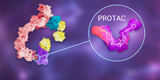
PROTAC — Target Selection and Design
Scientific Reviews
PROTAC — Target Selection and Design2022-07-08
A PROTAC molecule consists of three components: a target protein binding ligand, an E3 ligase ligand, and a linker connecting these two moieties. Here, we will discuss the conventional approaches for the rational design of PROTAC molecules. -
 Scientific Reviews
Organoids represent an important bridge between 2D cultures and in vivo mouse/human models. The organoid technology exerts enormous potential in evaluation of efficacy and toxicity of drugs, regenerative medicine, and precision medicine.In this article, we will briefly introduce organoid technology.
Scientific Reviews
Organoids represent an important bridge between 2D cultures and in vivo mouse/human models. The organoid technology exerts enormous potential in evaluation of efficacy and toxicity of drugs, regenerative medicine, and precision medicine.In this article, we will briefly introduce organoid technology. -
 Scientific Reviews
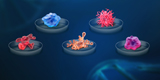
Development of Intestinal Organoid
Scientific Reviews
Development of Intestinal Organoid2022-07-28
3D organoid is one of the revolutionary developments in biomedical field during the past 10 years. The establishment of intestinal organoids is an important milestone in the development of organoid technology. -
 Scientific Reviews
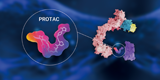
BacPROTACs is composed of a POI ligand, a chemical linker and a ClpCNTD anchor. BacPROTACs can induce in vitro and in vivo degradation of non-eukaryotic proteins in bacteria without the ubiquitin proteasome system.
Scientific Reviews
BacPROTACs is composed of a POI ligand, a chemical linker and a ClpCNTD anchor. BacPROTACs can induce in vitro and in vivo degradation of non-eukaryotic proteins in bacteria without the ubiquitin proteasome system. -
Scientific Reviews
Organoids have great potential in research of organ development, disease modeling, drug screening and, precision and regenerative medicin. In this article, we will expalin the origin of the organoids. Adult stem cells (ASCs) or pluripotent stem cells (PSCs) , which is the better choice.
-
 Scientific Reviews
Autophagy, derived from the Greek meaning "eating of self", plays an indispensable role in maintaining homeostasis. p27 is an inhibitor of cyclin CDKs, but how p27 regulates autophagy remains unknown. This article will cover the mechanism of autophagy and p27-related cell cycle regulation.
Scientific Reviews
Autophagy, derived from the Greek meaning "eating of self", plays an indispensable role in maintaining homeostasis. p27 is an inhibitor of cyclin CDKs, but how p27 regulates autophagy remains unknown. This article will cover the mechanism of autophagy and p27-related cell cycle regulation. -
 Scientific Reviews
AlphaFold2 can predict disease-related protein structures at low cost, and then find potential drugs for these diseases through drug repositioning, virtual screening, and other methods. ZINC is a public database summarizing information about billions of compounds. AlphaFold2 + ZINC20 speeds up the virtual screening process and improves the computing speed.
Scientific Reviews
AlphaFold2 can predict disease-related protein structures at low cost, and then find potential drugs for these diseases through drug repositioning, virtual screening, and other methods. ZINC is a public database summarizing information about billions of compounds. AlphaFold2 + ZINC20 speeds up the virtual screening process and improves the computing speed. -
 Scientific Reviews
CMA (chaperone-mediated autophagy) plays an essential role in maintaining neuronal protein stability and preventing neurodegeneration. In this article, we will comprehensively clarify the role of CMA in the occurrence and development of neurodegenerative diseases.
Scientific Reviews
CMA (chaperone-mediated autophagy) plays an essential role in maintaining neuronal protein stability and preventing neurodegeneration. In this article, we will comprehensively clarify the role of CMA in the occurrence and development of neurodegenerative diseases. -
 Scientific Reviews
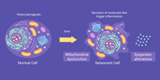
Understanding the mechanism of aging not only has guiding significance for prolonging human life but also has important clinical significance for the prevention and treatment of diseases in the elderly population , thus, improving their life quality and well-being.
Scientific Reviews
Understanding the mechanism of aging not only has guiding significance for prolonging human life but also has important clinical significance for the prevention and treatment of diseases in the elderly population , thus, improving their life quality and well-being. -
 Scientific Reviews
PROTAC - Design Strategy for Targeting
Scientific Reviews
PROTAC - Design Strategy for Targeting2023-04-23
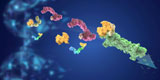
Protein degradation targeting chimera (PROTAC) is a technology that uses the ubiquitin proteasome pathway to silent target protein. However, PROTAC still has problems such as solubility, membrane permeability, and selectivity. In this article, we have summarized three strategies for optimization: light-controlled linker, PAC molecule, and specific E3 ligase. -
 Scientific Reviews
Stem cell classification and its application
Scientific Reviews
Stem cell classification and its application2023-05-18
Stem cells (SCs) have the unique ability to self-renew and differentiate into different cell types. SCs can differentiate into various types of tissue cells under specific conditions. Additionally, they can be further cultured to form different tissues and organs in the human body. Stem cells have numerous applications in various fields, including cell therapy, organ transplantation, neurodegenerative disease modeling, and drug screening. -
 Scientific Reviews
How to Perform Western Blot?
Scientific Reviews
How to Perform Western Blot?2023-07-13
Western blot is one of the most frequently performed experiments in molecular biology, biochemistry and immunology. This article describes in detail how to do WB. -
 Scientific Reviews
Organoid Culture: Questions & Answers
Scientific Reviews
Organoid Culture: Questions & Answers2023-07-26
In the last issue, we conducted a live lecture on the theme of organoid culture. Today, we have a special topic to solve your doubts in the last live class! -
 Scientific Reviews
SPR, which stands for Surface Plasmon Resonance, essentially works by detecting the interaction between ligands and analytes on a biosensor chip. This in turn allows us to probe the properties and structure of substances. With this technology, we can analyze molecules, proteins, DNA, and various organic and inorganic substances in samples in real-time with precision.
Scientific Reviews
SPR, which stands for Surface Plasmon Resonance, essentially works by detecting the interaction between ligands and analytes on a biosensor chip. This in turn allows us to probe the properties and structure of substances. With this technology, we can analyze molecules, proteins, DNA, and various organic and inorganic substances in samples in real-time with precision. -
 Scientific Reviews
Science | A "new" mechanism for non-ubiquitinated Midnolin-proteasomal degradation pathway
Scientific Reviews
Science | A "new" mechanism for non-ubiquitinated Midnolin-proteasomal degradation pathway2024-04-26
“ubiquitin-mediated protein degradation” won the Nobel Prize in Chemistry in 2004! In fact, proteasomes degrade not only ubiquitinated proteins but also non-ubiquitinated ones. The mechanism remains shrouded in mystery. After reading this piece today, you might have a lightbulb moment! -
 Scientific Reviews
Common Questions and Solutions for WB
Scientific Reviews
Common Questions and Solutions for WB2024-05-09
Come to understand the common problems and solutions of WB, and better complete the experiment! -
 Scientific Reviews
Exosomes, which won the Nobel Prize in 2013, are still a research hotspot in the national natural sciences, and their popularity has only increased over the past decade (in 2022, they still rank 5th in the national natural sciences hotspots!). Why have exosomes become the darling of scientific research? Let's take a look together~
Scientific Reviews
Exosomes, which won the Nobel Prize in 2013, are still a research hotspot in the national natural sciences, and their popularity has only increased over the past decade (in 2022, they still rank 5th in the national natural sciences hotspots!). Why have exosomes become the darling of scientific research? Let's take a look together~ -
 Scientific Reviews
Degrade target proteins through the autophagy-lysosome pathway including LYTAC, AUTAC, and ATTEC have gained increasing attention in recent years due to their significant research potential!
Scientific Reviews
Degrade target proteins through the autophagy-lysosome pathway including LYTAC, AUTAC, and ATTEC have gained increasing attention in recent years due to their significant research potential! -
 Scientific Reviews
Streptavidin-Biotin System
Scientific Reviews
Streptavidin-Biotin System2024-08-03
Streptavidin strongly binding small molecule biotin is one of the most popular non-covalent coupling methods. Streptavidin can be coupled to various carriers such as magnetic beads and agarose matrix, and become a highly specific affinity medium to capture various biotin-labeled ligands. -
 Scientific Reviews
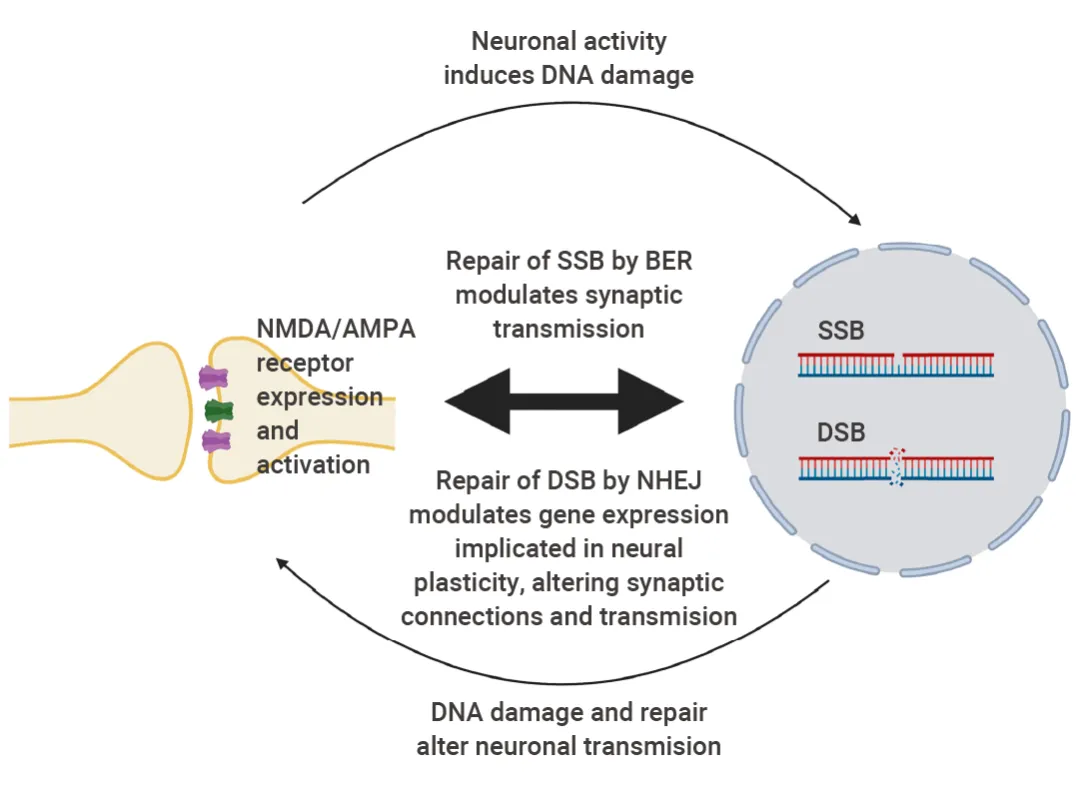
When you hear "inflammation" and "DNA damage," you might immediately think of disease or injury. However, in brains, these two processes are key steps in forming long-term memories, particularly related to specialized cells in our brain called hippocampal neurons.
Scientific Reviews
When you hear "inflammation" and "DNA damage," you might immediately think of disease or injury. However, in brains, these two processes are key steps in forming long-term memories, particularly related to specialized cells in our brain called hippocampal neurons. -
 Scientific Reviews
Autophagy is a fundamental process that degrades various components within the cell.
Scientific Reviews
Autophagy is a fundamental process that degrades various components within the cell. -
.jpg) Scientific Reviews
nside cells, the homeostasis and degradation of proteins is a precisely regulated process. If proteins cannot be degraded in time, it may lead to the occurrence of various diseases such as neurodegenerative diseases and cancer. This article will tell you the process of how proteins are recognized, labeled and then degraded!
Scientific Reviews
nside cells, the homeostasis and degradation of proteins is a precisely regulated process. If proteins cannot be degraded in time, it may lead to the occurrence of various diseases such as neurodegenerative diseases and cancer. This article will tell you the process of how proteins are recognized, labeled and then degraded! -
 Scientific Reviews
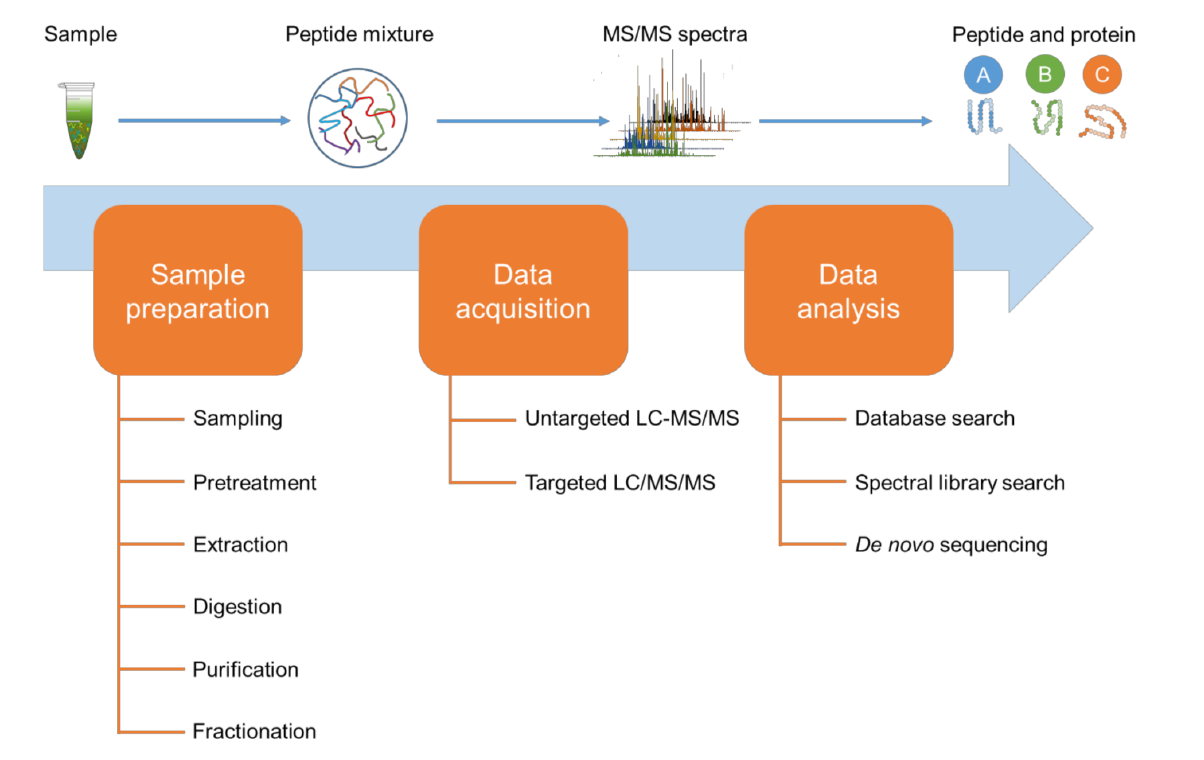
As a pivotal branch in the post - genomic era, proteomics is committed to comprehensively elucidating the types, abundances, structures, functions, and interactions of all proteins within living organisms. This article will tell you the key steps of proteomics sample preparation based on mass spectrometry. This article will tell you the key steps of proteomics sample preparation based on mass spectrometry.
Scientific Reviews
As a pivotal branch in the post - genomic era, proteomics is committed to comprehensively elucidating the types, abundances, structures, functions, and interactions of all proteins within living organisms. This article will tell you the key steps of proteomics sample preparation based on mass spectrometry. This article will tell you the key steps of proteomics sample preparation based on mass spectrometry. -
 Scientific Reviews
Western blotting is a crucial and fundamental technique in life science research. It plays a significant role in exploring protein expression and function. The following article will comprehensively and thoroughly elaborate on the specific procedures and detailed key points of this experiment.
Scientific Reviews
Western blotting is a crucial and fundamental technique in life science research. It plays a significant role in exploring protein expression and function. The following article will comprehensively and thoroughly elaborate on the specific procedures and detailed key points of this experiment. -
 Scientific Reviews
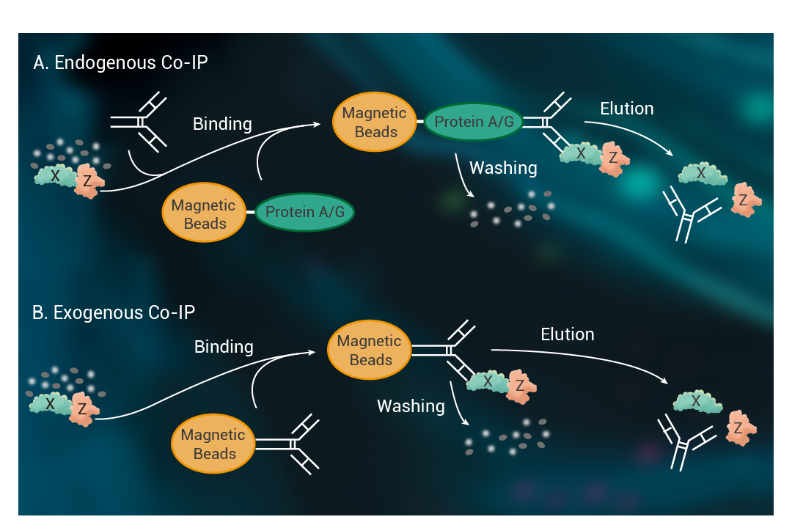
In protein biology, Co-IP is a powerful tool to uncover protein "social networks." But poorly performed, it easily becomes an awkward lab "meet-and-greet." Today, we discuss making Co-IP experiments elegant and efficient—so you pull down target proteins with confidence and precision.
Scientific Reviews
In protein biology, Co-IP is a powerful tool to uncover protein "social networks." But poorly performed, it easily becomes an awkward lab "meet-and-greet." Today, we discuss making Co-IP experiments elegant and efficient—so you pull down target proteins with confidence and precision. -
 Scientific Reviews
Chromatin Immunoprecipitation (ChIP) Demystified: A Complete Guide to Epigenetic Analysis
Scientific Reviews
Chromatin Immunoprecipitation (ChIP) Demystified: A Complete Guide to Epigenetic Analysis2025-08-05
In this issue, we introduce a powerful technique for detecting interactions between epigenetic regulatory factors and DNA—Chromatin Immunoprecipitation (ChIP)! -
Scientific Reviews
For all the protein research folks out there, techniques like IP and Co-IP are no stranger, right? And of course, there's a faster and more convenient go-to tool—Protein A/G magnetic beads! In this article, let's chat about how these beads work their magic in classic experiments like IP and Co-IP. -
 Scientific Reviews
Exosomes—natural nanoscale carriers—are revolutionizing targeted therapy. This article uncovers the science behind their precision in drug delivery.
Scientific Reviews
Exosomes—natural nanoscale carriers—are revolutionizing targeted therapy. This article uncovers the science behind their precision in drug delivery. -
Scientific Reviews
Cracking the PROTAC Permeability Barrier: CD36-Mediated Endocytosis as a Potential Breakthrough2025-12-03
This article provides an in-depth analysis of cutting-edge literature revealing CD36 as a key mediator of cellular uptake for PROTACs and bRO5 compounds. By structurally optimizing PROTAC molecules to enhance their affinity for CD36, membrane permeability can be markedly improved, leading to significantly enhanced antitumor efficacy. -
 Scientific Reviews
Efficient Generation of Mouse Small Intestinal Organoids: A Complete Experimental Protocol Guide
Scientific Reviews
Efficient Generation of Mouse Small Intestinal Organoids: A Complete Experimental Protocol Guide2025-12-10
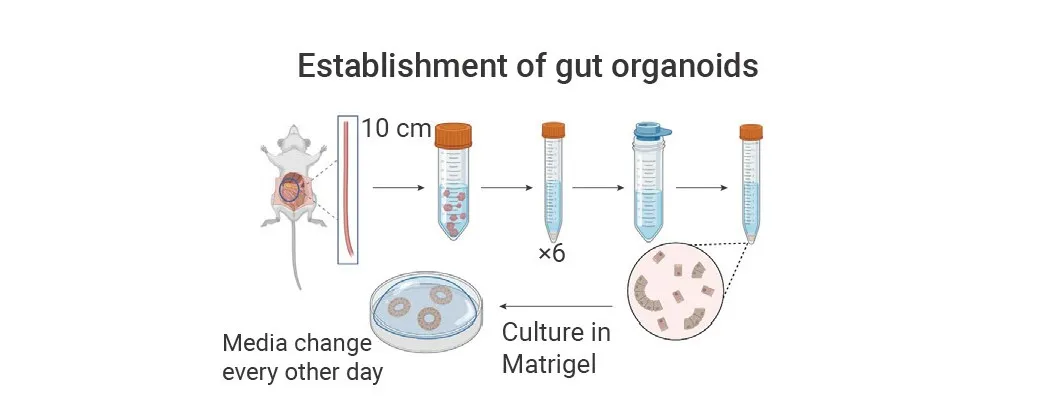
How to successfully create mouse small intestine organoids? A detailed, hands-on guide to the entire process, all in one article! -
 Scientific Reviews
FISH is a molecular technique using fluorescent probes to detect specific nucleic acids in cells, with high sensitivity and diverse biomedical applications.
Scientific Reviews
FISH is a molecular technique using fluorescent probes to detect specific nucleic acids in cells, with high sensitivity and diverse biomedical applications. -
 Scientific Reviews
Molecular glue degraders have evolved from a serendipitous observation to one of the most dynamic and transformative fields in biomedical research.
Scientific Reviews
Molecular glue degraders have evolved from a serendipitous observation to one of the most dynamic and transformative fields in biomedical research. -
 EDM
Targeting the ‘Undruggable’ with PROTACs
EDM
Targeting the ‘Undruggable’ with PROTACs2025-06-18
This review introduces the fundamental principles and mechanisms of PROTACs, highlights recent advances in molecular design and clinical development, and discusses emerging opportunities and remaining challenges in targeted protein degradation. -
 EDM
This review explores the molecular mechanisms of the DNA damage response, reviews therapeutic strategies targeting DDR pathways in cancer, and examines their roles in cancer drug resistance.
EDM
This review explores the molecular mechanisms of the DNA damage response, reviews therapeutic strategies targeting DDR pathways in cancer, and examines their roles in cancer drug resistance. -
 EDM
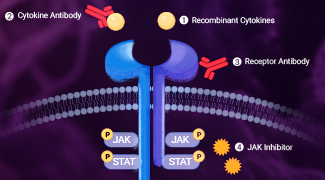
This review critically examines the role of the JAK-STAT pathway in immunity and autoimmune diseases, reviews current clinical applications of targeted therapies, and highlights emerging trends in autoimmune drug development.
EDM
This review critically examines the role of the JAK-STAT pathway in immunity and autoimmune diseases, reviews current clinical applications of targeted therapies, and highlights emerging trends in autoimmune drug development. -
 EDM
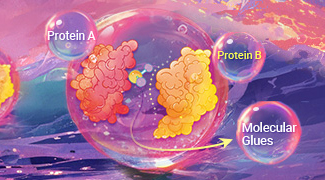
This review discusses recent progress in molecular glue technologies, illustrating how targeted protein degradation strategies enable the modulation of previously undruggable proteins.
EDM
This review discusses recent progress in molecular glue technologies, illustrating how targeted protein degradation strategies enable the modulation of previously undruggable proteins. -
 EDM
This review outlines macrophage functions and classification, and provides practical experimental guidelines for macrophage differentiation, polarization, and identification.
EDM
This review outlines macrophage functions and classification, and provides practical experimental guidelines for macrophage differentiation, polarization, and identification. -
 EDM
Explore the mechanisms driving immune tolerance breakdown in autoimmune diseases and emerging tolerance-restoring strategies, with a focus on IL-2-based immune modulation.
EDM
Explore the mechanisms driving immune tolerance breakdown in autoimmune diseases and emerging tolerance-restoring strategies, with a focus on IL-2-based immune modulation. -
 EDM
Review the evolution of molecular glues from serendipitous discovery to rational design, highlighting how emerging targets and advances in screening, proteomics, structural biology, and AI are expanding the druggable proteome.
EDM
Review the evolution of molecular glues from serendipitous discovery to rational design, highlighting how emerging targets and advances in screening, proteomics, structural biology, and AI are expanding the druggable proteome. -
 EDM
Explore emerging synthetic lethal vulnerabilities beyond BRCA–PARP and advances in their discovery and prediction through CRISPR screening, organoids, multi-omics, and AI.
EDM
Explore emerging synthetic lethal vulnerabilities beyond BRCA–PARP and advances in their discovery and prediction through CRISPR screening, organoids, multi-omics, and AI. -
 Blog
AZD5991, a macrocyclic molecule with high selectivity for Mcl-1, reduces Mcl-1 protein in AZD5991-sensitive but not in AZD5991-resistant MM cell lines.
Blog
AZD5991, a macrocyclic molecule with high selectivity for Mcl-1, reduces Mcl-1 protein in AZD5991-sensitive but not in AZD5991-resistant MM cell lines. -
 Blog
CF53 is a highly potent, selective and orally active inhibitor of BET protein, with anti-tumor activity in acute leukemia and breast cancer cell lines.
Blog
CF53 is a highly potent, selective and orally active inhibitor of BET protein, with anti-tumor activity in acute leukemia and breast cancer cell lines. -
 Blog
HJB97 is a BET PROTAC inhibitor with good anti-tumor activity, and effectively blocks the degradation of BRD2, BRD3, and BRD4 proteins induced by BETd-260.
Blog
HJB97 is a BET PROTAC inhibitor with good anti-tumor activity, and effectively blocks the degradation of BRD2, BRD3, and BRD4 proteins induced by BETd-260. -
 Blog
A Lead PROTAC BRD9 Chemical Degrader
Blog
A Lead PROTAC BRD9 Chemical Degrader2019-04-06
PROTAC BRD9 Degrader-1 is a lead PROTAC BRD9 chemical degrader and a selective probe useful for the study of BAF complex biology. -
 Blog
COH000 is an allosteric, covalent and irreversible inhibitor of SUMO-activating enzyme, with an IC50 of 0.2 μM for SUMOylation in vitro.
Blog
COH000 is an allosteric, covalent and irreversible inhibitor of SUMO-activating enzyme, with an IC50 of 0.2 μM for SUMOylation in vitro. -
 Blog
PhiKan 083 is a carbazole derivative, which binds to the surface cavity and stabilizes Y220C (a p53 mutant), with a Kd of 167 μM.
Blog
PhiKan 083 is a carbazole derivative, which binds to the surface cavity and stabilizes Y220C (a p53 mutant), with a Kd of 167 μM. -
 Blog
IITZ-01 is a potent lysosomotropic autophagy inhibitor with single-agent antitumor activity, with an IC50 of 2.62 μM for PI3Kγ.
Blog
IITZ-01 is a potent lysosomotropic autophagy inhibitor with single-agent antitumor activity, with an IC50 of 2.62 μM for PI3Kγ. -
 Blog
Y06036 is a potent and selective BET inhibitor for potential treatment of castration-resistant prostate cancer. With nanomolar inhibition.
Blog
Y06036 is a potent and selective BET inhibitor for potential treatment of castration-resistant prostate cancer. With nanomolar inhibition. -
 Blog
Y06137 is a potent and selective BET inhibitor, which binds to the BRD4(1) bromodomain with a Kd of 81 nM. Antitumor activity.
Blog
Y06137 is a potent and selective BET inhibitor, which binds to the BRD4(1) bromodomain with a Kd of 81 nM. Antitumor activity. -
 Blog
NRX-252262 is a β-catenin:β-TrCP interaction enhancer, and its cognate E3 ligase, SCFβ-TrCP, induces mutant β-catenin degradation, with an EC50 of 3.8 nM
Blog
NRX-252262 is a β-catenin:β-TrCP interaction enhancer, and its cognate E3 ligase, SCFβ-TrCP, induces mutant β-catenin degradation, with an EC50 of 3.8 nM -
 Blog
TAK-981 is a selective inhibitor of the SUMOylation enzymatic cascade, with potential immune-activating and antineoplastic activities
Blog
TAK-981 is a selective inhibitor of the SUMOylation enzymatic cascade, with potential immune-activating and antineoplastic activities -
 Blog
TD-428 is a Highly Specific BRD4 Degrader
Blog
TD-428 is a Highly Specific BRD4 Degrader2019-04-29
TD-428, a immunomodulatory drug analog, is a highly specific BRD4 degrader with a DC50 of 0.32 nM. TD-428 reduces c-Myc levels more efficiently than JQ1. -
 Blog
SLLN-15 is an oral activ enhancer of autophagy that activates cytostatic macroautophagy/autophagy in triple-negative breast cancer (TNBC).
Blog
SLLN-15 is an oral activ enhancer of autophagy that activates cytostatic macroautophagy/autophagy in triple-negative breast cancer (TNBC). -
 Blog
A1874 is a nutlin-based and BRD4-degrading PROTAC with a DC50 of 32 nM. Effective in inhibiting many cancer cell lines proliferation
Blog
A1874 is a nutlin-based and BRD4-degrading PROTAC with a DC50 of 32 nM. Effective in inhibiting many cancer cell lines proliferation -
 Blog
BSJ-03-123, a Degrader with Proteome-wide Selectivity for CDK6 (PROTAC). Induces a G1 cell-cycle arrest without a measurable increase in apoptosis.
Blog
BSJ-03-123, a Degrader with Proteome-wide Selectivity for CDK6 (PROTAC). Induces a G1 cell-cycle arrest without a measurable increase in apoptosis. -
 Blog
FT671 is a potent, non-covalent and selective USP7 inhibitor with an IC50 of 52 nM and binds to the USP7 catalytic domain with a Kd of 65 nM.
Blog
FT671 is a potent, non-covalent and selective USP7 inhibitor with an IC50 of 52 nM and binds to the USP7 catalytic domain with a Kd of 65 nM. -
 Blog
ZM223 is a non-sulfamide NEDD8 activating enzyme (NAE) inhibitor, with IC50 value of 100 nM in cells. ZM223 has potential to treat colon cancer.
Blog
ZM223 is a non-sulfamide NEDD8 activating enzyme (NAE) inhibitor, with IC50 value of 100 nM in cells. ZM223 has potential to treat colon cancer. -
 Blog
STL127705 is a Ku 70/80 heterodimer protein inhibitor, inhibits Ku70/80-DNA interaction (IC50 of 3.5 μM) and Ku-dependent activation of DNA-PKCS kinase.
Blog
STL127705 is a Ku 70/80 heterodimer protein inhibitor, inhibits Ku70/80-DNA interaction (IC50 of 3.5 μM) and Ku-dependent activation of DNA-PKCS kinase. -
 Blog
MS4077 is an anaplastic lymphoma kinase (ALK) PROTAC (degrader) with a Kd of 37 nM for binding affinity to ALK. Efficacy for breast cancer and lung cancer.
Blog
MS4077 is an anaplastic lymphoma kinase (ALK) PROTAC (degrader) with a Kd of 37 nM for binding affinity to ALK. Efficacy for breast cancer and lung cancer. -
 Blog
VL285, is a Potent VHL Ligand
Blog
VL285, is a Potent VHL Ligand2019-05-24
VL285 is a Potent VHL Ligand. -
 Blog
SNIPER(TACC3)-1 targets the TACC3 protein for degradation via the ubiquitin-proteasome pathway. SNIPER(TACC3)-1 induces cancer cell death.
Blog
SNIPER(TACC3)-1 targets the TACC3 protein for degradation via the ubiquitin-proteasome pathway. SNIPER(TACC3)-1 induces cancer cell death. -
 Blog
TAS-114 is a dual dUTPase/dihydropyrimidine dehydrogenase (DPD) inhibitor, can improving the therapeutic efficacy of fluoropyrimidine.
Blog
TAS-114 is a dual dUTPase/dihydropyrimidine dehydrogenase (DPD) inhibitor, can improving the therapeutic efficacy of fluoropyrimidine. -
 Blog
IWP-O1, a Highly Potent Porcupine Inhibitor, Functions by Preventing the Secretion of Wnt Proteins
Blog
IWP-O1, a Highly Potent Porcupine Inhibitor, Functions by Preventing the Secretion of Wnt Proteins2019-06-03
IWP-O1 is a Porcupine (Porcn) inhibitor, with an EC50 of 80 pM in L-Wnt-STF cells. IWP-O1 functions by preventing the secretion of Wnt proteins[ -
 Blog
SJFδ, a 10-atom Linker PROTAC, Degrades p38δ
Blog
SJFδ, a 10-atom Linker PROTAC, Degrades p38δ2019-06-11
SJFδ, a 10-atom Linker PROTAC, Degrades p38δ, degrades p38δwith strong capacity. SJFδ degrades p38δ with a DC50 of 46.17±9.85 nM and a Dmax of 99.41±3.31%. -
 Blog
JMS-17-2 is a CX3CR1 Antagonist
Blog
JMS-17-2 is a CX3CR1 Antagonist2019-06-12
JMS-17-2 is a potent and selective CX3CR1 antagonist with an IC50 of 0.32 nM. Has potential to treat cancers such as breast cancer. -
 Blog
TAS4464 is a highly potent and selective inhibitor of NEDD8 activating enzyme (NAE), with an IC50 of 0.955 nM. TAS4464 shows antitumor activity.
Blog
TAS4464 is a highly potent and selective inhibitor of NEDD8 activating enzyme (NAE), with an IC50 of 0.955 nM. TAS4464 shows antitumor activity. -
 Blog
NMS-P515 is a potent, orally active and stereospecific PARP-1 inhibitor, with a Kd of 16 nM and an IC50 of 27 nM (in Hela cells). Anti-tumor activity.
Blog
NMS-P515 is a potent, orally active and stereospecific PARP-1 inhibitor, with a Kd of 16 nM and an IC50 of 27 nM (in Hela cells). Anti-tumor activity. -
 Blog
ERD-308 is a highly potent PROTAC degrader of ER for ER+ breast cancer treatment. ERD-308 induces >95% of ER degradation at concentrations as low as 5 nM.
Blog
ERD-308 is a highly potent PROTAC degrader of ER for ER+ breast cancer treatment. ERD-308 induces >95% of ER degradation at concentrations as low as 5 nM. -
 Blog
JG-98, an Hsp70 inhibitor, binds tightly to a conserved site on Hsp70 and disrupts the Hsp70-Bag3 interaction. JG-98 shows anti-cancer activities.
Blog
JG-98, an Hsp70 inhibitor, binds tightly to a conserved site on Hsp70 and disrupts the Hsp70-Bag3 interaction. JG-98 shows anti-cancer activities. -
 Blog
MZP-55 is a selective PROTAC degrader of BRD3/4, shows no obvious effect on BRD2. MZP-55 exhibits excellent activity in cancer research.
Blog
MZP-55 is a selective PROTAC degrader of BRD3/4, shows no obvious effect on BRD2. MZP-55 exhibits excellent activity in cancer research. -
 Blog
dBET6 is a potent PROTAC degrader of BET, shows high affinity to BRD4(1), and possess good efficacy in T cell acute lymphoblastic leukemia activity.
Blog
dBET6 is a potent PROTAC degrader of BET, shows high affinity to BRD4(1), and possess good efficacy in T cell acute lymphoblastic leukemia activity. -
 Blog
GSK2643943A is a Novel DUB Inhibitor
Blog
GSK2643943A is a Novel DUB Inhibitor2019-07-25
GSK2643943A is a novel deubiquitylating enzyme (DUB) inhibitor. GSK2643943A targets USP20/Ub-Rho and shows an IC50 of 160 nM. -
 Blog
MT-802 is a potent BTK degrader based on PROTAC technology, with a DC50 of 1 nM. MT-802 has potential to treat C481S mutant chronic lymphocytic leukemia.
Blog
MT-802 is a potent BTK degrader based on PROTAC technology, with a DC50 of 1 nM. MT-802 has potential to treat C481S mutant chronic lymphocytic leukemia. -
 Blog
ML367 is an ATAD5 Stabilization Inhibitor
Blog
ML367 is an ATAD5 Stabilization Inhibitor2019-08-03
ML367 is a potent inhibitor of ATAD5 stabilization. It blocks DNA repair pathways, and suppresses phosphorylation of RPA32 and CHK1. -
 Blog
ACBI1 is a PROTAC Degrader of BAF Complex
Blog
ACBI1 is a PROTAC Degrader of BAF Complex2019-08-07
ACBI1 is a potent PROTAC degrader of BAF ATPase subunits SMARCA2, SMARCA4 and PBRM1, with DC50s of 6 nM, 11 nM and 32 nM in MV-4-11 cells, respectively. -
 Blog
dMCL1-2 is a potent and selective degrader of myeloid cell leukemia 1 (MCL1) based on PROTAC, which binds to MCL1 with a KD of 30 nM.
Blog
dMCL1-2 is a potent and selective degrader of myeloid cell leukemia 1 (MCL1) based on PROTAC, which binds to MCL1 with a KD of 30 nM. -
 Blog
JH-RE-06, a potent REV1-REV7 interface inhibitor (IC50=0.78 μM; Kd=0.42 μM), targets REV1 that interacts with the REV7 subunit of POLζ.
Blog
JH-RE-06, a potent REV1-REV7 interface inhibitor (IC50=0.78 μM; Kd=0.42 μM), targets REV1 that interacts with the REV7 subunit of POLζ. -
 Blog
CP-10 is a Specific PROTAC Degrader of CDK6
Blog
CP-10 is a Specific PROTAC Degrader of CDK62019-08-25
CP-10 is a PROTAC with highly selective, specific, and remarkable CDK6 degradation (DC50=2.1 nM), which has anti-cancer activity. -
 Blog
ARV-825 is a PROTAC, and acts as a potent BRD4 degrader, with Kds of 90 and 28 nM for BRD4 BD1 and BRD4 BD2, respectively.
Blog
ARV-825 is a PROTAC, and acts as a potent BRD4 degrader, with Kds of 90 and 28 nM for BRD4 BD1 and BRD4 BD2, respectively. -
 Blog
GMB-475 is a PROTAC BCR-ABL1 degrader, overcomes BCR-ABL1-dependent drug resistance, targets BCR-ABL1 protein and recruits the E3 ligase Von Hippel Lindau.
Blog
GMB-475 is a PROTAC BCR-ABL1 degrader, overcomes BCR-ABL1-dependent drug resistance, targets BCR-ABL1 protein and recruits the E3 ligase Von Hippel Lindau. -
 Blog
dBET57 is a potent and selective degrader of BRD4BD1 based on the PROTAC technology and mediates recruitment to the CRL4CRBN E3 ubiquitin ligase.
Blog
dBET57 is a potent and selective degrader of BRD4BD1 based on the PROTAC technology and mediates recruitment to the CRL4CRBN E3 ubiquitin ligase. -
 Blog
MD-224 is a human MDM2 degrader based on the PROTAC concept. MD-224 induces rapid degradation of MDM2 at concentrations <1 nM in human leukemia cells.
Blog
MD-224 is a human MDM2 degrader based on the PROTAC concept. MD-224 induces rapid degradation of MDM2 at concentrations <1 nM in human leukemia cells. -
 Blog
E3330, an APE1 Redox Inhibitor, Modulates Cell Migration and Invasion in Metastatic Cancer
Blog
E3330, an APE1 Redox Inhibitor, Modulates Cell Migration and Invasion in Metastatic Cancer2019-09-13
E3330 is a direct, orally active AP endonuclease 1 (APE1) inhibitor, which suppresses NF-κB DNA-binding activity. E3330 shows good anticancer properties. -
 Blog
AOH1160, an Orally Active PCNA Inhibitor, Exhibits Efferctive Anti-cancer Activity with Low Toxicity
Blog
AOH1160, an Orally Active PCNA Inhibitor, Exhibits Efferctive Anti-cancer Activity with Low Toxicity2019-09-14
AOH1160 is a potent, first-in-class, orally available PCNA inhibitor and exhibits broad-spectrum anti-cancer activity without causing unacceptable toxicity. -
 Blog
Blog
-
 Blog
CP5V is a Specific PROTAC Degrader of Cdc20
Blog
CP5V is a Specific PROTAC Degrader of Cdc202019-11-20
CP5V is a PROTAC, which specifically degrades Cdc20 by linking Cdc20 to the VHL/VBC complex for ubiquitination followed by proteasomal degradation. -
 Blog
PK11007 is a Mild Alkylating Agent with Anticancer Activity and induces mutant p53 cancer cell death by increasing reactive oxygen species (ROS) levels.
Blog
PK11007 is a Mild Alkylating Agent with Anticancer Activity and induces mutant p53 cancer cell death by increasing reactive oxygen species (ROS) levels. -
 Blog
SD-36 is a Selective PROTAC STAT3 Degrader
Blog
SD-36 is a Selective PROTAC STAT3 Degrader2019-12-06
SD-36 is a potent, efficacious and selective PROTAC STAT3 degrader (Kd=50 nM) and achieves complete tumor regression in vivo. -
 Blog
Niraparib is an Orally Active PARP Inhibitor
Blog
Niraparib is an Orally Active PARP Inhibitor2019-12-18
Niraparib is a highly potent and orally bioavailable PARP1 and PARP2 inhibitor. Niraparib has potent anti-cancer activity. -
 Blog
MG-277 works as a PROTAC molecular glue, inducing degradation of a translation termination factor, GSPT1 to achieve its potent anticancer activity.
Blog
MG-277 works as a PROTAC molecular glue, inducing degradation of a translation termination factor, GSPT1 to achieve its potent anticancer activity. -
 Blog
DRF-1042 is an orally active derivative of Camptothecin and acts to inhibit DNA topoisomerase I with good anticancer activity.
Blog
DRF-1042 is an orally active derivative of Camptothecin and acts to inhibit DNA topoisomerase I with good anticancer activity. -
 Blog
MS432 is a first-in-class and highly selective PD0325901-based VHL-recruiting PROTAC degrader for MEK1 and MEK2 with good anti-cancer activity.
Blog
MS432 is a first-in-class and highly selective PD0325901-based VHL-recruiting PROTAC degrader for MEK1 and MEK2 with good anti-cancer activity. -
 Blog
KB02-JQ1 is a highly potent and selective PROTAC BRD4 degrader that degrades nuclear proteins by engaging CUL4-DDB1 E3 ubiquitin ligases DCAF16.
Blog
KB02-JQ1 is a highly potent and selective PROTAC BRD4 degrader that degrades nuclear proteins by engaging CUL4-DDB1 E3 ubiquitin ligases DCAF16. -
 Blog
D-I03 is a Selective RAD52 Inhibitor
Blog
D-I03 is a Selective RAD52 Inhibitor2020-01-08
D-I03 is a selective RAD52 inhibitor, which specifically inhibits RAD52-dependent single-strand annealing (SSA) and D-loop formation. -
 Blog
SB-218078, a Chk1 inhibitor, inhibits Chk1 phosphorylation of cdc25C with an IC50 of 15 nM, causeing apoptosis by DNA damage and cell cycle arrest.
Blog
SB-218078, a Chk1 inhibitor, inhibits Chk1 phosphorylation of cdc25C with an IC50 of 15 nM, causeing apoptosis by DNA damage and cell cycle arrest. -
 Blog
TCH-165 is a modulator of proteasome assembly, which increases 20S levels and facilitates 20S-mediated protein degradation, such as IDPs, α-syn, and tau.
Blog
TCH-165 is a modulator of proteasome assembly, which increases 20S levels and facilitates 20S-mediated protein degradation, such as IDPs, α-syn, and tau. -
 Blog
6RK73 is a covalent irreversible and specific UCHL1 inhibitor,which specifically inhibits UCHL1 activity in breast cancer.
Blog
6RK73 is a covalent irreversible and specific UCHL1 inhibitor,which specifically inhibits UCHL1 activity in breast cancer. -
 Blog
CCT367766, a PROTAC-based Pirin-targeting PDP, exhibits a moderate affinity for the CRBN-DDB1 complex and reveals a good affinity for Pirin and CRBN.
Blog
CCT367766, a PROTAC-based Pirin-targeting PDP, exhibits a moderate affinity for the CRBN-DDB1 complex and reveals a good affinity for Pirin and CRBN. -
 Blog
E64FC26 is a highly potent pan-style inhibitor of the protein disulfide isomerase (PDI) family with anti-myeloma activities.
Blog
E64FC26 is a highly potent pan-style inhibitor of the protein disulfide isomerase (PDI) family with anti-myeloma activities. -
 Blog
NU1025 is a potent PARP inhibitor and potentiates the cytotoxicity of ionizing radiation drug. NU1025 has anti-cancer and neuroprotective activity.
Blog
NU1025 is a potent PARP inhibitor and potentiates the cytotoxicity of ionizing radiation drug. NU1025 has anti-cancer and neuroprotective activity. -
 Blog
TL13-112 is a PROTAC Degrader of ALK
Blog
TL13-112 is a PROTAC Degrader of ALK2020-04-15
TL13-112 is a selective ALK-PROTAC degrader and inhibits ALK activity. TL13-112 is comprised of the conjugation of Ceritinib and the ligand pomalidomide . -
 Blog
TP3011 is a potent DNA topoisomerase I inhibitor. Antitumor activities.Active metabolite of TP3076. TP3011 inhibits cancer cell proliferative activities.
Blog
TP3011 is a potent DNA topoisomerase I inhibitor. Antitumor activities.Active metabolite of TP3076. TP3011 inhibits cancer cell proliferative activities. -
 Blog
TL13-12 is a Selective ALK-PROTAC Degrader
Blog
TL13-12 is a Selective ALK-PROTAC Degrader2020-04-21
TL13-12 can induce receptor tyrosine kinase anaplastic lymphoma kinase degradation in non small cell lung cancer cells. PROTAC ALK degrader. -
 Blog
ARCC-4 is a low-nanomolar AR degrader, and effectively degrades clinically relevant AR mutants associated with antiandrogen therapy.
Blog
ARCC-4 is a low-nanomolar AR degrader, and effectively degrades clinically relevant AR mutants associated with antiandrogen therapy. -
 Blog
PIK-75 is a reversible DNA-PK and p110α selective inhibitor. Impairs cell proliferation, survival, and tumor growth. Induce apoptosis.
Blog
PIK-75 is a reversible DNA-PK and p110α selective inhibitor. Impairs cell proliferation, survival, and tumor growth. Induce apoptosis. -
 Blog
RBN-2397 is an orally active accross species NAD+ competitive inhibitor of PARP7. RBN-2397 binds to PARP7 and restores interferon (Type I) signaling.
Blog
RBN-2397 is an orally active accross species NAD+ competitive inhibitor of PARP7. RBN-2397 binds to PARP7 and restores interferon (Type I) signaling. -
 Blog
UT-34 is a potent, selective and orally active second-generation pan-androgen receptor (AR) antagonist and degrader with anti-prostate cancer efficacy.
Blog
UT-34 is a potent, selective and orally active second-generation pan-androgen receptor (AR) antagonist and degrader with anti-prostate cancer efficacy. -
 Blog
HM03 is a potent and selective HSPA5 inhibitor with anticancer activity. HSPA5 plays a key role in monitoring protein transport through the cell.
Blog
HM03 is a potent and selective HSPA5 inhibitor with anticancer activity. HSPA5 plays a key role in monitoring protein transport through the cell. -
 Blog
XZ739 is a PROTAC BCL-XL Degrader
Blog
XZ739 is a PROTAC BCL-XL Degrader2020-06-18
XZ739 is a PROTAC BCL-XL Degrader. XZ739 is potent against various cancer cell lines. PROTAC is an emerging therapeutic modality. -
 Blog
DI-82 is a potent deoxycytidine kinase (dCK) inhibitor. DI-82 is potent against hematological malignancies and other cancers.
Blog
DI-82 is a potent deoxycytidine kinase (dCK) inhibitor. DI-82 is potent against hematological malignancies and other cancers. -
 Blog
RA-9 is a potent and selective proteasome-associated DUBs inhibitor with favorable toxicity profile and anticancer activity.
Blog
RA-9 is a potent and selective proteasome-associated DUBs inhibitor with favorable toxicity profile and anticancer activity. -
 Blog
DI-87, an orally active and selective dCK inhibitor, has antitumor activity and is used in combination therapy against tumors expressing dCK.
Blog
DI-87, an orally active and selective dCK inhibitor, has antitumor activity and is used in combination therapy against tumors expressing dCK. -
 Blog
HLI373 represents a potential drug-able lead for the development of therapeutically efficacious inhibitors of Hdm2. Hdm2 is an ubiquitin protein ligase.
Blog
HLI373 represents a potential drug-able lead for the development of therapeutically efficacious inhibitors of Hdm2. Hdm2 is an ubiquitin protein ligase. -
 Blog
RA375, a RPN13 inhibitor, inhibits proteasome function in muscle. RA375 is highly active against cell lines of multiple myeloma and diverse solid cancers.
Blog
RA375, a RPN13 inhibitor, inhibits proteasome function in muscle. RA375 is highly active against cell lines of multiple myeloma and diverse solid cancers. -
 Blog
CRT0044876 is a potent and selective APE1 inhibitor. CRT0044876 inhibits the AP endonuclease, 3′-phosphodiesterase and 3′-phosphatase activities of APE1.
Blog
CRT0044876 is a potent and selective APE1 inhibitor. CRT0044876 inhibits the AP endonuclease, 3′-phosphodiesterase and 3′-phosphatase activities of APE1. -
 Blog
SJF620 is a Potent PROTAC BTK Degrader
Blog
SJF620 is a Potent PROTAC BTK Degrader2020-09-26
SJF620 is a potent PROTAC BTK degrader with improved pharmacokinetic properties. Contains a Lenalidomide analog for recruiting CRBN. -
 Blog
BSJ-04-132 is a potent and selective Ribociclib-based CDK4 degrader (PROTAC) and does not induce CDK6 and IKZF1/3 degradation with anti-cancer activity.
Blog
BSJ-04-132 is a potent and selective Ribociclib-based CDK4 degrader (PROTAC) and does not induce CDK6 and IKZF1/3 degradation with anti-cancer activity. -
 Blog
BSJ-03-204 is a potent and selective Palbociclib-based CDK4/6 dual degrader (PROTAC) and does not induce IKZF1/3 degradation with anti-cancer activity.
Blog
BSJ-03-204 is a potent and selective Palbociclib-based CDK4/6 dual degrader (PROTAC) and does not induce IKZF1/3 degradation with anti-cancer activity. -
 Blog
KB02-SLF is a PROTAC-based nuclear FKBP12 degrader. KB02-SLF promotes nuclear FKBP12 degradation by covalently modifying DCAF16 (E3 ligase).
Blog
KB02-SLF is a PROTAC-based nuclear FKBP12 degrader. KB02-SLF promotes nuclear FKBP12 degradation by covalently modifying DCAF16 (E3 ligase). -
 Blog
DT2216 is a potent and selective BCL-XL degrader based on PROTAC technology. DT2216 inhibits leukemia and has potent anti-cancer activity.
Blog
DT2216 is a potent and selective BCL-XL degrader based on PROTAC technology. DT2216 inhibits leukemia and has potent anti-cancer activity. -
 Blog
dTRIM24 will be a useful tool to further probe the function of TRIM24 by rapid chemical depletion in hematopoietic cancers and other biological contexts.
Blog
dTRIM24 will be a useful tool to further probe the function of TRIM24 by rapid chemical depletion in hematopoietic cancers and other biological contexts. -
 Blog
ZXH-3-26 is a Selective PROTAC BRD4 Degrader
Blog
ZXH-3-26 is a Selective PROTAC BRD4 Degrader2020-11-17
ZXH-3-26 is a Selective PROTAC BRD4 Degrader and allows pharmacologic targeting of BRD4 without significant inhibition or degradation of BRD2/3. -
 Blog
BETd-260 is a Potent PROTAC BET Degrader
Blog
BETd-260 is a Potent PROTAC BET Degrader2020-11-18
BETd-260 is a highly potent, efficacious, and promising BET degrader. -
 Blog
SIAIS178 is a potent and selective BCR-ABL degrader based on PROTAC technology by recruiting VHL E3 ubiquitin ligase. SIAIS178 has anticancer activity.
Blog
SIAIS178 is a potent and selective BCR-ABL degrader based on PROTAC technology by recruiting VHL E3 ubiquitin ligase. SIAIS178 has anticancer activity. -
 Blog
GNE-987, a potent chimeric BET degrader, exhibits picomolar cell BRD4 degradation activity. GNE-987 can be used in PROTAC-Antibody Conjugate (PAC).
Blog
GNE-987, a potent chimeric BET degrader, exhibits picomolar cell BRD4 degradation activity. GNE-987 can be used in PROTAC-Antibody Conjugate (PAC). -
 Blog
BI-3663 is a highly selective PTK2/FAK PROTAC (DC50=30 nM), with cereblon ligands to hijack E3 ligases for PTK2 degradation.
Blog
BI-3663 is a highly selective PTK2/FAK PROTAC (DC50=30 nM), with cereblon ligands to hijack E3 ligases for PTK2 degradation. -
 Blog
dFKBP-1 induces potent and dose-dependent degradation of FKBP12 in 293FT-WT cells. A facile and general new strategy to control target protein stability.
Blog
dFKBP-1 induces potent and dose-dependent degradation of FKBP12 in 293FT-WT cells. A facile and general new strategy to control target protein stability. -
 Blog
UNC6852 is a chemical degrader that targets polycomb repressive complex 2 (PRC2). Anti-proliferative in diffuse large B cell lymphoma cell lines.
Blog
UNC6852 is a chemical degrader that targets polycomb repressive complex 2 (PRC2). Anti-proliferative in diffuse large B cell lymphoma cell lines. -
 Blog
VZ185 is a highly selective, potent, and rapid dual degrader with a slight preference for BRD9 over BRD7.
Blog
VZ185 is a highly selective, potent, and rapid dual degrader with a slight preference for BRD9 over BRD7. -
 Blog
MZP-54 is a Selective BRD3/4 PROTAC Degrader
Blog
MZP-54 is a Selective BRD3/4 PROTAC Degrader2020-12-02
MZP-54 is a PROTAC that would link together specific VHL ligand and BET bromodomain ligand. MZP-54 induces degradation of BRD3/4. -
 Blog
SAR-020106 is an ATP-competitive CHK1 inhibitor with an IC50 of 13.3 nM for hCHK1. SAR-020106 can enhance antitumor activity with selected anticancer drugs.
Blog
SAR-020106 is an ATP-competitive CHK1 inhibitor with an IC50 of 13.3 nM for hCHK1. SAR-020106 can enhance antitumor activity with selected anticancer drugs. -
 Blog
BI-3802, a BCL6 degrader, inhibits the BCL6 BTB domain. BI-3802 induces the polymerization of BCL6 and promotes BCL6 degration depended on E3 ligase SIAH1.
Blog
BI-3802, a BCL6 degrader, inhibits the BCL6 BTB domain. BI-3802 induces the polymerization of BCL6 and promotes BCL6 degration depended on E3 ligase SIAH1. -
 Blog
AZ9482 is a Triple PARP1/2/6 Inhibitor
Blog
AZ9482 is a Triple PARP1/2/6 Inhibitor2021-01-05
AZ9482 is a triple PARP1, PPAR2 and PPAR6 inhibitor, with IC50 values of 1 nM, 1 nM and 640 nM for PARP1, PARP2 and PARP6, respectively. -
 Blog
NSC 80467, a potent DNA damaging agent, selectively inhibits survivin, and preferentially inhibits DNA synthesis.
Blog
NSC 80467, a potent DNA damaging agent, selectively inhibits survivin, and preferentially inhibits DNA synthesis. -
 Blog
NSC-105808, a potent, specific DNA2 nuclease inhibitor, inhibits HR repair, DSB end resection and suppresses proliferation of cancer cells.
Blog
NSC-105808, a potent, specific DNA2 nuclease inhibitor, inhibits HR repair, DSB end resection and suppresses proliferation of cancer cells. -
 Blog
Senaparib, a selective and orally active PARP1/2 inhibitor, has great potential as a monotherapy as well as in combination with other agents.
Blog
Senaparib, a selective and orally active PARP1/2 inhibitor, has great potential as a monotherapy as well as in combination with other agents. -
 Blog
JH-XI-10-02, a highly Potent CDK8 Degrader, modulates the CDK8 protein levels. A viable therapeutic strategy in cancer.
Blog
JH-XI-10-02, a highly Potent CDK8 Degrader, modulates the CDK8 protein levels. A viable therapeutic strategy in cancer. -
 Blog
dCBP-1 is a potent and selective degrader of p300/CBP based on PROTAC. dCBP-1 is exceptionally potent at killing multiple myeloma cells.
Blog
dCBP-1 is a potent and selective degrader of p300/CBP based on PROTAC. dCBP-1 is exceptionally potent at killing multiple myeloma cells. -
 Blog
PF 477736 (PF 00477736) is a Chk1 inhibitor. Breaching the DNA damage checkpoint. PF-00477736 combines with Gemcitabine to abrogates cell cycle arrest.
Blog
PF 477736 (PF 00477736) is a Chk1 inhibitor. Breaching the DNA damage checkpoint. PF-00477736 combines with Gemcitabine to abrogates cell cycle arrest. -
 Blog
PR-619 is a Broad-Range DUB Inhibitor
Blog
PR-619 is a Broad-Range DUB Inhibitor2021-02-20
PR-619, a broad-spectrum deubiquitinating enzyme (DUB) inhibitor, induces ER stress and ER-stress related apoptosis. -
 Blog
Conglobatin inhibits proliferation and induces apoptosis by binding to N-terminus of Hsp90 and disrupting Hsp90-Cdc37 complex formation.
Blog
Conglobatin inhibits proliferation and induces apoptosis by binding to N-terminus of Hsp90 and disrupting Hsp90-Cdc37 complex formation. -
 Blog
YUM70 inhibits GRP78. Induces endoplasmic reticulum stress-mediated apoptosis. Pancreatic cancer. Acts as a novel anticancer agent.
Blog
YUM70 inhibits GRP78. Induces endoplasmic reticulum stress-mediated apoptosis. Pancreatic cancer. Acts as a novel anticancer agent. -
 Blog
Elimusertib is a potent, orally available and selective ATR inhibitor. Elimusertib has potent anti-tumor activity.
Blog
Elimusertib is a potent, orally available and selective ATR inhibitor. Elimusertib has potent anti-tumor activity. -
 Blog
LC-2 is a potent and first-in-class PROTAC capable of degrading endogenous KRAS G12C, with DC50s between 0.25 and 0.76 μM.
Blog
LC-2 is a potent and first-in-class PROTAC capable of degrading endogenous KRAS G12C, with DC50s between 0.25 and 0.76 μM. -
 Blog
PROTAC MDM2 degrader MD-222 is highly potent and effective in inducing degradation of MDM2 and in activating wild-type p53 in cells.
Blog
PROTAC MDM2 degrader MD-222 is highly potent and effective in inducing degradation of MDM2 and in activating wild-type p53 in cells. -
 Blog
Butaprost is a selective prostaglandin E receptor (EP2) agonist. Butaprost can effectively mitigate kidney fibrogenesis in various fibrosis models.
Blog
Butaprost is a selective prostaglandin E receptor (EP2) agonist. Butaprost can effectively mitigate kidney fibrogenesis in various fibrosis models. -
 Blog
Lenalidomide, a CRBN ligand, is an orally active immunomodulator that effective treatment for myelodysplastic syndrome and multiple myeloma.
Blog
Lenalidomide, a CRBN ligand, is an orally active immunomodulator that effective treatment for myelodysplastic syndrome and multiple myeloma. -
 Blog
AUTAC4 is a mitochondria-targeting autophagy-targeting chimera, which can be used for the study of mitochondrial dysfunction.
Blog
AUTAC4 is a mitochondria-targeting autophagy-targeting chimera, which can be used for the study of mitochondrial dysfunction. -
 Blog
ARV-110 is an orally active, specific androgen receptor (AR) PROTAC degrader. ARV-110 can be used for the research of prostate cancer.
Blog
ARV-110 is an orally active, specific androgen receptor (AR) PROTAC degrader. ARV-110 can be used for the research of prostate cancer. -
 Blog
Venadaparib is a selective and orally active PARP1/2 inhibitor with significant in vitro and in vivo activities in multiple cancer models.
Blog
Venadaparib is a selective and orally active PARP1/2 inhibitor with significant in vitro and in vivo activities in multiple cancer models. -
 Blog
SG3199, an ADC Cytotoxin, is a Cytotoxic DNA Minor Groove Interstrand Crosslinking PDB Dimer
Blog
SG3199, an ADC Cytotoxin, is a Cytotoxic DNA Minor Groove Interstrand Crosslinking PDB Dimer2021-07-12
SG3199, a PBD dimer, is a warhead in next-generation ADCs with potently cytotoxic and a very short half-life. -
 Blog
BSJ-4-116 is a highly potent and selective CDK12 degrader (PROTAC). BSJ-4-116 exhibits potent antiproliferative effects.
Blog
BSJ-4-116 is a highly potent and selective CDK12 degrader (PROTAC). BSJ-4-116 exhibits potent antiproliferative effects. -
 Blog
EMD527040 is a highly selective αvβ6 antagonist with antifibrotic activities.
Blog
EMD527040 is a highly selective αvβ6 antagonist with antifibrotic activities. -
 Blog
SJ6986 is a selective and orally active GSPT1/GSPT2 degrader, displaying selectivity over classical IMiD neosubstrates, such as IKZF1/3
Blog
SJ6986 is a selective and orally active GSPT1/GSPT2 degrader, displaying selectivity over classical IMiD neosubstrates, such as IKZF1/3 -
 Blog
DP-C-4 is a CRBN-Based dual PROTAC for EGFR and PARP could provide an effective study for cancer diseases.
Blog
DP-C-4 is a CRBN-Based dual PROTAC for EGFR and PARP could provide an effective study for cancer diseases. -
 Blog
XY028-140 is a potent and selective PROTAC-based CDK4/6 degrader, which can inhibit RB-E2F signaling and reduce CDK4 and CDK6 protein levels.
Blog
XY028-140 is a potent and selective PROTAC-based CDK4/6 degrader, which can inhibit RB-E2F signaling and reduce CDK4 and CDK6 protein levels. -
 Blog
NRX-2663 is a potent enhancer of the interaction between β-catenin SCFβ-TrCP, potentiates the ubiquitylation of mutant β-Catenin by β-TrCP.
Blog
NRX-2663 is a potent enhancer of the interaction between β-catenin SCFβ-TrCP, potentiates the ubiquitylation of mutant β-Catenin by β-TrCP. -
 Blog
SIM1 is a PROTAC Based BET Family Degrader
Blog
SIM1 is a PROTAC Based BET Family Degrader2021-08-11
SIM1 is a potent von Hippel-Lindau (VHL)-based trivalent PROTAC capable of degradation for all BET family members. -
 Blog
Iberdomide (CC-220) is an orally active cereblon (CRBN) E3 ligase modulator (CELMoD) with antitumor and immunostimulatory activities。
Blog
Iberdomide (CC-220) is an orally active cereblon (CRBN) E3 ligase modulator (CELMoD) with antitumor and immunostimulatory activities。 -
 Blog
SN-38 (NK012) is an active metabolite of the Topoisomerase I inhibitor Irinotecan and inhibits DNA and RNA synthesis.
Blog
SN-38 (NK012) is an active metabolite of the Topoisomerase I inhibitor Irinotecan and inhibits DNA and RNA synthesis. -
 Blog
Ganetespib (STA-9090) is a HSP90 Inhibitor
Blog
Ganetespib (STA-9090) is a HSP90 Inhibitor2021-10-14
Ganetespib is a unique Hsp90 inhibitor that exhibits potent and sustained antitumor effects in a broad range of malignancies. -
 Blog
Daunorubicin is a topoisomerase II inhibitor with a wide spectrum of anticancer activity and anti-HBV effect.
Blog
Daunorubicin is a topoisomerase II inhibitor with a wide spectrum of anticancer activity and anti-HBV effect. -
 Blog
MB710 is a stabilizer of oncogenic p53 mutation Y220C. MB710 binds to the Y220C pocket and stabilizes p53-Y220C, with a Kd of 4.1 μM.
Blog
MB710 is a stabilizer of oncogenic p53 mutation Y220C. MB710 binds to the Y220C pocket and stabilizes p53-Y220C, with a Kd of 4.1 μM. -
 Blog
PR-104A is a hypoxia-selective DNA cross-linking agent/DNA-damaging agent and cytotoxin. Antitumor Activity. Leukemia (T-ALL).
Blog
PR-104A is a hypoxia-selective DNA cross-linking agent/DNA-damaging agent and cytotoxin. Antitumor Activity. Leukemia (T-ALL). -
 Blog
AZD1390 is a potent, highly selective, orally bioavailable, brain-penetrant ATM inhibitor with an IC50 of 0.78 nM.
Blog
AZD1390 is a potent, highly selective, orally bioavailable, brain-penetrant ATM inhibitor with an IC50 of 0.78 nM. -
 Blog
MS4322 is a first-in-class PRMT5 degrader and a valuable chemical tool for exploring the PRMT5 functions in vitro and in vivo.
Blog
MS4322 is a first-in-class PRMT5 degrader and a valuable chemical tool for exploring the PRMT5 functions in vitro and in vivo. -
 Blog
Rucaparib is a PARP Inhibitor
Blog
Rucaparib is a PARP Inhibitor2022-01-13
Rucaparib is an orally active, potent inhibitor of PARP proteins (PARP-1, PARP-2 and PARP-3). Rucaparib has the potential for CRPC research. -
 Blog
β-Lapachone, a topoisomerase I inhibitor, induces apoptosis by inhibiting cell cycle progression. β-Lapachone has anti-inflammatory effect.
Blog
β-Lapachone, a topoisomerase I inhibitor, induces apoptosis by inhibiting cell cycle progression. β-Lapachone has anti-inflammatory effect. -
 Blog
PFM39 is a potent and selective MRE11 exonuclease inhibitor, and does not inhibit endonuclease, nuclease activity.
Blog
PFM39 is a potent and selective MRE11 exonuclease inhibitor, and does not inhibit endonuclease, nuclease activity. -
 Blog
VAL-083 is an alkylating agent that creates N7 methylation on DNA, VAL-083 exhibits antitumor activity in vitro and in vivo.
Blog
VAL-083 is an alkylating agent that creates N7 methylation on DNA, VAL-083 exhibits antitumor activity in vitro and in vivo. -
 Blog
Lomeguatrib is a highly potent MGMT inactivator, improves the therapeutic effect of alkylating agents in a number of tumour models.
Blog
Lomeguatrib is a highly potent MGMT inactivator, improves the therapeutic effect of alkylating agents in a number of tumour models. -
 Blog
MS170 is a PROTAC AKT Degrader
Blog
MS170 is a PROTAC AKT Degrader2022-02-27
MS170 is a CRBN-recruiting degrader, the AKT proteolysis targeting chimera (PROTAC) degrader. -
 Blog
AUTAC2 is a FKBP12-targeting autophagy-mediated degrader (AUTAC). AUTAC2 contains an FBnG and an SLF moiety.
Blog
AUTAC2 is a FKBP12-targeting autophagy-mediated degrader (AUTAC). AUTAC2 contains an FBnG and an SLF moiety. -
 Blog
Mirin is a potent MRN complex inhibitor. Mirin prevents MRN-dependent activation of ATM without affecting ATM protein kinase activity.
Blog
Mirin is a potent MRN complex inhibitor. Mirin prevents MRN-dependent activation of ATM without affecting ATM protein kinase activity. -
 Blog
Pirarubicin, an anthracycline antibiotics, is a topoisomerase II Inhibitor.
Blog
Pirarubicin, an anthracycline antibiotics, is a topoisomerase II Inhibitor. -
 Blog
Oprozomib (PR-047) is an orally active peptide epoxyketone proteasome inhibitor.
Blog
Oprozomib (PR-047) is an orally active peptide epoxyketone proteasome inhibitor. -
 Blog
Bisantrene is topoisomerase II poisons and DNA intercalators. Bisantrene intercalates with and disrupts the configuration of DNA.
Blog
Bisantrene is topoisomerase II poisons and DNA intercalators. Bisantrene intercalates with and disrupts the configuration of DNA. -
 Blog
Epoxomicin is an epoxyketone-containing natural product and a selective and irreversible proteasome inhibitor. Cross the blood-brain barrier.
Blog
Epoxomicin is an epoxyketone-containing natural product and a selective and irreversible proteasome inhibitor. Cross the blood-brain barrier. -
 Blog
Actinomycin D (Dactinomycin) is an autophagy activator inhibiting DNA repair with an IC50 of 0.42 μM.
Blog
Actinomycin D (Dactinomycin) is an autophagy activator inhibiting DNA repair with an IC50 of 0.42 μM. -
 Blog
Rebeccamycin, an antitumor antibiotic, inhibits DNA topoisomerase I. Rebeccamycin can be used for leukemia research.
Blog
Rebeccamycin, an antitumor antibiotic, inhibits DNA topoisomerase I. Rebeccamycin can be used for leukemia research. -
 Blog
DD1, a proteasome inhibitor, targets Bax activation and P70S6K degradation during acute myeloid leukemia (AML) apoptosis.
Blog
DD1, a proteasome inhibitor, targets Bax activation and P70S6K degradation during acute myeloid leukemia (AML) apoptosis. -
 Blog
Rucaparib (AG014699) is an orally active, potent inhibitor of PARP proteins (PARP-1, PARP-2 and PARP-3) with IC50s <5 nM , possessing anticancer activity.
Blog
Rucaparib (AG014699) is an orally active, potent inhibitor of PARP proteins (PARP-1, PARP-2 and PARP-3) with IC50s <5 nM , possessing anticancer activity. -
 Blog
PU-H54 is a potent purine-based (PU) Grp94-selective inhibitor. PU-H54 has the potential for the research of breast cancer.
Blog
PU-H54 is a potent purine-based (PU) Grp94-selective inhibitor. PU-H54 has the potential for the research of breast cancer. -
 Blog
BNS-22 is a potent and selective inhibitor of TOP2α and TOP2β that exhibits anti-proliferative activities.
Blog
BNS-22 is a potent and selective inhibitor of TOP2α and TOP2β that exhibits anti-proliferative activities. -
 Blog
MS159 is a frist-In-class nuclear receptor binding SET NSD2 PROTAC degrader for multiple myeloma research.
Blog
MS159 is a frist-In-class nuclear receptor binding SET NSD2 PROTAC degrader for multiple myeloma research. -
 Blog
ARV-471 is an oral estrogen receptor PROTAC degrader for breast cancer. ARV-471 robustly degrades ER in ER-positive breast cancer cell lines.
Blog
ARV-471 is an oral estrogen receptor PROTAC degrader for breast cancer. ARV-471 robustly degrades ER in ER-positive breast cancer cell lines. -
 Blog
AZD-9574 is a potent and brain penetrant PARP1 inhibitor and shows >8000-fold selectivity for PARP1 compared to PARP2/3/5a/6.
Blog
AZD-9574 is a potent and brain penetrant PARP1 inhibitor and shows >8000-fold selectivity for PARP1 compared to PARP2/3/5a/6. -
 Blog
Simmiparib is a highly potent and orally active PARP1 and PARP2 inhibitor with IC50s of 1.75 nM and 0.22 nM, respectively. Antitumor effect.
Blog
Simmiparib is a highly potent and orally active PARP1 and PARP2 inhibitor with IC50s of 1.75 nM and 0.22 nM, respectively. Antitumor effect. -
 Blog
ARD-69 is a potent PROTAC androgen receptor degrader and induces degradation of AR protein in AR-positive prostate cancer cell lines.
Blog
ARD-69 is a potent PROTAC androgen receptor degrader and induces degradation of AR protein in AR-positive prostate cancer cell lines. -
 Blog
AZ31 is a potent, highly selective, and orally active ATM inhibitor, and is also a potent radiosensitizer in vitro.
Blog
AZ31 is a potent, highly selective, and orally active ATM inhibitor, and is also a potent radiosensitizer in vitro. -
 Blog
Golcadomide is a potent and orally active CRBN E3 ligase modulator with immunomodulating and antineoplastic activities.
Blog
Golcadomide is a potent and orally active CRBN E3 ligase modulator with immunomodulating and antineoplastic activities. -
 Blog
RP-6685 is a potent, selective and orally active DNA Polθ inhibitor with an IC50 value of 5.8 nM. RP-6685 shows antitumor activity.
Blog
RP-6685 is a potent, selective and orally active DNA Polθ inhibitor with an IC50 value of 5.8 nM. RP-6685 shows antitumor activity. -
 Blog
CAM 833, a potent and selective inhibitor of the BRCA2-RAD51 interaction, and has the potential for the cancer research.
Blog
CAM 833, a potent and selective inhibitor of the BRCA2-RAD51 interaction, and has the potential for the cancer research. -
 Blog
SOR-C13 is a high-affinity TRPV6 antagonist with an IC50 value of 14 nM. SOR-C13 is used for Advanced Solid Tumors Research
Blog
SOR-C13 is a high-affinity TRPV6 antagonist with an IC50 value of 14 nM. SOR-C13 is used for Advanced Solid Tumors Research -
 Blog
LY3177833 is an orally active CDC7 and pMCM2 inhibitor with IC50 values of 3.3 nM and 290 nM, respectively. LY3177833 is a senescence inducer
Blog
LY3177833 is an orally active CDC7 and pMCM2 inhibitor with IC50 values of 3.3 nM and 290 nM, respectively. LY3177833 is a senescence inducer -
 Blog
U7D-1 is a selective USP7 PROTAC degrader. U7D-1 induces apoptosis in Jeko-1 cells and shows anticancer activity.
Blog
U7D-1 is a selective USP7 PROTAC degrader. U7D-1 induces apoptosis in Jeko-1 cells and shows anticancer activity. -
 Blog
Mitonafide, a potent cytostatic agent, can inhibit DNA and RNA synthesis. Mitonafide is a potent antitumor agent.
Blog
Mitonafide, a potent cytostatic agent, can inhibit DNA and RNA synthesis. Mitonafide is a potent antitumor agent. -
 Blog
A947 is a selective SMARCA2 (PROTAC). A947 also is a moderately selective SMARCA2 degrader. A947 can be used for the research of cancer.
Blog
A947 is a selective SMARCA2 (PROTAC). A947 also is a moderately selective SMARCA2 degrader. A947 can be used for the research of cancer. -
 Blog
SJ988497 is a cell permeable PROTAC JAK2 degrader that degrades JAK2 in vitro and in vivo, and shows anticancer activity against leukemia.
Blog
SJ988497 is a cell permeable PROTAC JAK2 degrader that degrades JAK2 in vitro and in vivo, and shows anticancer activity against leukemia. -
 Blog
MMRi62, a Ferroptosis inducer targeting MDM2-MDM4. MMRi62 shows a P53-independent pro-apoptotic activity against PDAC cells.
Blog
MMRi62, a Ferroptosis inducer targeting MDM2-MDM4. MMRi62 shows a P53-independent pro-apoptotic activity against PDAC cells. -
 Blog
TD1092 is a pan-IAP degrader, degrades cIAP1, cIAP2, and XIAP. TD1092 inhibits NF-κB pathway and epithelial-mesenchymal transition (EMT).
Blog
TD1092 is a pan-IAP degrader, degrades cIAP1, cIAP2, and XIAP. TD1092 inhibits NF-κB pathway and epithelial-mesenchymal transition (EMT). -
 Blog
OTS193320 is a potent SUV39H2 methyltransferase activity inhibitor. OTS193320 triggers apoptotic cell death.
Blog
OTS193320 is a potent SUV39H2 methyltransferase activity inhibitor. OTS193320 triggers apoptotic cell death. -
 Blog
SIAIS100 is a Potent BCR-ABL PROTAC Degrader
Blog
SIAIS100 is a Potent BCR-ABL PROTAC Degrader2023-01-10
SIAIS100 is a potent BCR-ABL PROTAC degrader with an DC50 value of 2.7 nM. SIAIS100 can be used to research chronic myeloid leukemia (CML). -
 Blog
YX-2-107 is a PROTAC that selectively degrades CDK6.
Blog
YX-2-107 is a PROTAC that selectively degrades CDK6. -
 Blog
SZUH280, a potent and selective PROTAC HDAC8 degrader, ,shows antitumor activity in an A549 nude mouse model.
Blog
SZUH280, a potent and selective PROTAC HDAC8 degrader, ,shows antitumor activity in an A549 nude mouse model. -
 Blog
MS8815 is a selective EZH2 PROTAC degrader. MS8815 can be used for the research of triple-negative breast cancer (TNBC),
Blog
MS8815 is a selective EZH2 PROTAC degrader. MS8815 can be used for the research of triple-negative breast cancer (TNBC), -
 Blog
ML-SA5 is a potent TRPML1 cation channel agonist with some anticancer activity and can inhibit tumour growth.
Blog
ML-SA5 is a potent TRPML1 cation channel agonist with some anticancer activity and can inhibit tumour growth. -
 Blog
ARN24139 is a potential topoisomerase II (topoII) inhibitor that inhibits cancer cell proliferation and is useful in cancer research.
Blog
ARN24139 is a potential topoisomerase II (topoII) inhibitor that inhibits cancer cell proliferation and is useful in cancer research. -
 Blog
SG-094 is a potent TPC2 inhibitor with antiproliferative effects. SG-094 can be used for the research of cancer.
Blog
SG-094 is a potent TPC2 inhibitor with antiproliferative effects. SG-094 can be used for the research of cancer. -
 Blog
dBRD9 is a PROTAC (proteolysis targeting chimera) and can be used as a selective valuable probe for degrading BRD9.
Blog
dBRD9 is a PROTAC (proteolysis targeting chimera) and can be used as a selective valuable probe for degrading BRD9.
Products
All
-
All
-
Inhibitors & Agonists
-
Isotope-Labeled Compounds
-
Fluorescent Dye
-
Peptides
-
Recombinant Proteins
-
Antibodies
-
Screening Libraries
-
Kits
-
Inhibitory Antibodies
-
Reference Standards
-
Induced Disease Models Products
-
GMP Small Molecules
-
Enzyme
-
Biochemical Assay Reagents
-
Natural Products
| Cat. No. | Product Name | Information | Application | Publication |
|---|---|---|---|---|
| HY-13418 | Dorsomorphin dihydrochloride |
Dorsomorphin (Compound C) dihydrochloride is a potent, selective and ATP-competitive AMPK inhibitor, with a Ki of 109 nM. Dorsomorphin dihydrochloride inhibits BMP pathway by targeting the type I receptors ALK2, ALK3, and ALK6. Dorsomorphin dihydrochloride can reverse autophagy activation and anti-inflammatory effect of Urolithin A (HY-100599).
|
|
819
|
| HY-13418A | Dorsomorphin |
|
819
|
|
| HY-10431 | SB-431542 |
SB-431542 is a TGF-β receptor kinase inhibitor (TRKI). SB-431542 has inhibitory activity for ALK4, ALK5 and ALK7 with IC50 values of 1 μM, 0.75 μM and 2 μM, respectively. SB-431542 also inhibits TGF-β-induced transcription, gene expression, apoptosis, and growth suppression. SB-431542 can be used for the research of cancer and signal transduction pathways.
|
Colorectal Cancer
Prostate Cancer
Pancreatic Cancer
Digestive System Inflammation
Obesity
Lung Fibrosis
|
323
|
| HY-112879 | Mito-TEMPO |
Mito-TEMPO is a mitochondria-targeted antioxidant. Mito-TEMPO induces mitophagy by activating the PINK1/Parkin pathway, inhibits NLRP3 inflammasome activation, restores mitochondrial membrane potential, and improves renal function and podocyte injury. Mito-TEMPO regulates Ca2+ homeostasis, inhibits Bnip3 overexpression, shortens action potential duration, and exerts antiarrhythmic effects. Mito-TEMPO reverses premature senescence, reduces trabecular bone loss, and decreases cell apoptosis. Mito-TEMPO can be used in studies of chronic kidney disease, age-related cardiac dysfunction, postmenopausal osteoporosis, and ischemic stroke.
|
|
186
|
| HY-D0814 | DAPI dihydrochloride |
DAPI (4',6-Diamidino-2-phenylindole) dihydrochloride is a DAPI dye. DAPI is a fluorescent dye that binds strongly to DNA. It binds to the AT base pair of the double-stranded DNA minor groove, and one DAPI molecule can occupy three base pair positions. The fluorescence intensity of DAPI molecules bound to double-stranded DNA is increased by about 20 times, and it is commonly observed with fluorescence microscopy, and the amount of DNA can be determined based on the intensity of fluorescence. DAPI cannot penetrate intact cell membranes and is commonly used for staining damaged and fixed cells. DAPI (Compound 3) is an acid-sensing ion channel 3 (ASIC3) inhibitor. DAPI binds to ASIC3 and blocks the channel function. DAPI can be used in the study of chronic pain treatment (Ex/Em = 356/451 nm).
|
|
178
|
| HY-13433 | Thapsigargin |
|
158
|
|
| HY-10432 | A 83-01 |
|
143
|
|
| HY-13434 | Ionomycin |
Ionomycin (SQ23377) is a potent, selective calcium ionophore and an antibiotic produced by Streptomyces conglobatus. Ionomycin (SQ23377) is highly specific for divalent cations (Ca>Mg>Sr=Ba). Ionomycin (SQ23377) promotes apoptosis. Ionomycin also induces the activation of protein kinase C (PKC).
Source: Streptomyces conglobatus |
|
138
|
| HY-13013 | SIS3 |
|
113
|
|
| HY-B0673 | Pirfenidone |
Colorectal Cancer
Prostate Cancer
Viral Infection
Digestive System Inflammation
SARS-CoV-2 Infection
Lung Fibrosis
Rheumatoid Arthritis
|
96
|
|
| HY-12071 | LDN193189 |
LDN193189 (DM-3189) is a potent selective BMP type I receptor (BMP I) inhibitor. LDN193189 efficiently inhibits transcriptional activity of the BMP type I receptors ALK2 and ALK3 with IC50 values of 5 nM and 30 nM, respectively. LDN193189 can be used for the research of bone morphogenetic protein signalling, such as fibrodysplasia ossificans progressiva.
|
|
95
|
| HY-14275 | Verapamil |
Verapamil ((±)-Verapamil) is a calcium channel blocker and a potent and orally active first-generation P-glycoprotein (P-gp) inhibitor. Verapamil also inhibits CYP3A4. Verapamil has the potential for high blood pressure, heart arrhythmias and angina research.
|
Neurological, Eye or Ear Disease
Metabolic or Endocrine Disease
Ovarian Cancer
Viral Infection
Hypertension
|
93
|
| HY-B0166A | L-Ascorbic acid sodium salt |
L-Ascorbic acid sodium salt (Sodium ascorbate), an electron donor, is an endogenous antioxidant agent. L-Ascorbic acid sodium salt selectively inhibits Cav3.2 channels with an IC50 of 6.5 μM. L-Ascorbic acid sodium salt is also a collagen deposition enhancer and an elastogenesis inhibitor.
|
Environmental Pollutants
Calcium Channel
Endogenous Metabolite
Apoptosis
Reactive Oxygen Species (ROS)
|
91
|
| HY-B0166 | L-Ascorbic acid |
L-Ascorbic acid (L-Ascorbate), an electron donor, is an endogenous antioxidant agent. L-Ascorbic acid inhibits selectively Cav3.2 channels with an IC50 of 6.5 μM. L-Ascorbic acid is also a collagen deposition enhancer and an elastogenesis inhibitor. L-Ascorbic acid exhibits anti-cancer effects through the generation of reactive oxygen species (ROS) and selective damage to cancer cells.
|
Neurological, Eye or Ear Disease
Pancreatic Cancer
Digestive System Inflammation
Glucose Metabolism
SARS-CoV-2 Infection
Hypertension
|
91
|
| HY-L017 | Stem Cell Signaling Compound Library |
Adult stem cells are important for tissue homeostasis and regeneration due to their ability to self-renew and generate multiple types of differentiated daughters. Self-renewal is reflected by their capacity to undergo multiple/limitless divisions. Several signaling pathways are involved in self-renewal of stem cells, that is, Notch, Wnt, and Hedgehog pathways or Polycomb family proteins. Recent studies mainly focus on cancer stem cell (CSCs), induced pluripotent stem cell (iPSCs), neural stem cell and maintenance of embryonic stem cell pluripotency. Among them, CSCs have been believed to be responsible for tumor initiation, growth, and recurrence that have implications for cancer therapy.
MCE owns a unique collection of 2,931 compounds that can be used for stem cell regulatory and signaling pathway research.
|
|
86
|
| HY-L134 | Anti-Aging Natural Product Library |
Aging is an unavoidable process, leading to cell senescence due to physiochemical changes in an organism. Aging cells cease to divide and drive the progression of illness through various pathways, resulting in the death of an organism ultimately. Anti-aging activities are primarily involved in the therapies of age-related disorders such as Parkinson's Disease (PD), Alzheimer's Disease (AD), cardiovascular diseases, cancer, and chronic obstructive pulmonary diseases.
Natural products are known as effective molecules in anti-aging treatments, which delay the aging process through influencing several pathways and thus ensure an extended lifespan. MCE offers a unique collection of 193 natural products with validated anti-aging activity. MCE anti-aging natural product library is a useful tool for the study of aging-related diseases drugs and pharmacology.
|
|
85
|
| HY-L046 | Anti-Cardiovascular Disease Compound Library |
Cardiovascular diseases (CVDs) are a group of disorders of the heart and blood vessels which include coronary heart disease, cerebrovascular disease, peripheral arterial disease, rheumatic heart disease, etc. CVDs are the number 1 cause of death globally. Smoking, unhealthy nutrition, aging population, lack of physical activity, arterial hypertension, or diabetes can promote cardiovascular disease like myocardial infarction or stroke. It is multifactorial and encompasses a multitude of mechanisms, such as eNOS uncoupling, reactive oxygen species formation, chronic inflammatory disorders and abnormal calcium homeostasis. Antioxidant, anti-inflammatory and anti-diabetes agents may reduce the cardiovascular disease risk.
MCE supplies a unique collection of 2,468 compounds with confirmed anti-cardiovascular activity. These compounds mainly target metabolic enzyme, membrane transporter, ion channel, inflammation related signaling pathways. MCE Anti-Cardiovascular Disease Compound Library can be used for cardiovascular diseases related research and high throughput and high content screening for new drugs.
|
|
84
|
| HY-L075 | Anti-Lung Cancer Compound Library |
Lung cancer is a major global health problem, as it is the leading cause of cancer-related deaths worldwide. Lung cancer is divided into two categories: small cell lung cancer and non-small cell lung cancer (NSCLC). Non-small cell lung cancer accounts for about 85 percent of lung cancers.
As with all cancers, lung cancer may be treated with surgery, chemotherapy, radiation therapy, targeted therapy, immunotherapy or a combination thereof. Targeted therapy is one of the most exciting developments in lung cancer medicine, especially for NSCLC. Extensive genomic characterization of NSCLC has led to the identification of molecular subtypes of NSCLC that are oncogene addicted and exquisitely sensitive to targeted therapies. These include activating mutations in epidermal growth factor receptor (EGFR) and BRAF or echinoderm microtubule-associated protein-like 4 (EML4)-anaplastic lymphoma kinase (ALK) fusions and ROS1 receptor tyrosine kinase fusions. These are important targets for target therapy.
MCE offers a unique collection of 3,061 compounds with identified and potential anti-lung cancer activity. These compounds target lung cancer’s major targets and signaling pathways. MCE anti-lung cancer compound library is a useful tool for anti-lung cancer drugs screening and other related research.
|
|
84
|
| HY-L080 | Targeted Therapy Drug Library |
Targeted cancer therapies are drugs or other substances that block the growth and spread of cancer by interfering with specific molecular targets that are involved in the growth, progression, and spread of cancer.
There are several different types of targeted therapy. The most common types are small-molecule drugs and monoclonal antibodies. Small-molecule drugs are small enough to enter cells easily, so they are used for targets that are inside cells, while monoclonal antibodies are usually used for targets that are located outside the cells. Because of high specificity, low side effect and potent anticancer activity, targeted therapy has become the mainstream of new anti-tumor drugs. Various targeted therapies have been approved by FDA and used in the treatment of diseases.
MCE carefully collects a unique of 106 targeted therapy drugs used in cancer treatment. MCE Targeted therapy drug library is a useful tool for the research of targeted therapy.
|
|
84
|
| HY-L087 | Anti-Obesity Compound Library |
Obesity is widely recognized as the largest and fastest growing public health problem and is associated with numerous chronic disorders including osteoarthritis, obstructive sleep apnea, gallstones, fatty liver disease, reproductive and gastrointestinal cancers, dyslipidemia, hypertension, type 2 diabetes, heart failure, coronary artery disease, stroke, etc. Although obesity has long been associated with serious health issues, it has only recently been regarded as a disease in the sense of being a specific target for medical therapy. Obesity may be viewed as the dysregulation of two physiological functions, appetite regulation and energy metabolism, which combine to create disordered energy balance. Consequently, developing obesity treatments that target novel pathways is a growing focus for both biopharmaceutical industries.
MCE Anti-Obesity Compound Library owns a unique collection of 3,741 compounds, which mainly target signaling pathway of controlling appetite, fatty acid metabolism and energy expenditure, etc. This library is a useful tool for discovery anti-obesity drugs.
|
|
83
|
| HY-L119 | Potassium Channel Compound Library |
Potassium channels are the most widely distributed type of ion channel and are found in virtually all living organisms. There are four major classes of K channels: voltage-gated potassium channel, calcium-activated potassium channel, inwardly rectifying potassium channel and tandem pore domain potassium channel. There is growing evidence that dysfunction in potassium channels correlates with several diseases, such as chronic hypertension, diabetes, hypercholesterolemia and atherosclerosis, etc.
MCE Potassium Channel Compound Library consists of 337 potassium channel inhibitor and activators, which is a useful tool to discover drugs for cardiovascular diseases and potassium channel research.
|
|
83
|
| HY-L171 | Anti-Hematopathy Compound Library |
Hematopathy, also known as hematopoietic system diseases, are a class of diseases that hematopoietic system has abnormal changes. Common hematopathy include: aplastic anemia, myeloproliferative diseases, thalassemia, leukemia, lymphoma, myeloma and hemophilia, etc. In recent years, treatments for hematopathy have been developed. In particular, the treatment of malignant hematopathy developed from chemotherapy, radiotherapy, bone marrow development to immunotherapy, induced differentiation therapy, cell therapy, gene therapy and hematopoietic stem cell transplantation. Although these therapies have greatly improved the survival rate of patients, there are still problems such as low cure rate and easy recurrence in the treatment of hematopathy. Therefore, it is of great significance to actively search for new hematopathy therapeutic drugs.
MCE designs a unique collection of 4,388 anti-hematopathy small molecules, which is an effective tool for development and research of anti-hematopathy compounds.
|
|
83
|
| HY-L178 | Radioprotector Library |
Radiation sickness is a general term for various types and degrees of damage (or disease) occurring in the human body after exposure to ionizing radiation. Although small amounts of ionizing radiation can also cause the body to produce free radicals and ROS, causing oxidative stress, resulting in DNA damage and chromosomal aberration. Radioprotector are compounds with radiation protection that can be used to prevent/protect non-tumor cells from the harmful effects of radiation. Radioprotective compounds can prevent the damage of radioactive substances to the human body and reduce the clinical symptoms of various radioactive diseases. In addition, radioprotectors can protect normal cells from damage during radiation therapy. The ideal anti-radiation drug should not affect the sensitivity of tumor cells to radiation therapy while protecting normal cells.
MCE designs a unique collection of 3,066 radioprotectors. Radioprotector Library is an effective tool for acute Radiation Syndrome, drug combination research with radiation drugs.
|
|
83
|
| HY-L185 | Anti-Fibrosis Compound Library |
Fibrosis is a kind of repair response to long-term tissue damage, which is mainly manifested by excessive deposition of extracellular matrix (ECM) and scar formation. Myofibroblasts are the main generating cells of extracellular matrix, and their activation process is related to various pathological mechanisms including Oxidative stress, chronic inflammation and cytokine secretion. Fibrosis can occur in many organs, such as kidneys, liver, heart, lungs, etc. Continuous fibrosis can lead to the destruction of the normal structure of tissues and organs, and if not controlled in time, may cause organ failure or even life-threatening.
MCE contains 2,568 compounds targeting ant-fibrosis targets such as TGF-β, PI3K, Wnt, MMP, etc. These compounds have clear or potential anti-fibrosis activity and can be used for mechanism research and drug screening of fibrosis diseases.
|
|
83
|
| HY-L214 | Liposome Library |
Liposomes are spherical or multilayered spherical vesicles formed by the self-assembly of diacyl chain phospholipids (lipid bilayers) in aqueous solutions, which can be made from natural or synthetic phospholipids and exhibit good biocompatibility and low toxicity. They can serve as delivery carriers for various bioactive substances (such as drugs, proteins, nucleic acids, etc.) and are widely used in biomedical and chemical research. The main advantages of liposomes include 1) Protective effect: Their bilayer structure can protect encapsulated molecules from enzymatic degradation, oxidation, and other influences, extending stability and activity; 2) Active targeting: Surface modifications enable active targeting, enhancing the concentration of drugs or molecules in specific tissues or cells; 3) Customizability: The composition and structure of liposomes can be adjusted according to needs, such as altering phospholipid types or adding targeting ligands. These properties make liposomes highly valuable in developing novel drug delivery systems, serving as nucleic acid carriers for gene transfection, studying cellular uptake mechanisms and drug release kinetics, as well as developing functional food additives to improve the bioavailability of nutritional components.
MCE contains 227 liposome compounds, which is a good tool for drug delivery-related studies.
|
|
83
|
| HY-L244 | High-Efficiency Gene Editing Compound Library |
In this era of rapid advancement in gene-editing technology, the CRISPR-Cas system, with its powerful programmability, is leading a transformation in life sciences research. It enables efficient and precise targeted modification of an organism's genome, providing a robust tool for studying gene function, treating genetic diseases, and improving crop varieties. However, bottlenecks such as insufficient editing efficiency, low homologous directed repair efficiency, and potential off-target risks remain major challenges in achieving precise genetic modifications and developing gene therapies.
To overcome these limitations, the MCE High-Efficiency Gene Editing Compound Library systematically includes 761 small molecules that are known or have the potential to enhance gene-editing efficiency. These compounds work by targeting and modulating the DNA damage repair network, mechanistically inhibiting non-homologous end joining, promoting homologous directed repair, or regulating chromatin states and cellular responses, thereby significantly optimizing editing outcomes. This library is suitable for developing "CRISPR-small molecule" combination therapy strategies, improving gene-editing efficiency, and providing a powerful tool for in-depth research into the mechanisms of DNA damage repair in gene editing.
|
|
83
|
| HY-L251 | Ionizable Lipid Compound Library |
Ionizable lipids are a class of specialized, functional lipid molecules with pH-sensitive charge characteristics. They are primarily divided into two major categories: ionizable cationic lipids and ionizable anionic lipids, though the term typically specifies ionizable cationic lipids within the biomedical field. Structurally, these lipids consist of an ionizable hydrophilic headgroup, a biodegradable linker, and hydrophobic tails. Their primary application is serving as the key delivery vehicle in lipid nanoparticles (LNPs) to encapsulate negatively charged nucleic acid macromolecules, such as mRNA vaccines, siRNA therapeutics, and CRISPR gene-editing components. In a physiological, neutral environment, they remain electrically neutral to minimize systemic toxicity and prolong circulation time. Upon entering the acidic microenvironment of cellular endosomes, however, they undergo protonation to become positively charged, thereby inducing membrane fusion and enabling the highly efficient intracellular release of the nucleic acid cargo. Consequently, they serve as the technological cornerstone for bringing nucleic acid therapies into clinical application.
To accelerate the translational process of cutting-edge nucleic acid drugs, MCE has meticulously constructed an ionizable lipid compound library containing 93 high-performance molecules, aiming to provide researchers and pharmaceutical professionals with a high-throughput, multi-dimensional lipid screening platform.
|
|
83
|
| HY-L261 | Classic FDA-Approved Drug Library |
MCE Classic FDA-Approved Drug Library features a curated selection of marketed drugs that have achieved the highest prescription volumes and greatest clinical impact in global practice since 2006. The collection covers eight major therapeutic areas, including cardiovascular diseases, oncology, metabolic disorders, infectious diseases, central nervous system disorders, respiratory diseases, digestive system diseases, and immunological conditions. All compounds have been validated through long‑term clinical use and possess well‑defined molecular targets, well‑established pharmacokinetic properties, quantifiable efficacy endpoints, and comprehensive toxicological safety profiles.
The library currently contains 167 representative drugs and is designed to serve as an efficient tool for drug repurposing, phenotypic screening, mechanism‑of‑action studies, and combination therapy strategy development.
|
|
83
|
| HY-L923 | Ion Channel Lead-like Compound Library |
Ion channels are key proteins on the cell membrane that regulate the flow of ions across membranes. They participate in nearly all physiological processes, including nerve conduction, muscle contraction, heart rhythm, and pain perception. Abnormalities in their function can lead to various serious diseases such as arrhythmia, epilepsy, hypertension, neuropathic pain, and cancer. Therefore, ion channels are highly valuable drug targets—over 15% of approved drugs target ion channels currently, demonstrating their irreplaceable therapeutic value in cardiovascular, neurological, and analgesic fields.
MCE has collected a library of over 5,000 reported ion channel-related bioactive compounds targeting major sites such as Na+ channels, K+ channels, Ca2+ channels, GABA receptors, iGluRs, and others. Using AI models, these compounds are characterized through both 2D representations (molecular fingerprints, pharmacophores) and 3D representations (3D conformation) to screen for a collection of lead-like compounds highly similar to known active molecules. Additionally, an hERG channel prediction algorithm integrating XGB and ISE mapping strategy is employed to assess and exclude potential cardiotoxicity in the library.. This step significantly reduces safety risks in subsequent screenings, particularly for ion channel drug development related to cardiovascular systems (e.g., Nav1.5, Cav1.2), effectively minimizing failures due to hERG inhibition and serving as a valuable tool for ion channel drug screening.
|
|
83
|
| HY-W009724 | 2-Aminoethyl diphenylborinate |
2-Aminoethyl diphenylborinate (2-APB) is a cell-permeable inhibitor of Inositol triphosphate receptor (IP3R). 2-Aminoethyl diphenylborinate also inhibits the store-operated Ca2+ (SOC) channel and activates some TRP channels (V1, V2 and V3). Additionally, 2-Aminoethyl diphenylborinate has inhibitory effects on vasospasm. At high concentrations, it exhibits specific anti-inflammatory and antioxidant effects in neural tissue.
|
|
82
|
| HY-17412 | Minocycline hydrochloride |
Minocycline hydrochloride is an orally active, potent and BBB-penetrated semi-synthetic tetracycline antibiotic. Minocycline hydrochloride is a hypoxia-inducible factor (HIF)-1α inhibitor. Minocycline hydrochloride shows anti-cancer, anti-inflammatory, and glutamate antagonist effects. Minocycline hydrochloride reduces glutamate neurotransmission and shows neuroprotective properties and antidepressant effects. Minocycline hydrochloride inhibits bacterial protein synthesis through binding with the 30S subunit of the bacterial ribosome, resulting in a bacteriostatic effect.
|
Bacterial
Antibiotic
HIF/HIF Prolyl-Hydroxylase
Apoptosis
MDM-2/p53
Potassium Channel
Calcium Channel
Metabolic or Endocrine Disease
Breast Cancer
Colorectal Cancer
Prostate Cancer
Leukemia/Lymphoma/Myeloma
Pancreatic Cancer
Ovarian Cancer
Viral Infection
Bacterial Infection
Depression
Digestive System Inflammation
Cardiovascular Disease
SARS-CoV-2 Infection
Lung Fibrosis
|
76
|
| HY-16141 | Cilengitide |
Cilengitide (EMD 121974) is an integrin (integrin) inhibitor with blood-brain barrier permeability, with IC50 values against human targets as follows: 0.61 nM for αvβ3, 8.4 nM for αvβ5, 14.9 nM for α5β1, 5400 nM for αIIbβ3, 2050 nM for αvβ6, 2350 nM for αvβ8. Cilengitide inhibits the binding of integrins to vitronectin, fibronectin, fibrinogen and LAP (TGF-β), and serves as an internal standard for solid-phase integrin binding assays. Cilengitide inhibits tumor cell viability, induces apoptosis, reduces the phosphorylation levels of STAT3, AKT and mTOR, downregulates the expression of PD-L1, inhibits cell viability and angiogenesis, regulates anti-tumor immune responses and slows tumor growth. Cilengitide can be used in research related to glioblastoma, melanoma, advanced solid tumors and refractory brain tumors.
|
|
75
|
| HY-13226 | Galunisertib |
Galunisertib (LY2157299) is an oral and selective TGF-β receptor type I (TGF-βRI) kinase inhibitor with an IC50 of 56 nM.
|
Lung Cancer
Breast Cancer
Colorectal Cancer
Prostate Cancer
Pancreatic Cancer
SARS-CoV-2 Infection
Obesity
Lung Fibrosis
|
74
|
| HY-B0285A | Amiloride hydrochloride |
Amiloride hydrochloride (MK-870 hydrochloride) is an inhibitor of both epithelial sodium channel (ENaC) and urokinase-type plasminogen activator receptor (uTPA). Amiloride hydrochloride is a blocker of polycystin-2 (PC2; TRPP2) channel.
|
Metabolic or Endocrine Disease
Digestive System Disease
Pain
Digestive System Inflammation
Cardiovascular Disease
SARS-CoV-2 Infection
|
72
|
| HY-B0285 | Amiloride |
Amiloride (MK-870) is an inhibitor of both epithelial sodium channel (ENaC) and urokinase-type plasminogen activator receptor (uTPA). Amiloride is a blocker of polycystin-2 (PC2; TRPP2) channel.
|
Metabolic or Endocrine Disease
Digestive System Disease
Pain
Digestive System Inflammation
Cardiovascular Disease
|
72
|
| HY-100347A | SRI-011381 hydrochloride |
SRI-011381 hydrochloride is an orally active TGF-β signaling agonist, exhibits neuroprotective effects, with blood-brain barrier permeability.
|
|
61
|
| HY-100347 | SRI-011381 |
SRI-011381 is an orally active TGF-β signaling agonist, exhibits neuroprotective effects.
|
|
61
|
| HY-B0573 | Propranolol hydrochloride |
Propranolol hydrochloride is a nonselective and BBB-permeableβ-adrenergic receptor (βAR) antagonist, has high affinity for the β1AR and β2AR with Ki values of 1.8 nM and 0.8 nM, respectively. Propranolol hydrochloride inhibits [3H]-DHA binding to rat brain membrane preparation with an IC50 of 12 nM. Propranolol hydrochloride is used for study of hypertension, pheochromocytoma, myocardial infarction, cardiac arrhythmias, angina pectoris, and hypertrophic cardiomyopathy.
|
Metabolic or Endocrine Disease
Breast Cancer
Prostate Cancer
Pancreatic Cancer
Bacterial Infection
Depression
SARS-CoV-2 Infection
Alzheimer's Disease
Hypertension
|
52
|
| HY-B0573B | Propranolol |
Propranolol is a nonselective and BBB-permeable β-adrenergic receptor (βAR) antagonist, has high affinity for the β1AR and β2AR with Ki values of 1.8 nM and 0.8 nM, respectively. Propranolol inhibits [3H]-DHA binding to rat brain membrane preparation with an IC50 of 12 nM. Propranolol is used for the study of hypertension, pheochromocytoma, myocardial infarction, cardiac arrhythmias, angina pectoris, and hypertrophic cardiomyopathy.
|
Metabolic or Endocrine Disease
Breast Cancer
Prostate Cancer
Pancreatic Cancer
Bacterial Infection
Depression
Alzheimer's Disease
Psoriasis
Hypertension
|
52
|
| HY-16268 | Kartogenin |
Kartogenin (KGN) is an inducer of chondrogenic tissue formation (EC50: 100 nM). Kartogenin induces chondrogenesis by binding to fibrin A, disrupting its interaction with the transcription factor core binding factor beta subunit (CBFβ), and by modulating the CBFβ-RUNX1 transcriptional program. Kartogenin also promotes tendon-bone junction (TBJ) wound healing by stimulating collagen synthesis. Kartogenin is widely used in cell-free therapy in the field of regeneration for cartilage regeneration and protection, tendon-bone healing, wound healing and limb development. Kartogenin promotes cartilage repair, coordinates limb development, and is also used in osteoarthritis (OA) research.
|
|
33
|
| HY-B0282 | Acetylcholine chloride |
Acetylcholine chloride (ACh chloride), a neurotransmitter, is a potent and BBB-permeable cholinergic agonist. Acetylcholine chloride is a modulator of the activity of dopaminergic (DAergic) neurons through the stimulation of nicotinic acetylcholine receptors (nAChRs). Acetylcholine chloride inhibits p53 mutant peptide aggregation in vitro.
|
|
33
|
| HY-B0185 | Lidocaine |
Lidocaine (Lignocaine) inhibits sodium channels involving complex voltage and using dependence. Lidocaine decreases growth, migration and invasion of gastric carcinoma cells via up-regulating miR-145 expression and further inactivation of MEK/ERK and NF-κB signaling pathways. Lidocaine is an amide derivative and has potential for the research of ventricular arrhythmia.
|
Breast Cancer
Colorectal Cancer
Prostate Cancer
Liver Cancer
Leukemia/Lymphoma/Myeloma
Pancreatic Cancer
Ovarian Cancer
Viral Infection
Depression
Pain
Digestive System Inflammation
Cardiovascular Disease
SARS-CoV-2 Infection
Obesity
Rheumatoid Arthritis
|
23
|
| HY-13012 | RepSox |
RepSox (E-616452) is a potent and selective transforming growth factor-beta receptor I/activin like kinase 5 (TGF-β-RI/ALK5) inhibitor. RepSox inhibits ALK5 autophosphorylation with an IC50 value of 4 nM. RepSox can be used for the research of obesity and associated metabolic diseases such as type 2 diabetes.
|
|
23
|
| HY-N1584 | Halofuginone |
Halofuginone (RU-19110), a Febrifugine derivative, is a competitive prolyl-tRNA synthetase inhibitor with a Ki of 18.3 nM. Halofuginone is a specific inhibitor of type-I collagen synthesis and attenuates osteoarthritis (OA) by inhibition of TGF-β activity. Halofuginone is also a potent pulmonary vasodilator by activating Kv channels and blocking voltage-gated, receptor-operated and store-operated Ca2+ channels. Halofuginone has anti-malaria, anti-inflammatory, anti-cancer, anti-fibrosis effects.
|
|
22
|
| HY-N0439 | Asiaticoside |
Asiaticoside, a trisaccaride triterpene from Centella asiatica, suppresses TGF-β/Smad signaling through inducing Smad7 and inhibiting TGF-βRI and TGF-βRII in keloid fibroblasts; Asiaticoside shows antioxidant, anti-inflammatory, and anti-ulcer properties.
|
Digestive System Disease
Lung Cancer
Neurodegenerative Disease
Pain
Digestive System Inflammation
Cardiovascular Disease
|
19
|
| HY-B0246 | Carbamazepine |
Carbamazepine is an orally active pressure-sensitive sodium ion channel blocker with an IC50 of 131 μM. Carbamazepine blocks voltage gated Na+, Ca2+, and K+ channels, and is also a HDAC inhibitor (IC50: 2 μM). Carbamazepine is an anticonvulsant and can be used for research of epilepsy and neuropathic pain.
|
Breast Cancer
Liver Cancer
Leukemia/Lymphoma/Myeloma
Pancreatic Cancer
Viral Infection
Digestive System Inflammation
SARS-CoV-2 Infection
Alzheimer's Disease
Hypertension
|
18
|
| HY-B0211 | Riluzole |
Riluzole is an anticonvulsant agent and belongs to the family of use-dependent Na+ channel blocker which can also inhibit GABA uptake with an IC50 of 43 μM.
|
|
16
|
| HY-12273 | DMH-1 |
DMH-1 is a selective BMP inhibitor. DMH-1 upregulates the expression of SOX1. DMH-1 increases cardiomyocyte progenitor cells and promotes the differentiation of mouse embryonic stem cells into cardiomyocytes. DMH-1 induces the differentiation of hiPSC-derived neural progenitor cells into β3-tubulin-positive neurons.
|
|
15
|
| HY-116084 | Trimethylamine N-oxide |
Trimethylamine N-oxide is a gut microbe-dependent metabolite of dietary choline and other trimethylamine-containing nutrients. Trimethylamine N-oxide induces inflammation by activating the ROS/NLRP3 inflammasome. Trimethylamine N-oxide also accelerates fibroblast-myofibroblast differentiation and induces cardiac fibrosis by activating the TGF-β/smad2 signaling pathway.
Source: Host intestinal bacteria |
Drug Metabolite
NOD-like Receptor (NLR)
Reactive Oxygen Species (ROS)
TGF-beta/Smad
Endogenous Metabolite
|
12
|
| HY-F0001 | NADH disodium salt |
NADH disodium salt (Disodium NADH) is an orally effective reduced coenzyme. NADH disodium salt plays a role in regenerating electron donors during cellular energy metabolism, including glycolysis, β-oxidation, and the tricarboxylic acid (TCA) cycle. NADH disodium salt regulates calcium homeostasis by promoting the opening of IP3-gated Ca2+ channels and inhibiting Ryanodine receptor, and affects mitochondrial function through direct interaction with VDAC. NADH disodium salt is used in cytoprotective studies related to cerebral ischemic injury, neurodegenerative diseases, aging, and signal transduction.
|
|
11
|
| HY-N0738 | Stachydrine hydrochloride |
Stachydrine hydrochloride is the major active constituent of Leonurus artemisia, which is a potential therapy for cardiovascular diseases. Stachydrine can inhibit the NF-κB signal pathway. Anti-hypertrophic activities.
|
Breast Cancer
Prostate Cancer
Liver Cancer
Leukemia/Lymphoma/Myeloma
Pancreatic Cancer
Ovarian Cancer
Depression
Pain
Digestive System Inflammation
Cardiovascular Disease
Obesity
|
9
|
| HY-N0603 | 20(S)-Ginsenoside Rg3 |
Breast Cancer
Colorectal Cancer
Prostate Cancer
Liver Cancer
Leukemia/Lymphoma/Myeloma
Pancreatic Cancer
Ovarian Cancer
Depression
Pain
Digestive System Inflammation
SARS-CoV-2 Infection
Alzheimer's Disease
Obesity
Rheumatoid Arthritis
|
9
|
|
| HY-D2295 | Mito-FerroGreen |
Mito-FerroGreen is a mitochondria-specific Fluorescent indicator used to detect mitochondrial Fe2+ levels (excitation: 488 nm; emission: 500-550 nm). Mito-FerroGreen can be applied to research related to colorectal cancer and chronic heart failure.
|
|
7
|
| HY-148800 | Suzetrigine |
Suzetrigine (VX-548) is an orally active and highly selective NaV1.8 inhibitor that acts as an analgesic. Suzetrigine is also a blocker of sodium channel protein type 10 subunit alpha. Suzetrigine is promising for research of acute pain after abdominoplasty and bunionectomy.
|
|
7
|
| HY-P1071A | α-CGRP (human) TFA |
α-CGRP (human) (TFA) is a regulatory neuropeptide of 37 amino acids. α-CGRP (human) (TFA) is widely distributed in the central and peripheral nervous system. α-CGRP (human) (TFA) is a potent vasodilator and has inotropic and chronotropic effects.
|
|
6
|
| HY-P1071 | α-CGRP (human) |
α-CGRP (human) (Calcitonin gene-related peptide) is a regulatory neuropeptide of 37 amino acids. α-CGRP (human) is widely distributed in the central and peripheral nervous system. α-CGRP (human) is a potent vasodilator and has inotropic and chronotropic effects.
|
|
6
|
| HY-D0098 | Fluorescein-5-maleimide |
Fluorescein-5-maleimide (N-(5-Fluoresceinyl)maleimide) is a fluorescent dye. Fluorescein-5-maleimide can be used to detect the redox state of thiols in eukaryotic cells. Fluorescein-5-maleimide can label peptides and is used to detect negatively charged nanoparticles. Fluorescein-5-maleimide can also label actin to explore its interaction with cardiac myosin-binding protein C (cMyBP-C), which helps in developing small molecule modulators for heart failure. Fluorescein-5-maleimide can screen mutant proteins that contain cysteine residues. The excitation wavelength of Fluorescein-5-maleimide is 494 nm, and the emission wavelength is 519 nm.
|
|
5
|
| HY-N6691 | Veratridine |
Veratridine (3-Veratroylveracevine) is a plant neurotoxin, a voltage-gated sodium channels (VGSCs) agonist. Veratridine inhibits the peak current of Nav1.7, with an IC50 of 18.39 µM. Veratridine regulates sodium ion channels mainly by activating sodium ion channels, preventing channel inactivation and increasing sodium ion flow.
|
|
4
|
| HY-44134 | Dimethyl 2-oxoglutarate |
Dimethyl 2-oxoglutarate (Dimethyl α-ketoglutarate) is a cell-permeable derivative of 2-oxoglutarate and tricarboxylic acid cycle metabolite with antioxidant properties. Dimethyl 2-oxoglutarate inhibits Autophagy. Dimethyl 2-oxoglutarate prevents mitochondrial damage and reduces ROS production. Dimethyl 2-oxoglutarate alleviates Carbon tetrachloride (HY-Y0298)-induced liver fibrosis. Dimethyl-2-oxoglutaric acid can be used in the research of diseases such as Alzheimer's disease, diabetes, and cardiomyopathy.
|
Endogenous Metabolite
Drug Derivative
Autophagy
Mitochondrial Metabolism
Reactive Oxygen Species (ROS)
|
4
|
| HY-112537A | D-Glucose 6-phosphate dipotassium |
D-Glucose 6-phosphate dipotassium is a key central node metabolite in glucose metabolism. It serves as the initiating metabolite for glycolysis and the pentose phosphate pathway, as well as a substrate for glycogen synthesis. D-Glucose 6-phosphate dipotassium acts as a metabolic stress signal, which activates the mTOR pathway to promote protein synthesis, especially when phosphoglucose isomerase (PGI) is inhibited, thereby participating in cardiac remodeling processes. D-Glucose 6-phosphate dipotassium can be used in research related to non-insulin-dependent diabetes mellitus and heart failure.
|
|
3
|
| HY-P99241 | Ponsegromab |
Ponsegromab is a Growth differentiation factor 15 (GDF15) inhibitor with human, cynomolgus monkey, and mouse target IC50 values of 0.123 nM, 0.053 nM, and 0.102 nM, respectively. Ponsegromab acts as a chemosensitizer, increases intracellular reactive oxygen species, reduces glutathione levels. Ponsegromab can be used for the research of oxaliplatin-resistant colorectal cancer.
Species: Human |
|
3
|
| HY-P99355 | Bimagrumab |
Bimagrumab (Anti-ACVR2B Reference Antibody) is a human monoclonal antibody that blocks activin type II receptor (ActRII), with KDs of 1.7 pM and 434 pM for human ActRIIB and ActRIIA, respectively. Bimagrumab can be used for the research of pathological muscle loss and weakness.
Species: Human |
|
3
|
| HY-N1990 | Gypenoside XLIX |
Gypenoside XLIX is a multifunctional bioactive compound that can be isolated from Gynostemma pentaphyllum, with a Ka value of 1.58 μM for its binding to SIRT1. Gypenoside XLIX acts as a PPAR-α agonist. It inhibits the activation of TLR4-mediated NF-κB signaling pathway by activating the Sirt1/Nrf2 signaling pathway, reduces ROS accumulation, and alleviates hepatic inflammatory injury in mice with sepsis-induced liver disease. Gypenoside XLIX targets SIRT1 to block YAP-NLRP3 activation and improve sepsis-induced cardiomyopathy. Gypenoside XLIX inhibits apoptosis (Apoptosis), pyroptosis (Pyroptosis), autophagy (Autophagy), lipid peroxidation, pro-inflammatory cytokines and anti-inflammatory cytokines. Gypenoside XLIX alleviates sepsis-induced splenic injury by inhibiting inflammation and oxidative stress, and mitigates sepsis-associated encephalopathy by targeting PPAR-α. Gypenoside XLIX prevents acute kidney injury by inhibiting IGFBP7/IGF1R-mediated programmed cell death and inflammation. Gypenoside XLIX inhibits the expression and activity of vascular cell adhesion molecule-1 in cytokine-induced human endothelial cells. Gypenoside XLIX is applicable to research related to acute liver injury, lung injury, cardiomyopathy, acute splenic injury, sepsis-associated encephalopathy, acute kidney injury, atherosclerosis and chronic inflammation.
|
PPAR
Sirtuin
Keap1-Nrf2
Toll-like Receptor (TLR)
NF-κB
Reactive Oxygen Species (ROS)
NOD-like Receptor (NLR)
Apoptosis
Pyroptosis
Autophagy
Neurological, Eye or Ear Disease
Atherosclerosis and Inflammation
Acute Lung Injury
Cardiomyopathy
Liver Injury
|
2
|
| HY-108801A | Aflibercept (VEGF Trap) |
Aflibercept (VEGF Trap) is a soluble decoy VEGFR constructed by fusing the Ig domains of VEGFR1 and VEGFR2 with the Fc region of human IgG1. Aflibercept inhibits VEGF signaling by reducing VEGF-regulated processes. Aflibercept can be used for thr research of age-related macular degeneration (AMD) and cardiovascular disease.
Species: Human |
|
2
|
| HY-W016562 | Hippuric acid |
Hippuric Acid is an orally active metabolite. Hippuric Acid can be produced by intestinal microorganisms from the metabolism of polyphenols, benzoic acid. Hippuric Acid decreases NRF2, MMP9 and leads to ROS accumulation. Hippuric Acid activates TGFβ/SMAD signaling. Hippuric Acid improves hyperuricemia and colitis. Hippuric Acid can also be used in cardiovascular disease research.
.
|
|
2
|
| HY-E70182 | Hyaluronidase 2 |
Hyaluronidase 2 (EC:3.2.1.35; HYAL2) is a hyaluronidase. Hyaluronidase 2 cleaves high-molecular-weight hyaluronan into intermediate, ~20 kDa, and tetrasaccharide fragments. Hyaluronidase 2 directly interacts with CD44 and ERM proteins, reduces CD44 hyaluronan binding capacity and ERM activation. Hyaluronidase 2 can be used for the research of gliomas, inflammatory bowel disease, congenital heart defects, heart failure.
|
|
1
|
| HY-P1913 | Calcitonin Gene Related Peptide II (rat) |
Calcitonin Gene Related Peptide II rat, a CGRP receptor activator, is a potent and long-lasting vasodilator. Calcitonin Gene Related Peptide II rat can be used in the research of cardiovascular diseases.
|
|
1
|
| HY-16022 | Acetyldigitoxin |
Acetyldigitoxin (Digitoxin 3'''-Acetate) is a cardiac glycoside. Acetyldigitoxin can come from the leaves of Digitalis species. Acetyldigitoxin reduces the heart rate and can be used for cardiac failure rasearch.
|
|
1
|
| HY-P99177 | Enibarcimab |
Enibarcimab is a humanized, non-neutralizing monoclonal antibody targeting adrenomedullin (ADM). Enibarcimab binds to the N-terminus of ADM, retains ADM in the circulation, and mobilizes interstitial ADM to increase the level of active bio-ADM, ultimately stabilizing blood vessels. Enibarcimab can be used in research related to septic shock and acute heart failure.
Species: Human |
|
1
|
| HY-P990181 | Anti-Mouse myeloperoxidase/MPO Antibody (6G4) |
Anti-Mouse myeloperoxidase/MPO Antibody (6G4) is an anti-mouse myeloperoxidase/MPO IgG2c monoclonal antibody. Anti-Mouse myeloperoxidase/MPO Antibody (6G4) can activate the cGAS/STING pathway. Anti-Mouse myeloperoxidase/MPO Antibody (6G4) induces acute and chronic kidney injury in mice. Anti-Mouse myeloperoxidase/MPO Antibody (6G4) is often used in the construction of inflammation conditions models such as anti-neutrophil cytoplasmic antibody (ANCA)-associated vasculitides (AAV).
Species: Mouse |
|
1
|
| HY-P1913A | Calcitonin Gene Related Peptide II (rat) TFA |
Calcitonin Gene Related Peptide II rat TFA, a CGRP receptor activator, is a potent and long-lasting vasodilator. Calcitonin Gene Related Peptide II rat TFA can be used in the research of cardiovascular diseases.
|
|
1
|
| HY-119678 | Fortunellin |
Fortunellin, is a flavonoid, that can be isolated from the fruits of Fortunella margarita (kumquat). Fortunellin exhibits little toxicity to mice and suppresses inflammation and ROS generation in H9C2 cells induced by LPS. Fortunellin protects against fructose-induced inflammation and oxidative stress by enhancing AMPK/Nrf2 pathway. Fortunellin can be used for diabetic cardiomyopathy research.
|
Pancreatic Cancer
Pain
Digestive System Inflammation
Cardiovascular Disease
Glucose Metabolism
Parkinson's Disease
Obesity
Lung Fibrosis
|
1
|
| HY-P4058 | Calcitonin gene-related peptide free acid |
Calcitonin gene-related peptide (CGRP) free acid is a 37-amino acid neuropeptide, which represents the deamidated form of α-CGRP (human) (HY-P1071). Calcitonin gene-related peptide free acid is produced in the central and peripheral nervous systems of rats, and localizes to specific sensory, integrative and motor neuron systems, including those involved in nociception/thermoreception, feeding behavior, olfaction and visceral motor functions.
|
|
1
|
| HY-W329357 | 15:0 Lyso PC |
15:0 Lyso PC is a lysophosphatidylcholine (Lyso PC), a product of phospholipase A2 (PLA2) hydrolysis of phosphatidylcholine (PC) and is involved in cell membrane remodeling and inflammatory signaling. 15:0 Lyso PC demonstrates significant lipid metabolism disturbances in the serum with ischemic heart disease (IHD) and ischemic cardiomyopathy (ICM). 15:0 Lyso PC can be used as a lipid biomarker for cardiovascular disease.
|
|
1
|
| HY-126437H | Poly-L-lysine hydrobromide (MW 4000-15000) |
Poly-L-lysine hydrobromide (MW 4000-15000) is a positively charged amino acid polymer that acts as a non-specific attachment factor for cells. Poly-L-lysine hydrobromide (MW 4000-15000) enhances the electrostatic interaction between the negative ions of the cell membrane and the surface of the culture medium, thereby promoting the adhesion of cells to solid substrates. Poly-L-lysine hydrobromide (MW 4000-15000) can be used for gene delivery.
|
|
1
|
| HY-N0657 | Pinoresinol Diglucoside |
Pinoresinol Diglucoside is an orally active lignan with multifunctional bioactivity. Pinoresinol Diglucoside interacts with targets including ALB, HIF1A, GSK3B, BCL2, MARK3, IL6, NF-κB p65, Nrf2, HO-1, and TLR4, and modulates pathways including PI3K-Akt, estrogen, MAPK, Rap1, AKT/mTOR/NF-κB, and TGF-β1/Smads. Pinoresinol Diglucoside regulates osteogenesis, bone resorption, oxidative stress, inflammation, apoptosis, ferroptosis, ferritinophagy, cardiac fibrosis, and vasorelaxation. Pinoresinol Diglucoside can be used for the research of osteoporosis, ischemia/reperfusion-induced brain injury, Alzheimer’s disease, myocardial ischemia-reperfusion injury, chondrodysplasia, diabetic cardiomyopathy, cardiac hypertrophy, hypertension, cisplatin-induced hearing loss, atherosclerotic cardiovascular diseases, and disuse osteoporosis.
|
Alzheimer's Disease
Traumatic Brain Injury
Atherosclerosis and Inflammation
Atherosclerosis
Hypertension
Cardiomyopathy
Osteoporosis
|
1
|
| HY-128700 | Nicotinic acid mononucleotide |
Nicotinic acid mononucleotide acts as a SARM1 inhibitor and a NAD+ biosynthesis intermediate, with an IC50 value of 93.3 μM against SARM1. Nicotinic acid mononucleotide exerts axon-protective effects, delays axonal degeneration, elevates NAD+ levels, enhances Sirt1 activity, improves myocardial capillary density and alleviates myocardial fibrosis. Nicotinic acid mononucleotide reverses diabetic cardiomyopathy in diabetic mice by increasing myocardial NAD+ levels. Nicotinic acid mononucleotide is applicable to research related to cancer, multiple sclerosis, diabetic cardiomyopathy, neurodegenerative diseases and Huntington's disease.
|
|
1
|
| HY-N9362 | Emodinanthrone |
Emodinanthrone (EmodAn) is a MARCH7 stabilizer that inhibits ferroptosis (EC50=70 nM). Emodinanthrone is also a precursor to Emodin (HY-14393) and possesses antibiotic activity. Emodinanthrone directly binds to MARCH7 and blocks its ubiquitination-mediated degradation at the K608 site; this action enhances MARCH7-mediated K48 ubiquitination and degradation of NCOA4, as well as its regulation of the intracellular localization of TFR1 via K63 ubiquitination, thereby reducing the intracellular labile iron pool and blocking ferroptosis. Emodinanthrone demonstrates in vivo cardioprotective effects and exhibits a favorable safety profile. Emodinanthrone is applicable to research on ferroptosis-related cardiovascular diseases, including Doxorubicin (HY-15142A)-induced cardiomyopathy and myocardial ischemia-reperfusion injury.
|
|
1
|
| HY-113168 | Butyrylcarnitine |
Butyrylcarnitine is an endogenous metabolite found in plasma. Elevated levels of Butyrylcarnitine are closely associated with abnormalities in lipid and energy metabolism. Butyrylcarnitine can serve as a diagnostic and prognostic indicator for certain diseases, such as heart failure and head and neck cancer.
|
|
1
|
| HY-P70723 | LAG-3 Protein, Human (HEK293, Fc) |
LAG-3 (lymphocyte activating gene 3) protein is an inhibitory receptor on antigen-activated T cells and is critical for immune regulation. LAG-3 binds to FGL1 and transmits inhibitory signals that negatively affect CD8(+) and CD4(+) T cell proliferation, activation, and effector functions. LAG-3 Protein, Human (HEK293, Fc) is the recombinant human-derived LAG-3 protein, expressed by HEK293 , with C-hFc labeled tag.
Species: Human; Source: HEK293 |
|
1
|
| HY-18204S1 | Valsartan-d3 |
Valsartan-d3 is the deuterium labeled Valsartan. Valsartan (CGP 48933) is an angiotensin II receptor antagonist and has the potential for high blood pressure and heart failure research.
|
|
/
|
| HY-17464S | Cilostazol-d11 |
Cilostazol-d11 is the deuterium labeled Cilostazol. Cilostazol (OPC 13013) is a potent and selective inhibitor of phosphodiesterase (PDE) 3A, the isoform of PDE 3 in the cardiovascular system, with an IC50 of 0.2 μM.
|
|
/
|
| HY-17503S1 | (R)-Metoprolol-d7 |
(R)-Metoprolol-d7 is the deuterium labeled Metoprolol. Metoprolol (Toprol) is a selective β1 receptor blocker used in treatment of several diseases of the cardiovascular system, especially hypertension[1][2].
|
|
/
|
| HY-B0592S | Trandolapril-d5 |
Trandolapril-d5 is a deuterium labeled Trandolapril (RU44570). Trandolapril is an orally active angiotensin converting enzyme (ACE) inhibitor for hypertension and congestive heart failure (CHF).
|
|
/
|
| HY-B0653AS | Levobupivacaine-d9 hydrochloride |
Levobupivacaine-d9 ((S)-(–)-Bupivacaie-d9) hydrochloride is deuterium labeled Levobupivacaine hydrochloride (HY-B0653A). Levobupivacaine hydrochloride ((S)-(-)-Bupivacaine monohydrochloride) is a long-acting amide local agent that can suppress or relieve pain. Levobupivacaine hydrochloride exerts agent that can suppress or relieve pain. and analgesic effects through reversible blockade of neuronal sodium channel. Levobupivacaine hydrochloride can inhibit impulse transmission and conduction in cardiovascular and other tissues, possessing certain cardiac and CNS toxicity. Levobupivacaine hydrochloride is metabolized by hepatic cytochrome P450 (CYP450) enzymes in vivo. Levobupivacaine hydrochloride can also induce ferroptosis by miR-489-3p/SLC7A11 signaling in gastric cancer.
|
|
/
|
| HY-B1746R | Pyridoxamine 5′-phosphate (Standard) |
Sacubitril (sodium) (Standard) is the analytical standard of Sacubitril (sodium). This product is intended for research and analytical applications. Sacubitril sodium is a potent and orally active NEP (neprilysin) inhibitor, with an IC50 of 5 nM. Sacubitril sodium enhances the tone of the natriuretic peptide (NP) system and exerts significant antihypertensive effects. Sacubitril sodium is a component of the heart failure medicine LCZ696. Sacubitril sodium can be used for the research of heart failure, hypertension and COVID-19.
|
|
/
|
| HY-165346 | Cuspidoside |
Cuspidoside is a cardiac glycoside and can be used for the research of cardiovascular disease, such as heart failure.
|
|
/
|
| HY-17464S1 | Cilostazol-d4 |
Cilostazol-d4 is deuterium labeled Cilostazol. Cilostazol (OPC 13013) is a potent and selective inhibitor of phosphodiesterase (PDE) 3A, the isoform of PDE 3 in the cardiovascular system, with an IC50 of 0.2 μM.
|
|
/
|
| HY-12879G | IWP-4 (GMP) |
IWP-4 (GMP) is the GMP-grade form of IWP-4 (HY-12879). IWP-4 is a Wnt inhibitor with an IC50 of 25 nM. IWP-4 specifically inhibits casein kinase 1δ/ε (CK1δ/ε), with an IC50 of 1.06 μM against wild-type CK1δ, 1.02 μM against the CK1δ kinase domain, and 7.07 μM against CK1ε; it shows enhanced inhibitory activity against the M82F CK1δ mutant (IC50 = 0.14 μM). IWP-4 is applicable to research related to cancer, Alzheimer's disease (AD), and heart failure.
|
|
/
|
| HY-P5496 | AAV2 Epitope |
AAV2 Epitope is a biological active peptide. (This peptide is the capsid derived immunodominant adeno-associated virus 2 (AAV2), CD8 T cell epitope. Liver toxicity observed in a clinical trial of AAV2 delivered systemically to patients with hemophilia was ascribed to killing of vector-transduced hepatocytes by capsid-specific T-cells.)
|
|
/
|
| HY-P10991 | Stearyl-homoarginine8 |
Stearyl-(homoarginine)8 (Stearylated octaarginine) is an effective gene delivery vector that can deliver plasmid DNA into cells. Stearyl-(homoarginine)8 can make plasmid DNA more effectively internalized into cells and improve the nuclear delivery rate.
|
|
/
|
| HY-105697 | Protoveratrine A |
Protoveratrine A (NSC 7526; Protalba; Protoveratrin) is an alkaloid with strong cardiostimulant and vasoconstrictive effects, which can be used in the study of hypertension and other cardiovascular diseases.
|
|
/
|
| HY-70037S | Cinacalcet-d3 |
Cinacalcet-d3 is the deuterium labeled Cinacalcet. Cinacalcet (AMG 073) is an orally active, allosteric agonist of Ca receptor (CaR), used for cardiovascular disease treatment.
|
|
/
|
| HY-18204S3 | (Rac)-Valsartan-d9 |
(Rac)-Valsartan-d9 is deuterium labeled Valsartan. Valsartan (CGP 48933) is an angiotensin II receptor antagonist and has the potential for high blood pressure and heart failure research.
|
|
/
|
| HY-W583868S | 1-Palmitoyl-2-oleoyl-sn-glycero-3-PE-d62 |
1-Palmitoyl-2-oleoyl-sn-glycero-3-PE-d62 (1,2-POPE-d62) is the deuterium labeled 1-Palmitoyl-2-oleoyl-sn-glycero-3-PE. 1-Palmitoyl-2-oleoyl-sn-glycero-3-PE (1,2-POPE; 16:0-18:1 PE) is a phosphatidylethanolamine (PE) lipid. 1-Palmitoyl-2-oleoyl-sn-glycero-3-PE can induce lipid bilayer to form a hexagonal phase (HII) structure in an acidic environment and promote membrane fusion. 1-Palmitoyl-2-oleoyl-sn-glycero-3-PE can enhance the endosomal escape ability of lipid nanoparticles (LNPs) and improve the cellular delivery efficiency of nucleic acid drugs such as mRNA. 1-Palmitoyl-2-oleoyl-sn-glycero-3-PE can be used for LNP carrier targeting of gene therapy and mRNA vaccines.
|
|
/
|
| HY-105390 | Renin-IN-4 |
Renin-IN-4 is a Renin inhibitor. Renin-IN-4 can be used for the research of cardiovascular disease.
|
|
/
|
| HY-P2687 | Ularitide |
Ularitide (Urodilatin), natriuretic peptide, is a vasodilator. Ularitide binds to and activates renal receptors. Ularitide also regulates renal dopamine metabolism Ularitide can be used in the research of heart failure.
|
|
/
|
| HY-W591476A | m-PEG3400-thiol |
m-PEG3400-thiol modifies DNA thiolation for the synthesis of gold nanorods (AuNRs). Thiolated DNA can be loaded onto AuNR by the mPEG-SH/Tween 20 assisted method (Tween 20 and mPEG-SH repeatedly displace CTAB on the AuNR surface). DNA AuNRs have been widely used in nanostructure assembly, gene therapy, biosensing, and drug delivery.
|
|
/
|
| HY-P10560 | M918 |
M918 is a cell-penetrating peptide. M918 is internalized by cells through endocytosis and can effectively penetrate a variety of cells in a non-toxic manner. M918 can be used in gene therapy and drug delivery system research.
|
|
/
|
| HY-P10514 | Transportan 10 |
Transportan 10 is a derivative of Transportan (HY-P1732) and is an amphiphilic cell penetrating peptide (CPP). Transportan 10 helps molecules penetrate cell membrane barriers by directly interacting with the lipid bilayer. Transportan 10 can be used in gene therapy or siRNA delivery vector research.
|
|
/
|
| HY-D1005I | Poloxamer L61 |
Poloxamer L61 is a non-ionic triblock copolymer surfactant. Poloxamer L61 effectively achieves intracellular molecular delivery to cancer cells during photoacoustic molecular delivery, and maintains cell viability by promoting cell membrane resealing, thus avoiding irreversible damage caused by laser-induced membrane permeabilization. Poloxamer L61 is a key component of SP1017, a compound related to gene therapy, which regulates the interaction between DNA and extracellular matrix as well as cellular uptake, and significantly enhances the distribution and bioavailability of plasmid DNA in skeletal muscle. Poloxamer L61 can be used in studies on local or systemic therapeutic protein production.
|
|
/
|
| HY-107337S | Delapril-d3 hydrochloride |
Delapril-d3 (hydrochloride) is the deuterium labeled Delapril hydrochloride. Delapril hydrochloride is an angiotensin-converting enzyme (ACE) inhibitor for the treatment of cardiovascular diseases.
|
|
/
|
| HY-P5307A | Peptide A5K acetate |
Peptide A5K (INF7-A5K-TAT) acetate is an amphiphilic peptide derived from the HA2-TAT fusion scaffold. Peptide A5K acetate can non-covalently bind to CRISPR ribonucleoproteins and efficiently deliver them to cells, such as primary human T cells, B cells, and NK cells. Peptide A5K acetate enables low-toxicity, precise, and multiplex genome editing, holding great application potential in the field of cell therapy.
|
|
/
|
| HY-W653969 | Arotinolol-d5 hydrochloride |
Arotinolol-d5 (hydrochloride) is deuterium labeled Arotinolol. Arotinolol is a nonselective α/β-adrenergic receptor blocker and a vasodilating β-blocker. Arotinolol also shows potency for inhibiting the binding of the radioligand 125I-ICYP to 5HT1B-serotonergic receptor sites. Arotinolol is an antihypertensive agent for the treatment of a variety of cardiovascular pathologies as well as non-cardiovascular diseases.
|
|
/
|
| HY-120521 | Urodilatin |
Urodilatin is an analogue of ANF-(99-126). Urodilatin is a diuretic-natriuretic regulatory peptide. Urodilatin can be used for research of acute renal failure, congestive heart failure, and bronchial asthma, etc.
|
|
/
|
| HY-N15743 | Anti-Heart Failure Agent 2 |
Anti-Heart Failure Agent 2 (Compound 1) is an anti-heart failure agent with anti-inflammatory activity found in processed Cornus officinalis. Anti-Heart Failure Agent 2 inhibits NO release in LPS-induced RAW264.7 cells. Anti-Heart Failure Agent 2 alleviates myocardial ischemia-reperfusion injury, reduces myocardial infarction size, and improves myocardial histopathological changes. Anti-Heart Failure Agent 2 is promising for research of heart failure.
|
|
/
|
| HY-N11099 | (±)-Coclaurine |
(±)-Coclaurine is a natural product that can be found in Roemeria refracta. (±)-Coclaurine exhibits antioxidative activity and cardiovascular effects.
|
|
/
|
| HY-P991210 | Efzimfotase alfa |
Efzimfotase alfa (ALXN-1850) is enzyme replacement therapy agent targeting the deficiency of tissue-nonspecific alkaline phosphatase (TNSALP). Efzimfotase alfa functions by hydrolyzing the substrates of TNSALP, reducing the concentrations of substrates such as inorganic pyrophosphate (PPi) and pyridoxal 5′-phosphate (PLP). Efzimfotase alfa is promising for research of hypophosphatasia (HPP).
|
|
/
|
| HY-17356G | Fenofibrate (GMP) |
Fenofibrate (GMP) is Fenofibrate (HY-17356) produced by using GMP guidelines. GMP small molecules work appropriately as an auxiliary reagent for cell therapy manufacture. Fenofibrate is a selective PPARα agonist with an EC50 of 30 μM. Fenofibrate also inhibits human cytochrome P450 isoforms, with IC50s of 0.2, 0.7, 9.7, 4.8 and 142.1 μM for CYP2C19, CYP2B6, CYP2C9, CYP2C8, and CYP3A4, respectively.
|
|
/
|
| HY-P5762A | Phoenixin-14 TFA |
Phoenixin-14 (PNX-14) TFA is an endogenous neuropeptide with multiple biological activities, and serves as the endogenous ligand of GPR173. Phoenixin-14 TFA reduces ROS production by inhibiting the HMGB1/TLR4/MyD88/NF-κB signaling axis, thereby exerting antioxidant and mitochondrial protective effects. Phoenixin-14 TFA inhibits FOXO3 phosphorylation by upregulating SIRT3 expression, suppresses apoptosis, and improves myocardial systolic/diastolic function. Phoenixin-14 TFA resists ferroptosis by activating the ATF4/SLC7A11/GPX4 axis; it activates ERK1/2 phosphorylation via GPR173. Phoenixin-14 TFA can be used in researches on neuroprotection, diabetes, cardiomyopathy, reproductive protection and so on.
|
Reactive Oxygen Species (ROS)
Orphan GPCR
ERK
FOXO
MyD88
NF-κB
Ferroptosis
Sirtuin
PKA
Apoptosis
Glutathione Peroxidase
Toll-like Receptor (TLR)
Akt
Neurological, Eye or Ear Disease
Inflammation or Immune System Disease
Blood or Cardio-cerebrovascular Disease
Metabolic or Endocrine Disease
|
/
|
| HY-N20270 | Trichosanthis fructus extract |
Trichosanthis fructus extract is an extract of Trichosanthis fructus that can be used in research on angina pectoris, heart failure, myocardial infarction, pulmonary heart disease, and cerebral ischemia.
|
|
/
|
| HY-178736S | 1,2-Dilauroyl-sn-glycero-3-phosphoethanolamine-d46 |
1,2-Dilauroyl-sn-glycero-3-phosphoethanolamine-d46 (DLPE-d46; 1,2-Dilauroyl-sn-glycero-3-PE-d46) is the deuterium labeled 1,2-Dilauroyl-sn-glycero-3-phosphoethanolamine. 1,2-Dilauroyl-sn-glycero-3-phosphoethanolamine (DLPE; 1,2-Dilauroyl-sn-glycero-3-PE) is an anionic phospholipid. 1,2-Dilauroyl-sn-glycero-3-phosphoethanolamine promotes the endocytosis of liposome-DNA complexes into target cells, and subsequently mediates membrane fusion between liposome carriers and endosomes to deliver DNA into the nucleus. 1,2-Dilauroyl-sn-glycero-3-phosphoethanolamine is a component of anionic artificial viral envelope liposomes, which deliver plasmid DNA to hepatoma cells without serum inhibition. 1,2-Dilauroyl-sn-glycero-3-phosphoethanolamine enables the construction of biocompatible non-viral gene delivery vector systems. 1,2-Dilauroyl-sn-glycero-3-phosphoethanolamine is applicable for liposome synthesis.
|
|
/
|
| HY-P10999 | INF7TAT-P55 |
|
/
|
|
| HY-126721 | Tetralysine |
Tetralysine is a cationic moietie that may be used in the construction of gene delivery vectors and DNA nanoparticles.
|
|
/
|
| HY-N15744 | Anti-Heart Failure Agent 3 |
Anti-Heart Failure Agent 3 (Compound 2) is an anti-heart failure agent with anti-inflammatory activity found in processed Cornus officinalis. Anti-Heart Failure Agent 3 inhibits NO release in LPS-induced RAW264.7 cells. Anti-Heart Failure Agent 3 alleviates myocardial ischemia-reperfusion injury, reduces myocardial infarction size, and improves myocardial histopathological changes. Anti-Heart Failure Agent 3 is promising for research of heart failure.
|
|
/
|
| HY-N0859A | Schisanhenol B |
Schisanhenol B is one of the active ingredients of schisandra chinensis. Schisanhenol B is a tyrosinase inhibitor. Schisanhenol B has good binding activity with PIK3CG and can be used in the study of heart failure.
|
|
/
|
| HY-N15745 | Anti-Heart Failure Agent 4 |
Anti-Heart Failure Agent 4 (Compound 3) is an anti-heart failure agent with anti-inflammatory activity found in processed Cornus officinalis. Anti-Heart Failure Agent 4 inhibits NO release in LPS-induced RAW264.7 cells. Anti-Heart Failure Agent 4 alleviates myocardial ischemia-reperfusion injury, reduces myocardial infarction size, and improves myocardial histopathological changes. Anti-Heart Failure Agent 4 is promising for research of heart failure.
|
|
/
|
| HY-P99696 | Lerodalcibep |
Lerodalcibep (LIB003) is a recombinant fusion protein of a PCSK9-binding domain (adnectin) and human serum albumin. Lerodalcibep is a Lipid-lowering agent. Lerodalcibep can be used for the research of hypercholesterolemia and cardiovascular diseases.
|
|
/
|
| HY-W250187 | DDMAB |
DDMAB, or didodecyldimethylammonium bromide, is a cationic surfactant commonly used in a variety of industrial and research applications. It belongs to the family of quaternary ammonium compounds and has a positively charged head and a hydrophobic tail, which allows it to be used as a detergent, emulsifier and antimicrobial. Known for its ability to disrupt cell membranes, DDMAB is commonly used in microbiology to selectively isolate and identify bacteria. It is also used in nanotechnology to synthesize metal nanoparticles and other materials. In addition, DDMAB has the ability to interact with and penetrate cell membranes, which has potential applications in drug delivery, gene therapy, and other medical fields.
|
|
/
|
| HY-P3436A | WLSEAGPVVTVRALRGTGSW TFA |
WLSEAGPVVTVRALRGTGSW TFA is a cardiomyocyte-targeting peptide that specifically recognizes tenascin X on the surface of cardiomyocytes. WLSEAGPVVTVRALRGTGSW TFA can serve as a targeting ligand to conjugate with various therapeutic carriers (drugs, genes, exosomes, nanoparticles, etc.) for research on cardiovascular diseases (such as myocardial infarction, heart failure).
|
|
/
|
| HY-16910G | WIKI4 (GMP) |
|
/
|
|
| HY-P991412 | NI-301 |
NI-301 is a human monoclonal antibody (mAb) targeting Transthyretin/TTR. NI-301 can be used in Cardiomyopathies and Familial amyloid neuropathy research.
Species: Human |
|
/
|
| HY-15893G | DMOG (GMP) |
DMOG (GMP) is the GMP level of DMOG (HY-15893). GMP small molecules works appropriately as an auxiliary reagent for cell therapy manufacture. DMOG (GMP) is a HIF-1α stabilizer. DMOG (GMP) promotes the osteogenic, angiogenic, and chondrogenic differentiation of stem cells by stabilizing the expression of HIF-1α. DMOG (GMP) can enhance the osteogenic and angiogenic differentiation potential of stem cells, thereby improving bone regeneration in bone defects. DMOG (GMP) can be used in the research of bone defect repair, vascularized bone regeneration, and the treatment of bone-related diseases (such as osteoporosis and femoral head necrosis) .
|
|
/
|
| HY-P992358 | GSK2394002 |
GSK2394002 is an antibody inhibitor targeting ADAMTS-4 and ADAMTS-5, with cartilage-penetrating ability following systemic administration. GSK2394002 inhibits the release of aggrecan-derived neoepitopes and reduces cartilage degradation, exhibiting the potential to relieve pain, alleviate hyperalgesia and inhibit the progression of joint damage. GSK2394002 also induces potentially irreversible cardiovascular effects such as increased mean arterial pressure and myocardial ischemia in cynomolgus monkeys.
Species: Human |
|
/
|
| HY-P11041 | VS-IP1 |
VS-IP1 is an interfering peptide that blocks viperin-mediated STAT1 degradation, thereby preventing coxsackievirus B3 (CVB3)-induced acute heart failure (AHF).
|
|
/
|
| HY-B0209S | Metolazone-d7 |
Metolazone-d7 is deuterium labeled Metolazone. Metolazone (SR-720-22) is primarily used to treat congestive heart failure and high blood pressure.
|
|
/
|
| HY-P991133 | Efranarelaxin alfa |
Efranarelaxin alfa is a relaxin receptor agonist. Efranarelaxin alfa is promising for research of cardiovascular diseases and tissue repair.
|
|
/
|
| HY-W741940 | Evomonoside |
Evomonoside is a type of cardiac glycoside compound. Evomonoside exhibits significant in vitro anticancer activity, especially having nanomolar inhibitory concentrations against gastric cancer cell lines. Evomonoside has typical cardiac toxicity risks, including arrhythmias and conduction abnormalities. Evomonoside can be used for research on gastric cancer.
|
|
/
|
| HY-P10535 | AAV-8 NSL epitope |
The AAV-8 NSL epitope is a specific CD8+ T cell epitope identified from the capsid of an adeno-associated virus (AAV) serotype 8. The AAV-8 NSL epitope has a high affinity for MHC I molecules and is able to bind to MHC I molecules, thereby activating CD8+ T cells. The AAV-8 NSL epitope can be used to study the impact of T cell-mediated immune responses on AAV-mediated gene transfer.
|
|
/
|
| HY-112094S | WNK-IN-11-d3 |
WNK-IN-11-d3 is an orally active, selective and potent With-No-Lysine (WNK) kinase inhibitor. WNK-IN-11-d3 is effective at regulating cardiovascular homeostasis.
|
|
/
|
| HY-N0322GL | Cholesterol (GMP Like, synthetic) |
Cholesterol (GMP Like, synthetic) is Cholesterol (synthetic) (HY-N0322E) produced by using GMP like guidelines. GMP Like small molecules works appropriately as an auxiliary reagent for cell therapy manufacture. Cholesterol (synthetic) is a synthetic form of cholesterol. It is a lipid that sustains vital functions. Cholesterol (synthetic) can be used in research on cardiovascular diseases.
|
|
/
|
| HY-P4890 | Relaxin H3 (human) |
Relaxin H3 (human) is a relaxin peptide with anti-inflammatory, anti-apoptotic, anti-pyroptotic, anti-migratory, protective and anti-fibrotic activities. Relaxin H3 (human) acts on RXFP1 to generate cAMP and reduce the levels of ATP and ROS. Relaxin H3 (human) inhibits renal inflammatory pyroptosis (pyroptosis), NLRP3 inflammasome activation, caspase-1 activation, IL-1β/IL-18 secretion, collagen synthesis, TGF-β1 signaling pathway, Smad2 phosphorylation, myofibroblast differentiation, TIMP expression, and HRMEC migration. Relaxin H3 (human) activates AMPK, upregulates MFN2 expression, improves mitochondrial quality control and membrane potential, inhibits apoptosis (apoptosis) and pyroptosis, restores retinal ultrastructure, and reverses excessive left ventricular collagen expression. Relaxin H3 (human) can be used in studies related to kidney stones, nephrocalcinosis, diabetic cardiomyopathy, fibrotic cardiomyopathy, and diabetic retinopathy.
|
RXFP Receptor
Reactive Oxygen Species (ROS)
Pyroptosis
Caspase
Interleukin Related
TGF-beta/Smad
AMPK
Apoptosis
|
/
|
| HY-N5078 | Terrestrosin K |
Terrestrosin K, a steroidal saponin from Tribulus terrestris L., has potential to treat cardiovascular and cerebrovascular diseases.
|
|
/
|
| HY-P4250 | Arg-Arg-Arg-Arg |
Tetraarginine (RRRR), consisting of four arginines, is used in cell-penetrating peptide-based gene delivery vehicles.
|
|
/
|
| HY-D2846 | m-PEG-PEI800-Cy5 |
m-PEG-PEI800-Cy5 is a fluorescent dye composed of CY5 (HY-D0821), methoxypolyethylene glycol (mPEG), and polyethyleneimine (PEI). m-PEG-PEI8800-Cy5 is used for gene delivery, nanodrug delivery, cell imaging and biosensing and bioanalysis (Ex/Em = 633/670 nm).
|
|
/
|
| HY-N12019 | Parishin K |
Parishin K is a cardioprotective agent obtained from the roots of Gastrodia elata Bl. Parishin K can be used in cardiovascular disease research.
|
|
/
|
| HY-18206S1 | (S)-Lisinopril-d5 sodium |
(S)-Lisinopril-d5 (sodium) (MK-521-d5 (sodium)) is deuterium labeled Lisinopril. Lisinopril (MK-521) is angiotensin-converting enzyme inhibitor, used in treatment of hypertension, congestive heart failure, and heart attacks.
|
|
/
|
| HY-P991677 | Efmirenpase alfa |
Efmirenpase alfa is an Fc-ENPP1 fusion protein (human IgG1 Fc domain linked to a modified human ENPP1). Efmirenpase alfa has prolonged half-life and enhanced receptor affinity compared with native human ENPP1. Efmirenpase alfa can be used as an enzyme replacement therapy for ENPP1 deficiency such as arterial calcification and hypophosphatemic rickets research.
Species: Human |
|
/
|
| HY-P992108 | Efadirelaxin alfa |
Efadirelaxin alfa (RELAX10) is a highly selective agonist of relaxin/insulin-like family peptide receptor RXFP1. After subcutaneous administration in animal experiments, Efadirelaxin alfa exhibits a significantly prolonged terminal half-life (7 days in mice, 3.75 days in rats), and shows no activity against related receptors such as RXFP2 and RXFP3. Efadirelaxin alfa has significant anti-cardiac hypertrophy and anti-fibrotic effects. Efadirelaxin alfa effectively attenuates and reverses cardiac hypertrophy and collagen deposition by regulating the TGF-β1/Smad2 and AKT/eNOS signaling pathways. Efadirelaxin alfa improves cardiac systolic function without causing fluctuations in blood pressure or heart rate, demonstrating favorable safety. Efadirelaxin alfa is currently mainly used in studies related to heart failure.
Species: Human |
|
/
|
| HY-D2846B | m-PEG5000-PEI5000-Cy5 |
m-PEG5000-PEI5000-Cy5 is a fluorescent dye composed of CY5 (HY-D0821), methoxypolyethylene glycol (mPEG), and polyethyleneimine (PEI). m-PEG5000-PEI5000-Cy5 is used for gene delivery, nanodrug delivery, cell imaging and biosensing and bioanalysis (Ex/Em=633/670 nm).
|
|
/
|
| HY-W759845 | Aficamten-d3 |
Aficamten-d3 (CK-274-d3) is deuterium labeled Aficamten. Aficamten (CK-274) is a potent cardiac myosin inhibitor with an IC50 of 1.4 μM. Aficamten can be used for the research of hypertrophic cardiomyopathy (HCM).
|
|
/
|
| HY-D2846A | m-PEG2000-PEI2000-Cy5 |
m-PEG2000-PEI2000-Cy5 is a fluorescent dye composed of CY5 (HY-D0821), methoxypolyethylene glycol (mPEG), and polyethyleneimine (PEI). m-PEG2000-PEI2000-Cy5 is used for gene delivery, nanodrug delivery, cell imaging and biosensing and bioanalysis (Ex/Em=633/670 nm).
|
|
/
|
| HY-18206S2 | Lisinopril-13C5,15N |
Lisinopril-13C5,15N (MK-521-13C5,15N) is 13C and 15N labeled Lisinopril. Lisinopril (MK-521) is angiotensin-converting enzyme inhibitor, used in treatment of hypertension, congestive heart failure, and heart attacks.
|
|
/
|
| HY-18204S | Valsartan-d9 |
Valsartan-d9 is deuterium labeled valsartan. Valsartan is an angiotensin II receptor antagonist and has the potential for high blood pressure and heart failure research.
|
|
/
|
| HY-P3429 | SAMβA |
SAMβA is conjugated to the cell permeable peptide TAT47-57. SAMβA, a rationally designed selective antagonist of Mfn1-βIIPKC association. SAMβA is a selective inhibitor of mitofusin 1-βIIPKC association improves heart failure outcome in rats.
|
|
/
|
| HY-P3557A | Mibenratide TFA |
Mibenratide TFA, a small cyclic peptide, is an adrenergic β1 receptor antagonist. Mibenratide TFA can be used for heart failure research.
|
|
/
|
| HY-DY1088 | Fluorescein-5-maleimide (solution) |
Fluorescein-5-maleimide (solution) (N-(5-Fluoresceinyl)maleimide (solution)) is a fluorescent dye. Fluorescein-5-maleimide can be used to detect the redox state of thiols in eukaryotic cells. Fluorescein-5-maleimide can label peptides and is used to detect negatively charged nanoparticles. Fluorescein-5-maleimide can also label actin to explore its interaction with cardiac myosin-binding protein C (cMyBP-C), which helps in developing small molecule modulators for heart failure. Fluorescein-5-maleimide can screen mutant proteins that contain cysteine residues. The excitation wavelength of Fluorescein-5-maleimide is 494 nm, and the emission wavelength is 519 nm.
Solvent and concentration: DMSO: 10 mM |
|
/
|
| HY-P4890A | Relaxin H3 (human) TFA |
Relaxin H3 (human) TFA is a relaxin peptide with anti-inflammatory, anti-apoptotic, anti-pyroptotic, anti-migratory, protective and anti-fibrotic activities. Relaxin H3 (human) TFA acts on RXFP1 to generate cAMP and reduce the levels of ATP and ROS. Relaxin H3 (human) TFA inhibits renal inflammatory pyroptosis (pyroptosis), NLRP3 inflammasome activation, caspase-1 activation, IL-1β/IL-18 secretion, collagen synthesis, TGF-β1 signaling pathway, Smad2 phosphorylation, myofibroblast differentiation, TIMP expression, and HRMEC migration. Relaxin H3 (human) TFA activates AMPK, upregulates MFN2 expression, improves mitochondrial quality control and membrane potential, inhibits apoptosis (apoptosis) and pyroptosis, restores retinal ultrastructure, and reverses excessive left ventricular collagen expression. Relaxin H3 (human) TFA can be used in studies related to kidney stones, nephrocalcinosis, diabetic cardiomyopathy, fibrotic cardiomyopathy, and diabetic retinopathy.
|
RXFP Receptor
Reactive Oxygen Species (ROS)
Pyroptosis
Caspase
Interleukin Related
TGF-beta/Smad
AMPK
Apoptosis
|
/
|
| HY-N4305 | Notoginsenoside FP2 |
Notoginsenoside FP2, a dammarane-Type Bisdesmoside isolated from the Fruit Pedicels of Panax notoginseng, has potential to treat cardiovascular disease.
|
|
/
|
| HY-P991721 | Ticalicibart |
Ticalicibart is a humanized IgG4κ monoclonal antibody inhibitor targeting PCSK9. Ticalicibart has anti-hyperlipidaemic activity. Ticalicibart can be used for cardiovascular disease like hypercholesterolaemia research.
Species: Human |
|
/
|
| HY-N6617 | Norswertianolin |
Norswertianolin acts as a CSE activator and is isolated from G. acuta. Norswertianolin may be a potential agent for cardiovascular diseases.
|
|
/
|
| HY-P4118 | EB1 peptide |
EB1 peptide (Penetrating analog) is an endosomolytic agent and siRNA delivery agent. EB1 peptide forms an amphipathic alpha helix upon protonation in early-late endosomes, drives endosomal membrane permeabilization, and enables endocytosed siRNA escape into the cytosol. EB1 peptide facilitates biologically active siRNA cellular uptake and targeted gene silencing. EB1 peptide forms complexes with siRNA. EB1 peptide can be used for drug delivery research.
|
|
/
|
| HY-18206S | Lisinopril-d5 |
Lisinopril-d5 is the deuterium labeled Lisinopril. Lisinopril (MK-521) is angiotensin-converting enzyme inhibitor, used in treatment of hypertension, congestive heart failure, and heart attacks.
|
|
/
|
| HY-113510 | 9(S)-HOTrE |
9(S)-HOTrE is a PPARα activator and an inducer of apolipoprotein A-I (apoA-I) mRNA expression. 9(S)-HOTrE upregulates the expression of PPARα target gene CPT1α. 9(S)-HOTrE can be used in the research of cardiovascular diseases.
|
|
/
|
| HY-17503S | Metoprolol-d7 |
Metoprolol-d7 is the deuterium labeled Metoprolol. Metoprolol (Toprol) is a selective β1 receptor blocker used in treatment of several diseases of the cardiovascular system, especially hypertension[1][2].
|
|
/
|
| HY-106950S1 | Fosfructose-13C6 tetrasodium hydrate |
Fosfructose-13C6 (tetrasodium hydrate) is the 13C labeled Fosfructose (HY-106950). Fosfructose is a cytoprotective natural sugar phosphate for the potential treatment of cardiovascular ischemia, sickle cell anemia and asthma.
|
|
/
|
| HY-70037AS | Cinacalcet-d3 hydrochloride |
Cinacalcet-d3 (hydrochloride) is the deuterium labeled Cinacalcet (hydrochloride). Cinacalcet hydrochloride (AMG-073 hydrochloride) is an orally active, allosteric agonist of Ca receptor (CaR), used for cardiovascular disease treatment.
|
|
/
|
| HY-P3557 | Mibenratide |
Mibenratide, a small cyclic peptide, is an adrenergic β1 receptor antagonist. Mibenratide can be used for heart failure research.
|
|
/
|
| HY-P3678 | Neuropeptide Y (18-36) (porcine) |
Neuropeptide Y (18-36) (porcine) is a competitive neuropeptide Y (NPY) cardiac receptor antagonist. Neuropeptide Y (18-36) (porcine) inhibits the binding of I-NPY to cardiac ventricular membranes in a concentration-dependent manner with an IC50 value of 158 nM and an Ki value of 140 nM. Neuropeptide Y (18-36) (porcine) can be used for the research of congestive heart failure.
|
|
/
|
| HY-P10999A | INF7TAT-P55 acetate |
|
/
|
|
| HY-17447AG | Tranylcypromine hydrochloride (GMP) |
Tranylcypromine (SKF 385) hydrochloride (GMP) is Tranylcypromine hydrochloride (HY-17447A) produced by using GMP guidelines. GMP small molecules work appropriately as an auxiliary reagent for cell therapy manufacture. Tranylcypromine hydrochloride is a potent monoamine oxidase (MAO) inhibitor.
|
|
/
|
| HY-P99560 | Tadocizumab |
Tadocizumab (C4G1; YM-337) is a humanized monoclonal antibody tageting integrin αIIbβ3. Tadocizumab has antiplatelet and antithrombotic effects, and can be used for cardiovascular disease research.
Species: Human |
|
/
|
| HY-B0573BS | Propranolol-d7 |
Propranolol-d7 is the deuterium labeled Propranolol. Propranolol is a nonselective β-adrenergic receptor (βAR) antagonist, has high affinity for the β1AR and β2AR with Ki values of 1.8 nM and 0.8 nM, respectively. Propranolol inhibits [3H]-DHA binding to rat brain membrane preparation with an IC50 of 12 nM. Propranolol is used for the study of hypertension, pheochromocytoma, myocardial infarction, cardiac arrhythmias, angina pectoris, and hypertrophic cardiomyopathy.
|
Neurological, Eye or Ear Disease
Blood or Cardio-cerebrovascular Disease
Metabolic or Endocrine Disease
|
/
|
| HY-B0573S1 | Propranolol-d7 (ring-d7) |
Propranolol-d7 (ring-d7) is the deuterium labeled Propranolol hydrochloride. Propranolol hydrochloride is a nonselective β-adrenergic receptor (βAR) antagonist, has high affinity for the β1AR and β2AR with Ki values of 1.8 nM and 0.8 nM, respectively. Propranolol hydrochloride inhibits [3H]-DHA binding to rat brain membrane preparation with an IC50 of 12 nM. Propranolol hydrochloride is used for study of hypertension, pheochromocytoma, myocardial infarction, cardiac arrhythmias, angina pectoris, and hypertrophic cardiomyopathy.
|
|
/
|
| HY-18204S2 | Valsartan-d8 |
Valsartan-d8 is the deuterium labeled Valsartan. Valsartan (CGP 48933) is an angiotensin II receptor antagonist and has the potential for high blood pressure and heart failure research.
|
|
/
|
| HY-113495 | Deoxypyridinoline |
Deoxypyridinoline is an endogenous metabolite present in Urine that can be used for the research of Heart Failure.
|
|
/
|
| HY-155882 | mPEG750-amine |
mPEG750-amine (mPEG750-NH2) is a chemical modification reagent for nanoparticles, capable of covalently binding to Ad-PVA to form Ad-PVA-PEG polymers. mPEG750-amine stabilizes gene delivery complexes by providing steric hindrance, reducing particle aggregation, while enhancing the water solubility and serum stability of the complex, reducing carrier cytotoxicity, and assisting in the efficient condensation of pDNA by cationic components to form nanoparticles that can be endocytosed by cells. mPEG750-amine can also be used to synthesize folate-conjugated polymer micelles for encapsulating the anticancer agent Camptothecin (HY-16560). Folate-conjugated polymer micelles are effective carriers for poorly soluble anticancer drugs, capable of avoiding macrophages and acting through folate receptor (FR)-mediated endocytosis to target tumor cells. mPEG750-amine can be applied to research in the field of non-viral gene delivery, as a component of gene delivery vectors, facilitating the safe and efficient delivery of nucleic acid drugs to target cells.
|
|
/
|
| HY-P10991A | Stearyl-(homoarginine)8 TFA |
Stearyl-(homoarginine)8 (Stearylated octaarginine) TFA is an effective gene delivery vector that can deliver plasmid DNA into cells. Stearyl-(homoarginine)8 TFA can make plasmid DNA more effectively internalized into cells and improve the nuclear delivery rate.
|
|
/
|
| HY-P3429A | SAMβA TFA |
SAMβA TFA is a rationally designed selective antagonist of Mfn1-βIIPKC association and can bind to TAT (HY-P0281). SAMβA TFA is a selective inhibitor of mitofusin 1-βIIPKC association improves heart failure outcome in rats.
|
|
/
|
| HY-15407S | Sacubitril-d4 |
Sacubitril-d4 is the deuterium labeled Sacubitril. Sacubitril (AHU-377) is a potent NEP inhibitor with an IC50 of 5 nM. Sacubitril (AHU-377) is a component of the heart failure medicine LCZ696.
|
|
/
|
| HY-P10728 | B7-33 |
B7-33 is a single-chain relaxin mimetic and a selective relaxin receptor 1 (RXFP1) agonist. B7-33 phosphorylates ERK1/2 without inducing activation of the cAMP signaling pathway. B7-33 exhibits anti-fibrotic and cardioprotective activities. B7-33 can be used in the research of vascular diseases such as cardiomyopathy, myocardial infarction and fibrosis.
|
|
/
|
| HY-148748G | Butyzamide (GMP) |
Butyzamide (GMP) is Butyzamide (HY-148748) produced by using GMP guidelines. GMP small molecules works appropriately as an auxiliary reagent for cell therapy manufacture. Butyzamide is an orally active activator of Mpl, a thrombopoietin (TPO) receptor. Butyzamide increases the phosphorylation level of JAK2, STAT3, STAT5 and MAPK. Butyzamide increases the level of platelets in mouse xenotransplantation assay.
|
|
/
|
| HY-D0957 | Ethyl Violet |
Ethyl Violet is a triphenylmethane cationic dye with antibacterial activity. Ethyl Violet is applicable to research related to antibacterial therapy and histological staining.
|
|
/
|
| HY-B0573S | Propranolol-d7 hydrochloride |
Propranolol-d7 (hydrochloride) is a deuterium labeled Propranolol hydrochloride. Propranolol hydrochloride is a nonselective β-adrenergic receptor (βAR) antagonist, has high affinity for the β1AR and β2AR with Ki values of 1.8 nM and 0.8 nM, respectively. Propranolol hydrochloride inhibits [3H]-DHA binding to rat brain membrane preparation with an IC50 of 12 nM. Propranolol hydrochloride is used for the study of hypertension, pheochromocytoma, myocardial infarction, cardiac arrhythmias, angina pectoris, and hypertrophic cardiomyopathy.
|
Neurological, Eye or Ear Disease
Blood or Cardio-cerebrovascular Disease
Metabolic or Endocrine Disease
|
/
|
| HY-P3436 | WLSEAGPVVTVRALRGTGSW |
WLSEAGPVVTVRALRGTGSW is a cardiomyocyte-targeting peptide that specifically recognizes tenascin X on the surface of cardiomyocytes. WLSEAGPVVTVRALRGTGSW can serve as a targeting ligand to conjugate with various therapeutic carriers (drugs, genes, exosomes, nanoparticles, etc.) for research on cardiovascular diseases (such as myocardial infarction, heart failure).
|
|
/
|
| HY-110397G | KP-457 (GMP) |
KP-457 (GMP) is KP-457 (HY-110397) produced by using GMP guidelines. GMP small molecules work appropriately as an auxiliary reagent for cell therapy manufacture.KP-457 is a selective a disintegrin and metalloproteinase 17 (ADAM17) inhibitor, with higher selectivity for ADAM17 than for other MMPs and ADAM10, and IC50s are 11.1 nM (ADAM17), 748 nM (ADAM10), 717 nM (MMP2), 9760 nM (MMP3), 2200 nM (MMP8), 5410 nM (MMP9), 930 nM (MMP13), 2140 nM (MMP14), and 7100 nM (MMP17), respectively.
|
|
/
|
| HY-P991222 | AMG-529 |
AMG-529 is a humanized monoclonal antibody against ASGR1 that binds to ASGR1, blocks ligand binding, and causes a dose-dependent increase in ALP (a biomarker of ASGR1 inhibition). AMG-529 can be used for the research of cardiovascular diseases.
Species: Human |
|
/
|
| HY-112486G | TA-316 (GMP) |
|
/
|
|
| HY-159067 | DEAE-dextran, MW 500000 hydrochloride |
DEAE-dextran, MW 500000 hydrochloride (DEAE-dextran, MW 500000 hydrochloride, from bacterial (Leuconostoc mesenteroides)) is a high-molecular-weight positively charged polymer that significantly enhances the uptake of viral RNA by tissue culture cells. When employed in the delivery system for "tumor immunity" RNA-splenocyte transfer, DEAE-dextran can markedly extend the lifespan of tumor-bearing animals, comparable to that of actively immunized animals. Furthermore, DEAE-dextran serves as a complexing agent for nucleic acids, forming composite particles with DNA/RNA for extensive applications in gene delivery. Additionally, DEAE-dextran can be utilized as a coating for liposomes.
|
|
/
|
| HY-P4086 | Chimeric Rabies Virus Glycoprotein Fragment (RVG-9R) |
Chimeric Rabies Virus Glycoprotein Fragment (RVG-9R) is a cell-penetrating peptide that is synthesized by adding nona-arginine motif to the carboxy terminus of RVG (rabies virus glycoprotein). Chimeric Rabies Virus Glycoprotein Fragment (RVG-9R) binds to
nAChR on neuronal cells to mediate receptor-mediated endocytosis and targeted siRNA delivery. Chimeric Rabies Virus Glycoprotein Fragment (RVG-9R) protects complexed siRNA from degradation, enhances transcellular siRNA delivery in neuronal cells, and promotes efficient, pecific gene silencing. Chimeric Rabies Virus Glycoprotein Fragment (RVG-9R) can be used for the researches of neurological disease and cancer. |
|
/
|
| HY-P990951 | Vixticibart |
Vixticibart (REGN-5381) is a fully human IgG4 monoclonal antibody and NPR1 agonist that targets NPR1. Vixticibart stabilizes the receptor in an activated conformation by binding to the N-terminal domain of NPR1, and enhances the activity of endogenous ligands ANP and BNP without blocking ligand binding when these ligands are present. Vixticibart exerts vasodilatory and hypotensive effects by inducing cGMP production, preferentially dilating venous vessels to reduce systolic and venous pressure, but does not induce diuresis and may trigger a compensatory increase in heart rate. Vixticibart produces a synergistic hypotensive effect when combined with angiotensin-converting enzyme inhibitors or angiotensin receptor blockers, and is currently mainly used in research related to heart failure and hypertension.
Species: Human |
|
/
|
| HY-P990785 | Etentamig |
Etentamig is a BCMA × CD3 bispecific T-cell engager (BiTE) that can inhibit the activity of B-cell maturation antigen (BCMA) and activate the T-cell surface glycoprotein CD3 complex. Etentamig can be used for research in multiple myeloma, immunoglobulin light chain amyloidosis, and cardiovascular diseases.
Species: Human |
|
/
|
| HY-112624U | Dextran T20 (MW 20,000) |
Dextran T20 (Dextran 20; Dextran D20) (MW 20,000) is a dehydrated glucose polymer with an average molecular weight of 20,000. Dextran T20 (MW 20,000) has excellent biodegradability and good biocompatibility, and can be used as a gene delivery vector, an immune adjuvant carrier, and a hemoglobin stabilizer.
|
|
/
|
| HY-W008385 | H-HoArg-OH |
H-HomoArg-OH (L-Homoarginine) is an orally active endogenous non-protein amino acid. H-HomoArg-OH acts as a weak alternative substrate for NOS and interferes with NO production, selectively inhibits tissue-nonspecific alkaline phosphatase (TNAP), and suppresses the uptake of arginine by y+-type transporters (system y+). H-HomoArg-OH increases tissue hArg concentrations in vivo, regulates amino acid homeostasis, and improves renal function and pathological features of diabetic nephropathy. H-HomoArg-OH can be used in studies related to diabetes and cardiomyopathy.
|
|
/
|
| HY-126437I | Poly-L-lysine hydrobromide (MW 1000-5000) |
Poly-L-lysine hydrobromide (MW 1000-5000) is a homopolymer of L-lysine and a polycationic non-viral gene delivery vector. Poly-L-lysine hydrobromide (MW 1000-5000) forms complexes with plasmid DNA. Poly-L-lysine hydrobromide (MW 1000-5000) is applicable to relevant research on lung cancer.
|
|
/
|
| HY-N3540 | Caraphenol A |
Caraphenol A is a resveratrol trimer and is able to transiently reduce interferon-induced transmembrane (IFITM) protein expression. Caraphenol A safely enhances lentiviral vector gene delivery to hematopoietic stem and progenitor cells. Caraphenol A also inhibits human cystathionine β-synthase (hCBS) and human cystathionine γ- lyase (hCSE) with IC50s of 5.9 μM and 12.1 μM, respectively.
|
|
/
|
| HY-W007599 | (S)-2,6-Bis((tert-butoxycarbonyl)amino)hexanoic acid |
(S)-2,6-Bis((tert-butoxycarbonyl)amino)hexanoic acid is a polypeptide derivative, can be used to synthesis multifunctional amphiphilic peptide dendrimer for non-viral gene delivery in cancer research. (S)-2,6-Bis((tert-butoxycarbonyl)amino)hexanoic acid can be used in the preparation of organic substances that enhance the luminescence intensity of alkaline phosphatase substrates.
|
|
/
|
| HY-P4121 | L17E |
L17E is an attenuated cationic amphiphilic lytic (ACAL) peptide that can be used to deliver a variety of macromolecules, including proteins, antibodies, and DNA nanostructures. L17E inserts and cleaves the membrane structure through electrostatic interaction, enabling intracellular escape. The efficiency of L17E-mediated delivery is strongly correlated with the expression level of KCNN4 (the gene encoding the calcium-activated potassium channel KCa3.1). L17E also promotes the cellular uptake of macromolecules by inducing micropinocytosis. L17E can be further optimized and improved through dimerization strategies and in combination with other delivery systems, such as nuclear localization signal peptides and cell membrane-coated nanoparticles.
|
|
/
|
| HY-126437E | Poly-L-lysine hydrobromide (MW 15000-30000) |
Poly-L-lysine hydrobromide (with a molecular weight of 15,000 - 30,000) is an amino acid polymer with positive charge, and it serves as a non-specific attachment factor for cells. Poly-L-lysine hydrobromide (with a molecular weight of 15,000 - 30,000) can be used for gene delivery and the construction of nano-delivery systems.
|
|
/
|
| HY-W006405 | Isoflavone |
Isoflavone is an orally available bioactive component of soy phytoestrogen with lipid-lowering and antioxidant activities. Isoflavone prevents a variety of chronic diseases by regulating fatty acid oxidation in the liver and gene expression in adipose tissue. In addition, isoflavone has important value in the research of cancer and cardiovascular diseases.
|
|
/
|
| HY-P99047 | Simtuzumab |
Simtuzumab (AB 0024; GS 6624) is a monoclonal antibody directed against Lysyl oxidase like-2 (LOXL2). Simtuzumab non-competitively blocks collagen cross-linking, reduces LOXL2 protein expression and attenuates extracellular matrix changes. Simtuzumab reduces myocardial fibrosis and prevents cardiac dysfunction. Simtuzumab lowers Myh7 and Nppa gene expression, reduces contraction heterogeneity, and cuts COL1A1 deposition. Simtuzumab can be used for the research of LMNA mutation-induced dilated cardiomyopathy, idiopathic pulmonary fibrosis, and primary sclerosing cholangitis.
Species: Human |
|
/
|
| HY-P99139 | Anti-Mouse IL-1b Antibody (B122) |
Anti-Mouse IL-1b Antibody (B122) is an anti-mouse IL-1b IgG monoclonal antibody. Anti-Mouse IL-1b Antibody (B122) enhances ferroptosis and increases levels of reactive oxygen species (ROS) combined with Sulfasalazine (SAS) (HY-14655). Anti-Mouse IL-1b Antibody (B122) can reduce monocyte infiltration and alleviate T cell exhaustion by blocking IL-1β signaling. Anti-Mouse IL-1b Antibody (B122) can be used for researches on cancer and cardiovascular conditions such as oral squamous cell carcinoma (OSCC), glioblastoma (GBM) and heart failure.
Species: Mouse |
|
/
|
| HY-101952G | Prostaglandin E2 (GMP) |
Prostaglandin E2 (GMP) is Prostaglandin E2 (HY-101952) produced by using GMP guidelines. GMP small molecules work appropriately as an auxiliary reagent for cell therapy manufacture. Prostaglandin E2, an inflammatory mediator, is a endogenous hormone-like substance that participate in a wide range of body functions.
|
|
/
|
| HY-P5307 | Peptide A5K |
Peptide A5K (INF7-A5K-TAT) is an amphiphilic peptide derived from the HA2-TAT fusion scaffold. Peptide A5K can non-covalently bind to CRISPR ribonucleoproteins and efficiently deliver them to cells, such as primary human T cells, B cells, and NK cells. Peptide A5K enables low-toxicity, precise, and multiplex genome editing, holding great application potential in the field of cell therapy.
|
|
/
|
| HY-125863 | Glucose-6-phosphate dehydrogenase, Microorganism |
Glucose-6-phosphate dehydrogenase, Microorganism (G6PD) is the rate-limiting enzyme of the pentose phosphate pathway. Glucose-6-phosphate dehydrogenase, Microorganism is a primary source of NADPH in antioxidant pathways, nitric oxide synthase, NADPH oxidase, cytochrome p450 systems, and others. Glucose-6-phosphate dehydrogenase, Microorganism is applicable in research related to diabetes, endothelial dysfunction, cancer, and cardiomyopathy.
|
|
/
|
| HY-P0203B | β-CGRP (mouse) |
β-CGRP (mouse) is a calcitonin gene-related peptide that induces vasodilation. β-CGRP (mouse) can be utilized in cardiovascular, pro-inflammatory, migraine and metabolic research.
|
Neurological, Eye or Ear Disease
Inflammation or Immune System Disease
Blood or Cardio-cerebrovascular Disease
Metabolic or Endocrine Disease
|
/
|
| HY-P4153 | Enlicitide chloride |
Enlicitide chloride is an orally active inhibitor for PCSK9 that blocks the interaction between LPL receptor and PSCK9, with an IC50 of 2.5 nM. Enlicitide chloride can be used in the study of cardiovascular diseases such as atherosclerosis, hypercholesterolemia, coronary heart disease, metabolic syndrome, acute coronary syndrome or related cardiovascular and cardiometabolic disorders.
|
|
/
|
| HY-P74651 | PAX8 Protein, Human (His) |
PAX8 protein, a crucial transcription factor, is essential for thyroid-specific gene expression, maintaining the functional differentiation of thyroid cells. It plays a pivotal role in regulating the thyroid-specific gene profile, contributing to specialized thyroid cell function. PAX8 also interacts with WWTR1, indicating a potential partnership in modulating gene expression and cellular processes in thyroid cells. PAX8 Protein, Human (His) is the recombinant human-derived PAX8 protein, expressed by E. coli , with C-His labeled tag.
Species: Human; Source: E. coli |
|
/
|
| HY-P70722 | LAG-3 Protein, Human (HEK293, His) |
LAG-3 (lymphocyte activating gene 3) protein is an inhibitory receptor on antigen-activated T cells and is critical for immune regulation. LAG-3 binds to FGL1 and transmits inhibitory signals that negatively affect CD8(+) and CD4(+) T cell proliferation, activation, and effector functions. LAG-3 Protein, Human (HEK293, His) is the recombinant human-derived LAG-3 protein, expressed by HEK293 , with C-6*His labeled tag.
Species: Human; Source: HEK293 |
|
/
|
| HY-P71469 | Cardiac troponin I/Tnni3 Protein, Mouse (His-SUMO) |
Cardiac troponin I, also known as Tnni3, plays a key role as an inhibitory subunit in the troponin complex, a key regulator of calcium sensitivity in actomyosin ATPase activity in striated muscle.Tnni3 interacts with TRIM63, emphasizing its involvement in complex cellular processes.Cardiac troponin I/Tnni3 Protein, Mouse (His-SUMO) is the recombinant mouse-derived Cardiac troponin I/Tnni3 protein, expressed by E.coli , with N-SUMO, N-6*His labeled tag.
Species: Mouse; Source: E. coli |
|
/
|
| HY-P73843 | LAG-3 Protein, Mouse (HEK293, Fc) |
LAG-3 (lymphocyte activation gene 3) protein is expressed on antigen-activated T cells and transmits inhibitory signals by binding to ligands such as FGL1.FGL1 is the main ligand responsible for the suppressive function of LAG3 T cells.LAG-3 Protein, Mouse (HEK293, Fc) is the recombinant mouse-derived LAG-3 protein, expressed by HEK293 , with C-hFc labeled tag.
Species: Mouse; Source: HEK293 |
|
/
|
| HY-P70006 | Desmin/DES Protein, Human (His) |
Desmin is a muscle-specific type III intermediate filament that is critical for muscle structural integrity. It forms myofibrils, interconnects Z-disks and strengthens muscle fibers. Desmin/DES Protein, Human (His) is the recombinant human-derived Desmin/DES protein, expressed by E. coli , with N-6*His labeled tag.
Species: Human; Source: E. coli |
|
/
|
| HY-P74502 | TPM1 Protein, Human (His) |
TPM1 encodes tropomyosin, a key actin-binding component in muscle contraction and cytoskeletal structure. It contains α-helical chains that form a coiled-coil structure that stabilizes actin filaments. TPM1 Protein, Human (His) is the recombinant human-derived TPM1 protein, expressed by E. coli , with N-His labeled tag.
Species: Human; Source: E. coli |
|
/
|
| HY-P76444 | HA1/Hemagglutinin Protein, H13N6 (AAV91213, sf9, His) |
The hemagglutinin HA1 protein is essential for attachment of virions to host cells by binding to sialic acid-containing receptors, inducing virion internalization via clathrin-dependent or clathrin- and caveolin-independent pathways. As a class I viral fusion protein, HA1 determines host range restriction and virulence, mediating fusion between the virion membrane and the endosomal membrane. HA/Hemagglutinin Protein, H13N6 (AAV91213, sf9, His) is the recombinant Virus-derived HA/Hemagglutinin protein, expressed by Sf9 insect cells , with C-His labeled tag.
Species: Virus; Source: Sf9 insect cells |
|
/
|
| HY-P76445 | HA/Hemagglutinin Protein, H16N3 (AAV91217, sf9, His) |
The hemagglutinin HA1 protein is essential for attachment of virions to host cells by binding to sialic acid-containing receptors, inducing virion internalization via clathrin-dependent or clathrin- and caveolin-independent pathways. As a class I viral fusion protein, HA1 determines host range restriction and virulence, mediating fusion between the virion membrane and the endosomal membrane. HA/Hemagglutinin Protein, H16N3 (AAV91217, sf9, His) is the recombinant Virus-derived HA/Hemagglutinin protein, expressed by Sf9 insect cells , with C-His labeled tag.
Species: Virus; Source: Sf9 insect cells |
|
/
|
| HY-P75136 | HA/Hemagglutinin Protein, H13N8 (AAV91212, sf9, His) |
The hemagglutinin HA1 protein is essential for attachment of virions to host cells by binding to sialic acid-containing receptors, inducing virion internalization via clathrin-dependent or clathrin- and caveolin-independent pathways.As a class I viral fusion protein, HA1 determines host range restriction and virulence, mediating fusion between the virion membrane and the endosomal membrane.HA/Hemagglutinin Protein, H13N8 (AAV91212, sf9, His) is the recombinant Virus-derived HA/Hemagglutinin protein, expressed by Sf9 insect cells , with C-His labeled tag.
Species: Virus; Source: Sf9 insect cells |
|
/
|
| HY-P78656 | LAG-3 Protein, Marmoset (HEK293, His) |
LAG-3 (lymphocyte activation gene 3) protein is expressed on antigen-activated T cells and transmits inhibitory signals by binding to ligands such as FGL1. FGL1 is the main ligand responsible for the suppressive function of LAG3 T cells. LAG-3 Protein, Marmoset (HEK293, His) is the recombinant Marmoset-derived LAG-3 protein, expressed by HEK293 , with C-10*His labeled tag.
Species: Marmoset; Source: HEK293 |
|
/
|
| HY-P70735 | LAG-3 Protein, Human (HEK293, mFc) |
LAG-3 (lymphocyte activating gene 3) protein is an inhibitory receptor on antigen-activated T cells and is critical for immune regulation. LAG-3 binds to FGL1 and transmits inhibitory signals that negatively affect CD8(+) and CD4(+) T cell proliferation, activation, and effector functions. LAG-3 Protein, Human (HEK293, mFc) is the recombinant human-derived LAG-3 protein, expressed by HEK293 , with C-mFc labeled tag.
Species: Human; Source: HEK293 |
|
/
|
| HY-P73844 | LAG-3 Protein, Mouse (HEK293) |
LAG-3 (lymphocyte activation gene 3) protein is expressed on antigen-activated T cells and transmits inhibitory signals by binding to ligands such as FGL1.FGL1 is the main ligand responsible for the suppressive function of LAG3 T cells.LAG-3 Protein, Mouse (HEK293) is the recombinant mouse-derived LAG-3 protein, expressed by HEK293 , with tag free.
Species: Mouse; Source: HEK293 |
|
/
|
| HY-P70929 | HSPB7 Protein, Human (His) |
PSG2 protein engages in interactions with the C-terminal domain of actin-binding protein 280. HSPB7 Protein, Human (His) is the recombinant human-derived HSPB7 protein, expressed by E. coli, with C-6*His labeled tag.
Species: Human; Source: E. coli |
|
/
|
| HY-P71698 | TTN Protein, Human (His) |
The TTN protein is critical for vertebrate striated muscle assembly, establishing microfilament connections that are critical for sarcomeric force balance. TTN coordinates cross-link size and extensibility, shaping sarcomere extensibility and muscle function. TTN Protein, Human (His) is the recombinant human-derived TTN protein, expressed by E. coli , with N-His labeled tag.
Species: Human; Source: E. coli |
|
/
|
| HY-P74788 | LAG-3 Protein, Rat (HEK293, His) |
LAG-3 (lymphocyte activation gene 3) protein is an inhibitory receptor on antigen-activated T cells, which transmits inhibitory signals by binding to ligands such as FGL1. LAG-3 is associated with CD3-TCR at the immune synapse, hinders T cell activation, and may cooperate with PDCD1/PD-1 to act as a co-receptor for PD-1. LAG-3 Protein, Rat (HEK293, His) is the recombinant rat-derived LAG-3 protein, expressed by HEK293 , with C-His labeled tag.
Species: Rat; Source: HEK293 |
|
/
|
| HY-P74997 | HA1/Hemagglutinin Protein, H16N3 (AAV91217, HEK293, His) |
The hemagglutinin HA1 protein is essential for attachment of virions to host cells by binding to sialic acid-containing receptors, inducing virion internalization via clathrin-dependent or clathrin- and caveolin-independent pathways.As a class I viral fusion protein, HA1 determines host range restriction and virulence, mediating fusion between the virion membrane and the endosomal membrane.HA1/Hemagglutinin Protein, H16N3 (AAV91217, HEK293, His) is the recombinant Virus-derived HA1/Hemagglutinin protein, expressed by HEK293 , with C-His labeled tag.
Species: Virus; Source: HEK293 |
|
/
|
| HY-P75001 | HA1/Hemagglutinin Protein, H13N8 (AAV91212, HEK293, His) |
The hemagglutinin HA1 protein is essential for attachment of virions to host cells by binding to sialic acid-containing receptors, inducing virion internalization via clathrin-dependent or clathrin- and caveolin-independent pathways.As a class I viral fusion protein, HA1 determines host range restriction and virulence, mediating fusion between the virion membrane and the endosomal membrane.HA1/Hemagglutinin Protein, H13N8 (AAV91212, HEK293, His) is the recombinant Virus-derived HA1/Hemagglutinin protein, expressed by HEK293 , with C-His labeled tag.
Species: Virus; Source: HEK293 |
|
/
|
| HY-P75002 | HA1/Hemagglutinin Protein, H13N6 (AAV91213, HEK293, His) |
The hemagglutinin HA1 protein is essential for attachment of virions to host cells by binding to sialic acid-containing receptors, inducing virion internalization via clathrin-dependent or clathrin- and caveolin-independent pathways.As a class I viral fusion protein, HA1 determines host range restriction and virulence, mediating fusion between the virion membrane and the endosomal membrane.HA1/Hemagglutinin Protein, H13N6 (AAV91213, HEK293, His) is the recombinant Virus-derived HA1/Hemagglutinin protein, expressed by HEK293 , with C-His labeled tag.
Species: Virus; Source: HEK293 |
|
/
|
| HY-P75137 | HA/Hemagglutinin Protein, H13N8 (AAV91212, HEK293, His) |
The hemagglutinin HA1 protein is essential for attachment of virions to host cells by binding to sialic acid-containing receptors, inducing virion internalization via clathrin-dependent or clathrin- and caveolin-independent pathways.As a class I viral fusion protein, HA1 determines host range restriction and virulence, mediating fusion between the virion membrane and the endosomal membrane.HA/Hemagglutinin Protein, H13N8 (AAV91212, HEK293, His) is the recombinant Virus-derived HA/Hemagglutinin protein, expressed by HEK293 , with C-His labeled tag.
Species: Virus; Source: HEK293 |
|
/
|
| HY-P76446 | HA/Hemagglutinin Protein, H16N3 (AAV91217, HEK293, His) |
The hemagglutinin HA1 protein is essential for attachment of virions to host cells by binding to sialic acid-containing receptors, inducing virion internalization via clathrin-dependent or clathrin- and caveolin-independent pathways. As a class I viral fusion protein, HA1 determines host range restriction and virulence, mediating fusion between the virion membrane and the endosomal membrane. HA/Hemagglutinin Protein, H16N3 (529a.a, AAV91217, HEK293, His) is the recombinant Virus-derived HA/Hemagglutinin protein, expressed by HEK293 , with C-His labeled tag.
Species: Virus; Source: HEK293 |
|
/
|
| HY-P76849 | CSAG1 Protein, Human (HEK293, Fc) |
CSAG1 Protein is a potential key player in maintaining centrosome integrity during mitosis, impacting chromosome segregation. The mechanisms underlying its contribution to centrosome stability require elucidation. Its putative involvement highlights significance in mitosis-related cellular events. Further research is essential to unravel precise details of CSAG1's function and its implications for centrosome integrity during mitosis. CSAG1 Protein, Human (HEK293, Fc) is the recombinant human-derived CSAG1 protein, expressed by HEK293 , with N-hFc labeled tag.
Species: Human; Source: HEK293 |
|
/
|
| HY-P703646 | Tnnt2 Protein, Mouse (His, Flag) |
Tnnt2 Protein, Mouse (His, Flag) is the recombinant mouse-derived Tnnt2, expressed by E. coli , with C-6*His, C-Flag labeled tag. ,
Species: Mouse; Source: E. coli |
|
/
|
| HY-P83433 | PAX8 Antibody (YA3178) |
PAX8 Antibody (YA3178) is a Rabbit-derived and non-conjugated IgG monoclonal antibody, targeting to PAX8.
Host: Rabbit; Reactivity: Human |
|
/
|
| HY-P80239 | NDRG1 Antibody (YA274) |
NDRG1 Antibody (YA274) is a Rabbit-derived and non-conjugated IgG monoclonal antibody, targeting to NDRG1.
Host: Rabbit; Reactivity: Human, Mouse |
|
/
|
| HY-P82974 | Cardiac Troponin T Antibody (YA2719) |
Cardiac Troponin T Antibody (YA2719) is a Rabbit-derived and non-conjugated IgG monoclonal antibody, targeting to Cardiac Troponin T.
Host: Rabbit; Reactivity: Human, Mouse, Rat |
|
/
|
| HY-P81144 | Cardiac Troponin I Antibody (YA3484) |
Cardiac Troponin I Antibody (YA3484) is a Rabbit-derived and non-conjugated IgG monoclonal antibody, targeting to Cardiac Troponin I.
Host: Rabbit; Reactivity: Human |
|
/
|
| HY-P810398 | IRG1 Antibody (YA9713) |
IRG1 Antibody (YA9713) is a Rabbit-derived and non-conjugated IgG Recombinant,Monoclonal antibody, targeting to IRG1.
Host: Rabbit; Reactivity: Human, Mouse |
|
/
|
| HY-P810936 | TSG6 Antibody |
TSG6 Antibody is a Rabbit-derived and non-conjugated IgG Polyclonal antibody, targeting to TSG6.
Host: Rabbit; Reactivity: Human, Mouse, Rat |
|
/
|
| HY-P810377 | PDCD6/ALG-2 Antibody (YA9697) |
PDCD6/ALG-2 Antibody (YA9697) is a Mouse-derived and non-conjugated IgG1 Monoclonal antibody, targeting to PDCD6/ALG-2.
Host: Mouse; Reactivity: Human |
|
/
|
| HY-P82947 | EBI3 Antibody (YA2692) |
EBI3 Antibody (YA2692) is a Rabbit-derived and non-conjugated IgG monoclonal antibody, targeting to EBI3.
Host: Rabbit; Reactivity: Human, Mouse, Rat |
|
/
|
| HY-P85774 | NBR1 Antibody (YA5466) |
NBR1 Antibody (YA5466) is a Mouse-derived and non-conjugated monoclonal antibody, targeting to NBR1.
Host: Mouse; Reactivity: Human, Mouse, Rat |
|
/
|
| HY-P87081 | SOX1 Antibody (YA6774) |
SOX1 Antibody (YA6774) is a Rabbit-derived and non-conjugated IgG monoclonal antibody, targeting to SOX1.
Host: Rabbit; Reactivity: Human, Mouse, Rat |
|
/
|
| HY-P810520 | EBI3 Antibody |
EBI3 Antibody is a Rabbit-derived and non-conjugated IgG polyclonal antibody, targeting to EBI3.
Host: Rabbit; Reactivity: Human, Mouse |
|
/
|
| HY-P811299 | IEX1 Antibody |
IEX1 Antibody is a Rabbit-derived and non-conjugated IgG Polyclonal antibody, targeting to IEX1.
Host: Rabbit; Reactivity: Human, Mouse |
|
/
|
| HY-K0552A | Mycoplasma Detection Plus Kit (PCR) |
MCE Mycoplasma Detection Plus Kit (PCR) employs polymerase chain reaction (PCR) technology for rapid and sensitive detection of mycoplasma contamination in cultured cells and related biological samples. The kit contains a PCR premix and mycoplasma-specific primers designed against conserved regions of the 16S rRNA gene. Cell culture supernatant or cell lysates can be used directly as templates for specific amplification of mycoplasma DNA, enabling rapid identification of mycoplasma contamination. |
|
/
|
| HY-K1043A | Polyamine Supplement (1000×) |
MCE Polyamine Supplement (1000×) can be used as a component of the CEPT Cocktail in combination with Emricasan, Chroman 1, and trans-ISRIB to enhance the survival of pluripotent stem cells (PSCs) and promote single-cell clonal expansion. In addition, this supplement improves the viability of PSCs and their differentiated derivatives during cryopreservation, organoid culture, single-cell cloning, and genome editing, thereby enhancing the robustness and reproducibility of downstream applications. |
|
/
|
| HY-K2027 | OptiLNP Gene Editing Kit |
MCE OptiLNP Gene Editing Kit is a ready-to-use transfection reagent based on LNP technology. It is designed for the efficient co-transfection of Cas9 mRNA and sgRNA during gene editing in common cells (adherent or suspension cells). |
|
/
|
| HY-K2028 | OptiLNP Gene Editing Kit (Immune Cells) |
MCE OptiLNP Gene Editing Kit (Immune Cells) is a ready-to-use transfection reagent based on LNP technology. It is designed for the efficient co-transfection of Cas9 mRNA and sgRNA during gene editing inimmune cells. |
|
/
|
| HY-K2030 | Lentivirus Packaging Kit |
MCE Lentivirus Packaging Kit is based on the second-generation lentiviral packaging system and is also compatible with both second- and third-generation packaging plasmids. Lentiviruses produced using this kit exhibit high infection efficiency and a broad host range, enabling stable and sustained expression of exogenous genes in host cells. |
|
/
|
| HY-KE7066 | FnCas12a |
FnCas12a(Cpf1), is an RNA-guided, DNA-editable recombinant endonuclease that can be used for gene editing and detection. |
|
/
|
| HY-KE8010 | Exonuclease I |
This product is obtained by expressing the Exo I gene (E. coli) in Escherichia coli and then purifying and isolating it multiple times. |
|
/
|
Targets/Pathways
