




 LinkedIn
 Researchgate
 Instagram
 X
X Facebook
 WhatsApp
 Reddit
 Mail
MailSARS-CoV-2 contains four main structural proteins: spike (S), membrane (M), envelope (E), and nucleocapsid (N) proteins. All the proteins and subcellular structures of CoVs are promising targets for SARS-CoV-2 research.
Articles
All
-
All
-
Scientific Reviews
-
EDM
-
Blog
Most Recent
-
Most Recent
-
Oldest
-
 Scientific Reviews
-
 Scientific Reviews
The concept of ADC can be traced back to the early 1900s, It is a visionary magic bullet that could deliver a toxic drug to certain malignant cells without affecting other normal tissues. Now, it seems that a golden age of ADC drug development is coming.
Scientific Reviews
The concept of ADC can be traced back to the early 1900s, It is a visionary magic bullet that could deliver a toxic drug to certain malignant cells without affecting other normal tissues. Now, it seems that a golden age of ADC drug development is coming. -
 Scientific Reviews
Organoids represent an important bridge between 2D cultures and in vivo mouse/human models. The organoid technology exerts enormous potential in evaluation of efficacy and toxicity of drugs, regenerative medicine, and precision medicine.In this article, we will briefly introduce organoid technology.
Scientific Reviews
Organoids represent an important bridge between 2D cultures and in vivo mouse/human models. The organoid technology exerts enormous potential in evaluation of efficacy and toxicity of drugs, regenerative medicine, and precision medicine.In this article, we will briefly introduce organoid technology. -
 Scientific Reviews
Development of Intestinal Organoid
Scientific Reviews
Development of Intestinal Organoid2022-07-28
3D organoid is one of the revolutionary developments in biomedical field during the past 10 years. The establishment of intestinal organoids is an important milestone in the development of organoid technology. -
Scientific Reviews
Organoids have great potential in research of organ development, disease modeling, drug screening and, precision and regenerative medicin. In this article, we will expalin the origin of the organoids. Adult stem cells (ASCs) or pluripotent stem cells (PSCs) , which is the better choice.
-
 Scientific Reviews
TME (Tumor microenvironment) is considered as a complex integrated system, composed of cellular components such as tumor cells and immune cells, as well as non-cellular components such as ECM and cytokines. According to the spatial distribution of immune cells in TME, "hot" and "cold" TME will be explained in this article.
Scientific Reviews
TME (Tumor microenvironment) is considered as a complex integrated system, composed of cellular components such as tumor cells and immune cells, as well as non-cellular components such as ECM and cytokines. According to the spatial distribution of immune cells in TME, "hot" and "cold" TME will be explained in this article. -
 Scientific Reviews
Necroptosis, also known as necroptosis, is a form of regulated necrotizing cell death mediated by RIP1 and RIP3 kinases. Necroptosis is a process that prevents the self-destruction of activated cells that are blocked by apoptosis. Necroptosis plays a tumor suppressor role in most cases. It may provide benefits in the researches of a variety of human diseases involving immune inflammation and cell death.
Scientific Reviews
Necroptosis, also known as necroptosis, is a form of regulated necrotizing cell death mediated by RIP1 and RIP3 kinases. Necroptosis is a process that prevents the self-destruction of activated cells that are blocked by apoptosis. Necroptosis plays a tumor suppressor role in most cases. It may provide benefits in the researches of a variety of human diseases involving immune inflammation and cell death. -
 Scientific Reviews
Stem cell classification and its application
Scientific Reviews
Stem cell classification and its application2023-05-18
Stem cells (SCs) have the unique ability to self-renew and differentiate into different cell types. SCs can differentiate into various types of tissue cells under specific conditions. Additionally, they can be further cultured to form different tissues and organs in the human body. Stem cells have numerous applications in various fields, including cell therapy, organ transplantation, neurodegenerative disease modeling, and drug screening. -
 Scientific Reviews
HLA-E, A Novel Immune Checkpoint
Scientific Reviews
HLA-E, A Novel Immune Checkpoint2023-06-29
Immune checkpoints have immunosuppressive functions. It can be used in the research of tumor immunotherapy. In this article, we introduce a new paper entitled "Immune checkpoint HLA-E: CD94 - NKG2Amediates evasion of circulating tumor cells from NK cell surveillance "research paper. -
 Scientific Reviews
Organoid Culture: Questions & Answers
Scientific Reviews
Organoid Culture: Questions & Answers2023-07-26
In the last issue, we conducted a live lecture on the theme of organoid culture. Today, we have a special topic to solve your doubts in the last live class! -
 Scientific Reviews
WHO's Q2 drug list has been updated. Let's take you through the list of the most noteworthy small molecule drugs that we should pay attention to.
Scientific Reviews
WHO's Q2 drug list has been updated. Let's take you through the list of the most noteworthy small molecule drugs that we should pay attention to. -
 Scientific Reviews
FDA Approved Drug List!
Scientific Reviews
FDA Approved Drug List!2023-09-14
In the first half of 2023 (as of June 27), the FDA approved 26 new drugs, let's take you learn about it through the article. -
 Scientific Reviews
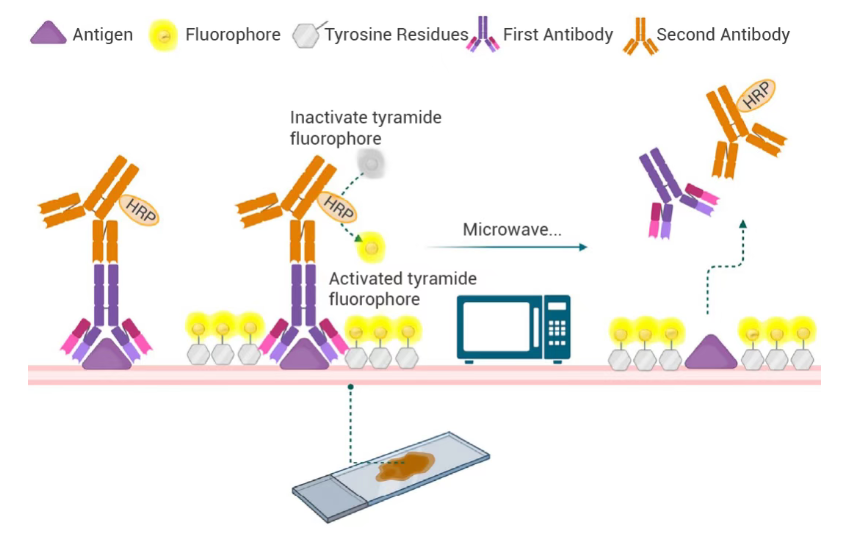
IHC is an indispensable technique for studying tissue morphology and in situ antigen expression, but usually only one or two antigens in tissues can be stained for analysis. It cannot judge the results more intuitively. Today, Little M will introduce you to the upgraded version mlHC.
Scientific Reviews
IHC is an indispensable technique for studying tissue morphology and in situ antigen expression, but usually only one or two antigens in tissues can be stained for analysis. It cannot judge the results more intuitively. Today, Little M will introduce you to the upgraded version mlHC. -
 Scientific Reviews
A suitable model is crucial in drug screening experiments. Organs can mimic the three-dimensional functional structure of internal organs, have similar spatial organization to corresponding organs, maintain some key characteristics, and reproduce some physiological functions. They are widely used for modeling and personalized drug screening of diseases such as cancer, infectious diseases, and rare diseases.
Scientific Reviews
A suitable model is crucial in drug screening experiments. Organs can mimic the three-dimensional functional structure of internal organs, have similar spatial organization to corresponding organs, maintain some key characteristics, and reproduce some physiological functions. They are widely used for modeling and personalized drug screening of diseases such as cancer, infectious diseases, and rare diseases. -
 Scientific Reviews
FDA Annual Review | Record-breaking number of new drug approvals in 2023!
Scientific Reviews
FDA Annual Review | Record-breaking number of new drug approvals in 2023! -
 Scientific Reviews
KRAS, a gene we've heard so much about, has quickly risen to fame after shedding its "undruggable" label. After reading numerous articles, it's easy to feel overwhelmed and wonder: What exactly should we know about this often-discussed but previously "undruggable" target KRAS?
Scientific Reviews
KRAS, a gene we've heard so much about, has quickly risen to fame after shedding its "undruggable" label. After reading numerous articles, it's easy to feel overwhelmed and wonder: What exactly should we know about this often-discussed but previously "undruggable" target KRAS? -
 Scientific Reviews
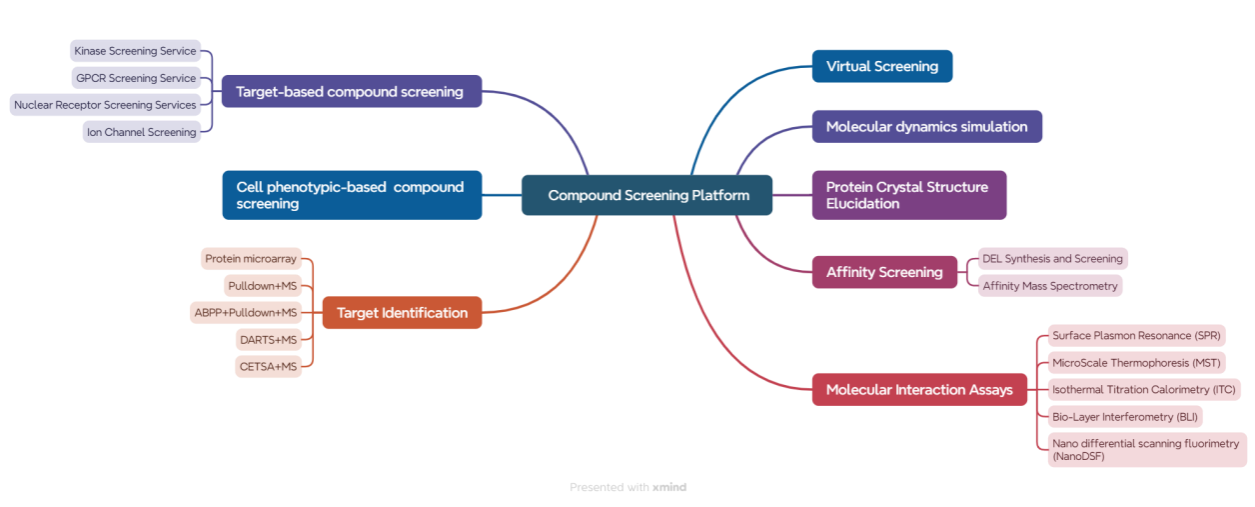
Compound Screening Guide!
Scientific Reviews
Compound Screening Guide!2024-03-15
How to use compound library? How to design an experiment if you buy a compound library? Want a specific experimental protocol? This article will introduce popular experimental techniques and provide new ideas for publishing high level literature. -
 Scientific Reviews
Wnt/β-catenin and tumor EMT
Scientific Reviews
Wnt/β-catenin and tumor EMT2024-03-18
Epithelial-Mesenchymal Transition (EMT) is closely related to the plasticity of tumor cells and is a necessary process for tumor metastasis. Wnt/β-catenin is one of the main actors involved in the EMT process. Today, we’re here to popularize the tumor EMT and Wnt/β-catenin pathway~ -
 Scientific Reviews
The 2024 AACR meeting concluded successfully in California, USA. Which antitumor drugs stole the show at this conference?
Scientific Reviews
The 2024 AACR meeting concluded successfully in California, USA. Which antitumor drugs stole the show at this conference? -
 Scientific Reviews
Katalin Karikó and Drew Weissman were awarded the Nobel Prize in Physiology or Medicine in 2023 for their groundbreaking work in nucleoside modification, which paved the way for the creation of successful mRNA vaccines to fight against COVID-19. Let's now delve into the complete process of mRNA vaccine development.
Scientific Reviews
Katalin Karikó and Drew Weissman were awarded the Nobel Prize in Physiology or Medicine in 2023 for their groundbreaking work in nucleoside modification, which paved the way for the creation of successful mRNA vaccines to fight against COVID-19. Let's now delve into the complete process of mRNA vaccine development. -
 Scientific Reviews
Exosomes, which won the Nobel Prize in 2013, are still a research hotspot in the national natural sciences, and their popularity has only increased over the past decade (in 2022, they still rank 5th in the national natural sciences hotspots!). Why have exosomes become the darling of scientific research? Let's take a look together~
Scientific Reviews
Exosomes, which won the Nobel Prize in 2013, are still a research hotspot in the national natural sciences, and their popularity has only increased over the past decade (in 2022, they still rank 5th in the national natural sciences hotspots!). Why have exosomes become the darling of scientific research? Let's take a look together~ -
 Scientific Reviews
How important is the compound library? It connects to drug screening on one end and leads to lead compound modifications on the other, serving as one of the sources of new drug development.
Scientific Reviews
How important is the compound library? It connects to drug screening on one end and leads to lead compound modifications on the other, serving as one of the sources of new drug development. -
 Scientific Reviews
Antibodies!
Scientific Reviews
Antibodies!2024-07-26
Today, We introduce antibodies for everyone! -
 Scientific Reviews
What Are Popular Anti-tumor Drug Targets?
Scientific Reviews
What Are Popular Anti-tumor Drug Targets?2024-08-20
The rapid development of targeted anti-cancer drugs has spurred diverse research across various modalities. These include small molecules, monoclonal antibodies (mAbs), cell immunotherapies, antibody-drug conjugates (ADCs), and PROTACs (proteolysis targeting chimeras). -
 Scientific Reviews
Virtual Screening and New Uses for Old Drugs
Scientific Reviews
Virtual Screening and New Uses for Old Drugs2024-09-17
With the advancement of medical science, drug screening against various disease targets has become the fundamental strategy for drug development. Currently, computer-based virtual screening techniques are emerging in the field of new drug research due to their efficiency and low cost. Let's explore it today! -
 Scientific Reviews
2024 Nobel Prize Announcements! Curious about the details? Click to dive into the exciting developments!
Scientific Reviews
2024 Nobel Prize Announcements! Curious about the details? Click to dive into the exciting developments! -
 Scientific Reviews
We are thrilled to share the latest advancements in AI technology as highlighted in this insightful article. From groundbreaking innovations to transformative applications, the future of AI is brighter than ever!
Scientific Reviews
We are thrilled to share the latest advancements in AI technology as highlighted in this insightful article. From groundbreaking innovations to transformative applications, the future of AI is brighter than ever! -
 Scientific Reviews
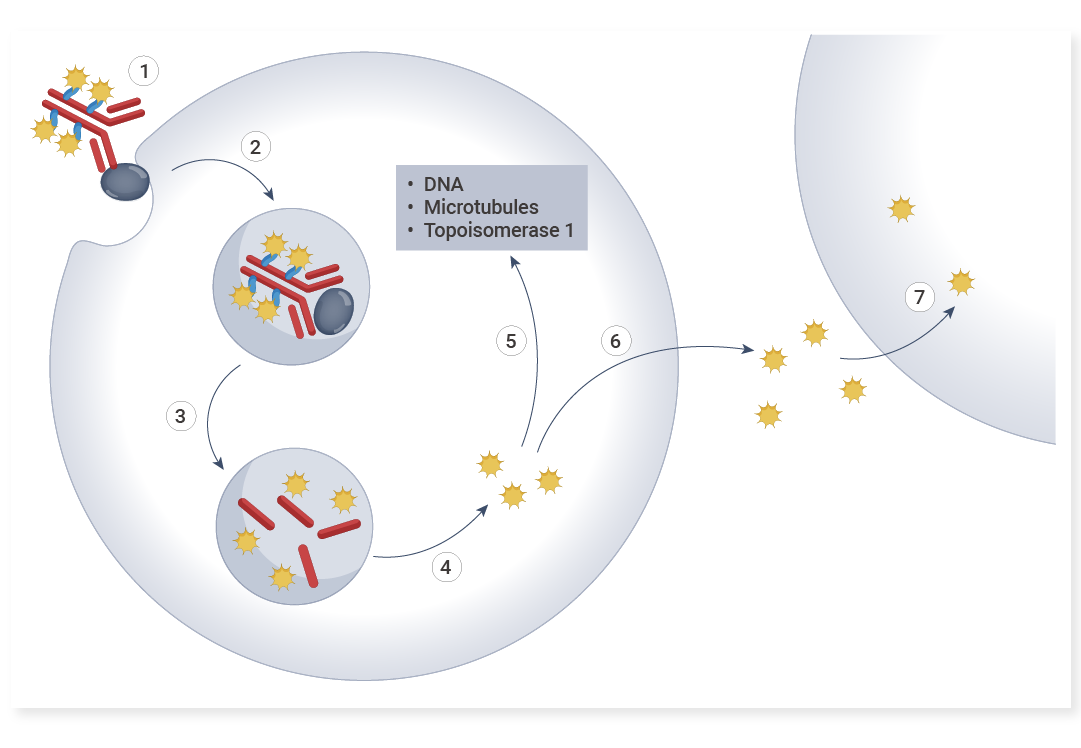
This article will walk you through the remarkable impacts of anti-payload antibodies, delving into how these molecules are revolutionizing drug development and biological research!
Scientific Reviews
This article will walk you through the remarkable impacts of anti-payload antibodies, delving into how these molecules are revolutionizing drug development and biological research! -
 Scientific Reviews
Cell Migration vs. Invasion: Differences Revealed by Scratch Assays and Transwell Experiments
Scientific Reviews
Cell Migration vs. Invasion: Differences Revealed by Scratch Assays and Transwell Experiments2025-05-30
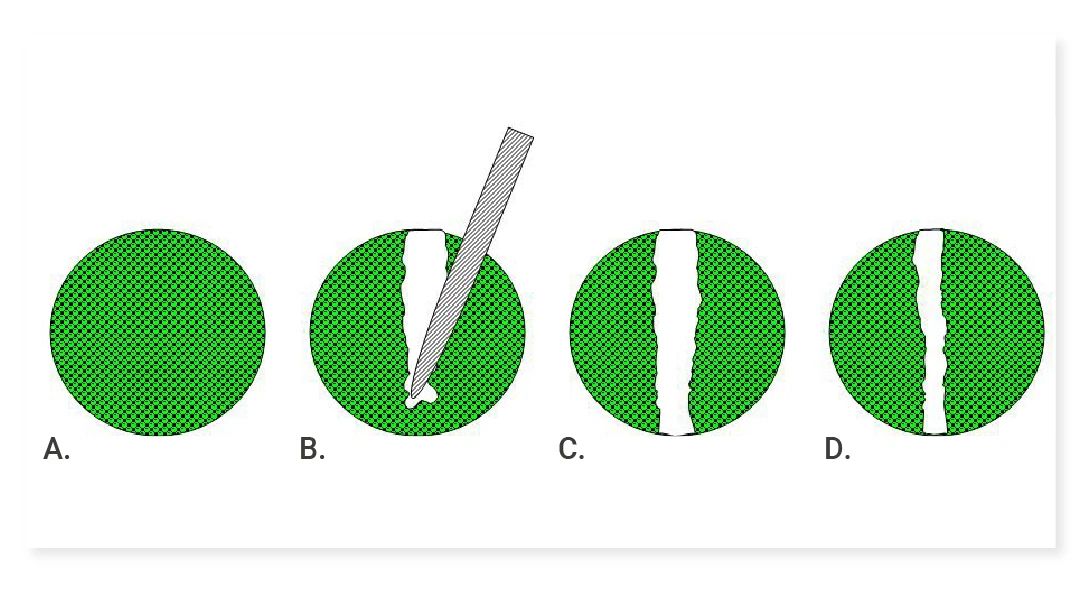
In scientific research, cell migration and invasion are crucial for understanding many important biological processes. This article delves into commonly used detection methods: the scratch assay and Transwell migration/invasion assay. -
 Scientific Reviews
How should drug screening experiments be conducted? How can we ensure the accuracy of the lead compounds identified? This article will take you through how MCE's clients conduct drug screening experiments.
Scientific Reviews
How should drug screening experiments be conducted? How can we ensure the accuracy of the lead compounds identified? This article will take you through how MCE's clients conduct drug screening experiments. -
 Scientific Reviews
IHC, ICC, IF Techniques: A Practical Guide
Scientific Reviews
IHC, ICC, IF Techniques: A Practical Guide2025-07-25
Confused About IHC/ICC/IF? Why Does Immunostaining Seem So Complicated? Read This Now! Master Immunostaining with Confidence! -
 Scientific Reviews
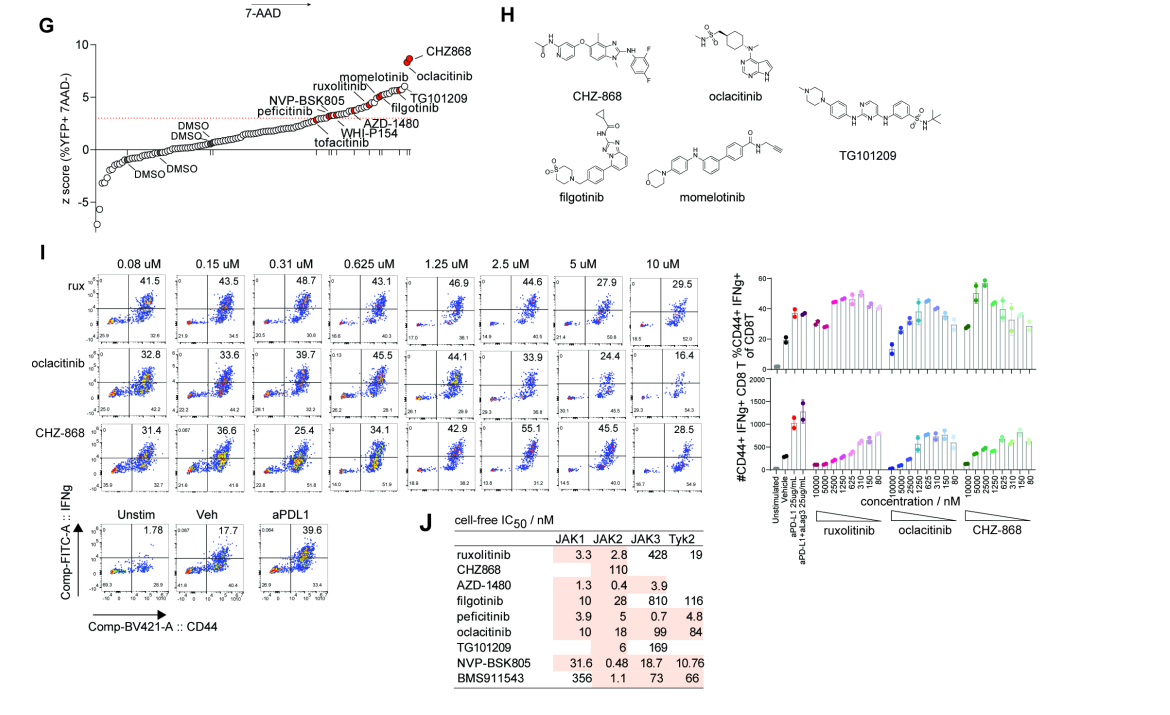
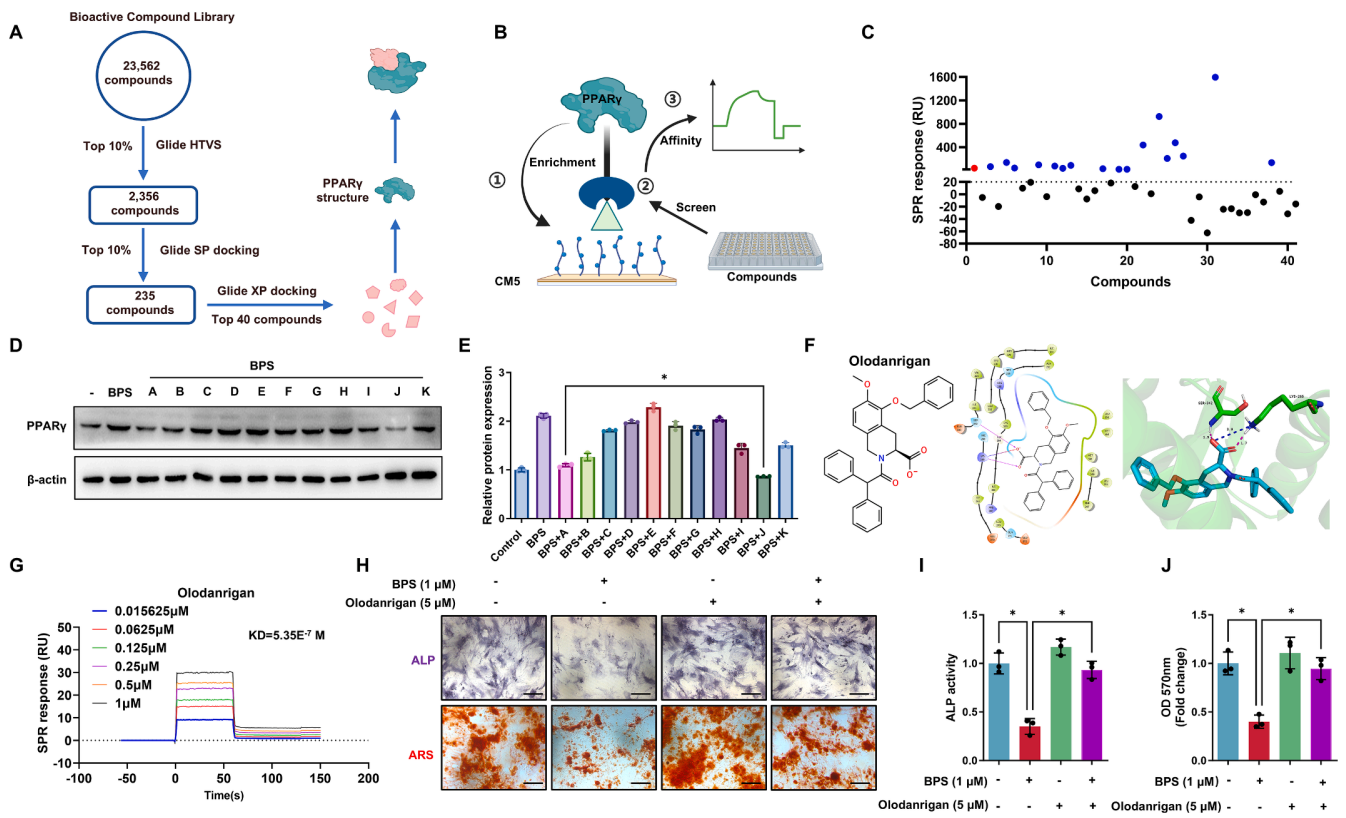
HTS Breakthroughs Powered by MCE Libraries
Scientific Reviews
HTS Breakthroughs Powered by MCE Libraries2025-08-13
Key High-Throughput Screening Breakthroughs of 2024 Featuring MCE -
 Scientific Reviews
Encountering challenges with the high costs and long timelines of drug screening? Have a defined target but remain uncertain how to efficiently identify active molecules? Unsure how to validate hits generated from virtual screening? The ‘Winning Combination’ of drug screening offers a powerful solution to address these critical obstacles.
Scientific Reviews
Encountering challenges with the high costs and long timelines of drug screening? Have a defined target but remain uncertain how to efficiently identify active molecules? Unsure how to validate hits generated from virtual screening? The ‘Winning Combination’ of drug screening offers a powerful solution to address these critical obstacles. -
 Scientific Reviews
This detailed guide outlines the standardized experimental protocols for multiplex immunohistochemistry (mIHC), systematically summarizes common technical issues encountered during sample preparation, staining and imaging processes, and provides practical troubleshooting solutions to ensure reliable and reproducible results in biomedical research and clinical sample analysis.
Scientific Reviews
This detailed guide outlines the standardized experimental protocols for multiplex immunohistochemistry (mIHC), systematically summarizes common technical issues encountered during sample preparation, staining and imaging processes, and provides practical troubleshooting solutions to ensure reliable and reproducible results in biomedical research and clinical sample analysis. -
 Scientific Reviews
Exosomes—natural nanoscale carriers—are revolutionizing targeted therapy. This article uncovers the science behind their precision in drug delivery.
Scientific Reviews
Exosomes—natural nanoscale carriers—are revolutionizing targeted therapy. This article uncovers the science behind their precision in drug delivery. -
Scientific Reviews
Cracking the PROTAC Permeability Barrier: CD36-Mediated Endocytosis as a Potential Breakthrough2025-12-03
This article provides an in-depth analysis of cutting-edge literature revealing CD36 as a key mediator of cellular uptake for PROTACs and bRO5 compounds. By structurally optimizing PROTAC molecules to enhance their affinity for CD36, membrane permeability can be markedly improved, leading to significantly enhanced antitumor efficacy. -
 Scientific Reviews
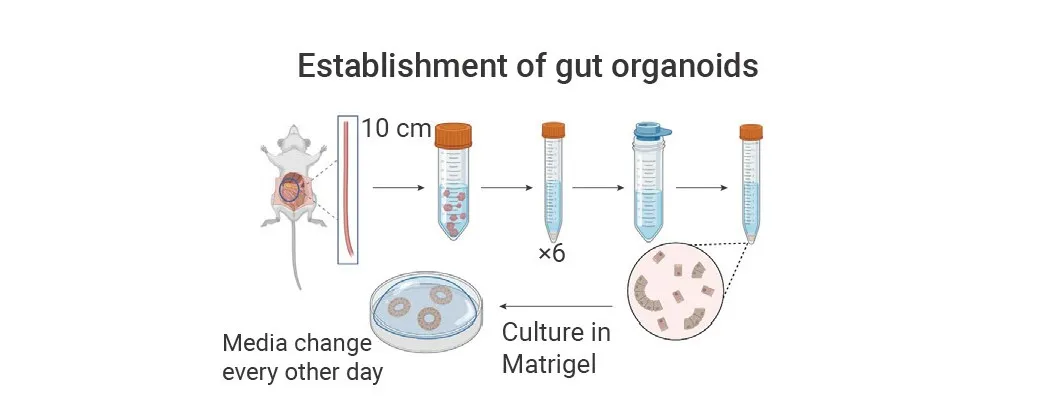
Efficient Generation of Mouse Small Intestinal Organoids: A Complete Experimental Protocol Guide
Scientific Reviews
Efficient Generation of Mouse Small Intestinal Organoids: A Complete Experimental Protocol Guide2025-12-10
How to successfully create mouse small intestine organoids? A detailed, hands-on guide to the entire process, all in one article! -
 Scientific Reviews
This paper elaborates on cytokines for culturing major immune cells, their regulatory roles, recombinant cytokines' merits and MCE’s related high-quality products.
Scientific Reviews
This paper elaborates on cytokines for culturing major immune cells, their regulatory roles, recombinant cytokines' merits and MCE’s related high-quality products. -
 Scientific Reviews
This article walks you through the experimental design and workflow of flow cytometry, delivering a clear, dynamic, and professional overview to elevate your research.
Scientific Reviews
This article walks you through the experimental design and workflow of flow cytometry, delivering a clear, dynamic, and professional overview to elevate your research. -
 Scientific Reviews
Molecular glue degraders have evolved from a serendipitous observation to one of the most dynamic and transformative fields in biomedical research.
Scientific Reviews
Molecular glue degraders have evolved from a serendipitous observation to one of the most dynamic and transformative fields in biomedical research. -
 EDM
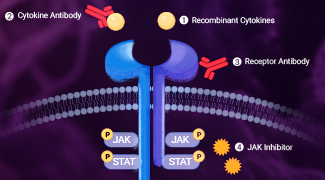
This review critically examines the role of the JAK-STAT pathway in immunity and autoimmune diseases, reviews current clinical applications of targeted therapies, and highlights emerging trends in autoimmune drug development.
EDM
This review critically examines the role of the JAK-STAT pathway in immunity and autoimmune diseases, reviews current clinical applications of targeted therapies, and highlights emerging trends in autoimmune drug development. -
 EDM
This review presents an overview of antibody–drug conjugates from design principles and antitumor mechanisms to structural innovations, clinical progress, and future development prospects.
EDM
This review presents an overview of antibody–drug conjugates from design principles and antitumor mechanisms to structural innovations, clinical progress, and future development prospects. -
 EDM
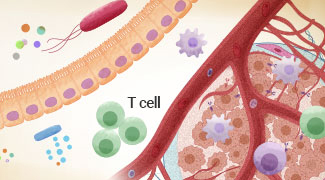
This review explores mechanisms and strategies for modulating the gut microbiota to enhance cancer immunotherapy, providing insights to improve therapeutic efficacy.
EDM
This review explores mechanisms and strategies for modulating the gut microbiota to enhance cancer immunotherapy, providing insights to improve therapeutic efficacy. -
 EDM
Combating Immune Evasion in Cancer
EDM
Combating Immune Evasion in Cancer2025-10-15
This review summarizes the mechanisms by which tumors evade immune surveillance and discusses therapeutic strategies to restore antitumor immunity. -
 EDM
This review outlines macrophage functions and classification, and provides practical experimental guidelines for macrophage differentiation, polarization, and identification.
EDM
This review outlines macrophage functions and classification, and provides practical experimental guidelines for macrophage differentiation, polarization, and identification. -
 EDM
Understanding In Vivo CAR-T Cell Therapy
EDM
Understanding In Vivo CAR-T Cell Therapy2026-01-22
This review provides a comprehensive overview of in vivo CAR-T therapy, covering technical platforms, clinical translation, and key challenges such as gene delivery and immunogenicity. -
 EDM
Explore ADC evolution, immune combination strategies, and clinical advances at the intersection of targeted therapy and immunotherapy.
EDM
Explore ADC evolution, immune combination strategies, and clinical advances at the intersection of targeted therapy and immunotherapy. -
 EDM
Tumor Organoid-Immune Cell Co-Culture Models: Advances, Applications, and Future Directions
EDM
Tumor Organoid-Immune Cell Co-Culture Models: Advances, Applications, and Future Directions2026-05-07
Summarize technical strategies, application advances, and future directions of tumor organoid–immune co-culture systems. -
 EDM
Review mechanisms, major challenges, and efficacy-enhancing strategies of TCR-T therapy in solid tumors, with implications for future research and clinical translation.
EDM
Review mechanisms, major challenges, and efficacy-enhancing strategies of TCR-T therapy in solid tumors, with implications for future research and clinical translation. -
 EDM
Breaking Immune Resistance in Colorectal Cancer: From Molecular Mechanisms to Precision Therapy
EDM
Breaking Immune Resistance in Colorectal Cancer: From Molecular Mechanisms to Precision Therapy2026-06-25
Explore CRC molecular subtypes, immune landscapes, resistance mechanisms, and emerging precision strategies for improving outcomes across distinct subtypes. -
 EDM
Explore the mechanisms driving immune tolerance breakdown in autoimmune diseases and emerging tolerance-restoring strategies, with a focus on IL-2-based immune modulation.
EDM
Explore the mechanisms driving immune tolerance breakdown in autoimmune diseases and emerging tolerance-restoring strategies, with a focus on IL-2-based immune modulation. -
 EDM
Explore the mechanisms of tumor immune evasion, dynamic checkpoint regulation, and the evolution of mechanism-driven combinations and patient stratification.
EDM
Explore the mechanisms of tumor immune evasion, dynamic checkpoint regulation, and the evolution of mechanism-driven combinations and patient stratification. -
 Blog
R916562, a dual Axl/VEGF-R2 inhibitor, could be a potential anti-angiogenic and anti-metastatic drug for cancer chemotherapy.
Blog
R916562, a dual Axl/VEGF-R2 inhibitor, could be a potential anti-angiogenic and anti-metastatic drug for cancer chemotherapy. -
 Blog
Role of PRMT7 Probe SGC3027 in Cancer
Blog
Role of PRMT7 Probe SGC3027 in Cancer2019-03-27
SGC3027 is the first potent, selective and cell active chemical probe for PRMT7. SGC3027 is also a pro-drug, which converts to the active compound SGC8158 -
 Blog
Alofanib, An Allosteric Inhibitor of FGFR2
Blog
Alofanib, An Allosteric Inhibitor of FGFR22019-03-28
Alofanib is an allosteric inhibitor of FGFR2 and inhibits FGF-mediated proliferation with GI50s of 16-370 nM, showing pronounced antitumor activity. -
 Blog
CF53 is a highly potent, selective and orally active inhibitor of BET protein, with anti-tumor activity in acute leukemia and breast cancer cell lines.
Blog
CF53 is a highly potent, selective and orally active inhibitor of BET protein, with anti-tumor activity in acute leukemia and breast cancer cell lines. -
 Blog
A Lead PROTAC BRD9 Chemical Degrader
Blog
A Lead PROTAC BRD9 Chemical Degrader2019-04-06
PROTAC BRD9 Degrader-1 is a lead PROTAC BRD9 chemical degrader and a selective probe useful for the study of BAF complex biology. -
 Blog
Erteberel is a Selective ERβ Agonist
Blog
Erteberel is a Selective ERβ Agonist2019-04-16
Erteberel (LY500307) is a synthetic, nonsteroidal estrogen which acts as a selective ERβ agonist and under development for the treatment of schizophrenia. -
 Blog
MBQ-167 is a dual Rac/Cdc42 inhibitor in in metastatic cancer, with IC50s of 103 nM for Rac 1/2/3 and 78 nM for Cdc42 in MDA-MB-231 cells, respectively.
Blog
MBQ-167 is a dual Rac/Cdc42 inhibitor in in metastatic cancer, with IC50s of 103 nM for Rac 1/2/3 and 78 nM for Cdc42 in MDA-MB-231 cells, respectively. -
 Blog
PRN1008 is a Reversible Covalent and Oral Active Inhibitor of Bruton’s Tyrosine Kinase (BTK)
Blog
PRN1008 is a Reversible Covalent and Oral Active Inhibitor of Bruton’s Tyrosine Kinase (BTK)2019-04-18
PRN1008 is a selective, reversible covalent and oral active inhibitor of Bruton’s Tyrosine Kinase (BTK), with an IC50 of 1.3 nM. -
 Blog
Y06036 is a potent and selective BET inhibitor for potential treatment of castration-resistant prostate cancer. With nanomolar inhibition.
Blog
Y06036 is a potent and selective BET inhibitor for potential treatment of castration-resistant prostate cancer. With nanomolar inhibition. -
 Blog
JNJ-64619178 is a selective and pseudo-irreversible PRMT5 inhibitor with an IC50 of 0.14 nM. Has potent Activity In Lung Cancer.
Blog
JNJ-64619178 is a selective and pseudo-irreversible PRMT5 inhibitor with an IC50 of 0.14 nM. Has potent Activity In Lung Cancer. -
 Blog
TAK-828F is a potent, selective and orally active retinoic acid receptor-related orphan receptor γt (RORγt) inverse agonist. TAK-828F inhibits IL-17A cytokine expression and reduces symptoms of autoimmune encephalomyelitis mice.
Blog
TAK-828F is a potent, selective and orally active retinoic acid receptor-related orphan receptor γt (RORγt) inverse agonist. TAK-828F inhibits IL-17A cytokine expression and reduces symptoms of autoimmune encephalomyelitis mice. -
 Blog
Y06137 is a potent and selective BET inhibitor, which binds to the BRD4(1) bromodomain with a Kd of 81 nM. Antitumor activity.
Blog
Y06137 is a potent and selective BET inhibitor, which binds to the BRD4(1) bromodomain with a Kd of 81 nM. Antitumor activity. -
 Blog
TAK-981 is a selective inhibitor of the SUMOylation enzymatic cascade, with potential immune-activating and antineoplastic activities
Blog
TAK-981 is a selective inhibitor of the SUMOylation enzymatic cascade, with potential immune-activating and antineoplastic activities -
 Blog
TD-428 is a Highly Specific BRD4 Degrader
Blog
TD-428 is a Highly Specific BRD4 Degrader2019-04-29
TD-428, a immunomodulatory drug analog, is a highly specific BRD4 degrader with a DC50 of 0.32 nM. TD-428 reduces c-Myc levels more efficiently than JQ1. -
 Blog
A1874 is a nutlin-based and BRD4-degrading PROTAC with a DC50 of 32 nM. Effective in inhibiting many cancer cell lines proliferation
Blog
A1874 is a nutlin-based and BRD4-degrading PROTAC with a DC50 of 32 nM. Effective in inhibiting many cancer cell lines proliferation -
 Blog
USL311 is a selective CXCR4 antagonist, which prevents the binding of stromal-cell derived factor-1 (SDF-1 or CXCL12) to CXCR4. Anti-tumor activity.
Blog
USL311 is a selective CXCR4 antagonist, which prevents the binding of stromal-cell derived factor-1 (SDF-1 or CXCL12) to CXCR4. Anti-tumor activity. -
 Blog
PF-06465469 is a Covalent Inhibitor of ITK
Blog
PF-06465469 is a Covalent Inhibitor of ITK2019-06-08
PF-06465469 is a potent and covalent inhibitor of ITK with an IC50 of 2 nM. PF-06465469 inhibits MEK1/2 or AKT phosphorylation. -
 Blog
JMS-17-2 is a CX3CR1 Antagonist
Blog
JMS-17-2 is a CX3CR1 Antagonist2019-06-12
JMS-17-2 is a potent and selective CX3CR1 antagonist with an IC50 of 0.32 nM. Has potential to treat cancers such as breast cancer. -
 Blog
S18-000003 is a potent, selective and orally active inhibitor of retinoic acid receptor-related orphan receptor-gamma-t (RORγt). S18-000003 ameliorates psoriasis-like lesions in vivo. S18-000003 can be used for the research of skin inflammatory diseases.
Blog
S18-000003 is a potent, selective and orally active inhibitor of retinoic acid receptor-related orphan receptor-gamma-t (RORγt). S18-000003 ameliorates psoriasis-like lesions in vivo. S18-000003 can be used for the research of skin inflammatory diseases. -
 Blog
AMG 487 is an orally active and selective antagonist of CXC chemokine receptor 3 (CXCR3). AMG 487 has potential to treat metastatic cancer.
Blog
AMG 487 is an orally active and selective antagonist of CXC chemokine receptor 3 (CXCR3). AMG 487 has potential to treat metastatic cancer. -
 Blog
MSX-122 is an orally active partial antagonist of CXCR4, inhibiting CXCR4/CXCL12 actions. MSX-122 has both anti-tumor and anti-metastasis activities.
Blog
MSX-122 is an orally active partial antagonist of CXCR4, inhibiting CXCR4/CXCL12 actions. MSX-122 has both anti-tumor and anti-metastasis activities. -
 Blog
WZ811 is an Orally Active CXCR4 Antagonist
Blog
WZ811 is an Orally Active CXCR4 Antagonist2019-09-07
WZ811 is an orally active, highly potent competitive antagonist of CXCR4, which inhibits chronic lymphocytic leukemia progression and tumorigenesis. -
 Blog
RU-302 is a pan-TAM inhibitor that blocks the TAM Ig1 ectodomain and the Gas6 Lg domain interaction. RU-302 blocks Gas6-inducible Axl receptor activation.
Blog
RU-302 is a pan-TAM inhibitor that blocks the TAM Ig1 ectodomain and the Gas6 Lg domain interaction. RU-302 blocks Gas6-inducible Axl receptor activation. -
 Blog
BAY 61-3606 is an orally available, ATP-competitive, reversible and highly selective Syk inhibitor and sensitizes apoptosis by in breast cancer.
Blog
BAY 61-3606 is an orally available, ATP-competitive, reversible and highly selective Syk inhibitor and sensitizes apoptosis by in breast cancer. -
 Blog
IACS-8803 is a highly potent cyclic dinucleotide stimulator of interferon genes (STING) agonist with robust systemic antitumor efficacy.
Blog
IACS-8803 is a highly potent cyclic dinucleotide stimulator of interferon genes (STING) agonist with robust systemic antitumor efficacy. -
 Blog
CH6953755 is a potent, orally active and selective YES1 kinase inhibitor leading to antitumor activity against YES1 Gene -amplified cancers.
Blog
CH6953755 is a potent, orally active and selective YES1 kinase inhibitor leading to antitumor activity against YES1 Gene -amplified cancers. -
 Blog
CA-4948 is a Selective and Orally Bioavailable IRAK4 Kinase Inhibitor for Lymphoma Treatment
Blog
CA-4948 is a Selective and Orally Bioavailable IRAK4 Kinase Inhibitor for Lymphoma Treatment2020-01-05
CA-4948 is a potent, selective and orally bioavailable IRAK4 kinase inhibitor. CA-4948 can be used for the treatment of lymphoma. -
 Blog
ADH-503 is an orally active and allosteric CD11b agonist and leads to the repolarization of tumor-associated macrophages.
Blog
ADH-503 is an orally active and allosteric CD11b agonist and leads to the repolarization of tumor-associated macrophages. -
 Blog
Balixafortide is a potent, selective peptidic CXCR4 antagonist with anti-cancer effects, and blocks β-arrestin recruitment and calcium flux.
Blog
Balixafortide is a potent, selective peptidic CXCR4 antagonist with anti-cancer effects, and blocks β-arrestin recruitment and calcium flux. -
 Blog
RBN-2397 is an orally active accross species NAD+ competitive inhibitor of PARP7. RBN-2397 binds to PARP7 and restores interferon (Type I) signaling.
Blog
RBN-2397 is an orally active accross species NAD+ competitive inhibitor of PARP7. RBN-2397 binds to PARP7 and restores interferon (Type I) signaling. -
 Blog
GSK143 is an orally active and highly selective spleen tyrosine kinase (SYK) inhibitor. GSK143 reduces inflammation in the intestinal muscularis in mice.
Blog
GSK143 is an orally active and highly selective spleen tyrosine kinase (SYK) inhibitor. GSK143 reduces inflammation in the intestinal muscularis in mice. -
 Blog
MSA-2 is an orally available non-nucleotide STING agonist. MSA-2 shows antitumor activity and stimulates interferon-β secretion in tumors.
Blog
MSA-2 is an orally available non-nucleotide STING agonist. MSA-2 shows antitumor activity and stimulates interferon-β secretion in tumors. -
 Blog
CB-1158, a potent and orally bioavailable inhibitor of arginase, blocks myeloid cell-mediated immune suppression in the tumor microenvironment.
Blog
CB-1158, a potent and orally bioavailable inhibitor of arginase, blocks myeloid cell-mediated immune suppression in the tumor microenvironment. -
 Blog
SRX3207 is an orally active and first-in-class dual Syk/PI3K inhibitor. SRX3207 possesses effective anti-tumor activity in vitro and in vivo.
Blog
SRX3207 is an orally active and first-in-class dual Syk/PI3K inhibitor. SRX3207 possesses effective anti-tumor activity in vitro and in vivo. -
 Blog
TPP-1 is a potent inhibitor of the PD-1/PD-L1 interaction. TPP-1 binds specifically to PD-L1 with a high affinity (KD=95 nM).
Blog
TPP-1 is a potent inhibitor of the PD-1/PD-L1 interaction. TPP-1 binds specifically to PD-L1 with a high affinity (KD=95 nM). -
 Blog
BMSpep-57 is a potent and competitive macrocyclic peptide inhibitor of PD-1/PD-L1 interaction. It induces high levels of IL-2.
Blog
BMSpep-57 is a potent and competitive macrocyclic peptide inhibitor of PD-1/PD-L1 interaction. It induces high levels of IL-2. -
 Blog
Sitravatinib (MGCD516) is an Orally Bioavailable RTK Inhibitor with PD-1 Blockade Activity
Blog
Sitravatinib (MGCD516) is an Orally Bioavailable RTK Inhibitor with PD-1 Blockade Activity2021-06-03
Sitravatinib, a small molecule RTK inhibitor, shows potent anti-tumor activity in preclinical models of sarcoma. -
 Blog
Inupadenant is an orally active, highly selective A2A receptor antagonist with potent anti-tumor activity.
Blog
Inupadenant is an orally active, highly selective A2A receptor antagonist with potent anti-tumor activity. -
 Blog
AZD4635 is a potent, selective and orally active antagonist of A2AR that reverses adenosine-mediated immune suppression.
Blog
AZD4635 is a potent, selective and orally active antagonist of A2AR that reverses adenosine-mediated immune suppression. -
 Blog
CL097 is a TLR7/8 agonist. CL097 induces pro-nflammatory cytokines. CL097 induces NADPH oxidase priming and efficient diabetogenic cytotoxic T lymphocyte (CTL) function in NOD mice.
Blog
CL097 is a TLR7/8 agonist. CL097 induces pro-nflammatory cytokines. CL097 induces NADPH oxidase priming and efficient diabetogenic cytotoxic T lymphocyte (CTL) function in NOD mice. -
 Blog
Indoximod, an immunometabolic adjuvant, is an orally active IDO pathway inhibitor. Indoximod acts as a Trp mimetic in regulating mTOR.
Blog
Indoximod, an immunometabolic adjuvant, is an orally active IDO pathway inhibitor. Indoximod acts as a Trp mimetic in regulating mTOR. -
 Blog
BM213 is a selective C5aR1 agonist. It’s a useful research tool to study C5aR1 function
Blog
BM213 is a selective C5aR1 agonist. It’s a useful research tool to study C5aR1 function -
 Blog
Gardiquimod is a TLR7/8 agonist and can inhibit HIV-1 infection.
Blog
Gardiquimod is a TLR7/8 agonist and can inhibit HIV-1 infection. -
 Blog
Tiragolumab is an immune checkpoint inhibitor binding to TIGIT. Tiragolumab is effective against multiple solid malignancies.
Blog
Tiragolumab is an immune checkpoint inhibitor binding to TIGIT. Tiragolumab is effective against multiple solid malignancies. -
 Blog
BSP16 is a potent, orally active stimulator of interferon genes (STING) agonist. BSP16 has potent anti-cancer activity.
Blog
BSP16 is a potent, orally active stimulator of interferon genes (STING) agonist. BSP16 has potent anti-cancer activity. -
 Blog
Serplulimab is a humanized monoclonal anti-PD-1 antibody and has the potential for the research of small cell lung cancer.
Blog
Serplulimab is a humanized monoclonal anti-PD-1 antibody and has the potential for the research of small cell lung cancer. -
 Blog
Mogamulizumab is an Anti-CCR4 monoclonal antibody. It enhances antibody-dependent cellular cytotoxicity and is effective against leukemia.
Blog
Mogamulizumab is an Anti-CCR4 monoclonal antibody. It enhances antibody-dependent cellular cytotoxicity and is effective against leukemia. -
 Blog
Bapotulimab (BAY-1905254) is an ILDR2 IgG antibody that blocks the immunosuppressive effects of ILDR2 on T-cell activation.
Blog
Bapotulimab (BAY-1905254) is an ILDR2 IgG antibody that blocks the immunosuppressive effects of ILDR2 on T-cell activation. -
 Blog
Nanrilkefusp alfa is a selective and strong IL-15 agonist. It inhibits tumor metastasis and viability by activating natural killer (NK) cells.
Blog
Nanrilkefusp alfa is a selective and strong IL-15 agonist. It inhibits tumor metastasis and viability by activating natural killer (NK) cells. -
 Blog
Urabrelimab (SRF231) is an anti-CD47 monoclonal antibody, blocking the CD47-SIRPα interaction. It has the potential to research anticancer.
Blog
Urabrelimab (SRF231) is an anti-CD47 monoclonal antibody, blocking the CD47-SIRPα interaction. It has the potential to research anticancer. -
 Blog
Efineptakin alfa (NT-17) is a Long-Acting Recombinant Human IL-7 for Glioblastoma Research
Blog
Efineptakin alfa (NT-17) is a Long-Acting Recombinant Human IL-7 for Glioblastoma Research2023-02-07
Efineptakin alfa (NT-17) is a long-acting recombinant human IL-7. Efineptakin alfa can be used for glioblastoma research. -
 Blog
Tifcemalimab, a Humanized anti-BTLA monoclonal antibody, blocks the interaction of HVEM-BTLA by binding to BTLA and activates lymphocytes.
Blog
Tifcemalimab, a Humanized anti-BTLA monoclonal antibody, blocks the interaction of HVEM-BTLA by binding to BTLA and activates lymphocytes. -
 Blog
Geptanolimab (CBT-501) is a programmed death-1 (PD-1) monoclonal antibody. Geptanolimab can be used in research forsolid tumor research.
Blog
Geptanolimab (CBT-501) is a programmed death-1 (PD-1) monoclonal antibody. Geptanolimab can be used in research forsolid tumor research. -
 Blog
Dazostinag is a STING Agonist and Can be used for Antibody-Drug Conjugates (ADCs) Synthesis
Blog
Dazostinag is a STING Agonist and Can be used for Antibody-Drug Conjugates (ADCs) Synthesis2023-03-13
Dazostinag is a STING agonist and a playload, to synthesis antibody-drug conjugates (ADCs). It has antitumor activity in vivo. -
 Blog
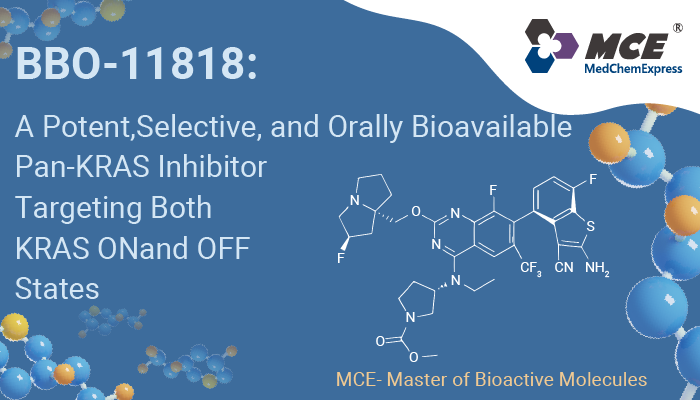
BBO-11818 is a potent, selective, orally bioavailable, and noncovalent pan-KRAS inhibitor targeting multiple clinically relevant KRAS mutants in both ON and OFF states.
Blog
BBO-11818 is a potent, selective, orally bioavailable, and noncovalent pan-KRAS inhibitor targeting multiple clinically relevant KRAS mutants in both ON and OFF states.
Products
All
-
All
-
Inhibitors & Agonists
-
Isotope-Labeled Compounds
-
Fluorescent Dye
-
Peptides
-
Antibodies
-
Screening Libraries
-
Kits
-
Inhibitory Antibodies
-
Reference Standards
-
GMP Small Molecules
-
Biochemical Assay Reagents
-
Natural Products
| Cat. No. | Product Name | Information | Application | Publication |
|---|---|---|---|---|
| HY-112251 | D-Lin-MC3-DMA |
D-Lin-MC3-DMA, an ionizable cationic lipid, is a potent siRNA delivery vehicle.
|
|
170
|
| HY-N0322A | Cholesterol (Water Soluble) |
Cholesterol Water Soluble is a major sterol in mammals, constituting 20-25% of the structural composition of the plasma membrane. The plasma membrane is highly permeable to water but relatively impermeable to ions and protons. Cholesterol Water Soluble plays an important role in determining the fluidity and permeability characteristics of membranes and the function of transporters and signaling proteins. Cholesterol Water Soluble is also an endogenous estrogen-related receptor alpha (ERRα) agonist. Cholesterol Water Soluble can be used to study the effects of cholesterol on potassium currents in inner hair cells.
(Note: This product is a mixture of Cholesterol and Methyl-β-cyclodextrin. The product specifications below only indicate the effective content of Cholesterol.) |
|
95
|
| HY-N0322 | Cholesterol (from animal) |
Cholesterol (from animal) is the major sterol in mammals. It is making up 20-25% of structural component of the plasma membrane. Plasma membranes are highly permeable to water but relatively impermeable to ions and protons. Cholesterol (from animal) plays an important role in determining the fluidity and permeability characteristics of the membrane as well as the function of both the transporters and signaling proteins. Cholesterol (from animal) is also an endogenous estrogen-related receptor α (ERRα) agonist.
|
Breast Cancer
Viral Infection
Bacterial Infection
Pancreatic Ductal Adenocarcinoma
Hepatitis B Virus Infection
Alzheimer's Disease
Sepsis
Atherosclerosis
Type 2 Diabetes
Obesity
Hypercholesterolemia
|
95
|
| HY-L015 | PI3K/Akt/mTOR Compound Library |
The PI3K/Akt/mTOR pathway controls many cellular processes that are important for the formation and progression of cancer, including apoptosis, transcription, translation, metabolism, angiogenesis, and cell cycle progression. Every major node of this signaling network is activated in a wide range of human tumors. Mechanisms for the pathway activation include activation of receptor tyrosine kinases (RTKs) upstream of PI3K, mutation or amplification of PIK3CA encoding p110α catalytic subunit of PI3K, mutation or loss of PTEN tumor suppressor gene, and mutation or amplification of Akt1. Once the pathway is activated, signaling through Akt can stimulate a series of substrates including mTOR which is involved in protein synthesis. Thus, inhibition of this pathway is an attractive concept for cancer prevention and/or therapy. Currently some mTOR inhibitors are approved for several indications, and there are several novel PI3K/Akt/mTOR inhibitors in clinical trials.
MCE owns a unique collection of 1,149 compounds that can be used for PI3K/Akt/mTOR pathway research. PI3K/Akt/mTOR Compound Library also acts as a useful tool for anti-cancer drug discovery.
|
|
90
|
| HY-L031 | Small Molecule Immuno-Oncology Compound Library |
Immuno-Oncology is a type of immunotherapy that has the specific purpose of treating cancer. It works by stimulating our immune system to fight back. Normally, our immune system is able to destroy cancer cells in our body, however sometimes cancer cells can adapt and mutate, effectively hiding from our immune system. This is when tumors can develop and become a threat to our health. Immuno-oncology involves mobilizing lymphocytes to recognize and eliminate cancer cells using the body’s immune system. There are several immuno-oncology treatments available, including Immune cell therapy (CAR-T), monoclonal antibodies (mABs) and checkpoint inhibitors, cytokines and cancer vaccines.
MCE Small Molecule Immuno-Oncology Compound Library offers 831 bioactive tumor immunology compounds that target some important checkpoints such as PD1/PD-L1, CXCR, Sting, IDO, TLR, etc. This library is a useful tool for Immuno-oncology research.
|
|
88
|
| HY-L077 | Anti-Pancreatic Cancer Compound Library |
Pancreatic cancer is a devastating disease with a low overall survival rate. Chemotherapy is the most common treatment for patients presenting with advanced pancreatic cancer. More recently, the era of targeted therapies has generated a lot of interest in discovering better approaches for patients with pancreatic cancer. Commonly mutated genes in pancreatic cancer include K-ras (in 74-100% of cases), p16INK4a (up to 98%), p53 (43 to 76%), DPC4 (about 50%), HER-2/neu (in about 65%) and FHIT (found in 70% of cases). Other genes involved are notch1, Akt-2, BRCA2 and COX-2. These proteins are important targets of target therapies for pancreatic cancer.
MCE offers a unique collection of 4,336 compounds with identified and potential anti- pancreatic cancer activity. These compounds target K-Ras, p53, HER2, Notch, AKT, etc. MCE anti-pancreatic cancer compound library is a useful tool for anti-pancreatic cancer drugs screening and other related research.
|
|
85
|
| HY-L075 | Anti-Lung Cancer Compound Library |
Lung cancer is a major global health problem, as it is the leading cause of cancer-related deaths worldwide. Lung cancer is divided into two categories: small cell lung cancer and non-small cell lung cancer (NSCLC). Non-small cell lung cancer accounts for about 85 percent of lung cancers.
As with all cancers, lung cancer may be treated with surgery, chemotherapy, radiation therapy, targeted therapy, immunotherapy or a combination thereof. Targeted therapy is one of the most exciting developments in lung cancer medicine, especially for NSCLC. Extensive genomic characterization of NSCLC has led to the identification of molecular subtypes of NSCLC that are oncogene addicted and exquisitely sensitive to targeted therapies. These include activating mutations in epidermal growth factor receptor (EGFR) and BRAF or echinoderm microtubule-associated protein-like 4 (EML4)-anaplastic lymphoma kinase (ALK) fusions and ROS1 receptor tyrosine kinase fusions. These are important targets for target therapy.
MCE offers a unique collection of 3,061 compounds with identified and potential anti-lung cancer activity. These compounds target lung cancer’s major targets and signaling pathways. MCE anti-lung cancer compound library is a useful tool for anti-lung cancer drugs screening and other related research.
|
|
84
|
| HY-L039 | Reprogramming Compound Library |
Techniques for reprogramming somatic cells create new opportunities for drug screening, disease modeling, artificial organ development, and cell therapy. The development of reprogramming techniques has grown exponentially since Yamanaka reprogrammed somatic cells to become induced pluripotent stem cells (iPSCs) using four transcription factors, OCT4, SOX2, KLF4, and c-MYC in 2006. Despite the development of efficient reprogramming methods, most methods are inappropriate for clinical applications because they carry the risk of integrating exogenous genetic factors or use oncogenes. Alternative approaches, such as those based on miRNA, non-viral genes, non-integrative vectors, and small molecules, have been studied as possible solutions to the problems. Among these alternatives, small molecules are attractive options for clinical applications. Reprogramming using small molecules is inexpensive and easy to control in a concentration- and time-dependent manner. It offers a high level of cell permeability, ease of synthesis and standardization, and it is appropriate for mass-producing cells.
MCE Reprogramming Compound Library contains a unique collection of 3,231 compounds that act on reprogramming signaling pathways. These compounds are potential stimulators for reprogramming. This library is a useful tool for researching reprogramming and regenerative medicine.
|
|
83
|
| HY-L079 | Anti-Blood Cancer Compound Library |
Blood cancers, also called hematologic cancers, occur when abnormal blood cells start growing out of control, interrupting the function of normal blood cells, which fight off infection and produce new blood cells. Most blood cancers start in the bone marrow, which is where blood is produced. There are three main types of blood cancers: leukemia, lymphoma and myeloma, which afflict millions of children and adults every year, and are often deadly.
Some common blood cancer treatments include stem cell transplantation, chemotherapy, radiation therapy, targeted therapy, immunotherapy or a combination thereof. As we begin to understand the key signaling pathways and molecular drivers of malignant transformation in haematological disorders, new treatment strategies will continue to be developed.
MCE offers a unique collection of 4,333 compounds with identified and potential anti-blood cancer activity. These compounds target blood cancer’s major targets and signaling pathways. MCE anti-blood cancer compound library is a useful tool for anti-blood cancer drugs screening and other related research.
|
|
83
|
| HY-L171 | Anti-Hematopathy Compound Library |
Hematopathy, also known as hematopoietic system diseases, are a class of diseases that hematopoietic system has abnormal changes. Common hematopathy include: aplastic anemia, myeloproliferative diseases, thalassemia, leukemia, lymphoma, myeloma and hemophilia, etc. In recent years, treatments for hematopathy have been developed. In particular, the treatment of malignant hematopathy developed from chemotherapy, radiotherapy, bone marrow development to immunotherapy, induced differentiation therapy, cell therapy, gene therapy and hematopoietic stem cell transplantation. Although these therapies have greatly improved the survival rate of patients, there are still problems such as low cure rate and easy recurrence in the treatment of hematopathy. Therefore, it is of great significance to actively search for new hematopathy therapeutic drugs.
MCE designs a unique collection of 4,388 anti-hematopathy small molecules, which is an effective tool for development and research of anti-hematopathy compounds.
|
|
83
|
| HY-L213 | Anti-Cancer Approved Drug Library |
The anti-cancer drug library meticulously collects all drugs approved by FDA and other major national drug regulatory authorities for cancer treatment. These drugs cover a variety of cancer types, including but not limited to lung cancer, breast cancer, colorectal cancer, leukemia, and other common cancers. The library includes a wide range of drugs, from classic chemotherapeutic agents to cutting-edge targeted therapies and immunotherapies. It contains various types of drug compounds with different mechanisms of action. There are cytotoxic drugs that directly kill cancer cells, as well as drugs that work by modulating the tumor microenvironment, inhibiting tumor angiogenesis, and activating the immune system. This diversity provides researchers with a broad range of perspectives and options for intervention strategies.
This library can be used for basic research on cancer treatment, exploring new targets and new mechanisms of drug action; Conducting drug reuse research to look for potential therapeutic effects of existing drugs on other cancer types or diseases; Or conducting research into combination drugs to optimize cancer treatment.
MCE has collected 265 small-molecule compounds with cancer indications, which are good tools for drug repurposing.
|
|
83
|
| HY-L214 | Liposome Library |
Liposomes are spherical or multilayered spherical vesicles formed by the self-assembly of diacyl chain phospholipids (lipid bilayers) in aqueous solutions, which can be made from natural or synthetic phospholipids and exhibit good biocompatibility and low toxicity. They can serve as delivery carriers for various bioactive substances (such as drugs, proteins, nucleic acids, etc.) and are widely used in biomedical and chemical research. The main advantages of liposomes include 1) Protective effect: Their bilayer structure can protect encapsulated molecules from enzymatic degradation, oxidation, and other influences, extending stability and activity; 2) Active targeting: Surface modifications enable active targeting, enhancing the concentration of drugs or molecules in specific tissues or cells; 3) Customizability: The composition and structure of liposomes can be adjusted according to needs, such as altering phospholipid types or adding targeting ligands. These properties make liposomes highly valuable in developing novel drug delivery systems, serving as nucleic acid carriers for gene transfection, studying cellular uptake mechanisms and drug release kinetics, as well as developing functional food additives to improve the bioavailability of nutritional components.
MCE contains 227 liposome compounds, which is a good tool for drug delivery-related studies.
|
|
83
|
| HY-L216 | Polysaccharides Compound Library |
Polysaccharides are long chains of carbohydrate molecules, consisting of multiple smaller monosaccharides. Polysaccharides are found mainly in natural sources such as plants, microorganisms, algae and animals. Polysaccharides have a large number of active functional groups, different chemical compositions and different molecular weight ranges, which determines their diversity in nature and structure. Also in the field of medical research, polysaccharides act as a class of functional compounds and thus play a role. For example, nanocarrier construction, immunomodulation and vaccine development, new strategies for antitumor therapy, tissue regeneration engineering applications and disease diagnosis. With the advancement of glycomics and synthetic biotechnology, human beings are moving from “knowing polysaccharides” to “designing polysaccharides”, which will provide innovative solutions for materials science, precision medicine and sustainable development.
MCE offers 70 polysaccharides that can be used in biomedical studies.
|
|
83
|
| HY-L219 | Antimicrobial Peptides Library |
Antimicrobial Peptides (AMPs), also known as antimicrobial peptides or antibiotic peptides, are a class of polypeptides encoded by specific genes in various biological cells and induced by external stimuli. They exhibit broad-spectrum bioactivity against bacteria, fungi, viruses, protozoa, and even tumor cells. AMPs serve as crucial effector molecules in the host's innate immune system.Due to their wide antimicrobial spectrum, low toxicity to normal cells of higher animals, high safety profile, low tendency to induce resistance, and additional benefits such as immune enhancement and antioxidant effects, antimicrobial peptides hold significant promise in new drug development.
MCE offers 58 types of antimicrobial peptides, which can be applied in high-throughput screening for research in anti-infection therapies, immunotherapy, anticancer drug development, and agricultural disease control.
|
|
83
|
| HY-L244 | High-Efficiency Gene Editing Compound Library |
In this era of rapid advancement in gene-editing technology, the CRISPR-Cas system, with its powerful programmability, is leading a transformation in life sciences research. It enables efficient and precise targeted modification of an organism's genome, providing a robust tool for studying gene function, treating genetic diseases, and improving crop varieties. However, bottlenecks such as insufficient editing efficiency, low homologous directed repair efficiency, and potential off-target risks remain major challenges in achieving precise genetic modifications and developing gene therapies.
To overcome these limitations, the MCE High-Efficiency Gene Editing Compound Library systematically includes 761 small molecules that are known or have the potential to enhance gene-editing efficiency. These compounds work by targeting and modulating the DNA damage repair network, mechanistically inhibiting non-homologous end joining, promoting homologous directed repair, or regulating chromatin states and cellular responses, thereby significantly optimizing editing outcomes. This library is suitable for developing "CRISPR-small molecule" combination therapy strategies, improving gene-editing efficiency, and providing a powerful tool for in-depth research into the mechanisms of DNA damage repair in gene editing.
|
|
83
|
| HY-L248 | RNA Binding Bioactive Compound Library |
The RNA-targeted bioactive compound library is a high-quality collection of small molecules specifically designed and curated to target RNA structures and functions. It is widely applied in cutting-edge drug discovery and life science research. Unlike traditional strategies that focus on protein targets, RNA-targeted compounds can directly modulate various functional RNA molecules by influencing their splicing, translation, stability, or structural conformation, thereby enabling precise intervention in key biological processes. In the field of drug development, these compounds provide a novel approach to addressing previously “undruggable” targets and have demonstrated significant potential in areas such as oncology, antiviral therapies, and neurodegenerative diseases. For example, by targeting disease-associated RNA structural domains or regulating the aberrant expression of non-coding RNAs, these compounds can effectively inhibit disease progression or restore normal cellular function. In mechanistic studies, RNA-targeted compounds serve as valuable chemical biology tools to elucidate the roles of RNA in gene expression regulation, cellular signaling pathways, and disease development.
The MCE RNA-targeted bioactive compound library contains 858 compounds, sourced from databases such as TargetRX Atlas and R-BIND. The library features excellent structural diversity and biological activity, making it suitable for high-throughput screening (HTS), target validation, phenotypic screening, and lead compound discovery. It represents a valuable resource for RNA-related research and innovative drug development.
|
|
83
|
| HY-L251 | Ionizable Lipid Compound Library |
Ionizable lipids are a class of specialized, functional lipid molecules with pH-sensitive charge characteristics. They are primarily divided into two major categories: ionizable cationic lipids and ionizable anionic lipids, though the term typically specifies ionizable cationic lipids within the biomedical field. Structurally, these lipids consist of an ionizable hydrophilic headgroup, a biodegradable linker, and hydrophobic tails. Their primary application is serving as the key delivery vehicle in lipid nanoparticles (LNPs) to encapsulate negatively charged nucleic acid macromolecules, such as mRNA vaccines, siRNA therapeutics, and CRISPR gene-editing components. In a physiological, neutral environment, they remain electrically neutral to minimize systemic toxicity and prolong circulation time. Upon entering the acidic microenvironment of cellular endosomes, however, they undergo protonation to become positively charged, thereby inducing membrane fusion and enabling the highly efficient intracellular release of the nucleic acid cargo. Consequently, they serve as the technological cornerstone for bringing nucleic acid therapies into clinical application.
To accelerate the translational process of cutting-edge nucleic acid drugs, MCE has meticulously constructed an ionizable lipid compound library containing 93 high-performance molecules, aiming to provide researchers and pharmaceutical professionals with a high-throughput, multi-dimensional lipid screening platform.
|
|
83
|
| HY-L260 | KRAS Targeted Compound Library |
KRAS (Kirsten Rat Sarcoma Viral Oncogene Homolog) is one of the most important oncogenic driver genes in oncology, with high mutation frequencies in pancreatic cancer, non‑small cell lung cancer, and colorectal cancer. For a long time, KRAS was considered "undruggable" due to the lack of suitable small‑molecule binding pockets on its protein surface. In recent years, with the discovery of the switch‑II pocket and the successful approval of KRAS G12C inhibitors, KRAS‑targeted research has achieved groundbreaking progress, which has also spurred a wave of development targeting non‑G12C mutants such as G12D and G12V, as well as upstream and downstream regulatory factors including SOS1 and SHP2.
MCE KRAS Targeted Compound Library contains 82 small‑molecule compounds targeting the KRAS, serving as high‑quality research tools for mechanistic studies of KRAS‑mutant tumors, combination therapy development, resistance mechanism exploration, and high‑throughput drug screening, thereby providing robust support for KRAS‑targeted drug discovery.
|
|
83
|
| HY-L948 | PD-1/PD-L1 Lead-like Library |
PD-1/PD-L1 are key immune checkpoint targets that suppress T-cell-mediated anti-tumor immunity, representing a major focus in cancer immunotherapy. While antibody drugs dominate the clinic, they are limited by administration challenges and immune-related side effects. Small-molecule PD-1/PD-L1 inhibitors, with oral availability, good tissue penetration and low cost, have emerged as a promising next-generation strategy.
A PD-1/PD-L1 lead-like library was built via a five-step virtual screening process. After collecting 8,947 inhibitors from BindingDB and PubChem and filtering by activity and duplicates, AI similarity screening was performed using GeminiMol. Key pharmacophores were extracted from the PPI interface of co-crystal structures, and molecular was screened via a pharmacophore model, effectively enhancing target activity.
Containing 10,000 structurally diverse and drug-like molecules well-matched to the PD-L1 pocket, the library supports virtual docking, high-throughput screening and hit discovery, enabling efficient and rapid development of small-molecule immunotherapies.
|
|
83
|
| HY-N1446A | Glycerol Monoleate |
Glycerol Monoleate is a non-toxic, biodegradable, biocompatible, lipophilic glycerol fatty acid ester. Glycerol Monoleate exhibits hemolytic properties. Glycerol Monoleate is combined with bile salts for use as an emulsifier and absorption enhancer. Glycerol Monoleate can be applied in drug delivery systems and in vitro siRNA delivery.
|
|
75
|
| HY-134541 | SM-102 |
SM-102 is an amino cationic lipid useful in the formation of lipid nanoparticles (LNPs). SM-102 has higher transfection efficiency. SM-102 plays an important role in the effectiveness of lipid nanoparticles (LNPs) in delivering mRNA therapeutics and vaccines.
|
|
54
|
| HY-138170 | ALC-0315 |
ALC-0315 is an ionisable aminolipid that is responsible for mRNA compaction and aids mRNA cellular delivery and its cytoplasmic release through suspected endosomal destabilization. ALC-0315 can be used to form lipid nanoparticle (LNP) delivery vehicles. Lipid-Nanoparticles have been used in the research of mRNA COVID-19 vaccine.
|
|
46
|
| HY-P9902 | Pembrolizumab |
Pembrolizumab (MK-3475) is a humanized IgG4 antibody inhibiting the programmed cell death 1 (PD-1) receptor, used in cancer immunotherapy.
Species: Human |
Non-Small Cell Lung Cancer
Lung Adenocarcinoma
HER-2 Positive Breast Cancer
Triple-Negative Breast Cancer
Metastatic Breast Cancer
|
37
|
| HY-112764 | mPEG2000-DMG |
mPEG2000-DMG is used for the preparation of liposome for siRNA delivery with improved transfection efficiency in vitro. mPEG2000-DMG is also used for the lipid nanoparticle for an oral plasmid DNA delivery approach in vivo through a facile surface modification to improve the mucus permeability and delivery efficiency of the nanoparticles.
|
|
27
|
| HY-W040193 | DSPC |
DSPC (1,2-Distearoyl-sn-glycero-3-phosphorylcholine) is a cylindrical-shaped lipid. DSPC is used to synthesize liposomes, and is the lipid component in the lipid nanoparticle (LNP) system.
|
|
22
|
| HY-112754A | DOTAP chloride |
DOTAP chloride is a useful and effective cationic lipid for transient and stable transfection DNA (plasmids, bacmids) and modified nucleic acids (antisense oligonucleotides) with out the use of helper lipid.
|
|
20
|
| HY-142979 | DSPE-PEG 2000 |
DSPE-PEG 2000 is a PEG polymer containing DSPE. DSPE-PEG 2000 can be used to form micelles as nanoparticles for drug delivery.
|
|
17
|
| HY-112005 | DOPE |
DOPE (Dioleoylphosphatidylethanolamine; 1,2-Dioleoyl-sn-glycero-3-phosphoethanolamine) is an orally active inhibitor of ferroptosis with anti-inflammatory and intestinal barrier maintenance activities. DOPE regulates the expression of ACSL4, SLC7A11 and GPX4 to restore the redox system balance, thereby reducing the levels of lipid peroxides, iron ions and intestinal inflammatory factors (IL-1β and IL-6). DOPE promotes the migration and proliferation of intestinal epithelial cells and increases the level of tight junction proteins; it also destabilizes endosomal membranes, mediates the conjugation of RVG peptides with mesenchymal stem cell-derived exosomes to enhance brain targeting. DOPE can be applied to research related to neonatal necrotizing enterocolitis and Alzheimer's disease.
|
Liposome
Endogenous Metabolite
ACSL Family
Amino acid Transporter
Ferroptosis
Glutathione Peroxidase
|
14
|
| HY-107780A | Cyclic-di-GMP sodium |
Cyclic-di-GMP sodium is a STING agonist and a bacterial second messenger that coordinates different aspects of bacterial growth and behavior, including motility, virulence, biofilm formation, and cell cycle progression. Cyclic-di-GMP sodium has anti-cancer cell proliferation activity and also induces elevated CD4 receptor expression and cell cycle arrest. Cyclic-di-GMP sodium can be used in cancer research.
Source: bacterial species |
|
9
|
| HY-107780 | Cyclic-di-GMP |
Cyclic-di-GMP is a STING agonist and a bacterial second messenger that coordinates different aspects of bacterial growth and behavior, including motility, virulence, biofilm formation, and cell cycle progression. Cyclic-di-GMP has anti-cancer cell proliferation activity and also induces elevated CD4 receptor expression and cell cycle arrest. Cyclic-di-GMP can be used in cancer research.
Source: bacterial species |
|
9
|
| HY-107780B | Cyclic-di-GMP diammonium |
Cyclic-di-GMP diammonium is a STING agonist and a bacterial second messenger that coordinates different aspects of bacterial growth and behavior, including motility, virulence, biofilm formation, and cell cycle progression. Cyclic-di-GMP diammonium has anti-cancer cell proliferation activity and also induces elevated CD4 receptor expression and cell cycle arrest. Cyclic-di-GMP diammonium can be used in cancer research.
|
|
9
|
| HY-110382 | Cyclic-di-GMP disodium |
Cyclic-di-GMP disodium is a STING agonist and a bacterial second messenger that coordinates different aspects of bacterial growth and behavior, including motility, virulence, biofilm formation, and cell cycle progression. Cyclic-di-GMP disodium has anti-cancer cell proliferation activity and also induces elevated CD4 receptor expression and cell cycle arrest. Cyclic-di-GMP disodium can be used in cancer research.
|
|
9
|
| HY-P9921 | Trastuzumab emtansine |
Trastuzumab emtansine (Ado-Trastuzumab emtansine) is an antibody-drug conjugate (ADC) that incorporates the HER2-targeted antitumor properties of trastuzumab with the cytotoxic activity of the microtubule-inhibitory agent DM1 (HY-19792). Trastuzumab emtansine can be used for the research of advanced breast cancer.
|
|
8
|
| HY-P99032 | Monalizumab |
Monalizumab (IPH2201) is an immune checkpoint inhibitor targeting Natural Killer Group 2A (NKG2A). Monalizumab, a humanized anti-NKG2A blocking mAb, increases IFN-γ production, thereby promoting NK cell effector functions. Monalizumab can be used for the research of head and neck squamous cell carcinoma (HNSCC).
Species: Human |
|
7
|
| HY-134781 | CKK-E12 |
CKK-E12 is a ionizable lipid in combination with other lipids make up the lipid nanoparticles which are used to deliver RNA-based research. CKK-E12 is highly selective toward liver parenchymal cell in vivo,
|
|
6
|
| HY-Y0850O | Polyvinyl alcohol (Mw 31000-50000, 87-89% hydrolyzed) |
Polyvinyl alcohol (PVA; Poly (Ethenol)) (Mw 31000-50000, 87-89% hydrolyzed) is a polymer with emulsifying and stabilizing properties, with a degree of hydrolysis of 87-89%. Polyvinyl alcohol (Mw 31000-50000, 87-89% hydrolyzed) mainly acts as a stabilizer in the preparation of nanomedicines; it not only maintains the structural integrity of PEGylated PLGA nanoparticles during double emulsion synthesis, but also facilitates the preparation of chitosan/matrine-PLGA nanoparticle aqueous solutions and lipid-polymer nanoparticles. Polyvinyl alcohol (Mw 31000-50000, 87-89% hydrolyzed) can be widely used in research related to fields such as breast cancer.
|
|
3
|
| HY-N4087 | Platycodin D2 |
Platycodin D2 is an orally active triterpenoid saponin found in Platycodon grandiflorum. Platycodin D2 induces mitophagy in cancer cells through NIX, thereby activating the P21/CyclinA2 pathway and promoting cell senescence. Platycodin D2 induces mitochondrial dysfunction, enhances autophagy, inhibits hepatocellular carcinoma cell proliferation, and exhibits anti-tumor activity against multiple cancer cell types. Platycodin D2 promotes mRNA expression of T-bet, GATA-3, Th1 cytokines IL-2 and IFN-γ, and Th2 cytokines IL-4 and IL-10, enhances splenocyte proliferation, and acts as a vaccine adjuvant with low rabbit red blood cell hemolytic activity. Platycodin D2 induces mitochondrial ROS production, incomplete autophagy, and ferroptosis to inhibit breast cancer cell proliferation. Platycodin D2 can be used for the research of cancer, inflammation and immunology.
|
|
3
|
| HY-141601 | Telisotuzumab vedotin |
Telisotuzumab vedotin (ABBV-399) (Teliso-V) is an anti-c-Met antibody-drug conjugate. Telisotuzumab vedotin consists of an anti-c-Met monoclonal antibody Telisotuzumab (ABT-700) (HY-P99391) and Monomethyl Auristatin E (HY-15162). Telisotuzumab vedotin exerts antitumor activity with acceptable toxicity in vivo. Telisotuzumab vedotin can be used for non-small cell lung cancer (NSCLC) research.
|
|
3
|
| HY-145793 | FTT5 |
FTT5 is an ionizable lipid that can be used to prepare lipid nanoparticles for efficient delivery of long-chain mRNA in vivo.
|
|
2
|
| HY-W073524 | DFAME |
DFAME is a red fluorophore (Ex = 508 nm, Em = 641 nm). DFAME binds to Beetroot and Corn (dimeric fluorescent RNA aptamers) to form Beetroot-DFAME (Kd = 460 nM) and Corn-DFAME (Kd = 3600 nM). Beetroot-DFAME and Corn-DFAME can be used to form RNA assemblies in living cells. Creating RNA assemblies can be used for the study of RNA Nanostructures. DNA/RNA Nanostructures would be useful in cell and gene therapy (CGT) research.
|
|
2
|
| HY-137500 | NT1-O14B |
NT1-O14B is a tryptamine-derived lipidoid. NT1-O14B incorporates NT-lipidoid into BBB-impermeable lipid nanoparticles (LNPs), enabling the LNPs to cross the BBB. NT1-O14B enhances brain delivery via intravenous injection. NT1-O14B can be used in ischemic stroke research.
|
|
2
|
| HY-W590532 | 306-O12B |
306-O12B is an ionizable cationic lipid used to prepare lipid nanoparticles (LNPs) for the delivery of mRNA.
|
|
2
|
| HY-119109 | Laminaran |
Laminaran is an β-1-3-glucan and a typical ligand for Dectin-1 from Eisenia Bicyclis, has potent immunomodulating, radioprotective, and anticancer activities. Laminaran is made up of β (1→3)-glucan with β (1→6)-branches and can be catalyzed by enzymes such as laminarinase (EC 3.2.1.6) that breaks the β (1→3) bonds. Laminaran is a promising immune stimulatory molecule for use in cancer immunotherapy.
Source: Eisenia Bicyclis |
|
2
|
| HY-156630A | Ionizable lipid-1 hydrochloride |
Ionizable lipid-1 (compound II-10) is an ionizable lipid (pKa=6.16) that can be used to prepare lipid nanoparticles (LNP) with bilayer structure.
|
|
1
|
| HY-P10055 | PSMA targeting peptide |
PSMA-1 is a PSMA targeting peptide (GRFLTGGTGRLLRIS) and can be used for for targeted delivery of glucose-regulated protein (GRP)-silencing siRNAs in PCa cells. PSMA-1 is selected and polyarginine sequences R6 or R9 were added at the C terminus to generate the CTPs. FITC labeling of the peptide with an aminohexanoic acid (Ahx) linker at the N terminus produced FITC-PSMA-1,to track PSMA binding on PCa cells.
|
|
1
|
| HY-N15956 | DMG-PEG(2k)-DBCO |
DMG-PEG(2k)-DBCO is a Clickable PEG lipid containing a DBCO group. DSPE-PEG8-DBCO can be used to prepare lipid nanoparticles for drug delivery.
|
|
1
|
| HY-P10055A | PSMA targeting peptide TFA |
|
1
|
|
| HY-153373 | 4A3-Cit |
4A3-Cit is an ionizable lipid used for the generation of lipid nanoparticles (LNPs).
|
|
1
|
| HY-W591461 | DSPE-PEG-COOH, MW 2000 |
DSPE-PEG-COOH, MW 2000 is a phospholipid polyPEG which can be used to prepare liposomes or nanoparticles. The terminal carboxylic acid can react with primary amine groups to form a stable amide bond.
|
|
1
|
| HY-150115 | Lipid 10 |
Lipid 10 is an ionizable amino lipid used for the generation of Lipid nanoparticles (LNPs).
|
|
1
|
| HY-156630 | Ionizable lipid-1 |
Ionizable lipid-1 (compound II-10) is an ionizable lipid (pKa=6.16) that can be used to prepare lipid nanoparticles (LNP) with bilayer structure.
|
|
1
|
| HY-N5084 | Pinocembrin 7-O-[3''-O-galloyl-4'',6''-hexahydroxydiphenoyl]-β-D-glucoside |
Pinocembrin 7-O-[3''-O-galloyl-4'',6''-hexahydroxydiphenoyl]-β-D-glucoside is a TRPV1 antagonist and HDAC7 inhibitor. Pinocembrin 7-O-[3''-O-galloyl-4'',6''-hexahydroxydiphenoyl]-β-D-glucoside blocks TRPV1-mediated calcium influx, suppresses phosphorylation of p65, IκBα, p38, JNK, and ERK1/2, inhibiting NF-κB and MAPK signaling cascades. Pinocembrin 7-O-[3''-O-galloyl-4'',6''-hexahydroxydiphenoyl]-β-D-glucoside reduces production and gene expression of pro-inflammatory cytokines IL-1β, IL-6, and TNF-α. Pinocembrin 7-O-[3''-O-galloyl-4'',6''-hexahydroxydiphenoyl]-β-D-glucoside exhibits potent analgesic activity, elevates thermal pain threshold and mechanical pain threshold in murine models. Pinocembrin 7-O-[3''-O-galloyl-4'',6''-hexahydroxydiphenoyl]-β-D-glucoside restores CD8+ T cell infiltration into bladder cancer tumors and improves bladder cancer immunotherapy efficacy. Pinocembrin 7-O-[3''-O-galloyl-4'',6''-hexahydroxydiphenoyl]-β-D-glucoside can be used for the researches of painand bladder cancer.
|
|
1
|
| HY-148855 | OF-C4-Deg-Lin |
OF-C4-Deg-Lin is an ionizable lipid with varied linker lengths. OF-C4-Deg-Lin can be used in the generation of lipid nanoparticles (LNPs) for the delivery of siRNA and mRNA.
|
|
1
|
| HY-139305 | CL4H6 |
CL4H6 is a pH-sensitive cationic lipid. CL4H6 is the main component of lipid nanoparticles (LNPs), which can be used to target and deliver siRNA, and induces a potent gene-silencing response.
|
|
1
|
| HY-153229 | Firefly luciferase mRNA-LNP |
Firefly luciferase mRNA-LNP is a lipid nanoparticle (LNP) containing firefly luciferase mRNA. Firefly luciferase mRNA-LNP exhibits a stable nanostructure, in which LNP plays a key role in effectively protecting and transporting mRNA to cells. Luciferase is a bioluminescent reporter gene for gene regulation and functional studies. Firefly Luciferase mRNA-LNP expresses firefly luciferase protein after entering the cells, which is often used for promoter activity detection or dual fluorescent molecular complementation experiments. Firefly luciferase mRNA-LNP is studied in research for RNA delivery, cell viability, and translation efficiency.
|
|
1
|
| HY-P10128 | GE11 |
GE11 is a active peptide and combines with colloidal drug delivery systems as smart carriers for antitumor drugs and can be used for cancer study.
|
|
1
|
| HY-113217 | Cholesteryl oleate |
Cholesteryl oleate is an ester compound formed from Cholesterol (HY-N0322) and Oleic acid (HY-N1446), which is involved in lipid transport, storage and cell membrane formation in living organisms. Cholesteryl oleate may serve as a potential biomarker for prostate cancer. Cholesteryl oleate can also prepare cationic solid lipid nanoparticles (SLNs) for efficient gene silencing.
|
|
1
|
| HY-151507 | Tetrakis(8-methylnonyl) 3,3',3'',3'''-(((methylazanediyl)bis(propane-3,1-diyl))bis(azanetriyl))tetrapropionate |
306Oi10 is a branched ionizable lipid that can be used to construct lipid nanoparticles (LNPs) for delivering messenger RNA. The surface ionization of lipid nanoparticles is related to the effectiveness of mRNA delivery. The tail of 306Oi10 has a one-carbon branch, which provides it with stronger surface ionization compared to lipids with linear tails, thereby enhancing its mRNA delivery efficacy. 306Oi10 can be used in research related to mRNA delivery.
|
|
1
|
| HY-112760 | 18:0 mPEG2000 PE sodium |
18:0 mPEG2000 PE (DSPE-mPEG2000) sodium is a conjugate of phospholipid and polyethylene glycol, and it can serve as an important PEG lipid component in lipid nanoparticles (LNPs). 18:0 mPEG2000 PE sodium can be used in the research of gene transfection, drug carriers and drug delivery.
|
|
1
|
| HY-W583868 | 1-Palmitoyl-2-oleoyl-sn-glycero-3-PE |
1-Palmitoyl-2-oleoyl-sn-glycero-3-PE (1,2-POPE; 16:0-18:1 PE) is a phosphatidylethanolamine (PE) lipid. 1-Palmitoyl-2-oleoyl-sn-glycero-3-PE can induce lipid bilayer to form a hexagonal phase (HII) structure in an acidic environment and promote membrane fusion. 1-Palmitoyl-2-oleoyl-sn-glycero-3-PE can enhance the endosomal escape ability of lipid nanoparticles (LNPs) and improve the cellular delivery efficiency of nucleic acid drugs such as mRNA. 1-Palmitoyl-2-oleoyl-sn-glycero-3-PE can be used for LNP carrier targeting of gene therapy and mRNA vaccines.
|
|
1
|
| HY-W440835 | DSPE-PEG2000-DBCO |
DSPE-PEG2000-DBCO is a phospholipid PEG polymer that combines a hydrophobic phospholipid (DSPE), a hydrophilic polyethylene glycol spacer with a molecular weight of 1000 Da, and a reactive click chemistry terminal group (DBCO). DSPE-PEG2000-DBCO migrates to lymph nodes via the endogenous albumin transport system, implants bioorthogonal DBCO docking sites, and enables the enrichment of azide-functionalized vesicles in lymph nodes mediated by click chemistry. DSPE-PEG2000-DBCO can be used in studies related to atherosclerosis.
|
|
1
|
| HY-P99901 | Sibeprenlimab |
Sibeprenlimab (VIS649) is a humanized IgG2 monoclonal antibody which inhibits a proliferation-inducing ligand (APRIL). Sibeprenlimab suppresses pathogenic immunoglobulins (IgA and IgM), while preserving antibody responses to mRNA-based vaccines against SARS-COV-2. Sibeprenlimab reduces urinary protein-to-creatinine ratio (UPCR) and glomerular filtration rate (GFR). Sibeprenlimab is promising for the research of IgA nephropathy (IgAN).
Species: Human |
|
1
|
| HY-K2023 | In vivo OptiLNP RNA Transfection Reagent (Local Effect) |
MCE In vivo OptiLNP RNA Transfection Reagent (Local Effect) is a ready-to-use transfection reagent based on LNP technology. It is designed for the efficient transfection of mRNA and short-chain RNA in experimental animals. The RNA functions locally. |
|
1
|
| HY-159862 | IM21.7c |
IM21.7c is a cationic lipid that can be used to synthesize lipid nanoparticles (LNP) for delivering mRNA and other payloads.
|
|
/
|
| HY-177614 | ALN-3133 sodium |
|
/
|
|
| HY-W440681 | C13-112-tri-tail |
C13-112-tri-tail is a cationic lipid-like compound containing a polar amino alcohol head group, three hydrophobic carbon-13 tails, and a PEG2 linker. C13-112-tri-tail can be formulated into a lipid nanoparticle (LNP).
|
|
/
|
| HY-N15786 | DSPE-RGD Lipid sodium |
DSPE-RGD Lipid sodium is a lipid containing DSPE and RGD peptides that can be used to prepare lipid nanoparticles for drug delivery.
|
|
/
|
| HY-172499 | DSPE-PEG1000-SP94 |
DSPE-PEG1000-Mal-CLPLIPTHIISFS is a PEG compound composed of DSPE and the liver cancer targeting peptide SP94 (HY-P11050A) (sequence SFSIIHTPILPL). SP94 exhibits specific binding to hepatocellular carcinoma (HCC) cells. DSPE-PEG1000-Mal-CLPLIPTHIISFS can be used to prepare lipid nanoparticles to form liver cancer-targeting nanocarriers.
|
|
/
|
| HY-176027 | CP-LC-1422 |
CP-LC-1422 is a homocysteine-derived ionizable amino lipid with high RNA delivery capability and can mediate high-level protein expression in vivo. CP-LC-1422 exhibits significant spleen targeting via intravenous injection in a lipid nanoparticle (LNP) formulation with no significant toxicity observed.
|
|
/
|
| HY-171896 | A28-C6B2 |
A28-C6B2 is an ionizable cationic lipid with a pKa of 6.43, and can be used to generate lipid nanoparticles (LNPs) for mRNA delivery in vivo. A28-C6B2 can be studied in research for enhancing the selective delivery of mRNA to the spleen, particularly to antigen-presenting cells.
|
|
/
|
| HY-W440684 | C13-113-tetra-tail |
C13-113-tetra tail is a cationic lipid-like compound containing a polar amino alcohol head group, four hydrophobic carbon-13 tails, and a tertiary amine linker. C13-113-tetra tail can be formulated into a lipid nanoparticle (LNP).
|
|
/
|
| HY-W591449 | DOPE-PEG2000-Azide |
DOPE-PEG2000-Azide is a liposome to simulate biological phospholipid membrane. Liposomes are the main component of vesicles with concentric phospholipid bilayer membranes, which can be used to construct drug delivery systems for anti-cancer and anti-infection fields. Highly polar water-soluble payloads can be trapped in the internal aqueous space of liposomes, while lipophilic payloads can partition into and become part of the lipid bilayer. Especially for delivering antisense oligonucleotides, it can overcome problems such as inefficient cellular uptake and rapid loss in the body.
|
|
/
|
| HY-179861 | BODIPY 505/515 11:0 Lyso PC |
BODIPY 505/515 11:0 Lyso PC is a lipid that can be used to prepare lipid nanoparticles (LNPs) for drug delivery.
|
|
/
|
| HY-P10649 | CPP12 |
CPP12 is a small, amphipathic, cyclic cell-penetrating peptide (CPP). CPP12 binds directly to plasma membrane phospholipids, enters mammalian cells via endocytosis, and then efficiently escapes from endosomes. CPP12 can be used for the intracellular delivery of drugs and chemical probes.
|
|
/
|
| HY-171927 | Lipid 12T-O14 |
|
/
|
|
| HY-D3419 | Neuro-DiO 4-chlorobenzenesulfonate |
Neuro-DiO 4-chlorobenzenesulfonate is a hydrophobic C18 alkyl chain carbocyanine dye with green fluorescence, commonly used as a vascular marker, cell internalizer and deposition agent. Neuro-DiO 4-chlorobenzenesulfonate inserts its alkyl chain into the endothelial plasma membrane via liposome-mediated perfusion to achieve vascular labeling. Neuro-DiO chlorobenzenesulfonate can also stain the cell membrane and cytoplasm of cancer cells to assist in confocal microscopy observations. Neuro-DiO chlorobenzenesulfonate can be released from nanosponges and accumulate on the surface of mouse retina, then internalize into retinal ganglion cells, which is applicable to researches related to glaucoma and other diseases. It should be noted that during liposome-mediated vascular staining in mice, Neuro-DiO 4-chlorobenzenesulfonate may cause leakage of airway lavage fluid.
|
|
/
|
| HY-171905 | N-Sterol |
N-Sterol is a sterol lipid that has been used to generate lipid nanoparticles (LNPs) for delivery of mRNA in vitro and in vivo. N-Sterol LNPs are taken up in J774A.1 macrophages in a lipid composition-dependent manner via clathrin caveolae, caveolin-mediated endocytosis, micropinocytosis, or phagocytosis at different frequencies.
|
|
/
|
| HY-N16291 | DSG-pSar25-Maleimide |
DSG-pSar25-Maleimide is a lipid that is composed of a DSG unit conjugated to a pSar25 polymer. DSG-pSar25-Maleimide can be used to prepare lipid nanoparticles for drug delivery.
|
|
/
|
| HY-W590547 | (6-(4-Hydroxybutylamino)hexyl)carbamic undecyl |
(6-(4-Hydroxybutylamino)hexyl)carbamic undecyl is a lipid with a terminal hydroxyl group, which is used to construct or modify lipid nanoparticles (LNP). (6-(4-Hydroxybutylamino)hexyl)carbamic undecyl can be used in drug delivery research.
|
|
/
|
| HY-N16312 | Chol-mPEG3400 |
Chol-mPEG3400 is a PEG lipid containing cholesterol and can be used to prepare lipid nanoparticles for drug delivery.
|
|
/
|
| HY-172332 | H1L1A1B3 |
H1L1A1B3 is an ionizable cationic lipid used in the formation of lipid nanoparticles (LNPs) for the delivery of circular RNA (circRNA). H1L1A1B3-LNPs demonstrates a fourfold increase in circRNA transfection efficiency in lung cancer cells over ALC-0315 (HY-138170). H1L1A1B3 can activate the NF-κB/IRF immune pathways.
|
|
/
|
| HY-W440683 | C13-112-tetra-tail |
C13-112-tetra-tail is a cationic lipid-like compound containing a polar amino alcohol head group, four hydrophobic carbon-13 tails, and a PEG2 linker. C13-112-tetra-tail can be formulated into a lipid nanoparticle (LNP).
|
|
/
|
| HY-141520G | ART558 (GMP) |
ART558 (GMP) is ART558 (HY-141520) produced by using GMP guidelines. GMP small molecules works appropriately as an auxiliary reagent for cell therapy manufacture. ART558 is a potent, selective and allosteric DNA polymerase theta (Polθ) inhibitor (IC50=7.9 nM). ART558 elicits BRCA-gene synthetic lethality and DNA damage. ART558 can be used for the research of cancer, such as breast cancer.
|
|
/
|
| HY-46759A | Genevant CL1 monohydrochloride |
Genevant CL1 monohydrochloride is an ionizable lipid (pKa = 6.3) suitable for the preparation of lipid nanoparticles (LNPs) for delivering nucleic acid payloads and intramuscular vaccines. Genevant CL1 monohydrochloride is a component of lipid nanoparticle delivery systems for mRNA vaccines.
|
|
/
|
| HY-W440835A | DSPE-PEG400-DBCO |
DSPE-PEG400-DBCO is a phospholipid PEG polymer that combines a hydrophobic phospholipid (DSPE), a hydrophilic polyethylene glycol spacer with a molecular weight of 400 Da, and a reactive click chemistry terminal group (DBCO). DSPE-PEG-DBCO migrates to lymph nodes via the endogenous albumin transport system, implants bioorthogonal DBCO docking sites, and enables the enrichment of azide-functionalized vesicles in lymph nodes mediated by click chemistry. DSPE-PEG-DBCO can be used in studies related to atherosclerosis.
|
|
/
|
| HY-N16233 | Chol-PEG2000 fluorescein |
Chol-PEG2000 fluorescein is a fluorescent lipid that consists of a cholesterol-PEG2000 unit conjugated to fluorescein. Chol-PEG2000 fluorescein can be used to prepare lipid nanoparticles for drug delivery research (Ex/Em = 480/520 nm).
|
|
/
|
| HY-172328 | O12-D3-I3 |
O12-D3-I3 is an ionizable cationic lipid. O12-D3-I3 can be used in the generation of lipid nanoparticles (LNPs) for siRNA delivery in vitro and in vivo. LNPs containing O12-D3-I3 enhances LNP endosomal escape for ferroptosis RNAi therapy of cancer.
|
|
/
|
| HY-W040193S5 | DSPC-d9 |
DSPC-d9 (1,2-Distearoyl-sn-glycero-3-phosphorylcholine-d9) is the deuterium labeled DSPC (HY-W040193). DSPC is a cylindrical-shaped lipid. 1,2-Distearoyl-sn-glycero-3-phosphorylcholine is used to synthesize liposomes, and is the lipid component in the lipid nanoparticle (LNP) system.
|
|
/
|
| HY-50698G | BI 2536 (GMP) |
BI 2536 (GMP) is BI 2536 (HY-50698) produced by using GMP guidelines. GMP small molecules works appropriately as an auxiliary reagent for cell therapy manufacture. BI 2536 is a dual PLK1 and BRD4 inhibitor with IC50s of 0.83 and 25 nM, respectively. BI-2536 suppresses IFNB (encoding IFN-β) gene transcription.
|
|
/
|
| HY-168370 | YHS-12 |
YHS-12 is an ionizable cationic lipid, which can be used to synthesize lipid nanoparticles (LNPs) for the delivery of siRNA and mRNA.
|
|
/
|
| HY-171114 | DMT7 |
DMT7 is an ionizable cationic lipid (pKa = 6.5) that can be used to generate lipid nanoparticles (LNPs) for delivery of mRNA and anticancer drugs in the body.
|
|
/
|
| HY-W583868S | 1-Palmitoyl-2-oleoyl-sn-glycero-3-PE-d62 |
1-Palmitoyl-2-oleoyl-sn-glycero-3-PE-d62 (1,2-POPE-d62) is the deuterium labeled 1-Palmitoyl-2-oleoyl-sn-glycero-3-PE. 1-Palmitoyl-2-oleoyl-sn-glycero-3-PE (1,2-POPE; 16:0-18:1 PE) is a phosphatidylethanolamine (PE) lipid. 1-Palmitoyl-2-oleoyl-sn-glycero-3-PE can induce lipid bilayer to form a hexagonal phase (HII) structure in an acidic environment and promote membrane fusion. 1-Palmitoyl-2-oleoyl-sn-glycero-3-PE can enhance the endosomal escape ability of lipid nanoparticles (LNPs) and improve the cellular delivery efficiency of nucleic acid drugs such as mRNA. 1-Palmitoyl-2-oleoyl-sn-glycero-3-PE can be used for LNP carrier targeting of gene therapy and mRNA vaccines.
|
|
/
|
| HY-P12013 | PEG12KL4 |
PEG12KL4 is a PEG-modified amphipathic cell-penetrating peptide. PEG12KL4 promotes the transfection and delivery of mRNA into lung cells, maintains mRNA stability, and forms mRNA complexes that retain integrity and translatability. PEG12KL4 endows lipid nanoparticles (LNPs) with anti-nebulization properties, enhances transfection efficiency in artificial mucus when used in combination with LNPs, and enables the formation of dry powder formulations with low toxicity and mild inflammatory responses. PEG12KL4 can be used in studies related to drug delivery for pulmonary diseases (cystic fibrosis, chronic obstructive pulmonary disease).
|
|
/
|
| HY-177613A | ALN-12115 sodium |
|
/
|
|
| HY-P11614 | LCA-H10 |
LCA-H10 is a lithocholic acid-histidine decapeptide conjugate, a biocompatible lipid nanoparticle (LNP) additive that reduces ionizable lipid proportions, functions as an endosomal escape inducer, and enhances siRNA encapsulation. LCA-H10 increases hepatic accumulation of LNPs in mice after intravenous injection when incorporated into LiLNP-LH and reduces proinflammatory cytokines (IL-6, TNF, IL-1β) in mouse serum. LCA-H10 can be used for the research of prostate cancer.
|
|
/
|
| HY-174947 | DPPE-PEG2-mal |
DPPE-PEG2-mal is an amphiphilic phospholipid-modified polymer that can be used to prepare lipid nanoparticles or liposomes for targeted drug delivery applications.
|
|
/
|
| HY-179862 | BODIPY 505/515 11:0 Lyso PE |
BODIPY 505/515 11:0 Lyso PE is a lipid that can be used to prepare lipid nanoparticles (LNPs) for drug delivery.
|
|
/
|
| HY-P4087 | Cys(Npys)-(Arg)9 |
Cys(Npys)-(Arg)9 is a synthetic cationic cell-penetrating peptide with a reversible thiol-reactive nitropyridyl (Npys) group. Cys(Npys)-(Arg)9 efficiently mediates the internalization and delivery of various "cargo" such as proteins and antibodies by forming reversible disulfide bonds with surface-exposed cysteine residues. Cys(Npys)-(Arg)9 endows TALEN proteins with cell-penetrating activity, enabling gene knockout in mammalian cells and protein transduction in wheat microspores. Cys(Npys)-(Arg)9 can be conjugated with antibodies to form cationized IgG for enhancing endosomal escape of oligonucleotides, or form siRNA delivery complexes. When the molar ratio of Cys(Npys)-(Arg)9 to loaded molecules is higher than 1:1, it exerts certain cytotoxic effects on cells. Cys(Npys)-(Arg)9 can be used in studies related to oral squamous cell carcinoma and HIV infection.
|
|
/
|
| HY-159853 | C14-A1 |
C14-A1 is an ionizable cationic lipid that can be used to synthesize lipid nanoparticles (LNP) for delivering mRNA and other payloads.
|
|
/
|
| HY-171954 | 9C-SCC-10 |
9C-SCC-10 is a crown-like biodegradable ionizable lipid. 9C-SCC-10 an be used to prepare lipid nanoparticles for delivering mRNA and targeting lung tissue. 9C-SCC-10 can be used for early detection and diagnosis of lung cancer.
|
|
/
|
| HY-159856 | 16:0 Cardiolipin |
16:0 Cardiolipin (Diphosphatidylglycerol (16:0)) is a phospholipid derived from Palmitic acid (16:0) that can be used to synthesize lipid nanoparticles (LNP) for delivering mRNA and other payloads.
|
|
/
|
| HY-171019 | Lipid 119-23 |
Lipid 119-23 is an ionizable cationic lipid which can be utilized in the formation of lipid nanoparticles and the delivery of mRNA. Lipid 119-23 exhibits an enhanced capability to express functional mCre in several categories of immune cells, spanning the liver, spleen and lung.
|
|
/
|
| HY-W440891 | DSPE-PEG1000-OH |
DSPE-PEG1000-OH is a hydroxyl terminated phospholipid PEG polymer. The hydrophobic tails allow for the encapsulation and congregation of other hydrophobic drugs. The polymer can be used to prepare liposomes or lipid nanoparticles. Hydroxyl terminal can further derivatize the compound.
|
|
/
|
| HY-N15973 | DSPE PEG2k-OH ammonium |
DSPE PEG2k-OH ammonium is a hydroxyl-terminated PEGylated phospholipid. The hydrophobic tail allows for the encapsulation and aggregation of other hydrophobic drugs, and the hydroxyl terminus is suitable for further reactions. DSPE PEG2k-OH ammonium can be used to prepare liposomes or lipid nanoparticles.
|
|
/
|
| HY-N15852 | APL-719 |
APL-719 is a cationic lipid that can be used to synthesize lipid nanoparticles for drug delivery.
|
|
/
|
| HY-N15951 | C16 Ceramide-suc-PEG2K-maleimide |
C16 Ceramide-suc-PEG2K-maleimide is functionalized PEG lipid that can be used to synthesize lipid nanoparticles for drug delivery.
|
|
/
|
| HY-173379 | C10 DG PEG 2000 |
C10 DG PEG 2000 (1,2-didecanoyl-rac-glycero-3-methoxypolyethylene glycol-2000) is a PEG lipid consisting of a glycerol backbone with two C10 acyl chains and PEG 2000 units. C10 DG PEG 2000 can be used for lipid nanoparticle and liposome formation.
|
|
/
|
| HY-N0390G | L-Glutamine (GMP) |
L-Glutamine GMP is L-Glutamine (HY-N0390) produced by using GMP guidelines. GMP small molecules works appropriately as an auxiliary reagent for cell therapy manufacture. L-Glutamine is an orally active nutritional agent and cellular metabolism regulator. L-Glutamine is taken up in a Na+-dependent manner and targets multiple key molecules including glutaminase, mTORC1, NF-κB, STAT-3 and HIF-1α. L-Glutamine enhances glutaminolytic catabolism, drives the conversion of glutamate to α-ketoglutarate, thereby regulating gene expression, integrating metabolic signals, mediating glutamine flux and maintaining redox homeostasis. L-Glutamine also promotes cell proliferation, osteogenic differentiation and fracture healing, exerts neuroprotective and cardioprotective effects, and inhibits osteoarthritis. L-Glutamine can be applied to research related to osteoporosis, osteoarthritis, ischemic stroke and acute cantharidin-induced cardiotoxicity.
|
|
/
|
| HY-D2100A | Cy5-DSPE chloride ammonium |
Cy5-DSPE chloride ammonium is a far-infrared fluorescent phospholipid (λex/λem = 600/665 nm). Cy5-DSPE chloride ammonium is used to label liposomes, membranes and lipid nanoparticles, and can be applied to tracking and imaging studies of liposomes.
|
|
/
|
| HY-W591476A | m-PEG3400-thiol |
m-PEG3400-thiol modifies DNA thiolation for the synthesis of gold nanorods (AuNRs). Thiolated DNA can be loaded onto AuNR by the mPEG-SH/Tween 20 assisted method (Tween 20 and mPEG-SH repeatedly displace CTAB on the AuNR surface). DNA AuNRs have been widely used in nanostructure assembly, gene therapy, biosensing, and drug delivery.
|
|
/
|
| HY-W440835B | DSPE-PEG600-DBCO |
DSPE-PEG600-DBCO is a phospholipid PEG polymer that combines a hydrophobic phospholipid (DSPE), a hydrophilic polyethylene glycol spacer with a molecular weight of 600 Da, and a reactive click chemistry terminal group (DBCO). DSPE-PEG-DBCO migrates to lymph nodes via the endogenous albumin transport system, implants bioorthogonal DBCO docking sites, and enables the enrichment of azide-functionalized vesicles in lymph nodes mediated by click chemistry. DSPE-PEG-DBCO can be used in studies related to atherosclerosis.
|
|
/
|
| HY-P10560 | M918 |
M918 is a cell-penetrating peptide. M918 is internalized by cells through endocytosis and can effectively penetrate a variety of cells in a non-toxic manner. M918 can be used in gene therapy and drug delivery system research.
|
|
/
|
| HY-P10514 | Transportan 10 |
Transportan 10 is a derivative of Transportan (HY-P1732) and is an amphiphilic cell penetrating peptide (CPP). Transportan 10 helps molecules penetrate cell membrane barriers by directly interacting with the lipid bilayer. Transportan 10 can be used in gene therapy or siRNA delivery vector research.
|
|
/
|
| HY-D1005I | Poloxamer L61 |
Poloxamer L61 is a non-ionic triblock copolymer surfactant. Poloxamer L61 effectively achieves intracellular molecular delivery to cancer cells during photoacoustic molecular delivery, and maintains cell viability by promoting cell membrane resealing, thus avoiding irreversible damage caused by laser-induced membrane permeabilization. Poloxamer L61 is a key component of SP1017, a compound related to gene therapy, which regulates the interaction between DNA and extracellular matrix as well as cellular uptake, and significantly enhances the distribution and bioavailability of plasmid DNA in skeletal muscle. Poloxamer L61 can be used in studies on local or systemic therapeutic protein production.
|
|
/
|
| HY-113217S1 | Cholesteryl oleate-d7-1 |
Cholesteryl oleate-d7-1 is deuterium labeled Cholesteryl oleate. Cholesteryl oleate is an ester compound formed from Cholesterol (HY-N0322) and Oleic acid (HY-N1446), which is involved in lipid transport, storage and cell membrane formation in living organisms. Cholesteryl oleate may serve as a potential biomarker for prostate cancer. Cholesteryl oleate can also prepare cationic solid lipid nanoparticles (SLNs) for efficient gene silencing.
|
|
/
|
| HY-185658 | 3'-BPANeuGc |
3'-BPANeuGc is a high-affinity selective Siglec-G ligand. Lipid nanoparticles surface-modified with antigens and 3'-BPANeuGc inhibit BCR signal transduction. 3'-BPANeuGc is applicable to antigen-specific tolerance research.
|
|
/
|
| HY-N15988 | DOCPe |
DOCPe is a choline-phosphate lipid that can be used to synthesize lipid nanoparticles for drug delivery.
|
|
/
|
| HY-P5307A | Peptide A5K acetate |
Peptide A5K (INF7-A5K-TAT) acetate is an amphiphilic peptide derived from the HA2-TAT fusion scaffold. Peptide A5K acetate can non-covalently bind to CRISPR ribonucleoproteins and efficiently deliver them to cells, such as primary human T cells, B cells, and NK cells. Peptide A5K acetate enables low-toxicity, precise, and multiplex genome editing, holding great application potential in the field of cell therapy.
|
|
/
|
| HY-W591332 | mPEG2000-DMPE |
mPEG2000-DMPE is a pegylated lipid with a methyl group at the opposite end of the PEG chain, and can be used for the preparation of lipid nanoparticles or liposomes for targeted drug delivery applications. mPEG2000-DMPE is applicable for siRNA-related application studies targeting macrophages and dendritic cells.
|
|
/
|
| HY-P10520 | RWmix |
RWmix is ??a synthetic cell-penetrating peptide. The secondary amphiphilic nature of RWmix promotes cellular uptake, mainly due to the alternating arrangement of arginine and tryptophan. The presence of tryptophan enhances the anchoring of the peptide to the cell membrane, thereby improving its ability to penetrate the cell membrane. RWmix can be used for gene therapy and siRNA delivery research.
|
|
/
|
| HY-P11113 | PFVYLI |
PFVYLI is a hydrophobic penetrating peptide that can be used to modify doxorubicin-loaded stealth persistent liposomes (PFV-ssls-dox) for breast cancer research.
|
|
/
|
| HY-W665456 | Fmoc-PNA-U-OH |
Fmoc‑PNA‑U‑OH is a peptide nucleic acid monomer that can be used for the synthesis of peptide nucleic acids (PNAs). Fmoc‑PNA‑U‑OH exhibits specific binding to adenine, resistance to enzymatic degradation, and strong hybridization properties. Fmoc‑PNA‑U‑OH can be applied in research fields such as gene diagnosis, molecular biology, and antisense therapy.
|
|
/
|
| HY-133952 | 7-Oxotridecanedioic acid |
7-Oxotridecanedioic acid is a biodegradable cationic lipid intermediate compound for lipid nanoparticles formation. 7-Oxotridecanedioic acid can be incorporated into a lipid particle for delivering active agents.
|
|
/
|
| HY-172334 | 2N12B |
2N12B is a bioreducible ionizable lipid containing disulfide bonds. 2N12B can be used to prepare lipid nanoparticles (LNPs) for the delivery of mRNA in vitro and in vivo. Lipid nanoparticles containing 2N12B can deliver siRNA to inhibit retinal neovascularization.
|
|
/
|
| HY-169480 | Lipid C2 |
Lipid C2 is an ionizable cationic lipid that has been used in the formation of lipid nanoparticles (LNP) for mRNA delivery in vivo. LNPs containing Lipid C2 and encapsulating an mRNA reporter selectively accumulate in the liver and spleen but not the heart, lungs, or kidneys in mice. LNP containing Lipid C2 and encapsulating mRNA encoding the Epstein-Barr virus (EBV) protein latent membrane protein 2 (LMP-2), in combination with an anti-programmed cell death protein 1 (PD-1) antibody, decrease tumor volume and reverse T cell exhaustion, as well as increase the percentage of CD3+CD8+ central and CD3+CD8+ effector memory T cells and decrease the percentage of CD3+ T cells expressing Pd-1, in the spleen in a CT26 murine EBV-infected colon cancer model.
|
|
/
|
| HY-172535 | Lipid OA2 dihydrochloride |
Lipid OA2 dihydrochloride is an ionizable cationic lipid that can be used to prepare single-component lipid nanoparticles for siRNA delivery. Lipid OA2 dihydrochloride can effectively deliver SOCS1-siRNA to dendritic cells, silence the SOCS1 gene, and enhance their antigen-presenting ability and pro-inflammatory factor secretion capacity.
|
|
/
|
| HY-167819 | D-Erythro-sphingosyl phosphoinositol |
D-Erythro-sphingosyl phosphoinositol is a lipid nanoparticle covalently linked to an antibody with potential activity in targeted compound delivery. D-Erythro-sphingosyl phosphoinositol can enhance the accumulation of compounds in specific cell types. D-Erythro-sphingosyl phosphoinositol may be used as a ligand to enhance the effect of antibodies in immunosuppression. D-Erythro-sphingosyl phosphoinositol can also be used to study the mechanisms related to cell signaling and lipid metabolism.
|
|
/
|
| HY-W040193S6 | DSPC-d13 |
DSPC-d13 (1,2-Distearoyl-sn-glycero-3-phosphorylcholine-d13) is the deuterium labeled DSPC (HY-W040193). DSPC is a cylindrical-shaped lipid. 1,2-Distearoyl-sn-glycero-3-phosphorylcholine is used to synthesize liposomes, and is the lipid component in the lipid nanoparticle (LNP) system.
|
|
/
|
| HY-W040193S2 | DSPC-d79 |
DSPC-d79 (1,2-Distearoyl-sn-glycero-3-phosphorylcholine-d79) is the deuterium labeled DSPC (HY-W040193). DSPC is a cylindrical-shaped lipid. 1,2-Distearoyl-sn-glycero-3-phosphorylcholine is used to synthesize liposomes, and is the lipid component in the lipid nanoparticle (LNP) system.
|
|
/
|
| HY-171898 | Lipid I97 |
Lipid I97 is an ionizable lipid derived from vitamin B5 (pKa = 6.23). Lipid I97 can be used to generate lipid nanoparticles (LNPs) for mRNA delivery in vivo. Lipid I97 can be studied in research for enhancing mRNA transfection efficiency and long-term stability as well as formulation of mRNA vaccines.
|
|
/
|
| HY-173376 | C12 DG PEG (MW 2000) |
C12 DG PEG (1,2-Didodecanoyl-rac-glycero-3-methoxypolyethylene glycol) (MW 2000) is a PEG lipid that can be used in lipid nanoparticle and liposome formation. C12 DG PEG (MW 2000) is promising for research of cancers.
|
|
/
|
| HY-160578 | Glucosamine Cholesterol |
Glucosamine Cholesterol (N-Cholesteryl succinyl glucosamine) is a glucosamine-based lipid conjugate, and can be used in the formation of lipid nanoparticles (LNPs).
|
|
/
|
| HY-D2100 | Cy5-DSPE |
Cy5-DSPE is a far-infrared fluorescent phospholipid (λex/λem = 600/665 nm). Cy5-DSPE is used to label liposomes, membranes and lipid nanoparticles, and can be applied to tracking and imaging studies of liposomes.
|
|
/
|
| HY-169478 | Lipid N2-3L |
Lipid N2-3L is an ionizable cationic lipid (pKa = 8.99) that can be used to generate supramolecular lipid nanoparticles (SMLNPs) for mRNA delivery. Lipid nanoparticles formed by encapsulating a luciferase reporter gene with Lipid N2-3L were detected to accumulate in the lymph nodes of mice, indicating that they can effectively enter the mouse immune system. Lipid nanoparticles formed by encapsulating ovalbumin mRNA and the TLR7/8 agonist Resiquimod (HY-13740) with Lipid N2-3L were able to reduce tumor volume and increase survival in the MC-38-OVA mouse colon cancer model. Lipid N2-3L can be used in the research of drug delivery for cancer-related therapies.
|
|
/
|
| HY-153136 | LNP Lipid-1 |
LNP Lipid-1 (Method B) is a lipid compound. LNP Lipid-1 is involved in the synthesis of lipid nanoparticles compositions. LNP Lipid-1 has potential applications in the transport of biologically active substances such as small molecule agents, proteins, and nucleic acids.
|
|
/
|
| HY-171948 | FO-35 |
FO-35 is an ionizable lipid that can be used to synthesize lipid nanoparticles (LNPs). FO-35 can be used to delivery mRNA to mouse muscle and nasal mucosa as well as ferret lungs.
|
|
/
|
| HY-P11886 | GNYTCEVTELTREGETIIELK-N3 |
GNYTCEVTELTREGETIIELK-N3 (GNYTCEVTELTREGETIIELK-Azide) is a conjugate of an azide (-N3) group and a CD47 functional peptide (GNYTCEVTELTREGETIIELK). Modifying the surface of LNPs with GNYTCEVTELTREGETIIELK significantly reduces the recognition and clearance of LNPs by the mononuclear phagocytic system (MPS) and reduces their accumulation in non-target tissues such as the liver and spleen. The azide group in GNYTCEVTELTREGETIIELK-N3 can undergo click chemistry reactions for applications such as constructing targeted drug delivery systems and nanoparticle modification.
|
|
/
|
| HY-175409 | Lipid 35 hydrochloride |
Lipid 35 hydrochloride is an ionizable lipid that can be used for the generation of lipid nanoparticles (LNPs). Lipid 35 hydrochloride can be used for lung-specific mRNA delivery for metastatic lung tumors research.
|
|
/
|
| HY-171897 | E10i-494 |
E10i-494 is an ionizable cationic branched endosomal disruptor (BEND) lipid. E10i-494 can be used to generate lipid nanoparticles (LNPs) for mRNA delivery in vitro. E10i-494 can enhance transfection efficiency.
|
|
/
|
| HY-W775262S | Δ9-Tetrahydrocannabinolic acid-d3 |
Δ9-Tetrahydrocannabinolic acid-d3 is the deuterium labeled Δ9-Tetrahydrocannabinolic acid. Δ9-Tetrahydrocannabinolic acid is a lipid that can be used to prepare lipid nanoparticles (LNPs) for drug delivery.
|
|
/
|
| HY-W440815 | 6-((4-Hydroxybutyl)amino)hexyl 2-hexyldecanoate |
6-((4-Hydroxybutyl)amino)hexyl 2-hexyldecanoate is a lipid, it can be used to synthesis nanomaterials. 6-((4-Hydroxybutyl)amino)hexyl provides the use of the nano-lipid particle as the key component in nucleic acid delivery, including the components of the delivery carrier.
|
|
/
|
| HY-P1813 | PSA1 (141-150) |
PSA1 (141-150), a prostate specific antigen 1 peptide, is used in the immunotherapy of cancer experiments.
|
|
/
|
| HY-P992518 | Pumitamig (Mouse IgG2a) |
Pumitamig (Mouse IgG2a) is the Mouse IgG2a control antibody for Pumitamig (HY-P991097). Pumitamig (PM-8002, BNT-327) is a bispecific antibody targeting PD-L1 and VEGF-A, with immune activation and anti-angiogenic activities. By binding to PD-L1, Pumitamig restores the function of effector T cells, while neutralizing VEGF-A in the tumor microenvironment to reverse its inhibition on the infiltration and activation of immune cells and normalize tumor blood vessels. Pumitamig can also be combined with various ADCs targeting TROP2, B7H3, HER2, HER3 for the research of advanced/metastatic solid tumors, including non-small cell lung cancer, ovarian cancer, triple-negative breast cancer, cervical cancer, etc. Pumitamig also exhibits potential efficacy in "cold" tumors with low PD-L1 expression that are insensitive to immunotherapy.
|
|
/
|
| HY-W414069 | Thiocholesterol |
Thiocholesterol is a member of the class of cholesteric liquid crystals (CLCs) that can be used to synthesis cationic lipid. Thiocholesterol is a stronger stabilizer of silver nanoparticles (SNPs). Thiocholesterol can be used for plasma membrane research and drug delivery.
|
|
/
|
| HY-178721 | Lithocholic amide-C2-N(didecane) |
Lithocholic amide-C2-N(didecane) (Compound LC10) is a Lithocholic acid (HY-B0172) analogue. Lithocholic amide-C2-N(didecane) can form lipid nanoparticles spontaneously in the aqueous milieu, permeate through the skin, penetrate the deeper dermal layers, and exert anti-inflammatory effects against psoriasis-like chronic skin inflammations. Lithocholic amide-C2-N(didecane) can inhibit abnormal proliferation of keratinocytes, downregulate the mRNA expression of the psoriasis-associated receptor EphA2 and reduce serum levels of multiple pro-inflammatory factors such as IL-1α, IL-1β, and IFN-γ by inhibiting activation of the Th17/Th2 inflammatory pathway.
|
|
/
|
| HY-171784 | Lipid PPz-2R1 |
Lipid PPz-2R1 is a lung-targeted lipid. Lipid PPz-2R1 is formulated into lipid nanoparticles (LNPs) for mRNA delivery. Lipid PPz-2R1 can be used for in situ lung cancer research.
|
|
/
|
| HY-157415 | 1,2-Dierucoyl-sn-glycero-3-PE |
1,2-Dierucoyl-sn-glycero-3-PE (1,2-Dierucoyl-sn-3-phosphatidylethanolamine) is a phospholipid that contains erucic acid. 1,2-Dierucoyl-sn-glycero-3-PE can be used in the generation of lipid nanoparticles (LNPs) to deliver mRNA in vivo. 1,2-Dierucoyl-sn-glycero-3-PE can also be used to synthesize numerous PEG-conjugates for liposomes incorporation.
|
|
/
|
| HY-W440835D | DSPE-PEG3400-DBCO |
DSPE-PEG3400-DBCO is a phospholipid PEG polymer that combines a hydrophobic phospholipid (DSPE), a hydrophilic polyethylene glycol spacer with a molecular weight of 3400 Da, and a reactive click chemistry terminal group (DBCO). DSPE-PEG-DBCO migrates to lymph nodes via the endogenous albumin transport system, implants bioorthogonal DBCO docking sites, and enables the enrichment of azide-functionalized vesicles in lymph nodes mediated by click chemistry. DSPE-PEG-DBCO can be used in studies related to atherosclerosis.
|
|
/
|
| HY-172699 | DSPE-PEG2000-ANG |
DSPE-PEG2000-ANG is a conjugate of DSPE-PEG2000-MAL and Angiopep-2. Angiopep-2 is a peptide ligand that targets LRP-1. DSPE-PEG2000-ANG is used to synthesize gadolinium-boron bifunctionalized lipid nanoparticles BPA-F&DOTA-Gd@LIPO-ANG with blood-brain barrier and glioma targeting properties.
|
|
/
|
| HY-141629S1 | N-Palmitoyl-D-sphingomyelin-13C |
N-Palmitoyl-D-sphingomyelin-13C is a deuterated labeled N-Palmitoyl-D-sphingomyelin. N-Palmitoyl-D-sphingomyelin (Sphingomyelin 16:0) (Compound SM-03) can be used for the synthesis of lipid nanoparticles.
|
|
/
|
| HY-D1409 | DMTr-4'-F-U-CED-TBDMS phosphoramidite |
DMTr-4'-F-U-CED-TBDMS phosphoramidite (DMTr-4'-F-uridine-CED-TBDMS phosphoramidite), a dye reagent for oligonucleotide labeling, can be used for the research of applications in RNA therapeutics, RNA aptamers, and ribozymes for elucidating RNA structure. DMTr-4'-F-U-CED-TBDMS phosphoramidite represents a probe with wide utility for elucidation of RNA structure.
|
|
/
|
| HY-W341624 | 16:0 Ptd thioethanol sodium |
16:0 Ptd thioethanol sodium is a lipid that can be used to prepare lipid nanoparticles (LNPs) for drug delivery.
|
|
/
|
| HY-178736S | 1,2-Dilauroyl-sn-glycero-3-phosphoethanolamine-d46 |
1,2-Dilauroyl-sn-glycero-3-phosphoethanolamine-d46 (DLPE-d46; 1,2-Dilauroyl-sn-glycero-3-PE-d46) is the deuterium labeled 1,2-Dilauroyl-sn-glycero-3-phosphoethanolamine. 1,2-Dilauroyl-sn-glycero-3-phosphoethanolamine (DLPE; 1,2-Dilauroyl-sn-glycero-3-PE) is an anionic phospholipid. 1,2-Dilauroyl-sn-glycero-3-phosphoethanolamine promotes the endocytosis of liposome-DNA complexes into target cells, and subsequently mediates membrane fusion between liposome carriers and endosomes to deliver DNA into the nucleus. 1,2-Dilauroyl-sn-glycero-3-phosphoethanolamine is a component of anionic artificial viral envelope liposomes, which deliver plasmid DNA to hepatoma cells without serum inhibition. 1,2-Dilauroyl-sn-glycero-3-phosphoethanolamine enables the construction of biocompatible non-viral gene delivery vector systems. 1,2-Dilauroyl-sn-glycero-3-phosphoethanolamine is applicable for liposome synthesis.
|
|
/
|
| HY-W440835C | DSPE-PEG1000-DBCO |
DSPE-PEG1000-DBCO is a phospholipid PEG polymer that combines a hydrophobic phospholipid (DSPE), a hydrophilic polyethylene glycol spacer with a molecular weight of 1000 Da, and a reactive click chemistry terminal group (DBCO). DSPE-PEG-DBCO migrates to lymph nodes via the endogenous albumin transport system, implants bioorthogonal DBCO docking sites, and enables the enrichment of azide-functionalized vesicles in lymph nodes mediated by click chemistry. DSPE-PEG-DBCO can be used in studies related to atherosclerosis.
|
|
/
|
| HY-112251GL | D-Lin-MC3-DMA (GMP Like) |
D-Lin-MC3-DMA (GMP Like) is the GMP Like class D-Lin-MC3-DMA (HY-112251). GMP small molecules works appropriately as an auxiliary reagent for cell therapy manufacture. D-Lin-MC3-DMA, an ionizable cationic lipid, is a potent siRNA delivery vehicle.
|
|
/
|
| HY-N16041 | N-Octadecyl-pSar25 |
N-Octadecyl-pSar25 is a lipid that is composed of a N-octadecyl unit conjugated to a pSar25 polymer. N-Octadecyl-pSar25 can be used to synthesize lipid nanoparticles for drug delivery.
|
|
/
|
| HY-P10999 | INF7TAT-P55 |
|
/
|
|
| HY-W1130442 | DMA4-H228 |
DMA4-H228 is a highly spleen-targeted, ionizable cationic liposome. DMA4-H228 is used to prepare lipid nanoparticles (LNPs) loaded with mRNA for the delivery of mRNA in vivo.
|
|
/
|
| HY-P992051 | Anti-CD103 Antibody (hCD103.01A) |
Anti-CD103 Antibody (hCD103.01A) is a monoclonal antibody targeting human CD103 and can be used in cancer immunotherapy and immunological research. Recommend Isotype Controls: human IgG1 kappa, Isotype Control (HY-P99001).
Species: Human |
|
/
|
| HY-174972A | mPEG-DPPE (MW 5000) |
mPEG-DPPE (MW 5000) is an amphiphilic phospholipid-modified polymer that can be used to prepare lipid nanoparticles or liposomes for targeted drug delivery applications.
|
|
/
|
| HY-156100 | C12-4 |
C12-4 is an ionizable lipid for lipid nanoparticles (LNPs) formulation.
|
|
/
|
| HY-10321G | PD173074 (GMP) |
PD173074 GMP is PD173074 (HY-10321) produced by using GMP guidelines. GMP small molecules works appropriately as an auxiliary reagent for cell therapy manufacture. PD173074 is an orally active FGFR inhibitor that targets the transphosphorylation of FGFR1 and FGFR2 and blocks the FGF signaling pathway. By reducing the phosphorylation level of SMAD2 and altering the expression of Nodal/Activin target genes, PD173074 eliminates endothelial differentiation potential, thereby inhibiting the formation of capillary-like structures. PD173074 blocks the proliferation and colony formation of tumor cells and increases intratumoral cell apoptosis. PD173074 successfully reverses FGF-2-induced chemoresistance to enhance the effect of cisplatin (HY-17394) in small cell lung cancer models. PD173074 can be applied to research related to critical limb ischemia and small cell lung cancer.
|
|
/
|
| HY-P12011 | MTS peptide |
MTS peptide is a short peptide with a mitochondria-targeting sequence. In F-M-LNP, MTS peptide is displayed on the particle surface via thiol-maleimide conjugation, and is specifically responsible for being recognized by the mitochondrial proteins TOMM20/22, "anchoring" the nanoparticles to the outer mitochondrial membrane, followed by membrane potential-independent bilayer membrane penetration mediated by fluorinated lipids. MTS peptide can be used in the research of Leber's hereditary optic neuropathy.
|
|
/
|
| HY-168374A | DSPE-PEG1000-Mannose |
DSPE-PEG1000-mannose is an amphiphilic molecule that can be used to synthesize lipid nanoparticles.
|
|
/
|
| HY-W440885 | DSPE-PEG5000-Ald |
DSPE-PEG5000-Ald is a phospholipid PEG polymer which can self-assemble spontaneously in water with their hydrophilic heads oriented toward the water (micelles). The polymer can be used to prepare liposome as a drug nanocarrier for administration of nutrients and therapeutic drugs, such as lipid nanoparticles in mRNA or DNA vaccines. The aldehyde is reactive with aminooxy to form a stable oxime linkage or with amine at pH < 7 to form a reversible imine bond.
|
|
/
|
| HY-W1130450 | Lipid ND-O1 |
Lipid ND-O1 is an ether-containing ionizable cationic lipid pKa of 6.6. Lipid ND-O1 can be used to generate lipid nanoparticles (LNPs) for siRNA delivery in vitro and in vivo. Lipid ND-O1 LNPs can be studied in research on hepatic fibrosis.
|
|
/
|
| HY-159869 | G0-C14 analog |
G0-C14 analog is a G0-C14 derivative. G0-C14 is an ionizable cationic lipid that can be used to synthesize lipid nanoparticles (LNP).
|
|
/
|
| HY-171900 | Lipid 114 |
Lipid 114 is an ionizable cationic lipid with a pKa of approximately 6.8. Lipid 114 can be used to generate lipid nanoparticles (LNP) to deliver siRNA in vitro as well as in vivo. Lipid 114 LNPs encapsulating siRNA that targets IL-1β can reduce IL-1β expression in macrophages. Lipid 114 LNPs encapsulating siRNA that targets IL-1β also reduces hepatic and renal expression of IL-1β, as well as decreasing hepatic inflammation in mouse model with LPS-induced acute liver failure.
|
|
/
|
| HY-P11639 | ppTG21 |
ppTG21 is an endosomolytic agent and inducer. ppTG21 can facilitate endosomal escape of Cas9-2lig-1NLS and Cas9-ASGPrL ribonucleoproteins (RNPs) to enable receptor-facilitated, cell-type specific gene editing in cancer cells without electroporation or transfection reagents. ppTG21 can be used for the research of gene editing.
|
|
/
|
| HY-13642G | RG108 (GMP) |
RG108 (GMP) is RG108 (HY-13642) produced by using GMP guidelines. GMP small molecules works appropriately as an auxiliary reagent for cell therapy manufacture. RG108 (N-Phthalyl-L-tryptophan) is a non-nucleoside DNA methyltransferases (DNMTs) inhibitor (IC50=115 nM) that blocks the DNMTs active site. RG108 (N-Phthalyl-L-tryptophan) causes demethylation and reactivation of tumor suppressor genes, but it does not affect the methylation of centromeric satellite sequences.
|
|
/
|
| HY-N16037 | N-Dodecyl-pSar25 |
N-Dodecyl-pSar25 is a lipid that is composed of a N-dodecyl unit conjugated to a pSar25 polymer. N-Dodecyl-pSar25 can be used to synthesize lipid nanoparticles for drug delivery.
|
|
/
|
| HY-177613 | ALN-12115 |
|
/
|
|
| HY-172330 | Q1-SM-102 iodide |
Q1-SM-102 iodide is a quaternary ammonium lipid derivative of SM-102 (HY-13454). Q1-SM-102 iodide can be used to prepare lipid nanoparticles (LNPs) for the delivery of mRNA in vivo. Q1-SM-102 iodide is a carriers for targeting delivery of mRNA to immune organs.
|
|
/
|
| HY-W250187 | DDMAB |
DDMAB, or didodecyldimethylammonium bromide, is a cationic surfactant commonly used in a variety of industrial and research applications. It belongs to the family of quaternary ammonium compounds and has a positively charged head and a hydrophobic tail, which allows it to be used as a detergent, emulsifier and antimicrobial. Known for its ability to disrupt cell membranes, DDMAB is commonly used in microbiology to selectively isolate and identify bacteria. It is also used in nanotechnology to synthesize metal nanoparticles and other materials. In addition, DDMAB has the ability to interact with and penetrate cell membranes, which has potential applications in drug delivery, gene therapy, and other medical fields.
|
|
/
|
| HY-171984 | 514O6,10 |
514O6,10 is an ionizable lipidoid containing a branched-tail. 514O6,10 can be used to synthesize lipid nanoparticles (LNPs) for delivering mRNA to natural killer and dendritic cells within the lung. 514O6,10 can be used for the RNA therapies for lung diseases associated with immune cell dysregulation, including cancer, viral infections, and autoimmune disorders research.
|
|
/
|
| HY-176754 | TCL065 |
TCL065 is an ionizable lipid with a pKa of 6.3. TCL065 can be used to generate lipid nanoparticles (LNPs) for the delivery of mRNA as well as single-guide RNA (sgRNA) both in vitro and in vivo. TCL065-containing LNPs can studied in research for Duchenne muscular dystrophy and gene-editing technologies.
|
|
/
|
| HY-N15803 | DOPE-RGD Lipid sodium |
DOPE-RGD Lipid sodium is a lipid containing DOPE and RGD peptides that can be used to prepare lipid nanoparticles for drug delivery.
|
|
/
|
| HY-P11680 | Boc-PNA-thioU(PMB)-OH |
BOC-PNA-thioU(PMB)-OH is a peptide nucleic acid (PNA) monomer characterized by a PMB protecting group on its thiouracil, which enhances its binding affinity to adenine. BOC-PNA-thioU(PMB)-OH exhibits excellent resistance to enzymatic degradation and strong hybridization properties, making it valuable for applications in gene diagnosis, antisense therapy, and other molecular biology fields requiring higher binding strength and greater functionalization.
|
|
/
|
| HY-174286 | C16-18:1 PE |
C16-18:1 PE is a lipid. C16-18:1 PE has the activity of promoting membrane fusion and enhancing endosomal escape, which can significantly improve the delivery efficiency of mRNA. C16-18:1 PE is used in the synthesis of lipid nanoparticles (LNP).
|
|
/
|
| HY-W013078R | 1,2-Dimyristoyl-sn-glycero-3-phosphoethanolamine (Standard) |
1,2-Dimyristoyl-sn-glycero-3-phosphoethanolamine (DMPE) (Standard) is the analytical standard of 1,2-Dimyristoyl-sn-glycero-3-phosphoethanolamine (DMPE) (HY-W013078). This product is intended for research and analytical applications. 1,2-Dimyristoyl-sn-glycero-3-phosphoethanolamine (DMPE) is a zwitterionic saturated phosphatidylethanolamine bearing two myristoyl (C14:0) chains, and serves as a model membrane component, a neutral lipid component of lipid nanoparticles, and a cocoa butter crystallization nucleating agent. 1,2-Dimyristoyl-sn-glycero-3-phosphoethanolamine is used in nucleic acid delivery, construction of artificial cell membrane models, and research on urothelial carcinoma.
|
|
/
|
| HY-153371 | 50-C2-C9-4tail |
50-C2-C9-4tail has been used in the generation of lipid nanoparticles (LNPs) for the delivery of siRNA and mRNA in vitro and in vivo.
|
|
/
|
| HY-172328A | (S)-O12-D3-I3 |
(S)-O12-D3-I3 is an ionizable cationic lipid (pKa = 6.39). (S)-O12-D3-I3 can be used to prepare lipid nanoparticles (LNPs) for in vitro and in vivo siRNA delivery. (S)-O12-D3-I3 can also be used in research on cancers such as liver cancer and breast cancer.
|
|
/
|
| HY-107413G | SR11237 (GMP) |
SR11237 GMP is SR11237 (HY-107413) produced by using GMP guidelines. GMP small molecules works appropriately as an auxiliary reagent for cell therapy manufacture. SR11237 is a RXR activator and lipid metabolism regulator that promotes the differentiation of induced neural stem cells into dopaminergic (TH-positive) neurons. SR11237 induces transcriptional regulation of lipogenic genes and cholesterol transporters, increases glycosaminoglycan release, and elevates total cellular triglyceride levels. SR11237 promotes heterodimerization of RXR with Nurr1, thereby enhancing tyrosine hydroxylase expression and facilitating dopamine release. SR11237 produces a synergistic effect when used in combination with bFGF/EGF. SR11237 is mainly used in studies related to osteoarthritis and Parkinson's disease.
|
|
/
|
| HY-151998S | DMPG-d54 |
DMPG-d54 is the deuterium labeled DMPG (1,2-Dimyristoyl-sn-glycero-3-phosphatidylglycerol). DMPG is a lipid that can be used to prepare lipid nanoparticles (LNPs) for drug delivery.
|
|
/
|
| HY-184529 | 5-TAMRA-LQIQSWSSSPC-Mal-PEG2000-DSPE |
5-TAMRA-LQIQSWSSSP-PEG2000-DSPE is a PEG compound labeled with the fluorescent group 5-TAMRA. 5-TAMRA-LQIQSWSSSP-PEG2000-DSPE is commonly used to construct targeted liposomes, LNPs (lipid nanoparticles), micelles, or nanomedicine delivery systems.
|
|
/
|
| HY-P11453 | R9H6 |
R9H6 is a peptide containing nine arginine peptides and six histidine peptides. The LP(R9H6)m nanocomplex containing R9H6 exhibits high efficiency in mRNA delivery. R9H6 can be used in the research of anaplastic thyroid cancer.
|
|
/
|
| HY-N16292 | Chol-PEG2000 carboxylic acid |
Chol-PEG2000 carboxylic acid is a PEG lipid that consists of a cholesterol and a carboxylic acid. Chol-PEG2000 carboxylic acid can be used to prepare lipid nanoparticles for drug delivery.
|
|
/
|
| HY-P11351 | Precursor-HhH |
Precursor-HhH is a nucleic acid-binding peptide capable of non-specific interactions with RNA and double-stranded DNA (dsDNA). Precursor-HhH is promising for research of nucleic acid-targeted therapeutics.
|
|
/
|
| HY-W440682 | C13-113-tri-tail |
C13-113-tri tail is a cationic lipid-like compound containing a polar amino alcohol head group, three hydrophobic carbon-13 tails, and a tertiary amine linker. C13-113-tri tail can be formulated into a lipid nanoparticle (LNP).
|
|
/
|
| HY-D1408 | DMTr-4'-Me-U-CED-TBDMS phosphoramidite |
DMTr-4'-Me-U-CED-TBDMS phosphoramidite (DMTr-4'-Methyluridine-CED-TBDMS phosphoramidite), a dye reagent for oligonucleotide labeling, can be used for the research of applications in RNA therapeutics, RNA aptamers, and ribozymes for elucidating RNA structure. DMTr-4'-Me-U-CED-TBDMS phosphoramidite represents a probe with wide utility for elucidation of RNA structure.
|
|
/
|
| HY-179863 | BODIPY 505/515-C3-CONH-Oleic acid |
BODIPY 505/515-C3-CONH-Oleic acid is a lipid that can be used to prepare lipid nanoparticles (LNPs) for drug delivery.
|
|
/
|
| HY-148830 | Piperazine-bis(ethyl octadeca-9,12-dienoate) |
Piperazine-bis(ethyl octadeca-9,12-dienoate) is a cationic lipid extracted from patent WO2023036148A1, and can be used for the generation of Lipid nanoparticles (LNPs).
|
|
/
|
| HY-151508 | Diamino lipid DAL4 |
Diamino lipid DAL4 is diamino lipid for the preparation of lipid nanoparticles (LNPs) encapsulated with mRNAs encoding cytokines including IL-12, IL-27 and GM-CSF. Diamino lipid DAL4 delivers mRNA to tumor cells to exert anti-tumor activity.
|
|
/
|
| HY-159710 | TNT-b10 |
TNT-b10 is an ionizable lipid that can be used for the generation of lipid nanoparticles (LNPs). TNT-b10 is a carrier for both siRNA and mRNA.
|
|
/
|
| HY-173380 | C8 DG PEG 2000 |
C8 DG PEG 2000 (1,2-dioctanoyl-rac-glycero-3-methoxypolyethylene glycol-2000) is a PEG lipid consisting of a glycerol backbone with two C8 acyl chains and PEG 2000 units. C10 DG PEG 2000 can be used for lipid nanoparticle and liposome formation.
|
|
/
|
| HY-P991634 | IBI-325 |
IBI-325 is a humanized monoclonal antibody inhibitor targeting CD73. IBI-325 completely inhibits CD73 enzymatic activity without hook effect. IBI-325 reverses Adenosine monophosphate (HY-A0181)-mediated immune suppression and significantly inhibits T cell proliferation and cytokines (IL-2, IFN-γ and TNF-α) release. IBI-325 has potent antitumor activities in hPBMC-reconstituted mice model and hCD73 knock-in mice model. IBI-325 can be used for cancer immunotherapy research.
Species: Human |
|
/
|
| HY-P10562 | BMV Gag-(7−25) |
BMV Gag-(7 25) is an arginine-rich peptide with cell-penetrating ability. BMV Gag-(7 25) can be used in drug delivery and gene therapy research.
|
|
/
|
| HY-N15990 | 4ME 16:0 Diether PE |
4ME 16:0 Diether PE is a phospholipid that can be used to prepare lipid nanoparticles for drug delivery.
Source: Methanosarcina barkeri |
|
/
|
| HY-W1130459 | (R)-C12-200 |
(R)-C12-200 is the (R)-isomer of C12-200 (HY-145405), an ionizable cationic lipid and helper lipid. (R)-C12-200 enables functional mRNA delivery to head and neck squamous cell carcinoma xenograft tumor cells in NU/J immunocompromised mice, with minimal off-target delivery to liver or spleen. (R)-C12-200 can be utilized in the formation of lipid nanoparticles and mRNA delivery.
|
|
/
|
| HY-P11218 | Lipo-PtIV-R8K |
|
/
|
|
| HY-172501 | DSPE-PEG5000-SP94 |
DSPE-PEG5000-Mal-CLPLIPTHIISFS is a PEG compound composed of DSPE and the liver cancer targeting peptide SP94 (HY-P11050A) (sequence SFSIIHTPILPL). SP94 exhibits specific binding to hepatocellular carcinoma (HCC) cells. DSPE-PEG5000-Mal-CLPLIPTHIISFS can be used to prepare lipid nanoparticles to form liver cancer-targeting nanocarriers.
|
|
/
|
| HY-P1566 | MPG, HIV related |
|
/
|
|
| HY-163044 | C12-SPM |
C12-SPM is a lipid that mediates siRNA delivery. C12-SPM has no significant cytotoxicity and can be used for research on hepatoviral diseases.
|
|
/
|
| HY-20457G | TL8-506 (GMP) |
TL8-506 (GMP) is TL8-506 (HY-20457) produced by using GMP guidelines. GMP small molecules work appropriately as an auxiliary reagent for cell therapy manufacture. TL8-506 is a specific TLR8 agonist with an EC50 of 30?nM. TL8-506 has immunomodulatory effects and can be used in the study of tuberculosis and cancer immunotherapy.
|
|
/
|
| HY-W440835H | DSPE-PEG10000-DBCO |
DSPE-PEG10000-DBCO is a phospholipid PEG polymer that combines a hydrophobic phospholipid (DSPE), a hydrophilic polyethylene glycol spacer with a molecular weight of 10000 Da, and a reactive click chemistry terminal group (DBCO). DSPE-PEG-DBCO migrates to lymph nodes via the endogenous albumin transport system, implants bioorthogonal DBCO docking sites, and enables the enrichment of azide-functionalized vesicles in lymph nodes mediated by click chemistry. DSPE-PEG-DBCO can be used in studies related to atherosclerosis.
|
|
/
|
| HY-W591332A | mPEG1000-DMPE |
mPEG1000-DMPE is a PEGylated 1,2-Dimyristoyl-sn-glycero-3-phosphoethanolamine (14:0 PE) compound with a methyl group at the?other?end of the PEG chain. The PEG polymer exhibits amphiphatic behavior and helps to form stable micelles in an aqueous solution. It can be used to prepare nanoparticles or liposomes for targeted drug delivery applications.
|
|
/
|
| HY-P11698 | Guanidino-G-Clamp-PNA |
Guanidino-G-Clamp-PNA is a highly efficient sequence-specific RNA binder and gene silencer. Guanidino-G-Clamp-PNA precisely targets such targets as miR-155 or transthyretin (TTR) mRNA through base pairing: the former regulates tumor-related signaling pathways by reducing microRNA activity, while the latter inhibits the translation of harmful proteins via steric hindrance. Guanidino-G-Clamp-PNA effectively stabilizes DNA/RNA duplexes, induces cancer cell apoptosis, and suppresses tumor growth. In addition, Guanidino-G-Clamp-PNA can be conjugated with targeting ligands to improve tissue-specific delivery and reduce in vivo adverse reactions, and it can also enhance the splicing regulation efficacy of other oligonucleotide platforms (such as PMO) when integrated into them. Guanidino-G-Clamp-PNA is applicable to the research of various diseases including diffuse large B-cell lymphoma and hereditary transthyretin-related amyloidosis.
|
|
/
|
| HY-148701 | mono-Pal-MTO |
mono-Pal-MTO is a palm oil-based lipid produced by combining the anticancer agent mitoxantrone (MTO) with palmitoleic acid. When nanoparticles of mono-Pal-MTO and di-Pal-MTO are combined in a molar ratio of 1:1, they show effective siRNA cell delivery and enhance anticancer activity.
|
|
/
|
| HY-W1130429 | 4A3-SC10 |
4A3-SC10 is an ionizable cationic lipid (pKa = 6.57) that has been used in the generation of lipid nanoparticles (LNPs) for the delivery of mRNA. 4A3-SC10 can be used for drug delivery in cancer.
|
|
/
|
| HY-N16234 | Chol-PEG1000 fluorescein |
Chol-PEG1000 fluorescein is a fluorescent lipid that consists of a cholesterol-PEG1000 unit conjugated to fluorescein. Chol-PEG1000 fluorescein can be used to prepare lipid nanoparticles for drug delivery research (Ex/Em = 480/520 nm).
|
|
/
|
| HY-172500A | DSPE-PEG3400-SP94 |
DSPE-PEG3400-Mal-CLPLIPTHIISFS is a PEG compound composed of DSPE and the liver cancer targeting peptide SP94 (HY-P11050A) (sequence SFSIIHTPILPL). SP94 exhibits specific binding to hepatocellular carcinoma (HCC) cells. DSPE-PEG3400-Mal-CLPLIPTHIISFS can be used to prepare lipid nanoparticles to form liver cancer-targeting nanocarriers.
|
|
/
|
| HY-W440810 | Undecyl 6-bromohexanoate |
Undecyl 6-bromohexanoate can be useful for the preparation of lipid nanoparticles.
|
|
/
|
| HY-N16294 | DSPE-PEG8 DBCO |
DSPE-PEG8-DBCO is a click chemistry reagent, it contains a DBCO group that can undergo strain-promoted alkyne-azide cycloaddition (SPAAC) with molecules containing Azide groups. DSPE-PEG8-DBCO can be used to prepare lipid nanoparticles for drug delivery.
|
|
/
|
| HY-W725836 | 13:0 Lyso PI |
13:0 Lyso PI is a lipid that can be used to prepare lipid nanoparticles (LNPs) for drug delivery.
|
|
/
|
| HY-13689G | Go 6983 (GMP) |
Go 6983 GMP is Go 6983 (HY-13689) produced by using GMP guidelines. GMP small molecules works appropriately as an auxiliary reagent for cell therapy manufacture. Go 6983 is a dual inhibitor targeting Suv39h1/2 (KMT1A/KMT1B) and PKC, as well as a transcriptional activator capable of inducing DNA hypomethylation. Go 6983 stimulates the transcription of Prdm14 by reducing Suv39h1/2 protein levels, decreasing histone modifications in the Prdm14 promoter region, and increasing the recruitment of RNA polymerase II. Go 6983 induces genome-wide DNA hypomethylation by inhibiting de novo methyltransferase expression and increasing Tet1/Tet2 levels, thereby promoting self-renewal and pluripotency maintenance of stem cells. Meanwhile, Go 6983 can block PKC-mediated signaling pathways to reduce the expression of EMT-related genes and eliminate the upregulation of antioxidant genes downstream of NRF2. Go 6983 is mainly used in mechanism studies related to myocardial ischemia/reperfusion injury.
|
|
/
|
| HY-172500 | DSPE-PEG2000-SP94 |
DSPE-PEG2000-Mal-CLPLIPTHIISFS is a PEG compound composed of DSPE and the liver cancer targeting peptide SP94 (HY-P11050A) (sequence SFSIIHTPILPL). SP94 exhibits specific binding to hepatocellular carcinoma (HCC) cells. DSPE-PEG2000-Mal-CLPLIPTHIISFS can be used to prepare lipid nanoparticles to form liver cancer-targeting nanocarriers.
|
|
/
|
| HY-P11759 | Myr-transportan-Cys |
Myr-transportan-Cys is a derivative of the cell-penetrating peptide Transportan (HY-P1732), and its conjugated myristoyl group (Myr) enhances the interaction between the peptide and cell membranes. Myr-transportan-Cys integrates three key delivery functions: nucleic acid condensation, cell penetration, and endosomal escape. Myr-transportan-Cys can form immunostimulatory tandem peptide nanocomplexes (iTPNCs) for encapsulating and delivering immunostimulatory oligonucleotide cargos to tumors.
|
|
/
|
| HY-179761 | 16:0 C4-BODIPY 505/515 DNP Cap PE ammonium |
16:0 C4-BODIPY 505/515 DNP Cap PE ammonium is a lipid that can be used to prepare lipid nanoparticles (LNPs) for drug delivery.
|
|
/
|
| HY-170455 | 18:1 PE (DOPE) pSar25 |
18:1 PE (DOPE) pSar25 is a derivative of polyethylene glycol that can be used for liposomal and lipid nanoparticle delivery systems.
|
|
/
|
| HY-W1130412 | DLPE-mPEG2000 |
DLPE-mPEG2000 is an amphiphilic phospholipid-modified polymer that can be used to prepare lipid nanoparticles or liposomes for targeted drug delivery applications.
|
|
/
|
| HY-174972 | mPEG-DPPE (MW 1000) |
mPEG-DPPE (MW 1000) is an amphiphilic phospholipid-modified polymer that can be used to prepare lipid nanoparticles or liposomes for targeted drug delivery applications.
|
|
/
|
| HY-174485 | OVA mRNA (N1-Me-Pseudo UTP) |
OVA mRNA (N1-Me-Pseudo UTP) is an mRNA encoding chicken ovalbumin. The substitution with N1-Me-Pseudo UTP (m1Ψ) improves protein expression and reduces innate immune response. OVA mRNA binds to the STING-activating polymer PD18 and is encapsulated in optimized lipid nanoparticles to construct an mRNA vaccine platform (PD18 LNP). This platform not only enhances the lymphatic delivery efficiency and protein expression of mRNA, but also potently adjuvates immune responses via activating the STING pathway.
|
|
/
|
| HY-W749512 | 3β-Hydroxy-7-oxo-5-cholestenoic acid |
3?-Hydroxy-7-oxo-5-cholestenoic acid is a lipid that can be used to prepare lipid nanoparticles (LNPs) for drug delivery.
|
|
/
|
| HY-179769 | C17 Glucosyl(β) ceramide (d18:1/17:0) |
C17 Glucosyl(β) ceramide (d18:1/17:0) is a lipid that can be used to prepare lipid nanoparticles (LNPs) for drug delivery.
|
|
/
|
| HY-W585353 | BODIPY 505/515 PE |
BODIPY?505/515 PE is a lipid that can be used to prepare lipid nanoparticles (LNPs) for drug delivery.
|
|
/
|
| HY-171951 | 31hP |
31hP is an asymmetric A3 lipid. 31hP can facilitate in vivo luciferase expression. 31hP can be rapidly degraded in the presence of esterase owing to two biocleavable ester bonds. 31hP can be used in the synthesis of lipid nanoparticles (LNPs).
|
|
/
|
| HY-179764 | α-Galactosyl-C16-dihydroceramide (d18:0/16:0) |
α-Galactosyl-C16-dihydroceramide (d18:0/16:0) is a lipid that can be used to prepare lipid nanoparticles (LNPs) for drug delivery.
|
|
/
|
| HY-179839 | BODIPY TMR Lyso PA ester ammonium |
BODIPY TMR Lyso PA ester ammonium is a fluorescent lipid.
|
|
/
|
| HY-165603 | Si5-N14 |
Si5-N14 is a key component of siloxane-incorporated lipid nanoparticles (SiLNP), possessing pro-vascular repair and anti-tumor activities. In the transgenic GFP mouse model, Si5-N14 can mediate CRISPR-Cas9 editing. In the Lewis lung carcinoma (LLC) tumor-bearing mouse model, Si5-N14 can knock out the expression of Vascular Endothelial Growth Factor Receptor 2 (VEGFR2) to exert an anti-tumor effect. In a mouse model of lung injury induced by viral infection, the delivery of Fibroblast Growth Factor-2 (FGF-2) mRNA via Si5-N14 can promote vascular repair, increase blood oxygen levels, and improve lung function. Si5-N14 shows promise for research in the fields of oncology, pneumonia, and cardiovascular diseases.
|
|
/
|
| HY-W440809 | Nonyl 8-bromooctanoate |
Nonyl 8-bromooctanoate is a chemical reagent featuring a bromide linked to a larger ester chain consisting of a C8 ester coupled to a C9 chain. Bromide is easily displaced by nucleophiles in substitution reactions.Nonyl 8-bromooctanoate can be used as an intermediate in building lipids for use in lipid nanoparticles.
|
|
/
|
| HY-W1049124A | PEG5000-C-DMG |
PEG5000-C-DMG is a PEGylated derivative of 1,2-Dimyristoyl-sn-glycerol (HY-128468). PEG5000-C-DMG can be combined with other lipids to form lipid nanoparticles (LNPs) for the delivery of siRNA.
|
|
/
|
| HY-N16251 | C16 Cy5 SM chloride |
C16 Cy5 SM chloride is a lipid that can be used to prepare lipid nanoparticles (LNPs) for drug delivery.
|
|
/
|
| HY-179820 | C18:1 Galactosyl(β) ceramide (d18:1/18:1(9Z)) |
C18:1 Galactosyl(β) ceramide (d18:1/18:1(9Z)) is a lipid that can be used to prepare lipid nanoparticles (LNPs) for drug delivery.
|
|
/
|
| HY-159675 | 1-A-N |
|
/
|
|
| HY-N16077 | C16 Cyclic LPA ammonium |
C16 Cyclic LPA ammonium is a lipid that can be used to prepare lipid nanoparticles (LNPs) for drug delivery.
|
|
/
|
| HY-157684 | 06:0 PG sodium |
06:0 PG sodium is a lipid that can be used to prepare lipid nanoparticles (LNPs) for drug delivery.
|
|
/
|
| HY-179742 | 18:1 PE-BODIPY 505/515 AF488 ammonium |
18:1 PE-BODIPY 505/515 AF488 ammonium is a lipid that can be used to prepare lipid nanoparticles (LNPs) for drug delivery.
|
|
/
|
| HY-160269 | DSPE-PEG2000-Fluor 488 |
DSPE-PEG2000-Fluor 488 is a PEG-dye-lipid conjugate consisting of a DSPE phospholipid and a Fluor 488 dye. DSPE is a phospholipid that spontaneously forms micelles in a water medium, and Fluor 488 is a cyanine dye that is widely used in fluorescence microscopy. Fluor 488 has excitation and emission maxima at 499 nm and 520 nm. Polyethylene glycol lipids are commonly used for the stabilization of lipid nanoparticles.
|
|
/
|
| HY-179911 | mPEG2000-DLG |
mPEG2000-DLG is a PEG-based lipid that can be used to formulate lipid nanoparticles for drug delivery.
|
|
/
|
| HY-179897 | BODIPY TMR Lyso PE ester |
BODIPY TMR Lyso PE ester is a lipid that can be used to prepare lipid nanoparticles (LNPs) for drug delivery.
|
|
/
|
| HY-164720 | DSPE-PEG4000-OH |
DSPE-PEG4000-OH is a hydroxy-terminated phospholipid PEG polymer. The hydrophobic tails that allows the encapsulation and aggregation of other hydrophobic drugs, and the hydroxy-terminated can be further reacted. DSPE-PEG4000-OH can prepare liposomes or lipid nanoparticles, which can be used in drug delivery and promoting drug absorption research.
|
|
/
|
| HY-N16199 | (2E,7Z,10Z,13Z,16Z,19Z)-Docosahexaenoic acid |
(2E,7Z,10Z,13Z,16Z,19Z)-Docosahexaenoic acid is a lipid that can be used to prepare lipid nanoparticles (LNPs) for drug delivery.
|
|
/
|
| HY-W800742 | Heptadecan-9-yl 6-bromohexanoate |
Heptadecan-9-yl 6-bromohexanoate is a chemical reagent featuring a bromide linked to a larger ester chain consisting of a C6 ester coupled to the central position of a C17 chain. Bromide is easily displaced by nucleophiles in substitution reactions. Compounds such as this may be used as intermediates in building lipids for use in lipid nanoparticles.
|
|
/
|
| HY-179810 | 18:1 MGDG (synthetic) |
18:1 MGDG is a lipid that can be used to prepare lipid nanoparticles (LNPs) for drug delivery.
|
|
/
|
| HY-179778 | C11 BODIPY 505/515 GM3 ammonium |
C11-BODIPY 505/515 GM3 ammonium is a C11-BODIPY 505/515-labeled GM3 ammonium that can be used to prepare lipid nanoparticles for drug delivery (Ex/Em = 505/515 nm).
|
|
/
|
| HY-W1130407 | CP-LC-1073 |
CP-LC-1073 is a specific ionizable cationic amino lipid derived from the amino acid homocysteine. CP-LC-1073 can used in lipid nanoparticle (LNP) formulations for efficient in vivo delivery and expression of RNA (mRNA, cRNA, saRNA).
|
|
/
|
| HY-W401062 | 2-Undecyloxirane |
2-Undecyloxirane (1,2-Epoxytridecane) is a chemical reagent featuring an epoxy group on a C11 chain. The epoxy group undergoes ring opening in the presence of nucleophiles to form a branched structure containing a secondary alcohol. Compounds such as this may be used as intermediates in building lipids for use in lipid nanoparticles.
|
|
/
|
| HY-179765 | C17:0 GA2 |
C17:0 GA2 is a lipid that can be used to prepare lipid nanoparticles (LNPs) for drug delivery.
|
|
/
|
| HY-179960 | 1-Linoleo-2-linolenin |
1-Linoleo-2-linolenin is a lipid that can be used to prepare lipid nanoparticles (LNPs) for drug delivery.
|
|
/
|
| HY-W1121519 | 6,6′-Trehalose dioleate |
6,6′-Trehalose dioleate is a glycolipid that can be used to prepare lipid nanoparticles (LNPs) for drug delivery.
|
|
/
|
| HY-W725837 | 16:0 Lyso PI ammonium |
16:0 Lyso PI ammonium is a lipid that can be used to prepare lipid nanoparticles (LNPs) for drug delivery.
|
|
/
|
| HY-138170GL | ALC-0315 (GMP Like) |
ALC-0315 (GMP Like) is ALC-0315 (HY-138170) produced by using GMP like guidelines. GMP Like small molecules works appropriately as an auxiliary reagent for cell therapy manufacture. ALC-0315 is an ionisable aminolipid that is responsible for mRNA compaction and aids mRNA cellular delivery and its cytoplasmic release through suspected endosomal destabilization. ALC-0315 can be used to form lipid nanoparticle (LNP) delivery vehicles. Lipid-Nanoparticles have been used in the research of mRNA COVID-19 vaccine.
|
|
/
|
| HY-179743 | 18:1 BODIPY 505/515 PE ammonium |
18:1 BODIPY 505/515 PE ammonium is a lipid that can be used to prepare lipid nanoparticles (LNPs) for drug delivery.
|
|
/
|
| HY-W040193S1 | DSPC-d74 |
DSPC-d74 (1,2-Distearoyl-sn-glycero-3-phosphorylcholine-d74) is the deuterium labeled DSPC (HY-W040193). DSPC is a cylindrical-shaped lipid. 1,2-Distearoyl-sn-glycero-3-phosphorylcholine is used to synthesize liposomes, and is the lipid component in the lipid nanoparticle (LNP) system.
|
|
/
|
| HY-160204 | 16:0 Cardiolipin disodium |
16:0 Cardiolipin (Diphosphatidylglycerol (16:0)) disodium is a lipid that can be used to prepare lipid nanoparticles (LNPs) for drug delivery.
|
|
/
|
| HY-157713 | diC8PI(3,5)P2 triammonium |
diC8PI(3,5)P2 (08:0 PI(3,5)P2) triammonium is a lipid that can be used to prepare lipid nanoparticles (LNPs) for drug delivery.
|
|
/
|
| HY-112251S | D-Lin-MC3-DMA-13C3 |
D-Lin-MC3-DMA-13C3 is the 13C labeled D-Lin-MC3-DMA. D-Lin-MC3-DMA, an ionizable cationic lipid, is a potent siRNA delivery vehicle.
|
|
/
|
| HY-172335 | C9-200 |
C9-200 is an ionizable cationic lipid that has been used in the formation of lipid nanoparticles (LNPs). C9-200-based LNPs encapsulating mRNA encoding erythropoietin (EPO) can induced EPO production and stimulate red blood cell production in mice.
|
|
/
|
| HY-165427 | Lipid 11 |
Lipid 11 (Compound Lipid 1) is a cationic lipid for nucleic acid delivery. Lipid 11 forms lipid nanoparticles (LNPs) through electrostatic binding with nucleic acids (such as ceDNA). Lipid 11 forms complexes with negatively charged nucleic acids via cationic amine groups, which can be endocytosed by cells to release nucleic acids for activity. Lipid 11 is promising for research of gene therapy drug delivery systems.
|
|
/
|
| HY-169484 | SIL lipid |
SIL lipid is the synthetic ionized lipid, and can be used for synthesis of lipid nanoparticles (LNPs) for siRNA delivery.
|
|
/
|
| HY-168776 | (S)-C12-200 |
(S)-C12-200 is the (S)-isomer of C12-200 (HY-145405), an ionizable cationic lipid and helper lipid. (S)-C12-200 can be utilized in the formation of lipid nanoparticles and mRNA delivery.
|
|
/
|
| HY-173297 | LNP Lipid-12 |
LNP Lipid-12 can be exploited for creating lipid nanoparticles (LNPs).
|
|
/
|
| HY-171953 | THP1 Lipid |
THP1 Lipid is an ionizable lipidoid. THP1 Lipid can be used to synthesize lipid nanoparticles (LNPs) for delivering mRNA to muscles with minimal toxicity and editing genes in specific liver tissues in tdTomato transgenic mice model. THP1 Lipid can be used for vaccine delivery and CRISPR/Cas9-mediated gene editing research.
|
|
/
|
| HY-179776 | C11-BODIPY 505/515 Galactosyl ceramide |
C11-BODIPY 505/515 Galactosyl ceramide is a C11-BODIPY 505/515-labeled Galactosyl ceramide that can be used to prepare lipid nanoparticles for drug delivery (Ex/Em = 505/515 nm).
|
|
/
|
| HY-157643 | 18:0-20:4 PI (4,5) P2 triammonium |
18:0-20:4 PI (4,5) P2 triammonium is a lipid that can be used to prepare lipid nanoparticles (LNPs) for drug delivery.
|
|
/
|
| HY-179821 | C18:1 Glucosyl(β) ceramide (d18:1/18:1(9Z)) |
C18:1 Glucosyl(β) ceramide (d18:1/18:1(9Z)) is a lipid that can be used to prepare lipid nanoparticles (LNPs) for drug delivery.
|
|
/
|
| HY-179895 | mPEG2000-DPG |
mPEG2000-DPG is a PEG-based lipid that can be used to formulate lipid nanoparticles for drug delivery.
|
|
/
|
| HY-157685 | 06:0 PI(3,5)P2 ammonium |
06:0 PI(3,5)P2 (PIP2[3',5'](6:0/6:0)) ammonium is a lipid that can be used to prepare lipid nanoparticles (LNPs) for drug delivery.
|
|
/
|
| HY-W765990 | α-Galactosyl-C16-ceramide (d18:1/16:0) |
α-Galactosyl-C16-ceramide (d18:1/16:0) is a lipid that can be used to prepare lipid nanoparticles (LNPs) for drug delivery.
|
|
/
|
| HY-179890 | 16:0 C11 BODIPY 505/515 DG |
16:0 C11 BODIPY 505/515 DG is a C11-BODIPY 505/515-labeled DG that can be used to prepare lipid nanoparticles for drug delivery (Ex/Em = 505/515 nm).
|
|
/
|
| HY-179779 | C11-BODIPY 505/515 Sphingomyelin |
C11-BODIPY 505/515 Sphingomyelin is a C11-BODIPY 505/515-labeled Sphingomyelin that can be used to prepare lipid nanoparticles for drug delivery (Ex/Em = 505/515 nm).
|
|
/
|
| HY-W1052697 | (R)-DPPE-mPEG2000 |
(R)-DPPE-mPEG(2000) is a lipid that can be used to prepare lipid nanoparticles (LNPs) for drug delivery.
|
|
/
|
| HY-W800783 | DSTAP chloride |
DSTAP chloride (CDESA) is a cationic lipid that used in the formation of lipid nanoparticles (LNPs). DORI chloride has high transfection efficiency.
|
|
/
|
| HY-P990174 | Anti-Mouse Pan-endothelial Cell Antigen/MECA-32 Antibody (MECA-32) |
Anti-Mouse Pan-endothelial Cell Antigen/MECA-32 Antibody (MECA-32) is an anti-mouse Pan-endothelial Cell Antigen/MECA-32 IgG2a monoclonal antibody. Anti-Mouse Pan-endothelial Cell Antigen/MECA-32 Antibody (MECA-32) can label endothelial cells. Anti-Mouse Pan-endothelial Cell Antigen/MECA-32 Antibody (MECA-32) is often used for immunohistochemistry, delivery of siRNA and immunofluorescence.
Species: Mouse |
|
/
|
| HY-179775 | C11-BODIPY 505/515 Ceramide-1-phosphate ammonium |
C11-BODIPY 505/515 Ceramide-1-phosphate ammonium is a C11-BODIPY 505/515-labeled ceramide-1-phosphate ammonium that can be used to prepare lipid nanoparticles for drug delivery (Ex/Em = 505/515 nm).
|
|
/
|
| HY-179896 | BODIPY TMR Lyso PC ester |
BODIPY TMR Lyso PC ester is a lipid that can be used to prepare lipid nanoparticles (LNPs) for drug delivery.
|
|
/
|
| HY-W588184 | (Rac)-C22-Ceramide |
(Rac)-C22-Ceramide is a lipid featuring two hydrophobic tails, one saturated and the other unsaturated. Ceramides may be used in developing lipid nanoparticles or liposomes.
|
|
/
|
| HY-173286 | LNP Lipid-182 |
LNP Lipid-182 can be employed in the development of lipid nanoparticles (LNPs).
|
|
/
|
| HY-164723 | DSPE-PEG10000-OH |
DSPE-PEG10000-OH is a hydroxy-terminated phospholipid PEG polymer. The hydrophobic tails that allows the encapsulation and aggregation of other hydrophobic drugs, and the hydroxy-terminated can be further reacted. DSPE-PEG10000-OH can prepare liposomes or lipid nanoparticles, which can be used in drug delivery and promoting drug absorption research.
|
|
/
|
| HY-159713 | Lipid R6 |
Lipid R6 is a lipid molecule that can be used to synthesize liposomes and is the lipid component in lipid nanoparticle (LNP) systems.
|
|
/
|
| HY-W010514R | trans-Cyclohexane-1,2-diol (Standard) |
trans-Cyclohexane-1,2-diol (Standard) is the analytical standard of trans-Cyclohexane-1,2-diol (HY-W010514). This product is intended for research and analytical applications. trans-Cyclohexane-1,2-diol (TCHD) is a transient dilator of the nuclear pore complex (NPC). By interacting with the hydrophobic core (FG nucleoporin) of the NPC, trans-Cyclohexane-1,2-diol can disrupt the NPC structure and reversibly increase the permeability of the nuclear pore, allowing macromolecules larger than 40 kDa (such as plasmid DNA) to enter the cell nucleus by passive diffusion, thereby enhancing the nuclear import efficiency of non-viral vectors. trans-Cyclohexane-1,2-diol can improve the efficiency of in vitro electrotransfection or lipid-mediated gene transfection, especially significantly increasing gene expression in differentiated airway epithelial cells.
|
|
/
|
| HY-W440820 | Bis(bis(2-carboxyethyl)aminopropyl)methylamine |
Bis(bis(2-carboxyethyl)aminopropyl)methylamine is a symmetrical branched linker featuring three tertiary amines and four carboxylic acids. Each carboxylic acid is open to forming esters or amides. It can be used in developing lipid nanoparticles.
|
|
/
|
| HY-172344 | DB-lipidoid 11-10-8 |
DB-lipidoid 11-10-8 is an ionizable cationic lipid (pKa = 6.22). DB-lipidoid 11-10-8 can be used in lipid nanoparticle (LNP) studies for in vivo delivery of mRNA.
|
|
/
|
| HY-176764 | 17:1 Lyso PI ammonium |
17:1 Lyso PI ammonium is a lipid that can be used to prepare lipid nanoparticles (LNPs) for drug delivery.
|
|
/
|
| HY-173295 | LNP Lipid II-10 |
LNP Lipid II-10 can be used in the development of lipid nanoparticles (LNPs).
|
|
/
|
| HY-179823 | C18(2R-OH) Galactosyl(β) ceramide |
C18(2R-OH) Galactosyl(β) ceramide is a lipid that can be used to prepare lipid nanoparticles (LNPs) for drug delivery.
|
|
/
|
| HY-171904 | BCP-NC2-C12 |
BCP-NC2-C12 is an ionizable cationic lipid. BCP-NC2-C12 can be used to generate lipid nanoparticles (LNPs) for in vivo delivery of mRNA. BCP-NC2-C12 LNPs mediated an approximately 90% reduction in PCSK9 serum protein levels via CRISPR/Cas9 gene knockout.
|
|
/
|
| HY-164721 | DSPE-PEG6000-OH |
DSPE-PEG6000-OH is a hydroxy-terminated phospholipid PEG polymer. The hydrophobic tails that allows the encapsulation and aggregation of other hydrophobic drugs, and the hydroxy-terminated can be further reacted. DSPE-PEG6000-OH can prepare liposomes or lipid nanoparticles, which can be used in drug delivery and promoting drug absorption research.
|
|
/
|
| HY-W251490 | Bis(linoleyl) ketone |
Bis(linoleyl) ketone is a lipid that can be used to prepare lipid nanoparticles (LNPs) for drug delivery.
|
|
/
|
| HY-W142525 | Didodecylamine |
Didodecylamine (N-Dodecyldodecan-1-amine) is a chemical reagent featuring a secondary amine linked to two saturated C12 tails. The secondary amine is a versatile substrate which can be used to build a wide variety of bonds. Compounds such as this may be used as intermediates in building lipids for use in lipid nanoparticles.
|
|
/
|
| HY-179828 | DLin-C-DAP |
DLin-C-DAP is a cationic lipid that can be used to prepare lipid nanoparticles (LNPs) for drug delivery.
|
|
/
|
| HY-179744 | 18:2 MGDG (synthetic) |
18:2 MGDG (synthetic) is a lipid that can be used to prepare lipid nanoparticles (LNPs) for drug delivery.
|
|
/
|
| HY-179898 | BODIPY TMR PI(4,5)P2 ester ammonium |
BODIPY TMR PI(4,5)P2 ester ammonium is a lipid that can be used to prepare lipid nanoparticles (LNPs) for drug delivery.
|
|
/
|
| HY-179838 | BODIPY-C8-sphingosine |
BODIPY-C8-sphingosine is a lipid that can be used to prepare lipid nanoparticles (LNPs) for drug delivery.
|
|
/
|
| HY-Z18432 | TMA-Cholesterol (Plant) |
TMA-Cholesterol (Plant) is a lipid that can be used to prepare lipid nanoparticles (LNPs) for drug delivery.
|
|
/
|
| HY-179822 | C18:1 Lactosyl(β) ceramide (d18:1/18:1) |
C18:1 Lactosyl(β) ceramide (d18:1/18:1) is a lipid that can be used to prepare lipid nanoparticles (LNPs) for drug delivery.
|
|
/
|
| HY-168392 | Propylene glycol monopalmitate |
Propylene glycol monopalmitate can be used to synthesize solid lipid nanoparticles (SLNs) for the delivery of bioactive compounds.
|
|
/
|
| HY-N16110 | 17:0 Cyclic LPA ammonium |
17:0 Cyclic LPA ammonium is a lipid that can be used to prepare lipid nanoparticles (LNPs) for drug delivery.
|
|
/
|
| HY-179824 | C24:0 Galactosyl(β)ceramide(d18:1/24:0) |
C24:0 Galactosyl(β)ceramide(d18:1/24:0) is a lipid that can be used to prepare lipid nanoparticles (LNPs) for drug delivery.
|
|
/
|
| HY-179823A | C18(2S-OH) Galactosyl(β) ceramide |
C18(2S-OH) Galactosyl(β) ceramide is a lipid that can be used to prepare lipid nanoparticles (LNPs) for drug delivery.
|
|
/
|
| HY-W749522 | 3-Oxo-4-cholestenoic acid |
3-Oxo-4-cholestenoic acid is a lipid that can be used to prepare lipid nanoparticles (LNPs) for drug delivery.
|
|
/
|
| HY-N16072 | 22:6 PE |
22:6 PE is a lipid that can be used to prepare lipid nanoparticles (LNPs) for drug delivery.
|
|
/
|
| HY-N16029 | C18:0 Fuc-GM1 Ceramide (d18:1/18:0) |
C18:0 Fuc-GM1 Ceramide (d18:1/18:0) is a ganglioside that can be used to synthesize lipid nanoparticles for drug delivery.
|
|
/
|
| HY-N16140 | 18:0-20:4 PG sodium |
18:0-20:4 PG (PG(18:0/20:4(5Z,8Z,11Z,14Z))) sodium is a lipid that can be used to prepare lipid nanoparticles (LNPs) for drug delivery.
|
|
/
|
| HY-176512 | FO-32 |
FO-32 is an ionizable lipid and mRNA delivery carrier with state-of-the-art aerosolized mRNA delivery capability. FO-32 delivers mRNA to mouse muscle, nasal mucosa, lung, as well as ferret lung epithelium (including conducting airways). FO-32 can be used in studies related to the generation of lipid nanoparticles (LNPs) and the optimization of drug delivery.
|
|
/
|
| HY-W599718 | (R)-3-Hydroxydecanoic acid |
(R)-3-Hydroxydecanoic acid is a lipid that can be used to prepare lipid nanoparticles (LNPs) for drug delivery.
|
|
/
|
| HY-153376 | LNP Lipid-6 |
LNP Lipid-6 (Compound Lipid 5) is an ionizable lipid (amino lipid). LNP Lipid-6 can be used to prepare lipid nanoparticles (LNP).
|
|
/
|
| HY-153867 | C12 Mono-Sulfo galactosyl(β) ceramide (d18:1/12:0) ammonium |
C12 Mono-Sulfo galactosyl(β) ceramide (d18:1/12:0) ammonium is a lipid that can be used to prepare lipid nanoparticles (LNPs) for drug delivery.
|
|
/
|
| HY-W585399 | BODIPY 505/515 Lyso PA |
BODIPY?505/515 Lyso PA is a lipid that can be used to prepare lipid nanoparticles (LNPs) for drug delivery.
|
|
/
|
| HY-179986 | 1-Palmitin-2-linolenin |
1-Palmitin-2-linolenin is a lipid that can be used to prepare lipid nanoparticles (LNPs) for drug delivery.
|
|
/
|
| HY-168775 | Lipid 29d |
Lipid 29d is an unsaturated ionizable cationic lipid that can be utilized in the formation of lipid nanoparticles and the delivery of mRNA.
|
|
/
|
| HY-N16341 | N-C24:1-Desoxymethylsphingosine |
N-C24:1-Desoxymethylsphingosine is a lipid that can be used to prepare lipid nanoparticles (LNPs) for drug delivery.
|
|
/
|
| HY-W800743 | Heptyl 6-bromohexanoate |
Heptyl 6-bromohexanoate is a chemical reagent featuring a bromide linked to a larger ester chain consisting of a C6 ester coupled to a C7 alcohol. Bromide is easily displaced by nucleophiles in substitution reactions. Compounds such as this may be used as intermediates in building lipids for use in lipid nanoparticles.
|
|
/
|
| HY-172288 | N-TETAMINE-pSar45 |
N-TETAMINE-pSar45 is a polysarcosine (pSar) derivative featuring an N-tetamine head group and a 45-mer polysarcosine tail. Sarcosine is an amino acid derivated that is being developed as an alternative to PEG for in vivo applications due to its biodegradability and highly reduced antigenicity. pSar-lipid derivatives such as this may be applied in the development of lipid nanoparticles.
|
|
/
|
| HY-153868 | C17-Mono-sulfo galactosyl(β) ceramide (d18:1/17:0) ammonium |
C17-Mono-sulfo galactosyl(β) ceramide (d18:1/17:0) ammonium is a lipid that can be used to prepare lipid nanoparticles (LNPs) for drug delivery.
|
|
/
|
| HY-W440811 | 6-Bromohexyl 2-hexyldecanoate |
6-Bromohexyl 2-hexyldecanoate is a lipid. 6-Bromohexyl 2-hexyldecanoate can be used to build lipid nanoparticles and nanomaterials.
|
|
/
|
| HY-158867 | DOSPA (hydrochlorid) |
DOSPA hydrochlorid is a frequently utilized cationic lipid in the generation of Lipid Nanoparticles (LNPs) for the development of mRNA vaccines, including the COVID-19 vaccine.
|
|
/
|
| HY-157711 | 08:0 PG sodium |
08:0 PG sodium is a lipid that can be used to prepare lipid nanoparticles (LNPs) for drug delivery.
|
|
/
|
| HY-179881 | 16:0(2R-OH) Ceramide |
16:0(2R-OH) Ceramide is a lipid that can be used to prepare lipid nanoparticles (LNPs) for drug delivery.
|
|
/
|
| HY-157649 | 18:0-20:4 PI (3,5) P2 triammonium |
18:0-20:4 PI (3,5) P2 triammonium is a lipid that can be used to prepare lipid nanoparticles (LNPs) for drug delivery.
|
|
/
|
| HY-W800728 | 1,1'-[2-(Hydroxymethyl)-1,3-propanediyl] dilinoleate |
1,1'-[2-(Hydroxymethyl)-1,3-propanediyl] dilinoleate is a lipid molecule featuring two linoleic acids and a primary alcohol. Compounds such as this may be used as intermediates in building lipids for use in lipid nanoparticles.
|
|
/
|
| HY-169801 | Rofleponide 21-palmitate |
Rofleponide 21-palmitate is a lipophilic Corticosteroid prodrug. Rofleponide 21-palmitate reduces subcutaneous edema, plasma haptoglobin levels, and plasma levels of IL-6, KC, IP-10, MCP-1. Rofleponide 21-palmitate increases and prolongs mRNA-encoded protein expression in lipid nanoparticle formulations.
|
|
/
|
| HY-153375 | LNP Lipid-5 |
LNP Lipid-5 (Compound Lipid 2) is an ionizable lipid (amino lipid). LNP Lipid-5 can be used to prepare lipid nanoparticles (LNP).
|
|
/
|
| HY-180053 | 1,2-Eicosapentaenoin-3-linolein |
1,2-Eicosapentaenoin-3-linolein is a lipid that can be used to prepare lipid nanoparticles (LNPs) for drug delivery.
|
|
/
|
| HY-D2431 | Galactose-PEG-Cy3 |
Galactose-PEG-Cy3 is a Cy3 (HY-D0822) labeled Galactose-PEG conjugate. The Cy3 fluorophore is commonly used in applications such as immunolabeling, nucleic acid labeling, fluorescence microscopy, and flow cytometry. Cy3 has an emission maximum around 562-570 nm. Galactose-PEG improves drug cellular uptake and reduces endosomal degradation, and can be used in drug delivery.
|
|
/
|
| HY-179836 | DOPE-PEG-Azide ammonium |
DOPE-PEG-Azide ammonium is a lipid that can be used to prepare lipid nanoparticles (LNPs) for drug delivery.
|
|
/
|
| HY-134780 | L-369 |
L-369 is an ionizable cationic lipid that can be used to synthesize lipid nanoparticles and deliver mRNA.
|
|
/
|
| HY-180002 | 1-Stearin-2-linolein |
1-Stearin-2-linolein is a lipid that can be used to prepare lipid nanoparticles (LNPs) for drug delivery.
|
|
/
|
| HY-W040193GL | DSPC (GMP Like) |
DSPC (GMP Like) (1,2-Distearoyl-sn-glycero-3-phosphorylcholine) is DSPC (HY-W040193) produced by using GMP like guidelines. GMP Like small molecules works appropriately as an auxiliary reagent for cell therapy manufacture. DSPC (1,2-Distearoyl-sn-glycero-3-phosphorylcholine) is a cylindrical-shaped lipid. DSPC is used to synthesize liposomes, and is the lipid component in the lipid nanoparticle (LNP) system.
|
|
/
|
| HY-179777 | C11-BODIPY 505/515 Glucosyl ceramide |
C11-BODIPY 505/515 Glucosyl ceramide is a C11-BODIPY 505/515-labeled Glucosyl ceramide that can be used to prepare lipid nanoparticles for drug delivery (Ex/Em = 505/515 nm).
|
|
/
|
| HY-177921 | PL53 |
PL53 is a kind of cycloalkylamine lipid nanoparticles. PL53 exhibits outstanding transfection efficiency both in vitro and in vivo, especially showing strong protein expression ability and potential tissue targeting after intramuscular injection. PL53 can be used for the study of nucleic acid delivery.
|
|
/
|
| HY-W585339 | BODIPY 505/515 PS ammonium |
BODIPY?505/515 PS ammonium is a lipid that can be used to prepare lipid nanoparticles (LNPs) for drug delivery.
|
|
/
|
| HY-153827 | C12 Glucosyl(β) ceramide (d18:1/12:0) |
C12 Glucosyl(β) ceramide (d18:1/12:0) is a lipid that can be used to prepare lipid nanoparticles (LNPs) for drug delivery.
|
|
/
|
| HY-179899 | BODIPY TMR Lyso PI ester ammonium |
BODIPY TMR Lyso PI ester ammonium is a lipid that can be used to prepare lipid nanoparticles (LNPs) for drug delivery.
|
|
/
|
| HY-179910 | mPEG2000-DCG |
mPEG2000-DCG is a PEG-based lipid that can be used to formulate lipid nanoparticles for drug delivery.
|
|
/
|
| HY-179900 | BODIPY TMR Lyso PS ester ammonium |
BODIPY TMR Lyso PS ester ammonium is a lipid that can be used to prepare lipid nanoparticles (LNPs) for drug delivery.
|
|
/
|
| HY-145465 | C17 Lactosylceramide (d18:1/17:0) |
C17 Lactosylceramide (d18:1/17:0) is a lipid that can be used to prepare lipid nanoparticles (LNPs) for drug delivery.
|
|
/
|
| HY-157691 | 22:6 PG sodium |
22:6 PG sodium is a lipid that can be used to prepare lipid nanoparticles (LNPs) for drug delivery.
|
|
/
|
| HY-175410 | DOPE-C8 |
DOPE-C8 (1,2-Dioloeoyl-sn-glycero-3-phosphoethanolamine-C8; 1,2-DOPE-C8) is a zwitterionic phospholipid derived from DOPE that has been used to generate lipid nanoparticles (LNPs) for in vivo delivery of mRNA.
|
|
/
|
| HY-172510 | N-Hexadecyl-pSar25 |
N-Hexadecyl-pSar25 is a polysarcosine (pSar) derivative featuring a hexadecyl head group and a 25-mer polysarcosine tail. Sarcosine is an amino acid derivated that is being developed as an alternative to PEG for in vivo applications due to its biodegradability and highly reduced antigenicity. pSar-lipid derivatives such as this may be applied in the development of lipid nanoparticles.
|
|
/
|
| HY-179837 | DPPE-mPEG sodium |
DPPE-mPEG sodium is a lipid that can be used to prepare lipid nanoparticles (LNPs) for drug delivery.
|
|
/
|
| HY-159725 | BAmP-O16B |
BAmP-O16B is an ionizable cationic amino lipid that can be used to generate lipid nanoparticles (LNPs).
|
|
/
|
| HY-172526 | 4A3-SCC-10 |
4A3-SCC-10 is a biodegradable ionizable lipid containing disulfide bonds. 4A3-SCC-10 can be used to prepare lipid nanoparticles (LNPs) for the delivery of mRNA in vitro and in vivo. 4A3-SCC-10 can be used for broad applications such as gene editing, vaccine, and cancer detection.
|
|
/
|
| HY-160580 | G1-OC2-K3-E10 |
G1-OC2-K3-E10 is an ionizable lipid, and can be used for delivery of mRNA in lipid nanoparticles (LNPs).
|
|
/
|
| HY-W800825 | Octadecanedioic acid mono-L-carnitine ester |
Octadecanedioic Acid Mono-L-carnitine ester is a cationic lipid which may be used in combination with other lipids in the formation of lipid nanoparticles (LNPs). Its terminal carboxylic acid can react with primary amine groups in the presence of activators (e.g. HATU) to form a stable amide bond.
|
|
/
|
| HY-165604 | C14-490 |
C14-490 is an ionizable cationic lipid used for the formulation of lipid nanoparticles (LNPs) for mRNA delivery. C14-490 LNPs can be surface-functionalized with CD45 antibodies to enable targeted delivery to hematopoietic stem cells (HSCs), mediate efficient mRNA delivery and CRISPR-Cas9 gene editing in fetal HSCs in utero, with potent and durable genome modulation in HSCs and their progeny. C14-490 is a key component of the Systematically optimized Targeted Editing Machinery (STEM) LNPs for in vivo HSC gene editing applications.
|
|
/
|
| HY-P5840A | Cyclo(RGDyC) TFA |
|
/
|
|
| HY-W250183B | Polyoxyethylene (20) stearyl ether |
Polyoxyethylene (20) stearyl ether (Polyethylene glycol octadecyl ether (n~20)) is a PEGylated lipid surfactant. Polyoxyethylene (20) stearyl ether is used in studies on the formation and stabilization of lipid nanoparticles.
|
|
/
|
| HY-134541G | SM-102 (GMP) |
SM-102 (GMP) is SM-102 (HY-134541) produced by using GMP guidelines. GMP small molecules works appropriately as an auxiliary reagent for cell therapy manufacture. SM-102 is an amino cationic lipid useful in the formation of lipid nanoparticles (LNPs). SM-102 has higher transfection efficiency. SM-102 plays an important role in the effectiveness of lipid nanoparticles (LNPs) in delivering mRNA therapeutics and vaccines.
|
|
/
|
| HY-138622S1 | 24:0 Lyso PC-d4 |
24:0 Lyso PC-d44 is the deuterium labeled 24:0 Lyso PC. 24:0 Lyso PC is a lysophospholipid (LyP). 24:0 Lyso PC could be used for mRNA drug delivery.
|
|
/
|
| HY-W440813 | Heptadecan-9-yl 8-bromooctanoate |
Heptadecan-9-yl 8-bromooctanoate can be useful for the building or modification of lipid nanoparticles.
|
|
/
|
| HY-P4084A | KLA seq acetate |
KLA seq acetate is a cell membrane-penetrating α-helical amphipathic model peptide. KLA seq acetate conjugates peptide nucleic acids (PNAs) for delivery to mammalian cells. KLA seq acetate covalently links targeted mRNA and fluorescein to form a delivery system that has low re-export and is less resistant to serum effects.
|
|
/
|
| HY-P991126 | Ciltistotug |
Ciltistotug is a monoclonal antibody targeting human CD40 (TNFRSF5). Ciltistotug activates immune cells after binding to CD40, exerting immunostimulatory and antitumor activities. Ciltistotug is promising for research of cancer immunotherapy.
Species: Human |
|
/
|
| HY-P3402 | HBpep-K |
HBpep-K is a peptide that can form co aggregated droplets. HBpep-K can efficiently load and deliver small peptides, proteins, and mRNA. HBpep-K can protect mRNA from RNase degradation. HBpep-K is commonly used for drug delivery.
|
|
/
|
| HY-P991125 | Cenzestotug |
Cenzestotug is a monoclonal antibody targeting human tumor necrosis factor receptor superfamily member 4 (TNFRSF4). Cenzestotug activates relevant immune cells by binding to TNFRSF4, exerting immunostimulatory and antitumor activities. Cenzestotug is promising for research of cancer immunotherapy.
Species: Human |
|
/
|
| HY-159855 | CAP 2 hydrochloride |
CAP 2 (Cholesterol-amino-phosphate 2) hydrochloride is Cholesterol-amino-phosphate (CAP) lipid. CAP 2 can be used to synthesize lipid nanoparticles (LNP) for delivering mRNA and other payloads.
|
|
/
|
| HY-113736 | Glycyllysine |
Glycyllysine is a polypeptide that can be used in the synthesis of antibodies and amino acid type gemini surfactants. Glycyllysine has potential applications in modifying plasmid/gemini/lipid (P/G/L) nanoparticles transport carriers.
|
|
/
|
| HY-159715 | Lipid DIM1 |
Lipid DIM1 is an ionizable lipid that can be used for the generation of lipid nanoparticles (LNPs). Lipid DIM1 is a carrier for both siRNA and mRNA.
|
|
/
|
| HY-P3402A | HBpep-K acetate |
HBpep-K acetate is a peptide that can form co aggregated droplets. HBpep-K acetate can efficiently load and deliver small peptides, proteins, and mRNA. HBpep-K acetate can protect mRNA from RNase degradation. HBpep-K acetate is commonly used for drug delivery.
|
|
/
|
| HY-159865 | CL15F6 |
CL15F6 is an ionizable lipid that can be used to synthesize lipid nanoparticles (LNP) for delivering mRNA and other payloads.
|
|
/
|
| HY-156936 | RCB-02-4-8 |
RCB-02-4-8 is an ionizable cationic lipid that is used to form lipid nanoparticles (LNPs) to deliver mRNA. RCB-02-4-8 can improve the efficiency of lung transfection in mice.
|
|
/
|
| HY-156985 | Lipid AX4 |
Lipid AX4 is an ionizable cationic lipid that can be used to construct lipid nanoparticles (LNPs) for in vivo delivery of nucleic acids (e.g., mRNA, circRNA).
|
|
/
|
| HY-P991294 | MGTA-117 Antibody |
MGTA-117 is a humanized monoclonal antibody targeting CD117. MGTA-117 can be used for synthesis of antibody-drug conjugate (ADC), utilizing an amanitin payload. MGTA-117 has potent anti-tumor activity and increases survival in three acute myeloid leukemia (AML) xenograft hNSG mice models (Kasumi-1, AML PDX 1 and AML PDX 2). MGTA-117 enables hematopoietic stem cell transplantation (HSCT) preprocessing in AML, myelodysplasia with excess blasts (MDS-EB) and gene therapy.
Species: Human |
|
/
|
| HY-P4118 | EB1 peptide |
EB1 peptide (Penetrating analog) is an endosomolytic agent and siRNA delivery agent. EB1 peptide forms an amphipathic alpha helix upon protonation in early-late endosomes, drives endosomal membrane permeabilization, and enables endocytosed siRNA escape into the cytosol. EB1 peptide facilitates biologically active siRNA cellular uptake and targeted gene silencing. EB1 peptide forms complexes with siRNA. EB1 peptide can be used for drug delivery research.
|
|
/
|
| HY-W013078 | 1,2-Dimyristoyl-sn-glycero-3-phosphoethanolamine |
1,2-Dimyristoyl-sn-glycero-3-phosphoethanolamine (DMPE) is a zwitterionic saturated phosphatidylethanolamine bearing two myristoyl (C14:0) chains, and serves as a model membrane component, a neutral lipid component of lipid nanoparticles, and a cocoa butter crystallization nucleating agent. 1,2-Dimyristoyl-sn-glycero-3-phosphoethanolamine is used in nucleic acid delivery, construction of artificial cell membrane models, and research on urothelial carcinoma.
Source: Penicillium expansum |
|
/
|
| HY-P5423C | GALA-Cys |
GALA-Cys is a chemically modified GALA peptide (HY-P5423) that retains GALA functions while acquiring strong covalent conjugation capability. GALA-Cys undergoes pH-driven reversible secondary structure transition, rearranges into an amphipathic α-helix, self-oligomerizes, penetrates lipid membranes to form pores, and disrupts lipid bilayers, thereby enabling endosomal escape and cytosolic cargo delivery. GALA-Cys can be conjugated with lipid DPTE for integration into liposomes, self-assembles into a tilted monolayer on gold surfaces, and serves as a pH-responsive coating for particle surface functionalization. GALA-Cys is applicable to studies related to targeted cargo delivery.
|
|
/
|
| HY-159714 | Lipid HTO12 |
Lipid HTO12 is an ionizable lipid that can be used for the generation of lipid nanoparticles (LNPs). Lipid HTO12 is a carrier for both siRNA and mRNA.
|
|
/
|
| HY-159854 | C14-O2 |
C14-O2 is an ionizable cationic lipid that can be used to synthesize lipid nanoparticles (LNP) for delivering mRNA and other payloads.
|
|
/
|
| HY-176753 | Lipid 20b |
Lipid 20b is a thiophene ionizable cationic lipid. Lipid 20 b can be used to generate lipid nanoparticles (LNPs) for the delivery of mRNA in vivo. Lipid 20b can be studied in research for enhancing mRNA vaccine delivery and transfection efficacy.
|
|
/
|
| HY-150117 | Lipid 6 |
Lipid 6 is an ionizable amino lipid. Lipid 6 can be used to synthesize lipid nanoparticles. Lipid 6 can be used in RNA delivery research.
|
|
/
|
| HY-173289 | LNP Lipid-26 |
LNP Lipid-26 can be applied in the generation of lipid nanoparticles (LNPs).
|
|
/
|
| HY-Z12017 | Cholesterol impurity 4 |
Cholesterol impurity 4 is a lipid that can be used to prepare lipid nanoparticles (LNPs) for drug delivery.
|
|
/
|
| HY-158796 | L202 |
L202 is an ionizable cationic lipid (pKa=6.04) that can be used for the study of mRNA and lipid nanoparticles.
|
|
/
|
| HY-D2441 | TAT-PEG-Cy3 |
TAT-PEG-Cy3 is a fluorescent labeling reagent that combines Cy3 fluorescent dye, Cell membrane penetrating peptide (TAT) and polyethylene glycol (PEG). The Cy3 fluorophore is commonly used in applications such as immunolabeling, nucleic acid labeling, fluorescence microscopy, and flow cytometry. Cy3 has an emission maximum around 562-570 nm. TAT-PEG-Cy3 can be used for cell targeted delivery and biological imaging.
|
|
/
|
| HY-160908 | Lipid 88 |
Lipid 88 is an ionizable cationic lipid. Lipid 88 can be used to synthesize lipid nanoparticles and deliver mRNA.
|
|
/
|
| HY-N12762 | DGTS |
DGTS, as described, is a structural isomer of DGTA and one of the most common betaine lipids found in microalgae, particularly abundant in Chlorophyceae. DGTS is a helper lipid that is structurally similar to DSPE or DOPE.
Source: Amphora sp |
|
/
|
| HY-138622S | 24:0 Lyso PC-13C6 |
24:0 Lyso PC-13C6 is the 13C labeled 24:0 Lyso PC. 24:0 Lyso PC is a lysophospholipid (LyP). 24:0 Lyso PC could be used for mRNA drug delivery.
|
|
/
|
| HY-W040193S3 | DSPC-d83 |
DSPC-d83 (1,2-Distearoyl-sn-glycero-3-phosphorylcholine-d83) is the deuterium labeled DSPC (HY-W040193). DSPC is a cylindrical-shaped lipid. 1,2-Distearoyl-sn-glycero-3-phosphorylcholine is used to synthesize liposomes, and is the lipid component in the lipid nanoparticle (LNP) system.
|
|
/
|
| HY-W590573 | C3 Ceramide |
C3 Ceramide is a lipid featuring two hydrophobic tails, one saturated and the other unsaturated. Ceramides may be used in developing lipid nanoparticles or liposomes.
|
|
/
|
| HY-165895 | 1,2-Dipentadecanoyl-sn-glycero-3-phosphatidylethanolamine |
1,2-Dipentadecanoyl-sn-glycero-3-phosphatidylethanolamine is a phospholipid and can be used in the preparation of lipid nanoparticles.
|
|
/
|
| HY-158861 | C3-K2-E14 |
C3-K2-E14 is a multi-ionizable amino-lipid featuring a central tertiary amine with two identical branches and an n-propyl group. Each branch features a propanamide linking to a branched amine, each with two C14 arms and a hydroxyl. Ionizable lipids such as this may be applied in the development of lipid nanoparticles for drug discovery.
|
|
/
|
| HY-W590672 | C22-Dihydroceramide |
C22 Dihydroceramide is a lipid featuring two saturated hydrophobic tails. Ceramides may be used in developing lipid nanoparticles or liposomes.
|
|
/
|
| HY-150116 | Lipid 1 |
Lipid 1 is an ionizable amino lipid used for the generation of Lipid nanoparticles (LNPs).
|
|
/
|
| HY-164722 | DSPE-PEG8000-OH |
DSPE-PEG8000-OH is a hydroxy-terminated phospholipid PEG polymer. The hydrophobic tails that allows the encapsulation and aggregation of other hydrophobic drugs, and the hydroxy-terminated can be further reacted. DSPE-PEG8000-OH can prepare liposomes or lipid nanoparticles, which can be used in drug delivery and promoting drug absorption research.
|
|
/
|
| HY-159735 | Lipid 23 |
Lipid 23 is an ionizable cationic amino lipid that can be used to generate lipid nanoparticles (LNP). Lipid 23 can be used for mRNA delivery.
|
|
/
|
| HY-W040193S4 | DSPC-d4 |
DSPC-d4 (1,2-Distearoyl-sn-glycero-3-phosphorylcholine-d4) is the deuterium labeled DSPC (HY-W040193). DSPC is a cylindrical-shaped lipid. 1,2-Distearoyl-sn-glycero-3-phosphorylcholine is used to synthesize liposomes, and is the lipid component in the lipid nanoparticle (LNP) system.
|
|
/
|
| HY-P10217 | PD-1/PD-L1-IN-42 |
PD-1/PD-L1-IN-42 (Compound B8.4) is an inhibitor of the interaction between PD-1 and PD-L1, with an EC50 of 0.1 μM. PD-1/PD-L1-IN-42 can be used for the research of cancer immunotherapy.
|
Lung Cancer
Breast Cancer
Colorectal Cancer
Gastric Cancer
Liver Cancer
Leukemia/Lymphoma/Myeloma
Ovarian Cancer
|
/
|
| HY-112764GL | mPEG2000-DMG (GMP Like) |
mPEG2000-DMG (GMP Like) is mPEG2000-DMG (HY-112764) produced by using GMP like guidelines. GMP Like small molecules works appropriately as an auxiliary reagent for cell therapy manufacture. mPEG2000-DMG is used for the preparation of liposome for siRNA delivery with improved transfection efficiency in vitro. mPEG2000-DMG is also used for the lipid nanoparticle for an oral plasmid DNA delivery approach in vivo through a facile surface modification to improve the mucus permeability and delivery efficiency of the nanoparticles.
|
|
/
|
| HY-181133 | Budesonide oleate (C18:1) |
Budesonide oleate (C18:1) (Budesonide 21-oleate) is a prodrug of Budesonide (HY-13580), and can be used as the active ingredient of anti-inflammatory lipid nanoparticles for targeted delivery of anti-inflammatory agents.
|
|
/
|
| HY-159716 | Lipid 50 |
Lipid 50 (compound 50) is an ionizable lipid that can be used for the generation of lipid nanoparticles (LNPs). Lipid 50 is a carrier for both siRNA and mRNA.
|
|
/
|
| HY-153377 | Lipid 14 |
Lipid 14 is an ionizable amino lipid. Lipid 14 delivers mRNA into target cells, significantly enhancing the in vivo expression efficiency and immunogenicity of mRNA. Lipid 14 can be used to synthesize lipid nanoparticles (LNPs). Lipid 14 can be used for studies of SARS-CoV-2 and Yersinia pestis.
|
|
/
|
| HY-P5840 | Cyclo(RGDyC) |
|
/
|
|
| HY-176518 | ssPalmE-P4-C2 |
ssPalmE-P4-C2 is a SS-cleavable and pH-sensitive lipid-like material (ssPalm) with a vitamin E‑scaffold. ssPalmE-P4-C2 improves gene knockdown activity against FVII with an ED50 of 0.5 mg/kg. ssPalmE-P4-C2 can be used to synthesize lipid nanoparticles (LNPs) for delivering siRNA to the hepatocyte. ssPalmE-P4-C2 can be used for the RNA therapies for dyslipidemia, hepatitis B/C infections and transthyretin amyloidosis research.
|
|
/
|
| HY-P4087B | Cys(Npys)-(Arg)9 acetate |
Cys(Npys)-(Arg)9 acetate is a synthetic cationic cell-penetrating peptide with a reversible thiol-reactive nitropyridyl (Npys) group. Cys(Npys)-(Arg)9 acetate efficiently mediates the internalization and delivery of various "cargo" such as proteins and antibodies by forming reversible disulfide bonds with surface-exposed cysteine residues. Cys(Npys)-(Arg)9 acetate endows TALEN proteins with cell-penetrating activity, enabling gene knockout in mammalian cells and protein transduction in wheat microspores. Cys(Npys)-(Arg)9 acetate can be conjugated with antibodies to form cationized IgG for enhancing endosomal escape of oligonucleotides, or form siRNA delivery complexes. When the molar ratio of Cys(Npys)-(Arg)9 acetate to loaded molecules is higher than 1:1, it exerts certain cytotoxic effects on cells. Cys(Npys)-(Arg)9 acetate can be used in studies related to oral squamous cell carcinoma and HIV infection.
|
|
/
|
| HY-P10999A | INF7TAT-P55 acetate |
|
/
|
|
| HY-149156 | Lipid C24 |
Lipid C24 is a cationic ionizable lipid that can be used for synthesizing lipid nanoparticles. Lipid C24 can be used in the study of drug delivery.
|
|
/
|
| HY-153187 | LNP Lipid-4 |
LNP Lipid-4 (Compound 8-8) is a lipid compound. LNP Lipid-4 is involved in the synthesis of lipid nanoparticles compositions. LNP Lipid-4 has potential applications in the transportation of biologically active substances.
|
|
/
|
| HY-173247 | GalNAc-NAG37 phosphoramidite |
GalNAc-NAG37 phosphoramidite is an N-acetylgalactosamine (GalNAc) derivative that acts as a ligand for the asialoglycoprotein receptor (ASGPR). GalNAc-NAG37 phosphoramidite can be used to synthesize GalNAc-siRNA and for oligonucleotide delivery.
|
|
/
|
| HY-W440991 | DOPE-PEG2000-Amine |
DOPE-PEG2000-Amine (DOPE-PEG2000-NH2) is a polyethylene glycol-derivatized phospholipid that can be used to construct liposomes and lipid nanoparticles. DOPE-PEG-Amine is used for non-covalent functionalization of single-walled carbon nanotubes (SWCNTs) to enhance their water dispersibility and biocompatibility. DOPE-PEG-Amine can be applied in research related to photothermal applications.
|
|
/
|
| HY-160705 | PNI 132 |
PNI 132, an ionizable lipid derived from the patent WO2020252589A, is useful in the formulation of lipid nanoparticles.
|
|
/
|
| HY-D2433 | Glucose-PEG2000-Cy3 |
Glucose-PEG2000-Cy3 is a Cy3 (HY-D0822) labeled Glucose-PEG conjugate. The Cy3 fluorophore is commonly used in applications such as immunolabeling, nucleic acid labeling, fluorescence microscopy, and flow cytometry. Cy3 has an emission maximum around 562-570 nm. Glucose-PEG improves drug cellular uptake and reduces endosomal degradation, and can be used in drug delivery.
|
|
/
|
| HY-177531 | S-Ac7-DOg |
S-Ac7-DOG is a cationic lipid with biodegradability, low immunogenicity and high nucleic acid transfection capacity, which is commonly used to construct lipid nanoparticles for nucleic acid molecule delivery. S-Ac7-DOG can bind to mRNA, microRNA and self-amplifying RNA through electrostatic interaction. Lipid nanoparticles formed by S-Ac7-DOG enter cells via an energy-dependent endocytic pathway, release nucleic acid cargos, induce antigen-specific CD8+ T cell responses, promote the generation of precursor memory T cells, and regulate neuroinflammatory pathways. S-Ac7-DOG can be used in the research of retinal diseases, neuroinflammation and cancer.
|
|
/
|
| HY-160512 | Lipid 9 |
Lipid 9 is an ionizable lipid that can be used to synthesize lipid nanoparticles (LNP) for delivering mRNA and other payloads.
|
|
/
|
| HY-173287 | LNP Lipid-48 |
LNP Lipid-48 is an SM-102 analog used in the formation of lipid nanoparticles (LNPs).
|
|
/
|
| HY-185260 | AA76-lipid |
AA76-lipid (Compound aa76) is a compound with a C-terminal arginine and histidine. AA76-lipid can be used to prepare pancreas-targeted lipid nanoparticles AH-LNP. After assembling with proteins, the increased size of AH-LNP promotes Capsule-filter-mediated selective accumulation in the pancreas and receptor-mediated endocytosis, thereby enhancing pancreas-targeting ability. AA76-lipid enables highly pancreas-selective delivery of mRNA. AA76-lipid can be used in the research of pancreatic cancer.
|
|
/
|
| HY-157252 | CL4F8-6 |
CL4F8-6 is an ionizable cationic lipid with a pKa of 6.14. CL4F8-6 can be used in lipid nanoparticles (LNPs)-based mRNA therapeutics.
|
|
/
|
| HY-P10862A | AH-D peptide TFA |
AH-D peptide TFA is an antiviral peptide that selectively disrupts membrane structures within the size range of exosomes, inducing T-EXO depletion and enhancing cancer immunotherapy.
|
|
/
|
| HY-W440927 | Stearic acid-PEG2000-NHS |
Stearic acid-PEG2000-NHS is an amphiphatic PEG polymer which forms micelles in an aqueous solution for drug-loaded nanoparticles. The NHS ester is reactive with amine to form a stable amide bond. Reagent grade, for research purpose.
|
|
/
|
| HY-W1130456 | Lipid TD5 |
Lipid TD5 is an ionizable cationic lipid with a pKa value of 7.3. Lipid TD5 can be used to prepare lipid nanoparticles (LNPs), which efficiently deliver mRNA and the CRISPR/Cas9 system to the central nervous system and enable their expression.
|
|
/
|
| HY-P3486 | GADGVGKSAL |
GADGVGKSAL is a mutant KRAS G12D 10mer peptide. GADGVGKSAL can be used as an immunogenic neoantigen for cancer immunotherapy research.
|
|
/
|
| HY-P10862 | AH-D peptide |
AH-D peptide is a brain-penetrant antiviral agent disrupting highly curved lipid membranes. AH-D peptide exhibits broad-spectrum antiviral activity against ZIKV, Dengue virus, Chikungunya virus, yellow fever virus and Japanese encephalitis virus, with
IC50 values of 11.9, 12.5, 35.7, 206 and 136 nM, respectively. AH-D peptide reduces the viral load in the brain, suppresses inflammation, protects neurons, and does not damage the blood brain barrier. AH-D peptide restores antitumor immunity by decreasing circulating PD-L1+ exosomes, reducing intratumoral immunosuppressive cells (regulatory T cells, myeloid-derived suppressor cells), and enhancing T cell function. AH-D peptide inhibits membrane-enveloped viruses and cancer cell metastasis in vivo. AH-D peptide exhibits no immunogenicity and has negligible effects on normal tissues. AH-D peptide can be used for research in Zika virus and other mosquito-borne viruses, cancer immunotherapy and metastasis. |
|
/
|
| HY-W598178 | 93-O17O |
93-O17O is a chalcogen-containing ionizable cationic lipidoid that used in the formation of lipid nanoparticles (LNPs) .
|
|
/
|
| HY-P3487 | GAGGVGKSA |
GAGGVGKSA is a wild type KRAS G12D 9mer peptide. GAGGVGKSA can be used as an immunogenic neoantigen for cancer immunotherapy research.
|
|
/
|
| HY-W013122 | Cholesteryl n-butyrate |
Cholesteryl n-butyrate is a cholesterol ester composed of cholesterol and butyrate, two naturally occurring substances. Cholesteryl n-butyrate can be used to synthesize solid lipid nanoparticles (SLNs) with inhibitory activity on the adhesion and migration of colon cancer cells, providing a delivery system for the anticancer drug butyrate.
|
|
/
|
| HY-W590531 | 80-O16B |
80-O16B is an ionizable cationic lipid containing disulfide bonds that can be used to prepare lipid nanoparticles (LNP).
|
|
/
|
| HY-155882 | mPEG750-amine |
mPEG750-amine (mPEG750-NH2) is a chemical modification reagent for nanoparticles, capable of covalently binding to Ad-PVA to form Ad-PVA-PEG polymers. mPEG750-amine stabilizes gene delivery complexes by providing steric hindrance, reducing particle aggregation, while enhancing the water solubility and serum stability of the complex, reducing carrier cytotoxicity, and assisting in the efficient condensation of pDNA by cationic components to form nanoparticles that can be endocytosed by cells. mPEG750-amine can also be used to synthesize folate-conjugated polymer micelles for encapsulating the anticancer agent Camptothecin (HY-16560). Folate-conjugated polymer micelles are effective carriers for poorly soluble anticancer drugs, capable of avoiding macrophages and acting through folate receptor (FR)-mediated endocytosis to target tumor cells. mPEG750-amine can be applied to research in the field of non-viral gene delivery, as a component of gene delivery vectors, facilitating the safe and efficient delivery of nucleic acid drugs to target cells.
|
|
/
|
| HY-122426 | 1-Bromoundecane |
1-Bromoundecane (n-Undecyl bromide) is a chemical reagent featuring a bromide along a saturated C11 chain. Bromide is easily displaced by nucleophiles such as alcohols or amines. Compounds such as this may be used as intermediates in building lipids for use in lipid nanoparticles.
|
|
/
|
| HY-159858 | Lipid 16 |
Lipid 16 is an ionizable lipid that can be used to synthesize lipid nanoparticles (LNP) for delivering mRNA and other payloads. Lipid 16 as a potent cell type-specific ionizable lipid for the CD11bhi macrophage population without an additional targeting moiety.
|
|
/
|
| HY-160554 | C12-113 |
C12-113 is a lipidoid delivery agent that can be used to transfect siRNA into cells. C12-113 can also be combined with other lipids to form lipid nanoparticles (LNPs) for the delivery of mRNA encoding the spike glycoprotein of severe acute respiratory syndrome coronavirus 2 (SARS-CoV-2) in mice.
|
|
/
|
| HY-N16040 | DMG-pSar25 |
|
/
|
|
| HY-P99834 | Crefmirlimab |
Crefmirlimab (IAB22M2C; ImaginAb) is a humanized CD8-specific single-domain antibody. Conjugation of Crefmirlimab with radioisotopes (e.g., 89Zr) enables tumor immune infiltration assessment, autoimmune disease detection, and immunotherapy response monitoring. Crefmirlimab is applicable for cancer research.
Species: Human |
|
/
|
| HY-134541GL | SM-102 (GMP Like) |
SM-102 (GMP Like) is SM-102 (HY-134541) produced by using GMP like guidelines. GMP Like small molecules works appropriately as an auxiliary reagent for cell therapy manufacture. SM-102 is an amino cationic lipid useful in the formation of lipid nanoparticles (LNPs). SM-102 has higher transfection efficiency. SM-102 plays an important role in the effectiveness of lipid nanoparticles (LNPs) in delivering mRNA therapeutics and vaccines.
|
|
/
|
| HY-P10153 | gH625 |
gH625 is a cell-penetrating viral peptide which is a part of glycoprotein H of Herpes simplex virus type I. gH625 is able to cross the cell membrane and to transport many conjugated cargoes into the cytosol. gH625 is permeable to the blood-brain barrier (BBB) and can enter the rat brain in vivo without toxic effects. gH625 can be used for siRNA delivery research.
|
|
/
|
| HY-157524 | 1,2-O-Dioctadecyl-sn-glycerol |
1,2-O-Dioctadecyl-sn-glycerol (Compound 7b) is a lipid molecule that can be used to synthesize thermostable lipid nanoparticle.
|
|
/
|
| HY-W141932 | N-Stearoylglycine |
N-stearoylglycine is a lipid and has a small ionizable polar headgroup whose charge is pH dependent and whose amide moiety can form H-bonded network between adjacent molecules in ordered films.
|
|
/
|
| HY-145794 | ZA3-Ep10 |
ZA3-Ep10 is a zwitterionic lipid used in lipid nanoparticles formulation for in vivo RNA delivery.
|
|
/
|
| HY-N1420AR | Rhamnose monohydrate (Standard) |
Rhamnose monohydrate (Standard) is the analytical standard of Rhamnose monohydrate (HY-N1420A). Rhamnose monohydrate (L-Rhamnose monohydrate) is an orally active deoxysugar. Rhamnose monohydrate can inhibit levels of pro-inflammatory interleukin and matrix metalloproteinases (MMPs) in skin aging models. Rhamnose can promote the phosphorylation levels of PKA substrates and HSL in SVF-derived adipocytes, stimulating PKA signaling. Rhamnose monohydrate can act against obesity in mice by stimulating fat dopamine receptors and inducing thermogenesis. Rhamnose monohydrate shows anti-aging effects. Rhamnose monohydrate can be used in the study of Ehrlich’s solid tumors and sarcomas.
|
|
/
|
| HY-W105704 | HEPBS |
HEPBS is a zwitterionic buffer with a pH range (7.6-9.0) similar to that of biological systems. HEPBS can be used for cell culture. HEPBS also promotes mRNA delivery.
|
|
/
|
| HY-P10424 | OPBP-1 |
OPBP-1 is a D-peptide obtained by phage display screening, molecular docking and molecular dynamics simulation. OPBP-1 has high stability and strong antitumor and oral activity. OPBP-1 can selectively bind PD-L1 protein, significantly block the interaction between PD-1 and PD-L1, and this blocking effect helps to restore and improve the function of T lymphocytes and reduce the proportion of bone marrow derived suppressor cells (MDSCs) to combat tumor-induced immune escape. OPBP-1 can be used in cancer immunotherapy research.
|
Lung Cancer
Breast Cancer
Colorectal Cancer
Gastric Cancer
Liver Cancer
Leukemia/Lymphoma/Myeloma
Ovarian Cancer
|
/
|
| HY-P3488 | GADGVGKSA |
GADGVGKSA is a mutant KRAS G12D 9mer peptide. GADGVGKSA can be used as an immunogenic neoantigen for cancer immunotherapy research.
|
|
/
|
| HY-P11070 | SDSSD |
SDSSD is an osteoblast-targeting peptide. SDSSD selectively binds to periostin on osteoblasts and mediates targeted delivery to these cells. SDSSD can endow calcium phosphate nanocomposites with bone-targeting properties, and these materials exhibit osteointegrative capacity in both in vitro and in vivo models. When conjugated with polyurethane nanomicelles, SDSSD enables targeted delivery of siRNA/microRNA to osteoblasts.
|
|
/
|
| HY-141629S2 | N-Palmitoyl-D-sphingomyelin-d9 |
N-Palmitoyl-D-sphingomyelin-d9 (Sphingomyelin 16:0-d9) is deuterium labeled N-Palmitoyl-D-sphingomyelin. N-Palmitoyl-D-sphingomyelin (Sphingomyelin 16:0) (Compound SM-03) can be used for the synthesis of lipid nanoparticles.
|
|
/
|
| HY-134541S6 | SM-102-d4 |
SM-102-d4 is the deuterium labeled SM-102 (HY-134541). SM-102 is an amino cationic lipid useful in the formation of lipid nanoparticles (LNPs). SM-102 has higher transfection efficiency. SM-102 plays an important role in the effectiveness of lipid nanoparticles (LNPs) in delivering mRNA therapeutics and vaccines.
|
|
/
|
| HY-W923255R | 3-(Octanoyloxy)propane-1,2-diyl bis(decanoate) (Standard) |
3-(Octanoyloxy)propane-1,2-diyl bis(decanoate) (Standard) is the analytical standard of 3-(Octanoyloxy)propane-1,2-diyl bis(decanoate) (HY-W923255). This product is intended for research and analytical applications. 3-(Octanoyloxy)propane-1,2-diyl bis(decanoate) is a lipid that can be used to prepare lipid nanoparticles (LNPs) for drug delivery.
|
|
/
|
| HY-D2762 | 18:1 PE AF 594 triammonium |
18:1 PE AF 594 triammonium is a fluorescently labeled phospholipid probe. 18:1 PE AF 594 triammonium can be used as a fluorescent tracer for lipid nanoparticles (LNPs). 18:1 PE AF 594 triammonium is promising for research of drug delivery systems.
|
|
/
|
| HY-P0311A | LAH4 TFA |
LAH4 TFA, an alpha-helix of the designed amphipathic peptide antibiotic, exhibits potent antimicrobial, nucleic acid transfection and cell penetration activities. LAH4 TFA possesses high plasmid DNA delivery capacities. LAH4 TFA has a strong affinity for anionic lipids found in the outer membrane of bacterial membranes.
|
|
/
|
| HY-168399 | PEG(2000)-C-DMG |
PEG(2000)-C-DMG is a PEGylated derivative of 1,2-Dimyristoyl-sn-glycerol (HY-128468). PEG(2000)-C-DMG can be used in combination with other lipids in the formation of lipid nanoparticles (LNPs) for the delivery of siRNA.
|
|
/
|
| HY-W440835E | DSPE-PEG5000-DBCO |
DSPE-PEG5000-DBCO is a phospholipid PEG polymer that combines a hydrophobic phospholipid (DSPE), a hydrophilic polyethylene glycol spacer with a molecular weight of 5000 Da, and a reactive click chemistry terminal group (DBCO). DSPE-PEG-DBCO migrates to lymph nodes via the endogenous albumin transport system, implants bioorthogonal DBCO docking sites, and enables the enrichment of azide-functionalized vesicles in lymph nodes mediated by click chemistry. DSPE-PEG-DBCO can be used in studies related to atherosclerosis.
|
|
/
|
| HY-153852 | LNP Lipid-7 |
LNP Lipid-7 is a cationic lipid. LNP Lipid-7 can be used to prepare lipid nanoparticles (LNPs) for the delivery of drugs such as nucleic acids.
|
|
/
|
| HY-177069 | 4A3-SC7 |
4A3-SC7 is a polymer of 4A3 amine and is an ionizable lipid component. 4A3-SC7 can be used to prepare lipid nanoparticles (LNPs) to construct a selective organ targeting (SORT) LNP platform.
|
|
/
|
| HY-113217S | Cholesteryl oleate-d7 |
Cholesteryl oleate-d7 is deuterium labeled Cholesteryl oleate. Cholesteryl oleate is an ester compound formed from Cholesterol (HY-N0322) and Oleic acid (HY-N1446), which is involved in lipid transport, storage and cell membrane formation in living organisms. Cholesteryl oleate may serve as a potential biomarker for prostate cancer. Cholesteryl oleate can also prepare cationic solid lipid nanoparticles (SLNs) for efficient gene silencing.
|
|
/
|
| HY-153737 | 113-N16B |
113-N16B is an ionizable cationic lipid that can be used for the synthesis of lipid nanoparticles. 113-N16B delivers mRNA to pulmonary endothelial cells. 113-N16B can be formulated as a component into hybrid lipid nanoparticles for lung-specific delivery of mRNA (including MFSD7C mRNA and luciferase mRNA) in mice. 113-N16B is applicable to research related to lymphangioleiomyomatosis, sickle cell disease, and hemolysis-induced lung injury.
|
|
/
|
| HY-D0920 | TOTO-3 |
TOTO-3 is a cyanine nucleic acid intercalating fluorescent probe that binds to both RNA and DNA (Ex=642 nm, Em=660 nm). TOTO-3 cannot enter intact cells, but can penetrate cells with permeabilized plasma membranes, staining cytoplasmic RNA and nucleoli to distinguish intact cells from damaged ones. TOTO-3 is taken up by macrophages in an ultrasound-independent manner. TOTO-3 accumulates in tumor cells via ultrasound-mediated enhancement of plasma membrane permeability. TOTO-3 supports optical imaging for real-time assessment of plasma membrane integrity, nucleic acid detection, and monitoring of ultrasound-mediated intracellular delivery processes. TOTO-3 is applicable to studies related to rectal cancer.
|
|
/
|
| HY-P0311 | LAH4 |
LAH4, an alpha-helix of the designed amphipathic peptide antibiotic, exhibits potent antimicrobial, nucleic acid transfection and cell penetration activities. LAH4 possesses high plasmid DNA delivery capacities. LAH4 has a strong affinity for anionic lipids found in the outer membrane of bacterial membranes.
|
|
/
|
| HY-159726 | C10-200 |
C10-200 is an ionizable cationic lipid that can be used to generate lipid nanoparticles (LNPs). C10-200 is used in the study of mRNA delivery.
|
|
/
|
| HY-34419 | Dioctylamine |
Dioctylamine (Di-n-octylamine) is a secondary amine that can be used in the seed-mediated growth synthesis of InAs quantum dots. Dioctylamine serves as an intermediate for constructing lipid nanoparticles.
|
|
/
|
| HY-W583869 | 1-Stearoyl-2-oleoyl-sn-glycerol-3-phosphoethanolamine |
1-Stearoyl-2-oleoyl-sn-glycerol-3-phosphoethanolamine is a phospholipids that contains stearic acid and oleic acid at the sn-1 and sn-2 positions, respectively. It has been used in the generation of lipid nanoparticles (LNPs) for in vitro delivery of mRNA or nuclear-targeted plasmid DNA.
|
|
/
|
| HY-109163 | Treprostinil palmitil |
Treprostinil palmitil is a long-acting inhaled pulmonary vasodilator prodrug of Treprostinil (HY-100441), formulated in a lipid nanoparticle (LNP). Treprostinil palmitil can inhibit pulmonary vascular remodeling induced by Su/Hx challenge in rats. Treprostinil palmitil can induce cough. Treprostinil palmitil demonstrates a sustained presence in the lungs with reduced systemic exposure and prolonged inhibition of hypoxia-induced pulmonary vasoconstriction in vivo. Treprostinil palmitil can be studied in research for pulmonary arterial hypertension and interstitial lung disease.
|
|
/
|
| HY-148702 | di-Pal-MTO |
di-Pal-MTO is a palm oil-based lipid produced by combining the anticancer agent mitoxantrone (MTO) with palmitoleic acid. When nanoparticles of mono-Pal-MTO and di-Pal-MTO are combined in a molar ratio of 1:1, they show effective siRNA cell delivery and enhance anticancer activity.
|
|
/
|
| HY-P4076 | MPG peptides, Pβ |
MPG peptides, Pβ is an amphipathic cell-penetrating peptide. MPG peptides, Pβ consists of three components: the hydrophobic fusion sequence (GALFLGFLGAAGSTMGA) of HIV glycoprotein 41, a spacer domain (WSQP), and the nuclear localization signal (KKKRKV) of the large T antigen of Simian virus 40. MPG peptides, Pβ can form stable non-covalent complexes with nucleic acids (including DNA) through electrostatic interactions and improve their intracellular delivery. MPG peptides, Pβ can be used in studies of HIV-1-related immune responses.
|
|
/
|
| HY-150150F | Cy3-siRNA Negative Control |
Cy3-siRNA Negative Control is Cy3-labeled SiRNA Negative Control (HY-150150). Cy3-siRNA Negative Control can be used for easy visualization and assessment of transfection efficiency.
|
|
/
|
| HY-153186 | LNP Lipid-3 |
LNP Lipid-3 is an ionizable lipid that can be used to synthesize lipid nanoparticles. LNP Lipid-3 is applicable for mRNA delivery.
|
|
/
|
| HY-150118 | Lipid 8 |
Lipid 8 is an ionizable amino lipid that can be used to synthesize lipid nanoparticles (LNPs). Lipid 8 is applicable to research in drug delivery.
|
|
/
|
| HY-P11058 | OVA(250-264) |
OVA(250-264) (OVAvac) (OVAp) is an antigen peptide that can be from ovalbumin (OVA) presented by the class I MHC molecule, H-2Kb. OVA(250-264) combined withαMSLN (anti-MSLN antibody) significantly induces antigen-specific CD8+ T cell generation and infiltration for enhancing antitumor efficacy in orthotopic pancreatic cancer mice model. OVA(250-264) can be used for neoantigen vaccine development in pancreatic cancer immunotherapy research.
|
|
/
|
| HY-W591476C | m-PEG550-thiol |
m-PEG550-thiol modifies DNA thiolation for the synthesis of gold nanorods (AuNRs). Thiolated DNA can be loaded onto AuNR by the mPEG-SH/Tween 20 assisted method (Tween 20 and mPEG-SH repeatedly displace CTAB on the AuNR surface). DNA AuNRs have been widely used in nanostructure assembly, gene therapy, biosensing, and drug delivery.
|
|
/
|
| HY-148049 | TT3 |
TT3 is an ionizable lipid-like material and a lipid nanoparticle (LLNs)-based mRNA delivery vector. TT3 exhibits liver and spleen specificity and excellent delivery efficiency.
|
|
/
|
| HY-159067 | DEAE-dextran, MW 500000 hydrochloride |
DEAE-dextran, MW 500000 hydrochloride (DEAE-dextran, MW 500000 hydrochloride, from bacterial (Leuconostoc mesenteroides)) is a high-molecular-weight positively charged polymer that significantly enhances the uptake of viral RNA by tissue culture cells. When employed in the delivery system for "tumor immunity" RNA-splenocyte transfer, DEAE-dextran can markedly extend the lifespan of tumor-bearing animals, comparable to that of actively immunized animals. Furthermore, DEAE-dextran serves as a complexing agent for nucleic acids, forming composite particles with DNA/RNA for extensive applications in gene delivery. Additionally, DEAE-dextran can be utilized as a coating for liposomes.
|
|
/
|
| HY-154974 | LNP Lipid-8 |
LNP Lipid-8 (11-A-M) is an ionizable single-tail multi-head lipid that can be used as a lipid nanoparticle (LNP) to deliver siRNA to T cells without targeting ligands. LNP Lipid-8 is more selective for T cells than other cell types such as hepatocytes. LNP Lipid-8 selectively delivers siRNA/sgRNA to T cells (especially CD8+ T cells) through endogenous lipid transport pathways, and can enter cells and release RNA through endocytosis to achieve gene silencing. LNP Lipid-8 loaded with GFP siRNA (siGFP) significantly led to GFP gene silencing in mouse models. LNP Lipid-8 showed good efficacy and safety in both cells and animals, without obvious liver targeting and toxicity. LNP Lipid-8 can be used for RNA delivery research in the fields of tumor immunotherapy and T cell-mediated autoimmune diseases.
|
|
/
|
| HY-W590674 | C26-Ceramide |
C26 Ceramide is a lipid featuring two hydrophobic tails, one saturated and the other unsaturated. Ceramides may be used in developing lipid nanoparticles or liposomes.
|
|
/
|
| HY-160439 | Ionizable lipid-2 |
|
/
|
|
| HY-W004440 | 2,2'-Piperazine-1,4-diyldiethanamine |
2,2'-(Piperazine-1,4-diyl)diethanamine is a piperazine with two N-ethanamine groups. This type of molecule may be used to build drug molecules or design novel ionizable aminolipid head groups for lipid nanoparticles.
|
|
/
|
| HY-153235 | COVID-19 Spike Protein mRNA-LNP |
COVID-19 Spike Protein mRNA-LNP is a lipid nanoparticle (LNP) containing mRNA encoding COVID-19 Spike Protein. COVID-19 Spike Protein undertakes the functions of virus binding with host cell receptors, thereby mediating the entry of COVID-19 virus into cells. COVID-19 Spike Protein is an important site of action for host neutralizing antibodies and a key target for vaccine design. COVID-19 Spike Protein mRNA-LNP can be used for RNA delivery, vaccine formulation and design targeting SARS-CoV-2.
|
|
/
|
| HY-134782 | OF-Deg-Lin |
OF-Deg-Lin is an ionizable amino lipid used for the generation of Lipid nanoparticles (LNPs).
|
|
/
|
| HY-W040193S | DSPC-d70 |
DSPC-d70 (1,2-Distearoyl-sn-glycero-3-phosphorylcholine-d70) is the deuterium labeled DSPC (HY-W040193). DSPC is a cylindrical-shaped lipid. 1,2-Distearoyl-sn-glycero-3-phosphorylcholine is used to synthesize liposomes, and is the lipid component in the lipid nanoparticle (LNP) system.
|
|
/
|
| HY-145973A | 3'OMe-m7GpppAmpG ammonium solution (100 mM) |
3’OMe-m7GpppAmpG (m7(3'OMeG)(5')ppp(5')(2'OMeA)pG) ammonium solution (100 mM) is a trinucleotide Cap1 analog with the structure m7 (3'OMeG)(5') ppp (5')(2'OMeA) pG, and also functions as a cis-acting ligase ribozyme inhibitor. 3’OMe-m7GpppAmpG ammonium solution (100 mM) effectively reduces free 5'-triphosphate groups on RNA transcripts, thereby enabling efficient co-transcriptional capping of in vitro transcribed mRNA. 3’OMe-m7GpppAmpG ammonium solution (100 mM) is not only widely used in the preparation of modified mRNA including trivalent influenza vaccine candidates, but also applicable to studies related to SARS-CoV-2 infection and other relevant research.
|
|
/
|
| HY-159717 | Lipid 331 |
Lipid 331 is an ionizable lipid that can be used for the generation of lipid nanoparticles (LNPs). Lipid 331 is a carrier for both siRNA and mRNA.
|
|
/
|
| HY-160552 | 244cis |
244cis, a piperazine-containing ionizable cationic lipid, has been used to generate lipid nanoparticles (LNPs). LNPs containing 244cis and coated with mRNA reporter gene were specifically accumulated in mouse lungs compared with LNPs containing SM-102. Induces a decrease in serum chemokine (C-C motif) ligand 2 (CCL2) levels.
|
|
/
|
| HY-P10950A | PD-L1 inhibitory peptide TFA |
PD-L1 inhibitory peptide TFA is an inhibitor targeting the PD-1/PD-L1 interaction. PD-L1 inhibitory peptide TFA inhibits the PD-1-mediated apoptosis signaling pathway, maintains the survival and activity of T cells, activates the anti-tumor effect of cytotoxic T lymphocytes, and significantly improves the survival rate of mice in fungal sepsis models. PD-L1 inhibitory peptide TFA can be used for research on sepsis, breast cancer and other related diseases, as well as immunotherapy.
|
|
/
|
| HY-P4086 | Chimeric Rabies Virus Glycoprotein Fragment (RVG-9R) |
Chimeric Rabies Virus Glycoprotein Fragment (RVG-9R) is a cell-penetrating peptide that is synthesized by adding nona-arginine motif to the carboxy terminus of RVG (rabies virus glycoprotein). Chimeric Rabies Virus Glycoprotein Fragment (RVG-9R) binds to
nAChR on neuronal cells to mediate receptor-mediated endocytosis and targeted siRNA delivery. Chimeric Rabies Virus Glycoprotein Fragment (RVG-9R) protects complexed siRNA from degradation, enhances transcellular siRNA delivery in neuronal cells, and promotes efficient, pecific gene silencing. Chimeric Rabies Virus Glycoprotein Fragment (RVG-9R) can be used for the researches of neurological disease and cancer. |
|
/
|
| HY-153231A | eGFP mRNA-LNP (500 ng/μL) |
eGFP mRNA-LNP (500 ng/μL) is a lipid nanoparticle (LNP) containing eGFP mRNA. eGFP mRNA-LNP carries Enhanced Green Fluorescent Protein (eGFP), which will express green fluorescent protein after entering the cell. eGFP is commonly used as a reporter gene detectable by fluorescence microscopy or flow cytometry (excitation wavelength = 488 nm; emission wavelength = 535/40 bandpass). eGFP mRNA-LNP can be used for RNA delivery, translation efficiency and cell viability.
|
|
/
|
| HY-126359 | 1-Stearoyl-2-linoleoyl-sn-glycero-3-phosphocholine |
1-Stearoyl-2-linoleoyl-sn-glycero-3-phosphocholine (SLPC; 18:0-18:2 PC) is an endogenous phospholipid marker molecule in the glycerophospholipid metabolic pathway. 1-Stearoyl-2-linoleoyl-sn-glycero-3-phosphocholine is a core component of the phospholipid bilayer of biological membranes and a key responsive lipid for radiation injury and cardiometabolic diseases. 1-Stearoyl-2-linoleoyl-sn-glycero-3-phosphocholine constitutes the phospholipid bilayers of cell membranes and high-density lipoprotein (HDL), and regulates the core activity of lipoprotein functional homeostasis. The content of 1-Stearoyl-2-linoleoyl-sn-glycero-3-phosphocholine in mouse serum shows a significant dose-dependent decrease with increasing ionizing radiation dose, and its level in human HDL also decreases significantly in metabolic syndrome. 1-Stearoyl-2-linoleoyl-sn-glycero-3-phosphocholine can serve as a biological dosimeter marker for ionizing radiation injury, and is used for rapid and accurate assessment of radiation absorbed dose in exposed individuals. 1-Stearoyl-2-linoleoyl-sn-glycero-3-phosphocholine can also act as a lipidomics research target for cardiometabolic diseases such as lipid metabolic syndrome and early-onset coronary heart disease.
|
|
/
|
| HY-W032014 | Octylamine |
Octylamine (n-Octylamine) is a chemical reagent featuring a primary amine and a saturated C8 tail. The primary amine is a versatile substrate which can be used to build a wide variety of bonds. Compounds such as this may be used as intermediates in building lipids for use in lipid nanoparticles.
|
|
/
|
| HY-W440995 | DOPE-PEG2000-Mal |
DOPE-PEG2000-Mal is a phospholipid polyPEG which can be used to prepare liposomes or nanoparticles. It is also reactive with thiol at pH 6.5 tp 7.5 to form a stable thioether bond.
|
|
/
|
| HY-139306 | BAMEA-O16B |
BAMEAO16B is a lipid nanoparticle. BAMEAO16B integrated with disulfide bonds, can efficiently deliver Cas9 mRNA and sgRNA into cells while releasing RNA in response to the reductive intracellular environment for genome editing. BAMEAO16B can be used for the research of gene editing.
|
|
/
|
| HY-170704 | DSPE-PEG2000-TCO |
DSPE-PEG2000-TCO is a click chemistry coupling partner. DSPE-PEG2000-TCO undergoes a reverse electron-demand Diels-Alder click reaction to form a covalent linkage with tetrazine-modified Cetuximab (HY-P9905). DSPE-PEG2000-TCO maintains the stability of lipid nanoparticles (LNPs) and has high mRNA encapsulation efficiency, which supports cellular uptake and mRNA transfection. DSPE-PEG2000-TCO is used to prepare EGFR-targeted and APN-targeted mRNA-loaded LNPs, mediating receptor-dependent endocytosis, mRNA delivery, and intestinal epithelial transcytosis.
|
|
/
|
| HY-148648 | Lipid 29 |
Lipid 29 is an ionizable amino lipid. Lipid 29 can be used to form lipid nanoparticles.
|
|
/
|
| HY-126437I | Poly-L-lysine hydrobromide (MW 1000-5000) |
Poly-L-lysine hydrobromide (MW 1000-5000) is a homopolymer of L-lysine and a polycationic non-viral gene delivery vector. Poly-L-lysine hydrobromide (MW 1000-5000) forms complexes with plasmid DNA. Poly-L-lysine hydrobromide (MW 1000-5000) is applicable to relevant research on lung cancer.
|
|
/
|
| HY-W010514 | trans-Cyclohexane-1,2-diol |
trans-Cyclohexane-1,2-diol (TCHD) is a transient dilator of the nuclear pore complex (NPC). By interacting with the hydrophobic core (FG nucleoporin) of the NPC, trans-Cyclohexane-1,2-diol can disrupt the NPC structure and reversibly increase the permeability of the nuclear pore, allowing macromolecules larger than 40 kDa (such as plasmid DNA) to enter the cell nucleus by passive diffusion, thereby enhancing the nuclear import efficiency of non-viral vectors. trans-Cyclohexane-1,2-diol can improve the efficiency of in vitro electrotransfection or lipid-mediated gene transfection, especially significantly increasing gene expression in differentiated airway epithelial cells.
|
|
/
|
| HY-W590681 | 113-O12B |
113-O12B is a disulfide bond-containing ionizable cationic lipidoid. 113-O12B can be used in that generation of lipid nanoparticles (LNPs) for the delivery of mRNA.
|
|
/
|
| HY-145795 | OF-02 |
OF-02 is an ionizable lipid for mRNA delivery and a key component of lipid nanoparticles (LNPs). OF-02 is protonated in the acidic endosomal environment to promote endosomal escape of mRNA and efficiently induce protein expression in target cells. OF-02 relies on the pH-responsive membrane fusion properties to form a complex with mRNA and destroy the endosomal membrane structure to achieve mRNA release in the cytoplasm. OF-02 is mainly used in the development of mRNA vaccines, gene editing, and protein replacement therapy[1][2][3].
|
|
/
|
| HY-D0835 | Hydroxylapatite (25-45 μm) |
Hydroxylapatite (Hydroxyapatite) (25-45 μm) is a natural form of calcium phosphate and is the main mineral component of bones and teeth. Hydroxylapatite (25-45 μm) can stimulate the expression and secretion of collagen in primary human dermal fibroblasts. Hydroxylapatite (25-45 μm) has good biocompatibility, bioactivity, and bone conductivity, making it suitable for targeted drug or nucleic acid delivery. Hydroxylapatite (25-45 μm) can be used in research on osteoarthritis, gout, and atherosclerosis.
Source: bones |
|
/
|
| HY-D2100B | Cy5-DSPE chloride |
Cy5-DSPE chloride is a far-infrared fluorescent phospholipid (λex/λem = 600/665 nm). Cy5-DSPE chloride is used to label liposomes, membranes and lipid nanoparticles, and can be applied to tracking and imaging studies of liposomes.
|
|
/
|
| HY-150229 | 306-N16B |
306-N16B is a selective lung-targeted lipid nanoparticle that reversibly targets lung endothelial cells and specific immune cells through selective adsorption of a protein corona mediated by differences in tail structure (such as fibrinogen β/γ chain). 306-N16B binds to specific plasma proteins in the blood to form a protein corona, which guides the particles to be enriched in the lungs, releases mRNA and promotes target cell gene expression, exerts efficient lung cell transfection activity, and can precisely regulate gene delivery of different cell types in the lungs (such as endothelial cells and macrophages). 306-N16B can be used in gene therapy technologies for hereditary lung diseases including pulmonary lymphangioleiomyomatosis (LAM), restoring tumor suppressor function by delivering Tsc2 mRNA, and can also be used for lung-specific mRNA vaccines and gene editing therapies.
|
|
/
|
| HY-153378 | Lipid 15 |
Lipid 15 is an ionizable lipid with an ethanolamine linker and acid-sensitive hydrophobic tail. Lipid 15 can be used for the generation of Lipid nanoparticles (LNPs) and drug delivery research.
|
|
/
|
| HY-N3540 | Caraphenol A |
Caraphenol A is a resveratrol trimer and is able to transiently reduce interferon-induced transmembrane (IFITM) protein expression. Caraphenol A safely enhances lentiviral vector gene delivery to hematopoietic stem and progenitor cells. Caraphenol A also inhibits human cystathionine β-synthase (hCBS) and human cystathionine γ- lyase (hCSE) with IC50s of 5.9 μM and 12.1 μM, respectively.
|
|
/
|
| HY-141629 | N-Palmitoyl-D-sphingomyelin |
N-palmitoyl-D-sphingomyelin (sphingomyelin 16:0) is a component of LDL-carrying liposomes. N-palmitoyl-D-sphingomyelin can be used in colorectal cancer research.
|
|
/
|
| HY-P4121 | L17E |
L17E is an attenuated cationic amphiphilic lytic (ACAL) peptide that can be used to deliver a variety of macromolecules, including proteins, antibodies, and DNA nanostructures. L17E inserts and cleaves the membrane structure through electrostatic interaction, enabling intracellular escape. The efficiency of L17E-mediated delivery is strongly correlated with the expression level of KCNN4 (the gene encoding the calcium-activated potassium channel KCa3.1). L17E also promotes the cellular uptake of macromolecules by inducing micropinocytosis. L17E can be further optimized and improved through dimerization strategies and in combination with other delivery systems, such as nuclear localization signal peptides and cell membrane-coated nanoparticles.
|
|
/
|
| HY-171306 | MK16 |
MK16 is a lipid material that can be used to construct blood-brain barrier penetrable lipid nanoparticles for mRNA delivery. MK16 facilitates blood-brain barrier crossing via γ-secretase-mediated and caveolae-mediated transcytosis. MK16 can be used for drug delivery research.
|
|
/
|
| HY-46759 | Genevant CL1 |
Genevant CL1 is an ionizable lipid (pKa = 6.3) suitable for the preparation of lipid nanoparticles (LNPs) for delivering nucleic acid payloads and intramuscular vaccines. Genevant CL1 is a component of lipid nanoparticle delivery systems for mRNA vaccines.
|
|
/
|
| HY-P5423 | GALA |
GALA is a pH-responsive amphipathic peptide consisting of 30 amino acids, which acts as a lung endothelium-targeting ligand. GALA undergoes a conformational transition from random coil to α-helix in an acidic environment at pH 5.0, thereby inducing endosomal membrane destabilization and fusion. GALA-modified liposomes traverse lung endothelial cells via clathrin-dependent endocytosis and transcytosis, and specifically accumulate in the lungs after intravenous injection. GALA significantly promotes the cytosolic release of cargos carried by exosomes, plasmids and liposomes, effectively enhances gene transfection efficiency, and drives gene knockdown of functional macromolecules (such as siRNA) in alveolar epithelial cells (with no significant cytotoxicity at effective concentrations). GALA serves as a critical tool for studies on lung cancer metastasis (e.g., melanoma lung metastasis) and lung-targeted drug delivery systems.
|
|
/
|
| HY-112755 | DODMA |
DODMA is a cationic lipid that can be used to prepare lipid nanoparticles. DODMA can be used for drug delivery.
|
|
/
|
| HY-P5307 | Peptide A5K |
Peptide A5K (INF7-A5K-TAT) is an amphiphilic peptide derived from the HA2-TAT fusion scaffold. Peptide A5K can non-covalently bind to CRISPR ribonucleoproteins and efficiently deliver them to cells, such as primary human T cells, B cells, and NK cells. Peptide A5K enables low-toxicity, precise, and multiplex genome editing, holding great application potential in the field of cell therapy.
|
|
/
|
| HY-P99175 | KWAR 23 |
KWAR23 is an anti-human SIRPα antibody. KWAR23 binds human SIRPα with high affinity and disrupts its binding to CD47. KWAR23 shows antitumor activity in combination with tumor-opsonizing antibodies and can be used in cancer immunotherapy research.
Species: Human |
|
/
|
| HY-P10152 | INF7 |
INF7 is a derivative of the N-terminal domain of the HA2 protein and is sensitive to pH. INF7 disrupts the stability of endosomal membranes through a mechanism independent of membrane fusion. INF7 can be used to enhance the endosome escape of complex or liposome-encapsulated proteins. Co-encapsulation of INF7 and molecular imaging probes in liposomes can enhance intracellular signaling and probe retention.
|
|
/
|
| HY-170333 | Lipid A-11 |
Lipid A-11 (Compound A-11) (CICL1) is an ionizable cationic lipid. Lipid A-11 can be used to prepare lipid nanoparticles. Lipid A-11 can be used in research involving T cell-targeted transfection.
|
|
/
|
| HY-P991097 | Pumitamig |
Pumitamig (PM-8002, BNT-327) is a bispecific antibody targeting PD-L1 and VEGF-A, with immune activation and anti-angiogenic activities. By binding to PD-L1, Pumitamig restores the function of effector T cells, while neutralizing VEGF-A in the tumor microenvironment to reverse its inhibition on the infiltration and activation of immune cells and normalize tumor blood vessels. Pumitamig can also be combined with various ADCs targeting TROP2, B7H3, HER2, HER3 for the research of advanced/metastatic solid tumors, including non-small cell lung cancer, ovarian cancer, triple-negative breast cancer, cervical cancer, etc. Pumitamig also exhibits potential efficacy in "cold" tumors with low PD-L1 expression that are insensitive to immunotherapy.
Species: Human |
|
/
|
| HY-148842 | C14-4 |
C14-4 is an ionizable lipid utilized for the synthesis of lipid nanoparticles (LNPs). C14-4 enhances mRNA delivery, enabling the effective transport of mRNA to primary human T cells, which in turn induces functional protein expression. C14-4 demonstrates high transfection efficiency while maintaining low cytotoxicity.
|
|
/
|
| HY-P86946 | LNP Antibody (YA6639) |
LNP Antibody (YA6639) is a Mouse-derived and non-conjugated IgG1 monoclonal antibody, targeting to LNP.
Host: Mouse; Reactivity: Human, Mouse, Rat |
|
/
|
| HY-K2018 | OptiLNP RNA Transfection Reagent |
MCE OptiLNP RNA Transfection Reagent is a ready-to-use transfection reagent based on LNP technology. It is designed for the efficient transfection of various RNA types into common cells. |
|
/
|
| HY-K2019 | OptiLNP RNA Transfection Reagent (Stem Cells) |
MCE OptiLNP RNA Transfection Reagent (Stem Cells) is a ready-to-use transfection reagent based on LNP technology. It is designed for the efficient transfection of various RNA types into stem cells. |
|
/
|
| HY-K2020 | OptiLNP RNA Transfection Reagent (Primary Immune Cells) |
MCE OptiLNP RNA Transfection Reagent (Primary Immune Cells) is a ready-to-use transfection reagent based on LNP technology. It is designed for the efficient transfection of various RNA types into primary immune cells. |
|
/
|
| HY-K2021 | OptiLNP RNA Transfection Reagent (Immune Cells) |
MCE OptiLNP RNA Transfection Reagent (Immune Cells) is a ready-to-use transfection reagent based on LNP technology. It is designed for the efficient transfection of various RNA types into immune cells. |
|
/
|
| HY-K2022 | In vivo OptiLNP RNA Transfection Reagent (Systemic Effect) |
MCE In vivo OptiLNP RNA Transfection Reagent (Systemic Effect) is a ready-to-use transfection reagent based on LNP technology. It is designed for the efficient transfection of mRNA and short-chain RNA in experimental animals. The RNA functions systemically. |
|
/
|
| HY-K2025 | In vivo OptiLNP RNA Transfection Reagent (Lung-targeted) |
MCE In vivo OptiLNP RNA Transfection Reagent (Lung-targeted) is a ready-to-use transfection reagent based on LNP technology. It is designed for the efficient transfection of mRNA and short-chain RNA via intravenous injection in experimental animals. |
|
/
|
| HY-K2026 | OptiLNP Short-Chain RNA Transfection Reagent |
MCE OptiLNP Short-Chain RNA Transfection Reagent is a ready-to-use transfection reagent based on LNP technology. It is designed for the efficient transfection of short-chain RNA into common cells. |
|
/
|
| HY-K2027 | OptiLNP Gene Editing Kit |
MCE OptiLNP Gene Editing Kit is a ready-to-use transfection reagent based on LNP technology. It is designed for the efficient co-transfection of Cas9 mRNA and sgRNA during gene editing in common cells (adherent or suspension cells). |
|
/
|
| HY-K2033 | OptiLNP Antibody-ctLNP pDNA Transfection Reagent (Jurkat Cells) |
MCE OptiLNP Antibody-ctLNP pDNA Transfection Reagent (Jurkat Cells) utilizes antibody-conjugated cell-targeted lipid nanoparticle (Cell-targeted Lipid Nanoparticle, ctLNP) technology to achieve highly efficient nucleic acid(eg. pDNA、mRNA、sgRNA、siRNA) delivery into Jurkat cells. It is designed for in vitro transfection of Jurkat cells and is well suited for applications in immunotherapy, tumor immunology, and other immune cell-related research. |
|
/
|
| HY-K2034 | OptiLNP Antibody-ctLNP RNA Transfection Reagent (Human Primary T Cells) |
MCE OptiLNP Antibody-ctLNP pDNA Transfection Reagent (Jurkat Cells) utilizes antibody-conjugated cell-targeted lipid nanoparticle (Cell-targeted Lipid Nanoparticle, ctLNP) technology and is specifically optimized for human primary T cells. It enables efficient and targeted RNA delivery, improving transfection efficiency in difficult-to-transfect primary T cells. The kit is ideally suited for applications including CAR-T and TCR-T cell engineering, cancer immunology research, immune cell engineering, and in vitro T cell functional studies. |
|
/
|
| HY-K2035 | Fluc mRNA (N1-Me-pUTP) |
MCE Fluc mRNA (N1-Me-pUTP) is widely used for evaluating lipid nanoparticle (LNP) delivery efficiency, validating mRNA transfection reagents, assessing in vitro and in vivo mRNA expression, IVIS bioluminescence imaging, and screening novel nucleic acid delivery systems. It is commonly used as a positive control or reporter mRNA. |
|
/
|
Targets/Pathways
