




 LinkedIn
 Researchgate
 Instagram
 X
X Facebook
 WhatsApp
 Reddit
 Mail
MailSARS-CoV-2 contains four main structural proteins: spike (S), membrane (M), envelope (E), and nucleocapsid (N) proteins. All the proteins and subcellular structures of CoVs are promising targets for SARS-CoV-2 research.
Articles
All
-
All
-
Scientific Reviews
-
EDM
-
Blog
Most Recent
-
Most Recent
-
Oldest
-
 Scientific Reviews
-
 Scientific Reviews
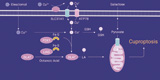
Tsvetkov et al. published in Science and demonstrated a copper-induced programmed cell death — Cuproptosis. As a novel programmed cell death, excess copper triggers abnormal aggregation of lipoylated proteins in TCA cycle and clearance of Fe-S cluster proteins, ultimately leading to cell death.
Scientific Reviews
Tsvetkov et al. published in Science and demonstrated a copper-induced programmed cell death — Cuproptosis. As a novel programmed cell death, excess copper triggers abnormal aggregation of lipoylated proteins in TCA cycle and clearance of Fe-S cluster proteins, ultimately leading to cell death. -
 Scientific Reviews
A comprehensive explanation of ferroptosis
Scientific Reviews
A comprehensive explanation of ferroptosis2022-09-15
Ferroptosis is a new type of RCD that depends on iron and characterized by the accumulation of lipid peroxides. In this article, we will pay our attention on ferroptosis and briefly discusses its mechanism. -
 Scientific Reviews
It's has been proved that p53, as a tumor suppressor gene and immune guardian, may become a destroyer through its own mutation. Moreover, the mechanism of p53 was found to be related to ferroptosis. This article mainly explores the mechanism between p53 and ferroptosis in detail.
Scientific Reviews
It's has been proved that p53, as a tumor suppressor gene and immune guardian, may become a destroyer through its own mutation. Moreover, the mechanism of p53 was found to be related to ferroptosis. This article mainly explores the mechanism between p53 and ferroptosis in detail. -
 Scientific Reviews
TME (Tumor microenvironment) is considered as a complex integrated system, composed of cellular components such as tumor cells and immune cells, as well as non-cellular components such as ECM and cytokines. According to the spatial distribution of immune cells in TME, "hot" and "cold" TME will be explained in this article.
Scientific Reviews
TME (Tumor microenvironment) is considered as a complex integrated system, composed of cellular components such as tumor cells and immune cells, as well as non-cellular components such as ECM and cytokines. According to the spatial distribution of immune cells in TME, "hot" and "cold" TME will be explained in this article. -
 Scientific Reviews
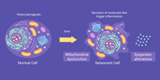
Understanding the mechanism of aging not only has guiding significance for prolonging human life but also has important clinical significance for the prevention and treatment of diseases in the elderly population , thus, improving their life quality and well-being.
Scientific Reviews
Understanding the mechanism of aging not only has guiding significance for prolonging human life but also has important clinical significance for the prevention and treatment of diseases in the elderly population , thus, improving their life quality and well-being. -
 Scientific Reviews
Mammalian cells can also photosynthesize like plants! Photosynthesis can improve cell anabolism and exhibit good clinical effect in degenerative diseases (osteoarthritis).
Scientific Reviews
Mammalian cells can also photosynthesize like plants! Photosynthesis can improve cell anabolism and exhibit good clinical effect in degenerative diseases (osteoarthritis). -
 Scientific Reviews
The latest study of Cell magazine "Neural mechanism underlying depressive-like state associated with social status loss" considers social factors as a breakthrough point. It has been found that the downward transition of social status induces depression-like behavior in mice whereas improves the depressive state by restoring their social environment.
Scientific Reviews
The latest study of Cell magazine "Neural mechanism underlying depressive-like state associated with social status loss" considers social factors as a breakthrough point. It has been found that the downward transition of social status induces depression-like behavior in mice whereas improves the depressive state by restoring their social environment. -
 Scientific Reviews
Necroptosis, also known as necroptosis, is a form of regulated necrotizing cell death mediated by RIP1 and RIP3 kinases. Necroptosis is a process that prevents the self-destruction of activated cells that are blocked by apoptosis. Necroptosis plays a tumor suppressor role in most cases. It may provide benefits in the researches of a variety of human diseases involving immune inflammation and cell death.
Scientific Reviews
Necroptosis, also known as necroptosis, is a form of regulated necrotizing cell death mediated by RIP1 and RIP3 kinases. Necroptosis is a process that prevents the self-destruction of activated cells that are blocked by apoptosis. Necroptosis plays a tumor suppressor role in most cases. It may provide benefits in the researches of a variety of human diseases involving immune inflammation and cell death. -
 Scientific Reviews
Mitophagy:Mechanisms and Detection
Scientific Reviews
Mitophagy:Mechanisms and Detection2023-05-25
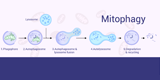
About 60 years ago, Christian de Duve first used the term "autophagy" to describe his observation of the degradation of mitochondria and other intracellular structures in lysosomes of rat liver. Over the years, autophagy has remained a beloved topic of research by the National Natural Science Foundation of China (NSFC).Today, let's talk about mitochondrial autophagy. -
 Scientific Reviews
HLA-E, A Novel Immune Checkpoint
Scientific Reviews
HLA-E, A Novel Immune Checkpoint2023-06-29
Immune checkpoints have immunosuppressive functions. It can be used in the research of tumor immunotherapy. In this article, we introduce a new paper entitled "Immune checkpoint HLA-E: CD94 - NKG2Amediates evasion of circulating tumor cells from NK cell surveillance "research paper. -
 Scientific Reviews
WHO's Q2 drug list has been updated. Let's take you through the list of the most noteworthy small molecule drugs that we should pay attention to.
Scientific Reviews
WHO's Q2 drug list has been updated. Let's take you through the list of the most noteworthy small molecule drugs that we should pay attention to. -
 Scientific Reviews
FDA Approved Drug List!
Scientific Reviews
FDA Approved Drug List!2023-09-14
In the first half of 2023 (as of June 27), the FDA approved 26 new drugs, let's take you learn about it through the article. -
 Scientific Reviews
IHC is an indispensable technique for studying tissue morphology and in situ antigen expression, but usually only one or two antigens in tissues can be stained for analysis. It cannot judge the results more intuitively. Today, Little M will introduce you to the upgraded version mlHC.
Scientific Reviews
IHC is an indispensable technique for studying tissue morphology and in situ antigen expression, but usually only one or two antigens in tissues can be stained for analysis. It cannot judge the results more intuitively. Today, Little M will introduce you to the upgraded version mlHC. -
 Scientific Reviews
FDA Annual Review | Record-breaking number of new drug approvals in 2023!
Scientific Reviews
FDA Annual Review | Record-breaking number of new drug approvals in 2023! -
 Scientific Reviews
Katalin Karikó and Drew Weissman were awarded the Nobel Prize in Physiology or Medicine in 2023 for their groundbreaking work in nucleoside modification, which paved the way for the creation of successful mRNA vaccines to fight against COVID-19. Let's now delve into the complete process of mRNA vaccine development.
Scientific Reviews
Katalin Karikó and Drew Weissman were awarded the Nobel Prize in Physiology or Medicine in 2023 for their groundbreaking work in nucleoside modification, which paved the way for the creation of successful mRNA vaccines to fight against COVID-19. Let's now delve into the complete process of mRNA vaccine development. -
 Scientific Reviews
STZ Induced Diabetes Models
Scientific Reviews
STZ Induced Diabetes Models2024-06-13
Spotlight: How can STZ Help Diabetes Research? -
 Scientific Reviews
Antibodies!
Scientific Reviews
Antibodies!2024-07-26
Today, We introduce antibodies for everyone! -
 Scientific Reviews
Cuproptosis, How much do you know?
Scientific Reviews
Cuproptosis, How much do you know?2024-08-22
Cells die in a variety of ways, including apoptosis, pyroptosis, necrosis, and ferroptosis......And, of course, cuproptosis. So, how much do you know about cuproptosis? -
 Scientific Reviews
Recently, Mol Cell reported the discovery of the first ferroptosis marker, Hyperoxidized PRDX3! Let’s take a look together~
Scientific Reviews
Recently, Mol Cell reported the discovery of the first ferroptosis marker, Hyperoxidized PRDX3! Let’s take a look together~ -
 Scientific Reviews
Cuproptosis's Knowledge Points!
Scientific Reviews
Cuproptosis's Knowledge Points!2024-09-25
With the establishment of the cuproptosis mechanism related research has attracted more and more attention from major journals. Expect to use the sharp sword of cuproptosis to stab the tumor cells. -
Scientific Reviews
Delve into the intricate networks that govern mitochondrial quality control. By examining key mechanisms such as biogenesis, mitochondrial dynamics (fission and fusion), proteolysis, and mitophagy. -
 Scientific Reviews
A New Form of Cell Death: PANoptosis!
Scientific Reviews
A New Form of Cell Death: PANoptosis! -
 Scientific Reviews
Advancing Chronic Kidney Disease Research with GJ103 and Lamin B1 Antibody!
Scientific Reviews
Advancing Chronic Kidney Disease Research with GJ103 and Lamin B1 Antibody! -
 Scientific Reviews
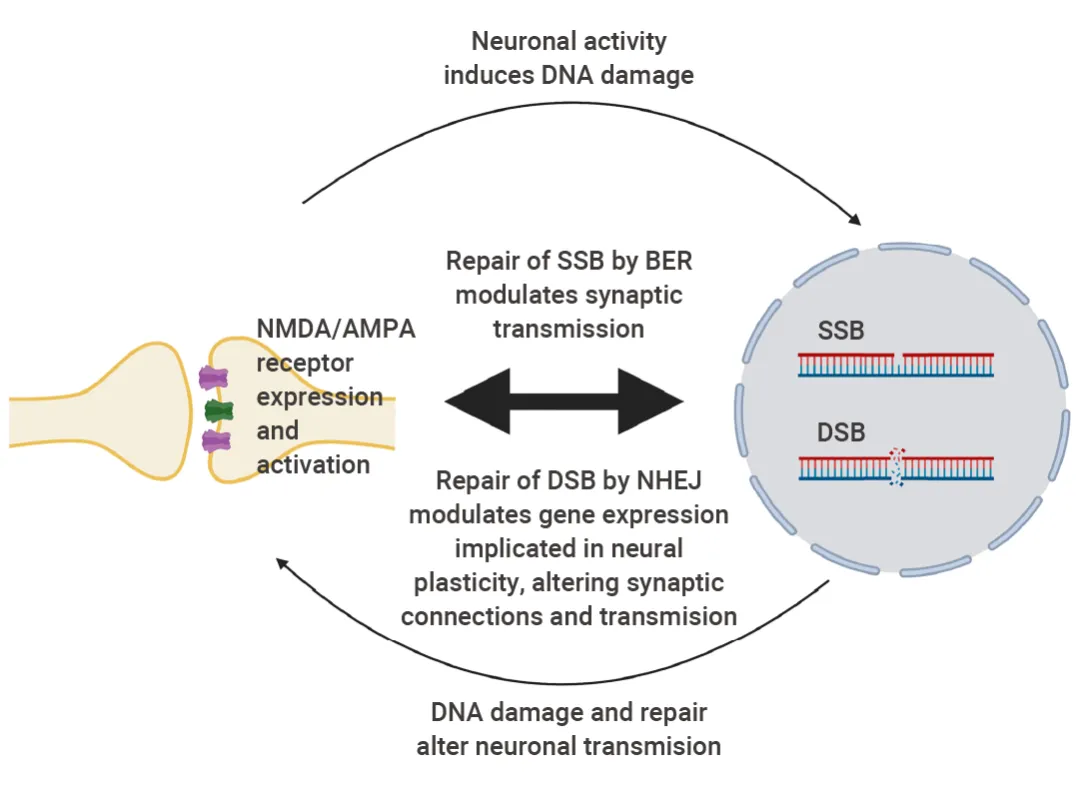
When you hear "inflammation" and "DNA damage," you might immediately think of disease or injury. However, in brains, these two processes are key steps in forming long-term memories, particularly related to specialized cells in our brain called hippocampal neurons.
Scientific Reviews
When you hear "inflammation" and "DNA damage," you might immediately think of disease or injury. However, in brains, these two processes are key steps in forming long-term memories, particularly related to specialized cells in our brain called hippocampal neurons. -
 Scientific Reviews
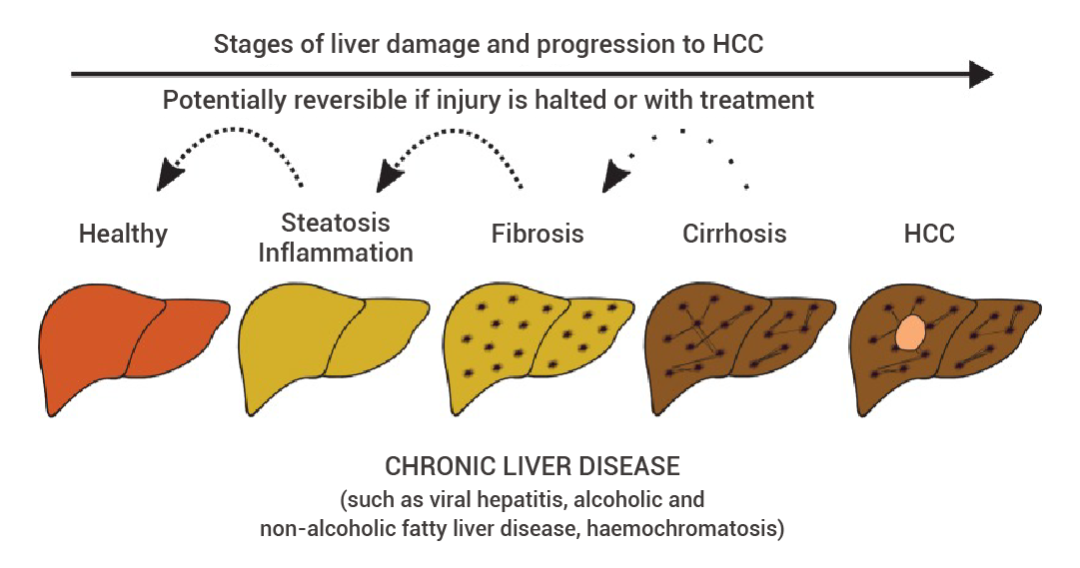
This article will tell you about the common methods of modeling liver disease in animal models.
Scientific Reviews
This article will tell you about the common methods of modeling liver disease in animal models. -
 Scientific Reviews
This article introduces some common cardiovascular disease models, inducers, modeling protocols and successful modeling cases in the research.
Scientific Reviews
This article introduces some common cardiovascular disease models, inducers, modeling protocols and successful modeling cases in the research. -
 Scientific Reviews
In this issue, we will conduct an in-depth interpretation from the dimensions of nanoparticle design, mechanism of action, in vivo and in vitro efficacy, and immune regulation, revealing how this research brings new hope for the treatment of invasive tumors through interdisciplinary innovation!
Scientific Reviews
In this issue, we will conduct an in-depth interpretation from the dimensions of nanoparticle design, mechanism of action, in vivo and in vitro efficacy, and immune regulation, revealing how this research brings new hope for the treatment of invasive tumors through interdisciplinary innovation! -
 Scientific Reviews
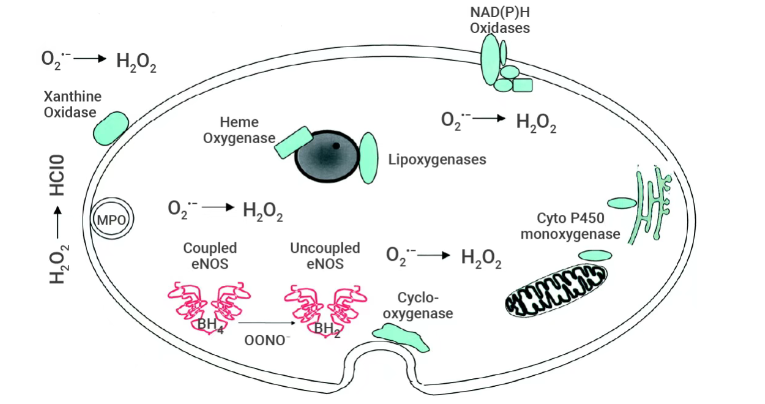
The article introduces the mechanisms of ROS generation and the methods for their detection.
Scientific Reviews
The article introduces the mechanisms of ROS generation and the methods for their detection. -
 Scientific Reviews
A groundbreaking study in Nature Communications reveals the key mechanism behind Idiopathic Pulmonary Fibrosis and identifies an existing drug with the potential to counter it.
Scientific Reviews
A groundbreaking study in Nature Communications reveals the key mechanism behind Idiopathic Pulmonary Fibrosis and identifies an existing drug with the potential to counter it. -
 Scientific Reviews
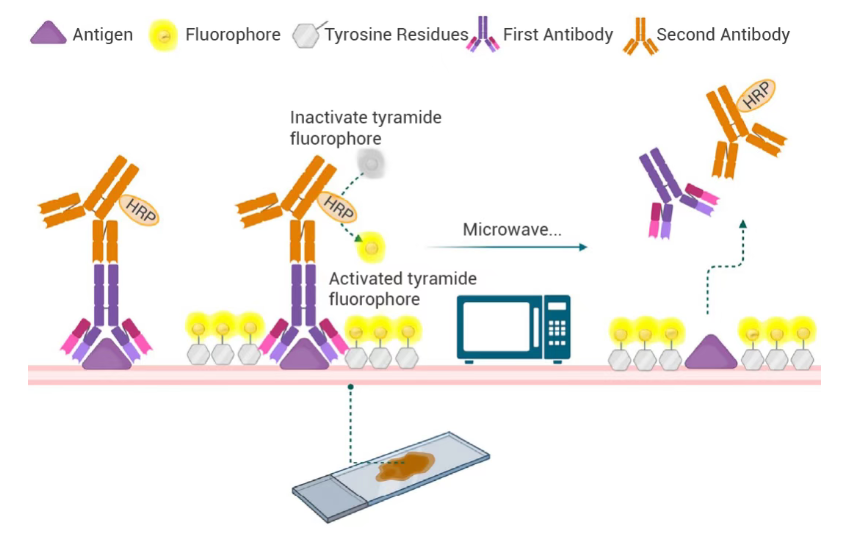
This detailed guide outlines the standardized experimental protocols for multiplex immunohistochemistry (mIHC), systematically summarizes common technical issues encountered during sample preparation, staining and imaging processes, and provides practical troubleshooting solutions to ensure reliable and reproducible results in biomedical research and clinical sample analysis.
Scientific Reviews
This detailed guide outlines the standardized experimental protocols for multiplex immunohistochemistry (mIHC), systematically summarizes common technical issues encountered during sample preparation, staining and imaging processes, and provides practical troubleshooting solutions to ensure reliable and reproducible results in biomedical research and clinical sample analysis. -
Scientific Reviews
Microglia– the only immune cells within the brain parenchyma. With advancements in imaging technologies, people’s understanding of microglia has shifted from being viewed as 'resting' cells to 'highly active' cells, particularly due to their dynamic processes that seem to be probing surrounding tissues and monitoring neuronal activity. This has made microglia a focal point of research in the field of neuroscience. -
 Scientific Reviews
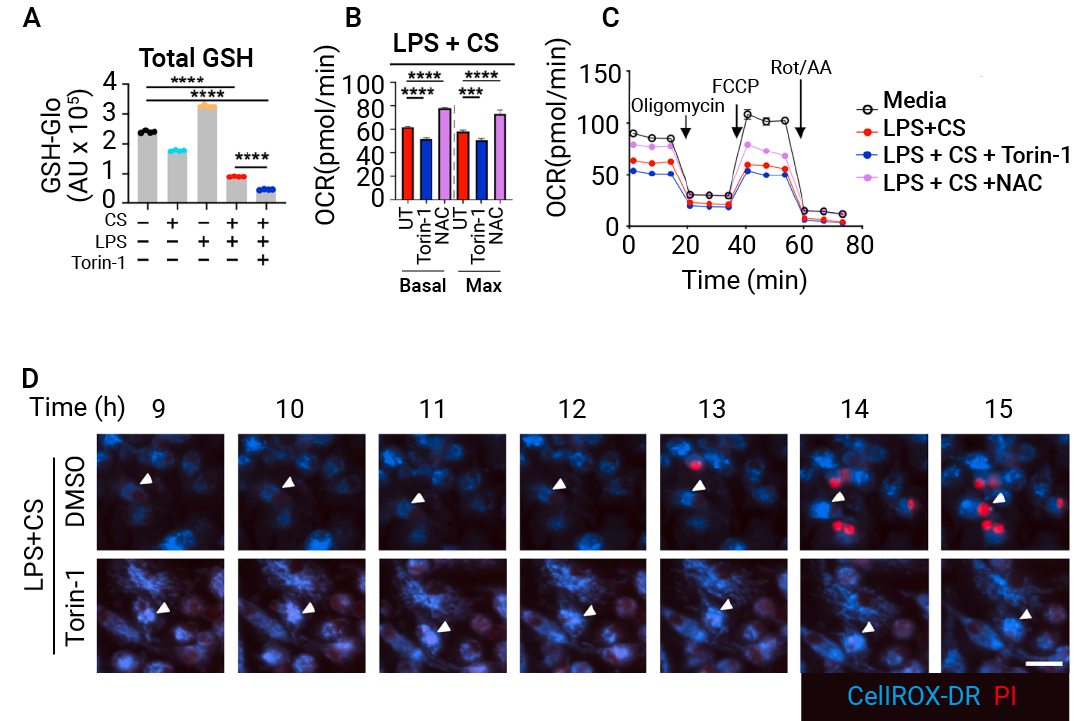
A November 2025 Cell study discovers Mitoxyperilysis, a new mTOR-regulated, caspase-independent cell death pathway driven by innate immune and metabolic dysregulation via mitochondrial-plasma membrane contact and oxidative damage, and verifies its potential to induce tumor necrosis for cancer therapy with key regulators including BAX, BAK1 and BID.
Scientific Reviews
A November 2025 Cell study discovers Mitoxyperilysis, a new mTOR-regulated, caspase-independent cell death pathway driven by innate immune and metabolic dysregulation via mitochondrial-plasma membrane contact and oxidative damage, and verifies its potential to induce tumor necrosis for cancer therapy with key regulators including BAX, BAK1 and BID. -
 Scientific Reviews
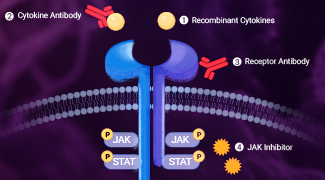
This paper elaborates on cytokines for culturing major immune cells, their regulatory roles, recombinant cytokines' merits and MCE’s related high-quality products.
Scientific Reviews
This paper elaborates on cytokines for culturing major immune cells, their regulatory roles, recombinant cytokines' merits and MCE’s related high-quality products. -
 EDM
This review critically examines the role of the JAK-STAT pathway in immunity and autoimmune diseases, reviews current clinical applications of targeted therapies, and highlights emerging trends in autoimmune drug development.
EDM
This review critically examines the role of the JAK-STAT pathway in immunity and autoimmune diseases, reviews current clinical applications of targeted therapies, and highlights emerging trends in autoimmune drug development. -
 EDM
This review summarizes the mechanisms of DSS-induced colitis, commonly used modeling approaches, and key considerations related to DSS molecular weight.
EDM
This review summarizes the mechanisms of DSS-induced colitis, commonly used modeling approaches, and key considerations related to DSS molecular weight. -
 EDM
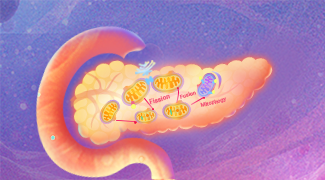
This review discusses β-cell dysfunction driven by mitochondrial impairment, outlines mitochondrial quality control networks, and summarizes strategies to restore mitochondrial function.
EDM
This review discusses β-cell dysfunction driven by mitochondrial impairment, outlines mitochondrial quality control networks, and summarizes strategies to restore mitochondrial function. -
 EDM
Review mitophagy regulation, disease mechanisms, and therapeutic advances to guide future research and drug development.
EDM
Review mitophagy regulation, disease mechanisms, and therapeutic advances to guide future research and drug development. -
 EDM
Review the mechanisms, mitochondrial regulation, disease relevance, and translational opportunities of the NLRP3–STING axis in neuroinflammation.
EDM
Review the mechanisms, mitochondrial regulation, disease relevance, and translational opportunities of the NLRP3–STING axis in neuroinflammation. -
 EDM
Explore the mechanisms driving immune tolerance breakdown in autoimmune diseases and emerging tolerance-restoring strategies, with a focus on IL-2-based immune modulation.
EDM
Explore the mechanisms driving immune tolerance breakdown in autoimmune diseases and emerging tolerance-restoring strategies, with a focus on IL-2-based immune modulation. -
 EDM
Explore how mitochondrial quality control, inflammatory signaling, and metabolic–epigenetic reprogramming regulate cellular senescence and the SASP, along with strategies to restore mitochondrial homeostasis.
EDM
Explore how mitochondrial quality control, inflammatory signaling, and metabolic–epigenetic reprogramming regulate cellular senescence and the SASP, along with strategies to restore mitochondrial homeostasis. -
 Blog
HS-1371 is a Small Molecule RIP3 Inhibitor
Blog
HS-1371 is a Small Molecule RIP3 Inhibitor2019-04-09
HS-1371 is a novel kinase inhibitor of RIP3-mediated necroptosis, showing an inhibitory effect on S227 auto-phosphorylation of RIP3 at the basal level. -
 Blog
PRN1008 is a Reversible Covalent and Oral Active Inhibitor of Bruton’s Tyrosine Kinase (BTK)
Blog
PRN1008 is a Reversible Covalent and Oral Active Inhibitor of Bruton’s Tyrosine Kinase (BTK)2019-04-18
PRN1008 is a selective, reversible covalent and oral active inhibitor of Bruton’s Tyrosine Kinase (BTK), with an IC50 of 1.3 nM. -
 Blog
Multiple Tyrosine Kinases Inhibitor TAS-115
Blog
Multiple Tyrosine Kinases Inhibitor TAS-1152019-04-19
TAS-115 is a potent VEGFR and c-Met/HGFR-targeted kinase inhibitor with IC50s of 30 and 32 nM for rVEGFR2 and rMET, respectively. -
 Blog
TAK-828F is a potent, selective and orally active retinoic acid receptor-related orphan receptor γt (RORγt) inverse agonist. TAK-828F inhibits IL-17A cytokine expression and reduces symptoms of autoimmune encephalomyelitis mice.
Blog
TAK-828F is a potent, selective and orally active retinoic acid receptor-related orphan receptor γt (RORγt) inverse agonist. TAK-828F inhibits IL-17A cytokine expression and reduces symptoms of autoimmune encephalomyelitis mice. -
 Blog
GSK3145095 is a RIP1 kinase inhibitor with an IC50 of 6.3 nM. Potently blocks the TNF response and RIP1-dependent inflammatory cytokine MIP-1β production.
Blog
GSK3145095 is a RIP1 kinase inhibitor with an IC50 of 6.3 nM. Potently blocks the TNF response and RIP1-dependent inflammatory cytokine MIP-1β production. -
 Blog
Gboxin is an oxidative phosphorylation inhibitor that targets glioblastoma. Gboxin inhibits the activity of F0F1 ATP synthase and shows antitumour activity.
Blog
Gboxin is an oxidative phosphorylation inhibitor that targets glioblastoma. Gboxin inhibits the activity of F0F1 ATP synthase and shows antitumour activity. -
 Blog
BAY-11-7082 inhibits the proliferation and induces the apoptosis of U266 cells through inhibiting NF-κB pathway. BAY 11-7082 ameliorates experimental diabetic neuropathy by modulating neuroinflammation and improving antioxidant defence.
Blog
BAY-11-7082 inhibits the proliferation and induces the apoptosis of U266 cells through inhibiting NF-κB pathway. BAY 11-7082 ameliorates experimental diabetic neuropathy by modulating neuroinflammation and improving antioxidant defence. -
 Blog
S18-000003 is a potent, selective and orally active inhibitor of retinoic acid receptor-related orphan receptor-gamma-t (RORγt). S18-000003 ameliorates psoriasis-like lesions in vivo. S18-000003 can be used for the research of skin inflammatory diseases.
Blog
S18-000003 is a potent, selective and orally active inhibitor of retinoic acid receptor-related orphan receptor-gamma-t (RORγt). S18-000003 ameliorates psoriasis-like lesions in vivo. S18-000003 can be used for the research of skin inflammatory diseases. -
 Blog
TPCA-1, a Direct Dual Inhibitor of STAT3 and NF-κB, Regresses Mutant EGFR-Associated NSCLC
Blog
TPCA-1, a Direct Dual Inhibitor of STAT3 and NF-κB, Regresses Mutant EGFR-Associated NSCLC2019-07-15
TPCA-1 is a potent and selective inhibitor of IKK-2 with IC50 of 17.9 nM. TPCA-1 is an effective inhibitor of STAT3 phosphorylation, DNA binding. -
 Blog
DVD-445 is a potent peptidomimetic covalent TrxR1 inhibitor with an IC50 of 0.60 μM for rat TrxR1. DVD-445 has good anticancer application.
Blog
DVD-445 is a potent peptidomimetic covalent TrxR1 inhibitor with an IC50 of 0.60 μM for rat TrxR1. DVD-445 has good anticancer application. -
 Blog
BI-167107 is a high affinity, full agonist that binds to the β2 adrenergic receptor (β2AR) with a dissociation constant Kd of 84 pM.
Blog
BI-167107 is a high affinity, full agonist that binds to the β2 adrenergic receptor (β2AR) with a dissociation constant Kd of 84 pM. -
 Blog
UK 356618 is a Selective MMP-3 Inhibitor
Blog
UK 356618 is a Selective MMP-3 Inhibitor2019-12-25
UK 356618 is a selective and potent inhibitor of MMP-3. UK 356618 exhibits potent anti-inflammatory and anti-cancer activity. -
 Blog
CH6953755 is a potent, orally active and selective YES1 kinase inhibitor leading to antitumor activity against YES1 Gene -amplified cancers.
Blog
CH6953755 is a potent, orally active and selective YES1 kinase inhibitor leading to antitumor activity against YES1 Gene -amplified cancers. -
 Blog
CA-4948 is a Selective and Orally Bioavailable IRAK4 Kinase Inhibitor for Lymphoma Treatment
Blog
CA-4948 is a Selective and Orally Bioavailable IRAK4 Kinase Inhibitor for Lymphoma Treatment2020-01-05
CA-4948 is a potent, selective and orally bioavailable IRAK4 kinase inhibitor. CA-4948 can be used for the treatment of lymphoma. -
 Blog
AKOS-22, a VDAC1 Oligomerization and Apoptosis Inhibitor, Protects Against Mitochondrial Dysfunction
Blog
AKOS-22, a VDAC1 Oligomerization and Apoptosis Inhibitor, Protects Against Mitochondrial Dysfunction2020-02-15
AKOS-22 is a potent mitochondrial protein VDAC1 and apoptosis inhibitor. AKOS-22 protects against Mitochondrial Dysfunction. -
 Blog
BAY-985 is an orally active and selective ATP-competitive dual inhibitor of TBK1 and IKKε with IC50s of 2/30 and 2 nM for TBK1 and IKKε, respectively.
Blog
BAY-985 is an orally active and selective ATP-competitive dual inhibitor of TBK1 and IKKε with IC50s of 2/30 and 2 nM for TBK1 and IKKε, respectively. -
 Blog
ADH-503 is an orally active and allosteric CD11b agonist and leads to the repolarization of tumor-associated macrophages.
Blog
ADH-503 is an orally active and allosteric CD11b agonist and leads to the repolarization of tumor-associated macrophages. -
 Blog
iFSP1 is a potent, selective FSP1inhibitor that induces ferroptosis in GPX4-knockout cells which overexpressed FSP1.
Blog
iFSP1 is a potent, selective FSP1inhibitor that induces ferroptosis in GPX4-knockout cells which overexpressed FSP1. -
 Blog
MYLS22 is a first-in-class and selective optic atrophy 1 (OPA1) inhibitor with anti-angiogenesis and anti-cancer activity.
Blog
MYLS22 is a first-in-class and selective optic atrophy 1 (OPA1) inhibitor with anti-angiogenesis and anti-cancer activity. -
 Blog
GSK143 is an orally active and highly selective spleen tyrosine kinase (SYK) inhibitor. GSK143 reduces inflammation in the intestinal muscularis in mice.
Blog
GSK143 is an orally active and highly selective spleen tyrosine kinase (SYK) inhibitor. GSK143 reduces inflammation in the intestinal muscularis in mice. -
 Blog
RA375, a RPN13 inhibitor, inhibits proteasome function in muscle. RA375 is highly active against cell lines of multiple myeloma and diverse solid cancers.
Blog
RA375, a RPN13 inhibitor, inhibits proteasome function in muscle. RA375 is highly active against cell lines of multiple myeloma and diverse solid cancers. -
 Blog
CAY10404 is a potent and highly selective COX-2 inhibitor. CAY10404 is a potent inhibitor of PKB/Akt and MAPK signalling pathways.
Blog
CAY10404 is a potent and highly selective COX-2 inhibitor. CAY10404 is a potent inhibitor of PKB/Akt and MAPK signalling pathways. -
 Blog
BMS-P5 is an Orally Active PAD4 Inhibitor
Blog
BMS-P5 is an Orally Active PAD4 Inhibitor2020-12-12
BMS-P5 is an orally active PAD4 inhibitor. BMS-P5 blocks MM-induced NET formation and delays progression of MM in a syngeneic mouse model -
 Blog
ML132, a potent and selective caspase 1 inhibitor with a unique selectivity pattern, is responsible for the proteolytic activation of IL-1β and IL-18.
Blog
ML132, a potent and selective caspase 1 inhibitor with a unique selectivity pattern, is responsible for the proteolytic activation of IL-1β and IL-18. -
 Blog
DMU-212 Possesses Antimitotic, Anti-Proliferative, Antioxidant and Apoptosis Promoting Activities
Blog
DMU-212 Possesses Antimitotic, Anti-Proliferative, Antioxidant and Apoptosis Promoting Activities2020-12-24
Activation of ERK1/2 is required for the antimitotic activity of the Resveratrol analogue DMU‐212 in human melanoma cells. -
 Blog
CC-90001 is a potent, selective, and orally active inhibitor of JNK. CC-90001 can be used for the research of idiopathic pulmonary fibrosis (IPF).
Blog
CC-90001 is a potent, selective, and orally active inhibitor of JNK. CC-90001 can be used for the research of idiopathic pulmonary fibrosis (IPF). -
 Blog
IMT1 is a first-in-class specific and noncompetitive human POLRMT inhibitor for mitochondrial transcription disorders related diseases.
Blog
IMT1 is a first-in-class specific and noncompetitive human POLRMT inhibitor for mitochondrial transcription disorders related diseases. -
 Blog
SB-332235 is a potent, orally active nonpeptide CXCR2 antagonist. SB-332235 inhibits acute and chronic models of arthritis in the rabbit.
Blog
SB-332235 is a potent, orally active nonpeptide CXCR2 antagonist. SB-332235 inhibits acute and chronic models of arthritis in the rabbit. -
 Blog
AA92593 is a selective and competitive OPN4 (melanopsin) antagonist. AA92593 can potently decrease IOP in mice.
Blog
AA92593 is a selective and competitive OPN4 (melanopsin) antagonist. AA92593 can potently decrease IOP in mice. -
 Blog
AUTAC4 is a mitochondria-targeting autophagy-targeting chimera, which can be used for the study of mitochondrial dysfunction.
Blog
AUTAC4 is a mitochondria-targeting autophagy-targeting chimera, which can be used for the study of mitochondrial dysfunction. -
 Blog
Lumiracoxib is a COX-2 inhibitor. Lumiracoxib acts as nonselective NSAID with anti-inflammatory, analgesic and antipyretic activities.
Blog
Lumiracoxib is a COX-2 inhibitor. Lumiracoxib acts as nonselective NSAID with anti-inflammatory, analgesic and antipyretic activities. -
 Blog
Ruxolitinib is a potent and selective JAK1/2 inhibitor and has 130-fold selectivity for JAK1/2 over JAK3. Ruxolitinib induces autophagy.
Blog
Ruxolitinib is a potent and selective JAK1/2 inhibitor and has 130-fold selectivity for JAK1/2 over JAK3. Ruxolitinib induces autophagy. -
 Blog
IACS-010759 is an orally active, potent mitochondrial complex I of oxidative phosphorylation (OXPHOS) inhibitor with antitumor activity.
Blog
IACS-010759 is an orally active, potent mitochondrial complex I of oxidative phosphorylation (OXPHOS) inhibitor with antitumor activity. -
 Blog
Elesclomol is an oxidative stress inducer that induces cancer cell apoptosis. Elesclomol is a reactive oxygen species (ROS) inducer.
Blog
Elesclomol is an oxidative stress inducer that induces cancer cell apoptosis. Elesclomol is a reactive oxygen species (ROS) inducer. -
 Blog
Brusatol (NSC 172924) is a Nrf2 Inhibitor
Blog
Brusatol (NSC 172924) is a Nrf2 Inhibitor2021-10-26
Brusatol inhibits the Nrf2 signaling pathway by reducing the protein level of Nrf2, with anticancer activities. -
 Blog
IMD-0354 is a Selective IKKβ Inhibitor
Blog
IMD-0354 is a Selective IKKβ Inhibitor2021-11-09
IMD-0354 is a selective IKKβ inhibitor and potently inhibits NF-κB activity. IMD0354 has antitumor activity. -
 Blog
Oltipraz is a Nrf2 Inhibitor
Blog
Oltipraz is a Nrf2 Inhibitor2021-11-18
Oltipraz is a potent Nrf2 activator. Oltipraz has an inhibitory effect on HIF-1α activation in a time-dependent manner, the IC50 is 10 μM. -
 Blog
Lonidamine, an antitumor agent and an indazole derivative, interferes with energy-yielding processes in cancer cells.
Blog
Lonidamine, an antitumor agent and an indazole derivative, interferes with energy-yielding processes in cancer cells. -
 Blog
Trolox is an analogue of vitamin E with a powerful antioxidant effect. Trolox is also a powerful inhibitor of membrane damage.
Blog
Trolox is an analogue of vitamin E with a powerful antioxidant effect. Trolox is also a powerful inhibitor of membrane damage. -
 Blog
Alda-1 is a potent ALDH2 Agonist
Blog
Alda-1 is a potent ALDH2 Agonist2021-12-30
Alda-1 ameliorates H2O2-induced Achilles tendinopathy. Alda-1 could be used for preventing Achilles tendinopathy. -
 Blog
β-Lapachone, a topoisomerase I inhibitor, induces apoptosis by inhibiting cell cycle progression. β-Lapachone has anti-inflammatory effect.
Blog
β-Lapachone, a topoisomerase I inhibitor, induces apoptosis by inhibiting cell cycle progression. β-Lapachone has anti-inflammatory effect. -
 Blog
CL097 is a TLR7/8 agonist. CL097 induces pro-nflammatory cytokines. CL097 induces NADPH oxidase priming and efficient diabetogenic cytotoxic T lymphocyte (CTL) function in NOD mice.
Blog
CL097 is a TLR7/8 agonist. CL097 induces pro-nflammatory cytokines. CL097 induces NADPH oxidase priming and efficient diabetogenic cytotoxic T lymphocyte (CTL) function in NOD mice. -
 Blog
Zingerone is a natural orally active nontoxic methoxyphenol potent anti-inflammatory, antidiabetic, antioxidize, and anti-tumor properties.
Blog
Zingerone is a natural orally active nontoxic methoxyphenol potent anti-inflammatory, antidiabetic, antioxidize, and anti-tumor properties. -
 Blog
PX-12 is an irreversible inhibitor of Trx-1 and inhibits the growth, migration, and invasion of colorectal cancer cell lines.
Blog
PX-12 is an irreversible inhibitor of Trx-1 and inhibits the growth, migration, and invasion of colorectal cancer cell lines. -
 Blog
BM213 is a selective C5aR1 agonist. It’s a useful research tool to study C5aR1 function
Blog
BM213 is a selective C5aR1 agonist. It’s a useful research tool to study C5aR1 function -
 Blog
Pelecopan is a potent, selective, and orally active complement factor D inhibitor, possessing the potential to study paroxysmal nocturnal hemoglobinuria (PNH).
Blog
Pelecopan is a potent, selective, and orally active complement factor D inhibitor, possessing the potential to study paroxysmal nocturnal hemoglobinuria (PNH). -
 Blog
LCS3 is a potent and reversible inhibitor of GSR and TXNRD1 with anti-tumour activity by non-competitive inhibition of the enzyme activity.
Blog
LCS3 is a potent and reversible inhibitor of GSR and TXNRD1 with anti-tumour activity by non-competitive inhibition of the enzyme activity. -
 Blog
Etrolizumab is a Gut-selective, Anti-β7 Integrin McAb for Inflammatory Bowel Disease (IBD) Research
Blog
Etrolizumab is a Gut-selective, Anti-β7 Integrin McAb for Inflammatory Bowel Disease (IBD) Research2022-11-05
Etrolizumab is a gut-selective, anti-β7 integrin monoclonal antibody and has the potential for the research of inflammatory bowel disease. -
 Blog
MMRi62, a Ferroptosis inducer targeting MDM2-MDM4. MMRi62 shows a P53-independent pro-apoptotic activity against PDAC cells.
Blog
MMRi62, a Ferroptosis inducer targeting MDM2-MDM4. MMRi62 shows a P53-independent pro-apoptotic activity against PDAC cells. -
 Blog
FA16 is a specific and metabolically stable ferroptosis inducer. It inhibits system Xc-, results in tumor progression suppression.
Blog
FA16 is a specific and metabolically stable ferroptosis inducer. It inhibits system Xc-, results in tumor progression suppression. -
 Blog
YL-939 was a potent inhibitor of iron death and significantly improved liver injury in a model of iron death-related acute liver injury.
Blog
YL-939 was a potent inhibitor of iron death and significantly improved liver injury in a model of iron death-related acute liver injury. -
 Blog
Ruxolitinib is an orally-active JAK1/2 inhibitor. Ruxolitinib has the potential for the research of myeloproliferative neoplasm (MPN).
Blog
Ruxolitinib is an orally-active JAK1/2 inhibitor. Ruxolitinib has the potential for the research of myeloproliferative neoplasm (MPN).
Products
All
-
All
-
Inhibitors & Agonists
-
Isotope-Labeled Compounds
-
Fluorescent Dye
-
Peptides
-
Recombinant Proteins
-
Antibodies
-
Screening Libraries
-
Kits
-
Inhibitory Antibodies
-
Reference Standards
-
Induced Disease Models Products
-
GMP Small Molecules
-
Enzyme
-
Biochemical Assay Reagents
-
Natural Products
| Cat. No. | Product Name | Information | Application | Publication |
|---|---|---|---|---|
| HY-10358 | MK-2206 dihydrochloride |
MK-2206 dihydrochloride (MK-2206 2HCl) is an orally active pan-AKT inhibitor, with IC50 values of 8 nM, 12 nM and 65 nM against AKT1, AKT2 and AKT3, respectively. MK-2206 dihydrochloride inhibits the Akt/mTOR signaling pathway and reduces the levels of downstream GSK3β and Mcl-1 via proteasomal degradation. MK-2206 dihydrochloride induces G1-phase cell cycle arrest, apoptosis, epithelial-mesenchymal transition, fibroblast activation and extracellular matrix deposition. MK-2206 dihydrochloride causes transient hyperglycemia and hyperinsulinemia in animals. MK-2206 dihydrochloride can be used in research related to solid tumors, renal fibrosis and hypercholesterolemia.
|
Colorectal Cancer
Prostate Cancer
Gastric Cancer
Liver Cancer
Leukemia/Lymphoma/Myeloma
Pancreatic Cancer
Ovarian Cancer
Large Cell Lung Carcinoma
Metastatic Breast Cancer
Lung Fibrosis
|
496
|
| HY-10182B | Laduviglusib trihydrochloride |
Laduviglusib (CHIR-99021) trihydrochloride is a potent and selective GSK-3α/β inhibitor with IC50s of 10 nM and 6.7 nM. Laduviglusib trihydrochloride shows >500-fold selectivity for GSK-3 over CDC2, ERK2 and other protein kinases. Laduviglusib trihydrochloride is also a potent Wnt/β-catenin signaling pathway activator. Laduviglusib trihydrochloride enhances mouse and human embryonic stem cells self-renewal. Laduviglusib trihydrochloride induces autophagy.
|
|
322
|
| HY-10182A | Laduviglusib monohydrochloride |
Laduviglusib (CHIR-99021) monohydrochloride is a potent and selective GSK-3α/β inhibitor with IC50s of 10 nM and 6.7 nM. Laduviglusib monohydrochloride shows >500-fold selectivity for GSK-3 over CDC2, ERK2 and other protein kinases. Laduviglusib monohydrochloride is also a potent Wnt/β-catenin signaling pathway activator. Laduviglusib monohydrochloride enhances mouse and human embryonic stem cells self-renewal. Laduviglusib monohydrochloride induces autophagy.
|
Breast Cancer
Pancreatic Cancer
Depression
Glucose Metabolism
Alzheimer's Disease
Obesity
Lung Fibrosis
|
322
|
| HY-10182 | Laduviglusib |
Laduviglusib (CHIR-99021) is a potent, selective and orally active GSK-3α/β inhibitor with IC50s of 10 nM and 6.7 nM. Laduviglusib shows >500-fold selectivity for GSK-3 over CDC2, ERK2 and other protein kinases. Laduviglusib is also a potent Wnt/β-catenin signaling pathway activator. Laduviglusib enhances mouse and human embryonic stem cells self-renewal. Laduviglusib induces autophagy.
|
Breast Cancer
Pancreatic Cancer
Depression
Glucose Metabolism
Alzheimer's Disease
Obesity
Lung Fibrosis
|
322
|
| HY-50896 | Erlotinib |
Erlotinib (CP-358774) is a selective, orally active EGFR tyrosine kinase inhibitor. Erlotinib also acts as a substrate and inhibitor of OATP2B1, with an IC50 of approximately 0.079 μM for inhibiting OATP2B1-mediated uptake of estrone 3-sulfate. Erlotinib blocks EGFR phosphorylation, downstream signal transduction, as well as the growth and proliferation of cancer cells. Erlotinib inhibits MMP-10-mediated renal injury, fibrotic lesions, the ERK1/2, GSK-3β and β-catenin signaling pathways, fibronectin, α-SMA, collagen deposition, and renal injury markers. Erlotinib is metabolized via CYP3A to produce the active metabolite OSI-420. Erlotinib can be used in research related to non-small cell lung cancer, gastric cancer, papillary renal cell carcinoma, pancreatic cancer, renal fibrosis, and other conditions.
|
|
148
|
| HY-L091 | Lipid Metabolism Compound Library |
Lipids are a fundamental class of organic molecules implicated in a wide range of biological processes, and based on this can be broadly classified into five categories: fatty acids, triacylglycerols (TAGs), phospholipids, sterol lipids and sphingolipids. Lipids play a crucial role in different metabolic pathways and cellular functions. Lipid metabolism is an important physiological process that is related to nutrient adjustment, hormone regulation, and homeostasis. Lipid metabolism dysregulation is associated with many diseases such as obesity, liver disease, aging and inflammation.
MCE offers a unique collection of 1,026 compounds related to lipid metabolism, which target relevant targets in the process of lipid metabolism, such as ATGL, MAGL, FAAH, acetyl-Coa Carboxylase, FASN, etc. MCE lipid metabolism compound library is a useful tool for research lipid metabolism and drug discovery of diseases related to lipid metabolism.
|
|
85
|
| HY-L092 | Glucose Metabolism Compound Library |
Glucose homeostasis is tightly regulated to meet the energy requirements of the vital organs and maintain an individual’s health. Glucose metabolism includes glycolysis, tricarboxylic acid cycle, pentose phosphate pathway, oxidative phosphorylation and other metabolic pathways. Glucose is the major carbon source that provides the main energy for life. Glucose metabolism dysregulation is also implicated in many diseases such as diabetes, heart disease, neurodegenerative diseases and even cancer.
MCE offers a unique collection of 1,777 compounds related to glucose metabolism, which target glucose metabolism related targets, such as GLUT, Hexokinase, Pyruvate Kinase, IDH, etc. MCE glucose metabolism library is a powerful tool for studying glucose metabolism and drug discovery of diseases related to glucose metabolism.
|
|
85
|
| HY-L121 | 5-HT Receptor Compound Library |
5-HT receptors, also called Serotonin receptors, are a group of G protein-coupled receptors (GPCRs) and ligand-gated ion channels (LGICs) found in the central and peripheral nervous systems. These receptors are now classified into seven families, 5-HT1–7, comprising a total of 14 structurally and pharmacologically distinct mammalian 5-HT receptor subtypes. The 5-HT receptors influence various biological and neurological processes such as aggression, anxiety, appetite, cognition, learning, memory, mood, nausea, sleep, andthermoregulation. The serotonin receptors are the target of a variety of pharmaceutical drugs, including many antidepressants, antipsychotics, anorectics, antiemetics, gastroprokinetic agents, antimigraine agents, hallucinogens, and entactogens.
MCE 5-HT Receptor Compound Library consists of 430 5-HT receptor inhibitors and activators, which can be used for neuropsychiatric disorders drugs discovery.
|
|
84
|
| HY-L0093V | Chemspace Scaffold derived set |
Diversity-based screening continues to be a vital tool for drug discovery. Efficiency and productivity can be improved by using screening libraries that offer maximum diversity whilst retaining drug-like properties. Chemspace Scaffold derived set composes 10,119 compounds, which including 3,373 scaffolds, 3 compounds per each. This library has exceptional coverage of drug-like chemical space.
|
|
83
|
| HY-L009M | Kinase Inhibitor Library Mini |
Kinases is a class of enzymes that adds chemicals called phosphates to other molecules, such as sugars or proteins. Protein phosphorylation serves as a critical regulatory mechanism for numerous cellular processes including cell division, metabolism, and signal transduction, with approximately 50% of cellular functions in humans being regulated by kinase activity. In drug discovery, kinases represent a major category of therapeutic targets, and kinase inhibitors constitute an important class of pharmaceuticals that block the activity of specific disease-associated enzymes, particularly in cancer and inflammatory disorders. Small molecule kinase inhibitors represent one of the fastest-growing drug categories, having received U.S. Food and Drug Administration (FDA) approval for both oncological and non-oncological indications. As of September 2023, over 70 FDA-approved small molecule kinase inhibitors are commercially available.
The MCE Kinase Inhibitor Library Mini contains 270 kinase inhibitors primarily targeting protein kinases (VEGFR, EGFR, BTK, CDK, Akt, etc.), lipid kinases (PI3K, PI4K, SK, etc.), and carbohydrate kinases. This collection includes 1-3 highly specific representative compounds per target, optimized for screening of kinase-related drug targets in pharmaceutical research.
|
|
83
|
| HY-L0120V | Asinex BioDesign Library |
“BioDesign” approach incorporates key structural features of known pharmacologically relevant natural products (e.g. alkaloids and other secondary metabolites) into synthetically feasible medicinal chemistry scaffolds. In order to identify the privileged pharmacophores, ring systems and linkers, we have carried out statistical analysis of structural features of natural products, marketed drugs, and drug candidates.
Saturated, fused ring, spiro, and bridged systems with a tendency towards multiple chiral centers are highly privileged among natural products and marketed drugs yet these structures are very poorly represented in commercial libraries. This library addressed this market need by incorporating these privileged elements into the design of novel synthetic molecules with high molecular framework diversity, multiple stereogenic centers (≥2), and degree of saturation (Fsp3 > 0.5).
|
|
83
|
| HY-L032 | Fragment Library |
Fragment-based drug discovery (FBDD) is well suited for discovering both drug leads and chemical probes of protein function; it can cover broad swaths of chemical space and allows the use of creative chemistry. Fragment-based drug discovery is well-established in industry and has resulted in a variety of drugs entering clinical trials, with two, vemurafenib and venetoclax, already approved. FBDD also has key attractions for academia. Notably, it is able to tackle difficult or novel targets for which no chemical matter may be found in existing HTS collections.
MCE designs a unique collection of 41,368 fragment compounds, all of which obey a heuristic rule called the “Rule of Three (RO3) ”, in which molecular weight ≤300 Da, the number of hydrogen bond donors (H-donors) ≤3, the number of hydrogen bond acceptors (H-acceptors) is ≤3 and cLogP is ≤3. This library is an important source of lead-like drugs.
|
|
83
|
| HY-L034M | Anti-Aging Compound Library Mini |
Research has shown that drugs targeting aging pathways demonstrate promising potential in models of age-related diseases such as Alzheimer's disease, cardiovascular diseases, metabolic syndrome, osteoarthritis, and various malignancies. This suggests that intervening in the biological processes of aging may enable synergistic prevention and treatment of multiple chronic diseases. Against the backdrop of the gradual elucidation of core aging mechanisms-including cellular senescence, telomere attrition, epigenetic dysregulation, and chronic inflammation anti-aging research has shifted from traditional phenotypic interventions toward targeting key pathways that regulate biological age.
The MCE Anti-Aging Compound Library Mini is precisely built upon this cutting-edge concept. It focuses on aging-related targets validated through genetic or functional studies, comprising 381 compounds designed to provide systematic research tools for aging biology and intervention strategy development. The library covers core mechanisms such as mTOR, SIRT, energy metabolism, clearance of senescent cells, optimization of mitochondrial function, and telomere maintenance. For each target, 1-5 compounds with clear activity and strong representativeness have been carefully selected, spanning the entire translational spectrum from preclinical tool molecules to clinically investigational drugs.
|
|
83
|
| HY-L047 | Endocrinology Compound Library |
The endocrine system is a chemical messenger system comprising feedback loops of the hormones released by internal glands of an organism directly into the circulatory system, regulating distant target organs. Hormones are chemicals that serve to communicate between organs and tissues for physiological regulation and behavioral activities. Hormones affect distant cells by binding to specific receptor proteins in the target cell, resulting in a change in cell function.
The endocrine system is concerned with the integration of developmental events proliferation, growth, and differentiation, and the psychological or behavioral activities of metabolism, growth and development, tissue function, sleep, digestion, respiration, excretion, mood, stress, lactation, movement, reproduction, and sensory perception caused by hormones. Irregulated hormone release, inappropriate response to signaling or lack of a gland can lead to endocrine disease.
MCE offers a unique collection of 908 endocrinology related compounds targeting varieties of hormone receptors such as thyroid hormone receptor, TSH receptor, GNRH receptor, adrenergic receptor, etc. MCE Endocrinology Compound Library is a useful tool for the discovery of endocrinology drugs.
|
|
83
|
| HY-L087 | Anti-Obesity Compound Library |
Obesity is widely recognized as the largest and fastest growing public health problem and is associated with numerous chronic disorders including osteoarthritis, obstructive sleep apnea, gallstones, fatty liver disease, reproductive and gastrointestinal cancers, dyslipidemia, hypertension, type 2 diabetes, heart failure, coronary artery disease, stroke, etc. Although obesity has long been associated with serious health issues, it has only recently been regarded as a disease in the sense of being a specific target for medical therapy. Obesity may be viewed as the dysregulation of two physiological functions, appetite regulation and energy metabolism, which combine to create disordered energy balance. Consequently, developing obesity treatments that target novel pathways is a growing focus for both biopharmaceutical industries.
MCE Anti-Obesity Compound Library owns a unique collection of 3,741 compounds, which mainly target signaling pathway of controlling appetite, fatty acid metabolism and energy expenditure, etc. This library is a useful tool for discovery anti-obesity drugs.
|
|
83
|
| HY-L108 | Antidepressant Compound Library |
Depression is a serious global affective disorder and one of the most common neurological diseases whose clinical manifestations are low mood, loss of interest, anhedonia, loss of energy, and fatigue, people with major depressive disorder (MDD) can even have suicidal thoughts and behaviors.
Currently available antidepressants have significant limitations, including a long time lag for a therapeutic response (weeks to months) and low response rates. This is particularly problematic for a disease with a high suicide rate. Therefore, the development of new antidepressant drugs is particularly urgent.
MCE offers a unique collection of 3,059 compounds with antidepressant activities or targeting the unique targets of depression. MCE Antidepressant Compound Library is a useful tool for exploring the mechanism of depression and discovering new drugs for depression.
|
|
83
|
| HY-L131 | Osteogenesis Compound Library |
Ossification is a tightly regulated process, performed by specialized cells called osteoblasts. Dysregulation of this process may cause inadequate or excessive mineralization of bones or ectopic calcification, all of which have grave consequences for human health.
Osteoblasts play important roles in the process of osteogenesis and prevention of osteonecrosis. Osteoblast formation and bone formation are regulated by hormones, growth factors, cytokines, etc.
MCE offers a unique collection of 984 bone formation compounds with identified and potential inducing osteogenesis activity. MCE bone formation compound library is a useful tool for the study of bone disease drugs and pharmacology.
|
|
83
|
| HY-L137 | Molecular Glue Compound Library |
Targeted protein degradation(TPD) is a novel and promising approach to new drug discovery and development. It shows great potential for treating diseases with “undruggable” pathogenic protein targets and for overcoming drug resistance. Molecular glues and PROTACs are both targeted protein degraders that have attracted the most attention.
Molecular glues are small molecular degraders that mainly induce novel interaction between an E3 ligase and a target protein to form a ternary complex, leading to protein ubiquitination and subsequent proteasome degradation. Compared with PROTACs, molecular glues generally possess more favorable drug-like properties, such as lower MW, higher cell permeability, and better oral absorption. Molecular glues are emerging as a promising new therapeutic strategy.
MCE supplies a unique collection of 124 molecular glues which target various proteins. MCE Molecular Glue Compound Library is a useful tool to conduct scientific research and disease mechanism study.
|
|
83
|
| HY-L152 | F-Fragments Library |
19F-NMR has proved to be a detection mode in fragment-based drug discovery (FBDD) for studies of protein structure and interactions. 19F shows high sensitivity for NMR detection, and the exquisite sensitivity of 19F chemical shifts and linewidths to ligand binding all make it a valuable approach in FBDD.F (Fluorine) -Fragments can be used for 19F-NMR detection after binding to target proteins, and can be used as an effective 19F-NMR tool for FBDD.
MCE designs a unique collection of 5,077 F-fragments, all of which obey a heuristic rule called the “Rule of Three (RO3)”, in which molecular weight ≤300 Da, the number of hydrogen bond donors (H-donors) ≤3, the number of hydrogen bond acceptors (H-acceptors) is ≤3 and cLogP is ≤3. This F-fragments library is an important source of lead-like drugs.
|
|
83
|
| HY-L203 | Methylation Compound Library |
Methylation is an epigenetic modification mechanism that involves adding methyl groups to molecules such as DNA and histones, which can alter gene expression without changing the DNA sequence. This process is catalyzed by enzymes such as DNA methyltransferases (DNMTs) and histone methyltransferases (HMTs), and can be reversed by demethylases.
The balance of methylation and demethylation is crucial for maintaining cellular function and genomic stability. Abnormal regulation of methylation may lead to a variety of diseases, including cancer, neurological disorders, and developmental abnormalities. A deep understanding of the molecular mechanisms of methylation metabolism is essential for developing therapeutic strategies for diseases associated with methylation dysregulation.
MCE contains 351 compounds targeting methylation/demethylation enzymes, which is of significant value for studying the pathways of methylation metabolism and exploring their mechanisms of action in diseases.
|
|
83
|
| HY-L227 | Amino Acid Metabolite Compound Library |
Amino acids are the fundamental components that sustain life activities, playing roles in ATP generation, promoting nucleotide synthesis, and maintaining cellular redox balance. Moreover, dysregulation of amino acid consumption is a significant potential regulatory mechanism leading to impaired anti-tumor immunity in immune cells. The normal functioning of immune cells relies on amino acid metabolic pathways to obtain energy and materials, and upon activation, they reprogram their metabolism to support growth, proliferation, and effector functions. Additionally, metabolic disorders of specific amino acids (such as branched-chain amino acids, glutamine, and arginine) can exacerbate mitochondrial dysfunction and oxidative stress, thereby promoting myocardial fibrosis and cardiac cell damage. Therefore, conducting research related to amino acid metabolism holds promise for discovering potential drugs for diseases related to cancer, immunity, and metabolism.
MCE can provide 195 kinds of metabolites of amino acid metabolic pathways, which can be used for drug screening in various diseases such as cancer, immune disorders, metabolic diseases, mitochondrial-targeted diseases
|
|
83
|
| HY-L228 | Lipid Metabolite Compound Library |
Lipids are important energy storage substances in the human body. They are involved in the regulation of cell structure and function, as well as signaling pathways and gene expression. Abnormal lipid levels in tissues or their dysregulation can lead to various diseases. These include obesity, type 2 diabetes, non-alcoholic fatty liver disease, neurodegenerative diseases, infections, and cancer. Therefore, maintaining normal levels of lipid metabolism is critical to overall health.
One of the key features of cancer is aberrant lipid metabolism. This includes alterations in lipid uptake, lipid desaturation, neolipogenesis, lipid droplets, and fatty acid oxidation in cancer cells. These changes all contribute to cellular survival in an ever-changing microenvironment. They do this by modulating feed-forward oncogenic signals and key oncogenic functions. Additionally, they affect oxidative stress, other types of stress, immune responses, and intercellular communication. Alterations in lipid metabolism have a strong impact on the properties of cancer stem cells. This includes aspects such as self-renewal, differentiation, invasion, metastasis, drug sensitivity, and resistance. Furthermore, these alterations also modulate T cell responses.
MCE can offer 146 metabolites of lipid metabolism pathways, which can be used for drug screening in cancer, immune-based diseases, metabolic diseases, and other diseases.
|
|
83
|
| HY-L236 | Amine Fragment Library |
Fragment-based drug discovery (FBDD) offers a strategic advantage by categorizing fragment hits according to their functional groups. This approach facilitates both the further optimization of these hits and the rational design of larger compounds through fragment combination. The amine functional group plays a vital role in drug development, as evidenced by its presence in many marketed drugs like Galantamine, Tacrine, and Rivastigmine. It is instrumental in enhancing solubility, improving bioavailability, and ensuring shelf-life stability—all critical factors for drug efficacy.
MCE offers a collection of 20,065 amine fragments for drug discovery. All of these compounds adhere to the Rule of Three (RO3) criteria for drug-likeness, which MCE offers a collection of 20,065 amine fragments for drug discovery, all of which stipulates a molecular weight ≤ 300 Da, ≤ 3 hydrogen bond donors, ≤ 3 hydrogen bond acceptors, and a cLogP ≤ 3.
|
|
83
|
| HY-L245 | Natural Product Diversity Scaffold Library |
At the forefront of innovative drug discovery, every medicinal chemist faces the challenge of rapidly identifying high-quality hit compounds from vast repositories of chemical resources.
The MCE Natural Product Diversity Scaffold Library is the result of a streamlined optimization process built upon our existing natural product collection. Adhering to the rigorous selection principle of "retaining only one representative compound per BMS scaffold", we have concentrated the diversity of thousands of compounds into a high-value, low-redundancy core set containing 2,256 compounds. All compounds are derived from natural sources, inheriting their inherent advantages of structural complexity and drug-likeness. By eliminating redundancy, the library size is significantly reduced without any compromise to chemical diversity. This approach effectively lowers the cost and time required for primary screening while simplifying downstream data analysis and structure-activity relationship (SAR) studies.
|
|
83
|
| HY-L263 | Energy Metabolites Library |
Energy metabolism is the most fundamental biochemical process in living organisms, encompassing glycolysis, the TCA cycle, oxidative phosphorylation, the pentose phosphate pathway, and fatty acid oxidation. These core pathways directly regulate cell survival, proliferation, differentiation, and apoptosis. Dysregulation of energy metabolism is closely linked to major diseases including cancer, diabetes, obesity, cardiovascular diseases, neurodegenerative disorders, and ischemia‑reperfusion injury. Targeting these metabolic pathways has become a frontier in drug discovery and mechanistic research.
The MCE Energy Metabolite Compound Library features 89 structurally defined small‑molecule compounds. It covers energy substrates, pathway intermediates, coenzymes and redox carriers, nucleotide derivatives, and microenvironmental modulators. This library is applicable to research areas including tumor metabolism, insulin resistance, mitochondrial dysfunction, oxidative stress, neuroprotection, and cardiometabolic diseases, providing a high‑quality tool for mechanistic studies, biomarker discovery, and high‑throughput drug screening.
|
|
83
|
| HY-L265 | Cholesterol Metabolism Compound Library |
Cholesterol is a crucial lipid that maintains cell membrane structure, serves as a precursor for the synthesis of steroid hormones and bile acids, and plays an important role in cell signal transduction and membrane function regulation. Intracellular cholesterol levels are precisely controlled by multiple processes, including synthesis, uptake, transport, esterification, storage, and efflux. Dysregulation of cholesterol metabolism is closely associated with diseases such as atherosclerosis, fatty liver disease, metabolic syndrome, and various cancers.
The Cholesterol Metabolism Compound Library contains 558 compounds and focuses on cholesterol metabolism and homeostatic regulation. It provides an efficient tool for mechanistic studies of cholesterol metabolism and for drug discovery in metabolism‑related diseases.
|
|
83
|
| HY-L907 | MCE Kinase Hinge Binder Fragment Library |
The most prominent mechanism of action of kinase inhibitors is their competition with ATP by binding to the hinge region of the kinase protein. Once the kinase is blocked by an inhibitor, it loses the ability to transfer phosphate groups from ATP to other molecules, resulting in the loss of kinase activity.
The hinge-binding region of kinase inhibitors mimics the interaction pattern between the ATP nucleobase and the kinase. MCE extracted thousands of kinase inhibitors from the ChEMBL database and isolated their molecular fragments. In certain cases, the amino and amide groups on the molecular fragments are crucial for binding in the hinge region. Therefore, we enhanced the diversity of the collected results by adding these two groups to unoccupied positions on the ring system. Subsequently, the fragments were assessed for their hinge region binding ability via docking at distinct kinases, we also applied pharmacophore constraints to ensure interactions with key amino acids in the kinase hinge region, ultimately obtaining kinase-related molecular fragments.
MCE provides over 12,373 kinase fragment molecules that meet the above requirements and are available off the shelf, serving as an effective tool for screening and developing drugs targeting kinases.
|
|
83
|
| HY-L918 | Molecular Glue-like Compound Library |
Targeted Protein Degradation (TPD) is a novel and promising approach to drug development. It shows great potential for targeting proteins traditionally considered "undruggable" due to the lack of enzymatic function and absence of binding sites by tagging them for degradation or recruiting natural degradation mechanisms.
Molecular glues are a type of small-molecule degraders that primarily induce novel interactions between E3 ubiquitin ligases and target proteins, forming ternary complexes that lead to protein ubiquitination and subsequent proteasomal degradation. Compared with PROTACs, molecular glues generally have lower molecular weights, higher cell permeability, and better drug-like properties. Additionally, the design of molecular glues is relatively simple, without the requirements for complex linkers and ligand optimization. As a result, molecular glues have gradually emerged as a promising therapeutic approach for various diseases.
Multiple types of molecular glues have been reported previously. Analysis of co-crystal complex structures reveals that CRBN-related molecular glues are more versatile. Therefore, MCE researchers select active molecules related to these targets as probes for artificial intelligence (AI) screening.Subsequently, molecular docking technology was used to verify whether the screened molecules retained the key pharmacophore features. Ultimately, we obtained 317 molecular glue analogs, and these compounds serve as powerful tools for the research of molecular glues.
|
|
83
|
| HY-L934 | CRBN Ligand Library |
CRBN, namely cereblon, is the substrate recognition subunit of the E3 ubiquitin ligase complex in the ubiquitin-proteasome system. A CRBN ligand library refers to a collection of numerous fragments that can specifically bind to the CRBN protein.
These ligands are mostly designed based on validated CRBN-binding warheads and modified through AI-driven molecular generation optimization systems. They not only include classic lenalidomide-derived structures but also cover novel non-lenalidomide scaffolds. After drug-likeness filtering, these ligands exhibit structural diversity and favorable druggable properties. They can be further optimized and modified to facilitate the development of novel molecular glue degraders, accelerate the discovery of molecular glues that induce interactions between CRBN and new substrate proteins, and enable the exploration of novel CRBN substrates for identifying previously unknown CRBN-binding proteins.
MCE compiles 122 fragments that can specifically bind to the CRBN protein, with molecular weights ranging from 200 to 500. Compounds developed based on the library ligands target multiple disease targets such as cancer and autoimmune diseases, further advancing the development of Molecular Glues and PROTACs therapeutic agents.
|
|
83
|
| HY-L935 | Molecular Glue POI binding Fragment library |
POI (Protein of Interest) refers to the target protein, namely the disease-causing protein or key functional protein that undergoes degradation or functional modulation in molecular glue-mediated processes. The Molecular Glue POI Library consists of a series of fragments that can specifically bind to different types of POIs. As key components of molecular glues, these ligands form stable interactions with target proteins, laying the foundation for molecular glues to induce the interaction between POIs and E3 ubiquitin ligases. The covered POIs include various types such as cancer-associated GSPT1, androgen receptors, and abnormally aggregated proteins linked to neurodegenerative diseases.
This fragment library can be applied to the screening and optimization of targeted protein degraders. By screening ligands with high affinity and strong selectivity for specific POIs from the library, core structures can be identified to develop novel molecular glues. For instance, optimization of ligands targeting GSPT1 has yielded molecular glue degraders with enhanced degradation activity. Since many POIs are difficult to drug due to the lack of traditional small-molecule binding pockets, some ligands in the POI Ligand Library can modulate such POIs by inducing protein-protein interactions, thereby further expanding the scope of drug discovery for undruggable targets.
MCE has compiled a POI Fragment Library comprising thousands of POI fragments with molecular weights ranging from 150 to 400. This compound library can be widely applied in Molecular Glue research and development.
|
|
83
|
| HY-L936V0 | Molecular Glue Virtual Library |
Molecular Glue Virtual Library is constructed using generative AI technology, integrating the structural features, activity data of known molecular glues, and interaction information of ternary complexes (target protein-E3-molecular glue). Endowed with structural novelty, drug-likeness, diversity and synthesizability, it is applicable to molecular glue-based AI drug screening and large-scale virtual screening.
MCE builds this library based on high-quality molecular building blocks by virtue of robust computing power, coupled with rigorous reaction rules and optimized compound generation strategies. To ensure library quality, molecules with high synthetic difficulty, poor drug-likeness, PAINS and other undesirable molecules are excluded first. Subsequently, scaffold-based compound analysis is performed to screen drug-like diverse molecules for synthesizability evaluation; those with excessively high synthetic difficulty are removed, ultimately forming a large-scale molecular glue virtual library with structural diversity, synthesizability and drug-likeness.
Compounds in the library can be synthesized in only 1-2 chemical reaction steps. With MCE’s experienced chemical synthesis team, custom synthesis of different scales from milligram to kilogram can be easily achieved to meet diverse customer needs.
|
|
83
|
| HY-10585B | Valproic acid sodium (2:1) |
Valproic acid (VPA) sodium (2:1) is an orally active HDAC inhibitor, with IC50 in the range of 0.5 and 2 mM, also inhibits HDAC1 (IC50, 400 μM), and induces proteasomal degradation of HDAC2. Valproic acid sodium (2:1) activates Notch1 signaling and inhibits proliferation in small cell lung cancer (SCLC) cells. Valproic acid sodium (2:1) is used in the treatment of epilepsy, bipolar disorder, metabolic disease, HIV infection and prevention of migraine headaches.
|
|
70
|
| HY-10585A | Valproic acid sodium |
Valproic acid (Sodium Valproate) sodium is an orally active HDAC inhibitor, with IC50 in the range of 0.5 and 2 mM, also inhibits HDAC1 (IC50, 400 μM), and induces proteasomal degradation of HDAC2. Valproic acid sodium activates Notch1 signaling and inhibits proliferation in small cell lung cancer (SCLC) cells. Valproic acid sodium is used in the treatment of epilepsy, bipolar disorder, metabolic disease, HIV infection and prevention of migraine headaches.
|
|
70
|
| HY-10585 | Valproic acid |
Valproic acid (VPA) is an orally active HDAC inhibitor, with IC50 in the range of 0.5 and 2 mM. Valproic acid inhibits HDAC1 (IC50, 400 μM), and induces proteasomal degradation of HDAC2. Valproic acid activates Notch1 signaling and inhibits proliferation in small cell lung cancer (SCLC) cells. Valproic acid is used in the epilepsy, bipolar disorder, metabolic disease, HIV infection and prevention of migraine headaches.
|
Infection
Neurological, Eye or Ear Disease
Metabolic or Endocrine Disease
Respiratory Disease
Small Cell Lung Cancer
|
70
|
| HY-12012 | SB 216763 |
|
50
|
|
| HY-13867 | Bisindolylmaleimide I |
Pancreatic Cancer
Depression
Digestive System Inflammation
Glucose Metabolism
Alzheimer's Disease
Obesity
|
45
|
|
| HY-10590 | TWS119 |
TWS119 is an inhibitor of GSK-3β, with an IC50 of 30 nM, and activates the wnt/β-catenin pathway.
|
|
35
|
| HY-D0021 | EthD bromide |
EthD bromide is an intercalating agent commonly used as a fluorescent tag (nucleic acid stain) in molecular biology laboratories for techniques such as agarose gel electrophoresis.
|
|
30
|
| HY-Y0649 | Lithium chloride, 99.3%-T |
Lithium chloride, 99% (LiCl, Premium grade) is a biochemical reagent that can be used as a biological material or organic compound for life science related research.
|
|
23
|
| HY-16294 | LY2090314 |
LY2090314 is a potent inhibitor of glycogen synthase kinase-3 (GSK-3) with IC50 values of 1.5 nM and 0.9 nM for GSK-3α and GSK-3β, respectively.
|
|
22
|
| HY-W854659 | Chlorin e6 trisodium |
Chlorin e6 Ce6 (trisodium) is a water-soluble derivative of chlorophyll, belonging to the chlorin class of photosensitizers with an absorption wavelength range of 600-670 nm. Chlorin e6 trisodium emits characteristic red fluorescence upon light excitation, enabling real-time identification of tumor boundaries and progression. Chlorin e6 trisodium can be used for the study of photodynamic therapy (PDT) of cancers (bladder cancer) and fluorescence diagnosis of neoplastic lesions.
|
|
20
|
| HY-P0233A | Melittin TFA |
Melittin TFA is a PLA2 activator, stimulates the activity of the low molecular weight PLA2, while it does not the increase activity of the high molecular weight PLA2.
|
|
17
|
| HY-P0233 | Melittin |
Melittin is a PLA2 activator, stimulates the activity of the low molecular weight PLA2, while it does not the increase activity of the high molecular weight PLA2.
|
|
17
|
| HY-14415 | SR8278 |
SR8278 is a REV-ERBα antagonist and inhibits the REV-ERBα transcriptional repression activity with an EC50 of 0.47 μM. SR8278 is used to regulate the metabolism in organisms and study biological rhythm. SR8278 also can be used for the research of Duchenne muscular dystrophy and Alzheimer's disease.
|
|
17
|
| HY-B0140 | Aminophylline |
Aminophylline is a competitive phosphodiesterase 3/4 (PDE3/4) inhibitor. Aminophylline also acts as an adenosine receptor antagonist. Aminophylline elevates intracellular cAMP levels via competitive inhibition of PDE3 and PDE4, antagonizes adenosine A1 receptor (ADORA1), regulates intracellular calcium signaling and synaptic vesicle cycling, upregulates the PPAR signaling pathway, and downregulates glutamatergic synaptic pathways simultaneously. Aminophylline can be used in research related to major depressive disorder, epilepsy, asthma, and chronic obstructive pulmonary disease (COPD).
|
|
14
|
| HY-B1295 | Lithium citrate tetrahydrate |
Lithium citrate (Litarex) tetrahydrate is a natural preservative and food tartness enhancer. Lithium citrate tetrahydrate induces apoptosis and cell cycle arrest at G2/M phase and S phase in HaCaT cells. Lithium citrate tetrahydrate cause oxidative damage of the liver by means of the decrease of antioxidative enzyme activities. Lithium citrate tetrahydrate is also an acidulant, emulsifier, sequestrant and buffering agent widely used across many industries.
Source: Aspergillus niger |
Cancer
Metabolic or Endocrine Disease
Digestive System Disease
Bacterial Infection
Digestive System Inflammation
Cardiovascular Disease
SARS-CoV-2 Infection
|
13
|
| HY-113071A | Mevalonic acid lithium salt |
Mevalonic acid (MVA) lithium salt is a precursor substance of the mevalonate pathway, which is essential for cell growth and proliferation. Mevalonic acid lithium salt is effective in inhibiting Simvastatin (HY-17502)-induced decrease in C2C12 cell viability in vitro. Mevalonic acid lithium salt can be used in studies of myopathy and heart failure.
|
|
13
|
| HY-14414 | GSK4112 |
GSK4112 (SR6452) is a Rev-erbα agonist with an EC50 value of 0.4 μM. GSK4112 can be used as a chemical tool to probe the function of Rev-erbα in transcriptional repression, regulation of circadian biology, and metabolic pathways.
|
|
11
|
| HY-16988A | SR9011 hydrochloride |
SR9011 hydrochloride is a REV-ERBα/β agonist with IC50s of 790 nM and 560 nM for REV-ERBα and REV-ERBβ, respectively.
|
|
8
|
| HY-16988 | SR9011 |
SR9011 is a REV-ERBα/β agonist with IC50s of 790 nM and 560 nM for REV-ERBα and REV-ERBβ, respectively.
|
|
8
|
| HY-113596A | Acetyl coenzyme A lithium |
Acetyl-coenzyme A (Acetyl-CoA) lithium is a membrane-impermeant central metabolic intermediate, participates in the TCA cycle and oxidative phosphorylation metabolism. Acetyl-coenzyme A lithium, regulates various cellular mechanisms by providing (sole donor) acetyl groups to target amino acid residues for post-translational acetylation reactions of proteins. Acetyl Coenzyme A lithium is also a key precursor of lipid synthesis.
|
|
7
|
| HY-13421 | SR1001 |
|
7
|
|
| HY-N0901A | Corynoxine B |
Corynoxine B is an alkaloid-based autophagy inducer and α-synuclein aggregation inhibitor that ameliorates Mn-induced dysregulation of autophagy and enhances α-synuclein (α-syn) clearance in Parkinson's disease mice.
|
|
6
|
| HY-112540A | Acetoacetic acid lithium |
Acetoacetic acid lithium is an oxidative stress inducer that affects the antioxidant enzyme system and lipoprotein metabolism. Acetoacetic acid lithium induces oxidative stress by decreasing the mRNA expression and activity of superoxide dismutase (SOD), catalase (CAT), and glutathione peroxidase (GSH-Px), increasing MDA content, and inhibiting very low density lipoprotein (VLDL) assembly by downregulating apolipoprotein ApoB100, ApoE, and low density lipoprotein receptor (LDLR), leading to triglyceride (TG) accumulation in hepatocytes. Acetoacetic acid lithium can be used to study metabolic diseases.
|
|
5
|
| HY-137894A | Tagtociclib hydrate |
PF-07104091 hydrate is a potent and selective CDK2/cyclin E1 and GSK3β inhibitor, with Kis of 1.16 and 537.81 nM, respectively. PF-07104091 hydrate has anti-tumor activity for cyclin E1-amplified cancers. (patent WO2020157652A2).
|
Breast Cancer
Leukemia/Lymphoma/Myeloma
Pancreatic Cancer
Ovarian Cancer
Depression
Alzheimer's Disease
Obesity
|
5
|
| HY-44076 | LAP |
LAP (Lithium phenyl-2,4,6-trimethylbenzoylphosphinate) is a free radical initiator. The free radicals produced by LAP under bioprinting conditions are potentially cytotoxic and mutagenic. In addition, the concentration of LAP affects the mechanical strength of 3D printed scaffolds. Generally, the concentration range of LAP used for curing is 0.05%-1%. The elastic modulus produced at a concentration of 0.1% is the highest, with enhanced mechanical properties and excellent biocompatibility.
|
|
5
|
| HY-112173 | Prolylleucine |
Prolylleucine (Z-Pro-D-Leu) is a dipeptide containing branched-chain amino acids. Prolylleucine (Z-Pro-D-Leu) can affect the circadian rhythms and behaviour of animals.
|
|
4
|
| HY-115672 | KS15 |
KS15 is an inhibitor of the interactions between cryptochromes (CRYs: CRY1 and CRY2) and the CLOCK:BMAL1 heterodimer. KS15 impairs the feedback actions of CRYs on E-box-dependent transcription (EC50=4.9 μM) by CLOCK:BMAL1 heterodimer, an indispensable transcriptional regulator of the mammalian circadian clock. Anti-proliferative activity.
|
|
4
|
| HY-K1011A | 3-Color Prestained Protein Marker (10-180 kDa) |
MCE 3-Color Prestained Protein Marker (10-180 kDa) consists of 10 prestained recombinant proteins with an apparent molecular weight range of 10–180 kDa. This marker enables real-time monitoring of protein migration during SDS-PAGE and facilitates evaluation of protein transfer efficiency. The 250 μL is defined as the base specification. All larger sizes correspond to incremental volumes of this base. |
|
4
|
| HY-N0216A | Benzoic acid lithium |
Benzoic acid lithium is an aromatic alcohol found in many plants and is a common additive in food, beverages, cosmetics and other products. Benzoic acid lithium inhibits bacteria and fungi and acts as a preservative.
|
|
3
|
| HY-Y0344J | Sodium chloride, for molecular biology |
Sodium chloride is an orally active salt. Sodium chloride induces the expression of ATP1A1. Sodium chloride induces the pro-inflammatory cytokines IL-2, TNFα, IL-9 and several chemokines. Sodium chloride enhances the anti-tumor activities of Digoxin (HY-B1049) against small cell lung cancer. Sodium chloride drives autoimmune disease by the induction of pathogenic Th17 cells.
|
|
3
|
| HY-I0626 | Cytosine |
|
3
|
|
| HY-N0427 | Phellodendrine |
Phellodendrine is an orally active plant alkaloid. Phellodendrine inhibits the proliferation of KRAS-mutated pancreatic cancer cells by suppressing macropinocytosis and glutamine metabolism, inducing ROS accumulation and mitochondrial apoptosis. Phellodendrine promotes autophagy by activating the AMPK/mTOR pathway, alleviating intestinal damage in ulcerative colitis. Phellodendrine can alleviate gouty arthritis by inhibiting the IL-6/STAT3 signaling pathway. Phellodendrine suppresses allergic reactions by altering the conformation of MRGPRB3/MRGPRX2 protein, thereby inhibiting the activation of PKC and subsequent downstream MAPK and NF-κB signaling. Phellodendrine inhibits the AKT/NF-κB pathway and down-regulates the expression of COX-2, thereby protecting zebrafish embryos from oxidative stress. Phellodendrine has an anti-major depressive disorder (MDD) effect by down-regulating CHRM1, HTR1A, and the PI3K/Akt signaling pathway.
|
Akt
NF-κB
AMPK
mTOR
PKC
STAT
Interleukin Related
p38 MAPK
COX
Reactive Oxygen Species (ROS)
Apoptosis
Autophagy
PI3K
MMP
|
2
|
| HY-119506 | KL044 |
KL044, a stabilizer of the clock protein cryptochrome (CRY) , is a potent chemical probe with a pEC50 value of 7.32, leading to the extension of the circadian period and repression of Per2 activity.
|
|
2
|
| HY-134194 | KL201 |
KL201 a circadian clock modulator, is a isoform-selective cryptochrome 1 (CRY1) stabilizer. KL201 has no stabilizing effect on CRY2. KL201 lengthens the period of circadian rhythms in cells and tissues.
|
|
2
|
| HY-N2353 | Arabinose |
Arabinose is a pentose sugar commonly found in plants. Arabinose alleviates immune dysregulation and inflammation by promoting balanced immune responses and reducing inflammation. Arabinose induces cytotoxicity, autophagy (Autophagy), and cell cycle arrest in breast cancer cells through the p38-MAPK signaling pathway. Arabinose activates the ACSS2-PPARγ/TFEB-AMPK axis in neuroblastoma cells, thereby exerting neuromodulatory/antidepressant effects. Arabinose can also be used as an intermediate in compound synthesis. Arabinose may be applied in research related to immune inflammation, depression, breast cancer, and other diseases.
|
|
2
|
| HY-N0735 | Phellodendrine chloride |
Phellodendrine chloride is an orally active plant alkaloid. Phellodendrine chloride inhibits the proliferation of KRAS-mutated pancreatic cancer cells by suppressing macropinocytosis and glutamine metabolism, inducing ROS accumulation and mitochondrial apoptosis. Phellodendrine chloride promotes autophagy by activating the AMPK/mTOR pathway, alleviating intestinal damage in ulcerative colitis. Phellodendrine chloride can alleviate gouty arthritis by inhibiting the IL-6/STAT3 signaling pathway. Phellodendrine chloride suppresses allergic reactions by altering the conformation of MRGPRB3/MRGPRX2 protein, thereby inhibiting the activation of PKC and subsequent downstream MAPK and NF-κB signaling. Phellodendrine chloride inhibits the AKT/NF-κB pathway and down-regulates the expression of COX-2, thereby protecting zebrafish embryos from oxidative stress. Phellodendrine chloride has an anti-major depressive disorder (MDD) effect by down-regulating CHRM1, HTR1A, and the PI3K/Akt signaling pathway.
|
Autophagy
Apoptosis
AMPK
mTOR
STAT
Interleukin Related
PKC
p38 MAPK
NF-κB
COX
Reactive Oxygen Species (ROS)
PI3K
Akt
MMP
Lung Cancer
Breast Cancer
Colorectal Cancer
Prostate Cancer
Gastric Cancer
Liver Cancer
Leukemia/Lymphoma/Myeloma
Pancreatic Cancer
Ovarian Cancer
Depression
Pain
Digestive System Inflammation
Parkinson's Disease
Obesity
Lung Fibrosis
Rheumatoid Arthritis
|
2
|
| HY-N0576 | Solanesol |
Solanesol is an orally active aliphatic terpene alcohol. Solanesol is mainly found in tobacco and other Solanaceae plants. Solanesol induces HO-1 and Hsp70 expression, activates p38 and Akt signaling pathways, and inhibits Apoptosis (reduces caspase-3 and PARP cleavage). Solanesol has antioxidant, anti-inflammatory, and neuroprotective activities. Solanesol can be used in the research of Huntington's disease, alcoholic liver disease, chronic inflammatory pain, anxiety, Alzheimer's disease, and bipolar disorder.
|
Metabolic or Endocrine Disease
Lung Cancer
Breast Cancer
Pancreatic Cancer
Ovarian Cancer
Depression
Pain
Digestive System Inflammation
Alzheimer's Disease
|
2
|
| HY-148711 | STL1267 |
STL1267 is a potent and cross-the-blood-brain barrier REV-ERB agonist with a Ki value of 0.16 µM for REV-ERBα. STL1267 shows no cytotoxicity. STL1267 inhibits the gene expression of BMAL1.
|
Cancer
Neurological, Eye or Ear Disease
Inflammation or Immune System Disease
Metabolic or Endocrine Disease
|
2
|
| HY-108468 | KL001 |
KL001 is a first-in-class cryptochrome (CRY, a flavoproteins that are sensitive to blue light, and is involved in the circadian rhythms of plants and animals) stabilizer which specifically interacts with CRY1 and CRY2. KL001 prevents ubiquitin-dependent degradation of CRY, resulting in lengthening of the circadian period. KL001 has the potential to control fasting hormone-induced gluconeogenesis.
|
|
2
|
| HY-134427 | Palmitoyl coenzyme A lithium |
Palmitoyl coenzyme A lithium is an acyl-CoA thioester that can be transported into the mitochondrial matrix via the carnitine shuttle system and is involved in β-oxidation. Palmitoyl coenzyme A lithium can also be used as a substrate for sphingosine biosynthesis.
|
|
2
|
| HY-14262S1 | Vilazodone-d8 hydrochloride |
Vilazodone-d8 hydrochloride is deuterated labeled Vilazodone (HY-14262). Vilazodone (EMD 68843; SB 659746A) is a potent, selective and orally active serotonin reuptake inhibitor (SSRI) and partial 5-HT1A receptor agonist. Vilazodone exhibits antidepressant efficacy in vivo can be used for the research of major depressive disorder (MDD) and affective disorders.
|
|
1
|
| HY-10585S3 | Valproic acid-d4 sodium |
Valproic acid-d4 (sodium) is the deuterium labeled Valproic acid. Valproic acid (VPA; 2-Propylpentanoic Acid) is an HDAC inhibitor, with IC50 in the range of 0.5 and 2 mM, also inhibits HDAC1 (IC50, 400 μM), and induces proteasomal degradation of HDAC2. Valproic acid activates Notch1 signaling and inhibits proliferation in small cell lung cancer (SCLC) cells. Valproic acid sodium salt is used in the treatment of epilepsy, bipolar disorder and prevention of migraine headaches.
|
|
1
|
| HY-119810A | Seletracetam lithium |
Seletracetam (Ucb 44212) lithium, as an analog of the antiepileptic agent Levetiracetam, is a SV2A modulator for the research of epilepsy.
|
|
1
|
| HY-10585S | Valproic acid-d4 |
Valproic acid-d4 is the deuterium labeled Valproic acid. Valproic acid (VPA; 2-Propylpentanoic Acid) is an HDAC inhibitor, with IC50 in the range of 0.5 and 2 mM, also inhibits HDAC1 (IC50, 400 μM), and induces proteasomal degradation of HDAC2. Valproic acid activates Notch1 signaling and inhibits proliferation in small cell lung cancer (SCLC) cells. Valproic acid sodium salt is used in the treatment of epilepsy, bipolar disorder and prevention of migraine headaches.
|
|
1
|
| HY-117147A | GSK2945 hydrochloride |
GSK2945 hydrochloride is a class of tertiary amine, and is a highly specific Rev-erbα/REV-ERBα (mouse/human reverse erythroblastosis virus α) antagonist with EC50s of 21.5 μM and 20.8 μM, respectively. GSK2945 hydrochloride enhances cholesterol 7α-hydroxylase (CYP7A1) level and cholesterol metabolism.
|
|
1
|
| HY-N3297 | Meranzin hydrate |
Meranzin hydrate is an orally active antidepressant and GHSR modulator. Meranzin hydrate significantly upregulates the expression levels of brain-derived neurotrophic factor and p-mTOR in the hippocampus via the ghrelin-growth hormone secretagogue receptor pathway. Meranzin hydrate regulates blood oxygen level-dependent signals in the hippocampus-thalamus-basal ganglia circuit, attenuates reward system activation, and promotes the normalization of related hormone levels. Meranzin hydrate effectively ameliorates depression-like behaviors and gastrointestinal hypomotility, and can be used in research related to depression and major depressive disorder.
|
|
1
|
| HY-W089353 | 8-Phenyl-BODIPY 505/515 |
8-Phenyl-BODIPY 505/515 is a molecular rotor based on the BODIPY scaffold, specifically used as a microviscosity probe. The working principle of 8-Phenyl-BODIPY 505/515 is based on the restriction of molecular motion by viscosity: in a high-viscosity environment, the rotational freedom of its chemical bonds is inhibited, which leads to a significant extension of fluorescence lifetime. This property makes 8-Phenyl-BODIPY 505/515 an effective tool for monitoring changes in the viscosity of intracellular microenvironments via fluorescence lifetime imaging (FLIM) technology.
|
|
1
|
| HY-DY1050 | Ethidium bromide (solution) |
Ethidium bromide (solution) is an intercalating agent commonly used as a fluorescent tag (nucleic acid stain) in molecular biology laboratories for techniques such as agarose gel electrophoresis.
Solvent and Concentration: Sterile water: 10 mg/Ml |
|
1
|
| HY-113440 | 5-Methoxytryptophol |
5-Methoxytryptophol is a 5-methoxyindole alcohol structurally homologous to Melatonin (HY-B0075). It is secreted by the mammalian pineal gland and exhibits an inverse circadian rhythm. 5-Methoxytryptophol regulates bone metabolism by activating the ERK1/2 pathway. It reduces the levels of pro-inflammatory cytokines TNF-α and IL-1β, as well as proteolytic enzymes MMP-1 and MMP-2, in serum and dental pulp tissues, thereby ameliorating acute pulpitis. 5-Methoxytryptophol induces rapid sleep in mice, while high doses cause respiratory depression and death. 5-Methoxytryptophol. 5-Methoxytryptophol can be used in studies related to acute pulpitis, hypnosis, and bone metabolism.
|
|
1
|
| HY-121107 | Chrysene |
Chrysene is a high molecular weight (HMW), polycyclic aromatic hydrocarbon (PAH) known for its recalcitrance and carcinogenic properties.
|
|
1
|
| HY-B2243B | Anhydrous sodium dihydrogen phosphate, for molecular biology |
Anhydrous sodium dihydrogen phosphate, for molecular biology is an inorganic salt compound that can be used as a buffer and nutritional supplement. Anhydrous sodium dihydrogen phosphate, for molecular biology can be used in molecular biology experiments.
|
|
1
|
| HY-P2543 | Neuropeptide Y (3-36) (human, rat) |
Neuropeptide Y (3-36) (human, rat) is a neuropeptide Y fragment derived from humans or rats. Neuropeptide Y is an extremely abundant neurotransmitter in central and peripheral neurons, and it participates in the regulation of psychomotor activity, circadian rhythm, feeding behavior and cardiovascular function. Neuropeptide Y (3-36) (human, rat) can serve as a substrate to be sequentially degraded from its N-terminus by AfuS28, and it requires binding to AfuS28 and SedB to be decomposed into amino acids, dipeptides and tripeptides[1].
|
|
1
|
| HY-148764 | M47 |
M47 is a molecular glue that selectively destabilizes Cryptochrome 1 (CRY1) and increases degradation of the CRY1 in the nucleus. M47 enhances apoptosis in Ras-transformed P53-deficient mouse skin fibroblast lines and enhances life span in p53 knockout mice. M47 can be used in research of cancer.
|
|
1
|
| HY-P3008 | Submandibular mucin |
Submandibular mucin is a high molecular weight glycoprotein that is used as a substrate for the viral enzyme neuraminidase.
|
|
1
|
| HY-143712 | Allolithocholic acid |
Allolithocholic acid is an orally active metabolite of Lithocholic acid (HY-B0172). Allolithocholic acid is a dual GPBAR1 agonist (EC50 = 2.7 μM) and RORγt inverse agonist (IC50 = 3.4 μM). Allolithocholic acid modulates immune and metabolic pathways, regulates immune cell polarization, prevents M1 macrophage and Th17 CD4 cell polarization. Allolithocholic acid improves insulin sensitivity, reduces liver lipid accumulation, reverses liver immunological, inflammatory and metabolic signaling dysregulation, restores bile acid homeostasis, adipose tissue histopathology/function, and intestinal microbiota composition, modulates intestinal immunity. Allolithocholic acid can be used for the researches of cancer, inflammayion, immunology and metabolic disease.
|
|
1
|
| HY-128730 | Acetyl phosphate lithium potassium |
|
1
|
|
| HY-101238 | Agmatine sulfate |
Agmatine sulfate exerts modulatory action at multiple molecular targets, such as neurotransmitter systems, ion channels and nitric oxide synthesis. It is an endogenous agonist at imidazoline receptor and a NO synthase inhibitor.
|
|
1
|
| HY-109521A | Manganese chloride tetrahydrate, molecular biology grade,≥99.0% (KT) |
Manganese chloride (tetrahydrate), molecular biology grade,≥99.0% (KT) is an orally active and a blood-brain barrier penetrant compound. It affects the activities of multiple enzymes in cells, such as regulating the activities of histone acetyltransferase (HAT) and histone deacetylase (HDAC), thereby affecting gene expression. It has multiple activities such as neurotoxicity, embryotoxicity, and reproductive toxicity. It is currently mainly used in neurodegenerative diseases and toxicology research.
|
|
1
|
| HY-148765 | CLK8 |
CLK8 is a potent and specific CLOCK inhibitor that can disrupt the interaction between CLOCK and BMAL1 and interfere with nuclear translocation of CLOCK. CLK8 can be used for the research of disorders associated with dampened circadian rhythms.
|
|
1
|
| HY-130777A | AMP-PNP lithium hydrate |
AMP-PNP (Adenylyl imidodiphosphate) lithium hydrate is a non-hydrolyzable ATP analog. AMP-PNP lithium hydrate binds to ATP binding sites competely but is not hydrolyzed by enzymes, providing stable experimental conditions for studying ATP-dependent processes. AMP-PNP lithium hydrate can also be used to study enzyme activity, kinase regulation, DNA/RNA metabolism, ion channel function, and protein complex assembly.
|
|
1
|
| HY-W019981B | Magnesium chloride hexahydrate, for molecular biology |
Magnesium chloride hexahydrate (MgCl2 hexahydrate), for molecular biology is the hexahydrate form of magnesium dichloride. Magnesium chloride hexahydrate can be used as a source of magnesium ion and a co-foactor for many enzymes. Magnesium chloride hexahydrate increases the activity of Ca2+ ATPase.
|
|
1
|
| HY-P80033 | BMAL1 Antibody (YA581) |
BMAL1 Antibody (YA581) is a Rabbit-derived and non-conjugated IgG monoclonal antibody, targeting to BMAL1.
Host: Rabbit; Reactivity: Human, Mouse, Rat |
|
1
|
| HY-18719S | Endoxifen-d5 (Z-isomer) |
Endoxifen-d5 (Z-isomer) is the deuterated-labeled Endoxifen (Z-isomer methanesulfonate) (HY-18719H). Endoxifen-d5 Z-isomer is an orally active selective PKCβ1 inhibitor with an IC50 of 360 nM against human PKCβ1. It also acts as an estrogen receptor modulator and antiestrogen. Endoxifen-d5 Z-isomer binds to and blocks ERα, ERβ and PKCβ1, inhibits estrogen and PI3K/AKT/mTORC1 signaling pathways, suppresses the expression of genes associated with cell cycle, cell proliferation and extracellular matrix remodeling, and induces apoptosis, reactive oxygen species (ROS) production and hypoxic features. Endoxifen-d5 Z-isomer inhibits tumor growth in breast tumor and glioblastoma models, reduces bone turnover and blood lipid levels, and does not require metabolism via CYP2D6. It can be used in research related to ER+ breast cancer, invasive breast cancer, glioblastoma multiforme, type I bipolar disorder, desmoid tumor, gynecological malignancies, melanoma and hormone receptor-positive solid tumors
|
|
/
|
| HY-135415A | Cyanine5.5 NHS ester chloride TEA |
Cyanine5.5 NHS ester chloride TEA is a reactive dye for the labeling of proteins, and antibodies and small molecular compounds.
|
|
/
|
| HY-10585AS | Valproic acid-d7 sodium |
Valproic acid-d7 (sodium) is the deuterium labeled Valproic acid (sodium salt). Valproic acid sodium salt (Sodium Valproate) is an HDAC inhibitor, with IC50 in the range of 0.5 and 2 mM, also inhibits HDAC1 (IC50, 400 μM), and induces proteasomal degradation of HDAC2. Valproic acid sodium salt activates Notch1 signaling and inhibits proliferation in small cell lung cancer (SCLC) cells. Valproic acid sodium salt is used in the treatment of epilepsy, bipolar disorder and prevention of migraine headaches.
|
|
/
|
| HY-D0021S | EthD-d5 bromide |
EthD-d5 bromide is the deuterium labeled Ethidium bromide. EthD bromide is an intercalating agent commonly used as a fluorescent tag (nucleic acid stain) in molecular biology laboratories for techniques such as agarose gel electrophoresis.
|
|
/
|
| HY-D2281 | FAP Ligand 2 |
|
/
|
|
| HY-146579S | Estrone-3-glucuronide-d4 lithium |
Estrone-3-glucuronide-d4 lithium is the deuterium labeled Estrone-3-glucuronide lithium. Estrone 3-glucuronide is a dominant urinary metabolite of?Estradiol?(HY-B0141) and urinary marker for female fertile window prediction. Estrone 3-glucuronide can be used in combination with luteinizing hormone in ovulation prediction kits.
|
|
/
|
| HY-10121S2 | Asenapine-13C,d3 |
Asenapine-13C,d3 is 13C and deuterated labeled Asenapine (HY-10121). Asenapine (Org 5222), an atypical antipsychotic, is an antagonist of serotonin receptors (pKi: 8.4-10.5), adrenoceptors (pKi: 8.9-9.5), dopamine receptors (pKi: 8.9-9.4) and histamine receptors (pKi: 8.2-9.0). Asenapine can be used in the research of schizophrenia and bipolar disorder.
|
|
/
|
| HY-P11105 | Short neuropeptide F |
Short neuropeptide F is an insect neurohormone involved in regulating insect locomotor activity and circadian rhythm.
|
|
/
|
| HY-112663 | Monazomycin |
Monazomycin is a polyene-like antibiotic produced by Streptomyces. Monazomycin molecular weight is about 1200.
Source: Streptoverticillium mashuense |
|
/
|
| HY-D1045A | Dabcyl acid sodium |
Dabcyl acid sodium (DABCYL sodium) is a nonfluorescent chromophore and a quencher. Dabcyl acid sodium can be used as molecular beacon nucleic acid probes to recognize and report the presence of specific nucleic acids in homogeneous solutions.
|
|
/
|
| HY-W744370 | Raloxifene 6-β-D-glucuronide-d4 lithium |
Raloxifene 6-β-D-glucuronide-d4 lithium is the deuterium labeled Raloxifene 6-β-D-glucuronide lithium.
|
|
/
|
| HY-P990574 | Derlotuximab |
|
/
|
|
| HY-135581S1 | Raloxifene 6-glucuronide-d4 lithium |
Raloxifene 6-glucuronide-d4 (lithium) is deuterium labeled Raloxifene 6-glucuronide. Raloxifene 6-glucuronide is a primary metabolite of Raloxifene. Raloxifene 6-glucuronide is mediated mostly by UGT1A1 and UGT1A8. Raloxifene 6-glucuronide binds to estrogen receptor with an IC50 of 290 μM. Raloxifene is a selective and nonsteroidal estrogen receptor modulator. Raloxifene activates TGFβ3 promoter as a full agonist at nanomolar concentrations, and inhibits the estrogen response element-containing vitellogenin promoter expression.
|
|
/
|
| HY-P3625 | Dynorphin (2-17), amide (porcine) |
|
/
|
|
| HY-D1121 | Acid black 24 |
Acid black 24 is a black agent whose staining effect is effectively removed by nanoscale zero-valent iron (NZVI) particles. The maximum unit removal capacity is 609.4 mg of dye per gram of NZVI.
|
|
/
|
| HY-144166S | Silodosin glucuronide-d4 lithium |
Silodosin glucuronide-d4 (lithium) is the deuterium labeled Silodosin glucuronide lithium.
|
|
/
|
| HY-P990448 | Anti-IL-20Ra Antibody |
The Anti-IL-20Ra Antibody is a humanized antibody expressed in CHO that targets IL-20Ra. The predicted molecular weight (MW) of the Anti-IL-20Ra Antibody is 150 kDa.
Species: Human |
|
/
|
| HY-184895 | CM002 |
CM002 is a circadian clock activator. CM002 inhibits the lineage commitment and terminal differentiation of preadipocytes by activating the circadian clock, thereby blocking the adipogenesis process driven by Wnt signaling-mediated transcriptional induction. CM002 attenuates lipid storage in a clock-dependent manner via inhibition of the lipogenic program in mature adipocytes. CM002 enhances circadian clock output across various adipose depots in both lean and obese mice through BMAL1/CLOCK-dependent metabolic reprogramming, inhibits adipocyte development and hypertrophy, and improves insulin sensitivity. CM002 can be used in research on obesity and type 2 diabetes.
|
Cryptochrome
REV-ERB
Nuclear Hormone Receptor 4A/NR4A
FABP
PARP
Fatty Acid Synthase (FASN)
Wnt
β-catenin
Hormone-Sensitive Lipase (HSL)
PGC-1α
ROR
GLUT
|
/
|
| HY-N3297R | Meranzin hydrate (Standard) |
Meranzin hydrate (Standard) is the analytical standard of Meranzin hydrate (HY-N3297). This product is intended for research and analytical applications. Meranzin hydrate is an orally active antidepressant and GHSR modulator. Meranzin hydrate significantly upregulates the expression levels of brain-derived neurotrophic factor and p-mTOR in the hippocampus via the ghrelin-growth hormone secretagogue receptor pathway. Meranzin hydrate regulates blood oxygen level-dependent signals in the hippocampus-thalamus-basal ganglia circuit, attenuates reward system activation, and promotes the normalization of related hormone levels. Meranzin hydrate effectively ameliorates depression-like behaviors and gastrointestinal hypomotility, and can be used in research related to depression and major depressive disorder.
|
|
/
|
| HY-145149S | Duostatin 5-13C,d3 |
Duostatin 5-13C,d3 is the 13C-labeled Duostatin 5 (HY-145149). Duostatin 5 is a ADC Cytotoxin designed based on MMAF (HY-15579) and can be used to synthesize ADCs. The preparation of Duostatin 5 has the advantages of fewer synthetic steps, simple operation, less difficulty in quality control, and more stable chemical synthesis process. Duostatin 5 can be linked to the antibody targeting 5T4 (ZV05) by cross-linking with interchain cysteines through a disubstituted C-Lock linker. Duostatin 5 is a click chemistry reagent. It contains an azide group and can undergo copper-catalyzed azide-alkyne cycloaddition (CuAAc) with molecules containing alkyne groups. It can also undergo ring strain-driven alkyne-azide cycloaddition (SPAAC) with molecules containing DBCO or BCN groups[1][2].
|
|
/
|
| HY-P10541 | HSP70/DnaK substrate peptide |
HSP70/DnaK substrate peptide is a short peptide that the HSP70/DnaK molecular chaperone can bind and act on. HSP70/DnaK substrate peptide can be used to study the mechanism of action of HSP70/DnaK in molecular chaperone function.
|
|
/
|
| HY-P11852 | NOTA-cRY9M |
NOTA-cRY9M is a reagent targeting FGFR1 with a Kd value of 58 nM, and exhibits subtype selectivity for FGFR2-4. When radiolabeled as [68Ga]Ga-NOTA-cRY9M, it functions as a stabilizer, imaging contrast enhancer, and tumor-targeting agent, and accumulates in FGFR1-positive non-small cell lung cancer xenograft models. NOTA-cRY9M can be used in studies related to non-small cell lung cancer.
|
|
/
|
| HY-N10319R | Artepillin C (Standard) |
Artepillin C (Standard) is the analytical standard of Artepillin C (HY-N10319). This product is intended for research and analytical applications. Artepillin C is an orally active CREB/CRTC2 inhibitor and TRPA1 covalent agonist (EC50=1.8 μM). Artepillin C inhibits CREB/CRTC2-mediated gene transcription and downregulates BMAL1 expression to regulate glucose and lipid metabolism. Artepillin C can also activate TRPA1 channels to induce spicy taste signals. Artepillin C can inhibit tumor cell proliferation, induce apoptosis, improve insulin resistance and inhibit liver lipid synthesis. Artepillin C can be used in the study of metabolic syndrome, tumor prevention and treatment, and inflammation.
|
|
/
|
| HY-N0901AR | Corynoxine B (Standard) |
Corynoxine B Standard is an analytical standard for Corynoxine B. This product is intended for research and analytical applications. Corynoxine B is an alkaloid-type autophagy inducer and α-synuclein aggregation inhibitor that ameliorates Mn-induced dysregulation of autophagy and enhances the clearance of α-synuclein (α-syn) in Parkinson's disease mice.
|
|
/
|
| HY-N12656 | Versipelostatin |
Versipelostatin is a GRP78/Bip molecular chaperone down-regulator and can be isolated from the culture broth of
Streptomyces versipellis 4083-SVS6.
Source: Streptomyces versipellis 4083-SVS6 |
|
/
|
| HY-P11651 | Livagen |
Livagen is a peptide with an activity of inducer with activity that increases the number of nucleolus organizers per cell and the number of nucleoli per cell. Livagen can be used for the research of nucleolus-related cellular processes.
|
|
/
|
| HY-P4479 | H-Phe-Phe-Phe-OH |
H-Phe-Phe-Phe-OH is an aromatic tripeptide that has the potential to be used as DNA molecular probe.
|
|
/
|
| HY-P0233AS | Melittin-13C18,15N3 TFA |
Melittin-13C18,15N3 TFA is the 15N- and 13C-labeled Melittin TFA (HY-P0233A). Melittin TFA is a PLA2 activator, stimulates the activity of the low molecular weight PLA2, while it does not the increase activity of the high molecular weight PLA2.
|
|
/
|
| HY-B1812S3 | Veratrole-d6 |
Veratrole-d6 is the deuterium labeled Veratrole. Veratrole (1,2-Dimethoxybenzene) is a key compound that widely exists in plants and attracts pollinators. The release of Veratrole has a circadian rhythm and plays an important role in plant reproduction, species differentiation, and interactions with pollinators. In addition, Veratrole can be demethylated by cytochrome P-450 in Streptomyces setonii.
|
|
/
|
| HY-125911R | Gossypin (Standard) |
Gossypin (Standard) is the analytical standard of Gossypin. This product is intended for research and analytical applications. Gossypin is an orally active flavone isolated from Hibiscus vitifolius. Gossypin has antioxidant, antiinflammatory, anticancer, anticataract, antidiabetic, and hepatoprotective activities. Gossypin inhibits NF-κB and NF-κB-regulated gene expression. Gossypin inhibits AURKA and RSK2. Gossypin inhibits invasion and induces apoptosis. Gossypin can be used for gastric cancer study.
|
Reference Standards
NF-κB
Aurora Kinase
Ribosomal S6 Kinase (RSK)
Apoptosis
Bcl-2 Family
Caspase
Cryptochrome
|
/
|
| HY-N20458 | Processed cyperus extract |
|
/
|
|
| HY-P1245A | Neuropeptide SF (human) acetate |
Neuropeptide SF (human) acetate augments paraventricular corticotrophin-releasing hormone (CRH) release and increases adrenocorticotropic hormone (ACTH) and corticosterone levels in the plasma. Neuropeptide SF (human) acetate play a physiologic role in the regulation of such circadian functions as the activity of motor centers and the HPA axis, through the release of CRH.
|
|
/
|
| HY-P990510 | Anti-SLC40A1 Antibody |
Anti-SLC40A1 Antibody is a human-derived antibody expressed in CHO, targeting SLC40A1. The predicted molecular weight (MW) of Anti-SLC40A1 Antibody is 150 kDa.
Species: Human |
|
/
|
| HY-117616 | Laurotetanine |
Laurotetanine ((+)-Laurotetanine) is an potent and orally active isoquinoline alkaloid and could be extracted from the roots of Litsea cubeba (Lour.) Pers. Laurotetanine exerts an anti-asthmatic effect by inhibition of IgE, histamine, and inflammatory reactions via down-regulating MUC5AC and NF-κB signaling pathways.
|
|
/
|
| HY-10585AG | Valproic acid sodium (GMP) |
Valproic acid (Sodium Valproate) sodium is an orally active HDAC inhibitor, with IC50 in the range of 0.5 and 2 mM, also inhibits HDAC1 (IC50, 400 μM), and induces proteasomal degradation of HDAC2. Valproic acid sodium activates Notch1 signaling and inhibits proliferation in small cell lung cancer (SCLC) cells. Valproic acid sodium is used in the treatment of epilepsy, bipolar disorder, metabolic disease, HIV infection and prevention of migraine headaches.
|
|
/
|
| HY-N0735R | Phellodendrine chloride (Standard) |
Phellodendrine chloride (Standard) is the analytical standard of Phellodendrine chloride (HY-N0735). Phellodendrine chloride is an orally active plant alkaloid. Phellodendrine chloride inhibits the proliferation of KRAS-mutated pancreatic cancer cells by suppressing macropinocytosis and glutamine metabolism, inducing ROS accumulation and mitochondrial apoptosis. Phellodendrine chloride promotes autophagy by activating the AMPK/mTOR pathway, alleviating intestinal damage in ulcerative colitis. Phellodendrine chloride can alleviate gouty arthritis by inhibiting the IL-6/STAT3 signaling pathway. Phellodendrine chloride suppresses allergic reactions by altering the conformation of MRGPRB3/MRGPRX2 protein, thereby inhibiting the activation of PKC and subsequent downstream MAPK and NF-κB signaling. Phellodendrine chloride inhibits the AKT/NF-κB pathway and down-regulates the expression of COX-2, thereby protecting zebrafish embryos from oxidative stress. Phellodendrine chloride has an anti-major depressive disorder (MDD) effect by down-regulating CHRM1, HTR1A, and the PI3K/Akt signaling pathway.
|
Reference Standards
Autophagy
mTOR
AMPK
Apoptosis
STAT
Interleukin Related
PKC
p38 MAPK
NF-κB
COX
Reactive Oxygen Species (ROS)
PI3K
Akt
MMP
|
/
|
| HY-P3317 | Azaline |
Azaline (Azaline A) is a gonadotropin-releasing hormone (GnRH) receptor antagonist with a KD value of 0.48 nM. Azaline can effectively induce histamine release, with an effect comparable to that of GnRH, and it can completely inhibit ovulation at a dose of 2.0-3.0 μg per female rat. Azaline has potential applications in regulating reproductive functions.
|
|
/
|
| HY-N3298R | Meranzin (Standard) |
Meranzin (Standard) is the analytical standard of Meranzin (HY-N3298). This product is intended for research and analytical applications. Meranzin is an orally active antidepressant and GHSR modulator. Meranzin significantly upregulates the expression levels of brain-derived neurotrophic factor and p-mTOR in the hippocampus via the ghrelin-growth hormone secretagogue receptor pathway. Meranzin regulates blood oxygen level-dependent signals in the hippocampus-thalamus-basal ganglia circuit, attenuates reward system activation, and promotes the normalization of related hormone levels. Meranzin effectively ameliorates depression-like behaviors and gastrointestinal hypomotility, and can be used in research related to depression and major depressive disorder.
|
|
/
|
| HY-B1812R | Veratrole (Standard) |
Veratrole (Standard) is the analytical standard of Veratrole. This product is intended for research and analytical applications. Veratrole (1,2-Dimethoxybenzene) is a key compound that widely exists in plants and attracts pollinators. The release of Veratrole has a circadian rhythm and plays an important role in plant reproduction, species differentiation, and interactions with pollinators. In addition, Veratrole can be demethylated by cytochrome P-450 in Streptomyces setonii.
|
|
/
|
| HY-N21954 | Jacoline N-oxide |
|
/
|
|
| HY-18660S | Ciraparantag-d8 (tetra(hydrochloride) diacetate) |
Ciraparantag-d8 (PER977-d8) tetrahydrochloride diacetate is the deuterium labeled Ciraparantag (HY-18660). Ciraparantag is a thrombin and factor Xa inhibitor. Ciraparantag is a broad-spectrum reversal agent for anticoagulants, including low-molecular-weight heparin, unfractionated heparin, and certain direct oral anticoagulants. It is reported to antagonize the effects of all coagulants except VKAs and agratroban.
|
|
/
|
| HY-N18371 | Decumbenine |
Decumbenine (2-1) is an isoquinoline alkaloid found in Corydalis decumbens (Thunb.) Pers.
|
|
/
|
| HY-B0161AS1 | Duloxetine-d7 hydrochloride |
Duloxetine-d7 hydrochloride ((S)-Duloxetine-d7 hydrochloride) is the deuterium labeled Duloxetine hydrochloride (HY-B0161A). Duloxetine hydrochloride ((S)-Duloxetine hydrochloride) is a serotonin-norepinephrine reuptake inhibitor (SNRI) with a Ki of 4.6 nM, used for treatment of major depressive disorder and generalized anxiety disorder (GAD).
|
|
/
|
| HY-W012832 | 2-Ethyl-3-methylpyrazine |
2-Ethyl-3-methylpyrazine is a GABAA receptor potentiator, Antibacterial agent and Antifungal agent, with a Kp of 1.14 mM for GABAA. 2-Ethyl-3-methylpyrazine forms via the Maillard reaction in sunflower seeds and also exists in the crust of wheat bread. 2-Ethyl-3-methylpyrazine regulates mood or states of consciousness via central GABAA receptors. 2-Ethyl-3-methylpyrazine inhibits the growth of Ralstonia solanacearum and Magnaporthe oryzae. 2-Ethyl-3-methylpyrazine acts as an anxiolytic. 2-Ethyl-3-methylpyrazine is one of the sources of cocoa aroma, imparting nutty, corn-like, burnt, cereal, roasted and earthy flavors to foods. 2-Ethyl-3-methylpyrazine can be used in studies related to anxiety disorders and plant bacterial, fungal and oomycete infections.
|
|
/
|
| HY-16900G | Rolipram (GMP) |
Rolipram GMP is Rolipram (HY-16900) produced by using GMP guidelines. GMP small molecules works appropriately as an auxiliary reagent for cell therapy manufacture. Rolipram is a PDE4 inhibitor, with blood-brain barrier permeability, that reverses β-amyloid-induced learning and memory impairment in rats. Rolipram elevates intracellular cAMP and clevels and regulates the cAMP/CREB signaling pathway, thereby alleviating neuroinflammation and apoptotic responses. Rolipram promotes neuronal differentiation of human bone marrow mesenchymal stem cells and inhibits Methamphetamine- and morphine-induced hyperlocomotion in mice. Rolipram also reduces the viability of glioblastoma stem-like cells and enhances Bevacizumab (HY-P9906)-induced cell death. Rolipram inhibits the expression of proinflammatory cytokines and enhances central noradrenergic transmission. Rolipram is mainly used in studies related to various central nervous system diseases including Alzheimer's disease, major depressive disorder, glioblastoma multiforme, and multiple sclerosis.
|
|
/
|
| HY-B0161ES | (±)-Duloxetine-d3 hydrochloride |
(±)-Duloxetine-d3 (hydrochloride) is deuterium labeled (±)-Duloxetine (hydrochloride). (±)-Duloxetine ((Rac)-Duloxetine) hydrochloride is the racemate of Duloxetine hydrochloride. Duloxetine hydrochloride, a serotonin-norepinephrine reuptake inhibitor, can be used for diabetic neuropathic pain and fibromyalgia as well as major depressive disorder research.
|
|
/
|
| HY-143712S1 | Allolithocholic Acid-d4 |
Allolithocholic Acid-d4 (3α-hydoxy-5α-Cholaoic Acid-d4, allo-LCA-d4) is deuterium labeled Allolithocholic acid (HY-143712). Allolithocholic acid is an orally active metabolite of Lithocholic acid (HY-B0172). Allolithocholic acid is a dual GPBAR1 agonist (EC50 = 2.7 μM) and RORγt inverse agonist (IC50 = 3.4 μM). Allolithocholic acid modulates immune and metabolic pathways, regulates immune cell polarization, prevents M1 macrophage and Th17 CD4 cell polarization. Allolithocholic acid improves insulin sensitivity, reduces liver lipid accumulation, reverses liver immunological, inflammatory and metabolic signaling dysregulation, restores bile acid homeostasis, adipose tissue histopathology/function, and intestinal microbiota composition, modulates intestinal immunity. Allolithocholic acid can be used for the researches of cancer, inflammayion, immunology and metabolic disease.
|
|
/
|
| HY-I0626S | Cytosine-13C2,15N3 |
|
/
|
|
| HY-P5415 | DABCYL-GABA-Ser-Gln-Asn-Tyr-Pro-Ile-Val-Gln-EDANS |
DABCYL-GABA-Ser-Gln-Asn-Tyr-Pro-Ile-Val-Gln-EDANS is a biological active peptide. (DABCYL-GABA-Ser-Gln-Asn-Tyr-Pro-Ile-Val-Gln-EDANS is also called HIV protease substrate I in some literature. It is widely used for the continuous assay for HIV protease activity. The 11-Kd protease (PR) encoded by the human immunodeficiency virus 1 (HIV-1) is essential for the correct processing of viral polyproteins and the maturation of infectious virus, and is therefore a target for the design of selective acquired immunodeficiency syndrome (AIDS) therapeutics. The FRET-based fluorogenic substrate is derived from a natural processing site for HIV-1 PR. Incubation of recombinant HIV-1 PR with the fluorogenic substrate resulted in specific cleavage at the Tyr-Pro bond and a time-dependent increase in fluorescence intensity that is linearly related to the extent of substrate hydrolysis. The fluorescence quantum yields of the HIV-1 PR substrate in the FRET assay increased by 40.0- and 34.4-fold, respectively, per mole of substrate cleaved. Because of its simplicity and precision in the determination of reaction rates required for kinetic analysis, this substrate offers many advantages over the commonly used HPLC or electrophoresis-based assays for peptide substrate hydrolysis by retroviral PRs. Abs/Em = 340nm/490nm.)
|
|
/
|
| HY-P990310 | 19G9 |
|
/
|
|
| HY-Y1309S | 1-Naphthol-d8 |
1-Naphthol-d8 is the deuterium labeled 1-Naphthol. 1-naphthol is an excited state proton transfer (ESPT) fluorescent molecular probe.
|
|
/
|
| HY-135582S1 | Raloxifene 4'-glucuronide-d4 lithium |
Raloxifene 4'-glucuronide-d4 (lithium) is deuterium labeled Raloxifene 4'-glucuronide. Raloxifene 4'-glucuronide is a primary metabolite of Raloxifene. Raloxifene 4'-glucuronide formation is mediated mostly by UGT1A10 and UGT1A8. Raloxifene 4'-glucuronide binds to estrogen receptor with an IC50 of 370 μM. . Raloxifene is a selective estrogen receptor modulator. Raloxifene activates TGFβ3 promoter as a full agonist at nanomolar concentrations, and inhibits the estrogen response element-containing vitellogenin promoter expression.
|
|
/
|
| HY-B0161AS | Duloxetine-d3 hydrochloride |
Duloxetine-d3 (hydrochloride) is a deuterium labeled Duloxetine hydrochloride. Duloxetine hydrochloride is a serotonin-norepinephrine reuptake inhibitor (SNRI) with a Ki of 4.6 nM, used for treatment of major depressive disorder and generalized anxiety disorder (GAD).
|
|
/
|
| HY-N10987 | Spiranthesol |
Spiranthesol is an active compound. Spiranthesol can be isolated from the aerial parts of Spiranthes sinensis(Pers.) .
Source: Spirantes sinensis |
|
/
|
| HY-D3038 | Rhodamine B-Heparin |
Rhodamine B-Heparin is a Rhodamine B (HY-Y0016)-labeled heparin. Rhodamine B-Heparin is widely used in fluorescent labeling, molecular tracking, and visualization studies (Ex/Em = 546/610 nm).
|
|
/
|
| HY-D1609 | BODIPY FL Verapamil hydrochloride |
BODIPY FL Verapamil hydrochloride is a fluorescent dye, it can be used as a molecular probe to label tissues and cells. BODIPY FL Verapamil hydrochloride is a substrate for both ABCB1 and ABCC1.
|
|
/
|
| HY-143953S | Estrone ß-D-Glucuronide-d4 lithium |
Estrone ?-D-Glucuronide-d4 (lithium) is the deuterium labeled Estrone ?-D-Glucuronide.
|
|
/
|
| HY-B1812S2 | Veratrole-d10 |
Veratrole-d10 is the deuterium labeled Veratrole. Veratrole (1,2-Dimethoxybenzene) is a key compound that widely exists in plants and attracts pollinators. The release of Veratrole has a circadian rhythm and plays an important role in plant reproduction, species differentiation, and interactions with pollinators. In addition, Veratrole can be demethylated by cytochrome P-450 in Streptomyces setonii.
|
|
/
|
| HY-10984S | Pomalidomide-d5 |
Pomalidomide-d5 is deuterium labeled Pomalidomide. Pomalidomide, the third-generation immunomodulatory agent, acts as molecular glue. Pomalidomide interacts with the E3 ligase cereblon and induces degradation of essential Ikaros transcription factors.
|
|
/
|
| HY-W769200 | Asenapine-13C,d3 maleate |
Asenapine-13C,d3 Maleate is the deuterium labeled and 13C-Asenapine Maleate (HY-11100). Asenapine (Org 5222) Maleate, an atypical antipsychotic, is an antagonist of serotonin receptors (pKi: 8.4-10.5), adrenoceptors (pKi: 8.9-9.5), dopamine receptors (pKi: 8.9-9.4) and histamine receptors (pKi: 8.2-9.0). Asenapine Maleate can be used in the research of schizophrenia and bipolar disorder.
|
|
/
|
| HY-P991906 | TRPH-222 Antibody |
TRPH-222 Antibody (CD22-4AP Antibody) is an anti-human CD22 antibody site-specifically modified at one site per heavy chain to express formylglycine (FG), allowing site-specific conjugation of a maytansinoid payload, a protease-insensitive spacer, and a functional group for coupling to an aldehyde on antibody FG residues. TRPH-222 Antibody can generate antibody drug conjugate (ADC) (TRPH-222) with an ADC payload and a linker. TRPH-222 Antibody can be used for the study of NHL (non-Hodgkin's lymphoma).
Species: Human |
|
/
|
| HY-157356 | Violet Red Bile Glucose Agar |
Violet Red Bile Glucose Agar can be used for counting intestinal bacteria and identification of enterobacteriaceae. The composition of 1 liter of Violet Red Bile Glucose Agar contains: 7.0 g gelatin pancreatic enzyme hydrolysate, 3.0 g yeast extract powder, 1.5 g sodium deoxycholate, 10.0 g glucose, 5.0 g sodium chloride, 0.03 g neutral red, 0.002 g crystal violet, and 15.0 g agar in per liter.
|
|
/
|
| HY-134192 | TH301 |
TH301 is a Phenylpyrazole derivative. TH301 selectively stabilize CRY2. TH301 dose-dependently prolongs circadian period.
|
|
/
|
| HY-N0576R | Solanesol (Standard) |
Solanesol (Standard) is the analytical standard of Solanesol (HY-N0576). This product is intended for research and analytical applications. Solanesol is an orally active aliphatic terpene alcohol. Solanesol is mainly found in tobacco and other Solanaceae plants. Solanesol induces HO-1 and Hsp70 expression, activates p38 and Akt signaling pathways, and inhibits Apoptosis (reduces caspase-3 and PARP cleavage). Solanesol has antioxidant, anti-inflammatory, and neuroprotective activities. Solanesol can be used in the research of Huntington's disease, alcoholic liver disease, chronic inflammatory pain, anxiety, Alzheimer's disease, and bipolar disorder.
|
Reference Standards
Endogenous Metabolite
Heme Oxygenase (HO)
HSP
p38 MAPK
Akt
Apoptosis
Caspase
PARP
Neurological, Eye or Ear Disease
Inflammation or Immune System Disease
Metabolic or Endocrine Disease
|
/
|
| HY-179170S | Malonyl CoA-13C3 lithium |
Malonyl CoA-13C3 (Malonyl coenzyme A-13C3) lithium is the 13C-labeled Malonyl CoA lithium (HY-136408). Malonyl CoA (Malonyl Coenzyme A) lithium is an inhibitor of carnitine palmitoyl transferase 1 (CPT1). High Malonyl CoA lithium concentrations suppress fatty acid oxidation, while low Malonyl CoA lithium concentrations are permissive for fat oxidation.
|
|
/
|
| HY-121107R | Chrysene (Standard) |
Chrysene (Standard) is the analytical standard of Chrysene. This product is intended for research and analytical applications. Chrysene is a high molecular weight (HMW), polycyclic aromatic hydrocarbon (PAH) known for its recalcitrance and carcinogenic properties.
|
|
/
|
| HY-N10611 | Elsinochrome A |
Elsinochrome A is a perylene quinone photosensitizer, and can generate reactive oxygen species (ROS) to induce apoptosis and autophagy under light excitation. Elsinochrome A also shows antifungal activity against C. albicans biofilm through photodynamic antimicrobial chemotherapy (PACT). Elsinochrome A can be used for research of photodynamic therapy (PDT) (Ex: 460 nm).
Source: Graphis elongata Zenker |
|
/
|
| HY-P990609 | KHK-2866 |
KHK-2866 is a recombinant humanized monoclonal antibody targeting heparin-binding epidermal growth factor-like growth factor (HB-EGF). The predicted molecular weight (MW) of KHK-2866 is 147.68 kDa. KHK-2866 can be used for tumor research.
Species: Human |
|
/
|
| HY-117526 | (-)-Mesembrine |
(-)-Mesembrine is a serotonin transporter (SERT) inhibitor. (-)-Mesembrine inhibits serotonin reuptake. (-)-Mesembrine exerts anxiolytic, mood-enhancing and anti-addictive effects. (-)-Mesembrine is applicable to research on mild-to-moderate depression, anxiety disorders and stress-related conditions.
|
|
/
|
| HY-Y1309R | 1-Naphthol (Standard) |
1-Naphthol (Standard) is the analytical standard of 1-Naphthol. This product is intended for research and analytical applications. 1-naphthol is an excited state proton transfer (ESPT) fluorescent molecular probe.
|
|
/
|
| HY-P990407 | Anti-EPOR Antibody |
|
/
|
|
| HY-14198S | Selegiline-d5 |
Selegiline-d5 (Deprenyl-d5) is deuterium labeled Selegiline. Selegiline (Deprenyl) is a potent, selective and irreversible inhibitor of MAO-B, with an IC50 of 51 nM. Selegiline exhibits 450-flod selectivity for MAO-B over MAO-A (IC50=23 μM). Selegiline can be used for the research of Parkinson's disease, Alzheimer's disease and major depressive disorder.
|
|
/
|
| HY-B0168S | Milnacipran-d10 hydrochloride |
Milnacipran-d10 (hydrochloride) is the deuterium labeled Milnacipran hydrochloride (HY-B0168A). Milnacipran hydrochloride is an orally active Serotonin (HY-B1473A) and Norepinephrine (HY-13715) reuptake inhibitor. Milnacipran hydrochloride inhibits monoamine transporters, especially the norepinephrine transporter and the serotonin transporter (Ki values of 31 and 8.5 nM, respectively). Milnacipran hydrochloride inhibits pERK1/2 activation. Milnacipran hydrochloride has antidepressant, anxiolytic and analgesic properties. Milnacipran hydrochloride inhibits biting behavior in mice. Milnacipran hydrochloride can be used in the study of major depressive disorder, anxiety disorders, and neuropathic pain (e.g., fibromyalgia).
|
|
/
|
| HY-14803S | Tasimelteon-d5 |
Tasimelteon-d5 is the deuterium labeled Tasimelteon. Tasimelteon (BMS-214778) is an orally active and selective dual melatonin receptor agonist (DMRA). Tasimelteon has 2.1-4.4 times greater affinity for the MT2 receptor than for the MT1 receptor. Tasimelteon is a circadian regulator and has the potential for Non-24-Hour Sleep-Wake Disorder (Non-24).
|
|
/
|
| HY-B1812S4 | Veratrole-d2-1 |
Veratrole-d2-1 is the deuterium labeled Veratrole (HY-B1812). Veratrole (1,2-Dimethoxybenzene) is a key compound that widely exists in plants and attracts pollinators. The release of Veratrole has a circadian rhythm and plays an important role in plant reproduction, species differentiation, and interactions with pollinators. In addition, Veratrole can be demethylated by cytochrome P-450 in Streptomyces setonii.
|
|
/
|
| HY-109591S | Oleoyl coenzyme A-13C18 lithium |
Oleoyl coenzyme A-13C18 (lithium) is the 13C labeled Oleoyl Coenzyme A lithium. Oleoyl coenzyme A (Oleoyl-CoA) is a thioester of oleic acid and coenzyme A. Oleoyl coenzyme A has a role as an Escherichia coli metabolite and a mouse metabolite.
|
|
/
|
| HY-N1933R | Allocryptopine (Standard) |
Allocryptopine (Standard) is the analytical standard of Allocryptopine. This product is intended for research and analytical applications. Allocryptopine, a derivative of tetrahydropalmatine, is extracted from Macleaya cordata (Thunb.) Pers. Papaveraceae. Allocryptopine has antiarrhythmic effects and potently blocks human ether-a-go-go related gene (hERG) current.
|
|
/
|
| HY-B0161S3 | Duloxetine-d5 oxalate |
Duloxetine-d5 (oxalate) ((S)-Duloxetine-d5 (oxalate)) is deuterium labeled Duloxetine. Duloxetine is a serotonin-norepinephrine reuptake inhibitor with a Ki of 4.6 nM, used for treatment of major depressive disorder and generalized anxiety disorder (GAD).
|
|
/
|
| HY-N15418 | Mikanolide |
Mikanolide is a sesquiterpene that has antibacterial properties. Mikanolide inhibits the growth of Staphylococcus aureus with a zone of 14 mm at a concentration of 100 μg per disk.
|
|
/
|
| HY-113440R | 5-Methoxytryptophol (Standard) |
5-Methoxytryptophol (Standard) is the analytical standard of 5-Methoxytryptophol. This product is intended for research and analytical applications. 5-Methoxytryptophol is a 5-methoxyindole alcohol structurally homologous to Melatonin (HY-B0075). It is secreted by the mammalian pineal gland and exhibits an inverse circadian rhythm. 5-Methoxytryptophol regulates bone metabolism by activating the ERK1/2 pathway. It reduces the levels of pro-inflammatory cytokines TNF-α and IL-1β, as well as proteolytic enzymes MMP-1 and MMP-2, in serum and dental pulp tissues, thereby ameliorating acute pulpitis. 5-Methoxytryptophol induces rapid sleep in mice, while high doses cause respiratory depression and death. 5-Methoxytryptophol. 5-Methoxytryptophol can be used in studies related to acute pulpitis, hypnosis, and bone metabolism.
|
Reference Standards
Melatonin Receptor
MMP
Endogenous Metabolite
ERK
Interleukin Related
TNF Receptor
Neurological, Eye or Ear Disease
Inflammation or Immune System Disease
Metabolic or Endocrine Disease
|
/
|
| HY-N13047 | Ningnanmycin |
Ningnanmycin is a plant antiviral agent. Ningnanmycin binds to specific residues on the TMV CP disc, inhibits CP assembly, disassembles the CP disc into monomers, and disrupts the structure of the TMV CP disc to reduce pathogenicity. Ningnanmycin binds to key amino acids of PVY CP, interferes with CP-CP interactions, inhibits CP assembly and virion formation, and blocks PVY replication. Ningnanmycin induces the expression of antiviral response genes PRXIIB, PRXIIE, PUB4 and PER42, thereby activating the host defense system. Ningnanmycin can be used in studies related to Tobacco Mosaic Virus infection and Potato Virus Y infection.
Source: Streptomyces noursei var. |
|
/
|
| HY-10984S2 | Pomalidomide-d4 |
Pomalidomide-d4 is the deuterium labeled Pomalidomide. Pomalidomide, the third-generation immunomodulatory agent, acts as molecular glue. Pomalidomide interacts with the E3 ligase cereblon and induces degradation of essential Ikaros transcription factors<
|
|
/
|
| HY-10585AS1 | Valproic acid-d14 sodium |
Valproic acid-d14 (sodium) is deuterium labeled Valproic acid (sodium). Valproic acid sodium salt (Sodium Valproate) is an HDAC inhibitor, with IC50 in the range of 0.5 and 2 mM, also inhibits HDAC1 (IC50, 400 μM), and induces proteasomal degradation of HDAC2. Valproic acid sodium salt activates Notch1 signaling and inhibits proliferation in small cell lung cancer (SCLC) cells. Valproic acid sodium salt is used in the treatment of epilepsy, bipolar disorder and prevention of migraine headaches.
|
|
/
|
| HY-P2076A | Dusquetide TFA |
Dusquetide (SGX942) TFA is a first-in-class innate defense regulator (IDR). Dusquetide TFA modulates the innate immune response to both PAMPs and DAMPs by binding to p62. Dusquetide TFA shows activity in both reducing inflammation and increasing clearance of bacterial infection. DAMPs: damage-associated molecular patterns; PAMPs: pathogen-associated molecular patterns
|
|
/
|
| HY-B0176AS | rel-Sertraline-d3 hydrochloride |
rel-Sertraline-d3 (hydrochloride) is the deuterium labeled Sertraline hydrochloride. Sertraline hydrochloride is an antidepressant of the selective serotonin reuptake inhibitor (SSRI) class. Sertraline hydrochloride is researched for a number of diseases, such as major depressive disorder and obsessive.
|
|
/
|
| HY-D2911 | Pantetheine probe PP-3 |
Pantetheine probe PP-3 (Compound PP-3) is an alkynyl group connector probe. Pantetheine probe PP-3 selectively enriches and maps modification sites (e.g., Ser231 on DHRS2). Pantetheine probe PP-3 is promising for research of metabolic disorders (e.g., fatty acid synthesis dysregulation).
|
|
/
|
| HY-N1933 | Allocryptopine |
Allocryptopine, a derivative of tetrahydropalmatine, is extracted from Macleaya cordata (Thunb.) Pers. Papaveraceae. Allocryptopine has antiarrhythmic effects and potently blocks human ether-a-go-go related gene (hERG) current.
|
|
/
|
| HY-P10541A | HSP70/DnaK substrate peptide TFA |
HSP70/DnaK substrate peptide TFA is a short peptide that the HSP70/DnaK molecular chaperone can bind and act on. HSP70/DnaK substrate peptide TFA can be used to study the mechanism of action of HSP70/DnaK in molecular chaperone function.
|
|
/
|
| HY-D2170 | AF488 streptavidin |
AF488 streptavidin is a fluorescently labeled streptavidin. AF488 streptavidin is a streptavidin conjugated to Alexa Fluor 488, with 4 fluorophores per protein molecule, enabling stoichiometric fluorescent labeling of cell surface targets. AF488 streptavidin can form a complex with biotinylated E07 aptamer to stain cells expressing EGFR, and the staining is reversible after treatment with mA9 detoxifying oligonucleotides (Ex/Em = 470/520 nm).
|
|
/
|
| HY-P3819 | Delta (Phospho) Sleep Inducing Peptide |
Delta (Phospho) Sleep Inducing Peptide (DSIP-P) is a long-lasting sleep-promoting peptide. Delta (Phospho) Sleep Inducing Peptide induces changes in the circadian locomotor behavior in rats.
|
|
/
|
| HY-B1812S | Veratrole-d4 |
Veratrole-d4 is the deuterium labeled Veratrole. Veratrole (1,2-Dimethoxybenzene) is a key compound that widely exists in plants and attracts pollinators. The release of Veratrole has a circadian rhythm and plays an important role in plant reproduction, species differentiation, and interactions with pollinators. In addition, Veratrole can be demethylated by cytochrome P-450 in Streptomyces setonii.
|
|
/
|
| HY-P5107A | Low molecular weight protamine acetate |
Low molecular weight protamine acetate (LMWP acetate;TDSP5 acetate) is a truncated arginine-rich protamine peptide, which also acts as an antidote for heparin/low molecular weight heparin and a cell-penetrating delivery vector. Low molecular weight protamine acetate neutralizes heparin-induced anticoagulant activities, including aPTT, anti-Xa and anti-IIa activities. Low molecular weight protamine acetate translocates across mammalian cell membranes, delivers conjugated impermeable molecules through tumor tissues, enhances the skin permeability of conjugated epidermal growth factor, and accelerates wound healing when conjugated with epidermal growth factor. Low molecular weight protamine acetate retains the in vitro cell proliferation activity of conjugated EGF, and also enables site-specific conjugation with peptides or proteins via genetic recombination. Low molecular weight protamine acetate can be used in studies related to colon cancer, skin wounds and diabetic skin wounds.
|
|
/
|
| HY-B1812S1 | Veratrole-d2 |
Veratrole-d2 is the deuterium labeled Veratrole. Veratrole (1,2-Dimethoxybenzene) is a key compound that widely exists in plants and attracts pollinators. The release of Veratrole has a circadian rhythm and plays an important role in plant reproduction, species differentiation, and interactions with pollinators. In addition, Veratrole can be demethylated by cytochrome P-450 in Streptomyces setonii.
|
|
/
|
| HY-N3298 | Meranzin |
Meranzin is an orally active antidepressant and GHSR modulator. Meranzin significantly upregulates the expression levels of brain-derived neurotrophic factor and p-mTOR in the hippocampus via the ghrelin-growth hormone secretagogue receptor pathway. Meranzin regulates blood oxygen level-dependent signals in the hippocampus-thalamus-basal ganglia circuit, attenuates reward system activation, and promotes the normalization of related hormone levels. Meranzin effectively ameliorates depression-like behaviors and gastrointestinal hypomotility, and can be used in research related to depression and major depressive disorder.
|
|
/
|
| HY-I0626S1 | Cytosine-13C,15N2 |
|
/
|
|
| HY-P5119 | Tat-peptide control 168-189 |
Tat-peptide 168-189 is a cell-permeable and Tat-labeled fusion peptide, corresponding to residues 168-189 of rat G3BP1. Tat sequence from HIV, is placed at the least conserved end of the sequence, for cell permeability. Tat-peptide 168-189 is the negtive control of Tat-peptide 190-208 (HY-P5118), as Tat-peptide 190-208 increases axon growth and increases the number of neurites per neuron.
|
|
/
|
| HY-P5119A | Tat-peptide control 168-189 TFA |
Tat-peptide 168-189 is a cell-permeable and Tat-labeled fusion peptide, corresponding to residues 168-189 of rat G3BP1. Tat sequence from HIV, is placed at the least conserved end of the sequence, for cell permeability. Tat-peptide 168-189 is the negtive control of Tat-peptide 168-189 TFA (HY-P5118A), as Tat-peptide 168-189 TFA increases axon growth and increases the number of neurites per neuron.
|
|
/
|
| HY-B0161S | Duloxetine-d7 |
Duloxetine-d7 ((S)-Duloxetine-d7) is the deuterium labeled Duloxetine. Duloxetine is a serotonin-norepinephrine reuptake inhibitor with a Ki of 4.6 nM, used for treatment of major depressive disorder and generalized anxiety disorder (GAD).
|
|
/
|
| HY-P5118 | Tat-peptide 190-208 |
Tat-peptide 190-208 is a cell-permeable and Tat-labeled fusion peptide, corresponding to residues 190-208 of rat G3BP1. Tat sequence from HIV, is placed at the least conserved end of the sequence, for cell permeability. Tat-peptide 190-208 increases axon growth and increases the number of neurites per neuron. Tat-peptide 190-208 likely exhibits an axon intrinsic mechanism. Tat-peptide 190-208 can be used for ischemic protection during endovascular repair for intracranial aneurysms.
|
|
/
|
| HY-N16395 | Jensenone |
Jensenone is an acylphloroglucinol derivative. Jensenone binds to COVID-19 proteinase in molecular docking studies. Jensenone can be used as a COVID-19 Mpro inhibitor.
|
|
/
|
| HY-201283A | ((R)-3-Hydroxybutanoyl)-L-phenylalanine lithium |
(R)-3-Hydroxybutanoyl-L-phenylalanine lithium is a phe derivative.
|
|
/
|
| HY-P5118A | Tat-peptide 190-208 TFA |
Tat-peptide 190-208 TFA is a cell-permeable and Tat-labeled fusion peptide, corresponding to residues 190-208 of rat G3BP1. Tat sequence from HIV, is placed at the least conserved end of the sequence, for cell permeability. Tat-peptide 190-208 TFA increases axon growth and increases the number of neurites per neuron. Tat-peptide 190-208 TFA likely exhibits an axon intrinsic mechanism. Tat-peptide 190-208 TFA can be used for ischemic protection during endovascular repair for intracranial aneurysms.
|
|
/
|
| HY-180944 | BE2012 |
BE2012, SR8278 (HY-14415) derivative, is a potent and selective REV-ERBα/β Antagonist with EC50 values of 0.285 and 0.346 μM. BE2012 binds to the ligand-binding domain (LBD) of REV-ERB, preventing the receptor from recruiting co-inhibitory factors and thereby releasing the transcriptional repression on downstream target genes. BE2012 can upregulate the expression of myogenic transcription factors Myf5 and Myod, promoting muscle regeneration and repair in acute muscle injury micemodels.
|
|
/
|
| HY-10585S4 | Valproic acid-d4-1 |
Valproic acid-d4-1 is the deuterium labeled Valproic acid. Valproic acid (VPA; 2-Propylpentanoic Acid) is an HDAC inhibitor, with IC50 in the range of 0.5 and 2 mM, also inhibits HDAC1 (IC50, 400 μM), and induces proteasomal degradation of HDAC2. Valproic acid activates Notch1 signaling and inhibits proliferation in small cell lung cancer (SCLC) cells. Valproic acid sodium salt is used in the treatment of epilepsy, bipolar disorder and prevention of migraine headaches.
|
|
/
|
| HY-10984S1 | Pomalidomide-d3 |
Pomalidomide-d3 is the deuterium labeled Pomalidomide. Pomalidomide, the third-generation immunomodulatory agent, acts as molecular glue. Pomalidomide interacts with the E3 ligase cereblon and induces degradation of essential Ikaros transcription factors.
|
|
/
|
| HY-P990355 | Anti-CD5 Antibody |
Anti-CD5 Antibody is a human-derived antibody expressed in CHO, targeting CD5. Anti-CD5 Antibody contains huIgG1 heavy chains and huκ light chains, with a predicted molecular weight (MW) of 145.05 kDa.
Species: Human |
|
/
|
| HY-P990005 | Mouse IgG2a Fc, Isotype Control |
|
/
|
|
| HY-134423S | Stearoyl coenzyme A-13C18 lithium |
Stearoyl coenzyme A-13C18 (lithium) is the 13C labeled Stearoyl coenzyme A lithium. Stearoyl coenzyme A (Stearoyl-CoA) lithium is an active compound that can be used as a substrate for the determination of stearoyl-Coenzyme desaturase in microsomes.
|
|
/
|
| HY-D2188 | IMP-2373 |
IMP-2373 is a low-toxicity activity-based probe targeting covalent pan-deubiquitinase (DUB), which modulates and monitors DUB activity via covalent binding to the catalytic cysteine and active site of DUB. IMP-2373 enables real-time tracking of dynamic intracellular DUB activity in physiologically relevant living cell systems, and quantitative analysis of activity changes induced by pharmacological inhibition or MYC dysregulation. IMP-2373 can be used for research on related diseases such as B-cell lymphoma.
|
|
/
|
| HY-10585AR | Valproic acid sodium (Standard) |
Valproic acid (sodium) (Standard) is the analytical standard of Valproic acid (sodium). This product is intended for research and analytical applications. Valproic acid (Sodium Valproate) sodium is an orally active HDAC inhibitor, with IC50 in the range of 0.5 and 2 mM, also inhibits HDAC1 (IC50, 400 μM), and induces proteasomal degradation of HDAC2. Valproic acid sodium activates Notch1 signaling and inhibits proliferation in small cell lung cancer (SCLC) cells. Valproic acid sodium is used in the treatment of epilepsy, bipolar disorder, metabolic disease, HIV infection and prevention of migraine headaches.
|
Infection
Neurological, Eye or Ear Disease
Metabolic or Endocrine Disease
Respiratory Disease
Small Cell Lung Cancer
|
/
|
| HY-121107S | Chrysene-d12 |
Chrysene-d12 is the deuterium labeled Chrysene. Chrysene is a high molecular weight (HMW), polycyclic aromatic hydrocarbon (PAH) known for its recalcitrance and carcinogenic properties.
|
|
/
|
| HY-Y0261AS | Ammonium sulphate-d8 |
Ammonium sulphate-d8 is the deuterium labeled Ammonium sulphate,≥99.0%,AR. Ammonium sulphate,≥99.0%,AR is an inorganic sulfate salt used for molecular biology.
|
|
/
|
| HY-113005A | Glutarylcarnitine lithium |
Glutarylcarnitine lithium is the diagnostic metabolite for malonic aciduria and glutaric aciduria type I monitored in most tandem mass spectrometry newborn screening programmes.
|
|
/
|
| HY-P1245 | Neuropeptide SF (human) |
Neuropeptide SF human augments paraventricular corticotrophin-releasing hormone (CRH) release and increases adrenocorticotropic hormone (ACTH) and corticosterone levels in the plasma. Neuropeptide SF human play a physiologic role in the regulation of such circadian functions as the activity of motor centers and the HPA axis, through the release of CRH.
|
|
/
|
| HY-B0176AS1 | (±)-cis-Sertraline-d3 hydrochloride |
(±)-cis-Sertraline-d3 (hydrochloride) is the deuterium labeled Sertraline hydrochloride. Sertraline hydrochloride is an antidepressant of the selective serotonin reuptake inhibitor (SSRI) class. Sertraline hydrochloride is researched for a number of diseases, such as major depressive disorder and obsessive.
|
|
/
|
| HY-D2871 | DAyne |
DAyne is a Dopamine (DA)-mimetic probe. DAyne covalently binds to proteins modified by dopamine oxidation products (e.g., dopaquinone, DQ) to form adducts. DAyne is promising for research of Parkinson’s disease (PD), particularly neurotoxicity, protein modification, and related pathways (e.g., endoplasmic reticulum stress, cytoskeletal instability) caused by dopamine dysregulation.
|
|
/
|
| HY-N10336 | Notoginsenoside R4 |
|
/
|
|
| HY-10585S1 | Valproic acid-d6 |
Valproic acid-d6 is the deuterium labeled Valproic acid. Valproic acid (VPA; 2-Propylpentanoic Acid) is an HDAC inhibitor, with IC50 in the range of 0.5 and 2 mM, also inhibits HDAC1 (IC50, 400 μM), and induces proteasomal degradation of HDAC2. Valproic acid activates Notch1 signaling and inhibits proliferation in small cell lung cancer (SCLC) cells. Valproic acid sodium salt is used in the treatment of epilepsy, bipolar disorder and prevention of migraine headaches.
|
|
/
|
| HY-N10319 | Artepillin C |
Artepillin C is an orally active CREB/CRTC2 inhibitor and TRPA1 covalent agonist (EC50=1.8 μM). Artepillin C inhibits CREB/CRTC2-mediated gene transcription and downregulates BMAL1 expression to regulate glucose and lipid metabolism. Artepillin C can also activate TRPA1 channels to induce spicy taste signals. Artepillin C can inhibit tumor cell proliferation, induce necroptosis, improve insulin resistance and inhibit liver lipid synthesis. Artepillin C can be used in the study of metabolic syndrome, tumor prevention and treatment, and inflammation.
|
Digestive System Disease
Prostate Cancer
Leukemia/Lymphoma/Myeloma
Pain
Digestive System Inflammation
Glucose Metabolism
Obesity
|
/
|
| HY-76632 | 4-Hydroxyisophthalic acid |
4-Hydroxyisophthalic acid activates antioxidant enzymes (such as catalase CAT and superoxide dismutase SOD), scavenges free radicals, and exhibits antioxidant property. 4-Hydroxyisophthalic acid activates AChE and BChE, enhances neuronal function and improves Tau-induced neurobehavioral defects. 4-Hydroxyisophthalic acid improves the cognitive defects, and ameliorates circadian rhythm disorders of fruit flies.
|
|
/
|
| HY-D0227ES | THAM-d11 (for molecular biology) |
Trometamol(Tris),for molecular biology-d11 is the deuterium labeled Trometamol(Tris),for molecular biology.
|
|
/
|
| HY-P5107 | Low molecular weight protamine |
Low molecular weight protamine (LMWP;TDSP5) is a truncated arginine-rich protamine peptide, as well as a heparin/low-molecular-weight heparin antidote and a cell-penetrating delivery carrier. Low molecular weight protamine neutralizes heparin-induced anticoagulant activities, including aPTT, anti-Xa and anti-IIa activities, and also neutralizes anti-Xa activity of commercially available low-molecular-weight heparin preparations. Low molecular weight protamine translocates across mammalian cell membranes, delivers conjugated impermeable molecules across tumor tissues, enhances skin permeability of conjugated epidermal growth factor, and accelerates wound healing when conjugated with epidermal growth factor. Low molecular weight protamine retains the in vitro cell proliferation activity of conjugated EGF, and also enables site-specific conjugation with peptides or proteins via genetic recombination. Low molecular weight protamine can be used in studies related to colon adenocarcinoma, skin wounds and diabetic skin wounds.
|
|
/
|
| HY-P5244 | Tripeptide-32 |
Tripeptide-32 is a bioactive peptide that targets the PER1 gene. Tripeptide-32 can regulate circadian rhythms and stimulate the synthesis of cellular repair proteins, with anti-aging activity.
|
|
/
|
| HY-10585S2 | Valproic acid-d15 |
Valproic acid-d15 is the deuterium labeled Valproic acid. Valproic acid (VPA; 2-Propylpentanoic Acid) is an HDAC inhibitor, with IC50 in the range of 0.5 and 2 mM, also inhibits HDAC1 (IC50, 400 μM), and induces proteasomal degradation of HDAC2. Valproic acid activates Notch1 signaling and inhibits proliferation in small cell lung cancer (SCLC) cells. Valproic acid sodium salt is used in the treatment of epilepsy, bipolar disorder and prevention of migraine headaches.
|
|
/
|
| HY-B1812 | Veratrole |
Veratrole (1,2-Dimethoxybenzene) is a key compound that widely exists in plants and attracts pollinators. The release of Veratrole has a circadian rhythm and plays an important role in plant reproduction, species differentiation, and interactions with pollinators. In addition, Veratrole can be demethylated by cytochrome P-450 in Streptomyces setonii.
|
|
/
|
| HY-I0626R | Cytosine (Standard) |
|
/
|
|
| HY-113304A | (S)-3,4-Dihydroxybutyric acid lithium hydrate |
(S)-3,4-Dihydroxybutyric acid lithium hydrate, a normal human urinary metabolite, is a β-oxidation metabolite of γ-hydroxybutyrate. (S)-3,4-Dihydroxybutyric acid lithium hydrate can be used for research on succinic semialdehyde dehydrogenase deficiency.
|
|
/
|
| HY-N0654 | Corypalmine |
Corypalmine is an alkaloid identified in the dried tubers of Corydalis Decumbens Pers, with an oral bioavailability of 4.6% in mice. Corypalmine exhibits poor gastrointestinal absorption properties, which correlate with its high hydrophilicity and low permeability.
|
|
/
|
| HY-I0626S2 | Cytosine-d2 |
|
/
|
|
| HY-P990607 | Indatuximab |
|
/
|
|
| HY-117516 | SR10067 |
SR10067 is a potent, selective and brain penetrant REV-ERB agonist. SR10067 has high affinity for Rev-Erbβ and Rev-Erbα with IC50 values of 160 nM and 170 nM, respectively. SR10067 can be used for the research of metabolic diseases and neuropsychiatric disorders.
|
|
/
|
| HY-125911 | Gossypin |
Gossypin is an orally active flavone isolated from Hibiscus vitifolius. Gossypin has antioxidant, antiinflammatory, anticancer, anticataract, antidiabetic, and hepatoprotective activities. Gossypin inhibits NF-κB and NF-κB-regulated gene expression. Gossypin inhibits AURKA and RSK2. Gossypin inhibits invasion and induces apoptosis. Gossypin can be used for gastric cancer study.
|
Breast Cancer
Prostate Cancer
Gastric Cancer
Liver Cancer
Leukemia/Lymphoma/Myeloma
Pancreatic Cancer
Ovarian Cancer
Depression
Pain
Digestive System Inflammation
Cardiovascular Disease
Glucose Metabolism
Obesity
|
/
|
| HY-148103 | SR12418 |
SR12418 is a REV-ERB-specific synthetic ligand with IC50s of 68 nM and 119 nM for REV-ERBα and REV-ERBβ, respectively. SR12418 can be used in experimental autoimmune encephalomyelitis (EAE) and colitis research.
|
|
/
|
| HY-Y0308H | Sodium phosphate dibasic, for molecular biology |
Sodium phosphate dibasic (Disodium hydrogen phosphate), for molecular biology, is a type of phosphate salt that can be used in molecular biology research to prepare stable buffers free of RNase/DNase/protease.
|
|
/
|
| HY-N6711 | Equisetin |
Equisetin is an N-methylserine-derived acyl tetramic acid, quorum sensing inhibitor (QSI), herbicides and antibiotics. Equisetin specifically inhibits the anionic carriers of substrates in the inner mitochondrial membrane. Equisetin inhibits the activity of HIV-1 integrase, 11β-HSD1, and 2,4-dinitrophenol (Dnp)-stimulated ATPase (IC50 = ~8 nmol per mg of protein). Equisetin exhibits growth inhibition of bacteria, anti-inflammatory, amelioration of lipid-associated disorders, and cytotoxic effects.
Source: marine fungus Fusarium sp. Z10 |
|
/
|
| HY-Y0181 | D-Pipecolinic acid |
D-Pipecolinic acid is a D-form cyclic amino acid with a piperidine ring structure, which is used to enhance molecular rigidity and stability.
|
|
/
|
| HY-134891 | HMBPP lithium |
HMBPP lithium is an intermediate in isoprenoid biosynthesis that can be produced by bacteria and protozoa that use the non-mevalonate pathway for isoprenoid biosynthesis. HMBPP lithium is a ligand of the internal domain of BTN3A1 and is an activator for human Vγ9/Vδ2 T cells. HMBPP lithium exhibits phagostimulant property in mosquitos.
Source: Escherichia coli |
|
/
|
| HY-W012815 | 3-Methylcatechol |
3-Methylcatechol is a phenolic derivative that can be produced by Pseudomonas putida MC2. 3-Methylcatechol can serve as a molecular building block in chemical synthesis to produce other active compounds.
Source: Rhodococcus sp. strain ZWL3NT |
|
/
|
| HY-P2076 | Dusquetide |
Dusquetide (SGX942) is a first-in-class innate defense regulator (IDR). Dusquetide modulates the innate immune response to both PAMPs and DAMPs by binding to p62. Dusquetide shows activity in both reducing inflammation and increasing clearance of bacterial infection. DAMPs: damage-associated molecular patterns; PAMPs: pathogen-associated molecular patterns
|
|
/
|
| HY-W250124 | Ribonucleic acid (yeast) |
Ribonucleic acid (RNA) (yeast) is a ribonucleic acid isolated from yeast, characterized as a polynucleotide containing primary and secondary phosphate groups, amino groups, and purine-pyrimidine hydroxyl groups per 4 corrected phosphorus atoms. Ribonucleic acid (yeast) is widely used in scientific research as a substrate for nuclease detection, a carrier in ethanol precipitation processes, and a standard control for molecular biology techniques.
|
|
/
|
| HY-134136A | Octanoyl coenzyme A lithium |
Octanoyl coenzyme A lithium is an enoyl-CoA hydratase binder. Octanoyl coenzyme A lithium binds to the active site of enoyl-CoA hydratase, occupies the binding pocket for the fatty acid tail of the enzyme's substrate, and induces a conformational shift in a flexible protein loop via its longer octanoyl chain, forming an open channel leading to the inter-trimer gap.
|
|
/
|
| HY-W251598B | Sodium bicarbonate, for molecular biology |
Sodium bicarbonate, for molecular biology (Sodium hydrogen carbonate for molecular biolog; Soda bicarbonate for molecular biolog) is an inorganic salt. Sodium bicarbonate can maintain the pH of the culture medium, thereby affecting the expression of inducible nitric oxide synthase (iNOS) and nitric oxide (NO) production in macrophages and reversing the acidosis of the tumor microenvironment. Sodium bicarbonate is widely used in the fields of food, cosmetics, etc. Its main uses include buffers, flavoring agents, disinfectants, pharmaceuticals, and proton gradient regulators. Sodium bicarbonate is also commonly used as an antacid to inhibit gastrointestinal diseases, neutralize gastric acid, and reduce gastric discomfort.
|
|
/
|
| HY-D1045 | Dabcyl acid |
Dabcyl acid (Dabcyl) is a nonfluorescent chromophore and a quencher. Dabcyl acid can be used as molecular beacon nucleic acid probes to recognize and report the presence of specific nucleic acids in homogeneous solutions.
|
|
/
|
| HY-126833A | Myristoyl coenzyme A lithium |
Myristoyl coenzyme A lithium is lithium-labeled myristoylated coenzyme A (CoA). Myristoylation is an essential process in viruses and is generally controlled by N-myristoyltransferase (NMT). And NMT is more active in colon epithelial tumors than in normal cells. Reduced Ccoenzyme A (CoA) is known to be a key regulator of NMT activity, whereas oxidized CoA does not allow NMT to promote myristoylation. Myristoyl coenzyme A blocks the demyristoylation process and has potential anticancer and antiviral mechanisms.
|
|
/
|
| HY-P99110 | Lanadelumab |
Lanadelumab (SHP643) is a human IgG1 monoclonal antibody against plasma kallikrein (pKal) with an Ki value of 0.12 nM. Lanadelumab inhibits both free and HMWK (high molecular weight kininogen)-bound pKal. Lanadelumab has the potential for the research of hereditary angioedema.
Species: Human |
|
/
|
| HY-135415 | Cyanine5.5 NHS ester chloride |
Cyanine5.5 NHS ester chloride is a reactive dye for the labeling of proteins, and antibodies and small molecular compounds.
|
|
/
|
| HY-126437E | Poly-L-lysine hydrobromide (MW 15000-30000) |
Poly-L-lysine hydrobromide (with a molecular weight of 15,000 - 30,000) is an amino acid polymer with positive charge, and it serves as a non-specific attachment factor for cells. Poly-L-lysine hydrobromide (with a molecular weight of 15,000 - 30,000) can be used for gene delivery and the construction of nano-delivery systems.
|
|
/
|
| HY-W250174 | Lithium 3,5-diiodosalicylate |
Lithium 3,5-diiodosalicylate is a compound used in the study of bipolar disorder and other psychiatric disorders. It contains lithium and a salicylate. Lithium 3,5-diiodosalicylate works by affecting the levels of certain neurotransmitters in the brain, including dopamine and serotonin.
|
|
/
|
| HY-134426 | DL-β-Hydroxybutyryl coenzyme A lithium |
DL-β-Hydroxybutyryl coenzyme A lithium is an intermediate in the fermentation of butyric acid and the metabolism of lysine and tryptophan, and is produced from β-hydroxybutyric acid by short-chain-CoA synthase.
|
|
/
|
| HY-Y0292 | Lithium carbonate |
Lithium carbonate (Carbolithium) is a biochemical reagent that can be used as a biological material or organic compound for life science related research.
|
|
/
|
| HY-W145519 | Hydroxyethyl starch (MW170-230 kDa) |
Hydroxyethyl starch (MW170-230 kDa) is a type of hydroxyethyl starch with a molecular weight of 170-230 kDa. A medium-molecular-weight hydroxyethyl starch (HES 200/0.62) exhibits minimal intravascular hydrolysis. The rapidly degradable medium-molecular-weight Hydroxyethyl starch 200/0.5 causes almost no coagulation disorders and improves hemorheological parameters.
|
|
/
|
| HY-Y0849C | Ammonium acetate, for molecular biology, 98% |
Ammonium acetate, for molecular biology, 98% is a biochemical reagent that can be used as a biological material or organic compound for life science related research.
|
|
/
|
| HY-113128A | sn-Glycerol 3-phosphate lithium |
sn-Glycerol 3-phosphate lithium is an important intermediate in glycolysis and lipid metabolism. The cytosolic sn-Glycerol 3-phosphate dehydrogenase (GPDH) consumes NADH to generate sn-Glycerol 3-phosphate lithium from dihydroxyacetone phosphate (DHAP). Glyceroneogenesis is an important supplier of sn-Glycerol 3-phosphate lithium for lipid metabolism.
|
|
/
|
| HY-Y0649D | Lithium chloride, 99% |
Lithium chloride, for molecular biology, 99% can be used in the preparation of wash buffers for chromatin immunoprecipitation. Lithium chloride, for molecular biology, 99% is a kind of biological materials or organic compounds that are widely used in life science research.
|
|
/
|
| HY-P74638 | Periostin Protein, Human (760a.a, HEK293, His, solution) |
Periostin (POSTN) is a secreted extracellular matrix protein that functions in tissue development and regeneration, including wound healing, and ventricular remodeling following myocardial infarction. POSTN binds to integrins and BMP1 to support cell adhesion, cell migration and the structural integrity of connective tissues. Periostin Protein, Human (760a.a, HEK293, His) is the recombinant human-derived Periostin protein, expressed by HEK293 , with C-His labeled tag.
Species: Human; Source: HEK293 |
|
/
|
| HY-P73267 | Kininogen-1 Protein, Mouse (HEK293, His) |
Together with endopeptidase inhibitor, protease, and signaling receptor binding activities, the Kininogen-1 protein is predicted to play a critical role in antimicrobial response, coagulation regulation, and control of endopeptidase activity.Kininogen-1 is located in the collagen-containing matrix and shows biased expression, particularly in the liver at embryonic (E18) and adult stages (RPKM 646.0 and 179.1).Kininogen-1 Protein, Mouse (HEK293, His) is the recombinant mouse-derived Kininogen-1 protein, expressed by HEK293 , with C-His labeled tag.
Species: Mouse; Source: HEK293 |
|
/
|
| HY-P72279 | Outer membrane porin F/OmpF Protein, E.coli (His, Myc) |
Outer membrane protein F (OmpF) facilitates the formation of pores, enabling the passive diffusion of small molecules across the bacterial outer membrane. Beyond its role in membrane permeability, OmpF serves as a crucial receptor for the bacteriophage T2 and is considered the primary receptor for colicin E5, playing a probable role in the mechanisms associated with these interactions. Outer membrane porin F/OmpF Protein, E.coli (His, Myc) is the recombinant E. coli-derived Outer membrane protein F/OmpF protein, expressed by E. coli , with C-Myc, N-10*His labeled tag.
Species: E.coli; Source: E. coli |
|
/
|
| HY-P704046 | Bmal1 Protein, Mouse (Flag) |
Bmal1 Protein, Mouse (Flag) is the recombinant mouse-derived Bmal1 protein, expressed by E. coli, with C-Flag tag.
Species: Mouse; Source: E. coli |
|
/
|
| HY-P72265 | Neurofilament light polypeptide/NEFL, Human (His-SUMO, myc) |
Neurofilament light chain polypeptide (NEFL), like NEFM and NEFH, is an important component of neurofilaments and maintains neuronal caliber. NEFL interacts cooperatively with PRPH and INA to facilitate the assembly of neuronal filamentous networks. Neurofilament light polypeptide/NEFL, Human (His-SUMO, myc) is the recombinant human-derived Neurofilament light polypeptide/NEFL, expressed by E. coli , with C-Myc, N-SUMO, N-10*His labeled tag.
Species: Human; Source: E. coli |
|
/
|
| HY-P71628 | FOXP3 Protein, Human (His) |
FOXP3 is a key transcriptional regulator essential for the development and function of regulatory T cells (Tregs), ensuring immune system homeostasis. It acts as a dual repressor and activator, regulating Treg suppressive function and stability while affecting conventional T cell expansion. FOXP3 Protein, Human (His) is the recombinant human-derived FOXP3 protein, expressed by E. coli , with N-His labeled tag.
Species: Human; Source: E. coli |
|
/
|
| HY-P73266 | Kininogen-1 Protein, Human (626a.a, HEK293, His) |
Kininogen-1 protein undergoes alternative splicing, producing high molecular weight kininogen (HMWK) and low molecular weight kininogen (LMWK). HMWK is essential for coagulation, assembly of the kallikrein-kinin system, and release of the antimicrobial bradykinin. Kininogen-1 Protein, Human (626a.a, HEK293, His) is the recombinant human-derived Kininogen-1 protein, expressed by HEK293 , with C-His labeled tag.
Species: Human; Source: HEK293 |
|
/
|
| HY-P72508 | Ki67/MKI67 Protein, Human (GST) |
Ki67/MKI67 is localized on mitotic chromosomes and maintains its dispersion during nuclear envelope disassembly. It covers a large portion of the chromosome surface and prevents chromatin from collapsing into clumps. Ki67/MKI67 Protein, Human (GST) is the recombinant human-derived Ki67/MKI67 protein, expressed by E. coli , with N-GST labeled tag.
Species: Human; Source: E. coli |
|
/
|
| HY-P70956 | Kininogen-1 Protein, Human (409a.a, HEK293, His) |
Kininogen-1 is a key regulator in the coagulation process, inhibiting thiol proteases and strategically targeting prekallikrein and factor XI for coagulation regulation. HMW-kininogen prevents thrombin and plasmin-induced platelet aggregation and aids in hemostasis. Kininogen-1 Protein, Human (409a.a, HEK293, His) is the recombinant human-derived Kininogen-1 protein, expressed by HEK293 , with C-6*His labeled tag.
Species: Human; Source: HEK293 |
|
/
|
| HY-P70335 | IMPA1 Protein, Human (His) |
IMPA1 protein provides essential inositol for the synthesis of phosphatidylinositol and polyphosphate inositol. IMPA1 Protein, Human (His) is the recombinant human-derived IMPA1 protein, expressed by E. coli , with N-6*His labeled tag.
Species: Human; Source: E. coli |
|
/
|
| HY-P701735 | PASK Protein, Human (Active, sf9, GST) |
PASK is an important serine/threonine protein kinase that complexly regulates energy homeostasis and protein translation. It phosphorylates key targets (EEF1A1, GYS1, PDX1, RPS6) in response to changing environmental conditions (e.g., oxygen levels and nutritional status). PASK Protein, Human (sf9, GST) is the recombinant human-derived PASK protein, expressed by sf9 insect cells , with N-GST labeled tag.
Species: Human; Source: Sf9 insect cells |
|
/
|
| HY-P704620 | FOXP3 Protein, Human (431a.a, His) |
FOXP3 is a key transcriptional regulator essential for the development and function of regulatory T cells (Tregs), ensuring immune system homeostasis. It acts as a dual repressor and activator, regulating Treg suppressive function and stability while affecting conventional T cell expansion. FOXP3 Protein, Human (431a.a, His) is the recombinant human-derived FOXP3 protein, expressed by E. coli, with N-His labeled tag.
Species: Human; Source: E. coli |
|
/
|
| HY-P704813 | Neurofilament light polypeptide/NEFL, Human (His) |
Neurofilament light chain polypeptide (NEFL), like NEFM and NEFH, is an important component of neurofilaments and maintains neuronal caliber. NEFL interacts cooperatively with PRPH and INA to facilitate the assembly of neuronal filamentous networks. Neurofilament light polypeptide/NEFL, Human (His) is the recombinant human-derived Neurofilament light polypeptide/NEFL, Human (His) protein, expressed by E. coli, with C-His labeled tag.
Species: Human; Source: E. coli |
|
/
|
| HY-P7S0151 | CRY1 Protein, Human (His, Myc) |
CRY1 Protein, Human (His, Myc) is the recombinant human-derived CRY1, expressed by E. coli , with N-10*His, C-Myc labeled tag. The total length of CRY1 Protein, Human (His, Myc) is 586 a.a.,
Species: Human; Source: E. coli |
|
/
|
| HY-P74773 | LMW-PTP/ACP1 Protein, Human (GST) |
LMW-PTP/ACP1, a phosphatase, acts on tyrosine phosphorylated proteins, low-molecular-weight aryl phosphates, and natural and synthetic acyl phosphates. Notably, there are substrate specificity differences between isoform 1 and isoform 2, with isoform 2 lacking phosphatase activity. LMW-PTP/ACP1 Protein, Human (GST) is the recombinant human-derived LMW-PTP/ACP1 protein, expressed by E. coli , with N-GST labeled tag.
Species: Human; Source: E. coli |
|
/
|
| HY-P7647 | BAG-2 Protein, Human (His) |
BAG2 Protein, Human (His) promotes tumorigenesis through enhancing mutant p53 protein levels and function. BAG2 is a target of the c-Myc gene and is involved in cellular senescence via the p21CIP1 pathway.
Species: Human; Source: E. coli |
|
/
|
| HY-P70327A | LMW-PTP/ACP1 Protein, Human (His) |
LMW-PTP/ACP1, a phosphatase, acts on tyrosine phosphorylated proteins, low-molecular-weight aryl phosphates, and natural and synthetic acyl phosphates. Notably, there are substrate specificity differences between isoform 1 and isoform 2, with isoform 2 lacking phosphatase activity. LMW-PTP/ACP1 Protein, Human (His) is the recombinant human-derived LMW-PTP/ACP1 protein, expressed by E. coli , with C-6*His labeled tag.
Species: Human; Source: E. coli |
|
/
|
| HY-P704044 | Cry2 Protein, Mouse (His, Myc) |
Cry2 Protein, Mouse (His, Myc) is the recombinant mouse-derived Cry2 protein, expressed by E. coli, with N-10*His & C-Myc tag.
Species: Mouse; Source: E. coli |
|
/
|
| HY-P82175 | CLOCK Antibody (YA1920) |
CLOCK Antibody (YA1920) is a Rabbit-derived and non-conjugated IgG monoclonal antibody, targeting to CLOCK.
Host: Rabbit; Reactivity: Human, Mouse, Rat |
|
/
|
| HY-P87116 | TOMM40 Antibody (YA6809) |
TOMM40 Antibody (YA6809) is a Rabbit-derived and non-conjugated IgG monoclonal antibody, targeting to TOMM40.
Host: Rabbit; Reactivity: Human, Mouse, Rat |
|
/
|
| HY-P81259 | BAG1 Antibody (YA932) |
BAG1 Antibody (YA932) is a Mouse-derived and non-conjugated IgG1 monoclonal antibody, targeting to BAG1.
Host: Mouse; Reactivity: Human, Mouse, Rat |
|
/
|
| HY-P86191 | BMAL1 Antibody (YA5883) |
BMAL1 Antibody (YA5883) is a Rabbit-derived and non-conjugated IgG monoclonal antibody, targeting to BMAL1.
Host: Rabbit; Reactivity: Human, Mouse, Rat |
|
/
|
| HY-P87328 | CRY2 Antibody (YA7011) |
|
/
|
|
| HY-P811835 | BAG5 Antibody(YA10306) |
BAG5 Antibody(YA10306) is a Mouse-derived and non-conjugated IgG1 monoclonal antibody, targeting to BAG5.
Host: Mouse; Reactivity: Human, Mouse, Rat |
|
/
|
| HY-P811835A | BAG5 Antibody(YA10306) (PBS only) |
BAG5 Antibody(YA10306) is a Mouse-derived and non-conjugated IgG1 monoclonal antibody, targeting to BAG5.
Host: Mouse; Reactivity: Human, Mouse, Rat |
|
/
|
| HY-P811910 | IMPA1 Antibody(YA10381) |
IMPA1 Antibody(YA10381) is a Mouse-derived and non-conjugated IgG1 monoclonal antibody, targeting to IMPA1.
Host: Mouse; Reactivity: Human, Mouse, Rat |
|
/
|
| HY-P811910A | IMPA1 Antibody(YA10381) (PBS only) |
IMPA1 Antibody(YA10381) is a Mouse-derived and non-conjugated IgG1 monoclonal antibody, targeting to IMPA1.
Host: Mouse; Reactivity: Human, Mouse, Rat |
|
/
|
| HY-P81259A | BAG1 Antibody (YA933) |
BAG1 Antibody (YA933) is a Rabbit-derived and non-conjugated IgG monoclonal antibody, targeting to BAG1.
Host: Rabbit; Reactivity: Human, Mouse, Rat |
|
/
|
| HY-P81259AA | BAG1 Antibody (YA933)(PBS only) |
BAG1 Antibody (YA933) is a Rabbit-derived and non-conjugated IgG monoclonal antibody, targeting to BAG1.
Host: Rabbit; Reactivity: Human, Mouse, Rat |
|
/
|
| HY-P82213 | SODD Antibody (YA1958) |
SODD Antibody (YA1958) is a Rabbit-derived and non-conjugated IgG monoclonal antibody, targeting to SODD.
Host: Rabbit; Reactivity: Human |
|
/
|
| HY-P82459 | TIMELESS Antibody (YA2204) |
TIMELESS Antibody (YA2204) is a Rabbit-derived and non-conjugated IgG monoclonal antibody, targeting to TIMELESS.
Host: Rabbit; Reactivity: Human |
|
/
|
| HY-P82459A | TIMELESS Antibody (YA2204)(PBS only) |
TIMELESS Antibody (YA2204) is a Rabbit-derived and non-conjugated IgG monoclonal antibody, targeting to TIMELESS.
Host: Rabbit; Reactivity: Human |
|
/
|
| HY-P82608 | PER2 Antibody (YA2353) |
PER2 Antibody (YA2353) is a Rabbit-derived and non-conjugated IgG monoclonal antibody, targeting to PER2.
Host: Rabbit; Reactivity: Human |
|
/
|
| HY-P85059 | BMAL1 Antibody (YA4751) |
BMAL1 Antibody (YA4751) is a Mouse-derived and non-conjugated monoclonal antibody, targeting to BMAL1.
Host: Mouse; Reactivity: Human |
|
/
|
| HY-P85104 | CLOCK Antibody (YA4796) |
CLOCK Antibody (YA4796) is a Mouse-derived and non-conjugated monoclonal antibody, targeting to CLOCK.
Host: Mouse; Reactivity: Human |
|
/
|
| HY-P87329 | PER3 Antibody (YA7012) |
PER3 Antibody (YA7012) is a Mouse-derived and non-conjugated IgG2b monoclonal antibody, targeting to PER3.
Host: Mouse; Reactivity: Human |
|
/
|
| HY-P87329A | PER3 Antibody (YA7012)(PBS only) |
PER3 Antibody (YA7012) is a Mouse-derived and non-conjugated IgG2b monoclonal antibody, targeting to PER3.
Host: Mouse; Reactivity: Human |
|
/
|
| HY-P86916 | FOXP3 Antibody(YA6609) |
|
/
|
|
| HY-K0612 | Weigert Elastin Staining Kit |
MCE Weigert Elastin Staining Kit combines Weigert Resorcinol Fuchsin Staining Solution with Van Gieson (VG,Elastin Fiber Staining Reagent B,mixed) Staining Solution. Weigert Resorcinol Fuchsin Solution is mainly used for staining elastic fibers, Van Gieson (VG) Solution is used for collagen fiber staining. The principle of VG staining is based on differences in the size of anionic dye molecules and the permeability of tissues. Picric acid (PA) has the smallest molecular weight and preferentially enters dense structures. Ponceau Red or acid fuchsin has a relatively larger molecular weight and primarily binds to collagen fibers, while light green has the largest molecular weight and stains other tissue components. After VG staining, collagen fibers appear red, while muscle fibers and cytoplasm appear yellow, enabling a clear distinction between tissue components. |
|
/
|
| HY-K3125 | Extracellular Vesicle (EV) Ultrafiltration Concentrator (500 μL, 100 kDa) |
MCE Extracellular Vesicle (EV) Ultrafiltration Concentrator (500 μL, 100 kDa) features a polyethersulfone (PES) ultrafiltration membrane with a molecular weight cutoff (MWCO) of 100 kDa. It provides rapid filtration, high concentration efficiency, and high exosome recovery. Its specialized anti-dry-spin design effectively minimizes sample loss caused by excessive centrifugation and membrane drying, thereby helping maintain high exosome recovery. |
|
/
|
| HY-KE8013 | Protein Deglycosylation Kit (for N-Linked & Simple O-Linked Glycans) |
Protein Deglycosylation Kit (for N-Linked & Simple O-Linked Glycans) includes the enzymes and reagents necessary for the removal of all N-linked and relatively simple O-linked glycans. The enzymatic reagents are a mixture of three glycosidases, namely PNGase F, O-Glycosidase, and α2-3,6,8,9 Neuraminidase. All enzymes are recombinant enzymes expressed in Escherichia coli BL21 and subsequently purified. The molecular weights of these enzymes are as follows: PNGase F is 36 kDa, O-Glycosidase is 147 kDa, and α2-3,6,8,9 Neuraminidase is 66 kDa. |
|
/
|
| HY-KE8014 | Protein Deglycosylation Kit (for N-linked & Complex O-linked Glycans) |
Protein Deglycosylation Kit (for N-linked & Complex O-linked Glycans) includes the enzymes and reagents re uired for the removal of all N-linked and some complex O-linked glycans. The enzyme reagent in this kit is a mixture of five glycosidases, namely PNGase F, O-Glycosidase, α2-3,6,8,9 Neuraminidase, β1-4 Galactosidase, and β-N-Acetylhexosaminidase. All enzymes in this kit are recombinant enzymes expressed in Escherichia coli BL21 and subseq uently purified. The molecular weights of these enzymes are as follows: PNGase F is 36 kDa, O-Glycosidase is 14 kDa,α2-3,6,8,9 Neuraminidase is 66 kDa, β1-4 Galactosidase is 94 kDa, and β-N-Acetylhexosaminidase is 55 kDa. |
|
/
|
| HY-KM0010 | Centrifugal Protein Desalting Column (5 kDa) |
MCE Centrifugal Protein Desalting Column (5 kDa) is a prepacked desalting device containing resin particles with a particle size of 57–80 μm. It efficiently separates small molecules with molecular weights ≤ 5 kDa (such as salts and buffer components) from macromolecules ≥ 5 kDa (such as proteins and peptides), making it suitable for protein desalting and buffer exchange applications. |
|
/
|
Targets/Pathways
