




 LinkedIn
 Researchgate
 Instagram
 X
X Facebook
 WhatsApp
 Reddit
 Mail
MailSARS-CoV-2 contains four main structural proteins: spike (S), membrane (M), envelope (E), and nucleocapsid (N) proteins. All the proteins and subcellular structures of CoVs are promising targets for SARS-CoV-2 research.
Articles
All
-
All
-
Scientific Reviews
-
EDM
-
Blog
Most Recent
-
Most Recent
-
Oldest
-
 Scientific Reviews
-
 Scientific Reviews
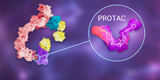
PROTAC, which exploit the ubiquitin-proteasome pathway to specifically degrade target proteins. PROTACs not only solve the problem of undruggability but they also have other advantages compared to traditional drug targeting strategies.
Scientific Reviews
PROTAC, which exploit the ubiquitin-proteasome pathway to specifically degrade target proteins. PROTACs not only solve the problem of undruggability but they also have other advantages compared to traditional drug targeting strategies. -
 Scientific Reviews
PROTAC — Target Selection and Design
Scientific Reviews
PROTAC — Target Selection and Design2022-07-08
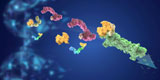
A PROTAC molecule consists of three components: a target protein binding ligand, an E3 ligase ligand, and a linker connecting these two moieties. Here, we will discuss the conventional approaches for the rational design of PROTAC molecules. -
 Scientific Reviews
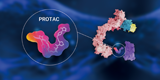
BacPROTACs is composed of a POI ligand, a chemical linker and a ClpCNTD anchor. BacPROTACs can induce in vitro and in vivo degradation of non-eukaryotic proteins in bacteria without the ubiquitin proteasome system.
Scientific Reviews
BacPROTACs is composed of a POI ligand, a chemical linker and a ClpCNTD anchor. BacPROTACs can induce in vitro and in vivo degradation of non-eukaryotic proteins in bacteria without the ubiquitin proteasome system. -
 Scientific Reviews
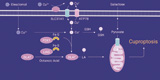
Tsvetkov et al. published in Science and demonstrated a copper-induced programmed cell death — Cuproptosis. As a novel programmed cell death, excess copper triggers abnormal aggregation of lipoylated proteins in TCA cycle and clearance of Fe-S cluster proteins, ultimately leading to cell death.
Scientific Reviews
Tsvetkov et al. published in Science and demonstrated a copper-induced programmed cell death — Cuproptosis. As a novel programmed cell death, excess copper triggers abnormal aggregation of lipoylated proteins in TCA cycle and clearance of Fe-S cluster proteins, ultimately leading to cell death. -
 Scientific Reviews
A comprehensive explanation of ferroptosis
Scientific Reviews
A comprehensive explanation of ferroptosis2022-09-15
Ferroptosis is a new type of RCD that depends on iron and characterized by the accumulation of lipid peroxides. In this article, we will pay our attention on ferroptosis and briefly discusses its mechanism. -
 Scientific Reviews
It's has been proved that p53, as a tumor suppressor gene and immune guardian, may become a destroyer through its own mutation. Moreover, the mechanism of p53 was found to be related to ferroptosis. This article mainly explores the mechanism between p53 and ferroptosis in detail.
Scientific Reviews
It's has been proved that p53, as a tumor suppressor gene and immune guardian, may become a destroyer through its own mutation. Moreover, the mechanism of p53 was found to be related to ferroptosis. This article mainly explores the mechanism between p53 and ferroptosis in detail. -
 Scientific Reviews
Autophagy, derived from the Greek meaning "eating of self", plays an indispensable role in maintaining homeostasis. p27 is an inhibitor of cyclin CDKs, but how p27 regulates autophagy remains unknown. This article will cover the mechanism of autophagy and p27-related cell cycle regulation.
Scientific Reviews
Autophagy, derived from the Greek meaning "eating of self", plays an indispensable role in maintaining homeostasis. p27 is an inhibitor of cyclin CDKs, but how p27 regulates autophagy remains unknown. This article will cover the mechanism of autophagy and p27-related cell cycle regulation. -
 Scientific Reviews
CMA (chaperone-mediated autophagy) plays an essential role in maintaining neuronal protein stability and preventing neurodegeneration. In this article, we will comprehensively clarify the role of CMA in the occurrence and development of neurodegenerative diseases.
Scientific Reviews
CMA (chaperone-mediated autophagy) plays an essential role in maintaining neuronal protein stability and preventing neurodegeneration. In this article, we will comprehensively clarify the role of CMA in the occurrence and development of neurodegenerative diseases. -
 Scientific Reviews
TME (Tumor microenvironment) is considered as a complex integrated system, composed of cellular components such as tumor cells and immune cells, as well as non-cellular components such as ECM and cytokines. According to the spatial distribution of immune cells in TME, "hot" and "cold" TME will be explained in this article.
Scientific Reviews
TME (Tumor microenvironment) is considered as a complex integrated system, composed of cellular components such as tumor cells and immune cells, as well as non-cellular components such as ECM and cytokines. According to the spatial distribution of immune cells in TME, "hot" and "cold" TME will be explained in this article. -
 Scientific Reviews
Efferocytosis is the process in which phagocytes remove programmed dead cells. It prevents secondary necrosis of dying cells from releasing harmful cell contents (such as oxides and proteases) that may cause inflammation. Here, we will introduce three stages of efferocytosis: Find, Eat, Digest.
Scientific Reviews
Efferocytosis is the process in which phagocytes remove programmed dead cells. It prevents secondary necrosis of dying cells from releasing harmful cell contents (such as oxides and proteases) that may cause inflammation. Here, we will introduce three stages of efferocytosis: Find, Eat, Digest. -
 Scientific Reviews
The latest study of Cell magazine "Neural mechanism underlying depressive-like state associated with social status loss" considers social factors as a breakthrough point. It has been found that the downward transition of social status induces depression-like behavior in mice whereas improves the depressive state by restoring their social environment.
Scientific Reviews
The latest study of Cell magazine "Neural mechanism underlying depressive-like state associated with social status loss" considers social factors as a breakthrough point. It has been found that the downward transition of social status induces depression-like behavior in mice whereas improves the depressive state by restoring their social environment. -
 Scientific Reviews
PROTAC - Design Strategy for Targeting
Scientific Reviews
PROTAC - Design Strategy for Targeting2023-04-23
Protein degradation targeting chimera (PROTAC) is a technology that uses the ubiquitin proteasome pathway to silent target protein. However, PROTAC still has problems such as solubility, membrane permeability, and selectivity. In this article, we have summarized three strategies for optimization: light-controlled linker, PAC molecule, and specific E3 ligase. -
 Scientific Reviews
Necroptosis, also known as necroptosis, is a form of regulated necrotizing cell death mediated by RIP1 and RIP3 kinases. Necroptosis is a process that prevents the self-destruction of activated cells that are blocked by apoptosis. Necroptosis plays a tumor suppressor role in most cases. It may provide benefits in the researches of a variety of human diseases involving immune inflammation and cell death.
Scientific Reviews
Necroptosis, also known as necroptosis, is a form of regulated necrotizing cell death mediated by RIP1 and RIP3 kinases. Necroptosis is a process that prevents the self-destruction of activated cells that are blocked by apoptosis. Necroptosis plays a tumor suppressor role in most cases. It may provide benefits in the researches of a variety of human diseases involving immune inflammation and cell death. -
 Scientific Reviews
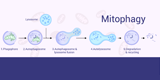
Mitophagy:Mechanisms and Detection
Scientific Reviews
Mitophagy:Mechanisms and Detection2023-05-25
About 60 years ago, Christian de Duve first used the term "autophagy" to describe his observation of the degradation of mitochondria and other intracellular structures in lysosomes of rat liver. Over the years, autophagy has remained a beloved topic of research by the National Natural Science Foundation of China (NSFC).Today, let's talk about mitochondrial autophagy. -
 Scientific Reviews
HLA-E, A Novel Immune Checkpoint
Scientific Reviews
HLA-E, A Novel Immune Checkpoint2023-06-29
Immune checkpoints have immunosuppressive functions. It can be used in the research of tumor immunotherapy. In this article, we introduce a new paper entitled "Immune checkpoint HLA-E: CD94 - NKG2Amediates evasion of circulating tumor cells from NK cell surveillance "research paper. -
 Scientific Reviews
WHO's Q2 drug list has been updated. Let's take you through the list of the most noteworthy small molecule drugs that we should pay attention to.
Scientific Reviews
WHO's Q2 drug list has been updated. Let's take you through the list of the most noteworthy small molecule drugs that we should pay attention to. -
 Scientific Reviews
FDA Approved Drug List!
Scientific Reviews
FDA Approved Drug List!2023-09-14
In the first half of 2023 (as of June 27), the FDA approved 26 new drugs, let's take you learn about it through the article. -
 Scientific Reviews
IHC is an indispensable technique for studying tissue morphology and in situ antigen expression, but usually only one or two antigens in tissues can be stained for analysis. It cannot judge the results more intuitively. Today, Little M will introduce you to the upgraded version mlHC.
Scientific Reviews
IHC is an indispensable technique for studying tissue morphology and in situ antigen expression, but usually only one or two antigens in tissues can be stained for analysis. It cannot judge the results more intuitively. Today, Little M will introduce you to the upgraded version mlHC. -
 Scientific Reviews
FDA Annual Review | Record-breaking number of new drug approvals in 2023!
Scientific Reviews
FDA Annual Review | Record-breaking number of new drug approvals in 2023! -
 Scientific Reviews
Katalin Karikó and Drew Weissman were awarded the Nobel Prize in Physiology or Medicine in 2023 for their groundbreaking work in nucleoside modification, which paved the way for the creation of successful mRNA vaccines to fight against COVID-19. Let's now delve into the complete process of mRNA vaccine development.
Scientific Reviews
Katalin Karikó and Drew Weissman were awarded the Nobel Prize in Physiology or Medicine in 2023 for their groundbreaking work in nucleoside modification, which paved the way for the creation of successful mRNA vaccines to fight against COVID-19. Let's now delve into the complete process of mRNA vaccine development. -
 Scientific Reviews
Science | A "new" mechanism for non-ubiquitinated Midnolin-proteasomal degradation pathway
Scientific Reviews
Science | A "new" mechanism for non-ubiquitinated Midnolin-proteasomal degradation pathway2024-04-26
“ubiquitin-mediated protein degradation” won the Nobel Prize in Chemistry in 2004! In fact, proteasomes degrade not only ubiquitinated proteins but also non-ubiquitinated ones. The mechanism remains shrouded in mystery. After reading this piece today, you might have a lightbulb moment! -
 Scientific Reviews
Degrade target proteins through the autophagy-lysosome pathway including LYTAC, AUTAC, and ATTEC have gained increasing attention in recent years due to their significant research potential!
Scientific Reviews
Degrade target proteins through the autophagy-lysosome pathway including LYTAC, AUTAC, and ATTEC have gained increasing attention in recent years due to their significant research potential! -
 Scientific Reviews
Antibodies!
Scientific Reviews
Antibodies!2024-07-26
Today, We introduce antibodies for everyone! -
 Scientific Reviews
Cuproptosis, How much do you know?
Scientific Reviews
Cuproptosis, How much do you know?2024-08-22
Cells die in a variety of ways, including apoptosis, pyroptosis, necrosis, and ferroptosis......And, of course, cuproptosis. So, how much do you know about cuproptosis? -
 Scientific Reviews
Recently, Mol Cell reported the discovery of the first ferroptosis marker, Hyperoxidized PRDX3! Let’s take a look together~
Scientific Reviews
Recently, Mol Cell reported the discovery of the first ferroptosis marker, Hyperoxidized PRDX3! Let’s take a look together~ -
 Scientific Reviews
Cuproptosis's Knowledge Points!
Scientific Reviews
Cuproptosis's Knowledge Points!2024-09-25
With the establishment of the cuproptosis mechanism related research has attracted more and more attention from major journals. Expect to use the sharp sword of cuproptosis to stab the tumor cells. -
 Scientific Reviews
A New Form of Cell Death: PANoptosis!
Scientific Reviews
A New Form of Cell Death: PANoptosis! -
 Scientific Reviews
Advancing Chronic Kidney Disease Research with GJ103 and Lamin B1 Antibody!
Scientific Reviews
Advancing Chronic Kidney Disease Research with GJ103 and Lamin B1 Antibody! -
 Scientific Reviews
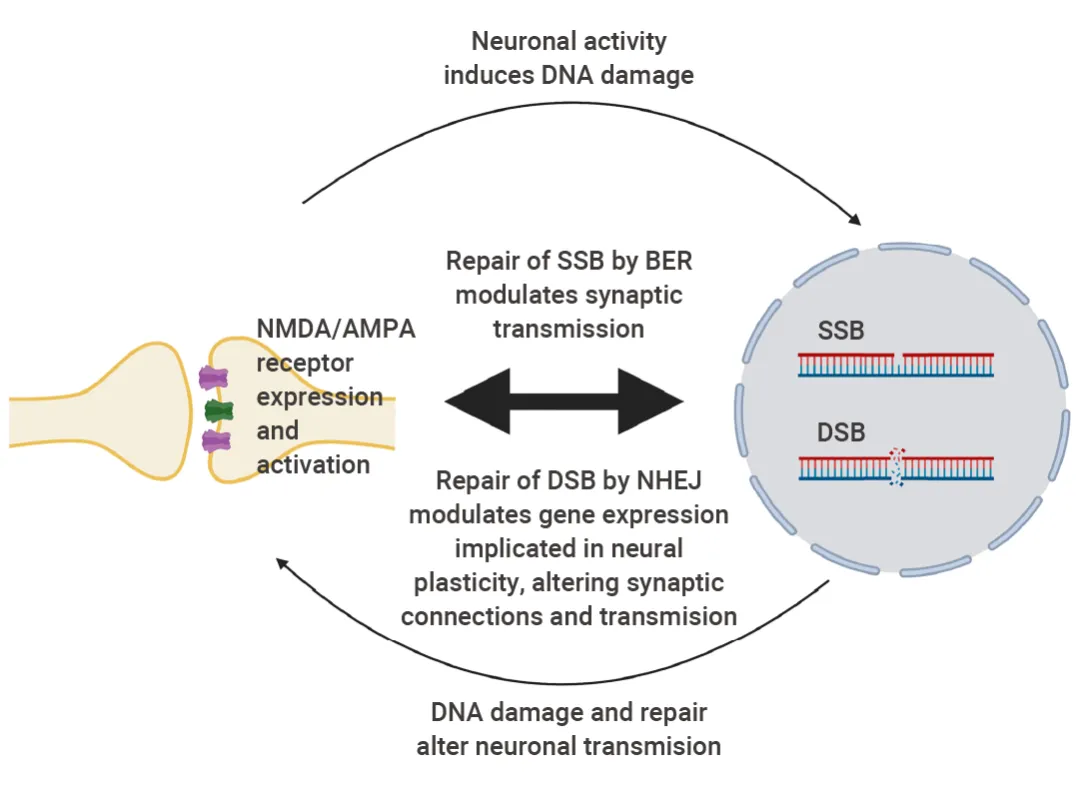
When you hear "inflammation" and "DNA damage," you might immediately think of disease or injury. However, in brains, these two processes are key steps in forming long-term memories, particularly related to specialized cells in our brain called hippocampal neurons.
Scientific Reviews
When you hear "inflammation" and "DNA damage," you might immediately think of disease or injury. However, in brains, these two processes are key steps in forming long-term memories, particularly related to specialized cells in our brain called hippocampal neurons. -
 Scientific Reviews
Autophagy is a fundamental process that degrades various components within the cell.
Scientific Reviews
Autophagy is a fundamental process that degrades various components within the cell. -
 Scientific Reviews
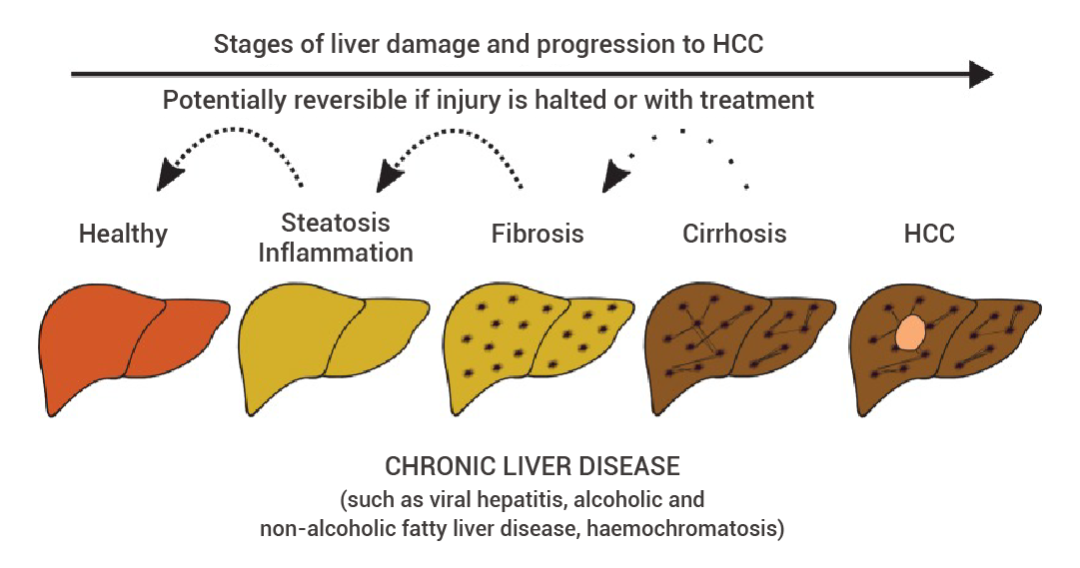
This article will tell you about the common methods of modeling liver disease in animal models.
Scientific Reviews
This article will tell you about the common methods of modeling liver disease in animal models. -
.jpg) Scientific Reviews
nside cells, the homeostasis and degradation of proteins is a precisely regulated process. If proteins cannot be degraded in time, it may lead to the occurrence of various diseases such as neurodegenerative diseases and cancer. This article will tell you the process of how proteins are recognized, labeled and then degraded!
Scientific Reviews
nside cells, the homeostasis and degradation of proteins is a precisely regulated process. If proteins cannot be degraded in time, it may lead to the occurrence of various diseases such as neurodegenerative diseases and cancer. This article will tell you the process of how proteins are recognized, labeled and then degraded! -
 Scientific Reviews
This article introduces some common cardiovascular disease models, inducers, modeling protocols and successful modeling cases in the research.
Scientific Reviews
This article introduces some common cardiovascular disease models, inducers, modeling protocols and successful modeling cases in the research. -
 Scientific Reviews
In this issue, we will conduct an in-depth interpretation from the dimensions of nanoparticle design, mechanism of action, in vivo and in vitro efficacy, and immune regulation, revealing how this research brings new hope for the treatment of invasive tumors through interdisciplinary innovation!
Scientific Reviews
In this issue, we will conduct an in-depth interpretation from the dimensions of nanoparticle design, mechanism of action, in vivo and in vitro efficacy, and immune regulation, revealing how this research brings new hope for the treatment of invasive tumors through interdisciplinary innovation! -
 Scientific Reviews
A groundbreaking study in Nature Communications reveals the key mechanism behind Idiopathic Pulmonary Fibrosis and identifies an existing drug with the potential to counter it.
Scientific Reviews
A groundbreaking study in Nature Communications reveals the key mechanism behind Idiopathic Pulmonary Fibrosis and identifies an existing drug with the potential to counter it. -
 Scientific Reviews
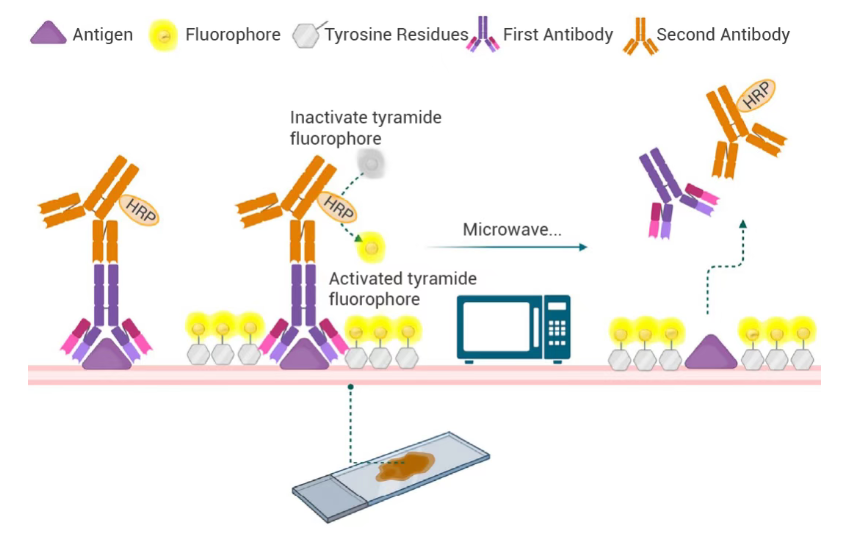
This detailed guide outlines the standardized experimental protocols for multiplex immunohistochemistry (mIHC), systematically summarizes common technical issues encountered during sample preparation, staining and imaging processes, and provides practical troubleshooting solutions to ensure reliable and reproducible results in biomedical research and clinical sample analysis.
Scientific Reviews
This detailed guide outlines the standardized experimental protocols for multiplex immunohistochemistry (mIHC), systematically summarizes common technical issues encountered during sample preparation, staining and imaging processes, and provides practical troubleshooting solutions to ensure reliable and reproducible results in biomedical research and clinical sample analysis. -
Scientific Reviews
Microglia– the only immune cells within the brain parenchyma. With advancements in imaging technologies, people’s understanding of microglia has shifted from being viewed as 'resting' cells to 'highly active' cells, particularly due to their dynamic processes that seem to be probing surrounding tissues and monitoring neuronal activity. This has made microglia a focal point of research in the field of neuroscience. -
Scientific Reviews
Cracking the PROTAC Permeability Barrier: CD36-Mediated Endocytosis as a Potential Breakthrough2025-12-03
This article provides an in-depth analysis of cutting-edge literature revealing CD36 as a key mediator of cellular uptake for PROTACs and bRO5 compounds. By structurally optimizing PROTAC molecules to enhance their affinity for CD36, membrane permeability can be markedly improved, leading to significantly enhanced antitumor efficacy. -
 Scientific Reviews
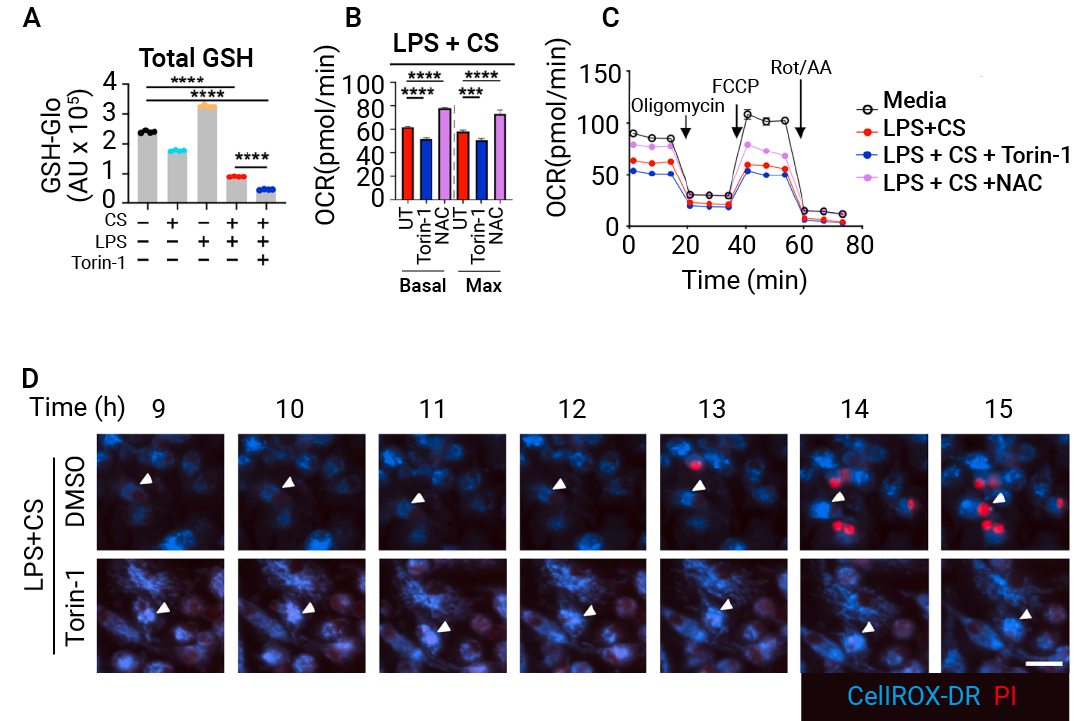
A November 2025 Cell study discovers Mitoxyperilysis, a new mTOR-regulated, caspase-independent cell death pathway driven by innate immune and metabolic dysregulation via mitochondrial-plasma membrane contact and oxidative damage, and verifies its potential to induce tumor necrosis for cancer therapy with key regulators including BAX, BAK1 and BID.
Scientific Reviews
A November 2025 Cell study discovers Mitoxyperilysis, a new mTOR-regulated, caspase-independent cell death pathway driven by innate immune and metabolic dysregulation via mitochondrial-plasma membrane contact and oxidative damage, and verifies its potential to induce tumor necrosis for cancer therapy with key regulators including BAX, BAK1 and BID. -
 Scientific Reviews
This paper elaborates on cytokines for culturing major immune cells, their regulatory roles, recombinant cytokines' merits and MCE’s related high-quality products.
Scientific Reviews
This paper elaborates on cytokines for culturing major immune cells, their regulatory roles, recombinant cytokines' merits and MCE’s related high-quality products. -
 Scientific Reviews
Molecular glue degraders have evolved from a serendipitous observation to one of the most dynamic and transformative fields in biomedical research.
Scientific Reviews
Molecular glue degraders have evolved from a serendipitous observation to one of the most dynamic and transformative fields in biomedical research. -
 EDM
This review introduces the major forms of programmed cell death, with a focus on the molecular mechanisms of ferroptosis and the methods used for its detection.
EDM
This review introduces the major forms of programmed cell death, with a focus on the molecular mechanisms of ferroptosis and the methods used for its detection. -
 EDM
Targeting the ‘Undruggable’ with PROTACs
EDM
Targeting the ‘Undruggable’ with PROTACs2025-06-18
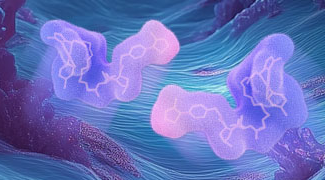
This review introduces the fundamental principles and mechanisms of PROTACs, highlights recent advances in molecular design and clinical development, and discusses emerging opportunities and remaining challenges in targeted protein degradation. -
 EDM
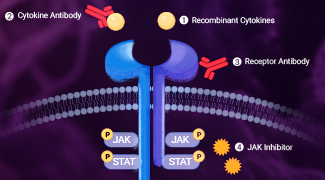
This review critically examines the role of the JAK-STAT pathway in immunity and autoimmune diseases, reviews current clinical applications of targeted therapies, and highlights emerging trends in autoimmune drug development.
EDM
This review critically examines the role of the JAK-STAT pathway in immunity and autoimmune diseases, reviews current clinical applications of targeted therapies, and highlights emerging trends in autoimmune drug development. -
 EDM
This review summarizes the mechanisms of DSS-induced colitis, commonly used modeling approaches, and key considerations related to DSS molecular weight.
EDM
This review summarizes the mechanisms of DSS-induced colitis, commonly used modeling approaches, and key considerations related to DSS molecular weight. -
 EDM
This review provides a practical guide to the fundamental mechanisms, regulatory pathways, and detection methods of pyroptosis.
EDM
This review provides a practical guide to the fundamental mechanisms, regulatory pathways, and detection methods of pyroptosis. -
 EDM
Summarize LLPS principles, regulatory mechanisms, experimental strategies, and pathological roles to inspire mechanism-driven research and translational applications.
EDM
Summarize LLPS principles, regulatory mechanisms, experimental strategies, and pathological roles to inspire mechanism-driven research and translational applications. -
 EDM
Review the mechanisms, mitochondrial regulation, disease relevance, and translational opportunities of the NLRP3–STING axis in neuroinflammation.
EDM
Review the mechanisms, mitochondrial regulation, disease relevance, and translational opportunities of the NLRP3–STING axis in neuroinflammation. -
 EDM
Explore the mechanisms driving immune tolerance breakdown in autoimmune diseases and emerging tolerance-restoring strategies, with a focus on IL-2-based immune modulation.
EDM
Explore the mechanisms driving immune tolerance breakdown in autoimmune diseases and emerging tolerance-restoring strategies, with a focus on IL-2-based immune modulation. -
 EDM
Review the evolution of molecular glues from serendipitous discovery to rational design, highlighting how emerging targets and advances in screening, proteomics, structural biology, and AI are expanding the druggable proteome.
EDM
Review the evolution of molecular glues from serendipitous discovery to rational design, highlighting how emerging targets and advances in screening, proteomics, structural biology, and AI are expanding the druggable proteome. -
 Blog
AZD5991, a macrocyclic molecule with high selectivity for Mcl-1, reduces Mcl-1 protein in AZD5991-sensitive but not in AZD5991-resistant MM cell lines.
Blog
AZD5991, a macrocyclic molecule with high selectivity for Mcl-1, reduces Mcl-1 protein in AZD5991-sensitive but not in AZD5991-resistant MM cell lines. -
 Blog
CCB02 is an tubulin binder and has potential in the therapy of cancer cells with extra centrosomes. CCB02 also activates spindle assembly checkpoint.
Blog
CCB02 is an tubulin binder and has potential in the therapy of cancer cells with extra centrosomes. CCB02 also activates spindle assembly checkpoint. -
 Blog
H3B-5942 is a selective and irreversible estrogen receptor covalent antagonist, inactivates both ERαWT and ERα mutation.
Blog
H3B-5942 is a selective and irreversible estrogen receptor covalent antagonist, inactivates both ERαWT and ERα mutation. -
 Blog
HS-1371 is a Small Molecule RIP3 Inhibitor
Blog
HS-1371 is a Small Molecule RIP3 Inhibitor2019-04-09
HS-1371 is a novel kinase inhibitor of RIP3-mediated necroptosis, showing an inhibitory effect on S227 auto-phosphorylation of RIP3 at the basal level. -
 Blog
MK-0429 is An Oral Integrin (αvβ3) Inhibitor
Blog
MK-0429 is An Oral Integrin (αvβ3) Inhibitor2019-04-11
MK-0429, an orally active αvβ3 inhibitor, is a potential therapeutic agent for the prevention of kidney fibrosis, melanoma and osteoporosis. -
 Blog
PhiKan 083 is a carbazole derivative, which binds to the surface cavity and stabilizes Y220C (a p53 mutant), with a Kd of 167 μM.
Blog
PhiKan 083 is a carbazole derivative, which binds to the surface cavity and stabilizes Y220C (a p53 mutant), with a Kd of 167 μM. -
 Blog
Novel Greatwall Kinase Inhibitor GKI-1
Blog
Novel Greatwall Kinase Inhibitor GKI-12019-04-13
GKI-1, a GWL inhibitor, robustly inhibited ROCK1 with an IC50 of ~11 μM, but only weakly affected PKA and had no observable inhibition towards CDK2. -
 Blog
SSE15206 is a microtubule polymerization inhibitor, with a GI50 of 197 nM in HCT116 cells. Causes aberrant mitosis resulting in G2/M arrest.
Blog
SSE15206 is a microtubule polymerization inhibitor, with a GI50 of 197 nM in HCT116 cells. Causes aberrant mitosis resulting in G2/M arrest. -
 Blog
PRN1008 is a Reversible Covalent and Oral Active Inhibitor of Bruton’s Tyrosine Kinase (BTK)
Blog
PRN1008 is a Reversible Covalent and Oral Active Inhibitor of Bruton’s Tyrosine Kinase (BTK)2019-04-18
PRN1008 is a selective, reversible covalent and oral active inhibitor of Bruton’s Tyrosine Kinase (BTK), with an IC50 of 1.3 nM. -
 Blog
Multiple Tyrosine Kinases Inhibitor TAS-115
Blog
Multiple Tyrosine Kinases Inhibitor TAS-1152019-04-19
TAS-115 is a potent VEGFR and c-Met/HGFR-targeted kinase inhibitor with IC50s of 30 and 32 nM for rVEGFR2 and rMET, respectively. -
 Blog
Cevipabulin is a microtubule-active compound and inhibits the binding of [3H] vinblastine to tubulin, with an IC50 of 18-40 nM for in human tumor cell line.
Blog
Cevipabulin is a microtubule-active compound and inhibits the binding of [3H] vinblastine to tubulin, with an IC50 of 18-40 nM for in human tumor cell line. -
 Blog
BTR-1 potently inhibits cell growth. It induces S phase arrest, affects DNA replication. Dose-dependently induces cytotoxicity in leukemic cell lines.
Blog
BTR-1 potently inhibits cell growth. It induces S phase arrest, affects DNA replication. Dose-dependently induces cytotoxicity in leukemic cell lines. -
 Blog
TAK-828F is a potent, selective and orally active retinoic acid receptor-related orphan receptor γt (RORγt) inverse agonist. TAK-828F inhibits IL-17A cytokine expression and reduces symptoms of autoimmune encephalomyelitis mice.
Blog
TAK-828F is a potent, selective and orally active retinoic acid receptor-related orphan receptor γt (RORγt) inverse agonist. TAK-828F inhibits IL-17A cytokine expression and reduces symptoms of autoimmune encephalomyelitis mice. -
 Blog
NRX-252262 is a β-catenin:β-TrCP interaction enhancer, and its cognate E3 ligase, SCFβ-TrCP, induces mutant β-catenin degradation, with an EC50 of 3.8 nM
Blog
NRX-252262 is a β-catenin:β-TrCP interaction enhancer, and its cognate E3 ligase, SCFβ-TrCP, induces mutant β-catenin degradation, with an EC50 of 3.8 nM -
 Blog
CB-6644 is a selective non-ATP-competitive inhibitor of the RUVBL1/2 complex. CB-6644 significantly reduces tumor growth without obvious toxicity.
Blog
CB-6644 is a selective non-ATP-competitive inhibitor of the RUVBL1/2 complex. CB-6644 significantly reduces tumor growth without obvious toxicity. -
 Blog
NSC 228155 is a activator of EGFR and a potent inhibitor of KIX-KID interaction. NSC 228155 shows excellent anti-tumor activity.
Blog
NSC 228155 is a activator of EGFR and a potent inhibitor of KIX-KID interaction. NSC 228155 shows excellent anti-tumor activity. -
 Blog
MM-589 is an inhibitor of WDR5 and MLL protein-protein interaction. Binds to WDR5 (IC50=0.90 nM) and inhibits the MLL H3K4 methyltransferase activity.
Blog
MM-589 is an inhibitor of WDR5 and MLL protein-protein interaction. Binds to WDR5 (IC50=0.90 nM) and inhibits the MLL H3K4 methyltransferase activity. -
 Blog
JI051 is a stabilizer for the Hes1-PHB2 interaction, induces cell-cycle arrest by inhibiting the Notch downstream effector gene Hes1.
Blog
JI051 is a stabilizer for the Hes1-PHB2 interaction, induces cell-cycle arrest by inhibiting the Notch downstream effector gene Hes1. -
 Blog
CFI-402257 is a highly selective and oral active TTK/Mps1 inhibitor with an IC50 of 1.7 nM for TTK. CFI-402257 has potential to treat ovary cancer and TNBC.
Blog
CFI-402257 is a highly selective and oral active TTK/Mps1 inhibitor with an IC50 of 1.7 nM for TTK. CFI-402257 has potential to treat ovary cancer and TNBC. -
 Blog
RIPGBM is a selective inducer of apoptosis in glioblastoma multiforme (GBM) cancer stem cells (CSCs) with an EC50 less than 500 nM.
Blog
RIPGBM is a selective inducer of apoptosis in glioblastoma multiforme (GBM) cancer stem cells (CSCs) with an EC50 less than 500 nM. -
 Blog
IWP-O1, a Highly Potent Porcupine Inhibitor, Functions by Preventing the Secretion of Wnt Proteins
Blog
IWP-O1, a Highly Potent Porcupine Inhibitor, Functions by Preventing the Secretion of Wnt Proteins2019-06-03
IWP-O1 is a Porcupine (Porcn) inhibitor, with an EC50 of 80 pM in L-Wnt-STF cells. IWP-O1 functions by preventing the secretion of Wnt proteins[ -
 Blog
GSK3145095 is a RIP1 kinase inhibitor with an IC50 of 6.3 nM. Potently blocks the TNF response and RIP1-dependent inflammatory cytokine MIP-1β production.
Blog
GSK3145095 is a RIP1 kinase inhibitor with an IC50 of 6.3 nM. Potently blocks the TNF response and RIP1-dependent inflammatory cytokine MIP-1β production. -
 Blog
Riviciclib is a Potent CDKs Inhibitor
Blog
Riviciclib is a Potent CDKs Inhibitor2019-06-09
Riviciclib P276-00 free base) is a potent CDK inhibitor, which inhibits CDK9-cyclinT1, CDK4-cyclin D1, and CDK1-cyclinB with IC50s of 20 nM, 63 nM, and 79 nM, respectively -
 Blog
CBS9106, a Reversible Oral CRM1 Inhibitor, Causes Arrest of the Cell Cycle and Induces Apoptosis
Blog
CBS9106, a Reversible Oral CRM1 Inhibitor, Causes Arrest of the Cell Cycle and Induces Apoptosis2019-06-14
CBS9106 (SL-801) is a reversible oral CRM1 inhibitor antitumor activities. CBS9106 causes arrest of the cell cycle and induces apoptosis. -
 Blog
BAY-11-7082 inhibits the proliferation and induces the apoptosis of U266 cells through inhibiting NF-κB pathway. BAY 11-7082 ameliorates experimental diabetic neuropathy by modulating neuroinflammation and improving antioxidant defence.
Blog
BAY-11-7082 inhibits the proliferation and induces the apoptosis of U266 cells through inhibiting NF-κB pathway. BAY 11-7082 ameliorates experimental diabetic neuropathy by modulating neuroinflammation and improving antioxidant defence. -
 Blog
NU6140 is a selective CDK2-cyclin A inhibitor (IC50, 0.41 μM). NU6140 also potently inhibits Aurora A and Aurora B, with IC50s of 67 and 35 nM, respectively
Blog
NU6140 is a selective CDK2-cyclin A inhibitor (IC50, 0.41 μM). NU6140 also potently inhibits Aurora A and Aurora B, with IC50s of 67 and 35 nM, respectively -
 Blog
S18-000003 is a potent, selective and orally active inhibitor of retinoic acid receptor-related orphan receptor-gamma-t (RORγt). S18-000003 ameliorates psoriasis-like lesions in vivo. S18-000003 can be used for the research of skin inflammatory diseases.
Blog
S18-000003 is a potent, selective and orally active inhibitor of retinoic acid receptor-related orphan receptor-gamma-t (RORγt). S18-000003 ameliorates psoriasis-like lesions in vivo. S18-000003 can be used for the research of skin inflammatory diseases. -
 Blog
TH34, an HDAC6/8/10 inhibitor with IC50s of 4.6 μM, 1.9 μM, and 7.7 μM respectively, shows high selectivity over HDAC1/2/3.
Blog
TH34, an HDAC6/8/10 inhibitor with IC50s of 4.6 μM, 1.9 μM, and 7.7 μM respectively, shows high selectivity over HDAC1/2/3. -
 Blog
Alisertib (MLN 8237) is an oral active and selective Aurora A kinase inhibitor with an IC50 of 1.2 nM. To treat hematologic malignancies and solid tumors.
Blog
Alisertib (MLN 8237) is an oral active and selective Aurora A kinase inhibitor with an IC50 of 1.2 nM. To treat hematologic malignancies and solid tumors. -
 Blog
S55746 (BLC201) is an orally active and selective BCL-2 inhibitor, with a Ki of 1.3 nM.. S55746 (BLC201) has antitumor activity with low toxicity.
Blog
S55746 (BLC201) is an orally active and selective BCL-2 inhibitor, with a Ki of 1.3 nM.. S55746 (BLC201) has antitumor activity with low toxicity. -
 Blog
WYC-209 is a retinoic acid receptor (RAR) agonist. WYC-209 induces apoptosis primarily via the caspase 3 pathway (IC50 = 0.19 μM for mTRCs).
Blog
WYC-209 is a retinoic acid receptor (RAR) agonist. WYC-209 induces apoptosis primarily via the caspase 3 pathway (IC50 = 0.19 μM for mTRCs). -
 Blog
TPCA-1, a Direct Dual Inhibitor of STAT3 and NF-κB, Regresses Mutant EGFR-Associated NSCLC
Blog
TPCA-1, a Direct Dual Inhibitor of STAT3 and NF-κB, Regresses Mutant EGFR-Associated NSCLC2019-07-15
TPCA-1 is a potent and selective inhibitor of IKK-2 with IC50 of 17.9 nM. TPCA-1 is an effective inhibitor of STAT3 phosphorylation, DNA binding. -
 Blog
M-89 is a specific menin inhibitor, with a Kd of 1.4 nM. M-89 inhibits the Menin-MLL protein-protein interaction and has potential to treat MLL leukemia.
Blog
M-89 is a specific menin inhibitor, with a Kd of 1.4 nM. M-89 inhibits the Menin-MLL protein-protein interaction and has potential to treat MLL leukemia. -
 Blog
MBM-55 is a potent, selective Nek2 inhibitor with an IC50 of 1 nM. MBM-55 shows antitumor activities and induces cell cycle arrest and apoptosis.
Blog
MBM-55 is a potent, selective Nek2 inhibitor with an IC50 of 1 nM. MBM-55 shows antitumor activities and induces cell cycle arrest and apoptosis. -
 Blog
ACBI1 is a PROTAC Degrader of BAF Complex
Blog
ACBI1 is a PROTAC Degrader of BAF Complex2019-08-07
ACBI1 is a potent PROTAC degrader of BAF ATPase subunits SMARCA2, SMARCA4 and PBRM1, with DC50s of 6 nM, 11 nM and 32 nM in MV-4-11 cells, respectively. -
 Blog
VERU-111 (ABI-231) is a potent and orally bioavailable α and β tubulin inhibitor, which displays strong antiproliferative activity.
Blog
VERU-111 (ABI-231) is a potent and orally bioavailable α and β tubulin inhibitor, which displays strong antiproliferative activity. -
 Blog
MPT0B392 Induces Apoptosis via Inhibiting Tubulin Polymerization and Inducing c-JNK Activation
Blog
MPT0B392 Induces Apoptosis via Inhibiting Tubulin Polymerization and Inducing c-JNK Activation2019-08-16
MPT0B392 is a novel microtubule depolymerizing agent that triggers induction of the mitotic arrest and induces JNK activation, leading to apoptosis. -
 Blog
BJE6-106 is a selective PKCδ inhibitor with an IC50 of 0.05 μM and targets selectivity over PKCα. BJE6-106 induces caspase-dependent apoptosis.
Blog
BJE6-106 is a selective PKCδ inhibitor with an IC50 of 0.05 μM and targets selectivity over PKCα. BJE6-106 induces caspase-dependent apoptosis. -
 Blog
MS31 is a highly selective spindlin 1 inhibitor, which inhibits the interactions between SPIN1 and H3K4me3. MS31 is not toxic to nontumorigenic cells.
Blog
MS31 is a highly selective spindlin 1 inhibitor, which inhibits the interactions between SPIN1 and H3K4me3. MS31 is not toxic to nontumorigenic cells. -
 Blog
AAPK-25 is a potent and selective Aurora kinases and Polo-like Kinases (PLK) dual inhibitor, which shows anti-tumor activity.
Blog
AAPK-25 is a potent and selective Aurora kinases and Polo-like Kinases (PLK) dual inhibitor, which shows anti-tumor activity. -
 Blog
SGC-iMLLT is a potent, selective MLLT1/3-histone interactions inhibitor and shows high binding activity towards MLLT1 YEATS domain and MLLT3 YD.
Blog
SGC-iMLLT is a potent, selective MLLT1/3-histone interactions inhibitor and shows high binding activity towards MLLT1 YEATS domain and MLLT3 YD. -
 Blog
BPK-29 disrupts the NR0B1 protein-protein interactions and impairs the anchorage-independent growth of KEAP1-mutant cancer cells.
Blog
BPK-29 disrupts the NR0B1 protein-protein interactions and impairs the anchorage-independent growth of KEAP1-mutant cancer cells. -
 Blog
NV03 is a potent and selective antagonist of UHRF1-H3K9me3 interaction by binding to UHRF1 TTD with a Kd of 2.4 μM and has anticancer activity.
Blog
NV03 is a potent and selective antagonist of UHRF1-H3K9me3 interaction by binding to UHRF1 TTD with a Kd of 2.4 μM and has anticancer activity. -
 Blog
sAJM589 is a Myc inhibitor which potently disrupts the Myc-Max heterodimer in a dose dependent manner with an IC50 of 1.8 μM.
Blog
sAJM589 is a Myc inhibitor which potently disrupts the Myc-Max heterodimer in a dose dependent manner with an IC50 of 1.8 μM. -
 Blog
Tasisulam is an anticancer agent and induces apoptosis, which also inhibits mitotic progression and induces vascular normalization.
Blog
Tasisulam is an anticancer agent and induces apoptosis, which also inhibits mitotic progression and induces vascular normalization. -
 Blog
BI-167107 is a high affinity, full agonist that binds to the β2 adrenergic receptor (β2AR) with a dissociation constant Kd of 84 pM.
Blog
BI-167107 is a high affinity, full agonist that binds to the β2 adrenergic receptor (β2AR) with a dissociation constant Kd of 84 pM. -
 Blog
S516 is a potent tubulin polymerization inhibitor with an IC50 of 4.29 μM and has marked antitumor activity against murine and human solid tumors.
Blog
S516 is a potent tubulin polymerization inhibitor with an IC50 of 4.29 μM and has marked antitumor activity against murine and human solid tumors. -
 Blog
UK 356618 is a Selective MMP-3 Inhibitor
Blog
UK 356618 is a Selective MMP-3 Inhibitor2019-12-25
UK 356618 is a selective and potent inhibitor of MMP-3. UK 356618 exhibits potent anti-inflammatory and anti-cancer activity. -
 Blog
CH6953755 is a potent, orally active and selective YES1 kinase inhibitor leading to antitumor activity against YES1 Gene -amplified cancers.
Blog
CH6953755 is a potent, orally active and selective YES1 kinase inhibitor leading to antitumor activity against YES1 Gene -amplified cancers. -
 Blog
CA-4948 is a Selective and Orally Bioavailable IRAK4 Kinase Inhibitor for Lymphoma Treatment
Blog
CA-4948 is a Selective and Orally Bioavailable IRAK4 Kinase Inhibitor for Lymphoma Treatment2020-01-05
CA-4948 is a potent, selective and orally bioavailable IRAK4 kinase inhibitor. CA-4948 can be used for the treatment of lymphoma. -
 Blog
BAY-985 is an orally active and selective ATP-competitive dual inhibitor of TBK1 and IKKε with IC50s of 2/30 and 2 nM for TBK1 and IKKε, respectively.
Blog
BAY-985 is an orally active and selective ATP-competitive dual inhibitor of TBK1 and IKKε with IC50s of 2/30 and 2 nM for TBK1 and IKKε, respectively. -
 Blog
ADH-503 is an orally active and allosteric CD11b agonist and leads to the repolarization of tumor-associated macrophages.
Blog
ADH-503 is an orally active and allosteric CD11b agonist and leads to the repolarization of tumor-associated macrophages. -
 Blog
BI-9321 is a potent, selective and cellular active NSD3-PWWP1 domain antagonist, and specifically disrupts histone interactions of the NSD3-PWWP1 domain.
Blog
BI-9321 is a potent, selective and cellular active NSD3-PWWP1 domain antagonist, and specifically disrupts histone interactions of the NSD3-PWWP1 domain. -
 Blog
SNDX-5613 is a potent, selective, small molecule inhibitor of the Menin-MLL binding interaction for targeted therapy in MLL-rearranged leukemias.
Blog
SNDX-5613 is a potent, selective, small molecule inhibitor of the Menin-MLL binding interaction for targeted therapy in MLL-rearranged leukemias. -
 Blog
MYCMI-6 is a selective MYC:MAX protein interactions inhibitor, which blocks MYC-driven transcription and binds selectively to the MYC bHLHZip domain.
Blog
MYCMI-6 is a selective MYC:MAX protein interactions inhibitor, which blocks MYC-driven transcription and binds selectively to the MYC bHLHZip domain. -
 Blog
TED-347 is a potent, irreversible, covalent and allosteric inhibitor at YAP-TEAD protein-protein interaction with antitumor activity.
Blog
TED-347 is a potent, irreversible, covalent and allosteric inhibitor at YAP-TEAD protein-protein interaction with antitumor activity. -
 Blog
GSK143 is an orally active and highly selective spleen tyrosine kinase (SYK) inhibitor. GSK143 reduces inflammation in the intestinal muscularis in mice.
Blog
GSK143 is an orally active and highly selective spleen tyrosine kinase (SYK) inhibitor. GSK143 reduces inflammation in the intestinal muscularis in mice. -
 Blog
M-808 is a highly potent and efficacious covalent Menin-MLL interaction inhibitor. M-808 has a binding IC50 value of 2.6 nM.
Blog
M-808 is a highly potent and efficacious covalent Menin-MLL interaction inhibitor. M-808 has a binding IC50 value of 2.6 nM. -
 Blog
MCP110 is an inhibitor of Ras/Raf-1 interaction in human cancer cells. The Ras family GTPases play a central role in the growth factor signaling.
Blog
MCP110 is an inhibitor of Ras/Raf-1 interaction in human cancer cells. The Ras family GTPases play a central role in the growth factor signaling. -
 Blog
ZZW-115, a NUPR1 Inhibitor, Possesses Anticancer Activity via Inducing Necroptosis and Apoptosis
Blog
ZZW-115, a NUPR1 Inhibitor, Possesses Anticancer Activity via Inducing Necroptosis and Apoptosis2020-08-29
ZZW-115 is a potent NUPR1 inhibitor, with a Kd of 2.1 μM. ZZW-115 induces tumor cell death by necroptosis and apoptosis. ZZW-115 exerts anticancer activity. -
 Blog
CAY10404 is a potent and highly selective COX-2 inhibitor. CAY10404 is a potent inhibitor of PKB/Akt and MAPK signalling pathways.
Blog
CAY10404 is a potent and highly selective COX-2 inhibitor. CAY10404 is a potent inhibitor of PKB/Akt and MAPK signalling pathways. -
 Blog
BC-LI-0186 is a selective inhibitor of LeuRS and RagD interaction (IC50=46.11 nM). BC-LI-0186 suppresses the activity of cancer-associated MTOR mutants.
Blog
BC-LI-0186 is a selective inhibitor of LeuRS and RagD interaction (IC50=46.11 nM). BC-LI-0186 suppresses the activity of cancer-associated MTOR mutants. -
 Blog
GNE-371, a Chemical Probe for the Second Bromodomains of TFIID Subunit 1 and TFIID Subunit 1-Like
Blog
GNE-371, a Chemical Probe for the Second Bromodomains of TFIID Subunit 1 and TFIID Subunit 1-Like2020-12-09
GNE-371 is a selective chemical probe for the second bromodomains of human transcription-initiation-factor TFIID subunit 1 and TFIID subunit 1-like. -
 Blog
BMS-P5 is an Orally Active PAD4 Inhibitor
Blog
BMS-P5 is an Orally Active PAD4 Inhibitor2020-12-12
BMS-P5 is an orally active PAD4 inhibitor. BMS-P5 blocks MM-induced NET formation and delays progression of MM in a syngeneic mouse model -
 Blog
ML132, a potent and selective caspase 1 inhibitor with a unique selectivity pattern, is responsible for the proteolytic activation of IL-1β and IL-18.
Blog
ML132, a potent and selective caspase 1 inhibitor with a unique selectivity pattern, is responsible for the proteolytic activation of IL-1β and IL-18. -
 Blog
WL47, a high-affinity cavolin-1 (CAV1) ligand (Kd=23 nM), act as a potent and selective disrupter of CAV1 oligomers.
Blog
WL47, a high-affinity cavolin-1 (CAV1) ligand (Kd=23 nM), act as a potent and selective disrupter of CAV1 oligomers. -
 Blog
G5-7, an orally active and allosteric JAK2 inhibitor. G5-7 induces cell cycle arrest, apoptosis and possesses antiangiogenic effect.
Blog
G5-7, an orally active and allosteric JAK2 inhibitor. G5-7 induces cell cycle arrest, apoptosis and possesses antiangiogenic effect. -
 Blog
CC-90001 is a potent, selective, and orally active inhibitor of JNK. CC-90001 can be used for the research of idiopathic pulmonary fibrosis (IPF).
Blog
CC-90001 is a potent, selective, and orally active inhibitor of JNK. CC-90001 can be used for the research of idiopathic pulmonary fibrosis (IPF). -
 Blog
L-Moses is the first potent, selective, and cell-active PCAF Brd inhibitor. L-Moses disrupts PCAF-Brd histone H3.3 interaction.
Blog
L-Moses is the first potent, selective, and cell-active PCAF Brd inhibitor. L-Moses disrupts PCAF-Brd histone H3.3 interaction. -
 Blog
SB-332235 is a potent, orally active nonpeptide CXCR2 antagonist. SB-332235 inhibits acute and chronic models of arthritis in the rabbit.
Blog
SB-332235 is a potent, orally active nonpeptide CXCR2 antagonist. SB-332235 inhibits acute and chronic models of arthritis in the rabbit. -
 Blog
MR837 is an Inhibitor of NSD2-PWWP1
Blog
MR837 is an Inhibitor of NSD2-PWWP12021-05-11
MR837 is a potent inhibitor of NSD2 (WHSC1)-PWWP1 protein-protein interaction. MR837 can bind with human NSD2. -
 Blog
BI-3406 is a selective, orally bioavailable SOS1 inhibitor that binds to the catalytic domain of SOS1, preventing the interaction with KRAS.
Blog
BI-3406 is a selective, orally bioavailable SOS1 inhibitor that binds to the catalytic domain of SOS1, preventing the interaction with KRAS. -
 Blog
PHT-7.3 is a Selective Inhibitor of Connector Enhancer of Kinase Suppressor of Ras 1 (Cnk1)
Blog
PHT-7.3 is a Selective Inhibitor of Connector Enhancer of Kinase Suppressor of Ras 1 (Cnk1)2021-05-27
PHT-7.3 is a selective inhibitor of Cnk1 pleckstrin homology (PH) domain. PHT 7.3 blocks the growth of mutant KRAS cells and tumors. -
 Blog
NCGC00378430 is a potent SIX1/EYA2 interaction inhibitor and inhibits SIX1-mediated breast cancer metastasis.
Blog
NCGC00378430 is a potent SIX1/EYA2 interaction inhibitor and inhibits SIX1-mediated breast cancer metastasis. -
 Blog
EMD527040 is a highly selective αvβ6 antagonist with antifibrotic activities.
Blog
EMD527040 is a highly selective αvβ6 antagonist with antifibrotic activities. -
 Blog
Lumiracoxib is a COX-2 inhibitor. Lumiracoxib acts as nonselective NSAID with anti-inflammatory, analgesic and antipyretic activities.
Blog
Lumiracoxib is a COX-2 inhibitor. Lumiracoxib acts as nonselective NSAID with anti-inflammatory, analgesic and antipyretic activities. -
 Blog
NRX-2663 is a potent enhancer of the interaction between β-catenin SCFβ-TrCP, potentiates the ubiquitylation of mutant β-Catenin by β-TrCP.
Blog
NRX-2663 is a potent enhancer of the interaction between β-catenin SCFβ-TrCP, potentiates the ubiquitylation of mutant β-Catenin by β-TrCP. -
 Blog
Ruxolitinib is a potent and selective JAK1/2 inhibitor and has 130-fold selectivity for JAK1/2 over JAK3. Ruxolitinib induces autophagy.
Blog
Ruxolitinib is a potent and selective JAK1/2 inhibitor and has 130-fold selectivity for JAK1/2 over JAK3. Ruxolitinib induces autophagy. -
 Blog
IMD-0354 is a Selective IKKβ Inhibitor
Blog
IMD-0354 is a Selective IKKβ Inhibitor2021-11-09
IMD-0354 is a selective IKKβ inhibitor and potently inhibits NF-κB activity. IMD0354 has antitumor activity. -
 Blog
CL097 is a TLR7/8 agonist. CL097 induces pro-nflammatory cytokines. CL097 induces NADPH oxidase priming and efficient diabetogenic cytotoxic T lymphocyte (CTL) function in NOD mice.
Blog
CL097 is a TLR7/8 agonist. CL097 induces pro-nflammatory cytokines. CL097 induces NADPH oxidase priming and efficient diabetogenic cytotoxic T lymphocyte (CTL) function in NOD mice. -
 Blog
Zingerone is a natural orally active nontoxic methoxyphenol potent anti-inflammatory, antidiabetic, antioxidize, and anti-tumor properties.
Blog
Zingerone is a natural orally active nontoxic methoxyphenol potent anti-inflammatory, antidiabetic, antioxidize, and anti-tumor properties. -
 Blog
BM213 is a selective C5aR1 agonist. It’s a useful research tool to study C5aR1 function
Blog
BM213 is a selective C5aR1 agonist. It’s a useful research tool to study C5aR1 function -
 Blog
Mirin is a potent MRN complex inhibitor. Mirin prevents MRN-dependent activation of ATM without affecting ATM protein kinase activity.
Blog
Mirin is a potent MRN complex inhibitor. Mirin prevents MRN-dependent activation of ATM without affecting ATM protein kinase activity. -
 Blog
Pelecopan is a potent, selective, and orally active complement factor D inhibitor, possessing the potential to study paroxysmal nocturnal hemoglobinuria (PNH).
Blog
Pelecopan is a potent, selective, and orally active complement factor D inhibitor, possessing the potential to study paroxysmal nocturnal hemoglobinuria (PNH). -
 Blog
MS159 is a frist-In-class nuclear receptor binding SET NSD2 PROTAC degrader for multiple myeloma research.
Blog
MS159 is a frist-In-class nuclear receptor binding SET NSD2 PROTAC degrader for multiple myeloma research. -
 Blog
CAM 833, a potent and selective inhibitor of the BRCA2-RAD51 interaction, and has the potential for the cancer research.
Blog
CAM 833, a potent and selective inhibitor of the BRCA2-RAD51 interaction, and has the potential for the cancer research. -
 Blog
Etrolizumab is a Gut-selective, Anti-β7 Integrin McAb for Inflammatory Bowel Disease (IBD) Research
Blog
Etrolizumab is a Gut-selective, Anti-β7 Integrin McAb for Inflammatory Bowel Disease (IBD) Research2022-11-05
Etrolizumab is a gut-selective, anti-β7 integrin monoclonal antibody and has the potential for the research of inflammatory bowel disease. -
 Blog
GN25 is a specific inhibitor of p53-Snail binding and shows anti-tumor effect against K-Ras-mutated cancer.
Blog
GN25 is a specific inhibitor of p53-Snail binding and shows anti-tumor effect against K-Ras-mutated cancer. -
 Blog
Ruxolitinib is an orally-active JAK1/2 inhibitor. Ruxolitinib has the potential for the research of myeloproliferative neoplasm (MPN).
Blog
Ruxolitinib is an orally-active JAK1/2 inhibitor. Ruxolitinib has the potential for the research of myeloproliferative neoplasm (MPN).
Products
All
-
All
-
Inhibitors & Agonists
-
Isotope-Labeled Compounds
-
Fluorescent Dye
-
Peptides
-
Recombinant Proteins
-
Antibodies
-
Screening Libraries
-
Kits
-
Inhibitory Antibodies
-
Reference Standards
-
Induced Disease Models Products
-
GMP Small Molecules
-
Biochemical Assay Reagents
-
Natural Products
| Cat. No. | Product Name | Information | Application | Publication |
|---|---|---|---|---|
| HY-16658B | Z-VAD-FMK |
Z-VAD-FMK is a pan-caspase inhibitor and also an ICE-like protease inhibitor, which inhibits apoptosis by preventing the processing of CPP32 to its active form. Z-VAD-FMK sensitivity varies primarily due to differential expression of receptor-interacting protein 1 (RIP1). Z-VAD-FMK limits the cryopreservation-induced apoptosis by reducing caspase-3 activity of in vitro produced bovine embryos. Z-VAD-FMK is immunosuppressive in vitro and inhibits T cell proliferation without blocking the processing of caspase-8 and caspase-3. Z-VAD-FMK leads to a decrease in intracellular glutathione (GSH) with a concomitant increase in reactive oxygen species (ROS) levels in activated T cells. Z-VAD-FMK is due to oxidative stress via the depletion of GSH. Z-VAD-FMK can be used for the study of acute pancreatitis.
|
|
819
|
| HY-11109 | Resatorvid |
Resatorvid (TAK-242) is a selective Toll-like receptor 4 (TLR4) inhibitor. Resatorvid inhibits NO, TNF-α and IL-6 production with IC50s of 1.8 nM, 1.9 nM and 1.3 nM, respectively. Resatorvid downregulates expression of TLR4 downstream signaling molecules MyD88 and TRIF. Resatorvid inhibits autophagy and plays pivotal role in various inflammatory diseases.
|
|
524
|
| HY-12815A | MCC950 sodium |
MCC950 sodium (CP-456773 sodium; CRID3 sodium salt) is a potent, selective NLRP3 inhibitor with IC50s of 7.5 and 8.1 nM in BMDMs and HMDMs, respectively.
|
|
486
|
| HY-12815 | MCC950 |
MCC950 (CP-456773; CRID3) is a potent and selective NLRP3 inhibitor with IC50s of 7.5 and 8.1 nM in BMDMs and HMDMs, respectively.
|
|
486
|
| HY-100381 | Nigericin sodium salt |
Nigericin sodium salt is an antibiotic derived from Streptomyces hygroscopicus that act as a K+/H+ ionophore, promoting K+/H+ exchange across mitochondrial membranes. Nigericin sodium salt is a NLRP3 activator. Nigericin sodium salt shows promising anti-cancer activities through decreasing intracellular pH (pHi), and inactivation of Wnt/β-catenin signals. Nigericin sodium salt induces pyroptosis through caspase 1/GSDMD in TNBC.
Source: Streptomyces hygroscopicus |
Breast Cancer
Colorectal Cancer
Prostate Cancer
Gastric Cancer
Liver Cancer
Ovarian Cancer
Bacterial Infection
Depression
Hypertension
Lung Fibrosis
Rheumatoid Arthritis
|
249
|
| HY-127019 | Nigericin |
Nigericin is an antibiotic derived from Streptomyces hygroscopicus that act as a K+/H+ ionophore, promoting K+/H+ exchange across mitochondrial membranes. Nigericin is a NLRP3 activator. Nigericin shows promising anti-cancer activities through decreasing intracellular pH (pHi), and inactivation of Wnt/β-catenin signals. Nigericin induces pyroptosis through caspase 1/GSDMD in TNBC.
|
Breast Cancer
Colorectal Cancer
Prostate Cancer
Gastric Cancer
Liver Cancer
Ovarian Cancer
Bacterial Infection
Depression
Hypertension
Lung Fibrosis
Rheumatoid Arthritis
|
249
|
| HY-16658 | Z-VAD(OMe)-FMK |
|
207
|
|
| HY-112879 | Mito-TEMPO |
Mito-TEMPO is a mitochondria-targeted antioxidant. Mito-TEMPO induces mitophagy by activating the PINK1/Parkin pathway, inhibits NLRP3 inflammasome activation, restores mitochondrial membrane potential, and improves renal function and podocyte injury. Mito-TEMPO regulates Ca2+ homeostasis, inhibits Bnip3 overexpression, shortens action potential duration, and exerts antiarrhythmic effects. Mito-TEMPO reverses premature senescence, reduces trabecular bone loss, and decreases cell apoptosis. Mito-TEMPO can be used in studies of chronic kidney disease, age-related cardiac dysfunction, postmenopausal osteoporosis, and ischemic stroke.
|
|
179
|
| HY-13205 | Belnacasan |
Belnacasan (VX-765) is an orally bioactive proagent of VRT-043198, which is a potent and selective inhibitor of IL-converting enzyme (ICE)/caspase-1 with Kis of 0.8 nM and less than 0.6 nM for caspase-1 and caspase-4, respectively. Belnacasan (VX-765) inhibits the release of LPS-induced IL-1β and IL-18 by human PBMCs with an IC50 of ~0.7 μM.
|
|
177
|
| HY-B2176B | ATP dimagnesium |
ATP (Adenosine 5'-triphosphate) dimagnesium is a central component of energy storage and metabolism in vivo. ATP dimagnesium provides the metabolic energy to drive metabolic pumps and serves as a coenzyme in cells. ATP dimagnesium is an important endogenous signaling molecule in immunity and inflammation. ATP dimagnesium can activate the NLRP3 inflammasome and induce IL-1β and chemokines secretion. ATP dimagnesium has anti-bacterial infection effects and can protect mice against bacterial infection in mice.
|
|
173
|
| HY-B2176A | ATP disodium trihydrate |
ATP (Adenosine 5'-triphosphate) disodium trihydrate is a central component of energy storage and metabolism in vivo. ATP disodium trihydrate provides the metabolic energy to drive metabolic pumps and serves as a coenzyme in cells. ATP disodium trihydrate is an important endogenous signaling molecule in immunity and inflammation. ATP disodium trihydrate can activate the NLRP3 inflammasome and induce IL-1β and chemokines secretion. ATP disodium trihydrate has anti-bacterial infection effects and can protect mice against bacterial infection in mice.
|
|
173
|
| HY-B2176 | ATP |
ATP (Adenosine 5'-triphosphate) is a central component of energy storage and metabolism in vivo. ATP provides the metabolic energy to drive metabolic pumps and serves as a coenzyme in cells. ATP is an important endogenous signaling molecule in immunity and inflammation. ATP can activate the NLRP3 inflammasome and induce IL-1β and chemokines secretion. ATP has anti-bacterial infection effects and can protect mice against bacterial infection in mice.
Source: widespread |
|
173
|
| HY-W010735 | ATP disodium salt hydrate |
ATP (Adenosine 5'-triphosphate) disodium salt hydrate is a central component of energy storage and metabolism in vivo. ATP disodium salt hydrate provides the metabolic energy to drive metabolic pumps and serves as a coenzyme in cells. ATP disodium salt hydrate is an important endogenous signaling molecule in immunity and inflammation. ATP disodium salt hydrate can activate the NLRP3 inflammasome and induce IL-1β and chemokines secretion. ATP disodium salt hydrate has anti-bacterial infection effects and can protect mice against bacterial infection in mice.
Source: widespread |
|
167
|
| HY-B2176C | ATP dipotassium |
ATP (Adenosine 5'-triphosphate) dipotassium is a central component of energy storage and metabolism in vivo. ATP dipotassium provides the metabolic energy to drive metabolic pumps and serves as a coenzyme in cells. ATP dipotassium is an important endogenous signaling molecule in immunity and inflammation. ATP dipotassium can activate the NLRP3 inflammasome and induce IL-1β and chemokines secretion. ATP dipotassium has anti-bacterial infection effects and can protect mice against bacterial infection in mice.
Source: widespread |
|
164
|
| HY-B2176I | ATP disodium salt, 100 mM Solution, PCR Grade |
ATP (Adenosine 5'-triphosphate) disodium salt, 100 mM Solution, PCR Grade is a central component of energy storage and metabolism in vivo. ATP disodium salt, 100 mM Solution, PCR Grade provides the metabolic energy to drive metabolic pumps and serves as a coenzyme in cells. ATP disodium salt, 100 mM Solution, PCR Grade is an important endogenous signaling molecule in immunity and inflammation. ATP disodium salt, 100 mM Solution, PCR Grade can activate the NLRP3 inflammasome and induce IL-1β and chemokines secretion. ATP disodium salt, 100 mM Solution, PCR Grade has anti-bacterial infection effects and can protect mice against bacterial infection in mice.
|
|
164
|
| HY-B0240 | Disulfiram |
Disulfiram (Tetraethylthiuram disulfide) is a specific inhibitor of aldehyde-dehydrogenase (ALDH1), used for the treatment of chronic alcoholism by producing an acute sensitivity to alcohol. Disulfiram inhibits gasdermin D (GSDMD) pore formation in liposomes and inflammasome-mediated pyroptosis and IL-1β secretion in human and mouse cells. Disulfiram, a copper ion carrier, with Cu2+ increases intracellular ROS levels and induces cuproptosis.
|
Metabolic or Endocrine Disease
Breast Cancer
Prostate Cancer
Pancreatic Cancer
Ovarian Cancer
Viral Infection
Depression
Pain
Autoimmune Disease
Digestive System Inflammation
SARS-CoV-2 Infection
|
155
|
| HY-100573 | Necrosulfonamide |
Necrosulfonamide is a MLKL and Gasdermin D (GSDMD) inhibitor, capable of separately inhibiting necroptosis and pyroptosis of cells. Necrosulfonamide does not affect the activation of upstream signals, but specifically inhibits the downstream executor oligomerization step. Necrosulfonamide reduces the expression of the key kinases NLRP3 and caspase-1 involved in necroptosis and pyroptosis, activate the Nrf2 pathway and the downstream antioxidant enzymes, and also downregulates a variety of inflammatory factors. Necrosulfonamide plays significant roles in various diseases such as neurodegenerative diseases (such as Parkinson’s disease), tissue damage and ischemia-reperfusion injury, inflammatory bowel disease, osteoarthritis and fracture repair, and hair loss by regulating two important programmed necrosis pathways.
|
Mixed Lineage Kinase
Necroptosis
Pyroptosis
Caspase
NOD-like Receptor (NLR)
Keap1-Nrf2
TNF Receptor
Interleukin Related
NO Synthase
Heme Oxygenase (HO)
Digestive System Disease
Prostate Cancer
Leukemia/Lymphoma/Myeloma
Depression
Digestive System Inflammation
Cardiovascular Disease
Parkinson's Disease
Obesity
Lung Fibrosis
Rheumatoid Arthritis
|
144
|
| HY-12466 | Z-DEVD-FMK |
Z-DEVD-FMK is a specific and irreversible caspase-3 inhibitor with an IC50 of 18 μM.
|
|
138
|
| HY-12305 | Q-VD-OPh |
|
113
|
|
| HY-19696 | Tauroursodeoxycholate |
Colorectal Cancer
Prostate Cancer
Liver Cancer
Viral Infection
Neurodegenerative Disease
Pain
Digestive System Inflammation
Glucose Metabolism
Obesity
|
111
|
|
| HY-L059 | Pyroptosis Compound Library |
Programmed cell death pathways, including apoptosis, pyroptosis and necroptosis, are regulated by unique sets of host proteins that coordinate a variety of biological outcomes. Pyroptosis is a highly inflammatory form of programmed cell death that occurs most frequently upon infection with intracellular pathogens and is likely to form part of the antimicrobial response. This process promotes the rapid clearance of various bacterial, viral, fungal and protozoan infections by removing intracellular replication niches and enhancing the host's defensive responses. Pyroptosis has been widely studied in inflammatory and infection disease models. Recently, there are growing evidences that pyroptosis also plays an important role in the development of cancer, cardiovascular diseases and Metabolic disorder, etc.
MCE designs a unique collection of 1,985 pyroptosis-related compounds mainly focusing on the key targets in the pyroptosis signaling pathway and can be used in the research of pyroptosis signal pathway and related diseases.
|
|
84
|
| HY-L133 | Cuproptosis Compound Library |
Copper is an important co-factor of all biological enzymes, but if the concentration exceeds the threshold of maintaining the homeostasis mechanism, copper will lead to cytotoxicity. This death mechanism has been named "Cuproptosis".
The mechanism of cuproptosis distinct from all other known mechanisms of regulated cell death, including apoptosis, pyroptosis, necroptosis, and ferroptosis.
Copper combine with the lipoylated components of the tricarboxylic acid cycle (TCA), leading to lipoylated protein aggregation and subsequent loss of iron-sulfur cluster proteins, ultimately resulting in protein toxicity stress and cell death. Studies have shown that the necessary factors for cuproptosis include the presence of glutathione, mitochondrial metabolism of galactose and pyruvate, and glutamine metabolism.
Targeted regulation of cuproptosis is a potential choice to treat cancer, rheumatoid arthritis, and other diseases. For example, up-regulation of LIPT1 may inhibit the occurrence and development of tumors by destroying TCA in mitochondria and then inducing cuproptosis.
MCE supplies a unique collection of 440 cuproptosis-related compounds, all of which act on the targets or signaling pathways related to cuproptosis and may have in inhibitory or activated effect on cuproptosis. MCE Cuproptosis Library is a useful tool for drug research related to cancer, rheumatoid arthritis, and other diseases.
|
|
83
|
| HY-L156 | Autoimmune Disease Compound Library |
Autoimmune disease is a pathological disease characterized by inflammatory disorders targeting autoantigens. The routine treatment of autoimmune diseases suppresses general immune function to regulate uncontrolled inflammation. The current targeted immunotherapy suppresses the main pro-inflammatory signaling pathways by blocking inflammatory cytokines, cell surface molecules, and intracellular kinases. As key participants in innate immunity, macrophages and dendritic cells (DCs) are crucial for Ag presentation and pro-inflammatory cytokine production, such as TNF and IL-1 β、 IL-6, IL-23, B cell activating factor (BAFF), and the proliferation-inducing ligand (APRIL, also known as TNFSF13A).
MCE designs a unique collection of 1,021 autoimmune disease-related compounds, covering multiple targets and subtypes, such as TNF Receptor, IFNAR, JAK, Btk, TLR, IL-6, IL-17, IL-23, etc. It is a useful tool for screening autoimmune disease drugs.
|
|
83
|
| HY-L162 | Cell Death Library |
Cell death plays a crucial role in the development of the body and the maintenance of internal balance to prevent the development of diseases. According to the regulation of the involved processes, cell death can be defined as programmed and non-programmed death. Programmed cell death (PCD) can be divided into lytic cell death and nonlytic cell death, mainly including apoptosis, necrotic apoptosis and Pyroptosis. Non-Programmed cell death (Non-PCD) generally refers to necrosis. In stark contrast to Accidental Cell Death (ACD), Regulatory Cell Death (RCD) relies on specialized molecular mechanisms. Cell death includes internal apoptosis, external apoptosis, necrotic apoptosis, ferroptosis, pyroptosis, lysosome-dependent cell death, etc.
MCE designs a unique collection of 3,812 cell death compounds, covering multiple targets, such as Apoptosis, Ferroptosis, Pyroptosis, Necroptosis, etc. It is a useful tool for screening cell death drugs.
|
|
83
|
| HY-L162M | Cell Death Inhibitor Library Mini |
Cell death is a core biological process that maintains homeostasis in multicellular organisms, playing a dual role in life activities. On one hand, cell death participates in physiological processes such as cell renewal and damage repair through precise regulation; on the other hand, it actively eliminates damaged, infected, or cancerous cells, thereby blocking pathological progression and preserving organism health. Cell death not only ensures the normal development and growth regulation of organisms but is also closely associated with the occurrence and development of various diseases. Numerous studies have shown that specific types of programmed cell death play critical roles in disease progression, providing an important theoretical basis for developing novel therapeutic strategies by regulating cell death pathways.
MCE offers 23 types of commonly used cell death inhibitors, such as apoptosis, ferroptosis, pyroptosis, and cuproptosis, suitable for use as positive controls in the study of novel cell death mechanisms.
|
|
83
|
| HY-L175 | Inflammasomes related Compound Library |
Inflammasomes are classic pattern recognition receptors for natural immune responses. Inflammasomes are polymeric protein complexes that regulate inflammatory responses and pyrolytic cell death, thereby exerting the host's defense against microorganisms. Inflammasomes sensors are associated with adapter proteins, activating inflammatory caspase-1, releasing inflammatory cytokines and inducing cell death, endowing the host with defense against pathogens. NLRP1, NLRP3, NLRC4, AIM2, and pyrin are considered typical inflammasomes because they convert cysteine asparaginase-1 into catalytically active capsaicin-1. In addition to infectious diseases, the importance of inflammasomes is also related to various clinical diseases, such as autoimmune diseases, neurodegeneration and metabolic disorders, and the development of cancer. Therefore, it is necessary to strictly regulate the activation and function of inflammasomes to avoid accidental host tissue damage while inducing pathogens to kill the inflammatory response.
MCE designs a unique collection of 176 inflammasomes related compounds. It is a good tool to be used for research on Inflammation, cancer and other diseases.
|
|
83
|
| HY-L237 | Pattern Recognition Receptors Library |
Pattern Recognition Receptors (PRRs) are a crucial class of protein molecules expressed in cells of the innate immune system. The core function of Pattern Recognition Receptors is to recognize Pathogen-Associated Molecular Patterns (PAMPs) and Damage-Associated Molecular Patterns (DAMPs). Upon recognizing and binding to PAMPs or DAMPs, PRRs rapidly initiate intracellular signaling pathways (such as the NF-κB, IRF, and inflammasome pathways). This triggers the production of inflammatory factors, chemokines, and type I interferons, thereby initiating inflammatory responses to eliminate pathogens or repair damage. PRRs represent the body's first line of defense against infection, and the rapidity and broad specificity of their response are crucial for host survival. However, aberrant activation of PRR signaling is also a cause of many chronic inflammatory diseases, autoimmune disorders, and neurodegenerative diseases. Therefore, precisely regulating PRR activity has become a key therapeutic strategy for these conditions.
MCE has cataloged 337 inhibitors targeting key PRRs, such as NLRs, TLRs, C-type Lectin Receptors (CLRs), and cGAS, to support drug discovery efforts for chronic inflammatory diseases.
|
|
83
|
| HY-14519 | Methotrexate |
Methotrexate (Amethopterin; CL14377; WR19039) is an orally active antifolate (Antifolate). Methotrexate inhibits dihydrofolate reductase (DHFR), blocks tetrahydrofolate production, suppresses purine/pyrimidine synthesis and transmethylation, and causes intracellular accumulation of AICAR. Methotrexate promotes extracellular adenosine release, regulates the cytokine network, and inhibits the alarmin function of HMGB1. Methotrexate induces apoptosis and cytotoxicity, upregulates the expression of iNOS and COX-2, suppresses hippocampal neurogenesis, and induces pulmonary fibrosis. Methotrexate is used in the research of various immune and inflammation-related diseases such as arthritis, psoriasis, systemic lupus erythematosus, as well as pulmonary fibrosis and breast cancer.
|
|
80
|
| HY-13755 | Sulforaphane |
Sulforaphane is an orally active inducer of the Keap1/Nrf2/ARE pathway. Sulforaphane promotes the transcription of tumor-suppressing proteins and effectively inhibits the activity of HDACs. Through the activation of the Keap1/Nrf2/ARE pathway and further induction of HO-1 expression, Sulforaphane protects the heart. Sulforaphane suppresses high glucose-induced pancreatic cancer through AMPK-dependent signal transmission. Sulforaphane exhibits both anticancer and anti-inflammatory properties.
|
|
77
|
| HY-16569 | Colchicine |
Colchicine, an orally active alkaloid, is a potent tubulin inhibitor and a microtubule disrupting agent. Colchicine inhibits microtubule polymerization with an IC50 of 3 nM. Colchicine is also a competitive antagonist of the α3 glycine receptors (GlyRs). Colchicine prevents non-steroidal anti-inflammatory drug (NSAID)-induced small intestinal injury by inhibiting activation of the NLRP3 inflammasome. Colchicine has extensive anti-inflammatory, immunosuppressive and strong anti-fibrosis effects and has the potential for gouty arthritis research.
|
Digestive System Disease
Lung Cancer
Prostate Cancer
Viral Infection
Coronavirus Infection
Depression
Pain
Autoimmune Disease
Digestive System Inflammation
Alzheimer's Disease
Lung Fibrosis
|
73
|
| HY-N0822 | Shikonin |
Shikonin is a major component of a Chinese herbal medicine named zicao. Shikonin is a potent TMEM16A chloride channel inhibitor with an IC50 of 6.5 μM. Shikonin is a specific pyruvate kinase M2 (PKM2) inhibitor and can also inhibit TNF-α and NF-κB pathway. Shikonin decreases exosome secretion through the inhibition of glycolysis. Shikonin inhibits AIM2 inflammasome activation.
|
Breast Cancer
Prostate Cancer
Liver Cancer
Leukemia/Lymphoma/Myeloma
Pancreatic Cancer
Ovarian Cancer
Viral Infection
Depression
Pain
Digestive System Inflammation
Obesity
Lung Fibrosis
Rheumatoid Arthritis
|
72
|
| HY-107202 | Polyinosinic-polycytidylic acid |
Polyinosinic-polycytidylic acid (Poly(I:C)) is a synthetic analog of double-stranded RNA and an agonist of toll-like receptor 3 (TLR3) and retinoic acid inducible gene I (RIG-I)-like receptors (RIG-I and MDA5). Polyinosinic-polycytidylic acid can be used as a vaccine adjuvant to enhance innate and adaptive immune responses, and to alter the tumor microenvironment. Polyinosinic-polycytidylic acid can directly trigger cancer cells to undergo apoptosis.
|
RIG-I-like receptor (RLR)
Toll-like Receptor (TLR)
PKD
HSP
Bcl-2 Family
Interleukin Related
Apoptosis
Infection
Digestive System Disease
Prostate Cancer
Pain
Digestive System Inflammation
Lung Fibrosis
Rheumatoid Arthritis
|
70
|
| HY-108841 | Raleukin |
Raleukin (Kineret) is a recombinant, nonglycosylated human interleukin-1 receptor (IL-1R) antagonist. Raleukin significantly reduces neutrophil accumulation in blood vessels and brain infarct volume as well as improves motor coordination performance in ischemic stroke mice model. Anakinra can be used to study chronic inflammatory disorders like rheumatoid arthritis and cardiovascular recurrence post-myocardial infarction.
Species: Human |
|
56
|
| HY-B1081A | Oxidopamine hydrobromide |
Oxidopamine (6-OHDA) hydrobromide is an antagonist of the neurotransmitter dopamine. Oxidopamine hydrobromide is a widely used neurotoxin and selectively destroys dopaminergic neurons. Oxidopamine hydrobromide promotes COX-2 activation, leading to PGE2 synthesis and pro-inflammatory cytokine IL-1β secretion. Oxidopamine hydrobromide can be used for the research of Parkinson’s disease (PD), attention-deficit hyperactivity disorder (ADHD), and Lesch-Nyhan syndrome.
|
Dopamine Receptor
Autophagy
Mitophagy
COX
PGE synthase
Interleukin Related
p38 MAPK
Apoptosis
Caspase
|
49
|
| HY-12497 | ANA-12 |
ANA-12 is a brain-penetrant, selective TrkB antagonist with IC50 values of 45.6 nM and 41.1 μM, and Kd values of 10 nM and 12 μM, for high- and low-affinity sites, respectively. ANA-12 specifically inhibits BDNF-induced TrkB receptor activation and its downstream signaling cascades by directly and non-competitively binding to the TrkB receptor, without affecting the functions of TrkA and TrkC. ANA-12 is used in research concerning neuropsychiatric disorders (such as depression and anxiety), acute and chronic pain, neuroimmune inflammation, and the mechanisms of learning and memory.
|
|
39
|
| HY-14654 | Aspirin |
Aspirin (Acetylsalicylic acid) is an orally active, potent and irreversible inhibitor of cyclooxygenase COX-1 and COX-2, with IC50 values of 5 and 210 μg/mL, respectively. Aspirin induces apoptosis. Aspirin inhibits the activation of NF-κB. Aspirin also inhibits platelet prostaglandin synthetase, and can prevent coronary artery and cerebrovascular thrombosis.
|
Breast Cancer
Colorectal Cancer
Prostate Cancer
Liver Cancer
Leukemia/Lymphoma/Myeloma
Pancreatic Cancer
Ovarian Cancer
Viral Infection
Neurodegenerative Disease
Depression
Pain
Digestive System Inflammation
Cardiovascular Disease
Non-Small Cell Lung Cancer
SARS-CoV-2 Infection
Obesity
Rheumatoid Arthritis
|
38
|
| HY-P80622 | Cleaved-Caspase-1 Antibody |
Cleaved-Caspase-1 Antibody is a Rabbit-derived and non-conjugated IgG polyclonal antibody, targeting to Cleaved-Caspase-1.
Host: Rabbit; Reactivity: Human, Mouse |
|
22
|
| HY-N0373 | Licochalcone B |
Licochalcone B is an extract from the root of Glycyrrhiza uralensis. Licochalcone B inhibits amyloid β (42) self-aggregation (IC50=2.16 μM) and disaggregate pre-formed Aβ42 fibrils, reduce metal-induced Aβ42 aggregation through chelating metal ionsLicochalcone B inhibits phosphorylation of NF-κB p65 in LPS signaling pathway. Licochalcone B inhibits growth and induces apoptosis of NSCLC cells. Licochalcone B specifically inhibits the NLRP3 inflammasome by disrupting NEK7‐NLRP3 interaction.
|
Digestive System Disease
Lung Cancer
Depression
Autoimmune Disease
Digestive System Inflammation
Alzheimer's Disease
|
12
|
| HY-P80246 | NLRP3 Antibody (YA266) |
|
12
|
|
| HY-P80720 | IL-1 beta Antibody |
|
11
|
|
| HY-P3211 | Nangibotide |
Nangibotide (LR12) is a synthetic peptide and TREM-1 receptor inhibitor. Nangibotide inhibits NF-κB and NLRP3 inflammasome activation and reduces the release of pro-inflammatory factors (such as IL-1β, IL-8). Nangibotide inhibits Apoptosis. Nangibotide reduces excessive inflammatory responses and protects tissues (liver, lung) from damage. Nangibotide can be used in the researches for myocardial ischemia-reperfusion injury, septic shock, acute lung injury, osteoarthritis, and acute liver failure.
|
Breast Cancer
Prostate Cancer
Liver Cancer
Leukemia/Lymphoma/Myeloma
Pancreatic Cancer
Ovarian Cancer
Depression
Pain
Autoimmune Disease
Digestive System Inflammation
Cardiovascular Disease
Obesity
|
8
|
| HY-P3211A | Nangibotide TFA |
Nangibotide TFA (LR12 TFA) is a synthetic peptide and TREM-1 receptor inhibitor. Nangibotide TFA inhibits NF-κB and NLRP3 inflammasome activation and reduces the release of pro-inflammatory factors (such as IL-1β, IL-8). Nangibotide TFA inhibits Apoptosis. Nangibotide TFA reduces excessive inflammatory responses and protects tissues (liver, lung) from damage. Nangibotide TFA can be used in the researches for myocardial ischemia-reperfusion injury, septic shock, acute lung injury, osteoarthritis, and acute liver failure.
|
|
8
|
| HY-101092 | QS-21-Api |
QS-21-Api, an immunostimulatory saponin, could be used as a potent vaccine adjuvant. QS-21-Api stimulates Th2 humoral and Th1 cell-mediated immune responses through action on antigen presenting cells (APCs) and T cells. QS-21-Api can activate the NLRP3 inflammasome with subsequent release of caspase-1 dependent cytokines, IL-1β and IL-18.
|
|
8
|
| HY-P9926 | Dupilumab |
Dupilumab (REGN-668) is a fully human mAb to IL-4 receptor α (IL-4Rα) that inhibits both IL-4 and IL-13 signaling, markedly improved moderate-to-severe atopic dermatitis.
Species: Human |
Inflammation or Immune System Disease
Breast Cancer
Non-Small Cell Lung Cancer
Staphylococcus Aureus Infection
|
8
|
| HY-139414 | Lysophosphatidylcholines |
Lysophosphatidylcholines is an orally active lysolipid and a component of oxidized low density lipoprotein (LDL). Lysophosphatidylcholines induces cell injury, the production of IL-1β and apoptosis. Lysophosphatidylcholines has a proactive effect on sepsis.
|
|
7
|
| HY-B1521 | Aluminum Hydroxide |
Aluminum Hydroxide is an orally active main form of aluminum used as adjuvant. Aluminum hydroxide-based adjuvant researches include the repository effect, pro-phagocytic effect, and activation of the pro-inflammatory NLRP3 pathway. Aluminum Hydroxide also acts as adjuvant to compensate low inherent immunogenicity of subunit vaccines.
|
|
7
|
| HY-P81232 | Caspase-1 Antibody |
|
7
|
|
| HY-N0260 | Epmedin C |
Epmedin C (Epimedin-C; Baohuoside-VI) is an orally active anti-inflammatory agent and immunomodulator that binds to multiple key proteins including UCP1, Caspase-1, CDK2 and Keap1. Epmedin C inhibits epithelial cell proliferation by disrupting the complex function of CDK2/Cyclin E. Epmedin C also upregulates Nrf2 expression, reduces ROS levels and inhibits pro-inflammatory cytokine secretion, thereby effectively restoring antibody production and alleviating tissue damage. Epmedin C has good safety with no hepatotoxicity or skin sensitization, and it has been used in studies on diseases such as obesity, Deoxynivalenol (HY-N6684)-induced immunotoxicity and mammary hyperplasia.
|
|
6
|
| HY-113224 | Desmosterol |
Desmosterol is a cholesterol-like molecule. In the Bloch pathway of cholesterol biosynthesis, Desmosterol is a direct precursor of cholesterol. As an endogenous metabolite, Desmosterol is used to study cholesterol metabolism . Desmosterol is an LXR activator and SREBP inhibitor, which can suppress macrophage inflammasome activation and prevent vascular inflammation and atherosclerosis. A reduction in Desmosterol promotes the production of mitochondrial reactive oxygen species (ROS) in macrophages and pyrin domain-dependent inflammasome activation of NLRP3. Desmosterol holds potential for research in inflammation, metabolism, and cardiovascular diseases .
|
Endogenous Metabolite
LXR
Fatty Acid Synthase (FASN)
Interleukin Related
Reactive Oxygen Species (ROS)
NOD-like Receptor (NLR)
Inflammation or Immune System Disease
Blood or Cardio-cerebrovascular Disease
Metabolic or Endocrine Disease
Hepatitis C Virus Infection
|
6
|
| HY-113298 | Citraconic acid |
Citraconic acid (Methylmaleic acid) is an orally active inhibitor targeting the NLRP3 inflammasome and Keap1-Nrf2 pathway. Citraconic acid reduces reactive oxygen species (ROS) generation by inhibiting succinate dehydrogenase (SDH) activity. Citraconic acid also modifies the conformation of Keap1 protein, relieves its inhibition of Nrf2, promotes antioxidant gene expression, and inhibits NLRP3 activation and the release of pro-inflammatory factors such as IL-1β and IL-18. Citraconic acid has anti-inflammatory and antioxidant activities, can reduce oxidative stress and cell pyroptosis, improve tissue damage, and can be used for the research of inflammation-related diseases such as acute renal ischemia-reperfusion injury. Citraconic acid is an isomer of Itaconic acid (HY-Y052).
|
|
6
|
| HY-N0405 | Orientin |
Orientin is a neuroprotective agentinhibits which has anti-inflammation, anti-oxidative, anti-tumor, and cardio protection properties. Orientin inhibits the levels of IL-6, IL-1β and TNF-α. Orientin increases IL-10 level. Orientin exhibits neuroprotective effect by inhibits TLR4 and NF-kappa B signaling pathway. Orientin can used in study neuropathic pain.
|
Digestive System Disease
Prostate Cancer
Depression
Pain
Digestive System Inflammation
Lung Fibrosis
Rheumatoid Arthritis
|
6
|
| HY-N0816 | Polyphyllin VI |
Polyphyllin VI, an active saponin, possess anti-cancer activities. Polyphyllin VI induces G2/M cell cycle arrest and triggers apoptosis. Polyphyllin VI induces caspase-1-mediated pyroptosis via the induction of ROS/NF-κB/NLRP3/GSDMD signal axis in non-small cell lung cancer.
|
|
6
|
| HY-P0111 | Z-WEHD-FMK |
Z-WEHD-FMK is a potent, cell-permeable and irreversible caspase-1/5 inhibitor. Z-WEHD-FMK also exhibits a robust inhibitory effect on cathepsin B activity (IC50=6 μM). Z-WEHD-FMK can be used to investigate cells for evidence of apoptosis.
|
|
5
|
| HY-N0619 | Mulberroside A |
Mulberroside A is one of the main bioactive constituent in mulberry (Morus alba L.). Mulberroside A decreases the expressions of TNF-α, IL-1β, and IL-6 and inhibits the activation of NALP3, caspase-1, and NF-κB and the phosphorylation of ERK, JNK, and p38, exhibiting anti-inflammatory antiapoptotic effects. Mulberroside A shows inhibitory activity against mushroom tyrosinase with an IC50 of 53.6 μM.
|
Digestive System Disease
Prostate Cancer
Depression
Pain
Digestive System Inflammation
Lung Fibrosis
Rheumatoid Arthritis
|
5
|
| HY-W250978 | Ovalbumins |
Ovalbumins are the major proteins in egg white. Ovalbumins act as an allergen and inducer, and can be applied to mouse models of allergic diseases. Ovalbumins can induce allergic rhinitis in mice via sensitization and nasal challenge. Ovalbumins can be used to establish asthma models.
Ovalbumin, low endotoxin (HY-W250978A) is recommended for model establishment. |
|
5
|
| HY-P70591 | IL-18 Protein, Human |
IL-18 protein is a pro-inflammatory cytokine that plays a critical role in epithelial barrier repair and polarized immune responses involving Th1 cells and NK cells. After binding to IL18R1 and IL18RAP, it forms a signaling ternary complex that activates NF-kappa-B, leading to the synthesis of inflammatory mediators. IL-18 Protein, Human is the recombinant human-derived IL-18 protein, expressed by E. coli , with tag free.
Species: Human; Source: E. coli |
|
5
|
| HY-P73181 | IL-18 Protein, Mouse (solution) |
IL-18 protein is a pro-inflammatory cytokine that plays an important role in epithelial barrier repair and immune response regulation by polarizing T helper 1 (Th1) cells and natural killer (NK) cells. After binding to IL18R1 and IL18RAP receptors, IL-18 forms a signaling ternary complex, activates NF-κ-B, and induces inflammatory mediators. IL-18 Protein, Mouse (solution) is the recombinant mouse-derived IL-18 protein, expressed by E. coli , with tag free.
Species: Mouse; Source: E. coli |
|
5
|
| HY-P80587 | Caspase 1 Antibody |
|
5
|
|
| HY-P2377 | Ac-YVAD-AFC |
Ac-YVAD-AFC is the the fluorometric peptide substrate of caspase-1, with λ excitation of 400 nm and λ emission of 505 nm.
|
|
4
|
| HY-N6712 | Thiolutin |
Thiolutin (Acetopyrrothin) is a sulfur-containing antibiotic, which is a potent inhibitor of bacterial and yeast RNA polymerases. Thiolutin can be produced by Streptomyces. Thiolutin inhibits AMSH (IC50 = 4 μM) and Rpn11 (IC50 = 0.53 μM). Thiolutin is a dual inhibitor of BRCC36 and the NLRP3 inflammasome, exhibiting anti-inflammatory effects. Thiolutin effectively suppresses the interaction between BRCC36 and HMGCR, leading to the inhibition of HCC growth. Thiolutin attenuates pyroptosis and NLRP3 inflammasome activation. Thiolutin markedly alleviates renal injury and inflammatory process in IgAN. Thiolutin is an anti-angiogenic compound which can ease Doxorubicin-induced cardiotoxicity (DOXIC).
Source: Streptomyces |
Antibiotic
Bacterial
Deubiquitinase
NOD-like Receptor (NLR)
DNA/RNA Synthesis
Pyroptosis
HMG-CoA Reductase (HMGCR)
|
4
|
| HY-D0014 | Brilliant blue G-250 |
Brilliant Blue G-250 is a dye commonly used for the visualization of proteins separated by SDS-PAGE, offering a simple staining procedure and high quantitation. In the Bradford protein assay, protein concentrations are determined by the absorbance at 595 nm due to the binding of Brilliant Blue G-250 to proteins. Brilliant Blue G-250 is a safe highly selective P2×7R antagonist with promising consequent inactivation of NLRP3 inflammasome.
|
|
4
|
| HY-N0633 | Muscone |
Environmental Pollutants
NF-κB
P-glycoprotein
Interleukin Related
TNF Receptor
NOD-like Receptor (NLR)
Breast Cancer
Prostate Cancer
Liver Cancer
Leukemia/Lymphoma/Myeloma
Pancreatic Cancer
Ovarian Cancer
Depression
Pain
Digestive System Inflammation
Cardiovascular Disease
Obesity
Lung Fibrosis
Rheumatoid Arthritis
|
4
|
|
| HY-N6893 | Ergolide |
Ergolide is an orally active dual inhibitor targeting NF-κB/p65 and NLRP3. Ergolide blocks the NF-κB signaling pathway and the nuclear translocation of p65, and irreversibly binds to the NACHT domain of NLRP3 to inhibit inflammasome assembly. Ergolide significantly reduces the production of inflammatory mediators (e.g., NO, PGE2) and cytokines, induces cancer cell apoptosis, autophagy and ROS generation. Ergolide also enhances the anti-tumor effect of vincristine. Ergolide alleviates acute lung injury via an NLRP3-dependent mechanism, and effectively improves the survival rate and behavioral function of septic mice and inflammatory zebrafish models. Ergolide is used in the research of metastatic uveal melanoma, neurodegenerative diseases (such as Alzheimer's disease, Parkinson's disease), sepsis and acute lymphoblastic leukemia.
|
|
3
|
| HY-N1939 | Icariside I |
Icariside I (GH01) is an orally active metabolite of icalin. Icariside I improves estrogen deficiency-induced osteoporosis by simultaneously regulating osteoblast and osteoclast differentiation. Icariside I promotes ATP (HY-B2176) or Nigericin (HY-127019)-induced mtROS production and NLRP3 inflammasome activation and causes idiosyncratic hepatotoxicity. Icariside I does not alter the activation of NLRC4 and AIM2 inflammasomes. Icariside I inhibits breast cancer proliferation, apoptosis, invasion, and metastasis by targeting the IL-6/STAT3 pathway. Icariside I is a kynurenine-AhR pathway inhibitor that alleviates cancer by blocking tumor immune escape.
|
Apoptosis
Reactive Oxygen Species (ROS)
NOD-like Receptor (NLR)
STAT
CDK
Bcl-2 Family
Aryl Hydrocarbon Receptor
JAK
Caspase
IFNAR
PD-1/PD-L1
Metabolic or Endocrine Disease
Lung Cancer
Breast Cancer
Prostate Cancer
Leukemia/Lymphoma/Myeloma
Pancreatic Cancer
Ovarian Cancer
Depression
Pain
Autoimmune Disease
Digestive System Inflammation
|
3
|
| HY-P1093 | Ac-LEHD-AFC |
Ac-LEHD-AFC is a fluorescent substrate for caspase-9, can be used to assess the activity of caspase.
|
|
3
|
| HY-N0639 | Punicalin |
Punicalin is a species that can be isolated from the leaves of Punica granatum. Punicalin is an active molecule against hepatitis b virus (HBV). Punicalin can induce pyroptosis. Punicalin is a Carbonic anhydrase inhibitor. Punicalin blocks the binding of S-glycoprotein and ACE2 receptors. Pnuicalin has anti-inflammatory, antioxidant and antiviral activity.
|
|
3
|
| HY-P3434 | Ac-FEID-CMK |
Ac-FEID-CMK is a potent zebrafish-specific GSDMEb-derived peptide inhibitor.
Ac-FEID-CMK can attenuate the mortality and kidney injury during septic shock. Ac-FEID-CMK inhibits pyroptosis and attenuates septic AKI (acute kidney injury) in vivo. Ac-FEID-CMK can suppress the caspy2-mediated noncanonical inflammasome pathway.
|
|
2
|
| HY-P3434A | Ac-FEID-CMK TFA |
Ac-FEID-CMK TFA is a potent zebrafish-specific GSDMEb-derived peptide inhibitor.
Ac-FEID-CMK TFA can attenuate the mortality and kidney injury during septic shock. Ac-FEID-CMK TFA inhibits pyroptosis and attenuates septic AKI (acute kidney injury) in vivo. Ac-FEID-CMK TFA can suppress the caspy2-mediated noncanonical inflammasome pathway.
|
|
2
|
| HY-107802 | Breviscapine |
Breviscapine (Breviscapinun) is a flavonoid compound with antioxidant, anti-inflammatory, anti-fibrotic, and neuroprotective activities. Breviscapine ameliorates cerebral ischemia/reperfusion injury and vascular dementia, and inhibits the formation of postoperative abdominal adhesions. The mechanism of action of Breviscapine involves the regulation of oxidative stress, inflammatory cytokines, signaling pathways such as TGF-β/Smad, and cellular calcium overload. Breviscapine is used for research on diseases including cardiovascular and cerebrovascular diseases.
|
Neurological, Eye or Ear Disease
Inflammation or Immune System Disease
Blood or Cardio-cerebrovascular Disease
|
2
|
| HY-P99171 | Gevokizumab |
Gevokizumab is a potent anti-IL-1β antibody, negatively modulates IL-1β signaling through an allosteric mechanism. Gevokizumab selectively decreases the binding affinity of IL-1β for the IL-1 receptor type I (IL-1RI) signaling receptor instead of IL-1 counter-regulatory decoy receptor (IL-1 receptor type II).
Species: Human |
|
2
|
| HY-116807 | Dihydrolipoic Acid |
Dihydrolipoic Acid (DHLA) is an excellent antioxidant capable of scavenging almost any oxygen-centered radical. Dihydrolipoic acid exhibits anti-inflammatory properties in various diseases. Dihydrolipoic Acid exerts a preventive effect via ERK/Nrf2/HO-1/ROS/NLRP3 pathway in LPS-induced sickness behavior rats. Dihydrolipoic Acid can be used for the reaserch of depression.
|
|
2
|
| HY-P78459 | IL-1 beta Protein, Human (His-Avi) |
IL-1 beta is a potent proinflammatory cytokine expressed by monocytes, macrophages, and dendritic cells. IL-1 beta plays a key role in inflammation and immunologic reactions. IL-1 beta Protein, Human (His-Avi) is produced in E. coli with C-Terminal 6*His-tag and a C-Terminal Avi-tag. It consists of 153 amino acids (A117-S269).
Species: Human; Source: E. coli |
|
2
|
| HY-P7097A | IL-1 beta Protein, Rat (His) |
IL-1 beta protein is a potent proinflammatory cytokine and endogenous pyrogen that induces multiple inflammatory responses, including prostaglandin synthesis, neutrophil, T-cell and B-cell activation, and fibroblast proliferation. It promotes Th17 differentiation, synergizes with IL12 to promote IFNG synthesis, and induces VEGF production through TNF and IL6 to promote angiogenesis. IL-1 beta Protein, Rat (His) is the recombinant rat-derived IL-1 beta protein, expressed by E. coli , with N-6*His labeled tag.
Species: Rat; Source: E. coli |
|
2
|
| HY-P72117 | Caspase-1/CASP1 p20 Protein, Human (GST) |
Caspase-1/CASP1 is a thiol protease complex involved in inflammation by catalyzing the cleavage of IL1B, IL18, and Gasdermin-D (GSDMD). It activates a pro-inflammatory response, releases mature cytokines IL1B and IL18, and initiates pyroptosis through cleavage of GSDMD. Caspase-1/CASP1 Protein, Human (GST) is the recombinant human-derived Caspase-1/CASP1 protein, expressed by E. coli , with N-GST labeled tag.
Species: Human; Source: E. coli |
|
2
|
| HY-P86158 | Cleaved N-terminal GSDMD Antibody (YA5850) |
Cleaved N-terminal GSDMD Antibody (YA5850) is a Rabbit-derived and non-conjugated IgG monoclonal antibody, targeting to Cleaved N-terminal GSDMD. GSDMD exists in multiple protein isoforms: the ~53 kDa GSDMD precursor, the ~35 kDa cleaved GSDMD-N fragment, and the ~22 kDa cleaved GSDMD-C fragment. This antibody specifically detects the ~35 kDa GSDMD-N fragment produced following GSDMD cleavage at Asp275.
Host: Rabbit; Reactivity: Human, Mouse, Rat |
|
2
|
| HY-P85810 | GSDMD (N-terminal) Antibody (YA5502) |
GSDMD (N-terminal) Antibody (YA5502) is a Mouse-derived and non-conjugated IgG1 monoclonal antibody, targeting to GSDMD.
Host: Mouse; Reactivity: Human, Mouse, Rat |
|
2
|
| HY-P83706 | GSDMD Antibody (YA3443) |
GSDMD Antibody (YA3443) is a Rabbit-derived and non-conjugated IgG monoclonal antibody, targeting to GSDMD.
Host: Rabbit; Reactivity: Human |
|
2
|
| HY-P10935 | Amilo-5MER |
Amilo-5MER (5-MP) is an orally active and selective Serum Amyloid A (SAA) inhibitor. Amilo-5MER specifically inhibits the release of pro-inflammatory cytokines IL-6 and IL-1β from SAA-activated cells. Amilo-5MER reduces chronic inflammation and relieves symptoms of diseases such as rheumatoid arthritis (RA), inflammatory bowel disease (IBD), and multiple sclerosis (MS). Amilo-5MER is promising for research of autoimmune diseases and chronic inflammatory diseases.
|
|
1
|
| HY-N3480 | Isogosferol |
|
1
|
|
| HY-B0298AS | Clemastine-d5 fumarate |
Clemastine (HS-592; Meclastine)-d5 fumarate is the deuterium labeled Clemastine fumarate. Clemastine fumarate is an orally active, blood-brain barrier-permeable H1 histamine receptor (H1 histamine receptor) antagonist with potent antiallergic effects. Clemastine fumarate also antagonizes muscarinic acetylcholine receptors (mAChR), particularly the M1 and M4 subtypes. In addition to antihistamine effects, Clemastine fumarate exhibits multiple pharmacological activities, especially in promoting central nervous system remyelination, activating autophagy and pyroptosis, exerting anti-apoptotic and neuroprotective effects, and suppressing inflammation .
|
Isotope-Labeled Compounds
mAChR
p62
IKK
Apoptosis
Keap1-Nrf2
mTOR
Histamine Receptor
Pyroptosis
Autophagy
|
1
|
| HY-P10935A | Amilo-5MER TFA |
Amilo-5MER (5-MP) TFA is an orally active and selective Serum Amyloid A (SAA) inhibitor. Amilo-5MER TFA specifically inhibits the release of pro-inflammatory cytokines IL-6 and IL-1β from SAA-activated cells. Amilo-5MER TFA reduces chronic inflammation and relieves symptoms of diseases such as rheumatoid arthritis (RA), inflammatory bowel disease (IBD), and multiple sclerosis (MS). Amilo-5MER TFA is promising for research of autoimmune diseases and chronic inflammatory diseases.
|
|
1
|
| HY-P3496 | Pep19-2.5 |
Pep19-2.5 is an synthetic and antitoxin peptide, blocks the intracellular endotoxin signaling cascade. Pep19-2.5 inhibits signaling of lipopeptides (LP) and lipopolysaccharides (LPS) mediated by transmembrane and cytosolic pattern recognition receptors (PRRs). The signaling cascades lead to inflammation and cell pyroptosis.
|
|
1
|
| HY-W041489 | Chelidonic acid |
Chelidonic acid is a component of Chelidonium majus L., used as an antimicrobial. Chelidonic acid also shows anti-inflammatory activity. Chelidonic acid has potential to inhibit IL-6 production by blocking NF-κB and caspase-1. Chelidonic acid is a glutamate decarboxylase inhibitor, with a Ki of 1.2 μM.
|
Breast Cancer
Prostate Cancer
Liver Cancer
Leukemia/Lymphoma/Myeloma
Pancreatic Cancer
Ovarian Cancer
Depression
Pain
Digestive System Inflammation
Obesity
|
1
|
| HY-B2176S5 | ATP-15N5 dilithium |
ATP-15N5 (Adenosine 5'-triphosphate-ATP-15N5) dilithium is the 15N5-labeled ATP (HY-B2176). ATP is a central component of energy storage and metabolism in vivo. ATP provides the metabolic energy to drive metabolic pumps and serves as a coenzyme in cells. ATP is an important endogenous signaling molecule in immunity and inflammation. ATP can activate the NLRP3 inflammasome and induce IL-1β and chemokines secretion. ATP has anti-bacterial infection effects and can protect mice against bacterial infection in mice.
|
Isotope-Labeled Compounds
Endogenous Metabolite
NOD-like Receptor (NLR)
Interleukin Related
Bacterial
|
1
|
| HY-P990220 | Anti-Mouse IL-18 Antibody (YIGIF74-1G7) |
Anti-Mouse IL-18 Antibody (YIGIF74-1G7) is a rat-derived IgG2a κ type antibody inhibitor, targeting to mouse IL-18. Anti-Mouse IL-18 Antibody (YIGIF74-1G7) can neutralize IL-18. Anti-Mouse IL-18 Antibody (YIGIF74-1G7) can be used for the researches of cancer, infection, inflammation and immunology, such as hepatocellular carcinoma and eosinophilic esophagitis.
Species: Mouse |
|
1
|
| HY-P9928A | Alirocumab (anti-PCSK9) |
Alirocumab (anti-PCSK9) is an anti-PCSK9 human monoclonal antibody. Alirocumab (anti-PCSK9) inhibits PCSK9. Alirocumab (anti-PCSK9) reduces NLRP3 inflammasome, regulates Nrf2/HO-1, HMGB1/NF-κB and Fractalkine/CX3CR1. Alirocumab (anti-PCSK9) increases the ability of the liver to bind LDL-cholesterol (LDL-C) and reduces levels of LDL-C in blood. Alirocumab (anti-PCSK9) improves atherosclerosis and inflammation.
Species: Human |
|
1
|
| HY-P5381 | gp91 ds-tat |
gp91 ds-tat, a biological active peptide, is a NADPH oxidase 2 (Nox2) inhibitor. gp91 ds-tat blocks NADPH oxidase-dependent superoxide production. gp91 ds-tat ameliorates high glucose-induced increase in total ROS, LPOs and iron levels. gp91 ds-tat inhibits homocysteine (Hcy)-induced activation of NLRP3 inflammasomes and restores Hcy-inhibited lysosomal TRPML1 channel activity. gp91 ds-tat improves cerebrovascular and cognitive function in APP/PS1 mice. gp91 ds-tat can be used for the study of Alzheimer’s disease (AD), glomerular inflammation and cardiovascular disease.
|
Neurological, Eye or Ear Disease
Inflammation or Immune System Disease
Blood or Cardio-cerebrovascular Disease
|
1
|
| HY-N3005 | Britannin |
Britannin is an NLRP3 inhibitor with an IC50 of 3.630 μM, exhibiting anti-inflammatory activity. Britannin inhibits the activation and assembly of the NLRP3 inflammasome by blocking the interaction between NLRP3 and NEK7. Additionally, Britannin demonstrates antitumor activity by inhibiting the proliferation of tumor cells through blocking the interaction between HIF-1α and Myc, thereby suppressing PD-L1 expression and enhancing cytotoxic T lymphocyte activity. Britannin can also induce apoptosis and autophagy in liver cancer cells by activating ROS-regulated AMPK. Britannin holds promise for research in the fields of anti-inflammatory and antitumor therapeutics.
|
|
1
|
| HY-P99491 | Camoteskimab |
Camoteskimab is a fully human monoclonal antibody with high affinity targeting IL-18. Camoteskimab is applicable to the research of autoinflammatory diseases.
Species: Human |
|
1
|
| HY-P9928 | Alirocumab |
Alirocumab is an anti-PCSK9 human monoclonal antibody. Alirocumab inhibits PCSK9. Alirocumab reduces NLRP3 inflammasome, regulates Nrf2/HO-1, HMGB1/NF-κB and Fractalkine/CX3CR1. Alirocumab increases the ability of the liver to bind LDL-cholesterol (LDL-C) and reduces levels of LDL-C in blood. Alirocumab improves atherosclerosis and inflammation.
Species: Human |
|
1
|
| HY-108810 | Canakinumab |
Canakinumab (ACZ885) is a recombinant human anti-IL-1β monoclonal antibody. Canakinumab shows IC50 values of 43.6 and 40.8 pM for human and marmoset IL-1β, respectively. The mode of action of canakinumab is based on the neutralization of IL-1β signaling, resulting in suppression of inflammation related to disorders of autoimmune origin.
Species: Human |
Inflammation or Immune System Disease
Pancreatic Cancer
Non-Small Cell Lung Cancer
SARS-CoV-2 Infection
Type 2 Diabetes
|
1
|
| HY-P70642 | IL-18 Protein, Mouse (His) |
IL-18 protein is a pro-inflammatory cytokine that plays an important role in epithelial barrier repair and immune response regulation by polarizing T helper 1 (Th1) cells and natural killer (NK) cells. After binding to IL18R1 and IL18RAP receptors, IL-18 forms a signaling ternary complex, activates NF-κ-B, and induces inflammatory mediators. IL-18 Protein, Mouse (His) is the recombinant mouse-derived IL-18 protein, expressed by E. coli , with N-6*His labeled tag.
Species: Mouse; Source: E. coli |
|
1
|
| HY-P790108 | NLRP3 Protein, Human (His) |
The NLRP3 protein acts as a sensor in the NLRP3 inflammasome, which is activated in response to membrane defects. It forms a complex with CASP1 and PYCARD/ASC, promotes the release of IL1B, IL18 and GSDMD, and induces pyroptosis. NLRP3 Protein, Human (His) is the recombinant human-derived NLRP3, expressed by E. coli, with C-6*His labeled tag.
Species: Human; Source: E. coli |
|
1
|
| HY-P71598 | NLRP3 Protein, Mouse (His-SUMO) |
The NLRP3 protein acts as a sensor in the NLRP3 inflammasome, which is activated in response to membrane defects caused by pathogens or damage signals. It assembles the inflammasome complex, including NLRP3, CASP1, and PYCARD/ASC. NLRP3 Protein, Mouse (His-SUMO) is the recombinant mouse-derived NLRP3 protein, expressed by E. coli , with N-SUMO, N-6*His labeled tag.
Species: Mouse; Source: E. coli |
|
1
|
| HY-P80721 | IL18 Antibody (YA344) |
IL18 Antibody (YA344) is a Rabbit-derived and non-conjugated IgG monoclonal antibody, targeting to IL18.
Host: Rabbit; Reactivity: Human |
|
1
|
| HY-P87843 | AIM2 Antibody (YA7528) |
|
1
|
|
| HY-P89407 | IL18 Antibody (YA8855) |
IL18 Antibody (YA8855) is a Rabbit-derived and non-conjugated IgG monoclonal antibody, targeting to IL18.
Host: Rabbit; Reactivity: Mouse |
|
1
|
| HY-K2610 | Caspase 1 Activity Assay Kit |
MCE Caspase 1 Activity Assay Kit provides a simple and convenient way for detecting the activity of detection of Caspase 1 activity that based on the spectrophotometric. |
|
1
|
| HY-P11289 | Intermedin1-53 (Human) |
Intermedin1-53 (Human) is a 53-aa human calcitonin family peptide that reduces the vulnerability of atherosclerotic plaques by inhibiting CHOP-mediated macrophage apoptosis and inflammasome.
|
|
/
|
| HY-150659S | ATP-d14 disodium |
ATP-d14 (Adenosine 5'-triphosphate-ATP-d14) sodium is the d14-labeled ATP (HY-B2176). ATP is a central component of energy storage and metabolism in vivo. ATP provides the metabolic energy to drive metabolic pumps and serves as a coenzyme in cells. ATP is an important endogenous signaling molecule in immunity and inflammation. ATP can activate the NLRP3 inflammasome and induce IL-1β and chemokines secretion. ATP has anti-bacterial infection effects and can protect mice against bacterial infection in mice.
|
|
/
|
| HY-W011978S | N-Acetyl-L-tryptophan-d3 |
N-Acetyl-L-tryptophan-d3 is the deuterium labeled N-Acetyl-L-tryptophan (HY-W011978). N-Acetyl-L-tryptophan is an antagonist of the neurokinin-1 receptor (NK-1R), disrupting the binding of substance P (SP) to NK-1R. This action provides neuroprotective effects, improving memory deficits and motor impairments. N-Acetyl-L-tryptophan is also an inhibitor of cytochrome c (Cytochrome c), and it exerts antioxidant and anti-inflammatory effects by inhibiting the expression of IL-1β and the activation of caspase-1. N-Acetyl-L-tryptophan holds promise for research in neurodegenerative and inflammatory diseases.
|
Isotope-Labeled Compounds
Neurokinin Receptor
Mitochondrial Metabolism
Interleukin Related
Endogenous Metabolite
Caspase
|
/
|
| HY-N10508S | Calcitroic acid-13C |
Calcitroic acid-13C is the 13C-labeled Calcitroic acid (HY-N10508). Calcitroic acid is a water-soluble terminal vitamin D metabolite and also a ligand for vitamin D receptor (VDR). Calcitroic acid binds to the ligand-binding domain of VDR, forms a retinoic X receptor complex, recruits the coactivator peptide MED1, mediates partial VDR-dependent transcription, inhibits Calcitriol (HY-10002)-induced VDR activation, and reduces the transcription level of CYP24A1 in the presence of 1α,25-dihydroxyvitamin D3. Calcitroic acid exerts selective activating effects on VDR, upregulates the expression of CYP24A1 and CYP3A4, decreases the transcription levels of iNOS and IL-1β, reduces the secretion of nitric oxide and IL-1β, and possesses metabolic stability due to its resistance to phase I oxidation and hepatic glucuronidation. Calcitroic acid can be used in research related to colon cancer, inflammatory bowel disease and rickets.
|
Metabolic or Endocrine Disease
Musculoskeletal and Skin Disease
Colorectal Cancer
Inflammatory Bowel Disease
|
/
|
| HY-N10312 | Yadanzigan |
Yadanzigan (YDZG) is an anti-inflammatory agent and a NLRP3 inhibitor. Yadanzigan specifically inhibits NLRP3 activation via inhibiting NF-κB pathway and Reactive Oxygen Species production. Yadanzigan also moderates LPS (HY-D1056)-induced acute lung injury (ALI) in mice.
|
|
/
|
| HY-P992239 | Anti-IL-18Rα Antibody |
|
/
|
|
| HY-P992238 | Anti-IL-18RAP Antibody |
|
/
|
|
| HY-174825 | TRPM8 antagonist 4 |
TRPM8 antagonist 4 is a CB2R partial agonist (EC50=54.2 nM, Ki=3.2 μM) and TRPM8 antagonists (IC50=42.3 nM) with high functional selectivity and good physicochemical properties. TRPM8 antagonist 4 has significant anti-inflammatory and analgesic effects and good safety, reduces the mRNA expression of TNF-α, IL-6, and IL-1β.
|
|
/
|
| HY-P991268 | DLX2323 |
DLX2323 is an interleukin-1β (IL-1β) modulator. DLX2323 is promising for research of inflammatory diseases.
Species: Human |
|
/
|
| HY-112005G | DOPE (GMP) |
DOPE GMP is DOPE (HY-112005) produced by using GMP guidelines. GMP small molecules works appropriately as an auxiliary reagent for cell therapy manufacture. DOPE (Dioleoylphosphatidylethanolamine; 1,2-Dioleoyl-sn-glycero-3-phosphoethanolamine) is an orally active inhibitor of ferroptosis with anti-inflammatory and intestinal barrier maintenance activities. DOPE regulates the expression of ACSL4, SLC7A11 and GPX4 to restore the redox system balance, thereby reducing the levels of lipid peroxides, iron ions and intestinal inflammatory factors (IL-1β and IL-6). DOPE promotes the migration and proliferation of intestinal epithelial cells and increases the level of tight junction proteins; it also destabilizes endosomal membranes, mediates the conjugation of RVG peptides with mesenchymal stem cell-derived exosomes to enhance brain targeting. DOPE can be applied to research related to neonatal necrotizing enterocolitis and Alzheimer's disease.
|
|
/
|
| HY-P2617 | Ac-WEHD-AFC |
|
/
|
|
| HY-138071 | 8α-Tigloyloxyhirsutinolide 13-O-acetate |
8α-Tigloyloxyhirsutinolide 13-O-acetate (8αTGH) is a potent and orally active STAT3 inhibitor. 8α-Tigloyloxyhirsutinolide 13-O-acetate induces early oxidative stress and pyroptosis, and late DNA damage, cell cycle arrest, apoptosis in the TNBC cells. 8α-Tigloyloxyhirsutinolide 13-O-acetate suppresses tumor cell growth in vitro and tumor growth in vivo.
|
|
/
|
| HY-W041489R | Chelidonic acid (Standard) |
Chelidonic acid (Standard) is the analytical standard of Chelidonic acid. This product is intended for research and analytical applications. Chelidonic acid is a component of Chelidonium majus L., used as an antimicrobial. Chelidonic acid also shows anti-inflammatory activity. Chelidonic acid has potential to inhibit IL-6 production by blocking NF-κB and caspase-1. Chelidonic acid is a glutamate decarboxylase inhibitor, with a Ki of 1.2 μM.
|
|
/
|
| HY-P992024 | SK48-E26 |
SK48-E26 is a human interleukin-1β (IL-1β) inhibitor, with a IC50 of 400 pM against human IL-1β, a IC50 of 185 pM against cynomolgus monkey IL-1β, and a Ka value ranging from 0.048 nM to 3 nM for human IL-1β. SK48-E26 binds to the conformational epitope of human IL-1β spanning amino acid residues 95-101, and blocks the biological activity of IL-1β. SK48-E26 can be used in research related to IL-1β-mediated inflammatory diseases and osteoarthritis.
Species: Human |
|
/
|
| HY-P10939 | Ac-DMLD-CMK |
Ac-DmLD-CMK is a caspase 3 inhibitor and a GSDME inhibitor. Ac-DmLD-CMK binds directly to the catalytic domain of caspase-3, blocks caspase-3-mediated cleavage of GSDME, inhibits the activation of caspase 3 and Gsdme in the caspase 3-Gsdme signaling pathway, and reduces the levels of pyroptosis and apoptosis as well as the expression of LDH, IL-6, IL-1β and IL-18. Ac-DmLD-CMK alleviates renal function deterioration, renal tubular epithelial cell injury, inflammatory cytokine secretion, pulmonary structural damage, and chemotherapy-induced nephrotoxicity.
|
|
/
|
| HY-N0816R | Polyphyllin VI (Standard) |
Polyphyllin VI (Standard) is the analytical standard of Polyphyllin VI. This product is intended for research and analytical applications. Polyphyllin VI, an active saponin, possess anti-cancer activities. Polyphyllin VI induces G2/M cell cycle arrest and triggers apoptosis. Polyphyllin VI induces caspase-1-mediated pyroptosis via the induction of ROS/NF-κB/NLRP3/GSDMD signal axis in non-small cell lung cancer.
|
|
/
|
| HY-113298R | Citraconic acid (Standard) |
Citraconic acid (Methylmaleic acid) (Standard) is the analytical standard of Citraconic acid (HY-113298). This product is intended for research and analytical applications. Citraconic acid is an orally active inhibitor targeting the NLRP3 inflammasome and Keap1-Nrf2 pathway. Citraconic acid reduces reactive oxygen species (ROS) generation by inhibiting succinate dehydrogenase (SDH) activity. Citraconic acid also modifies the conformation of Keap1 protein, relieves its inhibition of Nrf2, promotes antioxidant gene expression, and inhibits NLRP3 activation and the release of pro-inflammatory factors such as IL-1β and IL-18. Citraconic acid has anti-inflammatory and antioxidant activities, can reduce oxidative stress and cell pyroptosis, improve tissue damage, and can be used for the research of inflammation-related diseases such as acute renal ischemia-reperfusion injury. Citraconic acid is an isomer of Itaconic acid (HY-Y052).
|
|
/
|
| HY-P11383 | AIM2-derived decapeptide |
AIM2-derived decapeptide is an AIM2-derived decapeptide and HLA-A1-restricted T-cell epitope. AIM2-derived decapeptide can be used in the research of melanoma.
|
|
/
|
| HY-19717S | DCVC-13C3,15N |
DCVC-13C3,15N is 15N and 13C labeled DCVC. DCVC (S-[(1E)-1,2-Dichloroethenyl]-L-cysteine) is a bioactive metabolite of trichloroethylene (TCE). DCVC inhibits pathogen-stimulated pro-inflammatory cytokines IL-1β, IL-8, and TNF-α release from tissue cultures.
|
|
/
|
| HY-P10796 | YARA peptide |
YARA peptide, a cell-penetrating peptide, is a MK2 inhibitor. YARA-loaded nanoparticles decreases the levels of inflammatory cytokines (IL-1β, IL-6, and TNF-α) in an ex vivo skin culture model. YARA peptide is promising for research of atopic dermatitis (AD).
|
|
/
|
| HY-N12042 | Taxamairin B |
Taxamairin B is a potent anti-inflammatory agent. Taxamairin B decreases proinflammatory cytokines (TNF-α, IL-1β and IL-6) expression and the production of NO and ROS in LPS-induced RAW264.7 cells. Taxamairin B exhibits significant
protective effects in LPS-induced acute lung injury in mice.
|
|
/
|
| HY-113893 | β-Interleukin I (163-171), human |
β-Interleukin I (163-171), human, an immunostimulatory fragment of human IL-1β peptide, is a T cell activator. β-Interleukin I (163-171), human is not an IL-1R-binding domain of IL-1β. β-Interleukin I (163-171), human is a potent adjuvant that enhances the immune response in a variety of exptl. situations.
|
|
/
|
| HY-P992022 | AK114 |
AK114 is an anti-human interleukin-1 beta (IL-1β) imonoclonal antibody. AK114 binds to interleukin-1 beta and prevents its binding to the IL-1 receptor, suppresses inflammatory responses, tumorigenesis, and angiogenesis mediated by interleukin-1 beta.AK114 exhibits anti-inflammatory, immunomodulating, and antineoplastic activities.
Species: Human |
|
/
|
| HY-P992382 | IC 100 |
IC 100 is a humanized IgG4κ monoclonal antibody targeting apoptosis-associated speck-like protein (ASC) with blood-brain barrier permeability. IC 100 specifically inhibits ASC after being endocytosed via its Fc segment, blocks ASC polymerization and inflammasome activation, suppresses IL-1β release, forms complexes with ASC and TRIM21, and evades TRIM21-mediated proteasomal degradation. IC 100 alleviates symptoms associated with autoimmune encephalomyelitis, reduces immune cell infiltration and microglial activation in the mouse EAE model. IC 100 is suitable for research on neuroinflammatory and inflammasome-related diseases such as multiple sclerosis. Isotype comparison: HY-P99003.
Species: Human |
|
/
|
| HY-159669 | Stercobilin hydrochloride (mixture of isomers) |
Stercobilin hydrochloride (amixture of isomers) is a bile pigment metabolized by gut bacteria, and it's also an HIV protease inhibitor, with a Ki of 4 μM. Stercobilin hydrochloride (a mixture of isomers) can induce pro-inflammatory activity in mouse macrophage RAW264 cells, including the production of TNF-α and IL-1β. Stercobilin hydrochloride (a mixture of isomers) can be used in studies of inflammation and viral infections.
|
|
/
|
| HY-N15380 | 4,4′-Secalonic acid D |
4,4′-Secalonic acid D (Compound 12) is a PARP1 inhibitor. 4,4′-Secalonic acid D induces the accumulation of ROS and DNA damage, activates the caspase-3/GSDME pathway, and triggers apoptosis and pyroptosis of tumor cells by inhibiting PARP1. 4,4′-Secalonic acid D has anti-tumor activity.
Source: Paraconiothyrium sp. |
|
/
|
| HY-P10656 | Ac-DEVDD-TPP |
Ac-DEVDD-TPP is a porphyrin derivative that can be converted into D-TPP by caspase-3 cleavage and laser irradiation. The formed porphyrin nanofibers can effectively induce Apoptosis and Pyroptosis. Ac-DEVDD-TPP has antitumor activity.
|
|
/
|
| HY-P5890 | YVAD-CHO |
YVAD-CHO is an interleukin-1β converting enzyme (ICE, caspase 1) inhibitor (Ki: 0.76 nM). YVAD-CHO inhibits mature IL-1β production. YVAD-CHO partially delays motoneurone death in lesioned facial nerve mice.
|
|
/
|
| HY-N13262 | Dactyllactone A |
Dactyllactone A is an isoquinoline alkaloid that can be isolated from Dactylicapnos scandens. Dactyllactone A shows anti-inflammatory activity. Dactyllactone A inhibits the expression of IL-1β and PGE2.
Source: D. scandens |
|
/
|
| HY-N8712 | Umckalin |
|
/
|
|
| HY-W650842 | Boc-Asp(OBzl)-CMK |
Boc-Asp(OBzl)-CMK is an inhibitor for IL-1 converting enzyme (ICE, caspase1). Boc-Asp(OBzl)-CMK prevents death of CHP100 neuroblastoma cell, and IL-1β release elicited by the viral coat protein.
|
|
/
|
| HY-P11736 | mcIRBP-9 |
|
/
|
|
| HY-P11581 | MNP2 |
MNP2 is a NLRP3-ASC interaction inhibitor. MNP2 selectively binds to the PYD domain of ASC (Ka=149 nM) and blocks ASC-PYM binding (Ka=58 nM), thereby inhibiting the interaction between ASC and NLRP3 and suppressing the formation of the NLRP3 inflammasome. MNP2 inhibits IL-1β release and caspase-1 maturation, and reduces the efflux of potassium and chloride ions. MNP2 prevents mitochondrial damage and reactive oxygen species production, and significantly decreases NLRP3 inflammasome formation in neurodegenerative pathologies induced by β-amyloid, Tau protein and α-synuclein. MNP2 is applicable for the research of neurodegenerative diseases.
|
|
/
|
| HY-B1092AS2 | Gluconate-d6 sodium |
Gluconate-d6 sodium (D-Gluconic acid sodium salt-d6) is the deuterium labeled Gluconate sodium (HY-B1092A). Gluconate sodium (D-Gluconic acid sodium salt) is an orally active glucose derivative. Gluconate sodium reduces nitric oxide and inflammatory cytokines (IL-1β and IL-6). Gluconate sodium inhibits ERK phosphorylation. Gluconate sodium has antioxidant and antiplatelet activation activities. Gluconate sodium has antitumor activity against colorectal cancer. Gluconate sodium improves osteoarthritis, intestinal damage and acute lung injury.
|
|
/
|
| HY-128423AS | Tylvalosin-d9 |
Tylvalosin-d9 (Acetylisovaleryltylo?sin-d9) is the deuterium labeled Tylvalosin (HY-128423A). Tylvalosin is a third-generation macrolide, with anti-inflammatory property. Tylvalosin decreases the levels of IL-8, IL-6, IL-1β, PGE2, TNF-α and NO, and reduces the inflammatory cells recruitment and activation in mouse acute lung injury model.
|
|
/
|
| HY-P11836 | IL-1β-IN-3 |
IL-1β-IN-3 is a IL-1β inhibitor with an IC50 value of 0.021 nM. IL-1β-IN-3 can be used in the research of atherosclerosis and inflammatory diseases.
|
|
/
|
| HY-W104821 | Rosolic acid |
Rosolic Acid is an activator of Nrf2, as well as its downstream targets. Rosolic Acid increases the levels of angiogenic factors, decreases inflammation (TNF-α and IL-1β) and apoptotic markers (CXCL10 and CCL2). Rosolic Acid restores the function of pancreatic cells and protects endothelial cells (ECs) from endoplasmic reticulum stressed.
|
|
/
|
| HY-N0405R | Orientin (Standard) |
Orientin (Standard) is the analytical standard of Orientin. This product is intended for research and analytical applications. Orientin is a neuroprotective agentinhibits which has anti-inflammation, anti-oxidative, anti-tumor, and cardio protection properties. Orientin inhibits the levels of IL-6, IL-1β and TNF-α. Orientin increases IL-10 level. Orientin exhibits neuroprotective effect by inhibits TLR4 and NF-kappa B signaling pathway. Orientin can used in study neuropathic pain.
|
|
/
|
| HY-B0621S | Triclabendazole-d3 |
Triclabendazole-d3 is the deuterium labeled Triclabendazole (HY-B0621). Triclabendazole is an orally active parasite inhibitor. Triclabendazole has anti-Leishmania activity and induces gasdermin E (GSDME)-dependent pyroptosis by caspase-3 activation. Triclabendazole can be used for the research of fasciola hepatica.
|
|
/
|
| HY-P11296 | LLVK |
LLVK is a selective IκB phosphorylation inhibitor. LLVK reduces LPS-induced pro-inflammatory cytokines (IL-1β, IL-6, TNF-α). LLVK is promising for research of inflammatory bowel disease and rheumatoid arthritis.
|
|
/
|
| HY-P992335 | COM503 |
COM503 is a high-affinity anti-IL18BP human monoclonal antibody with a Kd value of 0.291 pM. COM503 binds to IL18BP, blocks the IL18BP:IL18 interaction, displaces IL18 from preformed complexes, and enhances the activation and function of T cells and NK cells. COM503 induces anti-tumor effects by relieving the activity inhibition of endogenous IL18 in the tumor microenvironment. COM503 can be used for cancer research. The recommended isotype control is Human IgG4 (S228P) kappa, Isotype Control (HY-P99003).
Species: Human |
|
/
|
| HY-P991889 | Anti-Inflammatory Caspase Antibody |
|
/
|
|
| HY-N16408 | Berkeleyamide B |
|
/
|
|
| HY-P2616 | Mca-YVADAP-Lys(Dnp)-OH |
Mca-YVADAP-Lys(Dnp)-OH is a fluorogenic substrate for caspase-1 and angiotensin-converting enzyme 2 (ACE2).
|
|
/
|
| HY-12305G | Q-VD-OPh (GMP) |
Q-VD-OPh (GMP) is Q-VD-OPh (HY-12305) produced by using GMP guidelines. GMP small molecules works appropriately as an auxiliary reagent for cell therapy manufacture. Q-VD-OPh is an irreversible pan-caspase inhibitor with potent antiapoptotic properties; inhibits caspase 7 with an IC50 of 48 nM and 25-400 nM for other caspases including caspase 1, 3, 8, 9, 10, and 12. Q-VD-OPh can inhibits HIV infection. Q-VD-OPh is able to cross the blood-brain barrier.
|
|
/
|
| HY-P992046 | Anti-IL-18 Antibody |
|
/
|
|
| HY-116705G | 2-Deoxy-2-fluoro-L-fucose (GMP) |
2-Deoxy-2-fluoro-L-fucose (2-Fluorofucose) GMP is a fucosyltransferase inhibitor that inhibits core fucosylation modification in cells. 2-Deoxy-2-fluoro-L-fucose GMP promotes the production of defucosylated IgG1 antibodies in IgG1-expressing cell culture systems; it regulates the levels of inflammatory cytokines such as IL-1β, IL-6 and TGF-β in human induced pluripotent stem cell-derived microglia. 2-Deoxy-2-fluoro-L-fucose GMP can be used in the research of related diseases including dengue fever and Alzheimer's disease.
|
|
/
|
| HY-N16409 | Berkeleyamide C |
Berkeleyamide C is a selective matrix metalloproteinase-3 (MMP-3) and caspase-1 inhibitor. Berkeleyamide C blocks MMP-3-mediated tumor cell invasion and metastasis, as well as the abnormal activation of inflammation and apoptosis related to caspase-1. Berkeleyamide C is promising for research of cancers and inflammation-related diseases.
Source: Penicillium rubrum |
|
/
|
| HY-P11935 | RR-171 |
RR-171 is an amino acid polypeptide and an inhibitor of the Wnt signaling pathway. RR-171 reduces the expression levels of Wnt-1, GSK3β and β-catenin. RR-171 induces apoptosis (Apoptosis) in pancreatic cancer cells, which is characterized by an increased Bax/Bcl-2 ratio, activation of Caspase-3/7/9, and increased Cleaved-PARP; this pro-apoptotic effect can be partially reversed by Z-VAD-FMK (HY-16658B). RR-171 also induces pyroptosis (Pyroptosis) in pancreatic cancer cells, which is manifested by activation of the NLRP-3 inflammasome, activation of Caspase-1, cleavage of GSDMD, upregulation of IL-1β and IL-18, and increased LDH release; this pro-pyroptotic effect can be partially reversed by VX-765 (HY-13205). RR-171 inhibits the viability, proliferation and colony formation of pancreatic cancer cells, with low cytotoxicity against normal cells. RR-171 downregulates the expression of Ki-67 and PCNA in tumor tissues in vivo, with favorable biosafety. RR-171 can be used in studies related to pancreatic cancer.
|
Wnt
Apoptosis
Pyroptosis
NOD-like Receptor (NLR)
Caspase
Bcl-2 Family
β-catenin
GSK-3
Interleukin Related
|
/
|
| HY-P992023 | APX002 |
APX002 is an anti-IL-1β humanized monoclonal antibody that binds to IL-1β with an affinity of 1.99×10?10M. APX002 blocks IL-1β receptor binding, inhibits IL-1β-induced downstream cell signaling and biological effects.APX002 can be used for the research of rheumatoid arthritis, diabetes, gout, cryopyrin-associated periodic syndrome, chronic obstructive pulmonary disorder, atherosclerosis, vasculitis.
Species: Human |
|
/
|
| HY-P4890 | Relaxin H3 (human) |
Relaxin H3 (human) is a relaxin peptide with anti-inflammatory, anti-apoptotic, anti-pyroptotic, anti-migratory, protective and anti-fibrotic activities. Relaxin H3 (human) acts on RXFP1 to generate cAMP and reduce the levels of ATP and ROS. Relaxin H3 (human) inhibits renal inflammatory pyroptosis (pyroptosis), NLRP3 inflammasome activation, caspase-1 activation, IL-1β/IL-18 secretion, collagen synthesis, TGF-β1 signaling pathway, Smad2 phosphorylation, myofibroblast differentiation, TIMP expression, and HRMEC migration. Relaxin H3 (human) activates AMPK, upregulates MFN2 expression, improves mitochondrial quality control and membrane potential, inhibits apoptosis (apoptosis) and pyroptosis, restores retinal ultrastructure, and reverses excessive left ventricular collagen expression. Relaxin H3 (human) can be used in studies related to kidney stones, nephrocalcinosis, diabetic cardiomyopathy, fibrotic cardiomyopathy, and diabetic retinopathy.
|
RXFP Receptor
Reactive Oxygen Species (ROS)
Pyroptosis
Caspase
Interleukin Related
TGF-beta/Smad
AMPK
Apoptosis
|
/
|
| HY-P991269 | LY2189102 |
LY2189102 is a humanized monoclonal antibody inhibitor targeting interleukin-1β (IL-1β). LY2189102 is promising for research of type 2 diabetes.
Species: Human |
|
/
|
| HY-16569B | Colchicine,suitable for plant cell culture |
Colchicine,suitable for plant cell culture, an orally active alkaloid, is a potent tubulin inhibitor and a microtubule disrupting agent. Colchicine inhibits microtubule polymerization with an IC50 of 3 nM. Colchicine is also a competitive antagonist of the α3 glycine receptors (GlyRs). Colchicine prevents non-steroidal anti-inflammatory drug (NSAID)-induced small intestinal injury by inhibiting activation of the NLRP3 inflammasome. Colchicine,suitable for plant cell culture can be used for plant cell culture.
|
|
/
|
| HY-N6712R | Thiolutin (Standard) |
Thromycin (Standard) is the analytical standard of thromycin (Acetopyrrothin) (HY-N6712). Thiolutin is a sulfur-containing antibiotic, which is a potent inhibitor of bacterial and yeast RNA polymerases. Thiolutin can be produced by Streptomyces. Thiolutin inhibits AMSH (IC50 = 4 μM) and Rpn11 (IC50 = 0.53 μM). Thiolutin is a dual inhibitor of BRCC36 and the NLRP3 inflammasome, exhibiting anti-inflammatory effects. Thiolutin effectively suppresses the interaction between BRCC36 and HMGCR, leading to the inhibition of HCC growth. Thiolutin attenuates pyroptosis and NLRP3 inflammasome activation. Thiolutin markedly alleviates renal injury and inflammatory process in IgAN. Thiolutin is an anti-angiogenic compound which can ease Doxorubicin (HY-15142A)-induced cardiotoxicity (DOXIC).
|
Reference Standards
Antibiotic
Bacterial
Deubiquitinase
NOD-like Receptor (NLR)
DNA/RNA Synthesis
Pyroptosis
HMG-CoA Reductase (HMGCR)
|
/
|
| HY-17355BS | Dexpramipexole-d3 dihydrochloride |
Dexpramipexole-d3 ((R)-Pramipexole-d3) dihydrochloride is the deuterium labeled Dexpramipexole. Dexpramipexole ((R)-Pramipexole) dihydrochloride is an orally active, blood-brain barrier permeable mitochondrial protective agent. Dexpramipexole dihydrochloride upregulates the expression of Parkin, PINK1, GPX4 and FSP1; binds to mitochondrial F1/Fo-ATP synthase; blocks the Nav1.8 sodium channel; and inhibits the activation of the NLRP3 inflammasome. Dexpramipexole dihydrochloride induces mitophagy, inhibits ferroptosis, pyroptosis, apoptosis, neuroinflammation and eosinophilopoiesis; maintains mitochondrial function and redox homeostasis; reduces reactive oxygen species production; and decreases myocardial infarct size. Dexpramipexole dihydrochloride is applicable to studies on eosinophilic asthma, myocardial ischemia/reperfusion injury, sepsis-associated encephalopathy, analgesia, and more.
|
Reactive Oxygen Species (ROS)
Isotope-Labeled Compounds
Glutathione Peroxidase
Ferroptosis
Apoptosis
Sodium Channel
Mitophagy
Autophagy
ATP Synthase
NOD-like Receptor (NLR)
PINK1/Parkin
Neurological, Eye or Ear Disease
Inflammation or Immune System Disease
Blood or Cardio-cerebrovascular Disease
|
/
|
| HY-N12482 | Callicarboric acid A |
NLRP3-IN-27 (compound 1) is an inhibitor of NLRP3 with an IC50 value of 0.74 μM. NLRP3 reduces inflammasome-induced pyroptosis in J774A.1 cells. NLRP3-IN-27 can be isolated from Callicarpa arborea Rox.
|
|
/
|
| HY-B0898S | Ceftiofur-d3 sodium |
Ceftiofur-d3 sodium is deuterium labeled Ceftiofur sodium (HY-B0898). Ceftiofur sodium is a cell wall synthesis inhibitor that targets bacterial penicillin-binding proteins (PBPs) and has anti-inflammatory effects in endotoxemia. Ceftiofur sodium exerts bactericidal effects by inhibiting the synthesis of bacterial cell wall peptidoglycan, leading to bacterial cell lysis. Ceftiofur sodium also inhibits the activation of NF-κB and MAPKs, thereby reducing the secretion of pro-inflammatory cytokines such as TNF-α, IL-1β, and IL-6.
|
|
/
|
| HY-N1939R | Icariside I (Standard) |
Icariside I (Standard) is the analytical standard of Icariside I (HY-N1939). This product is intended for research and analytical applications. Icariside I (GH01) is an orally active metabolite of icalin. Icariside I improves estrogen deficiency-induced osteoporosis by simultaneously regulating osteoblast and osteoclast differentiation. Icariside I promotes ATP (HY-B2176) or Nigericin (HY-127019)-induced mtROS production and NLRP3 inflammasome activation and causes idiosyncratic hepatotoxicity. Icariside I does not alter the activation of NLRC4 and AIM2 inflammasomes. Icariside I inhibits breast cancer proliferation, apoptosis, invasion, and metastasis by targeting the IL-6/STAT3 pathway. Icariside I is a kynurenine-AhR pathway inhibitor that alleviates cancer by blocking tumor immune escape.
|
Reference Standards
Apoptosis
Reactive Oxygen Species (ROS)
NOD-like Receptor (NLR)
STAT
CDK
Bcl-2 Family
Aryl Hydrocarbon Receptor
JAK
Caspase
IFNAR
PD-1/PD-L1
|
/
|
| HY-D2376 | BH-Vis |
BH-Vis is a two-photon fluorescent probe that inhibits cell plasma membrane (CPM). BH-Vis has great potential to accurately identify pyroptosis at the cellular level during AAA development in the mouse abdominal aortic aneurysm AAA model.
|
|
/
|
| HY-N12641 | Ardisianone |
Ardisianone is a component with an alkyl benzoquinone structure that can be isolated from Ardisia virens Kurz and Ardisia compressa tea extract. Ardisianone exhibits potent antileukemic activity, particularly against HL-60 cells, with IC50 values of 1.87 μM (24 h) and 1.67 μM (48 h). Ardisianone induces caspase-dependent apoptosis and triggers pyroptosis. Ardisianone can be used for the study of acute myeloid leukemia (AML).
|
|
/
|
| HY-B0419S | Manidipine-d4 |
Manidipine-d4 is the deuterium labeled Manidipine (HY-B0419). Manidipine is an orally active calcium channel antagonist. Manidipine regulates the expression of cytokines (IL-1β, IL-6). Manidipine has a hypotensive effect. Manidipine can be used in the study of cardiovascular diseases (such as hypertension, myocardial ischemia-reperfusion injury, ventricular hypertrophy), kidney diseases (such as glomerular diseases), and epilepsy.
|
|
/
|
| HY-B2176BR | ATP dimagnesium (Standard) |
ATP (dimagnesium) (Standard) is the analytical standard of ATP (dimagnesium). This product is intended for research and analytical applications. ATP (Adenosine 5'-triphosphate) dimagnesium is a central component of energy storage and metabolism in vivo. ATP dimagnesium provides the metabolic energy to drive metabolic pumps and serves as a coenzyme in cells. ATP dimagnesium is an important endogenous signaling molecule in immunity and inflammation.
|
|
/
|
| HY-B1138S | Fenbufen-d9 |
Fenbufen-d9 (CL-82204-d9) is the deuterium labeled Fenbufen. Fenbufen (CL-82204) is an orally active non-steroidal anti-inflammatory drug (NSAID), with antipyretic effects. Fenbufen has potent activity in a variety of animal model, including carageenin edema, UV erythema and adjuvant arthritis. Fenbufen has inhibitory activities against COX-1 and COX-2 with IC50s of 3.9 μM and 8.1 μM, respectively. Fenbufen is a caspases (caspase-1, 3, 4, 5, 9) inhibitor.
|
|
/
|
| HY-119684S | Maresin 2 |
Maresin 2-d5 is the d5-labeled Maresin 2 (HY-119684). Maresin 2 is an anti-inflammatory and pro-resolving mediator. Maresin 2 drives intestinal epithelial cell migration by activating the focal cell-matrix adhesion signaling pathway in primary human intestinal epithelial cells, thereby promoting mucosal wound repair. Maresin 2 alleviates nociceptive and anxiety-like behaviors in rats with type 1 diabetes by inhibiting IL-1β in the spinal cord and prefrontal cortex. Maresin 2 attenuates allergic airway inflammation in mice by inhibiting the activation of the NLRP3 inflammasome, Th2-type immune responses, and oxidative stress. Maresin 2 inhibits inflammatory and neuropathic trigeminal neuralgia and reduces neuronal activation in the trigeminal ganglion. Maresin 2 promotes inflammation resolution and mucosal repair after DSS-induced colitis or biopsy-induced colonic mucosal injury.
|
|
/
|
| HY-N8304 | Shegansu B |
Shegansu B is an inhibitor of IL-1β. Shegansu B 6 inhibits IL-1β expression on LPS-induced THP-1 cells with 64.74% inhibition. Shegansu B has anti-inflammatory activity.
|
|
/
|
| HY-B2176S3 | ATP-15N5,d14 dilithium |
ATP-15N5,d14 (Adenosine 5'-triphosphate-ATP-15N5,d14) dilithium is the 15N5,d14-labeled ATP (HY-B2176). ATP is a central component of energy storage and metabolism in vivo. ATP provides the metabolic energy to drive metabolic pumps and serves as a coenzyme in cells. ATP is an important endogenous signaling molecule in immunity and inflammation. ATP can activate the NLRP3 inflammasome and induce IL-1β and chemokines secretion. ATP has anti-bacterial infection effects and can protect mice against bacterial infection in mice.
|
Isotope-Labeled Compounds
Endogenous Metabolite
NOD-like Receptor (NLR)
Interleukin Related
Bacterial
|
/
|
| HY-153939S | Idasanutlin-d3-1 |
Idasanutlin-d3-1 (RG7388-d3-1) is the deuterated-labeled Idasanutlin (HY-15676). Idasanutlin (RG7388) is an orally bioavailable MDM2 inhibitor with an IC50 of 6 nM. Idasanutlin disrupts MDM2-p53 binding, stabilizes and activates p53, triggering cell cycle arrest, apoptosis, and reduced cancer cell viability. Idasanutlin reduces EGFR protein expression and phosphorylation, suppresses downstream SHP2, MEK1/2, ERK1/2, AKT, mTOR, p70(S6K1), and S6 signaling. Idasanutlin induces mitochondrial ROS production, drives p38 MAPK phosphorylation, upregulates NOXA, and mediates caspase-3-dependent apoptosis and gasdermin E-mediated pyroptosis. Idasanutlin can be used for the research of TP53-mutant non-small cell lung cancer, T-cell acute lymphoblastic leukemia, colorectal carcinoma, melanoma, diffuse large B-cell lymphoma, mantle cell lymphoma, non-Hodgkin lymphoma, severe fever with thrombocytopenia syndrome, neuroblastoma, acute lymphoblastic leukemia, relapsed or refractory acute myeloid leukemia, osteosarcoma, solid tumors, and hematological tumors.
|
Isotope-Labeled Compounds
MDM-2/p53
E1/E2/E3 Enzyme
Apoptosis
Pyroptosis
Reactive Oxygen Species (ROS)
Caspase
Musculoskeletal and Skin Disease
Colorectal Cancer
Melanoma
Neuroblastoma
Osteosarcoma
Non-Small Cell Lung Cancer
Acute Myeloid Leukemia
Non-Hodgkin Lymphoma
|
/
|
| HY-P4890A | Relaxin H3 (human) TFA |
Relaxin H3 (human) TFA is a relaxin peptide with anti-inflammatory, anti-apoptotic, anti-pyroptotic, anti-migratory, protective and anti-fibrotic activities. Relaxin H3 (human) TFA acts on RXFP1 to generate cAMP and reduce the levels of ATP and ROS. Relaxin H3 (human) TFA inhibits renal inflammatory pyroptosis (pyroptosis), NLRP3 inflammasome activation, caspase-1 activation, IL-1β/IL-18 secretion, collagen synthesis, TGF-β1 signaling pathway, Smad2 phosphorylation, myofibroblast differentiation, TIMP expression, and HRMEC migration. Relaxin H3 (human) TFA activates AMPK, upregulates MFN2 expression, improves mitochondrial quality control and membrane potential, inhibits apoptosis (apoptosis) and pyroptosis, restores retinal ultrastructure, and reverses excessive left ventricular collagen expression. Relaxin H3 (human) TFA can be used in studies related to kidney stones, nephrocalcinosis, diabetic cardiomyopathy, fibrotic cardiomyopathy, and diabetic retinopathy.
|
RXFP Receptor
Reactive Oxygen Species (ROS)
Pyroptosis
Caspase
Interleukin Related
TGF-beta/Smad
AMPK
Apoptosis
|
/
|
| HY-113224R | Desmosterol (Standard) |
Desmosterol (Standard) is the analytical standard of Desmosterol. This product is intended for research and analytical applications. Desmosterol is a cholesterol-like molecule. In the Bloch pathway of cholesterol biosynthesis, Desmosterol is a direct precursor of cholesterol. As an endogenous metabolite, Desmosterol is used to study cholesterol metabolism [1]. Desmosterol is an LXR activator and SREBP inhibitor, which can suppress macrophage inflammasome activation and prevent vascular inflammation and atherosclerosis. A reduction in Desmosterol promotes the production of mitochondrial reactive oxygen species (ROS) in macrophages and pyrin domain-dependent inflammasome activation of NLRP3. Desmosterol holds potential for research in inflammation, metabolism, and cardiovascular diseases [1][2][3].
|
Reference Standards
Endogenous Metabolite
LXR
Fatty Acid Synthase (FASN)
Interleukin Related
Reactive Oxygen Species (ROS)
NOD-like Receptor (NLR)
Inflammation or Immune System Disease
Blood or Cardio-cerebrovascular Disease
Metabolic or Endocrine Disease
|
/
|
| HY-P1194A | Spantide I TFA |
Spantide I TFA, a substance P analog, is a selective NK1 receptor antagonist, with Ki values of 230 nM and 8150 nM for NK1 and NK2 receptor, respectively. Spantide I provides an approach to reduce type 1 and enhance the type 2 cytokine IL-10 in the infected cornea, leading to a significant reduction in corneal perforation.
|
|
/
|
| HY-141462 | 2',4-Dihydroxychalcone |
2',4-Dihydroxychalcone is an orally active natural chalcone flavonoid. 2',4-Dihydroxychalcone restores intestinal barrier integrity by upregulating tight junction proteins, regulates intestinal flora balance and alleviates inflammation. 2',4-Dihydroxychalcone induces GPX4 degradation, ferroptosis and apoptosis, triggers cell cycle arrest, and exhibits broad anti-tumor activity. 2',4-Dihydroxychalcone also possesses antifungal activity, antileishmanial activity, and reduces the hemolytic effect and virulence of Vibrio vulnificus.
|
Cancer
Inflammation or Immune System Disease
Bacterial Infection
Fungal Infection
Leishmania Infection
|
/
|
| HY-P6084 | RP-220 |
RP-220 is a renalase peptide targeting NLRP3. RP220 has anti-inflammatory and anti-apoptotic activities. RP220 inhibits renal tubular epithelial cells apoptosis with alkaline insult by activating MAPK signaling pathway. RP220 significantly inhibits NLRP3 expression and reduces macrophage infiltration and kidney tissue damage in acute kidney injury (AKI) mice model. RP-220 can be uses for systemic lupus erythematosus (SLE) and its complication lupus nephritis (LN) research.
|
|
/
|
| HY-P2275B | Peptide5 TFA |
|
/
|
|
| HY-W012480S1 | DL-Tryptophan-d8 |
DL-Tryptophan-d8 is the deuterium labeled DL-Tryptophan. DL-Tryptophan ((±)-Tryptophan) is an orally effective aryl hydrocarbon receptor (AhR) agonist. DL-Tryptophan reduces the expression of pro-inflammatory cytokines IL-6, TNF-α, IL-1β, as well as liver injury markers aspartate aminotransferase and alanine aminotransferase, and alleviates hepatocyte apoptosis (apoptosis) in sepsis induced by cecal ligation and puncture. DL-Tryptophan can be used in the research of sepsis-related acute liver injury.
|
Isotope-Labeled Compounds
Endogenous Metabolite
Aryl Hydrocarbon Receptor
Interleukin Related
TNF Receptor
Apoptosis
|
/
|
| HY-P11603 | SK56 |
SK56 is a GSDMD-NT pore inhibitor. SK56 inhibits pyroptosis (Pyroptosis) and the release of pyroptosis-related cytokines in macrophages and human peripheral blood leukocytes. SK56 prevents extensive cell death in human alveolar organoids in an organoid-macrophage co-culture model. SK56 prevents death from infectious shock induced by LPS (HY-D1056) or cecal ligation and puncture in mice. SK56 can be used in studies related to sepsis.
|
|
/
|
| HY-W145695 | Chitoheptaose |
Chitoheptaose is an orally active chitooligosaccharide (degree of polymerization = 7). Chitoheptaose can be extracted from the exoskeletons of crustaceans, such as the shells of crabs, shrimps and lobsters. Chitoheptaose reduces pro-inflammatory cytokines while increasing the levels of anti-inflammatory cytokines (decreasing the levels of pro-inflammatory cytokines IL-1β, IL-17A and IFN-γ, and increasing the level of the anti-inflammatory cytokine IL-10). Chitoheptaose possesses antioxidant, anti-inflammatory and anti-Apoptotic activities. Chitoheptaose improves cardiac parameters, alleviates myocarditis injury, and exerts cardioprotective effects in a rat model of myocarditis. Chitoheptaose can be used in studies related to myocarditis.
|
|
/
|
| HY-W747928 | (-)-Aspartic acid-d3 |
(-)-Aspartic acid-d3 ((R)-Aspartic acid-d3) is the deuterium labeled (-)-Aspartic acid (HY-42068). (-)-Aspartic acid is a pyroptosis inhibitor. (-)-Aspartic acid acts as a neurotransmitter and neuromodulator, participates in hormone synthesis and regulation, and plays a role in nervous system development and endocrine system.
|
|
/
|
| HY-42068R | (-)-Aspartic acid (Standard) |
(-)-Aspartic acid (Standard) is the analytical standard of (-)-Aspartic acid. This product is intended for research and analytical applications. (-)-Aspartic acid is a pyroptosis inhibitor. (-)-Aspartic acid acts as a neurotransmitter and neuromodulator, participates in hormone synthesis and regulation, and plays a role in nervous system development and endocrine system.
|
|
/
|
| HY-N10359 | Isoandrographolide |
Isoandrographolide is an orally active NLRP3 inflammasome inhibitor and AKT/GSK-3β/β-catenin pathway inhibitor. Isoandrographolide inhibits the expression of NLRP3, ASC, and caspase-1, and reduces the levels of phosphorylated AKT, phosphorylated GSK-3β, and β-catenin. Isoandrographolide alleviates inflammatory responses, reduces collagen deposition, suppresses epithelial-mesenchymal transition (EMT), induces differentiation of leukemia cells, inhibits the growth of leukemia cells, protects lung and kidney tissues, regulates cytokine levels, and also exhibits hepatoprotective effects. Isoandrographolide can be used in studies related to silicosis, murine myeloid leukemia, renal tubulointerstitial fibrosis, and non-alcoholic fatty liver disease.
|
|
/
|
| HY-150843S | ATP-15N5 ammonium |
ATP-15N5 (Adenosine 5'-triphosphate-ATP-15N5) ammonium is the 15N5-labeled ATP (HY-B2176). ATP is a central component of energy storage and metabolism in vivo. ATP provides the metabolic energy to drive metabolic pumps and serves as a coenzyme in cells. ATP is an important endogenous signaling molecule in immunity and inflammation. ATP can activate the NLRP3 inflammasome and induce IL-1β and chemokines secretion. ATP has anti-bacterial infection effects and can protect mice against bacterial infection in mice.
|
|
/
|
| HY-100573S | Necrosulfonamide-d4 |
Necrosulfonamide-d4 is the deuterium labeled Necrosulfonamide (HY-100573). Necrosulfonamide is a MLKL and Gasdermin D (GSDMD) inhibitor, capable of separately inhibiting necroptosis and pyroptosis of cells. Necrosulfonamide does not affect the activation of upstream signals, but specifically inhibits the downstream executor oligomerization step. Necrosulfonamide reduces the expression of the key kinases NLRP3 and caspase-1 involved in necroptosis and pyroptosis, activate the Nrf2 pathway and the downstream antioxidant enzymes, and also downregulates a variety of inflammatory factors. Necrosulfonamide plays significant roles in various diseases such as neurodegenerative diseases (such as Parkinson’s disease), tissue damage and ischemia-reperfusion injury, inflammatory bowel disease, osteoarthritis and fracture repair, and hair loss by regulating two important programmed necrosis pathways.
|
Isotope-Labeled Compounds
Mixed Lineage Kinase
Necroptosis
Pyroptosis
Caspase
NOD-like Receptor (NLR)
Keap1-Nrf2
TNF Receptor
Integrin
NO Synthase
Heme Oxygenase (HO)
Neurological, Eye or Ear Disease
Inflammation or Immune System Disease
Blood or Cardio-cerebrovascular Disease
Metabolic or Endocrine Disease
|
/
|
| HY-N9921 | Antcin A |
Antcin A is a potent NLRP3 inhibitor that inhibits the assembly and activation of the NLRP3 inflammasome. Antcin A can inhibit Kupffer cell pyroptosis and has liver protective activity. Antcin A can be used to study inflammation, such as non-alcoholic fatty liver disease.
Source: Antrodia cinnamomea |
|
/
|
| HY-N0822R | Shikonin (Standard) |
Shikonin (Standard) is the analytical standard of Shikonin. This product is intended for research and analytical applications. Shikonin is a major component of a Chinese herbal medicine named zicao. Shikonin is a potent TMEM16A chloride channel inhibitor with an IC50 of 6.5 μM. Shikonin is a specific pyruvate kinase M2 (PKM2) inhibitor and can also inhibit TNF-α and NF-κB pathway. Shikonin decreases exosome secretion through the inhibition of glycolysis. Shikonin inhibits AIM2 inflammasome activation.
|
|
/
|
| HY-B1092AS | Gluconate-1-13C sodium |
Gluconate-1-13C (D-Gluconic acid-1-13C) sodium is the 13C labeled Gluconate sodium (HY-B1092A). Gluconate (D-Gluconic acid) sodium is an orally active glucose derivative. Gluconate sodium reduces nitric oxide and inflammatory cytokines (IL-1β and IL-6). Gluconate sodium inhibits ERK phosphorylation. Gluconate sodium has antioxidant and antiplatelet activation activities. Gluconate sodium has antitumor activity against colorectal cancer. Gluconate sodium improves osteoarthritis, intestinal damage and acute lung injury.
|
|
/
|
| HY-B2176S7 | ATP-13C2 dilithium |
ATP-13C2 (Adenosine 5'-triphosphate-ATP-13C2) dilithium is the 13C2-labeled ATP (HY-B2176). ATP is a central component of energy storage and metabolism in vivo. ATP provides the metabolic energy to drive metabolic pumps and serves as a coenzyme in cells. ATP is an important endogenous signaling molecule in immunity and inflammation. ATP can activate the NLRP3 inflammasome and induce IL-1β and chemokines secretion. ATP has anti-bacterial infection effects and can protect mice against bacterial infection in mice.
|
Isotope-Labeled Compounds
Endogenous Metabolite
NOD-like Receptor (NLR)
Interleukin Related
Bacterial
|
/
|
| HY-B2176S4 | ATP-d14 dilithium |
ATP-d14 (Adenosine 5'-triphosphate-ATP-d14) dilithium is the d14-labeled ATP (HY-B2176). ATP is a central component of energy storage and metabolism in vivo. ATP provides the metabolic energy to drive metabolic pumps and serves as a coenzyme in cells. ATP is an important endogenous signaling molecule in immunity and inflammation. ATP can activate the NLRP3 inflammasome and induce IL-1β and chemokines secretion. ATP has anti-bacterial infection effects and can protect mice against bacterial infection in mice.
|
Isotope-Labeled Compounds
Endogenous Metabolite
NOD-like Receptor (NLR)
Interleukin Related
Bacterial
|
/
|
| HY-P99618 | Fidasimtamab |
Fidasimtamab is a bispecific antibody targeting human epidermal growth factor receptor 2 (Her2) and programmed death protein 1 (PD-1), with a Ka of 3.55e-10 M for human Her2 and a Ka of 1.17e-9 M for human PD-1. Fidasimtamab cross-links Her2-positive tumor cells with PD-1-positive T cells to form immune synapses, blocks PD-1-ligand interactions, preserves antibody-dependent cellular cytotoxicity, induces gasdermin B (GSDMB)-mediated pyroptosis, and activates T cells. Fidasimtamab is applicable to relevant research on Her2-positive gastric cancer.
Species: Human |
|
/
|
| HY-150709S | ATP-13C10,15N5 ammonium solution (100 mM) |
ATP-13C10,15N5 (Adenosine 5'-triphosphate-ATP-13C10,15N5) ammonium solution (100 mM) is the 13C10,15N5-labeled ATP (HY-B2176). ATP is a central component of energy storage and metabolism in vivo. ATP provides the metabolic energy to drive metabolic pumps and serves as a coenzyme in cells. ATP is an important endogenous signaling molecule in immunity and inflammation. ATP can activate the NLRP3 inflammasome and induce IL-1β and chemokines secretion. ATP has anti-bacterial infection effects and can protect mice against bacterial infection in mice.
|
Isotope-Labeled Compounds
Endogenous Metabolite
NOD-like Receptor (NLR)
Interleukin Related
Bacterial
|
/
|
| HY-P990312 | ABT-325 |
|
/
|
|
| HY-P2616A | Mca-YVADAP-Lys(Dnp)-OH TFA |
Mca-YVADAP-Lys(Dnp)-OH TFA is a fluorogenic substrate for caspase-1 and angiotensin-converting enzyme 2 (ACE2).
|
|
/
|
| HY-P11296A | LLVK TFA |
LLVK TFA is a selective IκB phosphorylation inhibitor. LLVK TFA reduces LPS-induced pro-inflammatory cytokines (IL-1β, IL-6, TNF-α). LLVK TFA is promising for research of inflammatory bowel disease and rheumatoid arthritis.
|
|
/
|
| HY-W012480S | DL-Tryptophan-d3 |
DL-Tryptophan-d3 is the deuterium labeled DL-Tryptophan. DL-Tryptophan ((±)-Tryptophan) is an orally effective aryl hydrocarbon receptor (AhR) agonist. DL-Tryptophan reduces the expression of pro-inflammatory cytokines IL-6, TNF-α, IL-1β, as well as liver injury markers aspartate aminotransferase and alanine aminotransferase, and alleviates hepatocyte apoptosis (apoptosis) in sepsis induced by cecal ligation and puncture. DL-Tryptophan can be used in the research of sepsis-related acute liver injury.
|
Isotope-Labeled Compounds
Endogenous Metabolite
Aryl Hydrocarbon Receptor
Interleukin Related
TNF Receptor
Apoptosis
|
/
|
| HY-W768336 | Gluconate-13C6 sodium |
Gluconate sodium-13C6 (D-Gluconic acid sodium salt-13C6) is the 13C-labeled Gluconate sodium (HY-B1092A). Gluconate sodium (D-Gluconic acid sodium salt) is an orally active glucose derivative. Gluconate sodium reduces nitric oxide and inflammatory cytokines (IL-1β and IL-6). Gluconate sodium inhibits ERK phosphorylation. Gluconate sodium has antioxidant and antiplatelet activation activities. Gluconate sodium has antitumor activity against colorectal cancer. Gluconate sodium improves osteoarthritis, intestinal damage and acute lung injury.
|
|
/
|
| HY-N6927 | Isoforskolin |
Isoforskolin is the principle active component of C. forskohlii native to China. Isoforskolin reduces the secretion of lipopolysaccharide (LPS)-induced cytokines, namely TNF-α, IL-1β, IL-6 and IL-8, in human mononuclear leukocytes. Isoforskolin acts as an anti-inflammatory agent for the treatment of Lyme arthritis.
|
Digestive System Disease
Prostate Cancer
Depression
Pain
Digestive System Inflammation
Lung Fibrosis
Rheumatoid Arthritis
|
/
|
| HY-P4429 | Z-YVAD-AFC |
|
/
|
|
| HY-130494S | (±)11(12)-EET-d11 |
(±)11(12)-EET-d11 is the deuterium labeled (±)11(12)-EET. (±)11(12)-EET is a NLRP3 inflammasome inhibitor. (±)11(12)-EET can be used for the research of anti-inflammatory, angiogenic and cardioprotective.
|
|
/
|
| HY-P991670 | Abdakibart |
Abdakibart (AVTX-009) is a humanized IgG4 monoclonal antibody inhibitor targeting IL-1β. Abdakibart is applicable to research on inflammatory diseases such as type 2 diabetes.
Species: Human |
|
/
|
| HY-NP192 | Sericin |
Sericin is an orally active globular protein produced by silkworm cocoons. Sericin inhibits the expression of COX2, iNOS, TLR4, MAPK and NF-κB; reduces the levels of IL-18, IL-1 and CCL2; antagonizes the activity of AChE; and downregulates the expression of Bcl-2. Sericin enhances the PI3K/AKT-mediated insulin signaling pathway. Sericin inhibits the activity of tyrosinase (Tyrosinase), scavenges ROS, chelates metal ions, and increases the levels of antioxidant enzymes. Sericin induces apoptosis and arrests the cell cycle. Sericin exhibits antibacterial, moisturizing, cardioprotective and anticoagulant properties. Sericin can be used in research related to type 2 diabetes, hyperlipidemia, obesity, Alzheimer's disease, colon cancer, peripheral nerve injury and ischemic myocardial infarction.
|
Reactive Oxygen Species (ROS)
Bacterial
COX
NO Synthase
Toll-like Receptor (TLR)
p38 MAPK
NF-κB
Interleukin Related
Cholinesterase (ChE)
Bcl-2 Family
Tyrosinase
PI3K
Akt
Cancer
Infection
Neurological, Eye or Ear Disease
Inflammation or Immune System Disease
Metabolic or Endocrine Disease
|
/
|
| HY-129113 | α-Chaconine |
|
/
|
|
| HY-P1194 | Spantide I |
Spantide I, a substance P analog, is a selective NK1 receptor antagonist, with Ki values of 230 nM and 8150 nM for NK1 and NK2 receptor, respectively. Spantide I provides an approach to reduce type 1 and enhance the type 2 cytokine IL-10 in the infected cornea, leading to a significant reduction in corneal perforation.
|
|
/
|
| HY-P4547 | Ac-Trp-Glu-His-Asp-AMC |
Ac-Trp-Glu-His-Asp-AMC (AC-WEHD-AMC) is a potent fluorogenic substrate of caspase-1.
|
|
/
|
| HY-W040255 | 1-Palmitoyl-2-glutaryl-sn-glycero-3-phosphocholine |
1-Palmitoyl-2-glutaryl-sn-glycero-3-phosphocholine is an oxidized phospholipid. 1-Palmitoyl-2-glutaryl-sn-glycero-3-phosphocholine reduces the viability of HUVECs, increases the levels of ferrous ions and lipid peroxidation, promotes the production of superoxide anions, and decreases the levels of glutathione and GPX4 in cells. 1-Palmitoyl-2-glutaryl-sn-glycero-3-phosphocholine upregulates the mRNA and protein levels of FABP3 in HUVECs, impairs mitochondrial membrane potential, and induces ferroptosis-related changes as well as mitochondrial dysfunction and damage. 1-Palmitoyl-2-glutaryl-sn-glycero-3-phosphocholine activates caspase-11 and promotes the continuous release of IL-1β from macrophages and dendritic cells. 1-Palmitoyl-2-glutaryl-sn-glycero-3-phosphocholine inhibits the proliferation of aortic smooth muscle cells and induces apoptosis in these cells. 1-Palmitoyl-2-glutaryl-sn-glycero-3-phosphocholine is applicable to relevant research on atherosclerosis.
|
|
/
|
| HY-P991138 | Firsekibart |
Firsekibart is an immunoglobulin G4-λ2 monoclonal antibody targeting human interleukin 1β (IL-1β). Firsekibart is promising for research of inflammation-related diseases, such as rheumatoid arthritis and inflammatory bowel disease.
Species: Human |
|
/
|
| HY-P991083 | MAS825 |
MAS825 (Arumakimig) is a bispecific monoclonal antibody targeting IL-1β and IL-18. MAS825 reduces inflammatory infiltration and pulmonary alveolar proteinosis, and improves blood oxygen saturation, exercise tolerance and quality of life. MAS825 also promotes viral clearance. MAS825 can be used in research related to systemic juvenile idiopathic arthritis complicated with interstitial lung disease or macrophage activation syndrome, as well as COVID-19.
Species: Human |
|
/
|
| HY-P990068 | Perenostobart |
Perenostobart (SRF617) is a human IgG4 antibody with inhibitory activity against CD39 ATPase. Perenostobart inhibits CD39-mediated hydrolysis of extracellular ATP to AMP, with IC50 values of 1.9 nM (HEK293 OE cells), 0.7 nM (MOLP-8 cells), and 1.2 nM (RBC-lysed whole blood). Perenostobart enhances CD4+ T-cell proliferation, promotes dendritic cell maturation, and boosts inflammasome activation in macrophages in the presence of ATP. Perenostobart demonstrates significant single-agent anti-tumor efficacy in MOLP-8 and H520 xenograft models. Perenostobart can be used for the study of cancer.
Species: Human |
|
/
|
| HY-P10939A | Ac-DMLD-CMK TFA |
Ac-DMLD-CMK TFA is a caspase 3 inhibitor and a GSDME inhibitor. Ac-DMLD-CMK TFA binds directly to the catalytic domain of caspase-3, blocks caspase-3-mediated cleavage of GSDME, inhibits the activation of caspase 3 and Gsdme in the caspase 3-Gsdme signaling pathway, and reduces the levels of pyroptosis and apoptosis as well as the expression of LDH, IL-6, IL-1β and IL-18. Ac-DMLD-CMK TFA alleviates renal function deterioration, renal tubular epithelial cell injury, inflammatory cytokine secretion, pulmonary structural damage, and chemotherapy-induced nephrotoxicity.
|
|
/
|
| HY-P990781 | Suciraslimab |
Suciraslimab (SM03) is an anti-human CD22 monoclonal antibody. Suciraslimab inhibits NLRP3 and ASC signaling. Suciraslimab suppresses cytokine (IL-1β, IL-12, IL-23) secretion and α4 integrin expression. Suciraslimab improves working memory and neuroinflammation. Suciraslimab isotype control product: Human IgG1 kappa, Isotype Control (HY-P99001).
Species: Human |
|
/
|
| HY-150709S1 | ATP-13C10,15N5 dilithium |
ATP-13C10,15N5 (Adenosine 5'-triphosphate-ATP-13C10,15N5) dilithium is the 13C10,15N5-labeled ATP (HY-B2176). ATP is a central component of energy storage and metabolism in vivo. ATP provides the metabolic energy to drive metabolic pumps and serves as a coenzyme in cells. ATP is an important endogenous signaling molecule in immunity and inflammation. ATP can activate the NLRP3 inflammasome and induce IL-1β and chemokines secretion. ATP has anti-bacterial infection effects and can protect mice against bacterial infection in mice.
|
Isotope-Labeled Compounds
Endogenous Metabolite
NOD-like Receptor (NLR)
Interleukin Related
Bacterial
|
/
|
| HY-B2162D | Chondroitin sulfate (from chicken) |
Chondroitin sulfate (from chicken) (Chondroitin polysulfate (from chicken)) is an orally active, sulfated linear polysaccharide extracted from chickens, which belongs to glycosaminoglycans. Chondroitin sulfate (from chicken) reduces the phosphorylation levels of ERK1/2 and p38MAPK, inhibits the expression of inflammatory cytokines and MMP, and downregulates the levels of IL-1β, IL-6, TNF-α and PGE2. Chondroitin sulfate (from chicken) improves motor function, protects cartilage tissue, reverses chondrocyte aggregation, and regulates the structure of intestinal flora. Chondroitin sulfate (from chicken) can be used in research related to osteoarthritis.
|
|
/
|
| HY-P2091 | Ac-YVAD-pNA |
|
/
|
|
| HY-P2617A | Ac-WEHD-AFC TFA |
|
/
|
|
| HY-78036 | Mesaconic acid |
Mesaconic acid (Citronic acid; Methylfumaric acid) is an orally active anti-inflammatory and antioxidant agent. Mesaconic acid reduces the level of NF-κB in colon tissues, downregulates the expression of Keap1 and Bax, upregulates the expression of Nrf2 and Bcl2, and decreases the expression of Caspase-1. Mesaconic acid reduces the levels of NLRP3, ASC and Casp-1 in colon, liver and kidney tissues. Mesaconic acid reduces pro-inflammatory cytokine levels, increases the level of the anti-inflammatory cytokine IL-10, elevates NAD+ levels, regulates oxidative stress markers and antioxidant enzyme levels, and upregulates intestinal barrier proteins in colon, liver and kidney tissues. Mesaconic acid increases the abundance of beneficial gut bacteria and reduces the abundance of harmful gut bacteria in rapidly aging mice, and exhibits anti-aging properties. Mesaconic acid acts as a flame retardant and serves as a competitive inhibitor of fumarate reduction. Mesaconic acid can be used in the research of aging-related inflammation.
|
|
/
|
| HY-120019 | Ac-YVAD-CHO |
Ac-YVAD-CHO (L-709049) is a potent, reversible, specific tetrapeptide interleukin-lβ converting enzyme (ICE) inhibitor with mouse and human Ki values of 3.0 and 0.76 nM. Ac-YVAD-CHO is also a caspase-1 inhibitor. Ac-YVAD-CHO can suppress the production of mature IL-lβ.
|
|
/
|
| HY-16059 | Arglabin |
Arglabin ((+)-Arglabin), a natural product isolated from Artemisia glabella, is a NLRP3 inflammasome inhibitor. Arglabin shows anti-inflammatory and antitumor activities. The antitumor activity of Arglabin proceeds through its inhibition of farnesyl transferase which leads to the activation of RAS proto-oncogene.
|
|
/
|
| HY-P990591 | GSK-1070806 |
|
/
|
|
| HY-P99555 | Tomaralimab |
Tomaralimab (OPN-305) is a humanized anti-TLR2 IgG4 monoclonal antibody. Tomaralimab inhibits TLR2, MyD88, NLRP3, and reduces pro-inflammatory cytokine (IL-1β, IL-6, IL-8) production. Tomaralimab reduces tau pathology. Tomaralimab improves cognition, atopic dermatitis. Tomaralimab has anticancer effects on pancreatic ductal adenocarcinoma. Tomaralimab is being studied in myelodysplastic syndrome (MDS), atopic dermatitis, pancreatic ductal adenocarcinoma, Alzheimer's disease, and myocardial ischemia/reperfusion injury.
Species: Human |
Cancer
Neurological, Eye or Ear Disease
Inflammation or Immune System Disease
Blood or Cardio-cerebrovascular Disease
|
/
|
| HY-B2176S6 | ATP-13C10 dilithium |
ATP-13C10 (Adenosine 5'-triphosphate-ATP-13C10) dilithium is the 13C10-labeled ATP (HY-B2176). ATP is a central component of energy storage and metabolism in vivo. ATP provides the metabolic energy to drive metabolic pumps and serves as a coenzyme in cells. ATP is an important endogenous signaling molecule in immunity and inflammation. ATP can activate the NLRP3 inflammasome and induce IL-1β and chemokines secretion. ATP has anti-bacterial infection effects and can protect mice against bacterial infection in mice.
|
Isotope-Labeled Compounds
Endogenous Metabolite
NOD-like Receptor (NLR)
Interleukin Related
Bacterial
|
/
|
| HY-42068 | (-)-Aspartic acid |
(-)-Aspartic acid is a pyroptosis inhibitor. (-)-Aspartic acid acts as a neurotransmitter and neuromodulator, participates in hormone synthesis and regulation, and plays a role in nervous system development and endocrine system.
|
|
/
|
| HY-130413 | Protectin D1 |
Protectin D1, a neuroprotectin D1 produced by neuronal cells, is a member of a newly discovered family of bioactive products derived from docosahexaenoic acid. Protectin D1 also serves as a specialized pro-resolving mediator, exhibiting effective in vivo pro-resolving activity in various human disease models. Additionally, Protectin D1 is an inhibitor of NALP3 inflammasomes and regulates the PI3K/AKT and HIF-1α signaling pathways. Protectin D1 exerts anti-inflammatory effects by reducing ROS levels, inhibiting the expression of NALP3, ASC, and Caspase-1, and consequently decreasing the release of pro-inflammatory cytokines IL-1β and IL-18. Furthermore, Protectin D1 enhances miRNA-210 expression, activates the PI3K/AKT signaling pathway, and exerts cardioprotective effects. Protectin D1 holds promise for research in cardiovascular diseases and inflammatory disorders.
|
Endogenous Metabolite
PI3K
Akt
HIF/HIF Prolyl-Hydroxylase
Reactive Oxygen Species (ROS)
Caspase
Interleukin Related
MicroRNA
Neurological, Eye or Ear Disease
Inflammation or Immune System Disease
Blood or Cardio-cerebrovascular Disease
|
/
|
| HY-W011978 | N-Acetyl-L-tryptophan |
N-Acetyl-L-tryptophan is an antagonist of the neurokinin-1 receptor (NK-1R), disrupting the binding of substance P (SP) to NK-1R. This action provides neuroprotective effects, improving memory deficits and motor impairments. N-Acetyl-L-tryptophan is also an inhibitor of cytochrome c (Cytochrome c), and it exerts antioxidant and anti-inflammatory effects by inhibiting the expression of IL-1β and the activation of caspase-1. N-Acetyl-L-tryptophan holds promise for research in neurodegenerative and inflammatory diseases.
|
Cancer
Digestive System Disease
Depression
Pain
Autoimmune Disease
Digestive System Inflammation
Parkinson's Disease
|
/
|
| HY-NP0204 | MSA Protein |
MSA Protein (Mouse Serum Albumin) is most abundant protein in plasma, which leaks into the brain parenchyma when the blood-brain barrier (BBB) is impaired. Mouse Serum Albumin induces astrocytes to A1 phenotype to remarkably increase levels of Elovl1. Mouse Serum Albumin promotes VLSFAs secretion and causes neuronal lippoapoptosis through endoplasmic reticulum stress response pathway. MSA-activated microglia triggeres remarkable tau phosphorylation at multiple sites (Ser202/Thr205) through NLRP3 inflammasome pathway. Mouse Serum Albumin decreases the spatial learning and memory abilities in mice. Mouse Serum Albumin can be used for the study of neurodegenerative diseases like Alzheimer’s disease (AD) and frontotemporal dementia (FTD).
|
|
/
|
| HY-108775A | Sodium thiosulfate (99%, water≤1.0%) |
Sodium thiosulfate (Sodium hyposulfite) is an antioxidant. Sodium thiosulfate inhibits the expression of p-GSK-3β and β-catenin proteins, reduces IL-1β, COX-2, and Iba-1, and inhibits NFκB activation. Sodium thiosulfate promotes angiogenesis, inhibits inflammation, and improves acute lung injury. Sodium thiosulfate also exhibits anti-cancer activity against melanoma. Sodium thiosulfate also exerts renal protective effects. Sodium thiosulfate can be used in the research of osteoarthritis, brain inflammation, cancer (such as breast cancer, melanoma), and kidney disease.
|
Neurological, Eye or Ear Disease
Blood or Cardio-cerebrovascular Disease
Metabolic or Endocrine Disease
Breast Cancer
Melanoma
Antioxidant Agent
Osteoarthritis
|
/
|
| HY-P99721 | Lutikizumab |
Lutikizumab (ABT-981) is an anti-IL-1α and IL-1β dual variable domain immunoglobulin. Lutikizumab binds and inhibits IL-1α and IL-1β. Lutikizumab can be used for the research of osteoarthritis.
Species: Human |
|
/
|
| HY-B2176R | ATP (Standard) |
ATP (Adenosine 5'-triphosphate) (Standard) is the analytical standard of ATP (HY-B2176). This product is intended for research and analytical applications. ATP is a central component of energy storage and metabolism in vivo. ATP provides the metabolic energy to drive metabolic pumps and serves as a coenzyme in cells. ATP is an important endogenous signaling molecule in immunity and inflammation. ATP can activate the NLRP3 inflammasome and induce IL-1β and chemokines secretion. ATP has anti-bacterial infection effects and can protect mice against bacterial infection in mice.
|
|
/
|
| HY-P10408 | Candidalysin |
Candidalysin is a cytolytic peptide toxin secreted by the fungus Candida albicans. Candidalysin drives epithelial immune responses by activating the EGFR-MAPK signaling pathway, inducing MMP expression and calcium influx, and regulating the c-Fos transcription factor and MKP1 via p38 MAPK and ERK1/2 respectively. Candidalysin is essential for mucosal and systemic infections, activating NLRP3 to promote inflammatory responses, neutrophil recruitment, and Th17 immunity. Candidalysin activates LDH causing membrane damage and exhibiting cytotoxicity
|
|
/
|
| HY-P700254 | IL-1 beta Protein, Human (N-His) |
IL-1 beta protein is a potent proinflammatory cytokine that plays multiple roles in immune responses. It induces inflammatory events including prostaglandin synthesis, neutrophil activation, and cytokine production. IL-1 beta Protein, Human (N-His) is the recombinant human-derived IL-1beta protein, expressed by E. coli , with N-6*His labeled tag.
Species: Human; Source: E. coli |
|
/
|
| HY-P703969 | IL-1 beta Protein, Mouse (His, Avi) |
IL-1 beta protein is a potent pro-inflammatory cytokine and major endogenous pyrogen that induces immune cell effects such as prostaglandin synthesis, neutrophil activation, T- and B-cell activation, and fibroblast proliferation . It promotes Th17 differentiation and synergizes with IL12 to promote Th1 IFNG synthesis. IL-1 beta Protein, Mouse (His, Avi) is the recombinant mouse-derived IL-1 beta protein, expressed by E. coli, with N-Avi and N-His labeled tag.
Species: Mouse; Source: E. coli |
|
/
|
| HY-P703076 | Caspase-1/CASP1 Protein, Human (T388A, His) |
Caspase-1/CASP1 subunit p10 and p20 protein is a thiol protease complex involved in inflammation by catalyzing the cleavage of IL1B, IL18, and Gasdermin-D (GSDMD). It activates a pro-inflammatory response, releases mature cytokines IL1B and IL18, and initiates pyroptosis through cleavage of GSDMD. Caspase-1/CASP1 Protein, Human (T388A, His) is the recombinant human-derived Caspase-1/CASP1, expressed by E. coli, with N-His labeled tag.
Species: Human; Source: E. coli |
|
/
|
| HY-P702770 | NLRP3 Protein, Human (536a.a, His) |
The NLRP3 protein acts as a sensor in the NLRP3 inflammasome, which is activated in response to membrane defects. It forms a complex with CASP1 and PYCARD/ASC, promotes the release of IL1B, IL18 and GSDMD, and induces pyroptosis. NLRP3 Protein, Human (536a.a, His) is the recombinant human-derived NLRP3 protein, expressed by E. coli , with N-6*His labeled tag.
Species: Human; Source: E. coli |
|
/
|
| HY-P70591A | IL-18 Protein, Human (N-His) |
IL-18 protein is a pro-inflammatory cytokine that plays a critical role in epithelial barrier repair and polarized immune responses involving Th1 cells and NK cells. After binding to IL18R1 and IL18RAP, it forms a signaling ternary complex that activates NF-kappa-B, leading to the synthesis of inflammatory mediators. IL-18 Protein, Human (N-His) is the recombinant human-derived IL-18 protein, expressed by E. coli , with N-6*His labeled tag.
Species: Human; Source: E. coli |
|
/
|
| HY-P700108AF | Animal-Free IL-18 Protein, Human (His) |
IL-18 protein is a pro-inflammatory cytokine that plays a critical role in epithelial barrier repair and polarized immune responses involving Th1 cells and NK cells. After binding to IL18R1 and IL18RAP, it forms a signaling ternary complex that activates NF-kappa-B, leading to the synthesis of inflammatory mediators. Animal-Free IL-18 Protein, Human (His) is the recombinant human-derived animal-FreeIL-18 protein, expressed by E. coli , with C-His labeled tag.This product is for cell culture use only.
Species: Human; Source: E. coli |
|
/
|
| HY-P70760G | GMP IL-18 Protein, Human (HEK293, His) |
IL-18 protein is a pro-inflammatory cytokine that plays a critical role in epithelial barrier repair and polarized immune responses involving Th1 cells and NK cells. After binding to IL18R1 and IL18RAP, it forms a signaling ternary complex that activates NF-kappa-B, leading to the synthesis of inflammatory mediators. GMP IL-18 Protein, Human (HEK293, His) is the recombinant human-derived IL-18 protein, expressed by HEK293 , with C-6*His labeled tag.
Species: Human; Source: HEK293 |
|
/
|
| HY-P704049A | GSDMD Protein, Human (C-His) |
GSDMD Protein, Human (C-His) is the recombinant human-derived GSDMD protein, expressed by E. coli, with C-6*His tag.
Species: Human; Source: E. coli |
|
/
|
| HY-P73182 | IL-18 Protein, Rhesus Macaque (His) |
IL-18 protein is a pro-inflammatory cytokine that is critically involved in epithelial barrier repair and regulates immune responses, especially Th1 cell and NK cell immune responses. IL-18 binds to IL18R1 and IL18RAP receptors to form a signaling ternary complex, activate NF-κ-B, and induce inflammatory mediators. IL-18 Protein, Rhesus Macaque (His) is the recombinant Rhesus Macaque-derived IL-18 protein, expressed by E. coli , with N-6*His, labeled tag.
Species: Rhesus Macaque; Source: E. coli |
|
/
|
| HY-P704049 | GSDMD Protein, Human (His) |
GSDMD Protein, Human (His) is the recombinant human-derived GSDMD protein, expressed by E. coli, with N-6*His tag.
Species: Human; Source: E. coli |
|
/
|
| HY-P700096AF | Animal-Free IL-1 beta Protein, Human (His) |
IL-1 beta protein is a potent proinflammatory cytokine that plays multiple roles in immune responses. It induces inflammatory events including prostaglandin synthesis, neutrophil activation, and cytokine production. Animal-Free IL-1 beta Protein, Human (His) is the recombinant human-derived animal-FreeIL-1 beta protein, expressed by E. coli , with C-His labeled tag. This product is for cell culture use only.
Species: Human; Source: E. coli |
|
/
|
| HY-P78143 | IL-1 beta Protein, Human (Biotinylated, His-Avi) |
IL-1 beta is a potent proinflammatory cytokine expressed by monocytes, macrophages, and dendritic cells. IL-1 beta plays a key role in inflammation and immunologic reactions. IL-1 beta Protein, Human (Biotinylated, His-Avi), a Biotinylated IL-1 beta protein, is produced in E. coli with a C-Terminal His-tag and a C-Terminal Avi-tag. It consists of 153 amino acids (A117-S269).
Species: Human; Source: E. coli |
|
/
|
| HY-P72816 | AIM2 Protein, Human (sf9, GST) |
AIM2 Protein, a member of the IFI20X/IFI16 family, exhibits potential regulatory functions in cell proliferation and tumorigenic reversion. Induced by interferon-gamma, AIM2 plays a key role in immune responses. Notably expressed in tissues like lymph node and appendix, AIM2 is a significant player in diverse cellular processes and immune-related functions. AIM2 Protein, Human (sf9, GST) is the recombinant human-derived AIM2 protein, expressed by Sf9 insect cells , with N-GST labeled tag.
Species: Human; Source: Sf9 insect cells |
|
/
|
| HY-P704428 | Caspase-1/CASP1 Protein, Human (His) |
Species: Human; Source: E. coli |
|
/
|
| HY-P703410 | NLRP9 Protein, Human (sf9, His, Strep) |
NLRP9 Protein, Human (sf9, His, Strep) is the recombinant human-derived NLRP9, expressed by sf9 insect cells , with Strep, His labeled tag. ,
Species: Human; Source: Sf9 insect cells |
|
/
|
| HY-P704378 | IL-1 beta Protein, Human (HEK293, hFc) |
IL-1 beta protein is a potent proinflammatory cytokine that plays multiple roles in immune responses. It induces inflammatory events including prostaglandin synthesis, neutrophil activation, and cytokine production. IL-1 beta Protein, Human (HEK293, hFc) is the recombinant human-derived IL-1 beta protein, expressed by HEK293, with N-hFc labeled tag.
Species: Human; Source: HEK293 |
|
/
|
| HY-P71657 | IL-18 Protein, Dog (His) |
IL-18 protein is a pro-inflammatory cytokine that is critical for epithelial barrier repair and immune regulation, especially in Th1 and NK cell responses. IL18R1 and IL18RAP combine to form a signaling ternary complex that activates NF-kappa-B and induces inflammatory mediators. IL-18 Protein, Dog (His) is the recombinant dog-derived IL-18 protein, expressed by E. coli , with N-His labeled tag.
Species: Dog; Source: E. coli |
|
/
|
| HY-P706000 | IL-18 Protein, Rhesus Macaque |
IL-18 protein is a pro-inflammatory cytokine that is critically involved in epithelial barrier repair and regulates immune responses, especially Th1 cell and NK cell immune responses. IL-18 binds to IL18R1 and IL18RAP receptors to form a signaling ternary complex, activate NF-κ-B, and induce inflammatory mediators. IL-18 Protein, Rhesus Macaque is the recombinant Rhesus Macaque-derived IL-18 protein, expressed by E. coli.
Species: Rhesus Macaque; Source: E. coli |
|
/
|
| HY-P702003 | NLRP5 Protein, Human (sf9) |
NLRP5 is a key SCMC member that coordinates zygote progression by regulating the formation of F-actin CPL, ensuring symmetric division and spindle positioning. It directs cortical granule positioning, connects to the actin scaffold for granule localization, and contributes to actin clearance prior to oocyte exocytosis. NLRP5 Protein, Human (sf9) is the recombinant human-derived NLRP5 protein, expressed by sf9 insect cells , with tag free.
Species: Human; Source: Sf9 insect cells |
|
/
|
| HY-P702186 | AIM2 Protein, Human |
AIM2 protein is a key sensor in the AIM2 inflammasome, which can activate the inflammasome in response to cytoplasmic dsDNA, thereby inducing pyroptosis. This complex is triggered by pathogens or injury signals and plays a critical role in innate immunity and inflammation. AIM2 Protein, Human is the recombinant human-derived AIM2 protein, expressed by E. coli , with tag free.
Species: Human; Source: E. coli |
|
/
|
| HY-P702187 | AIM2 Protein, Human (His) |
AIM2 protein is a key sensor in the AIM2 inflammasome, which can activate the inflammasome in response to cytoplasmic dsDNA, thereby inducing pyroptosis. This complex is triggered by pathogens or injury signals and plays a critical role in innate immunity and inflammation. AIM2 Protein, Human (His) is the recombinant human-derived AIM2 protein, expressed by E. coli , with N-6*His labeled tag.
Species: Human; Source: E. coli |
|
/
|
| HY-P703337 | NLRP2 Protein, Human (sf9) |
NLRP2 Protein, Human (sf9) is the recombinant human-derived NLRP2, expressed by sf9 insect cells , with tag Free labeled tag. ,
Species: Human; Source: Sf9 insect cells |
|
/
|
| HY-P703389 | NLRP4 Protein, Human (sf9, His, Strep, MBP) |
NLRP4 Protein, Human (sf9, His, Strep, MBP) is the recombinant human-derived NLRP4, expressed by sf9 insect cells , with Strep, His, MBP labeled tag. ,
Species: Human; Source: Sf9 insect cells |
|
/
|
| HY-P703399 | NLRP7 Protein, Human (sf9, His, Strep, MBP) |
NLRP7 Protein, Human (sf9, His, Strep, MBP) is the recombinant human-derived NLRP7, expressed by sf9 insect cells , with Strep, His, MBP labeled tag. ,
Species: Human; Source: Sf9 insect cells |
|
/
|
| HY-P703962 | IL-1 beta Protein, Cynomolgus (Biotinylated, His, Avi) |
IL-1 beta protein is a potent proinflammatory cytokine and endogenous pyrogen that induces multiple responses, including prostaglandin synthesis, neutrophil and T cell activation, B cell activation, and fibroblast proliferation. It promotes Th17 differentiation, synergizes with IL12 to promote Th1 IFNG synthesis, and induces VEGF production through TNF and IL6 to promote angiogenesis. IL-1 beta Protein, Cynomolgus (Biotinylated, His, Avi) is the recombinant cynomolgus-derived IL-1 beta protein, expressed by E. coli, with N-Avi and N-His labeled tag.
Species: Cynomolgus; Source: E. coli |
|
/
|
| HY-P703968 | IL-1 beta Protein, Mouse (Biotinylated, His, Avi) |
IL-1 beta protein is a potent pro-inflammatory cytokine and major endogenous pyrogen that induces immune cell effects such as prostaglandin synthesis, neutrophil activation, T- and B-cell activation, and fibroblast proliferation . It promotes Th17 differentiation and synergizes with IL12 to promote Th1 IFNG synthesis. IL-1 beta Protein, Mouse (Biotinylated, His, Avi) is the recombinant mouse-derived IL-1 beta protein, expressed by E. coli, with N-Avi and N-His labeled tag.
Species: Mouse; Source: E. coli |
|
/
|
| HY-P701994 | PYHIN1 Protein, Human (FLAG) |
PYHIN1 Protein, a major mediator of IFN's tumor suppressor activity in breast cancer cells, facilitates the ubiquitination and degradation of MDM2, leading to p53/TP53 stabilization. It also promotes the ubiquitination and degradation of HDAC1, enhancing maspin expression and impairing the invasive activity of cancer cells. PYHIN1 interacts with MDM2 in these regulatory processes. PYHIN1 Protein, Human (FLAG) is the recombinant human-derived PYHIN1 protein, expressed by E. coli , with C-Flag labeled tag.
Species: Human; Source: E. coli |
|
/
|
| HY-P701995 | PYHIN1 Protein, Human (His, StrepⅡ, Flag) |
PYHIN1 Protein, a major mediator of IFN's tumor suppressor activity in breast cancer cells, facilitates the ubiquitination and degradation of MDM2, leading to p53/TP53 stabilization. It also promotes the ubiquitination and degradation of HDAC1, enhancing maspin expression and impairing the invasive activity of cancer cells. PYHIN1 interacts with MDM2 in these regulatory processes. PYHIN1 Protein, Human (His, Strep) is the recombinant human-derived PYHIN1 protein, expressed by E. coli , with N-Strep, N-6*His labeled tag.
Species: Human; Source: E. coli |
|
/
|
| HY-P705034 | IL-1 beta Protein, Human (Biotinylated, HEK293, His-Avi) |
IL-1 beta protein is a potent proinflammatory cytokine that plays multiple roles in immune responses. It induces inflammatory events including prostaglandin synthesis, neutrophil activation, and cytokine production. IL-1 beta, Human (Biotinylated, HEK293, His-Avi) is the recombinant human-derived IL-1 beta protein, expressed by HEK293, with C-Avi;C-hFc labeled tag.
Species: Human; Source: HEK293 |
|
/
|
| HY-P70591G | GMP IL-18 Protein, Human |
GMP IL-18 protein is a pro-inflammatory cytokine that plays a critical role in epithelial barrier repair and polarized immune responses involving Th1 cells and NK cells. After binding to IL18R1 and IL18RAP, it forms a signaling ternary complex that activates NF-kappa-B, leading to the synthesis of inflammatory mediators. GMP IL-18 Protein, Human is the recombinant human-derived GMP IL-18 protein, expressed by E. coli , with tag free.
Species: Human; Source: E. coli |
|
/
|
| HY-P80503 | IL-1 beta Antibody (YA345) |
|
/
|
|
| HY-P80979 | HOPX Antibody (YA846) |
HOPX Antibody (YA846) is a Rabbit-derived and non-conjugated IgG monoclonal antibody, targeting to HOPX.
Host: Rabbit; Reactivity: Human |
|
/
|
| HY-P86650 | NLRP3 Antibody (YA6342) |
|
/
|
|
| HY-P83816 | AIM2 Antibody (YA3513) |
|
/
|
|
| HY-P84929 | IL-1 beta Antibody (YA4626) |
|
/
|
|
| HY-P86187 | IL-1 beta Antibody (YA5879) |
|
/
|
|
| HY-P86244 | Caspase-1 Antibody (YA5936) |
|
/
|
|
| HY-P80721A | IL18 Antibody (YA344)(PBS only) |
IL18 Antibody (YA344) is a Rabbit-derived and non-conjugated IgG monoclonal antibody, targeting to IL18.
Host: Rabbit; Reactivity: Human |
|
/
|
| HY-P83816A | AIM2 Antibody (YA3513)(PBS only) |
|
/
|
|
| HY-P86611 | IL18 Antibody (YA6303) |
IL18 Antibody (YA6303) is a Rabbit-derived and non-conjugated IgG monoclonal antibody, targeting to IL18.
Host: Rabbit; Reactivity: Human |
|
/
|
| HY-P87052 | RIPK2 Antibody (YA6745) |
|
/
|
|
| HY-P84625 | phospho-NLRC4(Ser-533) Antibody (YA4322) |
phospho-NLRC4(Ser-533) Antibody (YA4322) is a Rat-derived and non-conjugated Rat IgG2b monoclonal antibody, targeting to phospho-NLRC4(Ser-533).
Host: Rat; Reactivity: Human |
|
/
|
| HY-P80979A | HOPX Antibody (YA846)(PBS only) |
HOPX Antibody (YA846) is a Rabbit-derived and non-conjugated IgG monoclonal antibody, targeting to HOPX.
Host: Rabbit; Reactivity: Human |
|
/
|
| HY-P810786 | IL18BP Antibody (YA10029) |
IL18BP Antibody (YA10029) is a Rabbit-derived and non-conjugated IgG Monoclonal, Recombinant antibody, targeting to IL18BP.
Host: Rabbit; Reactivity: Human, Rat |
|
/
|
| HY-P83706A | GSDMD Antibody (YA3443)(PBS only) |
GSDMD Antibody (YA3443) is a Rabbit-derived and non-conjugated IgG monoclonal antibody, targeting to GSDMD.
Host: Rabbit; Reactivity: Human |
|
/
|
| HY-P84624 | phospho-NLRC4(Ser-533) Antibody (YA4321) |
phospho-NLRC4(Ser-533) Antibody (YA4321) is a Rat-derived and non-conjugated Rat IgG2b monoclonal antibody, targeting to phospho-NLRC4(Ser-533).
Host: Rat; Reactivity: Human, Mouse |
|
/
|
| HY-P84624A | phospho-NLRC4(Ser-533) Antibody (YA4321)(PBS only) |
phospho-NLRC4(Ser-533) Antibody (YA4321) is a Rat-derived and non-conjugated Rat IgG2b monoclonal antibody, targeting to phospho-NLRC4(Ser-533).
Host: Rat; Reactivity: Human, Mouse |
|
/
|
| HY-P84625A | phospho-NLRC4(Ser-533) Antibody (YA4322)(PBS only) |
phospho-NLRC4(Ser-533) Antibody (YA4322) is a Rat-derived and non-conjugated Rat IgG2b monoclonal antibody, targeting to phospho-NLRC4(Ser-533).
Host: Rat; Reactivity: Human |
|
/
|
| HY-P85579 | IL18BP Antibody (YA5271) |
IL18BP Antibody (YA5271) is a Mouse-derived and non-conjugated monoclonal antibody, targeting to IL18BP.
Host: Mouse; Reactivity: Human |
|
/
|
| HY-P87197 | Pyrin Antibody (YA6885) |
Pyrin Antibody (YA6885) is a Rabbit-derived and non-conjugated IgG monoclonal antibody, targeting to Pyrin.
Host: Rabbit; Reactivity: Human |
|
/
|
| HY-P87287 | Phospho-NLRC4 (S533) Antibody (YA6970) |
Phospho-NLRC4 (S533) Antibody (YA6970) is a Rat-derived and non-conjugated IgG2b monoclonal antibody, targeting to Phospho-NLRC4 (S533).
Host: Rat; Reactivity: Human, Mouse |
|
/
|
| HY-P80766A | NLRP3 Antibody(YA6868) |
|
/
|
|
| HY-P80766AA | NLRP3 Antibody(YA6868)(PBS only) |
|
/
|
|
| HY-P810728 | NLRP3 Antibody (YA9972) |
|
/
|
|
| HY-P84929A | IL-1 beta Antibody (YA4626)(PBS only) |
|
/
|
|
| HY-P89586 | NALP2 Antibody (YA8930) |
NALP2 Antibody (YA8930) is a Mouse-derived and non-conjugated IgG1 monoclonal antibody, targeting to NALP2.
Host: Mouse; Reactivity: human, mouse, rat |
|
/
|
| HY-K2116 | HOLO Human Interleukin-1β (IL-1β) Detection Kit |
MCE HOLO Human Interleukin-1β (IL-1β) Detection Kit is a homogeneous luminescence-based assay used for the quantitative detection of human IL-1β concentrations in biological samples such as buffer solutions, cell culture supernatants, or serum. |
|
/
|
Targets/Pathways
