




 LinkedIn
 Researchgate
 Instagram
 X
X Facebook
 WhatsApp
 Reddit
 Mail
MailSARS-CoV-2 contains four main structural proteins: spike (S), membrane (M), envelope (E), and nucleocapsid (N) proteins. All the proteins and subcellular structures of CoVs are promising targets for SARS-CoV-2 research.
Articles
All
-
All
-
Scientific Reviews
-
EDM
-
Blog
Most Recent
-
Most Recent
-
Oldest
-
 Scientific Reviews
-
 Scientific Reviews
Organoids represent an important bridge between 2D cultures and in vivo mouse/human models. The organoid technology exerts enormous potential in evaluation of efficacy and toxicity of drugs, regenerative medicine, and precision medicine.In this article, we will briefly introduce organoid technology.
Scientific Reviews
Organoids represent an important bridge between 2D cultures and in vivo mouse/human models. The organoid technology exerts enormous potential in evaluation of efficacy and toxicity of drugs, regenerative medicine, and precision medicine.In this article, we will briefly introduce organoid technology. -
 Scientific Reviews
Development of Intestinal Organoid
Scientific Reviews
Development of Intestinal Organoid2022-07-28
3D organoid is one of the revolutionary developments in biomedical field during the past 10 years. The establishment of intestinal organoids is an important milestone in the development of organoid technology. -
Scientific Reviews
Organoids have great potential in research of organ development, disease modeling, drug screening and, precision and regenerative medicin. In this article, we will expalin the origin of the organoids. Adult stem cells (ASCs) or pluripotent stem cells (PSCs) , which is the better choice.
-
 Scientific Reviews
TME (Tumor microenvironment) is considered as a complex integrated system, composed of cellular components such as tumor cells and immune cells, as well as non-cellular components such as ECM and cytokines. According to the spatial distribution of immune cells in TME, "hot" and "cold" TME will be explained in this article.
Scientific Reviews
TME (Tumor microenvironment) is considered as a complex integrated system, composed of cellular components such as tumor cells and immune cells, as well as non-cellular components such as ECM and cytokines. According to the spatial distribution of immune cells in TME, "hot" and "cold" TME will be explained in this article. -
 Scientific Reviews
Efferocytosis is the process in which phagocytes remove programmed dead cells. It prevents secondary necrosis of dying cells from releasing harmful cell contents (such as oxides and proteases) that may cause inflammation. Here, we will introduce three stages of efferocytosis: Find, Eat, Digest.
Scientific Reviews
Efferocytosis is the process in which phagocytes remove programmed dead cells. It prevents secondary necrosis of dying cells from releasing harmful cell contents (such as oxides and proteases) that may cause inflammation. Here, we will introduce three stages of efferocytosis: Find, Eat, Digest. -
 Scientific Reviews
The latest study of Cell magazine "Neural mechanism underlying depressive-like state associated with social status loss" considers social factors as a breakthrough point. It has been found that the downward transition of social status induces depression-like behavior in mice whereas improves the depressive state by restoring their social environment.
Scientific Reviews
The latest study of Cell magazine "Neural mechanism underlying depressive-like state associated with social status loss" considers social factors as a breakthrough point. It has been found that the downward transition of social status induces depression-like behavior in mice whereas improves the depressive state by restoring their social environment. -
 Scientific Reviews
Necroptosis, also known as necroptosis, is a form of regulated necrotizing cell death mediated by RIP1 and RIP3 kinases. Necroptosis is a process that prevents the self-destruction of activated cells that are blocked by apoptosis. Necroptosis plays a tumor suppressor role in most cases. It may provide benefits in the researches of a variety of human diseases involving immune inflammation and cell death.
Scientific Reviews
Necroptosis, also known as necroptosis, is a form of regulated necrotizing cell death mediated by RIP1 and RIP3 kinases. Necroptosis is a process that prevents the self-destruction of activated cells that are blocked by apoptosis. Necroptosis plays a tumor suppressor role in most cases. It may provide benefits in the researches of a variety of human diseases involving immune inflammation and cell death. -
 Scientific Reviews
Stem cell classification and its application
Scientific Reviews
Stem cell classification and its application2023-05-18
Stem cells (SCs) have the unique ability to self-renew and differentiate into different cell types. SCs can differentiate into various types of tissue cells under specific conditions. Additionally, they can be further cultured to form different tissues and organs in the human body. Stem cells have numerous applications in various fields, including cell therapy, organ transplantation, neurodegenerative disease modeling, and drug screening. -
 Scientific Reviews
HLA-E, A Novel Immune Checkpoint
Scientific Reviews
HLA-E, A Novel Immune Checkpoint2023-06-29
Immune checkpoints have immunosuppressive functions. It can be used in the research of tumor immunotherapy. In this article, we introduce a new paper entitled "Immune checkpoint HLA-E: CD94 - NKG2Amediates evasion of circulating tumor cells from NK cell surveillance "research paper. -
 Scientific Reviews
Organoid Culture: Questions & Answers
Scientific Reviews
Organoid Culture: Questions & Answers2023-07-26
In the last issue, we conducted a live lecture on the theme of organoid culture. Today, we have a special topic to solve your doubts in the last live class! -
 Scientific Reviews
WHO's Q2 drug list has been updated. Let's take you through the list of the most noteworthy small molecule drugs that we should pay attention to.
Scientific Reviews
WHO's Q2 drug list has been updated. Let's take you through the list of the most noteworthy small molecule drugs that we should pay attention to. -
 Scientific Reviews
FDA Approved Drug List!
Scientific Reviews
FDA Approved Drug List!2023-09-14
In the first half of 2023 (as of June 27), the FDA approved 26 new drugs, let's take you learn about it through the article. -
 Scientific Reviews
IHC is an indispensable technique for studying tissue morphology and in situ antigen expression, but usually only one or two antigens in tissues can be stained for analysis. It cannot judge the results more intuitively. Today, Little M will introduce you to the upgraded version mlHC.
Scientific Reviews
IHC is an indispensable technique for studying tissue morphology and in situ antigen expression, but usually only one or two antigens in tissues can be stained for analysis. It cannot judge the results more intuitively. Today, Little M will introduce you to the upgraded version mlHC. -
 Scientific Reviews
FDA Annual Review | Record-breaking number of new drug approvals in 2023!
Scientific Reviews
FDA Annual Review | Record-breaking number of new drug approvals in 2023! -
 Scientific Reviews
Katalin Karikó and Drew Weissman were awarded the Nobel Prize in Physiology or Medicine in 2023 for their groundbreaking work in nucleoside modification, which paved the way for the creation of successful mRNA vaccines to fight against COVID-19. Let's now delve into the complete process of mRNA vaccine development.
Scientific Reviews
Katalin Karikó and Drew Weissman were awarded the Nobel Prize in Physiology or Medicine in 2023 for their groundbreaking work in nucleoside modification, which paved the way for the creation of successful mRNA vaccines to fight against COVID-19. Let's now delve into the complete process of mRNA vaccine development. -
 Scientific Reviews
Exosomes, which won the Nobel Prize in 2013, are still a research hotspot in the national natural sciences, and their popularity has only increased over the past decade (in 2022, they still rank 5th in the national natural sciences hotspots!). Why have exosomes become the darling of scientific research? Let's take a look together~
Scientific Reviews
Exosomes, which won the Nobel Prize in 2013, are still a research hotspot in the national natural sciences, and their popularity has only increased over the past decade (in 2022, they still rank 5th in the national natural sciences hotspots!). Why have exosomes become the darling of scientific research? Let's take a look together~ -
 Scientific Reviews
Antibodies!
Scientific Reviews
Antibodies!2024-07-26
Today, We introduce antibodies for everyone! -
 Scientific Reviews
A New Form of Cell Death: PANoptosis!
Scientific Reviews
A New Form of Cell Death: PANoptosis! -
 Scientific Reviews
Advancing Chronic Kidney Disease Research with GJ103 and Lamin B1 Antibody!
Scientific Reviews
Advancing Chronic Kidney Disease Research with GJ103 and Lamin B1 Antibody! -
 Scientific Reviews
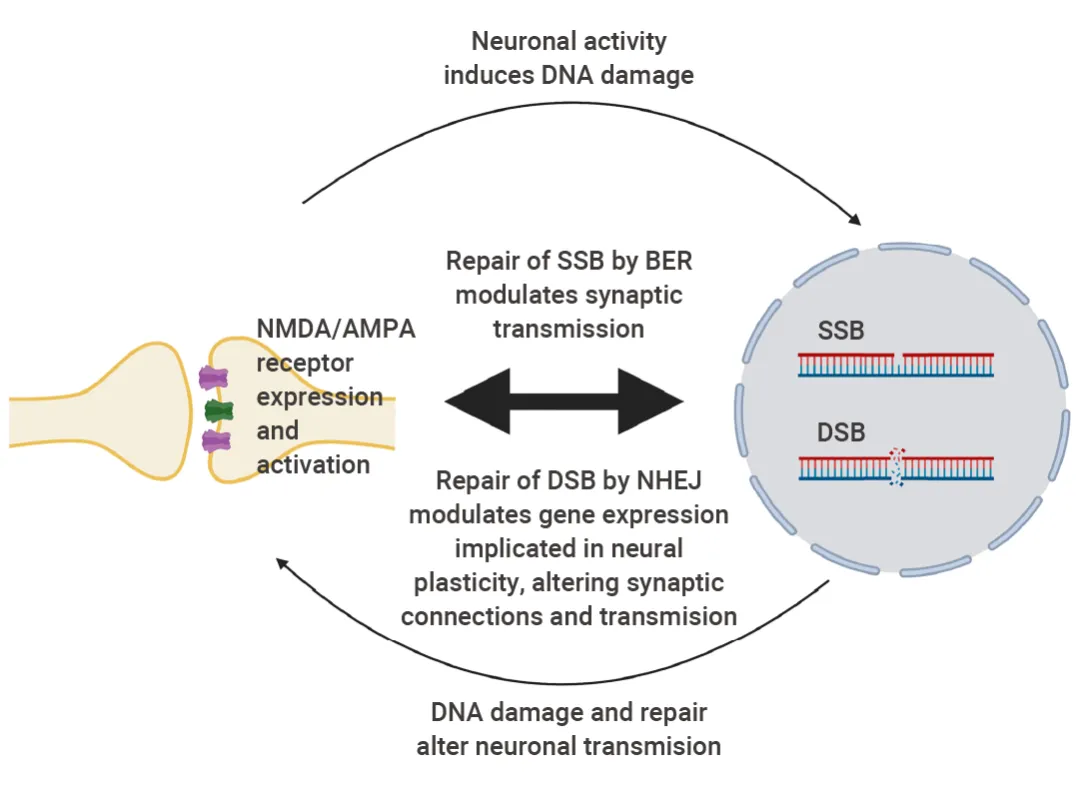
When you hear "inflammation" and "DNA damage," you might immediately think of disease or injury. However, in brains, these two processes are key steps in forming long-term memories, particularly related to specialized cells in our brain called hippocampal neurons.
Scientific Reviews
When you hear "inflammation" and "DNA damage," you might immediately think of disease or injury. However, in brains, these two processes are key steps in forming long-term memories, particularly related to specialized cells in our brain called hippocampal neurons. -
 Scientific Reviews
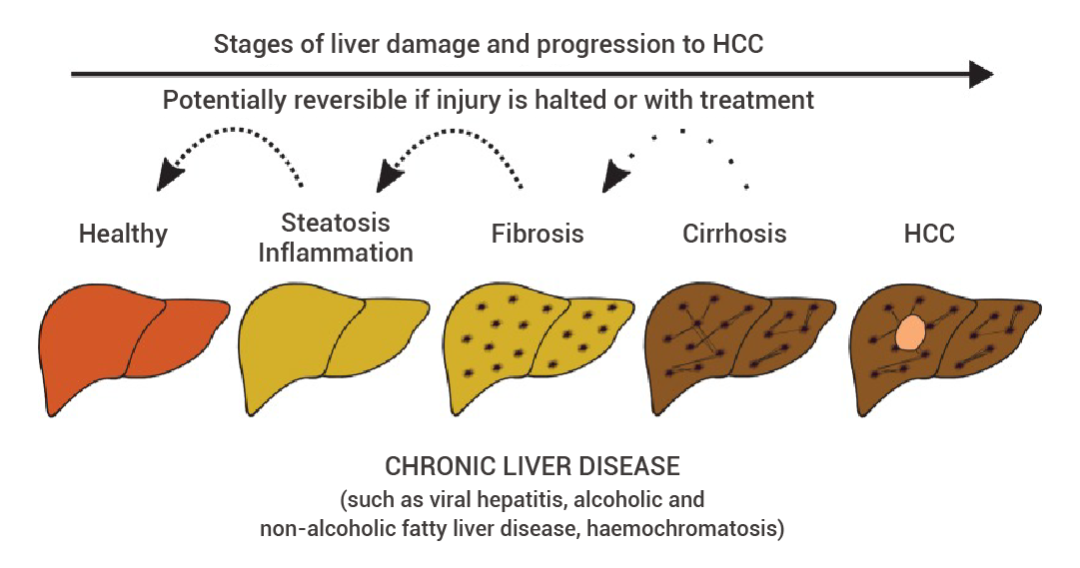
This article will tell you about the common methods of modeling liver disease in animal models.
Scientific Reviews
This article will tell you about the common methods of modeling liver disease in animal models. -
 Scientific Reviews
This article introduces some common cardiovascular disease models, inducers, modeling protocols and successful modeling cases in the research.
Scientific Reviews
This article introduces some common cardiovascular disease models, inducers, modeling protocols and successful modeling cases in the research. -
 Scientific Reviews
A groundbreaking study in Nature Communications reveals the key mechanism behind Idiopathic Pulmonary Fibrosis and identifies an existing drug with the potential to counter it.
Scientific Reviews
A groundbreaking study in Nature Communications reveals the key mechanism behind Idiopathic Pulmonary Fibrosis and identifies an existing drug with the potential to counter it. -
 Scientific Reviews
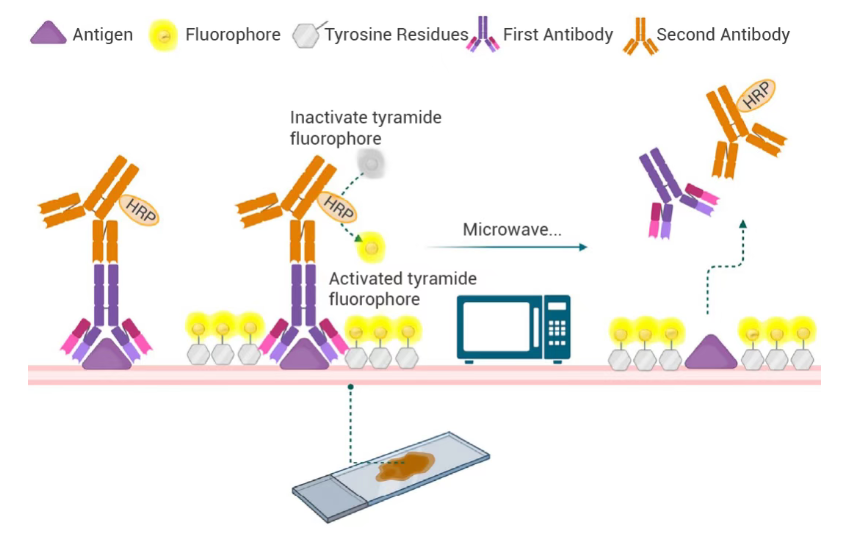
This detailed guide outlines the standardized experimental protocols for multiplex immunohistochemistry (mIHC), systematically summarizes common technical issues encountered during sample preparation, staining and imaging processes, and provides practical troubleshooting solutions to ensure reliable and reproducible results in biomedical research and clinical sample analysis.
Scientific Reviews
This detailed guide outlines the standardized experimental protocols for multiplex immunohistochemistry (mIHC), systematically summarizes common technical issues encountered during sample preparation, staining and imaging processes, and provides practical troubleshooting solutions to ensure reliable and reproducible results in biomedical research and clinical sample analysis. -
Scientific Reviews
Microglia– the only immune cells within the brain parenchyma. With advancements in imaging technologies, people’s understanding of microglia has shifted from being viewed as 'resting' cells to 'highly active' cells, particularly due to their dynamic processes that seem to be probing surrounding tissues and monitoring neuronal activity. This has made microglia a focal point of research in the field of neuroscience. -
 Scientific Reviews
Exosomes—natural nanoscale carriers—are revolutionizing targeted therapy. This article uncovers the science behind their precision in drug delivery.
Scientific Reviews
Exosomes—natural nanoscale carriers—are revolutionizing targeted therapy. This article uncovers the science behind their precision in drug delivery. -
 Scientific Reviews
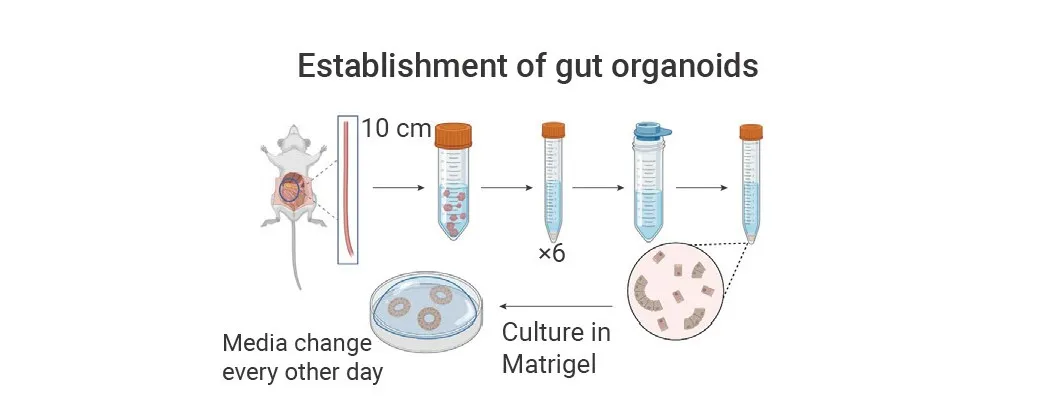
Efficient Generation of Mouse Small Intestinal Organoids: A Complete Experimental Protocol Guide
Scientific Reviews
Efficient Generation of Mouse Small Intestinal Organoids: A Complete Experimental Protocol Guide2025-12-10
How to successfully create mouse small intestine organoids? A detailed, hands-on guide to the entire process, all in one article! -
 Scientific Reviews
This paper elaborates on cytokines for culturing major immune cells, their regulatory roles, recombinant cytokines' merits and MCE’s related high-quality products.
Scientific Reviews
This paper elaborates on cytokines for culturing major immune cells, their regulatory roles, recombinant cytokines' merits and MCE’s related high-quality products. -
 Scientific Reviews
Immunology
Scientific Reviews
ImmunologyMCE
Immunology explores host recognition and clearance of pathogens and abnormal cells. With rapid innate immunity and specific adaptive immune memory, it uncovers mechanisms of infection, hypersensitivity and autoimmune disorders, supplying core theoretical basis for vaccines and cancer immunotherapy. -
 EDM
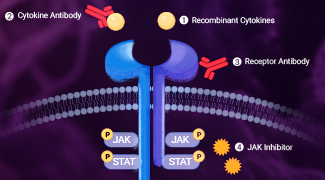
This review critically examines the role of the JAK-STAT pathway in immunity and autoimmune diseases, reviews current clinical applications of targeted therapies, and highlights emerging trends in autoimmune drug development.
EDM
This review critically examines the role of the JAK-STAT pathway in immunity and autoimmune diseases, reviews current clinical applications of targeted therapies, and highlights emerging trends in autoimmune drug development. -
 EDM
This review summarizes the mechanisms of DSS-induced colitis, commonly used modeling approaches, and key considerations related to DSS molecular weight.
EDM
This review summarizes the mechanisms of DSS-induced colitis, commonly used modeling approaches, and key considerations related to DSS molecular weight. -
 EDM
This review outlines macrophage functions and classification, and provides practical experimental guidelines for macrophage differentiation, polarization, and identification.
EDM
This review outlines macrophage functions and classification, and provides practical experimental guidelines for macrophage differentiation, polarization, and identification. -
 EDM
Review the mechanisms, mitochondrial regulation, disease relevance, and translational opportunities of the NLRP3–STING axis in neuroinflammation.
EDM
Review the mechanisms, mitochondrial regulation, disease relevance, and translational opportunities of the NLRP3–STING axis in neuroinflammation. -
 EDM
Explore the mechanisms driving immune tolerance breakdown in autoimmune diseases and emerging tolerance-restoring strategies, with a focus on IL-2-based immune modulation.
EDM
Explore the mechanisms driving immune tolerance breakdown in autoimmune diseases and emerging tolerance-restoring strategies, with a focus on IL-2-based immune modulation. -
 EDM
Explore how mitochondrial quality control, inflammatory signaling, and metabolic–epigenetic reprogramming regulate cellular senescence and the SASP, along with strategies to restore mitochondrial homeostasis.
EDM
Explore how mitochondrial quality control, inflammatory signaling, and metabolic–epigenetic reprogramming regulate cellular senescence and the SASP, along with strategies to restore mitochondrial homeostasis. -
 Blog
HS-1371 is a Small Molecule RIP3 Inhibitor
Blog
HS-1371 is a Small Molecule RIP3 Inhibitor2019-04-09
HS-1371 is a novel kinase inhibitor of RIP3-mediated necroptosis, showing an inhibitory effect on S227 auto-phosphorylation of RIP3 at the basal level. -
 Blog
PRN1008 is a Reversible Covalent and Oral Active Inhibitor of Bruton’s Tyrosine Kinase (BTK)
Blog
PRN1008 is a Reversible Covalent and Oral Active Inhibitor of Bruton’s Tyrosine Kinase (BTK)2019-04-18
PRN1008 is a selective, reversible covalent and oral active inhibitor of Bruton’s Tyrosine Kinase (BTK), with an IC50 of 1.3 nM. -
 Blog
Multiple Tyrosine Kinases Inhibitor TAS-115
Blog
Multiple Tyrosine Kinases Inhibitor TAS-1152019-04-19
TAS-115 is a potent VEGFR and c-Met/HGFR-targeted kinase inhibitor with IC50s of 30 and 32 nM for rVEGFR2 and rMET, respectively. -
 Blog
TAK-828F is a potent, selective and orally active retinoic acid receptor-related orphan receptor γt (RORγt) inverse agonist. TAK-828F inhibits IL-17A cytokine expression and reduces symptoms of autoimmune encephalomyelitis mice.
Blog
TAK-828F is a potent, selective and orally active retinoic acid receptor-related orphan receptor γt (RORγt) inverse agonist. TAK-828F inhibits IL-17A cytokine expression and reduces symptoms of autoimmune encephalomyelitis mice. -
 Blog
GSK3145095 is a RIP1 kinase inhibitor with an IC50 of 6.3 nM. Potently blocks the TNF response and RIP1-dependent inflammatory cytokine MIP-1β production.
Blog
GSK3145095 is a RIP1 kinase inhibitor with an IC50 of 6.3 nM. Potently blocks the TNF response and RIP1-dependent inflammatory cytokine MIP-1β production. -
 Blog
JMS-17-2 is a CX3CR1 Antagonist
Blog
JMS-17-2 is a CX3CR1 Antagonist2019-06-12
JMS-17-2 is a potent and selective CX3CR1 antagonist with an IC50 of 0.32 nM. Has potential to treat cancers such as breast cancer. -
 Blog
BAY-11-7082 inhibits the proliferation and induces the apoptosis of U266 cells through inhibiting NF-κB pathway. BAY 11-7082 ameliorates experimental diabetic neuropathy by modulating neuroinflammation and improving antioxidant defence.
Blog
BAY-11-7082 inhibits the proliferation and induces the apoptosis of U266 cells through inhibiting NF-κB pathway. BAY 11-7082 ameliorates experimental diabetic neuropathy by modulating neuroinflammation and improving antioxidant defence. -
 Blog
S18-000003 is a potent, selective and orally active inhibitor of retinoic acid receptor-related orphan receptor-gamma-t (RORγt). S18-000003 ameliorates psoriasis-like lesions in vivo. S18-000003 can be used for the research of skin inflammatory diseases.
Blog
S18-000003 is a potent, selective and orally active inhibitor of retinoic acid receptor-related orphan receptor-gamma-t (RORγt). S18-000003 ameliorates psoriasis-like lesions in vivo. S18-000003 can be used for the research of skin inflammatory diseases. -
 Blog
TPCA-1, a Direct Dual Inhibitor of STAT3 and NF-κB, Regresses Mutant EGFR-Associated NSCLC
Blog
TPCA-1, a Direct Dual Inhibitor of STAT3 and NF-κB, Regresses Mutant EGFR-Associated NSCLC2019-07-15
TPCA-1 is a potent and selective inhibitor of IKK-2 with IC50 of 17.9 nM. TPCA-1 is an effective inhibitor of STAT3 phosphorylation, DNA binding. -
 Blog
BI-167107 is a high affinity, full agonist that binds to the β2 adrenergic receptor (β2AR) with a dissociation constant Kd of 84 pM.
Blog
BI-167107 is a high affinity, full agonist that binds to the β2 adrenergic receptor (β2AR) with a dissociation constant Kd of 84 pM. -
 Blog
UK 356618 is a Selective MMP-3 Inhibitor
Blog
UK 356618 is a Selective MMP-3 Inhibitor2019-12-25
UK 356618 is a selective and potent inhibitor of MMP-3. UK 356618 exhibits potent anti-inflammatory and anti-cancer activity. -
 Blog
CH6953755 is a potent, orally active and selective YES1 kinase inhibitor leading to antitumor activity against YES1 Gene -amplified cancers.
Blog
CH6953755 is a potent, orally active and selective YES1 kinase inhibitor leading to antitumor activity against YES1 Gene -amplified cancers. -
 Blog
CA-4948 is a Selective and Orally Bioavailable IRAK4 Kinase Inhibitor for Lymphoma Treatment
Blog
CA-4948 is a Selective and Orally Bioavailable IRAK4 Kinase Inhibitor for Lymphoma Treatment2020-01-05
CA-4948 is a potent, selective and orally bioavailable IRAK4 kinase inhibitor. CA-4948 can be used for the treatment of lymphoma. -
 Blog
BAY-985 is an orally active and selective ATP-competitive dual inhibitor of TBK1 and IKKε with IC50s of 2/30 and 2 nM for TBK1 and IKKε, respectively.
Blog
BAY-985 is an orally active and selective ATP-competitive dual inhibitor of TBK1 and IKKε with IC50s of 2/30 and 2 nM for TBK1 and IKKε, respectively. -
 Blog
ADH-503 is an orally active and allosteric CD11b agonist and leads to the repolarization of tumor-associated macrophages.
Blog
ADH-503 is an orally active and allosteric CD11b agonist and leads to the repolarization of tumor-associated macrophages. -
 Blog
GSK143 is an orally active and highly selective spleen tyrosine kinase (SYK) inhibitor. GSK143 reduces inflammation in the intestinal muscularis in mice.
Blog
GSK143 is an orally active and highly selective spleen tyrosine kinase (SYK) inhibitor. GSK143 reduces inflammation in the intestinal muscularis in mice. -
 Blog
CAY10404 is a potent and highly selective COX-2 inhibitor. CAY10404 is a potent inhibitor of PKB/Akt and MAPK signalling pathways.
Blog
CAY10404 is a potent and highly selective COX-2 inhibitor. CAY10404 is a potent inhibitor of PKB/Akt and MAPK signalling pathways. -
 Blog
BMS-P5 is an Orally Active PAD4 Inhibitor
Blog
BMS-P5 is an Orally Active PAD4 Inhibitor2020-12-12
BMS-P5 is an orally active PAD4 inhibitor. BMS-P5 blocks MM-induced NET formation and delays progression of MM in a syngeneic mouse model -
 Blog
ML132, a potent and selective caspase 1 inhibitor with a unique selectivity pattern, is responsible for the proteolytic activation of IL-1β and IL-18.
Blog
ML132, a potent and selective caspase 1 inhibitor with a unique selectivity pattern, is responsible for the proteolytic activation of IL-1β and IL-18. -
 Blog
CC-90001 is a potent, selective, and orally active inhibitor of JNK. CC-90001 can be used for the research of idiopathic pulmonary fibrosis (IPF).
Blog
CC-90001 is a potent, selective, and orally active inhibitor of JNK. CC-90001 can be used for the research of idiopathic pulmonary fibrosis (IPF). -
 Blog
SB-332235 is a potent, orally active nonpeptide CXCR2 antagonist. SB-332235 inhibits acute and chronic models of arthritis in the rabbit.
Blog
SB-332235 is a potent, orally active nonpeptide CXCR2 antagonist. SB-332235 inhibits acute and chronic models of arthritis in the rabbit. -
 Blog
Lumiracoxib is a COX-2 inhibitor. Lumiracoxib acts as nonselective NSAID with anti-inflammatory, analgesic and antipyretic activities.
Blog
Lumiracoxib is a COX-2 inhibitor. Lumiracoxib acts as nonselective NSAID with anti-inflammatory, analgesic and antipyretic activities. -
 Blog
Ruxolitinib is a potent and selective JAK1/2 inhibitor and has 130-fold selectivity for JAK1/2 over JAK3. Ruxolitinib induces autophagy.
Blog
Ruxolitinib is a potent and selective JAK1/2 inhibitor and has 130-fold selectivity for JAK1/2 over JAK3. Ruxolitinib induces autophagy. -
 Blog
IMD-0354 is a Selective IKKβ Inhibitor
Blog
IMD-0354 is a Selective IKKβ Inhibitor2021-11-09
IMD-0354 is a selective IKKβ inhibitor and potently inhibits NF-κB activity. IMD0354 has antitumor activity. -
 Blog
CL097 is a TLR7/8 agonist. CL097 induces pro-nflammatory cytokines. CL097 induces NADPH oxidase priming and efficient diabetogenic cytotoxic T lymphocyte (CTL) function in NOD mice.
Blog
CL097 is a TLR7/8 agonist. CL097 induces pro-nflammatory cytokines. CL097 induces NADPH oxidase priming and efficient diabetogenic cytotoxic T lymphocyte (CTL) function in NOD mice. -
 Blog
Zingerone is a natural orally active nontoxic methoxyphenol potent anti-inflammatory, antidiabetic, antioxidize, and anti-tumor properties.
Blog
Zingerone is a natural orally active nontoxic methoxyphenol potent anti-inflammatory, antidiabetic, antioxidize, and anti-tumor properties. -
 Blog
BM213 is a selective C5aR1 agonist. It’s a useful research tool to study C5aR1 function
Blog
BM213 is a selective C5aR1 agonist. It’s a useful research tool to study C5aR1 function -
 Blog
Pelecopan is a potent, selective, and orally active complement factor D inhibitor, possessing the potential to study paroxysmal nocturnal hemoglobinuria (PNH).
Blog
Pelecopan is a potent, selective, and orally active complement factor D inhibitor, possessing the potential to study paroxysmal nocturnal hemoglobinuria (PNH). -
 Blog
Etrolizumab is a Gut-selective, Anti-β7 Integrin McAb for Inflammatory Bowel Disease (IBD) Research
Blog
Etrolizumab is a Gut-selective, Anti-β7 Integrin McAb for Inflammatory Bowel Disease (IBD) Research2022-11-05
Etrolizumab is a gut-selective, anti-β7 integrin monoclonal antibody and has the potential for the research of inflammatory bowel disease. -
 Blog
Ruxolitinib is an orally-active JAK1/2 inhibitor. Ruxolitinib has the potential for the research of myeloproliferative neoplasm (MPN).
Blog
Ruxolitinib is an orally-active JAK1/2 inhibitor. Ruxolitinib has the potential for the research of myeloproliferative neoplasm (MPN).
Products
All
-
All
-
Inhibitors & Agonists
-
Isotope-Labeled Compounds
-
Fluorescent Dye
-
Peptides
-
Recombinant Proteins
-
Antibodies
-
Screening Libraries
-
Kits
-
Inhibitory Antibodies
-
Reference Standards
-
Induced Disease Models Products
-
GMP Small Molecules
-
Biochemical Assay Reagents
-
Natural Products
| Cat. No. | Product Name | Information | Application | Publication |
|---|---|---|---|---|
| HY-17589 | Chloroquine phosphate |
Chloroquine phosphate is an antimalarial and anti-inflammatory agent widely used to treat malaria and rheumatoid arthritis. Chloroquine phosphate is an autophagy and toll-like receptors (TLRs) inhibitor. Chloroquine phosphate is highly effective in the control of SARS-CoV-2 (COVID-19) infection in vitro (EC50=1.13 μM).
|
Pancreatic Cancer
Viral Infection
Parasitic Infection
Pain
SARS-CoV-2 Infection
Rheumatoid Arthritis
|
1344
|
| HY-17589A | Chloroquine |
Chloroquine is an antimalarial and anti-inflammatory agent widely used to treat malaria and rheumatoid arthritis. Chloroquine is an autophagy and toll-like receptors (TLRs) inhibitor. Chloroquine is highly effective in the control of SARS-CoV-2 (COVID-19) infection in vitro (EC50=1.13 μM).
|
Breast Cancer
Pancreatic Cancer
Viral Infection
Parasitic Infection
Pain
SARS-CoV-2 Infection
Rheumatoid Arthritis
|
1344
|
| HY-16658B | Z-VAD-FMK |
Z-VAD-FMK is a pan-caspase inhibitor and also an ICE-like protease inhibitor, which inhibits apoptosis by preventing the processing of CPP32 to its active form. Z-VAD-FMK sensitivity varies primarily due to differential expression of receptor-interacting protein 1 (RIP1). Z-VAD-FMK limits the cryopreservation-induced apoptosis by reducing caspase-3 activity of in vitro produced bovine embryos. Z-VAD-FMK is immunosuppressive in vitro and inhibits T cell proliferation without blocking the processing of caspase-8 and caspase-3. Z-VAD-FMK leads to a decrease in intracellular glutathione (GSH) with a concomitant increase in reactive oxygen species (ROS) levels in activated T cells. Z-VAD-FMK is due to oxidative stress via the depletion of GSH. Z-VAD-FMK can be used for the study of acute pancreatitis.
|
|
850
|
| HY-D1056 | Lipopolysaccharides, from E. coli O55:B5 |
Lipopolysaccharides, from E. coli O55:B5 (LPS, from Escherichia coli (O55:B5)) are endotoxins and TLR4 activators extracted from Escherichia coli (E. coli O55:B5) and are classified as S (smooth) type LPS. Lipopolysaccharides, from E. coli O55:B5 possess the typical three-part structure: O-antigen, core oligosaccharide, and lipid A. Lipopolysaccharides, from E. coli O55:B5 activate TLR-4 in immune cells, exhibit high pyrogenicity, and demonstrate dose and serotype specificity. Lipopolysaccharides, from E. coli O55:B5 can be widely used to induce cellular inflammation and establish animal models related to inflammation.
It is recommended to prepare a solution with concentration ≥2 mg/mL. Vortex thoroughly for more than 10 minutes. Due to the adsorption characteristics of LPS, silanized container or low adsorption centrifuge tubes should be used for aliquoting and storage, and mix thoroughly before use. Source: surface of Gram-negative bacteria |
|
616
|
| HY-11109 | Resatorvid |
Resatorvid (TAK-242) is a selective Toll-like receptor 4 (TLR4) inhibitor. Resatorvid inhibits NO, TNF-α and IL-6 production with IC50s of 1.8 nM, 1.9 nM and 1.3 nM, respectively. Resatorvid downregulates expression of TLR4 downstream signaling molecules MyD88 and TRIF. Resatorvid inhibits autophagy and plays pivotal role in various inflammatory diseases.
|
|
536
|
| HY-12815A | MCC950 sodium |
MCC950 sodium (CP-456773 sodium; CRID3 sodium salt) is a potent, selective NLRP3 inhibitor with IC50s of 7.5 and 8.1 nM in BMDMs and HMDMs, respectively.
|
|
497
|
| HY-12815 | MCC950 |
MCC950 (CP-456773; CRID3) is a potent and selective NLRP3 inhibitor with IC50s of 7.5 and 8.1 nM in BMDMs and HMDMs, respectively.
|
|
497
|
| HY-100381 | Nigericin sodium salt |
Nigericin sodium salt is an antibiotic derived from Streptomyces hygroscopicus that act as a K+/H+ ionophore, promoting K+/H+ exchange across mitochondrial membranes. Nigericin sodium salt is a NLRP3 activator. Nigericin sodium salt shows promising anti-cancer activities through decreasing intracellular pH (pHi), and inactivation of Wnt/β-catenin signals. Nigericin sodium salt induces pyroptosis through caspase 1/GSDMD in TNBC.
Source: Streptomyces hygroscopicus |
Breast Cancer
Colorectal Cancer
Prostate Cancer
Gastric Cancer
Liver Cancer
Ovarian Cancer
Bacterial Infection
Depression
Hypertension
Lung Fibrosis
Rheumatoid Arthritis
|
258
|
| HY-127019 | Nigericin |
Nigericin is an antibiotic derived from Streptomyces hygroscopicus that act as a K+/H+ ionophore, promoting K+/H+ exchange across mitochondrial membranes. Nigericin is a NLRP3 activator. Nigericin shows promising anti-cancer activities through decreasing intracellular pH (pHi), and inactivation of Wnt/β-catenin signals. Nigericin induces pyroptosis through caspase 1/GSDMD in TNBC.
|
Breast Cancer
Colorectal Cancer
Prostate Cancer
Gastric Cancer
Liver Cancer
Ovarian Cancer
Bacterial Infection
Depression
Hypertension
Lung Fibrosis
Rheumatoid Arthritis
|
258
|
| HY-16658 | Z-VAD(OMe)-FMK |
|
211
|
|
| HY-100941 | CCCP |
CCCP is an oxidative phosphorylation (OXPHOS) uncoupler. CCCP induces activation of PINK1 leading to Parkin Ser65 phosphorylation.
|
Cancer
Digestive System Disease
Bacterial Infection
Digestive System Inflammation
Parkinson's Disease
Rheumatoid Arthritis
|
192
|
| HY-112879 | Mito-TEMPO |
Mito-TEMPO is a mitochondria-targeted antioxidant. Mito-TEMPO induces mitophagy by activating the PINK1/Parkin pathway, inhibits NLRP3 inflammasome activation, restores mitochondrial membrane potential, and improves renal function and podocyte injury. Mito-TEMPO regulates Ca2+ homeostasis, inhibits Bnip3 overexpression, shortens action potential duration, and exerts antiarrhythmic effects. Mito-TEMPO reverses premature senescence, reduces trabecular bone loss, and decreases cell apoptosis. Mito-TEMPO can be used in studies of chronic kidney disease, age-related cardiac dysfunction, postmenopausal osteoporosis, and ischemic stroke.
|
|
186
|
| HY-13205 | Belnacasan |
Belnacasan (VX-765) is an orally bioactive proagent of VRT-043198, which is a potent and selective inhibitor of IL-converting enzyme (ICE)/caspase-1 with Kis of 0.8 nM and less than 0.6 nM for caspase-1 and caspase-4, respectively. Belnacasan (VX-765) inhibits the release of LPS-induced IL-1β and IL-18 by human PBMCs with an IC50 of ~0.7 μM.
|
|
180
|
| HY-B2176B | ATP dimagnesium |
ATP (Adenosine 5'-triphosphate) dimagnesium is a central component of energy storage and metabolism in vivo. ATP dimagnesium provides the metabolic energy to drive metabolic pumps and serves as a coenzyme in cells. ATP dimagnesium is an important endogenous signaling molecule in immunity and inflammation. ATP dimagnesium can activate the NLRP3 inflammasome and induce IL-1β and chemokines secretion. ATP dimagnesium has anti-bacterial infection effects and can protect mice against bacterial infection in mice.
|
|
178
|
| HY-B2176A | ATP disodium trihydrate |
ATP (Adenosine 5'-triphosphate) disodium trihydrate is a central component of energy storage and metabolism in vivo. ATP disodium trihydrate provides the metabolic energy to drive metabolic pumps and serves as a coenzyme in cells. ATP disodium trihydrate is an important endogenous signaling molecule in immunity and inflammation. ATP disodium trihydrate can activate the NLRP3 inflammasome and induce IL-1β and chemokines secretion. ATP disodium trihydrate has anti-bacterial infection effects and can protect mice against bacterial infection in mice.
|
|
178
|
| HY-B2176 | ATP |
ATP (Adenosine 5'-triphosphate) is a central component of energy storage and metabolism in vivo. ATP provides the metabolic energy to drive metabolic pumps and serves as a coenzyme in cells. ATP is an important endogenous signaling molecule in immunity and inflammation. ATP can activate the NLRP3 inflammasome and induce IL-1β and chemokines secretion. ATP has anti-bacterial infection effects and can protect mice against bacterial infection in mice.
Source: widespread |
|
178
|
| HY-W010735 | ATP disodium salt hydrate |
ATP (Adenosine 5'-triphosphate) disodium salt hydrate is a central component of energy storage and metabolism in vivo. ATP disodium salt hydrate provides the metabolic energy to drive metabolic pumps and serves as a coenzyme in cells. ATP disodium salt hydrate is an important endogenous signaling molecule in immunity and inflammation. ATP disodium salt hydrate can activate the NLRP3 inflammasome and induce IL-1β and chemokines secretion. ATP disodium salt hydrate has anti-bacterial infection effects and can protect mice against bacterial infection in mice.
Source: widespread |
|
171
|
| HY-B2176C | ATP dipotassium |
ATP (Adenosine 5'-triphosphate) dipotassium is a central component of energy storage and metabolism in vivo. ATP dipotassium provides the metabolic energy to drive metabolic pumps and serves as a coenzyme in cells. ATP dipotassium is an important endogenous signaling molecule in immunity and inflammation. ATP dipotassium can activate the NLRP3 inflammasome and induce IL-1β and chemokines secretion. ATP dipotassium has anti-bacterial infection effects and can protect mice against bacterial infection in mice.
Source: widespread |
|
168
|
| HY-B2176I | ATP disodium salt, 100 mM Solution, PCR Grade |
ATP (Adenosine 5'-triphosphate) disodium salt, 100 mM Solution, PCR Grade is a central component of energy storage and metabolism in vivo. ATP disodium salt, 100 mM Solution, PCR Grade provides the metabolic energy to drive metabolic pumps and serves as a coenzyme in cells. ATP disodium salt, 100 mM Solution, PCR Grade is an important endogenous signaling molecule in immunity and inflammation. ATP disodium salt, 100 mM Solution, PCR Grade can activate the NLRP3 inflammasome and induce IL-1β and chemokines secretion. ATP disodium salt, 100 mM Solution, PCR Grade has anti-bacterial infection effects and can protect mice against bacterial infection in mice.
|
|
168
|
| HY-112693 | H-151 |
|
168
|
|
| HY-100573 | Necrosulfonamide |
Necrosulfonamide is a MLKL and Gasdermin D (GSDMD) inhibitor, capable of separately inhibiting necroptosis and pyroptosis of cells. Necrosulfonamide does not affect the activation of upstream signals, but specifically inhibits the downstream executor oligomerization step. Necrosulfonamide reduces the expression of the key kinases NLRP3 and caspase-1 involved in necroptosis and pyroptosis, activate the Nrf2 pathway and the downstream antioxidant enzymes, and also downregulates a variety of inflammatory factors. Necrosulfonamide plays significant roles in various diseases such as neurodegenerative diseases (such as Parkinson’s disease), tissue damage and ischemia-reperfusion injury, inflammatory bowel disease, osteoarthritis and fracture repair, and hair loss by regulating two important programmed necrosis pathways.
|
Mixed Lineage Kinase
Necroptosis
Pyroptosis
Caspase
NOD-like Receptor (NLR)
Keap1-Nrf2
TNF Receptor
Interleukin Related
NO Synthase
Heme Oxygenase (HO)
Digestive System Disease
Prostate Cancer
Leukemia/Lymphoma/Myeloma
Depression
Digestive System Inflammation
Cardiovascular Disease
Parkinson's Disease
Obesity
Lung Fibrosis
Rheumatoid Arthritis
|
147
|
| HY-12466 | Z-DEVD-FMK |
Z-DEVD-FMK is a specific and irreversible caspase-3 inhibitor with an IC50 of 18 μM.
|
|
139
|
| HY-112906 | C-176 |
|
127
|
|
| HY-13740 | Resiquimod |
Resiquimod is a Toll-like receptor 7 and 8 (TLR7/TLR8) agonist that induces the upregulation of cytokines such as TNF-α, IL-6 and IFN-α.
|
Prostate Cancer
Viral Infection
Depression
Pain
Autoimmune Disease
SARS-CoV-2 Infection
Hepatitis C Virus Infection
|
120
|
| HY-12305 | Q-VD-OPh |
|
117
|
|
| HY-19696 | Tauroursodeoxycholate |
Colorectal Cancer
Prostate Cancer
Liver Cancer
Viral Infection
Neurodegenerative Disease
Pain
Digestive System Inflammation
Glucose Metabolism
Obesity
|
111
|
|
| HY-W031727 | Hydroxychloroquine |
Hydroxychloroquine (HCQ) is a synthetic oral antimalarial drug that can be used in the study of malaria and autoimmune diseases such as systemic lupus erythematosus and rheumatoid arthritis. Hydroxychloroquine is a potent autophagic flux inhibitor with antiviral activity (such as SARS-CoV-2 virus) that inhibits Toll-like receptor 7/9 (TLR7/9) signaling.
|
|
95
|
| HY-L004 | Cell Cycle/DNA Damage Compound Library |
DNA is prone to numerous forms of damage that can injure cells and impair fitness. Cells have developed an array of mechanisms to repair these injuries. Proliferating cells are especially vulnerable to DNA damage due to the added demands of cellular growth and division. Cell cycle checkpoints represent integral components of DNA repair that coordinate cooperation between the machinery of the cell cycle and several biochemical pathways that respond to damage and restore DNA structure. By delaying progression through the cell cycle, checkpoints provide more time for repair before the critical phases of DNA replication, when the genome is replicated, and of mitosis, when the genome is segregated. Loss or attenuation of checkpoint function may increase spontaneous and induced gene mutations and chromosomal aberrations by reducing the efficiency of DNA repair.
MCE owns a unique collection of 3,522 cell cycle/DNA damage-related compounds which can be used in the research of the same.
|
|
93
|
| HY-L026 | Clinical Compound Library |
New drug development is a time-consuming and high-cost process. Drug repurposing (also called drug repositioning, reprofiling or re‑tasking) offers various advantages over developing an entirely new drug for a given indication, such as lower risk and less investment. Clinical drugs have confirmed bioactivities, clear mechanisms and high safety that are suitable for drug repurposing.
MCE owns a unique collection of 2,568 clinical compounds that refer to various research areas including anti-cancer, anti-infection, anti-inflammation, nervous disease. Those compounds are of detailed information on clinical development status, research area, targets, etc.
|
|
90
|
| HY-L007 | Immunology/Inflammation Compound Library |
The immune system is a host defense system comprising many biological structures and processes within an organism that protects against disease. To function properly, an immune system must detect a wide variety of agents, known as pathogens, from viruses to parasitic worms, and distinguish them from the organism's own healthy tissue. Inflammation is also the body's attempt at self-protection to remove harmful stimuli and begin the healing process. It’s part of the body's immune response. The immune system recognizes damaged cells, irritants, and pathogens, and inflammation begins the healing process. Inflammatory abnormalities are a large group of disorders that underlie a vast variety of human diseases. The immune system is often involved with inflammatory disorders, demonstrated in both allergic reactions and some myopathies, with many immune system disorders resulting in abnormal inflammation.
MCE designs a unique collection of 8,643 compounds that are useful tool for Immunology/Inflammation research or autoimmune inflammatory diseases drug discovery.
|
|
89
|
| HY-L017 | Stem Cell Signaling Compound Library |
Adult stem cells are important for tissue homeostasis and regeneration due to their ability to self-renew and generate multiple types of differentiated daughters. Self-renewal is reflected by their capacity to undergo multiple/limitless divisions. Several signaling pathways are involved in self-renewal of stem cells, that is, Notch, Wnt, and Hedgehog pathways or Polycomb family proteins. Recent studies mainly focus on cancer stem cell (CSCs), induced pluripotent stem cell (iPSCs), neural stem cell and maintenance of embryonic stem cell pluripotency. Among them, CSCs have been believed to be responsible for tumor initiation, growth, and recurrence that have implications for cancer therapy.
MCE owns a unique collection of 2,931 compounds that can be used for stem cell regulatory and signaling pathway research.
|
|
86
|
| HY-L026P | Clinical Compound Library Plus |
New drug development is a time-consuming and high-cost process. Drug repurposing (also called drug repositioning, reprofiling or re‑tasking) offers various advantages over developing an entirely new drug for a given indication, such as lower risk and less investment. Clinical drugs have confirmed bioactivities, clear mechanisms and high safety that are suitable for drug repurposing.
MCE owns a unique collection of 3,298 clinical compounds that refer to various research areas including anti-cancer, anti-infection, anti-inflammation, nervous disease. Those compounds are of detailed information on clinical development status, research area, targets, etc. Clinical Compound Library Plus, with powerful screening capability, further complements Clinical Compound Library (HY-L026) by adding some compounds with low solubility or solution stability (Part B) to this library. All those supplementary are supplied in powder form.
|
|
86
|
| HY-L051 | Ferroptosis Compound Library |
Ferroptosis is a novel type of cell death program that is distinct from apoptosis, necroptosis and autophagy. It is dependent on iron and reactive oxygen species (ROS) and is characterized by lipid peroxidation. As a novel type of cell death, ferroptosis has distinct properties and recognizing functions involved in physical conditions or various diseases including cancers, neurodegenerative diseases, acute renal failure, etc.
MCE carefully collected a unique collection of 1,255 ferroptosis signaling pathway related compounds with ferroptosis-inducing or -inhibitory activity. MCE Ferroptosis Compound Library is a useful tool to study ferroptosis mechanism as well as related diseases.
|
|
84
|
| HY-L059 | Pyroptosis Compound Library |
Programmed cell death pathways, including apoptosis, pyroptosis and necroptosis, are regulated by unique sets of host proteins that coordinate a variety of biological outcomes. Pyroptosis is a highly inflammatory form of programmed cell death that occurs most frequently upon infection with intracellular pathogens and is likely to form part of the antimicrobial response. This process promotes the rapid clearance of various bacterial, viral, fungal and protozoan infections by removing intracellular replication niches and enhancing the host's defensive responses. Pyroptosis has been widely studied in inflammatory and infection disease models. Recently, there are growing evidences that pyroptosis also plays an important role in the development of cancer, cardiovascular diseases and Metabolic disorder, etc.
MCE designs a unique collection of 2,034 pyroptosis-related compounds mainly focusing on the key targets in the pyroptosis signaling pathway and can be used in the research of pyroptosis signal pathway and related diseases.
|
|
84
|
| HY-L133 | Cuproptosis Compound Library |
Copper is an important co-factor of all biological enzymes, but if the concentration exceeds the threshold of maintaining the homeostasis mechanism, copper will lead to cytotoxicity. This death mechanism has been named "Cuproptosis".
The mechanism of cuproptosis distinct from all other known mechanisms of regulated cell death, including apoptosis, pyroptosis, necroptosis, and ferroptosis.
Copper combine with the lipoylated components of the tricarboxylic acid cycle (TCA), leading to lipoylated protein aggregation and subsequent loss of iron-sulfur cluster proteins, ultimately resulting in protein toxicity stress and cell death. Studies have shown that the necessary factors for cuproptosis include the presence of glutathione, mitochondrial metabolism of galactose and pyruvate, and glutamine metabolism.
Targeted regulation of cuproptosis is a potential choice to treat cancer, rheumatoid arthritis, and other diseases. For example, up-regulation of LIPT1 may inhibit the occurrence and development of tumors by destroying TCA in mitochondria and then inducing cuproptosis.
MCE supplies a unique collection of 446 cuproptosis-related compounds, all of which act on the targets or signaling pathways related to cuproptosis and may have in inhibitory or activated effect on cuproptosis. MCE Cuproptosis Library is a useful tool for drug research related to cancer, rheumatoid arthritis, and other diseases.
|
|
83
|
| HY-L162 | Cell Death Library |
Cell death plays a crucial role in the development of the body and the maintenance of internal balance to prevent the development of diseases. According to the regulation of the involved processes, cell death can be defined as programmed and non-programmed death. Programmed cell death (PCD) can be divided into lytic cell death and nonlytic cell death, mainly including apoptosis, necrotic apoptosis and Pyroptosis. Non-Programmed cell death (Non-PCD) generally refers to necrosis. In stark contrast to Accidental Cell Death (ACD), Regulatory Cell Death (RCD) relies on specialized molecular mechanisms. Cell death includes internal apoptosis, external apoptosis, necrotic apoptosis, ferroptosis, pyroptosis, lysosome-dependent cell death, etc.
MCE designs a unique collection of 3,860 cell death compounds, covering multiple targets, such as Apoptosis, Ferroptosis, Pyroptosis, Necroptosis, etc. It is a useful tool for screening cell death drugs.
|
|
83
|
| HY-L162M | Cell Death Inhibitor Library Mini |
Cell death is a core biological process that maintains homeostasis in multicellular organisms, playing a dual role in life activities. On one hand, cell death participates in physiological processes such as cell renewal and damage repair through precise regulation; on the other hand, it actively eliminates damaged, infected, or cancerous cells, thereby blocking pathological progression and preserving organism health. Cell death not only ensures the normal development and growth regulation of organisms but is also closely associated with the occurrence and development of various diseases. Numerous studies have shown that specific types of programmed cell death play critical roles in disease progression, providing an important theoretical basis for developing novel therapeutic strategies by regulating cell death pathways.
MCE offers 23 types of commonly used cell death inhibitors, such as apoptosis, ferroptosis, pyroptosis, and cuproptosis, suitable for use as positive controls in the study of novel cell death mechanisms.
|
|
83
|
| HY-L174 | Macrophage Related Compound Library |
Macrophages are effector cells of the innate immune system, engulfing bacteria and secreting pro-inflammatory and antibacterial mediators. They are an important component of the first line defense against pathogens and tumor cells. In addition, macrophages play an important role in eliminating damaged cells through programmed cell death. Like all immune cells, macrophages originate from pluripotent hematopoietic stem cells in the bone marrow. Macrophages play key functions in many physiological processes beyond homeostasis and innate immunity, including metabolic function, cell debris clearance, tissue repair, and remodeling. In order to fulfill their different functional roles, macrophages can polarize into a series of phenotypes, including classic (pro inflammatory, M1) and alternative (anti-inflammatory, healing promoting, M2) activation states, as well as a wide range of regulatory phenotypes and subtypes. Macrophages exist in all vertebrate tissues and have a dual function in host protection and tissue damage, maintaining a good balance.
MCE designs a unique collection of 276 macrophage related compounds. It is a good tool to be used for research on Inflammation, cancer and other diseases.
|
|
83
|
| HY-L175 | Inflammasomes related Compound Library |
Inflammasomes are classic pattern recognition receptors for natural immune responses. Inflammasomes are polymeric protein complexes that regulate inflammatory responses and pyrolytic cell death, thereby exerting the host's defense against microorganisms. Inflammasomes sensors are associated with adapter proteins, activating inflammatory caspase-1, releasing inflammatory cytokines and inducing cell death, endowing the host with defense against pathogens. NLRP1, NLRP3, NLRC4, AIM2, and pyrin are considered typical inflammasomes because they convert cysteine asparaginase-1 into catalytically active capsaicin-1. In addition to infectious diseases, the importance of inflammasomes is also related to various clinical diseases, such as autoimmune diseases, neurodegeneration and metabolic disorders, and the development of cancer. Therefore, it is necessary to strictly regulate the activation and function of inflammasomes to avoid accidental host tissue damage while inducing pathogens to kill the inflammatory response.
MCE designs a unique collection of 178 inflammasomes related compounds. It is a good tool to be used for research on Inflammation, cancer and other diseases.
|
|
83
|
| HY-L201 | Cell Proliferation Compound Library |
Cell proliferation, the increase in cell numbers resulting from cell division, is a complex and tightly regulated process. Cell proliferation is regulated by coordinated entry into the cell cycle, and changes in proliferation are closely linked to disease development. Evolutionary dynamics links tumor growth and progression with cell proliferation, cell death, and mutation rates. In addition, cell proliferation is central to degenerative diseases, the development of which is often accompanied by accelerated multiplication of cancer cells. Therefore, assays of cell proliferation levels are frequently used for laboratory research purposes and increasingly for clinical assessment of tumor aggressiveness and potentially to guide care. It has been shown that multiple key targets are collectively involved in regulating the process of cell proliferation, such as CDK, E2F, pRB, β-Catenin, and others.
MCE collects 3,628 compounds that target and regulate key targets of cell proliferation, which can be used in studies of cell proliferation mechanisms and drug discovery.
|
|
83
|
| HY-L237 | Pattern Recognition Receptors Library |
Pattern Recognition Receptors (PRRs) are a crucial class of protein molecules expressed in cells of the innate immune system. The core function of Pattern Recognition Receptors is to recognize Pathogen-Associated Molecular Patterns (PAMPs) and Damage-Associated Molecular Patterns (DAMPs). Upon recognizing and binding to PAMPs or DAMPs, PRRs rapidly initiate intracellular signaling pathways (such as the NF-κB, IRF, and inflammasome pathways). This triggers the production of inflammatory factors, chemokines, and type I interferons, thereby initiating inflammatory responses to eliminate pathogens or repair damage. PRRs represent the body's first line of defense against infection, and the rapidity and broad specificity of their response are crucial for host survival. However, aberrant activation of PRR signaling is also a cause of many chronic inflammatory diseases, autoimmune disorders, and neurodegenerative diseases. Therefore, precisely regulating PRR activity has become a key therapeutic strategy for these conditions.
MCE has cataloged 338 inhibitors targeting key PRRs, such as NLRs, TLRs, C-type Lectin Receptors (CLRs), and cGAS, to support drug discovery efforts for chronic inflammatory diseases.
|
|
83
|
| HY-10964 | Vadimezan |
|
80
|
|
| HY-13755 | Sulforaphane |
Sulforaphane is an orally active inducer of the Keap1/Nrf2/ARE pathway. Sulforaphane promotes the transcription of tumor-suppressing proteins and effectively inhibits the activity of HDACs. Through the activation of the Keap1/Nrf2/ARE pathway and further induction of HO-1 expression, Sulforaphane protects the heart. Sulforaphane suppresses high glucose-induced pancreatic cancer through AMPK-dependent signal transmission. Sulforaphane exhibits both anticancer and anti-inflammatory properties.
|
|
79
|
| HY-16569 | Colchicine |
Colchicine, an orally active alkaloid, is a potent tubulin inhibitor and a microtubule disrupting agent. Colchicine inhibits microtubule polymerization with an IC50 of 3 nM. Colchicine is also a competitive antagonist of the α3 glycine receptors (GlyRs). Colchicine prevents non-steroidal anti-inflammatory drug (NSAID)-induced small intestinal injury by inhibiting activation of the NLRP3 inflammasome. Colchicine has extensive anti-inflammatory, immunosuppressive and strong anti-fibrosis effects and has the potential for gouty arthritis research.
|
Digestive System Disease
Lung Cancer
Prostate Cancer
Viral Infection
Coronavirus Infection
Depression
Pain
Autoimmune Disease
Digestive System Inflammation
Alzheimer's Disease
Lung Fibrosis
|
77
|
| HY-135748 | Polyinosinic-polycytidylic acid sodium |
Polyinosinic-polycytidylic acid (Poly(I:C)) sodium is a synthetic analog of double-stranded RNA and an agonist of toll-like receptor 3 (TLR3) and retinoic acid inducible gene I (RIG-I)-like receptors (RIG-I and MDA5). Polyinosinic-polycytidylic acid sodium can be used as a vaccine adjuvant to enhance innate and adaptive immune responses, and to alter the tumor microenvironment. Polyinosinic-polycytidylic acid sodium can directly trigger cancer cells to undergo apoptosis.
|
|
75
|
| HY-107202 | Polyinosinic-polycytidylic acid |
Polyinosinic-polycytidylic acid (Poly(I:C)) is a synthetic analog of double-stranded RNA and an agonist of toll-like receptor 3 (TLR3) and retinoic acid inducible gene I (RIG-I)-like receptors (RIG-I and MDA5). Polyinosinic-polycytidylic acid can be used as a vaccine adjuvant to enhance innate and adaptive immune responses, and to alter the tumor microenvironment. Polyinosinic-polycytidylic acid can directly trigger cancer cells to undergo apoptosis.
|
RIG-I-like receptor (RLR)
Toll-like Receptor (TLR)
PKD
HSP
Bcl-2 Family
Interleukin Related
Apoptosis
Infection
Digestive System Disease
Prostate Cancer
Pain
Digestive System Inflammation
Lung Fibrosis
Rheumatoid Arthritis
|
73
|
| HY-17363 | Dimethyl fumarate |
Dimethyl fumarate (DMF) is an orally active and brain-penetrant Nrf2 activator and induces upregulation of antioxidant gene expression. Dimethyl fumarate induces necroptosis in colon cancer cells through GSH depletion/ROS increase/MAPKs activation pathway, and also induces cell autophagy. Dimethyl fumarate can be used for multiple sclerosis research.
|
Neurological, Eye or Ear Disease
Inflammation or Immune System Disease
Colorectal Cancer
Viral Infection
Obesity
Lung Fibrosis
|
65
|
| HY-Y1269C | Ammonium chloride, for cell culture |
Ammonium chloride, for cell culture (Salmiac, for cell culture) is a reagent that can be used in cell culture to provide a source of nitrogen. Ammonium chloride can be used as a heteropolar compound to regulate pH value, which can cause intracellular alkalination and metabolic acidosis, thus affecting the activity of enzymes and affecting the process of biological systems. Ammonium chloride acts as an autophagy inhibitor.Ammonium chloride is also a lysosome inhibitor.
|
|
62
|
| HY-B0180 | Imiquimod |
|
62
|
|
| HY-112921A | diABZI STING agonist-1 |
|
52
|
|
| HY-B1081A | Oxidopamine hydrobromide |
Oxidopamine (6-OHDA) hydrobromide is an antagonist of the neurotransmitter dopamine. Oxidopamine hydrobromide is a widely used neurotoxin and selectively destroys dopaminergic neurons. Oxidopamine hydrobromide promotes COX-2 activation, leading to PGE2 synthesis and pro-inflammatory cytokine IL-1β secretion. Oxidopamine hydrobromide can be used for the research of Parkinson’s disease (PD), attention-deficit hyperactivity disorder (ADHD), and Lesch-Nyhan syndrome.
|
Dopamine Receptor
Autophagy
Mitophagy
COX
PGE synthase
Interleukin Related
p38 MAPK
Apoptosis
Caspase
|
50
|
| HY-100564A | 2',3'-cGAMP sodium |
2',3'-cGAMP sodium (2'-3'-cyclic GMP-AMP sodium) is a endogenous cGAMP in mammalian cells. 2',3'-cGAMP sodium binds to STING with a high affinity and is a potent inducer of interferon-β (IFNβ). 2',3'-cGAMP sodium is produced in mammalian cells in response to DNA in the cytoplasm.
|
|
44
|
| HY-100564 | 2',3'-cGAMP |
2',3'-cGAMP (2'-3'-cyclic GMP-AMP) is a endogenous cGAMP in mammalian cells. 2',3'-cGAMP binds to STING with a high affinity and is a potent inducer of interferon-β (IFNβ). 2',3'-cGAMP is produced in mammalian cells in response to DNA in the cytoplasm.
|
|
44
|
| HY-12497 | ANA-12 |
ANA-12 is a brain-penetrant, selective TrkB antagonist with IC50 values of 45.6 nM and 41.1 μM, and Kd values of 10 nM and 12 μM, for high- and low-affinity sites, respectively. ANA-12 specifically inhibits BDNF-induced TrkB receptor activation and its downstream signaling cascades by directly and non-competitively binding to the TrkB receptor, without affecting the functions of TrkA and TrkC. ANA-12 is used in research concerning neuropsychiatric disorders (such as depression and anxiety), acute and chronic pain, neuroimmune inflammation, and the mechanisms of learning and memory.
|
|
41
|
| HY-14654 | Aspirin |
Aspirin (Acetylsalicylic acid) is an orally active, potent and irreversible inhibitor of cyclooxygenase COX-1 and COX-2, with IC50 values of 5 and 210 μg/mL, respectively. Aspirin induces apoptosis. Aspirin inhibits the activation of NF-κB. Aspirin also inhibits platelet prostaglandin synthetase, and can prevent coronary artery and cerebrovascular thrombosis.
|
Breast Cancer
Colorectal Cancer
Prostate Cancer
Liver Cancer
Leukemia/Lymphoma/Myeloma
Pancreatic Cancer
Ovarian Cancer
Viral Infection
Neurodegenerative Disease
Depression
Pain
Digestive System Inflammation
Cardiovascular Disease
Non-Small Cell Lung Cancer
SARS-CoV-2 Infection
Obesity
Rheumatoid Arthritis
|
38
|
| HY-136927 | MSA-2 |
MSA-2, a potent and orally available non-nucleotide STING agonist, is bound to STING as a noncovalent dimer with nanomolar affinity. MSA-2 shows EC50s of 8.3 and 24 μM for human STING isoforms WT and HAQ, respectively. MSA-2 stimulates interferon-β secretion in tumors, induces tumor regression with durable antitumor immunity, and synergizes with anti-PD-1 in syngeneic mouse tumor models.
|
|
35
|
| HY-13902 | Berzosertib |
Berzosertib (VE-822) is an orally active, CNS-penetrant, and selective ATR kinase inhibitor. Berzosertib blocks ATR kinase activity, abrogates G2/M cell cycle checkpoint, impairs DNA damage repair. Berzosertib induces apoptosis, inhibnits conlony migration, inhibits cell proliferation, and activates cGAS-STING axes in cancer cells. Berzosertib can be used for the research of cancers, such as head and neck squamous cell carcinoma, and colorectal cancer.
|
|
27
|
| HY-12212 | Omaveloxolone |
|
26
|
|
| HY-153808 | Complete Freund's adjuvant (CFA) |
Complete Freund's adjuvant (CFA) is an immunoadjuvant emulsified with antigen by its discoverer Jules T. Freund to enhance an animal's immune response to an antigen. Complete Freund's adjuvant (CFA) is also an inducer of the Th1 immune response and a ligand of TLRs. Complete Freund's adjuvant (CFA) contains heat-killed inactive tuberculosis bacilli and consists of a paraffin oil-in-water emulsion. Complete Freund's adjuvant (CFA) stimulates a strong and durable immune response and can be used to induce persistent inflammatory pain models in mice, experimental autoimmune myocarditis (EAM) models, and more. Incomplete Freund's adjuvant (IFA) (HY-153808A) is another type of Freund's Adjuvant that stimulates a weaker immune response.
|
|
25
|
| HY-Y0966 | Glycine |
Glycine is an inhibitory neurotransmitter in the CNS and also acts as a co-agonist along with glutamate, facilitating an excitatory potential at the glutaminergic N-methyl-D-aspartic acid (NMDA) receptors. Glycine is orally active. Glycine inhibits the membrane aggregation of NINJ1 and prevents plasma membrane rupture during cell death. Glycine can be used to study cell protection, cancer, neurological diseases, and angiogenesis.
|
Colorectal Cancer
Liver Cancer
Pancreatic Cancer
Ovarian Cancer
Schizophrenia
Pain
Non-Small Cell Lung Cancer
HER-2 Positive Breast Cancer
Multiple Myeloma
HSV Infection
SARS-CoV-2 Infection
Alzheimer's Disease
Lung Fibrosis
|
18
|
| HY-113099 | Indolelactic acid |
Indolelactic acid (Indole-3-lactic acid) is a tryptophan (Trp) catabolite in Azotobacter vinelandii cultures. Indolelactic acid has anti-inflammation and potential anti-viral activity.
|
|
16
|
| HY-N0373 | Licochalcone B |
Licochalcone B is an extract from the root of Glycyrrhiza uralensis. Licochalcone B inhibits amyloid β (42) self-aggregation (IC50=2.16 μM) and disaggregate pre-formed Aβ42 fibrils, reduce metal-induced Aβ42 aggregation through chelating metal ionsLicochalcone B inhibits phosphorylation of NF-κB p65 in LPS signaling pathway. Licochalcone B inhibits growth and induces apoptosis of NSCLC cells. Licochalcone B specifically inhibits the NLRP3 inflammasome by disrupting NEK7‐NLRP3 interaction.
|
Digestive System Disease
Lung Cancer
Depression
Autoimmune Disease
Digestive System Inflammation
Alzheimer's Disease
|
12
|
| HY-P3211 | Nangibotide |
Nangibotide (LR12) is a synthetic peptide and TREM-1 receptor inhibitor. Nangibotide inhibits NF-κB and NLRP3 inflammasome activation and reduces the release of pro-inflammatory factors (such as IL-1β, IL-8). Nangibotide inhibits Apoptosis. Nangibotide reduces excessive inflammatory responses and protects tissues (liver, lung) from damage. Nangibotide can be used in the researches for myocardial ischemia-reperfusion injury, septic shock, acute lung injury, osteoarthritis, and acute liver failure.
|
Breast Cancer
Prostate Cancer
Liver Cancer
Leukemia/Lymphoma/Myeloma
Pancreatic Cancer
Ovarian Cancer
Depression
Pain
Autoimmune Disease
Digestive System Inflammation
Cardiovascular Disease
Obesity
|
8
|
| HY-P3211A | Nangibotide TFA |
Nangibotide TFA (LR12 TFA) is a synthetic peptide and TREM-1 receptor inhibitor. Nangibotide TFA inhibits NF-κB and NLRP3 inflammasome activation and reduces the release of pro-inflammatory factors (such as IL-1β, IL-8). Nangibotide TFA inhibits Apoptosis. Nangibotide TFA reduces excessive inflammatory responses and protects tissues (liver, lung) from damage. Nangibotide TFA can be used in the researches for myocardial ischemia-reperfusion injury, septic shock, acute lung injury, osteoarthritis, and acute liver failure.
|
|
8
|
| HY-B1521 | Aluminum Hydroxide |
Aluminum Hydroxide is an orally active main form of aluminum used as adjuvant. Aluminum hydroxide-based adjuvant researches include the repository effect, pro-phagocytic effect, and activation of the pro-inflammatory NLRP3 pathway. Aluminum Hydroxide also acts as adjuvant to compensate low inherent immunogenicity of subunit vaccines.
|
|
7
|
| HY-N0816 | Polyphyllin VI |
Polyphyllin VI, an active saponin, possess anti-cancer activities. Polyphyllin VI induces G2/M cell cycle arrest and triggers apoptosis. Polyphyllin VI induces caspase-1-mediated pyroptosis via the induction of ROS/NF-κB/NLRP3/GSDMD signal axis in non-small cell lung cancer.
|
|
6
|
| HY-N1535 | Ponicidin |
Ponicidin (Rubescensine B) is an orally active RIPK1 inhibitor with a Kd value of 135 nM. Ponicidin inhibits the JAK2/STAT3 pathway to induce apoptosis, activates the PI3K/Akt pathway, upregulates SIRT1 expression, alleviates oxidative stress, suppresses inflammatory responses and necroptosis, and blocks cell cycle progression. Ponicidin induces ROS production to exert antiproliferative and antiviral effects, while also improving cognitive function and reducing Aβ plaque deposition. Ponicidin can be used in studies related to hepatocellular carcinoma, Alzheimer's disease, and gastric cancer.
|
|
4
|
| HY-N6712 | Thiolutin |
Thiolutin (Acetopyrrothin) is a sulfur-containing antibiotic, which is a potent inhibitor of bacterial and yeast RNA polymerases. Thiolutin can be produced by Streptomyces. Thiolutin inhibits AMSH (IC50 = 4 μM) and Rpn11 (IC50 = 0.53 μM). Thiolutin is a dual inhibitor of BRCC36 and the NLRP3 inflammasome, exhibiting anti-inflammatory effects. Thiolutin effectively suppresses the interaction between BRCC36 and HMGCR, leading to the inhibition of HCC growth. Thiolutin attenuates pyroptosis and NLRP3 inflammasome activation. Thiolutin markedly alleviates renal injury and inflammatory process in IgAN. Thiolutin is an anti-angiogenic compound which can ease Doxorubicin-induced cardiotoxicity (DOXIC).
Source: Streptomyces |
Antibiotic
Bacterial
Deubiquitinase
NOD-like Receptor (NLR)
DNA/RNA Synthesis
Pyroptosis
HMG-CoA Reductase (HMGCR)
|
4
|
| HY-D0014 | Brilliant blue G-250 |
Brilliant Blue G-250 is a dye commonly used for the visualization of proteins separated by SDS-PAGE, offering a simple staining procedure and high quantitation. In the Bradford protein assay, protein concentrations are determined by the absorbance at 595 nm due to the binding of Brilliant Blue G-250 to proteins. Brilliant Blue G-250 is a safe highly selective P2×7R antagonist with promising consequent inactivation of NLRP3 inflammasome.
|
|
4
|
| HY-N0633 | Muscone |
Environmental Pollutants
NF-κB
P-glycoprotein
Interleukin Related
TNF Receptor
NOD-like Receptor (NLR)
Breast Cancer
Prostate Cancer
Liver Cancer
Leukemia/Lymphoma/Myeloma
Pancreatic Cancer
Ovarian Cancer
Depression
Pain
Digestive System Inflammation
Cardiovascular Disease
Obesity
Lung Fibrosis
Rheumatoid Arthritis
|
4
|
|
| HY-N0639 | Punicalin |
Punicalin is a species that can be isolated from the leaves of Punica granatum. Punicalin is an active molecule against hepatitis b virus (HBV). Punicalin can induce pyroptosis. Punicalin is a Carbonic anhydrase inhibitor. Punicalin blocks the binding of S-glycoprotein and ACE2 receptors. Pnuicalin has anti-inflammatory, antioxidant and antiviral activity.
|
|
3
|
| HY-P99151 | Brentuximab |
Brentuximab (CAC-10) is a chimeric antibody targeting CD30. Brentuximab is conjugated with Monomethyl auristatin E (MMAE) (HY-15162) to form the antibody-drug conjugate Brentuximab vedotin (HY-P99107A). Brentuximab can be used for the research of cancer, such as lymphoma.
Species: Human |
|
3
|
| HY-Y0344D | Sodium chloride, for cell culture |
Sodium chloride, for cell culture is an orally active salt. Sodium chloride, for cell culture induces the expression of ATP1A1. Sodium chloride, for cell culture induces the pro-inflammatory cytokines IL-2, TNFα, IL-9 and several chemokines. Sodium chloride, for cell culture enhances the anti-tumor activities of Digoxin (HY-B1049) against small cell lung cancer. Sodium chloride, for cell culture drives autoimmune disease by the induction of pathogenic Th17 cells.
|
Small Cell Lung Cancer
Experimental Autoimmune Encephalomyelitis
Experimental Autoimmune Encephalomyelitis
|
3
|
| HY-K0353 | Human CD3/CD28 T Cell Activation Magnetic Beads |
MCE Human CD3/CD28 T Cell Activation Magnetic Beads are based on the two important co-stimulatory signals, without relying on feeder cells (antigen-presenting cells) or antigens, CD3 and CD28, without relying on feeder cells (antigen-presenting cells) or antigens, enabling simple and rapid T cell activation. |
|
3
|
| HY-P3434 | Ac-FEID-CMK |
Ac-FEID-CMK is a potent zebrafish-specific GSDMEb-derived peptide inhibitor.
Ac-FEID-CMK can attenuate the mortality and kidney injury during septic shock. Ac-FEID-CMK inhibits pyroptosis and attenuates septic AKI (acute kidney injury) in vivo. Ac-FEID-CMK can suppress the caspy2-mediated noncanonical inflammasome pathway.
|
|
2
|
| HY-P3434A | Ac-FEID-CMK TFA |
Ac-FEID-CMK TFA is a potent zebrafish-specific GSDMEb-derived peptide inhibitor.
Ac-FEID-CMK TFA can attenuate the mortality and kidney injury during septic shock. Ac-FEID-CMK TFA inhibits pyroptosis and attenuates septic AKI (acute kidney injury) in vivo. Ac-FEID-CMK TFA can suppress the caspy2-mediated noncanonical inflammasome pathway.
|
|
2
|
| HY-N0244 | Theaflavin-3'-gallate |
Theaflavin-3'-gallate is a monomer of theaflavins found in black tea, which has anti-UVB damage activity and inhibits cell apoptosis and necroptosis. Theaflavin-3'-gallate acts as a pro-oxidant and induces oxidative stress in cancer cells, inhibiting xanthine oxidase (OX), with an IC50 of 7.6 μM.
|
|
2
|
| HY-114041 | Resolvin E1 |
Resolvin E1 (RvE1), a potent endogenous pro-resolving mediator of inflammation, is derived from omega-3 fatty acid eicosapentaenoic acid (EPA). Resolvin E1 is endogenously biosynthesized from EPA in the presence of Aspirin during the spontaneous resolution phase of acute inflammation, where specific cell-cell interactions occur. Resolvin E1 possesses unique counterregulatory actions that inhibit polymorphonuclear leukocyte (PMN) transendothelial migration. Resolvin E1 also acts as a potent inhibitor of leukocyte infiltration, dendritic cell migration, and IL-12 production.
|
|
2
|
| HY-K0310 | Mouse CD8+ Cell Positive Selection Kit |
MCE Mouse CD8+ Cells Positive Selection Kit is designed for the isolation of CD8+ cells from single cell suspensions of mouse spleen cells, lymph nodes or other tissues. |
|
2
|
| HY-B0298AS | Clemastine-d5 fumarate |
Clemastine (HS-592; Meclastine)-d5 fumarate is the deuterium labeled Clemastine fumarate. Clemastine fumarate is an orally active, blood-brain barrier-permeable H1 histamine receptor (H1 histamine receptor) antagonist with potent antiallergic effects. Clemastine fumarate also antagonizes muscarinic acetylcholine receptors (mAChR), particularly the M1 and M4 subtypes. In addition to antihistamine effects, Clemastine fumarate exhibits multiple pharmacological activities, especially in promoting central nervous system remyelination, activating autophagy and pyroptosis, exerting anti-apoptotic and neuroprotective effects, and suppressing inflammation .
|
Isotope-Labeled Compounds
mAChR
p62
IKK
Apoptosis
Keap1-Nrf2
mTOR
Histamine Receptor
Pyroptosis
Autophagy
|
1
|
| HY-N3417 | Kongensin A |
Kongensin A is a natural product isolated from Croton kongensis. Kongensin A is an effective, covalent HSP90 inhibitor that blocks RIP3-dependent necroptosishas. Kongensin A is a potent necroptosis inhibitor and an apoptosis inducer. Kongensin A has potential anti-necroptosis and anti-inflammation applications.
|
|
1
|
| HY-P3496 | Pep19-2.5 |
Pep19-2.5 is an synthetic and antitoxin peptide, blocks the intracellular endotoxin signaling cascade. Pep19-2.5 inhibits signaling of lipopeptides (LP) and lipopolysaccharides (LPS) mediated by transmembrane and cytosolic pattern recognition receptors (PRRs). The signaling cascades lead to inflammation and cell pyroptosis.
|
|
1
|
| HY-N1109 | Uvaol |
Uvaol, a triterpene present in olives and virgin olive oil, possesses anti-inflammatory properties and antioxidant effects. Uvaol is an orally active inducer of apoptosis in astroglioma cells. Uvaol also has anti-cancer activities. Uvaol attenuates pleuritis and eosinophilic inflammation in ovalbumin-induced allergy in mice.
|
|
1
|
| HY-P990210 | Anti-Mouse/Human IL-7 Antibody (M25) |
Anti-Mouse/Human IL-7 Antibody (M25) is an anti-mouse IL-7 IgG2b monoclonal antibody. Anti-Mouse/Human IL-7 Antibody (M25) alleviates inflammation by blocking IL-7 signaling and inhibiting innate lymphoid cells (ILC2s) activation. Anti-Mouse/Human IL-7 Antibody (M25) can reduce the number of B cell precursors. Anti-Mouse/Human IL-7 Antibody (M25) can be used for researches on inflammation conditions such as airway inflammation.
Species: Human/Mouse |
|
1
|
| HY-138962 | κ-Carrageenan |
κ-Carrageenan is a natural polymer which predominantly available in red seaweeds. κ-Carrageenan is an effective agent carrier to deliver curcumin in cancer cells and to induce apoptosis. κ-carrageenan serves as a potential inflammatory agent that magnifies existing intestinal inflammation.
|
|
1
|
| HY-B2176S5 | ATP-15N5 dilithium |
ATP-15N5 (Adenosine 5'-triphosphate-ATP-15N5) dilithium is the 15N5-labeled ATP (HY-B2176). ATP is a central component of energy storage and metabolism in vivo. ATP provides the metabolic energy to drive metabolic pumps and serves as a coenzyme in cells. ATP is an important endogenous signaling molecule in immunity and inflammation. ATP can activate the NLRP3 inflammasome and induce IL-1β and chemokines secretion. ATP has anti-bacterial infection effects and can protect mice against bacterial infection in mice.
|
Isotope-Labeled Compounds
Endogenous Metabolite
NOD-like Receptor (NLR)
Interleukin Related
Bacterial
|
1
|
| HY-N0819 | Raddeanin A |
Raddeanin A is an oleanane-type triterpenoid saponin with oral activity. Raddeanin A inhibits SRC, mTOR, JNK, VEGFR2, NLRP3 inflammasome, Wnt/β-catenin, Wee1, PI3K/AKT signaling pathway, MAPK/ERK signaling pathway, AR-FL, AR-Vs, and downregulates the expression of p-PI3K and p-AKT. Raddeanin A inhibits osteoclast formation, bone resorption, osteolysis, cancer cell invasion, migration, proliferation, angiogenesis and epithelial-mesenchymal transition, while induces apoptosis, cell cycle arrest, ROS production, immunogenic cell death and dendritic cell maturation. Raddeanin A improves blood-retinal barrier function, alleviates inflammation, regulates the tumor microenvironment, and enhances the activity of anti-PD-1 antibody. Raddeanin A is applicable to the research of breast cancer-associated osteolysis, human osteosarcoma, colorectal cancer, glioblastoma, Alzheimer's disease, cholangiocarcinoma, melanoma, non-small cell lung cancer, castration-resistant prostate cancer and multiple myeloma.
|
Colorectal Cancer
Leukemia/Lymphoma/Myeloma
Cancer Immunology
Digestive System Inflammation
Non-Small Cell Lung Cancer
Immunotherapy for Melanoma
Alzheimer's Disease
|
1
|
| HY-125527 | Resolvin D1 |
Resolvin D1 (RvD1), an endogenous pro-resolving mediator of inflammation, is derived from omega-3 docosahexaenoic acid during the resolution phase of acute inflammation. Resolvin D1 blocks proinflammatory neutrophil migration by regulating actin polymerization, reduces TNF-α–mediated inflammation in macrophages, and enhances phagocytosis of apoptotic cells by macrophages.
|
|
1
|
| HY-P9928A | Alirocumab (anti-PCSK9) |
Alirocumab (anti-PCSK9) is an anti-PCSK9 human monoclonal antibody. Alirocumab (anti-PCSK9) inhibits PCSK9. Alirocumab (anti-PCSK9) reduces NLRP3 inflammasome, regulates Nrf2/HO-1, HMGB1/NF-κB and Fractalkine/CX3CR1. Alirocumab (anti-PCSK9) increases the ability of the liver to bind LDL-cholesterol (LDL-C) and reduces levels of LDL-C in blood. Alirocumab (anti-PCSK9) improves atherosclerosis and inflammation.
Species: Human |
|
1
|
| HY-N2414 | Periplogenin |
Periplogenin is an orally active cardiac glycoside found in Cortex periplocae. Periplogenin can induce ROS production and necroptosis and cause G0/G1 phase arrest. Periplogenin can inhibit pyroptosis by regulating the NLRP3/Caspase-1/GSDMD signaling. Periplogenin suppresses growth of prostate carcinoma cells by docking to an ATP1A1 protein pocket and forming a hydrogen bond with T804. Periplogenin can be used for the researches of cancer, inflammation and immunology, such as prostate carcinoma, rheumatoid arthritis and psoriasis.
|
Reactive Oxygen Species (ROS)
Necroptosis
Pyroptosis
Interleukin Related
Caspase
NOD-like Receptor (NLR)
|
1
|
| HY-P0170 | TB500 |
TB500 is a synthetic version of an active region of thymosin β4. TB500 exhibits anti-fibrotic and wound healing activities by inhibiting the Akt signaling pathway and binding to actin. TB500 is claimed to promote endothelial cell differentiation, angiogenesis in dermal tissues, keratinocyte migration, collagen deposition and decrease inflammation.
|
|
1
|
| HY-170230 | Bovine Endothelial cell growth supplement,suitable for cell culture |
Bovine Endothelial cell growth supplement, suitable for cell culture (ECGS, Bovine) is a culture medium supplement, endothelial cell growth supplement (ECGS), which promotes the proliferation of human saphenous vein endothelial cells (HSVEC) and human umbilical vein endothelial cells (HUVEC).
|
|
1
|
| HY-P9928 | Alirocumab |
Alirocumab is an anti-PCSK9 human monoclonal antibody. Alirocumab inhibits PCSK9. Alirocumab reduces NLRP3 inflammasome, regulates Nrf2/HO-1, HMGB1/NF-κB and Fractalkine/CX3CR1. Alirocumab increases the ability of the liver to bind LDL-cholesterol (LDL-C) and reduces levels of LDL-C in blood. Alirocumab improves atherosclerosis and inflammation.
Species: Human |
|
1
|
| HY-DY3003 | Tissue and Cell Fixative (4% Paraformaldehyde, PFA) |
Tissue and Cell Fixative (4% Paraformaldehyde, PFA) is mainly composed of paraformaldehyde, phosphate, and deionized water, with a pH of 7.0-7.4. Tissue and Cell Fixative (4% Paraformaldehyde, PFA) is suitable for fixing most tissues and cells, and can effectively protect the morphology and structure of tissues and cells as well as nucleic acids.
|
|
1
|
| HY-P99280 | Bimekizumab |
Bimekizumab (Anti-Human IL17A/IL-17F Recombinant Antibody) is a humanised monoclonal antibody, can selectively neutralises IL-17A and IL-17F. Both of them are pro-osteogenic with respect to human periosteum-derived cell (hPDC) differentiation. Thus Bimekizumab blocks the inflammation-driven osteogenic differentiation.
Species: Human |
|
1
|
| HY-P7046 | IL-9 Protein, Human (CHO) |
|
1
|
|
| HY-K0306 | Mouse CD3+ T Cells Negative Selection Kit |
MCE Mouse CD3+ T Cells Negative Selection Kit is designed for the isolation of CD3+ T cells from single cell suspensions of mouse spleen cells and lymph nodes. |
|
1
|
| HY-K0307 | Mouse CD4+ T Cells Negative Selection Kit |
MCE Mouse CD4+ T Cells Negative Selection Kit is designed for the isolation of CD4+ T cells from single cell suspensions of mouse spleen cells and lymph nodes. |
|
1
|
| HY-114041S | Resolvin E1-d4 |
Resolvin E1-d4 (RvE1-d4) is deuterium labeled Resolvin E1. Resolvin E1 (RvE1), a potent endogenous pro-resolving mediator of inflammation, is derived from omega-3 fatty acid eicosapentaenoic acid (EPA). Resolvin E1 is endogenously biosynthesized from EPA in the presence of Aspirin during the spontaneous resolution phase of acute inflammation, where specific cell-cell interactions occur. Resolvin E1 possesses unique counterregulatory actions that inhibit polymorphonuclear leukocyte (PMN) transendothelial migration. Resolvin E1 also acts as a potent inhibitor of leukocyte infiltration, dendritic cell migration, and IL-12 production.
|
|
/
|
| HY-184535 | PDIC-DPC |
PDIC-DPC is a HMGA1 inhibitor and lung-targeting agent. PDIC-DPC upregulates STING expression and enhances STING-mediated immune signaling. PDIC-DPC inhibits the TGFβ-Smad pathway and activates AMPK. PDIC-DPC forms nanocomplexes with fibrinogen β chain and vitronectin, and achieves lung-specific accumulation by binding to pulmonary endothelial receptors. PDIC-DPC reverses established pulmonary fibrosis, reduces collagen deposition, restores alveolar structure, improves pulmonary function, and inhibits in situ ESCC growth. PDIC-DPC can be used for the research of esophageal squamous cell carcinoma and idiopathic pulmonary fibrosis.
|
|
/
|
| HY-P11289 | Intermedin1-53 (Human) |
Intermedin1-53 (Human) is a 53-aa human calcitonin family peptide that reduces the vulnerability of atherosclerotic plaques by inhibiting CHOP-mediated macrophage apoptosis and inflammasome.
|
|
/
|
| HY-150659S | ATP-d14 disodium |
ATP-d14 (Adenosine 5'-triphosphate-ATP-d14) sodium is the d14-labeled ATP (HY-B2176). ATP is a central component of energy storage and metabolism in vivo. ATP provides the metabolic energy to drive metabolic pumps and serves as a coenzyme in cells. ATP is an important endogenous signaling molecule in immunity and inflammation. ATP can activate the NLRP3 inflammasome and induce IL-1β and chemokines secretion. ATP has anti-bacterial infection effects and can protect mice against bacterial infection in mice.
|
|
/
|
| HY-P3543 | T-kinin |
T-kinin (Ile-Ser-bradykinin) is a peptide containing bradykinin. T-kinin can be used for the research of inflammation.
|
|
/
|
| HY-P2617 | Ac-WEHD-AFC |
|
/
|
|
| HY-P992020 | Anti-HMG1 Antibody |
|
/
|
|
| HY-138071 | 8α-Tigloyloxyhirsutinolide 13-O-acetate |
8α-Tigloyloxyhirsutinolide 13-O-acetate (8αTGH) is a potent and orally active STAT3 inhibitor. 8α-Tigloyloxyhirsutinolide 13-O-acetate induces early oxidative stress and pyroptosis, and late DNA damage, cell cycle arrest, apoptosis in the TNBC cells. 8α-Tigloyloxyhirsutinolide 13-O-acetate suppresses tumor cell growth in vitro and tumor growth in vivo.
|
|
/
|
| HY-164107 | Auristatin S |
Auristatin S is a potent Auristatin payload. Auristatin S binds to the vinca-binding site on tubulin, thereby inhibiting microtubule assembly and inducing cell cycle arrest and apoptosis. Auristatin S acts as a cytotoxic component of antibody-drug conjugates (ADCs) and exerts target-specific cytotoxicity against cancer cells. Auristatin S can be used in the research of lymphoma, anaplastic large cell lymphoma and Hodgkin lymphoma.
|
|
/
|
| HY-N16372 | Pronqodine A |
Pronqodine A is an Indoleamine 2,3-Dioxygenase (IDO) inhibitor, with an IC50 of 131.5 nM. Pronqodine A inhibits bradykinin-induced release of PGE2, 6-keto-prostaglandin F1α, PGD2 and induces the production of reactive oxygen species (ROS) in human synovial sarcoma SW982 cells. Pronqodine A is a good substrate for human quinone reductase NQO1. Pronqodine A can be used for the study of inflammation.
Source: Streptomyces strain |
|
/
|
| HY-P11601 | MAF-10L |
|
/
|
|
| HY-P11205 | Cys-PKHB1 |
Cys-PKHB1 (Cys-txCD47) is a peptide conjugated to PKHB1, a CD47 agonist peptide and a thrombospondin-1 peptide mimic with antitumor effects. PKHB1 induces mitochondrial alterations, ROS generation, intracellular Ca+ accumulation, and calcium-dependent cell death in breast cancer cells. PKHB1 induces immune system activation in breast cancer cells through immunogenic cell death.
|
|
/
|
| HY-144277 | RIPK1-IN-12 |
RIPK1-IN-12 is a potent RIPK1 inhibitor. RIPK1-IN-12 inhibits necroptosis in both human and mouse cells, with EC50 values of 1.6 and 2.9 nM, respectively.
|
|
/
|
| HY-P990177 | Anti-Mouse Notch4 Antibody (HMN4-14) |
Anti-Mouse Notch4 Antibody (HMN4-14) is an anti-mouse Notch4 IgG monoclonal antibody. Anti-Mouse Notch4 Antibody (HMN4-14) reduces inflammation by restoring the expression of bispecific proteins. Anti-Mouse Notch4 Antibody (HMN4-14) can inhibit Th2/Th17 cell differentiation and improve Treg cell function. Anti-Mouse Notch4 Antibody (HMN4-14) can be used for research on inflammation conditions such as viral pneumonia and airway inflammation.
Species: Mouse |
|
/
|
| HY-P10939 | Ac-DMLD-CMK |
Ac-DmLD-CMK is a caspase 3 inhibitor and a GSDME inhibitor. Ac-DmLD-CMK binds directly to the catalytic domain of caspase-3, blocks caspase-3-mediated cleavage of GSDME, inhibits the activation of caspase 3 and Gsdme in the caspase 3-Gsdme signaling pathway, and reduces the levels of pyroptosis and apoptosis as well as the expression of LDH, IL-6, IL-1β and IL-18. Ac-DmLD-CMK alleviates renal function deterioration, renal tubular epithelial cell injury, inflammatory cytokine secretion, pulmonary structural damage, and chemotherapy-induced nephrotoxicity.
|
|
/
|
| HY-P4971 | C5a Anaphylatoxin (human) |
C5a Anaphylatoxin (human) is a pro-inflammatory peptide and a leukocyte chemoattractant. C5a Anaphylatoxin (human) can be used to study inflammation and immunity, such as allergic asthma.
|
|
/
|
| HY-N0816R | Polyphyllin VI (Standard) |
Polyphyllin VI (Standard) is the analytical standard of Polyphyllin VI. This product is intended for research and analytical applications. Polyphyllin VI, an active saponin, possess anti-cancer activities. Polyphyllin VI induces G2/M cell cycle arrest and triggers apoptosis. Polyphyllin VI induces caspase-1-mediated pyroptosis via the induction of ROS/NF-κB/NLRP3/GSDMD signal axis in non-small cell lung cancer.
|
|
/
|
| HY-181546 | Ibt-DOX |
Ibt-DOX is a BTK inhibitor with an IC50 of 2.89 nM. Ibt-DOX is also a targeted covalent activated chemotherapeutic agent composed of the targeting ligand Ibrutinib (HY-10997), Doxorubicin (DOX) (HY-15142A), α-MAA (HY-W017180), and a linker (HY-Y0892). Ibt-DOX specifically binds to BTK and releases DOX, synergistically achieving BTK inhibition and chemotherapeutic killing, significantly enhancing toxicity against B-cell lymphoma cells and greatly reducing the toxic side effects of DOX on BTK-negative cells. Ibt-DOX can be used in lymphoma-related research.
|
|
/
|
| HY-114041S1 | Resolvin E1-d4-1 |
Resolvin E1-d4-1 is the deuterium labeled Resolvin E1. Resolvin E1 (RvE1), a potent endogenous pro-resolving mediator of inflammation, is derived from omega-3 fatty acid eicosapentaenoic acid (EPA). Resolvin E1 is endogenously biosynthesized from EPA in the presence of Aspirin during the spontaneous resolution phase of acute inflammation, where specific cell-cell interactions occur. Resolvin E1 possesses unique counterregulatory actions that inhibit polymorphonuclear leukocyte (PMN) transendothelial migration. Resolvin E1 also acts as a potent inhibitor of leukocyte infiltration, dendritic cell migration, and IL-12 production.
|
|
/
|
| HY-D3169 | IETDC |
IETDC is a caspase 8-responsive fluorescent probe. IETDC is cleaved by activated caspase 8 to release D-cysteine, which then reacts with 6-hydroxy-2-cyanobenzothiazole (HCBT) to form firefly luciferin in situ. IETDC must be used in conjunction with PCL-2 (HY-D3168) to detect the co-existence of hydrogen peroxide and caspase 8. IETDC is applicable to studies related to acute inflammation.
|
|
/
|
| HY-N4024 | Hyptadienic acid |
Hyptadienic acid is a triterpene acid that can be isolated from the leaves of Perilla frutescens. Hyptadienic acid inhibits 12-O-tetradecanoylphorbol-13-acetate (TPA)-induced inflammation in mice with an ID50 value of 0.13 mg/ear. Hyptadienic acid can be used for the research of inflammation.
|
|
/
|
| HY-P992382 | IC 100 |
IC 100 is a humanized IgG4κ monoclonal antibody targeting apoptosis-associated speck-like protein (ASC) with blood-brain barrier permeability. IC 100 specifically inhibits ASC after being endocytosed via its Fc segment, blocks ASC polymerization and inflammasome activation, suppresses IL-1β release, forms complexes with ASC and TRIM21, and evades TRIM21-mediated proteasomal degradation. IC 100 alleviates symptoms associated with autoimmune encephalomyelitis, reduces immune cell infiltration and microglial activation in the mouse EAE model. IC 100 is suitable for research on neuroinflammatory and inflammasome-related diseases such as multiple sclerosis. Isotype comparison: HY-P99003.
Species: Human |
|
/
|
| HY-N15380 | 4,4′-Secalonic acid D |
4,4′-Secalonic acid D (Compound 12) is a PARP1 inhibitor. 4,4′-Secalonic acid D induces the accumulation of ROS and DNA damage, activates the caspase-3/GSDME pathway, and triggers apoptosis and pyroptosis of tumor cells by inhibiting PARP1. 4,4′-Secalonic acid D has anti-tumor activity.
Source: Paraconiothyrium sp. |
|
/
|
| HY-P10656 | Ac-DEVDD-TPP |
Ac-DEVDD-TPP is a porphyrin derivative that can be converted into D-TPP by caspase-3 cleavage and laser irradiation. The formed porphyrin nanofibers can effectively induce Apoptosis and Pyroptosis. Ac-DEVDD-TPP has antitumor activity.
|
|
/
|
| HY-N8837 | Trifloroside |
Trifloroside is a secoiridoid glycoside with antioxidant effects. Trifloroside induces osteogenic effects through osteoblast differentiation, adhesion, migration, and mineral apposition. Trifloroside has the potential for osteoblast-mediated bone diseases research.
|
|
/
|
| HY-182832 | Skim Milk powder |
Skim Milk powder (Dry skim milk) is an orally effective, dairy-derived non-fat milk solid powder. Skim Milk powder serves as a nutrient source in microbial culture media and can also be used for blocking procedures in WB assays. Skim Milk powder protects zebrafish sperm from oxidative stress, DNA damage, membrane disruption and morphological abnormalities during cryopreservation, and improves their survival rate. After undergoing high Maillard reaction during moist-heat storage, Skim Milk powder exhibits negative metabolic activities such as inhibiting GLP-1/GIP and promoting intestinal inflammation. Skim Milk powder can be used in studies related to intestinal inflammation, diabetes and obesity.
|
|
/
|
| HY-D3197 | CDg16 |
CDg16 is a selective fluorescent dye targeting SLC18B1 (λabs/λem=458/544 nm) that is actively transported into lysosomal vesicles of activated macrophages independent of the endocytic pathway. CDg16 enables highly specific vesicle localization in live cells. CDg16 exhibits no cytotoxicity and accurately distinguishes activated M1 and M2 subsets from different origins. CDg16 shows low background staining in non-activated cells and normal organs, making it suitable for time-lapse imaging. In preclinical animal models of inflammatory sites, atherosclerotic plaques and liver inflammation, CDg16 allows visualization of activated macrophages. CDg16 can be used to study inflammation-related diseases and atherosclerosis.
|
|
/
|
| HY-P11581 | MNP2 |
MNP2 is a NLRP3-ASC interaction inhibitor. MNP2 selectively binds to the PYD domain of ASC (Ka=149 nM) and blocks ASC-PYM binding (Ka=58 nM), thereby inhibiting the interaction between ASC and NLRP3 and suppressing the formation of the NLRP3 inflammasome. MNP2 inhibits IL-1β release and caspase-1 maturation, and reduces the efflux of potassium and chloride ions. MNP2 prevents mitochondrial damage and reactive oxygen species production, and significantly decreases NLRP3 inflammasome formation in neurodegenerative pathologies induced by β-amyloid, Tau protein and α-synuclein. MNP2 is applicable for the research of neurodegenerative diseases.
|
|
/
|
| HY-113066S3 | Guanosine 5'-diphosphate-13C10,15N5 dilithium |
Guanosine 5'-diphosphate-13C10,15N5 (GDP-13C10,15N5) dilithium is 13C and 15N-labeled Guanosine 5'-diphosphate (HY-113066). Guanosine 5'-diphosphate (GDP) is a nucleoside diphosphate that activates adenosine 5'-triphosphate-sensitive K+ channel. Guanosine 5'-diphosphate is a potential iron mobilizer, which prevents the hepcidin-ferroportin interaction and modulates the interleukin-6 (IL-6)/stat-3 pathway. Guanosine 5'-diphosphate can be used in the research of inflammation, such as anemia of inflammation (AI).
|
|
/
|
| HY-126675G | AS2863619 (GMP) |
AS2863619 GMP is AS2863619 (HY-126675) produced by using GMP guidelines. GMP small molecules works appropriately as an auxiliary reagent for cell therapy manufacture. AS2863619 is an orally active CDK8/19 inhibitor that also inhibits BMP2, MDA5 and RIG-I receptors. AS2863619 targets Stat5a-CDK8/19 to promote the differentiation of CD4+ T cells into regulatory T cells and induce FOXP3 expression, thereby restoring immune homeostasis and establishing transplant immune tolerance. AS2863619 also enhances the BMP2/SMAD signaling pathway to promote osteogenic differentiation and inhibit adipogenic differentiation. AS2863619 exerts osteoprotective effects by alleviating inflammation-induced impairment of osteogenic function and inducing neutrophil apoptosis (apoptosis). AS2863619 can be applied to research in related fields such as periodontitis-induced bone defects.
|
|
/
|
| HY-D0919 | NIR-Red Dead Cell-3 Dye |
NIR-Red Dead Cell-3 Dye is a multifunctional dye. Dyes are important tools in biological experiments. They can help researchers observe and analyze cell structures, track biomolecules, evaluate cell functions, distinguish cell types, detect biomolecules, study tissue pathology and monitor microorganisms. Their applications range from basic scientific research to clinical A wide range of diagnostics. Dyes are also widely used in traditional fields such as textile dyeing, as well as in emerging fields such as functional textile processing, food pigments and dye-sensitized solar cells.
|
|
/
|
| HY-B0621S | Triclabendazole-d3 |
Triclabendazole-d3 is the deuterium labeled Triclabendazole (HY-B0621). Triclabendazole is an orally active parasite inhibitor. Triclabendazole has anti-Leishmania activity and induces gasdermin E (GSDME)-dependent pyroptosis by caspase-3 activation. Triclabendazole can be used for the research of fasciola hepatica.
|
|
/
|
| HY-164107A | Auristatin S TFA |
Auristatin S TFA is a potent Auristatin payload. Auristatin S TFA binds to the vinca-binding site on tubulin, thereby inhibiting microtubule assembly and inducing cell cycle arrest and apoptosis. Auristatin S TFA acts as a cytotoxic component of antibody-drug conjugates (ADCs) and exerts target-specific cytotoxicity against cancer cells. Auristatin S TFA can be used in the research of lymphoma, anaplastic large cell lymphoma and Hodgkin lymphoma.
|
|
/
|
| HY-W010201S1 | Citronellol-d3 |
Citronellol-d3 ( (±)-Citronelloll-d3) is the deuterium labeled Citronellol (HY-W010201). Citronellol ((±)-Citronellol) is an orally active inducer of apoptosis. Citronellol can prevent oxidative stress, mitochondrial dysfunction, and apoptosis in the SH-SY5Y cell Parkinson's disease model induced by 6-OHDA by regulating the ROS-NO, MAPK/ERK, and PI3K/Akt signaling pathways. Citronellol can induce necroptosis in human lung cancer cells through the TNF-α pathway and accumulation of ROS. Citronellol can reduce the levels of LC-3 and p62 to regulate the autophagy pathway, inhibit oxidative stress and neuroinflammation, and thus have neuroprotective effects on Parkinson's rats. Citronellol exhibits anti-fungal activity against Trichophyton rubrum by inhibiting ergosterol synthesis.
|
p62
Isotope-Labeled Compounds
Apoptosis
TNF Receptor
Necroptosis
PI3K
Autophagy
Atg8/LC3
Fungal
ERK
Reactive Oxygen Species (ROS)
|
/
|
| HY-174267S | ATX-IN-2 |
ATX-IN-2 (Compound 25) is an orally active and potent ATX inhibitor with an IC50 value of 3.27 nM. ATX-IN-2 reduces lysophosphatidic acid (LPA) secretion. ATX-IN-2 is promising for research of ATX-mediated diseases, such as inflammation, pulmonary fibrosis.
|
|
/
|
| HY-P992473 | TAS266 |
TAS266 is a tetrameric nanobody agonist targeting DR5. TAS266 selectively induces cancer cell death. TAS266 triggers sustained tumor regression in xenograft models and also elicits immunogenic responses including antibody binding. TAS266 exhibits superior anti-tumor efficacy compared with traditional DR5-targeting strategies. TAS266 can be used in research related to pancreatic cancer and advanced solid tumors.
Species: Human |
|
/
|
| HY-14397G | Indomethacin (GMP) |
Indomethacin (GMP) is Indomethacin (HY-14397) produced by using GMP guidelines. GMP small molecules work appropriately as an auxiliary reagent for cell therapy manufacture. Indomethacin (Indometacin) is a potent, orally active COX1/2 inhibitor with IC50 values of 18 nM and 26 nM for COX-1 and COX-2, respectively. Indomethacin has anticancer activity and anti-infective activity. Indomethacin can be used for cancer, inflammation and viral infection research.
|
|
/
|
| HY-P991467 | RG-7258 |
RG-7258 is a human monoclonal antibody (mAb) targeting CRLF2. RG-7258 blocks dendritic cell activation and mast cell cytokine release. RG-7258 reduces Th2 inflammation in a non-human primate model of allergic lung inflammation. RG-7258 can be used in asthma research.
Species: Human |
|
/
|
| HY-P991409 | GSK2800528 |
GSK2800528 is a human monoclonal antibody (mAb) targeting TNFSF2/TNFa. GSK2800528 can be used in inflammation and psoriasis research.
Species: Human |
|
/
|
| HY-P4976 | TGF α (1-50) (rat) |
TGF α (1-50) (rat) TGF alpha (1-50) (rat) is an anti-inflammatory peptide useful in the study of inflammation and immunity.
|
|
/
|
| HY-N20662 | (+)-Neoalbaconol |
(+)-Neoalbaconol is a selective Akt/PDK1 inhibitor (with an IC50 of 10 μM against hPDK1). (+)-Neoalbaconol selectively inhibits cancer cell proliferation, and induces energy depletion, apoptosis, autophagy and necroptosis in cancer cells. In addition, (+)-Neoalbaconol downregulates cIAP1/2 and TRAFs to activate non-canonical NF-κB and promote TNFα transcription, blocks EGFR-mediated VEGF production and receptor activation, and mediates cell necrosis via the RIPK3-ROS-dependent pathway. (+)-Neoalbaconol can be used in research related to nasopharyngeal carcinoma, melanoma, breast cancer and gastric cancer.
Source: Dictyopteris divaricata Okam |
|
/
|
| HY-P5142 | ω-Hexatoxin-Hv1a |
ω-Hexatoxin-Hv1a (ω-ACTX-Hv1; ω-Atracotoxin-HV1) is an orally active insecticidal neurotoxin containing an inhibitor cystine knot motif and a selective calcium channel inhibitor. ω-Hexatoxin-Hv1a blocks L-type voltage-dependent Ca2+ channels and reduces intracellular calcium ion concentration, thereby decreasing apoptosis, necroptosis and oxidative stress, and promoting cell recovery and energy level elevation. ω-Hexatoxin-Hv1a causes larval paralysis and death by impairing neurotransmission in the central nervous system of insects. It shows high injectable toxicity against insects of multiple orders, but exhibits weak oral toxicity. ω-Hexatoxin-Hv1a is widely applicable to studies related to ischemia-reperfusion injury, atopic dermatitis, and ischemic injury of cardiomyocytes and neurons.
|
|
/
|
| HY-P11207 | NLS-CPP |
NLS-CPP is a nuclear localization signal (NLS)-cell-penetrating peptide, which contains the NLS of OCT6. NLS-CPP facilitates nuclear delivery. NLS-CPP can be used for chronic inflammatory diseases s research, such as metabolic-dysfunction-associated steatohepatitis (MASH) and osteoarthritis (OA).
|
|
/
|
| HY-P11935 | RR-171 |
RR-171 is an amino acid polypeptide and an inhibitor of the Wnt signaling pathway. RR-171 reduces the expression levels of Wnt-1, GSK3β and β-catenin. RR-171 induces apoptosis (Apoptosis) in pancreatic cancer cells, which is characterized by an increased Bax/Bcl-2 ratio, activation of Caspase-3/7/9, and increased Cleaved-PARP; this pro-apoptotic effect can be partially reversed by Z-VAD-FMK (HY-16658B). RR-171 also induces pyroptosis (Pyroptosis) in pancreatic cancer cells, which is manifested by activation of the NLRP-3 inflammasome, activation of Caspase-1, cleavage of GSDMD, upregulation of IL-1β and IL-18, and increased LDH release; this pro-pyroptotic effect can be partially reversed by VX-765 (HY-13205). RR-171 inhibits the viability, proliferation and colony formation of pancreatic cancer cells, with low cytotoxicity against normal cells. RR-171 downregulates the expression of Ki-67 and PCNA in tumor tissues in vivo, with favorable biosafety. RR-171 can be used in studies related to pancreatic cancer.
|
Wnt
Apoptosis
Pyroptosis
NOD-like Receptor (NLR)
Caspase
Bcl-2 Family
β-catenin
GSK-3
Interleukin Related
|
/
|
| HY-D3168 | PCL-2 |
PCL-2 is a reactive oxygen species (ROS)-responsive fluorescent probe. PCL-2 reacts with ROS to release 6-hydroxy-2-cyanobenzothiazole (HCBT), which then reacts with D-cysteine to form firefly luciferin in situ. PCL-2 must be used in conjunction with IETDC (HY-D3169) to detect the co-existence of hydrogen peroxide and caspase 8. PCL-2 is applicable to studies related to acute inflammation.
|
|
/
|
| HY-P10371 | PKHB1 |
PKHB1 (txCD47) is a CD47 agonist and Thrombospondin-1 peptide mimetic. PKHB1 activates CD47 and triggers Caspase-independent, calcium-dependent cell death via mitochondrial alterations, ROS production, endoplasmic reticulum morphological changes, and dissipation of mitochondrial membrane potential. PKHB1 induces the exposure of Calreticulin, HSP70, and HSP90, thereby driving immunogenic cell death. PKHB1 promotes intratumoral CD8+ T cell infiltration and inhibits breast tumorigenesis. PKHB1 reduces HSV-1 levels and alleviates the severity of herpes simplex keratitis. PKHB1 can be used in research related to breast cancer, herpes simplex keratitis, and T-cell acute lymphoblastic leukemia.
|
|
/
|
| HY-P4890 | Relaxin H3 (human) |
Relaxin H3 (human) is a relaxin peptide with anti-inflammatory, anti-apoptotic, anti-pyroptotic, anti-migratory, protective and anti-fibrotic activities. Relaxin H3 (human) acts on RXFP1 to generate cAMP and reduce the levels of ATP and ROS. Relaxin H3 (human) inhibits renal inflammatory pyroptosis (pyroptosis), NLRP3 inflammasome activation, caspase-1 activation, IL-1β/IL-18 secretion, collagen synthesis, TGF-β1 signaling pathway, Smad2 phosphorylation, myofibroblast differentiation, TIMP expression, and HRMEC migration. Relaxin H3 (human) activates AMPK, upregulates MFN2 expression, improves mitochondrial quality control and membrane potential, inhibits apoptosis (apoptosis) and pyroptosis, restores retinal ultrastructure, and reverses excessive left ventricular collagen expression. Relaxin H3 (human) can be used in studies related to kidney stones, nephrocalcinosis, diabetic cardiomyopathy, fibrotic cardiomyopathy, and diabetic retinopathy.
|
RXFP Receptor
Reactive Oxygen Species (ROS)
Pyroptosis
Caspase
Interleukin Related
TGF-beta/Smad
AMPK
Apoptosis
|
/
|
| HY-D3227 | HOTN |
HOTN is a hypochlorous acid (HClO) Fluorescent indicator. HOTN is oxidized by HClO, causing cleavage of its Py+-N+ moiety and a change in hydrophobicity, which in turn triggers aggregation-induced emission to generate a strong fluorescent signal. HOTN is used for in vivo imaging of inflammation and hepatocellular carcinoma, as these diseases typically result in high levels of HClO.
|
|
/
|
| HY-16569B | Colchicine,suitable for plant cell culture |
Colchicine,suitable for plant cell culture, an orally active alkaloid, is a potent tubulin inhibitor and a microtubule disrupting agent. Colchicine inhibits microtubule polymerization with an IC50 of 3 nM. Colchicine is also a competitive antagonist of the α3 glycine receptors (GlyRs). Colchicine prevents non-steroidal anti-inflammatory drug (NSAID)-induced small intestinal injury by inhibiting activation of the NLRP3 inflammasome. Colchicine,suitable for plant cell culture can be used for plant cell culture.
|
|
/
|
| HY-178762S | RIPK1-IN-35 |
RIPK1-IN-35 is a selective and orally active RIPK1 inhibitor with an IC50 of 5.33 nM. RIPK1-IN-35 has a potent protective effect against necroptosis in both human and murine cells. RIPK1-IN-35 shows good therapeutic effects in both TNF-α-induced systemic inflammatory response syndrome and DSS (HY-116282C)-induced inflammatory bowel disease models. RIPK1-IN-35 can be used to the study of inflammatory diseases related to necroptosis.
|
|
/
|
| HY-17355BS | Dexpramipexole-d3 dihydrochloride |
Dexpramipexole-d3 ((R)-Pramipexole-d3) dihydrochloride is the deuterium labeled Dexpramipexole. Dexpramipexole ((R)-Pramipexole) dihydrochloride is an orally active, blood-brain barrier permeable mitochondrial protective agent. Dexpramipexole dihydrochloride upregulates the expression of Parkin, PINK1, GPX4 and FSP1; binds to mitochondrial F1/Fo-ATP synthase; blocks the Nav1.8 sodium channel; and inhibits the activation of the NLRP3 inflammasome. Dexpramipexole dihydrochloride induces mitophagy, inhibits ferroptosis, pyroptosis, apoptosis, neuroinflammation and eosinophilopoiesis; maintains mitochondrial function and redox homeostasis; reduces reactive oxygen species production; and decreases myocardial infarct size. Dexpramipexole dihydrochloride is applicable to studies on eosinophilic asthma, myocardial ischemia/reperfusion injury, sepsis-associated encephalopathy, analgesia, and more.
|
Reactive Oxygen Species (ROS)
Isotope-Labeled Compounds
Glutathione Peroxidase
Ferroptosis
Apoptosis
Sodium Channel
Mitophagy
Autophagy
ATP Synthase
NOD-like Receptor (NLR)
PINK1/Parkin
Neurological, Eye or Ear Disease
Inflammation or Immune System Disease
Blood or Cardio-cerebrovascular Disease
|
/
|
| HY-N8380 | (-)-Latifolin |
(-)-Latifolin, a flavonoid, induces apoptotic cell death by targeting PI3K/AKT/mTOR/p70S6K signaling. (-)-Latifolin significantly inhibits the cell proliferation of oral squamous cell carcinoma (OSCC), and causes the anti-metastatic activities by effectively blocking cell migration, invasion, and adhesion via the inactivation of FAK/Src. (-)-Latifolin suppresses autophagic-related proteins and autophagosome formation. (-)-Latifolin inhibits necroptosis by dephosphorylating necroptosis-regulatory proteins (RIP1, RIP3, and MLKL). (-)-Latifolin has beneficial effects on anti-aging, anti-carcinogenic, anti-inflammatory, and cardio-protective activities.
|
|
/
|
| HY-N2414R | Periplogenin (Standard) |
Periplogenin (Standard) is the analytical standard of Periplogenin (HY-N2414). Periplogenin is an orally active cardiac glycoside found in Cortex periplocae. Periplogenin can induce ROS production and necroptosis and cause G0/G1 phase arrest. Periplogenin can inhibit pyroptosis by regulating the NLRP3/Caspase-1/GSDMD signaling. Periplogenin suppresses growth of prostate carcinoma cells by docking to an ATP1A1 protein pocket and forming a hydrogen bond with T804. Periplogenin can be used for the researches of cancer, inflammation and immunology, such as prostate carcinoma, rheumatoid arthritis and psoriasis.
|
Reference Standards
Reactive Oxygen Species (ROS)
Necroptosis
Pyroptosis
Interleukin Related
Caspase
NOD-like Receptor (NLR)
|
/
|
| HY-D2376 | BH-Vis |
BH-Vis is a two-photon fluorescent probe that inhibits cell plasma membrane (CPM). BH-Vis has great potential to accurately identify pyroptosis at the cellular level during AAA development in the mouse abdominal aortic aneurysm AAA model.
|
|
/
|
| HY-W010201S | Citronellol-d6 |
Citronellol-d6 is deuterated labeled Citronellol (HY-W010201). Citronellol ((±)-Citronellol) is an orally active inducer of apoptosis. Citronellol can prevent oxidative stress, mitochondrial dysfunction, and apoptosis in the SH-SY5Y cell Parkinson's disease model induced by 6-OHDA by regulating the ROS-NO, MAPK/ERK, and PI3K/Akt signaling pathways. Citronellol can induce necroptosis in human lung cancer cells through the TNF-α pathway and accumulation of ROS. Citronellol can reduce the levels of LC-3 and p62 to regulate the autophagy pathway, inhibit oxidative stress and neuroinflammation, and thus have neuroprotective effects on Parkinson's rats. Citronellol exhibits anti-fungal activity against Trichophyton rubrum by inhibiting ergosterol synthesis.
|
|
/
|
| HY-N12641 | Ardisianone |
Ardisianone is a component with an alkyl benzoquinone structure that can be isolated from Ardisia virens Kurz and Ardisia compressa tea extract. Ardisianone exhibits potent antileukemic activity, particularly against HL-60 cells, with IC50 values of 1.87 μM (24 h) and 1.67 μM (48 h). Ardisianone induces caspase-dependent apoptosis and triggers pyroptosis. Ardisianone can be used for the study of acute myeloid leukemia (AML).
|
|
/
|
| HY-N0819R | Raddeanin A (Standard) |
Raddeanin A (Standard) is the analytical standard of Raddeanin A (HY-N0819). This product is intended for research and analytical applications.
Raddeanin A is an oleanane-type triterpenoid saponin with oral activity. Raddeanin A inhibits SRC, mTOR, JNK, VEGFR2, NLRP3 inflammasome, Wnt/β-catenin, Wee1, PI3K/AKT signaling pathway, MAPK/ERK signaling pathway, AR-FL, AR-Vs, and downregulates the expression of p-PI3K and p-AKT. Raddeanin A inhibits osteoclast formation, bone resorption, osteolysis, cancer cell invasion, migration, proliferation, angiogenesis and epithelial-mesenchymal transition, while induces apoptosis, cell cycle arrest, ROS production, immunogenic cell death and dendritic cell maturation. Raddeanin A improves blood-retinal barrier function, alleviates inflammation, regulates the tumor microenvironment, and enhances the activity of anti-PD-1 antibody. Raddeanin A is applicable to the research of breast cancer-associated osteolysis, human osteosarcoma, colorectal cancer, glioblastoma, Alzheimer's disease, cholangiocarcinoma, melanoma, non-small cell lung cancer, castration-resistant prostate cancer and multiple myeloma.
|
|
/
|
| HY-B2176BR | ATP dimagnesium (Standard) |
ATP (dimagnesium) (Standard) is the analytical standard of ATP (dimagnesium). This product is intended for research and analytical applications. ATP (Adenosine 5'-triphosphate) dimagnesium is a central component of energy storage and metabolism in vivo. ATP dimagnesium provides the metabolic energy to drive metabolic pumps and serves as a coenzyme in cells. ATP dimagnesium is an important endogenous signaling molecule in immunity and inflammation.
|
|
/
|
| HY-14397S2 | Indometacin-d7 |
Indometacin-d7 is deuterated labeled Indomethacin (HY-14397). Indomethacin (Indometacin) is a potent, orally active COX1/2 inhibitor with IC50 values of 18 nM and 26 nM for COX-1 and COX-2, respectively. Indomethacin has anticancer activity and anti-infective activity. Indomethacin can be used for cancer, inflammation and viral infection research.
|
|
/
|
| HY-119684S | Maresin 2 |
Maresin 2-d5 is the d5-labeled Maresin 2 (HY-119684). Maresin 2 is an anti-inflammatory and pro-resolving mediator. Maresin 2 drives intestinal epithelial cell migration by activating the focal cell-matrix adhesion signaling pathway in primary human intestinal epithelial cells, thereby promoting mucosal wound repair. Maresin 2 alleviates nociceptive and anxiety-like behaviors in rats with type 1 diabetes by inhibiting IL-1β in the spinal cord and prefrontal cortex. Maresin 2 attenuates allergic airway inflammation in mice by inhibiting the activation of the NLRP3 inflammasome, Th2-type immune responses, and oxidative stress. Maresin 2 inhibits inflammatory and neuropathic trigeminal neuralgia and reduces neuronal activation in the trigeminal ganglion. Maresin 2 promotes inflammation resolution and mucosal repair after DSS-induced colitis or biopsy-induced colonic mucosal injury.
|
|
/
|
| HY-P2076A | Dusquetide TFA |
Dusquetide (SGX942) TFA is a first-in-class innate defense regulator (IDR). Dusquetide TFA modulates the innate immune response to both PAMPs and DAMPs by binding to p62. Dusquetide TFA shows activity in both reducing inflammation and increasing clearance of bacterial infection. DAMPs: damage-associated molecular patterns; PAMPs: pathogen-associated molecular patterns
|
|
/
|
| HY-B2176S3 | ATP-15N5,d14 dilithium |
ATP-15N5,d14 (Adenosine 5'-triphosphate-ATP-15N5,d14) dilithium is the 15N5,d14-labeled ATP (HY-B2176). ATP is a central component of energy storage and metabolism in vivo. ATP provides the metabolic energy to drive metabolic pumps and serves as a coenzyme in cells. ATP is an important endogenous signaling molecule in immunity and inflammation. ATP can activate the NLRP3 inflammasome and induce IL-1β and chemokines secretion. ATP has anti-bacterial infection effects and can protect mice against bacterial infection in mice.
|
Isotope-Labeled Compounds
Endogenous Metabolite
NOD-like Receptor (NLR)
Interleukin Related
Bacterial
|
/
|
| HY-153939S | Idasanutlin-d3-1 |
Idasanutlin-d3-1 (RG7388-d3-1) is the deuterated-labeled Idasanutlin (HY-15676). Idasanutlin (RG7388) is an orally bioavailable MDM2 inhibitor with an IC50 of 6 nM. Idasanutlin disrupts MDM2-p53 binding, stabilizes and activates p53, triggering cell cycle arrest, apoptosis, and reduced cancer cell viability. Idasanutlin reduces EGFR protein expression and phosphorylation, suppresses downstream SHP2, MEK1/2, ERK1/2, AKT, mTOR, p70(S6K1), and S6 signaling. Idasanutlin induces mitochondrial ROS production, drives p38 MAPK phosphorylation, upregulates NOXA, and mediates caspase-3-dependent apoptosis and gasdermin E-mediated pyroptosis. Idasanutlin can be used for the research of TP53-mutant non-small cell lung cancer, T-cell acute lymphoblastic leukemia, colorectal carcinoma, melanoma, diffuse large B-cell lymphoma, mantle cell lymphoma, non-Hodgkin lymphoma, severe fever with thrombocytopenia syndrome, neuroblastoma, acute lymphoblastic leukemia, relapsed or refractory acute myeloid leukemia, osteosarcoma, solid tumors, and hematological tumors.
|
Isotope-Labeled Compounds
MDM-2/p53
E1/E2/E3 Enzyme
Apoptosis
Pyroptosis
Reactive Oxygen Species (ROS)
Caspase
Musculoskeletal and Skin Disease
Colorectal Cancer
Melanoma
Neuroblastoma
Osteosarcoma
Non-Small Cell Lung Cancer
Acute Myeloid Leukemia
Non-Hodgkin Lymphoma
|
/
|
| HY-P4890A | Relaxin H3 (human) TFA |
Relaxin H3 (human) TFA is a relaxin peptide with anti-inflammatory, anti-apoptotic, anti-pyroptotic, anti-migratory, protective and anti-fibrotic activities. Relaxin H3 (human) TFA acts on RXFP1 to generate cAMP and reduce the levels of ATP and ROS. Relaxin H3 (human) TFA inhibits renal inflammatory pyroptosis (pyroptosis), NLRP3 inflammasome activation, caspase-1 activation, IL-1β/IL-18 secretion, collagen synthesis, TGF-β1 signaling pathway, Smad2 phosphorylation, myofibroblast differentiation, TIMP expression, and HRMEC migration. Relaxin H3 (human) TFA activates AMPK, upregulates MFN2 expression, improves mitochondrial quality control and membrane potential, inhibits apoptosis (apoptosis) and pyroptosis, restores retinal ultrastructure, and reverses excessive left ventricular collagen expression. Relaxin H3 (human) TFA can be used in studies related to kidney stones, nephrocalcinosis, diabetic cardiomyopathy, fibrotic cardiomyopathy, and diabetic retinopathy.
|
RXFP Receptor
Reactive Oxygen Species (ROS)
Pyroptosis
Caspase
Interleukin Related
TGF-beta/Smad
AMPK
Apoptosis
|
/
|
| HY-W017018B | L-Ornithine monohydrochloride,suitable for cell culture |
L-Ornithine monohydrochloride,suitable for cell culture is a CaSR activator and p38 activator suitable for cell culture. L-Ornithine monohydrochloride,suitable for cell culture inhibits ROS and supports urea cycle function. L-Ornithine monohydrochloride,suitable for cell culture can be used to study kidney diseases involving proximal tubular cell damage caused by oxidative stress or crystallopathy, as well as research related to anxiety disorders.
|
|
/
|
| HY-P2275B | Peptide5 TFA |
Peptide5 TFA, a connexin 43 mimetic peptide, reduces animals swelling, astrogliosis, and neuronal cell death after spinal cord injury. Peptide5 TFA also inhibits NLRP3 inflammasome, and is an anti-inflammatory agent.
|
|
/
|
| HY-113066S2 | Guanosine 5'-diphosphate-d13 dilithium |
Guanosine 5'-diphosphate-d13 (GDP-d13) dilithium is deuterium labeled Guanosine 5'-diphosphate (HY-113066). Guanosine 5'-diphosphate (GDP) is a nucleoside diphosphate that activates adenosine 5'-triphosphate-sensitive K+ channel. Guanosine 5'-diphosphate is a potential iron mobilizer, which prevents the hepcidin-ferroportin interaction and modulates the interleukin-6 (IL-6)/stat-3 pathway. Guanosine 5'-diphosphate can be used in the research of inflammation, such as anemia of inflammation (AI).
|
|
/
|
| HY-121975 | N-Cyclohexanecarbonylpentadecylamine |
N-Cyclohexanecarbonylpentadecylamine (Compound 1) is an inhibitor of N-Acylethanolamine hydrolyzing acid amidase (NAAA) with an IC50 of 4.5 μM. N-Cyclohexanecarbonylpentadecylamine can be used in the research of inflammation and pain.
|
|
/
|
| HY-P11603 | SK56 |
SK56 is a GSDMD-NT pore inhibitor. SK56 inhibits pyroptosis (Pyroptosis) and the release of pyroptosis-related cytokines in macrophages and human peripheral blood leukocytes. SK56 prevents extensive cell death in human alveolar organoids in an organoid-macrophage co-culture model. SK56 prevents death from infectious shock induced by LPS (HY-D1056) or cecal ligation and puncture in mice. SK56 can be used in studies related to sepsis.
|
|
/
|
| HY-78131S3 | Ibuprofen-13C6 |
Ibuprofen-13C6 ((±)-Ibuprofen-13C6) is a 13C labeled Ibuprofen (HY-78131). Ibuprofen ((±)-Ibuprofen) is a potent, orally active, selective COX-1 inhibitor with an IC50 value of 13 μM. Ibuprofen inhibits cell proliferation, angiogenesis, and induces cell apoptosis. Ibuprofen is a nonsteroidal anti-inflammatory agent and a nitric oxide (NO) donor. Ibuprofen ((±)-Ibuprofen) can be used in the research of pain, swelling, inflammation, infection, immunology, cancers.
|
|
/
|
| HY-P990122 | Anti-Rat IL-4 Antibody (OX-81) |
Anti-Rat IL-4 Antibody (OX-81) is an antibody inhibitor against rat IL-4. Anti-Rat IL-4 Antibody (OX-81) can specifically block the anti-inflammatory effect of IL-4. Anti-Rat IL-4 Antibody (OX-81) can be used for research on inflammation conditions such as experimental allergic encephalomyelitis (EAE).
Species: Rat |
|
/
|
| HY-W747928 | (-)-Aspartic acid-d3 |
(-)-Aspartic acid-d3 ((R)-Aspartic acid-d3) is the deuterium labeled (-)-Aspartic acid (HY-42068). (-)-Aspartic acid is a pyroptosis inhibitor. (-)-Aspartic acid acts as a neurotransmitter and neuromodulator, participates in hormone synthesis and regulation, and plays a role in nervous system development and endocrine system.
|
|
/
|
| HY-N9454 | Garcinoic acid |
Garcinoic acid is an orally active anti-inflammatory agent that crosses the blood-brain barrier. Garcinoic acid also enhances efferocytosis and enzyme/receptor regulation, and selectively inhibits human COX-2, porcine α-amylase, Saccharomyces cerevisiae α-glucosidase and human DNA polymerase β (IC50=11 μM), as well as activates human PXR. Garcinoic acid enhances macrophage efferocytosis via receptors such as MerTK and LRP-1, and promotes the production of pro-resolving lipid mediators. Garcinoic acid inhibits NF-κB activation and pro-inflammatory cytokine secretion, interferes with Aβ aggregation, downregulates NLRP3 inflammasome activity, and binds to targets including CD44 and EGFR to inhibit leukemia cell proliferation. The pharmacological activities of Garcinoic acid, such as antioxidant, anti-inflammatory and lipid metabolism-regulating effects, are widely used in studies related to various diseases including atherosclerosis, Alzheimer's disease, type 2 diabetes, inflammatory bowel disease and viral pneumonia.
|
Pregnane X Receptor (PXR)
COX
NF-κB
Amylases
β-glucuronidase
DNA/RNA Synthesis
Amyloid-β
NOD-like Receptor (NLR)
Pyroptosis
|
/
|
| HY-42068R | (-)-Aspartic acid (Standard) |
(-)-Aspartic acid (Standard) is the analytical standard of (-)-Aspartic acid. This product is intended for research and analytical applications. (-)-Aspartic acid is a pyroptosis inhibitor. (-)-Aspartic acid acts as a neurotransmitter and neuromodulator, participates in hormone synthesis and regulation, and plays a role in nervous system development and endocrine system.
|
|
/
|
| HY-128922S | Dexamethasone palmitate-d31 |
Dexamethasone palmitate-d31 is the deuterium labeled Dexamethasone palmitate(HY-128922).Dexamethasone palmitate (DXP) is a proagent of Dexamethasone (HY-14648). Dexamethasone palmitate can be used for the research of inflammation.
|
|
/
|
| HY-150843S | ATP-15N5 ammonium |
ATP-15N5 (Adenosine 5'-triphosphate-ATP-15N5) ammonium is the 15N5-labeled ATP (HY-B2176). ATP is a central component of energy storage and metabolism in vivo. ATP provides the metabolic energy to drive metabolic pumps and serves as a coenzyme in cells. ATP is an important endogenous signaling molecule in immunity and inflammation. ATP can activate the NLRP3 inflammasome and induce IL-1β and chemokines secretion. ATP has anti-bacterial infection effects and can protect mice against bacterial infection in mice.
|
|
/
|
| HY-113066S | Guanosine 5'-diphosphate-15N5 dilithium |
Guanosine 5'-diphosphate-15N5 (GDP-15N5) dilithium is 15N labeled Guanosine 5'-diphosphate (HY-113066). Guanosine 5'-diphosphate (GDP) is a nucleoside diphosphate that activates adenosine 5'-triphosphate-sensitive K+ channel. Guanosine 5'-diphosphate is a potential iron mobilizer, which prevents the hepcidin-ferroportin interaction and modulates the interleukin-6 (IL-6)/stat-3 pathway. Guanosine 5'-diphosphate can be used in the research of inflammation, such as anemia of inflammation (AI).
|
|
/
|
| HY-P990264 | Anti-Mouse CD70 Antibody (FR70) |
Anti-Mouse CD70 Antibody (FR70) is a rat-derived ant-mouse CD70 IgG2b κ type antibody inhibitor. Anti-Mouse CD70 Antibody (FR70) decreases CD4+, CD8+ T cells and eosinophils. Anti-Mouse CD70 Antibody (FR70) shows potent anti-inflammatory and anti-immune effects on allergic lung inflammation and cardiac transplant mice models.
Species: Mouse |
|
/
|
| HY-P5142A | ω-Hexatoxin-Hv1a TFA |
ω-Hexatoxin-Hv1a (ω-ACTX-Hv1; ω-Atracotoxin-HV1) TFA is an orally active insecticidal neurotoxin containing an inhibitor cystine knot motif and a selective calcium channel inhibitor. ω-Hexatoxin-Hv1a TFA blocks L-type voltage-dependent Ca2+ channels and reduces intracellular calcium ion concentration, thereby decreasing apoptosis, necroptosis and oxidative stress, and promoting cell recovery and energy level elevation. ω-Hexatoxin-Hv1a TFA causes larval paralysis and death by impairing neurotransmission in the central nervous system of insects. It shows high injectable toxicity against insects of multiple orders, but exhibits weak oral toxicity. ω-Hexatoxin-Hv1a TFA is widely applicable to studies related to ischemia-reperfusion injury, atopic dermatitis, and ischemic injury of cardiomyocytes and neurons.
|
|
/
|
| HY-100573S | Necrosulfonamide-d4 |
Necrosulfonamide-d4 is the deuterium labeled Necrosulfonamide (HY-100573). Necrosulfonamide is a MLKL and Gasdermin D (GSDMD) inhibitor, capable of separately inhibiting necroptosis and pyroptosis of cells. Necrosulfonamide does not affect the activation of upstream signals, but specifically inhibits the downstream executor oligomerization step. Necrosulfonamide reduces the expression of the key kinases NLRP3 and caspase-1 involved in necroptosis and pyroptosis, activate the Nrf2 pathway and the downstream antioxidant enzymes, and also downregulates a variety of inflammatory factors. Necrosulfonamide plays significant roles in various diseases such as neurodegenerative diseases (such as Parkinson’s disease), tissue damage and ischemia-reperfusion injury, inflammatory bowel disease, osteoarthritis and fracture repair, and hair loss by regulating two important programmed necrosis pathways.
|
Isotope-Labeled Compounds
Mixed Lineage Kinase
Necroptosis
Pyroptosis
Caspase
NOD-like Receptor (NLR)
Keap1-Nrf2
TNF Receptor
Integrin
NO Synthase
Heme Oxygenase (HO)
Neurological, Eye or Ear Disease
Inflammation or Immune System Disease
Blood or Cardio-cerebrovascular Disease
Metabolic or Endocrine Disease
|
/
|
| HY-P990716 | Sabestomig |
Sabestomig (AZD7789) is a monovalent bispecific antibody targeting PD-1 and TIM-3. Sabestomig binds to PD-1 and an epitope in the TIM-3 IgV domain outside the phosphatidylserine-binding cleft, thereby precisely regulating immune responses. Sabestomig promotes IL-2 production, efferocytosis and cross-presentation of tumor antigens, and enhances the release of anti-tumor T cell cytokines, cytotoxicity, and secretion of IFN-γ. Sabestomig inhibits the growth of solid tumors, prolongs the duration of tumor suppression, and significantly enhances anti-tumor responses following anti-PD-1 therapy. Sabestomig has been used in studies related to non-small cell lung cancer and classical Hodgkin lymphoma.
Species: Human |
|
/
|
| HY-B0941A | 6-Benzylaminopurine, suitable for plant cell culture |
6-Benzylaminopurine,suitable for plant cell culture is a cytokinin that induces plant growth and development by stimulating cell division, and prolongs the freshness of green vegetables through inhibiting respiratory kinases.
|
|
/
|
| HY-76025S | 1,4-Dibromobenzene-d4 |
1,4-Dibromobenzene-d4 is a deuterium labeled 1,4-Dibromobenzene. 1,4-Dibromobenzene is used as a fumigant and as a chemical intermediate for pharmaceuticals. Inhalation exposure gives rise to dizziness and chokingwhereas contact with skin or eye produces inflammation and burning in humans.
|
|
/
|
| HY-P5014 | Cortistatin-29 (human) |
|
/
|
|
| HY-113066S1 | Guanosine 5'-diphosphate-13C10 dilithium |
Guanosine 5'-diphosphate-13C10 (GDP-13C10) dilithium is 13C-labeled Guanosine 5'-diphosphate (HY-113066). Guanosine 5'-diphosphate (GDP) is a nucleoside diphosphate that activates adenosine 5'-triphosphate-sensitive K+ channel. Guanosine 5'-diphosphate is a potential iron mobilizer, which prevents the hepcidin-ferroportin interaction and modulates the interleukin-6 (IL-6)/stat-3 pathway. Guanosine 5'-diphosphate can be used in the research of inflammation, such as anemia of inflammation (AI).
|
|
/
|
| HY-P5003 | Collagen Type II Fragment |
|
/
|
|
| HY-N9794 | Isoboldine |
Isoboldine is a pyridine alkaloid. Isoboldine effectively alleviates inflammation and joint destruction in collagen-induced arthritis in mice.
|
|
/
|
| HY-N9921 | Antcin A |
Antcin A is an orally active modulator of p53 and glucocorticoid receptor (GR), with an IC50 of 8.55 μM against human GR. Through transcriptional activation of p53, Antcin A induces miR-200c and inhibits ZEB1, regulates epithelial-mesenchymal transition markers, and suppresses cancer cell migration/invasion. Antcin A activates GR, inhibits Na+/K+-ATPase and NLRP3 inflammasome assembly, pyroptosis (pyroptosis) and pro-inflammatory cytokine release, reduces hepatic lipid deposition, improves liver function, and reverses metabolic changes induced by the SARS-CoV-2 spike protein. Antcin A can be used in research related to breast cancer, head and neck cancer, non-alcoholic fatty liver disease, and coronavirus disease 2019 (COVID-19).
Source: Antrodia cinnamomea |
Pyroptosis
NOD-like Receptor (NLR)
MDM-2/p53
Glucocorticoid Receptor
MicroRNA
Na+/K+ ATPase
SARS-CoV
|
/
|
| HY-B2176S7 | ATP-13C2 dilithium |
ATP-13C2 (Adenosine 5'-triphosphate-ATP-13C2) dilithium is the 13C2-labeled ATP (HY-B2176). ATP is a central component of energy storage and metabolism in vivo. ATP provides the metabolic energy to drive metabolic pumps and serves as a coenzyme in cells. ATP is an important endogenous signaling molecule in immunity and inflammation. ATP can activate the NLRP3 inflammasome and induce IL-1β and chemokines secretion. ATP has anti-bacterial infection effects and can protect mice against bacterial infection in mice.
|
Isotope-Labeled Compounds
Endogenous Metabolite
NOD-like Receptor (NLR)
Interleukin Related
Bacterial
|
/
|
| HY-B2176S4 | ATP-d14 dilithium |
ATP-d14 (Adenosine 5'-triphosphate-ATP-d14) dilithium is the d14-labeled ATP (HY-B2176). ATP is a central component of energy storage and metabolism in vivo. ATP provides the metabolic energy to drive metabolic pumps and serves as a coenzyme in cells. ATP is an important endogenous signaling molecule in immunity and inflammation. ATP can activate the NLRP3 inflammasome and induce IL-1β and chemokines secretion. ATP has anti-bacterial infection effects and can protect mice against bacterial infection in mice.
|
Isotope-Labeled Compounds
Endogenous Metabolite
NOD-like Receptor (NLR)
Interleukin Related
Bacterial
|
/
|
| HY-P11205A | Cys-PKHB1 TFA |
Cys-PKHB1 (Cys-txCD47) TFA is a peptide conjugated to PKHB1, a CD47 agonist peptide and a thrombospondin-1 peptide mimic with antitumor effects. PKHB1 induces mitochondrial alterations, ROS generation, intracellular Ca+ accumulation, and calcium-dependent cell death in breast cancer cells. PKHB1 induces immune system activation in breast cancer cells through immunogenic cell death.
|
|
/
|
| HY-P99618 | Fidasimtamab |
Fidasimtamab is a bispecific antibody targeting human epidermal growth factor receptor 2 (Her2) and programmed death protein 1 (PD-1), with a Ka of 3.55e-10 M for human Her2 and a Ka of 1.17e-9 M for human PD-1. Fidasimtamab cross-links Her2-positive tumor cells with PD-1-positive T cells to form immune synapses, blocks PD-1-ligand interactions, preserves antibody-dependent cellular cytotoxicity, induces gasdermin B (GSDMB)-mediated pyroptosis, and activates T cells. Fidasimtamab is applicable to relevant research on Her2-positive gastric cancer.
Species: Human |
|
/
|
| HY-150709S | ATP-13C10,15N5 ammonium solution (100 mM) |
ATP-13C10,15N5 (Adenosine 5'-triphosphate-ATP-13C10,15N5) ammonium solution (100 mM) is the 13C10,15N5-labeled ATP (HY-B2176). ATP is a central component of energy storage and metabolism in vivo. ATP provides the metabolic energy to drive metabolic pumps and serves as a coenzyme in cells. ATP is an important endogenous signaling molecule in immunity and inflammation. ATP can activate the NLRP3 inflammasome and induce IL-1β and chemokines secretion. ATP has anti-bacterial infection effects and can protect mice against bacterial infection in mice.
|
Isotope-Labeled Compounds
Endogenous Metabolite
NOD-like Receptor (NLR)
Interleukin Related
Bacterial
|
/
|
| HY-P99928 | Efprezimod alfa |
Efprezimod alfa (MK 7110; CD24 Fc) is a humanized CD24-Fc fusion protein. Efprezimod alfa enhances the interaction between CD24 and Siglec-10, thereby regulating the response of innate immune cells to damage-associated molecular patterns, inhibiting the activation of antigen-presenting cells and subsequent inflammatory responses. Efprezimod alfa is applicable to the research of acute graft-versus-host disease and acquired immunodeficiency syndrome.
|
|
/
|
| HY-17363R | Dimethyl fumarate (Standard) |
Dimethyl fumarate (Standard) is the analytical standard of Dimethyl fumarate. This product is intended for research and analytical applications. Dimethyl fumarate (DMF) is an orally active and brain-penetrant Nrf2 activator and induces upregulation of antioxidant gene expression. Dimethyl fumarate induces necroptosis in colon cancer cells through GSH depletion/ROS increase/MAPKs activation pathway, and also induces cell autophagy. Dimethyl fumarate can be used for multiple sclerosis research.
|
|
/
|
| HY-125527S | Resolvin D1-d5 |
Resolvin D1-d5 is the deuterium labeled Resolvin D1. Resolvin D1 (RvD1), an endogenous pro-resolving mediator of inflammation, is derived from omega-3 docosahexaenoic acid during the resolution phase of acute inflammation. Resolvin D1 blocks proinflammatory neutrophil migration by regulating actin polymerization, reduces TNF-α-mediated inflammation in macrophages, and enhances phagocytosis of apoptotic cells by macrophages.
|
|
/
|
| HY-P6442 | Chemerin15 |
Chemerin15 is an anti-inflammatory peptide derived from Chemerin. Chemerin15 binds to ChemR23. Chemerin15 inhibits TNFα-induced activation of Syk, ERK and Src kinases. Chemerin15 increases the expression of p-p38 mRNA and protein. Chemerin15 mediates phagocytosis, resolution of inflammation, CD62L shedding and downregulation of PSGL-1 expression in macrophages and microglia. Chemerin15 inhibits neutrophil-mediated vascular inflammation and myocardial ischemia-reperfusion injury via ChemR23. Chemerin15 enhances microglial phagocytosis, thereby alleviating cerebral ischemia-reperfusion injury.
|
|
/
|
| HY-N3149A | 2-Hydroxycinnamaldehyde |
|
/
|
|
| HY-W040255 | 1-Palmitoyl-2-glutaryl-sn-glycero-3-phosphocholine |
1-Palmitoyl-2-glutaryl-sn-glycero-3-phosphocholine is an oxidized phospholipid. 1-Palmitoyl-2-glutaryl-sn-glycero-3-phosphocholine reduces the viability of HUVECs, increases the levels of ferrous ions and lipid peroxidation, promotes the production of superoxide anions, and decreases the levels of glutathione and GPX4 in cells. 1-Palmitoyl-2-glutaryl-sn-glycero-3-phosphocholine upregulates the mRNA and protein levels of FABP3 in HUVECs, impairs mitochondrial membrane potential, and induces ferroptosis-related changes as well as mitochondrial dysfunction and damage. 1-Palmitoyl-2-glutaryl-sn-glycero-3-phosphocholine activates caspase-11 and promotes the continuous release of IL-1β from macrophages and dendritic cells. 1-Palmitoyl-2-glutaryl-sn-glycero-3-phosphocholine inhibits the proliferation of aortic smooth muscle cells and induces apoptosis in these cells. 1-Palmitoyl-2-glutaryl-sn-glycero-3-phosphocholine is applicable to relevant research on atherosclerosis.
|
|
/
|
| HY-N1428CA | Ferric citrate,suitable for cell culture |
Ferric citrate, suitable for cell culture is a natural preservative and food tartness enhancer. Ferric citrate, suitable for cell culture induces apoptosis and cell cycle arrest at G2/M phase and S phase in HaCaT cells. Ferric citrate, suitable for cell culture causes oxidative damage of the liver by means of the decrease of antioxidative enzyme activities. Ferric citrate, suitable for cell culture is also an acidulant, emulsifier, sequestrant and buffering agent widely used across many industries.
|
Cancer
Infection
Inflammation or Immune System Disease
Blood or Cardio-cerebrovascular Disease
Metabolic or Endocrine Disease
|
/
|
| HY-17363S1 | Dimethyl fumarate-d2 |
Dimethyl fumarate-d2 is the deuterium labeled Dimethyl fumarate. Dimethyl fumarate (DMF) is an orally active and brain-penetrant Nrf2 activator and induces upregulation of antioxidant gene expression. Dimethyl fumarate induces necroptosis in colon cancer cells through GSH depletion/ROS increase/MAPKs activation pathway, and also induces cell autophagy. Dimethyl fumarate can be used for multiple sclerosis research.
|
|
/
|
| HY-W718300 | Indole-3-pyruvic acid-d5 |
Indole-3-pyruvic acid-d5 is deuterated labeled Indole-3-pyruvic acid. Indole-3-pyruvic acid, a keto analogue of tryptophan, is an orally active AHR agonist. Indole-3-pyruvic acid has antioxidant properties, and can be used in the research of inflammation, anxiety.
|
|
/
|
| HY-D0917 | NIR-Red Dead Cell-1 Dye |
NIR-Red Dead Cell-1 Dye is a DNA-binding fluorescent dye for non-living cells (Ex/Em=515 nm/531 nm). NIR-Red Dead Cell-1 Dye can intercalate into base pairs of double-stranded DNA and produce stronger fluorescence. NIR-Red Dead Cell-1 Dye is suitable for necrotic cells or late apoptotic cells with damaged cell membranes, showing green fluorescence under fluorescence microscopy or flow cytometry. NIR-Red Dead Cell-1 Dye can be used to distinguish live cells from dead cells and distinguish cell membrane integrity. NIR-Red Dead Cell-1 Dye can be attached to the surface of Feraheme (FH) nanoparticles (NPs) to obtain fluorescent dye-functionalized NPs for drug delivery studies.
|
|
/
|
| HY-B2241A | Potassiumalum, for cell culture |
Potassiumalum, for cell culture (Aluminum potassium sulfate dodecahydrate, for cell culture) is an egg white adjuvant. Potassiumalum, for cell culture acts as a mordant to help dyes bind to tissue components, enhancing the staining effect and stability during staining. Potassiumalum, for cell culture can induce allergic reactions in mice. Potassium alum, for cell culture can be used in research for bacterial and tissue staining.
|
|
/
|
| HY-P990068 | Perenostobart |
Perenostobart (SRF617) is a human IgG4 antibody with inhibitory activity against CD39 ATPase. Perenostobart inhibits CD39-mediated hydrolysis of extracellular ATP to AMP, with IC50 values of 1.9 nM (HEK293 OE cells), 0.7 nM (MOLP-8 cells), and 1.2 nM (RBC-lysed whole blood). Perenostobart enhances CD4+ T-cell proliferation, promotes dendritic cell maturation, and boosts inflammasome activation in macrophages in the presence of ATP. Perenostobart demonstrates significant single-agent anti-tumor efficacy in MOLP-8 and H520 xenograft models. Perenostobart can be used for the study of cancer.
Species: Human |
|
/
|
| HY-P5011 | Cortistatin-17 (human) |
|
/
|
|
| HY-P10939A | Ac-DMLD-CMK TFA |
Ac-DMLD-CMK TFA is a caspase 3 inhibitor and a GSDME inhibitor. Ac-DMLD-CMK TFA binds directly to the catalytic domain of caspase-3, blocks caspase-3-mediated cleavage of GSDME, inhibits the activation of caspase 3 and Gsdme in the caspase 3-Gsdme signaling pathway, and reduces the levels of pyroptosis and apoptosis as well as the expression of LDH, IL-6, IL-1β and IL-18. Ac-DMLD-CMK TFA alleviates renal function deterioration, renal tubular epithelial cell injury, inflammatory cytokine secretion, pulmonary structural damage, and chemotherapy-induced nephrotoxicity.
|
|
/
|
| HY-150709S1 | ATP-13C10,15N5 dilithium |
ATP-13C10,15N5 (Adenosine 5'-triphosphate-ATP-13C10,15N5) dilithium is the 13C10,15N5-labeled ATP (HY-B2176). ATP is a central component of energy storage and metabolism in vivo. ATP provides the metabolic energy to drive metabolic pumps and serves as a coenzyme in cells. ATP is an important endogenous signaling molecule in immunity and inflammation. ATP can activate the NLRP3 inflammasome and induce IL-1β and chemokines secretion. ATP has anti-bacterial infection effects and can protect mice against bacterial infection in mice.
|
Isotope-Labeled Compounds
Endogenous Metabolite
NOD-like Receptor (NLR)
Interleukin Related
Bacterial
|
/
|
| HY-P2617A | Ac-WEHD-AFC TFA |
|
/
|
|
| HY-P99193 | Enokizumab |
Enokizumab (MEDI-528) is a monoclonal antibody targeting to interleukin (IL)-9. IL-9 regulates the development of airway inflammation, mucus production, airway hyperresponsiveness, and airway fibrosis largely by increasing mast cell numbers and activity in the airways.
Species: Human |
|
/
|
| HY-P2076 | Dusquetide |
Dusquetide (SGX942) is a first-in-class innate defense regulator (IDR). Dusquetide modulates the innate immune response to both PAMPs and DAMPs by binding to p62. Dusquetide shows activity in both reducing inflammation and increasing clearance of bacterial infection. DAMPs: damage-associated molecular patterns; PAMPs: pathogen-associated molecular patterns
|
|
/
|
| HY-P3612 | CTCE-0214 |
|
/
|
|
| HY-16059 | Arglabin |
Arglabin ((+)-Arglabin), a natural product isolated from Artemisia glabella, is a NLRP3 inflammasome inhibitor. Arglabin shows anti-inflammatory and antitumor activities. The antitumor activity of Arglabin proceeds through its inhibition of farnesyl transferase which leads to the activation of RAS proto-oncogene.
|
|
/
|
| HY-129109 | NBD-Pen |
NBD-Pen is the first fluorescence probe for lipid radicals with high selectivity and sensitivity (λex: 470 nm, λem: 530 nm). NBD-Pen specifically detects lipid derived radicals over other reactive species present in biological systems, including H2O2, ClO-, O2-?, and ?OH. NBD-Pen directly detects lipid radicals in living cells by turn-on fluorescence. NBD-Pen decreases inflammation, apoptosis, and oxidative stress markers. NBD-Pen can be studied in various disease models such as hepatic carcinoma.
|
|
/
|
| HY-B2176S6 | ATP-13C10 dilithium |
ATP-13C10 (Adenosine 5'-triphosphate-ATP-13C10) dilithium is the 13C10-labeled ATP (HY-B2176). ATP is a central component of energy storage and metabolism in vivo. ATP provides the metabolic energy to drive metabolic pumps and serves as a coenzyme in cells. ATP is an important endogenous signaling molecule in immunity and inflammation. ATP can activate the NLRP3 inflammasome and induce IL-1β and chemokines secretion. ATP has anti-bacterial infection effects and can protect mice against bacterial infection in mice.
|
Isotope-Labeled Compounds
Endogenous Metabolite
NOD-like Receptor (NLR)
Interleukin Related
Bacterial
|
/
|
| HY-42068 | (-)-Aspartic acid |
(-)-Aspartic acid is a pyroptosis inhibitor. (-)-Aspartic acid acts as a neurotransmitter and neuromodulator, participates in hormone synthesis and regulation, and plays a role in nervous system development and endocrine system.
|
|
/
|
| HY-34350 | 2-(Aminomethyl)phenol |
2-(Aminomethyl)phenol (2-Hydroxybenzylamine) is a selective dicarbonyl scavenger. 2-(Aminomethyl)phenol is an antioxidant and scavanger of free radicals and isolevuglandins (IsoLGs). 2-(Aminomethyl)phenol can prevent early recurrence of atrial fibrillation. 2-(Aminomethyl)phenol can reduce inflammation and plaque apoptotic cells and promote efferocytosis and features of stable plaques. 2-(Aminomethyl)phenol can reduce malondialdehyde (MDA)-LDL and MDA-HDL levels in Ldlr-/- mouse model. 2-(Aminomethyl)phenol can be studied in the research of inflammation and cardiovascular disease, such as atherosclerosis, early recurrence of atrial fibrillation (AF) and arrhythmias.
|
|
/
|
| HY-NP0204 | MSA Protein |
MSA Protein (Mouse Serum Albumin) is most abundant protein in plasma, which leaks into the brain parenchyma when the blood-brain barrier (BBB) is impaired. Mouse Serum Albumin induces astrocytes to A1 phenotype to remarkably increase levels of Elovl1. Mouse Serum Albumin promotes VLSFAs secretion and causes neuronal lippoapoptosis through endoplasmic reticulum stress response pathway. MSA-activated microglia triggeres remarkable tau phosphorylation at multiple sites (Ser202/Thr205) through NLRP3 inflammasome pathway. Mouse Serum Albumin decreases the spatial learning and memory abilities in mice. Mouse Serum Albumin can be used for the study of neurodegenerative diseases like Alzheimer’s disease (AD) and frontotemporal dementia (FTD).
|
|
/
|
| HY-P99111 | Golimumab |
Golimumab (CNTO-148) is a potent human IgG1 TNFα antagonist monoclonal antibody. Golimumab has anti-inflammation activitity and inhibits IL-6 and IL-1β production. Golimumab acts via targeting and neutralizing TNF to prevent inflammation and destruction of cartilage and bone. Golimumab has the anticancer activity and induces cell apoptosis. Golimumab can be used for rheumatoid arthritis, Crohn's disease and cancer research.
Species: Human |
|
/
|
| HY-P990798 | Anti-Mouse IFN gamma Antibody (XMG1.2) |
Anti-Mouse IFN gamma Antibody (XMG1.2) is a kind of rat-derived IgG1 antibody inhibitor, targeting to IFN-γ. Anti-Mouse IFN gamma Antibody (XMG1.2) can neutralize IFN-γ. Anti-Mouse IFN gamma Antibody (XMG1.2) can be used for the researches of cancer, inflammation and immunology, such as multiple myeloma and chronic inflammation.
Species: Mouse |
|
/
|
| HY-B2176R | ATP (Standard) |
ATP (Adenosine 5'-triphosphate) (Standard) is the analytical standard of ATP (HY-B2176). This product is intended for research and analytical applications. ATP is a central component of energy storage and metabolism in vivo. ATP provides the metabolic energy to drive metabolic pumps and serves as a coenzyme in cells. ATP is an important endogenous signaling molecule in immunity and inflammation. ATP can activate the NLRP3 inflammasome and induce IL-1β and chemokines secretion. ATP has anti-bacterial infection effects and can protect mice against bacterial infection in mice.
|
|
/
|
| HY-P70539 | IL-9 Protein, Human (HEK293, His) |
IL-9 protein, secreted by T-helper 2 lymphocytes, mast cells, or NKT cells, regulates immune response against parasites, intestinal permeability, and adaptive immunity. It induces differentiation of TH17 cells and mast cell proliferation through IL9R and IL2RG receptor stimulation, activating JAK1, JAK3, STAT1, STAT3, and STAT5. IL-9's diverse effects are mediated by its interaction with IL9R subunit and IL2RG. IL-9 Protein, Human (HEK293, His) is the recombinant human-derived IL-9 protein, expressed by HEK293 , with C-6*His labeled tag.
Species: Human; Source: HEK293 |
|
/
|
| HY-P7083 | IL-9 Protein, Mouse (CHO, His) |
|
/
|
|
| HY-P75369 | CD97 Protein, Human (HEK293, His) |
CD97, a receptor crucial for leukocyte migration, participates in adhesion and signaling during early leukocyte activation. Forming a heterodimer with a large extracellular alpha subunit and a seven-transmembrane beta subunit, CD97 interacts with complement decay-accelerating factor (DAF). The largest isoform (isoform 1) specifically engages with chondroitin sulfate, showcasing its diverse roles in cellular processes. CD97 Protein, Human (HEK293, His) is the recombinant human-derived CD97 protein, expressed by HEK293 , with C-His labeled tag.
Species: Human; Source: HEK293 |
|
/
|
| HY-P71823 | KIR2DS1 Protein, Human (P.pastoris, His) |
KIR2DS1, on NK cells, acts as a receptor for specific HLA-C alleles, like w6, without inhibiting NK cell activity. Interacting with the adapter protein TYROBP/DAP12, their collaboration enhances KIR2DS1 stability at the cell surface. This dynamic interplay highlights the intricate regulatory mechanisms associated with KIR2DS1, contributing to the modulation of NK cell responses. KIR2DS1 Protein, Human (P.pastoris, His) is the recombinant human-derived KIR2DS1 protein, expressed by P. pastoris , with N-6*His labeled tag.
Species: Human; Source: P. pastoris |
|
/
|
| HY-P72274 | Islet cell autoantigen 1/ICA1, Human (P.pastoris, His) |
ICA1 may be involved in neurotransmitter secretion, suggesting involvement in synaptic transmission. It may help regulate the release of neurotransmitters, a key aspect of neuronal communication. Islet cell autoantigen 1/ICA1, Human (P.pastoris, His) is the recombinant human-derived Islet cell autoantigen 1/ICA1, expressed by P. pastoris , with N-6*His labeled tag.
Species: Human; Source: P. pastoris |
|
/
|
| HY-P704207 | NINJ1 Protein, Human (Cell-Free, His) |
NINJ1 Protein, Human (Cell-Free, His) is the recombinant human-derived NINJ1 protein, expressed by E. coli cell-free system, with N-10*His tag.
Species: Human; Source: E. coli Cell-free |
|
/
|
| HY-P75370 | CD97 Protein, Human (HEK293, hFc) |
CD97, a receptor crucial for leukocyte migration, participates in adhesion and signaling during early leukocyte activation. Forming a heterodimer with a large extracellular alpha subunit and a seven-transmembrane beta subunit, CD97 interacts with complement decay-accelerating factor (DAF). The largest isoform (isoform 1) specifically engages with chondroitin sulfate, showcasing its diverse roles in cellular processes. CD97 Protein, Human (HEK293, hFc) is the recombinant human-derived CD97 protein, expressed by HEK293 , with C-hFc labeled tag.
Species: Human; Source: HEK293 |
|
/
|
| HY-P702385 | NINJ1 Protein, Mouse (Cell-Free, His) |
The NINJ1 protein is an important mediator of programmed cell death, inducing plasma membrane rupture in necroptosis and pyroptosis. NINJ1 is activated by Gasdermin or MLKL, oligomerizes, releases DAMPs and exacerbates inflammation. NINJ1 Protein, Mouse (Cell-Free, His) is the recombinant mouse-derived NINJ1 protein, expressed by E. coli Cell-free , with N-10*His labeled tag.
Species: Mouse; Source: E. coli Cell-free |
|
/
|
| HY-P705930 | ITK Protein, Human (Active, 269a.a, sf9, His, GST) |
ITK protein is an important tyrosine kinase that regulates adaptive immune responses by affecting the development and function of T cells and NKT cells. Upon T cell receptor (TCR) activation, ITK undergoes LCK-mediated phosphorylation, leading to its activation. ITK Protein, Human (Active, 269a.a, sf9, His, GST) is the recombinant human-derived ITK, expressed by Sf9 insect cells, with His and GST labeled tag.
Species: Human; Source: Sf9 insect cells |
|
/
|
| HY-P74795 | ITK Protein, Mouse (sf9, His-GST) |
ITK protein is a tyrosine kinase that plays a crucial role in directing adaptive immune responses by controlling the development, function, and differentiation of conventional T cells and unconventional NKT cells.After T cell receptor (TCR) activation by antigen-presenting cells (APC), ITK is recruited to the cell membrane and phosphorylated by LCK, thereby making it fully activated.ITK Protein, Mouse (sf9, His-GST) is the recombinant mouse-derived ITK protein, expressed by Sf9 insect cells , with N-His, N-GST labeled tag.
Species: Mouse; Source: Sf9 insect cells |
|
/
|
| HY-P77104 | Ninjurin-1 Protein, Rat (HEK293, Fc) |
The Ninjurin-1 protein is a key player in programmed cell death, driving plasma membrane rupture in the necroptosis and pyroptosis pathways.Ninjurin-1 oligomerizes downstream of gasdermin or MLKL activation, inducing cell lysis and releasing inflammatory DAMPs.Ninjurin-1 Protein, Rat (HEK293, Fc) is the recombinant rat-derived Ninjurin-1 protein, expressed by HEK293 , with N-hFc labeled tag.
Species: Rat; Source: HEK293 |
|
/
|
| HY-P73228 | IL-9 Protein, Human (sf9, His) |
IL-9 protein, secreted by T-helper 2 lymphocytes, mast cells, or NKT cells, regulates immune response against parasites, intestinal permeability, and adaptive immunity. It induces differentiation of TH17 cells and mast cell proliferation through IL9R and IL2RG receptor stimulation, activating JAK1, JAK3, STAT1, STAT3, and STAT5. IL-9's diverse effects are mediated by its interaction with IL9R subunit and IL2RG. IL-9 Protein, Human (sf9, His) is the recombinant human-derived IL-9 protein, expressed by Sf9 insect cells , with C-His labeled tag.
Species: Human; Source: Sf9 insect cells |
|
/
|
| HY-P80979 | HOPX Antibody (YA846) |
HOPX Antibody (YA846) is a Rabbit-derived and non-conjugated IgG monoclonal antibody, targeting to HOPX.
Host: Rabbit; Reactivity: Human |
|
/
|
| HY-P87311 | CXCL13 Antibody (YA6994) |
CXCL13 Antibody (YA6994) is a Rabbit-derived and non-conjugated IgG monoclonal antibody, targeting to CXCL13.
Host: Rabbit; Reactivity: Human |
|
/
|
| HY-P80979A | HOPX Antibody (YA846)(PBS only) |
HOPX Antibody (YA846) is a Rabbit-derived and non-conjugated IgG monoclonal antibody, targeting to HOPX.
Host: Rabbit; Reactivity: Human |
|
/
|
| HY-P811875 | ICA1 Antibody(YA10346) |
ICA1 Antibody(YA10346) is a Mouse-derived and non-conjugated IgG multiclonal antibody, targeting to ICA1.
Host: Mouse; Reactivity: Human, M |
|
/
|
| HY-P811875A | ICA1 Antibody(YA10346) (PBS only) |
ICA1 Antibody(YA10346) is a Mouse-derived and non-conjugated IgG multiclonal antibody, targeting to ICA1.
Host: Mouse; Reactivity: Human, M |
|
/
|
| HY-P81660 | CD7 Antibody (YA1405) |
|
/
|
|
| HY-P81660A | CD7 Antibody (YA1405)(PBS only) |
|
/
|
|
| HY-P85013 | CD96 Antibody (YA4705) |
|
/
|
|
| HY-P85897 | CD7 Antibody (YA5589) |
|
/
|
|
| HY-P85998 | Mast cell tryptase Antibody (YA5690) |
Mast cell tryptase Antibody (YA5690) is a Mouse-derived and non-conjugated IgG1 monoclonal antibody, targeting to Mast cell tryptase.
Host: Mouse; Reactivity: Human |
|
/
|
| HY-P86015 | Mast cell tryptase Antibody (YA5707) |
Mast cell tryptase Antibody (YA5707) is a Mouse-derived and non-conjugated IgG1 monoclonal antibody, targeting to Mast cell tryptase.
Host: Mouse; Reactivity: Human |
|
/
|
| HY-P86697 | GPR84 Antibody (YA6389) |
|
/
|
|
| HY-K0308 | Mouse CD4+ Cell Positive Selection Kit |
MCE Mouse CD4+ Cells Positive Selection Kit is designed for the isolation of CD4+ cells from single cell suspensions of mouse spleen cells, lymph nodes or other tissues. |
|
/
|
| HY-K0309 | Mouse CD8+ T Cells Negative Selection Kit |
MCE Mouse CD8+ T Cells Negative Selection Kit is designed for the isolation of CD8+ T cells from single cell suspensions of mouse spleen cells and lymph nodes. |
|
/
|
| HY-K0354 | Mouse CD3/CD28 T Cell Activation Magnetic Beads |
MCE Mouse CD3/CD28 T Cell Activation Magnetic Beads are based on the two important co-stimulatory signals, without relying on feeder cells (antigen-presenting cells) or antigens, CD3 and CD28, without relying on feeder cells (antigen-presenting cells) or antigens, enabling simple and rapid T cell activation. |
|
/
|
| HY-K0357 | Mouse Mature B Cell Negative Selection Kit |
MCE Mouse Mature B Cell Negative Selection Kit enables the efficient isolation of mature B cells from single-cell suspensions prepared from mouse spleen, lymph nodes, or bone marrow. The principle involves using biotin-labeled monoclonal antibodies to label non-target cells (non-B cells), followed by the removal of these non-target cells through streptavidin-labeled magnetic beads, achieving the selective isolation of mouse mature B cells. |
|
/
|
| HY-K2034 | OptiLNP Antibody-ctLNP RNA Transfection Reagent (Human Primary T Cells) |
MCE OptiLNP Antibody-ctLNP pDNA Transfection Reagent (Jurkat Cells) utilizes antibody-conjugated cell-targeted lipid nanoparticle (Cell-targeted Lipid Nanoparticle, ctLNP) technology and is specifically optimized for human primary T cells. It enables efficient and targeted RNA delivery, improving transfection efficiency in difficult-to-transfect primary T cells. The kit is ideally suited for applications including CAR-T and TCR-T cell engineering, cancer immunology research, immune cell engineering, and in vitro T cell functional studies. |
|
/
|
| HY-K3037 | McCoy’s 5A (Modified) Medium |
MCE McCoy's 5A Modified Medium is a nutrient-rich medium designed for culturing a wide range of cell types, particularly suitable for supporting the growth of primary cells. It is widely used for the culture of various mammalian cells, including normal and tumor-derived cells, epithelial cells, fibroblasts, bone marrow cells, and other cell types. The product specifications are based on the 500 mL format, and larger volume packages are provided as multiples of this standard specification. |
|
/
|
Targets/Pathways
