




 LinkedIn
 Researchgate
 Instagram
 X
X Facebook
 WhatsApp
 Reddit
 Mail
MailPROTAC, which exploit the ubiquitin-proteasome pathway to specifically degrade target proteins. PROTACs not only solve the problem of undruggability but they also have other advantages compared to traditional drug targeting strategies.
Articles
All
-
All
-
Scientific Reviews
-
EDM
-
Blog
Most Recent
-
Most Recent
-
Oldest
-
 Scientific Reviews
-
 Scientific Reviews
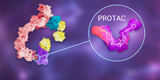
PROTAC — Target Selection and Design
Scientific Reviews
PROTAC — Target Selection and Design2022-07-08
A PROTAC molecule consists of three components: a target protein binding ligand, an E3 ligase ligand, and a linker connecting these two moieties. Here, we will discuss the conventional approaches for the rational design of PROTAC molecules. -
 Scientific Reviews
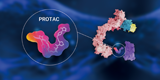
BacPROTACs is composed of a POI ligand, a chemical linker and a ClpCNTD anchor. BacPROTACs can induce in vitro and in vivo degradation of non-eukaryotic proteins in bacteria without the ubiquitin proteasome system.
Scientific Reviews
BacPROTACs is composed of a POI ligand, a chemical linker and a ClpCNTD anchor. BacPROTACs can induce in vitro and in vivo degradation of non-eukaryotic proteins in bacteria without the ubiquitin proteasome system. -
 Scientific Reviews
RNA therapeutics have changed the landscape of drug development, which possess broader spectrum of drug targets, simplicity and efficiency in development and manufacturing.In this article, we will discuss the underlying mechanisms of RNA-based drugs on the market or in clinical stages.
Scientific Reviews
RNA therapeutics have changed the landscape of drug development, which possess broader spectrum of drug targets, simplicity and efficiency in development and manufacturing.In this article, we will discuss the underlying mechanisms of RNA-based drugs on the market or in clinical stages. -
 Scientific Reviews
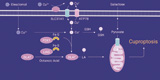
Tsvetkov et al. published in Science and demonstrated a copper-induced programmed cell death — Cuproptosis. As a novel programmed cell death, excess copper triggers abnormal aggregation of lipoylated proteins in TCA cycle and clearance of Fe-S cluster proteins, ultimately leading to cell death.
Scientific Reviews
Tsvetkov et al. published in Science and demonstrated a copper-induced programmed cell death — Cuproptosis. As a novel programmed cell death, excess copper triggers abnormal aggregation of lipoylated proteins in TCA cycle and clearance of Fe-S cluster proteins, ultimately leading to cell death. -
 Scientific Reviews
A comprehensive explanation of ferroptosis
Scientific Reviews
A comprehensive explanation of ferroptosis2022-09-15
Ferroptosis is a new type of RCD that depends on iron and characterized by the accumulation of lipid peroxides. In this article, we will pay our attention on ferroptosis and briefly discusses its mechanism. -
 Scientific Reviews
It's has been proved that p53, as a tumor suppressor gene and immune guardian, may become a destroyer through its own mutation. Moreover, the mechanism of p53 was found to be related to ferroptosis. This article mainly explores the mechanism between p53 and ferroptosis in detail.
Scientific Reviews
It's has been proved that p53, as a tumor suppressor gene and immune guardian, may become a destroyer through its own mutation. Moreover, the mechanism of p53 was found to be related to ferroptosis. This article mainly explores the mechanism between p53 and ferroptosis in detail. -
 Scientific Reviews
Autophagy, derived from the Greek meaning "eating of self", plays an indispensable role in maintaining homeostasis. p27 is an inhibitor of cyclin CDKs, but how p27 regulates autophagy remains unknown. This article will cover the mechanism of autophagy and p27-related cell cycle regulation.
Scientific Reviews
Autophagy, derived from the Greek meaning "eating of self", plays an indispensable role in maintaining homeostasis. p27 is an inhibitor of cyclin CDKs, but how p27 regulates autophagy remains unknown. This article will cover the mechanism of autophagy and p27-related cell cycle regulation. -
 Scientific Reviews
AlphaFold2 can predict disease-related protein structures at low cost, and then find potential drugs for these diseases through drug repositioning, virtual screening, and other methods. ZINC is a public database summarizing information about billions of compounds. AlphaFold2 + ZINC20 speeds up the virtual screening process and improves the computing speed.
Scientific Reviews
AlphaFold2 can predict disease-related protein structures at low cost, and then find potential drugs for these diseases through drug repositioning, virtual screening, and other methods. ZINC is a public database summarizing information about billions of compounds. AlphaFold2 + ZINC20 speeds up the virtual screening process and improves the computing speed. -
 Scientific Reviews
CMA (chaperone-mediated autophagy) plays an essential role in maintaining neuronal protein stability and preventing neurodegeneration. In this article, we will comprehensively clarify the role of CMA in the occurrence and development of neurodegenerative diseases.
Scientific Reviews
CMA (chaperone-mediated autophagy) plays an essential role in maintaining neuronal protein stability and preventing neurodegeneration. In this article, we will comprehensively clarify the role of CMA in the occurrence and development of neurodegenerative diseases. -
 Scientific Reviews
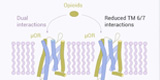
As powerful pain relievers, the opioids morphine and fentanyl have been "checked" by their side effects (listed as controlled substances). How to reduce its side effects? What is its mechanism? This research will explore its mechanism.
Scientific Reviews
As powerful pain relievers, the opioids morphine and fentanyl have been "checked" by their side effects (listed as controlled substances). How to reduce its side effects? What is its mechanism? This research will explore its mechanism. -
 Scientific Reviews
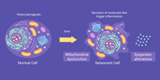
Understanding the mechanism of aging not only has guiding significance for prolonging human life but also has important clinical significance for the prevention and treatment of diseases in the elderly population , thus, improving their life quality and well-being.
Scientific Reviews
Understanding the mechanism of aging not only has guiding significance for prolonging human life but also has important clinical significance for the prevention and treatment of diseases in the elderly population , thus, improving their life quality and well-being. -
 Scientific Reviews
Mammalian cells can also photosynthesize like plants! Photosynthesis can improve cell anabolism and exhibit good clinical effect in degenerative diseases (osteoarthritis).
Scientific Reviews
Mammalian cells can also photosynthesize like plants! Photosynthesis can improve cell anabolism and exhibit good clinical effect in degenerative diseases (osteoarthritis). -
 Scientific Reviews
The latest study of Cell magazine "Neural mechanism underlying depressive-like state associated with social status loss" considers social factors as a breakthrough point. It has been found that the downward transition of social status induces depression-like behavior in mice whereas improves the depressive state by restoring their social environment.
Scientific Reviews
The latest study of Cell magazine "Neural mechanism underlying depressive-like state associated with social status loss" considers social factors as a breakthrough point. It has been found that the downward transition of social status induces depression-like behavior in mice whereas improves the depressive state by restoring their social environment. -
 Scientific Reviews
PROTAC - Design Strategy for Targeting
Scientific Reviews
PROTAC - Design Strategy for Targeting2023-04-23
Protein degradation targeting chimera (PROTAC) is a technology that uses the ubiquitin proteasome pathway to silent target protein. However, PROTAC still has problems such as solubility, membrane permeability, and selectivity. In this article, we have summarized three strategies for optimization: light-controlled linker, PAC molecule, and specific E3 ligase. -
 Scientific Reviews
Mitophagy:Mechanisms and Detection
Scientific Reviews
Mitophagy:Mechanisms and Detection2023-05-25
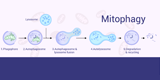
About 60 years ago, Christian de Duve first used the term "autophagy" to describe his observation of the degradation of mitochondria and other intracellular structures in lysosomes of rat liver. Over the years, autophagy has remained a beloved topic of research by the National Natural Science Foundation of China (NSFC).Today, let's talk about mitochondrial autophagy. -
 Scientific Reviews
How to Perform Western Blot?
Scientific Reviews
How to Perform Western Blot?2023-07-13
Western blot is one of the most frequently performed experiments in molecular biology, biochemistry and immunology. This article describes in detail how to do WB. -
 Scientific Reviews
WHO's Q2 drug list has been updated. Let's take you through the list of the most noteworthy small molecule drugs that we should pay attention to.
Scientific Reviews
WHO's Q2 drug list has been updated. Let's take you through the list of the most noteworthy small molecule drugs that we should pay attention to. -
 Scientific Reviews
FDA Approved Drug List!
Scientific Reviews
FDA Approved Drug List!2023-09-14
In the first half of 2023 (as of June 27), the FDA approved 26 new drugs, let's take you learn about it through the article. -
 Scientific Reviews
SPR, which stands for Surface Plasmon Resonance, essentially works by detecting the interaction between ligands and analytes on a biosensor chip. This in turn allows us to probe the properties and structure of substances. With this technology, we can analyze molecules, proteins, DNA, and various organic and inorganic substances in samples in real-time with precision.
Scientific Reviews
SPR, which stands for Surface Plasmon Resonance, essentially works by detecting the interaction between ligands and analytes on a biosensor chip. This in turn allows us to probe the properties and structure of substances. With this technology, we can analyze molecules, proteins, DNA, and various organic and inorganic substances in samples in real-time with precision. -
 Scientific Reviews
Science | A "new" mechanism for non-ubiquitinated Midnolin-proteasomal degradation pathway
Scientific Reviews
Science | A "new" mechanism for non-ubiquitinated Midnolin-proteasomal degradation pathway2024-04-26
“ubiquitin-mediated protein degradation” won the Nobel Prize in Chemistry in 2004! In fact, proteasomes degrade not only ubiquitinated proteins but also non-ubiquitinated ones. The mechanism remains shrouded in mystery. After reading this piece today, you might have a lightbulb moment! -
 Scientific Reviews
Common Questions and Solutions for WB
Scientific Reviews
Common Questions and Solutions for WB2024-05-09
Come to understand the common problems and solutions of WB, and better complete the experiment! -
 Scientific Reviews
STZ Induced Diabetes Models
Scientific Reviews
STZ Induced Diabetes Models2024-06-13
Spotlight: How can STZ Help Diabetes Research? -
 Scientific Reviews
Exosomes, which won the Nobel Prize in 2013, are still a research hotspot in the national natural sciences, and their popularity has only increased over the past decade (in 2022, they still rank 5th in the national natural sciences hotspots!). Why have exosomes become the darling of scientific research? Let's take a look together~
Scientific Reviews
Exosomes, which won the Nobel Prize in 2013, are still a research hotspot in the national natural sciences, and their popularity has only increased over the past decade (in 2022, they still rank 5th in the national natural sciences hotspots!). Why have exosomes become the darling of scientific research? Let's take a look together~ -
 Scientific Reviews
Degrade target proteins through the autophagy-lysosome pathway including LYTAC, AUTAC, and ATTEC have gained increasing attention in recent years due to their significant research potential!
Scientific Reviews
Degrade target proteins through the autophagy-lysosome pathway including LYTAC, AUTAC, and ATTEC have gained increasing attention in recent years due to their significant research potential! -
 Scientific Reviews
Streptavidin-Biotin System
Scientific Reviews
Streptavidin-Biotin System2024-08-03
Streptavidin strongly binding small molecule biotin is one of the most popular non-covalent coupling methods. Streptavidin can be coupled to various carriers such as magnetic beads and agarose matrix, and become a highly specific affinity medium to capture various biotin-labeled ligands. -
 Scientific Reviews
Cuproptosis, How much do you know?
Scientific Reviews
Cuproptosis, How much do you know?2024-08-22
Cells die in a variety of ways, including apoptosis, pyroptosis, necrosis, and ferroptosis......And, of course, cuproptosis. So, how much do you know about cuproptosis? -
 Scientific Reviews
Recently, Mol Cell reported the discovery of the first ferroptosis marker, Hyperoxidized PRDX3! Let’s take a look together~
Scientific Reviews
Recently, Mol Cell reported the discovery of the first ferroptosis marker, Hyperoxidized PRDX3! Let’s take a look together~ -
 Scientific Reviews
Cuproptosis's Knowledge Points!
Scientific Reviews
Cuproptosis's Knowledge Points!2024-09-25
With the establishment of the cuproptosis mechanism related research has attracted more and more attention from major journals. Expect to use the sharp sword of cuproptosis to stab the tumor cells. -
 Scientific Reviews
2024 Nobel Prize Announcements! Curious about the details? Click to dive into the exciting developments!
Scientific Reviews
2024 Nobel Prize Announcements! Curious about the details? Click to dive into the exciting developments! -
Scientific Reviews
Delve into the intricate networks that govern mitochondrial quality control. By examining key mechanisms such as biogenesis, mitochondrial dynamics (fission and fusion), proteolysis, and mitophagy. -
 Scientific Reviews
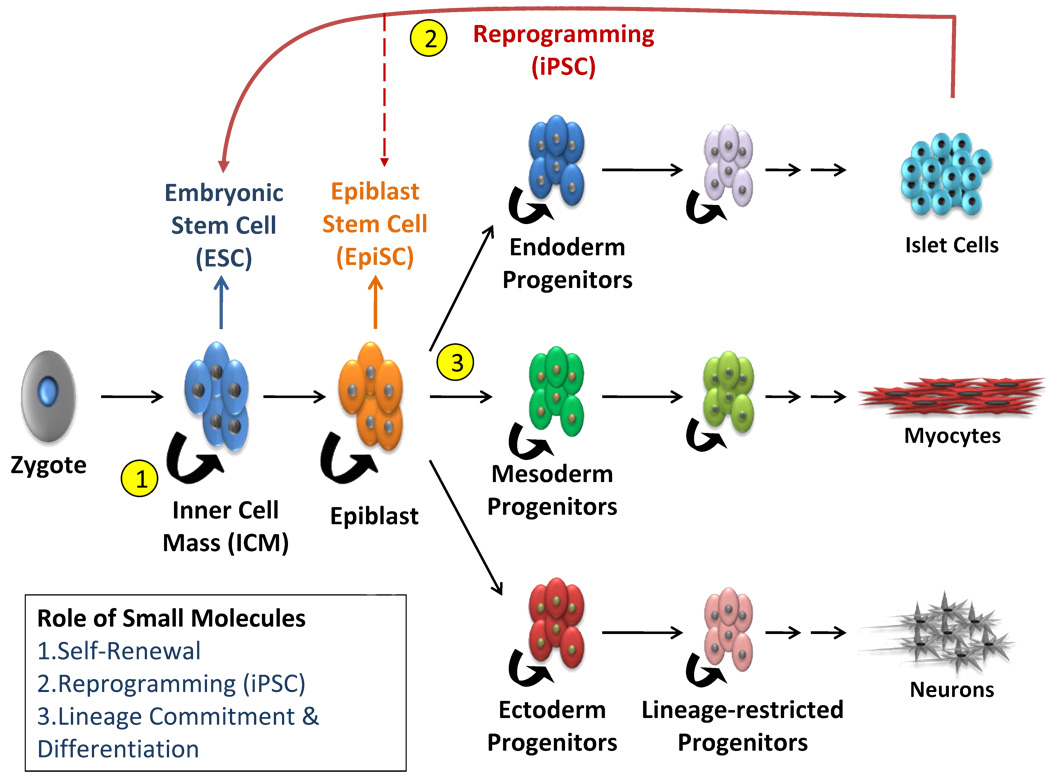
In early January 2025, MIT Tech Review unveiled its annual list of top 10 breakthrough technologies poised to redefine the future. Among these, stem cell therapy stood out for its potential to treat diverse diseases—including neurodegenerative disorders, diabetes, cancer, and heart failure. This groundbreaking approach uses stem cells to replace damaged cells, offering hope for millions worldwide.
Scientific Reviews
In early January 2025, MIT Tech Review unveiled its annual list of top 10 breakthrough technologies poised to redefine the future. Among these, stem cell therapy stood out for its potential to treat diverse diseases—including neurodegenerative disorders, diabetes, cancer, and heart failure. This groundbreaking approach uses stem cells to replace damaged cells, offering hope for millions worldwide. -
 Scientific Reviews
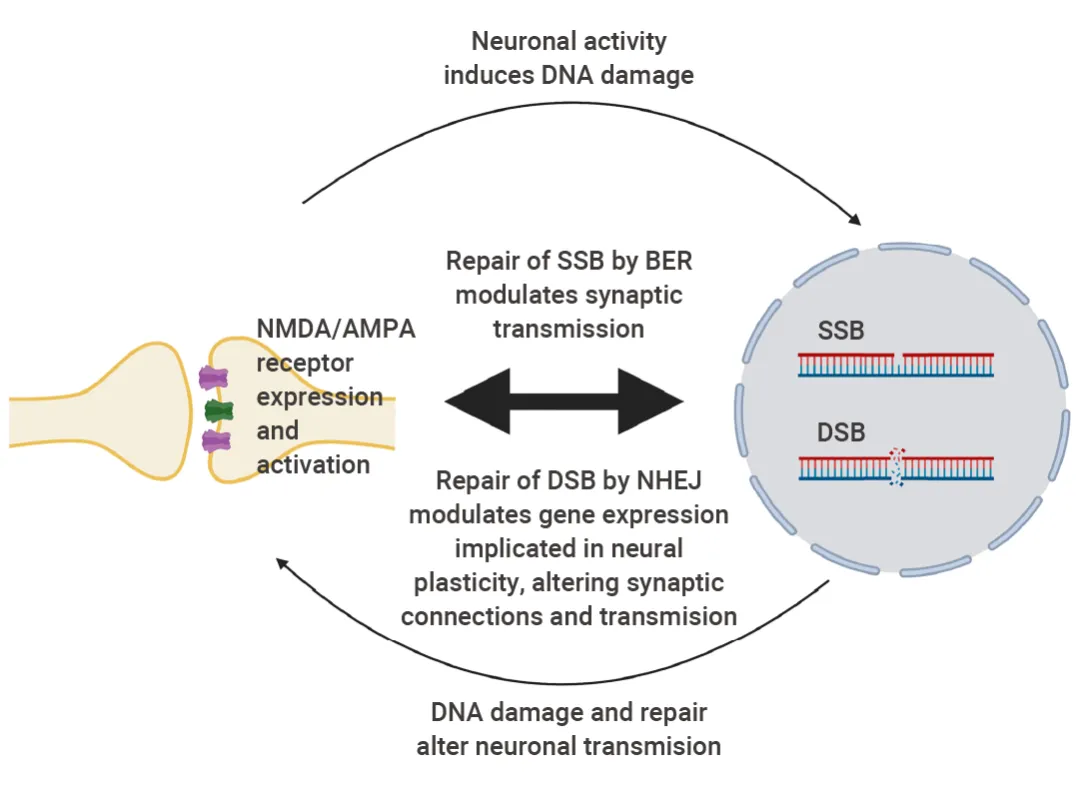
When you hear "inflammation" and "DNA damage," you might immediately think of disease or injury. However, in brains, these two processes are key steps in forming long-term memories, particularly related to specialized cells in our brain called hippocampal neurons.
Scientific Reviews
When you hear "inflammation" and "DNA damage," you might immediately think of disease or injury. However, in brains, these two processes are key steps in forming long-term memories, particularly related to specialized cells in our brain called hippocampal neurons. -
 Scientific Reviews
Autophagy is a fundamental process that degrades various components within the cell.
Scientific Reviews
Autophagy is a fundamental process that degrades various components within the cell. -
.jpg) Scientific Reviews
nside cells, the homeostasis and degradation of proteins is a precisely regulated process. If proteins cannot be degraded in time, it may lead to the occurrence of various diseases such as neurodegenerative diseases and cancer. This article will tell you the process of how proteins are recognized, labeled and then degraded!
Scientific Reviews
nside cells, the homeostasis and degradation of proteins is a precisely regulated process. If proteins cannot be degraded in time, it may lead to the occurrence of various diseases such as neurodegenerative diseases and cancer. This article will tell you the process of how proteins are recognized, labeled and then degraded! -
 Scientific Reviews
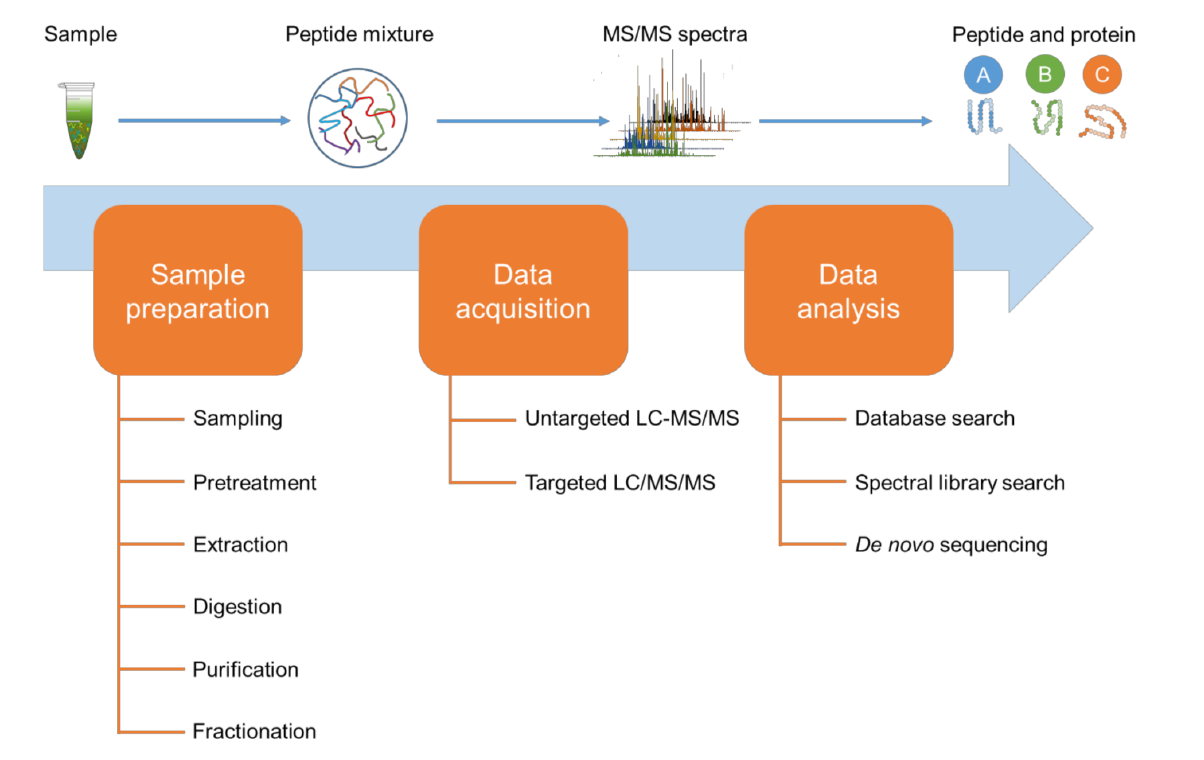
As a pivotal branch in the post - genomic era, proteomics is committed to comprehensively elucidating the types, abundances, structures, functions, and interactions of all proteins within living organisms. This article will tell you the key steps of proteomics sample preparation based on mass spectrometry. This article will tell you the key steps of proteomics sample preparation based on mass spectrometry.
Scientific Reviews
As a pivotal branch in the post - genomic era, proteomics is committed to comprehensively elucidating the types, abundances, structures, functions, and interactions of all proteins within living organisms. This article will tell you the key steps of proteomics sample preparation based on mass spectrometry. This article will tell you the key steps of proteomics sample preparation based on mass spectrometry. -
 Scientific Reviews
Western blotting is a crucial and fundamental technique in life science research. It plays a significant role in exploring protein expression and function. The following article will comprehensively and thoroughly elaborate on the specific procedures and detailed key points of this experiment.
Scientific Reviews
Western blotting is a crucial and fundamental technique in life science research. It plays a significant role in exploring protein expression and function. The following article will comprehensively and thoroughly elaborate on the specific procedures and detailed key points of this experiment. -
 Scientific Reviews
In this issue, we will conduct an in-depth interpretation from the dimensions of nanoparticle design, mechanism of action, in vivo and in vitro efficacy, and immune regulation, revealing how this research brings new hope for the treatment of invasive tumors through interdisciplinary innovation!
Scientific Reviews
In this issue, we will conduct an in-depth interpretation from the dimensions of nanoparticle design, mechanism of action, in vivo and in vitro efficacy, and immune regulation, revealing how this research brings new hope for the treatment of invasive tumors through interdisciplinary innovation! -
 Scientific Reviews
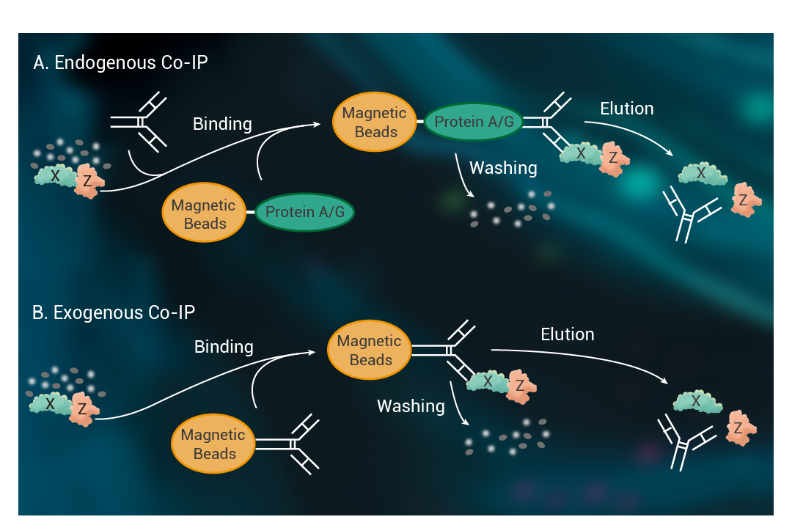
In protein biology, Co-IP is a powerful tool to uncover protein "social networks." But poorly performed, it easily becomes an awkward lab "meet-and-greet." Today, we discuss making Co-IP experiments elegant and efficient—so you pull down target proteins with confidence and precision.
Scientific Reviews
In protein biology, Co-IP is a powerful tool to uncover protein "social networks." But poorly performed, it easily becomes an awkward lab "meet-and-greet." Today, we discuss making Co-IP experiments elegant and efficient—so you pull down target proteins with confidence and precision. -
 Scientific Reviews
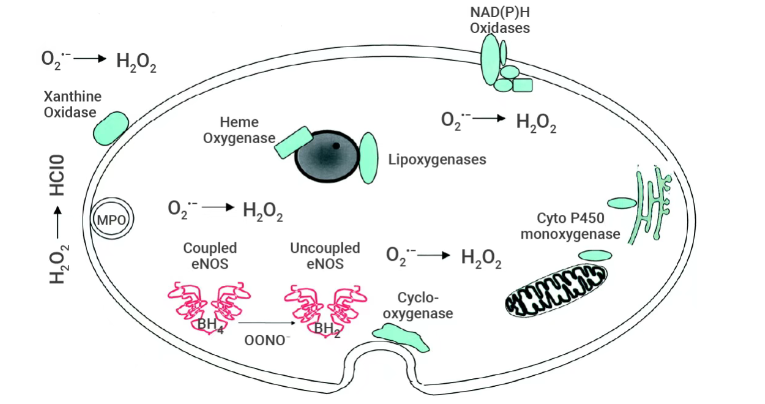
The article introduces the mechanisms of ROS generation and the methods for their detection.
Scientific Reviews
The article introduces the mechanisms of ROS generation and the methods for their detection. -
 Scientific Reviews
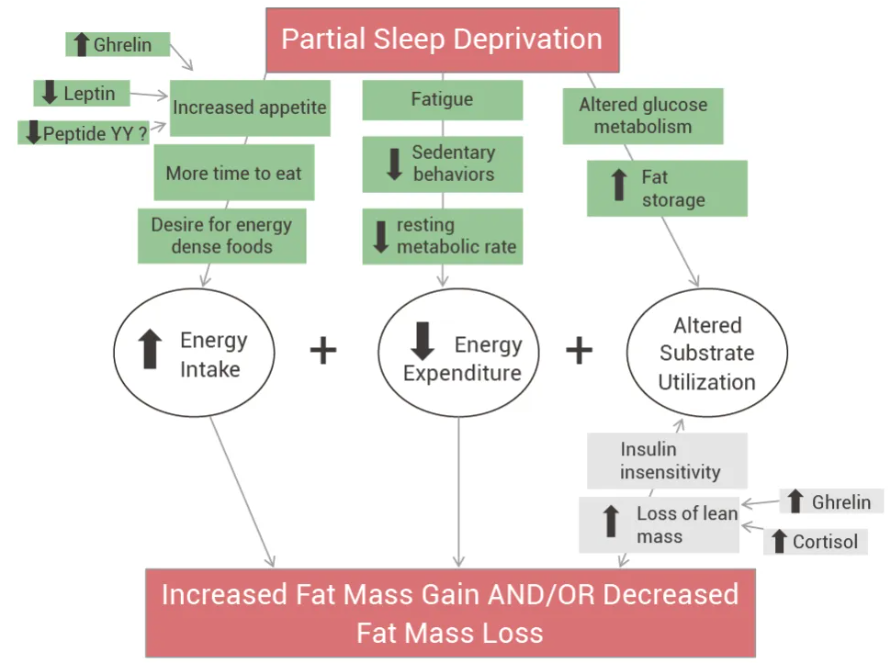
Have you ever noticed that after staying up late, your appetite—especially for high-calorie foods—gets out of control? If this sounds familiar, today’s article might offer some good news.
Scientific Reviews
Have you ever noticed that after staying up late, your appetite—especially for high-calorie foods—gets out of control? If this sounds familiar, today’s article might offer some good news. -
Scientific Reviews
For all the protein research folks out there, techniques like IP and Co-IP are no stranger, right? And of course, there's a faster and more convenient go-to tool—Protein A/G magnetic beads! In this article, let's chat about how these beads work their magic in classic experiments like IP and Co-IP. -
Scientific Reviews
Microglia– the only immune cells within the brain parenchyma. With advancements in imaging technologies, people’s understanding of microglia has shifted from being viewed as 'resting' cells to 'highly active' cells, particularly due to their dynamic processes that seem to be probing surrounding tissues and monitoring neuronal activity. This has made microglia a focal point of research in the field of neuroscience. -
 Scientific Reviews
Exosomes—natural nanoscale carriers—are revolutionizing targeted therapy. This article uncovers the science behind their precision in drug delivery.
Scientific Reviews
Exosomes—natural nanoscale carriers—are revolutionizing targeted therapy. This article uncovers the science behind their precision in drug delivery. -
Scientific Reviews
Cracking the PROTAC Permeability Barrier: CD36-Mediated Endocytosis as a Potential Breakthrough2025-12-03
This article provides an in-depth analysis of cutting-edge literature revealing CD36 as a key mediator of cellular uptake for PROTACs and bRO5 compounds. By structurally optimizing PROTAC molecules to enhance their affinity for CD36, membrane permeability can be markedly improved, leading to significantly enhanced antitumor efficacy. -
 Scientific Reviews
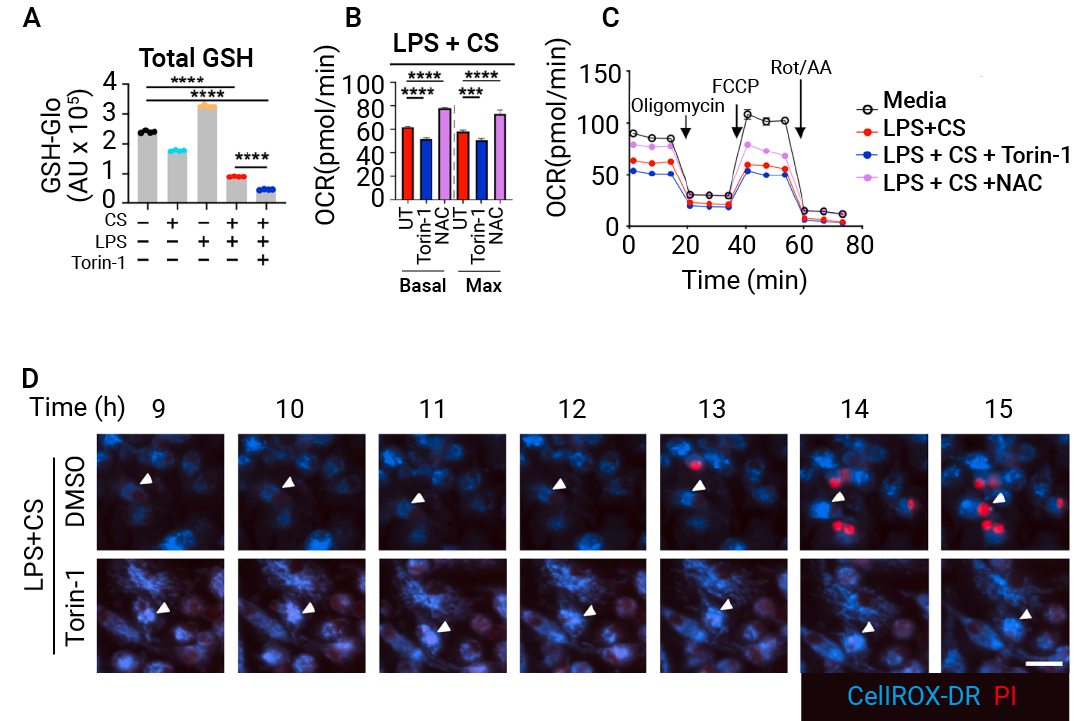
A November 2025 Cell study discovers Mitoxyperilysis, a new mTOR-regulated, caspase-independent cell death pathway driven by innate immune and metabolic dysregulation via mitochondrial-plasma membrane contact and oxidative damage, and verifies its potential to induce tumor necrosis for cancer therapy with key regulators including BAX, BAK1 and BID.
Scientific Reviews
A November 2025 Cell study discovers Mitoxyperilysis, a new mTOR-regulated, caspase-independent cell death pathway driven by innate immune and metabolic dysregulation via mitochondrial-plasma membrane contact and oxidative damage, and verifies its potential to induce tumor necrosis for cancer therapy with key regulators including BAX, BAK1 and BID. -
 Scientific Reviews
Molecular glue degraders have evolved from a serendipitous observation to one of the most dynamic and transformative fields in biomedical research.
Scientific Reviews
Molecular glue degraders have evolved from a serendipitous observation to one of the most dynamic and transformative fields in biomedical research. -
 EDM
Targeting the ‘Undruggable’ with PROTACs
EDM
Targeting the ‘Undruggable’ with PROTACs2025-06-18
This review introduces the fundamental principles and mechanisms of PROTACs, highlights recent advances in molecular design and clinical development, and discusses emerging opportunities and remaining challenges in targeted protein degradation. -
 EDM
Advances in Alzheimer's Disease Research
EDM
Advances in Alzheimer's Disease Research2025-07-16
This review summarizes current understanding of AD pathophysiology, including amyloid and tau pathology, neuroinflammation, synaptic dysfunction, and vascular abnormalities, and evaluates therapeutic strategies and experimental models. -
 EDM
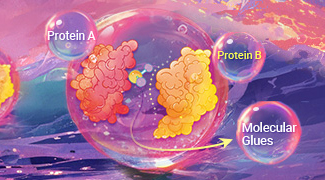
This review discusses recent progress in molecular glue technologies, illustrating how targeted protein degradation strategies enable the modulation of previously undruggable proteins.
EDM
This review discusses recent progress in molecular glue technologies, illustrating how targeted protein degradation strategies enable the modulation of previously undruggable proteins. -
 EDM
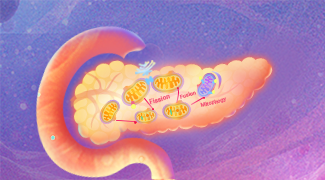
This review discusses β-cell dysfunction driven by mitochondrial impairment, outlines mitochondrial quality control networks, and summarizes strategies to restore mitochondrial function.
EDM
This review discusses β-cell dysfunction driven by mitochondrial impairment, outlines mitochondrial quality control networks, and summarizes strategies to restore mitochondrial function. -
 EDM
This review highlights the roles of microglia in AD pathology, focusing on metabolic reprogramming and microglia-targeted therapeutic strategies.
EDM
This review highlights the roles of microglia in AD pathology, focusing on metabolic reprogramming and microglia-targeted therapeutic strategies. -
 EDM
Review advances in target discovery, disease modeling, and biomarkers for Parkinson’s disease, highlighting their interplay and future directions for translational research.
EDM
Review advances in target discovery, disease modeling, and biomarkers for Parkinson’s disease, highlighting their interplay and future directions for translational research. -
 EDM
Review mitophagy regulation, disease mechanisms, and therapeutic advances to guide future research and drug development.
EDM
Review mitophagy regulation, disease mechanisms, and therapeutic advances to guide future research and drug development. -
 EDM
Review the evolution of molecular glues from serendipitous discovery to rational design, highlighting how emerging targets and advances in screening, proteomics, structural biology, and AI are expanding the druggable proteome.
EDM
Review the evolution of molecular glues from serendipitous discovery to rational design, highlighting how emerging targets and advances in screening, proteomics, structural biology, and AI are expanding the druggable proteome. -
 EDM
Explore how anti-Aβ therapy is reshaping the AD treatment landscape, the rationale for multi-pathology combination strategies, and advances in biomarker-guided precision treatment.
EDM
Explore how anti-Aβ therapy is reshaping the AD treatment landscape, the rationale for multi-pathology combination strategies, and advances in biomarker-guided precision treatment. -
 EDM
Explore how mitochondrial quality control, inflammatory signaling, and metabolic–epigenetic reprogramming regulate cellular senescence and the SASP, along with strategies to restore mitochondrial homeostasis.
EDM
Explore how mitochondrial quality control, inflammatory signaling, and metabolic–epigenetic reprogramming regulate cellular senescence and the SASP, along with strategies to restore mitochondrial homeostasis. -
 Blog
AZD5991, a macrocyclic molecule with high selectivity for Mcl-1, reduces Mcl-1 protein in AZD5991-sensitive but not in AZD5991-resistant MM cell lines.
Blog
AZD5991, a macrocyclic molecule with high selectivity for Mcl-1, reduces Mcl-1 protein in AZD5991-sensitive but not in AZD5991-resistant MM cell lines. -
 Blog
CF53 is a highly potent, selective and orally active inhibitor of BET protein, with anti-tumor activity in acute leukemia and breast cancer cell lines.
Blog
CF53 is a highly potent, selective and orally active inhibitor of BET protein, with anti-tumor activity in acute leukemia and breast cancer cell lines. -
 Blog
HJB97 is a BET PROTAC inhibitor with good anti-tumor activity, and effectively blocks the degradation of BRD2, BRD3, and BRD4 proteins induced by BETd-260.
Blog
HJB97 is a BET PROTAC inhibitor with good anti-tumor activity, and effectively blocks the degradation of BRD2, BRD3, and BRD4 proteins induced by BETd-260. -
 Blog
BR351 is a Brain Penetrant MMP Inhibitor
Blog
BR351 is a Brain Penetrant MMP Inhibitor2019-04-05
BR351 is a brain penetrant MMP inhibitor, and a potential tool for the molecular imaging of activated MMPs with PET, with an IC50 in the nanomolar range. -
 Blog
A Lead PROTAC BRD9 Chemical Degrader
Blog
A Lead PROTAC BRD9 Chemical Degrader2019-04-06
PROTAC BRD9 Degrader-1 is a lead PROTAC BRD9 chemical degrader and a selective probe useful for the study of BAF complex biology. -
 Blog
COH000 is an allosteric, covalent and irreversible inhibitor of SUMO-activating enzyme, with an IC50 of 0.2 μM for SUMOylation in vitro.
Blog
COH000 is an allosteric, covalent and irreversible inhibitor of SUMO-activating enzyme, with an IC50 of 0.2 μM for SUMOylation in vitro. -
 Blog
PhiKan 083 is a carbazole derivative, which binds to the surface cavity and stabilizes Y220C (a p53 mutant), with a Kd of 167 μM.
Blog
PhiKan 083 is a carbazole derivative, which binds to the surface cavity and stabilizes Y220C (a p53 mutant), with a Kd of 167 μM. -
 Blog
IITZ-01 is a potent lysosomotropic autophagy inhibitor with single-agent antitumor activity, with an IC50 of 2.62 μM for PI3Kγ.
Blog
IITZ-01 is a potent lysosomotropic autophagy inhibitor with single-agent antitumor activity, with an IC50 of 2.62 μM for PI3Kγ. -
 Blog
Y06036 is a potent and selective BET inhibitor for potential treatment of castration-resistant prostate cancer. With nanomolar inhibition.
Blog
Y06036 is a potent and selective BET inhibitor for potential treatment of castration-resistant prostate cancer. With nanomolar inhibition. -
 Blog
Y06137 is a potent and selective BET inhibitor, which binds to the BRD4(1) bromodomain with a Kd of 81 nM. Antitumor activity.
Blog
Y06137 is a potent and selective BET inhibitor, which binds to the BRD4(1) bromodomain with a Kd of 81 nM. Antitumor activity. -
 Blog
NRX-252262 is a β-catenin:β-TrCP interaction enhancer, and its cognate E3 ligase, SCFβ-TrCP, induces mutant β-catenin degradation, with an EC50 of 3.8 nM
Blog
NRX-252262 is a β-catenin:β-TrCP interaction enhancer, and its cognate E3 ligase, SCFβ-TrCP, induces mutant β-catenin degradation, with an EC50 of 3.8 nM -
 Blog
TAK-981 is a selective inhibitor of the SUMOylation enzymatic cascade, with potential immune-activating and antineoplastic activities
Blog
TAK-981 is a selective inhibitor of the SUMOylation enzymatic cascade, with potential immune-activating and antineoplastic activities -
 Blog
TD-428 is a Highly Specific BRD4 Degrader
Blog
TD-428 is a Highly Specific BRD4 Degrader2019-04-29
TD-428, a immunomodulatory drug analog, is a highly specific BRD4 degrader with a DC50 of 0.32 nM. TD-428 reduces c-Myc levels more efficiently than JQ1. -
 Blog
SLLN-15 is an oral activ enhancer of autophagy that activates cytostatic macroautophagy/autophagy in triple-negative breast cancer (TNBC).
Blog
SLLN-15 is an oral activ enhancer of autophagy that activates cytostatic macroautophagy/autophagy in triple-negative breast cancer (TNBC). -
 Blog
A1874 is a nutlin-based and BRD4-degrading PROTAC with a DC50 of 32 nM. Effective in inhibiting many cancer cell lines proliferation
Blog
A1874 is a nutlin-based and BRD4-degrading PROTAC with a DC50 of 32 nM. Effective in inhibiting many cancer cell lines proliferation -
 Blog
BSJ-03-123, a Degrader with Proteome-wide Selectivity for CDK6 (PROTAC). Induces a G1 cell-cycle arrest without a measurable increase in apoptosis.
Blog
BSJ-03-123, a Degrader with Proteome-wide Selectivity for CDK6 (PROTAC). Induces a G1 cell-cycle arrest without a measurable increase in apoptosis. -
 Blog
FT671 is a potent, non-covalent and selective USP7 inhibitor with an IC50 of 52 nM and binds to the USP7 catalytic domain with a Kd of 65 nM.
Blog
FT671 is a potent, non-covalent and selective USP7 inhibitor with an IC50 of 52 nM and binds to the USP7 catalytic domain with a Kd of 65 nM. -
 Blog
ZM223 is a non-sulfamide NEDD8 activating enzyme (NAE) inhibitor, with IC50 value of 100 nM in cells. ZM223 has potential to treat colon cancer.
Blog
ZM223 is a non-sulfamide NEDD8 activating enzyme (NAE) inhibitor, with IC50 value of 100 nM in cells. ZM223 has potential to treat colon cancer. -
 Blog
ACY-1083, a Highly Selective HDAC6 Inhibitor, Reverses Chemotherapy-induced Peripheral Neuropathy
Blog
ACY-1083, a Highly Selective HDAC6 Inhibitor, Reverses Chemotherapy-induced Peripheral Neuropathy2019-05-12
ACY-1083 is a selective and brain-penetrating HDAC6 inhibitor with an IC50 of 3 nM. ACY-1083 effectively reverses chemotherapy-induced peripheral neuropathy -
 Blog
MS4077 is an anaplastic lymphoma kinase (ALK) PROTAC (degrader) with a Kd of 37 nM for binding affinity to ALK. Efficacy for breast cancer and lung cancer.
Blog
MS4077 is an anaplastic lymphoma kinase (ALK) PROTAC (degrader) with a Kd of 37 nM for binding affinity to ALK. Efficacy for breast cancer and lung cancer. -
 Blog
VL285, is a Potent VHL Ligand
Blog
VL285, is a Potent VHL Ligand2019-05-24
VL285 is a Potent VHL Ligand. -
 Blog
SNIPER(TACC3)-1 targets the TACC3 protein for degradation via the ubiquitin-proteasome pathway. SNIPER(TACC3)-1 induces cancer cell death.
Blog
SNIPER(TACC3)-1 targets the TACC3 protein for degradation via the ubiquitin-proteasome pathway. SNIPER(TACC3)-1 induces cancer cell death. -
 Blog
IWP-O1, a Highly Potent Porcupine Inhibitor, Functions by Preventing the Secretion of Wnt Proteins
Blog
IWP-O1, a Highly Potent Porcupine Inhibitor, Functions by Preventing the Secretion of Wnt Proteins2019-06-03
IWP-O1 is a Porcupine (Porcn) inhibitor, with an EC50 of 80 pM in L-Wnt-STF cells. IWP-O1 functions by preventing the secretion of Wnt proteins[ -
 Blog
SJFδ, a 10-atom Linker PROTAC, Degrades p38δ
Blog
SJFδ, a 10-atom Linker PROTAC, Degrades p38δ2019-06-11
SJFδ, a 10-atom Linker PROTAC, Degrades p38δ, degrades p38δwith strong capacity. SJFδ degrades p38δ with a DC50 of 46.17±9.85 nM and a Dmax of 99.41±3.31%. -
 Blog
Gboxin is an oxidative phosphorylation inhibitor that targets glioblastoma. Gboxin inhibits the activity of F0F1 ATP synthase and shows antitumour activity.
Blog
Gboxin is an oxidative phosphorylation inhibitor that targets glioblastoma. Gboxin inhibits the activity of F0F1 ATP synthase and shows antitumour activity. -
 Blog
TAS4464 is a highly potent and selective inhibitor of NEDD8 activating enzyme (NAE), with an IC50 of 0.955 nM. TAS4464 shows antitumor activity.
Blog
TAS4464 is a highly potent and selective inhibitor of NEDD8 activating enzyme (NAE), with an IC50 of 0.955 nM. TAS4464 shows antitumor activity. -
 Blog
ERD-308 is a highly potent PROTAC degrader of ER for ER+ breast cancer treatment. ERD-308 induces >95% of ER degradation at concentrations as low as 5 nM.
Blog
ERD-308 is a highly potent PROTAC degrader of ER for ER+ breast cancer treatment. ERD-308 induces >95% of ER degradation at concentrations as low as 5 nM. -
 Blog
JG-98, an Hsp70 inhibitor, binds tightly to a conserved site on Hsp70 and disrupts the Hsp70-Bag3 interaction. JG-98 shows anti-cancer activities.
Blog
JG-98, an Hsp70 inhibitor, binds tightly to a conserved site on Hsp70 and disrupts the Hsp70-Bag3 interaction. JG-98 shows anti-cancer activities. -
 Blog
MZP-55 is a selective PROTAC degrader of BRD3/4, shows no obvious effect on BRD2. MZP-55 exhibits excellent activity in cancer research.
Blog
MZP-55 is a selective PROTAC degrader of BRD3/4, shows no obvious effect on BRD2. MZP-55 exhibits excellent activity in cancer research. -
 Blog
dBET6 is a potent PROTAC degrader of BET, shows high affinity to BRD4(1), and possess good efficacy in T cell acute lymphoblastic leukemia activity.
Blog
dBET6 is a potent PROTAC degrader of BET, shows high affinity to BRD4(1), and possess good efficacy in T cell acute lymphoblastic leukemia activity. -
 Blog
GSK2643943A is a Novel DUB Inhibitor
Blog
GSK2643943A is a Novel DUB Inhibitor2019-07-25
GSK2643943A is a novel deubiquitylating enzyme (DUB) inhibitor. GSK2643943A targets USP20/Ub-Rho and shows an IC50 of 160 nM. -
 Blog
MT-802 is a potent BTK degrader based on PROTAC technology, with a DC50 of 1 nM. MT-802 has potential to treat C481S mutant chronic lymphocytic leukemia.
Blog
MT-802 is a potent BTK degrader based on PROTAC technology, with a DC50 of 1 nM. MT-802 has potential to treat C481S mutant chronic lymphocytic leukemia. -
 Blog
ACBI1 is a PROTAC Degrader of BAF Complex
Blog
ACBI1 is a PROTAC Degrader of BAF Complex2019-08-07
ACBI1 is a potent PROTAC degrader of BAF ATPase subunits SMARCA2, SMARCA4 and PBRM1, with DC50s of 6 nM, 11 nM and 32 nM in MV-4-11 cells, respectively. -
 Blog
dMCL1-2 is a potent and selective degrader of myeloid cell leukemia 1 (MCL1) based on PROTAC, which binds to MCL1 with a KD of 30 nM.
Blog
dMCL1-2 is a potent and selective degrader of myeloid cell leukemia 1 (MCL1) based on PROTAC, which binds to MCL1 with a KD of 30 nM. -
 Blog
CP-10 is a Specific PROTAC Degrader of CDK6
Blog
CP-10 is a Specific PROTAC Degrader of CDK62019-08-25
CP-10 is a PROTAC with highly selective, specific, and remarkable CDK6 degradation (DC50=2.1 nM), which has anti-cancer activity. -
 Blog
ARV-825 is a PROTAC, and acts as a potent BRD4 degrader, with Kds of 90 and 28 nM for BRD4 BD1 and BRD4 BD2, respectively.
Blog
ARV-825 is a PROTAC, and acts as a potent BRD4 degrader, with Kds of 90 and 28 nM for BRD4 BD1 and BRD4 BD2, respectively. -
 Blog
GMB-475 is a PROTAC BCR-ABL1 degrader, overcomes BCR-ABL1-dependent drug resistance, targets BCR-ABL1 protein and recruits the E3 ligase Von Hippel Lindau.
Blog
GMB-475 is a PROTAC BCR-ABL1 degrader, overcomes BCR-ABL1-dependent drug resistance, targets BCR-ABL1 protein and recruits the E3 ligase Von Hippel Lindau. -
 Blog
dBET57 is a potent and selective degrader of BRD4BD1 based on the PROTAC technology and mediates recruitment to the CRL4CRBN E3 ubiquitin ligase.
Blog
dBET57 is a potent and selective degrader of BRD4BD1 based on the PROTAC technology and mediates recruitment to the CRL4CRBN E3 ubiquitin ligase. -
 Blog
MD-224 is a human MDM2 degrader based on the PROTAC concept. MD-224 induces rapid degradation of MDM2 at concentrations <1 nM in human leukemia cells.
Blog
MD-224 is a human MDM2 degrader based on the PROTAC concept. MD-224 induces rapid degradation of MDM2 at concentrations <1 nM in human leukemia cells. -
 Blog
DVD-445 is a potent peptidomimetic covalent TrxR1 inhibitor with an IC50 of 0.60 μM for rat TrxR1. DVD-445 has good anticancer application.
Blog
DVD-445 is a potent peptidomimetic covalent TrxR1 inhibitor with an IC50 of 0.60 μM for rat TrxR1. DVD-445 has good anticancer application. -
 Blog
CP5V is a Specific PROTAC Degrader of Cdc20
Blog
CP5V is a Specific PROTAC Degrader of Cdc202019-11-20
CP5V is a PROTAC, which specifically degrades Cdc20 by linking Cdc20 to the VHL/VBC complex for ubiquitination followed by proteasomal degradation. -
 Blog
PK11007 is a Mild Alkylating Agent with Anticancer Activity and induces mutant p53 cancer cell death by increasing reactive oxygen species (ROS) levels.
Blog
PK11007 is a Mild Alkylating Agent with Anticancer Activity and induces mutant p53 cancer cell death by increasing reactive oxygen species (ROS) levels. -
 Blog
SD-36 is a Selective PROTAC STAT3 Degrader
Blog
SD-36 is a Selective PROTAC STAT3 Degrader2019-12-06
SD-36 is a potent, efficacious and selective PROTAC STAT3 degrader (Kd=50 nM) and achieves complete tumor regression in vivo. -
 Blog
MG-277 works as a PROTAC molecular glue, inducing degradation of a translation termination factor, GSPT1 to achieve its potent anticancer activity.
Blog
MG-277 works as a PROTAC molecular glue, inducing degradation of a translation termination factor, GSPT1 to achieve its potent anticancer activity. -
 Blog
MS432 is a first-in-class and highly selective PD0325901-based VHL-recruiting PROTAC degrader for MEK1 and MEK2 with good anti-cancer activity.
Blog
MS432 is a first-in-class and highly selective PD0325901-based VHL-recruiting PROTAC degrader for MEK1 and MEK2 with good anti-cancer activity. -
 Blog
KB02-JQ1 is a highly potent and selective PROTAC BRD4 degrader that degrades nuclear proteins by engaging CUL4-DDB1 E3 ubiquitin ligases DCAF16.
Blog
KB02-JQ1 is a highly potent and selective PROTAC BRD4 degrader that degrades nuclear proteins by engaging CUL4-DDB1 E3 ubiquitin ligases DCAF16. -
 Blog
M8891 is an orally active, reversible and brain penetrant Methionine Aminopeptidase-2 (MetAP-2) inhibitor with antiangiogenic and antitumoral activity.
Blog
M8891 is an orally active, reversible and brain penetrant Methionine Aminopeptidase-2 (MetAP-2) inhibitor with antiangiogenic and antitumoral activity. -
 Blog
AKOS-22, a VDAC1 Oligomerization and Apoptosis Inhibitor, Protects Against Mitochondrial Dysfunction
Blog
AKOS-22, a VDAC1 Oligomerization and Apoptosis Inhibitor, Protects Against Mitochondrial Dysfunction2020-02-15
AKOS-22 is a potent mitochondrial protein VDAC1 and apoptosis inhibitor. AKOS-22 protects against Mitochondrial Dysfunction. -
 Blog
TCH-165 is a modulator of proteasome assembly, which increases 20S levels and facilitates 20S-mediated protein degradation, such as IDPs, α-syn, and tau.
Blog
TCH-165 is a modulator of proteasome assembly, which increases 20S levels and facilitates 20S-mediated protein degradation, such as IDPs, α-syn, and tau. -
 Blog
6RK73 is a covalent irreversible and specific UCHL1 inhibitor,which specifically inhibits UCHL1 activity in breast cancer.
Blog
6RK73 is a covalent irreversible and specific UCHL1 inhibitor,which specifically inhibits UCHL1 activity in breast cancer. -
 Blog
Ro 90-7501, an Aβ42 fibril assembly inhibitor, inhibits PP5 in a TPR-dependent manner and has radiosensitizing effects on cervical cancer cells.
Blog
Ro 90-7501, an Aβ42 fibril assembly inhibitor, inhibits PP5 in a TPR-dependent manner and has radiosensitizing effects on cervical cancer cells. -
 Blog
CCT367766, a PROTAC-based Pirin-targeting PDP, exhibits a moderate affinity for the CRBN-DDB1 complex and reveals a good affinity for Pirin and CRBN.
Blog
CCT367766, a PROTAC-based Pirin-targeting PDP, exhibits a moderate affinity for the CRBN-DDB1 complex and reveals a good affinity for Pirin and CRBN. -
 Blog
E64FC26 is a highly potent pan-style inhibitor of the protein disulfide isomerase (PDI) family with anti-myeloma activities.
Blog
E64FC26 is a highly potent pan-style inhibitor of the protein disulfide isomerase (PDI) family with anti-myeloma activities. -
 Blog
NU1025 is a potent PARP inhibitor and potentiates the cytotoxicity of ionizing radiation drug. NU1025 has anti-cancer and neuroprotective activity.
Blog
NU1025 is a potent PARP inhibitor and potentiates the cytotoxicity of ionizing radiation drug. NU1025 has anti-cancer and neuroprotective activity. -
 Blog
TL13-112 is a PROTAC Degrader of ALK
Blog
TL13-112 is a PROTAC Degrader of ALK2020-04-15
TL13-112 is a selective ALK-PROTAC degrader and inhibits ALK activity. TL13-112 is comprised of the conjugation of Ceritinib and the ligand pomalidomide . -
 Blog
TL13-12 is a Selective ALK-PROTAC Degrader
Blog
TL13-12 is a Selective ALK-PROTAC Degrader2020-04-21
TL13-12 can induce receptor tyrosine kinase anaplastic lymphoma kinase degradation in non small cell lung cancer cells. PROTAC ALK degrader. -
 Blog
ARCC-4 is a low-nanomolar AR degrader, and effectively degrades clinically relevant AR mutants associated with antiandrogen therapy.
Blog
ARCC-4 is a low-nanomolar AR degrader, and effectively degrades clinically relevant AR mutants associated with antiandrogen therapy. -
 Blog
iFSP1 is a potent, selective FSP1inhibitor that induces ferroptosis in GPX4-knockout cells which overexpressed FSP1.
Blog
iFSP1 is a potent, selective FSP1inhibitor that induces ferroptosis in GPX4-knockout cells which overexpressed FSP1. -
 Blog
UT-34 is a potent, selective and orally active second-generation pan-androgen receptor (AR) antagonist and degrader with anti-prostate cancer efficacy.
Blog
UT-34 is a potent, selective and orally active second-generation pan-androgen receptor (AR) antagonist and degrader with anti-prostate cancer efficacy. -
 Blog
HM03 is a potent and selective HSPA5 inhibitor with anticancer activity. HSPA5 plays a key role in monitoring protein transport through the cell.
Blog
HM03 is a potent and selective HSPA5 inhibitor with anticancer activity. HSPA5 plays a key role in monitoring protein transport through the cell. -
 Blog
XZ739 is a PROTAC BCL-XL Degrader
Blog
XZ739 is a PROTAC BCL-XL Degrader2020-06-18
XZ739 is a PROTAC BCL-XL Degrader. XZ739 is potent against various cancer cell lines. PROTAC is an emerging therapeutic modality. -
 Blog
JCN037 is a potent, non-covalent, and brain-penetrant EGFR tyrosine kinase inhibitor. JCN037 has potent anti-cancer activity.
Blog
JCN037 is a potent, non-covalent, and brain-penetrant EGFR tyrosine kinase inhibitor. JCN037 has potent anti-cancer activity. -
 Blog
MYLS22 is a first-in-class and selective optic atrophy 1 (OPA1) inhibitor with anti-angiogenesis and anti-cancer activity.
Blog
MYLS22 is a first-in-class and selective optic atrophy 1 (OPA1) inhibitor with anti-angiogenesis and anti-cancer activity. -
 Blog
RA-9 is a potent and selective proteasome-associated DUBs inhibitor with favorable toxicity profile and anticancer activity.
Blog
RA-9 is a potent and selective proteasome-associated DUBs inhibitor with favorable toxicity profile and anticancer activity. -
 Blog
HLI373 represents a potential drug-able lead for the development of therapeutically efficacious inhibitors of Hdm2. Hdm2 is an ubiquitin protein ligase.
Blog
HLI373 represents a potential drug-able lead for the development of therapeutically efficacious inhibitors of Hdm2. Hdm2 is an ubiquitin protein ligase. -
 Blog
RA375, a RPN13 inhibitor, inhibits proteasome function in muscle. RA375 is highly active against cell lines of multiple myeloma and diverse solid cancers.
Blog
RA375, a RPN13 inhibitor, inhibits proteasome function in muscle. RA375 is highly active against cell lines of multiple myeloma and diverse solid cancers. -
 Blog
KCC-07 prevents binding of MBD2 to methylated DNA and activates BAI1 inducing anti-proliferative BAI1/p53/p21 signaling. Anticancer activity.
Blog
KCC-07 prevents binding of MBD2 to methylated DNA and activates BAI1 inducing anti-proliferative BAI1/p53/p21 signaling. Anticancer activity. -
 Blog
MPT0G211, an orally active and selective HDAC6 inhibitor, ameliorates tau phosphorylation, and cognitive deficits in an Alzheimer’s disease model.
Blog
MPT0G211, an orally active and selective HDAC6 inhibitor, ameliorates tau phosphorylation, and cognitive deficits in an Alzheimer’s disease model. -
 Blog
RapaLink-1, a third-generation bivalent mTOR inhibitor, potently blocking cancer-derived, activating mutants of mTOR. It can cross the blood-brain barrier.
Blog
RapaLink-1, a third-generation bivalent mTOR inhibitor, potently blocking cancer-derived, activating mutants of mTOR. It can cross the blood-brain barrier. -
 Blog
SJF620 is a Potent PROTAC BTK Degrader
Blog
SJF620 is a Potent PROTAC BTK Degrader2020-09-26
SJF620 is a potent PROTAC BTK degrader with improved pharmacokinetic properties. Contains a Lenalidomide analog for recruiting CRBN. -
 Blog
BSJ-04-132 is a potent and selective Ribociclib-based CDK4 degrader (PROTAC) and does not induce CDK6 and IKZF1/3 degradation with anti-cancer activity.
Blog
BSJ-04-132 is a potent and selective Ribociclib-based CDK4 degrader (PROTAC) and does not induce CDK6 and IKZF1/3 degradation with anti-cancer activity. -
 Blog
BSJ-03-204 is a potent and selective Palbociclib-based CDK4/6 dual degrader (PROTAC) and does not induce IKZF1/3 degradation with anti-cancer activity.
Blog
BSJ-03-204 is a potent and selective Palbociclib-based CDK4/6 dual degrader (PROTAC) and does not induce IKZF1/3 degradation with anti-cancer activity. -
 Blog
KB02-SLF is a PROTAC-based nuclear FKBP12 degrader. KB02-SLF promotes nuclear FKBP12 degradation by covalently modifying DCAF16 (E3 ligase).
Blog
KB02-SLF is a PROTAC-based nuclear FKBP12 degrader. KB02-SLF promotes nuclear FKBP12 degradation by covalently modifying DCAF16 (E3 ligase). -
 Blog
DT2216 is a potent and selective BCL-XL degrader based on PROTAC technology. DT2216 inhibits leukemia and has potent anti-cancer activity.
Blog
DT2216 is a potent and selective BCL-XL degrader based on PROTAC technology. DT2216 inhibits leukemia and has potent anti-cancer activity. -
 Blog
dTRIM24 will be a useful tool to further probe the function of TRIM24 by rapid chemical depletion in hematopoietic cancers and other biological contexts.
Blog
dTRIM24 will be a useful tool to further probe the function of TRIM24 by rapid chemical depletion in hematopoietic cancers and other biological contexts. -
 Blog
ZXH-3-26 is a Selective PROTAC BRD4 Degrader
Blog
ZXH-3-26 is a Selective PROTAC BRD4 Degrader2020-11-17
ZXH-3-26 is a Selective PROTAC BRD4 Degrader and allows pharmacologic targeting of BRD4 without significant inhibition or degradation of BRD2/3. -
 Blog
BETd-260 is a Potent PROTAC BET Degrader
Blog
BETd-260 is a Potent PROTAC BET Degrader2020-11-18
BETd-260 is a highly potent, efficacious, and promising BET degrader. -
 Blog
SIAIS178 is a potent and selective BCR-ABL degrader based on PROTAC technology by recruiting VHL E3 ubiquitin ligase. SIAIS178 has anticancer activity.
Blog
SIAIS178 is a potent and selective BCR-ABL degrader based on PROTAC technology by recruiting VHL E3 ubiquitin ligase. SIAIS178 has anticancer activity. -
 Blog
GNE-987, a potent chimeric BET degrader, exhibits picomolar cell BRD4 degradation activity. GNE-987 can be used in PROTAC-Antibody Conjugate (PAC).
Blog
GNE-987, a potent chimeric BET degrader, exhibits picomolar cell BRD4 degradation activity. GNE-987 can be used in PROTAC-Antibody Conjugate (PAC). -
 Blog
BI-3663 is a highly selective PTK2/FAK PROTAC (DC50=30 nM), with cereblon ligands to hijack E3 ligases for PTK2 degradation.
Blog
BI-3663 is a highly selective PTK2/FAK PROTAC (DC50=30 nM), with cereblon ligands to hijack E3 ligases for PTK2 degradation. -
 Blog
dFKBP-1 induces potent and dose-dependent degradation of FKBP12 in 293FT-WT cells. A facile and general new strategy to control target protein stability.
Blog
dFKBP-1 induces potent and dose-dependent degradation of FKBP12 in 293FT-WT cells. A facile and general new strategy to control target protein stability. -
 Blog
UNC6852 is a chemical degrader that targets polycomb repressive complex 2 (PRC2). Anti-proliferative in diffuse large B cell lymphoma cell lines.
Blog
UNC6852 is a chemical degrader that targets polycomb repressive complex 2 (PRC2). Anti-proliferative in diffuse large B cell lymphoma cell lines. -
 Blog
VZ185 is a highly selective, potent, and rapid dual degrader with a slight preference for BRD9 over BRD7.
Blog
VZ185 is a highly selective, potent, and rapid dual degrader with a slight preference for BRD9 over BRD7. -
 Blog
PQR530 is a potent, ATP-competitive, orally bioavailable and brain-penetrant dual pan-PI3K/mTORC1/2 inhibitor. Antitumor activity.
Blog
PQR530 is a potent, ATP-competitive, orally bioavailable and brain-penetrant dual pan-PI3K/mTORC1/2 inhibitor. Antitumor activity. -
 Blog
MZP-54 is a Selective BRD3/4 PROTAC Degrader
Blog
MZP-54 is a Selective BRD3/4 PROTAC Degrader2020-12-02
MZP-54 is a PROTAC that would link together specific VHL ligand and BET bromodomain ligand. MZP-54 induces degradation of BRD3/4. -
 Blog
CHDI-390576, a potent and CNS penetrant class IIa HDAC inhibitor, show selectivity over class I HDACs, HDAC8 and the class IIb HDAC6 isoform.
Blog
CHDI-390576, a potent and CNS penetrant class IIa HDAC inhibitor, show selectivity over class I HDACs, HDAC8 and the class IIb HDAC6 isoform. -
 Blog
BI-3802, a BCL6 degrader, inhibits the BCL6 BTB domain. BI-3802 induces the polymerization of BCL6 and promotes BCL6 degration depended on E3 ligase SIAH1.
Blog
BI-3802, a BCL6 degrader, inhibits the BCL6 BTB domain. BI-3802 induces the polymerization of BCL6 and promotes BCL6 degration depended on E3 ligase SIAH1. -
 Blog
DMU-212 Possesses Antimitotic, Anti-Proliferative, Antioxidant and Apoptosis Promoting Activities
Blog
DMU-212 Possesses Antimitotic, Anti-Proliferative, Antioxidant and Apoptosis Promoting Activities2020-12-24
Activation of ERK1/2 is required for the antimitotic activity of the Resveratrol analogue DMU‐212 in human melanoma cells. -
 Blog
JH-XI-10-02, a highly Potent CDK8 Degrader, modulates the CDK8 protein levels. A viable therapeutic strategy in cancer.
Blog
JH-XI-10-02, a highly Potent CDK8 Degrader, modulates the CDK8 protein levels. A viable therapeutic strategy in cancer. -
 Blog
dCBP-1 is a potent and selective degrader of p300/CBP based on PROTAC. dCBP-1 is exceptionally potent at killing multiple myeloma cells.
Blog
dCBP-1 is a potent and selective degrader of p300/CBP based on PROTAC. dCBP-1 is exceptionally potent at killing multiple myeloma cells. -
 Blog
PR-619 is a Broad-Range DUB Inhibitor
Blog
PR-619 is a Broad-Range DUB Inhibitor2021-02-20
PR-619, a broad-spectrum deubiquitinating enzyme (DUB) inhibitor, induces ER stress and ER-stress related apoptosis. -
 Blog
NAZ2329 is an allosteric, noncompetitive and reversible inhibitor of R5 RPTP subfamily and PTPRZ/PTPRG with anti-cancer activity.
Blog
NAZ2329 is an allosteric, noncompetitive and reversible inhibitor of R5 RPTP subfamily and PTPRZ/PTPRG with anti-cancer activity. -
 Blog
BrBzGCp2 is a Glyoxalase 1 (GLO1) inhibitor for a variety of disorders. Possesses antitumor and neuroprotective activity.
Blog
BrBzGCp2 is a Glyoxalase 1 (GLO1) inhibitor for a variety of disorders. Possesses antitumor and neuroprotective activity. -
 Blog
IMT1 is a first-in-class specific and noncompetitive human POLRMT inhibitor for mitochondrial transcription disorders related diseases.
Blog
IMT1 is a first-in-class specific and noncompetitive human POLRMT inhibitor for mitochondrial transcription disorders related diseases. -
 Blog
Conglobatin inhibits proliferation and induces apoptosis by binding to N-terminus of Hsp90 and disrupting Hsp90-Cdc37 complex formation.
Blog
Conglobatin inhibits proliferation and induces apoptosis by binding to N-terminus of Hsp90 and disrupting Hsp90-Cdc37 complex formation. -
 Blog
YUM70 inhibits GRP78. Induces endoplasmic reticulum stress-mediated apoptosis. Pancreatic cancer. Acts as a novel anticancer agent.
Blog
YUM70 inhibits GRP78. Induces endoplasmic reticulum stress-mediated apoptosis. Pancreatic cancer. Acts as a novel anticancer agent. -
 Blog
LC-2 is a potent and first-in-class PROTAC capable of degrading endogenous KRAS G12C, with DC50s between 0.25 and 0.76 μM.
Blog
LC-2 is a potent and first-in-class PROTAC capable of degrading endogenous KRAS G12C, with DC50s between 0.25 and 0.76 μM. -
 Blog
ML-00253764 is a brain penetrant nonpeptidic melanocortin receptor 4 (MC4R) antagonist with a Ki/IC50 of 0.16 µM/0.103 µM, respectively.
Blog
ML-00253764 is a brain penetrant nonpeptidic melanocortin receptor 4 (MC4R) antagonist with a Ki/IC50 of 0.16 µM/0.103 µM, respectively. -
 Blog
PROTAC MDM2 degrader MD-222 is highly potent and effective in inducing degradation of MDM2 and in activating wild-type p53 in cells.
Blog
PROTAC MDM2 degrader MD-222 is highly potent and effective in inducing degradation of MDM2 and in activating wild-type p53 in cells. -
 Blog
Butaprost is a selective prostaglandin E receptor (EP2) agonist. Butaprost can effectively mitigate kidney fibrogenesis in various fibrosis models.
Blog
Butaprost is a selective prostaglandin E receptor (EP2) agonist. Butaprost can effectively mitigate kidney fibrogenesis in various fibrosis models. -
 Blog
Lenalidomide, a CRBN ligand, is an orally active immunomodulator that effective treatment for myelodysplastic syndrome and multiple myeloma.
Blog
Lenalidomide, a CRBN ligand, is an orally active immunomodulator that effective treatment for myelodysplastic syndrome and multiple myeloma. -
 Blog
AUTAC4 is a mitochondria-targeting autophagy-targeting chimera, which can be used for the study of mitochondrial dysfunction.
Blog
AUTAC4 is a mitochondria-targeting autophagy-targeting chimera, which can be used for the study of mitochondrial dysfunction. -
 Blog
ARV-110 is an orally active, specific androgen receptor (AR) PROTAC degrader. ARV-110 can be used for the research of prostate cancer.
Blog
ARV-110 is an orally active, specific androgen receptor (AR) PROTAC degrader. ARV-110 can be used for the research of prostate cancer. -
 Blog
Vorasidenib is an orally available, brain penetrant second-generation dual mutant isocitrate dehydrogenases 1 and 2 (mIDH1/2) inhibitor.
Blog
Vorasidenib is an orally available, brain penetrant second-generation dual mutant isocitrate dehydrogenases 1 and 2 (mIDH1/2) inhibitor. -
 Blog
BSJ-4-116 is a highly potent and selective CDK12 degrader (PROTAC). BSJ-4-116 exhibits potent antiproliferative effects.
Blog
BSJ-4-116 is a highly potent and selective CDK12 degrader (PROTAC). BSJ-4-116 exhibits potent antiproliferative effects. -
 Blog
EMD527040 is a highly selective αvβ6 antagonist with antifibrotic activities.
Blog
EMD527040 is a highly selective αvβ6 antagonist with antifibrotic activities. -
 Blog
SJ6986 is a selective and orally active GSPT1/GSPT2 degrader, displaying selectivity over classical IMiD neosubstrates, such as IKZF1/3
Blog
SJ6986 is a selective and orally active GSPT1/GSPT2 degrader, displaying selectivity over classical IMiD neosubstrates, such as IKZF1/3 -
 Blog
DP-C-4 is a CRBN-Based dual PROTAC for EGFR and PARP could provide an effective study for cancer diseases.
Blog
DP-C-4 is a CRBN-Based dual PROTAC for EGFR and PARP could provide an effective study for cancer diseases. -
 Blog
XY028-140 is a potent and selective PROTAC-based CDK4/6 degrader, which can inhibit RB-E2F signaling and reduce CDK4 and CDK6 protein levels.
Blog
XY028-140 is a potent and selective PROTAC-based CDK4/6 degrader, which can inhibit RB-E2F signaling and reduce CDK4 and CDK6 protein levels. -
 Blog
NRX-2663 is a potent enhancer of the interaction between β-catenin SCFβ-TrCP, potentiates the ubiquitylation of mutant β-Catenin by β-TrCP.
Blog
NRX-2663 is a potent enhancer of the interaction between β-catenin SCFβ-TrCP, potentiates the ubiquitylation of mutant β-Catenin by β-TrCP. -
 Blog
SIM1 is a PROTAC Based BET Family Degrader
Blog
SIM1 is a PROTAC Based BET Family Degrader2021-08-11
SIM1 is a potent von Hippel-Lindau (VHL)-based trivalent PROTAC capable of degradation for all BET family members. -
 Blog
Iberdomide (CC-220) is an orally active cereblon (CRBN) E3 ligase modulator (CELMoD) with antitumor and immunostimulatory activities。
Blog
Iberdomide (CC-220) is an orally active cereblon (CRBN) E3 ligase modulator (CELMoD) with antitumor and immunostimulatory activities。 -
 Blog
GSK2606414 is an orally available PERK inhibitor and is a potent compound of cancer and neurological diseases.
Blog
GSK2606414 is an orally available PERK inhibitor and is a potent compound of cancer and neurological diseases. -
 Blog
IACS-010759 is an orally active, potent mitochondrial complex I of oxidative phosphorylation (OXPHOS) inhibitor with antitumor activity.
Blog
IACS-010759 is an orally active, potent mitochondrial complex I of oxidative phosphorylation (OXPHOS) inhibitor with antitumor activity. -
 Blog
Elesclomol is an oxidative stress inducer that induces cancer cell apoptosis. Elesclomol is a reactive oxygen species (ROS) inducer.
Blog
Elesclomol is an oxidative stress inducer that induces cancer cell apoptosis. Elesclomol is a reactive oxygen species (ROS) inducer. -
 Blog
Ganetespib (STA-9090) is a HSP90 Inhibitor
Blog
Ganetespib (STA-9090) is a HSP90 Inhibitor2021-10-14
Ganetespib is a unique Hsp90 inhibitor that exhibits potent and sustained antitumor effects in a broad range of malignancies. -
 Blog
Brusatol (NSC 172924) is a Nrf2 Inhibitor
Blog
Brusatol (NSC 172924) is a Nrf2 Inhibitor2021-10-26
Brusatol inhibits the Nrf2 signaling pathway by reducing the protein level of Nrf2, with anticancer activities. -
 Blog
SB 258719 is a selective 5-HT7 receptor antagonist and can be used for the research of cancer and neurological disease.
Blog
SB 258719 is a selective 5-HT7 receptor antagonist and can be used for the research of cancer and neurological disease. -
 Blog
MB710 is a stabilizer of oncogenic p53 mutation Y220C. MB710 binds to the Y220C pocket and stabilizes p53-Y220C, with a Kd of 4.1 μM.
Blog
MB710 is a stabilizer of oncogenic p53 mutation Y220C. MB710 binds to the Y220C pocket and stabilizes p53-Y220C, with a Kd of 4.1 μM. -
 Blog
Oltipraz is a Nrf2 Inhibitor
Blog
Oltipraz is a Nrf2 Inhibitor2021-11-18
Oltipraz is a potent Nrf2 activator. Oltipraz has an inhibitory effect on HIF-1α activation in a time-dependent manner, the IC50 is 10 μM. -
 Blog
Lonidamine, an antitumor agent and an indazole derivative, interferes with energy-yielding processes in cancer cells.
Blog
Lonidamine, an antitumor agent and an indazole derivative, interferes with energy-yielding processes in cancer cells. -
 Blog
Trolox is an analogue of vitamin E with a powerful antioxidant effect. Trolox is also a powerful inhibitor of membrane damage.
Blog
Trolox is an analogue of vitamin E with a powerful antioxidant effect. Trolox is also a powerful inhibitor of membrane damage. -
 Blog
AZD1390 is a potent, highly selective, orally bioavailable, brain-penetrant ATM inhibitor with an IC50 of 0.78 nM.
Blog
AZD1390 is a potent, highly selective, orally bioavailable, brain-penetrant ATM inhibitor with an IC50 of 0.78 nM. -
 Blog
MS4322 is a first-in-class PRMT5 degrader and a valuable chemical tool for exploring the PRMT5 functions in vitro and in vivo.
Blog
MS4322 is a first-in-class PRMT5 degrader and a valuable chemical tool for exploring the PRMT5 functions in vitro and in vivo. -
 Blog
Alda-1 is a potent ALDH2 Agonist
Blog
Alda-1 is a potent ALDH2 Agonist2021-12-30
Alda-1 ameliorates H2O2-induced Achilles tendinopathy. Alda-1 could be used for preventing Achilles tendinopathy. -
 Blog
β-Lapachone, a topoisomerase I inhibitor, induces apoptosis by inhibiting cell cycle progression. β-Lapachone has anti-inflammatory effect.
Blog
β-Lapachone, a topoisomerase I inhibitor, induces apoptosis by inhibiting cell cycle progression. β-Lapachone has anti-inflammatory effect. -
 Blog
Zingerone is a natural orally active nontoxic methoxyphenol potent anti-inflammatory, antidiabetic, antioxidize, and anti-tumor properties.
Blog
Zingerone is a natural orally active nontoxic methoxyphenol potent anti-inflammatory, antidiabetic, antioxidize, and anti-tumor properties. -
 Blog
MS170 is a PROTAC AKT Degrader
Blog
MS170 is a PROTAC AKT Degrader2022-02-27
MS170 is a CRBN-recruiting degrader, the AKT proteolysis targeting chimera (PROTAC) degrader. -
 Blog
PX-12 is an irreversible inhibitor of Trx-1 and inhibits the growth, migration, and invasion of colorectal cancer cell lines.
Blog
PX-12 is an irreversible inhibitor of Trx-1 and inhibits the growth, migration, and invasion of colorectal cancer cell lines. -
 Blog
AUTAC2 is a FKBP12-targeting autophagy-mediated degrader (AUTAC). AUTAC2 contains an FBnG and an SLF moiety.
Blog
AUTAC2 is a FKBP12-targeting autophagy-mediated degrader (AUTAC). AUTAC2 contains an FBnG and an SLF moiety. -
 Blog
Oprozomib (PR-047) is an orally active peptide epoxyketone proteasome inhibitor.
Blog
Oprozomib (PR-047) is an orally active peptide epoxyketone proteasome inhibitor. -
 Blog
Epoxomicin is an epoxyketone-containing natural product and a selective and irreversible proteasome inhibitor. Cross the blood-brain barrier.
Blog
Epoxomicin is an epoxyketone-containing natural product and a selective and irreversible proteasome inhibitor. Cross the blood-brain barrier. -
 Blog
DD1, a proteasome inhibitor, targets Bax activation and P70S6K degradation during acute myeloid leukemia (AML) apoptosis.
Blog
DD1, a proteasome inhibitor, targets Bax activation and P70S6K degradation during acute myeloid leukemia (AML) apoptosis. -
 Blog
PU-H54 is a potent purine-based (PU) Grp94-selective inhibitor. PU-H54 has the potential for the research of breast cancer.
Blog
PU-H54 is a potent purine-based (PU) Grp94-selective inhibitor. PU-H54 has the potential for the research of breast cancer. -
 Blog
MS159 is a frist-In-class nuclear receptor binding SET NSD2 PROTAC degrader for multiple myeloma research.
Blog
MS159 is a frist-In-class nuclear receptor binding SET NSD2 PROTAC degrader for multiple myeloma research. -
 Blog
ARV-471 is an oral estrogen receptor PROTAC degrader for breast cancer. ARV-471 robustly degrades ER in ER-positive breast cancer cell lines.
Blog
ARV-471 is an oral estrogen receptor PROTAC degrader for breast cancer. ARV-471 robustly degrades ER in ER-positive breast cancer cell lines. -
 Blog
AZD-9574 is a potent and brain penetrant PARP1 inhibitor and shows >8000-fold selectivity for PARP1 compared to PARP2/3/5a/6.
Blog
AZD-9574 is a potent and brain penetrant PARP1 inhibitor and shows >8000-fold selectivity for PARP1 compared to PARP2/3/5a/6. -
 Blog
LCS3 is a potent and reversible inhibitor of GSR and TXNRD1 with anti-tumour activity by non-competitive inhibition of the enzyme activity.
Blog
LCS3 is a potent and reversible inhibitor of GSR and TXNRD1 with anti-tumour activity by non-competitive inhibition of the enzyme activity. -
 Blog
ARD-69 is a potent PROTAC androgen receptor degrader and induces degradation of AR protein in AR-positive prostate cancer cell lines.
Blog
ARD-69 is a potent PROTAC androgen receptor degrader and induces degradation of AR protein in AR-positive prostate cancer cell lines. -
 Blog
GR-46611 is a 5-HT1D Receptor Agonist
Blog
GR-46611 is a 5-HT1D Receptor Agonist2022-10-11
GR-46611 is a potent 5-HT1D receptor agonist and has the potential for the research of epilepsy and inhibits bladder activity. -
 Blog
Golcadomide is a potent and orally active CRBN E3 ligase modulator with immunomodulating and antineoplastic activities.
Blog
Golcadomide is a potent and orally active CRBN E3 ligase modulator with immunomodulating and antineoplastic activities. -
 Blog
U7D-1 is a selective USP7 PROTAC degrader. U7D-1 induces apoptosis in Jeko-1 cells and shows anticancer activity.
Blog
U7D-1 is a selective USP7 PROTAC degrader. U7D-1 induces apoptosis in Jeko-1 cells and shows anticancer activity. -
 Blog
Olutasidenib (FT-2102) is an orally active, brain penetrant inhibitor of mutant IDH1. Olutasidenib is used for AML or MDS Research.
Blog
Olutasidenib (FT-2102) is an orally active, brain penetrant inhibitor of mutant IDH1. Olutasidenib is used for AML or MDS Research. -
 Blog
A947 is a selective SMARCA2 (PROTAC). A947 also is a moderately selective SMARCA2 degrader. A947 can be used for the research of cancer.
Blog
A947 is a selective SMARCA2 (PROTAC). A947 also is a moderately selective SMARCA2 degrader. A947 can be used for the research of cancer. -
 Blog
SJ988497 is a cell permeable PROTAC JAK2 degrader that degrades JAK2 in vitro and in vivo, and shows anticancer activity against leukemia.
Blog
SJ988497 is a cell permeable PROTAC JAK2 degrader that degrades JAK2 in vitro and in vivo, and shows anticancer activity against leukemia. -
 Blog
MMRi62, a Ferroptosis inducer targeting MDM2-MDM4. MMRi62 shows a P53-independent pro-apoptotic activity against PDAC cells.
Blog
MMRi62, a Ferroptosis inducer targeting MDM2-MDM4. MMRi62 shows a P53-independent pro-apoptotic activity against PDAC cells. -
 Blog
TD1092 is a pan-IAP degrader, degrades cIAP1, cIAP2, and XIAP. TD1092 inhibits NF-κB pathway and epithelial-mesenchymal transition (EMT).
Blog
TD1092 is a pan-IAP degrader, degrades cIAP1, cIAP2, and XIAP. TD1092 inhibits NF-κB pathway and epithelial-mesenchymal transition (EMT). -
 Blog
FA16 is a specific and metabolically stable ferroptosis inducer. It inhibits system Xc-, results in tumor progression suppression.
Blog
FA16 is a specific and metabolically stable ferroptosis inducer. It inhibits system Xc-, results in tumor progression suppression. -
 Blog
SIAIS100 is a Potent BCR-ABL PROTAC Degrader
Blog
SIAIS100 is a Potent BCR-ABL PROTAC Degrader2023-01-10
SIAIS100 is a potent BCR-ABL PROTAC degrader with an DC50 value of 2.7 nM. SIAIS100 can be used to research chronic myeloid leukemia (CML). -
 Blog
YX-2-107 is a PROTAC that selectively degrades CDK6.
Blog
YX-2-107 is a PROTAC that selectively degrades CDK6. -
 Blog
YL-939 was a potent inhibitor of iron death and significantly improved liver injury in a model of iron death-related acute liver injury.
Blog
YL-939 was a potent inhibitor of iron death and significantly improved liver injury in a model of iron death-related acute liver injury. -
 Blog
SZUH280, a potent and selective PROTAC HDAC8 degrader, ,shows antitumor activity in an A549 nude mouse model.
Blog
SZUH280, a potent and selective PROTAC HDAC8 degrader, ,shows antitumor activity in an A549 nude mouse model. -
 Blog
MS8815 is a selective EZH2 PROTAC degrader. MS8815 can be used for the research of triple-negative breast cancer (TNBC),
Blog
MS8815 is a selective EZH2 PROTAC degrader. MS8815 can be used for the research of triple-negative breast cancer (TNBC), -
 Blog
J-113397 is a potent and selective nonpeptidyl ORL1 receptor antagonist without any agonistic effects on other opioid receptors.
Blog
J-113397 is a potent and selective nonpeptidyl ORL1 receptor antagonist without any agonistic effects on other opioid receptors. -
 Blog
dBRD9 is a PROTAC (proteolysis targeting chimera) and can be used as a selective valuable probe for degrading BRD9.
Blog
dBRD9 is a PROTAC (proteolysis targeting chimera) and can be used as a selective valuable probe for degrading BRD9.
Products
All
-
All
-
Inhibitors & Agonists
-
Isotope-Labeled Compounds
-
Fluorescent Dye
-
Peptides
-
Recombinant Proteins
-
Antibodies
-
Screening Libraries
-
Kits
-
Inhibitory Antibodies
-
Reference Standards
-
GMP Small Molecules
-
Biochemical Assay Reagents
-
Natural Products
| Cat. No. | Product Name | Information | Application | Publication |
|---|---|---|---|---|
| HY-15886 | Mdivi-1 |
Mdivi-1 is a selective dynamin-related protein 1 (Drp1) inhibitor. Mdivi-1 is a mitochondrial division/mitophagy inhibitor.
|
|
357
|
| HY-13417A | AICAR phosphate |
Colorectal Cancer
Liver Cancer
Pancreatic Cancer
Pain
Digestive System Inflammation
SARS-CoV-2 Infection
Obesity
Lung Fibrosis
|
231
|
|
| HY-13417 | AICAR |
AICAR (Acadesine) is an adenosine analog and a AMPK activator. AICAR is also an autophagy, YAP and mitophagy inhibitor. AICAR regulates the glucose and lipid metabolism, and inhibits proinflammatory cytokines and iNOS production. AICAR inhibits autophagy through a mechanism independent of AMPK activity.
|
|
231
|
| HY-100941 | CCCP |
CCCP is an oxidative phosphorylation (OXPHOS) uncoupler. CCCP induces activation of PINK1 leading to Parkin Ser65 phosphorylation.
|
|
193
|
| HY-125944 | MitoTEMPO hydrate |
MitoTEMPO hydrate is a mitochondria-targeted antioxidant. MitoTEMPO hydrate induces mitophagy by activating the PINK1/Parkin pathway, inhibits NLRP3 inflammasome activation, restores mitochondrial membrane potential, and improves renal function and podocyte injury. MitoTEMPO hydrate regulates Ca2+ homeostasis, inhibits Bnip3 overexpression, shortens action potential duration, and exerts antiarrhythmic effects. MitoTEMPO hydrate reverses premature senescence, reduces trabecular bone loss, and decreases cell apoptosis. MitoTEMPO hydrate can be used in studies of chronic kidney disease, age-related cardiac dysfunction, postmenopausal osteoporosis, and ischemic stroke.
|
|
188
|
| HY-112879 | Mito-TEMPO |
Mito-TEMPO is a mitochondria-targeted antioxidant. Mito-TEMPO induces mitophagy by activating the PINK1/Parkin pathway, inhibits NLRP3 inflammasome activation, restores mitochondrial membrane potential, and improves renal function and podocyte injury. Mito-TEMPO regulates Ca2+ homeostasis, inhibits Bnip3 overexpression, shortens action potential duration, and exerts antiarrhythmic effects. Mito-TEMPO reverses premature senescence, reduces trabecular bone loss, and decreases cell apoptosis. Mito-TEMPO can be used in studies of chronic kidney disease, age-related cardiac dysfunction, postmenopausal osteoporosis, and ischemic stroke.
|
|
188
|
| HY-16592 | Brefeldin A |
Brefeldin A (BFA) is a lactone antibiotic and a specific inhibitor of protein trafficking. Brefeldin A blocks the transport of secreted and membrane proteins from endoplasmic reticulum to Golgi apparatus. Brefeldin A is also an autophagy and mitophagy inhibitor. Brefeldin A inhibits HSV-1 and has anti-cancer activity.
Source: Penicillium |
Digestive System Disease
Breast Cancer
Viral Infection
Bacterial Infection
Digestive System Inflammation
|
172
|
| HY-100410 | FCCP |
FCCP is an uncoupler of oxidative phosphorylation (OXPHOS) in mitochondria. FCCP induces activation of PINK1 leading to Parkin Ser65 phosphorylation.
|
|
125
|
| HY-15304 | Dynasore |
Dynasore is a cell-permeable dynamin inhibitor with an IC50 of 15 μM. Dynasore blocks cell migration.
|
|
103
|
| HY-L089 | Mitochondria-Targeted Compound Library |
Mitochondria plays an important role in many vital processes in cells, including energy production, fatty-acid oxidation and the Tricarboxylic Acid (TCA) cycle, calcium signaling, permeability transition, apoptosis and heat production. At present, it is recognized that many diseases are associated with impaired mitochondrial function, such as increased accumulation of ROS and decreased OXPHOS and ATP production. Mitochondria are recognized as one of the most important targets for new drug design in cancer, cardiovascular, and neurological diseases, etc. Some small molecule drugs or biologics can act on mitochondria through various pathways, including ETC inhibition, OXPHOS uncoupling, mitochondrial Ca2+ modulation, and control of oxidative stress via decrease or increase of mitochondrial ROS accumulation.
MCE supplies a unique collection of 1,182 mitochondria-targeted compound that mainly targeting Mitochondrial Metabolism, ATP Synthase, Mitophagy, Reactive Oxygen Species, etc. MCE Mitochondria-Targeted Compound Library is a useful tool for mitochondria-targeted drug discovery and related research.
|
|
89
|
| HY-L037 | Antioxidant Compound Library |
Oxidative stress is an imbalance of free radicals and antioxidants in the body, which can lead to cell and tissue damage. Oxidative stress can be responsible for the induction of several diseases, both chronic and degenerative, as well as speeding up body aging process and cause acute pathologies. Antioxidants are a class of compounds able to counteract oxidative stress and mitigate its effects on individuals’ health, gained enormous attention from the biomedical research community. Antioxidants have long been substantial and amenable therapeutic arsenals for multifarious diseases such as AD and cancer.
MCE Antioxidant Compound Library contains 2,489 compounds that act as antioxidants for high throughput screening (HTS) and high content screening (HCS). This library is a useful tool for discovery new antioxidants and oxidative stress research.
|
|
85
|
| HY-L181 | Bioactive Compound Library Max |
Bioactive small molecules are important sources of lead compounds and effective tools for drug screening. Because the target of active small molecules is clear, it is conducive to the study of mechanism. In addition, due to the large structural differences between the individual active molecules, it is easier to obtain a greater variety of lead compounds.
MCE integrates the Bioactive Compound Library (HY-L001) and Novel Bioactive Compound Library (HY-L111) to form the Bioactive Compound Library Max. Bioactive Compound Library Max contains novel active small molecules, molecules that have entered the clinical stage and the market, and small molecules that have been verified by cell experiments or biochemical experiments, which fundamentally expands the number of compound libraries in the library and improves the structural diversity, and is an effective tool to start drug screening and mechanism research.
MCE can provide a library of 30,147 mitophagy compounds, which can be used for drug development and mechanism research in cancer, immunity, infection and other hot research fields.
|
|
85
|
| HY-L034 | Anti-Aging Compound Library |
Aging is a complex biological process characterized by functional decline of tissues and organs, structural degeneration, and reduced adaptability and resistance, all of which contribute to an increase in morbidity and mortality caused by multiple chronic diseases, such as Alzheimer's disease, cancer, and diabetes. Many theories, which fall into two main categories: programmed and error theories, have been proposed to explain the process of aging, but neither of them appears to be fully satisfactory. The programmed theories imply that aging relies on specific gene regulation, and the error theories emphasize the internal and environmental damages accumulated to living organisms. The damage theories proposed the nine hallmarks that were generally considered to contribute to the aging process: genomic instability, telomere attrition, epigenetic alterations, loss of proteostasis, deregulated nutrient-sensing, mitochondrial dysfunction, cellular senescence, stem cell exhaustion, and altered intercellular communication.
MCE Anti-Aging Compound Library contains 7,771 compounds, mainly targeting Sirtuin, mTOR, IGF-1R, AMPK, p53, Telomerase, Mitophagy, Mitochondrial Metabolism, COX, Cytochrome P450, Oxidase, etc. This library is a useful tool for anti-aging research.
|
|
84
|
| HY-L076 | Drug-Induced Liver Injury (DILI) Compound Library |
Drug-induced liver injury (DILI; also known as drug-induced hepatotoxicity) is caused by medications (prescription or OTC), herbal and dietary supplements (HDS), or other xenobiotics that result in abnormalities in liver tests or in hepatic dysfunction that cannot be explained by other causes. Drugs are an important cause of liver injury. Drug-induced hepatic injury is the most common reason cited for withdrawal of an approved drug.
DILI is thought to occur via several different mechanisms. Among these are direct impairment of the structural (e.g., mitochondrial dysfunction) and functional integrity of the liver; production of a metabolite that alters hepatocellular structure and function; production of a reactive drug metabolite that binds to hepatic proteins to produce new antigenic drug-protein adducts, which are targeted by hosts’ defenses (the hapten hypothesis); and initiation of a systemic hypersensitivity response (i.e., drug allergy) that damages the liver.
MCE Drug-induced Liver Injury (DILI) Compound Library contains a unique collection of 641 hepatotoxicity causing compounds and is a powerful tool to research DILI and other drug toxicities. This library can be used to understand the mechanisms of DILI, identify biomarkers for early DILI prediction, and allow timely recognition during drug development, thus finally achieving successful DILI prevention and assessment in the pre-marketing phase.
|
|
84
|
| HY-L180 | Mitophagy Compound Library |
Mitochondrial autophagy refers to the selective encapsulation and degradation of damaged mitochondria by cells through the autophagy mechanism, thereby maintaining mitochondrial and cellular homeostasis. The concept of mitochondrial autophagy has received extensive attention since it was proposed. Current studies have shown that the mechanisms of mitochondrial autophagy can generally be divided into two categories: Ubiquitin-dependent pathways and Ub-independent pathways. In addition, mitochondrial autophagy is a research hotspot related to the pathogenesis of neurodegenerative diseases, cardiovascular diseases, cancer, metabolic diseases and other clinical diseases. Therefore, high-throughput screening based on mitochondrial autophagy can effectively screen out compounds that are closely related to the occurrence of diseases and analyze their mechanisms.
MCE can provide a library of 655 mitophagy compounds, which can be used for drug development and mechanism research in cancer, immunity, infection and other hot research fields.
|
|
84
|
| HY-L034M | Anti-Aging Compound Library Mini |
Research has shown that drugs targeting aging pathways demonstrate promising potential in models of age-related diseases such as Alzheimer's disease, cardiovascular diseases, metabolic syndrome, osteoarthritis, and various malignancies. This suggests that intervening in the biological processes of aging may enable synergistic prevention and treatment of multiple chronic diseases. Against the backdrop of the gradual elucidation of core aging mechanisms-including cellular senescence, telomere attrition, epigenetic dysregulation, and chronic inflammation anti-aging research has shifted from traditional phenotypic interventions toward targeting key pathways that regulate biological age.
The MCE Anti-Aging Compound Library Mini is precisely built upon this cutting-edge concept. It focuses on aging-related targets validated through genetic or functional studies, comprising 381 compounds designed to provide systematic research tools for aging biology and intervention strategy development. The library covers core mechanisms such as mTOR, SIRT, energy metabolism, clearance of senescent cells, optimization of mitochondrial function, and telomere maintenance. For each target, 1-5 compounds with clear activity and strong representativeness have been carefully selected, spanning the entire translational spectrum from preclinical tool molecules to clinically investigational drugs.
|
|
83
|
| HY-L045 | Oxygen Sensing Compound Library |
Oxygen homeostasis regulation is the most fundamental cellular process for adjusting physiological oxygen variations, and its irregularity leads to various human diseases, including cancer. Hypoxia is closely associated with cancer development, and hypoxia/oxygen-sensing signaling plays critical roles in the modulation of cancer progression.
Hypoxia-inducible factor 1 (HIF-1) is a transcription factor that functions as a master regulator of oxygen homeostasis. A variety of HF-1 target genes have been identified thus far which encode proteins that play key roles in critical developmental and physiological processes including angiogenesis/vascular remodeling, erythropoiesis, glucose transport, glycolysis, iron transport, and cell proliferation/survival.
HIF-1 is a heterodimeric transcription factor consisting of a constitutively expressed β-subunit and an oxygen-regulated α-subunit. The unique feature of HIF-1 is the regulation of HIF-1α expression and activity based upon the cellular O2 concentration. Under normoxic conditions, hydroxylation of HIF-1α on these different proline residues is essential for HIF proteolytic degradation by promoting interaction with the von Hippel-Lindau tumor-suppressor protein (pVHL) through hydrogen bonding to the hydroxyproline-binding pocket in the pVHL β-domain. As oxygen levels decrease, hydroxylation of HIF decreases; HIF-1α then no longer binds pVHL, and becomes stabilized, allowing more of the protein to translocate to the cell’s nucleus, where it acts as a transcription factor, upregulating (often within minutes) the production of proteins that stimulate blood perfusion in tissues and thus tissue oxygenation.
MCE offers a unique collection of 4,317 oxygen sensing related compounds targeting HIF/HIF Prolyl-Hydroxylase, MAPK/ERK, PI3K/AKT signaling pathways, etc. MCE Oxygen Sensing Compound Library is a useful tool to study hypoxia, oxidative stress and discover new anti-cancer drugs.
|
|
83
|
| HY-L064 | Glutamine Metabolism Compound Library |
Glutamine is an important metabolic fuel that helps rapidly proliferating cells meet the increased demand for ATP, biosynthetic precursors, and reducing agents. Glutamine Metabolism pathway involves the initial deamination of glutamine by glutaminase(GLS), yielding glutamate and ammonia. Glutamate is converted to the TCA cycle intermediate α-ketoglutarate (α-KG) by either glutamate dehydrogenase (GDH) or by the alanine or aspartate transaminases (TAs), to produce both ATP and anabolic carbons for the synthesis of amino acids, nucleotides and lipids. During periods of hypoxia or mitochondrial dysfunction, α-KG can be converted to citrate in a reductive carboxylation reaction catalyzed by IDH2. The newly formed citrate exits the mitochondria where it is used to synthesize fatty acids and amino acids and produce the reducing agent, NADPH.
Cancer cells display an altered metabolic circuitry that is directly regulated by oncogenic mutations and loss of tumor suppressors. Mounting evidence indicates that altered glutamine metabolism in cancer cells has critical roles in supporting macromolecule biosynthesis, regulating signaling pathways, and maintaining redox homeostasis, all of which contribute to cancer cell proliferation and survival. Thus, intervention in glutamine metabolic processes could provide novel approaches to improve cancer treatment.
MCE owns a unique collection of 1,827 compounds targeting the mainly proteins and enzymes involved in glutamine metabolism pathway. Glutamine Metabolism compound library is a useful tool for intervention in glutamine metabolic processes.
|
|
83
|
| HY-L085 | Anti-Parkinson's Disease Compound Library |
Parkinson’s disease (PD), the second most common age-associated neurodegenerative disorder, is characterized by the loss of dopaminergic (DA) neurons and the presence of α-synuclein-containing aggregates in the substantia nigra pars compacta (SNpc). Motor features such as tremor, rigidity, bradykinesia and postural instability are common traits of PD. To date, there is no treatment to stop or at least slow down the progression of the disease. The etiology and pathogenesis of PD is still elusive, however, a large body of evidence suggests a prominent role of oxidative stress, inflammation, apoptosis, mitochondrial dysfunction and proteasome dysfunction in the pathogenesis of PD.
MCE offers a unique collection of 2,199 compounds with anti- Parkinson’s Disease activities or targeting the unique targets of PD. MCE Anti- Parkinson's Disease Compound Library is a useful tool for exploring the mechanism of PD and discovering new drugs for PD.
|
|
83
|
| HY-L144 | Mitochondrial Protection Compound Library |
Normal mitochondrial function is critical for maintaining cellular homeostasis because mitochondria produce ATP and are the major intracellular source of free radicals. Cellular dysfunctions induced by intracellular or extracellular insults converge on mitochondria and induce a sudden increase in permeability on the inner mitochondrial membrane, the so-called mitochondrial membrane permeability transition (MMPT). MMPT is caused by the opening of pores in the inner mitochondrial membrane, matrix swelling, and outer membrane rupture. The MMPT is an endpoint to initiate cell death because the pore opening together with the release of mitochondrial cytochrome c activates the apoptotic pathway of caspases.
The normal operation of mitochondrial function is important for maintaining normal cell death and treatment of mitochondrial diseases. MCE offers a unique collection of 1,112 compounds with identified and potential mitochondrial protective activity. MCE Mitochondrial Protection Compound Library is critical for drug discovery and development.
|
|
83
|
| HY-L155 | Mitochondrial Toxicity Compound Library |
Mitochondria, as the main place of energy supply in life, is essential to maintain normal life activities. Mitochondrial dysfunction is associated with common diseases, such as cardiovascular diseases, neurodegenerative diseases, diabetes and cancer. The heart, brain and liver rely heavily on mitochondrial function as the main organs for drug metabolism. In addition, mitochondria is also a target of many drugs, some of which induce organotoxicity by inducing mitochondrial toxicity.
MCE contains 545 mitochondrial toxic compounds, which can be used as tool compounds for drug development and disease mechanism research.
|
|
83
|
| HY-L178 | Radioprotector Library |
Radiation sickness is a general term for various types and degrees of damage (or disease) occurring in the human body after exposure to ionizing radiation. Although small amounts of ionizing radiation can also cause the body to produce free radicals and ROS, causing oxidative stress, resulting in DNA damage and chromosomal aberration. Radioprotector are compounds with radiation protection that can be used to prevent/protect non-tumor cells from the harmful effects of radiation. Radioprotective compounds can prevent the damage of radioactive substances to the human body and reduce the clinical symptoms of various radioactive diseases. In addition, radioprotectors can protect normal cells from damage during radiation therapy. The ideal anti-radiation drug should not affect the sensitivity of tumor cells to radiation therapy while protecting normal cells.
MCE designs a unique collection of 3,066 radioprotectors. Radioprotector Library is an effective tool for acute Radiation Syndrome, drug combination research with radiation drugs.
|
|
83
|
| HY-L185 | Anti-Fibrosis Compound Library |
Fibrosis is a kind of repair response to long-term tissue damage, which is mainly manifested by excessive deposition of extracellular matrix (ECM) and scar formation. Myofibroblasts are the main generating cells of extracellular matrix, and their activation process is related to various pathological mechanisms including Oxidative stress, chronic inflammation and cytokine secretion. Fibrosis can occur in many organs, such as kidneys, liver, heart, lungs, etc. Continuous fibrosis can lead to the destruction of the normal structure of tissues and organs, and if not controlled in time, may cause organ failure or even life-threatening.
MCE contains 2,568 compounds targeting ant-fibrosis targets such as TGF-β, PI3K, Wnt, MMP, etc. These compounds have clear or potential anti-fibrosis activity and can be used for mechanism research and drug screening of fibrosis diseases.
|
|
83
|
| HY-L227 | Amino Acid Metabolite Compound Library |
Amino acids are the fundamental components that sustain life activities, playing roles in ATP generation, promoting nucleotide synthesis, and maintaining cellular redox balance. Moreover, dysregulation of amino acid consumption is a significant potential regulatory mechanism leading to impaired anti-tumor immunity in immune cells. The normal functioning of immune cells relies on amino acid metabolic pathways to obtain energy and materials, and upon activation, they reprogram their metabolism to support growth, proliferation, and effector functions. Additionally, metabolic disorders of specific amino acids (such as branched-chain amino acids, glutamine, and arginine) can exacerbate mitochondrial dysfunction and oxidative stress, thereby promoting myocardial fibrosis and cardiac cell damage. Therefore, conducting research related to amino acid metabolism holds promise for discovering potential drugs for diseases related to cancer, immunity, and metabolism.
MCE can provide 195 kinds of metabolites of amino acid metabolic pathways, which can be used for drug screening in various diseases such as cancer, immune disorders, metabolic diseases, mitochondrial-targeted diseases
|
|
83
|
| HY-L228 | Lipid Metabolite Compound Library |
Lipids are important energy storage substances in the human body. They are involved in the regulation of cell structure and function, as well as signaling pathways and gene expression. Abnormal lipid levels in tissues or their dysregulation can lead to various diseases. These include obesity, type 2 diabetes, non-alcoholic fatty liver disease, neurodegenerative diseases, infections, and cancer. Therefore, maintaining normal levels of lipid metabolism is critical to overall health.
One of the key features of cancer is aberrant lipid metabolism. This includes alterations in lipid uptake, lipid desaturation, neolipogenesis, lipid droplets, and fatty acid oxidation in cancer cells. These changes all contribute to cellular survival in an ever-changing microenvironment. They do this by modulating feed-forward oncogenic signals and key oncogenic functions. Additionally, they affect oxidative stress, other types of stress, immune responses, and intercellular communication. Alterations in lipid metabolism have a strong impact on the properties of cancer stem cells. This includes aspects such as self-renewal, differentiation, invasion, metastasis, drug sensitivity, and resistance. Furthermore, these alterations also modulate T cell responses.
MCE can offer 146 metabolites of lipid metabolism pathways, which can be used for drug screening in cancer, immune-based diseases, metabolic diseases, and other diseases.
|
|
83
|
| HY-L263 | Energy Metabolites Library |
Energy metabolism is the most fundamental biochemical process in living organisms, encompassing glycolysis, the TCA cycle, oxidative phosphorylation, the pentose phosphate pathway, and fatty acid oxidation. These core pathways directly regulate cell survival, proliferation, differentiation, and apoptosis. Dysregulation of energy metabolism is closely linked to major diseases including cancer, diabetes, obesity, cardiovascular diseases, neurodegenerative disorders, and ischemia‑reperfusion injury. Targeting these metabolic pathways has become a frontier in drug discovery and mechanistic research.
The MCE Energy Metabolite Compound Library features 89 structurally defined small‑molecule compounds. It covers energy substrates, pathway intermediates, coenzymes and redox carriers, nucleotide derivatives, and microenvironmental modulators. This library is applicable to research areas including tumor metabolism, insulin resistance, mitochondrial dysfunction, oxidative stress, neuroprotection, and cardiometabolic diseases, providing a high‑quality tool for mechanistic studies, biomarker discovery, and high‑throughput drug screening.
|
|
83
|
| HY-101491 | SR-18292 |
SR-18292 is a PPAR gamma coactivator-1α (PGC-1α) inhibitor, which increases PGC-1α acetylation, suppresses gluconeogenic gene expression and reduces glucose production in hepatocytes.
|
|
67
|
| HY-17538 | ZLN005 |
ZLN005 is a potent activator of peroxisome proliferator-activated receptor-γ coactivator-1α (PGC-1α).
|
|
54
|
| HY-N0109 | Salidroside |
Salidroside (Rhodioloside) is a prolyl endopeptidase inhibitor. Salidroside alleviates cachexia symptoms in mouse models of cancer cachexia via activating mTOR signalling. Salidroside protects dopaminergic neurons by enhancing PINK1/Parkin-mediated mitophagy.
|
Breast Cancer
Pancreatic Cancer
Depression
Pain
Digestive System Inflammation
Glucose Metabolism
Alzheimer's Disease
|
47
|
| HY-N0148A | Rutin hydrate |
Rutin (Rutoside) hydrate is a flavonoid found in many plants and shows a wide range of biological activities including anti-inflammatory, antidiabetic, antioxidant, neuroprotective, nephroprotective, hepatoprotective and reducing Aβ oligomer activities. Rutin hydrate can cross the blood brain barrier. Rutin hydrate attenuates vancomycin-induced renal tubular cell apoptosis via suppression of apoptosis, mitochondrial dysfunction, and oxidative stress.
|
Cancer
Digestive System Disease
Digestive System Inflammation
Glucose Metabolism
Alzheimer's Disease
Parkinson's Disease
|
35
|
| HY-126793 | 2′,7′-Dichlorofluorescein diacetate |
2′,7′-Dichlorofluorescein diacetate (DCFH2-DA) is a cell-permeable fluorescent probe. 2′,7′-Dichlorofluorescein diacetate can be used to detect the generation of reactive oxygen intermediates and for assessing the overall oxidative stress in toxicological phenomenon.
|
|
25
|
| HY-N0485 | Liensinine Diperchlorate |
Liensinine Diperchlorate is a major isoquinoline alkaloid, extracted from the seed embryo of Nelumbo nucifera Gaertn. Liensinine Diperchlorate inhibits late-stage autophagy/mitophagy through blocking autophagosome-lysosome fusion. Liensinine Diperchlorate has a wide range of biological activities, including anti-arrhythmias, anti-hypertension, anti-pulmonary fibrosis, relaxation on vascular smooth muscle, etc.
|
|
22
|
| HY-N0164 | Matrine |
Matrine (Matridin-15-one) is an alkaloid found in plants from the Sophora genus that can act as a kappa opioid receptor and u-receptor agonist. Matrine has a variety of pharmacological effects, including anti-cancer, anti-oxidative stress, anti-inflammation and anti-apoptosis effects. Matrine is potential in the research of disease like human non-small cell lung cancer, hepatoma, papillary thyroid cancer and acute kidney injury (AKI).
|
|
19
|
| HY-13863 | Hydroxy-Dynasore |
Hydroxy Dynasore (Dyngo-4a), a structural mimetic analog of Dynasore (HY-15304), is an improved, less cytotoxic and versatile dynamin inhibitor with IC50 values of 0.38 μM and 2.3 μM for brain recombinant dynamin I and recombinant mouse dynamin II, respectively. Hydroxy Dynasore inhibits dynamin-dependent transferrin endocytosis with an IC50 of 5.7 μM.
|
|
18
|
| HY-N0378 | D-Mannitol |
D-Mannitol (Mannitol) is an oral, resistant sugar widely used in the food and pharmaceutical industries to promote the absorption and retention of calcium and magnesium through cecal fermentation, while acting as a osmotic diuretic to reduce tissue edema. D-Mannitol can enhance brown fat formation, improve insulin effect, reduce blood sugar levels, And through the start the β3-adrenergic receptor (β3-AR), PGC1α and PKA induced by means of white fat cells into brown fat cells. D-Mannitol is commonly used to maintain osmotic pressure between the plant cytoplasm and the culture medium and protect cells when the cell wall is weakened or even removed.
|
Digestive System Disease
Prostate Cancer
Viral Infection
Depression
Pain
Digestive System Inflammation
Cardiovascular Disease
Glucose Metabolism
Parkinson's Disease
Obesity
|
16
|
| HY-15887 | MG 149 |
MG149 (Tip60 HAT inhibitor) is a selective and potent Tip60 inhibitor with IC50 of 74 uM, similar potentcy for MOF (IC50 = 47 uM); little potent for PCAF and p300 (IC50 >200 uM). MG 149 inhibits KAT8 and blocks PINK1 kinase activity. MG149 inhibits the phosphorylation of Parkin and ubiquitin, thereby suppressing the initiation of PINK1-dependent mitophagy. MG 149 can reverse chronic restraint stress (CRS) induced hypertension and related molecular changes. MG 149 commonly used in research on diseases such as hypertension and Parkinson's disease.
|
Digestive System Disease
Leukemia/Lymphoma/Myeloma
Digestive System Inflammation
Cardiovascular Disease
Parkinson's Disease
|
15
|
| HY-K0320 | ROS Assay Kit |
MCE ROS Assay Kit utilizes the fluorescent probe DCFH-DA to detect ROS. |
|
15
|
| HY-B1142 | Lipoamide |
Lipoamide ((±)-α-Lipoamide) is a monocarboxylic acid derivative of a neutral amide, formed by the condensation of the carboxyl group of lipoic acid and ammonia. Lipoamide protects against oxidative stress-mediated neuronal cell damage and also acts as a coenzyme to transfer acetyl groups and hydrogen during pyruvate deacylation. Lipoamide also stimulates mitochondrial biogenesis in adipocytes through the endothelial NO synthase-cGMP-protein kinase G signaling pathway.
|
|
10
|
| HY-N0644 | Carnosic acid |
Carnosic acid is an orally active lipid absorption inhibitor. Carnosic acid has demonstrated inhibition of oxidative stress and inflammation, suppression of cell proliferation, and antibacterial activity.
|
Cancer
Bacterial Infection
Neurodegenerative Disease
Experimental Autoimmune Encephalomyelitis
Experimental Autoimmune Encephalomyelitis
|
10
|
| HY-K0319 | Lipid Peroxidation (MDA) Assay Kit |
MCE Lipid Peroxidation (MDA) Assay Kit is suitable for measuring MDA levels in a variety of samples including plasma, serum, urine, tissues or cell lysates. |
|
10
|
| HY-N0703 | Schaftoside |
Cancer
Digestive System Disease
Pain
Digestive System Inflammation
Parkinson's Disease
Obesity
Rheumatoid Arthritis
|
8
|
|
| HY-W011540 | 8-Hydroxy-2'-deoxyguanosine |
8-Hydroxy-2'-deoxyguanosine is a critical biomarker of oxidative stress and carcinogenesis.
|
|
7
|
| HY-152943 | MTK458 |
MTK458 is an orally active brain penetrant PINK1 activator. MTK458 binds to PINK1 and stabilizes an active heterocomplex, thereby increasing mitophagy. MTK458 can be used for research on Parkinson's disease.
|
|
7
|
| HY-N0762 | Isobavachin |
Isobavachin is an orally active, blood-brain barrier-penetrating prenylated flavonoid present in Psoralea corylifolia. Isobavachin inhibits human CYP2B6, CYP2C9, CYP2C19, UGT1A1, UGT1A9, and UGT2B7. Isobavachin suppresses MAPK activation, NF-κB nuclear translocation, overexpression of iNOS/COX-2, FcεRI-mediated signaling pathways, and RANKL-induced osteoclastogenesis. Isobavachin induces autophagy, cytotoxicity, neuronal differentiation, and NRF2 activation; it alleviates oxidative damage, inflammatory responses, apoptosis, iron accumulation, mitochondrial biogenesis, and mast cell degranulation. Isobavachin is applicable to research related to liver injury, inflammatory diseases, osteoporosis, liver cancer, prostate cancer, glioma, periodontitis-induced bone loss, and Alzheimer's disease.
|
Cytochrome P450
UGT
p38 MAPK
NF-κB
NO Synthase
COX
Fc Receptor (FcR)
RANKL/RANK
Keap1-Nrf2
Reactive Oxygen Species (ROS)
Apoptosis
Autophagy
Prostate Cancer
Liver Cancer
Glioma
Allergy
Acute Myeloid Leukemia
Alzheimer's Disease
Antioxidant Agent
Osteoporosis
Liver Injury
Osteoarthritis
Rheumatoid Arthritis
|
6
|
| HY-125623 | MitoPerOx |
MitoPerOx is a mitochondrial-targeted, lipid peroxidation-indicating fluorescent probe with BODIPY581/591 fluorophores. The triphenylphosphine cation (TPP+) of MitoPerOx can be selectively enriched in mitochondria (depending on membrane potential) and can be used to detect lipid peroxidation in the inner mitochondrial membrane. Under the action of lipid peroxides, the BODIPY581/591 fluorophores of MitoPerOx shift their emission wavelength from 590 nm (reduced state) to 520 nm (oxidized state), and ratiometric detection can be performed at an excitation wavelength of 488 nm. MitoPerOx can specifically monitor the peroxidation of mitochondrial phospholipids (especially cardiolipin) and is used in the study of oxidative stress-related diseases (such as aging, neurodegenerative diseases, and mitochondrial dysfunction)[1][2].
|
|
6
|
| HY-112540 | Acetoacetic acid |
Acetoacetic acid is an oxidative stress inducer that affects the antioxidant enzyme system and lipoprotein metabolism. Acetoacetic acid induces oxidative stress by decreasing the mRNA expression and activity of superoxide dismutase (SOD), catalase (CAT), and glutathione peroxidase (GSH-Px), increasing MDA content, and inhibiting very low density lipoprotein (VLDL) assembly by downregulating apolipoprotein ApoB100, ApoE, and low density lipoprotein receptor (LDLR), leading to triglyceride (TG) accumulation in hepatocytes. Acetoacetic acid can be used to study metabolic diseases.
|
|
5
|
| HY-112540B | Acetoacetic acid sodium |
Acetoacetic acid sodium is an oxidative stress inducer that affects the antioxidant enzyme system and lipoprotein metabolism. Acetoacetic acid sodium induces oxidative stress by decreasing the mRNA expression and activity of superoxide dismutase (SOD), catalase (CAT), and glutathione peroxidase (GSH-Px), increasing MDA content, and inhibiting very low density lipoprotein (VLDL) assembly by downregulating apolipoprotein ApoB100, ApoE, and low density lipoprotein receptor (LDLR), leading to triglyceride (TG) accumulation in hepatocytes. Acetoacetic acid sodium can be used to study metabolic diseases.
|
|
5
|
| HY-Y0836 | Diethyl succinate |
Diethyl succinate (Diethyl Butanedioate) can be utilized at physiological pH, allowing it to penetrate biological membranes and integrate into the cells of tissue cultures, where it is metabolized via the tricarboxylic acid cycle. Diethyl succinate modulates the polarization and activation of microglial cells by reducing mitochondrial fission and the levels of reactive oxygen species (ROS), thereby exerting an inflammatory protective effect in primary microglial cells. Furthermore, Diethyl succinate is non-toxic and can be used in flavorings and seasonings.
|
|
5
|
| HY-P0119A | Lixisenatide acetate |
Lixisenatide acetate is a glucagon-like peptide-1 (GLP-1) receptor agonist. Lixisenatide acetate inhibits the inflammatory response through down regulation of pro-inflammatory cytokines, and suppresses of the Akt-MEK1/2 signaling pathway. Lixisenatide acetate can inhibit oxidative stress, mitochondrial dysfunction and apoptosis. Lixisenatide acetate can be used for the researches of inflammation, metabolic disease, neurological disease and cardiovascular disease, such as rheumatoid arthritis, diabetes, Alzheimer's disease and atherosclerosis.
|
Neurological, Eye or Ear Disease
Inflammation or Immune System Disease
Blood or Cardio-cerebrovascular Disease
Metabolic or Endocrine Disease
|
4
|
| HY-N0617 | Sanggenon C |
Sanggenon C, a flavonoid, exerts protective effects against cardiac hypertrophy and fibrosis via suppression of the calcineurin/NFAT2 pathway. Sanggenon C inhibits mitochondrial fission to induce apoptosis by blocking the ERK signaling pathway. Sanggenon C inhibits inducible nitric oxide synthase expression in RAW264.7 cells, and TNF-α-stimulated cell adhesion and VCAM-1 expression, by suppressing NF-κB activity. Sanggenon C possesses antioxidant, anti-inflammatory and antitumor activities.
|
Breast Cancer
Colorectal Cancer
Prostate Cancer
Liver Cancer
Leukemia/Lymphoma/Myeloma
Pancreatic Cancer
Ovarian Cancer
Depression
Pain
Digestive System Inflammation
Cardiovascular Disease
Obesity
|
4
|
| HY-N0061 | Ethyl ferulate |
Ethyl ferulate, a naturally lipophilic derivative of ferulic acid originally derived from Rhizoma Chuanxiong, induces heme oxygenase-1 (HO-1) and protects rat neurons against oxidative stress. Ethyl ferulate also protects neurons against amyloid β peptide (1-42)-induced oxidative stress and neurotoxicity.
|
|
4
|
| HY-139109 | IR-783 |
IR-783 (ADS 780WS) is a heptamethine cyanine dye. IR-783 induces Mitochondrial membrane potential loss, ATP depletion, mitochondrial permeability transition pore opening, Cytochrome c release and Apoptosis in breast cancer cells. IR-783 promotes the translocation of Drp1 from the cytosol to mitochondria. IR-783 increases the expression of mitochondrial fission proteins such as MFF and Fission-1. IR-783 possesses imaging, cancer-targeting and anticancer properties. IR-783 exerts anticancer effects against breast cancer. IR-783 can be used in breast cancer-related research.
|
|
4
|
| HY-N2593 | Isorhapontigenin |
Isorhapontigenin is an orally active dietary polyphenol. Isorhapontigenin acts as a potent antioxidant that reduces the production of reactive oxygen species (ROS). Isorhapontigenin promotes the binding of JUN to the AP-1 site on the SESN2 promoter, induces SESN2 transcription, triggers MAPK8-dependent JUN activation, and upregulates the expression of PPAR-α, PGC-1α and CPT-1A to facilitate fatty acid oxidation. Isorhapontigenin induces autophagy, apoptosis and preadipocyte differentiation; it inhibits tumor growth, cell invasion, NF-κB transcriptional activity, the PI3K/Akt signaling pathway, STAT1 phosphorylation and MMP-2 expression. Isorhapontigenin alleviates oxidative stress, inflammatory cytokine release and triglyceride accumulation; it increases intracellular ATP levels and promotes Nrf2 nuclear translocation. Isorhapontigenin improves insulin sensitivity in adipose tissue and glucose tolerance, and reduces postprandial blood glucose, insulin and free fatty acid levels. Isorhapontigenin is applicable to research on bladder cancer, liver injury, chronic obstructive pulmonary disease, acute lung injury and type 2 diabetes.
|
Carnitine Palmitoyltransferase (CPT)
Reactive Oxygen Species (ROS)
Autophagy
Apoptosis
NF-κB
PI3K
Akt
MMP
Keap1-Nrf2
|
4
|
| HY-P80644 | DRP1 Antibody |
DRP1 Antibody is a Rabbit-derived and non-conjugated IgG polyclonal antibody, targeting to DRP1.
Host: Rabbit; Reactivity: Human, Mouse, Rat |
|
4
|
| HY-119358 | Traumatic Acid |
Traumatic Acid is a wound healing agent and a cytokinin (phytohormone). Traumatic Acid enhances the biosynthesis of collagen in cultured human skin fibroblasts. Traumatic Acid inhibits MCF-7 breast cancer cells viability and enhances apoptosis and oxidative stress. Traumatic Acid can be used in studies of cancer, circulatory disorders (including arterial hypertension), and skin diseases associated with oxidative stress and impaired collagen biosynthesis.
|
|
3
|
| HY-N0840 | Bruceantin |
|
2
|
|
| HY-N0535 | (+)-Magnoflorine chloride |
(+)-Magnoflorine (α-Magnoflorine) chloride is an orally active aporphine alkaloid with multiple biological activities. (+)-Magnoflorine chloride promotes Parkin/PINK1-mediated mitochondrial autophagy, inhibits the activation of NLRP3/Caspase-1 pathway, regulates the intestinal microbiota, and exhibits significant anti-inflammatory and immunomodulatory activities. (+)-Magnoflorine chloride inhibits JNK and TLR4/NF-κB signaling pathways, activates Sirt1/AMPK pathway, alleviates neuronal oxidative stress and apoptosis. Magnoflorine chloride upregulates miR-410-3p, inhibits HMGB1/NF-κB pathway, and has anti-tumor activity. (+)-Magnoflorine chloride also has significant antifungal activity.
|
Fungal
Autophagy
Apoptosis
PINK1/Parkin
NOD-like Receptor (NLR)
Caspase
JNK
NF-κB
Sirtuin
AMPK
Reactive Oxygen Species (ROS)
|
2
|
| HY-N2522 | Carboxyatractyloside dipotassium |
Carboxyatractyloside dipotassium is a diterpenoid. Carboxyatractyloside dipotassium can be isolated from plants of the genus Xanthium. Carboxyatractyloside dipotassium is an ADP/ATP carrier inhibitor, inhibiting mitochondrial ADP/ATP transport. Carboxyatractyloside dipotassium promotes ROS production, induces Ca2+ release, and leads to mitochondrial dysfunction. Carboxyatractyloside dipotassium induces lethargy, weakness, and epileptic seizures in rats.
|
|
2
|
| HY-N1502 | Carboxyatractyloside tripotassium |
Carboxyatractyloside tripotassium is a diterpenoid. Carboxyatractyloside tripotassium can be isolated from plants of the genus Xanthium. Carboxyatractyloside tripotassium is an ADP/ATP carrier inhibitor, inhibiting mitochondrial ADP/ATP transport. Carboxyatractyloside tripotassium promotes ROS production, induces Ca2+ release, and leads to mitochondrial dysfunction. Carboxyatractyloside tripotassium induces lethargy, weakness, and epileptic seizures in rats.
|
|
2
|
| HY-P80255 | OPA1 Antibody (YA256) |
OPA1 Antibody (YA256) is a Rabbit-derived and non-conjugated IgG monoclonal antibody, targeting to OPA1.
Host: Rabbit; Reactivity: Human, Mouse, Rat |
|
2
|
| HY-125918 | Bleomycin A5 hydrochloride |
Bleomycin A5 (Pingyangmycin) hydrochloride is a glycopeptide antibiotic with multiple biological activities, which can be isolated from Streptomyces. Bleomycin A5 hydrochloride exerts cytotoxic effects by binding to Fe2+ to form a complex, inducing single-strand and double-strand DNA breaks, and inhibiting DNA replication. Bleomycin A5 hydrochloride inhibits Drp1-mediated mitochondrial fission and suppresses PINK1/Parkin pathway-mediated mitophagy, ultimately triggering mitochondria-mediated cellular apoptosis. Bleomycin A5 hydrochloride can be used in cancer research.
Source: Streptomyces verticillus var |
|
1
|
| HY-N6906 | Oleuroside |
Oleuroside is a phenolic secoiridoid in olive. Oleuroside can protect against mitochondrial dysfunction in models of early Alzheimer's disease and brain ageing.
|
|
1
|
| HY-N3307 | (+)-Medioresinol |
(+)-Medioresinol is a furofuran-type lignan with antifungal and antibacterial properties. (+)-Medioresinol synergizes with antibiotics to exert antimicrobial and antibiofilm effects. (+)-Medioresinol induces intracellular ROS accumulation and mitochondrial-mediated apoptosis in Candida albicans. (+)-Medioresinol inhibits LPS (HY-D1056)-stimulated IL-12p40 production. (+)-Medioresinol is a PGC-1α activator that protects against endothelial cell pyroptosis in ischemic stroke via the PPARα-GOT1 axis. (+)-Medioresinol can be used in research on fungal and bacterial infection, inflammation, and ischemic stroke.
|
Bacterial
Fungal
Reactive Oxygen Species (ROS)
Apoptosis
MMP
Interleukin Related
PI3K
Akt
mTOR
PPAR
PGC-1α
Pyroptosis
|
1
|
| HY-N7063 | Nerol |
Nerol is a constituent of neroli oil. Nerol Nerol triggers mitochondrial dysfunction and induces apoptosis via elevation of Ca2+ and ROS. Antifungal activity.
|
|
1
|
| HY-N0559 | Kirenol |
Kirenol is a diterpenoid compound, an orally active apoptosis inducer and signaling pathway regulator, with a Kd value of 5.47 μM against the target CK2. Kirenol promotes the cleavage of Bid into tBid, regulates the protein levels/phosphorylation of Bax, Bcl-2, p53 and p21, and induces caspase-independent apoptosis, S-phase cell cycle arrest, ROS accumulation and cytotoxicity in cancer cells. Kirenol activates the CK2/AKT and AMPK-mTOR-ULK1 pathways, inhibits the signaling of NF-κB, TGF-β/Smads and NLRP3 inflammasome, and regulates the GSK3β, BMP and Wnt/β-catenin pathways. Kirenol induces autophagy, mitophagy and osteoblast differentiation, promotes mitochondrial fusion, and exerts antioxidant, anti-inflammatory, antifibrotic, renoprotective, cardioprotective, neuroprotective and analgesic effects. Kirenol is applicable to research related to chronic myeloid leukemia, ischemic stroke, diabetic nephropathy, heart failure, acute lung injury and osteoporosis.
|
Neurological, Eye or Ear Disease
Acute Myeloid Leukemia
Acute Lung Injury
Heart Failure
Osteoporosis
|
1
|
| HY-119976 | Boscalid |
Boscalid is a succinate dehydrogenase (SDHI) inhibitor with antifungal activity. Boscalid binds to the ubiquinone-binding site of fungal mitochondrial complex II, blocks ATP production and aerobic respiration, exhibits good control efficacy against a variety of plant fungal diseases including gray mold, sclerotinia rot and powdery mildew, and is widely used for disease control in agriculture. Boscalid induces apoptosis, altered lipid metabolism, mitochondrial dysfunction, respiratory impairment, oxidative stress, ROS accumulation and neurodevelopmental disorders in zebrafish. Boscalid reduces foraging ability, shortens median death time and causes chronic toxicity in exposed honeybees. Boscalid also possesses genotoxicity, cytotoxicity, elevated mitochondrial superoxide levels and early-stage apoptosis.
|
|
1
|
| HY-N10470 | Bleomycin A5 |
Bleomycin A5 (Pingyangmycin) is a glycopeptide antibiotic with multiple biological activities, which can be isolated from Streptomyces. Bleomycin A5 exerts cytotoxic effects by binding to Fe2+ to form a complex, inducing single-strand and double-strand DNA breaks, and inhibiting DNA replication. Bleomycin A5 inhibits Drp1-mediated mitochondrial fission and suppresses PINK1/Parkin pathway-mediated mitophagy, ultimately triggering mitochondria-mediated cellular apoptosis. Bleomycin A5 can be used in cancer research.
Source: Penicillium avellaneum |
|
1
|
| HY-113149A | Argininosuccinic acid disodium |
Argininosuccinic acid disodium is an intermediate metabolite in the urea cycle, and its level is associated with argininosuccinic aciduria. Argininosuccinic acid disodium can induce oxidative stress, leading to lipid and protein oxidation, reduction of glutathione, and decrease in antioxidant enzyme activity. Argininosuccinic acid disodium can be converted into guanidinosuccinic acid, a nitric oxide mimic, under the action of nitric oxide-derived free radicals. Argininosuccinic acid disodium can be used in the research of metabolic diseases, renal failure, nervous system diseases, etc.
|
Inflammation or Immune System Disease
Metabolic or Endocrine Disease
Parkinson's Disease
Lung Fibrosis
|
1
|
| HY-108750 | Soybean oil |
Soybean oil (VT 18 (oil); Vegetoil; Wesson) is an edible vegetable oil. Soybean oil reduces circulating blood cholesterol levels when it replaces dietary saturated fats. Soybean oil does not affect inflammatory biomarkers or increase oxidative stress. Soybean oil contains γ-tocopherol and δ-tocopherol, which possess antioxidant properties. Soybean oil can be used in research related to coronary heart disease.
|
|
1
|
| HY-Y1147 | Diethyl maleate |
Diethyl maleate (DEM) is an orally available, effective glutathione (GSH) depletor that crosses the blood-brain barrier. Diethyl maleate covalently binds irreversibly to GSH via glutathione S-transferase with an in vitro IC50 of 0.1-0.5 mM. Diethyl maleate selectively depletes GSH in liver, lung, and brain tissues, exacerbating oxidative stress and enhancing hyperbaric oxygen toxicity. Diethyl maleate promotes precursor amino acid uptake and in turn promotes GSH synthesis by upregulating the activity of the cystine-glutamate transporter XO-. Diethyl maleate can be used to study redox homeostasis and GSH protection mechanisms in oxidative stress-related diseases such as hyperbaric oxygen injury and metabolic diseases[1][2][3].
|
|
1
|
| HY-W250122 | Glutamic acid sodium salt |
Glutamic acid sodium salt (Monosodium glutamate) is an orally active food flavor enhancer. Glutamic acid sodium salt causes ROS generation, mitochondrial dysfunction, and Apoptosis. Glutamic acid sodium salt upregulates CHOP, Grp78, and Bcl-2. Glutamic acid sodium salt impairs cognition, induces depressive-like behavior, induces hyperalgesia, and induces obesity and insulin resistance. Glutamic acid sodium salt can be used to study neurotoxicity (e.g., brain damage, cognitive impairment), metabolic disorders (e.g., obesity, insulin resistance), hepatotoxicity, and renal toxicity, as well as pain-related disorders.
|
Biochemical Assay Reagents
Reactive Oxygen Species (ROS)
Mitochondrial Metabolism
Apoptosis
HSP
Bcl-2 Family
Neurological, Eye or Ear Disease
Inflammation or Immune System Disease
Metabolic or Endocrine Disease
|
1
|
| HY-107545 | Dynole 34-2 |
Dynole 34-2 is a potent dynamin GTPase inhibitor (IC50s=6.9 and 14.2 µM for dynamin1 and dynamin2 GTPase activity, respectively) with antimitotic effect. Dynole 34-2 induces apoptosis, as revealed by cell blebbing, DNA fragmentation, and PARP cleavage. Dynole 34-2 also potently inhibits receptor mediated endocytosis (RME).
|
|
1
|
| HY-P10368 | P110 heptapeptide |
P110 heptapeptide is a peptide inhibitor of the Drp1-Fis1 interaction. P110 heptapeptide has anti-inflammatory, immunomodulatory, mitochondrial protective, and neuroprotective activities. Without blocking the physiological functions of Drp1, P110 heptapeptide reduces pathological functions in many models of neurodegeneration, ischemia, and sepsis. P110 heptapeptide can be used for research on neurological and inflammatory diseases.
|
Infection
Neurological, Eye or Ear Disease
Inflammation or Immune System Disease
Blood or Cardio-cerebrovascular Disease
|
1
|
| HY-131683 | ES9-17 |
ES9-17 is an analog of ES9 (endosidin9), which is an inhibitor of clathrin heavy chain (CHC). ES9-17 is an inhibitor of clathrin-mediated endocytosis (CME), a major route for internalization of plasma membrane proteins and molecules from the extracellular environment in plants. ES9-17 inhibits the uptake of transferrin and FM4-64. ES9-17 also inhibits root growth of Arabidopsis seedings.
|
|
1
|
| HY-P76138 | ALDH4A1 Protein, Human (sf9) |
The ALDH4A1 protein is a key enzyme that irreversibly converts delta-1-pyrroline-5-carboxylate (P5C) to glutamate, a key step linking the urea and tricarboxylic acid cycles. ALDH4A1 prefers glutamate γ-semialdehyde but also accepts substrates such as succinate, glutaric acid, and adipic acid semialdehyde. ALDH4A1 Protein, Human (sf9) is the recombinant human-derived ALDH4A1 protein, expressed by Sf9 insect cells , with tag free.
Species: Human; Source: Sf9 insect cells |
|
1
|
| HY-P80783A | PGC1 alpha Antibody (YA7180) |
|
1
|
|
| HY-N0565AS | Doxycycline-d3 (hydrochloride) |
Doxycycline-d3 hydrochloride is deuterium labeled Doxycycline hydrochloride (HY-N0565A). Doxycycline hydrochloride is an orally active highly lipophilic, tissue-permeable MMP inhibitor with broad-spectrum antibacterial activity. Doxycycline hydrochloride is also a semi-synthetic antibiotic with chelating properties, which blocks bacterial protein synthesis and inhibits extracellular matrix degradation through interactions with zinc and calcium atoms. Doxycycline hydrochloride also inhibits mitochondrial biogenesis, translation, and the expression of respiratory chain proteins. Doxycycline hydrochloride induces apoptosis, inhibits autophagy and EMT, downregulates stem cell markers, and activates the PI3K-AKT pathway, thereby effectively inhibiting the viability and proliferation of cancer cells such as breast cancer cells. Doxycycline hydrochloride also promotes the survival and self-renewal of embryonic stem cells and neural stem cells, and reduces the frequency of medium changes in culture. Doxycycline hydrochloride has been applied in studies related to breast cancer, prostate cancer, bladder cancer, and other cancers.
|
|
/
|
| HY-N0565S3 | Doxycycline-13C,d3 |
Doxycycline-13C,d3 is 13C and deuterium labeled Doxycycline (HY-N0565). Doxycycline is an orally active highly lipophilic, tissue-permeable MMP inhibitor with broad-spectrum antibacterial activity. Doxycycline is also a semi-synthetic antibiotic with chelating properties, which blocks bacterial protein synthesis and inhibits extracellular matrix degradation through interactions with zinc and calcium atoms. Doxycycline also inhibits mitochondrial biogenesis, translation, and the expression of respiratory chain proteins. Doxycycline induces apoptosis, inhibits autophagy and EMT, downregulates stem cell markers, and activates the PI3K-AKT pathway, thereby effectively inhibiting the viability and proliferation of cancer cells such as breast cancer cells. Doxycycline also promotes the survival and self-renewal of embryonic stem cells and neural stem cells, and reduces the frequency of medium changes in culture. Doxycycline has been applied in studies related to breast cancer, prostate cancer, bladder cancer, and other cancers.
|
|
/
|
| HY-50856S2 | Ruxolitinib-d9 |
Ruxolitinib-d9 (INCB18424-d9) is deuterium labeled Ruxolitinib. Ruxolitinib (INCB18424) is an orally active and selective JAK1/2 inhibitor with IC50s of 3.3 nM and 2.8 nM in cell-free assays, and has 130-fold selectivity for JAK1/2 over JAK3. Ruxolitinib induces autophagy and kills tumor cells through toxic mitophagy.
|
|
/
|
| HY-D1619 | Cyanine3 hydrazide dichloride |
Cyanine3 hydrazide dichloride is a carbonyl reactive dye. Cyanine3 hydrazide dichloride allows the labelling of various carbonyl-containing molecules such as antibodies and other glycoproteins after oxidation by periodate, proteins or reducing sugars after oxidative stress or deamination.
|
|
/
|
| HY-13417S | AICAR-13C2,15N |
AICAR-13C2,15N (Acadesine-13C2,15N; AICA Riboside-13C2,15N) is the 13C and 15N labeled AICAR (HY-13417). AICAR (Acadesine) is an adenosine analog and a AMPK activator. AICAR regulates the glucose and lipid metabolism, and inhibits proinflammatory cytokines and iNOS production. AICAR is also an autophagy, YAP and mitophagy inhibitor.
|
|
/
|
| HY-P1614 | ZEP-3 |
ZEP-3 is a tetrapeptide derivative with anti-aging activity for the skin. ZEP-3 can inhibit ROS production and alleviate oxidative stress.
|
|
/
|
| HY-N0378AGL | D-Mannitol, M200 (GMP Like) |
D-Mannitol, M200 (GMP Like) (Mannitol, M200 (GMP Like)) is the GMP Like class D-Mannitol that can be used as pharmaceutical excipients. D-Mannitol (Mannitol) is an oral, resistant sugar widely used in the food and pharmaceutical industries to promote the absorption and retention of calcium and magnesium through cecal fermentation, while acting as a osmotic diuretic to reduce tissue edema. D-Mannitol can enhance brown fat formation, improve insulin effect, reduce blood sugar levels, And through the start the β3-adrenergic receptor (β3-AR), PGC1α and PKA induced by means of white fat cells into brown fat cells.
|
|
/
|
| HY-P10416 | Q14 |
Q14 is a polypeptide derived from the USP30 (ubiquitin specific peptidase 30) transmembrane (TM) domain with the ability to inhibit the deubiquitination activity of USP30 (IC50=57.2 nM). Q14 reduces USP30 activity by inhibiting the interaction between the USP30 transmembrane domain and its catalytic domain. Q14 peptide contains the LC3 interaction region (LIR) motif, which enables it to bind to the LC3 and accelerate the formation of autophagosomes, thereby promoting mitophagy. Q14 can be used in the study of neurodegenerative diseases as well as mitochondrial quality control and cell metabolism.
|
|
/
|
| HY-P11116 | Periplanetasin-2 |
Periplanetasin-2 is an antifungal peptide that induces oxidative stress through the production of reactive oxygen species (ROS) and lipid peroxidation. Periplanetasin-2 can also induce apoptosis.
|
|
/
|
| HY-N3686S | D-Arabitol-13C |
D-Arabitol-13C is the 13C labeled D-Arabitol. D-Arabitol is an orally active D-enantiomer of arabitol. D-Arabitol modulates the composition of gut microbiota, increases short-chain fatty acids, and promotes AMPK-PGC-1α-related browning of white adipose tissue. D-Arabitol improves weight gain, fat accumulation, insulin resistance, lipid deposition and inflammatory responses. D-Arabitol serves as the sole carbon/energy source for Bacillus methanolicus MGA3, a strain that can co-utilize it with mannitol. D-Arabitol is applicable to obesity-related research.
|
|
/
|
| HY-W724326 | Tebuconazole-d4 |
Tebuconazole-d4 is the deuterium labeled Tebuconazole (HY-B0852). Tebuconazole is an orally active agricultural azole fungicide which can also inhibit CYP51 with IC50s of 0.9 and 1.3 μM for Candida albicans CYP51 (CaCYP51) and truncated Homo sapiens CYP51 (Δ60HsCYP51), respectively. Tebuconazole induces lipid accumulation and oxidative stress in HepG2 Cells. Tebuconazole decreases MAC-T cells viability and proliferation, induces ER-stress-mediated apoptosis and increases oxidative stress levels in MAC-T cells.
|
|
/
|
| HY-B0863S5 | Glyphosate-13C,15N-1 |
Glyphosate-13C,15N-1 is the 13C- and 15N-labeled Glyphosate (HY-B0863). Glyphosate, a non-selective systemic biocide with broad-spectrum activity, is an herbicidal derivative of the amino acid glycine. Glyphosate inhibits the enzymatic activity of the 5-endopyruvylshikimate 3-phosphate synthase (EPSPS) in the shikimic acid pathway, preventing the synthesis of the aromatic amino acids tyrosine, phenylalanine, and tryptophan. Glyphosate induces oxidative stress, neuroinflammation, and mitochondrial dysfunction, processes that lead to neuronal death by autophagia, necrosis, or apoptosis, as well as the appearance of behavioral and motor disorders.
|
|
/
|
| HY-P11114 | Periplanetasin-4 |
Periplanetasin-4 is an antimicrobial peptide that can be derived from the American cockroach (Periplaneta americana). Periplanetasin-4 reduces cell rounding and apoptosis. Periplanetasin-4 blocks Clostridium difficile toxin A-induced ROS production and the activation of downstream p38 MAPK and p21. Periplanetasin-4 significantly increases mitochondrial calcium level, reduces DPH fluorescence intensity and vacuolar dysfunction in Candida albicans ATCC 90028 cells. Periplanetasin-4 significantly ameliorates toxin A-induced mucosal damage in the mouse gut. Periplanetasin-4 can be used for the study of colitis.
|
|
/
|
| HY-W725647 | Chlorimuron-ethyl-d5 |
Chlorimuron-ethyl-d5 is the deuterium labeled Chlorimuron-ethyl (HY-W040262). Chlorimuron-ethyl induces oxidative stress. Chlorimuron-ethyl is an important herbicide that has been widely used in soybean production.
|
|
/
|
| HY-P1184 | HNGF6A |
HNGF6A is a humanin analogue. HNGF6A increases glucose-stimulated insulin secretion and glucose metabolism, and has the potential for diabetes research. HNGF6A inhibits of ROS production during oxidative stress. HNGF6A can prevent endothelial dysfunction and atherosclerosis in vivo.
|
Neurological, Eye or Ear Disease
Blood or Cardio-cerebrovascular Disease
Metabolic or Endocrine Disease
|
/
|
| HY-N0559R | Kirenol (Standard) |
Kirenol (Standard) is the analytical standard of Kirenol (HY-N0559). This product is intended for research and analytical applications. Kirenol is a diterpenoid compound, an orally active apoptosis inducer and signaling pathway regulator, with a Kd value of 5.47 μM against the target CK2. Kirenol promotes the cleavage of Bid into tBid, regulates the protein levels/phosphorylation of Bax, Bcl-2, p53 and p21, and induces caspase-independent apoptosis, S-phase cell cycle arrest, ROS accumulation and cytotoxicity in cancer cells. Kirenol activates the CK2/AKT and AMPK-mTOR-ULK1 pathways, inhibits the signaling of NF-κB, TGF-β/Smads and NLRP3 inflammasome, and regulates the GSK3β, BMP and Wnt/β-catenin pathways. Kirenol induces autophagy, mitophagy and osteoblast differentiation, promotes mitochondrial fusion, and exerts antioxidant, anti-inflammatory, antifibrotic, renoprotective, cardioprotective, neuroprotective and analgesic effects. Kirenol is applicable to research related to chronic myeloid leukemia, ischemic stroke, diabetic nephropathy, heart failure, acute lung injury and osteoporosis.
|
Cancer
Neurological, Eye or Ear Disease
Inflammation or Immune System Disease
Blood or Cardio-cerebrovascular Disease
Metabolic or Endocrine Disease
|
/
|
| HY-P10993 | CT20p |
CT20p is an anticancer peptide based on the C hydrophobic terminus of Bax. CT20p has a unique cytotoxic effect independent of full-length Bax, and can act on mitochondria, leading to fusion-like aggregation and mitochondrial membrane hyperpolarization. CT20p can reduce α5β1 integrin levels and inhibit F-actin polymerization, thereby destroying the cytoskeleton and preventing cell attachment. CT20p can be used in the study of breast cancer.
|
|
/
|
| HY-134658 | Hentriacontanoic acid |
Hentriacontanoic acid is a long-chain saturated fatty acid commonly found in various plant and animal tissues, especially in certain waxes and oils, such as beeswax and lanolin. Hentriacontanoic acid has unique chemical properties that make it an important ingredient in many industrial products, including cosmetics, candles and lubricants. It also has potential physiological roles in regulating lipid metabolism and protecting against oxidative stress, although its biological function is not fully understood.
|
|
/
|
| HY-W127725 | Thymolphthalexon tetrasodium |
Thymolphthalexon (tetrasodium) is an organic compound commonly used as a reagent in biochemical assays. It belongs to the family of thioxanthone derivatives and has strong antioxidant properties. Thymolphthalexon has several applications in the study of free radical response, oxidative stress, and aging. In addition, it can be used as a photosensitizer in photodynamic therapy for the improvement of cancer and other diseases.
|
|
/
|
| HY-N0378S4 | D-Mannitol-d2 |
D-Mannitol-d2 is the deuterium labeled D-Mannitol (HY-N0378). D-Mannitol (Mannitol) is an oral, resistant sugar widely used in the food and pharmaceutical industries to promote the absorption and retention of calcium and magnesium through cecal fermentation, while acting as a osmotic diuretic to reduce tissue edema. D-Mannitol can enhance brown fat formation, improve insulin effect, reduce blood sugar levels, And through the start the β3-adrenergic receptor (β3-AR), PGC1α and PKA induced by means of white fat cells into brown fat cells. D-Mannitol is commonly used to maintain osmotic pressure between the plant cytoplasm and the culture medium and protect cells when the cell wall is weakened or even removed.
|
|
/
|
| HY-W800535 | Cryptolepine |
Cryptolepine is an orally active multi-potent alkaloid with anti-cancer, anti-bacterial, anti-viral, anti-malarial, anti-inflammatory, anti-hyperglycemic, relieve pain and other properties. Cryptolepine acts as an inhibitor of c-Myc, mTOR, NF-κB, HIF-1, MAPK and an activator of AMPKα1/2. It intercalates into DNA, inhibits topoisomerase II (Top II), disrupts mitochondrial dynamics and induces apoptosis. Cryptolepine also exhibits anti-plasmodial and cholinesterase inhibitory activities. Cryptolepine can be used in research related to tumors (melanoma, hepatocellular carcinoma, mammary adenocarcinoma, etc.), malaria, inflammatory diseases and diabetes, particularly in studies focused on inhibiting tumor growth and anti-plasmodial infection.
|
NF-κB
p38 MAPK
mTOR
Topoisomerase
AMPK
Apoptosis
Cholinesterase (ChE)
HIF/HIF Prolyl-Hydroxylase
β-catenin
Breast Cancer
Colorectal Cancer
Liver Cancer
Melanoma
Viral Infection
Bacterial Infection
Parasitic Infection
Autoimmune Disease
Glucose Metabolism
|
/
|
| HY-W142432S | Perfluoroundecanoic acid-13C7 |
Perfluoroundecanoic acid-13C7 is the 13C-labeled Perfluoroundecanoic acid (HY-W142432). Perfluoroundecanoic acid is a perfluoroalkyl substance (PFAS). Perfluoroundecanoic acid is an orally active oxidative stress inducer. Perfluoroundecanoic acid promotes macrophage M2 polarization, activates Wnt/β-catenin signaling and enhances β-catenin nuclear accumulation. Perfluoroundecanoic acid -induced M2 phenotype macrophage accelerates tumor progression in vitro and in vivo. Perfluoroundecanoic acid induces DNA damage, reproductive and pathophysiological dysfunctions via oxidative stress in male Swiss mice. Perfluoroundecanoic acid inhibits Leydig cell development in pubertal male rats via inducing oxidative stress and autophagy. Perfluoroundecanoic acid accelerates insulitis development in a mouse model of type 1 diabetes. Perfluoroundecanoic acid can be used for the study of ovarian cancer, type 1 diabetes and inflammation.
|
|
/
|
| HY-DY1058 | 2′,7′-Dichlorofluorescein diacetate (solution) |
2′,7′-Dichlorofluorescein diacetate (DCFH2-DA) (solution) is a cell-permeable fluorescent probe. 2′,7′-Dichlorofluorescein diacetate can be used to detect the generation of reactive oxygen intermediates and for assessing the overall oxidative stress in toxicological phenomenon.
Solvent and concentration: DMSO: 10 mM The 1 mL volume is defined as the base specification. All larger sizes correspond to incremental volumes of this base. |
|
/
|
| HY-108398BR | 11(Z),14(Z),17(Z)-Eicosatrienoic acid (Standard) |
11(Z),14(Z),17(Z)-Eicosatrienoic acid (Standard) is the analytical standard of 11(Z),14(Z),17(Z)-Eicosatrienoic acid (HY-108398B). This product is intended for research and analytical applications. 11 (Z),14 (Z),17 (Z)-Eicosatrienoic acid is an unsaturated fatty acid that affects mitochondrial genome maintenance. 11 (Z),14 (Z),17 (Z)-Eicosatrienoic acid fully incorporates into cell membrane phospholipids and supports the initial induction of cellular respiration, but fails to sustain the continuous replication and retention of mitochondrial genomes. 11 (Z),14 (Z),17 (Z)-Eicosatrienoic acid is applicable to research related to fatty acid acyl chain structure-dependent mitochondrial genome maintenance and mitochondrial biogenesis.
|
|
/
|
| HY-N0378S6 | D-Mannitol-13C,d2 |
D-Mannitol-13C,d2 is the deuterium and 13C labeled D-Mannitol (HY-N0378). D-Mannitol (Mannitol) is an oral, resistant sugar widely used in the food and pharmaceutical industries to promote the absorption and retention of calcium and magnesium through cecal fermentation, while acting as a osmotic diuretic to reduce tissue edema. D-Mannitol can enhance brown fat formation, improve insulin effect, reduce blood sugar levels, And through the start the β3-adrenergic receptor (β3-AR), PGC1α and PKA induced by means of white fat cells into brown fat cells. D-Mannitol is commonly used to maintain osmotic pressure between the plant cytoplasm and the culture medium and protect cells when the cell wall is weakened or even removed.
|
|
/
|
| HY-W010201S1 | Citronellol-d3 |
Citronellol-d3 ( (±)-Citronelloll-d3) is the deuterium labeled Citronellol (HY-W010201). Citronellol ((±)-Citronellol) is an orally active inducer of apoptosis. Citronellol can prevent oxidative stress, mitochondrial dysfunction, and apoptosis in the SH-SY5Y cell Parkinson's disease model induced by 6-OHDA by regulating the ROS-NO, MAPK/ERK, and PI3K/Akt signaling pathways. Citronellol can induce necroptosis in human lung cancer cells through the TNF-α pathway and accumulation of ROS. Citronellol can reduce the levels of LC-3 and p62 to regulate the autophagy pathway, inhibit oxidative stress and neuroinflammation, and thus have neuroprotective effects on Parkinson's rats. Citronellol exhibits anti-fungal activity against Trichophyton rubrum by inhibiting ergosterol synthesis.
|
p62
Isotope-Labeled Compounds
Apoptosis
TNF Receptor
Necroptosis
PI3K
Autophagy
Atg8/LC3
Fungal
ERK
Reactive Oxygen Species (ROS)
|
/
|
| HY-P10707A | Tpp-CAQK TFA |
Tpp-CAQK TAF can bind to mitochondria, enabling the construction of an engineered mitochondrial compound, Mito-Tpp-CAQK TFA, with excellent bioactivity. Mito-Tpp-CAQK TFA can be internalized by macrophages, thereby enhancing the phagocytosis of myelin debris, alleviating mitochondrial dysfunction, and reducing proinflammatory profiles, ultimately facilitating tissue repair and functional recovery in mice after spinal cord injury.
|
|
/
|
| HY-P5069 | Glutathione diethyl ester |
Glutathione diethyl ester is a delivery agent for glutathione monoester, and thus for glutathione, in human cells and therefore could serve to decrease oxidative stress and toxicity.
|
|
/
|
| HY-N0378BGL | D-Mannitol, M100 (GMP Like) |
D-Mannitol, M100 (GMP Like) (Mannitol, M100 (GMP Like)) is the GMP Like class D-Mannitol that can be used as pharmaceutical excipients. D-Mannitol (Mannitol) is an oral, resistant sugar widely used in the food and pharmaceutical industries to promote the absorption and retention of calcium and magnesium through cecal fermentation, while acting as a osmotic diuretic to reduce tissue edema. D-Mannitol can enhance brown fat formation, improve insulin effect, reduce blood sugar levels, And through the start the β3-adrenergic receptor (β3-AR), PGC1α and PKA induced by means of white fat cells into brown fat cells.
|
|
/
|
| HY-P11589 | PIISVYWK |
|
/
|
|
| HY-P1184A | HNGF6A TFA |
HNGF6A TFA is a humanin analogue. HNGF6A TFA increases glucose-stimulated insulin secretion and glucose metabolism, and has the potential for diabetes research. HNGF6A TFA inhibits of ROS production during oxidative stress. HNGF6A TFA can prevent endothelial dysfunction and atherosclerosis in vivo.
|
Neurological, Eye or Ear Disease
Blood or Cardio-cerebrovascular Disease
Metabolic or Endocrine Disease
|
/
|
| HY-N21694 | Ciliatoside A |
Ciliatoside A is a naturally bioactive compound that exhibits significant anti-inflammatory, antiviral, and neuroprotective activities. Ciliatoside A serves as a mitophagy inducer and NLRP3 inflammasome inhibitor, activating AMPK, SIRT1, and the PINK1/Parkin axis, and inhibiting pyroptosis and apoptosis. Ciliatoside A promotes autophagic flux, autophagosome-lysosome fusion, mTOR inhibition, and p62-dependent HBc degradation; reduces Aβ aggregation, plaque deposition, microglial/astrocyte activation, and bacterial load; and maintains neuronal integrity, mitochondrial membrane potential, and ATP production. Ciliatoside A is used in research on Alzheimer's disease, Klebsiella pneumoniae-induced pneumonia, hepatitis B virus infection, and inflammation.
|
Mitophagy
Pyroptosis
Apoptosis
NOD-like Receptor (NLR)
AMPK
Sirtuin
PINK1/Parkin
mTOR
Amyloid-β
Bacterial
Hepatitis E Virus (HEV)
Inflammation or Immune System Disease
Hepatitis B Virus Infection
Klebsiella Pneumoniae Infection
Alzheimer's Disease
|
/
|
| HY-P10247 | Amyloid precursor C-terminal peptide |
Amyloid precursor C-terminal peptide is cleaved from the C-terminus of Amyloid Precursor Protein (APP). Amyloid precursor C-terminal peptide accumulation causes mitochondrial morphology alteration and basal mitophagy failure, which indicates that amyloid precursor protein C-terminal peptide may correspond to an etiological trigger of Alzheimer’s disease (AD) pathology.
|
|
/
|
| HY-B0926S | Diatrizoic acid-d6 |
Diatrizoic acid-d6 (Diatrizoate-d6; Amidotrizoic acid-d6) is the deuterium labeled Diatrizoic acid (HY-B0926). Diatrizoic acid (Diatrizoate) is an iodinated radiocontrast agent and has the potential for radiographic imaging of the airways. Diatrizoic acid induces mitochondrial turnover and oxidative stress, and activating apoptosis by dysregulating calcium.
|
|
/
|
| HY-P10707 | Tpp-CAQK |
Tpp-CAQK can bind to mitochondria, enabling the construction of an engineered mitochondrial compound, Mito-Tpp-CAQK, with excellent bioactivity. Mito-Tpp-CAQK can be internalized by macrophages, thereby enhancing the phagocytosis of myelin debris, alleviating mitochondrial dysfunction, and reducing proinflammatory profiles, ultimately facilitating tissue repair and functional recovery in mice after spinal cord injury.
|
|
/
|
| HY-N7059A | Lactobionic acid calcium dihydrate |
Lactobionic acid calcium dihydrate is a biomimetic acid found in Caspian yogurt, chemically composed of gluconic acid bonded to galactose. Lactobionic acid calcium dihydrate has antioxidant, antimicrobial, chelating, stabilizer, acidulant and humectant properties. Lactobionic acid calcium dihydrate can be obtained by electrolytic methods, microbial fermentation or biocatalytic approaches. Lactobionic acid calcium dihydrate can be used in foodstuffs, to produce new functional products and against food-borne pathogens. Lactobionic acid calcium dihydrate inhibits DNA repair and protein synthesis, induction of oxidative stress and inhibition of metabolic pathways against MRSA.
|
|
/
|
| HY-P4890 | Relaxin H3 (human) |
Relaxin H3 (human) is a relaxin peptide with anti-inflammatory, anti-apoptotic, anti-pyroptotic, anti-migratory, protective and anti-fibrotic activities. Relaxin H3 (human) acts on RXFP1 to generate cAMP and reduce the levels of ATP and ROS. Relaxin H3 (human) inhibits renal inflammatory pyroptosis (pyroptosis), NLRP3 inflammasome activation, caspase-1 activation, IL-1β/IL-18 secretion, collagen synthesis, TGF-β1 signaling pathway, Smad2 phosphorylation, myofibroblast differentiation, TIMP expression, and HRMEC migration. Relaxin H3 (human) activates AMPK, upregulates MFN2 expression, improves mitochondrial quality control and membrane potential, inhibits apoptosis (apoptosis) and pyroptosis, restores retinal ultrastructure, and reverses excessive left ventricular collagen expression. Relaxin H3 (human) can be used in studies related to kidney stones, nephrocalcinosis, diabetic cardiomyopathy, fibrotic cardiomyopathy, and diabetic retinopathy.
|
RXFP Receptor
Reactive Oxygen Species (ROS)
Pyroptosis
Caspase
Interleukin Related
TGF-beta/Smad
AMPK
Apoptosis
|
/
|
| HY-N0378S5 | D-Mannitol-d1 |
D-Mannitol-d is the deuterium labeled D-Mannitol (HY-N0378). D-Mannitol (Mannitol) is an oral, resistant sugar widely used in the food and pharmaceutical industries to promote the absorption and retention of calcium and magnesium through cecal fermentation, while acting as a osmotic diuretic to reduce tissue edema. D-Mannitol can enhance brown fat formation, improve insulin effect, reduce blood sugar levels, And through the start the β3-adrenergic receptor (β3-AR), PGC1α and PKA induced by means of white fat cells into brown fat cells. D-Mannitol is commonly used to maintain osmotic pressure between the plant cytoplasm and the culture medium and protect cells when the cell wall is weakened or even removed.
|
|
/
|
| HY-P1930 | Risuteganib |
Risuteganib is a synthetic RGD (arginyl-glycyl-aspartic acid)-class peptide. Risuteganib is an anti-integrin that downregulates oxidative stress and restores homeostasis, and targets three integrin receptors that are implicated in dry age-related macular degeneration (AMD) in order to restore homeostasis in the retina.
|
|
/
|
| HY-136355S | Picoxystrobin-d3 |
Picoxystrobin-d3 is the deuterium labeled Picoxystrobin (HY-136355). Picoxystrobin is a strobilurin fungicide. Picoxystrobin controls plant diseases by inhibiting mitochondrial respiration. Picoxystrobin is highly toxic to zebrafish embryos, causing developmental abnormalities, oxidative stress, and immunotoxicity.
|
|
/
|
| HY-B1914S | Tebufenpyrad-d3 |
Tebufenpyrad-d3 is the deuterium labeled Tebufenpyrad (HY-B1914). Tebufenpyrad can induce mitochondrial dysfunction and oxidative damage. Tebufenpyrad induces dose-dependent cell death on N27 cells, with an EC50 value of 3.98 μM.
|
|
/
|
| HY-D3334 | PE-CF594 |
PE-CF594 is a labeled monoclonal antibody conjugate that specifically binds to HLA-DR on the surface of monocytes and B cells, while acting as a signal attenuator. Through steric hindrance and a possible fluorescence resonance energy transfer mechanism, PE-CF594 specifically reduces the fluorescence intensity of PE-CD124 staining, but does not interfere with the staining of other PE-labeled antibodies such as CD40, CD4 or CD14. PE-CF594 can also be used to detect the emission signal of mt-Keima after excitation with a 561-nm laser, thereby effectively evaluating mitophagy activity.
|
|
/
|
| HY-P5891 | TAT-SAMβA |
TAT-SAMβA is the peptide consist of RNAENFDRF (SAMβA; HY-P3429) conjugated to the cell penetrating TAT protein-derived peptide TAT47–57. TAT-SAMβA is a selective antagonist of Mfn1-βIIPKC association. TAT-SAMβA protects mouse embryonic fibroblast cells (MEFs) against oxidative stress-induced cytotoxicity.
|
|
/
|
| HY-N0565AG | Doxycycline (hydrochloride) (GMP) |
Doxycycline hydrochloride GMP is Doxycycline (hydrochloride) (HY-N0565A) produced by using GMP guidelines. GMP small molecules works appropriately as an auxiliary reagent for cell therapy manufacture. Doxycycline hydrochloride is an orally active highly lipophilic, tissue-permeable MMP inhibitor with broad-spectrum antibacterial activity. Doxycycline hydrochloride is also a semi-synthetic antibiotic with chelating properties, which blocks bacterial protein synthesis and inhibits extracellular matrix degradation through interactions with zinc and calcium atoms. Doxycycline hydrochloride also inhibits mitochondrial biogenesis, translation, and the expression of respiratory chain proteins. Doxycycline hydrochloride induces apoptosis, inhibits autophagy and EMT, downregulates stem cell markers, and activates the PI3K-AKT pathway, thereby effectively inhibiting the viability and proliferation of cancer cells such as breast cancer cells. Doxycycline hydrochloride also promotes the survival and self-renewal of embryonic stem cells and neural stem cells, and reduces the frequency of medium changes in culture. Doxycycline hydrochloride has been applied in studies related to breast cancer, prostate cancer, bladder cancer, and other cancers.
|
Infection
Neurological, Eye or Ear Disease
Inflammation or Immune System Disease
Breast Cancer
Prostate Cancer
Bladder Cancer
|
/
|
| HY-17355BS | Dexpramipexole-d3 dihydrochloride |
Dexpramipexole-d3 ((R)-Pramipexole-d3) dihydrochloride is the deuterium labeled Dexpramipexole. Dexpramipexole ((R)-Pramipexole) dihydrochloride is an orally active, blood-brain barrier permeable mitochondrial protective agent. Dexpramipexole dihydrochloride upregulates the expression of Parkin, PINK1, GPX4 and FSP1; binds to mitochondrial F1/Fo-ATP synthase; blocks the Nav1.8 sodium channel; and inhibits the activation of the NLRP3 inflammasome. Dexpramipexole dihydrochloride induces mitophagy, inhibits ferroptosis, pyroptosis, apoptosis, neuroinflammation and eosinophilopoiesis; maintains mitochondrial function and redox homeostasis; reduces reactive oxygen species production; and decreases myocardial infarct size. Dexpramipexole dihydrochloride is applicable to studies on eosinophilic asthma, myocardial ischemia/reperfusion injury, sepsis-associated encephalopathy, analgesia, and more.
|
Reactive Oxygen Species (ROS)
Isotope-Labeled Compounds
Glutathione Peroxidase
Ferroptosis
Apoptosis
Sodium Channel
Mitophagy
Autophagy
ATP Synthase
NOD-like Receptor (NLR)
PINK1/Parkin
Neurological, Eye or Ear Disease
Inflammation or Immune System Disease
Blood or Cardio-cerebrovascular Disease
|
/
|
| HY-N15415 | Zaluzanin C |
Zaluzanin C is a sesquiterpene lactone and antifungal agent. Zaluzanin C is isolated from the leaves of Vernonia arborea. Zaluzanin C inhibits mtROS-mediated NF-κB activity, as well as LPS- and TNF-α-induced mtROS production. Zaluzanin C alleviates mtROS-mediated mitochondrial dysfunction, enhances Mitophagy, and increases the mRNA levels of fatty acid oxidation genes and mitochondrial biogenesis factors. Zaluzanin C inhibits the formation of advanced glycation end products and α-glucosidase activity. Zaluzanin C improves intracellular lipid accumulation. Zaluzanin C exhibits anti-inflammatory, antioxidant, antifungal, anticancer and pro-osteogenic activities. Zaluzanin C can be used in studies related to non-alcoholic fatty liver disease and obesity.
|
Cancer
Digestive System Disease
Fungal Infection
Digestive System Inflammation
Osteogenic Differentiation
Obesity
|
/
|
| HY-P2620 | Ac-LETD-AFC |
|
/
|
|
| HY-P0119S | Lixisenatide (Leu-13C6,15N) TFA |
Lixisenatide (Leu-13C6,15N) TFA is the 13C- and 15N-labeled Lixisenatide (HY-P0119). Lixisenatide is a glucagon-like peptide-1 (GLP-1) receptor agonist. Lixisenatide inhibits the inflammatory response through down regulation of pro-inflammatory cytokines, and suppresses of the Akt-MEK1/2 signaling pathway. Lixisenatide can inhibit oxidative stress, mitochondrial dysfunction and apoptosis. Lixisenatide can be used for the researches of inflammation, metabolic disease, neurological disease and cardiovascular disease, such as rheumatoid arthritis, diabetes, Alzheimer's disease and atherosclerosis.
|
Neurological, Eye or Ear Disease
Inflammation or Immune System Disease
Blood or Cardio-cerebrovascular Disease
Metabolic or Endocrine Disease
|
/
|
| HY-B0852S2 | Tebuconazole-d6 |
Tebuconazole-d6 is a deuterium labeled Tebuconazole (HY-B0852). Tebuconazole is an orally active agricultural azole fungicide which can also inhibit CYP51 with IC50s of 0.9 and 1.3 μM for Candida albicans CYP51 (CaCYP51) and truncated Homo sapiens CYP51 (Δ60HsCYP51), respectively. Tebuconazole induces lipid accumulation and oxidative stress in HepG2 Cells. Tebuconazole decreases MAC-T cells viability and proliferation, induces ER-stress-mediated apoptosis and increases oxidative stress levels in MAC-T cells.
|
|
/
|
| HY-N0703R | Schaftoside (Standard) |
Schaftoside (Standard) is the analytical standard of Schaftoside. This product is intended for research and analytical applications. Schaftoside is a flavonoid found in a variety of Chinese herbal medicines, such as Eleusine indica. Schaftoside inhibits the expression of TLR4 and Myd88. Schaftoside also decreases Drp1 expression and phosphorylation, and reduces mitochondrial fission.
|
|
/
|
| HY-W010201S | Citronellol-d6 |
Citronellol-d6 is deuterated labeled Citronellol (HY-W010201). Citronellol ((±)-Citronellol) is an orally active inducer of apoptosis. Citronellol can prevent oxidative stress, mitochondrial dysfunction, and apoptosis in the SH-SY5Y cell Parkinson's disease model induced by 6-OHDA by regulating the ROS-NO, MAPK/ERK, and PI3K/Akt signaling pathways. Citronellol can induce necroptosis in human lung cancer cells through the TNF-α pathway and accumulation of ROS. Citronellol can reduce the levels of LC-3 and p62 to regulate the autophagy pathway, inhibit oxidative stress and neuroinflammation, and thus have neuroprotective effects on Parkinson's rats. Citronellol exhibits anti-fungal activity against Trichophyton rubrum by inhibiting ergosterol synthesis.
|
|
/
|
| HY-101491S | SR-18292-d9 |
|
/
|
|
| HY-152051S | Mabuterol-d9 hydrochloride |
Mabuterol-d9 (hydrochloride) is deuterium labeled Mabuterol (hydrochloride). Mabuterol hydrochloride is a selective and orally active beta-2 adrenergic receptor (ADRB2) agonist. Mabuterol hydrochloride inhibits the proliferation and suppresses the increase of intracellular Ca2+ induced by PDGF-BB. Mabuterol hydrochloride suppresses the protein expressions of Drp-1, cyclinD1 and PCNA and enhanced the expression of Mfn-2 induced by PDGF-BB.
|
|
/
|
| HY-158726 | Complex 3 |
Complex 3 is a fluorescent dithiocarbazate-copper complex with anticancer activity, which localizes to mitochondria. Complex 3 displays excitation/emission maxima of 455-495/535 nm, respectively. Complex 3 inhibits the growth of BxPC-3, AsPC-1, PANC-1, and WI38 pancreatic cancer cells with IC50 values of 0.74, 0.41, 0.62, and 2.06 µM, respectively. Complex 3 induces lipid peroxidation and mitochondrial rupture and shrinkage in AsPC-1 cells. Complex 3 also induces mitochondrial apoptosis and cytokine-cytokine receptor interaction dysfunction in AsPC-1 cells. Complex 3 reduces tumor volume in an AsPC-1 mouse xenograft model.
|
|
/
|
| HY-W011086R | Tri-O-tolyl phosphate (Standard) |
Tri-O-tolyl phosphate (Tri-O-cresyl phosphate; TOTP) (Standard) is an analytical standard of Tri-O-tolyl phosphate (HY-W011086). This product is intended for research and analytical applications. Tri-O-tolyl phosphate is an aryl phosphate compounds commonly utilized as flame retardants and lubricant additives across various industrie. Tri-O-tolyl phosphate has neurotoxicity and reproductive toxicity, decreasing cell viability, inhibiting cell proliferation, triggering cell cycle arrest, induceing apoptosis, causing mitochondrial dysfunction, disrupts calcium homeostasis.
|
|
/
|
| HY-101893R | Dihydrofluorescein diacetate (Standard) |
Dihydrofluorescein diacetate (Standard) is the analytical standard of Dihydrofluorescein diacetate (HY-101893). This product is intended for research and analytical applications. Dihydrofluorescein diacetate is a fluorimetric probe mainly used for oxidative stress measurements, in both cell-free systems and cellular models.
|
|
/
|
| HY-148205 | Trypanothione |
Trypanothione is a bis-glutathionyl derivative, found in trypanosomatids. Trypanothione shows the protection against oxidative stress.
|
|
/
|
| HY-N11262 | Sudachitin |
Sudachitin is an orally active compound that potently inhibits mouse PDE1C and human PDE4B, with IC50 values of 5.0 μM and 15.0 μM, respectively. Sudachitin upregulates Sirt1 and PGC‑1α expression in skeletal muscle to regulate energy metabolism and promote mitochondrial biogenesis. Sudachitin improves lipid metabolism, glucose tolerance, insulin sensitivity, energy expenditure, and fatty acid β‑oxidation. Sudachitin activates p38MAPK signaling, induces HSP27 phosphorylation and caspase‑dependent apoptosis, and blocks EGF‑driven keratinocyte migration and proliferation. Sudachitin suppresses LPS‑induced TNF‑α, NO, and iNOS expression in macrophages and shows potent anti‑inflammatory activity. Sudachitin can be used for the research of metabolic syndrome, type 2 diabetes, and psoriasis..
|
|
/
|
| HY-W452285 | Isoplumbagin |
Isoplumbagin is antimicrobial agent. Isoplumbagin exhibits anticancer activity mainly through modulating mitochondrial dynamics and function.
|
|
/
|
| HY-B0356S2 | Ciprofloxacin-d4 |
Ciprofloxacin-d4 (Bay-09867-d4) is deuterium labeled Ciprofloxacin. Ciprofloxacin (Bay-09867) is a potent, orally active topoisomerase IV inhibitor. Ciprofloxacin induces mitochondrial DNA and nuclear DNA damage and lead to mitochondrial dysfunction, ROS production. Ciprofloxacin has anti-proliferative activity and induces apoptosis. Ciprofloxacin is a fluoroquinolone antibiotic, exhibiting potent antibacterial activity.
|
Isotope-Labeled Compounds
Apoptosis
Mitochondrial Metabolism
Bacterial
Reactive Oxygen Species (ROS)
Antibiotic
Topoisomerase
|
/
|
| HY-N12486A | (3S,8R,9R)-Isofalcarintriol |
(3S,8R,9R)-Isofalcarintriol is a natural polyacetylene compound found in carrot root parts. (3S,8R,9R)-Isofalcarintriol is a potent longevity promoter that improves glucose metabolism and has anti-tumor activity. (3S,8R,9R)-Isofalcarintriol can affect cellular respiration, interact with the α subunit of mitochondrial ATP synthase, and promote mitochondrial biogenesis. (3S,8R,9R)-Isofalcarintriol can be used in the study of neurodegenerative diseases, metabolic diseases, and aging.
|
|
/
|
| HY-P3429 | SAMβA |
SAMβA is conjugated to the cell permeable peptide TAT47-57. SAMβA, a rationally designed selective antagonist of Mfn1-βIIPKC association. SAMβA is a selective inhibitor of mitofusin 1-βIIPKC association improves heart failure outcome in rats.
|
|
/
|
| HY-W654004 | 8-Hydroxy guanosine-13C,15N2 |
8-Hydroxy guanosine-13C,15N2 is 13C and 15N labeled 8-Hydroxyguanosine. 8-Hydroxyguanosine, an oxidized nucleoside, is a marker of RNA oxidative damage and oxidative stress. 8-Hydroxyguanosine stimulates proliferation and differentiation of B cells.
|
|
/
|
| HY-P4890A | Relaxin H3 (human) TFA |
Relaxin H3 (human) TFA is a relaxin peptide with anti-inflammatory, anti-apoptotic, anti-pyroptotic, anti-migratory, protective and anti-fibrotic activities. Relaxin H3 (human) TFA acts on RXFP1 to generate cAMP and reduce the levels of ATP and ROS. Relaxin H3 (human) TFA inhibits renal inflammatory pyroptosis (pyroptosis), NLRP3 inflammasome activation, caspase-1 activation, IL-1β/IL-18 secretion, collagen synthesis, TGF-β1 signaling pathway, Smad2 phosphorylation, myofibroblast differentiation, TIMP expression, and HRMEC migration. Relaxin H3 (human) TFA activates AMPK, upregulates MFN2 expression, improves mitochondrial quality control and membrane potential, inhibits apoptosis (apoptosis) and pyroptosis, restores retinal ultrastructure, and reverses excessive left ventricular collagen expression. Relaxin H3 (human) TFA can be used in studies related to kidney stones, nephrocalcinosis, diabetic cardiomyopathy, fibrotic cardiomyopathy, and diabetic retinopathy.
|
RXFP Receptor
Reactive Oxygen Species (ROS)
Pyroptosis
Caspase
Interleukin Related
TGF-beta/Smad
AMPK
Apoptosis
|
/
|
| HY-N0378S | D-Mannitol-d8 |
D-Mannitol-d8 is the deuterium labeled D-Mannitol (HY-N0378). D-Mannitol (Mannitol) is an oral, resistant sugar widely used in the food and pharmaceutical industries to promote the absorption and retention of calcium and magnesium through cecal fermentation, while acting as a osmotic diuretic to reduce tissue edema. D-Mannitol can enhance brown fat formation, improve insulin effect, reduce blood sugar levels, And through the start the β3-adrenergic receptor (β3-AR), PGC1α and PKA induced by means of white fat cells into brown fat cells. D-Mannitol is commonly used to maintain osmotic pressure between the plant cytoplasm and the culture medium and protect cells when the cell wall is weakened or even removed.
|
|
/
|
| HY-Y1322S | Triphenyl phosphate-d15 |
Triphenyl phosphate-d15 is the deuterium labeled Triphenyl phosphate. Triphenyl phosphate is an orally active, blood-brain barrier-permeable aryl organophosphate flame retardant and endocrine disruptor. Triphenyl phosphate disrupts mitochondrial dynamic balance through oxidative stress, induces excessive mitophagy and apoptosis, and ultimately leads to myocardial fibrosis. In the brain, Triphenyl phosphate activates the NF-κB inflammatory pathway by disrupting the gut microbiota, alters tryptophan metabolism and elevates neurotoxins, thereby inducing anxiety- and depression-like behaviors. In the skeletal and reproductive systems, Triphenyl phosphate inhibits osteoblast differentiation and induces germ cell apoptosis by suppressing the MAPK/ERK pathway and activating the JNK signal, respectively. In adipose and placental tissues, Triphenyl phosphate promotes lipid accumulation by activating the PI3K/AKT-PPARγ axis, and disrupts placental metabolism via the MAOA/ROS/NF-κB cascade, impairing neurodevelopment of offspring.
|
JNK
Apoptosis
Isotope-Labeled Compounds
Indoleamine 2,3-Dioxygenase (IDO)
Akt
Reactive Oxygen Species (ROS)
PPAR
ERK
NF-κB
Mitophagy
PI3K
Environmental Pollutants
p38 MAPK
Monoamine Oxidase
Neurological, Eye or Ear Disease
Inflammation or Immune System Disease
Blood or Cardio-cerebrovascular Disease
Metabolic or Endocrine Disease
Urogenital Disease
|
/
|
| HY-W017018B | L-Ornithine monohydrochloride,suitable for cell culture |
L-Ornithine monohydrochloride,suitable for cell culture is a CaSR activator and p38 activator suitable for cell culture. L-Ornithine monohydrochloride,suitable for cell culture inhibits ROS and supports urea cycle function. L-Ornithine monohydrochloride,suitable for cell culture can be used to study kidney diseases involving proximal tubular cell damage caused by oxidative stress or crystallopathy, as well as research related to anxiety disorders.
|
|
/
|
| HY-W014225S | 3-Phenoxybenzoic acid-13C6 |
3-Phenoxybenzoic acid-13C6 is the 13C6 labeled 3-Phenoxybenzoic acid. 3-Phenoxybenzoic acid is the metabolite of pyrethroid insecticides. 3-Phenoxybenzoic acid induces immunotoxicity and oxidative stress, and inhibits the phagocytic ability of macrophages.
|
|
/
|
| HY-W747676 | Glyphosate-13C |
Glyphosate-13C is the 13C-labeled Glyphosate (HY-B0863). Glyphosate, a non-selective systemic biocide with broad-spectrum activity, is an herbicidal derivative of the amino acid glycine. Glyphosate inhibits the enzymatic activity of the 5-endopyruvylshikimate 3-phosphate synthase (EPSPS) in the shikimic acid pathway, preventing the synthesis of the aromatic amino acids tyrosine, phenylalanine, and tryptophan. Glyphosate induces oxidative stress, neuroinflammation, and mitochondrial dysfunction, processes that lead to neuronal death by autophagia, necrosis, or apoptosis, as well as the appearance of behavioral and motor disorders.
|
|
/
|
| HY-121324S | Prometryn-d14 |
Prometryn-d14 is the deuterium labeled Prometryn. Prometryn is a triazine herbicide. Prometryn induces apoptosis and cell cycle arrest. Prometryn induces oxidative stress, DNA damage and autophagy-related gene expression, and non-specific immunity gene expression. Prometryn can be used for the research of herbicide, hepatopancreas injury, and intestinal stress and intestinal barrier dysfunction.
|
Isotope-Labeled Compounds
Herbicide
Environmental Pollutants
Apoptosis
Reactive Oxygen Species (ROS)
Autophagy
|
/
|
| HY-P10650 | FAM49B (190-198) mouse |
FAM49B (190-198) mouse is a peptide fragment of FAM49B. FAM49B is a mitochondria-localized protein that regulates mitochondrial fission. FAM49B regulates mitochondrial function and integrity and tumor progression. FAM49B is also a negative regulator in T cell activation, it acts by repressing GTPase Rac activity and modulating cytoskeleton reorganization.
|
|
/
|
| HY-17538S | ZLN005-d4 |
ZLN005-d4 is deuterium labeled ZLN005. ZLN005 is a potent activator of peroxisome proliferator-activated receptor-γ coactivator-1α (PGC-1α).
|
|
/
|
| HY-Y0836R | Diethyl succinate (Standard) |
Diethyl succinate (Standard) is the analytical standard of Diethyl succinate. This product is intended for research and analytical applications. Diethyl succinate (Diethyl Butanedioate) can be utilized at physiological pH, allowing it to penetrate biological membranes and integrate into the cells of tissue cultures, where it is metabolized via the tricarboxylic acid cycle. Diethyl succinate modulates the polarization and activation of microglial cells by reducing mitochondrial fission and the levels of reactive oxygen species (ROS), thereby exerting an inflammatory protective effect in primary microglial cells. Furthermore, Diethyl succinate is non-toxic and can be used in flavorings and seasonings.
|
|
/
|
| HY-119976R | Boscalid (Standard) |
Boscalid (Standard) is the analytical standard of Boscalid. This product is intended for research and analytical applications. Boscalid is a succinate dehydrogenase (SDHI) inhibitor with antifungal activity. Boscalid binds to the ubiquinone-binding site of fungal mitochondrial complex II, blocks ATP production and aerobic respiration, exhibits good control efficacy against a variety of plant fungal diseases including gray mold, sclerotinia rot and powdery mildew, and is widely used for disease control in agriculture. Boscalid induces apoptosis, altered lipid metabolism, mitochondrial dysfunction, respiratory impairment, oxidative stress, ROS accumulation and neurodevelopmental disorders in zebrafish. Boscalid reduces foraging ability, shortens median death time and causes chronic toxicity in exposed honeybees. Boscalid also possesses genotoxicity, cytotoxicity, elevated mitochondrial superoxide levels and early-stage apoptosis.
|
|
/
|
| HY-N7439 | Mogroside VI B |
|
/
|
|
| HY-N0565S1 | Doxycycline-d3 (hyclate) (major) |
Doxycycline-d3 hyclate (major) is the deuterium labeled Doxycycline hyclate (HY-N0565B). Doxycycline hyclate is an orally active highly lipophilic, tissue-permeable MMP inhibitor with broad-spectrum antibacterial activity. Doxycycline hyclate is also a semi-synthetic antibiotic with chelating properties, which blocks bacterial protein synthesis and inhibits extracellular matrix degradation through interactions with zinc and calcium atoms. Doxycycline hyclate also inhibits mitochondrial biogenesis, translation, and the expression of respiratory chain proteins. Doxycycline hyclate induces apoptosis, inhibits autophagy and EMT, downregulates stem cell markers, and activates the PI3K-AKT pathway, thereby effectively inhibiting the viability and proliferation of cancer cells such as breast cancer cells. Doxycycline hyclate also promotes the survival and self-renewal of embryonic stem cells and neural stem cells, and reduces the frequency of medium changes in culture. Doxycycline hyclate has been applied in studies related to breast cancer, prostate cancer, bladder cancer, and other cancers.
|
|
/
|
| HY-P6437A | Drp1 peptide inhibitor P110 TFA |
Drp1 peptide inhibitor P110 (Compound P110) TFA is a selective Drp1 peptide inhibitor with neuroprotective properties. Drp1 peptide inhibitor P110 TFA can inhibit the activation of Drp1, prevent MPTP (HY-15608)-induced Drp1 mitochondrial translocation, and alleviate MPTP-induced dopaminergic neuron loss, dopaminergic nerve terminal damage, and behavioral deficits, and can be used in the study of Alzheimer's disease. Additionally, Drp1 peptide inhibitor P110 TFA can reduce mitochondrial damage and organ injury in animal models of Huntington's disease, cerebral ischemic injury, and myocardial infarction.
|
|
/
|
| HY-W011540S | 8-Hydroxy-2'-deoxyguanosine-15N5 |
8-Hydroxy-2'-deoxyguanosine-15N5 is the 15N labeled 8-Hydroxy-2'-deoxyguanosine. 8-Hydroxy-2'-deoxyguanosine is a critical biomarker of oxidative stress and carcinogenesis.
|
|
/
|
| HY-119976S | Boscalid-d4 |
Boscalid-d4 is the deuterium labeled Boscalid. Boscalid is a succinate dehydrogenase (SDHI) inhibitor with antifungal activity. Boscalid binds to the ubiquinone-binding site of fungal mitochondrial complex II, blocks ATP production and aerobic respiration, exhibits good control efficacy against a variety of plant fungal diseases including gray mold, sclerotinia rot and powdery mildew, and is widely used for disease control in agriculture. Boscalid induces apoptosis, altered lipid metabolism, mitochondrial dysfunction, respiratory impairment, oxidative stress, ROS accumulation and neurodevelopmental disorders in zebrafish. Boscalid reduces foraging ability, shortens median death time and causes chronic toxicity in exposed honeybees. Boscalid also possesses genotoxicity, cytotoxicity, elevated mitochondrial superoxide levels and early-stage apoptosis.
|
|
/
|
| HY-N8693 | Withanoside IV |
Withanoside IV is an orally active, blood-brain barrier-permeable withanolide derivative. Withanoside IV specifically binds to the Sudlow I site of HSA, induces secondary structural changes in HSA, and forms stable HSA complexes. Withanoside IV inhibits the enzymatic activity of COX-2. Withanoside IV induces axonal regeneration, peripheral nervous system myelination and increased axonal density in spinal cord tissue, reduces reactive gliosis-related changes, and improves hindlimb motor function. Withanoside IV binds to amyloid-β 1-42 to inhibit its aggregation, induces neurite outgrowth and synapse reconstruction, repairs damaged axons and dendrites, enhances mitochondrial biogenesis, exerts neuroprotective effects via the BDNF and SIRT1 signaling pathways, reduces ROS production and neuronal apoptosis, and ameliorates memory deficits. Withanoside IV inhibits the activity of the SARS-CoV-2 main protease. Withanoside IV can be used in research related to spinal cord injury, Alzheimer's disease, and coronavirus disease 2019 (COVID-19).
|
|
/
|
| HY-N0378S3 | D-Mannitol-2-13C |
D-Mannitol-2-13C is the 13C labeled D-Mannitol (HY-N0378). D-Mannitol (Mannitol) is an oral, resistant sugar widely used in the food and pharmaceutical industries to promote the absorption and retention of calcium and magnesium through cecal fermentation, while acting as a osmotic diuretic to reduce tissue edema. D-Mannitol can enhance brown fat formation, improve insulin effect, reduce blood sugar levels, And through the start the β3-adrenergic receptor (β3-AR), PGC1α and PKA induced by means of white fat cells into brown fat cells. D-Mannitol is commonly used to maintain osmotic pressure between the plant cytoplasm and the culture medium and protect cells when the cell wall is weakened or even removed.
|
|
/
|
| HY-P6437 | Drp1 peptide inhibitor P110 |
Drp1 peptide inhibitor P110 (Compound P110) is a selective Drp1 peptide inhibitor with neuroprotective properties. Drp1 peptide inhibitor P110 can inhibit the activation of Drp1, prevent MPTP-induced Drp1 mitochondrial translocation, and alleviate MPTP-induced dopaminergic neuron loss, dopaminergic nerve terminal damage, and behavioral deficits, and can be used in the study of Alzheimer's disease. Additionally, Drp1 peptide inhibitor P110 can reduce mitochondrial damage and organ injury in animal models of Huntington's disease, cerebral ischemic injury, and myocardial infarction.
|
|
/
|
| HY-N0378S1 | D-Mannitol-13C |
D-Mannitol-13C is the 13C labeled D-Mannitol (HY-N0378). D-Mannitol (Mannitol) is an oral, resistant sugar widely used in the food and pharmaceutical industries to promote the absorption and retention of calcium and magnesium through cecal fermentation, while acting as a osmotic diuretic to reduce tissue edema. D-Mannitol can enhance brown fat formation, improve insulin effect, reduce blood sugar levels, And through the start the β3-adrenergic receptor (β3-AR), PGC1α and PKA induced by means of white fat cells into brown fat cells. D-Mannitol is commonly used to maintain osmotic pressure between the plant cytoplasm and the culture medium and protect cells when the cell wall is weakened or even removed.
|
|
/
|
| HY-P991736 | Anti-IL11 Antibody (X203, Mouse IgG) |
Anti-IL11 Antibody (X203, Mouse IgG) is an antibody targeting IL-11. Anti-IL11 Antibody (X203, Mouse IgG) inhibits IL-11-mediated activation of the ERK-mTORC1 axis, inactivation of LKB1-AMPK, and pro-senescence pathways. Anti-IL11 Antibody (X203, Mouse IgG) alleviates age-related metabolic decline, improves muscle function, reduces tissue fibrosis, decreases the expression of senescence markers, and maintains telomere length and mtDNA copy number. Anti-IL11 Antibody (X203, Mouse IgG) restores browning of white adipose tissue, upregulates thermogenic and mitochondrial biogenesis gene programs, reduces lipid droplet size, and decreases immune cell infiltration in visceral white adipose tissue. Anti-IL11 Antibody (X203, Mouse IgG) extends the median lifespan of mice and reduces the incidence of age-related tumors. Anti-IL11 Antibody (X203, Mouse IgG) can be used in the research of age-related metabolic decline, sarcopenia and age-related cancers.
Species: Human |
|
/
|
| HY-N3686R | D-Arabitol (Standard) |
D-Arabitol (Standard) is the analytical standard of D-Arabitol (HY-N3686). This product is intended for research and analytical applications. D-Arabitol is an orally active D-enantiomer of arabitol. D-Arabitol modulates the composition of gut microbiota, increases short-chain fatty acids, and promotes AMPK-PGC-1α-related browning of white adipose tissue. D-Arabitol improves weight gain, fat accumulation, insulin resistance, lipid deposition and inflammatory responses. D-Arabitol serves as the sole carbon/energy source for Bacillus methanolicus MGA3, a strain that can co-utilize it with mannitol. D-Arabitol is applicable to obesity-related research.
|
|
/
|
| HY-101013 | D-SNAP |
D-SNAP (S-Nitroso-N-acetylpenicillamine) can Generate nitric oxide and form superoxides spontaneously under physiological conditions and is often used to probe the cell stress response and stimulate calcium-independent synaptic vesicle release.
|
|
/
|
| HY-136409R | N-Decanoyl-L-homoserine lactone (Standard) |
Formoterol (hemifumarate hydrate) (Standard) is the analytical standard of Formoterol (hemifumarate hydrate). This product is intended for research and analytical applications. Formoterol hemifumarate hydrate is a selective, long-acting beta 2-adrenoceptor agonist. Formoterol is a bronchodilator used for the research of the asthma and chronic obstructive pulmonary disease (COPD). Formoterol hemifumarate hydrate induces mitochondrial biogenesis and promotes cognitive recovery after traumatic brain injury.
|
|
/
|
| HY-W127739 | Zineb |
Zineb is an agricultural fungicide of the dithiocarbamate class. Its toxicity is relatively low, and there is little evidence of human harm from exposure. Oxidative stress is one of the main factors contributing to diseases caused by Zineb. Zineb does not alter the activity of any superoxide dismutase enzymes. Catalase (CAT) activity was reduced only by Zineb.
|
|
/
|
| HY-P3429A | SAMβA TFA |
SAMβA TFA is a rationally designed selective antagonist of Mfn1-βIIPKC association and can bind to TAT (HY-P0281). SAMβA TFA is a selective inhibitor of mitofusin 1-βIIPKC association improves heart failure outcome in rats.
|
|
/
|
| HY-D2871 | DAyne |
DAyne is a Dopamine (DA)-mimetic probe. DAyne covalently binds to proteins modified by dopamine oxidation products (e.g., dopaquinone, DQ) to form adducts. DAyne is promising for research of Parkinson’s disease (PD), particularly neurotoxicity, protein modification, and related pathways (e.g., endoplasmic reticulum stress, cytoskeletal instability) caused by dopamine dysregulation.
|
|
/
|
| HY-W127709 | Chlorophyll b |
Chlorophyll b is an orally active tetrapyrrole derivative and pigment. Chlorophyll b can be obtained from photosynthetic organisms such as plants and algae. Chlorophyll b acts as a hydrogen donor and increases Glutathione levels. Chlorophyll b has antioxidant activity and functionally replaces chlorophyll a in photosystem II to participate in photosynthesis. Chlorophyll b reduces Cisplatin (HY-17394)-induced DNA damage, chromosome instability, and oxidative stress. Chlorophyll b is mainly used in the study of plant photosynthesis mechanism.
|
|
/
|
| HY-N7363 | Isolongifolene |
Isolongifolene ((-)-Isolongifolene) is a tricyclic sesquiterpene isolated from Murraya koenigii. Isolongifolene attenuates Rotenone-induced oxidative stress, mitochondrial dysfunction and apoptosis through the regulation of PI3K/AKT/GSK-3β signaling pathways. Isolongifolene has antioxidant, anti-inflammatory, anticancer and neuroprotective properties.
|
|
/
|
| HY-P3003S | Cereulide-13C6 |
Cereulide-13C6 is a deuterated form of Cereulide. Cereulide is an orally active, blood-brain barrier-permeable emetic toxin. Cereulide acts as a potassium ionophore that inserts into membranes, forms complexes with K+, and transports K+ from the cytoplasm into the mitochondrial matrix. Cereulide disrupts the electrochemical gradient of the inner mitochondrial membrane, leading to mitochondrial swelling and dysfunction, uncoupling of oxidative phosphorylation, inhibition of ATP synthesis, ROS accumulation, and ultimately triggering apoptosis and autophagy. Cereulide exhibits multi-organ toxicity and can be used for research on emetic food poisoning.
|
Isotope-Labeled Compounds
Mitochondrial Metabolism
Potassium Channel
Reactive Oxygen Species (ROS)
Apoptosis
Autophagy
Infection
Neurological, Eye or Ear Disease
Inflammation or Immune System Disease
Metabolic or Endocrine Disease
|
/
|
| HY-P1930A | Risuteganib hydrochloride |
Risuteganib hydrochloride is a synthetic RGD (arginyl-glycyl-aspartic acid)-class peptide. Risuteganib hydrochloride is an anti-integrin that downregulates oxidative stress and restores homeostasis, and targets three integrin receptors that are implicated in dry age-related macular degeneration (AMD) in order to restore homeostasis in the retina.
|
|
/
|
| HY-N0378S2 | D-Mannitol-13C6 |
D-Mannitol-13C6 is the 13C labeled D-Mannitol (HY-N0378). D-Mannitol (Mannitol) is an oral, resistant sugar widely used in the food and pharmaceutical industries to promote the absorption and retention of calcium and magnesium through cecal fermentation, while acting as a osmotic diuretic to reduce tissue edema. D-Mannitol can enhance brown fat formation, improve insulin effect, reduce blood sugar levels, And through the start the β3-adrenergic receptor (β3-AR), PGC1α and PKA induced by means of white fat cells into brown fat cells. D-Mannitol is commonly used to maintain osmotic pressure between the plant cytoplasm and the culture medium and protect cells when the cell wall is weakened or even removed.
|
|
/
|
| HY-W116336D | Zinc oxide, <100 nm particle size |
Zinc oxide, <100 nm particle size is a nitrate reductase modulator and growth promoter with plant stress resistance activity and oral toxicity. Zinc oxide, <100 nm particle size acts as a nutrient source for maize plants. By enhancing nitrate reductase activity and reducing free proline levels, it significantly improves plant height, root length and dry matter weight of maize, and its growth-promoting effect is comparable to that of traditional zinc sulfate fertilizer. Zinc oxide, <100 nm particle size induces anemia-related and persistent tissue inflammatory damage, leading to obvious histopathological adverse reactions in the stomach, pancreas, eyes and prostate of rats. Zinc oxide, <100 nm particle size acts as a non-toxic antibacterial agent and selective cytotoxin against multiple bacteria, fungi and spores.
|
|
/
|
| HY-P3455 | Ac-SVVVRT-NH2 |
Ac-SVVVRT-NH2 is a PGC-1α modulator that modulates the activity of the human PGC-1α promoter (114%). Ac-SVVVRT-NH2 increases PGC-1α mRNA (125%) and accumulation of intracellular lipids (128%) in subcutaneous human adipocytes. Ac-SVVVRT-NH2 can be used in the research of diseases which is modulated by PGC-1α.
|
|
/
|
| HY-P3003 | Cereulide |
Cereulide is an orally active, blood-brain barrier-permeable emetic toxin. Cereulide acts as a potassium ionophore that inserts into membranes, forms complexes with K+, and transports K+ from the cytoplasm into the mitochondrial matrix. Cereulide disrupts the electrochemical gradient of the inner mitochondrial membrane, leading to mitochondrial swelling and dysfunction, uncoupling of oxidative phosphorylation, inhibition of ATP synthesis, ROS accumulation, and ultimately triggering apoptosis and autophagy. Cereulide exhibits multi-organ toxicity and can be used for research on emetic food poisoning.
Source: Bacillus cereus |
Neurological, Eye or Ear Disease
Inflammation or Immune System Disease
Metabolic or Endocrine Disease
Fungal Infection
|
/
|
| HY-N8574 | 1-Heptacosanol |
1-Heptacosanol (Heptacosan-1-ol) is a long-chain fatty alcohol with antifungal, antibacterial (against Escherichia coli and Staphylococcus aureus), nematicidal, anticancer and antioxidant activities. 1-Heptacosanol can be isolated from leaf extracts of Ficus septica and Lecaniodiscus cupanioides. 1-Heptacosanol not only effectively resists pathogenic fungal infections, but also shows potential against pepper anthracnose in phytopathology. 1-Heptacosanol can be used in the research of fungal infections, cancer and oxidative stress-related diseases. |
|
/
|
| HY-N2160 | 6'''-Feruloylspinosin |
6'''-Feruloylspinosin is an orally active RORα activator that crosses the blood-brain barrier, with a Kd of 0.308 μM, and is found in natural sources. 6'''-Feruloylspinosin modulates AMPK and mTOR phosphorylation. 6'''-Feruloylspinosin promotes autophagy through the AMPK/mTOR signaling pathway, inhibits GSK3β phosphorylation at Tyr216, and activates the PGC-1α/Nrf2/HO-1 pathway. 6'''-Feruloylspinosin regulates neurotransmitter levels, enhances mRNA expression of GABAA α1, α5, and GABAB R1 receptor subunits, increases brain 5-HT and GABA, restores melatonin levels, and ameliorates anxiety-like behaviors. 6'''-Feruloylspinosin regulates oxidative stress homeostasis, inhibits mitochondrial dysfunction, decreases MDA while increasing GSH. 6'''-Feruloylspinosin can be used for research on Alzheimer's disease, acute myocardial infarction, heart failure with insomnia, and insomnia.
|
|
/
|
| HY-P11005 | P259 |
P259 is a Drp1-Mff inhibitor. P259 distinguishes physiological from pathological fission by specifically inhibiting Drp1-Mff interaction. P259 elongates cell mitochondria and disrupts mitochondrial function and motility. P259 reduces ATP levels and alters mitochondrial structure in the brain, resulting in behavioral deficits in wild-type mice and a short lifespan in Huntington's disease (HD) mice model.
|
|
/
|
| HY-B1727S | Phenanthrene-d10 |
Phenanthrene-d10 is the deuterium labeled Phenanthrene. Phenanthrene is a polycyclic aromatic hydrocarbon (PAH) and has been frequently used as an indicator for monitoring PAH contaminated matrices. Phenanthrene induces oxidative stress and inflammation.
|
|
/
|
| HY-101893 | Dihydrofluorescein diacetate |
Dihydrofluorescein diacetate is a fluorimetric probe mainly used for oxidative stress measurements, in both cell-free systems and cellular models.
|
|
/
|
| HY-DY1073 | MitoPerOx (solution) |
MitoPerOx (solution) is a mitochondrial-targeted, lipid peroxidation-indicating fluorescent probe with BODIPY581/591 fluorophores. The triphenylphosphine cation (TPP+) of MitoPerOx can be selectively enriched in mitochondria (depending on membrane potential) and can be used to detect lipid peroxidation in the inner mitochondrial membrane. Under the action of lipid peroxides, the BODIPY581/591 fluorophores of MitoPerOx shift their emission wavelength from 590 nm (reduced state) to 520 nm (oxidized state) , and ratiometric detection can be performed at an excitation wavelength of 488 nm. MitoPerOx can specifically monitor the peroxidation of mitochondrial phospholipids (especially cardiolipin) and is used in the study of oxidative stress-related diseases (such as aging, neurodegenerative diseases, and mitochondrial dysfunction) .
Solvent and concentration: DMSO: 2 mM |
|
/
|
| HY-B0678 | Metaxalone |
Metaxalone (AHR438; NSC170959) is an FDA-approved muscle relaxant. Metaxalone acts mainly on the central nervous system and achieves muscle relaxation by inhibiting polysynaptic reflex arcs. In addition, Metaxalone is an inhibitor of MAO-A, which has anti-inflammatory and antioxidant effects. Metaxalone inhibits IL-1β-induced inflammatory phenotype, modulates NF-κB and other related signaling pathways, and decreases MAO-A expression and activity in IL-1β-treated microglia.
|
Breast Cancer
Prostate Cancer
Liver Cancer
Leukemia/Lymphoma/Myeloma
Pancreatic Cancer
Ovarian Cancer
Depression
Pain
Digestive System Inflammation
SARS-CoV-2 Infection
Parkinson's Disease
Obesity
|
/
|
| HY-13417R | AICAR (Standard) |
AICAR (Standard) is the analytical standard of AICAR. This product is intended for research and analytical applications. AICAR (Acadesine) is an adenosine analog and a AMPK activator. AICAR regulates the glucose and lipid metabolism, and inhibits proinflammatory cytokines and iNOS production. AICAR is also an autophagy, YAP and mitophagy inhibitor.
|
|
/
|
| HY-N0859 | Schisanhenol |
Schisanhenol (Schizanhenol), a lignan, is an orally active antioxidant. Schisanhenol reduces AChE activity, increases SIRT1 and PGC-1α expression, and decreases phosphorylated Tau (Ser 396) levels. Schisanhenol increases SOD and glutathione peroxidase activity, decreases malondialdehyde (MDA) content, and inhibits UGT2B7 activitY. Schisanhenol attenuates ox-LDL-induced apoptosis, intracellular reactive oxygen species generation, and cytotoxicity in endothelial cells. Schisanhenol inhibits LDL oxidation, brain mitochondrial and membrane peroxidative damage, and brain mitochondrial swelling and disintegration. Schisanhenol can be used for the research of Alzheimer’s disease, atherosclerosis, brain ischemia, and age-related brain deterioration.
|
|
/
|
| HY-P6374 | IIQLPEIVVV TFA |
IIQLPEIVVV TFA is a specific inhibitor of Drp1-Mff interaction. IIQLPEIVVV TFA can distinguish physiological from pathological fission and block physiological fission, thus leading to mitochondrial dysfunction. IIQLPEIVVV TFA can be used in the study of Huntington's disease.
|
|
/
|
| HY-N0109R | Salidroside (Standard) |
Salidroside (Standard) is the analytical standard of Salidroside. This product is intended for research and analytical applications. Salidroside (Rhodioloside) is a prolyl endopeptidase inhibitor. Salidroside alleviates cachexia symptoms in mouse models of cancer cachexia via activating mTOR signalling. Salidroside protects dopaminergic neurons by enhancing PINK1/Parkin-mediated mitophagy.
|
|
/
|
| HY-114557 | NSC 90469 |
NSC 90469 (3,5-Diiodo-L-thyronine) is an orally active thyroid hormone derivative. NSC 90469 inhibits JNK phosphorylation and NF-κB acetylation, blocks SIRT1 protein expression, induces elevated PGC-1α levels, and stimulates COX activity. NSC 90469 enhances UCP1-mediated thermogenesis, increases hepatic Dio1 activity, inhibits TSH levels and hypothalamic-pituitary-thyroid axis function, enhances lipid metabolism, and regulates energy metabolism via the mitochondrial pathway. NSC 90469 prevents blood glucose reduction, reduces urinary albumin excretion, inhibits renal matrix expansion, decreases TGF-β1 expression, and reduces renal fibronectin and type Ⅳ collagen deposition. NSC 90469 also increases energy expenditure and prevents diet-induced overweight. NSC 90469 can be used in studies related to diabetic nephropathy, hypothyroidism, non-alcoholic fatty liver disease, and diet-induced obesity.
|
|
/
|
| HY-W046353 | 2-Methoxycinnamaldehyde |
2-Methoxycinnamaldehyde (o-Methoxycinnamaldehyde) is a natural compound that can be isolated from Cinnamomum cassia. 2-Methoxycinnamaldehyde inhibits topoisomerase-I/II and NF-κB signaling pathway, causes mitochondrial dysfunction, induces lysosomal vesiculation, thereby leading to DNA damage and cell apoptosis. 2-Methoxycinnamaldehyde exhibits antitumor effects.
|
|
/
|
| HY-P990294 | Anti-Mouse CD106/VCAM-1 Antibody (M/K-2.7) |
Anti-Mouse CD106/VCAM-1 Antibody (M/K-2.7) is an anti-mouse CD106/VCAM-1 IgG1 monoclonal antibody. Anti-Mouse CD106/VCAM-1 Antibody (M/K-2.7) reduces inflammatory response and oxidative stress by lowering p-STAT3 and reactive oxygen species (ROS) levels. Anti-Mouse CD106/VCAM-1 Antibody (M/K-2.7) can alleviate cardiac inflammation and fibrosis by reducing the expression of collagen I and collagen III. Anti-Mouse CD106/VCAM-1 Antibody (M/K-2.7) can be used for research on cardiovascular conditions such as hypertensive heart condition and subretinal fibrosis.
Species: Mouse |
|
/
|
| HY-N0392 | Polygalasaponin F |
Polygalasaponin F is an orally active triterpenoid saponin monomer. Polygalasaponin F downregulates the expression of Bax, p53, caspase-3, NF-κB p65 and MEK1; restores and upregulates the expression of Bcl-2; activates the PI3K/Akt signaling pathway; inhibits the phosphorylation of p38 MAPK, nuclear translocation of NF-κB, TLR4-mediated signaling pathway, mitophagy (Mitophagy) and ROS production; enhances cell viability and suppresses apoptosis (Apoptosis). Polygalasaponin F maintains mitochondrial function, alleviates Ca2+ overload, upregulates pCREB and BDNF, preserves cell viability and inhibits the release of inflammatory cytokines. Polygalasaponin F alleviates lung injury induced by influenza A H1N1 and cerebral ischemia-reperfusion injury. Polygalasaponin F is applicable to researches related to Parkinson's disease, cerebral ischemia, pneumonia induced by influenza A H1N1, stroke and Alzheimer's disease.
|
Toll-like Receptor (TLR)
PI3K
Akt
NF-κB
MDM-2/p53
Caspase
MEK
Bcl-2 Family
p38 MAPK
Mitophagy
Reactive Oxygen Species (ROS)
Apoptosis
Calcium Channel
|
/
|
| HY-108398B | 11(Z),14(Z),17(Z)-Eicosatrienoic acid |
11 (Z),14 (Z),17 (Z)-Eicosatrienoic acid is an unsaturated fatty acid that affects mitochondrial genome maintenance. 11 (Z),14 (Z),17 (Z)-Eicosatrienoic acid fully incorporates into cell membrane phospholipids and supports the initial induction of cellular respiration, but fails to sustain the continuous replication and retention of mitochondrial genomes. 11 (Z),14 (Z),17 (Z)-Eicosatrienoic acid is applicable to research related to fatty acid acyl chain structure-dependent mitochondrial genome maintenance and mitochondrial biogenesis.
Source: Saccharomyces cerevisiae |
|
/
|
| HY-113884B | (S)-Coriolic acid |
(S)-Coriolic acid (13(S)-HODE), the product of 15-lipoxygenase (15-LOX) metabolism of linoleic acid, functions as the endogenous ligand to activate PPARγ. (S)-Coriolic acid is an important intracellular signal agent and is involved in cell proliferation and differentiation in various biological systems. (S)-Coriolic acid induces mitochondrial dysfunction and airway epithelial injury.
|
|
/
|
| HY-N3686 | D-Arabitol |
D-Arabitol is an orally active D-enantiomer of arabitol. D-Arabitol modulates the composition of gut microbiota, increases short-chain fatty acids, and promotes AMPK-PGC-1α-related browning of white adipose tissue. D-Arabitol improves weight gain, fat accumulation, insulin resistance, lipid deposition and inflammatory responses. D-Arabitol serves as the sole carbon/energy source for Bacillus methanolicus MGA3, a strain that can co-utilize it with mannitol. D-Arabitol is applicable to obesity-related research.
|
|
/
|
| HY-113262 | 8-Hydroxyguanosine |
8-Hydroxyguanosine, an oxidized nucleoside, is a marker of RNA oxidative damage and oxidative stress. 8-Hydroxyguanosine stimulates proliferation and differentiation of murine B cells with immunostimulatory activity. 8-Hydroxyguanosine is promising for research of Alzheimer’s disease and Down’s syndrome.
|
Metabolic or Endocrine Disease
Digestive System Disease
Digestive System Inflammation
Alzheimer's Disease
Parkinson's Disease
|
/
|
| HY-P10409 | SHLP2 |
SHLP2 (Small humanin-like peptide 2) is a small molecule peptide encoded by mitochondrial DNA, belonging to mitochondria derived peptide. SHLP2 has the activity of regulating apoptosis and inhibits cell death. SHLP2 binds to mitochondrial complex 1. SHLP2 improves mitochondrial metabolism by increasing respiration and biogenesis, reducing ROS, and decreasing mtDNA oxidation. SHLP2 also regulated energy homeostasis through the activation of hypothalamic neurons. SHLP2 can be used in the study of diseases related to mitochondrial dysfunction and anti-aging diseases, such as age-related macular degeneration and Parkinson’s disease.
|
|
/
|
| HY-N1677 | 2,6-Dimethoxy-1,4-benzoquinone |
2,6-Dimethoxy-1,4-benzoquinone is a 1,4-benzoquinone derivative. 2,6-Dimethoxy-1,4-benzoquinone promotes phosphorylation of AKT, S6K, mTOR, 4E-BP1, and AMPK, and attenuates mTORC1 activity as part of the AKT/mTOR pathway. 2,6-Dimethoxy-1,4-benzoquinone stimulates myoblast differentiation, increases myotube size, elevates MHC protein expression, enhances mitochondrial biogenesis, respiration, and DNA content, and increases skeletal muscle weights, fiber size, grip strength, and treadmill performance. 2,6-Dimethoxy-1,4-benzoquinone exerts anti-cancer, anti-inflammatory, anti-adipogenic, antibacterial, and antimutagenic effects, inhibits adipogenic transcription factors, nitric oxide production, skin tumor development, Magnaporthe oryzae growth, spore germination, appressorium formation, and growth of select bacterial species, induces H2O2 generation and rice defense gene expression, and reduces rice blast lesion formation. 2,6-Dimethoxy-1,4-benzoquinone can be used for the research of obesity, skin tumorigenesis, rice blast disease, and food-borne illness.
|
|
/
|
| HY-129109 | NBD-Pen |
NBD-Pen is the first fluorescence probe for lipid radicals with high selectivity and sensitivity (λex: 470 nm, λem: 530 nm). NBD-Pen specifically detects lipid derived radicals over other reactive species present in biological systems, including H2O2, ClO-, O2-?, and ?OH. NBD-Pen directly detects lipid radicals in living cells by turn-on fluorescence. NBD-Pen decreases inflammation, apoptosis, and oxidative stress markers. NBD-Pen can be studied in various disease models such as hepatic carcinoma.
|
|
/
|
| HY-113338 | 8-Hydroxyguanine |
8-Hydroxyguanine is a DNA damage product under oxidative stress, which is formed when hydroxyl radicals attack guanine in DNA. 8-Hydroxyguanine induces mutagenesis and leads to a transversion from G to T. 8-Hydroxyguanine is a marker of DNA oxidative damage.
|
|
/
|
| HY-N0378R | D-Mannitol (Standard) |
D-Mannitol (Standard) is the analytical standard of D-Mannitol (HY-N0378). This product is intended for research and analytical applications. D-Mannitol (Mannitol) is an oral, resistant sugar widely used in the food and pharmaceutical industries to promote the absorption and retention of calcium and magnesium through cecal fermentation, while acting as a osmotic diuretic to reduce tissue edema. D-Mannitol can enhance brown fat formation, improve insulin effect, reduce blood sugar levels, And through the start the β3-adrenergic receptor (β3-AR), PGC1α and PKA induced by means of white fat cells into brown fat cells. D-Mannitol is commonly used to maintain osmotic pressure between the plant cytoplasm and the culture medium and protect cells when the cell wall is weakened or even removed.
|
|
/
|
| HY-NP007 | Myoglobin |
Myoglobin is an oxygen-binding heme protein. Myoglobin scavenges ROS via its peroxidase activity, and binds to and inactivates NO in the heart and oxidative skeletal muscle. Myoglobin stores, buffers and facilitates intracellular oxygen diffusion, maintains aerobic metabolism under hypoxic/anoxic conditions, and provides oxygen supply support for mitochondria. Myoglobin alleviates oxidative stress, protects cardiac function and affects cardiac redox pathways. Myoglobin can be used in studies related to ischemia-reperfusion injury, oxidative stress-induced cardiac dysfunction and acute myocardial infarction.
|
|
/
|
| HY-152086A | DRP1i27 dihydrochloride |
DRP1i27 dihydrochloride is a potent inhibitor of human Drp1 (dynamin-related protein 1). DRP1i27 dihydrochloride binds to the GTPase site of Drp1, with hydrogen bonds to Gln34 and Asp218. DRP1i27 dihydrochloride targets Drp1-mediated mitochondrial fission in cell line models and protects against simulated ischemia-reperfusion injury.
|
|
/
|
| HY-W040143 | 2',7'-Dichlorofluorescein |
2',7'-Dichlorofluorescein is an important fluorescent product in the detection of oxidative stress and can be used to measure reactive oxygen species (ROS) (Ex=503 nm and Em=523 nm).
|
|
/
|
| HY-P2280 | TAT-P110 |
TAT-P110, a peptide inhibitor of Drp1-Fis1 interaction, reduces pathology in numerous models of neurodegeneration, ischemia, and sepsis without blocking the physiological functions of Drp1.
|
|
/
|
| HY-P1004 | Luciferase (bacterial) |
Luciferase (bacterial) acts as a luminescence inducer and catalyst. Luciferase (bacterial) catalyzes the reduction of methylene blue, quinones, ferricyanide, and FMN using reduced DPN (HY-12452) (or an alternative electron donor for FMN). Luciferase (bacterial) binds to reduced FMN to form a luminescent reaction complex. Luciferase (bacterial) scavenges reactive oxygen species (ROS) and protects bacterial cells from oxidative stress damage. Luciferase (bacterial) is applicable to studies related to oxidative stress.
Source: Neonothopanus nambi fungus |
|
/
|
| HY-P70941 | FIS1 Protein, Human (His) |
The FIS1 protein is essential for mitochondrial network fragmentation and perinuclear clustering. Although FIS1 plays a minor role in recruiting DNM1L to the mitochondrial surface, it is associated with fission. FIS1 Protein, Human (His) is the recombinant human-derived FIS1 protein, expressed by E. coli , with C-6*His labeled tag.
Species: Human; Source: E. coli |
|
/
|
| HY-P702377 | MFN2 Protein, Human (Cell-Free, His) |
MFN2 is a mitochondrial outer membrane GTPase that regulates mitochondrial dynamics, balancing fusion and fission to achieve dynamic organelle morphology. Its overexpression forms an extensive mitochondrial network, highlighting its organizational role. MFN2 Protein, Human (Cell-Free, His) is the recombinant human-derived MFN2 protein, expressed by E. coli Cell-free , with N-10*His labeled tag.
Species: Human; Source: E. coli Cell-free |
|
/
|
| HY-P706117 | DNM1L Protein, Human (His) |
Species: Human; Source: E. coli |
|
/
|
| HY-P71547 | CRMP1 Protein, Human |
The CRMP1 protein is indispensable for class 3 semaphorin-mediated signaling that drives cytoskeletal remodeling critical for axonal guidance. CRMP1 downstream of SEMA3A induces FLNA dissociation from F-actin, promoting actin cytoskeleton reorganization and growth cone collapse. CRMP1 Protein, Human is the recombinant human-derived CRMP1 protein, expressed by E. coli , with tag free.
Species: Human; Source: E. coli |
|
/
|
| HY-P72172 | DENR Protein, Human (His-SUMO) |
DENR proteins play a key role in the translation process, participating in mRNA scanning and start codon recognition. It crucially promotes the recruitment of aminoacylated initiator tRNA to the 40S ribosomal P site during translation initiation. DENR Protein, Human (His-SUMO) is the recombinant human-derived DENR protein, expressed by E. coli , with N-6*His, N-SUMO labeled tag.
Species: Human; Source: E. coli |
|
/
|
| HY-P76139 | ALDH4A1 Protein, Human (sf9, His-GST) |
The ALDH4A1 protein is a key enzyme that irreversibly converts delta-1-pyrroline-5-carboxylate (P5C) to glutamate, a key step linking the urea and tricarboxylic acid cycles. ALDH4A1 prefers glutamate γ-semialdehyde but also accepts substrates such as succinate, glutaric acid, and adipic acid semialdehyde. ALDH4A1 Protein, Human (sf9, His-GST) is the recombinant human-derived ALDH4A1 protein, expressed by Sf9 insect cells , with N-His, N-GST labeled tag.
Species: Human; Source: Sf9 insect cells |
|
/
|
| HY-P77119 | OXSR1 Protein, Human (sf9, GST) |
The OXSR1 protein is a key serine/threonine protein kinase in the WNK-SPAK/OSR1 cascade, regulating ion transport, hyperosmotic stress response, and blood pressure. Downstream of WNK kinase, OXSR1 phosphorylates ion cotransporters such as SLC12A1/NKCC2, SLC12A2/NKCC1, and SLC12A3/NCC, regulating their activity. OXSR1 Protein, Human (sf9, GST) is the recombinant human-derived OXSR1 protein, expressed by Sf9 insect cells , with N-GST labeled tag.
Species: Human; Source: Sf9 insect cells |
|
/
|
| HY-P706216 | OPA1 Protein, Human (CHO, His) |
Species: Human; Source: CHO |
|
/
|
| HY-P702658 | DAPK2 Protein, Human (Active, sf9, His, GST) |
DAPK2 Protein, Human (sf9, His, GST) is the recombinant human-derived DAPK2, expressed by Sf9 insect cells , with His, GST labeled tag.
Species: Human; Source: Sf9 insect cells |
|
/
|
| HY-P702782 | MTFP1 Protein, Human (GST) |
MTFP1 Protein, Human (GST) is the recombinant human-derived MTFP1, expressed by E. coli , with N-GST labeled tag. ,
Species: Human; Source: E. coli |
|
/
|
| HY-P705852 | OXSR1 Protein, Human (sf9, His-GST) |
The OXSR1 protein is a key serine/threonine protein kinase in the WNK-SPAK/OSR1 cascade, regulating ion transport, hyperosmotic stress response, and blood pressure. Downstream of WNK kinase, OXSR1 phosphorylates ion cotransporters such as SLC12A1/NKCC2, SLC12A2/NKCC1, and SLC12A3/NCC, regulating their activity. OXSR1, Human (sf9, His-GST) is the recombinant human-derived OXSR1 protein, expressed by sf9 insect cells, with N-Avi labeled tag.
Species: Human; Source: sf9 insect cells |
|
/
|
| HY-P86120 | Phospho-DRP1(Ser616) Antibody (YA5812) |
Phospho-DRP1(Ser616) Antibody (YA5812) is a Rabbit-derived and non-conjugated IgG monoclonal antibody, targeting to Phospho-DRP1(Ser616).
Host: Rabbit; Reactivity: Human, Mouse, Rat |
|
/
|
| HY-P83794 | DRP1 Antibody (YA3491) |
DRP1 Antibody (YA3491) is a Mouse-derived and non-conjugated IgG1 monoclonal antibody, targeting to DRP1.
Host: Mouse; Reactivity: Human, Mouse, Rat |
|
/
|
| HY-P86335 | Mitofusin-2 Antibody (YA6027) |
Mitofusin-2 Antibody (YA6027) is a Rabbit-derived and non-conjugated IgG monoclonal antibody, targeting to Mitofusin-2.
Host: Rabbit; Reactivity: Human, Mouse, Rat |
|
/
|
| HY-P82353 | Mitochondrial Fission 1 Protein Antibody (YA2098) |
Mitochondrial Fission 1 Protein Antibody (YA2098) is a Rabbit-derived and non-conjugated IgG monoclonal antibody, targeting to Mitochondrial Fission 1 Protein.
Host: Rabbit; Reactivity: Human, Cow |
|
/
|
| HY-P86123 | MFN1 Antibody (YA5815) |
MFN1 Antibody (YA5815) is a Rabbit-derived and non-conjugated IgG monoclonal antibody, targeting to MFN1.
Host: Rabbit; Reactivity: Human, Mouse, Rat |
|
/
|
| HY-P85326 | PGC1 alpha Antibody (YA5018) |
|
/
|
|
| HY-P86613 | DRP1 Antibody (YA6305) |
DRP1 Antibody (YA6305) is a Rabbit-derived and non-conjugated IgG monoclonal antibody, targeting to DRP1.
Host: Rabbit; Reactivity: Human, Mouse, Rat |
|
/
|
| HY-P83728 | PGC1 alpha+beta Antibody (YA3458) |
PGC1 alpha+beta Antibody (YA3458) is a Rabbit-derived and non-conjugated IgG monoclonal antibody, targeting to PGC1 alpha+beta.
Host: Rabbit; Reactivity: Human, Mouse, Rat |
|
/
|
| HY-P80783AA | PGC1 alpha Antibody (YA7180)(PBS only) |
|
/
|
|
| HY-P810811 | DENR Antibody (YA10054) |
DENR Antibody (YA10054) is a Mouse-derived and non-conjugated IgG2b Monoclonal antibody, targeting to DENR.
Host: Mouse; Reactivity: Human |
|
/
|
| HY-P810837 | FAM120A Antibody (YA10080) |
FAM120A Antibody (YA10080) is a Mouse-derived and non-conjugated IgG1 Monoclonal antibody, targeting to FAM120A.
Host: Mouse; Reactivity: Human |
|
/
|
| HY-P82898A | DAPK2 Antibody (YA2643)(PBS only) |
|
/
|
|
| HY-P83794A | DRP1 Antibody (YA3491)(PBS only) |
DRP1 Antibody (YA3491) is a Mouse-derived and non-conjugated IgG1 monoclonal antibody, targeting to DRP1.
Host: Mouse; Reactivity: Human, Mouse, Rat |
|
/
|
| HY-P86998 | OPA1 Antibody (YA6691) |
OPA1 Antibody (YA6691) is a Rabbit-derived and non-conjugated IgG monoclonal antibody, targeting to OPA1.
Host: Rabbit; Reactivity: Human, Mouse, Rat |
|
/
|
| HY-P87856 | OPA1 Antibody (YA7541) |
OPA1 Antibody (YA7541) is a Rabbit-derived and non-conjugated IgG, Kappa monoclonal antibody, targeting to OPA1.
Host: Rabbit; Reactivity: Human, Mouse, Rat |
|
/
|
| HY-P82196 | CRMP1 Antibody (YA1941) |
CRMP1 Antibody (YA1941) is a Rabbit-derived and non-conjugated IgG monoclonal antibody, targeting to CRMP1.
Host: Rabbit; Reactivity: Human, Mouse, Rat |
|
/
|
| HY-P82898 | DAPK2 Antibody (YA2643) |
|
/
|
|
| HY-K6021 | CEPT Cocktail Plus (1000×) |
MCE CEPT Cocktail Plus (1000×) is a composite supplement specifically formulated for pluripotent stem cell culture. Through synergistic effects, it inhibits oxidative damage, blocks apoptotic pathways, and regulates protein translation, significantly reducing cellular stress levels through multiple targets. This dramatically improves the survival rate and cloning efficiency of pluripotent stem cells. |
|
/
|
Targets/Pathways
Brochures

