




 LinkedIn
 Researchgate
 Instagram
 X
X Facebook
 WhatsApp
 Reddit
 Mail
MailSARS-CoV-2 contains four main structural proteins: spike (S), membrane (M), envelope (E), and nucleocapsid (N) proteins. All the proteins and subcellular structures of CoVs are promising targets for SARS-CoV-2 research.
Articles
All
-
All
-
Scientific Reviews
-
EDM
-
Blog
Most Recent
-
Most Recent
-
Oldest
-
 Scientific Reviews
-
 Scientific Reviews
Organoids represent an important bridge between 2D cultures and in vivo mouse/human models. The organoid technology exerts enormous potential in evaluation of efficacy and toxicity of drugs, regenerative medicine, and precision medicine.In this article, we will briefly introduce organoid technology.
Scientific Reviews
Organoids represent an important bridge between 2D cultures and in vivo mouse/human models. The organoid technology exerts enormous potential in evaluation of efficacy and toxicity of drugs, regenerative medicine, and precision medicine.In this article, we will briefly introduce organoid technology. -
 Scientific Reviews
Development of Intestinal Organoid
Scientific Reviews
Development of Intestinal Organoid2022-07-28
3D organoid is one of the revolutionary developments in biomedical field during the past 10 years. The establishment of intestinal organoids is an important milestone in the development of organoid technology. -
Scientific Reviews
Organoids have great potential in research of organ development, disease modeling, drug screening and, precision and regenerative medicin. In this article, we will expalin the origin of the organoids. Adult stem cells (ASCs) or pluripotent stem cells (PSCs) , which is the better choice.
-
 Scientific Reviews
TME (Tumor microenvironment) is considered as a complex integrated system, composed of cellular components such as tumor cells and immune cells, as well as non-cellular components such as ECM and cytokines. According to the spatial distribution of immune cells in TME, "hot" and "cold" TME will be explained in this article.
Scientific Reviews
TME (Tumor microenvironment) is considered as a complex integrated system, composed of cellular components such as tumor cells and immune cells, as well as non-cellular components such as ECM and cytokines. According to the spatial distribution of immune cells in TME, "hot" and "cold" TME will be explained in this article. -
 Scientific Reviews
Mammalian cells can also photosynthesize like plants! Photosynthesis can improve cell anabolism and exhibit good clinical effect in degenerative diseases (osteoarthritis).
Scientific Reviews
Mammalian cells can also photosynthesize like plants! Photosynthesis can improve cell anabolism and exhibit good clinical effect in degenerative diseases (osteoarthritis). -
 Scientific Reviews
The latest study of Cell magazine "Neural mechanism underlying depressive-like state associated with social status loss" considers social factors as a breakthrough point. It has been found that the downward transition of social status induces depression-like behavior in mice whereas improves the depressive state by restoring their social environment.
Scientific Reviews
The latest study of Cell magazine "Neural mechanism underlying depressive-like state associated with social status loss" considers social factors as a breakthrough point. It has been found that the downward transition of social status induces depression-like behavior in mice whereas improves the depressive state by restoring their social environment. -
 Scientific Reviews
Necroptosis, also known as necroptosis, is a form of regulated necrotizing cell death mediated by RIP1 and RIP3 kinases. Necroptosis is a process that prevents the self-destruction of activated cells that are blocked by apoptosis. Necroptosis plays a tumor suppressor role in most cases. It may provide benefits in the researches of a variety of human diseases involving immune inflammation and cell death.
Scientific Reviews
Necroptosis, also known as necroptosis, is a form of regulated necrotizing cell death mediated by RIP1 and RIP3 kinases. Necroptosis is a process that prevents the self-destruction of activated cells that are blocked by apoptosis. Necroptosis plays a tumor suppressor role in most cases. It may provide benefits in the researches of a variety of human diseases involving immune inflammation and cell death. -
 Scientific Reviews
Stem cell classification and its application
Scientific Reviews
Stem cell classification and its application2023-05-18
Stem cells (SCs) have the unique ability to self-renew and differentiate into different cell types. SCs can differentiate into various types of tissue cells under specific conditions. Additionally, they can be further cultured to form different tissues and organs in the human body. Stem cells have numerous applications in various fields, including cell therapy, organ transplantation, neurodegenerative disease modeling, and drug screening. -
 Scientific Reviews
Structure of Lipid Droplets
Scientific Reviews
Structure of Lipid Droplets2023-06-15
Huh? Lipid droplets? Organelles? In the past, biological data usually only show the traditional organelles, such as mitochondria, Golgi apparatus, endoplasmic reticulum, etc., lipid droplets are often not mentioned by people. Today, we will make a systematic explanation of lipid droplets, so that everyone has a clear understanding! -
 Scientific Reviews
HLA-E, A Novel Immune Checkpoint
Scientific Reviews
HLA-E, A Novel Immune Checkpoint2023-06-29
Immune checkpoints have immunosuppressive functions. It can be used in the research of tumor immunotherapy. In this article, we introduce a new paper entitled "Immune checkpoint HLA-E: CD94 - NKG2Amediates evasion of circulating tumor cells from NK cell surveillance "research paper. -
 Scientific Reviews
Organoid Culture: Questions & Answers
Scientific Reviews
Organoid Culture: Questions & Answers2023-07-26
In the last issue, we conducted a live lecture on the theme of organoid culture. Today, we have a special topic to solve your doubts in the last live class! -
 Scientific Reviews
WHO's Q2 drug list has been updated. Let's take you through the list of the most noteworthy small molecule drugs that we should pay attention to.
Scientific Reviews
WHO's Q2 drug list has been updated. Let's take you through the list of the most noteworthy small molecule drugs that we should pay attention to. -
 Scientific Reviews
FDA Approved Drug List!
Scientific Reviews
FDA Approved Drug List!2023-09-14
In the first half of 2023 (as of June 27), the FDA approved 26 new drugs, let's take you learn about it through the article. -
 Scientific Reviews
IHC is an indispensable technique for studying tissue morphology and in situ antigen expression, but usually only one or two antigens in tissues can be stained for analysis. It cannot judge the results more intuitively. Today, Little M will introduce you to the upgraded version mlHC.
Scientific Reviews
IHC is an indispensable technique for studying tissue morphology and in situ antigen expression, but usually only one or two antigens in tissues can be stained for analysis. It cannot judge the results more intuitively. Today, Little M will introduce you to the upgraded version mlHC. -
 Scientific Reviews
FDA Annual Review | Record-breaking number of new drug approvals in 2023!
Scientific Reviews
FDA Annual Review | Record-breaking number of new drug approvals in 2023! -
 Scientific Reviews
Katalin Karikó and Drew Weissman were awarded the Nobel Prize in Physiology or Medicine in 2023 for their groundbreaking work in nucleoside modification, which paved the way for the creation of successful mRNA vaccines to fight against COVID-19. Let's now delve into the complete process of mRNA vaccine development.
Scientific Reviews
Katalin Karikó and Drew Weissman were awarded the Nobel Prize in Physiology or Medicine in 2023 for their groundbreaking work in nucleoside modification, which paved the way for the creation of successful mRNA vaccines to fight against COVID-19. Let's now delve into the complete process of mRNA vaccine development. -
 Scientific Reviews
STZ Induced Diabetes Models
Scientific Reviews
STZ Induced Diabetes Models2024-06-13
Spotlight: How can STZ Help Diabetes Research? -
 Scientific Reviews
Exosomes, which won the Nobel Prize in 2013, are still a research hotspot in the national natural sciences, and their popularity has only increased over the past decade (in 2022, they still rank 5th in the national natural sciences hotspots!). Why have exosomes become the darling of scientific research? Let's take a look together~
Scientific Reviews
Exosomes, which won the Nobel Prize in 2013, are still a research hotspot in the national natural sciences, and their popularity has only increased over the past decade (in 2022, they still rank 5th in the national natural sciences hotspots!). Why have exosomes become the darling of scientific research? Let's take a look together~ -
 Scientific Reviews
Antibodies!
Scientific Reviews
Antibodies!2024-07-26
Today, We introduce antibodies for everyone! -
 Scientific Reviews
Science’s 2023 Breakthrough: GLP-1R Agonists
Scientific Reviews
Science’s 2023 Breakthrough: GLP-1R Agonists2024-08-13
GLP-1RAs, which achieved great success in 2023 and draws people’s attention back to obesity treatments and GLP-1 therapies worldwide, was chosen as the breakthrough of year 2023 by Science [2]. -
 Scientific Reviews
A New Form of Cell Death: PANoptosis!
Scientific Reviews
A New Form of Cell Death: PANoptosis! -
 Scientific Reviews
Unlocking the Power of Intermittent Fasting: The 16+8 Method
Scientific Reviews
Unlocking the Power of Intermittent Fasting: The 16+8 Method -
 Scientific Reviews
Advancing Chronic Kidney Disease Research with GJ103 and Lamin B1 Antibody!
Scientific Reviews
Advancing Chronic Kidney Disease Research with GJ103 and Lamin B1 Antibody! -
 Scientific Reviews
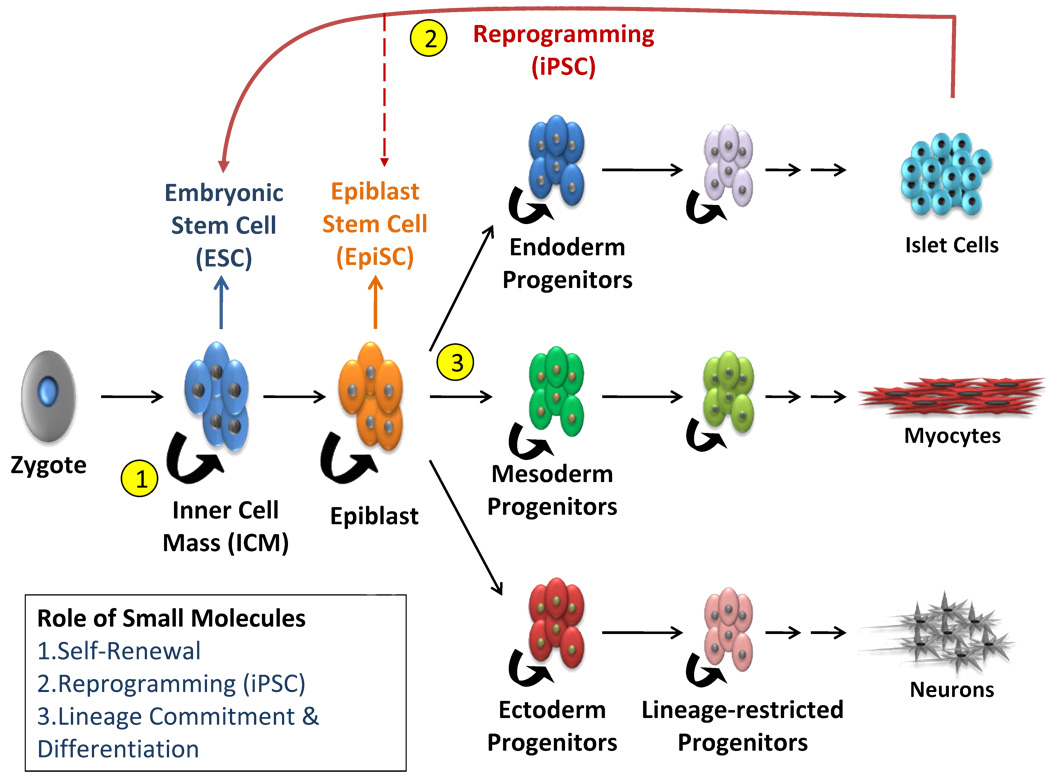
In early January 2025, MIT Tech Review unveiled its annual list of top 10 breakthrough technologies poised to redefine the future. Among these, stem cell therapy stood out for its potential to treat diverse diseases—including neurodegenerative disorders, diabetes, cancer, and heart failure. This groundbreaking approach uses stem cells to replace damaged cells, offering hope for millions worldwide.
Scientific Reviews
In early January 2025, MIT Tech Review unveiled its annual list of top 10 breakthrough technologies poised to redefine the future. Among these, stem cell therapy stood out for its potential to treat diverse diseases—including neurodegenerative disorders, diabetes, cancer, and heart failure. This groundbreaking approach uses stem cells to replace damaged cells, offering hope for millions worldwide. -
 Scientific Reviews
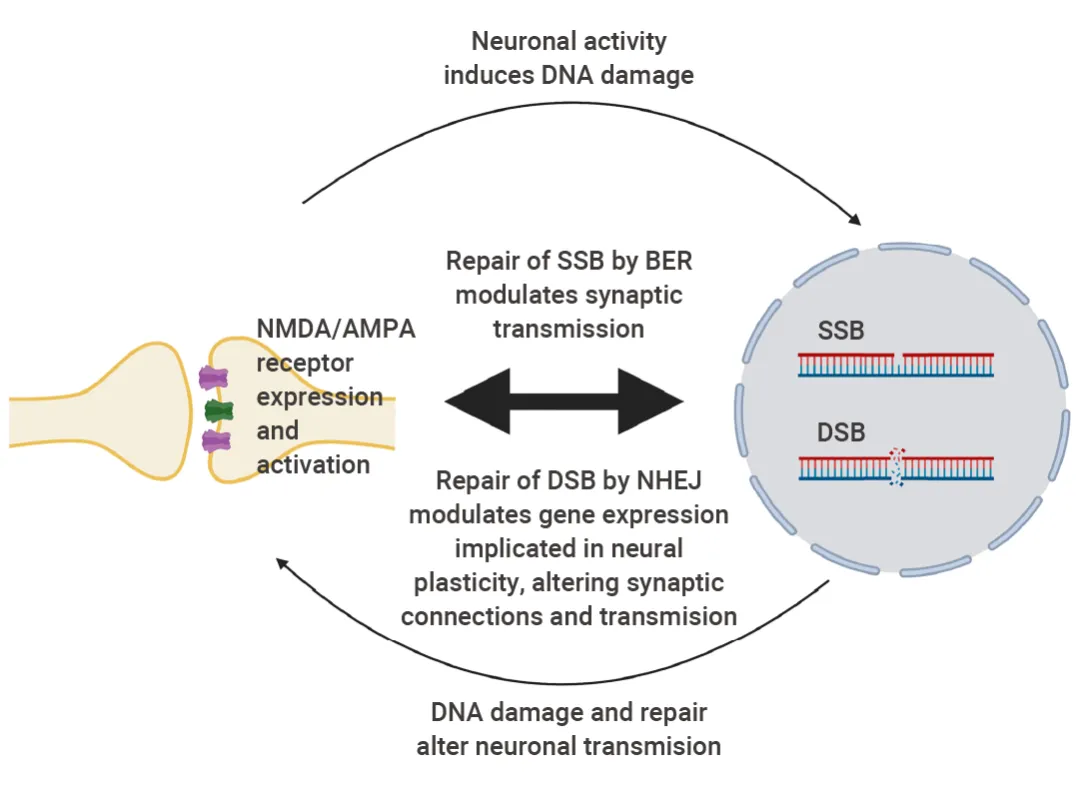
When you hear "inflammation" and "DNA damage," you might immediately think of disease or injury. However, in brains, these two processes are key steps in forming long-term memories, particularly related to specialized cells in our brain called hippocampal neurons.
Scientific Reviews
When you hear "inflammation" and "DNA damage," you might immediately think of disease or injury. However, in brains, these two processes are key steps in forming long-term memories, particularly related to specialized cells in our brain called hippocampal neurons. -
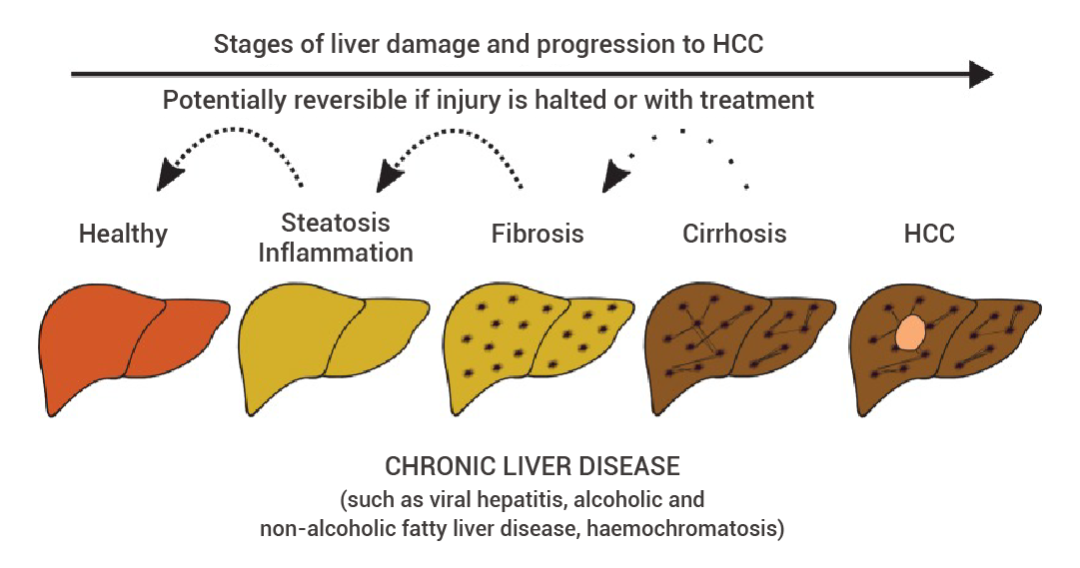 Scientific Reviews
This article will tell you about the common methods of modeling liver disease in animal models.
Scientific Reviews
This article will tell you about the common methods of modeling liver disease in animal models. -
 Scientific Reviews
This article introduces some common cardiovascular disease models, inducers, modeling protocols and successful modeling cases in the research.
Scientific Reviews
This article introduces some common cardiovascular disease models, inducers, modeling protocols and successful modeling cases in the research. -
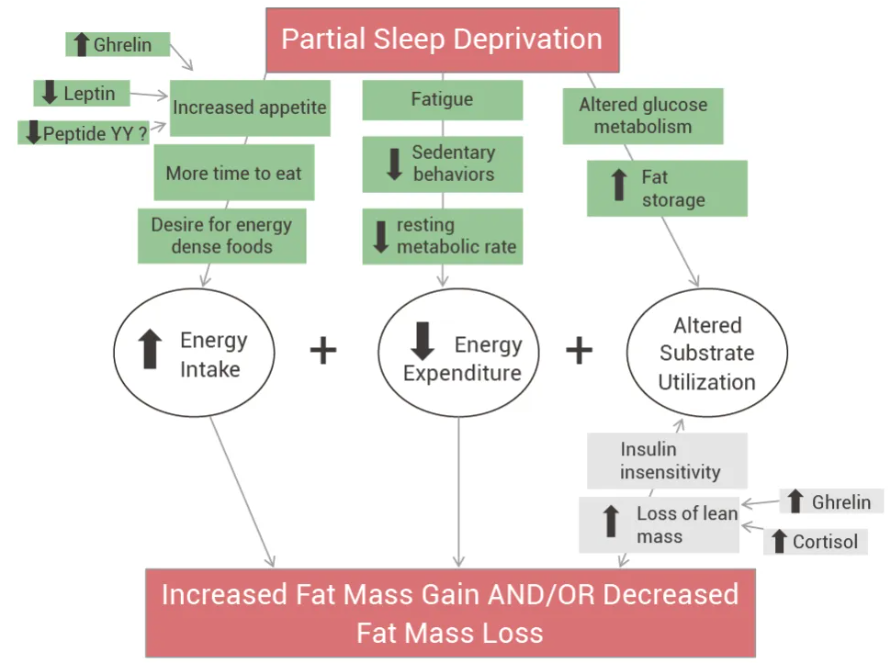 Scientific Reviews
Have you ever noticed that after staying up late, your appetite—especially for high-calorie foods—gets out of control? If this sounds familiar, today’s article might offer some good news.
Scientific Reviews
Have you ever noticed that after staying up late, your appetite—especially for high-calorie foods—gets out of control? If this sounds familiar, today’s article might offer some good news. -
 Scientific Reviews
A groundbreaking study in Nature Communications reveals the key mechanism behind Idiopathic Pulmonary Fibrosis and identifies an existing drug with the potential to counter it.
Scientific Reviews
A groundbreaking study in Nature Communications reveals the key mechanism behind Idiopathic Pulmonary Fibrosis and identifies an existing drug with the potential to counter it. -
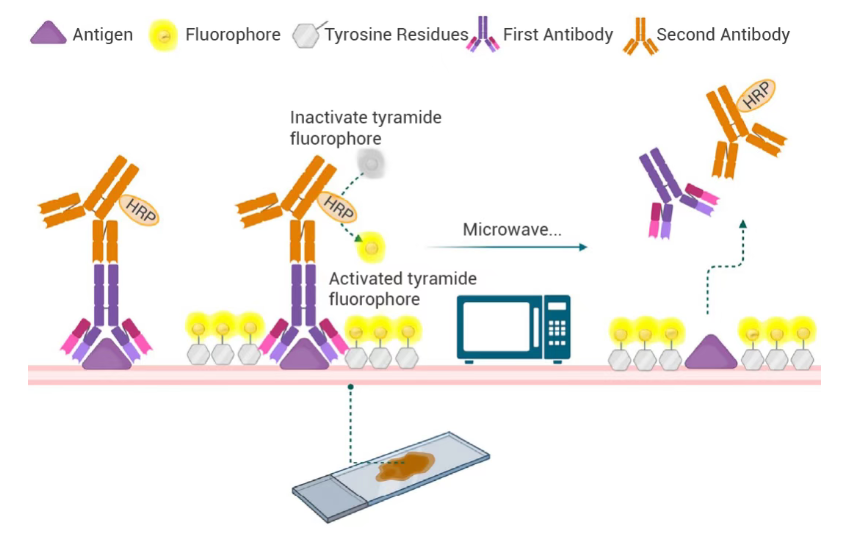 Scientific Reviews
This detailed guide outlines the standardized experimental protocols for multiplex immunohistochemistry (mIHC), systematically summarizes common technical issues encountered during sample preparation, staining and imaging processes, and provides practical troubleshooting solutions to ensure reliable and reproducible results in biomedical research and clinical sample analysis.
Scientific Reviews
This detailed guide outlines the standardized experimental protocols for multiplex immunohistochemistry (mIHC), systematically summarizes common technical issues encountered during sample preparation, staining and imaging processes, and provides practical troubleshooting solutions to ensure reliable and reproducible results in biomedical research and clinical sample analysis. -
 Scientific Reviews
Finding adipogenic induction media too expensive and tricky to prepare? This comprehensive guide to 3T3-L1 adipogenic differentiation simplifies the process, helping you achieve great results!
Scientific Reviews
Finding adipogenic induction media too expensive and tricky to prepare? This comprehensive guide to 3T3-L1 adipogenic differentiation simplifies the process, helping you achieve great results! -
Scientific Reviews
Microglia– the only immune cells within the brain parenchyma. With advancements in imaging technologies, people’s understanding of microglia has shifted from being viewed as 'resting' cells to 'highly active' cells, particularly due to their dynamic processes that seem to be probing surrounding tissues and monitoring neuronal activity. This has made microglia a focal point of research in the field of neuroscience. -
 Scientific Reviews
Exosomes—natural nanoscale carriers—are revolutionizing targeted therapy. This article uncovers the science behind their precision in drug delivery.
Scientific Reviews
Exosomes—natural nanoscale carriers—are revolutionizing targeted therapy. This article uncovers the science behind their precision in drug delivery. -
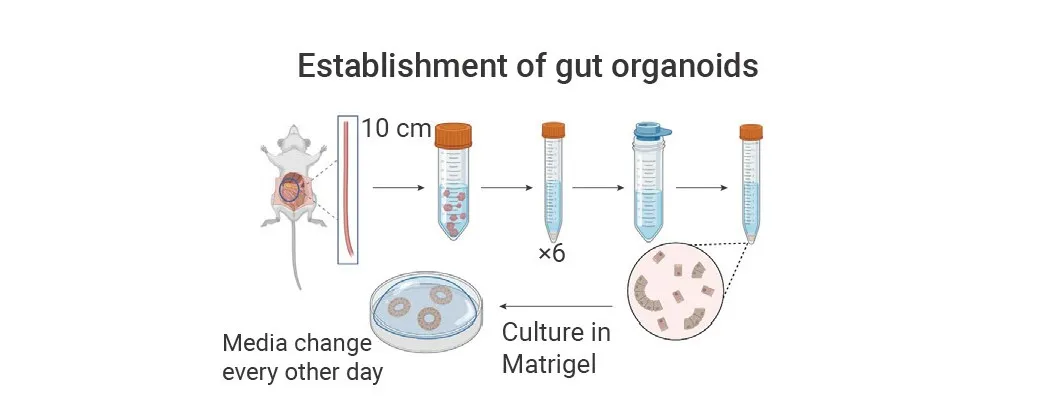 Scientific Reviews
Efficient Generation of Mouse Small Intestinal Organoids: A Complete Experimental Protocol Guide
Scientific Reviews
Efficient Generation of Mouse Small Intestinal Organoids: A Complete Experimental Protocol Guide2025-12-10
How to successfully create mouse small intestine organoids? A detailed, hands-on guide to the entire process, all in one article! -
 Scientific Reviews
This paper elaborates on cytokines for culturing major immune cells, their regulatory roles, recombinant cytokines' merits and MCE’s related high-quality products.
Scientific Reviews
This paper elaborates on cytokines for culturing major immune cells, their regulatory roles, recombinant cytokines' merits and MCE’s related high-quality products. -
 Scientific Reviews
In the hunt for the next ‘GLP-1,’ amylin therapeutics, which have shown strong weight-loss results in clinical trials, have become a major focus for both multinational pharma and the scientific community.
Scientific Reviews
In the hunt for the next ‘GLP-1,’ amylin therapeutics, which have shown strong weight-loss results in clinical trials, have become a major focus for both multinational pharma and the scientific community. -
 Scientific Reviews
GLP-1 and Obesity Research
Scientific Reviews
GLP-1 and Obesity Research2026-08-14
Obesity substantially increases the risk of chronic diseases such as T2D and cardiovascular disease. The breakout success of GLP-1 therapies has spotlighted GLP-1R and a wave of emerging obesity targets. -
 EDM
Research Progress of Type-2-Diabetes
EDM
Research Progress of Type-2-Diabetes2025-07-09
This review comprehensively analyzes the pathophysiological mechanisms underlying T2D, surveys current therapeutic strategies, and introduces commonly used disease modeling approaches to support translational research. -
 EDM
This review provides an overview of GLP-1 biology and physiological functions, summarizes the development and clinical applications of GLP-1 receptor agonists, and discusses next-generation GLP-1–based therapeutic strategies.
EDM
This review provides an overview of GLP-1 biology and physiological functions, summarizes the development and clinical applications of GLP-1 receptor agonists, and discusses next-generation GLP-1–based therapeutic strategies. -
 EDM
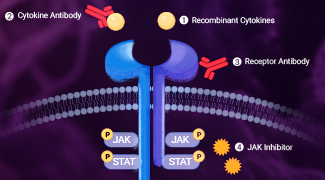
This review critically examines the role of the JAK-STAT pathway in immunity and autoimmune diseases, reviews current clinical applications of targeted therapies, and highlights emerging trends in autoimmune drug development.
EDM
This review critically examines the role of the JAK-STAT pathway in immunity and autoimmune diseases, reviews current clinical applications of targeted therapies, and highlights emerging trends in autoimmune drug development. -
 EDM
This review summarizes the mechanisms of DSS-induced colitis, commonly used modeling approaches, and key considerations related to DSS molecular weight.
EDM
This review summarizes the mechanisms of DSS-induced colitis, commonly used modeling approaches, and key considerations related to DSS molecular weight. -
 EDM
This review outlines macrophage functions and classification, and provides practical experimental guidelines for macrophage differentiation, polarization, and identification.
EDM
This review outlines macrophage functions and classification, and provides practical experimental guidelines for macrophage differentiation, polarization, and identification. -
 EDM
Explore next-generation obesity therapies from three perspectives: GLP-1-based multi-receptor agonists, oral GLP-1 strategies, and novel obesity targets.
EDM
Explore next-generation obesity therapies from three perspectives: GLP-1-based multi-receptor agonists, oral GLP-1 strategies, and novel obesity targets. -
 EDM
Review the mechanisms, mitochondrial regulation, disease relevance, and translational opportunities of the NLRP3–STING axis in neuroinflammation.
EDM
Review the mechanisms, mitochondrial regulation, disease relevance, and translational opportunities of the NLRP3–STING axis in neuroinflammation. -
 EDM
Explore the evolution from GLP-1 mono-agonists to multi-receptor therapeutics and the expanding role of incretin-based therapies in precision metabolic medicine.
EDM
Explore the evolution from GLP-1 mono-agonists to multi-receptor therapeutics and the expanding role of incretin-based therapies in precision metabolic medicine. -
 EDM
Explore the mechanisms driving immune tolerance breakdown in autoimmune diseases and emerging tolerance-restoring strategies, with a focus on IL-2-based immune modulation.
EDM
Explore the mechanisms driving immune tolerance breakdown in autoimmune diseases and emerging tolerance-restoring strategies, with a focus on IL-2-based immune modulation. -
 EDM
Explore how mitochondrial quality control, inflammatory signaling, and metabolic–epigenetic reprogramming regulate cellular senescence and the SASP, along with strategies to restore mitochondrial homeostasis.
EDM
Explore how mitochondrial quality control, inflammatory signaling, and metabolic–epigenetic reprogramming regulate cellular senescence and the SASP, along with strategies to restore mitochondrial homeostasis. -
 Blog
HS-1371 is a Small Molecule RIP3 Inhibitor
Blog
HS-1371 is a Small Molecule RIP3 Inhibitor2019-04-09
HS-1371 is a novel kinase inhibitor of RIP3-mediated necroptosis, showing an inhibitory effect on S227 auto-phosphorylation of RIP3 at the basal level. -
 Blog
PRN1008 is a Reversible Covalent and Oral Active Inhibitor of Bruton’s Tyrosine Kinase (BTK)
Blog
PRN1008 is a Reversible Covalent and Oral Active Inhibitor of Bruton’s Tyrosine Kinase (BTK)2019-04-18
PRN1008 is a selective, reversible covalent and oral active inhibitor of Bruton’s Tyrosine Kinase (BTK), with an IC50 of 1.3 nM. -
 Blog
Multiple Tyrosine Kinases Inhibitor TAS-115
Blog
Multiple Tyrosine Kinases Inhibitor TAS-1152019-04-19
TAS-115 is a potent VEGFR and c-Met/HGFR-targeted kinase inhibitor with IC50s of 30 and 32 nM for rVEGFR2 and rMET, respectively. -
 Blog
TAK-828F is a potent, selective and orally active retinoic acid receptor-related orphan receptor γt (RORγt) inverse agonist. TAK-828F inhibits IL-17A cytokine expression and reduces symptoms of autoimmune encephalomyelitis mice.
Blog
TAK-828F is a potent, selective and orally active retinoic acid receptor-related orphan receptor γt (RORγt) inverse agonist. TAK-828F inhibits IL-17A cytokine expression and reduces symptoms of autoimmune encephalomyelitis mice. -
 Blog
GSK3145095 is a RIP1 kinase inhibitor with an IC50 of 6.3 nM. Potently blocks the TNF response and RIP1-dependent inflammatory cytokine MIP-1β production.
Blog
GSK3145095 is a RIP1 kinase inhibitor with an IC50 of 6.3 nM. Potently blocks the TNF response and RIP1-dependent inflammatory cytokine MIP-1β production. -
 Blog
JMS-17-2 is a CX3CR1 Antagonist
Blog
JMS-17-2 is a CX3CR1 Antagonist2019-06-12
JMS-17-2 is a potent and selective CX3CR1 antagonist with an IC50 of 0.32 nM. Has potential to treat cancers such as breast cancer. -
 Blog
BAY-11-7082 inhibits the proliferation and induces the apoptosis of U266 cells through inhibiting NF-κB pathway. BAY 11-7082 ameliorates experimental diabetic neuropathy by modulating neuroinflammation and improving antioxidant defence.
Blog
BAY-11-7082 inhibits the proliferation and induces the apoptosis of U266 cells through inhibiting NF-κB pathway. BAY 11-7082 ameliorates experimental diabetic neuropathy by modulating neuroinflammation and improving antioxidant defence. -
 Blog
S18-000003 is a potent, selective and orally active inhibitor of retinoic acid receptor-related orphan receptor-gamma-t (RORγt). S18-000003 ameliorates psoriasis-like lesions in vivo. S18-000003 can be used for the research of skin inflammatory diseases.
Blog
S18-000003 is a potent, selective and orally active inhibitor of retinoic acid receptor-related orphan receptor-gamma-t (RORγt). S18-000003 ameliorates psoriasis-like lesions in vivo. S18-000003 can be used for the research of skin inflammatory diseases. -
 Blog
TPCA-1, a Direct Dual Inhibitor of STAT3 and NF-κB, Regresses Mutant EGFR-Associated NSCLC
Blog
TPCA-1, a Direct Dual Inhibitor of STAT3 and NF-κB, Regresses Mutant EGFR-Associated NSCLC2019-07-15
TPCA-1 is a potent and selective inhibitor of IKK-2 with IC50 of 17.9 nM. TPCA-1 is an effective inhibitor of STAT3 phosphorylation, DNA binding. -
 Blog
BI-167107 is a high affinity, full agonist that binds to the β2 adrenergic receptor (β2AR) with a dissociation constant Kd of 84 pM.
Blog
BI-167107 is a high affinity, full agonist that binds to the β2 adrenergic receptor (β2AR) with a dissociation constant Kd of 84 pM. -
 Blog
UK 356618 is a Selective MMP-3 Inhibitor
Blog
UK 356618 is a Selective MMP-3 Inhibitor2019-12-25
UK 356618 is a selective and potent inhibitor of MMP-3. UK 356618 exhibits potent anti-inflammatory and anti-cancer activity. -
 Blog
CH6953755 is a potent, orally active and selective YES1 kinase inhibitor leading to antitumor activity against YES1 Gene -amplified cancers.
Blog
CH6953755 is a potent, orally active and selective YES1 kinase inhibitor leading to antitumor activity against YES1 Gene -amplified cancers. -
 Blog
CA-4948 is a Selective and Orally Bioavailable IRAK4 Kinase Inhibitor for Lymphoma Treatment
Blog
CA-4948 is a Selective and Orally Bioavailable IRAK4 Kinase Inhibitor for Lymphoma Treatment2020-01-05
CA-4948 is a potent, selective and orally bioavailable IRAK4 kinase inhibitor. CA-4948 can be used for the treatment of lymphoma. -
 Blog
BRD7389 is a specific RSK family kinase inhibitor and is a small-molecule inducer of insulin expression in pancreatic α-cells.
Blog
BRD7389 is a specific RSK family kinase inhibitor and is a small-molecule inducer of insulin expression in pancreatic α-cells. -
 Blog
BAY-985 is an orally active and selective ATP-competitive dual inhibitor of TBK1 and IKKε with IC50s of 2/30 and 2 nM for TBK1 and IKKε, respectively.
Blog
BAY-985 is an orally active and selective ATP-competitive dual inhibitor of TBK1 and IKKε with IC50s of 2/30 and 2 nM for TBK1 and IKKε, respectively. -
 Blog
ADH-503 is an orally active and allosteric CD11b agonist and leads to the repolarization of tumor-associated macrophages.
Blog
ADH-503 is an orally active and allosteric CD11b agonist and leads to the repolarization of tumor-associated macrophages. -
 Blog
GSK143 is an orally active and highly selective spleen tyrosine kinase (SYK) inhibitor. GSK143 reduces inflammation in the intestinal muscularis in mice.
Blog
GSK143 is an orally active and highly selective spleen tyrosine kinase (SYK) inhibitor. GSK143 reduces inflammation in the intestinal muscularis in mice. -
 Blog
CAY10404 is a potent and highly selective COX-2 inhibitor. CAY10404 is a potent inhibitor of PKB/Akt and MAPK signalling pathways.
Blog
CAY10404 is a potent and highly selective COX-2 inhibitor. CAY10404 is a potent inhibitor of PKB/Akt and MAPK signalling pathways. -
 Blog
BMS-P5 is an Orally Active PAD4 Inhibitor
Blog
BMS-P5 is an Orally Active PAD4 Inhibitor2020-12-12
BMS-P5 is an orally active PAD4 inhibitor. BMS-P5 blocks MM-induced NET formation and delays progression of MM in a syngeneic mouse model -
 Blog
ML132, a potent and selective caspase 1 inhibitor with a unique selectivity pattern, is responsible for the proteolytic activation of IL-1β and IL-18.
Blog
ML132, a potent and selective caspase 1 inhibitor with a unique selectivity pattern, is responsible for the proteolytic activation of IL-1β and IL-18. -
 Blog
CC-90001 is a potent, selective, and orally active inhibitor of JNK. CC-90001 can be used for the research of idiopathic pulmonary fibrosis (IPF).
Blog
CC-90001 is a potent, selective, and orally active inhibitor of JNK. CC-90001 can be used for the research of idiopathic pulmonary fibrosis (IPF). -
 Blog
SB-332235 is a potent, orally active nonpeptide CXCR2 antagonist. SB-332235 inhibits acute and chronic models of arthritis in the rabbit.
Blog
SB-332235 is a potent, orally active nonpeptide CXCR2 antagonist. SB-332235 inhibits acute and chronic models of arthritis in the rabbit. -
 Blog
Lumiracoxib is a COX-2 inhibitor. Lumiracoxib acts as nonselective NSAID with anti-inflammatory, analgesic and antipyretic activities.
Blog
Lumiracoxib is a COX-2 inhibitor. Lumiracoxib acts as nonselective NSAID with anti-inflammatory, analgesic and antipyretic activities. -
 Blog
Ruxolitinib is a potent and selective JAK1/2 inhibitor and has 130-fold selectivity for JAK1/2 over JAK3. Ruxolitinib induces autophagy.
Blog
Ruxolitinib is a potent and selective JAK1/2 inhibitor and has 130-fold selectivity for JAK1/2 over JAK3. Ruxolitinib induces autophagy. -
 Blog
IMD-0354 is a Selective IKKβ Inhibitor
Blog
IMD-0354 is a Selective IKKβ Inhibitor2021-11-09
IMD-0354 is a selective IKKβ inhibitor and potently inhibits NF-κB activity. IMD0354 has antitumor activity. -
 Blog
CL097 is a TLR7/8 agonist. CL097 induces pro-nflammatory cytokines. CL097 induces NADPH oxidase priming and efficient diabetogenic cytotoxic T lymphocyte (CTL) function in NOD mice.
Blog
CL097 is a TLR7/8 agonist. CL097 induces pro-nflammatory cytokines. CL097 induces NADPH oxidase priming and efficient diabetogenic cytotoxic T lymphocyte (CTL) function in NOD mice. -
 Blog
Zingerone is a natural orally active nontoxic methoxyphenol potent anti-inflammatory, antidiabetic, antioxidize, and anti-tumor properties.
Blog
Zingerone is a natural orally active nontoxic methoxyphenol potent anti-inflammatory, antidiabetic, antioxidize, and anti-tumor properties. -
 Blog
BM213 is a selective C5aR1 agonist. It’s a useful research tool to study C5aR1 function
Blog
BM213 is a selective C5aR1 agonist. It’s a useful research tool to study C5aR1 function -
 Blog
Pelecopan is a potent, selective, and orally active complement factor D inhibitor, possessing the potential to study paroxysmal nocturnal hemoglobinuria (PNH).
Blog
Pelecopan is a potent, selective, and orally active complement factor D inhibitor, possessing the potential to study paroxysmal nocturnal hemoglobinuria (PNH). -
 Blog
Etrolizumab is a Gut-selective, Anti-β7 Integrin McAb for Inflammatory Bowel Disease (IBD) Research
Blog
Etrolizumab is a Gut-selective, Anti-β7 Integrin McAb for Inflammatory Bowel Disease (IBD) Research2022-11-05
Etrolizumab is a gut-selective, anti-β7 integrin monoclonal antibody and has the potential for the research of inflammatory bowel disease. -
 Blog
Ruxolitinib is an orally-active JAK1/2 inhibitor. Ruxolitinib has the potential for the research of myeloproliferative neoplasm (MPN).
Blog
Ruxolitinib is an orally-active JAK1/2 inhibitor. Ruxolitinib has the potential for the research of myeloproliferative neoplasm (MPN).
Products
All
-
All
-
Inhibitors & Agonists
-
Isotope-Labeled Compounds
-
Fluorescent Dye
-
Peptides
-
Recombinant Proteins
-
Antibodies
-
Screening Libraries
-
Kits
-
Inhibitory Antibodies
-
Reference Standards
-
Induced Disease Models Products
-
GMP Small Molecules
-
Enzyme
-
Biochemical Assay Reagents
-
Natural Products
| Cat. No. | Product Name | Information | Application | Publication |
|---|---|---|---|---|
| HY-13818 | Stattic |
Lung Cancer
Breast Cancer
Prostate Cancer
Liver Cancer
Leukemia/Lymphoma/Myeloma
Pancreatic Cancer
Digestive System Inflammation
Obesity
|
322
|
|
| HY-10201 | Sorafenib |
Sorafenib (Bay 43-9006) is a potent oral active multikinase inhibitor. Sorafenib blocks autophosphorylation and activity of receptor tyrosine kinases (VEGFR-2, VEGFR-3) and RAF family kinases, thereby suppressing the RAF/MEK/ERK and PI3K/Akt pathways, inhibiting STAT3 phosphorylation, and selectively inhibiting the MAPK pathway in cancer cells. Sorafenib induces cell cycle arrest, autophagy, apoptosis, and PARP cleavage, reduces Bcl-2, Bcl-XL, cyclin D1 levels, and activates Bak and Bax. Sorafenib inhibits tumor growth and metastasis in mouse and rat models. Sorafenib can be used for cancer research, such as colon, breast, non-small-cell lung cancer (NSCLC), ovarian, pancreatic, melanoma, colorectal and hepatocellular carcinoma.
|
Raf
VEGFR
FLT3
Autophagy
Apoptosis
STAT
Akt
MMP
Cadherin
p38 MAPK
ERK
MEK
PI3K
PARP
Bcl-2 Family
Ephrin Receptor
PDGFR
Gastric Cancer
Liver Cancer
Ovarian Cancer
Digestive System Inflammation
Small Cell Lung Cancer
Non-Small Cell Lung Cancer
Metastatic Breast Cancer
Metastatic Colorectal Cancer
Metastatic Prostate Cancer
Multiple Myeloma
Metastatic Pancreatic Cancer
SARS-CoV-2 Infection
Alzheimer's Disease
Parkinson's Disease
Obesity
Lung Fibrosis
|
316
|
| HY-L001 | Bioactive Compound Library |
Bioactive compounds are a general term for a class of substances that can cause certain biological effects in the body, which are the main source of small molecule drugs. These compounds generally penetrate cell membranes, act on specific target proteins in cells, regulate intracellular signaling pathways, and cause some changes in cell phenotype.
MCE owns a unique collection of 27,212 compounds with confirmed biological activities and clear targets. These compounds include natural products, innovative compounds, approved compounds, and clinical compounds. These can also be used for signal pathway research, drug discovery and drug repurposing, etc.
|
|
131
|
| HY-B0069 | Fludarabine |
Fludarabine (NSC 118218) is a DNA synthesis inhibitor and a fluorinated purine analogue with antineoplastic activity in lymphoproliferative malignancies. Fludarabine inhibits the cytokine-induced activation of STAT1 and STAT1-dependent gene transcription in normal resting or activated lymphocytes.
|
Lung Cancer
Breast Cancer
Prostate Cancer
Leukemia/Lymphoma/Myeloma
Pancreatic Cancer
Viral Infection
Digestive System Inflammation
SARS-CoV-2 Infection
Obesity
Lung Fibrosis
|
119
|
| HY-40354 | Tofacitinib |
Tofacitinib (Tasocitinib) is an orally active, blood-brain barrier permeable selective inhibitor of JAK1/JAK3. Tofacitinib blocks the JAK-STAT/NF-κB signaling pathway, inhibits cytokine signal transduction, phosphorylation of STAT1/STAT5, and suppresses innate and adaptive immune responses. Tofacitinib can be used in research related to major depressive disorder, rheumatoid arthritis, pulmonary diseases, systemic lupus erythematosus, and immune-mediated liver injury.
|
|
103
|
| HY-L007 | Immunology/Inflammation Compound Library |
The immune system is a host defense system comprising many biological structures and processes within an organism that protects against disease. To function properly, an immune system must detect a wide variety of agents, known as pathogens, from viruses to parasitic worms, and distinguish them from the organism's own healthy tissue. Inflammation is also the body's attempt at self-protection to remove harmful stimuli and begin the healing process. It’s part of the body's immune response. The immune system recognizes damaged cells, irritants, and pathogens, and inflammation begins the healing process. Inflammatory abnormalities are a large group of disorders that underlie a vast variety of human diseases. The immune system is often involved with inflammatory disorders, demonstrated in both allergic reactions and some myopathies, with many immune system disorders resulting in abnormal inflammation.
MCE designs a unique collection of 8,643 compounds that are useful tool for Immunology/Inflammation research or autoimmune inflammatory diseases drug discovery.
|
|
89
|
| HY-L031 | Small Molecule Immuno-Oncology Compound Library |
Immuno-Oncology is a type of immunotherapy that has the specific purpose of treating cancer. It works by stimulating our immune system to fight back. Normally, our immune system is able to destroy cancer cells in our body, however sometimes cancer cells can adapt and mutate, effectively hiding from our immune system. This is when tumors can develop and become a threat to our health. Immuno-oncology involves mobilizing lymphocytes to recognize and eliminate cancer cells using the body’s immune system. There are several immuno-oncology treatments available, including Immune cell therapy (CAR-T), monoclonal antibodies (mABs) and checkpoint inhibitors, cytokines and cancer vaccines.
MCE Small Molecule Immuno-Oncology Compound Library offers 831 bioactive tumor immunology compounds that target some important checkpoints such as PD1/PD-L1, CXCR, Sting, IDO, TLR, etc. This library is a useful tool for Immuno-oncology research.
|
|
88
|
| HY-L205 | High-Throughput Bioactive Compound Library |
Bioactive compounds are a general term for a class of substances that can cause certain biological effects in the body, which are the main source of small molecule drugs. These compounds generally penetrate cell membranes, act on specific target proteins in cells, regulate intracellular signaling pathways, and cause some changes in cell phenotype.
MCE high-throughput bioactive compound library integrates 29,893 spot and futures bioactive compounds with confirmed biological activities and clear targets. These compounds can also be used for signal pathway research, drug discovery and drug repurposing, etc.
|
|
87
|
| HY-L008 | JAK/STAT Compound Library |
The Janus kinase (JAK)/signal transducer and activator of transcription (STAT) pathway is central to signaling by cytokine receptors, a superfamily of more than 30 transmembrane proteins that recognize specific cytokines, and is critical in blood formation and immune response. Canonical JAK/STAT signaling begins with the association of cytokines and their corresponding transmembrane receptors. Activated JAKs then phosphorylate latent STAT monomers, leading to dimerization, nuclear translocation, and DNA binding. In mammals, there are four JAKs (JAK1, JAK2, JAK3, TYK2) and seven STATs (STAT1, STAT2, STAT3, STAT4, STAT5a, STAT5b, STAT6). Since the JAK/STAT pathway plays a major role in many fundamental processes, such as apoptosis and inflammation, dysfunctional proteins in the pathway may lead to a number of diseases. For example, alterations in JAK/STAT signalling can result in cancer and diseases affecting the immune system, such as severe combined immunodeficiency disorder (SCID).
MCE provides 738 compounds that can be used in the study of the JAK/STAT signaling pathway and related diseases.
|
|
86
|
| HY-L017 | Stem Cell Signaling Compound Library |
Adult stem cells are important for tissue homeostasis and regeneration due to their ability to self-renew and generate multiple types of differentiated daughters. Self-renewal is reflected by their capacity to undergo multiple/limitless divisions. Several signaling pathways are involved in self-renewal of stem cells, that is, Notch, Wnt, and Hedgehog pathways or Polycomb family proteins. Recent studies mainly focus on cancer stem cell (CSCs), induced pluripotent stem cell (iPSCs), neural stem cell and maintenance of embryonic stem cell pluripotency. Among them, CSCs have been believed to be responsible for tumor initiation, growth, and recurrence that have implications for cancer therapy.
MCE owns a unique collection of 2,931 compounds that can be used for stem cell regulatory and signaling pathway research.
|
|
86
|
| HY-L021L | Natural Product-like Compound Library |
Natural products are an attractive source with varied structures that exhibit potent biological activities, and desirable pharmacological profiles. The core scaffold of a natural product can also provide a biologically validated framework upon which to display diverse functional groups. Inspired by bioactive natural products, natural product-like compounds, occupying the same chemical space, are ideally suited to explore and to facilitate understanding of biological pathways.
MCE provides a unique collection of 15,445 natural product-like compounds that are structurally like Steroids, Tannins, Flavonoids, Quinones, Isoquinolines, etc. This library is an important source of lead compounds for drug discovery.
|
|
86
|
| HY-P7025 | IFN-gamma Protein, Human |
IFN-gamma Protein, human activates STAT signaling pathway and affects gene regulation. IFN-gamma Protein, human activates effector immune cells and enhances antigen presentation. IFN-gamma Protein, human also regulates the hematopoietic stem cells development. IFN-gamma Protein, human is the recombinant human-derived IFN-gamma Protein, expressed by E. coli.
Species: Human; Source: E. coli |
|
85
|
| HY-L014 | NF-κB Signaling Compound Library |
Nuclear factor-κB (NF-κB)/Rel proteins include NF-κB2 p52/p100, NF-κB1 p50/p105, c-Rel, RelA/p65, and RelB. These proteins function as dimeric transcription factors that regulate the expression of genes and influence a broad range of biological processes including innate and adaptive immunity, inflammation, stress responses, B-cell development, and lymphoid organogenesis. NF-κB plays a key role in regulating the immune response to infection. In addition, activation of the NF-κB pathway is involved in the pathogenesis of chronic inflammatory diseases, such as asthma, rheumatoid arthritis, and inflammatory bowel disease. Incorrect regulation of NF-κB has been linked to cancer, inflammatory and autoimmune diseases, septic shock, viral infection, and improper immune development.
MCE owns a unique collection of 1,801 small molecule compounds that can be used in the research of NF-κB signaling pathway or high throughput screening (HTS) related drug discovery.
|
|
85
|
| HY-L024 | Histone Modification Research Compound Library |
A histone modification, a covalent post-translational modification (PTM) to histone proteins, includes methylation, phosphorylation, acetylation, ubiquitylation, and sumoylation, etc. In general, histone modifications are catalyzed by specific enzymes that act predominantly at the histone N-terminal tails involving amino acids such as lysine or arginine, as well as serine, threonine, tyrosine, etc. The PTMs made to histones can impact gene expression by altering chromatin structure or recruiting histone modifiers. Histone modifications act in diverse biological processes such as transcriptional activation/inactivation, chromosome packaging, and DNA damage/repair. Deregulation of histone modification contributes to many diseases, including cancer and autoimmune diseases.
MCE owns a unique collection of 931 bioactive compounds targeting Epigenetic Reader Domain, HDAC, Histone Acetyltransferase, Histone Demethylase, Histone Methyltransferase, Sirtuin, etc. Histone Modification Research Compound Library is a useful tool for histone modification research and drug screening.
|
|
85
|
| HY-L123 | Human Metabolite Library |
Human metabolism is an integral part of cellular function that reflects individual differences in health, disease, diet, and lifestyle. Many health conditions such as obesity, diabetes, hypertension, heart disease, and cancer are associated with abnormal metabolic states. In the pathological state of the human body, metabolic pathways are significantly altered, resulting in aberrant levels of intermediates or end-products that can be viewed as potential diagnostic biomarkers or even therapeutic targets. Therefore, detection, identification and quantification of human metabolites are very important for drug metabolism research in drug development.
MCE offers a unique collection of 6,767 human metabolites, including endogenous metabolites and exogenous metabolites, covering multiple structure types, such as lipids, amino acids, nucleic acids, carbohydrates, organic acids, biogenic amines, vitamins,. MCE Human Metabolites Library is a helpful tool for studying the relationship between diseases and metabolism.
|
|
85
|
| HY-L016 | Protein Tyrosine Kinase Compound Library |
Protein tyrosine kinases (PTKs) are key signaling molecules and important drug targets. Two classes of PTKs are present in cells: the transmembrane receptor PTKs (RTKs) and the nonreceptor PTKs. The RTK family includes the receptors for insulin and for many growth factors, such as EGFR, FGFR, PDGFR, VEGFR, and NGFR. RTKs are transmembrane glycoproteins that are activated by the binding of their ligands, and they transduce the extracellular signal to the cytoplasm by phosphorylating tyrosine residues on the receptors themselves (autophosphorylation) and on downstream signaling proteins. Their principal functions of PTKs involve the regulation of multicellular aspects of the organism. Cell to cell signals concerning growth, differentiation, adhesion, motility, and death are frequently transmitted through tyrosine kinases. In humans, tyrosine kinases have been demonstrated to play significant roles in the development of many disease states, including diabetes and cancers.
MCE designs a unique collection of 1,695 compounds that act as a useful tool for PTKs-related drug screening and disease research.
|
|
84
|
| HY-L033 | Peptidomimetic Library |
Peptidomimetics are compounds whose essential elements (pharmacophore) mimic a natural peptide or protein in 3D space and which retain the ability to interact with the biological target and produce the same biological effect. Peptidomimetics are designed to circumvent some of the problems associated with a natural peptide: e.g. stability against proteolysis (duration of activity) and poor bioavailability. Certain other properties, such as receptor selectivity or potency, often can be substantially improved. The design and synthesis of peptidomimetics are most important because of the dominant position peptide and protein-protein interactions play in molecular recognition and signaling, especially in living systems. Hence mimics have great potential in drug discovery.
MCE Peptidomimetic Library contains 370 compounds including peptoid, α-helix mimetics, β-turn/sheets mimetics, etc. This library is an indispensable tool of structure-activity relationships in drug discovery.
|
|
84
|
| HY-L063 | Chemical Probe Library |
Chemical probes are simply reagents with high potency, selectivity and cell-permeability which play important roles in both fundamental and applied biological research. In their most common application, chemical probes can establish the tractability of a specific target. They are used to interrogate the relationship between a target and its phenotype (biological tractability) as well as an ability to modulate that phenotype using a small molecule. Otherwise, chemical probes also have had a major impact in enabling and accelerating discoveries along the path to pioneer medicines. They have helped to improve the understanding of targets and pathways and have created opportunities for proprietary drug discovery efforts to an extent that would not have been possible otherwise.
MCE provides a unique collection of 282 chemical probes with high potency (at least 100 nM potency), selectivity (at least 10-fold selectivity against any other target) and cell-permeability (at least 10 μM potency). MCE Chemical probe library is a useful tool for target identification and mechanism research.
|
|
84
|
| HY-L188 | Anti-Brain Cancer Compound Library |
Although brain cancer only accounts for 2% of all tumors, it has a poor prognosis, high mortality and high recurrence rate. Brain cancer can be divided into primary brain cancer and secondary brain cancer. According to the location of the cancer, brain cancer can also be divided into: brain glioma, pituitary adenoma, schwannoma, craniopharyngioma, meningioma and so on. Glioma is the most common primary brain tumor, accounting for about 1/3 of all brain tumors. At present, brain cancer lacks precision targeted therapeutic drugs, and there is still a great clinical demand that has not been met. With the continuous development of high-throughput screening technology, it may be able to help develop effective anti-brain cancer drugs by screening compounds targeting PKC, PD-1, c-Met, PARP, etc targets.
MCE designs a unique collection of 2,134 small molecules with definite or potential anti-brain cancer activity, which is an important tool for studying the pathological mechanism of brain cancer and developing drugs for brain cancer.
|
|
84
|
| HY-L0096V | Vitas-M Screening Compounds Library |
Vitas-M Screening Compounds Library (stock) contains about 1,400,000 chemical substances. They are synthetic small molecule organic compounds for biological screening and lead optimization. Select any number of items as a "cherry pick".
|
|
83
|
| HY-L0101V | FCH Group Screening Library |
FCH Group Screening Library Collection contains about 2,244,487 lead-like compounds for biological screening. This brand new collection comprises polar molecules with pharmacologically important groups such as free carboxylic and amino groups.
|
|
83
|
| HY-L0121V | MCE 10K Natural Product-like Compound Library |
Natural products are an attractive source with varied structures that exhibit potent biological activities, and desirable pharmacological profiles. The core scaffold of a natural product can also provide a biologically validated framework upon which to display diverse functional groups. Inspired by bioactive natural products, natural product-like compounds, occupying the same chemical space, are ideally suited to explore and to facilitate understanding of biological pathways.
MCE 10K Natural Product-like Compound Library consists of 10,000 natural product-like compounds. Each compound has scaffold of natural products or Tanimoto coefficient >0.6 with natural products. The natural-likeness scoring of these compounds is >-2. What’s more, compounds in the library are drug-like and readily available for re-supply, making it a powerful tool for new drug research and development. It can be widely applied in high-throughput screening (HTS) and high-content screening (HCS).
|
|
83
|
| HY-L156 | Autoimmune Disease Compound Library |
Autoimmune disease is a pathological disease characterized by inflammatory disorders targeting autoantigens. The routine treatment of autoimmune diseases suppresses general immune function to regulate uncontrolled inflammation. The current targeted immunotherapy suppresses the main pro-inflammatory signaling pathways by blocking inflammatory cytokines, cell surface molecules, and intracellular kinases. As key participants in innate immunity, macrophages and dendritic cells (DCs) are crucial for Ag presentation and pro-inflammatory cytokine production, such as TNF and IL-1 β、 IL-6, IL-23, B cell activating factor (BAFF), and the proliferation-inducing ligand (APRIL, also known as TNFSF13A).
MCE designs a unique collection of 1,040 autoimmune disease-related compounds, covering multiple targets and subtypes, such as TNF Receptor, IFNAR, JAK, Btk, TLR, IL-6, IL-17, IL-23, etc. It is a useful tool for screening autoimmune disease drugs.
|
|
83
|
| HY-L161 | Cytokine Inhibitors Library |
Cytokines are a kind of low molecular soluble proteins synthesized and secreted by immunogen, mitogen or other factors. They have functions of regulating innate and adaptive immune responses, promoting hematopoiesis, stimulating cell activation, proliferation and differentiation. The process of releasing a large number of cytokines is also called “Cytokine storm”, which can cause damage to many tissues and organs in the body. Cytokine is involved in the pathogenesis of many human diseases, including cancer, diabetes, chronic inflammatory diseases and so on. Cytokine inhibitors are a class of essential compounds that act by directly inhibiting the synthesis and release of cytokine or blocking the binding of cytokine to their receptors. Cytokine inhibitors are important compounds for the study of tumor and autoimmune diseases.
MCE designs a unique collection of 1,416 cytokine inhibitors, mainly targeting the receptor interleukin (IL), colony-stimulating factor (CSF), interferon (IFN), tumor necrosis factor (TNF), growth factor (GF) and chemokine, which is an effective tool for development and research of anti-cancer, anti-chronic inflammatory diseases and anti-autoimmune diseases compounds.
|
|
83
|
| HY-L164 | Serine/Threonine Kinase Inhibitor Library |
Protein serine/threonine kinases (PSKs) are protein kinases that use ATP as a high-energy donor molecule to transfer phosphate groups to serine/threonine residues of target protein. As an important signal transduction regulator, serine/threonine kinases can affect the function of target proteins by disrupting enzyme activity or binding of target proteins to other proteins. Serine/threonine kinases are involved in the regulation of immune response, cell proliferation, differentiation, apoptosis and other physiological processes. Serine/threonine kinase inhibitors are an important class of compounds that have been widely studied in cancer, chronic inflammation, autoimmune diseases, aging and other diseases.
MCE designs a unique collection of 2,276 serine/threonine kinase inhibitors, mainly targeting the receptor PKA, Akt, PKC, MAPK/ERK, etc, which is an effective tool for development and research of anti-cancer, anti-chronic inflammatory diseases, anti-autoimmune diseases and anti-aging compounds.
|
|
83
|
| HY-L172 | Immunopotentiator Compound Library |
Immunity refers to the ability of the body to resist the invasion of pathogenic microorganisms and resist a variety of diseases. Immunocompromised will inevitably lead to a series of diseases. Immunopotentiator are a class of compounds that enhance immune function and induce immune response. Immunopotentiator can activate the proliferation and differentiation of one or more kinds of immune active cells in the body, promote the secretion of lymphocytes, and then enhance the immune function of the body. Immunopotentiator are mainly used in the treatment of tumors, infectious diseases and immunodeficiency diseases. In addition, immunopotentiator are often used as adjuvants in combination with vaccine antigens to enhance the immunogenicity of vaccines.
MCE designs a unique collection of 150 compounds with definite or potential Immunopotentiating effect, mainly targeting the NOD-like Receptor (NLR), Toll-like Receptor (TLR), NF-κB, etc. It is an effective tool for development and research of anti-cancer, anti-infectious diseases and anti-immunodeficiency diseases compounds.
|
|
83
|
| HY-L175 | Inflammasomes related Compound Library |
Inflammasomes are classic pattern recognition receptors for natural immune responses. Inflammasomes are polymeric protein complexes that regulate inflammatory responses and pyrolytic cell death, thereby exerting the host's defense against microorganisms. Inflammasomes sensors are associated with adapter proteins, activating inflammatory caspase-1, releasing inflammatory cytokines and inducing cell death, endowing the host with defense against pathogens. NLRP1, NLRP3, NLRC4, AIM2, and pyrin are considered typical inflammasomes because they convert cysteine asparaginase-1 into catalytically active capsaicin-1. In addition to infectious diseases, the importance of inflammasomes is also related to various clinical diseases, such as autoimmune diseases, neurodegeneration and metabolic disorders, and the development of cancer. Therefore, it is necessary to strictly regulate the activation and function of inflammasomes to avoid accidental host tissue damage while inducing pathogens to kill the inflammatory response.
MCE designs a unique collection of 178 inflammasomes related compounds. It is a good tool to be used for research on Inflammation, cancer and other diseases.
|
|
83
|
| HY-L177 | Antibody Inhibitor Library |
Antibody inhibitors are compounds with the same activity as the original therapeutic antibodies, which can be used as positive controls for drug efficacy evaluation and other studies. Antibody inhibitors can also assist in verifying the functional activity of the target protein. These antibody inhibitors are active in vivo and can achieve certain physiological functions by blocking or neutralizing target proteins, such as CD20, HER2, EGFR, VEGFR, TNF-α, etc. In drug screening, antibody inhibitor-based screening can be carried out to identify active compounds targeting target proteins and target diseases.
MCE can provide 1,949 antibody inhibitors that can be used for drug development in cancer, immunity, infection and other hot research areas.
|
|
83
|
| HY-L197 | Vitamin Compound Library |
Vitamins are a category of trace organic compounds essential for maintaining normal physiological functions in living organisms. They are classified into fat-soluble and water-soluble vitamins. Fat-soluble vitamins play a role in maintaining vision, bone health, reproductive functions, and blood coagulation. Water-soluble vitamins are involved in energy metabolism, nervous system function, and cellular repair processes. Most vitamins cannot be synthesized by the organism and must be obtained through diet. In recent years, vitamins and their derivatives have become increasingly important in the field of drug development due to their extensive physiological activities. Additionally, vitamins and their derivatives can be used to construct research platforms for vitamin metabolism, which helps to delve into the metabolic pathways and dynamic changes of vitamins within the body and aids in identifying new biomarkers for certain diseases.
MCE included 136 vitamins and their derivatives, including Vitamin A, Vitamin B, Vitamin D, etc., which is a good tool for studying vitamin metabolism.
|
|
83
|
| HY-L198 | Non-natural Amino Acid Compound Library |
Unlike the 20 natural amino acids commonly found within living organisms, non-natural amino acids are synthesized through chemical or biosynthetic methods, thereby being endowed with unique chemical properties or biological activities. In drug development, these amino acids can be utilized to design novel pharmaceutical molecules that may exhibit superior pharmacological characteristics, such as increased selectivity, improved pharmacokinetic profiles, or reduced toxicity. In biomedical research, uon-natural amino acids can act as biological markers or probes for investigating biological processes like cell signaling, protein conformation, and protein-protein interactions. In addition, non-natural amino acids can also be used in the field of agriculture to develop new pesticides, plant growth regulators and so on.
|
|
83
|
| HY-L210 | Anti-Rheumatic Arthritis Compound Library |
Rheumatoid Arthritis (RA) is a autoimmune disease characterized by persistent joint inflammation. The pathology of RA includes immune cell infiltration, synovial lining proliferation, pannus formation, and the destruction of joint cartilage and bone, which is highly disabling. Due to long-term chronic inflammation, RA not only severely affects the quality of life of patients but can also damage multiple organs, leading to lung diseases, cardiovascular diseases, and malignant tumors. The pathogenesis of RA is complex, involving genetic, environmental, and immune factors. With the advancement of high-throughput screening technology, screening for compounds targeting JAK, CCR, MEK, MMP targets may contribute to the development of more effective drugs against Rheumatoid Arthritis (RA).
MCE has collected 2,023 small molecule compounds with definite or potential anti-rheumatoid arthritis activity. This library is of significant value for researching the anti-RA drugs.
|
|
83
|
| HY-L216 | Polysaccharides Compound Library |
Polysaccharides are long chains of carbohydrate molecules, consisting of multiple smaller monosaccharides. Polysaccharides are found mainly in natural sources such as plants, microorganisms, algae and animals. Polysaccharides have a large number of active functional groups, different chemical compositions and different molecular weight ranges, which determines their diversity in nature and structure. Also in the field of medical research, polysaccharides act as a class of functional compounds and thus play a role. For example, nanocarrier construction, immunomodulation and vaccine development, new strategies for antitumor therapy, tissue regeneration engineering applications and disease diagnosis. With the advancement of glycomics and synthetic biotechnology, human beings are moving from “knowing polysaccharides” to “designing polysaccharides”, which will provide innovative solutions for materials science, precision medicine and sustainable development.
MCE offers 70 polysaccharides that can be used in biomedical studies.
|
|
83
|
| HY-L225 | Cardiotoxic Compound Library |
Drug development is both expensive and time-consuming, with approximately one-third of drug discontinuations caused by severe adverse drug reactions (ADRs). Among these, drug-induced cardiotoxicity (DICT) is one of the primary reasons for late-stage clinical drug failures and market withdrawals. To date, cardiotoxicity has been observed in multiple drug classes, such as anticancer drugs, antipsychotics, antidepressants, antibiotics, and neurodegenerative disease medications. To reduce cardiac ADRs, it is crucial to determine the clinical relevance of DICT to treatment, elucidate the underlying molecular mechanisms, identify reliable biomarkers, and develop new diagnostic and therapeutic approaches.
MCE offers 260 cardiotoxicity compounds, including some FDA-approved drugs as well as inhibitors/blockers of the hERG potassium channel.
|
|
83
|
| HY-L227 | Amino Acid Metabolite Compound Library |
Amino acids are the fundamental components that sustain life activities, playing roles in ATP generation, promoting nucleotide synthesis, and maintaining cellular redox balance. Moreover, dysregulation of amino acid consumption is a significant potential regulatory mechanism leading to impaired anti-tumor immunity in immune cells. The normal functioning of immune cells relies on amino acid metabolic pathways to obtain energy and materials, and upon activation, they reprogram their metabolism to support growth, proliferation, and effector functions. Additionally, metabolic disorders of specific amino acids (such as branched-chain amino acids, glutamine, and arginine) can exacerbate mitochondrial dysfunction and oxidative stress, thereby promoting myocardial fibrosis and cardiac cell damage. Therefore, conducting research related to amino acid metabolism holds promise for discovering potential drugs for diseases related to cancer, immunity, and metabolism.
MCE can provide 195 kinds of metabolites of amino acid metabolic pathways, which can be used for drug screening in various diseases such as cancer, immune disorders, metabolic diseases, mitochondrial-targeted diseases
|
|
83
|
| HY-L229 | Nephrotoxicity Compound Library |
Kidneys are one of the vital organs in the human body. Due to their exposure to higher concentrations of circulating drugs or metabolites, they are highly susceptible to drug-induced renal injury (DIRI). According to statistics, drug-induced kidney injury accounts for approximately 20% of nephrotoxicity reports and can lead to acute kidney injury (AKI), chronic kidney disease (CKD), or even end-stage renal disease (ESRD). Early detection of drug nephrotoxicity is crucial for preventing irreversible kidney damage. Research into its mechanisms can help optimize clinical medication by adjusting dosages or avoiding combinations of nephrotoxic drugs. Additionally, predicting drug-induced nephrotoxicity in early drug development can reduce the risk of late-stage R&D failure.
MCE offers 160 nephrotoxicity compounds that have been clearly reported by the FDA to be associated with kidney injury. This library can be used for studying molecular mechanisms of nephrotoxicity or developing novel biomarkers.
|
|
83
|
| HY-L234 | Nucleotide Metabolite Compound Library |
Nucleotide metabolism is central to cancer aggressiveness, underpinning uncontrolled proliferation, chemotherapy resistance, immune evasion, and metastasis. It is transcriptionally regulated by oncogenes (e.g., MYC) and tumor suppressors (e.g., pRb). Nucleotide imbalance and nucleoside degradation further regulate cell state transitions, especially following replication stress. Additionally, secretion of nucleotides/nucleosides into the tumor microenvironment modulates immune responses and influences treatment efficacy. Therefore, nucleotide metabolites have roles in disease response and indication in cancer research, and can be utilized to develop cancer-related mechanisms and drugs.
MCE can provide 83 metabolites produced by nucleotide metabolic pathways, which can be used for disease mechanism research and drug research.
|
|
83
|
| HY-L237 | Pattern Recognition Receptors Library |
Pattern Recognition Receptors (PRRs) are a crucial class of protein molecules expressed in cells of the innate immune system. The core function of Pattern Recognition Receptors is to recognize Pathogen-Associated Molecular Patterns (PAMPs) and Damage-Associated Molecular Patterns (DAMPs). Upon recognizing and binding to PAMPs or DAMPs, PRRs rapidly initiate intracellular signaling pathways (such as the NF-κB, IRF, and inflammasome pathways). This triggers the production of inflammatory factors, chemokines, and type I interferons, thereby initiating inflammatory responses to eliminate pathogens or repair damage. PRRs represent the body's first line of defense against infection, and the rapidity and broad specificity of their response are crucial for host survival. However, aberrant activation of PRR signaling is also a cause of many chronic inflammatory diseases, autoimmune disorders, and neurodegenerative diseases. Therefore, precisely regulating PRR activity has become a key therapeutic strategy for these conditions.
MCE has cataloged 338 inhibitors targeting key PRRs, such as NLRs, TLRs, C-type Lectin Receptors (CLRs), and cGAS, to support drug discovery efforts for chronic inflammatory diseases.
|
|
83
|
| HY-L252 | Carbohydrate Metabolite Compound Library |
Carbohydrate metabolism serves as a central hub for energy supply and biosynthesis in living organisms and plays a critical role in the onset and progression of various diseases. In recent years, studies have shown that tumor cells reprogram their energy metabolism through aerobic glycolysis (the Warburg effect) to support rapid proliferation. Immune cells also rely on specific carbohydrate metabolic pathways to regulate their activation and differentiation states, while disorders such as diabetes and metabolic syndrome arise directly from dysregulation of carbohydrate metabolism. In addition, enzymes and key metabolic nodes involved in carbohydrate metabolism have become important targets for drug discovery, and therapeutic strategies targeting glycolysis, the pentose phosphate pathway, and energy metabolism are continuously advancing the treatment of cancer and metabolic diseases. Therefore, systematic analysis of carbohydrate metabolic networks and their associated metabolites is of great significance for elucidating disease mechanisms and developing novel therapeutic approaches.
The MCE Carbohydrate Metabolism Metabolite Library is constructed based on classical carbohydrate metabolic pathways and contains 76 metabolites. It systematically integrates key metabolic networks, including glycolysis, the pentose phosphate pathway, the tricarboxylic acid (TCA) cycle, monosaccharide metabolism, and sugar acid interconversions. The library comprehensively covers core metabolic nodes from glucose uptake and utilization to energy production and biosynthesis, while also incorporating important upstream and downstream intermediates. It enables accurate representation of intracellular metabolic flux dynamics and is well suited for applications such as metabolic flux analysis, target validation, and mechanistic studies. Furthermore, it provides robust support for multi-omics integration and the development of precision intervention strategies.
|
|
83
|
| HY-L263 | Energy Metabolites Library |
Energy metabolism is the most fundamental biochemical process in living organisms, encompassing glycolysis, the TCA cycle, oxidative phosphorylation, the pentose phosphate pathway, and fatty acid oxidation. These core pathways directly regulate cell survival, proliferation, differentiation, and apoptosis. Dysregulation of energy metabolism is closely linked to major diseases including cancer, diabetes, obesity, cardiovascular diseases, neurodegenerative disorders, and ischemia‑reperfusion injury. Targeting these metabolic pathways has become a frontier in drug discovery and mechanistic research.
The MCE Energy Metabolite Compound Library features 89 structurally defined small‑molecule compounds. It covers energy substrates, pathway intermediates, coenzymes and redox carriers, nucleotide derivatives, and microenvironmental modulators. This library is applicable to research areas including tumor metabolism, insulin resistance, mitochondrial dysfunction, oxidative stress, neuroprotection, and cardiometabolic diseases, providing a high‑quality tool for mechanistic studies, biomarker discovery, and high‑throughput drug screening.
|
|
83
|
| HY-L264 | DNA Damage Repair Inhibitor Library |
DNA damage response (DDR) is a fundamental mechanism for maintaining genomic stability. When DNA damage occurs, such as single- or double-strand breaks or replication fork stalling, cells rely on key proteins including ATM, ATR, PARP, and DNA-PK to sense the damage and transmit signals, thereby regulating DNA repair, cell-cycle arrest, and cell death. Inhibition of specific DNA repair or checkpoint pathways can prevent tumor cells from effectively repairing accumulated DNA damage, ultimately leading to tumor cell death.
MCE DNA Damage Repair Inhibitor Library contains 1,544 compounds, focusing on key nodes involved in DNA damage response and DNA repair. The library covers multiple DNA repair and cell-cycle checkpoint pathways, providing a systematic compound screening tool for research on precision oncology, synthetic lethality, drug resistance mechanisms, and chemo- or radiosensitization.
|
|
83
|
| HY-L905 | Natural Product-like Compound Library |
Natural products are an attractive source with varied structures that exhibit potent biological activities, and desirable pharmacological profiles. The core scaffold of a natural product can also provide a biologically validated framework upon which to display diverse functional groups. Inspired by bioactive natural products, natural product-like compounds, occupying the same chemical space, are ideally suited to explore and to facilitate understanding of biological pathways.
MCE 5K Natural Product-like Compound Library consists of 4,813 natural product-like compounds. Each compound has scaffold of natural products or Tanimoto coefficient >0.6 with natural products. The natural-likeness scoring of these compounds is >-2. What’s more, compounds in the library are drug-like and readily available for re-supply, making it a powerful tool for new drug research and development. It can be widely applied in high-throughput screening (HTS) and high-content screening (HCS).
|
|
83
|
| HY-L934 | CRBN Ligand Library |
CRBN, namely cereblon, is the substrate recognition subunit of the E3 ubiquitin ligase complex in the ubiquitin-proteasome system. A CRBN ligand library refers to a collection of numerous fragments that can specifically bind to the CRBN protein.
These ligands are mostly designed based on validated CRBN-binding warheads and modified through AI-driven molecular generation optimization systems. They not only include classic lenalidomide-derived structures but also cover novel non-lenalidomide scaffolds. After drug-likeness filtering, these ligands exhibit structural diversity and favorable druggable properties. They can be further optimized and modified to facilitate the development of novel molecular glue degraders, accelerate the discovery of molecular glues that induce interactions between CRBN and new substrate proteins, and enable the exploration of novel CRBN substrates for identifying previously unknown CRBN-binding proteins.
MCE compiles 122 fragments that can specifically bind to the CRBN protein, with molecular weights ranging from 200 to 500. Compounds developed based on the library ligands target multiple disease targets such as cancer and autoimmune diseases, further advancing the development of Molecular Glues and PROTACs therapeutic agents.
|
|
83
|
| HY-16141 | Cilengitide |
Cilengitide (EMD 121974) is an integrin (integrin) inhibitor with blood-brain barrier permeability, with IC50 values against human targets as follows: 0.61 nM for αvβ3, 8.4 nM for αvβ5, 14.9 nM for α5β1, 5400 nM for αIIbβ3, 2050 nM for αvβ6, 2350 nM for αvβ8. Cilengitide inhibits the binding of integrins to vitronectin, fibronectin, fibrinogen and LAP (TGF-β), and serves as an internal standard for solid-phase integrin binding assays. Cilengitide inhibits tumor cell viability, induces apoptosis, reduces the phosphorylation levels of STAT3, AKT and mTOR, downregulates the expression of PD-L1, inhibits cell viability and angiogenesis, regulates anti-tumor immune responses and slows tumor growth. Cilengitide can be used in research related to glioblastoma, melanoma, advanced solid tumors and refractory brain tumors.
|
|
75
|
| HY-101952 | Prostaglandin E2 |
Prostaglandin E2 (PGE2) is a hormone-like substance that participate in a wide range of body functions such as the contraction and relaxation of smooth muscle, the dilation and constriction of blood vessels, control of blood pressure, and modulation of inflammation.
|
|
62
|
| HY-P7071 | IFN-gamma Protein, Mouse |
IFN-gamma Protein is a cytokine belonging to the interferon family, secreted by activated immune cells such as T cells and NK cells. IFN-gamma Protein plays a key role in the immune system, exerting activities including regulating immune responses, antiviral effects, and antitumor effects. IFN-gamma Protein, Mouse is a recombinant IFN-gamma protein expressed by E. coli without any tag.
Species: Mouse; Source: E. coli |
|
54
|
| HY-N0193 | Artesunate |
Artesunate is an inhibitor of both STAT-3 and exported protein 1 (EXP1).
|
Inflammation or Immune System Disease
Lung Cancer
Prostate Cancer
Liver Cancer
Leukemia/Lymphoma/Myeloma
Pancreatic Cancer
Viral Infection
Parasitic Infection
Metastatic Breast Cancer
Obesity
|
43
|
| HY-K0314 | ATP Assay Kit |
MCE ATP Assay Kit provides a rapid method to measure intracellular ATP. The kit is suitable for ATP determination in cells, tissue, and other biological samples. |
|
42
|
| HY-14944 | Homoharringtonine |
Homoharringtonine (Omacetaxine mepesuccinate;HHT) is a cytotoxic alkaloid with antitumor properties which acts by inhibiting translation elongation.
|
Inflammation or Immune System Disease
Lung Cancer
Breast Cancer
Prostate Cancer
Liver Cancer
Leukemia/Lymphoma/Myeloma
Pancreatic Cancer
Obesity
|
37
|
| HY-117287 | Deucravacitinib |
Deucravacitinib (BMS-986165) is an orally active allosteric inhibitor of tyrosine kinase 2 (TYK2), with an IC50 of 0.2 nM and a Ki of 0.02 nM against the JH2 domain of TYK2, and it exhibits selectivity over other JAK subtypes and most of the kinome. Deucravacitinib blocks IL-23, IL-12, p-STAT1/3 and Type I IFN signaling, and inhibits Th17/Th1-mediated psoriasis inflammation. Deucravacitinib can be used in research related to moderate-to-severe plaque psoriasis, inflammatory bowel disease and systemic lupus erythematosus.
|
|
36
|
| HY-B0351 | Taurine |
Taurine, a sulphur-containing amino acid and an organic osmolyte involved in cell volume regulation, provides a substrate for the formation of bile salts, and plays a role in the modulation of intracellular free calcium concentration. Taurine has the ability to activate autophagy in adipocytes.
|
|
20
|
| HY-N0143A | Phlorizin dihydrate |
Phlorizin (Floridzin) dihydrate is an orally active non-selective sodium-glucose cotransporter (SGLT) inhibitor, with an IC50 of 0.04 μM and a Ki of 39 nM against hSGLT2, and an IC50 of 0.17 μM and a Ki of 0.31 μM against hSGLT1. Phlorizin dihydrate promotes GLUT4 translocation, inhibits gluconeogenesis and promotes glycogen synthesis by activating the PI3K/Akt/mTOR pathway. Phlorizin dihydrate reduces DNA damage and apoptosis (apoptosis) by inhibiting the NF-κB inflammatory pathway. Phlorizin dihydrate induces apoptosis via activating the Caspase pathway by antagonizing the JAK/STAT3 and PCK pathways. Phlorizin dihydrate also exhibits antibacterial, anti-inflammatory and neuroprotective activities.
|
|
18
|
| HY-P9913A | Rituximab (anti-CD20) |
Rituximab (anti-CD20) is an anti-CD20 chimeric monoclonal antibody used to treat certain autoimmune diseases and types of cancer.
Species: Human |
Triple-Negative Breast Cancer
Acute Myeloid Leukemia
Non-Hodgkin Lymphoma
Diffuse Large B-cell Lymphoma
Multiple Myeloma
Multiple Sclerosis
Sickle Cell Disease
Rheumatoid Arthritis
|
16
|
| HY-108847 | Etanercept |
Etanercept, a dimeric fusion protein that binds TNF, acts as a TNF inhibitor. Etanercept competitively inhibits the binding of both TNF-α and TNF-β to cell surface TNF receptors, rendering TNF biologically inactive. Etanercept shows efficacy against rheumatoid arthritis, juvenile idiopathic arthritis, and plaque psoriasis.
|
|
16
|
| HY-B0715 | Pentoxifylline |
Pentoxifylline (BL-191), a haemorheological agent, is an orally active non-selective phosphodiesterase (PDE) inhibitor, with immune modulation, anti-inflammatory, hemorheological, anti-fibrinolytic and anti-proliferation effects. Pentoxifylline can be used for the research of peripheral vascular disease, cerebrovascular disease and a number of other conditions involving a defective regional microcirculation.
|
Colorectal Cancer
Prostate Cancer
HIV Infection
Digestive System Inflammation
Cardiovascular Disease
Non-Small Cell Lung Cancer
Triple-Negative Breast Cancer
Acute Lymphoblastic Leukemia
SARS-CoV-2 Infection
Alzheimer's Disease
|
14
|
| HY-N1405 | Cucurbitacin I |
Cucurbitacin I is a natural selective inhibitor of JAK2/STAT3, with potent anti-cancer activity.
|
Lung Cancer
Breast Cancer
Prostate Cancer
Liver Cancer
Leukemia/Lymphoma/Myeloma
Pancreatic Cancer
Pain
Obesity
Rheumatoid Arthritis
|
13
|
| HY-N0390S1 | L-Glutamine-13C5 |
L-Glutamine-13C5 is the 13C-labeled L-Glutamine (HY-N0390). L-Glutamine is an orally active nutritional agent and cellular metabolism regulator. L-Glutamine is taken up in a Na+-dependent manner and targets multiple key molecules including glutaminase, mTORC1, NF-κB, STAT-3 and HIF-1α. L-Glutamine enhances glutaminolytic catabolism, drives the conversion of glutamate to α-ketoglutarate, thereby regulating gene expression, integrating metabolic signals, mediating glutamine flux and maintaining redox homeostasis. L-Glutamine also promotes cell proliferation, osteogenic differentiation and fracture healing, exerts neuroprotective and cardioprotective effects, and inhibits osteoarthritis. L-Glutamine can be applied to research related to osteoporosis, osteoarthritis, ischemic stroke and acute cantharidin-induced cardiotoxicity.
|
Isotope-Labeled Compounds
mGluR
Ferroptosis
Environmental Pollutants
Endogenous Metabolite
HIF/HIF Prolyl-Hydroxylase
mTOR
STAT
NF-κB
Neurological, Eye or Ear Disease
Inflammation or Immune System Disease
Blood or Cardio-cerebrovascular Disease
Metabolic or Endocrine Disease
|
13
|
| HY-N0595 | Genistin |
Genistin (Genistine), an isoflavone belonging to the phytoestrogen family, is a potent anti-adipogenic and anti-lipogenic agent. Genistin attenuates cellular growth and promotes apoptotic cell death breast cancer cells through modulation of ERalpha signaling pathway.
|
|
11
|
| HY-N1447 | Ganoderic acid A |
Ganoderic acid A can inhibit of the JAK-STAT3 signaling pathway, also inhibit proliferation, viability, ROS.
|
|
10
|
| HY-107632 | GYY4137 |
GY4137 is a sustained-release H2S donor possessing vasodilatory, antihypertensive, and anti-inflammatory activities. GY4137 can inhibit cell growth, induce apoptosis, and cause cell cycle arrest by blocking the STAT3 pathway, demonstrating potent anticancer activity.
|
Neurological, Eye or Ear Disease
Inflammation or Immune System Disease
Blood or Cardio-cerebrovascular Disease
|
8
|
| HY-P7025A | IFN-gamma Protein, Human (CHO) |
IFN-gamma Protein, Human (CHO) is a cytokine with potent immunomodulatory, antiviral and antitumor activities.
Species: Human; Source: CHO |
|
8
|
| HY-W011540 | 8-Hydroxy-2'-deoxyguanosine |
8-Hydroxy-2'-deoxyguanosine is a critical biomarker of oxidative stress and carcinogenesis.
|
|
7
|
| HY-K0552 | Mycoplasma Detection Kit (PCR) |
MCE Mycoplasma Detection Kit (PCR) is a diagnostic kit that utilizes the PCR method to detect mycoplasma contamination in biological materials such as cultured cells. |
|
7
|
| HY-N0359 | Cynarin |
Cynarin is an antichoke agent with a variety of biological activities including antioxidant, antihistamic and antiviral activities.
|
|
6
|
| HY-N2335 | Coumestrol |
Coumestrol, a phytoestrogen present in soybean products, exhibits activities against cancers, neurological disorders, and autoimmune diseases. It suppresses proliferation of ES2 cells with an IC50 of 50 μM.
|
|
6
|
| HY-N2959 | Brevilin A |
Lung Cancer
Breast Cancer
Prostate Cancer
Liver Cancer
Leukemia/Lymphoma/Myeloma
Pancreatic Cancer
Digestive System Inflammation
Obesity
Rheumatoid Arthritis
|
5
|
|
| HY-P0091 | Thymalfasin |
Thymalfasin is an immunomodulating agent able to enhance the Thl immune response.
|
|
5
|
| HY-P9901 | Ipilimumab |
Ipilimumab is a fully human monoclonal antibody IgG1κ that blocks the inhibitory receptor cytotoxic T lymphocyte antigen 4 (CTLA-4) on T cells. Ipilimumab can be used in unresectable or metastatic melanoma (MM) studies.
Species: Human |
Non-Small Cell Lung Cancer
Lung Adenocarcinoma
Triple-Negative Breast Cancer
Metastatic Breast Cancer
Metastatic Melanoma
|
5
|
| HY-113402A | Gamma-glutamylcysteine TFA |
Gamma-glutamylcysteine TFA (γ-Glu-Cys TFA) is an orally active, blood-brain barrier permeable dipeptide. Gamma-glutamylcysteine TFA activates AMPK, SIRT1, IL-4/STAT6, AC/cAMP/PI3K, IGF-1R/IRS1/PI3K, and Nrf2 signaling pathways; it inhibits NF-κB, JAK1/STAT1/3, MAPKs, cadmium-induced p38 MAPK, JNK, and PI3K/Akt signaling pathways. Gamma-glutamylcysteine TFA regulates macrophage polarization, modulates the trafficking of CD36 and GLUT4, induces glutathione synthesis, improves metabolic dysfunction, reduces lipid deposition, ameliorates glucose homeostasis, inhibits apoptosis (Apoptosis), stabilizes mitochondria, suppresses lipid peroxidation, iron accumulation and ferroptosis (Ferroptosis), reduces ds-HMGB1 levels, reverses mechanical hyperalgesia, and alleviates hepatic lipid droplet formation. Gamma-glutamylcysteine TFA is applicable to research related to inflammatory bowel disease, type 2 diabetes, cadmium-induced neurotoxicity, Alzheimer's disease, cerebral ischemia/reperfusion injury, neuropathy, and alcoholic liver disease.
|
Interleukin Related
TNF Receptor
Endogenous Metabolite
AMPK
Sirtuin
STAT
PI3K
NF-κB
JAK
p38 MAPK
JNK
Akt
Apoptosis
Ferroptosis
Blood or Cardio-cerebrovascular Disease
Digestive System Disease
Digestive System Inflammation
Alzheimer's Disease
Inflammatory Bowel Disease
|
4
|
| HY-B1960 | Canthaxanthin |
Canthaxanthin is a red-orange carotenoid with various biological activities, such as antioxidant, antitumor properties.
Source: extremely halophilic bacteria |
|
4
|
| HY-101410 | SDMA |
SDMA (Symmetric dimethylarginine) is an endogenous inhibitor of nitric oxide (NO) synthase activity. SDMA, a novel kidney biomarker, permits earlier diagnosis of kidney disease than traditional creatinine testing.
|
|
4
|
| HY-W008253 | 5-Hydroxyindole-3-acetic acid |
5-Hydroxyindole-3-acetic acid is the main metabolite of serotonin or metanephrines, which can be used as a biomarker of neuroendocrine tumors.
|
|
4
|
| HY-P7095 | IFN-gamma Protein, Rat |
IFN-gamma Protein, Rat is a pro-inflammatory cytokine with potent immunomodulatory, anti-proliferative, and antiviral properties.
Species: Rat; Source: E. coli |
|
4
|
| HY-Y0344H | Sodium chloride, United States Pharmacopeia (USP) Reference Standard |
Sodium chloride, United States Pharmacopeia (USP) Reference Standard is an orally active salt. Sodium chloride, United States Pharmacopeia (USP) Reference Standard induces the expression of ATP1A1. Sodium chloride, for cell culture induces the pro-inflammatory cytokines IL-2, TNFα, IL-9 and several chemokines. Sodium chloride, United States Pharmacopeia (USP) Reference Standard enhances the anti-tumor activities of Digoxin (HY-B1049) against small cell lung cancer. Sodium chloride, United States Pharmacopeia (USP) Reference Standard drives autoimmune disease by the induction of pathogenic Th17 cells.
|
|
3
|
| HY-76082A | L-Pyroglutamic acid sodium |
L-Pyroglutamic acid sodium is the levo-isomer of Pyroglutamic acid. L-Pyroglutamic acid sodium is the biologically active enantiomer in humans. Pyroglutamic acid is an intermediate in glutathione metabolism. L-Pyroglutamic acid sodium can be used as a biomarker for systemic lupus erythematosus (SLE).
|
|
3
|
| HY-N2303 | Eriocalyxin B |
Eriocalyxin B is a diterpenoid compound that can be isolated from Chinese herb Isodon eriocalyx. Eriocalyxin B exhibits multiple activities, such as anti-cancer, anti-inflammatory, and inhibition of adipogenesis. Eriocalyxin B is capable of inducing apoptosis and autophagy in tumor cells. Eriocalyxin B can be used in the research of cancers, autoimmune diseases, and other conditions.
|
|
3
|
| HY-Y0344I | Sodium chloride, meets analytical specification of Ph. Eur. BP USP, ≤0.00002% Al |
Sodium chloride, meets analytical specification of Ph. Eur. BP USP, ≤0.00002% Al, an inorganic salt is an orally active salt. Sodium chloride, meets analytical specification of Ph. Eur. BP USP, ≤0.00002% Al, an inorganic salt induces the expression of ATP1A1. Sodium chloride, meets analytical specification of Ph. Eur. BP USP, ≤0.00002% Al, an inorganic salt induces the pro-inflammatory cytokines IL-2, TNFα, IL-9 and several chemokines. Sodium chloride, meets analytical specification of Ph. Eur. BP USP, ≤0.00002% Al, an inorganic salt enhances the anti-tumor activities of Digoxin (HY-B1049) against small cell lung cancer. Sodium chloride, meets analytical specification of Ph. Eur. BP USP, ≤0.00002% Al, an inorganic salt drives autoimmune disease by the induction of pathogenic Th17 cells.
|
|
3
|
| HY-Y0344J | Sodium chloride, for molecular biology |
Sodium chloride is an orally active salt. Sodium chloride induces the expression of ATP1A1. Sodium chloride induces the pro-inflammatory cytokines IL-2, TNFα, IL-9 and several chemokines. Sodium chloride enhances the anti-tumor activities of Digoxin (HY-B1049) against small cell lung cancer. Sodium chloride drives autoimmune disease by the induction of pathogenic Th17 cells.
|
|
3
|
| HY-108829A | Abatacept (powder) |
Abatacept (CTLA4lg; BMS-188667) powder is a soluble fusion protein consisting of the extra-cellular domain of human CTLA4 and a fragment of the Fc portion of human IgG1 (hinge and CH2 and 3 domains). Abatacept powder is a selective T-cell co-stimulation modulator and a protein agent for the autoimmune diseases.
Species: Human |
|
3
|
| HY-112175 | N-Acetylhistamine |
N-Acetylhistamine is a histamine metabolite. N-acetylhistamine can be used as a potential biomarker of histidine metabolism for anaphylactoid reactions.
|
|
3
|
| HY-W017386 | 3-Methyl-2-oxovaleric acid sodium |
3-Methyl-2-oxovaleric acid sodium is a degradation product from Isoleucine. 3-Methyl-2-oxovaleric acid sodium is a biomarker of mustard airway diseases (MADs) and uric acid stone.
|
|
3
|
| HY-P99132 | Anti-Mouse CTLA-4 Antibody (9D9) |
Anti-Mouse CTLA-4 Antibody (9D9) is an anti-mouse CTLA-4 IgG2b monoclonal antibody. Anti-Mouse CTLA-4 Antibody (9D9) can bind to CTLA-4 and block its binding to B7. Anti-Mouse CTLA-4 Antibody (9D9) enhances T cell function by increasing the ratio of CD8+ T cells to regulatory T cells (Tregs). Anti-Mouse CTLA-4 Antibody (9D9) can be used for research on cancer such as colon cancer and melanoma.
Species: Mouse |
|
3
|
| HY-Y0344D | Sodium chloride, for cell culture |
Sodium chloride, for cell culture is an orally active salt. Sodium chloride, for cell culture induces the expression of ATP1A1. Sodium chloride, for cell culture induces the pro-inflammatory cytokines IL-2, TNFα, IL-9 and several chemokines. Sodium chloride, for cell culture enhances the anti-tumor activities of Digoxin (HY-B1049) against small cell lung cancer. Sodium chloride, for cell culture drives autoimmune disease by the induction of pathogenic Th17 cells.
|
Small Cell Lung Cancer
Experimental Autoimmune Encephalomyelitis
Experimental Autoimmune Encephalomyelitis
|
3
|
| HY-108829 | Abatacept |
Abatacept (CTLA4lg) is a soluble fusion protein consisting of the extra-cellular domain of human CTLA4 and a fragment of the Fc portion of human IgG1 (hinge and CH2 and 3 domains). Abatacept is a selective T-cell co-stimulation modulator and a protein agent for the autoimmune diseases.
Species: Human |
|
3
|
| HY-107825 | Flavonol |
Flavonol is a cholinesterase (ChE) inhibitor, with an IC50 value of 120 μM and a Ki value of 74 μM. Flavonol has antioxidant, free radical-scavenging, antibacterial properties, and immune modulation functions. Flavonol inhibits the PriA helicase of Staphylococcus aureus. Flavonol can suppress the production of NO in LPS-activated RAW 264.7 cells by inhibiting the expression of the iNOS enzyme. Flavonol shows protective and analgesic effects in mice through various neuronal pathways. Flavonol can be used in research related to tumors and atherosclerosis diseases.
|
Cancer
Inflammation or Immune System Disease
Metabolic or Endocrine Disease
Bacterial Infection
Cardiovascular Disease
Lung Fibrosis
|
2
|
| HY-N1925 | Tea polyphenol |
Tea polyphenol is the floorboard of phenolic compounds in tea. Tea polyphenol exhibits biological activity including antioxidant and anti-cancer activities, inhibition of cell proliferation, induction of apoptosis, cell cycle arrest and modulation of carcinogen metabolism.
|
Cancer
Neurological, Eye or Ear Disease
Digestive System Disease
Digestive System Inflammation
Glucose Metabolism
|
2
|
| HY-P2230 | Angstrom6 |
Angstrom6 (A6 Peptide) is an 8 amino-acid peptide derived from single-chain urokinase plasminogen activator (scuPA) and interferes with the uPA/uPAR cascade and abrogates downstream effects. Angstrom6 binds to CD44 resulting in the inhibition of migration, invasion, and metastasis of tumor cells, and the modulation of CD44-mediated cell signaling.
|
|
2
|
| HY-101952S | Prostaglandin E2-d4 |
Prostaglandin E2-d4 is the deuterium labeled Prostaglandin E2. Prostaglandin E2 (PGE2) is a hormone-like substance that participate in a wide range of body functions such as the contraction and relaxation of smooth muscle, the dilation and constriction of blood vessels, control of blood pressure, and modulation of inflammation.
|
|
2
|
| HY-P9993 | Peresolimab |
Peresolimab is a humanized IgG1-κ antibody targeting to PD-1. Peresolimab potentially stimulates physiological immune inhibitory pathways to restore immune homeostasis. Peresolimab can be used in research of rheumatoid arthritis.
Species: Human |
|
2
|
| HY-P79295 | IFN-gamma Protein, Canine |
IFN-gamma (interferon-gamma) is a type II interferon produced by immune cells such as T cells and NK cells, and plays a key role in activating antibacterial, antiviral, and antitumor responses. Through the JAK-STAT pathway, its interaction with the receptor IFNGR1 triggers gene regulation. IFN-gamma Protein, Canine is the recombinant canine-derived IFN-gamma protein, expressed by E. coli , with tag free.
Species: Canine; Source: E. coli |
|
2
|
| HY-P81111 | IFN gamma Antibody (YA3520) |
IFN gamma Antibody (YA3520) is a Rabbit-derived and non-conjugated IgG monoclonal antibody, targeting to IFN gamma.
Host: Rabbit; Reactivity: Human, Mouse, Rat |
|
2
|
| HY-K0017 | Kinase Inhibitor Cocktail |
MCE Kinase Inhibitor Cocktail controls the biological activity of kinases. This inhibitor is primarily used for Biochemicals applications.The 1 mL volume is defined as the base specification. All larger sizes correspond to incremental volumes of this base. |
|
2
|
| HY-P1409 | ADWX 1 |
ADWX 1 is a new peptide inhibitor that is potent and selective for Kv1.3 with an IC50 value of 1.89 pM. ADWX 1 inhibits Kv1.3 channel activity specifically to inhibit both the initial calcium signaling and NF-κB activation. ADWX 1 ameliorates the disease in rats of experimental autoimmune encephalomyelitis (EAE) models. ADWX 1 can be used to study T cell-mediated autoimmune diseases.
|
|
1
|
| HY-P1409A | ADWX 1 TFA |
ADWX 1 TFA is a new peptide inhibitor that is potent and selective for Kv1.3 with an IC50 value of 1.89 pM. ADWX 1 inhibits Kv1.3 channel activity specifically to inhibit both the initial calcium signaling and NF-κB activation. ADWX 1 TFA ameliorates the disease in rats of experimental autoimmune encephalomyelitis (EAE) models. ADWX 1 TFA can be used to study T cell-mediated autoimmune diseases.
|
|
1
|
| HY-P991257 | MK-1966 |
MK-1966 is an anti-IL-10 antibody. MK-1966 inhibits secretion of cytokines from activated macrophages, production of CC and CXC chemokines, and a TH1 response, down-regulates MHC and costimulatory molecules on dendritic cells (DCs), and induces regulatory T cells. MK-1966 can be used for the research of cancer , such as gastric cancer.
Species: Human |
|
1
|
| HY-110002 | LFM-A13 |
LFM-A13 is a potent BTK, JAK2, PLK inhibitor, inhibits recombinant BTK, Plx1 and PLK3 with IC50s of 2.5 μM, 10 μM and 61 μM. LFM-A13 has antiproliferative activity and anticancer activity. LFM-A13 can be used in cancer-related research
|
Lung Cancer
Breast Cancer
Prostate Cancer
Liver Cancer
Leukemia/Lymphoma/Myeloma
Pancreatic Cancer
Obesity
Rheumatoid Arthritis
|
1
|
| HY-N1356 | Reticuline |
Lung Cancer
Breast Cancer
Prostate Cancer
Liver Cancer
Leukemia/Lymphoma/Myeloma
Pancreatic Cancer
Ovarian Cancer
Depression
Pain
Digestive System Inflammation
Cardiovascular Disease
Obesity
Rheumatoid Arthritis
|
1
|
|
| HY-P0129 | PLP (139-151) |
PLP (139-151) is amino acid residue 139 to 151 of myelin proteolipid protein (PLP) used to induce experimental autoimmune encephalomyelitis (EAE).
|
|
1
|
| HY-W329357 | 15:0 Lyso PC |
15:0 Lyso PC is a lysophosphatidylcholine (Lyso PC), a product of phospholipase A2 (PLA2) hydrolysis of phosphatidylcholine (PC) and is involved in cell membrane remodeling and inflammatory signaling. 15:0 Lyso PC demonstrates significant lipid metabolism disturbances in the serum with ischemic heart disease (IHD) and ischemic cardiomyopathy (ICM). 15:0 Lyso PC can be used as a lipid biomarker for cardiovascular disease.
|
|
1
|
| HY-P1684 | Peptide P60 |
Peptide P60 is a FOXP3 inhibitor. Peptide P60 reduces the nuclear translocation of FOXP3 and impairs FOXP3-mediated inhibition of NF-κB and NFAT activity. Peptide P60 inhibits the immunosuppressive activity of regulatory T cells and restores the proliferation and activation of effector T cells. Peptide P60 induces lymphoproliferative autoimmune syndrome in neonatal ICR mice and reduces the number of CD4+CD25+Foxp3+ T cells in the spleen. Peptide P60 enhances the efficacy of AH1 (HY-P4193) peptide vaccine and recombinant adenovirus-based HCV NS3 vaccine in BALB/c mice, including protective effects against CT26 tumor implantation. Peptide P60 can be used in studies related to tumor immunity, viral infection and lymphoproliferative autoimmune syndrome.
|
|
1
|
| HY-W018499 | (S)-2-Hydroxybutanoic acid |
(S)-2-Hydroxybutanoic acid is the S-enantiomer of 2-Hydroxybutanoic acid. 2-Hydroxybutanoic acid, a coproduct of protein metabolism, is an insulin resistance (IR) biomarker.
|
|
1
|
| HY-W105750 | 6-Hydroxyhexanoic acid |
6-Hydroxyhexanoic acid (6-HHA) is a bacterial effector molecule with metabolic and immunomodulatory activities. 6-Hydroxyhexanoic acid activates the JAK1-STAT1 signaling pathway, promotes phenotypic conversion of M2 macrophages to M1 macrophages, and exerts anti-tumor effects by regulating macrophage polarization. 6-Hydroxyhexanoic acid inhibits lipolysis in adipocytes mediated by Gαi family GPCR, and reduces high-fat diet-induced weight gain and obesity. 6-Hydroxyhexanoic acid can be used in studies related to pancreatic ductal adenocarcinoma, obesity, and insulin resistance.
|
|
1
|
| HY-P99300 | Ligelizumab |
Ligelizumab (QGE 031) is a humanized high-affinity anti-immunoglobulin IgE monoclonal antibody. Ligelizumab selectively inhibits the binding of IgE to the high-affinity receptor FcεRI, while the inhibitory effect on the low-affinity receptor CD23 is weak. Ligelizumab can inhibit the activation of effector cells such as mast cells and Basophil, while reducing the production of IgE by B cells, and restoring the IFN-α production and regulatory T cell (Treg) induction function of plasmacytoid dendritic cells (pDC). Ligelizumab can be used in the study of allergic diseases (such as chronic spontaneous urticaria, allergic asthma).
Species: Human |
|
1
|
| HY-B0351S | Taurine-d4 |
Taurine-d4 is the deuterium labeled Taurine. Taurine, a sulphur-containing amino acid and an organic osmolyte involved in cell volume regulation, provides a substrate for the formation of bile salts, and plays a role in the modulation of intracellular free calcium concentration. Taurine has the ability to activate autophagy in adipocytes.
|
|
1
|
| HY-108750 | Soybean oil |
Soybean oil (VT 18 (oil); Vegetoil; Wesson) is an edible vegetable oil. Soybean oil reduces circulating blood cholesterol levels when it replaces dietary saturated fats. Soybean oil does not affect inflammatory biomarkers or increase oxidative stress. Soybean oil contains γ-tocopherol and δ-tocopherol, which possess antioxidant properties. Soybean oil can be used in research related to coronary heart disease.
|
|
1
|
| HY-P99044 | Sabatolimab |
Sabatolimab (MBG453) is a high-affinity, humanized, IgG4 (S228P) antibody targeting TIM-3, an inhibitory receptor that regulates adaptive and innate immune responses. Sabatolimab is a potential immunosuppression agent that can target TIM-3 on immune and myeloid cells.
Species: Human |
|
1
|
| HY-P99117 | Cadonilimab |
Cadonilimab (AK104) is a humanized tetravalent IgG1 bispecific antibody targeting PD1/CTLA4. Cadonilimab blocks both PD-1 and CTLA-4 pathways, thereby relieving their corresponding immunosuppressive effects and reversing tumor specific T cell exhaustion. Cadonilimab significantly downregulates Fc-mediated effector functions, including antibody-dependent cell-mediated cytotoxicity (ADCC), antibody-dependent cellular phagocytosis (ADCP), complement dependent cytotoxicity (CDC). Cadonilimab can be used for research of metastatic cervical cancer, as well as other malignancies such as gastric cancer, GEJ adenocarcinoma and non-small cell lung cancer (NSCLC).
Species: Human |
Inflammation or Immune System Disease
Gastric Cancer
Non-Small Cell Lung Cancer
Triple-Negative Breast Cancer
|
1
|
| HY-113037C | Farnesyl pyrophosphate ammonium |
Farnesyl pyrophosphate (Farnesyl diphosphate) ammonium is a metabolic intermediate in the mevalonate (MVA) pathway. It is a TRP channel (TRPM2) agonist that triggers Ca2+ influx and cell death. Farnesyl pyrophosphate ammonium is a key branch substrate for cholesterol synthesis, ubiquinone synthesis, protein farnesylation, and geranylgeranyl pyrophosphate (GGPP) synthesis. Farnesyl pyrophosphate ammonium is used in research on cerebral ischemia, neurodegenerative diseases, pancreatic cancer, inflammation, and autoimmune diseases.
|
|
1
|
| HY-W041892 | Dimethyl itaconate |
Dimethyl itaconate induces innate immune memory (trained immunity), and exhibits immunomodulatory property. Dimethyl itaconate inhibits the activation of microglia, reduces the neuroinflammation and synaptic structural damage. Dimethyl itaconate regulates the composition of intestinal flora.
|
|
1
|
| HY-K2016 | Protein Transfection Reagent |
MCE Protein Transfection Reagent is a cationic lipid mixture for complexation with proteins, peptides, antibodies and other biologically active molecules to allow their direct intracellular delivery. |
|
1
|
| HY-119696S | MTIC-d3 |
MTIC-d3 is deuterium labeled MTIC. MTIC is the active metabolite of Temozolomide (TMZ). MITC has lower bioavailability in the brain compared with TMZ, because the agent’s permeability through biological barriers and tumor cell membranes affects bioavailability. MITC exhibits low affinity to biological membrane.
|
|
/
|
| HY-50856S2 | Ruxolitinib-d9 |
Ruxolitinib-d9 (INCB18424-d9) is deuterium labeled Ruxolitinib. Ruxolitinib (INCB18424) is an orally active and selective JAK1/2 inhibitor with IC50s of 3.3 nM and 2.8 nM in cell-free assays, and has 130-fold selectivity for JAK1/2 over JAK3. Ruxolitinib induces autophagy and kills tumor cells through toxic mitophagy.
|
|
/
|
| HY-B0715S | Pentoxifylline-d6 |
Pentoxifylline-d6 is the deuterium labeled Pentoxifylline. Pentoxifylline (BL-191), a haemorheological agent, is an orally active non-selective phosphodiesterase (PDE) inhibitor, with immune modulation, anti-inflammatory, hemorheological, anti-fibrinolytic and anti-proliferation effects. Pentoxifylline can be used for the research of peripheral vascular disease, cerebrovascular disease and a number of other conditions involving a defective regional microcirculation.
|
|
/
|
| HY-P99698 | Lesabelimab |
Lesabelimab (LDP) is an immunoglobulin G1-kappa anti-CD274 monoclonal antibody. CD274 is an immune checkpoint ligand, represses antitumour immunity through the interaction with PDCD1 receptor.
Species: Human |
|
/
|
| HY-P2473 | Neurogranin (48-76), human |
Neurogranin (48-76), human is a dominant endogenous peptide in Alzheimer's disease (AD) brain tissue. Neurogranin (48-76) is a potential biomarker for synaptic function in AD.
|
|
/
|
| HY-B0667S1 | Balsalazide-d4 |
Balsalazide-d4 is deuterium labeled Balsalazide. Balsalazide could suppress colitis-associated carcinogenesis through modulation of IL-6/STAT3 pathway.
|
|
/
|
| HY-D1317A | Cyanine7.5 carboxylic |
Cyanine7.5 carboxylic is a dye derivative of Cyanine 7.5 (Cy7.5) (HY-D0926) with carboxylic acid functional groups. Cy7.5 is a near-infrared fluorescent dye commonly used in biomedical research areas such as biomarkers and cell imaging. Cyanine7.5 carboxylic can be covalently bound to some biological molecules (especially antibodies, proteins, etc.) to track their location and dynamic changes in biological samples.
|
|
/
|
| HY-B0172AS1 | Isoallolithocholic acid-d4 |
Isoallolithocholic acid-d4 (3β-Hydroxy-5α-cholanic acid-d4) is deuterium labeled Isoallolithocholic acid. Isoallolithocholic acid (3β-Hydroxy-5α-cholanic acid), a derivative of Lithocholic acid (HY-10219), is a T cell regulator. Isoallolithocholic acid enhances regulatory T cells (Tregs) differentiation.
|
|
/
|
| HY-125802 | Monolauryl phosphate |
Dodecylphosphate, lauryl phosphate, is a biologically active chemical.
|
|
/
|
| HY-W441002R | DSPE-succinic acid (Standard) |
Taurine (Standard) is the analytical standard of Taurine. This product is intended for research and analytical applications. Taurine, a sulphur-containing amino acid and an organic osmolyte involved in cell volume regulation, provides a substrate for the formation of bile salts, and plays a role in the modulation of intracellular free calcium concentration. Taurine has the ability to activate autophagy in adipocytes.
|
|
/
|
| HY-P5007 | Copeptin (human) |
Copeptin (human) is a peptide biochemical reagent corresponding to the 39 amino acid sequence at the C-terminus of human pre-provasopressin, which serves as a stable surrogate biomarker reflecting the secretion of arginine vasopressin (AVP). Copeptin (human) can be used in studies related to AVP secretion, fluid and osmotic homeostasis, stress responses, and cardiovascular biomarkers.
|
|
/
|
| HY-P992452 | RO-5469754 |
RO-5469754 is a humanized monoclonal antibody that specifically binds to human thymic stromal lymphopoietin (TSLP). RO-5469754 blocks the binding of hTSLP to its receptor complex, thereby neutralizing TSLP-mediated biological activities, and does not cross-react with TSLP from cynomolgus monkeys or mice. RO-5469754 can be further used to generate the bispecific antibody TAVO101 × IL4R-dupi.
Species: Human |
|
/
|
| HY-P992436 | PAS-003 |
PAS-003 is a humanized monoclonal antibody targerting α5β1 integrin. PAS-003 modulates immune cell migration, immune cell adhesion, improves behavior, and improves survival in ALS mouse models. PAS-003 can be used for the research of amyotrophic lateral sclerosis.
Species: Human |
|
/
|
| HY-W016773S | 1,10-Decanediol-d20 |
1,10-Decanediol-d20 is the deuterium labeled 1,10-Decanediol. 1,10-Decanediol is a diol compound that can react with α-ketoglutarate (aKG) to generate polymeric microparticles (termed paKG MPs) for the sustained release of aKG, thereby promoting immunosuppressive regulation. Additionally, paKG MPs can bind to dendritic cells (DCs), reducing their glycolysis and mitochondrial respiration in vitro. These metabolic changes lead to the modulation of MHC-II and CD86 expression in DCs and alter the frequency of regulatory T cells (Tregs) as well as T-helper type 1/2/17 cells in vitro. 1,10-Decanediol can be used in research within the field of immunometabolism. can be used as a surfactant/stabilizer in the synthesis of nanomaterials.
|
|
/
|
| HY-D3002 | ONOO-/O2- tracker probe |
ONOO-/O2- tracker probe is a dual-responsive near-infrared fluorescent probe. ONOO-/O2- tracker probe will only emit a strong fluorescence signal when both peroxynitrite (ONOO⁻) and superoxide anion (O₂•⁻), the two key reactive oxygen/nitrogen species, are present simultaneously. ONOO-/O2- tracker probe can be used as a biomarker detection tool for drug-induced liver injury (DILI).
|
|
/
|
| HY-W716366 | L-Iditol-d8 |
|
/
|
|
| HY-P11014 | SjDX5-53 control peptide |
SjDX5-53 control peptide is a control peptide of the TLR2 activator SjDX5-53 (HY-P10982) that does not target a specific receptor and does not modulate regulatory T cells (Tregs) or dendritic cells. SjDX5-53 control peptide can be used to exclude nonspecific effects and help verify the specific role of SjDX5-53 in inducing Tregs and alleviating autoimmune diseases. SjDX5-53 control peptide is used in the study of autoimmune diseases such as colitis and psoriasis.
|
|
/
|
| HY-D3000 | NIR-RED ROS-H2O2 Probe |
NIR-RED ROS-H2O2 Probe is a near-infrared fluorescent probe used for detecting hydrogen peroxide (H₂O₂) and featuring dual-modal fluorescence/photoacoustic imaging capabilities. NIR-RED ROS-H2O2 Probe successfully detects the upregulated fluorescence signal of H₂O₂ in HepG2 cells and a mouse liver injury model. NIR-RED ROS-H2O2 Probe can be used as a biomarker detection tool for drug-induced liver injury (DILI).
|
|
/
|
| HY-P10779 | flg22Pst |
|
/
|
|
| HY-P5404 | SAP6 |
SAP6 is a biological active peptide. (inhibited virus entry into the cells)
|
|
/
|
| HY-NP111 | Highly purified Type V collagen, from mouse intestine |
Highly purified Type V collagen, from mouse intestine (Mouse Type II collagen, immunization grade) is an immune grade collagen derived from mouse intestine, which can stimulate the animal's immune system to produce specific antibodies against this collagen. Collagen is also a substrate for hydrolysis by MMPs.
|
|
/
|
| HY-W341583 | Acid green 3 |
Acid green 3 (Pontacyl green B) is an organic compound that can be used as a biological stain. Acid green 3 is a kind of biological materials or organic compounds that are widely used in life science research.
|
|
/
|
| HY-P991725 | Velvakiment |
Velvakiment is a humanized VHH nanobody that targets IL-17A. Velvakiment can be used for autoimmune diseases such as multiple sclerosis and rheumatoid arthritis research.
Species: Human |
|
/
|
| HY-P10496 | MAGE-A1-derived peptide |
MAGE-A1-derived peptide is a short peptide sequence derived from MAGE-A1 protein. As a tumor-specific antigen, MAGE-A1-derived peptide can be recognized and activated by cytotoxic T lymphocytes (CTLs), thereby generating an immune response to tumor cells expressing MAGE-A1. This immune response can lead to the lysis and death of tumor cells. MAGE-A1-derived peptide can be used in the study of tumor immunity.
|
|
/
|
| HY-P991949 | EV1007 |
EV1007 is a fully human antibody with a neutralizing effect on GM-CSF activity. EV1007 can be used for the research of autoimmune diseases.
Species: Human |
|
/
|
| HY-153951S | BTK-IN-26 |
|
/
|
|
| HY-P991593 | ABT-147 |
ABT-147 is a humanized IgG1 monoclonal antibody inhibitor targeting IL-12. ABT-147 can be used to study autoimmune diseases like rheumatoid arthritis (RA), inflammatory diseases like inflammatory bowel disease (IBD) and other diseases like Asthma.
Species: Human |
|
/
|
| HY-N10236 | Carbolactone |
Carbolactone is a biologically active metabolite from fungi.
Source: Sporormiella Australis |
|
/
|
| HY-P991596 | ANB004 |
ANB004 is a humanized monoclonal antibody inhibitor, targeting IL-17. ANB004 can be used for autoimmune and inflammatory diseases like multiple sclerosis and rheumatoid arthritis (RA) research.
Species: Human |
|
/
|
| HY-P10522 | MBP Ac1-9 |
MBP Ac1-9 refers to a peptide fragment of myelin basic protein (MBP). MBP Ac1-9 is an immunodominant epitope in the experimental autoimmune encephalomyelitis (EAE) model, which can induce T cell immune response and lead to pathological changes similar to multiple sclerosis. MBP Ac1-9 can be used to study T cell activation and autoimmune response.
|
|
/
|
| HY-19568S | Peficitinib-d3 |
Peficitinib-d3 (ASP015K-d3) is the deuterium labeled Peficitinib (HY-19568). Peficitinib (ASP015K) is an orally active JAK inhibitor, with IC50s of 3.9, 5.0, 0.7 and 4.8 nM for JAK1, JAK2, JAK3 and Tyk2, respectively.
|
|
/
|
| HY-P11046 | IIIM1 |
IIIM1 is an orally active anti-inflammatory peptide. IIIM1 ameliorates the symptoms of experimental autoimmune encephalomyelitis (EAE) by stimulating the proliferation of regulatory T cells and inducing them to produce RA1, and regulating the cytokine balance. IIIM1 can be used in the research of multiple sclerosis (MS).
|
|
/
|
| HY-N14094 | Tubulosine |
Tubulosine is an alkaloid. Tubulosine can be isolated from Pogonopus tubulosus (DC.) Schumann. Tubulosine is an ATP-competitive, selective JAK3 inhibitor with an IC50 value of 9.9 nM. Tubulosine also inhibits the kinase activities of other JAK family members, the extent of inhibition is less than that of JAK3, with IC50 values of 69.5, 84.9 and 76.3 nM for JAK1, JAK2 and TYK2, respectively. Tubulosine selectively inhibits JAK3 signalling by binding to the ATP-binding site of the kinase of JAK3. Tubulosine induces apoptotic and necrotic/autophagic cell death. Tubulosine inhibits the process of peptide chain elongation by eukaryotic polysomes by, specifically preventing the elongation-factor-2-dependent step of translocation. Tubulosine exhibits anticancer activity in breast cancer cells.
|
|
/
|
| HY-163312S | Tyk2-IN-18-d5 |
Tyk2-IN-18-d5 (Compound 13) is the deuterated TYK2 inhibitor, targeting to JH2 domain. Tyk2-IN-18-d5 can be used for the research of inflammatory and autoimmune diseases.
|
|
/
|
| HY-N21624 | Pleioside A |
Pleioside A is a flavonoid glycoside with immunomodulatory activity that is found in the leaves of Pleioblastus amarus. Pleioside A exerts differential regulatory effects on adaptive immune lymphocyte proliferation by inhibiting mouse T cell proliferation and promoting B lymphocyte proliferation. Pleioside A can be used for research on adaptive immunity and immunomodulation.
|
|
/
|
| HY-13764A | dl-Tetrandrine |
dl-Tetrandrine is an orally active and brain-penetrant calcium channel blocker that inhibits voltage-dependent calcium channels. dl-Tetrandrine selectively blocks Ca2+ influx with an IC50 value of approximately 1-10 μM. dl-Tetrandrine exerts anti-inflammatory, immunosuppressive, and anti-arrhythmic activities by inhibiting intracellular calcium overload, and can reverse multidrug resistance in tumor cells. dl-Tetrandrine is promising for research of autoimmune diseases (such as rheumatoid arthritis), cardiovascular diseases, and tumor drug resistance reversal.
|
|
/
|
| HY-W015549 | Cyclodecanone |
Cyclodecanone is a kind of biological materials or organic compounds that are widely used in life science research.
|
|
/
|
| HY-D2925 | dTCOBG |
dTCOBG (dTCO-SNAP) is a SNAP-tag reactive benzylguanine (BG) analogue specifically designed for the specific labeling of immune cells. dTCOBG forms a stable thioether bond through the cysteine at the active site of SNAP-tag and O6-benzylguanine, resulting in a covalent linkage. dTCOBG demonstrates unique advantages in the labeling of macrophages derived from ER-HoxB8: it only labels SNAP-tag + macrophages, with no background signal in the control group. dTCOBG can be used for click chemistry labeling.
|
|
/
|
| HY-P10492 | Tregitope 289 |
Tregitope 289 is a peptide derived from the Fc region of immunoglobulin G (IgG) and is a highly conserved T cell epitope that stimulates the expansion of natural regulatory T cells. Co-delivery of Tregitope 289 with type 1 diabetes (T1D) antigens delays the development of hyperglycemia and reduces the incidence of diabetes in the NOD mouse model. Tregitope 289 can be used to study T1D and other autoimmune diseases.
|
|
/
|
| HY-P10982 | SjDX5-53 |
SjDX5-53 is a selective TLR2 inducer derived from a 3 kDa peptide from Schistosoma japonicum eggs. SjDX5-53 inhibits inflammatory Th1 and Th17 responses by inducing tolerogenic dendritic cells (tolDCs) and promoting the generation of regulatory T cells (Tregs) and their suppressive capacity. SjDX5-53 is primarily used in the treatment of autoimmune and inflammatory diseases such as colitis and psoriasis.
|
|
/
|
| HY-120794 | SC-67655 |
SC 67655 is a potent and stable pentapeptide MHC class II haplotype DR4 (DR4 Dw4 or DRB 1"0401) ligand with an IC50 of 50 nM. SC 67655 can be used for the study of autoimmune diseases.
|
|
/
|
| HY-W748574 | Sodium methanesulfonate-13C |
Sodium methanesulfonate-13C is the 13C-labeled Sodium methanesulfonate (HY-W034344). Sodium methanesulfonate is a kind of biological materials or organic compounds that are widely used in life science research.
|
|
/
|
| HY-NP122 | Highly purified Type I collagen, from porcine skin |
Highly purified Type I collagen, from porcine skin (Porcine Type I collagen, immunization grade) is an immune grade collagen derived from porcine skin, which can stimulate the animal's immune system to produce specific antibodies against this collagen. Collagen is also a substrate for hydrolysis by MMPs.
|
|
/
|
| HY-D1864 | Sulfo-Cy7.5 dicarboxylic acid |
Sulfo-Cy7.5 dicarboxylic acid is a dye derivative of Cyanine 7.5 (Cy7.5) (HY-D0926) with carboxylic acid and sulfonate functional groups. The sulfonate ion increases the water solubility of the compound, making it suitable for use in aqueous solutions. Cy7.5 is a near-infrared fluorescent dye commonly used in biomedical research areas such as biomarkers and cell imaging. Sulfo-Cy7.5 dicarboxylic acid can be covalently bound to some biomolecules (especially antibodies, proteins, etc.) to track their location and dynamic changes in biological samples.
|
|
/
|
| HY-108864 | Epoetin alfa |
Epoetin alfa (Epogen) is a recombinant human erythropoietin whose amino acid sequence and biological activity are identical to those of endogenous erythropoietin (EPO). Epoetin alfa is a direct agonist of the EPO receptor (EPOR) on the surface of erythroid progenitor cells, and promotes the production and maturation of red blood cells. Epoetin alfa can be used for research on myelodysplastic syndrome-related anemia and hematological malignancies.
|
|
/
|
| HY-D2317 | HaloFlipper 30 |
HaloFlipper 30 is a fluorescent probe that covalently reacts with HaloTag fusion proteins to form an ester bond, which allows the probe to be stably attached to membrane structures. HaloFlipper 30 has high specificity, precision and good cell permeability.
|
|
/
|
| HY-13956A | (R)-Pioglitazone-d1 |
(R)-Pioglitazone-d1 ((R)-U 72107-d1) is a stabilized and deuterated R-enantiomer of pioglitazone, exhibiting pharmacological properties that are beneficial for NASH treatment, including modulation of mitochondrial function, non-steroidal anti-inflammatory effects, and glucose-lowering capabilities.
|
|
/
|
| HY-D1866 | Sulfo-Cy7.5 carboxylic acid |
Sulfo-Cy7.5 carboxylic acid is a dye derivative of Cyanine 7.5 (Cy7.5) (HY-D0926) with carboxylic acid and sulfonate ion (sulfonate) functional groups. The sulfonate ion increases the water solubility of the compound, making it suitable for use in aqueous solutions. Cy7.5 is a near-infrared fluorescent dye commonly used in biomedical research areas such as biomarkers and cell imaging. Sulfo-Cy7.5 carboxylic acid can be covalently bound to some biomolecules (especially antibodies, proteins, etc.) to track their location and dynamic changes in biological samples.
|
|
/
|
| HY-P5379 | Calpastatin subdomain B |
Calpastatin subdomain B is a biological active peptide. (inhibit calpain activity)
|
|
/
|
| HY-N8356A | 9-cis-Vitamin A palmitate |
9-cis-Vitamin A palmitate (9-cis-Retinyl palmitate) is a 9-cis isomer formed by vitamin A palmitate in corn flakes. 9-cis-Vitamin A palmitate has a biological activity of 26% of all-trans-vitamin A palmitate, the most biologically ac-tive form of vitamin A.
|
|
/
|
| HY-135810S | Cletoquine-d4 |
Cletoquine-d4 is deuterium labeled Cletoquine. Cletoquine (Desethylhydroxychloroquine) is a major active metabolite of Hydroxychloroquine. Cletoquine is produced in the liver by CYP2D6, CYP3A4, CYP3A5, and CYP2C8 isoenzymes. Cletoquine is also a Chloroquine derivative and has the ability to against the chikungunya virus (CHIKV). Cletoquine has antimalarial effects and has the potential for autoimmune diseases treatment.
|
|
/
|
| HY-113247S1 | Muconic acid-d4 |
trans-trans-Muconic acid-d4-1 is a deuterium labeled trans-trans-Muconic acid (HY-113247). trans-trans-Muconic acid is a urinary metabolite of benzene and has been used as a biomarker of exposure to benzene in human.
|
|
/
|
| HY-N2959R | Brevilin A (Standard) |
Brevilin A (Standard) is the analytical standard of Brevilin A. This product is intended for research and analytical applications. Brevilin A is an orally active STAT3/JAK inhibitor (STAT3 IC50= 10.6 μM). Brevilin A shows anti-tumor activity, anti-proliferative activity to cancer cells, and can induce apoptosis and autophagy.
|
|
/
|
| HY-P991666 | BMS-986090 |
BMS-986090 is a humanized monoclonal antibody antagonist targeting CD40. BMS-986090 is promising for research of autoimmune diseases such as systemic lupus erythematosus (SLE) and focal segmental glomerulosclerosis (FSGS).
Species: Human |
|
/
|
| HY-NP124 | Highly purified Type III collagen, from porcine skin |
Highly purified Type III collagen, from porcine skin (Porcine Type III collagen, immunization grade) is an immune grade collagen derived from porcine skin, which can stimulate the animal's immune system to produce specific antibodies against this collagen. Collagen is also a substrate for hydrolysis by MMPs.
|
|
/
|
| HY-N2021B | Phosphoramidon sodium |
Phosphoramidon (sodium) is a biological material or organic compound that can be used in life science research.
|
|
/
|
| HY-N13294 | Cernuumolide J |
Cernuumolide J (TMJ-105) is an JAK2/STAT3 inhibitor. Cernuumolide J induces G2/M phase arrest and apoptosis in HEL leukemia cells by downregulating the phosphorylation of JAK2, STAT3, and Erk, and activating the phosphorylation of JNK and p38 MAPK. Cernuumolide J inhibits HEL leukemia cell growth in a time- and concentration-dependent manner, with an IC50 value of 1.79 μM. Cernuumolide J can be used for research in the field of anti-cancer therapy.
|
|
/
|
| HY-P3945 | Prolactin-Releasing Peptide (12-31), bovine |
|
/
|
|
| HY-152014S | Stearoylcarnitine-d3-1 hydrochloride |
Stearoylcarnitine-d3-1 (hydrochloride) is deuterium labeled Stearoylcarnitine. Stearoylcarnitine, a fatty ester lipid molecule, is a human endogenous metabolite. Stearoylcarnitine acts as a metabolomics biomarker for early-onset-preeclampsia and late-onset-preeclampsia.
|
|
/
|
| HY-N8356 | 13-cis-Vitamin A palmitate |
13-cis-Vitamin A palmitate (13-cis-Retinyl palmitate) is a 13-cis isomer formed by vitamin A palmitate in corn flakes. 13-cis-Vitamin A palmitate has a biological activity of 75% of all-trans-vitamin A palmitate, the most biologically ac-tive form of vitamin A.
|
|
/
|
| HY-112526 | Thiofluor 623 |
Thiofluor 623 (Compound 3) is a fluorescent turn-on probe that can be used for the selective sensing and bioimaging of thiols. Thiofluor 623 displays excellent immunity to interference from nitrogen and oxygen nucleophiles. Thiofluor 623 is essentially nonfluorescent in the absence of thiols, which cleave the probe and release the red-emissive donor-acceptor fluorophore (Ex=563 nm, Em=623 nm).
|
|
/
|
| HY-B0872S | Thidiazuron-d5 |
Thidiazuron-d5 is the deuterium labeled Thidiazuron (HY-B0872). Thidiazuron is a biochemical reagent that can be used as a biological material or organic compound for life science related research.
|
|
/
|
| HY-W752632 | Isopropylpiperazine-d7 |
Isopropylpiperazine-d7 is the deuterium labeled Isopropylpiperazine (HY-W012744). 1-Isopropylpiperazine is a biochemical reagent that can be used as a biological material or organic compound for life science related research.
|
|
/
|
| HY-175310S | Voderdeucitinib |
Voderdeucitinib (Compoudn I) is a TYK2 inhibitor with an anti-inflammatory activity. Voderdeucitinib can be used for inflammatory and autoimmune disease research, such as rheumatoid arthritis (RA), multiple sclerosis and intestinal bowel disease (IBD).
|
|
/
|
| HY-126675G | AS2863619 (GMP) |
AS2863619 GMP is AS2863619 (HY-126675) produced by using GMP guidelines. GMP small molecules works appropriately as an auxiliary reagent for cell therapy manufacture. AS2863619 is an orally active CDK8/19 inhibitor that also inhibits BMP2, MDA5 and RIG-I receptors. AS2863619 targets Stat5a-CDK8/19 to promote the differentiation of CD4+ T cells into regulatory T cells and induce FOXP3 expression, thereby restoring immune homeostasis and establishing transplant immune tolerance. AS2863619 also enhances the BMP2/SMAD signaling pathway to promote osteogenic differentiation and inhibit adipogenic differentiation. AS2863619 exerts osteoprotective effects by alleviating inflammation-induced impairment of osteogenic function and inducing neutrophil apoptosis (apoptosis). AS2863619 can be applied to research in related fields such as periodontitis-induced bone defects.
|
|
/
|
| HY-W127356 | (Rac)-1,2-Distearoyl-3-chloropropanediol-d5 |
rac-1,2-Distearoyl-3-chloropropanediol-d5 is a biochemical reagent that can be used as a biological material or organic compound for life science related research.
|
|
/
|
| HY-114341 | Kaempferol 5-glucoside |
Kaempferol 5-glucoside (Kaempferol 5-O-β-D-glucopyranoside) is an orally active flavonol glycoside and immunomodulator. Kaempferol 5-glucoside is isolated from the aerial parts of Indigofera aspalathoides Vahl ex DC. Kaempferol 5-glucoside enhances delayed-type hypersensitivity in rats. Kaempferol 5-glucoside increases humoral antibody titers. Kaempferol 5-glucoside is used for the research of autoimmune diseases.
|
|
/
|
| HY-135810S1 | Cletoquine-d4-1 |
Cletoquine-d4-1 is the deuterium labeled Cletoquine. Cletoquine (Desethylhydroxychloroquine) is a major active metabolite of Hydroxychloroquine. Cletoquine is produced in the liver by CYP2D6, CYP3A4, CYP3A5, and CYP2C8 isoenzymes. Cletoquine is also a Chloroquine derivative and has the ability to against the chikungunya virus (CHIKV). Cletoquine has antimalarial effects and has the potential for autoimmune diseases treatment.
|
|
/
|
| HY-P5443 | Pyrrhocoricin |
Pyrrhocoricin is a biological active peptide. (Antimicrobial activity against Gram-negative bacteria)
|
|
/
|
| HY-10961S8 | Momelotinib-d4 dihydrochloride hydrate |
Momelotinib-d4 (CYT387-d4) dihydrochloride hydrate is a deuterium labeled Momelotinib (HY-10961). Momelotinib (CYT387) is an ATP-competitive inhibitor of JAK1/JAK2 with IC50s of 11 nM and 18 nM,respectively. CYT387 shows much less activity against JAK3.
|
|
/
|
| HY-P11490 | DPMI-ω |
DPMI-ω is a dual-specificity d-peptide antagonist of oncogenic proteins MDM2 and MDMX. DPMI-ω, upon fabrication on gold nanoparticles, efficiently traverses tumor cells and kills them by reactivating the p53 signaling pathway. DPMI-ω can disrupte the p53-MDM2/MDMX complex. DPMI-ω can inhibit B16 melanoma growth and induce cells G0/G1 phase arrest. DPMI-ω can augment the efficacy of immunotherapy by expanding CD3+/CD8+ cytotoxic T cells and suppressing CD4+/CD25+ regulatory T cells companied with anti-PD1 antibody. DPMI-ω can be used for research of melanoma.
|
|
/
|
| HY-P991841 | Anti-CD119 Antibody (GIR 208) |
|
/
|
|
| HY-P11882 | SYN1436 |
SYN1436 is a selective human neonatal Fc receptor (hFcRn) antagonist with an IC50 of 2.4 nM. SYN1436 binds to hFcRn and inhibits hFcRn-hIgG interaction. SYN1436 can be used for the research of autoimmune diseases.
|
|
/
|
| HY-NP107 | Highly purified Type I collagen, from rat skin |
|
/
|
|
| HY-P992390 | IOR-T3 |
IOR-T3 is a monoclonal antibody targeting CD3, with biological activities related to T cell activation regulation. IOR-T3 uses its variable region to competitively engage surface CD3 on lymphocytes and trigger robust T cell proliferation and activation. IOR-T3 and its derivatives can be used in studies related to acute transplant rejection.
Species: Human |
|
/
|
| HY-NP002I | SSA Protein |
SSA Protein (Sheep Serum Albumin) is a plasma protein derived from sheep. Sheep serum albumin is a 583 amino acid residues long multidomain monomeric protein which is rich in cysteine and low in tryptophan content. SSA Protein can be used as a potential biomarker of age-related decline.
|
|
/
|
| HY-16561G | Resveratrol (GMP) |
Resveratrol (GMP) is Resveratrol (HY-16561) produced by using GMP guidelines. GMP small molecules work appropriately as an auxiliary reagent for cell therapy manufacture. Resveratrol (trans-Resveratrol; SRT501), a natural polyphenolic phytoalexin that possesses anti-oxidant, anti-inflammatory, cardioprotective, and anti-cancer properties. Resveratrol (SRT 501) has a wide spectrum of targets including mTOR, JAK, β-amyloid, Adenylyl cyclase, IKKβ, DNA polymerase. Resveratrol also is a specific SIRT1 activator. Resveratrol is a potent pregnane X receptor (PXR) inhibitor. Resveratrol is an Nrf2 activator, ameliorates aging-related progressive renal injury in mice model. Resveratrol increases production of NO in endothelial cells.
|
|
/
|
| HY-136490S1 | Psychosine-d7 |
Psychosine-d7 is deuterium labeled Psychosine. Psychosine, a substrate of the galactocerebrosidase (GALC) enzyme, is a potential biomarker for Krabbe disease. Psychosine is a highly cytotoxic lipid, capable of inducing cell death in a wide variety of cell
|
|
/
|
| HY-10409S | Fedratinib-d9 |
Fedratinib-d9 (TG-101348-d9) is deuterium labeled Fedratinib. Fedratinib (TG-101348) is a potent, selective, ATP-competitive and orally active JAK2 inhibitor with IC50s of 3 nM for both JAK2 and JAK2V617F kinase. Fedratinib shows 35- and 334-fold selectivity over JAK1 and JAK3, respectively. Fedratinib induces cancer cell apoptosis and has the potential for myeloproliferative disorders research.
|
|
/
|
| HY-P4980 | Acetyl-Lys5-octreotide |
Acetyl-Lys5-octreotide is a biologically active peptide.
|
|
/
|
| HY-D2999 | NIR-RED ATP Probe |
NIR-RED ATP Probe is a NIR-II fluorescent probe. NIR-RED ATP Probe exhibits high affinity and selectivity for ATP and can non-invasively and with high contrast detect changes in ATP concentration at the cellular level, with minimal interference to the abundant biomolecules within the cells. NIR-RED ATP Probe can be used as a biomarker detection tool for drug-induced liver injury (DILI).
|
|
/
|
| HY-N1405R | Cucurbitacin I (Standard) |
Cucurbitacin I (Standard) is the analytical standard of Cucurbitacin I. This product is intended for research and analytical applications. Cucurbitacin I is a natural selective inhibitor of JAK2/STAT3, with potent anti-cancer activity.
|
|
/
|
| HY-D2204 | SHP1-IN-1 |
SHP1-IN-1 (compound 5p) is a fluorescent probe for the protein tyrosine phosphatase SHP1 containing the Src homology 2 domain. SHP1-IN-1 has SHP1 inhibitory activity, selectivity for Fe3+ ions and good fluorescence properties. SHP1-IN-1 exhibits aggregation post-quenching (ACQ) effect, good interference immunity and low detection limit (5.55 μM).
|
|
/
|
| HY-42360G | SMCC (GMP) |
SMCC (GMP) is the GMP level of SMCC (HY-42360). GMP guidelines are used to produce SMCC (HY-42360) (GMP). GMP small molecules works appropriately as an auxiliary reagent for cell research manufacture. SMCC (GMP) is a protein crosslinker. SMCC (GMP) contains an amine-reactive N-hydroxysuccinimide ester and a sulfhydryl-reactive maleimide group that can be used in the conjugation of proteins. SMCC-conjugated antigen coupled spleen cells to induce antigen-specific immune responses.
|
|
/
|
| HY-E70188 | N-Acetylgalactosamine-6-Sulfatase |
N-Acetylgalactosamine-6-Sulfatase (GALNS) is a potential general biomarker for multiple malignancies (such as lung cancer, breast cancer, head and neck cancer, etc.). N-Acetylgalactosamine-6-Sulfatase deficiency causes mucopolysaccharidosis type IVA (MPS IVA), also known as Morquio A syndrome. N-Acetylgalactosamine-6-Sulfatase can be used in MPS IVA as well as cancer research.
|
|
/
|
| HY-P4040 | Ac-D-DGla-LI-Cha-C |
Ac-D-DGla-LI-Cha-C is a potent HCV protease inhibitor peptide. Ac-D-DGla-LI-Cha-C can be used for the research of cancer, autoimmune diseases, fibrotic diseases, inflammatory diseases, neurodegenerative diseases, infectious diseases, lung diseases, heart and vascular diseases and metabolic diseases.
|
Cancer
Infection
Neurological, Eye or Ear Disease
Inflammation or Immune System Disease
Metabolic or Endocrine Disease
|
/
|
| HY-W777442 | Cletoquine-d4 Oxalate |
Cletoquine-d4 Oxalate is the deuterium labeled Cletoquine (oxalate) (HY-135810A). Cletoquine oxalate (Desethylhydroxychloroquine oxalate) is a major active metabolite of Hydroxychloroquine. Cletoquine oxalate is produced in the liver by CYP2D6, CYP3A4, CYP3A5, and CYP2C8 isoenzymes. Cletoquine oxalate is also a Chloroquine derivative and has the ability to against the chikungunya virus (CHIKV). Cletoquine oxalate has antimalarial effects and has the potential for autoimmune diseases treatment.
|
|
/
|
| HY-P4654 | H-Tyr-Lys-OH |
H-Tyr-Lys-OH is a dipeptide that can be used as a biomarker for AJH-1. H-Tyr-Lys-OH has a good binding affinity to angiotensin converting enzyme (ACE).
|
|
/
|
| HY-177130S | Socrodeucitinib |
Socrodeucitinib (Compound Example 58) is an orally active and selective tyrosine kinase 2 (TYK2) inhibitor with an IC50 value of 1.41 nM. Socrodeucitinib exerts anti-inflammatory activity by inhibiting TYK2-mediated cytokine signaling pathways and reducing the secretion of inflammatory factors. Socrodeucitinib is promising for research of autoimmune diseases such as psoriasis and inflammatory diseases.
|
|
/
|
| HY-P10840 | Tkip |
Tkip is a JAK2 specific inhibitor. Tkip can bind the JAK2 autophosphorylation site, inhibit the JAK2 autophosphorylation and the phosphorylation of the IFN-γ receptor subunit IFNGR-1. Tkip inhibits the antiviral activity of IFN-γ and the expression of MHC Class I molecules. Tkip can be used to study the IFN-γ signaling pathway.
|
|
/
|
| HY-W539895 | Methylenecyclohexane |
Methylenecyclohexane is a kind of biological materials or organic compounds that are widely used in life science research.
|
|
/
|
| HY-15244G | Alpelisib (GMP) |
Alpelisib GMP is Alpelisib (HY-15244) produced by using GMP guidelines. GMP small molecules works appropriately as an auxiliary reagent for cell therapy manufacture. Alpelisib (BYL-719) is an orally active PI3Kα-selective inhibitor that blocks the conversion of PIP2 to PIP3, thereby inhibiting pathways including PI3K/AKT/mTOR, MAPK/ERK, Notch and JAK-STAT. Alpelisib also induces apoptosis, G0/G1 phase arrest and senescence; it significantly inhibits the proliferation, self-renewal, stemness and epithelial-mesenchymal transition (EMT) of tumor cells, reduces cancer stem cell populations and decreases the expression of stem cell markers. Alpelisib not only enhances the sensitivity to Eribulin (HY-13442) and exerts a synergistic effect with Paclitaxel (HY-B0015), but may also induce drug resistance by upregulating the SGK3/GSK3β/β-catenin signaling pathway. Alpelisib can be applied to research related to breast cancer, gastric cancer and lipomas associated with PTEN hamartoma tumor syndrome.
|
|
/
|
| HY-P991275 | CNTO4088 |
CNTO4088 is a monoclonal antibody inhibitor targeting interleukin-23 (IL-23). CNTO4088 is promising for research of autoimmune diseases such as psoriasis and rheumatoid arthritis.
Species: Human |
|
/
|
| HY-NP112 | Highly purified Type I collagen, from chick skin |
|
/
|
|
| HY-163314S | Tyk2-IN-18-d3 |
|
/
|
|
| HY-D0365 | Pigment Yellow 147 |
Pigment Yellow 147 is a disazomethine dye with solid-state fluorescence.a biologically active chemical.
|
|
/
|
| HY-B0715S3 | Pentoxifylline-d3 |
Pentoxifylline-d3 (BL-191-d3) is deuterium labeled Pentoxifylline. Pentoxifylline (BL-191), a haemorheological agent, is an orally active non-selective phosphodiesterase (PDE) inhibitor, with immune modulation, anti-inflammatory, hemorheological, anti-fibrinolytic and anti-proliferation effects. Pentoxifylline can be used for the research of peripheral vascular disease, cerebrovascular disease and a number of other conditions involving a defective regional microcirculation.
|
|
/
|
| HY-D0499 | Pigment yellow 73 |
Pigment yellow 73 is a disazomethine dye with solid-state fluorescence.a biologically active chemical.
|
|
/
|
| HY-N14984 | Galbonolides A |
Galbonolides A exhibits biological activity against a broad spectrum of fungi.
|
|
/
|
| HY-D0375 | Pigment Yellow 17 |
Pigment Yellow 17 is a disazomethine dye with solid-state fluorescence.a biologically active chemical.
|
|
/
|
| HY-W738852 | Hydroxylysylpyridinoline-d6 |
Hydroxylysylpyridinoline-d6 is deuterium labeled Pyridinoline. Pyridinoline, a fluorescent material, is a bone resorption biomarker. Pyridinoline also is a type crosslink of collagen.
|
|
/
|
| HY-P991309 | ZM-008 |
ZM-008 is an anti-LLT1 monoclonal antibody. ZM-008 blocks the interaction between LLT1 and CD161 on the surface of NK cells and T cells. ZM-008 restores anti-tumor immune activity, shifts the tumor microenvironment to an immune-responsive state, and recovers NK cell-mediated cytotoxicity against tumor cells, thereby reversing immunosuppression in immune-resistant "cold" tumors. ZM-008 is applicable to the research of immune-resistant solid tumors.
Species: Human |
|
/
|
| HY-107825R | Flavonol (Standard) |
Flavonol (Standard) is the analytical standard of Flavonol. This product is intended for research and analytical applications. Flavonol is a cholinesterase (ChE) inhibitor, with an IC50 value of 120 μM and a Ki value of 74 μM. Flavonol has antioxidant, free radical-scavenging, antibacterial properties, and immune modulation functions. Flavonol inhibits the PriA helicase of Staphylococcus aureus. Flavonol can suppress the production of NO in LPS-activated RAW 264.7 cells by inhibiting the expression of the iNOS enzyme. Flavonol shows protective and analgesic effects in mice through various neuronal pathways. Flavonol can be used in research related to tumors and atherosclerosis diseases.
|
Cancer
Inflammation or Immune System Disease
Blood or Cardio-cerebrovascular Disease
Metabolic or Endocrine Disease
Bacterial Infection
|
/
|
| HY-D0380 | Pigment Yellow 109 |
Pigment Yellow 109 is a disazomethine dye with solid-state fluorescence.a biologically active chemical.
|
|
/
|
| HY-10405S | Pamapimod-d4 |
Pamapimod-d4 (Ro4402257-d4) is the deuterium labeled Pamapimod. Pamapimod (Ro4402257) is a potent, selective and orally active p38 MAPK inhibitor with IC50s of 14 nM and 480 nM and Kis of 1.3 nM and 120 nM for p38α and p38β, respectively. Pamapimod has no activity against p38δ or p38γ isoforms. Pamapimod has the potential for rheumatoid arthritis and other autoimmune diseases treatment.
|
|
/
|
| HY-N14569 | Cytochalasin L |
Cytochalasin L has many biological activities, such as inhibiting cytoKinesis reversibly, inhibiting megasophil endocytosis and exocytosis.
Source: Curvularia lunata, Drechslera dematioidea |
|
/
|
| HY-N14737 | Dunaimycin A1 |
Dunaimycin A1 is a 24-membered macrolide compound with immunosuppressive activity and antifungal activity against Aspergillus niger. Dunaimycin A1 is promising for research of autoimmune diseases.
Source: Streptomyces diastatochromogenes AB 1691Q-321 and AB 1711J-452. |
|
/
|
| HY-D0385 | Pigment Yellow 95 |
Pigment Yellow 95 is a disazomethine dye with solid-state fluorescence.a biologically active chemical.
|
|
/
|
| HY-111582G | BBIQ (GMP) |
BBIQ (GMP) is BBIQ (HY-111582) produced by using GMP guidelines. GMP small molecules works appropriately as an auxiliary reagent for cell therapy manufacture. BBIQ is a potent and selectively toll-like receptor 7 (TLR7) agonist with an EC50 of 59.1 nM. BBIQ is a powerful vaccine adjuvant that enhances innate immune responses.
|
|
/
|
| HY-W727893 | Taurine-15N |
Taurine-15N (2-Aminoethanesulfonic acid-15N) is 15N labeled Taurine. Taurine, a sulphur-containing amino acid and an organic osmolyte involved in cell volume regulation, provides a substrate for the formation of bile salts, and plays a role in the modulation of intracellular free calcium concentration. Taurine has the ability to activate autophagy in adipocytes.
|
|
/
|
| HY-116486 | Aureusimine B |
Aureusimine B (Phevalin) is a cyclic dipeptide. Aureusimine B can be produced by Staphylococcus aureus biofilms. Aureusimine B may be exploited as potential biomarker for chronic, S. aureus biofilm-based infections.
Source: Streptomyces coelicolor M1146 |
|
/
|
| HY-D0603 | Pigment Yellow 183 |
Pigment Yellow 183 is a disazomethine dye with solid-state fluorescence.a biologically active chemical.
|
|
/
|
| HY-W750197 | 2-Octanoyl-1,3-distearin-octanoic-1-13C |
2-Octanoyl-1,3-distearin-octanoic-1-13C is a biochemical reagent that can be used as a biological material or organic compound for life science related research.
|
|
/
|
| HY-D0387 | Pigment Yellow 93 |
Pigment Yellow 93 is a disazomethine dye with solid-state fluorescence.a biologically active chemical.
|
|
/
|
| HY-D2443 | AF594 DBCO |
AF594 DBCO is an AlexaFluor 594-conjugated DBCO click chemistry probe for fluorescent labeling of azido-modified cholesterol probes. DBCO is a commonly used chemical biomarker group. AF594 DBCO (Excitation wavelength about 590 nm, emission wavelength about 617 nm) can be used to label proteins, cells and other biomolecules for fluorescence imaging and flow cytometry detection.
|
|
/
|
| HY-W751145 | Diphenyl ether-13C12 |
Diphenyl ether-13C12 is 13C labeled Diphenyl ether. Oxydibenzene is a biochemical reagent that can be used as a biological material or organic compound for life science related research.
|
|
/
|
| HY-N15564 | Theleganbanin B |
Theleganbanin B is a p-terphenyl derivative found in the Thelephora ganbajun. Theleganbanin B inhibits TNF-α, IL-6, and IL-1β production in LPS-induced BV-2 microglial cells. Theleganbanin B inhibits the phosphorylation of JAK2/STAT3. Theleganbanin B is promising for research of neurodegenerative diseases .
Source: Thelephora ganbajun Zang |
|
/
|
| HY-P991030 | Tabirafusp alfa |
Tabirafusp alfa (OG-2072, KSI-101) is a bispecific antibody trap fusion protein that inhibits IL-6 and VEGF. Tabirafusp alfa is a first-in-class, high-strength intravitreal biologic designed to target IL-6 mediated inflammation and VEGF-mediated vascular permeability in macular edema secondary to inflammation (MESI).
Species: Human |
|
/
|
| HY-P99310 | Perakizumab |
Perakizumab (RG4934) is a humanized IgG1κ monoclonal antibody against IL-17A (Interleukin Related). Perakizumab can be uesd for the research of autoimmune diseases, such as psoriatic arthritis.
Species: Human |
|
/
|
| HY-W010708S | Cholesteryl palmitate-d9 |
Cholesteryl palmitate-d9 is the deuterium labeled Cholesteryl palmitate. Cholesteryl palmitate is a useful prognostic biomarker for chronic interstitial pneumonia (CIP).
|
|
/
|
| HY-P992122 | Olevaprubart |
Olevaprubart is a humanized IgG1-κ monoclonal antibody targeting TNFSF4, which can be used for the research of autoimmune diseases such as atopic dermatitis and alopecia areata.
Species: Human |
|
/
|
| HY-P99529 | Valziflocept |
Valziflocept (BAX1810) is a recombinant soluble human FcγRIIb receptor that targets Fc and FcγR. FcγRs bind to and neutralize pathogenic IgG, thereby acting as a "decoy" or "scavenger" receptor that reduces the severity of autoimmune diseases. Valziflocept is used in research on autoimmune diseases such as systemic lupus erythematosus (SLE).
|
|
/
|
| HY-N10520 | Pectic acid |
Pectic acid (Methyl protopectin), a polygalacturonic acid, induces cell apoptosis and necrosis in pituitary tumor cells. Pectic acid can be used in the research of cancers and autoimmune disease.
|
|
/
|
| HY-33037R | Phenazine-1-carboxylic acid (Standard) |
Phenazine-1-carboxylic acid (Standard) is the analytical standard of Phenazine-1-carboxylic acid. This product is intended for research and analytical applications. Phenazine-1-carboxylic acid is an antifungal agent. Additionally, Phenazine-1-carboxylic acid exhibits anticancer activity by inducing apoptosis in cancer cells through the regulation of ROS generation. Phenazine-1-carboxylic acid can upregulate the expression of IL-8 and ICAM-1 while inhibiting the release of RANTES and MCP-1, demonstrating its potential immunomodulatory effects. Phenazine-1-carboxylic acid holds significant research value in the areas of anti-infection, anticancer, and immune response modulation[1][2][3][4].
|
|
/
|
| HY-145491 | Resolvin D5 |
Resolvin D5 is an anti-inflammatory and analgesic agent produced in M2 macrophages. Resolvin D5 alleviates Paclitaxel (HY-B0015)-induced mechanical allodynia and inflammatory pain by activating the GPR32 receptor, with gender specificity (effective only in male mice) and independence from TRPV1 or TRPA1 channels. Resolvin D5 attenuates LPS-induced ERK phosphorylation and NF-κB nuclear translocation, downregulates proinflammatory mediators such as IL-6 and CCL5, inhibits Th17 cell differentiation and osteoclastogenesis, promotes regulatory T cell differentiation, and shows no cytotoxicity to human monocytes. The level of Resolvin D5 is elevated in arthritic SKG mice, but Resolvin D5 has no effect on dendritic cell differentiation or M1 macrophage polarization, nor does it prevent ZyA-induced arthritis progression. Resolvin D5 is suitable for research related to chemotherapy-induced peripheral neuropathy, inflammatory pain and rheumatoid arthritis.
|
|
/
|
| HY-N3710 | Dehydrocrenatidine |
|
/
|
|
| HY-N2335R | Coumestrol (Standard) |
Coumestrol (Standard) is the analytical standard of Coumestrol. This product is intended for research and analytical applications. Coumestrol, a phytoestrogen present in soybean products, exhibits activities against cancers, neurological disorders, and autoimmune diseases. It suppresses proliferation of ES2 cells with an IC50 of 50 μM.
|
|
/
|
| HY-NP103 | Highly purified Type III collagen, from bovine skin |
Highly purified Type III collagen, from bovine skin (Bovine Type III collagen, immunization grade) is an immune grade collagen derived from bovine skin, which can stimulate the animal's immune system to produce specific antibodies against this collagen. Collagen is also a substrate for hydrolysis by MMPs.
|
|
/
|
| HY-B0715S2 | Pentoxifylline-d5 |
Pentoxifylline-d5 is the deuterium labeled Pentoxifylline. Pentoxifylline (BL-191), a haemorheological agent, is an orally active non-selective phosphodiesterase (PDE) inhibitor, with immune modulation, anti-inflammatory, hemorheological, anti-fibrinolytic and anti-proliferation effects. Pentoxifylline can be used for the research of peripheral vascular disease, cerebrovascular disease and a number of other conditions involving a defective regional microcirculation.
|
|
/
|
| HY-W053871 | 4-Methylphthalimide |
4-Methylphthalimide is a stain with biological research applications.
|
|
/
|
| HY-W250148 | Solvent black 5 |
Solvent black 5 (Spirit nigrosine) is a synthetic dye belonging to the family of azo dyes. Also known as oil black or naphthol black, it is dark blue-black and has excellent solubility in organic solvents. Solvent black 5 is commonly used as a colorant in various industrial applications such as printing inks, coatings and plastics. It can also be used as an indicator dye to detect the presence of metals in solution. Furthermore, due to its high absorption and emission properties in the near-infrared region, it has been used in scientific research as a fluorescent biomarker for tissues and cells. However, Solvent black 5 has been reported to have potentially toxic effects on human health and the environment and its use is therefore regulated in some countries.
|
|
/
|
| HY-15315S1 | Baricitinib-d3 |
Baricitinib-d3 is the deuterium labeled Baricitinib. Baricitinib (LY3009104; INCB028050) is a selective and orally bioavailable JAK1 and JAK2 inhibitor with IC50s of 5.9 nM and 5.7 nM, respectively.
|
|
/
|
| HY-D2396 | Sulfo SMCC R-phycoerythrin |
Sulfo SMCC R-phycoerythrin is a conjugate composed of the protein crosslinker SMCC (HY-42360) and R-PE (R-Phycoerythrin) (HY-D0988) that can be used to label proteins to make them carry red fluorescence. Among them, SMCC is able to engage antigen-coupled spleen cells to induce antigen-specific immune responses.
|
|
/
|
| HY-P5304A | RTQLLWTPAAPTAMA TFA |
RTQLLWTPAAPTAMA TFA is a peptide antigen,used for drug delivery in immune response.
|
|
/
|
| HY-D0368 | Pigment Yellow 108 |
Pigment Yellow 108 is a disazomethine dye with solid-state fluorescence.a biologically active chemical.
|
|
/
|
| HY-161684 | JAK2-IN-10 |
JAK2-IN-10 is a selective JAK2 V617F inhibitor with an IC50 value of ≤10 nM. JAK2-IN-10 can be used for the research of myeloproliferative neoplasms and other related diseases.
|
|
/
|
| HY-P11023 | E16-uPA24 |
E16-uPA24 is a chimeric peptide targeting urokinase-type plasminogen activator receptor (uPAR). E16-uPA24 modifies senescent cells surface with polyglutamic acid, promoting immune cell-mediated responses through glutamate recognition. E16-uPA24 induces immune clearance of senescent cells and restores tissue homeostasis by enhancing immune cells recruitment and directly coupling senescent cells and immune cells. E16-uPA24 can be used for tissue degeneration, chronic inflammatory disease and age-related tumorigenesis research.
|
|
/
|
| HY-B0172AS | Isoallolithocholic acid-d2 |
Isoallolithocholic acid-d2 is the deuterium labeled Isoallolithocholic acid (HY-B0172A). Isoallolithocholic acid is a T cell regulator and enhances regulatory T cells (Tregs) differentiation.
|
|
/
|
| HY-W740171 | Ethynylestradiol 3-sulfate sodium |
Ethynyl Estradiol 3-Sulfate Sodium Salt is a biological molecule.
|
|
/
|
| HY-P2320 | IDR-1 |
IDR-1 is an antimicrobial peptide that is active against Gram-positive and Gram-negative bacteria. IDR-1 counters infection by selective modulation of innate immunity without obvious toxicities. IDR-1 has anti-inflammatory and anti-infective properties, enhances the levels of monocyte chemokines, and attenuates pro-inflammatory cytokine release.
|
|
/
|
| HY-P3446A | Big Gastrin I (human) TFA |
Big Gastrin I, human (TFA) is a gastrointestinal hormone consisting of 34 amino acids. Big Gastrin I, human (TFA) can be used as a potential substance for the study of cancer, autoimmune diseases, fibrotic diseases, inflammatory diseases, neurological diseases or cardiovascular diseases.
|
Cancer
Infection
Neurological, Eye or Ear Disease
Inflammation or Immune System Disease
Blood or Cardio-cerebrovascular Disease
|
/
|
| HY-15315S | Baricitinib-d5 |
Baricitinib-d5 is the deuterium labeled Baricitinib. Baricitinib (LY3009104; INCB028050) is a selective and orally bioavailable JAK1 and JAK2 inhibitor with IC50s of 5.9 nM and 5.7 nM, respectively.
|
|
/
|
| HY-136490S | Psychosine-d5 |
Psychosine-d5 is deuterium labeled Psychosine. Psychosine, a substrate of the galactocerebrosidase (GALC) enzyme, is a potential biomarker for Krabbe disease. Psychosine is a highly cytotoxic lipid, capable of inducing cell death in a wide variety of cell.
|
|
/
|
| HY-P5766A | AChRα(97-116) TFA |
AChRα(97-116) TFA, a peptide, can be used to induce experimental autoimmune myasthenia gravis (EAMG)
|
|
/
|
| HY-18300S | Filgotinib-d4 |
Filgotinib-d4 is the deuterium labeled Filgotinib. Filgotinib (GLPG0634) is a selective JAK1 inhibitor with IC50 of 10 nM, 28 nM, 810 nM, and 116 nM for JAK1, JAK2, JAK3, and TYK2, respectively.
|
|
/
|
| HY-P10114 | STAT3-IN-24, cell-permeable |
|
/
|
|
| HY-P99837 | Dafsolimab |
|
/
|
|
| HY-P2114 | IT9302 |
IT9302 is a synthetic IL-10 agonist with the activity of inducing tolerogenic dendritic cells. IT9302 is able to mimic multiple effects of IL-10, including downregulating the antigen presentation machinery and increasing the sensitivity of tumor cells to natural killer cell-mediated lysis. IT9302 can also hinder the response of human monocytes to differentiation factors and reduce the antigen presentation and co-stimulatory capacity of dendritic cells. Dendritic cells treated with IT9302 showed a weakened ability to stimulate T cell proliferation and interferon-γ production. IT9302 exerts its effects through mechanisms that are partially different from IL-10, involving STAT3 inactivation and regulation of the NF-κB intracellular pathway. IT9302-treated dendritic cells showed enhanced expression of membrane-bound TGF-β, associated with the effective induction of foxp3+ regulatory T cells.
|
|
/
|
| HY-N11286 | Tridocosahexaenoylglycerol |
Tridocosahexaenoylglycerol (TG-DHA) is an orally active dietary supplement that improves autoimmune encephalomyelitis in mice. Tridocosahexaenoylglycerol shows beneficial effects on neurodegenerative diseases and also improves macular function in diabetic retinopathy. Tridocosahexaenoylglycerol can be used for research on neurological diseases, inflammatory immune diseases, and metabolic diseases.
Source: Fish Oil |
Neurological, Eye or Ear Disease
Inflammation or Immune System Disease
Metabolic or Endocrine Disease
|
/
|
| HY-128429R | Trans-2-Hexenal (Standard) |
Trans-2-Hexenal (Standard) is the analytical standard of Trans-2-Hexenal. This product is intended for research and analytical applications. Trans-2-Hexenal can be used for the determination of low-molecular-weight carbonyl compounds which are reactive with biological nucleophiles in biological samples.
|
|
/
|
| HY-P3494B | Hepcidin-25 (human) TFA |
Hepcidin-25 (human) TFA is an iron metabolism modulator and Antimicrobial agent. Hepcidin-25 (human) TFA shows anti-inflammatory and anti-bacterial activity via modulation of iron-mediated oxidant injury.
|
|
/
|
| HY-P2668 | Cdk5 Substrate |
Cdk5 Substrate is a biological active peptide. (substrate for the cdc2 protein kinase)
|
|
/
|
| HY-W127629 | MOBS |
MOBS is a zwitterionic compound and biological buffer. MOBS is compatible with common biological media.
|
|
/
|
| HY-P5359 | FLLRN |
FLLRN is a biological active peptide. (PAR1-specific antagonist peptide)
|
|
/
|
| HY-P10862 | AH-D peptide |
AH-D peptide is a brain-penetrant antiviral agent disrupting highly curved lipid membranes. AH-D peptide exhibits broad-spectrum antiviral activity against ZIKV, Dengue virus, Chikungunya virus, yellow fever virus and Japanese encephalitis virus, with
IC50 values of 11.9, 12.5, 35.7, 206 and 136 nM, respectively. AH-D peptide reduces the viral load in the brain, suppresses inflammation, protects neurons, and does not damage the blood brain barrier. AH-D peptide restores antitumor immunity by decreasing circulating PD-L1+ exosomes, reducing intratumoral immunosuppressive cells (regulatory T cells, myeloid-derived suppressor cells), and enhancing T cell function. AH-D peptide inhibits membrane-enveloped viruses and cancer cell metastasis in vivo. AH-D peptide exhibits no immunogenicity and has negligible effects on normal tissues. AH-D peptide can be used for research in Zika virus and other mosquito-borne viruses, cancer immunotherapy and metastasis. |
|
/
|
| HY-B1391S | D-Panthenol-d6 |
Dexpanthenol-d6 is deuterium labeled D-Panthenol. D-Panthenol is the biologically-active alcohol of pantothenic acid, which leads to an elevation in the amount of coenzyme A in the cell.
|
|
/
|
| HY-W014075S | 1-Hydroxypyrene-d9 |
1-Hydroxypyrene-d9 is the deuterium labeled 1-Hydroxypyrene (HY-W014075). 1-Hydroxypyrene, a biomarker of exposure to polycyclic aromatic hydrocarbons (PAHs), is analyzed in urine samples. 1-Hydroxypyrene is the major biomarker of exposure to pyrenes. 1-Hydroxypyrene is the orally active agonist for aryl hydrocarbon receptor (AhR) and can lead to renal fibrosis.
|
|
/
|
| HY-NP109 | Highly purified type I collagen, from mouse skin |
|
/
|
|
| HY-D0855 | ADA |
ADA is a biological buffer. ADA can serve as a chelator.
|
|
/
|
| HY-D1217 | Pigment Yellow 12 |
Pigment Yellow 12 is a disazomethine dye with solid-state fluorescence.a biologically active chemical.
|
|
/
|
| HY-W010708S1 | Cholesteryl palmitate-d7 |
Cholesteryl palmitate-d7 is deuterium labeled Cholesteryl palmitate. Cholesteryl palmitate is a useful prognostic biomarker for chronic interstitial pneumonia (CIP).
|
|
/
|
| HY-169326S | JAK2-IN-11 |
JAK2-IN-11 (Example 6) is a JAK2 kinase inhibitor with IC50 ≤10 nM against JH2 BIND WT/V617F. JAK2-IN-11 has antitumor activity.
|
|
/
|
| HY-156261 | Beef extract |
Beef extract is a common ingredient in the preparation of biological culture media.
|
|
/
|
| HY-113247S | trans-trans-Muconic acid-d4 |
trans-trans-Muconic acid-d4 is the deuterium labeled trans-trans-Muconic acid. trans-trans-Muconic acid is a urinary metabolite of benzene and has been used as a biomarker of exposure to benzene in human.
|
|
/
|
| HY-P5342 | Hrk BH3 |
Hrk BH3 is a biological active peptide. (BH3 domain of Hrk)
|
|
/
|
| HY-122808 | (-)-Camphoric acid |
(-)-Camphoric acid is the less active enantiomer of Camphoric acid. Camphoric acid induces glutamate receptor expression. Camphoric acid also significantly induces the activation of NF-κB and AP-1. Camphoric acid significantly stimulates the differentiation of mouse osteoblastic MC3T3-E1 subclone 4 cells. Camphoric acid has weak regulatory function towards glutamate receptors. Camphoric acid can induce mRNA expression of glutamate signaling molecules and activate transcription factors, thereby stimulating osteoblast differentiation.
|
|
/
|
| HY-P5328 | Noxa A BH3 |
Noxa A BH3 is a biological active peptide. (BH3 domain of Noxa protein)
|
|
/
|
| HY-P991271 | NN-8828 |
NN-8828 (NNC-114-0005; NN9828; NNC01140006) is a human IgG1 monoclonal antibody inhibitor targeting IL-21 that binds and neutralizes soluble IL-21 with a Kd of 0.19 pM. NN-8828 restores the balance between effector T cells and regulatory T cells, inhibits pathological antibody production, and alleviates IL-21-mediated inflammatory responses without inducing antibody-dependent cellular cytotoxicity. NN-8828 exhibits favorable biosafety. NN-8828 can be used in research related to rheumatoid arthritis, type 1 diabetes, and systemic lupus erythematosus.
Species: Human |
|
/
|
| HY-126242S | Tyk2-IN-7 |
Tyk2-IN-7 is an orally active TYK2 JH2 inhibitor, binds to TYK2 JH2 domain with IC50 and Ki.app of 0.00053 μM and 0.00007 μM, respectively. Tyk2-IN-7 provides a highly selective alternative to conventional TYK2 orthosteric inhibitors, inhibits TYK2/JAK1/JAK2 kinase domain. Tyk2-IN-7 can inhibit the IL-23 and IFN-α signaling pathways. Tyk2-IN-7 is commonly used in the study of inflammatory conditions such as colitis.
|
|
/
|
| HY-W355779 | Gliadins |
Gliadins (Tyrosylprolylglutaminylprolylglutamine) comprise a family of glutamine- and proline-rich monomeric proteins that plays an role in autoimmune disease, such as celiac disease.
|
|
/
|
| HY-P5338 | H-Ala-Hyp-OH |
H-Ala-Hyp-OH is a biological active peptide.
|
|
/
|
| HY-P9988 | Mecbotamab |
Mecbotamab is a humanized IgG1-κ antibody targeting to AXL receptor tyrosine kinase (AXL). Mecbotamab can serves as a conditionally active biologic (CAB), which can be conjugated with MMAE (HY-15162) via a cleavable linker, to form ADC Mecbotamab vedotin (BA3011).
Species: Human |
|
/
|
| HY-143368S | L-Phenylmercapturic acid-d5 |
L-Phenylmercapturic acid-d5 is the deuterium labeled L-Phenylmercapturic acid (HY-143368). L-Phenylmercapturic acid is often used as a biomarker for exposure to aniline compounds such as aniline and xylene.
|
|
/
|
| HY-P1765 | Galanin (1-19), human |
|
/
|
|
| HY-N1196 | Suberosin |
Suberosin, isolated from Plumbago zeylanica, exhibits anti-inflammatory and anticoagulant activity. Suberosin suppresses PHA-induced PBMC proliferation and arrested cell cycle progression from the G1 transition to the S phase through the modulation of the transcription factors NF-AT and NF-κB.
|
Breast Cancer
Prostate Cancer
Liver Cancer
Leukemia/Lymphoma/Myeloma
Pancreatic Cancer
Ovarian Cancer
Depression
Pain
Digestive System Inflammation
Obesity
|
/
|
| HY-P4511 | Serylleucine |
Serylleucine (H-Ser-Leu-OH) is a dipeptide. Serylleucine's core 1 o-glycosylated peptide (SLC1G) can be detected in urine as a metabolite and is a biomarker in TB studies.
|
|
/
|
| HY-P99793 | Orticumab |
Orticumab (MLDL1278A) is an antibody targeting to oxidized or malondialdehyde-modified lipoprotein (LDL). Orticumab specifically inhibits oxidized low-density lipoproteins (oxLDL). Orticumab involves in modulation of autoimmune responses against oxLDL, improves atherosclerosis in animal model. Orticumab also can be used for research of psoriasis improvement.
Species: Human |
|
/
|
| HY-113037CS | Farnesyl pyrophosphate-d2 triammonium |
Farnesyl pyrophosphate-d2 (Farnesyl diphosphate-d2) triammonium is a deuterium labeled Farnesyl pyrophosphate triammonium (HY-113037C). Farnesyl pyrophosphate ammonium is a metabolic intermediate in the mevalonate (MVA) pathway. It is a TRP channel (TRPM2) agonist that triggers Ca2+ influx and cell death. Farnesyl pyrophosphate ammonium is a key branch substrate for cholesterol synthesis, ubiquinone synthesis, protein farnesylation, and geranylgeranyl pyrophosphate (GGPP) synthesis. Farnesyl pyrophosphate ammonium is used in research on cerebral ischemia, neurodegenerative diseases, pancreatic cancer, inflammation, and autoimmune diseases.
|
|
/
|
| HY-W010516 | 2-Methylvaleric acid |
2-Methylvaleric acid is a branched short-chain fatty acid (SCFA) produced by the metabolism of branched-chain amino acids by gut microbes. 2-Methylvaleric acid can be used as a potential biomarker for metabolic diseases such as type 2 diabetes, and its content is significantly reduced in the feces of diabetic mice. 2-Methylvaleric acid may regulate host energy metabolism and inflammatory response through G protein-coupled receptors (GPCRs) or histone deacetylase (HDAC) inhibition. 2-Methylvaleric acid can be used to study gut microbe-host interactions and metabolic diseases as a fecal biomarker[1][2].
|
|
/
|
| HY-145627 | Ozuriftamab vedotin |
Ozuriftamab vedotin (BA3021), an antibody-drug conjugate (ADC), is a conditionally active biologic (CAB) anti-receptor tyrosine kinase orphan receptor 2 (ROR2) humanized monoclonal antibody Ozuriftamab (HY-145626) conjugated to VcMMAE (HY-15575). Ozuriftamab vedotin has antitumor activities.
|
|
/
|
| HY-P5360 | TFLLRN-NH2 |
TFLLRN-NH2 is a biological active peptide. (PAR-1 Agonist)
|
|
/
|
| HY-W923198 | Fluorescein O-methacrylate |
Fluorescein O-methacrylate (Methacryloyloxy fluorescein) is a pH-responsive fluorescent monomeric dye. Fluorescein O-methacrylate exhibits pH-responsive fluorescence properties: its fluorescence is activated under alkaline conditions and quenched under neutral or acidic conditions; reversible switching of fluorescence is achievable by adjusting the pH of the solution. Fluorescein O-methacrylate can be used as a monomer for the synthesis of amphiphilic fluorescein polymers. These polymers can self-assemble into stable polymer nanoparticles with enhanced aqueous-phase fluorescence, and also enable the conjugation of nanoparticles with amine-containing biomolecules to support sensitive optical detection of biomarkers (Ex/Em = 490/520 nm).
|
|
/
|
| HY-W040160 | Cesiumiodide |
Cesiumiodide (Cesiumiodidewhitextl) is a biological material or organic compound that can be used in life science research.
|
|
/
|
| HY-159114 | Whole Glucan Particles |
Whole Glucan Particles is a Dectin-1a agonist. Whole Glucan Particles activates the innate immune system to improve the function of macrophages, monocytes and other immune cells.
|
|
/
|
| HY-P990961 | Palverafusp alfa |
Palverafusp alfa (IMM-2510; SYN-2510) is a PD-L1/VEGF-targeting IgG1κ type humanized antibody. Palverafusp alfa blocks PD-1/PD-L1 binding, relieves immune suppression, mediates PD-L1-directed antibody-dependent cellular cytotoxicity (ADCC). Palverafusp alfa blocks VEGF/VEGFR binding, inhibits angiogenic signaling, relieves VEGF-induced immune suppression. Palverafusp alfa reduces endothelial cell proliferation, enhances ADCC and antibody-dependent cellular phagocytosis (ADCP), inhibits tumor growth, reverses T cell immune suppression. Palverafusp alfa exhibits immune stimulatory, antiangiogenic, and anti-tumor activity in the tumor microenvironment. Palverafusp alfa can be used for the research of cancer, such as solid tumors, non-small cell lung cancer.
Species: Human |
|
/
|
| HY-P99166 | Vudalimab |
|
/
|
|
| HY-P99795 | Otilimab |
|
/
|
|
| HY-P990042 | Gotistobart |
Gotistobart (ONC-392; BNT 316) is a humanized anti-CTLA-4 antibody with selective regulatory T cell depletion activity in the tumor microenvironment. Gotistobart can be used for the research of cancer, such as non-small cell lung cancer.
Species: Human |
|
/
|
| HY-P990690 | Volrustomig |
Volrustomig (MEDI-5752) is a human IgG1 κ monoclonal antibody targeting CTLA4/PD1. The isotype control for Volrustomig is Human IgG1 kappa, Isotype Control (HY-P99001). Volrustomig anchors to the surface of T cells by binding PD-1, induces PD-1 internalization and degradation, and preferentially inhibits CTLA-4 on activated PD-1+ T cells. Volrustomig binds to tumor-infiltrating lymphocytes and a subset of PD-1+ B cells, enhances T cell function and IFNγ secretion. Volrustomig reduces the activation of non-tumor-infiltrating lymphocytes and exhibits manageable toxicity. Volrustomig can be used in research on various cancers, such as non-small cell lung cancer, gastric cancer, hepatobiliary cancer, and cervical cancer.
Species: Human |
|
/
|
| HY-41304 | Benzenepropanol |
Benzenepropanol is a biochemical reagent that can be used as a biological material or organic compound for life science related research.
|
|
/
|
| HY-B0351S2 | Taurine-13C2,15N |
Taurine-13C2,15N is the 13C- and 15N- labeled Taurine. Taurine, a sulphur-containing amino acid and an organic osmolyte involved in cell volume regulation, provides a substrate for the formation of bile salts, and plays a role in the modulation of intracellular free calcium concentration. Taurine has the ability to activate autophagy in adipocytes.
|
|
/
|
| HY-NP002E | PSA Protein (Porcine) |
PSA Protein (Porcine) (Porcine Serum Albumin) is a serum albumin protein that contains a flexible C-terminal region. PSA Protein (Porcine) can serve both as a pork allergen and as a biomarker for detecting pork.
|
|
/
|
| HY-114988 | PGE-M |
PGE-M (tetranor-PGEM) is a metabolite of Prostaglandin E2 (HY-101952) and also an inflammatory biomarker. Urinary PGE-M is a potential biomarker for detecting advanced colorectal tumors. PGE-M can be used in studies related to colorectal cancer, obesity, aging and breast cancer.
|
|
/
|
| HY-D0184S2 | 2'-Deoxycytidine-15N3 |
2'-Deoxycytidine-15N3 is the 15N labeled 2'-Deoxycytidine. 2'-Deoxycytidine, a deoxyribonucleoside, could inhibit biological effects of Bromodeoxyuridine (Brdu).
|
|
/
|
| HY-40351 | 4-Chloro-7H-pyrrolo[2,3-d]pyrimidine |
4-Chloro-7H-pyrrolo[2,3-d]pyrimidine is a nitrogen-containing heterocyclic organic synthesis intermediate that can be used for the synthesis of JAK and PKB/Akt inhibitors.
|
|
/
|
| HY-P99791 | Orilanolimab |
Orilanolimab (SYNT001) is a humanized, de-immunized and FcRn-blocking monoclonal antibody. Orilanolimab blocks the interaction between FcRn and the Fc portion of IgG molecules. Orilanolimab impedes IgG IC activation of the FcRn-mediated adaptive immune function. And Orilanolimab disrupts the associated pathways related to IgG homeostasis and innate and adaptive immunity.
Species: Human |
|
/
|
| HY-P990789 | Anti-Mouse CTLA-4 Antibody (9H10) |
Anti-Mouse CTLA-4 Antibody (9H10) is a kind of syrian hamster IgG antibody inhibitor, targeting to CTLA-4. Anti-Mouse CTLA-4 Antibody (9H10) binds mouse CTLA-4 and blocks the interaction between CTLA-4 and its ligand. Anti-Mouse CTLA-4 Antibody (9H10) shows potent anti-tumor effect in various tumor models, such as breast and colon cancer.
Species: Mouse |
|
/
|
| HY-D0307A | Amaranth |
Amaranth is an organic azo dye. Amaranth inhibits cellular immune response. Amaranth can be used as a food additive.
|
|
/
|
| HY-107202GL | Polyinosinic-polycytidylic acid (GMP Like) |
Polyinosinic-polycytidylic acid (Poly(I:C)) (GMP Like) is the GMP Like class Polyinosinic-polycytidylic acid (HY-107202), and can be used as pharmaceutical excipients. Polyinosinic-polycytidylic acid (Poly(I:C)) is a synthetic analog of double-stranded RNA and an agonist of toll-like receptor 3 (TLR3) and retinoic acid inducible gene I (RIG-I)-like receptors (RIG-I and MDA5). Polyinosinic-polycytidylic acid can be used as a vaccine adjuvant to enhance innate and adaptive immune responses, and to alter the tumor microenvironment. Polyinosinic-polycytidylic acid can directly trigger cancer cells to undergo apoptosis.
|
|
/
|
| HY-P99877 | Efavaleukin alfa |
Efavaleukin alfa (AMG592) is a IL-2 mutein fragment crystallizable fusion protein. Efavaleukin alfa drives the selective expansion of regulatory T cells. Efavaleukin alfa is applicable to research related to systemic lupus erythematosus.
|
|
/
|
| HY-W073080 | Coproporphyrin I dihydrochloride |
Coproporphyrin I dihydrochlorideIt is an organic compound belonging to the class of porphyrins. It is a derivative of heme, an iron-containing molecule found in hemoglobin and other proteins. Coproporphyrin I dihydrochlorideOften used as a biomarker in the assessment of certain liver and metabolic diseases, especially those related to bile synthesis and transport. It can also be used as a reference standard for analytical chemistry and pharmacological research.
|
|
/
|
| HY-P3507 | Dalazatide |
Dalazatide (ShK-186) is a specific Kv1.3 potassium channel peptide inhibitor. Dalazatide can be used in the study of autoimmune diseases such as multiple sclerosis (MS), lupus erythematosus, psoriasis, rheumatoid arthritis, type 1 diabetes and inflammatory bowel disease.
|
|
/
|
| HY-W014075 | 1-Hydroxypyrene |
1-Hydroxypyrene, a biomarker of exposure to polycyclic aromatic hydrocarbons (PAHs), is analyzed in urine samples. 1-Hydroxypyrene is the major biomarker of exposure to pyrenes. 1-Hydroxypyrene is the orally active agonist for aryl hydrocarbon receptor (AhR) and can lead to renal fibrosis.
|
|
/
|
| HY-B0351S1 | Taurine-13C2 |
Taurine-13C2 is the 13C-labeled Taurine. Taurine, a sulphur-containing amino acid and an organic osmolyte involved in cell volume regulation, provides a substrate for the formation of bile salts, and plays a role in the modulation of intracellular free calcium concentration. Taurine has the ability to activate autophagy in adipocytes.
|
|
/
|
| HY-W042193 | 2-Piperidone |
2-Piperidone is an endogenous metabolite. 2-Piperidone is the biomarker for the activity of CYP2E1.
|
|
/
|
| HY-113092 | Propionylcarnitine |
Propionylcarnitine is metabolized by carnitine acetyltransferase from propionyl-CoA. Increased propionylcarnitine is regarded as a biomarker of vitamin B12 deficiency.
|
|
/
|
| HY-P3507A | Dalazatide TFA |
Dalazatide (ShK-186) TFA is a specific Kv1.3 potassium channel peptide inhibitor. Dalazatide TFA can be used in the study of autoimmune diseases such as multiple sclerosis (MS), lupus erythematosus, psoriasis, rheumatoid arthritis, type 1 diabetes and inflammatory bowel disease.
|
|
/
|
| HY-P99316 | Sirukumab |
Sirukumab (CNTO-136) is a humanized monoclonal anti-IL6 (Interleukin Related) IgG1κ antibody. Sirukumab binds to IL6, preventing IL6-mediated signal transduction and activation of transcriptional activators, thereby blocking the downstream biological effects of IL6. Sirukumab can be used in the study of active lupus nephritis and rheumatoid arthritis.
Species: Human |
|
/
|
| HY-P99570 | Telazorlimab |
Telazorlimab (GBR-830) is a humanized monoclonal antibody against OX40 costimulatory receptor on activated T cells. Telazorlimab can be used for the research of autoimmune diseases.
Species: Human |
|
/
|
| HY-P990016 | Temtokibart |
Temtokibart (ARGX-112) is a monoclonal antibody and also an IL-22RA1 inhibitor. Temtokibart inhibits the signal transduction of IL-22, IL-20 and IL-24. Temtokibart reduces the expression levels of inflammatory proteins, chemokines, immune cell migration and markers of activated immune pathways. Temtokibart improves the expression of genes related to immunity and epidermal barrier function. Temtokibart is applicable to research on moderate-to-severe atopic dermatitis.
Species: Human |
|
/
|
| HY-P99159 | Ivuxolimab |
Ivuxolimab is a fully human IgG2 agonist targeting OX40 (CD134), which selectively binds to the OX40 receptor on the surface of activated CD4+ and CD8+ T cells without inducing antibody-dependent cytotoxicity. Ivuxolimab can promote T cell proliferation, survival and cytokine (such as IFN-γ, IL-2) secretion, inhibit regulatory T cell function, and enhance anti-tumor immune response. Ivuxolimab can be used in the study of melanoma, hepatocellular carcinoma, head and neck squamous cell carcinoma, etc.
Species: Human |
|
/
|
| HY-P10373 | pJAK2(1001-1013) |
pJAK2(1001-1013) is a cell-penetrating peptide that corresponds to the activation loop of JAK2 tyrosine kinase and functions as a SOCS1/3antagonist. pJAK2 (1001-1013) blocks SOCS1-mediated negative regulation of immune function, and enhances the biological activity of cytokines such as IFNγ and IL6. pJAK2(1001-1013) inhibits the replication of a broad range of viruses and exerts dose-dependent protective efficacy against lethal viral infections. pJAK2(1001-1013) can be used for the study of immune regulation and infection.
|
|
/
|
| HY-P1680 | Astin C |
Astin C (Asterin) is a cyclopeptide that can be extracted from Aster tataricus. Astin C has anti-inflammatory and anti-cancer activities. Astin C can specifically inhibit the cGAS-STING signaling pathway, block the recruitment of IRF3 to the STING signalosome, and thus inhibit the innate inflammatory response. Astin C can be used in the research of autoimmune diseases and cancers.
|
|
/
|
| HY-P5766 | AChRα(97-116) |
AChRα(97-116) is a synthetic peptide corresponding to the 97-116 region of the rat acetylcholine receptor α-subunit, and also an inducer of autoimmune diseases. AChRα(97-116) can be used in studies related to experimental autoimmune myasthenia gravis.
|
|
/
|
| HY-P99244 | Fezakinumab |
Fezakinumab (ILV 094) is an anti-IL-22 monoclonal antibody. Fezakinumab inhibits IL-22 signal transduction, and regulates the JAK1/STAT3 pathway as well as apoptotic proteins. Fezakinumab alleviates airway remodeling, alveolar enlargement and inflammatory cell infiltration in lung tissues. Fezakinumab reduces the levels of neutrophils, lymphocytes, eosinophils and macrophages in lung tissues. Fezakinumab can be used in the research of chronic obstructive pulmonary disease and skin diseases.
Species: Human |
|
/
|
| HY-P99143 | Anti-Mouse NK1.1 Antibody (PK136) |
Anti-Mouse NK1.1 Antibody (PK136) is an anti-mouse NK1.1 IgG2a monoclonal antibody. Anti-Mouse NK1.1 Antibody (PK136) can deplete natural killer (NK) cells. Anti-Mouse NK1.1 Antibody (PK136) inhibits the JAK-STAT and NF-κB signaling pathways. Anti-Mouse NK1.1 Antibody (PK136) can be used for research on inflammation conditions such as non-alcoholic steatohepatitis (NASH).
Species: Mouse |
|
/
|
| HY-108738 | Daclizumab |
Daclizumab (Ro 24-7375) is a humanized, monoclonal antibody that blocks CD25 (α-subunit of the high-affinity interleukin-2 receptor (IL-2R-HA)). Daclizumab inhibits effector T cell activation, regulatory T cell (Treg) expansion and survival, and activation-induced T-cell apoptosis. Daclizumab increases IL-2 bioavailability to bind to the intermediate-affinity IL-2R (IL-2R-IA), driving the expansion of anti-inflammatory CD56bright natural killer (NK) cells. Daclizumab can be used for multiple sclerosis and cancer research.
Species: Human |
|
/
|
| HY-P99904 | Siplizumab |
|
/
|
|
| HY-33037 | Phenazine-1-carboxylic acid |
Phenazine-1-carboxylic acid (Tubermycin B) is an antifungal agent. Additionally, Phenazine-1-carboxylic acid exhibits anticancer activity by inducing apoptosis in cancer cells through the regulation of ROS generation. Phenazine-1-carboxylic acid can upregulate the expression of IL-8 and ICAM-1 while inhibiting the release of RANTES and MCP-1, demonstrating its potential immunomodulatory effects. Phenazine-1-carboxylic acid holds significant research value in the areas of anti-infection, anticancer, and immune response modulation.
Source: Truncatella angustata |
|
/
|
| HY-P9918 | Tremelimumab |
Tremelimumab (Ticilimumab) is a fully human monoclonal antibody specific for cytotoxic T-lymphocyte antigen-4 (CTLA-4) and can be used for metastatic melanoma research.
Species: Human |
Inflammation or Immune System Disease
Non-Small Cell Lung Cancer
Triple-Negative Breast Cancer
Metastatic Breast Cancer
|
/
|
| HY-ER017 | N-Iodosuccinimide |
N-Iodosuccinimide is a biological material or organic compound that can be used in life science research.
|
|
/
|
| HY-P9948 | Alemtuzumab |
Alemtuzumab (Campath-IH) is a humanized monoclonal antibody against CD52. Alemtuzumab does not cross-react with murine CD52. Alemtuzumab selectively targets the CD52 antigen to induce profound lymphocyte depletion, followed by recovery of T and B cells with regulatory phenotypes. Alemtuzumab is capable of complement-dependent cytotoxicity and antibody-dependent cell-mediated cytotoxicity (ADCC), as well as induction of apoptosis. Alemtuzumab has the potential for B-cell chronic lymphocytic leukaemia research.
Species: Human |
|
/
|
| HY-P79429 | IFN-gamma Protein, Pig |
IFN-gamma (interferon-gamma) is a type II interferon produced by immune cells such as T cells and NK cells. It plays a key role in antibacterial, antiviral and anti-tumor responses by activating effector immune cells and enhancing antigen presentation. effect. Its main signaling pathway involves the JAK-STAT pathway that interacts with its receptor IFNGR1, affecting gene regulation. IFN-gamma Protein, Pig is the recombinant Pig-derived IFN-gamma protein, expressed by E. coli , with tag free.
Species: Pig; Source: E. coli |
|
/
|
| HY-P7095A | IFN-gamma Protein, Rat (CHO) |
IFN-gamma Protein, Rat (CHO) is a pro-inflammatory cytokine with potent immunomodulatory, anti-proliferative, and antiviral properties.
Species: Rat; Source: CHO |
|
/
|
| HY-P79280 | IFN-gamma Protein, Feline |
IFN-gamma (Interferon-gamma) is a type II interferon produced by immune cells such as T cells and NK cells, which can significantly activate antibacterial, antiviral and anti-tumor responses. Its main JAK-STAT signaling pathway is triggered by interaction with the receptor IFNGR1, affecting gene regulation. IFN-gamma Protein, Feline is the recombinant IFN-gamma protein, expressed by E. coli , with tag free.
Species: Others; Source: E. coli |
|
/
|
| HY-P78552 | GMP IFN-gamma Protein, Human |
IFN-gamma Protein is a dimeric soluble cytokine. It exerts antibacterial, antiviral and antitumor effects through JAK-STAT, mTOR, MAPK and PI3K/AKT signaling pathways. GMP IFN-gamma Protein, Human is the recombinant human-derived IFN-gamma protein, expressed by E. coli , with tag free.
Species: Human; Source: E. coli |
|
/
|
| HY-P71659 | USH1C Protein, Human (His-SUMO) |
USH1C is an anchoring and scaffolding protein critical for cochlear hair cell mechanotransduction. It forms a network with USH1G, CDH23 and MYO7A and contributes to the development and maintenance of hair cell bundles. USH1C Protein, Human (His-SUMO) is the recombinant human-derived USH1C protein, expressed by E. coli , with N-His, N-SUMO labeled tag.
Species: Human; Source: E. coli |
|
/
|
| HY-P72245 | IFN-gamma Protein, Sheep (His) |
IFN-gamma (interferon-gamma) is a type II interferon produced by T cells and NK cells, which can significantly activate antibacterial, antiviral and antitumor responses. It acts through the JAK-STAT pathway and its receptor IFNGR1 to affect gene regulation. IFN-gamma Protein, Sheep (His) is the recombinant sheep-derived IFN-gamma protein, expressed by E. coli , with N-6*His labeled tag.
Species: Sheep; Source: E. coli |
|
/
|
| HY-P76966 | USH1C Protein, Human (His) |
USH1C is an anchoring and scaffolding protein critical for cochlear hair cell mechanotransduction. It forms a network with USH1G, CDH23 and MYO7A and contributes to the development and maintenance of hair cell bundles. USH1C Protein, Human (His) is the recombinant human-derived USH1C protein, expressed by E. coli , with N-6*His labeled tag.
Species: Human; Source: E. coli |
|
/
|
| HY-P810806 | CD86 Antibody (YA10049) |
CD86 Antibody (YA10049) is a Rat-derived and non-conjugated IgG2a Monoclonal antibody, targeting to CD86.
Host: Rat; Reactivity: Mouse |
|
/
|
| HY-P84946 | IRG1 Antibody (YA4642) |
IRG1 Antibody (YA4642) is a Rabbit-derived and non-conjugated IgG monoclonal antibody, targeting to IRG1.
Host: Rabbit; Reactivity: Mouse |
|
/
|
| HY-P810298 | Vac14 Antibody |
Vac14 Antibody is a Rabbit-derived and non-conjugated IgG polyclonal antibody, targeting to Vac14.
Host: Rabbit; Reactivity: Human, Mouse, Rat |
|
/
|
| HY-P81527 | FCRL4 Antibody (YA1272) |
FCRL4 Antibody (YA1272) is a Rabbit-derived and non-conjugated IgG monoclonal antibody, targeting to FCRL4.
Host: Rabbit; Reactivity: Human |
|
/
|
| HY-P810398 | IRG1 Antibody (YA9713) |
IRG1 Antibody (YA9713) is a Rabbit-derived and non-conjugated IgG Recombinant,Monoclonal antibody, targeting to IRG1.
Host: Rabbit; Reactivity: Human, Mouse |
|
/
|
| HY-P81111A | IFN gamma Antibody (YA3520)(PBS only) |
IFN gamma Antibody (YA3520) is a Rabbit-derived and non-conjugated IgG monoclonal antibody, targeting to IFN gamma.
Host: Rabbit; Reactivity: Human, Mouse, Rat |
|
/
|
| HY-P85211 | IFN gamma Antibody (YA4903) |
IFN gamma Antibody (YA4903) is a Mouse-derived and non-conjugated monoclonal antibody, targeting to IFN gamma.
Host: Mouse; Reactivity: Human |
|
/
|
| HY-P811603 | Autoimmune regulator (AIRE) Antibody |
Autoimmune regulator (AIRE) Antibody is a Rabbit-derived and non-conjugated IgG polyclonal antibody, targeting to Autoimmune regulator (AIRE).
Host: Rabbit; Reactivity: Human |
|
/
|
| HY-P84947 | IRG1 Antibody |
IRG1 Antibody is a Rabbit-derived and non-conjugated IgG polyclonal antibody, targeting to IRG1.
Host: Rabbit; Reactivity: Human, Mouse |
|
/
|
| HY-P86916 | FOXP3 Antibody(YA6609) |
|
/
|
|
| HY-K0223 | Hydroxyl Magnetic Beads (200 nm, 10 mg/mL) |
MCE Hydroxyl Magnetic beads (200 nm, 10 mg/mL) can rapidly isolate nucleic acids from biological samples, which is conducive to the automation and high throughput extraction of nucleic acids. |
|
/
|
| HY-K0321 | Fumarase Activity Assay Kit (WST-8) |
MCE Fumarase Activity Assay Kit (WST-8) can be used to measure the amount of fumarase present in biological samples. |
|
/
|
| HY-K0324 | Total Superoxide Dismutase (SOD) Activity Colorimetric Assay Kit (Xanthine Oxidase-NBT Method) |
MCE MCE Total Superoxide Dismutase (SOD) Activity Colorimetric Assay Kit (Xanthine Oxidase-NBT Method) is based on the xanthine oxidase–NBT chromogenic system and quantitatively determines total SOD activity in various biological samples by measuring the inhibition of NBT reduction to formazan in the xanthine/xanthine oxidase–generated superoxide system at 560 nm. It is suitable for the determination of SOD activity in cell or tissue homogenate supernatants, whole blood, erythrocyte extracts, serum, and other biological samples. |
|
/
|
| HY-K0360 | Mouse CD4+ CD25+ Regulatory T Cell Positive Selection Kit |
MCE Mouse CD4+ CD25+ Regulatory T Cell Positive Selection Kit is designed for the isolation of CD4+ CD25+ regulatory T cells (Tregs) from mouse splenic single-cell suspensions. The kit utilizes a two-step isolation strategy. First, CD4 Enrichment Beads are used to deplete non-target cells and enrich CD4+ T cells. Subsequently, CD25 Capture Antibody specifically binds to CD25+ cells, which are then captured by Releasable Magnetic Beads. Following isolation, the magnetic beads are gently detached from the cell surface using Magnetic Beads Release Buffer, yielding label-free CD4+ CD25+ regulatory T cells with no residual magnetic beads. |
|
/
|
| HY-K0553 | Mycoplasma Detection Kit (qPCR) |
MCE Mycoplasma Detection Kit (qPCR) is a diagnostic kit that utilizes the real-time quantitative PCR (qPCR) method to detect mycoplasma contamination in biological materials such as cultured cells. |
|
/
|
| HY-K2020 | OptiLNP RNA Transfection Reagent (Primary Immune Cells) |
MCE OptiLNP RNA Transfection Reagent (Primary Immune Cells) is a ready-to-use transfection reagent based on LNP technology. It is designed for the efficient transfection of various RNA types into primary immune cells. |
|
/
|
| HY-K2021 | OptiLNP RNA Transfection Reagent (Immune Cells) |
MCE OptiLNP RNA Transfection Reagent (Immune Cells) is a ready-to-use transfection reagent based on LNP technology. It is designed for the efficient transfection of various RNA types into immune cells. |
|
/
|
| HY-K2028 | OptiLNP Gene Editing Kit (Immune Cells) |
MCE OptiLNP Gene Editing Kit (Immune Cells) is a ready-to-use transfection reagent based on LNP technology. It is designed for the efficient co-transfection of Cas9 mRNA and sgRNA during gene editing inimmune cells. |
|
/
|
| HY-K2033 | OptiLNP Antibody-ctLNP pDNA Transfection Reagent (Jurkat Cells) |
MCE OptiLNP Antibody-ctLNP pDNA Transfection Reagent (Jurkat Cells) utilizes antibody-conjugated cell-targeted lipid nanoparticle (Cell-targeted Lipid Nanoparticle, ctLNP) technology to achieve highly efficient nucleic acid(eg. pDNA、mRNA、sgRNA、siRNA) delivery into Jurkat cells. It is designed for in vitro transfection of Jurkat cells and is well suited for applications in immunotherapy, tumor immunology, and other immune cell-related research. |
|
/
|
| HY-K2034 | OptiLNP Antibody-ctLNP RNA Transfection Reagent (Human Primary T Cells) |
MCE OptiLNP Antibody-ctLNP pDNA Transfection Reagent (Jurkat Cells) utilizes antibody-conjugated cell-targeted lipid nanoparticle (Cell-targeted Lipid Nanoparticle, ctLNP) technology and is specifically optimized for human primary T cells. It enables efficient and targeted RNA delivery, improving transfection efficiency in difficult-to-transfect primary T cells. The kit is ideally suited for applications including CAR-T and TCR-T cell engineering, cancer immunology research, immune cell engineering, and in vitro T cell functional studies. |
|
/
|
| HY-K2110 | HOLO Human Interferon-γ (IFN-γ) Detection Kit |
MCE HOLO Human Interferon-γ (IFN-γ) Detection Kit is a homogeneous luminescence-based assay used for the quantitative detection of human IFN-γ concentrations in biological samples such as buffer solutions, cell culture supernatants, or serum. |
|
/
|
| HY-K3119 | Exosome Preservation Solution (Chemically Defined) |
MCE Exosome Preservation Solution (Chemically Defined) is a buffer specifically formulated for the storage of exosome samples, designed to maintain their morphological integrity and biological activity. |
|
/
|
| HY-K6119P | Mouse Intestinal Organoid Plus Kit |
MCE Mouse Intestinal Organoid Plus Kit is an upgraded serum-free culture system developed based on the Mouse Small Intestinal Organoid Culture Kit (HY-K6119), designed for the establishment, expansion, and long-term maintenance of mouse small intestinal organoids. The kit contains basal culture medium and multiple essential supplements, and an optional Wnt ligand supplement is provided to enable modulation of Wnt signaling activity in the culture system. |
|
/
|
Targets/Pathways
