




 LinkedIn
 Researchgate
 Instagram
 X
X Facebook
 WhatsApp
 Reddit
 Mail
MailSARS-CoV-2 contains four main structural proteins: spike (S), membrane (M), envelope (E), and nucleocapsid (N) proteins. All the proteins and subcellular structures of CoVs are promising targets for SARS-CoV-2 research.
Articles
All
-
All
-
Scientific Reviews
-
EDM
-
Product Guides
-
Blog
Most Recent
-
Most Recent
-
Oldest
-
 Scientific Reviews
-
 Scientific Reviews
A comprehensive explanation of ferroptosis
Scientific Reviews
A comprehensive explanation of ferroptosis2022-09-15
Ferroptosis is a new type of RCD that depends on iron and characterized by the accumulation of lipid peroxides. In this article, we will pay our attention on ferroptosis and briefly discusses its mechanism. -
 Scientific Reviews
It's has been proved that p53, as a tumor suppressor gene and immune guardian, may become a destroyer through its own mutation. Moreover, the mechanism of p53 was found to be related to ferroptosis. This article mainly explores the mechanism between p53 and ferroptosis in detail.
Scientific Reviews
It's has been proved that p53, as a tumor suppressor gene and immune guardian, may become a destroyer through its own mutation. Moreover, the mechanism of p53 was found to be related to ferroptosis. This article mainly explores the mechanism between p53 and ferroptosis in detail. -
 Scientific Reviews
TME (Tumor microenvironment) is considered as a complex integrated system, composed of cellular components such as tumor cells and immune cells, as well as non-cellular components such as ECM and cytokines. According to the spatial distribution of immune cells in TME, "hot" and "cold" TME will be explained in this article.
Scientific Reviews
TME (Tumor microenvironment) is considered as a complex integrated system, composed of cellular components such as tumor cells and immune cells, as well as non-cellular components such as ECM and cytokines. According to the spatial distribution of immune cells in TME, "hot" and "cold" TME will be explained in this article. -
 Scientific Reviews
Mammalian cells can also photosynthesize like plants! Photosynthesis can improve cell anabolism and exhibit good clinical effect in degenerative diseases (osteoarthritis).
Scientific Reviews
Mammalian cells can also photosynthesize like plants! Photosynthesis can improve cell anabolism and exhibit good clinical effect in degenerative diseases (osteoarthritis). -
 Scientific Reviews
The latest study of Cell magazine "Neural mechanism underlying depressive-like state associated with social status loss" considers social factors as a breakthrough point. It has been found that the downward transition of social status induces depression-like behavior in mice whereas improves the depressive state by restoring their social environment.
Scientific Reviews
The latest study of Cell magazine "Neural mechanism underlying depressive-like state associated with social status loss" considers social factors as a breakthrough point. It has been found that the downward transition of social status induces depression-like behavior in mice whereas improves the depressive state by restoring their social environment. -
 Scientific Reviews
Necroptosis, also known as necroptosis, is a form of regulated necrotizing cell death mediated by RIP1 and RIP3 kinases. Necroptosis is a process that prevents the self-destruction of activated cells that are blocked by apoptosis. Necroptosis plays a tumor suppressor role in most cases. It may provide benefits in the researches of a variety of human diseases involving immune inflammation and cell death.
Scientific Reviews
Necroptosis, also known as necroptosis, is a form of regulated necrotizing cell death mediated by RIP1 and RIP3 kinases. Necroptosis is a process that prevents the self-destruction of activated cells that are blocked by apoptosis. Necroptosis plays a tumor suppressor role in most cases. It may provide benefits in the researches of a variety of human diseases involving immune inflammation and cell death. -
 Scientific Reviews
Structure of Lipid Droplets
Scientific Reviews
Structure of Lipid Droplets2023-06-15
Huh? Lipid droplets? Organelles? In the past, biological data usually only show the traditional organelles, such as mitochondria, Golgi apparatus, endoplasmic reticulum, etc., lipid droplets are often not mentioned by people. Today, we will make a systematic explanation of lipid droplets, so that everyone has a clear understanding! -
 Scientific Reviews
HLA-E, A Novel Immune Checkpoint
Scientific Reviews
HLA-E, A Novel Immune Checkpoint2023-06-29
Immune checkpoints have immunosuppressive functions. It can be used in the research of tumor immunotherapy. In this article, we introduce a new paper entitled "Immune checkpoint HLA-E: CD94 - NKG2Amediates evasion of circulating tumor cells from NK cell surveillance "research paper. -
 Scientific Reviews
WHO's Q2 drug list has been updated. Let's take you through the list of the most noteworthy small molecule drugs that we should pay attention to.
Scientific Reviews
WHO's Q2 drug list has been updated. Let's take you through the list of the most noteworthy small molecule drugs that we should pay attention to. -
 Scientific Reviews
FDA Approved Drug List!
Scientific Reviews
FDA Approved Drug List!2023-09-14
In the first half of 2023 (as of June 27), the FDA approved 26 new drugs, let's take you learn about it through the article. -
 Scientific Reviews
IHC is an indispensable technique for studying tissue morphology and in situ antigen expression, but usually only one or two antigens in tissues can be stained for analysis. It cannot judge the results more intuitively. Today, Little M will introduce you to the upgraded version mlHC.
Scientific Reviews
IHC is an indispensable technique for studying tissue morphology and in situ antigen expression, but usually only one or two antigens in tissues can be stained for analysis. It cannot judge the results more intuitively. Today, Little M will introduce you to the upgraded version mlHC. -
 Scientific Reviews
FDA Annual Review | Record-breaking number of new drug approvals in 2023!
Scientific Reviews
FDA Annual Review | Record-breaking number of new drug approvals in 2023! -
 Scientific Reviews
Katalin Karikó and Drew Weissman were awarded the Nobel Prize in Physiology or Medicine in 2023 for their groundbreaking work in nucleoside modification, which paved the way for the creation of successful mRNA vaccines to fight against COVID-19. Let's now delve into the complete process of mRNA vaccine development.
Scientific Reviews
Katalin Karikó and Drew Weissman were awarded the Nobel Prize in Physiology or Medicine in 2023 for their groundbreaking work in nucleoside modification, which paved the way for the creation of successful mRNA vaccines to fight against COVID-19. Let's now delve into the complete process of mRNA vaccine development. -
 Scientific Reviews
STZ Induced Diabetes Models
Scientific Reviews
STZ Induced Diabetes Models2024-06-13
Spotlight: How can STZ Help Diabetes Research? -
 Scientific Reviews
Antibodies!
Scientific Reviews
Antibodies!2024-07-26
Today, We introduce antibodies for everyone! -
 Scientific Reviews
Science’s 2023 Breakthrough: GLP-1R Agonists
Scientific Reviews
Science’s 2023 Breakthrough: GLP-1R Agonists2024-08-13
GLP-1RAs, which achieved great success in 2023 and draws people’s attention back to obesity treatments and GLP-1 therapies worldwide, was chosen as the breakthrough of year 2023 by Science [2]. -
 Scientific Reviews
Recently, Mol Cell reported the discovery of the first ferroptosis marker, Hyperoxidized PRDX3! Let’s take a look together~
Scientific Reviews
Recently, Mol Cell reported the discovery of the first ferroptosis marker, Hyperoxidized PRDX3! Let’s take a look together~ -
 Scientific Reviews
A New Form of Cell Death: PANoptosis!
Scientific Reviews
A New Form of Cell Death: PANoptosis! -
 Scientific Reviews
Unlocking the Power of Intermittent Fasting: The 16+8 Method
Scientific Reviews
Unlocking the Power of Intermittent Fasting: The 16+8 Method -
 Scientific Reviews
Advancing Chronic Kidney Disease Research with GJ103 and Lamin B1 Antibody!
Scientific Reviews
Advancing Chronic Kidney Disease Research with GJ103 and Lamin B1 Antibody! -
 Scientific Reviews
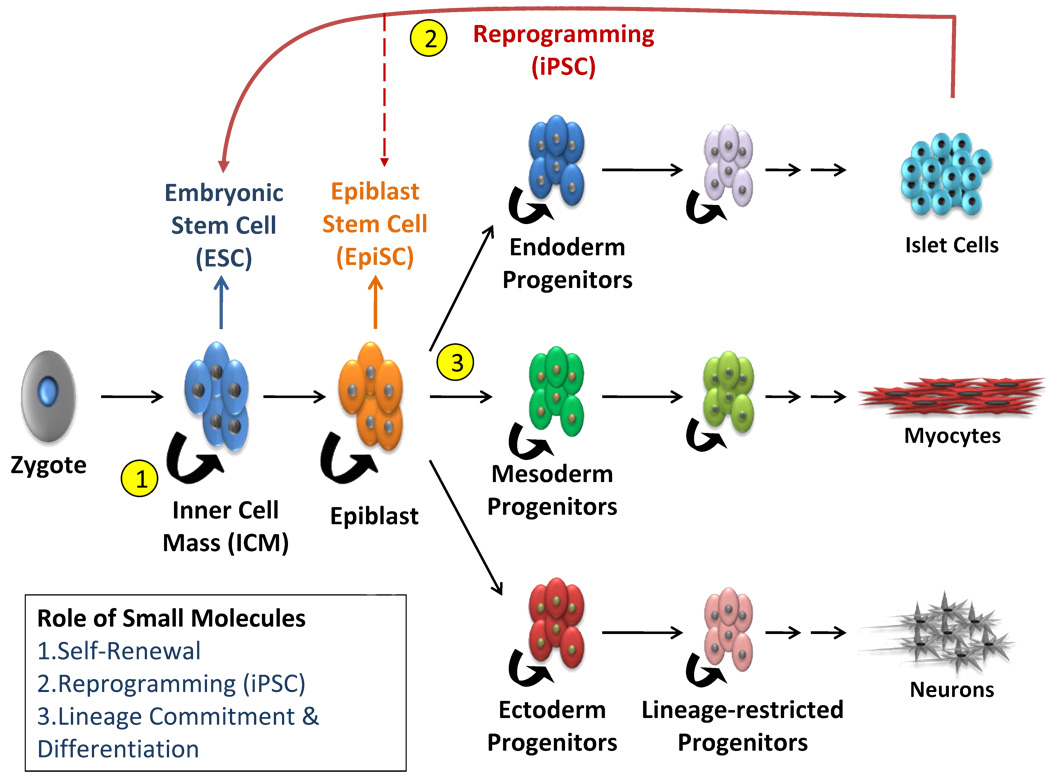
In early January 2025, MIT Tech Review unveiled its annual list of top 10 breakthrough technologies poised to redefine the future. Among these, stem cell therapy stood out for its potential to treat diverse diseases—including neurodegenerative disorders, diabetes, cancer, and heart failure. This groundbreaking approach uses stem cells to replace damaged cells, offering hope for millions worldwide.
Scientific Reviews
In early January 2025, MIT Tech Review unveiled its annual list of top 10 breakthrough technologies poised to redefine the future. Among these, stem cell therapy stood out for its potential to treat diverse diseases—including neurodegenerative disorders, diabetes, cancer, and heart failure. This groundbreaking approach uses stem cells to replace damaged cells, offering hope for millions worldwide. -
 Scientific Reviews
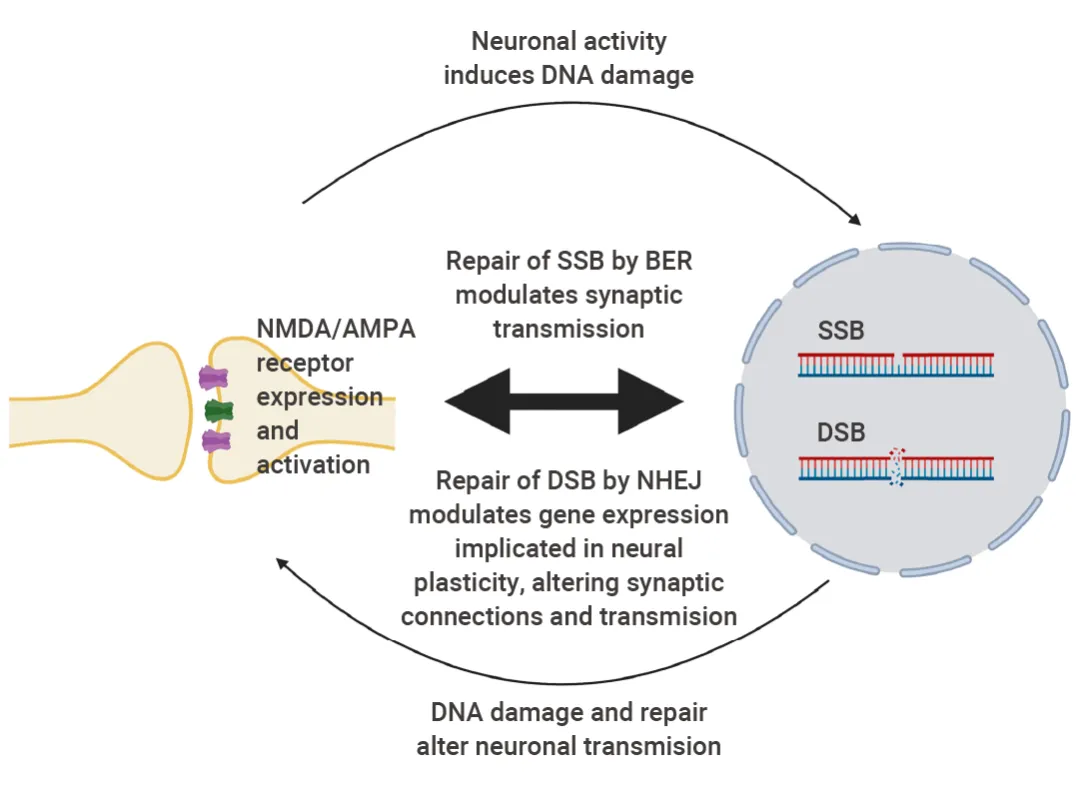
When you hear "inflammation" and "DNA damage," you might immediately think of disease or injury. However, in brains, these two processes are key steps in forming long-term memories, particularly related to specialized cells in our brain called hippocampal neurons.
Scientific Reviews
When you hear "inflammation" and "DNA damage," you might immediately think of disease or injury. However, in brains, these two processes are key steps in forming long-term memories, particularly related to specialized cells in our brain called hippocampal neurons. -
 Scientific Reviews
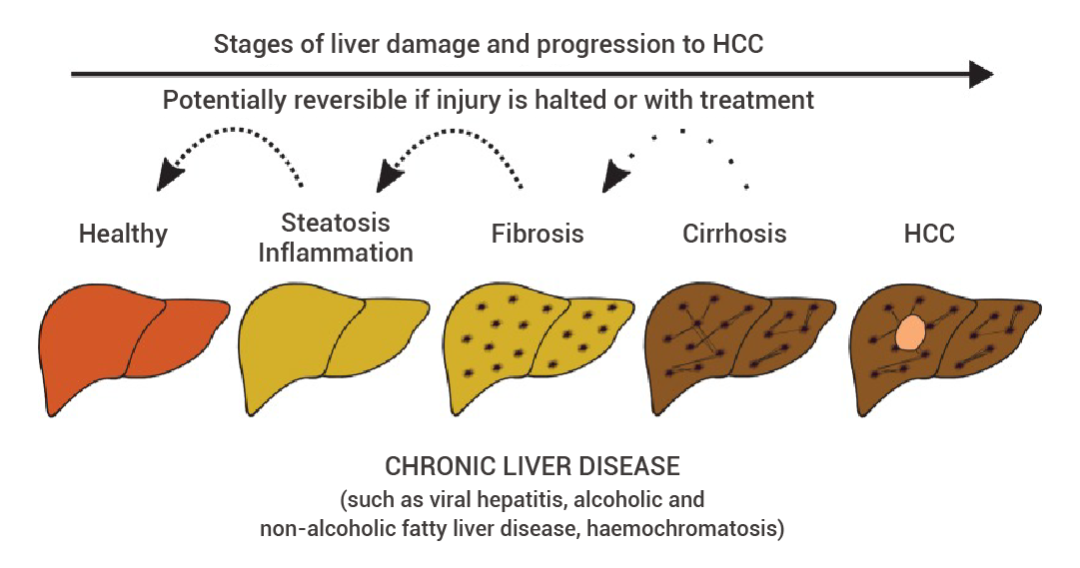
This article will tell you about the common methods of modeling liver disease in animal models.
Scientific Reviews
This article will tell you about the common methods of modeling liver disease in animal models. -
 Scientific Reviews
This article introduces some common cardiovascular disease models, inducers, modeling protocols and successful modeling cases in the research.
Scientific Reviews
This article introduces some common cardiovascular disease models, inducers, modeling protocols and successful modeling cases in the research. -
 Scientific Reviews
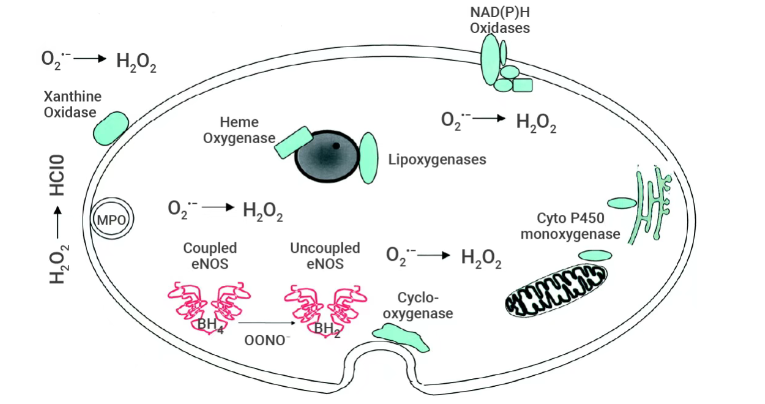
The article introduces the mechanisms of ROS generation and the methods for their detection.
Scientific Reviews
The article introduces the mechanisms of ROS generation and the methods for their detection. -
 Scientific Reviews
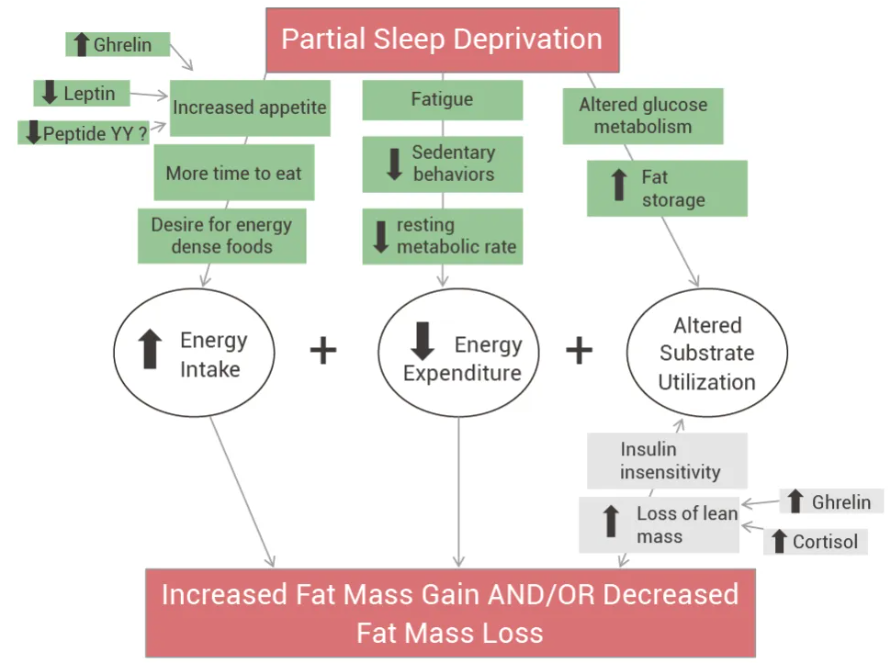
Have you ever noticed that after staying up late, your appetite—especially for high-calorie foods—gets out of control? If this sounds familiar, today’s article might offer some good news.
Scientific Reviews
Have you ever noticed that after staying up late, your appetite—especially for high-calorie foods—gets out of control? If this sounds familiar, today’s article might offer some good news. -
 Scientific Reviews
A groundbreaking study in Nature Communications reveals the key mechanism behind Idiopathic Pulmonary Fibrosis and identifies an existing drug with the potential to counter it.
Scientific Reviews
A groundbreaking study in Nature Communications reveals the key mechanism behind Idiopathic Pulmonary Fibrosis and identifies an existing drug with the potential to counter it. -
 Scientific Reviews
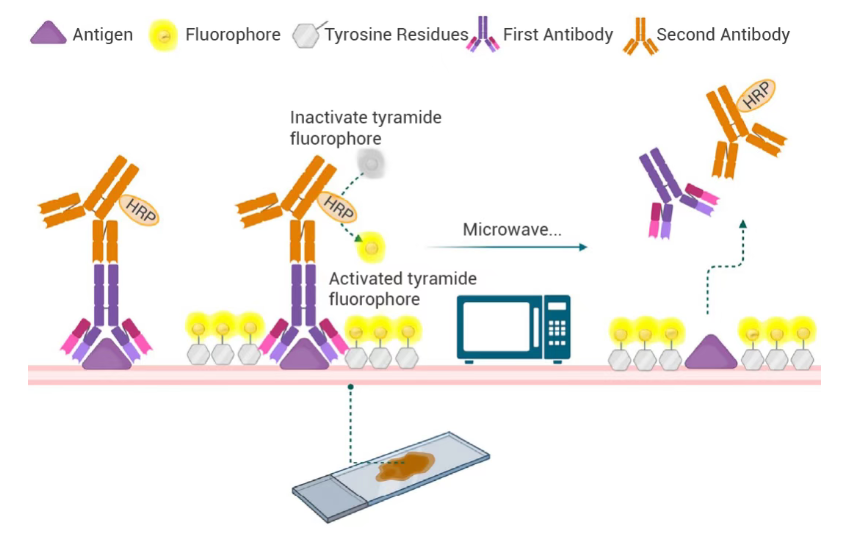
This detailed guide outlines the standardized experimental protocols for multiplex immunohistochemistry (mIHC), systematically summarizes common technical issues encountered during sample preparation, staining and imaging processes, and provides practical troubleshooting solutions to ensure reliable and reproducible results in biomedical research and clinical sample analysis.
Scientific Reviews
This detailed guide outlines the standardized experimental protocols for multiplex immunohistochemistry (mIHC), systematically summarizes common technical issues encountered during sample preparation, staining and imaging processes, and provides practical troubleshooting solutions to ensure reliable and reproducible results in biomedical research and clinical sample analysis. -
 Scientific Reviews
Finding adipogenic induction media too expensive and tricky to prepare? This comprehensive guide to 3T3-L1 adipogenic differentiation simplifies the process, helping you achieve great results!
Scientific Reviews
Finding adipogenic induction media too expensive and tricky to prepare? This comprehensive guide to 3T3-L1 adipogenic differentiation simplifies the process, helping you achieve great results! -
Scientific Reviews
Microglia– the only immune cells within the brain parenchyma. With advancements in imaging technologies, people’s understanding of microglia has shifted from being viewed as 'resting' cells to 'highly active' cells, particularly due to their dynamic processes that seem to be probing surrounding tissues and monitoring neuronal activity. This has made microglia a focal point of research in the field of neuroscience. -
 Scientific Reviews
This paper elaborates on cytokines for culturing major immune cells, their regulatory roles, recombinant cytokines' merits and MCE’s related high-quality products.
Scientific Reviews
This paper elaborates on cytokines for culturing major immune cells, their regulatory roles, recombinant cytokines' merits and MCE’s related high-quality products. -
 Scientific Reviews
In the hunt for the next ‘GLP-1,’ amylin therapeutics, which have shown strong weight-loss results in clinical trials, have become a major focus for both multinational pharma and the scientific community.
Scientific Reviews
In the hunt for the next ‘GLP-1,’ amylin therapeutics, which have shown strong weight-loss results in clinical trials, have become a major focus for both multinational pharma and the scientific community. -
 Scientific Reviews
GLP-1 and Obesity Research
Scientific Reviews
GLP-1 and Obesity Research2026-08-14
Obesity substantially increases the risk of chronic diseases such as T2D and cardiovascular disease. The breakout success of GLP-1 therapies has spotlighted GLP-1R and a wave of emerging obesity targets. -
 EDM
Research Progress of Type-2-Diabetes
EDM
Research Progress of Type-2-Diabetes2025-07-09
This review comprehensively analyzes the pathophysiological mechanisms underlying T2D, surveys current therapeutic strategies, and introduces commonly used disease modeling approaches to support translational research. -
 EDM
This review provides an overview of GLP-1 biology and physiological functions, summarizes the development and clinical applications of GLP-1 receptor agonists, and discusses next-generation GLP-1–based therapeutic strategies.
EDM
This review provides an overview of GLP-1 biology and physiological functions, summarizes the development and clinical applications of GLP-1 receptor agonists, and discusses next-generation GLP-1–based therapeutic strategies. -
 EDM
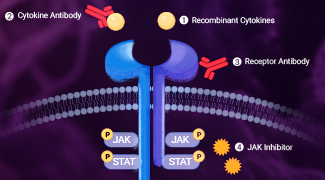
This review critically examines the role of the JAK-STAT pathway in immunity and autoimmune diseases, reviews current clinical applications of targeted therapies, and highlights emerging trends in autoimmune drug development.
EDM
This review critically examines the role of the JAK-STAT pathway in immunity and autoimmune diseases, reviews current clinical applications of targeted therapies, and highlights emerging trends in autoimmune drug development. -
 EDM
This review summarizes the mechanisms of DSS-induced colitis, commonly used modeling approaches, and key considerations related to DSS molecular weight.
EDM
This review summarizes the mechanisms of DSS-induced colitis, commonly used modeling approaches, and key considerations related to DSS molecular weight. -
 EDM
Explore next-generation obesity therapies from three perspectives: GLP-1-based multi-receptor agonists, oral GLP-1 strategies, and novel obesity targets.
EDM
Explore next-generation obesity therapies from three perspectives: GLP-1-based multi-receptor agonists, oral GLP-1 strategies, and novel obesity targets. -
 EDM
Review the mechanisms, mitochondrial regulation, disease relevance, and translational opportunities of the NLRP3–STING axis in neuroinflammation.
EDM
Review the mechanisms, mitochondrial regulation, disease relevance, and translational opportunities of the NLRP3–STING axis in neuroinflammation. -
 EDM
Explore the evolution from GLP-1 mono-agonists to multi-receptor therapeutics and the expanding role of incretin-based therapies in precision metabolic medicine.
EDM
Explore the evolution from GLP-1 mono-agonists to multi-receptor therapeutics and the expanding role of incretin-based therapies in precision metabolic medicine. -
 EDM
Explore the mechanisms driving immune tolerance breakdown in autoimmune diseases and emerging tolerance-restoring strategies, with a focus on IL-2-based immune modulation.
EDM
Explore the mechanisms driving immune tolerance breakdown in autoimmune diseases and emerging tolerance-restoring strategies, with a focus on IL-2-based immune modulation. -
 EDM
Evolution of PCSK9 Inhibitors Modalities: From Monoclonal Antibodies to Oral Macrocyclic Peptides
EDM
Evolution of PCSK9 Inhibitors Modalities: From Monoclonal Antibodies to Oral Macrocyclic Peptides2026-08-27
Review the biological basis of PCSK9, key therapeutic modalities, cardiovascular evidence, and future directions, including insights from the CORALreef clinical program. -
 EDM
Explore how mitochondrial quality control, inflammatory signaling, and metabolic–epigenetic reprogramming regulate cellular senescence and the SASP, along with strategies to restore mitochondrial homeostasis.
EDM
Explore how mitochondrial quality control, inflammatory signaling, and metabolic–epigenetic reprogramming regulate cellular senescence and the SASP, along with strategies to restore mitochondrial homeostasis. -
 Product Guides
Exosomes are nano-sized biovesicles released into surrounding body fluids after the fusion of multivesicular bodies with the plasma membrane. In this article, we will briefly introduce isolation, labeling and identification of exosomes. And the specific application of exosomes will also be mentioned.
Product Guides
Exosomes are nano-sized biovesicles released into surrounding body fluids after the fusion of multivesicular bodies with the plasma membrane. In this article, we will briefly introduce isolation, labeling and identification of exosomes. And the specific application of exosomes will also be mentioned. -
 Blog
HS-1371 is a Small Molecule RIP3 Inhibitor
Blog
HS-1371 is a Small Molecule RIP3 Inhibitor2019-04-09
HS-1371 is a novel kinase inhibitor of RIP3-mediated necroptosis, showing an inhibitory effect on S227 auto-phosphorylation of RIP3 at the basal level. -
 Blog
Nevanimibe is a selective and potent ACAT1 inhibitor. An excellent drug candidate in the treatment of adrenocortical cancer.
Blog
Nevanimibe is a selective and potent ACAT1 inhibitor. An excellent drug candidate in the treatment of adrenocortical cancer. -
 Blog
PRN1008 is a Reversible Covalent and Oral Active Inhibitor of Bruton’s Tyrosine Kinase (BTK)
Blog
PRN1008 is a Reversible Covalent and Oral Active Inhibitor of Bruton’s Tyrosine Kinase (BTK)2019-04-18
PRN1008 is a selective, reversible covalent and oral active inhibitor of Bruton’s Tyrosine Kinase (BTK), with an IC50 of 1.3 nM. -
 Blog
Multiple Tyrosine Kinases Inhibitor TAS-115
Blog
Multiple Tyrosine Kinases Inhibitor TAS-1152019-04-19
TAS-115 is a potent VEGFR and c-Met/HGFR-targeted kinase inhibitor with IC50s of 30 and 32 nM for rVEGFR2 and rMET, respectively. -
 Blog
TAK-828F is a potent, selective and orally active retinoic acid receptor-related orphan receptor γt (RORγt) inverse agonist. TAK-828F inhibits IL-17A cytokine expression and reduces symptoms of autoimmune encephalomyelitis mice.
Blog
TAK-828F is a potent, selective and orally active retinoic acid receptor-related orphan receptor γt (RORγt) inverse agonist. TAK-828F inhibits IL-17A cytokine expression and reduces symptoms of autoimmune encephalomyelitis mice. -
 Blog
BAY-8002 is a selective and orally active inhibitor of monocarboxylate transporter 1 (MCT1), with an IC50 of 85 nM. Has potential to treat lymphoma.
Blog
BAY-8002 is a selective and orally active inhibitor of monocarboxylate transporter 1 (MCT1), with an IC50 of 85 nM. Has potential to treat lymphoma. -
 Blog
GSK3145095 is a RIP1 kinase inhibitor with an IC50 of 6.3 nM. Potently blocks the TNF response and RIP1-dependent inflammatory cytokine MIP-1β production.
Blog
GSK3145095 is a RIP1 kinase inhibitor with an IC50 of 6.3 nM. Potently blocks the TNF response and RIP1-dependent inflammatory cytokine MIP-1β production. -
 Blog
Olutasidenib is a highly potent, selective inhibitor of mutant IDH1 that could be used in the treatment of AML or myelodysplastic syndrome (MDS).
Blog
Olutasidenib is a highly potent, selective inhibitor of mutant IDH1 that could be used in the treatment of AML or myelodysplastic syndrome (MDS). -
 Blog
BAY-11-7082 inhibits the proliferation and induces the apoptosis of U266 cells through inhibiting NF-κB pathway. BAY 11-7082 ameliorates experimental diabetic neuropathy by modulating neuroinflammation and improving antioxidant defence.
Blog
BAY-11-7082 inhibits the proliferation and induces the apoptosis of U266 cells through inhibiting NF-κB pathway. BAY 11-7082 ameliorates experimental diabetic neuropathy by modulating neuroinflammation and improving antioxidant defence. -
 Blog
S18-000003 is a potent, selective and orally active inhibitor of retinoic acid receptor-related orphan receptor-gamma-t (RORγt). S18-000003 ameliorates psoriasis-like lesions in vivo. S18-000003 can be used for the research of skin inflammatory diseases.
Blog
S18-000003 is a potent, selective and orally active inhibitor of retinoic acid receptor-related orphan receptor-gamma-t (RORγt). S18-000003 ameliorates psoriasis-like lesions in vivo. S18-000003 can be used for the research of skin inflammatory diseases. -
 Blog
PTC299 is a dual and orally active DHODH and VEGF inhibitor, has broad and potent activity against hematological cancer cells.
Blog
PTC299 is a dual and orally active DHODH and VEGF inhibitor, has broad and potent activity against hematological cancer cells. -
 Blog
TPCA-1, a Direct Dual Inhibitor of STAT3 and NF-κB, Regresses Mutant EGFR-Associated NSCLC
Blog
TPCA-1, a Direct Dual Inhibitor of STAT3 and NF-κB, Regresses Mutant EGFR-Associated NSCLC2019-07-15
TPCA-1 is a potent and selective inhibitor of IKK-2 with IC50 of 17.9 nM. TPCA-1 is an effective inhibitor of STAT3 phosphorylation, DNA binding. -
 Blog
LSN 3213128 is a selective, nonclassical, orally bioavailable antifolate with anti-cancer activity. LSN 3213128 potently and specifically inhibits AICARFT.
Blog
LSN 3213128 is a selective, nonclassical, orally bioavailable antifolate with anti-cancer activity. LSN 3213128 potently and specifically inhibits AICARFT. -
 Blog
NXT629 is a potent, selective, and competitive PPAR-α antagonist and shows high selectivity over other nuclear hormone receptor.
Blog
NXT629 is a potent, selective, and competitive PPAR-α antagonist and shows high selectivity over other nuclear hormone receptor. -
 Blog
BI-4924 is a Selective PHGDH Inhibitor
Blog
BI-4924 is a Selective PHGDH Inhibitor2019-08-23
BI-4924 is a lipophilic and highly plasma protein bound selective phosphoglycerate dehydrogenase (PHGDH) inhibitor (IC50=3 nM) with excellent microsomal. -
 Blog
FT113 is a potent and orally active fatty acid synthase inhibitor, with an IC50 of 213 nM for full-length recombinant human FAS, with anti-tumor activity.
Blog
FT113 is a potent and orally active fatty acid synthase inhibitor, with an IC50 of 213 nM for full-length recombinant human FAS, with anti-tumor activity. -
 Blog
UPGL00004 is a allosteric glutaminase C inhibitor which strongly inhibits the proliferation of highly aggressive triple-negative breast cancer cell lines.
Blog
UPGL00004 is a allosteric glutaminase C inhibitor which strongly inhibits the proliferation of highly aggressive triple-negative breast cancer cell lines. -
 Blog
IDH889 is an orally available, brain penetrant, allosteric and mutant specific inhibitor of isocitrate dehydrogenase 1 (IDH1) R132 mutations.
Blog
IDH889 is an orally available, brain penetrant, allosteric and mutant specific inhibitor of isocitrate dehydrogenase 1 (IDH1) R132 mutations. -
 Blog
DVD-445 is a potent peptidomimetic covalent TrxR1 inhibitor with an IC50 of 0.60 μM for rat TrxR1. DVD-445 has good anticancer application.
Blog
DVD-445 is a potent peptidomimetic covalent TrxR1 inhibitor with an IC50 of 0.60 μM for rat TrxR1. DVD-445 has good anticancer application. -
 Blog
BI-167107 is a high affinity, full agonist that binds to the β2 adrenergic receptor (β2AR) with a dissociation constant Kd of 84 pM.
Blog
BI-167107 is a high affinity, full agonist that binds to the β2 adrenergic receptor (β2AR) with a dissociation constant Kd of 84 pM. -
 Blog
TVB-3166 is an orally-available, reversible, and selective FASN inhibitor and it induces apoptosis, and inhibits in-vivo xenograft tumor growth.
Blog
TVB-3166 is an orally-available, reversible, and selective FASN inhibitor and it induces apoptosis, and inhibits in-vivo xenograft tumor growth. -
 Blog
ASLAN003 is an orally active and potent inhibitor of hDHODH with antitumor activity, and it has the potential to be a first-in-class drug candidate in AML.
Blog
ASLAN003 is an orally active and potent inhibitor of hDHODH with antitumor activity, and it has the potential to be a first-in-class drug candidate in AML. -
 Blog
DS18561882 is a highly potent, sozyme-selective methylenetetrahydrofolate dehydrogenase 2 (MTHFD2) inhibitor with a good oral pharmacokinetic profile.
Blog
DS18561882 is a highly potent, sozyme-selective methylenetetrahydrofolate dehydrogenase 2 (MTHFD2) inhibitor with a good oral pharmacokinetic profile. -
 Blog
GNE-618 is a Orally Active NAMPT Inhibitor
Blog
GNE-618 is a Orally Active NAMPT Inhibitor2019-11-28
GNE-618 is an orally active NAMPT inhibitor and reduces tumor growth. GNE-618 depletes NAD levels and induces tumor cell death. -
 Blog
Telaglenastat is a first-in-class, reversible, orally bioavailable glutaminase 1 splice variants (KGA and GAC) inhibitor. It shows antitumor activity.
Blog
Telaglenastat is a first-in-class, reversible, orally bioavailable glutaminase 1 splice variants (KGA and GAC) inhibitor. It shows antitumor activity. -
 Blog
UK 356618 is a Selective MMP-3 Inhibitor
Blog
UK 356618 is a Selective MMP-3 Inhibitor2019-12-25
UK 356618 is a selective and potent inhibitor of MMP-3. UK 356618 exhibits potent anti-inflammatory and anti-cancer activity. -
 Blog
CH6953755 is a potent, orally active and selective YES1 kinase inhibitor leading to antitumor activity against YES1 Gene -amplified cancers.
Blog
CH6953755 is a potent, orally active and selective YES1 kinase inhibitor leading to antitumor activity against YES1 Gene -amplified cancers. -
 Blog
CA-4948 is a Selective and Orally Bioavailable IRAK4 Kinase Inhibitor for Lymphoma Treatment
Blog
CA-4948 is a Selective and Orally Bioavailable IRAK4 Kinase Inhibitor for Lymphoma Treatment2020-01-05
CA-4948 is a potent, selective and orally bioavailable IRAK4 kinase inhibitor. CA-4948 can be used for the treatment of lymphoma. -
 Blog
GPP78 is a potent Nampt inhibitor. GPP78 is cytotoxic to neuroblastoma cell line SH-SY5Y cells. GPP78 has anti-cancer and anti-tumor activity.
Blog
GPP78 is a potent Nampt inhibitor. GPP78 is cytotoxic to neuroblastoma cell line SH-SY5Y cells. GPP78 has anti-cancer and anti-tumor activity. -
 Blog
BRD7389 is a specific RSK family kinase inhibitor and is a small-molecule inducer of insulin expression in pancreatic α-cells.
Blog
BRD7389 is a specific RSK family kinase inhibitor and is a small-molecule inducer of insulin expression in pancreatic α-cells. -
 Blog
BAY-985 is an orally active and selective ATP-competitive dual inhibitor of TBK1 and IKKε with IC50s of 2/30 and 2 nM for TBK1 and IKKε, respectively.
Blog
BAY-985 is an orally active and selective ATP-competitive dual inhibitor of TBK1 and IKKε with IC50s of 2/30 and 2 nM for TBK1 and IKKε, respectively. -
 Blog
ADH-503 is an orally active and allosteric CD11b agonist and leads to the repolarization of tumor-associated macrophages.
Blog
ADH-503 is an orally active and allosteric CD11b agonist and leads to the repolarization of tumor-associated macrophages. -
 Blog
CM10 is a potent and selective aldehyde dehydrogenase 1A family inhibitor and regulates metabolism and has anti-cancer activity.
Blog
CM10 is a potent and selective aldehyde dehydrogenase 1A family inhibitor and regulates metabolism and has anti-cancer activity. -
 Blog
DC-5163 is a potent GAPDH inhibitor, can inhibit glycolysis pathway partially. DC-5163 selectively inhibits cancer cell proliferation and induces apoptosis.
Blog
DC-5163 is a potent GAPDH inhibitor, can inhibit glycolysis pathway partially. DC-5163 selectively inhibits cancer cell proliferation and induces apoptosis. -
 Blog
iFSP1 is a potent, selective FSP1inhibitor that induces ferroptosis in GPX4-knockout cells which overexpressed FSP1.
Blog
iFSP1 is a potent, selective FSP1inhibitor that induces ferroptosis in GPX4-knockout cells which overexpressed FSP1. -
 Blog
OT-82 is a selective inhibitor of NAMPT. Selectively toxic to cells of hematopoietic origin. OT-82 is a promising antineoplastic agent.
Blog
OT-82 is a selective inhibitor of NAMPT. Selectively toxic to cells of hematopoietic origin. OT-82 is a promising antineoplastic agent. -
 Blog
TNP-351, an Antifolate, is a Dihydrofolate Reductase (DHFR) Inhibitor. Antifolates serve medical science well in neoplastic and non-neoplastic diseases.
Blog
TNP-351, an Antifolate, is a Dihydrofolate Reductase (DHFR) Inhibitor. Antifolates serve medical science well in neoplastic and non-neoplastic diseases. -
 Blog
GSK143 is an orally active and highly selective spleen tyrosine kinase (SYK) inhibitor. GSK143 reduces inflammation in the intestinal muscularis in mice.
Blog
GSK143 is an orally active and highly selective spleen tyrosine kinase (SYK) inhibitor. GSK143 reduces inflammation in the intestinal muscularis in mice. -
 Blog
RA375, a RPN13 inhibitor, inhibits proteasome function in muscle. RA375 is highly active against cell lines of multiple myeloma and diverse solid cancers.
Blog
RA375, a RPN13 inhibitor, inhibits proteasome function in muscle. RA375 is highly active against cell lines of multiple myeloma and diverse solid cancers. -
 Blog
JX06 is a potent, selective and covalent inhibitor of PDK via covalently binding to a cysteine residue in an irreversible manner.
Blog
JX06 is a potent, selective and covalent inhibitor of PDK via covalently binding to a cysteine residue in an irreversible manner. -
 Blog
IPI-9119 is an orally active, selective and irreversible FASN inhibitor with potent anti-cancer activity. IPI-9119 induces cell cycle arrest, apoptosis.
Blog
IPI-9119 is an orally active, selective and irreversible FASN inhibitor with potent anti-cancer activity. IPI-9119 induces cell cycle arrest, apoptosis. -
 Blog
CAY10404 is a potent and highly selective COX-2 inhibitor. CAY10404 is a potent inhibitor of PKB/Akt and MAPK signalling pathways.
Blog
CAY10404 is a potent and highly selective COX-2 inhibitor. CAY10404 is a potent inhibitor of PKB/Akt and MAPK signalling pathways. -
 Blog
BMS-P5 is an Orally Active PAD4 Inhibitor
Blog
BMS-P5 is an Orally Active PAD4 Inhibitor2020-12-12
BMS-P5 is an orally active PAD4 inhibitor. BMS-P5 blocks MM-induced NET formation and delays progression of MM in a syngeneic mouse model -
 Blog
ML132, a potent and selective caspase 1 inhibitor with a unique selectivity pattern, is responsible for the proteolytic activation of IL-1β and IL-18.
Blog
ML132, a potent and selective caspase 1 inhibitor with a unique selectivity pattern, is responsible for the proteolytic activation of IL-1β and IL-18. -
 Blog
CTPI-2 is a SLC25A1 inhibitor. CTPI-2 inhibits glycolysis, PPARγ, and its downstream target the glucose transporter GLUT4. Antitumor activity.
Blog
CTPI-2 is a SLC25A1 inhibitor. CTPI-2 inhibits glycolysis, PPARγ, and its downstream target the glucose transporter GLUT4. Antitumor activity. -
 Blog
DMU-212 Possesses Antimitotic, Anti-Proliferative, Antioxidant and Apoptosis Promoting Activities
Blog
DMU-212 Possesses Antimitotic, Anti-Proliferative, Antioxidant and Apoptosis Promoting Activities2020-12-24
Activation of ERK1/2 is required for the antimitotic activity of the Resveratrol analogue DMU‐212 in human melanoma cells. -
 Blog
BI99179 is a Selective Type I FASN Inhibitor
Blog
BI99179 is a Selective Type I FASN Inhibitor2021-01-28
FASN is a key enzyme for lipogenesis and highly expressed in lipogenic tissues. BI99179 is a Selective Type I FASN Inhibitor. -
 Blog
Fasentin inhibits GLUT-1 and GLUT-4 transporters. Fasentin blocks glucose uptake in cancer cell lines and has anti-angiogenic activity.
Blog
Fasentin inhibits GLUT-1 and GLUT-4 transporters. Fasentin blocks glucose uptake in cancer cell lines and has anti-angiogenic activity. -
 Blog
ML390 is a Potent DHODH Inhibitor
Blog
ML390 is a Potent DHODH Inhibitor2021-02-24
ML390 is a potent dihydroorotate dehydrogenase (DHODH) inhibitor and is an inducer of myeloid differentiation. -
 Blog
CC-90001 is a potent, selective, and orally active inhibitor of JNK. CC-90001 can be used for the research of idiopathic pulmonary fibrosis (IPF).
Blog
CC-90001 is a potent, selective, and orally active inhibitor of JNK. CC-90001 can be used for the research of idiopathic pulmonary fibrosis (IPF). -
 Blog
SB-332235 is a potent, orally active nonpeptide CXCR2 antagonist. SB-332235 inhibits acute and chronic models of arthritis in the rabbit.
Blog
SB-332235 is a potent, orally active nonpeptide CXCR2 antagonist. SB-332235 inhibits acute and chronic models of arthritis in the rabbit. -
 Blog
Vorasidenib is an orally available, brain penetrant second-generation dual mutant isocitrate dehydrogenases 1 and 2 (mIDH1/2) inhibitor.
Blog
Vorasidenib is an orally available, brain penetrant second-generation dual mutant isocitrate dehydrogenases 1 and 2 (mIDH1/2) inhibitor. -
 Blog
Lumiracoxib is a COX-2 inhibitor. Lumiracoxib acts as nonselective NSAID with anti-inflammatory, analgesic and antipyretic activities.
Blog
Lumiracoxib is a COX-2 inhibitor. Lumiracoxib acts as nonselective NSAID with anti-inflammatory, analgesic and antipyretic activities. -
 Blog
Ruxolitinib is a potent and selective JAK1/2 inhibitor and has 130-fold selectivity for JAK1/2 over JAK3. Ruxolitinib induces autophagy.
Blog
Ruxolitinib is a potent and selective JAK1/2 inhibitor and has 130-fold selectivity for JAK1/2 over JAK3. Ruxolitinib induces autophagy. -
 Blog
Elesclomol is an oxidative stress inducer that induces cancer cell apoptosis. Elesclomol is a reactive oxygen species (ROS) inducer.
Blog
Elesclomol is an oxidative stress inducer that induces cancer cell apoptosis. Elesclomol is a reactive oxygen species (ROS) inducer. -
 Blog
Brusatol (NSC 172924) is a Nrf2 Inhibitor
Blog
Brusatol (NSC 172924) is a Nrf2 Inhibitor2021-10-26
Brusatol inhibits the Nrf2 signaling pathway by reducing the protein level of Nrf2, with anticancer activities. -
 Blog
IMD-0354 is a Selective IKKβ Inhibitor
Blog
IMD-0354 is a Selective IKKβ Inhibitor2021-11-09
IMD-0354 is a selective IKKβ inhibitor and potently inhibits NF-κB activity. IMD0354 has antitumor activity. -
 Blog
Oltipraz is a Nrf2 Inhibitor
Blog
Oltipraz is a Nrf2 Inhibitor2021-11-18
Oltipraz is a potent Nrf2 activator. Oltipraz has an inhibitory effect on HIF-1α activation in a time-dependent manner, the IC50 is 10 μM. -
 Blog
Lonidamine, an antitumor agent and an indazole derivative, interferes with energy-yielding processes in cancer cells.
Blog
Lonidamine, an antitumor agent and an indazole derivative, interferes with energy-yielding processes in cancer cells. -
 Blog
Trolox is an analogue of vitamin E with a powerful antioxidant effect. Trolox is also a powerful inhibitor of membrane damage.
Blog
Trolox is an analogue of vitamin E with a powerful antioxidant effect. Trolox is also a powerful inhibitor of membrane damage. -
 Blog
Alda-1 is a potent ALDH2 Agonist
Blog
Alda-1 is a potent ALDH2 Agonist2021-12-30
Alda-1 ameliorates H2O2-induced Achilles tendinopathy. Alda-1 could be used for preventing Achilles tendinopathy. -
 Blog
β-Lapachone, a topoisomerase I inhibitor, induces apoptosis by inhibiting cell cycle progression. β-Lapachone has anti-inflammatory effect.
Blog
β-Lapachone, a topoisomerase I inhibitor, induces apoptosis by inhibiting cell cycle progression. β-Lapachone has anti-inflammatory effect. -
 Blog
CL097 is a TLR7/8 agonist. CL097 induces pro-nflammatory cytokines. CL097 induces NADPH oxidase priming and efficient diabetogenic cytotoxic T lymphocyte (CTL) function in NOD mice.
Blog
CL097 is a TLR7/8 agonist. CL097 induces pro-nflammatory cytokines. CL097 induces NADPH oxidase priming and efficient diabetogenic cytotoxic T lymphocyte (CTL) function in NOD mice. -
 Blog
Zingerone is a natural orally active nontoxic methoxyphenol potent anti-inflammatory, antidiabetic, antioxidize, and anti-tumor properties.
Blog
Zingerone is a natural orally active nontoxic methoxyphenol potent anti-inflammatory, antidiabetic, antioxidize, and anti-tumor properties. -
 Blog
PX-12 is an irreversible inhibitor of Trx-1 and inhibits the growth, migration, and invasion of colorectal cancer cell lines.
Blog
PX-12 is an irreversible inhibitor of Trx-1 and inhibits the growth, migration, and invasion of colorectal cancer cell lines. -
 Blog
BM213 is a selective C5aR1 agonist. It’s a useful research tool to study C5aR1 function
Blog
BM213 is a selective C5aR1 agonist. It’s a useful research tool to study C5aR1 function -
 Blog
Pelecopan is a potent, selective, and orally active complement factor D inhibitor, possessing the potential to study paroxysmal nocturnal hemoglobinuria (PNH).
Blog
Pelecopan is a potent, selective, and orally active complement factor D inhibitor, possessing the potential to study paroxysmal nocturnal hemoglobinuria (PNH). -
 Blog
LCS3 is a potent and reversible inhibitor of GSR and TXNRD1 with anti-tumour activity by non-competitive inhibition of the enzyme activity.
Blog
LCS3 is a potent and reversible inhibitor of GSR and TXNRD1 with anti-tumour activity by non-competitive inhibition of the enzyme activity. -
 Blog
Etrolizumab is a Gut-selective, Anti-β7 Integrin McAb for Inflammatory Bowel Disease (IBD) Research
Blog
Etrolizumab is a Gut-selective, Anti-β7 Integrin McAb for Inflammatory Bowel Disease (IBD) Research2022-11-05
Etrolizumab is a gut-selective, anti-β7 integrin monoclonal antibody and has the potential for the research of inflammatory bowel disease. -
 Blog
STF-31 is a potent ans selective inhibitor of GLUT1 that inhibit glucose uptake in renal cell carcinoma (RCC) 4 cells.
Blog
STF-31 is a potent ans selective inhibitor of GLUT1 that inhibit glucose uptake in renal cell carcinoma (RCC) 4 cells. -
 Blog
Olutasidenib (FT-2102) is an orally active, brain penetrant inhibitor of mutant IDH1. Olutasidenib is used for AML or MDS Research.
Blog
Olutasidenib (FT-2102) is an orally active, brain penetrant inhibitor of mutant IDH1. Olutasidenib is used for AML or MDS Research. -
 Blog
MMRi62, a Ferroptosis inducer targeting MDM2-MDM4. MMRi62 shows a P53-independent pro-apoptotic activity against PDAC cells.
Blog
MMRi62, a Ferroptosis inducer targeting MDM2-MDM4. MMRi62 shows a P53-independent pro-apoptotic activity against PDAC cells. -
 Blog
FA16 is a specific and metabolically stable ferroptosis inducer. It inhibits system Xc-, results in tumor progression suppression.
Blog
FA16 is a specific and metabolically stable ferroptosis inducer. It inhibits system Xc-, results in tumor progression suppression. -
 Blog
YL-939 was a potent inhibitor of iron death and significantly improved liver injury in a model of iron death-related acute liver injury.
Blog
YL-939 was a potent inhibitor of iron death and significantly improved liver injury in a model of iron death-related acute liver injury. -
 Blog
Talotrexin (PT523), a classic antifolate, is an RFC (reduced folate carrier) specific inhibitor and selectively inhibits RFC transport.
Blog
Talotrexin (PT523), a classic antifolate, is an RFC (reduced folate carrier) specific inhibitor and selectively inhibits RFC transport. -
 Blog
Ruxolitinib is an orally-active JAK1/2 inhibitor. Ruxolitinib has the potential for the research of myeloproliferative neoplasm (MPN).
Blog
Ruxolitinib is an orally-active JAK1/2 inhibitor. Ruxolitinib has the potential for the research of myeloproliferative neoplasm (MPN).
Products
All
-
All
-
Inhibitors & Agonists
-
Isotope-Labeled Compounds
-
Fluorescent Dye
-
Peptides
-
Screening Libraries
-
Inhibitory Antibodies
-
Reference Standards
-
Induced Disease Models Products
-
GMP Small Molecules
-
Biochemical Assay Reagents
-
Natural Products
| Cat. No. | Product Name | Information | Application | Publication |
|---|---|---|---|---|
| HY-18739 | Phorbol 12-myristate 13-acetate |
Phorbol 12-myristate 13-acetate (PMA; TPA; Phorbol myristate acetate), a phorbol ester, is a dual SphK and protein kinase C (PKC) activator. Phorbol 12-myristate 13-acetate is a NF-κB activator. Phorbol 12-myristate 13-acetate induces differentiation in THP-1 cells (Validated by MedChemExpress).
|
|
860
|
| HY-10071 | Y-27632 |
Y-27632 is a ROCK inhibitor with Ki values of 220 nM and 300 nM for ROCK1 and ROCK2, respectively. Y-27632 exerts anti-inflammatory and immunomodulatory effects in systemic lupus erythematosus models by inhibiting the ROCK/NF-κB pathway. Y-27632 enhances autophagy by inhibiting the AKT/mTOR pathway, thereby inducing apoptosis apoptosis in oral squamous cell carcinoma. Y-27632 induces the formation of tunneling nanotubes in ARPE-19 cells and significantly enhances mitochondrial transfer through these channels. Y-27632 promotes neurite outgrowth in PC12 cells by activating the Rac1/NOX1/ROS/AKT/PAK1 signaling cascade.
|
|
602
|
| HY-13453 | BAY 11-7082 |
BAY 11-7082 is an IκBα phosphorylation and NF-κB inhibitor. BAY 11-7082 selectively and irreversibly inhibits the TNF-α-induced phosphorylation of IκB-α, and decreases NF-κB and expression of adhesion molecules. BAY 11-7082 inhibits ubiquitin-specific protease USP7 and USP21 (IC50=0.19, 0.96 μM, respectively). BAY 11-7082 inhibits gasdermin D (GSDMD) pore formation in liposomes and inflammasome-mediated pyroptosis and IL-1β secretion in human and mouse cells.
|
Breast Cancer
Prostate Cancer
Liver Cancer
Leukemia/Lymphoma/Myeloma
Pancreatic Cancer
Ovarian Cancer
Depression
Pain
Digestive System Inflammation
Obesity
|
507
|
| HY-13030 | (+)-JQ-1 |
|
309
|
|
| HY-10227 | Bortezomib |
Bortezomib (PS-341) is a reversible and selective proteasome inhibitor, and potently inhibits 20S proteasome (Ki=0.6 nM) by targeting a threonine residue. Bortezomib disrupts the cell cycle, induces apoptosis, and inhibits NF-κB. Bortezomib is the first proteasome inhibitor anticancer agent. Bortezomib can be used for the study of multiple myeloma (MM). Bortezomib effectively inhibits TREM2 expression in tumor-associated macrophages (TAMs).
|
Prostate Cancer
Liver Cancer
Leukemia/Lymphoma/Myeloma
Pancreatic Cancer
Ovarian Cancer
Viral Infection
Depression
Pain
Non-Small Cell Lung Cancer
Metastatic Breast Cancer
SARS-CoV-2 Infection
Obesity
|
278
|
| HY-A0004 | Decitabine |
Decitabine (NSC 127716) is an orally active deoxycytidine analogue antimetabolite and DNA methyltransferase inhibitor. Decitabine incorporates into DNA in place of cytosine can covalently trap DNA methyltransferase to DNA causing irreversible inhibition of the enzyme. Decitabine induces cell G2/M arrest and cell Apoptosis. Decitabine has potent anticancer activity.
|
Pancreatic Cancer
Viral Infection
Digestive System Inflammation
Urogenital Cancer
Non-Small Cell Lung Cancer
Acute Myeloid Leukemia
SARS-CoV-2 Infection
Rheumatoid Arthritis
|
183
|
| HY-13982 | JSH-23 |
JSH-23 is an NF-κB inhibitor which inhibits NF-κB transcriptional activity with an IC50 of 7.1 μM in lipopolysaccharide (LPS)-stimulated macrophages RAW 264.7. JSH-23 inhibits nuclear translocation of NF-κB p65 without affecting IκBα degradation.
|
Breast Cancer
Prostate Cancer
Liver Cancer
Leukemia/Lymphoma/Myeloma
Pancreatic Cancer
Ovarian Cancer
Depression
Pain
Digestive System Inflammation
Glucose Metabolism
Obesity
|
162
|
| HY-B0075 | Melatonin |
Melatonin is a hormone made by the pineal gland that can activate melatonin receptor and inhibit PANoptosis. Melatonin plays a role in sleep and possesses important antioxidative and anti-inflammatory properties. Melatonin is a novel selective ATF-6 inhibitor and induces human hepatoma cell apoptosis through COX-2 downregulation. Melatonin attenuates palmitic acid-induced (HY-N0830) mouse granulosa cells apoptosis via endoplasmic reticulum stress.
|
Melatonin Receptor
Autophagy
Mitophagy
Endogenous Metabolite
Apoptosis
PANoptosis
Ligands for Target Protein for PROTAC
Histone Acetyltransferase
Lung Cancer
Breast Cancer
Prostate Cancer
Liver Cancer
Viral Infection
Neurodegenerative Disease
Digestive System Inflammation
SARS-CoV-2 Infection
|
149
|
| HY-10586 | 5-Azacytidine |
Lung Cancer
Prostate Cancer
Leukemia/Lymphoma/Myeloma
Pancreatic Cancer
Bacterial Infection
SARS-CoV-2 Infection
Rheumatoid Arthritis
|
142
|
|
| HY-N0005 | Curcumin |
Curcumin (Diferuloylmethane), a natural phenolic compound, is a p300/CREB-binding protein-specific inhibitor of acetyltransferase, represses the acetylation of histone/nonhistone proteins and histone acetyltransferase-dependent chromatin transcription. Curcumin is a photosensitizer against microorganisms. Curcumin shows inhibitory effects on NF-κB and MAPKs, and has diverse pharmacologic effects including anti-inflammatory, antioxidant, antiproliferative and antiangiogenic activities. Curcumin induces stabilization of Nrf2 protein through Keap1 cysteine modification.
|
Histone Acetyltransferase
Epigenetic Reader Domain
Keap1-Nrf2
Autophagy
Mitophagy
Influenza Virus
Ferroptosis
Apoptosis
Prostate Cancer
Leukemia/Lymphoma/Myeloma
Pancreatic Cancer
Viral Infection
Pain
Digestive System Inflammation
Glucose Metabolism
Metastatic Breast Cancer
SARS-CoV-2 Infection
Obesity
Lung Fibrosis
|
138
|
| HY-107455 | A-485 |
A-485, a chemical probe, is a potent and selective catalytic inhibitor of p300/CBP with IC50s of 9.8 nM and 2.6 nM for p300 and CBP histone acetyltransferase (HAT), respectively.
|
|
114
|
| HY-13013 | SIS3 |
|
113
|
|
| HY-13470 | GSK126 |
GSK126 (GSK2816126A) is a potent, highly selective inhibitor of EZH2 methyltransferase with an IC50 of 9.9 nM.
|
|
105
|
| HY-40354 | Tofacitinib |
Tofacitinib (Tasocitinib) is an orally active, blood-brain barrier permeable selective inhibitor of JAK1/JAK3. Tofacitinib blocks the JAK-STAT/NF-κB signaling pathway, inhibits cytokine signal transduction, phosphorylation of STAT1/STAT5, and suppresses innate and adaptive immune responses. Tofacitinib can be used in research related to major depressive disorder, rheumatoid arthritis, pulmonary diseases, systemic lupus erythematosus, and immune-mediated liver injury.
|
|
103
|
| HY-L005 | Epigenetics Compound Library |
Epigenetics refers to changes in phenotype that are not rooted in DNA sequence. Many types of epigenetic processes have been identified, including DNA methylation, alteration in the structure of histone proteins and gene regulation by small noncoding microRNAs. Modification of DNA, protein, or RNA, resulting in changes to the function and/or regulation of these molecules, without altering their primary sequences, reveals the complexities of cellular differentiation, embryology, the regulation of gene expression, aging, cancer, and other diseases.
MCE provide a unique collection of 2,031 epigenetics-related compounds that can be used in the research of the related diseases.
|
|
102
|
| HY-13823 | C646 |
C646 is a selective and competitive histone acetyltransferase p300 inhibitor with Ki of 400 nM, and is less potent for other acetyltransferases.
|
|
98
|
| HY-13803 | Tazemetostat |
Tazemetostat (EPZ-6438) is a potent, selective and orally available EZH2 inhibitor. Tazemetostat inhibits the activity of human polycomb repressive complex 2 (PRC2)-containing wild-type EZH2 with a Ki value of 2.5 nM. Tazemetostat inhibits EZH2 with IC50s of 11 and 16 nM in peptide assay and nucleosome assay, respectively. Tazemetostat inhibits rat EZH2 with an IC50 of 4 nM. Tazemetostat also inhibits EZH1 with an IC50 of 392 nM. Tazemetostat induces apoptosis and differentiation specifically in SMARCB1-deleted MRT cells.
|
|
98
|
| HY-100487 | TAK-243 |
TAK-243 (MLN7243) is a first-in-class, selective ubiquitin activating enzyme, UAE (UBA1) inhibitor (IC50=1 nM), which blocks ubiquitin conjugation, disrupting monoubiquitin signaling as well as global protein ubiquitination. TAK-243 (MLN7243) induces endoplasmic reticulum (ER) stress, abrogates NF-κB pathway activation and promotes apoptosis.
|
Breast Cancer
Prostate Cancer
Liver Cancer
Leukemia/Lymphoma/Myeloma
Pancreatic Cancer
Ovarian Cancer
Depression
Pain
Digestive System Inflammation
Obesity
|
96
|
| HY-B0673 | Pirfenidone |
Colorectal Cancer
Prostate Cancer
Viral Infection
Digestive System Inflammation
SARS-CoV-2 Infection
Lung Fibrosis
Rheumatoid Arthritis
|
96
|
|
| HY-L024 | Histone Modification Research Compound Library |
A histone modification, a covalent post-translational modification (PTM) to histone proteins, includes methylation, phosphorylation, acetylation, ubiquitylation, and sumoylation, etc. In general, histone modifications are catalyzed by specific enzymes that act predominantly at the histone N-terminal tails involving amino acids such as lysine or arginine, as well as serine, threonine, tyrosine, etc. The PTMs made to histones can impact gene expression by altering chromatin structure or recruiting histone modifiers. Histone modifications act in diverse biological processes such as transcriptional activation/inactivation, chromosome packaging, and DNA damage/repair. Deregulation of histone modification contributes to many diseases, including cancer and autoimmune diseases.
MCE owns a unique collection of 931 bioactive compounds targeting Epigenetic Reader Domain, HDAC, Histone Acetyltransferase, Histone Demethylase, Histone Methyltransferase, Sirtuin, etc. Histone Modification Research Compound Library is a useful tool for histone modification research and drug screening.
|
|
85
|
| HY-L034 | Anti-Aging Compound Library |
Aging is a complex biological process characterized by functional decline of tissues and organs, structural degeneration, and reduced adaptability and resistance, all of which contribute to an increase in morbidity and mortality caused by multiple chronic diseases, such as Alzheimer's disease, cancer, and diabetes. Many theories, which fall into two main categories: programmed and error theories, have been proposed to explain the process of aging, but neither of them appears to be fully satisfactory. The programmed theories imply that aging relies on specific gene regulation, and the error theories emphasize the internal and environmental damages accumulated to living organisms. The damage theories proposed the nine hallmarks that were generally considered to contribute to the aging process: genomic instability, telomere attrition, epigenetic alterations, loss of proteostasis, deregulated nutrient-sensing, mitochondrial dysfunction, cellular senescence, stem cell exhaustion, and altered intercellular communication.
MCE Anti-Aging Compound Library contains 7,771 compounds, mainly targeting Sirtuin, mTOR, IGF-1R, AMPK, p53, Telomerase, Mitophagy, Mitochondrial Metabolism, COX, Cytochrome P450, Oxidase, etc. This library is a useful tool for anti-aging research.
|
|
84
|
| HY-L040 | Anti-diabetic Compound Library |
Diabetes mellitus, usually called diabetes, is a group of metabolic disorders characterized by a high blood sugar level over a prolonged period of time. The most common types are Type I and Type II. Type I diabetes (T1D), also called juvenile onset diabetes mellitus or insulin-dependent diabetes mellitus, is characterized by destruction of the β-cells of the pancreas and insulin is not produced, whereas type II diabetes (T2D), also called non-insulin-dependent diabetes mellitus, is characterized by a progressive impairment of insulin secretion and relative decreased sensitivity of target tissues to the action of this hormone. Type 2 diabetes accounts for the vast majority of all diabetes mellitus. Diabetes of all types can lead to complications in many parts of the body and can increase the overall risk of dying prematurely. Possible complications include kidney failure, leg amputation, vision loss and nerve damage.
The pathogenesis of diabetes is complicated, and development of the safe and effective drugs against diabetes is full of challenge. Increasing studies have confirmed that the pathogenesis of diabetes is related to various signaling pathways, such as insulin signaling pathway, AMPK pathway, PPAR regulation and chromatin modification pathways. These signaling pathways have thus become the major source of the promising novel drug targets to treat metabolic diseases and diabetes.
MCE Anti-diabetic Compound Library owns a unique collection of 1,172 compounds, which mainly target SGLT, PPAR, DPP-4, AMPK, Dipeptidyl Peptidase, Glucagon Receptor, etc. This library is a useful tool for discovery anti-diabetes drugs.
|
|
84
|
| HY-L114 | Anti-inflammatory Traditional Chinese Medicine Active Compound Library |
Inflammation promotes physiological and pathological processes by the activation of the immune system, local vascular system, and various cells within the damaged tissue. Accumulating epidemiological and clinical evidence shows that chronic inflammation is causally linked to various human diseases, including cerebrovascular, cardiovascular, joint, cutaneous, pulmonary, blood, liver, and intestinal diseases as well as diabetes.
Various natural products from Traditional Chinese Medicine (TCM) have been shown to safely suppress proinflammatory pathways and control inflammation-associated disease. MCE designs a unique collection of 1,665 Traditional Chinese Medicine active compounds with anti-inflammatory activity, which are derived from Coptis chinensis, Radix isatidis, Flos Lonicerae, Forsythia suspensa, etc. MCE Anti-inflammatory Traditional Chinese Medicine Active Compound Library is a useful tool for discovery anti-inflammatory drugs from TCM.
|
|
84
|
| HY-L121 | 5-HT Receptor Compound Library |
5-HT receptors, also called Serotonin receptors, are a group of G protein-coupled receptors (GPCRs) and ligand-gated ion channels (LGICs) found in the central and peripheral nervous systems. These receptors are now classified into seven families, 5-HT1–7, comprising a total of 14 structurally and pharmacologically distinct mammalian 5-HT receptor subtypes. The 5-HT receptors influence various biological and neurological processes such as aggression, anxiety, appetite, cognition, learning, memory, mood, nausea, sleep, andthermoregulation. The serotonin receptors are the target of a variety of pharmaceutical drugs, including many antidepressants, antipsychotics, anorectics, antiemetics, gastroprokinetic agents, antimigraine agents, hallucinogens, and entactogens.
MCE 5-HT Receptor Compound Library consists of 430 5-HT receptor inhibitors and activators, which can be used for neuropsychiatric disorders drugs discovery.
|
|
84
|
| HY-L005M | Epigenetics Compound Library Mini |
Epigenetics involves heritable phenotypic changes that occur without alterations to the underlying DNA sequence. Key mechanisms include DNA methylation, histone modifications, and regulation by small non-coding RNAs such as microRNAs. By modifying DNA, histones, or RNA—while leaving their primary sequences intact—these processes influence molecular function and regulation, thereby playing critical roles in cellular differentiation, embryonic development, gene expression control, aging, and diseases such as cancer.
MCE provide a unique collection of 295 epigenetics-related compounds. For each regulatory target and its subtype, 3 to 5 highly specific representative compounds have been retained, which can be used in epigenetic and related disease research.
|
|
83
|
| HY-L039 | Reprogramming Compound Library |
Techniques for reprogramming somatic cells create new opportunities for drug screening, disease modeling, artificial organ development, and cell therapy. The development of reprogramming techniques has grown exponentially since Yamanaka reprogrammed somatic cells to become induced pluripotent stem cells (iPSCs) using four transcription factors, OCT4, SOX2, KLF4, and c-MYC in 2006. Despite the development of efficient reprogramming methods, most methods are inappropriate for clinical applications because they carry the risk of integrating exogenous genetic factors or use oncogenes. Alternative approaches, such as those based on miRNA, non-viral genes, non-integrative vectors, and small molecules, have been studied as possible solutions to the problems. Among these alternatives, small molecules are attractive options for clinical applications. Reprogramming using small molecules is inexpensive and easy to control in a concentration- and time-dependent manner. It offers a high level of cell permeability, ease of synthesis and standardization, and it is appropriate for mass-producing cells.
MCE Reprogramming Compound Library contains a unique collection of 3,231 compounds that act on reprogramming signaling pathways. These compounds are potential stimulators for reprogramming. This library is a useful tool for researching reprogramming and regenerative medicine.
|
|
83
|
| HY-L169 | Anti-Drug-Resistant Compound Library |
Resistance refers to the decrease in the effectiveness of drugs in treating diseases or symptoms. Due to the increasing global antibiotic resistance, it may threaten our ability to treat common infectious diseases. Drug resistance is also the main cause of chemotherapy failure in malignant tumors. In approximately 50% of cases, drug resistance exists even before chemotherapy begins. There are many mechanisms of anticancer drug resistance, including increased protein expression that leads to drug removal, mutations in drug binding sites, recovery of tumor protein production, and pre-existing genetic heterogeneity in tumor cell populations. In addition, the issue of drug resistance seems to have affected the development of new anticancer drugs. Drug resistance may be caused by various conditions, such as mutations, epigenetic modifications, and upregulation of drug efflux protein expression. Overcoming multidrug resistance in cancer treatment is becoming increasingly important.
MCE designs a unique collection of 706 anti-drug-resistant compounds. It is a good tool to be used for research on cancer and other diseases.
|
|
83
|
| HY-L203 | Methylation Compound Library |
Methylation is an epigenetic modification mechanism that involves adding methyl groups to molecules such as DNA and histones, which can alter gene expression without changing the DNA sequence. This process is catalyzed by enzymes such as DNA methyltransferases (DNMTs) and histone methyltransferases (HMTs), and can be reversed by demethylases.
The balance of methylation and demethylation is crucial for maintaining cellular function and genomic stability. Abnormal regulation of methylation may lead to a variety of diseases, including cancer, neurological disorders, and developmental abnormalities. A deep understanding of the molecular mechanisms of methylation metabolism is essential for developing therapeutic strategies for diseases associated with methylation dysregulation.
MCE contains 351 compounds targeting methylation/demethylation enzymes, which is of significant value for studying the pathways of methylation metabolism and exploring their mechanisms of action in diseases.
|
|
83
|
| HY-L249 | Lactylation Compound Library |
Protein lactylation, an emerging post-translational modification identified in recent years, plays a critical role in linking cellular metabolic reprogramming, epigenetic regulation, and signaling networks. Based on a systematic framework encompassing lactate metabolism, lactylation, and downstream signaling pathways, this compound library comprehensively targets multiple regulatory layers, including histone modification enzymes (such as p300 and HDACs), key glycolytic enzymes (such as PKM2, LDHA, and GAPDH), transcriptional regulators (such as STAT3, HMGB1, and p53), as well as central signaling pathway nodes including HIF-1α, NF-κB, and PI3K-AKT-mTOR. This integrated design enables a comprehensive representation of the regulatory roles of lactylation across the “metabolism–epigenetics–signaling” axis.
MCE has assembled a collection of 6,182 known bioactive compounds and potential functional molecules, making this library suitable for a wide range of applications, including high-throughput drug screening, inhibitor identification, and mechanistic studies. It can be used to systematically evaluate the functional roles of lactylation in biological processes such as tumor metabolism, immune regulation, and inflammatory responses, and to efficiently identify small-molecule candidates with regulatory potential, thereby facilitating the development of innovative therapeutics targeting the interplay between metabolism and epigenetic regulation.
|
|
83
|
| HY-L250 | Lactic Acid Metabolite Compound Library |
In the progression of various diseases, metabolic reprogramming has emerged as a key hallmark. Lactate, as an important metabolic signaling molecule, is widely involved in tumorigenesis, immune regulation, and inflammatory responses. Particularly within the tumor microenvironment, the abnormal accumulation of lactate not only affects cellular energy metabolism but also promotes disease progression by modulating immune cell functions and mediating protein lactylation, thereby participating in epigenetic regulation and signaling networks. Therefore, systematic investigation of lactate metabolic pathways and their associated metabolites is of great significance for understanding disease mechanisms and developing novel therapeutic strategies.
The MCE lactic acid metabolite compound library contains 61 compounds and is constructed around key metabolic pathways involving lactate production, transport, and utilization. This library systematically includes core intermediates from glycolysis, the tricarboxylic acid (TCA) cycle, and the lactate cycle. Focusing on disease-associated metabolic reprogramming, it is suitable for research in oncology, inflammation, and metabolic disorders. The library can be used to elucidate the roles of lactate in tumor microenvironment regulation, immune evasion, and epigenetic modifications (such as protein lactylation). In addition, it provides high-quality small-molecule resources for drug screening, facilitating the discovery of potential modulators targeting key enzymes (such as LDH) or transporters (such as MCTs) involved in lactate metabolism.
|
|
83
|
| HY-L253 | Fungal-Sourced Compound Library |
For thousands of years, natural products have always been an important source for drug discovery. Fungi, due to their unique and diverse secondary metabolic capabilities, have become a valuable resource for natural active molecules. Since the discovery of penicillin, natural products derived from fungi have demonstrated significant application value in areas such as anti-infection, anti-tumor, immune regulation, and metabolic disease research. A large number of clinical drugs, such as antibiotics, immunosuppressants, and lipid-lowering drugs, are derived from fungal metabolites or their structurally optimized derivatives.
MCE fungal-derived compound library contains 91 structurally diverse and bioactive fungal natural products and their derivatives. It can be widely applied in various research fields such as antibacterial, anti-tumor, anti-inflammatory, immune regulation, epigenetics, and cell signaling pathways, providing high-quality tools for natural product drug development and high-throughput screening.
|
|
83
|
| HY-32735 | Triptolide |
Triptolide is a diterpenoid triepoxide extracted from the root of Tripterygium wilfordii with immunosuppressive, anti-inflammatory, antiproliferative and antitumour effects. Triptolide is a NF-κB activation inhibitor.
|
Breast Cancer
Prostate Cancer
Liver Cancer
Leukemia/Lymphoma/Myeloma
Pancreatic Cancer
Ovarian Cancer
Viral Infection
Depression
Pain
Digestive System Inflammation
Obesity
|
76
|
| HY-66005 | Acetaminophen |
Acetaminophen (Paracetamol) is a selective cyclooxygenase-2 (COX-2) inhibitor with an IC50 of 25.8 μM; is a widely used antipyretic and analgesic agent.. Acetaminophen is a potent hepatic N-acetyltransferase 2 (NAT2) inhibitor. Acetaminophen induces ferroptosis and leads to acute liver injury in mice model.
|
Environmental Pollutants
Histone Acetyltransferase
Ferroptosis
COX
Bacterial
Endogenous Metabolite
Parasite
|
76
|
| HY-18234A | Leupeptin hemisulfate |
Leupeptin hemisulfate is a broad-spectrum protease inhibitor. By inhibiting the activation of the PTEN/PI3K/Akt/NF-κB/ERK1/2/p38 signaling pathway, Leupeptin hemisulfate significantly reduces LPS-induced NO and ROS production, mitochondrial membrane potential hyperpolarization, phagocytic activity, pro-inflammatory cytokine release, and M1 polarization in mouse peritoneal macrophages, and reverses autophagic flux impairment. It also decreases Concanavalin A (HY-P2149)-induced proliferation index of mouse splenic lymphocytes and the Th1/IL-10 and Th2/IL-10 cytokine ratios, thereby modulating innate and adaptive immune responses. Leupeptin hemisulfate inhibits blood coagulation and tumorigenesis in mouse skin. Leupeptin hemisulfate can be used in research on chronic inflammatory diseases and skin tumorigenesis.
Source: Streptomyces roseus MB-26-AI |
Ser/Thr Protease
Cathepsin
Autophagy
SARS-CoV
Atg8/LC3
NO Synthase
COX
p62
Arginase
PTEN
NF-κB
PI3K
Akt
p38 MAPK
ERK
Reactive Oxygen Species (ROS)
|
68
|
| HY-B2227 | Lactic acid |
Lactic acid (DL-Lactic acid) is a hydroxycarboxylic acid receptor 1 (HCAR1) activator and an epigenetic modulator inducing lysine residues lactylation. Lactic acid is a glycolysis end-product, bridging the gap between glycolysis and oxidative phosphorylation. Lactic acid is an oncometabolite and has immune protective role of lactate in anti-tumor immunity. Lactic acid also has antimicrobial activity, which can be used as a food preservative.
|
|
67
|
| HY-15648B | GSK-J4 |
GSK-J4 is a potent dual inhibitor of H3K27me3/me2-demethylases JMJD3/KDM6B and UTX/KDM6A with IC50s of 8.6 and 6.6 μM, respectively. GSK-J4 inhibits LPS-induced TNF-α production in human primary macrophages with an IC50 of 9 μM. GSK J4 is a cell permeable proagent of GSK-J1. GSK-J4 induces endoplasmic reticulum stress-related apoptosis.
|
|
65
|
| HY-101120 | 666-15 |
666-15 is a potent and selective CREB inhibitor with an IC50 of 81 nM. 666-15 suppresses tumor growth in a breast cancer xenograft model.
|
|
65
|
| HY-100347A | SRI-011381 hydrochloride |
SRI-011381 hydrochloride is an orally active TGF-β signaling agonist, exhibits neuroprotective effects, with blood-brain barrier permeability.
|
|
61
|
| HY-100347 | SRI-011381 |
SRI-011381 is an orally active TGF-β signaling agonist, exhibits neuroprotective effects.
|
|
61
|
| HY-50698 | BI 2536 |
|
61
|
|
| HY-134653 | 5-Ph-IAA |
5-Ph-IAA is a derivative of IAA. 5-Ph-IAA, a ligand, establishes the auxin-inducible degron 2 (AID2) system together with an OsTIR1 (F74G) mutant. AID2 induces rapid and efficient depletion of mAID-fused proteins to study protein function in living cells, causing tumor suppression.
|
|
61
|
| HY-B0568 | Deferiprone |
Deferiprone is a potent, orally active, brain-penetrant, cell-penetrant, skin-permeable, free iron chelating agent. Deferiprone inhibits the proliferation and migration, and stimulates apoptosis in tumor cell. Deferiprone can inhibit KDM. Deferiprone has antianemic, neuroprotective, anti-inflammatory, antioxidant, and antidotal activity. Deferiprone can be used in cancer, cardiovascular disease, infection, inflammation, and neurological disease study.
|
HIV Infection
Cardiovascular Disease
Triple-Negative Breast Cancer
Alzheimer's Disease
Parkinson's Disease
|
50
|
| HY-15027 | 5-Aminosalicylic Acid |
5-Aminosalicylic acid (Mesalamine) acts as a specific PPARγ agonist and also inhibits p21-activated kinase 1 (PAK1) and NF-κB. 5-Aminosalicylic acid can inhibit the activity of osteopontin (OPN).
|
|
43
|
| HY-10442 | 3-Deazaneplanocin A |
3-Deazaneplanocin A (DZNep) is a potent histone methyltransferase EZH2 inhibitor. 3-Deazaneplanocin A is a potent S-adenosylhomocysteine hydrolase (AHCY) inhibitor. 3-Deazaneplanocin A shows anti-orthopoxvirus activity.
|
Respiratory Disease
Leukemia/Lymphoma/Myeloma
Glucose Metabolism
Non-Small Cell Lung Cancer
Orthopoxvirus Infection
|
37
|
| HY-112288 | C188-9 |
C188-9 (TTI-101) is a STAT3 inhibitor with a Kd value of 4.7 nM. C188-9 targets the SH2 domain of STAT3, blocks the processes of STAT3 ligand binding, receptor recruitment, homodimerization and phosphorylation, and regulates STAT3-mediated genes associated with tumorigenesis and radioresistance. C188-9 regulates STAT1-mediated genes related to radioresistance and reduces the activation level of STAT1. C188-9 downregulates the expression of DNMT1, enhances DAC-induced demethylation and re-expression of RASSF1A, and simultaneously potentiates the anti-tumor effect of DAC on pancreatic cancer cells. C188-9 inhibits both anchorage-dependent and anchorage-independent growth of cancer cells, induces Apoptosis, blocks the growth of tumor xenografts, and suppresses muscle atrophy. C188-9 maintains muscle mass, increases body weight and improves grip strength in tumor-bearing mice. C188-9 can be used in research related to head and neck squamous cell carcinoma, pancreatic cancer, sepsis-related skeletal muscle wasting, non-small cell lung cancer, acute myeloid leukemia and cancer cachexia.
|
Lung Cancer
Breast Cancer
Prostate Cancer
Liver Cancer
Leukemia/Lymphoma/Myeloma
Pancreatic Cancer
Digestive System Inflammation
Obesity
|
37
|
| HY-16268 | Kartogenin |
Kartogenin (KGN) is an inducer of chondrogenic tissue formation (EC50: 100 nM). Kartogenin induces chondrogenesis by binding to fibrin A, disrupting its interaction with the transcription factor core binding factor beta subunit (CBFβ), and by modulating the CBFβ-RUNX1 transcriptional program. Kartogenin also promotes tendon-bone junction (TBJ) wound healing by stimulating collagen synthesis. Kartogenin is widely used in cell-free therapy in the field of regeneration for cartilage regeneration and protection, tendon-bone healing, wound healing and limb development. Kartogenin promotes cartilage repair, coordinates limb development, and is also used in osteoarthritis (OA) research.
|
|
33
|
| HY-13500 | GSK343 |
GSK343, a chemical probe, is a highly potent and selective EZH2 inhibitor with an IC50 of 4 nM.
|
|
33
|
| HY-101563 | Pemrametostat |
GSK3326595 is a protein arginine methyltransferase 5 (PRMT5) inhibitor. GSK3326595 decreases SARS-CoV-2 infection, inhibits cancer cell proliferation and induces pro-inflammatory macrophage polarization and increases hepatic triglyceride levels without affecting atherosclerosis. GSK3326595 can be used for research of relapsed/refractory mantle cell lymphoma.
|
Leukemia/Lymphoma/Myeloma
Pancreatic Cancer
Viral Infection
HER-2 Positive Breast Cancer
SARS-CoV-2 Infection
|
33
|
| HY-B0660 | Eicosapentaenoic Acid |
Eicosapentaenoic Acid (EPA) is an orally active Omega-3 long-chain polyunsaturated fatty acid (ω-3 LC-PUFA). Eicosapentaenoic Acid exhibits a DNA demethylating action that promotes the re-expression of the tumor suppressor gene CCAAT/enhancer-binding protein δ (C/EBPδ). Eicosapentaenoic Acid activates RAS/ERK/C/EBPβ pathway through H-Ras intron 1 CpG island demethylation in U937 leukemia cells. Eicosapentaenoic Acid can promote relaxation of vascular smooth muscle cells and vasodilation.
|
|
33
|
| HY-15593 | Pinometostat |
Pinometostat (EPZ-5676) is a potent DOT1L histone methyltransferase inhibitor with a Ki of 80 pM.
|
|
33
|
| HY-111558 | Bobcat339 |
Bobcat339 is a potent and selective cytosine-based inhibitor of TET enzyme, with IC50s of 33 μM and 73 μM for TET1 and TET2, respectively. Bobcat339 is useful to the field of epigenetics and serves as a starting point for new therapeutics that target DNA methylation and gene transcription.
|
|
29
|
| HY-10587 | BIX-01294 |
BIX-01294 is a reversible and highly selective G9a and GLP Histone Methyltransferase inhibitor, with IC50s of of 1.7 μM and 0.9 μM, respectively. BIX-01294 inhibits G9a/GLP by competing for binding with the amino acids N-terminal of the substrate lysine residue. BIX-01294, a (1H-1,4-diazepin-1-yl)-quinazolin-4-yl amine derivative, induces necroptosis and autophagy. BIX-01294 has antitumor activity in recurrent tumor cells.
|
|
27
|
| HY-135146 | GSK-3484862 |
GSK-3484862 is a highly potent non-covalent inhibitor and demethylating agent of DNMT1. GSK-3484862 induces genome-wide DNA demethylation, including the regulatory elements of DNMT3B and the promoter region of TERT, and significantly inhibits cell viability, growth, proliferation and self-renewal. GSK-3484862 blocks the transformation of young AT2 cells, induces apoptosis, and generates transcriptomic features similar to those of senescent cells. GSK-3484862 is widely used in studies related to lung cancer, oral squamous cell carcinoma and lung adenocarcinoma.
|
|
26
|
| HY-N1362 | Salvianolic acid B |
Salvianolic acid B is an active ingredient of Salvia miltiorrhiza, which has been widely applied in China for the management of various microcirculation-related disorders, such as cardiovascular disease, cerebrovascular disease, and diabetic vascular complication.
|
|
25
|
| HY-15826 | SGC-CBP30 |
SGC-CBP30, a chemical probe, is a potent and highly selective CBP/p300 bromodomain (Kds of 21 nM and 32 nM for CBP and p300, respectively) inhibitor, displaying 40-fold selectivity over the first bromodomain of BRD4 [BRD4(1)] bound. SGC-CBP30 strongly reduces secretion of IL-17A in Th17 cells and has anti-inflammatory effects.
|
|
24
|
| HY-16706 | Remodelin |
Remodelin is an orally active and selective inhibitor of acetyltransferase NAT10. Remodelin inhibits NAT10 activitity and slows DNA replication and suppresses growth of prostate cancer cells. Remodelin inhibits the growth of prostate cancer and hepatocellular carcinoma in xenograft model. Remodelin enhances the healthspan in hutchinson-gilford progeria syndrome (HGPS) mouse model.
|
|
24
|
| HY-N1584 | Halofuginone |
Halofuginone (RU-19110), a Febrifugine derivative, is a competitive prolyl-tRNA synthetase inhibitor with a Ki of 18.3 nM. Halofuginone is a specific inhibitor of type-I collagen synthesis and attenuates osteoarthritis (OA) by inhibition of TGF-β activity. Halofuginone is also a potent pulmonary vasodilator by activating Kv channels and blocking voltage-gated, receptor-operated and store-operated Ca2+ channels. Halofuginone has anti-malaria, anti-inflammatory, anti-cancer, anti-fibrosis effects.
|
|
22
|
| HY-13953 | JIB-04 |
JIB-04 is a pan-selective Jumonji histone demethylase inihibitor with IC50s of 230, 340, 855, 445, 435, 1100, and 290 nM for JARID1A, JMJD2E, JMJD3, JMJD2A, JMJD2B, JMJD2C, and JMJD2D, respectively.
|
|
21
|
| HY-B2227D | Calcium 2-hydroxypropanoate pentahydrate |
Calcium 2-hydroxypropanoate (pentahydrate) is a hydroxycarboxylic acid receptor 1 (HCAR1) activator and an epigenetic modulator inducing lysine residues lactylation. Calcium 2-hydroxypropanoate (pentahydrate) is a glycolysis end-product, bridging the gap between glycolysis and oxidative phosphorylation. Calcium 2-hydroxypropanoate (pentahydrate) is an oncometabolite and has immune protective role of lactate in anti-tumor immunity.
|
|
20
|
| HY-13962 | SGI-1027 |
SGI-1027 is a DNA methyltransferase (DNMT) inhibitor, with IC50s of 7.5 μM, 8 μM, and 12.5 μM for DNMT3B, DNMT3A, and DNMT1 with poly(dI-dC) as substrate.
|
Digestive System Disease
Leukemia/Lymphoma/Myeloma
Digestive System Inflammation
Rheumatoid Arthritis
|
20
|
| HY-18632 | GSK2879552 |
GSK2879552 an orally active, selective and irreversible inhibitor of lysine specific demethylase 1 (LSD1/ KDM1A), with potential antineoplastic activity.
|
|
20
|
| HY-N0439 | Asiaticoside |
Asiaticoside, a trisaccaride triterpene from Centella asiatica, suppresses TGF-β/Smad signaling through inducing Smad7 and inhibiting TGF-βRI and TGF-βRII in keloid fibroblasts; Asiaticoside shows antioxidant, anti-inflammatory, and anti-ulcer properties.
|
Digestive System Disease
Lung Cancer
Neurodegenerative Disease
Pain
Digestive System Inflammation
Cardiovascular Disease
|
19
|
| HY-16900 | Rolipram |
Rolipram is a PDE4 inhibitor, with blood-brain barrier permeability, that reverses β-amyloid-induced learning and memory impairment in rats. Rolipram elevates intracellular cAMP and clevels and regulates the cAMP/CREB signaling pathway, thereby alleviating neuroinflammation and apoptotic responses. Rolipram promotes neuronal differentiation of human bone marrow mesenchymal stem cells and inhibits Methamphetamine- and morphine-induced hyperlocomotion in mice. Rolipram also reduces the viability of glioblastoma stem-like cells and enhances Bevacizumab (HY-P9906)-induced cell death. Rolipram inhibits the expression of proinflammatory cytokines and enhances central noradrenergic transmission. Rolipram is mainly used in studies related to various central nervous system diseases including Alzheimer's disease, major depressive disorder, glioblastoma multiforme, and multiple sclerosis.
|
Colorectal Cancer
Bacterial Infection
Depression
SARS-CoV-2 Infection
Alzheimer's Disease
Huntington's Disease
HIV-1 Infection
|
19
|
| HY-B0193 | Prazosin |
Prazosin is an α-adrenergic receptor antagonist. Prazosin can reduce inflammation, relieve anxiety, alleviate panic, prevent memory decline, and modulate the pain-relieving effects of opioids. Prazosin can be used in the study of hypertension and Alzheimer’s disease.
|
|
18
|
| HY-136175 | Revumenib |
Revumenib (SNDX-5613) is a potent and specific Menin-MLL inhibitor with a binding Ki of 0.149 nM and a cell based IC50 of 10-20 nM. Revumenib can be used for the research of MLL-rearranged (MLL-r) acute leukemias, including acute lymphoblastic leukemia (ALL) and acute myeloid leukemia (AML).
|
|
17
|
| HY-12304 | IOX1 |
IOX1, a chemical probe, is a potent broad‐spectrum inhibitor of 2OG oxygenases, including the JmjC demethylases. IOX1 inhibits KDM4C, KDM4E, KDM2A, KDM3A and KDM6B with IC50 values of 0.6 μM, 2.3 μM, 1.8 μM, 0.1 μM and 1.4 μM, respectively. IOX1 also inhibits ALKBH5.
|
|
16
|
| HY-100421 | CPI-455 |
|
16
|
|
| HY-13642 | RG108 |
RG108 (N-Phthalyl-L-tryptophan) is a non-nucleoside DNA methyltransferases (DNMTs) inhibitor (IC50=115 nM) that blocks the DNMTs active site. RG108 (N-Phthalyl-L-tryptophan) causes demethylation and reactivation of tumor suppressor genes, but it does not affect the methylation of centromeric satellite sequences.
|
|
15
|
| HY-139664 | GSK-3685032 |
|
15
|
|
| HY-100546A | GSK-LSD1 dihydrochloride |
GSK-LSD1 dihydrochloride is a potent, selective and irreversible lysine specific demethylase 1 (LSD1) inhibitor with an IC50 of 16 nM.
|
|
14
|
| HY-13765 | 6-Thioguanine |
6-Thioguanine (Thioguanine; 2-Amino-6-purinethiol) is an anti-leukemia and immunosuppressant agent, acts as an inhibitor of SARS and MERS coronavirus papain-like proteases (PLpros) and also potently inhibits USP2 activity, with IC50s of 25 μM and 40 μM for Plpros and recombinant human USP2, respectively.
|
Digestive System Disease
Leukemia/Lymphoma/Myeloma
Viral Infection
Digestive System Inflammation
SARS-CoV-2 Infection
Rheumatoid Arthritis
|
14
|
| HY-W016715 | L-Cysteine hydrochloride hydrate |
L-Cysteine hydrochloride hydrate is an orally active and essential amino acid, which acts as a precursor for biologically active molecules such as hydrogen sulphide (H2S), glutathione and taurine. L-Cysteine hydrochloride hydrate regulates CBS/H2S pathway, inhibits NF-κB activation and insulin and ghrelin secretion. L-Cysteine hydrochloride hydrate reduces blood sugar, vascular inflammation markers and appetite. L-Cysteine hydrochloride hydrate induces kidney damage. L-Cysteine hydrochloride hydrate can be used in the study of neurological diseases and diabetes.
|
Breast Cancer
Prostate Cancer
Liver Cancer
Leukemia/Lymphoma/Myeloma
Pancreatic Cancer
Ovarian Cancer
Neurodegenerative Disease
Depression
Pain
Digestive System Inflammation
Glucose Metabolism
Obesity
|
13
|
| HY-111784 | Inobrodib |
Inobrodib (CCS1477) is an orally active, potent, and selective inhibitor of the p300/CBP bromodomain. Inobrodib binds to p300 and CBP with Kd values of 1.3 and 1.7 nM, respectively, and with 170/130-fold selectivity compared with BRD4 with a Kd of 222 nM. CCS1477 inhibits cell proliferation in prostate cancer cell lines and decreases androgen receptor (AR)- and C-MYC-regulated gene expression.
|
Leukemia/Lymphoma/Myeloma
Non-Small Cell Lung Cancer
Metastatic Breast Cancer
Metastatic Prostate Cancer
|
13
|
| HY-116084 | Trimethylamine N-oxide |
Trimethylamine N-oxide is a gut microbe-dependent metabolite of dietary choline and other trimethylamine-containing nutrients. Trimethylamine N-oxide induces inflammation by activating the ROS/NLRP3 inflammasome. Trimethylamine N-oxide also accelerates fibroblast-myofibroblast differentiation and induces cardiac fibrosis by activating the TGF-β/smad2 signaling pathway.
Source: Host intestinal bacteria |
Drug Metabolite
NOD-like Receptor (NLR)
Reactive Oxygen Species (ROS)
TGF-beta/Smad
Endogenous Metabolite
|
12
|
| HY-15664 | Bivalirudin TFA |
Bivalirudin TFA, a hirudin analog and anticoagulant, is a direct thrombin inhibitor. Bivalirudin TFA inhibits thrombin-mediated fibrinogen cleavage, coagulation factor activation, and platelet activation by reversibly binding to thrombin. In addition, Bivalirudin TFA also has certain effects of anti-virus, anti-inflammation, and vascular endothelial barrier function protection. Bivalirudin TFA can be used for the research of thrombotic diseases and others.
|
|
11
|
| HY-P1929 | Bivalirudin |
Bivalirudin, a hirudin analog and anticoagulant, is a direct thrombin inhibitor. Bivalirudin inhibits thrombin-mediated fibrinogen cleavage, coagulation factor activation, and platelet activation by reversibly binding to thrombin. In addition, Bivalirudin also has certain effects of anti-virus, anti-inflammation, and vascular endothelial barrier function protection. Bivalirudin can be used for the research of thrombotic diseases and others.
|
|
11
|
| HY-134901 | WM-3835 |
WM-3835 is a potent and high-specific HBO1 (KAT7 or MYST2) inhibitor and binds directly to the acetyl-CoA binding site of HBO1. WM-3835 activates apoptosis while inhibits osteosarcoma (OS) cell proliferation, migration and invasion. WM-3835 has antitumor activity and potently inhibits pOS-1 xenograft growth in mice.
|
|
11
|
| HY-136328 | EZM0414 TFA |
EZM0414 (SETD2-IN-1) TFA is the TFA salt form of EZM0414 (HY-144858). EZM0414 TFA is a potent, selective, orally active inhibitor of SETD2 (IC50=18 nM in SETD2 biochemical assay; IC50=34 nM in cellular assay). EZM0414 TFA can be used for the research of relapsed or refractory multiple myeloma and diffuse large B-cell lymphoma.
|
|
10
|
| HY-17447A | Tranylcypromine hydrochloride |
Tranylcypromine hydrochloride (SKF 385 hydrochloride) is an irreversible inhibitor of lysine-specific demethylase 1 (LSD1/BHC110) and monoamine oxidase (MAO). Tranylcypromine hydrochloride inhibits LSD1, MAO A and MAO B with IC50s of 20.7, 2.3 and 0.95 μM, respectively. Tranylcypromine hydrochloride can be used for the research of depression.
|
|
9
|
| HY-N0739 | Betaine chloride |
Betaine chloride is a natural compound found in many foods and also an active methyl-donor which can maintain normal DNA methylation patterns.
|
|
7
|
| HY-12782T | Iadademstat dihydrochloride |
Iadademstat (ORY-1001) dihydrochloride is a selective irreversible lysine (K)-specific demethylase 1A (KDM1A/LSD1) inhibitor.
|
|
7
|
| HY-W010347 | L-Homocysteine |
L-Homocysteine, an amino acid, is a homocysteine that has L configuration. Homocysteine is an essential intermediate in normal mammalian metabolism of methionine. L-Homocysteine induces upregulation of Cathepsin V that mediates vascular endothelial inflammation in hyperhomocysteinaemia.
|
|
7
|
| HY-B0710 | Betaine |
Betaine (Trimethylglycine) is a natural compound found in many foods and also an active methyl-donor which can maintain normal DNA methylation patterns. Betaine is found ubiquitously in plants, animals, microorganisms, and rich dietary sources including seafood, spinach, and wheat bran. Betaine also acts as an osmolyte, to maintain the avian’s cellular water and ion balance to improve the avian’s capacity against heat stress via preventing dehydration and osmotic inactivation. It helps in maintaining the protective osmolytic activity, especially in heat-stressed birds. Betaine may promote various intestinal microbes against osmotic variations and thus improve microbial fermentation activity.
Source: Widespread |
|
7
|
| HY-113224 | Desmosterol |
Desmosterol is a cholesterol-like molecule. In the Bloch pathway of cholesterol biosynthesis, Desmosterol is a direct precursor of cholesterol. As an endogenous metabolite, Desmosterol is used to study cholesterol metabolism . Desmosterol is an LXR activator and SREBP inhibitor, which can suppress macrophage inflammasome activation and prevent vascular inflammation and atherosclerosis. A reduction in Desmosterol promotes the production of mitochondrial reactive oxygen species (ROS) in macrophages and pyrin domain-dependent inflammasome activation of NLRP3. Desmosterol holds potential for research in inflammation, metabolism, and cardiovascular diseases .
|
Endogenous Metabolite
LXR
Fatty Acid Synthase (FASN)
Interleukin Related
Reactive Oxygen Species (ROS)
NOD-like Receptor (NLR)
Inflammation or Immune System Disease
Blood or Cardio-cerebrovascular Disease
Metabolic or Endocrine Disease
Hepatitis C Virus Infection
|
6
|
| HY-109108 | Valemetostat |
Valemetostat (DS-3201), a first-in-class EZH1/2 dual inhibitor with IC50 values <10 nM. Valemetostat can be used for the research of relapsed/refractory peripheral T-cell lymphoma.
|
|
5
|
| HY-132283 | PF-9363 |
PF-9363 (CTx-648) is a first-in-class potent and high selective KAT6A/KAT6B inhibitor. PF-9363 can be used for the research of cancer.
|
|
5
|
| HY-P2813 | Hirudin |
|
4
|
|
| HY-N6031 | Dendrophenol |
Dendrophenol (Moscatilin) is a NF-κB inhibitor that inhibits inflammation. Dendrophenol exerts potent cytotoxic effect against tumor cells and induces cell cycle arrest and apoptosis. Dendrophenol has antitumor activity. In addition, Dendrophenol can inhibit vascular calcification by inhibiting the activation of WNT3/β-catenin.
|
Breast Cancer
Colorectal Cancer
Prostate Cancer
Gastric Cancer
Liver Cancer
Leukemia/Lymphoma/Myeloma
Pancreatic Cancer
Ovarian Cancer
Depression
Pain
Digestive System Inflammation
Hypertension
Obesity
Lung Fibrosis
Rheumatoid Arthritis
|
4
|
| HY-N0691 | Schisandrin |
Schisandrin (Schizandrin), a dibenzocyclooctadiene lignan, is isolated from the fruit of Schisandra chinensis Baill. Schisandrin exhibits antioxidant, hepatoprotective, anti-cancer and anti-inflammatory activities. Schisandrin also can reverses memory impairment in rats.
|
|
4
|
| HY-108831A | Natalizumab (Anti-CD49d) |
Natalizumab (Anti-CD49d) (AN100226; BG00002) Solution is a humanized monoclonal IgG4 antibody inhibitor that selectively targets α4 integrin (CD49d), blocking the interaction of integrins such as α4β1 (VLA-4) with vascular cell adhesion molecule VCAM-1, intercellular adhesion molecule ICAM-1, and fibronectin by competitively binding to the α4 subunit. Natalizumab solution inhibits the adhesion, retention, and transendothelial migration of immune cells (such as CD4+ T cells), reducing the infiltration of inflammatory cells into the central nervous system or lesion sites, thereby exerting anti-inflammatory and immunomodulatory activity. Natalizumab (Anti-CD49d) solution is used in the study of relapsing-remitting multiple sclerosis (RRMS) and is also applied in the research of autoimmune or inflammation-related diseases such as Crohn's disease, B-cell lymphoma, and non-infectious uveitis. Natalizumab (Anti-CD49d) can also prevent lymphocytes from entering the central nervous system, thus preventing acute demyelinating relapses.
Species: Human |
Digestive System Disease
Melanoma
Digestive System Inflammation
Experimental Autoimmune Encephalomyelitis
Multiple Sclerosis
Crohn's Disease
Experimental Autoimmune Encephalomyelitis
Rheumatoid Arthritis
|
4
|
| HY-108831 | Natalizumab |
Natalizumab (AN100226; BG00002) is a humanized monoclonal IgG4 antibody inhibitor that selectively targets α4 integrin (CD49d). It blocks the interaction of integrins such as α4β1 (VLA-4) with vascular cell adhesion molecule VCAM-1, intercellular adhesion molecule ICAM-1, and fibronectin by competitively binding to the α4 subunit. Natalizumab inhibits the adhesion, retention, and transendothelial migration of immune cells (such as CD4+ T cells), reducing the infiltration of inflammatory cells into the central nervous system or lesion sites, thus exerting anti-inflammatory and immunomodulatory activity. Natalizumab is used in the study of relapsing-remitting multiple sclerosis (RRMS) and also has applications in the study of autoimmune or inflammation-related diseases such as Crohn's disease, B-cell lymphoma, and non-infectious uveitis. Natalizumab can also prevent lymphocytes from entering the central nervous system, thereby preventing acute demyelinating relapses.
Species: Human |
Leukemia/Lymphoma/Myeloma
Experimental Autoimmune Encephalomyelitis
Multiple Sclerosis
Experimental Autoimmune Encephalomyelitis
|
4
|
| HY-139611 | Navlimetostat |
Navlimetostat is a potent, orally active, selective PRMT5-MTA complex inhibitor, with IC50 of 3.6 and 20.5 nM for PRMT5-MTA and PRMT5. Navlimetostat binds to the PRMT5-MTA complex, with KD value of 0.14 pM. Navlimetostat shows antineoplastic activity in vitro and in vivo, and can be used for cancer study.
|
|
4
|
| HY-N0547 | Nomilin |
Nomilin is a limonoid compound obtained from the extracts of citrus fruits. Nomilin is an anti-obesity and anti-hyperglycemic agent .
|
|
3
|
| HY-W012078 | 5-Methyl-2'-deoxycytidine |
5-Methyl-2'-deoxycytidine (5mdC) is an endogenous substrate of DNA methyltransferases (such as mammalian 5-C-MTase) and binds to DNA dependent on the formation of DNA stem-loop structures. 5-Methyl-2'-deoxycytidine guides de novo DNA methylation by acting as a methylation mark and activates the methylation of adjacent CpG sites in single-stranded DNA through cis action. 5-Methyl-2'-deoxycytidine regulates DNA methylation patterns by recruiting methyltransferases to specific chromatin regions, affecting chromatin condensation and gene expression. Its distribution in plant cells is related to cell proliferation and differentiation stages. The methylation level of 5-Methyl-2'-deoxycytidine is low in proliferating cells and high in differentiated cells.
|
|
3
|
| HY-N0005R | Curcumin (Standard) |
Curcumin (Standard) is the analytical standard of Curcumin (HY-N0005). This product is intended for research and analytical applications. Curcumin (Diferuloylmethane), a natural phenolic compound, is a p300/CREB-binding protein-specific inhibitor of acetyltransferase, represses the acetylation of histone/nonhistone proteins and histone acetyltransferase-dependent chromatin transcription. Curcumin is a photosensitizer against microorganisms. Curcumin shows inhibitory effects on NF-κB and MAPKs, and has diverse pharmacologic effects including anti-inflammatory, antioxidant, antiproliferative and antiangiogenic activities. Curcumin induces stabilization of Nrf2 protein through Keap1 cysteine modification.
|
Reference Standards
Histone Acetyltransferase
Epigenetic Reader Domain
Keap1-Nrf2
Autophagy
Mitophagy
Influenza Virus
Ferroptosis
|
3
|
| HY-N0472 | Geraniin |
Geraniin is a TNF-α releasing inhibitor with numerous activities including anticancer, anti-inflammatory, and anti-hyperglycemic activities, with an IC50 of 43 μM.
|
|
3
|
| HY-I0626 | Cytosine |
|
3
|
|
| HY-P99241 | Ponsegromab |
Ponsegromab is a Growth differentiation factor 15 (GDF15) inhibitor with human, cynomolgus monkey, and mouse target IC50 values of 0.123 nM, 0.053 nM, and 0.102 nM, respectively. Ponsegromab acts as a chemosensitizer, increases intracellular reactive oxygen species, reduces glutathione levels. Ponsegromab can be used for the research of oxaliplatin-resistant colorectal cancer.
Species: Human |
|
3
|
| HY-W008091R | 5-Methylcytosine (Standard) |
5-Methylcytosine (Standard) is the analytical standard of 5-Methylcytosine (HY-W008091). This product is intended for research and analytical applications. 5-Methylcytosine is a well-characterized DNA modification in prokaryotes and eukaryotes. 5-Methylcytosine forms symmetrical methylation on CpG dinucleotides in DNA, stabilizes tRNA/rRNA structure in RNA, and affects mRNA translation. 5-Methylcytosine can be oxidized to generate 5hmC, 5fC, and 5caC. 5-Methylcytosine can be used in epigenetics, developmental biology, and the study of diseases such as colorectal cancer and hepatocellular carcinoma.
|
|
2
|
| HY-N1990 | Gypenoside XLIX |
Gypenoside XLIX is a multifunctional bioactive compound that can be isolated from Gynostemma pentaphyllum, with a Ka value of 1.58 μM for its binding to SIRT1. Gypenoside XLIX acts as a PPAR-α agonist. It inhibits the activation of TLR4-mediated NF-κB signaling pathway by activating the Sirt1/Nrf2 signaling pathway, reduces ROS accumulation, and alleviates hepatic inflammatory injury in mice with sepsis-induced liver disease. Gypenoside XLIX targets SIRT1 to block YAP-NLRP3 activation and improve sepsis-induced cardiomyopathy. Gypenoside XLIX inhibits apoptosis (Apoptosis), pyroptosis (Pyroptosis), autophagy (Autophagy), lipid peroxidation, pro-inflammatory cytokines and anti-inflammatory cytokines. Gypenoside XLIX alleviates sepsis-induced splenic injury by inhibiting inflammation and oxidative stress, and mitigates sepsis-associated encephalopathy by targeting PPAR-α. Gypenoside XLIX prevents acute kidney injury by inhibiting IGFBP7/IGF1R-mediated programmed cell death and inflammation. Gypenoside XLIX inhibits the expression and activity of vascular cell adhesion molecule-1 in cytokine-induced human endothelial cells. Gypenoside XLIX is applicable to research related to acute liver injury, lung injury, cardiomyopathy, acute splenic injury, sepsis-associated encephalopathy, acute kidney injury, atherosclerosis and chronic inflammation.
|
PPAR
Sirtuin
Keap1-Nrf2
Toll-like Receptor (TLR)
NF-κB
Reactive Oxygen Species (ROS)
NOD-like Receptor (NLR)
Apoptosis
Pyroptosis
Autophagy
Neurological, Eye or Ear Disease
Atherosclerosis and Inflammation
Acute Lung Injury
Cardiomyopathy
Liver Injury
|
2
|
| HY-P99646 | Golocdacimab |
Gocdacimab (MEDI6570) is a fully human IgG1 monoclonal antibody inhibitor targeting the lectin-like oxidized low-density lipoprotein receptor LOX-1. By binding to LOX-1 and blocking its function, gocdacimab effectively reduces the level of free soluble LOX-1, thereby inhibiting key pathological processes such as lipid accumulation, foam cell formation, and vascular wall inflammation. Gocdacimab can interfere with atherosclerosis-related mechanisms, and it is used for research on atherosclerosis, and type 2 diabetes mellitus.
Species: Human |
|
2
|
| HY-W008091 | 5-Methylcytosine |
5-Methylcytosine is a well-characterized DNA modification in prokaryotes and eukaryotes. 5-Methylcytosine forms symmetrical methylation on CpG dinucleotides in DNA, stabilizes tRNA/rRNA structure in RNA, and affects mRNA translation. 5-Methylcytosine can be oxidized to generate 5hmC, 5fC, and 5caC. 5-Methylcytosine can be used in epigenetics, developmental biology, and the study of diseases such as colorectal cancer and hepatocellular carcinoma.
Source: prokaryotes and eukaryotes |
|
2
|
| HY-W016562 | Hippuric acid |
Hippuric Acid is an orally active metabolite. Hippuric Acid can be produced by intestinal microorganisms from the metabolism of polyphenols, benzoic acid. Hippuric Acid decreases NRF2, MMP9 and leads to ROS accumulation. Hippuric Acid activates TGFβ/SMAD signaling. Hippuric Acid improves hyperuricemia and colitis. Hippuric Acid can also be used in cardiovascular disease research.
.
|
|
2
|
| HY-N0680 | Thiamine hydrochloride |
Thiamine hydrochloride (Thiamine chloride hydrochloride) is an essential micronutrient needed as a cofactor for many central metabolic enzymes.Thiamine hydrochloride activates NrF-2/HO-1 and inhibits TLR4, NF-κB. Thiamine hydrochloride has neuroprotective and anti-inflammatory effects. Thiamine hydrochloride can be used in the studys of diabetic complications, neurological diseases, cancers, and colitis.
|
Breast Cancer
Prostate Cancer
Liver Cancer
Leukemia/Lymphoma/Myeloma
Pancreatic Cancer
Ovarian Cancer
Depression
Pain
Digestive System Inflammation
Glucose Metabolism
SARS-CoV-2 Infection
Obesity
Lung Fibrosis
Rheumatoid Arthritis
|
2
|
| HY-158301 | MY-1B |
MY-1B is a covalent inhibitor of the RNA Methyltransferase NSUN2 (IC50: 1.3 μM). MY-1B stereoselectively ligands active-site cysteine residues (C271) of NSUN2. MY-1B can stereoselectively and covalently bind to PSME1, disrupting the proteasome regulatory complex and downregulating the presentation of specific MHC-I subtypes.
|
|
2
|
| HY-P5524 | C12-iE-DAP |
C12-iE-DAP (Lauroyl-γ-D-glutamyl-meso-diaminopimelic acid) is a highly potent and selective NOD1 agonist, with an EC50 of 0.027 nM in HEK-Blue cells expressing human NOD1. C12-iE-DAP activates the NOD1/RIPK2 signaling pathway and its downstream p38 MAPK and NF-κB, induces the expression of inflammatory mediators such as IL6 and IL8, and exerts synergistic effects with TLR4, Dectin-1 or Mincle signaling. C12-iE-DAP can be used in studies related to vascular inflammation, tumor metastasis and neuroinflammation.
|
|
1
|
| HY-122963 | Danshenol B |
Danshenol B is a diterpenoid. Danshenol B has strong aldose reductase (AR) inhibitory activity with IC50 value of 0.042μM. Danshenol B can be used for the research of diabetic related complication resulted by metabolic abnormality, such as cataracts, retinopathy, neuropathy, and nephropathy.
|
|
1
|
| HY-P0267A | Melanotan (MT)-II acetate |
Melanotan (MT)-II acetate is a melanocortin receptor agonist. Melanotan (MT)-II acetate activates melanocortin receptor 3 and melanocortin receptor 4, and stimulates the release of central endogenous oxytocin. Melanotan (MT)-II acetate reverses recognition memory impairment, increased anxiety levels and reduced exploratory tendency in zebrafish exposed to short-term high-fat diet. Melanotan (MT)-II acetate improves impaired social behavior indicators in mouse models of autism spectrum disorder. Melanotan (MT)-II acetate induces weight loss, reduces food intake and exerts anorectic effects. Melanotan (MT)-II acetate increases intracavernous pressure and erectile activity in brown rats. Melanotan (MT)-II acetate can be used in studies related to memory impairment, anxiety, reduced exploratory behavior, autism spectrum disorder, obesity and erectile dysfunction.
|
|
1
|
| HY-N0309 | Soyasaponin Ba |
Soyasaponin Ba is a soyasaponin that can be isolated from Phaseolus vulgaris, acts as an aldose reductase inhibitor (ARI). Soyasaponin Ba activates Akt/GSK3β/β-catenin signaling pathway, reduces lipid accumulation, lowers ROS generation, improves mitochondrial membrane potential, ATP levels, and morphology, and inhibits apoptosis. Soyasaponin Ba can be used for the research of lipid accumulation and secondary diabetic complications.
|
Aldose Reductase
Akt
GSK-3
β-catenin
Reactive Oxygen Species (ROS)
Mitochondrial Metabolism
Apoptosis
c-Myc
|
1
|
| HY-16942 | Damulin B |
Damulin B is a dammarane-type saponin found in Gynostemma pentaphyllum. Damulin B can inhibit cancer cell apoptosis, decrease mitochondrial membrane potential, inhibit ROS production and cause G0/G1 phase arrest. Damulin B can prevent Cisplatin (HY-17394)-induced acute kidney injury and induce hair growth. Damulin B shows anti-inflammation anti-diabetic and anti-obesity effect. Damulin B can be used for the researches of cancer, inflammation, metabolic disease, such as lung cancer, osteoarthritis and diabetes.
|
Lung Cancer
Breast Cancer
Leukemia/Lymphoma/Myeloma
Pancreatic Cancer
Ovarian Cancer
Pain
Digestive System Inflammation
Glucose Metabolism
Obesity
Lung Fibrosis
Rheumatoid Arthritis
|
1
|
| HY-W653733 | L-Homocysteine-d4 |
L-Homocysteine-d4 is deuterium labeled L-Homocysteine (HY-W010347). L-Homocysteine, an amino acid, is a homocysteine that has L configuration. Homocysteine is an essential intermediate in normal mammalian metabolism of methionine. L-Homocysteine induces upregulation of Cathepsin V that mediates vascular endothelial inflammation in hyperhomocysteinaemia
|
|
1
|
| HY-N3026 | Soyasaponin Ab |
Soyasaponin Ab is an orally active soyasaponin. Soyasaponin Ab inhibits PPARγ transcriptional activity. Soyasaponin Ab induces apoptosis in high concentrations. Soyasaponin Ab exerts anti-obesity, anti-oxidation, anti-inflammation, anti-aging effects. Soyasaponin Ab prevents Scopolamine (HY-N0296)-induced memory impairment.
|
|
1
|
| HY-P99216 | Ponezumab |
Ponezumab (PF-04360365; RN 1219) is a humanized anti-amyloid-β (Amyloid-β) IgG2 monoclonal antibody. Ponezumab reduces Aβ levels in the central nervous system and improves the performance of mice in various learning and memory models. Ponezumab is applicable to the research of Alzheimer's disease.
Species: Human |
|
1
|
| HY-P5524A | C12-iE-DAP hydrochloride |
C12-iE-DAP hydrochloride (Lauroyl-γ-D-glutamyl-meso-diaminopimelic acid hydrochloride) is a highly potent and selective NOD1 agonist, with an EC50 of 0.027 nM in HEK-Blue cells expressing human NOD1. C12-iE-DAP hydrochloride activates the NOD1/RIPK2 signaling pathway and its downstream p38 MAPK and NF-κB, induces the expression of inflammatory mediators such as IL6 and IL8, and exerts synergistic effects with TLR4, Dectin-1 or Mincle signaling. C12-iE-DAP hydrochloride can be used in studies related to vascular inflammation, tumor metastasis and neuroinflammation.
|
|
1
|
| HY-Y0319B1 | Potassium acetate, for molecular biology |
Potassium acetate, for molecular biology is an acetate salt commonly used as a deicing agent, food preservative and potassium source. Potassium acetate, for molecular biology can serve as an activator for preparing waste tea-based activated carbon, and is applied to the adsorption of Acid Blue 25 dye.
|
|
1
|
| HY-N4134 | Ciwujianoside C3 |
Ciwujianoside C3, an orally active and brain penetrated compound, is isolated the leaves of Acanthopanax henryi Harms. Ciwujianoside C3 has anti-inflammatory effect and can reinforces object recognition memory.
|
|
1
|
| HY-143711S | Trimethyllysine-d9 |
Trimethyllysine-d9 is the deuterium labeled Trimethyllysine (HY-143711). Trimethyllysine is an important post-translationally modified amino acid, involving in carnitine biosynthesis and epigenetic processes.
|
|
1
|
| HY-P1108 | Astressin 2B |
Astressin 2B is a blood-brain barrier-impermeable, highly selective CRFR2 antagonist (rCRFR2, IC50=0.57 nM). Astressin 2B blocks the protective effects mediated by CRFR2, thereby exacerbating indomethacin (HY-14397)-induced hemorrhagic intestinal injury in rats. Astressin 2B reverses the protective effects of Urocortin 1 against intestinal hypermotility, bacterial invasion and upregulation of inflammatory mediators. Astressin 2B also blocks the anxiogenic effect of Urocortin 2 and attenuates stress-induced anxiety-related behaviors. In the Clostridioides difficile toxin A (C. difficile toxin A)-mediated enteritis model, Astressin 2B mimics the phenotype of CRFR2-deficient mice, significantly exacerbating intestinal epithelial damage, edema, neutrophil migration and the expression of multiple proinflammatory cytokines. Astressin 2B is an important tool molecule for investigating the intestinal protective mechanisms of CRFR2.
|
|
1
|
| HY-A0248A | Polymyxin B1 |
Polymyxin B1 is a potent antimicrobial lipopeptide first derived from Bacilus polymyxa. Polymyxin B1 is the major component in Polymyxin B (HY-A0248). Polymyxin B1 can induce lysis of bacterial cells through interaction with their membranes. Polymyxin B1 has the potential for multidrug-resistant Gram-negative bacterial infections treatment.
Source: Bacilus polymyxa |
|
1
|
| HY-P1108A | Astressin 2B TFA |
Astressin 2B TFA is a blood-brain barrier-impermeable, highly selective CRFR2 antagonist (rCRFR2, IC50=0.57 nM). Astressin 2B TFA blocks the protective effects mediated by CRFR2, thereby exacerbating indomethacin (HY-14397)-induced hemorrhagic intestinal injury in rats. Astressin 2B TFA reverses the protective effects of Urocortin 1 against intestinal hypermotility, bacterial invasion and upregulation of inflammatory mediators. Astressin 2B TFA also blocks the anxiogenic effect of Urocortin 2 and attenuates stress-induced anxiety-related behaviors. In the Clostridioides difficile toxin A (C. difficile toxin A)-mediated enteritis model, Astressin 2B TFA mimics the phenotype of CRFR2-deficient mice, significantly exacerbating intestinal epithelial damage, edema, neutrophil migration and the expression of multiple proinflammatory cytokines. Astressin 2B TFA is an important tool molecule for investigating the intestinal protective mechanisms of CRFR2.
|
|
1
|
| HY-D1244 | CO probe 1 |
CO probe 1 (probe 2) is a highly efficient fluorescent CO probe (Ex=493 nm) with an allyl ether reaction site. In the presence of PdCl₂, CO reduces Pd2+ to Pd0, triggering a Tsuji-Trost reaction that removes the allyl protecting group, releases fluorescein, and generates a significant fluorescence signal. CO probe 1 has high selectivity, rapid response (fluorescence enhancement of 150 times within 20 minutes), and low cytotoxicity, and can be used for real-time imaging of CO in living cells. CO probe 1 may be used to study pathological mechanisms involving CO signaling regulation, such as inflammation, vascular disease, or cancer.
|
|
1
|
| HY-W040055 | Neopterin |
Neopterin is an immune system activator metabolized by GTP and can be produced by activated macrophages. Neopterin has the potential to resist vascular inflammation and atherosclerosis. Neopterin inhibits the phosphorylation of NF-κB and promotes the expression of PPAR-γ, thereby suppressing the inflammatory response of vascular endothelial cells, reducing the formation of macrophage foam cells, and regulating the migration and proliferation of vascular smooth muscle cells. Neopterin can be used in research fields such as cardiovascular diseases (such as atherosclerosis), inflammation-related diseases and tumor immunomonitoring.
|
Lung Cancer
Breast Cancer
Colorectal Cancer
Prostate Cancer
Liver Cancer
Leukemia/Lymphoma/Myeloma
Pancreatic Cancer
Ovarian Cancer
Depression
Digestive System Inflammation
Ischemic Stroke
Atherosclerosis
Obesity
|
1
|
| HY-N0755 | Rhoifolin |
Rhoifolin is a flavone glycoside can be isolated from Rhus succedanea. Rhoifolin has anti-diabetic effect acting through enhanced adiponectin secretion, tyrosine phosphorylation of insulin receptor-β and glucose transporter 4 (GLUT 4) translocation. Rhoifolin has an anti-inflammatory action via multi-level regulation of inflammatory mediators. Rhoifolin ameliorates titanium particle-stimulated osteolysis and attenuates osteoclastogenesis via RANKL-induced NF-κB and MAPK pathways. Rhoifolin also has cytotoxic activity against different cancer cell lines.
|
Lung Cancer
Pancreatic Cancer
Neurodegenerative Disease
Pain
Digestive System Inflammation
Glucose Metabolism
|
1
|
| HY-W041892 | Dimethyl itaconate |
Dimethyl itaconate induces innate immune memory (trained immunity), and exhibits immunomodulatory property. Dimethyl itaconate inhibits the activation of microglia, reduces the neuroinflammation and synaptic structural damage. Dimethyl itaconate regulates the composition of intestinal flora.
|
|
1
|
| HY-110004 | ACEA |
ACEA (short for arachidonyl-2'-chloroacetamide) is a synthetic organic compound that acts as an agonist of the cannabinoid receptor CB1. It is a chemical that affects the endocannabinoid system in the body, which regulates various physiological processes such as appetite, pain perception, mood, and memory.
|
|
1
|
| HY-P0267 | Melanotan (MT)-II |
Melanotan (MT)-II is a melanocortin receptor agonist. Melanotan (MT)-II activates melanocortin receptor 3 and melanocortin receptor 4, and stimulates the release of central endogenous oxytocin. Melanotan (MT)-II reverses recognition memory impairment, increased anxiety levels and reduced exploratory tendency in zebrafish exposed to short-term high-fat diet. Melanotan (MT)-II improves impaired social behavior indicators in mouse models of autism spectrum disorder. Melanotan (MT)-II induces weight loss, reduces food intake and exerts anorectic effects. Melanotan (MT)-II increases intracavernous pressure and erectile activity in brown rats. Melanotan (MT)-II can be used in studies related to memory impairment, anxiety, reduced exploratory behavior, autism spectrum disorder, obesity and erectile dysfunction.
|
|
1
|
| HY-W013215 | Adrenic acid |
Adrenic Acid (cis-7,10,13,16-Docosatetraenoic acid) is a naturally polyunsaturated fatty acid in the adrenal gland, brain, kidney, and vasculature. Adrenic Acid can regulate the vascular tone in arteries of the adrenal cortex. Adrenic Acid also is an inflammation enhancer in non-alcoholic fatty liver disease.
|
|
1
|
| HY-134124 | Glutathione ethyl ester |
Glutathione ethyl ester is a cell-permeable GSH donor and provides an efficient supply of GSH to the oocyte. Glutathione ethyl ester shows positive effect on the in vitro production of embryos by enhancement of the antioxidative defense.
|
|
1
|
| HY-144026S | 9-PAHSA-d9 |
9-PAHSA-d9 is the deuterium labeled 9-PAHSA (HY-120657). 9-PAHSA is an orally active endogenous GPR120 agonist (EC50=18 μM). 9-PAHSA significantly inhibits LPS-induced inflammatory responses by blocking the NF-κB pathway. 9-PAHSA induces adipocyte browning, enhances glucose uptake and reduces lipid accumulation, while improving mitochondrial function and the survival rate of steatotic hepatocytes. In terms of neuroprotection, 9-PAHSA regulates the expression of REST and BDNF in the prefrontal cortex of diabetic mice, and effectively prevents spatial working memory deficits and abnormal social behaviors. 9-PAHSA does not directly regulate insulin secretion or improve systemic insulin sensitivity, and possesses specific anti-inflammatory, metabolic regulatory and neuroprotective properties. 9-PAHSA can be used in the research of diabetes-related cognitive impairment, obesity and non-alcoholic fatty liver disease.
|
|
/
|
| HY-B0197AS | Naratriptan-d3 hydrochloride |
Naratriptan-d3 (GR-85548A-d3) is the deuterium labeled Naratriptan hydrochloride (HY-B0197A). Naratriptan hydrochloride is a selective 5-HT1B/1D receptor agonist. Naratriptan hydrochloride is peripherally active and has good oral bioavailability, inducing cranial artery vasoconstriction by activating 5-HT1B/1D receptors (EC50=0.11 μM for dog basilar artery). Naratriptan hydrochloride also inhibits trigeminal nerve-mediated dural neurogenic plasma extravasation and reduces sterile inflammation. Naratriptan hydrochloride is mainly used in the research of acute migraine, targeting cranial vascular and neuroinflammatory mechanisms.
|
Neurological, Eye or Ear Disease
Inflammation or Immune System Disease
Blood or Cardio-cerebrovascular Disease
|
/
|
| HY-W011978S | N-Acetyl-L-tryptophan-d3 |
N-Acetyl-L-tryptophan-d3 is the deuterium labeled N-Acetyl-L-tryptophan (HY-W011978). N-Acetyl-L-tryptophan is an antagonist of the neurokinin-1 receptor (NK-1R), disrupting the binding of substance P (SP) to NK-1R. This action provides neuroprotective effects, improving memory deficits and motor impairments. N-Acetyl-L-tryptophan is also an inhibitor of cytochrome c (Cytochrome c), and it exerts antioxidant and anti-inflammatory effects by inhibiting the expression of IL-1β and the activation of caspase-1. N-Acetyl-L-tryptophan holds promise for research in neurodegenerative and inflammatory diseases.
|
Isotope-Labeled Compounds
Neurokinin Receptor
Mitochondrial Metabolism
Interleukin Related
Endogenous Metabolite
Caspase
|
/
|
| HY-123320S | Fluvalinate-d5 |
Fluvalinate-d5 is the deuterated-labeled Fluvalinate (HY-123320). Fluvalinate is an orally active acaricide classified as a sodium channel inhibitor. Fluvalinate delays sodium channel closure, prolongs cell membrane depolarization, inhibits the excitability of honeybee brain neurons, and exerts a central nervous system inhibitory effect. Fluvalinate negatively affects the learning ability, memory ability, sucrose responsiveness, and survival of honeybees. Fluvalinate potentiates pentobarbital-induced hypnosis, reduces spontaneous activity in mice, and decreases the total white blood cell count and absolute lymphocyte count in mice. Fluvalinate induces acute toxic symptoms in rats, acts as a cholinergic stimulant, and induces the production of hepatic enzymes in rats. Fluvalinate causes the death of Varroa jacobsoni sensitive to τ-Fluvalinate (HY-B2021). Fluvalinate can be used in studies related to mite pest control.
|
|
/
|
| HY-P3355 | p-fin4 |
p-fin4 is a peptide inhibitor of STEP Phosphatase-GluA2 AMPA receptor interaction with a Ki of 0.4 μM. p-fin4 restores the memory deficits and displays anxiolytic and antidepressant effects in a scopolamine-treated rat model. p-fin4 is a promising lead compound for novel cognitive enhancers and/or behavioral modulators.
|
|
/
|
| HY-P10267 | Neuromedin (B-30) |
Neuromedin B-30 is the neuropeptide, which is orignally isolated from porcine brain and spinal cord. , and may exhibit activity in stimulating smooth-muscle. Neuromedin B causes local vasodilation, increases vascular permeability and local hyperalgesia, thereby participating in neurogenic inflammation. Neuromedin B regulates appetite, body temperature, and behavioral responses to stress. Neuromedin B is also involved in regulating smooth muscle contraction and secretory function in the gastrointestinal tract.
|
|
/
|
| HY-W724357 | Napropamide-d10 |
Napropamide-d10 (Napropamid-d10) is the deuterium labeled Napropamide (HY-B1972). Napropamide (Napropamid) is an amide herbicide that can be used to control weeds in fruits, vegetables, tobacco, and ornamental plants. Napropamide mainly exerts its effect by inhibiting DNA synthesis and cell division. Napropamide has moderate to high persistence in the field, with a half-life of 24-131 days, and is prone to photodegradation.
|
|
/
|
| HY-121235S1 | Clonixin-13C,d3 |
Clonixin-13C,d3 (SCH-10304-13C,d3) is the deuterium and 13C-labeled Clonixin (HY-121235). Clonixin is an orally active non-steroidal anti-inflammatory agent (NSAID) that inhibits COX synthesis. Clonixin acts as a voltage-gated L-type calcium channel blocker, exerts vasodilatory effects by antagonizing Ca2+ in vascular smooth muscle. Clonixin inhibits TGF-β, reduces lung coefficient, immune cell infiltration level, oxidative stress response, airway resistance, hydroxyproline content and collagen deposition. Clonixin can be used in research related to inflammation such as idiopathic pulmonary fibrosis and moderate to severe pain.
|
|
/
|
| HY-114346A | BODIPY FL EDA free base |
ODIPY FL EDA free base is an amine-based, green fluorescent probe. The R-NH2 of ODIPY FL EDA free base can be coupled with aldehydes or ketones to form reversible Schiff base products. Convert to stable amine derivatives using reducing agents such as sodium borohydride or sodium cyanoborohydride. ODIPY FL EDA free base can be used to detect modified or normal deoxynucleotides and demonstrate DNA damage and genomic DNA methylation.
|
|
/
|
| HY-N11875S | 6-Sulfatoxymelatonin-d4 ammonium hydrate |
6-Sulfatoxymelatonin-d4 ammonium hydrate is the deuterated-labeled 6-Sulfatoxymelatonin ammonium hydrate. 6-Sulfatoxymelatonin ammonium hydrate is a metabolite of Melatonin (HY-B0075) and serves as a detection marker for Melatonin. 6-Sulfatoxymelatonin ammonium hydrate shows a decreasing trend with increasing age, and its urinary excretion is closely correlated with plasma Melatonin levels, which can reflect changes in the secretion phase of melatonin. 6-Sulfatoxymelatonin ammonium hydrate is associated with reduced risks of diabetic retinopathy and coronary heart disease, and can act as a biomarker for microvascular and macrovascular complications of type 2 diabetes mellitus. 6-Sulfatoxymelatonin ammonium hydrate can be used in studies related to type 2 diabetes mellitus and coronary heart disease.
|
|
/
|
| HY-N1876 | Aromadendrane-4β,10α-diol |
Aromadendrane-4β,10α-diol is a sesquiterpene alcohol. Aromadendrane-4β,10α-diol significantly ameliorates the Aβ1-42 peptide-induced memory impairment. Aromadendrane-4β,10α-diol can be used for Alzheimer's disease (AD) research.
|
|
/
|
| HY-P3035 | Corazonin |
Corazonin is a highly conserved neuropeptide hormone of wide-spread occurrence in insects, serves a central regulator of caste identity and behavior in social insects. Corazonin is also preferentially expressed in workers and/or foragers from other social insect species.
|
|
/
|
| HY-P10111A | Histone H3K9me3 (1-15) TFA |
Histone H3K9me3 (1-15) (H3(1-15)K9me3) TFA is used as substrate. Histone H3K9me3 is a histone posttranslational modification (PTM) that has emerged as hallmark of pericentromeric heterochromatin.
|
|
/
|
| HY-P11643 | LVV-hemorphin-7 |
LVV-hemorphin-7 is an Angiotensin IV receptor ligand and IRAP inhibitor (IC50s: 17.6 nM for sheep adrenal IRAP; 5.0 nM for sheep cerebellum IRAP). LVV-hemorphin-7 inhibits the catalytic activity of IRAP. LVV-hemorphin-7 stimulates DNA synthesis. LVV-hemorphin-7 elicits a number of physiological effects, including cellular proliferation and memory enhancement.
|
|
/
|
| HY-120657R | 9-PAHSA (Standard) |
Flumethrin (Standard) is the analytical standard of Flumethrin. This product is intended for research and analytical applications. 9-PAHSA is an orally active endogenous GPR120 agonist (EC50=18 μM). 9-PAHSA significantly inhibits LPS-induced inflammatory responses by blocking the NF-κB pathway. 9-PAHSA induces adipocyte browning, enhances glucose uptake and reduces lipid accumulation, while improving mitochondrial function and the survival rate of steatotic hepatocytes. In terms of neuroprotection, 9-PAHSA regulates the expression of REST and BDNF in the prefrontal cortex of diabetic mice, and effectively prevents spatial working memory deficits and abnormal social behaviors. 9-PAHSA does not directly regulate insulin secretion or improve systemic insulin sensitivity, and possesses specific anti-inflammatory, metabolic regulatory and neuroprotective properties. 9-PAHSA can be used in the research of diabetes-related cognitive impairment, obesity and non-alcoholic fatty liver disease.
|
|
/
|
| HY-B0202S2 | Irbesartan-d6-1 |
Irbesartan-d6-1 is the deuterium labeled Irbesartan. Irbesartan (SR-47436) is an orally active Ang II type 1 (AT1) receptor blocker (ARB). Irbesartan can relax the blood vessels, low blood pressure and increase the supply of blood and oxygen to the heart. Irbesartan can be used for the research of high blood pressure, heart failure, and diabetic kidney disease.
|
|
/
|
| HY-135146G | GSK-3484862 (GMP) |
GSK-3484862 GMP is GSK-3484862 (HY-135146) produced by using GMP guidelines. GMP small molecules works appropriately as an auxiliary reagent for cell therapy manufacture. GSK-3484862 is a highly potent non-covalent inhibitor and demethylating agent of DNMT1. GSK-3484862 induces genome-wide DNA demethylation, including the regulatory elements of DNMT3B and the promoter region of TERT, and significantly inhibits cell viability, growth, proliferation and self-renewal. GSK-3484862 blocks the transformation of young AT2 cells, induces apoptosis, and generates transcriptomic features similar to those of senescent cells. GSK-3484862 is widely used in studies related to lung cancer, oral squamous cell carcinoma and lung adenocarcinoma.
|
|
/
|
| HY-P10563 | Noraramtide |
Noraramtide (BHV-1100) is an antibody-recruiting molecule. Noraramtide binds to CD38 and recruits natural killer (NK) cells to mediate antibody-dependent cellular cytotoxicity. Noraramtide enhances the capacity of autologous cytokine-induced memory-like (CIML) NK cells to produce IFNγ and CD107a, thereby improving their cytotoxicity against multiple myeloma cells. Noraramtide can be used in the research of multiple myeloma.
|
|
/
|
| HY-P11092 | TLQP-62 (mouse,rat) |
TLQP-62 (mouse,rat) is a secreted C-terminal peptide that can be derived from protein VGF. TLQP-62 activates the BDNF-TrkB signaling pathway, inducing acute, transient phosphorylation of TrkB receptor and downstream CREB (Ser133) phosphorylation. TLQP-62 demonstrates excellent efficacy in promoting long-term fear memory formationin wild-type mice and reversing memory impairment in VGF heterozygous knock-out mice. TLQP-62 can be used for the study of memory-related neurological disorders (e.g., Alzheimer’s disease, frontotemporal dementia).
|
|
/
|
| HY-D3391 | RMR-Tre |
RMR-Tre is a fluorescent probe targeting the mycobacterial acyltransferase Ag85. Under the catalysis of Ag85, RMR-Tre undergoes 6-position mycoloylation and anchors to the mycobacterial membrane, while achieving fluorescence activation by inhibiting the intramolecular twisted charge transfer state transition. RMR-Tre can distinguish live mycobacteria from dead ones through metabolism-driven labeling, enabling rapid, wash-free, low-background detection of viable bacteria. RMR-Tre reports the drug resistance of Mycobacterium tuberculosis via the trehalose catalytic shift activity readout associated with TreS. In addition, RMR-Tre can be combined with flow cytometry or high-content imaging techniques to visualize and quantitatively analyze the metabolic heterogeneity of Mycobacterium tuberculosis related to persistence and drug resistance. RMR-Tre is widely used in tuberculosis-related research.
|
|
/
|
| HY-107867S2 | Clopidogrel-13C,d3 sulfate |
Clopidogrel-13C,d3 sulfate is the deuterium and 13C-labeled (±)-Clopidogrel (bisulfate) (HY-107867). (±)-Clopidogrel bisulfate is a platelet P2Y12 receptor inhibitor and an adenosine diphosphate (ADP) receptor antagonist. (±)-Clopidogrel bisulfate inhibits the binding of ADP to its receptors on the membranes of platelet cells, and blocks ADP-mediated activation of the glycoprotein GPIIb/IIIa complex. (±)-Clopidogrel bisulfate reduces vascular inflammation and angiotensin II induced-abdominal aortic aneurysm progression. (±)-Clopidogrel bisulfate has anti-inflammatory effects.
|
|
/
|
| HY-15283AS1 | (±)-Clopidogrel-d4 |
(±)-Clopidogrel-d4 ((±)-Clopidogrelum-d4) is the deuterium labeled (±)-Clopidogrel (HY-107867). (±)-Clopidogrel is a platelet P2Y12 receptor inhibitor and an adenosine diphosphate (ADP) receptor antagonist. (±)-Clopidogrel inhibits the binding of ADP to its receptors on the membranes of platelet cells, and blocks ADP-mediated activation of the glycoprotein GPIIb/IIIa complex. (±)-Clopidogrel reduces vascular inflammation and angiotensin II induced-abdominal aortic aneurysm progression. (±)-Clopidogrel has anti-inflammatory effects.
|
|
/
|
| HY-P992408 | MEDI-5083 |
MEDI-5083 is an Fc fusion protein that targets CD40 and is a CD40 agonist. MEDI-5083 stimulates CD40 signaling via NF-κB activation. MEDI-5083 upregulates MHCII, CD80, and CD86 expression, induces pro-inflammatory cytokine secretion, and enhances IFN-γ secretion by memory CD8+ T cells. MEDI-5083 can be used for the research of melanoma, colon carcinoma, and advanced solid tumors[1][2].
Species: Human |
|
/
|
| HY-103293 | Lys-Bradykinin |
Lys-Bradykinin, a kind of kallidin and bradykinin receptor ligand, can be generated by kininogen protein through enzymatic cleavage by the protease kallikrein. Lys-Bradykinin, also a vasodilator, can widen blood vessels and increase blood flow. ys-Bradykinin stimulates net Na+ influx, and also the DNA synthesis. Lys-Bradykinin involves in vascular regulation, inflammation and pain sensation.
|
Neurological, Eye or Ear Disease
Inflammation or Immune System Disease
Blood or Cardio-cerebrovascular Disease
|
/
|
| HY-P10828 | MAPI |
|
/
|
|
| HY-16900G | Rolipram (GMP) |
Rolipram GMP is Rolipram (HY-16900) produced by using GMP guidelines. GMP small molecules works appropriately as an auxiliary reagent for cell therapy manufacture. Rolipram is a PDE4 inhibitor, with blood-brain barrier permeability, that reverses β-amyloid-induced learning and memory impairment in rats. Rolipram elevates intracellular cAMP and clevels and regulates the cAMP/CREB signaling pathway, thereby alleviating neuroinflammation and apoptotic responses. Rolipram promotes neuronal differentiation of human bone marrow mesenchymal stem cells and inhibits Methamphetamine- and morphine-induced hyperlocomotion in mice. Rolipram also reduces the viability of glioblastoma stem-like cells and enhances Bevacizumab (HY-P9906)-induced cell death. Rolipram inhibits the expression of proinflammatory cytokines and enhances central noradrenergic transmission. Rolipram is mainly used in studies related to various central nervous system diseases including Alzheimer's disease, major depressive disorder, glioblastoma multiforme, and multiple sclerosis.
|
|
/
|
| HY-13642G | RG108 (GMP) |
RG108 (GMP) is RG108 (HY-13642) produced by using GMP guidelines. GMP small molecules works appropriately as an auxiliary reagent for cell therapy manufacture. RG108 (N-Phthalyl-L-tryptophan) is a non-nucleoside DNA methyltransferases (DNMTs) inhibitor (IC50=115 nM) that blocks the DNMTs active site. RG108 (N-Phthalyl-L-tryptophan) causes demethylation and reactivation of tumor suppressor genes, but it does not affect the methylation of centromeric satellite sequences.
|
|
/
|
| HY-I0626S | Cytosine-13C2,15N3 |
|
/
|
|
| HY-107867S1 | (Rac)-Clopidogrel hydrogen-d9 sulfate |
(Rac)-Clopidogrel hydrogen-d9 sulfate is the deuterium labeled (±)-Clopidogrel (bisulfate) (HY-107867). (±)-Clopidogrel bisulfate is a platelet P2Y12 receptor inhibitor and an adenosine diphosphate (ADP) receptor antagonist. (±)-Clopidogrel bisulfate inhibits the binding of ADP to its receptors on the membranes of platelet cells, and blocks ADP-mediated activation of the glycoprotein GPIIb/IIIa complex. (±)-Clopidogrel bisulfate reduces vascular inflammation and angiotensin II induced-abdominal aortic aneurysm progression. (±)-Clopidogrel bisulfate has anti-inflammatory effects.
|
|
/
|
| HY-113354S1 | Anserine-d4 hydrochloride |
Anserine-d4 hydrochloride is the deuterium labeled Anserine (HY-113354). Anserine, a methylated form of Carnosine, is an orally active, natural Histidine-containing dipeptide found in skeletal muscle of vertebrates. Anserine is not cleaved by serum carnosinase and act as biochemical buffers, chelators, antioxidants, and anti-glycation agents. Anserine improves memory functions in Alzheimer's disease (AD)-model mice.
|
|
/
|
| HY-149941 | hNTS1R agonist-1 |
hNTS1R agonist-1 (Compound 10) is a BBB permeable hNTS1R full agonist (Ki: 6.9 nM) . hNTS1R agonist-1 increases motor function and memory in a mouse model of Parkinson's disease (PD). hNTS1R agonist-1 is a Neurotensin(8-13) analog and is a neuroprotective agent.
|
|
/
|
| HY-W004924S | 5-Hydroxymethyluracil-d3 |
|
/
|
|
| HY-P3822 | PRMT5-IN-23 |
|
/
|
|
| HY-113352S | 7-Methylguanine-d3 |
7-Methylguanine-d3 is the deuterium labeled 7-Methylguanine. 7-Methylguanine is a metabolite of DNA methylation. It can be generated by methylating agents, and used as a probe of protein–DNA interactions and a key component of DNA sequencing method.
|
|
/
|
| HY-105629 | Populin |
|
/
|
|
| HY-Y1718S2 | Tridecanoic acid-d9 |
Tridecanoic acid-d9 is the deuterium labeled Tridecanoic acid. Tridecanoic acid (N-Tridecanoic acid), a 13-carbon medium-chain saturated fatty acid, can serve as an antipersister and antibiofilm agent that may be applied to research bacterial infections. Tridecanoic acid inhibits Escherichia coli persistence and biofilm formation.
|
|
/
|
| HY-P3354 | p3Ysh-3 |
p3Ysh-3 is a peptide inhibitor of STEP Phosphatase-GluA2 AMPA receptor interaction with a Ki of 1.09 μM. p3Ysh-3 restores the memory deficits and displays anxiolytic and antidepressant effects in a scopolamine-treated rat model. p3Ysh-3 is a promising lead compound for novel cognitive enhancers and/or behavioral modulators.
|
|
/
|
| HY-P991535 | PMN310 |
PMN310 is a monoclonal antibody targeting amyloid-β oligomers (AβO). PMN310 prevents AβO-induced memory loss and reduces synaptic loss and inflammation in vivo. PMN310 is potentially useful in Alzheimer's disease research.
Species: Human |
|
/
|
| HY-P992172 | ADEL-Y01 |
ADEL-Y01 is a humanized and parental murine blood-brain barrier-penetrating monoclonal antibody against tau-acK280. ADEL-Y01 specifically recognizes tau-acK280 and its surrounding residues, mediates the neutralization and phagocytosis of acetylated tau aggregates, and interferes with the activity of pathological tau protein. ADEL-Y01 prevents the progression of tauopathies, increases neuronal survival rate, reduces tau-related pathological changes, and improves memory impairment. ADEL-Y01 can be used in research related to Alzheimer's disease and tauopathies.
Species: Human |
|
/
|
| HY-P11452 | (KKEEE)3K |
(KKEEE)3K is a kidney-targeting peptide. (KKEEE)3K enters renal tubular cells via megalin receptor-mediated endocytosis. (KKEEE)3K can be used in the research of renal drug delivery.
|
|
/
|
| HY-N12313 | Corybulbine |
Corybulbine, an alkaloid that can be isolated from the methanolic extract of Corydalis ternata, is an aldose reductase (ALR2) inhibitor. Corybulbine can be used for diabetic complications research.
|
|
/
|
| HY-13689G | Go 6983 (GMP) |
Go 6983 GMP is Go 6983 (HY-13689) produced by using GMP guidelines. GMP small molecules works appropriately as an auxiliary reagent for cell therapy manufacture. Go 6983 is a dual inhibitor targeting Suv39h1/2 (KMT1A/KMT1B) and PKC, as well as a transcriptional activator capable of inducing DNA hypomethylation. Go 6983 stimulates the transcription of Prdm14 by reducing Suv39h1/2 protein levels, decreasing histone modifications in the Prdm14 promoter region, and increasing the recruitment of RNA polymerase II. Go 6983 induces genome-wide DNA hypomethylation by inhibiting de novo methyltransferase expression and increasing Tet1/Tet2 levels, thereby promoting self-renewal and pluripotency maintenance of stem cells. Meanwhile, Go 6983 can block PKC-mediated signaling pathways to reduce the expression of EMT-related genes and eliminate the upregulation of antioxidant genes downstream of NRF2. Go 6983 is mainly used in mechanism studies related to myocardial ischemia/reperfusion injury.
|
|
/
|
| HY-P10111 | Histone H3K9me3 (1-15) |
Histone H3K9me3 (1-15) (H3(1-15)K9me3) is a histone posttranslational modification (PTM) that has emerged as hallmark of pericentromeric heterochromatin. Trimethylation of histone H3 at lysine 9 is associated with gene repression, prevents transcription factor binding.
|
|
/
|
| HY-B0202S3 | Irbesartan-d7 |
Irbesartan-d7 is deuterated labeled Irbesartan (HY-B0202). Irbesartan (SR-47436) is an orally active Ang II type 1 (AT1) receptor blocker (ARB). Irbesartan can relax the blood vessels, low blood pressure and increase the supply of blood and oxygen to the heart. Irbesartan can be used for the research of high blood pressure, heart failure, and diabetic kidney disease.
|
|
/
|
| HY-B1953S | Thiacloprid-d4 |
Thiacloprid-d4 is the deuterium labeled Thiacloprid. Thiacloprid is an orally active neurotoxic insecticide and also a nAChR agonist. Thiacloprid reduces the viability of healthy cells, depletes reduced glutathione, and increases MDA levels, thereby inducing cytotoxicity and oxidative stress damage. In practical applications, Thiacloprid has lower acute toxicity to honeybees than other compounds of the same class such as Imidacloprid (HY-B0838), but it still significantly impairs the learning and memory function, immune capacity and survival status of honeybees. Thiacloprid induces intestinal microbial dysbiosis and reduces survival rate in middle-aged honeybees, increases the risk of premature collapse in bumblebee colonies, and significantly decreases the final colony weight and reproductive output. Thiacloprid is used in broad-spectrum agricultural pest control, often alone or in combination with Deltamethrin (HY-B1971), and meets the pest management needs of various crops including potatoes, cabbages, various fruits and vegetables, and nuts.
|
|
/
|
| HY-141636S | 1-PalMitoyl-2-arachidoyllecithin-d9-1 |
1-PalMitoyl-2-arachidoyllecithin-d9-1 (1-Palmitoyl-2-arachidonoyl-sn-glycero-3-phosphocholine-d9-1) is deuterium labeled 1-PalMitoyl-2-arachidoyllecithin. 1-Palmitoyl-2-arachidonoyl-sn-glycero-3-PC (PAPC) is a phospholipid containing palmitic acid (16:0) and arachidonic acid (20:4) at the sn-1 and sn-2 positions, respectively, that is found in biological membranes. PAPC is oxidized in vivo, and its oxidation products are involved in chronic inflammation and vascular disease. PAPC has been used to study signaling of oxidized phospholipids. Levels of PAPC are decreased in isolated human multiple myeloma cells.
|
|
/
|
| HY-120657S | 9-PAHSA-d4 |
9-PAHSA-d4 is the deuterium labeled 9-PAHSA. 9-PAHSA is an orally active endogenous GPR120 agonist (EC50=18 μM). 9-PAHSA significantly inhibits LPS-induced inflammatory responses by blocking the NF-κB pathway. 9-PAHSA induces adipocyte browning, enhances glucose uptake and reduces lipid accumulation, while improving mitochondrial function and the survival rate of steatotic hepatocytes. In terms of neuroprotection, 9-PAHSA regulates the expression of REST and BDNF in the prefrontal cortex of diabetic mice, and effectively prevents spatial working memory deficits and abnormal social behaviors. 9-PAHSA does not directly regulate insulin secretion or improve systemic insulin sensitivity, and possesses specific anti-inflammatory, metabolic regulatory and neuroprotective properties. 9-PAHSA can be used in the research of diabetes-related cognitive impairment, obesity and non-alcoholic fatty liver disease.
|
|
/
|
| HY-W653970 | 5-Azacytidine-15N4 |
5-Azacytidine-15N4 is 13C and 15N labeled 5-Azacytidine. 5-Azacytidine (Azacitidine; 5-AzaC; Ladakamycin) is a nucleoside analogue of cytidine that specifically inhibits DNA methylation. 5-Azacytidine is incorporated into DNA to covalently trap DNA methyltransferases and contributes to reverse epigenetic changes. 5-Azacytidine induces cell autophagy.
|
Isotope-Labeled Compounds
Organoid
Bacterial
DNA Methyltransferase
Nucleoside Antimetabolite/Analog
Antibiotic
Autophagy
|
/
|
| HY-Y1718R | Tridecanoic acid (Standard) |
Tridecanoic acid (Standard) is the analytical standard of Tridecanoic acid. This product is intended for research and analytical applications. Tridecanoic acid (N-Tridecanoic acid), a 13-carbon medium-chain saturated fatty acid, can serve as an antipersister and antibiofilm agent that may be applied to research bacterial infections. Tridecanoic acid inhibits Escherichia coli persistence and biofilm formation.
|
|
/
|
| HY-107203S | Propentofylline-d6 |
Propentofylline-d6 (HWA 285-d6) is the deuterium labeled Propentofylline. Propentofylline is an orally active and brain-penetrant phosphodiesterase inhibitor. Propentofylline blocks adenosine reuptake and prevents cyclic nucleotide degradation. Propentofylline can be used for the research of primary degenerative (Alzheimer's) dementia, vascular dementia, cerebral ischemia, acute stroke, and learning and memory disorders.
|
|
/
|
| HY-103293B | Lys-Bradykinin tetraacetate |
Lys-Bradykinin (Kallidin (380-389) (human, porcine, bovine)) tetraacetate, a kind of kallidin and bradykinin receptor ligand, can be generated by kininogen protein through enzymatic cleavage by the protease kallikrein. Lys-Bradykinin tetraacetate, also a vasodilator, can widen blood vessels and increase blood flow. ys-Bradykinin stimulates net Na+ influx, and also the DNA synthesis. Lys-Bradykinin tetraacetate involves in vascular regulation, inflammation and pain sensation.
|
Neurological, Eye or Ear Disease
Inflammation or Immune System Disease
Blood or Cardio-cerebrovascular Disease
|
/
|
| HY-13599S2 | Cladribine-15N |
Cladribine-15N (2-Chloro-2′-deoxyadenosine-15N) is 15N labeled Cladribine. Cladribine (2-Chloro-2′-deoxyadenosine), a purine nucleoside analog, is an orally active adenosine deaminase inhibitor. Cladribine functions as an inhibitor of DNA synthesis to block the repair of the damaged DNA. Cladribine can inhibit DNA methylation. Cladribine has anti-lymphoma activity. Cladribine can be used for the research of several hematologic malignancies and multiple sclerosis.
|
|
/
|
| HY-N0005S1 | Curcumin-d3 |
Curcumin-d3 (Diferuloylmethane-d3 ) is deuterium labeled Curcumin (HY-N0005). Curcumin (Diferuloylmethane), a natural phenolic compound, is a p300/CREB-binding protein-specific inhibitor of acetyltransferase, represses the acetylation of histone/nonhistone proteins and histone acetyltransferase-dependent chromatin transcription. Curcumin is a photosensitizer against microorganisms. Curcumin shows inhibitory effects on NF-κB and MAPKs, and has diverse pharmacologic effects including anti-inflammatory, antioxidant, antiproliferative and antiangiogenic activities. Curcumin induces stabilization of Nrf2 protein through Keap1 cysteine modification.
|
Isotope-Labeled Compounds
Keap1-Nrf2
Epigenetic Reader Domain
Histone Acetyltransferase
Mitophagy
Autophagy
Influenza Virus
Ferroptosis
|
/
|
| HY-120657S1 | 9-PAHSA-d31 |
9-PAHSA-d31 is the deuterium labeled 9-PAHSA. 9-PAHSA is an orally active endogenous GPR120 agonist (EC50=18 μM). 9-PAHSA significantly inhibits LPS-induced inflammatory responses by blocking the NF-κB pathway. 9-PAHSA induces adipocyte browning, enhances glucose uptake and reduces lipid accumulation, while improving mitochondrial function and the survival rate of steatotic hepatocytes. In terms of neuroprotection, 9-PAHSA regulates the expression of REST and BDNF in the prefrontal cortex of diabetic mice, and effectively prevents spatial working memory deficits and abnormal social behaviors. 9-PAHSA does not directly regulate insulin secretion or improve systemic insulin sensitivity, and possesses specific anti-inflammatory, metabolic regulatory and neuroprotective properties. 9-PAHSA can be used in the research of diabetes-related cognitive impairment, obesity and non-alcoholic fatty liver disease.
|
|
/
|
| HY-P991839 | Anti-CD19 Antibody (FMC63) |
Anti-CD19 Antibody (FMC63) is an antibody that binds to CD19, with a human Kd value ranging from 0.42 nM to 149 nM. Anti-CD19 Antibody (FMC63) mediates tumor cell killing, cytokine secretion, stable CAR expression, T cell activation and memory differentiation. Anti-CD19 Antibody (FMC63) fails to eliminate lymphoma cells carrying CD19 point mutations or co-expressing FMC63-CAR19, induces higher levels of activation-induced cell death, and reduces cell persistence. Anti-CD19 Antibody (FMC63) can be used in research related to B-cell non-Hodgkin's lymphoma, B-cell acute lymphoblastic leukemia, relapsed or refractory diffuse large B-cell lymphoma, etc.
Species: Human |
|
/
|
| HY-13599S | Cladribine-d4 |
Cladribine-d4 (2-Chloro-2′-deoxyadenosine-d4) is deuterium labeled Cladribine. Cladribine (2-Chloro-2′-deoxyadenosine), a purine nucleoside analog, is an orally active adenosine deaminase inhibitor. Cladribine functions as an inhibitor of DNA synthesis to block the repair of the damaged DNA. Cladribine can inhibit DNA methylation. Cladribine has anti-lymphoma activity. Cladribine can be used for the research of several hematologic malignancies and multiple sclerosis.
|
|
/
|
| HY-B0202AS | Irbesartan-d7 hydrochloride |
Irbesartan-d7 hydrochloride is deuterated labeled Irbesartan hydrochloride (HY-B0202A). Irbesartan (SR-47436) hydrochloride is an orally active Ang II type 1 (AT1) receptor blocker (ARB). Irbesartan hydrochloride can relax the blood vessels, low blood pressure and increase the supply of blood and oxygen to the heart. Irbesartan hydrochloride can be used for the research of high blood pressure, heart failure, and diabetic kidney disease.
|
|
/
|
| HY-B0197S | Naratriptan-d3 |
Naratriptan-d3 (GR-85548A-d3) is the deuterium labeled Naratriptan (HY-B0197). Naratriptan is a selective 5-HT1B/1D receptor agonist. Naratriptan is peripherally active and has good oral bioavailability, inducing cranial artery vasoconstriction by activating 5-HT1B/1D receptors (EC50=0.11 μM for dog basilar artery). Naratriptan also inhibits trigeminal nerve-mediated dural neurogenic plasma extravasation and reduces sterile inflammation. Naratriptan is mainly used in the research of acute migraine, targeting cranial vascular and neuroinflammatory mechanisms.
|
Neurological, Eye or Ear Disease
Inflammation or Immune System Disease
Blood or Cardio-cerebrovascular Disease
|
/
|
| HY-W018324S | 5-Hydroxymethylcytosine-13C,d2 |
5-Hydroxymethylcytosine-13C,d2 is the 13C and deuterium labeled 5-Hydroxymethylcytosine (HY-W018324). 5-Hydroxymethylcytosine (5hmC) is an oxidized forms of 5-methylcytosine (5mC) in mammalian DNA. 5-Hydroxymethylcytosine is produced from 5mC in an enzymatic pathway involving three 5mC oxidases, Ten-eleven translocation (TET)1, TET2, and TET3. The conversion of 5mC into 5hmC can be the first step in a pathway leading towards DNA demethylation. 5-Hydroxymethylcytosine is associated with gene transcription and frequently used as a mark to investigate dynamic DNA methylation conversion during mammalian development. 5-Hydroxymethylcytosine can be used for the study of non-small cell lung cancer (NSCLC), neurodegenerative diseases (Alzheimer’s, Parkinson’s) and hematological malignancies (acute myeloid leukemia, myelodysplastic syndromes).
|
|
/
|
| HY-13599S1 | Cladribine-13C5,15N2 |
Cladribine-13C5,15N2 (2-Chloro-2′-deoxyadenosine-13C5,15N2) is 13C and 15N labeled Cladribine. Cladribine (2-Chloro-2′-deoxyadenosine), a purine nucleoside analog, is an orally active adenosine deaminase inhibitor. Cladribine functions as an inhibitor of DNA synthesis to block the repair of the damaged DNA. Cladribine can inhibit DNA methylation. Cladribine has anti-lymphoma activity. Cladribine can be used for the research of several hematologic malignancies and multiple sclerosis.
|
|
/
|
| HY-128442R | Phenyl sulfate (Standard) |
Phenyl sulfate (Standard) (Phenyl hydrogen sulfate (Standard)) is the analytical standard of Phenyl sulfate (HY-128442). This product is intended for research and analytical applications. Phenyl sulfate (Phenyl hydrogen sulfate) is an orally active gut microbiota-derived metabolite. Phenyl sulfate undergoes hepatic sulfation via SULT1A1. Phenyl sulfate induces podocyte injury, albuminuria, renal pro-inflammatory and pro-fibrotic effects, cytotoxicity, glutathione depletion, mitochondrial dysfunction, and sensitizes renal tubular cells to oxidative stress. Phenyl sulfate can be used in research on diabetic nephropathy.
|
|
/
|
| HY-N1362R | Salvianolic acid B (Standard) |
Salvianolic acid B (Standard) is the analytical standard of Salvianolic acid B. This product is intended for research and analytical applications. Salvianolic acid B is an active ingredient of Salvia miltiorrhiza, which has been widely applied in China for the management of various microcirculation-related disorders, such as cardiovascular disease, cerebrovascular disease, and diabetic vascular complication.
|
|
/
|
| HY-W004924R | 5-Hydroxymethyluracil (Standard) |
|
/
|
|
| HY-B0202S | Irbesartan-d4 |
Irbesartan-d4 (SR-47436-d4) is the deuterium labeled Irbesartan Irbesartan (HY-B0202). Irbesartan (SR-47436) is an orally active Ang II type 1 (AT1) receptor blocker (ARB). Irbesartan can relax the blood vessels, low blood pressure and increase the supply of blood and oxygen to the heart. Irbesartan can be used for the research of high blood pressure, heart failure, and diabetic kidney disease.
|
|
/
|
| HY-P991030 | Tabirafusp alfa |
Tabirafusp alfa (OG-2072, KSI-101) is a bispecific antibody trap fusion protein that inhibits IL-6 and VEGF. Tabirafusp alfa is a first-in-class, high-strength intravitreal biologic designed to target IL-6 mediated inflammation and VEGF-mediated vascular permeability in macular edema secondary to inflammation (MESI).
Species: Human |
|
/
|
| HY-N6608S | Physostigmine-d3 |
Physostigmine-d3 is the deuterium labeled Physostigmine. Physostigmine (Eserine) is a reversible acetylcholinesterase (AChE) inhibitor. Physostigmine can crosses the blood-brain barrier and stimulates central cholinergic neurotransmission. Physostigmine can reverse memory deficits in transgenic mice with Alzheimer's disease. Physostigmine is also an antidote for anticholinergic poisoning.
|
|
/
|
| HY-N3204 | Neoechinulin A |
Neoechinulin A is an isoprenyl indole alkaloid that exhibits scavenging, neurotrophic factor-like, and anti-apoptotic activities. Neoechinulin A induces memory improvements and antidepressant-like effects in mice.
Source: fungus Aspergillus sp. |
|
/
|
| HY-B1849S | Hexazinone-d6 |
Hexazinone-d6 is the deuterium labeled Hexazinone. Hexazinone is a triazinone herbicide with high mobility and persistence in soil. Hexazinone is mainly degraded by soil microorganisms, and its degradation and mineralization processes are significantly affected by soil texture (faster in clay loam) and application method (mixed application can improve its bioavailability and mineralization rate). Hexazinone exhibits mild to moderate acute oral toxicity and has significant eye irritation.
|
|
/
|
| HY-Y1718S | Tridecanoic acid-d2 |
Tridecanoic acid-d2 is the deuterium labeled Tridecanoic acid. Tridecanoic acid (N-Tridecanoic acid), a 13-carbon medium-chain saturated fatty acid, can serve as an antipersister and antibiofilm agent that may be applied to research bacterial infections. Tridecanoic acid inhibits Escherichia coli persistence and biofilm formation.
|
|
/
|
| HY-N2608 | 7-O-Ethylmorroniside |
7-O-Ethylmorroniside is a iridoid glucoside from the fruit of Cornus officinalis which is a traditional medicine in China and used for the reserch of kidney diseases, including diabetic nephropathy.
|
|
/
|
| HY-N0739R | Betaine chloride (Standard) |
Betaine (chloride) (Standard) is the analytical standard of Betaine (chloride). This product is intended for research and analytical applications. Betaine hydrochloride is a natural compound found in many foods and also an active methyl-donor which can maintain normal DNA methylation patterns.
|
|
/
|
| HY-115702S | 1-Palmityl-2-O-acetyl-3-glyceryl phosphorylcholine-d4 |
1-Palmityl-2-O-acetyl-3-glyceryl phosphorylcholine-d4 ((Rac)-PAF (C16)-d4) is the deuterium labeled 1-Palmityl-2-O-acetyl-3-glyceryl phosphorylcholine. 1-Palmityl-2-O-acetyl-3-glyceryl phosphorylcholine is an endogenous inflammatory lipid mediator. 1-Palmityl-2-O-acetyl-3-glyceryl phosphorylcholine acts as a high-affinity agonist for PAFR (GPCR), inducing platelet aggregation, vascular permeability, and leukocyte chemotaxis at extremely low concentrations. 1-Palmityl-2-O-acetyl-3-glyceryl phosphorylcholine exerts its effects via cell surface receptors to regulate inflammation.
|
|
/
|
| HY-B0561S4 | Spironolactone-d6-1 |
Spironolactone-d6-1 is the deuterium labeled Spironolactone (HY-B0561). Spironolactone is an aldosterone antagonist that acts on the aldosterone mineralocorticoid receptor (IC50=24 nM) and androgen receptor (IC50=77 nM), promotes podocyte autophagy and regulates pain. Spironolactone improves hypertension-related vascular hypertrophy and remodeling by reducing angiotensin II (Ang II)-induced inflammation, reduces aldosterone-induced vascular and soft tissue calcification through PIT1-dependent signaling, and alleviates vascular dysfunction in type II diabetic mice by reducing oxidative stress and restoring NO/GC signaling; at low concentrations, it and its metabolites can interfere with aldosterone biosynthesis in the adrenal cortex and inhibit voltage-dependent Ca2+ channels to exert antihypertensive effects.
|
|
/
|
| HY-N0691R | Schisandrin (Standard) |
Schisandrin (Standard) is the analytical standard of Schisandrin. This product is intended for research and analytical applications. Schisandrin (Schizandrin), a dibenzocyclooctadiene lignan, is isolated from the fruit of Schisandra chinensis Baill. Schisandrin exhibits antioxidant, hepatoprotective, anti-cancer and anti-inflammatory activities. Schisandrin also can reverses memory impairment in rats.
|
|
/
|
| HY-P3066 | SKF 100398 |
SKF 100398 (d(CH2)5Tyr(Et)VAVP), an arginine vasopressin (AVP) analogue, is a specific antagonist of the antidiuretic effect of exogenous and endogenous AVP.
|
|
/
|
| HY-I0626S1 | Cytosine-13C,15N2 |
|
/
|
|
| HY-W770410 | 9-PAHSA-13C4 |
9-PAHSA-13C4 is 13C-labeled 9-PAHSA. 9-PAHSAis an orally active endogenous GPR120 agonist (EC50=18 μM). 9-PAHSAsignificantly inhibits LPS-induced inflammatory responses by blocking the NF-κB pathway. 9-PAHSAinduces adipocyte browning, enhances glucose uptake and reduces lipid accumulation, while improving mitochondrial function and the survival rate of steatotic hepatocytes. In terms of neuroprotection, 9-PAHSAregulates the expression of REST and BDNF in the prefrontal cortex of diabetic mice, and effectively prevents spatial working memory deficits and abnormal social behaviors. 9-PAHSAdoes not directly regulate insulin secretion or improve systemic insulin sensitivity, and possesses specific anti-inflammatory, metabolic regulatory and neuroprotective properties. 9-PAHSAcan be used in the research of diabetes-related cognitive impairment, obesity and non-alcoholic fatty liver disease.
|
|
/
|
| HY-142117S1 | 6-Sulfatoxymelatonin-d4 |
6-Sulfatoxymelatonin-d4 is the deuterated-labeled 6-Sulfatoxymelatonin. 6-Sulfatoxymelatonin is a metabolite of Melatonin (HY-B0075) and serves as a detection marker for Melatonin. 6-Sulfatoxymelatonin shows a decreasing trend with increasing age, and its urinary excretion is closely correlated with plasma Melatonin levels, which can reflect changes in the secretion phase of melatonin. 6-Sulfatoxymelatonin is associated with reduced risks of diabetic retinopathy and coronary heart disease, and can act as a biomarker for microvascular and macrovascular complications of type 2 diabetes mellitus. 6-Sulfatoxymelatonin can be used in studies related to type 2 diabetes mellitus and coronary heart disease.
|
|
/
|
| HY-A0248AS | Polymyxin B1-d7 TFA |
Polymyxin B1-d7 TFA is the deuterium labeled Polymyxin B1 TFA (HY-A0248A). Polymyxin B1 is a potent antimicrobial lipopeptide first derived from Bacilus polymyxa. Polymyxin B1 is the major component in Polymyxin B (HY-A0248). Polymyxin B1 can induce lysis of bacterial cells through interaction with their membranes. Polymyxin B1 has the potential for multidrug-resistant Gram-negative bacterial infections treatment.
Source: Bacilus polymyxa |
|
/
|
| HY-P11178 | Corisin |
Corisin is a pro-apoptotic small peptide produced by Staphylococcus species. Corisin binds to serum albumin to target organs such as the lungs and kidneys, induces cellular senescence, apoptosis and epithelial-mesenchymal transition, and accelerates the progression of organ fibrosis including pulmonary fibrosis and diabetic renal fibrosis. Corisin levels are closely associated with coronavirus disease 2019 (COVID-19), diabetic chronic kidney disease (CKD), non-diabetic CKD, and idiopathic pulmonary fibrosis (IPF).
|
|
/
|
| HY-Y0399S | L-Norvaline-d5 |
L-Norvaline-d5 is the deuterium labeled L-Norvaline. L-Norvaline is the inhibitor for arginase, that promotes the production of NO, reduces oxidative stress, improves insulin resistance, and exhibits antioxidant and anti-hyperglycemic effects. L-Norvaline can be used in research of Alzheimer’s disease.
|
|
/
|
| HY-W010892S | Scopolamine-d3 hydrobromide |
Scopolamine-d3 hydrobromide is the deuterium labeled Scopolamine hydrobromide (HY-B2065). Scopolamine (Hyoscine) hydrochloride is a high-affinity muscarinic antagonist that can cross the blood-brain barrier. Scopolamine hydrochloride competitively antagonizes 5-HT3 receptors with an IC50 of 2.09 μM. Scopolamine hydrochloride can induce cognitive and memory deficits in animals. Scopolamine hydrochloride can be used in the research of preventing postoperative nausea and vomiting, motion sickness, nervous system diseases, etc.
|
|
/
|
| HY-A0287S | Clomiphene-d5 hydrochloride |
Clomifene (Clomifene; (Z/E)-Enclomiphene; (Z/E)-Enclomifene)-d5 hydrochloride is a deuterium labeled Clomifene hydrochloride (HY-A0287A). Clomiphene hydrochloride is an orally active ovulation-inducing agent. Clomiphene hydrochloride binds to hypothalamic estrogen receptors to elevate FSH levels, and exhibits antiestrogenic or estrogenic properties. Clomiphene hydrochloride can induce erturbations during meiotic maturation and cytogenetic abnormalities in mouse oocytes. Clomiphene hydrochloride ameliorates memory impairment in PCOS models. Clomiphene hydrochloride mobilizes cytosolic calcium and reduces viability in prostate cancer cells. Clomiphene hydrochloride can be used for the research of polycystic ovary syndrome (PCOS) and prostate cancer.
|
|
/
|
| HY-W740027 | 5-Methyl-2'-deoxycytidine-d3 |
5-Methyl-2'-deoxycytidine-d3 (5-Methyldeoxycytidine-d3) is the deuterium labeled Methyl-2'-deoxycytidine (HY-W012078). 5-Methyl-2'-deoxycytidine (5mdC) is an endogenous substrate of DNA methyltransferases (such as mammalian 5-C-MTase) and binds to DNA dependent on the formation of DNA stem-loop structures. 5-Methyl-2'-deoxycytidine guides de novo DNA methylation by acting as a methylation mark and activates the methylation of adjacent CpG sites in single-stranded DNA through cis action. 5-Methyl-2'-deoxycytidine regulates DNA methylation patterns by recruiting methyltransferases to specific chromatin regions, affecting chromatin condensation and gene expression. Its distribution in plant cells is related to cell proliferation and differentiation stages. The methylation level of 5-Methyl-2'-deoxycytidine is low in proliferating cells and high in differentiated cells.
|
|
/
|
| HY-W001094 | 2-Bromo-4-fluoroanisole |
2-Bromo-4-fluoroanisole is an important intermediate in organic synthesis. 2-Bromo-4-fluoroanisole can be used in the research of diabetic complications (including blindness).
|
|
/
|
| HY-Y1718S1 | Tridecanoic acid-d25 |
Tridecanoic acid-d25 is the deuterium labeled Tridecanoic acid. Tridecanoic acid (N-Tridecanoic acid), a 13-carbon medium-chain saturated fatty acid, can serve as an antipersister and antibiofilm agent that may be applied to research bacterial infections. Tridecanoic acid inhibits Escherichia coli persistence and biofilm formation.
|
|
/
|
| HY-P2255 | H3K4(Me) (1-20) |
H3K4(Me) (1-20), a histone peptide. H3K4me is an intricately regulated posttranslational modification, which is broadly associated with enhancers and promoters of actively transcribed genomic loci.
|
|
/
|
| HY-P10143 | MMP-2/MMP-9 Substrate |
MMP-2/MMP-9 Substrate (Ac-Pro-Leu-Gly-[(S)-2-mercapto-4-methyl-pentanoyl]-Leu-Gly-OEt) is a synthetic chromogenic polypeptide substrate whose core structure mimics the cleavage sites of MMP-2 and MMP-9 (gelatinase A and B) in collagen. After being hydrolyzed by collagenase, MMP-2/MMP-9 Substrate reacts with 4,4'-dithiodipyridine or Ellman's Reagent via its thiol fragment to produce a product with ultraviolet absorption properties.
|
|
/
|
| HY-P990540 | Anti-VEGFB Antibody (CSL346) |
Anti-VEGFB Antibody (CSL346; Reflocibart) is a humanized IgG4κ monoclonal antibody targeting VEGF-B, which binds to VEGF-B with high affinity to reduce its activity. Anti-VEGFB Antibody (CSL346) inhibits ectopic lipid deposition in the kidney, improves the histological manifestations of glomerular injury, and reduces proteinuria in animal models. Anti-VEGFB Antibody (CSL346) can be used in studies related to diabetic nephropathy.
Species: Human |
|
/
|
| HY-N8126 | Emodin 6-O-β-D-glucoside |
Emodin-6-O-β-D-glucoside (Glucoemodin) is an active compound from Reynoutria japonica. Emodin-6-O-β-D-glucoside shows potent anti-inflammatory and barrier protective effects. Emodin-6-O-β-D-glucoside can be used for the research of diabetic complications and atherosclerosis.
|
|
/
|
| HY-P3369 | Gersizangitide |
Gersizangitide (AXT107) is an anti-angiogenic peptide consisting of 20 amino acids, derived from collagen IV. Gersizangitide is an inhibitor of VEGF-A and VEGF-C and an activator of Tie2. Gersizangitide can block VEGF receptor signaling, inhibit vascular leakage, neovascularization and inflammation. Gersizangitide can be used in the research of diseases related to ocular neovascularization and angiogenesis.
|
Inflammation or Immune System Disease
Blood or Cardio-cerebrovascular Disease
Metabolic or Endocrine Disease
|
/
|
| HY-142117S | 6-Sulfatoxymelatonin-d4 sodium |
6-Sulfatoxymelatonin-d4 sodium is the deuterated-labeled 6-Sulfatoxymelatonin sodium (HY-W587817). 6-Sulfatoxymelatonin sodium is a metabolite of Melatonin (HY-B0075) and serves as a detection marker for Melatonin. 6-Sulfatoxymelatonin sodium shows a decreasing trend with increasing age, and its urinary excretion is closely correlated with plasma Melatonin levels, which can reflect changes in the secretion phase of melatonin. 6-Sulfatoxymelatonin sodium is associated with reduced risks of diabetic retinopathy and coronary heart disease, and can act as a biomarker for microvascular and macrovascular complications of type 2 diabetes mellitus. 6-Sulfatoxymelatonin sodium can be used in studies related to type 2 diabetes mellitus and coronary heart disease.
|
|
/
|
| HY-P2258 | Histone H3 (1-34) |
Histone H3 (1-34) is a peptide derived from human histone isotype 3.1. Histones are the main protein components of eukaryotic chromatin. Histone variants and histone modifications modulate chromatin structure, ensuring the precise operation of cellular processes associated with genomic DNA.
|
|
/
|
| HY-P1437 | Neuropeptide S (mouse) |
Neuropeptide S (mouse) is a bioactive peptide. Neuropeptide S (mouse), as a neurotransmitter/neuromodulator of 20 amino acids, can be used for the research of arousal, anxiety, locomotion, feeding behaviors, memory and agent addiction.
|
|
/
|
| HY-W008091S | 5-Methylcytosine-d4 |
5-Methylcytosine-d4 is the deuterium labeled 5-Methylcytosine (HY-W008091). 5-Methylcytosine is a well-characterized DNA modification in prokaryotes and eukaryotes. 5-Methylcytosine forms symmetrical methylation on CpG dinucleotides in DNA, stabilizes tRNA/rRNA structure in RNA, and affects mRNA translation. 5-Methylcytosine can be oxidized to generate 5hmC, 5fC, and 5caC. 5-Methylcytosine can be used in epigenetics, developmental biology, and the study of diseases such as colorectal cancer and hepatocellular carcinoma.
|
|
/
|
| HY-B0710S | Betaine-13C3 |
Betaine-13C3 (Trimethylglycine-13C3) is the 13C labeled isotope of Betaine (HY-B0710). Betaine (Trimethylglycine) is a natural compound found in many foods and also an active methyl-donor which can maintain normal DNA methylation patterns. Betaine is found ubiquitously in plants, animals, microorganisms, and rich dietary sources including seafood, spinach, and wheat bran. Betaine also acts as an osmolyte, to maintain the avian’s cellular water and ion balance to improve the avian’s capacity against heat stress via preventing dehydration and osmotic inactivation. It helps in maintaining the protective osmolytic activity, especially in heat-stressed birds. Betaine may promote various intestinal microbes against osmotic variations and thus improve microbial fermentation activity.
|
|
/
|
| HY-113354S | Anserine-d4 |
Anserine-d4 is the deuterium labeled Anserine. Anserine, a methylated form of Carnosine, is an orally active, natural Histidine-containing dipeptide found in skeletal muscle of vertebrates. Anserine is not cleaved by serum carnosinase and act as biochemical buffers, chelators, antioxidants, and anti-glycation agents. Anserine improves memory functions in Alzheimer's disease (AD)-model mice.
|
|
/
|
| HY-P99945 | Revdofilimab |
Revdofilimab (ABBV-368) is a human IgG1 agonist monoclonal antibody against OX40. Among them, OX40 is a member of the TNF receptor superfamily expressed on activated and memory T cell subsets and T regulatory cells.
Species: Human |
|
/
|
| HY-P6442 | Chemerin15 |
Chemerin15 is an anti-inflammatory peptide derived from Chemerin. Chemerin15 binds to ChemR23. Chemerin15 inhibits TNFα-induced activation of Syk, ERK and Src kinases. Chemerin15 increases the expression of p-p38 mRNA and protein. Chemerin15 mediates phagocytosis, resolution of inflammation, CD62L shedding and downregulation of PSGL-1 expression in macrophages and microglia. Chemerin15 inhibits neutrophil-mediated vascular inflammation and myocardial ischemia-reperfusion injury via ChemR23. Chemerin15 enhances microglial phagocytosis, thereby alleviating cerebral ischemia-reperfusion injury.
|
|
/
|
| HY-78197 | 3,5-Dimethylisoxazole-4-boronic acid pinacol ester |
3,5-Dimethylisoxazole-4-boronic acid pinacol ester is a drug intermediate that can be used for the synthesis of bromodomain inhibitors.
|
|
/
|
| HY-P99687 | Latikafusp |
Latikafusp (AMG 256) is a bifunctional fusion protein comprising a PD-1-targeting antibody and IL-21 mutein designed to deliver IL-21 pathway stimulation to PD-1+ cells. Latikafusp is designed to prime and extend the activity of cytotoxic and memory T cells and induce anti-tumor immunity. Latikafusp has the potential for solid tumors research.Latikafusp may lead to the development of immunogenicity-mediated responses.
|
|
/
|
| HY-D1603 | BODIPY FL-EDA |
BODIPY FL-EDA is a widely used fluorescent dye for quantitative analysis of nucleotides. BODIPY FL-EDA is an aliphatic amine analog that can react with aldehydes and ketones. BODIPY FL-EDA can be used to detect both modified and unmodified deoxynucleotides and to determine DNA damage and genomic DNA methylation through capillary electrophoresis with laser-induced fluorescence (CE-LIF). Additionally, it can be used for quantifying intracellular ATP levels. The excitation wavelength is 500 nm, and the emission wavelength is 510 nm.
|
|
/
|
| HY-113039 | L-2-Hydroxyglutaric acid |
L-2-Hydroxyglutaric acid is an epigenetic modifier and putative oncometabolite in renal cancer. L-2-Hydroxyglutaric acid can inhibit histone demethylases and hence promote histone methylation. L-2-Hydroxyglutaric acid inhibits mitochondrial creatine kinase (Mi-CK) activity with Km and Ki of 2.52 mM and 11.13 mM, respectively.
|
|
/
|
| HY-103293A | Lys-Bradykinin TFA |
Lys-Bradykinin TFA is the TFA salt form of Lys-Bradykinin (HY-103293). Lys-Bradykinin TFA is a ligand for kallidin and bradykinin receptor, which can be generated by kininogen protein through enzymatic cleavage by the protease kallikrein. Lys-Bradykinin TFA serves as a vasodilator, which widens blood vessels and increases blood flow. Lys-Bradykinin TFA stimulates net Na+ influx, and contributes to DNA synthesis. Lys-Bradykinin TFA involves in vascular regulation, inflammation and pain sensation.
|
Neurological, Eye or Ear Disease
Inflammation or Immune System Disease
Blood or Cardio-cerebrovascular Disease
|
/
|
| HY-W004924 | 5-Hydroxymethyluracil |
|
/
|
|
| HY-P3585 | Epobis |
Epobis, a dendrimeric peptide, is a recombinant form of erythropoietin. Epobis is a potent erythropoietin receptor agonist. Epobis promotes neuritogenesis in primary motoneurons. Epobis decrease TNF release and crosses the blood-brain barrier. Epobis has anti-inflammatory and memory enhancing properties.
|
|
/
|
| HY-I0626R | Cytosine (Standard) |
|
/
|
|
| HY-W018324 | 5-Hydroxymethylcytosine |
5-Hydroxymethylcytosine (5hmC) is an oxidized forms of 5-methylcytosine (5mC) in mammalian DNA. 5-Hydroxymethylcytosine is produced from 5mC in an enzymatic pathway involving three 5mC oxidases, Ten-eleven translocation (TET)1, TET2, and TET3. The conversion of 5mC into 5hmC can be the first step in a pathway leading towards DNA demethylation. 5-Hydroxymethylcytosine is associated with gene transcription and frequently used as a mark to investigate dynamic DNA methylation conversion during mammalian development. 5-Hydroxymethylcytosine can be used for the study of non-small cell lung cancer (NSCLC), neurodegenerative diseases (Alzheimer’s, Parkinson’s) and hematological malignancies (acute myeloid leukemia, myelodysplastic syndromes).
|
Metabolic or Endocrine Disease
Lung Cancer
Leukemia/Lymphoma/Myeloma
Alzheimer's Disease
Parkinson's Disease
|
/
|
| HY-P5285 | Lunasin |
Lunasin is a bioactive peptide with antioxidant, anti-inflammatory, anticancer and anti-aging properties. Lunasin can be isolated from soybean. Lunasin also has an epigenetic mechanism of action associated with histone acetylation. Lunasin can be internalized into cells and inhibit Oncosphere formation in cancer cells.
|
|
/
|
| HY-P10506 | CMX-8933 |
CMX-8933 is an octapeptide fragment of the goldfish brain neurotrophic factor ependymin. CMX-8933 increases the enzymatic activity of c-Jun N-terminal kinase (JNK), increases the phosphorylation of JNK and c-Jun proteins, and increases the cellular levels of c-Jun and c-Fos mRNA. CMX-8933 can be used to study the role of ependymin in neuroplasticity, learning, memory formation, and neural regeneration.
|
|
/
|
| HY-I0626S2 | Cytosine-d2 |
|
/
|
|
| HY-P990781 | Suciraslimab |
Suciraslimab (SM03) is an anti-human CD22 monoclonal antibody. Suciraslimab inhibits NLRP3 and ASC signaling. Suciraslimab suppresses cytokine (IL-1β, IL-12, IL-23) secretion and α4 integrin expression. Suciraslimab improves working memory and neuroinflammation. Suciraslimab isotype control product: Human IgG1 kappa, Isotype Control (HY-P99001).
Species: Human |
|
/
|
| HY-N0005S | Curcumin-d6 |
Curcumin-d6 (Diferuloylmethane-d6 ) is deuterium labeled Curcumin (HY-N0005). Curcumin (Diferuloylmethane), a natural phenolic compound, is a p300/CREB-binding protein-specific inhibitor of acetyltransferase, represses the acetylation of histone/nonhistone proteins and histone acetyltransferase-dependent chromatin transcription. Curcumin is a photosensitizer against microorganisms. Curcumin shows inhibitory effects on NF-κB and MAPKs, and has diverse pharmacologic effects including anti-inflammatory, antioxidant, antiproliferative and antiangiogenic activities. Curcumin induces stabilization of Nrf2 protein through Keap1 cysteine modification.
|
Isotope-Labeled Compounds
Keap1-Nrf2
Ferroptosis
Autophagy
Histone Acetyltransferase
Epigenetic Reader Domain
Mitophagy
Influenza Virus
|
/
|
| HY-B0710R | Betaine (Standard) |
Betaine (Standard) is the analytical standard of Betaine. This product is intended for research and analytical applications. Betaine (Trimethylglycine) is a natural compound found in many foods and also an active methyl-donor which can maintain normal DNA methylation patterns. Betaine is found ubiquitously in plants, animals, microorganisms, and rich dietary sources including seafood, spinach, and wheat bran. Betaine also acts as an osmolyte, to maintain the avian’s cellular water and ion balance to improve the avian’s capacity against heat stress via preventing dehydration and osmotic inactivation. It helps in maintaining the protective osmolytic activity, especially in heat-stressed birds. Betaine may promote various intestinal microbes against osmotic variations and thus improve microbial fermentation activity.
|
|
/
|
| HY-N2126 | Parishin E |
Parishin E is a modulator of hexokinase 2, lactate dehydrogenase A, and silent information regulator 6 (sirtuin 6), and is also a component present in Gastrodia elata Blume. Parishin E reduces the expression of hexokinase 2 and lactate dehydrogenase A, thereby regulating the process of cellular glycolysis. Parishin E regulates the deacetylation mediated by silent information regulator 6 (Sirtuin 6), and inhibits histone 3 lactylation modifications at the H3K18la and H3K27la sites. Parishin E inhibits macrophage polarization. Parishin E alleviates LPS-induced inflammatory responses and suppresses the expression of pro-inflammatory cytokines. Parishin E exerts ameliorating effects on rheumatoid arthritis. Parishin E can be used in studies related to rheumatoid arthritis.
|
|
/
|
| HY-P990635 | NGM-120 |
NGM-120 is a fully humanized IgG1 monoclonal antibody targeting GFRAL, which functions by blocking the GDF15-GFRAL axis. NGM-120 reduces serum GDF15 levels, increases body weight, expands central memory and proliferative CD8+ T cell populations, and decreases immunosuppressive and naive regulatory T cell populations. NGM-120 can be used for research on advanced prostate cancer.
Species: Human |
|
/
|
| HY-125740 | Malvidin-3-glucoside chloride |
Malvidin-3-glucoside (Malvidin-3-O-glucoside; Oenin) chloride is an orally active inhibitor of the NF-κB pathway, which blocks inflammatory responses induced by TNF-α, reduces IκB-α degradation and p65 nuclear translocation, and upregulates endothelial nitric oxide synthase eNOS to increase NO production. Malvidin-3-glucoside chloride exerts anti-inflammatory and antioxidant effects by inhibiting pro-inflammatory molecules such as MCP-1, ICAM-1, and IL-6, and regulating intestinal microorganisms and metabolites, while protecting endothelial cells and improving intestinal microecological dysbiosis under inflammatory conditions. Malvidin-3-glucoside chloride can be used to study chronic inflammatory-related diseases such as atherosclerosis and inflammatory bowel disease, and has the potential to prevent vascular inflammation and improve intestinal health.
|
Breast Cancer
Prostate Cancer
Liver Cancer
Leukemia/Lymphoma/Myeloma
Pancreatic Cancer
Ovarian Cancer
Depression
Pain
Digestive System Inflammation
Obesity
Lung Fibrosis
Rheumatoid Arthritis
|
/
|
| HY-P99119 | Anti-Mouse 4-1BB/CD137 Antibody (3H3) |
Anti-Mouse 4-1BB/CD137 Antibody (3H3) is an anti-mouse 4-1BB/CD137 IgG2a κ agonistic monoclonal antibody. Anti-Mouse 4-1BB/CD137 Antibody (3H3) can effectively activate memory T cells and inhibit tumors by increasing Bcl-xL and granzyme B levels. Anti-Mouse 4-1BB/CD137 Antibody (3H3) can be used for research on cancer such as lymphoma and colon cancer.
Species: Mouse |
|
/
|
| HY-P1958 | Histone H4 (2-21) |
Histone H4 (2-21) is a substrate peptide derived from the N-terminal region of histone H4, which serves as an acyl acceptor for lysine acetyltransferases of the MYST family (KAT). Histone H4 (2-21) participates in enzymatic reactions together with acyl-coenzyme A (acyl-CoA, and undergoes lysine acetylation and propionylation modifications catalyzed by KATs such as MOF. The apparent Km of Histone H4 (2-21) for MOF is 788.8 μM, while in the picNuA4 catalytic system, the Km and Kd values of the H4 peptide are 192 μM and 251 μM, respectively. Histone H4 (2-21) can be used in studies related to histone post-translational modifications, epigenetic regulation, and lysine acylation.
|
|
/
|
| HY-128442 | Phenyl sulfate |
Phenyl sulfate (Phenyl hydrogen sulfate) is an orally active gut microbiota-derived metabolite. Phenyl sulfate undergoes hepatic sulfation via SULT1A1. Phenyl sulfate induces podocyte injury, albuminuria, renal pro-inflammatory and pro-fibrotic effects, cytotoxicity, glutathione depletion, mitochondrial dysfunction, and sensitizes renal tubular cells to oxidative stress. Phenyl sulfate can be used in research on diabetic nephropathy.
|
|
/
|
| HY-N2110 | Phellopterin |
Phellopterin, an orally active furocoumarin with multiple biological activities. Phellopterin is a partial agonist of the central benzodiazepine receptors. Phellopterin exerts anti-inflammatory effects by upregulating SIRT1, downregulating ICAM-1 (reducing chronic inflammation, aiding diabetic ulcer healing), inhibiting STAT3 phosphorylation (easing atopic dermatitis inflammation), regulating Akt/PKC pathways (lowering TNF-α-induced VCAM-1 to block monocyte adhesion), and inhibiting TLR4/NF-κB pathway and macrophage M2 polarization (alleviating colitis-related cancers). Phellopterin suppresses ovarian cancer progression via inhibiting the PU.1/CLEC5A/PI3K-AKT loop (inducing cell cycle arrest, apoptosis, DNA damage). Phellopterin alleviates murine diabetes by promoting adipocyte differentiation and increasing PPARγ. Phellopterin also has anti-HSV-1 activity. Phellopterin can be used for studying anti-inflammation, anti-cancer (e.g., ovarian cancer, colitis cancer), blood glucose lowering, anti-diabetes, and anti-virus.
|
Lung Cancer
Breast Cancer
Colorectal Cancer
Prostate Cancer
Gastric Cancer
Liver Cancer
Leukemia/Lymphoma/Myeloma
Pancreatic Cancer
Ovarian Cancer
Viral Infection
Depression
Pain
Digestive System Inflammation
Glucose Metabolism
Obesity
Lung Fibrosis
Rheumatoid Arthritis
|
/
|
| HY-113446 | Leukotriene C4 |
Leukotriene C4 is a eicosanoid lipid mediator and produced by immune cells during type 2 inflammation. Leukotriene C4 can mediate inflammation,allergy, bronchoconstriction, and vascular leakage.
|
|
/
|
| HY-P991192 | BI-1808 |
BI-1808 is a human IgG1 monoclonal antibody that targets TNFR2by blocking interaction of TNFR2 with ligand TNF-α, confers FcγR-dependent depletion of Treg and mediates expansion of intratumoral CD8+ T cells.
Species: Human |
|
/
|
| HY-P1615 | Cenupatide |
Cenupatide (UPARANT) is a uPAR and FPR antagonist with anti-angiogenic, anti-inflammatory, and vascular barrier regulatory activities, as well as high stability and resistance to enzymatic degradation in blood/plasma. Cenupatide blocks the uPAR-FPR interaction, reduces VEGF-induced phosphorylation levels of AKT, VEGFR-2, STAT3, JNK, p38 MAPK, ERK1/2, and NF-κB p65, and inhibits αvβ3 integrin activation. Cenupatide suppresses endothelial cell migration, invasion, tube formation, and angiogenic signaling pathways, restores tight junctions and blood-retinal barrier integrity, reduces pro-inflammatory marker levels, and inhibits apoptosis. Cenupatide reduces retinal neovascularization, renal fibrosis, and vascular leakage, and restores visual function in preclinical models. Cenupatide is applicable to research related to retinopathy, diabetic complications, ocular diseases, cancer, and inflammatory diseases.
|
Transmembrane Glycoprotein
Formyl Peptide Receptor (FPR)
VEGFR
Akt
STAT
JNK
p38 MAPK
ERK
NF-κB
Apoptosis
Integrin
Cancer
Inflammation or Immune System Disease
Blood or Cardio-cerebrovascular Disease
Glucose Metabolism
Retinopathy
|
/
|
| HY-B2227R | Lactic acid (Standard) |
Lactic acid (Standard) (DL-Lactic acid (Standard)) is the analytical standard of Lactic acid (HY-B2227). This product is intended for research and analytical applications. Lactic acid (DL-Lactic acid) is a hydroxycarboxylic acid receptor 1 (HCAR1) activator and an epigenetic modulator inducing lysine residues lactylation. Lactic acid is a glycolysis end-product, bridging the gap between glycolysis and oxidative phosphorylation. Lactic acid is an oncometabolite and has immune protective role of lactate in anti-tumor immunity. Lactic acid also has antimicrobial activity, which can be used as a food preservative.
|
|
/
|
| HY-120657 | 9-PAHSA |
9-PAHSA is an orally active endogenous GPR120 agonist (EC50=18 μM). 9-PAHSA significantly inhibits LPS-induced inflammatory responses by blocking the NF-κB pathway. 9-PAHSA induces adipocyte browning, enhances glucose uptake and reduces lipid accumulation, while improving mitochondrial function and the survival rate of steatotic hepatocytes. In terms of neuroprotection, 9-PAHSA regulates the expression of REST and BDNF in the prefrontal cortex of diabetic mice, and effectively prevents spatial working memory deficits and abnormal social behaviors. 9-PAHSA does not directly regulate insulin secretion or improve systemic insulin sensitivity, and possesses specific anti-inflammatory, metabolic regulatory and neuroprotective properties. 9-PAHSA can be used in the research of diabetes-related cognitive impairment, obesity and non-alcoholic fatty liver disease.
|
Neurological, Eye or Ear Disease
Digestive System Disease
Digestive System Inflammation
Glucose Metabolism
Obesity
|
/
|
| HY-D0873 | HEPPS |
HEPPS (EPPS) is a buffering agent with the useful pH range from 7.3 ~ 8.7. HEPPS reduces Aβ-aggregate-induced memory deficits and rescues cognitive deficits in mice. EPPS is orally active and penetrates the blood-brain barrier.
|
|
/
|
| HY-NP0204 | MSA Protein |
MSA Protein (Mouse Serum Albumin) is most abundant protein in plasma, which leaks into the brain parenchyma when the blood-brain barrier (BBB) is impaired. Mouse Serum Albumin induces astrocytes to A1 phenotype to remarkably increase levels of Elovl1. Mouse Serum Albumin promotes VLSFAs secretion and causes neuronal lippoapoptosis through endoplasmic reticulum stress response pathway. MSA-activated microglia triggeres remarkable tau phosphorylation at multiple sites (Ser202/Thr205) through NLRP3 inflammasome pathway. Mouse Serum Albumin decreases the spatial learning and memory abilities in mice. Mouse Serum Albumin can be used for the study of neurodegenerative diseases like Alzheimer’s disease (AD) and frontotemporal dementia (FTD).
|
|
/
|
| HY-P99116 | Faricimab |
Faricimab, an overall good safety and tolerability profile, is a bispecific antibody targeting Angiopoietin-2 (Ang-2) and vascular endothelial growth factor-A (VEGF-A). Faricimab prevents retinal vascular leakage, cell death and inflammation in retinal ischemia/reperfusion (I/R) injury and sCNV mouse models. Faricimab demonstrates statistically superior visual acuity gains versus Ranibizumab (HY-P9951). Faricimab can be used for retinal diseases, such as age-related macular degeneration (w-AMD), diabetic macular edema (DME) and macular edema following retinal vein occlusion (RVO).
Species: Human |
Blood or Cardio-cerebrovascular Disease
Metabolic or Endocrine Disease
Visual System Disease
Ischemia-Reperfusion Injury
|
/
|
| HY-P10272 | Rusfertide |
Rusfertide is a peptide mimetic of natural hepcidin, which targets and degrades ferroportin, reduces serum iron and transferrin-saturation, and thus regulates the production of red blood cells. Rusfertide ameliorates the polycythemia vera, β-thalassemia and hereditary hemochromatosis.
|
|
/
|
| HY-W015114 | L-2-Hydroxyglutaric acid disodium |
L-2-Hydroxyglutaric acid disodium is an epigenetic modifier and putative oncometabolite in renal cancer. L-2-Hydroxyglutaric acid disodium can inhibit histone demethylases and hence promote histone methylation. L-2-Hydroxyglutaric acid inhibits mitochondrial creatine kinase (Mi-CK) activity with Km and Ki of 2.52 mM and 11.13 mM, respectively.
|
|
/
|
| HY-N9410 | Lysophosphatidylcholine 18:2 |
Lysophosphatidylcholine 18:2 (1-Linoleoyl-2-Hydroxy-sn-glycero-3-PC), a lysophospholipid, is a potential biomarker identified from insulin resistance (IR) polycystic ovary syndrome (PCOS). Low plasma Lysophosphatidylcholine 18:2 also has been shown to predict impaired glucose tolerance, insulin resistance, type 2 diabetes, coronary artery disease, and memory impairment.
|
|
/
|
| HY-113491 | 3-Phosphoglyceric acid |
3-Phosphoglyceric acid is a metabolic intermediate in both glycolysis and the Calvin cycle. 3-Phosphoglyceric acid is involved in alveolar macrophage epigenetic regulation.
|
|
/
|
Targets/Pathways
