




 LinkedIn
 Researchgate
 Instagram
 X
X Facebook
 WhatsApp
 Reddit
 Mail
MailSARS-CoV-2 contains four main structural proteins: spike (S), membrane (M), envelope (E), and nucleocapsid (N) proteins. All the proteins and subcellular structures of CoVs are promising targets for SARS-CoV-2 research.
Articles
All
-
All
-
Scientific Reviews
-
EDM
-
Blog
Most Recent
-
Most Recent
-
Oldest
-
 Scientific Reviews
-
 Scientific Reviews
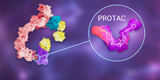
PROTAC, which exploit the ubiquitin-proteasome pathway to specifically degrade target proteins. PROTACs not only solve the problem of undruggability but they also have other advantages compared to traditional drug targeting strategies.
Scientific Reviews
PROTAC, which exploit the ubiquitin-proteasome pathway to specifically degrade target proteins. PROTACs not only solve the problem of undruggability but they also have other advantages compared to traditional drug targeting strategies. -
 Scientific Reviews
PROTAC — Target Selection and Design
Scientific Reviews
PROTAC — Target Selection and Design2022-07-08
A PROTAC molecule consists of three components: a target protein binding ligand, an E3 ligase ligand, and a linker connecting these two moieties. Here, we will discuss the conventional approaches for the rational design of PROTAC molecules. -
 Scientific Reviews
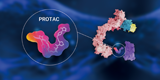
BacPROTACs is composed of a POI ligand, a chemical linker and a ClpCNTD anchor. BacPROTACs can induce in vitro and in vivo degradation of non-eukaryotic proteins in bacteria without the ubiquitin proteasome system.
Scientific Reviews
BacPROTACs is composed of a POI ligand, a chemical linker and a ClpCNTD anchor. BacPROTACs can induce in vitro and in vivo degradation of non-eukaryotic proteins in bacteria without the ubiquitin proteasome system. -
 Scientific Reviews
RNA therapeutics have changed the landscape of drug development, which possess broader spectrum of drug targets, simplicity and efficiency in development and manufacturing.In this article, we will discuss the underlying mechanisms of RNA-based drugs on the market or in clinical stages.
Scientific Reviews
RNA therapeutics have changed the landscape of drug development, which possess broader spectrum of drug targets, simplicity and efficiency in development and manufacturing.In this article, we will discuss the underlying mechanisms of RNA-based drugs on the market or in clinical stages. -
 Scientific Reviews
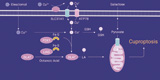
Tsvetkov et al. published in Science and demonstrated a copper-induced programmed cell death — Cuproptosis. As a novel programmed cell death, excess copper triggers abnormal aggregation of lipoylated proteins in TCA cycle and clearance of Fe-S cluster proteins, ultimately leading to cell death.
Scientific Reviews
Tsvetkov et al. published in Science and demonstrated a copper-induced programmed cell death — Cuproptosis. As a novel programmed cell death, excess copper triggers abnormal aggregation of lipoylated proteins in TCA cycle and clearance of Fe-S cluster proteins, ultimately leading to cell death. -
 Scientific Reviews
A comprehensive explanation of ferroptosis
Scientific Reviews
A comprehensive explanation of ferroptosis2022-09-15
Ferroptosis is a new type of RCD that depends on iron and characterized by the accumulation of lipid peroxides. In this article, we will pay our attention on ferroptosis and briefly discusses its mechanism. -
 Scientific Reviews
It's has been proved that p53, as a tumor suppressor gene and immune guardian, may become a destroyer through its own mutation. Moreover, the mechanism of p53 was found to be related to ferroptosis. This article mainly explores the mechanism between p53 and ferroptosis in detail.
Scientific Reviews
It's has been proved that p53, as a tumor suppressor gene and immune guardian, may become a destroyer through its own mutation. Moreover, the mechanism of p53 was found to be related to ferroptosis. This article mainly explores the mechanism between p53 and ferroptosis in detail. -
 Scientific Reviews
Autophagy, derived from the Greek meaning "eating of self", plays an indispensable role in maintaining homeostasis. p27 is an inhibitor of cyclin CDKs, but how p27 regulates autophagy remains unknown. This article will cover the mechanism of autophagy and p27-related cell cycle regulation.
Scientific Reviews
Autophagy, derived from the Greek meaning "eating of self", plays an indispensable role in maintaining homeostasis. p27 is an inhibitor of cyclin CDKs, but how p27 regulates autophagy remains unknown. This article will cover the mechanism of autophagy and p27-related cell cycle regulation. -
 Scientific Reviews
CMA (chaperone-mediated autophagy) plays an essential role in maintaining neuronal protein stability and preventing neurodegeneration. In this article, we will comprehensively clarify the role of CMA in the occurrence and development of neurodegenerative diseases.
Scientific Reviews
CMA (chaperone-mediated autophagy) plays an essential role in maintaining neuronal protein stability and preventing neurodegeneration. In this article, we will comprehensively clarify the role of CMA in the occurrence and development of neurodegenerative diseases. -
 Scientific Reviews
As powerful pain relievers, the opioids morphine and fentanyl have been "checked" by their side effects (listed as controlled substances). How to reduce its side effects? What is its mechanism? This research will explore its mechanism.
Scientific Reviews
As powerful pain relievers, the opioids morphine and fentanyl have been "checked" by their side effects (listed as controlled substances). How to reduce its side effects? What is its mechanism? This research will explore its mechanism. -
 Scientific Reviews
Efferocytosis is the process in which phagocytes remove programmed dead cells. It prevents secondary necrosis of dying cells from releasing harmful cell contents (such as oxides and proteases) that may cause inflammation. Here, we will introduce three stages of efferocytosis: Find, Eat, Digest.
Scientific Reviews
Efferocytosis is the process in which phagocytes remove programmed dead cells. It prevents secondary necrosis of dying cells from releasing harmful cell contents (such as oxides and proteases) that may cause inflammation. Here, we will introduce three stages of efferocytosis: Find, Eat, Digest. -
 Scientific Reviews
Understanding the mechanism of aging not only has guiding significance for prolonging human life but also has important clinical significance for the prevention and treatment of diseases in the elderly population , thus, improving their life quality and well-being.
Scientific Reviews
Understanding the mechanism of aging not only has guiding significance for prolonging human life but also has important clinical significance for the prevention and treatment of diseases in the elderly population , thus, improving their life quality and well-being. -
 Scientific Reviews
Mammalian cells can also photosynthesize like plants! Photosynthesis can improve cell anabolism and exhibit good clinical effect in degenerative diseases (osteoarthritis).
Scientific Reviews
Mammalian cells can also photosynthesize like plants! Photosynthesis can improve cell anabolism and exhibit good clinical effect in degenerative diseases (osteoarthritis). -
 Scientific Reviews
The latest study of Cell magazine "Neural mechanism underlying depressive-like state associated with social status loss" considers social factors as a breakthrough point. It has been found that the downward transition of social status induces depression-like behavior in mice whereas improves the depressive state by restoring their social environment.
Scientific Reviews
The latest study of Cell magazine "Neural mechanism underlying depressive-like state associated with social status loss" considers social factors as a breakthrough point. It has been found that the downward transition of social status induces depression-like behavior in mice whereas improves the depressive state by restoring their social environment. -
 Scientific Reviews
PROTAC - Design Strategy for Targeting
Scientific Reviews
PROTAC - Design Strategy for Targeting2023-04-23
Protein degradation targeting chimera (PROTAC) is a technology that uses the ubiquitin proteasome pathway to silent target protein. However, PROTAC still has problems such as solubility, membrane permeability, and selectivity. In this article, we have summarized three strategies for optimization: light-controlled linker, PAC molecule, and specific E3 ligase. -
 Scientific Reviews
Necroptosis, also known as necroptosis, is a form of regulated necrotizing cell death mediated by RIP1 and RIP3 kinases. Necroptosis is a process that prevents the self-destruction of activated cells that are blocked by apoptosis. Necroptosis plays a tumor suppressor role in most cases. It may provide benefits in the researches of a variety of human diseases involving immune inflammation and cell death.
Scientific Reviews
Necroptosis, also known as necroptosis, is a form of regulated necrotizing cell death mediated by RIP1 and RIP3 kinases. Necroptosis is a process that prevents the self-destruction of activated cells that are blocked by apoptosis. Necroptosis plays a tumor suppressor role in most cases. It may provide benefits in the researches of a variety of human diseases involving immune inflammation and cell death. -
 Scientific Reviews
Mitophagy:Mechanisms and Detection
Scientific Reviews
Mitophagy:Mechanisms and Detection2023-05-25
About 60 years ago, Christian de Duve first used the term "autophagy" to describe his observation of the degradation of mitochondria and other intracellular structures in lysosomes of rat liver. Over the years, autophagy has remained a beloved topic of research by the National Natural Science Foundation of China (NSFC).Today, let's talk about mitochondrial autophagy. -
 Scientific Reviews
Structure of Lipid Droplets
Scientific Reviews
Structure of Lipid Droplets2023-06-15
Huh? Lipid droplets? Organelles? In the past, biological data usually only show the traditional organelles, such as mitochondria, Golgi apparatus, endoplasmic reticulum, etc., lipid droplets are often not mentioned by people. Today, we will make a systematic explanation of lipid droplets, so that everyone has a clear understanding! -
 Scientific Reviews
Are frozen cells always damaged? Is the survival rate of revived cells low? When is it appropriate to freeze cells? What should be considered when reviving them? Today, we're sharing a guide to avoid pitfalls in cell freezing and revival!
Scientific Reviews
Are frozen cells always damaged? Is the survival rate of revived cells low? When is it appropriate to freeze cells? What should be considered when reviving them? Today, we're sharing a guide to avoid pitfalls in cell freezing and revival! -
 Scientific Reviews
Science | A "new" mechanism for non-ubiquitinated Midnolin-proteasomal degradation pathway
Scientific Reviews
Science | A "new" mechanism for non-ubiquitinated Midnolin-proteasomal degradation pathway2024-04-26
“ubiquitin-mediated protein degradation” won the Nobel Prize in Chemistry in 2004! In fact, proteasomes degrade not only ubiquitinated proteins but also non-ubiquitinated ones. The mechanism remains shrouded in mystery. After reading this piece today, you might have a lightbulb moment! -
 Scientific Reviews
Still struggling to find the preparation methods for various solutions? Save your time! Here comes a nanny-level tutorial!
Scientific Reviews
Still struggling to find the preparation methods for various solutions? Save your time! Here comes a nanny-level tutorial! -
 Scientific Reviews
STZ Induced Diabetes Models
Scientific Reviews
STZ Induced Diabetes Models2024-06-13
Spotlight: How can STZ Help Diabetes Research? -
 Scientific Reviews
Degrade target proteins through the autophagy-lysosome pathway including LYTAC, AUTAC, and ATTEC have gained increasing attention in recent years due to their significant research potential!
Scientific Reviews
Degrade target proteins through the autophagy-lysosome pathway including LYTAC, AUTAC, and ATTEC have gained increasing attention in recent years due to their significant research potential! -
 Scientific Reviews
Science’s 2023 Breakthrough: GLP-1R Agonists
Scientific Reviews
Science’s 2023 Breakthrough: GLP-1R Agonists2024-08-13
GLP-1RAs, which achieved great success in 2023 and draws people’s attention back to obesity treatments and GLP-1 therapies worldwide, was chosen as the breakthrough of year 2023 by Science [2]. -
 Scientific Reviews
Cuproptosis, How much do you know?
Scientific Reviews
Cuproptosis, How much do you know?2024-08-22
Cells die in a variety of ways, including apoptosis, pyroptosis, necrosis, and ferroptosis......And, of course, cuproptosis. So, how much do you know about cuproptosis? -
 Scientific Reviews
Recently, Mol Cell reported the discovery of the first ferroptosis marker, Hyperoxidized PRDX3! Let’s take a look together~
Scientific Reviews
Recently, Mol Cell reported the discovery of the first ferroptosis marker, Hyperoxidized PRDX3! Let’s take a look together~ -
 Scientific Reviews
Cuproptosis's Knowledge Points!
Scientific Reviews
Cuproptosis's Knowledge Points!2024-09-25
With the establishment of the cuproptosis mechanism related research has attracted more and more attention from major journals. Expect to use the sharp sword of cuproptosis to stab the tumor cells. -
 Scientific Reviews
How they used PKH 26 for cellular studies?
Scientific Reviews
How they used PKH 26 for cellular studies?2024-10-21
We are thrilled to highlight our client study using PKH 26 (MedChemExpress) , a red fluorescent dye that has proven invaluable for in vitro cell labeling and tracing. This innovative research, published in the Journal of Nanobiotechnology. -
Scientific Reviews
Delve into the intricate networks that govern mitochondrial quality control. By examining key mechanisms such as biogenesis, mitochondrial dynamics (fission and fusion), proteolysis, and mitophagy. -
 Scientific Reviews
A New Form of Cell Death: PANoptosis!
Scientific Reviews
A New Form of Cell Death: PANoptosis! -
 Scientific Reviews
Unlocking the Power of Intermittent Fasting: The 16+8 Method
Scientific Reviews
Unlocking the Power of Intermittent Fasting: The 16+8 Method -
 Scientific Reviews
Advancing Chronic Kidney Disease Research with GJ103 and Lamin B1 Antibody!
Scientific Reviews
Advancing Chronic Kidney Disease Research with GJ103 and Lamin B1 Antibody! -
 Scientific Reviews
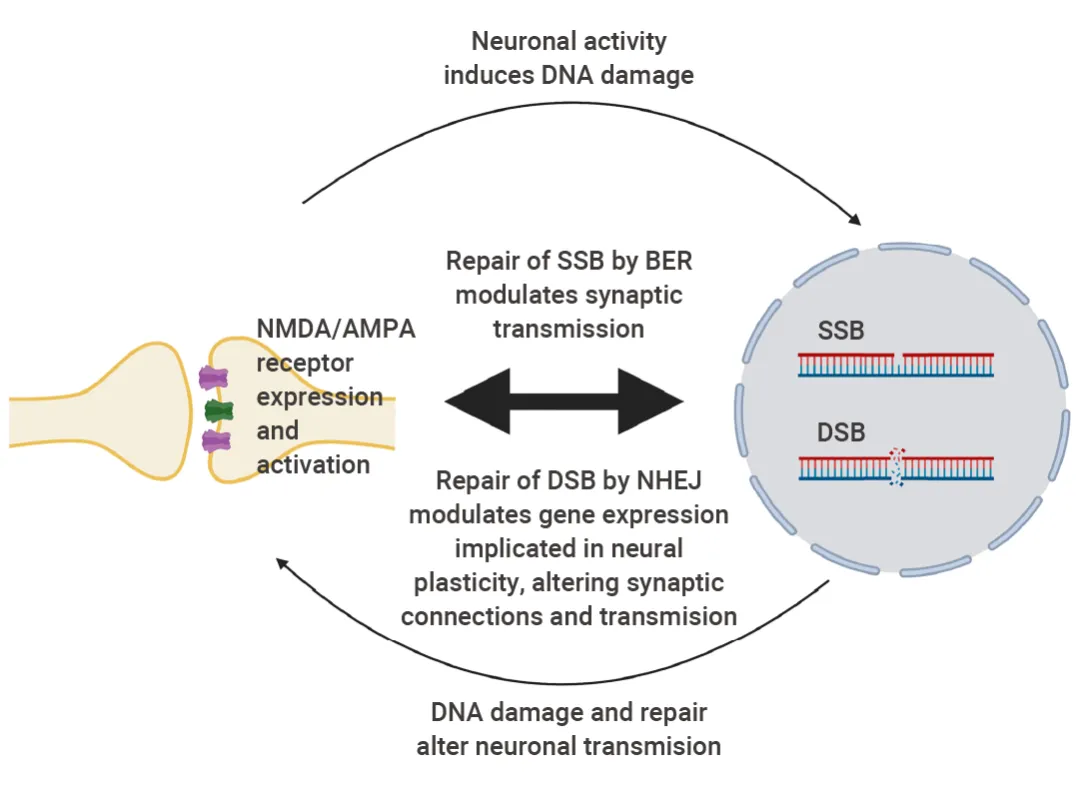
When you hear "inflammation" and "DNA damage," you might immediately think of disease or injury. However, in brains, these two processes are key steps in forming long-term memories, particularly related to specialized cells in our brain called hippocampal neurons.
Scientific Reviews
When you hear "inflammation" and "DNA damage," you might immediately think of disease or injury. However, in brains, these two processes are key steps in forming long-term memories, particularly related to specialized cells in our brain called hippocampal neurons. -
 Scientific Reviews
Autophagy is a fundamental process that degrades various components within the cell.
Scientific Reviews
Autophagy is a fundamental process that degrades various components within the cell. -
 Scientific Reviews
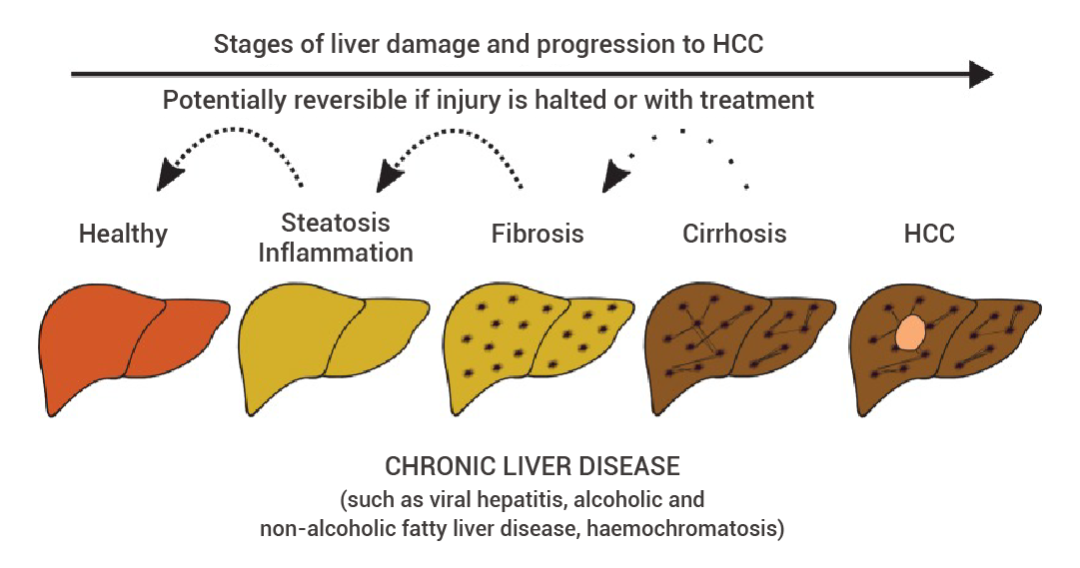
This article will tell you about the common methods of modeling liver disease in animal models.
Scientific Reviews
This article will tell you about the common methods of modeling liver disease in animal models. -
.jpg) Scientific Reviews
nside cells, the homeostasis and degradation of proteins is a precisely regulated process. If proteins cannot be degraded in time, it may lead to the occurrence of various diseases such as neurodegenerative diseases and cancer. This article will tell you the process of how proteins are recognized, labeled and then degraded!
Scientific Reviews
nside cells, the homeostasis and degradation of proteins is a precisely regulated process. If proteins cannot be degraded in time, it may lead to the occurrence of various diseases such as neurodegenerative diseases and cancer. This article will tell you the process of how proteins are recognized, labeled and then degraded! -
 Scientific Reviews
This article introduces some common cardiovascular disease models, inducers, modeling protocols and successful modeling cases in the research.
Scientific Reviews
This article introduces some common cardiovascular disease models, inducers, modeling protocols and successful modeling cases in the research. -
 Scientific Reviews
Do you feel confused when you start culturing cells? This article will show you the basic methods and steps of cell culture!
Scientific Reviews
Do you feel confused when you start culturing cells? This article will show you the basic methods and steps of cell culture! -
 Scientific Reviews
In this issue, we will conduct an in-depth interpretation from the dimensions of nanoparticle design, mechanism of action, in vivo and in vitro efficacy, and immune regulation, revealing how this research brings new hope for the treatment of invasive tumors through interdisciplinary innovation!
Scientific Reviews
In this issue, we will conduct an in-depth interpretation from the dimensions of nanoparticle design, mechanism of action, in vivo and in vitro efficacy, and immune regulation, revealing how this research brings new hope for the treatment of invasive tumors through interdisciplinary innovation! -
 Scientific Reviews
Chromatin Immunoprecipitation (ChIP) Demystified: A Complete Guide to Epigenetic Analysis
Scientific Reviews
Chromatin Immunoprecipitation (ChIP) Demystified: A Complete Guide to Epigenetic Analysis2025-08-05
In this issue, we introduce a powerful technique for detecting interactions between epigenetic regulatory factors and DNA—Chromatin Immunoprecipitation (ChIP)! -
 Scientific Reviews
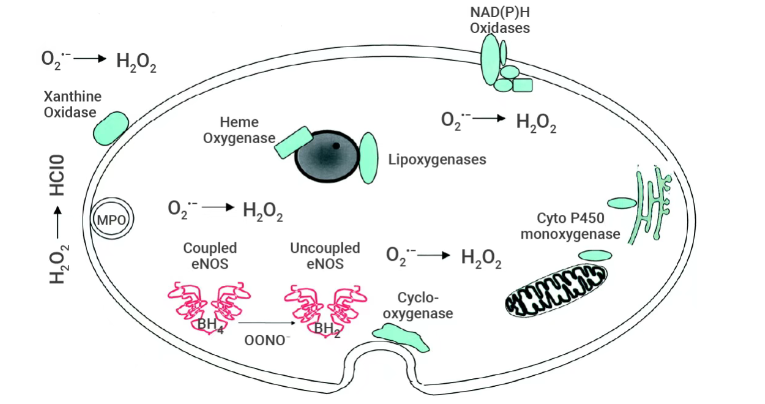
The article introduces the mechanisms of ROS generation and the methods for their detection.
Scientific Reviews
The article introduces the mechanisms of ROS generation and the methods for their detection. -
 Scientific Reviews
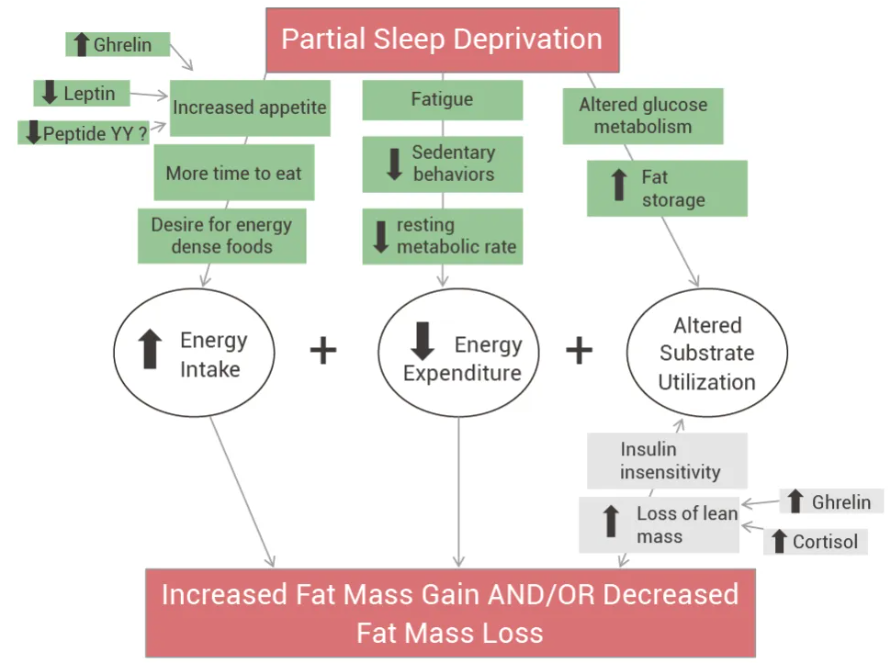
Have you ever noticed that after staying up late, your appetite—especially for high-calorie foods—gets out of control? If this sounds familiar, today’s article might offer some good news.
Scientific Reviews
Have you ever noticed that after staying up late, your appetite—especially for high-calorie foods—gets out of control? If this sounds familiar, today’s article might offer some good news. -
 Scientific Reviews
Generating Stable Cell Lines with Lentivirus
Scientific Reviews
Generating Stable Cell Lines with Lentivirus2025-09-16
A step-by-step protocol of establishing stable cell lines using lentivirus -
 Scientific Reviews
A groundbreaking study in Nature Communications reveals the key mechanism behind Idiopathic Pulmonary Fibrosis and identifies an existing drug with the potential to counter it.
Scientific Reviews
A groundbreaking study in Nature Communications reveals the key mechanism behind Idiopathic Pulmonary Fibrosis and identifies an existing drug with the potential to counter it. -
 Scientific Reviews
Finding adipogenic induction media too expensive and tricky to prepare? This comprehensive guide to 3T3-L1 adipogenic differentiation simplifies the process, helping you achieve great results!
Scientific Reviews
Finding adipogenic induction media too expensive and tricky to prepare? This comprehensive guide to 3T3-L1 adipogenic differentiation simplifies the process, helping you achieve great results! -
Scientific Reviews
Microglia– the only immune cells within the brain parenchyma. With advancements in imaging technologies, people’s understanding of microglia has shifted from being viewed as 'resting' cells to 'highly active' cells, particularly due to their dynamic processes that seem to be probing surrounding tissues and monitoring neuronal activity. This has made microglia a focal point of research in the field of neuroscience. -
Scientific Reviews
Cracking the PROTAC Permeability Barrier: CD36-Mediated Endocytosis as a Potential Breakthrough2025-12-03
This article provides an in-depth analysis of cutting-edge literature revealing CD36 as a key mediator of cellular uptake for PROTACs and bRO5 compounds. By structurally optimizing PROTAC molecules to enhance their affinity for CD36, membrane permeability can be markedly improved, leading to significantly enhanced antitumor efficacy. -
 Scientific Reviews
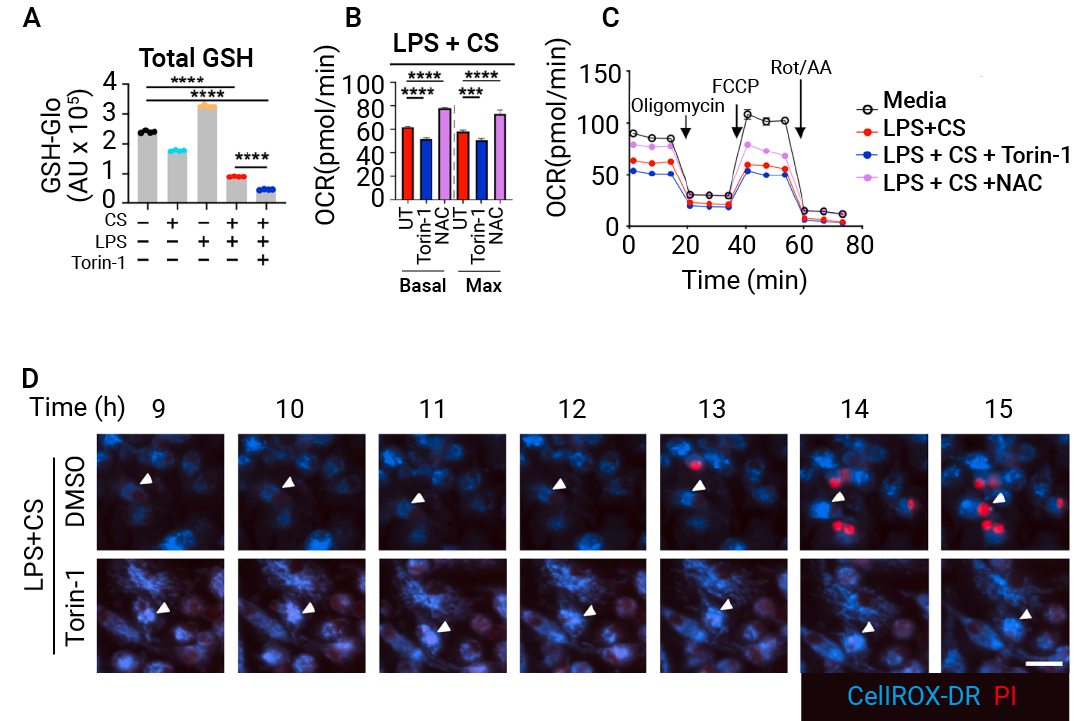
A November 2025 Cell study discovers Mitoxyperilysis, a new mTOR-regulated, caspase-independent cell death pathway driven by innate immune and metabolic dysregulation via mitochondrial-plasma membrane contact and oxidative damage, and verifies its potential to induce tumor necrosis for cancer therapy with key regulators including BAX, BAK1 and BID.
Scientific Reviews
A November 2025 Cell study discovers Mitoxyperilysis, a new mTOR-regulated, caspase-independent cell death pathway driven by innate immune and metabolic dysregulation via mitochondrial-plasma membrane contact and oxidative damage, and verifies its potential to induce tumor necrosis for cancer therapy with key regulators including BAX, BAK1 and BID. -
 Scientific Reviews
In the hunt for the next ‘GLP-1,’ amylin therapeutics, which have shown strong weight-loss results in clinical trials, have become a major focus for both multinational pharma and the scientific community.
Scientific Reviews
In the hunt for the next ‘GLP-1,’ amylin therapeutics, which have shown strong weight-loss results in clinical trials, have become a major focus for both multinational pharma and the scientific community. -
 Scientific Reviews
Essential for High-Impact Papers: Present Your CCK-8 Experimental Results in a More Outstanding Way!
Scientific Reviews
Essential for High-Impact Papers: Present Your CCK-8 Experimental Results in a More Outstanding Way!2026-03-18
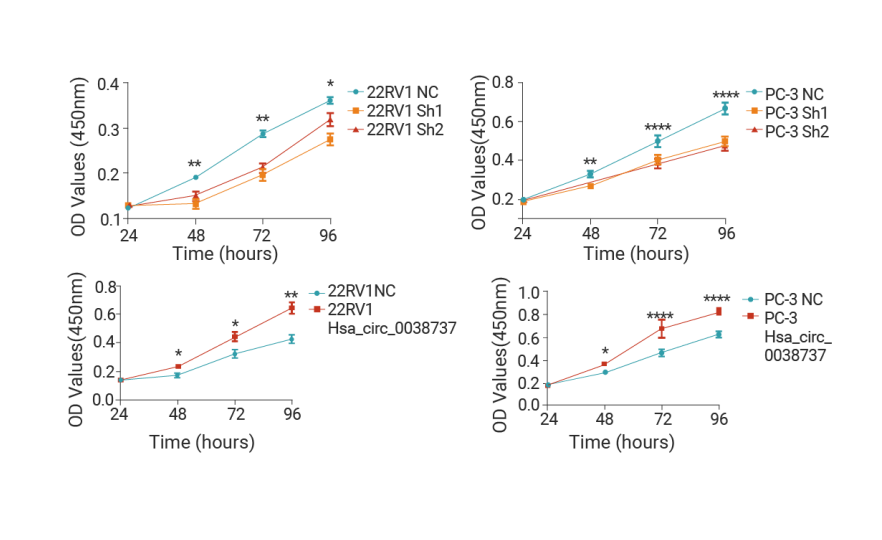
CCK-8 is a widely used WST‑8‑based reagent for cell proliferation and cytotoxicity assays. It features high sensitivity, reliable results and easy operation, and is applicable to cell viability analysis, drug screening and growth inhibition testing. -
 Scientific Reviews
FISH is a molecular technique using fluorescent probes to detect specific nucleic acids in cells, with high sensitivity and diverse biomedical applications.
Scientific Reviews
FISH is a molecular technique using fluorescent probes to detect specific nucleic acids in cells, with high sensitivity and diverse biomedical applications. -
 Scientific Reviews
Molecular glue degraders have evolved from a serendipitous observation to one of the most dynamic and transformative fields in biomedical research.
Scientific Reviews
Molecular glue degraders have evolved from a serendipitous observation to one of the most dynamic and transformative fields in biomedical research. -
 Scientific Reviews
GLP-1 and Obesity Research
Scientific Reviews
GLP-1 and Obesity Research2026-08-14
Obesity substantially increases the risk of chronic diseases such as T2D and cardiovascular disease. The breakout success of GLP-1 therapies has spotlighted GLP-1R and a wave of emerging obesity targets. -
 EDM
This review introduces the major forms of programmed cell death, with a focus on the molecular mechanisms of ferroptosis and the methods used for its detection.
EDM
This review introduces the major forms of programmed cell death, with a focus on the molecular mechanisms of ferroptosis and the methods used for its detection. -
 EDM
Targeting the ‘Undruggable’ with PROTACs
EDM
Targeting the ‘Undruggable’ with PROTACs2025-06-18
This review introduces the fundamental principles and mechanisms of PROTACs, highlights recent advances in molecular design and clinical development, and discusses emerging opportunities and remaining challenges in targeted protein degradation. -
 EDM
This review explores the molecular mechanisms of the DNA damage response, reviews therapeutic strategies targeting DDR pathways in cancer, and examines their roles in cancer drug resistance.
EDM
This review explores the molecular mechanisms of the DNA damage response, reviews therapeutic strategies targeting DDR pathways in cancer, and examines their roles in cancer drug resistance. -
 EDM
This review provides a practical guide to the fundamental mechanisms, regulatory pathways, and detection methods of pyroptosis.
EDM
This review provides a practical guide to the fundamental mechanisms, regulatory pathways, and detection methods of pyroptosis. -
 EDM
Summarize LLPS principles, regulatory mechanisms, experimental strategies, and pathological roles to inspire mechanism-driven research and translational applications.
EDM
Summarize LLPS principles, regulatory mechanisms, experimental strategies, and pathological roles to inspire mechanism-driven research and translational applications. -
 EDM
Explore lysosomal nutrient sensing, quality control, cellular adaptation, disease mechanisms, and emerging therapeutic approaches.
EDM
Explore lysosomal nutrient sensing, quality control, cellular adaptation, disease mechanisms, and emerging therapeutic approaches. -
 EDM
Review the evolution of molecular glues from serendipitous discovery to rational design, highlighting how emerging targets and advances in screening, proteomics, structural biology, and AI are expanding the druggable proteome.
EDM
Review the evolution of molecular glues from serendipitous discovery to rational design, highlighting how emerging targets and advances in screening, proteomics, structural biology, and AI are expanding the druggable proteome. -
 EDM
Explore how mitochondrial quality control, inflammatory signaling, and metabolic–epigenetic reprogramming regulate cellular senescence and the SASP, along with strategies to restore mitochondrial homeostasis.
EDM
Explore how mitochondrial quality control, inflammatory signaling, and metabolic–epigenetic reprogramming regulate cellular senescence and the SASP, along with strategies to restore mitochondrial homeostasis. -
 EDM
Review the metabolic regulation of ferroptosis through iron homeostasis, lipid peroxidation and antioxidant defence, and the emerging polyamine–iron buffering axis.
EDM
Review the metabolic regulation of ferroptosis through iron homeostasis, lipid peroxidation and antioxidant defence, and the emerging polyamine–iron buffering axis. -
 EDM
Explore emerging synthetic lethal vulnerabilities beyond BRCA–PARP and advances in their discovery and prediction through CRISPR screening, organoids, multi-omics, and AI.
EDM
Explore emerging synthetic lethal vulnerabilities beyond BRCA–PARP and advances in their discovery and prediction through CRISPR screening, organoids, multi-omics, and AI. -
 Blog
AZD5991, a macrocyclic molecule with high selectivity for Mcl-1, reduces Mcl-1 protein in AZD5991-sensitive but not in AZD5991-resistant MM cell lines.
Blog
AZD5991, a macrocyclic molecule with high selectivity for Mcl-1, reduces Mcl-1 protein in AZD5991-sensitive but not in AZD5991-resistant MM cell lines. -
 Blog
CCB02 is an tubulin binder and has potential in the therapy of cancer cells with extra centrosomes. CCB02 also activates spindle assembly checkpoint.
Blog
CCB02 is an tubulin binder and has potential in the therapy of cancer cells with extra centrosomes. CCB02 also activates spindle assembly checkpoint. -
 Blog
H3B-5942 is a selective and irreversible estrogen receptor covalent antagonist, inactivates both ERαWT and ERα mutation.
Blog
H3B-5942 is a selective and irreversible estrogen receptor covalent antagonist, inactivates both ERαWT and ERα mutation. -
 Blog
HS-1371 is a Small Molecule RIP3 Inhibitor
Blog
HS-1371 is a Small Molecule RIP3 Inhibitor2019-04-09
HS-1371 is a novel kinase inhibitor of RIP3-mediated necroptosis, showing an inhibitory effect on S227 auto-phosphorylation of RIP3 at the basal level. -
 Blog
MK-0429 is An Oral Integrin (αvβ3) Inhibitor
Blog
MK-0429 is An Oral Integrin (αvβ3) Inhibitor2019-04-11
MK-0429, an orally active αvβ3 inhibitor, is a potential therapeutic agent for the prevention of kidney fibrosis, melanoma and osteoporosis. -
 Blog
PhiKan 083 is a carbazole derivative, which binds to the surface cavity and stabilizes Y220C (a p53 mutant), with a Kd of 167 μM.
Blog
PhiKan 083 is a carbazole derivative, which binds to the surface cavity and stabilizes Y220C (a p53 mutant), with a Kd of 167 μM. -
 Blog
Novel Greatwall Kinase Inhibitor GKI-1
Blog
Novel Greatwall Kinase Inhibitor GKI-12019-04-13
GKI-1, a GWL inhibitor, robustly inhibited ROCK1 with an IC50 of ~11 μM, but only weakly affected PKA and had no observable inhibition towards CDK2. -
 Blog
IITZ-01 is a potent lysosomotropic autophagy inhibitor with single-agent antitumor activity, with an IC50 of 2.62 μM for PI3Kγ.
Blog
IITZ-01 is a potent lysosomotropic autophagy inhibitor with single-agent antitumor activity, with an IC50 of 2.62 μM for PI3Kγ. -
 Blog
SSE15206 is a microtubule polymerization inhibitor, with a GI50 of 197 nM in HCT116 cells. Causes aberrant mitosis resulting in G2/M arrest.
Blog
SSE15206 is a microtubule polymerization inhibitor, with a GI50 of 197 nM in HCT116 cells. Causes aberrant mitosis resulting in G2/M arrest. -
 Blog
Cevipabulin is a microtubule-active compound and inhibits the binding of [3H] vinblastine to tubulin, with an IC50 of 18-40 nM for in human tumor cell line.
Blog
Cevipabulin is a microtubule-active compound and inhibits the binding of [3H] vinblastine to tubulin, with an IC50 of 18-40 nM for in human tumor cell line. -
 Blog
BTR-1 potently inhibits cell growth. It induces S phase arrest, affects DNA replication. Dose-dependently induces cytotoxicity in leukemic cell lines.
Blog
BTR-1 potently inhibits cell growth. It induces S phase arrest, affects DNA replication. Dose-dependently induces cytotoxicity in leukemic cell lines. -
 Blog
NRX-252262 is a β-catenin:β-TrCP interaction enhancer, and its cognate E3 ligase, SCFβ-TrCP, induces mutant β-catenin degradation, with an EC50 of 3.8 nM
Blog
NRX-252262 is a β-catenin:β-TrCP interaction enhancer, and its cognate E3 ligase, SCFβ-TrCP, induces mutant β-catenin degradation, with an EC50 of 3.8 nM -
 Blog
SLLN-15 is an oral activ enhancer of autophagy that activates cytostatic macroautophagy/autophagy in triple-negative breast cancer (TNBC).
Blog
SLLN-15 is an oral activ enhancer of autophagy that activates cytostatic macroautophagy/autophagy in triple-negative breast cancer (TNBC). -
 Blog
CB-6644 is a selective non-ATP-competitive inhibitor of the RUVBL1/2 complex. CB-6644 significantly reduces tumor growth without obvious toxicity.
Blog
CB-6644 is a selective non-ATP-competitive inhibitor of the RUVBL1/2 complex. CB-6644 significantly reduces tumor growth without obvious toxicity. -
 Blog
NSC 228155 is a activator of EGFR and a potent inhibitor of KIX-KID interaction. NSC 228155 shows excellent anti-tumor activity.
Blog
NSC 228155 is a activator of EGFR and a potent inhibitor of KIX-KID interaction. NSC 228155 shows excellent anti-tumor activity. -
 Blog
MM-589 is an inhibitor of WDR5 and MLL protein-protein interaction. Binds to WDR5 (IC50=0.90 nM) and inhibits the MLL H3K4 methyltransferase activity.
Blog
MM-589 is an inhibitor of WDR5 and MLL protein-protein interaction. Binds to WDR5 (IC50=0.90 nM) and inhibits the MLL H3K4 methyltransferase activity. -
 Blog
STL127705 is a Ku 70/80 heterodimer protein inhibitor, inhibits Ku70/80-DNA interaction (IC50 of 3.5 μM) and Ku-dependent activation of DNA-PKCS kinase.
Blog
STL127705 is a Ku 70/80 heterodimer protein inhibitor, inhibits Ku70/80-DNA interaction (IC50 of 3.5 μM) and Ku-dependent activation of DNA-PKCS kinase. -
 Blog
JI051 is a stabilizer for the Hes1-PHB2 interaction, induces cell-cycle arrest by inhibiting the Notch downstream effector gene Hes1.
Blog
JI051 is a stabilizer for the Hes1-PHB2 interaction, induces cell-cycle arrest by inhibiting the Notch downstream effector gene Hes1. -
 Blog
TAS-114 is a dual dUTPase/dihydropyrimidine dehydrogenase (DPD) inhibitor, can improving the therapeutic efficacy of fluoropyrimidine.
Blog
TAS-114 is a dual dUTPase/dihydropyrimidine dehydrogenase (DPD) inhibitor, can improving the therapeutic efficacy of fluoropyrimidine. -
 Blog
CFI-402257 is a highly selective and oral active TTK/Mps1 inhibitor with an IC50 of 1.7 nM for TTK. CFI-402257 has potential to treat ovary cancer and TNBC.
Blog
CFI-402257 is a highly selective and oral active TTK/Mps1 inhibitor with an IC50 of 1.7 nM for TTK. CFI-402257 has potential to treat ovary cancer and TNBC. -
 Blog
RIPGBM is a selective inducer of apoptosis in glioblastoma multiforme (GBM) cancer stem cells (CSCs) with an EC50 less than 500 nM.
Blog
RIPGBM is a selective inducer of apoptosis in glioblastoma multiforme (GBM) cancer stem cells (CSCs) with an EC50 less than 500 nM. -
 Blog
IWP-O1, a Highly Potent Porcupine Inhibitor, Functions by Preventing the Secretion of Wnt Proteins
Blog
IWP-O1, a Highly Potent Porcupine Inhibitor, Functions by Preventing the Secretion of Wnt Proteins2019-06-03
IWP-O1 is a Porcupine (Porcn) inhibitor, with an EC50 of 80 pM in L-Wnt-STF cells. IWP-O1 functions by preventing the secretion of Wnt proteins[ -
 Blog
Riviciclib is a Potent CDKs Inhibitor
Blog
Riviciclib is a Potent CDKs Inhibitor2019-06-09
Riviciclib P276-00 free base) is a potent CDK inhibitor, which inhibits CDK9-cyclinT1, CDK4-cyclin D1, and CDK1-cyclinB with IC50s of 20 nM, 63 nM, and 79 nM, respectively -
 Blog
CBS9106, a Reversible Oral CRM1 Inhibitor, Causes Arrest of the Cell Cycle and Induces Apoptosis
Blog
CBS9106, a Reversible Oral CRM1 Inhibitor, Causes Arrest of the Cell Cycle and Induces Apoptosis2019-06-14
CBS9106 (SL-801) is a reversible oral CRM1 inhibitor antitumor activities. CBS9106 causes arrest of the cell cycle and induces apoptosis. -
 Blog
Ralimetinib (LY2228820) is a selective and ATP-competitive inhibitor of p38 MAPK α/β, with IC50s of 5.3 and 3.2 nM, respectively. Anti-tumor activity.
Blog
Ralimetinib (LY2228820) is a selective and ATP-competitive inhibitor of p38 MAPK α/β, with IC50s of 5.3 and 3.2 nM, respectively. Anti-tumor activity. -
 Blog
BAY-11-7082 inhibits the proliferation and induces the apoptosis of U266 cells through inhibiting NF-κB pathway. BAY 11-7082 ameliorates experimental diabetic neuropathy by modulating neuroinflammation and improving antioxidant defence.
Blog
BAY-11-7082 inhibits the proliferation and induces the apoptosis of U266 cells through inhibiting NF-κB pathway. BAY 11-7082 ameliorates experimental diabetic neuropathy by modulating neuroinflammation and improving antioxidant defence. -
 Blog
NU6140 is a selective CDK2-cyclin A inhibitor (IC50, 0.41 μM). NU6140 also potently inhibits Aurora A and Aurora B, with IC50s of 67 and 35 nM, respectively
Blog
NU6140 is a selective CDK2-cyclin A inhibitor (IC50, 0.41 μM). NU6140 also potently inhibits Aurora A and Aurora B, with IC50s of 67 and 35 nM, respectively -
 Blog
S130, Targeting ATG4B, Inhibits Autophagy and Activates Apoptosis in Colorectal Colon Cancer
Blog
S130, Targeting ATG4B, Inhibits Autophagy and Activates Apoptosis in Colorectal Colon Cancer2019-06-19
S130 is a high affinity, selective inhibitor of ATG4B (a major cysteine protease) with an IC50 of 3.24 µM. S130 suppresses autophagy flux. -
 Blog
TH34, an HDAC6/8/10 inhibitor with IC50s of 4.6 μM, 1.9 μM, and 7.7 μM respectively, shows high selectivity over HDAC1/2/3.
Blog
TH34, an HDAC6/8/10 inhibitor with IC50s of 4.6 μM, 1.9 μM, and 7.7 μM respectively, shows high selectivity over HDAC1/2/3. -
 Blog
Alisertib (MLN 8237) is an oral active and selective Aurora A kinase inhibitor with an IC50 of 1.2 nM. To treat hematologic malignancies and solid tumors.
Blog
Alisertib (MLN 8237) is an oral active and selective Aurora A kinase inhibitor with an IC50 of 1.2 nM. To treat hematologic malignancies and solid tumors. -
 Blog
MRT67307, a dual IKKε/TBK1 inhibitor, inhibits ULK1 and ULK2 with IC50s of 45 and 38 nM, respectively. MRT67307 blocks mTOR-dependent autophagy.
Blog
MRT67307, a dual IKKε/TBK1 inhibitor, inhibits ULK1 and ULK2 with IC50s of 45 and 38 nM, respectively. MRT67307 blocks mTOR-dependent autophagy. -
 Blog
CCT020312, the G1/S checkpoint activator, is a selective EIF2AK3/PERK activator. CCT020312 elicits EIF2A phosphorylation in cells.
Blog
CCT020312, the G1/S checkpoint activator, is a selective EIF2AK3/PERK activator. CCT020312 elicits EIF2A phosphorylation in cells. -
 Blog
S55746 (BLC201) is an orally active and selective BCL-2 inhibitor, with a Ki of 1.3 nM.. S55746 (BLC201) has antitumor activity with low toxicity.
Blog
S55746 (BLC201) is an orally active and selective BCL-2 inhibitor, with a Ki of 1.3 nM.. S55746 (BLC201) has antitumor activity with low toxicity. -
 Blog
WYC-209 is a retinoic acid receptor (RAR) agonist. WYC-209 induces apoptosis primarily via the caspase 3 pathway (IC50 = 0.19 μM for mTRCs).
Blog
WYC-209 is a retinoic acid receptor (RAR) agonist. WYC-209 induces apoptosis primarily via the caspase 3 pathway (IC50 = 0.19 μM for mTRCs). -
 Blog
SBI-0206965 is a selective and cell permeable autophagy kinase ULK1 inhibitor with IC50s of 108 nM for ULK1 and 711 nM for the highly related kinase ULK2 .
Blog
SBI-0206965 is a selective and cell permeable autophagy kinase ULK1 inhibitor with IC50s of 108 nM for ULK1 and 711 nM for the highly related kinase ULK2 . -
 Blog
NMS-P515 is a potent, orally active and stereospecific PARP-1 inhibitor, with a Kd of 16 nM and an IC50 of 27 nM (in Hela cells). Anti-tumor activity.
Blog
NMS-P515 is a potent, orally active and stereospecific PARP-1 inhibitor, with a Kd of 16 nM and an IC50 of 27 nM (in Hela cells). Anti-tumor activity. -
 Blog
M-89 is a specific menin inhibitor, with a Kd of 1.4 nM. M-89 inhibits the Menin-MLL protein-protein interaction and has potential to treat MLL leukemia.
Blog
M-89 is a specific menin inhibitor, with a Kd of 1.4 nM. M-89 inhibits the Menin-MLL protein-protein interaction and has potential to treat MLL leukemia. -
 Blog
MBM-55 is a potent, selective Nek2 inhibitor with an IC50 of 1 nM. MBM-55 shows antitumor activities and induces cell cycle arrest and apoptosis.
Blog
MBM-55 is a potent, selective Nek2 inhibitor with an IC50 of 1 nM. MBM-55 shows antitumor activities and induces cell cycle arrest and apoptosis. -
 Blog
ML367 is an ATAD5 Stabilization Inhibitor
Blog
ML367 is an ATAD5 Stabilization Inhibitor2019-08-03
ML367 is a potent inhibitor of ATAD5 stabilization. It blocks DNA repair pathways, and suppresses phosphorylation of RPA32 and CHK1. -
 Blog
CA-5f is a potent late-stage macroautophagy (autophagy) inhibitor via inhibiting autophagosome-lysosome fusion. CA-5f increases LC3B-II and SQSTM1 protein.
Blog
CA-5f is a potent late-stage macroautophagy (autophagy) inhibitor via inhibiting autophagosome-lysosome fusion. CA-5f increases LC3B-II and SQSTM1 protein. -
 Blog
ACBI1 is a PROTAC Degrader of BAF Complex
Blog
ACBI1 is a PROTAC Degrader of BAF Complex2019-08-07
ACBI1 is a potent PROTAC degrader of BAF ATPase subunits SMARCA2, SMARCA4 and PBRM1, with DC50s of 6 nM, 11 nM and 32 nM in MV-4-11 cells, respectively. -
 Blog
VERU-111 (ABI-231) is a potent and orally bioavailable α and β tubulin inhibitor, which displays strong antiproliferative activity.
Blog
VERU-111 (ABI-231) is a potent and orally bioavailable α and β tubulin inhibitor, which displays strong antiproliferative activity. -
 Blog
JH-RE-06, a potent REV1-REV7 interface inhibitor (IC50=0.78 μM; Kd=0.42 μM), targets REV1 that interacts with the REV7 subunit of POLζ.
Blog
JH-RE-06, a potent REV1-REV7 interface inhibitor (IC50=0.78 μM; Kd=0.42 μM), targets REV1 that interacts with the REV7 subunit of POLζ. -
 Blog
MPT0B392 Induces Apoptosis via Inhibiting Tubulin Polymerization and Inducing c-JNK Activation
Blog
MPT0B392 Induces Apoptosis via Inhibiting Tubulin Polymerization and Inducing c-JNK Activation2019-08-16
MPT0B392 is a novel microtubule depolymerizing agent that triggers induction of the mitotic arrest and induces JNK activation, leading to apoptosis. -
 Blog
BJE6-106 is a selective PKCδ inhibitor with an IC50 of 0.05 μM and targets selectivity over PKCα. BJE6-106 induces caspase-dependent apoptosis.
Blog
BJE6-106 is a selective PKCδ inhibitor with an IC50 of 0.05 μM and targets selectivity over PKCα. BJE6-106 induces caspase-dependent apoptosis. -
 Blog
MS31 is a highly selective spindlin 1 inhibitor, which inhibits the interactions between SPIN1 and H3K4me3. MS31 is not toxic to nontumorigenic cells.
Blog
MS31 is a highly selective spindlin 1 inhibitor, which inhibits the interactions between SPIN1 and H3K4me3. MS31 is not toxic to nontumorigenic cells. -
 Blog
AAPK-25 is a potent and selective Aurora kinases and Polo-like Kinases (PLK) dual inhibitor, which shows anti-tumor activity.
Blog
AAPK-25 is a potent and selective Aurora kinases and Polo-like Kinases (PLK) dual inhibitor, which shows anti-tumor activity. -
 Blog
SGC-iMLLT is a potent, selective MLLT1/3-histone interactions inhibitor and shows high binding activity towards MLLT1 YEATS domain and MLLT3 YD.
Blog
SGC-iMLLT is a potent, selective MLLT1/3-histone interactions inhibitor and shows high binding activity towards MLLT1 YEATS domain and MLLT3 YD. -
 Blog
E3330, an APE1 Redox Inhibitor, Modulates Cell Migration and Invasion in Metastatic Cancer
Blog
E3330, an APE1 Redox Inhibitor, Modulates Cell Migration and Invasion in Metastatic Cancer2019-09-13
E3330 is a direct, orally active AP endonuclease 1 (APE1) inhibitor, which suppresses NF-κB DNA-binding activity. E3330 shows good anticancer properties. -
 Blog
AOH1160, an Orally Active PCNA Inhibitor, Exhibits Efferctive Anti-cancer Activity with Low Toxicity
Blog
AOH1160, an Orally Active PCNA Inhibitor, Exhibits Efferctive Anti-cancer Activity with Low Toxicity2019-09-14
AOH1160 is a potent, first-in-class, orally available PCNA inhibitor and exhibits broad-spectrum anti-cancer activity without causing unacceptable toxicity. -
 Blog
BPK-29 disrupts the NR0B1 protein-protein interactions and impairs the anchorage-independent growth of KEAP1-mutant cancer cells.
Blog
BPK-29 disrupts the NR0B1 protein-protein interactions and impairs the anchorage-independent growth of KEAP1-mutant cancer cells. -
 Blog
Blog
-
 Blog
NV03 is a potent and selective antagonist of UHRF1-H3K9me3 interaction by binding to UHRF1 TTD with a Kd of 2.4 μM and has anticancer activity.
Blog
NV03 is a potent and selective antagonist of UHRF1-H3K9me3 interaction by binding to UHRF1 TTD with a Kd of 2.4 μM and has anticancer activity. -
 Blog
sAJM589 is a Myc inhibitor which potently disrupts the Myc-Max heterodimer in a dose dependent manner with an IC50 of 1.8 μM.
Blog
sAJM589 is a Myc inhibitor which potently disrupts the Myc-Max heterodimer in a dose dependent manner with an IC50 of 1.8 μM. -
 Blog
Tasisulam is an anticancer agent and induces apoptosis, which also inhibits mitotic progression and induces vascular normalization.
Blog
Tasisulam is an anticancer agent and induces apoptosis, which also inhibits mitotic progression and induces vascular normalization. -
 Blog
S516 is a potent tubulin polymerization inhibitor with an IC50 of 4.29 μM and has marked antitumor activity against murine and human solid tumors.
Blog
S516 is a potent tubulin polymerization inhibitor with an IC50 of 4.29 μM and has marked antitumor activity against murine and human solid tumors. -
 Blog
Niraparib is an Orally Active PARP Inhibitor
Blog
Niraparib is an Orally Active PARP Inhibitor2019-12-18
Niraparib is a highly potent and orally bioavailable PARP1 and PARP2 inhibitor. Niraparib has potent anti-cancer activity. -
 Blog
DRF-1042 is an orally active derivative of Camptothecin and acts to inhibit DNA topoisomerase I with good anticancer activity.
Blog
DRF-1042 is an orally active derivative of Camptothecin and acts to inhibit DNA topoisomerase I with good anticancer activity. -
 Blog
D-I03 is a Selective RAD52 Inhibitor
Blog
D-I03 is a Selective RAD52 Inhibitor2020-01-08
D-I03 is a selective RAD52 inhibitor, which specifically inhibits RAD52-dependent single-strand annealing (SSA) and D-loop formation. -
 Blog
GPP78 is a potent Nampt inhibitor. GPP78 is cytotoxic to neuroblastoma cell line SH-SY5Y cells. GPP78 has anti-cancer and anti-tumor activity.
Blog
GPP78 is a potent Nampt inhibitor. GPP78 is cytotoxic to neuroblastoma cell line SH-SY5Y cells. GPP78 has anti-cancer and anti-tumor activity. -
 Blog
SB-218078, a Chk1 inhibitor, inhibits Chk1 phosphorylation of cdc25C with an IC50 of 15 nM, causeing apoptosis by DNA damage and cell cycle arrest.
Blog
SB-218078, a Chk1 inhibitor, inhibits Chk1 phosphorylation of cdc25C with an IC50 of 15 nM, causeing apoptosis by DNA damage and cell cycle arrest. -
 Blog
BI-9321 is a potent, selective and cellular active NSD3-PWWP1 domain antagonist, and specifically disrupts histone interactions of the NSD3-PWWP1 domain.
Blog
BI-9321 is a potent, selective and cellular active NSD3-PWWP1 domain antagonist, and specifically disrupts histone interactions of the NSD3-PWWP1 domain. -
 Blog
NU1025 is a potent PARP inhibitor and potentiates the cytotoxicity of ionizing radiation drug. NU1025 has anti-cancer and neuroprotective activity.
Blog
NU1025 is a potent PARP inhibitor and potentiates the cytotoxicity of ionizing radiation drug. NU1025 has anti-cancer and neuroprotective activity. -
 Blog
TP3011 is a potent DNA topoisomerase I inhibitor. Antitumor activities.Active metabolite of TP3076. TP3011 inhibits cancer cell proliferative activities.
Blog
TP3011 is a potent DNA topoisomerase I inhibitor. Antitumor activities.Active metabolite of TP3076. TP3011 inhibits cancer cell proliferative activities. -
 Blog
PIK-75 is a reversible DNA-PK and p110α selective inhibitor. Impairs cell proliferation, survival, and tumor growth. Induce apoptosis.
Blog
PIK-75 is a reversible DNA-PK and p110α selective inhibitor. Impairs cell proliferation, survival, and tumor growth. Induce apoptosis. -
 Blog
SNDX-5613 is a potent, selective, small molecule inhibitor of the Menin-MLL binding interaction for targeted therapy in MLL-rearranged leukemias.
Blog
SNDX-5613 is a potent, selective, small molecule inhibitor of the Menin-MLL binding interaction for targeted therapy in MLL-rearranged leukemias. -
 Blog
RBN-2397 is an orally active accross species NAD+ competitive inhibitor of PARP7. RBN-2397 binds to PARP7 and restores interferon (Type I) signaling.
Blog
RBN-2397 is an orally active accross species NAD+ competitive inhibitor of PARP7. RBN-2397 binds to PARP7 and restores interferon (Type I) signaling. -
 Blog
MYCMI-6 is a selective MYC:MAX protein interactions inhibitor, which blocks MYC-driven transcription and binds selectively to the MYC bHLHZip domain.
Blog
MYCMI-6 is a selective MYC:MAX protein interactions inhibitor, which blocks MYC-driven transcription and binds selectively to the MYC bHLHZip domain. -
 Blog
TED-347 is a potent, irreversible, covalent and allosteric inhibitor at YAP-TEAD protein-protein interaction with antitumor activity.
Blog
TED-347 is a potent, irreversible, covalent and allosteric inhibitor at YAP-TEAD protein-protein interaction with antitumor activity. -
 Blog
HM03 is a potent and selective HSPA5 inhibitor with anticancer activity. HSPA5 plays a key role in monitoring protein transport through the cell.
Blog
HM03 is a potent and selective HSPA5 inhibitor with anticancer activity. HSPA5 plays a key role in monitoring protein transport through the cell. -
 Blog
DI-82 is a potent deoxycytidine kinase (dCK) inhibitor. DI-82 is potent against hematological malignancies and other cancers.
Blog
DI-82 is a potent deoxycytidine kinase (dCK) inhibitor. DI-82 is potent against hematological malignancies and other cancers. -
 Blog
DI-87, an orally active and selective dCK inhibitor, has antitumor activity and is used in combination therapy against tumors expressing dCK.
Blog
DI-87, an orally active and selective dCK inhibitor, has antitumor activity and is used in combination therapy against tumors expressing dCK. -
 Blog
GSK621 is a potent and specific AMPK activator and induces autophagy and apoptosis in acute myeloid leukemia (AML) cells.
Blog
GSK621 is a potent and specific AMPK activator and induces autophagy and apoptosis in acute myeloid leukemia (AML) cells. -
 Blog
M-808 is a highly potent and efficacious covalent Menin-MLL interaction inhibitor. M-808 has a binding IC50 value of 2.6 nM.
Blog
M-808 is a highly potent and efficacious covalent Menin-MLL interaction inhibitor. M-808 has a binding IC50 value of 2.6 nM. -
 Blog
MCP110 is an inhibitor of Ras/Raf-1 interaction in human cancer cells. The Ras family GTPases play a central role in the growth factor signaling.
Blog
MCP110 is an inhibitor of Ras/Raf-1 interaction in human cancer cells. The Ras family GTPases play a central role in the growth factor signaling. -
 Blog
ZZW-115, a NUPR1 Inhibitor, Possesses Anticancer Activity via Inducing Necroptosis and Apoptosis
Blog
ZZW-115, a NUPR1 Inhibitor, Possesses Anticancer Activity via Inducing Necroptosis and Apoptosis2020-08-29
ZZW-115 is a potent NUPR1 inhibitor, with a Kd of 2.1 μM. ZZW-115 induces tumor cell death by necroptosis and apoptosis. ZZW-115 exerts anticancer activity. -
 Blog
CRT0044876 is a potent and selective APE1 inhibitor. CRT0044876 inhibits the AP endonuclease, 3′-phosphodiesterase and 3′-phosphatase activities of APE1.
Blog
CRT0044876 is a potent and selective APE1 inhibitor. CRT0044876 inhibits the AP endonuclease, 3′-phosphodiesterase and 3′-phosphatase activities of APE1. -
 Blog
BC-LI-0186 is a selective inhibitor of LeuRS and RagD interaction (IC50=46.11 nM). BC-LI-0186 suppresses the activity of cancer-associated MTOR mutants.
Blog
BC-LI-0186 is a selective inhibitor of LeuRS and RagD interaction (IC50=46.11 nM). BC-LI-0186 suppresses the activity of cancer-associated MTOR mutants. -
 Blog
GNE-371, a Chemical Probe for the Second Bromodomains of TFIID Subunit 1 and TFIID Subunit 1-Like
Blog
GNE-371, a Chemical Probe for the Second Bromodomains of TFIID Subunit 1 and TFIID Subunit 1-Like2020-12-09
GNE-371 is a selective chemical probe for the second bromodomains of human transcription-initiation-factor TFIID subunit 1 and TFIID subunit 1-like. -
 Blog
SAR-020106 is an ATP-competitive CHK1 inhibitor with an IC50 of 13.3 nM for hCHK1. SAR-020106 can enhance antitumor activity with selected anticancer drugs.
Blog
SAR-020106 is an ATP-competitive CHK1 inhibitor with an IC50 of 13.3 nM for hCHK1. SAR-020106 can enhance antitumor activity with selected anticancer drugs. -
 Blog
AZ9482 is a Triple PARP1/2/6 Inhibitor
Blog
AZ9482 is a Triple PARP1/2/6 Inhibitor2021-01-05
AZ9482 is a triple PARP1, PPAR2 and PPAR6 inhibitor, with IC50 values of 1 nM, 1 nM and 640 nM for PARP1, PARP2 and PARP6, respectively. -
 Blog
WL47, a high-affinity cavolin-1 (CAV1) ligand (Kd=23 nM), act as a potent and selective disrupter of CAV1 oligomers.
Blog
WL47, a high-affinity cavolin-1 (CAV1) ligand (Kd=23 nM), act as a potent and selective disrupter of CAV1 oligomers. -
 Blog
NSC 80467, a potent DNA damaging agent, selectively inhibits survivin, and preferentially inhibits DNA synthesis.
Blog
NSC 80467, a potent DNA damaging agent, selectively inhibits survivin, and preferentially inhibits DNA synthesis. -
 Blog
G5-7, an orally active and allosteric JAK2 inhibitor. G5-7 induces cell cycle arrest, apoptosis and possesses antiangiogenic effect.
Blog
G5-7, an orally active and allosteric JAK2 inhibitor. G5-7 induces cell cycle arrest, apoptosis and possesses antiangiogenic effect. -
 Blog
NSC-105808, a potent, specific DNA2 nuclease inhibitor, inhibits HR repair, DSB end resection and suppresses proliferation of cancer cells.
Blog
NSC-105808, a potent, specific DNA2 nuclease inhibitor, inhibits HR repair, DSB end resection and suppresses proliferation of cancer cells. -
 Blog
Senaparib, a selective and orally active PARP1/2 inhibitor, has great potential as a monotherapy as well as in combination with other agents.
Blog
Senaparib, a selective and orally active PARP1/2 inhibitor, has great potential as a monotherapy as well as in combination with other agents. -
 Blog
PF 477736 (PF 00477736) is a Chk1 inhibitor. Breaching the DNA damage checkpoint. PF-00477736 combines with Gemcitabine to abrogates cell cycle arrest.
Blog
PF 477736 (PF 00477736) is a Chk1 inhibitor. Breaching the DNA damage checkpoint. PF-00477736 combines with Gemcitabine to abrogates cell cycle arrest. -
 Blog
CC-90001 is a potent, selective, and orally active inhibitor of JNK. CC-90001 can be used for the research of idiopathic pulmonary fibrosis (IPF).
Blog
CC-90001 is a potent, selective, and orally active inhibitor of JNK. CC-90001 can be used for the research of idiopathic pulmonary fibrosis (IPF). -
 Blog
YUM70 inhibits GRP78. Induces endoplasmic reticulum stress-mediated apoptosis. Pancreatic cancer. Acts as a novel anticancer agent.
Blog
YUM70 inhibits GRP78. Induces endoplasmic reticulum stress-mediated apoptosis. Pancreatic cancer. Acts as a novel anticancer agent. -
 Blog
Elimusertib is a potent, orally available and selective ATR inhibitor. Elimusertib has potent anti-tumor activity.
Blog
Elimusertib is a potent, orally available and selective ATR inhibitor. Elimusertib has potent anti-tumor activity. -
 Blog
L-Moses is the first potent, selective, and cell-active PCAF Brd inhibitor. L-Moses disrupts PCAF-Brd histone H3.3 interaction.
Blog
L-Moses is the first potent, selective, and cell-active PCAF Brd inhibitor. L-Moses disrupts PCAF-Brd histone H3.3 interaction. -
 Blog
LYN-1604 is a Potent ULK1 Activator
Blog
LYN-1604 is a Potent ULK1 Activator2021-04-24
LYN-1604, a potent ULK1 activator, induces cell death involved in ATF3, RAD21, and caspase3, accompanied by autophagy and apoptosis. -
 Blog
MR837 is an Inhibitor of NSD2-PWWP1
Blog
MR837 is an Inhibitor of NSD2-PWWP12021-05-11
MR837 is a potent inhibitor of NSD2 (WHSC1)-PWWP1 protein-protein interaction. MR837 can bind with human NSD2. -
 Blog
BI-3406 is a selective, orally bioavailable SOS1 inhibitor that binds to the catalytic domain of SOS1, preventing the interaction with KRAS.
Blog
BI-3406 is a selective, orally bioavailable SOS1 inhibitor that binds to the catalytic domain of SOS1, preventing the interaction with KRAS. -
 Blog
Butaprost is a selective prostaglandin E receptor (EP2) agonist. Butaprost can effectively mitigate kidney fibrogenesis in various fibrosis models.
Blog
Butaprost is a selective prostaglandin E receptor (EP2) agonist. Butaprost can effectively mitigate kidney fibrogenesis in various fibrosis models. -
 Blog
PHT-7.3 is a Selective Inhibitor of Connector Enhancer of Kinase Suppressor of Ras 1 (Cnk1)
Blog
PHT-7.3 is a Selective Inhibitor of Connector Enhancer of Kinase Suppressor of Ras 1 (Cnk1)2021-05-27
PHT-7.3 is a selective inhibitor of Cnk1 pleckstrin homology (PH) domain. PHT 7.3 blocks the growth of mutant KRAS cells and tumors. -
 Blog
NCGC00378430 is a potent SIX1/EYA2 interaction inhibitor and inhibits SIX1-mediated breast cancer metastasis.
Blog
NCGC00378430 is a potent SIX1/EYA2 interaction inhibitor and inhibits SIX1-mediated breast cancer metastasis. -
 Blog
Venadaparib is a selective and orally active PARP1/2 inhibitor with significant in vitro and in vivo activities in multiple cancer models.
Blog
Venadaparib is a selective and orally active PARP1/2 inhibitor with significant in vitro and in vivo activities in multiple cancer models. -
 Blog
SG3199, an ADC Cytotoxin, is a Cytotoxic DNA Minor Groove Interstrand Crosslinking PDB Dimer
Blog
SG3199, an ADC Cytotoxin, is a Cytotoxic DNA Minor Groove Interstrand Crosslinking PDB Dimer2021-07-12
SG3199, a PBD dimer, is a warhead in next-generation ADCs with potently cytotoxic and a very short half-life. -
 Blog
EMD527040 is a highly selective αvβ6 antagonist with antifibrotic activities.
Blog
EMD527040 is a highly selective αvβ6 antagonist with antifibrotic activities. -
 Blog
DP-C-4 is a CRBN-Based dual PROTAC for EGFR and PARP could provide an effective study for cancer diseases.
Blog
DP-C-4 is a CRBN-Based dual PROTAC for EGFR and PARP could provide an effective study for cancer diseases. -
 Blog
NRX-2663 is a potent enhancer of the interaction between β-catenin SCFβ-TrCP, potentiates the ubiquitylation of mutant β-Catenin by β-TrCP.
Blog
NRX-2663 is a potent enhancer of the interaction between β-catenin SCFβ-TrCP, potentiates the ubiquitylation of mutant β-Catenin by β-TrCP. -
 Blog
SN-38 (NK012) is an active metabolite of the Topoisomerase I inhibitor Irinotecan and inhibits DNA and RNA synthesis.
Blog
SN-38 (NK012) is an active metabolite of the Topoisomerase I inhibitor Irinotecan and inhibits DNA and RNA synthesis. -
 Blog
Daunorubicin is a topoisomerase II inhibitor with a wide spectrum of anticancer activity and anti-HBV effect.
Blog
Daunorubicin is a topoisomerase II inhibitor with a wide spectrum of anticancer activity and anti-HBV effect. -
 Blog
PR-104A is a hypoxia-selective DNA cross-linking agent/DNA-damaging agent and cytotoxin. Antitumor Activity. Leukemia (T-ALL).
Blog
PR-104A is a hypoxia-selective DNA cross-linking agent/DNA-damaging agent and cytotoxin. Antitumor Activity. Leukemia (T-ALL). -
 Blog
Spautin-1 is a specific and potent autophagy inhibitor which inhibits ubiquitin-specific peptidases, USP10 and USP13.
Blog
Spautin-1 is a specific and potent autophagy inhibitor which inhibits ubiquitin-specific peptidases, USP10 and USP13. -
 Blog
AZD1390 is a potent, highly selective, orally bioavailable, brain-penetrant ATM inhibitor with an IC50 of 0.78 nM.
Blog
AZD1390 is a potent, highly selective, orally bioavailable, brain-penetrant ATM inhibitor with an IC50 of 0.78 nM. -
 Blog
Alda-1 is a potent ALDH2 Agonist
Blog
Alda-1 is a potent ALDH2 Agonist2021-12-30
Alda-1 ameliorates H2O2-induced Achilles tendinopathy. Alda-1 could be used for preventing Achilles tendinopathy. -
 Blog
Rucaparib is a PARP Inhibitor
Blog
Rucaparib is a PARP Inhibitor2022-01-13
Rucaparib is an orally active, potent inhibitor of PARP proteins (PARP-1, PARP-2 and PARP-3). Rucaparib has the potential for CRPC research. -
 Blog
β-Lapachone, a topoisomerase I inhibitor, induces apoptosis by inhibiting cell cycle progression. β-Lapachone has anti-inflammatory effect.
Blog
β-Lapachone, a topoisomerase I inhibitor, induces apoptosis by inhibiting cell cycle progression. β-Lapachone has anti-inflammatory effect. -
 Blog
PFM39 is a potent and selective MRE11 exonuclease inhibitor, and does not inhibit endonuclease, nuclease activity.
Blog
PFM39 is a potent and selective MRE11 exonuclease inhibitor, and does not inhibit endonuclease, nuclease activity. -
 Blog
VAL-083 is an alkylating agent that creates N7 methylation on DNA, VAL-083 exhibits antitumor activity in vitro and in vivo.
Blog
VAL-083 is an alkylating agent that creates N7 methylation on DNA, VAL-083 exhibits antitumor activity in vitro and in vivo. -
 Blog
Lomeguatrib is a highly potent MGMT inactivator, improves the therapeutic effect of alkylating agents in a number of tumour models.
Blog
Lomeguatrib is a highly potent MGMT inactivator, improves the therapeutic effect of alkylating agents in a number of tumour models. -
 Blog
AUTAC2 is a FKBP12-targeting autophagy-mediated degrader (AUTAC). AUTAC2 contains an FBnG and an SLF moiety.
Blog
AUTAC2 is a FKBP12-targeting autophagy-mediated degrader (AUTAC). AUTAC2 contains an FBnG and an SLF moiety. -
 Blog
Mirin is a potent MRN complex inhibitor. Mirin prevents MRN-dependent activation of ATM without affecting ATM protein kinase activity.
Blog
Mirin is a potent MRN complex inhibitor. Mirin prevents MRN-dependent activation of ATM without affecting ATM protein kinase activity. -
 Blog
Pirarubicin, an anthracycline antibiotics, is a topoisomerase II Inhibitor.
Blog
Pirarubicin, an anthracycline antibiotics, is a topoisomerase II Inhibitor. -
 Blog
Bisantrene is topoisomerase II poisons and DNA intercalators. Bisantrene intercalates with and disrupts the configuration of DNA.
Blog
Bisantrene is topoisomerase II poisons and DNA intercalators. Bisantrene intercalates with and disrupts the configuration of DNA. -
 Blog
Actinomycin D (Dactinomycin) is an autophagy activator inhibiting DNA repair with an IC50 of 0.42 μM.
Blog
Actinomycin D (Dactinomycin) is an autophagy activator inhibiting DNA repair with an IC50 of 0.42 μM. -
 Blog
Rebeccamycin, an antitumor antibiotic, inhibits DNA topoisomerase I. Rebeccamycin can be used for leukemia research.
Blog
Rebeccamycin, an antitumor antibiotic, inhibits DNA topoisomerase I. Rebeccamycin can be used for leukemia research. -
 Blog
Rucaparib (AG014699) is an orally active, potent inhibitor of PARP proteins (PARP-1, PARP-2 and PARP-3) with IC50s <5 nM , possessing anticancer activity.
Blog
Rucaparib (AG014699) is an orally active, potent inhibitor of PARP proteins (PARP-1, PARP-2 and PARP-3) with IC50s <5 nM , possessing anticancer activity. -
 Blog
BNS-22 is a potent and selective inhibitor of TOP2α and TOP2β that exhibits anti-proliferative activities.
Blog
BNS-22 is a potent and selective inhibitor of TOP2α and TOP2β that exhibits anti-proliferative activities. -
 Blog
MS159 is a frist-In-class nuclear receptor binding SET NSD2 PROTAC degrader for multiple myeloma research.
Blog
MS159 is a frist-In-class nuclear receptor binding SET NSD2 PROTAC degrader for multiple myeloma research. -
 Blog
AZD-9574 is a potent and brain penetrant PARP1 inhibitor and shows >8000-fold selectivity for PARP1 compared to PARP2/3/5a/6.
Blog
AZD-9574 is a potent and brain penetrant PARP1 inhibitor and shows >8000-fold selectivity for PARP1 compared to PARP2/3/5a/6. -
 Blog
Simmiparib is a highly potent and orally active PARP1 and PARP2 inhibitor with IC50s of 1.75 nM and 0.22 nM, respectively. Antitumor effect.
Blog
Simmiparib is a highly potent and orally active PARP1 and PARP2 inhibitor with IC50s of 1.75 nM and 0.22 nM, respectively. Antitumor effect. -
 Blog
AZ31 is a potent, highly selective, and orally active ATM inhibitor, and is also a potent radiosensitizer in vitro.
Blog
AZ31 is a potent, highly selective, and orally active ATM inhibitor, and is also a potent radiosensitizer in vitro. -
 Blog
RP-6685 is a potent, selective and orally active DNA Polθ inhibitor with an IC50 value of 5.8 nM. RP-6685 shows antitumor activity.
Blog
RP-6685 is a potent, selective and orally active DNA Polθ inhibitor with an IC50 value of 5.8 nM. RP-6685 shows antitumor activity. -
 Blog
CAM 833, a potent and selective inhibitor of the BRCA2-RAD51 interaction, and has the potential for the cancer research.
Blog
CAM 833, a potent and selective inhibitor of the BRCA2-RAD51 interaction, and has the potential for the cancer research. -
 Blog
LY3177833 is an orally active CDC7 and pMCM2 inhibitor with IC50 values of 3.3 nM and 290 nM, respectively. LY3177833 is a senescence inducer
Blog
LY3177833 is an orally active CDC7 and pMCM2 inhibitor with IC50 values of 3.3 nM and 290 nM, respectively. LY3177833 is a senescence inducer -
 Blog
GN25 is a specific inhibitor of p53-Snail binding and shows anti-tumor effect against K-Ras-mutated cancer.
Blog
GN25 is a specific inhibitor of p53-Snail binding and shows anti-tumor effect against K-Ras-mutated cancer. -
 Blog
Mitonafide, a potent cytostatic agent, can inhibit DNA and RNA synthesis. Mitonafide is a potent antitumor agent.
Blog
Mitonafide, a potent cytostatic agent, can inhibit DNA and RNA synthesis. Mitonafide is a potent antitumor agent. -
 Blog
OTS193320 is a potent SUV39H2 methyltransferase activity inhibitor. OTS193320 triggers apoptotic cell death.
Blog
OTS193320 is a potent SUV39H2 methyltransferase activity inhibitor. OTS193320 triggers apoptotic cell death. -
 Blog
Coibamide A is an N-methyl-stabilized cytotoxic depsipeptide with antiproliferative activity. Coibamide A induces autophagosome accumulation.
Blog
Coibamide A is an N-methyl-stabilized cytotoxic depsipeptide with antiproliferative activity. Coibamide A induces autophagosome accumulation. -
 Blog
ARN24139 is a potential topoisomerase II (topoII) inhibitor that inhibits cancer cell proliferation and is useful in cancer research.
Blog
ARN24139 is a potential topoisomerase II (topoII) inhibitor that inhibits cancer cell proliferation and is useful in cancer research.
Products
All
-
All
-
Inhibitors & Agonists
-
Isotope-Labeled Compounds
-
Fluorescent Dye
-
Peptides
-
Recombinant Proteins
-
Antibodies
-
Screening Libraries
-
Kits
-
Inhibitory Antibodies
-
Reference Standards
-
Induced Disease Models Products
-
GMP Small Molecules
-
Enzyme
-
Biochemical Assay Reagents
-
Natural Products
| Cat. No. | Product Name | Information | Application | Publication |
|---|---|---|---|---|
| HY-B2176B | ATP dimagnesium |
ATP (Adenosine 5'-triphosphate) dimagnesium is a central component of energy storage and metabolism in vivo. ATP dimagnesium provides the metabolic energy to drive metabolic pumps and serves as a coenzyme in cells. ATP dimagnesium is an important endogenous signaling molecule in immunity and inflammation. ATP dimagnesium can activate the NLRP3 inflammasome and induce IL-1β and chemokines secretion. ATP dimagnesium has anti-bacterial infection effects and can protect mice against bacterial infection in mice.
|
|
178
|
| HY-B2176A | ATP disodium trihydrate |
ATP (Adenosine 5'-triphosphate) disodium trihydrate is a central component of energy storage and metabolism in vivo. ATP disodium trihydrate provides the metabolic energy to drive metabolic pumps and serves as a coenzyme in cells. ATP disodium trihydrate is an important endogenous signaling molecule in immunity and inflammation. ATP disodium trihydrate can activate the NLRP3 inflammasome and induce IL-1β and chemokines secretion. ATP disodium trihydrate has anti-bacterial infection effects and can protect mice against bacterial infection in mice.
|
|
178
|
| HY-B2176 | ATP |
ATP (Adenosine 5'-triphosphate) is a central component of energy storage and metabolism in vivo. ATP provides the metabolic energy to drive metabolic pumps and serves as a coenzyme in cells. ATP is an important endogenous signaling molecule in immunity and inflammation. ATP can activate the NLRP3 inflammasome and induce IL-1β and chemokines secretion. ATP has anti-bacterial infection effects and can protect mice against bacterial infection in mice.
Source: widespread |
|
178
|
| HY-W010735 | ATP disodium salt hydrate |
ATP (Adenosine 5'-triphosphate) disodium salt hydrate is a central component of energy storage and metabolism in vivo. ATP disodium salt hydrate provides the metabolic energy to drive metabolic pumps and serves as a coenzyme in cells. ATP disodium salt hydrate is an important endogenous signaling molecule in immunity and inflammation. ATP disodium salt hydrate can activate the NLRP3 inflammasome and induce IL-1β and chemokines secretion. ATP disodium salt hydrate has anti-bacterial infection effects and can protect mice against bacterial infection in mice.
Source: widespread |
|
171
|
| HY-B2176I | ATP disodium salt, 100 mM Solution, PCR Grade |
ATP (Adenosine 5'-triphosphate) disodium salt, 100 mM Solution, PCR Grade is a central component of energy storage and metabolism in vivo. ATP disodium salt, 100 mM Solution, PCR Grade provides the metabolic energy to drive metabolic pumps and serves as a coenzyme in cells. ATP disodium salt, 100 mM Solution, PCR Grade is an important endogenous signaling molecule in immunity and inflammation. ATP disodium salt, 100 mM Solution, PCR Grade can activate the NLRP3 inflammasome and induce IL-1β and chemokines secretion. ATP disodium salt, 100 mM Solution, PCR Grade has anti-bacterial infection effects and can protect mice against bacterial infection in mice.
|
|
168
|
| HY-K0510A | RT Master Mix for qPCR II |
MCE RT Master Mix for qPCR II is a convenient, ready-to-use formulation for reverse transcription. With advanced reverse transcriptase, this kit can synthesize cDNA more rapidly, more specifically. The 100 rxns is defined as the base specification. All larger sizes correspond to incremental volumes of this base. |
|
156
|
| HY-B0671 | Vancomycin |
Vancomycin is an antibiotic for the treatment of bacterial infections.
Source: Streptomyces orientalis. |
|
108
|
| HY-L027 | Antiviral Compound Library |
Viruses are much simpler organisms than bacteria, and they are made from protein substances and nucleic acid. Despite the fact that the exact mechanism of infection is extremely specific to each type of virus, the general scheme of infection can be represented in the following manner: A virus is absorbed at the surface of a host cell and then permeates through the membrane, where it releases nucleic acid from its protein protection. Then the viral nucleic acid begins to replicate, and transcription of the viral genome takes place either in the cytoplasm, or in the nucleus of the host cell. As a result of these events, a large amount of viral nucleic acid and protein are made to make new generations of virions. Therefore, one mechanism of action of antiviral drugs is to interfere with the ability of a virus to get into a target cell. A second mechanism of action is to target the processes that synthesize virus components after a virus invades a cell, such as nucleotide or nucleoside analogs.
MCE designs a unique collection of 1,237 anti-virus compounds that target several viruses, including SARS-CoV, HBV, HCV, HIV, HSV and Influenza Virus. It’s an effective tool for anti-virus drug discovery.
|
|
104
|
| HY-L005 | Epigenetics Compound Library |
Epigenetics refers to changes in phenotype that are not rooted in DNA sequence. Many types of epigenetic processes have been identified, including DNA methylation, alteration in the structure of histone proteins and gene regulation by small noncoding microRNAs. Modification of DNA, protein, or RNA, resulting in changes to the function and/or regulation of these molecules, without altering their primary sequences, reveals the complexities of cellular differentiation, embryology, the regulation of gene expression, aging, cancer, and other diseases.
MCE provide a unique collection of 2,031 epigenetics-related compounds that can be used in the research of the related diseases.
|
|
102
|
| HY-L002 | Anti-Infection Compound Library |
An infection occurs when another organism enters a person’s body and causes disease. The organisms that cause infections are very diverse and can include things like viruses, bacteria, fungi, and parasites. The immune system is an effective barrier against infectious agents.
MCE provides a unique collection of 4,884 anti-infective compounds with anti-bacterial, anti-viral, anti-fungal and anti-parasite activities that can be used for drug screening and other research in anti-microbial area.
|
|
91
|
| HY-L026 | Clinical Compound Library |
New drug development is a time-consuming and high-cost process. Drug repurposing (also called drug repositioning, reprofiling or re‑tasking) offers various advantages over developing an entirely new drug for a given indication, such as lower risk and less investment. Clinical drugs have confirmed bioactivities, clear mechanisms and high safety that are suitable for drug repurposing.
MCE owns a unique collection of 2,568 clinical compounds that refer to various research areas including anti-cancer, anti-infection, anti-inflammation, nervous disease. Those compounds are of detailed information on clinical development status, research area, targets, etc.
|
|
90
|
| HY-L007 | Immunology/Inflammation Compound Library |
The immune system is a host defense system comprising many biological structures and processes within an organism that protects against disease. To function properly, an immune system must detect a wide variety of agents, known as pathogens, from viruses to parasitic worms, and distinguish them from the organism's own healthy tissue. Inflammation is also the body's attempt at self-protection to remove harmful stimuli and begin the healing process. It’s part of the body's immune response. The immune system recognizes damaged cells, irritants, and pathogens, and inflammation begins the healing process. Inflammatory abnormalities are a large group of disorders that underlie a vast variety of human diseases. The immune system is often involved with inflammatory disorders, demonstrated in both allergic reactions and some myopathies, with many immune system disorders resulting in abnormal inflammation.
MCE designs a unique collection of 8,643 compounds that are useful tool for Immunology/Inflammation research or autoimmune inflammatory diseases drug discovery.
|
|
89
|
| HY-L031 | Small Molecule Immuno-Oncology Compound Library |
Immuno-Oncology is a type of immunotherapy that has the specific purpose of treating cancer. It works by stimulating our immune system to fight back. Normally, our immune system is able to destroy cancer cells in our body, however sometimes cancer cells can adapt and mutate, effectively hiding from our immune system. This is when tumors can develop and become a threat to our health. Immuno-oncology involves mobilizing lymphocytes to recognize and eliminate cancer cells using the body’s immune system. There are several immuno-oncology treatments available, including Immune cell therapy (CAR-T), monoclonal antibodies (mABs) and checkpoint inhibitors, cytokines and cancer vaccines.
MCE Small Molecule Immuno-Oncology Compound Library offers 831 bioactive tumor immunology compounds that target some important checkpoints such as PD1/PD-L1, CXCR, Sting, IDO, TLR, etc. This library is a useful tool for Immuno-oncology research.
|
|
88
|
| HY-L026P | Clinical Compound Library Plus |
New drug development is a time-consuming and high-cost process. Drug repurposing (also called drug repositioning, reprofiling or re‑tasking) offers various advantages over developing an entirely new drug for a given indication, such as lower risk and less investment. Clinical drugs have confirmed bioactivities, clear mechanisms and high safety that are suitable for drug repurposing.
MCE owns a unique collection of 3,298 clinical compounds that refer to various research areas including anti-cancer, anti-infection, anti-inflammation, nervous disease. Those compounds are of detailed information on clinical development status, research area, targets, etc. Clinical Compound Library Plus, with powerful screening capability, further complements Clinical Compound Library (HY-L026) by adding some compounds with low solubility or solution stability (Part B) to this library. All those supplementary are supplied in powder form.
|
|
86
|
| HY-L014 | NF-κB Signaling Compound Library |
Nuclear factor-κB (NF-κB)/Rel proteins include NF-κB2 p52/p100, NF-κB1 p50/p105, c-Rel, RelA/p65, and RelB. These proteins function as dimeric transcription factors that regulate the expression of genes and influence a broad range of biological processes including innate and adaptive immunity, inflammation, stress responses, B-cell development, and lymphoid organogenesis. NF-κB plays a key role in regulating the immune response to infection. In addition, activation of the NF-κB pathway is involved in the pathogenesis of chronic inflammatory diseases, such as asthma, rheumatoid arthritis, and inflammatory bowel disease. Incorrect regulation of NF-κB has been linked to cancer, inflammatory and autoimmune diseases, septic shock, viral infection, and improper immune development.
MCE owns a unique collection of 1,801 small molecule compounds that can be used in the research of NF-κB signaling pathway or high throughput screening (HTS) related drug discovery.
|
|
85
|
| HY-L042 | Glycoside Compound Library |
Glycosides are compounds in which a sugar group is bonded through its anomeric carbon to another group via a glycosidic bond. Many biologically active compounds are glycosides. Glycosides comprise several important classes of compounds such as hormones, sweeteners, alkaloids, flavonoids, antibiotics, etc. The glycosidic residue can be crucial for their activity or can only improve pharmacokinetic parameters. Glycosides, which exhibit anti-inflammatory, anti-infection, anti-cancer and anti-oxidative properties, play numerous important roles in living organisms, such as streptomycin, as an aminoglycoside antibiotic, has anti-infection activity. Anthracyclines possess good antibacterial and anti-cancer activities.
MCE Glycoside Compound Library contains a unique collection of 921 glycoside compounds and is a useful tool to discovery glycoside drugs.
|
|
85
|
| HY-L136 | Coagulation and Anti-coagulation Compound Library |
Coagulation, also known as clotting, is the process in which blood changes from a liquid to a solid gel to form a blood clot. Thrombin, which is accurately and evenly generated in the injured part of blood vessels, is a key effector enzyme of the blood coagulation system and participates in many important biological processes, such as platelet activation, fibrinogen conversion to fibrin network, coagulation feedback amplification, etc. At the same time, to avoid the accidental formation of thrombus in the body, there is also an anticoagulant mechanism that inhibits blood coagulation.
Normal coagulation mechanism represents a balance between the pro-coagulant pathway in the injured site and anti-coagulant pathway beyond it. The blood coagulation system may be out of balance during the perioperative period or critical illness, which may lead to thrombosis or excessive bleeding. Therefore, the physiological study of coagulation balance is an important basis for clinical diagnosis and treatment of the abnormal coagulation process.
MCE supplies a unique collection of 1,525 compounds targeting key proteins in coagulation and anti-coagulation system. MCE Coagulation and Anti-coagulation Compound Library is a useful tool for study the mechanism of coagulation and anticoagulation.
|
|
85
|
| HY-L029 | Autophagy Compound Library |
Autophagy is a lysosomal degradation pathway that is essential for cell survival, differentiation, development, and homeostasis. The process of autophagy in mammalian cells is as follows: a portion of cytoplasm, including organelles, is enclosed by a phagophore or isolation membrane to form an autophagosome. The outer membrane of the autophagosome subsequently fuses with the endosome and then the lysosome, and the internal material is degraded. Autophagy plays a wide variety of physiological and pathophysiological roles. Defective autophagy contributes to various pathologies, including infections, cancer, neurodegeneration, aging, and heart disease.
MCE provides a unique collection of 2,080 autophagy pathway-related compounds that is a useful tool for the research of autophagy-related regulation and diseases.
|
|
84
|
| HY-L059 | Pyroptosis Compound Library |
Programmed cell death pathways, including apoptosis, pyroptosis and necroptosis, are regulated by unique sets of host proteins that coordinate a variety of biological outcomes. Pyroptosis is a highly inflammatory form of programmed cell death that occurs most frequently upon infection with intracellular pathogens and is likely to form part of the antimicrobial response. This process promotes the rapid clearance of various bacterial, viral, fungal and protozoan infections by removing intracellular replication niches and enhancing the host's defensive responses. Pyroptosis has been widely studied in inflammatory and infection disease models. Recently, there are growing evidences that pyroptosis also plays an important role in the development of cancer, cardiovascular diseases and Metabolic disorder, etc.
MCE designs a unique collection of 2,034 pyroptosis-related compounds mainly focusing on the key targets in the pyroptosis signaling pathway and can be used in the research of pyroptosis signal pathway and related diseases.
|
|
84
|
| HY-L076 | Drug-Induced Liver Injury (DILI) Compound Library |
Drug-induced liver injury (DILI; also known as drug-induced hepatotoxicity) is caused by medications (prescription or OTC), herbal and dietary supplements (HDS), or other xenobiotics that result in abnormalities in liver tests or in hepatic dysfunction that cannot be explained by other causes. Drugs are an important cause of liver injury. Drug-induced hepatic injury is the most common reason cited for withdrawal of an approved drug.
DILI is thought to occur via several different mechanisms. Among these are direct impairment of the structural (e.g., mitochondrial dysfunction) and functional integrity of the liver; production of a metabolite that alters hepatocellular structure and function; production of a reactive drug metabolite that binds to hepatic proteins to produce new antigenic drug-protein adducts, which are targeted by hosts’ defenses (the hapten hypothesis); and initiation of a systemic hypersensitivity response (i.e., drug allergy) that damages the liver.
MCE Drug-induced Liver Injury (DILI) Compound Library contains a unique collection of 641 hepatotoxicity causing compounds and is a powerful tool to research DILI and other drug toxicities. This library can be used to understand the mechanisms of DILI, identify biomarkers for early DILI prediction, and allow timely recognition during drug development, thus finally achieving successful DILI prevention and assessment in the pre-marketing phase.
|
|
84
|
| HY-L116 | EMA-Approved Drug Library |
MCE EMA-Approved Drug Library consists of 728 EMA-approved drugs with high pharmacological diversity. All drugs in this library have been completed extensive preclinical and clinical studies and have well-characterized bioactivities, safety and bioavailability properties. MCE EMA-Approved Drug Library is a useful tool for drug repurposing which could dramatically accelerate drug development.
|
|
84
|
| HY-L005M | Epigenetics Compound Library Mini |
Epigenetics involves heritable phenotypic changes that occur without alterations to the underlying DNA sequence. Key mechanisms include DNA methylation, histone modifications, and regulation by small non-coding RNAs such as microRNAs. By modifying DNA, histones, or RNA—while leaving their primary sequences intact—these processes influence molecular function and regulation, thereby playing critical roles in cellular differentiation, embryonic development, gene expression control, aging, and diseases such as cancer.
MCE provide a unique collection of 295 epigenetics-related compounds. For each regulatory target and its subtype, 3 to 5 highly specific representative compounds have been retained, which can be used in epigenetic and related disease research.
|
|
83
|
| HY-L0093V | Chemspace Scaffold derived set |
Diversity-based screening continues to be a vital tool for drug discovery. Efficiency and productivity can be improved by using screening libraries that offer maximum diversity whilst retaining drug-like properties. Chemspace Scaffold derived set composes 10,119 compounds, which including 3,373 scaffolds, 3 compounds per each. This library has exceptional coverage of drug-like chemical space.
|
|
83
|
| HY-L0116V | Asinex Macrocycles for RNA Library |
Macrocycles are promising scaffolds for the design of novel RNA targeting molecules. This collection of macrocycles for RNA consists of very diverse, drug-like molecules which incorporate certain known RNA-recognition elements (e.g. nucleobase ring systems and analogs) distributed within macrocyclic rings or peripheral fragments. As macrocyclic molecules tend to be larger than traditional screening molecules, it is vital to carefully assess and control their physicochemical properties. All macrocycles have been tested for aqueous and DMSO solubility with cutoffs applied at 10 mM in DMSO and 50 µM in PBS (pH 7.4); PAMPA permeability has also been tested for representative set of macrocycles.
|
|
83
|
| HY-L0120V | Asinex BioDesign Library |
“BioDesign” approach incorporates key structural features of known pharmacologically relevant natural products (e.g. alkaloids and other secondary metabolites) into synthetically feasible medicinal chemistry scaffolds. In order to identify the privileged pharmacophores, ring systems and linkers, we have carried out statistical analysis of structural features of natural products, marketed drugs, and drug candidates.
Saturated, fused ring, spiro, and bridged systems with a tendency towards multiple chiral centers are highly privileged among natural products and marketed drugs yet these structures are very poorly represented in commercial libraries. This library addressed this market need by incorporating these privileged elements into the design of novel synthetic molecules with high molecular framework diversity, multiple stereogenic centers (≥2), and degree of saturation (Fsp3 > 0.5).
|
|
83
|
| HY-L047 | Endocrinology Compound Library |
The endocrine system is a chemical messenger system comprising feedback loops of the hormones released by internal glands of an organism directly into the circulatory system, regulating distant target organs. Hormones are chemicals that serve to communicate between organs and tissues for physiological regulation and behavioral activities. Hormones affect distant cells by binding to specific receptor proteins in the target cell, resulting in a change in cell function.
The endocrine system is concerned with the integration of developmental events proliferation, growth, and differentiation, and the psychological or behavioral activities of metabolism, growth and development, tissue function, sleep, digestion, respiration, excretion, mood, stress, lactation, movement, reproduction, and sensory perception caused by hormones. Irregulated hormone release, inappropriate response to signaling or lack of a gland can lead to endocrine disease.
MCE offers a unique collection of 908 endocrinology related compounds targeting varieties of hormone receptors such as thyroid hormone receptor, TSH receptor, GNRH receptor, adrenergic receptor, etc. MCE Endocrinology Compound Library is a useful tool for the discovery of endocrinology drugs.
|
|
83
|
| HY-L073 | Anti-Hepatitis C Virus Compound Library |
Hepatitis C virus (HCV) is a hepatotropic enveloped positive- strand RNA virus (family Flaviviridae) that infects the parenchymal cells of the liver. HCV infection is a significant public health burden. Globally, an estimated 71 million people have chronic hepatitis C virus infection. A significant number of those who are chronically infected will develop cirrhosis or liver cancer. To date, there is no vaccine against HCV, and combination pegylated alpha interferon (pIFN-) and ribavirin, the main standard-of-care treatment for HCV, is effective in only a subset of patients and is associated with a wide spectrum of toxic side effects and complications. More recently, new therapeutic approaches that target essential components of the HCV life cycle have been developed, including direct-acting antiviral (DAA) that specifically block a viral enzyme or functional protein and host-targeted agents (HTA) that block interactions between host proteins and viral components that are essential to the viral life cycle. However, the genetic diversity of HCV viruses and the stage of liver disease (i.e., cirrhosis) are revealing themselves as obstacles for effective, pan-genotypic treatments. There still exists a need for the discovery and development of new HCV inhibitors. In particular, since the future of HCV therapy will likely consist of a cocktail approach using multiple inhibitors that target different steps of infection, new antivirals targeting all steps of the viral infection cycle.
MCE offers a unique collection of 394 compounds with identified and potential anti-HCV activity. MCE Anti- Hepatitis C Virus Compound Library is a useful tool for discovery new anti-HCV drugs and other anti-infection research.
|
|
83
|
| HY-L172 | Immunopotentiator Compound Library |
Immunity refers to the ability of the body to resist the invasion of pathogenic microorganisms and resist a variety of diseases. Immunocompromised will inevitably lead to a series of diseases. Immunopotentiator are a class of compounds that enhance immune function and induce immune response. Immunopotentiator can activate the proliferation and differentiation of one or more kinds of immune active cells in the body, promote the secretion of lymphocytes, and then enhance the immune function of the body. Immunopotentiator are mainly used in the treatment of tumors, infectious diseases and immunodeficiency diseases. In addition, immunopotentiator are often used as adjuvants in combination with vaccine antigens to enhance the immunogenicity of vaccines.
MCE designs a unique collection of 150 compounds with definite or potential Immunopotentiating effect, mainly targeting the NOD-like Receptor (NLR), Toll-like Receptor (TLR), NF-κB, etc. It is an effective tool for development and research of anti-cancer, anti-infectious diseases and anti-immunodeficiency diseases compounds.
|
|
83
|
| HY-L174 | Macrophage Related Compound Library |
Macrophages are effector cells of the innate immune system, engulfing bacteria and secreting pro-inflammatory and antibacterial mediators. They are an important component of the first line defense against pathogens and tumor cells. In addition, macrophages play an important role in eliminating damaged cells through programmed cell death. Like all immune cells, macrophages originate from pluripotent hematopoietic stem cells in the bone marrow. Macrophages play key functions in many physiological processes beyond homeostasis and innate immunity, including metabolic function, cell debris clearance, tissue repair, and remodeling. In order to fulfill their different functional roles, macrophages can polarize into a series of phenotypes, including classic (pro inflammatory, M1) and alternative (anti-inflammatory, healing promoting, M2) activation states, as well as a wide range of regulatory phenotypes and subtypes. Macrophages exist in all vertebrate tissues and have a dual function in host protection and tissue damage, maintaining a good balance.
MCE designs a unique collection of 276 macrophage related compounds. It is a good tool to be used for research on Inflammation, cancer and other diseases.
|
|
83
|
| HY-L175 | Inflammasomes related Compound Library |
Inflammasomes are classic pattern recognition receptors for natural immune responses. Inflammasomes are polymeric protein complexes that regulate inflammatory responses and pyrolytic cell death, thereby exerting the host's defense against microorganisms. Inflammasomes sensors are associated with adapter proteins, activating inflammatory caspase-1, releasing inflammatory cytokines and inducing cell death, endowing the host with defense against pathogens. NLRP1, NLRP3, NLRC4, AIM2, and pyrin are considered typical inflammasomes because they convert cysteine asparaginase-1 into catalytically active capsaicin-1. In addition to infectious diseases, the importance of inflammasomes is also related to various clinical diseases, such as autoimmune diseases, neurodegeneration and metabolic disorders, and the development of cancer. Therefore, it is necessary to strictly regulate the activation and function of inflammasomes to avoid accidental host tissue damage while inducing pathogens to kill the inflammatory response.
MCE designs a unique collection of 178 inflammasomes related compounds. It is a good tool to be used for research on Inflammation, cancer and other diseases.
|
|
83
|
| HY-L177 | Antibody Inhibitor Library |
Antibody inhibitors are compounds with the same activity as the original therapeutic antibodies, which can be used as positive controls for drug efficacy evaluation and other studies. Antibody inhibitors can also assist in verifying the functional activity of the target protein. These antibody inhibitors are active in vivo and can achieve certain physiological functions by blocking or neutralizing target proteins, such as CD20, HER2, EGFR, VEGFR, TNF-α, etc. In drug screening, antibody inhibitor-based screening can be carried out to identify active compounds targeting target proteins and target diseases.
MCE can provide 1,949 antibody inhibitors that can be used for drug development in cancer, immunity, infection and other hot research areas.
|
|
83
|
| HY-L212 | Neuropeptide Library |
Neuropeptides are small proteins produced and released by neurons through the regulation of secretory pathways, expressed in neurons and have transmitter or co-transmitter functions, and are used as nerve substrates. Neuropeptides are by far the largest and most diverse signaling molecules in the brain and have been implicated in the development of diseases and drugs. Neuropeptides are involved in inflammatory and immune diseases and have an impact on epithelial, vascular, and connective tissue cells proliferation and tissue repair. Studies have shown that neuropeptides are particularly important when the nervous system is challenged, such as stress, injury, or substance abuse. Substance P is a neuropeptide that acts as a neurotransmitter and neuromodulator in the central nervous system and is currently in clinical research and has been shown to be involved in inflammatory processes and pain.
MCE can provide 128 neuropeptides that can be used for scientific research.
|
|
83
|
| HY-L219 | Antimicrobial Peptides Library |
Antimicrobial Peptides (AMPs), also known as antimicrobial peptides or antibiotic peptides, are a class of polypeptides encoded by specific genes in various biological cells and induced by external stimuli. They exhibit broad-spectrum bioactivity against bacteria, fungi, viruses, protozoa, and even tumor cells. AMPs serve as crucial effector molecules in the host's innate immune system.Due to their wide antimicrobial spectrum, low toxicity to normal cells of higher animals, high safety profile, low tendency to induce resistance, and additional benefits such as immune enhancement and antioxidant effects, antimicrobial peptides hold significant promise in new drug development.
MCE offers 58 types of antimicrobial peptides, which can be applied in high-throughput screening for research in anti-infection therapies, immunotherapy, anticancer drug development, and agricultural disease control.
|
|
83
|
| HY-L227 | Amino Acid Metabolite Compound Library |
Amino acids are the fundamental components that sustain life activities, playing roles in ATP generation, promoting nucleotide synthesis, and maintaining cellular redox balance. Moreover, dysregulation of amino acid consumption is a significant potential regulatory mechanism leading to impaired anti-tumor immunity in immune cells. The normal functioning of immune cells relies on amino acid metabolic pathways to obtain energy and materials, and upon activation, they reprogram their metabolism to support growth, proliferation, and effector functions. Additionally, metabolic disorders of specific amino acids (such as branched-chain amino acids, glutamine, and arginine) can exacerbate mitochondrial dysfunction and oxidative stress, thereby promoting myocardial fibrosis and cardiac cell damage. Therefore, conducting research related to amino acid metabolism holds promise for discovering potential drugs for diseases related to cancer, immunity, and metabolism.
MCE can provide 195 kinds of metabolites of amino acid metabolic pathways, which can be used for drug screening in various diseases such as cancer, immune disorders, metabolic diseases, mitochondrial-targeted diseases
|
|
83
|
| HY-L234 | Nucleotide Metabolite Compound Library |
Nucleotide metabolism is central to cancer aggressiveness, underpinning uncontrolled proliferation, chemotherapy resistance, immune evasion, and metastasis. It is transcriptionally regulated by oncogenes (e.g., MYC) and tumor suppressors (e.g., pRb). Nucleotide imbalance and nucleoside degradation further regulate cell state transitions, especially following replication stress. Additionally, secretion of nucleotides/nucleosides into the tumor microenvironment modulates immune responses and influences treatment efficacy. Therefore, nucleotide metabolites have roles in disease response and indication in cancer research, and can be utilized to develop cancer-related mechanisms and drugs.
MCE can provide 83 metabolites produced by nucleotide metabolic pathways, which can be used for disease mechanism research and drug research.
|
|
83
|
| HY-L237 | Pattern Recognition Receptors Library |
Pattern Recognition Receptors (PRRs) are a crucial class of protein molecules expressed in cells of the innate immune system. The core function of Pattern Recognition Receptors is to recognize Pathogen-Associated Molecular Patterns (PAMPs) and Damage-Associated Molecular Patterns (DAMPs). Upon recognizing and binding to PAMPs or DAMPs, PRRs rapidly initiate intracellular signaling pathways (such as the NF-κB, IRF, and inflammasome pathways). This triggers the production of inflammatory factors, chemokines, and type I interferons, thereby initiating inflammatory responses to eliminate pathogens or repair damage. PRRs represent the body's first line of defense against infection, and the rapidity and broad specificity of their response are crucial for host survival. However, aberrant activation of PRR signaling is also a cause of many chronic inflammatory diseases, autoimmune disorders, and neurodegenerative diseases. Therefore, precisely regulating PRR activity has become a key therapeutic strategy for these conditions.
MCE has cataloged 338 inhibitors targeting key PRRs, such as NLRs, TLRs, C-type Lectin Receptors (CLRs), and cGAS, to support drug discovery efforts for chronic inflammatory diseases.
|
|
83
|
| HY-L244 | High-Efficiency Gene Editing Compound Library |
In this era of rapid advancement in gene-editing technology, the CRISPR-Cas system, with its powerful programmability, is leading a transformation in life sciences research. It enables efficient and precise targeted modification of an organism's genome, providing a robust tool for studying gene function, treating genetic diseases, and improving crop varieties. However, bottlenecks such as insufficient editing efficiency, low homologous directed repair efficiency, and potential off-target risks remain major challenges in achieving precise genetic modifications and developing gene therapies.
To overcome these limitations, the MCE High-Efficiency Gene Editing Compound Library systematically includes 761 small molecules that are known or have the potential to enhance gene-editing efficiency. These compounds work by targeting and modulating the DNA damage repair network, mechanistically inhibiting non-homologous end joining, promoting homologous directed repair, or regulating chromatin states and cellular responses, thereby significantly optimizing editing outcomes. This library is suitable for developing "CRISPR-small molecule" combination therapy strategies, improving gene-editing efficiency, and providing a powerful tool for in-depth research into the mechanisms of DNA damage repair in gene editing.
|
|
83
|
| HY-L248 | RNA Binding Bioactive Compound Library |
The RNA-targeted bioactive compound library is a high-quality collection of small molecules specifically designed and curated to target RNA structures and functions. It is widely applied in cutting-edge drug discovery and life science research. Unlike traditional strategies that focus on protein targets, RNA-targeted compounds can directly modulate various functional RNA molecules by influencing their splicing, translation, stability, or structural conformation, thereby enabling precise intervention in key biological processes. In the field of drug development, these compounds provide a novel approach to addressing previously “undruggable” targets and have demonstrated significant potential in areas such as oncology, antiviral therapies, and neurodegenerative diseases. For example, by targeting disease-associated RNA structural domains or regulating the aberrant expression of non-coding RNAs, these compounds can effectively inhibit disease progression or restore normal cellular function. In mechanistic studies, RNA-targeted compounds serve as valuable chemical biology tools to elucidate the roles of RNA in gene expression regulation, cellular signaling pathways, and disease development.
The MCE RNA-targeted bioactive compound library contains 858 compounds, sourced from databases such as TargetRX Atlas and R-BIND. The library features excellent structural diversity and biological activity, making it suitable for high-throughput screening (HTS), target validation, phenotypic screening, and lead compound discovery. It represents a valuable resource for RNA-related research and innovative drug development.
|
|
83
|
| HY-L261 | Classic FDA-Approved Drug Library |
MCE Classic FDA-Approved Drug Library features a curated selection of marketed drugs that have achieved the highest prescription volumes and greatest clinical impact in global practice since 2006. The collection covers eight major therapeutic areas, including cardiovascular diseases, oncology, metabolic disorders, infectious diseases, central nervous system disorders, respiratory diseases, digestive system diseases, and immunological conditions. All compounds have been validated through long‑term clinical use and possess well‑defined molecular targets, well‑established pharmacokinetic properties, quantifiable efficacy endpoints, and comprehensive toxicological safety profiles.
The library currently contains 167 representative drugs and is designed to serve as an efficient tool for drug repurposing, phenotypic screening, mechanism‑of‑action studies, and combination therapy strategy development.
|
|
83
|
| HY-L948 | PD-1/PD-L1 Lead-like Library |
PD-1/PD-L1 are key immune checkpoint targets that suppress T-cell-mediated anti-tumor immunity, representing a major focus in cancer immunotherapy. While antibody drugs dominate the clinic, they are limited by administration challenges and immune-related side effects. Small-molecule PD-1/PD-L1 inhibitors, with oral availability, good tissue penetration and low cost, have emerged as a promising next-generation strategy.
A PD-1/PD-L1 lead-like library was built via a five-step virtual screening process. After collecting 8,947 inhibitors from BindingDB and PubChem and filtering by activity and duplicates, AI similarity screening was performed using GeminiMol. Key pharmacophores were extracted from the PPI interface of co-crystal structures, and molecular was screened via a pharmacophore model, effectively enhancing target activity.
Containing 10,000 structurally diverse and drug-like molecules well-matched to the PD-L1 pocket, the library supports virtual docking, high-throughput screening and hit discovery, enabling efficient and rapid development of small-molecule immunotherapies.
|
|
83
|
| HY-L951 | Advanced Macrocyclization Linker Library |
Macrocyclic scaffolds are increasingly valued in modern drug discovery for their exceptional activity against undruggable targets (proteases, kinases, PPIs). 2026 marks a key commercial breakthrough for oral macrocyclic peptides: enlicitide, the world’s first oral PCSK9 macrocyclic peptide, has received FDA approval. Macrocyclic candidates targeting KRAS and other classic undruggable targets have also entered clinical development, validating macrocyclization as an effective strategy to overcome druggability barriers.
Two core R&D directions lead current macrocyclic drug design: AI-driven de novo generation and structural optimization of small-molecule macrocycles, and macrocyclic peptides based on sequence design and conformational engineering. Macrocycle druggability hinges on embedded linkers, which determine cyclization efficiency, final conformation and drug-like properties. Bifunctional reaction orthogonality is the core linker selection criterion. Our linker library enables stepwise intramolecular cyclization with suppressed side reactions, accommodates varied ring sizes, and covers three key reaction systems: amide condensation, nucleophilic substitution and CuAAC click chemistry.
Built on classical macrocyclization systems, the library is processed through reaction classification, bifunctional orthogonality evaluation, novelty clustering and redundancy removal, with PROTAC long-chain and ADC cleavable linkers explicitly excluded. Featuring rigid, semi-rigid and flexible scaffolds, it is widely applicable to small-molecule macrocycle synthesis and linear peptide cyclization.
|
|
83
|
| HY-19543 | Brusatol |
Brusatol (NSC 172924) is a unique inhibitor of the Nrf2 pathway that sensitizes a broad spectrum of cancer cells to Cisplatin and other chemotherapeutic agents. Brusatol enhances the efficacy of chemotherapy by inhibiting the Nrf2-mediated defense mechanism. Brusatol can be developed into an adjuvant chemotherapeutic agent. Brusatol increases cellular apoptosis.
|
|
46
|
| HY-K0511A | RT Master Mix for qPCR II (gDNA digester plus) |
MCE RT Master Mix for qPCR II is a convenient, ready-to-use formulation for reverse transcription and can eliminate genomic DNA (gDNA) contaminations in RNA samples. With updated reverse transcriptase, this kit can synthesize cDNA more rapidly, more specifically. The 100 rxns is defined as the base specification. All larger sizes correspond to incremental volumes of this base. |
|
45
|
| HY-W250119 | Calcium disodium edetate hydrate |
Calcium disodium edetate hydrate (EDTA disodium calcium salt hydrate) is a metal chelator and antifungal agent. Calcium disodium edetate hydrate chelates Mn2+, damages mitochondria, and interferes with carbohydrate metabolic pathways, particularly the synthesis of pyruvate in glycolysis. Calcium disodium edetate hydrate inhibits Penicillium digitatum and delays conidial germination. Calcium disodium edetate (hydrate) enhances the host defense system of citrus fruits. Calcium disodium edetate hydrate is applicable to research related to citrus green mold.
|
|
29
|
| HY-N7131 | Coumarin 6 |
Coumarin 6, a fluorescent dye, is used as a fluorescent probe in a microparticle drug delivery system to conduct in vivo tracking, cell uptake, and transport mechanism studies of drug delivery systems (λexc=450 nm, λem=505 nm).
|
|
25
|
| HY-12326 | c-di-AMP |
c-di-AMP (Cyclic diadenylate) is a STING agonist, which binds to the transmembrane protein STING thereby activating the TBK3-IRF3 signaling pathway, subsequently triggering the production of type I IFN and TNF. c-di-AMP (Cyclic diadenylate) is also a bacterial second messenger, which regulates cell growth, survival, and virulence, primarily within Gram-positive bacteria, and also regulates host immune response. c-di-AMP (Cyclic diadenylate) acts as a potent mucosal adjuvant stimulating both humoral and cellular responses.
|
|
20
|
| HY-12326A | c-di-AMP disodium |
c-di-AMP (Cyclic diadenylate) sodium is a STING agonist, which binds to the transmembrane protein STING thereby activating the TBK3-IRF3 signaling pathway, subsequently triggering the production of type I IFN and TNF. c-di-AMP sodium is also a bacterial second messenger, which regulates cell growth, survival, and virulence, primarily within Gram-positive bacteria, and also regulates host immune response. c-di-AMP sodium acts as a potent mucosal adjuvant stimulating both humoral and cellular responses.
|
|
20
|
| HY-B2237A | Lysozyme chloride |
|
11
|
|
| HY-P1934 | Cyclo(Phe-Pro) |
Cyclo(Phe-Pro) (Cyclo(phenylalanylprolyl)) is a quorum-sensing molecule of Vibrio vulnificus that specifically interacts with RIG-I, inhibiting RIG-I polyubiquitination, suppressing IRF-3 activation, and reducing type I interferon production. Cyclo(Phe-Pro) enhances susceptibility to HCV and influenza virus and also alleviates plant aluminum toxicity stress. The mechanism of Cyclo(Phe-Pro) involves the regulation of host immune signaling pathways, bacterial virulence gene expression, and plant antioxidant systems, making it a promising candidate for research in viral infections, bacterial virulence regulation, and agricultural stress resistance.
|
|
8
|
| HY-P3465 | Bulevirtide |
Bulevirtide (Myrcludex B) is a NTCP inhibitor, a linear lipopeptide of 47 amino acids. Bulevirtide inhibits HBV and HDV entry into liver cells, blocks HBV infection in hepatocytes, and participates in HBV transcriptional suppression. Bulevirtide can be used in HDV infection and compensated cirrhosis research.
|
|
8
|
| HY-N7378 | N-Hydroxypipecolic acid |
N-Hydroxypipecolic acid (1-Hydroxy-2-piperidinecarboxylic acid), a plant metabolite and a systemic acquired resistance (SAR) regulator, orchestrates SAR establishment in concert with the immune signal salicylic acid. N-Hydroxypipecolic acid accumulates systemically in the plant foliage in response to pathogen attack. N-Hydroxypipecolic acid induces SAR to bacterial and oomycete infection.
|
|
6
|
| HY-N0587 | Demethylzeylasteral |
Demethylzeylasteral is an orally active triterpenoid compound isolated from Tripterygium wilfordii, which has functions such as anti-inflammatory, anti-tumor, anti fertility, estrogen metabolism regulation, immune suppression, and immune system regulation .
|
Colorectal Cancer
Prostate Cancer
Liver Cancer
Leukemia/Lymphoma/Myeloma
Pancreatic Cancer
Ovarian Cancer
Depression
Pain
Digestive System Inflammation
Cardiovascular Disease
Triple-Negative Breast Cancer
Obesity
Lung Fibrosis
|
6
|
| HY-K0217 | Anti-Flag Affinity Gel |
MCE Anti-Flag Affinity Gel is used for immunoprecipitation (IP) or protein purification of specific Flag-tagged (DYKDDDDK) proteins expressed in bacterial and mammalian cells and in vitro expression systems. |
|
6
|
| HY-P0091 | Thymalfasin |
Thymalfasin is an immunomodulating agent able to enhance the Thl immune response.
|
|
5
|
| HY-B1744 | Pyridoxal phosphate |
Pyridoxal phosphate is the active form of vitamin B6, acts as an inhibitor of reverse transcriptases, and is used for the treatment of tardive dyskinesia.
|
|
5
|
| HY-B2123 | Lactose |
Lactose is a β-galactoside consisting of galactose and glucose residues, the main carbohydrate in mammalian breast milk. Lactose, a macronutrient and an inducer of host innate immune responses, possesses immune modulatory functions.
|
Lung Cancer
Breast Cancer
Colorectal Cancer
Prostate Cancer
Liver Cancer
Leukemia/Lymphoma/Myeloma
Pancreatic Cancer
Ovarian Cancer
Depression
Pain
Digestive System Inflammation
SARS-CoV-2 Infection
Obesity
|
4
|
| HY-10571 | Delavirdine |
Delavirdine (U 90152) is a potent, highly specific and orally active non-nucleoside reverse transcriptase inhibitor (NNRTI). Delavirdine selectively inhibits HIV-1 reverse transcriptase (RT) (IC50=0.26 μM) over DNA polymerase α (IC50=440 μM) and polymerase δ (IC50>550 μM). Delavirdine is an inhibitor of HIV-1 replication and can can be used for the study of AIDs.
|
|
3
|
| HY-W011051 | 2-Arachidonoylglycerol |
2-Arachidonoylglycerol is a second endogenous cannabinoid ligand in the central nervous system.
|
|
3
|
| HY-125923 | Djenkolic acid |
Djenkolic acid is a sulfur-containing amino acid. Djenkolic acid can be isolated from the djenkol beans of the Southeast Asian plant Archidendron jiringa. Djenkolic acid de-inhibits the SO42- uptake system in Pseudomonas fluorescens. Djenkolic acid causes supersaturation of the urinary system with djenkolic acid crystals, leading to urinary tract obstruction and acute kidney injury.
|
|
2
|
| HY-P4744 | LL-37 amide |
LL-37 amide is a selective agonist of formyl peptide receptor-like FPRL1, effectively inhibiting periodontal pathogens (ED99=8.5-8.7 μg/mL). LL-37 amide exerts its bactericidal effect by activating FPRL1-mediated immune cell chemotaxis and disrupting bacterial cell membrane integrity. It can also regulate inflammatory responses (inhibiting the release of factors such as TNF-α) and promote angiogenesis. Amidation modification reduces its sensitivity to serum inhibition and improves its stability. LL-37 amide possesses key activities in bactericidal action, immunomodulation, and wound healing, and is mainly used in research on infection-related diseases such as periodontal disease and deep tissue injuries (pressure ulcers), and wound healing.
|
|
2
|
| HY-N0325 | DL-Methionine |
DL-Methionine is an essential amino acid containing sulfur with oxidative stress defense effects. DL-Methionine can be used for animal natural feed. DL-Methionine also kills H. rostochiensis on potato plants.
|
|
2
|
| HY-P4744A | LL-37 amide TFA |
LL-37 amide TFA is a selective agonist of formyl peptide receptor-like FPRL1, effectively inhibiting periodontal pathogens (ED99=8.5-8.7 μg/mL). LL-37 amide TFA exerts its bactericidal effect by activating FPRL1-mediated immune cell chemotaxis and disrupting bacterial cell membrane integrity. It can also regulate inflammatory responses (inhibiting the release of factors such as TNF-α) and promote angiogenesis. Amidation modification reduces its sensitivity to serum inhibition and improves its stability. LL-37 amide TFA possesses key activities in bactericidal action, immunomodulation, and wound healing, and is mainly used in research on infection-related diseases such as periodontal disease and deep tissue injuries (pressure ulcers), and wound healing.
|
|
2
|
| HY-P9993 | Peresolimab |
Peresolimab is a humanized IgG1-κ antibody targeting to PD-1. Peresolimab potentially stimulates physiological immune inhibitory pathways to restore immune homeostasis. Peresolimab can be used in research of rheumatoid arthritis.
Species: Human |
|
2
|
| HY-N2321 | Salsolinol-1-carboxylic acid |
Salsolinol-1-carboxylic acid is an endogenous alkaloid in the central nervous system (CNS).
|
|
1
|
| HY-W011051S1 | 2-Arachidonoylglycerol-d5 |
2-Arachidonoylglycerol-d5 is the deuterium labeled 2-Arachidonoylglycerol. 2-Arachidonoylglycerol is a second endogenous cannabinoid ligand in the central nervous system.
|
|
1
|
| HY-N6689 | Destruxin A |
Destruxin A is a fungal cyclopeptide with insecticidal and antiviral activities. Destruxin A has a certain inhibitory effect on leukemia cells in vitro. Destruxin A can also specifically inhibit the innate immune response of Drosophila melanogaster, making the flies more susceptible to bacterial infections.
Source: Metarhizium anisopliae |
|
1
|
| HY-N7681 | Taxifolin 7-O-β-D-glucoside |
Taxifolin 7-O-β-D-glucoside (Taxifolin 7-O-glucoside) is a flavonol and active antioxidant that can be isolated from Scutellaria baicalensis. Taxifolin 7-O-β-D-glucoside participates in pathogen defense and ultraviolet damage protection in the seed coat during seed germination of Scutellaria baicalensis.
|
|
1
|
| HY-N3300 | Mellein |
Mellein ((R)-Mellein) is an isocoumarin compound with antibacterial activity. Mellein inhibits the activity of HCV Protease, disrupts the cell wall of Xanthomonas sp., and acts as an insect trail pheromone. Mellein is applicable to research related to fungal infections, bacterial infections, and hepatitis C virus infections.
Source: Aspergillus melleus |
|
1
|
| HY-P0327 | T7 Tag Peptide |
T7 Tag Peptide is a protein tag peptide composed of 11 residues from the N-terminus of gp10, the capsid protein of T7 bacteriophage. T7 Tag Peptide can be fused to the N-terminus or C-terminus of proteins such as enhanced green fluorescent protein (EGFP). T7 Tag Peptide is applicable for various immunoassays and affinity purification.
|
|
1
|
| HY-P99343 | Atoltivimab |
|
1
|
|
| HY-W015420 | 1H-Indole-6-carboxylic acid |
|
1
|
|
| HY-D1056E | Lipopolysaccharides, from P. aeruginosa 10 |
Lipopolysaccharides from P. aeruginosa (Pseudomonas aeruginosa) 10 are lipopolysaccharide endotoxins and TLR4 activators derived from Pseudomonas aeruginosa 10, and are classified as S-type LPS. Lipopolysaccharides from P. aeruginosa 10 exhibit a typical three-part structure: O-antigen, core oligosaccharide, and lipid A. The lipopolysaccharides of P. aeruginosa 10 have a fatty acid composition distinct from common enterobacteria, an exceptionally high degree of phosphorylation (triphosphate residues have been detected), and a unique outer region of the core oligosaccharide. Additionally, their O-specific side chains are typically rich in novel aminosugars. Lipopolysaccharides from P. aeruginosa 10 demonstrate susceptibility to viruses, with the level of susceptibility determined by the content of high molecular weight polysaccharides in their composition. The absence of high molecular weight polysaccharides increases their sensitivity to bacteriophages.
It is recommended to prepare a solution with concentration ≥2 mg/mL. Vortex thoroughly for more than 10 minutes. Due to the adsorption characteristics of LPS, silanized container or low adsorption centrifuge tubes should be used for aliquoting and storage, and mix thoroughly before use. |
|
1
|
| HY-D1668 | Biotin-11-dCTP |
Biotin-11-dCTP is a biotinylated deoxynucleoside triphosphate and an important DNA labeling reagent. In random primer DNA labeling reactions, Biotin-11-dCTP incorporates into newly synthesized DNA strands to generate labeled DNA probes suitable for hybridization applications. In addition, Biotin-11-dCTP can serve as a substrate for terminal deoxynucleotidyl transferase to end-label oligonucleotides for telomere sequence detection, or to label the cut ends of linearized DNA molecules, thereby supporting streptavidin-based electron microscopy analysis. For example, Biotin-11-dCTP can label the cut ends of linearized DNA molecules under the action of dGTP and avian myeloblastosis virus reverse transcriptase.
|
|
1
|
| HY-P9929 | Bezlotoxumab |
Bezlotoxumab (BLA761046; MBL-CDB1; MDX-1388) is a fully humanized IgG1/kappa monoclonal antibody directed against Clostridium difficile toxin B. Bezlotoxumab mediates the early reconstitution of gut microbiota to reduce the risk of recurrent Clostridium difficile infection (CDI). Bezlotoxumab can be used for the study of recurrent Clostridium difficile infection prevention.
Species: Human |
|
1
|
| HY-N6253 | Pinoresinol |
|
1
|
|
| HY-B2176S5 | ATP-15N5 dilithium |
ATP-15N5 (Adenosine 5'-triphosphate-ATP-15N5) dilithium is the 15N5-labeled ATP (HY-B2176). ATP is a central component of energy storage and metabolism in vivo. ATP provides the metabolic energy to drive metabolic pumps and serves as a coenzyme in cells. ATP is an important endogenous signaling molecule in immunity and inflammation. ATP can activate the NLRP3 inflammasome and induce IL-1β and chemokines secretion. ATP has anti-bacterial infection effects and can protect mice against bacterial infection in mice.
|
Isotope-Labeled Compounds
Endogenous Metabolite
NOD-like Receptor (NLR)
Interleukin Related
Bacterial
|
1
|
| HY-N0229S12 | L-Alanine-d3 |
L-Alanine-d3 is the deuterium labeled L-Alanine. L-Alanine is a non-essential amino acid, involved in sugar and acid metabolism, increases immunity, and provides energy for muscle tissue, brain, and central nervous system.
|
|
1
|
| HY-W105970 | Sodium pyrophosphate |
Sodium pyrophosphate (Disodium pyrophosphate) is an orally active reverse transcriptase ribonuclease H inhibitor. Sodium pyrophosphate forms soluble complexes with iron from ferric pyrophosphate to promote intestinal iron absorption. Sodium pyrophosphate increases the β-sheet content of oxidatively damaged myofibrillar protein gels and enhances the gastric digestibility and antioxidant activity of their digestion products. Sodium pyrophosphate prevents the degradation of RNA-DNA hybrids, inhibits antisense complementary DNA synthesis, induces phage DNA leakage, and causes random mutations in temperate phages.
|
|
1
|
| HY-NP006 | Protein A |
Protein A (SPA) is an immunoglobulin (Ig)-binding protein that exists on the bacterial surface and can be freely secreted into the extracellular environment. Protein A blocks opsonophagocytosis and induces B cell apoptosis in vitro by binding to the Fc region of antibodies and the Fab region of B cell receptors. Protein A can form toxic immune complexes with IgG, thereby inducing leukocyte necrosis. Protein A contributes to the virulence expression of Staphylococcus aureus. Protein A triggers allergic reactions in IgG-pretreated mouse models. Protein A can be used in studies related to immune system diseases.
|
|
1
|
| HY-B1204S | Histamine-α,α,β,β-d4 dihydrochloride |
Histamine-α,α,β,β-d4 (dihydrochloride) is the deuterium labeled Histamine. Histamine is an organic nitrogenous compound involved in local immune responses as well as regulating physiological function in the gut and acting as a neurotransmitter.
|
|
1
|
| HY-N2124 | Parishin B |
Parishin B is a multi-target biological agent with anti-epileptic, anti-fascioliasis and anti-breast cancer lung metastasis activities. Parishin B regulates the gene/protein activities of ACLY, unc13c, γ-aminobutynergic system, pro-inflammatory system, antioxidant system, monoaminergic system, ferroptosis-related pathways, as well as GST, CatL, Trx and TRIB3. Parishin B modulates energy-lipid metabolism, synaptic function, neurotransmitter balance, neuroinflammation, oxidative stress, parasite detoxification/invasion processes, as well as apoptosis, cell cycle, proliferation and metastasis of cancer cells. Parishin B can be used for related research of epilepsy, fascioliasis and breast cancer lung metastasis
|
|
1
|
| HY-P99044 | Sabatolimab |
Sabatolimab (MBG453) is a high-affinity, humanized, IgG4 (S228P) antibody targeting TIM-3, an inhibitory receptor that regulates adaptive and innate immune responses. Sabatolimab is a potential immunosuppression agent that can target TIM-3 on immune and myeloid cells.
Species: Human |
|
1
|
| HY-W145667 | Mannan |
Mannan is an orally active polysaccharide compound that binds to the mannose receptor (MR). Mannan promotes bacterial uptake and endosomal degradation by binding to MR, thereby enhancing the production of IL-12 in immune cells. Mannan enhances ROS production. Mannan modulates immunity, inhibits Aflatoxin B1 (HY-N6615)-induced toxicity, and reduces lipid.
|
|
1
|
| HY-A0261 | Pentagastrin |
Pentagastrin (ICI-50123) is a potent, selective Cholecystokinin B (CCKB) receptor agonist with an EC50 value of 11 nM. Pentagastrin enhances gastric mucosal defense mechanisms against acid and protects the gastric mucosa from experimental injury.
|
|
1
|
| HY-W041892 | Dimethyl itaconate |
Dimethyl itaconate induces innate immune memory (trained immunity), and exhibits immunomodulatory property. Dimethyl itaconate inhibits the activation of microglia, reduces the neuroinflammation and synaptic structural damage. Dimethyl itaconate regulates the composition of intestinal flora.
|
|
1
|
| HY-113061 | Pseudouridine |
Pseudouridine is an isomer of uridine and the most abundant modified nucleoside in non-coding RNA. It fine-tunes and stabilizes regional structures in rRNA and tRNA, maintaining their functions in mRNA decoding, ribosome assembly, processing, and translation.
Pseudouridine-modified tRNA fragments can inhibit aberrant protein synthesis and hold promise for research on myelodysplastic syndrome (MDS)-related leukemia..
|
|
1
|
| HY-D1056B3 | Lipopolysaccharides, from Klebsiella pneumoniae |
Lipopolysaccharides, from Klebsiella pneumoniae (LPS, from bacterial (Klebsiella pneumoniae)) are lipopolysaccharide endotoxins and TLR4 activators derived from Klebsiella pneumoniae, and are classified as S-type LPS. Lipopolysaccharides, from Klebsiella pneumoniae exhibit a typical three-part structure: O-antigen, core oligosaccharide, and lipid A. Lipopolysaccharides, from Klebsiella pneumoniae may participate in bacterial immune evasion by inhibiting complement-mediated killing and suppressing the host's secretion of antimicrobial peptides, thereby allowing the bacteria to escape immune defenses. Lipopolysaccharides, from Klebsiella pneumoniae possess high viscosity and resistance to serum-mediated killing, which may lead to sepsis. Lipopolysaccharides, from Klebsiella pneumoniae can be used to construct Acute Lung Injury Model.
It is recommended to prepare a solution with concentration ≥2 mg/mL. Vortex thoroughly for more than 10 minutes. Due to the adsorption characteristics of LPS, silanized container or low adsorption centrifuge tubes should be used for aliquoting and storage, and mix thoroughly before use. |
|
1
|
| HY-D0214 | Acid Red 94 sodium |
Acid Red 94 sodium, a synthetic fluorescein derivative, is a deep red dye primarily composed of 4,5,6,7-tetrachloro-2,4,5,7-tetraiodo fluorescein. It is widely used as an ophthalmic diagnostic agent to detect dry or damaged cells on the ocular surface. Acid Red 94 sodium exhibits antitumor activity and can inhibit Friend Leukemia Virus (FLV) infection through photodynamic action. Additionally, Acid Red 94 sodium can inhibit Aβ aggregation through light irradiation. Acid Red 94 sodium holds potential for use in cancer, viral infections, and neurodegenerative disease research.
|
|
1
|
| HY-113485 | Melanin |
Melanin is a unique pigment with myriad functions. It is multifunctional, providing defense against environmental stresses such as ultraviolet (UV) light, oxidizing agents and ionizing radiation.
|
|
1
|
| HY-134124 | Glutathione ethyl ester |
Glutathione ethyl ester is a cell-permeable GSH donor and provides an efficient supply of GSH to the oocyte. Glutathione ethyl ester shows positive effect on the in vitro production of embryos by enhancement of the antioxidative defense.
|
|
1
|
| HY-P700752 | Integrin alpha 2 beta 1 Protein, Human (HEK293, His) |
ITGA2 Protein, a transmembrane receptor, is involved in cell adhesion, platelet aggregation, and tumor metastasis. Dysregulation of ITGA2 Protein has been associated with various disorders, including thrombosis and cancer. Targeting ITGA2 Protein may offer potential therapeutic interventions in these conditions by modulating cell adhesion, inhibiting blood clot formation, and preventing tumor metastasis. Integrin alpha 2 beta 1 Protein, Human (HEK293, His) is a recombinant protein dimer complex containing human-derived Integrin alpha 2 beta 1 protein, expressed by HEK293 , with C-His labeled tag. Integrin alpha 2 beta 1 Protein, Human (HEK293, His), has molecular weight of 110-140 kDa.
Species: Human; Source: HEK293 |
|
1
|
| HY-P80523 | xCT Antibody (YA652) |
xCT Antibody (YA652) is a Mouse-derived and non-conjugated IgG2b monoclonal antibody, targeting to xCT.
Host: Mouse; Reactivity: Human, Mouse |
|
1
|
| HY-K0220 | Ni-NTA 6FF Prepacked Column |
MCE Ni-NTA 6FF Prepacked Column is ideal for high performance purification of polyhistidine-tagged proteins expressed in E.coli, yeast, insect and mammalian expression systems. |
|
1
|
| HY-K3012 | N-2 Supplement (100×), Sterile |
This product is serum-free and supports cell growth and survival. It has been associated with the growth and expression of neuroblastoma, and with post-mitotic neuronal survival and expression in primary cultures of both the peripheral nervous system (PNS) and central nervous system (CNS). This product is formulated with water-for-injection. The 5 mL is defined as the base specification. All larger sizes correspond to incremental volumes of this base. |
|
1
|
| HY-K3018 | ITS Supplement (100×) |
MCE ITS Supplement (100×) can be used as a cell culture supplement and added to the medium for serum-free or low-serum cell culture systems. |
|
1
|
| HY-KE8004 | Reverse Transcriptase |
Reverse Transcriptase is a reverse transcriptase that clones and expresses the deletion mutant RNase H- of M-MuLV through genetic recombination technology. |
|
1
|
| HY-17030S | Acamprosate-d3 calcium |
Acamprosate-d3 (calcium) is the deuterium labeled Acamprosate calcium. Acamprosate calcium is a GABA receptor agonist and modulator of glutamatergic systems.
|
|
/
|
| HY-P99698 | Lesabelimab |
Lesabelimab (LDP) is an immunoglobulin G1-kappa anti-CD274 monoclonal antibody. CD274 is an immune checkpoint ligand, represses antitumour immunity through the interaction with PDCD1 receptor.
Species: Human |
|
/
|
| HY-110233S | Acamprosate-d6 calcium |
Acamprosate-d6 (calcium) is the deuterium labeled Acamprosate calcium. Acamprosate calcium (Campral EC) is a GABA receptor agonist and modulator of glutamatergic systems.
|
|
/
|
| HY-B0740S | Cyclobenzaprine-d3 hydrochloride |
Cyclobenzaprine-d3 (hydrochloride) is the deuterium labeled Cyclobenzaprine hydrochloride. Cyclobenzaprine hydrochloride (MK130 hydrochloride) is a skeletal muscle relaxant and a central nervous system (CNS) depressant.
|
|
/
|
| HY-17423S | Abacavir-d4 |
Abacavir-d4 is the deuterium labeled Abacavir. Abacavir is a potent nucleoside analog reverse-transcriptase inhibitor (NRTI)[1][2].
|
|
/
|
| HY-150659S | ATP-d14 disodium |
ATP-d14 (Adenosine 5'-triphosphate-ATP-d14) sodium is the d14-labeled ATP (HY-B2176). ATP is a central component of energy storage and metabolism in vivo. ATP provides the metabolic energy to drive metabolic pumps and serves as a coenzyme in cells. ATP is an important endogenous signaling molecule in immunity and inflammation. ATP can activate the NLRP3 inflammasome and induce IL-1β and chemokines secretion. ATP has anti-bacterial infection effects and can protect mice against bacterial infection in mice.
|
|
/
|
| HY-NP106 | Highly purified Type XI collagen, from bovine articular cartilage |
Highly purified Type XI collagen, from bovine articular cartilage (Bovine Type XI collagen, immunization grade) is an immune grade collagen derived from bovine articular cartilage, which can stimulate the animal's immune system to produce specific antibodies against this collagen. Collagen is also a substrate for hydrolysis by MMPs.
|
|
/
|
| HY-W654247 | Lamivudine-13C,d2 |
Lamivudine-13C,d2 is the deuterium labeled and 13C-labeled Lamivudine. Lamivudine (BCH-189) is an orally active nucleoside reverse transcriptase inhibitor (NRTI). Lamivudine can inhibit HIV reverse transcriptase 1/2 and also the reverse transcriptase of hepatitis B virus. Lamivudine salicylate can penetrate the CNS.
|
|
/
|
| HY-142987 | Linoleyl methane sulfonate |
Linoleyl methane sulfonate is a selective lipid-based vehicle for use in drug delivery systems.
|
|
/
|
| HY-19581S | Baquiloprim-d6 |
Baquiloprim-d6 is the deuterated-labeled Baquiloprim (HY-19581). Baquiloprim is an orally active Antibiotic and selective inhibitor of Bacterial Dihydrofolate reductase (DHFR), with an IC50 of 19 nM against E. coli and an IC50 of 190 μM against rat liver dihydrofolate reductase. Baquiloprim is a bacteriostatic broad-spectrum antibacterial agent that acts against Gram-negative and Gram-positive bacteria. Baquiloprim inhibits glucuronidation in cultured hepatocytes. Baquiloprim can be used in research related to Pasteurella haemolytica infection, bacterial infection, Escherichia coli diarrhea, bacterial infection in pigs, and pneumonic pasteurellosis.
|
|
/
|
| HY-10353S | Raltegravir-d4 |
Raltegravir-d4 is deuterium labeled Raltegravir. Raltegravir is a potent integrase (IN) inhibitor, used to treat HIV infection.
|
|
/
|
| HY-W250311 | DL-Aspartic acid hemimagnesium salt |
DL-Aspartic acid (hemimagnesium salt is DL-aspartic acid salt. DL-aspartic acid hemimagnesium salt is a commonly used food supplement and food additive, because it can promote the synthesis of protein in the human body, and has a positive effect on the nervous system and The production of cardiovascular system has a certain protective effect. In addition, due to some chemical reactions in the industry, DL-aspartic acid semi-magnesium salt can also be obtained.
|
|
/
|
| HY-B1790S | Terconazole-d4 |
Terconazole-d4 is the deuterium labeled Terconazole. Terconazole is a broad-spectrum antifungal medication for the treatment of vaginal yeast infection.
|
|
/
|
| HY-P991552 | AFM15 |
AFM15 is a humanized monoclonal antibody inhibitor targeting CD3E. AFM15 can be used to study metabolic and immune system diseases, such as type 1 diabetes and inflammatory bowel disease (IBD).
Species: Human |
|
/
|
| HY-P3979 | Defensin HNP 4 |
Defensin HNP 4 (HNP 4) is a host-defense peptide that has antimicrobial activity against Gram-negative bacteria. Defensin HNP 4 inhibits ACTH stimulated synthesis of Corticosterone (HY-B1618) in rat adrenal cell suspensions.
|
|
/
|
| HY-W753904S | Pradofloxacin-d4 |
Pradofloxacin-d4 is the deuterium labeled Pradofloxacin (HY-W753904). Pradofloxacin, a third-generation fluoroquinolone antibacterial agent. Pradofloxacin can be used for the study of bacterial infections in the dog and cat, such as skin infections.
|
|
/
|
| HY-N7232 | Limocrocin |
Limochromin is a pigment produced by Streptomyces limosus that strongly inhibits the reverse transcriptase of avian myeloid leukemia virus (AMV). The inhibitory activity of limochromin is not affected by changes in the concentration of template-primer, substrate or carrier protein, but its inhibitory effect is significantly reduced when the concentration of AMV reverse transcriptase increases. Limochromin can be used to develop antiviral treatments.
Source: Streptomyces limosus |
|
/
|
| HY-W768571 | Pseudouridine-13C,15N2 |
Pseudouridine-13C,15N2 is the 13C- and 15N-labeled Pseudouridine (HY-113061). Pseudouridine is an isomer of uridine and the most abundant modified nucleoside in non-coding RNA. It fine-tunes and stabilizes regional structures in rRNA and tRNA, maintaining their functions in mRNA decoding, ribosome assembly, processing, and translation. Pseudouridine-modified tRNA fragments can inhibit aberrant protein synthesis and hold promise for research on myelodysplastic syndrome (MDS)-related leukemia..
|
|
/
|
| HY-P992436 | PAS-003 |
PAS-003 is a humanized monoclonal antibody targerting α5β1 integrin. PAS-003 modulates immune cell migration, immune cell adhesion, improves behavior, and improves survival in ALS mouse models. PAS-003 can be used for the research of amyotrophic lateral sclerosis.
Species: Human |
|
/
|
| HY-90005S | Etravirine D4 |
Etravirine-d4 is the deuterium labeled Etravirine. Etravirine is a non-nucleoside reverse transcriptase inhibitor (NNRTI) used for the treatment of HIV.
|
|
/
|
| HY-N0325S3 | DL-Methionine-d3 |
DL-Methionine-d3 is the deuterium labeled DL-Methionine. DL-Methionine is an essential amino acid containing sulfur with oxidative stress defense effects. DL-Methionine can be used for animal natural feed. DL-Methionine also kills H. rostochiensis on potato plants.
|
|
/
|
| HY-124033 | Aspinonene |
Aspinonene is a bioactive compound that has the function of regulating plant growth and defense mechanisms. It can participate in biochemical signaling pathways in plants and affect various physiological responses such as growth, defense and adaptation to environmental stress.
|
|
/
|
| HY-137697 | ddCTP |
ddCTP is a type of chain-terminating deoxynucleotide. ddCTP can be incorporated into the extension primer chain that lacks the 3'-hydroxyl group, thereby terminating primer extension, viral genome replication, and DNA synthesis. ddCTP can distinguish almost identical RNA through distinguishable extension products in primer extension inhibition experiments. ddCTP is the active metabolite of Zalcitabine (HY-17392), which can competitively inhibit HIV reverse transcriptase, terminate the synthesis of viral DNA chains, and thereby inhibit HIV replication.
|
|
/
|
| HY-P10779 | flg22Pst |
|
/
|
|
| HY-132397S | Phenylephrone-d3 hydrochloride |
Phenylephrone-d3 (hydrochloride) is a deuterium labeled Phenylephrone hydrochloride. Phenylephrone hydrochloride can be used for the phenylephrone chemical delivery systems as safe and effective mydriatic agents.
|
|
/
|
| HY-P991428 | DIACC-1010 |
DIACC-1010 is a human monoclonal antibody (mAb) targeting PLA2G1B. DIACC-1010 can be used in HIV infections research.
Species: Human |
|
/
|
| HY-N17621 | Chinenol A |
Chinenol A is an antibacterial agent that can be found in the aerial part of Helwingia chinensis. Chinenol A can be used for the research of bacterial infections (staphylococcus aureus infection, mycobacterium tuberculosis infection, streptococcus pneumonia infection).
|
|
/
|
| HY-104077S2 | Remdesivir impurity 9-d4 |
Remdesivir impurity 9-d4 is deuterium labeled Remdesivir (HY-104077). Remdesivir (GS-5734) is a nucleoside analogue with effective antiviral activity. Remdesivir can inhibit the synthesis of viral DNA or RNA. Remdesivir can be used for the research of infection, such as SARS-CoV and MHV infection.
|
|
/
|
| HY-D1129 | Basic yellow 40 |
Basic yellow 40 is an alkaline dye that can be removed from aqueous solutions in intermittent adsorption systems using tree ferns as biosorbents.
|
|
/
|
| HY-NP216 | PA-IIL |
PA-IIL (LecB) is a lectin produced by Pseudomonas aeruginosa. PA-IIL binds to glycosylated β1-integrin, fucose-containing glycosphingolipids, fucosylated/mannosylated neutrophil glycoconjugates, and pre-formed neutrophil extracellular traps. PA-IIL disrupts host defenses: it creates favorable conditions for Pseudomonas aeruginosa infection and dissemination by modulating the bactericidal activity of neutrophils, impairing the trafficking and recruitment of immune cells, and compromising the repair capacity of epithelial barriers. PA-IIL can be used in studies related to Pseudomonas aeruginosa infection.
|
|
/
|
| HY-N18018 | Tetrahydroswertianolin |
Tetrahydroswertianolin (Compound 1) is a tetrahydroxyxanthone glycoside that can be isolated from the whole plant of Swertia japonica Makino. Tetrahydroswertianolin reduces the elevated blood ALT levels in mice with immune-induced liver injury and exhibits protective activity against liver injury. Tetrahydroswertianolin can be used in studies related to anthelmintic, antipyretic and immune-induced liver injury.
|
|
/
|
| HY-NP111 | Highly purified Type V collagen, from mouse intestine |
Highly purified Type V collagen, from mouse intestine (Mouse Type II collagen, immunization grade) is an immune grade collagen derived from mouse intestine, which can stimulate the animal's immune system to produce specific antibodies against this collagen. Collagen is also a substrate for hydrolysis by MMPs.
|
|
/
|
| HY-W320523 | ALizarin complexone dihydrate |
ALizarin complexone dihydrate is the dehydrate of Alizarin complexone (HY-121075). Alizarin complexone is a calcium-binding fluorescent dye. Alizarin complexone stains mineralized areas of bone by binding to calcium crystals. Alizarin complexone inhibits the reverse transcriptase activity of RAV-2, HIV-1, and RSV with IC50 values of 3.8 μg/mL, 45 μg/mL, and 100 μg/mL, respectively. Alizarin complexone exhibits antiviral activity against HIV-1 and RSV. Alizarin complexone delays RSV-induced tumor induction in chickens.
|
|
/
|
| HY-W008351S | L-Ribose-13C |
L-Ribose-13C is the 13C-labeled L-Ribose (HY-W008351). L-Ribose is the enantiomer of D-ribose (HY-113375). L-Ribose replaces D-ribose to synthesize L-ribonucleic acid in cells, leading to erroneous gene transcription. L-Ribose serves as a starting material for L-nucleoside analogs, glycoconjugates and oligonucleotides. L-Ribose can be used in research related to hepatitis B virus infection, hepatitis C virus infection, hepatitis D virus infection, Epstein-Barr virus infection and cytomegalovirus infection.
|
|
/
|
| HY-P10496 | MAGE-A1-derived peptide |
MAGE-A1-derived peptide is a short peptide sequence derived from MAGE-A1 protein. As a tumor-specific antigen, MAGE-A1-derived peptide can be recognized and activated by cytotoxic T lymphocytes (CTLs), thereby generating an immune response to tumor cells expressing MAGE-A1. This immune response can lead to the lysis and death of tumor cells. MAGE-A1-derived peptide can be used in the study of tumor immunity.
|
|
/
|
| HY-N19119 | Vertixanthone |
Vertixanthone is an antifungal agent, with MIC values of 3.125 μg/mL against Candida albicans CMCC 98001 and 12.5 μg/mL against Aspergillus niger R330. Vertixanthone can be used for the research of candida albicans infection, aspergillus niger infection.
Source: Paraconionthyrium sp. YM 311593 |
|
/
|
| HY-D3192 | CDy11 |
CDy11 is a fluorescent probe and amyloid-binding dye (λex=590 nm; λem=612 nm), with a Ka of 29 μM for Pseudomonas aeruginosa Fap. CDy11 specifically recognizes amyloid fibrils in bacterial biofilms and exhibits significantly enhanced fluorescence upon binding to the target. CDy11 shows no staining effect on amyloid-deficient mutant strains, planktonic cells or protein monomers. CDy11 supports in vivo imaging of Pseudomonas aeruginosa biofilms in mouse implant and corneal infection models. CDy11 is widely used in studies of Staphylococcus aureus biofilm infections, dental caries, and Pseudomonas aeruginosa-associated implant and corneal infections.
|
|
/
|
| HY-B1214S | Prednisolone acetate-d8 |
Prednisolone acetate-d8 is the deuterium labeled Prednisolone acetate. Prednisolone acetate (Prednisolone 21-acetate) is an adrenal cortico hormones, with anti-inflammatory, anti-allergic and immune suppressive effects.
|
|
/
|
| HY-155922 | mPEG10000-CHO |
mPEG10000-CHO participates in the formation of a three-dimensional porous scaffold which carries active substances to form a delivery vehicle. The -CHO functional group interacts with the -NH2 functional group of the chitosan chain to form a glutaraldehyde-type adduct to functionalize mPEG. This functionalization and cross-linking can affect the rigidity of the delivery system, allowing slow release of the cross-linked conjugate system.
|
|
/
|
| HY-113061S | Pseudouridine-O18 |
Pseudouridine-18O is the 18O labeled Pseudouridine (HY-113061). Pseudouridine is an isomer of the nucleoside uridine, and the most abundant modified nucleoside in non-coding RNAs. Pseudouridine in rRNA and tRNA can fine-tune and stabilize the regional structure and help maintain their functions in mRNA decoding, ribosome assembly, processing and translation.
|
|
/
|
| HY-D3195 | CDr15 |
CDr15 is a deep-red fluorescent probe (Ex=733 nm) that can selectively intercalate into and label bacterial extracellular DNA (eDNA). CDr15 exhibits extremely high specificity for biofilm imaging and cannot effectively bind to mammalian nuclear DNA. CDr15 enables real-time visualization of the microcolony structure and developmental process of three-dimensional *Pseudomonas aeruginosa* biofilms, and accurately localizes biofilm-forming regions of microorganisms in a mouse corneal infection model. With low background interference signals, CDr15 serves as an ideal diagnostic tool for research fields including bacterial biofilms and corneal infections.
|
|
/
|
| HY-N11685 | (±)-Lomatin |
|
/
|
|
| HY-N21624 | Pleioside A |
Pleioside A is a flavonoid glycoside with immunomodulatory activity that is found in the leaves of Pleioblastus amarus. Pleioside A exerts differential regulatory effects on adaptive immune lymphocyte proliferation by inhibiting mouse T cell proliferation and promoting B lymphocyte proliferation. Pleioside A can be used for research on adaptive immunity and immunomodulation.
|
|
/
|
| HY-W008351R | L-Ribose (Standard) |
L-Ribose (Standard) is the analytical standard of L-Ribose (HY-W008351). This product is intended for research and analytical applications. L-Ribose is the enantiomer of D-ribose (HY-113375). L-Ribose replaces D-ribose to synthesize L-ribonucleic acid in cells, leading to erroneous gene transcription. L-Ribose serves as a starting material for L-nucleoside analogs, glycoconjugates and oligonucleotides. L-Ribose can be used in research related to hepatitis B virus infection, hepatitis C virus infection, hepatitis D virus infection, Epstein-Barr virus infection and cytomegalovirus infection.
|
|
/
|
| HY-D2988 | BIN-3 |
|
/
|
|
| HY-D2925 | dTCOBG |
dTCOBG (dTCO-SNAP) is a SNAP-tag reactive benzylguanine (BG) analogue specifically designed for the specific labeling of immune cells. dTCOBG forms a stable thioether bond through the cysteine at the active site of SNAP-tag and O6-benzylguanine, resulting in a covalent linkage. dTCOBG demonstrates unique advantages in the labeling of macrophages derived from ER-HoxB8: it only labels SNAP-tag + macrophages, with no background signal in the control group. dTCOBG can be used for click chemistry labeling.
|
|
/
|
| HY-P11176 | Coccinin |
Coccinin is an antifungal peptide. Coccinin can be purified from the seeds of large scarlet runner beans. Coccinin inhibits HIV-1 reverse transcriptase. Coccinin shows antifungal activity against M. arachidicola, F. oxysporum, P. piricola, B. cinerea, C. comatus and R. solani, with IC50s of 75, 81, 89, 109, 122 and 134 μM, respectively.
|
|
/
|
| HY-W766130 | Ethisterone-13C2 |
Ethisterone-13C2 (Pregneninolone-13C2) is the 13C-labeled Ethisterone (HY-B0487). Ethisterone (Pregneninolone; 17α-Ethynyltestosterone) is a synthetic steroidal estrogen, is an orally active steroidal contraceptive agent. Ethisterone has almost no effect on the phagocytic activity of the reticuloendothelial system in male guinea pigs, while in utero exposure can induce abnormalities in the urogenital system of offspring.
|
|
/
|
| HY-10353S1 | Raltegravir-d6 |
Raltegravir-d6 is a deuterated labeled Raltegravir. Raltegravir is a potent integrase (IN) inhibitor, used to treat HIV infection.
|
|
/
|
| HY-D1036 | Basic red 18 acetate |
Basic red 18 (acetate) is an alkaline dye that can be removed from aqueous solutions in intermittent adsorption systems using tree ferns as biosorbents.
|
|
/
|
| HY-B0249S | Didanosine-d2 |
Didanosine-d2 is the deuterium labeled Didanosine. Didanosine (Videx) is a reverse transcriptase inhibitor with an IC50 of 0.49 μM.
|
|
/
|
| HY-W480392 | 1,9-Dimethylxanthine |
1,9-Dimethylxanthine is an adenosine receptor antagonist that has the activity of blocking the effects of adenosine on the central nervous system. 1,9-Dimethylxanthine enhances nerve excitability by regulating the adenosine system. 1,9-Dimethylxanthine is used as a pharmacological tool in research to help explore physiological and pathological processes related to adenosine.
|
|
/
|
| HY-P3553 | Alsactide |
Alsactide, a heptadecapeptide analogue, is an adrenocorticotropic hormone (ACTH) agonist. Alsactide can be used in research of central nervous system.
|
|
/
|
| HY-P11616 | WK2 |
WK2 is an antibacterial agent. WK2 reduces serum TNF-α production induced by Bacterial infection. WK2 reduces wound size and promotes tissue repair in a skin wound infection model. WK2 exerts anti-inflammatory effects in a pneumonia model. WK2 can be used for research on infectious diseases such as pneumonia caused by bacterial infection.
|
|
/
|
| HY-N19736 | Calanolide B |
Calanolide B is a HIV-1 reverse transcriptase inhibitor. Calanolide B is applicable to research related to HIV-1 infection.
|
|
/
|
| HY-W011051S2 | 2-Arachidonoylglycerol-d11 |
2-Arachidonoylglycerol-d11 is deuterium labeled 2-Arachidonoylglycerol.2-Arachidonoylglycerol is a second endogenous cannabinoid ligand in the central nervous system.
|
|
/
|
| HY-B1777S | Spermine-15N2 |
Spermine-15N2 (NSC 268508-15N2) is the 15N-labeled Spermine (HY-B1777). Spermine is a natural antioxidant and anti-inflammatory agent. Spermine is known to inhibit some bacterial cultures, especially strains of Staphylococcus aureus. Spermine induces neurotoxicity in the striarum dose-dependently. Spermine can reversibly inhibits DNA synthetic response, mixed lymphocyte response and the induction of cytolytic lymphocyte response in primary cultures of murine spleen cells. Spermine tetrahydrochloride is a polyamine nitric oxide donor that can provide nitric oxide to platelets and inhibit platelet activation to a certain extent concentration-dependently. Spermine tetrahydrochloride occurs in mammalian tissues, plants, bacteria, ribosomes and bacteriophage. Spermine tetrahydrochloride inhibits primary human embryo lung fibroblasts in vitro.
|
Isotope-Labeled Compounds
Reactive Oxygen Species (ROS)
Bacterial
Endogenous Metabolite
DNA/RNA Synthesis
|
/
|
| HY-NP124 | Highly purified Type III collagen, from porcine skin |
Highly purified Type III collagen, from porcine skin (Porcine Type III collagen, immunization grade) is an immune grade collagen derived from porcine skin, which can stimulate the animal's immune system to produce specific antibodies against this collagen. Collagen is also a substrate for hydrolysis by MMPs.
|
|
/
|
| HY-N0465S | Olaquindox-d4 |
Olaquindox-d4 is the deuterium labeled Olaquindox (HY-N0465). Olaquindox, a quinoxalin derivative, is an orally active antibiotic. Olaquindox stimulates growth and decreases intestinal mucosal immunity of piglets.
|
|
/
|
| HY-P10370 | d-(KLAKLAK)2, Proapoptotic Peptide |
d-(KLAKLAK)2, as an antibacterial and anti-tumor polypeptide, is a representative of the antimicrobial peptide group, and also has good anticancer properties. d-(KLAKLAK)2 is able to kill bacteria by damaging their cell membranes, causing cell contents to leak out. d-(KLAKLAK)2 can also inhibit tumor cell proliferation by causing mitochondrial swelling and mitochondrial membrane destruction, triggering apoptosis (programmed cell death).
|
|
/
|
| HY-D1132 | Basic red 12 |
Basic red 12 is an alkaline dye that can be removed from aqueous solutions in intermittent adsorption systems using tree ferns as biosorbents.
|
|
/
|
| HY-112526 | Thiofluor 623 |
Thiofluor 623 (Compound 3) is a fluorescent turn-on probe that can be used for the selective sensing and bioimaging of thiols. Thiofluor 623 displays excellent immunity to interference from nitrogen and oxygen nucleophiles. Thiofluor 623 is essentially nonfluorescent in the absence of thiols, which cleave the probe and release the red-emissive donor-acceptor fluorophore (Ex=563 nm, Em=623 nm).
|
|
/
|
| HY-15233G | Letermovir (GMP) |
Letermovir (GMP) is the GMP grade of Letermovir (HY-15233). GMP small molecules works appropriately as an auxiliary reagent for cell therapy manufacture. Letermovir (GMP) is an orally active CMV inhibitor. Letermovir (GMP) targets the CMV terminase complex rather than CMV DNA polymerase and exerts its antiviral activity. Letermovir (GMP) can be used in the study of CMV infection.
|
|
/
|
| HY-B0250S1 | Lamivudine-13C,15N2,d2 |
Lamivudine-13C,15N2,d2 (BCH-189-13C,15N2,d2) is a 13C, 15N, and deuterium labeled Lamivudine (HY-B0250). Lamivudine is an orally active and blood-brain barrier permeable nucleoside reverse transcriptase inhibitor (NRTI). Lamivudine inhibits HIV reverse transcriptase 1 and 2 and hepatitis B virus (HBV) reverse transcriptase.
|
|
/
|
| HY-B1908R | Midecamycin (Standard) |
Lomefloxacin (Standard) is the analytical standard of Lomefloxacin. This product is intended for research and analytical applications. Lomefloxacin (SC47111A) is a broad-spectrum quinolone antibiotic, with antimicrobial activity. Lomefloxacin is used for the research of respiratory tract infections, genitourinary infections, gastrointestinal infections, ENT infections, etc..
|
|
/
|
| HY-P11158 | Gymnin |
Gymnin is a defensin-like antifungal peptide. Gymnin has significant antifungal activities against phytopathogenic and mycotoxigenic fungi. Gymnin inhibits HIV-1 reverse transcriptase with an IC50 of 200 μM and the proliferation of tumor cells. Gymnin has a weak mitogenic activity toward murine splenocytes. Gymnin can be used for plant disease treatments research.
|
|
/
|
| HY-155923 | mPEG20000-CHO |
mPEG20000-CHO participates in the formation of a three-dimensional porous scaffold which carries active substances to form a delivery vehicle. The -CHO functional group interacts with the -NH2 functional group of the chitosan chain to form a glutaraldehyde-type adduct to functionalize mPEG. This functionalization and cross-linking can affect the rigidity of the delivery system, allowing slow release of the cross-linked conjugate system.
|
|
/
|
| HY-126675G | AS2863619 (GMP) |
AS2863619 GMP is AS2863619 (HY-126675) produced by using GMP guidelines. GMP small molecules works appropriately as an auxiliary reagent for cell therapy manufacture. AS2863619 is an orally active CDK8/19 inhibitor that also inhibits BMP2, MDA5 and RIG-I receptors. AS2863619 targets Stat5a-CDK8/19 to promote the differentiation of CD4+ T cells into regulatory T cells and induce FOXP3 expression, thereby restoring immune homeostasis and establishing transplant immune tolerance. AS2863619 also enhances the BMP2/SMAD signaling pathway to promote osteogenic differentiation and inhibit adipogenic differentiation. AS2863619 exerts osteoprotective effects by alleviating inflammation-induced impairment of osteogenic function and inducing neutrophil apoptosis (apoptosis). AS2863619 can be applied to research in related fields such as periodontitis-induced bone defects.
|
|
/
|
| HY-P3425 | AGPV |
AGPV, a tetrapeptide, has the potential for prevention of schistosome parasite infection research.
|
|
/
|
| HY-143712S1 | Allolithocholic Acid-d4 |
Allolithocholic Acid-d4 (3α-hydoxy-5α-Cholaoic Acid-d4, allo-LCA-d4) is deuterium labeled Allolithocholic acid (HY-143712). Allolithocholic acid is an orally active metabolite of Lithocholic acid (HY-B0172). Allolithocholic acid is a dual GPBAR1 agonist (EC50 = 2.7 μM) and RORγt inverse agonist (IC50 = 3.4 μM). Allolithocholic acid modulates immune and metabolic pathways, regulates immune cell polarization, prevents M1 macrophage and Th17 CD4 cell polarization. Allolithocholic acid improves insulin sensitivity, reduces liver lipid accumulation, reverses liver immunological, inflammatory and metabolic signaling dysregulation, restores bile acid homeostasis, adipose tissue histopathology/function, and intestinal microbiota composition, modulates intestinal immunity. Allolithocholic acid can be used for the researches of cancer, inflammayion, immunology and metabolic disease.
|
|
/
|
| HY-N0325S | DL-Methionine-13C |
DL-Methionine-13C is the 13C-labeled DL-Methionine. DL-Methionine is an essential amino acid containing sulfur with oxidative stress defense effects. DL-Methionine can be used for animal natural feed. DL-Methionine also kills H. rostochiensis on potato plants.
|
|
/
|
| HY-182495 | Penisimplicissin |
Penisimplicissin is a funicone-like compound and antiviral agent. Penisimplicissin reduces the expression of AhR and viral nucleocapsid protein. Penisimplicissin improves the cell viability and morphological characteristics of CCoV-infected cells. Penisimplicissin inhibits CCoV infection. Penisimplicissin can be used in studies related to canine coronavirus infection.
Source: Talaromyces pinophilus |
|
/
|
| HY-P991277 | QX-004N |
QX-004N (HS-20137) is a monoclonal antibody inhibitor targeting the p19 subunit of interleukin-23 (IL-23). QX-004N is promising for research of immune system diseases and diseases of digestive system.
Species: Human |
|
/
|
| HY-N20375 | Cockroach extract |
|
/
|
|
| HY-B0250S | Lamivudine-15N,d2 |
Lamivudine-15N,d2 is 15N and deuterated labeled Lamivudine (HY-B0250). Lamivudine (BCH-189) is an orally active nucleoside reverse transcriptase inhibitor (NRTI). Lamivudine can inhibit HIV reverse transcriptase 1/2 and also the reverse transcriptase of hepatitis B virus. Lamivudine salicylate can penetrate the CNS.
|
|
/
|
| HY-155919 | mPEG2000-CHO |
mPEG2000-CHO participates in the formation of a three-dimensional porous scaffold which carries active substances to form a delivery vehicle. The -CHO functional group interacts with the -NH2 functional group of the chitosan chain to form a glutaraldehyde-type adduct to functionalize mPEG. This functionalization and cross-linking can affect the rigidity of the delivery system, allowing slow release of the cross-linked conjugate system.
|
|
/
|
| HY-NP107 | Highly purified Type I collagen, from rat skin |
|
/
|
|
| HY-P3871 | Peptide F, bovine |
Peptide F, bovine is a proenkephalin peptide F from in bovine brain and adrenal medulla. Enkephalinergic system involves in pain transmission.
|
|
/
|
| HY-P991276 | FM-303 |
FM-303 is a monoclonal antibody inhibitor targeting interleukin-23 (IL-23). FM-303 is promising for research of immune system diseases and diseases of digestive system.
Species: Human |
|
/
|
| HY-W769991 | Lactate sodium-13C2 |
Lactic acid-13C2 (DL-Lactic acid-13C2) sodium is the 13C-labeled Lactic acid sodium . Lactic acid (DL-Lactic acid) sodium is a hydroxycarboxylic acid receptor 1 (HCAR1) activator and an epigenetic modulator inducing lysine residues lactylation. Lactic acid sodium is a glycolysis end-product, bridging the gap between glycolysis and oxidative phosphorylation. Lactic acid sodium is an oncometabolite and has immune protective role of lactate in anti-tumor immunity. Lactic acid sodium also has antimicrobial activity, which can be used as a food preservative.
|
|
/
|
| HY-P5363 | PAP 248-286 |
PAP 248-286 (Prostatic acid phosphatase (248-286)) is a biological active peptide. PAP (248-286) peptide is a semen-derived enhancer of viral infection (SEVI) factor found in semen. This peptide greatly increases HIV infection through enhanced virion attachment to target cells.
|
|
/
|
| HY-P992097 | Fanolesomab |
|
/
|
|
| HY-P3957 | Urotensin II, teleost fish |
Urotensin II, teleost fish is a cyclic peptide. It can be isolated from the caudal neurosecretory system of teleost fish.
|
|
/
|
| HY-119475S | Satranidazole-d3 |
Satranidazole-d3 is the deuterium labeled Satranidazole. Satranidazole is an orally active insecticide and antimicrobial agent with high electron affinity. Satranidazole forms reduced nitro intermediates, which interact with DNA, causing helix instability, strand breakage and release of thymidine derivatives. Satranidazole exhibits antitrichomonal activity against Trichomonas vaginalis and Trichomonas foetus, and antiamoebic activity in rodent models of hepatic amoebiasis and caecal amoebiasis. Satranidazole inhibits the replication of bacteriophage φX174 DNA. Satranidazole can be used in research related to caecal amoebiasis, trichomoniasis and anaerobic bacterial infections.
|
|
/
|
| HY-P11186 | CALNN |
CALNN is a pentapeptide that can be used as a ligand to stabilise and functionalise gold nanoparticles in drug delivery systems.
|
|
/
|
| HY-N0325S1 | DL-Methionine-d1 |
DL-Methionine-d is the deuterium labeled DL-Methionine. DL-Methionine is an essential amino acid containing sulfur with oxidative stress defense effects. DL-Methionine can be used for animal natural feed. DL-Methionine also kills H. rostochiensis on potato plants.
|
|
/
|
| HY-155918 | mPEG1000-CHO |
mPEG1000-CHO participates in the formation of a three-dimensional porous scaffold that carries active substances to form a delivery vehicle. The -CHO functional group interacts with the -NH2 functional group of the chitosan chain to form a glutaraldehyde-type adduct to functionalize mPEG. This functionalization and cross-linking can affect the rigidity of the delivery system, allowing slow release of the cross-linked conjugate system.
|
|
/
|
| HY-P992175 | ADI-14448 |
ADI-14448 is a RSV prefusion fusion glycoprotein inhibitor and HMPV fusion glycoprotein inhibitor, with a Kd of 3.8 × 10⁻¹⁰ M for RSV preF. ADI-14448 binds to epitope III of RSV preF, thereby blocking viral infection. ADI-14448 neutralizes RSV subtype A and HMPV subtype A1. ADI-14448 can be used in studies related to respiratory syncytial virus infection and metapneumovirus infection.
Species: Virus |
|
/
|
| HY-P11323 | XIPSve peptide |
XIPSve peptide is a ComRSve receptor agonist. XIPSve peptide is promising for research of streptococcal quorum-sensing systems and antibiotic.
|
|
/
|
| HY-D2204 | SHP1-IN-1 |
SHP1-IN-1 (compound 5p) is a fluorescent probe for the protein tyrosine phosphatase SHP1 containing the Src homology 2 domain. SHP1-IN-1 has SHP1 inhibitory activity, selectivity for Fe3+ ions and good fluorescence properties. SHP1-IN-1 exhibits aggregation post-quenching (ACQ) effect, good interference immunity and low detection limit (5.55 μM).
|
|
/
|
| HY-155921 | mPEG5000-CHO |
mPEG5000-CHO participates in the formation of a three-dimensional porous scaffold which carries active substances to form a delivery vehicle. The -CHO functional group interacts with the -NH2 functional group of the chitosan chain to form a glutaraldehyde-type adduct to functionalize mPEG. This functionalization and cross-linking can affect the rigidity of the delivery system, allowing slow release of the cross-linked conjugate system.
|
|
/
|
| HY-42360G | SMCC (GMP) |
SMCC (GMP) is the GMP level of SMCC (HY-42360). GMP guidelines are used to produce SMCC (HY-42360) (GMP). GMP small molecules works appropriately as an auxiliary reagent for cell research manufacture. SMCC (GMP) is a protein crosslinker. SMCC (GMP) contains an amine-reactive N-hydroxysuccinimide ester and a sulfhydryl-reactive maleimide group that can be used in the conjugation of proteins. SMCC-conjugated antigen coupled spleen cells to induce antigen-specific immune responses.
|
|
/
|
| HY-P3425A | AGPV TFA |
AGPV TFA, a tetrapeptide, has the potential for prevention of schistosome parasite infection research.
|
|
/
|
| HY-D3194 | CDy14 |
CDy14 is a fluorescent probe targeting the extracellular polysaccharide Psl. CDy14 enables the detection of biofilms. CDy14 can be used for research on chronic bacterial infections.
|
|
/
|
| HY-P4628 | TPNQRQNVC |
TPNQRQNVC is a nonapeptide and is the epitope of HLA-B0702. TPNQRQNVC induces a CD8+ T cell immune response.
|
|
/
|
| HY-P11458 | Hanlp24 |
Hanlp24 (Nlp24) is an immunogenic short peptide derived from plant pathogenic microorganisms. Hanlp24 can be recognized by the immune system of the model plant Arabidopsis thaliana and effectively induces the production of reactive oxygen species (ROS) in Arabidopsis thaliana. Hanlp24 is not the key factor that triggers plant defense and leads to the loss of pathogen virulence in the interaction system between cucumber and anthracnose pathogen. Hanlp24 can be used for the study of the plant immune system.
|
|
/
|
| HY-P2433 | SNF-8814 |
SNF-8814 is a cholecystokinin analog. SNF-8814 can be used in digestive system related research.
|
|
/
|
| HY-P992089 | Telimomab |
Telimomab is an anti-human monoclonal antibody targeting-CD5. Telimomab can be used for the research of immune disease.
Species: Human |
|
/
|
| HY-B2127S | Azobenzene-d10 |
Azobenzene-d10 is the deuterium labeled Azobenzene. Azobenzene can be used as an optical trigger for the design and synthesis of a large variety of photoresponsive systems.
|
|
/
|
| HY-N8419 | Retronecine |
|
/
|
|
| HY-P5503 | Pol (476-484), HIV-1 RT Epitope |
Pol (476-484), HIV-1 RT Epitope is a biological active peptide. (This is a reverse transcriptase (RT) epitope (Pol residues 476-484). Within HIV-1 RT the peptide appears to be the dominant HLA A*0201-restricted epitope. Was used to investigate possible mechanisms behind HIV-1 escape from CTL. IV9 is the actual epitope processed and presented in HIV-1-infected cell lines.)
|
|
/
|
| HY-135330 | Lamivudine-13C,15N2 |
Lamivudine-13C,15N2 is a labelled impurity of Lamivudine (BCH-189). Lamivudine is a nucleoside reverse transcriptase inhibitors (NRTIs), and can inhibit HIV reverse transcriptase 1/2 and the reverse transcriptase of hepatitis B virus.
|
|
/
|
| HY-N14288 | Mniopetal E |
Mniopetal E is a reverse transcriptase inhibitor found in Mniopetalum sp. 87256.
|
|
/
|
| HY-P991309 | ZM-008 |
ZM-008 is an anti-LLT1 monoclonal antibody. ZM-008 blocks the interaction between LLT1 and CD161 on the surface of NK cells and T cells. ZM-008 restores anti-tumor immune activity, shifts the tumor microenvironment to an immune-responsive state, and recovers NK cell-mediated cytotoxicity against tumor cells, thereby reversing immunosuppression in immune-resistant "cold" tumors. ZM-008 is applicable to the research of immune-resistant solid tumors.
Species: Human |
|
/
|
| HY-N14285 | Mniopetal B |
Mniopetal B is a reverse transcriptase inhibitor found in Mniopetalum sp. 87256.
|
|
/
|
| HY-145782 | Witepsol |
Witepsol is a selective lipid-based vehicle for use in drug delivery systems.
|
|
/
|
| HY-N8221 | Homoembelin |
Homoembelin is an antimicrobial compound and has the potential for MDR bacterial infection research.
|
|
/
|
| HY-N14287 | Mniopetal D |
Mniopetal D is a reverse transcriptase inhibitor found in Mniopetalum sp. 87256.
|
|
/
|
| HY-N14289 | Mniopetal F |
Mniopetal F is a reverse transcriptase inhibitor found in Mniopetalum sp. 87256.
|
|
/
|
| HY-P991775 | Anti-Rat CTLA-4 Antibody (WKH203) |
Anti-Rat CTLA-4 Antibody (WKH203) reacts with rat CTLA-4. Anti-Rat CTLA-4 Antibody (WKH203) binds to the CTLA-4 protein disrupts the key signaling mechanisms linked to the suppression of T cell activity, triggering T cells readily and enhancing the immune system’s capacity to identify and eliminate cancer. Recommend Isotype Controls: Mouse IgG1 kappa, Isotype Control (HY-P99977).
Species: Rat |
|
/
|
| HY-D0724 | Basic violet 16 phosphate |
Basic violet 16 (phosphate) is an alkaline dye that can be removed from aqueous solutions in intermittent adsorption systems using tree ferns as biosorbents.
|
|
/
|
| HY-111582G | BBIQ (GMP) |
BBIQ (GMP) is BBIQ (HY-111582) produced by using GMP guidelines. GMP small molecules works appropriately as an auxiliary reagent for cell therapy manufacture. BBIQ is a potent and selectively toll-like receptor 7 (TLR7) agonist with an EC50 of 59.1 nM. BBIQ is a powerful vaccine adjuvant that enhances innate immune responses.
|
|
/
|
| HY-N12990 | Myrigalone A |
Myrigalone A (MyA) is a plant ethylene biosynthesis inhibitor and natural herbicide. Myrigalone A possesses antioxidant, antifungal, and antimicrobial activities. Myrigalone A interferes with auxin homeostasis during seed germination. Myrigalone A delays seed germination, inhibits the formation of roots, hypocotyls, and root hairs, and causes developmental delay in specific organisms. Myrigalone A triggers the induction of detoxification programs, alters the metabolism of gibberellins, cis-(+)-12-oxophytodienoic acid, and jasmonic acid, disrupts the antioxidant system and oxidative signaling, and impairs the function of aquaporins and water uptake in imbibed seeds. Myrigalone A can be used in studies related to herbicides and plant growth regulators.
|
|
/
|
| HY-B0360S | Rebamipide-d4 |
Rebamipide-d4 is deuterium labeled Rebamipide. Rebamipide is a mucoprotective agent. Rebamipide induces COX-2 expression, increases PGE2 levels, and enhances gastric mucosal defense in a COX-2-dependent manner.
|
|
/
|
| HY-N7131R | Coumarin 6 (Standard) |
Coumarin 6 (Standard) is the analytical standard of Coumarin 6 (HY-N7131). This product is intended for research and analytical applications. Coumarin 6, a fluorescent dye, is used as a fluorescent probe in a microparticle drug delivery system to conduct in vivo tracking, cell uptake, and transport mechanism studies of drug delivery systems (λexc=450 nm, λem=505 nm).
|
|
/
|
| HY-W017140S | 2-Sec-butyl-3-methoxypyrazine-d3 |
2-Sec-butyl-3-methoxypyrazine-d3 is deuterated labeled cis-?Jasmone (HY-N7058). Cis-Jasmone is a plant-derived natural product. Cis-Jasmone is constitutively released by many flowers and sometimes by leaves as an attractant for pollinators or as a chemical cue for host location by insect flower herbivores. Cis-Jasmone treatment of crop plants not only induces direct defense against herbivores, but also induces indirect defense by releasing VOCs that attract natural enemies.
|
|
/
|
| HY-D0579 | Basic red 18:1 |
Basic red 18:1 is an alkaline dye that can be removed from aqueous solutions in intermittent adsorption systems using tree ferns as biosorbents.
|
|
/
|
| HY-N18878 | Ambigol C |
Ambigol C is an ambigol, Antibacterial agent and Antimalarial agent. Ambigol C is isolated from Fischerella ambigua 108b. Ambigol C exhibits selective antibacterial activity against Gram-positive Staphylococcus aureus strains (including MRSA) with MIC values of 0.98-3.91 μg/mL. Ambigol C also shows potent antibacterial activity against B. megaterium, and possesses weak antimalarial and trypanocidal effects. Ambigol C can be used in the research of bacterial infections, plasmodial infections and trypanosomal infections.
Source: Fischerella ambigua |
|
/
|
| HY-N14286 | Mniopetal C |
Mniopetal C is a reverse transcriptase inhibitor found in Mniopetalum sp. 87256.
|
|
/
|
| HY-D2729 | Cy3-NO2-Tre |
Cy3-NO2-Tre is a nitroreductase-responsive cyanine-based fluorescent probe that specifically labels Mycobacterium tuberculosis (Mtb). Cy3-NO2-tre generated fluorescence after activation by a specific nitroreductase, Rv3368c, which is conserved in the Mycobacteriaceae. Cy3-NO2-tre effectively imaged mycobacteria within infected host cells, tracked the infection process, and visualized Mycobacterium smegmatis being endocytosed by macrophages (Ex/Em= 540-550/575-625 nm).
|
|
/
|
| HY-D1021 | AA-dUTP sodium |
AA-dUTP (Aminoallyl-dUTP) sodium salt is a reverse transcriptase and DNA polymerase I substrate with probe precursor activity. AA-dUTP sodium salt undergoes enzymatic incorporation into DNA during cDNA synthesis and nick translation. AA-dUTP sodium salt generates amine-modified DNA, which can be used for labeling with amine-reactive fluorescent dyes.
|
|
/
|
| HY-B0250S2 | Lamivudine-13C,15N3 |
Lamivudine-13C,15N3 (BCH-189-13C,15N3) is 13C and 15N labeled Lamivudine. Lamivudine (BCH-189) is an orally active nucleoside reverse transcriptase inhibitor (NRTI). Lamivudine can inhibit HIV reverse transcriptase 1/2 and also the reverse transcriptase of hepatitis B virus. Lamivudine salicylate can penetrate the CNS.
|
|
/
|
| HY-P991500 | EVO-46135 |
EVO-46135 is a human monoclonal antibody (mAb) targeting F/Fusion glycoprotein F0. EVO-46135 can be used in Respiratory syncytial virus infections and Metapneumovirus infections research.
|
|
/
|
| HY-N14284 | Mniopetal A |
Mniopetal A is a reverse transcriptase inhibitor found in Mniopetalum sp. 87256.
|
|
/
|
| HY-N9501 | Retronecine N-oxide |
Retronecine N-oxide is a Alkaloids product that can be isolated from the roots of Arnebia euchroma.
|
|
/
|
| HY-P0329 | X-press Tag Peptide |
X-press Tag Peptide is a tag peptide used for protein purification. X-press Tag is also an N-terminal leader peptide; this N-terminal peptide contains a polyhistidine sequence, the Xpress epitope (part of bacteriophage T7 gene 10 protein) and an enterokinase cleavage site. Anti-Xpress antibodies recognize the Xpress epitope sequence found in this leader peptide.
|
|
/
|
| HY-P9994 | Pertuzumab zuvotolimod |
Pertuzumab zuvotolimod (SBT6050) is an anti-HER2 antibody-drug conjugate (ADC). Pertuzumab zuvotolimod is composed of a humanized anti-HER2 antibody (Pertuzumab) (HY-P9912A), a linker, a TLR8 agonist payload, and the drug-linker conjugate for ADC is Zuvotolimod (HY-145620). Pertuzumab zuvotolimod potently induces multiple anti-tumor immune activities through the direct activation myeloid cells and the subsequent induction of T and NK cell cytolytic activity. Pertuzumab zuvotolimod can be used for HER2-expressing solid tumors research.
|
|
/
|
| HY-B2176S3 | ATP-15N5,d14 dilithium |
ATP-15N5,d14 (Adenosine 5'-triphosphate-ATP-15N5,d14) dilithium is the 15N5,d14-labeled ATP (HY-B2176). ATP is a central component of energy storage and metabolism in vivo. ATP provides the metabolic energy to drive metabolic pumps and serves as a coenzyme in cells. ATP is an important endogenous signaling molecule in immunity and inflammation. ATP can activate the NLRP3 inflammasome and induce IL-1β and chemokines secretion. ATP has anti-bacterial infection effects and can protect mice against bacterial infection in mice.
|
Isotope-Labeled Compounds
Endogenous Metabolite
NOD-like Receptor (NLR)
Interleukin Related
Bacterial
|
/
|
| HY-NP126 | Highly purified Type XI collagen, from porcine articular cartilage |
Highly purified Type XI collagen, from porcine articular cartilage (Porcine Type XI collagen, immunization grade) is an immune grade collagen derived from porcine articular cartilage, which can stimulate the animal's immune system to produce specific antibodies against this collagen. Collagen is also a substrate for hydrolysis by MMPs.
|
|
/
|
| HY-P5834 | Boc-AEVD-CHO |
|
/
|
|
| HY-144002 | RIBI-529 |
RIBI-529 (RC-529) is a fully synthetic, low-toxicity TLR4 agonist vaccine adjuvant. RIBI-529 upregulates cell surface co-stimulatory molecules, receptors, cytokines and chemokines, and activates the innate immune system. RIBI-529 enhances short-term CD4+ T cell clonal expansion, division, and ex vivo survival under growth factor withdrawal conditions. RIBI-529 enhances humoral and cell-mediated adaptive immune responses, induces non-specific resistance against viral and bacterial pathogens, and skews responses toward a Th1 type, accompanied by Th2 responses.
|
|
/
|
| HY-N0587R | Demethylzeylasteral (Standard) |
Demethylzeylasteral (Standard) is the analytical standard of Demethylzeylasteral. This product is intended for research and analytical applications. Demethylzeylasteral is an orally active triterpenoid compound isolated from Tripterygium wilfordii, which has functions such as anti-inflammatory, anti-tumor, anti fertility, estrogen metabolism regulation, immune suppression, and immune system regulation .
|
Cancer
Inflammation or Immune System Disease
Blood or Cardio-cerebrovascular Disease
Metabolic or Endocrine Disease
|
/
|
| HY-P992134 | Tepsababart |
Tepsababart is a humanized monoclonal antibody against staphylococcal clumping factor A, which can be used in research on antibacterial infections.
Species: Staphylococcus aureus |
|
/
|
| HY-P3361 | IDR-1018 |
IDR-1018 is an innate defense regulator conjugate, with MICs of 16 μg/mL for MRSA USA300 LAC, MRSA SAP 0017 and S. epidermidis ATCC14990. IDR-1018 can be used to synthesis V-IDR1018 (vancomycin-innate defense regulator conjugate).
|
|
/
|
| HY-W108801 | α-D-Glucoheptonic acid sodium |
α-D-Glucoheptonic acid sodium is a compound that modulates the immune system, has chelating activity, and can be used in the preparation of cleaning agents.
|
|
/
|
| HY-P99769 | Omfiloctocog alfa |
Omfiloctocog alfa (SCT-800) is a recombinant factor VIII (FVIII). FVIII is an essential blood coagulation protein and a key component of the fluid phase blood coagulation system. Omfiloctocog alfa can be used for the research of Hemophilia A.
|
|
/
|
| HY-P99784 | Porgaviximab |
Porgaviximab is a monoclonal antibody that can be used Ebola infection research.
Species: Virus |
|
/
|
| HY-P10496A | MAGE-A1-derived peptide acetate |
MAGE-A1-derived peptide acetate is a short peptide sequence derived from MAGE-A1 protein. As a tumor-specific antigen, MAGE-A1-derived peptide acetate can be recognized and activated by cytotoxic T lymphocytes (CTLs), thereby generating an immune response to tumor cells expressing MAGE-A1. This immune response can lead to the lysis and death of tumor cells. MAGE-A1-derived peptide acetate can be used in the study of tumor immunity.
|
|
/
|
| HY-N6746S1 | Citrinin-13C13 |
Citrinin-13C13 (NSC 186-13C13) is the 13C labeled Citrinin (HY-N6746). Citrinin (NSC 186) is a mycotoxin that causes food contamination and has different toxic effects. Citrinin is an effective oral anticancer agent. Citrinin has various regulatory effects on mouse immune system, including regulating the number of immune cells, inducing apoptosis and autophagy of immune cells, altering toll-like receptor expression and cytokine production. Citrinin can induce oxidative stress and lead to early apoptosis of oocytes. Low doses of Citrinin have neuroprotective effects against glutamate-induced excitotoxicity in rat cortical neurons. In addition, Citrinin also has antibacterial activity.
|
|
/
|
| HY-P11800A | GPLGVRGC |
GPLGVRGC is a cysteine-tagged variant of GPLGVRG (HY-P11800). GPLGVRGC is hydrolyzable by MMP13. GPLGVRGC mediates the disassembly of micelle-exosome systems, enhances chondrocyte endocytosis, and promotes responsive system uptake. GPLGVRGC confers targeted delivery and responsive release properties to micelle-exosome systems. GPLGVRGC is applicable to the research of osteoarthritis.
|
|
/
|
| HY-148337 | Thr-Val-Leu |
Thr-Val-Leu is a central nervous system tripeptide and reduces Thr-Val-Leu content in schizophrenic brain tissue.
|
|
/
|
| HY-NP103 | Highly purified Type III collagen, from bovine skin |
Highly purified Type III collagen, from bovine skin (Bovine Type III collagen, immunization grade) is an immune grade collagen derived from bovine skin, which can stimulate the animal's immune system to produce specific antibodies against this collagen. Collagen is also a substrate for hydrolysis by MMPs.
|
|
/
|
| HY-P5363A | PAP 248-286 acetate |
PAP 248-286 (Prostatic acid phosphatase (248-286)) acetate is a biological active peptide. PAP (248-286) acetate is a semen-derived enhancer of viral infection (SEVI) factor found in semen. This peptide greatly increases HIV infection through enhanced virion attachment to target cells..
|
|
/
|
| HY-17413S | Zidovudine-d3 |
Zidovudine-d3 is the deuterium labeled Zidovudine. Zidovudine is a nucleoside reverse transcriptase inhibitor (NRTI), widely used to treat HIV infection.
|
|
/
|
| HY-W747928 | (-)-Aspartic acid-d3 |
(-)-Aspartic acid-d3 ((R)-Aspartic acid-d3) is the deuterium labeled (-)-Aspartic acid (HY-42068). (-)-Aspartic acid is a pyroptosis inhibitor. (-)-Aspartic acid acts as a neurotransmitter and neuromodulator, participates in hormone synthesis and regulation, and plays a role in nervous system development and endocrine system.
|
|
/
|
| HY-N7058R | cis-Jasmone (Standard) |
cis-Jasmone (Standard) is the analytical standard of cis-Jasmone. This product is intended for research and analytical applications. Cis-Jasmone is a plant-derived natural product. Cis-Jasmone is a plant-derived natural product. Cis-Jasmone is constitutively released by many flowers and sometimes by leaves as an attractant for pollinators or as a chemical cue for host location by insect flower herbivores. Cis-Jasmone treatment of crop plants not only induces direct defense against herbivores, but also induces indirect defense by releasing VOCs that attract natural enemies.
|
|
/
|
| HY-137868 | Decanoyl coenzyme A |
Decanoyl coenzyme A (Decanoyl CoA) is a primer for the fatty acid elongation system in Mycobacterium smegmat.
|
|
/
|
| HY-D2396 | Sulfo SMCC R-phycoerythrin |
Sulfo SMCC R-phycoerythrin is a conjugate composed of the protein crosslinker SMCC (HY-42360) and R-PE (R-Phycoerythrin) (HY-D0988) that can be used to label proteins to make them carry red fluorescence. Among them, SMCC is able to engage antigen-coupled spleen cells to induce antigen-specific immune responses.
|
|
/
|
| HY-16767S1 | Doravirine-13C,d3 |
Doravirine-13C,d3 (MK-1439-13C,d3) is the deuterium labeled Doravirine (HY-16767). Doravirine (MK-1439) is a highly specific HIV-1 nonnucleoside reverse transcriptase inhibitor with IC50s of 4.5 nM, 5.5 nM and 6.1 nM against the wild type and K103N and Y181C reverse transcriptase mutants, respectively.
|
|
/
|
| HY-W587753 | Bacitracin A |
Bacitracin A is an antibiotic with antibacterial activity against Gram-positive bacteria. Bacitracin A forms a ternary complex with divalent metal ions and C55-isopentenyl pyrophosphate, thereby inhibiting peptidoglycan biosynthesis and cell wall synthesis. Bacitracin A induces the formation of protoplasts and L-form bacteria, alters membrane permeability, regulates metal ion transport, inhibits in vitro enzyme biosynthesis, disrupts the cytoplasmic membrane and exerts bactericidal activity. Bacitracin A can be used in studies related to bacterial infections, fungal infections and amoebic infections.
|
|
/
|
| HY-42068R | (-)-Aspartic acid (Standard) |
(-)-Aspartic acid (Standard) is the analytical standard of (-)-Aspartic acid. This product is intended for research and analytical applications. (-)-Aspartic acid is a pyroptosis inhibitor. (-)-Aspartic acid acts as a neurotransmitter and neuromodulator, participates in hormone synthesis and regulation, and plays a role in nervous system development and endocrine system.
|
|
/
|
| HY-P5304A | RTQLLWTPAAPTAMA TFA |
RTQLLWTPAAPTAMA TFA is a peptide antigen,used for drug delivery in immune response.
|
|
/
|
| HY-150843S | ATP-15N5 ammonium |
ATP-15N5 (Adenosine 5'-triphosphate-ATP-15N5) ammonium is the 15N5-labeled ATP (HY-B2176). ATP is a central component of energy storage and metabolism in vivo. ATP provides the metabolic energy to drive metabolic pumps and serves as a coenzyme in cells. ATP is an important endogenous signaling molecule in immunity and inflammation. ATP can activate the NLRP3 inflammasome and induce IL-1β and chemokines secretion. ATP has anti-bacterial infection effects and can protect mice against bacterial infection in mice.
|
|
/
|
| HY-P99831 | Coprelotamab |
Coprelotamab (GB-221) is an IgG-κ monoclonal antibody targeting EGFR2. The commonly used expression system for Coprelotamab is CHO DG44 (Chinese Hamster Ovary) cells.
Species: Human |
|
/
|
| HY-P99035 | Naptumomab |
Naptumomab is a fusion protein of a tumor-targeting superantigen (TTS). Naptumomab stimulates the immune system to recognize and kill tumor cells and can be used in the study of refractory solid tumors such as renal cell carcinoma.
Species: Human |
Inflammation or Immune System Disease
Non-Small Cell Lung Cancer
Luminal Breast Cancer
Triple-Negative Breast Cancer
|
/
|
| HY-148205A | Trypanothione TFA |
Trypanothione TFA is a bis-glutathionyl derivative, can be isolated from trypanosomatids. Trypanothione TFA itself or assisted by different enzymatic systems is involved in anti-oxidant defense, cell proliferation, removal of toxic compounds and metabolites and iron-sulfur metabolism.
|
|
/
|
| HY-P11023 | E16-uPA24 |
E16-uPA24 is a chimeric peptide targeting urokinase-type plasminogen activator receptor (uPAR). E16-uPA24 modifies senescent cells surface with polyglutamic acid, promoting immune cell-mediated responses through glutamate recognition. E16-uPA24 induces immune clearance of senescent cells and restores tissue homeostasis by enhancing immune cells recruitment and directly coupling senescent cells and immune cells. E16-uPA24 can be used for tissue degeneration, chronic inflammatory disease and age-related tumorigenesis research.
|
|
/
|
| HY-N0325S4 | DL-Methionine-d4 |
DL-Methionine-d4 is the deuterium labeled DL-Methionine. DL-Methionine is an essential amino acid containing sulfur with oxidative stress defense effects. DL-Methionine can be used for animal natural feed. DL-Methionine also kills H. rostochiensis on potato plants.
|
|
/
|
| HY-104077S1 | Remdesivir-d4 |
Remdesivir-d4 (GS-5734-d4) is deuterium labeled Remdesivir (HY-104077). Remdesivir (GS-5734) is a nucleoside analogue with effective antiviral activity. Remdesivir can inhibit the synthesis of viral DNA or RNA. Remdesivir can be used for the research of infection, such as SARS-CoV and MHV infection.
|
|
/
|
| HY-P3472 | Cyclo(IP) |
Cyclo(IP) (Cyclo-(L-Pro-L-Ile)), a Diketopiperazine can be derived From Bacillus thuringiensis JCK-1233, results in suppression of PWD severity and increased the expression of defense-related genes similarly to Bacillus thuringiensis JCK-1233 treatment.
|
|
/
|
| HY-B0220S3 | Erythromycin-13C2 |
Erythromycin-13C2 is a macrolide antibiotic that can be used to treat respiratory infections, skin infections, and chlamydia infections.
|
|
/
|
| HY-D1214 | Basic Red 46 |
Basic Red 46 is an alkaline dye that can be removed from aqueous solutions in intermittent adsorption systems using tree ferns as biosorbents.
|
|
/
|
| HY-119898 | Alloocimene |
Alloocimene is a diterpenoid that activates defense genes and induces resistance to Botrytis cinerea in Arabidopsis thaliana.
|
|
/
|
| HY-100045 | p-Nitrophenyl phosphorylcholine |
p-Nitrophenyl phosphorylcholine (4-Nitrophenylphosphorylcholine) is a chromogenic Phospholipase C substrate. Phospholipase C hydrolyzes p-Nitrophenyl phosphorylcholine to release p-nitrophenol, a yellow chromophore. p-Nitrophenyl phosphorylcholine is used to determine the phospholipase C production of Pseudomonas aeruginosa. It also applies to studies related to Pseudomonas aeruginosa infection.
|
|
/
|
| HY-P99865 | Dresbuxelimab |
Dresbuxelimab (AK-119) is an IgG-κ monoclonal antibody targeting CD73. The expression system is usually CHO (Chinese Hamster Ovary) cells.
Species: Human |
|
/
|
| HY-N9517 | QS 7 |
|
/
|
|
| HY-W010243S | Methylisothiazolinone-d3 hydrochloride |
Methylisothiazolinone-d3 hydrochloride is the deuterium labeled Methylisothiazolinone hydrochloride (HY-W010243). Methylisothiazolinone hydrochloride is a bacterial and fungal inhibitor and preservative, as well as a sensitizer. Methylisothiazolinone hydrochloride can activate matrix metalloproteinases (MMPs) in human bronchial epithelial cells to induce apoptosis and inflammatory response. Methylisothiazolinone hydrochloride can promote the development of atopic dermatitis in mice by disrupting Th2/Th17 related immune responses. Methylisothiazolinone hydrochloride can cause mitochondrial damage in the endothelium of rat cerebral blood vessels.
|
|
/
|
| HY-B2176S7 | ATP-13C2 dilithium |
ATP-13C2 (Adenosine 5'-triphosphate-ATP-13C2) dilithium is the 13C2-labeled ATP (HY-B2176). ATP is a central component of energy storage and metabolism in vivo. ATP provides the metabolic energy to drive metabolic pumps and serves as a coenzyme in cells. ATP is an important endogenous signaling molecule in immunity and inflammation. ATP can activate the NLRP3 inflammasome and induce IL-1β and chemokines secretion. ATP has anti-bacterial infection effects and can protect mice against bacterial infection in mice.
|
Isotope-Labeled Compounds
Endogenous Metabolite
NOD-like Receptor (NLR)
Interleukin Related
Bacterial
|
/
|
| HY-B2176S4 | ATP-d14 dilithium |
ATP-d14 (Adenosine 5'-triphosphate-ATP-d14) dilithium is the d14-labeled ATP (HY-B2176). ATP is a central component of energy storage and metabolism in vivo. ATP provides the metabolic energy to drive metabolic pumps and serves as a coenzyme in cells. ATP is an important endogenous signaling molecule in immunity and inflammation. ATP can activate the NLRP3 inflammasome and induce IL-1β and chemokines secretion. ATP has anti-bacterial infection effects and can protect mice against bacterial infection in mice.
|
Isotope-Labeled Compounds
Endogenous Metabolite
NOD-like Receptor (NLR)
Interleukin Related
Bacterial
|
/
|
| HY-P10364 | Ubiquicidin(29-41) |
Ubiquicidin (29-41) (UBI (29-41)) is an Antimicrobial peptide and infection-localizing agent. Ubiquicidin (29-41) acts as an infection-specific imaging agent and infection-targeting agent. Ubiquicidin (29-41) serves as an antibiotic efficacy monitoring agent, and its aggregation level in infections induced by Staphylococcus aureus is higher than that in infections induced by Escherichia coli.
|
|
/
|
| HY-P3601 | Brain Derived Basic Fibroblast Growth Factor (1-24) |
Brain Derived Basic Fibroblast Growth Factor (1-24) (FGF basic 1-24) is a synthetic peptide, shows anti-bacterial and anti-HBV activities. Brain Derived Basic Fibroblast Growth Factor (1-24) can be used in infection disease and immune disease research.
|
|
/
|
| HY-W354851 | Pisiferic acid |
Pisiferic acid is an antibacterial agent with inhibitory activity against Gram-negative/positive bacteria such as P. vulgaris, S. aureus and B. subtilis. Pisiferic acid can be used to study bacterial infections.
|
|
/
|
| HY-NP109 | Highly purified type I collagen, from mouse skin |
|
/
|
|
| HY-150709S | ATP-13C10,15N5 ammonium solution (100 mM) |
ATP-13C10,15N5 (Adenosine 5'-triphosphate-ATP-13C10,15N5) ammonium solution (100 mM) is the 13C10,15N5-labeled ATP (HY-B2176). ATP is a central component of energy storage and metabolism in vivo. ATP provides the metabolic energy to drive metabolic pumps and serves as a coenzyme in cells. ATP is an important endogenous signaling molecule in immunity and inflammation. ATP can activate the NLRP3 inflammasome and induce IL-1β and chemokines secretion. ATP has anti-bacterial infection effects and can protect mice against bacterial infection in mice.
|
Isotope-Labeled Compounds
Endogenous Metabolite
NOD-like Receptor (NLR)
Interleukin Related
Bacterial
|
/
|
| HY-B2123R | Lactose (Standard) |
Lactose (Standard) is the analytical standard of Lactose. This product is intended for research and analytical applications. Lactose is a β-galactoside consisting of galactose and glucose residues, the main carbohydrate in mammalian breast milk. Lactose, a macronutrient and an inducer of host innate immune responses, possesses immune modulatory functions.
|
|
/
|
| HY-113061R | Pseudouridine (Standard) |
Pseudouridine (Standard) is the analytical standard of Pseudouridine. This product is intended for research and analytical applications. Pseudouridine is an isomer of the nucleoside uridine, and the most abundant modified nucleoside in non-coding RNAs. Pseudouridine in rRNA and tRNA can fine-tune and stabilize the regional structure and help maintain their functions in mRNA decoding, ribosome assembly, processing and translation[4].
|
|
/
|
| HY-P990801 | Anti-Mouse CD11a/LFA-1α Antibody (M17/4) |
Anti-Mouse CD11a/LFA-1α Antibody (M17/4) is an anti-mouse CD11a/LFA-1α IgG2a monoclonal antibody. Anti-Mouse CD11a/LFA-1α Antibody (M17/4) can reduce the recruitment of effector memory CD8 T cells. Anti-Mouse CD11a/LFA-1α Antibody (M17/4) promotes the formation of xenograft tumors by reducing immune rejection reactions. Anti-Mouse CD11a/LFA-1α Antibody (M17/4) can be used for researches on cancer, infection conditions and immunology such as glioblastoma, parasitic and bacterial infections. The recommend isotype control of Anti-Mouse CD11a/LFA-1α Antibody (M17/4): Rat IgG2a kappa, Isotype Control (HY-P990679).
Species: Mouse |
|
/
|
| HY-N0229S13 | L-Alanine-d7 |
L-Alanine-d7 is the deuterium labeled L-Alanine. L-Alanine is a non-essential amino acid, involved in sugar and acid metabolism, increases immunity, and provides energy for muscle tissue, brain, and central nervous system.
|
|
/
|
| HY-N3570 | Cerebroside B |
Cerebroside B, a sphingolipid compound, is a non-racespecific elicitor, which elicits defense responses in rice.
Source: Edible Mushroom?Meripilus giganteus |
|
/
|
| HY-W115609 | N-Phenylbenzamide |
N-Phenylbenzamide (N-Benzoylaniline) is a compound skeleton. N-Phenylbenzamide can be used for the researches of cancer and infection, such as enterovirus and cervical cancer.
|
|
/
|
| HY-N13356 | L-gamma-Glutamyl-L-threonine |
L-gamma-Glutamyl-L-threonine (gamma-Glutamylthreonine; H-γ-Glu-Thr-OH; γ-Glu-Thr) is a dipeptide obtained through the formal condensation of the L-glutamic acid side chain carboxyl group and the L-threonine amino group. L-gamma-Glutamyl-L-threonine is present in high concentrations in human urine and exhibits antibacterial activity against Gram-negative bacterial. L-gamma-Glutamyl-L-threonine is also a flavor compound. Gamma-Glutamylthreonine is a metabolite catalyzed by γ-glutamyl transpeptidase and is associated with immune regulation. Gamma-Glutamylthreonine can be used in research on inflammation and bacterial infections.
|
|
/
|
| HY-P991114 | Adezkibart |
Adezkibart is a human monoclonal antibody immunosuppressant targeting the human FMS-like tyrosine kinase 3 ligand (FLT3LG). Adezkibart is found in the Chinese hamster ovary cell line CHO-K1, which binds to FLT3LG to block the relevant signaling pathway, inhibits the immune response, and exerts immunosuppressive activity. Adezkibart is promising for research of immune-related diseases.
Species: Human |
|
/
|
| HY-101092B | QS-21-Xyl |
QS-21-Xyl is a active component of QS-21 (HY-101092A). QS-21 is a natural vaccine adjuvant and induces a balanced Th1/Th2 immune response, particularly cellular immunity.
|
|
/
|
| HY-Y0931 | 3-Iodobenzoic acid |
3-Iodobenzoic acid is a Monoiodobenzoic acid. 3-Iodobenzoic acid inhibits the ADV7 virus. 3-Iodobenzoic acid can be used in the study of respiratory infections caused by ADV7.
|
|
/
|
| HY-P3361A | IDR-1018 acetate |
IDR-1018 acetate is an innate defense regulator conjugate, with MICs of 16 μg/mL for MRSA USA300 LAC, MRSA SAP 0017 and S. epidermidis ATCC14990. IDR-1018 acetate can be used to synthesis V-IDR1018 (vancomycin-innate defense regulator conjugate).
|
|
/
|
| HY-P10633 | SmBiT Tag |
SmBiT Tag is an 11-amino-acid short peptide with extremely low natural affinity for LgBiT, with a Kd value of approximately 190 μM. It serves as a core component of the NanoLuc Binary Technology (NanoBiT) system. NanoBiT is a bioluminescent reporter system based on protein fragment complementation technology, which is used to monitor dynamic protein-protein interactions in live cells and in vitro.
|
|
/
|
| HY-18982R | Anisomycin (Standard) |
Anisomycin (Standard) is the analytical standard of Anisomycin. This product is intended for research and analytical applications. Anisomycin is a potent protein synthesis inhibitor which interferes with protein and DNA synthesis by inhibiting peptidyl transferase or the 80S ribosome system[1]. Anisomycin is a JNK activator, which increases phospho-JNK[2][3]. Anisomycin is a bacterial antibiotic[4].
|
|
/
|
| HY-W019922 | Magnesium fluoride |
Magnesium fluoride is a biochemical reagent. Magnesium fluoride nanoparticles act as an antibacterial and antibiofilm agent with activity against pathogenic bacteria. Magnesium fluoride can be used for the research of bacteria-related infections.
|
|
/
|
| HY-W035051 | TSPP tetrasodium |
TSPP tetrasodium is a photosensitizer that has shown impressive effects in in vivo regression of cancer and microorganism infections (Ex: 413 nm, Em: 640 nm).
|
|
/
|
| HY-N0229S2 | L-Alanine-15N |
L-Alanine-15N is the 15N-labeled L-Alanine. L-Alanine is a non-essential amino acid, involved in sugar and acid metabolism, increases immunity, and provides energy for muscle tissue, brain, and central nervous system.
|
|
/
|
| HY-W011051S | 2-Arachidonoylglycerol-d8 |
2-Arachidonoylglycerol-d8 is the deuterium labeled 2-Arachidonoylglycerol. 2-Arachidonoylglycerol is a second endogenous cannabinoid ligand in the central nervous system.
|
|
/
|
| HY-N8574 | 1-Heptacosanol |
1-Heptacosanol (Heptacosan-1-ol) is a long-chain fatty alcohol with antifungal, antibacterial (against Escherichia coli and Staphylococcus aureus), nematicidal, anticancer and antioxidant activities. 1-Heptacosanol can be isolated from leaf extracts of Ficus septica and Lecaniodiscus cupanioides. 1-Heptacosanol not only effectively resists pathogenic fungal infections, but also shows potential against pepper anthracnose in phytopathology. 1-Heptacosanol can be used in the research of fungal infections, cancer and oxidative stress-related diseases. |
|
/
|
| HY-B1636 | Dithiazanine iodide |
Dithiazanine iodide is a broad-spectrum anthelmintic that induces irreversible relaxation and death of Trichuris trichiura. Dithiazanine iodide is used in research related to trichuriasis, strongyloidiasis, ascariasis, enterobiasis and hookworm infections.
|
|
/
|
| HY-137884 | 3-Indolyl acetate |
3-Indolyl acetate is an ester derivative of indole that is ubiquitous in various plant tissues, especially in certain cruciferous vegetables such as broccoli and cabbage. 3-Indolyl acetate has unique chemical properties that make it an important signaling molecule in plants, regulating various physiological processes such as growth and defense against pathogens. It also has potential applications in the pharmaceutical industry, as it has been shown to have antitumor and anti-inflammatory effects in some studies.
|
|
/
|
| HY-Y1004 | 1-Decanol |
1-Decanol (Decyl alcohol) is a nematicidal agent derived from Houttuynia cordata, with an LC50 of 31.5 μg/mL against potato cyst nematodes (PCN). 1-decanol directly damages nematode surface structures, induces cellular apoptosis, and disrupts the oxidative stress regulation system, while also downregulating defense-related metabolic pathways in potato, thereby promoting the reallocation of metabolic resources from defense to growth. 1-Decanol can be used for the research of potato cyst nematode infestation.
|
|
/
|
| HY-101893 | Dihydrofluorescein diacetate |
Dihydrofluorescein diacetate is a fluorimetric probe mainly used for oxidative stress measurements, in both cell-free systems and cellular models.
|
|
/
|
| HY-P11303 | PADRE peptide |
PADRE peptide is a pan-HLA-DR binding epitope and immunostimulant. PADRE peptide binds to the peptide-binding groove of MHC class II molecules for presentation to CD4+ T cells, thereby effectively stimulating specific immune responses. PADRE peptide not only enhances anti-tumor immune responses, inhibits tumor growth and prolongs survival; it also significantly increases the frequency of E7-specific CD8+ T cells and improves therapeutic efficacy against TC-1 tumors when used in combination with E7 peptide-based vaccines and poly (I:C). The intensity of the immune response induced by PADRE peptide is lower than that of the Ii-PADRE DNA vaccine, and it fails to enhance the immune effect of CRT-E7 DNA. PADRE peptide is widely applicable to research on related tumors such as melanoma, glioblastoma and cervical cancer.
|
|
/
|
| HY-159067 | DEAE-dextran, MW 500000 hydrochloride |
DEAE-dextran, MW 500000 hydrochloride (DEAE-dextran, MW 500000 hydrochloride, from bacterial (Leuconostoc mesenteroides)) is a high-molecular-weight positively charged polymer that significantly enhances the uptake of viral RNA by tissue culture cells. When employed in the delivery system for "tumor immunity" RNA-splenocyte transfer, DEAE-dextran can markedly extend the lifespan of tumor-bearing animals, comparable to that of actively immunized animals. Furthermore, DEAE-dextran serves as a complexing agent for nucleic acids, forming composite particles with DNA/RNA for extensive applications in gene delivery. Additionally, DEAE-dextran can be utilized as a coating for liposomes.
|
|
/
|
| HY-W013098 | 2'-Deoxyadenosine 5'-triphosphate disodium |
2'-Deoxyadenosine 5'-triphosphate disodium (5'-Dexoadenosine triphosphate disodium) is a nucleotide with important biological activities and can serve as a substrate for a variety of polymerases, including DNA polymerases and reverse transcriptases. 2'-Deoxyadenosine 5'-triphosphate disodium plays a key role in DNA synthesis and reverse transcription. 2'-Deoxyadenosine 5'-triphosphate disodium is also widely used in in vitro reactions in molecular biology research.
|
|
/
|
| HY-P99917 | Eflepedocokin alfa |
Eflepedocokin alfa is a recombinant fusion protein. Eflepedocokin alfa consists of human IL-22 fused to human IgG2-Fc domain. Eflepedocokin alfa leads to the activation of IL-22/IL-22R-mediated signal transduction pathways as well as STAT3. Eflepedocokin alfa plays a role in immune response and bacterial infection, enhancing intestinal barrier function, intestinal immunity, and tissue repair.
Species: Human |
|
/
|
| HY-159114 | Whole Glucan Particles |
Whole Glucan Particles is a Dectin-1a agonist. Whole Glucan Particles activates the innate immune system to improve the function of macrophages, monocytes and other immune cells.
|
|
/
|
| HY-NP113 | Highly purified Type II collagen, from chick sternal cartilage |
Highly purified Type II collagen, from chick sternal cartilage (Chick Type II collagen, immunization grade) is an immune grade collagen derived from chick sternal cartilage, which can stimulate the animal's immune system to produce specific antibodies against this collagen. Collagen is also a substrate for hydrolysis by MMPs.
|
|
/
|
| HY-N2548 | Turkesterone |
Turkesterone is a potent ecdysteroid. Turkesterone acts as an ecdysteroid receptor (EcR) agonist in some insect systems.
|
|
/
|
| HY-P990961 | Palverafusp alfa |
Palverafusp alfa (IMM-2510; SYN-2510) is a PD-L1/VEGF-targeting IgG1κ type humanized antibody. Palverafusp alfa blocks PD-1/PD-L1 binding, relieves immune suppression, mediates PD-L1-directed antibody-dependent cellular cytotoxicity (ADCC). Palverafusp alfa blocks VEGF/VEGFR binding, inhibits angiogenic signaling, relieves VEGF-induced immune suppression. Palverafusp alfa reduces endothelial cell proliferation, enhances ADCC and antibody-dependent cellular phagocytosis (ADCP), inhibits tumor growth, reverses T cell immune suppression. Palverafusp alfa exhibits immune stimulatory, antiangiogenic, and anti-tumor activity in the tumor microenvironment. Palverafusp alfa can be used for the research of cancer, such as solid tumors, non-small cell lung cancer.
Species: Human |
|
/
|
| HY-150709S1 | ATP-13C10,15N5 dilithium |
ATP-13C10,15N5 (Adenosine 5'-triphosphate-ATP-13C10,15N5) dilithium is the 13C10,15N5-labeled ATP (HY-B2176). ATP is a central component of energy storage and metabolism in vivo. ATP provides the metabolic energy to drive metabolic pumps and serves as a coenzyme in cells. ATP is an important endogenous signaling molecule in immunity and inflammation. ATP can activate the NLRP3 inflammasome and induce IL-1β and chemokines secretion. ATP has anti-bacterial infection effects and can protect mice against bacterial infection in mice.
|
Isotope-Labeled Compounds
Endogenous Metabolite
NOD-like Receptor (NLR)
Interleukin Related
Bacterial
|
/
|
| HY-W654342 | Spermine-d20 |
Spermine-d20 (NSC 268508-d20) is deuterium labeled Spermine. Spermine is a natural antioxidant and anti-inflammatory agent. Spermine is known to inhibit some bacterial cultures, especially strains of Staphylococcus aureus. Spermine can reversibly inhibits DNA synthetic response, mixed lymphocyte response and the induction of cytolytic lymphocyte response in primary cultures of murine spleen cells. Spermine is a polyamine nitric oxide donor that can provide nitric oxide to platelets and inhibit platelet activation to a certain extent concentration-dependently. Spermine occurs in mammalian tissues, plants, bacteria, ribosomes and bacteriophage. Spermine tetrahydrochloride inhibits primary human embryo lung fibroblasts in vitro.
|
|
/
|
| HY-142028A | Acyclovir triphosphate sodium (100 mM) |
Acyclovir triphosphate (Synonyms: AcycloGTP) sodium is a Acyclovir (HY-17422) derivative that competitively inhibits viral DNA polymerase by acting as an analog to deoxyguanosine triphosphate (dGTP). Acyclovir triphosphate (sodium) (100 mM) is an inhibitor of HIV-1 reverse transcriptase. Acyclovir triphosphate (sodium) (100 mM) causes termination of viral DNA synthesis.
|
|
/
|
| HY-W008351 | L-Ribose |
L-Ribose is the enantiomer of D-ribose (HY-113375). L-Ribose replaces D-ribose to synthesize L-ribonucleic acid in cells, leading to erroneous gene transcription. L-Ribose serves as a starting material for L-nucleoside analogs, glycoconjugates and oligonucleotides. L-Ribose can be used in research related to hepatitis B virus infection, hepatitis C virus infection, hepatitis D virus infection, Epstein-Barr virus infection and cytomegalovirus infection.
|
|
/
|
| HY-N7058 | cis-Jasmone |
Cis-Jasmone is a plant-derived natural product. Cis-Jasmone is constitutively released by many flowers and sometimes by leaves as an attractant for pollinators or as a chemical cue for host location by insect flower herbivores. Cis-Jasmone treatment of crop plants not only induces direct defense against herbivores, but also induces indirect defense by releasing VOCs that attract natural enemies.
|
|
/
|
| HY-P3302 | Sialylglycopeptide |
Sialylglycopeptide is an orally active glycopeptide found in egg yolk. Sialylglycopeptide inhibits the binding of Salmonella enteritidis and Escherichia coli to intestinal cells, and protects mice from Salmonella infection. Sialylglycopeptide can be used in the research of Salmonella infection.
|
|
/
|
| HY-P99213 | Ozanezumab |
Ozanezumab (GSK1223249) is a humanized, Fc-inactivated monoclonal antibody that targets the nervous system protein Nogo-A. Ozanezumab promotes neurite outgrowth and axonal regeneration by neutralizing Nogo-A signaling. Ozanezumab is used for research on neurodegenerative diseases such as amyotrophic lateral sclerosis and multiple sclerosis[1].
Species: Human |
|
/
|
| HY-128382 | Brilliant Black BN |
Brilliant black BN (E151) is an azo dye and a food colorant. Brilliant black BN is a promising antiviral agent against EV71 infection via inhibiting the interaction between EV71 and its cellular uncoating factor cyclophilin A. Brilliant black BN has the potential for the investigation of contagious disease.
|
|
/
|
| HY-P990289 | Anti-Mouse CD172a Antibody (P84) |
Anti-Mouse CD172a Antibody (P84) is a rat-derived anti-mouse CD172a IgG1 κ type antibody inhibitor. Anti-Mouse CD172a Antibody (P84) blocks CD47-SIRPα interaction and thereby augments cell phagocytosis. Anti-Mouse CD172a Antibody (P84) can be used for the researches of infection and immunology, such as salmonella typhimurium infection.
Species: Mouse |
|
/
|
| HY-40040 | (S)-1-Boc-3-methylpiperazine |
(S)-1-Boc-3-methylpiperazine is a synthetic intermediate for indole-piperazine hybrid antimicrobial agent preparation. (S)-1-Boc-3-methylpiperazine can be used for research on bacterial infection and fungal infection.
|
|
/
|
| HY-P99791 | Orilanolimab |
Orilanolimab (SYNT001) is a humanized, de-immunized and FcRn-blocking monoclonal antibody. Orilanolimab blocks the interaction between FcRn and the Fc portion of IgG molecules. Orilanolimab impedes IgG IC activation of the FcRn-mediated adaptive immune function. And Orilanolimab disrupts the associated pathways related to IgG homeostasis and innate and adaptive immunity.
Species: Human |
|
/
|
| HY-P2076 | Dusquetide |
Dusquetide (SGX942) is a first-in-class innate defense regulator (IDR). Dusquetide modulates the innate immune response to both PAMPs and DAMPs by binding to p62. Dusquetide shows activity in both reducing inflammation and increasing clearance of bacterial infection. DAMPs: damage-associated molecular patterns; PAMPs: pathogen-associated molecular patterns
|
|
/
|
| HY-13718 | Oglufanide |
Oglufanide (H-Glu-Trp-OH) is a dipeptide immunomodulator isolated from calf thymus. Oglufanide inhibits vascular endothelial growth factor (VEGF). Oglufanide can stimulate the immune response to hepatitic C virus (HCV) and intracellular bacterial infections. Oglufanide shows antitumor and anti-angiogenesis activities.
Source: calf thymus |
|
/
|
| HY-P5557 | TP4 (Nile tilapia piscidin) |
TP4 (Nile tilapia piscidin) is an orally active amphipathic α-helical cationic antimicrobial peptide. TP4 (Nile tilapia piscidin) exerts broad-spectrum bactericidal activity against Gram-positive and Gram-negative bacteria by disrupting cell membrane structures, and also exhibits certain hemolytic activity. TP4 (Nile tilapia piscidin) regulates the innate immune system and enhances the expression of lysozymes, cytokines and antioxidant enzymes to resist bacterial infection. TP4 (Nile tilapia piscidin) also stimulates the proliferation of keratinocytes and fibroblasts, and significantly promotes the healing of wounds infected with MRSA. TP4 (Nile tilapia piscidin) can be used in research related to bacterial infection, peritonitis, wound healing and other fields.
|
|
/
|
| HY-N0626 | Sorbic acid |
Sorbic acid is an antibacterial preservative effective against most molds, yeasts, and some bacterial species. Sorbic acid inhibits microbial growth. Sorbic acid suppresses the activity of intestinal microorganisms in zebrafish, alters the composition of intestinal flora, and reduces the levels of intestinal immune biomarkers, including IgG, IL-1β, and TNF-α. Sorbic acid can be used in research on the prevention and treatment of mold, yeast, and bacterial infections.
|
|
/
|
| HY-B0239S | Chloramphenicol-d5 |
Chloramphenicol-d5 is the deuterium labeled Chloramphenicol. Chloramphenicol is a broad-spectrum antibiotic against bacterial infections.
|
|
/
|
| HY-P10396 | Elf18 |
Elf18 is a peptide fragment of bacterial translation elongation factor Tu (EF-Tu). Elf18 can be recognized by plant pattern recognition receptors, thereby inducing an immune response. Elf18 can enhance plants' resistance to pathogens and can be used in research related to plant immune responses.
|
|
/
|
| HY-D0307A | Amaranth |
Amaranth is an organic azo dye. Amaranth inhibits cellular immune response. Amaranth can be used as a food additive.
|
|
/
|
| HY-107202GL | Polyinosinic-polycytidylic acid (GMP Like) |
Polyinosinic-polycytidylic acid (Poly(I:C)) (GMP Like) is the GMP Like class Polyinosinic-polycytidylic acid (HY-107202), and can be used as pharmaceutical excipients. Polyinosinic-polycytidylic acid (Poly(I:C)) is a synthetic analog of double-stranded RNA and an agonist of toll-like receptor 3 (TLR3) and retinoic acid inducible gene I (RIG-I)-like receptors (RIG-I and MDA5). Polyinosinic-polycytidylic acid can be used as a vaccine adjuvant to enhance innate and adaptive immune responses, and to alter the tumor microenvironment. Polyinosinic-polycytidylic acid can directly trigger cancer cells to undergo apoptosis.
|
|
/
|
| HY-B1777AS | Spermine-d8 tetrahydrochloride |
Spermine-d8 (tetrahydrochloride) is the deuterium labeled Spermine tetrahydrochloride. Spermine tetrahydrochloride is a polyamine nitric oxide donor that can provide nitric oxide to platelets and inhibit platelet activation to a certain extent concentration-dependently. Spermine tetrahydrochloride occurs in mammalian tissues, plants, bacteria, ribosomes and bacteriophage. Spermine tetrahydrochloride inhibits primary human embryo lung fibroblasts in vitro. Spermine is a natural antioxidant and anti-inflammatory agent. Spermine is known to inhibit some bacterial cultures, especially strains of Staphylococcus aureus. Spermine induces neurotoxicity in the striarum dose-dependently. Spermine can reversibly inhibits DNA synthetic response, mixed lymphocyte response and the induction of cytolytic lymphocyte response in primary cultures of murine spleen cells.
|
Isotope-Labeled Compounds
Endogenous Metabolite
Reactive Oxygen Species (ROS)
Bacterial
DNA/RNA Synthesis
|
/
|
| HY-P99028 | Ibalizumab |
|
/
|
|
| HY-W250308A | ε-Poly-L-lysine hydrochloride (MV 2000-5000) |
ε-Poly-L-lysine (Epsilon-polylysine; ε-Polylysine) hydrochloride (MV 2000-5000) is a polycationic antibacterial agent with broad-spectrum activity against Gram-positive bacteria, Gram-negative bacteria, fungi, yeasts and specific bacteriophages. ε-Poly-L-lysine hydrochloride (MV 2000-5000) exerts bactericidal effects through mechanisms such as disrupting microbial membranes, inducing ROS production, inhibiting metabolism and spore germination. ε-Poly-L-lysine hydrochloride (MV 2000-5000) also regulates the expression of multiple key genes including sodA, oxyR and recA. ε-Poly-L-lysine hydrochloride (MV 2000-5000) exhibits properties such as low eukaryotic cytotoxicity, thermal stability and pH stability, and supports tissue regeneration and anti-tumor applications. ε-Poly-L-lysine hydrochloride (MV 2000-5000) can be applied in research fields including bacterial and fungal infections, diabetic ulcers, and methicillin-resistant Staphylococcus aureus infections.
|
|
/
|
| HY-32264 | X-Neu5Ac sodium |
X-Neu5Ac (sodium) is a substrate for chromogenic assay of neuraminidase activity in bacterial expression systems; with a Km of 0.89 mM for neuraminidase.
|
|
/
|
| HY-N0852 | Benzoylpaeoniflorin |
Benzoylpaeoniflorin is an orally active monoterpene glycoside compound. Benzoylpaeoniflorin exerts anti-inflammatory, anti-allergic, psoriasis-improving and sepsis-improving effects by inhibiting signaling pathways such as TNF/NF-κB and MAPK, as well as regulating immune homeostasis. Benzoylpaeoniflorin can be used in research related to immune, allergic and inflammatory diseases.
|
|
/
|
| HY-B2176S6 | ATP-13C10 dilithium |
ATP-13C10 (Adenosine 5'-triphosphate-ATP-13C10) dilithium is the 13C10-labeled ATP (HY-B2176). ATP is a central component of energy storage and metabolism in vivo. ATP provides the metabolic energy to drive metabolic pumps and serves as a coenzyme in cells. ATP is an important endogenous signaling molecule in immunity and inflammation. ATP can activate the NLRP3 inflammasome and induce IL-1β and chemokines secretion. ATP has anti-bacterial infection effects and can protect mice against bacterial infection in mice.
|
Isotope-Labeled Compounds
Endogenous Metabolite
NOD-like Receptor (NLR)
Interleukin Related
Bacterial
|
/
|
| HY-P990016 | Temtokibart |
Temtokibart (ARGX-112) is a monoclonal antibody and also an IL-22RA1 inhibitor. Temtokibart inhibits the signal transduction of IL-22, IL-20 and IL-24. Temtokibart reduces the expression levels of inflammatory proteins, chemokines, immune cell migration and markers of activated immune pathways. Temtokibart improves the expression of genes related to immunity and epidermal barrier function. Temtokibart is applicable to research on moderate-to-severe atopic dermatitis.
Species: Human |
|
/
|
| HY-42068 | (-)-Aspartic acid |
(-)-Aspartic acid is a pyroptosis inhibitor. (-)-Aspartic acid acts as a neurotransmitter and neuromodulator, participates in hormone synthesis and regulation, and plays a role in nervous system development and endocrine system.
|
|
/
|
| HY-N0229S3 | L-Alanine-d4 |
L-Alanine-d4 is the deuterium labeled L-Alanine. L-Alanine is a non-essential amino acid, involved in sugar and acid metabolism, increases immunity, and provides energy for muscle tissue, brain, and central nervous system.
|
|
/
|
| HY-P99797 | Pabinafusp alfa |
Pabinafusp alfa (JR-141) is a transferrin receptor-targeting antibody consisting of Iduronate 2-sulfatase (HY-P76399) and an anti-human transferrin receptor antibody. Pabinafusp alfa is blood-brain permeable and prevents heparan sulfate (HS) deposition in the central nervous system of mucopolysaccharidosis II (MPS II) mice. Pabinafusp alfa improves learning and prevents central nervous system neuronal damage in mice.
|
|
/
|
| HY-116956 | D-Erythrose (50%w/w in water) |
D-Erythrose is a four-carbon sugar classified as an aldose. D-Erythrose has unique chemical properties that make it an important intermediate in various metabolic pathways, especially in the biosynthesis of amino acids and nucleotides. It also plays a role in the pentose phosphate pathway, which generates reducing equivalents for biosynthetic reactions and cellular defense against oxidative damage.
|
|
/
|
| HY-B2176R | ATP (Standard) |
ATP (Adenosine 5'-triphosphate) (Standard) is the analytical standard of ATP (HY-B2176). This product is intended for research and analytical applications. ATP is a central component of energy storage and metabolism in vivo. ATP provides the metabolic energy to drive metabolic pumps and serves as a coenzyme in cells. ATP is an important endogenous signaling molecule in immunity and inflammation. ATP can activate the NLRP3 inflammasome and induce IL-1β and chemokines secretion. ATP has anti-bacterial infection effects and can protect mice against bacterial infection in mice.
|
|
/
|
| HY-P700617 | PCSK6 Protein, Human (His) |
The PCSK6 protein is a serine endoprotease that plays a key role in preprotein processing by cleavage at sites with paired basic amino acids, specifically recognizing the RXXX[KR]R consensus motif. Its function may be involved in the constitutive secretory pathway, with a unique and limited distribution in neuroendocrine and non-neuroendocrine tissues. PCSK6 Protein, Human (His) is the recombinant human-derived PCSK6 protein, expressed by E. coli , with C-6*His labeled tag.
Species: Human; Source: E. coli |
|
/
|
| HY-P700621 | PCSK6 Protein, Human (HEK293, hFc) |
The PCSK6 protein is a serine endoprotease that plays a key role in preprotein processing by cleavage at sites with paired basic amino acids, specifically recognizing the RXXX[KR]R consensus motif. Its function may be involved in the constitutive secretory pathway, with a unique and limited distribution in neuroendocrine and non-neuroendocrine tissues. PCSK6 Protein, Human (HEK293, hFc) is the recombinant human-derived PCSK6 protein, expressed by HEK293 , with C-hFc labeled tag.
Species: Human; Source: HEK293 |
|
/
|
| HY-P700753 | Integrin alpha 2 beta 1 Protein, Mouse (HEK293, His) |
Integrin α-2/β-1 is a key collagen receptor that focuses platelet and cell adhesion to collagen and regulates collagen and collagenase gene expression.In addition to its collagen-related functions, it contributes to force generation, extracellular matrix organization, and recognition of laminin, collagen C propeptide, and E-cadherin.Integrin alpha 2 beta 1 Protein, Mouse (HEK293, His) is a recombinant protein dimer complex containing mouse-derived Integrin alpha 2 beta 1 protein, expressed by HEK293 , with C-His labeled tag.Integrin alpha 2 beta 1 Protein.
Species: Mouse; Source: HEK293 |
|
/
|
| HY-P71344 | SULT4A1 Protein, Human |
SULT4A1 Protein, an atypical sulfotransferase, shows low PAPS affinity and minimal catalytic activity toward substrates like L-triiodothyronine and estrone.Despite limited efficiency, SULT4A1 may impact drug and neurotransmitter metabolism in the central nervous system (CNS).SULT4A1 Protein, Human is the recombinant human-derived SULT4A1 protein, expressed by E.coli , with tag free.
Species: Human; Source: E. coli |
|
/
|
| HY-P703520 | PET hydrolase Protein, Thermobifida cellulosilytica (His, Strep) |
PET hydrolase Protein, Thermobifida cellulosilytica (His, Strep) is the recombinant PET hydrolase, expressed by E. coli , with Strep, His labeled tag. ,
Species: Others; Source: E. coli |
|
/
|
| HY-P70414 | LSAMP Protein, Human (HEK293, His) |
LSAMP proteins are key mediators that orchestrate selective neuronal growth and precise axonal targeting, playing a critical role in guiding axonal development and promoting mature circuit remodeling within the limbic system. Its importance extends to ensuring the normal growth of hippocampal mossy fiber projections, which contribute to the formation of complex neural pathway structures. LSAMP Protein, Human (HEK293, His) is the recombinant human-derived LSAMP protein, expressed by HEK293 , with C-6*His labeled tag.
Species: Human; Source: HEK293 |
|
/
|
| HY-P73024 | Ephrin-A1/EFNA1 Protein, Mouse (HEK293, His) |
The Ephrin-A1/EFNA1 protein is a GPI-binding ligand critical for migration, repulsion, and adhesion in developing neurons, blood vessels, and epithelia. It binds to nearby Eph receptors, initiating bidirectional signaling. Ephrin-A1/EFNA1 Protein, Mouse (HEK293, His) is the recombinant mouse-derived Ephrin-A1/EFNA1 protein, expressed by HEK293 , with C-His labeled tag.
Species: Mouse; Source: HEK293 |
|
/
|
| HY-P76358 | GCSH Protein, Human (His) |
GCSH protein, a vital component of the glycine cleavage system, efficiently shuttles the methylamine group of glycine from the P protein (GLDC) to the T protein (GCST), contributing to glycine degradation. GCSH Protein, Human (His) is the recombinant human-derived GCSH protein, expressed by E. coli , with N-His labeled tag.
Species: Human; Source: E. coli |
|
/
|
| HY-P703445 | susB Protein, Bacteroides thetaiotaomicron |
susB Protein, Bacteroides thetaiotaomicron is the recombinant susB, expressed by E. coli , with tag Free labeled tag. ,
Species: Others; Source: E. coli |
|
/
|
| HY-P703506 | DNA polymerase Protein, Pyrococcus woesei (His) |
DNA polymerase Protein, Pyrococcus woesei (His) is the recombinant DNA polymerase, expressed by E. coli , with His labeled tag. ,
Species: Others; Source: E. coli |
|
/
|
| HY-P703521 | PET hydrolase Protein, Thermobifida alba (261a.a, His, Strep) |
PET hydrolase Protein, Thermobifida alba (261a.a, His, Strep) is the recombinant PET hydrolase, expressed by E. coli , with Strep, His labeled tag. ,
Species: Others; Source: E. coli |
|
/
|
| HY-P703522 | PET hydrolase Protein, Thermobifida fusca (His, Strep) |
PET hydrolase Protein, Thermobifida fusca (His, Strep) is the recombinant PET hydrolase, expressed by E. coli , with Strep, His labeled tag. ,
Species: Others; Source: E. coli |
|
/
|
| HY-P703694 | Integrin alpha 2 beta 1 Protein, Cynomolgus (HEK293, His) |
Species: Cynomolgus; Source: HEK293 |
|
/
|
| HY-P706249 | SLC38A1 Protein, Human (HEK293, His, MBP, FLAG) |
The SLC38A1 protein acts as an symporter, facilitating the pH-dependent cotransport of short-chain neutral amino acids and sodium ions across cell membranes. Crucially, it mediates astrocyte-derived glutamine transport to GABAergic interneurons, contributing to de novo GABA synthesis. SLC38A1 Protein, Human (HEK293, His, MBP, FLAG) is the recombinant human-derived SLC38A1 protein, expressed by HEK293, with N-MBP, C-Flag, N-8*His labeled tag.
Species: Human; Source: HEK293 |
|
/
|
| HY-P704039 | TERT Protein, Human (His) |
TERT Protein, Human (His) is the recombinant human-derived TERT protein, expressed by E. coli, with N-6*His tag.
Species: Human; Source: E. coli |
|
/
|
| HY-P81110 | TERT Antibody |
TERT Antibody is a Rabbit-derived and non-conjugated IgG polyclonal antibody, targeting to TERT.
Host: Rabbit; Reactivity: Human, Mouse, Rat, |
|
/
|
| HY-P86499 | xCT Antibody (YA6191) |
xCT Antibody (YA6191) is a Rabbit-derived and non-conjugated IgG monoclonal antibody, targeting to xCT.
Host: Rabbit; Reactivity: Human, Mouse, Rat |
|
/
|
| HY-P81110A | TERT Antibody (YA3439) |
TERT Antibody (YA3439) is a Rabbit-derived and non-conjugated IgG monoclonal antibody, targeting to TERT.
Host: Rabbit; Reactivity: Human |
|
/
|
| HY-P811671 | POU3F2 Antibody (YA10142) |
POU3F2 Antibody (YA10142) is a Rabbit-derived and non-conjugated IgG recombinant monoclonal antibody, targeting to POU3F2.
Host: Rabbit; Reactivity: Human, Mouse, Rat |
|
/
|
| HY-P811931 | CHCHD6 Antibody(YA10402) |
CHCHD6 Antibody(YA10402) is a Mouse-derived and non-conjugated IgG1 monoclonal antibody, targeting to CHCHD6.
Host: Mouse; Reactivity: Human, Mouse, Rat |
|
/
|
| HY-P811931A | CHCHD6 Antibody(YA10402) (PBS only) |
CHCHD6 Antibody(YA10402) is a Mouse-derived and non-conjugated IgG1 monoclonal antibody, targeting to CHCHD6.
Host: Mouse; Reactivity: Human, Mouse, Rat |
|
/
|
| HY-P85195 | HAND1 Antibody (YA4887) |
HAND1 Antibody (YA4887) is a Mouse-derived and non-conjugated monoclonal antibody, targeting to HAND1.
Host: Mouse; Reactivity: Human |
|
/
|
| HY-P85195A | HAND1 Antibody (YA4887)(PBS only) |
HAND1 Antibody (YA4887) is a Mouse-derived and non-conjugated monoclonal antibody, targeting to HAND1.
Host: Mouse; Reactivity: Human |
|
/
|
| HY-P85894 | CD35 Antibody (YA5586) |
CD35 Antibody (YA5586) is a Mouse-derived and non-conjugated IgG1 monoclonal antibody, targeting to CD35.
Host: Mouse; Reactivity: Human |
|
/
|
| HY-P811274 | HuB Antibody |
HuB Antibody is a Rabbit-derived and non-conjugated IgG Polyclonal antibody, targeting to HuB.
Host: Rabbit; Reactivity: Human, Mouse, Rat |
|
/
|
| HY-P89593 | GLDC Antibody (YA8937) |
GLDC Antibody (YA8937) is a Mouse-derived and non-conjugated IgG1 monoclonal antibody, targeting to GLDC.
Host: Mouse; Reactivity: human, mouse, rat |
|
/
|
| HY-K0324 | Total Superoxide Dismutase (SOD) Activity Colorimetric Assay Kit (Xanthine Oxidase-NBT Method) |
MCE MCE Total Superoxide Dismutase (SOD) Activity Colorimetric Assay Kit (Xanthine Oxidase-NBT Method) is based on the xanthine oxidase–NBT chromogenic system and quantitatively determines total SOD activity in various biological samples by measuring the inhibition of NBT reduction to formazan in the xanthine/xanthine oxidase–generated superoxide system at 560 nm. It is suitable for the determination of SOD activity in cell or tissue homogenate supernatants, whole blood, erythrocyte extracts, serum, and other biological samples. |
|
/
|
| HY-K0325 | Total Superoxide Dismutase (SOD) Activity Colorimetric Assay Kit (WST-8 Method) |
MCE Total Superoxide Dismutase (SOD) Activity Colorimetric Assay Kit (WST-8 Method) employs a water-soluble tetrazolium salt (WST-8)–based colorimetric system and quantifies total SOD activity in various biological samples by measuring the inhibition of WST-8 reduction to water-soluble formazan in the xanthine/xanthine oxidase system at 450 nm. |
|
/
|
| HY-K2020 | OptiLNP RNA Transfection Reagent (Primary Immune Cells) |
MCE OptiLNP RNA Transfection Reagent (Primary Immune Cells) is a ready-to-use transfection reagent based on LNP technology. It is designed for the efficient transfection of various RNA types into primary immune cells. |
|
/
|
| HY-K2021 | OptiLNP RNA Transfection Reagent (Immune Cells) |
MCE OptiLNP RNA Transfection Reagent (Immune Cells) is a ready-to-use transfection reagent based on LNP technology. It is designed for the efficient transfection of various RNA types into immune cells. |
|
/
|
| HY-K2028 | OptiLNP Gene Editing Kit (Immune Cells) |
MCE OptiLNP Gene Editing Kit (Immune Cells) is a ready-to-use transfection reagent based on LNP technology. It is designed for the efficient co-transfection of Cas9 mRNA and sgRNA during gene editing inimmune cells. |
|
/
|
| HY-K2030 | Lentivirus Packaging Kit |
MCE Lentivirus Packaging Kit is based on the second-generation lentiviral packaging system and is also compatible with both second- and third-generation packaging plasmids. Lentiviruses produced using this kit exhibit high infection efficiency and a broad host range, enabling stable and sustained expression of exogenous genes in host cells. |
|
/
|
| HY-K2033 | OptiLNP Antibody-ctLNP pDNA Transfection Reagent (Jurkat Cells) |
MCE OptiLNP Antibody-ctLNP pDNA Transfection Reagent (Jurkat Cells) utilizes antibody-conjugated cell-targeted lipid nanoparticle (Cell-targeted Lipid Nanoparticle, ctLNP) technology to achieve highly efficient nucleic acid(eg. pDNA、mRNA、sgRNA、siRNA) delivery into Jurkat cells. It is designed for in vitro transfection of Jurkat cells and is well suited for applications in immunotherapy, tumor immunology, and other immune cell-related research. |
|
/
|
| HY-K2034 | OptiLNP Antibody-ctLNP RNA Transfection Reagent (Human Primary T Cells) |
MCE OptiLNP Antibody-ctLNP pDNA Transfection Reagent (Jurkat Cells) utilizes antibody-conjugated cell-targeted lipid nanoparticle (Cell-targeted Lipid Nanoparticle, ctLNP) technology and is specifically optimized for human primary T cells. It enables efficient and targeted RNA delivery, improving transfection efficiency in difficult-to-transfect primary T cells. The kit is ideally suited for applications including CAR-T and TCR-T cell engineering, cancer immunology research, immune cell engineering, and in vitro T cell functional studies. |
|
/
|
| HY-K3019 | Lipid Concentrate (Chemically Defined) |
MCE Lipid Concentrate (Chemically Defined) is a concentrated lipid solution with a clearly defined chemical composition, which can be added to cell culture media as an additive for serum-free or low-serum cell culture systems. |
|
/
|
| HY-K3124 | Macrofungal-Derived Extracellular Vesicle Isolation and Purification Kit |
MCE Macrofungal-Derived Extracellular Vesicle Isolation and Purification Kit is specifically optimized for fungal fruiting body samples. The optimized extraction system facilitates the release of EVs from fungal tissues, while the purification system effectively removes polysaccharides, proteins, phenolic compounds, terpenoids, and other non-vesicular components, enabling efficient isolation and purification of fungal EVs. The isolated macrofungal-derived vesicles can be used for downstream applications including transmission electron microscopy (TEM), nanoparticle tracking analysis (NTA), Western blotting, qPCR, cell-based studies, and animal experiments. |
|
/
|
| HY-K6017 | 3D Cell-ATP Viability Detection Kit |
MCE 3D Cell-ATP Viability Detection kit is based on high-sensitivity bioluminescence detection technology (luciferase system) that quantitatively measures ATP to detect the number and viability of 3D cells in culture. |
|
/
|
| HY-K6119P | Mouse Intestinal Organoid Plus Kit |
MCE Mouse Intestinal Organoid Plus Kit is an upgraded serum-free culture system developed based on the Mouse Small Intestinal Organoid Culture Kit (HY-K6119), designed for the establishment, expansion, and long-term maintenance of mouse small intestinal organoids. The kit contains basal culture medium and multiple essential supplements, and an optional Wnt ligand supplement is provided to enable modulation of Wnt signaling activity in the culture system. |
|
/
|
| HY-KE7066 | FnCas12a |
FnCas12a(Cpf1), is an RNA-guided, DNA-editable recombinant endonuclease that can be used for gene editing and detection. |
|
/
|
