




 LinkedIn
 Researchgate
 Instagram
 X
X Facebook
 WhatsApp
 Reddit
 Mail
MailSARS-CoV-2 contains four main structural proteins: spike (S), membrane (M), envelope (E), and nucleocapsid (N) proteins. All the proteins and subcellular structures of CoVs are promising targets for SARS-CoV-2 research.
Articles
All
-
All
-
Scientific Reviews
-
EDM
-
Product Guides
-
Blog
Most Recent
-
Most Recent
-
Oldest
-
 Scientific Reviews
-
 Scientific Reviews
Organoids represent an important bridge between 2D cultures and in vivo mouse/human models. The organoid technology exerts enormous potential in evaluation of efficacy and toxicity of drugs, regenerative medicine, and precision medicine.In this article, we will briefly introduce organoid technology.
Scientific Reviews
Organoids represent an important bridge between 2D cultures and in vivo mouse/human models. The organoid technology exerts enormous potential in evaluation of efficacy and toxicity of drugs, regenerative medicine, and precision medicine.In this article, we will briefly introduce organoid technology. -
 Scientific Reviews
Development of Intestinal Organoid
Scientific Reviews
Development of Intestinal Organoid2022-07-28
3D organoid is one of the revolutionary developments in biomedical field during the past 10 years. The establishment of intestinal organoids is an important milestone in the development of organoid technology. -
Scientific Reviews
Organoids have great potential in research of organ development, disease modeling, drug screening and, precision and regenerative medicin. In this article, we will expalin the origin of the organoids. Adult stem cells (ASCs) or pluripotent stem cells (PSCs) , which is the better choice.
-
 Scientific Reviews
TME (Tumor microenvironment) is considered as a complex integrated system, composed of cellular components such as tumor cells and immune cells, as well as non-cellular components such as ECM and cytokines. According to the spatial distribution of immune cells in TME, "hot" and "cold" TME will be explained in this article.
Scientific Reviews
TME (Tumor microenvironment) is considered as a complex integrated system, composed of cellular components such as tumor cells and immune cells, as well as non-cellular components such as ECM and cytokines. According to the spatial distribution of immune cells in TME, "hot" and "cold" TME will be explained in this article. -
 Scientific Reviews
Mammalian cells can also photosynthesize like plants! Photosynthesis can improve cell anabolism and exhibit good clinical effect in degenerative diseases (osteoarthritis).
Scientific Reviews
Mammalian cells can also photosynthesize like plants! Photosynthesis can improve cell anabolism and exhibit good clinical effect in degenerative diseases (osteoarthritis). -
 Scientific Reviews
The latest study of Cell magazine "Neural mechanism underlying depressive-like state associated with social status loss" considers social factors as a breakthrough point. It has been found that the downward transition of social status induces depression-like behavior in mice whereas improves the depressive state by restoring their social environment.
Scientific Reviews
The latest study of Cell magazine "Neural mechanism underlying depressive-like state associated with social status loss" considers social factors as a breakthrough point. It has been found that the downward transition of social status induces depression-like behavior in mice whereas improves the depressive state by restoring their social environment. -
 Scientific Reviews
Necroptosis, also known as necroptosis, is a form of regulated necrotizing cell death mediated by RIP1 and RIP3 kinases. Necroptosis is a process that prevents the self-destruction of activated cells that are blocked by apoptosis. Necroptosis plays a tumor suppressor role in most cases. It may provide benefits in the researches of a variety of human diseases involving immune inflammation and cell death.
Scientific Reviews
Necroptosis, also known as necroptosis, is a form of regulated necrotizing cell death mediated by RIP1 and RIP3 kinases. Necroptosis is a process that prevents the self-destruction of activated cells that are blocked by apoptosis. Necroptosis plays a tumor suppressor role in most cases. It may provide benefits in the researches of a variety of human diseases involving immune inflammation and cell death. -
 Scientific Reviews
Stem cell classification and its application
Scientific Reviews
Stem cell classification and its application2023-05-18
Stem cells (SCs) have the unique ability to self-renew and differentiate into different cell types. SCs can differentiate into various types of tissue cells under specific conditions. Additionally, they can be further cultured to form different tissues and organs in the human body. Stem cells have numerous applications in various fields, including cell therapy, organ transplantation, neurodegenerative disease modeling, and drug screening. -
 Scientific Reviews
Structure of Lipid Droplets
Scientific Reviews
Structure of Lipid Droplets2023-06-15
Huh? Lipid droplets? Organelles? In the past, biological data usually only show the traditional organelles, such as mitochondria, Golgi apparatus, endoplasmic reticulum, etc., lipid droplets are often not mentioned by people. Today, we will make a systematic explanation of lipid droplets, so that everyone has a clear understanding! -
 Scientific Reviews
HLA-E, A Novel Immune Checkpoint
Scientific Reviews
HLA-E, A Novel Immune Checkpoint2023-06-29
Immune checkpoints have immunosuppressive functions. It can be used in the research of tumor immunotherapy. In this article, we introduce a new paper entitled "Immune checkpoint HLA-E: CD94 - NKG2Amediates evasion of circulating tumor cells from NK cell surveillance "research paper. -
 Scientific Reviews
Organoid Culture: Questions & Answers
Scientific Reviews
Organoid Culture: Questions & Answers2023-07-26
In the last issue, we conducted a live lecture on the theme of organoid culture. Today, we have a special topic to solve your doubts in the last live class! -
 Scientific Reviews
WHO's Q2 drug list has been updated. Let's take you through the list of the most noteworthy small molecule drugs that we should pay attention to.
Scientific Reviews
WHO's Q2 drug list has been updated. Let's take you through the list of the most noteworthy small molecule drugs that we should pay attention to. -
 Scientific Reviews
FDA Approved Drug List!
Scientific Reviews
FDA Approved Drug List!2023-09-14
In the first half of 2023 (as of June 27), the FDA approved 26 new drugs, let's take you learn about it through the article. -
 Scientific Reviews
IHC is an indispensable technique for studying tissue morphology and in situ antigen expression, but usually only one or two antigens in tissues can be stained for analysis. It cannot judge the results more intuitively. Today, Little M will introduce you to the upgraded version mlHC.
Scientific Reviews
IHC is an indispensable technique for studying tissue morphology and in situ antigen expression, but usually only one or two antigens in tissues can be stained for analysis. It cannot judge the results more intuitively. Today, Little M will introduce you to the upgraded version mlHC. -
 Scientific Reviews
FDA Annual Review | Record-breaking number of new drug approvals in 2023!
Scientific Reviews
FDA Annual Review | Record-breaking number of new drug approvals in 2023! -
 Scientific Reviews
Katalin Karikó and Drew Weissman were awarded the Nobel Prize in Physiology or Medicine in 2023 for their groundbreaking work in nucleoside modification, which paved the way for the creation of successful mRNA vaccines to fight against COVID-19. Let's now delve into the complete process of mRNA vaccine development.
Scientific Reviews
Katalin Karikó and Drew Weissman were awarded the Nobel Prize in Physiology or Medicine in 2023 for their groundbreaking work in nucleoside modification, which paved the way for the creation of successful mRNA vaccines to fight against COVID-19. Let's now delve into the complete process of mRNA vaccine development. -
 Scientific Reviews
STZ Induced Diabetes Models
Scientific Reviews
STZ Induced Diabetes Models2024-06-13
Spotlight: How can STZ Help Diabetes Research? -
 Scientific Reviews
Exosomes, which won the Nobel Prize in 2013, are still a research hotspot in the national natural sciences, and their popularity has only increased over the past decade (in 2022, they still rank 5th in the national natural sciences hotspots!). Why have exosomes become the darling of scientific research? Let's take a look together~
Scientific Reviews
Exosomes, which won the Nobel Prize in 2013, are still a research hotspot in the national natural sciences, and their popularity has only increased over the past decade (in 2022, they still rank 5th in the national natural sciences hotspots!). Why have exosomes become the darling of scientific research? Let's take a look together~ -
 Scientific Reviews
Antibodies!
Scientific Reviews
Antibodies!2024-07-26
Today, We introduce antibodies for everyone! -
 Scientific Reviews
Science’s 2023 Breakthrough: GLP-1R Agonists
Scientific Reviews
Science’s 2023 Breakthrough: GLP-1R Agonists2024-08-13
GLP-1RAs, which achieved great success in 2023 and draws people’s attention back to obesity treatments and GLP-1 therapies worldwide, was chosen as the breakthrough of year 2023 by Science [2]. -
 Scientific Reviews
A New Form of Cell Death: PANoptosis!
Scientific Reviews
A New Form of Cell Death: PANoptosis! -
 Scientific Reviews
Unlocking the Power of Intermittent Fasting: The 16+8 Method
Scientific Reviews
Unlocking the Power of Intermittent Fasting: The 16+8 Method -
 Scientific Reviews
Advancing Chronic Kidney Disease Research with GJ103 and Lamin B1 Antibody!
Scientific Reviews
Advancing Chronic Kidney Disease Research with GJ103 and Lamin B1 Antibody! -
 Scientific Reviews
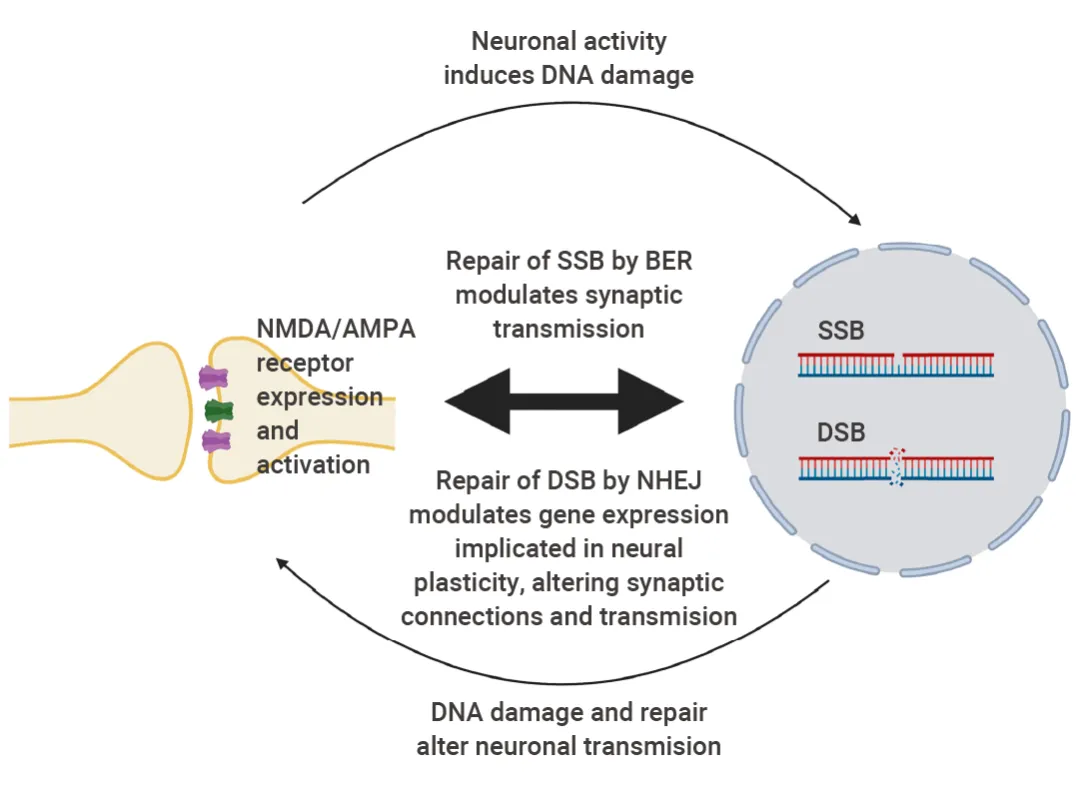
When you hear "inflammation" and "DNA damage," you might immediately think of disease or injury. However, in brains, these two processes are key steps in forming long-term memories, particularly related to specialized cells in our brain called hippocampal neurons.
Scientific Reviews
When you hear "inflammation" and "DNA damage," you might immediately think of disease or injury. However, in brains, these two processes are key steps in forming long-term memories, particularly related to specialized cells in our brain called hippocampal neurons. -
 Scientific Reviews
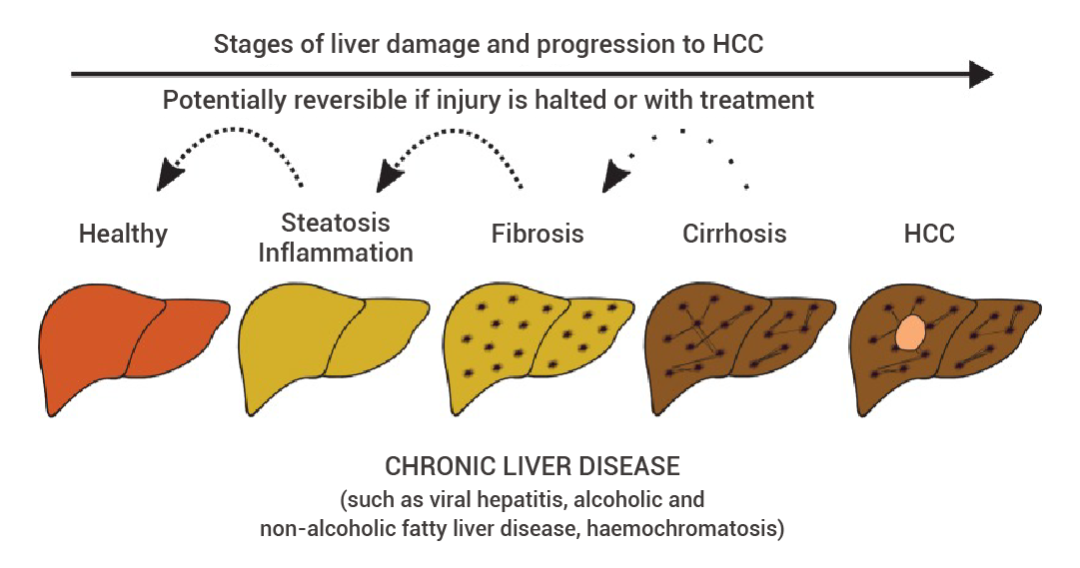
This article will tell you about the common methods of modeling liver disease in animal models.
Scientific Reviews
This article will tell you about the common methods of modeling liver disease in animal models. -
 Scientific Reviews
This article introduces some common cardiovascular disease models, inducers, modeling protocols and successful modeling cases in the research.
Scientific Reviews
This article introduces some common cardiovascular disease models, inducers, modeling protocols and successful modeling cases in the research. -
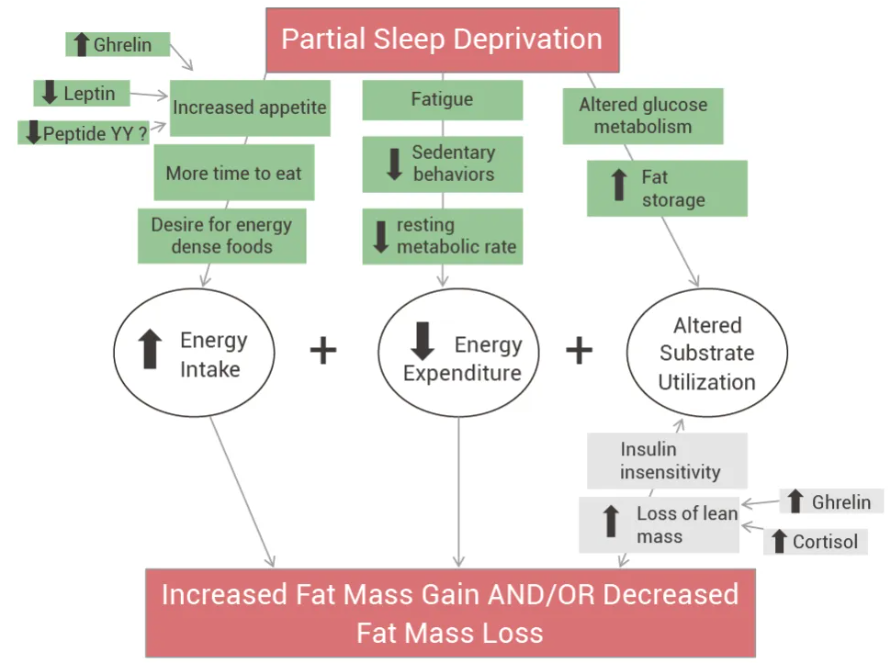 Scientific Reviews
Have you ever noticed that after staying up late, your appetite—especially for high-calorie foods—gets out of control? If this sounds familiar, today’s article might offer some good news.
Scientific Reviews
Have you ever noticed that after staying up late, your appetite—especially for high-calorie foods—gets out of control? If this sounds familiar, today’s article might offer some good news. -
 Scientific Reviews
A groundbreaking study in Nature Communications reveals the key mechanism behind Idiopathic Pulmonary Fibrosis and identifies an existing drug with the potential to counter it.
Scientific Reviews
A groundbreaking study in Nature Communications reveals the key mechanism behind Idiopathic Pulmonary Fibrosis and identifies an existing drug with the potential to counter it. -
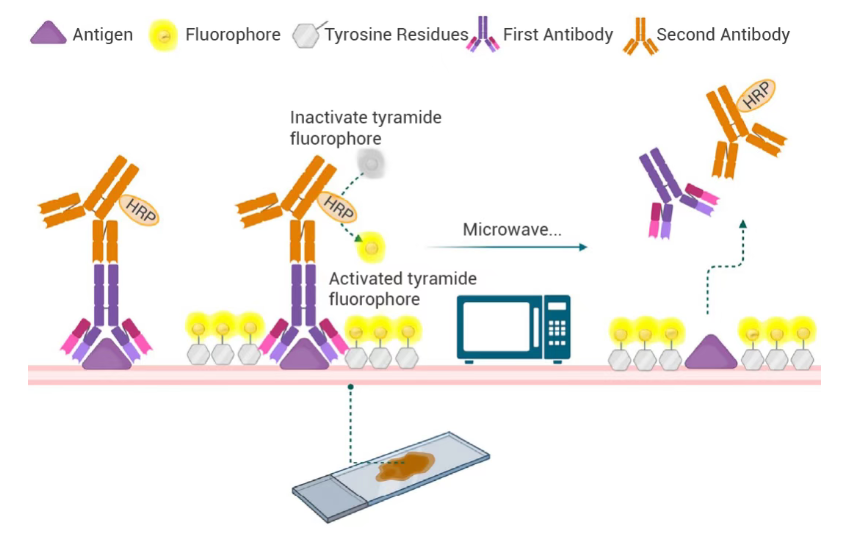 Scientific Reviews
This detailed guide outlines the standardized experimental protocols for multiplex immunohistochemistry (mIHC), systematically summarizes common technical issues encountered during sample preparation, staining and imaging processes, and provides practical troubleshooting solutions to ensure reliable and reproducible results in biomedical research and clinical sample analysis.
Scientific Reviews
This detailed guide outlines the standardized experimental protocols for multiplex immunohistochemistry (mIHC), systematically summarizes common technical issues encountered during sample preparation, staining and imaging processes, and provides practical troubleshooting solutions to ensure reliable and reproducible results in biomedical research and clinical sample analysis. -
 Scientific Reviews
Finding adipogenic induction media too expensive and tricky to prepare? This comprehensive guide to 3T3-L1 adipogenic differentiation simplifies the process, helping you achieve great results!
Scientific Reviews
Finding adipogenic induction media too expensive and tricky to prepare? This comprehensive guide to 3T3-L1 adipogenic differentiation simplifies the process, helping you achieve great results! -
Scientific Reviews
Microglia– the only immune cells within the brain parenchyma. With advancements in imaging technologies, people’s understanding of microglia has shifted from being viewed as 'resting' cells to 'highly active' cells, particularly due to their dynamic processes that seem to be probing surrounding tissues and monitoring neuronal activity. This has made microglia a focal point of research in the field of neuroscience. -
 Scientific Reviews
Exosomes—natural nanoscale carriers—are revolutionizing targeted therapy. This article uncovers the science behind their precision in drug delivery.
Scientific Reviews
Exosomes—natural nanoscale carriers—are revolutionizing targeted therapy. This article uncovers the science behind their precision in drug delivery. -
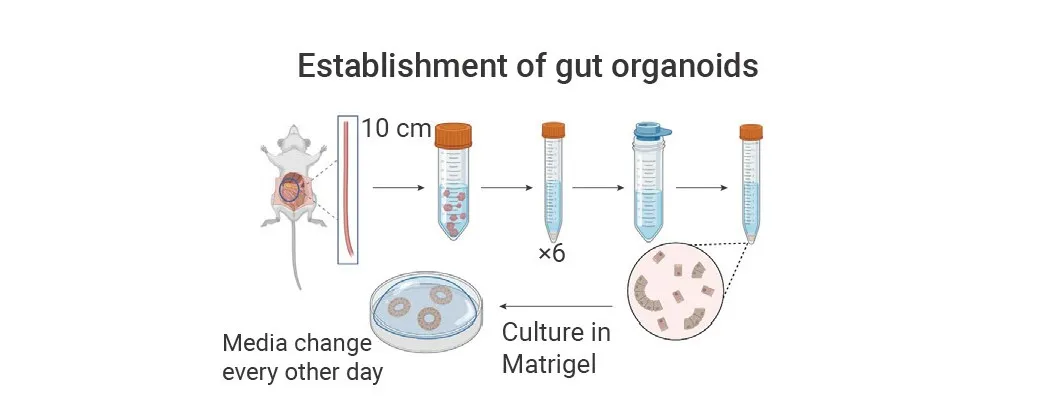 Scientific Reviews
Efficient Generation of Mouse Small Intestinal Organoids: A Complete Experimental Protocol Guide
Scientific Reviews
Efficient Generation of Mouse Small Intestinal Organoids: A Complete Experimental Protocol Guide2025-12-10
How to successfully create mouse small intestine organoids? A detailed, hands-on guide to the entire process, all in one article! -
 Scientific Reviews
This paper elaborates on cytokines for culturing major immune cells, their regulatory roles, recombinant cytokines' merits and MCE’s related high-quality products.
Scientific Reviews
This paper elaborates on cytokines for culturing major immune cells, their regulatory roles, recombinant cytokines' merits and MCE’s related high-quality products. -
 Scientific Reviews
In the hunt for the next ‘GLP-1,’ amylin therapeutics, which have shown strong weight-loss results in clinical trials, have become a major focus for both multinational pharma and the scientific community.
Scientific Reviews
In the hunt for the next ‘GLP-1,’ amylin therapeutics, which have shown strong weight-loss results in clinical trials, have become a major focus for both multinational pharma and the scientific community. -
 Scientific Reviews
GLP-1 and Obesity Research
Scientific Reviews
GLP-1 and Obesity Research2026-08-14
Obesity substantially increases the risk of chronic diseases such as T2D and cardiovascular disease. The breakout success of GLP-1 therapies has spotlighted GLP-1R and a wave of emerging obesity targets. -
 EDM
Research Progress of Type-2-Diabetes
EDM
Research Progress of Type-2-Diabetes2025-07-09
This review comprehensively analyzes the pathophysiological mechanisms underlying T2D, surveys current therapeutic strategies, and introduces commonly used disease modeling approaches to support translational research. -
 EDM
This review provides an overview of GLP-1 biology and physiological functions, summarizes the development and clinical applications of GLP-1 receptor agonists, and discusses next-generation GLP-1–based therapeutic strategies.
EDM
This review provides an overview of GLP-1 biology and physiological functions, summarizes the development and clinical applications of GLP-1 receptor agonists, and discusses next-generation GLP-1–based therapeutic strategies. -
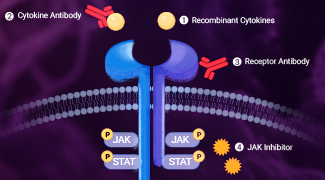 EDM
This review critically examines the role of the JAK-STAT pathway in immunity and autoimmune diseases, reviews current clinical applications of targeted therapies, and highlights emerging trends in autoimmune drug development.
EDM
This review critically examines the role of the JAK-STAT pathway in immunity and autoimmune diseases, reviews current clinical applications of targeted therapies, and highlights emerging trends in autoimmune drug development. -
 EDM
This review summarizes the mechanisms of DSS-induced colitis, commonly used modeling approaches, and key considerations related to DSS molecular weight.
EDM
This review summarizes the mechanisms of DSS-induced colitis, commonly used modeling approaches, and key considerations related to DSS molecular weight. -
 EDM
This review outlines macrophage functions and classification, and provides practical experimental guidelines for macrophage differentiation, polarization, and identification.
EDM
This review outlines macrophage functions and classification, and provides practical experimental guidelines for macrophage differentiation, polarization, and identification. -
 EDM
Explore next-generation obesity therapies from three perspectives: GLP-1-based multi-receptor agonists, oral GLP-1 strategies, and novel obesity targets.
EDM
Explore next-generation obesity therapies from three perspectives: GLP-1-based multi-receptor agonists, oral GLP-1 strategies, and novel obesity targets. -
 EDM
Review the mechanisms, mitochondrial regulation, disease relevance, and translational opportunities of the NLRP3–STING axis in neuroinflammation.
EDM
Review the mechanisms, mitochondrial regulation, disease relevance, and translational opportunities of the NLRP3–STING axis in neuroinflammation. -
 EDM
Explore the evolution from GLP-1 mono-agonists to multi-receptor therapeutics and the expanding role of incretin-based therapies in precision metabolic medicine.
EDM
Explore the evolution from GLP-1 mono-agonists to multi-receptor therapeutics and the expanding role of incretin-based therapies in precision metabolic medicine. -
 EDM
Explore the mechanisms driving immune tolerance breakdown in autoimmune diseases and emerging tolerance-restoring strategies, with a focus on IL-2-based immune modulation.
EDM
Explore the mechanisms driving immune tolerance breakdown in autoimmune diseases and emerging tolerance-restoring strategies, with a focus on IL-2-based immune modulation. -
 EDM
Evolution of PCSK9 Inhibitors Modalities: From Monoclonal Antibodies to Oral Macrocyclic Peptides
EDM
Evolution of PCSK9 Inhibitors Modalities: From Monoclonal Antibodies to Oral Macrocyclic Peptides2026-08-27
Review the biological basis of PCSK9, key therapeutic modalities, cardiovascular evidence, and future directions, including insights from the CORALreef clinical program. -
 EDM
Explore how mitochondrial quality control, inflammatory signaling, and metabolic–epigenetic reprogramming regulate cellular senescence and the SASP, along with strategies to restore mitochondrial homeostasis.
EDM
Explore how mitochondrial quality control, inflammatory signaling, and metabolic–epigenetic reprogramming regulate cellular senescence and the SASP, along with strategies to restore mitochondrial homeostasis. -
 Product Guides
Exosomes are nano-sized biovesicles released into surrounding body fluids after the fusion of multivesicular bodies with the plasma membrane. In this article, we will briefly introduce isolation, labeling and identification of exosomes. And the specific application of exosomes will also be mentioned.
Product Guides
Exosomes are nano-sized biovesicles released into surrounding body fluids after the fusion of multivesicular bodies with the plasma membrane. In this article, we will briefly introduce isolation, labeling and identification of exosomes. And the specific application of exosomes will also be mentioned. -
 Blog
HS-1371 is a Small Molecule RIP3 Inhibitor
Blog
HS-1371 is a Small Molecule RIP3 Inhibitor2019-04-09
HS-1371 is a novel kinase inhibitor of RIP3-mediated necroptosis, showing an inhibitory effect on S227 auto-phosphorylation of RIP3 at the basal level. -
 Blog
Nevanimibe is a selective and potent ACAT1 inhibitor. An excellent drug candidate in the treatment of adrenocortical cancer.
Blog
Nevanimibe is a selective and potent ACAT1 inhibitor. An excellent drug candidate in the treatment of adrenocortical cancer. -
 Blog
PRN1008 is a Reversible Covalent and Oral Active Inhibitor of Bruton’s Tyrosine Kinase (BTK)
Blog
PRN1008 is a Reversible Covalent and Oral Active Inhibitor of Bruton’s Tyrosine Kinase (BTK)2019-04-18
PRN1008 is a selective, reversible covalent and oral active inhibitor of Bruton’s Tyrosine Kinase (BTK), with an IC50 of 1.3 nM. -
 Blog
Multiple Tyrosine Kinases Inhibitor TAS-115
Blog
Multiple Tyrosine Kinases Inhibitor TAS-1152019-04-19
TAS-115 is a potent VEGFR and c-Met/HGFR-targeted kinase inhibitor with IC50s of 30 and 32 nM for rVEGFR2 and rMET, respectively. -
 Blog
TAK-828F is a potent, selective and orally active retinoic acid receptor-related orphan receptor γt (RORγt) inverse agonist. TAK-828F inhibits IL-17A cytokine expression and reduces symptoms of autoimmune encephalomyelitis mice.
Blog
TAK-828F is a potent, selective and orally active retinoic acid receptor-related orphan receptor γt (RORγt) inverse agonist. TAK-828F inhibits IL-17A cytokine expression and reduces symptoms of autoimmune encephalomyelitis mice. -
 Blog
BAY-8002 is a selective and orally active inhibitor of monocarboxylate transporter 1 (MCT1), with an IC50 of 85 nM. Has potential to treat lymphoma.
Blog
BAY-8002 is a selective and orally active inhibitor of monocarboxylate transporter 1 (MCT1), with an IC50 of 85 nM. Has potential to treat lymphoma. -
 Blog
GSK3145095 is a RIP1 kinase inhibitor with an IC50 of 6.3 nM. Potently blocks the TNF response and RIP1-dependent inflammatory cytokine MIP-1β production.
Blog
GSK3145095 is a RIP1 kinase inhibitor with an IC50 of 6.3 nM. Potently blocks the TNF response and RIP1-dependent inflammatory cytokine MIP-1β production. -
 Blog
Olutasidenib is a highly potent, selective inhibitor of mutant IDH1 that could be used in the treatment of AML or myelodysplastic syndrome (MDS).
Blog
Olutasidenib is a highly potent, selective inhibitor of mutant IDH1 that could be used in the treatment of AML or myelodysplastic syndrome (MDS). -
 Blog
JMS-17-2 is a CX3CR1 Antagonist
Blog
JMS-17-2 is a CX3CR1 Antagonist2019-06-12
JMS-17-2 is a potent and selective CX3CR1 antagonist with an IC50 of 0.32 nM. Has potential to treat cancers such as breast cancer. -
 Blog
BAY-11-7082 inhibits the proliferation and induces the apoptosis of U266 cells through inhibiting NF-κB pathway. BAY 11-7082 ameliorates experimental diabetic neuropathy by modulating neuroinflammation and improving antioxidant defence.
Blog
BAY-11-7082 inhibits the proliferation and induces the apoptosis of U266 cells through inhibiting NF-κB pathway. BAY 11-7082 ameliorates experimental diabetic neuropathy by modulating neuroinflammation and improving antioxidant defence. -
 Blog
S18-000003 is a potent, selective and orally active inhibitor of retinoic acid receptor-related orphan receptor-gamma-t (RORγt). S18-000003 ameliorates psoriasis-like lesions in vivo. S18-000003 can be used for the research of skin inflammatory diseases.
Blog
S18-000003 is a potent, selective and orally active inhibitor of retinoic acid receptor-related orphan receptor-gamma-t (RORγt). S18-000003 ameliorates psoriasis-like lesions in vivo. S18-000003 can be used for the research of skin inflammatory diseases. -
 Blog
PTC299 is a dual and orally active DHODH and VEGF inhibitor, has broad and potent activity against hematological cancer cells.
Blog
PTC299 is a dual and orally active DHODH and VEGF inhibitor, has broad and potent activity against hematological cancer cells. -
 Blog
TPCA-1, a Direct Dual Inhibitor of STAT3 and NF-κB, Regresses Mutant EGFR-Associated NSCLC
Blog
TPCA-1, a Direct Dual Inhibitor of STAT3 and NF-κB, Regresses Mutant EGFR-Associated NSCLC2019-07-15
TPCA-1 is a potent and selective inhibitor of IKK-2 with IC50 of 17.9 nM. TPCA-1 is an effective inhibitor of STAT3 phosphorylation, DNA binding. -
 Blog
LSN 3213128 is a selective, nonclassical, orally bioavailable antifolate with anti-cancer activity. LSN 3213128 potently and specifically inhibits AICARFT.
Blog
LSN 3213128 is a selective, nonclassical, orally bioavailable antifolate with anti-cancer activity. LSN 3213128 potently and specifically inhibits AICARFT. -
 Blog
NXT629 is a potent, selective, and competitive PPAR-α antagonist and shows high selectivity over other nuclear hormone receptor.
Blog
NXT629 is a potent, selective, and competitive PPAR-α antagonist and shows high selectivity over other nuclear hormone receptor. -
 Blog
BI-4924 is a Selective PHGDH Inhibitor
Blog
BI-4924 is a Selective PHGDH Inhibitor2019-08-23
BI-4924 is a lipophilic and highly plasma protein bound selective phosphoglycerate dehydrogenase (PHGDH) inhibitor (IC50=3 nM) with excellent microsomal. -
 Blog
FT113 is a potent and orally active fatty acid synthase inhibitor, with an IC50 of 213 nM for full-length recombinant human FAS, with anti-tumor activity.
Blog
FT113 is a potent and orally active fatty acid synthase inhibitor, with an IC50 of 213 nM for full-length recombinant human FAS, with anti-tumor activity. -
 Blog
UPGL00004 is a allosteric glutaminase C inhibitor which strongly inhibits the proliferation of highly aggressive triple-negative breast cancer cell lines.
Blog
UPGL00004 is a allosteric glutaminase C inhibitor which strongly inhibits the proliferation of highly aggressive triple-negative breast cancer cell lines. -
 Blog
IDH889 is an orally available, brain penetrant, allosteric and mutant specific inhibitor of isocitrate dehydrogenase 1 (IDH1) R132 mutations.
Blog
IDH889 is an orally available, brain penetrant, allosteric and mutant specific inhibitor of isocitrate dehydrogenase 1 (IDH1) R132 mutations. -
 Blog
BI-167107 is a high affinity, full agonist that binds to the β2 adrenergic receptor (β2AR) with a dissociation constant Kd of 84 pM.
Blog
BI-167107 is a high affinity, full agonist that binds to the β2 adrenergic receptor (β2AR) with a dissociation constant Kd of 84 pM. -
 Blog
TVB-3166 is an orally-available, reversible, and selective FASN inhibitor and it induces apoptosis, and inhibits in-vivo xenograft tumor growth.
Blog
TVB-3166 is an orally-available, reversible, and selective FASN inhibitor and it induces apoptosis, and inhibits in-vivo xenograft tumor growth. -
 Blog
ASLAN003 is an orally active and potent inhibitor of hDHODH with antitumor activity, and it has the potential to be a first-in-class drug candidate in AML.
Blog
ASLAN003 is an orally active and potent inhibitor of hDHODH with antitumor activity, and it has the potential to be a first-in-class drug candidate in AML. -
 Blog
DS18561882 is a highly potent, sozyme-selective methylenetetrahydrofolate dehydrogenase 2 (MTHFD2) inhibitor with a good oral pharmacokinetic profile.
Blog
DS18561882 is a highly potent, sozyme-selective methylenetetrahydrofolate dehydrogenase 2 (MTHFD2) inhibitor with a good oral pharmacokinetic profile. -
 Blog
GNE-618 is a Orally Active NAMPT Inhibitor
Blog
GNE-618 is a Orally Active NAMPT Inhibitor2019-11-28
GNE-618 is an orally active NAMPT inhibitor and reduces tumor growth. GNE-618 depletes NAD levels and induces tumor cell death. -
 Blog
Telaglenastat is a first-in-class, reversible, orally bioavailable glutaminase 1 splice variants (KGA and GAC) inhibitor. It shows antitumor activity.
Blog
Telaglenastat is a first-in-class, reversible, orally bioavailable glutaminase 1 splice variants (KGA and GAC) inhibitor. It shows antitumor activity. -
 Blog
UK 356618 is a Selective MMP-3 Inhibitor
Blog
UK 356618 is a Selective MMP-3 Inhibitor2019-12-25
UK 356618 is a selective and potent inhibitor of MMP-3. UK 356618 exhibits potent anti-inflammatory and anti-cancer activity. -
 Blog
CH6953755 is a potent, orally active and selective YES1 kinase inhibitor leading to antitumor activity against YES1 Gene -amplified cancers.
Blog
CH6953755 is a potent, orally active and selective YES1 kinase inhibitor leading to antitumor activity against YES1 Gene -amplified cancers. -
 Blog
CA-4948 is a Selective and Orally Bioavailable IRAK4 Kinase Inhibitor for Lymphoma Treatment
Blog
CA-4948 is a Selective and Orally Bioavailable IRAK4 Kinase Inhibitor for Lymphoma Treatment2020-01-05
CA-4948 is a potent, selective and orally bioavailable IRAK4 kinase inhibitor. CA-4948 can be used for the treatment of lymphoma. -
 Blog
GPP78 is a potent Nampt inhibitor. GPP78 is cytotoxic to neuroblastoma cell line SH-SY5Y cells. GPP78 has anti-cancer and anti-tumor activity.
Blog
GPP78 is a potent Nampt inhibitor. GPP78 is cytotoxic to neuroblastoma cell line SH-SY5Y cells. GPP78 has anti-cancer and anti-tumor activity. -
 Blog
BAY-985 is an orally active and selective ATP-competitive dual inhibitor of TBK1 and IKKε with IC50s of 2/30 and 2 nM for TBK1 and IKKε, respectively.
Blog
BAY-985 is an orally active and selective ATP-competitive dual inhibitor of TBK1 and IKKε with IC50s of 2/30 and 2 nM for TBK1 and IKKε, respectively. -
 Blog
ADH-503 is an orally active and allosteric CD11b agonist and leads to the repolarization of tumor-associated macrophages.
Blog
ADH-503 is an orally active and allosteric CD11b agonist and leads to the repolarization of tumor-associated macrophages. -
 Blog
CM10 is a potent and selective aldehyde dehydrogenase 1A family inhibitor and regulates metabolism and has anti-cancer activity.
Blog
CM10 is a potent and selective aldehyde dehydrogenase 1A family inhibitor and regulates metabolism and has anti-cancer activity. -
 Blog
DC-5163 is a potent GAPDH inhibitor, can inhibit glycolysis pathway partially. DC-5163 selectively inhibits cancer cell proliferation and induces apoptosis.
Blog
DC-5163 is a potent GAPDH inhibitor, can inhibit glycolysis pathway partially. DC-5163 selectively inhibits cancer cell proliferation and induces apoptosis. -
 Blog
OT-82 is a selective inhibitor of NAMPT. Selectively toxic to cells of hematopoietic origin. OT-82 is a promising antineoplastic agent.
Blog
OT-82 is a selective inhibitor of NAMPT. Selectively toxic to cells of hematopoietic origin. OT-82 is a promising antineoplastic agent. -
 Blog
TNP-351, an Antifolate, is a Dihydrofolate Reductase (DHFR) Inhibitor. Antifolates serve medical science well in neoplastic and non-neoplastic diseases.
Blog
TNP-351, an Antifolate, is a Dihydrofolate Reductase (DHFR) Inhibitor. Antifolates serve medical science well in neoplastic and non-neoplastic diseases. -
 Blog
GSK143 is an orally active and highly selective spleen tyrosine kinase (SYK) inhibitor. GSK143 reduces inflammation in the intestinal muscularis in mice.
Blog
GSK143 is an orally active and highly selective spleen tyrosine kinase (SYK) inhibitor. GSK143 reduces inflammation in the intestinal muscularis in mice. -
 Blog
JX06 is a potent, selective and covalent inhibitor of PDK via covalently binding to a cysteine residue in an irreversible manner.
Blog
JX06 is a potent, selective and covalent inhibitor of PDK via covalently binding to a cysteine residue in an irreversible manner. -
 Blog
IPI-9119 is an orally active, selective and irreversible FASN inhibitor with potent anti-cancer activity. IPI-9119 induces cell cycle arrest, apoptosis.
Blog
IPI-9119 is an orally active, selective and irreversible FASN inhibitor with potent anti-cancer activity. IPI-9119 induces cell cycle arrest, apoptosis. -
 Blog
CAY10404 is a potent and highly selective COX-2 inhibitor. CAY10404 is a potent inhibitor of PKB/Akt and MAPK signalling pathways.
Blog
CAY10404 is a potent and highly selective COX-2 inhibitor. CAY10404 is a potent inhibitor of PKB/Akt and MAPK signalling pathways. -
 Blog
BMS-P5 is an Orally Active PAD4 Inhibitor
Blog
BMS-P5 is an Orally Active PAD4 Inhibitor2020-12-12
BMS-P5 is an orally active PAD4 inhibitor. BMS-P5 blocks MM-induced NET formation and delays progression of MM in a syngeneic mouse model -
 Blog
ML132, a potent and selective caspase 1 inhibitor with a unique selectivity pattern, is responsible for the proteolytic activation of IL-1β and IL-18.
Blog
ML132, a potent and selective caspase 1 inhibitor with a unique selectivity pattern, is responsible for the proteolytic activation of IL-1β and IL-18. -
 Blog
CTPI-2 is a SLC25A1 inhibitor. CTPI-2 inhibits glycolysis, PPARγ, and its downstream target the glucose transporter GLUT4. Antitumor activity.
Blog
CTPI-2 is a SLC25A1 inhibitor. CTPI-2 inhibits glycolysis, PPARγ, and its downstream target the glucose transporter GLUT4. Antitumor activity. -
 Blog
BI99179 is a Selective Type I FASN Inhibitor
Blog
BI99179 is a Selective Type I FASN Inhibitor2021-01-28
FASN is a key enzyme for lipogenesis and highly expressed in lipogenic tissues. BI99179 is a Selective Type I FASN Inhibitor. -
 Blog
Fasentin inhibits GLUT-1 and GLUT-4 transporters. Fasentin blocks glucose uptake in cancer cell lines and has anti-angiogenic activity.
Blog
Fasentin inhibits GLUT-1 and GLUT-4 transporters. Fasentin blocks glucose uptake in cancer cell lines and has anti-angiogenic activity. -
 Blog
ML390 is a Potent DHODH Inhibitor
Blog
ML390 is a Potent DHODH Inhibitor2021-02-24
ML390 is a potent dihydroorotate dehydrogenase (DHODH) inhibitor and is an inducer of myeloid differentiation. -
 Blog
CC-90001 is a potent, selective, and orally active inhibitor of JNK. CC-90001 can be used for the research of idiopathic pulmonary fibrosis (IPF).
Blog
CC-90001 is a potent, selective, and orally active inhibitor of JNK. CC-90001 can be used for the research of idiopathic pulmonary fibrosis (IPF). -
 Blog
SB-332235 is a potent, orally active nonpeptide CXCR2 antagonist. SB-332235 inhibits acute and chronic models of arthritis in the rabbit.
Blog
SB-332235 is a potent, orally active nonpeptide CXCR2 antagonist. SB-332235 inhibits acute and chronic models of arthritis in the rabbit. -
 Blog
Vorasidenib is an orally available, brain penetrant second-generation dual mutant isocitrate dehydrogenases 1 and 2 (mIDH1/2) inhibitor.
Blog
Vorasidenib is an orally available, brain penetrant second-generation dual mutant isocitrate dehydrogenases 1 and 2 (mIDH1/2) inhibitor. -
 Blog
Lumiracoxib is a COX-2 inhibitor. Lumiracoxib acts as nonselective NSAID with anti-inflammatory, analgesic and antipyretic activities.
Blog
Lumiracoxib is a COX-2 inhibitor. Lumiracoxib acts as nonselective NSAID with anti-inflammatory, analgesic and antipyretic activities. -
 Blog
Ruxolitinib is a potent and selective JAK1/2 inhibitor and has 130-fold selectivity for JAK1/2 over JAK3. Ruxolitinib induces autophagy.
Blog
Ruxolitinib is a potent and selective JAK1/2 inhibitor and has 130-fold selectivity for JAK1/2 over JAK3. Ruxolitinib induces autophagy. -
 Blog
IMD-0354 is a Selective IKKβ Inhibitor
Blog
IMD-0354 is a Selective IKKβ Inhibitor2021-11-09
IMD-0354 is a selective IKKβ inhibitor and potently inhibits NF-κB activity. IMD0354 has antitumor activity. -
 Blog
Lonidamine, an antitumor agent and an indazole derivative, interferes with energy-yielding processes in cancer cells.
Blog
Lonidamine, an antitumor agent and an indazole derivative, interferes with energy-yielding processes in cancer cells. -
 Blog
CL097 is a TLR7/8 agonist. CL097 induces pro-nflammatory cytokines. CL097 induces NADPH oxidase priming and efficient diabetogenic cytotoxic T lymphocyte (CTL) function in NOD mice.
Blog
CL097 is a TLR7/8 agonist. CL097 induces pro-nflammatory cytokines. CL097 induces NADPH oxidase priming and efficient diabetogenic cytotoxic T lymphocyte (CTL) function in NOD mice. -
 Blog
Zingerone is a natural orally active nontoxic methoxyphenol potent anti-inflammatory, antidiabetic, antioxidize, and anti-tumor properties.
Blog
Zingerone is a natural orally active nontoxic methoxyphenol potent anti-inflammatory, antidiabetic, antioxidize, and anti-tumor properties. -
 Blog
BM213 is a selective C5aR1 agonist. It’s a useful research tool to study C5aR1 function
Blog
BM213 is a selective C5aR1 agonist. It’s a useful research tool to study C5aR1 function -
 Blog
Pelecopan is a potent, selective, and orally active complement factor D inhibitor, possessing the potential to study paroxysmal nocturnal hemoglobinuria (PNH).
Blog
Pelecopan is a potent, selective, and orally active complement factor D inhibitor, possessing the potential to study paroxysmal nocturnal hemoglobinuria (PNH). -
 Blog
SOR-C13 is a high-affinity TRPV6 antagonist with an IC50 value of 14 nM. SOR-C13 is used for Advanced Solid Tumors Research
Blog
SOR-C13 is a high-affinity TRPV6 antagonist with an IC50 value of 14 nM. SOR-C13 is used for Advanced Solid Tumors Research -
 Blog
Etrolizumab is a Gut-selective, Anti-β7 Integrin McAb for Inflammatory Bowel Disease (IBD) Research
Blog
Etrolizumab is a Gut-selective, Anti-β7 Integrin McAb for Inflammatory Bowel Disease (IBD) Research2022-11-05
Etrolizumab is a gut-selective, anti-β7 integrin monoclonal antibody and has the potential for the research of inflammatory bowel disease. -
 Blog
STF-31 is a potent ans selective inhibitor of GLUT1 that inhibit glucose uptake in renal cell carcinoma (RCC) 4 cells.
Blog
STF-31 is a potent ans selective inhibitor of GLUT1 that inhibit glucose uptake in renal cell carcinoma (RCC) 4 cells. -
 Blog
Olutasidenib (FT-2102) is an orally active, brain penetrant inhibitor of mutant IDH1. Olutasidenib is used for AML or MDS Research.
Blog
Olutasidenib (FT-2102) is an orally active, brain penetrant inhibitor of mutant IDH1. Olutasidenib is used for AML or MDS Research. -
 Blog
ML-SA5 is a potent TRPML1 cation channel agonist with some anticancer activity and can inhibit tumour growth.
Blog
ML-SA5 is a potent TRPML1 cation channel agonist with some anticancer activity and can inhibit tumour growth. -
 Blog
Talotrexin (PT523), a classic antifolate, is an RFC (reduced folate carrier) specific inhibitor and selectively inhibits RFC transport.
Blog
Talotrexin (PT523), a classic antifolate, is an RFC (reduced folate carrier) specific inhibitor and selectively inhibits RFC transport. -
 Blog
SG-094 is a potent TPC2 inhibitor with antiproliferative effects. SG-094 can be used for the research of cancer.
Blog
SG-094 is a potent TPC2 inhibitor with antiproliferative effects. SG-094 can be used for the research of cancer. -
 Blog
Ruxolitinib is an orally-active JAK1/2 inhibitor. Ruxolitinib has the potential for the research of myeloproliferative neoplasm (MPN).
Blog
Ruxolitinib is an orally-active JAK1/2 inhibitor. Ruxolitinib has the potential for the research of myeloproliferative neoplasm (MPN).
Products
All
-
All
-
Inhibitors & Agonists
-
Isotope-Labeled Compounds
-
Fluorescent Dye
-
Peptides
-
Recombinant Proteins
-
Antibodies
-
Screening Libraries
-
Kits
-
Inhibitory Antibodies
-
Reference Standards
-
Induced Disease Models Products
-
GMP Small Molecules
-
Biochemical Assay Reagents
-
Natural Products
| Cat. No. | Product Name | Information | Application | Publication |
|---|---|---|---|---|
| HY-13948B | Angiotensin II human TFA |
Angiotensin II human (Angiotensin II) TFA is a vasoconstrictor and a major bioactive peptide of the renin/angiotensin system. Angiotensin II human TFA plays a central role in regulating human blood pressure, which is mainly mediated by interactions between Angiotensin II and the G-protein-coupled receptors (GPCRs) Angiotensin II type 1 receptor (AT1R) and Angiotensin II type 2 receptor (AT2R). Angiotensin II human TFA stimulates sympathetic nervous stimulation, increases aldosterone biosynthesis and renal actions. Angiotensin II human TFA induces growth of vascular smooth muscle cells, increases collagen type I and III synthesis in fibroblasts, leading to thickening of the vascular wall and myocardium, and fibrosis. Angiotensin II human TFA also induces apoptosis. Angiotensin II human TFA induces capillary formation from endothelial cells via the LOX-1 dependent redox-sensitive pathway.
|
|
259
|
| HY-13948A | Angiotensin II human acetate |
Angiotensin II human (Angiotensin II) acetate is a vasoconstrictor and a major bioactive peptide of the renin/angiotensin system. Angiotensin II human acetate plays a central role in regulating human blood pressure, which is mainly mediated by interactions between Angiotensin II and the G-protein-coupled receptors (GPCRs) Angiotensin II type 1 receptor (AT1R) and Angiotensin II type 2 receptor (AT2R). Angiotensin II human acetate stimulates sympathetic nervous stimulation, increases aldosterone biosynthesis and renal actions. Angiotensin II human acetate induces growth of vascular smooth muscle cells, increases collagen type I and III synthesis in fibroblasts, leading to thickening of the vascular wall and myocardium, and fibrosis. Angiotensin II human acetate also induces apoptosis. Angiotensin II human acetate induces capillary formation from endothelial cells via the LOX-1 dependent redox-sensitive pathway.
|
Cancer
Metabolic or Endocrine Disease
Digestive System Disease
Viral Infection
Digestive System Inflammation
Cardiovascular Disease
|
259
|
| HY-13948 | Angiotensin II human |
Angiotensin II (Angiotensin II) is a vasoconstrictor and a major bioactive peptide of the renin/angiotensin system. Angiotensin II human plays a central role in regulating human blood pressure, which is mainly mediated by interactions between Angiotensin II and the G-protein-coupled receptors (GPCRs) Angiotensin II type 1 receptor (AT1R) and Angiotensin II type 2 receptor (AT2R). Angiotensin II human stimulates sympathetic nervous stimulation, increases aldosterone biosynthesis and renal actions. Angiotensin II human induces growth of vascular smooth muscle cells, increases collagen type I and III synthesis in fibroblasts, leading to thickening of the vascular wall and myocardium, and fibrosis. Angiotensin II human also induces apoptosis. Angiotensin II induces capillary formation from endothelial cells via the LOX-1 dependent redox-sensitive pathway.
|
Cancer
Metabolic or Endocrine Disease
Digestive System Disease
Viral Infection
Digestive System Inflammation
Cardiovascular Disease
|
259
|
| HY-B0468 | Isoprenaline hydrochloride |
Isoprenaline (Isoproterenol) hydrochloride is a non-selective, orally active β-adrenergic receptor agonist. Isoprenaline has potent peripheral vasodilator, bronchodilator, and cardiac stimulating activities. Isoprenaline can be used for the research of bradycardia and bronchial asthma.
|
|
97
|
| HY-L018 | TGF-beta/Smad Compound Library |
The transforming growth factor beta (TGF-β) signaling pathway is involved in many cellular processes in both the adult organism and the developing embryo including cell growth, cell differentiation, apoptosis, cellular homeostasis and other cellular functions. The TGF-β superfamily comprises TGF-βs, bone morphogenetic proteins (BMPs), activins and related proteins. Signaling begins with the binding of a TGF beta superfamily ligand to a TGF beta type II receptor. The type II receptor is a serine/threonine receptor kinase, which catalyzes the phosphorylation of the Type I receptor. The type I receptor then phosphorylates receptor-regulated SMADs (R-SMADs) which can now bind the coSMAD (e.g. SMAD4). R-SMAD/coSMAD complexes accumulate in the nucleus where they act as transcription factors and participate in the regulation of target gene expression. Deregulation of TGF-β signaling contributes to developmental defects and human diseases, including cancers, some bone diseases, chronic kidney disease, etc.
MCE designs a unique collection of 458 TGF-beta/Smad signaling pathway compounds. TGF-beta/Smad Compound Library acts as a useful tool for TGF-beta/Smad-related drug screening and disease research.
|
|
83
|
| HY-L034M | Anti-Aging Compound Library Mini |
Research has shown that drugs targeting aging pathways demonstrate promising potential in models of age-related diseases such as Alzheimer's disease, cardiovascular diseases, metabolic syndrome, osteoarthritis, and various malignancies. This suggests that intervening in the biological processes of aging may enable synergistic prevention and treatment of multiple chronic diseases. Against the backdrop of the gradual elucidation of core aging mechanisms-including cellular senescence, telomere attrition, epigenetic dysregulation, and chronic inflammation anti-aging research has shifted from traditional phenotypic interventions toward targeting key pathways that regulate biological age.
The MCE Anti-Aging Compound Library Mini is precisely built upon this cutting-edge concept. It focuses on aging-related targets validated through genetic or functional studies, comprising 381 compounds designed to provide systematic research tools for aging biology and intervention strategy development. The library covers core mechanisms such as mTOR, SIRT, energy metabolism, clearance of senescent cells, optimization of mitochondrial function, and telomere maintenance. For each target, 1-5 compounds with clear activity and strong representativeness have been carefully selected, spanning the entire translational spectrum from preclinical tool molecules to clinically investigational drugs.
|
|
83
|
| HY-L038 | Differentiation Inducing Compound Library |
Stem cells, which are found in all multi-cellular organisms, can divide and differentiate into diverse special cell types and can self-renew to produce more stem cells. To be useful in therapy, stem cells must be converted into desired cell types as necessary which is called induced differentiation or directed differentiation. Understanding and using signaling pathways for differentiation is an important method in successful regenerative medicine. Small molecules or growth factors induce the conversion of stem cells into appropriate progenitor cells, which will later give rise to the desired cell type. There is a variety of signal molecules and molecular families that may affect the establishment of germ layers in vivo, such as fibroblast growth factors (FGFs); the wnt family or superfamily of transforming growth factors β (TGFβ) and bone morphogenetic proteins (BMP). Unfortunately, for now, a high cost of recombinant factors is likely to limit their use on a larger scale in medicine. The more promising technique focuses on the use of small molecules. These small molecules can be used for either activating or deactivating specific signaling pathways. They enhance reprogramming efficiency by creating cells that are compatible with the desired type of tissue. It is a cheaper and non-immunogenic method.
MCE Differentiation Inducing Compound Library contains a unique collection of 2,574 compounds that act on signaling pathways for differentiation. These compounds are potential stimulators for induced differentiation. This library is a useful tool for researching directed differentiation and regenerative medicine.
|
|
83
|
| HY-L079 | Anti-Blood Cancer Compound Library |
Blood cancers, also called hematologic cancers, occur when abnormal blood cells start growing out of control, interrupting the function of normal blood cells, which fight off infection and produce new blood cells. Most blood cancers start in the bone marrow, which is where blood is produced. There are three main types of blood cancers: leukemia, lymphoma and myeloma, which afflict millions of children and adults every year, and are often deadly.
Some common blood cancer treatments include stem cell transplantation, chemotherapy, radiation therapy, targeted therapy, immunotherapy or a combination thereof. As we begin to understand the key signaling pathways and molecular drivers of malignant transformation in haematological disorders, new treatment strategies will continue to be developed.
MCE offers a unique collection of 4,333 compounds with identified and potential anti-blood cancer activity. These compounds target blood cancer’s major targets and signaling pathways. MCE anti-blood cancer compound library is a useful tool for anti-blood cancer drugs screening and other related research.
|
|
83
|
| HY-L087 | Anti-Obesity Compound Library |
Obesity is widely recognized as the largest and fastest growing public health problem and is associated with numerous chronic disorders including osteoarthritis, obstructive sleep apnea, gallstones, fatty liver disease, reproductive and gastrointestinal cancers, dyslipidemia, hypertension, type 2 diabetes, heart failure, coronary artery disease, stroke, etc. Although obesity has long been associated with serious health issues, it has only recently been regarded as a disease in the sense of being a specific target for medical therapy. Obesity may be viewed as the dysregulation of two physiological functions, appetite regulation and energy metabolism, which combine to create disordered energy balance. Consequently, developing obesity treatments that target novel pathways is a growing focus for both biopharmaceutical industries.
MCE Anti-Obesity Compound Library owns a unique collection of 3,741 compounds, which mainly target signaling pathway of controlling appetite, fatty acid metabolism and energy expenditure, etc. This library is a useful tool for discovery anti-obesity drugs.
|
|
83
|
| HY-L131 | Osteogenesis Compound Library |
Ossification is a tightly regulated process, performed by specialized cells called osteoblasts. Dysregulation of this process may cause inadequate or excessive mineralization of bones or ectopic calcification, all of which have grave consequences for human health.
Osteoblasts play important roles in the process of osteogenesis and prevention of osteonecrosis. Osteoblast formation and bone formation are regulated by hormones, growth factors, cytokines, etc.
MCE offers a unique collection of 984 bone formation compounds with identified and potential inducing osteogenesis activity. MCE bone formation compound library is a useful tool for the study of bone disease drugs and pharmacology.
|
|
83
|
| HY-L171 | Anti-Hematopathy Compound Library |
Hematopathy, also known as hematopoietic system diseases, are a class of diseases that hematopoietic system has abnormal changes. Common hematopathy include: aplastic anemia, myeloproliferative diseases, thalassemia, leukemia, lymphoma, myeloma and hemophilia, etc. In recent years, treatments for hematopathy have been developed. In particular, the treatment of malignant hematopathy developed from chemotherapy, radiotherapy, bone marrow development to immunotherapy, induced differentiation therapy, cell therapy, gene therapy and hematopoietic stem cell transplantation. Although these therapies have greatly improved the survival rate of patients, there are still problems such as low cure rate and easy recurrence in the treatment of hematopathy. Therefore, it is of great significance to actively search for new hematopathy therapeutic drugs.
MCE designs a unique collection of 4,388 anti-hematopathy small molecules, which is an effective tool for development and research of anti-hematopathy compounds.
|
|
83
|
| HY-L174 | Macrophage Related Compound Library |
Macrophages are effector cells of the innate immune system, engulfing bacteria and secreting pro-inflammatory and antibacterial mediators. They are an important component of the first line defense against pathogens and tumor cells. In addition, macrophages play an important role in eliminating damaged cells through programmed cell death. Like all immune cells, macrophages originate from pluripotent hematopoietic stem cells in the bone marrow. Macrophages play key functions in many physiological processes beyond homeostasis and innate immunity, including metabolic function, cell debris clearance, tissue repair, and remodeling. In order to fulfill their different functional roles, macrophages can polarize into a series of phenotypes, including classic (pro inflammatory, M1) and alternative (anti-inflammatory, healing promoting, M2) activation states, as well as a wide range of regulatory phenotypes and subtypes. Macrophages exist in all vertebrate tissues and have a dual function in host protection and tissue damage, maintaining a good balance.
MCE designs a unique collection of 276 macrophage related compounds. It is a good tool to be used for research on Inflammation, cancer and other diseases.
|
|
83
|
| HY-L197 | Vitamin Compound Library |
Vitamins are a category of trace organic compounds essential for maintaining normal physiological functions in living organisms. They are classified into fat-soluble and water-soluble vitamins. Fat-soluble vitamins play a role in maintaining vision, bone health, reproductive functions, and blood coagulation. Water-soluble vitamins are involved in energy metabolism, nervous system function, and cellular repair processes. Most vitamins cannot be synthesized by the organism and must be obtained through diet. In recent years, vitamins and their derivatives have become increasingly important in the field of drug development due to their extensive physiological activities. Additionally, vitamins and their derivatives can be used to construct research platforms for vitamin metabolism, which helps to delve into the metabolic pathways and dynamic changes of vitamins within the body and aids in identifying new biomarkers for certain diseases.
MCE included 136 vitamins and their derivatives, including Vitamin A, Vitamin B, Vitamin D, etc., which is a good tool for studying vitamin metabolism.
|
|
83
|
| HY-L210 | Anti-Rheumatic Arthritis Compound Library |
Rheumatoid Arthritis (RA) is a autoimmune disease characterized by persistent joint inflammation. The pathology of RA includes immune cell infiltration, synovial lining proliferation, pannus formation, and the destruction of joint cartilage and bone, which is highly disabling. Due to long-term chronic inflammation, RA not only severely affects the quality of life of patients but can also damage multiple organs, leading to lung diseases, cardiovascular diseases, and malignant tumors. The pathogenesis of RA is complex, involving genetic, environmental, and immune factors. With the advancement of high-throughput screening technology, screening for compounds targeting JAK, CCR, MEK, MMP targets may contribute to the development of more effective drugs against Rheumatoid Arthritis (RA).
MCE has collected 2,023 small molecule compounds with definite or potential anti-rheumatoid arthritis activity. This library is of significant value for researching the anti-RA drugs.
|
|
83
|
| HY-L249 | Lactylation Compound Library |
Protein lactylation, an emerging post-translational modification identified in recent years, plays a critical role in linking cellular metabolic reprogramming, epigenetic regulation, and signaling networks. Based on a systematic framework encompassing lactate metabolism, lactylation, and downstream signaling pathways, this compound library comprehensively targets multiple regulatory layers, including histone modification enzymes (such as p300 and HDACs), key glycolytic enzymes (such as PKM2, LDHA, and GAPDH), transcriptional regulators (such as STAT3, HMGB1, and p53), as well as central signaling pathway nodes including HIF-1α, NF-κB, and PI3K-AKT-mTOR. This integrated design enables a comprehensive representation of the regulatory roles of lactylation across the “metabolism–epigenetics–signaling” axis.
MCE has assembled a collection of 6,182 known bioactive compounds and potential functional molecules, making this library suitable for a wide range of applications, including high-throughput drug screening, inhibitor identification, and mechanistic studies. It can be used to systematically evaluate the functional roles of lactylation in biological processes such as tumor metabolism, immune regulation, and inflammatory responses, and to efficiently identify small-molecule candidates with regulatory potential, thereby facilitating the development of innovative therapeutics targeting the interplay between metabolism and epigenetic regulation.
|
|
83
|
| HY-L925 | Cysteine Protease Focused Library |
Cysteine proteases (CPs), a key enzyme family regulating physiological metabolism and mediating pathological processes (such as abnormal bone resorption, tumour invasion, and pathogen infection), represent a core therapeutic target for developing specific inhibitors in disease intervention. Currently reported CP inhibitors primarily achieve their inhibitory function by precisely binding to CP active pockets (e.g., S1-S4 non-primed regions or S1'-S2' primed regions) and forming covalent/non-covalent interactions with the active site cysteine residues, providing clear structural references for the development of novel inhibitors.
This compound library, designed based on the core strategy of "similarity-based known active structures", contains over 200 cysteine protease inhibitors. Leveraging AI-driven molecular screening technology, it retains the critical pharmacological and shape features of reported CP inhibitors, serving as a specialized tool for efficiently discovering novel cysteine protease inhibitors.
|
|
83
|
| HY-L926 | Cysteine Protease Focused Covalent Library |
Cysteine proteases (CPs), a key enzyme family regulating physiological metabolism and mediating pathological processes (e.g., abnormal bone resorption, tumour invasion, and pathogen infection), represent a core therapeutic target for disease intervention via the development of specific inhibitors. Currently reported CP covalent inhibitors encompass diverse structural types, including epoxides, aziridine, and activated double bonds (vinyl sulphones, α,β-unsaturated ketones), providing clear structural references for the development of novel CP covalent inhibitors.
This compound library contains multiple warheads that specifically target cysteine proteases, serving as a powerful tool for the efficient discovery of novel covalent inhibitors against this enzyme family.
|
|
83
|
| HY-13715A | Norepinephrine hydrochloride |
Norepinephrine (Levarterenol; L-Noradrenaline) hydrochloride is a potent adrenergic receptor (AR) agonist. Norepinephrine activates α1, α2, β1 receptors.
|
|
79
|
| HY-13715 | Norepinephrine |
Norepinephrine (Levarterenol; L-Noradrenaline) is a potent adrenergic receptor (AR) agonist. Norepinephrine activates α1, α2, β1 receptors.
|
|
79
|
| HY-B0573 | Propranolol hydrochloride |
Propranolol hydrochloride is a nonselective and BBB-permeableβ-adrenergic receptor (βAR) antagonist, has high affinity for the β1AR and β2AR with Ki values of 1.8 nM and 0.8 nM, respectively. Propranolol hydrochloride inhibits [3H]-DHA binding to rat brain membrane preparation with an IC50 of 12 nM. Propranolol hydrochloride is used for study of hypertension, pheochromocytoma, myocardial infarction, cardiac arrhythmias, angina pectoris, and hypertrophic cardiomyopathy.
|
Metabolic or Endocrine Disease
Breast Cancer
Prostate Cancer
Pancreatic Cancer
Bacterial Infection
Depression
SARS-CoV-2 Infection
Alzheimer's Disease
Hypertension
|
52
|
| HY-B0573B | Propranolol |
Propranolol is a nonselective and BBB-permeable β-adrenergic receptor (βAR) antagonist, has high affinity for the β1AR and β2AR with Ki values of 1.8 nM and 0.8 nM, respectively. Propranolol inhibits [3H]-DHA binding to rat brain membrane preparation with an IC50 of 12 nM. Propranolol is used for the study of hypertension, pheochromocytoma, myocardial infarction, cardiac arrhythmias, angina pectoris, and hypertrophic cardiomyopathy.
|
Metabolic or Endocrine Disease
Breast Cancer
Prostate Cancer
Pancreatic Cancer
Bacterial Infection
Depression
Alzheimer's Disease
Psoriasis
Hypertension
|
52
|
| HY-13951 | Zenidolol hydrochloride |
Zenidolol (ICI-118551) hydrochloride is a highly selective β2 adrenergic receptor antagonist, with Kis of 0.7, 49.5 and 611 nM for β2, β1 and β3 receptors, respectively.
|
|
50
|
| HY-10095 | Olcegepant |
Olcegepant (BIBN-4096) is a potent and selective non-peptide antagonist of the calcitonin gene-related peptide 1 (CGRP1) receptor with IC50 of 0.03 nM and Ki of 14.4 pM for human CGRP.
|
|
47
|
| HY-12497 | ANA-12 |
ANA-12 is a brain-penetrant, selective TrkB antagonist with IC50 values of 45.6 nM and 41.1 μM, and Kd values of 10 nM and 12 μM, for high- and low-affinity sites, respectively. ANA-12 specifically inhibits BDNF-induced TrkB receptor activation and its downstream signaling cascades by directly and non-competitively binding to the TrkB receptor, without affecting the functions of TrkA and TrkC. ANA-12 is used in research concerning neuropsychiatric disorders (such as depression and anxiety), acute and chronic pain, neuroimmune inflammation, and the mechanisms of learning and memory.
|
|
41
|
| HY-B0769 | Phenylephrine |
(R)-(-)-Phenylephrine is a selective α1-adrenoceptor agonist primarily used as a decongestant.
|
|
38
|
| HY-12678 | Entrectinib |
Entrectinib (NMS-E628) is an orally active, BBB-penetrated and centrally active inhibitor of TrkA/B/C, ROS1 and ALK, with IC50 values of 1, 3, 5, 12 and 7 nM, respectively. Entrectinib induces apoptosis and cycle arrest in cancer cells, has antitumor activity, and attenuates bleomycin-induced lung fibrosis in mice.
|
|
32
|
| HY-116771A | CL 316243 |
CL316243 is a highly potent selective β3-adrenoceptor agonist with a EC50 of 3 nM, but is an extremely poor to β1/2- receptors.CL316243 is a effective stimulant of adipocyte lipolysis and increases brown adipose tissue thermogenesis and metabolic rate. CL316243 has the potential for the treatment obesity, diabetes and urge urinary incontinence.
|
|
28
|
| HY-N6732 | K-252a |
K-252a, a staurosporine analog, inhibits protein kinase, with IC50 values of 470 nM, 140 nM, 270 nM, and 1.7 nM for PKC, PKA, Ca2+/calmodulin-dependent kinase type II, and phosphorylase kinase, respectively. K-252a is a potent inhibitor (IC50 of 3 nM) of the tyrosine protein kinase (TRK) activity of the NGF receptor gp140trk, the product of the trk protooncogene.
Source: Nocardiopsis sp. |
|
27
|
| HY-B0617 | S-Adenosyl-L-methionine |
S-Adenosyl-L-methionine (S-Adenosyl methionine) is an orally active methyl group donor. S-Adenosyl-L-methionine is a dietary supplement with potent antidepressant effects. S-Adenosyl-L-methionine also has anti‑proliferative, pro‑apoptotic and anti‑metastatic roles in cancers. S-Adenosyl-L-methionine has the potential for, cancer, liver disease and osteoarthritis research.
Source: Escherichia coli |
|
23
|
| HY-W013372 | 7,8-Dihydroxyflavone |
7,8-Dihydroxyflavone is a potent and selective TrkB agonist that mimics the physiological actions of Brain-derived neurotrophic factor (BDNF). Displays therapeutic efficacy toward various neurological diseases.
|
|
21
|
| HY-17498 | Atenolol |
Atenolol ((RS)-Atenolol) is a cardioselective β1-adrenergic receptor blocker, with a Ki of 697 nM at β1-adrenoceptor in guine pig left ventricle membrane. Atenolol can be used for the research of hypertension and angina pectoris.
|
|
21
|
| HY-12866 | Larotrectinib |
Prostate Cancer
Leukemia/Lymphoma/Myeloma
Pancreatic Cancer
Pain
Digestive System Inflammation
SARS-CoV-2 Infection
|
17
|
|
| HY-N0378 | D-Mannitol |
D-Mannitol (Mannitol) is an oral, resistant sugar widely used in the food and pharmaceutical industries to promote the absorption and retention of calcium and magnesium through cecal fermentation, while acting as a osmotic diuretic to reduce tissue edema. D-Mannitol can enhance brown fat formation, improve insulin effect, reduce blood sugar levels, And through the start the β3-adrenergic receptor (β3-AR), PGC1α and PKA induced by means of white fat cells into brown fat cells. D-Mannitol is commonly used to maintain osmotic pressure between the plant cytoplasm and the culture medium and protect cells when the cell wall is weakened or even removed.
|
Digestive System Disease
Prostate Cancer
Viral Infection
Depression
Pain
Digestive System Inflammation
Cardiovascular Disease
Glucose Metabolism
Parkinson's Disease
Obesity
|
15
|
| HY-N0390S1 | L-Glutamine-13C5 |
L-Glutamine-13C5 is the 13C-labeled L-Glutamine (HY-N0390). L-Glutamine is an orally active nutritional agent and cellular metabolism regulator. L-Glutamine is taken up in a Na+-dependent manner and targets multiple key molecules including glutaminase, mTORC1, NF-κB, STAT-3 and HIF-1α. L-Glutamine enhances glutaminolytic catabolism, drives the conversion of glutamate to α-ketoglutarate, thereby regulating gene expression, integrating metabolic signals, mediating glutamine flux and maintaining redox homeostasis. L-Glutamine also promotes cell proliferation, osteogenic differentiation and fracture healing, exerts neuroprotective and cardioprotective effects, and inhibits osteoarthritis. L-Glutamine can be applied to research related to osteoporosis, osteoarthritis, ischemic stroke and acute cantharidin-induced cardiotoxicity.
|
Isotope-Labeled Compounds
mGluR
Ferroptosis
Environmental Pollutants
Endogenous Metabolite
HIF/HIF Prolyl-Hydroxylase
mTOR
STAT
NF-κB
Neurological, Eye or Ear Disease
Inflammation or Immune System Disease
Blood or Cardio-cerebrovascular Disease
Metabolic or Endocrine Disease
|
13
|
| HY-15498 | Rimegepant |
Rimegepant (BMS-927711; BHV-3000) is an orally bioavailable and blood-brain barrier permeable antagonist of CGRP and AMY1 receptors, with a pIC50 of 8.01 and a Ki of 0.027 nM for human CGRP receptors. Rimegepant antagonizes cAMP production induced by αCGRP, βCGRP and amylin at CGRP and AMY1 receptors in humans, rats and mice, as well as at rat AMY3 receptors. Rimegepant can be used in research related to migraine .
|
|
12
|
| HY-18314 | GW 441756 |
|
11
|
|
| HY-18732A | L-NMMA acetate |
L-NMMA (Tilarginine) acetate is a non-selective and competitive inhibitor of nitric oxide synthase. L-NMMA acetate inhibits three subtypes, namely nNOS, eNOS, and iNOS, and reduces NO production. L-NMMA acetate alleviates mechanical allodynia, thermal hyperalgesia, and choroidal fibrosis. L-NMMA acetate is applicable to research related to nociception, bone cancer pain, and myopia.
|
|
11
|
| HY-B0527 | Amitriptyline |
Amitriptyline is an orally active tricyclic antidepressant (TCA). Amitriptyline mainly exerts its antidepressant effect by blocking SERT (Ki = 3.45 nM) and NET (Ki = 13.3 nM), thereby increasing the concentrations of 5-hydroxytryptamine (5-HT) and norepinephrine (NE) in the synaptic cleft. Amitriptyline is also an agonist at α2A and TrkA/TrkB receptors, thereby exerting analgesic and neurotrophic activities (inhibiting cell apoptosis). Amitriptyline can reduce inflammation, angiogenesis and fibrosis. Amitriptyline binds to DAT (with Ki = 2.58 μM). Amitriptyline has high affinity for a series of receptors and can antagonize muscarinic cholinergic receptors (M1/M2/M3/M4/M5 receptors) (Ki = 11-24 nM), H1 receptors (Ki = 0.5-1.1 nM), adrenergic α1 receptors (Ki = 4.4 nM), etc., resulting in a series of side effects. Amitriptyline can block sodium channels and hERG potassium channel (IC50 = 4.78 μM) and it has cardiotoxicity.
|
Serotonin Transporter
5-HT Receptor
mAChR
Sodium Channel
Adrenergic Receptor
Trk Receptor
Histamine Receptor
Potassium Channel
Dopamine Transporter
Apoptosis
Digestive System Disease
Depression
Pain
Digestive System Inflammation
SARS-CoV-2 Infection
Pseudomonas Aeruginosa Infection
Alzheimer's Disease
Parkinson's Disease
Hypertension
Obesity
|
9
|
| HY-P0209 | Rat CGRP-(8-37) |
Rat CGRP-(8-37) (VTHRLAGLLSRSGGVVKDNFVPTNVGSEAF) is a highly selective CGRP receptor antagonist.
|
|
9
|
| HY-103022 | Repotrectinib |
|
9
|
|
| HY-P0203 | α-CGRP (mouse, rat) |
α-CGRP (mouse, rat), a neuropeptide (calcitonin gene-related peptide (CGRP)) mainly expressed in neuromuscular junction, is a potent vasodilator. α-CGRP (mouse, rat) can lead to a fall in blood pressure and an increase in heart rate by peripheral administration, also relax colonie smooth muscle. α-CGRP (mouse, rat) has the potential in cardiovascular, pro-inflammatory, migraine and metabolic studies.
|
Inflammation or Immune System Disease
Blood or Cardio-cerebrovascular Disease
Metabolic or Endocrine Disease
|
9
|
| HY-B2162A | Chondroitin sulfate sodium (from shark cartilage) |
Chondroitin sulfate sodium (from shark cartilage), one of five classes of glycosaminoglycans, has been widely used in the treatment of osteoarthritis. Chondroitin sulfate reduces inflammation mediators and the apoptotic process and is able to reduce protein production of inflammatory cytokines, iNOS and MMPs.
|
|
8
|
| HY-110066 | (Z)-Guggulsterone |
(Z)-Guggulsterone, a constituent of Indian Ayurvedic medicinal plant Commiphora mukul, inhibits the growth of human prostate cancer cells by causing apoptosis. (Z)-Guggulsterone inhibits angiogenesis by suppressing the VEGF–VEGF-R2–Akt signaling axis. (Z)-Guggulsterone is also a potent FXR antagonist. (Z)-Guggulsterone reduces ACE2 expression and SARS-CoV-2 infection.
|
Lung Cancer
Breast Cancer
Colorectal Cancer
Prostate Cancer
Gastric Cancer
Liver Cancer
Leukemia/Lymphoma/Myeloma
Pancreatic Cancer
Ovarian Cancer
Viral Infection
Pain
Digestive System Inflammation
Hypertension
Obesity
Lung Fibrosis
|
8
|
| HY-B2162 | Chondroitin sulfate |
Chondroitin sulfate, one of five classes of glycosaminoglycans, has been widely used in the treatment of osteoarthritis. Chondroitin sulfate reduces inflammation mediators and the apoptotic process and is able to reduce protein production of inflammatory cytokines, iNOS and MMPs.
|
|
8
|
| HY-N0036 | Costunolide |
Costunolide ((+)-Costunolide) is a naturally occurring sesquiterpene lactone, with antioxidative, anti-inflammatory, antiallergic, bone remodeling, neuroprotective, hair growth promoting, anticancer, and antidiabetic properties. Costunolide can induce cell cycle arrest and apoptosis on breast cancer cells.
|
Neurological, Eye or Ear Disease
Digestive System Disease
Breast Cancer
Digestive System Inflammation
Glucose Metabolism
|
7
|
| HY-B1811 | Vasopressin |
Vasopressin is a cyclic nonapeptide that is synthesized centrally in the hypothalamus. Vasopressin participates in the hypothalamic-pituitary-adrenal axis, and regulates pituitary corticotropin secretion by potentiating the stimulatory effects of corticotropin releasing factor. Vasopressin also can act as a neurotransmitter, exerting its action by binding to specific G protein-coupled receptors.
|
|
7
|
| HY-N0816 | Polyphyllin VI |
Polyphyllin VI, an active saponin, possess anti-cancer activities. Polyphyllin VI induces G2/M cell cycle arrest and triggers apoptosis. Polyphyllin VI induces caspase-1-mediated pyroptosis via the induction of ROS/NF-κB/NLRP3/GSDMD signal axis in non-small cell lung cancer.
|
|
6
|
| HY-P1071 | α-CGRP (human) |
α-CGRP (human) (Calcitonin gene-related peptide) is a regulatory neuropeptide of 37 amino acids. α-CGRP (human) is widely distributed in the central and peripheral nervous system. α-CGRP (human) is a potent vasodilator and has inotropic and chronotropic effects.
|
|
6
|
| HY-N0866 | 20-Deoxyingenol |
20-Deoxyingenol, a diterpene, is isolated from the roots of Euphorbia kansui. 20-Deoxyingenol can promote autophagy and lysosomal biogenesis by promoting the nuclear translocation of transcription factor EB (TFEB) in vitro. 20-Deoxyingenol can be used for the research of osteoarthritis (OA).
|
|
5
|
| HY-N0772 | Isomangiferin |
Isomangiferin is an orally active xanthone C-glucoside, and its chemical structure is similar to Mangiferin (HY-N0290). Isomangiferin is an effective VEGFR-2 kinase inhibitor, which can induces cell apoptosis, inhibit the growth, metastasis and angiogenesis of breast cancer. Isomangiferin exerts anti-inflammatory effects by inhibiting the HMGB1/NLRP3/NF-κB signaling pathway, thereby improving the renal function indicators of diabetic mice. Isomangiferin exhibits inhibitory effects on various bacteria and herpes simplex virus type 1 (HSV-1). Isomangiferin promotes the migration and osteogenic differentiation of bone marrow mesenchymal stem cells (BMSCs) and reduces cell apoptosis and the production of ROS by activating the AMPK/ACC pathway, thereby facilitating fracture healing.
|
VEGFR
NOD-like Receptor (NLR)
NF-κB
Bacterial
AMPK
Acetyl-CoA Carboxylase
Apoptosis
Reactive Oxygen Species (ROS)
HSV
Drug Derivative
Lung Cancer
Breast Cancer
Colorectal Cancer
Prostate Cancer
Liver Cancer
Leukemia/Lymphoma/Myeloma
Pancreatic Cancer
Ovarian Cancer
Viral Infection
Bacterial Infection
Depression
Pain
Autoimmune Disease
Digestive System Inflammation
Glucose Metabolism
Obesity
Lung Fibrosis
|
4
|
| HY-N6779 | Patulin |
Patulin (Terinin) is a mycotoxin produced by fungi including the Aspergillus, Penicillium, and Byssochlamys species, causes chromosome breakage, mutation, teratogenic and cytotoxic. Patulin induces autophagy-dependent apoptosis through lysosomal-mitochondrial axis, and causes DNA damage.
Source: Penicillium and Aspergillus |
|
4
|
| HY-N0390S9 | L-Glutamine-15N-1 |
L-Glutamine-15N-1 is the 15N-labeled L-Glutamine (HY-N0390). L-Glutamine is an orally active nutritional agent and cellular metabolism regulator. L-Glutamine is taken up in a Na+-dependent manner and targets multiple key molecules including glutaminase, mTORC1, NF-κB, STAT-3 and HIF-1α. L-Glutamine enhances glutaminolytic catabolism, drives the conversion of glutamate to α-ketoglutarate, thereby regulating gene expression, integrating metabolic signals, mediating glutamine flux and maintaining redox homeostasis. L-Glutamine also promotes cell proliferation, osteogenic differentiation and fracture healing, exerts neuroprotective and cardioprotective effects, and inhibits osteoarthritis. L-Glutamine can be applied to research related to osteoporosis, osteoarthritis, ischemic stroke and acute cantharidin-induced cardiotoxicity.
|
Isotope-Labeled Compounds
mGluR
Ferroptosis
Environmental Pollutants
Endogenous Metabolite
HIF/HIF Prolyl-Hydroxylase
mTOR
STAT
NF-κB
Neurological, Eye or Ear Disease
Inflammation or Immune System Disease
Blood or Cardio-cerebrovascular Disease
Metabolic or Endocrine Disease
|
4
|
| HY-N0390S | L-Glutamine-15N |
L-Glutamine-15N is the 15N-labeled L-Glutamine (HY-N0390). L-Glutamine is an orally active nutritional agent and cellular metabolism regulator. L-Glutamine is taken up in a Na+-dependent manner and targets multiple key molecules including glutaminase, mTORC1, NF-κB, STAT-3 and HIF-1α. L-Glutamine enhances glutaminolytic catabolism, drives the conversion of glutamate to α-ketoglutarate, thereby regulating gene expression, integrating metabolic signals, mediating glutamine flux and maintaining redox homeostasis. L-Glutamine also promotes cell proliferation, osteogenic differentiation and fracture healing, exerts neuroprotective and cardioprotective effects, and inhibits osteoarthritis. L-Glutamine can be applied to research related to osteoporosis, osteoarthritis, ischemic stroke and acute cantharidin-induced cardiotoxicity.
|
Isotope-Labeled Compounds
mGluR
Ferroptosis
Environmental Pollutants
Endogenous Metabolite
HIF/HIF Prolyl-Hydroxylase
mTOR
STAT
NF-κB
Neurological, Eye or Ear Disease
Inflammation or Immune System Disease
Blood or Cardio-cerebrovascular Disease
Metabolic or Endocrine Disease
|
4
|
| HY-P1471 | Adrenomedullin (AM) (22-52), human |
Adrenomedullin (AM) (22-52), human, an NH2 terminal truncated adrenomedullin analogue, is an adrenomedullin receptor antagonist, and also antagonizes the calcitonin generelated peptide (CGRP) receptor in the hindlimb vascular bed of the cat.
|
|
4
|
| HY-P81217 | Osteocalcin Antibody |
Osteocalcin Antibody is a Rabbit-derived and non-conjugated IgG polyclonal antibody, targeting to Osteocalcin.
Host: Rabbit; Reactivity: Human, Mouse |
|
4
|
| HY-P9958A | Denosumab (anti-TNFSF11) |
Denosumab (anti-TNFSF11) is a human monoclonal antibody that targets the protein RANKL. Denosumab binds to the receptor activator of nuclear factor kappa-B ligand (RANKL) and prevents its binding to the RANK receptor (KD of 0.003 nM for human RANKL). Denosumab promotes proliferation and spermatogenesis. Denosumab prevents bone resorption through inhibition of the NF-κB pathway. Denosumab can be used in bone-related studies.
Species: Human |
Neurological, Eye or Ear Disease
Metabolic or Endocrine Disease
Non-Small Cell Lung Cancer
HER-2 Positive Breast Cancer
Metastatic Breast Cancer
|
3
|
| HY-N0648 | Monotropein |
Monotropein is an iridoid glycoside that can be isolated from the roots of Morinda officinalis. Monotropein inhibits the expression of inflammatory mediators in dextran sulfate sodium (DSS)-induced colitis mouse model. Monotropein exerts protective effects against IL-1β-induced apoptosis and catabolic responses on osteoarthritis chondrocytes. Monotropein has cartilage protective activity. Monotropein can alleviate Cisplatin (HY-17394)-induced acute kidney injury by inhibiting oxidative damage, inflammation and apoptosis through activation of Nrf2/HO-1 pathway and inhibition of NF-κB signaling. Monotropein can be studied in research for osteoarthritis, acute kidney injury and acute lung injury.
|
Breast Cancer
Prostate Cancer
Liver Cancer
Leukemia/Lymphoma/Myeloma
Pancreatic Cancer
Ovarian Cancer
Depression
Pain
Autoimmune Disease
Digestive System Inflammation
Obesity
Lung Fibrosis
|
3
|
| HY-N2532 | Diphyllin |
Diphyllin is an orally active V-ATPase inhibitor (IC50=17 nM) and HIV-1 inhibitor (IC50=0.38 μM). Diphyllin blocks the acidification of osteoclast lysosomes and bone resorption lacunas (IC50=0.6 nM for acid influx inhibition), thereby inhibiting bone resorption. Diphyllin can effectively inhibit osteoclast-mediated bone resorption and has no effect on osteoblastic bone formation. Diphyllin can be used in the research of bone metabolism-related diseases and has the potential to inhibit diseases related to excessive bone resorption.
|
|
3
|
| HY-107854 | N-Acetyl-5-hydroxytryptamine |
N-Acetyl-5-hydroxytryptamine is a Melatonin precursor, and that it can potently activate TrkB receptor.
|
|
3
|
| HY-P9958 | Denosumab |
Denosumab is a human monoclonal antibody that targets the protein RANKL. Denosumab binds to the receptor activator of nuclear factor kappa-B ligand (RANKL) and prevents its binding to the RANK receptor (KD of 0.003 nM for human RANKL). Denosumab promotes proliferation and spermatogenesis. Denosumab prevents bone resorption through inhibition of the NF-κB pathway. Denosumab can be used in bone-related studies.
Species: Human |
Metabolic or Endocrine Disease
Non-Small Cell Lung Cancer
HER-2 Positive Breast Cancer
Metastatic Breast Cancer
|
3
|
| HY-P3462A | Cagrilintide acetate |
Cagrilintide acetate is a non-selective AMYR/CTR agonist and long-acting acylated amylase analogue. Cagrilintide acetate causes a reduction in food intake and significant weight loss in a dose-dependent manner. Cagrilintide acetate can be used in obesity studies.
|
|
3
|
| HY-P0090 | Calcitonin (salmon) |
Calcitonin salmon, a calcium regulating hormone, is a dual-action amylin and calcitonin receptor agonist, could stimulate bone formation and inhibit bone resorption.
|
|
3
|
| HY-P3462 | Cagrilintide |
Cagrilintide is an investigational novel long-acting acylated amylin analogue, acts as nonselective amylin receptors (AMYR) and calcitonin G protein-coupled receptor (CTR) agonist. Cagrilintide induces significant weight loss and reduces food intake. Cagrilintide has the potential for the research of obesity.
|
|
3
|
| HY-P990071 | Fepixnebart |
Fepixnebart (LY3016859) is a humanized monoclonal hIgG4 antibody, which binds and neutralizes only TGFα and epiregulin with high affinity. Fepixnebart can be used for the study of diabetic nephropathy and broad-spectrum chronic pain, including diabetic peripheral neuropathic pain (DPNP), signs and symptoms of osteoarthritis (OA), and chronic low back pain (CLBP).
Species: Human |
Neurological, Eye or Ear Disease
Inflammation or Immune System Disease
Metabolic or Endocrine Disease
|
2
|
| HY-N1374 | Magnolin |
Inflammation or Immune System Disease
Colorectal Cancer
Prostate Cancer
Liver Cancer
Pancreatic Cancer
Pain
Obesity
Lung Fibrosis
|
2
|
|
| HY-P99463 | Batiraxcept |
Batiraxcept (AVB-500; AVB-S6-500) is a selective, soluble AXL receptor and GAS6 inhibitor that targets the GAS6-AXL signaling axis. Batiraxcept is orally inactive and does not cross the blood-brain barrier. Batiraxcept competitively binds to GAS6 ((KD <1 nM), preventing its interaction with the AXL receptor tyrosine kinase, thereby inhibiting downstream PI3K/AKT and MAPK signaling pathways, reducing tumor cell glycolysis, angiogenesis, and metastatic potential. Batiraxcept has demonstrated antitumor activity in preclinical models of endometrial, cholangiocarcinoma, and ovarian cancer by inhibiting tumor growth, invasion, and metastasis.
|
|
2
|
| HY-B0025 | Voglibose |
Voglibose is an orally active alpha-glucosidase inhibitor that prevents the development of colorectal precancerous lesions induced by obesity and diabetes. Voglibose reduces oxidative stress in an inflammatory environment and inhibits the insulin-like growth factor/insulin-like growth factor-1 receptor (IGF/IGF-1R) functional axis.
Source: Streptomyces hygroscopicies var. limonons. |
|
2
|
| HY-P99221 | Tanezumab |
Tanezumab (RN-624) is a humanized anti-NGF mAb with high affinity and specificity. Tanezumab blocks NGF binding to its receptors, p75 and TrkA, in the peripheral nervous system. Tanezumab can be used in studies of acute and chronic pain such as osteoarthritis, knee and neuralgia, as well as post-herpetic neuralgia.
Species: Human |
|
2
|
| HY-P7880 | Alkaline Phosphatase/ALPL Protein, Human (HEK293, His) |
Alkaline Phosphatase/ALPL Protein, Human (HEK 293, His) is a cell-surface homodimeric phosphohydrolase that is richly expressed in the skeleton, liver, kidney and developing teeth.
Species: Human; Source: HEK293 |
|
2
|
| HY-113308AS | Taurolithocholic acid-d4 sodium |
Taurolithocholic acid-d4 (sodium) is the deuterium labeled Taurolithocholic acid (sodium salt). Taurolithocholic acid sodium is an orally active bile acid and antiviral agent. Taurolithocholic acid sodium upregulates FADS2 by activating the TGR5-PI3K/AKT-SREBP2 signaling axis, inhibits SFTSV-induced ferroptosis, viral replication and viral entry of HBV/HDV, while reducing the release of IL-1β, lipid ROS and LDH. While exerting antiviral protective effects, Taurolithocholic acid sodium also stimulates the recycling of hepatocellular membrane transporters, impairs canalicular bile acid secretion function, and induces hepatocyte cholestasis, apoptosis and acute hepatocellular injury. Taurolithocholic acid sodium serves as an experimental model compound for hepatocellular cholestasis. At concentrations ≤200 μM, Taurolithocholic acid sodium shows no cytotoxicity and does not activate the interferon pathway. Taurolithocholic acid sodium not only protects mice from lethal SFTSV infection but also is suitable for studies related to severe fever with thrombocytopenia syndrome and cholestasis.
|
|
1
|
| HY-Y0332H | Sodium dihydrogen phosphate dihydrate, for molecular biology |
Sodium dihydrogen phosphate dihydrate (Sodium phosphate monobasic dihydrate), for molecular biology is a phosphate compound and nucleating agent. At a content of 1.2%, Sodium dihydrogen phosphate dihydrate, for molecular biology eliminates the supercooling degree of sodium acetate trihydrate to 0°C while maintaining or slightly enhancing its latent heat storage capacity. Sodium dihydrogen phosphate dihydrate, for molecular biology can serve as a starting material for the synthesis of degradable sodium phosphate glasses, which are applied in craniomaxillofacial bone repair. Sodium dihydrogen phosphate dihydrate, for molecular biology is widely used in research on craniomaxillofacial bone repair and related fields.
|
|
1
|
| HY-113230 | Galactosylhydroxylysine |
Galactosylhydroxylysine is a component of bone collagen produced by post-translational glycosylation of hydroxylysine. Galactosylhydroxylysine is released during bone resorption and has been shown to be elevated in metabolic bone loss.
|
|
1
|
| HY-17490 | Oxaceprol |
Oxaceprol (N-Acetyl-L-hydroxyproline), an orally active derivative of L-proline, possesses distinct anti-inflammatory activity. Oxaceprol is usually used for the research of osteoarthritis and rheumatoid arthritis.
|
|
1
|
| HY-113230B | Galactosylhydroxylysine hydrochloride |
Galactosylhydroxylysine hydrochloride is a component of bone collagen produced by post-translational glycosylation of hydroxylysine. Galactosylhydroxylysine hydrochloride is released during bone resorption and has been shown to be elevated in metabolic bone loss.
|
|
1
|
| HY-N0390S5 | L-Glutamine-1-13C |
L-Glutamine-1-13C is the 13C-labeled L-Glutamine (HY-N0390). L-Glutamine is an orally active nutritional agent and cellular metabolism regulator. L-Glutamine is taken up in a Na+-dependent manner and targets multiple key molecules including glutaminase, mTORC1, NF-κB, STAT-3 and HIF-1α. L-Glutamine enhances glutaminolytic catabolism, drives the conversion of glutamate to α-ketoglutarate, thereby regulating gene expression, integrating metabolic signals, mediating glutamine flux and maintaining redox homeostasis. L-Glutamine also promotes cell proliferation, osteogenic differentiation and fracture healing, exerts neuroprotective and cardioprotective effects, and inhibits osteoarthritis. L-Glutamine can be applied to research related to osteoporosis, osteoarthritis, ischemic stroke and acute cantharidin-induced cardiotoxicity.
|
Isotope-Labeled Compounds
mGluR
Ferroptosis
Environmental Pollutants
Endogenous Metabolite
HIF/HIF Prolyl-Hydroxylase
mTOR
STAT
NF-κB
Neurological, Eye or Ear Disease
Inflammation or Immune System Disease
Blood or Cardio-cerebrovascular Disease
Metabolic or Endocrine Disease
|
1
|
| HY-Z0478 | (-)-Limonene |
(-)-Limonene ((S)-(-)-Limonene) is orally active and can cause mild bronchoconstriction. (-)-Limonene alleviates cytosolic and mitochondrial oxidative stress by inhibiting the increase of calcium ions (Ca2+) and Ca2+/calmodulin-dependent protein kinase II (CaMKII). It also exerts anti-stress effects by inhibiting the activity of the hypothalamic-pituitary-adrenal (HPA) axis. Additionally, (-)-Limonene can be used as an antibacterial agent in aquaculture.
|
|
1
|
| HY-NP160 | Recombinant Humanized Type I Collagen |
Recombinant Humanized Type I Collagen is a recombinant humanized collagen protein with has unique immunological features and plays an important role in the structure and function of skin, bones, tendons, etc.
|
|
1
|
| HY-P99419 | Acasunlimab |
Acasunlimab (GEN1046) is a bispecific antibody (bsAb) targeting PD-L1 and 4-1BB. Acasunlimab enhances T-cell and NK-cell function through conditional 4-1BB stimulation while constitutively blocking the PD-1/PD-L1 inhibitory axis. Acasunlimab can be used in research of cancer.
Species: Human |
|
1
|
| HY-101898 | Indo-1 AM |
Calcium is an important part of the human body, usually in the form of calcium, a large number of bones and teeth of the human body, a small amount of blood and tissues.
MCE calcium ion detection probe can specifically identify intracellular calcium ions, with high sensitivity, low cytotoxicity, increased AM acetylmethyl ester can enter the cell well, after being sheared by the intracellular esterase stay in the cell to bind to calcium ions, produce strong fluorescence, in addition, Mag-indo-1/AM and Mag-Fluo-4 AM at a certain concentration (usually 5 mM) can effectively identify intracellular magnesium ions.
|
|
1
|
| HY-P990001 | Anti-Mouse IL-10 Antibody (JES5-2A5) |
Anti-Mouse IL-10 Antibody (JES5-2A5) is an anti-mouse IL-10 IgG1 monoclonal antibody. Anti-Mouse IL-10 Antibody (JES5-2A5) restores the anti-tumor activity of IL-6 by blocking the IL-10/SOCS3 axis. Anti-Mouse IL-10 Antibody (JES5-2A5) can reverse microcirculation and cognitive deficits. Anti-Mouse IL-10 Antibody (JES5-2A5) can be used for researches on cancer and metabolic disease such as osteosarcoma and type 1 diabetes mellitus (T1DM).
Species: Mouse |
Cancer
Metabolic or Endocrine Disease
Neurodegenerative Disease
Experimental Autoimmune Encephalomyelitis
Experimental Autoimmune Encephalomyelitis
|
1
|
| HY-W013407 | α-Methyltyrosine methyl ester hydrochloride |
α-Methyltyrosine methyl ester hydrochloride is an orally active and competitive tyrosine hydroxylase inhibitor. α-Methyltyrosine methyl ester hydrochloride can inhibit the conversion of tyrosine to dopamine. α-Methyltyrosine methyl ester hydrochloride causes kidney damage and urethral calculi in rats. α-Methyltyrosine methyl ester hydrochloride can be used as a tool for sympathetic nervous system research.
|
|
1
|
| HY-N0390S2 | L-Glutamine-d5 |
L-Glutamine-d5 is the deuterium labeled L-Glutamine (HY-N0390). L-Glutamine is an orally active nutritional agent and cellular metabolism regulator. L-Glutamine is taken up in a Na+-dependent manner and targets multiple key molecules including glutaminase, mTORC1, NF-κB, STAT-3 and HIF-1α. L-Glutamine enhances glutaminolytic catabolism, drives the conversion of glutamate to α-ketoglutarate, thereby regulating gene expression, integrating metabolic signals, mediating glutamine flux and maintaining redox homeostasis. L-Glutamine also promotes cell proliferation, osteogenic differentiation and fracture healing, exerts neuroprotective and cardioprotective effects, and inhibits osteoarthritis. L-Glutamine can be applied to research related to osteoporosis, osteoarthritis, ischemic stroke and acute cantharidin-induced cardiotoxicity.
|
Isotope-Labeled Compounds
mGluR
Ferroptosis
Environmental Pollutants
Endogenous Metabolite
HIF/HIF Prolyl-Hydroxylase
mTOR
STAT
NF-κB
Neurological, Eye or Ear Disease
Inflammation or Immune System Disease
Blood or Cardio-cerebrovascular Disease
Metabolic or Endocrine Disease
|
1
|
| HY-P99144A | Anti-Mouse PD-1 Antibody (S-5001) |
Anti-Mouse PD-1 Antibody (S-5001) is a selective inhibitor targeting PD-1, blocking the PD-1/PD-L1 immune checkpoint axis through competitive binding to PD-1. Anti-Mouse PD-1 Antibody (S-5001) works by reversing the tumor immunosuppressive microenvironment and reactivating the anti-tumor activity of cytotoxic T lymphocytes. It can be used in research on tumors such as melanoma and HPV-positive oropharyngeal squamous cell carcinoma. Anti-Mouse PD-1 Antibody (S-5001) is often combined with photothermal therapy, chemotherapy, etc., to enhance efficacy.
Species: Mouse |
|
1
|
| HY-N0390S8 | L-Glutamine-15N2 |
L-Glutamine-15N2 is the 15N-labeled L-Glutamine (HY-N0390). L-Glutamine is an orally active nutritional agent and cellular metabolism regulator. L-Glutamine is taken up in a Na+-dependent manner and targets multiple key molecules including glutaminase, mTORC1, NF-κB, STAT-3 and HIF-1α. L-Glutamine enhances glutaminolytic catabolism, drives the conversion of glutamate to α-ketoglutarate, thereby regulating gene expression, integrating metabolic signals, mediating glutamine flux and maintaining redox homeostasis. L-Glutamine also promotes cell proliferation, osteogenic differentiation and fracture healing, exerts neuroprotective and cardioprotective effects, and inhibits osteoarthritis. L-Glutamine can be applied to research related to osteoporosis, osteoarthritis, ischemic stroke and acute cantharidin-induced cardiotoxicity.
|
Isotope-Labeled Compounds
mGluR
Ferroptosis
Environmental Pollutants
Endogenous Metabolite
HIF/HIF Prolyl-Hydroxylase
mTOR
STAT
NF-κB
Neurological, Eye or Ear Disease
Inflammation or Immune System Disease
Blood or Cardio-cerebrovascular Disease
Metabolic or Endocrine Disease
|
1
|
| HY-W015273A | trans-3-Indoleacrylic acid |
Trans-3-Indoleacrylic acid is a tryptophan metabolite, which promotes tumor development through inhibition of RSL3 (HY-100218A) induced ferroptosis via AHR-ALDH1A3-FSP1-CoQ10 axis, and facilitates colorectal carcinogenesis
|
|
1
|
| HY-P9982 | Romosozumab |
Romosozumab is a humanized monoclonal anti-sclerostin antibody, it promotes bone formation and inhibits bone resorption by inhibiting sclerostin. Romosozumab can be used for the research of osteoporosis.
Species: Human |
|
1
|
| HY-P700666 | BSP2 Protein, Cynomolgus (HEK293, His) |
The BSP2 protein has strong hydroxyapatite-binding ability and is a component of the mineralized matrix, shaping the structural framework of tissues. Its association implies a crucial role in cell-matrix interactions, affecting both physical and functional aspects. BSP2 Protein, Cynomolgus (HEK293, His) is the recombinant cynomolgus-derived BSP2 protein, expressed by HEK293 , with C-His labeled tag.
Species: Cynomolgus; Source: HEK293 |
|
1
|
| HY-P81047 | Collagen II Antibody |
|
1
|
|
| HY-P81047A | Collagen II Antibody(YA3550) |
|
1
|
|
| HY-K0350 | Mouse Neutrophil Negative Selection Kit |
MCE Mouse Neutrophil Negative Selection Kit can isolate neutrophils from single-cell suspensions of mouse bone marrow or other tissue samples. |
|
1
|
| HY-K0607 | Modified Safranin O–Fast Green Cartilage Staining Kit |
MCE Modified Safranin O–Fast Green Cartilage Staining Kit through an optimized staining system, cartilage matrix and bone tissue in histological sections can be clearly distinguished. This method provides high staining contrast, good sensitivity, simple operation, and good reproducibility, and is widely used for cartilage morphology observation, studies of cartilage injury and degeneration, osteochondral tissue development research, and related histological analyses. |
|
1
|
| HY-B0634S | Aceclofenac-d4 |
Aceclofenac-d4 is the deuterium labeled Aceclofenac. Aceclofenac is an orally active nonsteroidal anti-inflammatory agent (NSAID), with analgesic and anti-inflammatory properties. Aceclofenac is used for the research of osteoarthritis, ankylosing spondylitis, rheumatoid arthritis.
|
|
/
|
| HY-18719S | Endoxifen-d5 (Z-isomer) |
Endoxifen-d5 (Z-isomer) is the deuterated-labeled Endoxifen (Z-isomer methanesulfonate) (HY-18719H). Endoxifen-d5 Z-isomer is an orally active selective PKCβ1 inhibitor with an IC50 of 360 nM against human PKCβ1. It also acts as an estrogen receptor modulator and antiestrogen. Endoxifen-d5 Z-isomer binds to and blocks ERα, ERβ and PKCβ1, inhibits estrogen and PI3K/AKT/mTORC1 signaling pathways, suppresses the expression of genes associated with cell cycle, cell proliferation and extracellular matrix remodeling, and induces apoptosis, reactive oxygen species (ROS) production and hypoxic features. Endoxifen-d5 Z-isomer inhibits tumor growth in breast tumor and glioblastoma models, reduces bone turnover and blood lipid levels, and does not require metabolism via CYP2D6. It can be used in research related to ER+ breast cancer, invasive breast cancer, glioblastoma multiforme, type I bipolar disorder, desmoid tumor, gynecological malignancies, melanoma and hormone receptor-positive solid tumors
|
|
/
|
| HY-13738S | Raloxifene-d4 |
Raloxifene-d4 is the deuterium labeled Raloxifene. Raloxifene (Keoxifene) is a benzothiophene-derived selective estrogen receptor modulator (SERM). Raloxifene has estrogen-agonistic effects on bone and lipids and estrogen-antagonistic effects on the breast and uterus. Raloxifene is used for breast cancer and osteoporosis research.
|
|
/
|
| HY-P3637 | AVSEHQLLHDKGKSIQDLRRRFFLHHLI-{Aib}-EIHTAYRFGG |
AVSEHQLLHDKGKSIQDLRRRFFLHHLI-{Aib}-EIHTAYRFGG promotes bone-ossification. AVSEHQLLHDKGKSIQDLRRRFFLHHLI-{Aib}-EIHTAYRFGG can be used in the research of diseases or disorders related to osteogenic defects or bone mineral density (BMD) decreasing, such as osteoporosis.
|
|
/
|
| HY-N0684S1 | Vitamin K1-d4 |
Vitamin K1-d4 is the deuterium labeled Vitamin K1. Vitamin K1 a naturally occurring vitamin required for blood coagulation and bone and vascular metabolism.
|
|
/
|
| HY-P990248 | Anti-Mouse E-Cadherin/CD324 Antibody (DECMA-1) |
Anti-Mouse E-Cadherin/CD324 Antibody (DECMA-1) is an anti-mouse E-Cadherin/CD324 IgG1 monoclonal antibody. Anti-Mouse E-Cadherin/CD324 Antibody (DECMA-1) can downregulate the HER signaling axis and PI3K/Akt/mTOR signaling pathway. Anti-Mouse E-Cadherin/CD324 Antibody (DECMA-1) can inhibit the proliferation of tumor cells and induce their apoptosis. Anti-Mouse E-Cadherin/CD324 Antibody (DECMA-1) can be used for researches on cancer and inflammation conditions such as breast cancer, chronic compression injury (CCI) and asthma.
Species: Mouse |
|
/
|
| HY-17490S | Oxaceprol-d3 |
Oxaceprol-d3 (N-Acetyl-L-hydroxyproline-d3) is deuterium labeled Oxaceprol. Oxaceprol (N-Acetyl-L-hydroxyproline), an orally active derivative of L-proline, possesses distinct anti-inflammatory activity. Oxaceprol is usually used for the research of osteoarthritis and rheumatoid arthritis.
|
|
/
|
| HY-P991362 | GB-223 |
GB-223 is a human monoclonal antibody (mAb) targeting TNFSF11/RANKL/CD254. GB-223 can be used in Giant cell tumour of bone and Postmenopausal osteoporosis research.
Species: Human |
|
/
|
| HY-116640 | Amorphigenin |
Amorphigenin is a trothotenone compound. Amorphigenin inhibits osteoclast differentiation by suppressing the expression of c-Fos and NFATc1 in activated T cells. Amorphigenin degrades melanosome proteins by activating the AMPK-dependent autophagy pathway, but not in dependence of the mTOR pathway. Amorphigenin significantly protects bone mass and reduces bone erosion in a mouse model of inflammatory bone loss. Amorphigenin can be used to study inflammatory bone diseases, postmenopausal osteoporosis, and skin pigmentation disorders.
|
|
/
|
| HY-138794G | XL177A (GMP) |
XL177A GMP is XL177A (HY-138794) produced by using GMP guidelines. GMP small molecules works appropriately as an auxiliary reagent for cell therapy manufacture. XL177A is a covalent USP7 inhibitor that blocks the deubiquitinase activity of USP7. XL177A destabilizes non-canonical PRC1 complexes or KDM6A and reduces chromatin deposition of H2AK119Ub, thereby relieving the repression of neuronal differentiation programs. Meanwhile, XL177A also regulates the ELOF1-UVSSA-USP7-nuclear β-catenin axis, decreasing the transcription levels of related proteins and the accumulation of nuclear β-catenin. XL177A exerts antiviral effects by reducing the expression levels of coronavirus receptors, and exhibits inhibitory activity against APC-mutated colorectal cancer cells, neuroblastoma, and coronaviruses including SARS-CoV-2 variants. XL177A is mainly used in studies related to colorectal cancer, neuroblastoma, and coronavirus infections.
|
|
/
|
| HY-P3539 | Exendin-4 (3-39) |
Exendin-4 (3-39) is a peptide. Exendin-4 (3-39) is a truncated form of Exendin-4 (HY-13443) that lacks the first two amino acids. Exendin-4 is a potent Glucagon-like peptide-1 receptor (GLP-1r) agonist. Exendin-4 (3-39) and Exendin-4 can be used for the research of diabetic and hypothalamic-pituitary-adrenal (HPA) axis.
|
|
/
|
| HY-N20033 | Symphytum officinale extract |
|
/
|
|
| HY-P991324 | MEDI-7352 |
MEDI-7352 is a human bispecific antibody (bsAb) targeting NGF/bNGF & TNF. MEDI-7352 can be used in osteoarthritis (OA) pain research.
Species: Human |
|
/
|
| HY-124410S | Mitoquinol-d15 |
Mitoquinol-d15 is deuterium labeled Mitoquinol (HY-124410). Mitoquinol is an orally active mitochondria-targeted antioxidant. Mitoquinol can regulate mitochondrial respiration and oxidation. Mitoquinol inhibits ROS production, and improves phagocytosis and glycolysis in ethanol-exposed macrophages via the HIF-1α-PFKP axis. Additionally, Mitoquinol can partially alleviate heat stress-induced decreases in growth performance, inflammatory responses, and metabolic disorders in pigs.
|
|
/
|
| HY-W740983S | Dexamethasone dipropionate-d5 |
Dexamethasone dipropionate-d5 is the deuterium labeled Dexamethasone dipropionate. Dexamethasone dipropionate is a Dexamethasone (HY-14648) ester. Dexamethasone dipropionate can be used in the research of osteoarthritis.
|
|
/
|
| HY-P992336 | CRB0017 |
CRB0017 is a recombinant monoclonal antibody targeting ADAMTS5, with high affinity for the spacer domain of ADAMTS5 and strong antigen specificity. CRB0017 binds to the spacer domain of ADAMTS5 and reduces the proteolytic activity of this enzyme. CRB0017 delays articular cartilage degradation, alleviates the pathological severity of osteoarthritis, and decreases the osteoarthritis histopathological score. CRB0017 is applicable to the research of osteoarthritis.
Species: Human |
|
/
|
| HY-N20407 | Oyster extract |
|
/
|
|
| HY-N20370 | Lactuca sativa extract |
|
/
|
|
| HY-12278G | K02288 (GMP) |
K02288 (GMP) is K02288 (HY-12278) produced by using GMP guidelines. GMP small molecules works appropriately as an auxiliary reagent for cell therapy manufacture. K02288 is a potent bone morphogenetic protein (BMP) type I receptor inhibitor with IC50s of 1.8, 1.1, 6.4 nM for ALK1, ALK2 and ALK6, respectively. K02288 shows slightly weaker inhibition against ALK3 and ALK6 with IC50s of of 5-34 nM.
|
|
/
|
| HY-D2132 | Sulfo-Cy5.5-ALN |
Sulfo-Cy5.5-ALN is a fluorescent labeled alendronate, which targets bone. Sulfo-Cy5.5-ALN binds to hydroxyapatite and differentiated osteoblasts in vitro. Sulfo-Cy5.5-ALN selectively binds to the mineralized areas of the tumor. Sulfo-Cy5.5-ALN can be used to detect bone overgrowth in prostate bone metastasis.
|
|
/
|
| HY-N0390G | L-Glutamine (GMP) |
L-Glutamine GMP is L-Glutamine (HY-N0390) produced by using GMP guidelines. GMP small molecules works appropriately as an auxiliary reagent for cell therapy manufacture. L-Glutamine is an orally active nutritional agent and cellular metabolism regulator. L-Glutamine is taken up in a Na+-dependent manner and targets multiple key molecules including glutaminase, mTORC1, NF-κB, STAT-3 and HIF-1α. L-Glutamine enhances glutaminolytic catabolism, drives the conversion of glutamate to α-ketoglutarate, thereby regulating gene expression, integrating metabolic signals, mediating glutamine flux and maintaining redox homeostasis. L-Glutamine also promotes cell proliferation, osteogenic differentiation and fracture healing, exerts neuroprotective and cardioprotective effects, and inhibits osteoarthritis. L-Glutamine can be applied to research related to osteoporosis, osteoarthritis, ischemic stroke and acute cantharidin-induced cardiotoxicity.
|
|
/
|
| HY-P3735 | Bone Gla Protein (45-49) |
Bone Gla Protein (45-49) is the 45-49 fragment of gamma-carboxyglutamic acid (GLA)-containing protein from bone (BGP, osteocalcin), which has chemotactic activity in vitro for a number of cells which are found adjacent to endosteal bone surfaces in vivo.
|
|
/
|
| HY-N19975 | Bonesof cervuselaphus extract |
|
/
|
|
| HY-P4835 | pTH (2-34) (human) |
pTH (2-34) (human) (80 μg/kg) slightly increases serum osteocalcin levels and alkaline phosphatase activity of bone extract (markers of bone formation) in mice. pTH (2-34) is not as effective as pTH (1-34).
|
|
/
|
| HY-D1701 | Mag-Fura-2 AM |
Calcium is an important part of the human body, usually in the form of calcium, a large number of bones and teeth of the human body, a small amount of blood and tissues.
MCE calcium ion detection probe can specifically identify intracellular calcium ions, with high sensitivity, low cytotoxicity, increased AM acetylmethyl ester can enter the cell well, after being sheared by the intracellular esterase stay in the cell to bind to calcium ions, produce strong fluorescence, in addition, Mag-indo-1/AM and Mag-Fluo-4 AM at a certain concentration (usually 5 mM) can effectively identify intracellular magnesium ions.
|
|
/
|
| HY-P992377 | HY-0102 |
|
/
|
|
| HY-P11800 | GPLGVRG |
GPLGVRG is an MMP13-responsive linker peptide. GPLGVRG can be hydrolyzed by MMP13, which in turn triggers micellar disintegration, loss of amphipathicity, and increases the chondrocyte uptake rate of the related delivery system. GPLGVRG can be used in the research of osteoarthritis.
|
|
/
|
| HY-P2414 | MMP-13 Substrate |
MMP-13 Substrate is a substrate of MMP-13. MMP-13 Substrate can be used for the research of osteoarthritis (OA).
|
|
/
|
| HY-B2162H | Chondroitin sulfate (from fish) |
Chondroitin sulfate (from fish), one of five classes of glycosaminoglycans, has been widely used in the treatment of osteoarthritis. Chondroitin sulfate (from fish) reduces inflammation mediators and the apoptotic process and is able to reduce protein production of inflammatory cytokines, iNOS and MMPs.
|
|
/
|
| HY-N0059S1 | D-Arabinose-13C-1 |
D-Arabinose-13C-1 is the 13C labeled D-Arabinose (HY-N0059). D-Arabinose is is an orally active antidepressant and a growth inhibitor of C. elegans (IC50 is 7.5 mM). D-Arabinose can penetrate the blood-brain barrier, selectively interfere with the metabolism of D-ribose and D-fructose, and inhibit the growth of nematodes. D-Arabinose can also inhibit the synthesis of cell biofilm and exert antibacterial activity. D-Arabinose activates the ACSS2-PPARγ/TFEB-CRTC1 axis through the lysosomal AXIN-LKB1-AMPK pathway, inducing CRTC1 transcription, exerts antidepressant-like activity. D-Arabinose is the ring-opened form of the aldopentose D-?Arabinose (HY-N7082).
|
|
/
|
| HY-P992366 | HFB200901 |
HFB200901 is a galectin LGALS9 inhibitor and immunostimulant that can be used in studies related to pancreatic adenocarcinoma, pancreatic intraepithelial neoplasia, KRASG12C-mutant colon cancer, and prostate cancer. HFB200901 disrupts the LGALS9/TIM-3 axis, while blocking the internalization and vacuolization of recombinant LGALS9. HFB200901 reduces the proportion of regulatory T cells (Treg) and enhances dendritic cell activation, thereby inducing polyfunctional and memory CD8+ T cell responses. HFB200901 inhibits the progression of pancreatic neoplastic lesions and effectively improves the efficacy of PSMA-based vaccination.
Species: Human |
|
/
|
| HY-113308AS2 | Taurolithocholic acid-d4-1 sodium |
Taurolithocholic acid-d4-1 (sodium) is the deuterium labeled Taurolithocholic acid. Taurolithocholic acid sodium is an orally active bile acid and antiviral agent. Taurolithocholic acid sodium upregulates FADS2 by activating the TGR5-PI3K/AKT-SREBP2 signaling axis, inhibits SFTSV-induced ferroptosis, viral replication and viral entry of HBV/HDV, while reducing the release of IL-1β, lipid ROS and LDH. While exerting antiviral protective effects, Taurolithocholic acid sodium also stimulates the recycling of hepatocellular membrane transporters, impairs canalicular bile acid secretion function, and induces hepatocyte cholestasis, apoptosis and acute hepatocellular injury. Taurolithocholic acid sodium serves as an experimental model compound for hepatocellular cholestasis. At concentrations ≤200 μM, Taurolithocholic acid sodium shows no cytotoxicity and does not activate the interferon pathway. Taurolithocholic acid sodium not only protects mice from lethal SFTSV infection but also is suitable for studies related to severe fever with thrombocytopenia syndrome and cholestasis.
|
|
/
|
| HY-P992312 | APX008 |
APX008 is a monoclonal antibody that targets RANKL and is a RANKL inhibitor. APX008 can be used in research on bone diseases.
Species: Human |
|
/
|
| HY-P2414A | MMP-13 Substrate TFA |
MMP-13 Substrate TFA is a substrate of MMP-13. MMP-13 Substrate TFA can be used for the research of osteoarthritis (OA).
|
|
/
|
| HY-113308S | Taurolithocholic acid-d5 |
Taurolithocholic acid-d5 is deuterium labeled Taurolithocholic acid. Taurolithocholic acid is an orally active bile acid and antiviral agent. Taurolithocholic acid upregulates FADS2 by activating the TGR5-PI3K/AKT-SREBP2 signaling axis, inhibits SFTSV-induced ferroptosis, viral replication and viral entry of HBV/HDV, while reducing the release of IL-1β, lipid ROS and LDH. While exerting antiviral protective effects, Taurolithocholic acid also stimulates the recycling of hepatocellular membrane transporters, impairs canalicular bile acid secretion function, and induces hepatocyte cholestasis, apoptosis and acute hepatocellular injury. Taurolithocholic acid serves as an experimental model compound for hepatocellular cholestasis. At concentrations ≤200 μM, Taurolithocholic acid shows no cytotoxicity and does not activate the interferon pathway. Taurolithocholic acid not only protects mice from lethal SFTSV infection but also is suitable for studies related to severe fever with thrombocytopenia syndrome and cholestasis.
|
|
/
|
| HY-17361S | Etofenamate-d4 |
Etofenamate-d4 is the deuterium labeled Etofenamate. Etofenamate, a non-steroid anti-inflammatory agent (NSAID) and a non-selective COX inhibitor, possesses analgesic, anti-rheumatic, antipyretic and anti-inflammatory properties. Etofenamate is used in the research for osteoarthritis, arthritis and other inflammatory diseases.
|
|
/
|
| HY-N20096 | Black bone rattan extract |
|
/
|
|
| HY-P5377 | Abz-HPGGPQ-EDDnp |
Abz-HPGGPQ-EDDnp (Cathepsin K substrate) is a biological active peptide. (Cathepsins are a class of globular lysosomal proteases, playing a vital role in mammalian cellular turnover. They degrade polypeptides and are distinguished by their substrate specificities. Cathepsin K is the lysosomal cysteine protease involved in bone remodeling and resorption. It has potential as a drug target in autoimmune diseases and osteoporosis.This FRET peptide can be used to monitor selectively cathepsin K activity in physiological fluids and cell lysates. Abz-HPGGPQ-EDDnp [where Abz represents o-aminobenzoic acid and EDDnp represents N -(2, 4-dinitrophenyl)-ethylenediamine], a substrate initially developed for trypanosomal enzymes, is efficiently cleaved at the Gly-Gly bond by cathepsin K. This peptide is resistant to hydrolysis by cathepsins B, F, H, L, S and V, Ex/Em=340 nm/420 nm.)
|
|
/
|
| HY-N16118 | Asperosaponin V |
Asperosaponin V is an indirect modulator of bone metabolism-related targets (e.g., PI3K/AKT, BMP-2/p38, and ERK 1/2 pathways). Asperosaponin V promotes marrow stromal cell proliferation and induces osteoblast differentiation. Asperosaponin V is promising for research of osteoporosis and fracture healing.
|
|
/
|
| HY-N15719 | Dipsacus saponin R |
Dipsacus saponin R (Compound 1) is an orally active triterpenoid saponin found in Radix Dipsaci. Dipsacus saponin R promotes bone formation and repair by regulating osteoblast activity or inhibiting osteoclast function. Dipsacus saponin R is promising for research of bone diseases such as osteoporosis and fracture healing.
|
|
/
|
| HY-107413G | SR11237 (GMP) |
SR11237 GMP is SR11237 (HY-107413) produced by using GMP guidelines. GMP small molecules works appropriately as an auxiliary reagent for cell therapy manufacture. SR11237 is a RXR activator and lipid metabolism regulator that promotes the differentiation of induced neural stem cells into dopaminergic (TH-positive) neurons. SR11237 induces transcriptional regulation of lipogenic genes and cholesterol transporters, increases glycosaminoglycan release, and elevates total cellular triglyceride levels. SR11237 promotes heterodimerization of RXR with Nurr1, thereby enhancing tyrosine hydroxylase expression and facilitating dopamine release. SR11237 produces a synergistic effect when used in combination with bFGF/EGF. SR11237 is mainly used in studies related to osteoarthritis and Parkinson's disease.
|
|
/
|
| HY-N12648 | Anemarsaponin E1 |
Anemarsaponin E1 can be isolated from Guizhi-Shaoyao-Zhimu decoction (GSZD), and can be used for research of rheumatoid arthritis (RA), gout, osteoarthritis, etc.
|
|
/
|
| HY-NP195 | Osteocalcin protein (Cow) |
Osteocalcin protein (Cow) is the most abundant non-collagenous protein in bone and plays an important role in bone metabolism.
|
|
/
|
| HY-P991569 | PF-04840082 |
PF-04840082 is a humanized IgG2 monoclonal antibody inhibitor targeting Dkk-1. PF-04840082 binds the physiological antagonist (Dkk-1) of the Wnt/LRP5 signal pathway and increases bone mass and bone mass density by activating osteoblasts. PF-04840082 can be used for osteoporosis research.
Species: Human |
|
/
|
| HY-15893G | DMOG (GMP) |
DMOG (GMP) is the GMP level of DMOG (HY-15893). GMP small molecules works appropriately as an auxiliary reagent for cell therapy manufacture. DMOG (GMP) is a HIF-1α stabilizer. DMOG (GMP) promotes the osteogenic, angiogenic, and chondrogenic differentiation of stem cells by stabilizing the expression of HIF-1α. DMOG (GMP) can enhance the osteogenic and angiogenic differentiation potential of stem cells, thereby improving bone regeneration in bone defects. DMOG (GMP) can be used in the research of bone defect repair, vascularized bone regeneration, and the treatment of bone-related diseases (such as osteoporosis and femoral head necrosis) .
|
|
/
|
| HY-W088413A | DOTA-amide dihydrate |
DOTA-amide (dihydrate) is a Bifunctional Chelators (BFCs). DOTA-amide (dihydrate) binds to the Affibody molecule ZHER2:S1. Its complex binds specifically to HER2 and can be used to detect bone metastases, which are common in prostate cancer.
|
|
/
|
| HY-N6779S | Patulin-13C7 |
Patulin-13C7 (Terinin-13C7) is the 13C labeled Patulin (HY-N6779). Patulin (Terinin) is a mycotoxin produced by fungi including the Aspergillus, Penicillium, and Byssochlamys species, is suspected to be clastogenic, mutagenic, teratogenic and cytotoxic. Patulin induces autophagy-dependent apoptosis through lysosomal-mitochondrial axis, and causes DNA damage.
|
|
/
|
| HY-P4839 | GLP-2 (1-34) (human) |
GLP-2 (1-34) (human) is a polypeptide released from the intestine within minutes after food intake. GLP-2 (1-34) (human) can be used for the research of bone remodeling processes.
|
|
/
|
| HY-P10287 | Neuropeptide W-30 (human) |
Neuropeptide W-30 (human) is an important stress mediator in the central nervous system that modulates the hypothalamus-pituitary-adrenal (HPA) axis and sympathetic outflow. Neuropeptide W-30 (human) is an endogenous ligand for the two structurally related orphan G-protein-coupled receptors (GPCRs) GPR7 and GPR8. Neuropeptide W-30 (human) activates and binds to both GPR7 and GPR8 at similar effective doses.
|
|
/
|
| HY-P11207 | NLS-CPP |
NLS-CPP is a nuclear localization signal (NLS)-cell-penetrating peptide, which contains the NLS of OCT6. NLS-CPP facilitates nuclear delivery. NLS-CPP can be used for chronic inflammatory diseases s research, such as metabolic-dysfunction-associated steatohepatitis (MASH) and osteoarthritis (OA).
|
|
/
|
| HY-P11208A | mNLS-CPP-scramble |
mNLS-CPP-scramble is a negative control peptide of mNLS-CPP-WSTF. mNLS-CPP-scramble is promising for research of chronic inflammatory diseases (e.g., MASH, osteoarthritis).
|
|
/
|
| HY-P10289 | Neuropeptide W-30 (rat) |
Neuropeptide W-30 (rat) is an important stress mediator in the central nervous system that modulates the hypothalamus-pituitary-adrenal (HPA) axis and sympathetic outflow. Neuropeptide W-30 (rat) is an endogenous ligand for the two structurally related orphan G-protein-coupled receptors (GPCRs) GPR7 and GPR8. NPW-30 activates and binds to both GPR7 and GPR8 at similar effective doses.
|
|
/
|
| HY-P11641 | GCRRGPLGLSLGKRRCG |
GCRRGPLGLSLGKRRCG is an MMP13-specific substrate peptide cleaved by MMP13. GCRRGPLGLSLGKRRCG contributes to an MMP13-responsive hydrogel microsphere system that achieves intelligent and controllable drug release in osteoarthritis (OA), decelerates disease progression, and promotes articular cartilage repair. GCRRGPLGLSLGKRRCG can be used for the research of osteoarthritis.
|
|
/
|
| HY-P11669 | Ventegatide |
Ventegatide is an integrin-binding peptide that can be used for the study of osteoarthritis.
|
|
/
|
| HY-P0284 | C-telopeptide |
C-telopeptide is a cross-linked peptide of type I collagen that is released during bone resorption and correlates with bone mineral density (BMD). C-telopeptide can be used in studies related to postmenopausal osteoporosis.
|
|
/
|
| HY-N0648R | Monotropein (Standard) |
Monotropein (Standard) is the analytical standard of Monotropein. This product is intended for research and analytical applications. Monotropein is an iridoid glycoside that can be isolated from the roots of Morinda officinalis. Monotropein inhibits the expression of inflammatory mediators in dextran sulfate sodium (DSS)-induced colitis mouse model. Monotropein exerts protective effects against IL-1β-induced apoptosis and catabolic responses on osteoarthritis chondrocytes. Monotropein has cartilage protective activity. Monotropein can alleviate Cisplatin (HY-17394)-induced acute kidney injury by inhibiting oxidative damage, inflammation and apoptosis through activation of Nrf2/HO-1 pathway and inhibition of NF-κB signaling. Monotropein can be studied in research for osteoarthritis, acute kidney injury and acute lung injury.
|
|
/
|
| HY-W738852 | Hydroxylysylpyridinoline-d6 |
Hydroxylysylpyridinoline-d6 is deuterium labeled Pyridinoline. Pyridinoline, a fluorescent material, is a bone resorption biomarker. Pyridinoline also is a type crosslink of collagen.
|
|
/
|
| HY-179551S | (±)11(12)-EET-d11 Methyl ester |
(±)11(12)-EET-d11 Methyl ester is the deuterium labeled (±)11(12)-EET methyl ester (HY-139938). (±)11(12)-EET methyl ester is a methylated derivative of 11,12-epoxyeicosatrienoic acid (11,12-EET) (HY-130494). (±)11(12)-EET methyl ester cannot induce β-arrestin recruitment of the G protein-coupled receptor GPR132. (±)11(12)-EET methyl ester fails to enhance the expression of hematopoietic stem and progenitor cell (HSPC) markers. (±)11(12)-EET methyl ester can be used as a negative control molecule to study the structure-function relationship of 11,12-EET, facilitating the analysis of the role of the oxygenated fatty acid-GPR132 signaling axis in hematopoiesis.
|
|
/
|
| HY-18732AR | L-NMMA acetate (Standard) |
L-NMMA (Tilarginine) acetate (Standard) is the analytical standard of L-NMMA acetate (HY-18732A). This product is intended for research and analytical applications. L-NMMA (Tilarginine) acetate is a non-selective and competitive inhibitor of nitric oxide synthase. L-NMMA acetate inhibits three subtypes, namely nNOS, eNOS, and iNOS, and reduces NO production. L-NMMA acetate alleviates mechanical allodynia, thermal hyperalgesia, and choroidal fibrosis. L-NMMA acetate is applicable to research related to nociception, bone cancer pain, and myopia.
|
|
/
|
| HY-W749516 | Voglibose-13C3 |
Voglibose-13C3 is the 13C-labeled Voglibose (HY-B0025). Voglibose is an orally active alpha-glucosidase inhibitor that prevents the development of colorectal precancerous lesions induced by obesity and diabetes. Voglibose reduces oxidative stress in an inflammatory environment and inhibits the insulin-like growth factor/insulin-like growth factor-1 receptor (IGF/IGF-1R) functional axis.
|
|
/
|
| HY-N0772R | Isomangiferin (Standard) |
Isomangiferin (Standard) is the analytical standard of Isomangiferin (HY-N0772). This product is intended for research and analytical applications. Isomangiferin is an orally active xanthone C-glucoside, and its chemical structure is similar to Mangiferin (HY-N0290). Isomangiferin is an effective VEGFR-2 kinase inhibitor, which can induces cell apoptosis, inhibit the growth, metastasis and angiogenesis of breast cancer. Isomangiferin exerts anti-inflammatory effects by inhibiting the HMGB1/NLRP3/NF-κB signaling pathway, thereby improving the renal function indicators of diabetic mice. Isomangiferin exhibits inhibitory effects on various bacteria and herpes simplex virus type 1 (HSV-1). Isomangiferin promotes the migration and osteogenic differentiation of bone marrow mesenchymal stem cells (BMSCs) and reduces cell apoptosis and the production of ROS by activating the AMPK/ACC pathway, thereby facilitating fracture healing.
|
Reference Standards
VEGFR
NF-κB
NOD-like Receptor (NLR)
AMPK
Acetyl-CoA Carboxylase
Apoptosis
Reactive Oxygen Species (ROS)
HSV
Drug Derivative
|
/
|
| HY-B1811R | Vasopressin (Standard) |
Vasopressin (Standard) is the analytical standard of Vasopressin. This product is intended for research and analytical applications. Vasopressin is a cyclic nonapeptide that is synthesized centrally in the hypothalamus. Vasopressin participates in the hypothalamic-pituitary-adrenal axis, and regulates pituitary corticotropin secretion by potentiating the stimulatory effects of corticotropin releasing factor. Vasopressin also can act as a neurotransmitter, exerting its action by binding to specific G protein-coupled receptors.
|
|
/
|
| HY-32343S | Secalciferol-d6 |
Secalciferol-d6 is the deuterium labeled Secalciferol. Secalciferol is a metabolite of Vitamin D, a possibly anti-inflammatory steroid which is involved in bone ossification.
|
|
/
|
| HY-17490R | Oxaceprol (Standard) |
Oxaceprol (Standard) is the analytical standard of Oxaceprol. This product is intended for research and analytical applications. Oxaceprol (N-Acetyl-L-hydroxyproline), an orally active derivative of L-proline, possesses distinct anti-inflammatory activity. Oxaceprol is usually used for the research of osteoarthritis and rheumatoid arthritis.
|
|
/
|
| HY-108685S | Alendronate-d4 sodium |
Alendronate-d4 (sodium) (Alendronic acid-d4 (monosodium salt)) is deuterium labeled Alendronate sodium. Alendronate sodium is an orally active nitrogen-containing bisphosphonate. Alendronate sodium potently inhibits bone resorption. Alendronate sodium is used for the research of postmenopausal osteoporosis.
|
|
/
|
| HY-113308AS1 | Taurolithocholic Acid-d5 sodium salt |
Taurolithocholic Acid-d5 (sodium) is the deuterium labeled Taurolithocholic acid sodium salt. Taurolithocholic Acid sodium salt is an orally active bile acid and antiviral agent. Taurolithocholic Acid sodium salt upregulates FADS2 by activating the TGR5-PI3K/AKT-SREBP2 signaling axis, inhibits SFTSV-induced ferroptosis, viral replication and viral entry of HBV/HDV, while reducing the release of IL-1β, lipid ROS and LDH. While exerting antiviral protective effects, Taurolithocholic Acid sodium salt also stimulates the recycling of hepatocellular membrane transporters, impairs canalicular bile acid secretion function, and induces hepatocyte cholestasis, apoptosis and acute hepatocellular injury. Taurolithocholic Acid sodium salt serves as an experimental model compound for hepatocellular cholestasis. At concentrations ≤200 μM, Taurolithocholic Acid sodium salt shows no cytotoxicity and does not activate the interferon pathway. Taurolithocholic Acid sodium salt not only protects mice from lethal SFTSV infection but also is suitable for studies related to severe fever with thrombocytopenia syndrome and cholestasis.
|
|
/
|
| HY-N0036R | Costunolide (Standard) |
Costunolide (Standard) is the analytical standard of Costunolide. This product is intended for research and analytical applications. Costunolide ((+)-Costunolide) is a naturally occurring sesquiterpene lactone, with antioxidative, anti-inflammatory, antiallergic, bone remodeling, neuroprotective, hair growth promoting, anticancer, and antidiabetic properties. Costunolide can induce cell cycle arrest and apoptosis on breast cancer cells.
|
|
/
|
| HY-P2588A | Osteocalcin (human) TFA |
Osteocalcin (Osteocalcin (1-49)) (human) TFA is a vitamin K-dependent bone specific protein. Osteocalcin (human) TFA is chemotactic for several of the cell types frequently found at bone remodeling surfaces.
|
|
/
|
| HY-N0390S7 | L-Glutamine-15N2,d5 |
L-Glutamine-15N2,d5 is the deuterium and 15N-labeled L-Glutamine (HY-N0390). L-Glutamine is an orally active nutritional agent and cellular metabolism regulator. L-Glutamine is taken up in a Na+-dependent manner and targets multiple key molecules including glutaminase, mTORC1, NF-κB, STAT-3 and HIF-1α. L-Glutamine enhances glutaminolytic catabolism, drives the conversion of glutamate to α-ketoglutarate, thereby regulating gene expression, integrating metabolic signals, mediating glutamine flux and maintaining redox homeostasis. L-Glutamine also promotes cell proliferation, osteogenic differentiation and fracture healing, exerts neuroprotective and cardioprotective effects, and inhibits osteoarthritis. L-Glutamine can be applied to research related to osteoporosis, osteoarthritis, ischemic stroke and acute cantharidin-induced cardiotoxicity.
|
Isotope-Labeled Compounds
mGluR
Ferroptosis
Environmental Pollutants
Endogenous Metabolite
HIF/HIF Prolyl-Hydroxylase
mTOR
STAT
NF-κB
Neurological, Eye or Ear Disease
Inflammation or Immune System Disease
Blood or Cardio-cerebrovascular Disease
Metabolic or Endocrine Disease
|
/
|
| HY-Y1322S | Triphenyl phosphate-d15 |
Triphenyl phosphate-d15 is the deuterium labeled Triphenyl phosphate. Triphenyl phosphate is an orally active, blood-brain barrier-permeable aryl organophosphate flame retardant and endocrine disruptor. Triphenyl phosphate disrupts mitochondrial dynamic balance through oxidative stress, induces excessive mitophagy and apoptosis, and ultimately leads to myocardial fibrosis. In the brain, Triphenyl phosphate activates the NF-κB inflammatory pathway by disrupting the gut microbiota, alters tryptophan metabolism and elevates neurotoxins, thereby inducing anxiety- and depression-like behaviors. In the skeletal and reproductive systems, Triphenyl phosphate inhibits osteoblast differentiation and induces germ cell apoptosis by suppressing the MAPK/ERK pathway and activating the JNK signal, respectively. In adipose and placental tissues, Triphenyl phosphate promotes lipid accumulation by activating the PI3K/AKT-PPARγ axis, and disrupts placental metabolism via the MAOA/ROS/NF-κB cascade, impairing neurodevelopment of offspring.
|
JNK
Apoptosis
Isotope-Labeled Compounds
Indoleamine 2,3-Dioxygenase (IDO)
Akt
Reactive Oxygen Species (ROS)
PPAR
ERK
NF-κB
Mitophagy
PI3K
Environmental Pollutants
p38 MAPK
Monoamine Oxidase
Neurological, Eye or Ear Disease
Inflammation or Immune System Disease
Blood or Cardio-cerebrovascular Disease
Metabolic or Endocrine Disease
Urogenital Disease
|
/
|
| HY-N19066 | Cissus quadrangularis extract |
Cissus quadrangularis extract contains a variety of bioactive compounds, such as flavonoids, phenolic acids, carotenoids, triterpenoids, vitamins, 3-ketosteroids, minerals, and sterols. Cissus quadrangularis extract can promote fracture healing, reduce bone loss, and increase bone density.
|
|
/
|
| HY-P3069 | γ-Neuropeptide (rabbit) |
γ-Neuropeptide (rabbit) can be isolated from rabbit intestine. γ-Neuropeptide is an endogenous neurokinin peptide that acts as a neurokinin 2 (NK2) receptor agonist. γ-Neuropeptide mediates hypothalamic-pituitary-adrenal (HPA) axis, as well as reproductive hormone release.
|
|
/
|
| HY-NP134 | Flagellin from S. typhimurium |
Flagellin from S. typhimurium is a potent TLR5 agonist. Flagellin from S. typhimurium activates immune cells and inhibits the activity of melanoma cells. Flagellin from S. typhimurium activates the NF-κB pathway dependent on the TLR5/MyD88/TRAF6 signaling axis in cells. Flagellin from S. typhimurium induces a proinflammatory response in the primary chicken hepatocyte-nonparenchymal cell co-culture system by promoting IL-8 production, inhibiting IL-10 production, and increasing the IFN-γ/IL-10 ratio. Flagellin from S. typhimurium can be used for research on melanoma and inflammatory diseases.
|
|
/
|
| HY-P3497A | Fmoc-Cys-Asp10 TFA |
Fmoc-Cys-Asp10 (TFA) is a non-releasable oligopeptide linker, involves in the synthesis of releasable oligopeptide linker. Releasable oligopeptide linker can be used to deliver agent to a bone fracture-homing oligopeptide and reduces fractured femur healing times.
|
|
/
|
| HY-N4019 | Maohuoside A |
Maohuoside A, a single compound isolated from the E. koreanum that potently promotes osteogenesis. Maohuoside A enhances the osteogenesis of bone marrow-derived mesenchymal stem cells via bone morphogenetic protein (BMP) and MAPK signaling pathways.
|
|
/
|
| HY-P99748 | Nadecnemab |
Nadecnemab is an IgG4κ antibody targeting to GFRA3, glial cell derived neurotrophic factor family receptor alpha 3. Nadecnemab can be used for research of osteoarthritis of the knee/pain.
Species: Human |
|
/
|
| HY-N15723 | Dipsacus saponin A |
Dipsacus saponin A is an orally active triterpenoid saponin found in the roots of Dipsacus asper. Dipsacus saponin A promotes bone repair by regulating osteoblast activity and inhibiting osteoclast function. Dipsacus saponin A is promising for research of bone diseases such as fracture healing and osteoporosis.
|
|
/
|
| HY-P3497 | Fmoc-Cys-Asp10 |
Fmoc-Cys-Asp10 is a non-releasable oligopeptide linker, involves in the synthesis of releasable oligopeptide linker. Releasable oligopeptide linker can be used to deliver agent to a bone fracture-homing oligopeptide and reduces fractured femur healing times.
|
|
/
|
| HY-P10809 | VAMP |
VAMP, a tetrapeptide, is a competitive dipeptidyl peptidase IV (DPP-IV) inhibitor with an IC50 of 1.00 μM and a Kd of 6.89 μM. VAMP effectively targets the DPP-IV-GLP-1 axis and can be used for the study of type 2 diabetes.
|
|
/
|
| HY-B0148S | Risedronic acid-d4 |
Risedronic acid-d4 (Risedronate-d4) is the deuterium labeled Risedronic acid (HY-B0148). Risedronic acid (Risedronate) is a bisphosphonate and potent antiresorptive agent. Risedronic acid induces Apoptosis. Risedronic acid inhibits the transfer of farnesyl pyrophosphate groups to parasite proteins. Risedronic acid inhibits osteoclast-mediated bone resorption and alters bone metabolism. Risedronic acid inhibits blood-stage Plasmodium falciparum (IC50 of 20.3 μM).
|
|
/
|
| HY-P0090S | Calcitonin-13C6,15N4 (salmon) TFA |
Calcitonin-13C6,15N4 (salmon) (Salmon calcitonin-13C6,15N4) TFA is 13C and 15N-labeled Calcitonin (salmon) (HY-P0090). Calcitonin (salmon) , a calcium regulating hormone, is a dual-action amylin and calcitonin receptor agonist, could stimulate bone formation and inhibit bone resorption.
|
|
/
|
| HY-P2588 | Osteocalcin (human) |
Osteocalcin (Osteocalcin (1-49)) (human) is a vitamin K-dependent bone specific protein. Osteocalcin (human) is chemotactic for several of the cell types frequently found at bone remodeling surfaces.
|
|
/
|
| HY-NP143 | Nerve Growth Factor 2.5S,murine submaxillary gland |
Nerve Growth Factor 2.5S,murine submaxillary gland is a neurotrophic polypeptide and protein growth factor isolated from murine submaxillary glands. Nerve Growth Factor 2.5S,murine submaxillary gland increases the survival rate, phagocytic capacity and superoxide anion production level of mouse cells. Nerve Growth Factor 2.5S,murine submaxillary gland acts through cell membrane surface receptors to mediate the differentiation and maintenance of adrenergic neurons in the sympathetic nervous system. Nerve Growth Factor 2.5S,murine submaxillary gland loses its activity and undergoes dimer dissociation due to oxidation; it remains active after modification of specific tryptophan residues, while its tyrosine residues are not essential for activity. Nerve Growth Factor 2.5S,murine submaxillary gland may play a role in the inflammatory process.
|
|
/
|
| HY-P0284A | C-telopeptide TFA |
C-telopeptide TFA is a cross-linked peptide of type I collagen that is released during bone resorption and correlates with bone mineral density (BMD). C-telopeptide TFA can be used in studies related to postmenopausal osteoporosis.
|
|
/
|
| HY-B0633E | Hyaluronic acid, low endotoxin |
Hyaluronic acid, low endotoxin (Hyaluronan, low endotoxin) is a biopolymer composed of repeating disaccharide units containing low levels of endotoxin. Hyaluronic acid is a major component of the extracellular matrix (ECM). It is synthesized on the plasma membrane. Hyaluronic acid exerts its effects by binding to receptors CD44 and RHAMM. Hyaluronic acid activates PI3K-Akt signaling. Hyaluronic acid also enhances cell invasion and angiogenesis by promoting or stimulating the binding of proteolytic MMP-9 to the cell surface. Elevated hyaluronic acid levels are associated with tumor cell growth, adhesion, migration, invasion, and angiogenesis in digestive system cancers. Hyaluronic acid is involved in tissue remodeling and rapid cell proliferation in several physiological processes, including embryonic morphogenesis and wound healing. Hyaluronic acid can be used as a regulator of cancer-associated lymphangiogenesis. Hyaluronic acid can be used as a drug delivery carrier for sodium butyrate, enhancing its anti-proliferative activity against breast cancer cell lines. Hyaluronic acid can lubricate the corneal endothelium. Hyaluronic acid can improve tissue hydration and enhance the resistance of cells to mechanical damage. Hyaluronic acid has been conjugated with antibodies to ensure that the active compound continues to exert its effects at the site of inflammation. Hyaluronic acid can be used in research in the fields of osteoarthritis, ophthalmology, cosmetic dermatology, oncology, and liver diseases.
|
|
/
|
| HY-N0943 | (-)-Epiafzelechin |
(−)-Epiafzelechin is a COX-1 inhibitor with an IC50 of approximately 15 μM against COX-1 activity. (−)-Epiafzelechin also exhibits DPPH free radical scavenging activity, with an EC50 of 20.9 μM. (−)-Epiafzelechin promotes osteoblast differentiation by increasing ALP activity, ECM collagen content and Runx2 expression, while reducing the growth of osteoclast precursors and RANKL-induced TRAP activity, thereby regulating the bone remodeling process. (−)-Epiafzelechin alleviates ovariectomy-induced bone loss. (−)-Epiafzelechin can be used in studies related to bone remodeling, postmenopausal osteoporosis, inflammatory responses and oxidative stress.
|
|
/
|
| HY-W250151 | Leishman's stain |
Leishman's stain is an essential staining tool for for staining of the peripheral blood and bone marrow smears (displayed pale bluish-grey to deep blue under oil-immersion lens).
|
|
/
|
| HY-B0631S | Alendronic acid-d6 |
Alendronic acid-d6 is the deuterium labeled Alendronic acid. Alendronic acid, a bisphosphonate, is a farnesyl diphosphate synthase (FDPS) inhibitor. Alendronic acid inhibits osteoclast-mediated bone resorption. Alendronic acid shows efficacy in postmenopausal osteoporosis, malignant hypercalcemia and Paget’s disease.
|
|
/
|
| HY-P1520A | Prolactin Releasing Peptide (1-31), human acetate |
Prolactin Releasing Peptide (1-31), human (acetate) is a high affinity GPR10 ligand that causes the release of the prolactin. Prolactin Releasing Peptide (1-31) binds to GPR10 for human and rats with Ki values of 1.03 nM and 0.33 nM, respectively. Prolactin Releasing Peptide (1-31) can be used for the research of the hypothalamo-pituitary axis.
|
|
/
|
| HY-P11208B | mNLS-CPP-scramble TFA |
mNLS-CPP-scramble (TFA) is the trifluoroacetate salt of mNLS-CPP-scramble (HY-P11208A). mNLS-CPP-scramble is a negative control peptide of mNLS-CPP-WSTF. mNLS-CPP-scramble is promising for research of chronic inflammatory diseases (e.g., MASH, osteoarthritis).
|
|
/
|
| HY-P10289A | Neuropeptide W-30 (rat) acetate |
Neuropeptide W-30 (rat) is an important stress mediator in the central nervous system that modulates the hypothalamus-pituitary-adrenal (HPA) axis and sympathetic outflow. Neuropeptide W-30 (rat) is an endogenous ligand for the two structurally related orphan G-protein-coupled receptors (GPCRs) GPR7 and GPR8. NPW-30 activates and binds to both GPR7 and GPR8 at similar effective doses.
|
|
/
|
| HY-N2236 | Dipsanoside B |
Dipsanoside B is a novel tetrairidoid glucoside from Dipsacus asper. Dipasandin B shows s an anti-osteoarthritis effect. Dipsacus asper Wall., a perennial plant widespread in China, has been used in traditional Chinese medicine for hundreds of years as a tonic for refreshment, as a fissiparism promoter of the osseous cells, and as an embryo security agent, etc.
|
|
/
|
| HY-N0390S3 | L-Glutamine-13C5,15N2,d5 |
L-Glutamine-13C5,15N2,d5 is the deuterium, 13C-, and 15N-labeled L-Glutamine (HY-N0390). L-Glutamine is an orally active nutritional agent and cellular metabolism regulator. L-Glutamine is taken up in a Na+-dependent manner and targets multiple key molecules including glutaminase, mTORC1, NF-κB, STAT-3 and HIF-1α. L-Glutamine enhances glutaminolytic catabolism, drives the conversion of glutamate to α-ketoglutarate, thereby regulating gene expression, integrating metabolic signals, mediating glutamine flux and maintaining redox homeostasis. L-Glutamine also promotes cell proliferation, osteogenic differentiation and fracture healing, exerts neuroprotective and cardioprotective effects, and inhibits osteoarthritis. L-Glutamine can be applied to research related to osteoporosis, osteoarthritis, ischemic stroke and acute cantharidin-induced cardiotoxicity.
|
Isotope-Labeled Compounds
mGluR
Ferroptosis
Environmental Pollutants
Endogenous Metabolite
HIF/HIF Prolyl-Hydroxylase
mTOR
STAT
NF-κB
Neurological, Eye or Ear Disease
Inflammation or Immune System Disease
Blood or Cardio-cerebrovascular Disease
Metabolic or Endocrine Disease
|
/
|
| HY-N0684S | Vitamin K1-d7 |
Vitamin K1-d7 is the deuterium labeled Vitamin K1. Vitamin K1 a naturally occurring vitamin required for blood coagulation and bone and vascular metabolism.
|
|
/
|
| HY-P1245 | Neuropeptide SF (human) |
Neuropeptide SF human augments paraventricular corticotrophin-releasing hormone (CRH) release and increases adrenocorticotropic hormone (ACTH) and corticosterone levels in the plasma. Neuropeptide SF human play a physiologic role in the regulation of such circadian functions as the activity of motor centers and the HPA axis, through the release of CRH.
|
|
/
|
| HY-N0684S3 | Vitamin K1-13C6 |
Vitamin K1-13C6 is the 13C-labeled Vitamin K1. Vitamin K1 a naturally occurring vitamin required for blood coagulation and bone and vascular metabolism.
|
|
/
|
| HY-N0390S4 | L-Glutamine-5-13C |
L-Glutamine-5-13C is the 13C-labeled L-Glutamine (HY-N0390). L-Glutamine is an orally active nutritional agent and cellular metabolism regulator. L-Glutamine is taken up in a Na+-dependent manner and targets multiple key molecules including glutaminase, mTORC1, NF-κB, STAT-3 and HIF-1α. L-Glutamine enhances glutaminolytic catabolism, drives the conversion of glutamate to α-ketoglutarate, thereby regulating gene expression, integrating metabolic signals, mediating glutamine flux and maintaining redox homeostasis. L-Glutamine also promotes cell proliferation, osteogenic differentiation and fracture healing, exerts neuroprotective and cardioprotective effects, and inhibits osteoarthritis. L-Glutamine can be applied to research related to osteoporosis, osteoarthritis, ischemic stroke and acute cantharidin-induced cardiotoxicity.
|
Isotope-Labeled Compounds
mGluR
Ferroptosis
Environmental Pollutants
Endogenous Metabolite
HIF/HIF Prolyl-Hydroxylase
mTOR
STAT
NF-κB
Neurological, Eye or Ear Disease
Inflammation or Immune System Disease
Blood or Cardio-cerebrovascular Disease
Metabolic or Endocrine Disease
|
/
|
| HY-P99627 | Frunevetmab |
Frunevetmab (NV-02) is a felinized anti-nerve growth factor (NGF) monoclonal antibody with a Kd of 20 pM. Frunevetmab can effectively decrease osteoarthritis (OA) pain in cats.
Species: Felcat |
|
/
|
| HY-P1520 | Prolactin Releasing Peptide (1-31), human |
Prolactin Releasing Peptide (1-31), human is a high affinity GPR10 ligand that cause the release of the prolactin. Prolactin Releasing Peptide (1-31) binds to GPR10 for human and rats with Ki values of 1.03 nM and 0.33 nM, respectively. Prolactin Releasing Peptide (1-31) can be used for the research of the hypothalamo-pituitary axis.
|
|
/
|
| HY-P4588 | (Glu17,21,24)-Osteocalcin (1-49) (human) |
(Glu17,21,24)-Osteocalcin (1-49) (human) is a bone-specific protein involved in bone formation and glucose metabolism.
|
|
/
|
| HY-N9331 | Cimicifugoside H-1 |
Cimicifugoside H-1, a cyclolanostanol xyloside, is a major constituent of C. foetida L. extract. Cimicifugoside H-1 inhibits bone resorption and ovariectomy-induced bone loss.
|
|
/
|
| HY-P991748 | Anti-Human/Mouse Amphiregulin Antibody (AR37) |
Anti-Human/Mouse Amphiregulin Antibody (AR37) is an antibody targeting amphiregulin (AREG), with a Kd value of 3.24 nM for the human protein and 6.40 nM for the mouse protein. Anti-Human/Mouse Amphiregulin Antibody (AR37) blocks the autocrine activation of the AREG-EGFR-ERK axis. Anti-Human/Mouse Amphiregulin Antibody (AR37) inhibits the proliferation and migration of ovarian cancer cells. Anti-Human/Mouse Amphiregulin Antibody (AR37) prolongs the survival of immunocompetent mice bearing syngeneic ovarian cancer tumors. Anti-Human/Mouse Amphiregulin Antibody (AR37) is applicable to ovarian cancer-related research.
Species: Human/Mouse |
|
/
|
| HY-W008951 | Ethylenediaminetetra(methylenephosphonic acid) |
Ethylenediaminetetramethylenephosphonic acid (EDTMP) is a bone-targeted chelating agent. Ethylenediaminetetramethylenephosphonic acid sodium‘s phosphonic acid groups possess a unique ability to bind with high affinity to hydroxyapatite in bone, and can form radioactive compounds with 153Sm and 177Lu. Ethylenediaminetetramethylenephosphonic acid is used to study palliative therapy for pain associated with multiple bone metastatic cancers.
|
|
/
|
| HY-13948BS | Angiotensin II human-13C6,15N TFA |
Angiotensin II human-13C6,15N TFA (Ang II-13C6,15N TFA) is 13C- and 15N-labeled Angiotensin II human (TFA) (HY-13948B). Angiotensin II human (Angiotensin II) TFA is a vasoconstrictor and a major bioactive peptide of the renin/angiotensin system. Angiotensin II human TFA plays a central role in regulating human blood pressure, which is mainly mediated by interactions between Angiotensin II and the G-protein-coupled receptors (GPCRs) Angiotensin II type 1 receptor (AT1R) and Angiotensin II type 2 receptor (AT2R). Angiotensin II human TFA stimulates sympathetic nervous stimulation, increases aldosterone biosynthesis and renal actions.
|
|
/
|
| HY-P99195 | Fasinumab |
Fasinumab (Anti-Human NGF) is a human IgG4 monoclonal antibody to nerve growth factor (NGF). Fasinumab can be used in acute sciatica and knee osteoarthritis (OA) studies.
Species: Human |
|
/
|
| HY-W110927 | Alizarin Red S Indicator (4.3-6.3), IND |
Alizarin red S indicator (C.I. 58005) is a reductively active (quinone-based) anthraquinone dye that forms complexes with metal ions (such as zirconium, calcium) or boric acid to label calcium deposition and perform electrochemical sensing functions. Alizarin Red S undergoes reversible redox reactions (for electrochemical detection) and irreversible chelation (for bone staining). Alizarin Red S is mainly used in bone metabolism research (labeling mineralized tissue), sugar detection (boric acid-sugar competition system) and metal ion sensing (such as zirconium ion detection), and can be used in osteoporosis and metabolic disease research.
|
|
/
|
| HY-P99677 | Izenivetmab |
Izenivetmab (ZTS-00075623) is an anti-NGFB IgG2κ monoclonal antibody. Izenivetmab shows anti-inflammatory and analgesic effects by targeting anti-nerve growth factor (NGF). Izenivetmab can be used for the research of osteoarthritis.
Species: Canlupfam |
|
/
|
| HY-NP161 | Mussel Adhesive Protein |
|
/
|
|
| HY-W088068 | Wright's stain |
Wright's stain is a composite cell stain that mainly binds to intracellular nucleic acids, proteins and other components through thiazine dyes (such as methylene blue) and eosin. Wright's stain is pH-dependent (optimal pH 6.4-6.7) and achieves cell morphology resolution by differentially staining the cytoplasm and nucleus. Under alkaline conditions, thiazine dyes bind to nucleic acids to form purple, and acidic eosin binds to cytoplasmic proteins to form red, which can form contrasting cell morphological features. Wright's stain can clearly display the fine structures of blood cells and bone marrow cells (such as nuclear chromatin and granules) and quickly evaluate cell morphological abnormalities.
|
|
/
|
| HY-B2162D | Chondroitin sulfate (from chicken) |
Chondroitin sulfate (from chicken) (Chondroitin polysulfate (from chicken)) is an orally active, sulfated linear polysaccharide extracted from chickens, which belongs to glycosaminoglycans. Chondroitin sulfate (from chicken) reduces the phosphorylation levels of ERK1/2 and p38MAPK, inhibits the expression of inflammatory cytokines and MMP, and downregulates the levels of IL-1β, IL-6, TNF-α and PGE2. Chondroitin sulfate (from chicken) improves motor function, protects cartilage tissue, reverses chondrocyte aggregation, and regulates the structure of intestinal flora. Chondroitin sulfate (from chicken) can be used in research related to osteoarthritis.
|
|
/
|
| HY-P99398 | Setrusumab |
Setrusumab (BPS 804) is a fully human monoclonal antibody targets sclerostin. Setrusumab efftively improves bone strength. Setrusumab can be used for the resesrch of Osteogenesis Imperfecta (OI) and cancer.
Species: Human |
|
/
|
| HY-B2200 | Calcium citrate tetrahydrate, 99% |
Calcium citrate tetrahydrate, 99% exhibits the ability to release more calcium ions in a short time therefore allowing a high activity, and a high concentration of calcium ions that can stimulate bone formation.
|
|
/
|
| HY-N6588 | 3,4,5-Tricaffeoylquinic acid |
3,4,5-Tricaffeoylquinic acid (3,4,5-triCQA) inhibits tumor necrosis factor-α-stimulated production of inflammatory mediators in keratinocytes via suppression of Akt- and NF-κB-pathways. 3,4,5-Tricaffeoylquinic acid induces cell cycle arrest at G0/G1, actin cytoskeleton organization, chromatin remodeling, neuronal differentiation, and bone morphogenetic protein signaling in human neural stem cells. 3,4,5-Tricaffeoylquinic acid has the potential for the research of aging-associated diseases.
|
|
/
|
| HY-B2162C | Chondroitin sulfate (from pig) |
Chondroitin sulfate (from pig) (Chondroitin polysulfate (from pig)) is a sulfated linear polysaccharide extracted from pigs, which belongs to glycosaminoglycans. Chondroitin sulfate (from pig) exerts inconsistent inhibitory effects on the resorptive activity of human osteoclasts. Chondroitin sulfate (from pig) can be used in studies related to osteoarthritis.
|
|
/
|
| HY-P990635 | NGM-120 |
NGM-120 is a fully humanized IgG1 monoclonal antibody targeting GFRAL, which functions by blocking the GDF15-GFRAL axis. NGM-120 reduces serum GDF15 levels, increases body weight, expands central memory and proliferative CD8+ T cell populations, and decreases immunosuppressive and naive regulatory T cell populations. NGM-120 can be used for research on advanced prostate cancer.
Species: Human |
|
/
|
| HY-N8307 | Syringaresinol |
Syringaresinol is a lignan-type phytochemical with anti-inflammatory activities. Syringaresinol inhibits the NF-κB and AKT signaling pathway in IL-1β-activated mouse chondrocytes. Syringaresinol increases phosphorylation of AMPK, eNOS, and intracellular Ca2+ levels in HUVECs. Syringaresinol attenuates osteoarthritis progression in mice with Destabilization of the Medial Meniscus (DMM)-induced osteoarthritis. Syringaresinol can be used for the study of osteoarthritis (OA).
|
Lung Cancer
Breast Cancer
Colorectal Cancer
Prostate Cancer
Gastric Cancer
Liver Cancer
Leukemia/Lymphoma/Myeloma
Pancreatic Cancer
Ovarian Cancer
Depression
Pain
Digestive System Inflammation
Obesity
Lung Fibrosis
|
/
|
| HY-W145486 | Calcium gluconate |
Calcium gluconate is an orally effective calcium salt supplement. Calcium gluconate reduces elevated serum potassium, decreased serum calcium, and postoperative myalgia associated with succinylcholine administration. Calcium gluconate restores calcium homeostasis, skeletal integrity, bone mineralization and bone density, and maintains levels of parathyroid hormone, bone resorption markers and osteoclasts. Calcium gluconate reverses LPS (HY-D1056)-induced ERK phosphorylation, inflammatory cytokine release and acute lung injury, alleviates airway inflammatory damage and suppresses immune responses. Calcium gluconate can be used in research related to postoperative myalgia, osteoporosis/osteomalacia and acute lung injury.
|
|
/
|
| HY-D1537 | Dibenzocyclooctyne-Cy5.5 |
Dibenzocyclooctyne-Cy5.5 (DBCO-Cy5.5) is a fluorescent dye. Dibenzocyclooctyne-Cy5.5 can be used to syntheses calcium-binding near-infrared fluorescent nanoprobe for bone tissue imaging.
|
|
/
|
| HY-124081 | N-Oleoyl-L-serine |
N-Oleoyl-L-Serine is an endogenous amide of long-chain fatty acids with ethanolamine (N-acyl amides). N-Oleoyl-L-Serine is a lipid regulator of bone remodeling and stimulates osteoclast apoptosis. N-Oleoyl-L-Serine can be used for antiosteoporotic drug discovery development.
|
|
/
|
| HY-N0442 | 5-O-Methylvisammioside |
5-O-Methylvisammioside (4'-O-β-D-Glucosyl-5-O-methylvisamminol) is an orally active natural chromone glycoside and multiple biological activities. 5-O-Methylvisammioside inhibits ferroptosis by activating the Nrf2/HO-1 signaling axis. 5-O-Methylvisammioside alleviates intestinal barrier damage by inhibiting the ROS/NF-κB/NLRP3 pathway. 5-O-Methylvisammioside exerts a protective effect against acute liver injury by reducing ALT/AST, decreasing inflammatory infiltration, and inhibiting IκB-α phosphorylation and NF-κB nuclear translocation. 5-O-Methylvisammioside blocks the HMGB1/RAGE/MEK/ERK signaling axis to exert anti-tumor and anti-angiogenic effects. 5-O-Methylvisammioside improves depression-like behaviors by inhibiting Src kinase and the NF-κB pathway.
|
NF-κB
p38 MAPK
JNK
Src
TNF Receptor
NOD-like Receptor (NLR)
Amyloid-β
MEK
ERK
Ferroptosis
VEGFR
Anaplastic lymphoma kinase (ALK)
Reactive Oxygen Species (ROS)
|
/
|
| HY-P99781 | Plozalizumab |
Plozalizumab (MLN-1202) is a humanized anti-CCR2 IgG1 monoclonal antibody. Plozalizumab blocks the recruitment of myeloid cells to the tumor microenvironment by inhibiting the CCL2/CCR2 axis. In addition, Plozalizumab also ameliorates synovial inflammation in rheumatoid arthritis. Plozalizumab can be used in the research of malignant melanoma and bone metastasis-related cancers. Recommended isotype control: Human IgG1 kappa, Isotype Control (HY-P99001).
Species: Human |
|
/
|
| HY-W009154 | 3,6-Dibromocarbazole |
3,6-Dibromocarbazole is a glucocorticoid receptor (GR) inhibitor and Environmental pollutant. 3,6-Dibromocarbazole induces abnormal development of zebrafish embryos and disrupts the neurohormonal function of the hypothalamic-pituitary-adrenal axis in zebrafish larvae. 3,6-Dibromocarbazole increases the α-diversity of soil bacteria, alters community structure, enhances interspecific competition, regulates metabolic functions, and changes the abundance of genes related to nitrogen fixation, nitrification and carbon cycling. 3,6-Dibromocarbazole exerts endocrine-disrupting potential by interfering with the gluconeogenesis pathway.
|
|
/
|
| HY-P9992 | Pelgifatamab |
Peligifatamab is a PSMA-targeted α-radioimmunoconjugate with an EC50 of 1.2 nM against human targets. Peligifatamab induces DNA damage, DNA double-strand breaks, cell cycle arrest and apoptosis (Apoptosis) in PSMA-positive prostate cancer cells. Peligifatamab reduces cell viability in a manner dependent on cellular PSMA expression levels. Peligifatamab inhibits tumor growth and tumor-induced abnormal bone growth in prostate cancer bone metastasis models. Peligifatamab exhibits antitumor efficacy in subcutaneous prostate cancer models and xenograft models. Peligifatamab can be used for the research of metastatic castration-resistant prostate cancer.
Species: Human |
|
/
|
| HY-12071G | LDN193189 (GMP) |
LDN193189 GMP is LDN193189 (HY-12071) produced by using GMP guidelines. GMP small molecules works appropriately as an auxiliary reagent for cell therapy manufacture. LDN193189 (DM-3189) is a potent selective BMP type I receptor (BMP I) inhibitor. LDN193189 efficiently inhibits transcriptional activity of the BMP type I receptors ALK2 and ALK3 with IC50 values of 5 nM and 30 nM, respectively. LDN193189 can be used for the research of bone morphogenetic protein signalling, such as fibrodysplasia ossificans progressiva.
|
|
/
|
| HY-N8847 | α-Ionone |
α-Ionone (alpha-Ionone) is an activator of the olfactory receptor OR10A6. α-Ionone induces apoptosis by activating OR10A6 and increasing the phosphorylation of the LATS-YAP-TAZ signaling axis in the Hippo pathway. α-Ionone can inhibit tumor formation both in vivo and in vitro.
|
|
/
|
| HY-B2162B | Chondroitin sulfate sodium (from bovine) |
Chondroitin sulfate (Chondroitin polysulfate) sodium (from bovine)) is a sulfated linear polysaccharide extracted from bovine sources, belonging to glycosaminoglycans. Chondroitin sulfate sodium (from bovine) inhibits osteoclast-mediated bone resorption and exhibits antioxidant activity, which is negatively correlated with molecular weight. Chondroitin sulfate sodium (from bovine) can be used in studies related to osteoarthritis.
|
|
/
|
| HY-108786 | Asfotase alfa |
Asfotase alfa (ENB-0040) is a bone-targeted genetically engineered glycoprotein. Asfotase alfa increases the survival rate, bone mineralization and bone length and prevents mineralization defects of the feet, rib cage, lower limbs, jaw bones in Akp2 / knockout mice. Asfotase alfa can be used for the research of perinatal, infantile, and juvenile-onset hypophosphatasia (HPP).
Species: Human |
|
/
|
| HY-N0390S6 | L-Glutamine-13C5,15N2 |
L-Glutamine-13C5,15N2 is the 13C- and 15N-labeled L-Glutamine (HY-N0390). L-Glutamine is an orally active nutritional agent and cellular metabolism regulator. L-Glutamine is taken up in a Na+-dependent manner and targets multiple key molecules including glutaminase, mTORC1, NF-κB, STAT-3 and HIF-1α. L-Glutamine enhances glutaminolytic catabolism, drives the conversion of glutamate to α-ketoglutarate, thereby regulating gene expression, integrating metabolic signals, mediating glutamine flux and maintaining redox homeostasis. L-Glutamine also promotes cell proliferation, osteogenic differentiation and fracture healing, exerts neuroprotective and cardioprotective effects, and inhibits osteoarthritis. L-Glutamine can be applied to research related to osteoporosis, osteoarthritis, ischemic stroke and acute cantharidin-induced cardiotoxicity.
|
Isotope-Labeled Compounds
mGluR
Ferroptosis
Environmental Pollutants
Endogenous Metabolite
HIF/HIF Prolyl-Hydroxylase
mTOR
STAT
NF-κB
Neurological, Eye or Ear Disease
Inflammation or Immune System Disease
Blood or Cardio-cerebrovascular Disease
Metabolic or Endocrine Disease
|
/
|
| HY-158231 | Polyether F127 Diacrylate |
Polyether F127 Diacrylate (F127DA) is an acrylated polyethylene glycol-polypropylene glycol-polyethylene glycol triblock copolymer. Polyether F127 Diacrylate rapidly crosslinks and cures into a gel under ultraviolet or visible light with the action of a photoinitiator. Polyether F127 Diacrylate exhibits excellent thermogelation properties and favorable biosafety. Polyether F127 Diacrylate can upregulate the Integrin-FAK pathway, enhance collagen production, increase the protein and gene expression levels of COL-1/SCX, and promote fibroblastic differentiation of periodontal ligament stem cells. Polyether F127 Diacrylate promotes periodontal ligament regeneration and reduces abnormal healing in a rat model of delayed replanted teeth. Polyether F127 Diacrylate promotes functional osteochondral regeneration in a rat model of osteoarthritis. Polyether F127 Diacrylate supports adipose tissue survival, rendering it suitable for breast reconstruction applications. Polyether F127 Diacrylate can be used in studies related to periodontal ligament injury, breast defect and osteoarthritis.
|
|
/
|
| HY-P99297 | Bedinvetmab |
Bedinvetmab (ZTS-00508841) is a canine monoclonal antibody (mAb) targeting nerve growth factor (NGF). Bedinvetmab inhibits NGF interaction with tropomyosin receptor kinase A (trkA) and p75 neurotrophin receptor (p75NTR) receptors. Bedinvetmab can be used for the research of osteoarthritis pain in dogs.
Species: Canine |
|
/
|
| HY-P99186 | Blosozumab |
Blosozumab (LY2541546) is an anti-Human sclerostin (SOST) antibody inhibitor. Blosozumab stimulates bone formation and reduces bone resorption. Blosozumab can be used in the research of Osteoporosis.
Species: Human |
|
/
|
| HY-D1249 | Calcein (mixture of isomers) |
Calcein (mixture of isomers), Calcein (HY-D0040) Derivative, is a fluorescent dye (Ex/Em = 495/515 nm). Calcein (mixture of isomers) can be used for the researches for live cell staining, calcium ion detection, bone fluorescence labeling and membrane permeability leakage detection.
|
|
/
|
| HY-108775A | Sodium thiosulfate (99%, water≤1.0%) |
Sodium thiosulfate (Sodium hyposulfite) is an antioxidant. Sodium thiosulfate inhibits the expression of p-GSK-3β and β-catenin proteins, reduces IL-1β, COX-2, and Iba-1, and inhibits NFκB activation. Sodium thiosulfate promotes angiogenesis, inhibits inflammation, and improves acute lung injury. Sodium thiosulfate also exhibits anti-cancer activity against melanoma. Sodium thiosulfate also exerts renal protective effects. Sodium thiosulfate can be used in the research of osteoarthritis, brain inflammation, cancer (such as breast cancer, melanoma), and kidney disease.
|
Neurological, Eye or Ear Disease
Blood or Cardio-cerebrovascular Disease
Metabolic or Endocrine Disease
Breast Cancer
Melanoma
Antioxidant Agent
Osteoarthritis
|
/
|
| HY-P99721 | Lutikizumab |
Lutikizumab (ABT-981) is an anti-IL-1α and IL-1β dual variable domain immunoglobulin. Lutikizumab binds and inhibits IL-1α and IL-1β. Lutikizumab can be used for the research of osteoarthritis.
Species: Human |
|
/
|
| HY-P5558 | KLTWQELYQLKYKGI |
KLTWQELYQLKYKGI is a VEGF mimetic peptide designed based on the VEGF helix sequence 17-25, with the ability to activate VEGF receptors and exert pro-angiogenic biological activity. KLTWQELYQLKYKGI effectively promotes the attachment, spreading and proliferation of human umbilical vein endothelial cells. KLTWQELYQLKYKGI enhances the proliferation, migration and osteogenic differentiation of bone marrow stromal cells (BMSCs). KLTWQELYQLKYKGI synergistically accelerates angiogenesis and bone regeneration in rat cranial defect models. KLTWQELYQLKYKGI can be used for the research of brain tissue engineering and traumatic brain injury repair and biomaterials for bone tissue engineering and bone repair.
|
|
/
|
| HY-N0390R | L-Glutamine (Standard) |
L-Glutamine (Standard) is the analytical standard of L-Glutamine (HY-N0390). This product is intended for research and analytical applications. L-Glutamine is an orally active nutritional agent and cellular metabolism regulator. L-Glutamine is taken up in a Na+-dependent manner and targets multiple key molecules including glutaminase, mTORC1, NF-κB, STAT-3 and HIF-1α. L-Glutamine enhances glutaminolytic catabolism, drives the conversion of glutamate to α-ketoglutarate, thereby regulating gene expression, integrating metabolic signals, mediating glutamine flux and maintaining redox homeostasis. L-Glutamine also promotes cell proliferation, osteogenic differentiation and fracture healing, exerts neuroprotective and cardioprotective effects, and inhibits osteoarthritis. L-Glutamine can be applied to research related to osteoporosis, osteoarthritis, ischemic stroke and acute cantharidin-induced cardiotoxicity.
Source: Human Blood, Breast Milk, Cerebrospinal Fluid (CSF), Feces, Saliva, Sweat, Urine |
Reference Standards
mGluR
Ferroptosis
Environmental Pollutants
Endogenous Metabolite
HIF/HIF Prolyl-Hydroxylase
mTOR
STAT
NF-κB
Neurological, Eye or Ear Disease
Inflammation or Immune System Disease
Blood or Cardio-cerebrovascular Disease
Metabolic or Endocrine Disease
|
/
|
| HY-P0084 | Cyclic somatostatin |
Cyclic somatostatin (SRIF-14) is a growth hormone-release inhibiting factor used in the research of severe, acute hemorrhages of gastroduodenal ulcers. Cyclic somatostatin is a neuropeptide co-stored with acetylcholine in the cardiac parasympathetic innervation, exerts influences directly on contraction of ventricular cardiomyocytes. Cyclic somatostatin inhibits the contractile response of isoprenaline with an IC50 value of 13 nM. Cyclic somatostatin can be used for the research of cardiovascular disease.
|
|
/
|
| HY-P2273 | Calcitonin (human) |
Calcitonin (human) is a hypocalcemic hormone. Calcitonin can lower blood calcium levels and inhibit bone resorption. Calcitonin can be used in hypercalcemia or osteoporosis research.
|
|
/
|
| HY-P75472 | BMP-5 Protein, Human (HEK293, hFc) |
Bone morphogenetic protein 5 (BMP-5) is a pleiotropic ligand protein belonging to the TGFβ family, which is mainly expressed in the lung and liver. After BMP-5 silencing, the activity of p38/ERK signaling pathway can be down-regulated to inhibit chondrocyte senescence and apoptosis and knee arthritis (OA). Bmp-5 initiates typical BMP signaling cascades by binding to type I receptor BMPR1A and type II receptor BMPR2, or triggers signals through atypical pathways such as MAPK p38 signaling cascades to promote chondrogenic differentiation.
Species: Human; Source: HEK293 |
|
/
|
| HY-P7674 | BSP2 Protein, Mouse (HEK293, His) |
BSP2 Protein, Mouse (HEK293, His) is a recombinant mouse bone sialoprotein 2 produced in HEK293 cells. Bone Sialoprotein 2, one of the major bone matrix proteins, with its previously known role in osseous tissue degradation, has been recently proven to play a role in the nucleation of hydroxyl apatite during osseous tissue mineralization.
Species: Mouse; Source: HEK293 |
|
/
|
| HY-P79077 | BMP-3 Protein, Human |
BMP-3 Protein, a TGF-beta superfamily member, crucially influences early skeletal formation and acts as a bone density negative regulator. It counteracts osteogenic BMPs, hindering osteoprogenitor differentiation. BMP-3 initiates signaling via ACVR2B, activating SMAD2-dependent and SMAD-independent pathways, including TAK1 and JNK. Structurally, it forms homodimers with disulfide bonds, interacting with ACVR2B to regulate functions. BMP-3 Protein, Human is the recombinant human-derived BMP-3 protein, expressed by E. coli , with tag free.
Species: Human; Source: E. coli |
|
/
|
| HY-P72241 | IBSP Protein, Human (His-SUMO) |
The IBSP protein has a strong affinity for hydroxyapatite and plays a crucial role in mineralized matrix formation, indicating its overall nature in this regard. Its tight binding suggests an important role in cell-matrix interactions, particularly in promoting RGD-dependent cell attachment. IBSP Protein, Human (His-SUMO) is the recombinant human-derived IBSP protein, expressed by E. coli , with N-6*His, N-SUMO labeled tag.
Species: Human; Source: E. coli |
|
/
|
| HY-P700026AF | Animal-Free BMP-3 Protein, Human (His) |
BMP-3 Protein, a TGF-beta superfamily member, crucially influences early skeletal formation and acts as a bone density negative regulator. It counteracts osteogenic BMPs, hindering osteoprogenitor differentiation. BMP-3 initiates signaling via ACVR2B, activating SMAD2-dependent and SMAD-independent pathways, including TAK1 and JNK. Structurally, it forms homodimers with disulfide bonds, interacting with ACVR2B to regulate functions. Animal-Free BMP-3 Protein, Human (His) is the recombinant human-derived animal-FreeBMP-3 protein, expressed by E. coli , with C-His labeled tag. This product is for cell culture use only.
Species: Human; Source: E. coli |
|
/
|
| HY-P700028AF | Animal-Free BMP-5 Protein, Human (His) |
BMP-5 protein is an important member of the TGF-β superfamily and is essential for cartilage and bone formation as well as neurogenesis. It activates canonical BMP signaling through BMPR1A and BMPR2 and phosphorylates SMAD1/5/8 for gene transcription regulation. Animal-Free BMP-5 Protein, Human (His) is the recombinant human-derived animal-FreeBMP-5 protein, expressed by E. coli , with C-His labeled tag. This product is for cell culture use only.
Species: Human; Source: E. coli |
|
/
|
| HY-P72103 | BGLAP Protein, Mouse (His-SUMO) |
The BGLAP protein, in its carboxylated state, forms an important part of the bone matrix and acts as a negative regulator of bone formation. It limits bone formation and preserves processes such as resorption and mineralization. BGLAP Protein, Mouse (His-SUMO) is the recombinant mouse-derived BGLAP protein, expressed by E. coli , with N-6*His, N-SUMO labeled tag.
Species: Mouse; Source: E. coli |
|
/
|
| HY-P72104 | BGLAP Protein, Rat (GST) |
BGLAP protein in its carboxylated form negatively regulates bone formation while promoting bone resorption and mineralization.The carboxylated form has a strong affinity for apatite and calcium.BGLAP Protein, Rat (GST) is the recombinant rat-derived BGLAP protein, expressed by E.coli , with N-GST labeled tag.
Species: Rat; Source: E. coli |
|
/
|
| HY-P82477 | Axin 2 Antibody (YA2222) |
Axin 2 Antibody (YA2222) is a Rabbit-derived and non-conjugated IgG monoclonal antibody, targeting to Axin 2.
Host: Rabbit; Reactivity: Human, Mouse, Rat |
|
/
|
| HY-P86653 | Alkaline phosphatase Antibody (YA6345) |
Alkaline phosphatase Antibody (YA6345) is a Rabbit-derived and non-conjugated IgG monoclonal antibody, targeting to Alkaline phosphatase.
Host: Rabbit; Reactivity: Human, Mouse, Rat |
|
/
|
| HY-P82540 | BMP-4 Antibody (YA2285) |
|
/
|
|
| HY-P86447 | BMP-2 Antibody (YA6139) |
BMP-2 Antibody (YA6139) is a Rabbit-derived and non-conjugated IgG monoclonal antibody, targeting to BMP-2.
Host: Rabbit; Reactivity: Human, Mouse, Rat |
|
/
|
| HY-P87193 | Decorin Antibody (YA6881) |
Decorin Antibody (YA6881) is a Rabbit-derived and non-conjugated IgG monoclonal antibody, targeting to Decorin.
Host: Rabbit; Reactivity: Human, Mouse, Rat |
|
/
|
| HY-P85061 | BMP-4 Antibody (YA4753) |
|
/
|
|
| HY-P87773 | BMP-4 Antibody (YA7458) |
|
/
|
|
| HY-P811637 | BMP10 Antibody |
BMP10 Antibody is a Rabbit-derived and non-conjugated IgG polyclonal antibody, targeting to BMP10.
Host: Rabbit; Reactivity: Human |
|
/
|
| HY-P82477A | Axin 2 Antibody (YA2222)(PBS only) |
Axin 2 Antibody (YA2222) is a Rabbit-derived and non-conjugated IgG monoclonal antibody, targeting to Axin 2.
Host: Rabbit; Reactivity: Human, Mouse, Rat |
|
/
|
| HY-P86653A | Alkaline phosphatase Antibody (YA6345)(PBS only) |
Alkaline phosphatase Antibody (YA6345) is a Rabbit-derived and non-conjugated IgG monoclonal antibody, targeting to Alkaline phosphatase.
Host: Rabbit; Reactivity: Human, Mouse, Rat |
|
/
|
| HY-P86794 | Bone sialoprotein 2 Antibody (YA6487) |
Bone sialoprotein 2 Antibody (YA6487) is a Rabbit-derived and non-conjugated IgG monoclonal antibody, targeting to Bone sialoprotein 2.
Host: Rabbit; Reactivity: Mouse, Rat |
|
/
|
| HY-P86813 | CHD8 Antibody (YA6506) |
CHD8 Antibody (YA6506) is a Rabbit-derived and non-conjugated IgG monoclonal antibody, targeting to CHD8.
Host: Rabbit; Reactivity: Human, Mouse, Rat |
|
/
|
| HY-K0357 | Mouse Mature B Cell Negative Selection Kit |
MCE Mouse Mature B Cell Negative Selection Kit enables the efficient isolation of mature B cells from single-cell suspensions prepared from mouse spleen, lymph nodes, or bone marrow. The principle involves using biotin-labeled monoclonal antibodies to label non-target cells (non-B cells), followed by the removal of these non-target cells through streptavidin-labeled magnetic beads, achieving the selective isolation of mouse mature B cells. |
|
/
|
| HY-K0361 | Mouse Pan B Cell Negative Selection Kit |
MCE Mouse Pan B Cell Negative Selection Kit enables the efficient isolation of total B cells from mouse spleen, lymph nodes, bone marrow, or peritoneal lavage fluid. The principle involves using biotin-labeled monoclonal antibodies to label non-target cells (non-B cells), followed by the removal of these non-target cells through streptavidin-labeled magnetic beads, achieving the selective isolation of mouse B Cells. |
|
/
|
| HY-K0614 | Oil Red O Staining Kit for Cell Smears |
MCE Oil Red O Staining Kit for Cell Smears effectively stains lipid droplets of various sizes, including smaller lipid droplets, and preferentially adsorbs dye from the solvent. It is suitable for staining oil red O in cell smears, bone marrow smears, fluid smears, blood smears, and other samples. When using the kit, specimens should not be fixed with fixatives containing ethanol. If fixation is required, 10% formalin can be used. The positive staining result for fat typically appears orange-yellow to red, with the exact color varying depending on the lipid concentration. |
|
/
|
| HY-K0617 | Wright-Giemsa Stain Kit |
Wright stain combines the acidic dye eosin (Eosin) with the basic dye methylene blue (Methylene Blue) to differentiate cellular structures. Giemsa stain consists of Azure II and eosin. Although the two stains have broadly similar staining mechanisms and color reactions, Giemsa stains the cytoplasm more strongly and shows its degree of basophilia more clearly. In blood and bone marrow specimens, it provides particularly effective staining of azurophilic, eosinophilic, and basophilic granules. However, its relatively intense nuclear staining can make fine intranuclear details difficult to distinguish. Because their staining properties are complementary, the two stains are often used together to offset their respective limitations. |
|
/
|
| HY-K3037 | McCoy’s 5A (Modified) Medium |
MCE McCoy's 5A Modified Medium is a nutrient-rich medium designed for culturing a wide range of cell types, particularly suitable for supporting the growth of primary cells. It is widely used for the culture of various mammalian cells, including normal and tumor-derived cells, epithelial cells, fibroblasts, bone marrow cells, and other cell types. The product specifications are based on the 500 mL format, and larger volume packages are provided as multiples of this standard specification. |
|
/
|
Targets/Pathways
