




 LinkedIn
 Researchgate
 Instagram
 X
X Facebook
 WhatsApp
 Reddit
 Mail
MailSARS-CoV-2 contains four main structural proteins: spike (S), membrane (M), envelope (E), and nucleocapsid (N) proteins. All the proteins and subcellular structures of CoVs are promising targets for SARS-CoV-2 research.
Articles
All
-
All
-
Scientific Reviews
-
EDM
-
Blog
Most Recent
-
Most Recent
-
Oldest
-
 Scientific Reviews
-
 Scientific Reviews
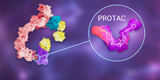
The concept of ADC can be traced back to the early 1900s, It is a visionary magic bullet that could deliver a toxic drug to certain malignant cells without affecting other normal tissues. Now, it seems that a golden age of ADC drug development is coming.
Scientific Reviews
The concept of ADC can be traced back to the early 1900s, It is a visionary magic bullet that could deliver a toxic drug to certain malignant cells without affecting other normal tissues. Now, it seems that a golden age of ADC drug development is coming. -
 Scientific Reviews
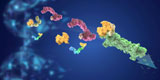
PROTAC, which exploit the ubiquitin-proteasome pathway to specifically degrade target proteins. PROTACs not only solve the problem of undruggability but they also have other advantages compared to traditional drug targeting strategies.
Scientific Reviews
PROTAC, which exploit the ubiquitin-proteasome pathway to specifically degrade target proteins. PROTACs not only solve the problem of undruggability but they also have other advantages compared to traditional drug targeting strategies. -
 Scientific Reviews
PROTAC — Target Selection and Design
Scientific Reviews
PROTAC — Target Selection and Design2022-07-08
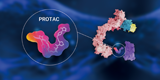
A PROTAC molecule consists of three components: a target protein binding ligand, an E3 ligase ligand, and a linker connecting these two moieties. Here, we will discuss the conventional approaches for the rational design of PROTAC molecules. -
 Scientific Reviews
BacPROTACs is composed of a POI ligand, a chemical linker and a ClpCNTD anchor. BacPROTACs can induce in vitro and in vivo degradation of non-eukaryotic proteins in bacteria without the ubiquitin proteasome system.
Scientific Reviews
BacPROTACs is composed of a POI ligand, a chemical linker and a ClpCNTD anchor. BacPROTACs can induce in vitro and in vivo degradation of non-eukaryotic proteins in bacteria without the ubiquitin proteasome system. -
 Scientific Reviews
RNA therapeutics have changed the landscape of drug development, which possess broader spectrum of drug targets, simplicity and efficiency in development and manufacturing.In this article, we will discuss the underlying mechanisms of RNA-based drugs on the market or in clinical stages.
Scientific Reviews
RNA therapeutics have changed the landscape of drug development, which possess broader spectrum of drug targets, simplicity and efficiency in development and manufacturing.In this article, we will discuss the underlying mechanisms of RNA-based drugs on the market or in clinical stages. -
 Scientific Reviews
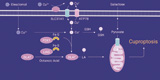
Tsvetkov et al. published in Science and demonstrated a copper-induced programmed cell death — Cuproptosis. As a novel programmed cell death, excess copper triggers abnormal aggregation of lipoylated proteins in TCA cycle and clearance of Fe-S cluster proteins, ultimately leading to cell death.
Scientific Reviews
Tsvetkov et al. published in Science and demonstrated a copper-induced programmed cell death — Cuproptosis. As a novel programmed cell death, excess copper triggers abnormal aggregation of lipoylated proteins in TCA cycle and clearance of Fe-S cluster proteins, ultimately leading to cell death. -
 Scientific Reviews
A comprehensive explanation of ferroptosis
Scientific Reviews
A comprehensive explanation of ferroptosis2022-09-15
Ferroptosis is a new type of RCD that depends on iron and characterized by the accumulation of lipid peroxides. In this article, we will pay our attention on ferroptosis and briefly discusses its mechanism. -
 Scientific Reviews
It's has been proved that p53, as a tumor suppressor gene and immune guardian, may become a destroyer through its own mutation. Moreover, the mechanism of p53 was found to be related to ferroptosis. This article mainly explores the mechanism between p53 and ferroptosis in detail.
Scientific Reviews
It's has been proved that p53, as a tumor suppressor gene and immune guardian, may become a destroyer through its own mutation. Moreover, the mechanism of p53 was found to be related to ferroptosis. This article mainly explores the mechanism between p53 and ferroptosis in detail. -
 Scientific Reviews
Autophagy, derived from the Greek meaning "eating of self", plays an indispensable role in maintaining homeostasis. p27 is an inhibitor of cyclin CDKs, but how p27 regulates autophagy remains unknown. This article will cover the mechanism of autophagy and p27-related cell cycle regulation.
Scientific Reviews
Autophagy, derived from the Greek meaning "eating of self", plays an indispensable role in maintaining homeostasis. p27 is an inhibitor of cyclin CDKs, but how p27 regulates autophagy remains unknown. This article will cover the mechanism of autophagy and p27-related cell cycle regulation. -
 Scientific Reviews
AlphaFold2 can predict disease-related protein structures at low cost, and then find potential drugs for these diseases through drug repositioning, virtual screening, and other methods. ZINC is a public database summarizing information about billions of compounds. AlphaFold2 + ZINC20 speeds up the virtual screening process and improves the computing speed.
Scientific Reviews
AlphaFold2 can predict disease-related protein structures at low cost, and then find potential drugs for these diseases through drug repositioning, virtual screening, and other methods. ZINC is a public database summarizing information about billions of compounds. AlphaFold2 + ZINC20 speeds up the virtual screening process and improves the computing speed. -
 Scientific Reviews
CMA (chaperone-mediated autophagy) plays an essential role in maintaining neuronal protein stability and preventing neurodegeneration. In this article, we will comprehensively clarify the role of CMA in the occurrence and development of neurodegenerative diseases.
Scientific Reviews
CMA (chaperone-mediated autophagy) plays an essential role in maintaining neuronal protein stability and preventing neurodegeneration. In this article, we will comprehensively clarify the role of CMA in the occurrence and development of neurodegenerative diseases. -
 Scientific Reviews
TME (Tumor microenvironment) is considered as a complex integrated system, composed of cellular components such as tumor cells and immune cells, as well as non-cellular components such as ECM and cytokines. According to the spatial distribution of immune cells in TME, "hot" and "cold" TME will be explained in this article.
Scientific Reviews
TME (Tumor microenvironment) is considered as a complex integrated system, composed of cellular components such as tumor cells and immune cells, as well as non-cellular components such as ECM and cytokines. According to the spatial distribution of immune cells in TME, "hot" and "cold" TME will be explained in this article. -
 Scientific Reviews
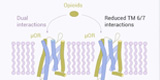
As powerful pain relievers, the opioids morphine and fentanyl have been "checked" by their side effects (listed as controlled substances). How to reduce its side effects? What is its mechanism? This research will explore its mechanism.
Scientific Reviews
As powerful pain relievers, the opioids morphine and fentanyl have been "checked" by their side effects (listed as controlled substances). How to reduce its side effects? What is its mechanism? This research will explore its mechanism. -
 Scientific Reviews
Efferocytosis is the process in which phagocytes remove programmed dead cells. It prevents secondary necrosis of dying cells from releasing harmful cell contents (such as oxides and proteases) that may cause inflammation. Here, we will introduce three stages of efferocytosis: Find, Eat, Digest.
Scientific Reviews
Efferocytosis is the process in which phagocytes remove programmed dead cells. It prevents secondary necrosis of dying cells from releasing harmful cell contents (such as oxides and proteases) that may cause inflammation. Here, we will introduce three stages of efferocytosis: Find, Eat, Digest. -
 Scientific Reviews
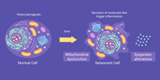
Understanding the mechanism of aging not only has guiding significance for prolonging human life but also has important clinical significance for the prevention and treatment of diseases in the elderly population , thus, improving their life quality and well-being.
Scientific Reviews
Understanding the mechanism of aging not only has guiding significance for prolonging human life but also has important clinical significance for the prevention and treatment of diseases in the elderly population , thus, improving their life quality and well-being. -
 Scientific Reviews
Mammalian cells can also photosynthesize like plants! Photosynthesis can improve cell anabolism and exhibit good clinical effect in degenerative diseases (osteoarthritis).
Scientific Reviews
Mammalian cells can also photosynthesize like plants! Photosynthesis can improve cell anabolism and exhibit good clinical effect in degenerative diseases (osteoarthritis). -
 Scientific Reviews
The latest study of Cell magazine "Neural mechanism underlying depressive-like state associated with social status loss" considers social factors as a breakthrough point. It has been found that the downward transition of social status induces depression-like behavior in mice whereas improves the depressive state by restoring their social environment.
Scientific Reviews
The latest study of Cell magazine "Neural mechanism underlying depressive-like state associated with social status loss" considers social factors as a breakthrough point. It has been found that the downward transition of social status induces depression-like behavior in mice whereas improves the depressive state by restoring their social environment. -
 Scientific Reviews
PROTAC - Design Strategy for Targeting
Scientific Reviews
PROTAC - Design Strategy for Targeting2023-04-23
Protein degradation targeting chimera (PROTAC) is a technology that uses the ubiquitin proteasome pathway to silent target protein. However, PROTAC still has problems such as solubility, membrane permeability, and selectivity. In this article, we have summarized three strategies for optimization: light-controlled linker, PAC molecule, and specific E3 ligase. -
 Scientific Reviews
Necroptosis, also known as necroptosis, is a form of regulated necrotizing cell death mediated by RIP1 and RIP3 kinases. Necroptosis is a process that prevents the self-destruction of activated cells that are blocked by apoptosis. Necroptosis plays a tumor suppressor role in most cases. It may provide benefits in the researches of a variety of human diseases involving immune inflammation and cell death.
Scientific Reviews
Necroptosis, also known as necroptosis, is a form of regulated necrotizing cell death mediated by RIP1 and RIP3 kinases. Necroptosis is a process that prevents the self-destruction of activated cells that are blocked by apoptosis. Necroptosis plays a tumor suppressor role in most cases. It may provide benefits in the researches of a variety of human diseases involving immune inflammation and cell death. -
 Scientific Reviews
Mitophagy:Mechanisms and Detection
Scientific Reviews
Mitophagy:Mechanisms and Detection2023-05-25
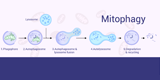
About 60 years ago, Christian de Duve first used the term "autophagy" to describe his observation of the degradation of mitochondria and other intracellular structures in lysosomes of rat liver. Over the years, autophagy has remained a beloved topic of research by the National Natural Science Foundation of China (NSFC).Today, let's talk about mitochondrial autophagy. -
 Scientific Reviews
Structure of Lipid Droplets
Scientific Reviews
Structure of Lipid Droplets2023-06-15
Huh? Lipid droplets? Organelles? In the past, biological data usually only show the traditional organelles, such as mitochondria, Golgi apparatus, endoplasmic reticulum, etc., lipid droplets are often not mentioned by people. Today, we will make a systematic explanation of lipid droplets, so that everyone has a clear understanding! -
 Scientific Reviews
HLA-E, A Novel Immune Checkpoint
Scientific Reviews
HLA-E, A Novel Immune Checkpoint2023-06-29
Immune checkpoints have immunosuppressive functions. It can be used in the research of tumor immunotherapy. In this article, we introduce a new paper entitled "Immune checkpoint HLA-E: CD94 - NKG2Amediates evasion of circulating tumor cells from NK cell surveillance "research paper. -
 Scientific Reviews
How to Perform Western Blot?
Scientific Reviews
How to Perform Western Blot?2023-07-13
Western blot is one of the most frequently performed experiments in molecular biology, biochemistry and immunology. This article describes in detail how to do WB. -
 Scientific Reviews
IHC is an indispensable technique for studying tissue morphology and in situ antigen expression, but usually only one or two antigens in tissues can be stained for analysis. It cannot judge the results more intuitively. Today, Little M will introduce you to the upgraded version mlHC.
Scientific Reviews
IHC is an indispensable technique for studying tissue morphology and in situ antigen expression, but usually only one or two antigens in tissues can be stained for analysis. It cannot judge the results more intuitively. Today, Little M will introduce you to the upgraded version mlHC. -
 Scientific Reviews
A suitable model is crucial in drug screening experiments. Organs can mimic the three-dimensional functional structure of internal organs, have similar spatial organization to corresponding organs, maintain some key characteristics, and reproduce some physiological functions. They are widely used for modeling and personalized drug screening of diseases such as cancer, infectious diseases, and rare diseases.
Scientific Reviews
A suitable model is crucial in drug screening experiments. Organs can mimic the three-dimensional functional structure of internal organs, have similar spatial organization to corresponding organs, maintain some key characteristics, and reproduce some physiological functions. They are widely used for modeling and personalized drug screening of diseases such as cancer, infectious diseases, and rare diseases. -
 Scientific Reviews
Are frozen cells always damaged? Is the survival rate of revived cells low? When is it appropriate to freeze cells? What should be considered when reviving them? Today, we're sharing a guide to avoid pitfalls in cell freezing and revival!
Scientific Reviews
Are frozen cells always damaged? Is the survival rate of revived cells low? When is it appropriate to freeze cells? What should be considered when reviving them? Today, we're sharing a guide to avoid pitfalls in cell freezing and revival! -
 Scientific Reviews
KRAS, a gene we've heard so much about, has quickly risen to fame after shedding its "undruggable" label. After reading numerous articles, it's easy to feel overwhelmed and wonder: What exactly should we know about this often-discussed but previously "undruggable" target KRAS?
Scientific Reviews
KRAS, a gene we've heard so much about, has quickly risen to fame after shedding its "undruggable" label. After reading numerous articles, it's easy to feel overwhelmed and wonder: What exactly should we know about this often-discussed but previously "undruggable" target KRAS? -
 Scientific Reviews
Wnt/β-catenin and tumor EMT
Scientific Reviews
Wnt/β-catenin and tumor EMT2024-03-18
Epithelial-Mesenchymal Transition (EMT) is closely related to the plasticity of tumor cells and is a necessary process for tumor metastasis. Wnt/β-catenin is one of the main actors involved in the EMT process. Today, we’re here to popularize the tumor EMT and Wnt/β-catenin pathway~ -
 Scientific Reviews
The 2024 AACR meeting concluded successfully in California, USA. Which antitumor drugs stole the show at this conference?
Scientific Reviews
The 2024 AACR meeting concluded successfully in California, USA. Which antitumor drugs stole the show at this conference? -
 Scientific Reviews
SPR, which stands for Surface Plasmon Resonance, essentially works by detecting the interaction between ligands and analytes on a biosensor chip. This in turn allows us to probe the properties and structure of substances. With this technology, we can analyze molecules, proteins, DNA, and various organic and inorganic substances in samples in real-time with precision.
Scientific Reviews
SPR, which stands for Surface Plasmon Resonance, essentially works by detecting the interaction between ligands and analytes on a biosensor chip. This in turn allows us to probe the properties and structure of substances. With this technology, we can analyze molecules, proteins, DNA, and various organic and inorganic substances in samples in real-time with precision. -
 Scientific Reviews
Science | A "new" mechanism for non-ubiquitinated Midnolin-proteasomal degradation pathway
Scientific Reviews
Science | A "new" mechanism for non-ubiquitinated Midnolin-proteasomal degradation pathway2024-04-26
“ubiquitin-mediated protein degradation” won the Nobel Prize in Chemistry in 2004! In fact, proteasomes degrade not only ubiquitinated proteins but also non-ubiquitinated ones. The mechanism remains shrouded in mystery. After reading this piece today, you might have a lightbulb moment! -
 Scientific Reviews
Common Questions and Solutions for WB
Scientific Reviews
Common Questions and Solutions for WB2024-05-09
Come to understand the common problems and solutions of WB, and better complete the experiment! -
 Scientific Reviews
Still struggling to find the preparation methods for various solutions? Save your time! Here comes a nanny-level tutorial!
Scientific Reviews
Still struggling to find the preparation methods for various solutions? Save your time! Here comes a nanny-level tutorial! -
 Scientific Reviews
STZ Induced Diabetes Models
Scientific Reviews
STZ Induced Diabetes Models2024-06-13
Spotlight: How can STZ Help Diabetes Research? -
 Scientific Reviews
Exosomes, which won the Nobel Prize in 2013, are still a research hotspot in the national natural sciences, and their popularity has only increased over the past decade (in 2022, they still rank 5th in the national natural sciences hotspots!). Why have exosomes become the darling of scientific research? Let's take a look together~
Scientific Reviews
Exosomes, which won the Nobel Prize in 2013, are still a research hotspot in the national natural sciences, and their popularity has only increased over the past decade (in 2022, they still rank 5th in the national natural sciences hotspots!). Why have exosomes become the darling of scientific research? Let's take a look together~ -
 Scientific Reviews
Degrade target proteins through the autophagy-lysosome pathway including LYTAC, AUTAC, and ATTEC have gained increasing attention in recent years due to their significant research potential!
Scientific Reviews
Degrade target proteins through the autophagy-lysosome pathway including LYTAC, AUTAC, and ATTEC have gained increasing attention in recent years due to their significant research potential! -
 Scientific Reviews
Antibodies!
Scientific Reviews
Antibodies!2024-07-26
Today, We introduce antibodies for everyone! -
 Scientific Reviews
Streptavidin-Biotin System
Scientific Reviews
Streptavidin-Biotin System2024-08-03
Streptavidin strongly binding small molecule biotin is one of the most popular non-covalent coupling methods. Streptavidin can be coupled to various carriers such as magnetic beads and agarose matrix, and become a highly specific affinity medium to capture various biotin-labeled ligands. -
 Scientific Reviews
Science’s 2023 Breakthrough: GLP-1R Agonists
Scientific Reviews
Science’s 2023 Breakthrough: GLP-1R Agonists2024-08-13
GLP-1RAs, which achieved great success in 2023 and draws people’s attention back to obesity treatments and GLP-1 therapies worldwide, was chosen as the breakthrough of year 2023 by Science [2]. -
 Scientific Reviews
What Are Popular Anti-tumor Drug Targets?
Scientific Reviews
What Are Popular Anti-tumor Drug Targets?2024-08-20
The rapid development of targeted anti-cancer drugs has spurred diverse research across various modalities. These include small molecules, monoclonal antibodies (mAbs), cell immunotherapies, antibody-drug conjugates (ADCs), and PROTACs (proteolysis targeting chimeras). -
 Scientific Reviews
Cuproptosis, How much do you know?
Scientific Reviews
Cuproptosis, How much do you know?2024-08-22
Cells die in a variety of ways, including apoptosis, pyroptosis, necrosis, and ferroptosis......And, of course, cuproptosis. So, how much do you know about cuproptosis? -
 Scientific Reviews
Recently, Mol Cell reported the discovery of the first ferroptosis marker, Hyperoxidized PRDX3! Let’s take a look together~
Scientific Reviews
Recently, Mol Cell reported the discovery of the first ferroptosis marker, Hyperoxidized PRDX3! Let’s take a look together~ -
 Scientific Reviews
Cuproptosis's Knowledge Points!
Scientific Reviews
Cuproptosis's Knowledge Points!2024-09-25
With the establishment of the cuproptosis mechanism related research has attracted more and more attention from major journals. Expect to use the sharp sword of cuproptosis to stab the tumor cells. -
 Scientific Reviews
How they used PKH 26 for cellular studies?
Scientific Reviews
How they used PKH 26 for cellular studies?2024-10-21
We are thrilled to highlight our client study using PKH 26 (MedChemExpress) , a red fluorescent dye that has proven invaluable for in vitro cell labeling and tracing. This innovative research, published in the Journal of Nanobiotechnology. -
Scientific Reviews
Delve into the intricate networks that govern mitochondrial quality control. By examining key mechanisms such as biogenesis, mitochondrial dynamics (fission and fusion), proteolysis, and mitophagy. -
 Scientific Reviews
Unlocking the Power of Intermittent Fasting: The 16+8 Method
Scientific Reviews
Unlocking the Power of Intermittent Fasting: The 16+8 Method -
 Scientific Reviews
Advancing Chronic Kidney Disease Research with GJ103 and Lamin B1 Antibody!
Scientific Reviews
Advancing Chronic Kidney Disease Research with GJ103 and Lamin B1 Antibody! -
 Scientific Reviews
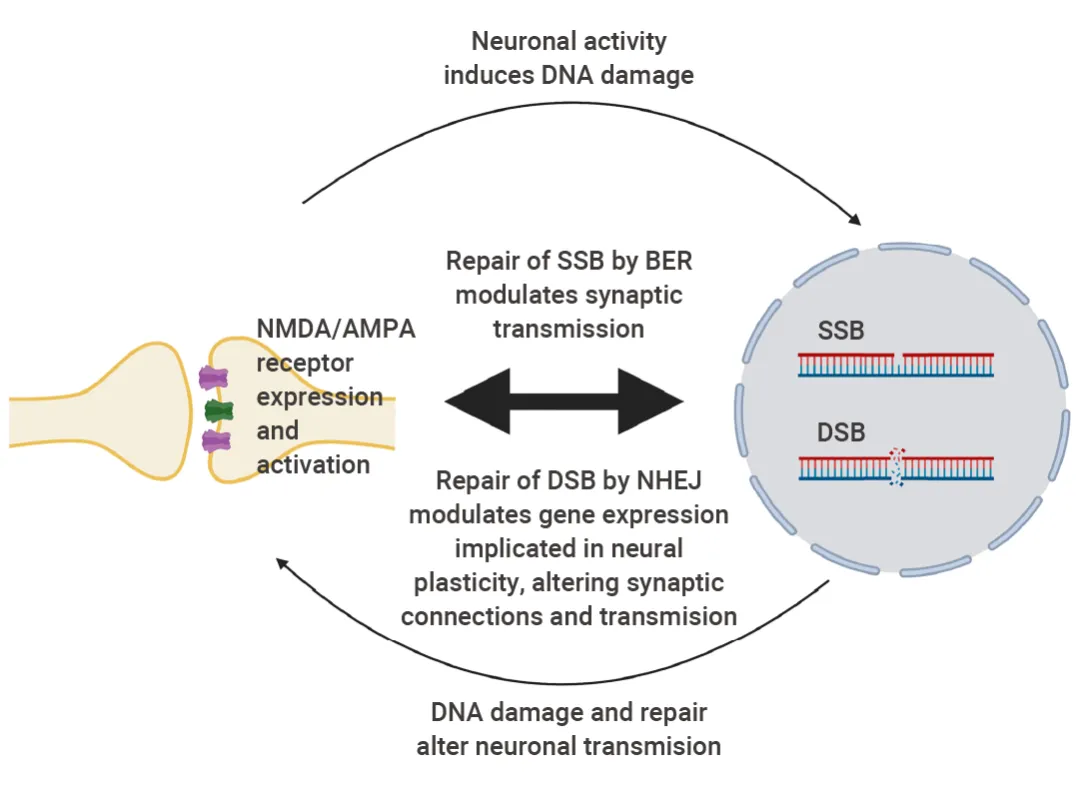
When you hear "inflammation" and "DNA damage," you might immediately think of disease or injury. However, in brains, these two processes are key steps in forming long-term memories, particularly related to specialized cells in our brain called hippocampal neurons.
Scientific Reviews
When you hear "inflammation" and "DNA damage," you might immediately think of disease or injury. However, in brains, these two processes are key steps in forming long-term memories, particularly related to specialized cells in our brain called hippocampal neurons. -
 Scientific Reviews
Autophagy is a fundamental process that degrades various components within the cell.
Scientific Reviews
Autophagy is a fundamental process that degrades various components within the cell. -
 Scientific Reviews
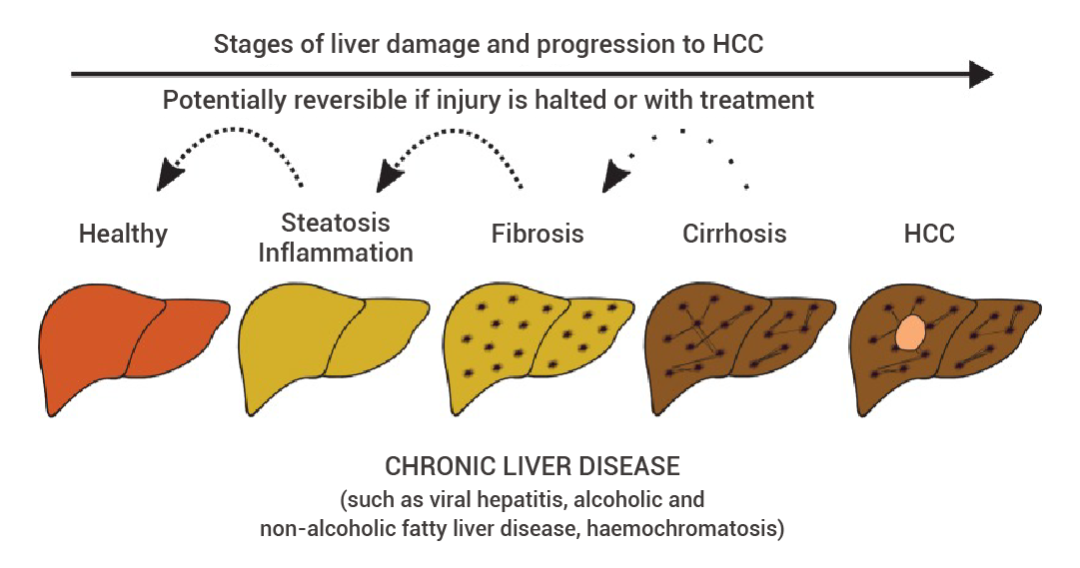
This article will tell you about the common methods of modeling liver disease in animal models.
Scientific Reviews
This article will tell you about the common methods of modeling liver disease in animal models. -
.jpg) Scientific Reviews
nside cells, the homeostasis and degradation of proteins is a precisely regulated process. If proteins cannot be degraded in time, it may lead to the occurrence of various diseases such as neurodegenerative diseases and cancer. This article will tell you the process of how proteins are recognized, labeled and then degraded!
Scientific Reviews
nside cells, the homeostasis and degradation of proteins is a precisely regulated process. If proteins cannot be degraded in time, it may lead to the occurrence of various diseases such as neurodegenerative diseases and cancer. This article will tell you the process of how proteins are recognized, labeled and then degraded! -
 Scientific Reviews
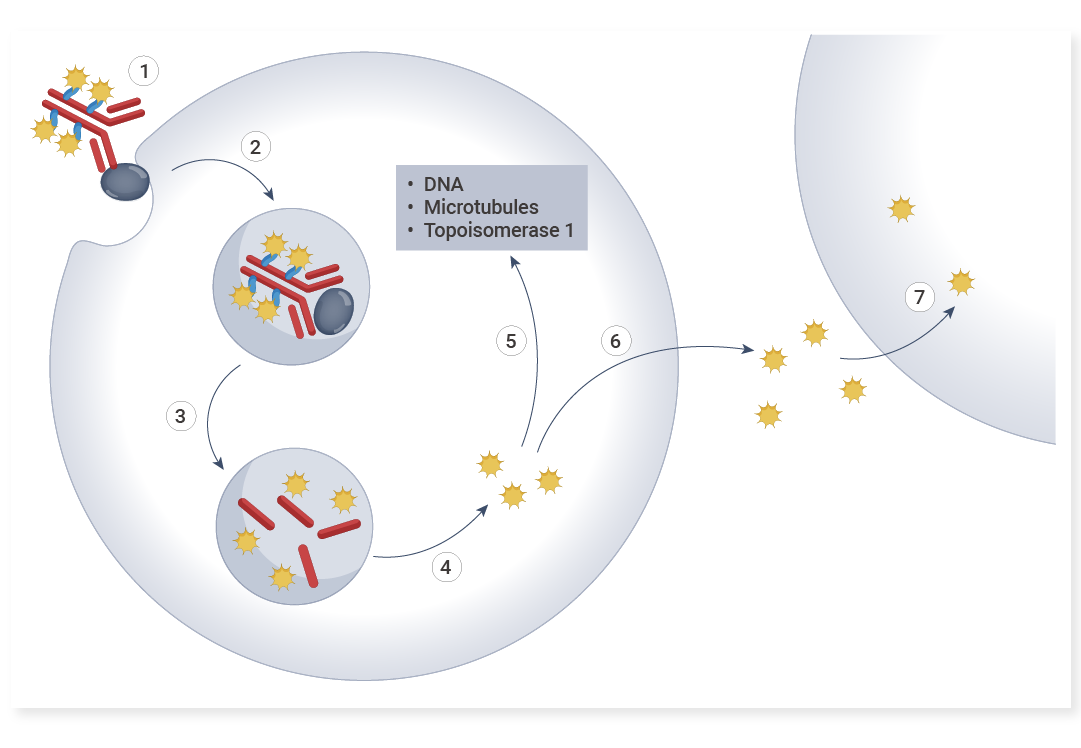
This article will walk you through the remarkable impacts of anti-payload antibodies, delving into how these molecules are revolutionizing drug development and biological research!
Scientific Reviews
This article will walk you through the remarkable impacts of anti-payload antibodies, delving into how these molecules are revolutionizing drug development and biological research! -
 Scientific Reviews
This article introduces some common cardiovascular disease models, inducers, modeling protocols and successful modeling cases in the research.
Scientific Reviews
This article introduces some common cardiovascular disease models, inducers, modeling protocols and successful modeling cases in the research. -
 Scientific Reviews
Do you feel confused when you start culturing cells? This article will show you the basic methods and steps of cell culture!
Scientific Reviews
Do you feel confused when you start culturing cells? This article will show you the basic methods and steps of cell culture! -
 Scientific Reviews
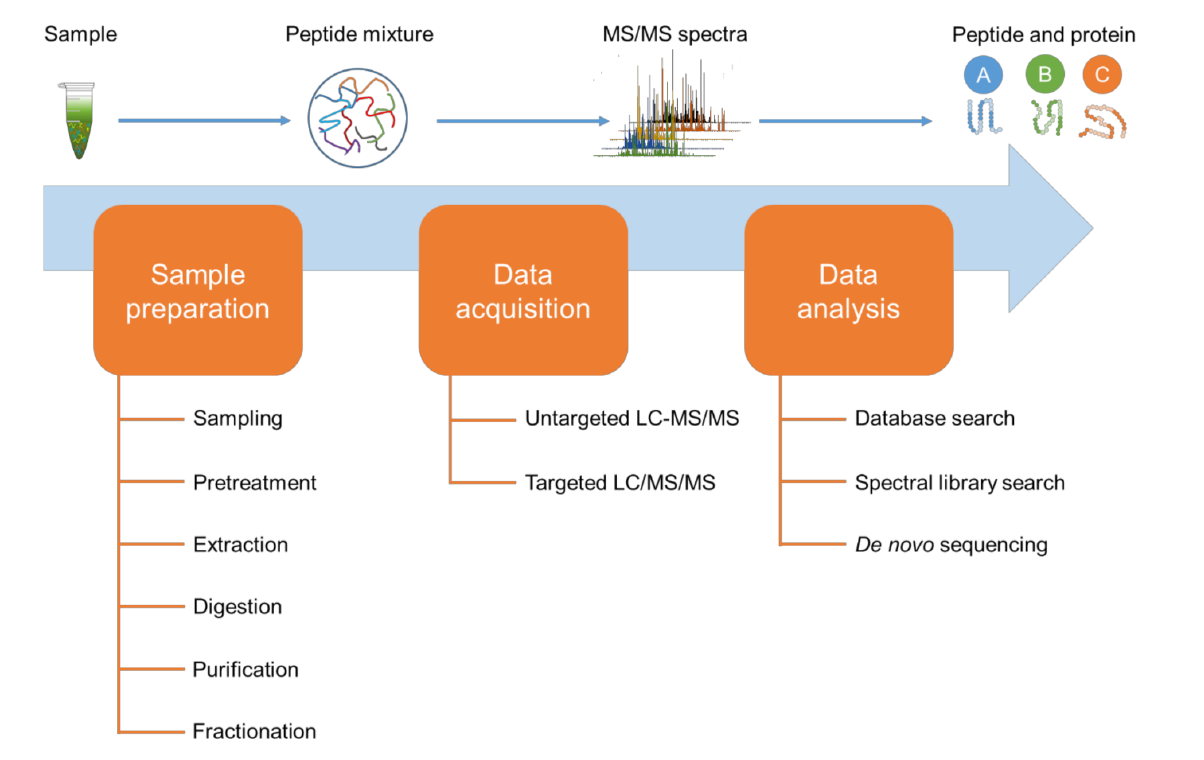
As a pivotal branch in the post - genomic era, proteomics is committed to comprehensively elucidating the types, abundances, structures, functions, and interactions of all proteins within living organisms. This article will tell you the key steps of proteomics sample preparation based on mass spectrometry. This article will tell you the key steps of proteomics sample preparation based on mass spectrometry.
Scientific Reviews
As a pivotal branch in the post - genomic era, proteomics is committed to comprehensively elucidating the types, abundances, structures, functions, and interactions of all proteins within living organisms. This article will tell you the key steps of proteomics sample preparation based on mass spectrometry. This article will tell you the key steps of proteomics sample preparation based on mass spectrometry. -
 Scientific Reviews
Cell Migration vs. Invasion: Differences Revealed by Scratch Assays and Transwell Experiments
Scientific Reviews
Cell Migration vs. Invasion: Differences Revealed by Scratch Assays and Transwell Experiments2025-05-30
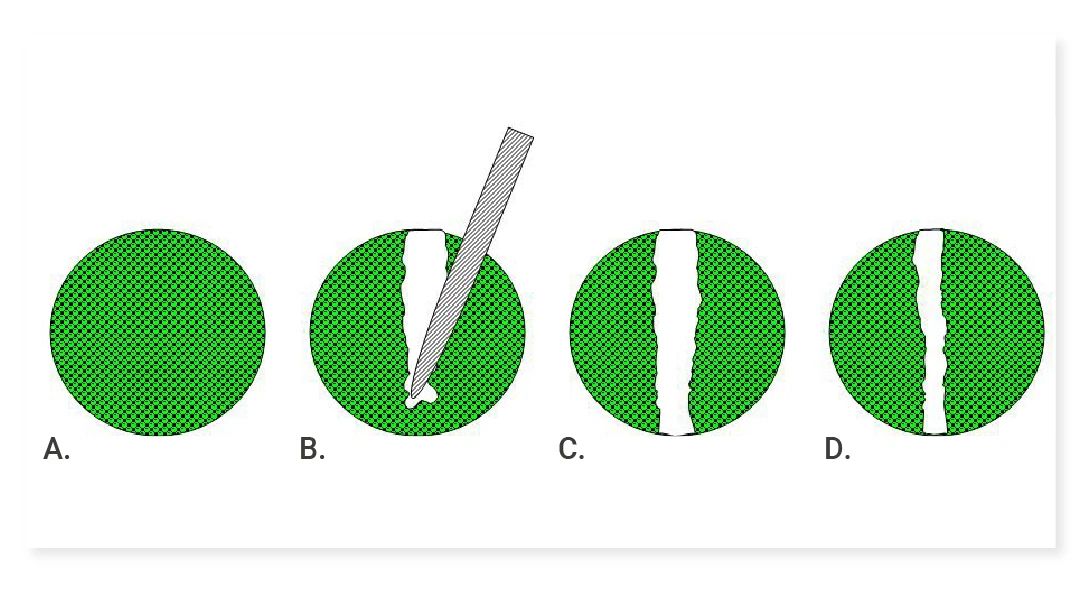
In scientific research, cell migration and invasion are crucial for understanding many important biological processes. This article delves into commonly used detection methods: the scratch assay and Transwell migration/invasion assay. -
 Scientific Reviews
Western blotting is a crucial and fundamental technique in life science research. It plays a significant role in exploring protein expression and function. The following article will comprehensively and thoroughly elaborate on the specific procedures and detailed key points of this experiment.
Scientific Reviews
Western blotting is a crucial and fundamental technique in life science research. It plays a significant role in exploring protein expression and function. The following article will comprehensively and thoroughly elaborate on the specific procedures and detailed key points of this experiment. -
 Scientific Reviews
In this issue, we will conduct an in-depth interpretation from the dimensions of nanoparticle design, mechanism of action, in vivo and in vitro efficacy, and immune regulation, revealing how this research brings new hope for the treatment of invasive tumors through interdisciplinary innovation!
Scientific Reviews
In this issue, we will conduct an in-depth interpretation from the dimensions of nanoparticle design, mechanism of action, in vivo and in vitro efficacy, and immune regulation, revealing how this research brings new hope for the treatment of invasive tumors through interdisciplinary innovation! -
 Scientific Reviews
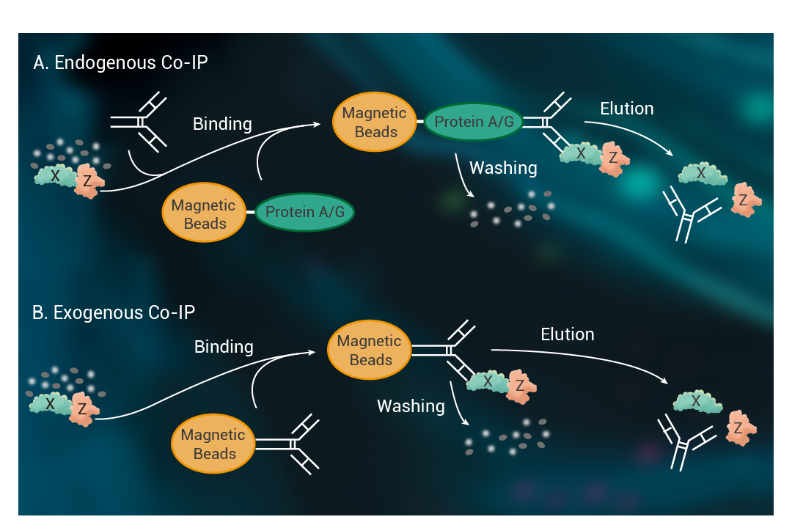
In protein biology, Co-IP is a powerful tool to uncover protein "social networks." But poorly performed, it easily becomes an awkward lab "meet-and-greet." Today, we discuss making Co-IP experiments elegant and efficient—so you pull down target proteins with confidence and precision.
Scientific Reviews
In protein biology, Co-IP is a powerful tool to uncover protein "social networks." But poorly performed, it easily becomes an awkward lab "meet-and-greet." Today, we discuss making Co-IP experiments elegant and efficient—so you pull down target proteins with confidence and precision. -
 Scientific Reviews
IHC, ICC, IF Techniques: A Practical Guide
Scientific Reviews
IHC, ICC, IF Techniques: A Practical Guide2025-07-25
Confused About IHC/ICC/IF? Why Does Immunostaining Seem So Complicated? Read This Now! Master Immunostaining with Confidence! -
 Scientific Reviews
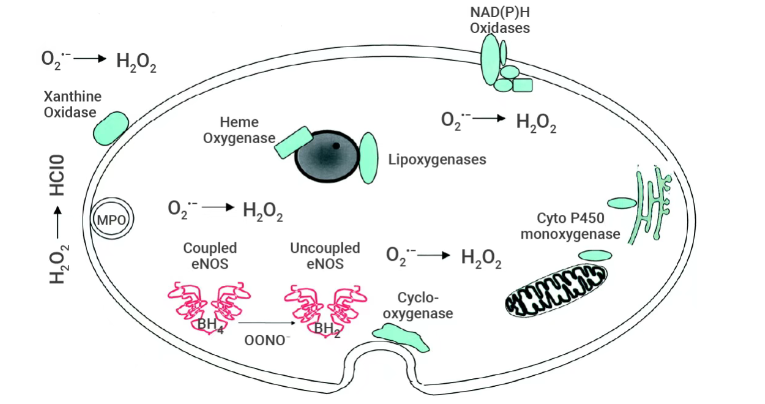
The article introduces the mechanisms of ROS generation and the methods for their detection.
Scientific Reviews
The article introduces the mechanisms of ROS generation and the methods for their detection. -
 Scientific Reviews
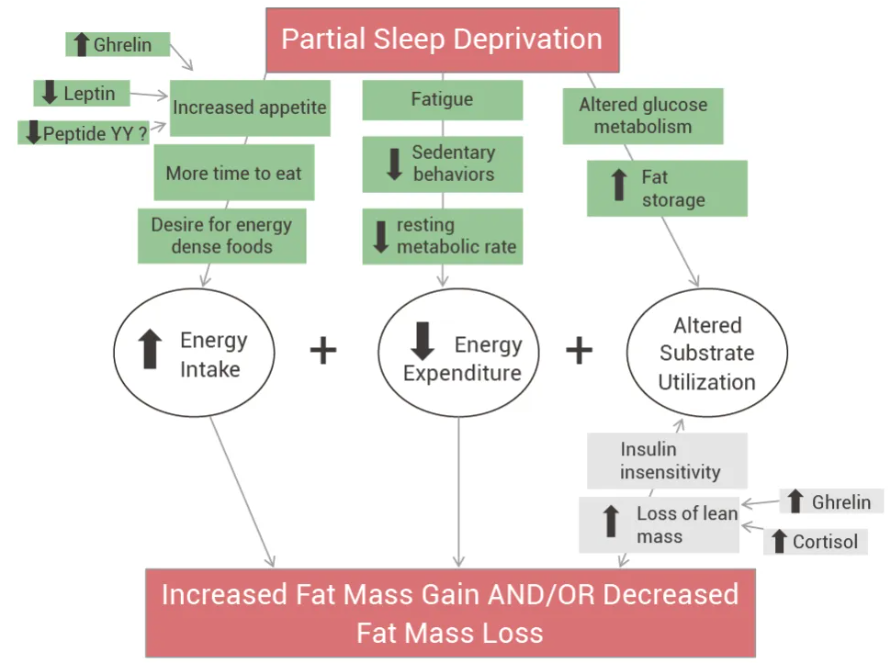
Have you ever noticed that after staying up late, your appetite—especially for high-calorie foods—gets out of control? If this sounds familiar, today’s article might offer some good news.
Scientific Reviews
Have you ever noticed that after staying up late, your appetite—especially for high-calorie foods—gets out of control? If this sounds familiar, today’s article might offer some good news. -
 Scientific Reviews
Generating Stable Cell Lines with Lentivirus
Scientific Reviews
Generating Stable Cell Lines with Lentivirus2025-09-16
A step-by-step protocol of establishing stable cell lines using lentivirus -
 Scientific Reviews
A groundbreaking study in Nature Communications reveals the key mechanism behind Idiopathic Pulmonary Fibrosis and identifies an existing drug with the potential to counter it.
Scientific Reviews
A groundbreaking study in Nature Communications reveals the key mechanism behind Idiopathic Pulmonary Fibrosis and identifies an existing drug with the potential to counter it. -
 Scientific Reviews
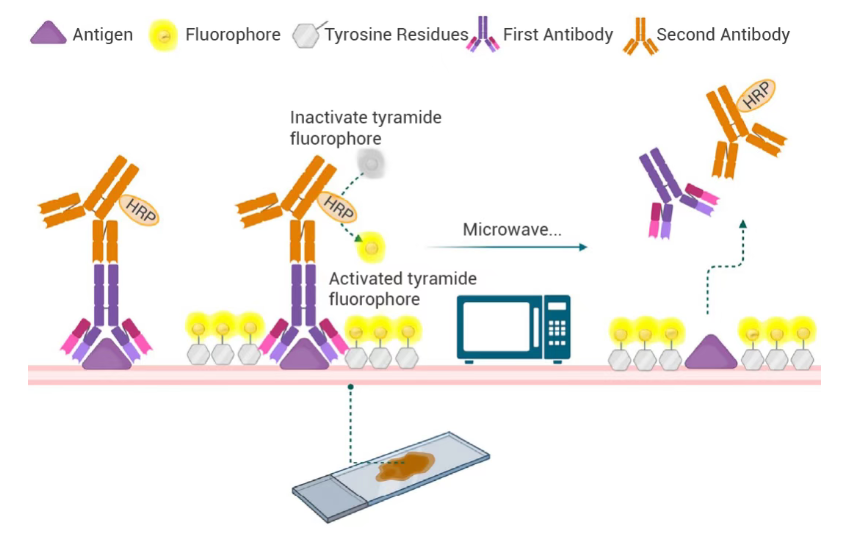
This detailed guide outlines the standardized experimental protocols for multiplex immunohistochemistry (mIHC), systematically summarizes common technical issues encountered during sample preparation, staining and imaging processes, and provides practical troubleshooting solutions to ensure reliable and reproducible results in biomedical research and clinical sample analysis.
Scientific Reviews
This detailed guide outlines the standardized experimental protocols for multiplex immunohistochemistry (mIHC), systematically summarizes common technical issues encountered during sample preparation, staining and imaging processes, and provides practical troubleshooting solutions to ensure reliable and reproducible results in biomedical research and clinical sample analysis. -
 Scientific Reviews
Finding adipogenic induction media too expensive and tricky to prepare? This comprehensive guide to 3T3-L1 adipogenic differentiation simplifies the process, helping you achieve great results!
Scientific Reviews
Finding adipogenic induction media too expensive and tricky to prepare? This comprehensive guide to 3T3-L1 adipogenic differentiation simplifies the process, helping you achieve great results! -
Scientific Reviews
For all the protein research folks out there, techniques like IP and Co-IP are no stranger, right? And of course, there's a faster and more convenient go-to tool—Protein A/G magnetic beads! In this article, let's chat about how these beads work their magic in classic experiments like IP and Co-IP. -
Scientific Reviews
Microglia– the only immune cells within the brain parenchyma. With advancements in imaging technologies, people’s understanding of microglia has shifted from being viewed as 'resting' cells to 'highly active' cells, particularly due to their dynamic processes that seem to be probing surrounding tissues and monitoring neuronal activity. This has made microglia a focal point of research in the field of neuroscience. -
 Scientific Reviews
Exosomes—natural nanoscale carriers—are revolutionizing targeted therapy. This article uncovers the science behind their precision in drug delivery.
Scientific Reviews
Exosomes—natural nanoscale carriers—are revolutionizing targeted therapy. This article uncovers the science behind their precision in drug delivery. -
Scientific Reviews
Cracking the PROTAC Permeability Barrier: CD36-Mediated Endocytosis as a Potential Breakthrough2025-12-03
This article provides an in-depth analysis of cutting-edge literature revealing CD36 as a key mediator of cellular uptake for PROTACs and bRO5 compounds. By structurally optimizing PROTAC molecules to enhance their affinity for CD36, membrane permeability can be markedly improved, leading to significantly enhanced antitumor efficacy. -
 Scientific Reviews
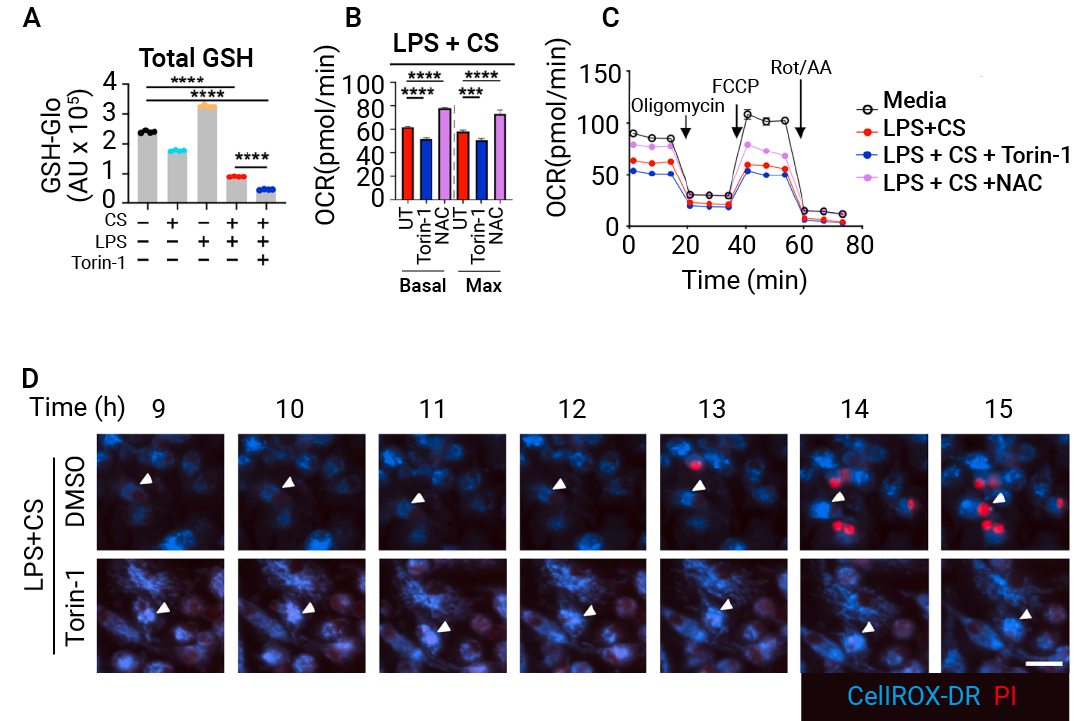
A November 2025 Cell study discovers Mitoxyperilysis, a new mTOR-regulated, caspase-independent cell death pathway driven by innate immune and metabolic dysregulation via mitochondrial-plasma membrane contact and oxidative damage, and verifies its potential to induce tumor necrosis for cancer therapy with key regulators including BAX, BAK1 and BID.
Scientific Reviews
A November 2025 Cell study discovers Mitoxyperilysis, a new mTOR-regulated, caspase-independent cell death pathway driven by innate immune and metabolic dysregulation via mitochondrial-plasma membrane contact and oxidative damage, and verifies its potential to induce tumor necrosis for cancer therapy with key regulators including BAX, BAK1 and BID. -
 Scientific Reviews
In the hunt for the next ‘GLP-1,’ amylin therapeutics, which have shown strong weight-loss results in clinical trials, have become a major focus for both multinational pharma and the scientific community.
Scientific Reviews
In the hunt for the next ‘GLP-1,’ amylin therapeutics, which have shown strong weight-loss results in clinical trials, have become a major focus for both multinational pharma and the scientific community. -
 Scientific Reviews
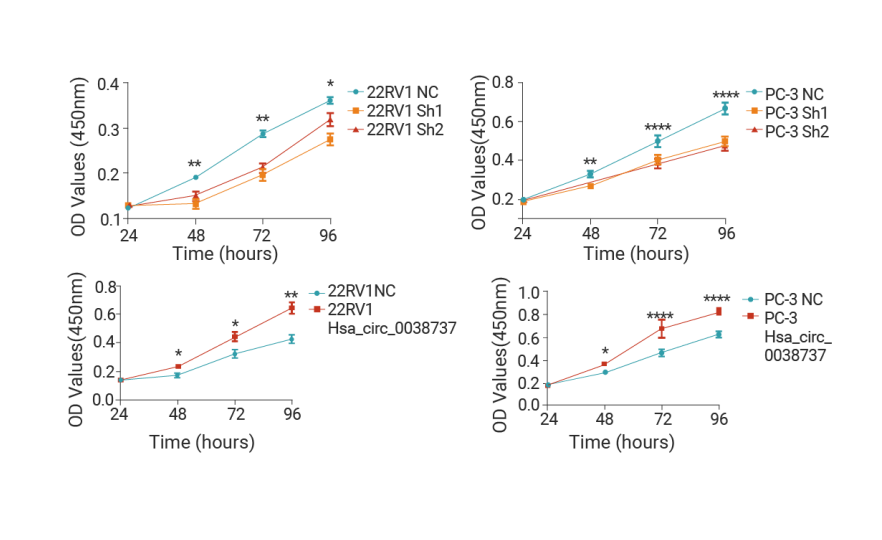
Essential for High-Impact Papers: Present Your CCK-8 Experimental Results in a More Outstanding Way!
Scientific Reviews
Essential for High-Impact Papers: Present Your CCK-8 Experimental Results in a More Outstanding Way!2026-03-18
CCK-8 is a widely used WST‑8‑based reagent for cell proliferation and cytotoxicity assays. It features high sensitivity, reliable results and easy operation, and is applicable to cell viability analysis, drug screening and growth inhibition testing. -
 Scientific Reviews
This article walks you through the experimental design and workflow of flow cytometry, delivering a clear, dynamic, and professional overview to elevate your research.
Scientific Reviews
This article walks you through the experimental design and workflow of flow cytometry, delivering a clear, dynamic, and professional overview to elevate your research. -
 Scientific Reviews
Molecular glue degraders have evolved from a serendipitous observation to one of the most dynamic and transformative fields in biomedical research.
Scientific Reviews
Molecular glue degraders have evolved from a serendipitous observation to one of the most dynamic and transformative fields in biomedical research. -
 Scientific Reviews
GLP-1 and Obesity Research
Scientific Reviews
GLP-1 and Obesity Research2026-08-14
Obesity substantially increases the risk of chronic diseases such as T2D and cardiovascular disease. The breakout success of GLP-1 therapies has spotlighted GLP-1R and a wave of emerging obesity targets. -
 EDM
Research Solution for Breast Cancer TME
EDM
Research Solution for Breast Cancer TME2025-05-21
This review examines the complex interactions within the breast cancer tumor microenvironment, emphasizing how understanding these dynamics is essential for developing effective therapies and overcoming immune resistance. -
 EDM
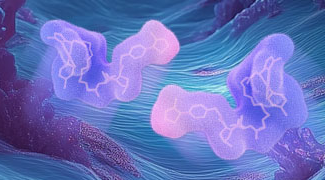
Targeting the ‘Undruggable’ with PROTACs
EDM
Targeting the ‘Undruggable’ with PROTACs2025-06-18
This review introduces the fundamental principles and mechanisms of PROTACs, highlights recent advances in molecular design and clinical development, and discusses emerging opportunities and remaining challenges in targeted protein degradation. -
 EDM
This review discusses the fundamentals of lipid biology and lipid metabolism, examines dysregulated lipid metabolism in cancer, and summarizes therapeutic strategies targeting lipid metabolic pathways.
EDM
This review discusses the fundamentals of lipid biology and lipid metabolism, examines dysregulated lipid metabolism in cancer, and summarizes therapeutic strategies targeting lipid metabolic pathways. -
 EDM
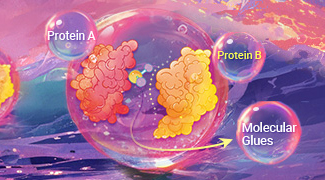
This review discusses recent progress in molecular glue technologies, illustrating how targeted protein degradation strategies enable the modulation of previously undruggable proteins.
EDM
This review discusses recent progress in molecular glue technologies, illustrating how targeted protein degradation strategies enable the modulation of previously undruggable proteins. -
 EDM
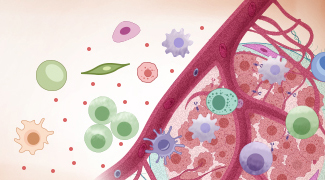
Combating Immune Evasion in Cancer
EDM
Combating Immune Evasion in Cancer2025-10-15
This review summarizes the mechanisms by which tumors evade immune surveillance and discusses therapeutic strategies to restore antitumor immunity. -
 EDM
This review summarizes the mechanisms of drug resistance in triple-negative breast cancer and highlights emerging therapeutic strategies.
EDM
This review summarizes the mechanisms of drug resistance in triple-negative breast cancer and highlights emerging therapeutic strategies. -
 EDM
Bispecific Antibodies in Cancer Therapy
EDM
Bispecific Antibodies in Cancer Therapy2025-10-29
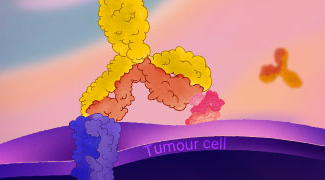
This review highlights the mechanisms, technology platforms, and clinical progress of bispecific antibodies, and discusses emerging strategies to guide future development. -
 EDM
This review provides insights into the pancreatic ductal adenocarcinoma tumor microenvironment, highlighting its cellular composition, stromal heterogeneity, and immune-targeting strategies.
EDM
This review provides insights into the pancreatic ductal adenocarcinoma tumor microenvironment, highlighting its cellular composition, stromal heterogeneity, and immune-targeting strategies. -
 EDM
Highlight single-cell metabolomics and stable isotope tracing (SIT) in uncovering metabolic heterogeneity and nutrient flux dynamics in tumors.
EDM
Highlight single-cell metabolomics and stable isotope tracing (SIT) in uncovering metabolic heterogeneity and nutrient flux dynamics in tumors. -
 EDM
Tumor Organoid-Immune Cell Co-Culture Models: Advances, Applications, and Future Directions
EDM
Tumor Organoid-Immune Cell Co-Culture Models: Advances, Applications, and Future Directions2026-05-07
Summarize technical strategies, application advances, and future directions of tumor organoid–immune co-culture systems. -
 EDM
Review mechanisms, major challenges, and efficacy-enhancing strategies of TCR-T therapy in solid tumors, with implications for future research and clinical translation.
EDM
Review mechanisms, major challenges, and efficacy-enhancing strategies of TCR-T therapy in solid tumors, with implications for future research and clinical translation. -
 EDM
The Dual Role of Cellular Senescence in Cancer: Mechanisms, Microenvironment, and Therapeutics
EDM
The Dual Role of Cellular Senescence in Cancer: Mechanisms, Microenvironment, and Therapeutics2026-05-21
Explore the dual role of cellular senescence in cancer, including tumor suppression, SASP-driven tumor promotion, senescence heterogeneity and plasticity, and advances in senescence-targeted therapies. -
 EDM
Explore lysosomal nutrient sensing, quality control, cellular adaptation, disease mechanisms, and emerging therapeutic approaches.
EDM
Explore lysosomal nutrient sensing, quality control, cellular adaptation, disease mechanisms, and emerging therapeutic approaches. -
 EDM
Breaking Immune Resistance in Colorectal Cancer: From Molecular Mechanisms to Precision Therapy
EDM
Breaking Immune Resistance in Colorectal Cancer: From Molecular Mechanisms to Precision Therapy2026-06-25
Explore CRC molecular subtypes, immune landscapes, resistance mechanisms, and emerging precision strategies for improving outcomes across distinct subtypes. -
 EDM
Review the evolution of molecular glues from serendipitous discovery to rational design, highlighting how emerging targets and advances in screening, proteomics, structural biology, and AI are expanding the druggable proteome.
EDM
Review the evolution of molecular glues from serendipitous discovery to rational design, highlighting how emerging targets and advances in screening, proteomics, structural biology, and AI are expanding the druggable proteome. -
 EDM
Explore how mitochondrial quality control, inflammatory signaling, and metabolic–epigenetic reprogramming regulate cellular senescence and the SASP, along with strategies to restore mitochondrial homeostasis.
EDM
Explore how mitochondrial quality control, inflammatory signaling, and metabolic–epigenetic reprogramming regulate cellular senescence and the SASP, along with strategies to restore mitochondrial homeostasis. -
 Blog
EC0489, a SMDC for Cancer Therapy
Blog
EC0489, a SMDC for Cancer Therapy2019-03-25
EC0489, a conjugate of folic acid and desacetyl vinblastine hydrazide, is a SMDC under development for the treatment of solid tumours. -
 Blog
R916562, a dual Axl/VEGF-R2 inhibitor, could be a potential anti-angiogenic and anti-metastatic drug for cancer chemotherapy.
Blog
R916562, a dual Axl/VEGF-R2 inhibitor, could be a potential anti-angiogenic and anti-metastatic drug for cancer chemotherapy. -
 Blog
Role of PRMT7 Probe SGC3027 in Cancer
Blog
Role of PRMT7 Probe SGC3027 in Cancer2019-03-27
SGC3027 is the first potent, selective and cell active chemical probe for PRMT7. SGC3027 is also a pro-drug, which converts to the active compound SGC8158 -
 Blog
Alofanib, An Allosteric Inhibitor of FGFR2
Blog
Alofanib, An Allosteric Inhibitor of FGFR22019-03-28
Alofanib is an allosteric inhibitor of FGFR2 and inhibits FGF-mediated proliferation with GI50s of 16-370 nM, showing pronounced antitumor activity. -
 Blog
AZD5991, a macrocyclic molecule with high selectivity for Mcl-1, reduces Mcl-1 protein in AZD5991-sensitive but not in AZD5991-resistant MM cell lines.
Blog
AZD5991, a macrocyclic molecule with high selectivity for Mcl-1, reduces Mcl-1 protein in AZD5991-sensitive but not in AZD5991-resistant MM cell lines. -
 Blog
A Novel and Efficacious RAF Inhibitor RAF709
Blog
A Novel and Efficacious RAF Inhibitor RAF7092019-03-30
RAF709, a novel and efficacious RAF inhibitor, activates the MAPK pathway and shows antitumor activity in tumor cells harboring BRAF or RAS mutations. -
 Blog
CF53 is a highly potent, selective and orally active inhibitor of BET protein, with anti-tumor activity in acute leukemia and breast cancer cell lines.
Blog
CF53 is a highly potent, selective and orally active inhibitor of BET protein, with anti-tumor activity in acute leukemia and breast cancer cell lines. -
 Blog
HJB97 is a BET PROTAC inhibitor with good anti-tumor activity, and effectively blocks the degradation of BRD2, BRD3, and BRD4 proteins induced by BETd-260.
Blog
HJB97 is a BET PROTAC inhibitor with good anti-tumor activity, and effectively blocks the degradation of BRD2, BRD3, and BRD4 proteins induced by BETd-260. -
 Blog
AZD3229 is a Potent Pan-KIT Mutant Inhibitor
Blog
AZD3229 is a Potent Pan-KIT Mutant Inhibitor2019-04-04
AZD3229 is a potent, pan-KIT mutant inhibitor with potent single digit nM growth inhibition against a diverse panel of mutant KIT driven Ba/F3 cell lines. -
 Blog
BR351 is a Brain Penetrant MMP Inhibitor
Blog
BR351 is a Brain Penetrant MMP Inhibitor2019-04-05
BR351 is a brain penetrant MMP inhibitor, and a potential tool for the molecular imaging of activated MMPs with PET, with an IC50 in the nanomolar range. -
 Blog
A Lead PROTAC BRD9 Chemical Degrader
Blog
A Lead PROTAC BRD9 Chemical Degrader2019-04-06
PROTAC BRD9 Degrader-1 is a lead PROTAC BRD9 chemical degrader and a selective probe useful for the study of BAF complex biology. -
 Blog
SGC-GAK-1 is a potent, selective, and cell-active GAK inhibitor and shows potent anti-proliferative activity in LNCaP and 22Rv1 cells.
Blog
SGC-GAK-1 is a potent, selective, and cell-active GAK inhibitor and shows potent anti-proliferative activity in LNCaP and 22Rv1 cells. -
 Blog
COH000 is an allosteric, covalent and irreversible inhibitor of SUMO-activating enzyme, with an IC50 of 0.2 μM for SUMOylation in vitro.
Blog
COH000 is an allosteric, covalent and irreversible inhibitor of SUMO-activating enzyme, with an IC50 of 0.2 μM for SUMOylation in vitro. -
 Blog
MK-0429 is An Oral Integrin (αvβ3) Inhibitor
Blog
MK-0429 is An Oral Integrin (αvβ3) Inhibitor2019-04-11
MK-0429, an orally active αvβ3 inhibitor, is a potential therapeutic agent for the prevention of kidney fibrosis, melanoma and osteoporosis. -
 Blog
PhiKan 083 is a carbazole derivative, which binds to the surface cavity and stabilizes Y220C (a p53 mutant), with a Kd of 167 μM.
Blog
PhiKan 083 is a carbazole derivative, which binds to the surface cavity and stabilizes Y220C (a p53 mutant), with a Kd of 167 μM. -
 Blog
AZ304, a Dual BRAF Inhibitor Against Cancer
Blog
AZ304, a Dual BRAF Inhibitor Against Cancer2019-04-12
AZ304 is a potent BRAF inhibitor, blocks both wild type BRAF and V600E mutant BRAF activity, with IC50s in the nanomolar range. -
 Blog
IITZ-01 is a potent lysosomotropic autophagy inhibitor with single-agent antitumor activity, with an IC50 of 2.62 μM for PI3Kγ.
Blog
IITZ-01 is a potent lysosomotropic autophagy inhibitor with single-agent antitumor activity, with an IC50 of 2.62 μM for PI3Kγ. -
 Blog
Erteberel is a Selective ERβ Agonist
Blog
Erteberel is a Selective ERβ Agonist2019-04-16
Erteberel (LY500307) is a synthetic, nonsteroidal estrogen which acts as a selective ERβ agonist and under development for the treatment of schizophrenia. -
 Blog
MBQ-167 is a dual Rac/Cdc42 inhibitor in in metastatic cancer, with IC50s of 103 nM for Rac 1/2/3 and 78 nM for Cdc42 in MDA-MB-231 cells, respectively.
Blog
MBQ-167 is a dual Rac/Cdc42 inhibitor in in metastatic cancer, with IC50s of 103 nM for Rac 1/2/3 and 78 nM for Cdc42 in MDA-MB-231 cells, respectively. -
 Blog
Multiple Tyrosine Kinases Inhibitor TAS-115
Blog
Multiple Tyrosine Kinases Inhibitor TAS-1152019-04-19
TAS-115 is a potent VEGFR and c-Met/HGFR-targeted kinase inhibitor with IC50s of 30 and 32 nM for rVEGFR2 and rMET, respectively. -
 Blog
Y06036 is a potent and selective BET inhibitor for potential treatment of castration-resistant prostate cancer. With nanomolar inhibition.
Blog
Y06036 is a potent and selective BET inhibitor for potential treatment of castration-resistant prostate cancer. With nanomolar inhibition. -
 Blog
JNJ-64619178 is a selective and pseudo-irreversible PRMT5 inhibitor with an IC50 of 0.14 nM. Has potent Activity In Lung Cancer.
Blog
JNJ-64619178 is a selective and pseudo-irreversible PRMT5 inhibitor with an IC50 of 0.14 nM. Has potent Activity In Lung Cancer. -
 Blog
(E)-AG 99 is an EGFR inhibitor and shows a growth-inhibition on not only serum-starved cells but also normally grown cells. Treatment for Bladder cancer.
Blog
(E)-AG 99 is an EGFR inhibitor and shows a growth-inhibition on not only serum-starved cells but also normally grown cells. Treatment for Bladder cancer. -
 Blog
BTR-1 potently inhibits cell growth. It induces S phase arrest, affects DNA replication. Dose-dependently induces cytotoxicity in leukemic cell lines.
Blog
BTR-1 potently inhibits cell growth. It induces S phase arrest, affects DNA replication. Dose-dependently induces cytotoxicity in leukemic cell lines. -
 Blog
Y06137 is a potent and selective BET inhibitor, which binds to the BRD4(1) bromodomain with a Kd of 81 nM. Antitumor activity.
Blog
Y06137 is a potent and selective BET inhibitor, which binds to the BRD4(1) bromodomain with a Kd of 81 nM. Antitumor activity. -
 Blog
Borussertib is a covalent-allosteric and first-in-class inhibitor of protein kinase Akt, with an IC50 of 0.8 nM and a Ki of 2.2 nM for Akt-wt.
Blog
Borussertib is a covalent-allosteric and first-in-class inhibitor of protein kinase Akt, with an IC50 of 0.8 nM and a Ki of 2.2 nM for Akt-wt. -
 Blog
NRX-252262 is a β-catenin:β-TrCP interaction enhancer, and its cognate E3 ligase, SCFβ-TrCP, induces mutant β-catenin degradation, with an EC50 of 3.8 nM
Blog
NRX-252262 is a β-catenin:β-TrCP interaction enhancer, and its cognate E3 ligase, SCFβ-TrCP, induces mutant β-catenin degradation, with an EC50 of 3.8 nM -
 Blog
TAK-981 is a selective inhibitor of the SUMOylation enzymatic cascade, with potential immune-activating and antineoplastic activities
Blog
TAK-981 is a selective inhibitor of the SUMOylation enzymatic cascade, with potential immune-activating and antineoplastic activities -
 Blog
TD-428 is a Highly Specific BRD4 Degrader
Blog
TD-428 is a Highly Specific BRD4 Degrader2019-04-29
TD-428, a immunomodulatory drug analog, is a highly specific BRD4 degrader with a DC50 of 0.32 nM. TD-428 reduces c-Myc levels more efficiently than JQ1. -
 Blog
SLLN-15 is an oral activ enhancer of autophagy that activates cytostatic macroautophagy/autophagy in triple-negative breast cancer (TNBC).
Blog
SLLN-15 is an oral activ enhancer of autophagy that activates cytostatic macroautophagy/autophagy in triple-negative breast cancer (TNBC). -
 Blog
A1874 is a nutlin-based and BRD4-degrading PROTAC with a DC50 of 32 nM. Effective in inhibiting many cancer cell lines proliferation
Blog
A1874 is a nutlin-based and BRD4-degrading PROTAC with a DC50 of 32 nM. Effective in inhibiting many cancer cell lines proliferation -
 Blog
BSJ-03-123, a Degrader with Proteome-wide Selectivity for CDK6 (PROTAC). Induces a G1 cell-cycle arrest without a measurable increase in apoptosis.
Blog
BSJ-03-123, a Degrader with Proteome-wide Selectivity for CDK6 (PROTAC). Induces a G1 cell-cycle arrest without a measurable increase in apoptosis. -
 Blog
BAY-8002 is a selective and orally active inhibitor of monocarboxylate transporter 1 (MCT1), with an IC50 of 85 nM. Has potential to treat lymphoma.
Blog
BAY-8002 is a selective and orally active inhibitor of monocarboxylate transporter 1 (MCT1), with an IC50 of 85 nM. Has potential to treat lymphoma. -
 Blog
FT671 is a potent, non-covalent and selective USP7 inhibitor with an IC50 of 52 nM and binds to the USP7 catalytic domain with a Kd of 65 nM.
Blog
FT671 is a potent, non-covalent and selective USP7 inhibitor with an IC50 of 52 nM and binds to the USP7 catalytic domain with a Kd of 65 nM. -
 Blog
MRTX-1257 is a selective, irreversible, covalent and oral active KRAS G12C inhibitor, with an IC50 of 900 pM for KRAS dependent ERK phosphorylation.
Blog
MRTX-1257 is a selective, irreversible, covalent and oral active KRAS G12C inhibitor, with an IC50 of 900 pM for KRAS dependent ERK phosphorylation. -
 Blog
ZM223 is a non-sulfamide NEDD8 activating enzyme (NAE) inhibitor, with IC50 value of 100 nM in cells. ZM223 has potential to treat colon cancer.
Blog
ZM223 is a non-sulfamide NEDD8 activating enzyme (NAE) inhibitor, with IC50 value of 100 nM in cells. ZM223 has potential to treat colon cancer. -
 Blog
MS4077 is an anaplastic lymphoma kinase (ALK) PROTAC (degrader) with a Kd of 37 nM for binding affinity to ALK. Efficacy for breast cancer and lung cancer.
Blog
MS4077 is an anaplastic lymphoma kinase (ALK) PROTAC (degrader) with a Kd of 37 nM for binding affinity to ALK. Efficacy for breast cancer and lung cancer. -
 Blog
USL311 is a selective CXCR4 antagonist, which prevents the binding of stromal-cell derived factor-1 (SDF-1 or CXCL12) to CXCR4. Anti-tumor activity.
Blog
USL311 is a selective CXCR4 antagonist, which prevents the binding of stromal-cell derived factor-1 (SDF-1 or CXCL12) to CXCR4. Anti-tumor activity. -
 Blog
VL285, is a Potent VHL Ligand
Blog
VL285, is a Potent VHL Ligand2019-05-24
VL285 is a Potent VHL Ligand. -
 Blog
SNIPER(TACC3)-1 targets the TACC3 protein for degradation via the ubiquitin-proteasome pathway. SNIPER(TACC3)-1 induces cancer cell death.
Blog
SNIPER(TACC3)-1 targets the TACC3 protein for degradation via the ubiquitin-proteasome pathway. SNIPER(TACC3)-1 induces cancer cell death. -
 Blog
TX1-85-1, a ATP-competitive ligand of Her3, covalent modification of Her3 to inhibit Her3 signaling
Blog
TX1-85-1, a ATP-competitive ligand of Her3, covalent modification of Her3 to inhibit Her3 signaling2019-06-01
TX1-85-1 is a Her3 (ErbB3) inhibitor with an IC50 of 23 nM. TX1-85-1 induces partial degradation of Her3 protein and attenuates Her3-dependent signaling. -
 Blog
IWP-O1, a Highly Potent Porcupine Inhibitor, Functions by Preventing the Secretion of Wnt Proteins
Blog
IWP-O1, a Highly Potent Porcupine Inhibitor, Functions by Preventing the Secretion of Wnt Proteins2019-06-03
IWP-O1 is a Porcupine (Porcn) inhibitor, with an EC50 of 80 pM in L-Wnt-STF cells. IWP-O1 functions by preventing the secretion of Wnt proteins[ -
 Blog
SJFδ, a 10-atom Linker PROTAC, Degrades p38δ
Blog
SJFδ, a 10-atom Linker PROTAC, Degrades p38δ2019-06-11
SJFδ, a 10-atom Linker PROTAC, Degrades p38δ, degrades p38δwith strong capacity. SJFδ degrades p38δ with a DC50 of 46.17±9.85 nM and a Dmax of 99.41±3.31%. -
 Blog
JMS-17-2 is a CX3CR1 Antagonist
Blog
JMS-17-2 is a CX3CR1 Antagonist2019-06-12
JMS-17-2 is a potent and selective CX3CR1 antagonist with an IC50 of 0.32 nM. Has potential to treat cancers such as breast cancer. -
 Blog
Ralimetinib (LY2228820) is a selective and ATP-competitive inhibitor of p38 MAPK α/β, with IC50s of 5.3 and 3.2 nM, respectively. Anti-tumor activity.
Blog
Ralimetinib (LY2228820) is a selective and ATP-competitive inhibitor of p38 MAPK α/β, with IC50s of 5.3 and 3.2 nM, respectively. Anti-tumor activity. -
 Blog
BAY-11-7082 inhibits the proliferation and induces the apoptosis of U266 cells through inhibiting NF-κB pathway. BAY 11-7082 ameliorates experimental diabetic neuropathy by modulating neuroinflammation and improving antioxidant defence.
Blog
BAY-11-7082 inhibits the proliferation and induces the apoptosis of U266 cells through inhibiting NF-κB pathway. BAY 11-7082 ameliorates experimental diabetic neuropathy by modulating neuroinflammation and improving antioxidant defence. -
 Blog
S130, Targeting ATG4B, Inhibits Autophagy and Activates Apoptosis in Colorectal Colon Cancer
Blog
S130, Targeting ATG4B, Inhibits Autophagy and Activates Apoptosis in Colorectal Colon Cancer2019-06-19
S130 is a high affinity, selective inhibitor of ATG4B (a major cysteine protease) with an IC50 of 3.24 µM. S130 suppresses autophagy flux. -
 Blog
PTC299 is a dual and orally active DHODH and VEGF inhibitor, has broad and potent activity against hematological cancer cells.
Blog
PTC299 is a dual and orally active DHODH and VEGF inhibitor, has broad and potent activity against hematological cancer cells. -
 Blog
AMG 487 is an orally active and selective antagonist of CXC chemokine receptor 3 (CXCR3). AMG 487 has potential to treat metastatic cancer.
Blog
AMG 487 is an orally active and selective antagonist of CXC chemokine receptor 3 (CXCR3). AMG 487 has potential to treat metastatic cancer. -
 Blog
TAS4464 is a highly potent and selective inhibitor of NEDD8 activating enzyme (NAE), with an IC50 of 0.955 nM. TAS4464 shows antitumor activity.
Blog
TAS4464 is a highly potent and selective inhibitor of NEDD8 activating enzyme (NAE), with an IC50 of 0.955 nM. TAS4464 shows antitumor activity. -
 Blog
MRT67307, a dual IKKε/TBK1 inhibitor, inhibits ULK1 and ULK2 with IC50s of 45 and 38 nM, respectively. MRT67307 blocks mTOR-dependent autophagy.
Blog
MRT67307, a dual IKKε/TBK1 inhibitor, inhibits ULK1 and ULK2 with IC50s of 45 and 38 nM, respectively. MRT67307 blocks mTOR-dependent autophagy. -
 Blog
CCT020312, the G1/S checkpoint activator, is a selective EIF2AK3/PERK activator. CCT020312 elicits EIF2A phosphorylation in cells.
Blog
CCT020312, the G1/S checkpoint activator, is a selective EIF2AK3/PERK activator. CCT020312 elicits EIF2A phosphorylation in cells. -
 Blog
SBI-0206965 is a selective and cell permeable autophagy kinase ULK1 inhibitor with IC50s of 108 nM for ULK1 and 711 nM for the highly related kinase ULK2 .
Blog
SBI-0206965 is a selective and cell permeable autophagy kinase ULK1 inhibitor with IC50s of 108 nM for ULK1 and 711 nM for the highly related kinase ULK2 . -
 Blog
ERD-308 is a highly potent PROTAC degrader of ER for ER+ breast cancer treatment. ERD-308 induces >95% of ER degradation at concentrations as low as 5 nM.
Blog
ERD-308 is a highly potent PROTAC degrader of ER for ER+ breast cancer treatment. ERD-308 induces >95% of ER degradation at concentrations as low as 5 nM. -
 Blog
JG-98, an Hsp70 inhibitor, binds tightly to a conserved site on Hsp70 and disrupts the Hsp70-Bag3 interaction. JG-98 shows anti-cancer activities.
Blog
JG-98, an Hsp70 inhibitor, binds tightly to a conserved site on Hsp70 and disrupts the Hsp70-Bag3 interaction. JG-98 shows anti-cancer activities. -
 Blog
MZP-55 is a selective PROTAC degrader of BRD3/4, shows no obvious effect on BRD2. MZP-55 exhibits excellent activity in cancer research.
Blog
MZP-55 is a selective PROTAC degrader of BRD3/4, shows no obvious effect on BRD2. MZP-55 exhibits excellent activity in cancer research. -
 Blog
dBET6 is a potent PROTAC degrader of BET, shows high affinity to BRD4(1), and possess good efficacy in T cell acute lymphoblastic leukemia activity.
Blog
dBET6 is a potent PROTAC degrader of BET, shows high affinity to BRD4(1), and possess good efficacy in T cell acute lymphoblastic leukemia activity. -
 Blog
FGTI-2734 is a dual farnesyl and geranylgeranyl transferase-1 inhibitor. FGTI-2734 prevents membrane localization of KRAS and mutant KRAS pancreatic tumors.
Blog
FGTI-2734 is a dual farnesyl and geranylgeranyl transferase-1 inhibitor. FGTI-2734 prevents membrane localization of KRAS and mutant KRAS pancreatic tumors. -
 Blog
GSK2643943A is a Novel DUB Inhibitor
Blog
GSK2643943A is a Novel DUB Inhibitor2019-07-25
GSK2643943A is a novel deubiquitylating enzyme (DUB) inhibitor. GSK2643943A targets USP20/Ub-Rho and shows an IC50 of 160 nM. -
 Blog
MT-802 is a potent BTK degrader based on PROTAC technology, with a DC50 of 1 nM. MT-802 has potential to treat C481S mutant chronic lymphocytic leukemia.
Blog
MT-802 is a potent BTK degrader based on PROTAC technology, with a DC50 of 1 nM. MT-802 has potential to treat C481S mutant chronic lymphocytic leukemia. -
 Blog
CA-5f is a potent late-stage macroautophagy (autophagy) inhibitor via inhibiting autophagosome-lysosome fusion. CA-5f increases LC3B-II and SQSTM1 protein.
Blog
CA-5f is a potent late-stage macroautophagy (autophagy) inhibitor via inhibiting autophagosome-lysosome fusion. CA-5f increases LC3B-II and SQSTM1 protein. -
 Blog
ACBI1 is a PROTAC Degrader of BAF Complex
Blog
ACBI1 is a PROTAC Degrader of BAF Complex2019-08-07
ACBI1 is a potent PROTAC degrader of BAF ATPase subunits SMARCA2, SMARCA4 and PBRM1, with DC50s of 6 nM, 11 nM and 32 nM in MV-4-11 cells, respectively. -
 Blog
dMCL1-2 is a potent and selective degrader of myeloid cell leukemia 1 (MCL1) based on PROTAC, which binds to MCL1 with a KD of 30 nM.
Blog
dMCL1-2 is a potent and selective degrader of myeloid cell leukemia 1 (MCL1) based on PROTAC, which binds to MCL1 with a KD of 30 nM. -
 Blog
BI-882370 is a potent RAF kinase inhibitor with IC50s of 0.4, 0.8, and 0.6 nM for oncogenic BRAFV600E-mutant, the WT BRAF and CRAF kinases , respectively.
Blog
BI-882370 is a potent RAF kinase inhibitor with IC50s of 0.4, 0.8, and 0.6 nM for oncogenic BRAFV600E-mutant, the WT BRAF and CRAF kinases , respectively. -
 Blog
MSX-122 is an orally active partial antagonist of CXCR4, inhibiting CXCR4/CXCL12 actions. MSX-122 has both anti-tumor and anti-metastasis activities.
Blog
MSX-122 is an orally active partial antagonist of CXCR4, inhibiting CXCR4/CXCL12 actions. MSX-122 has both anti-tumor and anti-metastasis activities. -
 Blog
ZT-12-037-01 is a ATP-competitive and specific STK19 inhibitor and inhibits oncogenic NRAS-driven melanocyte malignant transformation.
Blog
ZT-12-037-01 is a ATP-competitive and specific STK19 inhibitor and inhibits oncogenic NRAS-driven melanocyte malignant transformation. -
 Blog
PT2977 is an orally active and selective HIF-2α inhibitor with an IC50 of 9 nM. PT2977 is a potential treatment for ccRCC and VHL disease.
Blog
PT2977 is an orally active and selective HIF-2α inhibitor with an IC50 of 9 nM. PT2977 is a potential treatment for ccRCC and VHL disease. -
 Blog
BI-2852 is a potent KRAS inhibitor with nanomolar affinity and reduces pERK and pAKT levels in a dose-dependent manner in a KRAS mutant cell line NCI-H358.
Blog
BI-2852 is a potent KRAS inhibitor with nanomolar affinity and reduces pERK and pAKT levels in a dose-dependent manner in a KRAS mutant cell line NCI-H358. -
 Blog
CP-10 is a Specific PROTAC Degrader of CDK6
Blog
CP-10 is a Specific PROTAC Degrader of CDK62019-08-25
CP-10 is a PROTAC with highly selective, specific, and remarkable CDK6 degradation (DC50=2.1 nM), which has anti-cancer activity. -
 Blog
ARV-825 is a PROTAC, and acts as a potent BRD4 degrader, with Kds of 90 and 28 nM for BRD4 BD1 and BRD4 BD2, respectively.
Blog
ARV-825 is a PROTAC, and acts as a potent BRD4 degrader, with Kds of 90 and 28 nM for BRD4 BD1 and BRD4 BD2, respectively. -
 Blog
GMB-475 is a PROTAC BCR-ABL1 degrader, overcomes BCR-ABL1-dependent drug resistance, targets BCR-ABL1 protein and recruits the E3 ligase Von Hippel Lindau.
Blog
GMB-475 is a PROTAC BCR-ABL1 degrader, overcomes BCR-ABL1-dependent drug resistance, targets BCR-ABL1 protein and recruits the E3 ligase Von Hippel Lindau. -
 Blog
BAY-293 is a potent inhibitor of Son of Sevenless 1 (SOS1) and blocks RAS activation via disruption of the KRAS-SOS1 interaction with an IC50 of 21 nM.
Blog
BAY-293 is a potent inhibitor of Son of Sevenless 1 (SOS1) and blocks RAS activation via disruption of the KRAS-SOS1 interaction with an IC50 of 21 nM. -
 Blog
dBET57 is a potent and selective degrader of BRD4BD1 based on the PROTAC technology and mediates recruitment to the CRL4CRBN E3 ubiquitin ligase.
Blog
dBET57 is a potent and selective degrader of BRD4BD1 based on the PROTAC technology and mediates recruitment to the CRL4CRBN E3 ubiquitin ligase. -
 Blog
WZ811 is an Orally Active CXCR4 Antagonist
Blog
WZ811 is an Orally Active CXCR4 Antagonist2019-09-07
WZ811 is an orally active, highly potent competitive antagonist of CXCR4, which inhibits chronic lymphocytic leukemia progression and tumorigenesis. -
 Blog
MD-224 is a human MDM2 degrader based on the PROTAC concept. MD-224 induces rapid degradation of MDM2 at concentrations <1 nM in human leukemia cells.
Blog
MD-224 is a human MDM2 degrader based on the PROTAC concept. MD-224 induces rapid degradation of MDM2 at concentrations <1 nM in human leukemia cells. -
 Blog
RU-302 is a pan-TAM inhibitor that blocks the TAM Ig1 ectodomain and the Gas6 Lg domain interaction. RU-302 blocks Gas6-inducible Axl receptor activation.
Blog
RU-302 is a pan-TAM inhibitor that blocks the TAM Ig1 ectodomain and the Gas6 Lg domain interaction. RU-302 blocks Gas6-inducible Axl receptor activation. -
 Blog
IPR-803 is a potent inhibitor of the uPAR•uPA protein-protein interaction, and binds directly to uPAR with sub-micromolar affinity.
Blog
IPR-803 is a potent inhibitor of the uPAR•uPA protein-protein interaction, and binds directly to uPAR with sub-micromolar affinity. -
 Blog
Vorolanib is an orally active, multikinase VEGF/PDGF receptor inhibitor with antitumor activity and is expected to disrupt tumor angiogenesis.
Blog
Vorolanib is an orally active, multikinase VEGF/PDGF receptor inhibitor with antitumor activity and is expected to disrupt tumor angiogenesis. -
 Blog
CCG-222740 is a potent and selective MRTF pathway inhibitor. It effectively reduces fibrosis in the skin and blocks melanoma metastasis.
Blog
CCG-222740 is a potent and selective MRTF pathway inhibitor. It effectively reduces fibrosis in the skin and blocks melanoma metastasis. -
 Blog
CP5V is a Specific PROTAC Degrader of Cdc20
Blog
CP5V is a Specific PROTAC Degrader of Cdc202019-11-20
CP5V is a PROTAC, which specifically degrades Cdc20 by linking Cdc20 to the VHL/VBC complex for ubiquitination followed by proteasomal degradation. -
 Blog
AC-73 is a first specific, orally active the cluster of differentiation 147 (CD147) inhibitor and specifically disrupts CD147 dimerization.
Blog
AC-73 is a first specific, orally active the cluster of differentiation 147 (CD147) inhibitor and specifically disrupts CD147 dimerization. -
 Blog
PK11007 is a Mild Alkylating Agent with Anticancer Activity and induces mutant p53 cancer cell death by increasing reactive oxygen species (ROS) levels.
Blog
PK11007 is a Mild Alkylating Agent with Anticancer Activity and induces mutant p53 cancer cell death by increasing reactive oxygen species (ROS) levels. -
 Blog
SD-36 is a Selective PROTAC STAT3 Degrader
Blog
SD-36 is a Selective PROTAC STAT3 Degrader2019-12-06
SD-36 is a potent, efficacious and selective PROTAC STAT3 degrader (Kd=50 nM) and achieves complete tumor regression in vivo. -
 Blog
MG-277 works as a PROTAC molecular glue, inducing degradation of a translation termination factor, GSPT1 to achieve its potent anticancer activity.
Blog
MG-277 works as a PROTAC molecular glue, inducing degradation of a translation termination factor, GSPT1 to achieve its potent anticancer activity. -
 Blog
MS432 is a first-in-class and highly selective PD0325901-based VHL-recruiting PROTAC degrader for MEK1 and MEK2 with good anti-cancer activity.
Blog
MS432 is a first-in-class and highly selective PD0325901-based VHL-recruiting PROTAC degrader for MEK1 and MEK2 with good anti-cancer activity. -
 Blog
KB02-JQ1 is a highly potent and selective PROTAC BRD4 degrader that degrades nuclear proteins by engaging CUL4-DDB1 E3 ubiquitin ligases DCAF16.
Blog
KB02-JQ1 is a highly potent and selective PROTAC BRD4 degrader that degrades nuclear proteins by engaging CUL4-DDB1 E3 ubiquitin ligases DCAF16. -
 Blog
GPP78 is a potent Nampt inhibitor. GPP78 is cytotoxic to neuroblastoma cell line SH-SY5Y cells. GPP78 has anti-cancer and anti-tumor activity.
Blog
GPP78 is a potent Nampt inhibitor. GPP78 is cytotoxic to neuroblastoma cell line SH-SY5Y cells. GPP78 has anti-cancer and anti-tumor activity. -
 Blog
TCH-165 is a modulator of proteasome assembly, which increases 20S levels and facilitates 20S-mediated protein degradation, such as IDPs, α-syn, and tau.
Blog
TCH-165 is a modulator of proteasome assembly, which increases 20S levels and facilitates 20S-mediated protein degradation, such as IDPs, α-syn, and tau. -
 Blog
ADH-503 is an orally active and allosteric CD11b agonist and leads to the repolarization of tumor-associated macrophages.
Blog
ADH-503 is an orally active and allosteric CD11b agonist and leads to the repolarization of tumor-associated macrophages. -
 Blog
6RK73 is a covalent irreversible and specific UCHL1 inhibitor,which specifically inhibits UCHL1 activity in breast cancer.
Blog
6RK73 is a covalent irreversible and specific UCHL1 inhibitor,which specifically inhibits UCHL1 activity in breast cancer. -
 Blog
CCT367766, a PROTAC-based Pirin-targeting PDP, exhibits a moderate affinity for the CRBN-DDB1 complex and reveals a good affinity for Pirin and CRBN.
Blog
CCT367766, a PROTAC-based Pirin-targeting PDP, exhibits a moderate affinity for the CRBN-DDB1 complex and reveals a good affinity for Pirin and CRBN. -
 Blog
Balixafortide is a potent, selective peptidic CXCR4 antagonist with anti-cancer effects, and blocks β-arrestin recruitment and calcium flux.
Blog
Balixafortide is a potent, selective peptidic CXCR4 antagonist with anti-cancer effects, and blocks β-arrestin recruitment and calcium flux. -
 Blog
E64FC26 is a highly potent pan-style inhibitor of the protein disulfide isomerase (PDI) family with anti-myeloma activities.
Blog
E64FC26 is a highly potent pan-style inhibitor of the protein disulfide isomerase (PDI) family with anti-myeloma activities. -
 Blog
TL13-112 is a PROTAC Degrader of ALK
Blog
TL13-112 is a PROTAC Degrader of ALK2020-04-15
TL13-112 is a selective ALK-PROTAC degrader and inhibits ALK activity. TL13-112 is comprised of the conjugation of Ceritinib and the ligand pomalidomide . -
 Blog
CCT365623, an Orally Active LOX Inhibitor, Supresses EGFR (pY1068) and AKT Phosphorylation
Blog
CCT365623, an Orally Active LOX Inhibitor, Supresses EGFR (pY1068) and AKT Phosphorylation2020-04-16
CCT365623 is an orally active LOX inhibitor, suppresses EGFR (pY1068) and AKT phosphorylation driven by EGF. CCT365623 has good pharmacokinetic properties. -
 Blog
TL13-12 is a Selective ALK-PROTAC Degrader
Blog
TL13-12 is a Selective ALK-PROTAC Degrader2020-04-21
TL13-12 can induce receptor tyrosine kinase anaplastic lymphoma kinase degradation in non small cell lung cancer cells. PROTAC ALK degrader. -
 Blog
ARCC-4 is a low-nanomolar AR degrader, and effectively degrades clinically relevant AR mutants associated with antiandrogen therapy.
Blog
ARCC-4 is a low-nanomolar AR degrader, and effectively degrades clinically relevant AR mutants associated with antiandrogen therapy. -
 Blog
UT-34 is a potent, selective and orally active second-generation pan-androgen receptor (AR) antagonist and degrader with anti-prostate cancer efficacy.
Blog
UT-34 is a potent, selective and orally active second-generation pan-androgen receptor (AR) antagonist and degrader with anti-prostate cancer efficacy. -
 Blog
HM03 is a potent and selective HSPA5 inhibitor with anticancer activity. HSPA5 plays a key role in monitoring protein transport through the cell.
Blog
HM03 is a potent and selective HSPA5 inhibitor with anticancer activity. HSPA5 plays a key role in monitoring protein transport through the cell. -
 Blog
XZ739 is a PROTAC BCL-XL Degrader
Blog
XZ739 is a PROTAC BCL-XL Degrader2020-06-18
XZ739 is a PROTAC BCL-XL Degrader. XZ739 is potent against various cancer cell lines. PROTAC is an emerging therapeutic modality. -
 Blog
RA-9 is a potent and selective proteasome-associated DUBs inhibitor with favorable toxicity profile and anticancer activity.
Blog
RA-9 is a potent and selective proteasome-associated DUBs inhibitor with favorable toxicity profile and anticancer activity. -
 Blog
HLI373 represents a potential drug-able lead for the development of therapeutically efficacious inhibitors of Hdm2. Hdm2 is an ubiquitin protein ligase.
Blog
HLI373 represents a potential drug-able lead for the development of therapeutically efficacious inhibitors of Hdm2. Hdm2 is an ubiquitin protein ligase. -
 Blog
GSK621 is a potent and specific AMPK activator and induces autophagy and apoptosis in acute myeloid leukemia (AML) cells.
Blog
GSK621 is a potent and specific AMPK activator and induces autophagy and apoptosis in acute myeloid leukemia (AML) cells. -
 Blog
RA375, a RPN13 inhibitor, inhibits proteasome function in muscle. RA375 is highly active against cell lines of multiple myeloma and diverse solid cancers.
Blog
RA375, a RPN13 inhibitor, inhibits proteasome function in muscle. RA375 is highly active against cell lines of multiple myeloma and diverse solid cancers. -
 Blog
EW-7195 is a potent and selective ALK5 inhibitor, and efficiently inhibits TGF-β1-induced Smad signaling, EMT and breast tumour metastasis to the lung.
Blog
EW-7195 is a potent and selective ALK5 inhibitor, and efficiently inhibits TGF-β1-induced Smad signaling, EMT and breast tumour metastasis to the lung. -
 Blog
SP-8356, an orally active CD147inhibitor, exerts anti-breast cancer effects by inhibiting NF-κB signaling. Anti-atherosclerotic effects.
Blog
SP-8356, an orally active CD147inhibitor, exerts anti-breast cancer effects by inhibiting NF-κB signaling. Anti-atherosclerotic effects. -
 Blog
SJF620 is a Potent PROTAC BTK Degrader
Blog
SJF620 is a Potent PROTAC BTK Degrader2020-09-26
SJF620 is a potent PROTAC BTK degrader with improved pharmacokinetic properties. Contains a Lenalidomide analog for recruiting CRBN. -
 Blog
CB-1158, a potent and orally bioavailable inhibitor of arginase, blocks myeloid cell-mediated immune suppression in the tumor microenvironment.
Blog
CB-1158, a potent and orally bioavailable inhibitor of arginase, blocks myeloid cell-mediated immune suppression in the tumor microenvironment. -
 Blog
Verucopeptin inhibits v-ATPase activity by directly targeting the v-ATPase ATP6V1G subunit but not ATP1V1B2 or ATP6V1D. Also a potent HIF-1 inhibitor.
Blog
Verucopeptin inhibits v-ATPase activity by directly targeting the v-ATPase ATP6V1G subunit but not ATP1V1B2 or ATP6V1D. Also a potent HIF-1 inhibitor. -
 Blog
BSJ-04-132 is a potent and selective Ribociclib-based CDK4 degrader (PROTAC) and does not induce CDK6 and IKZF1/3 degradation with anti-cancer activity.
Blog
BSJ-04-132 is a potent and selective Ribociclib-based CDK4 degrader (PROTAC) and does not induce CDK6 and IKZF1/3 degradation with anti-cancer activity. -
 Blog
BSJ-03-204 is a potent and selective Palbociclib-based CDK4/6 dual degrader (PROTAC) and does not induce IKZF1/3 degradation with anti-cancer activity.
Blog
BSJ-03-204 is a potent and selective Palbociclib-based CDK4/6 dual degrader (PROTAC) and does not induce IKZF1/3 degradation with anti-cancer activity. -
 Blog
KB02-SLF is a PROTAC-based nuclear FKBP12 degrader. KB02-SLF promotes nuclear FKBP12 degradation by covalently modifying DCAF16 (E3 ligase).
Blog
KB02-SLF is a PROTAC-based nuclear FKBP12 degrader. KB02-SLF promotes nuclear FKBP12 degradation by covalently modifying DCAF16 (E3 ligase). -
 Blog
E7820, sulfonamide derivative, is a unique angiogenesis inhibitor suppressing an expression of integrin alpha2 subunit on endothelium.
Blog
E7820, sulfonamide derivative, is a unique angiogenesis inhibitor suppressing an expression of integrin alpha2 subunit on endothelium. -
 Blog
Cyclo(-RGDfK) is a selective inhibitor of the αvβ3 integrin. Cyclo(-RGDfK) potently targets cancer cells through binding to the cell surface αvβ3 integrin.
Blog
Cyclo(-RGDfK) is a selective inhibitor of the αvβ3 integrin. Cyclo(-RGDfK) potently targets cancer cells through binding to the cell surface αvβ3 integrin. -
 Blog
Cilengitide is a compound targeting angiogenesis, the cornerstone of tumor growth and metastasis. ανβ3 and ανβ5 are the target of Cilengitide.
Blog
Cilengitide is a compound targeting angiogenesis, the cornerstone of tumor growth and metastasis. ανβ3 and ανβ5 are the target of Cilengitide. -
 Blog
Tetrac inhibits the cellular actions of thyroid hormone initiated at the hormone receptor on plasma membrane integrin alphavbeta3.
Blog
Tetrac inhibits the cellular actions of thyroid hormone initiated at the hormone receptor on plasma membrane integrin alphavbeta3. -
 Blog
DT2216 is a potent and selective BCL-XL degrader based on PROTAC technology. DT2216 inhibits leukemia and has potent anti-cancer activity.
Blog
DT2216 is a potent and selective BCL-XL degrader based on PROTAC technology. DT2216 inhibits leukemia and has potent anti-cancer activity. -
 Blog
dTRIM24 will be a useful tool to further probe the function of TRIM24 by rapid chemical depletion in hematopoietic cancers and other biological contexts.
Blog
dTRIM24 will be a useful tool to further probe the function of TRIM24 by rapid chemical depletion in hematopoietic cancers and other biological contexts. -
 Blog
ZXH-3-26 is a Selective PROTAC BRD4 Degrader
Blog
ZXH-3-26 is a Selective PROTAC BRD4 Degrader2020-11-17
ZXH-3-26 is a Selective PROTAC BRD4 Degrader and allows pharmacologic targeting of BRD4 without significant inhibition or degradation of BRD2/3. -
 Blog
BETd-260 is a Potent PROTAC BET Degrader
Blog
BETd-260 is a Potent PROTAC BET Degrader2020-11-18
BETd-260 is a highly potent, efficacious, and promising BET degrader. -
 Blog
SIAIS178 is a potent and selective BCR-ABL degrader based on PROTAC technology by recruiting VHL E3 ubiquitin ligase. SIAIS178 has anticancer activity.
Blog
SIAIS178 is a potent and selective BCR-ABL degrader based on PROTAC technology by recruiting VHL E3 ubiquitin ligase. SIAIS178 has anticancer activity. -
 Blog
GNE-987, a potent chimeric BET degrader, exhibits picomolar cell BRD4 degradation activity. GNE-987 can be used in PROTAC-Antibody Conjugate (PAC).
Blog
GNE-987, a potent chimeric BET degrader, exhibits picomolar cell BRD4 degradation activity. GNE-987 can be used in PROTAC-Antibody Conjugate (PAC). -
 Blog
BI-3663 is a highly selective PTK2/FAK PROTAC (DC50=30 nM), with cereblon ligands to hijack E3 ligases for PTK2 degradation.
Blog
BI-3663 is a highly selective PTK2/FAK PROTAC (DC50=30 nM), with cereblon ligands to hijack E3 ligases for PTK2 degradation. -
 Blog
dFKBP-1 induces potent and dose-dependent degradation of FKBP12 in 293FT-WT cells. A facile and general new strategy to control target protein stability.
Blog
dFKBP-1 induces potent and dose-dependent degradation of FKBP12 in 293FT-WT cells. A facile and general new strategy to control target protein stability. -
 Blog
UNC6852 is a chemical degrader that targets polycomb repressive complex 2 (PRC2). Anti-proliferative in diffuse large B cell lymphoma cell lines.
Blog
UNC6852 is a chemical degrader that targets polycomb repressive complex 2 (PRC2). Anti-proliferative in diffuse large B cell lymphoma cell lines. -
 Blog
VZ185 is a highly selective, potent, and rapid dual degrader with a slight preference for BRD9 over BRD7.
Blog
VZ185 is a highly selective, potent, and rapid dual degrader with a slight preference for BRD9 over BRD7. -
 Blog
MZP-54 is a Selective BRD3/4 PROTAC Degrader
Blog
MZP-54 is a Selective BRD3/4 PROTAC Degrader2020-12-02
MZP-54 is a PROTAC that would link together specific VHL ligand and BET bromodomain ligand. MZP-54 induces degradation of BRD3/4. -
 Blog
BI-3802, a BCL6 degrader, inhibits the BCL6 BTB domain. BI-3802 induces the polymerization of BCL6 and promotes BCL6 degration depended on E3 ligase SIAH1.
Blog
BI-3802, a BCL6 degrader, inhibits the BCL6 BTB domain. BI-3802 induces the polymerization of BCL6 and promotes BCL6 degration depended on E3 ligase SIAH1. -
 Blog
JH-XI-10-02, a highly Potent CDK8 Degrader, modulates the CDK8 protein levels. A viable therapeutic strategy in cancer.
Blog
JH-XI-10-02, a highly Potent CDK8 Degrader, modulates the CDK8 protein levels. A viable therapeutic strategy in cancer. -
 Blog
dCBP-1 is a potent and selective degrader of p300/CBP based on PROTAC. dCBP-1 is exceptionally potent at killing multiple myeloma cells.
Blog
dCBP-1 is a potent and selective degrader of p300/CBP based on PROTAC. dCBP-1 is exceptionally potent at killing multiple myeloma cells. -
 Blog
PR-619 is a Broad-Range DUB Inhibitor
Blog
PR-619 is a Broad-Range DUB Inhibitor2021-02-20
PR-619, a broad-spectrum deubiquitinating enzyme (DUB) inhibitor, induces ER stress and ER-stress related apoptosis. -
 Blog
ENMD-1198 is an orally active microtubule-targeting agent with antiproliferative and antiangiogenic activity.
Blog
ENMD-1198 is an orally active microtubule-targeting agent with antiproliferative and antiangiogenic activity. -
 Blog
CC-90001 is a potent, selective, and orally active inhibitor of JNK. CC-90001 can be used for the research of idiopathic pulmonary fibrosis (IPF).
Blog
CC-90001 is a potent, selective, and orally active inhibitor of JNK. CC-90001 can be used for the research of idiopathic pulmonary fibrosis (IPF). -
 Blog
Conglobatin inhibits proliferation and induces apoptosis by binding to N-terminus of Hsp90 and disrupting Hsp90-Cdc37 complex formation.
Blog
Conglobatin inhibits proliferation and induces apoptosis by binding to N-terminus of Hsp90 and disrupting Hsp90-Cdc37 complex formation. -
 Blog
YUM70 inhibits GRP78. Induces endoplasmic reticulum stress-mediated apoptosis. Pancreatic cancer. Acts as a novel anticancer agent.
Blog
YUM70 inhibits GRP78. Induces endoplasmic reticulum stress-mediated apoptosis. Pancreatic cancer. Acts as a novel anticancer agent. -
 Blog
LC-2 is a potent and first-in-class PROTAC capable of degrading endogenous KRAS G12C, with DC50s between 0.25 and 0.76 μM.
Blog
LC-2 is a potent and first-in-class PROTAC capable of degrading endogenous KRAS G12C, with DC50s between 0.25 and 0.76 μM. -
 Blog
FAPI-46 is a quinoline-based FAP-targeted radiotracer. FAPI-46 has higher tumor uptake and prolonged tumor accumulation.
Blog
FAPI-46 is a quinoline-based FAP-targeted radiotracer. FAPI-46 has higher tumor uptake and prolonged tumor accumulation. -
 Blog
LYN-1604 is a Potent ULK1 Activator
Blog
LYN-1604 is a Potent ULK1 Activator2021-04-24
LYN-1604, a potent ULK1 activator, induces cell death involved in ATF3, RAD21, and caspase3, accompanied by autophagy and apoptosis. -
 Blog
ML339 is a Selective CXCR6 Antagonist
Blog
ML339 is a Selective CXCR6 Antagonist2021-05-12
ML339 is a small molecule antagonist would block Prostate cancer cell trafficking; hence mediate a metastatic event and disease progression. -
 Blog
PROTAC MDM2 degrader MD-222 is highly potent and effective in inducing degradation of MDM2 and in activating wild-type p53 in cells.
Blog
PROTAC MDM2 degrader MD-222 is highly potent and effective in inducing degradation of MDM2 and in activating wild-type p53 in cells. -
 Blog
Butaprost is a selective prostaglandin E receptor (EP2) agonist. Butaprost can effectively mitigate kidney fibrogenesis in various fibrosis models.
Blog
Butaprost is a selective prostaglandin E receptor (EP2) agonist. Butaprost can effectively mitigate kidney fibrogenesis in various fibrosis models. -
 Blog
Lenalidomide, a CRBN ligand, is an orally active immunomodulator that effective treatment for myelodysplastic syndrome and multiple myeloma.
Blog
Lenalidomide, a CRBN ligand, is an orally active immunomodulator that effective treatment for myelodysplastic syndrome and multiple myeloma. -
 Blog
Sitravatinib (MGCD516) is an Orally Bioavailable RTK Inhibitor with PD-1 Blockade Activity
Blog
Sitravatinib (MGCD516) is an Orally Bioavailable RTK Inhibitor with PD-1 Blockade Activity2021-06-03
Sitravatinib, a small molecule RTK inhibitor, shows potent anti-tumor activity in preclinical models of sarcoma. -
 Blog
AUTAC4 is a mitochondria-targeting autophagy-targeting chimera, which can be used for the study of mitochondrial dysfunction.
Blog
AUTAC4 is a mitochondria-targeting autophagy-targeting chimera, which can be used for the study of mitochondrial dysfunction. -
 Blog
ARV-110 is an orally active, specific androgen receptor (AR) PROTAC degrader. ARV-110 can be used for the research of prostate cancer.
Blog
ARV-110 is an orally active, specific androgen receptor (AR) PROTAC degrader. ARV-110 can be used for the research of prostate cancer. -
 Blog
Motesanib (AMG 706) is an orally active VEGFR inhibitor. Potently inhibits angiogenesis and induces regression in tumor xenografts.
Blog
Motesanib (AMG 706) is an orally active VEGFR inhibitor. Potently inhibits angiogenesis and induces regression in tumor xenografts. -
 Blog
BSJ-4-116 is a highly potent and selective CDK12 degrader (PROTAC). BSJ-4-116 exhibits potent antiproliferative effects.
Blog
BSJ-4-116 is a highly potent and selective CDK12 degrader (PROTAC). BSJ-4-116 exhibits potent antiproliferative effects. -
 Blog
EMD527040 is a highly selective αvβ6 antagonist with antifibrotic activities.
Blog
EMD527040 is a highly selective αvβ6 antagonist with antifibrotic activities. -
 Blog
SJ6986 is a selective and orally active GSPT1/GSPT2 degrader, displaying selectivity over classical IMiD neosubstrates, such as IKZF1/3
Blog
SJ6986 is a selective and orally active GSPT1/GSPT2 degrader, displaying selectivity over classical IMiD neosubstrates, such as IKZF1/3 -
 Blog
DP-C-4 is a CRBN-Based dual PROTAC for EGFR and PARP could provide an effective study for cancer diseases.
Blog
DP-C-4 is a CRBN-Based dual PROTAC for EGFR and PARP could provide an effective study for cancer diseases. -
 Blog
XY028-140 is a potent and selective PROTAC-based CDK4/6 degrader, which can inhibit RB-E2F signaling and reduce CDK4 and CDK6 protein levels.
Blog
XY028-140 is a potent and selective PROTAC-based CDK4/6 degrader, which can inhibit RB-E2F signaling and reduce CDK4 and CDK6 protein levels. -
 Blog
UK122 is a potent and selective urokinase-type plasminogen activator (uPA) inhibitor with anti-cancer activity.
Blog
UK122 is a potent and selective urokinase-type plasminogen activator (uPA) inhibitor with anti-cancer activity. -
 Blog
NRX-2663 is a potent enhancer of the interaction between β-catenin SCFβ-TrCP, potentiates the ubiquitylation of mutant β-Catenin by β-TrCP.
Blog
NRX-2663 is a potent enhancer of the interaction between β-catenin SCFβ-TrCP, potentiates the ubiquitylation of mutant β-Catenin by β-TrCP. -
 Blog
SIM1 is a PROTAC Based BET Family Degrader
Blog
SIM1 is a PROTAC Based BET Family Degrader2021-08-11
SIM1 is a potent von Hippel-Lindau (VHL)-based trivalent PROTAC capable of degradation for all BET family members. -
 Blog
Iberdomide (CC-220) is an orally active cereblon (CRBN) E3 ligase modulator (CELMoD) with antitumor and immunostimulatory activities。
Blog
Iberdomide (CC-220) is an orally active cereblon (CRBN) E3 ligase modulator (CELMoD) with antitumor and immunostimulatory activities。 -
 Blog
GSK2606414 is an orally available PERK inhibitor and is a potent compound of cancer and neurological diseases.
Blog
GSK2606414 is an orally available PERK inhibitor and is a potent compound of cancer and neurological diseases. -
 Blog
Ganetespib (STA-9090) is a HSP90 Inhibitor
Blog
Ganetespib (STA-9090) is a HSP90 Inhibitor2021-10-14
Ganetespib is a unique Hsp90 inhibitor that exhibits potent and sustained antitumor effects in a broad range of malignancies. -
 Blog
MB710 is a stabilizer of oncogenic p53 mutation Y220C. MB710 binds to the Y220C pocket and stabilizes p53-Y220C, with a Kd of 4.1 μM.
Blog
MB710 is a stabilizer of oncogenic p53 mutation Y220C. MB710 binds to the Y220C pocket and stabilizes p53-Y220C, with a Kd of 4.1 μM. -
 Blog
Nintedanib a potent and orally active triple vascular kinase inhibitor for VEGFR1/2/3, FGFR1/2/3 and PDGFRα/β.
Blog
Nintedanib a potent and orally active triple vascular kinase inhibitor for VEGFR1/2/3, FGFR1/2/3 and PDGFRα/β. -
 Blog
Axitinib is a multi-targeted tyrosine kinase inhibitor and potently inhibitor VEGFR1, VEGFR2, VEGFR3 and PDGFRβ.
Blog
Axitinib is a multi-targeted tyrosine kinase inhibitor and potently inhibitor VEGFR1, VEGFR2, VEGFR3 and PDGFRβ. -
 Blog
Spautin-1 is a specific and potent autophagy inhibitor which inhibits ubiquitin-specific peptidases, USP10 and USP13.
Blog
Spautin-1 is a specific and potent autophagy inhibitor which inhibits ubiquitin-specific peptidases, USP10 and USP13. -
 Blog
MS4322 is a first-in-class PRMT5 degrader and a valuable chemical tool for exploring the PRMT5 functions in vitro and in vivo.
Blog
MS4322 is a first-in-class PRMT5 degrader and a valuable chemical tool for exploring the PRMT5 functions in vitro and in vivo. -
 Blog
Alda-1 is a potent ALDH2 Agonist
Blog
Alda-1 is a potent ALDH2 Agonist2021-12-30
Alda-1 ameliorates H2O2-induced Achilles tendinopathy. Alda-1 could be used for preventing Achilles tendinopathy. -
 Blog
CL097 is a TLR7/8 agonist. CL097 induces pro-nflammatory cytokines. CL097 induces NADPH oxidase priming and efficient diabetogenic cytotoxic T lymphocyte (CTL) function in NOD mice.
Blog
CL097 is a TLR7/8 agonist. CL097 induces pro-nflammatory cytokines. CL097 induces NADPH oxidase priming and efficient diabetogenic cytotoxic T lymphocyte (CTL) function in NOD mice. -
 Blog
MS170 is a PROTAC AKT Degrader
Blog
MS170 is a PROTAC AKT Degrader2022-02-27
MS170 is a CRBN-recruiting degrader, the AKT proteolysis targeting chimera (PROTAC) degrader. -
 Blog
Tanomastat is an orally active, non-peptidic biphenyl MMPs inhibitor, with antiangiogenic, anti-invasive and antimetastatic activities.
Blog
Tanomastat is an orally active, non-peptidic biphenyl MMPs inhibitor, with antiangiogenic, anti-invasive and antimetastatic activities. -
 Blog
AUTAC2 is a FKBP12-targeting autophagy-mediated degrader (AUTAC). AUTAC2 contains an FBnG and an SLF moiety.
Blog
AUTAC2 is a FKBP12-targeting autophagy-mediated degrader (AUTAC). AUTAC2 contains an FBnG and an SLF moiety. -
 Blog
BM213 is a selective C5aR1 agonist. It’s a useful research tool to study C5aR1 function
Blog
BM213 is a selective C5aR1 agonist. It’s a useful research tool to study C5aR1 function -
 Blog
Telatinib is an orally active inhibitor of VEGFR2, VEGFR3, PDGFα, and c-Kit.
Blog
Telatinib is an orally active inhibitor of VEGFR2, VEGFR3, PDGFα, and c-Kit. -
 Blog
Oprozomib (PR-047) is an orally active peptide epoxyketone proteasome inhibitor.
Blog
Oprozomib (PR-047) is an orally active peptide epoxyketone proteasome inhibitor. -
 Blog
Epoxomicin is an epoxyketone-containing natural product and a selective and irreversible proteasome inhibitor. Cross the blood-brain barrier.
Blog
Epoxomicin is an epoxyketone-containing natural product and a selective and irreversible proteasome inhibitor. Cross the blood-brain barrier. -
 Blog
Marimastat (BB2516) is a broad spectrum and orally bioavailable inhibitor of MMPs (Matrix metalloproteinases).
Blog
Marimastat (BB2516) is a broad spectrum and orally bioavailable inhibitor of MMPs (Matrix metalloproteinases). -
 Blog
Vatalanib is an inhibitor of VEGFR2/KDR. Vatalanib induces inhibition of the angiogenic response to VEGF and PDGF.
Blog
Vatalanib is an inhibitor of VEGFR2/KDR. Vatalanib induces inhibition of the angiogenic response to VEGF and PDGF. -
 Blog
Toceranib is a selective and orally active inhibitor of RTK and has the potential for the research of canine mast cell tumors.
Blog
Toceranib is a selective and orally active inhibitor of RTK and has the potential for the research of canine mast cell tumors. -
 Blog
Henatinib is an orally active small-molecule multikinase inhibitor that has demonstrated broad and potent antitumor activities.
Blog
Henatinib is an orally active small-molecule multikinase inhibitor that has demonstrated broad and potent antitumor activities. -
 Blog
DD1, a proteasome inhibitor, targets Bax activation and P70S6K degradation during acute myeloid leukemia (AML) apoptosis.
Blog
DD1, a proteasome inhibitor, targets Bax activation and P70S6K degradation during acute myeloid leukemia (AML) apoptosis. -
 Blog
KGP94 is a selective inhibitor of cathepsin L. KGP94 has antitumor activity and improves survival of bone metastases bearing mice.
Blog
KGP94 is a selective inhibitor of cathepsin L. KGP94 has antitumor activity and improves survival of bone metastases bearing mice. -
 Blog
PU-H54 is a potent purine-based (PU) Grp94-selective inhibitor. PU-H54 has the potential for the research of breast cancer.
Blog
PU-H54 is a potent purine-based (PU) Grp94-selective inhibitor. PU-H54 has the potential for the research of breast cancer. -
 Blog
MS159 is a frist-In-class nuclear receptor binding SET NSD2 PROTAC degrader for multiple myeloma research.
Blog
MS159 is a frist-In-class nuclear receptor binding SET NSD2 PROTAC degrader for multiple myeloma research. -
 Blog
Certepetide is a Tumor-penetrating Enhancer via RGD Motif Interaction with Alphav-integrins
Blog
Certepetide is a Tumor-penetrating Enhancer via RGD Motif Interaction with Alphav-integrins2022-09-01
Certepetide is a tumor-penetrating enhancer and has the potential for the research of metastatic pancreatic ductal adenocarcinoma. -
 Blog
ARV-471 is an oral estrogen receptor PROTAC degrader for breast cancer. ARV-471 robustly degrades ER in ER-positive breast cancer cell lines.
Blog
ARV-471 is an oral estrogen receptor PROTAC degrader for breast cancer. ARV-471 robustly degrades ER in ER-positive breast cancer cell lines. -
 Blog
ARD-69 is a potent PROTAC androgen receptor degrader and induces degradation of AR protein in AR-positive prostate cancer cell lines.
Blog
ARD-69 is a potent PROTAC androgen receptor degrader and induces degradation of AR protein in AR-positive prostate cancer cell lines. -
 Blog
Parsatuzumab (RG 7414) is a humanized monoclonal antibody, that acts as an immunomodulator, and binds to EGFL7.
Blog
Parsatuzumab (RG 7414) is a humanized monoclonal antibody, that acts as an immunomodulator, and binds to EGFL7. -
 Blog
Golcadomide is a potent and orally active CRBN E3 ligase modulator with immunomodulating and antineoplastic activities.
Blog
Golcadomide is a potent and orally active CRBN E3 ligase modulator with immunomodulating and antineoplastic activities. -
 Blog
ABT-510, a peptide analog of thrombospondin-1 (TSP-1), can block angiogenesis in vitro and in vivo, and slow tumor growth.
Blog
ABT-510, a peptide analog of thrombospondin-1 (TSP-1), can block angiogenesis in vitro and in vivo, and slow tumor growth. -
 Blog
U7D-1 is a selective USP7 PROTAC degrader. U7D-1 induces apoptosis in Jeko-1 cells and shows anticancer activity.
Blog
U7D-1 is a selective USP7 PROTAC degrader. U7D-1 induces apoptosis in Jeko-1 cells and shows anticancer activity. -
 Blog
A947 is a selective SMARCA2 (PROTAC). A947 also is a moderately selective SMARCA2 degrader. A947 can be used for the research of cancer.
Blog
A947 is a selective SMARCA2 (PROTAC). A947 also is a moderately selective SMARCA2 degrader. A947 can be used for the research of cancer. -
 Blog
SJ988497 is a cell permeable PROTAC JAK2 degrader that degrades JAK2 in vitro and in vivo, and shows anticancer activity against leukemia.
Blog
SJ988497 is a cell permeable PROTAC JAK2 degrader that degrades JAK2 in vitro and in vivo, and shows anticancer activity against leukemia. -
 Blog
MMRi62, a Ferroptosis inducer targeting MDM2-MDM4. MMRi62 shows a P53-independent pro-apoptotic activity against PDAC cells.
Blog
MMRi62, a Ferroptosis inducer targeting MDM2-MDM4. MMRi62 shows a P53-independent pro-apoptotic activity against PDAC cells. -
 Blog
TD1092 is a pan-IAP degrader, degrades cIAP1, cIAP2, and XIAP. TD1092 inhibits NF-κB pathway and epithelial-mesenchymal transition (EMT).
Blog
TD1092 is a pan-IAP degrader, degrades cIAP1, cIAP2, and XIAP. TD1092 inhibits NF-κB pathway and epithelial-mesenchymal transition (EMT). -
 Blog
SIAIS100 is a Potent BCR-ABL PROTAC Degrader
Blog
SIAIS100 is a Potent BCR-ABL PROTAC Degrader2023-01-10
SIAIS100 is a potent BCR-ABL PROTAC degrader with an DC50 value of 2.7 nM. SIAIS100 can be used to research chronic myeloid leukemia (CML). -
 Blog
YX-2-107 is a PROTAC that selectively degrades CDK6.
Blog
YX-2-107 is a PROTAC that selectively degrades CDK6. -
 Blog
Coibamide A is an N-methyl-stabilized cytotoxic depsipeptide with antiproliferative activity. Coibamide A induces autophagosome accumulation.
Blog
Coibamide A is an N-methyl-stabilized cytotoxic depsipeptide with antiproliferative activity. Coibamide A induces autophagosome accumulation. -
 Blog
SZUH280, a potent and selective PROTAC HDAC8 degrader, ,shows antitumor activity in an A549 nude mouse model.
Blog
SZUH280, a potent and selective PROTAC HDAC8 degrader, ,shows antitumor activity in an A549 nude mouse model. -
 Blog
MS8815 is a selective EZH2 PROTAC degrader. MS8815 can be used for the research of triple-negative breast cancer (TNBC),
Blog
MS8815 is a selective EZH2 PROTAC degrader. MS8815 can be used for the research of triple-negative breast cancer (TNBC), -
 Blog
Pegdinetanib (BMS-844203) is a selective VEGFR-2 inhibitor with antitumor activity.
Blog
Pegdinetanib (BMS-844203) is a selective VEGFR-2 inhibitor with antitumor activity. -
 Blog
dBRD9 is a PROTAC (proteolysis targeting chimera) and can be used as a selective valuable probe for degrading BRD9.
Blog
dBRD9 is a PROTAC (proteolysis targeting chimera) and can be used as a selective valuable probe for degrading BRD9.
Products
All
-
All
-
Inhibitors & Agonists
-
Isotope-Labeled Compounds
-
Fluorescent Dye
-
Peptides
-
Recombinant Proteins
-
Antibodies
-
Screening Libraries
-
Kits
-
Inhibitory Antibodies
-
Reference Standards
-
GMP Small Molecules
-
Biochemical Assay Reagents
-
Natural Products
| Cat. No. | Product Name | Information | Application | Publication |
|---|---|---|---|---|
| HY-A0098 | Tunicamycin |
Tunicamycin is a mixture of homologous nucleoside antibiotic that inhibits N-linked glycosylation and blocks GlcNAc phosphotransferase (GPT). Tunicamycin causes accumulation of unfolded proteins in cell endoplasmic reticulum (ER) and induces ER stress, and causes blocking of DNA synthesis and cell cycle arrest in G1 phase. Tunicamycin inhibits gram-positive bacteria, yeasts, fungi, and viruses and has anti-cancer activity.Tunicamycin increases exosome release in cervical cancer cells.
Source: Streptomyces lysosuperficus |
|
180
|
| HY-13433 | Thapsigargin |
|
158
|
|
| HY-B0075 | Melatonin |
Melatonin is a hormone made by the pineal gland that can activate melatonin receptor and inhibit PANoptosis. Melatonin plays a role in sleep and possesses important antioxidative and anti-inflammatory properties. Melatonin is a novel selective ATF-6 inhibitor and induces human hepatoma cell apoptosis through COX-2 downregulation. Melatonin attenuates palmitic acid-induced (HY-N0830) mouse granulosa cells apoptosis via endoplasmic reticulum stress.
|
Melatonin Receptor
Autophagy
Mitophagy
Endogenous Metabolite
Apoptosis
PANoptosis
Ligands for Target Protein for PROTAC
Histone Acetyltransferase
Lung Cancer
Breast Cancer
Prostate Cancer
Liver Cancer
Viral Infection
Neurodegenerative Disease
Digestive System Inflammation
SARS-CoV-2 Infection
|
149
|
| HY-18072 | GSK2606414 |
GSK2606414 is a cell-permeable and orally available protein kinase R-like endoplasmic reticulum (ER) kinase (PERK) inhibitor with an IC50 of 0.4 nM.
|
|
135
|
| HY-19696B | Tauroursodeoxycholate dihydrate |
Tauroursodeoxycholate dehydrate is an orally active taurine conjugate of Ursodeoxycholic acid (HY-13771). Tauroursodeoxycholate dehydrate inhibits caspase-3/7, Apoptosis, IRE1α/TRAF2/NF-κB, prevents JNK phosphorylation, inhibits ROS generation, and activates Akt signaling. Tauroursodeoxycholate dehydrate prevents cataract formation, reduces renal tubular damage in type 2 diabetic mice, reduces I/R injury in liver, and inhibits intestinal inflammation and barrier disruption in nonalcoholic fatty liver disease.
|
Breast Cancer
Prostate Cancer
Liver Cancer
Leukemia/Lymphoma/Myeloma
Pancreatic Cancer
Ovarian Cancer
Viral Infection
Depression
Pain
Digestive System Inflammation
Glucose Metabolism
Parkinson's Disease
Obesity
Lung Fibrosis
|
111
|
| HY-19696A | Tauroursodeoxycholate sodium |
Colorectal Cancer
Prostate Cancer
Liver Cancer
Viral Infection
Neurodegenerative Disease
Pain
Digestive System Inflammation
Obesity
|
111
|
|
| HY-19696 | Tauroursodeoxycholate |
Colorectal Cancer
Prostate Cancer
Liver Cancer
Viral Infection
Neurodegenerative Disease
Pain
Digestive System Inflammation
Glucose Metabolism
Obesity
|
111
|
|
| HY-L025 | Anti-Cancer Compound Library |
Cancer is the second leading cause of death globally and seriously threatens human health. A neoplasm and malignant tumor are other common names for cancer. Disruption of the normal regulation of cell-cycle progression and division lies at the heart of the events leading to cancer. Target therapy, which targets proteins that control how cancer cells grow, divide and spread, plays an important role in cancer treatment. Recent studies mainly focus on targeting the key proteins for cancer surviving, cancer stem cells, the tumor microenvironment, tumor immunology, etc.
MCE designs a unique collection of 11,237 anti-cancer compounds that target kinases, cell cycle key components, tumorigenesis related signaling pathways, etc. MCE Anti-cancer compound library is a useful tool for anti-cancer drug screening.
|
|
100
|
| HY-L031 | Small Molecule Immuno-Oncology Compound Library |
Immuno-Oncology is a type of immunotherapy that has the specific purpose of treating cancer. It works by stimulating our immune system to fight back. Normally, our immune system is able to destroy cancer cells in our body, however sometimes cancer cells can adapt and mutate, effectively hiding from our immune system. This is when tumors can develop and become a threat to our health. Immuno-oncology involves mobilizing lymphocytes to recognize and eliminate cancer cells using the body’s immune system. There are several immuno-oncology treatments available, including Immune cell therapy (CAR-T), monoclonal antibodies (mABs) and checkpoint inhibitors, cytokines and cancer vaccines.
MCE Small Molecule Immuno-Oncology Compound Library offers 831 bioactive tumor immunology compounds that target some important checkpoints such as PD1/PD-L1, CXCR, Sting, IDO, TLR, etc. This library is a useful tool for Immuno-oncology research.
|
|
88
|
| HY-L054 | Endoplasmic Reticulum Stress Compound Library |
Endoplasmic reticulum (ER) contributes to the production and folding of approximately one third of cellular proteins, and is thus inextricably linked to the maintenance of cellular homeostasis and the fine balance between health and disease. However, some adverse factors negatively impact ER functions and protein synthesis, resulting in the activation of Endoplasmic reticulum stress (ER stress, ERS) and unfolded protein response (UPR) signaling pathways. The UPR is triggered when ER protein folding capacity is overwhelmed by cellular demand and the UPR initially aims to restore ER homeostasis and normal cellular functions. However, if this fails, then the UPR triggers cell death. Chronic ER stress and defects in UPR signaling are emerging as key contributors to a growing list of human diseases, including diabetes, neurodegeneration and cancer.
MCE Endoplasmic Reticulum Stress Compound Library contains 379 ER stress-related compounds that mainly target PERK, IRE1, ATF6, etc. MCE ER stress library is a useful tool for researching ER stress and related diseases.
|
|
85
|
| HY-L077 | Anti-Pancreatic Cancer Compound Library |
Pancreatic cancer is a devastating disease with a low overall survival rate. Chemotherapy is the most common treatment for patients presenting with advanced pancreatic cancer. More recently, the era of targeted therapies has generated a lot of interest in discovering better approaches for patients with pancreatic cancer. Commonly mutated genes in pancreatic cancer include K-ras (in 74-100% of cases), p16INK4a (up to 98%), p53 (43 to 76%), DPC4 (about 50%), HER-2/neu (in about 65%) and FHIT (found in 70% of cases). Other genes involved are notch1, Akt-2, BRCA2 and COX-2. These proteins are important targets of target therapies for pancreatic cancer.
MCE offers a unique collection of 4,336 compounds with identified and potential anti- pancreatic cancer activity. These compounds target K-Ras, p53, HER2, Notch, AKT, etc. MCE anti-pancreatic cancer compound library is a useful tool for anti-pancreatic cancer drugs screening and other related research.
|
|
85
|
| HY-L075 | Anti-Lung Cancer Compound Library |
Lung cancer is a major global health problem, as it is the leading cause of cancer-related deaths worldwide. Lung cancer is divided into two categories: small cell lung cancer and non-small cell lung cancer (NSCLC). Non-small cell lung cancer accounts for about 85 percent of lung cancers.
As with all cancers, lung cancer may be treated with surgery, chemotherapy, radiation therapy, targeted therapy, immunotherapy or a combination thereof. Targeted therapy is one of the most exciting developments in lung cancer medicine, especially for NSCLC. Extensive genomic characterization of NSCLC has led to the identification of molecular subtypes of NSCLC that are oncogene addicted and exquisitely sensitive to targeted therapies. These include activating mutations in epidermal growth factor receptor (EGFR) and BRAF or echinoderm microtubule-associated protein-like 4 (EML4)-anaplastic lymphoma kinase (ALK) fusions and ROS1 receptor tyrosine kinase fusions. These are important targets for target therapy.
MCE offers a unique collection of 3,061 compounds with identified and potential anti-lung cancer activity. These compounds target lung cancer’s major targets and signaling pathways. MCE anti-lung cancer compound library is a useful tool for anti-lung cancer drugs screening and other related research.
|
|
84
|
| HY-L080 | Targeted Therapy Drug Library |
Targeted cancer therapies are drugs or other substances that block the growth and spread of cancer by interfering with specific molecular targets that are involved in the growth, progression, and spread of cancer.
There are several different types of targeted therapy. The most common types are small-molecule drugs and monoclonal antibodies. Small-molecule drugs are small enough to enter cells easily, so they are used for targets that are inside cells, while monoclonal antibodies are usually used for targets that are located outside the cells. Because of high specificity, low side effect and potent anticancer activity, targeted therapy has become the mainstream of new anti-tumor drugs. Various targeted therapies have been approved by FDA and used in the treatment of diseases.
MCE carefully collects a unique of 106 targeted therapy drugs used in cancer treatment. MCE Targeted therapy drug library is a useful tool for the research of targeted therapy.
|
|
84
|
| HY-L074 | Anti-Breast Cancer Compound Library |
Breast cancer is the most frequent cancer among women, impacting 2.1 million women each year, and also causes the greatest number of cancer-related deaths among women. Surgery is usually the first type of treatment for breast cancer, which is usually followed by chemotherapy or radiotherapy or, in some cases, hormone or targeted therapies, especially for metastatic breast cancer (MBC).
Breast cancer is a heterogeneous disease, which is categorized into 3 major subtypes based on the presence or absence of molecular markers for estrogen or progesterone receptors and human epidermal growth factor 2 (ERBB2; formerly HER2): hormone receptor positive/ERBB2 negative (70% of patients), ERBB2 positive (15%-20%), and triple-negative (tumors lacking all 3 standard molecular markers; 15%). Different intrinsic subtypes exhibit different tumor behavior with different prognoses, and may require specific targeted therapies to maximize treatment effectiveness. Otherwise, some signaling pathways also play important roles in the development of breast cancer, such as NF-κB Signaling Pathway, TGF-beta Signaling Pathway, PI3K/AKT/mTOR signaling pathway and Notch Signaling Pathway. These signaling pathways offer ideal targets for development of new targeted therapies for breast cancer.
MCE supplies a unique collection of 3,404 compounds with identified and potential anti-breast cancer activity. MCE Anti-Breast Cancer Compound Library is a useful tool for anti-breast cancer drugs screening.
|
|
83
|
| HY-L079 | Anti-Blood Cancer Compound Library |
Blood cancers, also called hematologic cancers, occur when abnormal blood cells start growing out of control, interrupting the function of normal blood cells, which fight off infection and produce new blood cells. Most blood cancers start in the bone marrow, which is where blood is produced. There are three main types of blood cancers: leukemia, lymphoma and myeloma, which afflict millions of children and adults every year, and are often deadly.
Some common blood cancer treatments include stem cell transplantation, chemotherapy, radiation therapy, targeted therapy, immunotherapy or a combination thereof. As we begin to understand the key signaling pathways and molecular drivers of malignant transformation in haematological disorders, new treatment strategies will continue to be developed.
MCE offers a unique collection of 4,333 compounds with identified and potential anti-blood cancer activity. These compounds target blood cancer’s major targets and signaling pathways. MCE anti-blood cancer compound library is a useful tool for anti-blood cancer drugs screening and other related research.
|
|
83
|
| HY-L090 | Transcription Factor-Targeted Library |
Transcription is the essential first step in the conversion of the genetic information in the DNA into protein and the major point at which gene expression is controlled. Transcription of protein-coding genes is accomplished by the multi-subunit enzyme RNA polymerase II and an ensemble of ancillary proteins, called transcription factors (TFs). Transcription factors play an important role in the long-term regulation of cell growth, differentiation and responses to environmental cues. Deregulated transcription factors contribute to the pathogenesis of a plethora of human diseases, ranging from diabetes, inflammatory disorders and cardiovascular disease to many cancers, and thus these proteins hold great therapeutic potential.
MCE offers a unique collection of 2,569 compounds with validated transcription factor targets modulating properties. MCE transcription factor-targeted compound library is an effective tool for researching transcription factors as drug targets as well as modulation of TFs for different therapeutic applications.
|
|
83
|
| HY-L135 | Cancer Stem Cells Compound Library |
With the progress of modern cancer therapy, the life of cancer patients has been extended. However, after initial treatment and recovery, the development of secondary tumors often leads to cancer recurrence. Cancer stem cells are a small number of cells that tumor growth and reproduction depend on.
Cancer stem cells have strong self-renewal ability, which is the direct cause of tumor occurrence. In addition, cancer stem cells also have the ability to differentiate into different cell types, playing a crucial role in tumor metastasis and development. Chemotherapy and radiotherapy induced DNA damage and apoptosis are common cancer treatments. However, cancer stem cells can effectively protect cancer cells from apoptosis by activating DNA repair ability. Cancer stem cells are regarded as the key "seed" of tumor occurrence, development, metastasis and recurrence. Since its first discovery in leukemia in 1994, cancer stem cells have been considered a promising therapeutic target for cancer treatment.
MCE supplies a unique collection of 3,540 compounds targeting key proteins in cancer stem cells. MCE Cancer Stem Cells Compound Library is a useful tool for cancer stem cells related research and anti-cancer drug development.
|
|
83
|
| HY-L156 | Autoimmune Disease Compound Library |
Autoimmune disease is a pathological disease characterized by inflammatory disorders targeting autoantigens. The routine treatment of autoimmune diseases suppresses general immune function to regulate uncontrolled inflammation. The current targeted immunotherapy suppresses the main pro-inflammatory signaling pathways by blocking inflammatory cytokines, cell surface molecules, and intracellular kinases. As key participants in innate immunity, macrophages and dendritic cells (DCs) are crucial for Ag presentation and pro-inflammatory cytokine production, such as TNF and IL-1 β、 IL-6, IL-23, B cell activating factor (BAFF), and the proliferation-inducing ligand (APRIL, also known as TNFSF13A).
MCE designs a unique collection of 1,040 autoimmune disease-related compounds, covering multiple targets and subtypes, such as TNF Receptor, IFNAR, JAK, Btk, TLR, IL-6, IL-17, IL-23, etc. It is a useful tool for screening autoimmune disease drugs.
|
|
83
|
| HY-L171 | Anti-Hematopathy Compound Library |
Hematopathy, also known as hematopoietic system diseases, are a class of diseases that hematopoietic system has abnormal changes. Common hematopathy include: aplastic anemia, myeloproliferative diseases, thalassemia, leukemia, lymphoma, myeloma and hemophilia, etc. In recent years, treatments for hematopathy have been developed. In particular, the treatment of malignant hematopathy developed from chemotherapy, radiotherapy, bone marrow development to immunotherapy, induced differentiation therapy, cell therapy, gene therapy and hematopoietic stem cell transplantation. Although these therapies have greatly improved the survival rate of patients, there are still problems such as low cure rate and easy recurrence in the treatment of hematopathy. Therefore, it is of great significance to actively search for new hematopathy therapeutic drugs.
MCE designs a unique collection of 4,388 anti-hematopathy small molecules, which is an effective tool for development and research of anti-hematopathy compounds.
|
|
83
|
| HY-L184 | Anti-Gastric Cancer Compound Library |
Gastric Cancer (GC) is one of the most common malignant tumors in the world, ranking fourth in mortality rate globally. Because the early symptoms of stomach neoplasm are usually not obvious, are diagnosed with gastric cancer at terminal stage, and the relative survival rate within 5 years is very low. With the further understanding of the molecular characteristics of stomach neoplasm, many therapeutic targets for gastric cancer have been identified, and molecular targeted therapies such as CTLA-4, HER2 and immune checkpoint inhibitors have made rapid progress. Although survival rates for patients with gastric neoplasm have improved over the past few decades, the prognosis is still worrying. Therefore, there is an urgent need for new drugs to treat gastric cancer.
MCE designs a unique collection of 1,203 small molecules with definite or potential anti-gastric cancer activity, which is an important tool for studying the pathological mechanism of stomach neoplasm and developing drugs for stomach neoplasm.
|
|
83
|
| HY-L204 | Lactic Acid Metabolic Compound Library |
Lactic acid metabolism is one of the key metabolic pathways within living organisms. It plays a crucial role not only in cellular energy conversion but is also closely related to a variety of physiological and pathological processes. The production and clearance of lactic acid are important indicators of cellular metabolic balance, and its abnormal regulation may lead to conditions such as lactic acidosis, muscle fatigue, and hereditary metabolic diseases. Moreover, lactic acid is closely related to the malignancy of tumors and is considered a biomarker for malignant tumors and poor prognosis. Lactic acid can serve as a metabolic substrate to support the metabolic needs of tumor cells under hypoxic conditions, and it can also cause acidification of the tumor microenvironment, suppress immune cell function to promote immune evasion, and induce drug resistance in tumor cells. Currently, targeting lactic acid-lactylation and its related metabolic pathways has become a new research avenue for cancer treatment. In-depth exploration of the molecular mechanisms of lactic acid metabolism can help in screening lead compounds that regulate the lactic acid metabolism.
MCE contains 582 small molecule compounds targeting enzymes involved in lactic acid metabolism. This library is of significant value for researching the role of lactate metabolism in the mechanisms of diseases.
|
|
83
|
| HY-L213 | Anti-Cancer Approved Drug Library |
The anti-cancer drug library meticulously collects all drugs approved by FDA and other major national drug regulatory authorities for cancer treatment. These drugs cover a variety of cancer types, including but not limited to lung cancer, breast cancer, colorectal cancer, leukemia, and other common cancers. The library includes a wide range of drugs, from classic chemotherapeutic agents to cutting-edge targeted therapies and immunotherapies. It contains various types of drug compounds with different mechanisms of action. There are cytotoxic drugs that directly kill cancer cells, as well as drugs that work by modulating the tumor microenvironment, inhibiting tumor angiogenesis, and activating the immune system. This diversity provides researchers with a broad range of perspectives and options for intervention strategies.
This library can be used for basic research on cancer treatment, exploring new targets and new mechanisms of drug action; Conducting drug reuse research to look for potential therapeutic effects of existing drugs on other cancer types or diseases; Or conducting research into combination drugs to optimize cancer treatment.
MCE has collected 265 small-molecule compounds with cancer indications, which are good tools for drug repurposing.
|
|
83
|
| HY-L219 | Antimicrobial Peptides Library |
Antimicrobial Peptides (AMPs), also known as antimicrobial peptides or antibiotic peptides, are a class of polypeptides encoded by specific genes in various biological cells and induced by external stimuli. They exhibit broad-spectrum bioactivity against bacteria, fungi, viruses, protozoa, and even tumor cells. AMPs serve as crucial effector molecules in the host's innate immune system.Due to their wide antimicrobial spectrum, low toxicity to normal cells of higher animals, high safety profile, low tendency to induce resistance, and additional benefits such as immune enhancement and antioxidant effects, antimicrobial peptides hold significant promise in new drug development.
MCE offers 58 types of antimicrobial peptides, which can be applied in high-throughput screening for research in anti-infection therapies, immunotherapy, anticancer drug development, and agricultural disease control.
|
|
83
|
| HY-L234 | Nucleotide Metabolite Compound Library |
Nucleotide metabolism is central to cancer aggressiveness, underpinning uncontrolled proliferation, chemotherapy resistance, immune evasion, and metastasis. It is transcriptionally regulated by oncogenes (e.g., MYC) and tumor suppressors (e.g., pRb). Nucleotide imbalance and nucleoside degradation further regulate cell state transitions, especially following replication stress. Additionally, secretion of nucleotides/nucleosides into the tumor microenvironment modulates immune responses and influences treatment efficacy. Therefore, nucleotide metabolites have roles in disease response and indication in cancer research, and can be utilized to develop cancer-related mechanisms and drugs.
MCE can provide 83 metabolites produced by nucleotide metabolic pathways, which can be used for disease mechanism research and drug research.
|
|
83
|
| HY-L250 | Lactic Acid Metabolite Compound Library |
In the progression of various diseases, metabolic reprogramming has emerged as a key hallmark. Lactate, as an important metabolic signaling molecule, is widely involved in tumorigenesis, immune regulation, and inflammatory responses. Particularly within the tumor microenvironment, the abnormal accumulation of lactate not only affects cellular energy metabolism but also promotes disease progression by modulating immune cell functions and mediating protein lactylation, thereby participating in epigenetic regulation and signaling networks. Therefore, systematic investigation of lactate metabolic pathways and their associated metabolites is of great significance for understanding disease mechanisms and developing novel therapeutic strategies.
The MCE lactic acid metabolite compound library contains 61 compounds and is constructed around key metabolic pathways involving lactate production, transport, and utilization. This library systematically includes core intermediates from glycolysis, the tricarboxylic acid (TCA) cycle, and the lactate cycle. Focusing on disease-associated metabolic reprogramming, it is suitable for research in oncology, inflammation, and metabolic disorders. The library can be used to elucidate the roles of lactate in tumor microenvironment regulation, immune evasion, and epigenetic modifications (such as protein lactylation). In addition, it provides high-quality small-molecule resources for drug screening, facilitating the discovery of potential modulators targeting key enzymes (such as LDH) or transporters (such as MCTs) involved in lactate metabolism.
|
|
83
|
| HY-L948 | PD-1/PD-L1 Lead-like Library |
PD-1/PD-L1 are key immune checkpoint targets that suppress T-cell-mediated anti-tumor immunity, representing a major focus in cancer immunotherapy. While antibody drugs dominate the clinic, they are limited by administration challenges and immune-related side effects. Small-molecule PD-1/PD-L1 inhibitors, with oral availability, good tissue penetration and low cost, have emerged as a promising next-generation strategy.
A PD-1/PD-L1 lead-like library was built via a five-step virtual screening process. After collecting 8,947 inhibitors from BindingDB and PubChem and filtering by activity and duplicates, AI similarity screening was performed using GeminiMol. Key pharmacophores were extracted from the PPI interface of co-crystal structures, and molecular was screened via a pharmacophore model, effectively enhancing target activity.
Containing 10,000 structurally diverse and drug-like molecules well-matched to the PD-L1 pocket, the library supports virtual docking, high-throughput screening and hit discovery, enabling efficient and rapid development of small-molecule immunotherapies.
|
|
83
|
| HY-13820 | GSK2656157 |
GSK2656157 is a selective and ATP-competitive inhibitor of protein kinase R (PKR)-like endoplasmic reticulum kinase (PERK) with an IC50 of 0.9 nM.
|
|
67
|
| HY-12495 | ISRIB (trans-isomer) |
ISRIB (trans-isomer) is a potent inhibitor of PERK with an IC50 of 5 nM. ISRIB potently reverses the effects of eIF2α phosphorylation (IC50=5 nM).
|
|
50
|
| HY-119240 | CCT020312 |
CCT020312 is a selective EIF2AK3/PERK activator. CCT020312 elicits EIF2A phosphorylation in cells.
|
|
43
|
| HY-P9902 | Pembrolizumab |
Pembrolizumab (MK-3475) is a humanized IgG4 antibody inhibiting the programmed cell death 1 (PD-1) receptor, used in cancer immunotherapy.
Species: Human |
Non-Small Cell Lung Cancer
Lung Adenocarcinoma
HER-2 Positive Breast Cancer
Triple-Negative Breast Cancer
Metastatic Breast Cancer
|
37
|
| HY-108434 | Ceapin-A7 |
Ceapin-A7 is a selective blocker of ATF6α signaling in response to ER stress, with an IC50 of 0.59 μM. Ceapin-A7 can be used to explore both the mechanism of activation of ATF6α and its role in pathological settings.
|
|
28
|
| HY-N0140 | Ursolic acid |
Ursolic acid (Prunol) is a natural pentacyclic triterpenoid carboxylic acid, exerts anti-tumor effects and is an effective compound for cancer prevention and therapy.
|
|
21
|
| HY-W854659 | Chlorin e6 trisodium |
Chlorin e6 Ce6 (trisodium) is a water-soluble derivative of chlorophyll, belonging to the chlorin class of photosensitizers with an absorption wavelength range of 600-670 nm. Chlorin e6 trisodium emits characteristic red fluorescence upon light excitation, enabling real-time identification of tumor boundaries and progression. Chlorin e6 trisodium can be used for the study of photodynamic therapy (PDT) of cancers (bladder cancer) and fluorescence diagnosis of neoplastic lesions.
|
|
20
|
| HY-148439 | Daraxonrasib |
Daraxonrasib (RMC-6236) is an orally active, non-covalent RAS (ON) inhibitor. Daraxonrasib disrupts the interaction of wild-type or mutant RAS proteins with the RAS binding domain of BRAF, with EC50 values ranging from 28-220 nM for wild-type KRAS, NRAS, HRAS, and multiple oncogenic RAS variants. Daraxonrasib inhibits pERK. Daraxonrasib has anti-tumor activity against KRAS mutant tumors.
|
Respiratory Disease
Colorectal Cancer
Liver Cancer
Leukemia/Lymphoma/Myeloma
Pancreatic Cancer
Non-Small Cell Lung Cancer
|
18
|
| HY-19332 | Kifunensine |
Kifunensine, a potent and selective inhibitor of class I α-mannosidases isolated from Actinomycete, prevents α-mannosidases I from trimming mannose residues on glycoproteins. Kifunensine inhibits ERAD.
Source: actinomycete |
|
17
|
| HY-N0120A | Polydatin |
Polydatin (Piceid), extracted from the roots of Reynoutria japonica, a widely used traditional Chinese remedies, possesses anti-inflammatory activity in several experimental models. Polydatin (Piceid) inhibits G6PD and induces oxidative and ER stresses.
|
|
16
|
| HY-103248 | Toyocamycin |
Toyocamycin (Vengicide) is an adenosine analog produced by Streptomyces diastatochromogenes, acts as an XBP1 inhibitor. Toyocamycin blocks RNA synthesis and ribosome function, and induces apoptosis. Toyocamycin affects IRE1α-XBP1 pathway, and inhibits XBP1 mRNA cleavage with an IC50 value of 80 nM with affecting IRE1α auto-phosphorylation. Toyocamycin specifically inhibits CDK9 with an IC50 value of 79 nM.
Source: Streptomyces diastatochromogenes |
Breast Cancer
Leukemia/Lymphoma/Myeloma
Pancreatic Cancer
Ovarian Cancer
Fungal Infection
Digestive System Inflammation
|
15
|
| HY-N0492A | α-Lipoic Acid sodium |
α-Lipoic Acid (Thioctic acid) sodium is an antioxidant, which is an essential cofactor of mitochondrial enzyme complexes. α-Lipoic Acid sodium inhibits NF-κB-dependent HIV-1 LTR activation. α-Lipoic Acid sodium induces endoplasmic reticulum (ER) stress-mediated apoptosis in hepatoma cells. α-Lipoic Acid sodium can be used with CPUL1 (HY-151802) to construct the self-assembled nanoaggregate CPUL1-LA NA, which has improved antitumor efficacy than CPUL1.
|
Breast Cancer
Prostate Cancer
Liver Cancer
Leukemia/Lymphoma/Myeloma
Pancreatic Cancer
Ovarian Cancer
Viral Infection
Depression
Pain
Digestive System Inflammation
Obesity
|
14
|
| HY-N0492 | α-Lipoic Acid |
α-Lipoic Acid (Thioctic acid) is an antioxidant, which is an essential cofactor of mitochondrial enzyme complexes. α-Lipoic Acid inhibits NF-κB-dependent HIV-1 LTR activation. α-Lipoic Acid induces endoplasmic reticulum (ER) stress-mediated apoptosis in hepatoma cells. α-Lipoic Acid can be used with CPUL1 (HY-151802) to construct the self-assembled nanoaggregate CPUL1-LA NA, which has improved antitumor efficacy than CPUL1.
|
Breast Cancer
Prostate Cancer
Liver Cancer
Leukemia/Lymphoma/Myeloma
Pancreatic Cancer
Ovarian Cancer
Viral Infection
Depression
Pain
Digestive System Inflammation
Obesity
|
14
|
| HY-12661A | AMG PERK 44 |
|
13
|
|
| HY-W074143 | Tris(4,7-diphenyl-1,10-phenanthroline)ruthenium(II) dichloride |
Tris(4,7-diphenyl-1,10-phenanthroline)ruthenium(II) dichloride ([Ru(dpp)3]2+) is an electrochemiluminescent (ECL) probe and oxygen-sensitive sensor. Tris(4,7-diphenyl-1,10-phenanthroline)ruthenium(II) dichloride can be used to modify electrode surfaces for the detection of sulfates (S2O82-) and oxalates, based on electrochemical reactions that generate excited-state species, releasing photons through irreversible redox reactions. Tris(4,7-diphenyl-1,10-phenanthroline)ruthenium(II) dichloride utilizes the oxygen quenching of fluorescence mechanism, where fluorescence intensity reflects the metabolic rate of living microorganisms or oxygen levels within cells/tumors, allowing for real-time detection. Tris(4,7-diphenyl-1,10-phenanthroline)ruthenium(II) dichloride's main applications include microbial detection, antibacterial activity studies, and tumor microenvironment research.
|
|
11
|
| HY-12956 | Dinoprost |
Dinoprost (Prostaglandin F2α) is an orally active, potent prostaglandin F (PGF) receptor (FP receptor) agonist. Dinoprost is a luteolytic hormone produced locally in the endometrial luminal epithelium and corpus luteum (CL). Dinoprost plays a key role in the onset and progression of labour.
|
|
10
|
| HY-16938 | 5'-Methylthioadenosine |
5'-Methylthioadenosine (5'-(Methylthio)-5'-deoxyadenosine) is a nucleoside generated from S-adenosylmethionine (SAM) during polyamine synthesis. 5'-Methylthioadenosine suppresses tumors by inhibiting tumor cell proliferation, invasion, and the induction of apoptosis while controlling the inflammatory micro-environments of tumor tissue. 5'-Methylthioadenosine and its associated materials have striking regulatory effects on tumorigenesis.
|
Cancer
Metabolic or Endocrine Disease
Digestive System Disease
Parasitic Infection
Digestive System Inflammation
|
10
|
| HY-107780A | Cyclic-di-GMP sodium |
Cyclic-di-GMP sodium is a STING agonist and a bacterial second messenger that coordinates different aspects of bacterial growth and behavior, including motility, virulence, biofilm formation, and cell cycle progression. Cyclic-di-GMP sodium has anti-cancer cell proliferation activity and also induces elevated CD4 receptor expression and cell cycle arrest. Cyclic-di-GMP sodium can be used in cancer research.
Source: bacterial species |
|
9
|
| HY-107780 | Cyclic-di-GMP |
Cyclic-di-GMP is a STING agonist and a bacterial second messenger that coordinates different aspects of bacterial growth and behavior, including motility, virulence, biofilm formation, and cell cycle progression. Cyclic-di-GMP has anti-cancer cell proliferation activity and also induces elevated CD4 receptor expression and cell cycle arrest. Cyclic-di-GMP can be used in cancer research.
Source: bacterial species |
|
9
|
| HY-107780B | Cyclic-di-GMP diammonium |
Cyclic-di-GMP diammonium is a STING agonist and a bacterial second messenger that coordinates different aspects of bacterial growth and behavior, including motility, virulence, biofilm formation, and cell cycle progression. Cyclic-di-GMP diammonium has anti-cancer cell proliferation activity and also induces elevated CD4 receptor expression and cell cycle arrest. Cyclic-di-GMP diammonium can be used in cancer research.
|
|
9
|
| HY-110382 | Cyclic-di-GMP disodium |
Cyclic-di-GMP disodium is a STING agonist and a bacterial second messenger that coordinates different aspects of bacterial growth and behavior, including motility, virulence, biofilm formation, and cell cycle progression. Cyclic-di-GMP disodium has anti-cancer cell proliferation activity and also induces elevated CD4 receptor expression and cell cycle arrest. Cyclic-di-GMP disodium can be used in cancer research.
|
|
9
|
| HY-13822 | SKI II |
SKI-II is an orally active dual-target inhibitor of SphK1/2 and DES1, with Ki values of 16 µM and 0.3 µM against SphK1 and DES1, respectively. SKI-II activates the PERK-Nrf2 antioxidant pathway by stabilizing Nrf2, and synergizes with Temozolomide (HY-17364) to induce oxidative/endoplasmic reticulum stress and cancer cell death under hypoxic conditions. In vivo, SKI-II inhibits SphK activity, promotes ceramide accumulation and apoptosis, and synergizes with Cisplatin (HY-17394) to reverse drug resistance via the ras/MAPK pathway. SKI-II reduces measles virus replication by inhibiting mTORC1 activity. SKI-II binds to VCP to induce M1 polarization, enhances host tolerance to Staphylococcus aureus infection, and exerts radioprotective effects through Nrf2 activation and accelerated DNA repair. SKI-II can be used in research related to glioblastoma, acute myeloid leukemia, gastric cancer, measles virus infection, Staphylococcus aureus infection, and acute radiation syndrome.
|
SphK
Dihydroceramide Desaturase 1 (DES1)
Apoptosis
Reactive Oxygen Species (ROS)
mTOR
PERK
Keap1-Nrf2
Gastric Cancer
Acute Myeloid Leukemia
Glioblastoma
Measles Virus Infection
Staphylococcus Aureus Infection
|
8
|
| HY-N0777 | Isorhamnetin-3-O-glucoside |
Metabolic or Endocrine Disease
Breast Cancer
Pancreatic Cancer
Depression
Pain
Digestive System Inflammation
|
5
|
|
| HY-N0878 | Bufotalin |
|
4
|
|
| HY-124293 | AA147 |
AA147 is a endoplasmic reticulum (ER) proteostasis regulator. AA147 promotes protection against oxidative damage in neuronal cells and prevents endothelial barrier dysfunction by activating ATF6 arm (selectively) of the unfolded protein response (UPR) and the NRF2 oxidative stress response. AA147 can rebalances XBP1s expression in vivo, and also induces survival motor neuron (SMN) expression and spinal motorneuron (MN) protection.
|
|
4
|
| HY-B1180 | Vinburnine |
Vinburnine ((-)-Eburnamonine; (-)-Vincamone) is an orally active, blood-brain barrier permeable immunomodulator and apoptosis inducer. Vinburnine drives the secretion of IL-24 by activating the P38/MAPK/ATF3 signaling axis. Vinburnine induces reactive oxygen species production and DNA damage in cancer cells, thereby inhibiting cancer cell proliferation, activating the apoptotic cascade, and enhancing CD8+ T cell function to remodel the tumor immune microenvironment. Vinburnine can be used in the research of diseases such as melanoma.
|
|
3
|
| HY-P99151 | Brentuximab |
Brentuximab (CAC-10) is a chimeric antibody targeting CD30. Brentuximab is conjugated with Monomethyl auristatin E (MMAE) (HY-15162) to form the antibody-drug conjugate Brentuximab vedotin (HY-P99107A). Brentuximab can be used for the research of cancer, such as lymphoma.
Species: Human |
|
3
|
| HY-N0139 | Troxerutin |
Troxerutin, also known as vitamin P4, is a tri-hydroxyethylated derivative of natural bioflavonoid rutins which can inhibit the production of reactive oxygen species (ROS) and depress ER stress-mediated NOD activation.
|
|
3
|
| HY-P99575 | Tarlatamab |
Tarlatamab (AMG-757) is a bispecific T-cell engager (BiTE) antibody targeting delta-like ligand 3 (DLL3). DLL3 is a target that is selectively expressed in small-cell lung cancer (SCLC) tumors, but with minimal normal tissue expression. Tarlatamab has the KDs of 0.64 nM and 0.50 nM for human and nonhuman primate (NHP) DLL3, respectively. Tarlatamab has the KDs of 14.9 nM and 12 nM for human and NHP CD3, respectively. Tarlatamab is a first-in-class HLE BiTE immuno-oncology therapy targeting DLL3 and has the potential for SCLC research.
Species: Human |
|
3
|
| HY-N0687 | Vindoline |
Vindoline is an orally active vinca alkaloid. Vindoline can be extracted from the leaves of Catharanthus roseus. Vindoline has a weak inhibitory effect on the self-assembly of tubulin. Vindoline alleviates Apoptosis, inhibits p-p65 and p-ERK. Vindoline improves diabetes, bone loss, osteoarthritis, and kidney damage.
|
Lung Cancer
Breast Cancer
Prostate Cancer
Liver Cancer
Leukemia/Lymphoma/Myeloma
Pancreatic Cancer
Ovarian Cancer
Depression
Pain
Digestive System Inflammation
Glucose Metabolism
Obesity
|
2
|
| HY-N7030 | 5,7,3',4'-Tetramethoxyflavone |
5,7,3',4'-Tetramethoxyflavone, an orally active polymethoxyflavones (PMFs) that can be isolated from M. exotica, possesses various bioactivities, including anti-fungal, anti-malarial, anti-mycobacterial, and anti-inflammatory activities. 5,7,3',4'-Tetramethoxyflavone exhibits chondroprotective activity by targeting β-catenin signaling.
|
|
2
|
| HY-N2450 | Sulforaphene |
Lung Cancer
Breast Cancer
Colorectal Cancer
Prostate Cancer
Liver Cancer
Leukemia/Lymphoma/Myeloma
Pancreatic Cancer
Ovarian Cancer
Depression
Digestive System Inflammation
Hepatitis C Virus Infection
Obesity
|
2
|
|
| HY-N1487 | Oleanonic acid |
Oleanonic acid (3-Oxooleanolic acid) is an orally available triterpene that has anti-inflammatory and insecticidal properties. In vitro, oleanonic acid can improve oxidative stress, autophagy defects, ferroptosis, mitochondrial damage, and endoplasmic reticulum stress induced by Amyloid-β, and in vivo, it can alleviate myocardial hypertrophy in rats.
|
Cancer
Inflammation or Immune System Disease
Viral Infection
Alzheimer's Disease
Parkinson's Disease
|
2
|
| HY-N6985 | Baccatin III |
Baccatin III is an orally available, selective inhibitor of the TGF-β1 signaling pathway and myeloid-derived suppressor cell (MDSC) activation. Baccatin III targets the AKT/STAT6 and Smad2/3 pathways, blocking TGF-β1-induced fibroblast differentiation and MDSC-mediated immunosuppression. Baccatin III exerts anti-inflammatory and anti-fibrotic effects by inhibiting macrophage activation and extracellular matrix deposition, and shows potential in the treatment of pulmonary fibrosis and cancer in terms of regulating the tumor immune microenvironment.
|
|
2
|
| HY-113011 | Maltotriose |
Maltotriose is a maltooligosaccharide and a specific inducer of the Escherichia coli maltose operon. The oligosaccharide structure of Maltotriose acts as a highly efficient drug delivery carrier, which significantly enhances the targeting ability and water solubility of photosensitizers in photodynamic therapy for pancreatic cancer.
|
|
2
|
| HY-119109 | Laminaran |
Laminaran is an β-1-3-glucan and a typical ligand for Dectin-1 from Eisenia Bicyclis, has potent immunomodulating, radioprotective, and anticancer activities. Laminaran is made up of β (1→3)-glucan with β (1→6)-branches and can be catalyzed by enzymes such as laminarinase (EC 3.2.1.6) that breaks the β (1→3) bonds. Laminaran is a promising immune stimulatory molecule for use in cancer immunotherapy.
Source: Eisenia Bicyclis |
|
2
|
| HY-P9981 | Tafasitamab |
Tafasitamab (XmAb5574) is an Fc-modified, humanized monoclonal antibody that binds to the human B-cell surface antigenCD19.
Species: Human |
|
2
|
| HY-P81190 | Phospho-PERK (Thr980) Antibody |
Phospho-PERK (Thr980) Antibody is a Rabbit-derived and non-conjugated IgG polyclonal antibody, targeting to Phospho-PERK (Thr980).
Host: Rabbit; Reactivity: Human, Mouse, Rat |
|
2
|
| HY-P80379 | ATF6 Antibody (YA831) |
|
2
|
|
| HY-N3480 | Isogosferol |
|
1
|
|
| HY-W127601 | Lard oil |
Lard oil is an orally active biochemical reagent. Lard oil upregulates PERK, eIF2a, CHOP, OPN, TLR2, TLR4, TNF-α, and downregulates GRP78 and IRE1a. Lard oil induces responses such as body fat accumulation, elevated serum insulin levels, increased HOMA-IR, hepatic ectopic lipid deposition, hepatic endoplasmic reticulum stress, and hepatic inflammation. Lard oil can be used in studies related to diet-induced obesity, insulin resistance, and non-alcoholic fatty liver disease.
|
Biochemical Assay Reagents
PERK
Eukaryotic Initiation Factor (eIF)
Toll-like Receptor (TLR)
TNF Receptor
IRE1
|
1
|
| HY-19696S1 | Tauroursodeoxycholate-d4 |
Tauroursodeoxycholate-d4 is deuterium labeled Tauroursodeoxycholate. Tauroursodeoxycholate (Tauroursodeoxycholic acid) is an endoplasmic reticulum (ER) stress inhibitor. Tauroursodeoxycholate significantly reduces expression of apoptosis molecules, such as caspase-3 and caspase-12. Tauroursodeoxycholate also inhibits ERK.
|
|
1
|
| HY-123581 | Quinocetone |
Quinocetone is an orally active animal feed additive used to increase the meat production of livestock and poultry. Quinocetone exhibits antibacterial activity against a variety of pathogenic microorganisms. Quinocetone exhibits tissue-specific (liver, lymphocyte) toxicity. Quinocetone induces autophagy in cells through the ATF6/DAPK1 pathway. Quinocetone activates the NF-κB and iNOS pathways, leading to cell apoptosis, hepatocyte vacuolar degeneration and fibrosis. Quinocetone can inhibit Nrf2/HO-1 and induce the generation of reactive oxygen species (ROS), leading to oxidative stress and DNA damage.
|
Antibiotic
Bacterial
ATF6
DAPK
Autophagy
NF-κB
NO Synthase
Apoptosis
Reactive Oxygen Species (ROS)
Keap1-Nrf2
Heme Oxygenase (HO)
Breast Cancer
Colorectal Cancer
Pancreatic Cancer
Ovarian Cancer
Bacterial Infection
Pain
Digestive System Inflammation
Parkinson's Disease
Lung Fibrosis
|
1
|
| HY-19696AS | Tauroursodeoxycholate-d4 sodium |
Tauroursodeoxycholate-d4 (sodium) is the deuterium labeled Tauroursodeoxycholate sodium. Tauroursodeoxycholate (Tauroursodeoxycholic acid; TUDCA) sodium is an endoplasmic reticulum (ER) stress inhibitor. Tauroursodeoxycholate significantly reduces expression of apoptosis molecules, such as caspase-3 and caspase-12. Tauroursodeoxycholate also inhibits ERK.
|
|
1
|
| HY-W338584 | Hydroxycitric acid tripotassium |
Tripotassium hydroxycitrate is an orally active, multi-target, multi-bioactive organic acid. Tripotassium hydroxycitrate activates Nrf2 and its downstream molecule GPX4, increases glutathione levels, and thereby inhibits ferroptosis. Tripotassium hydroxycitrate activates the Nrf2/Keap1 and ACLY/NF-κB signaling pathways, upregulates the activities of antioxidant enzymes such as superoxide dismutase, reduces MDA content, thereby alleviating oxidative stress and renal tubular epithelial cell apoptosis, and improves pulmonary vascular and right ventricular remodeling. Tripotassium hydroxycitrate activates both the AMPK and mTORC1/S6K pathways, triggers the unfolded protein response, arrests the cancer cell cycle, and induces DNA fragmentation.
|
Keap1-Nrf2
Ferroptosis
Apoptosis
mTOR
NF-κB
ATP Citrate Lyase
AMPK
Ribosomal S6 Kinase (RSK)
DNA/RNA Synthesis
|
1
|
| HY-N1453 | Hypocrellin B |
Hypocrellin B, a pigment isolated from the fungi Hypocrella bambusae and Shiraia bambusicola, is an apoptosis inducer. Hypocrellin B can be used as a photosensitizer for photodynamic therapy of cancer. Hypocrellin B also has antimicrobial and antileishmanial activities.
Source: Hypocrella bambusae, Shiraia bambusicola |
|
1
|
| HY-N5084 | Pinocembrin 7-O-[3''-O-galloyl-4'',6''-hexahydroxydiphenoyl]-β-D-glucoside |
Pinocembrin 7-O-[3''-O-galloyl-4'',6''-hexahydroxydiphenoyl]-β-D-glucoside is a TRPV1 antagonist and HDAC7 inhibitor. Pinocembrin 7-O-[3''-O-galloyl-4'',6''-hexahydroxydiphenoyl]-β-D-glucoside blocks TRPV1-mediated calcium influx, suppresses phosphorylation of p65, IκBα, p38, JNK, and ERK1/2, inhibiting NF-κB and MAPK signaling cascades. Pinocembrin 7-O-[3''-O-galloyl-4'',6''-hexahydroxydiphenoyl]-β-D-glucoside reduces production and gene expression of pro-inflammatory cytokines IL-1β, IL-6, and TNF-α. Pinocembrin 7-O-[3''-O-galloyl-4'',6''-hexahydroxydiphenoyl]-β-D-glucoside exhibits potent analgesic activity, elevates thermal pain threshold and mechanical pain threshold in murine models. Pinocembrin 7-O-[3''-O-galloyl-4'',6''-hexahydroxydiphenoyl]-β-D-glucoside restores CD8+ T cell infiltration into bladder cancer tumors and improves bladder cancer immunotherapy efficacy. Pinocembrin 7-O-[3''-O-galloyl-4'',6''-hexahydroxydiphenoyl]-β-D-glucoside can be used for the researches of painand bladder cancer.
|
|
1
|
| HY-N0805A | Alisol B |
Alisol B is a triterpene with diverse biological activities. Alisol B binds human soluble epoxide hydrolase (sEH) with a Ki of 5.97 μM and reduces sEH activity. Alisol B inhibits RANKL-induced JNK phosphorylation, NFATc1 and c-Fos expression, osteoclast formation, mature osteoclast pit-forming and actin ring activity, and SERCA pump activity. Alisol B induces calcium mobilization, CaMKK-AMPK-mTOR pathway activation, autophagic flux, autophagosome formation, G1 phase cell cycle arrest, endoplasmic reticulum stress, unfolded protein responses, and cancer cell apoptosis. Alisol B can be used for the research of hypercalcemia, osteoporosis, rheumatoid arthritis, periodontitis, acute kidney injury, and breast cancer.
|
|
1
|
| HY-P3448 | Certepetide |
Certepetide (CEND-1) is a bifunctional cyclic peptide (a.k.a. iRGD). Certepetide is a tumor-penetrating enhancer via RGD motif interaction with alphav-integrins and via activating NRP-1, and transforms the solid tumor microenvironment into a temporary agent conduit. Certepetide accumulates in tumors, and is used in the research of pancreatic cancer and other solid tumors.
|
|
1
|
| HY-N0492S | α-Lipoic Acid-d5 |
α-Lipoic Acid-d5 is the deuterium labeled α-Lipoic Acid. α-Lipoic Acid is an antioxidant, which is an essential cofactor of mitochondrial enzyme complexes. α-Lipoic Acid inhibits NF-κB-dependent HIV-1 LTR activation. α-Lipoic Acid induces endoplasmic reticulum (ER) stress-mediated apoptosis in hepatoma cells.
|
|
1
|
| HY-16938S1 | 5'-Methylthioadenosine-d3 |
5'-Methylthioadenosine-d3 is the deuterium labeled 5'-Methylthioadenosine. 5'-Methylthioadenosine (5'-(Methylthio)-5'-deoxyadenosine) is a nucleoside generated from S-adenosylmethionine (SAM) during polyamine synthesis. 5'-Methylthioadenosine suppresses tumors by inhibiting tumor cell proliferation, invasion, and the induction of apoptosis while controlling the inflammatory micro-environments of tumor tissue. 5'-Methylthioadenosine and its associated materials have striking regulatory effects on tumorigenesis.
|
|
1
|
| HY-P99039 | Oleclumab |
Oleclumab (MEDI9447) is a human IgG1λ monoclonal antibody targeting CD73 and inhibits the exonuclease activity of the extracellular enzyme CD73. Oleclumab can adjust the composition of bone marrow and lymphoid infiltrating leukocyte populations in the tumor microenvironment and has anti-tumor activity.
Species: Human |
|
1
|
| HY-132182 | HPA-12 |
HPA-12 is a blood-brain barrier-permeable small-molecule inhibitor of ceramide transfer protein (CERT) with four stereoisomers (the (1R,3R)-stereoisomer exhibits the highest activity). HPA-12 blocks the transport of ceramide from the endoplasmic reticulum to the Golgi apparatus by binding to the START domain of CERT, leading to intracellular ceramide accumulation and inhibition of sphingomyelin (SM) synthesis. HPA-12 induces endoplasmic reticulum stress via the GRP78/ATF6/CHOP axis and activates mitochondrial autophagy, thereby inhibiting cell growth and inducing apoptosis. In in vivo experiments, HPA-12 significantly reduces the leukemia burden and splenomegaly in mouse models of acute myeloid leukemia (AML) and prolongs survival. HPA-12 is applicable for the research of lipid metabolism in acute myeloid leukemia and Alzheimer's disease.
|
|
1
|
| HY-P99742 | Mitazalimab |
Mitazalimab (ADC-1013; JNJ-64457107) is FcγR-dependent CD40 agonist with tumor-directed activity. Mitazalimab activates antigen-presenting cells, e.g. dendritic cells (DC), to initiate tumor-reactive T cells. Therefore, Mitazalimab induces tumor-specific T cells to infiltrate and kill tumors. Mitazalimab remodels the tumor-infiltrating myeloid microenvironment.
Species: Human |
|
1
|
| HY-W591424 | m-PEG2000-NHS ester |
m-PEG2000-NHS ester (mPEG2000-SC) is a reagent with both cell adhesion inhibition and peptide conjugation functions. The NHS ester group of m-PEG2000-NHS ester forms stable amide bonds with primary amine-containing molecules (e.g., the N-terminus of MMP-2-cleavable octapeptide) to generate mPEG-peptide intermediates for liposome surface modification. When m-PEG2000-NHS ester is immobilized on a cystamine-modified gold surface, it can construct an in vitro model for cell adhesion kinetic studies, and higher PEG density and thicker layers correlate with lower cell adhesion rates. m-PEG2000-NHS ester can synthesize MMP-2-responsive PEGylated lipid conjugates to achieve MMP-triggered dePEGylation in the tumor microenvironment. m-PEG2000-NHS ester can be used in studies related to colon cancer and other conditions.
|
|
1
|
| HY-N0819 | Raddeanin A |
Raddeanin A is an oleanane-type triterpenoid saponin with oral activity. Raddeanin A inhibits SRC, mTOR, JNK, VEGFR2, NLRP3 inflammasome, Wnt/β-catenin, Wee1, PI3K/AKT signaling pathway, MAPK/ERK signaling pathway, AR-FL, AR-Vs, and downregulates the expression of p-PI3K and p-AKT. Raddeanin A inhibits osteoclast formation, bone resorption, osteolysis, cancer cell invasion, migration, proliferation, angiogenesis and epithelial-mesenchymal transition, while induces apoptosis, cell cycle arrest, ROS production, immunogenic cell death and dendritic cell maturation. Raddeanin A improves blood-retinal barrier function, alleviates inflammation, regulates the tumor microenvironment, and enhances the activity of anti-PD-1 antibody. Raddeanin A is applicable to the research of breast cancer-associated osteolysis, human osteosarcoma, colorectal cancer, glioblastoma, Alzheimer's disease, cholangiocarcinoma, melanoma, non-small cell lung cancer, castration-resistant prostate cancer and multiple myeloma.
|
Colorectal Cancer
Leukemia/Lymphoma/Myeloma
Cancer Immunology
Digestive System Inflammation
Non-Small Cell Lung Cancer
Immunotherapy for Melanoma
Alzheimer's Disease
|
1
|
| HY-W018161 | Hexadecanedioic acid |
Hexadecanedioic acid (Thapsic acid) is an orally active metabolite produced by B. uniformis. Hexadecanedioic acid inhibits IRE1α-XBP1s-mediated flipogenesis and ferroptosis. Hexadecanedioic acid downregulates XBP1 and Hrd1 expression, activates the Nrf2/SLC7A11/GPX4 pathway. Hexadecanedioic acid can be used for the research of metabolic-associated fatty liver disease.
|
|
1
|
| HY-N1437 | Hydroxycitric acid |
Hydroxycitric acid is an orally active, multi-target, multi-bioactive organic acid. activates Nrf2 and its downstream molecule GPX4, increases glutathione levels, and thereby inhibits ferroptosis. Hydroxycitric acid activates the Nrf2/Keap1 and ACLY/NF-κB signaling pathways, upregulates the activities of antioxidant enzymes such as superoxide dismutase, reduces MDA content, thereby alleviating oxidative stress and renal tubular epithelial cell apoptosis, and improves pulmonary vascular and right ventricular remodeling. Hydroxycitric acid activates both the AMPK and mTORC1/S6K pathways, triggers the unfolded protein response, arrests the cancer cell cycle, and induces DNA fragmentation.
|
Apoptosis
DNA/RNA Synthesis
NF-κB
mTOR
Ribosomal S6 Kinase (RSK)
AMPK
Ferroptosis
Keap1-Nrf2
ATP Citrate Lyase
|
1
|
| HY-101484A | NE-100 hydrochloride |
NE-100 hydrochloride is an orally active and selective sigma-1 receptor antagonist with an IC50 of 4.16 nM. NE-100 hydrochloride can improve cognitive impairment and has neuroprotective and antipsychotic activities. NE-100 hydrochloride can be used for research on nervous system diseases.
|
|
1
|
| HY-W050044 | L-Azetidine-2-carboxylic acid |
L-Azetidine-2-carboxylic acid is a proline analog. L-Azetidine-2-carboxylic acid upregulates the lipid autophagy marker LC3-II via activation of the PERK pathway. L-Azetidine-2-carboxylic acid increases pro-apoptotic BAX protein. L-Azetidine-2-carboxylic acid induces ATF6 cleavage and upregulates phosphorylated eIF2α levels. L-Azetidine-2-carboxylic acid induces ER stress, inducing protein misfolding and aggregation. L-Azetidine-2-carboxylic acid shows teratogenic, pro-inflammatory and pro-apoptotic effects.
|
Endogenous Metabolite
PERK
Atg8/LC3
Autophagy
Bcl-2 Family
Apoptosis
Eukaryotic Initiation Factor (eIF)
ATF6
Cancer
Neurological, Eye or Ear Disease
Metabolic or Endocrine Disease
Digestive System Disease
Digestive System Inflammation
Cardiovascular Disease
|
1
|
| HY-P80828 | Phospho-IRE1 (Ser724) Antibody (YA182) |
Phospho-IRE1 (Ser724) Antibody (YA182) is a Rabbit-derived and non-conjugated IgG monoclonal antibody, targeting to Phospho-IRE1 (Ser724).
Host: Rabbit; Reactivity: Human |
|
1
|
| HY-A0281S3 | 4-Phenylbutyric acid-d4 |
|
/
|
|
| HY-105173 | Teverelix |
Teverelix (EP 24332) is a GnRH antagonist. Teverelix binds competitively and reversibly to GnRH receptors, thereby suppressing the release of LH and FSH. Teverelix can be used in the research of prostatic hyperplasia, endometriosis, and prostate cancer.
|
|
/
|
| HY-19696S | Tauroursodeoxycholate-d5 |
Tauroursodeoxycholate-d5 is the deuterium labeled Tauroursodeoxycholate. Tauroursodeoxycholate (Tauroursodeoxycholic acid) is an endoplasmic reticulum (ER) stress inhibitor. Tauroursodeoxycholate significantly reduces expression of apoptosis molecules, such as caspase-3 and caspase-12. Tauroursodeoxycholate also inhibits ERK.
|
|
/
|
| HY-158104 | LPPM-8 |
LPPM-8 is a ligand of Med25 and an inhibitor of Med25 protein-protein interactions (PPIs). LPPM-8 engages Med25 through interaction with the H2 face of its Activator Interaction Domain and stabilizes full-length protein in the cellular proteome. LPPM-8 is an orthosteric inhibitor of H2-binding transcriptional activators (such as ATF6a). LPPM-8 can be used for studying Med25 and Mediator complex biology.
|
|
/
|
| HY-P11753A | IKVAVC acetate |
IKVAVC acetate is a derivative peptide of IKVAV with an artificially added cysteine (Cys) at its C-terminus. IKVAVC acetate retains all the biological activities of the original IKVAV, mainly acting as a neural adhesion/differentiation signaling peptide, and is equipped with an engineered linker arm that enables covalent conjugation to molecular materials. IKVAV inhibits the migration and activation of fibroblasts, downregulates the TGF-β1 signaling pathway and endoplasmic reticulum stress, and promotes nerve repair. IKVAV regulates the phenotype of macrophages, shifting them from the pro-inflammatory M1 type to the pro-reparative M2 type.
|
|
/
|
| HY-12292G | IM-12 (GMP) |
IM-12 GMP is IM-12 (HY-12292) produced by using GMP guidelines. GMP small molecules works appropriately as an auxiliary reagent for cell therapy manufacture. IM-12 is an orally active anti-inflammatory agent that targets and inhibits the NF-κB and STAT3 signaling pathways. IM-12 activates the Wnt signaling pathway and promotes the nuclear translocation of β-catenin by inhibiting GSK3β, while also blocking the tyrosine kinase activity of p210BCR/ABL. IM-12 reduces the levels of IL-6, IL-17, NO, prostaglandin E2, iNOS and COX-2, and induces ER stress, Ca2+ release, autophagy and apoptosis. IM-12 is heat-sensitive and does not induce autophagy in IM-resistant p210BCR/ABLT315I mutant cells. IM-12 is also a component of the 5iLA medium used for naive pluripotent stem cell research. IM-12 has been applied in studies related to carrageenan (HY-125474)-induced hind paw edema, TNBS-induced colitis, and acute and chronic myeloid leukemia.
|
|
/
|
| HY-P11264 | Cyclic peptide P1-1 |
Cyclic peptide P1-1 is a high-potent GPR55 antagonist. Cyclic peptide P1-1 antagonizes GPR55 and suppresses collagen secretion. Cyclic peptide P1-1 reduces ROS production, attenuates ER stress, and inhibits mitochondria-associated Apoptosis. Cyclic peptide P1-1 inhibits the expression of α-SMA and COL1α. Cyclic peptide P1-1 ameliorates CCl4 (HY-Y0298)-induce and MCD-diet-induce acute liver inflammation and fibrosis.
|
|
/
|
| HY-P11753 | IKVAVC |
IKVAVC is a derivative peptide of IKVAV with an artificially added cysteine (Cys) at its C-terminus. IKVAVC retains all the biological activities of the original IKVAV, mainly acting as a neural adhesion/differentiation signaling peptide, and is equipped with an engineered linker arm that enables covalent conjugation to molecular materials. IKVAV inhibits the migration and activation of fibroblasts, downregulates the TGF-β1 signaling pathway and endoplasmic reticulum stress, and promotes nerve repair. IKVAV regulates the phenotype of macrophages, shifting them from the pro-inflammatory M1 type to the pro-reparative M2 type.
|
|
/
|
| HY-D3003 | M-H2S |
M-H2S is an endoplasmic reticulum-targeted ratio-type near-infrared fluorescent probe (Ex/Em : 480 nm/560 nm) specifically designed for the detection of hydrogen sulfide (H2S) in living cells and zebrafish. M-H2S exhibits detection limit for H2S of 39.1 nM, and the fluorescence intensity ratio (F₆₅₀/F₅₆₀) within the range of 0-40 μM shows a linear relationship with the H2S concentration. M-H2S responds best under pH = 7.2 (the normal physiological pH of the endoplasmic reticulum) conditions, making it suitable for the detection of the microenvironment of the endoplasmic reticulum. M-H2S can be used to study the role of H2S in endoplasmic reticulum function, stress response, and related diseases.
|
|
/
|
| HY-W754831 | β-D-Glucopyranosyl abscisate-d6 |
β-D-Glucopyranosyl abscisate-d6 (ABA-GE-d6) is the deuterium labeled β-D-Glucopyranosyl abscisate (HY-111974). β-D-Glucopyranosyl abscisate (ABA-GE) is a hydrolyzable?abscisic acid?(ABA) conjugate that accumulates in the vacuole and presumably also in the endoplasmic reticulum. The deconjugation of β-D-Glucopyranosyl abscisate allows the rapid formation of free ABA in response to abiotic stress conditions such as dehydration and salt stress. β-D-Glucopyranosyl abscisate contributes to the maintenance of ABA homeostasis.
|
|
/
|
| HY-113027R | p-Hydroxymandelic acid (Standard) |
Melatonin (Standard) is the analytical standard of Melatonin. This product is intended for research and analytical applications. Melatonin is a hormone made by the pineal gland that can activates melatonin receptor. Melatonin plays a role in sleep and possesses important antioxidative and anti-inflammatory properties. Melatonin is a novel selective ATF-6 inhibitor and induces human hepatoma cell apoptosis through COX-2 downregulation. Melatonin attenuates palmitic acid-induced (HY-N0830) mouse granulosa cells apoptosis via endoplasmic reticulum stress.
|
|
/
|
| HY-137474 | Purpurin 18 methyl ester |
Purpurin 18 methyl ester, a chlorophyll-a derivative, is a photosensitizer that can be used in photodynamic therapy (PDT). Purpurin 18 methyl ester has photodynamic activity to induce cancer cell death.
Source: sponge Stelletta clavosa |
|
/
|
| HY-P99723 | Manelimab |
|
/
|
|
| HY-181000 | PROTAC PLK1 Degrader-3 |
PROTAC PLK1 Degrader-3 (Compound DD-1) is a PLK1 PROTAC degrader based on the N-deglycosylation pathway, with a Kd value of 2.2 μM. The cell penetration ability of PROTAC PLK1 Degrader-3 is limited and a higher concentration is required to achieve significant degradation effects. PROTAC PLK1 Degrader-3 can be used for research on non-small cell lung cancer.
|
|
/
|
| HY-141520G | ART558 (GMP) |
ART558 (GMP) is ART558 (HY-141520) produced by using GMP guidelines. GMP small molecules works appropriately as an auxiliary reagent for cell therapy manufacture. ART558 is a potent, selective and allosteric DNA polymerase theta (Polθ) inhibitor (IC50=7.9 nM). ART558 elicits BRCA-gene synthetic lethality and DNA damage. ART558 can be used for the research of cancer, such as breast cancer.
|
|
/
|
| HY-N12760 | Lobophorin CR-2 |
Lobophorin CR-2 is a lobophorin congener which induces UPR-associated gene expression, inhibits oral squamous cell carcinoma cell growth, and causes UPR-dependent cell death in MEF cells.
Source: marine microorganisms |
|
/
|
| HY-16938R | 5'-Methylthioadenosine (Standard) |
5'-Methylthioadenosine (Standard) is the analytical standard of 5'-Methylthioadenosine. This product is intended for research and analytical applications. 5'-Methylthioadenosine (5'-(Methylthio)-5'-deoxyadenosine) is a nucleoside generated from S-adenosylmethionine (SAM) during polyamine synthesis[1]. 5'-Methylthioadenosine suppresses tumors by inhibiting tumor cell proliferation, invasion, and the induction of apoptosis while controlling the inflammatory micro-environments of tumor tissue. 5'-Methylthioadenosine and its associated materials have striking regulatory effects on tumorigenesis[2].
|
|
/
|
| HY-P992450 | REGN6569 |
REGN6569 is a fully human IgG1 monoclonal antibody targeting glucocorticoid-induced tumor necrosis factor receptor-related protein (GITR) with high specificity for GITR. REGN6569 exerts stronger in vitro antibody-dependent cell-mediated cytotoxicity (ADCC) against regulatory T cells expressing GITR. REGN6569 selectively depletes regulatory T cells via antibody-dependent cell-mediated cytotoxicity and increases the proportion of proliferative natural killer (NK) cells in peripheral blood. REGN6569 is applicable for advanced solid malignancies. Isotype control: HY-P99001.
Species: Human |
|
/
|
| HY-15947G | Ravoxertinib (GMP) |
Ravoxertinib GMP is Ravoxertinib (HY-15947) produced by using GMP guidelines. GMP small molecules works appropriately as an auxiliary reagent for cell therapy manufacture. Ravoxertinib (GDC-0994) is an orally active ERK1/2 inhibitor. Ravoxertinib inhibits the ERK1/2 MAPK signaling pathway and reduces the expression levels of c-Myc, HK2 and LDHA. Ravoxertinib decreases mammosphere formation, and exerts additive and/or superadditive cytotoxicity when combined with Ipatasertib (HY-15186) in 3D tumor sphere models. Ravoxertinib can be used in research related to various cancers including breast cancer, melanoma, head and neck cancer, non-small cell lung cancer, ovarian cancer and Merkel cell carcinoma.
|
|
/
|
| HY-P1556 | Vasonatrin Peptide (VNP) |
Vasonatrin Peptide (VNP) is a chimera of atrial natriuretic peptide (ANP) and C-type natriuretic peptide (CNP). Vasonatrin peptide possesses the venodilating actions of CNP, the natriuretic actions of ANP, and unique arterial vasodilating actions not associated with either ANP or CNP. Vasonatrin Peptide protects the diabetic heart against ischemia-reperfusion injury by inhibiting ER stress via the cGMP-PKG signaling pathway.
|
|
/
|
| HY-P5327 | r8 Bid BH3 |
r8 Bid BH3 is a biological active peptide. (The Bid BH3 is a pro-apoptotic member of the 'BH3-only' subset of BCL-2 family proteins that constitute a critical control point in apoptosis. r8BIDBH3 is lethal to human leukemia cell lines that expresse Bcl-2. The Bcl-2 antagonists may have the potential to be efficacious in cancer therapy. Poly-D-arginine (d-isomer as denoted by rrrrrrrr) is fused to the Bid BH3 peptide to facilitate cellular uptake of the peptide.)
|
|
/
|
| HY-P11739 | ZD2 peptide |
ZD2 peptide is an EDB-FN-binding peptide with a Kd value of 11 μM. ZD2 peptide binds specifically to the EDB protein fragment of extradomain B fibronectin, a tumor microenvironment biomarker. ZD2 peptide can be conjugated to imaging agents. ZD2 peptide can be used for the research of cancer.
|
|
/
|
| HY-W127725 | Thymolphthalexon tetrasodium |
Thymolphthalexon (tetrasodium) is an organic compound commonly used as a reagent in biochemical assays. It belongs to the family of thioxanthone derivatives and has strong antioxidant properties. Thymolphthalexon has several applications in the study of free radical response, oxidative stress, and aging. In addition, it can be used as a photosensitizer in photodynamic therapy for the improvement of cancer and other diseases.
|
|
/
|
| HY-15150G | Bemcentinib (GMP) |
Bemcentinib (R428) GMP is Bemcentinib (HY-15150) in GMP grade. GMP-grade small molecules can be used as auxiliary reagents in cell therapy.Bemcentinib (R428) is a selective and orally active Axl inhibitor with an IC50 of 14 nM. Bemcentinib retards cancer cell migration and invasion. Bemcentinib exhibits >100-fold selectivity for Axl versus Abl and 50- and >100-fold selectivity over TAM family kinases Mer and Tyro3, respectively, in cells. Bemcentinib blocks tumor spread and prolongs survival in models of metastatic breast cancer.
|
|
/
|
| HY-12956S2 | Dinoprost-13C5 |
Dinoprost-13C5 is 13C labeled Dinoprost (HY-12956). Dinoprost (Prostaglandin F2α) is an orally active, potent prostaglandin F (PGF) receptor (FP receptor) agonist. Dinoprost is a luteolytic hormone produced locally in the endometrial luminal epithelium and corpus luteum (CL). Dinoprost plays a key role in the onset and progression of labour.
|
|
/
|
| HY-D2095 | Medical fluorophore 33 |
Medical fluorophore 33 is a novel quinoline-isoquinoline salt. Medical fluorophore 33 exhibits a strong fluorescent signal, good microsomal stability and high biocompatibility in vivo. Medical fluorophore 33 has antitumor activity in colorectal cancer mice.
|
|
/
|
| HY-P11298 | d-T101 peptide |
d-T101 peptide, a human hormone-peptide, is a T1/ST2 receptor ligand. d-T101 peptide binds to the T1/ST2 receptor and activates caspases 8, 9 and 3 mediated apoptosis, together with activation of JNKinase and p38 MAPKinase. d-T101 peptide also changes Golgi structural with function loss and downregulation of the endoplasmic reticulum (ER) stress repair mechanism. d-T101 peptide has immunostimulatory and anticancer activity, selectively induces apoptosis in proliferating cancer cells and increases IL-2 and IFN-γ expression as well as the recruitment of NK cells and M1 macrophages to the tumor site.
|
|
/
|
| HY-180885S | KRAS G12D-IN-35 |
KRAS G12D-IN-35 (example 7) is a potent and orally active KRAS G12D inhibitor. KRAS G12D-IN-35 suppresses p-ERK in AGS cells and potently inhibits the proliferation of various KRAS G12D-mutant cancer cell lines. KRAS G12D-IN-35 inhibits tumor growth in HPAC and GP2D mouse models. KRAS G12D-IN-35 can be used for cancer research, such as pancreatic and colorectal cancer.
|
|
/
|
| HY-W018161S | Hexadecanedioic acid-d28 |
Hexadecanedioic acid-d28 is the deuterium labeled Hexadecanedioic acid (HY-W018161). Hexadecanedioic acid (Thapsic acid) is an orally active metabolite produced by B. uniformis. Hexadecanedioic acid inhibits IRE1α-XBP1s-mediated flipogenesis and ferroptosis. Hexadecanedioic acid downregulates XBP1 and Hrd1 expression, activates the Nrf2/SLC7A11/GPX4 pathway. Hexadecanedioic acid can be used for the research of metabolic-associated fatty liver disease.
|
|
/
|
| HY-P10711 | ALA-A2 peptide |
ALA-A2 is an anticancer peptide discovered in alpha-lactalbumin that selectively kills cancer cells by inducing Autophagy. ALA-A2 has cell-penetrating capabilities, allowing it to effectively enter cells without relying on membranolytic effects. In A549 lung cancer cells, ALA-A2 demonstrates significant dose-dependent anticancer activity. ALA-A2 holds promise for research in cancer therapy and autophagy regulation.
|
|
/
|
| HY-P992353 | ES009 |
ES009 is a high-affinity LILRB2 antagonist, with IC50 values of 14.07 nM and 18.61 nM for inhibiting hLILRB2-huANGPTL3 and hLILRB2-huANGPTL4, respectively. ES009 specifically blocks the interactions between LILRB2 and MHC class I as well as non-MHC ligands, thereby effectively inhibiting receptor activation. ES009 can reprogram anti-inflammatory myeloid cells and induce their conversion to a pro-inflammatory phenotype, and also reverse the T cell suppression mediated by macrophages. When combined with anti-PD-1 blockade therapy, ES009 synergistically enhances T cell activation. ES009 can be used in research related to advanced solid tumors and ovarian cancer.
Species: Human |
|
/
|
| HY-W251598I | Sodium bicarbonate, meets analytical specification of Ph. Eur., BP, USP, FCC, E500 |
Sodium bicarbonate, meets analytical specification of Ph. Eur., BP, USP, FCC, E500 is an inorganic salt that is neutral to slightly alkaline and easily decomposes when exposed to moisture in the air. Sodium bicarbonate can maintain the pH of the culture medium, thereby affecting the expression of inducible nitric oxide synthase (iNOS) and nitric oxide (NO) production in macrophages and reversing the acidosis of the tumor microenvironment. Sodium bicarbonate is widely used in the fields of food, medicine, cosmetics, etc. Its main uses include buffers, flavoring agents, disinfectants, pharmaceuticals, and proton gradient regulators. Sodium bicarbonate is also commonly used as an antacid to inhibit gastrointestinal diseases, neutralize gastric acid, and reduce gastric discomfort.
|
|
/
|
| HY-13433R | Thapsigargin (Standard) |
Thapsigargin (Standard) is the analytical standard of Thapsigargin (HY-13433). This product is intended for research and analytical applications. Thapsigargin, an endoplasmic reticulum (ER) stress inducer, is an inhibitor of microsomal Ca2+-ATPase. Thapsigargin efficiently inhibits coronavirus (HCoV-229E, MERS-CoV, SARS-CoV-2) replication in different cell types.
|
|
/
|
| HY-P1813 | PSA1 (141-150) |
PSA1 (141-150), a prostate specific antigen 1 peptide, is used in the immunotherapy of cancer experiments.
|
|
/
|
| HY-16938S2 | 5'-Methylthioadenosine-13C5 |
5'-Methylthioadenosine-13C5 (5'-(Methylthio)-5'-deoxyadenosine-13C5) is the 13C--labeled 5'-Methylthioadenosine (HY-16938). 5'-Methylthioadenosine (5'-(Methylthio)-5'-deoxyadenosine) is a nucleoside generated from S-adenosylmethionine (SAM) during polyamine synthesis. 5'-Methylthioadenosine suppresses tumors by inhibiting tumor cell proliferation, invasion, and the induction of apoptosis while controlling the inflammatory micro-environments of tumor tissue. 5'-Methylthioadenosine and its associated materials have striking regulatory effects on tumorigenesis.
|
|
/
|
| HY-P10326 | Z-ATAD-FMK |
Z-ATAD-FMK is an inhibitor of caspase-12. Z-ATAD-FMK is an inhibitor of caspase-12. Z-ATAD-FMK prevents endoplasmic reticulum stress-mediated apoptosis by inhibiting the activity of caspase-12 and reducing the activity of caspase-9.
|
|
/
|
| HY-P11798 | P-Selectin binding peptide |
P‑Selectin binding peptide is a short peptide that specifically targets P‑selectin. P‑Selectin binding peptide binds with high affinity to P‑selectin, which is highly expressed on activated platelets, inflamed endothelium, and in the tumor microenvironment. P‑Selectin binding peptide is used for precise targeted delivery and intervention in inflammation, thrombosis, and tumors.
|
|
/
|
| HY-W035399S1 | D-Lysine-d4 dihydrochloride |
D-Lysine-d4 dihydrochloride is the d4-labeled D-Lysine (HY-Y1091). D-Lysine is the D-enantiomer of L-Lysine (HY-N0469). D-Lysine is metabolically inert and not utilized for protein synthesis by mammalian ribosomes. D-Lysine blocks renal uptake of 111In/90Y-Octreotide (HY-P0036)-based probes without inhibiting uptake by tumor/receptor tissues, and thus acts as a renoprotective agent in diagnostic imaging and peptide receptor radionuclide therapy (PRRT). D-Lysine specifically inhibits the early steps of non-enzymatic glycation by competing with glucose via its free amino group, theoretically, it can serve as a glycation competitor that "does not interfere with protein synthesis" under chronic hyperglycemia in diabetes. D-Lysine can be used in research related to cancer and diabetes.
|
|
/
|
| HY-N20707 | Castalagin |
Castalagin is an orally active natural product with multiple biological activities including antibacterial activity against bacteria and anti-leishmanial activity against Leishmania aethiopica. Castalagin exhibits inhibitory activity against PARP1 and DNA topoisomerase II, with an IC50 of 0.86 μM for bovine PARP1. Castalagin reduces poly (ADP-ribosyl) ation modification in cells. Castalagin binds to the cell envelope of Ruminococcus bromii, increases the ratio of CD8+/FOXP3+CD4+ T cells in the tumor microenvironment, and acts as a prebiotic to enhance the activity of anti-PD-1 therapy. Castalagin induces morphological changes in Leishmania aethiopica promastigotes and inhibits their proliferation. Castalagin inhibits PBP2a-mediated peptidoglycan layer stabilization, disrupts bacterial peptidoglycan assembly, and inhibits and disintegrates bacterial biofilms. Castalagin can be used in research related to diseases such as cancer, leishmaniasis, and bacterial infections.
|
|
/
|
| HY-P11129 | MAGE-A4 (286-294) |
MAGE-A4 (286-294) is a polypeptide derived from the 286th to 294th amino acids of the MAGE-A4 protein. MAGE-A4 (286-294) binds HLA-A*02 with an affinity of 560.08 nM and an IC50 of 8.52 nM. MAGE-A4 (286-294) can be detected in various types of cancers (such as esophageal cancer, lung squamous cell carcinoma, bladder cancer). MAGE-A4 (286-294) can be used to produce CAR-T cells and to develop CAR-T cell therapy.
|
|
/
|
| HY-P11011 | Peptide R54 |
|
/
|
|
| HY-W753201 | 5'-Methylthioadenosine-13C |
5'-Methylthioadenosine-13C (5'-(Methylthio)-5'-deoxyadenosine-13C) is the 13C-labeled 5'-Methylthioadenosine (HY-16938). 5'-Methylthioadenosine (5'-(Methylthio)-5'-deoxyadenosine) is a nucleoside generated from S-adenosylmethionine (SAM) during polyamine synthesis. 5'-Methylthioadenosine suppresses tumors by inhibiting tumor cell proliferation, invasion, and the induction of apoptosis while controlling the inflammatory micro-environments of tumor tissue. 5'-Methylthioadenosine and its associated materials have striking regulatory effects on tumorigenesis.
|
|
/
|
| HY-N16394 | 4-Hydroxyscytalone |
4-Hydroxyscytalone (Compound 3) is a microbial secondary metabolite. 4-Hydroxyscytalone can be isolated from the oak fungus Diplodia corticola. 4-Hydroxyscytalone has toxicity against Artemia salina with a LC50 of 90.6 μ/mL, but no significant antifungal activity. 4-Hydroxyscytalone can be used for cancer therapy research.
Source: Xylaria polymorpha |
|
/
|
| HY-P991744 | Anti-Mouse CXCR4 Antibody (Cx4Mab-1) |
Anti-Mouse CXCR4 Antibody is a monoclonal antibody that specifically recognizes murine CXCR4 (C-X-C chemokine receptor 4), also known as fusin or CD184. CXCR4 is a seven-transmembrane G protein–coupled receptor whose principal endogenous ligand is CXCL12 (stromal cell–derived factor-1α, SDF-1α) and is widely expressed in hematopoietic cells, endothelial cells, neurons, as well as embryonic and adult stem cells. The CXCR4–CXCL12 signaling axis activates multiple downstream pathways, including ERK1/2, Ras, p38 MAPK, PLC/MAPK, and SAPK/JNK, thereby regulating cell survival, proliferation, migration, and stemness maintenance. Aberrant overexpression of CXCR4 is closely associated with poor prognosis and metastasis in various cancers, with CXCR4-positive tumor cells preferentially home to CXCL12-rich tissues such as the liver, bone marrow, lung, and lymph nodes. Accordingly, CXCR4 and its CXCL12-related antagonists emerge as attractive targets for experimental anticancer therapy. Anti-Mouse CXCR4 Antibody is generated using a cell-based immunization and screening strategy and exhibits high affinity for both endogenous and exogenous murine CXCR4. Anti-Mouse CXCR4 Antibody can be used for thestudy of chronic lymphocytic leukemia and multiple myeloma.
|
|
/
|
| HY-P992339 | cT84.66 |
cT84.66 is a highly efficient tumor-targeting agent against carcinoembryonic antigen (CEA). cT84.66 engages in bivalent binding with CEA via variable region antigen-binding sites, enabling precise targeting of CEA-producing tumor cells for delivery of therapeutic radiation. cT84.66 exhibits high tumor uptake rate, rapid clearance rate, and excellent tumor-to-blood ratio. With dual functions as an imaging agent and an antibody-directed radiotherapy agent, cT84.66 is widely used in studies of colorectal cancer and metastatic CEA-positive malignancies.
Species: Human |
|
/
|
| HY-W251598J | Sodium bicarbonate, United States Pharmacopeia (USP) Reference Standard |
Sodium bicarbonate, United States Pharmacopeia (USP) Reference Standard is an inorganic salt. Sodium bicarbonate, United States Pharmacopeia (USP) Reference Standard can maintain the pH of the culture medium, thereby affecting the expression of inducible nitric oxide synthase (iNOS) and nitric oxide (NO) production in macrophages and reversing the acidosis of the tumor microenvironment. Sodium bicarbonate, United States Pharmacopeia (USP) Reference Standard is widely used in the fields of food, cosmetics, etc. Its main uses include buffers, flavoring agents, disinfectants, pharmaceuticals, and proton gradient regulators. Sodium bicarbonate, United States Pharmacopeia (USP) Reference Standard is also commonly used as an antacid to inhibit gastrointestinal diseases, neutralize gastric acid, and reduce gastric discomfort.
|
|
/
|
| HY-14397G | Indomethacin (GMP) |
Indomethacin (GMP) is Indomethacin (HY-14397) produced by using GMP guidelines. GMP small molecules work appropriately as an auxiliary reagent for cell therapy manufacture. Indomethacin (Indometacin) is a potent, orally active COX1/2 inhibitor with IC50 values of 18 nM and 26 nM for COX-1 and COX-2, respectively. Indomethacin has anticancer activity and anti-infective activity. Indomethacin can be used for cancer, inflammation and viral infection research.
|
|
/
|
| HY-W127809 | Chlorin e4 |
Chlorin e4 is an organic compound belonging to the family of chlorins, which are macrocyclic compounds with a similar structure to porphyrins. It is commonly used to improve photodynamic therapy for cancer and other diseases. Chlorin e4 has multiple applications in medical research, including as a photosensitizer for localized tumor destruction. In addition, its antimicrobial properties and potential use in disinfection applications were investigated.
|
|
/
|
| HY-P10513 | AcrAP1 |
AcrAP1 (AP1-Z1) is an antimicrobial peptide found in the venom of the Arabian scorpion (Androctonus crassicauda). AcrAP1 has antimicrobial activity and can inhibit the growth of Gram-positive and Gram-negative bacteria as well as yeast. AcrAP1 exerts antitumor activity by promoting apoptosis of cancer cells and inhibiting angiogenesis. AcrAP1 can be used in cancer therapy research.
|
|
/
|
| HY-N12887 | Mycothiazole |
Mycothiazole is an inhibitor for mitochondrial electron transport chain (ETC) complex I. Mycothiazole exhibits cytotoxicity in cancer cells Huh7 (IC50 is 55.8 μM), U87 and MCF7. Mycothiazole induces apoptosis in Huh7. Mycothiazole utilizes the unfolded protein response (UPR) and heat shock response (HSR) pathway involved transcription factors ATFS-1 and HSF1, to extend the lifespan of C. elegans.
Source: marine sponge |
|
/
|
| HY-P991634 | IBI-325 |
IBI-325 is a humanized monoclonal antibody inhibitor targeting CD73. IBI-325 completely inhibits CD73 enzymatic activity without hook effect. IBI-325 reverses Adenosine monophosphate (HY-A0181)-mediated immune suppression and significantly inhibits T cell proliferation and cytokines (IL-2, IFN-γ and TNF-α) release. IBI-325 has potent antitumor activities in hPBMC-reconstituted mice model and hCD73 knock-in mice model. IBI-325 can be used for cancer immunotherapy research.
Species: Human |
|
/
|
| HY-12041G | SP600125 (GMP) |
SP600125 (GMP) is SP600125 (HY-12041) produced by using GMP guidelines. GMP small molecules works appropriately as an auxiliary reagent for cell therapy manufacture. SP600125 is an orally active, reversible, and ATP-competitive JNK inhibitor with IC50s of 40, 40 and 90 nM for JNK1, JNK2 and JNK3, respectively. SP600125 is a potent ferroptosis inhibitor. SP600125 induces the transformation of bladder cancer cells from autophagy to apoptosis.
|
|
/
|
| HY-B0168AS | Milnacipran-d5 hydrochloride |
Milnacipran-d5 hydrochloride is deuterium labeled Milnacipran hydrochloride (HY-B0168A). Milnacipran hydrochloride is an orally active Serotonin (HY-B1473A) and Norepinephrine (HY-13715) reuptake inhibitor. Milnacipran hydrochloride inhibits monoamine transporters, especially the norepinephrine transporter and the serotonin transporter (Ki values of 31 and 8.5 nM, respectively). Milnacipran hydrochloride inhibits pERK1/2 activation. Milnacipran hydrochloride has antidepressant, anxiolytic and analgesic properties. Milnacipran hydrochloride inhibits biting behavior in mice. Milnacipran hydrochloride can be used in the study of major depressive disorder, anxiety disorders, and neuropathic pain (e.g., fibromyalgia).
|
|
/
|
| HY-20457G | TL8-506 (GMP) |
TL8-506 (GMP) is TL8-506 (HY-20457) produced by using GMP guidelines. GMP small molecules work appropriately as an auxiliary reagent for cell therapy manufacture. TL8-506 is a specific TLR8 agonist with an EC50 of 30?nM. TL8-506 has immunomodulatory effects and can be used in the study of tuberculosis and cancer immunotherapy.
|
|
/
|
| HY-P3444A | CD31 TFA |
CD31 (PECAM-1) TFA is platelet endothelial cell adhesion molecule-1, serves as the endothelial cell-specific receptor of clostridium perfringens b-Toxin (CPB). CD31 TFA is also an ER-MP12 antigen, acts as a linker between mechanical stress, metabolism and inflammation. CD31 TFA peptide is able to sustain phosphorylation of the CD31 ITIM686 and of SHP2 and to inhibit TCR-induced T-cell activation-.
|
|
/
|
| HY-P10794 | LH2 peptide |
LH2 peptide is a pH-responsive cell-penetrating peptide dimer with the amino acid sequence LHHLCHLLHHLCHLAG. It can increase its uptake in tumor cells under weakly acidic conditions (such as the tumor microenvironment) through the protonation of histidine residues (pKa approximately 6). When conjugated with the anticancer drug Paclitaxel (HY-B0015), the PTX-LH2 conjugate showed superior tumor suppression effects compared to paclitaxel alone in a subcutaneous breast tumor model. The LH2 peptide holds potential as a drug delivery vehicle in cancer research.
|
|
/
|
| HY-P991654 | SAR228810 |
SAR228810 is a humanized IgG4 monoclonal antibody inhibitor targeting amyloid β (Aβ) with a KD? of ?0.43 ?nM for protofibrillar Aβ over monomeric Aβ. SAR228810 significantly inhibits the brain amyloid plaque formation and oligomer-induced synaptic dysfunction and neurite loss. SAR228810 has significant protection against Aβ-mediated neuritotoxicity. MINT1526A can be used for Alzheimer’s disease imaging and immunotherapy research.
Species: Human |
|
/
|
| HY-19696S2 | Tauroursodeoxycholate-d4-1 |
Tauroursodeoxycholate-d4-1 is the deuterium labeled Tauroursodeoxycholate. Tauroursodeoxycholate (Tauroursodeoxycholic acid) is an endoplasmic reticulum (ER) stress inhibitor. Tauroursodeoxycholate significantly reduces expression of apoptosis molecules, such as caspase-3 and caspase-12. Tauroursodeoxycholate also inhibits ERK.
|
|
/
|
| HY-P992519 | PF-06940434 |
PF-06940434 (ADWA-11) is a monoclonal antibody targeting integrin αvβ8. PF-06940434 inhibits αvβ8-mediated TGF-β activation. PF-06940434 increases the accumulation of tumor-infiltrating CD8+ T cells and upregulates the expression of granzyme B and TNF-γ. PF-06940434 blocks the inhibitory effect of CD4+CD25+ T cells on the cytotoxic activity of tumor CD8+ T cells. PF-06940434 enhances the anti-tumor efficacy of combination therapies with other immunomodulators or radiotherapy and induces long-term anti-tumor immunity. PF-06940434 can be used in the research of squamous cell carcinoma, breast cancer, colon cancer, and prostate adenocarcinoma.
|
|
/
|
| HY-Y1804S | D-Lysine-d4 monohydrochloride |
D-Lysine-d4 monohydrochloride is the d4 D-Lysine monohydrochloride (HY-Y1804). D-Lysine monohydrochloride is the D-enantiomer of L-Lysine (HY-N0469). D-Lysine monohydrochloride is metabolically inert and not utilized for protein synthesis by mammalian ribosomes. D-Lysine monohydrochloride blocks renal uptake of 111In/90Y-Octreotide (HY-P0036)-based probes without inhibiting uptake by tumor/receptor tissues, and thus acts as a renoprotective agent in diagnostic imaging and peptide receptor radionuclide therapy (PRRT). D-Lysine monohydrochloride specifically inhibits the early steps of non-enzymatic glycation by competing with glucose via its free amino group, theoretically, it can serve as a glycation competitor that "does not interfere with protein synthesis" under chronic hyperglycemia in diabetes. D-Lysine monohydrochloride can be used in research related to cancer and diabetes.
|
|
/
|
| HY-D2620 | CAR-2 |
CAR-2 is a BODIPY-based photosensitizer that induces ferroptosis in photodynamic therapy (PDT) by targeting the endoplasmic reticulum (ER) and lipid droplets (LDs). CAR-2 exhibits phototoxicity in breast cancer cells with IC50 of 0.01-0.02 μM. CAR-2 exhibits antitumor efficacy in 4T1 xenograft mouse models.
|
|
/
|
| HY-N1420AS2 | Rhamnose-13C-2 monohydrate |
Rhamnose-13C-2 (monohydrate) is the 13C labeled Rhamnose monohydrate. Rhamnose monohydrate (L-Rhamnose monohydrate) is a monosaccharide found in plants and bacteria. Rhamnose monohydrate-conjugated immunogens is used in immunotherapies. Rhamnose monohydrate
|
|
/
|
| HY-134800 | IBT21 |
IBT21 is an endoplasmic reticulum stress inhibitor that binds to unfolded or misfolded proteins and prevents their aggregation. IBT21 inhibits UPR activation of the ATF6, IRE1 and PERK branches under ER stress, with IC50 values of 0.24 μM, 0.33 μM, and 0.46 μM, respectively. IBT21 protects cells from ER stress-induced death and mutant prion protein (protein toxin)-induced growth inhibition. IBT21 exhibits chemical chaperone activity distinct from UPR modulators, does not affect protein translation, moderately reduces DTT (HY-15917)-induced ER stress, and fails to inhibit the heat shock response. IBT21 is useful for research related to prion diseases.
|
|
/
|
| HY-W050044R | L-Azetidine-2-carboxylic acid (Standard) |
L-Azetidine-2-carboxylic acid is a proline analog. L-Azetidine-2-carboxylic acid upregulates the lipid autophagy marker LC3-II via activation of the PERK pathway. L-Azetidine-2-carboxylic acid increases pro-apoptotic BAX protein. L-Azetidine-2-carboxylic acid induces ATF6 cleavage and upregulates phosphorylated eIF2α levels. L-Azetidine-2-carboxylic acid induces ER stress, inducing protein misfolding and aggregation. L-Azetidine-2-carboxylic acid shows teratogenic, pro-inflammatory and pro-apoptotic effects.
|
Reference Standards
Endogenous Metabolite
PERK
Atg8/LC3
Autophagy
Bcl-2 Family
Apoptosis
Eukaryotic Initiation Factor (eIF)
ATF6
Cancer
Neurological, Eye or Ear Disease
Blood or Cardio-cerebrovascular Disease
Metabolic or Endocrine Disease
|
/
|
| HY-N0805AR | Alisol B (Standard) |
Alisol B (Standard) is the analytical standard of Alisol B (HY-N0805A). This product is intended for research and analytical applications. Alisol B is a triterpene with diverse biological activities. Alisol B binds human soluble epoxide hydrolase (sEH) with a Ki of 5.97 μM and reduces sEH activity. Alisol B inhibits RANKL-induced JNK phosphorylation, NFATc1 and c-Fos expression, osteoclast formation, mature osteoclast pit-forming and actin ring activity, and SERCA pump activity. Alisol B induces calcium mobilization, CaMKK-AMPK-mTOR pathway activation, autophagic flux, autophagosome formation, G1 phase cell cycle arrest, endoplasmic reticulum stress, unfolded protein responses, and cancer cell apoptosis. Alisol B can be used for the research of hypercalcemia, osteoporosis, rheumatoid arthritis, periodontitis, acute kidney injury, and breast cancer.
|
|
/
|
| HY-P991309 | ZM-008 |
ZM-008 is an anti-LLT1 monoclonal antibody. ZM-008 blocks the interaction between LLT1 and CD161 on the surface of NK cells and T cells. ZM-008 restores anti-tumor immune activity, shifts the tumor microenvironment to an immune-responsive state, and recovers NK cell-mediated cytotoxicity against tumor cells, thereby reversing immunosuppression in immune-resistant "cold" tumors. ZM-008 is applicable to the research of immune-resistant solid tumors.
Species: Human |
|
/
|
| HY-113011R | Maltotriose (Standard) |
Maltotriose (Standard) is the analytical standard of Maltotriose (HY-13011). This product is intended for research and analytical applications. Maltotriose is a maltooligosaccharide and a specific inducer of the Escherichia coli maltose operon. The oligosaccharide structure of Maltotriose acts as a highly efficient drug delivery carrier, which significantly enhances the targeting ability and water solubility of photosensitizers in photodynamic therapy for pancreatic cancer.
|
|
/
|
| HY-B0852S2 | Tebuconazole-d6 |
Tebuconazole-d6 is a deuterium labeled Tebuconazole (HY-B0852). Tebuconazole is an orally active agricultural azole fungicide which can also inhibit CYP51 with IC50s of 0.9 and 1.3 μM for Candida albicans CYP51 (CaCYP51) and truncated Homo sapiens CYP51 (Δ60HsCYP51), respectively. Tebuconazole induces lipid accumulation and oxidative stress in HepG2 Cells. Tebuconazole decreases MAC-T cells viability and proliferation, induces ER-stress-mediated apoptosis and increases oxidative stress levels in MAC-T cells.
|
|
/
|
| HY-B0168S | Milnacipran-d10 hydrochloride |
Milnacipran-d10 (hydrochloride) is the deuterium labeled Milnacipran hydrochloride (HY-B0168A). Milnacipran hydrochloride is an orally active Serotonin (HY-B1473A) and Norepinephrine (HY-13715) reuptake inhibitor. Milnacipran hydrochloride inhibits monoamine transporters, especially the norepinephrine transporter and the serotonin transporter (Ki values of 31 and 8.5 nM, respectively). Milnacipran hydrochloride inhibits pERK1/2 activation. Milnacipran hydrochloride has antidepressant, anxiolytic and analgesic properties. Milnacipran hydrochloride inhibits biting behavior in mice. Milnacipran hydrochloride can be used in the study of major depressive disorder, anxiety disorders, and neuropathic pain (e.g., fibromyalgia).
|
|
/
|
| HY-N15349 | Nocapyrone Q |
Nocapyrone Q is a polyketide compound discovered in the karst cave mold Streptomyces sp. FD-2-6. At a dose of 100 μM, Nocapyrone Q exhibits inhibitory activity against human hepatocellular carcinoma HepG2 cells and human cervical cancer HeLa cells. Nocapyrone Q holds potential for research in the field of cancer therapy.
Source: Streptomyces sp. |
|
/
|
| HY-N2450R | Sulforaphene (Standard) |
|
/
|
|
| HY-10255AS1 | Sunitinib-d4 |
Sunitinib-d4 is the deuterium labeled Sunitinib. Sunitinib (SU 11248) is a multi-targeted receptor tyrosine kinase inhibitor with IC50s of 80 nM and 2 nM for VEGFR2 and PDGFRβ, respectively. Sunitinib, an ATP-competitive inhibitor, effectively inhibits autophosphorylation of Ire1α by inhibiting autophosphorylation and consequent RNase activation.
|
|
/
|
| HY-N15346 | Menominin B |
Menominin B is a cyclic peptide found in the freshwater sponge-associated cyanobacterium Nostoc sp. with cytotoxic properties. Menominin B exhibits antiproliferative activity against the ovarian cancer cell line OVCAR3 (with IC50 of 2.4 μM). Menominin B holds promise for research in the field of anticancer therapy.
Source: Freshwater Sponge-Associated Cyanobacterium Nostoc sp. UIC 10607 |
|
/
|
| HY-P3448S | Certepetide-13C6,15N2 |
Certepetide-13C6,15N2 (CEND-1-13C6,15N2) is the 13C- and 15N-labeled Certepetide (HY-P3448). Certepetide (CEND-1) is a bifunctional cyclic peptide (a.k.a. iRGD). Certepetide is a tumor-penetrating enhancer via RGD motif interaction with alphav-integrins and via activating NRP-1, and transforms the solid tumor microenvironment into a temporary agent conduit. Certepetide accumulates in tumors, and is used in the research of pancreatic cancer and other solid tumors.
|
|
/
|
| HY-W104821 | Rosolic acid |
Rosolic acid is a Michael acceptor molecule isolated from the rhizomes of Plantago asiatica L. Rosolic acid inhibits Keap1, promotes Nrf2 nuclear translocation, and upregulates HO-1 and NQO-1. Rosolic acid reduces ER stress markers PERK, ATF-6, GRP78, and CHOP, as well as oxidative stress, ROS production, inflammation, and apoptosis. Rosolic acid upregulates SOD, CAT, and GPx activities, induces angiogenesis and insulin secretion, and restores endothelial function and pancreatic beta cell protection under ER stress. Rosolic acid can be used in research on diabetes and endothelial dysfunction.
|
Keap1-Nrf2
Quinone Reductase
PERK
ATF6
Reactive Oxygen Species (ROS)
Apoptosis
SOD
Glutathione Peroxidase
|
/
|
| HY-123581R | Quinocetone (Standard) |
Quinocetone (Standard) is the analytical standard of Quinocetone (HY-123581). This product is used for research and analytical purposes. Quinocetone is an orally active animal feed additive used to increase the meat production of livestock and poultry. Quinocetone exhibits antibacterial activity against a variety of pathogenic microorganisms. Quinocetone exhibits tissue-specific (liver, lymphocyte) toxicity. Quinocetone induces autophagy in cells through the ATF6/DAPK1 pathway. Quinocetone activates the NF-κB and iNOS pathways, leading to cell apoptosis, hepatocyte vacuolar degeneration and fibrosis. Quinocetone can inhibit Nrf2/HO-1 and induce the generation of reactive oxygen species (ROS), leading to oxidative stress and DNA damage.
|
Reference Standards
Antibiotic
Bacterial
ATF6
DAPK
Autophagy
NF-κB
NO Synthase
Apoptosis
Reactive Oxygen Species (ROS)
|
/
|
| HY-B1180R | Vinburnine (Standard) |
Vinburnine ((-)-Eburnamonine; (-)-Vincamone) (Standard) is the analytical standard of Vinburnine (HY-B1180). This product is intended for research and analytical applications. Vinburnine ((-)-Eburnamonine; (-)-Vincamone) phosphate is an orally active, blood-brain barrier permeable immunomodulator and apoptosis inducer. Vinburnine drives the secretion of IL-24 by activating the P38/MAPK/ATF3 signaling axis. Vinburnine induces reactive oxygen species production and DNA damage in cancer cells, thereby inhibiting cancer cell proliferation, activating the apoptotic cascade, and enhancing CD8+ T cell function to remodel the tumor immune microenvironment. Vinburnine can be used in the research of diseases such as melanoma.
|
|
/
|
| HY-N0878R | Bufotalin (Standard) |
|
/
|
|
| HY-W010451R | 1,2,4-Trihydroxybenzene (Standard) |
1,2,4-Trihydroxybenzene (Hydroxyhydroquinone) (Standard) is the analytical standard of 1,2,4-Trihydroxybenzene (HY-W010451). This product is intended for research and analytical applications. 1,2,4-Trihydroxybenzene (Hydroxyhydroquinone) is an ER stress inducer that targets proteins such as PKR-like ER kinase PERK to induce cytotoxicity. 1,2,4-Trihydroxybenzene selectively activates eIF2α phosphorylation, activates the PERK-eIF2α signaling pathway and induces stress granule formation. 1,2,4-Trihydroxybenzene subsequently exacerbates oxidative stress and causes DNA double-strand breaks, destroying organelles such as mitochondria and ER, and inducing cell death. 1,2,4-Trihydroxybenzene also has the potential to exhibit anti-tumor effect, increase blood pressure, and relieve spasm.
|
|
/
|
| HY-W018161R | Hexadecanedioic acid (Standard) |
Hexadecanedioic acid (Thapsic acid) (Standard) is the analytical standard of Hexadecanedioic acid (HY-W018161). This product is intended for research and analytical applications. Hexadecanedioic acid is an orally active metabolite produced by B. uniformis. Hexadecanedioic acid inhibits IRE1α-XBP1s-mediated flipogenesis and ferroptosis. Hexadecanedioic acid downregulates XBP1 and Hrd1 expression, activates the Nrf2/SLC7A11/GPX4 pathway. Hexadecanedioic acid can be used for the research of metabolic-associated fatty liver disease.
|
|
/
|
| HY-N0687R | Vindoline (Standard) |
Vindoline (Standard) is an analytical standard of Vindoline (HY-N0687). This product is intended for research and analytical applications. Vindoline is an orally active vinca alkaloid. Vindoline can be extracted from the leaves of Catharanthus roseus. Vindoline has a weak inhibitory effect on the self-assembly of tubulin. Vindoline alleviates Apoptosis, inhibits p-p65 and p-ERK. Vindoline improves diabetes, bone loss, osteoarthritis, and kidney damage.
|
|
/
|
| HY-P3448S1 | Certepetide-13C2,15N |
Certepetide-13C2,15N (CEND-1-13C2,15N) is the 13C- and 15N-labeled Certepetide (HY-P3448). Certepetide (CEND-1) is a bifunctional cyclic peptide (a.k.a. iRGD). Certepetide is a tumor-penetrating enhancer via RGD motif interaction with alphav-integrins and via activating NRP-1, and transforms the solid tumor microenvironment into a temporary agent conduit. Certepetide accumulates in tumors, and is used in the research of pancreatic cancer and other solid tumors.
|
|
/
|
| HY-A0281S2 | 4-Phenylbutyric acid-d5 |
|
/
|
|
| HY-P11011A | Peptide R54 acetate |
Peptide R54 acetate (Pep R54 acetate) is a CXCR4 antagonist. Peptide R54 acetate inhibits CXCL12-dependent activation of pERK1/2 and pAKT. The combination of Peptide R54 acetate and Nivolumab (HY-P9903) suppresses melanoma growth. Peptide R54 (acetate) is applicable to research related to melanoma and ovarian cancer.
|
|
/
|
| HY-P10930A | wrwycr-NH2 TFA |
wrwycr-NH2 (TFA) is a peptide. wrwycr-NH2 (TFA) is cytotoxic to multiple cancer cells, can induce DNA damage and cell cycle arrest, but does not induce endoplasmic reticulum stress. wrwycr-NH2 (TFA) has anti-tumor activity, and it shows better efficacy when used in combination with DNA-damaging agents.
|
|
/
|
| HY-W248590 | IR-775 chloride |
IR-775 chloride is a cyanine dye with near-infrared absorption (Ex/Em = 775/795 nm). IR-775 chloride acts as a photosensitizer or photothermal agent, and induces apoptosis via generating ROS or exerting photothermal effects upon irradiation; its combination with 2-methoxyestradiol (HY-12033) inhibits SOD2 to enhance photodynamic therapy (PDT) efficacy, and its liposomal encapsulation enables phytotherapy-photothermal therapy (PTT) synergy. IR-775 chloride is applicable for investigating PDT/PTT and near-infrared fluorescence imaging in ovarian cancer and breast cancer.
|
|
/
|
| HY-P11591 | PDI2 |
PDI2 (PSMA-DOTA-PEI2) is a prostate-specific membrane antigen (PSMA) ligand that acts as a tumor retention agent, renal uptake reducer, imaging agent and antitumor agent, applicable in SPECT diagnostic imaging and radiotheranostics. PDI2 specifically binds to PSMA on prostate cancer cells, enters cells via clathrin-dependent endocytosis, and exhibits higher tumor retention rate and lower renal uptake level. PDI2 is applicable in research related to prostate cancer and castration-resistant metastatic prostate cancer.
|
|
/
|
| HY-P991126 | Ciltistotug |
Ciltistotug is a monoclonal antibody targeting human CD40 (TNFRSF5). Ciltistotug activates immune cells after binding to CD40, exerting immunostimulatory and antitumor activities. Ciltistotug is promising for research of cancer immunotherapy.
Species: Human |
|
/
|
| HY-P991664 | AG01 |
AG01 is a monoclonal antibody against progranulin (GP88). AG01 inhibits triple-negative breast cancer (TNBC) cell proliferation and migration, reduces the expression of phosphorylated protein kinases p-Src, p-AKT, and p-ERK, and reduces the expression of oncogenic proteins such as Axl, c-MET, HIF-1α, and VEGF. AG01 inhibits tumor growth and Ki67 expression in a TNBC xenograft mouse model. AG01 can be used in the research of TNBC and other cancers.
Species: Human |
|
/
|
| HY-P4116A | pH-Low Insertion Peptide TFA |
pH-Low Insertion Peptide TFA (pHLIP TFA) is a short, pH-responsive peptide capable of inserting across a cell membrane to form a transmembrane helix at acidic pH. pH-Low Insertion Peptide TFA targets the acidic tumor microenvironment for tumors at early and metastatic stages with high specificity, used as a specific ligand. pH-Low Insertion Peptide TFA successfully modifys polylysine polymers to have the pH-responsive capability. pH-Low Insertion Peptide TFA -based targeting of cancer presents an opportunity to monitor metabolic changes and to selectively deliver imaging and therapeutic agents to tumors.
|
|
/
|
| HY-P991689 | Girancitug |
Girancitug is a humanized IgG1κ monoclonal antibody inhibitor targeting VEGFR2/KDR/CD309. Girancitug effectively inhibits angiogenesis. Girancitug can be used for anti-angiogenic therapy in cancers like colorectal and ovarian cancer research.
Species: Human |
|
/
|
| HY-P11280A | PRAME peptide (425-433) acetate |
PRAME peptide (425-433) acetate is a proteasome-degraded peptide derived from the cancer-testis antigen PRAME (Preferentially Expressed Antigen in Melanoma). PRAME peptide (425-433) acetate is restricted by HLA-A*02:01 and can serve as a target for bispecific T cell engager therapy in the context of major histocompatibility complex I presentation. PRAME peptide (425-433) acetate shows application potential in various malignant tumors and is widely suitable for research related to solid tumors, melanoma, ovarian cancer, endometrial cancer, and lung cancer (including lung adenocarcinoma and lung squamous cell carcinoma). PRAME peptide (425-433) acetate can be used to explore disease of triple-negative breast cancer, diffuse large B-cell lymphoma, and head and neck squamous cell carcinoma.
|
Breast Cancer
Leukemia/Lymphoma/Myeloma
Ovarian Cancer
Lung Squamous Cell Carcinoma
Squamous Cell Carcinoma
|
/
|
| HY-N1420AS | Rhamnose-13C monohydrate |
Rhamnose-13C (monohydrate) is the 13C labeled Rhamnose monohydrate. Rhamnose monohydrate (L-Rhamnose monohydrate) is a monosaccharide found in plants and bacteria. Rhamnose monohydrate-conjugated immunogens is used in immunotherapies. Rhamnose monohydrate c
|
|
/
|
| HY-P11162 | FGF7p |
FGF7p is a small molecule peptide and a potential bladder protector. FGF7p can activate downstream signaling pathways of FGFR2 in the urinary tract epithelium (pFRS2α, pAKT and pERK). FGF7p alleviates cyclophosphamide induced apoptosis and tissue damage in urinary tract epithelial cells by activating AKT and its downstream anti apoptotic targets (pBAD, pS6/mTORC1). FGF7p is commonly used in the study of inflammatory conditions.
|
|
/
|
| HY-P1556A | Vasonatrin Peptide (VNP) TFA |
Vasonatrin Peptide (VNP) TFA is a chimera of atrial natriuretic peptide (ANP) and C-type natriuretic peptide (CNP). Vasonatrin peptide TFA possesses the venodilating actions of CNP, the natriuretic actions of ANP, and unique arterial vasodilating actions not associated with either ANP or CNP. Vasonatrin Peptide TFA protects the diabetic heart against ischemia-reperfusion injury by inhibiting ER stress via the cGMP-PKG signaling pathway.
|
|
/
|
| HY-78131S3 | Ibuprofen-13C6 |
Ibuprofen-13C6 ((±)-Ibuprofen-13C6) is a 13C labeled Ibuprofen (HY-78131). Ibuprofen ((±)-Ibuprofen) is a potent, orally active, selective COX-1 inhibitor with an IC50 value of 13 μM. Ibuprofen inhibits cell proliferation, angiogenesis, and induces cell apoptosis. Ibuprofen is a nonsteroidal anti-inflammatory agent and a nitric oxide (NO) donor. Ibuprofen ((±)-Ibuprofen) can be used in the research of pain, swelling, inflammation, infection, immunology, cancers.
|
|
/
|
| HY-10255AS | Sunitinib-d10 |
Sunitinib-d10 (SU 11248-d10) is a deuterium labeled Sunitinib. Sunitinib is a multi-targeted receptor tyrosine kinase inhibitor with IC50s of 80 nM and 2 nM for VEGFR2 and PDGFRβ, respectively. Sunitinib, an ATP-competitive inhibitor, effectively inhibits autophosphorylation of Ire1α by inhibiting autophosphorylation and consequent RNase activation.
|
|
/
|
| HY-P5931 | Spinoxin |
Spinoxin isolated from the venom of scorpion Heterometrus spinifer, is a 34-residue peptide neurotoxin cross-linked by four disulfide bridges. Spinoxin is a potent inhibitor of Kv1.3 potassium channel (IC50 = 63 nM), considering to be valid molecular targets in the diagnostics and therapy of various autoimmune disorders and cancers.
|
|
/
|
| HY-W654139 | 5'-Deoxy-5'-(methylthio)adenosine-d3 |
5'-Deoxy-5'-(methylthio)adenosine-d3 is deuterium labeled 5'-Methylthioadenosine. 5'-Methylthioadenosine (5'-(Methylthio)-5'-deoxyadenosine) is a nucleoside generated from S-adenosylmethionine (SAM) during polyamine synthesis. 5'-Methylthioadenosine suppresses tumors by inhibiting tumor cell proliferation, invasion, and the induction of apoptosis while controlling the inflammatory micro-environments of tumor tissue. 5'-Methylthioadenosine and its associated materials have striking regulatory effects on tumorigenesis.
|
|
/
|
| HY-N9968 | Cucurbitacin C |
Cucurbitacin C is a tetracyclic triterpenoid compound. Cucurbitacin C exhibits significant in vivo and in vitro anticancer activity, which inhibits the PI3K/AKT signaling pathway to induce cell cycle arrest and apoptosis in cancer cells, and significantly suppresses the growth of HepG2 and PC-3 xenograft tumors in mice. Cucurbitacin C can be used in studies on plant defense mechanisms, secondary metabolism and cancer therapy.
|
|
/
|
| HY-W035399S | D-Lysine-d8 dihydrochloride |
D-Lysine-d8 dihydrochloride is the d8-labeled D-Lysine (HY-Y1091). D-Lysine is the D-enantiomer of L-Lysine (HY-N0469). D-Lysine is metabolically inert and not utilized for protein synthesis by mammalian ribosomes. D-Lysine blocks renal uptake of 111In/90Y-Octreotide (HY-P0036)-based probes without inhibiting uptake by tumor/receptor tissues, and thus acts as a renoprotective agent in diagnostic imaging and peptide receptor radionuclide therapy (PRRT). D-Lysine specifically inhibits the early steps of non-enzymatic glycation by competing with glucose via its free amino group, theoretically, it can serve as a glycation competitor that "does not interfere with protein synthesis" under chronic hyperglycemia in diabetes. D-Lysine can be used in research related to cancer and diabetes.
|
|
/
|
| HY-P10217 | PD-1/PD-L1-IN-42 |
PD-1/PD-L1-IN-42 (Compound B8.4) is an inhibitor of the interaction between PD-1 and PD-L1, with an EC50 of 0.1 μM. PD-1/PD-L1-IN-42 can be used for the research of cancer immunotherapy.
|
Lung Cancer
Breast Cancer
Colorectal Cancer
Gastric Cancer
Liver Cancer
Leukemia/Lymphoma/Myeloma
Ovarian Cancer
|
/
|
| HY-P990716 | Sabestomig |
Sabestomig (AZD7789) is a monovalent bispecific antibody targeting PD-1 and TIM-3. Sabestomig binds to PD-1 and an epitope in the TIM-3 IgV domain outside the phosphatidylserine-binding cleft, thereby precisely regulating immune responses. Sabestomig promotes IL-2 production, efferocytosis and cross-presentation of tumor antigens, and enhances the release of anti-tumor T cell cytokines, cytotoxicity, and secretion of IFN-γ. Sabestomig inhibits the growth of solid tumors, prolongs the duration of tumor suppression, and significantly enhances anti-tumor responses following anti-PD-1 therapy. Sabestomig has been used in studies related to non-small cell lung cancer and classical Hodgkin lymphoma.
Species: Human |
|
/
|
| HY-P3444 | CD31 |
CD31 (PECAM-1) is platelet endothelial cell adhesion molecule-1, serves as the endothelial cell-specific receptor of clostridium perfringens b-Toxin (CPB). CD31 is also an ER-MP12 antigen, acts as a linker between mechanical stress, metabolism and inflammation. CD31 peptide is able to sustain phosphorylation of the CD31 ITIM686 and of SHP2 and to inhibit TCR-induced T-cell activation-.
|
|
/
|
| HY-16938S | 5'-Methylthioadenosine-13C6 |
5'-Methylthioadenosine-13C6 is the 13C-labeled 5'-Methylthioadenosine. 5'-Methylthioadenosine (5'-(Methylthio)-5'-deoxyadenosine) is a nucleoside generated from S-adenosylmethionine (SAM) during polyamine synthesis. 5'-Methylthioadenosine suppresses tumors by inhibiting tumor cell proliferation, invasion, and the induction of apoptosis while controlling the inflammatory micro-environments of tumor tissue. 5'-Methylthioadenosine and its associated materials have striking regulatory effects on tumorigenesis.
|
|
/
|
| HY-P99551 | Tosatoxumab |
Tosatoxumab (AR-301; KBSA301) is a human immunoglobulin G1 monoclonal antibody that specifically neutralizes alpha-toxin (alpha-hemolysin; Hla) of S. aureus. Tosatoxumab binds to an N-terminal epitope of alpha-toxin, thereby preventing functional toxin pore oligomerisation. Tosatoxumab has the potential for passive immunotherapy in the S. aureus pneumonia as an adjunctive therapy to standard antibiotic agent. Recommend Isotope Control: Human IgG1 lambda1, Isotype Control (HY-P99992).
Species: Human |
|
/
|
| HY-P991176 | RG-6333 |
RG-6333 is a bispecific agonist targeting CD19 and CD28. RG-6333 specifically recognizes and binds to the CD19 antigen on the surface of B-cell malignancies to locate tumor cells. RG-6333 activates T cells by binding to CD28, overcoming activation barriers to enhance anti-tumor immunity. RG-6333 can be used in the study of relapsed/refractory non-Hodgkin's lymphoma. The recommended isotype control is human IgG1 kappa, isotype control (HY-P99001).
Species: Human |
|
/
|
| HY-N8389 | Globulol |
Globulol is a terpenoid metabolite and Antimicrobial agent. Globulol can be isolated from Alpinia oxyphylla Miq. Globulol binds to PAK4, reduces the expression level of PAK4 in cancer cells, decreases the phosphorylation of AKT, and downregulates the expressions of STAT3, phosphorylated STAT3, and PD-L1. Globulol promotes the secretion of CCL4 by cancer cells. Globulol reduces the viability and proliferation ability of cancer cells, induces G0/G1 cell cycle arrest and Apoptosis in cancer cells, and inhibits cancer cell migration and the integrity of 3D tumor spheres. Globulol enhances the relevant effects of anti-PD-1 agents in the cancer cell microenvironment. Globulol exhibits anticancer activity against liver cancer. Globulol inhibits the mycelial growth of phytopathogenic fungi and the growth of phytopathogenic bacteria. Globulol can be used in studies related to hepatocellular carcinoma.
|
|
/
|
| HY-176785S | MCB-294 |
MCB-294 is a dual-state pan-KRAS inhibitor that selectively inhibits KRAS over NRAS and HRAS. MCB-294 capable of binding both the active (GTP-bound) and inactive (GDP-bound) forms of KRAS with Kds of approximately 1 pM and 10 nM, respectively. MCB-294 broadly impairs the growth of hTERT-HPNE cells expressing G12D, G12C, G12V, G12S, G13D, and wild-type KRAS, with IC50s of approximately 700 nM. MCB-294 induces irreversible apoptosis in KRAS-mutated tumors. MCB-294 effectively suppress KRASG12C inhibitor-resistant cancer cells and remodel the tumor immune microenvironment. MCB-294 can be used for the study of pancreatic cancer, colorectal cancer and lung cancer.
|
|
/
|
| HY-142283AS | Dosimertinib-d5 mesylate |
Dosimertinib-d5 (mesylate) is a potent and orally active EGFR inhibitor. Dosimertinib-d5 (mesylate) decreases the expression of p-EGFR and p-ERK protein levels. Dosimertinib-d5 (mesylate) shows antiproliferative and anti-tumor activity. Dosimertinib-d5 (mesylate) has the potential for the research of non-small-cell lung cancer (NSCLC).
|
|
/
|
| HY-P10862A | AH-D peptide TFA |
AH-D peptide TFA is an antiviral peptide that selectively disrupts membrane structures within the size range of exosomes, inducing T-EXO depletion and enhancing cancer immunotherapy.
|
|
/
|
| HY-N14001 | Naamidine J |
Naamidine J is an imidazole-type alkaloids discovered in a sponge. Naamidine J inhibits inflammation by binding to the protein CSE1L (KD = 5.41 μM). Namidine J significantly inhibits the expression of pro-inflammatory factors such as TNF-α, IL-1β, and IL-6, and upregulates anti-inflammatory factors such as CD206 and Arg-1. Namidine J inhibits PD-L1 and shows antitumor activity. Namidine J significantly reduces pulmonary tissue edema, inflammatory cell infiltration and cytokine storm in mice. Namidine J can be used for the research on the immune microenvironment of acute lung injury and tumors.
Source: Pericharax heteroraphis |
|
/
|
| HY-P3486 | GADGVGKSAL |
GADGVGKSAL is a mutant KRAS G12D 10mer peptide. GADGVGKSAL can be used as an immunogenic neoantigen for cancer immunotherapy research.
|
|
/
|
| HY-P990704 | Rilvegostomig |
Rilvegostomig (AZD-2936) is a bispecific humanized IgG1 antibody targeting PD-1 and TIGIT. Rilvegostomig induces tumor growth inhibition and modulates the tumor immune microenvironment. Rilvegostomig exhibits anti-tumor activity in metastatic non-small cell lung cancer (without prior immune checkpoint inhibitor treatment). Rilvegostomig can be used in research related to metastatic non-small cell lung cancer and endometrial cancer.
Species: Human |
|
/
|
| HY-P10862 | AH-D peptide |
AH-D peptide is a brain-penetrant antiviral agent disrupting highly curved lipid membranes. AH-D peptide exhibits broad-spectrum antiviral activity against ZIKV, Dengue virus, Chikungunya virus, yellow fever virus and Japanese encephalitis virus, with
IC50 values of 11.9, 12.5, 35.7, 206 and 136 nM, respectively. AH-D peptide reduces the viral load in the brain, suppresses inflammation, protects neurons, and does not damage the blood brain barrier. AH-D peptide restores antitumor immunity by decreasing circulating PD-L1+ exosomes, reducing intratumoral immunosuppressive cells (regulatory T cells, myeloid-derived suppressor cells), and enhancing T cell function. AH-D peptide inhibits membrane-enveloped viruses and cancer cell metastasis in vivo. AH-D peptide exhibits no immunogenicity and has negligible effects on normal tissues. AH-D peptide can be used for research in Zika virus and other mosquito-borne viruses, cancer immunotherapy and metastasis. |
|
/
|
| HY-P3487 | GAGGVGKSA |
GAGGVGKSA is a wild type KRAS G12D 9mer peptide. GAGGVGKSA can be used as an immunogenic neoantigen for cancer immunotherapy research.
|
|
/
|
| HY-N3387 | Licoricidin |
Licoricidin (LCD) is isolated from Glycyrrhiza uralensis Fisch, possesses anti-cancer activities. Licoricidin (LCD) inhibit SW480 cells (IC50=7.2 μM) by inducing cycle arrest, apoptosis and autophagy, and is a potential chemopreventive or chemotherapeutic agent against colorectal cancer. Licoricidin (LCD) inhibits Lung Metastasis by inhibition of tumor angiogenesis and lymphangiogenesis as well as changes in the local microenvironment of tumor tissues the anticarcinogenic effect. Licoricidin enhanced gemcitabine-induced cytotoxicity in Osteosarcoma (OS) cells by inactivation of the Akt and NF-κB pathways in vitro and in vivo. Licoricidin blocks UVA-induced photoaging via ROS scavenging, limits the activity of MMP-1, it can be considered as an active ingredient in new topically applied anti-ageing formulations.
|
|
/
|
| HY-P99834 | Crefmirlimab |
Crefmirlimab (IAB22M2C; ImaginAb) is a humanized CD8-specific single-domain antibody. Conjugation of Crefmirlimab with radioisotopes (e.g., 89Zr) enables tumor immune infiltration assessment, autoimmune disease detection, and immunotherapy response monitoring. Crefmirlimab is applicable for cancer research.
Species: Human |
|
/
|
| HY-A0281S | 4-Phenylbutyric acid-d11 |
|
/
|
|
| HY-P10449 | M2 Peptide |
M2 Peptide is a peptide targeting M2-like tumor-associated macrophages (TAMs). M2 Peptide is used to carry drugs or small interfering RNA (siRNA) to promote the repolarization of M2-like macrophages to M1-like macrophages, thereby altering the immunosuppressive state in the tumor microenvironment and enhancing the anti-tumor immune response. M2 Peptide can be used to study the effect of macrophage polarization and how this polarization change affects tumor growth and metastasis.
|
|
/
|
| HY-D2871 | DAyne |
DAyne is a Dopamine (DA)-mimetic probe. DAyne covalently binds to proteins modified by dopamine oxidation products (e.g., dopaquinone, DQ) to form adducts. DAyne is promising for research of Parkinson’s disease (PD), particularly neurotoxicity, protein modification, and related pathways (e.g., endoplasmic reticulum stress, cytoskeletal instability) caused by dopamine dysregulation.
|
|
/
|
| HY-N1420AR | Rhamnose monohydrate (Standard) |
Rhamnose monohydrate (Standard) is the analytical standard of Rhamnose monohydrate (HY-N1420A). Rhamnose monohydrate (L-Rhamnose monohydrate) is an orally active deoxysugar. Rhamnose monohydrate can inhibit levels of pro-inflammatory interleukin and matrix metalloproteinases (MMPs) in skin aging models. Rhamnose can promote the phosphorylation levels of PKA substrates and HSL in SVF-derived adipocytes, stimulating PKA signaling. Rhamnose monohydrate can act against obesity in mice by stimulating fat dopamine receptors and inducing thermogenesis. Rhamnose monohydrate shows anti-aging effects. Rhamnose monohydrate can be used in the study of Ehrlich’s solid tumors and sarcomas.
|
|
/
|
| HY-P11107 | RP-832c |
RP-832c is a synthetic analogue of host defense peptides (HDP), targeting the mannose receptor CD206 on the surface of M2 polarized macrophages (Kd = 3.5 μM). RP-832c binding to CD206 induces a significant conformational change in the receptor, activating signaling pathways that lead to rapid apoptosis and repolarization of CD206-positive M2 macrophages to an M1 phenotype. RP-832c treatment significantly reduces CD206 gene expression in M2 macrophages while transiently increasing expression of TNF-α, a marker for M1 macrophages. RP-832c is used for the studies of T-cell lymphoma (CTCL) and idiopathic pulmonary fibrosis (IPF).
|
|
/
|
| HY-P1828A | EGFRvIII peptide (PEPvIII) TFA |
EGFRvIII peptide (PEPvIII) TFA is a tumor-specific mutation that is widely expressed in glioblastoma multiforme (GBM) and other neoplasms and its expression enhances tumorigenicity. EGFRvIII peptide TFA represents a truly tumor-specific target for antitumor immunotherapy.
|
|
/
|
| HY-123647 | Satratoxin H |
Satratoxin H is a toxic metabolite of Stachybotrys atra. Satratoxin H induces caspase-3 and PARP cleavage via p38 MAPK and JNK pathways, stimulates JNK, ERK, and p38 MAPK phosphorylation, and activates JNK and p38 MAPK in a glutathione-sensitive manner. Satratoxin H induces DNA double-stranded breaks, apoptotic body formation, intracellular reactive oxygen species generation, and endoplasmic reticulum stress via ATF6, PERK, and IRE1 pathways. Satratoxin H can be used for the research of central nervous system disorders and melanoma.
Source: Stachybotrys atra |
|
/
|
| HY-P3488 | GADGVGKSA |
GADGVGKSA is a mutant KRAS G12D 9mer peptide. GADGVGKSA can be used as an immunogenic neoantigen for cancer immunotherapy research.
|
|
/
|
| HY-B0075S2 | Melatonin-d7 |
Melatonin-d7 is the deuterium labeled Melatonin (HY-B0075). Melatonin is a hormone made by the pineal gland that can activates melatonin receptor. Melatonin plays a role in sleep and possesses important antioxidative and anti-inflammatory properties. Melatonin is a novel selective ATF-6 inhibitor and induces human hepatoma cell apoptosis through COX-2 downregulation. Melatonin attenuates palmitic acid-induced (HY-N0830) mouse granulosa cells apoptosis via endoplasmic reticulum stress.
|
|
/
|
| HY-15654S | Phenylbutyrate-d11 sodium |
|
/
|
|
| HY-W008951 | Ethylenediaminetetra(methylenephosphonic acid) |
Ethylenediaminetetramethylenephosphonic acid (EDTMP) is a bone-targeted chelating agent. Ethylenediaminetetramethylenephosphonic acid sodium‘s phosphonic acid groups possess a unique ability to bind with high affinity to hydroxyapatite in bone, and can form radioactive compounds with 153Sm and 177Lu. Ethylenediaminetetramethylenephosphonic acid is used to study palliative therapy for pain associated with multiple bone metastatic cancers.
|
|
/
|
| HY-P11058 | OVA(250-264) |
OVA(250-264) (OVAvac) (OVAp) is an antigen peptide that can be from ovalbumin (OVA) presented by the class I MHC molecule, H-2Kb. OVA(250-264) combined withαMSLN (anti-MSLN antibody) significantly induces antigen-specific CD8+ T cell generation and infiltration for enhancing antitumor efficacy in orthotopic pancreatic cancer mice model. OVA(250-264) can be used for neoantigen vaccine development in pancreatic cancer immunotherapy research.
|
|
/
|
| HY-P99181 | Mupadolimab |
Inflammation or Immune System Disease
Non-Small Cell Lung Cancer
Triple-Negative Breast Cancer
SARS-CoV-2 Infection
|
/
|
|
| HY-N16308 | ER-Laurdan |
ER-Laurdan is a derivative of the membrane-permeable fluorescent probe Laurdan (HY-D0080) that targets the endoplasmic reticulum (ER). As a membrane fluidity reporter, ER-Laurdan specifically localizes to the ER luminal membrane, and exhibits a prominent solvatochromic response to fluidity changes caused by membrane packing and exogenous saturated fatty acid stress. ER-Laurdan shows no overlapping localization with mitochondria, enables quantitative analysis of ER membrane fluidity via generalized polarization ratio measurement, and allows automatic signal masking with the help of ER markers. With high specificity and quantitative capability, ER-Laurdan serves as an important tool for investigating metabolic disorders and associated changes in the physical properties of cell membranes.
|
|
/
|
| HY-P5285 | Lunasin |
Lunasin is a bioactive peptide with antioxidant, anti-inflammatory, anticancer and anti-aging properties. Lunasin can be isolated from soybean. Lunasin also has an epigenetic mechanism of action associated with histone acetylation. Lunasin can be internalized into cells and inhibit Oncosphere formation in cancer cells.
|
|
/
|
| HY-W010451 | 1,2,4-Trihydroxybenzene |
1,2,4-Trihydroxybenzene (Hydroxyhydroquinone) is an ER stress inducer that targets proteins such as PKR-like ER kinase PERK to induce cytotoxicity. 1,2,4-Trihydroxybenzene selectively activates eIF2α phosphorylation, activates the PERK-eIF2α signaling pathway and induces stress granule formation. 1,2,4-Trihydroxybenzene subsequently exacerbates oxidative stress and causes DNA double-strand breaks, destroying organelles such as mitochondria and ER, and inducing cell death. 1,2,4-Trihydroxybenzene also has the potential to exhibit anti-tumor effect, increase blood pressure, and relieve spasm.
Source: Phanerochaete chrysosporium |
Cancer
Digestive System Disease
Digestive System Inflammation
Cardiovascular Disease
Parkinson's Disease
|
/
|
| HY-W251598S | Bicarbonate-13C sodium |
Bicarbonate-13C sodium is the 13C-labeled Sodium bicarbonate (HY-Y0756). Sodium bicarbonate is an inorganic salt that is neutral to slightly alkaline and easily decomposes when exposed to moisture in the air. Sodium bicarbonate can maintain the pH of the culture medium, thereby affecting the expression of inducible nitric oxide synthase (iNOS) and nitric oxide (NO) production in macrophages and reversing the acidosis of the tumor microenvironment. Sodium bicarbonate is widely used in the fields of food, medicine, cosmetics, etc. Its main uses include buffers, flavoring agents, disinfectants, pharmaceuticals, and proton gradient regulators. Sodium bicarbonate is also commonly used as an antacid to inhibit gastrointestinal diseases, neutralize gastric acid, and reduce gastric discomfort.
|
|
/
|
| HY-P990651 | PY314 |
PY314 is a humanized antibody targeting TREM2. PY314 binds TREM2 on tumor-associated macrophages, depletes TREM2-high tumor-associated macrophages, reduces pro-tumorigenic M2 macrophage infiltration, increases CD8+ T cell, NK cell, and M1 macrophage infiltration, creates a proinflammatory tumor microenvironment, and promotes antitumor immune responseS. PY314 can be used for the research of platinum-resistant ovarian cancer, advanced solid tumors, breast cancer, and advanced refractory solid tumors.
Species: Human |
|
/
|
| HY-Y1091 | D-Lysine |
D-Lysine is the D-enantiomer of L-Lysine (HY-N0469). D-Lysine is metabolically inert and not utilized for protein synthesis by mammalian ribosomes. D-Lysine blocks renal uptake of 111In/90Y-Octreotide (HY-P0036)-based probes without inhibiting uptake by tumor/receptor tissues, and thus acts as a renoprotective agent in diagnostic imaging and peptide receptor radionuclide therapy (PRRT). D-Lysine specifically inhibits the early steps of non-enzymatic glycation by competing with glucose via its free amino group, theoretically, it can serve as a glycation competitor that "does not interfere with protein synthesis" under chronic hyperglycemia in diabetes. D-Lysine can be used in research related to cancer and diabetes.
|
|
/
|
| HY-P990042 | Gotistobart |
Gotistobart (ONC-392; BNT 316) is a humanized anti-CTLA-4 antibody with selective regulatory T cell depletion activity in the tumor microenvironment. Gotistobart can be used for the research of cancer, such as non-small cell lung cancer.
Species: Human |
|
/
|
| HY-P3136A | TRV055 hydrochloride |
TRV055 (TRV120055) hydrochloride is a G protein-biased agonist of angiotensin II type 1 receptors (AT1Rs). TRV055 hydrochloride induces fibroblast proliferation, overexpression of collagen I and α-SMA, and stress fibre formation in human cardiac fibroblasts. RV055 hydrochloride activates AT1 receptor/Gαq-mediated signaling pathways, upregulates TGF-β1 and p-ERK1/2. RV055 hydrochloride induces collagen secretion in adult rat myofibroblasts at a level comparable to Ang II. RV055 hydrochloride can be used to study the role of G protein-biased signaling of AT1Rs in regulating fibrotic responses[1]
|
|
/
|
| HY-W020952 | Palladium(Ⅱ) acetylacetonate |
Palladium(II) acetylacetonate is a metal-organic complex. Palladium(II) acetylacetonate upregulates the expression of GRP78, ATF-4, XBP-1, CHOP, and phosphorylated c-Jun. Palladium(II) acetylacetonate induces Apoptosis. Palladium(II) acetylacetonate has anticancer effects against non-small cell lung cancer, gastric cancer, leukemia, and cervical cancer.
|
|
/
|
| HY-B0075R | Melatonin (standard) |
Melatonin (Standard) is the analytical standard of Melatonin. This product is intended for research and analytical applications. Melatonin is a hormone made by the pineal gland that can activates melatonin receptor. Melatonin plays a role in sleep and possesses important antioxidative and anti-inflammatory properties. Melatonin is a novel selective ATF-6 inhibitor and induces human hepatoma cell apoptosis through COX-2 downregulation. Melatonin attenuates palmitic acid-induced (HY-N0830) mouse granulosa cells apoptosis via endoplasmic reticulum stress.
Source: Human Blood, Cerebrospinal Fluid |
Neurological, Eye or Ear Disease
Inflammation or Immune System Disease
Lung Cancer
Breast Cancer
Coronavirus Infection
|
/
|
| HY-P10131 | 3BP-3940 |
3BP-3940 is a highly potent and selective peptide inhibitor of FAP that targets cancer-associated fibroblasts (CAFs) in the tumor microenvironment. 3BP-3940 can be labeled with radionuclides (such as Ga-68) for precise tumor imaging or Lu-177 for the development of targeted anticancer technologies. 3BP-3940 accumulates in tumor lesions and can be used to diagnose and inhibit various solid cancers and CAFs-related diseases.
|
|
/
|
| HY-P4116 | pH-Low Insertion Peptide |
pH-Low Insertion Peptide (pHLIP) is a short, pH-responsive peptide capable of inserting across a cell membrane to form a transmembrane helix at acidic pH. pH-Low Insertion Peptide targets the acidic tumor microenvironment for tumors at early and metastatic stages with high specificity, used as a specific ligand. pH-Low Insertion Peptide successfully modify polylysine polymers to have the pH-responsive capability. pH-Low Insertion Peptide-based targeting of cancer presents an opportunity to monitor metabolic changes, and to selectively deliver imaging and therapeutic agents to tumors.
|
|
/
|
| HY-W251598B | Sodium bicarbonate, for molecular biology |
Sodium bicarbonate, for molecular biology (Sodium hydrogen carbonate for molecular biolog; Soda bicarbonate for molecular biolog) is an inorganic salt. Sodium bicarbonate can maintain the pH of the culture medium, thereby affecting the expression of inducible nitric oxide synthase (iNOS) and nitric oxide (NO) production in macrophages and reversing the acidosis of the tumor microenvironment. Sodium bicarbonate is widely used in the fields of food, cosmetics, etc. Its main uses include buffers, flavoring agents, disinfectants, pharmaceuticals, and proton gradient regulators. Sodium bicarbonate is also commonly used as an antacid to inhibit gastrointestinal diseases, neutralize gastric acid, and reduce gastric discomfort.
|
|
/
|
| HY-B0075S1 | Melatonin-d3 |
Melatonin-d3 is the deuterium labeled Melatonin. Melatonin is a hormone made by the pineal gland that can activates melatonin receptor. Melatonin plays a role in sleep and possesses important antioxidative and anti-inflammatory properties. Melatonin is a novel selective ATF-6 inhibitor and induces human hepatoma cell apoptosis through COX-2 downregulation. Melatonin attenuates palmitic acid-induced (HY-N0830) mouse granulosa cells apoptosis via endoplasmic reticulum stress.
|
|
/
|
| HY-107202GL | Polyinosinic-polycytidylic acid (GMP Like) |
Polyinosinic-polycytidylic acid (Poly(I:C)) (GMP Like) is the GMP Like class Polyinosinic-polycytidylic acid (HY-107202), and can be used as pharmaceutical excipients. Polyinosinic-polycytidylic acid (Poly(I:C)) is a synthetic analog of double-stranded RNA and an agonist of toll-like receptor 3 (TLR3) and retinoic acid inducible gene I (RIG-I)-like receptors (RIG-I and MDA5). Polyinosinic-polycytidylic acid can be used as a vaccine adjuvant to enhance innate and adaptive immune responses, and to alter the tumor microenvironment. Polyinosinic-polycytidylic acid can directly trigger cancer cells to undergo apoptosis.
|
|
/
|
| HY-N0140R | Ursolic acid (Standard) |
Ursolic acid (Standard) is the analytical standard of Ursolic acid. This product is intended for research and analytical applications. Ursolic acid (Prunol) is a natural pentacyclic triterpenoid carboxylic acid, exerts anti-tumor effects and is an effective compound for cancer prevention and therapy.
|
|
/
|
| HY-P3136 | TRV055 |
TRV055 (TRV120055) is a G protein-biased agonist of angiotensin II type 1 receptors (AT1Rs). TRV120055 induces fibroblast proliferation, overexpression of collagen I and α-SMA, and stress fibre formation in human cardiac fibroblasts. TRV055 activates AT1 receptor/Gαq-mediated signaling pathways, upregulates TGF-β1 and p-ERK1/2. TRV055 induces collagen secretion in adult rat myofibroblasts at a level comparable to Ang II. TRV055 can be used to study the role of G protein-biased signaling of AT1Rs in regulating fibrotic responses[1]
|
|
/
|
| HY-P990059 | Puxitatug |
Puxitatug (INT-016; AZD8205 Antibody) is a monoclonal antibody targeting VTCN1/B7-H4. Puxitatug can be used to synthesize antibody-drug conjugates (ADCs), such as Puxitatug samrotecan (HY-171689), which can be applied to various solid tumors. Puxitatug can also be used for researching adjuvant therapies for gastric cancer.
Species: Human |
|
/
|
| HY-B0075S | Melatonin-d4 |
Melatonin-d4 is deuterium labeled Melatonin. Melatonin is a hormone made by the pineal gland that can activates melatonin receptor. Antioxidative and anti-inflammatory properties. Melatonin is a selective ATF-6 inhibitor and induces human hepatoma cell apoptosis through COX-2 downregulation.
|
|
/
|
| HY-P99118 | Serplulimab |
Serplulimab (HLX 10) is a humanized anti-PD-1 monoclonal antibody. Serplulimab can inhibit tumor growth, regulate the tumor microenvironment, and has anti-tumor activity. Serplulimab can be used in the research of cancer such as lung cancer and colon cancer.
Species: Human |
|
/
|
| HY-40146 | tert-Butyl 3-oxoazetidine-1-carboxylate |
tert-Butyl 3-oxoazetidine-1-carboxylate is a synthetic intermediate. tert-Butyl 3-oxoazetidine-1-carboxylate can be used in compound research and development targeting cancer and tuberculosis.
|
|
/
|
| HY-111974 | β-D-Glucopyranosyl abscisate |
β-D-Glucopyranosyl abscisate (ABA-GE) is a hydrolyzable abscisic acid (ABA) conjugate that accumulates in the vacuole and presumably also in the endoplasmic reticulum. The deconjugation of β-D-Glucopyranosyl abscisate allows the rapid formation of free ABA in response to abiotic stress conditions such as dehydration and salt stress. β-D-Glucopyranosyl abscisate contributes to the maintenance of ABA homeostasis.
|
|
/
|
| HY-NP0204 | MSA Protein |
MSA Protein (Mouse Serum Albumin) is most abundant protein in plasma, which leaks into the brain parenchyma when the blood-brain barrier (BBB) is impaired. Mouse Serum Albumin induces astrocytes to A1 phenotype to remarkably increase levels of Elovl1. Mouse Serum Albumin promotes VLSFAs secretion and causes neuronal lippoapoptosis through endoplasmic reticulum stress response pathway. MSA-activated microglia triggeres remarkable tau phosphorylation at multiple sites (Ser202/Thr205) through NLRP3 inflammasome pathway. Mouse Serum Albumin decreases the spatial learning and memory abilities in mice. Mouse Serum Albumin can be used for the study of neurodegenerative diseases like Alzheimer’s disease (AD) and frontotemporal dementia (FTD).
|
|
/
|
| HY-P6292A | KS-133 TFA |
KS-133 TFA is a highly selective and potent antagonist of the vascular active enteropeptide receptor 2 (VIPR2) with IC50 values for Ca influx measurement and cAMP measurement of 24.8 nM and 500 nM, respectively. KS-133 TFA reverses the tumor-promoting M2 phenotype of tumor-associated macrophages to the anti-tumor M1 phenotype, alters the tumor immune microenvironment, and inhibits tumor growth. KS-133 TFA can be used for research on schizophrenia and cancer immune regulation.
|
|
/
|
| HY-P99175 | KWAR 23 |
KWAR23 is an anti-human SIRPα antibody. KWAR23 binds human SIRPα with high affinity and disrupts its binding to CD47. KWAR23 shows antitumor activity in combination with tumor-opsonizing antibodies and can be used in cancer immunotherapy research.
Species: Human |
|
/
|
| HY-P99046 | Selicrelumab |
Selicrelumab is an agonist CD40 antibody, induces changes in the tumor microenvironment. Selicrelumab can be used for the research of pancreatic cance and neoadjuvant study.
Species: Human |
Colorectal Cancer
Metastatic Breast Cancer
Chronic Lymphocytic Leukemia
Non-Hodgkin Lymphoma
Pancreatic Ductal Adenocarcinoma
|
/
|
| HY-W251598C | Sodium bicarbonate, for cell culture |
Sodium bicarbonate, for cell culture (Sodium hydrogen carbonate for cell culture; Soda bicarbonate for cell culture) is an inorganic salt that is neutral to slightly alkaline and easily decomposes when exposed to moisture in the air. Sodium bicarbonate, for cell culture can maintain the pH of the culture medium, thereby affecting the expression of inducible nitric oxide synthase (iNOS) and nitric oxide (NO) production in macrophages and reversing the acidosis of the tumor microenvironment. Sodium bicarbonate is widely used in the fields of food, medicine, cosmetics, etc. Its main uses include buffers, flavoring agents, disinfectants, pharmaceuticals, and proton gradient regulators. Sodium bicarbonate is also commonly used as an antacid to inhibit gastrointestinal diseases, neutralize gastric acid, and reduce gastric discomfort.
|
|
/
|
| HY-W087830 | L-p-Boronophenylalanine |
L-p-Boronophenylalanine is a boron-containing substrate for L-type amino acid transporters (LAT1 and LAT2). L-p-Boronophenylalanine enters tumor cells by competing with natural amino acids for LAT, selectively accumulating boron in cancer cells. L-p-Boronophenylalanine can be used in boron neutron capture therapy (BNCT). When boron-10 captures thermal neutrons, a nuclear reaction occurs, producing high-energy alpha particles and lithium nuclei, which kill cancer cells at close range with little damage to surrounding tissues. L-p-Boronophenylalanine can be used in cancer research, especially glioblastoma and anaplastic astrocytoma.
|
|
/
|
| HY-P991097 | Pumitamig |
Pumitamig (PM-8002, BNT-327) is a bispecific antibody targeting PD-L1 and VEGF-A, with immune activation and anti-angiogenic activities. By binding to PD-L1, Pumitamig restores the function of effector T cells, while neutralizing VEGF-A in the tumor microenvironment to reverse its inhibition on the infiltration and activation of immune cells and normalize tumor blood vessels. Pumitamig can also be combined with various ADCs targeting TROP2, B7H3, HER2, HER3 for the research of advanced/metastatic solid tumors, including non-small cell lung cancer, ovarian cancer, triple-negative breast cancer, cervical cancer, etc. Pumitamig also exhibits potential efficacy in "cold" tumors with low PD-L1 expression that are insensitive to immunotherapy.
Species: Human |
|
/
|
| HY-P9933 | Dinutuximab |
Dinutuximab (APN-311) is a chimeric human-mouse anti-GD2 monoclonal antibody. Dinutuximab can bind to GD2 on the cell surface, triggering antibody-dependent cell-mediated cytotoxicity and complement-dependent cytotoxicity, and promoting tumor regression. Dinutuximab can inhibit the growth, invasion, and migration and induce apoptosis of tumor cells. Dinutuximab can be used in the research of tumors such as neuroblastoma and breast cancer.
|
|
/
|
| HY-159127 | HRS-4642 |
HRS-4642 is a high affinity, selective, long-acting, and non-covalent KRASG12D inhibitor with a Kd value of 0.083 nM. HRS-4642 inhibits the binding of KRASG12D to SOS1 or RAF1, thereby blocking the downstream MEK-ERK signaling pathway. HRS-4642 promotes Apoptosis. HRS-4642 alone or combined with Carfilzomib (HY-10455) effectively shapes the tumor microenvironment. HRS-4642 has an anti-cancer effect on pancreatic and colorectal cancers carrying the KRASG12D mutation.
|
|
/
|
| HY-100355 | C18-Ceramide (d18:1/18:0) |
C18-Ceramide (d18:1/18:0) is a bioactive molecule with multiple functions in cells, not a traditional agonist or inhibitor targeting a single site. It can act on multiple cellular targets, such as proteins related to endoplasmic reticulum stress (e.g., ATF-4, XBP-1, CHOP), proteins in the PI3K/AKT signaling pathway, and SNARE complex proteins. It exerts activities like inducing cell death, promoting autophagy, and regulating exocytosis through mechanisms such as activating endoplasmic reticulum stress, inhibiting the PI3K/AKT signaling pathway, and affecting lipid raft - related functions. It can be used in research on the mechanism of neuronal injury in the field of neuroscience and in the treatment research of cancers such as glioma in the field of oncology.
|
|
/
|
| HY-P73256 | IRE1 Protein, Human (Active, sf9, His-GST) |
IRE1 is a key serine/threonine protein kinase and endoribonuclease essential for sensing the unfolded protein response (UPR) in the endoplasmic reticulum. In cellular homeostasis, it remains monomeric by binding to HSPA5/BiP. IRE1 Protein, Human (sf9, His-GST) is the recombinant human-derived IRE1 protein, expressed by Sf9 insect cells , with N-His, N-GST labeled tag.
Species: Human; Source: Sf9 insect cells |
|
/
|
| HY-P73858 | IRE1 Protein, Human (sf9) |
IRE1 is a key serine/threonine protein kinase and endoribonuclease essential for sensing the unfolded protein response (UPR) in the endoplasmic reticulum. In cellular homeostasis, it remains monomeric by binding to HSPA5/BiP. IRE1 Protein, Human (sf9) is the recombinant human-derived IRE1 protein, expressed by Sf9 insect cells , with tag free.
Species: Human; Source: Sf9 insect cells |
|
/
|
| HY-P77243 | TMED4 Protein, Human (HEK293, Fc) |
The TMED4 protein is complexly involved in vesicular protein trafficking in the early secretory pathway, which is critical for targeting and maintenance of the Golgi apparatus. Its involvement extends to the biosynthesis of secretions, emphasizing its role in processing. TMED4 Protein, Human (HEK293, Fc) is the recombinant human-derived TMED4 protein, expressed by HEK293 , with C-mFc labeled tag.
Species: Human; Source: HEK293 |
|
/
|
| HY-P77242 | TMED4 Protein, Human (HEK293, His) |
The TMED4 protein is complexly involved in vesicular protein trafficking in the early secretory pathway, which is critical for targeting and maintenance of the Golgi apparatus. Its involvement extends to the biosynthesis of secretions, emphasizing its role in processing. TMED4 Protein, Human (HEK293, His) is the recombinant human-derived TMED4 protein, expressed by HEK293 , with C-His labeled tag.
Species: Human; Source: HEK293 |
|
/
|
| HY-P80781 | PERK Antibody (YA233) |
|
/
|
|
| HY-P86330 | IRE1 alpha Antibody (YA6022) |
|
/
|
|
| HY-P81679 | XBP1 Antibody (YA1424) |
XBP1 Antibody (YA1424) is a Rabbit-derived and non-conjugated IgG monoclonal antibody, targeting to XBP1.
Host: Rabbit; Reactivity: Human, Mouse |
|
/
|
| HY-P80554 | ATF6 Antibody (YA604) |
|
/
|
|
| HY-P86543 | XBP1 Antibody (YA6235) |
XBP1 Antibody (YA6235) is a Rabbit-derived and non-conjugated IgG monoclonal antibody, targeting to XBP1.
Host: Rabbit; Reactivity: Human, Mouse, Rat |
|
/
|
| HY-P85324 | PERK Antibody (YA5016) |
|
/
|
|
| HY-P81679A | XBP1 Antibody (YA1424)(PBS only) |
XBP1 Antibody (YA1424) is a Rabbit-derived and non-conjugated IgG monoclonal antibody, targeting to XBP1.
Host: Rabbit; Reactivity: Human, Mouse |
|
/
|
| HY-P85412 | XBP1 Antibody (YA5104) |
XBP1 Antibody (YA5104) is a Rabbit-derived and non-conjugated monoclonal antibody, targeting to XBP1.
Host: Rabbit; Reactivity: Human, Mouse, Rat |
|
/
|
| HY-P80554A | ATF6 Antibody (YA604)(PBS only) |
|
/
|
|
| HY-P80781A | PERK Antibody (YA233)(PBS only) |
|
/
|
|
| HY-P80828A | Phospho-IRE1 (Ser724) Antibody (YA182)(PBS only) |
Phospho-IRE1 (Ser724) Antibody (YA182) is a Rabbit-derived and non-conjugated IgG monoclonal antibody, targeting to Phospho-IRE1 (Ser724).
Host: Rabbit; Reactivity: Human |
|
/
|
| HY-P86542 | PERK Antibody (YA6234) |
|
/
|
|
| HY-P86626 | ATF6 Antibody (YA6318) |
|
/
|
|
| HY-P87807 | Phospho-PERK (Thr980) Antibody (YA7492) |
Phospho-PERK (Thr980) Antibody (YA7492) is a Rabbit-derived and non-conjugated IgG, Kappa monoclonal antibody, targeting to Phospho-PERK (Thr980).
Host: Rabbit; Reactivity: Mouse, Rat |
|
/
|
| HY-K2033 | OptiLNP Antibody-ctLNP pDNA Transfection Reagent (Jurkat Cells) |
MCE OptiLNP Antibody-ctLNP pDNA Transfection Reagent (Jurkat Cells) utilizes antibody-conjugated cell-targeted lipid nanoparticle (Cell-targeted Lipid Nanoparticle, ctLNP) technology to achieve highly efficient nucleic acid(eg. pDNA、mRNA、sgRNA、siRNA) delivery into Jurkat cells. It is designed for in vitro transfection of Jurkat cells and is well suited for applications in immunotherapy, tumor immunology, and other immune cell-related research. |
|
/
|
Targets/Pathways
