




 LinkedIn
 Researchgate
 Instagram
 X
X Facebook
 WhatsApp
 Reddit
 Mail
MailOrganoids represent an important bridge between 2D cultures and in vivo mouse/human models. The organoid technology exerts enormous potential in evaluation of efficacy and toxicity of drugs, regenerative medicine, and precision medicine.In this article, we will briefly introduce organoid technology.
Articles
All
-
All
-
Scientific Reviews
-
EDM
-
Blog
Most Recent
-
Most Recent
-
Oldest
-
 Scientific Reviews
-
 Scientific Reviews
Development of Intestinal Organoid
Scientific Reviews
Development of Intestinal Organoid2022-07-28
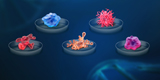
3D organoid is one of the revolutionary developments in biomedical field during the past 10 years. The establishment of intestinal organoids is an important milestone in the development of organoid technology. -
 Scientific Reviews
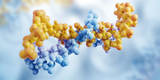
RNA therapeutics have changed the landscape of drug development, which possess broader spectrum of drug targets, simplicity and efficiency in development and manufacturing.In this article, we will discuss the underlying mechanisms of RNA-based drugs on the market or in clinical stages.
Scientific Reviews
RNA therapeutics have changed the landscape of drug development, which possess broader spectrum of drug targets, simplicity and efficiency in development and manufacturing.In this article, we will discuss the underlying mechanisms of RNA-based drugs on the market or in clinical stages. -
Scientific Reviews
Organoids have great potential in research of organ development, disease modeling, drug screening and, precision and regenerative medicin. In this article, we will expalin the origin of the organoids. Adult stem cells (ASCs) or pluripotent stem cells (PSCs) , which is the better choice.
-
 Scientific Reviews
Autophagy, derived from the Greek meaning "eating of self", plays an indispensable role in maintaining homeostasis. p27 is an inhibitor of cyclin CDKs, but how p27 regulates autophagy remains unknown. This article will cover the mechanism of autophagy and p27-related cell cycle regulation.
Scientific Reviews
Autophagy, derived from the Greek meaning "eating of self", plays an indispensable role in maintaining homeostasis. p27 is an inhibitor of cyclin CDKs, but how p27 regulates autophagy remains unknown. This article will cover the mechanism of autophagy and p27-related cell cycle regulation. -
 Scientific Reviews
CMA (chaperone-mediated autophagy) plays an essential role in maintaining neuronal protein stability and preventing neurodegeneration. In this article, we will comprehensively clarify the role of CMA in the occurrence and development of neurodegenerative diseases.
Scientific Reviews
CMA (chaperone-mediated autophagy) plays an essential role in maintaining neuronal protein stability and preventing neurodegeneration. In this article, we will comprehensively clarify the role of CMA in the occurrence and development of neurodegenerative diseases. -
 Scientific Reviews
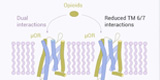
As powerful pain relievers, the opioids morphine and fentanyl have been "checked" by their side effects (listed as controlled substances). How to reduce its side effects? What is its mechanism? This research will explore its mechanism.
Scientific Reviews
As powerful pain relievers, the opioids morphine and fentanyl have been "checked" by their side effects (listed as controlled substances). How to reduce its side effects? What is its mechanism? This research will explore its mechanism. -
 Scientific Reviews
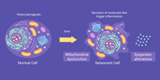
Understanding the mechanism of aging not only has guiding significance for prolonging human life but also has important clinical significance for the prevention and treatment of diseases in the elderly population , thus, improving their life quality and well-being.
Scientific Reviews
Understanding the mechanism of aging not only has guiding significance for prolonging human life but also has important clinical significance for the prevention and treatment of diseases in the elderly population , thus, improving their life quality and well-being. -
 Scientific Reviews
The latest study of Cell magazine "Neural mechanism underlying depressive-like state associated with social status loss" considers social factors as a breakthrough point. It has been found that the downward transition of social status induces depression-like behavior in mice whereas improves the depressive state by restoring their social environment.
Scientific Reviews
The latest study of Cell magazine "Neural mechanism underlying depressive-like state associated with social status loss" considers social factors as a breakthrough point. It has been found that the downward transition of social status induces depression-like behavior in mice whereas improves the depressive state by restoring their social environment. -
 Scientific Reviews
Stem cell classification and its application
Scientific Reviews
Stem cell classification and its application2023-05-18
Stem cells (SCs) have the unique ability to self-renew and differentiate into different cell types. SCs can differentiate into various types of tissue cells under specific conditions. Additionally, they can be further cultured to form different tissues and organs in the human body. Stem cells have numerous applications in various fields, including cell therapy, organ transplantation, neurodegenerative disease modeling, and drug screening. -
 Scientific Reviews
Mitophagy:Mechanisms and Detection
Scientific Reviews
Mitophagy:Mechanisms and Detection2023-05-25
About 60 years ago, Christian de Duve first used the term "autophagy" to describe his observation of the degradation of mitochondria and other intracellular structures in lysosomes of rat liver. Over the years, autophagy has remained a beloved topic of research by the National Natural Science Foundation of China (NSFC).Today, let's talk about mitochondrial autophagy. -
 Scientific Reviews
Organoid Culture: Questions & Answers
Scientific Reviews
Organoid Culture: Questions & Answers2023-07-26
In the last issue, we conducted a live lecture on the theme of organoid culture. Today, we have a special topic to solve your doubts in the last live class! -
 Scientific Reviews
WHO's Q2 drug list has been updated. Let's take you through the list of the most noteworthy small molecule drugs that we should pay attention to.
Scientific Reviews
WHO's Q2 drug list has been updated. Let's take you through the list of the most noteworthy small molecule drugs that we should pay attention to. -
 Scientific Reviews
FDA Approved Drug List!
Scientific Reviews
FDA Approved Drug List!2023-09-14
In the first half of 2023 (as of June 27), the FDA approved 26 new drugs, let's take you learn about it through the article. -
 Scientific Reviews
Science | A "new" mechanism for non-ubiquitinated Midnolin-proteasomal degradation pathway
Scientific Reviews
Science | A "new" mechanism for non-ubiquitinated Midnolin-proteasomal degradation pathway2024-04-26
“ubiquitin-mediated protein degradation” won the Nobel Prize in Chemistry in 2004! In fact, proteasomes degrade not only ubiquitinated proteins but also non-ubiquitinated ones. The mechanism remains shrouded in mystery. After reading this piece today, you might have a lightbulb moment! -
 Scientific Reviews
Exosomes, which won the Nobel Prize in 2013, are still a research hotspot in the national natural sciences, and their popularity has only increased over the past decade (in 2022, they still rank 5th in the national natural sciences hotspots!). Why have exosomes become the darling of scientific research? Let's take a look together~
Scientific Reviews
Exosomes, which won the Nobel Prize in 2013, are still a research hotspot in the national natural sciences, and their popularity has only increased over the past decade (in 2022, they still rank 5th in the national natural sciences hotspots!). Why have exosomes become the darling of scientific research? Let's take a look together~ -
 Scientific Reviews
Degrade target proteins through the autophagy-lysosome pathway including LYTAC, AUTAC, and ATTEC have gained increasing attention in recent years due to their significant research potential!
Scientific Reviews
Degrade target proteins through the autophagy-lysosome pathway including LYTAC, AUTAC, and ATTEC have gained increasing attention in recent years due to their significant research potential! -
 Scientific Reviews
2024 Nobel Prize Announcements! Curious about the details? Click to dive into the exciting developments!
Scientific Reviews
2024 Nobel Prize Announcements! Curious about the details? Click to dive into the exciting developments! -
Scientific Reviews
Delve into the intricate networks that govern mitochondrial quality control. By examining key mechanisms such as biogenesis, mitochondrial dynamics (fission and fusion), proteolysis, and mitophagy. -
 Scientific Reviews
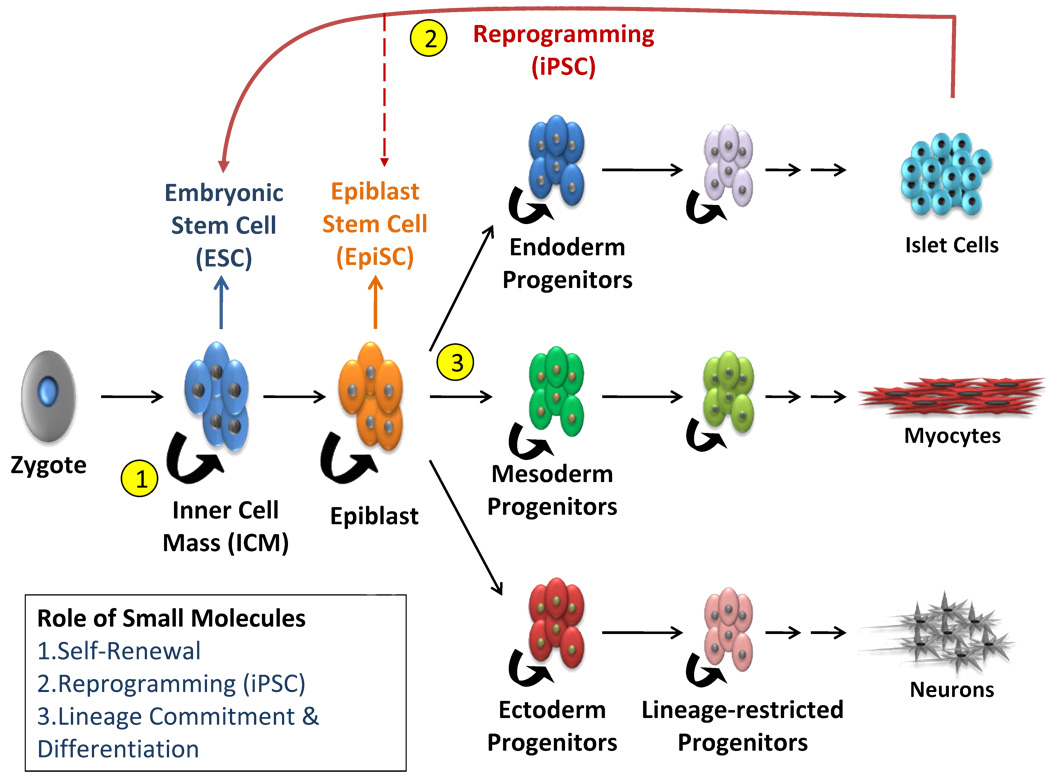
In early January 2025, MIT Tech Review unveiled its annual list of top 10 breakthrough technologies poised to redefine the future. Among these, stem cell therapy stood out for its potential to treat diverse diseases—including neurodegenerative disorders, diabetes, cancer, and heart failure. This groundbreaking approach uses stem cells to replace damaged cells, offering hope for millions worldwide.
Scientific Reviews
In early January 2025, MIT Tech Review unveiled its annual list of top 10 breakthrough technologies poised to redefine the future. Among these, stem cell therapy stood out for its potential to treat diverse diseases—including neurodegenerative disorders, diabetes, cancer, and heart failure. This groundbreaking approach uses stem cells to replace damaged cells, offering hope for millions worldwide. -
 Scientific Reviews
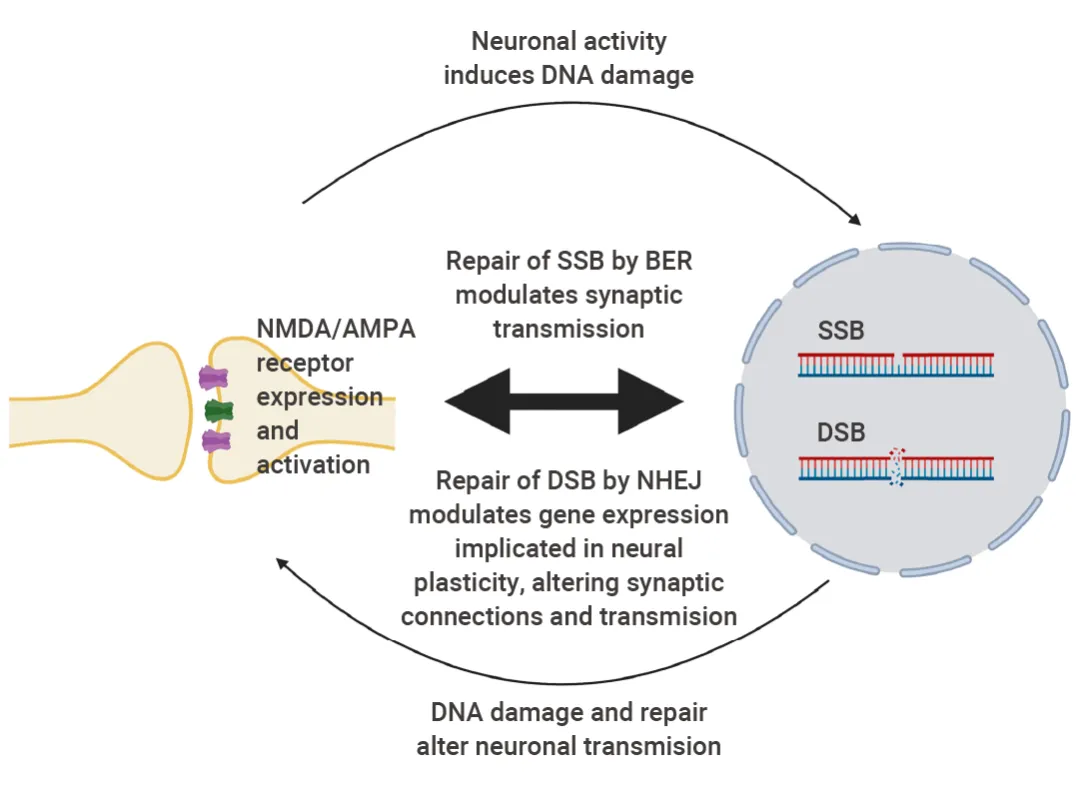
When you hear "inflammation" and "DNA damage," you might immediately think of disease or injury. However, in brains, these two processes are key steps in forming long-term memories, particularly related to specialized cells in our brain called hippocampal neurons.
Scientific Reviews
When you hear "inflammation" and "DNA damage," you might immediately think of disease or injury. However, in brains, these two processes are key steps in forming long-term memories, particularly related to specialized cells in our brain called hippocampal neurons. -
 Scientific Reviews
Autophagy is a fundamental process that degrades various components within the cell.
Scientific Reviews
Autophagy is a fundamental process that degrades various components within the cell. -
.jpg) Scientific Reviews
nside cells, the homeostasis and degradation of proteins is a precisely regulated process. If proteins cannot be degraded in time, it may lead to the occurrence of various diseases such as neurodegenerative diseases and cancer. This article will tell you the process of how proteins are recognized, labeled and then degraded!
Scientific Reviews
nside cells, the homeostasis and degradation of proteins is a precisely regulated process. If proteins cannot be degraded in time, it may lead to the occurrence of various diseases such as neurodegenerative diseases and cancer. This article will tell you the process of how proteins are recognized, labeled and then degraded! -
 Scientific Reviews
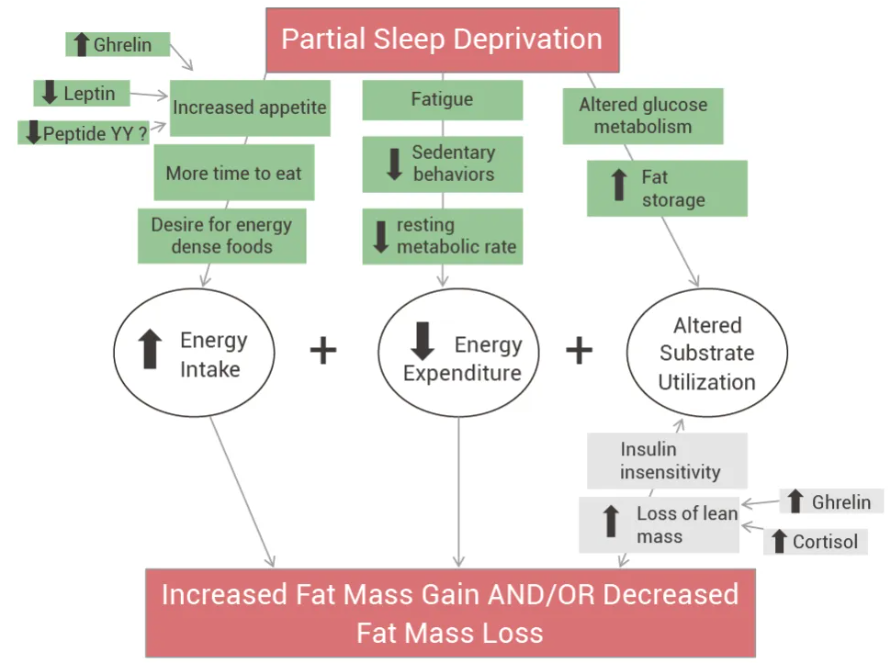
Have you ever noticed that after staying up late, your appetite—especially for high-calorie foods—gets out of control? If this sounds familiar, today’s article might offer some good news.
Scientific Reviews
Have you ever noticed that after staying up late, your appetite—especially for high-calorie foods—gets out of control? If this sounds familiar, today’s article might offer some good news. -
Scientific Reviews
Microglia– the only immune cells within the brain parenchyma. With advancements in imaging technologies, people’s understanding of microglia has shifted from being viewed as 'resting' cells to 'highly active' cells, particularly due to their dynamic processes that seem to be probing surrounding tissues and monitoring neuronal activity. This has made microglia a focal point of research in the field of neuroscience. -
 Scientific Reviews
Exosomes—natural nanoscale carriers—are revolutionizing targeted therapy. This article uncovers the science behind their precision in drug delivery.
Scientific Reviews
Exosomes—natural nanoscale carriers—are revolutionizing targeted therapy. This article uncovers the science behind their precision in drug delivery. -
 Scientific Reviews
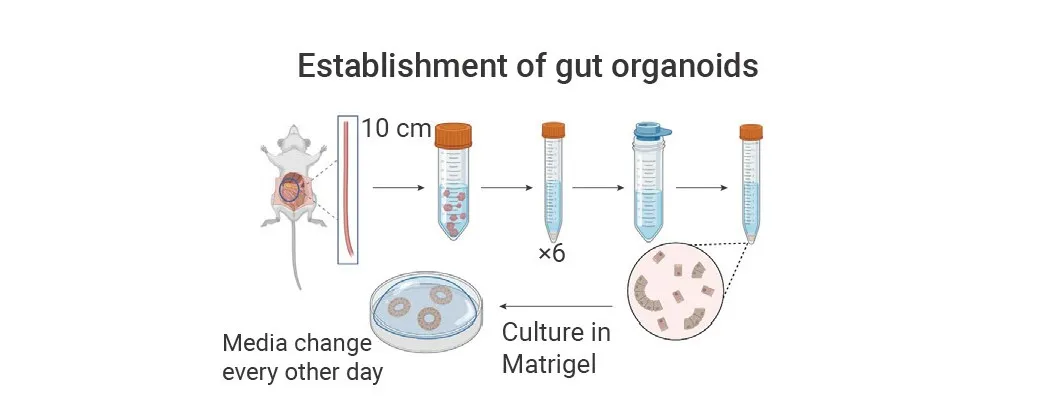
Efficient Generation of Mouse Small Intestinal Organoids: A Complete Experimental Protocol Guide
Scientific Reviews
Efficient Generation of Mouse Small Intestinal Organoids: A Complete Experimental Protocol Guide2025-12-10
How to successfully create mouse small intestine organoids? A detailed, hands-on guide to the entire process, all in one article! -
 EDM
Advances in Alzheimer's Disease Research
EDM
Advances in Alzheimer's Disease Research2025-07-16
This review summarizes current understanding of AD pathophysiology, including amyloid and tau pathology, neuroinflammation, synaptic dysfunction, and vascular abnormalities, and evaluates therapeutic strategies and experimental models. -
 EDM
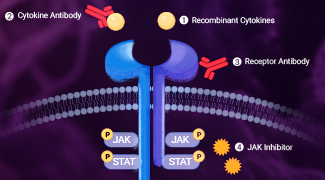
This review critically examines the role of the JAK-STAT pathway in immunity and autoimmune diseases, reviews current clinical applications of targeted therapies, and highlights emerging trends in autoimmune drug development.
EDM
This review critically examines the role of the JAK-STAT pathway in immunity and autoimmune diseases, reviews current clinical applications of targeted therapies, and highlights emerging trends in autoimmune drug development. -
 EDM
This review highlights the roles of microglia in AD pathology, focusing on metabolic reprogramming and microglia-targeted therapeutic strategies.
EDM
This review highlights the roles of microglia in AD pathology, focusing on metabolic reprogramming and microglia-targeted therapeutic strategies. -
 EDM
This review outlines macrophage functions and classification, and provides practical experimental guidelines for macrophage differentiation, polarization, and identification.
EDM
This review outlines macrophage functions and classification, and provides practical experimental guidelines for macrophage differentiation, polarization, and identification. -
 EDM
Review advances in target discovery, disease modeling, and biomarkers for Parkinson’s disease, highlighting their interplay and future directions for translational research.
EDM
Review advances in target discovery, disease modeling, and biomarkers for Parkinson’s disease, highlighting their interplay and future directions for translational research. -
 EDM
Explore the mechanisms driving immune tolerance breakdown in autoimmune diseases and emerging tolerance-restoring strategies, with a focus on IL-2-based immune modulation.
EDM
Explore the mechanisms driving immune tolerance breakdown in autoimmune diseases and emerging tolerance-restoring strategies, with a focus on IL-2-based immune modulation. -
 EDM
Explore how anti-Aβ therapy is reshaping the AD treatment landscape, the rationale for multi-pathology combination strategies, and advances in biomarker-guided precision treatment.
EDM
Explore how anti-Aβ therapy is reshaping the AD treatment landscape, the rationale for multi-pathology combination strategies, and advances in biomarker-guided precision treatment. -
 Blog
BR351 is a Brain Penetrant MMP Inhibitor
Blog
BR351 is a Brain Penetrant MMP Inhibitor2019-04-05
BR351 is a brain penetrant MMP inhibitor, and a potential tool for the molecular imaging of activated MMPs with PET, with an IC50 in the nanomolar range. -
 Blog
ACY-1083, a Highly Selective HDAC6 Inhibitor, Reverses Chemotherapy-induced Peripheral Neuropathy
Blog
ACY-1083, a Highly Selective HDAC6 Inhibitor, Reverses Chemotherapy-induced Peripheral Neuropathy2019-05-12
ACY-1083 is a selective and brain-penetrating HDAC6 inhibitor with an IC50 of 3 nM. ACY-1083 effectively reverses chemotherapy-induced peripheral neuropathy -
 Blog
JMS-17-2 is a CX3CR1 Antagonist
Blog
JMS-17-2 is a CX3CR1 Antagonist2019-06-12
JMS-17-2 is a potent and selective CX3CR1 antagonist with an IC50 of 0.32 nM. Has potential to treat cancers such as breast cancer. -
 Blog
M8891 is an orally active, reversible and brain penetrant Methionine Aminopeptidase-2 (MetAP-2) inhibitor with antiangiogenic and antitumoral activity.
Blog
M8891 is an orally active, reversible and brain penetrant Methionine Aminopeptidase-2 (MetAP-2) inhibitor with antiangiogenic and antitumoral activity. -
 Blog
TCH-165 is a modulator of proteasome assembly, which increases 20S levels and facilitates 20S-mediated protein degradation, such as IDPs, α-syn, and tau.
Blog
TCH-165 is a modulator of proteasome assembly, which increases 20S levels and facilitates 20S-mediated protein degradation, such as IDPs, α-syn, and tau. -
 Blog
Ro 90-7501, an Aβ42 fibril assembly inhibitor, inhibits PP5 in a TPR-dependent manner and has radiosensitizing effects on cervical cancer cells.
Blog
Ro 90-7501, an Aβ42 fibril assembly inhibitor, inhibits PP5 in a TPR-dependent manner and has radiosensitizing effects on cervical cancer cells. -
 Blog
NU1025 is a potent PARP inhibitor and potentiates the cytotoxicity of ionizing radiation drug. NU1025 has anti-cancer and neuroprotective activity.
Blog
NU1025 is a potent PARP inhibitor and potentiates the cytotoxicity of ionizing radiation drug. NU1025 has anti-cancer and neuroprotective activity. -
 Blog
JCN037 is a potent, non-covalent, and brain-penetrant EGFR tyrosine kinase inhibitor. JCN037 has potent anti-cancer activity.
Blog
JCN037 is a potent, non-covalent, and brain-penetrant EGFR tyrosine kinase inhibitor. JCN037 has potent anti-cancer activity. -
 Blog
KCC-07 prevents binding of MBD2 to methylated DNA and activates BAI1 inducing anti-proliferative BAI1/p53/p21 signaling. Anticancer activity.
Blog
KCC-07 prevents binding of MBD2 to methylated DNA and activates BAI1 inducing anti-proliferative BAI1/p53/p21 signaling. Anticancer activity. -
 Blog
MPT0G211, an orally active and selective HDAC6 inhibitor, ameliorates tau phosphorylation, and cognitive deficits in an Alzheimer’s disease model.
Blog
MPT0G211, an orally active and selective HDAC6 inhibitor, ameliorates tau phosphorylation, and cognitive deficits in an Alzheimer’s disease model. -
 Blog
RapaLink-1, a third-generation bivalent mTOR inhibitor, potently blocking cancer-derived, activating mutants of mTOR. It can cross the blood-brain barrier.
Blog
RapaLink-1, a third-generation bivalent mTOR inhibitor, potently blocking cancer-derived, activating mutants of mTOR. It can cross the blood-brain barrier. -
 Blog
PQR530 is a potent, ATP-competitive, orally bioavailable and brain-penetrant dual pan-PI3K/mTORC1/2 inhibitor. Antitumor activity.
Blog
PQR530 is a potent, ATP-competitive, orally bioavailable and brain-penetrant dual pan-PI3K/mTORC1/2 inhibitor. Antitumor activity. -
 Blog
CHDI-390576, a potent and CNS penetrant class IIa HDAC inhibitor, show selectivity over class I HDACs, HDAC8 and the class IIb HDAC6 isoform.
Blog
CHDI-390576, a potent and CNS penetrant class IIa HDAC inhibitor, show selectivity over class I HDACs, HDAC8 and the class IIb HDAC6 isoform. -
 Blog
NAZ2329 is an allosteric, noncompetitive and reversible inhibitor of R5 RPTP subfamily and PTPRZ/PTPRG with anti-cancer activity.
Blog
NAZ2329 is an allosteric, noncompetitive and reversible inhibitor of R5 RPTP subfamily and PTPRZ/PTPRG with anti-cancer activity. -
 Blog
BrBzGCp2 is a Glyoxalase 1 (GLO1) inhibitor for a variety of disorders. Possesses antitumor and neuroprotective activity.
Blog
BrBzGCp2 is a Glyoxalase 1 (GLO1) inhibitor for a variety of disorders. Possesses antitumor and neuroprotective activity. -
 Blog
ML-00253764 is a brain penetrant nonpeptidic melanocortin receptor 4 (MC4R) antagonist with a Ki/IC50 of 0.16 µM/0.103 µM, respectively.
Blog
ML-00253764 is a brain penetrant nonpeptidic melanocortin receptor 4 (MC4R) antagonist with a Ki/IC50 of 0.16 µM/0.103 µM, respectively. -
 Blog
AA92593 is a selective and competitive OPN4 (melanopsin) antagonist. AA92593 can potently decrease IOP in mice.
Blog
AA92593 is a selective and competitive OPN4 (melanopsin) antagonist. AA92593 can potently decrease IOP in mice. -
 Blog
Vorasidenib is an orally available, brain penetrant second-generation dual mutant isocitrate dehydrogenases 1 and 2 (mIDH1/2) inhibitor.
Blog
Vorasidenib is an orally available, brain penetrant second-generation dual mutant isocitrate dehydrogenases 1 and 2 (mIDH1/2) inhibitor. -
 Blog
GSK2606414 is an orally available PERK inhibitor and is a potent compound of cancer and neurological diseases.
Blog
GSK2606414 is an orally available PERK inhibitor and is a potent compound of cancer and neurological diseases. -
 Blog
SB 258719 is a selective 5-HT7 receptor antagonist and can be used for the research of cancer and neurological disease.
Blog
SB 258719 is a selective 5-HT7 receptor antagonist and can be used for the research of cancer and neurological disease. -
 Blog
Trolox is an analogue of vitamin E with a powerful antioxidant effect. Trolox is also a powerful inhibitor of membrane damage.
Blog
Trolox is an analogue of vitamin E with a powerful antioxidant effect. Trolox is also a powerful inhibitor of membrane damage. -
 Blog
AZD1390 is a potent, highly selective, orally bioavailable, brain-penetrant ATM inhibitor with an IC50 of 0.78 nM.
Blog
AZD1390 is a potent, highly selective, orally bioavailable, brain-penetrant ATM inhibitor with an IC50 of 0.78 nM. -
 Blog
Epoxomicin is an epoxyketone-containing natural product and a selective and irreversible proteasome inhibitor. Cross the blood-brain barrier.
Blog
Epoxomicin is an epoxyketone-containing natural product and a selective and irreversible proteasome inhibitor. Cross the blood-brain barrier. -
 Blog
AZD-9574 is a potent and brain penetrant PARP1 inhibitor and shows >8000-fold selectivity for PARP1 compared to PARP2/3/5a/6.
Blog
AZD-9574 is a potent and brain penetrant PARP1 inhibitor and shows >8000-fold selectivity for PARP1 compared to PARP2/3/5a/6. -
 Blog
GR-46611 is a 5-HT1D Receptor Agonist
Blog
GR-46611 is a 5-HT1D Receptor Agonist2022-10-11
GR-46611 is a potent 5-HT1D receptor agonist and has the potential for the research of epilepsy and inhibits bladder activity. -
 Blog
SOR-C13 is a high-affinity TRPV6 antagonist with an IC50 value of 14 nM. SOR-C13 is used for Advanced Solid Tumors Research
Blog
SOR-C13 is a high-affinity TRPV6 antagonist with an IC50 value of 14 nM. SOR-C13 is used for Advanced Solid Tumors Research -
 Blog
Olutasidenib (FT-2102) is an orally active, brain penetrant inhibitor of mutant IDH1. Olutasidenib is used for AML or MDS Research.
Blog
Olutasidenib (FT-2102) is an orally active, brain penetrant inhibitor of mutant IDH1. Olutasidenib is used for AML or MDS Research. -
 Blog
ML-SA5 is a potent TRPML1 cation channel agonist with some anticancer activity and can inhibit tumour growth.
Blog
ML-SA5 is a potent TRPML1 cation channel agonist with some anticancer activity and can inhibit tumour growth. -
 Blog
J-113397 is a potent and selective nonpeptidyl ORL1 receptor antagonist without any agonistic effects on other opioid receptors.
Blog
J-113397 is a potent and selective nonpeptidyl ORL1 receptor antagonist without any agonistic effects on other opioid receptors. -
 Blog
SG-094 is a potent TPC2 inhibitor with antiproliferative effects. SG-094 can be used for the research of cancer.
Blog
SG-094 is a potent TPC2 inhibitor with antiproliferative effects. SG-094 can be used for the research of cancer.
Products
All
-
All
-
Inhibitors & Agonists
-
Isotope-Labeled Compounds
-
Fluorescent Dye
-
Peptides
-
Recombinant Proteins
-
Antibodies
-
Screening Libraries
-
Kits
-
Inhibitory Antibodies
-
Reference Standards
-
Induced Disease Models Products
-
GMP Small Molecules
-
Biochemical Assay Reagents
-
Natural Products
| Cat. No. | Product Name | Information | Application | Publication |
|---|---|---|---|---|
| HY-L001 | Bioactive Compound Library |
Bioactive compounds are a general term for a class of substances that can cause certain biological effects in the body, which are the main source of small molecule drugs. These compounds generally penetrate cell membranes, act on specific target proteins in cells, regulate intracellular signaling pathways, and cause some changes in cell phenotype.
MCE owns a unique collection of 27,212 compounds with confirmed biological activities and clear targets. These compounds include natural products, innovative compounds, approved compounds, and clinical compounds. These can also be used for signal pathway research, drug discovery and drug repurposing, etc.
|
|
131
|
| HY-L001P | Bioactive Compound Library Plus |
Bioactive compounds are a general term for a class of substances that can cause certain biological effects in the body, which are the main source of small molecule drugs. These compounds generally penetrate cell membranes, act on specific target proteins in cells, regulate intracellular signaling pathways, and cause some changes in cell phenotype.
MCE owns a unique collection of 32,925 compounds with confirmed biological activities and clear targets. These compounds include natural products, innovative compounds, approved compounds, and clinical compounds. This library is a useful tool for signal pathway research, drug discovery and drug repurposing, etc.
Bioactive Compound Library Plus, with more powerful screening capability, further complements Bioactive Compound Library (HY-L001) by adding some compounds with low solubility or solution stability (Part B) and some novel, rare or exclusive compounds (Part C) to this library. Overall, bioactive compound library plus (HY-L001P) includes tree parts: Part A, Part B and Part C. Compounds in Part A are equal to the products in HY-L001, which can be supplied in solution or solid form. Compounds in Part B and C are only supplied in solid form.
|
|
131
|
| HY-L013 | Neuronal Signaling Compound Library |
Neuronal Signaling is involved in the regulation of the mechanisms of the central nervous system (CNS) such as its structure, function, genetics and physiology as well as how this can be applied to understand diseases of the nervous system. Every information processing system in the CNS is composed of neurons and glia, neurons have evolved unique capabilities for intracellular signaling (communication within the cell) and intercellular signaling (communication between cells). G protein-coupled receptors (GPCRs), including 5-HT receptor, histamine receptor, opioid receptor, etc. are the largest class of sensory proteins and are important therapeutic targets in Neuronal Signaling. Besides, Notch signaling, such as β- and γ-secretase, also plays multiple roles in the development of the CNS including regulating neural stem cell (NSC) proliferation, survival, self-renewal and differentiation. GPCR dysfunction caused by receptor mutations and environmental challenges contributes to many neurological diseases. Notch signaling in neurons, glia, and NSCs is also involved in pathological changes that occur in disorders such as stroke, Alzheimer's disease and CNS tumors. Thus, targeting Neuronal Signaling, such as notch signaling and GPCRs, can be used as therapeutic interventions for several different CNS disorders.
MCE designs a unique collection of 3,961 Neuronal Signaling-related compounds that act as a useful tool for the research of neuronal regulation and neuronal diseases.
|
|
84
|
| HY-L151 | PROTAC Library |
PROTACs (Proteolysis-targeting chimeras) is a class of molecules that utilize ubiquitin-proteasome system (UPS) to ubiquitinate and degrade target proteins. The PROTACs molecule consists of two ligands joined by a linker. The one-to-one interaction between PROTACs and target proteins determines the high efficiency of PROTACs, making it a potential molecule for targeted protein degradation (TPD) therapy.
MCE supplies a unique collection of 544 PROTACs that effectively degrade target proteins with more powerful screening capability. MCE PROTAC Library is a useful tool for signal pathway research, protein degradation therapy research, drug discovery and drug repurposing, etc.
|
|
84
|
| HY-L001V | MCE Bioactive Compound Library |
A unique collection of 34,325 bioactive compounds including natural products, enzyme inhibitors, receptor ligands, and drugs for high throughput screening (HTS) and high content screening (HCS).
|
|
83
|
| HY-L047 | Endocrinology Compound Library |
The endocrine system is a chemical messenger system comprising feedback loops of the hormones released by internal glands of an organism directly into the circulatory system, regulating distant target organs. Hormones are chemicals that serve to communicate between organs and tissues for physiological regulation and behavioral activities. Hormones affect distant cells by binding to specific receptor proteins in the target cell, resulting in a change in cell function.
The endocrine system is concerned with the integration of developmental events proliferation, growth, and differentiation, and the psychological or behavioral activities of metabolism, growth and development, tissue function, sleep, digestion, respiration, excretion, mood, stress, lactation, movement, reproduction, and sensory perception caused by hormones. Irregulated hormone release, inappropriate response to signaling or lack of a gland can lead to endocrine disease.
MCE offers a unique collection of 908 endocrinology related compounds targeting varieties of hormone receptors such as thyroid hormone receptor, TSH receptor, GNRH receptor, adrenergic receptor, etc. MCE Endocrinology Compound Library is a useful tool for the discovery of endocrinology drugs.
|
|
83
|
| HY-L062 | Neurotransmitter Receptor Compound Library |
Neurotransmitter (NT) receptors, also known as neuroreceptors, are a broadly diverse group of membrane proteins that bind neurotransmitters for neuronal signaling. There are two major types of neurotransmitter receptors: ionotropic and metabotropic. Ionotropic receptors are ligand-gated ion channels, meaning that the receptor protein includes both a neurotransmitter binding site and an ion channel. The binding of a neurotransmitter molecule (the ligand) to the binding site induces a conformational change in the receptor structure, which opens, or gates, the ion channel. The term “metabotropic receptors” is typically used to refer to transmembrane G-protein-coupled receptors. Metabotropic receptors trigger second messenger-mediated effects within cells after neurotransmitter binding.
In some neurological diseases, the neurotransmitter receptor itself appears to be the target of the disease process. Many neuroactive drugs act by modifying neurotransmitter receptors. A better understanding of neurotransmitter receptor changes in disease may lead to improvements in therapy.
MCE designs a unique collection of 2,593 compounds targeting a variety of neurotransmitter receptors. MCE Neurotransmitter Receptor Compound Library is a useful tool for neurological diseases drug discovery.
|
|
83
|
| HY-L176 | Multi-Target Compound Library |
The occurrence of diseases is often associated with multiple targets and pathways, and the factors of disease formation are complex and diverse, so the development of more powerful drugs is needed. According to statistics, 21% of the FDA-approved drugs in 2015-2017 were multi-target compounds. Multi-target compounds refer to a drug targeting multiple disease-related targets or multiple subtypes of a target. Multi-target compounds can be applied to drug screening or targeted ligand design. Because the targets of such compounds are diverse and clear, they have the characteristics of saving time and drug cost during the mechanism research of new drug research and development. In addition, due to the diversity of drug targets, multiple strategies can be applied to pharmacological studies.
MCE supplies a unique collection of 7,362 multi-target compounds that targets two or more different targets or different subtypes of the same target. MCE Multi-Target Compound Library can be used for target protein ligand screening or drug development.
|
|
83
|
| HY-L177 | Antibody Inhibitor Library |
Antibody inhibitors are compounds with the same activity as the original therapeutic antibodies, which can be used as positive controls for drug efficacy evaluation and other studies. Antibody inhibitors can also assist in verifying the functional activity of the target protein. These antibody inhibitors are active in vivo and can achieve certain physiological functions by blocking or neutralizing target proteins, such as CD20, HER2, EGFR, VEGFR, TNF-α, etc. In drug screening, antibody inhibitor-based screening can be carried out to identify active compounds targeting target proteins and target diseases.
MCE can provide 1,949 antibody inhibitors that can be used for drug development in cancer, immunity, infection and other hot research areas.
|
|
83
|
| HY-L186 | Neurotransmitter Compound Library |
Neurotransmitters are chemical messengers that allows a neuron's electrical signal to pass to a postsynaptic neuron or effect target. Neurotransmitters include amino acids, monoamines, and peptides, while other neurotransmitters are composed of metabolites such as nitric oxide and carbon monoxide. The function of neurotransmitters is closely related to the disease of life, helping to regulate the body's heartbeat, blood pressure, breathing, sleep, aging and muscle activity. Therefore, research based on neurotransmitters can help to increase human understanding of diseases.
MCE collects and organizes 54 neurotransmitters and is a tool library for drug screening and mechanism research.
|
|
83
|
| HY-L923 | Ion Channel Lead-like Compound Library |
Ion channels are key proteins on the cell membrane that regulate the flow of ions across membranes. They participate in nearly all physiological processes, including nerve conduction, muscle contraction, heart rhythm, and pain perception. Abnormalities in their function can lead to various serious diseases such as arrhythmia, epilepsy, hypertension, neuropathic pain, and cancer. Therefore, ion channels are highly valuable drug targets—over 15% of approved drugs target ion channels currently, demonstrating their irreplaceable therapeutic value in cardiovascular, neurological, and analgesic fields.
MCE has collected a library of over 5,000 reported ion channel-related bioactive compounds targeting major sites such as Na+ channels, K+ channels, Ca2+ channels, GABA receptors, iGluRs, and others. Using AI models, these compounds are characterized through both 2D representations (molecular fingerprints, pharmacophores) and 3D representations (3D conformation) to screen for a collection of lead-like compounds highly similar to known active molecules. Additionally, an hERG channel prediction algorithm integrating XGB and ISE mapping strategy is employed to assess and exclude potential cardiotoxicity in the library.. This step significantly reduces safety risks in subsequent screenings, particularly for ion channel drug development related to cardiovascular systems (e.g., Nav1.5, Cav1.2), effectively minimizing failures due to hERG inhibition and serving as a valuable tool for ion channel drug screening.
|
|
83
|
| HY-LD002 | DEL B Kit Regular Library |
The discovery of hit molecule is a cornerstone of drug development. Among the diverse tools available, DNA-encoded libraries have emerged a revolutionary platform for high-throughput screening. Compared with traditional HTS, DEL features shorter screening processes, lower costs, simpler assays, and larger library capacities.
DEL Construction utilizes split-and-pool synthesis, a combinatorial chemistry approach that involves iterative splitting, reaction, and pooling. This strategy enables rapid, exponential assembly of fragments in minimal steps without the need for individual compound synthesis andassoicicated isolation or purification steps, thus greatly reducing overall costs. The technology enables simultaneous affinity screeningof massive compound collections to target proteins in a single step. By coupling chemical structures with unique DNA barcodes, each compound is tagged with a distinct DNA sequence for convenient tracking and decoding.DELs readily enable the construction and efficient screening of libraries containing millions to billions of compounds. As a result, DEL screening combines the dual advantages of high efficiency and low cost, making DEL a transformative technology in modern drug discovery.
The DEL kit consists of 50 independent libraries with a total scale of 100 billion compounds. It is constructed through stepwise combinatorial chemistry strategies involving 2-, 3-, and 4-round synthesis. By employing diverse scaffolds and flexible linking strategies, it encompasses various ring systems, linear frameworks, and heterocyclic structures. Screening can be achieved solely through affinity, independent of target-specific activity detection methods. This library is suitable for DEL screening against a wide range of targets.
|
|
83
|
| HY-B1618 | Corticosterone |
Corticosterone (17-Deoxycortisol) is an orally active and adrenal cortex-produced glucocorticoid, which plays an important role in regulating neuronal functions of the limbic system (including hippocampus, prefrontal cortex, and amygdala). Corticosterone increases the Rab-mediated AMPAR membrane traffic via SGK-induced phosphorylation of GDI. Corticosterone also interferes with the maturation of dendritic cells and shows a good immunosuppressive effect.
|
Inflammation or Immune System Disease
Metabolic or Endocrine Disease
Pain
SARS-CoV-2 Infection
Osteoarthritis
|
71
|
| HY-Y1269D | Ammonium chloride, for molecular biology |
Ammonium chloride (Salmiac), for molecular biology is an inhibitor of Slc26a4 and SMAD2. Ammonium chloride, for molecular biology reduces the protein expression level of Slc26a4 in lung tissue, and attenuates ozone-induced increases in proinflammatory cytokines, inflammatory cells, pulmonary resistance, goblet cell hyperplasia, peribronchial inflammation and thiocyanate levels in mouse tissues and bronchoalveolar lavage fluid. Ammonium chloride, for molecular biology decreases the level of phosphorylated SMAD2, inhibits autophagy by reducing autophagy-related proteins, and enhances Cisplatin (HY-17394)-induced cancer cell apoptosis and DNA double-strand breaks. Ammonium chloride, for molecular biology also inhibits the TCA cycle, reduces ATP production, increases glucose utilization, regulates the levels of lactic acid, glutamic acid and ATP, and induces morphological degeneration of neuroblastoma cells. Ammonium chloride, for molecular biology can be used in studies related to ozone-induced airway injury, hepatocellular carcinoma, human cervical cancer, hepatic encephalopathy, Reye syndrome, epilepsy and neurodegenerative diseases.
|
|
62
|
| HY-B0228 | Adenosine |
Adenosine (Adenine riboside), a ubiquitous and BBB-permeable endogenous autacoid, acts through the enrollment of four G protein-coupled receptors: A1, A2A, A2B, and A3. Adenosine affects almost all aspects of cellular physiology, including neuronal activity, vascular function, platelet aggregation, and blood cell regulation.
|
|
18
|
| HY-B0167A | Sodium Salicylate |
Sodium Salicylate (Salicylic acid sodium salt) inhibits cyclo-oxygenase-2 (COX-2) activity independently of transcription factor (NF-κB) activation. Sodium Salicylate is also a S6K inhibitor.Sodium Salicylate is a NF-κB inhibitor that decreases inflammatory gene expression and improves repair in aged muscle.
|
Environmental Pollutants
Apoptosis
NF-κB
Endogenous Metabolite
Autophagy
Ribosomal S6 Kinase (RSK)
COX
Breast Cancer
Colorectal Cancer
Prostate Cancer
Liver Cancer
Leukemia/Lymphoma/Myeloma
Pancreatic Cancer
Ovarian Cancer
Depression
Pain
Digestive System Inflammation
Glucose Metabolism
SARS-CoV-2 Infection
Obesity
Rheumatoid Arthritis
|
16
|
| HY-B0199A | Mycophenolate mofetil hydrochloride |
Mycophenolate mofetil (RS 61443; TM-MMF) hydrochloride is an orally active antimetabolic immunosuppressant with antiproliferative and anti-inflammatory properties. Mycophenolate mofetil hydrochloride significantly inhibits the production of B, T lymphocytes and the proliferation of smooth muscle cells by selectively blocking the de novo purine synthesis pathway. Mycophenolate mofetil hydrochloride effectively reduces adventitial inflammation, medial necrosis and intimal thickening in rat aortic allografts, and decreases the number of lymphocytes expressing the IL-2 receptor, thereby delaying xenograft rejection. Mycophenolate mofetil hydrochloride shows certain toxicity in a hamster-to-rat limb xenotransplantation model when used in combination with FK506 (HY-13756). Mycophenolate mofetil hydrochloride is widely used in studies related to allograft arteriosclerosis (chronic rejection).
|
|
14
|
| HY-101878 | Texas Red |
Texas Red (Sulforhodamine 101) is an amphoteric rhodamine red fluorescent dye (excitation/emission: 586/605 nm). Texas Red is used extensively for investigating neuronal morphology and acts as acell type-selective fluorescent marker of astrocytes bothin vivoand in slice preparations.
|
|
8
|
| HY-W250978 | Ovalbumins |
Ovalbumins are the major proteins in egg white. Ovalbumins act as an allergen and inducer, and can be applied to mouse models of allergic diseases. Ovalbumins can induce allergic rhinitis in mice via sensitization and nasal challenge. Ovalbumins can be used to establish asthma models.
Ovalbumin, low endotoxin (HY-W250978A) is recommended for model establishment. |
|
6
|
| HY-N7143 | Monobutyl phthalate |
Monobutyl phthalate is an orally active metabolite of Di-n-butyl phthalate (HY-Y0304) and an embryotoxic agent. Monobutyl phthalate regulates mesodermal lineage gene expression, inhibits uterine decidualization, reduces fetal testosterone levels without directly binding to the androgen receptor, and induces teratogenic effects during organogenesis. Monobutyl phthalate induces testicular oxidative stress and sperm abnormalities. Monobutyl phthalate can be used in studies of developmental toxicity and male reproductive toxicity.
|
|
5
|
| HY-112173 | Prolylleucine |
Prolylleucine (Z-Pro-D-Leu) is a dipeptide containing branched-chain amino acids. Prolylleucine (Z-Pro-D-Leu) can affect the circadian rhythms and behaviour of animals.
|
|
4
|
| HY-P3400A | LP17 TFA |
|
3
|
|
| HY-P0198A | Neuropeptide Y (human,rat,mouse) TFA |
Neuropeptide Y (human) TFA is involved in Alzheimer's disease (AD) and protects rat cortical neurons against β-Amyloid toxicity.
|
|
3
|
| HY-P99407 | Pepinemab |
Pepinemab (VX 15/2503) is a human monoclonal antibody against SEMA4D, a signalling protein 4D (SEMA4D), also known as CD100, which is a regulator of neuronal development and plays a role in a variety of cellular processes. Pepinemab can be used in the study of various neurodegenerative diseases such as Alzheimer's disease by blocking the activity of SEMA4D.
Species: Human |
|
3
|
| HY-108742 | Abaloparatide |
Abaloparatide (BA 058) is a parathyroid hormone receptor 1 (PTHR1) analog. Abaloparatide also is a selective PTHR1 activator. Abaloparatide enhances Gs/cAMP signaling and β-arrestin recruitment. Abaloparatide enhances bone formation and cortical structure in mice. Abaloparatide has the potential for the research of osteoporosis.
|
|
3
|
| HY-I0626 | Cytosine |
|
3
|
|
| HY-P3400 | LP17 |
|
3
|
|
| HY-P0198 | Neuropeptide Y (human,rat,mouse) |
Neuropeptide Y (human,rat,mouse) is involved in Alzheimer's disease (AD) and protects rat cortical neurons against β-Amyloid toxicity.
|
|
3
|
| HY-P2279A | Parathyroid hormone (1-34) (rat) acetate |
Parathyroid hormone (1-34) (rat) (acetate) is a parathyroid hormone. Parathyroid hormone (1-34) (rat) improves both cortical and cancellous bone structure. Parathyroid hormone (1-34) (rat) can be used for the research of osteoporosis.
|
|
2
|
| HY-D0227J | THAM hydrochloride (≥99%, for cell culture) |
THAM hydrochloride (≥99%, for cell culture) is a low-toxicity amino alcohol buffer, a specific CO2-consuming proton acceptor that buffers carbon dioxide and acid both in vitro and in vivo. THAM hydrochloride (≥99%, for cell culture) binds protons to form bicarbonate, reduces PaCO2, and induces intracellular alkalization, thereby ameliorating hypercapnia-induced elevation of pulmonary blood vessels and pulmonary arterial pressure. THAM hydrochloride (≥99%, for cell culture) may cause PaCO2 rebound, hypoglycemia, and respiratory depression. THAM hydrochloride (≥99%, for cell culture) removes amniotic epithelium and preserves the basement membrane, but depletes extracellular matrix and reduces the adhesion rate of limbal epithelial cells. THAM hydrochloride (≥99%, for cell culture) can act as a CO2 carrier to enhance the productivity and carbon utilization rate of Scenedesmus obliquus. THAM hydrochloride (≥99%, for cell culture) is a key component of buffer solutions used in various biological, cell culture, biochemical, and molecular biology applications.
|
|
2
|
| HY-P2279 | Parathyroid hormone (1-34) (rat) |
Parathyroid hormone (1-34) (rat) is a parathyroid hormone. Parathyroid hormone (1-34) (rat) improves both cortical and cancellous bone structure. Parathyroid hormone (1-34) (rat) can be used for the research of osteoporosis.
|
|
2
|
| HY-P1014 | HCGRP-(8-37) |
HCGRP-(8-37) (Human α-CGRP (8-37)) is a fragment of human calcitonin gene-related peptide (hCGRP) and an antagonist of the CGRP receptor, with an IC50 of 32.1 pM against the CGRP receptor. HCGRP-(8-37) blocks adenylate cyclase activation induced by CGRP receptor ligands and attenuates vascular responses triggered by CGRP. HCGRP-(8-37) reduces capsaicin-induced vasodilation in porcine nasal mucosa and superficial skin. HCGRP-(8-37) serves as a research tool to distinguish effects mediated by CGRP or calcitonin receptors, and to investigate CGRP-induced vascular effects.
|
|
2
|
| HY-P99019 | Fremanezumab |
Fremanezumab (TEV-48125) is a humanized lgG2 monoclonal antibody that selectively and potently binds to calcitonin gene related peptide (CGRp) (IC50 values = 7.943 nM). Fremanezumab binds to mouse CGRP with an IC50 value of 19.6 nM. Fremanezumab counteracts anti-inflammatory effects of CGRP in vitro, including CGRP-mediated inhibition of LPS (HY-D1056)-induced microglial activation. Fremanezumab selectively inhibits the activation of Aδ meningeal nociceptors by cortical spreading depression (CSD) in rats. Fremanezumab can be used for the study of inflammation and chronic migraine.
Species: Human |
|
2
|
| HY-Y0669 | Pipecolic acid |
Pipecolic acid is an orally bioavailable, blood-brain barrier-permeable metabolite of lysine with antioxidant, inhibitor, and inducer activity. Pipecolic acid modulates the YAP-GPX4 signaling pathway, reduces retinal vascular tube formation, and mitigates ferroptosis. Pipecolic acid potentiates voltage-sensitive Ca2+ channel currents and induces neuronal apoptosis. Pipecolic acid can be used for the research of diabetic retinopathy.
|
Neurological, Eye or Ear Disease
Inflammation or Immune System Disease
Metabolic or Endocrine Disease
|
2
|
| HY-Y0808 | Dimethyl succinate |
Dimethyl succinate is an orally active cell permeable succinate analogue. Dimethyl succinate can disrupt the TCA cycle by elevating intracellular succinate levels, leading to reduced protein synthesis and impairs myogenic differentiation. Dimethyl succinate can induce apoptosis. Dimethyl succinate can decrease maximal cellular respiration and reserve capacity. Dimethyl succinate can rescue synapse loss in AD. Dimethyl succinate can be used for the researches of metabolic and neurological disease.
|
|
2
|
| HY-113294 | 3-Hydroxykynurenine |
3-Hydroxykynurenine, a metabolite of tryptophan, is a potential endogenous neurotoxin whose increased levels have been described in several neurodegenerative disorders. 3-Hydroxykynurenine induces neuronal apoptosis.
|
|
2
|
| HY-B0199AS | Mycophenolate Mofetil-d4 hydrochloride |
Mycophenolate Mofetil-d4 hydrochloride is deuterated labeled Mycophenolate mofetil hydrochloride (HY-B0199A). Mycophenolate mofetil (RS 61443; TM-MMF) hydrochloride is an orally active antimetabolic immunosuppressant with antiproliferative and anti-inflammatory properties. Mycophenolate mofetil hydrochloride significantly inhibits the production of B, T lymphocytes and the proliferation of smooth muscle cells by selectively blocking the de novo purine synthesis pathway. Mycophenolate mofetil hydrochloride effectively reduces adventitial inflammation, medial necrosis and intimal thickening in rat aortic allografts, and decreases the number of lymphocytes expressing the IL-2 receptor, thereby delaying xenograft rejection. Mycophenolate mofetil hydrochloride shows certain toxicity in a hamster-to-rat limb xenotransplantation model when used in combination with FK506 (HY-13756). Mycophenolate mofetil hydrochloride is widely used in studies related to allograft arteriosclerosis (chronic rejection).
|
|
1
|
| HY-D2171 | AF488 DBCO |
AF488 DBCO is a fluorescent dye and also a click chemistry reagent that can label azide-containing biomolecules. AF488 DBCO mediates the coupling reaction with azide-modified 2'-OMe RNA oligonucleotides. DBCO is a bioorthogonal partner of azides and enables covalent coupling without copper (Ex/Em = 470/520 nm).
|
|
1
|
| HY-161541 | Estradiol/BSA |
Estradiol/BSA is the antigen-adjuvant conjugate formed by the coupling of Estradiol (HY-B0141) with Bovine Serum Albumin (BSA). By coupling the antigen with a protein adjuvant, the production of antigen-specific antibodies in vaccine models can be enhanced. The conjugate does not affect protein folding or disrupt major epitopes, and it can enhance cross-presentation and the generation of antigen-specific T cells.
|
|
1
|
| HY-B0199S | Mycophenolate Mofetil-d4 |
Mycophenolate Mofetil-d4 is the deuterium labeled Mycophenolate Mofetil. Mycophenolate mofetil (RS 61443; TM-MMF) hydrochloride is an orally active antimetabolic immunosuppressant with antiproliferative and anti-inflammatory properties. Mycophenolate mofetil hydrochloride significantly inhibits the production of B, T lymphocytes and the proliferation of smooth muscle cells by selectively blocking the de novo purine synthesis pathway. Mycophenolate mofetil hydrochloride effectively reduces adventitial inflammation, medial necrosis and intimal thickening in rat aortic allografts, and decreases the number of lymphocytes expressing the IL-2 receptor, thereby delaying xenograft rejection. Mycophenolate mofetil hydrochloride shows certain toxicity in a hamster-to-rat limb xenotransplantation model when used in combination with FK506 (HY-13756). Mycophenolate mofetil hydrochloride is widely used in studies related to allograft arteriosclerosis (chronic rejection).
|
|
1
|
| HY-N0307 | Ciwujianoside B |
Ciwujianoside B is an orally active, blood-brain barrier penetrable radioprotective agent and memory enhancer. Ciwujianoside B reduces radiation-induced DNA damage, cell cycle arrest and apoptosis, downregulates NF-κB and the Bax/Bcl-2 ratio, and enhances the proliferative capacity of bone marrow cells. Ciwujianoside B enhances object recognition memory in normal mice and induces dendritic extension in primary cultured cortical neurons. Ciwujianoside B can be used in studies related to hematopoietic system radiation injury and memory enhancement.
|
|
1
|
| HY-113232 | 3-Methylcrotonylglycine |
3-Methylcrotonylglycine is an organic acid conjugate associated with leucine catabolism that inhibits respiratory chain complex II-III, mitochondrial creatine kinase, and synaptic membrane Na+, K+-ATPase. 3-Methylcrotonylglycine increases reactive oxygen species levels to mediate oxidative damage, while inhibiting mitochondrial electron transport, reducing tricarboxylic acid cycle flux, and interfering with intracellular energy transport and neuronal ion homeostasis. 3-Methylcrotonylglycine is a neurotoxic metabolite that accumulates in the metabolic pathway of 3-methylcrotonyl-CoA carboxylase deficiency. 3-Methylcrotonylglycine can be used in studies related to 3-methylcrotonyl-CoA carboxylase deficiency.
|
|
1
|
| HY-113440 | 5-Methoxytryptophol |
5-Methoxytryptophol is a 5-methoxyindole alcohol structurally homologous to Melatonin (HY-B0075). It is secreted by the mammalian pineal gland and exhibits an inverse circadian rhythm. 5-Methoxytryptophol regulates bone metabolism by activating the ERK1/2 pathway. It reduces the levels of pro-inflammatory cytokines TNF-α and IL-1β, as well as proteolytic enzymes MMP-1 and MMP-2, in serum and dental pulp tissues, thereby ameliorating acute pulpitis. 5-Methoxytryptophol induces rapid sleep in mice, while high doses cause respiratory depression and death. 5-Methoxytryptophol. 5-Methoxytryptophol can be used in studies related to acute pulpitis, hypnosis, and bone metabolism.
|
|
1
|
| HY-P99588 | Stamulumab |
Stamulumab (MYO-029) is a recombinant human IgG1λ antibody that binds to myostatin and neutralizes its activity by preventing binding to its endogenous high-affinity receptor ActRIIB. Stamulumab leads to muscle fiber hypertrophy and not hyperplasia in SCID mice. Stamulumab has the potential for Becker muscular dystrophy (BMD), facioscapulohumeral dystrophy (FSHD), and limb-girdle muscular dystrophy (LGMD) research.
Species: Human |
|
1
|
| HY-N0695 | Schisantherin B |
Schisantherin B (Gomisin-B) is a lignan compound and one of the active components of Schisandra chinensis. Schisantherin B activates the PI3K/AKT signaling pathway, restores the activity of GSK3β, and reduces the hyperphosphorylation of tau protein in hippocampal and cerebral cortical tissues. Schisantherin B upregulates the level of GLT-1, decreases the expression of pro-inflammatory cytokines TNF-α/IL-1β/IL-6, upregulates the expression of IL-10, and inhibits cell apoptosis. Schisantherin B is applicable to the research of spinal cord injury, Alzheimer's disease and depression.
|
|
1
|
| HY-P2543 | Neuropeptide Y (3-36) (human, rat) |
Neuropeptide Y (3-36) (human, rat) is a neuropeptide Y fragment derived from humans or rats. Neuropeptide Y is an extremely abundant neurotransmitter in central and peripheral neurons, and it participates in the regulation of psychomotor activity, circadian rhythm, feeding behavior and cardiovascular function. Neuropeptide Y (3-36) (human, rat) can serve as a substrate to be sequentially degraded from its N-terminus by AfuS28, and it requires binding to AfuS28 and SedB to be decomposed into amino acids, dipeptides and tripeptides[1].
|
|
1
|
| HY-112624I | Dextran T3 (MW 3,000) |
Dextran T3 (Dextran 3; Dextran T3(MW 2400-3600)) is a neural tracer and intestinal permeability probe that can move anterogradely and retrogradely in neuronal axons by passive diffusion. Dextran T3 (MW 3,000) is able to permeate across the intestinal epithelial cell membrane in the presence of cholera toxin-induced cytoskeletal disturbance. Dextran T3 (MW 3,000) is used as a fluorescent marker to rapidly label developing neurons (such as Xenopus retinal ganglion cells) and to assess intestinal barrier function. It can be used to study axonal transport in neuroanatomy and permeability changes in intestinal pathophysiology. The Dextran series of compounds are also natural polysaccharide drug carriers that can be connected to drugs through covalent bonding methods such as ester bonds, amide bonds or click chemistry, or self-assembled to form carriers such as nanoparticles and hydrogels. Dextran is biodegradable and biocompatible, and can achieve targeted delivery and controlled release of drugs. Dextran derivatives can prolong the half-life of drugs, increase local concentrations, and reduce the activity of immune clearance.
|
|
1
|
| HY-159059 | Ganoderma lucidum polysaccharide |
Ganoderma Lucidum/Reishi Extract is a Ganoderma lucidum extract. Ganoderma Lucidum/Reishi Extract reduces the expression of c-Myc, BCL-2, BCL-XL, TERT, PDGFB, eIF4G, Survivin, β-catenin, and eIF4E. Ganoderma Lucidum/Reishi Extract downregulates the gene expression of MMP-9. Ganoderma Lucidum/Reishi Extract upregulates the expression of IL8. Ganoderma Lucidum/Reishi Extract is applicable to the research of inflammatory breast cancer. Ganoderma Lucidum is used in the research of various diseases, such as allergy, arthritis, hypertension, neurasthenia, inflammation, and cancer.
|
|
1
|
| HY-119976 | Boscalid |
Boscalid is a succinate dehydrogenase (SDHI) inhibitor with antifungal activity. Boscalid binds to the ubiquinone-binding site of fungal mitochondrial complex II, blocks ATP production and aerobic respiration, exhibits good control efficacy against a variety of plant fungal diseases including gray mold, sclerotinia rot and powdery mildew, and is widely used for disease control in agriculture. Boscalid induces apoptosis, altered lipid metabolism, mitochondrial dysfunction, respiratory impairment, oxidative stress, ROS accumulation and neurodevelopmental disorders in zebrafish. Boscalid reduces foraging ability, shortens median death time and causes chronic toxicity in exposed honeybees. Boscalid also possesses genotoxicity, cytotoxicity, elevated mitochondrial superoxide levels and early-stage apoptosis.
|
|
1
|
| HY-D2171A | AF488 DBCO ditriethylamine |
AF488 DBCO ditriethylamineis a fluorescent dye and also a click chemistry reagent that can label azide-containing biomolecules. AF488 DBCO ditriethylaminemediates the coupling reaction with azide-modified 2'-OMe RNA oligonucleotides. DBCO is a bioorthogonal partner of azides and enables covalent coupling without copper (Ex/Em = 470/520 nm).
|
|
1
|
| HY-P99205 | Glembatumumab |
Glembatumumab is a fully human IgG2 monoclonal antibody directed against the extracellular structural domain of GPNMB expressed in human breast cancer and melanoma. Glembatumumab can be coupled to the microtubule inhibitor monomethyl auristatin E to form glembatumumab vedotin. Glembatumumab vedotin is an antibody-agent coupling (ADC) with antitumor activity.
Species: Human |
|
1
|
| HY-P71002 | NRCAM Protein, Human (HEK293, Fc) |
Neuronal cell adhesion molecule (NRCAM) is a member of the immunoglobulin superfamily and a cell adhesion protein. NRCAM is required for normal responses to cell-cell contacts in brain and in the peripheral nervous system while being crucial for the saltatory propagation of action potentials along myelinated axons. NRCAM also plays a general role in cell-cell communication. NRCAM Protein, Human (HEK293, Fc) is the recombinant human-derived NRCAM protein, expressed by HEK293 , with C-hFc labeled tag.
Species: Human; Source: HEK293 |
|
1
|
| HY-K3012 | N-2 Supplement (100×), Sterile |
This product is serum-free and supports cell growth and survival. It has been associated with the growth and expression of neuroblastoma, and with post-mitotic neuronal survival and expression in primary cultures of both the peripheral nervous system (PNS) and central nervous system (CNS). This product is formulated with water-for-injection. The 5 mL is defined as the base specification. All larger sizes correspond to incremental volumes of this base. |
|
1
|
| HY-B0551S | Doxapram-d8 |
Doxapram-d8 is deuterated labeled Doxapram (HY-B0551). Doxapram is a respiratory stimulant. Doxapram increases breathing rate and depth by acting on the brain's respiratory centers and peripheral chemoreceptors. Doxapram inhibits TASK-1, TASK-3, TASK-1/TASK-3 heterodimeric channel function with EC50s of 410 nM, 37 μM, 9 μM, respectively. Doxapram inhibits the Ca²⁺-activated potassium current (IC50 ≈ 13 μM) and Ca²⁺-independent potassium current (IC50 ≈ 20 μM) in type I cells of the carotid body. Doxapram significantly prolongs the effective refractory period of the atrium and has an anti-arrhythmic effect. Doxapram can be used for the study of respiratory depression such as post-anesthesia respiratory depression, chronic obstructive pulmonary disease and apnea of prematurity.
|
|
/
|
| HY-B1176S | Equilin-d4 |
Equilin-d4 is the deuterium labeled Equilin. Equilin (7-Dehydroestrone) is an important member of the large group of oestrogenic substances and is chemically related to menformon (oestrone). Equilin increases the growth of cortical neurons via an NMDA receptor-dependent mechanism.
|
|
/
|
| HY-117743S | Eprosartan-d3 |
Eprosartan-d3 is the deuterium labeled Eprosartan. Eprosartan (SKF-108566J free base) is a selective, competitive, nonpeptid and orally active angiotensin II receptor antagonist, used as an antihypertensive. Eprosartan binds angiotensin II receptor with IC50s of 9.2 nM and 3.9 nM in rat and human adrenal cortical membranes, respectively .
|
|
/
|
| HY-P10873 | ST-CY14 |
ST-CY14 is an inhibitor for Nur77-PPARγ interaction with an EC50 of 3.15 μM, that binds to Nur77 (Kd=32 nM), blocks Nur77 from being ubiquitinated and degraded by PPARγ, reduces fatty acid uptake and mitochondrial respiration, and inhibits the transcription of CD36 and FABP4. ST-CY14 inhibits the proliferation and migration of cancer cell MCF7 and MDA-MB-231. ST-CY14 inhibits tumor growth and bone metastasis in mouse models.
|
|
/
|
| HY-126643 | Wedeloside |
Wedeloside is a diterpenoid amino glycoside isolated from the plant Wedelia asperrima. Wedeloside is capable of inhibiting ADP-stimulated respiration in mitochondria and possesses potential anti-tumor activity. Wedeloside is applicable in drug development and toxicological research.
Source: wedelia asperrima—II |
|
/
|
| HY-131384 | 8,11,14-Eicosatriynoic acid |
8,11,14-Eicosatriynoic Acid, as an inhibitor of prostaglandin, leukotriene biosynthesis, and arachidonic acid-induced platelet aggregation, blocks human 12-lipoxygenase (12-LO), cyclooxygenase (COX)and 5-lipoxygenase (5-LO) with IC50 values of 0.46 μM, 14 μMand 25 μM, respectively. In addition, 8,11,14-Eicosatriynoic Acid inhibits the action of slow-reacting substances of allergic reactions, with IC50 value of 10 μM. Lipoxygenase is widely found in fungi, plants and animals. 12-LO involves in many important disease states and may play a role in oxidative glutamate toxicity. COX enzymes play complex roles in human physiology and pathology involving the neuronal, immune, renal, cardiovascular, gastrointestinal and reproductive systems. COX enzymes are blocked by aspirin and a variety of other NSAIDs, which makes them clinically important. 5-LO involves in cancer pathology. It is expressed by a variety of cancer cells, including colon, lung, breast, and prostate cancers, and promotes cancer cell growth and neovascularization. 8,11,14-Eicosatriynoic acid is a click chemistry reagent, it contains an Alkyne group and can undergo copper-catalyzed azide-alkyne cycloaddition (CuAAc) with molecules containing Azide groups.
|
|
/
|
| HY-P11105 | Short neuropeptide F |
Short neuropeptide F is an insect neurohormone involved in regulating insect locomotor activity and circadian rhythm.
|
|
/
|
| HY-N5126 | Juncusol |
Juncusol, a phenanthrenoid found in Juncus setchuenensis, possesses anxiolytic effect. Juncusol is associated with metabolic changes in cortical serotonin/dopamine levels in Mice.
|
|
/
|
| HY-113410S | 3-Methylglutaric acid-d4 |
3-Methylglutaric acid-d4 is the deuterium labeled 3-Methylglutaric acid (HY-113410). 3-Methylglutaric acid is a non-selective inhibitor of mitochondrial function and Na+, K+-ATPase, with an inhibition rate of 30% on rat cortical synaptosomal Na+, K+-ATPase. 3-Methylglutaric acid can induce reactive oxygen species (ROS) generation, thereby causing oxidative damage and inhibiting mitochondrial redox potential and ion pump function of cell membranes. 3-Methylglutaric acid can be used to study the neuropathological mechanisms of metabolic diseases and the role of oxidative stress-mediated neuronal damage in neurodegeneration.
|
|
/
|
| HY-111321 | Fuscin |
Fuscin, a fungal metabolite, CCR5 receptor antagonist with anti-HIV effects. Fuscin is a respiration and oxidative phosphorylation inhibitor, and also a mitochondrial SH-dependent transport-linked functions inhibitor.
Source: soil fungus Oidiodendron griseum |
|
/
|
| HY-W653461 | 4,5-Dimethyloctane |
4,5-Dimethyloctane is a product from n-pentane/iso-butane coupling.
|
|
/
|
| HY-N16452 | Asperindole F |
Asperindole F is an indole-diterpene alkaloid that can be isolated from the coral-associated fungi Aspergillus candidus. Asperindole F exhibits no significant regulatory activity in the model of primary cultured cortical neuronal hyperexcitation.
Source: Aspergillus candidus |
|
/
|
| HY-B1971S | Deltamethrin-d5 |
Deltamethrin-d5 is the deuterium labeled Deltamethrin. Deltamethrin (Decamethrin), a neurotoxic pyrethroid insecticide, produces a reversible sequence of motor symptoms in rats involving hind limb rigidity and choreoathetosis.
|
|
/
|
| HY-138794G | XL177A (GMP) |
XL177A GMP is XL177A (HY-138794) produced by using GMP guidelines. GMP small molecules works appropriately as an auxiliary reagent for cell therapy manufacture. XL177A is a covalent USP7 inhibitor that blocks the deubiquitinase activity of USP7. XL177A destabilizes non-canonical PRC1 complexes or KDM6A and reduces chromatin deposition of H2AK119Ub, thereby relieving the repression of neuronal differentiation programs. Meanwhile, XL177A also regulates the ELOF1-UVSSA-USP7-nuclear β-catenin axis, decreasing the transcription levels of related proteins and the accumulation of nuclear β-catenin. XL177A exerts antiviral effects by reducing the expression levels of coronavirus receptors, and exhibits inhibitory activity against APC-mutated colorectal cancer cells, neuroblastoma, and coronaviruses including SARS-CoV-2 variants. XL177A is mainly used in studies related to colorectal cancer, neuroblastoma, and coronavirus infections.
|
|
/
|
| HY-D3484 | AF 532 carboxylic acid |
AF 532 carboxylic acid is a derivative of Alexa Fluor 532 containing a carboxylic acid group; it is used for amide coupling reactions (Ex/Em = 531/554 nm) .
|
|
/
|
| HY-N10511 | GM1a Ganglioside oligosaccharide |
GM1a Ganglioside oligosaccharide is a semisynthetic form of ganglioside GM1. Ganglioside GM1 is the natural receptor for cholera toxin and plays an important role not only in general growth regulation but also in the coupling of hormone-induced responses.
|
|
/
|
| HY-N16525 | Muramine |
Muramine is an alkaloid. Muramine can be isolated from the bulbs of Corydalis decumbens. Muramine inhibits spontaneous Ca2+ oscillations. Muramine inhibits neuronal excitability with an IC50 value of 13.5 μM.
|
|
/
|
| HY-P991071 | AK-001 |
AK-001 is a fully human IgG1 antibody that targets Siglec-8. VRC-01 can be used for the study of chronic rhinosinusitis with nasal polyps. The isotype control for AK-001 can refer to Human IgG1 kappa, Isotype Control (HY-P99001).
Species: Human |
|
/
|
| HY-N10283 | Neoechinulin C |
Neoechinulin C, an echinulin-related indolediketopiperazine alkaloid, protects the neuronal cells against paraquat-induced damage in a Parkinson’s disease model.
Source: Aspergillus niveoglaucus |
|
/
|
| HY-Y0747S1 | Iodobenzene-d2 |
Iodobenzene-d2 is the deuterium labeled 1-Iodobenzene. Iodobenzene can undergo Ullmann coupling reaction on copper catalyst to generate biphenyl. Iodobenzene can undergo Suzuki reaction with phenylboronic acid to generate biphenyl.
|
|
/
|
| HY-N15196 | Andrographolide-lipoic acid |
Andrographolide-lipoic acid is an Andrographolide (HY-N0191) analogue, which is formed by the coupling of Andrographolide and Lipoic acid (HY-18733). Andrographolide-lipoic acid inhibits NF-κB and has anti-diabetic and β-cell protective activities.
|
|
/
|
| HY-148031 | MC-Ala-Ala-Asn-PAB-PNP |
MC-Ala-Ala-Asn-PAB-PNP is a peptide, can be used to synthesize specifically activated micromolecular target coupling body.
|
|
/
|
| HY-145547S | 1-Myristoyl-2-hydroxy-sn-glycero-3-phosphoethanolamine-d27 |
1-Myristoyl-2-hydroxy-sn-glycero-3-phosphoethanolamine-d27 (14:0 Lyso PE-d27) is the deuterium labeled 1-Myristoyl-2-hydroxy-sn-glycero-3-phosphoethanolamine. 1-Myristoyl-2-hydroxy-sn-glycero-3-phosphoethanolamine (14:0 Lyso PE) is a lysophospholipid with a phosphoethanolamine head and a myristoyl tail. The free amine group can conjugate with NHS active ester or coupled with carboxylic acid in the presence of a coupling agent. It also induces transient increases in intracellular calcium in PC12 cells .
|
|
/
|
| HY-120286 | K-13 |
K-13 is a cyclic peptide compound synthesized by a specific organozinc reagent. Its synthesis process involves intermolecular and intramolecular Negishi cross-coupling reactions and is one of the shortest routes reported for the synthesis of such cyclic peptides.
Source: M. halophytica exilisia |
|
/
|
| HY-P11713 | EBNA3B 399-408 |
|
/
|
|
| HY-DY1056 | Texas Red (solution) |
Texas Red (Sulforhodamine 101) (solution) is an amphoteric rhodamine red fluorescent dye (excitation/emission: 586/605 nm). Texas Red is used extensively for investigating neuronal morphology and acts as acell type-selective fluorescent marker of astrocytes bothin vivoand in slice preparations.
Solvent and concentration: DMSO: 10 mM The 1 mL volume is defined as the base specification. All larger sizes correspond to incremental volumes of this base. |
|
/
|
| HY-B0942S | Benzethonium-d7 chloride |
Benzethonium-d7 chloride is the deuterium labeled Benzethonium chloride. Benzethonium chloride inhibit human recombinant α7 and α4β2 neuronal nicotinic acetylcholine receptors in Xenopus oocytes.
|
|
/
|
| HY-P1876D | Cys-NLS |
Cys-NLS is a cysteine-containing nuclear localization signal peptide derived from the simian virus 40 large T antigen, which enhances nuclear import. Cys-NLS can undergo a coupling reaction through the common backbone of Cys.
|
|
/
|
| HY-P992440 | PF-06817024 |
|
/
|
|
| HY-P11196 | Allatostatin C |
Allatostatin C (AstC) is a neuropeptide that suppresses gonadotropin production. Allatostatin C generates oogenesis rhythm by regulating juvenile hormone and vitellogenesis indirectly via insulin signaling. Allatostatin C can be used for neurological research.
|
|
/
|
| HY-NP211 | Highly purified Type II collagen, from Salmon nasal cartilage |
|
/
|
|
| HY-W099504S | 1-Heptanol-d15 |
n-Heptyl Alcohol-d15 is the deuterium labeled 1-Heptanol. 1-Heptanol (n-Heptyl alcohol) is a linear primary fatty alcohol. 1-Heptanol selectively inhibits the activating phosphorylation of SAPK/JNK and reduces the phosphorylation level of IκB-α. 1-Heptanol increases plasma membrane fluidity, decreases membrane thermal stability, alters the coupling kinetics of STIM1-ORAI1, inhibits the production of ROS and LTC4, and induces the expression of HSP70. 1-Heptanol is used in the fragrance industry due to its pleasant odor.
|
|
/
|
| HY-W740651 | Jasmolin II |
Jasmolin II is an insecticide targeting voltage-gated sodium channels in insects. Jasmolin II leads to neuronal hyperexcitation and insect paralysis. Jasmolin II is promising for research of agricultural pests.
|
|
/
|
| HY-N17468 | Neocrocin B |
Neocrocin B is a carotenoid crocin. Neocrocin B inhibits L-Glutamic acid (HY-14608)-induced neuronal cell damage in a dose-dependent manner. Neocrocin B can be used in studies related to neuronal injury.
|
|
/
|
| HY-13225E | (E/Z)-Rivanicline |
(E/Z)-Rivanicline ((E/Z)-RJR-2403, (E/Z)-Metanicotine) is the E/Z mixture of Rivanicline (HY-13225A). Rivanicline is a neuronal nicotinic receptor (neuronal nicotinic receptor) agonist that is highly selective for the α4β2 subtype, Ki is 26 nM, which is more than 1000 times more inhibitory than α7 receptor.
|
|
/
|
| HY-B1812S3 | Veratrole-d6 |
Veratrole-d6 is the deuterium labeled Veratrole. Veratrole (1,2-Dimethoxybenzene) is a key compound that widely exists in plants and attracts pollinators. The release of Veratrole has a circadian rhythm and plays an important role in plant reproduction, species differentiation, and interactions with pollinators. In addition, Veratrole can be demethylated by cytochrome P-450 in Streptomyces setonii.
|
|
/
|
| HY-P10162 | Ac-DMQD-AMC |
Ac-DMQD-AMC is an inhibitor of caspase-3. Ac-DMQD-AMC is an aromatic amine using aminium-based coupling reagent HATU in the presence of 2,4,6-trimethylpyridine (TMP).
|
|
/
|
| HY-P10586 | Macrophage-activating lipopeptide 2 |
Macrophage-activating lipopeptide 2 (MALP-2) is an agonist of Toll like receptors TLR-2/TLR-6. Macrophage-activating lipopeptide-2 can enhance endothelial nitric oxide synthase (eNOS) phosphorylation and endothelial cell release of NO, thereby improving vasodilation. Macrophage-activating lipopeptide-2 can enhance endothelial adhesion of white blood cells and improve perfusion recovery and collateral growth in the hind limbs of hypercholesterolemic Apoe deficient mice undergoing experimental femoral artery ligation (FAL).
|
|
/
|
| HY-P4054 | IEIK 13 |
IEIK 13 is a self-assembling peptide (SAP) sequence. IEIK 13 can be used for the research of cartilage tissue engineering
|
|
/
|
| HY-P4565 | Phe-Arg-Arg-Gly |
Phe-Arg-Arg-Gly is a polypeptide that can be used for agent coupling.
|
|
/
|
| HY-W701476 | Ethyl phenylglyoxylate-d5 |
Ethyl phenylglyoxylate-d5 (Ethyl benzoylformate-d5; Phenylglyoxylic acid ethyl ester-d5) is the deuterium labeled Ethyl phenylglyoxylate (HY-W016618). Ethyl phenylglyoxylate (Ethyl benzoylformate), the ethyl ester of phenylglyoxylic acid, is used as a synthetic reagent. Ethyl phenylglyoxylate is also a poor substrate but a potent inhibitor of chicken liver carboxylesterase. Additionally, Ethyl phenylglyoxylate exhibits photoreactivity, where its excited triplet carbonyl can initiate intermolecular hydrogen abstraction, radical coupling and cross-linking reactions.
|
|
/
|
| HY-P10052 | CBO-P11 |
CBO-P11 specifically binds to receptor of VEGFR-2 and is used as targeting ligand for tumor angiogenesis. CBO-P11 is modified with a nearinfrared cyanine dye bearing an alkyne function, allowing both “click” coupling on azido-modified nanoparticles and fluorescence labelling.
|
|
/
|
| HY-P10290 | Neuropeptide Y (human) free acid |
Neuropeptide Y (human) free acid is the deamidated form of Neuropeptide Y (human, rat, mouse) (HY-P0198). The amidation of Neuropeptide Y C-terminal tyrosine is critical for its function. Non-amidated Neuropeptide Y fails to elicit G protein signaling.
|
|
/
|
| HY-P3430 | JM3A |
JM3A is a highly specific peptoid reagent that targets newly appears cell surface vimentin (CSV) on tumor-transformed early lung cancer cells. JM3A can detect and stain CSV by coupling with fluorophores.
|
|
/
|
| HY-B1729S1 | Phenoxyethanol-d4 |
Phenoxyethanol-d4 is the deuterium labeled Phenoxyethanol. Phenoxyethanol has a broad spectrum of antimicrobial agent. Phenoxyethanol is an uncouple agent in oxidative phosphorylation from respiration and competitively inhibits malate dehydrogenase. Phenoxyethanol is used as a preservative in cosmetic, vaccine, and textile, et al.
|
|
/
|
| HY-118482 | Sauristolactam |
Sauristolactam, a natural aristolactam isolated from aerial portions of Saururus chinensis, has significant neuroprotective activity against glutamate-induced toxicity in primary cultured rat cortical cells. Sauristolactam also inhibits the receptor activator of nuclear factor-κB ligand (RANKL)-induced osteoclastogenesis and has the potential to inhibit osteoclast differentiation.
|
|
/
|
| HY-136369S | Ethofumesate-d5 |
Ethofumesate-d5 is the deuterium labeled Ethofumesate (HY-136369). Ethofumesate, a chiral herbicide, acts by inhibiting mitosis and reducing photosynthesis and plant respiration.
|
|
/
|
| HY-P992380 | IBC-Ab002 |
IBC-Ab002 is a humanized anti-PD-L1 monoclonal antibody with a modified Fc backbone that shortens its circulating half-life. IBC-Ab002 inhibits PD-L1, triggers immune responses by blocking the PD-1/PD-L1 pathway, promotes the recruitment of myeloid-derived immune cells to the brain, enhances the clearance of toxic substances in the brain, improves neuronal function and reduces inflammation. IBC-Ab002 reduces the risk of accelerated onset of autoimmune diabetes in susceptible mice. IBC-Ab002 can be used in research related to Alzheimer's disease.
Species: Human |
|
/
|
| HY-N18366 | Dulcoside C |
Dulcoside C is a rhamnose-containing steviol glycoside found in Stevia rebaudiana leaves.Dulcoside C exhibits significantly lower sweetness compared to Rebaudioside A (HY-N0466).
|
|
/
|
| HY-B1812R | Veratrole (Standard) |
Veratrole (Standard) is the analytical standard of Veratrole. This product is intended for research and analytical applications. Veratrole (1,2-Dimethoxybenzene) is a key compound that widely exists in plants and attracts pollinators. The release of Veratrole has a circadian rhythm and plays an important role in plant reproduction, species differentiation, and interactions with pollinators. In addition, Veratrole can be demethylated by cytochrome P-450 in Streptomyces setonii.
|
|
/
|
| HY-10321G | PD173074 (GMP) |
PD173074 GMP is PD173074 (HY-10321) produced by using GMP guidelines. GMP small molecules works appropriately as an auxiliary reagent for cell therapy manufacture. PD173074 is an orally active FGFR inhibitor that targets the transphosphorylation of FGFR1 and FGFR2 and blocks the FGF signaling pathway. By reducing the phosphorylation level of SMAD2 and altering the expression of Nodal/Activin target genes, PD173074 eliminates endothelial differentiation potential, thereby inhibiting the formation of capillary-like structures. PD173074 blocks the proliferation and colony formation of tumor cells and increases intratumoral cell apoptosis. PD173074 successfully reverses FGF-2-induced chemoresistance to enhance the effect of cisplatin (HY-17394) in small cell lung cancer models. PD173074 can be applied to research related to critical limb ischemia and small cell lung cancer.
|
|
/
|
| HY-P1293A | Conantokin G TFA |
Conantokin G TFA, a 17-amino-acid peptide, is a potent, selective and competitive antagonist of N-methyl-D-aspartate (NMDA) receptors. Conantokin G TFA inhibits NMDA-evoked currents in murine cortical neurons with an IC50 of 480 nM. Conantokin G TFA has neuroprotective properties.
Source: the venom of the fish-hunting cone snails of the genus Conus |
|
/
|
| HY-16900G | Rolipram (GMP) |
Rolipram GMP is Rolipram (HY-16900) produced by using GMP guidelines. GMP small molecules works appropriately as an auxiliary reagent for cell therapy manufacture. Rolipram is a PDE4 inhibitor, with blood-brain barrier permeability, that reverses β-amyloid-induced learning and memory impairment in rats. Rolipram elevates intracellular cAMP and clevels and regulates the cAMP/CREB signaling pathway, thereby alleviating neuroinflammation and apoptotic responses. Rolipram promotes neuronal differentiation of human bone marrow mesenchymal stem cells and inhibits Methamphetamine- and morphine-induced hyperlocomotion in mice. Rolipram also reduces the viability of glioblastoma stem-like cells and enhances Bevacizumab (HY-P9906)-induced cell death. Rolipram inhibits the expression of proinflammatory cytokines and enhances central noradrenergic transmission. Rolipram is mainly used in studies related to various central nervous system diseases including Alzheimer's disease, major depressive disorder, glioblastoma multiforme, and multiple sclerosis.
|
|
/
|
| HY-I0626S | Cytosine-13C2,15N3 |
|
/
|
|
| HY-P3780 | Cys-Gly-Lys-Lys-Gly-Amyloid β-Protein (36-42) |
Cys-Gly-Lys-Lys-Gly-Amyloid β-Protein (36-42) is the 36-42 fragment of Amyloid β-Protein. β-amyloid, a polypeptide made up of 36-43 amino acids, is the main component of amyloid plaques found in the brains of people with Alzheimer's disease. β-amyloid oligomers (Aβos) plays A key role in the progression of Alzheimer's disease (AD) by inducing neuronal damage and cognitive impairment.
|
|
/
|
| HY-P3765 | Auriculin A |
Auriculin A is a synthetic atrial natriuretic factor (ANF) with hemodynamic effect. Auriculin A antagonizes renal vasoconstriction in the dog, and influences on arterial baroreflex control of heart rate, systemic blood pressure, and perfusion pressure in the hind limb (perfused at constant flow) in rabbits.
|
|
/
|
| HY-117743S1 | Eprosartan-d6 |
Eprosartan-d6 is deuterated labeled Eprosartan (HY-117743). Eprosartan (SKF-108566J free base) is a selective, competitive, nonpeptid and orally active angiotensin II receptor antagonist, used as an antihypertensive. Eprosartan binds angiotensin II receptor with IC50s of 9.2 nM and 3.9 nM in rat and human adrenal cortical membranes, respectively .
|
|
/
|
| HY-B0358AS | Flunarizine-d8 dihydrochloride |
Flunarizine-d8 dihydrochloride is deuterated labeled Flunarizine dihydrochloride (HY-B0358A). Flunarizine dihydrochloride is a potent dual Na+/Ca2+ channel (T-type) blocker. Flunarizine dihydrochloride is a D2 dopamine receptor antagonist. Flunarizine dihydrochloride shows anticonvulsive and antimigraine activity, and peripheral vasodilator effects.
|
|
/
|
| HY-P1316A | Ac-RYYRWK-NH2 TFA |
Ac-RYYRWK-NH2 is a potent and selective partial agonist for the nociceptin receptor (NOP), [3H]Ac-RYYRWK-NH2 binds to rat cortical membranes ORL1 with a Kd of 0.071 nM, but has no affinity for μ-, κ- or δ-opioid receptors.
|
|
/
|
| HY-P1293 | Conantokin G |
Conantokin G, a 17-amino-acid peptide, is a potent, selective and competitive antagonist of N-methyl-D-aspartate (NMDA) receptors. Conantokin G inhibits NMDA-evoked currents in murine cortical neurons with an IC50 of 480 nM. Conantokin G has neuroprotective properties.
Source: Conus geographus |
|
/
|
| HY-B1729S | Phenoxyethanol-d2 |
Phenoxyethanol-d2 is the deuterium labeled Phenoxyethanol. Phenoxyethanol has a broad spectrum of antimicrobial agent. Phenoxyethanol is an uncouple agent in oxidative phosphorylation from respiration and competitively inhibits malate dehydrogenase. Phenoxyethanol is used as a preservative in cosmetic, vaccine, and textile, et al.
|
|
/
|
| HY-78824 | Glycine, N-[(1,1-dimethylethoxy)carbonyl]thio-L-phenylalanyl-, methyl ester |
Glycine, N-[(1,1-dimethylethoxy)carbonyl]thio-L-phenylalanyl-, methyl ester (compound 3b) is a polypeptide compound containing sulfamide, can be used to synthesis peptide-agent coupling compounds.
|
|
/
|
| HY-D1695 | LYCBX |
LYCBX is a neuronal tracer, a fluorescent biotin derivative of Lucifer Yellow.
|
|
/
|
| HY-B1812S2 | Veratrole-d10 |
Veratrole-d10 is the deuterium labeled Veratrole. Veratrole (1,2-Dimethoxybenzene) is a key compound that widely exists in plants and attracts pollinators. The release of Veratrole has a circadian rhythm and plays an important role in plant reproduction, species differentiation, and interactions with pollinators. In addition, Veratrole can be demethylated by cytochrome P-450 in Streptomyces setonii.
|
|
/
|
| HY-P2061 | Leualacin |
Leualacin, a calcium channel blocker, can be isolated from the fungus Hapsidospora irregularis.
|
|
/
|
| HY-D3480 | BeRST voltage sensitive dye |
BeRST voltage sensitive dye is a silicon-rhodamine-based voltage-sensitive dye that serves as a membrane potential indicator, featuring fast response kinetics, high sensitivity, photostability, and excellent signal-to-noise ratio. BeRST voltage sensitive dye relies on the photoinduced electron transfer (PeT) mechanism to report changes in neuronal membrane potential via fluorescent signals. BeRST voltage sensitive dye localizes to the extracellular surface of neuronal plasma membranes, including cell bodies and neurites. BeRST voltage sensitive dye can be used in studies related to Alzheimer's disease (Ex/Em = 658/683 nm).
|
|
/
|
| HY-D1916 | ATTO 594 |
ATTO 594 is a Fluorescent dye (excitation/emission = 603/626 nm). ATTO 594 is covalently conjugated to Mucin via carbodiimide coupling.
|
|
/
|
| HY-P2135 | Neuropeptide AF1 |
Neuropeptide AF1 is a FMRFamide-like neuropeptide. Neuropeptide AF1 can be isolated from head extracts of the nematode Ascaris suum. Neuropeptide AF1 rapidly and reversibly abolishs slow membrane potential oscillations of identified ventral and dorsal inhibitory motoneurons and selectively reduces their input resistances. Neuropeptide AF1 inhibits locomotory movements in intact Ascaris.
|
|
/
|
| HY-W099504S1 | 1-Heptanol-d7 |
1-Heptanol-d7 is the deuterium labeled 1-Heptanol. 1-Heptanol (n-Heptyl alcohol) is a linear primary fatty alcohol. 1-Heptanol selectively inhibits the activating phosphorylation of SAPK/JNK and reduces the phosphorylation level of IκB-α. 1-Heptanol increases plasma membrane fluidity, decreases membrane thermal stability, alters the coupling kinetics of STIM1-ORAI1, inhibits the production of ROS and LTC4, and induces the expression of HSP70. 1-Heptanol is used in the fragrance industry due to its pleasant odor.
|
|
/
|
| HY-P991906 | TRPH-222 Antibody |
TRPH-222 Antibody (CD22-4AP Antibody) is an anti-human CD22 antibody site-specifically modified at one site per heavy chain to express formylglycine (FG), allowing site-specific conjugation of a maytansinoid payload, a protease-insensitive spacer, and a functional group for coupling to an aldehyde on antibody FG residues. TRPH-222 Antibody can generate antibody drug conjugate (ADC) (TRPH-222) with an ADC payload and a linker. TRPH-222 Antibody can be used for the study of NHL (non-Hodgkin's lymphoma).
Species: Human |
|
/
|
| HY-W099504S2 | 1-Heptanol-d1 |
1-Heptanol-d1 is the deuterium labeled 1-Heptanol. 1-Heptanol (n-Heptyl alcohol) is a linear primary fatty alcohol. 1-Heptanol selectively inhibits the activating phosphorylation of SAPK/JNK and reduces the phosphorylation level of IκB-α. 1-Heptanol increases plasma membrane fluidity, decreases membrane thermal stability, alters the coupling kinetics of STIM1-ORAI1, inhibits the production of ROS and LTC4, and induces the expression of HSP70. 1-Heptanol is used in the fragrance industry due to its pleasant odor.
|
|
/
|
| HY-P992172 | ADEL-Y01 |
ADEL-Y01 is a humanized and parental murine blood-brain barrier-penetrating monoclonal antibody against tau-acK280. ADEL-Y01 specifically recognizes tau-acK280 and its surrounding residues, mediates the neutralization and phagocytosis of acetylated tau aggregates, and interferes with the activity of pathological tau protein. ADEL-Y01 prevents the progression of tauopathies, increases neuronal survival rate, reduces tau-related pathological changes, and improves memory impairment. ADEL-Y01 can be used in research related to Alzheimer's disease and tauopathies.
Species: Human |
|
/
|
| HY-N18253 | Dehydroaromadendrane |
Dehydroaromadendrane is an aromadendrane derivative sesquiterpene.
|
|
/
|
| HY-D1672 | TMR Biocytin |
TMR Biocytin is a polar tracer used in the research of cell-cell and cell-liposome fusions, as well as membrane permeability and cellular uptake during pinocytosis. TMR Biocytin can be detected using streptavidin, and is an effective neuronal tracer in live tissue (Ex=544 nm, Em=571 nm).
|
|
/
|
| HY-P3140 | α-Synuclein (61-75) |
α-Synuclein (61-75) is the 61-75 fragment of α-Synuclein. α-Synuclein is an abundant neuronal protein that is highly enriched in presynaptic nerve terminals. α-Synuclein is a potential biomarker for Parkinson's disease (PD).
|
|
/
|
| HY-136355S | Picoxystrobin-d3 |
Picoxystrobin-d3 is the deuterium labeled Picoxystrobin (HY-136355). Picoxystrobin is a strobilurin fungicide. Picoxystrobin controls plant diseases by inhibiting mitochondrial respiration. Picoxystrobin is highly toxic to zebrafish embryos, causing developmental abnormalities, oxidative stress, and immunotoxicity.
|
|
/
|
| HY-N8421 | Tabernanthine |
Tabernanthine is a negative chronotropic and negative inotropic agent that selectively acts on sinoatrial node receptors, regulating heart rhythm and myocardial contractility. Tabernanthine exhibits atropine resistance and direct non-cholinergic binding properties, acting directly on the sinoatrial node rather than relying on vagal nerve or cholinergic pathways to exert its key activity of slowing heart rate and weakening myocardial contractility. Tabernanthine is useful in cardiovascular pharmacology research, particularly in the areas of sinoatrial node function regulation, mechanisms related to bradycardia, and studies of cardiac receptor subtype differences.
|
|
/
|
| HY-B0158S4 | Cytidine-d1 |
|
/
|
|
| HY-P991515 | TQH-2722 |
TQH-2722 is a humanized IgG4 anti-IL-4Rα monoclonal antibody. TQH-2722 targets the IL-4Rα receptor in humans, effectively disrupting the interaction between IL-4Rα and the downstream cytokines IL-4 and IL-13, thereby inhibiting inflammatory response. TQH-2722 can be used for the study of atopic dermatitis (AD) and chronic rhinosinusitis with nasal polyps (CRSwNP).
Species: Human |
|
/
|
| HY-187302S | [U-15N]-NfL |
[U-15N]-NfL is the 15N-labeled NfL. Neurofilament light chain (NfL) is a major component of neuronal axonal intermediate filaments and serves as a specific marker of neuronal injury in conditions such as neurodegenerative diseases and traumatic brain injury. This isotope can be used in NMR studies to investigate disease mechanisms and in mass spectrometry analysis.
|
|
/
|
| HY-W744953 | Carbimazole-d3 |
Carbimazole-d3 is deuterium labeled Carbimazole. Carbimazole is an orally active antithyroid agent which rapidly converts to Methimazole after absorption and prevents thyroid peroxidase enzyme from iodinating and coupling the tyrosine residues on thyroglobulin, hence reducing the production of thyroxine. Carbimazole also displays anti-inflammatory and neuronal-protective activities, suggesting its application for hyperthyroidism and neurological research.
|
|
/
|
| HY-W751099 | Corticosterone-13C3 |
Corticosterone-13C3 is a 13C-labeled corticosterone (HY-B1618). Corticosterone (17-Deoxycortisol) is an orally available glucocorticoid that can regulate limbic system neurons and has good immunosuppressive activity.
|
|
/
|
| HY-D2510 | Cy3-PEG2000-SH |
Cy3-PEG2000-SH (Cy3-PEG-Thiol) is a near infrared fluorescent labeling reagent that combines Cy3 fluorescent dye, polyethylene glycol (PEG) and sulfhydryl (SH) polyethylene glycol derivatives, and is suitable for molecular coupling. Cy3-PEG2000-SH is absorbed at 550nm and has high solubility and end-group substitution rate.
|
|
/
|
| HY-101878R | Texas Red (Standard) |
Texas Red (Standard) is the analytical standard of Texas Red (HY-101878). This product is intended for research and analytical applications. Texas Red (Sulforhodamine 101) is an amphoteric rhodamine red fluorescent dye (excitation/emission: 586/605 nm). Texas Red is used extensively for investigating neuronal morphology and acts as acell type-selective fluorescent marker of astrocytes bothin vivoand in slice preparations.
|
|
/
|
| HY-119987 | Sudan orange G |
Sudan orange G is an azo dye. Sudan orange G, after enzymatic oxidation, generates oligomers and even polymers through free radical coupling reactions.
|
|
/
|
| HY-P991273 | MP196 |
MP196 is a cationic hexapeptide antibiotic targeting the bacterial cytoplasmic membrane, which exerts rapid bactericidal activity by disrupting membrane integrity, inhibiting cell respiration and cell wall synthesis. MP196 is promising for research of drug-resistant bacterial infections.
Species: Human |
|
/
|
| HY-B0556AS | Tetrahydrozoline-d4 hydrochloride |
Tetrahydrozoline-d4 (hydrochloride) is the deuterium labeled Tetrahydrozoline hydrochloride. Tetrahydrozoline hydrochloride (Tetryzoline hydrochloride), a derivative of imidazoline, is an α-adrenergic agonist that causes vasoconstriction. Tetrahydrozoline hydrochloride is widely used for the research of nasal congestion and conjunctival congestion.
|
|
/
|
| HY-D2513 | Cy3-PEG10000-SH |
Cy3-PEG10000-SH (Cy3-PEG-Thiol) is a near infrared fluorescent labeling reagent that combines Cy3 fluorescent dye, polyethylene glycol (PEG) and sulfhydryl (SH) polyethylene glycol derivatives, and is suitable for molecular coupling. Cy3-PEG10000-SH is absorbed at 550nm and has high solubility and end-group substitution rate.
|
|
/
|
| HY-B0475S | Xylometazoline-d4 hydrochloride |
Xylometazoline-d4 hydrochloride is deuterated labeled Xylometazoline hydrochloride (HY-B0475). Xylometazoline hydrochloride is an α-adrenergic receptor agonist (Ki=0.05-1.7 μM). Xylometazoline hydrochloride can constrict nasal blood vessels and increase nasal airflow. Xylometazoline hydrochloride can be used in nose stuffiness and runny nose research.
|
|
/
|
| HY-B1812S4 | Veratrole-d2-1 |
Veratrole-d2-1 is the deuterium labeled Veratrole (HY-B1812). Veratrole (1,2-Dimethoxybenzene) is a key compound that widely exists in plants and attracts pollinators. The release of Veratrole has a circadian rhythm and plays an important role in plant reproduction, species differentiation, and interactions with pollinators. In addition, Veratrole can be demethylated by cytochrome P-450 in Streptomyces setonii.
|
|
/
|
| HY-NP144 | Nerve Growth Factor 7S,murine submaxillary gland |
Nerve Growth Factor 7S,murine submaxillary gland is a high-molecular-weight α2β2γ2 neurotrophic factor complex isolated from murine submaxillary glands. Nerve Growth Factor 7S,murine submaxillary gland prevents the binding of active β-NGF dimers to neuronal receptors by sequestering the receptor-interacting region of β-NGF within the complex. Nerve Growth Factor 7S,murine submaxillary gland lacks neurotrophic activity due to the sequestration of β-NGF dimers and the occlusion of receptor-binding sites. Nerve Growth Factor 7S,murine submaxillary gland can be used in research related to neurodegenerative diseases.
|
|
/
|
| HY-D2482 | Asante potassium green-1 AM |
Asante potassium green-1 AM (APG-1 AM) is a cell-permeable K+-sensitive fluorescent indicator and potassium ion indicator that exhibits minimal interference from Na+ and pH at physiologically relevant intracellular levels. Asante potassium green-1 AM enables non-invasive monitoring and quantitative analysis of intracellular potassium ion concentrations (Ex/Em = 522/547 nm).
|
|
/
|
| HY-W082452S | N-Boc-N-methoxy-N-methyl-L-phenyl-alaninamide-d5 |
N-Boc-N-methoxy-N-methyl-L-phenyl-alaninamide-d5 is the deuterium labeled Picoxystrobin. Picoxystrobin is a primary strobilurin fungicide that is widely applied for plant disease control. Picoxystrobin inhibits mitochondrial respiration via blocking elect
|
|
/
|
| HY-B0558S | Carbimazole-d5 |
Carbimazole-d5 is deuterium labeled Carbimazole. Carbimazole is an orally active antithyroid agent which rapidly converts to Methimazole after absorption and prevents thyroid peroxidase enzyme from iodinating and coupling the tyrosine residues on thyroglobulin, hence reducing the production of thyroxine. Carbimazole also displays anti-inflammatory and neuronal-protective activities, suggesting its application for hyperthyroidism and neurological research.
|
|
/
|
| HY-B1176S1 | Equilin-d2 |
Equilin-d2 (7-Dehydroestrone-d2) is deuterium labeled Equilin. Equilin (7-Dehydroestrone) is an important member of the large group of oestrogenic substances and is chemically related to menformon (oestrone). Equilin increases the growth of cortical neurons via an NMDA receptor-dependent mechanism.
|
|
/
|
| HY-B0167AR | Sodium Salicylate (Standard) |
Sodium Salicylate (Standard) is the analytical standard of Sodium Salicylate. This product is intended for research and analytical applications. Sodium Salicylate (Salicylic acid sodium salt) inhibits cyclo-oxygenase-2 (COX-2) activity independently of transcription factor (NF-κB) activation. Sodium Salicylate is also a S6K inhibitor.Sodium Salicylate is a NF-κB inhibitor that decreases inflammatory gene expression and improves repair in aged muscle.
|
|
/
|
| HY-D2511 | Cy3-PEG3400-SH |
Cy3-PEG3400-SH (Cy3-PEG-Thiol) is a near infrared fluorescent labeling reagent that combines Cy3 fluorescent dye, polyethylene glycol (PEG) and sulfhydryl (SH) polyethylene glycol derivatives, and is suitable for molecular coupling. Cy3-PEG3400-SH is absorbed at 550nm and has high solubility and end-group substitution rate.
|
|
/
|
| HY-B0801S4 | Fexofenadine-d3-1 |
Fexofenadine-d3-1 fumarate is deuterated labeled Fexofenadine (HY-B0801). Fexofenadine (MDL-16455) is an orally active and nonsedative H1 receptor antagonist. Fexofenadine can be used in allergic rhinitis and chronic idiopathic urticarial research.
|
|
/
|
| HY-113440R | 5-Methoxytryptophol (Standard) |
5-Methoxytryptophol (Standard) is the analytical standard of 5-Methoxytryptophol. This product is intended for research and analytical applications. 5-Methoxytryptophol is a 5-methoxyindole alcohol structurally homologous to Melatonin (HY-B0075). It is secreted by the mammalian pineal gland and exhibits an inverse circadian rhythm. 5-Methoxytryptophol regulates bone metabolism by activating the ERK1/2 pathway. It reduces the levels of pro-inflammatory cytokines TNF-α and IL-1β, as well as proteolytic enzymes MMP-1 and MMP-2, in serum and dental pulp tissues, thereby ameliorating acute pulpitis. 5-Methoxytryptophol induces rapid sleep in mice, while high doses cause respiratory depression and death. 5-Methoxytryptophol. 5-Methoxytryptophol can be used in studies related to acute pulpitis, hypnosis, and bone metabolism.
|
Reference Standards
Melatonin Receptor
MMP
Endogenous Metabolite
ERK
Interleukin Related
TNF Receptor
Neurological, Eye or Ear Disease
Inflammation or Immune System Disease
Metabolic or Endocrine Disease
|
/
|
| HY-119987R | Sudan orange G (Standard) |
Sudan orange G (Standard) is the analytical standard of Sudan orange G. This product is intended for research and analytical applications. Sudan orange G is an azo dye. Sudan orange G, after enzymatic oxidation, generates oligomers and even polymers through free radical coupling reactions.
|
|
/
|
| HY-W042337S | 3-Methyl-4-nitrophenol-d3 |
3-Methyl-4-nitrophenol-d3 is the deuterium labeled 3-Methyl-4-nitrophenol (HY-W042337). 3-Methyl-4-nitrophenol, an environmental contaminant, is a well-known constituent of diesel exhaust particles and degradation products of insecticide fenitrothion. 3-Methyl-4-nitrophenol can induce nasal epithelial cell apoptosis and increase the permeability of the nasal epithelial barrier. 3-Methyl-4-nitrophenol is also toxic to the female reproductive system.
|
|
/
|
| HY-N12486A | (3S,8R,9R)-Isofalcarintriol |
(3S,8R,9R)-Isofalcarintriol is a natural polyacetylene compound found in carrot root parts. (3S,8R,9R)-Isofalcarintriol is a potent longevity promoter that improves glucose metabolism and has anti-tumor activity. (3S,8R,9R)-Isofalcarintriol can affect cellular respiration, interact with the α subunit of mitochondrial ATP synthase, and promote mitochondrial biogenesis. (3S,8R,9R)-Isofalcarintriol can be used in the study of neurodegenerative diseases, metabolic diseases, and aging.
|
|
/
|
| HY-N8249 | Cynandione A |
Cynandione A is an acetophenone that can be isolated from Cynanchum Wilfordii Radix. Cynandione A protects hepatocytes and cortical neurons from toxicity and improves neurological deficits in a rat model of cerebral ischemia. On the other hand, cynandione A has significant anti-inflammatory effects and inhibits inflammation by activating macrophage α7 nAChR and IL-10 expression.
|
|
/
|
| HY-P11501 | AAKLVFF |
AAKLVFF is an oligopeptide capable of self-assembling into nanotubes. AAKLVFF can be derived from the
core section of β-amyloid. AAKLVFF becomes the first methanol compatible LC alignment medium for residual dipolar coupling measurement.
|
|
/
|
| HY-B0439S1 | Sulfadoxine D3 |
Sulfadoxine-d3 is a deuterium labeled Sulfadoxine (HY-B0439). Sulfadoxine is a sulfonamide that is used, usually in combination with Pyrimethamine(HY-18062), for multidrug-resistant Plasmodium falciparum and P. vivax inhibition. Unlike PYR, Sulfadoxine has no impact on HIV replication or MT-2 cell cycle progression. But also Sulfadoxine exhibits suppression on respiratory, and urinary tract infections.
|
|
/
|
| HY-129146S | Doxapram-d5 hydrochloride |
Doxapram-d5 hydrochloride is deuterium labeled Doxapram hydrochloride. Doxapram hydrochloride is a respiratory stimulant. Doxapram hydrochloride increases breathing rate and depth by acting on the brain's respiratory centers and peripheral chemoreceptors. Doxapram hydrochloride inhibits TASK-1, TASK-3, TASK-1/TASK-3 heterodimeric channel function with EC50s of 410 nM, 37 μM, 9 μM, respectively. Doxapram hydrochloride inhibits the Ca²⁺-activated potassium current (IC50 ≈ 13 μM) and Ca²⁺-independent potassium current (IC50 ≈ 20 μM) in type I cells of the carotid body. Doxapram hydrochloride significantly prolongs the effective refractory period of the atrium and has an anti-arrhythmic effect. Doxapram hydrochloride can be used for the study of respiratory depression such as post-anesthesia respiratory depression, chronic obstructive pulmonary disease and apnea of prematurity.
|
|
/
|
| HY-167255 | JC-10 |
JC-10 is a lipophilic mitochondrial membrane potential indicator and is a fluorescent dye. JC-10 accumulates and aggregates in healthy mitochondria to emit red fluorescence; exists as a monomer emitting green fluorescence in the cytosol or apoptotic cells with collapsed mitochondrial membrane potential, enabling measurement of mitochondrial depolarization via the green/red fluorescence ratio.
|
|
/
|
| HY-P2275B | Peptide5 TFA |
Peptide5 TFA, a connexin 43 mimetic peptide, reduces animals swelling, astrogliosis, and neuronal cell death after spinal cord injury. Peptide5 TFA also inhibits NLRP3 inflammasome, and is an anti-inflammatory agent.
|
|
/
|
| HY-133883 | Cyanine7.5 amine |
Cyanine7.5 amine is a near-infrared Cy7.5-based dye and also a substrate for amide bond coupling (Ex/Em = 788 nm/808 nm). Cyanine7.5 amine contains a free amino group and can be used for coupling with activated carboxylic acid derivatives.
|
|
/
|
| HY-N6746S1 | Citrinin-13C13 |
Citrinin-13C13 (NSC 186-13C13) is the 13C labeled Citrinin (HY-N6746). Citrinin (NSC 186) is a mycotoxin that causes food contamination and has different toxic effects. Citrinin is an effective oral anticancer agent. Citrinin has various regulatory effects on mouse immune system, including regulating the number of immune cells, inducing apoptosis and autophagy of immune cells, altering toll-like receptor expression and cytokine production. Citrinin can induce oxidative stress and lead to early apoptosis of oocytes. Low doses of Citrinin have neuroprotective effects against glutamate-induced excitotoxicity in rat cortical neurons. In addition, Citrinin also has antibacterial activity.
|
|
/
|
| HY-B1812S | Veratrole-d4 |
Veratrole-d4 is the deuterium labeled Veratrole. Veratrole (1,2-Dimethoxybenzene) is a key compound that widely exists in plants and attracts pollinators. The release of Veratrole has a circadian rhythm and plays an important role in plant reproduction, species differentiation, and interactions with pollinators. In addition, Veratrole can be demethylated by cytochrome P-450 in Streptomyces setonii.
|
|
/
|
| HY-P10998 | Tet1 peptide |
Tet1 peptide is a peptide that specifically binds to neurons. Tet1 peptide binds to GT1B ganglioside and trisialoganglioside clostridial toxin receptor on the surface of neuronal cells, and can be used in peptide conjugation and drug delivery research.
|
|
/
|
| HY-161526 | T3/KLH |
T3/KLH is an antigen-adjuvant conjugate formed by the coupling of T3 (thyroid hormone) with keyhole limpet hemocyanin (KLH). By coupling the antigen with the protein adjuvant, the production of antigen-specific antibodies in vaccine models can be enhanced. The conjugate does not affect protein folding or disrupt major epitopes, and it can enhance cross-presentation and the generation of antigen-specific T cells.
|
|
/
|
| HY-B1812S1 | Veratrole-d2 |
Veratrole-d2 is the deuterium labeled Veratrole. Veratrole (1,2-Dimethoxybenzene) is a key compound that widely exists in plants and attracts pollinators. The release of Veratrole has a circadian rhythm and plays an important role in plant reproduction, species differentiation, and interactions with pollinators. In addition, Veratrole can be demethylated by cytochrome P-450 in Streptomyces setonii.
|
|
/
|
| HY-P4704 | α-Synuclein (61-95) (human) |
α-Synuclein (61-95) (human) is the hydrophobic core region of α-synuclein, and induces neuronal cell death. α-Synuclein (61-95) (human) can be used for research of neurodegenerative diseases, including Alzheimer’s disease (AD) and Parkinson’s disease (PD).
|
|
/
|
| HY-B0228S12 | Adenosine-d13 |
Adenosine-d13 (Adenine riboside-d13; D-Adenosine-d13) is deuterium labeled Adenosine (HY-B0228). Adenosine (Adenine riboside), a ubiquitous endogenous autacoid, acts through the enrollment of four G protein-coupled receptors: A1, A2A, A2B, and A3. Adenosine affects almost all aspects of cellular physiology, including neuronal activity, vascular function, platelet aggregation, and blood cell regulation.
|
Isotope-Labeled Compounds
Nucleoside Antimetabolite/Analog
Endogenous Metabolite
Autophagy
Apoptosis
|
/
|
| HY-D1427 | Di-2-ANEPEQ |
Di-2-ANEPEQ is a voltage sensitive membrane potential fluorescence dye. Di-2-ANEPEQ can be used for the evaluation of voltage-sensitive fluorescence dyes for monitoring neuronal activity in the embryonic central nervous system.
|
|
/
|
| HY-I0626S1 | Cytosine-13C,15N2 |
|
/
|
|
| HY-119976R | Boscalid (Standard) |
Boscalid (Standard) is the analytical standard of Boscalid. This product is intended for research and analytical applications. Boscalid is a succinate dehydrogenase (SDHI) inhibitor with antifungal activity. Boscalid binds to the ubiquinone-binding site of fungal mitochondrial complex II, blocks ATP production and aerobic respiration, exhibits good control efficacy against a variety of plant fungal diseases including gray mold, sclerotinia rot and powdery mildew, and is widely used for disease control in agriculture. Boscalid induces apoptosis, altered lipid metabolism, mitochondrial dysfunction, respiratory impairment, oxidative stress, ROS accumulation and neurodevelopmental disorders in zebrafish. Boscalid reduces foraging ability, shortens median death time and causes chronic toxicity in exposed honeybees. Boscalid also possesses genotoxicity, cytotoxicity, elevated mitochondrial superoxide levels and early-stage apoptosis.
|
|
/
|
| HY-N1356A | (R)-Reticuline |
(R)-Reticuline is a key intermediate and precursor in the biosynthetic pathway of morphinan alkaloids. (R)-Reticuline plays a central role in the metabolism of opium poppy (Papaver somniferum). (R)-Reticuline can either undergo O-methylation catalyzed by PSOMT1, or be converted to (+)-Salutaridine via regioselective and stereoselective oxidative coupling under the action of salutaridine synthase (CYP719B1). (R)-Reticuline serves as a direct precursor for the synthesis of important alkaloids such as morphine, codeine and thebaine.
|
|
/
|
| HY-D2709 | Cy3 Dextran (MW 20000) |
Cy3 Dextran (MW 20000) is a fluorescent labeling reagent that combines Cy3 (HY-D0822) fluorescent dye and Dextran (HY-112624). The Cy3 fluorophore is commonly used in applications such as immunolabeling, nucleic acid labeling, fluorescence microscopy, and flow cytometry. Dextran has an inhibitory effect on thrombocyte aggregation and coagulation factors and is used as a plasma volume expander (Ex/Em = 550/570 nm).
|
|
/
|
| HY-D0798 | Catechol violet |
Catechol violet is an efficient and versatile ligand for Cu(I)-catalyzed C-S coupling reactions. Catechol violet is also a complexometric indicator dye.
|
|
/
|
| HY-P4811 | Prepro-Atrial Natriuretic Factor (26-55) (human) |
Prepro-Atrial Natriuretic Factor (26-55) (human) is a polypeptide that increases renal cortical and medullary cyclic GMP levels. Prepro-Atrial Natriuretic Factor (26-55) (human) increases renal guanylate cyclase activity.
|
|
/
|
| HY-P3140A | α-Synuclein (61-75) TFA |
α-Synuclein (61-75) TFA is the 61-75 fragment of α-Synuclein. α-Synuclein is an abundant neuronal protein that is highly enriched in presynaptic nerve terminals. α-Synuclein is a potential biomarker for Parkinson's disease (PD).
|
|
/
|
| HY-W337897 | Tetradecyl-β-D-maltoside |
|
/
|
|
| HY-W032022S | 1-Hexanol-d13 |
1-Hexanol-d13 is the deuterium labeled 1-Hexanol. 1-Hexanol, a primary alcohol, is a surfactant that can be employed in industrial processes to enhance interfacial properties. 1-Hexanol uncouples mitochondrial respiration by a non-protonophoric mechanism.
|
|
/
|
| HY-P991413 | ZEB85 |
ZEB85 is a human monoclonal antibody (mAb) targeting TrkB. ZEB85 activates TrkB and its downstream cascades, including the ERK, PLCγ, AKT, MAPK signaling pathways and cFOS expression, and enhances neuronal activity. ZEB85 prevents β-amyloid toxicity in cultured hippocampal neurons. ZEB85 is applicable to the research of Alzheimer's disease (AD).
Species: Human |
|
/
|
| HY-N11229 | Butyl caffeate |
Butyl caffeate (Caffeic acid butyl ester) is a caffeic acid derivative with antioxidant activity and lipophilicity (DPPH IC50 = 14.1 μM). Butyl caffeate protects neuronal PC12 cells against oxidative stress. Butyl caffeate can be used for oxidative stress related and neurodegenerative diseases research.
|
|
/
|
| HY-B0199R | Mycophenolate Mofetil (Standard) |
Mycophenolate Mofetil (Standard) is the analytical standard of Mycophenolate Mofetil. This product is intended for research and analytical applications. Mycophenolate mofetil (RS 61443; TM-MMF) hydrochloride is an orally active antimetabolic immunosuppressant with antiproliferative and anti-inflammatory properties. Mycophenolate mofetil hydrochloride significantly inhibits the production of B, T lymphocytes and the proliferation of smooth muscle cells by selectively blocking the de novo purine synthesis pathway. Mycophenolate mofetil hydrochloride effectively reduces adventitial inflammation, medial necrosis and intimal thickening in rat aortic allografts, and decreases the number of lymphocytes expressing the IL-2 receptor, thereby delaying xenograft rejection. Mycophenolate mofetil hydrochloride shows certain toxicity in a hamster-to-rat limb xenotransplantation model when used in combination with FK506 (HY-13756). Mycophenolate mofetil hydrochloride is widely used in studies related to allograft arteriosclerosis (chronic rejection).
|
|
/
|
| HY-N13742 | Dihydrohonokiol B |
Dihydrohonokiol B (Dihydrohonokiol) is an anxiolytic agent. Dihydrohonokiol B can reduce the neurotoxicity induced by amyloid β protein by stimulating the GABAC receptor. Dihydrohonokiol B can be used in the research of neurodegenerative diseases such as Alzheimer's disease.
|
|
/
|
| HY-P990782 | Efzofitimod |
Efzofitimod is a splice variant of the aminoacyl-tRNA synthetase HARS1, which is fused with the Fc segment of a human antibody. Efzofitimod targets the neuronal phospholipid NRP2 (neuropilin-2) and has anti-inflammatory and immunomodulatory activities. Efzofitimod can downregulate the innate and adaptive immune responses in inflammatory disease states, suppressing indirect lung disease (ILD).
Species: Human |
|
/
|
| HY-165607S | MCB-22-174 |
MCB-22-174 is a deuterated Piezo1 agonist, with an EC50 value of 6.28 μM. MCB-22-174 remarkably activates the CaMKII/ERK signaling pathway and initiates Ca2+ influx in rMSCs. MCB-22-174 significantly decreases the expression of chondrogenesis markers (Comp, Acan) and adipogenesis markers (Lpl, Fabp4) in MSCs. MCB-22-174 can effectively improve bone quality in hind-limb unloading (HU) model rats. MCB-22-174 can be used for the study of disuse osteoporosis (OP).
|
|
/
|
| HY-D2335 | SERTlight |
SERTlight is a fluorescent agent that can specifically label serotonergic neuronal cell bodies, dendrites, and axonal projections as fluorescent substrates of the serotonin transporter (SERT). SERTlight is orthogonal to various genetically encoded sensors in terms of optics, pharmacology, and operation, enabling multiple imaging. SERTlight allows the use of GRAB5HT sensors to label distal 5HT axonal projections and simultaneously image the release of endogenous 5HT, providing a new multifunctional molecular tool for studying serotonergic systems.
|
|
/
|
| HY-N8723S | (1′S,2′S)-Nicotine-1'-oxide-d3 |
(1′S,2′S)-Nicotine-1'-oxide-d3 is the d3-labeled (1′S,2′S)-Nicotine-1'-oxide (HY-N8723). (1′S,2′S)-Nicotine-1'-oxide is a nicotine derivative and also a non/weakly potent α3β4 neuronal nicotinic acetylcholine receptor (nAChR) ligand.
|
|
/
|
| HY-N1450 | Aristolochic acid C |
Aristolochic acid C is a derivative of Aristolochic acid. Aristolochic acid is a phospholipase A2 (PLA2) inhibitor, which disrupts cortical microtubule arrays and root growth in Arabidopsis.
|
|
/
|
| HY-P10281 | RW3 |
RW3 (MP196) is a small cationic antimicrobial hexapeptide. RW3 targets the bacterial cytoplasmic membrane and inhibits cellular respiration and cell wall synthesis. RW3 exhibits high bioactivity against Gram-positive bacteria such as Bacillus subtilis 168 (MIC of 2 µg/mL). RW3 causes shrinking of murine erythrocytes. RW3 can be used in antimicrobial and antifungal research.
|
|
/
|
| HY-75637 | 3-Amino-5-methylpyrazole |
5-Methyl-1H-pyrazol-3-amine is a pyrazole heterocyclic compound and can be used as a key intermediate for the synthesis of pyrazolylamide derivatives.
|
|
/
|
| HY-139201D | Poly-D-lysine hydrobromide (MW 4000-15000) |
Poly-D-lysine hydrobromide (MW 4000-15000) (PDLHB (MW 4000-15000)) is an artificially synthesized polymer matrix widely used in neuronal cell culture. Poly-D-lysine hydrobromide is also known as a calcium-sensing receptor (CaSR) agonist peptide.
|
|
/
|
| HY-NP019 | Agkistrodon halys batroxobin |
Agkistrodon halys batroxobin is a thrombin-like serine protease. Agkistrodon halys batroxobin reduces the expression of Sirt1 and extracellular signal-regulated kinase activation in brain tissue. Agkistrodon halys batroxobin reduces cleaved caspase-3 expression and inhibits neuronal apoptosis in rat.
|
|
/
|
| HY-N5021 | Anhydrosafflor yellow B |
Anhydrosafflor yellow B (AHSYB) is a quinochalcone C-glycoside isolated from Carthamus tinctorius. Anhydrosafflor yellow B inhibits ADP-induced platelet aggregation, exhibits significant anti-oxidative effects in vitro, and possesses certain activity against H2O2-induced cytotoxicity in cultured PC12 cells and primary neuronal cells.
|
|
/
|
| HY-76632 | 4-Hydroxyisophthalic acid |
4-Hydroxyisophthalic acid activates antioxidant enzymes (such as catalase CAT and superoxide dismutase SOD), scavenges free radicals, and exhibits antioxidant property. 4-Hydroxyisophthalic acid activates AChE and BChE, enhances neuronal function and improves Tau-induced neurobehavioral defects. 4-Hydroxyisophthalic acid improves the cognitive defects, and ameliorates circadian rhythm disorders of fruit flies.
|
|
/
|
| HY-15121S | L-Theanine-d5 |
L-Theanine-d5 is the deuterium labeled L-Theanine. L-Theanine (L-Glutamic Acid γ-ethyl amide)is a non-protein amino acid contained in green tea leaves, which blocks the binding of L-glutamic acid to glutamate receptors in the brain, and with neuroprotective and anti-oxidative activities. L-Theanine causes anti-stress effects via the inhibition of cortical neuron excitation by oral intake.
|
|
/
|
| HY-P991551 | YS110 |
YS110 is a humanized anti-CD26 (DPP4) IgG1 monoclonal antibody. YS110 induces CD26 nuclear translocation through the caveolin pathway. YS110 inhibits the proliferation of tumor cell by delaying G2/M cell cycle transition. YS110 inhibits the infection of Middle East respiratory syndrome coronavirus (MERS CoV) by blocking the binding of MERS CoV S1 to CD26. YS110 can be used for researches on cancer or infection such as Malignant Mesothelioma and MERS.
Species: Human |
|
/
|
| HY-P991373 | APNmAb005 |
APNmAb005 is a human monoclonal antibody (mAb) targeting MAPT/Tau/PHF-tau. APNmAb005 blocks tau seeding in vitro and rescues neuronal loss in rTG4510 mice. APNmAb005 can be used in Alzheimer’s disease (AD) research.
Species: Human |
|
/
|
| HY-P5244 | Tripeptide-32 |
Tripeptide-32 is a bioactive peptide that targets the PER1 gene. Tripeptide-32 can regulate circadian rhythms and stimulate the synthesis of cellular repair proteins, with anti-aging activity.
|
|
/
|
| HY-B1812 | Veratrole |
Veratrole (1,2-Dimethoxybenzene) is a key compound that widely exists in plants and attracts pollinators. The release of Veratrole has a circadian rhythm and plays an important role in plant reproduction, species differentiation, and interactions with pollinators. In addition, Veratrole can be demethylated by cytochrome P-450 in Streptomyces setonii.
|
|
/
|
| HY-13694S1 | Methionine-d4 |
Methionine-d4 is the deuterium labeled Methionine. Methionine (MRX-1024; D-Methionine) is an effective chemoprotective agent which can also inhibit the neuronal activity through GABAA receptor activation.
|
|
/
|
| HY-I0626R | Cytosine (Standard) |
|
/
|
|
| HY-W099504 | 1-Heptanol |
1-Heptanol (n-Heptyl alcohol) is a linear primary fatty alcohol. 1-Heptanol selectively inhibits the activating phosphorylation of SAPK/JNK and reduces the phosphorylation level of IκB-α. 1-Heptanol increases plasma membrane fluidity, decreases membrane thermal stability, alters the coupling kinetics of STIM1-ORAI1, inhibits the production of ROS and LTC4, and induces the expression of HSP70. 1-Heptanol is used in the fragrance industry due to its pleasant odor.
|
|
/
|
| HY-P11428 | DBCO-cyclo(RGDfK) |
DBCO-cyclo (RGDfK) is a clickable DBCO-modified cyclic RGD peptide, and also a DBCO derivative of cyclo (RGDfK) (HY-P0023). DBCO-cyclo (RGDfK) is synthesized via an amide coupling reaction between DBCO-NHS ester and cyclo (RGDfK). DBCO-cyclo (RGDfK) can react with azide groups through copper-free click chemistry (SPAAC) to immobilize RGD peptides onto biomaterials or hydrogels. The RGD sequence in DBCO-cyclo (RGDfK) is recognizable by cellular integrins and promotes cell adhesion. DBCO-cyclo (RGDfK) can be used in studies related to tissue engineering, 3D cell culture, and surface functionalization of biomaterials.
|
|
/
|
| HY-P1427A | Guangxitoxin 1E TFA |
Guangxitoxin 1E TFA is the TFA salt form of Guangxitoxin 1E (HY-P1427). Guangxitoxin 1E TFA is a peptide toxin and a selective inhibitor for voltage-gated potassium channel KV2.1 and KV2.2 with IC50 of 1-3 nM. Guangxitoxin 1E TFA enhances glucose-stimulated intracellular calcium ion oscillations and increases insulin secretion in a glucose-dependent manner.
|
|
/
|
| HY-W087952 | (R)-(-)-2-Butanol |
(R)-(-)-2-Butanol is the isomer of 2-Butanol, which is found in the females of the white grub beetle, Dasylepida ishigakiensis, to attract males. (R)-(-)-2-Butanol is an intermediate of pharmaceutical synthesis by coupling.
Source: endophytic bacterium ETR-B22 |
|
/
|
| HY-I0626S2 | Cytosine-d2 |
|
/
|
|
| HY-P5763 | Phoenixin-20 |
Phoenixin-20 (PNX-20) is a bioactive peptide with hormone-like actions in vertebrates, and can stimulates hypothalamo-pituitary-gonadal hormones and regulate reproductive processes in mammals. Phoenixin-20 promotes neuronal mitochondrial biogenesis via CREB-PGC-1α pathway. Phoenixin-20 has anxiolytic effect.
|
|
/
|
| HY-N1163 | Tetrahydroalstonine |
Tetrahydroalstonine ((-)-Tetrahydroalstonine) is an indole alkaloid and a selective α₂-adrenergic receptor antagonist. Tetrahydroalstonine exhibits certain neuroprotective effects. Tetrahydroalstonine can regulate autophagy-lysosomal function by activating the Akt/mTOR pathway, significantly reducing OGD/R-induced primary cortical neuronal injury.
|
|
/
|
| HY-W032022 | 1-Hexanol |
1-Hexanol, a primary alcohol, is a surfactant that can be employed in industrial processes to enhance interfacial properties. 1-Hexanol uncouples mitochondrial respiration by a non-protonophoric mechanism.
Source: Alfalfa Plant Bug |
|
/
|
| HY-121447 | Heneicosanoic acid |
Heneicosanoic acid is an odd-chain saturated fatty acid widely present in human milk, fish, seeds, and cerebrosides in the cell membranes of the nervous system. Heneicosanoic acid can form Langmuir monolayers and is often used as a model to study lipid self-assembly and disassembly processes in biological membranes and drug delivery systems. In the low-temperature L'2 and CS crystalline phases, Heneicosanoic acid undergoes local oscillations, which in turn drive the spontaneous formation and expulsion of micelles and vesicles.
|
|
/
|
| HY-78086 | m-Tolualdehyde |
m-Tolualdehyde (3-Methylbenzaldehyde) is an aldehyde metabolite produced by m-xylene metabolism, and it bidirectionally regulates the CYP 2B1, CYP 2E1, and CYP 4B1 isoenzymes in the respiratory tract of rats. m-Tolualdehyde serves as an oxidation substrate and carbon source for Pseudomonas Pxy, and it can be oxidized to m-toluic acid in an NAD+ -dependent manner. m-Tolualdehyde exerts a dose-dependent inhibitory effect on CYP 2B1 and CYP 2E1 in the nasal mucosa and lungs of rats, and a dose-dependent activating effect on pulmonary CYP 4B1. m-Tolualdehyde can form aldehyde-heme adducts with the heme group of cytochrome P450. m-Tolualdehyde can be used in studies related to metabolic enzymes in the respiratory tract of rats.
|
|
/
|
| HY-P990933 | Ocankitug |
Ocankitug (CM-326) is a humanized IgG1κ antibody targeting thymic stromal lymphopoietin (TSLP). It can be used for research on type 2 inflammatory respiratory diseases, including moderate to severe asthma, chronic sinusitis with nasal polyps, etc.
Species: Human |
|
/
|
| HY-13694S | Methionine-d3 |
Methionine-d3 is the deuterium labeled Methionine. Methionine (MRX-1024; D-Methionine) is an effective chemoprotective agent which can also inhibit the neuronal activity through GABAA receptor activation.
|
|
/
|
| HY-138207 | N-Oleoyl-L-phenylalanine |
N-Oleoyl-L-phenylalanine is a long-chain N-acyl-L-phenylalanine and also a mitochondrial uncoupler. N-Oleoyl-L-phenylalanine uncouples UCP1-independent respiration in mitochondria, thereby helping to regulate glucose homeostasis. As an endogenous metabolite, the level of N-Oleoyl-L-phenylalanine increases in patients with ulcerative colitis after a high-fat diet. N-Oleoyl-L-phenylalanine can be used in studies related to ulcerative colitis.
|
|
/
|
| HY-135700 | Mevalonolactone |
Mevalonolactone is an intermediate metabolite in the eukaryotic mevalonate pathway, serving as the stable δ-lactone form of mevalonate with oral activity. Mevalonolactone exhibits binding affinity for ZNF384 (Ka = 12.6 μM) and inhibitory activity against aconitase (aconitase). Mevalonolactone promotes the nuclear localization of ZNF384 and enhances its binding to the GGPPS promoter. Mevalonolactone induces insulin resistance, disrupts glucose and lipid metabolism, enhances the isoprenylation of K-Ras, and inhibits the activation of the insulin signaling pathway. Mevalonolactone inhibits polypeptide synthesis of HMG-CoA reductase in isolated rat hepatocytes, promotes its degradation, and reduces its enzymatic activity. Mevalonolactone impairs mitochondrial function in rat brains. Mevalonolactone promotes the development of metabolically unhealthy obesity. Mevalonolactone can be used in research related to metabolically abnormal obesity, mevalonic aciduria, HMGCR-related limb-girdle myopathy, and statin-induced myopathy.
Source: Pestalotiopsis sp. |
|
/
|
| HY-148978 | 18:0,18:1 PS sodium |
18:0,18:1 PS sodium is the dominant phosphatidylserine subtype in cells, exosomes and HIV particles. It is abundant in the brain and is essential for maintaining membrane structure, lipid raft organization and intracellular trafficking. 18:0,18:1 PS sodium mediates interleaflet membrane coupling through cholesterol-dependent interactions with very long-chain sphingolipids, and can induce the clustering of glycosylphosphatidylinositol-anchored proteins. In addition, clusters formed by the binding of 18:0,18:1 PS sodium to cholesterol not only facilitate the proper distribution of cholesterol in lipid bilayers, but also effectively protect cholesterol from oxidative damage.
|
|
/
|
| HY-108398B | 11(Z),14(Z),17(Z)-Eicosatrienoic acid |
11 (Z),14 (Z),17 (Z)-Eicosatrienoic acid is an unsaturated fatty acid that affects mitochondrial genome maintenance. 11 (Z),14 (Z),17 (Z)-Eicosatrienoic acid fully incorporates into cell membrane phospholipids and supports the initial induction of cellular respiration, but fails to sustain the continuous replication and retention of mitochondrial genomes. 11 (Z),14 (Z),17 (Z)-Eicosatrienoic acid is applicable to research related to fatty acid acyl chain structure-dependent mitochondrial genome maintenance and mitochondrial biogenesis.
Source: Saccharomyces cerevisiae |
|
/
|
| HY-P4704A | α-Synuclein (61-95) (human) TFA |
α-Synuclein (61-95) (human) TFA is the hydrophobic core region of α-synuclein, and induces neuronal cell death. α-Synuclein (61-95) (human) TFA can be used for research of neurodegenerative diseases, including Alzheimer’s disease (AD) and Parkinson’s disease (PD).
|
|
/
|
| HY-B0228S11 | Adenosine-15N5 |
Adenosine-15N5 (Adenine riboside-15N5; D-Adenosine-15N5) is the 15N labled Adenosine (HY-B0228). Adenosine (Adenine riboside), a ubiquitous endogenous autacoid, acts through the enrollment of four G protein-coupled receptors: A1, A2A, A2B, and A3. Adenosine affects almost all aspects of cellular physiology, including neuronal activity, vascular function, platelet aggregation, and blood cell regulation.
|
|
/
|
| HY-P99359 | Elezanumab |
Elezanumab (ABT-555; AE12-1Y-QL) is a human monoclonal antibody that selectively targets repulsive guidance molecule A (RGMa). Elezanumab potently inhibited RGMa mediated BMP signalling via the SMAD1/5/8 pathway, with an IC50 around 97 pM. Elezanumab promotes neuroregeneration and neuroprotection in neuronal injury and demyelination models binds N-terminal RGMa, blocks BMP signaling and lacks RGMc cross-reactivity. elezanumab has neuroregenerative and neuroprotective activities without impact on iron metabolism.
Species: Human |
Metabolic or Endocrine Disease
Experimental Autoimmune Encephalomyelitis
Experimental Autoimmune Encephalomyelitis
|
/
|
| HY-W003601 | 2-Bromo-4-fluoropyridine |
2-Bromo-4-fluoropyridine is a synthetic halogenated heterocyclic organic compound and a key intermediate in the pharmaceutical and agrochemical industries. 2-Bromo-4-fluoropyridine can be used to synthesize bioactive molecules through cross-coupling reactions, such as Suzuki coupling or Buchwald-Hartwig amination.
|
|
/
|
| HY-W010697 | Cholesteryl linoleate |
Cholesteryl linoleate is a cholesteryl ester with antibacterial activity that is present in low-density lipoprotein (LDL) particles, human nasal fluid, and respiratory epithelial secretions. Cholesteryl linoleate is oxidized by 12/15-lipoxygenase in macrophages and participates in selective uptake and efflux via LDL receptor-related protein. Cholesteryl linoleate does not induce endothelial adhesion molecule expression, nor does it induce monocyte binding to endothelial cells. Cholesteryl linoleate liposomal formulations inhibit the growth of multiple bacteria at physiological nasal fluid concentrations and act synergistically with antimicrobial peptides. Cholesteryl linoleate is useful for research related to atherosclerosis and bacterial infections.
|
|
/
|
| HY-P10409 | SHLP2 |
SHLP2 (Small humanin-like peptide 2) is a small molecule peptide encoded by mitochondrial DNA, belonging to mitochondria derived peptide. SHLP2 has the activity of regulating apoptosis and inhibits cell death. SHLP2 binds to mitochondrial complex 1. SHLP2 improves mitochondrial metabolism by increasing respiration and biogenesis, reducing ROS, and decreasing mtDNA oxidation. SHLP2 also regulated energy homeostasis through the activation of hypothalamic neurons. SHLP2 can be used in the study of diseases related to mitochondrial dysfunction and anti-aging diseases, such as age-related macular degeneration and Parkinson’s disease.
|
|
/
|
| HY-141867 | Z-FF-FMK |
Z-FF-FMK (Z-Phe-Phe-FMK) is a cell-permeable, irreversible, and cysteine protease inhibitor targeting cathepsin-L. Z-FF-FMK inhibits angiotensin II-induced MEK activation in vascular walls, aortic medial remodeling, blood pressure elevation, and upregulation of cystatin C in aortic walls. Z-FF-FMK prevents β-amyloid-mediated caspase-3 activation, poly (ADP-ribose) polymerase cleavage, DNA fragmentation, and apoptosis of cortical neurons (apoptosis). Z-FF-FMK can be used in research related to hypertension and Alzheimer's disease.
|
|
/
|
| HY-P10586A | Macrophage-activating lipopeptide 2 TFA |
Macrophage-activating lipopeptide 2 TFA is an agonist of Toll like receptors TLR-2/TLR-6. Macrophage-activating lipopeptide-2 enhances endothelial nitric oxide synthase (eNOS) phosphorylation and endothelial cell release of NO, thereby improving vasodilation. Macrophage-activating lipopeptide-2 enhances endothelial adhesion of white blood cells and improve perfusion recovery and collateral growth in the hind limbs of hypercholesterolemic Apoe deficient mice undergoing experimental femoral artery ligation (FAL).
|
|
/
|
| HY-W019321 | 3-Butenylamine hydrochloride |
|
/
|
|
| HY-B0228S13 | Adenosine-13C10 |
Adenosine-13C10 (Adenine riboside-13C10; D-Adenosine-13C10) is 13C-labeled Adenosine (HY-B0228). Adenosine (Adenine riboside), a ubiquitous endogenous autacoid, acts through the enrollment of four G protein-coupled receptors: A1, A2A, A2B, and A3. Adenosine affects almost all aspects of cellular physiology, including neuronal activity, vascular function, platelet aggregation, and blood cell regulation.
|
Isotope-Labeled Compounds
Nucleoside Antimetabolite/Analog
Endogenous Metabolite
Autophagy
Apoptosis
|
/
|
| HY-B1618R | Corticosterone (Standard) |
Corticosterone (Standard) is the analytical standard of Corticosterone. This product is intended for research and analytical applications. Corticosterone (17-Deoxycortisol) is an orally active and adrenal cortex-produced glucocorticoid, which plays an important role in regulating neuronal functions of the limbic system (including hippocampus, prefrontal cortex, and amygdala). Corticosterone increases the Rab-mediated AMPAR membrane traffic via SGK-induced phosphorylation of GDI. Corticosterone also interferes with the maturation of dendritic cells and shows a good immunosuppressive effect.
|
Neurological, Eye or Ear Disease
Inflammation or Immune System Disease
Metabolic or Endocrine Disease
|
/
|
| HY-B2162B | Chondroitin sulfate sodium (from bovine) |
Chondroitin sulfate (Chondroitin polysulfate) sodium (from bovine)) is a sulfated linear polysaccharide extracted from bovine sources, belonging to glycosaminoglycans. Chondroitin sulfate sodium (from bovine) inhibits osteoclast-mediated bone resorption and exhibits antioxidant activity, which is negatively correlated with molecular weight. Chondroitin sulfate sodium (from bovine) can be used in studies related to osteoarthritis.
|
|
/
|
| HY-P990094 | Trabikibart |
Trabikibart (CSL311) is a specific inhibitor targeting the βc receptor (CSF2RB) that inhibits signal transduction mediated by GM-CSF, IL-5, and IL-3. Trabikibart exhibits significant anti-inflammatory and anti-edema effects, reduces myeloid cell infiltration, and inhibits inflammatory cell survival. Trabikibart also possesses antiviral immune functions, which alleviate pulmonary inflammation, reverse airway dysfunction and fibrosis, and thereby restore impaired pulmonary function. Trabikibart can be used in research on related diseases such as acute respiratory distress syndrome, viral pneumonia, asthma, and chronic rhinosinusitis with nasal polyps.
Species: Human |
|
/
|
| HY-108786 | Asfotase alfa |
Asfotase alfa (ENB-0040) is a bone-targeted genetically engineered glycoprotein. Asfotase alfa increases the survival rate, bone mineralization and bone length and prevents mineralization defects of the feet, rib cage, lower limbs, jaw bones in Akp2 / knockout mice. Asfotase alfa can be used for the research of perinatal, infantile, and juvenile-onset hypophosphatasia (HPP).
Species: Human |
|
/
|
| HY-W250978A | Ovalbumin, low endotoxin |
Ovalbumin, low endotoxin are the major proteins in egg white. Ovalbumin, low endotoxin act as an allergen and inducer, and can be applied to mouse models of allergic diseases. Ovalbumin, low endotoxin can induce allergic rhinitis in mice via sensitization and nasal challenge. Ovalbumin, low endotoxin can be used to establish asthma models.
|
|
/
|
| HY-D1161 | True Blue |
True Blue (NCI 240899) is a fluorescent dye, as neuronal retrograde tracer (excitation wavelength 395-425 nm, barrier filter 450 nm). True Blue can label neuron and has no effects on neuronal survival.
|
|
/
|
| HY-Y1155 | Hexamethylphosphoramide |
Hexamethylphosphoramide is an orally active polar aprotic solvent, flame retardant additive, and carcinogen. Hexamethylphosphoramide undergoes cytochrome P-450-mediated N-demethylation to Formaldehyde. Hexamethylphosphoramide induces DNA-protein crosslinks. Hexamethylphosphoramide has been linked to nasal tumors (squamous cell carcinoma, adenoid squamous cell carcinoma), squamous metaplasia, rhinitis, tracheitis, and reversible and irreversible infertility.
|
|
/
|
| HY-W001080S | 3,4-Dihydroxybenzeneacetic acid-d5 |
3,4-Dihydroxybenzeneacetic acid-d5 is the deuterium labeled 3,4-Dihydroxybenzeneacetic acid. 3,4-Dihydroxybenzeneacetic acid is the main neuronal metabolite of dopamine.
|
|
/
|
| HY-Y0747 | Iodobenzene |
Iodobenzene can undergo Ullmann coupling reaction on copper catalyst to generate biphenyl. Iodobenzene can undergo Suzuki reaction with phenylboronic acid to generate biphenyl.
|
|
/
|
| HY-P5911 | GluN1(359-378) |
GluN1 (359-378) is an anti-N-methyl-D-aspartate
receptor (NMDAR) peptide. GluN1 (359-378) can cross the blood-brain barrier.
GluN1 (359-378) can be used to study anti-NMDAR encephalitis therapy targeting
the immune system.
|
|
/
|
| HY-108166A | Hydroxystilbamidine bismethanesulfonate |
Hydroxystilbamidine bis(methanesulfonate) is a dye that can bind to DNA and RNA; it's a fluorescent cationic dye, often used as a retrograde neuronal tracer and has also been found to be a potent inhibitor of cellular ribonucleases.
|
|
/
|
| HY-113371 | 2-Methylcitric acid |
2-Methylcitric acid (Methylcitric acid) is an endogenous metabolite in the 2-methylcitric acid cycle. 2-Methylcitric acid accumulates in methylmalonic and propionic acidemias and acts as a marker metabolite. 2-Methylcitric acid markedly inhibits ADP-stimulated and uncoupled respiration in mitochondria supported by glutamate.
|
|
/
|
| HY-NP0204 | MSA Protein |
MSA Protein (Mouse Serum Albumin) is most abundant protein in plasma, which leaks into the brain parenchyma when the blood-brain barrier (BBB) is impaired. Mouse Serum Albumin induces astrocytes to A1 phenotype to remarkably increase levels of Elovl1. Mouse Serum Albumin promotes VLSFAs secretion and causes neuronal lippoapoptosis through endoplasmic reticulum stress response pathway. MSA-activated microglia triggeres remarkable tau phosphorylation at multiple sites (Ser202/Thr205) through NLRP3 inflammasome pathway. Mouse Serum Albumin decreases the spatial learning and memory abilities in mice. Mouse Serum Albumin can be used for the study of neurodegenerative diseases like Alzheimer’s disease (AD) and frontotemporal dementia (FTD).
|
|
/
|
| HY-W011412 | TSTU |
TSTU is used as a coupling reagent in peptide chemistry. TSTU can convert carboxylic acids into the corresponding N-hydroxysuccinimidyl (NHS) esters. TSTU can be applied to the attachment of labels to peptides, proteins, etc.
|
|
/
|
| HY-P99797 | Pabinafusp alfa |
Pabinafusp alfa (JR-141) is a transferrin receptor-targeting antibody consisting of Iduronate 2-sulfatase (HY-P76399) and an anti-human transferrin receptor antibody. Pabinafusp alfa is blood-brain permeable and prevents heparan sulfate (HS) deposition in the central nervous system of mucopolysaccharidosis II (MPS II) mice. Pabinafusp alfa improves learning and prevents central nervous system neuronal damage in mice.
|
|
/
|
| HY-P5623A | RVG-Cys |
RVG-Cys (RVG29-Cys) is a peptide derived from rabies virus glycoprotein (RVG29) with Cys attached to facilitate subsequent conjugation. RVG-Cys enhances the specific targeted delivery of proteins in brain tissue and neurons.
|
|
/
|
| HY-B0228R | Adenosine (Standard) |
Adenosine (Standard) is the analytical standard of Adenosine. This product is intended for research and analytical applications. Adenosine (Adenine riboside), a ubiquitous endogenous autacoid, acts through the enrollment of four G protein-coupled receptors: A1, A2A, A2B, and A3. Adenosine affects almost all aspects of cellular physiology, including neuronal activity, vascular function, platelet aggregation, and blood cell regulation.
|
|
/
|
| HY-P99386 | Vesencumab |
Vesencumab (MNRP-1685A) is IG1 antibody against neuropilin-1 (NRP-1). Vesencumab binds to NRP-1 and prevents the subsequent coupling of NRP-1 to VEGFR-2. Vesencumab has anti-angiogenic and anti-neoplastic activities. Vesencumab can be used in the research of metastatic solid tumors, including ovarian cancer.
Species: Human |
|
/
|
| HY-P990774 | Verekitug |
Verekitug (ASP-7266; TRAB-1; UPB-101) is a human monoclonal antibody targeting the thymic stromal lymphopoietin receptor (TSLPR), with a mean half-life of approximately 20 days. At doses of Verekitug ≥100 mg, complete and sustained TSLPR-specific occupancy is achieved, and the antibody does not bind to IL-7Rα. By inhibiting TSLP-driven inflammatory responses, Verekitug blocks TSLP-induced cell proliferation and TARC expression, while reducing fractional exhaled NO levels, blood eosinophil counts, and levels of IL-5 and IgE. Verekitug significantly improves scores for nasal polyps, nasal congestion and olfactory dysfunction, with favorable safety and good tolerability; potential adverse reactions include headache, upper respiratory tract infection, sinusitis and nasopharyngitis. Verekitug is used in relevant studies on asthma, chronic rhinosinusitis with nasal polyps and chronic obstructive pulmonary disease.
Species: Human |
|
/
|
| HY-D0177 | (Benzotriazol-1-yloxy)tripyrrolidinophosphonium hexafluorophosphate |
(Benzotriazol-1-yloxy)tripyrrolidinophosphonium hexafluorophosphate (Benzotriazole-1-yl-oxytripyrrolidinophosphonium hexafluorophosphate) is a peptide coupling reagent and BOP analog. (Benzotriazol-1-yloxy)tripyrrolidinophosphonium hexafluorophosphate promotes the reaction of amino and carboxyl groups to form peptide bonds. (Benzotriazol-1-yloxy)tripyrrolidinophosphonium hexafluorophosphate can be used in the synthesis of peptide compounds.
|
|
/
|
| HY-41456 | Ethyl 2-cyano-2-(hydroxyimino)acetate |
Ethyl 2-cyano-2-(hydroxyimino) acetate (Oxyma) is a peptide coupling additive. Ethyl 2-cyano-2-(hydroxyimino) acetate suppresses racemization during peptide coupling and improves the coupling efficiency of both solution-phase and solid-phase peptide synthesis.
|
|
/
|
| HY-21623 | Dichloro[1,1'-bis(diphenylphosphino)ferrocene]palladium(II) dichloromethane adduct |
Dichloro[1,1'-bis(diphenylphosphino)ferrocene]palladium(II) dichloromethane adduct is a common dichloromethane solvate of the palladium catalyst Pd(dppf)Cl2, a phosphine ligand palladium(II) complex, which can be used as a versatile precatalyst for various cross-coupling reactions. Dichloro[1,1'-bis(diphenylphosphino)ferrocene]palladium(II) dichloromethane adduct can stabilize reaction intermediates and lower the reaction activation energy in coupling reactions, and can be used in Suzuki-Miyaura coupling reaction studies.
|
|
/
|
| HY-P700957 | BPIFA1 Protein, Human |
BPIFA1 Protein, a lipid-binding protein, exhibits high specificity for the surfactant phospholipid DPPC. It plays a crucial role in the innate immune responses of the upper airways, reducing surface tension, inhibiting biofilm formation by pathogenic bacteria, and negatively regulating proteolytic cleavage of SCNN1G, contributing to airway surface liquid homeostasis. BPIFA1 may also attract macrophages and neutrophils. BPIFA1 Protein, Human is the recombinant human-derived BPIFA1 protein, expressed by E. coli , with tag free.
Species: Human; Source: E. coli |
|
/
|
| HY-P76522 | NPTXR Protein, Human (HEK293, His) |
The NPTXR protein may mediate synaptic processes, suggesting its involvement in synaptic material uptake during remodeling or AMPA receptor clustering at specific excitatory synapses. These effects suggest that NPTXR dynamically regulates synaptic structure and function. NPTXR Protein, Human (HEK293, His) is the recombinant human-derived NPTXR protein, expressed by HEK293 , with N-His labeled tag.
Species: Human; Source: HEK293 |
|
/
|
| HY-P71169 | NPTX1 Protein, Human (HEK293, His) |
The NPTX1 protein may mediate synaptic processes and may be involved in the uptake of synaptic substances during synaptic remodeling or the clustering of AMPA glutamate receptors at specific excitatory synapses. Its involvement suggests a role in dynamic regulation of synaptic structure and function. NPTX1 Protein, Human (HEK293, His) is the recombinant human-derived NPTX1 protein, expressed by HEK293 , with C-6*His labeled tag.
Species: Human; Source: HEK293 |
|
/
|
| HY-P70503 | VSIG2 Protein, Human (HEK293, His) |
VSIG2 is also known as CTXL (cortical thymocyte like-protein). VSIG2 promotes malignant progression of pancreatic ductal adenocarcinoma through LAMtor2-mediated mTOR activation. VSIG2 can be used as a potential biomarker or therapeutic target for tumors. VSIG2 Protein, Human (HEK293, His) is the recombinant human-derived VSIG2 protein, expressed by HEK293 , with C-6*His labeled tag.
Species: Human; Source: HEK293 |
|
/
|
| HY-P70414 | LSAMP Protein, Human (HEK293, His) |
LSAMP proteins are key mediators that orchestrate selective neuronal growth and precise axonal targeting, playing a critical role in guiding axonal development and promoting mature circuit remodeling within the limbic system. Its importance extends to ensuring the normal growth of hippocampal mossy fiber projections, which contribute to the formation of complex neural pathway structures. LSAMP Protein, Human (HEK293, His) is the recombinant human-derived LSAMP protein, expressed by HEK293 , with C-6*His labeled tag.
Species: Human; Source: HEK293 |
|
/
|
| HY-P75438 | CD1B Protein, Human (HEK293, Fc) |
The CD1B protein is a key antigen-presenting molecule that binds self- and non-self lipid and glycolipid antigens and presents them to T-cell receptors on natural killer T cells. As a B2M (beta-2-microglobulin) heterodimer, CD1B is crucially involved in immune surveillance and responses. CD1B Protein, Human (HEK293, Fc) is the recombinant human-derived CD1B protein, expressed by HEK293 , with C-hFc labeled tag.
Species: Human; Source: HEK293 |
|
/
|
| HY-P76750 | BPIFA2 Protein, Human (HEK293, His) |
The BPIFA2 protein, also known as bactericidal/permeability-increasing fold family A member 2, has significant antibacterial activity, particularly against Pseudomonas aeruginosa. The protein is effective against bacterial infections caused by Pseudomonas aeruginosa, a pathogen known to be resistant to many antibiotics. BPIFA2 Protein, Human (HEK293, His) is the recombinant human-derived BPIFA2 protein, expressed by HEK293 , with C-6*His labeled tag.
Species: Human; Source: HEK293 |
|
/
|
| HY-P70203 | LRRTM2 Protein, Human (HEK293, His) |
The LRRTM2 protein is critical for developing and maintaining excitatory synapses, regulating AMPA receptor surface expression, and directing the formation of functional glutamate release sites for synaptic efficacy.LRRTM2 serves as a ligand for presynaptic receptors NRXN1-A and NRXN1-B and participates in transsynaptic signaling.LRRTM2 Protein, Human (HEK293, His) is the recombinant human-derived LRRTM2 protein, expressed by HEK293 , with C-6*His labeled tag.
Species: Human; Source: HEK293 |
|
/
|
| HY-P70056 | CHRNB3 Protein, Human (HEK293, His) |
CHRNB3 Protein, a vital constituent of the acetylcholine receptor (AChR), induces a significant conformational shift upon acetylcholine binding. This change affects all subunits, leading to the activation of an ion-conducting channel across the plasma membrane. The neuronal AChR complex comprises alpha and beta subunits, emphasizing their intricate collaboration in responding to acetylcholine stimulation. CHRNB3 Protein, Human (HEK293, His) is the recombinant human-derived CHRNB3 protein, expressed by HEK293 , with C-6*His labeled tag.
Species: Human; Source: HEK293 |
|
/
|
| HY-P71819 | ELAVL3 Protein, Human (P.pastoris, His) |
ELAVL3 protein is an RNA-binding protein that specifically binds to the ARE sequence in target mRNA, including VEGF. It may also interact with polyA tracts through its RRM3. ELAVL3 Protein, Human (P.pastoris, His) is the recombinant human-derived ELAVL3 protein, expressed by P. pastoris , with N-His labeled tag.
Species: Human; Source: P. pastoris |
|
/
|
| HY-P76178 | BPIFB1 Protein, Human (HEK293, His) |
The BPIFB1 protein may play a crucial role in innate immunity, particularly in the mouth, nose, and lungs, against microbial threats. It binds to bacterial lipopolysaccharide (LPS), modulates cellular responses and affects LPS-triggered immune signaling pathways. BPIFB1 Protein, Human (HEK293, His) is the recombinant human-derived BPIFB1 protein, expressed by HEK293 , with C-His labeled tag.
Species: Human; Source: HEK293 |
|
/
|
| HY-P76209 | CD1B-B2M Heterodimer Protein, Rhesus Macaque (HEK293, His) |
CD1B belongs to family 1 of the transmembrane glycoprotein CD1 family and plays a critical role in immune surveillance and response. As a key antigen-presenting molecule, CD1B protein has shown the ability to bind both self and non-self-lipid and glycolipid antigens. CD1B is a potential prognostic biomarker associated with tumor mutation burden and promotes antitumor immunity in lung adenocarcinoma. CD1B-B2M Heterodimer Protein, Rhesus Macaque (HEK293, His) is a recombinant protein dimer complex containing Rhesus Macaque-derived CD1B-B2M Heterodimer protein, expressed by HEK293 , with C-His labeled tag. CD1B-B2M Heterodimer Protein, Rhesus Macaque (HEK293, His), has molecular weight of ~38-45 & 12 KDa.
Species: Rhesus Macaque; Source: HEK293 |
|
/
|
| HY-P76210 | CD1C-B2M Heterodimer Protein, Rhesus Macaque (HEK293, His) |
CD1C belongs to Group 1 of the transmembrane glycoprotein CD1 family. CD1C protein, as a key antigen-presenting molecule, has shown the ability to bind both self and non-self lipid and glycolipid antigens, mediating host defense against tuberculosis. CD1C is associated with breast cancer prognosis and immune invasion. CD1C-B2M Heterodimer Protein, Rhesus Macaque (HEK293, His) is a recombinant protein dimer complex containing Rhesus Macaque-derived CD1C-B2M Heterodimer protein, expressed by HEK293 , with C-His labeled tag. CD1C-B2M Heterodimer Protein, Rhesus Macaque (HEK293, His), has molecular weight of ~44.7 (33.1+ 11.6) KDa.
Species: Rhesus Macaque; Source: HEK293 |
|
/
|
| HY-P76481 | LRRTM4 Protein, Human (HEK293, His) |
The LRRTM4 protein plays a critical role in the development and maintenance of the vertebrate nervous system, particularly in synaptogenesis and differentiation of excitatory presynaptic elements. LRRTM4 is associated with the AMPA receptor (AMPAR) complex, is located at the periphery of the complex, interacts directly with GluA/GRIA proteins, and helps coordinate the complex network of AMPAR complex assembly and function. LRRTM4 Protein, Human (HEK293, His) is the recombinant human-derived LRRTM4 protein, expressed by HEK293 , with C-His labeled tag.
Species: Human; Source: HEK293 |
|
/
|
| HY-P76697 | VSIG2 Protein, Human (Biotinylated, HEK293, His) |
VSIG2 is also known as CTXL (cortical thymocyte like-protein). VSIG2 promotes malignant progression of pancreatic ductal adenocarcinoma through LAMtor2-mediated mTOR activation. VSIG2 can be used as a potential biomarker or therapeutic target for tumors. VSIG2 Protein, Human (Biotinylated, HEK293, His) is the recombinant human-derived VSIG2 protein, expressed by HEK293 , with C-His labeled tag.
Species: Human; Source: HEK293 |
|
/
|
| HY-P76749 | BPIFA2 Protein, Human (HEK293, Fc) |
The BPIFA2 protein, also known as bactericidal/permeability-increasing fold family A member 2, has significant antibacterial activity, particularly against Pseudomonas aeruginosa. The protein is effective against bacterial infections caused by Pseudomonas aeruginosa, a pathogen known to be resistant to many antibiotics. BPIFA2 Protein, Human (HEK293, Fc) is the recombinant human-derived BPIFA2 protein, expressed by HEK293 , with C-hFc labeled tag.
Species: Human; Source: HEK293 |
|
/
|
| HY-P77067 | LRRN3/NLRR-3 Protein, Human (sf9, His) |
Neuronal leucine-rich repeat protein-3 (NLRR-3), also known as LRRN3, potentiates Ras-MAPK signaling by facilitating internalization of EGF in clathrin-coated vesicles. NLRR-3 also regulates cellular differentiation. LRRN3/NLRR-3 Protein, Human (sf9, His) is the recombinant human-derived LRRN3/NLRR-3 protein, expressed by Sf9 insect cells , with C-His labeled tag.
Species: Human; Source: Sf9 insect cells |
|
/
|
| HY-P77069 | LRRTM4 Protein, Mouse (HEK293, His) |
LRRTM4 protein is crucial for vertebrate nervous system development and maintenance. It exhibits synaptogenic activity, limited to excitatory presynaptic differentiation. LRRTM4 is associated with the AMPAR complex, regulating AMPAR complex function and synaptic processes. Understanding LRRTM4's interactions within the complex could offer insights into its role in synaptic regulation and neural connectivity. LRRTM4 Protein, Mouse (HEK293, His) is the recombinant mouse-derived LRRTM4 protein, expressed by HEK293 , with C-His labeled tag.
Species: Mouse; Source: HEK293 |
|
/
|
| HY-P700784 | LRRN1/NLRR-1 Protein, Mouse (HEK293, His) |
The LRRN1/NLRR-1 protein is expressed only in the brain, suggesting that it may be involved in neural processes, suggesting a role in neuronal development, synaptic function, or other neural functions within the central nervous system.Its brain-specific expression suggests a contribution to complex molecular mechanisms controlling neural development, maintenance, or signaling pathways.LRRN1/NLRR-1 Protein, Mouse (HEK293, His) is the recombinant mouse-derived LRRN1/NLRR-1 protein, expressed by HEK293 , with C-His labeled tag.
Species: Mouse; Source: HEK293 |
|
/
|
| HY-P704163 | NPTX2 Protein, Human (HEK293, His) |
NPTX2 Protein, Human (HEK293, His) is the recombinant human-derived NPTX2 protein, expressed by HEK293, with C-His tag.
Species: Human; Source: HEK293 |
|
/
|
| HY-P810478 | CHRNA5 Antibody (YA9776) |
CHRNA5 Antibody (YA9776) is a Rabbit-derived and non-conjugated IgG Monoclonal, Recombinant antibody, targeting to CHRNA5.
Host: Rabbit; Reactivity: Human, mouse, rat |
|
/
|
| HY-P86077 | Doublecortin Antibody (YA5769) |
Doublecortin Antibody (YA5769) is a Rabbit-derived and non-conjugated IgG monoclonal antibody, targeting to Doublecortin.
Host: Rabbit; Reactivity: Human, Mouse, Rat |
|
/
|
| HY-P810445 | NAIP Antibody |
NAIP Antibody is a Rabbit-derived and non-conjugated IgG polyclonal antibody, targeting to NAIP.
Host: Rabbit; Reactivity: Human |
|
/
|
| HY-P811077 | NPAS4 Antibody |
NPAS4 Antibody is a Rabbit-derived and non-conjugated IgG Polyclonal antibody, targeting to NPAS4.
Host: Rabbit; Reactivity: Human, Monkey |
|
/
|
| HY-P811888 | LRRN1 Antibody(YA10359) |
LRRN1 Antibody(YA10359) is a Mouse-derived and non-conjugated IgG1 monoclonal antibody, targeting to LRRN1.
Host: Mouse; Reactivity: Human, Mouse, Rat |
|
/
|
| HY-P811888A | LRRN1 Antibody(YA10359) (PBS only) |
LRRN1 Antibody(YA10359) is a Mouse-derived and non-conjugated IgG1 monoclonal antibody, targeting to LRRN1.
Host: Mouse; Reactivity: Human, Mouse, Rat |
|
/
|
| HY-P84250A | CHRNB4 Antibody (YA3947)(PBS only) |
CHRNB4 Antibody (YA3947) is a Mouse-derived and non-conjugated IgG1 monoclonal antibody, targeting to CHRNB4.
Host: Mouse; Reactivity: Human |
|
/
|
| HY-P84603 | CHRNA2 Antibody (YA4300) |
CHRNA2 Antibody (YA4300) is a Mouse-derived and non-conjugated IgG1 monoclonal antibody, targeting to CHRNA2.
Host: Mouse; Reactivity: Human, Rat |
|
/
|
| HY-P84603A | CHRNA2 Antibody (YA4300)(PBS only) |
CHRNA2 Antibody (YA4300) is a Mouse-derived and non-conjugated IgG1 monoclonal antibody, targeting to CHRNA2.
Host: Mouse; Reactivity: Human, Rat |
|
/
|
| HY-P811355 | NP1 Antibody |
NP1 Antibody is a Rabbit-derived and non-conjugated IgG Polyclonal antibody, targeting to NP1.
Host: Rabbit; Reactivity: Human, Mouse, Rat |
|
/
|
| HY-K0257 | CM Agarose 6FF |
MCE CM Agarose 6FF is a weak cation exchanger formed by covalently coupling carboxymethyl (CM) groups to agarose microspheres. It is suitable for both laboratory research and large-scale industrial purification processes. |
|
/
|
| HY-K0258 | SP Agarose 6FF |
MCE SP Agarose 6FF is a strong cation exchanger formed by covalently coupling sulfopropyl (SP) groups to agarose microspheres. It is suitable for both laboratory research and large-scale industrial purification processes. |
|
/
|
| HY-K0259 | DEAE Agarose 6FF |
MCE DEAE Agarose 6FF is a weak cation exchanger formed by covalently coupling diethylaminoethyl (DEAE) groups to agarose microspheres. It is suitable for both laboratory research and large-scale industrial purification processes. |
|
/
|
| HY-K0260 | Q Agarose 6FF |
MCE Q Agarose 6FF is a strong cation exchanger formed by covalently coupling quarternary ammonium (Q) groups to agarose. It is suitable for both laboratory research and large-scale industrial purification processes. |
|
/
|
| HY-K0264 | Butyl Agarose 4FF |
MCE Butyl Agarose 4FF is a hydrophobic chromatography medium formed by covalently coupling butyl ligands to agarose. It is suitable for both laboratory use and large-scale industrial purification. |
|
/
|
| HY-K0265 | Butyl Agarose HP |
MCE Butyl Agarose HP is a high-resolution hydrophobic chromatography medium formed by covalently coupling butyl ligands to agarose. It is suitable for both laboratory use and large-scale industrial purification. |
|
/
|
| HY-K0266 | Octyl Agarose 6FF |
MCE Octyl Agarose 6FF is a hydrophobic chromatography medium formed by covalently coupling butyl ligands to agarose. It is suitable for both laboratory use and large-scale industrial purification. |
|
/
|
| HY-K0267 | Octyl Agarose HP |
MCE Octyl Agarose HP is a high-resolution hydrophobic chromatography medium formed by covalently coupling octyl ligands to agarose. It is suitable for both laboratory use and large-scale industrial purification. |
|
/
|
| HY-K0270 | Phenyl Agarose HP |
MCE Phenyl Agarose HP is a high-resolution hydrophobic chromatography medium formed by covalently coupling phenyl ligands to agarose. It is suitable for laboratory-scale and industrial-scale purification of biomolecules. |
|
/
|
| HY-K0272 | ConA Agarose |
MCE ConA agarose is prepared by covalently coupling ConA to agarose and is widely used for the separation and purification of glycoproteins, membrane proteins, glycolipids, polysaccharides, membrane vesicles containing mannose or glucose residues, IgM, and lipoprotein hormones. |
|
/
|
| HY-K3012A | N-2 Serum-free Supplement (100×) |
MCE N-2 Serum-free Supplement (100×) can be used in conjunction with growth factors such as bFGF and EGF in serum-free neuronal cell culture mediums, DMEM and the DMEM/F12. This product is formulated with basal culture medium. The 5 mL is defined as the base specification. All larger sizes correspond to incremental volumes of this base. |
|
/
|
| HY-K3013 | Bi-27 Supplement (50×), Sterile |
This product is the serum-free B-27 Supplement, the most widely cited neuronal culture supplement. It is an optimized formulation designed to support both low- and high-density growth, as well as short- and long-term viability of embryonic neurons. This product is formulated with water-for-injection. The 10 mL is defined as the base specification. All larger sizes correspond to incremental volumes of this base. |
|
/
|
| HY-K3014 | Bi-27 Supplement (50×), Vitamin A-Free, Sterile |
This product is serum-free and vitamin A-free.It is a customized variant of the standard Bi-27 formulation with vitamin A removed as a supplement for neuronal cell culture to support the low- or high-density growth and short- or long-term viability of embryonic. This product is formulated with water-for-injection. The 10 mL is defined as the base specification. All larger sizes correspond to incremental volumes of this base. |
|
/
|
| HY-K3014C | Bi-27 Serum-free Supplement (50×), Insulin-Free |
MCE Bi-27 Serum-free Supplement (50×), Insulin-Free is a customized formulation developed by removing insulin from the standard Bi-27 formulation. As a neuronal cell culture supplement, it is specifically designed to support the growth and maintenance of hippocampal neurons and other central nervous system (CNS) neurons in applications where the presence of insulin may interfere with experimental outcomes. |
|
/
|
| HY-K3014D | Bi-27 Serum-free Supplement (50×), Antioxidant-Free |
MCE Bi-27 Serum-free Supplement (50×), Antioxidant-Free is a customized neuronal culture supplement developed by removing antioxidants components (such as vitamins, superoxide dismutase, catalase, etc.) from the standard Bi-27 formulation. It is specifically designed for investigating the roles of reactive oxygen species (ROS) in aging, cytotoxicity, apoptosis, and chronic neurological diseases. This formulation provides a stable culture environment for mechanistic studies without the interference of exogenous antioxidants. |
|
/
|
| HY-K6301 | Human iPSC/ESC Cortical Brain Organoid Induction Differentiation Kit |
MCE Human iPSC/ESC Cortical Brain Organoid Induction Differentiation Kit is a standardized culture system specifically designed to recapitulate the developmental processes and functional features of the human cerebral cortex through forebrain ventralization-based signaling regulation. By sequentially activating the Wnt/β-catenin pathway and gradually inhibiting BMP/Smad signaling, this system efficiently drives human pluripotent stem cells (PSC) to differentiate into high-purity glutamatergic neurons (VGLUT1/2+ > 85%), while simultaneously promoting the formation of Pax6+/BLBP+ radial glial cells that establish a biomimetic ventricular-zone–like structure. |
|
/
|
| HY-K6302 | Human iPSC/ESC Whole-Brain Organoid Induction Differentiation Kit |
MCE Human iPSC/ESC Whole-Brain Organoid Induction Differentiation Kit is a non-region-specific brain organoid induction kit designed based on the neuroectoderm self-differentiation system. After 38 d of culture using this kit, the resulting whole-brain organoids stably express core neuronal markers such as TUJ1, SOX2, Nestin, and NeuN, as well as forebrain/cortical markers including FOXG1 and CTIP2. |
|
/
|
| HY-K6502 | Human iPSC-Derived Brain Organoid Long-term Culture Medium |
MCE Human iPSC-Derived Brain Organoid Long-term Culture Medium is a specialized culture system developed through systematic reformulation and concentration optimization based on neuronal cell culture platforms. It significantly enhances the adaptability and stability of long-term culture for brain organoids derived from human induced pluripotent stem cells (iPSCs). |
|
/
|
| HY-K6504 | Human iPSC/ESC Cortical Brain Organoid Maturation Medium |
MCE Human iPSC/ESC Cortical Brain Organoid Maturation Medium is a ready-to-use culture system specifically formulated for the long-term maintenance and maturation of cortical brain organoids. It serves as a seamless transition from the induction phase and supports the continued growth and functional development of the organoids. Upon switching PSC-derived cortical brain organoids to this medium, organoid viability and structural stability are markedly enhanced, enabling a robust and extended culture period of up to 180 d. |
|
/
|
Brochures

