




 LinkedIn
 Researchgate
 Instagram
 X
X Facebook
 WhatsApp
 Reddit
 Mail
MailSARS-CoV-2 contains four main structural proteins: spike (S), membrane (M), envelope (E), and nucleocapsid (N) proteins. All the proteins and subcellular structures of CoVs are promising targets for SARS-CoV-2 research.
Articles
All
-
All
-
Scientific Reviews
-
EDM
-
Product Guides
-
Blog
Most Recent
-
Most Recent
-
Oldest
-
 Scientific Reviews
-
 Scientific Reviews
A comprehensive explanation of ferroptosis
Scientific Reviews
A comprehensive explanation of ferroptosis2022-09-15
Ferroptosis is a new type of RCD that depends on iron and characterized by the accumulation of lipid peroxides. In this article, we will pay our attention on ferroptosis and briefly discusses its mechanism. -
 Scientific Reviews
It's has been proved that p53, as a tumor suppressor gene and immune guardian, may become a destroyer through its own mutation. Moreover, the mechanism of p53 was found to be related to ferroptosis. This article mainly explores the mechanism between p53 and ferroptosis in detail.
Scientific Reviews
It's has been proved that p53, as a tumor suppressor gene and immune guardian, may become a destroyer through its own mutation. Moreover, the mechanism of p53 was found to be related to ferroptosis. This article mainly explores the mechanism between p53 and ferroptosis in detail. -
 Scientific Reviews
TME (Tumor microenvironment) is considered as a complex integrated system, composed of cellular components such as tumor cells and immune cells, as well as non-cellular components such as ECM and cytokines. According to the spatial distribution of immune cells in TME, "hot" and "cold" TME will be explained in this article.
Scientific Reviews
TME (Tumor microenvironment) is considered as a complex integrated system, composed of cellular components such as tumor cells and immune cells, as well as non-cellular components such as ECM and cytokines. According to the spatial distribution of immune cells in TME, "hot" and "cold" TME will be explained in this article. -
 Scientific Reviews
Mammalian cells can also photosynthesize like plants! Photosynthesis can improve cell anabolism and exhibit good clinical effect in degenerative diseases (osteoarthritis).
Scientific Reviews
Mammalian cells can also photosynthesize like plants! Photosynthesis can improve cell anabolism and exhibit good clinical effect in degenerative diseases (osteoarthritis). -
 Scientific Reviews
The latest study of Cell magazine "Neural mechanism underlying depressive-like state associated with social status loss" considers social factors as a breakthrough point. It has been found that the downward transition of social status induces depression-like behavior in mice whereas improves the depressive state by restoring their social environment.
Scientific Reviews
The latest study of Cell magazine "Neural mechanism underlying depressive-like state associated with social status loss" considers social factors as a breakthrough point. It has been found that the downward transition of social status induces depression-like behavior in mice whereas improves the depressive state by restoring their social environment. -
 Scientific Reviews
Necroptosis, also known as necroptosis, is a form of regulated necrotizing cell death mediated by RIP1 and RIP3 kinases. Necroptosis is a process that prevents the self-destruction of activated cells that are blocked by apoptosis. Necroptosis plays a tumor suppressor role in most cases. It may provide benefits in the researches of a variety of human diseases involving immune inflammation and cell death.
Scientific Reviews
Necroptosis, also known as necroptosis, is a form of regulated necrotizing cell death mediated by RIP1 and RIP3 kinases. Necroptosis is a process that prevents the self-destruction of activated cells that are blocked by apoptosis. Necroptosis plays a tumor suppressor role in most cases. It may provide benefits in the researches of a variety of human diseases involving immune inflammation and cell death. -
 Scientific Reviews
Structure of Lipid Droplets
Scientific Reviews
Structure of Lipid Droplets2023-06-15
Huh? Lipid droplets? Organelles? In the past, biological data usually only show the traditional organelles, such as mitochondria, Golgi apparatus, endoplasmic reticulum, etc., lipid droplets are often not mentioned by people. Today, we will make a systematic explanation of lipid droplets, so that everyone has a clear understanding! -
 Scientific Reviews
HLA-E, A Novel Immune Checkpoint
Scientific Reviews
HLA-E, A Novel Immune Checkpoint2023-06-29
Immune checkpoints have immunosuppressive functions. It can be used in the research of tumor immunotherapy. In this article, we introduce a new paper entitled "Immune checkpoint HLA-E: CD94 - NKG2Amediates evasion of circulating tumor cells from NK cell surveillance "research paper. -
 Scientific Reviews
WHO's Q2 drug list has been updated. Let's take you through the list of the most noteworthy small molecule drugs that we should pay attention to.
Scientific Reviews
WHO's Q2 drug list has been updated. Let's take you through the list of the most noteworthy small molecule drugs that we should pay attention to. -
 Scientific Reviews
FDA Approved Drug List!
Scientific Reviews
FDA Approved Drug List!2023-09-14
In the first half of 2023 (as of June 27), the FDA approved 26 new drugs, let's take you learn about it through the article. -
 Scientific Reviews
IHC is an indispensable technique for studying tissue morphology and in situ antigen expression, but usually only one or two antigens in tissues can be stained for analysis. It cannot judge the results more intuitively. Today, Little M will introduce you to the upgraded version mlHC.
Scientific Reviews
IHC is an indispensable technique for studying tissue morphology and in situ antigen expression, but usually only one or two antigens in tissues can be stained for analysis. It cannot judge the results more intuitively. Today, Little M will introduce you to the upgraded version mlHC. -
 Scientific Reviews
FDA Annual Review | Record-breaking number of new drug approvals in 2023!
Scientific Reviews
FDA Annual Review | Record-breaking number of new drug approvals in 2023! -
 Scientific Reviews
Katalin Karikó and Drew Weissman were awarded the Nobel Prize in Physiology or Medicine in 2023 for their groundbreaking work in nucleoside modification, which paved the way for the creation of successful mRNA vaccines to fight against COVID-19. Let's now delve into the complete process of mRNA vaccine development.
Scientific Reviews
Katalin Karikó and Drew Weissman were awarded the Nobel Prize in Physiology or Medicine in 2023 for their groundbreaking work in nucleoside modification, which paved the way for the creation of successful mRNA vaccines to fight against COVID-19. Let's now delve into the complete process of mRNA vaccine development. -
 Scientific Reviews
STZ Induced Diabetes Models
Scientific Reviews
STZ Induced Diabetes Models2024-06-13
Spotlight: How can STZ Help Diabetes Research? -
 Scientific Reviews
Antibodies!
Scientific Reviews
Antibodies!2024-07-26
Today, We introduce antibodies for everyone! -
 Scientific Reviews
Science’s 2023 Breakthrough: GLP-1R Agonists
Scientific Reviews
Science’s 2023 Breakthrough: GLP-1R Agonists2024-08-13
GLP-1RAs, which achieved great success in 2023 and draws people’s attention back to obesity treatments and GLP-1 therapies worldwide, was chosen as the breakthrough of year 2023 by Science [2]. -
 Scientific Reviews
Recently, Mol Cell reported the discovery of the first ferroptosis marker, Hyperoxidized PRDX3! Let’s take a look together~
Scientific Reviews
Recently, Mol Cell reported the discovery of the first ferroptosis marker, Hyperoxidized PRDX3! Let’s take a look together~ -
 Scientific Reviews
A New Form of Cell Death: PANoptosis!
Scientific Reviews
A New Form of Cell Death: PANoptosis! -
 Scientific Reviews
Unlocking the Power of Intermittent Fasting: The 16+8 Method
Scientific Reviews
Unlocking the Power of Intermittent Fasting: The 16+8 Method -
 Scientific Reviews
Advancing Chronic Kidney Disease Research with GJ103 and Lamin B1 Antibody!
Scientific Reviews
Advancing Chronic Kidney Disease Research with GJ103 and Lamin B1 Antibody! -
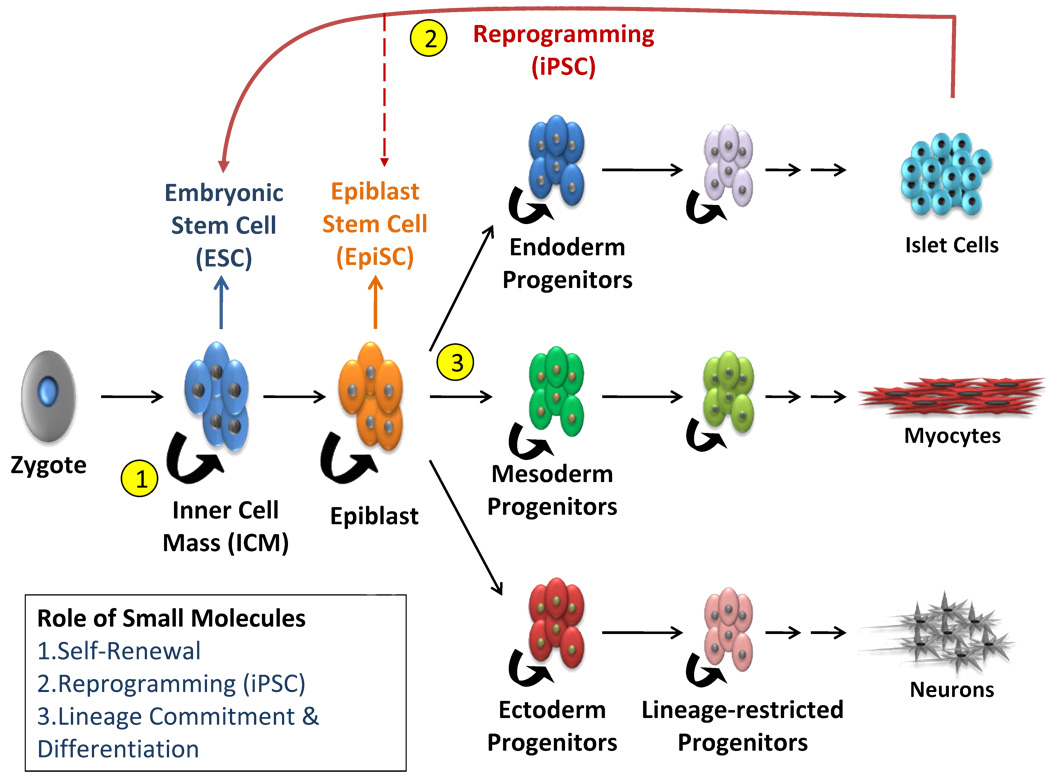 Scientific Reviews
In early January 2025, MIT Tech Review unveiled its annual list of top 10 breakthrough technologies poised to redefine the future. Among these, stem cell therapy stood out for its potential to treat diverse diseases—including neurodegenerative disorders, diabetes, cancer, and heart failure. This groundbreaking approach uses stem cells to replace damaged cells, offering hope for millions worldwide.
Scientific Reviews
In early January 2025, MIT Tech Review unveiled its annual list of top 10 breakthrough technologies poised to redefine the future. Among these, stem cell therapy stood out for its potential to treat diverse diseases—including neurodegenerative disorders, diabetes, cancer, and heart failure. This groundbreaking approach uses stem cells to replace damaged cells, offering hope for millions worldwide. -
 Scientific Reviews
When you hear "inflammation" and "DNA damage," you might immediately think of disease or injury. However, in brains, these two processes are key steps in forming long-term memories, particularly related to specialized cells in our brain called hippocampal neurons.
Scientific Reviews
When you hear "inflammation" and "DNA damage," you might immediately think of disease or injury. However, in brains, these two processes are key steps in forming long-term memories, particularly related to specialized cells in our brain called hippocampal neurons. -
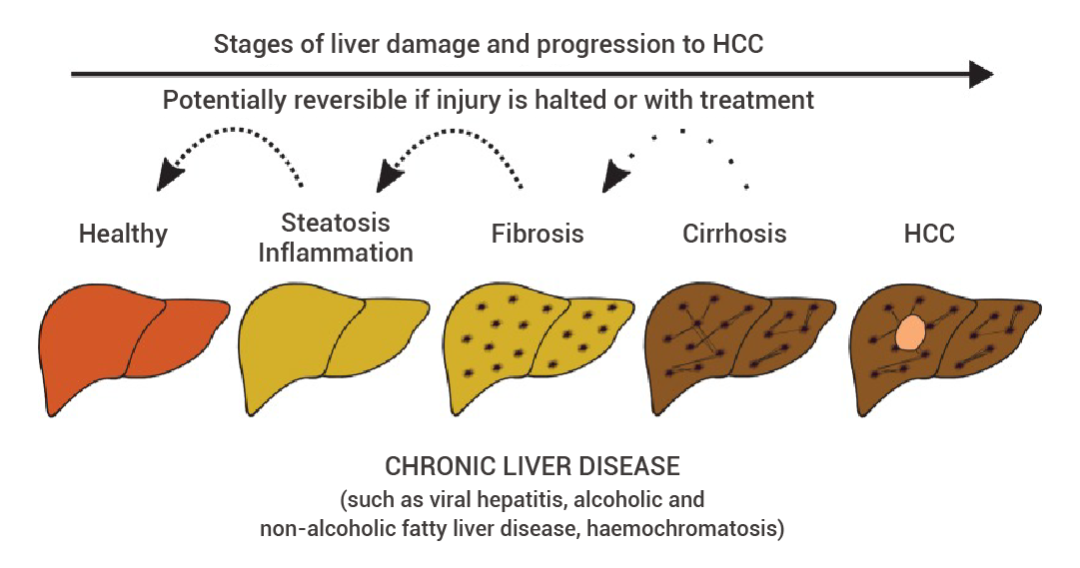 Scientific Reviews
This article will tell you about the common methods of modeling liver disease in animal models.
Scientific Reviews
This article will tell you about the common methods of modeling liver disease in animal models. -
 Scientific Reviews
This article introduces some common cardiovascular disease models, inducers, modeling protocols and successful modeling cases in the research.
Scientific Reviews
This article introduces some common cardiovascular disease models, inducers, modeling protocols and successful modeling cases in the research. -
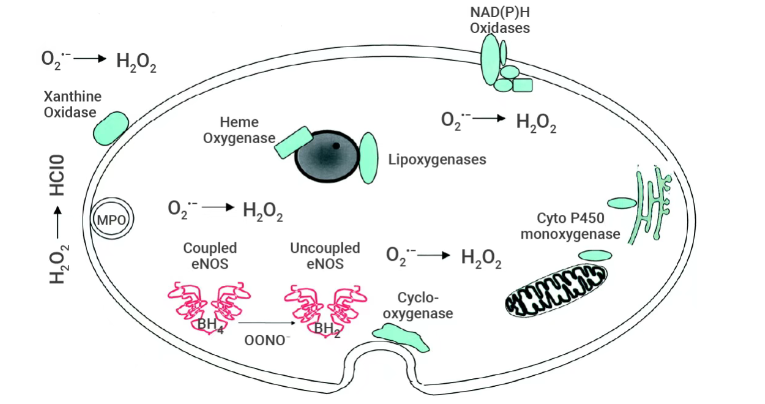 Scientific Reviews
The article introduces the mechanisms of ROS generation and the methods for their detection.
Scientific Reviews
The article introduces the mechanisms of ROS generation and the methods for their detection. -
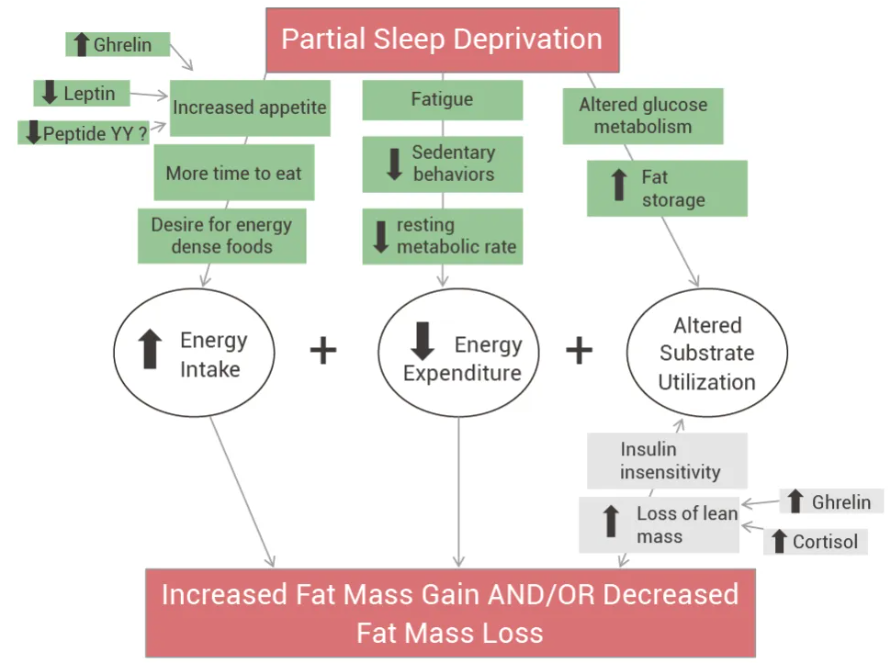 Scientific Reviews
Have you ever noticed that after staying up late, your appetite—especially for high-calorie foods—gets out of control? If this sounds familiar, today’s article might offer some good news.
Scientific Reviews
Have you ever noticed that after staying up late, your appetite—especially for high-calorie foods—gets out of control? If this sounds familiar, today’s article might offer some good news. -
 Scientific Reviews
A groundbreaking study in Nature Communications reveals the key mechanism behind Idiopathic Pulmonary Fibrosis and identifies an existing drug with the potential to counter it.
Scientific Reviews
A groundbreaking study in Nature Communications reveals the key mechanism behind Idiopathic Pulmonary Fibrosis and identifies an existing drug with the potential to counter it. -
 Scientific Reviews
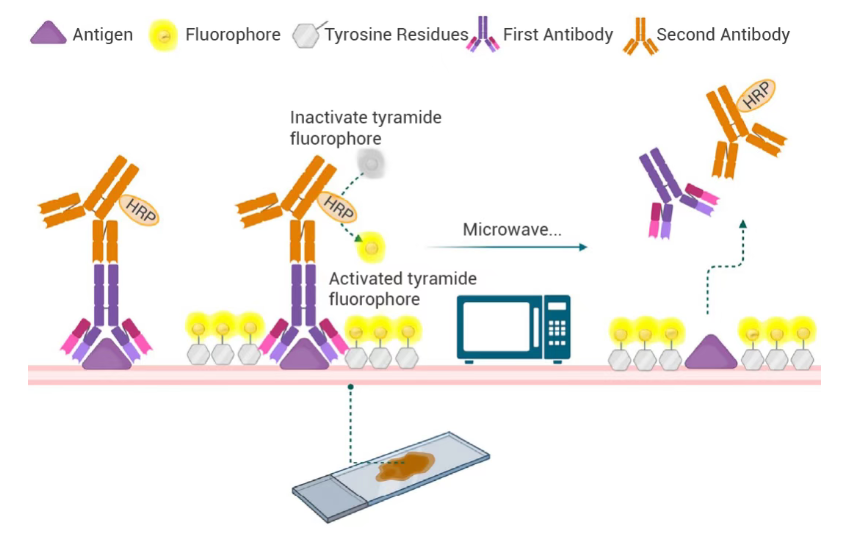
This detailed guide outlines the standardized experimental protocols for multiplex immunohistochemistry (mIHC), systematically summarizes common technical issues encountered during sample preparation, staining and imaging processes, and provides practical troubleshooting solutions to ensure reliable and reproducible results in biomedical research and clinical sample analysis.
Scientific Reviews
This detailed guide outlines the standardized experimental protocols for multiplex immunohistochemistry (mIHC), systematically summarizes common technical issues encountered during sample preparation, staining and imaging processes, and provides practical troubleshooting solutions to ensure reliable and reproducible results in biomedical research and clinical sample analysis. -
 Scientific Reviews
Finding adipogenic induction media too expensive and tricky to prepare? This comprehensive guide to 3T3-L1 adipogenic differentiation simplifies the process, helping you achieve great results!
Scientific Reviews
Finding adipogenic induction media too expensive and tricky to prepare? This comprehensive guide to 3T3-L1 adipogenic differentiation simplifies the process, helping you achieve great results! -
Scientific Reviews
Microglia– the only immune cells within the brain parenchyma. With advancements in imaging technologies, people’s understanding of microglia has shifted from being viewed as 'resting' cells to 'highly active' cells, particularly due to their dynamic processes that seem to be probing surrounding tissues and monitoring neuronal activity. This has made microglia a focal point of research in the field of neuroscience. -
 Scientific Reviews
This paper elaborates on cytokines for culturing major immune cells, their regulatory roles, recombinant cytokines' merits and MCE’s related high-quality products.
Scientific Reviews
This paper elaborates on cytokines for culturing major immune cells, their regulatory roles, recombinant cytokines' merits and MCE’s related high-quality products. -
 Scientific Reviews
In the hunt for the next ‘GLP-1,’ amylin therapeutics, which have shown strong weight-loss results in clinical trials, have become a major focus for both multinational pharma and the scientific community.
Scientific Reviews
In the hunt for the next ‘GLP-1,’ amylin therapeutics, which have shown strong weight-loss results in clinical trials, have become a major focus for both multinational pharma and the scientific community. -
 Scientific Reviews
GLP-1 and Obesity Research
Scientific Reviews
GLP-1 and Obesity Research2026-08-14
Obesity substantially increases the risk of chronic diseases such as T2D and cardiovascular disease. The breakout success of GLP-1 therapies has spotlighted GLP-1R and a wave of emerging obesity targets. -
 EDM
Research Progress of Type-2-Diabetes
EDM
Research Progress of Type-2-Diabetes2025-07-09
This review comprehensively analyzes the pathophysiological mechanisms underlying T2D, surveys current therapeutic strategies, and introduces commonly used disease modeling approaches to support translational research. -
 EDM
This review provides an overview of GLP-1 biology and physiological functions, summarizes the development and clinical applications of GLP-1 receptor agonists, and discusses next-generation GLP-1–based therapeutic strategies.
EDM
This review provides an overview of GLP-1 biology and physiological functions, summarizes the development and clinical applications of GLP-1 receptor agonists, and discusses next-generation GLP-1–based therapeutic strategies. -
 EDM
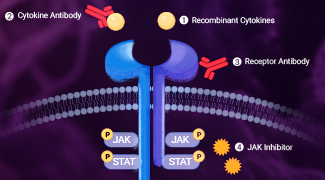
This review critically examines the role of the JAK-STAT pathway in immunity and autoimmune diseases, reviews current clinical applications of targeted therapies, and highlights emerging trends in autoimmune drug development.
EDM
This review critically examines the role of the JAK-STAT pathway in immunity and autoimmune diseases, reviews current clinical applications of targeted therapies, and highlights emerging trends in autoimmune drug development. -
 EDM
This review summarizes the mechanisms of DSS-induced colitis, commonly used modeling approaches, and key considerations related to DSS molecular weight.
EDM
This review summarizes the mechanisms of DSS-induced colitis, commonly used modeling approaches, and key considerations related to DSS molecular weight. -
 EDM
Explore next-generation obesity therapies from three perspectives: GLP-1-based multi-receptor agonists, oral GLP-1 strategies, and novel obesity targets.
EDM
Explore next-generation obesity therapies from three perspectives: GLP-1-based multi-receptor agonists, oral GLP-1 strategies, and novel obesity targets. -
 EDM
Review the mechanisms, mitochondrial regulation, disease relevance, and translational opportunities of the NLRP3–STING axis in neuroinflammation.
EDM
Review the mechanisms, mitochondrial regulation, disease relevance, and translational opportunities of the NLRP3–STING axis in neuroinflammation. -
 EDM
Explore the evolution from GLP-1 mono-agonists to multi-receptor therapeutics and the expanding role of incretin-based therapies in precision metabolic medicine.
EDM
Explore the evolution from GLP-1 mono-agonists to multi-receptor therapeutics and the expanding role of incretin-based therapies in precision metabolic medicine. -
 EDM
Explore the mechanisms driving immune tolerance breakdown in autoimmune diseases and emerging tolerance-restoring strategies, with a focus on IL-2-based immune modulation.
EDM
Explore the mechanisms driving immune tolerance breakdown in autoimmune diseases and emerging tolerance-restoring strategies, with a focus on IL-2-based immune modulation. -
 EDM
Evolution of PCSK9 Inhibitors Modalities: From Monoclonal Antibodies to Oral Macrocyclic Peptides
EDM
Evolution of PCSK9 Inhibitors Modalities: From Monoclonal Antibodies to Oral Macrocyclic Peptides2026-08-27
Review the biological basis of PCSK9, key therapeutic modalities, cardiovascular evidence, and future directions, including insights from the CORALreef clinical program. -
 EDM
Explore how mitochondrial quality control, inflammatory signaling, and metabolic–epigenetic reprogramming regulate cellular senescence and the SASP, along with strategies to restore mitochondrial homeostasis.
EDM
Explore how mitochondrial quality control, inflammatory signaling, and metabolic–epigenetic reprogramming regulate cellular senescence and the SASP, along with strategies to restore mitochondrial homeostasis. -
 Product Guides
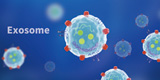
Exosomes are nano-sized biovesicles released into surrounding body fluids after the fusion of multivesicular bodies with the plasma membrane. In this article, we will briefly introduce isolation, labeling and identification of exosomes. And the specific application of exosomes will also be mentioned.
Product Guides
Exosomes are nano-sized biovesicles released into surrounding body fluids after the fusion of multivesicular bodies with the plasma membrane. In this article, we will briefly introduce isolation, labeling and identification of exosomes. And the specific application of exosomes will also be mentioned. -
 Blog
HS-1371 is a Small Molecule RIP3 Inhibitor
Blog
HS-1371 is a Small Molecule RIP3 Inhibitor2019-04-09
HS-1371 is a novel kinase inhibitor of RIP3-mediated necroptosis, showing an inhibitory effect on S227 auto-phosphorylation of RIP3 at the basal level. -
 Blog
Nevanimibe is a selective and potent ACAT1 inhibitor. An excellent drug candidate in the treatment of adrenocortical cancer.
Blog
Nevanimibe is a selective and potent ACAT1 inhibitor. An excellent drug candidate in the treatment of adrenocortical cancer. -
 Blog
PRN1008 is a Reversible Covalent and Oral Active Inhibitor of Bruton’s Tyrosine Kinase (BTK)
Blog
PRN1008 is a Reversible Covalent and Oral Active Inhibitor of Bruton’s Tyrosine Kinase (BTK)2019-04-18
PRN1008 is a selective, reversible covalent and oral active inhibitor of Bruton’s Tyrosine Kinase (BTK), with an IC50 of 1.3 nM. -
 Blog
Multiple Tyrosine Kinases Inhibitor TAS-115
Blog
Multiple Tyrosine Kinases Inhibitor TAS-1152019-04-19
TAS-115 is a potent VEGFR and c-Met/HGFR-targeted kinase inhibitor with IC50s of 30 and 32 nM for rVEGFR2 and rMET, respectively. -
 Blog
TAK-828F is a potent, selective and orally active retinoic acid receptor-related orphan receptor γt (RORγt) inverse agonist. TAK-828F inhibits IL-17A cytokine expression and reduces symptoms of autoimmune encephalomyelitis mice.
Blog
TAK-828F is a potent, selective and orally active retinoic acid receptor-related orphan receptor γt (RORγt) inverse agonist. TAK-828F inhibits IL-17A cytokine expression and reduces symptoms of autoimmune encephalomyelitis mice. -
 Blog
BAY-8002 is a selective and orally active inhibitor of monocarboxylate transporter 1 (MCT1), with an IC50 of 85 nM. Has potential to treat lymphoma.
Blog
BAY-8002 is a selective and orally active inhibitor of monocarboxylate transporter 1 (MCT1), with an IC50 of 85 nM. Has potential to treat lymphoma. -
 Blog
GSK3145095 is a RIP1 kinase inhibitor with an IC50 of 6.3 nM. Potently blocks the TNF response and RIP1-dependent inflammatory cytokine MIP-1β production.
Blog
GSK3145095 is a RIP1 kinase inhibitor with an IC50 of 6.3 nM. Potently blocks the TNF response and RIP1-dependent inflammatory cytokine MIP-1β production. -
 Blog
Olutasidenib is a highly potent, selective inhibitor of mutant IDH1 that could be used in the treatment of AML or myelodysplastic syndrome (MDS).
Blog
Olutasidenib is a highly potent, selective inhibitor of mutant IDH1 that could be used in the treatment of AML or myelodysplastic syndrome (MDS). -
 Blog
BAY-11-7082 inhibits the proliferation and induces the apoptosis of U266 cells through inhibiting NF-κB pathway. BAY 11-7082 ameliorates experimental diabetic neuropathy by modulating neuroinflammation and improving antioxidant defence.
Blog
BAY-11-7082 inhibits the proliferation and induces the apoptosis of U266 cells through inhibiting NF-κB pathway. BAY 11-7082 ameliorates experimental diabetic neuropathy by modulating neuroinflammation and improving antioxidant defence. -
 Blog
S18-000003 is a potent, selective and orally active inhibitor of retinoic acid receptor-related orphan receptor-gamma-t (RORγt). S18-000003 ameliorates psoriasis-like lesions in vivo. S18-000003 can be used for the research of skin inflammatory diseases.
Blog
S18-000003 is a potent, selective and orally active inhibitor of retinoic acid receptor-related orphan receptor-gamma-t (RORγt). S18-000003 ameliorates psoriasis-like lesions in vivo. S18-000003 can be used for the research of skin inflammatory diseases. -
 Blog
PTC299 is a dual and orally active DHODH and VEGF inhibitor, has broad and potent activity against hematological cancer cells.
Blog
PTC299 is a dual and orally active DHODH and VEGF inhibitor, has broad and potent activity against hematological cancer cells. -
 Blog
TPCA-1, a Direct Dual Inhibitor of STAT3 and NF-κB, Regresses Mutant EGFR-Associated NSCLC
Blog
TPCA-1, a Direct Dual Inhibitor of STAT3 and NF-κB, Regresses Mutant EGFR-Associated NSCLC2019-07-15
TPCA-1 is a potent and selective inhibitor of IKK-2 with IC50 of 17.9 nM. TPCA-1 is an effective inhibitor of STAT3 phosphorylation, DNA binding. -
 Blog
LSN 3213128 is a selective, nonclassical, orally bioavailable antifolate with anti-cancer activity. LSN 3213128 potently and specifically inhibits AICARFT.
Blog
LSN 3213128 is a selective, nonclassical, orally bioavailable antifolate with anti-cancer activity. LSN 3213128 potently and specifically inhibits AICARFT. -
 Blog
NXT629 is a potent, selective, and competitive PPAR-α antagonist and shows high selectivity over other nuclear hormone receptor.
Blog
NXT629 is a potent, selective, and competitive PPAR-α antagonist and shows high selectivity over other nuclear hormone receptor. -
 Blog
BI-4924 is a Selective PHGDH Inhibitor
Blog
BI-4924 is a Selective PHGDH Inhibitor2019-08-23
BI-4924 is a lipophilic and highly plasma protein bound selective phosphoglycerate dehydrogenase (PHGDH) inhibitor (IC50=3 nM) with excellent microsomal. -
 Blog
FT113 is a potent and orally active fatty acid synthase inhibitor, with an IC50 of 213 nM for full-length recombinant human FAS, with anti-tumor activity.
Blog
FT113 is a potent and orally active fatty acid synthase inhibitor, with an IC50 of 213 nM for full-length recombinant human FAS, with anti-tumor activity. -
 Blog
UPGL00004 is a allosteric glutaminase C inhibitor which strongly inhibits the proliferation of highly aggressive triple-negative breast cancer cell lines.
Blog
UPGL00004 is a allosteric glutaminase C inhibitor which strongly inhibits the proliferation of highly aggressive triple-negative breast cancer cell lines. -
 Blog
IDH889 is an orally available, brain penetrant, allosteric and mutant specific inhibitor of isocitrate dehydrogenase 1 (IDH1) R132 mutations.
Blog
IDH889 is an orally available, brain penetrant, allosteric and mutant specific inhibitor of isocitrate dehydrogenase 1 (IDH1) R132 mutations. -
 Blog
DVD-445 is a potent peptidomimetic covalent TrxR1 inhibitor with an IC50 of 0.60 μM for rat TrxR1. DVD-445 has good anticancer application.
Blog
DVD-445 is a potent peptidomimetic covalent TrxR1 inhibitor with an IC50 of 0.60 μM for rat TrxR1. DVD-445 has good anticancer application. -
 Blog
BI-167107 is a high affinity, full agonist that binds to the β2 adrenergic receptor (β2AR) with a dissociation constant Kd of 84 pM.
Blog
BI-167107 is a high affinity, full agonist that binds to the β2 adrenergic receptor (β2AR) with a dissociation constant Kd of 84 pM. -
 Blog
TVB-3166 is an orally-available, reversible, and selective FASN inhibitor and it induces apoptosis, and inhibits in-vivo xenograft tumor growth.
Blog
TVB-3166 is an orally-available, reversible, and selective FASN inhibitor and it induces apoptosis, and inhibits in-vivo xenograft tumor growth. -
 Blog
ASLAN003 is an orally active and potent inhibitor of hDHODH with antitumor activity, and it has the potential to be a first-in-class drug candidate in AML.
Blog
ASLAN003 is an orally active and potent inhibitor of hDHODH with antitumor activity, and it has the potential to be a first-in-class drug candidate in AML. -
 Blog
DS18561882 is a highly potent, sozyme-selective methylenetetrahydrofolate dehydrogenase 2 (MTHFD2) inhibitor with a good oral pharmacokinetic profile.
Blog
DS18561882 is a highly potent, sozyme-selective methylenetetrahydrofolate dehydrogenase 2 (MTHFD2) inhibitor with a good oral pharmacokinetic profile. -
 Blog
GNE-618 is a Orally Active NAMPT Inhibitor
Blog
GNE-618 is a Orally Active NAMPT Inhibitor2019-11-28
GNE-618 is an orally active NAMPT inhibitor and reduces tumor growth. GNE-618 depletes NAD levels and induces tumor cell death. -
 Blog
Telaglenastat is a first-in-class, reversible, orally bioavailable glutaminase 1 splice variants (KGA and GAC) inhibitor. It shows antitumor activity.
Blog
Telaglenastat is a first-in-class, reversible, orally bioavailable glutaminase 1 splice variants (KGA and GAC) inhibitor. It shows antitumor activity. -
 Blog
UK 356618 is a Selective MMP-3 Inhibitor
Blog
UK 356618 is a Selective MMP-3 Inhibitor2019-12-25
UK 356618 is a selective and potent inhibitor of MMP-3. UK 356618 exhibits potent anti-inflammatory and anti-cancer activity. -
 Blog
CH6953755 is a potent, orally active and selective YES1 kinase inhibitor leading to antitumor activity against YES1 Gene -amplified cancers.
Blog
CH6953755 is a potent, orally active and selective YES1 kinase inhibitor leading to antitumor activity against YES1 Gene -amplified cancers. -
 Blog
CA-4948 is a Selective and Orally Bioavailable IRAK4 Kinase Inhibitor for Lymphoma Treatment
Blog
CA-4948 is a Selective and Orally Bioavailable IRAK4 Kinase Inhibitor for Lymphoma Treatment2020-01-05
CA-4948 is a potent, selective and orally bioavailable IRAK4 kinase inhibitor. CA-4948 can be used for the treatment of lymphoma. -
 Blog
GPP78 is a potent Nampt inhibitor. GPP78 is cytotoxic to neuroblastoma cell line SH-SY5Y cells. GPP78 has anti-cancer and anti-tumor activity.
Blog
GPP78 is a potent Nampt inhibitor. GPP78 is cytotoxic to neuroblastoma cell line SH-SY5Y cells. GPP78 has anti-cancer and anti-tumor activity. -
 Blog
BRD7389 is a specific RSK family kinase inhibitor and is a small-molecule inducer of insulin expression in pancreatic α-cells.
Blog
BRD7389 is a specific RSK family kinase inhibitor and is a small-molecule inducer of insulin expression in pancreatic α-cells. -
 Blog
BAY-985 is an orally active and selective ATP-competitive dual inhibitor of TBK1 and IKKε with IC50s of 2/30 and 2 nM for TBK1 and IKKε, respectively.
Blog
BAY-985 is an orally active and selective ATP-competitive dual inhibitor of TBK1 and IKKε with IC50s of 2/30 and 2 nM for TBK1 and IKKε, respectively. -
 Blog
ADH-503 is an orally active and allosteric CD11b agonist and leads to the repolarization of tumor-associated macrophages.
Blog
ADH-503 is an orally active and allosteric CD11b agonist and leads to the repolarization of tumor-associated macrophages. -
 Blog
CM10 is a potent and selective aldehyde dehydrogenase 1A family inhibitor and regulates metabolism and has anti-cancer activity.
Blog
CM10 is a potent and selective aldehyde dehydrogenase 1A family inhibitor and regulates metabolism and has anti-cancer activity. -
 Blog
DC-5163 is a potent GAPDH inhibitor, can inhibit glycolysis pathway partially. DC-5163 selectively inhibits cancer cell proliferation and induces apoptosis.
Blog
DC-5163 is a potent GAPDH inhibitor, can inhibit glycolysis pathway partially. DC-5163 selectively inhibits cancer cell proliferation and induces apoptosis. -
 Blog
iFSP1 is a potent, selective FSP1inhibitor that induces ferroptosis in GPX4-knockout cells which overexpressed FSP1.
Blog
iFSP1 is a potent, selective FSP1inhibitor that induces ferroptosis in GPX4-knockout cells which overexpressed FSP1. -
 Blog
OT-82 is a selective inhibitor of NAMPT. Selectively toxic to cells of hematopoietic origin. OT-82 is a promising antineoplastic agent.
Blog
OT-82 is a selective inhibitor of NAMPT. Selectively toxic to cells of hematopoietic origin. OT-82 is a promising antineoplastic agent. -
 Blog
TNP-351, an Antifolate, is a Dihydrofolate Reductase (DHFR) Inhibitor. Antifolates serve medical science well in neoplastic and non-neoplastic diseases.
Blog
TNP-351, an Antifolate, is a Dihydrofolate Reductase (DHFR) Inhibitor. Antifolates serve medical science well in neoplastic and non-neoplastic diseases. -
 Blog
GSK143 is an orally active and highly selective spleen tyrosine kinase (SYK) inhibitor. GSK143 reduces inflammation in the intestinal muscularis in mice.
Blog
GSK143 is an orally active and highly selective spleen tyrosine kinase (SYK) inhibitor. GSK143 reduces inflammation in the intestinal muscularis in mice. -
 Blog
RA375, a RPN13 inhibitor, inhibits proteasome function in muscle. RA375 is highly active against cell lines of multiple myeloma and diverse solid cancers.
Blog
RA375, a RPN13 inhibitor, inhibits proteasome function in muscle. RA375 is highly active against cell lines of multiple myeloma and diverse solid cancers. -
 Blog
JX06 is a potent, selective and covalent inhibitor of PDK via covalently binding to a cysteine residue in an irreversible manner.
Blog
JX06 is a potent, selective and covalent inhibitor of PDK via covalently binding to a cysteine residue in an irreversible manner. -
 Blog
IPI-9119 is an orally active, selective and irreversible FASN inhibitor with potent anti-cancer activity. IPI-9119 induces cell cycle arrest, apoptosis.
Blog
IPI-9119 is an orally active, selective and irreversible FASN inhibitor with potent anti-cancer activity. IPI-9119 induces cell cycle arrest, apoptosis. -
 Blog
CAY10404 is a potent and highly selective COX-2 inhibitor. CAY10404 is a potent inhibitor of PKB/Akt and MAPK signalling pathways.
Blog
CAY10404 is a potent and highly selective COX-2 inhibitor. CAY10404 is a potent inhibitor of PKB/Akt and MAPK signalling pathways. -
 Blog
BMS-P5 is an Orally Active PAD4 Inhibitor
Blog
BMS-P5 is an Orally Active PAD4 Inhibitor2020-12-12
BMS-P5 is an orally active PAD4 inhibitor. BMS-P5 blocks MM-induced NET formation and delays progression of MM in a syngeneic mouse model -
 Blog
ML132, a potent and selective caspase 1 inhibitor with a unique selectivity pattern, is responsible for the proteolytic activation of IL-1β and IL-18.
Blog
ML132, a potent and selective caspase 1 inhibitor with a unique selectivity pattern, is responsible for the proteolytic activation of IL-1β and IL-18. -
 Blog
CTPI-2 is a SLC25A1 inhibitor. CTPI-2 inhibits glycolysis, PPARγ, and its downstream target the glucose transporter GLUT4. Antitumor activity.
Blog
CTPI-2 is a SLC25A1 inhibitor. CTPI-2 inhibits glycolysis, PPARγ, and its downstream target the glucose transporter GLUT4. Antitumor activity. -
 Blog
DMU-212 Possesses Antimitotic, Anti-Proliferative, Antioxidant and Apoptosis Promoting Activities
Blog
DMU-212 Possesses Antimitotic, Anti-Proliferative, Antioxidant and Apoptosis Promoting Activities2020-12-24
Activation of ERK1/2 is required for the antimitotic activity of the Resveratrol analogue DMU‐212 in human melanoma cells. -
 Blog
BI99179 is a Selective Type I FASN Inhibitor
Blog
BI99179 is a Selective Type I FASN Inhibitor2021-01-28
FASN is a key enzyme for lipogenesis and highly expressed in lipogenic tissues. BI99179 is a Selective Type I FASN Inhibitor. -
 Blog
Fasentin inhibits GLUT-1 and GLUT-4 transporters. Fasentin blocks glucose uptake in cancer cell lines and has anti-angiogenic activity.
Blog
Fasentin inhibits GLUT-1 and GLUT-4 transporters. Fasentin blocks glucose uptake in cancer cell lines and has anti-angiogenic activity. -
 Blog
ML390 is a Potent DHODH Inhibitor
Blog
ML390 is a Potent DHODH Inhibitor2021-02-24
ML390 is a potent dihydroorotate dehydrogenase (DHODH) inhibitor and is an inducer of myeloid differentiation. -
 Blog
CC-90001 is a potent, selective, and orally active inhibitor of JNK. CC-90001 can be used for the research of idiopathic pulmonary fibrosis (IPF).
Blog
CC-90001 is a potent, selective, and orally active inhibitor of JNK. CC-90001 can be used for the research of idiopathic pulmonary fibrosis (IPF). -
 Blog
SB-332235 is a potent, orally active nonpeptide CXCR2 antagonist. SB-332235 inhibits acute and chronic models of arthritis in the rabbit.
Blog
SB-332235 is a potent, orally active nonpeptide CXCR2 antagonist. SB-332235 inhibits acute and chronic models of arthritis in the rabbit. -
 Blog
Vorasidenib is an orally available, brain penetrant second-generation dual mutant isocitrate dehydrogenases 1 and 2 (mIDH1/2) inhibitor.
Blog
Vorasidenib is an orally available, brain penetrant second-generation dual mutant isocitrate dehydrogenases 1 and 2 (mIDH1/2) inhibitor. -
 Blog
Lumiracoxib is a COX-2 inhibitor. Lumiracoxib acts as nonselective NSAID with anti-inflammatory, analgesic and antipyretic activities.
Blog
Lumiracoxib is a COX-2 inhibitor. Lumiracoxib acts as nonselective NSAID with anti-inflammatory, analgesic and antipyretic activities. -
 Blog
Ruxolitinib is a potent and selective JAK1/2 inhibitor and has 130-fold selectivity for JAK1/2 over JAK3. Ruxolitinib induces autophagy.
Blog
Ruxolitinib is a potent and selective JAK1/2 inhibitor and has 130-fold selectivity for JAK1/2 over JAK3. Ruxolitinib induces autophagy. -
 Blog
Elesclomol is an oxidative stress inducer that induces cancer cell apoptosis. Elesclomol is a reactive oxygen species (ROS) inducer.
Blog
Elesclomol is an oxidative stress inducer that induces cancer cell apoptosis. Elesclomol is a reactive oxygen species (ROS) inducer. -
 Blog
Brusatol (NSC 172924) is a Nrf2 Inhibitor
Blog
Brusatol (NSC 172924) is a Nrf2 Inhibitor2021-10-26
Brusatol inhibits the Nrf2 signaling pathway by reducing the protein level of Nrf2, with anticancer activities. -
 Blog
IMD-0354 is a Selective IKKβ Inhibitor
Blog
IMD-0354 is a Selective IKKβ Inhibitor2021-11-09
IMD-0354 is a selective IKKβ inhibitor and potently inhibits NF-κB activity. IMD0354 has antitumor activity. -
 Blog
Oltipraz is a Nrf2 Inhibitor
Blog
Oltipraz is a Nrf2 Inhibitor2021-11-18
Oltipraz is a potent Nrf2 activator. Oltipraz has an inhibitory effect on HIF-1α activation in a time-dependent manner, the IC50 is 10 μM. -
 Blog
Lonidamine, an antitumor agent and an indazole derivative, interferes with energy-yielding processes in cancer cells.
Blog
Lonidamine, an antitumor agent and an indazole derivative, interferes with energy-yielding processes in cancer cells. -
 Blog
Trolox is an analogue of vitamin E with a powerful antioxidant effect. Trolox is also a powerful inhibitor of membrane damage.
Blog
Trolox is an analogue of vitamin E with a powerful antioxidant effect. Trolox is also a powerful inhibitor of membrane damage. -
 Blog
Alda-1 is a potent ALDH2 Agonist
Blog
Alda-1 is a potent ALDH2 Agonist2021-12-30
Alda-1 ameliorates H2O2-induced Achilles tendinopathy. Alda-1 could be used for preventing Achilles tendinopathy. -
 Blog
β-Lapachone, a topoisomerase I inhibitor, induces apoptosis by inhibiting cell cycle progression. β-Lapachone has anti-inflammatory effect.
Blog
β-Lapachone, a topoisomerase I inhibitor, induces apoptosis by inhibiting cell cycle progression. β-Lapachone has anti-inflammatory effect. -
 Blog
CL097 is a TLR7/8 agonist. CL097 induces pro-nflammatory cytokines. CL097 induces NADPH oxidase priming and efficient diabetogenic cytotoxic T lymphocyte (CTL) function in NOD mice.
Blog
CL097 is a TLR7/8 agonist. CL097 induces pro-nflammatory cytokines. CL097 induces NADPH oxidase priming and efficient diabetogenic cytotoxic T lymphocyte (CTL) function in NOD mice. -
 Blog
Zingerone is a natural orally active nontoxic methoxyphenol potent anti-inflammatory, antidiabetic, antioxidize, and anti-tumor properties.
Blog
Zingerone is a natural orally active nontoxic methoxyphenol potent anti-inflammatory, antidiabetic, antioxidize, and anti-tumor properties. -
 Blog
PX-12 is an irreversible inhibitor of Trx-1 and inhibits the growth, migration, and invasion of colorectal cancer cell lines.
Blog
PX-12 is an irreversible inhibitor of Trx-1 and inhibits the growth, migration, and invasion of colorectal cancer cell lines. -
 Blog
BM213 is a selective C5aR1 agonist. It’s a useful research tool to study C5aR1 function
Blog
BM213 is a selective C5aR1 agonist. It’s a useful research tool to study C5aR1 function -
 Blog
Pelecopan is a potent, selective, and orally active complement factor D inhibitor, possessing the potential to study paroxysmal nocturnal hemoglobinuria (PNH).
Blog
Pelecopan is a potent, selective, and orally active complement factor D inhibitor, possessing the potential to study paroxysmal nocturnal hemoglobinuria (PNH). -
 Blog
LCS3 is a potent and reversible inhibitor of GSR and TXNRD1 with anti-tumour activity by non-competitive inhibition of the enzyme activity.
Blog
LCS3 is a potent and reversible inhibitor of GSR and TXNRD1 with anti-tumour activity by non-competitive inhibition of the enzyme activity. -
 Blog
Etrolizumab is a Gut-selective, Anti-β7 Integrin McAb for Inflammatory Bowel Disease (IBD) Research
Blog
Etrolizumab is a Gut-selective, Anti-β7 Integrin McAb for Inflammatory Bowel Disease (IBD) Research2022-11-05
Etrolizumab is a gut-selective, anti-β7 integrin monoclonal antibody and has the potential for the research of inflammatory bowel disease. -
 Blog
STF-31 is a potent ans selective inhibitor of GLUT1 that inhibit glucose uptake in renal cell carcinoma (RCC) 4 cells.
Blog
STF-31 is a potent ans selective inhibitor of GLUT1 that inhibit glucose uptake in renal cell carcinoma (RCC) 4 cells. -
 Blog
Olutasidenib (FT-2102) is an orally active, brain penetrant inhibitor of mutant IDH1. Olutasidenib is used for AML or MDS Research.
Blog
Olutasidenib (FT-2102) is an orally active, brain penetrant inhibitor of mutant IDH1. Olutasidenib is used for AML or MDS Research. -
 Blog
MMRi62, a Ferroptosis inducer targeting MDM2-MDM4. MMRi62 shows a P53-independent pro-apoptotic activity against PDAC cells.
Blog
MMRi62, a Ferroptosis inducer targeting MDM2-MDM4. MMRi62 shows a P53-independent pro-apoptotic activity against PDAC cells. -
 Blog
FA16 is a specific and metabolically stable ferroptosis inducer. It inhibits system Xc-, results in tumor progression suppression.
Blog
FA16 is a specific and metabolically stable ferroptosis inducer. It inhibits system Xc-, results in tumor progression suppression. -
 Blog
YL-939 was a potent inhibitor of iron death and significantly improved liver injury in a model of iron death-related acute liver injury.
Blog
YL-939 was a potent inhibitor of iron death and significantly improved liver injury in a model of iron death-related acute liver injury. -
 Blog
Talotrexin (PT523), a classic antifolate, is an RFC (reduced folate carrier) specific inhibitor and selectively inhibits RFC transport.
Blog
Talotrexin (PT523), a classic antifolate, is an RFC (reduced folate carrier) specific inhibitor and selectively inhibits RFC transport. -
 Blog
Ruxolitinib is an orally-active JAK1/2 inhibitor. Ruxolitinib has the potential for the research of myeloproliferative neoplasm (MPN).
Blog
Ruxolitinib is an orally-active JAK1/2 inhibitor. Ruxolitinib has the potential for the research of myeloproliferative neoplasm (MPN).
Products
All
-
All
-
Inhibitors & Agonists
-
Isotope-Labeled Compounds
-
Fluorescent Dye
-
Peptides
-
Recombinant Proteins
-
Antibodies
-
Screening Libraries
-
Inhibitory Antibodies
-
Reference Standards
-
Induced Disease Models Products
-
GMP Small Molecules
-
Enzyme
-
Biochemical Assay Reagents
-
Natural Products
| Cat. No. | Product Name | Information | Application | Publication |
|---|---|---|---|---|
| HY-13948B | Angiotensin II human TFA |
Angiotensin II human (Angiotensin II) TFA is a vasoconstrictor and a major bioactive peptide of the renin/angiotensin system. Angiotensin II human TFA plays a central role in regulating human blood pressure, which is mainly mediated by interactions between Angiotensin II and the G-protein-coupled receptors (GPCRs) Angiotensin II type 1 receptor (AT1R) and Angiotensin II type 2 receptor (AT2R). Angiotensin II human TFA stimulates sympathetic nervous stimulation, increases aldosterone biosynthesis and renal actions. Angiotensin II human TFA induces growth of vascular smooth muscle cells, increases collagen type I and III synthesis in fibroblasts, leading to thickening of the vascular wall and myocardium, and fibrosis. Angiotensin II human TFA also induces apoptosis. Angiotensin II human TFA induces capillary formation from endothelial cells via the LOX-1 dependent redox-sensitive pathway.
|
|
258
|
| HY-13948A | Angiotensin II human acetate |
Angiotensin II human (Angiotensin II) acetate is a vasoconstrictor and a major bioactive peptide of the renin/angiotensin system. Angiotensin II human acetate plays a central role in regulating human blood pressure, which is mainly mediated by interactions between Angiotensin II and the G-protein-coupled receptors (GPCRs) Angiotensin II type 1 receptor (AT1R) and Angiotensin II type 2 receptor (AT2R). Angiotensin II human acetate stimulates sympathetic nervous stimulation, increases aldosterone biosynthesis and renal actions. Angiotensin II human acetate induces growth of vascular smooth muscle cells, increases collagen type I and III synthesis in fibroblasts, leading to thickening of the vascular wall and myocardium, and fibrosis. Angiotensin II human acetate also induces apoptosis. Angiotensin II human acetate induces capillary formation from endothelial cells via the LOX-1 dependent redox-sensitive pathway.
|
Cancer
Metabolic or Endocrine Disease
Digestive System Disease
Viral Infection
Digestive System Inflammation
Cardiovascular Disease
|
258
|
| HY-100381 | Nigericin sodium salt |
Nigericin sodium salt is an antibiotic derived from Streptomyces hygroscopicus that act as a K+/H+ ionophore, promoting K+/H+ exchange across mitochondrial membranes. Nigericin sodium salt is a NLRP3 activator. Nigericin sodium salt shows promising anti-cancer activities through decreasing intracellular pH (pHi), and inactivation of Wnt/β-catenin signals. Nigericin sodium salt induces pyroptosis through caspase 1/GSDMD in TNBC.
Source: Streptomyces hygroscopicus |
Breast Cancer
Colorectal Cancer
Prostate Cancer
Gastric Cancer
Liver Cancer
Ovarian Cancer
Bacterial Infection
Depression
Hypertension
Lung Fibrosis
Rheumatoid Arthritis
|
258
|
| HY-127019 | Nigericin |
Nigericin is an antibiotic derived from Streptomyces hygroscopicus that act as a K+/H+ ionophore, promoting K+/H+ exchange across mitochondrial membranes. Nigericin is a NLRP3 activator. Nigericin shows promising anti-cancer activities through decreasing intracellular pH (pHi), and inactivation of Wnt/β-catenin signals. Nigericin induces pyroptosis through caspase 1/GSDMD in TNBC.
|
Breast Cancer
Colorectal Cancer
Prostate Cancer
Gastric Cancer
Liver Cancer
Ovarian Cancer
Bacterial Infection
Depression
Hypertension
Lung Fibrosis
Rheumatoid Arthritis
|
258
|
| HY-13948 | Angiotensin II human |
Angiotensin II (Angiotensin II) is a vasoconstrictor and a major bioactive peptide of the renin/angiotensin system. Angiotensin II human plays a central role in regulating human blood pressure, which is mainly mediated by interactions between Angiotensin II and the G-protein-coupled receptors (GPCRs) Angiotensin II type 1 receptor (AT1R) and Angiotensin II type 2 receptor (AT2R). Angiotensin II human stimulates sympathetic nervous stimulation, increases aldosterone biosynthesis and renal actions. Angiotensin II human induces growth of vascular smooth muscle cells, increases collagen type I and III synthesis in fibroblasts, leading to thickening of the vascular wall and myocardium, and fibrosis. Angiotensin II human also induces apoptosis. Angiotensin II induces capillary formation from endothelial cells via the LOX-1 dependent redox-sensitive pathway.
|
Cancer
Metabolic or Endocrine Disease
Digestive System Disease
Viral Infection
Digestive System Inflammation
Cardiovascular Disease
|
258
|
| HY-D0814 | DAPI dihydrochloride |
DAPI (4',6-Diamidino-2-phenylindole) dihydrochloride is a DAPI dye. DAPI is a fluorescent dye that binds strongly to DNA. It binds to the AT base pair of the double-stranded DNA minor groove, and one DAPI molecule can occupy three base pair positions. The fluorescence intensity of DAPI molecules bound to double-stranded DNA is increased by about 20 times, and it is commonly observed with fluorescence microscopy, and the amount of DNA can be determined based on the intensity of fluorescence. DAPI cannot penetrate intact cell membranes and is commonly used for staining damaged and fixed cells. DAPI (Compound 3) is an acid-sensing ion channel 3 (ASIC3) inhibitor. DAPI binds to ASIC3 and blocks the channel function. DAPI can be used in the study of chronic pain treatment (Ex/Em = 356/451 nm).
|
|
178
|
| HY-100545 | BAPTA-AM |
BAPTA-AM is a well-known membrane permeable Ca2+ chelator. BAPTA-AM inhibits hERG channels, hKv1.3 and hKv1.5 channels in HEK 293 cells with IC50s of 1.3 μM, 1.45 μM and 1.23 μM, respectively.
|
|
155
|
| HY-18723 | Yoda 1 |
Yoda 1 is a potent and selective Piezo1 agonist. Yoda 1 activates purified Piezo1 channels. Yoda 1 potently inhibits macropinocytosis induced by epidermal growth factor (EGF). Yoda 1 enhances Ca2+ influx followed by activation of the calcium-activated potassium channel KCa3.1 and inhibition of Rac1 activation.
|
Pancreatic Cancer
Depression
Pain
Digestive System Inflammation
Cardiovascular Disease
Lung Fibrosis
|
120
|
| HY-L011 | Membrane Transporter/Ion Channel Compound Library |
Most of molecules enter or leave cells mainly via membrane transport proteins, which play important roles in several cellular functions, including cell metabolism, ion homeostasis, signal transduction, the recognition process in the immune system, energy transduction, etc. There are three major types of transport proteins, ATP-powered pumps, channel proteins and transporters. Transport proteins such as channels and transporters play important roles in the maintenance of intracellular homeostasis, and mutations in these transport protein genes have been identified in the pathogenesis of a number of hereditary diseases. In the central nervous system, ion channels have been linked to, but not limited to, many diseases such asataxias, paralyses, epilepsies, and deafness. This indicates the roles of ion channels in the initiation and coordination of movement, sensory perception, and encoding and processing of information. Ion channels are a major class of drug targets in drug development.
MCE designs a unique collection of 2,278 smal-molecule modulators that can be used for the research of Ion Channel and Membrane Transporter or high throughput screening (HTS) related drug discovery.
|
|
90
|
| HY-L017 | Stem Cell Signaling Compound Library |
Adult stem cells are important for tissue homeostasis and regeneration due to their ability to self-renew and generate multiple types of differentiated daughters. Self-renewal is reflected by their capacity to undergo multiple/limitless divisions. Several signaling pathways are involved in self-renewal of stem cells, that is, Notch, Wnt, and Hedgehog pathways or Polycomb family proteins. Recent studies mainly focus on cancer stem cell (CSCs), induced pluripotent stem cell (iPSCs), neural stem cell and maintenance of embryonic stem cell pluripotency. Among them, CSCs have been believed to be responsible for tumor initiation, growth, and recurrence that have implications for cancer therapy.
MCE owns a unique collection of 2,931 compounds that can be used for stem cell regulatory and signaling pathway research.
|
|
86
|
| HY-L054 | Endoplasmic Reticulum Stress Compound Library |
Endoplasmic reticulum (ER) contributes to the production and folding of approximately one third of cellular proteins, and is thus inextricably linked to the maintenance of cellular homeostasis and the fine balance between health and disease. However, some adverse factors negatively impact ER functions and protein synthesis, resulting in the activation of Endoplasmic reticulum stress (ER stress, ERS) and unfolded protein response (UPR) signaling pathways. The UPR is triggered when ER protein folding capacity is overwhelmed by cellular demand and the UPR initially aims to restore ER homeostasis and normal cellular functions. However, if this fails, then the UPR triggers cell death. Chronic ER stress and defects in UPR signaling are emerging as key contributors to a growing list of human diseases, including diabetes, neurodegeneration and cancer.
MCE Endoplasmic Reticulum Stress Compound Library contains 379 ER stress-related compounds that mainly target PERK, IRE1, ATF6, etc. MCE ER stress library is a useful tool for researching ER stress and related diseases.
|
|
85
|
| HY-L091 | Lipid Metabolism Compound Library |
Lipids are a fundamental class of organic molecules implicated in a wide range of biological processes, and based on this can be broadly classified into five categories: fatty acids, triacylglycerols (TAGs), phospholipids, sterol lipids and sphingolipids. Lipids play a crucial role in different metabolic pathways and cellular functions. Lipid metabolism is an important physiological process that is related to nutrient adjustment, hormone regulation, and homeostasis. Lipid metabolism dysregulation is associated with many diseases such as obesity, liver disease, aging and inflammation.
MCE offers a unique collection of 1,026 compounds related to lipid metabolism, which target relevant targets in the process of lipid metabolism, such as ATGL, MAGL, FAAH, acetyl-Coa Carboxylase, FASN, etc. MCE lipid metabolism compound library is a useful tool for research lipid metabolism and drug discovery of diseases related to lipid metabolism.
|
|
85
|
| HY-L092 | Glucose Metabolism Compound Library |
Glucose homeostasis is tightly regulated to meet the energy requirements of the vital organs and maintain an individual’s health. Glucose metabolism includes glycolysis, tricarboxylic acid cycle, pentose phosphate pathway, oxidative phosphorylation and other metabolic pathways. Glucose is the major carbon source that provides the main energy for life. Glucose metabolism dysregulation is also implicated in many diseases such as diabetes, heart disease, neurodegenerative diseases and even cancer.
MCE offers a unique collection of 1,777 compounds related to glucose metabolism, which target glucose metabolism related targets, such as GLUT, Hexokinase, Pyruvate Kinase, IDH, etc. MCE glucose metabolism library is a powerful tool for studying glucose metabolism and drug discovery of diseases related to glucose metabolism.
|
|
85
|
| HY-L095 | Mechanoreceptors Compound Library |
Mechanoreceptors convert different stimuli from the outside into electrical signals, enabling us to quickly respond to our environment. Mechanoreceptors are distributed throughout the body, including in the skin, tendons, muscles, joint capsules and viscera. In addition to the channels of TRP and Piezo mentioned in the Nobel Prize, there are also targets such as KCNK, ENaC and ASIC2, which play an important role in the environment perception and homeostasis of living organisms.
MCE offers a unique collection of 391 compounds related to mechanoreceptors, which targeting different mechanoreceptors, such as TRP, Piezo, KCNK, ENaC, etc. MCE mechanoreceptors compound library is a powerful tool for studying mechanoreceptors and life perception.
|
|
85
|
| HY-L029 | Autophagy Compound Library |
Autophagy is a lysosomal degradation pathway that is essential for cell survival, differentiation, development, and homeostasis. The process of autophagy in mammalian cells is as follows: a portion of cytoplasm, including organelles, is enclosed by a phagophore or isolation membrane to form an autophagosome. The outer membrane of the autophagosome subsequently fuses with the endosome and then the lysosome, and the internal material is degraded. Autophagy plays a wide variety of physiological and pathophysiological roles. Defective autophagy contributes to various pathologies, including infections, cancer, neurodegeneration, aging, and heart disease.
MCE provides a unique collection of 2,080 autophagy pathway-related compounds that is a useful tool for the research of autophagy-related regulation and diseases.
|
|
84
|
| HY-L146 | Metabolic Enzyme Compound Library |
Metabolism is the set of life-sustaining chemical reactions in organisms that maintain cell homeostasis. Metabolic pathways are enzyme-mediated biochemical reactions that lead to biosynthesis (anabolism) or breakdown (catabolism) of molecules including glucose metabolism, lipid metabolism and amino acid or protein metabolism within a cell or tissue. As catalysts, enzymes are crucial to metabolism as they allow a reaction to proceed more rapidly and tregulate the rate of a metabolic reaction. Due to the importance of metabolic balance in the organism, the abnormal function of metabolic enzymes often leads to the occurrence of a variety of metabolic diseases, such as diabetes, obesity, cardiovascular disease, etc.
MCE designs a unique collection of 4,407 metabolic enzymes related small molecules, which is an important tool for studying the metabolic activities of organisms and developing drugs for metabolic diseases.
|
|
84
|
| HY-L180 | Mitophagy Compound Library |
Mitochondrial autophagy refers to the selective encapsulation and degradation of damaged mitochondria by cells through the autophagy mechanism, thereby maintaining mitochondrial and cellular homeostasis. The concept of mitochondrial autophagy has received extensive attention since it was proposed. Current studies have shown that the mechanisms of mitochondrial autophagy can generally be divided into two categories: Ubiquitin-dependent pathways and Ub-independent pathways. In addition, mitochondrial autophagy is a research hotspot related to the pathogenesis of neurodegenerative diseases, cardiovascular diseases, cancer, metabolic diseases and other clinical diseases. Therefore, high-throughput screening based on mitochondrial autophagy can effectively screen out compounds that are closely related to the occurrence of diseases and analyze their mechanisms.
MCE can provide a library of 655 mitophagy compounds, which can be used for drug development and mechanism research in cancer, immunity, infection and other hot research fields.
|
|
84
|
| HY-L018 | TGF-beta/Smad Compound Library |
The transforming growth factor beta (TGF-β) signaling pathway is involved in many cellular processes in both the adult organism and the developing embryo including cell growth, cell differentiation, apoptosis, cellular homeostasis and other cellular functions. The TGF-β superfamily comprises TGF-βs, bone morphogenetic proteins (BMPs), activins and related proteins. Signaling begins with the binding of a TGF beta superfamily ligand to a TGF beta type II receptor. The type II receptor is a serine/threonine receptor kinase, which catalyzes the phosphorylation of the Type I receptor. The type I receptor then phosphorylates receptor-regulated SMADs (R-SMADs) which can now bind the coSMAD (e.g. SMAD4). R-SMAD/coSMAD complexes accumulate in the nucleus where they act as transcription factors and participate in the regulation of target gene expression. Deregulation of TGF-β signaling contributes to developmental defects and human diseases, including cancers, some bone diseases, chronic kidney disease, etc.
MCE designs a unique collection of 458 TGF-beta/Smad signaling pathway compounds. TGF-beta/Smad Compound Library acts as a useful tool for TGF-beta/Smad-related drug screening and disease research.
|
|
83
|
| HY-L224 | Diarrhea-Related Traditional Chinese Medicine Active Compound Library |
Diarrhea is a disease symptom, and the pathophysiologic basis of diarrhea is a disturbance in intestinal water and electrolyte balance, which may be due to increased secretion of osmotically active electrolytes (secretory diarrhea) or increased intake of osmotically active substances (osmotic diarrhea). Food poisoning, pathogenic bacterial infections, and intestinal-related diseases can all contribute to the development of diarrhea. Traditional Chinese Medicine (TCM) considers diarrhea to be a symptom of an imbalance in the body's systems, particularly related to the functions of the spleen and stomach. Spleen qi deficiency, dampness-heat, liver and spleen disharmony are closely related to diarrhea. Many types of Chinese herbs regulate the function of diarrhea, such as: Dysosmae Verspiellis Rhixoma Et Radix, Ginkgo Semen, Forsythiae Fructus, and Campsis Flos.
MCE can provide 2,478 active monomers that can be obtained from TCM herbs with diarrhea-regulating functions, which can be applied to drug development and disease mechanism research.
|
|
83
|
| HY-L239 | Steroid Hormones Library |
Steroid hormones (also known as steroidal hormones) are a class of tetracyclic aliphatic hydrocarbon compounds derived from cholesterol. Typical representatives of steroid hormones include cortisol, aldosterone, testosterone, estradiol, among others. These hormones serve diverse regulatory functions within the body. For instance, aldosterone helps maintain the homeostasis of extracellular fluid volume and circulating blood volume; testosterone and estradiol primarily promote the development and maturation of male and female reproductive organs and regulate reproductive functions.
MCE designs a unique collection of 71 steroid hormones. This library can be used for research related to metabolic or immune diseases, investigations into the mechanisms of action of nuclear receptor signaling pathways, as well as identification and quantitative analysis in metabolomics studies.
|
|
83
|
| HY-17412 | Minocycline hydrochloride |
Minocycline hydrochloride is an orally active, potent and BBB-penetrated semi-synthetic tetracycline antibiotic. Minocycline hydrochloride is a hypoxia-inducible factor (HIF)-1α inhibitor. Minocycline hydrochloride shows anti-cancer, anti-inflammatory, and glutamate antagonist effects. Minocycline hydrochloride reduces glutamate neurotransmission and shows neuroprotective properties and antidepressant effects. Minocycline hydrochloride inhibits bacterial protein synthesis through binding with the 30S subunit of the bacterial ribosome, resulting in a bacteriostatic effect.
|
Bacterial
Antibiotic
HIF/HIF Prolyl-Hydroxylase
Apoptosis
MDM-2/p53
Potassium Channel
Calcium Channel
Metabolic or Endocrine Disease
Breast Cancer
Colorectal Cancer
Prostate Cancer
Leukemia/Lymphoma/Myeloma
Pancreatic Cancer
Ovarian Cancer
Viral Infection
Bacterial Infection
Depression
Digestive System Inflammation
Cardiovascular Disease
SARS-CoV-2 Infection
Lung Fibrosis
|
76
|
| HY-B0285A | Amiloride hydrochloride |
Amiloride hydrochloride (MK-870 hydrochloride) is an inhibitor of both epithelial sodium channel (ENaC) and urokinase-type plasminogen activator receptor (uTPA). Amiloride hydrochloride is a blocker of polycystin-2 (PC2; TRPP2) channel.
|
Metabolic or Endocrine Disease
Digestive System Disease
Pain
Digestive System Inflammation
Cardiovascular Disease
SARS-CoV-2 Infection
|
72
|
| HY-B0285 | Amiloride |
Amiloride (MK-870) is an inhibitor of both epithelial sodium channel (ENaC) and urokinase-type plasminogen activator receptor (uTPA). Amiloride is a blocker of polycystin-2 (PC2; TRPP2) channel.
|
Metabolic or Endocrine Disease
Digestive System Disease
Pain
Digestive System Inflammation
Cardiovascular Disease
|
72
|
| HY-19545A | SCH-23390 hydrochloride |
SCH-23390 hydrochloride (R-(+)-SCH-23390 hydrochloride) is a potent and selective dopamine D1-like receptor antagonist with Kis of 0.2 nM and 0.3 nM for the D1 and D5 receptor, respectively. SCH-23390 hydrochloride is a potent and high efficacy human 5-HT2C receptor agonist with a Ki of 9.3 nM. SCH-23390 hydrochloride also binds with high affinity to the 5-HT2 and 5-HT1C receptors. SCH-23390 hydrochloride inhibits G protein-coupled inwardly rectifying potassium (GIRK) channels with an IC50 of 268 nM.
|
|
35
|
| HY-13771 | Ursodeoxycholic acid |
Ursodeoxycholic acid (Ursodeoxycholate) is a secondary bile acid issued from the transformation of (cheno)deoxycholic acid by intestinal bacteria, acting as a key regulator of the intestinal barrier integrity and essential for lipid metabolism. Ursodeoxycholic acid acts as signaling molecule, exerting its effects by interacting with bile acid activated receptors, including G-protein coupled bile acid receptor 5 (TGR5, GPCR19) and the farnesoid X receptor (FXR). Ursodeoxycholic acid can be used for the research of a variety of hepatic and gastrointestinal diseases. Ursodeoxycholic acid also reduces ACE2 expression and is beneficial for reducing SARS-CoV-2 infection. Orally active.
|
G protein-coupled Bile Acid Receptor 1
FXR
Angiotensin-converting Enzyme (ACE)
Endogenous Metabolite
|
32
|
| HY-17504 | Rosuvastatin Calcium |
Rosuvastatin Calcium is a competitive HMG-CoA reductase (HMGCR) inhibitor, with an IC50 of 11 nM. Rosuvastatin Calcium potently blocks hERG current with an IC50 of 195 nM. Rosuvastatin Calcium reduces the expression of the mature hERG and the interaction of heat shock protein 70 (Hsp70) with the hERG protein. Rosuvastatin Calcium effectively lowers low-density lipoprotein (LDL) cholesterol, triglycerides, and C-reactive protein levels.
|
Prostate Cancer
Viral Infection
Bacterial Infection
Cardiovascular Disease
Glucose Metabolism
Alzheimer's Disease
|
29
|
| HY-15206 | Glibenclamide |
Glibenclamide (Glyburide) is an orally active ATP-sensitive K+ channel (KATP) inhibitor and can be used for the research of diabetes and obesity. Glibenclamide inhibits P-glycoprotein. Glibenclamide directly binds and blocks the SUR1 subunits of KATP and inhibits the cystic fibrosis transmembrane conductance regulator protein (CFTR). Glibenclamide interferes with mitochondrial bioenergetics by inducing changes on membrane ion permeability. Glibenclamide can induce autophagy.
|
Digestive System Disease
Ovarian Cancer
Digestive System Inflammation
Glucose Metabolism
Alzheimer's Disease
|
28
|
| HY-129047 | Trypsin |
Trypsin is a serine protease enzyme, and hydrolyzes proteins at the carboxyl side of the Lysine or Arginine. Trypsin activates PAR2 and PAR4. Trypsin induces cell-to-cell membrane fusion in PDCoV infection by the interaction of S glycoprotein of PDCoV and pAPN. Trypsin also promotes cell proliferation and differentiation. Trypsin can be used in the research of wound healing and neurogenic inflammation.
|
|
27
|
| HY-19414 | MLN-4760 |
MLN-4760 is a potent and selective human ACE2 inhibitor (IC50, 0.44 nM), with excellent selectivity (>5000-fold) versus related enzymes including human testicular ACE (IC50, >100 μM) and bovine carboxypeptidase A (CPDA; IC50, 27 μM).
|
|
25
|
| HY-B0185 | Lidocaine |
Lidocaine (Lignocaine) inhibits sodium channels involving complex voltage and using dependence. Lidocaine decreases growth, migration and invasion of gastric carcinoma cells via up-regulating miR-145 expression and further inactivation of MEK/ERK and NF-κB signaling pathways. Lidocaine is an amide derivative and has potential for the research of ventricular arrhythmia.
|
Breast Cancer
Colorectal Cancer
Prostate Cancer
Liver Cancer
Leukemia/Lymphoma/Myeloma
Pancreatic Cancer
Ovarian Cancer
Viral Infection
Depression
Pain
Digestive System Inflammation
Cardiovascular Disease
SARS-CoV-2 Infection
Obesity
Rheumatoid Arthritis
|
23
|
| HY-B0368 | Captopril |
Captopril (SQ 14225), antihypertensive agent, is a thiol-containing competitive, orally active angiotensin-converting enzyme (ACE) inhibitor (IC50=0.025 μM) and has been widely used for research of hypertension and congestive heart failure. Captopril is also a New Delhi metallo-β-lactamase-1 (NDM-1) inhibitor with an IC50 of 7.9 μM.
|
|
23
|
| HY-N1584 | Halofuginone |
Halofuginone (RU-19110), a Febrifugine derivative, is a competitive prolyl-tRNA synthetase inhibitor with a Ki of 18.3 nM. Halofuginone is a specific inhibitor of type-I collagen synthesis and attenuates osteoarthritis (OA) by inhibition of TGF-β activity. Halofuginone is also a potent pulmonary vasodilator by activating Kv channels and blocking voltage-gated, receptor-operated and store-operated Ca2+ channels. Halofuginone has anti-malaria, anti-inflammatory, anti-cancer, anti-fibrosis effects.
|
|
22
|
| HY-A0181 | Adenosine monophosphate |
Cancer
Neurological, Eye or Ear Disease
Metabolic or Endocrine Disease
Viral Infection
SARS-CoV-2 Infection
|
22
|
|
| HY-P0206A | Bradykinin acetate |
Bradykinin acetate is an effective endothelium-dependent vasodilator that can lower blood pressure. Bradykinin acetate can induce contraction of bronchial and intestinal non-vascular smooth muscle, increase vascular permeability, and participate in the mechanism of pain.
|
|
19
|
| HY-P0206 | Bradykinin |
Bradykinin is an effective endothelium-dependent vasodilator that can lower blood pressure. Bradykinin can induce contraction of bronchial and intestinal non-vascular smooth muscle, increase vascular permeability, and participate in the mechanism of pain.
|
|
19
|
| HY-12403 | Talfirastide |
Angiotensin 1-7 (Ang-(1-7)) is an endogenous heptapeptide from the renin-angiotensin system (RAS) with a cardioprotective role due to its anti-inflammatory and anti-fibrotic activities in cardiac cells. Angiotensin 1-7 inhibits purified canine ACE activity (IC50=0.65 μM). Angiotensin 1-7 acts as a local synergistic modulator of kinin-induced vasodilation by inhibiting ACE and releasing nitric oxide. Angiotensin 1-7 blocks Ang II-induced smooth muscle cell proliferation and hypertrophy and shows antiangiogenic and growth-inhibitory effects on the endothelium. Angiotensin 1-7 shows anti-inflammatory activity .
|
|
18
|
| HY-B0246 | Carbamazepine |
Carbamazepine is an orally active pressure-sensitive sodium ion channel blocker with an IC50 of 131 μM. Carbamazepine blocks voltage gated Na+, Ca2+, and K+ channels, and is also a HDAC inhibitor (IC50: 2 μM). Carbamazepine is an anticonvulsant and can be used for research of epilepsy and neuropathic pain.
|
Breast Cancer
Liver Cancer
Leukemia/Lymphoma/Myeloma
Pancreatic Cancer
Viral Infection
Digestive System Inflammation
SARS-CoV-2 Infection
Alzheimer's Disease
Hypertension
|
18
|
| HY-W728531 | Ac4ManNAz |
Ac4ManNAz can be taken up by cells and is an azide-containing metabolic glycoprotein labeling reagent that selectively modifies proteins. Commonly used for cell labeling, tracking and proteomic analysis. Ac4ManNAz contains an Azide group and can undergo copper-catalyzed azide-alkyne cycloaddition reaction (CuAAc) with molecules containing Alkyne groups. Ac4ManNAz can also undergo strain-promoted alkyne-azide cycloaddition (SPAAC) with molecules containing DBCO or BCN groups.
|
|
17
|
| HY-112558 | AZ3451 |
AZ3451 is a potent protease-activated receptor-2 (PAR2) antagonist with IC50 of 23 nM.
|
|
16
|
| HY-B0211 | Riluzole |
Riluzole is an anticonvulsant agent and belongs to the family of use-dependent Na+ channel blocker which can also inhibit GABA uptake with an IC50 of 43 μM.
|
|
16
|
| HY-108896 | Icatibant acetate |
Icatibant acetate (HOE-140 acetate) is a potent and specific peptide antagonist of bradykinin B2 receptor with an IC50 and Ki of 1.07 nM and 0.798 nM respectively.
|
|
14
|
| HY-12404 | Diminazene aceturate |
Diminazene aceturate (Diminazene diaceturate) is an anti-trypanosome agent for livestock. The main biochemical mechanism of the trypanocidal actions of Diminazene aceturate is by binding to trypanosomal kinetoplast DNA (kDNA) in a non-intercalative manner through specific interaction with sites rich in adenine-thymine base pairs. Diminazene aceturate is also an angiotensin-converting enzyme 2 (ACE2) activator and has strong and potent anti-inflammatory properties.
|
|
14
|
| HY-17446 | Icatibant |
Icatibant (HOE-140) is a potent and specific peptide antagonist of bradykinin B2 receptor with IC50 and Ki of 1.07 nM and 0.798 nM respectively.
|
|
14
|
| HY-B0331A | Enalapril maleate |
Enalapril maleate (MK-421 maleate) is an orally active angiotensin-converting enzyme inhibitor. Enalapril maleate blocks the conversion of angiotensin I to angiotensin II, regulates the renin-angiotensin system, reduces preload and afterload, and decreases plasma angiotensin II levels. Enalapril maleate inhibits apoptosis, reduces nitric oxide metabolite levels, stabilizes endothelial cells, enhances endothelial antioxidant defense, scavenges reactive oxygen species (ROS), and alleviates neuronal damage. Enalapril maleate attenuates glutathione depletion, protein/lipid oxidation, tissue damage, and type III collagen immunolabeling in organs of diabetic rats. Enalapril maleate reduces systolic blood pressure and urinary albumin excretion, and delays the progression of diabetic cardiac/renal injury. Enalapril maleate is used in research related to asymptomatic left ventricular dysfunction, congestive heart failure, Alzheimer's disease, diabetes mellitus, acute myocardial infarction, atrial fibrillation, hypertension, cerebral ischemia, chronic heart failure, and single-ventricle physiology.
|
Cerebrovascular Disease
Glucose Metabolism
Alzheimer's Disease
Hypertension
Myocardial Infarction
Heart Failure
Atrial Fibrillation
|
13
|
| HY-B0331 | Enalapril |
Enalapril (MK-421) is an orally active angiotensin-converting enzyme inhibitor. Enalapril blocks the conversion of angiotensin I to angiotensin II, regulates the renin-angiotensin system, reduces preload and afterload, and decreases plasma angiotensin II levels. Enalapril inhibits apoptosis, reduces nitric oxide metabolite levels, stabilizes endothelial cells, enhances endothelial antioxidant defense, scavenges reactive oxygen species (ROS), and alleviates neuronal damage. Enalapril attenuates glutathione depletion, protein/lipid oxidation, tissue damage, and type III collagen immunolabeling in organs of diabetic rats. Enalapril reduces systolic blood pressure and urinary albumin excretion, and delays the progression of diabetic cardiac/renal injury. Enalapril is used in research related to asymptomatic left ventricular dysfunction, congestive heart failure, Alzheimer's disease, diabetes mellitus, acute myocardial infarction, atrial fibrillation, hypertension, cerebral ischemia, chronic heart failure, and single-ventricle physiology.
|
Cerebrovascular Disease
Glucose Metabolism
Alzheimer's Disease
Hypertension
Myocardial Infarction
Heart Failure
Atrial Fibrillation
|
13
|
| HY-B1232 | Metyrapone |
Metyrapone (Su-4885) is a potent and orally active 11β-hydroxylase inhibitor and an autophagy activator, also inhibits the production of aldosterone. Metyrapone inhibits synthesis of endogenous adrenal corticosteroid, decreases glucocorticoid levels, and also affects behavior and emotion. In addition, Metyrapone increases the efficiency of autophagic process via downregulation of mTOR pathway, and interacts with Pseudomonas putida cytochrome P-450. Metyrapone can be used for researching Cushing's syndrome and depression.
|
|
12
|
| HY-10119 | Vorapaxar |
Vorapaxar (SCH 530348), an antiplatelet agent, is a selective, orally active, and competitive thrombin receptor protease-activated receptor (PAR-1) antagonist (Ki=8.1 nM). Vorapaxar (SCH 530348) inhibits thrombin receptor-activating peptide (TRAP)-induced platelet aggregation in a dose-dependent manner.
|
|
12
|
| HY-113313 | Aldosterone |
Aldosterone is the primary mineralocorticoid. Aldosterone is a steroid hormone, and it is synthesized and secreted in response to renin-angiotensin system activation (RAS) or high dietary potassium by the zona glomerulosa (ZG) of the adrenal cortex. Aldosterone activity is dependent by the binding and activation of the cytoplasmic/nuclear mineralocorticoid receptor (MR) at cellular level.
|
|
11
|
| HY-B0112 | Minoxidil |
Minoxidil (U10858) is an ATP-sensitive potassium (KATP) channel opener, a potent oral antihypertensive agent and a peripheral vasodilator that promotes vasodilation also affects hair growth. Minoxidil is also a potent inhibitor of soybean lipoxygenaseare with an IC50 of 20 μM.
|
|
11
|
| HY-W017018 | L-Ornithine hydrochloride |
L-Ornithine hydrochloride is an orally active CaSR and p38 activator. L-Ornithine hydrochloride inhibits ROS and supports urea cycle function. L-Ornithine hydrochloride can be used to study kidney diseases involving proximal tubular cell damage caused by oxidative stress or crystallopathy, as well as research related to anxiety disorders.
|
|
10
|
| HY-N0603 | 20(S)-Ginsenoside Rg3 |
Breast Cancer
Colorectal Cancer
Prostate Cancer
Liver Cancer
Leukemia/Lymphoma/Myeloma
Pancreatic Cancer
Ovarian Cancer
Depression
Pain
Digestive System Inflammation
SARS-CoV-2 Infection
Alzheimer's Disease
Obesity
Rheumatoid Arthritis
|
9
|
|
| HY-111372 | Finerenone |
Finerenone (BAY 94-8862) is a third-generation, selective, and orally active nonsteroidal mineralocorticoid receptor (MR) antagonist (IC50 = 18 nM). Finerenone displays excellent selectivity versus glucocorticoid receptor (GR), androgen receptor (AR), and progesterone receptor (> 500-fold). Finerenone has the potential for cardiorenal diseases research, such as type 2 diabetes mellitus and chronic kidney disease.
|
|
9
|
| HY-19870C | Setmelanotide monoacetate |
Setmelanotide monoacetate (RM-493 monoacetate) is a blood-brain barrier-permeable, selective MC4R agonist with a Ki value of 2.1 nM for hMC4R. Setmelanotide monoacetate activates the CaMKK2/AMPK signaling pathway. Setmelanotide monoacetate mediates body weight homeostasis, feeding regulation and energy expenditure modulation; it reduces food intake, induces weight loss, decreases obesity severity, increases daytime activity and energy expenditure, lowers levels of leptin, triglycerides, fasting insulin and diastolic blood pressure, improves insulin sensitivity, glucose tolerance and fatty liver condition, and reverses respiratory depression. Setmelanotide monoacetate is applicable to research related to obesity, hyperinsulinemia, fatty liver and respiratory depression.
|
|
8
|
| HY-110066 | (Z)-Guggulsterone |
(Z)-Guggulsterone, a constituent of Indian Ayurvedic medicinal plant Commiphora mukul, inhibits the growth of human prostate cancer cells by causing apoptosis. (Z)-Guggulsterone inhibits angiogenesis by suppressing the VEGF–VEGF-R2–Akt signaling axis. (Z)-Guggulsterone is also a potent FXR antagonist. (Z)-Guggulsterone reduces ACE2 expression and SARS-CoV-2 infection.
|
Lung Cancer
Breast Cancer
Colorectal Cancer
Prostate Cancer
Gastric Cancer
Liver Cancer
Leukemia/Lymphoma/Myeloma
Pancreatic Cancer
Ovarian Cancer
Viral Infection
Pain
Digestive System Inflammation
Hypertension
Obesity
Lung Fibrosis
|
8
|
| HY-B0251 | Eplerenone |
Eplerenone (Epoxymexrenone) is a selective, highly specific and orally active aldosterone blocker (SAB). Eplerenone also is a selective mineralocorticoid receptor antagonist (MRA) with IC50 value of 0.081 μM. Eplerenone can be used for the research of hypertension, atherosclerosis, chronic systolic heart failure (HF) and cardiovascular (CV).
|
Breast Cancer
Bacterial Infection
Atherosclerosis
Hypertension
Myocardial Infarction
Heart Failure
Type 2 Diabetes
Insulin Resistance
Obesity
Hyperthyroidism
Chronic Kidney Disease
|
8
|
| HY-113325A | NADP sodium hydrate |
NADP sodium hydrate is the sodium salt hydrate form of NADP (HY-113325). NADP is a coenzyme involved in cellular electron transfer reactions in biological metabolism, which is alternately oxidized (NADP+) and reduced (NADPH), and can maintain cellular redox homeostasis and regulate many biological events, including cellular metabolism. NADPH is a universal electron donor that provides reducing ability for synthetic metabolic reactions and redox balance. NADPH plays a multifunctional role in regulating inflammation, redox homeostasis, and synthetic metabolism processes.
|
|
7
|
| HY-F0002A | NADP disodium salt |
NADP disodium salt is the disodium salt form of NADP (HY-113325). NADP is a coenzyme involved in cellular electron transfer reactions in biological metabolism, which is alternately oxidized (NADP+) and reduced (NADPH), and can maintain cellular redox homeostasis and regulate many biological events, including cellular metabolism. NADPH is a universal electron donor that provides reducing ability for synthetic metabolic reactions and redox balance. NADPH plays a multifunctional role in regulating inflammation, redox homeostasis, and synthetic metabolism processes.
Source: Widespread |
|
7
|
| HY-113325 | NADP |
NADP is a coenzyme involved in cellular electron transfer reactions in biological metabolism, which is alternately oxidized (NADP+) and reduced (NADPH), and can maintain cellular redox homeostasis and regulate many biological events, including cellular metabolism. NADPH is a universal electron donor that provides reducing ability for synthetic metabolic reactions and redox balance. NADPH plays a multifunctional role in regulating inflammation, redox homeostasis, and synthetic metabolism processes.
|
|
7
|
| HY-B0561 | Spironolactone |
Spironolactone is an aldosterone antagonist that acts on the aldosterone mineralocorticoid receptor (IC50=24 nM) and androgen receptor (IC50=77 nM), promotes podocyte autophagy and regulates pain. Spironolactone improves hypertension-related vascular hypertrophy and remodeling by reducing angiotensin II (Ang II)-induced inflammation, reduces aldosterone-induced vascular and soft tissue calcification through PIT1-dependent signaling, and alleviates vascular dysfunction in type II diabetic mice by reducing oxidative stress and restoring NO/GC signaling; at low concentrations, it and its metabolites can interfere with aldosterone biosynthesis in the adrenal cortex and inhibit voltage-dependent Ca2+ channels to exert antihypertensive effects.
|
|
7
|
| HY-148800 | Suzetrigine |
Suzetrigine (VX-548) is an orally active and highly selective NaV1.8 inhibitor that acts as an analgesic. Suzetrigine is also a blocker of sodium channel protein type 10 subunit alpha. Suzetrigine is promising for research of acute pain after abdominoplasty and bunionectomy.
|
|
7
|
| HY-18206 | Lisinopril |
Lisinopril (MK-521) is angiotensin-converting enzyme inhibitor, used in treatment of hypertension, congestive heart failure, and heart attacks.
|
|
6
|
| HY-B0504 | Creatinine |
Creatinine (NSC13123) is an orally active, blood-brain barrier-permeable modulator of GABAA and NMDA receptors, with activities of antioxidation and metabolic regulation. Creatinine is generated via non-enzymatic conversion of creatine and phosphocreatine in muscle. Creatinine serum levels correlate with muscle mass, glomerular filtration rate, and extrarenal clearance, serving as an evaluation biomarker for renal function, muscle mass, and clinical outcomes, and used for perioperative renal risk assessment. In addition, Creatinine can induce specific Cryptococcus species to produce creatinine deiminase and act as their nitrogen source, while it can be secreted via renal tubules. Creatinine is widely used in research related to various diseases such as neurodegenerative diseases, psychiatric disorders, acute kidney injury, chronic kidney disease, and renal failure.
|
|
6
|
| HY-P0078 | TRAP-6 |
|
6
|
|
| HY-W009356A | L-Cystine monohydrochloride |
L-Cystine monohydrochloride is an amino acid. L-Cystine is converted to L-Cysteine in the body. Moreover, L-Cystine/L-Cysteine conversion system is a channel on the cell membrane, which can maintain the internal REDOX homeostasis of E. coli.
|
|
5
|
| HY-B0504S | Creatinine-d3 |
Creatinine-d3 is a deuterium labeled Creatinine. Creatinine (NSC13123) is an orally active, blood-brain barrier-permeable modulator of GABAA and NMDA receptors, with activities of antioxidation and metabolic regulation. Creatinine is generated via non-enzymatic conversion of creatine and phosphocreatine in muscle. Creatinine serum levels correlate with muscle mass, glomerular filtration rate, and extrarenal clearance, serving as an evaluation biomarker for renal function, muscle mass, and clinical outcomes, and used for perioperative renal risk assessment. In addition, Creatinine can induce specific Cryptococcus species to produce creatinine deiminase and act as their nitrogen source, while it can be secreted via renal tubules. Creatinine is widely used in research related to various diseases such as neurodegenerative diseases, psychiatric disorders, acute kidney injury, chronic kidney disease, and renal failure.
|
|
5
|
| HY-113414 | Deoxycorticosterone |
Deoxycorticosterone is a steroid hormone produced by the adrenal gland that possesses mineralocorticoid activity and acts as an aldosterone precursor. Deoxycorticosterone is an agonist for O. mykiss mineralocorticoid receptor (rtMR) transcription with EC50 of 0.16 nM. Deoxycorticosterone could acts as an immune stimulator in fish.
|
|
5
|
| HY-W013175 | Uridine 5'-monophosphate disodium salt |
Uridine 5'-monophosphate (5'-Uridylic acid) disodium salt is an orally active mitochondrial ATP-dependent potassium channel activator that has a protective effect on the heart. Uridine 5'-monophosphate disodium salt can promote the synthesis of CDP-choline and induce apoptosis in intestinal epithelial cells, which is beneficial for gut development and reduces diarrhea.
|
Neurological, Eye or Ear Disease
Metabolic or Endocrine Disease
Digestive System Disease
Digestive System Inflammation
Cardiovascular Disease
|
4
|
| HY-N9435 | 28-Homobrassinolide |
28-Homobrassinolide is a phytosteroid. 28-Homobrassinolide can be used for the research of cholesterol and glucose homeostasis.
|
|
4
|
| HY-16276 | Osilodrostat |
Osilodrostat (LCI699) is a potent, orally active11β-hydroxylase (CYP11B1) inhibitor with an IC50 value of 35 nM. Osilodrostat is a potent, orally aldosterone synthase (CYP11B2) inhibitor with IC50 values of 0.7 nM and 160 nM for human aldosterone synthase and rat aldosterone synthase, respectively. Osilodrostat inhibits aldosterone and corticosterone synthesis. Osilodrostat has blood pressure lowering ability. Osilodrostat can be used for research of Cushing syndrome (CS).
|
|
4
|
| HY-122542B | PPACK TFA |
PPACK TFA is a potent, peptidic inhibitor targeting thrombin and granzyme GZMK. PPACK TFA specifically blocks the activities of thrombin and GZMK, thereby inhibiting thrombin-mediated PAR-1 cleavage, as well as downstream inflammatory and procoagulant signaling pathways. Through stabilizing IκB proteins, blocking NF-κB activation and reducing systemic levels of proinflammatory/procoagulant biomarkers, PPACK TFA exerts multiple effects including anti-inflammatory, antithrombotic, barrier repair, and inhibition of atherosclerotic plaque progression. PPACK TFA binds to platelets without interference from kininogen, effectively limiting acute thrombus growth and reducing eosinophil infiltration and goblet cell hyperplasia in asthma models. PPACK TFA is an important tool molecule for investigating the mechanisms of atherosclerosis, asthma and related thromboinflammatory diseases.
|
|
4
|
| HY-101981 | Uridine 5'-monophosphate |
Uridine 5'-monophosphate (5'-Uridylic acid) is an orally active mitochondrial ATP-dependent potassium channel activator that has a protective effect on the heart. Uridine 5'-monophosphate can promote the synthesis of CDP-choline and induce apoptosis in intestinal epithelial cells, which is beneficial for gut development and reduces diarrhea.
|
|
4
|
| HY-D0155 | Zinpyr-1 |
Zinpyr-1 is a zinc-responsive fluorescent indicator and a membrane-permeable metal-binding probe. Zinpyr-1 forms a complex with Mn2+ ions and generates a fluorescence turn-on signal. Zinpyr-1 binds to free zinc ions in serum, enabling quantitative detection of free zinc concentration. Zinpyr-1 produces fluorescence signals reflecting the relative zinc concentration in plant root cells, localizes to specific layers of plant root cells, and can be used to support analyses related to plant zinc transporter mutations and homeostasis.
|
|
4
|
| HY-N6691 | Veratridine |
Veratridine (3-Veratroylveracevine) is a plant neurotoxin, a voltage-gated sodium channels (VGSCs) agonist. Veratridine inhibits the peak current of Nav1.7, with an IC50 of 18.39 µM. Veratridine regulates sodium ion channels mainly by activating sodium ion channels, preventing channel inactivation and increasing sodium ion flow.
|
|
4
|
| HY-P1314 | 2-Furoyl-LIGRLO-amide |
2-Furoyl-LIGRLO-amide is a potent and selective proteinase-activated receptor 2 (PAR2) agonist with a pD2 value of 7.0..
|
|
3
|
| HY-W010991 | N-[3-(2-Furyl)acryloyl]-Phe-Gly-Gly |
N-[3-(2-Furyl)acryloyl]-Phe-Gly-Gly (FAPGG) is a specific substrate of angiotensin converting enzyme (ACE) with a Ki of 2.546×10⁻⁴ M. It is used as a chromogenic probe for quantitative detection of ACE activity. N-[3-(2-Furyl)acryloyl]-Phe-Gly-Gly can be hydrolyzed by ACE to generate N-[3-(2-furyl)acryloyl]-Phe (FAP) and Gly-Gly, and the ACE inhibitory effect is monitored by photometry. FAPGG competitively binds to the active center of ACE and is a key tool for screening ACE inhibitors such as Captopril (HY-B0368) and Dioscorin. Its reversible mechanism of action supports hypertension research and drug development targeting the renin-angiotensin system.
|
|
3
|
| HY-D1498 | Mag-Fluo-4 AM |
|
3
|
|
| HY-13716 | Noscapine |
Noscapine ((S,R)-Noscapine) is an orally active phthalideisoquinoline alkaloid with potent antitussive. Noscapine exerts its antitussive effects by activating sigma opioid receptors and is a non-competitive Bradykinin inhibitor. Noscapine disrupts microtubule dynamics, induces mitotic arrest and apoptosis. Noscapine possesses anticancer, neuroprotective, anti-inflammatory activities, and can cross the blood-brain barrier.
|
|
2
|
| HY-B1438 | Canrenone |
Canrenone (Aldadiene) is an aldosterone antagonist extensively used as a diuretic agent.
|
|
2
|
| HY-15833 | Chlorthalidone |
Chlorthalidone is a thiazide-like diuretic used to treat hypertension.
|
|
2
|
| HY-B1472 | Deoxycorticosterone acetate |
Deoxycorticosterone acetate (DOCA) is an adrenocortin, acts as a precursor to aldosterone. Deoxycorticosterone acetate is a mineralocorticoid receptor agonist. Deoxycorticosterone acetate can cause severe renal injury, including inflammation, fibrosis, glomerular damage, and proteinuria.
|
|
2
|
| HY-P1309 | PAR-4 Agonist Peptide, amide |
PAR-4 Agonist Peptide, amide (PAR-4-AP; AY-NH2) is a proteinase-activated receptor-4 (PAR-4) agonist, which has no effect on either PAR-1 or PAR-2 and whose effects are blocked by a PAR-4 antagonist.
|
|
2
|
| HY-P9993 | Peresolimab |
Peresolimab is a humanized IgG1-κ antibody targeting to PD-1. Peresolimab potentially stimulates physiological immune inhibitory pathways to restore immune homeostasis. Peresolimab can be used in research of rheumatoid arthritis.
Species: Human |
|
2
|
| HY-P1308 | SLIGRL-NH2 |
SLIGRL-NH2 (Protease-Activated Receptor-2 Activating Peptide) is an agonist of Protease-Activated Receptor-2 (PAR-2).
|
|
2
|
| HY-108065 | 3'-Sialyllactose |
3'-Sialyllactose (3'-SL) is a prebiotic, maintains immune homeostasis and exerts anti-inflammatory and anti-arthritic effects. 3'-Sialyllactose is an ordinary carbohydrate with the lowest toxicity rating, it can be used for the research of inflammation.
Source: Human milk |
|
1
|
| HY-B1477 | Clopamide |
Clopamide is an orally active thiazide-like diuretic agent that inhibits the sodium-coupled chloride cotransporter SLC12A3. Clopamide has the potential for hypertension and cardiac failure research.
|
|
1
|
| HY-P0204 | Endothelin-3, human, mouse, rabbit, rat |
Endothelin-3, human, mouse, rabbit, rat (Endothelin 3 (Rat,Human)) is an adhesion stimulant. Endothelin-3, human, mouse, rabbit, rat stimulates the adhesion of enteric neural crest cells to various ECM components. Endothelin-3, human, mouse, rabbit, rat plays an important role in the maintenance and self-renewal of intestinal progenitor cells, participates in the migration of enteric neural crest cells, and helps maintain a suitable environment for the colonization of enteric neural crest cells. Endothelin-3, human, mouse, rabbit, rat acts synergistically with the β1-integrin signaling pathway during enteric nervous system development. Endothelin-3, human, mouse, rabbit, rat can be used in studies related to distal aganglionosis.
|
|
1
|
| HY-P2256 | H3K4(Me2) (1-20) |
H3K4(Me2) (1-20) is a histone peptide. H3K4me2 regulates the recovery of protein biosynthesis and homeostasis following DNA damage.
|
|
1
|
| HY-W040307 | Saccharopine |
Saccharopine (L-Saccharopine), a lysine degradation intermediate, is a mitochondrial toxin. Lysine and α-ketoglutarate are converted into Saccharopine by the lysine-ketoglutarate reductase. Saccharopine is then oxidized to α-aminoapidate semialdehyde and glutamate by the saccharopine dehydrogenase. Saccharopine impairs development by disrupting mitochondrial homeostasis.
|
|
1
|
| HY-Y1117 | Melamine |
Melamine is an orally active inducer of Apoptosis. Melamine induces animal disease models. Melamine affects the activity of Sertoli cell and can be used for research on male reproductive function. Melamine also has neurotoxicity and nephrotoxicity. Melamine induces cognitive impairment and acute kidney injury models. Melamine can also be used to induce bladder cancer and urinary stone models.
|
|
1
|
| HY-P9939 | Burosumab |
Burosumab (KRN23) is a humanized FGF23-neutralizing antibody. By neutralizing FGF23, Burosumab blocks its inhibitory effect on renal phosphate reabsorption, thereby increasing serum phosphate levels and improving abnormal bone mineralization. Burosumab can be used in the research of diseases such as X-linked hypophosphatemia (XLH) and osteomalacia.
Species: Human |
|
1
|
| HY-P0298A | [Des-Arg9]-Bradykinin acetate |
[Des-Arg9]-Bradykinin acetate is a Bradykinin B1 receptor agonist that displays selectivity for B1 over B2 receptors.
|
|
1
|
| HY-N0321 | Caftaric acid |
Caftaric acid (trans-Caftaric acid) is a polyphenolic antidiuretic, antioxidant and anti-apoptotic agent that can be hydrolyzed by intestinal microbial esterases. Caftaric acid exerts its antioxidant and potential anti-inflammatory effects mainly through intestinal microbial metabolism. Caftaric acid can reduce renal damage, restore electrolyte balance, renal function indicators and antioxidant enzyme activities in a rat albinism model, and further exert anti-oxidative stress and anti-inflammatory activities.
|
|
1
|
| HY-W040307B | Saccharopine hydrochloride |
Saccharopine (L-Saccharopine) hydrochloride, a lysine degradation intermediate, is a mitochondrial toxin. Lysine and α-ketoglutarate are converted into Saccharopine hydrochloride by the lysine-ketoglutarate reductase. Saccharopine hydrochloride is then oxidized to α-aminoapidate semialdehyde and glutamate by the saccharopine dehydrogenase. Saccharopine hydrochloride impairs development by disrupting mitochondrial homeostasis.
|
|
1
|
| HY-W008646 | 7,8-Dihydro-L-biopterin |
7,8-Dihydro-L-biopterin is a NOS uncoupling inducer with blood-brain barrier permeability, and it is a reduced non-conjugated pteridine. 7,8-Dihydro-L-biopterin is the main metabolite of 4-amino-tetrahydro-L-biopterin, and it undergoes photooxidation to form biopterin. 7,8-Dihydro-L-biopterin promotes the conversion of nitric oxide synthase to a superoxide-producing form, thereby increasing oxidative stress levels in the renal outer medulla and inducing apoptosis. 7,8-Dihydro-L-biopterin is sensitive to the inhibitory effect of SOD, and it can be applied to research related to salt-sensitive hypertension, moderate to severe traumatic brain injury, and neurodegenerative diseases.
|
|
1
|
| HY-W017018S4 | L-Ornithine-d7 hydrochloride |
L-Ornithine-d7 hydrochloride is the d7-labeled L-Ornithine hydrochloride (HY-W017018). L-Ornithine hydrochloride is an orally active CaSR and p38 activator. L-Ornithine hydrochloride inhibits ROS and supports urea cycle function. L-Ornithine hydrochloride can be used to study kidney diseases involving proximal tubular cell damage caused by oxidative stress or crystallopathy, as well as research related to anxiety disorders.
|
|
1
|
| HY-Y1147 | Diethyl maleate |
Diethyl maleate (DEM) is an orally available, effective glutathione (GSH) depletor that crosses the blood-brain barrier. Diethyl maleate covalently binds irreversibly to GSH via glutathione S-transferase with an in vitro IC50 of 0.1-0.5 mM. Diethyl maleate selectively depletes GSH in liver, lung, and brain tissues, exacerbating oxidative stress and enhancing hyperbaric oxygen toxicity. Diethyl maleate promotes precursor amino acid uptake and in turn promotes GSH synthesis by upregulating the activity of the cystine-glutamate transporter XO-. Diethyl maleate can be used to study redox homeostasis and GSH protection mechanisms in oxidative stress-related diseases such as hyperbaric oxygen injury and metabolic diseases[1][2][3].
|
|
1
|
| HY-B0150S | Nicotinamide-d4 |
Nicotinamide-d4 is the deuterium labeled Nicotinamide. Nicotinamide is a form of vitamin B3 that plays essential roles in cell physiology through facilitating NAD+ redox homeostasis and providing NAD+ as a substrate to a class of enzymes that catalyze non-redox reactions. Nicotinamide is an inhibitor of SIRT1.
|
|
1
|
| HY-P0204A | Endothelin-3, human, mouse, rabbit, rat TFA |
Endothelin-3, human, mouse, rabbit, rat TFA (Endothelin 3 (Rat,Human) TFA) is an adhesion stimulant. Endothelin-3, human, mouse, rabbit, rat TFA stimulates the adhesion of enteric neural crest cells to various ECM components. Endothelin-3, human, mouse, rabbit, rat TFA plays an important role in the maintenance and self-renewal of intestinal progenitor cells, participates in the migration of enteric neural crest cells, and helps maintain a suitable environment for the colonization of enteric neural crest cells. Endothelin-3, human, mouse, rabbit, rat TFA acts synergistically with the β1-integrin signaling pathway during enteric nervous system development. Endothelin-3, human, mouse, rabbit, rat TFA can be used in studies related to distal aganglionosis.
|
|
1
|
| HY-19837 | BMS-986120 |
BMS-986120 is a first-in-class oral and reversible protease-activated receptor 4 (PAR4) antagonist, with IC50s of 9.5 nM and 2.1 nM in human and monkey blood, respectively. BMS-986120 has potent and selective antiplatelet effects.
|
|
1
|
| HY-108065A | 3'-Sialyllactose sodium |
3'-Sialyllactose (3'-SL) sodium is a prebiotic, maintains immune homeostasis and exerts anti-inflammatory and anti-arthritic effects. 3'-Sialyllactose sodium is an ordinary carbohydrate with the lowest toxicity rating, it can be used for the research of inflammation.
Source: human milk |
Breast Cancer
Prostate Cancer
Liver Cancer
Leukemia/Lymphoma/Myeloma
Pancreatic Cancer
Ovarian Cancer
Depression
Pain
Digestive System Inflammation
Obesity
|
1
|
| HY-P7266 | MIP-5/CCL15 Protein, Human |
MIP-5/CCL15 Protein, Human is a CC chemokine with strong chemotactic properties towards myeloid cells such as dendritic cells, monocytes, neutrophils and some T-lymphocytes. MIP-5/CCL15 Protein, Human binds to chemokine receptors CCR1 and CCR3 and plays a key role in leukocyte recruitment and inflammatory disease development. development. MIP-5/CCL15 Protein, Human is a recombinant human MIP-5/CCL15 (Q22-I113) expressed by E. coli.
Species: Human; Source: E. coli |
|
1
|
| HY-P7763 | HCC-1/CCL14 Protein, Human (HEK293, His) |
HCC-1/CCL14 Protein, Human (HEK293, His) is a CC chemokine with weak activity against human monocytes, promotes monocyte, eosinophil and T-lymphocyte chemotaxis, and mediates allergic airway inflammation and cancer. HCC-1/CCL14 Protein, Human (HEK293, His) is a recombinant human HCC-1/CCL14(T20-N93) expressed by HEK293 with a his tag.
Species: Human; Source: HEK293 |
|
1
|
| HY-P7196 | HCC-4/CCL16 Protein, Human (CHO) |
HCC-4/CCL16 Protein, Human (CHO) is a CC chemokine that specifically attracts lymphocytes, dendritic cells and monocytes, increases their adhesion and has myelosuppressive activity. HCC-4/CCL16 Protein, Human (CHO) interacts with CCR1, CCR2, CCR5 and CCR8 to mediate inflammatory and cancer responses. HCC-4/CCL16 Protein, Human (CHO) is a recombinant human HCC-4/CCL16 (Q24-Q120) expressed by CHO.
Species: Human; Source: CHO |
|
1
|
| HY-P7245 | MCP-4/CCL13 Protein, Human |
MCP-4/CCL13 Protein, Human is a CC family chemokine with chemotactic effects on basophils, monocytes, macrophages, immature dendritic cells and T cells. CCL13 binds to CCR1, CCR2, CCR3, CCR5, and CCR11 chemokine receptors and is able to induce key immunomodulatory responses through its effects on regulatory muscle, epithelial, and endothelial cells. MCP-4/CCL13 Protein, Human is a recombinant human MCP-4/CCL13 (Q24-T98) protein expressed by E.coli.
Species: Human; Source: E. coli |
|
1
|
| HY-B0504S5 | Creatinine-15N |
Creatinine-15N (NSC13123-15N) is the 15N-labeled Creatinine (HY-B0504). Creatinine (NSC13123) is an orally active, blood-brain barrier-permeable modulator of GABAA and NMDA receptors, with activities of antioxidation and metabolic regulation. Creatinine is generated via non-enzymatic conversion of creatine and phosphocreatine in muscle. Creatinine serum levels correlate with muscle mass, glomerular filtration rate, and extrarenal clearance, serving as an evaluation biomarker for renal function, muscle mass, and clinical outcomes, and used for perioperative renal risk assessment. In addition, Creatinine can induce specific Cryptococcus species to produce creatinine deiminase and act as their nitrogen source, while it can be secreted via renal tubules. Creatinine is widely used in research related to various diseases such as neurodegenerative diseases, psychiatric disorders, acute kidney injury, chronic kidney disease, and renal failure.
|
|
/
|
| HY-P0206S1 | RPP-(Gly-13C2,15N)-FSPFR TFA |
RPP-(Gly-113C2,15N)-FSPFR TFA is 13C- and 15N-labeled Bradykinin (HY-P0206). Bradykinin is an effective endothelium-dependent vasodilator that can lower blood pressure. Bradykinin can induce contraction of bronchial and intestinal non-vascular smooth muscle, increase vascular permeability, and participate in the mechanism of pain.
|
|
/
|
| HY-P5007 | Copeptin (human) |
Copeptin (human) is a peptide biochemical reagent corresponding to the 39 amino acid sequence at the C-terminus of human pre-provasopressin, which serves as a stable surrogate biomarker reflecting the secretion of arginine vasopressin (AVP). Copeptin (human) can be used in studies related to AVP secretion, fluid and osmotic homeostasis, stress responses, and cardiovascular biomarkers.
|
|
/
|
| HY-13716R | Noscapine (Standard) |
Noscapine (Standard) is the analytical standard of Noscapine. This product is intended for research and analytical applications. Noscapine ((S,R)-Noscapine) is an orally active phthalideisoquinoline alkaloid with potent antitussive. Noscapine exerts its antitussive effects by activating sigma opioid receptors and is a non-competitive Bradykinin inhibitor. Noscapine disrupts microtubule dynamics, induces mitotic arrest and apoptosis. Noscapine possesses anticancer, neuroprotective, anti-inflammatory activities, and can cross the blood-brain barrier[4].
|
|
/
|
| HY-113313S2 | Aldosterone-d4 |
Aldosterone-d4 is the deuterium labeled Aldosterone. Aldosterone is the primary mineralocorticoid. Aldosterone is a steroid hormone, and it is synthesized and secreted in response to renin-angiotensin system activation (RAS) or high dietary potassium by t
|
|
/
|
| HY-B1842S1 | Fluroxypyr-d2 |
Fluroxypyr-d2 is the deuterium labeled Fluroxypyr (HY-B1842). Fluroxypyr is an auxin herbicide to control annual or perennial weeds. Fluroxypyr icauses auxin overdose or excessive endogenous auxin concentrations, thereby resulting in an imbalance of auxin homeostasis and interaction with other hormones in tissues.
|
|
/
|
| HY-B0285AS | Amiloride-15N3 hydrochloride |
Amiloride-15N3 (hydrochloride) is the 15N labeled Amiloride hydrochloride. Amiloride hydrochloride (MK-870 hydrochloride) is an inhibitor of both epithelial sodium channel (ENaC) and urokinase-type plasminogen activator receptor (uTPA). Amiloride hydrochloride is a blocker of polycystin-2 (PC2;TRPP2) channel.
|
|
/
|
| HY-W134328B | Blue dextran (MW 10000) |
Blue dextran (Dextran blue) (MW 10000) is a 10 kDa osmotic dextran. Blue dextran (MW 10000) penetrates all sublayers of the pre-epithelial mucus gel layer in the rat distal colon and is taken up by the nuclei of surface cells in the rat distal colonic mucosa. Blue dextran (MW 10000) is not blocked by the pre-epithelial mucus gel layer of the rat distal colon, which acts as a diffusion barrier.
|
|
/
|
| HY-N16372 | Pronqodine A |
Pronqodine A is an Indoleamine 2,3-Dioxygenase (IDO) inhibitor, with an IC50 of 131.5 nM. Pronqodine A inhibits bradykinin-induced release of PGE2, 6-keto-prostaglandin F1α, PGD2 and induces the production of reactive oxygen species (ROS) in human synovial sarcoma SW982 cells. Pronqodine A is a good substrate for human quinone reductase NQO1. Pronqodine A can be used for the study of inflammation.
Source: Streptomyces strain |
|
/
|
| HY-P990083A | Tegoprubart (powder) |
Tegoprubart (powder) (AT-1501 (powder)) is a CD40 ligand inhibitor (EC50=100 ng/mL) and immunosuppressant that selectively inhibits the CD40 ligand, a co-stimulatory molecule involved in T cell activation. Tegoprubart (powder) suppresses immune rejection, prevents rejection in animal transplantation models, and reduces cell-mediated and antibody-mediated immune responses to create a more immunotolerant environment. Tegoprubart (powder) preserves renal function when combined with Mycophenolate (HY-B0421) and Corticosteroids, and maintains graft function in preclinical studies. Tegoprubart (powder) is applicable to research related to kidney transplantation and kidney transplant rejection.
|
|
/
|
| HY-P3545 | 5-Valine-angiotensin I |
5-Valine-angiotensin I is an Ang I peptide belonging to angiotensin I. 5-Valine-angiotensin I induces muscle contraction, can be used for renin-angiotensin system studies. Angiotensin I is a putative neurotransmitter, is the precursor of angiotensin II and of angiotensin fragment 1-7, which are involved in regulation of fluid volume and the release of aldosterone.
|
|
/
|
| HY-N0390G | L-Glutamine (GMP) |
L-Glutamine GMP is L-Glutamine (HY-N0390) produced by using GMP guidelines. GMP small molecules works appropriately as an auxiliary reagent for cell therapy manufacture. L-Glutamine is an orally active nutritional agent and cellular metabolism regulator. L-Glutamine is taken up in a Na+-dependent manner and targets multiple key molecules including glutaminase, mTORC1, NF-κB, STAT-3 and HIF-1α. L-Glutamine enhances glutaminolytic catabolism, drives the conversion of glutamate to α-ketoglutarate, thereby regulating gene expression, integrating metabolic signals, mediating glutamine flux and maintaining redox homeostasis. L-Glutamine also promotes cell proliferation, osteogenic differentiation and fracture healing, exerts neuroprotective and cardioprotective effects, and inhibits osteoarthritis. L-Glutamine can be applied to research related to osteoporosis, osteoarthritis, ischemic stroke and acute cantharidin-induced cardiotoxicity.
|
|
/
|
| HY-P11626 | Cyclo(Ala-Hyp) |
Cyclo(Ala-Hyp) is an orally effective collagen-derived hydroxyproline-containing cyclic dipeptide that can be isolated from the culture supernatant of Lactobacillus plantarum. Cyclo(Ala-Hyp) has an AUC0-6h of 2.350 μg/mL·h, significantly higher than traditional collagen oligopeptides. Cyclo(Ala-Hyp) can be used in research related to liver and kidney function protection, skin care, and joint health.
|
|
/
|
| HY-W013175R | Uridine 5'-monophosphate disodium salt (Standard) |
Uridine 5'-monophosphate (disodium salt) (Standard) is the analytical standard of Uridine 5'-monophosphate (disodium salt). This product is intended for research and analytical applications. Uridine 5'-monophosphate (5'-Uridylic acid) disodium salt is an orally active mitochondrial ATP-dependent potassium channel activator that has a protective effect on the heart. Uridine 5'-monophosphate disodium salt can promote the synthesis of CDP-choline and induce apoptosis in intestinal epithelial cells, which is beneficial for gut development and reduces diarrhea.
|
|
/
|
| HY-118472R | Benazeprilat (Standard) |
Benazeprilat (Standard) is the analytical standard of Benazeprilat. This product is intended for research and analytical applications. Benazeprilat is an orally active and the active metabolite of benazepril, a carboxyl-containing ACE inhibitor with antihypertensive activity. Benazepril is a well-established antihypertensive agent, both in monoresearch and in combination with other classes of drugs including thiazide diuretics and calcium channel blockers. Benazepril is a first-line research in reducing various pathologies associated with CV risk and secondary end-organ damage.
|
|
/
|
| HY-W768772 | Fluroxypyr-13C2,d2 |
Fluroxypyr-13C2,d2 is the deuterium labeled and 13C-labeled Fluroxypyr (HY-B1842). Fluroxypyr is an auxin herbicide to control annual or perennial weeds. Fluroxypyr icauses auxin overdose or excessive endogenous auxin concentrations, thereby resulting in an imbalance of auxin homeostasis and interaction with other hormones in tissues.
|
|
/
|
| HY-P3803 | [D-Pro4,D-Trp7,9] Substance P (4-11) |
[D-Pro4,D-Trp7,9] Substance P (4-11) is a potent antagonist of Substance P (HY-P0201). [D-Pro4,D-Trp7,9] Substance P (4-11) decreases plasma aldosterone (ALDO) concentration.
|
|
/
|
| HY-119557 | Buthiazide |
Buthiazide (Butizide) is a diuretic compound that can be used for high blood pressure research.
|
|
/
|
| HY-111961 | Epitizide |
Epitizide, a benzothiadiazine, commonly found in combination Triamterene (HY-B0575), is used to produce diuresis.
|
|
/
|
| HY-P4985 | γ3-MSH |
γ3-MSH is derived from the N-terminal segment of pro-opiomelanocortin (POMC). γ3-MSH stimulates aldosterone secretion by human adrenal tumor cells in culture.
|
|
/
|
| HY-126675G | AS2863619 (GMP) |
AS2863619 GMP is AS2863619 (HY-126675) produced by using GMP guidelines. GMP small molecules works appropriately as an auxiliary reagent for cell therapy manufacture. AS2863619 is an orally active CDK8/19 inhibitor that also inhibits BMP2, MDA5 and RIG-I receptors. AS2863619 targets Stat5a-CDK8/19 to promote the differentiation of CD4+ T cells into regulatory T cells and induce FOXP3 expression, thereby restoring immune homeostasis and establishing transplant immune tolerance. AS2863619 also enhances the BMP2/SMAD signaling pathway to promote osteogenic differentiation and inhibit adipogenic differentiation. AS2863619 exerts osteoprotective effects by alleviating inflammation-induced impairment of osteogenic function and inducing neutrophil apoptosis (apoptosis). AS2863619 can be applied to research in related fields such as periodontitis-induced bone defects.
|
|
/
|
| HY-P5978 | Atriopeptin III (rat) |
Atriopeptin III (ANP 127-150) (rat), a 24-amino acid atrial peptide, is a potent vasodilator and natriuretic/diuretic agent. Atriopeptin III (rat) improves renal functions and decreases blood pressure in a ureter-obstructed rat kidney model. Atriopeptin III (rat) can be used for research of chronic renal failure.
|
|
/
|
| HY-P1815 | C-Type Natriuretic Peptide (1-53), human |
C-Type Natriuretic Peptide (1-53), human is the 1-53 fragment of C-Type Natriuretic Peptide. C-Type Natriuretic Peptide is natriuretic peptide family peptide that is involved in the maintenance of electrolyte-fluid balance and vascular tone.
|
|
/
|
| HY-P12125 | TAT-Epsilon-V1-2 TFA |
TAT-Epsilon-V1-2 TFA is a cell-permeable PKCε peptide inhibitor. TAT-Epsilon-V1-2 TFA reduces chronic immune responses after heart transplantation. TAT-Epsilon-V1-2 TFA is applicable to research related to delayed graft function and acute kidney injury caused by renal ischemia-reperfusion injury.
|
|
/
|
| HY-P4786 | Acetyl-ACTH (7-24) (human, bovine, rat) |
Acetyl-ACTH (7-24) (human, bovine, rat) causes a marked decrease of ACTH-evoked corticosterone and aldosterone release.
|
|
/
|
| HY-13716S | Noscapine-13C,d3 |
Noscapine-13C,d3 is a 13C- labeled and deuterated labeled Noscapine. Noscapine ((S,R)-Noscapine) is an orally active phthalideisoquinoline alkaloid with potent antitussive. Noscapine exerts its antitussive effects by activating sigma opioid receptors and is a non-competitive Bradykinin inhibitor. Noscapine disrupts microtubule dynamics, induces mitotic arrest and apoptosis. Noscapine possesses anticancer, neuroprotective, anti-inflammatory activities, and can cross the blood-brain barrier.
|
|
/
|
| HY-P10046 | [Deamino-Pen1,Val4,D-Arg8]-vasopressin |
[Deamino-Pen1,Val4,D-Arg8]-vasopressin (AVP-A) is an arginine-vasopressin (AVP) antagonist. AVP-A can significantly lower plasma aldosterone concentration in rats. AVP-A can be used for the research of the growth and steroidogenic capacity of rat adrenal zona glomerulosa.
|
|
/
|
| HY-112094S | WNK-IN-11-d3 |
WNK-IN-11-d3 is an orally active, selective and potent With-No-Lysine (WNK) kinase inhibitor. WNK-IN-11-d3 is effective at regulating cardiovascular homeostasis.
|
|
/
|
| HY-Y1890B | Cremophor EL-10 |
Cremophor EL-10 is a nonionic polyoxyethylene castor oil surfactant with multiple functions including organic solubilizer, mixed zinc anode corrosion inhibitor and dendrite growth inhibitor. By forming a physical barrier to block electrolyte contact and constructing oriented hydration channels to reduce the desolvation energy barrier of Zn2+ , Cremophor EL-10 achieves a corrosion inhibition efficiency of over 99%. Cremophor EL-10 exerts no significant effects on the mitochondrial activity and cell viability of epithelial cells, making it suitable for in vitro drug delivery and biopharmaceutical research at concentrations ≤10% v/v. However, Cremophor EL-10 may induce sustained non-endothelium-dependent contraction in rat aortic rings and exert concentration-dependent inhibitory effects on acetylcholine-induced endothelium-dependent relaxation responses.
|
|
/
|
| HY-P1930 | Risuteganib |
Risuteganib is a synthetic RGD (arginyl-glycyl-aspartic acid)-class peptide. Risuteganib is an anti-integrin that downregulates oxidative stress and restores homeostasis, and targets three integrin receptors that are implicated in dry age-related macular degeneration (AMD) in order to restore homeostasis in the retina.
|
|
/
|
| HY-W066890R | 4-Nitrocatechol (Standard) |
4-Nitrocatechol (Standard) is the analytical standard of 4-Nitrocatechol (HY-W066890). This product is intended for research and analytical applications. 4-Nitrocatechol is a Lipoxygenase inhibitor. 4-Nitrocatechol can serve as a ligand to stabilize the formation of metal complexes. As a (+) MALDI matrix, 4-Nitrocatechol significantly enhances the MALDI-MS detection and imaging of low-molecular-weight compounds in animal and plant tissue sections.
|
|
/
|
| HY-W751098 | Aldosterone-13C3 |
Aldosterone-13C3 is a 13C-labeled Aldosterone (HY-113313). Aldosterone is a primary mineralocorticoid and steroid hormone.
|
|
/
|
| HY-N0391G | L-Citrulline (GMP) |
L-Citrulline GMP is an orally active, blood-brain barrier permeable neutral α-amino acid. L-Citrulline GMP inhibits the mitochondrial translocation of Drp1 and maintains mitochondrial homeostasis via a NO-dependent pathway, thereby reducing excessive ROS production. Consequently, L-Citrulline GMP protects sperm DNA integrity, stabilizes the blood-testis barrier and improves semen quality. L-Citrulline GMP can be used in research related to male infertility, mycobacterial infection (tuberculosis) and radiation combined injury.
|
|
/
|
| HY-114457 | Phosphatidylinositol 4,5-bisphosphate |
Phosphatidylinositol 4,5-bisphosphate (L-alpha-Phosphatidylinositol-4,5-bisphosphate) is a plasma membrane lipid that is enriched in the cytoplasmic leaflet of the plasma membrane. Phosphatidylinositol 4,5-bisphosphate serves as a substrate for phospholipase C and class I PI3K, generating diacylglycerol, inositol (1,4,5)-trisphosphate, and phosphatidylinositol (3,4,5)-trisphosphate. Phosphatidylinositol 4,5-bisphosphate contributes to lamellipodial protrusion, directional cell migration, focal adhesion lipid generation, and trafficking of the GABAA receptor. Phosphatidylinositol 4,5-bisphosphate can be used in research related to acute lung injury and pulmonary edema.
|
|
/
|
| HY-N5010R | Nepitrin (Standard) |
Nepitrin (Standard) (Nepetin-7-glucoside (Standard)) is the analytical standard of Nepitrin (HY-N5010). This product is intended for research and analytical applications. Nepitrin (Nepetin-7-glucoside) is an orally active bradykinin and angiotensin antagonist isolated from Scrophularia striata. Nepitrin antagonizes the spasmogenic effects of Bradykinin and Angiotensin, thereby inhibiting inflammatory mediator pathways. Nepitrin is applicable to arthritis-related research.
|
|
/
|
| HY-W011086R | Tri-O-tolyl phosphate (Standard) |
Tri-O-tolyl phosphate (Tri-O-cresyl phosphate; TOTP) (Standard) is an analytical standard of Tri-O-tolyl phosphate (HY-W011086). This product is intended for research and analytical applications. Tri-O-tolyl phosphate is an aryl phosphate compounds commonly utilized as flame retardants and lubricant additives across various industrie. Tri-O-tolyl phosphate has neurotoxicity and reproductive toxicity, decreasing cell viability, inhibiting cell proliferation, triggering cell cycle arrest, induceing apoptosis, causing mitochondrial dysfunction, disrupts calcium homeostasis.
|
|
/
|
| HY-B1363S1 | Bendroflumethiazide-d7 |
Bendroflumethiazide-d7 (Bendrofluazide-d7) is deuterium labeled Bendroflumethiazide (HY-B1363). Bendroflumethiazide (Bendrofluazide) is an orally available diuretic. Bendroflumethiazide inhibits the electroneutral sodium-chloride symporter located in the apical membrane of the early segment of the distal convoluted tubule and can effectively lower blood pressure. Bendroflumethiazide is used in the study of hypertension and edema. Bendroflumethiazide has an antidiuretic effect in diabetes insipidus.
|
|
/
|
| HY-B0285S | Amiloride-15N3 |
Amiloride-15N3 (MK-870-15N3) is 15N labeled Amiloride. Amiloride (MK-870) is an inhibitor of both epithelial sodium channel (ENaC) and urokinase-type plasminogen activator receptor (uTPA). Amiloride is a blocker of polycystin-2 (PC2; TRPP2) channel.
|
|
/
|
| HY-W017018S1 | L-Ornithine-1,2-13C2 hydrochloride |
L-Ornithine-1,2-13C2 hydrochloride is the 13C-labeled L-Ornithine hydrochloride (HY-W017018). L-Ornithine hydrochloride is an orally active CaSR and p38 activator. L-Ornithine hydrochloride inhibits ROS and supports urea cycle function. L-Ornithine hydrochloride can be used to study kidney diseases involving proximal tubular cell damage caused by oxidative stress or crystallopathy, as well as research related to anxiety disorders.
|
|
/
|
| HY-P6013A | wt hMLN TFA |
wt hMLN (TFA) is a microprotein that inhibits of SR Ca2+ pump (SERCA). wt hMLN plays an important role in skeletal muscle calcium homeostasis.
|
|
/
|
| HY-W017018B | L-Ornithine monohydrochloride,suitable for cell culture |
L-Ornithine monohydrochloride,suitable for cell culture is a CaSR activator and p38 activator suitable for cell culture. L-Ornithine monohydrochloride,suitable for cell culture inhibits ROS and supports urea cycle function. L-Ornithine monohydrochloride,suitable for cell culture can be used to study kidney diseases involving proximal tubular cell damage caused by oxidative stress or crystallopathy, as well as research related to anxiety disorders.
|
|
/
|
| HY-106103 | Seglitide |
Seglitide (MK-678) is an orally active, selective SSTR2 agonist and somatostatin analog. Seglitide also acts as a competitive Somatostatin receptor antagonist, with pA2 values of 6.50, 6.24 and 6.09 against SS14, SS25 and SS28, respectively. Seglitide produces only weak, transient inhibition of myocardial contractility in isolated right atria of guinea pigs. Seglitide inhibits glucagon secretion and reduces circulating insulin levels. Seglitide causes a sustained, reversible reduction in elevated systolic blood pressure in streptozotocin (HY-13753)-induced diabetic rats, but exerts no effect on spontaneously hypertensive rats. Seglitide induces membrane hyperpolarization and inhibits electrical excitability. Seglitide induces concentration-dependent contraction and significant desensitization in isolated distal colon of rats. Seglitide can be used in research related to hypertension complicated with insulin-dependent diabetes mellitus.
|
|
/
|
| HY-B0561S1 | Spironolactone-d3 |
Spironolactone-d3 is the deuterium labeled Spironolactone. Spironolactone (SC9420) is an orally active aldosterone mineralocorticoid receptor antagonist with an IC50 of 24 nM. Spironolactone is also a potent antagonist of androgen receptor with an IC50 of 77 nM. Spironolactone promotes autophagy in podocytes.
|
|
/
|
| HY-B0150S1 | Nicotinamide-15N,13C3 |
Nicotinamide-15N,13C3 is the 13C-labeled and 15N-labeled Nicotinamide. Nicotinamide is a form of vitamin B3 that plays essential roles in cell physiology through facilitating NAD+ redox homeostasis and providing NAD+ as a substrate to a class of enzymes that catalyze non-redox reactions. Nicotinamide is an inhibitor of SIRT1.
|
|
/
|
| HY-B0561S4 | Spironolactone-d6-1 |
Spironolactone-d6-1 is the deuterium labeled Spironolactone (HY-B0561). Spironolactone is an aldosterone antagonist that acts on the aldosterone mineralocorticoid receptor (IC50=24 nM) and androgen receptor (IC50=77 nM), promotes podocyte autophagy and regulates pain. Spironolactone improves hypertension-related vascular hypertrophy and remodeling by reducing angiotensin II (Ang II)-induced inflammation, reduces aldosterone-induced vascular and soft tissue calcification through PIT1-dependent signaling, and alleviates vascular dysfunction in type II diabetic mice by reducing oxidative stress and restoring NO/GC signaling; at low concentrations, it and its metabolites can interfere with aldosterone biosynthesis in the adrenal cortex and inhibit voltage-dependent Ca2+ channels to exert antihypertensive effects.
|
|
/
|
| HY-B1438S | Canrenone-d6 |
Canrenone-d6 is the deuterium labeled Canrenone. Canrenone (Aldadiene) is an aldosterone antagonist extensively used as a diuretic agent.
|
|
/
|
| HY-B1193S | Terfenadine-d3 |
Terfenadine-d3 ((±)-Terfenadine-d3) is the deuterium labeled Terfenadine. Terfenadine ((±)-Terfenadine) is a potent open-channel blocker of hERG with an IC50 of 204 nM. Terfenadine, an H1 histamine receptor antagonist, acts as a potent apoptosis inducer in melanoma cells through modulation of Ca2+ homeostasis. Terfenadine induces ROS-dependent apoptosis, simultaneously activates Caspase-4, -2, -9[2].
|
|
/
|
| HY-101981S | Uridine 5'-monophosphate-15N2 |
Uridine 5'-monophosphate-15N2 (5'-Uridylic acid-15N2) is the 15N labeled Uridine 5'-monophosphate (HY-101981). Uridine 5'-monophosphate (5'-Uridylic acid) is an orally active mitochondrial ATP-dependent potassium channel activator that has a protective effect on the heart. Uridine 5'-monophosphate can promote the synthesis of CDP-choline and induce apoptosis in intestinal epithelial cells, which is beneficial for gut development and reduces diarrhea.
|
|
/
|
| HY-127026S | Quinaprilat-d5 |
Quinaprilat-d5 is a deuterium-labeled Quinaprilat (HY-127026). Quinaprilat is a nonsulfhydryl ACE inhibitor, the active diacid metabolite of Quinapril. Quinaprilat specifically blocks the conversion of angiotensin I to the vasoconstrictor angiotensin II and inhibits bradykinin degradation. Quinaprilat primarily acts as a vasodilator, decreasing total peripheral and renal vascular resistance.
|
|
/
|
| HY-118472 | Benazeprilat |
Benazeprilat is an orally active and the active metabolite of benazepril, a carboxyl-containing ACE inhibitor with antihypertensive activity. Benazepril is a well-established antihypertensive agent, both in monoresearch and in combination with other classes of drugs including thiazide diuretics and calcium channel blockers. Benazepril is a first-line research in reducing various pathologies associated with CV risk and secondary end-organ damage.
|
|
/
|
| HY-B0575S | Triamterene-d5 |
Triamterene-d5 is deuterium labeled Triamterene (HY-B0575). Triamterene blocks epithelial Na+ channel (ENaC) in a voltage-dependent manner, which used as a mild diuretic. Triamterene is an inhibitor of the TGR5 receptor.
|
|
/
|
| HY-B1363S | Bendroflumethiazide-d5 |
Bendroflumethiazide-d5 (Bendrofluazide-d5) is the deuterium labeled Bendroflumethiazide (HY-B1363).Bendroflumethiazide (Bendrofluazide) is an orally available diuretic. Bendroflumethiazide inhibits the electroneutral sodium-chloride symporter located in the apical membrane of the early segment of the distal convoluted tubule and can effectively lower blood pressure. Bendroflumethiazide is used in the study of hypertension and edema. Bendroflumethiazide has an antidiuretic effect in diabetes insipidus.
|
|
/
|
| HY-W017018S3 | L-Ornithine-d2 hydrochloride |
L-Ornithine-d2 hydrochloride is the d2-labeled L-Ornithine hydrochloride (HY-W017018). L-Ornithine hydrochloride is an orally active CaSR and p38 activator. L-Ornithine hydrochloride inhibits ROS and supports urea cycle function. L-Ornithine hydrochloride can be used to study kidney diseases involving proximal tubular cell damage caused by oxidative stress or crystallopathy, as well as research related to anxiety disorders.
|
|
/
|
| HY-113414R | Deoxycorticosterone (Standard) |
Deoxycorticosterone (Standard) is the analytical standard of Deoxycorticosterone. This product is intended for research and analytical applications. Deoxycorticosterone is a steroid hormone produced by the adrenal gland that possesses mineralocorticoid activity and acts as an aldosterone precursor.
|
|
/
|
| HY-W008646R | 7,8-Dihydro-L-biopterin (Standard) |
NADH (disodium salt) (Standard) is the analytical standard of NADH (disodium salt). This product is intended for research and analytical applications. 7,8-Dihydro-L-biopterin is a NOS uncoupling inducer with blood-brain barrier permeability, and it is a reduced non-conjugated pteridine. 7,8-Dihydro-L-biopterin is the main metabolite of 4-amino-tetrahydro-L-biopterin, and it undergoes photooxidation to form biopterin. 7,8-Dihydro-L-biopterin promotes the conversion of nitric oxide synthase to a superoxide-producing form, thereby increasing oxidative stress levels in the renal outer medulla and inducing apoptosis. 7,8-Dihydro-L-biopterin is sensitive to the inhibitory effect of SOD, and it can be applied to research related to salt-sensitive hypertension, moderate to severe traumatic brain injury, and neurodegenerative diseases.
|
|
/
|
| HY-113325AR | NADP sodium hydrate (Standard) |
NADP sodium hydrate (Standard) is the analytical standard of NADP sodium hydrate (HY-113325A). This product is intended for research and analytical applications. NADP sodium hydrate is the sodium salt hydrate form of NADP (HY-113325). NADP is a coenzyme involved in cellular electron transfer reactions in biological metabolism, which is alternately oxidized (NADP+) and reduced (NADPH), and can maintain cellular redox homeostasis and regulate many biological events, including cellular metabolism. NADPH is a universal electron donor that provides reducing ability for synthetic metabolic reactions and redox balance. NADPH plays a multifunctional role in regulating inflammation, redox homeostasis, and synthetic metabolism processes.
|
|
/
|
| HY-D2335 | SERTlight |
SERTlight is a fluorescent agent that can specifically label serotonergic neuronal cell bodies, dendrites, and axonal projections as fluorescent substrates of the serotonin transporter (SERT). SERTlight is orthogonal to various genetically encoded sensors in terms of optics, pharmacology, and operation, enabling multiple imaging. SERTlight allows the use of GRAB5HT sensors to label distal 5HT axonal projections and simultaneously image the release of endogenous 5HT, providing a new multifunctional molecular tool for studying serotonergic systems.
|
|
/
|
| HY-P3624 | Cenderitide |
Cenderitide is a potent agonist of particulate guanylyl cyclase receptor (pGC). Cenderitide is a natriuretic peptide (NP) composed of C-type natriuretic peptide (CNP) fused to the C-terminus of Dendroaspis natriuretic peptide (DNP). Cenderitide activates both pGC-A and pGC-B, activates the second messenger cGMP, suppresses aldosterone, and preserves GFR without reducing blood pressure. Cenderitide can be used for heart failure research.
|
|
/
|
| HY-B0150S2 | Nicotinamide-13C6 |
Nicotinamide-13C6 is the 13C-labeled Nicotinamide. Nicotinamide is a form of vitamin B3 that plays essential roles in cell physiology through facilitating NAD+ redox homeostasis and providing NAD+ as a substrate to a class of enzymes that catalyze non-redox reactions. Nicotinamide is an inhibitor of SIRT1.
|
|
/
|
| HY-P1469 | Bradykinin (1-6) |
Bradykinin (1-6) is an amino-truncated Bradykinin peptide. Bradykinin (1-6) is a stable metabolite of Bradykinin, cleaved by carboxypeptidase Y (CPY).
|
|
/
|
| HY-P10886 | Zifogaptide |
Zifogaptide is a gap junction protein channel regulator. Zifogaptide mimics the PDZ-binding motif at the C-terminal of Claudin C and competitively interferes with the interaction between Claudin–TJP1 (ZO-1) scaffold. Zifogaptide can promote epithelial cell migration, reduce scar formation, and accelerate wound healing. Zifogaptide can be used for radiation dermatitis, skin injuries, etc.
|
|
/
|
| HY-P1888 | HIF-1 alpha (556-574) |
HIF-1 alpha (556-574) is a short hypoxia-inducible factor-1 (HIF-1) 19 residues fragment. HIF-1 functions as master regulator of response to oxygen homeostasis.
|
|
/
|
| HY-W661499 | Orellanine |
Orellanine, a nephrotoxic alkaloid found in Cortinarius orellanus, is an orally active and selective non-competitive inhibitor of alkaline phosphatase. Orellanine chelates iron, generates reactive oxygen species (ROS), induces DNA scission, forms ortho-semiquinone radicals, downregulates antioxidant defenses, and inhibits mitochondrial function. Orellanine induces caspase 8/9-mediated apoptosis. Orellanine inhibits synthesis of proteins, RNA, DNA, and mitochondrial protein synthesis, with metabolic activation required for cell-free protein synthesis inhibition. Orellanine can be used for the research of metastatic clear cell renal cell carcinoma, acute renal failure, chronic renal insufficiency, and kidney damage.
Source: Cortinarius orellanus |
|
/
|
| HY-W654041 | Adenosine monophosphate-13C5 |
|
/
|
|
| HY-A0181S2 | Adenosine monophosphate-d12 dilithium |
Adenosine monophosphate-d12 (AMP-d12) dilithium is deuterium labeled Adenosine monophosphate (HY-A0181). Adenosine monophosphate is an adenosine A1 receptor agonist. Adenosine monophosphate has significant antiviral activity against HSV-1 and HSV-2. Adenosine monophosphate is a key cellular metabolite regulating energy homeostasis and signal transduction.
|
|
/
|
| HY-N3320 | Marmin |
Marmin is a histamine receptor inhibitor and tracheal smooth muscle relaxant. Marmin antagonizes histamine- and methacholine-induced contraction of tracheal smooth muscle. Marmin inhibits histamine release from mast cells, and also blocks extracellular calcium influx via voltage-dependent calcium channels as well as calcium release from intracellular calcium stores, thereby effectively inhibiting calcium-mediated smooth muscle contraction. Marmin slightly enhances the relaxant effect of isoprenaline, and induces epithelial-dependent tracheal smooth muscle relaxation independent of nitric oxide, cGMP or β2-adrenergic pathways through the release of prostaglandin E2.
|
|
/
|
| HY-P1930A | Risuteganib hydrochloride |
Risuteganib hydrochloride is a synthetic RGD (arginyl-glycyl-aspartic acid)-class peptide. Risuteganib hydrochloride is an anti-integrin that downregulates oxidative stress and restores homeostasis, and targets three integrin receptors that are implicated in dry age-related macular degeneration (AMD) in order to restore homeostasis in the retina.
|
|
/
|
| HY-B0247S | Torsemide-d7 |
Torsemide-d7 is the deuterium labeled Torsemide. Torsemide (Torasemide) is an orally active loop diuretic. Torsemide has anti-aldosterone and vasodilatory effects. Torsemide also can be used for the research of heart failure, renal disease and hepatic cirrhosis.
|
|
/
|
| HY-NP162 | Recombinant Humanized Type XVII Collagen |
Recombinant Humanized Type XVII Collagen is a transmembrane protein that forms hemidesmosomes. Recombinant Humanized Type XVII Collagen facilitates interactions between stem cells,surrounding cells,and the extracellular matrix,thereby regulating skin homeostasis,aging,and wound healing. Recombinant Humanized Type XVII Collagen also possesses unique cell adhesion sites and signal transduction functions,which can regulate cell migration,proliferation,and differentiation.
|
|
/
|
| HY-N6075 | Specneuzhenide |
Specneuzhenide (Nuezhenide) is an orally active phenol glycoside isolated from Ligustrum sinense. Specneuzhenide exhibits anti-inflammatory, antioxidant, antifibrotic, antitumor, hypoglycemic, as well as cartilage- and kidney-protective activities. Specneuzhenide inhibits fibrosis by activating the AMPK pathway (Kd = 62 µM), alleviates inflammation and oxidative stress by regulating multiple signaling pathways (NF-κB, Wnt/β-catenin and HO-1/Nrf-2), and upregulates podocyte proteins to comprehensively protect renal function. Specneuzhenide can be used in research related to cancer, rheumatoid arthritis, pulmonary fibrosis, diabetic nephropathy and osteoarthritis.
|
AMPK
NF-κB
β-catenin
Wnt
Heme Oxygenase (HO)
Interleukin Related
Reactive Oxygen Species (ROS)
ROS Kinase
Cadherin
MMP
PD-1/PD-L1
Lysyl Oxidase
|
/
|
| HY-W017018S5 | L-Ornithine-15N2 hydrochloride |
L-Ornithine-15N2 hydrochloride is the 15N-labeled L-Ornithine (hydrochloride) (HY-W017018). L-Ornithine hydrochloride is an orally active CaSR and p38 activator. L-Ornithine hydrochloride inhibits ROS and supports urea cycle function. L-Ornithine hydrochloride can be used to study kidney diseases involving proximal tubular cell damage caused by oxidative stress or crystallopathy, as well as research related to anxiety disorders.
|
|
/
|
| HY-B1438R | Canrenone (Standard) |
Canrenone (Standard) is the analytical standard of Canrenone. This product is intended for research and analytical applications. Canrenone (Aldadiene) is an aldosterone antagonist extensively used as a diuretic agent.
|
|
/
|
| HY-W002450 | L-Cyclohexylalanine |
L-Cyclohexylalanine is an amino acid derivative. L-Cyclohexylalanine modifies an atrial natriuretic peptide, regulates homeostasis of body fluid and blood pressure homeostasis and vasodilation activity.
|
|
/
|
| HY-P990250 | Anti-Mouse DKK3 Antibody (DKK3-4.22) |
Anti-Mouse DKK3 Antibody (DKK3-4.22) is an anti-mouse DKK3 IgG1 monoclonal antibody. Anti-Mouse DKK3 Antibody (DKK3-4.22) can improve kidney function and increases T cell infiltration. Anti-Mouse DKK3 Antibody (DKK3-4.22) can reduce skin inflammation by blocking the immunosuppressive function of DKK3. Anti-Mouse DKK3 Antibody (DKK3-4.22) can be used for researches on inflammation conditions such as unilateral ureteral obstruction (UUO) and experimental autoimmune encephalomyelitis (EAE).
Species: Mouse |
|
/
|
| HY-113151 | 18-Oxocortisol |
18-Oxocortisol is a derivative of cortisol that is produced by aldosterone synthase (CYP11B2). 18-Oxocortisol is a naturally occurring mineralocorticoid agonist. 18-Oxocortisol is a biomarker in adrenal vein sampling.
|
|
/
|
| HY-13948BS | Angiotensin II human-13C6,15N TFA |
Angiotensin II human-13C6,15N TFA (Ang II-13C6,15N TFA) is 13C- and 15N-labeled Angiotensin II human (TFA) (HY-13948B). Angiotensin II human (Angiotensin II) TFA is a vasoconstrictor and a major bioactive peptide of the renin/angiotensin system. Angiotensin II human TFA plays a central role in regulating human blood pressure, which is mainly mediated by interactions between Angiotensin II and the G-protein-coupled receptors (GPCRs) Angiotensin II type 1 receptor (AT1R) and Angiotensin II type 2 receptor (AT2R). Angiotensin II human TFA stimulates sympathetic nervous stimulation, increases aldosterone biosynthesis and renal actions.
|
|
/
|
| HY-P2491 | Atrial Natriuretic Peptide (1-28), human, porcine, Biotin-labeled |
Atrial Natriuretic Peptide (1-28), human, porcine, Biotin-labeled, one of three mammalian natriuretic peptides (NPs), has endocrine effects on fluid homeostasis and blood pressure. Atrial Natriuretic Peptide has the potential for cardiovascular diseases research.
|
|
/
|
| HY-113414S | Deoxycorticosterone-d8 |
Deoxycorticosterone-d8 is the deuterium labeled Deoxycorticosterone. Deoxycorticosterone is a steroid hormone produced by the adrenal gland that possesses mineralocorticoid activity and acts as an aldosterone precursor.
|
|
/
|
| HY-122940 | Precocene II |
Precocene II (Ageratochromene) is a plant larva hormone antagonists that inhibits the biosynthesis of juvenile hormone. Precocene II inhibits corpora allata function and downregulates juvenile hormone levels, while exerting multiple effects including inducing precocious metamorphosis, forming macropterous morphs, inhibiting ovarian growth, producing cytotoxicity, disrupting insect development, and causing sterility and kidney damage. Precocene II blocks normal nymphal development, causes renal tubular damage and increases blood urea nitrogen levels, and also blocks juvenile hormone biosynthesis in vitro. Precocene II undergoes oxidative metabolism catalyzed by NADPH-dependent monooxygenase to generate a variety of metabolites. Precocene II can be applied in studies related to insect growth regulation and nephrotoxicity.
Source: Insects |
|
/
|
| HY-B0504S1 | Creatinine-13C |
Creatinine-13C is the 13C-labeled Creatinine. Creatinine (NSC13123) is an orally active, blood-brain barrier-permeable modulator of GABAA and NMDA receptors, with activities of antioxidation and metabolic regulation. Creatinine is generated via non-enzymatic conversion of creatine and phosphocreatine in muscle. Creatinine serum levels correlate with muscle mass, glomerular filtration rate, and extrarenal clearance, serving as an evaluation biomarker for renal function, muscle mass, and clinical outcomes, and used for perioperative renal risk assessment. In addition, Creatinine can induce specific Cryptococcus species to produce creatinine deiminase and act as their nitrogen source, while it can be secreted via renal tubules. Creatinine is widely used in research related to various diseases such as neurodegenerative diseases, psychiatric disorders, acute kidney injury, chronic kidney disease, and renal failure.
|
|
/
|
| HY-P1484 | Bradykinin (1-7) |
Bradykinin (1-7) is an amino-truncated Bradykinin peptide. Bradykinin (1-7) is a metabolite of Bradykinin, cleaved by endopeptidase.
|
|
/
|
| HY-W013175S2 | Uridine 5'-monophosphate-13C9,15N2 disodium |
Uridine 5'-monophosphate-13C9,15N2 disodium is the 13C and 15N labeled Uridine 5'-monophosphate disodium salt (HY-W013175). Uridine 5'-monophosphate (5'-Uridylic acid) disodium salt is an orally active mitochondrial ATP-dependent potassium channel activator that has a protective effect on the heart. Uridine 5'-monophosphate disodium salt can promote the synthesis of CDP-choline and induce apoptosis in intestinal epithelial cells, which is beneficial for gut development and reduces diarrhea.
|
|
/
|
| HY-N9941 | 2,8-Dihydroxyadenine |
2,8-Dihydroxyadenine is an endogenous metabolite that forms crystals in urine, leading to kidney stone formation and crystal deposition in the kidney. 2,8-Dihydroxyadenine induces crystal-induced tubular injury, inflammation, and fibrosis through crystal deposition in renal tubules, where crystals are excreted in urine, internalized by tubular epithelial cells, and transported to the interstitium. 2,8-Dihydroxyadenine upregulates CD44 expression near crystals, TNF-α signaling through NF-κB, and mTORC1 signaling, while inducing actin stress fiber formation and cytoskeletal remodeling. 2,8-Dihydroxyadenine downregulates epithelial-mesenchymal transition pathways and oxidative phosphorylation, and induces changes affecting inflammation, metabolism, and cell cycle regulation. 2,8-Dihydroxyadenine can be used in research on kidney disease, adenine phosphoribosyltransferase deficiency, and kidney stone disease.
|
|
/
|
| HY-103290 | R715 |
R715 is a selective bradykinin B1 receptor antagonist. R715 significantly attenuates the hyperalgesic effect developed in Streptozotocin(HY-13753)-diabetic mice.
|
|
/
|
| HY-W017018S | L-Ornithine-d6 hydrochloride |
L-Ornithine-d6 hydrochloride is the d6-labeled L-Ornithine hydrochloride (HY-W017018). L-Ornithine hydrochloride is an orally active CaSR and p38 activator. L-Ornithine hydrochloride inhibits ROS and supports urea cycle function. L-Ornithine hydrochloride can be used to study kidney diseases involving proximal tubular cell damage caused by oxidative stress or crystallopathy, as well as research related to anxiety disorders.
|
|
/
|
| HY-N5010 | Nepitrin |
Nepitrin (Nepetin-7-glucoside) is an orally active bradykinin and angiotensin antagonist isolated from Scrophularia striata. Nepitrin antagonizes the spasmogenic effects of Bradykinin and Angiotensin, thereby inhibiting inflammatory mediator pathways. Nepitrin is applicable to arthritis-related research.
|
|
/
|
| HY-113313S | Aldosterone-d8 |
Aldosterone-d8 is a deuterium labeled Aldosterone. Aldosterone, produced in the adrenal zona glomerulosa, regulates blood pressure.
|
|
/
|
| HY-P1815A | C-Type Natriuretic Peptide (1-53), human TFA |
C-Type Natriuretic Peptide (1-53), human TFA is the 1-53 fragment of C-Type Natriuretic Peptide. C-Type Natriuretic Peptide TFA is natriuretic peptide family peptide that is involved in the maintenance of electrolyte-fluid balance and vascular tone.
|
|
/
|
| HY-P5792 | Atrial natriuretic peptide (3-28) (human) |
Atrial natriuretic peptide (3-28) (human) (ANP (3-28) (human)) is a peptide hormone that is synthesized and secreted by the atrial myocardium. Atrial natriuretic peptide (3-28) (human) is involved in the regulation of blood pressure, fluid balance, and electrolyte homeostasis.
|
|
/
|
| HY-P3749 | Mca-(ala7,lys(dnp)9)-bradykinin |
Mca-(ala7,lys(dnp)9)-bradykinin is a sensitive fluorogenic substrate for ECE-1 (endothelin-converting enzyme-1). The incorporation of a (7-methoxycoumarin-4-yl)acetyl (Mca) fluorescent group and a 2,4-dinitrophenyl (Dnp) quenching group has resulted in a large fluorescence increase upon substrate cleavage.
|
|
/
|
| HY-107339 | Deserpidine |
Deserpidine (Harmonyl) is an alkaloid isolated from the root of Rauwolfia canescens related to Reserpine. Deserpidine is used as an antihypertensive agent and a tranquilizer. Deserpidine is a competitive angiotensin converting enzyme (ACE) inhibitor. Deserpidine also decreases angiotensin II-induced aldosterone secretion by the adrenal cortex.
|
|
/
|
| HY-116887 | N6-Methyladenine |
N6-Methyladenine is a DNA epigenetic modification that involves the addition of a methyl group to the sixth position of adenine. N6-Methyladenine plays an important role in distinguishing host DNA from exogenous DNA and controls many biological functions, such as DNA replication, transcription, mismatch repair, and chromosome replication. N6-Methyladenine can be used for the kidney diseases.
|
|
/
|
| HY-W017018R | L-Ornithine hydrochloride (Standard) |
L-Ornithine hydrochloride (Standard) is the analytical standard of L-Ornithine hydrochloride (HY-W017018). This product is intended for research and analytical applications. L-Ornithine hydrochloride is an orally active CaSR and p38 activator. L-Ornithine hydrochloride inhibits ROS and supports urea cycle function. L-Ornithine hydrochloride can be used to study kidney diseases involving proximal tubular cell damage caused by oxidative stress or crystallopathy, as well as research related to anxiety disorders.
|
|
/
|
| HY-W145486 | Calcium gluconate |
Calcium gluconate is an orally effective calcium salt supplement. Calcium gluconate reduces elevated serum potassium, decreased serum calcium, and postoperative myalgia associated with succinylcholine administration. Calcium gluconate restores calcium homeostasis, skeletal integrity, bone mineralization and bone density, and maintains levels of parathyroid hormone, bone resorption markers and osteoclasts. Calcium gluconate reverses LPS (HY-D1056)-induced ERK phosphorylation, inflammatory cytokine release and acute lung injury, alleviates airway inflammatory damage and suppresses immune responses. Calcium gluconate can be used in research related to postoperative myalgia, osteoporosis/osteomalacia and acute lung injury.
|
|
/
|
| HY-113313S1 | Aldosterone-d7 |
Aldosterone-d7 is the deuterium labeled Aldosterone. Aldosterone is the primary mineralocorticoid. Aldosterone is a steroid hormone, and it is synthesized and secreted in response to renin-angiotensin system activation (RAS) or high dietary potassium by the zona glomerulosa (ZG) of the adrenal cortex. Aldosterone activity is dependent by the binding and activation of the cytoplasmic/nuclear mineralocorticoid receptor (MR) at cellular level.
|
|
/
|
| HY-N2909 | Aurantiamide |
Aurantiamide is a non-covalent, orally active, blood-brain-permeable GRPR selective antagonist with anti-inflammatory and neuroprotective effects. Aurantiamide reduces inflammation and oxidative stress in renal tissue by inhibiting GRPR-mediated renal necrosis pathways (such as RIPK3/MLKL signaling) and NF-κB inflammatory pathways, exerting anti-acute kidney injury and endothelial function activities. Aurantiamide also inhibits the M1 polarization of microglia and inhibits NLRP3 activation, thereby improving AD mouse models. Aurantiamide has in vivo inhibitory efficacy in acute kidney injury models such as ischemia/reperfusion, sepsis, and hypertension models.
|
Breast Cancer
Prostate Cancer
Liver Cancer
Leukemia/Lymphoma/Myeloma
Pancreatic Cancer
Ovarian Cancer
Depression
Pain
Digestive System Inflammation
Cardiovascular Disease
Alzheimer's Disease
Parkinson's Disease
Obesity
|
/
|
| HY-P99791 | Orilanolimab |
Orilanolimab (SYNT001) is a humanized, de-immunized and FcRn-blocking monoclonal antibody. Orilanolimab blocks the interaction between FcRn and the Fc portion of IgG molecules. Orilanolimab impedes IgG IC activation of the FcRn-mediated adaptive immune function. And Orilanolimab disrupts the associated pathways related to IgG homeostasis and innate and adaptive immunity.
Species: Human |
|
/
|
| HY-N0394R | L-Cystine (Standard) |
L-Cystine (Standard) is the analytical standard of L-Cystine. This product is intended for research and analytical applications. L-Cystine, the extracellular form of L-Cysteine (HY-Y0337), is a nutritionally dispensable semiessential sulfur-containing amino acid, occurring in proteins of plants and animals. L-Cystine induces Nrf2 protein elevation in a Keap1 (HY-P75897)-dependent manner and activates Nrf2 transcription factor. L-cystine can elicit cytoprotection by reducing ROS generation and protecting against oxidant- or doxorubicin-induced apoptosis. The reduced reabsorption of L-Cystine in renal tubules and its poor solubility in urine are the important causes of cystine precipitation and cystine crystal formation eventually leading to kidney stones. L-Cystine combined with L-theanine (HY-15121) enhances the production of antigen-specific IgG by increasing glutathione (GSH) levels and T helper 2 (Th2) mediated responses in mice. L-Cystine is promising for research of cystinuria and cystinosis
|
|
/
|
| HY-W066890 | 4-Nitrocatechol |
4-Nitrocatechol is a Lipoxygenase inhibitor. 4-Nitrocatechol can serve as a ligand to stabilize the formation of metal complexes. As a (+) MALDI matrix, 4-Nitrocatechol significantly enhances the MALDI-MS detection and imaging of low-molecular-weight compounds in animal and plant tissue sections.
|
|
/
|
| HY-P99252 | Itolizumab |
Itolizumab (Anti-Human CD6 Recombinant Antibody) is a humanized recombinant anti-CD6 monoclonal antibody (MAb) targeting the extracellular SRCR distal domain 1 of CD6. Itolizumab reduces T-cell proliferation and inhibits the production of pro-inflammatory cytokines, such as INF-γ, TNFα and IL-6. Itolizumab can be used in the research of psoriasis, rheumatoid arthritis (RA), COVID-19.
Species: Human |
|
/
|
| HY-101981R | Uridine 5'-monophosphate (Standard) |
Uridine 5'-monophosphate (Standard) is the analytical standard of Uridine 5'-monophosphate. This product is intended for research and analytical applications. Uridine 5'-monophosphate (5'-Uridylic acid) is an orally active mitochondrial ATP-dependent potassium channel activator that has a protective effect on the heart. Uridine 5'-monophosphate can promote the synthesis of CDP-choline and induce apoptosis in intestinal epithelial cells, which is beneficial for gut development and reduces diarrhea.
|
|
/
|
| HY-B0504R | Creatinine (Standard) |
Creatinine (Standard) is the analytical standard of Creatinine. This product is intended for research and analytical applications. Creatinine (NSC13123) is an orally active, blood-brain barrier-permeable modulator of GABAA and NMDA receptors, with activities of antioxidation and metabolic regulation. Creatinine is generated via non-enzymatic conversion of creatine and phosphocreatine in muscle. Creatinine serum levels correlate with muscle mass, glomerular filtration rate, and extrarenal clearance, serving as an evaluation biomarker for renal function, muscle mass, and clinical outcomes, and used for perioperative renal risk assessment. In addition, Creatinine can induce specific Cryptococcus species to produce creatinine deiminase and act as their nitrogen source, while it can be secreted via renal tubules. Creatinine is widely used in research related to various diseases such as neurodegenerative diseases, psychiatric disorders, acute kidney injury, chronic kidney disease, and renal failure.
|
|
/
|
| HY-105155 | Lobradimil |
Lobradimil (RMP 7), a synthetic bradykinin analog, is a potent and selective bradykinin B2 receptor agonist (Ki: 0.54 nM). Lobradimil increases the permeability of the BBB. Lobradimil can be used in the research of brain tumors.
|
|
/
|
| HY-P990083 | Tegoprubart |
Tegoprubart (AT-1501) is a CD40 ligand inhibitor (EC50=100 ng/mL) and immunosuppressant that selectively inhibits the CD40 ligand, a co-stimulatory molecule involved in T cell activation. Tegoprubart suppresses immune rejection, prevents rejection in animal transplantation models, and reduces cell-mediated and antibody-mediated immune responses to create a more immunotolerant environment. Tegoprubart preserves renal function when combined with Mycophenolate (HY-B0421) and Corticosteroids, and maintains graft function in preclinical studies. Tegoprubart is applicable to research related to kidney transplantation and kidney transplant rejection.
Species: Human |
|
/
|
| HY-A0181S1 | Adenosine monophosphate-15N5 dilithium |
Adenosine monophosphate-15N5 dilithium is the 15N labeled Adenosine monophosphate (HY-A0181). Adenosine monophosphate is an adenosine A1 receptor agonist. Adenosine monophosphate has significant antiviral activity against HSV-1 and HSV-2. Adenosine monophosphate is a key cellular metabolite regulating energy homeostasis and signal transduction.
|
|
/
|
| HY-W017018S2 | L-Ornithine-1,2,3,4,5-13C5 hydrochloride |
L-Ornithine-1,2,3,4,5-13C5 hydrochloride is the 13C-labeled L-Ornithine hydrochloride (HY-W017018). L-Ornithine hydrochloride is an orally active CaSR and p38 activator. L-Ornithine hydrochloride inhibits ROS and supports urea cycle function. L-Ornithine hydrochloride can be used to study kidney diseases involving proximal tubular cell damage caused by oxidative stress or crystallopathy, as well as research related to anxiety disorders.
|
|
/
|
| HY-B0504S2 | Creatinine-d5 |
Creatinine-d5 is the deuterium labeled Creatinine. Creatinine (NSC13123) is an orally active, blood-brain barrier-permeable modulator of GABAA and NMDA receptors, with activities of antioxidation and metabolic regulation. Creatinine is generated via non-enzymatic conversion of creatine and phosphocreatine in muscle. Creatinine serum levels correlate with muscle mass, glomerular filtration rate, and extrarenal clearance, serving as an evaluation biomarker for renal function, muscle mass, and clinical outcomes, and used for perioperative renal risk assessment. In addition, Creatinine can induce specific Cryptococcus species to produce creatinine deiminase and act as their nitrogen source, while it can be secreted via renal tubules. Creatinine is widely used in research related to various diseases such as neurodegenerative diseases, psychiatric disorders, acute kidney injury, chronic kidney disease, and renal failure.
|
|
/
|
| HY-D1781 | NTPAN-MI |
NTPAN-MI is a fluorescent probe (excitation wavelength: 405 nm). NTPAN-MI is selectively activated after labeling unfolded proteins with exposed thiols, thereby reporting the degree of protein homeostasis.
|
|
/
|
| HY-P99471 | Bepranemab |
Bepranemab is a humanized IgG4 monoclonal antibody that binds to the central region of tau protein. Bepranemab inhibits the seeding, aggregation of pathological tau protein and the spread of tau pathology to distal brain regions. Bepranemab is applicable to research related to Alzheimer's disease.
Species: Human |
|
/
|
| HY-150097 | Recombinant Human Serum Albumin(rHSA) |
Recombinant Human Serum Albumin (rHSA) is a non-glycosylated monomeric plasma protein that acts as a core factor for maintaining plasma colloid osmotic pressure. Recombinant Human Serum Albumin (rHSA) possesses multiple physiological functions including carrier, metabolic regulation, detoxification, antioxidation and enzyme mimicking. Recombinant Human Serum Albumin (rHSA) not only scavenges reactive oxygen and nitrogen species via specific residues and binds a variety of endogenous and exogenous compounds to maintain redox homeostasis, but also serves as a biomarker for multiple diseases such as cancer and inflammation. Recombinant Human Serum Albumin (rHSA) broadly supports the development of implantable materials, surgical adhesives and ligand capture, and can be used for research on critical illnesses including hypovolemia, liver failure, severe sepsis and various types of trauma resuscitation.
|
|
/
|
| HY-W015854 | Ethyl methanesulfonate |
Ethyl methanesulfonate is an orally active biochemical agent. Ethyl methanesulfonate induces Apoptosis. Ethyl methanesulfonate acts on DNA, alkylating it and causing changes in DNA structure, which in turn triggers a series of biological effects such as mutation and cell death. Ethyl methanesulfonate induces kidney and nervous system tumors. Ethyl methanesulfonate is widely used in the field of genetic toxicology research and is often used to induce gene mutations in organisms to study gene function, the mechanism of genetic diseases, and the effects of environmental mutagenic factors, etc.
|
|
/
|
| HY-B1203 | Fludrocortisone |
Fludrocortisone (9α-Fludrocortisone) is an orally active mineralocorticoid and glucocorticoid receptor agonist. Fludrocortisone suppresses pro-inflammatory cytokine expression, reduces CCL2, IL-6, IL-8 levels, upregulates mineralocorticoid receptor (MR) expression, induces PI3K/Akt, GSK-3β, CREB, ERK1/2, mTOR phosphorylation, blocks Tau hyperphosphorylation, prevents apoptosis, promotes survival and proliferation, enhances renal sodium and water transport, increases plasma volume and blood pressure, reduces plasma potassium and renin activity, stimulates erythropoietin expression, modulates uterine receptivity genes, and reverses PP242-induced MUC1 upregulation. Fludrocortisone can be used for the research of congenital adrenal hyperplasia, postural hypotension, and adrenal insufficiency.
|
Neurological, Eye or Ear Disease
Inflammation or Immune System Disease
Metabolic or Endocrine Disease
Small Cell Lung Cancer
|
/
|
| HY-132809 | Baxdrostat |
Baxdrostat is a aldosterone synthase inhibitor.
|
|
/
|
| HY-P99152 | Muromonab |
Muromonab (Muromonab-CD3; OKT3) is a mouse monoclonal antibody targeting the CD3 antigen. Muromonab specifically binds to the CD3 antigen on the surface of human and higher primate T cells. Muromonab blocks the function of T cell receptors to recognize foreign antigens and inhibits T cell-mediated immune responses, including cell-mediated lymphocyte lysis and T cell proliferation responses. Muromonab can be used to study acute kidney, liver, heart and combined kidney-pancreas transplant rejection, and can also be used to study graft-versus-host disease in bone marrow transplant patients.
Species: Human |
|
/
|
| HY-P1070A | Amylin, amide, human TFA |
Amylin, amide, human TFA, a 37-amino acid polypeptide, is a pancreatic hormone cosecreted with insulin that exerts unique roles in metabolism and glucose homeostasis. Amylin, amide, human TFA inhibits glucagon secretion, delays gastric emptying, and acts as a satiety agent.
|
|
/
|
| HY-109017 | Vamorolone |
Vamorolone (VBP15) is a first-in-class, orally active dissociative steroidal anti-inflammatory agent and membrane-stabilizer. Vamorolone improves muscular dystrophy without side effects. Vamorolone shows potent NF-κB inhibition and substantially reduces hormonal effects.
|
Breast Cancer
Prostate Cancer
Liver Cancer
Leukemia/Lymphoma/Myeloma
Pancreatic Cancer
Ovarian Cancer
Depression
Pain
Digestive System Inflammation
Obesity
|
/
|
| HY-B1770 | Sodium Iodide,99% |
Sodium Iodide is a compound composed of sodium ions and iodine ions. Sodium Iodide scavenges hydrogen peroxide. Sodium Iodide maintains the level of thyroid hormone T3 through its iodine component. Sodium Iodide protects tissues from oxidative damage and regulates thyroid homeostasis. Sodium Iodide relieves acute myocardial infarction.
|
|
/
|
| HY-129047A | Trypsin (MS grade) |
Trypsin MS grade is a serine protease enzyme, and hydrolyzes proteins at the carboxyl side of the Lysine or Arginine. Trypsin MS grade activates PAR2 and PAR4. Trypsin MS grade induces cell-to-cell membrane fusion in PDCoV infection by the interaction of S glycoprotein of PDCoV and pAPN. Trypsin MS grade also promotes cell proliferation and differentiation. Trypsin MS grade can be used in the research of wound healing and neurogenic inflammation.
|
|
/
|
| HY-P1070 | Amylin, amide, human |
Amylin, amide, human, a 37-amino acid polypeptide, is a pancreatic hormone cosecreted with insulin that exerts unique roles in metabolism and glucose homeostasis. Amylin, amide, human inhibits glucagon secretion, delays gastric emptying, and acts as a satiety agent.
|
|
/
|
| HY-P73267 | Kininogen-1 Protein, Mouse (HEK293, His) |
Together with endopeptidase inhibitor, protease, and signaling receptor binding activities, the Kininogen-1 protein is predicted to play a critical role in antimicrobial response, coagulation regulation, and control of endopeptidase activity.Kininogen-1 is located in the collagen-containing matrix and shows biased expression, particularly in the liver at embryonic (E18) and adult stages (RPKM 646.0 and 179.1).Kininogen-1 Protein, Mouse (HEK293, His) is the recombinant mouse-derived Kininogen-1 protein, expressed by HEK293 , with C-His labeled tag.
Species: Mouse; Source: HEK293 |
|
/
|
| HY-P7195 | HCC-1/CCL14 Protein, Human |
HCC-1/CCL14 Protein, Human is a CC chemokine with weak activity against human monocytes, promotes monocyte, eosinophil and T-lymphocyte chemotaxis, and mediates allergic airway inflammation and cancer. HCC-1/CCL14 Protein, Human is a recombinant human HCC-1/CCL14(T22-N93) expressed by E. coli.
Species: Human; Source: E. coli |
|
/
|
| HY-P72163 | CYP11B2 Protein, Human (His-SUMO) |
CYP11B2 Protein, a cytochrome P450 monooxygenase, synthesizes aldosterone, pivotal for salt and water balance, impacting blood pressure and cardiovascular health. Mechanistically, it orchestrates three oxidative reactions, forming aldosterone, utilizing molecular oxygen and a mitochondrial transfer system. Additionally, CYP11B2 may be involved in the androgen metabolic pathway, expanding its physiological roles. CYP11B2 Protein, Human (His-SUMO) is the recombinant human-derived CYP11B2 protein, expressed by E. coli , with N-6*His, N-SUMO labeled tag.
Species: Human; Source: E. coli |
|
/
|
| HY-P73266 | Kininogen-1 Protein, Human (626a.a, HEK293, His) |
Kininogen-1 protein undergoes alternative splicing, producing high molecular weight kininogen (HMWK) and low molecular weight kininogen (LMWK). HMWK is essential for coagulation, assembly of the kallikrein-kinin system, and release of the antimicrobial bradykinin. Kininogen-1 Protein, Human (626a.a, HEK293, His) is the recombinant human-derived Kininogen-1 protein, expressed by HEK293 , with C-His labeled tag.
Species: Human; Source: HEK293 |
|
/
|
| HY-P70956 | Kininogen-1 Protein, Human (409a.a, HEK293, His) |
Kininogen-1 is a key regulator in the coagulation process, inhibiting thiol proteases and strategically targeting prekallikrein and factor XI for coagulation regulation. HMW-kininogen prevents thrombin and plasmin-induced platelet aggregation and aids in hemostasis. Kininogen-1 Protein, Human (409a.a, HEK293, His) is the recombinant human-derived Kininogen-1 protein, expressed by HEK293 , with C-6*His labeled tag.
Species: Human; Source: HEK293 |
|
/
|
| HY-P7197 | HCC-4/CCL16 Protein, Human |
HCC-4/CCL16 Protein, Human is a CC chemokine that specifically attracts lymphocytes, dendritic cells and monocytes, increases their adhesion and has myelosuppressive activity. HCC-4/CCL16 Protein, Human interacts with CCR1, CCR2, CCR5 and CCR8 to mediate inflammatory and cancer responses. HCC-4/CCL16 Protein, Human is a recombinant human HCC-4/CCL16 (Q24-Q120) expressed by E. coli.
Species: Human; Source: E. coli |
|
/
|
| HY-P72264 | TPM2 Protein, Human (His) |
The TPM2 protein binds actin filaments in muscle and nonmuscle cells and centrally regulates calcium-dependent striated muscle contraction in vertebrates, particularly in concert with the troponin complex. In smooth muscle cells, TPM2 helps regulate contraction by interacting with calcium-binding proteins. TPM2 Protein, Human (His) is the recombinant human-derived TPM2 protein, expressed by E. coli , with N-6*His labeled tag.
Species: Human; Source: E. coli |
|
/
|
| HY-P75149 | HCC-1/CCL14 Protein, Human (66a.a, His) |
HCC-1/CCL14 Protein, Human (66a.a, His) is a CC chemokine with weak activity against human monocytes, promotes monocyte, eosinophil and T-lymphocyte chemotaxis, and mediates allergic airway inflammation and cancer. HCC-1/CCL14 Protein, Human (66a.a, His) is a recombinant human HCC-1/CCL14 (G28-N93) expressed by E. coli with a his tag at the nitrogen end.
Species: Human; Source: E. coli |
|
/
|
| HY-P75316 | CUTC Protein, Human (His) |
CUTC proteins potentially regulate copper homeostasis by binding Cu(1+) of each subunit, suggesting a role in the control of cellular copper levels. As a homotetramer, the tetrameric arrangement of CUTC suggests cooperative behavior in managing copper ions. CUTC Protein, Human (His) is the recombinant human-derived CUTC protein, expressed by E. coli , with N-His labeled tag.
Species: Human; Source: E. coli |
|
/
|
| HY-P703351 | CHT Protein, Human (HEK293, Strep, His) |
CHT Protein, Human (HEK293, Strep, His) is the recombinant human-derived CHT, expressed by HEK293 , with Strep, His labeled tag.
Species: Human; Source: HEK293 |
|
/
|
| HY-P75148 | HCC-1/CCL14 Protein, Human (74a.a, His) |
HCC-1/CCL14 Protein, Human (74a.a, His) is a CC chemokine with weak activity against human monocytes, promotes monocyte, eosinophil and T-lymphocyte chemotaxis, and mediates allergic airway inflammation and cancer. HCC-1/CCL14 Protein, Human (74a.a, His) is a recombinant human HCC-1/CCL14(T20-N93) expressed by E. coli with a his tag at the nitrogen end.
Species: Human; Source: E. coli |
|
/
|
| HY-P703215 | SLC12A3 Protein, Human (HEK293, His, MBP, Flag) |
SLC12A3 Protein, Human (HEK293, His, MBP, Flag) is the recombinant human-derived SLC12A3, expressed by HEK293 , with His, MBP, Flag labeled tag. ,
Species: Human; Source: HEK293 |
|
/
|
| HY-P701903 | Dit Protein, Bacillus phage SPP1 |
The Dit protein is an important component that forms a 40 Å wide channel distal to the tail in its homohexameric structure. This unique channel structure plays a crucial role in cellular processes and may facilitate DNA ejection. Dit Protein, Bacillus phage SPP1 is the recombinant Dit protein, expressed by E. coli , with tag free.
Species: Others; Source: E. coli |
|
/
|
| HY-P701904 | Dit Protein, Bacillus phage SPP1 (FLAG, His) |
The Dit protein is an important component that forms a 40 Å wide channel distal to the tail in its homohexameric structure. This unique channel structure plays a crucial role in cellular processes and may facilitate DNA ejection. Dit Protein, Bacillus phage SPP1 (FLAG, His) is the recombinant Dit protein, expressed by E. coli , with N-6*His, N-Flag labeled tag.
Species: Others; Source: E. coli |
|
/
|
| HY-P704781 | MCP-4/CCL13 Protein, Human (His) |
MCP-4/CCL13 Protein, Human (His) is the recombinant human-derived MCP-4/CCL13 protein, expressed by E. coli, with N-His tag.
Species: Human; Source: E. coli |
|
/
|
| HY-P81204 | Alpha-ENaC Antibody |
Alpha-ENaC Antibody is a Rabbit-derived and non-conjugated IgG polyclonal antibody, targeting to Alpha-ENaC.
Host: Rabbit; Reactivity: Human, Mouse, Rat |
|
/
|
| HY-P82597 | DLX5 Antibody (YA2342) |
DLX5 Antibody (YA2342) is a Rabbit-derived and non-conjugated IgG monoclonal antibody, targeting to DLX5.
Host: Rabbit; Reactivity: Human, Mouse, Rat |
|
/
|
| HY-P87094 | Slow Skeletal Myosin Heavy chain Antibody (YA6787) |
|
/
|
|
| HY-P82395 | Kininogen 1 Antibody (YA2140) |
Kininogen 1 Antibody (YA2140) is a Rabbit-derived and non-conjugated IgG monoclonal antibody, targeting to Kininogen 1.
Host: Rabbit; Reactivity: Human |
|
/
|
| HY-P86853 | Dlx2 Antibody (YA6546) |
Dlx2 Antibody (YA6546) is a Rabbit-derived and non-conjugated IgG monoclonal antibody, targeting to Dlx2.
Host: Rabbit; Reactivity: Mouse, Rat |
|
/
|
| HY-P810354 | DLX3 Antibody (YA9676) |
DLX3 Antibody (YA9676) is a Rabbit-derived and non-conjugated IgG Recombinant,Monoclonal antibody, targeting to DLX3.
Host: Rabbit; Reactivity: Human |
|
/
|
| HY-P83062 | CLIC1 Antibody (YA2807) |
CLIC1 Antibody (YA2807) is a Rabbit-derived and non-conjugated IgG monoclonal antibody, targeting to CLIC1.
Host: Rabbit; Reactivity: Human, Mouse, Rat |
|
/
|
| HY-P83062A | CLIC1 Antibody (YA2807)(PBS only) |
CLIC1 Antibody (YA2807) is a Rabbit-derived and non-conjugated IgG monoclonal antibody, targeting to CLIC1.
Host: Rabbit; Reactivity: Human, Mouse, Rat |
|
/
|
| HY-P88000 | TrpV5 Antibody (YA7685) |
TrpV5 Antibody (YA7685) is a Rabbit-derived and non-conjugated IgG monoclonal antibody, targeting to TrpV5.
Host: Rabbit; Reactivity: Human, Mouse, Rat |
|
/
|
| HY-P88155 | DLX1 Antibody (YA7839) |
DLX1 Antibody (YA7839) is a Mouse-derived and non-conjugated IgG2b monoclonal antibody, targeting to DLX1.
Host: Mouse; Reactivity: Human, Mouse, Rat |
|
/
|
| HY-P88155A | DLX1 Antibody (YA7839)(PBS only) |
DLX1 Antibody (YA7839) is a Mouse-derived and non-conjugated IgG2b monoclonal antibody, targeting to DLX1.
Host: Mouse; Reactivity: Human, Mouse, Rat |
|
/
|
Targets/Pathways
