




 LinkedIn
 Researchgate
 Instagram
 X
X Facebook
 WhatsApp
 Reddit
 Mail
MailSARS-CoV-2 contains four main structural proteins: spike (S), membrane (M), envelope (E), and nucleocapsid (N) proteins. All the proteins and subcellular structures of CoVs are promising targets for SARS-CoV-2 research.
Articles
All
-
All
-
Scientific Reviews
-
EDM
-
Blog
Most Recent
-
Most Recent
-
Oldest
-
 Scientific Reviews
-
 Scientific Reviews
RNA therapeutics have changed the landscape of drug development, which possess broader spectrum of drug targets, simplicity and efficiency in development and manufacturing.In this article, we will discuss the underlying mechanisms of RNA-based drugs on the market or in clinical stages.
Scientific Reviews
RNA therapeutics have changed the landscape of drug development, which possess broader spectrum of drug targets, simplicity and efficiency in development and manufacturing.In this article, we will discuss the underlying mechanisms of RNA-based drugs on the market or in clinical stages. -
 Scientific Reviews
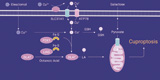
Tsvetkov et al. published in Science and demonstrated a copper-induced programmed cell death — Cuproptosis. As a novel programmed cell death, excess copper triggers abnormal aggregation of lipoylated proteins in TCA cycle and clearance of Fe-S cluster proteins, ultimately leading to cell death.
Scientific Reviews
Tsvetkov et al. published in Science and demonstrated a copper-induced programmed cell death — Cuproptosis. As a novel programmed cell death, excess copper triggers abnormal aggregation of lipoylated proteins in TCA cycle and clearance of Fe-S cluster proteins, ultimately leading to cell death. -
 Scientific Reviews
A comprehensive explanation of ferroptosis
Scientific Reviews
A comprehensive explanation of ferroptosis2022-09-15
Ferroptosis is a new type of RCD that depends on iron and characterized by the accumulation of lipid peroxides. In this article, we will pay our attention on ferroptosis and briefly discusses its mechanism. -
 Scientific Reviews
It's has been proved that p53, as a tumor suppressor gene and immune guardian, may become a destroyer through its own mutation. Moreover, the mechanism of p53 was found to be related to ferroptosis. This article mainly explores the mechanism between p53 and ferroptosis in detail.
Scientific Reviews
It's has been proved that p53, as a tumor suppressor gene and immune guardian, may become a destroyer through its own mutation. Moreover, the mechanism of p53 was found to be related to ferroptosis. This article mainly explores the mechanism between p53 and ferroptosis in detail. -
 Scientific Reviews
Autophagy, derived from the Greek meaning "eating of self", plays an indispensable role in maintaining homeostasis. p27 is an inhibitor of cyclin CDKs, but how p27 regulates autophagy remains unknown. This article will cover the mechanism of autophagy and p27-related cell cycle regulation.
Scientific Reviews
Autophagy, derived from the Greek meaning "eating of self", plays an indispensable role in maintaining homeostasis. p27 is an inhibitor of cyclin CDKs, but how p27 regulates autophagy remains unknown. This article will cover the mechanism of autophagy and p27-related cell cycle regulation. -
 Scientific Reviews
CMA (chaperone-mediated autophagy) plays an essential role in maintaining neuronal protein stability and preventing neurodegeneration. In this article, we will comprehensively clarify the role of CMA in the occurrence and development of neurodegenerative diseases.
Scientific Reviews
CMA (chaperone-mediated autophagy) plays an essential role in maintaining neuronal protein stability and preventing neurodegeneration. In this article, we will comprehensively clarify the role of CMA in the occurrence and development of neurodegenerative diseases. -
 Scientific Reviews
TME (Tumor microenvironment) is considered as a complex integrated system, composed of cellular components such as tumor cells and immune cells, as well as non-cellular components such as ECM and cytokines. According to the spatial distribution of immune cells in TME, "hot" and "cold" TME will be explained in this article.
Scientific Reviews
TME (Tumor microenvironment) is considered as a complex integrated system, composed of cellular components such as tumor cells and immune cells, as well as non-cellular components such as ECM and cytokines. According to the spatial distribution of immune cells in TME, "hot" and "cold" TME will be explained in this article. -
 Scientific Reviews
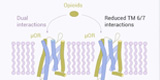
As powerful pain relievers, the opioids morphine and fentanyl have been "checked" by their side effects (listed as controlled substances). How to reduce its side effects? What is its mechanism? This research will explore its mechanism.
Scientific Reviews
As powerful pain relievers, the opioids morphine and fentanyl have been "checked" by their side effects (listed as controlled substances). How to reduce its side effects? What is its mechanism? This research will explore its mechanism. -
 Scientific Reviews
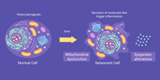
Understanding the mechanism of aging not only has guiding significance for prolonging human life but also has important clinical significance for the prevention and treatment of diseases in the elderly population , thus, improving their life quality and well-being.
Scientific Reviews
Understanding the mechanism of aging not only has guiding significance for prolonging human life but also has important clinical significance for the prevention and treatment of diseases in the elderly population , thus, improving their life quality and well-being. -
 Scientific Reviews
Mammalian cells can also photosynthesize like plants! Photosynthesis can improve cell anabolism and exhibit good clinical effect in degenerative diseases (osteoarthritis).
Scientific Reviews
Mammalian cells can also photosynthesize like plants! Photosynthesis can improve cell anabolism and exhibit good clinical effect in degenerative diseases (osteoarthritis). -
 Scientific Reviews
The latest study of Cell magazine "Neural mechanism underlying depressive-like state associated with social status loss" considers social factors as a breakthrough point. It has been found that the downward transition of social status induces depression-like behavior in mice whereas improves the depressive state by restoring their social environment.
Scientific Reviews
The latest study of Cell magazine "Neural mechanism underlying depressive-like state associated with social status loss" considers social factors as a breakthrough point. It has been found that the downward transition of social status induces depression-like behavior in mice whereas improves the depressive state by restoring their social environment. -
 Scientific Reviews
Necroptosis, also known as necroptosis, is a form of regulated necrotizing cell death mediated by RIP1 and RIP3 kinases. Necroptosis is a process that prevents the self-destruction of activated cells that are blocked by apoptosis. Necroptosis plays a tumor suppressor role in most cases. It may provide benefits in the researches of a variety of human diseases involving immune inflammation and cell death.
Scientific Reviews
Necroptosis, also known as necroptosis, is a form of regulated necrotizing cell death mediated by RIP1 and RIP3 kinases. Necroptosis is a process that prevents the self-destruction of activated cells that are blocked by apoptosis. Necroptosis plays a tumor suppressor role in most cases. It may provide benefits in the researches of a variety of human diseases involving immune inflammation and cell death. -
 Scientific Reviews
Mitophagy:Mechanisms and Detection
Scientific Reviews
Mitophagy:Mechanisms and Detection2023-05-25
About 60 years ago, Christian de Duve first used the term "autophagy" to describe his observation of the degradation of mitochondria and other intracellular structures in lysosomes of rat liver. Over the years, autophagy has remained a beloved topic of research by the National Natural Science Foundation of China (NSFC).Today, let's talk about mitochondrial autophagy. -
 Scientific Reviews
HLA-E, A Novel Immune Checkpoint
Scientific Reviews
HLA-E, A Novel Immune Checkpoint2023-06-29
Immune checkpoints have immunosuppressive functions. It can be used in the research of tumor immunotherapy. In this article, we introduce a new paper entitled "Immune checkpoint HLA-E: CD94 - NKG2Amediates evasion of circulating tumor cells from NK cell surveillance "research paper. -
 Scientific Reviews
WHO's Q2 drug list has been updated. Let's take you through the list of the most noteworthy small molecule drugs that we should pay attention to.
Scientific Reviews
WHO's Q2 drug list has been updated. Let's take you through the list of the most noteworthy small molecule drugs that we should pay attention to. -
 Scientific Reviews
FDA Approved Drug List!
Scientific Reviews
FDA Approved Drug List!2023-09-14
In the first half of 2023 (as of June 27), the FDA approved 26 new drugs, let's take you learn about it through the article. -
 Scientific Reviews
IHC is an indispensable technique for studying tissue morphology and in situ antigen expression, but usually only one or two antigens in tissues can be stained for analysis. It cannot judge the results more intuitively. Today, Little M will introduce you to the upgraded version mlHC.
Scientific Reviews
IHC is an indispensable technique for studying tissue morphology and in situ antigen expression, but usually only one or two antigens in tissues can be stained for analysis. It cannot judge the results more intuitively. Today, Little M will introduce you to the upgraded version mlHC. -
 Scientific Reviews
FDA Annual Review | Record-breaking number of new drug approvals in 2023!
Scientific Reviews
FDA Annual Review | Record-breaking number of new drug approvals in 2023! -
 Scientific Reviews
Katalin Karikó and Drew Weissman were awarded the Nobel Prize in Physiology or Medicine in 2023 for their groundbreaking work in nucleoside modification, which paved the way for the creation of successful mRNA vaccines to fight against COVID-19. Let's now delve into the complete process of mRNA vaccine development.
Scientific Reviews
Katalin Karikó and Drew Weissman were awarded the Nobel Prize in Physiology or Medicine in 2023 for their groundbreaking work in nucleoside modification, which paved the way for the creation of successful mRNA vaccines to fight against COVID-19. Let's now delve into the complete process of mRNA vaccine development. -
 Scientific Reviews
Science | A "new" mechanism for non-ubiquitinated Midnolin-proteasomal degradation pathway
Scientific Reviews
Science | A "new" mechanism for non-ubiquitinated Midnolin-proteasomal degradation pathway2024-04-26
“ubiquitin-mediated protein degradation” won the Nobel Prize in Chemistry in 2004! In fact, proteasomes degrade not only ubiquitinated proteins but also non-ubiquitinated ones. The mechanism remains shrouded in mystery. After reading this piece today, you might have a lightbulb moment! -
 Scientific Reviews
STZ Induced Diabetes Models
Scientific Reviews
STZ Induced Diabetes Models2024-06-13
Spotlight: How can STZ Help Diabetes Research? -
 Scientific Reviews
Exosomes, which won the Nobel Prize in 2013, are still a research hotspot in the national natural sciences, and their popularity has only increased over the past decade (in 2022, they still rank 5th in the national natural sciences hotspots!). Why have exosomes become the darling of scientific research? Let's take a look together~
Scientific Reviews
Exosomes, which won the Nobel Prize in 2013, are still a research hotspot in the national natural sciences, and their popularity has only increased over the past decade (in 2022, they still rank 5th in the national natural sciences hotspots!). Why have exosomes become the darling of scientific research? Let's take a look together~ -
 Scientific Reviews
Degrade target proteins through the autophagy-lysosome pathway including LYTAC, AUTAC, and ATTEC have gained increasing attention in recent years due to their significant research potential!
Scientific Reviews
Degrade target proteins through the autophagy-lysosome pathway including LYTAC, AUTAC, and ATTEC have gained increasing attention in recent years due to their significant research potential! -
 Scientific Reviews
Antibodies!
Scientific Reviews
Antibodies!2024-07-26
Today, We introduce antibodies for everyone! -
 Scientific Reviews
Cuproptosis, How much do you know?
Scientific Reviews
Cuproptosis, How much do you know?2024-08-22
Cells die in a variety of ways, including apoptosis, pyroptosis, necrosis, and ferroptosis......And, of course, cuproptosis. So, how much do you know about cuproptosis? -
 Scientific Reviews
Recently, Mol Cell reported the discovery of the first ferroptosis marker, Hyperoxidized PRDX3! Let’s take a look together~
Scientific Reviews
Recently, Mol Cell reported the discovery of the first ferroptosis marker, Hyperoxidized PRDX3! Let’s take a look together~ -
 Scientific Reviews
Cuproptosis's Knowledge Points!
Scientific Reviews
Cuproptosis's Knowledge Points!2024-09-25
With the establishment of the cuproptosis mechanism related research has attracted more and more attention from major journals. Expect to use the sharp sword of cuproptosis to stab the tumor cells. -
 Scientific Reviews
2024 Nobel Prize Announcements! Curious about the details? Click to dive into the exciting developments!
Scientific Reviews
2024 Nobel Prize Announcements! Curious about the details? Click to dive into the exciting developments! -
Scientific Reviews
Delve into the intricate networks that govern mitochondrial quality control. By examining key mechanisms such as biogenesis, mitochondrial dynamics (fission and fusion), proteolysis, and mitophagy. -
 Scientific Reviews
A New Form of Cell Death: PANoptosis!
Scientific Reviews
A New Form of Cell Death: PANoptosis! -
 Scientific Reviews
Advancing Chronic Kidney Disease Research with GJ103 and Lamin B1 Antibody!
Scientific Reviews
Advancing Chronic Kidney Disease Research with GJ103 and Lamin B1 Antibody! -
 Scientific Reviews
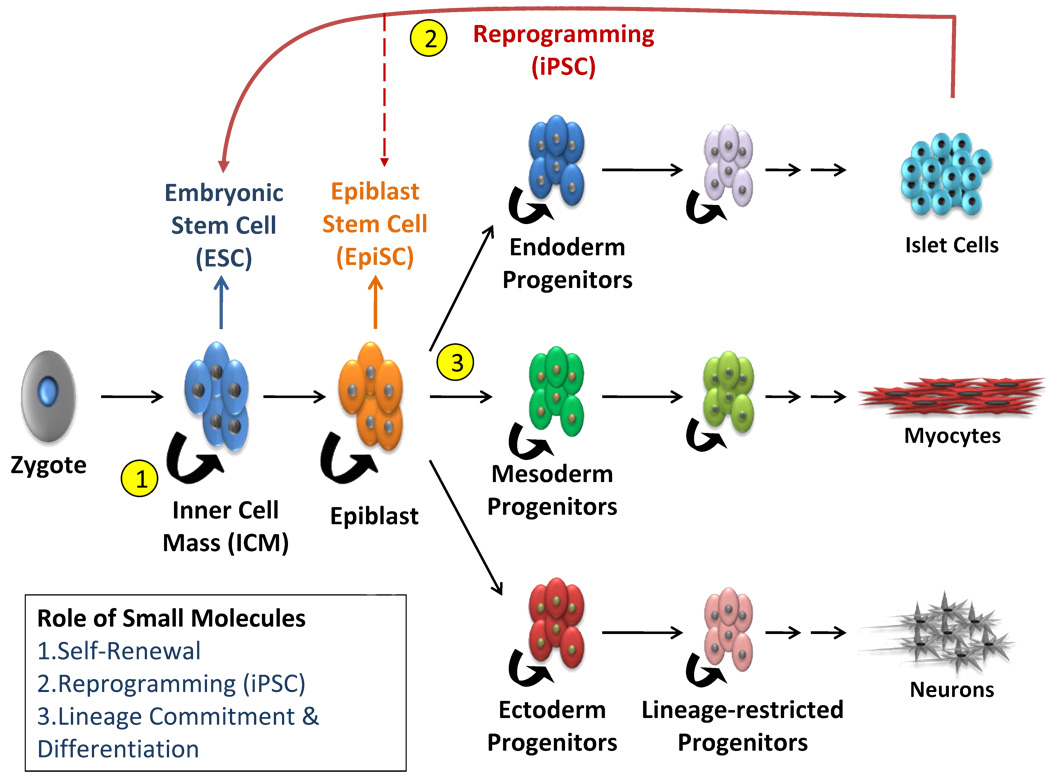
In early January 2025, MIT Tech Review unveiled its annual list of top 10 breakthrough technologies poised to redefine the future. Among these, stem cell therapy stood out for its potential to treat diverse diseases—including neurodegenerative disorders, diabetes, cancer, and heart failure. This groundbreaking approach uses stem cells to replace damaged cells, offering hope for millions worldwide.
Scientific Reviews
In early January 2025, MIT Tech Review unveiled its annual list of top 10 breakthrough technologies poised to redefine the future. Among these, stem cell therapy stood out for its potential to treat diverse diseases—including neurodegenerative disorders, diabetes, cancer, and heart failure. This groundbreaking approach uses stem cells to replace damaged cells, offering hope for millions worldwide. -
 Scientific Reviews
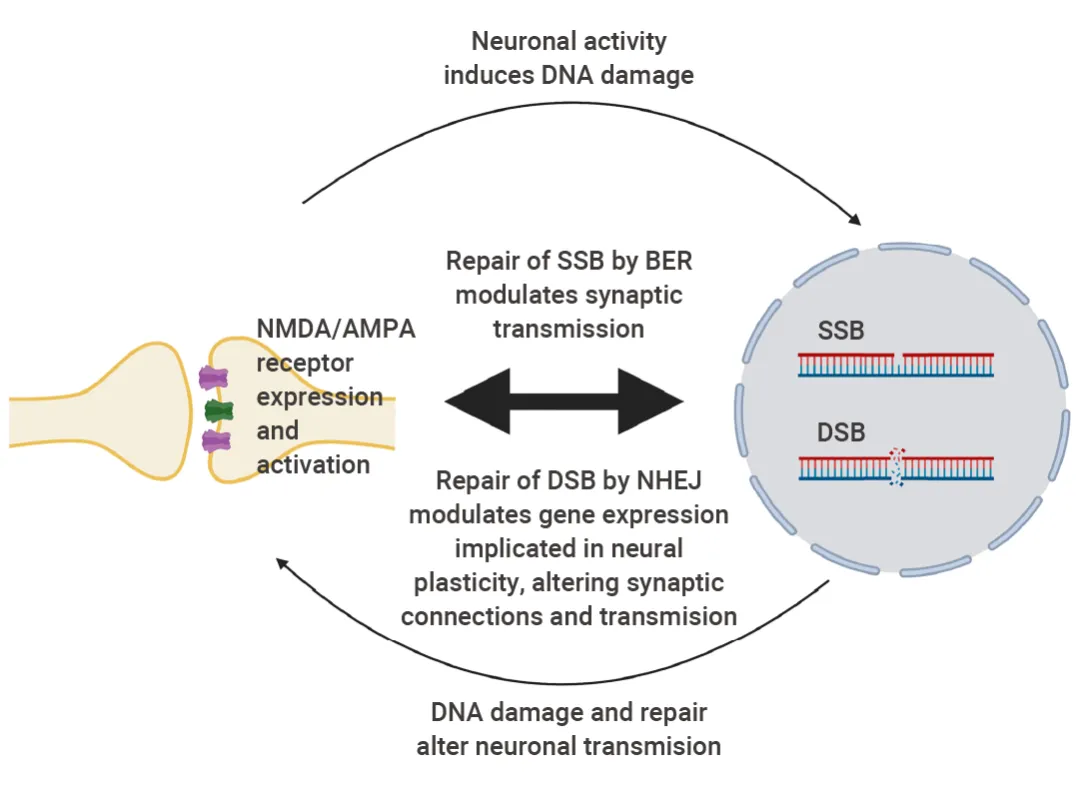
When you hear "inflammation" and "DNA damage," you might immediately think of disease or injury. However, in brains, these two processes are key steps in forming long-term memories, particularly related to specialized cells in our brain called hippocampal neurons.
Scientific Reviews
When you hear "inflammation" and "DNA damage," you might immediately think of disease or injury. However, in brains, these two processes are key steps in forming long-term memories, particularly related to specialized cells in our brain called hippocampal neurons. -
 Scientific Reviews
Autophagy is a fundamental process that degrades various components within the cell.
Scientific Reviews
Autophagy is a fundamental process that degrades various components within the cell. -
 Scientific Reviews
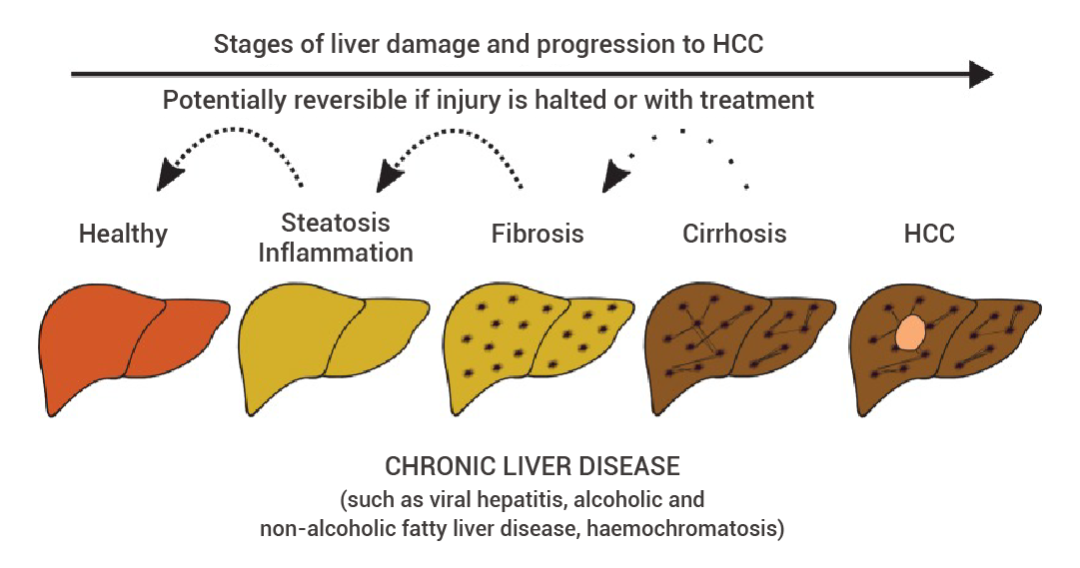
This article will tell you about the common methods of modeling liver disease in animal models.
Scientific Reviews
This article will tell you about the common methods of modeling liver disease in animal models. -
.jpg) Scientific Reviews
nside cells, the homeostasis and degradation of proteins is a precisely regulated process. If proteins cannot be degraded in time, it may lead to the occurrence of various diseases such as neurodegenerative diseases and cancer. This article will tell you the process of how proteins are recognized, labeled and then degraded!
Scientific Reviews
nside cells, the homeostasis and degradation of proteins is a precisely regulated process. If proteins cannot be degraded in time, it may lead to the occurrence of various diseases such as neurodegenerative diseases and cancer. This article will tell you the process of how proteins are recognized, labeled and then degraded! -
 Scientific Reviews
This article introduces some common cardiovascular disease models, inducers, modeling protocols and successful modeling cases in the research.
Scientific Reviews
This article introduces some common cardiovascular disease models, inducers, modeling protocols and successful modeling cases in the research. -
 Scientific Reviews
In this issue, we will conduct an in-depth interpretation from the dimensions of nanoparticle design, mechanism of action, in vivo and in vitro efficacy, and immune regulation, revealing how this research brings new hope for the treatment of invasive tumors through interdisciplinary innovation!
Scientific Reviews
In this issue, we will conduct an in-depth interpretation from the dimensions of nanoparticle design, mechanism of action, in vivo and in vitro efficacy, and immune regulation, revealing how this research brings new hope for the treatment of invasive tumors through interdisciplinary innovation! -
 Scientific Reviews
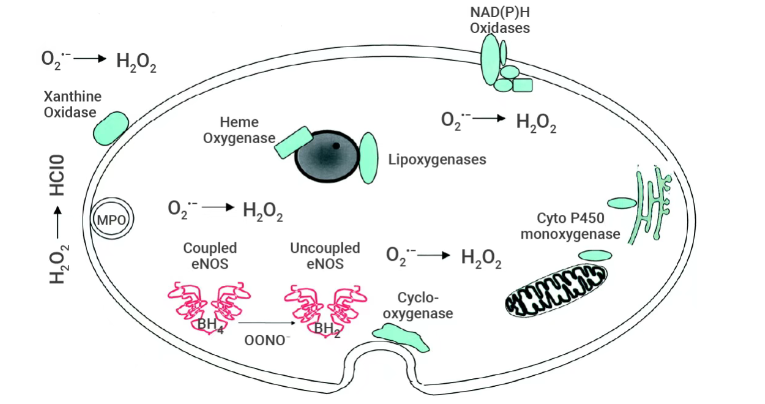
The article introduces the mechanisms of ROS generation and the methods for their detection.
Scientific Reviews
The article introduces the mechanisms of ROS generation and the methods for their detection. -
 Scientific Reviews
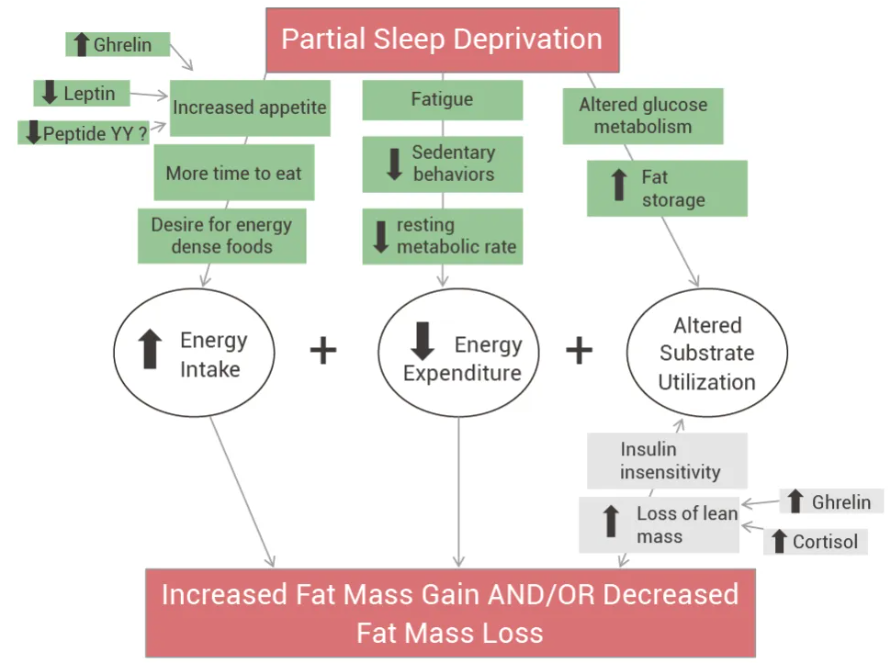
Have you ever noticed that after staying up late, your appetite—especially for high-calorie foods—gets out of control? If this sounds familiar, today’s article might offer some good news.
Scientific Reviews
Have you ever noticed that after staying up late, your appetite—especially for high-calorie foods—gets out of control? If this sounds familiar, today’s article might offer some good news. -
 Scientific Reviews
A groundbreaking study in Nature Communications reveals the key mechanism behind Idiopathic Pulmonary Fibrosis and identifies an existing drug with the potential to counter it.
Scientific Reviews
A groundbreaking study in Nature Communications reveals the key mechanism behind Idiopathic Pulmonary Fibrosis and identifies an existing drug with the potential to counter it. -
 Scientific Reviews
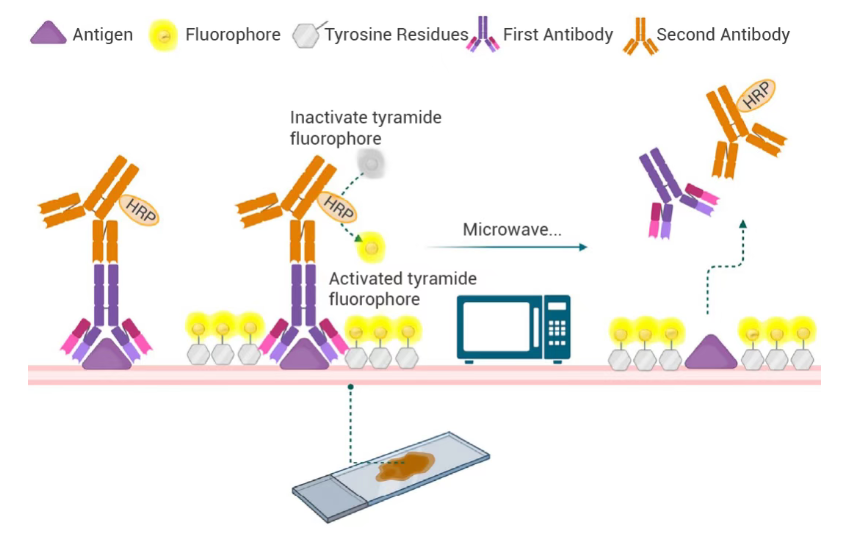
This detailed guide outlines the standardized experimental protocols for multiplex immunohistochemistry (mIHC), systematically summarizes common technical issues encountered during sample preparation, staining and imaging processes, and provides practical troubleshooting solutions to ensure reliable and reproducible results in biomedical research and clinical sample analysis.
Scientific Reviews
This detailed guide outlines the standardized experimental protocols for multiplex immunohistochemistry (mIHC), systematically summarizes common technical issues encountered during sample preparation, staining and imaging processes, and provides practical troubleshooting solutions to ensure reliable and reproducible results in biomedical research and clinical sample analysis. -
Scientific Reviews
Microglia– the only immune cells within the brain parenchyma. With advancements in imaging technologies, people’s understanding of microglia has shifted from being viewed as 'resting' cells to 'highly active' cells, particularly due to their dynamic processes that seem to be probing surrounding tissues and monitoring neuronal activity. This has made microglia a focal point of research in the field of neuroscience. -
 Scientific Reviews
Exosomes—natural nanoscale carriers—are revolutionizing targeted therapy. This article uncovers the science behind their precision in drug delivery.
Scientific Reviews
Exosomes—natural nanoscale carriers—are revolutionizing targeted therapy. This article uncovers the science behind their precision in drug delivery. -
 Scientific Reviews
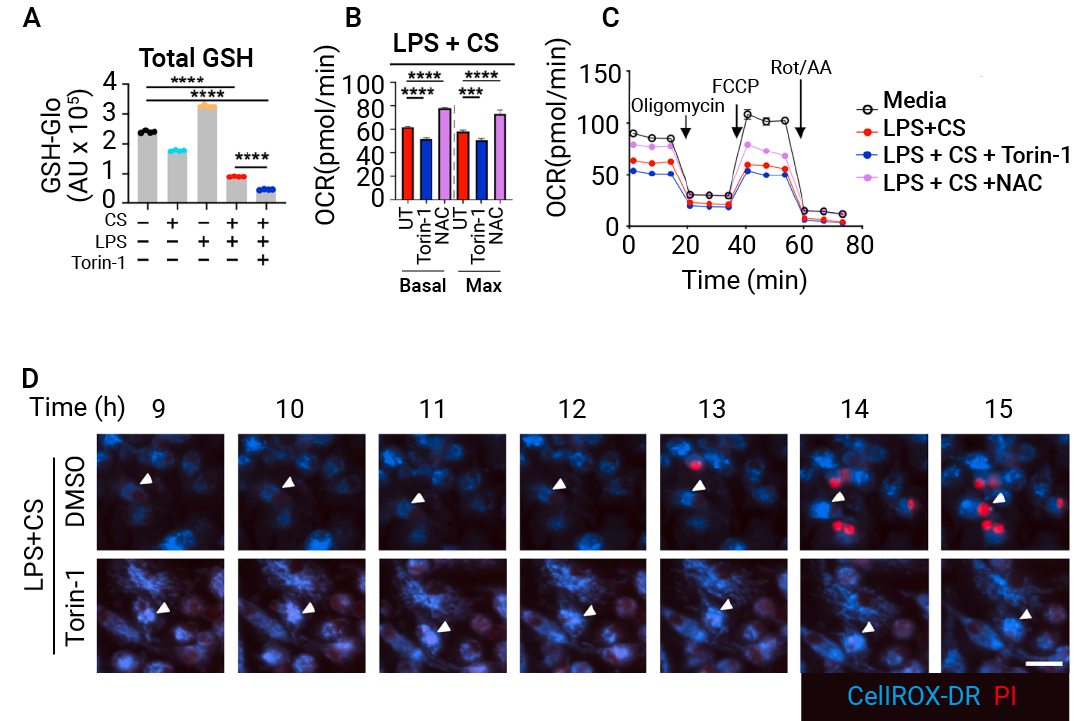
A November 2025 Cell study discovers Mitoxyperilysis, a new mTOR-regulated, caspase-independent cell death pathway driven by innate immune and metabolic dysregulation via mitochondrial-plasma membrane contact and oxidative damage, and verifies its potential to induce tumor necrosis for cancer therapy with key regulators including BAX, BAK1 and BID.
Scientific Reviews
A November 2025 Cell study discovers Mitoxyperilysis, a new mTOR-regulated, caspase-independent cell death pathway driven by innate immune and metabolic dysregulation via mitochondrial-plasma membrane contact and oxidative damage, and verifies its potential to induce tumor necrosis for cancer therapy with key regulators including BAX, BAK1 and BID. -
 Scientific Reviews
This paper elaborates on cytokines for culturing major immune cells, their regulatory roles, recombinant cytokines' merits and MCE’s related high-quality products.
Scientific Reviews
This paper elaborates on cytokines for culturing major immune cells, their regulatory roles, recombinant cytokines' merits and MCE’s related high-quality products. -
 EDM
Advances in Alzheimer's Disease Research
EDM
Advances in Alzheimer's Disease Research2025-07-16
This review summarizes current understanding of AD pathophysiology, including amyloid and tau pathology, neuroinflammation, synaptic dysfunction, and vascular abnormalities, and evaluates therapeutic strategies and experimental models. -
 EDM
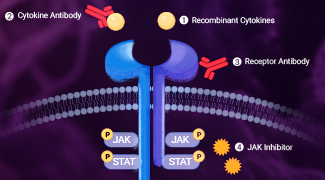
This review critically examines the role of the JAK-STAT pathway in immunity and autoimmune diseases, reviews current clinical applications of targeted therapies, and highlights emerging trends in autoimmune drug development.
EDM
This review critically examines the role of the JAK-STAT pathway in immunity and autoimmune diseases, reviews current clinical applications of targeted therapies, and highlights emerging trends in autoimmune drug development. -
 EDM
This review summarizes the mechanisms of DSS-induced colitis, commonly used modeling approaches, and key considerations related to DSS molecular weight.
EDM
This review summarizes the mechanisms of DSS-induced colitis, commonly used modeling approaches, and key considerations related to DSS molecular weight. -
 EDM
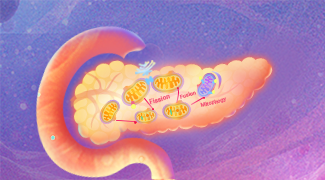
This review discusses β-cell dysfunction driven by mitochondrial impairment, outlines mitochondrial quality control networks, and summarizes strategies to restore mitochondrial function.
EDM
This review discusses β-cell dysfunction driven by mitochondrial impairment, outlines mitochondrial quality control networks, and summarizes strategies to restore mitochondrial function. -
 EDM
This review highlights the roles of microglia in AD pathology, focusing on metabolic reprogramming and microglia-targeted therapeutic strategies.
EDM
This review highlights the roles of microglia in AD pathology, focusing on metabolic reprogramming and microglia-targeted therapeutic strategies. -
 EDM
Review advances in target discovery, disease modeling, and biomarkers for Parkinson’s disease, highlighting their interplay and future directions for translational research.
EDM
Review advances in target discovery, disease modeling, and biomarkers for Parkinson’s disease, highlighting their interplay and future directions for translational research. -
 EDM
Review mitophagy regulation, disease mechanisms, and therapeutic advances to guide future research and drug development.
EDM
Review mitophagy regulation, disease mechanisms, and therapeutic advances to guide future research and drug development. -
 EDM
Review the mechanisms, mitochondrial regulation, disease relevance, and translational opportunities of the NLRP3–STING axis in neuroinflammation.
EDM
Review the mechanisms, mitochondrial regulation, disease relevance, and translational opportunities of the NLRP3–STING axis in neuroinflammation. -
 EDM
Explore the mechanisms driving immune tolerance breakdown in autoimmune diseases and emerging tolerance-restoring strategies, with a focus on IL-2-based immune modulation.
EDM
Explore the mechanisms driving immune tolerance breakdown in autoimmune diseases and emerging tolerance-restoring strategies, with a focus on IL-2-based immune modulation. -
 EDM
Explore how anti-Aβ therapy is reshaping the AD treatment landscape, the rationale for multi-pathology combination strategies, and advances in biomarker-guided precision treatment.
EDM
Explore how anti-Aβ therapy is reshaping the AD treatment landscape, the rationale for multi-pathology combination strategies, and advances in biomarker-guided precision treatment. -
 EDM
Explore how mitochondrial quality control, inflammatory signaling, and metabolic–epigenetic reprogramming regulate cellular senescence and the SASP, along with strategies to restore mitochondrial homeostasis.
EDM
Explore how mitochondrial quality control, inflammatory signaling, and metabolic–epigenetic reprogramming regulate cellular senescence and the SASP, along with strategies to restore mitochondrial homeostasis. -
 Blog
BR351 is a Brain Penetrant MMP Inhibitor
Blog
BR351 is a Brain Penetrant MMP Inhibitor2019-04-05
BR351 is a brain penetrant MMP inhibitor, and a potential tool for the molecular imaging of activated MMPs with PET, with an IC50 in the nanomolar range. -
 Blog
HS-1371 is a Small Molecule RIP3 Inhibitor
Blog
HS-1371 is a Small Molecule RIP3 Inhibitor2019-04-09
HS-1371 is a novel kinase inhibitor of RIP3-mediated necroptosis, showing an inhibitory effect on S227 auto-phosphorylation of RIP3 at the basal level. -
 Blog
PRN1008 is a Reversible Covalent and Oral Active Inhibitor of Bruton’s Tyrosine Kinase (BTK)
Blog
PRN1008 is a Reversible Covalent and Oral Active Inhibitor of Bruton’s Tyrosine Kinase (BTK)2019-04-18
PRN1008 is a selective, reversible covalent and oral active inhibitor of Bruton’s Tyrosine Kinase (BTK), with an IC50 of 1.3 nM. -
 Blog
Multiple Tyrosine Kinases Inhibitor TAS-115
Blog
Multiple Tyrosine Kinases Inhibitor TAS-1152019-04-19
TAS-115 is a potent VEGFR and c-Met/HGFR-targeted kinase inhibitor with IC50s of 30 and 32 nM for rVEGFR2 and rMET, respectively. -
 Blog
TAK-828F is a potent, selective and orally active retinoic acid receptor-related orphan receptor γt (RORγt) inverse agonist. TAK-828F inhibits IL-17A cytokine expression and reduces symptoms of autoimmune encephalomyelitis mice.
Blog
TAK-828F is a potent, selective and orally active retinoic acid receptor-related orphan receptor γt (RORγt) inverse agonist. TAK-828F inhibits IL-17A cytokine expression and reduces symptoms of autoimmune encephalomyelitis mice. -
 Blog
ACY-1083, a Highly Selective HDAC6 Inhibitor, Reverses Chemotherapy-induced Peripheral Neuropathy
Blog
ACY-1083, a Highly Selective HDAC6 Inhibitor, Reverses Chemotherapy-induced Peripheral Neuropathy2019-05-12
ACY-1083 is a selective and brain-penetrating HDAC6 inhibitor with an IC50 of 3 nM. ACY-1083 effectively reverses chemotherapy-induced peripheral neuropathy -
 Blog
GSK3145095 is a RIP1 kinase inhibitor with an IC50 of 6.3 nM. Potently blocks the TNF response and RIP1-dependent inflammatory cytokine MIP-1β production.
Blog
GSK3145095 is a RIP1 kinase inhibitor with an IC50 of 6.3 nM. Potently blocks the TNF response and RIP1-dependent inflammatory cytokine MIP-1β production. -
 Blog
Gboxin is an oxidative phosphorylation inhibitor that targets glioblastoma. Gboxin inhibits the activity of F0F1 ATP synthase and shows antitumour activity.
Blog
Gboxin is an oxidative phosphorylation inhibitor that targets glioblastoma. Gboxin inhibits the activity of F0F1 ATP synthase and shows antitumour activity. -
 Blog
BAY-11-7082 inhibits the proliferation and induces the apoptosis of U266 cells through inhibiting NF-κB pathway. BAY 11-7082 ameliorates experimental diabetic neuropathy by modulating neuroinflammation and improving antioxidant defence.
Blog
BAY-11-7082 inhibits the proliferation and induces the apoptosis of U266 cells through inhibiting NF-κB pathway. BAY 11-7082 ameliorates experimental diabetic neuropathy by modulating neuroinflammation and improving antioxidant defence. -
 Blog
S18-000003 is a potent, selective and orally active inhibitor of retinoic acid receptor-related orphan receptor-gamma-t (RORγt). S18-000003 ameliorates psoriasis-like lesions in vivo. S18-000003 can be used for the research of skin inflammatory diseases.
Blog
S18-000003 is a potent, selective and orally active inhibitor of retinoic acid receptor-related orphan receptor-gamma-t (RORγt). S18-000003 ameliorates psoriasis-like lesions in vivo. S18-000003 can be used for the research of skin inflammatory diseases. -
 Blog
TPCA-1, a Direct Dual Inhibitor of STAT3 and NF-κB, Regresses Mutant EGFR-Associated NSCLC
Blog
TPCA-1, a Direct Dual Inhibitor of STAT3 and NF-κB, Regresses Mutant EGFR-Associated NSCLC2019-07-15
TPCA-1 is a potent and selective inhibitor of IKK-2 with IC50 of 17.9 nM. TPCA-1 is an effective inhibitor of STAT3 phosphorylation, DNA binding. -
 Blog
DVD-445 is a potent peptidomimetic covalent TrxR1 inhibitor with an IC50 of 0.60 μM for rat TrxR1. DVD-445 has good anticancer application.
Blog
DVD-445 is a potent peptidomimetic covalent TrxR1 inhibitor with an IC50 of 0.60 μM for rat TrxR1. DVD-445 has good anticancer application. -
 Blog
BI-167107 is a high affinity, full agonist that binds to the β2 adrenergic receptor (β2AR) with a dissociation constant Kd of 84 pM.
Blog
BI-167107 is a high affinity, full agonist that binds to the β2 adrenergic receptor (β2AR) with a dissociation constant Kd of 84 pM. -
 Blog
UK 356618 is a Selective MMP-3 Inhibitor
Blog
UK 356618 is a Selective MMP-3 Inhibitor2019-12-25
UK 356618 is a selective and potent inhibitor of MMP-3. UK 356618 exhibits potent anti-inflammatory and anti-cancer activity. -
 Blog
CH6953755 is a potent, orally active and selective YES1 kinase inhibitor leading to antitumor activity against YES1 Gene -amplified cancers.
Blog
CH6953755 is a potent, orally active and selective YES1 kinase inhibitor leading to antitumor activity against YES1 Gene -amplified cancers. -
 Blog
CA-4948 is a Selective and Orally Bioavailable IRAK4 Kinase Inhibitor for Lymphoma Treatment
Blog
CA-4948 is a Selective and Orally Bioavailable IRAK4 Kinase Inhibitor for Lymphoma Treatment2020-01-05
CA-4948 is a potent, selective and orally bioavailable IRAK4 kinase inhibitor. CA-4948 can be used for the treatment of lymphoma. -
 Blog
M8891 is an orally active, reversible and brain penetrant Methionine Aminopeptidase-2 (MetAP-2) inhibitor with antiangiogenic and antitumoral activity.
Blog
M8891 is an orally active, reversible and brain penetrant Methionine Aminopeptidase-2 (MetAP-2) inhibitor with antiangiogenic and antitumoral activity. -
 Blog
AKOS-22, a VDAC1 Oligomerization and Apoptosis Inhibitor, Protects Against Mitochondrial Dysfunction
Blog
AKOS-22, a VDAC1 Oligomerization and Apoptosis Inhibitor, Protects Against Mitochondrial Dysfunction2020-02-15
AKOS-22 is a potent mitochondrial protein VDAC1 and apoptosis inhibitor. AKOS-22 protects against Mitochondrial Dysfunction. -
 Blog
TCH-165 is a modulator of proteasome assembly, which increases 20S levels and facilitates 20S-mediated protein degradation, such as IDPs, α-syn, and tau.
Blog
TCH-165 is a modulator of proteasome assembly, which increases 20S levels and facilitates 20S-mediated protein degradation, such as IDPs, α-syn, and tau. -
 Blog
BAY-985 is an orally active and selective ATP-competitive dual inhibitor of TBK1 and IKKε with IC50s of 2/30 and 2 nM for TBK1 and IKKε, respectively.
Blog
BAY-985 is an orally active and selective ATP-competitive dual inhibitor of TBK1 and IKKε with IC50s of 2/30 and 2 nM for TBK1 and IKKε, respectively. -
 Blog
ADH-503 is an orally active and allosteric CD11b agonist and leads to the repolarization of tumor-associated macrophages.
Blog
ADH-503 is an orally active and allosteric CD11b agonist and leads to the repolarization of tumor-associated macrophages. -
 Blog
Ro 90-7501, an Aβ42 fibril assembly inhibitor, inhibits PP5 in a TPR-dependent manner and has radiosensitizing effects on cervical cancer cells.
Blog
Ro 90-7501, an Aβ42 fibril assembly inhibitor, inhibits PP5 in a TPR-dependent manner and has radiosensitizing effects on cervical cancer cells. -
 Blog
NU1025 is a potent PARP inhibitor and potentiates the cytotoxicity of ionizing radiation drug. NU1025 has anti-cancer and neuroprotective activity.
Blog
NU1025 is a potent PARP inhibitor and potentiates the cytotoxicity of ionizing radiation drug. NU1025 has anti-cancer and neuroprotective activity. -
 Blog
iFSP1 is a potent, selective FSP1inhibitor that induces ferroptosis in GPX4-knockout cells which overexpressed FSP1.
Blog
iFSP1 is a potent, selective FSP1inhibitor that induces ferroptosis in GPX4-knockout cells which overexpressed FSP1. -
 Blog
JCN037 is a potent, non-covalent, and brain-penetrant EGFR tyrosine kinase inhibitor. JCN037 has potent anti-cancer activity.
Blog
JCN037 is a potent, non-covalent, and brain-penetrant EGFR tyrosine kinase inhibitor. JCN037 has potent anti-cancer activity. -
 Blog
MYLS22 is a first-in-class and selective optic atrophy 1 (OPA1) inhibitor with anti-angiogenesis and anti-cancer activity.
Blog
MYLS22 is a first-in-class and selective optic atrophy 1 (OPA1) inhibitor with anti-angiogenesis and anti-cancer activity. -
 Blog
GSK143 is an orally active and highly selective spleen tyrosine kinase (SYK) inhibitor. GSK143 reduces inflammation in the intestinal muscularis in mice.
Blog
GSK143 is an orally active and highly selective spleen tyrosine kinase (SYK) inhibitor. GSK143 reduces inflammation in the intestinal muscularis in mice. -
 Blog
RA375, a RPN13 inhibitor, inhibits proteasome function in muscle. RA375 is highly active against cell lines of multiple myeloma and diverse solid cancers.
Blog
RA375, a RPN13 inhibitor, inhibits proteasome function in muscle. RA375 is highly active against cell lines of multiple myeloma and diverse solid cancers. -
 Blog
KCC-07 prevents binding of MBD2 to methylated DNA and activates BAI1 inducing anti-proliferative BAI1/p53/p21 signaling. Anticancer activity.
Blog
KCC-07 prevents binding of MBD2 to methylated DNA and activates BAI1 inducing anti-proliferative BAI1/p53/p21 signaling. Anticancer activity. -
 Blog
CAY10404 is a potent and highly selective COX-2 inhibitor. CAY10404 is a potent inhibitor of PKB/Akt and MAPK signalling pathways.
Blog
CAY10404 is a potent and highly selective COX-2 inhibitor. CAY10404 is a potent inhibitor of PKB/Akt and MAPK signalling pathways. -
 Blog
MPT0G211, an orally active and selective HDAC6 inhibitor, ameliorates tau phosphorylation, and cognitive deficits in an Alzheimer’s disease model.
Blog
MPT0G211, an orally active and selective HDAC6 inhibitor, ameliorates tau phosphorylation, and cognitive deficits in an Alzheimer’s disease model. -
 Blog
RapaLink-1, a third-generation bivalent mTOR inhibitor, potently blocking cancer-derived, activating mutants of mTOR. It can cross the blood-brain barrier.
Blog
RapaLink-1, a third-generation bivalent mTOR inhibitor, potently blocking cancer-derived, activating mutants of mTOR. It can cross the blood-brain barrier. -
 Blog
PQR530 is a potent, ATP-competitive, orally bioavailable and brain-penetrant dual pan-PI3K/mTORC1/2 inhibitor. Antitumor activity.
Blog
PQR530 is a potent, ATP-competitive, orally bioavailable and brain-penetrant dual pan-PI3K/mTORC1/2 inhibitor. Antitumor activity. -
 Blog
BMS-P5 is an Orally Active PAD4 Inhibitor
Blog
BMS-P5 is an Orally Active PAD4 Inhibitor2020-12-12
BMS-P5 is an orally active PAD4 inhibitor. BMS-P5 blocks MM-induced NET formation and delays progression of MM in a syngeneic mouse model -
 Blog
ML132, a potent and selective caspase 1 inhibitor with a unique selectivity pattern, is responsible for the proteolytic activation of IL-1β and IL-18.
Blog
ML132, a potent and selective caspase 1 inhibitor with a unique selectivity pattern, is responsible for the proteolytic activation of IL-1β and IL-18. -
 Blog
CHDI-390576, a potent and CNS penetrant class IIa HDAC inhibitor, show selectivity over class I HDACs, HDAC8 and the class IIb HDAC6 isoform.
Blog
CHDI-390576, a potent and CNS penetrant class IIa HDAC inhibitor, show selectivity over class I HDACs, HDAC8 and the class IIb HDAC6 isoform. -
 Blog
DMU-212 Possesses Antimitotic, Anti-Proliferative, Antioxidant and Apoptosis Promoting Activities
Blog
DMU-212 Possesses Antimitotic, Anti-Proliferative, Antioxidant and Apoptosis Promoting Activities2020-12-24
Activation of ERK1/2 is required for the antimitotic activity of the Resveratrol analogue DMU‐212 in human melanoma cells. -
 Blog
NAZ2329 is an allosteric, noncompetitive and reversible inhibitor of R5 RPTP subfamily and PTPRZ/PTPRG with anti-cancer activity.
Blog
NAZ2329 is an allosteric, noncompetitive and reversible inhibitor of R5 RPTP subfamily and PTPRZ/PTPRG with anti-cancer activity. -
 Blog
CC-90001 is a potent, selective, and orally active inhibitor of JNK. CC-90001 can be used for the research of idiopathic pulmonary fibrosis (IPF).
Blog
CC-90001 is a potent, selective, and orally active inhibitor of JNK. CC-90001 can be used for the research of idiopathic pulmonary fibrosis (IPF). -
 Blog
BrBzGCp2 is a Glyoxalase 1 (GLO1) inhibitor for a variety of disorders. Possesses antitumor and neuroprotective activity.
Blog
BrBzGCp2 is a Glyoxalase 1 (GLO1) inhibitor for a variety of disorders. Possesses antitumor and neuroprotective activity. -
 Blog
IMT1 is a first-in-class specific and noncompetitive human POLRMT inhibitor for mitochondrial transcription disorders related diseases.
Blog
IMT1 is a first-in-class specific and noncompetitive human POLRMT inhibitor for mitochondrial transcription disorders related diseases. -
 Blog
SB-332235 is a potent, orally active nonpeptide CXCR2 antagonist. SB-332235 inhibits acute and chronic models of arthritis in the rabbit.
Blog
SB-332235 is a potent, orally active nonpeptide CXCR2 antagonist. SB-332235 inhibits acute and chronic models of arthritis in the rabbit. -
 Blog
ML-00253764 is a brain penetrant nonpeptidic melanocortin receptor 4 (MC4R) antagonist with a Ki/IC50 of 0.16 µM/0.103 µM, respectively.
Blog
ML-00253764 is a brain penetrant nonpeptidic melanocortin receptor 4 (MC4R) antagonist with a Ki/IC50 of 0.16 µM/0.103 µM, respectively. -
 Blog
AUTAC4 is a mitochondria-targeting autophagy-targeting chimera, which can be used for the study of mitochondrial dysfunction.
Blog
AUTAC4 is a mitochondria-targeting autophagy-targeting chimera, which can be used for the study of mitochondrial dysfunction. -
 Blog
Vorasidenib is an orally available, brain penetrant second-generation dual mutant isocitrate dehydrogenases 1 and 2 (mIDH1/2) inhibitor.
Blog
Vorasidenib is an orally available, brain penetrant second-generation dual mutant isocitrate dehydrogenases 1 and 2 (mIDH1/2) inhibitor. -
 Blog
Lumiracoxib is a COX-2 inhibitor. Lumiracoxib acts as nonselective NSAID with anti-inflammatory, analgesic and antipyretic activities.
Blog
Lumiracoxib is a COX-2 inhibitor. Lumiracoxib acts as nonselective NSAID with anti-inflammatory, analgesic and antipyretic activities. -
 Blog
Ruxolitinib is a potent and selective JAK1/2 inhibitor and has 130-fold selectivity for JAK1/2 over JAK3. Ruxolitinib induces autophagy.
Blog
Ruxolitinib is a potent and selective JAK1/2 inhibitor and has 130-fold selectivity for JAK1/2 over JAK3. Ruxolitinib induces autophagy. -
 Blog
GSK2606414 is an orally available PERK inhibitor and is a potent compound of cancer and neurological diseases.
Blog
GSK2606414 is an orally available PERK inhibitor and is a potent compound of cancer and neurological diseases. -
 Blog
IACS-010759 is an orally active, potent mitochondrial complex I of oxidative phosphorylation (OXPHOS) inhibitor with antitumor activity.
Blog
IACS-010759 is an orally active, potent mitochondrial complex I of oxidative phosphorylation (OXPHOS) inhibitor with antitumor activity. -
 Blog
Elesclomol is an oxidative stress inducer that induces cancer cell apoptosis. Elesclomol is a reactive oxygen species (ROS) inducer.
Blog
Elesclomol is an oxidative stress inducer that induces cancer cell apoptosis. Elesclomol is a reactive oxygen species (ROS) inducer. -
 Blog
Brusatol (NSC 172924) is a Nrf2 Inhibitor
Blog
Brusatol (NSC 172924) is a Nrf2 Inhibitor2021-10-26
Brusatol inhibits the Nrf2 signaling pathway by reducing the protein level of Nrf2, with anticancer activities. -
 Blog
SB 258719 is a selective 5-HT7 receptor antagonist and can be used for the research of cancer and neurological disease.
Blog
SB 258719 is a selective 5-HT7 receptor antagonist and can be used for the research of cancer and neurological disease. -
 Blog
IMD-0354 is a Selective IKKβ Inhibitor
Blog
IMD-0354 is a Selective IKKβ Inhibitor2021-11-09
IMD-0354 is a selective IKKβ inhibitor and potently inhibits NF-κB activity. IMD0354 has antitumor activity. -
 Blog
Oltipraz is a Nrf2 Inhibitor
Blog
Oltipraz is a Nrf2 Inhibitor2021-11-18
Oltipraz is a potent Nrf2 activator. Oltipraz has an inhibitory effect on HIF-1α activation in a time-dependent manner, the IC50 is 10 μM. -
 Blog
Lonidamine, an antitumor agent and an indazole derivative, interferes with energy-yielding processes in cancer cells.
Blog
Lonidamine, an antitumor agent and an indazole derivative, interferes with energy-yielding processes in cancer cells. -
 Blog
Trolox is an analogue of vitamin E with a powerful antioxidant effect. Trolox is also a powerful inhibitor of membrane damage.
Blog
Trolox is an analogue of vitamin E with a powerful antioxidant effect. Trolox is also a powerful inhibitor of membrane damage. -
 Blog
AZD1390 is a potent, highly selective, orally bioavailable, brain-penetrant ATM inhibitor with an IC50 of 0.78 nM.
Blog
AZD1390 is a potent, highly selective, orally bioavailable, brain-penetrant ATM inhibitor with an IC50 of 0.78 nM. -
 Blog
Alda-1 is a potent ALDH2 Agonist
Blog
Alda-1 is a potent ALDH2 Agonist2021-12-30
Alda-1 ameliorates H2O2-induced Achilles tendinopathy. Alda-1 could be used for preventing Achilles tendinopathy. -
 Blog
β-Lapachone, a topoisomerase I inhibitor, induces apoptosis by inhibiting cell cycle progression. β-Lapachone has anti-inflammatory effect.
Blog
β-Lapachone, a topoisomerase I inhibitor, induces apoptosis by inhibiting cell cycle progression. β-Lapachone has anti-inflammatory effect. -
 Blog
CL097 is a TLR7/8 agonist. CL097 induces pro-nflammatory cytokines. CL097 induces NADPH oxidase priming and efficient diabetogenic cytotoxic T lymphocyte (CTL) function in NOD mice.
Blog
CL097 is a TLR7/8 agonist. CL097 induces pro-nflammatory cytokines. CL097 induces NADPH oxidase priming and efficient diabetogenic cytotoxic T lymphocyte (CTL) function in NOD mice. -
 Blog
Zingerone is a natural orally active nontoxic methoxyphenol potent anti-inflammatory, antidiabetic, antioxidize, and anti-tumor properties.
Blog
Zingerone is a natural orally active nontoxic methoxyphenol potent anti-inflammatory, antidiabetic, antioxidize, and anti-tumor properties. -
 Blog
PX-12 is an irreversible inhibitor of Trx-1 and inhibits the growth, migration, and invasion of colorectal cancer cell lines.
Blog
PX-12 is an irreversible inhibitor of Trx-1 and inhibits the growth, migration, and invasion of colorectal cancer cell lines. -
 Blog
BM213 is a selective C5aR1 agonist. It’s a useful research tool to study C5aR1 function
Blog
BM213 is a selective C5aR1 agonist. It’s a useful research tool to study C5aR1 function -
 Blog
Epoxomicin is an epoxyketone-containing natural product and a selective and irreversible proteasome inhibitor. Cross the blood-brain barrier.
Blog
Epoxomicin is an epoxyketone-containing natural product and a selective and irreversible proteasome inhibitor. Cross the blood-brain barrier. -
 Blog
Pelecopan is a potent, selective, and orally active complement factor D inhibitor, possessing the potential to study paroxysmal nocturnal hemoglobinuria (PNH).
Blog
Pelecopan is a potent, selective, and orally active complement factor D inhibitor, possessing the potential to study paroxysmal nocturnal hemoglobinuria (PNH). -
 Blog
AZD-9574 is a potent and brain penetrant PARP1 inhibitor and shows >8000-fold selectivity for PARP1 compared to PARP2/3/5a/6.
Blog
AZD-9574 is a potent and brain penetrant PARP1 inhibitor and shows >8000-fold selectivity for PARP1 compared to PARP2/3/5a/6. -
 Blog
LCS3 is a potent and reversible inhibitor of GSR and TXNRD1 with anti-tumour activity by non-competitive inhibition of the enzyme activity.
Blog
LCS3 is a potent and reversible inhibitor of GSR and TXNRD1 with anti-tumour activity by non-competitive inhibition of the enzyme activity. -
 Blog
GR-46611 is a 5-HT1D Receptor Agonist
Blog
GR-46611 is a 5-HT1D Receptor Agonist2022-10-11
GR-46611 is a potent 5-HT1D receptor agonist and has the potential for the research of epilepsy and inhibits bladder activity. -
 Blog
Etrolizumab is a Gut-selective, Anti-β7 Integrin McAb for Inflammatory Bowel Disease (IBD) Research
Blog
Etrolizumab is a Gut-selective, Anti-β7 Integrin McAb for Inflammatory Bowel Disease (IBD) Research2022-11-05
Etrolizumab is a gut-selective, anti-β7 integrin monoclonal antibody and has the potential for the research of inflammatory bowel disease. -
 Blog
Olutasidenib (FT-2102) is an orally active, brain penetrant inhibitor of mutant IDH1. Olutasidenib is used for AML or MDS Research.
Blog
Olutasidenib (FT-2102) is an orally active, brain penetrant inhibitor of mutant IDH1. Olutasidenib is used for AML or MDS Research. -
 Blog
MMRi62, a Ferroptosis inducer targeting MDM2-MDM4. MMRi62 shows a P53-independent pro-apoptotic activity against PDAC cells.
Blog
MMRi62, a Ferroptosis inducer targeting MDM2-MDM4. MMRi62 shows a P53-independent pro-apoptotic activity against PDAC cells. -
 Blog
FA16 is a specific and metabolically stable ferroptosis inducer. It inhibits system Xc-, results in tumor progression suppression.
Blog
FA16 is a specific and metabolically stable ferroptosis inducer. It inhibits system Xc-, results in tumor progression suppression. -
 Blog
YL-939 was a potent inhibitor of iron death and significantly improved liver injury in a model of iron death-related acute liver injury.
Blog
YL-939 was a potent inhibitor of iron death and significantly improved liver injury in a model of iron death-related acute liver injury. -
 Blog
J-113397 is a potent and selective nonpeptidyl ORL1 receptor antagonist without any agonistic effects on other opioid receptors.
Blog
J-113397 is a potent and selective nonpeptidyl ORL1 receptor antagonist without any agonistic effects on other opioid receptors. -
 Blog
Ruxolitinib is an orally-active JAK1/2 inhibitor. Ruxolitinib has the potential for the research of myeloproliferative neoplasm (MPN).
Blog
Ruxolitinib is an orally-active JAK1/2 inhibitor. Ruxolitinib has the potential for the research of myeloproliferative neoplasm (MPN).
Products
All
-
All
-
Inhibitors & Agonists
-
Isotope-Labeled Compounds
-
Fluorescent Dye
-
Peptides
-
Recombinant Proteins
-
Antibodies
-
Screening Libraries
-
Kits
-
Inhibitory Antibodies
-
Reference Standards
-
Induced Disease Models Products
-
GMP Small Molecules
-
Enzyme
-
Biochemical Assay Reagents
-
Natural Products
| Cat. No. | Product Name | Information | Application | Publication |
|---|---|---|---|---|
| HY-D1055 | MitoSOX Red |
MitoSOX Red is a live cell fluorescent probe that specifically targets mitochondria and is cell membrane permeable. MitoSOX Red enters mitochondria and is oxidized by superoxide but not by other ROS or RNS generating systems. The oxidized MitoSOX Red then binds to nucleic acids in mitochondria/nucleus, producing strong red fluorescence. MitoSOX Red can be used as a fluorescent indicator to specifically detect superoxide. In addition, superoxide dismutase (SOD) can prevent the oxidation of MitoSOX Red.
Excitation/emission wavelength: 510/580 nm. |
|
328
|
| HY-B1756 | Rotenone |
Rotenone is a mitochondrial electron transport chain complex I inhibitor. Rotenone induces apoptosis through enhancing mitochondrial reactive oxygen species production.
|
|
206
|
| HY-100941 | CCCP |
CCCP is an oxidative phosphorylation (OXPHOS) uncoupler. CCCP induces activation of PINK1 leading to Parkin Ser65 phosphorylation.
|
|
192
|
| HY-112879 | Mito-TEMPO |
Mito-TEMPO is a mitochondria-targeted antioxidant. Mito-TEMPO induces mitophagy by activating the PINK1/Parkin pathway, inhibits NLRP3 inflammasome activation, restores mitochondrial membrane potential, and improves renal function and podocyte injury. Mito-TEMPO regulates Ca2+ homeostasis, inhibits Bnip3 overexpression, shortens action potential duration, and exerts antiarrhythmic effects. Mito-TEMPO reverses premature senescence, reduces trabecular bone loss, and decreases cell apoptosis. Mito-TEMPO can be used in studies of chronic kidney disease, age-related cardiac dysfunction, postmenopausal osteoporosis, and ischemic stroke.
|
|
186
|
| HY-L001 | Bioactive Compound Library |
Bioactive compounds are a general term for a class of substances that can cause certain biological effects in the body, which are the main source of small molecule drugs. These compounds generally penetrate cell membranes, act on specific target proteins in cells, regulate intracellular signaling pathways, and cause some changes in cell phenotype.
MCE owns a unique collection of 27,212 compounds with confirmed biological activities and clear targets. These compounds include natural products, innovative compounds, approved compounds, and clinical compounds. These can also be used for signal pathway research, drug discovery and drug repurposing, etc.
|
|
131
|
| HY-100410 | FCCP |
FCCP is an uncoupler of oxidative phosphorylation (OXPHOS) in mitochondria. FCCP induces activation of PINK1 leading to Parkin Ser65 phosphorylation.
|
|
125
|
| HY-L025 | Anti-Cancer Compound Library |
Cancer is the second leading cause of death globally and seriously threatens human health. A neoplasm and malignant tumor are other common names for cancer. Disruption of the normal regulation of cell-cycle progression and division lies at the heart of the events leading to cancer. Target therapy, which targets proteins that control how cancer cells grow, divide and spread, plays an important role in cancer treatment. Recent studies mainly focus on targeting the key proteins for cancer surviving, cancer stem cells, the tumor microenvironment, tumor immunology, etc.
MCE designs a unique collection of 11,237 anti-cancer compounds that target kinases, cell cycle key components, tumorigenesis related signaling pathways, etc. MCE Anti-cancer compound library is a useful tool for anti-cancer drug screening.
|
|
100
|
| HY-L006 | GPCR/G Protein Compound Library |
GPCRs are a large family of cell surface receptors that respond to a variety of external signals. Binding of a signaling molecule to a GPCR results in G protein activation, which in turn triggers the production of any number of second messengers. GPCRs play an important role in the human body, and increased understanding of these receptors has greatly affected modern medicine. In fact, researchers estimate that between one-third to one-half of all approved drugs act by binding to GPCRs. GPCRs are a large group of drug targets in drug discovery.
MCE provides a unique collection of 3,519 small molecules targeting GPCRs that can be used in the screening for various GPCRs-related research and drug development projects.
|
|
93
|
| HY-L011 | Membrane Transporter/Ion Channel Compound Library |
Most of molecules enter or leave cells mainly via membrane transport proteins, which play important roles in several cellular functions, including cell metabolism, ion homeostasis, signal transduction, the recognition process in the immune system, energy transduction, etc. There are three major types of transport proteins, ATP-powered pumps, channel proteins and transporters. Transport proteins such as channels and transporters play important roles in the maintenance of intracellular homeostasis, and mutations in these transport protein genes have been identified in the pathogenesis of a number of hereditary diseases. In the central nervous system, ion channels have been linked to, but not limited to, many diseases such asataxias, paralyses, epilepsies, and deafness. This indicates the roles of ion channels in the initiation and coordination of movement, sensory perception, and encoding and processing of information. Ion channels are a major class of drug targets in drug development.
MCE designs a unique collection of 2,278 smal-molecule modulators that can be used for the research of Ion Channel and Membrane Transporter or high throughput screening (HTS) related drug discovery.
|
|
90
|
| HY-L015 | PI3K/Akt/mTOR Compound Library |
The PI3K/Akt/mTOR pathway controls many cellular processes that are important for the formation and progression of cancer, including apoptosis, transcription, translation, metabolism, angiogenesis, and cell cycle progression. Every major node of this signaling network is activated in a wide range of human tumors. Mechanisms for the pathway activation include activation of receptor tyrosine kinases (RTKs) upstream of PI3K, mutation or amplification of PIK3CA encoding p110α catalytic subunit of PI3K, mutation or loss of PTEN tumor suppressor gene, and mutation or amplification of Akt1. Once the pathway is activated, signaling through Akt can stimulate a series of substrates including mTOR which is involved in protein synthesis. Thus, inhibition of this pathway is an attractive concept for cancer prevention and/or therapy. Currently some mTOR inhibitors are approved for several indications, and there are several novel PI3K/Akt/mTOR inhibitors in clinical trials.
MCE owns a unique collection of 1,149 compounds that can be used for PI3K/Akt/mTOR pathway research. PI3K/Akt/mTOR Compound Library also acts as a useful tool for anti-cancer drug discovery.
|
|
90
|
| HY-L012 | Metabolism/Protease Compound Library |
Metabolism is the set of life-sustaining chemical reactions in organisms. Metabolic pathways are enzyme-mediated biochemical reactions that lead to biosynthesis (anabolism) or breakdown (catabolism) of natural product small molecules within a cell or tissue. Acting as catalysts, enzymes are crucial to metabolism - they allow a reaction to proceed more rapidly - and they also allow the regulation of the rate of a metabolic reaction. Proteases are used throughout an organism for various metabolic processes. Proteases control a great variety of physiological processes that are critical for life, including the immune response, cell cycle, cell death, wound healing, food digestion, and protein and organelle recycling. Imbalances in metabolic activities have been found to be critical in a number of pathologies, such as cardiovascular diseases, inflammation, cancer, and neurodegenerative diseases.
MCE designs a unique collection of 7,360 Metabolism/Protease-related small molecules that act as a useful tool for drug discovery of metabolism-related diseases.
|
|
89
|
| HY-L010 | MAPK Compound Library |
MAPK families play an important role in complex cellular programs like proliferation, differentiation, development, transformation, and apoptosis. In mammalian cells, four MAPK families have been clearly characterized: ERK1/2, C-Jun N-terminal kinse/stress-activated protein kinase (JNK/SAPK) , p38 kinase and ERK5. They respond to different signals. Each MAPK-related cascade consists of three enzymes that are activated in series: a MAPK kinase kinase (MAPKKK), a MAPK kinase (MAPKK) and a MAP kinase (MAPK). MAPK signaling pathways has been implicated in the development of many human diseases including Alzheimer's disease (AD), Parkinson's disease (PD), amyotrophic lateral sclerosis (ALS) and various types of cancers.
MCE designs a unique collection of 1,154 MAPK signaling pathway inhibitors that act as a useful tool for MAPK-related drug screening and disease research.
|
|
88
|
| HY-L036 | Covalent Screening Library |
Small molecule covalent inhibitors, or irreversible inhibitors, are a type of inhibitors that exert their biological functions by irreversibly binding to target through covalent bonds. Compared with non-covalent inhibitors, covalent inhibitors have obvious advantages in bioactivity, such that covalent warheads can target rare residues of a particular target protein, thus leading to the development of highly selective inhibitors and achieving a more complete and continued target occupancy in living systems. In recent years, the distinct strengths of covalent inhibitors in overcoming drug resistance had been recognized. However, toxicity can be a real challenge related to this class of therapeutics due to their potential for off-target reactivity and has led to these drugs being disfavored as a drug class. The drug design and optimization of covalent inhibitors has become a hot spot in drug discovery.
MCE covalent inhibitor library contains 1,618 small molecules including identified covalent inhibitors and other bioactive molecules having common covalent reactive groups as warheads, such as acrylamides, activated terminal acetylenes, Sulfonyl fluorides/esters, cloracetamides, alkyl halides, epoxides, aziridines, disulfides, etc.
|
|
87
|
| HY-L008 | JAK/STAT Compound Library |
The Janus kinase (JAK)/signal transducer and activator of transcription (STAT) pathway is central to signaling by cytokine receptors, a superfamily of more than 30 transmembrane proteins that recognize specific cytokines, and is critical in blood formation and immune response. Canonical JAK/STAT signaling begins with the association of cytokines and their corresponding transmembrane receptors. Activated JAKs then phosphorylate latent STAT monomers, leading to dimerization, nuclear translocation, and DNA binding. In mammals, there are four JAKs (JAK1, JAK2, JAK3, TYK2) and seven STATs (STAT1, STAT2, STAT3, STAT4, STAT5a, STAT5b, STAT6). Since the JAK/STAT pathway plays a major role in many fundamental processes, such as apoptosis and inflammation, dysfunctional proteins in the pathway may lead to a number of diseases. For example, alterations in JAK/STAT signalling can result in cancer and diseases affecting the immune system, such as severe combined immunodeficiency disorder (SCID).
MCE provides 738 compounds that can be used in the study of the JAK/STAT signaling pathway and related diseases.
|
|
86
|
| HY-L017 | Stem Cell Signaling Compound Library |
Adult stem cells are important for tissue homeostasis and regeneration due to their ability to self-renew and generate multiple types of differentiated daughters. Self-renewal is reflected by their capacity to undergo multiple/limitless divisions. Several signaling pathways are involved in self-renewal of stem cells, that is, Notch, Wnt, and Hedgehog pathways or Polycomb family proteins. Recent studies mainly focus on cancer stem cell (CSCs), induced pluripotent stem cell (iPSCs), neural stem cell and maintenance of embryonic stem cell pluripotency. Among them, CSCs have been believed to be responsible for tumor initiation, growth, and recurrence that have implications for cancer therapy.
MCE owns a unique collection of 2,931 compounds that can be used for stem cell regulatory and signaling pathway research.
|
|
86
|
| HY-L020 | Wnt/Hedgehog/Notch Compound Library |
The developmental proteins Hedgehog, Notch and Wnt are key regulators of cell fate, proliferation, migration and differentiation in several tissues. Their related signaling pathways are frequently activated in tumors, and particularly in the rare subpopulation of cancer stem cells.
The Wnt signaling pathway is a conserved pathway in animals. Deregulated Wnt signaling has catastrophic consequences for the developing embryo and it is now well appreciated that defective Wnt signaling is a causative factor for a number of pleiotropic human pathologies, including cancer. Hedgehog signaling pathway is linked to tumorigenesis and is aberrantly activated in a variety of cancers. The Notch signaling pathway is a highly conserved cell signaling system present in most animals. It plays an important role in cell-cell communication, and further regulates embryonic development.
MCE designs a unique collection of 654 Wnt/Hedgehog/Notch signaling pathway-related small molecules. Wnt/Hedgehog/Notch Compound Library serves as a useful tool for stem cell research and anti-cancer drug screening.
|
|
86
|
| HY-L014 | NF-κB Signaling Compound Library |
Nuclear factor-κB (NF-κB)/Rel proteins include NF-κB2 p52/p100, NF-κB1 p50/p105, c-Rel, RelA/p65, and RelB. These proteins function as dimeric transcription factors that regulate the expression of genes and influence a broad range of biological processes including innate and adaptive immunity, inflammation, stress responses, B-cell development, and lymphoid organogenesis. NF-κB plays a key role in regulating the immune response to infection. In addition, activation of the NF-κB pathway is involved in the pathogenesis of chronic inflammatory diseases, such as asthma, rheumatoid arthritis, and inflammatory bowel disease. Incorrect regulation of NF-κB has been linked to cancer, inflammatory and autoimmune diseases, septic shock, viral infection, and improper immune development.
MCE owns a unique collection of 1,801 small molecule compounds that can be used in the research of NF-κB signaling pathway or high throughput screening (HTS) related drug discovery.
|
|
85
|
| HY-L091 | Lipid Metabolism Compound Library |
Lipids are a fundamental class of organic molecules implicated in a wide range of biological processes, and based on this can be broadly classified into five categories: fatty acids, triacylglycerols (TAGs), phospholipids, sterol lipids and sphingolipids. Lipids play a crucial role in different metabolic pathways and cellular functions. Lipid metabolism is an important physiological process that is related to nutrient adjustment, hormone regulation, and homeostasis. Lipid metabolism dysregulation is associated with many diseases such as obesity, liver disease, aging and inflammation.
MCE offers a unique collection of 1,026 compounds related to lipid metabolism, which target relevant targets in the process of lipid metabolism, such as ATGL, MAGL, FAAH, acetyl-Coa Carboxylase, FASN, etc. MCE lipid metabolism compound library is a useful tool for research lipid metabolism and drug discovery of diseases related to lipid metabolism.
|
|
85
|
| HY-L092 | Glucose Metabolism Compound Library |
Glucose homeostasis is tightly regulated to meet the energy requirements of the vital organs and maintain an individual’s health. Glucose metabolism includes glycolysis, tricarboxylic acid cycle, pentose phosphate pathway, oxidative phosphorylation and other metabolic pathways. Glucose is the major carbon source that provides the main energy for life. Glucose metabolism dysregulation is also implicated in many diseases such as diabetes, heart disease, neurodegenerative diseases and even cancer.
MCE offers a unique collection of 1,777 compounds related to glucose metabolism, which target glucose metabolism related targets, such as GLUT, Hexokinase, Pyruvate Kinase, IDH, etc. MCE glucose metabolism library is a powerful tool for studying glucose metabolism and drug discovery of diseases related to glucose metabolism.
|
|
85
|
| HY-L123 | Human Metabolite Library |
Human metabolism is an integral part of cellular function that reflects individual differences in health, disease, diet, and lifestyle. Many health conditions such as obesity, diabetes, hypertension, heart disease, and cancer are associated with abnormal metabolic states. In the pathological state of the human body, metabolic pathways are significantly altered, resulting in aberrant levels of intermediates or end-products that can be viewed as potential diagnostic biomarkers or even therapeutic targets. Therefore, detection, identification and quantification of human metabolites are very important for drug metabolism research in drug development.
MCE offers a unique collection of 6,767 human metabolites, including endogenous metabolites and exogenous metabolites, covering multiple structure types, such as lipids, amino acids, nucleic acids, carbohydrates, organic acids, biogenic amines, vitamins,. MCE Human Metabolites Library is a helpful tool for studying the relationship between diseases and metabolism.
|
|
85
|
| HY-L013 | Neuronal Signaling Compound Library |
Neuronal Signaling is involved in the regulation of the mechanisms of the central nervous system (CNS) such as its structure, function, genetics and physiology as well as how this can be applied to understand diseases of the nervous system. Every information processing system in the CNS is composed of neurons and glia, neurons have evolved unique capabilities for intracellular signaling (communication within the cell) and intercellular signaling (communication between cells). G protein-coupled receptors (GPCRs), including 5-HT receptor, histamine receptor, opioid receptor, etc. are the largest class of sensory proteins and are important therapeutic targets in Neuronal Signaling. Besides, Notch signaling, such as β- and γ-secretase, also plays multiple roles in the development of the CNS including regulating neural stem cell (NSC) proliferation, survival, self-renewal and differentiation. GPCR dysfunction caused by receptor mutations and environmental challenges contributes to many neurological diseases. Notch signaling in neurons, glia, and NSCs is also involved in pathological changes that occur in disorders such as stroke, Alzheimer's disease and CNS tumors. Thus, targeting Neuronal Signaling, such as notch signaling and GPCRs, can be used as therapeutic interventions for several different CNS disorders.
MCE designs a unique collection of 3,961 Neuronal Signaling-related compounds that act as a useful tool for the research of neuronal regulation and neuronal diseases.
|
|
84
|
| HY-L040 | Anti-diabetic Compound Library |
Diabetes mellitus, usually called diabetes, is a group of metabolic disorders characterized by a high blood sugar level over a prolonged period of time. The most common types are Type I and Type II. Type I diabetes (T1D), also called juvenile onset diabetes mellitus or insulin-dependent diabetes mellitus, is characterized by destruction of the β-cells of the pancreas and insulin is not produced, whereas type II diabetes (T2D), also called non-insulin-dependent diabetes mellitus, is characterized by a progressive impairment of insulin secretion and relative decreased sensitivity of target tissues to the action of this hormone. Type 2 diabetes accounts for the vast majority of all diabetes mellitus. Diabetes of all types can lead to complications in many parts of the body and can increase the overall risk of dying prematurely. Possible complications include kidney failure, leg amputation, vision loss and nerve damage.
The pathogenesis of diabetes is complicated, and development of the safe and effective drugs against diabetes is full of challenge. Increasing studies have confirmed that the pathogenesis of diabetes is related to various signaling pathways, such as insulin signaling pathway, AMPK pathway, PPAR regulation and chromatin modification pathways. These signaling pathways have thus become the major source of the promising novel drug targets to treat metabolic diseases and diabetes.
MCE Anti-diabetic Compound Library owns a unique collection of 1,172 compounds, which mainly target SGLT, PPAR, DPP-4, AMPK, Dipeptidyl Peptidase, Glucagon Receptor, etc. This library is a useful tool for discovery anti-diabetes drugs.
|
|
84
|
| HY-L046 | Anti-Cardiovascular Disease Compound Library |
Cardiovascular diseases (CVDs) are a group of disorders of the heart and blood vessels which include coronary heart disease, cerebrovascular disease, peripheral arterial disease, rheumatic heart disease, etc. CVDs are the number 1 cause of death globally. Smoking, unhealthy nutrition, aging population, lack of physical activity, arterial hypertension, or diabetes can promote cardiovascular disease like myocardial infarction or stroke. It is multifactorial and encompasses a multitude of mechanisms, such as eNOS uncoupling, reactive oxygen species formation, chronic inflammatory disorders and abnormal calcium homeostasis. Antioxidant, anti-inflammatory and anti-diabetes agents may reduce the cardiovascular disease risk.
MCE supplies a unique collection of 2,468 compounds with confirmed anti-cardiovascular activity. These compounds mainly target metabolic enzyme, membrane transporter, ion channel, inflammation related signaling pathways. MCE Anti-Cardiovascular Disease Compound Library can be used for cardiovascular diseases related research and high throughput and high content screening for new drugs.
|
|
84
|
| HY-L051 | Ferroptosis Compound Library |
Ferroptosis is a novel type of cell death program that is distinct from apoptosis, necroptosis and autophagy. It is dependent on iron and reactive oxygen species (ROS) and is characterized by lipid peroxidation. As a novel type of cell death, ferroptosis has distinct properties and recognizing functions involved in physical conditions or various diseases including cancers, neurodegenerative diseases, acute renal failure, etc.
MCE carefully collected a unique collection of 1,255 ferroptosis signaling pathway related compounds with ferroptosis-inducing or -inhibitory activity. MCE Ferroptosis Compound Library is a useful tool to study ferroptosis mechanism as well as related diseases.
|
|
84
|
| HY-L083 | Anti-Cancer Metabolism Compound Library |
Mutations in oncogenes and tumor suppressor genes can modify multiple signaling pathways and in turn cell metabolism, which facilitates tumorigenesis. The paramount hallmark of tumor metabolism is “aerobic glycolysis” or the Warburg effect, coined by Otto Warburg in 1926, in which cancer cells produce most of energy from glycolysis pathway regardless of whether in aerobic or anaerobic condition. Usually, cancer cells are highly glycolytic (glucose addiction) and take up more glucose than do normal cells from outside. The increased uptake of glucose is facilitated by the overexpression of several isoforms of membrane glucose transporters (GLUTs). Likewise, the metabolic pathways of glutamine, amino acid and fat metabolism are also altered. Recent trends in anti-cancer drug discovery suggests that targeting the altered metabolic pathways of cancer cells result in energy crisis inside the cancer cells and can selectively inhibit cancer cell proliferation by delaying or suppressing tumor growth.
MCE provides a unique collection of 3,806 compounds which cover various tumor metabolism-related signaling pathways. These compounds can be used for anti-cancer metabolism targets identification, validation as well anti-cancer drug discovery.
|
|
84
|
| HY-L146 | Metabolic Enzyme Compound Library |
Metabolism is the set of life-sustaining chemical reactions in organisms that maintain cell homeostasis. Metabolic pathways are enzyme-mediated biochemical reactions that lead to biosynthesis (anabolism) or breakdown (catabolism) of molecules including glucose metabolism, lipid metabolism and amino acid or protein metabolism within a cell or tissue. As catalysts, enzymes are crucial to metabolism as they allow a reaction to proceed more rapidly and tregulate the rate of a metabolic reaction. Due to the importance of metabolic balance in the organism, the abnormal function of metabolic enzymes often leads to the occurrence of a variety of metabolic diseases, such as diabetes, obesity, cardiovascular disease, etc.
MCE designs a unique collection of 4,407 metabolic enzymes related small molecules, which is an important tool for studying the metabolic activities of organisms and developing drugs for metabolic diseases.
|
|
84
|
| HY-L180 | Mitophagy Compound Library |
Mitochondrial autophagy refers to the selective encapsulation and degradation of damaged mitochondria by cells through the autophagy mechanism, thereby maintaining mitochondrial and cellular homeostasis. The concept of mitochondrial autophagy has received extensive attention since it was proposed. Current studies have shown that the mechanisms of mitochondrial autophagy can generally be divided into two categories: Ubiquitin-dependent pathways and Ub-independent pathways. In addition, mitochondrial autophagy is a research hotspot related to the pathogenesis of neurodegenerative diseases, cardiovascular diseases, cancer, metabolic diseases and other clinical diseases. Therefore, high-throughput screening based on mitochondrial autophagy can effectively screen out compounds that are closely related to the occurrence of diseases and analyze their mechanisms.
MCE can provide a library of 655 mitophagy compounds, which can be used for drug development and mechanism research in cancer, immunity, infection and other hot research fields.
|
|
84
|
| HY-L182 | Fatty Acids Compound Library |
Fatty acids (FAs) are the main components of lipids. The synthesis of fatty acids mainly involves the Triglyceride (TG) cycle and De Novo Lipogenesis (DNL). Fatty acids which exist widely in organisms are components of cell membranes and play an indispensable role in cell signaling. In addition, FFAs can be taken up from circulating plasma by all mitochondria-containing cells, and they are metabolized by β-oxidation and the citric acid cycle to release large amounts of energy in the form of ATP. Abnormal fatty acid metabolism is associated with the occurrence and development of cardiovascular diseases, diabetes, fatty liver, hyperthyroidism, and other diseases.
MCE offers a unique collection of fatty acid compounds. Fatty Acids Compound Library is an important tool for the study of energy metabolism and drug development of metabolism-related diseases.
|
|
84
|
| HY-L196 | Protein Kinase Compound Library |
Protein Kinases (PTKs) are a class of phosphotransferases that phosphorylate proteins. Protein kinases participate in many signal transduction pathways including those involved with growth, differentiation, and cell division. Protein kinase not only plays an important role in the process of cell activation, but also its abnormal expression is closely related to the pathogenesis of many diseases. So far, the protein kinase family has become one of the most important drug targets. The most common drug targets include ALK, B-Raf, BCR-Abl, EGFR, and VEGFR.
MCE designs a unique collection of 4,585 bioactive compounds targeting protein kinases, which is an important tool for the development of drug targeting protein kinases.
|
|
84
|
| HY-L036P | Covalent Screening Library Plus |
Small molecule covalent inhibitors, or irreversible inhibitors, are a type of inhibitors that exert their biological functions by irreversibly binding to target through covalent bonds. Compared with non-covalent inhibitors, covalent inhibitors have obvious advantages in bioactivity, such that covalent warheads can target rare residues of a particular target protein, thus leading to the development of highly selective inhibitors and achieving a more complete and continued target occupancy in living systems. In recent years, the distinct strengths of covalent inhibitors in overcoming drug resistance had been recognized. However, toxicity can be a real challenge related to this class of therapeutics due to their potential for off-target reactivity and has led to these drugs being disfavored as a drug class. The drug design and optimization of covalent inhibitors has become a hot spot in drug discovery.
MCE covalent inhibitor library contains 6,121 small molecules including identified covalent inhibitors and other molecules having common covalent reactive groups as warheads, such as acrylamides, activated terminal acetylenes, sulfonyl fluorides/esters, cloracetamides, alkyl halides, epoxides, aziridines, disulfides, etc.
MCE Covalent inhibitor Library plus, with more powerful screening capability, further complement Covalent inhibitor Library (HY-L036) by adding some fragment compounds with covalent warheads.
|
|
83
|
| HY-L038 | Differentiation Inducing Compound Library |
Stem cells, which are found in all multi-cellular organisms, can divide and differentiate into diverse special cell types and can self-renew to produce more stem cells. To be useful in therapy, stem cells must be converted into desired cell types as necessary which is called induced differentiation or directed differentiation. Understanding and using signaling pathways for differentiation is an important method in successful regenerative medicine. Small molecules or growth factors induce the conversion of stem cells into appropriate progenitor cells, which will later give rise to the desired cell type. There is a variety of signal molecules and molecular families that may affect the establishment of germ layers in vivo, such as fibroblast growth factors (FGFs); the wnt family or superfamily of transforming growth factors β (TGFβ) and bone morphogenetic proteins (BMP). Unfortunately, for now, a high cost of recombinant factors is likely to limit their use on a larger scale in medicine. The more promising technique focuses on the use of small molecules. These small molecules can be used for either activating or deactivating specific signaling pathways. They enhance reprogramming efficiency by creating cells that are compatible with the desired type of tissue. It is a cheaper and non-immunogenic method.
MCE Differentiation Inducing Compound Library contains a unique collection of 2,574 compounds that act on signaling pathways for differentiation. These compounds are potential stimulators for induced differentiation. This library is a useful tool for researching directed differentiation and regenerative medicine.
|
|
83
|
| HY-L039 | Reprogramming Compound Library |
Techniques for reprogramming somatic cells create new opportunities for drug screening, disease modeling, artificial organ development, and cell therapy. The development of reprogramming techniques has grown exponentially since Yamanaka reprogrammed somatic cells to become induced pluripotent stem cells (iPSCs) using four transcription factors, OCT4, SOX2, KLF4, and c-MYC in 2006. Despite the development of efficient reprogramming methods, most methods are inappropriate for clinical applications because they carry the risk of integrating exogenous genetic factors or use oncogenes. Alternative approaches, such as those based on miRNA, non-viral genes, non-integrative vectors, and small molecules, have been studied as possible solutions to the problems. Among these alternatives, small molecules are attractive options for clinical applications. Reprogramming using small molecules is inexpensive and easy to control in a concentration- and time-dependent manner. It offers a high level of cell permeability, ease of synthesis and standardization, and it is appropriate for mass-producing cells.
MCE Reprogramming Compound Library contains a unique collection of 3,231 compounds that act on reprogramming signaling pathways. These compounds are potential stimulators for reprogramming. This library is a useful tool for researching reprogramming and regenerative medicine.
|
|
83
|
| HY-L064 | Glutamine Metabolism Compound Library |
Glutamine is an important metabolic fuel that helps rapidly proliferating cells meet the increased demand for ATP, biosynthetic precursors, and reducing agents. Glutamine Metabolism pathway involves the initial deamination of glutamine by glutaminase(GLS), yielding glutamate and ammonia. Glutamate is converted to the TCA cycle intermediate α-ketoglutarate (α-KG) by either glutamate dehydrogenase (GDH) or by the alanine or aspartate transaminases (TAs), to produce both ATP and anabolic carbons for the synthesis of amino acids, nucleotides and lipids. During periods of hypoxia or mitochondrial dysfunction, α-KG can be converted to citrate in a reductive carboxylation reaction catalyzed by IDH2. The newly formed citrate exits the mitochondria where it is used to synthesize fatty acids and amino acids and produce the reducing agent, NADPH.
Cancer cells display an altered metabolic circuitry that is directly regulated by oncogenic mutations and loss of tumor suppressors. Mounting evidence indicates that altered glutamine metabolism in cancer cells has critical roles in supporting macromolecule biosynthesis, regulating signaling pathways, and maintaining redox homeostasis, all of which contribute to cancer cell proliferation and survival. Thus, intervention in glutamine metabolic processes could provide novel approaches to improve cancer treatment.
MCE owns a unique collection of 1,827 compounds targeting the mainly proteins and enzymes involved in glutamine metabolism pathway. Glutamine Metabolism compound library is a useful tool for intervention in glutamine metabolic processes.
|
|
83
|
| HY-L074 | Anti-Breast Cancer Compound Library |
Breast cancer is the most frequent cancer among women, impacting 2.1 million women each year, and also causes the greatest number of cancer-related deaths among women. Surgery is usually the first type of treatment for breast cancer, which is usually followed by chemotherapy or radiotherapy or, in some cases, hormone or targeted therapies, especially for metastatic breast cancer (MBC).
Breast cancer is a heterogeneous disease, which is categorized into 3 major subtypes based on the presence or absence of molecular markers for estrogen or progesterone receptors and human epidermal growth factor 2 (ERBB2; formerly HER2): hormone receptor positive/ERBB2 negative (70% of patients), ERBB2 positive (15%-20%), and triple-negative (tumors lacking all 3 standard molecular markers; 15%). Different intrinsic subtypes exhibit different tumor behavior with different prognoses, and may require specific targeted therapies to maximize treatment effectiveness. Otherwise, some signaling pathways also play important roles in the development of breast cancer, such as NF-κB Signaling Pathway, TGF-beta Signaling Pathway, PI3K/AKT/mTOR signaling pathway and Notch Signaling Pathway. These signaling pathways offer ideal targets for development of new targeted therapies for breast cancer.
MCE supplies a unique collection of 3,404 compounds with identified and potential anti-breast cancer activity. MCE Anti-Breast Cancer Compound Library is a useful tool for anti-breast cancer drugs screening.
|
|
83
|
| HY-L085 | Anti-Parkinson's Disease Compound Library |
Parkinson’s disease (PD), the second most common age-associated neurodegenerative disorder, is characterized by the loss of dopaminergic (DA) neurons and the presence of α-synuclein-containing aggregates in the substantia nigra pars compacta (SNpc). Motor features such as tremor, rigidity, bradykinesia and postural instability are common traits of PD. To date, there is no treatment to stop or at least slow down the progression of the disease. The etiology and pathogenesis of PD is still elusive, however, a large body of evidence suggests a prominent role of oxidative stress, inflammation, apoptosis, mitochondrial dysfunction and proteasome dysfunction in the pathogenesis of PD.
MCE offers a unique collection of 2,199 compounds with anti- Parkinson’s Disease activities or targeting the unique targets of PD. MCE Anti- Parkinson's Disease Compound Library is a useful tool for exploring the mechanism of PD and discovering new drugs for PD.
|
|
83
|
| HY-L090 | Transcription Factor-Targeted Library |
Transcription is the essential first step in the conversion of the genetic information in the DNA into protein and the major point at which gene expression is controlled. Transcription of protein-coding genes is accomplished by the multi-subunit enzyme RNA polymerase II and an ensemble of ancillary proteins, called transcription factors (TFs). Transcription factors play an important role in the long-term regulation of cell growth, differentiation and responses to environmental cues. Deregulated transcription factors contribute to the pathogenesis of a plethora of human diseases, ranging from diabetes, inflammatory disorders and cardiovascular disease to many cancers, and thus these proteins hold great therapeutic potential.
MCE offers a unique collection of 2,569 compounds with validated transcription factor targets modulating properties. MCE transcription factor-targeted compound library is an effective tool for researching transcription factors as drug targets as well as modulation of TFs for different therapeutic applications.
|
|
83
|
| HY-L110 | Cyclic Peptide Library |
Cyclic peptides are polypeptide chains taking cyclic ring structure, which exhibit diverse biological activities, such as antibacterial activity, immunosuppressive activity and anti-tumor activity. Cyclic peptides, with the features of good binding affinity, target selectivity and low toxicity, show great success as therapeutics. Multiple cyclic peptides are currently in clinical use, for examples, gramicidin and tyrocidine with bactericidal activity, cyclosporin A with immunosuppressive activity, and vancomycin with antibacterial activity. Furthermore, cyclic peptides usually have the sufficient size and a balanced conformational flexibility/rigidity for binding to flat protein-protein interaction (PPI) interfaces, which have potential to develop PPI drugs.
MCE offers a unique collection of 100 cyclic peptides, all of which have good bioactivities. MCE Cyclic Peptide Library is a powerful tool for drug discovery and PPI inhibitor screening.
|
|
83
|
| HY-L133 | Cuproptosis Compound Library |
Copper is an important co-factor of all biological enzymes, but if the concentration exceeds the threshold of maintaining the homeostasis mechanism, copper will lead to cytotoxicity. This death mechanism has been named "Cuproptosis".
The mechanism of cuproptosis distinct from all other known mechanisms of regulated cell death, including apoptosis, pyroptosis, necroptosis, and ferroptosis.
Copper combine with the lipoylated components of the tricarboxylic acid cycle (TCA), leading to lipoylated protein aggregation and subsequent loss of iron-sulfur cluster proteins, ultimately resulting in protein toxicity stress and cell death. Studies have shown that the necessary factors for cuproptosis include the presence of glutathione, mitochondrial metabolism of galactose and pyruvate, and glutamine metabolism.
Targeted regulation of cuproptosis is a potential choice to treat cancer, rheumatoid arthritis, and other diseases. For example, up-regulation of LIPT1 may inhibit the occurrence and development of tumors by destroying TCA in mitochondria and then inducing cuproptosis.
MCE supplies a unique collection of 446 cuproptosis-related compounds, all of which act on the targets or signaling pathways related to cuproptosis and may have in inhibitory or activated effect on cuproptosis. MCE Cuproptosis Library is a useful tool for drug research related to cancer, rheumatoid arthritis, and other diseases.
|
|
83
|
| HY-L161 | Cytokine Inhibitors Library |
Cytokines are a kind of low molecular soluble proteins synthesized and secreted by immunogen, mitogen or other factors. They have functions of regulating innate and adaptive immune responses, promoting hematopoiesis, stimulating cell activation, proliferation and differentiation. The process of releasing a large number of cytokines is also called “Cytokine storm”, which can cause damage to many tissues and organs in the body. Cytokine is involved in the pathogenesis of many human diseases, including cancer, diabetes, chronic inflammatory diseases and so on. Cytokine inhibitors are a class of essential compounds that act by directly inhibiting the synthesis and release of cytokine or blocking the binding of cytokine to their receptors. Cytokine inhibitors are important compounds for the study of tumor and autoimmune diseases.
MCE designs a unique collection of 1,416 cytokine inhibitors, mainly targeting the receptor interleukin (IL), colony-stimulating factor (CSF), interferon (IFN), tumor necrosis factor (TNF), growth factor (GF) and chemokine, which is an effective tool for development and research of anti-cancer, anti-chronic inflammatory diseases and anti-autoimmune diseases compounds.
|
|
83
|
| HY-L189 | Amino Acid Metabolism Compound Library |
Amino acids, as one of the most fundamental organic compounds in living organisms, serve not only as the basic building blocks of proteins but also but also undertake the functions of energy supply, neurotransmitter synthesis, and maintenance of internal environment stability.Amino acid metabolic enzymes are a class of enzymes involved in the metabolic processes of amino acids, catalyzing their synthesis, breakdown, transformation, and interactions with other metabolic pathways. Abnormalities in amino acid metabolic enzymes can lead to various metabolic diseases, such as phenylketonuria and hyperammonemia, etc. Therefore, actively exploring and regulating the processes of amino acid metabolism is crucial for the development of drugs related to these diseases.
MCE designs a unique collection of 352 small molecules target amino acid metabolizing enzymes, which is an important tool for studying studying amino acid metabolism processes or metabolism-related drug development.
|
|
83
|
| HY-L210 | Anti-Rheumatic Arthritis Compound Library |
Rheumatoid Arthritis (RA) is a autoimmune disease characterized by persistent joint inflammation. The pathology of RA includes immune cell infiltration, synovial lining proliferation, pannus formation, and the destruction of joint cartilage and bone, which is highly disabling. Due to long-term chronic inflammation, RA not only severely affects the quality of life of patients but can also damage multiple organs, leading to lung diseases, cardiovascular diseases, and malignant tumors. The pathogenesis of RA is complex, involving genetic, environmental, and immune factors. With the advancement of high-throughput screening technology, screening for compounds targeting JAK, CCR, MEK, MMP targets may contribute to the development of more effective drugs against Rheumatoid Arthritis (RA).
MCE has collected 2,023 small molecule compounds with definite or potential anti-rheumatoid arthritis activity. This library is of significant value for researching the anti-RA drugs.
|
|
83
|
| HY-L215 | Mass Spectrometry Human Metabolite Library |
Metabolomics, positioned as the systemic characterization of small-molecule metabolites within biological systems, has emerged as an indispensable analytical platform in both fundamental research and translational applications across plant sciences, microbial biotechnology, and biomedical investigations. Functioning as a critical component in multi-omics integration, this discipline deciphers the intricate molecular networks operating downstream of genomic, transcriptomic, and proteomic regulation, thereby capturing the dynamic biochemical phenotype closest to organismal functionality. The metabolome, comprising endogenous compounds with molecular weights typically below 1500 Da, serves as the functional readout of cellular processes and environmental interactions, where perturbations in metabolic networks are frequently implicated in disease pathogenesis. Such unique attributes have propelled metabolomics into a pivotal role in pharmacological research, particularly in target deconvolution, pharmacodynamic assessment, and mechanistic elucidation of pathological processes.
MCE can provide 6,077 mass spectrometry human metabolites that can be used for metabolite identification and quantification, functional cell detection and phenotypic screening of mass spectrometry.
|
|
83
|
| HY-L230 | FDA Kinase Inhibitor Library |
Kinases are enzymes that catalyze the addition of phosphate groups to substrate molecules, a process known as phosphorylation. Protein phosphorylation serves as a critical regulatory mechanism for numerous cellular processes, including cell division, metabolism, and signal transduction. The human genome encodes over 500 kinases, which collectively regulate approximately 50% of cellular functions. Due to their pivotal roles, kinases represent one of the most important target classes in drug development. Kinase inhibitors can selectively block the activity of disease-associated kinases, making them valuable therapeutics for conditions such as cancer and inflammatory diseases. FDA-approved kinase inhibitors have undergone extensive preclinical and clinical studies, demonstrating high bioactivity, favorable safety profiles, and good bioavailability, rendering them suitable for investigating new therapeutic indications.
|
|
83
|
| HY-L249 | Lactylation Compound Library |
Protein lactylation, an emerging post-translational modification identified in recent years, plays a critical role in linking cellular metabolic reprogramming, epigenetic regulation, and signaling networks. Based on a systematic framework encompassing lactate metabolism, lactylation, and downstream signaling pathways, this compound library comprehensively targets multiple regulatory layers, including histone modification enzymes (such as p300 and HDACs), key glycolytic enzymes (such as PKM2, LDHA, and GAPDH), transcriptional regulators (such as STAT3, HMGB1, and p53), as well as central signaling pathway nodes including HIF-1α, NF-κB, and PI3K-AKT-mTOR. This integrated design enables a comprehensive representation of the regulatory roles of lactylation across the “metabolism–epigenetics–signaling” axis.
MCE has assembled a collection of 6,182 known bioactive compounds and potential functional molecules, making this library suitable for a wide range of applications, including high-throughput drug screening, inhibitor identification, and mechanistic studies. It can be used to systematically evaluate the functional roles of lactylation in biological processes such as tumor metabolism, immune regulation, and inflammatory responses, and to efficiently identify small-molecule candidates with regulatory potential, thereby facilitating the development of innovative therapeutics targeting the interplay between metabolism and epigenetic regulation.
|
|
83
|
| HY-L251 | Ionizable Lipid Compound Library |
Ionizable lipids are a class of specialized, functional lipid molecules with pH-sensitive charge characteristics. They are primarily divided into two major categories: ionizable cationic lipids and ionizable anionic lipids, though the term typically specifies ionizable cationic lipids within the biomedical field. Structurally, these lipids consist of an ionizable hydrophilic headgroup, a biodegradable linker, and hydrophobic tails. Their primary application is serving as the key delivery vehicle in lipid nanoparticles (LNPs) to encapsulate negatively charged nucleic acid macromolecules, such as mRNA vaccines, siRNA therapeutics, and CRISPR gene-editing components. In a physiological, neutral environment, they remain electrically neutral to minimize systemic toxicity and prolong circulation time. Upon entering the acidic microenvironment of cellular endosomes, however, they undergo protonation to become positively charged, thereby inducing membrane fusion and enabling the highly efficient intracellular release of the nucleic acid cargo. Consequently, they serve as the technological cornerstone for bringing nucleic acid therapies into clinical application.
To accelerate the translational process of cutting-edge nucleic acid drugs, MCE has meticulously constructed an ionizable lipid compound library containing 93 high-performance molecules, aiming to provide researchers and pharmaceutical professionals with a high-throughput, multi-dimensional lipid screening platform.
|
|
83
|
| HY-L265 | Cholesterol Metabolism Compound Library |
Cholesterol is a crucial lipid that maintains cell membrane structure, serves as a precursor for the synthesis of steroid hormones and bile acids, and plays an important role in cell signal transduction and membrane function regulation. Intracellular cholesterol levels are precisely controlled by multiple processes, including synthesis, uptake, transport, esterification, storage, and efflux. Dysregulation of cholesterol metabolism is closely associated with diseases such as atherosclerosis, fatty liver disease, metabolic syndrome, and various cancers.
The Cholesterol Metabolism Compound Library contains 558 compounds and focuses on cholesterol metabolism and homeostatic regulation. It provides an efficient tool for mechanistic studies of cholesterol metabolism and for drug discovery in metabolism‑related diseases.
|
|
83
|
| HY-L908 | Lead-like Covalent Screening Library |
Small molecule covalent inhibitors, or irreversible inhibitors, are a type of inhibitors that exert their biological functions by irreversibly binding to target through covalent bonds. Compared with non-covalent inhibitors, covalent inhibitors have obvious advantages in bioactivity, such that covalent warheads can target rare residues of a particular target protein, thus leading to the development of highly selective inhibitors and achieving a more complete and continued target occupancy in living systems. In recent years, the distinct strengths of covalent inhibitors in overcoming drug resistance had been recognized. However, toxicity can be a real challenge related to this class of therapeutics due to their potential for off-target reactivity and has led to these drugs being disfavored as a drug class. The drug design and optimization of covalent inhibitors has become a hot spot in drug discovery.
MCE Lead-like Covalent Screening Library offers a valuable resource of 1,049 lead-like compounds with commonly used covalent warheads. These warheads, such as acrylamide, activated terminal alkyne, acyloxymethyl ketone, and boronic acid, are capable of reacting with specific amino acid residues, including cysteine, lysine, serine, and histidine. The inclusion of these reactive warheads in the library allows researchers to explore the potential of covalent inhibition, a powerful approach in drug discovery.
|
|
83
|
| HY-LD004 | DEL Covalent Library |
DEL technology enables the simultaneous screening of millions or billions of compounds in a single tube by covalently linking each small molecule with a unique DNA sequence. Traditional DEL screening primarily focuses on identifying non-covalent binding molecules, where interactions with the target are reversible. In contrast, DNA‑encoded covalent library is an ultra‑high‑throughput screening library developed on the basis of conventional DNA‑encoded library technology. It incorporates controllable electrophilic covalent warheads capable of forming irreversible covalent bonds with amino acid residues at the active sites of target proteins, including Cys, Lys, Ser, Tyr, and others. This covalent binding enhances binding affinity, prolongs residence time at the target site, and has the potential to overcome challenges associated with traditional non-covalent inhibitors, such as drug resistance or off-target effects.
Each compound in the library contains both a binding domain and an electrophilic warhead. It first recognizes and binds to the target through non covalent interactions, and then forms a stable covalent bond with key amino acid residues to achieve irreversible inhibition. This library is specifically designed for the discovery of potent, long lasting, and highly selective covalent inhibitors, particularly for undruggable targets such as kinases, GPCRs, proteases, and mutant oncoproteins. Each molecule is uniquely labeled with a DNA barcode for molecular identification and sequencing decoding.
This library is an advanced and highly diverse collection, consists of 35 independent sub-libraries with a total scaleof 14 million compounds, It incorporates over 14 experimentally validated covalent warheads capable of targeting cysteine, lysine, arginine, aspartic acid and glutamic acid. This library is constructed with diverse drug like core scaffolds and integrated controllable covalent warheads, it features structural diversity, reaction spec
|
|
83
|
| HY-LD005 | DEL D Kit Cyclic Peptide Library |
Cyclic peptide library have advantages such as high affinity, high selectivity, and suitability for targeting protein–protein interactions. Through DEL synthesis technology, the library size can achieve hundreds of millions. DEL cyclic peptide library have advantages like low cost andhigh screeing efficiency, making them valuable for discovering lead compounds against challenging drug targets.
This cyclic peptide library is constructed with unnatural amino acids as building block, synthesized through DNA-compatible chemical reactions. Each cyclic peptide consist of six amino acids and constrained conformations such as side-chain cross-linking, disulfide bonds, and macrocyclization. These cyclic peptides exhibit significantly improved stability and druggability compared with linear peptides, filling the gap between small molecules and macromolecular biologics. Each cyclic peptide is uniquely conjugated to a DNA barcode sequence for molecular identification and sequencing decoding.
MCE’s cyclic peptide library has8 independent sub-libraries, with a total molecular diversity of 1.2 billion. It is constructed via multi-round combinatorial assembly of building blocks and diverse cyclization strategies, facilitating the discovery of cyclic peptide leads for undruggable targets.
|
|
83
|
| HY-15475 | UK-5099 |
UK-5099 (PF-1005023) is a potent inhibitor of the mitochondrial pyruvate carrier (MPC). UK-5099 (PF-1005023) inhibits pyruvate-dependent O2 consumption with an IC50 of 50 nM.
|
Cancer
Digestive System Disease
Digestive System Inflammation
Glucose Metabolism
Parkinson's Disease
|
63
|
| HY-W008719 | MPP+ iodide |
MPP+ iodide, a toxic metabolite of the neurotoxin MPTP, causes symptom of Parkinson's disease in animal models by selectively destroying dopaminergic neurons in substantia nigra. MPP+ iodide is taken up by the dopamine transporter into dopaminergic neurons where it exerts its neurotoxic action on mitochondria by affecting complex I of the respiratory chain. MPP+ iodide is also a high affinity substrate for the serotonin transporter (SERT).
|
|
37
|
| HY-B1511A | Cyclic AMP sodium |
|
30
|
|
| HY-14536 | Methylene Blue |
Methylene blue (Basic Blue 9) is a guanylyl cyclase (sGC), monoamine oxidase A (MAO-A) and NO synthase (NOS) inhibitor. Methylene blue is a vasopressor and is often used as a dye in several medical procedures. Methylene blue through the nitric oxide syntase/guanylate cyclase signalling pathway to reduce prepulse inhibition. Methylene blue is a REDOX cycling compound and able to cross the blood-brain barrier. Methylene blue is a Tau aggregation inhibitor. Methylene Blue is a photosensitizer and redox agent. Methylene blue reduces cerebral edema, attenuated microglial activation and reduced neuroinflammation.
|
|
30
|
| HY-112037 | IACS-010759 |
IACS-010759 is an orally active, potent mitochondrial complex I of oxidative phosphorylation (OXPHOS) inhibitor. IACS-010759 inhibits proliferation and induces apoptosis in models of brain cancer and acute myeloid leukemia (AML) reliant on OXPHOS. IACS-010759 has the potential for relapsed/refractory AML and solid tumors research.
|
Lung Cancer
Leukemia/Lymphoma/Myeloma
Pancreatic Cancer
Digestive System Inflammation
Parkinson's Disease
|
30
|
| HY-15453 | Devimistat |
Devimistat is a mitochondrial metabolism inhibitor. Devimistat is a lipoic acid antagonist that abrogates mitochondrial energy metabolism to induce apoptosis in various cancer cells.
|
|
27
|
| HY-P0028 | Phalloidin |
Phalloidin is a mushroom-derived toxin which can be used to label F-actin of the cytoskeleton with fluorochrome
.
|
|
25
|
| HY-K1047 | AntiFade Mounting Medium (with DAPI) |
Anti-Fade Mounting Medium (with DAPI) is a mounting reagent designed to retard fluorescence photobleaching and preserve signal intensity during long-term imaging. For immediate observation of samples, please select HY-K1048, a non-solidifying anti-fade mounting medium with DAPI. The 5 mL is defined as the base specification. All larger sizes correspond to incremental volumes of this base. |
|
22
|
| HY-N0662 | Amentoflavone |
Amentoflavone (Didemethyl-ginkgetin) is a potent and orally active GABA(A) negative modulator. Amentoflavone also shows anti-inflammatory, antioxidative, anti-viral, anti-tumor, anti-radiation, anti-fungal, antibacterial activity. Amentoflavone induces apoptosis and cell cycle arrest at sub-G1 phase.
|
Cancer
Digestive System Disease
Viral Infection
Bacterial Infection
Fungal Infection
Digestive System Inflammation
Glucose Metabolism
Alzheimer's Disease
Parkinson's Disease
|
19
|
| HY-N0143A | Phlorizin dihydrate |
Phlorizin (Floridzin) dihydrate is an orally active non-selective sodium-glucose cotransporter (SGLT) inhibitor, with an IC50 of 0.04 μM and a Ki of 39 nM against hSGLT2, and an IC50 of 0.17 μM and a Ki of 0.31 μM against hSGLT1. Phlorizin dihydrate promotes GLUT4 translocation, inhibits gluconeogenesis and promotes glycogen synthesis by activating the PI3K/Akt/mTOR pathway. Phlorizin dihydrate reduces DNA damage and apoptosis (apoptosis) by inhibiting the NF-κB inflammatory pathway. Phlorizin dihydrate induces apoptosis via activating the Caspase pathway by antagonizing the JAK/STAT3 and PCK pathways. Phlorizin dihydrate also exhibits antibacterial, anti-inflammatory and neuroprotective activities.
|
|
18
|
| HY-N0143 | Phlorizin |
Phlorizin (Floridzin) is an orally active non-selective sodium-glucose cotransporter (SGLT) inhibitor, with an IC50 of 0.04 μM and a Ki of 39 nM against hSGLT2, and an IC50 of 0.17 μM and a Ki of 0.31 μM against hSGLT1. Phlorizin promotes GLUT4 translocation, inhibits gluconeogenesis and promotes glycogen synthesis by activating the PI3K/Akt/mTOR pathway. Phlorizin reduces DNA damage and apoptosis (apoptosis) by inhibiting the NF-κB inflammatory pathway. Phlorizin induces apoptosis via activating the Caspase pathway by antagonizing the JAK/STAT3 and PCK pathways. Phlorizin also exhibits antibacterial, anti-inflammatory and neuroprotective activities.
|
|
18
|
| HY-W015913 | Pyruvic acid sodium |
Sodium 2-oxopropanoate (Sodium pyruvate), a three-carbon metabolite of Glucose, is a compound produced in the glycolytic pathway. Sodium 2-oxopropanoate is a free radical scavenger that can scavenge ROS.
|
|
18
|
| HY-P1860A | TNF-α (31-45), human TFA |
|
13
|
|
| HY-P1860 | TNF-α (31-45), human |
|
13
|
|
| HY-N0390S1 | L-Glutamine-13C5 |
L-Glutamine-13C5 is the 13C-labeled L-Glutamine (HY-N0390). L-Glutamine is an orally active nutritional agent and cellular metabolism regulator. L-Glutamine is taken up in a Na+-dependent manner and targets multiple key molecules including glutaminase, mTORC1, NF-κB, STAT-3 and HIF-1α. L-Glutamine enhances glutaminolytic catabolism, drives the conversion of glutamate to α-ketoglutarate, thereby regulating gene expression, integrating metabolic signals, mediating glutamine flux and maintaining redox homeostasis. L-Glutamine also promotes cell proliferation, osteogenic differentiation and fracture healing, exerts neuroprotective and cardioprotective effects, and inhibits osteoarthritis. L-Glutamine can be applied to research related to osteoporosis, osteoarthritis, ischemic stroke and acute cantharidin-induced cardiotoxicity.
|
Isotope-Labeled Compounds
mGluR
Ferroptosis
Environmental Pollutants
Endogenous Metabolite
HIF/HIF Prolyl-Hydroxylase
mTOR
STAT
NF-κB
Neurological, Eye or Ear Disease
Inflammation or Immune System Disease
Blood or Cardio-cerebrovascular Disease
Metabolic or Endocrine Disease
|
13
|
| HY-113355 | NADH |
NADH is an orally active dehydrogenase coenzyme that acts as a crucial electron carrier in cellular respiration and participates in ATP production. NADH promotes metabolism, supports brain function, and counteracts oxidative stress by transferring electrons to the electron transport chain. As a signaling molecule, NADH regulates multiple biological processes, including anti-apoptosis, synaptic plasticity, gene expression, and calcium homeostasis. Redox imbalance of NADH/NAD⁺ is one of the key pathological mechanisms of various diseases, such as diabetic nephropathy, neurodegenerative diseases, and ischemia-reperfusion injury.
|
|
11
|
| HY-111382 | Diphenylterazine |
Diphenylterazine (DTZ) is a bioluminescence agent. Diphenylterazine alone yielded very little background, leading to excellent signal-to-background ratios.
|
|
11
|
| HY-D1839 | Biotin TSA(200×) |
Biotin TSA (200×) (Biotin Tyramide) is a biotin derivative used for tyramide signal amplification (TSA), as a reagent to amplify both immunohistochemical signals and in situ hybridization protocols. Biotinyl tyramide can be used for the research of tyramide signal amplification.
|
|
8
|
| HY-128851A | Coenzyme A trilithium |
Coenzyme A (CoASH) is a ubiquitous and essential cofactor, which is an acyl group carrier and carbonyl-activating group for the citric acid cycle and fatty acid metabolism. Coenzyme A plays a central role in the oxidation of pyruvate in the citric acid cycle and the metabolism of carboxylic acids, including short- and long-chain fatty acids.
|
|
6
|
| HY-112108 | Chitosan oligosaccharide |
Lung Cancer
Leukemia/Lymphoma/Myeloma
Pancreatic Cancer
Pain
Digestive System Inflammation
Glucose Metabolism
Obesity
|
5
|
|
| HY-N0401A | (Z)-Ligustilide |
(Z)-Ligustilide is extracted from Ligusticum chuanxiong Hort, has antimicrobial and antifungal activity, exhibits an average antifungal score of 5.6. (Z)-Ligustilide is orally active, it inhibits the expression of FATP5 and DGAT, inhibits fatty acid uptake and esterification in mice and has potential as therapeutics for nonalcoholic fatty liver disease (NAFLD) . (Z)-Ligustilide is also able to reactivate ERα, has epigenetic regulation, and is used in the study of tamoxifen-resistant breast cancer.
|
|
5
|
| HY-B1899A | Taurodeoxycholic acid sodium hydrate |
Taurodeoxycholic acid sodium hydrate (Sodium taurodeoxycholate monohydrate), a bile acid, is an amphiphilic surfactant molecule synthesized from cholesterol in the liver. Taurodeoxycholic acid sodium hydrate activates the S1PR2 pathway in addition to the TGR5 pathway.
|
|
4
|
| HY-N0390S9 | L-Glutamine-15N-1 |
L-Glutamine-15N-1 is the 15N-labeled L-Glutamine (HY-N0390). L-Glutamine is an orally active nutritional agent and cellular metabolism regulator. L-Glutamine is taken up in a Na+-dependent manner and targets multiple key molecules including glutaminase, mTORC1, NF-κB, STAT-3 and HIF-1α. L-Glutamine enhances glutaminolytic catabolism, drives the conversion of glutamate to α-ketoglutarate, thereby regulating gene expression, integrating metabolic signals, mediating glutamine flux and maintaining redox homeostasis. L-Glutamine also promotes cell proliferation, osteogenic differentiation and fracture healing, exerts neuroprotective and cardioprotective effects, and inhibits osteoarthritis. L-Glutamine can be applied to research related to osteoporosis, osteoarthritis, ischemic stroke and acute cantharidin-induced cardiotoxicity.
|
Isotope-Labeled Compounds
mGluR
Ferroptosis
Environmental Pollutants
Endogenous Metabolite
HIF/HIF Prolyl-Hydroxylase
mTOR
STAT
NF-κB
Neurological, Eye or Ear Disease
Inflammation or Immune System Disease
Blood or Cardio-cerebrovascular Disease
Metabolic or Endocrine Disease
|
4
|
| HY-N0390S | L-Glutamine-15N |
L-Glutamine-15N is the 15N-labeled L-Glutamine (HY-N0390). L-Glutamine is an orally active nutritional agent and cellular metabolism regulator. L-Glutamine is taken up in a Na+-dependent manner and targets multiple key molecules including glutaminase, mTORC1, NF-κB, STAT-3 and HIF-1α. L-Glutamine enhances glutaminolytic catabolism, drives the conversion of glutamate to α-ketoglutarate, thereby regulating gene expression, integrating metabolic signals, mediating glutamine flux and maintaining redox homeostasis. L-Glutamine also promotes cell proliferation, osteogenic differentiation and fracture healing, exerts neuroprotective and cardioprotective effects, and inhibits osteoarthritis. L-Glutamine can be applied to research related to osteoporosis, osteoarthritis, ischemic stroke and acute cantharidin-induced cardiotoxicity.
|
Isotope-Labeled Compounds
mGluR
Ferroptosis
Environmental Pollutants
Endogenous Metabolite
HIF/HIF Prolyl-Hydroxylase
mTOR
STAT
NF-κB
Neurological, Eye or Ear Disease
Inflammation or Immune System Disease
Blood or Cardio-cerebrovascular Disease
Metabolic or Endocrine Disease
|
4
|
| HY-P1607 | Nisin |
Nisin is a bacteriocin produced by a group of Gram-positive bacteria that belongs to Lactococcus and Streptococcus species. Nisin has antibacterial and anti-inflammatory activity.
|
|
4
|
| HY-P2995 | Hemoglobin |
Hemoglobin is a iron-containing protein in red blood cells with oxygen binding properties. Hemoglobin is an inducer of HO-1. Hemoglobin consits of heme, which binds to oxygen. Hemoglobin also transports other gases, such as carbon dioxide, nitric oxide, hydrogen sulfide and sulfide. Hemoglobin absorbs unneeded oxygen in tissues, as an antioxidant.
|
|
4
|
| HY-44134 | Dimethyl 2-oxoglutarate |
Dimethyl 2-oxoglutarate (Dimethyl α-ketoglutarate) is a cell-permeable derivative of 2-oxoglutarate and tricarboxylic acid cycle metabolite with antioxidant properties. Dimethyl 2-oxoglutarate inhibits Autophagy. Dimethyl 2-oxoglutarate prevents mitochondrial damage and reduces ROS production. Dimethyl 2-oxoglutarate alleviates Carbon tetrachloride (HY-Y0298)-induced liver fibrosis. Dimethyl-2-oxoglutaric acid can be used in the research of diseases such as Alzheimer's disease, diabetes, and cardiomyopathy.
|
Endogenous Metabolite
Drug Derivative
Autophagy
Mitochondrial Metabolism
Reactive Oxygen Species (ROS)
|
4
|
| HY-112537A | D-Glucose 6-phosphate dipotassium |
D-Glucose 6-phosphate dipotassium is a key central node metabolite in glucose metabolism. It serves as the initiating metabolite for glycolysis and the pentose phosphate pathway, as well as a substrate for glycogen synthesis. D-Glucose 6-phosphate dipotassium acts as a metabolic stress signal, which activates the mTOR pathway to promote protein synthesis, especially when phosphoglucose isomerase (PGI) is inhibited, thereby participating in cardiac remodeling processes. D-Glucose 6-phosphate dipotassium can be used in research related to non-insulin-dependent diabetes mellitus and heart failure.
|
|
3
|
| HY-112861A | Gln-AMS TFA |
Gln-AMS TFA is a potent inhibitor of Aminoacyl-tRNA Synthetase. Gln-AMS TFA blocks the lactylation modification of downstream targets through competitive binding to AARS1, thereby regulating apoptosis, ferroptosis, and the transcriptional processes of related genes. Gln-AMS TFA can be used in research on breast cancer, diabetic nephropathy, and sepsis-associated encephalopathy.
|
|
3
|
| HY-108940 | GlyRS-IN-1 |
GlyRS-IN-1 is a GlyRS inhibitor. GlyRS-IN-1 reduces lung metastasis in breast cancer mice. GlyRS-IN-1 can be used in research on breast cancer, non-small cell lung cancer, renal cancer, prostate cancer, ovarian cancer, leukemia, and colon cancer.
|
Breast Cancer
Colorectal Cancer
Prostate Cancer
Leukemia/Lymphoma/Myeloma
Ovarian Cancer
Non-Small Cell Lung Cancer
Renal Cancer
|
3
|
| HY-112861 | Gln-AMS |
Gln-AMS is a potent inhibitor of Aminoacyl-tRNA Synthetase. Gln-AMS blocks the lactylation modification of downstream targets through competitive binding to AARS1, thereby regulating apoptosis, ferroptosis, and the transcriptional processes of related genes. Gln-AMS can be used in research on breast cancer, diabetic nephropathy, and sepsis-associated encephalopathy.
|
|
3
|
| HY-111377 | Amine-PEG3-Biotin |
Amine-PEG3-Biotin is a signal amplification label containing a biotin group and a terminal primary amine group.
|
|
3
|
| HY-K0353 | Human CD3/CD28 T Cell Activation Magnetic Beads |
MCE Human CD3/CD28 T Cell Activation Magnetic Beads are based on the two important co-stimulatory signals, without relying on feeder cells (antigen-presenting cells) or antigens, CD3 and CD28, without relying on feeder cells (antigen-presenting cells) or antigens, enabling simple and rapid T cell activation. |
|
3
|
| HY-N0363A | (+)-Columbianetin acetate |
(+)-Columbianetin ((S)-Columbianetin) acetate acts as an inhibitor of JNK/ERK. (+)-Columbianetin acetate inhibits UVA-induced phosphorylation of JNK and ERK, reduces the production of MMP-1, reverses UVA-induced Collagen (HY-NP003) degradation, and alleviates UVA-mediated inhibition of Smad2/3 phosphorylation and translocation. (+)-Columbianetin acetate regulates the AP-1 and ASK1-MAPK signaling pathways, inhibits the production of ROS and blocks sub-G1 cell cycle arrest. (+)-Columbianetin acetate is applicable to research related to skin aging.
|
|
2
|
| HY-N0363 | (+)-Columbianetin |
(+)-Columbianetin ((S)-Columbianetin) acts as an inhibitor of JNK/ERK. (+)-Columbianetin inhibits UVA-induced phosphorylation of JNK and ERK, reduces the production of MMP-1, reverses UVA-induced Collagen (HY-NP003) degradation, and alleviates UVA-mediated inhibition of Smad2/3 phosphorylation and translocation. (+)-Columbianetin regulates the AP-1 and ASK1-MAPK signaling pathways, inhibits the production of ROS and blocks sub-G1 cell cycle arrest. (+)-Columbianetin is applicable to research related to skin aging.
|
|
2
|
| HY-W016412 | Coenzyme Q0 |
Coenzyme Q0 (CoQ0) is a potent, oral active ubiquinone compound can be derived from Antrodia cinnamomea. Coenzyme Q0 induces apoptosis and autophagy, suppresses of HER-2/AKT/mTOR signaling to potentiate the apoptosis and autophagy mechanisms. Coenzyme Q0 regulates NFκB/AP-1 activation and enhances Nrf2 stabilization in attenuation of inflammation and redox imbalance. Coenzyme Q0 has anti-angiogenic activity through downregulation of MMP-9/NF-κB and upregulation of HO-1 signaling.
|
Apoptosis
Autophagy
EGFR
Akt
mTOR
Caspase
Bcl-2 Family
Reactive Oxygen Species (ROS)
PARP
COX
NO Synthase
TNF Receptor
Interleukin Related
MMP
NF-κB
|
2
|
| HY-12479A | Epetraborole hydrochloride |
Epetraborole (GSK2251052) hydrochloride is a novel leucyl-tRNA synthetase (LeuRS) inhibitor (IC50=0.31 μM), thereby inhibiting protein synthesis. Epetraborole hydrochloride can be used in multidrug-resistant gram-negative pathogens infection research.
|
|
2
|
| HY-P99171 | Gevokizumab |
Gevokizumab is a potent anti-IL-1β antibody, negatively modulates IL-1β signaling through an allosteric mechanism. Gevokizumab selectively decreases the binding affinity of IL-1β for the IL-1 receptor type I (IL-1RI) signaling receptor instead of IL-1 counter-regulatory decoy receptor (IL-1 receptor type II).
Species: Human |
|
2
|
| HY-D1744 | ICG Maleimide |
ICG Maleimide is thiol reactive near infrared (NIR) fluorescent dye and used to generate a stable fluorescence signal in bioimaging (Ex/Em = 789/813 nm).
|
|
2
|
| HY-P99201 | Zilovertamab |
|
2
|
|
| HY-125859 | Peroxidase, Horseradish |
Peroxidase, Horseradish actively involves in oxidizing reactive oxygen species, innate immunity, hormone biosynthesis and pathogenesis of several diseases.
|
|
2
|
| HY-113066A | Guanosine 5'-diphosphate disodium salt |
Guanosine 5'-diphosphate (GDP) disodium salt, a purine nucleoside diphosphate, is interconverted to guanosine by the action of exonucleotidase and phosphorylation of nucleoside to guanine. Guanosine 5'-diphosphate disodium salt activates adenosine 5'-triphosphate-sensitive K+ channel and is used to study the kinetics and characteristics of GTPases such as those associated with G-protein coupled receptors (GPCR). Guanosine 5'-diphosphate disodium salt is a potential iron mobilizer, which prevents the Hepcidin (HY-P70400)-ferroportin interaction and modulates the interleukin-6 (IL-6)/stat-3 pathway. Elevated levels of guanosine 5’-diphosphate are associated with the pathogenesis of neurological diseases. Guanosine 5'-diphosphate disodium salt is promising for the research of inflammation, such as anemia of inflammation (AI).
|
|
2
|
| HY-P2031 | Phallacidin |
Phallacidin is a natural bicyclic heptapeptide derived from the poisonous mushroom Amanita phalloides. Phallacidin binds to filamentous actin specifically with high affinity, with a Kd of 20 nM. After binding to F-actin, Phallacidin strongly inhibits its depolymerization, stabilizes microfilament structures, and prevents their disruption by drugs such as cytochalasins. When conjugated with a fluorophore, Phallacidin serves as a specific fluorescent probe for F-actin, which is used to clearly visualize the distribution of actin in the cytoskeleton (e.g., stress fibers, cortical peripheral bands) under fluorescence microscopy.
Source: Amanita exitialis basidiocarps |
|
1
|
| HY-P1362A | β-Amyloid (42-1), human TFA |
β-Amyloid (42-1), human TFA is the inactive form of Amyloid β Peptide (1-42). β-Amyloid (42-1), human TFA is a 42-amino acid peptide which plays a key role in the pathogenesis of Alzheimer disease.
|
|
1
|
| HY-P5096 | FITC-β-Ala-Amyloid β-Protein (1-42) |
FITC-β-Ala-Amyloid β-Protein (1-42) is a FITC tagged Aβ1-42 peptide. Aβ1-42 plays a key role in the pathogenesis of Alzheimer’s disease.
|
|
1
|
| HY-10585S | Valproic acid-d4 |
Valproic acid-d4 is the deuterium labeled Valproic acid. Valproic acid (VPA; 2-Propylpentanoic Acid) is an HDAC inhibitor, with IC50 in the range of 0.5 and 2 mM, also inhibits HDAC1 (IC50, 400 μM), and induces proteasomal degradation of HDAC2. Valproic acid activates Notch1 signaling and inhibits proliferation in small cell lung cancer (SCLC) cells. Valproic acid sodium salt is used in the treatment of epilepsy, bipolar disorder and prevention of migraine headaches.
|
|
1
|
| HY-N9929 | Docosane |
Docosane is a plant resistance inducer found in Frullania probosciphora. Docosane induces activation of the salicylic acid signaling pathway. Docosane induces activation of the jasmonic acid signaling pathway. Docosane induces activation of the ethylene signaling pathway. Docosane can be used in research on tomato bacterial wilt and apple fire blight.
|
|
1
|
| HY-N11004 | Erinacine C |
Erinacine C is the inhibitor for NF-κB signaling pathway and the activator for Nrf2 signaling pathway. Erinacine C exhibits antioxidant, neuroprotective and anti-inflammatory effects.
Source: Hericium erinaceum |
|
1
|
| HY-B0389S15 | D-Glucose-13C2-4 |
D-Glucose-13C2-4 is the 13C labeled D-Glucose. D-Glucose (Glucose), a monosaccharide, is an important carbohydrate in biology. D-Glucose is a carbohydrate sweetener and critical components of the general metabolism, and serve as critical signaling molecules in relation to both cellular metabolic status and biotic and abiotic stress response.
|
|
1
|
| HY-128447 | Allyl methyl sulfide |
Allyl methyl sulfide is an orally active organic sulfide. Allyl methyl sulfide is one of the main active ingredients in garlic volatile metabolites. Allyl methyl sulfide can be extracted from garlic. Allyl methyl sulfide enhances SOD activity, inhibits NF-κB signaling pathway, and upregulates pancreatic GLUT2 expression. Allyl methyl sulfide has significant antioxidant, anti-inflammatory and hypoglycemic activities. Allyl methyl sulfide can be used in the research of diabetes and its complications.
|
Breast Cancer
Prostate Cancer
Liver Cancer
Leukemia/Lymphoma/Myeloma
Pancreatic Cancer
Ovarian Cancer
Depression
Pain
Digestive System Inflammation
Glucose Metabolism
Obesity
|
1
|
| HY-N0390S5 | L-Glutamine-1-13C |
L-Glutamine-1-13C is the 13C-labeled L-Glutamine (HY-N0390). L-Glutamine is an orally active nutritional agent and cellular metabolism regulator. L-Glutamine is taken up in a Na+-dependent manner and targets multiple key molecules including glutaminase, mTORC1, NF-κB, STAT-3 and HIF-1α. L-Glutamine enhances glutaminolytic catabolism, drives the conversion of glutamate to α-ketoglutarate, thereby regulating gene expression, integrating metabolic signals, mediating glutamine flux and maintaining redox homeostasis. L-Glutamine also promotes cell proliferation, osteogenic differentiation and fracture healing, exerts neuroprotective and cardioprotective effects, and inhibits osteoarthritis. L-Glutamine can be applied to research related to osteoporosis, osteoarthritis, ischemic stroke and acute cantharidin-induced cardiotoxicity.
|
Isotope-Labeled Compounds
mGluR
Ferroptosis
Environmental Pollutants
Endogenous Metabolite
HIF/HIF Prolyl-Hydroxylase
mTOR
STAT
NF-κB
Neurological, Eye or Ear Disease
Inflammation or Immune System Disease
Blood or Cardio-cerebrovascular Disease
Metabolic or Endocrine Disease
|
1
|
| HY-13756S | Tacrolimus-13C,d2 |
Tacrolimus-13C,d2 (FK506-13C,d2) is the 13C, deuterated-labeled Tacrolimus (HY-13756). Tacrolimus (FK506), a molecular glue, a macrocyclic lactone, binds to FK506 binding protein (FKBP) to form a complex. Tacrolimus inhibits calcineurin phosphatase, which inhibits T-lymphocyte signal transduction and IL-2 transcription. Immunosuppressive properties.
|
|
1
|
| HY-N0791 | Tectoridin |
Tectoridin is a isoflavone isolated from Maackia amurensis. Tectoridin is a phytoestrogen and activates estrogen and thyroid hormone receptors. Tectoridin exerts the estrogenic effects via ER-dependent genomic pathway and GPR30-dependent nongenomic pathway.
|
|
1
|
| HY-P10899 | ETTAC-2 |
ETTAC-2 is a LRG1 PROTAC degrader, degrading LRG1 via the ubiquitin-proteasome pathway with a DC50 value of 8.38 μM. ETTAC-2 penetrates damaged renal cells to reduce the extracellular secretion of LRG1. ETTAC-2 effectively inhibits the TGF-β-Smad3 signaling pathway and diminishes the secretion of fibrosis-associated extracellular matrix proteins. ETTAC-2 degrades LRG1 within fibrotic kidneys and the efficacy in inhibiting the TGF-β-Smad3 pathway both in vitro and vivo. ETTAC-2 can be used for renal fibrosis research.
|
|
1
|
| HY-W015635 | Diallyl disulfide |
Diallyl disulfide is an orally active decomposition product of allicin and has a pungent odor. Diallyl disulfide can act as a hydrogen sulfide donor. Diallyl disulfide has inhibitory activity against squalene monooxygenase with an IC50 of 400 μM. Diallyl disulfide can alleviate the cytotoxicity and apoptosis of intestinal and liver cells induced by Ethyl Carbamate (HY-B1207). Diallyl disulfide can prevent emphysema induced by cigarette smoke. Diallyl disulfide also has anti-colon cancer and anti-inflammatory neurogenic activities, and can reverse the depressive-like behavior of mice.
|
|
1
|
| HY-W108875 | Mupirocin lithium |
Mupirocin lithium is an antibiotic. Mupirocin lithium inhibits bacterial isoleucyl-tRNA synthetase, blocking protein synthesis. Mupirocin lithium has high activity against Gram-positive bacteria such as Staphylococcus and Streptococcus, as well as some Gram-negative bacteria (such as Haemophilus influenzae). Mupirocin lithium can be used in the research of diseases such as skin infections (such as MRSA infections) and chronic sinusitis.
|
|
1
|
| HY-N0513 | Loganic acid |
Loganic acid is an iridoid isolated from cornelian cherry fruits. Loganic acid inhibits NF-κB signaling pathway, activates Nrf2 signaling pathway, exhibits anti-inflammatory activity. Loganic acid can modulate diet-induced atherosclerosis and redox status. Loganic acid has strong free radical scavenging activity and remarkable cyto-protective effect against heavy metal mediated toxicity. Loganic acid is orally active.
|
Breast Cancer
Liver Cancer
Ovarian Cancer
Pain
Digestive System Inflammation
Parkinson's Disease
Obesity
Hypercholesterolemia
Osteoporosis
Lung Fibrosis
Ulcerative Colitis
Rheumatoid Arthritis
|
1
|
| HY-P3908 | FITC-β-Ala-Amyloid β-Protein (1-42) ammonium |
FITC-β-Ala-Amyloid β-Protein (1-42) ammonium is a FITC tagged Aβ1-42 peptide. Aβ1-42 plays a key role in the pathogenesis of Alzheimer’s disease.
|
|
1
|
| HY-W011370 | Pelargonidin chloride |
Pelargonidin chloride is an anthocyanidin and also is a scavenger of nitric oxide radical and has antioxidant activities. Pelargonidin inhibits cell viability and induces cell cycle arrest at sub-G1 phase. Pelargonidin chloride increases the mRNA and protein expression of HO-1, NQO1, Nrf2. Pelargonidin chloride improves Aβ-induced memory and learning impairment.
|
|
1
|
| HY-136265 | BC-LI-0186 |
BC-LI-0186 is a potent and selective inhibitor of Leucyl-tRNA synthetase (LRS; LeuRS) and Ras-related GTP-binding protein D (RagD) interaction (IC50=46.11 nM). BC-LI-0186 competitively binds to the RagD interacting site of LRS (Kd=42.1 nM) and has on effects on LRS-Vps34, LRS-EPRS, RagB-RagD association, mTORC1 complex formation or the activities of 12 kinases. BC-LI-0186 can effectively suppress the activity of cancer-associated?MTOR?mutants and the growth of rapamycin-resistant cancer cells.?BC-LI-0186 is a promising agent for lung cancer research.
|
|
1
|
| HY-N0390S2 | L-Glutamine-d5 |
L-Glutamine-d5 is the deuterium labeled L-Glutamine (HY-N0390). L-Glutamine is an orally active nutritional agent and cellular metabolism regulator. L-Glutamine is taken up in a Na+-dependent manner and targets multiple key molecules including glutaminase, mTORC1, NF-κB, STAT-3 and HIF-1α. L-Glutamine enhances glutaminolytic catabolism, drives the conversion of glutamate to α-ketoglutarate, thereby regulating gene expression, integrating metabolic signals, mediating glutamine flux and maintaining redox homeostasis. L-Glutamine also promotes cell proliferation, osteogenic differentiation and fracture healing, exerts neuroprotective and cardioprotective effects, and inhibits osteoarthritis. L-Glutamine can be applied to research related to osteoporosis, osteoarthritis, ischemic stroke and acute cantharidin-induced cardiotoxicity.
|
Isotope-Labeled Compounds
mGluR
Ferroptosis
Environmental Pollutants
Endogenous Metabolite
HIF/HIF Prolyl-Hydroxylase
mTOR
STAT
NF-κB
Neurological, Eye or Ear Disease
Inflammation or Immune System Disease
Blood or Cardio-cerebrovascular Disease
Metabolic or Endocrine Disease
|
1
|
| HY-W014233 | L-Histidinol dihydrochloride |
L-Histidinol dihydrochloride is an orally active histidyl-tRNA synthetase inhibitor. L-Histidinol dihydrochloride interferes with the initiation stage of protein synthesis, thus affecting cell proliferation and metabolism. L-Histidinol dihydrochloride has the effect of modulating the sensitivity of tumor cells to chemotherapeutic agents. L-Histidinol dihydrochloride reduces the toxicity of certain chemotherapeutic agents to normal tissues and enhance the sensitivity of tumor cells to chemotherapeutic agents.
|
|
1
|
| HY-P99494 | Carotuximab |
|
1
|
|
| HY-P1362 | β-Amyloid (42-1), human |
β-Amyloid (42-1), human is the inactive form of Amyloid β Peptide (1-42). Its active form, β-Amyloid (1-42), may play a key role in the pathogenesis of Alzheimer's disease.
|
|
1
|
| HY-P99590A | Sotatercept (mIgG2a) |
Sotatercept (mIgG2a) (RAP-011), the murine homolog of Sotatercept (ACE-011) (HY-P99590), is a soluble activin receptor type IIA (ActRIIA) ligand trap. Sotatercept (mIgG2a) inhibits the binding of activin A and other members of the TGF-β superfamily (such as Activin A/B, GDF11 and BMP9/10) to their receptors by combining and neutralizing them, thereby regulating cell proliferation and differentiation. Sotatercept (mIgG2a) mainly inhibits the SMAD2/3 signaling pathway, and can be used in various diseases such as chronic kidney disease. Sotatercept (mIgG2a) reduces the expression of erythropoietic hepcidin (ERFE), regulates iron metabolism, and promotes red blood cell production. Sotatercept (mIgG2a) has a dual effect of promoting bone formation (anabolic) and inhibiting bone resorption (catabolic).
|
|
1
|
| HY-134433 | GDP-L-fucose |
GDP-L-fucose is a nucleotide sugar that is a key substrate for the biosynthesis of fucose oligosaccharides, providing the fucose moiety for the oligosaccharides.The formation of GDP-L-fucose occurs through two pathways, the major ab initio metabolic pathway and the minor remedial metabolic pathway. GDP-L-fucose is associated with diabetes in rats.
|
|
1
|
| HY-N0390S8 | L-Glutamine-15N2 |
L-Glutamine-15N2 is the 15N-labeled L-Glutamine (HY-N0390). L-Glutamine is an orally active nutritional agent and cellular metabolism regulator. L-Glutamine is taken up in a Na+-dependent manner and targets multiple key molecules including glutaminase, mTORC1, NF-κB, STAT-3 and HIF-1α. L-Glutamine enhances glutaminolytic catabolism, drives the conversion of glutamate to α-ketoglutarate, thereby regulating gene expression, integrating metabolic signals, mediating glutamine flux and maintaining redox homeostasis. L-Glutamine also promotes cell proliferation, osteogenic differentiation and fracture healing, exerts neuroprotective and cardioprotective effects, and inhibits osteoarthritis. L-Glutamine can be applied to research related to osteoporosis, osteoarthritis, ischemic stroke and acute cantharidin-induced cardiotoxicity.
|
Isotope-Labeled Compounds
mGluR
Ferroptosis
Environmental Pollutants
Endogenous Metabolite
HIF/HIF Prolyl-Hydroxylase
mTOR
STAT
NF-κB
Neurological, Eye or Ear Disease
Inflammation or Immune System Disease
Blood or Cardio-cerebrovascular Disease
Metabolic or Endocrine Disease
|
1
|
| HY-B0958 | Mupirocin |
Mupirocin is an antibiotic. Mupirocin inhibits bacterial isoleucyl-tRNA synthetase, blocking protein synthesis. Mupirocin has high activity against Gram-positive bacteria such as Staphylococcus and Streptococcus, as well as some Gram-negative bacteria (such as Haemophilus influenzae). Mupirocin can be used in the research of diseases such as skin infections (such as MRSA infections) and chronic sinusitis.
Source: Pseudomonas fluorescens |
Metabolic or Endocrine Disease
Pancreatic Cancer
Viral Infection
Bacterial Infection
SARS-CoV-2 Infection
|
1
|
| HY-P99294 | Ganitumab |
Ganitumab (AMG 479) is a recombinant human monoclonal antibody to the human type 1 insulin-like growth factor receptor (IGF1R). Ganitumab recognizes murine IGF1R with sub-nanomolar affinity (KD=0.22 nM) and inhibits the interaction of murine IGF1R with IGF1 and IGF2. Ganitumab can be used in research of cancer.
Species: Human |
|
1
|
| HY-W011474 | Geranylgeraniol |
Geranylgeraniol is an orally acitve vitamin K2 sub-type, an intermediate of the mevalonate pathway. Geranylgeraniol targets NF-kB signaling pathway and could alleviate LPS-induced microglial inflammation in animal model.
Source: Halobacterium cutirubrum |
Breast Cancer
Prostate Cancer
Liver Cancer
Leukemia/Lymphoma/Myeloma
Pancreatic Cancer
Ovarian Cancer
Depression
Pain
Digestive System Inflammation
Obesity
|
1
|
| HY-D1840 | Tyramide Amplification Buffer |
Tyramide Amplification Buffer is a ready-to-use buffer primarily intended for immunostaining of cells and tissues by the technique of tyramide signal amplification (TSA). Tyramide Amplification Buffer enables the reaction between tyramide-labeled antibodies and fluorescently labeled tyramide substitutes (tyramide) using peroxidase, resulting in a highly amplified fluorescent signal. Tyramide Amplification Buffer can be used for signal enhancement in detection methods such as immunofluorescence (IF), immunohistochemistry (IHC), or in situ hybridization (FISH).
|
|
1
|
| HY-P77227 | TFPI Protein, Human (HEK293, His) |
TFPI protein, encoded by the TFPI gene, is an important Kunitz-type serine protease inhibitor that regulates TF-dependent pathways in coagulation. It inhibits factor X and VIIa-TF proteases, preventing excessive clot formation. TFPI Protein, Human (HEK293, His) is the recombinant human-derived TFPI protein, expressed by HEK293 , with C-6*His labeled tag.
Species: Human; Source: HEK293 |
|
1
|
| HY-P70890 | FAM3D Protein, Human (HEK293, His) |
FAM3D Protein exhibits high expression in the placenta but has low expression levels in the small intestine. FAM3D Protein, Human (199a.a, HEK293, His) is the recombinant human-derived FAM3D protein, expressed by HEK293 , with C-6*His labeled tag.
Species: Human; Source: HEK293 |
|
1
|
| HY-141731S | 2-(((3,5-Dimethylpyridin-2-yl)methyl)thio)-6-methoxy-1Hbenzo[d]imidazole (esomeprazole impurity)-d3 |
4-Desmethoxy Omeprazole-d3 sulfide is the deuterium labeled 4-Desmethoxy Omeprazole sulfide.
|
|
/
|
| HY-N0486S11 | L-Leucine-d1 |
L-Leucine-d is the deuterium labeled L-Leucine. L-Leucine is an essential branched-chain amino acid (BCAA), which activates the mTOR signaling pathway.
|
|
/
|
| HY-N5134S1 | 5'-Guanylic acid-13C10 dilithium |
5'-Guanylic acid-13C10 (5'-GMP-13C10 dilithium; 5'-guanosine monophosphate-13C10) dilithium is 13C-labeled 5'-Guanylic acid (HY-N5134). 5'-Guanylic acid (5'-GMP) is involved in several metabolic disorders, including the AICA-ribosiduria pathway, adenosine deaminase deficiency, adenine phosphoribosyltransferase deficiency (aprt), and the 2-hydroxyglutric aciduria pathway.
|
|
/
|
| HY-B1014S1 | Acenocoumarol-d4 |
Acenocoumarol-d4 is deuterium labeled Acenocoumarol (HY-B1014). Acenocoumarol is an anticoagulant that functions as a Vitamin K antagonist. Acenocoumarol inhibits MAPK/ERK/JNK signaling pathway, reduces the nuclear translocation of NF-κB p65, activates Akt/GSK3β signaling pathway. Acenocoumarol induces apoptosis in cell A549, arrests cell cycle at S phase.
|
|
/
|
| HY-D3212 | Crisp-17 |
Crisp-17 is a monovalent copper ion probe. Crisp-17 can be used to characterize cellular phenotypes associated with copper metabolism defects. Crisp-17 is applicable to research related to Menkes disease.
|
|
/
|
| HY-167815 | myo-Inositol hexasulfate hexapotassium |
Myo-Inositol hexasulfate hexapotassium is a sulfated derivative of inositol that has the activity of mimicking highly sulfated polysaccharides such as heparin, affecting many cell signaling pathways.
|
|
/
|
| HY-P10215 | Ac-{Cpg}-Thr-Ala-{Ala(CO)}-Asp-{Cpg}-NH2 |
Ac-{Cpg}-Thr-Ala-{Ala(CO)}-Asp-{Cpg}-NH2 (compound 40) is a potent Plasmodium subtilisin-like protease 1 (SUB1) inhibitor. SUB1-IN-1 shows IC50 values of 12 nM and 10 nM against P. vivax and P. falciparum SUB1 (Pv- and PfSUB1), respectively.
|
|
/
|
| HY-D3003 | M-H2S |
M-H2S is an endoplasmic reticulum-targeted ratio-type near-infrared fluorescent probe (Ex/Em : 480 nm/560 nm) specifically designed for the detection of hydrogen sulfide (H2S) in living cells and zebrafish. M-H2S exhibits detection limit for H2S of 39.1 nM, and the fluorescence intensity ratio (F₆₅₀/F₅₆₀) within the range of 0-40 μM shows a linear relationship with the H2S concentration. M-H2S responds best under pH = 7.2 (the normal physiological pH of the endoplasmic reticulum) conditions, making it suitable for the detection of the microenvironment of the endoplasmic reticulum. M-H2S can be used to study the role of H2S in endoplasmic reticulum function, stress response, and related diseases.
|
|
/
|
| HY-109582S | ADT-OH-d4 |
|
/
|
|
| HY-W003467S1 | Rabeprazole sulfide-d3 |
Rabeprazole sulfide-d3 is the deuterium labeled Rabeprazole Sulfide (HY-W003467). Rabeprazole Sulfide is a sulfide metabolite of Rabeprazole (HY-B0656). Rabeprazole Sulfide inhibits Helicobacter pylori motility. Rabeprazole Sulfide can be used for the research of Helicobacter pylori infection.
|
|
/
|
| HY-124033 | Aspinonene |
Aspinonene is a bioactive compound that has the function of regulating plant growth and defense mechanisms. It can participate in biochemical signaling pathways in plants and affect various physiological responses such as growth, defense and adaptation to environmental stress.
|
|
/
|
| HY-W015635R | Diallyl disulfide (Standard) |
Diallyl disulfide (Standard) is the analytical standard of Diallyl disulfide. This product is intended for research and analytical applications. Diallyl disulfide is an orally active decomposition product of allicin and has a pungent odor. Diallyl disulfide can act as a hydrogen sulfide donor. Diallyl disulfide has inhibitory activity against squalene monooxygenase with an IC50 of 400 μM. Diallyl disulfide can alleviate the cytotoxicity and apoptosis of intestinal and liver cells induced by Ethyl Carbamate (HY-B1207). Diallyl disulfide can prevent emphysema induced by cigarette smoke. Diallyl disulfide also has anti-colon cancer and anti-inflammatory neurogenic activities, and can reverse the depressive-like behavior of mice.
|
|
/
|
| HY-Y1265S | Borane dimethyl sulfide complex-d3 |
Borane dimethyl sulfide complex-d3 is the deuterium labeled Borane dimethyl sulfide complex.
|
|
/
|
| HY-N0513R | Loganic acid (Standard) |
Loganic acid (Standard) is the analytical standard of Loganic acid. This product is intended for research and analytical applications. Loganic acid is an iridoid isolated from cornelian cherry fruits. Loganic acid inhibits NF-κB signaling pathway, activates Nrf2 signaling pathway, exhibits anti-inflammatory activity. Loganic acid can modulate diet-induced atherosclerosis and redox status. Loganic acid has strong free radical scavenging activity and remarkable cyto-protective effect against heavy metal mediated toxicity. Loganic acid is orally active.
|
|
/
|
| HY-W699907 | Pantoprazole sulfide-d8 |
Pantoprazole sulfide-d8 is the deuterium labeled Pantoprazole sulfide (HY-W016033). Pantoprazole sulfide is a metabolite of Pantoprazole (HY-17507), which is a proton-pump inhibitor.
|
|
/
|
| HY-B1118S3 | Secnidazole-d3 |
Secnidazole-d3 (RP-14539-d3; PM-185184-d3) is the deuterium labeled Secnidazole (HY-B1118). Secnidazole (RP-14539) is an orally active azole antibiotic and a imidazole mitigator of Serratia marcescens virulence. Secnidazole, as an analog of acylhomoserine lactones, effectively inhibits QS resulting in the attenuation of Pseudomonas aeruginosa pathogenesis. Secnidazole has antimicrobial activity against many anaerobic Gram-negative and Gram-positive bacterial species in vitro. Secnidazole can be used for the research of various diseases, such as amoebiasis and giardiasis, and bacterial vaginitis.
|
|
/
|
| HY-P0073S1 | Tyr-{Gly-13C2,15N}-Gly-Phe-Met-OH TFA |
Tyr-{Gly-13C2,15N}-Gly-Phe-Met-OH TFA (Met-Enkephalin-13C2,15N TFA) is the 13C- and 15N-labeled Tyr-Gly-Gly-Phe-Met-OH TFA. Tyr-Gly-Gly-Phe-Met-OH regulates human immune function and inhibits tumor growth via binding to the opioid receptor.
|
|
/
|
| HY-P2995E | Guinea Pig Hemoglobin |
Guinea Pig Hemoglobin is a hemoglobin derived from guinea pigs. Hemoglobin is a iron-containing protein in red blood cells with oxygen binding properties. Hemoglobin is an inducer of HO-1. Hemoglobin consits of heme, which binds to oxygen. Hemoglobin also transports other gases, such as carbon dioxide, nitric oxide, hydrogen sulfide and sulfide. Hemoglobin absorbs unneeded oxygen in tissues, as an antioxidant.
|
|
/
|
| HY-P3426 | BACE1-IN-10 |
|
/
|
|
| HY-P991541 | HGS101 |
HGS101 is a fully human CCR5 monoclonal antibody with high affinity to CCR5. HGS101 binds to the 2nd extracellular loop (ECL-2) and acts as a signal antagonist. HGS101 restores Maraviroc (HY-13004) inhibition of Maraviroc-resistant HIV-1 infection of PBMCs. HGS101 shows anti-HIV activity by inhibiting CCR5 signaling in simian immunodeficiency virus-uninfected RMs models.
Species: Human |
|
/
|
| HY-121252S | Dopal-d5 |
Dopal-d5 is the deuterium labeled Dopal (HY-121252). Dopal is a metabolite and aldehyde neurotoxin of Dopamine (HY-B0451). Dopal exhibits cytotoxicity, induces α-synuclein oligomerization and aggregation, and is closely associated with the pathogenesis of Parkinson's disease. Dopal can be used in research related to Parkinson's disease.
|
|
/
|
| HY-N0390G | L-Glutamine (GMP) |
L-Glutamine GMP is L-Glutamine (HY-N0390) produced by using GMP guidelines. GMP small molecules works appropriately as an auxiliary reagent for cell therapy manufacture. L-Glutamine is an orally active nutritional agent and cellular metabolism regulator. L-Glutamine is taken up in a Na+-dependent manner and targets multiple key molecules including glutaminase, mTORC1, NF-κB, STAT-3 and HIF-1α. L-Glutamine enhances glutaminolytic catabolism, drives the conversion of glutamate to α-ketoglutarate, thereby regulating gene expression, integrating metabolic signals, mediating glutamine flux and maintaining redox homeostasis. L-Glutamine also promotes cell proliferation, osteogenic differentiation and fracture healing, exerts neuroprotective and cardioprotective effects, and inhibits osteoarthritis. L-Glutamine can be applied to research related to osteoporosis, osteoarthritis, ischemic stroke and acute cantharidin-induced cardiotoxicity.
|
|
/
|
| HY-P1363S | β-Amyloid-15N (1-42), human TFA |
β-Amyloid-15N (1-42), human (TFA) is the 15N-labledβ-Amyloid (1-42) (TFA). β-Amyloid (1-42), human TFA (Amyloid β-Peptide (1-42) (human) TFA) is a 42-amino acid peptide which plays a key role in the pathogenesis of Alzheimer disease.
|
|
/
|
| HY-111826A | (E)-γ-Glutamyl-S-1-propenyl cysteine |
(E)-γ-Glutamyl-S-1-propenyl cysteine (Compound GSPC) is a naturally occurring γ-glutamylated sulfide found in garlic plants and serves as a precursor to various water-soluble sulfur compounds.
|
|
/
|
| HY-N21817 | Varacin |
Varacin is a benzopentathiepin polysulfide derived from marine ascidians. It exerts cytotoxic, antibacterial, and antifungal activities by cleaving DNA through a redox pathway. Varacin can be used in research on cancer, fungal infections, and bacterial infections.
Source: Lissoclinum vareau |
|
/
|
| HY-109541S5 | Colfosceril miristate-d67 |
1,2-Dimyristoyl-sn-glycero-3-phosphocholine-d67 is deuterium labeled 1,2-Dimyristoyl-sn-glycero-3-phosphocholine. 1,2-Dimyristoyl-sn-glycero-3-phosphocholine (DMPC) is a synthetic phospholipid used in liposomes. 1,2-Dimyristoyl-sn-glycero-3-phosphocholine
|
|
/
|
| HY-P1362FA | Cy5-β-Amyloid (42-1), human TFA |
Cy5-β-Amyloid (42-1), human is a Cy5 fluorescently-labelled β-Amyloid (42-1, human) peptide (λex= 633 nm and λem= 670 nm). β-Amyloid (42-1), human is the inactive form of Amyloid β Peptide (1-42). Its active form, β-Amyloid (1-42), may play a key role in the pathogenesis of Alzheimer's disease.
|
|
/
|
| HY-109541S3 | Colfosceril miristate-d13 |
Colfosceril miristate-d13 (DMPC-d13) is deuterium labeled Colfosceril miristate. Colfosceril miristate a synthetic phospholipid used in liposomes. Colfosceril miristate is used to study lipid monolayers, bilayers and drug delivery.
|
|
/
|
| HY-P10469 | NBD-2 |
NBD-2 is an inhibitor of the NEMO-IKKα/β interaction in the NF-κB signaling pathway. NBD-2 specifically inhibits the typical NF-κB signaling pathway in vitro and in vivo, reducing the inflammatory response in lipopolysaccharide (LPS) induced acute lung injury (ALI). NBD-2 exhibits significant anti-inflammatory activity. NBD-2 can be used to study diseases related to NF-κB signaling pathway, including autoimmune diseases, cancer, etc.
|
|
/
|
| HY-N20660 | Dictyvaric acid |
Dictyvaric acid ((+)-Dictyvaric acid) is a novel sesquiterpene-substituted benzoic acid-type marine secondary metabolite isolated from the brown alga Dictyopteris divaricata. Dictyvaric acid’s congeneric analogs exhibit anti-tumor and antibacterial biological potential, and sulfide and sesquiterpene hydroquinone derivatives from congeneric algae can target EGFR and VEGFR kinases. Dictyvaric acid can be used in research related to cancers such as liver cancer and breast cancer.
Source: Dictyopteris divaricata |
|
/
|
| HY-P0073S2 | Tyr-Gly-{Gly-13C2,15N}-Phe-Met-OH TFA |
Tyr-Gly-{Gly-13C2,15N}-Phe-Met-OH TFA (Met-Enkephalin-13C2,15N TFA-1) is the 13C- and 15N-labeled Tyr-Gly-Gly-Phe-Met-OH TFA. Tyr-Gly-Gly-Phe-Met-OH regulates human immune function and inhibits tumor growth via binding to the opioid receptor.
|
|
/
|
| HY-109541S | Colfosceril miristate-d58 |
Colfosceril miristate-d58 (DMPC-d58) is deuterium labeled Colfosceril miristate. Colfosceril miristate a synthetic phospholipid used in liposomes. Colfosceril miristate is used to study lipid monolayers, bilayers and drug delivery.
|
|
/
|
| HY-P2274R | Argifin (Standard) |
Argifin (Standard) is the analytical standard of Argifin. This product is intended for research and analytical applications. Argifin is a sub-nanomolar chitinase inhibitor produced by soil microorganisms, with IC50s of 0.025 μM, 6.4 μM , 1.1 μM and 4.5 μM for SmChiA (Serratia marcescens chitinaese A), SmChiB, Aspergillus fumigatus chitinase B1 and human chitotriosidase, respectively[1].
|
|
/
|
| HY-W127487 | N-Octadecanoyl-L-homoserine lactone |
Quorum sensing is a regulatory system used by bacteria to control gene expression in response to increased cell density. This regulatory process manifests itself in a variety of phenotypes, including biofilm formation and virulence factor production. Coordinated gene expression is achieved through the production, release and detection of small diffusible signaling molecules called autoinducers. N-acylated homoserine lactones (AHLs) comprise a class of such autoinducers, each of which generally consists of a fatty acid coupled to a homoserine lactone (HSL). Modulation of bacterial quorum-sensing signaling systems to suppress pathogenesis represents a new approach to antimicrobial research for infectious diseases. AHLs differ in acyl length (C4-C18), C3 substitution (hydrogen, hydroxyl, or oxo group), and the presence or absence of one or more carbon-carbon double bonds in the fatty acid chain. These differences confer signaling specificity through the affinity of the LuxR family of transcriptional regulators. C18-HSL, one of four lipophilic long acyl side chain AHLs produced by the LuxI AHL synthase homolog SinI, is involved in quorum-sensing signaling in strains of Rhizobium meliloti (a nitrogen-fixing bacterial symbiont of the legume M. sativa) . C18-HSL and other hydrophobic AHLs tend to localize in the relatively lipophilic environment of bacterial cells and cannot diffuse freely across the cell membrane. Long-chain N-acyl homoserine lactones can be exported from cells by efflux pumps, or can be transported between communicating cells by extracellular outer membrane vesicles.
|
|
/
|
| HY-P10525 | MBP Ac1-9 (4Y) |
MBP Ac1-9 (4Y) is a synthetic peptide derived from a fragment of myelin basic protein (MBP) that has undergone specific chemical modifications. MBP Ac1-9 (4Y) is able to form a complex with the MHC class II molecule I-Au and activate specific T cell receptor (TCR), thus playing a role in the pathogenesis of experimental autoimmune encephalomyelitis (EAE). MBP Ac1-9 (4Y) can be used to study autoimmune diseases, especially those involving the central nervous system, such as multiple sclerosis.
|
|
/
|
| HY-P0041 | F992 |
F992 is an antidiuretic peptide and vasopressin (antidiuretic hormone) analogue.
|
|
/
|
| HY-P991964 | Rendomab B4 |
Rendomab B4 (Rendomab-B49) is a monoclonal antibody targeting ETB. Rendomab B4 preferentially binds to ETB in the active conformational state and exhibits selectivity for ETB on melanoma cells. Rendomab B4 inhibits the G protein-dependent phospholipase C (PLC) pathway, blocks ET-3-induced Gαi/o-mediated inhibition of adenylate cyclase, and does not affect the activation of the ERK1/2 pathway. Rendomab B4 is applicable to melanoma-related research.
Species: Human |
|
/
|
| HY-P1363D | Cys-β-Amyloid (1-42), human |
Cys-β-Amyloid (1-42), human is a Cys-labeled β-Amyloid (1-42), human TFA (HY-P1363). β-Amyloid (1-42), human TFA is a peptide composed of 42 amino acids that plays a key role in the pathogenesis of Alzheimer's disease.
|
|
/
|
| HY-135024A | Phenylacetyl CoA lithium |
Phenylacetyl CoA lithium (Phenylacetyl Coenzyme A lithium) is an acceptor oxidoreductase. Phenylacetyl CoA is a membrane-bound molybdenum–iron–sulfur enzyme involved in anaerobic metabolism of phenylalanine in the denitrifying bacterium Thauera aromatica.
|
|
/
|
| HY-W011474S | Geranylgeraniol-d5 |
Geranylgeraniol-d5 is the deuterium labeled Geranylgeraniol (HY-W011474). Geranylgeraniol is an orally acitve vitamin K2 sub-type, an intermediate of the mevalonate pathway. Geranylgeraniol targets NF-kB signaling pathway and could alleviate LPS-induced microglial inflammation in animal model.
|
|
/
|
| HY-W725496 | D-Fructose 6-phosphate dipotassium |
D-Fructose 6-phosphate dipotassium is an endogenous metabolite in saliva that affects cell growth and autophagy; it can be hydrolyzed by Fructose-1,6-bisphosphatase (FBPase). D-Fructose 6-phosphate dipotassium can be converted into D-glucose 6-phosphate (HY-112537) by the action of phosphoglucose isomerase. D-Fructose 6-phosphate dipotassium is a sugar intermediate in the glycolysis pathway and the pentose phosphate pathway. D-Fructose 6-phosphate dipotassium can be used to study Lewy body dementia.
|
|
/
|
| HY-W719463 | Rabeprazole sulfide-d4 |
Rabeprazole sulfide-d4 is the deuterium labeled Rabeprazole Sulfide (HY-W003467). Rabeprazole Sulfide is an active metabolite of Rabeprazole. Rabeprazole is a proton pump inhibitor that suppresses gastric acid secretion through an interaction with (H+/K+)-ATPase in gastric parietal cells. Rabeprazole markedly inhibits the motility of H. pylori. Rabeprazole has the potential for various peptic diseases treatment.
|
|
/
|
| HY-W013186S1 | Lansoprazole sulfide-13C6 |
Lansoprazole sulfide-13C6 is a deuterated labeled Lansoprazole sulfide.
|
|
/
|
| HY-D1409 | DMTr-4'-F-U-CED-TBDMS phosphoramidite |
DMTr-4'-F-U-CED-TBDMS phosphoramidite (DMTr-4'-F-uridine-CED-TBDMS phosphoramidite), a dye reagent for oligonucleotide labeling, can be used for the research of applications in RNA therapeutics, RNA aptamers, and ribozymes for elucidating RNA structure. DMTr-4'-F-U-CED-TBDMS phosphoramidite represents a probe with wide utility for elucidation of RNA structure.
|
|
/
|
| HY-128447R | Allyl methyl sulfide (Standard) |
Allyl methyl sulfide (Standard) is the analytical standard of Allyl methyl sulfide (HY-128447). This product is intended for research and analytical applications. Allyl methyl sulfide is an orally active organic sulfide. Allyl methyl sulfide is one of the main active ingredients in garlic volatile metabolites. Allyl methyl sulfide can be extracted from garlic. Allyl methyl sulfide enhances SOD activity, inhibits NF-κB signaling pathway, and upregulates pancreatic GLUT2 expression. Allyl methyl sulfide has significant antioxidant, anti-inflammatory and hypoglycemic activities. Allyl methyl sulfide can be used in the research of diabetes and its complications.
|
|
/
|
| HY-D2836B | FITC-HA (MW 200000) |
FITC-HA (MW 200000) is hyaluronic acid (HA) (HY-B0633A) labeled with FITC (HY-66019). FITC-HA retains the ability of HA to bind to receptors (such as CD44) and form extracellular matrices, while it can be detected by fluorescence microscopy or flow cytometry for tracing the localization, binding, internalization and metabolic pathways of HA in cells, tissues or living organisms (Ex/Em ≈ 490/520 nM).
|
|
/
|
| HY-134422 | Isobutyryl coenzyme A lithium |
Isobutyryl coenzyme A (Isobutyryl CoA) lithium is A coenzyme A involved in the metabolic pathway of fatty acids. Isobutyryl coenzyme A lithium is made by combining isobutyric acid (short chain branched fatty acid) with coenzyme A.
|
|
/
|
| HY-109541S6 | (Rac)-Colfosceril miristate-d72 |
(Rac)-1,2-Dimyristoyl-sn-glycero-3-phosphocholine-d72 is deuterium labeled (Rac)-1,2-Dimyristoyl-sn-glycero-3-phosphocholine. 1,2-Dimyristoyl-sn-glycero-3-phosphocholine (DMPC) is a synthetic phospholipid used in liposomes. 1,2-Dimyristoyl-sn-glycero-3-ph
|
|
/
|
| HY-B1786S | Sulindac sulfide-d3 |
Sulindac sulfide-d3 is deuterium labeled Sulindac sulfide. Sulindac sulfide is a noncompetitive γ-secretase inhibitor, with an IC50 of 20.2 μM for γ42-secretase activity.
|
|
/
|
| HY-109541S1 | Colfosceril miristate-d4 |
Colfosceril miristate-d4 (DMPC-d4) is deuterium labeled Colfosceril miristate. Colfosceril miristate is a synthetic phospholipid used in liposomes. Colfosceril miristate is used to study lipid monolayers, bilayers and drug delivery.
|
|
/
|
| HY-P10014 | Bibapcitide |
Bibapcitide, a 26 amino acid, inhibits thrombosis.
|
|
/
|
| HY-N0486S13 | L-Leucine-15N,d10 |
L-Leucine-15N,d10 is an essential branched-chain amino acid (BCAA), which activates the mTOR signaling pathway.
|
|
/
|
| HY-P2331 | Actagardin |
Actagardin is a tetracyclic lantibiotic produced by several species of Actinoplanes. It is composed of macrocyclic rings formed by thioether bridges. Actagardin preferably targets Gram-positive bacteria, inhibiting the synthesis of peptidoglycan.
|
|
/
|
| HY-N15575 | Rhamnitol |
Rhamnitol is the reduction product of L-rhamnose that can be found in the metabolism of ingested rhamnose in the body. Rhamnitol is promising for research of intestinal permeability assessment and carbohydrate metabolism.
|
|
/
|
| HY-N11799 | Neochilenin |
Neochilenin (3-O-Methylquercetin 4 '-O-glucoside) is a glycoside of 3-O-methylquercetin, which can be isolated from the sub-family Cereoideae (Cactaceae). .
|
|
/
|
| HY-P992463 | SHR-2010 |
|
/
|
|
| HY-109541S4 | Colfosceril miristate-d63 |
Colfosceril miristate-d63 (DMPC-d63) is deuterium labeled Colfosceril miristate. Colfosceril miristate a synthetic phospholipid used in liposomes. Colfosceril miristate is used to study lipid monolayers, bilayers and drug delivery.
|
|
/
|
| HY-D1408 | DMTr-4'-Me-U-CED-TBDMS phosphoramidite |
DMTr-4'-Me-U-CED-TBDMS phosphoramidite (DMTr-4'-Methyluridine-CED-TBDMS phosphoramidite), a dye reagent for oligonucleotide labeling, can be used for the research of applications in RNA therapeutics, RNA aptamers, and ribozymes for elucidating RNA structure. DMTr-4'-Me-U-CED-TBDMS phosphoramidite represents a probe with wide utility for elucidation of RNA structure.
|
|
/
|
| HY-187320S | [U-15N]-Aβ(1-40)/[U-15N]-Aβ(1-42) |
[U-15N]-Aβ(1-40)/[U-15N]-Aβ(1-42) is the 15N-labeled Aβ(1-40) and Aβ(1-42). Abnormal levels and aggregation of beta-amyloid (Aβ) in the brain are considered key factors in the pathogenesis of Alzheimer's disease (AD). This isotope can be used in NMR studies of disease mechanisms and in mass spectrometry analysis.
|
|
/
|
| HY-D1737 | RADA |
RADA is a fluorescent D-amino acid (FDAA) with high photostability and thermostability, which emits yellow-to-orange fluorescence. RADA shows low outer membrane permeability in wild-type Gram-negative Escherichia coli, but it targets penicillin-binding proteins and L,D-transpeptidases, mimics the interaction between acyl acceptors and enzyme intermediates, and integrates into peptidoglycan during biosynthesis. As a peptidoglycan labeling reagent, RADA metabolically integrates into the nascent peptidoglycan of live bacterial cells, labels the peptidoglycan at the poles and lateral walls of mycobacteria, and enables visualization of peptidoglycan synthesis and remodeling processes. RADA serves as a non-specific stain for fixed cells, is non-toxic to bacterial cells, and its red-shifted excitation/emission spectra reduce phototoxicity. RADA also supports virtual pulse-chase labeling experiments and stochastic optical reconstruction microscopy for sub-diffraction-limited imaging of bacterial cell walls.
|
|
/
|
| HY-W013186S | Lansoprazole sulfide-d4 |
Lansoprazole sulfide-d4 is a deuterium labeled Lansoprazole Sulfide. Lansoprazole Sulfide is an active metabolite of the proton pump inhibitor Lansoprazole. Lansoprazole Sulfide is an orally active anti-TB (Mycobacterium tuberculosis) agent with IC50 values of 0.59 μM intracellularly and 0.46 μM in broth.
|
|
/
|
| HY-P0077 | Merotocin |
Merotocin is a selective, short-acting peptidic oxytocin receptor agonist. Merotocin can be used to support lactation.
|
|
/
|
| HY-D1687 | Flubi-2 |
Flubi-2 is a fluorescein-biotin based pH-ratio dye (Ex=480 nm, Em= 520-560 nm) with a pK value of 6.7. Flubi-2 is a hydrolysis product of Flubida-2 (non-fluorescent, membrane permeable). Flubi-2 can be used for pH determination of organelles of the secretory pathway (such as golgi apparatus and endoplasmic reticulum) in living cells.
|
|
/
|
| HY-P991432 | VTX-0811 |
VTX-0811 is a human IgG4 monoclonal antibody (mAb) targeting PSGL1/CD162. VTX-0811 up-regulates TNF-α/NF-κB and chemokine-mediated signaling and down-regulates oxidative phosphorylation, fatty acid metabolism, and Myc signaling pathways. VTX-0811 increases the proportion of CD8+ T cells among infiltrating T cells. VTX-0811 has antitumor activity in a humanized mouse PDX model of melanoma.
Species: Human |
|
/
|
| HY-B0141S5 | Estradiol-13C2 |
Estradiol-13C2 is the 13C-labeled Estradiol. Estradiol is a steroid sex hormone vital to the maintenance of fertility and secondary sexual characteristics in females. Estradiol upregulates IL-6 expression through the estrogen receptor β (ERβ) pathway.
|
|
/
|
| HY-B1118S2 | Secnidazole-d4 |
Secnidazole-d4 is the deuterium labeled Secnidazole. Secnidazole (RP-14539) is an orally active azole antibiotic and a imidazole mitigator of Serratia marcescens virulence. Secnidazole, as an analog of acylhomoserine lactones, effectively inhibits QS resulting in the attenuation of Pseudomonas aeruginosa pathogenesis. Secnidazole has antimicrobial activity against many anaerobic Gram-negative and Gram-positive bacterial species in vitro. Secnidazole can be used for the research of various diseases, such as amoebiasis and giardiasis, and bacterial vaginitis.
|
|
/
|
| HY-P10964 | Tezusomant |
Tezusomant is a growth hormone receptor antagonist. Tezusomant is promising for research on diseases caused by excessive growth hormone secretion, such as acromegaly.
|
|
/
|
| HY-P10652 | hsBCL9CT-24 |
|
/
|
|
| HY-118576 | Histidylprolineamide |
Histidylprolineamide (His-pro-amide) is a reactive amide, an intermediate in the histidine metabolic pathway.
|
|
/
|
| HY-P4882 | (Pyr3)-Amyloid β-Protein (3-42) |
(Pyr3)-Amyloid β-Protein (3-42) is an N-terminally truncated pyroglutamylated β-amyloid peptide. (Pyr3)-Amyloid β-Protein (3-42) forms stable β-sheet structures across different pH values, co-oligomerizes with Aβ1-42 to form cytotoxic oligomers, induces tau-dependent cytotoxicity and neuronal loss, inhibits hippocampal LTP, and exhibits stronger protease resistance. (Pyr3)-Amyloid β-Protein (3-42) exists in the brain tissues of human Alzheimer's disease patients, correlates with the pathogenesis of Alzheimer's disease, and follows a unique, faster oligomerization pathway. (Pyr3)-Amyloid β-Protein (3-42) can be used in Alzheimer's disease-related research.
|
|
/
|
| HY-P1726A | MSG606 TFA |
MSG606 TFA is a selective melanocortin 1 receptor (MC1R) antagonist. MSG606 TFA can abolish the neuroprotective effects of BMS-470539 (HY-15616) (MC1R agonist). MSG606 TFA can inhibit cancer cell proliferation and transition from the G1 to the S phase. MSG606 TFA can delay pain hypersensitivity and reduce cholesterol levels. MSG606 TFA can be used for the researches of cancer, inflammation, neurological and metabolic disease, such as breast cancer and subarachnoid hemorrhage (SAH).
|
Neurological, Eye or Ear Disease
Inflammation or Immune System Disease
Metabolic or Endocrine Disease
|
/
|
| HY-W127393 | N-Nonanoyl-L-homoserine lactone |
Quorum sensing is a regulatory system used by bacteria to control gene expression in response to increased cell density. This regulatory process manifests itself in a variety of phenotypes, including biofilm formation and virulence factor production. Coordinated gene expression is achieved through the production, release and detection of small diffusible signaling molecules called autoinducers. N-acylated homoserine lactones (AHLs) comprise a class of such autoinducers, each of which generally consists of a fatty acid coupled to a homoserine lactone (HSL). Modulation of bacterial quorum-sensing signaling systems to suppress pathogenesis represents a new approach to antimicrobial research for infectious diseases. AHLs differ in acyl length (C4-C18), C3 substitution (hydrogen, hydroxyl, or oxo group), and the presence or absence of one or more carbon-carbon double bonds in the fatty acid chain. These differences confer signaling specificity through the affinity of the LuxR family of transcriptional regulators. C9-HSL is a rare odd-numbered acyl carbon chain produced by wild-type Erwinia carotovora strain SCC 3193 grown in nutrient-rich Luria-Bertani broth (LB) medium.
|
|
/
|
| HY-N10192 | Aculene D |
Aculene D, a fungal metabolite, shows quorum sensing (QS) inhibitory activity against Chromobacterium violaceum CV026, and could significantly reduce violacein production in N-hexanoyl-l-homoserine lactone (C6-HSL) induced C. violaceum CV026 cultures at sub-inhibitory concentrations.
Source: fungus Penicillium sp. XWS02F62. |
|
/
|
| HY-114773 | N-Undecanoyl-L-homoserine lactone |
Quorum sensing is a regulatory system used by bacteria to control gene expression in response to increased cell density. This regulatory process manifests itself in a variety of phenotypes, including biofilm formation and virulence factor production. Coordinated gene expression is achieved through the production, release and detection of small diffusible signaling molecules called autoinducers. N-acylated homoserine lactones (AHLs) comprise a class of such autoinducers, each of which generally consists of a fatty acid coupled to a homoserine lactone (HSL). Modulation of bacterial quorum-sensing signaling systems to suppress pathogenesis represents a new approach to antimicrobial research for infectious diseases. AHLs differ in acyl length (C4-C18), C3 substitution (hydrogen, hydroxyl, or oxo group), and the presence or absence of one or more carbon-carbon double bonds in the fatty acid chain. These differences confer signaling specificity through the affinity of the LuxR family of transcriptional regulators. C11-HSL has a rare odd-numbered acyl carbon chain and may be a minor quorum-sensing signaling molecule in Pseudomonas aeruginosa strains.
|
|
/
|
| HY-12848G | SAG (GMP) |
|
/
|
|
| HY-W013998S | Glycyl-L-phenylalanine-d2 |
Glycyl-L-phenylalanine-d2 is a deuterium labeled Glycyl-L-phenylalanine (HY-W013998). Glycyl-L-phenylalanine is a phenylalanine derivative.
|
|
/
|
| HY-D2315 | Probe-Cys |
Probe-Cys is a water-soluble and selective near-infrared fluorescent probe for Cysteine (Cys) (λex= 680 nm, λem=710 nm) that is not interfered by Hcy, GSH, and HS-. Probe-Cys can react with the stimulant DTT (HY-15917) and the NEM (HY-D0843) in HepG2 cells and zebrafish for the detection of endogenous Cys. Probe-Cys can also be used for imaging Cys in Arabidopsis thaliana. Probe-Cys provides a method for cancer diagnosis and exploration of plant sulfur metabolism.
|
|
/
|
| HY-D1895 | 3,5-DiBr-PAESA |
3,5-DiBr-PAESA is a water-soluble pyridylazo-based highly sensitive chromogenic reagent. With the assistance of EDTA for masking copper and bromide ions for dissociating silver chelates, 3,5-DiBr-PAESA enables accurate determination of sub-milligram level silver ions in strongly acidic high-copper systems via flow injection spectrophotometry.
|
|
/
|
| HY-101085G | SKL2001 (GMP) |
|
/
|
|
| HY-D2414 | SCOTfluor-89 |
SCOTfluor-89 is a small, conjugatable, orthogonal and multi-colored fluorophores for in vivo imaging of cell metabolism.
|
|
/
|
| HY-N15356 | 9-Oxooctadecanedioic acid |
9-Oxooctadecanedioic acid is an α,ω-dicarboxylic fatty acid monomer found in the cork suberin of Quercus suber. It contributes to the formation of the hydrophobic barrier structure in plant cell walls and may play an important role in functions such as water resistance and protection against microbial penetration.
|
|
/
|
| HY-P3448S | Certepetide-13C6,15N2 |
Certepetide-13C6,15N2 (CEND-1-13C6,15N2) is the 13C- and 15N-labeled Certepetide (HY-P3448). Certepetide (CEND-1) is a bifunctional cyclic peptide (a.k.a. iRGD). Certepetide is a tumor-penetrating enhancer via RGD motif interaction with alphav-integrins and via activating NRP-1, and transforms the solid tumor microenvironment into a temporary agent conduit. Certepetide accumulates in tumors, and is used in the research of pancreatic cancer and other solid tumors.
|
|
/
|
| HY-D2921 | BODIPY-FL-Vindoline |
BODIPY-FL-Vindoline is a high-affinity fluorescent probe for the pregnane X receptor (PXR), with a Kd of 256 nM. BODIPY-FL-Vindoline can be used in the research of drug metabolism and drug-drug interactions.
|
|
/
|
| HY-N12977 | Dipropenyl sulfide |
Dipropenyl sulfide is a constituent of Garlic oil, onion oil.
|
|
/
|
| HY-W250123R | Dibutyl sulfide (Standard) |
Dibutyl sulfide (Standard) is the analytical standard of Dibutyl sulfide. This product is intended for research and analytical applications. Dibutyl sulfide is an oily liquid commonly used as a solvent, extractant and flavoring agent in various industrial processes, especially in the production of petroleum products, polymers and food additives. Dibutyl sulfide has unique chemical properties that make it an active ingredient in many applications requiring high solvency and low volatility.
|
|
/
|
| HY-D2227 | IR-58 |
IR-58, a mitochondria-targeting near-infrared (NIR) fluorophore, is an autophagy enhancer. IR-58 kills tumour cells and induces apoptosis via inducing excessive autophagy, which is mediated through the reactive oxygen species (ROS)-Akt-mTOR pathway.
|
|
/
|
| HY-B1014S | Acenocoumarol-d5 |
Acenocoumarol-d5 is the deuterium labeled Acenocoumarol (HY-B1014). Acenocoumarol is an anticoagulant that functions as a Vitamin K antagonist. Acenocoumarol inhibits MAPK/ERK/JNK signaling pathway, reduces the nuclear translocation of NF-κB p65, activates Akt/GSK3β signaling pathway. Acenocoumarol induces apoptosis in cell A549, arrests cell cycle at S phase.
|
|
/
|
| HY-W034392 | Stewart-Grubbs catalyst |
Stewart-Grubbs catalyst is an effective catalyst for the cross-metathesis of olefins with a large number of allylic substituents. In addition, ChemBeads are chemically coated glass beads that improve flowability and chemical homogeneity, making them ideal for automated solid dispensing and high-throughput experiments. Notably, the manufacture of ChemBeads does not require additional chemicals or surfactants, allowing for precise dispensing of sub-milligram amounts of catalyst.
|
|
/
|
| HY-P3448S1 | Certepetide-13C2,15N |
Certepetide-13C2,15N (CEND-1-13C2,15N) is the 13C- and 15N-labeled Certepetide (HY-P3448). Certepetide (CEND-1) is a bifunctional cyclic peptide (a.k.a. iRGD). Certepetide is a tumor-penetrating enhancer via RGD motif interaction with alphav-integrins and via activating NRP-1, and transforms the solid tumor microenvironment into a temporary agent conduit. Certepetide accumulates in tumors, and is used in the research of pancreatic cancer and other solid tumors.
|
|
/
|
| HY-118747 | Scirpusin A |
Scirpusin A is a naturally occurring compound extracted from the legume plant Caragana rosea Turcz, exhibiting anti-HIV activity. Scirpusin A demonstrates significant inhibitory effects against HIV-1 (EC50=7 μg/mL). Scirpusin A is utilized in research towards the development of anti-HIV therapeutics.
|
|
/
|
| HY-N15345 | Menominin A |
Menominin A is a cyclic peptide identified from the freshwater sponge-associated cyanobacterium Nostoc sp., exhibiting cytotoxic properties. It displays antiproliferative activity against the ovarian cancer cell line OVCAR3, with an IC50 value of 3.1 μM. Menominin A holds promise for research in the field of anticancer therapeutics.
Source: Freshwater Sponge-Associated Cyanobacterium Nostoc sp. UIC 10607 |
|
/
|
| HY-141776S | Omeprazole sulfide-d3 |
Omeprazole sulfide-d3 is the deuterium labeled Omeprazole sulfide. Omeprazole metabolite Omeprazole sulfide (Ufiprazole) is a metabolite of Omeprazole, which is a proton pump inhibitor.
|
|
/
|
| HY-B0863S2 | Glyphosate-d2-1 |
Glyphosate-d2-1 is the deuterium labeled Glyphosate. Glyphosate is an herbicidal derivative of the amino acid glycine. Glyphosate targets and blocks a plant metabolic pathway not found in animals, the shikimate pathway, required for the synthesis of aromatic amino acids in plants.
|
|
/
|
| HY-D1621 | 3-NBD-C12 Cholesterol |
C-12 NBD cholesterol is a cholesterol derivative with a hydrophilic fluorophore tag (NBD: Ex=465 nm, Em=535 nm). C-12 NBD cholesterol can be used to study the utilization and metabolism of cholesterol.
|
|
/
|
| HY-N0390S7 | L-Glutamine-15N2,d5 |
L-Glutamine-15N2,d5 is the deuterium and 15N-labeled L-Glutamine (HY-N0390). L-Glutamine is an orally active nutritional agent and cellular metabolism regulator. L-Glutamine is taken up in a Na+-dependent manner and targets multiple key molecules including glutaminase, mTORC1, NF-κB, STAT-3 and HIF-1α. L-Glutamine enhances glutaminolytic catabolism, drives the conversion of glutamate to α-ketoglutarate, thereby regulating gene expression, integrating metabolic signals, mediating glutamine flux and maintaining redox homeostasis. L-Glutamine also promotes cell proliferation, osteogenic differentiation and fracture healing, exerts neuroprotective and cardioprotective effects, and inhibits osteoarthritis. L-Glutamine can be applied to research related to osteoporosis, osteoarthritis, ischemic stroke and acute cantharidin-induced cardiotoxicity.
|
Isotope-Labeled Compounds
mGluR
Ferroptosis
Environmental Pollutants
Endogenous Metabolite
HIF/HIF Prolyl-Hydroxylase
mTOR
STAT
NF-κB
Neurological, Eye or Ear Disease
Inflammation or Immune System Disease
Blood or Cardio-cerebrovascular Disease
Metabolic or Endocrine Disease
|
/
|
| HY-P0041A | F992 TFA |
F992 TFA is an antidiuretic peptide and vasopressin (antidiuretic hormone) analogue.
|
|
/
|
| HY-P991160 | Suvonstobart |
Suvonstobart is a monoclonal antibody targeting human CD24 (signal transducer CD24). Suvonstobart specifically binds to CD24, activating relevant immune cell signaling pathways and exerting immunostimulatory and antitumor activities.
Species: Human |
|
/
|
| HY-134541G | SM-102 (GMP) |
SM-102 (GMP) is SM-102 (HY-134541) produced by using GMP guidelines. GMP small molecules works appropriately as an auxiliary reagent for cell therapy manufacture. SM-102 is an amino cationic lipid useful in the formation of lipid nanoparticles (LNPs). SM-102 has higher transfection efficiency. SM-102 plays an important role in the effectiveness of lipid nanoparticles (LNPs) in delivering mRNA therapeutics and vaccines.
|
|
/
|
| HY-135024 | Phenylacetyl CoA |
Phenylacetyl CoA is an acceptor oxidoreductase. Phenylacetyl CoA is a membrane-bound molybdenum–iron–sulfur enzyme involved in anaerobic metabolism of phenylalanine in the denitrifying bacterium Thauera aromatica.
|
|
/
|
| HY-P2995C | Rabbit Hemoglobin |
Rabbit Hemoglobin is a hemoglobin derived from rabbit. Hemoglobin is a iron-containing protein in red blood cells with oxygen binding properties. Hemoglobin is an inducer of HO-1. Hemoglobin consits of heme, which binds to oxygen. Hemoglobin also transports other gases, such as carbon dioxide, nitric oxide, hydrogen sulfide and sulfide. Hemoglobin absorbs unneeded oxygen in tissues, as an antioxidant.
|
|
/
|
| HY-134129A | Benzoyl coenzyme A trilithium |
Benzoyl coenzyme A trilithium is an intermediate of the CoA-dependent epoxide pathway. Benzoyl coenzyme A trilithium can be used to study the metabolism of benzoate.
|
|
/
|
| HY-B0252S1 | Hydrochlorothiazid-13C,d2 |
Hydrochlorothiazid-13C,d2 is the 13C- and deuterium labeled Hydrochlorothiazide. Hydrochlorothiazide (HCTZ), an orally active diuretic agent of the thiazide class, inhibits transforming TGF-β/Smad signaling pathway. Hydrochlorothiazide has direct vascular relaxant effects via opening of the calcium-activated potassium (KCA) channel. Hydrochlorothiazide improves cardiac function, reduces fibrosis and has antihypertensive effect.
|
|
/
|
| HY-W014989 | Thioglucose |
Thioglucose is a thiosugar with antioxidant properties. Thioglucose acts as an H2S/polysulfide donor to elevate intracellular sulfane sulfur levels and promote hydropersulfide formation. Thioglucose reduces the endocytosis of gold nanoparticles by phagocytes, enhances cytotoxicity and improves biocompatibility by increasing their adsorption on the surface of cancer cells. Thioglucose can be engineered into a stimulus-responsive prodrug or functional reagent for the development of targeted nanocarriers, and is used in studies related to human breast adenocarcinoma and cervical cancer.
|
|
/
|
| HY-P991140 | Garetatug |
Garetatug is a humanized monoclonal antibody targeting human CLDN18 (claudin-18). Garetatug specifically binds to CLDN18, interfering with relevant cell signaling pathways and exerting antitumor activity.
Species: Human |
|
/
|
| HY-P99841 | Dalutrafusp alfa |
|
/
|
|
| HY-P5358 | YFLLRNP |
YFLLRNP is a biological active peptide. (a partial agonist of PAR-1. YFLLRNP selectively active G12/13 signaling pathway without activating Gq or Gi pathways at low concentrations. YFLLRNP (60 μM))
|
|
/
|
| HY-D2836A | FITC-HA (MW 500000) |
FITC-HA (MW 500000) is hyaluronic acid (HA) (HY-B0633A) labeled with FITC (HY-66019). FITC-HA retains the ability of HA to bind to receptors (such as CD44) and form extracellular matrices, while it can be detected by fluorescence microscopy or flow cytometry for tracing the localization, binding, internalization and metabolic pathways of HA in cells, tissues or living organisms (Ex/Em ≈ 490/520 nM).
|
|
/
|
| HY-109541S2 | Colfosceril miristate-d9 |
Colfosceril miristate-d9 (DMPC-d9) is deuterium labeled Colfosceril miristate. Colfosceril miristate a synthetic phospholipid used in liposomes. Colfosceril miristate is used to study lipid monolayers, bilayers and drug delivery.
|
|
/
|
| HY-W585926 | Disperse polyester dark blue |
Disperse Polyester Dark Blue is a chemical compound extensively employed in scientific research. It serves as a redox-active agent and functions as a probe for identifying reactive oxygen species (ROS) in cells and tissues. By accepting electrons from ROS and undergoing oxidation, Disperse Polyester Dark Blue demonstrates its redox activity. Consequently, a chemiluminescent signal is generated, which can be measured using a luminometer. The intensity of the signal directly correlates with the quantity of ROS detected within the sample.
|
|
/
|
| HY-Y1002S | Methionol-d3 |
Methionol-d3 is deuterated Methionol.
|
|
/
|
| HY-P992201 | Anti-CD160 Antibody (MAT 302) |
Anti-CD160 Antibody (MAT 302) (CL1-R2) is a human monoclonal antibody targeting CD160. Anti-CD160 Antibody (MAT 302) blocks the CD160-HVEM protein interaction, inhibits FGF2-mediated renal tubular vascular growth, and induces endothelial cell apoptosis. Anti-CD160 Antibody (MAT 302) targets CD160 on neovascularization to exert anti-angiogenic and vascular normalization effects, trigger the production of IFN-γ, TNF and IL-6 by NK cells, and enhance glucose metabolism of NK cells through the AKT/mTOR/s6k signaling pathway. Anti-CD160 Antibody (MAT 302) reduces vascular density, normalizes remaining tumor blood vessels, and inhibits tumor growth in melanoma-bearing mice. Anti-CD160 Antibody (MAT 302) can be used in research related to neovascularization, proliferative diabetic retinopathy, and melanoma.
Species: Human |
|
/
|
| HY-N7436 | Methyl propyl disulfide |
Methyl propyl disulfide is an orally administrable volatile sulfide present in onions. Methyl propyl disulfide reduces the activity of spermine N'1-acetyltransferase (SAT), inhibits cell proliferation, and decreases the induction of placental glutathione S-transferase (GST-P)-positive hepatocyte foci in rat livers. Methyl propyl disulfide can be used in studies related to the mechanism of hepatocarcinogenesis.
|
|
/
|
| HY-148205A | Trypanothione TFA |
Trypanothione TFA is a bis-glutathionyl derivative, can be isolated from trypanosomatids. Trypanothione TFA itself or assisted by different enzymatic systems is involved in anti-oxidant defense, cell proliferation, removal of toxic compounds and metabolites and iron-sulfur metabolism.
|
|
/
|
| HY-W749852 | Xanthine sodium, 98% |
Xanthine sodium, 98%, a plant alkaloid found in tea, coffee, and cocoa, is a mild stimulant of the central nervous system. Xanthine sodium, 98% also acts as an intermediate product on the pathway of purine degradation.
|
|
/
|
| HY-113238F | FITC-Lithocholic acid 3-sulfate |
FITC-Lithocholic acid 3-sulfate (FITC-Sulfolithocholic acid) is a FITC-labeled Lithocholic acid 3-sulfate, which is a sulfated biliary metabolite. Lithocholic acid 3-sulfate selectively inhibits Th17 cell differentiation by targeting RORγt. Lithocholic acid 3-sulfate can be used for the research of pathogenesis of cholestatic liver diseases.
|
|
/
|
| HY-P990018 | Boserolimab |
Boserolimab (MK-5890) is a humanized agonist monoclonal antibody that binds to CD27 to provide a costimulatory signal that enhances T-cell–mediated responses.
Species: Human |
|
/
|
| HY-P99465 | Befovacimab |
Befovacimab (BAY 1093884) is a fully human monoclonal IgG2 antibody able to bind to tissue factor pathway inhibitor (TFPI). Befovacimab can be used for haemophilia A/B research.
Species: Human |
|
/
|
| HY-W250123 | Dibutyl sulfide |
Dibutyl sulfide is an oily liquid commonly used as a solvent, extractant and flavoring agent in various industrial processes, especially in the production of petroleum products, polymers and food additives. Dibutyl sulfide has unique chemical properties that make it an active ingredient in many applications requiring high solvency and low volatility.
|
|
/
|
| HY-N0390S3 | L-Glutamine-13C5,15N2,d5 |
L-Glutamine-13C5,15N2,d5 is the deuterium, 13C-, and 15N-labeled L-Glutamine (HY-N0390). L-Glutamine is an orally active nutritional agent and cellular metabolism regulator. L-Glutamine is taken up in a Na+-dependent manner and targets multiple key molecules including glutaminase, mTORC1, NF-κB, STAT-3 and HIF-1α. L-Glutamine enhances glutaminolytic catabolism, drives the conversion of glutamate to α-ketoglutarate, thereby regulating gene expression, integrating metabolic signals, mediating glutamine flux and maintaining redox homeostasis. L-Glutamine also promotes cell proliferation, osteogenic differentiation and fracture healing, exerts neuroprotective and cardioprotective effects, and inhibits osteoarthritis. L-Glutamine can be applied to research related to osteoporosis, osteoarthritis, ischemic stroke and acute cantharidin-induced cardiotoxicity.
|
Isotope-Labeled Compounds
mGluR
Ferroptosis
Environmental Pollutants
Endogenous Metabolite
HIF/HIF Prolyl-Hydroxylase
mTOR
STAT
NF-κB
Neurological, Eye or Ear Disease
Inflammation or Immune System Disease
Blood or Cardio-cerebrovascular Disease
Metabolic or Endocrine Disease
|
/
|
| HY-B0863S | Glyphosate-d2 |
Glyphosate-d2 is the deuterium labeled Glyphosate. Glyphosate is an herbicidal derivative of the amino acid glycine. Glyphosate targets and blocks a plant metabolic pathway not found in animals, the shikimate pathway, required for the synthesis of aromatic amino acids in plants.
|
|
/
|
| HY-D2361 | Adenosine 2'-PEG-Biotin |
Adenosine 2'-PEG-Biotin is a biochemical reagent derived from adenosine. Adenosine 2'-PEG-Biotin regulates cell signaling pathways by mimicking the effects of endogenous adenosine and binding to its receptors. Adenosine 2'-PEG-Biotin can be used in the research of bioprobes, biosensors and diagnostic reagents.
|
|
/
|
| HY-P990022 | Prafnosbart |
|
/
|
|
| HY-P2995B | Mouse Hemoglobin |
Mouse Hemoglobin is a hemoglobin derived from mouse. Hemoglobin is a iron-containing protein in red blood cells with oxygen binding properties. Hemoglobin is an inducer of HO-1. Hemoglobin consits of heme, which binds to oxygen. Hemoglobin also transports other gases, such as carbon dioxide, nitric oxide, hydrogen sulfide and sulfide. Hemoglobin absorbs unneeded oxygen in tissues, as an antioxidant.
|
|
/
|
| HY-N11257 | 6,7-Diketolithocholic acid |
6,7-Diketolithocholic acid (6,7-DiketoLCA) is an important bioactive compound with anti-inflammatory and bile acid metabolism regulating activities. 6,7-Diketolithocholic acid can affect lipid metabolism and regulate the balance of glucose and lipid metabolism in the body. 6,7-Diketolithocholic acid has also been studied for the inhibition of diseases related to abnormal cholesterol metabolism.
Source: mouse blood |
|
/
|
| HY-D2476 | H2S Fluorescent probe 1 |
H2S Fluorescent probe 1 (Compound 2) is a fluorescent probe that detects hydrogen sulfide (H2S) with almost no cytotoxicity. Upon the addition of increasing amounts of HS- to DMSO solution of H2S Fluorescent probe 1, a new absorption peak appears gradually at 485 nm. H2S Fluorescent probe 1, the fluorescence intensity notes at 434 nm increasing rapidly by titration of HS-.
|
|
/
|
| HY-P991023 | Safimestomig |
Safimestomig (6MW3211) is an CD47/PD-L1-targeting bispecific antibody. Safimestomig blocks CD47-mediated 'don't eat me' signaling and selectively binds to CD47 on tumor cells. Safimestomig blocks PD-L1-mediated immune checkpoint signaling. Safimestomig can be used for the research of cancer.
Species: Human |
|
/
|
| HY-134541GL | SM-102 (GMP Like) |
SM-102 (GMP Like) is SM-102 (HY-134541) produced by using GMP like guidelines. GMP Like small molecules works appropriately as an auxiliary reagent for cell therapy manufacture. SM-102 is an amino cationic lipid useful in the formation of lipid nanoparticles (LNPs). SM-102 has higher transfection efficiency. SM-102 plays an important role in the effectiveness of lipid nanoparticles (LNPs) in delivering mRNA therapeutics and vaccines.
|
|
/
|
| HY-N5134S2 | 5'-Guanylic acid-15N5 dilithium |
5'-Guanylic acid-15N5 (5'-GMP-15N5 dilithium; 5'-guanosine monophosphate-15N5) dilithium is 15N labeled 5'-Guanylic acid (HY-N5134). 5'-Guanylic acid (5'-GMP) is involved in several metabolic disorders, including the AICA-ribosiduria pathway, adenosine deaminase deficiency, adenine phosphoribosyltransferase deficiency (aprt), and the 2-hydroxyglutric aciduria pathway.
|
|
/
|
| HY-B0141S3 | Estradiol-d2 |
Estradiol-d2 is the deuterium labeled Estradiol. Estradiol is a steroid sex hormone vital to the maintenance of fertility and secondary sexual characteristics in females. Estradiol upregulates IL-6 expression through the estrogen receptor β (ERβ) pathway.
|
|
/
|
| HY-D2871 | DAyne |
DAyne is a Dopamine (DA)-mimetic probe. DAyne covalently binds to proteins modified by dopamine oxidation products (e.g., dopaquinone, DQ) to form adducts. DAyne is promising for research of Parkinson’s disease (PD), particularly neurotoxicity, protein modification, and related pathways (e.g., endoplasmic reticulum stress, cytoskeletal instability) caused by dopamine dysregulation.
|
|
/
|
| HY-N0390S4 | L-Glutamine-5-13C |
L-Glutamine-5-13C is the 13C-labeled L-Glutamine (HY-N0390). L-Glutamine is an orally active nutritional agent and cellular metabolism regulator. L-Glutamine is taken up in a Na+-dependent manner and targets multiple key molecules including glutaminase, mTORC1, NF-κB, STAT-3 and HIF-1α. L-Glutamine enhances glutaminolytic catabolism, drives the conversion of glutamate to α-ketoglutarate, thereby regulating gene expression, integrating metabolic signals, mediating glutamine flux and maintaining redox homeostasis. L-Glutamine also promotes cell proliferation, osteogenic differentiation and fracture healing, exerts neuroprotective and cardioprotective effects, and inhibits osteoarthritis. L-Glutamine can be applied to research related to osteoporosis, osteoarthritis, ischemic stroke and acute cantharidin-induced cardiotoxicity.
|
Isotope-Labeled Compounds
mGluR
Ferroptosis
Environmental Pollutants
Endogenous Metabolite
HIF/HIF Prolyl-Hydroxylase
mTOR
STAT
NF-κB
Neurological, Eye or Ear Disease
Inflammation or Immune System Disease
Blood or Cardio-cerebrovascular Disease
Metabolic or Endocrine Disease
|
/
|
| HY-10585S1 | Valproic acid-d6 |
Valproic acid-d6 is the deuterium labeled Valproic acid. Valproic acid (VPA; 2-Propylpentanoic Acid) is an HDAC inhibitor, with IC50 in the range of 0.5 and 2 mM, also inhibits HDAC1 (IC50, 400 μM), and induces proteasomal degradation of HDAC2. Valproic acid activates Notch1 signaling and inhibits proliferation in small cell lung cancer (SCLC) cells. Valproic acid sodium salt is used in the treatment of epilepsy, bipolar disorder and prevention of migraine headaches.
|
|
/
|
| HY-131303 | Heptadecanoyl Coenzyme A |
Heptadecanoyl Coenzyme A (Heptadecanoyl-CoA), long-chain acyl-coenzymes A (acyl-CoAs) (LCACoA), is an intermediate in lipid metabolism. Heptadecanoyl Coenzyme A can be used for the research of glucose metabolism.
|
|
/
|
| HY-P990952 | Zaltenibart |
Zaltenibart (OMS906) is an IgG4 humanized monoclonal antibody and MASP-3 inhibitor. By inhibiting MASP-3, Zaltenibart achieves upstream inhibition of the alternative complement pathway. MASP-3 is an upstream activator of Factor D (Factor D), a key enzyme in the alternative complement pathway. Zaltenibart prevents both intravascular hemolysis and extravascular hemolysis. Zaltenibart is applicable to research related to paroxysmal nocturnal hemoglobinuria.
Species: Human |
|
/
|
| HY-D1584 | C12 NBD Sphingomyelin |
C12 NBD sphingomyelin is an active derivative of Sphingomyelin (HY-113498) that is tagged with fluorescent C12 nitrobenzoxadiazole (C12 NBD). C12 NBD sphingomyelin can be used as a sphingomyelinase substrate for studying the metabolism and transport of sphingomyelins (Ex=470 nm, Em=525 nm).
|
|
/
|
| HY-B0863S3 | Glyphosate-13C2,15N |
Glyphosate-13C2,15N is the 13C and 15N labled Glyphosate (HY-B0863). Glyphosate is an herbicidal derivative of the amino acid glycine. Glyphosate targets and blocks a plant metabolic pathway not found in animals, the shikimate pathway, required for the synthesis of aromatic amino acids in plants.
|
|
/
|
| HY-P10045 | Integrin signaling inhibitor, mP13 |
|
/
|
|
| HY-P10557 | DAG peptide |
DAG peptide is a cyclic peptide. DAG peptide selectively recognizes a subset of astrocytes that are activated in Alzheimer's disease (AD) starting at an early stage of the disease. DAG peptide can be used as a tool to enhance the delivery of therapeutics and imaging agents to sites of vascular changes and astrogliosis in diseases associated with neuroinflammation.
|
|
/
|
| HY-DY1102 | BODIPY FL-C16 (solution) |
BODIPY FL-C16 (solution) is a BODIPY-labeled analog of Palmitic acid (HY-N0830), which serves as a fluorescent lipid tracer. BODIPY FL-C16 (solution) also acts as a ligand for liver fatty acid-binding protein (L-FABP)
Solvent and concentration: DMSO: 5 mM |
|
/
|
| HY-P10438 | TAT-Braftide |
TAT-Braftide is a peptide inhibitor designed to block the dimerization of BRAF, thereby inhibiting its kinase activity. The destruction of BRAF dimer by TAT-Braftide makes BRAF protein more susceptible to proteasome degradation, directly inhibits the activity of BRAF kinase, and reduces the activation of MAPK signaling pathway. Tat-braftide can be used for the role of RAF kinase in MAPK signaling pathway and for the study of BRAF mutant cancers.
|
|
/
|
| HY-B0389S5 | D-Glucose-d2 |
D-Glucose-d2 is the deuterium labeled D-Glucose. D-Glucose (Glucose), a monosaccharide, is an important carbohydrate in biology. D-Glucose is a carbohydrate sweetener and critical components of the general metabolism, and serve as critical signaling molecules in relation to both cellular metabolic status and biotic and abiotic stress response.
|
|
/
|
| HY-N6723 | Fumonisin B2 |
Fumonisin B2 is a selective ceramide synthase inhibitor and carcinogenic mycotoxin with toxicity comparable to that of Fumonisin B1 (HY-N6719). Fumonisin B2 inhibits de novo sphingolipid biosynthesis by blocking the amide bond formation between fatty acids and dihydrosphingosine, which leads to a massive intracellular accumulation of free dihydrosphingosine, altered sphingosine levels, subsequent inhibition of cell proliferation, and induction of cell death. Fumonisin B2 is used to investigate the pathogenesis of diseases associated with Fusarium verticillioides contamination, including equine leukoencephalomalacia, porcine pulmonary edema syndrome, human esophageal cancer, and rat hepatocellular carcinoma.
Source: Aspergillus niger |
|
/
|
| HY-P990019 | Epacmarstobart |
Epacmarstobart (FSI-189; GS-0189) is a chimeric humanized IgG1κ antibody targeting the mouse signal regulatory protein SIRPA.
Species: Human |
|
/
|
| HY-W011474R | Geranylgeraniol (Standard) |
Geranylgeraniol (Standard) is the analytical standard of Geranylgeraniol. This product is intended for research and analytical applications. Geranylgeraniol is an orally acitve vitamin K2 sub-type, an intermediate of the mevalonate pathway. Geranylgeraniol targets NF-kB signaling pathway and could alleviate LPS-induced microglial inflammation in animal model[4].
|
|
/
|
| HY-D2418 | PS-SCOTfluor-12 |
PS-SCOTfluor-12 (compound 10) is a fluorescent probe for imaging Lactic acid (HY-B2227) metabolism in live cells. λex/λem= 485/605 nm.
|
|
/
|
| HY-P2274 | Argifin |
Argifin is a sub-nanomolar chitinase inhibitor produced by soil microorganisms, with IC50s of 0.025 μM, 6.4 μM , 1.1 μM and 4.5 μM for SmChiA (Serratia marcescens chitinaese A), SmChiB, Aspergillus fumigatus chitinase B1 and human chitotriosidase, respectively.
Source: Gliocladium sp |
|
/
|
| HY-N15156 | Thiotaurine |
Thiotaurine is the metabolite of Cystine. Thiotaurine is a sulfur donor, which may probably modulates the activity of GAPDH, followed by the pparticipation in neutrophil activation and leukocytes energy metabolism. Thiotaurine is a potential anti-inflammatory agent and immunomodulator.
|
|
/
|
| HY-P1363F1 | Biotin-β-Amyloid (1-42), human TFA |
Biotin-β-Amyloid (1-42), human TFA (Biotin-Amyloid β-Peptide (1-42) (human) TFA) is the botin labeled β-Amyloid (1-42), human TFA (HY-P1363). β-Amyloid (1-42), human TFA is a 42-amino acid peptide which plays a key role in the pathogenesis of Alzheimer disease.
|
|
/
|
| HY-W127572 | Glycerol-d8 |
Glycerol-d8 is the deuterium labeled Glycerol.
|
|
/
|
| HY-114491 | Rineterkib |
Rineterkib (compound B) is an orally available ERK1 and ERK2 inhibitor in the treatment of a proliferative disease characterized by activating mutations in the MAPK pathway. The activity is particularly related to the treatment of KRAS-mutant NSCLC, BRAF-mutant NSCLC, KRAS-mutant pancreatic cancer, KRAS-mutant colorectal cancer (CRC) and KRAS-mutant ovarian cancer. Rineterkib hydrochloride can also inhibit RAF.
|
|
/
|
| HY-N0729F | BODIPY-Linoleic acid |
BODIPY-Linoleic acid is a conjugate of the BODIPY fluorophore and Linoleic acid (HY-N0729) (C18:2) and is a lipid metabolism probe.
|
|
/
|
| HY-P991734 | VHB937 |
VHB937 is a potent and selective TREM2 agonist, a human monoclonal antibody, with sub-nanomolar affinity. VHB937 enhances TREM2 surface expression and downstream signaling, such as Syk phosphorylation and calcium mobilization. VHB937 exhibits robust neuroprotective effects in vivo, significantly reducing pathology and pro-inflammatory markers across a broad range of animal models of neuroinflammation and neurodegeneration. VHB937 can be used for neurodegenerative diseases research.
Species: Human |
|
/
|
| HY-P99725 | Marstacimab |
Marstacimab (PF-06741086) is an anti-tissue factor pathway inhibitor (TFPI) monoclonal antibody. Marstacimab can be used for the research of hemophilia.
Species: Human |
|
/
|
| HY-W015969 | 1-Aminopropan-2-ol |
1-Aminopropan-2-ol is a microbial metabolism of amino alcohol metabolism via propionaldehyde and acetaldehyde in a species of Pseudomonas.
Source: Pseudomonas sp. N.C.I.B. 8858 |
|
/
|
| HY-P1362F | Cy5-β-Amyloid (42-1), human Tris |
Cy5-β-Amyloid (42-1), human is a Cy5 fluorescently-labelled β-Amyloid (42-1, human) peptide (λex= 633 nm and λem= 670 nm). β-Amyloid (42-1), human is the inactive form of Amyloid β Peptide (1-42). Its active form, β-Amyloid (1-42), may play a key role in the pathogenesis of Alzheimer's disease.
|
|
/
|
| HY-B0863R | Glyphosate (Standard) |
Glyphosate (Standard) is the analytical standard of Glyphosate. This product is intended for research and analytical applications. Glyphosate is an herbicidal derivative of the amino acid glycine. Glyphosate targets and blocks a plant metabolic pathway not found in animals, the shikimate pathway, required for the synthesis of aromatic amino acids in plants.
|
|
/
|
| HY-B0166S6 | L-Ascorbic acid-d2 |
L-Ascorbic acid-d2 is the deuterium labeled L-Ascorbic acid. L-Ascorbic acid (L-Ascorbate), an electron donor, is an endogenous antioxidant agent. L-Ascorbic acid inhibits selectively Cav3.2 channels with an IC50 of 6.5 μM. L-Ascorbic acid is also a colla
|
|
/
|
| HY-D1275 | CAY10731 |
CAY10731 (compound 3) is a highly selective fluorescent probe for detection of hydrogen sulfide (H2S). CAY10731 is used to monitor exo- and endogenous H2S in both cancer and normal cells. CAY10731 is applied for imaging of H2S in living tissues at variable depths and in nematodes.
|
|
/
|
| HY-112860 | Asp-AMS |
Asp-AMS, an analogue of aspartyl-adenylate, is an aspartyl-tRNA synthetase inhibitor and also a strong competitive inhibitor of the mitochondrial enzyme.
|
Cancer
Metabolic or Endocrine Disease
Digestive System Disease
Digestive System Inflammation
Parkinson's Disease
|
/
|
| HY-D1895A | 3,5-DiBr-PAESA sodium |
3,5-DiBr-PAESA sodium is a water-soluble pyridylazo-based highly sensitive chromogenic reagent. With the assistance of EDTA for masking copper and bromide ions for dissociating silver chelates, 3,5-DiBr-PAESA sodium enables accurate determination of sub-milligram level silver ions in strongly acidic high-copper systems via flow injection spectrophotometry.
|
|
/
|
| HY-W001992 | 2,6-Dichloro-3-nitropyridine |
2,6-Dichloro-3-nitropyridine is a starting compound for the synthesis of a sulfide analog of Flupirtine (HY-17001A) with KV7.2/3 channel opening activity. 2,6-Dichloro-3-nitropyridine can be used in pain research.
|
|
/
|
| HY-P99359 | Elezanumab |
Elezanumab (ABT-555; AE12-1Y-QL) is a human monoclonal antibody that selectively targets repulsive guidance molecule A (RGMa). Elezanumab potently inhibited RGMa mediated BMP signalling via the SMAD1/5/8 pathway, with an IC50 around 97 pM. Elezanumab promotes neuroregeneration and neuroprotection in neuronal injury and demyelination models binds N-terminal RGMa, blocks BMP signaling and lacks RGMc cross-reactivity. elezanumab has neuroregenerative and neuroprotective activities without impact on iron metabolism.
Species: Human |
Metabolic or Endocrine Disease
Experimental Autoimmune Encephalomyelitis
Experimental Autoimmune Encephalomyelitis
|
/
|
| HY-P10927 | BRP |
BRP is a 12-peptide derived from BRINP2 that can cross the blood-brain barrier. BRP induces the central activation of FOS in neuronal cells via the cAMP-PKA-CREB signaling pathway. BRP exerts anorectic and anti-obesity effects without triggering nausea or aversive responses. The action of BRP is independent of the leptin, GLP-1 receptor and melanocortin 4 receptor pathways. BRP is applicable to obesity-related research.
|
|
/
|
| HY-108900 | Leu-AMS |
Leu-AMS (compound 6), a leucine analogue, is a potent inhibitor of leucyl-tRNA synthetase (LRS) with an IC50 of 22.34 nM, which inhibits the catalytic activity of LRS but did not affect the leucine-induced mTORC1 activation. Leu-AMS shows cytotoxicity in cancer cells and normal cells, and inhibits the growth of bacteria.
|
|
/
|
| HY-14536A | Methylene blue (purity≥70%) |
Methylene blue (purity≥70%) is a guanylyl cyclase (sGC), monoamine oxidase A (MAO-A) and NO synthase (NOS) inhibitor. Methylene blue (purity≥70%) is a vasopressor and is often used as a dye in several medical procedures. Methylene blue (purity≥70%) through the nitric oxide syntase/guanylate cyclase signalling pathway to reduce prepulse inhibition. Methylene blue (purity≥70%) is a REDOX cycling compound and able to cross the blood-brain barrier. Methylene blue (purity≥70%) is a Tau aggregation inhibitor. Methylene blue reduces cerebral edema, attenuated microglial activation and reduced neuroinflammation.
|
|
/
|
| HY-D2836 | FITC-HA (MW 1000000) |
FITC-HA (MW 1000000) is hyaluronic acid (HA) (HY-B0633A) labeled with FITC (HY-66019). FITC-HA retains the ability of HA to bind to receptors (such as CD44) and form extracellular matrices, while it can be detected by fluorescence microscopy or flow cytometry for tracing the localization, binding, internalization and metabolic pathways of HA in cells, tissues or living organisms (Ex/Em ≈ 490/520 nM).
|
|
/
|
| HY-B0228S6 | Adenosine-d2 |
|
/
|
|
| HY-P10227 | Xelafaslatide |
Xelafaslatide (ONL-1204) is a Fas receptor antagonist. Xelafaslatide blocks the Fas receptor signaling pathway and inhibits downstream apoptosis and inflammatory pathways. Xelafaslatide suppresses neuroinflammation and microglial activation in glaucoma models, protects retinal ganglion cells and prevents axonal degeneration. Xelafaslatide is applicable to relevant research on glaucoma.
|
Fatty Acid Synthase (FASN)
Apoptosis
Interleukin Related
Toll-like Receptor (TLR)
NOD-like Receptor (NLR)
Caspase
|
/
|
| HY-N0390S6 | L-Glutamine-13C5,15N2 |
L-Glutamine-13C5,15N2 is the 13C- and 15N-labeled L-Glutamine (HY-N0390). L-Glutamine is an orally active nutritional agent and cellular metabolism regulator. L-Glutamine is taken up in a Na+-dependent manner and targets multiple key molecules including glutaminase, mTORC1, NF-κB, STAT-3 and HIF-1α. L-Glutamine enhances glutaminolytic catabolism, drives the conversion of glutamate to α-ketoglutarate, thereby regulating gene expression, integrating metabolic signals, mediating glutamine flux and maintaining redox homeostasis. L-Glutamine also promotes cell proliferation, osteogenic differentiation and fracture healing, exerts neuroprotective and cardioprotective effects, and inhibits osteoarthritis. L-Glutamine can be applied to research related to osteoporosis, osteoarthritis, ischemic stroke and acute cantharidin-induced cardiotoxicity.
|
Isotope-Labeled Compounds
mGluR
Ferroptosis
Environmental Pollutants
Endogenous Metabolite
HIF/HIF Prolyl-Hydroxylase
mTOR
STAT
NF-κB
Neurological, Eye or Ear Disease
Inflammation or Immune System Disease
Blood or Cardio-cerebrovascular Disease
Metabolic or Endocrine Disease
|
/
|
| HY-P1726 | MSG606 |
MSG606 is a selective melanocortin 1 receptor (MC1R) antagonist. MSG606 can abolish the neuroprotective effects of BMS-470539 (HY-15616) (MC1R agonist). MSG606 can inhibit cancer cell proliferation and transition from the G1 to the S phase. MSG606 can delay pain hypersensitivity and reduce cholesterol levels. MSG606 can be used for the researches of cancer, inflammation, neurological and metabolic disease, such as breast cancer and subarachnoid hemorrhage (SAH).
|
Neurological, Eye or Ear Disease
Inflammation or Immune System Disease
Metabolic or Endocrine Disease
|
/
|
| HY-W015300 | Suberic acid |
Metabolic or Endocrine Disease
Digestive System Disease
Lung Cancer
Melanoma
Depression
Digestive System Inflammation
Alzheimer's Disease
Parkinson's Disease
|
/
|
|
| HY-P9916 | Sarilumab |
Sarilumab is a monoclonal antibody targeting IL6 that binds to IL6R and blocks the binding of IL6, thereby inhibiting the activation of the downstream STAT3 phosphorylation signaling pathway. In tumor cells with active IL6/STAT3 signaling pathways, Sarilumab induces Apoptosis and inhibits cell growth. Sarilumab is applicable to research related to prostate cancer, lung cancer and rheumatoid arthritis.
Species: Human |
|
/
|
| HY-116956 | D-Erythrose (50%w/w in water) |
D-Erythrose is a four-carbon sugar classified as an aldose. D-Erythrose has unique chemical properties that make it an important intermediate in various metabolic pathways, especially in the biosynthesis of amino acids and nucleotides. It also plays a role in the pentose phosphate pathway, which generates reducing equivalents for biosynthetic reactions and cellular defense against oxidative damage.
|
|
/
|
| HY-P3466 | Nisin Z |
Nisin Z is an antimicrobial and anti-inflammatory peptide. Nisin Z is effective against Gram-positive bacteria and fungi, such as C. albicans.
|
|
/
|
| HY-N0390R | L-Glutamine (Standard) |
L-Glutamine (Standard) is the analytical standard of L-Glutamine (HY-N0390). This product is intended for research and analytical applications. L-Glutamine is an orally active nutritional agent and cellular metabolism regulator. L-Glutamine is taken up in a Na+-dependent manner and targets multiple key molecules including glutaminase, mTORC1, NF-κB, STAT-3 and HIF-1α. L-Glutamine enhances glutaminolytic catabolism, drives the conversion of glutamate to α-ketoglutarate, thereby regulating gene expression, integrating metabolic signals, mediating glutamine flux and maintaining redox homeostasis. L-Glutamine also promotes cell proliferation, osteogenic differentiation and fracture healing, exerts neuroprotective and cardioprotective effects, and inhibits osteoarthritis. L-Glutamine can be applied to research related to osteoporosis, osteoarthritis, ischemic stroke and acute cantharidin-induced cardiotoxicity.
Source: Human Blood, Breast Milk, Cerebrospinal Fluid (CSF), Feces, Saliva, Sweat, Urine |
Reference Standards
mGluR
Ferroptosis
Environmental Pollutants
Endogenous Metabolite
HIF/HIF Prolyl-Hydroxylase
mTOR
STAT
NF-κB
Neurological, Eye or Ear Disease
Inflammation or Immune System Disease
Blood or Cardio-cerebrovascular Disease
Metabolic or Endocrine Disease
|
/
|
| HY-P99965 | Crovalimab |
Crovalimab (SKY59; RO7112689) is a novel humanized antibody against C5 in a pH-dependent manner with KDs of 15.2 nM and 16.8 μM at pH 7.4 and 5.8, respectively. Crovalimab binds human FcRn with great affinity (KD: 17 μM at pH 6.0). Crovalimab can block cleavage of C5 by the C5 convertase and inhibite the activity of a C5 variant (p.Arg885His). Crovalimab inhibits C5b-9 formation significantly in all three complement pathways, the classical pathway (CP), lectin pathway (LP), and alternative pathway (AP). Crovalimab has the potential for paroxysmal nocturnal hemoglobinuria (PNH) and complement-mediated diseases research.
Species: Human |
|
/
|
| HY-D1736 | BODIPY FL-C16 |
BODIPY FL-C16 is a BODIPY-labeled analog of Palmitic acid (HY-N0830), which serves as a fluorescent lipid tracer. BODIPY FL-C16 also acts as a ligand for liver fatty acid-binding protein (L-FABP)
|
|
/
|
| HY-P70885 | FAM3C Protein, Human (HEK293, His) |
The FAM3C protein emerged as a potential contributor to different cellular processes with a role in retinal lamination formation, emphasizing its involvement in retinal development. In addition, FAM3C is also involved in promoting epithelial-mesenchymal transition (EMT), indicating its potential impact on cell differentiation and tissue remodeling. FAM3C Protein, Human (HEK293, His) is the recombinant human-derived FAM3C protein, expressed by HEK293 , with C-6*His labeled tag.
Species: Human; Source: HEK293 |
|
/
|
| HY-P70247 | LacI Protein, E.coli (Q360QC, His) |
LacI, the lactose operon repressor, regulates lactose metabolism by binding to the operator region and repressing gene transcription. The presence of the inducer, allolactose, alters its binding affinity, derepressing the operon. As a homotetramer, LacI finely tunes lactose metabolism, orchestrating regulatory mechanisms in response to the cellular environment. LacI Protein, E.coli (Q360QC, His) is the recombinant E. coli-derived LacI protein, expressed by E. coli , with N-10*His labeled tag and Q360QC mutation.
Species: E.coli; Source: E. coli |
|
/
|
| HY-P701244 | LacI WT Protein, E.coli (His) |
LacI, the lactose operon repressor, regulates lactose metabolism by binding to the operator region and repressing gene transcription. The presence of the inducer, allolactose, alters its binding affinity, derepressing the operon. As a homotetramer, LacI finely tunes lactose metabolism, orchestrating regulatory mechanisms in response to the cellular environment. LacI WT Protein, E.coli (His) is the recombinant E. coli-derived LacI WT protein, expressed by E. coli , with N-10*His labeled tag.
Species: E.coli; Source: E. coli |
|
/
|
| HY-P702613 | ASIP/Agouti Protein, Human (His, Myc) |
ASIP/Agouti proteins tightly regulate melanogenesis by binding to the melanocortin-1 receptor (MC1R), disrupting alpha-melanocyte stimulating hormone (α-MSH) signaling, and inhibiting cyclic AMP (cAMP) production. This down-regulates eumelanin production, shifting pigmentation toward a yellow/red color. ASIP/Agouti Protein, Human (His, Myc) is the recombinant human-derived ASIP/Agouti, expressed by E. coli Cell-free, with C-Myc, N-10*His labeled tag. The total length of ASIP/Agouti Protein, Human (His, Myc) is 110 a.a..
Species: Human; Source: E. coli |
|
/
|
| HY-P703082 | MAVS Protein, Human (His-SUMO) |
MAVS Protein, Human (His-SUMO) is the recombinant human-derived MAVS, expressed by E. coli , with N-6*His, N-SUMO labeled tag. ,
Species: Human; Source: E. coli |
|
/
|
| HY-P700431 | TFPI Protein, Rabbit (HEK293, His) |
TFPI Protein inhibits factor X (Xa) directly and, in an Xa-dependent manner, hinders the activity of VIIa/tissue factor, possibly by forming a quaternary complex with Xa, TFPI, VIIa, and tissue factor. This multifunctional protein has antithrombotic properties and associates with lipoproteins in plasma, highlighting its crucial role in regulating the coagulation pathway. TFPI Protein, Rabbit (HEK293, His) is the recombinant Rabbit-derived TFPI protein, expressed by HEK293 , with N-10*His labeled tag.
Species: Rabbit; Source: HEK293 |
|
/
|
| HY-P74596 | RGS5 Protein, Human (His) |
RGS5, an adept signal transduction modulator, enhances G protein alpha subunit GTPase activity, promoting their transition to the inactive GDP-bound state. Interacting with G(i)-alpha and G(o)-alpha, it selectively excludes G(s)-alpha, highlighting its precise role in regulating specific G protein subunits and fine-tuning cellular signaling pathways. RGS5 Protein, Human (His) is the recombinant human-derived RGS5 protein, expressed by E. coli , with N-6*His labeled tag.
Species: Human; Source: E. coli |
|
/
|
| HY-P74650 | PC4/SUB1 Protein, Human (His) |
The PC4/SUB1 protein acts as a multifunctional coactivator that cooperates with TAF to promote functional interactions between upstream activators and the general transcription machinery. Its role extends to the potential stability of multiprotein transcription complexes. PC4/SUB1 Protein, Human (His) is the recombinant human-derived PC4/SUB1 protein, expressed by E. coli , with N-His labeled tag.
Species: Human; Source: E. coli |
|
/
|
| HY-P76329 | FAM3D Protein, Mouse (HEK293, His) |
FAM3D protein is part of the FAM3 family and plays an important role in cell signaling as a transmembrane ligand in the ephrin family.FAM3D interacts with its Eph receptor, initiates bidirectional signaling, regulates multiple cellular processes in development, and is involved in tissue boundary formation, axon guidance, angiogenesis, and synaptic plasticity.FAM3D Protein, Mouse (HEK293, His) is the recombinant mouse-derived FAM3D protein, expressed by HEK293 , with C-10*His labeled tag.
Species: Mouse; Source: HEK293 |
|
/
|
| HY-P73425 | TFPI Protein, Mouse (HEK293, His) |
TFPI Protein, a potent inhibitor in the coagulation cascade, directly inhibits factor X (Xa). In a Xa-dependent manner, it also inhibits the activity of VIIa/tissue factor, potentially forming a quaternary complex with Xa, TFPI, VIIa, and tissue factor. Beyond its antithrombotic role, TFPI associates with plasma lipoproteins, indicating its regulatory involvement in hemostasis and clotting processes. TFPI Protein, Mouse (HEK293, His) is the recombinant mouse-derived TFPI protein, expressed by HEK293 , with C-His labeled tag.
Species: Mouse; Source: HEK293 |
|
/
|
| HY-P70386 | FAM3B Protein, Human (HEK293, Fc) |
FAM3B Protein acts as a potent inducer of apoptosis, influencing alpha and beta cells in a dose- and time-dependent manner. Its regulatory impact on programmed cell death underscores its significance, particularly within apoptosis. The specificity for alpha and beta cells suggests targeted modulation of pancreatic cell populations, implicating FAM3B in key processes related to pancreatic function and homeostasis. FAM3B Protein, Human (HEK293, Fc) is the recombinant human-derived FAM3B protein, expressed by HEK293 , with C-hFc labeled tag.
Species: Human; Source: HEK293 |
|
/
|
| HY-P703462 | VSD4-NaV1.7-NaVPas Protein, Human (HEK293, Flag, Strep) |
VSD4-NaV1.7-NaVPas Protein, Human (HEK293, Flag, Strep) is the recombinant human-derived VSD4-NaV1.7-NaVPas, expressed by HEK293 , with Strep, Flag labeled tag.
Species: Human; Source: HEK293 |
|
/
|
| HY-P76328 | FAM3D Protein, Mouse (HEK293, Fc) |
FAM3D protein is part of the FAM3 family and plays an important role in cell signaling as a transmembrane ligand in the ephrin family.FAM3D interacts with its Eph receptor, initiates bidirectional signaling, regulates multiple cellular processes in development, and is involved in tissue boundary formation, axon guidance, angiogenesis, and synaptic plasticity.FAM3D Protein, Mouse (HEK293, Fc) is the recombinant mouse-derived FAM3D protein, expressed by HEK293 , with C-hFc labeled tag.
Species: Mouse; Source: HEK293 |
|
/
|
| HY-P77228 | TFPI Protein, Human (Biotinylated, HEK293, His) |
TFPI (Tissue Factor Pathway Inhibitor) directly inhibits factor X (Xa) and inhibits the activity of VIIa/tissue factor through an Xa-dependent mechanism. It potentially forms a quaternary complex involving Xa, TFPI, VIIa, and tissue factor. TFPI exhibits antithrombotic properties and can associate with lipoproteins, demonstrating its multifaceted role in regulating the coagulation pathway. TFPI Protein, Human (Biotinylated, HEK293, His) is the recombinant human-derived TFPI protein, expressed by HEK293 , with C-His labeled tag.
Species: Human; Source: HEK293 |
|
/
|
| HY-P78212 | TFPI Protein, Human (Biotinylated, HEK293, His-Avi) |
TFPI (Tissue Factor Pathway Inhibitor) directly inhibits factor X (Xa) and inhibits the activity of VIIa/tissue factor through an Xa-dependent mechanism. It potentially forms a quaternary complex involving Xa, TFPI, VIIa, and tissue factor. TFPI exhibits antithrombotic properties and can associate with lipoproteins, demonstrating its multifaceted role in regulating the coagulation pathway. TFPI Protein, Human (Biotinylated, HEK293, His-Avi) is the recombinant human-derived TFPI protein, expressed by HEK293 , with C-Avi, C-His labeled tag.
Species: Human; Source: HEK293 |
|
/
|
| HY-P78522 | TFPI Protein, Human (HEK293, His-Avi) |
TFPI (Tissue Factor Pathway Inhibitor) directly inhibits factor X (Xa) and inhibits the activity of VIIa/tissue factor through an Xa-dependent mechanism. It potentially forms a quaternary complex involving Xa, TFPI, VIIa, and tissue factor. TFPI exhibits antithrombotic properties and can associate with lipoproteins, demonstrating its multifaceted role in regulating the coagulation pathway. TFPI Protein, Human (HEK293, His-Avi) is the recombinant human-derived TFPI protein, expressed by HEK293 , with C-His, C-Avi labeled tag.
Species: Human; Source: HEK293 |
|
/
|
| HY-P71519 | LacI WT Protein, E.coli (His-SUMO) |
LacI, the lactose operon repressor, regulates lactose metabolism by binding to the operator region and repressing gene transcription. The presence of the inducer, allolactose, alters its binding affinity, derepressing the operon. As a homotetramer, LacI finely tunes lactose metabolism, orchestrating regulatory mechanisms in response to the cellular environment. LacI WT Protein, E.coli (His-SUMO) is the recombinant E. coli-derived LacI protein, expressed by E. coli , with N-His, N-SUMO labeled tag.
Species: E.coli; Source: E. coli |
|
/
|
| HY-P76311 | ECSIT Protein, Human (His) |
ECSIT protein is an adapter protein in Toll-like receptors, IL-1, and antiviral signaling that crucially activates NF-kappa-B by complexing with TRAF6 and TAK1/MAP3K7, leading to TAK1/MAP3K7 activation and subsequent IKK activation. Ubiquitinated ECSIT interacts with RELA and NFKB1 and translocates to induce NF-kappa-B-dependent gene expression. ECSIT Protein, Human (His) is the recombinant human-derived ECSIT protein, expressed by E. coli , with N-His labeled tag.
Species: Human; Source: E. coli |
|
/
|
| HY-P73425A | TFPI Protein, Mouse (HEK293, C-His) |
TFPI Protein, a potent inhibitor in the coagulation cascade, directly inhibits factor X (Xa). In a Xa-dependent manner, it also inhibits the activity of VIIa/tissue factor, potentially forming a quaternary complex with Xa, TFPI, VIIa, and tissue factor. Beyond its antithrombotic role, TFPI associates with plasma lipoproteins, indicating its regulatory involvement in hemostasis and clotting processes. TFPI Protein, Mouse (HEK293, C-His) is the recombinant mouse-derived TFPI protein, expressed by HEK293 , with C-10*His labeled tag.
Species: Mouse; Source: HEK293 |
|
/
|
| HY-P700384 | RGS17 Protein, Human (GST) |
RGS17 protein centrally regulates G protein-coupled receptor signaling and inhibits signal transduction by enhancing the activity of G protein α subunit GTPase.It selectively binds to GNAZ and GNAI2 subunits, accelerates GTPase activity and regulates signaling.RGS17 Protein, Human (GST) is the recombinant human-derived RGS17 protein, expressed by E.coli , with N-GST labeled tag.
Species: Human; Source: E. coli |
|
/
|
| HY-P700631 | FAM3B Protein, Human (His, Myc) |
FAM3B Protein acts as a potent inducer of apoptosis, influencing alpha and beta cells in a dose- and time-dependent manner. Its regulatory impact on programmed cell death underscores its significance, particularly within apoptosis. The specificity for alpha and beta cells suggests targeted modulation of pancreatic cell populations, implicating FAM3B in key processes related to pancreatic function and homeostasis. FAM3B Protein, Human (His) is the recombinant human-derived FAM3B protein, expressed by E. coli , with C-Myc, N-10*His labeled tag.
Species: Human; Source: E. coli |
|
/
|
| HY-P701398 | RGS14 Protein, Human |
The RGS14 protein complexly regulates G protein-coupled receptor signaling by enhancing the GTPase activity of specific α subunits and acting as a GDP dissociation inhibitor (GDI). It exhibits GDI activity on GNAI1 and GNAI3 but not on GNAI2 and GNAO1. RGS14 Protein, Human is the recombinant human-derived RGS14 protein, expressed by E. coli , with tag free.
Species: Human; Source: E. coli |
|
/
|
| HY-P703334 | ABCF3 Protein, Human (HEK293, His, Strep, Flag) |
ABCF3 Protein, Human (HEK293, His, Strep, Flag) is the recombinant human-derived ABCF3, expressed by HEK293, with Strep, His, Flag labeled tag.
Species: Human; Source: HEK293 |
|
/
|
| HY-P701399 | RGS14 Protein, Human (His) |
The RGS14 protein complexly regulates G protein-coupled receptor signaling by enhancing the GTPase activity of specific α subunits and acting as a GDP dissociation inhibitor (GDI). It exhibits GDI activity on GNAI1 and GNAI3 but not on GNAI2 and GNAO1. RGS14 Protein, Human (His) is the recombinant human-derived RGS14 protein, expressed by E. coli , with N-6*His labeled tag.
Species: Human; Source: E. coli |
|
/
|
| HY-P80527 | ABCB5 Antibody (YA836) |
ABCB5 Antibody (YA836) is a Mouse-derived and non-conjugated IgG1 monoclonal antibody, targeting to ABCB5.
Host: Mouse; Reactivity: Human |
|
/
|
| HY-P86759 | ABCD1/ALD Antibody (YA6452) |
ABCD1/ALD Antibody (YA6452) is a Rabbit-derived and non-conjugated IgG monoclonal antibody, targeting to ABCD1/ALD.
Host: Rabbit; Reactivity: Human, Mouse, Rat |
|
/
|
| HY-P83833 | MRP4 Antibody (YA3530) |
MRP4 Antibody (YA3530) is a Mouse-derived and non-conjugated IgG1 monoclonal antibody, targeting to MRP4.
Host: Mouse; Reactivity: Human |
|
/
|
| HY-P85715 | SOCS-1 Antibody (YA5407) |
SOCS-1 Antibody (YA5407) is a Mouse-derived and non-conjugated monoclonal antibody, targeting to SOCS-1.
Host: Mouse; Reactivity: Human, Mouse, Rat |
|
/
|
| HY-P810994 | EPS8L2 Antibody |
EPS8L2 Antibody is a Rabbit-derived and non-conjugated IgG Polyclonal antibody, targeting to EPS8L2.
Host: Rabbit; Reactivity: Human, Mouse, Rat |
|
/
|
| HY-P811573 | STEAP3 Antibody |
STEAP3 Antibody is a Rabbit-derived and non-conjugated IgG polyclonal antibody, targeting to STEAP3.
Host: Rabbit; Reactivity: Human, Mouse, Rat |
|
/
|
| HY-P811675 | WISP1 Antibody (YA10146) |
WISP1 Antibody (YA10146) is a Rabbit-derived and non-conjugated IgG recombinant monoclonal antibody, targeting to WISP1.
Host: Rabbit; Reactivity: Mouse, Rat |
|
/
|
| HY-P811720 | RGS9 Antibody (YA10191) |
RGS9 Antibody (YA10191) is a Rabbit-derived and non-conjugated IgG recombinant monoclonal antibody, targeting to RGS9.
Host: Rabbit; Reactivity: Human, Mouse, Rat |
|
/
|
| HY-P811720A | RGS9 Antibody (YA10191) (PBS only) |
RGS9 Antibody (YA10191) is a Rabbit-derived and non-conjugated IgG recombinant monoclonal antibody, targeting to RGS9.
Host: Rabbit; Reactivity: Human, Mouse, Rat |
|
/
|
| HY-P83466 | RGS6 Antibody (YA3211) |
RGS6 Antibody (YA3211) is a Rabbit-derived and non-conjugated IgG monoclonal antibody, targeting to RGS6.
Host: Rabbit; Reactivity: Human |
|
/
|
| HY-P83466A | RGS6 Antibody (YA3211)(PBS only) |
RGS6 Antibody (YA3211) is a Rabbit-derived and non-conjugated IgG monoclonal antibody, targeting to RGS6.
Host: Rabbit; Reactivity: Human |
|
/
|
| HY-P83527 | Tissue Factor Pathway Inhibitor Antibody (YA3272) |
Tissue Factor Pathway Inhibitor Antibody (YA3272) is a Rabbit-derived and non-conjugated IgG monoclonal antibody, targeting to Tissue Factor Pathway Inhibitor.
Host: Rabbit; Reactivity: Human |
|
/
|
| HY-P83527A | Tissue Factor Pathway Inhibitor Antibody (YA3272)(PBS only) |
Tissue Factor Pathway Inhibitor Antibody (YA3272) is a Rabbit-derived and non-conjugated IgG monoclonal antibody, targeting to Tissue Factor Pathway Inhibitor.
Host: Rabbit; Reactivity: Human |
|
/
|
| HY-P83833A | MRP4 Antibody (YA3530)(PBS only) |
MRP4 Antibody (YA3530) is a Mouse-derived and non-conjugated IgG1 monoclonal antibody, targeting to MRP4.
Host: Mouse; Reactivity: Human |
|
/
|
| HY-P87296 | TFPI2 Antibody (YA6979) |
TFPI2 Antibody (YA6979) is a Rabbit-derived and non-conjugated IgG monoclonal antibody, targeting to TFPI2.
Host: Rabbit; Reactivity: Human |
|
/
|
| HY-P88488A | RGS10 Antibody (YA8172)(PBS only) |
RGS10 Antibody (YA8172) is a Mouse-derived and non-conjugated IgG2b monoclonal antibody, targeting to RGS10.
Host: Mouse; Reactivity: Human, Mouse, Rat |
|
/
|
| HY-K0268 | Phenyl Agarose (Low Sub) 6FF |
MCE Phenyl Agarose (Low Sub) 6FF is a low-substitution hydrophobic chromatography medium formed by covalently coupling phenyl ligands to agarose. It is suitable for laboratory-scale and industrial-scale purification of biomolecules with relatively weak hydrophobicity. |
|
/
|
| HY-K0269 | Phenyl Agarose (High Sub) 6FF |
MCE Phenyl Agarose (High Sub) 6FF is a high-substitution hydrophobic chromatography medium formed by covalently coupling phenyl ligands to agarose. It is suitable for laboratory-scale and industrial-scale purification of biomolecules with relatively weak hydrophobicity. |
|
/
|
| HY-K0354 | Mouse CD3/CD28 T Cell Activation Magnetic Beads |
MCE Mouse CD3/CD28 T Cell Activation Magnetic Beads are based on the two important co-stimulatory signals, without relying on feeder cells (antigen-presenting cells) or antigens, CD3 and CD28, without relying on feeder cells (antigen-presenting cells) or antigens, enabling simple and rapid T cell activation. |
|
/
|
| HY-K0615 | ATPase Staining Kit for Muscle Fibers (Calcium Activation Method) |
MCE ATPase Staining Kit for Muscle Fibers (Calcium Activation Method) is based on the hydrolysis of ATP by ATPase, which generates ADP and inorganic phosphate. Phosphate combines with calcium ions to form colorless calcium phosphate precipitates. Calcium phosphate is then treated with cobalt chloride to form cobalt phosphate, which, after treatment with sulfide solution, results in the formation of brown-black cobalt sulfide precipitates at the enzyme activity sites. |
|
/
|
| HY-K3017 | HT Supplement (50×) |
MCE HT Supplement (50×) is a liquid mixture of hypoxanthine (5 mM) and thymidine (0.8 mM), and can be added to cell culture medium as an additive for the DNA salvage synthesis pathway. The 10 mL is defined as the base specification. All larger sizes correspond to incremental volumes of this base. |
|
/
|
| HY-K3038 | Sodium Bicarbonate Solution (7.5%) |
MCE Sodium Bicarbonate Solution (7.5%) is designed to adjust the bicarbonate buffering system of cell culture media. Under appropriate CO2 culture conditions, sodium bicarbonate helps maintain physiological pH, neutralizes acidic metabolites produced by cellular metabolism, and provides a stable environment for cell growth. It also supplies bicarbonate ions required for certain cellular metabolic processes. |
|
/
|
| HY-K6009 | Basement Membrane Matrix GFR&HC |
MCE Basement Membrane Matrix GFR&HC (Growth Factor Reduced, High Concentration) is primarily composed of natural basement membrane matrix extracted from mouse tumors, is suitable for cell cultures that need to reduce growth factor induction and studies related to growth factors, signaling pathways, etc. |
|
/
|
| HY-K6021 | CEPT Cocktail Plus (1000×) |
MCE CEPT Cocktail Plus (1000×) is a composite supplement specifically formulated for pluripotent stem cell culture. Through synergistic effects, it inhibits oxidative damage, blocks apoptotic pathways, and regulates protein translation, significantly reducing cellular stress levels through multiple targets. This dramatically improves the survival rate and cloning efficiency of pluripotent stem cells. |
|
/
|
| HY-K6119P | Mouse Intestinal Organoid Plus Kit |
MCE Mouse Intestinal Organoid Plus Kit is an upgraded serum-free culture system developed based on the Mouse Small Intestinal Organoid Culture Kit (HY-K6119), designed for the establishment, expansion, and long-term maintenance of mouse small intestinal organoids. The kit contains basal culture medium and multiple essential supplements, and an optional Wnt ligand supplement is provided to enable modulation of Wnt signaling activity in the culture system. |
|
/
|
| HY-K6301 | Human iPSC/ESC Cortical Brain Organoid Induction Differentiation Kit |
MCE Human iPSC/ESC Cortical Brain Organoid Induction Differentiation Kit is a standardized culture system specifically designed to recapitulate the developmental processes and functional features of the human cerebral cortex through forebrain ventralization-based signaling regulation. By sequentially activating the Wnt/β-catenin pathway and gradually inhibiting BMP/Smad signaling, this system efficiently drives human pluripotent stem cells (PSC) to differentiate into high-purity glutamatergic neurons (VGLUT1/2+ > 85%), while simultaneously promoting the formation of Pax6+/BLBP+ radial glial cells that establish a biomimetic ventricular-zone–like structure. |
|
/
|
| HY-K6303 | Human iPSC/ESC Cardiomyocyte Induction Differentiation Kit |
MCE Human iPSC/ESC Cardiomyocyte Induction Differentiation Kit is based on the classical GiWi system. By precisely modulating the Wnt/β-catenin signaling pathway in a temporally controlled manner (sequential activation and inhibition), the kit enables highly efficient directed differentiation of human pluripotent stem cells into cardiomyocytes. It is suitable for cardiac disease modeling, drug cardiotoxicity assessment, and mechanistic studies. |
|
/
|
| HY-KD1004A | Vari Fluor 4-colour Multiple Fluorescent Staining Kit-1 (For all samples) |
Multiplex immunohistochemistry is also known as Tyramide Signal Amplification (TSA, Tyramide dignal amplification). It has been used for more than 20 years as an enzymatic assay for high-density in situ labelling of target proteins or nucleic acids by horseradish peroxidase (HRP). The method is based on multiple cis-immunostaining with tyramide signal amplification, which allows the detection of multiple target sites in cell or tissue samples in situ, and elucidation of their interaction mechanism through the study of the combination and positional relationship of these target sites.
|
|
/
|
Targets/Pathways
Brochures

