



 LinkedIn
 Researchgate
 Instagram
 X
X Facebook
 WhatsApp
 Reddit
 Mail
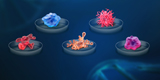
MailOrganoids represent an important bridge between 2D cultures and in vivo mouse/human models. The organoid technology exerts enormous potential in evaluation of efficacy and toxicity of drugs, regenerative medicine, and precision medicine.In this article, we will briefly introduce organoid technology.
Articles
All
-
All
-
Scientific Reviews
-
EDM
-
Blog
Most Recent
-
Most Recent
-
Oldest
-
 Scientific Reviews
-
 Scientific Reviews
Development of Intestinal Organoid
Scientific Reviews
Development of Intestinal Organoid2022-07-28
3D organoid is one of the revolutionary developments in biomedical field during the past 10 years. The establishment of intestinal organoids is an important milestone in the development of organoid technology. -
 Scientific Reviews
RNA therapeutics have changed the landscape of drug development, which possess broader spectrum of drug targets, simplicity and efficiency in development and manufacturing.In this article, we will discuss the underlying mechanisms of RNA-based drugs on the market or in clinical stages.
Scientific Reviews
RNA therapeutics have changed the landscape of drug development, which possess broader spectrum of drug targets, simplicity and efficiency in development and manufacturing.In this article, we will discuss the underlying mechanisms of RNA-based drugs on the market or in clinical stages. -
 Scientific Reviews
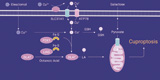
Tsvetkov et al. published in Science and demonstrated a copper-induced programmed cell death — Cuproptosis. As a novel programmed cell death, excess copper triggers abnormal aggregation of lipoylated proteins in TCA cycle and clearance of Fe-S cluster proteins, ultimately leading to cell death.
Scientific Reviews
Tsvetkov et al. published in Science and demonstrated a copper-induced programmed cell death — Cuproptosis. As a novel programmed cell death, excess copper triggers abnormal aggregation of lipoylated proteins in TCA cycle and clearance of Fe-S cluster proteins, ultimately leading to cell death. -
 Scientific Reviews
A comprehensive explanation of ferroptosis
Scientific Reviews
A comprehensive explanation of ferroptosis2022-09-15
Ferroptosis is a new type of RCD that depends on iron and characterized by the accumulation of lipid peroxides. In this article, we will pay our attention on ferroptosis and briefly discusses its mechanism. -
Scientific Reviews
Organoids have great potential in research of organ development, disease modeling, drug screening and, precision and regenerative medicin. In this article, we will expalin the origin of the organoids. Adult stem cells (ASCs) or pluripotent stem cells (PSCs) , which is the better choice.
-
 Scientific Reviews
Autophagy, derived from the Greek meaning "eating of self", plays an indispensable role in maintaining homeostasis. p27 is an inhibitor of cyclin CDKs, but how p27 regulates autophagy remains unknown. This article will cover the mechanism of autophagy and p27-related cell cycle regulation.
Scientific Reviews
Autophagy, derived from the Greek meaning "eating of self", plays an indispensable role in maintaining homeostasis. p27 is an inhibitor of cyclin CDKs, but how p27 regulates autophagy remains unknown. This article will cover the mechanism of autophagy and p27-related cell cycle regulation. -
 Scientific Reviews
CMA (chaperone-mediated autophagy) plays an essential role in maintaining neuronal protein stability and preventing neurodegeneration. In this article, we will comprehensively clarify the role of CMA in the occurrence and development of neurodegenerative diseases.
Scientific Reviews
CMA (chaperone-mediated autophagy) plays an essential role in maintaining neuronal protein stability and preventing neurodegeneration. In this article, we will comprehensively clarify the role of CMA in the occurrence and development of neurodegenerative diseases. -
 Scientific Reviews
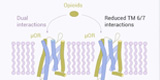
As powerful pain relievers, the opioids morphine and fentanyl have been "checked" by their side effects (listed as controlled substances). How to reduce its side effects? What is its mechanism? This research will explore its mechanism.
Scientific Reviews
As powerful pain relievers, the opioids morphine and fentanyl have been "checked" by their side effects (listed as controlled substances). How to reduce its side effects? What is its mechanism? This research will explore its mechanism. -
 Scientific Reviews
Understanding the mechanism of aging not only has guiding significance for prolonging human life but also has important clinical significance for the prevention and treatment of diseases in the elderly population , thus, improving their life quality and well-being.
Scientific Reviews
Understanding the mechanism of aging not only has guiding significance for prolonging human life but also has important clinical significance for the prevention and treatment of diseases in the elderly population , thus, improving their life quality and well-being. -
 Scientific Reviews
Mammalian cells can also photosynthesize like plants! Photosynthesis can improve cell anabolism and exhibit good clinical effect in degenerative diseases (osteoarthritis).
Scientific Reviews
Mammalian cells can also photosynthesize like plants! Photosynthesis can improve cell anabolism and exhibit good clinical effect in degenerative diseases (osteoarthritis). -
 Scientific Reviews
The latest study of Cell magazine "Neural mechanism underlying depressive-like state associated with social status loss" considers social factors as a breakthrough point. It has been found that the downward transition of social status induces depression-like behavior in mice whereas improves the depressive state by restoring their social environment.
Scientific Reviews
The latest study of Cell magazine "Neural mechanism underlying depressive-like state associated with social status loss" considers social factors as a breakthrough point. It has been found that the downward transition of social status induces depression-like behavior in mice whereas improves the depressive state by restoring their social environment. -
 Scientific Reviews
Stem cell classification and its application
Scientific Reviews
Stem cell classification and its application2023-05-18
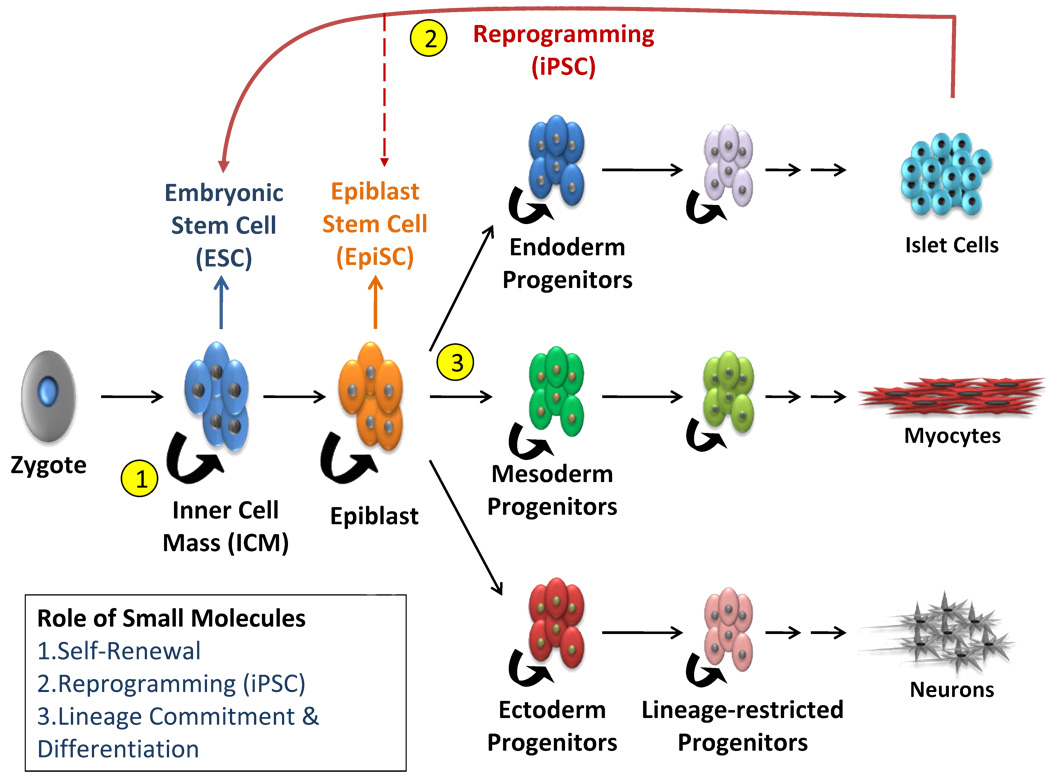
Stem cells (SCs) have the unique ability to self-renew and differentiate into different cell types. SCs can differentiate into various types of tissue cells under specific conditions. Additionally, they can be further cultured to form different tissues and organs in the human body. Stem cells have numerous applications in various fields, including cell therapy, organ transplantation, neurodegenerative disease modeling, and drug screening. -
 Scientific Reviews
Mitophagy:Mechanisms and Detection
Scientific Reviews
Mitophagy:Mechanisms and Detection2023-05-25
About 60 years ago, Christian de Duve first used the term "autophagy" to describe his observation of the degradation of mitochondria and other intracellular structures in lysosomes of rat liver. Over the years, autophagy has remained a beloved topic of research by the National Natural Science Foundation of China (NSFC).Today, let's talk about mitochondrial autophagy. -
 Scientific Reviews
Organoid Culture: Questions & Answers
Scientific Reviews
Organoid Culture: Questions & Answers2023-07-26
In the last issue, we conducted a live lecture on the theme of organoid culture. Today, we have a special topic to solve your doubts in the last live class! -
 Scientific Reviews
WHO's Q2 drug list has been updated. Let's take you through the list of the most noteworthy small molecule drugs that we should pay attention to.
Scientific Reviews
WHO's Q2 drug list has been updated. Let's take you through the list of the most noteworthy small molecule drugs that we should pay attention to. -
 Scientific Reviews
FDA Approved Drug List!
Scientific Reviews
FDA Approved Drug List!2023-09-14
In the first half of 2023 (as of June 27), the FDA approved 26 new drugs, let's take you learn about it through the article. -
 Scientific Reviews
Science | A "new" mechanism for non-ubiquitinated Midnolin-proteasomal degradation pathway
Scientific Reviews
Science | A "new" mechanism for non-ubiquitinated Midnolin-proteasomal degradation pathway2024-04-26
“ubiquitin-mediated protein degradation” won the Nobel Prize in Chemistry in 2004! In fact, proteasomes degrade not only ubiquitinated proteins but also non-ubiquitinated ones. The mechanism remains shrouded in mystery. After reading this piece today, you might have a lightbulb moment! -
 Scientific Reviews
STZ Induced Diabetes Models
Scientific Reviews
STZ Induced Diabetes Models2024-06-13
Spotlight: How can STZ Help Diabetes Research? -
 Scientific Reviews
Exosomes, which won the Nobel Prize in 2013, are still a research hotspot in the national natural sciences, and their popularity has only increased over the past decade (in 2022, they still rank 5th in the national natural sciences hotspots!). Why have exosomes become the darling of scientific research? Let's take a look together~
Scientific Reviews
Exosomes, which won the Nobel Prize in 2013, are still a research hotspot in the national natural sciences, and their popularity has only increased over the past decade (in 2022, they still rank 5th in the national natural sciences hotspots!). Why have exosomes become the darling of scientific research? Let's take a look together~ -
 Scientific Reviews
Degrade target proteins through the autophagy-lysosome pathway including LYTAC, AUTAC, and ATTEC have gained increasing attention in recent years due to their significant research potential!
Scientific Reviews
Degrade target proteins through the autophagy-lysosome pathway including LYTAC, AUTAC, and ATTEC have gained increasing attention in recent years due to their significant research potential! -
 Scientific Reviews
Cuproptosis, How much do you know?
Scientific Reviews
Cuproptosis, How much do you know?2024-08-22
Cells die in a variety of ways, including apoptosis, pyroptosis, necrosis, and ferroptosis......And, of course, cuproptosis. So, how much do you know about cuproptosis? -
 Scientific Reviews
Recently, Mol Cell reported the discovery of the first ferroptosis marker, Hyperoxidized PRDX3! Let’s take a look together~
Scientific Reviews
Recently, Mol Cell reported the discovery of the first ferroptosis marker, Hyperoxidized PRDX3! Let’s take a look together~ -
 Scientific Reviews
Cuproptosis's Knowledge Points!
Scientific Reviews
Cuproptosis's Knowledge Points!2024-09-25
With the establishment of the cuproptosis mechanism related research has attracted more and more attention from major journals. Expect to use the sharp sword of cuproptosis to stab the tumor cells. -
 Scientific Reviews
2024 Nobel Prize Announcements! Curious about the details? Click to dive into the exciting developments!
Scientific Reviews
2024 Nobel Prize Announcements! Curious about the details? Click to dive into the exciting developments! -
Scientific Reviews
Delve into the intricate networks that govern mitochondrial quality control. By examining key mechanisms such as biogenesis, mitochondrial dynamics (fission and fusion), proteolysis, and mitophagy. -
 Scientific Reviews
In early January 2025, MIT Tech Review unveiled its annual list of top 10 breakthrough technologies poised to redefine the future. Among these, stem cell therapy stood out for its potential to treat diverse diseases—including neurodegenerative disorders, diabetes, cancer, and heart failure. This groundbreaking approach uses stem cells to replace damaged cells, offering hope for millions worldwide.
Scientific Reviews
In early January 2025, MIT Tech Review unveiled its annual list of top 10 breakthrough technologies poised to redefine the future. Among these, stem cell therapy stood out for its potential to treat diverse diseases—including neurodegenerative disorders, diabetes, cancer, and heart failure. This groundbreaking approach uses stem cells to replace damaged cells, offering hope for millions worldwide. -
 Scientific Reviews
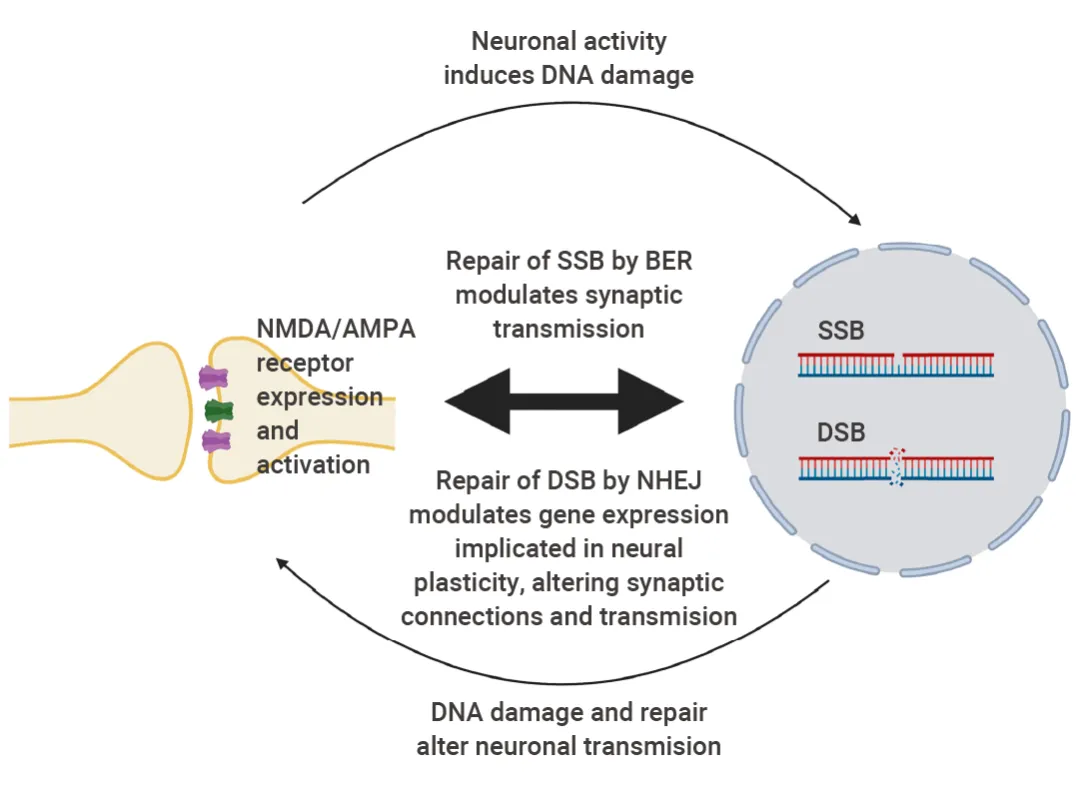
When you hear "inflammation" and "DNA damage," you might immediately think of disease or injury. However, in brains, these two processes are key steps in forming long-term memories, particularly related to specialized cells in our brain called hippocampal neurons.
Scientific Reviews
When you hear "inflammation" and "DNA damage," you might immediately think of disease or injury. However, in brains, these two processes are key steps in forming long-term memories, particularly related to specialized cells in our brain called hippocampal neurons. -
 Scientific Reviews
Autophagy is a fundamental process that degrades various components within the cell.
Scientific Reviews
Autophagy is a fundamental process that degrades various components within the cell. -
.jpg) Scientific Reviews
nside cells, the homeostasis and degradation of proteins is a precisely regulated process. If proteins cannot be degraded in time, it may lead to the occurrence of various diseases such as neurodegenerative diseases and cancer. This article will tell you the process of how proteins are recognized, labeled and then degraded!
Scientific Reviews
nside cells, the homeostasis and degradation of proteins is a precisely regulated process. If proteins cannot be degraded in time, it may lead to the occurrence of various diseases such as neurodegenerative diseases and cancer. This article will tell you the process of how proteins are recognized, labeled and then degraded! -
 Scientific Reviews
In this issue, we will conduct an in-depth interpretation from the dimensions of nanoparticle design, mechanism of action, in vivo and in vitro efficacy, and immune regulation, revealing how this research brings new hope for the treatment of invasive tumors through interdisciplinary innovation!
Scientific Reviews
In this issue, we will conduct an in-depth interpretation from the dimensions of nanoparticle design, mechanism of action, in vivo and in vitro efficacy, and immune regulation, revealing how this research brings new hope for the treatment of invasive tumors through interdisciplinary innovation! -
 Scientific Reviews
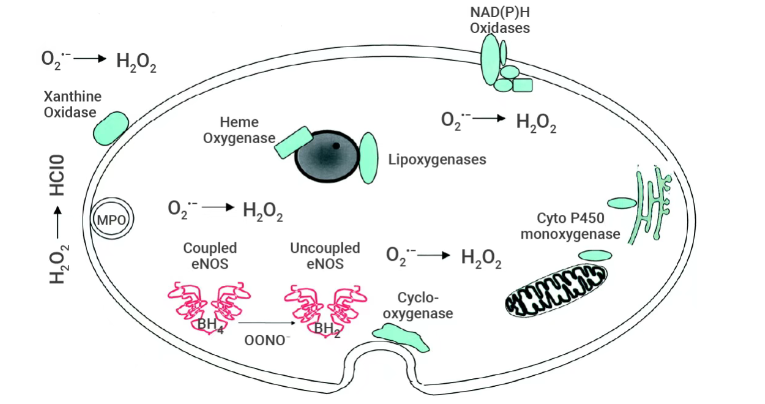
The article introduces the mechanisms of ROS generation and the methods for their detection.
Scientific Reviews
The article introduces the mechanisms of ROS generation and the methods for their detection. -
 Scientific Reviews
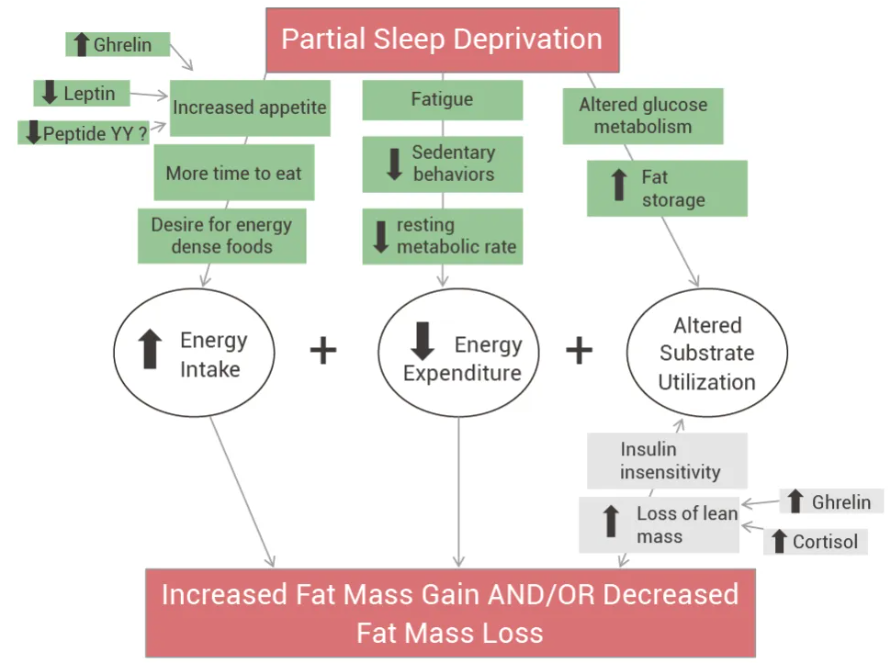
Have you ever noticed that after staying up late, your appetite—especially for high-calorie foods—gets out of control? If this sounds familiar, today’s article might offer some good news.
Scientific Reviews
Have you ever noticed that after staying up late, your appetite—especially for high-calorie foods—gets out of control? If this sounds familiar, today’s article might offer some good news. -
Scientific Reviews
Microglia– the only immune cells within the brain parenchyma. With advancements in imaging technologies, people’s understanding of microglia has shifted from being viewed as 'resting' cells to 'highly active' cells, particularly due to their dynamic processes that seem to be probing surrounding tissues and monitoring neuronal activity. This has made microglia a focal point of research in the field of neuroscience. -
 Scientific Reviews
Exosomes—natural nanoscale carriers—are revolutionizing targeted therapy. This article uncovers the science behind their precision in drug delivery.
Scientific Reviews
Exosomes—natural nanoscale carriers—are revolutionizing targeted therapy. This article uncovers the science behind their precision in drug delivery. -
 Scientific Reviews
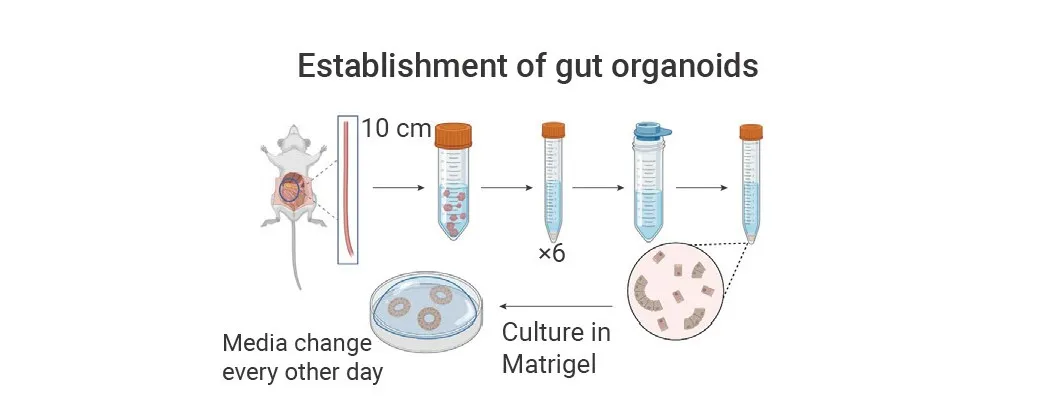
Efficient Generation of Mouse Small Intestinal Organoids: A Complete Experimental Protocol Guide
Scientific Reviews
Efficient Generation of Mouse Small Intestinal Organoids: A Complete Experimental Protocol Guide2025-12-10
How to successfully create mouse small intestine organoids? A detailed, hands-on guide to the entire process, all in one article! -
 Scientific Reviews
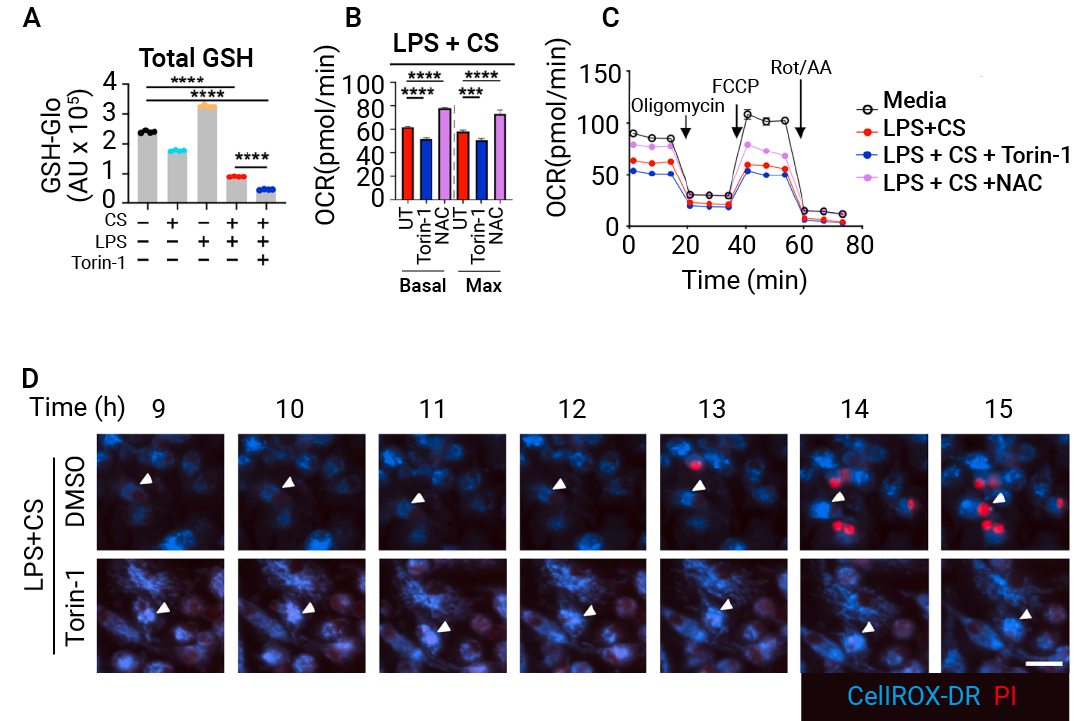
A November 2025 Cell study discovers Mitoxyperilysis, a new mTOR-regulated, caspase-independent cell death pathway driven by innate immune and metabolic dysregulation via mitochondrial-plasma membrane contact and oxidative damage, and verifies its potential to induce tumor necrosis for cancer therapy with key regulators including BAX, BAK1 and BID.
Scientific Reviews
A November 2025 Cell study discovers Mitoxyperilysis, a new mTOR-regulated, caspase-independent cell death pathway driven by innate immune and metabolic dysregulation via mitochondrial-plasma membrane contact and oxidative damage, and verifies its potential to induce tumor necrosis for cancer therapy with key regulators including BAX, BAK1 and BID. -
 EDM
Advances in Alzheimer's Disease Research
EDM
Advances in Alzheimer's Disease Research2025-07-16
This review summarizes current understanding of AD pathophysiology, including amyloid and tau pathology, neuroinflammation, synaptic dysfunction, and vascular abnormalities, and evaluates therapeutic strategies and experimental models. -
 EDM
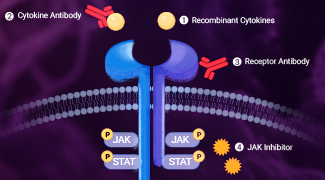
This review critically examines the role of the JAK-STAT pathway in immunity and autoimmune diseases, reviews current clinical applications of targeted therapies, and highlights emerging trends in autoimmune drug development.
EDM
This review critically examines the role of the JAK-STAT pathway in immunity and autoimmune diseases, reviews current clinical applications of targeted therapies, and highlights emerging trends in autoimmune drug development. -
 EDM
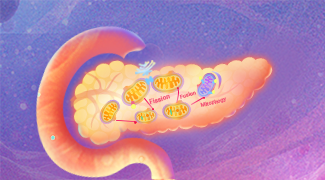
This review discusses β-cell dysfunction driven by mitochondrial impairment, outlines mitochondrial quality control networks, and summarizes strategies to restore mitochondrial function.
EDM
This review discusses β-cell dysfunction driven by mitochondrial impairment, outlines mitochondrial quality control networks, and summarizes strategies to restore mitochondrial function. -
 EDM
This review highlights the roles of microglia in AD pathology, focusing on metabolic reprogramming and microglia-targeted therapeutic strategies.
EDM
This review highlights the roles of microglia in AD pathology, focusing on metabolic reprogramming and microglia-targeted therapeutic strategies. -
 EDM
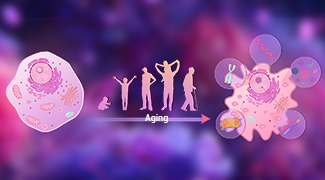
This review summarizes the hallmarks of aging and aging-related diseases, discusses mechanistic insights into aging processes, and highlights emerging anti-aging interventions.
EDM
This review summarizes the hallmarks of aging and aging-related diseases, discusses mechanistic insights into aging processes, and highlights emerging anti-aging interventions. -
 EDM
This review outlines macrophage functions and classification, and provides practical experimental guidelines for macrophage differentiation, polarization, and identification.
EDM
This review outlines macrophage functions and classification, and provides practical experimental guidelines for macrophage differentiation, polarization, and identification. -
 EDM
Review advances in target discovery, disease modeling, and biomarkers for Parkinson’s disease, highlighting their interplay and future directions for translational research.
EDM
Review advances in target discovery, disease modeling, and biomarkers for Parkinson’s disease, highlighting their interplay and future directions for translational research. -
 EDM
Review mitophagy regulation, disease mechanisms, and therapeutic advances to guide future research and drug development.
EDM
Review mitophagy regulation, disease mechanisms, and therapeutic advances to guide future research and drug development. -
 EDM
The Dual Role of Cellular Senescence in Cancer: Mechanisms, Microenvironment, and Therapeutics
EDM
The Dual Role of Cellular Senescence in Cancer: Mechanisms, Microenvironment, and Therapeutics2026-05-21
Explore the dual role of cellular senescence in cancer, including tumor suppression, SASP-driven tumor promotion, senescence heterogeneity and plasticity, and advances in senescence-targeted therapies. -
 EDM
Explore the mechanisms driving immune tolerance breakdown in autoimmune diseases and emerging tolerance-restoring strategies, with a focus on IL-2-based immune modulation.
EDM
Explore the mechanisms driving immune tolerance breakdown in autoimmune diseases and emerging tolerance-restoring strategies, with a focus on IL-2-based immune modulation. -
 EDM
Explore how anti-Aβ therapy is reshaping the AD treatment landscape, the rationale for multi-pathology combination strategies, and advances in biomarker-guided precision treatment.
EDM
Explore how anti-Aβ therapy is reshaping the AD treatment landscape, the rationale for multi-pathology combination strategies, and advances in biomarker-guided precision treatment. -
 EDM
Explore how mitochondrial quality control, inflammatory signaling, and metabolic–epigenetic reprogramming regulate cellular senescence and the SASP, along with strategies to restore mitochondrial homeostasis.
EDM
Explore how mitochondrial quality control, inflammatory signaling, and metabolic–epigenetic reprogramming regulate cellular senescence and the SASP, along with strategies to restore mitochondrial homeostasis. -
 Blog
BR351 is a Brain Penetrant MMP Inhibitor
Blog
BR351 is a Brain Penetrant MMP Inhibitor2019-04-05
BR351 is a brain penetrant MMP inhibitor, and a potential tool for the molecular imaging of activated MMPs with PET, with an IC50 in the nanomolar range. -
 Blog
ACY-1083, a Highly Selective HDAC6 Inhibitor, Reverses Chemotherapy-induced Peripheral Neuropathy
Blog
ACY-1083, a Highly Selective HDAC6 Inhibitor, Reverses Chemotherapy-induced Peripheral Neuropathy2019-05-12
ACY-1083 is a selective and brain-penetrating HDAC6 inhibitor with an IC50 of 3 nM. ACY-1083 effectively reverses chemotherapy-induced peripheral neuropathy -
 Blog
JMS-17-2 is a CX3CR1 Antagonist
Blog
JMS-17-2 is a CX3CR1 Antagonist2019-06-12
JMS-17-2 is a potent and selective CX3CR1 antagonist with an IC50 of 0.32 nM. Has potential to treat cancers such as breast cancer. -
 Blog
Gboxin is an oxidative phosphorylation inhibitor that targets glioblastoma. Gboxin inhibits the activity of F0F1 ATP synthase and shows antitumour activity.
Blog
Gboxin is an oxidative phosphorylation inhibitor that targets glioblastoma. Gboxin inhibits the activity of F0F1 ATP synthase and shows antitumour activity. -
 Blog
M8891 is an orally active, reversible and brain penetrant Methionine Aminopeptidase-2 (MetAP-2) inhibitor with antiangiogenic and antitumoral activity.
Blog
M8891 is an orally active, reversible and brain penetrant Methionine Aminopeptidase-2 (MetAP-2) inhibitor with antiangiogenic and antitumoral activity. -
 Blog
AKOS-22, a VDAC1 Oligomerization and Apoptosis Inhibitor, Protects Against Mitochondrial Dysfunction
Blog
AKOS-22, a VDAC1 Oligomerization and Apoptosis Inhibitor, Protects Against Mitochondrial Dysfunction2020-02-15
AKOS-22 is a potent mitochondrial protein VDAC1 and apoptosis inhibitor. AKOS-22 protects against Mitochondrial Dysfunction. -
 Blog
TCH-165 is a modulator of proteasome assembly, which increases 20S levels and facilitates 20S-mediated protein degradation, such as IDPs, α-syn, and tau.
Blog
TCH-165 is a modulator of proteasome assembly, which increases 20S levels and facilitates 20S-mediated protein degradation, such as IDPs, α-syn, and tau. -
 Blog
Ro 90-7501, an Aβ42 fibril assembly inhibitor, inhibits PP5 in a TPR-dependent manner and has radiosensitizing effects on cervical cancer cells.
Blog
Ro 90-7501, an Aβ42 fibril assembly inhibitor, inhibits PP5 in a TPR-dependent manner and has radiosensitizing effects on cervical cancer cells. -
 Blog
NU1025 is a potent PARP inhibitor and potentiates the cytotoxicity of ionizing radiation drug. NU1025 has anti-cancer and neuroprotective activity.
Blog
NU1025 is a potent PARP inhibitor and potentiates the cytotoxicity of ionizing radiation drug. NU1025 has anti-cancer and neuroprotective activity. -
 Blog
JCN037 is a potent, non-covalent, and brain-penetrant EGFR tyrosine kinase inhibitor. JCN037 has potent anti-cancer activity.
Blog
JCN037 is a potent, non-covalent, and brain-penetrant EGFR tyrosine kinase inhibitor. JCN037 has potent anti-cancer activity. -
 Blog
MYLS22 is a first-in-class and selective optic atrophy 1 (OPA1) inhibitor with anti-angiogenesis and anti-cancer activity.
Blog
MYLS22 is a first-in-class and selective optic atrophy 1 (OPA1) inhibitor with anti-angiogenesis and anti-cancer activity. -
 Blog
KCC-07 prevents binding of MBD2 to methylated DNA and activates BAI1 inducing anti-proliferative BAI1/p53/p21 signaling. Anticancer activity.
Blog
KCC-07 prevents binding of MBD2 to methylated DNA and activates BAI1 inducing anti-proliferative BAI1/p53/p21 signaling. Anticancer activity. -
 Blog
MPT0G211, an orally active and selective HDAC6 inhibitor, ameliorates tau phosphorylation, and cognitive deficits in an Alzheimer’s disease model.
Blog
MPT0G211, an orally active and selective HDAC6 inhibitor, ameliorates tau phosphorylation, and cognitive deficits in an Alzheimer’s disease model. -
 Blog
RapaLink-1, a third-generation bivalent mTOR inhibitor, potently blocking cancer-derived, activating mutants of mTOR. It can cross the blood-brain barrier.
Blog
RapaLink-1, a third-generation bivalent mTOR inhibitor, potently blocking cancer-derived, activating mutants of mTOR. It can cross the blood-brain barrier. -
 Blog
PQR530 is a potent, ATP-competitive, orally bioavailable and brain-penetrant dual pan-PI3K/mTORC1/2 inhibitor. Antitumor activity.
Blog
PQR530 is a potent, ATP-competitive, orally bioavailable and brain-penetrant dual pan-PI3K/mTORC1/2 inhibitor. Antitumor activity. -
 Blog
CHDI-390576, a potent and CNS penetrant class IIa HDAC inhibitor, show selectivity over class I HDACs, HDAC8 and the class IIb HDAC6 isoform.
Blog
CHDI-390576, a potent and CNS penetrant class IIa HDAC inhibitor, show selectivity over class I HDACs, HDAC8 and the class IIb HDAC6 isoform. -
 Blog
NAZ2329 is an allosteric, noncompetitive and reversible inhibitor of R5 RPTP subfamily and PTPRZ/PTPRG with anti-cancer activity.
Blog
NAZ2329 is an allosteric, noncompetitive and reversible inhibitor of R5 RPTP subfamily and PTPRZ/PTPRG with anti-cancer activity. -
 Blog
BrBzGCp2 is a Glyoxalase 1 (GLO1) inhibitor for a variety of disorders. Possesses antitumor and neuroprotective activity.
Blog
BrBzGCp2 is a Glyoxalase 1 (GLO1) inhibitor for a variety of disorders. Possesses antitumor and neuroprotective activity. -
 Blog
IMT1 is a first-in-class specific and noncompetitive human POLRMT inhibitor for mitochondrial transcription disorders related diseases.
Blog
IMT1 is a first-in-class specific and noncompetitive human POLRMT inhibitor for mitochondrial transcription disorders related diseases. -
 Blog
ML-00253764 is a brain penetrant nonpeptidic melanocortin receptor 4 (MC4R) antagonist with a Ki/IC50 of 0.16 µM/0.103 µM, respectively.
Blog
ML-00253764 is a brain penetrant nonpeptidic melanocortin receptor 4 (MC4R) antagonist with a Ki/IC50 of 0.16 µM/0.103 µM, respectively. -
 Blog
AUTAC4 is a mitochondria-targeting autophagy-targeting chimera, which can be used for the study of mitochondrial dysfunction.
Blog
AUTAC4 is a mitochondria-targeting autophagy-targeting chimera, which can be used for the study of mitochondrial dysfunction. -
 Blog
Vorasidenib is an orally available, brain penetrant second-generation dual mutant isocitrate dehydrogenases 1 and 2 (mIDH1/2) inhibitor.
Blog
Vorasidenib is an orally available, brain penetrant second-generation dual mutant isocitrate dehydrogenases 1 and 2 (mIDH1/2) inhibitor. -
 Blog
GSK2606414 is an orally available PERK inhibitor and is a potent compound of cancer and neurological diseases.
Blog
GSK2606414 is an orally available PERK inhibitor and is a potent compound of cancer and neurological diseases. -
 Blog
IACS-010759 is an orally active, potent mitochondrial complex I of oxidative phosphorylation (OXPHOS) inhibitor with antitumor activity.
Blog
IACS-010759 is an orally active, potent mitochondrial complex I of oxidative phosphorylation (OXPHOS) inhibitor with antitumor activity. -
 Blog
SB 258719 is a selective 5-HT7 receptor antagonist and can be used for the research of cancer and neurological disease.
Blog
SB 258719 is a selective 5-HT7 receptor antagonist and can be used for the research of cancer and neurological disease. -
 Blog
Lonidamine, an antitumor agent and an indazole derivative, interferes with energy-yielding processes in cancer cells.
Blog
Lonidamine, an antitumor agent and an indazole derivative, interferes with energy-yielding processes in cancer cells. -
 Blog
Trolox is an analogue of vitamin E with a powerful antioxidant effect. Trolox is also a powerful inhibitor of membrane damage.
Blog
Trolox is an analogue of vitamin E with a powerful antioxidant effect. Trolox is also a powerful inhibitor of membrane damage. -
 Blog
AZD1390 is a potent, highly selective, orally bioavailable, brain-penetrant ATM inhibitor with an IC50 of 0.78 nM.
Blog
AZD1390 is a potent, highly selective, orally bioavailable, brain-penetrant ATM inhibitor with an IC50 of 0.78 nM. -
 Blog
Alda-1 is a potent ALDH2 Agonist
Blog
Alda-1 is a potent ALDH2 Agonist2021-12-30
Alda-1 ameliorates H2O2-induced Achilles tendinopathy. Alda-1 could be used for preventing Achilles tendinopathy. -
 Blog
Epoxomicin is an epoxyketone-containing natural product and a selective and irreversible proteasome inhibitor. Cross the blood-brain barrier.
Blog
Epoxomicin is an epoxyketone-containing natural product and a selective and irreversible proteasome inhibitor. Cross the blood-brain barrier. -
 Blog
AZD-9574 is a potent and brain penetrant PARP1 inhibitor and shows >8000-fold selectivity for PARP1 compared to PARP2/3/5a/6.
Blog
AZD-9574 is a potent and brain penetrant PARP1 inhibitor and shows >8000-fold selectivity for PARP1 compared to PARP2/3/5a/6. -
 Blog
GR-46611 is a 5-HT1D Receptor Agonist
Blog
GR-46611 is a 5-HT1D Receptor Agonist2022-10-11
GR-46611 is a potent 5-HT1D receptor agonist and has the potential for the research of epilepsy and inhibits bladder activity. -
 Blog
Olutasidenib (FT-2102) is an orally active, brain penetrant inhibitor of mutant IDH1. Olutasidenib is used for AML or MDS Research.
Blog
Olutasidenib (FT-2102) is an orally active, brain penetrant inhibitor of mutant IDH1. Olutasidenib is used for AML or MDS Research. -
 Blog
J-113397 is a potent and selective nonpeptidyl ORL1 receptor antagonist without any agonistic effects on other opioid receptors.
Blog
J-113397 is a potent and selective nonpeptidyl ORL1 receptor antagonist without any agonistic effects on other opioid receptors.
Products
All
-
All
-
Inhibitors & Agonists
-
Isotope-Labeled Compounds
-
Fluorescent Dye
-
Peptides
-
Recombinant Proteins
-
Antibodies
-
Screening Libraries
-
Kits
-
Inhibitory Antibodies
-
Reference Standards
-
Induced Disease Models Products
-
GMP Small Molecules
-
Biochemical Assay Reagents
-
Natural Products
| Cat. No. | Product Name | Information | Application | Publication |
|---|---|---|---|---|
| HY-L025 | Anti-Cancer Compound Library |
Cancer is the second leading cause of death globally and seriously threatens human health. A neoplasm and malignant tumor are other common names for cancer. Disruption of the normal regulation of cell-cycle progression and division lies at the heart of the events leading to cancer. Target therapy, which targets proteins that control how cancer cells grow, divide and spread, plays an important role in cancer treatment. Recent studies mainly focus on targeting the key proteins for cancer surviving, cancer stem cells, the tumor microenvironment, tumor immunology, etc.
MCE designs a unique collection of 11,237 anti-cancer compounds that target kinases, cell cycle key components, tumorigenesis related signaling pathways, etc. MCE Anti-cancer compound library is a useful tool for anti-cancer drug screening.
|
|
100
|
| HY-L028 | CNS-Penetrant Compound Library |
The blood-brain barrier (BBB) is the complex network of brain microvessels. It protects the brain from the external bloodstream environment and supplies the brain with the required nutrients for normal function. However, blood-brain barrier is also the obstacle to deliver beneficial drugs to treat CNS (central nervous system) diseases or brain tumors, as it has the least permeable capillaries in the entire body due to physical barriers (tight junctions). Therefore, it is crucial to discover drugs which can cross this barrier for the treatment of brain-based diseases, such as Alzheimer’s disease (AD), Parkinson’s disease (PD) and epilepsy.
MCE offers a unique collection of 1,170 compounds with confirmed CNS-Penetrant property. It’s a useful tool for the discovery of drugs used for brain diseases, such as brain tumors, mental disorders, and neurodegenerative diseases.
|
|
91
|
| HY-L003 | Apoptosis Compound Library |
Apoptosis is an ordered and orchestrated cellular process that occurs in physiological and pathological conditions, which is also called programmed cell death (PCD). Apoptosis plays a crucial role in developing and maintaining the health of the body by eliminating old cells, unhealthy cells and unnecessary cells. Too little or too much apoptosis contribute to many diseases. When apoptosis does not work correctly, cells that should be eliminated may persist and become immortal, for example, in cancer and leukemia. When apoptosis works overly well, it kills too many cells and inflicts grave tissue damage. This is the case in strokes and neurodegenerative disorders such as Alzheimer's, Huntington's, and Parkinson's disease.
MCE designs a unique collection of 3,650 apoptosis-related compounds mainly focusing on the key targets in the apoptosis signaling pathway and can be used in the research of apoptosis signal pathway and related diseases.
|
|
90
|
| HY-L089 | Mitochondria-Targeted Compound Library |
Mitochondria plays an important role in many vital processes in cells, including energy production, fatty-acid oxidation and the Tricarboxylic Acid (TCA) cycle, calcium signaling, permeability transition, apoptosis and heat production. At present, it is recognized that many diseases are associated with impaired mitochondrial function, such as increased accumulation of ROS and decreased OXPHOS and ATP production. Mitochondria are recognized as one of the most important targets for new drug design in cancer, cardiovascular, and neurological diseases, etc. Some small molecule drugs or biologics can act on mitochondria through various pathways, including ETC inhibition, OXPHOS uncoupling, mitochondrial Ca2+ modulation, and control of oxidative stress via decrease or increase of mitochondrial ROS accumulation.
MCE supplies a unique collection of 1,182 mitochondria-targeted compound that mainly targeting Mitochondrial Metabolism, ATP Synthase, Mitophagy, Reactive Oxygen Species, etc. MCE Mitochondria-Targeted Compound Library is a useful tool for mitochondria-targeted drug discovery and related research.
|
|
89
|
| HY-L010 | MAPK Compound Library |
MAPK families play an important role in complex cellular programs like proliferation, differentiation, development, transformation, and apoptosis. In mammalian cells, four MAPK families have been clearly characterized: ERK1/2, C-Jun N-terminal kinse/stress-activated protein kinase (JNK/SAPK) , p38 kinase and ERK5. They respond to different signals. Each MAPK-related cascade consists of three enzymes that are activated in series: a MAPK kinase kinase (MAPKKK), a MAPK kinase (MAPKK) and a MAP kinase (MAPK). MAPK signaling pathways has been implicated in the development of many human diseases including Alzheimer's disease (AD), Parkinson's disease (PD), amyotrophic lateral sclerosis (ALS) and various types of cancers.
MCE designs a unique collection of 1,154 MAPK signaling pathway inhibitors that act as a useful tool for MAPK-related drug screening and disease research.
|
|
88
|
| HY-L031 | Small Molecule Immuno-Oncology Compound Library |
Immuno-Oncology is a type of immunotherapy that has the specific purpose of treating cancer. It works by stimulating our immune system to fight back. Normally, our immune system is able to destroy cancer cells in our body, however sometimes cancer cells can adapt and mutate, effectively hiding from our immune system. This is when tumors can develop and become a threat to our health. Immuno-oncology involves mobilizing lymphocytes to recognize and eliminate cancer cells using the body’s immune system. There are several immuno-oncology treatments available, including Immune cell therapy (CAR-T), monoclonal antibodies (mABs) and checkpoint inhibitors, cytokines and cancer vaccines.
MCE Small Molecule Immuno-Oncology Compound Library offers 831 bioactive tumor immunology compounds that target some important checkpoints such as PD1/PD-L1, CXCR, Sting, IDO, TLR, etc. This library is a useful tool for Immuno-oncology research.
|
|
88
|
| HY-L109 | Protein-protein Interaction Inhibitor Library |
Protein protein interactions (PPI) have pivotal roles in life processes. The studies showed that aberrant PPI are associated with various diseases, including cancer, infectious diseases, and neurodegenerative diseases. The classic drug targets are usually enzymes, ion channels, or receptors, the PPI indicate new potential therapeutic targets. Therefore, targeting PPI is a new direction in treating diseases and an essential strategy for the development of new drugs.
However, the design of modulators targeting PPI still faces tremendous challenges, such the difficult PPI interfaces for the drug design, lack of ligands reference, lack of guidance rules for the PPI modulators development and high-resolution PPI proteins structures.
With the development of high-throughput technology, high-throughput screening is also gradually used for the identification of PPI inhibitors, but the compound library used for conventional target screening is not very effective in screening PPI inhibitors. To improve screening efficiency, MCE carefully selected 826 PPI inhibitors and mainly targeting MDM2-p53, Keap1-Nrf2, PD-1/PD-L1, Myc-Max, etc. MCE Protein-protein Interaction Inhibitor Library is a useful tool for PPI drug discovery and related research.
|
|
86
|
| HY-L014 | NF-κB Signaling Compound Library |
Nuclear factor-κB (NF-κB)/Rel proteins include NF-κB2 p52/p100, NF-κB1 p50/p105, c-Rel, RelA/p65, and RelB. These proteins function as dimeric transcription factors that regulate the expression of genes and influence a broad range of biological processes including innate and adaptive immunity, inflammation, stress responses, B-cell development, and lymphoid organogenesis. NF-κB plays a key role in regulating the immune response to infection. In addition, activation of the NF-κB pathway is involved in the pathogenesis of chronic inflammatory diseases, such as asthma, rheumatoid arthritis, and inflammatory bowel disease. Incorrect regulation of NF-κB has been linked to cancer, inflammatory and autoimmune diseases, septic shock, viral infection, and improper immune development.
MCE owns a unique collection of 1,801 small molecule compounds that can be used in the research of NF-κB signaling pathway or high throughput screening (HTS) related drug discovery.
|
|
85
|
| HY-L086 | Neurodegenerative Disease-related Compound Library |
Neurodegenerative diseases are incurable and life-threatening conditions that result in progressive degeneration and/or death of nerve cells. Some common neurodegenerative diseases include Alzheimer’s Disease (AD), Parkinson’s Disease (PD), Motor Neuron Disease (MND), Huntington’s Disease (HD), Spino-Cerebellar Ataxia (SCA), Spinal Muscular Atrophy (SMA), and Amyotrophic Lateral Sclerosis (ALS). Because the pathophysiology of neurodegenerative disorders is generally poorly understood, it is difficult to identify promising molecular targets and validate them. At the same time, about 85% of the drugs fail in clinical trials. Therefore, validating new targets and discovering new drugs to mitigate neurodegenerative disorders is need of the hour.
MCE offers a unique collection of 3,759 compounds with anti-Neurodegenerative Diseases activities or targeting the unique targets of neurodegenerative diseases. MCE Neurodegenerative Disease-related Compound Library is a useful tool for exploring the mechanism of neurodegenerative diseases and discovering new drugs for neurodegenerative diseases.
|
|
85
|
| HY-L099 | Targeted Diversity Library |
MCE Targeted Diversity Library contains 2,294 compounds, covering more than 1000 targets and isoforms, such as GPCRs, Ion channel, variety of kinases, etc. 1-3 compounds with high potency and selectivity were carefully selected for each target and isoform. The bioactivity information of each compound has been clearly reported in the literatures. This library is a concise collection of small molecule compounds with comprehensive target coverage, which can be used for phenotypic screening at low cost.
|
|
85
|
| HY-L134 | Anti-Aging Natural Product Library |
Aging is an unavoidable process, leading to cell senescence due to physiochemical changes in an organism. Aging cells cease to divide and drive the progression of illness through various pathways, resulting in the death of an organism ultimately. Anti-aging activities are primarily involved in the therapies of age-related disorders such as Parkinson's Disease (PD), Alzheimer's Disease (AD), cardiovascular diseases, cancer, and chronic obstructive pulmonary diseases.
Natural products are known as effective molecules in anti-aging treatments, which delay the aging process through influencing several pathways and thus ensure an extended lifespan. MCE offers a unique collection of 193 natural products with validated anti-aging activity. MCE anti-aging natural product library is a useful tool for the study of aging-related diseases drugs and pharmacology.
|
|
85
|
| HY-L070 | Neuroprotective Compound Library |
Neurodegenerative diseases are characterised by progressive dysfunction and death of neurons, such as Alzheimer’s disease, Parkinson’s disease, and multiple sclerosis (MS). Neuroprotection is an approach to preserve neurons so that neurons cannot be hurt by different pathological factors in neurodegenerative diseases. Neuroprotectors are some agonists and antagonists targeting some key targets in neuroprotactive signal pathways, such as calcium and sodium channel blockers, GABA receptor agonists, NMDA receptor Antagonists, etc. Current neuroprotectors cannot reverse existing damage, but they may protect against further nerve damage and slow down any degeneration of the central nervous system (CNS) and still play important roles in the treatment of neurodegenerative diseases.
MCE offers a unique collection of 1,851 compounds with potential neuroprotective activities. These compounds mainly act on some key targets in neuroprotetive signal pathways, such as calcium channel, sodium channel, adenosine A1 receptor, etc. MCE Neuroprotective Compopund Library is a useful tool in neuroprotective drug discovery.
|
|
84
|
| HY-L080 | Targeted Therapy Drug Library |
Targeted cancer therapies are drugs or other substances that block the growth and spread of cancer by interfering with specific molecular targets that are involved in the growth, progression, and spread of cancer.
There are several different types of targeted therapy. The most common types are small-molecule drugs and monoclonal antibodies. Small-molecule drugs are small enough to enter cells easily, so they are used for targets that are inside cells, while monoclonal antibodies are usually used for targets that are located outside the cells. Because of high specificity, low side effect and potent anticancer activity, targeted therapy has become the mainstream of new anti-tumor drugs. Various targeted therapies have been approved by FDA and used in the treatment of diseases.
MCE carefully collects a unique of 106 targeted therapy drugs used in cancer treatment. MCE Targeted therapy drug library is a useful tool for the research of targeted therapy.
|
|
84
|
| HY-L188 | Anti-Brain Cancer Compound Library |
Although brain cancer only accounts for 2% of all tumors, it has a poor prognosis, high mortality and high recurrence rate. Brain cancer can be divided into primary brain cancer and secondary brain cancer. According to the location of the cancer, brain cancer can also be divided into: brain glioma, pituitary adenoma, schwannoma, craniopharyngioma, meningioma and so on. Glioma is the most common primary brain tumor, accounting for about 1/3 of all brain tumors. At present, brain cancer lacks precision targeted therapeutic drugs, and there is still a great clinical demand that has not been met. With the continuous development of high-throughput screening technology, it may be able to help develop effective anti-brain cancer drugs by screening compounds targeting PKC, PD-1, c-Met, PARP, etc targets.
MCE designs a unique collection of 2,134 small molecules with definite or potential anti-brain cancer activity, which is an important tool for studying the pathological mechanism of brain cancer and developing drugs for brain cancer.
|
|
84
|
| HY-L196 | Protein Kinase Compound Library |
Protein Kinases (PTKs) are a class of phosphotransferases that phosphorylate proteins. Protein kinases participate in many signal transduction pathways including those involved with growth, differentiation, and cell division. Protein kinase not only plays an important role in the process of cell activation, but also its abnormal expression is closely related to the pathogenesis of many diseases. So far, the protein kinase family has become one of the most important drug targets. The most common drug targets include ALK, B-Raf, BCR-Abl, EGFR, and VEGFR.
MCE designs a unique collection of 4,585 bioactive compounds targeting protein kinases, which is an important tool for the development of drug targeting protein kinases.
|
|
84
|
| HY-E0076 | 96-well Storage Plate |
MCE 96-well storage plates are the ideal storage plate for compound library. Conical bottom (V) improves sample recovery and decreases dead volume. MCE 96-well storage plates are completely designed according to ANSI/SBS standards and can be adapted to various testing equipment and automatic workstations.
|
|
83
|
| HY-E0156 | 8-Channel Handheld Screw Cap Decapper |
MCE 8-Channel Handheld Screw Cap Decapper is a necessary tool for handling thousands of screw cap tubes. It can cap and open various types of screw cap tubes, making it convenient and fast to operate. This improves experimental efficiency and meets different needs. |
|
83
|
| HY-L0119V | Asinex PPI Pre-Plated Library |
Protein protein interactions (PPI) have pivotal roles in life processes. The studies showed that aberrant PPI are associated with various diseases. However, the design of modulators targeting PPI still faces tremendous challenges, such the difficult PPI interfaces for the drug design, lack of ligands reference, lack of guidance rules for the PPI modulators development and high-resolution PPI proteins structures.
The PPI Library comprises molecules of various sizes, frameworks, and shapes ranging from fragment-like entities to macrocyclic derivatives designed as secondary structure mimetics or as epitope mimetics. The designs cover β-turn / loop mimetics and α-helix mimetics. Since helices present at the interface in 62% of all protein-protein interactions. This library focused on designs including mimics with the substitution geometry of an a-helices, as well as designs that mimic the location of “hot-spot” side chains in helix-mediated PPIs.
|
|
83
|
| HY-L0124V | Chemspace CNS-Focused Library |
The basic requirements for the compounds that are supposed to penetrate the blood-brain barrier are somewhat different from those for the majority of drug discovery projects. Alongside the known problem with delivery of the large and non-polar compounds and their penetrability through the cell membrane, the other issue arises as well: small and polar compounds are not able to pass the Blood-Brain Barrier. Chemspace CNS-focused library comprises quite small, non-polar compounds that are also free from PAINS/toxic fragments and aggregators.
|
|
83
|
| HY-L085 | Anti-Parkinson's Disease Compound Library |
Parkinson’s disease (PD), the second most common age-associated neurodegenerative disorder, is characterized by the loss of dopaminergic (DA) neurons and the presence of α-synuclein-containing aggregates in the substantia nigra pars compacta (SNpc). Motor features such as tremor, rigidity, bradykinesia and postural instability are common traits of PD. To date, there is no treatment to stop or at least slow down the progression of the disease. The etiology and pathogenesis of PD is still elusive, however, a large body of evidence suggests a prominent role of oxidative stress, inflammation, apoptosis, mitochondrial dysfunction and proteasome dysfunction in the pathogenesis of PD.
MCE offers a unique collection of 2,199 compounds with anti- Parkinson’s Disease activities or targeting the unique targets of PD. MCE Anti- Parkinson's Disease Compound Library is a useful tool for exploring the mechanism of PD and discovering new drugs for PD.
|
|
83
|
| HY-L110 | Cyclic Peptide Library |
Cyclic peptides are polypeptide chains taking cyclic ring structure, which exhibit diverse biological activities, such as antibacterial activity, immunosuppressive activity and anti-tumor activity. Cyclic peptides, with the features of good binding affinity, target selectivity and low toxicity, show great success as therapeutics. Multiple cyclic peptides are currently in clinical use, for examples, gramicidin and tyrocidine with bactericidal activity, cyclosporin A with immunosuppressive activity, and vancomycin with antibacterial activity. Furthermore, cyclic peptides usually have the sufficient size and a balanced conformational flexibility/rigidity for binding to flat protein-protein interaction (PPI) interfaces, which have potential to develop PPI drugs.
MCE offers a unique collection of 100 cyclic peptides, all of which have good bioactivities. MCE Cyclic Peptide Library is a powerful tool for drug discovery and PPI inhibitor screening.
|
|
83
|
| HY-L129 | Target Protein Ligand Library |
Proteolysis-targeting chimera (PROTAC) has been developed to be a useful technology for targeted protein degradation. PROTACs consist of a ligand for E3 ligase (E3 ligase binder), a linker and a ligand (mostly small-molecule inhibitor) for protein of interest(target binder). Upon binding to the target protein, the PROTACs can recruit E3 for target protein ubiquitination, which is subjected to proteasome-mediated degradation. Therefore, PROTACs execute their functions by degrading the target proteins rather than inhibiting them, which has a great superiority in overcoming resistance caused by target mutation or overexpression. To date, PROTAC technology has been applied to a variety of targets, including AR, ER, BTK, BET, and BCR-ABL to overcome resistance.
MCE carefully prepared a unique collection of 128 ligands for target proteins, which have been reported to be used in PROTAC design. MCE Target Protein Ligand Library is a useful tool for PROTAC development.
|
|
83
|
| HY-L137 | Molecular Glue Compound Library |
Targeted protein degradation(TPD) is a novel and promising approach to new drug discovery and development. It shows great potential for treating diseases with “undruggable” pathogenic protein targets and for overcoming drug resistance. Molecular glues and PROTACs are both targeted protein degraders that have attracted the most attention.
Molecular glues are small molecular degraders that mainly induce novel interaction between an E3 ligase and a target protein to form a ternary complex, leading to protein ubiquitination and subsequent proteasome degradation. Compared with PROTACs, molecular glues generally possess more favorable drug-like properties, such as lower MW, higher cell permeability, and better oral absorption. Molecular glues are emerging as a promising new therapeutic strategy.
MCE supplies a unique collection of 124 molecular glues which target various proteins. MCE Molecular Glue Compound Library is a useful tool to conduct scientific research and disease mechanism study.
|
|
83
|
| HY-L153 | Cysteine Targeted Covalent Library |
Covalent inhibitors are small molecules that can bind specifically to target proteins through covalent bonds and inhibit their biological functions. Although for a long time, covalent targeting has been playing a subordinate role in drug discovery, with an increasing number of reports on successful clinical applications of such drugs, the potential of these agents is now being acknowledged. Currently, cysteine is the most common covalent amino acid residue in a variety of covalent drugs, and various warheads have been developed that can react with cysteine, providing the key building blocks for covalent drugs to form covalent bonds.
To meet the development needs of covalent inhibitors targeting cysteine, MCE has designed a unique collection of 5,267 compounds with different covalent warheads that target cysteine. The MCE Cysteine Targeted Covalent Library is designed using the following covalent warheads: Acrylamides, Propiolic acid ester, Dimethylamine functionalized acrylamides, Chloroacetamides, Acrylonitrile, 2-Cyanoacrylamide, Aziridine, Haloacetamide, etc.
|
|
83
|
| HY-L154 | Cysteine Targeted Covalent Fragment Library |
Covalent inhibitors are small molecules that can bind specifically to target proteins through covalent bonds and inhibit their biological functions. Although for a long time, covalent targeting has been playing a subordinate role in drug discovery, with an increasing number of reports on successful clinical applications of such drugs, the potential of these agents is now being acknowledged. Currently, cysteine is the most common covalent amino acid residue in a variety of covalent drugs, and various warheads have been developed that can react with cysteine, providing the key building blocks for covalent drugs to form covalent bonds.
To meet the development needs of covalent inhibitors targeting cysteine, MCE has designed a unique collection of 3,728 fragments with different covalent warheads that target cysteine. The MCE Cysteine Targeted Covalent Fragment Library is designed using the following covalent warheads: Acrylamides, Propiolic acid ester, Dimethylamine functionalized acrylamides, Chloroacetamides, Acrylonitrile, 2-Cyanoacrylamide, Aziridine, Haloacetamide, etc. All fragments are pre-filtered with the Rule of Three restrictions which can be used for fragment-based covalent drug development.
|
|
83
|
| HY-L159 | Highly Selective Activators Library |
Agonistic drugs activate or stimulate their receptors, triggering responses that increase or decrease cell activity. The highly selective activators can act on specific biological or molecular targets, while non-selective activators may interfere with multiple targets or targets simultaneously. The highly selective activators reduce the likelihood of these non-specific effects by targeting specific targets, making research more precise and reliable. The Highly Selective Activators Library contains 2,192 compounds, covering multiple targets and subtypes, such as GPCR protein family, Ion channel, multiple kinases, etc. The Highly Selective Activators Library is an effective tool for screening different phenotypes.
|
|
83
|
| HY-L161 | Cytokine Inhibitors Library |
Cytokines are a kind of low molecular soluble proteins synthesized and secreted by immunogen, mitogen or other factors. They have functions of regulating innate and adaptive immune responses, promoting hematopoiesis, stimulating cell activation, proliferation and differentiation. The process of releasing a large number of cytokines is also called “Cytokine storm”, which can cause damage to many tissues and organs in the body. Cytokine is involved in the pathogenesis of many human diseases, including cancer, diabetes, chronic inflammatory diseases and so on. Cytokine inhibitors are a class of essential compounds that act by directly inhibiting the synthesis and release of cytokine or blocking the binding of cytokine to their receptors. Cytokine inhibitors are important compounds for the study of tumor and autoimmune diseases.
MCE designs a unique collection of 1,416 cytokine inhibitors, mainly targeting the receptor interleukin (IL), colony-stimulating factor (CSF), interferon (IFN), tumor necrosis factor (TNF), growth factor (GF) and chemokine, which is an effective tool for development and research of anti-cancer, anti-chronic inflammatory diseases and anti-autoimmune diseases compounds.
|
|
83
|
| HY-L165 | Dopamine Receptor Compound Library |
Dopamine receptor (DAR), widely distributed in the brain, plays a key role in regulating motor function, motivation, driving force and cognition. The role of DA is mediated by D1-type (D1, D5) and D2-type receptors (D2S, D2L, D3, D4), which are distributed in presynaptic, postsynaptic and extrasynaptic, projection neurons and interneurons. Each receptor has a different function. D1 and D5 receptors couple with G stimulation sites and activate Adenylyl cyclase. The activation of Adenylyl cyclase leads to the production of the second messenger cAMP, which leads to the production of protein kinase A (PKA), which leads to further transcription in the nucleus. D2 to D4 receptors are coupled to G inhibitory sites to inhibit adenylyl cyclase and activate potassium Ion channel. These receptors utilize phosphorylation cascades or direct membrane interactions to affect the functions of voltage-gated and neurotransmitter-gated channels, cytoplasmic enzymes, and transcription factors. Dopamine receptor plays an important role in daily life.
MCE designs a unique collection of 282 small molecules related to dopamine receptor. It is a good tool for screening drugs from nervous system disease.
|
|
83
|
| HY-L203 | Methylation Compound Library |
Methylation is an epigenetic modification mechanism that involves adding methyl groups to molecules such as DNA and histones, which can alter gene expression without changing the DNA sequence. This process is catalyzed by enzymes such as DNA methyltransferases (DNMTs) and histone methyltransferases (HMTs), and can be reversed by demethylases.
The balance of methylation and demethylation is crucial for maintaining cellular function and genomic stability. Abnormal regulation of methylation may lead to a variety of diseases, including cancer, neurological disorders, and developmental abnormalities. A deep understanding of the molecular mechanisms of methylation metabolism is essential for developing therapeutic strategies for diseases associated with methylation dysregulation.
MCE contains 351 compounds targeting methylation/demethylation enzymes, which is of significant value for studying the pathways of methylation metabolism and exploring their mechanisms of action in diseases.
|
|
83
|
| HY-L240 | Plant Hormone Library |
Plant hormones are natural signaling molecules synthesized by plants themselves, serving as crucial chemical messengers that exert physiological effects on plants at extremely low concentrations. They coordinate cellular growth, division, differentiation, and organ formation, helping plants adapt to environmental changes. Major categories include abscisic acid, auxins, gibberellins, cytokinins, ethylene, and brassinosteroids, among others.
MCE has included 44 plant hormones, which can be used for identification in plant metabolomics and related botanical research.
|
|
83
|
| HY-L246 | Tonifying Traditional Chinese Medicine Monomer Compound Library |
Tonifying traditional Chinese medicines occupy a central position in the traditional medical system, with their core value lying in the regulation of the body's functional state. Modern pharmacological studies have confirmed that these medicinal materials and their monomeric components possess multiple biological activities, including bidirectional immune regulation, anti-aging and lifespan extension, neuroprotection and cognitive enhancement, as well as hematopoietic and metabolic regulation. According to the traditional Chinese medicine theory of “strengthening the body’s resistance and consolidating the foundation”, tonifying medicines are mainly classified into four major categories: Qi-tonifying, Blood-tonifying, Yin-tonifying, and Yang-tonifying. This compound library strictly follows this classification system for compound collection.
Monomeric compounds derived from traditional Chinese medicines demonstrate excellent drug-like properties. They naturally possess structural diversity and clearly defined pharmacological activities, which help improve screening success rates and make them ideal tools for studying multi-target synergistic effects. This library contains 1,039 compounds, providing a material basis for investigating synergistic interactions among compounds (network pharmacology) and facilitating the development of multi-target therapeutic strategies for complex diseases such as cancer, neurodegenerative disorders, and metabolic syndrome.
|
|
83
|
| HY-L263 | Energy Metabolites Library |
Energy metabolism is the most fundamental biochemical process in living organisms, encompassing glycolysis, the TCA cycle, oxidative phosphorylation, the pentose phosphate pathway, and fatty acid oxidation. These core pathways directly regulate cell survival, proliferation, differentiation, and apoptosis. Dysregulation of energy metabolism is closely linked to major diseases including cancer, diabetes, obesity, cardiovascular diseases, neurodegenerative disorders, and ischemia‑reperfusion injury. Targeting these metabolic pathways has become a frontier in drug discovery and mechanistic research.
The MCE Energy Metabolite Compound Library features 89 structurally defined small‑molecule compounds. It covers energy substrates, pathway intermediates, coenzymes and redox carriers, nucleotide derivatives, and microenvironmental modulators. This library is applicable to research areas including tumor metabolism, insulin resistance, mitochondrial dysfunction, oxidative stress, neuroprotection, and cardiometabolic diseases, providing a high‑quality tool for mechanistic studies, biomarker discovery, and high‑throughput drug screening.
|
|
83
|
| HY-L913 | Tyrosine Focused Covalent Fragment Library |
Recently, significant advancements in tyrosine-targeting electrophiles have primarily occurred in the field of protein-protein interactions (PPIs), where cysteine residues are often underrepresented and novel chemistries are needed to address these interfaces. In this context, tyrosines are frequently more accessible compared to more buried binding sites. Moreover, they are commonly found at "hot spots," which are functional epitopes of PPIs, with 12.3% of the residues consisting of tyrosines. This prevalence is likely due to the hydrophobic nature of tyrosine, its ability to participate in aromatic π-interactions, and its capacity for hydrogen bonding. Beyond PPIs, some progress has also been made in covalent tyrosine targeting in other areas where more commonly addressed side chains are lacking. Even though tyrosine has a slightly lower pKa value compared to the protonated lysine side chain (approximately 10 vs. 10.5 for the unprotected amino acid side chains), significantly less progress has been made in the development of tyrosine-targeted covalent ligands compared to lysine. This is likely due to the reduced flexibility of the tyrosine side chain and the greater steric hindrance of its hydroxy group, which makes it more challenging to adopt suitable reaction geometries.
Through careful selection, we constructed a structural filter containing over 110 electrophilic groups. By analyzing the electrophilic fragments selected by the structural filter, we removed any molecules with trivial or undesirable structural features. Ultimately, we obtained 124 fragment molecules which can target tyrosine residue and can be used for fragment-based covalent drug discovery.
|
|
83
|
| HY-L919 | MCE CNS BBB Lead-like Library |
With the aging population and increasing competitive pressures, neurodegenerative diseases of the central nervous system (CNS) have become a serious medical challenge in modern society, including Parkinson's disease, Alzheimer's disease, brain tumors, and multiple sclerosis. However, the success rate of CNS drug development remains remarkably low, primarily due to the blood-brain barrier (BBB).
The blood-brain barrier (BBB) is a semipermeable barrier structure that surrounds the microvasculature of the CNS. In capillaries, the wedged endothelial cells are tightly packed and wedge-shaped, lining the interior of the vessels to form extensive tight junctions. Along with a range of receptors, transporters, efflux pumps, and other cellular components, this barrier regulates the entry and exit of molecules between the bloodstream and the brain. The intact BBB blocks the passage of most blood-borne substances into the brain, preventing nearly 100% of large-molecule drugs and over 98% of small-molecule drugs from entering.
Compared to non-CNS drugs, physicochemical properties such as hydrogen bonds, lipophilicity, and molecular weight significantly influence a compound's ability to cross the BBB. Using artificial intelligence (AI) algorithms to predict BBB permeability, a predicted value greater than 0.75 indicates that the compound has strong potential to cross the BBB, providing a promising starting point for CNS drug discovery.
|
|
83
|
| HY-L920 | CNS MPO Lead-like Library |
With the aging population and increasing competitive pressures, neurodegenerative diseases of the central nervous system (CNS) have become a serious medical challenge in modern society, including Parkinson's disease, Alzheimer's disease, brain tumors, and multiple sclerosis.
The CNS MPO (Multi-Parameter Optimization) score is a widely recognized algorithm in medicinal chemistry. Developed by Pfizer, this method is based on an analysis of approved CNS drugs and their interior CNS drug candidates, establishing the CNS MPO rules. It incorporates six key physicochemical properties (ClogP, ClogD, MW, TPSA, HBD, and pKa) to prospectively optimize CNS drug attributes—such as high blood-brain barrier (BBB) permeability, low P-gp efflux liability, low metabolic clearance, and high safety—thereby improving the clinical success rate of CNS drug candidates.
The CNS MPO compound library is a collection of compounds with CNS MPO scores greater than 5, specifically designed for CNS drug discovery.
|
|
83
|
| HY-L932V | Kinase Macrocyclic Compound Virtual Library |
Macrocyclic compounds (≥12-atom cyclic small molecules/peptides) have unique physicochemical properties. They form preorganized conformations with high binding affinity/selectivity, target traditional small-molecule-inaccessible proteins, and bridge small-molecule drugs and biological agents. As key protein phosphorylation enzymes, kinases are linked to tumors, COPD, etc., and are critical therapeutic targets. Traditional small-molecule kinase inhibitors lack selectivity, causing off-target toxicity, low bioavailability, and acquired resistance. Macrocycles’ semi-rigid structure restricts conformations, boosts binding selectivity, optimizes pharmacokinetics, and makes macrocyclization a core kinase inhibitor optimization strategy.
Thousands of bioactive macrocycles were curated from ChEMBL. Via Transformer, macrocyclization was converted into a chemical language translation task, enabling end-to-end macrocycle generation from linear precursors with simplified inputs. Macformer achieves efficient, automated linear molecule macrocyclization via deep learning; generated macrocycles have diversity, novelty, biocompatibility, and cover broader chemical space.
MCE collected thousands of marketed/clinical kinase inhibitors, using their fragments for macrocyclization to generate derivatives. After evaluating synthetic accessibility and physicochemical properties, a million-scale virtual macrocyclic library was built for kinase-related virtual and AI-driven screening.
|
|
83
|
| HY-L932V0 | Kinase Macrocyclic Compound Virtual Library |
Macrocyclic compounds (≥12-atom cyclic small molecules/peptides) have unique physicochemical properties. They form preorganized conformations with high binding affinity/selectivity, target traditional small-molecule-inaccessible proteins, and bridge small-molecule drugs and biological agents. As key protein phosphorylation enzymes, kinases are linked to tumors, COPD, etc., and are critical therapeutic targets. Traditional small-molecule kinase inhibitors lack selectivity, causing off-target toxicity, low bioavailability, and acquired resistance. Macrocycles’ semi-rigid structure restricts conformations, boosts binding selectivity, optimizes pharmacokinetics, and makes macrocyclization a core kinase inhibitor optimization strategy.
Thousands of bioactive macrocycles were curated from ChEMBL. Via Transformer, macrocyclization was converted into a chemical language translation task, enabling end-to-end macrocycle generation from linear precursors with simplified inputs. Macformer achieves efficient, automated linear molecule macrocyclization via deep learning; generated macrocycles have diversity, novelty, biocompatibility, and cover broader chemical space.
MCE collected thousands of marketed/clinical kinase inhibitors, using their fragments for macrocyclization to generate derivatives. After evaluating synthetic accessibility and physicochemical properties, a million-scale virtual macrocyclic library was built for kinase-related virtual and AI-driven screening.
|
|
83
|
| HY-L942 | Allosteric Modulator Fragment Library |
Unlike highly conserved orthosteric sites, allosteric sites exhibit low conservation, high hydrophobicity, weak polarity, confined geometry, and dynamic cryptic properties. Rather than rigid keyhole-like cavities, they typically appear as flexible grooves, subunit interface clefts, or shallow depressions formed by protein conformational changes.
Based on the dynamic, hydrophobic, and elongated nature of allosteric pockets, MCE has carried out targeted fragment modification and screening under strict physicochemical criteria: MW 120–280 Da, HBD ≤ 2, HBA ≤ 3, PSA 30–80 Ų, rotatable bonds ≤ 2, cLogP 1–3.5. High 3D diversity was further ensured by PMI analysis, yielding fragments with excellent shape complementarity to allosteric pockets.
This library contains 1,800 structurally diverse, drug-like fragments, this library supports allosteric drug development and pocket optimization. It significantly improves screening hit rates and enables efficient, precise early-stage R&D of allosteric drugs.
|
|
83
|
| HY-L944 | MCE‑18 Novelty Focused Drug‑Like Library |
MCE 18 stands for Medicinal Chemistry Evolution 2018. This metric was established based on structural data of 28,161 patented lead molecules, 1,370 marketed innovative drugs, and nearly 30,000 investigational candidates from preclinical to Phase III stages across 23 major global pharmaceutical companies from 1950 to 2018. After scaffold clustering analysis, a scoring model was constructed by integrating five three dimensional scaffold characteristics, including aromatic rings (AR), non aromatic heterocycles (NAR), chiral centers (CHIRAL), spirocycles (SPIRO), and the sp³ carbon ratio in cyclic and acyclic moieties, enabling quantitative assessment of molecular scaffold novelty and three dimensional complexity.
According to the score distribution of patented molecules, the top 25% of the original patent dataset was defined as the high novelty region. MCE 18 high scoring compounds selected based on this criterion can effectively avoid scaffold patent conflicts and intellectual property risks from the source. Molecules in this range typically feature a high sp³ carbon ratio, abundant chiral centers, spirocycles, and fused heterocycles with prominent three dimensional conformations. Their spatial properties allow precise matching to complex non traditional undruggable target pockets such as PPI interfaces and allosteric sites, making them ideal structural types for early stage screening of First in class drugs.
MCE‑18 Novelty Focused drug‑Like library strictly selects molecules from the aforementioned high scoring range, containing more than 10,000 premium drug like molecules with highly diverse scaffolds and rich 3D diversity. It can be used for high throughput screening of well established targets such as kinases, GPCRs, and proteases, and is especially suitable for hit identification in allosteric modulation, protein–protein interactions, and various undruggable orphan targets, fully supporting early stage drug discovery for cutting edge innovat
|
|
83
|
| HY-L948 | PD-1/PD-L1 Lead-like Library |
PD-1/PD-L1 are key immune checkpoint targets that suppress T-cell-mediated anti-tumor immunity, representing a major focus in cancer immunotherapy. While antibody drugs dominate the clinic, they are limited by administration challenges and immune-related side effects. Small-molecule PD-1/PD-L1 inhibitors, with oral availability, good tissue penetration and low cost, have emerged as a promising next-generation strategy.
A PD-1/PD-L1 lead-like library was built via a five-step virtual screening process. After collecting 8,947 inhibitors from BindingDB and PubChem and filtering by activity and duplicates, AI similarity screening was performed using GeminiMol. Key pharmacophores were extracted from the PPI interface of co-crystal structures, and molecular was screened via a pharmacophore model, effectively enhancing target activity.
Containing 10,000 structurally diverse and drug-like molecules well-matched to the PD-L1 pocket, the library supports virtual docking, high-throughput screening and hit discovery, enabling efficient and rapid development of small-molecule immunotherapies.
|
|
83
|
| HY-B0324A | Crystal Violet |
Crystal Violet, also known as Gentian violet, methyl violet 10B, is a triphenyl-methane, an alkaline dye that binds to DNA in the nucleus of a cell, staining it a deep purple. It is often used for Gram staining to classify bacteria, or for cell or histological staining[1].
|
|
70
|
| HY-18234A | Leupeptin hemisulfate |
Leupeptin hemisulfate is a broad-spectrum protease inhibitor. By inhibiting the activation of the PTEN/PI3K/Akt/NF-κB/ERK1/2/p38 signaling pathway, Leupeptin hemisulfate significantly reduces LPS-induced NO and ROS production, mitochondrial membrane potential hyperpolarization, phagocytic activity, pro-inflammatory cytokine release, and M1 polarization in mouse peritoneal macrophages, and reverses autophagic flux impairment. It also decreases Concanavalin A (HY-P2149)-induced proliferation index of mouse splenic lymphocytes and the Th1/IL-10 and Th2/IL-10 cytokine ratios, thereby modulating innate and adaptive immune responses. Leupeptin hemisulfate inhibits blood coagulation and tumorigenesis in mouse skin. Leupeptin hemisulfate can be used in research on chronic inflammatory diseases and skin tumorigenesis.
Source: Streptomyces roseus MB-26-AI |
Ser/Thr Protease
Cathepsin
Autophagy
SARS-CoV
Atg8/LC3
NO Synthase
COX
p62
Arginase
PTEN
NF-κB
PI3K
Akt
p38 MAPK
ERK
Reactive Oxygen Species (ROS)
|
68
|
| HY-114118C | Semaglutide sodium |
Semaglutide sodium is a long-acting, selective, competitive GLP-1R agonist that can penetrate the blood-brain barrier. After activating GLP-1R, Semaglutide sodium promotes insulin secretion, inhibits gastric emptying and appetite, and at the same time enhances autophagy, inhibits oxidative stress and apoptosis. Semaglutide sodium also regulates mitochondrial function and lipid metabolism (such as reducing de novo lipogenesis in the liver). Semaglutide sodium has activities such as lowering blood sugar, reducing weight, neuroprotection (such as improving motor function in Parkinson's disease models, reducing α-synuclein aggregation) and improving hepatic steatosis. Semaglutide sodium can be used for the study of neurodegenerative diseases and liver diseases such as type 2 diabetes, obesity, Parkinson's disease, metabolic associated fatty liver disease (MASLD), and cancer.
|
|
50
|
| HY-114118B | Semaglutide acetate |
Semaglutide acetate is a long-acting, selective, competitive GLP-1R agonist that can penetrate the blood-brain barrier. After activating GLP-1R, Semaglutide acetate promotes insulin secretion, inhibits gastric emptying and appetite, and at the same time enhances autophagy, inhibits oxidative stress and apoptosis. Semaglutide acetate also regulates mitochondrial function and lipid metabolism (such as reducing de novo lipogenesis in the liver). Semaglutide acetate has activities such as lowering blood sugar, reducing weight, neuroprotection (such as improving motor function in Parkinson's disease models, reducing α-synuclein aggregation) and improving hepatic steatosis. Semaglutide acetate can be used for the study of neurodegenerative diseases and liver diseases such as type 2 diabetes, obesity, Parkinson's disease, metabolic associated fatty liver disease (MASLD), and cancer.
|
|
50
|
| HY-114118A | Semaglutide TFA |
Semaglutide TFA is a long-acting, selective, competitive GLP-1R agonist that can penetrate the blood-brain barrier. After activating GLP-1R, Semaglutide TFA promotes insulin secretion, inhibits gastric emptying and appetite, and at the same time enhances autophagy, inhibits oxidative stress and apoptosis. Semaglutide TFA also regulates mitochondrial function and lipid metabolism (such as reducing de novo lipogenesis in the liver). Semaglutide TFA has activities such as lowering blood sugar, reducing weight, neuroprotection (such as improving motor function in Parkinson's disease models, reducing α-synuclein aggregation) and improving hepatic steatosis. Semaglutide TFA can be used for the study of neurodegenerative diseases and liver diseases such as type 2 diabetes, obesity, Parkinson's disease, metabolic associated fatty liver disease (MASLD), and cancer.
|
|
50
|
| HY-114118 | Semaglutide |
Semaglutide is a long-acting, selective, competitive GLP-1R agonist that can penetrate the blood-brain barrier. After activating GLP-1R, Semaglutide promotes insulin secretion, inhibits gastric emptying and appetite, and at the same time enhances autophagy, inhibits oxidative stress and apoptosis. Semaglutide also regulates mitochondrial function and lipid metabolism (such as reducing de novo lipogenesis in the liver). Semaglutide has activities such as lowering blood sugar, reducing weight, neuroprotection (such as improving motor function in Parkinson's disease models, reducing α-synuclein aggregation) and improving hepatic steatosis. Semaglutide can be used for the study of neurodegenerative diseases and liver diseases such as type 2 diabetes, obesity, Parkinson's disease, metabolic associated fatty liver disease (MASLD), and cancer.
|
|
50
|
| HY-N0182 | Fisetin |
Fisetin is a natural flavonol found in many fruits and vegetables with various benefits, such as antioxidant, anticancer, neuroprotection effects.
|
Digestive System Disease
Prostate Cancer
Viral Infection
Depression
Digestive System Inflammation
SARS-CoV-2 Infection
Obesity
Lung Fibrosis
Rheumatoid Arthritis
|
35
|
| HY-N0020 | Echinacoside |
Echinacoside, one of the phenylethanoids isolated from the stems of Cistanche deserticola, effectively inhibits Wnt/β-catenin signaling. Echinacoside elicits neuroprotection by activating Trk receptors and their downstream signal pathways. Antiosteoporotic activity.
|
Neurological, Eye or Ear Disease
Breast Cancer
Colorectal Cancer
Prostate Cancer
Gastric Cancer
Liver Cancer
Hypertension
Lung Fibrosis
Rheumatoid Arthritis
|
21
|
| HY-P7116A | BDNF Protein, Human/Mouse/Rat |
Brain Derived Neurotrophic Factor (BDNF) is a neurotrophin that belongs to NGF-beta family. BDNF can bind to its high affinity receptor TrkB and activates signal transduction cascades (IRS1/2, PI3K, Akt). BDNF can also bind to the p75NTR, but the affinity for the p75NTR receptor is lower than for TrkB. BDNF is a neurotransmitter modulator, and is vital in maturation, survival and differentiation of neuronal populations during development. BDNF also participates in neuronal plasticity, which is essential for learning and memory. BDNF is widely expressed in the CNS. BDNF Protein, Human is a recombinant human BDNF (H129-R247) without tag, which is produced in E.coli.
Species: Mouse; Rat; Human; Source: E. coli |
|
15
|
| HY-D0714 | Tetrazolium Red |
Tetrazolium Red (2,3,5-Triphenyltetrazolium chloride; TTC) is a not brain-penetrant, colorless, water-soluble dye that is reduced by mitochondrial enzymes to a deep red, water-insoluble compound (formazan) mainly in the mitochondria of living cells. Tetrazolium Red is used to observe the activity of dehydrogenase, and it turns colorless to red when exposed to hydrogen. Tetrazolium Red distinguishes between surviving and infarcted brain tissue after stroke. Tetrazolium Red has been used to stain heart tissue to measure the extent of acute lesions and also used to stain brain tissue to detect the size of the infarcted area. The absorption wavelength of Tetrazolium Red is 570 nm.
|
|
14
|
| HY-N1372A | Fangchinoline |
Fangchinoline is isolated from Stephania tetrandra with extensive biological activities, such as enhancing immunity, anti-inflammatory sterilization and anti-atherosclerosis. Fangchinoline, a novel HIV-1 inhibitor, inhibits HIV-1 replication by impairing gp160 proteolytic processing. Fangchinoline targets Focal adhesion kinase (FAK) and suppresses FAK-mediated signaling pathway in tumor cells which highly expressed FAK. Fangchinoline induces apoptosis and adaptive autophagy in bladder cancer.
|
|
12
|
| HY-N0121 | Sesamin |
Sesamin, abundant lignan found in sesame oil, is a potent and selective delta 5 desaturase inhibitor in polyunsaturated fatty acid biosynthesis. Sesamin exerts effective neuroprotection against cerbral ischemia.
|
Cancer
Neurological, Eye or Ear Disease
Digestive System Disease
Digestive System Inflammation
Obesity
|
12
|
| HY-P9921 | Trastuzumab emtansine |
Trastuzumab emtansine (Ado-Trastuzumab emtansine) is an antibody-drug conjugate (ADC) that incorporates the HER2-targeted antitumor properties of trastuzumab with the cytotoxic activity of the microtubule-inhibitory agent DM1 (HY-19792). Trastuzumab emtansine can be used for the research of advanced breast cancer.
|
|
8
|
| HY-B0489A | Arecoline hydrochloride |
Arecoline hydrochloride, a naturally brain-penetrant and orally active occurring psychoactive alkaloid, is a partial agonist of nicotinic and muscarinic acetylcholine receptor. Arecoline hydrochloride exhibits stimulation, alertness, anxiolysis and anti-parasitic effects. Arecoline hydrochloride also can induce oxidative stress.
|
Cancer
Infection
Neurological, Eye or Ear Disease
Inflammation or Immune System Disease
Metabolic or Endocrine Disease
|
7
|
| HY-112641 | AkaLumine |
AkaLumine is a D-luciferin (HY-12591A) analogue with a Km of 2.06 μM for recombinant firefly luciferase (Fluc) protein. AkaLumine emits near-infrared (NIR) light (λmax=677 nm) in reactions with native Fluc. AkaLumine has high tissue-penetration and increases detection sensitivity from deep-tissue targets.
|
|
7
|
| HY-P1411A | Psalmotoxin 1 TFA |
Psalmotoxin 1 (PcTx1) TFA is a protein toxin that can bind at subunit-subunit interfaces of acid-sensing ion channel 1a (ASIC1a). Psalmotoxin 1 TFA is a potent and slective ASIC1a inhibitor (IC50: 0.9 nM) by increasing the apparent affinity for H+ of ASIC1a. Psalmotoxin 1 TFA can induce cell apoptosis, also inhibits cell migration, proferliration and invasion of cancer cells. Psalmotoxin 1 TFA can be used in the research of cancers, or neurological disease.
|
|
7
|
| HY-P1411 | Psalmotoxin 1 |
Psalmotoxin 1 (PcTx1) is a protein toxin that can bind at subunit-subunit interfaces of acid-sensing ion channel 1a (ASIC1a). Psalmotoxin 1 is a potent and slective ASIC1a inhibitor (IC50: 0.9 nM) by increasing the apparent affinity for H+ of ASIC1a. Psalmotoxin 1 can induce cell apoptosis, also inhibits cell migration, proferliration and invasion of cancer cells. Psalmotoxin 1 can be used in the research of cancers, or neurological disease.
|
|
7
|
| HY-B0489 | Arecoline hydrobromide |
Arecoline hydrobromide, a naturally brain-penetrant and orally active occurring psychoactive alkaloid, is a partial agonist of nicotinic and muscarinic acetylcholine receptor. Arecoline hydrobromide exhibits stimulation, alertness, anxiolysis and anti-parasitic effects. Arecoline hydrobromide also can induce oxidative stress.
|
Neurological, Eye or Ear Disease
Inflammation or Immune System Disease
Metabolic or Endocrine Disease
Parasitic Infection
|
7
|
| HY-N2364 | Arecoline |
Arecoline, a naturally brain-penetrant and orally active occurring psychoactive alkaloid, is a partial agonist of nicotinic and muscarinic acetylcholine receptor. Arecoline exhibits stimulation, alertness, anxiolysis and anti-parasitic effects. Arecoline also can induce oxidative stress.
|
Cancer
Infection
Neurological, Eye or Ear Disease
Inflammation or Immune System Disease
Metabolic or Endocrine Disease
|
7
|
| HY-112641A | AkaLumine hydrochloride |
AkaLumine hydrochloride is a D-luciferin (HY-12591A) analogue with a Km of 2.06 μM for recombinant firefly luciferase (Fluc) protein. AkaLumine hydrochloride emits near-infrared (NIR) light (λmax=677 nm) in reactions with native Fluc. AkaLumine hydrochloride has high tissue-penetration and increases detection sensitivity from deep-tissue targets.
|
|
7
|
| HY-N7560 | Safranal |
Safranal is an orally active main component of Saffron (Crocus sativus) and is responsible for the unique aroma of this spice. Safranal has neuroprotective and anti-inflammatory effects and has the potential for Parkinson’s disease research.
|
|
6
|
| HY-119970 | Helenalin |
|
6
|
|
| HY-15128 | 9-cis-Retinoic acid |
9-cis-Retinoic acid (ALRT1057), a vitamin A derivative, is a potent RAR/RXR agonist. 9-cis-Retinoic acid induces apoptosis, regulates cell cycle and has anticancer, anti-inflammatory and neuroprotection activities.
|
|
6
|
| HY-N1475 | Nicotiflorin |
Nicotiflorin is a flavonoid glycoside extracted from a traditional Chinese medicine Carthamus tinctorius. Nicotiflorin shows potent antiglycation activity and neuroprotection effects.
|
|
5
|
| HY-N0361 | Dihydrocapsaicin |
Dihydrocapsaicin, a capsaicin, is a potent and selective TRPV1 (transient receptor potential vanilloid channel 1) agonist. Dihydrocapsaicin reduces AIF, Bax, and Caspase-3 expressions, and increased Bcl-2, Bcl-xL and p-Akt levels. Dihydrocapsaicin enhances the hypothermia-induced neuroprotection following ischemic stroke via PI3K/Akt regulation in rat.
|
Environmental Pollutants
Apoptosis
Bcl-2 Family
Akt
TRP Channel
Caspase
Reactive Oxygen Species (ROS)
PI3K
Breast Cancer
Prostate Cancer
Pancreatic Cancer
Neurodegenerative Disease
Pain
Digestive System Inflammation
Cardiovascular Disease
|
5
|
| HY-113329 | Guanidinoethyl sulfonate |
Guanidinoethyl sulfonate (Taurocyamine) is an orally available, blood-brain permeable competitive inhibitor of taurine transporters and a competitive antagonist of glycine receptors (GlyR) (IC50=565 μM). Guanidinoethyl sulfonate has both weak agonist and antagonist effects on GABAA receptors. Guanidinoethyl sulfonate inhibits taurine transmembrane transport and competitively binds to the GlyR ligand binding domain, thereby blocking glycine-mediated chloride influx, and may regulate brain pH to exert neuroprotective effects. Guanidinoethyl sulfonate can be used for neuroprotection studies of ischemic brain injury.
|
|
5
|
| HY-K0202K | IP/Co-IP Kit (Protein A/G Magnetic Beads) |
MCE IP/Co-IP Kit (Protein A/G Magnetic Beads) can be used for protein purification, IP, Co-IP of target proteins or their protein complexes. |
|
5
|
| HY-N0615 | Notoginsenoside R1 |
Notoginsenoside R1 (Sanchinoside R1), a saponin, is isolated from P. notoginseng. Notoginsenoside R1 exhibits anti-oxidation, anti-inflammatory, anti-angiogenic, and anti-apoptosis activities. Notoginsenoside R1 provides cardioprotection against ischemia/reperfusion (I/R) injury. Notoginsenoside R1 also provides neuroprotection in H2O2-induced oxidative damage in PC12 cells.
|
|
4
|
| HY-14602 | Tramiprosate |
Tramiprosate (Homotaurine), an orally active and brain-penetrant natural amino acid found in various species of red marine algae. Tramiprosate binds to soluble Aβ and maintains Aβ in a non-fibrillar form. Tramiprosate is also a GABA analog and possess neuroprotection, anticonvulsion and antihypertension effects.
Source: red marine algae |
|
3
|
| HY-N0402 | Artemether |
Artemether is an anti-malarial compound that targets drug-resistant strains of falciparum malaria.
|
|
3
|
| HY-P99123A | Anti-Mouse CD28 (LALA-PG) Antibody (D665) |
Anti-Mouse CD28 (LALA-PG) Antibody (D665) is an anti-mouse CD28 IgG2a monoclonal antibody. Anti-Mouse CD28 (LALA-PG) Antibody (D665) is a chimeric antibody of the original D665 antibody (HY-P990793). Anti-Mouse CD28 (LALA-PG) Antibody (D665) contains the LALA-PG mutation region. Anti-Mouse CD28 Antibody (D665) induces the activation of T cells. Anti-Mouse CD28 Antibody (D665) can be used for research on neurological conditions, inflammation, immunology and cancer, such as Parkinson disease (PD), arthritis and graft-versus-host disease (GVHD).
Species: Mouse |
|
2
|
| HY-B0459 | Scopine |
Scopine is a metabolite of Scopolamine (HY-N0296) and brain-targeting compound. Scopine significantly increases the brain exposure of Chlorambucil (HY-13593) and enhances its anti-glioma activity. Scopine can be used in targeted therapy research for brain gliomas.
|
|
2
|
| HY-B1024 | DL-Panthenol |
DL-Panthenol (DL-Pantothenol) is a precursor of pantothenic acid. DL-Panthenol easily penetrates the skin and has effects of deep moisturizing, promoting wound healing and anti-inflammation. DL-Panthenol can also be used as a hair conditioner in cosmetics. DL-Panthenol has low acute toxicity, non-sensitizing property, and no significant genotoxicity or reproductive and developmental toxicity. DL-Panthenol can be applied to the research of cosmetics.
|
|
2
|
| HY-N6608 | Physostigmine |
Physostigmine (Eserine) is a reversible acetylcholinesterase (AChE) inhibitor. Physostigmine can crosses the blood-brain barrier and stimulates central cholinergic neurotransmission. Physostigmine can reverse memory deficits in transgenic mice with Alzheimer's disease. Physostigmine is also an antidote for anticholinergic poisoning.
|
|
2
|
| HY-N5077 | Sinapine |
Sinapine is an alkaloid isolated from seeds of the cruciferous species. Sinapine exhibits anti-inflammatory, anti-oxidant, anti-tumor, anti-angiogenic and radio-protective effects. Sinapine is also an acetylcholinesterase (AChE) inhibitor and can be used for the research of Alzheimer’s disease, ataxia, myasthenia gravis, and Parkinson’s disease.
|
|
2
|
| HY-P4094 | CTP |
CTP (cardiac targeting peptide) can transduce cardiomyocytes in vitro. CTP leads to efficient and specific transduction of heart tissue in mice model. CTP can be reversibly linked (e.g. via enolases, thiol groups) to cargo (e.g. miRNAs) for delivery specifically to cardiomyocytes over all other organs.
|
|
2
|
| HY-W040146S | Propionylpromazine-d6 hydrochloride |
Propionylpromazine-d6 (hydrochloride) is the deuterium labeled Propionylpromazine hydrochloride. Propionylpromazine hydrochloride (Propiopromazine hydrochloride), a dopamine receptor D2 (DRD2) antagonist, can be used in the research of Parkinson disease.
|
|
1
|
| HY-W795960 | D-myo-Inositol 1,4,5-trisphosphate sodium salt |
D-myo-inositol 1,4,5-trisphosphate sodium salt is a widely distributed intracellular second messenger. D-myo-inositol 1,4,5-trisphosphate sodium salt acts as a potent agonist of the Ins (1,4,5) P3 receptor with an EC50 of 0.12 μM and inhibits bovine PLC-δ1, with an IC50 of 5.4 μM for binding and an IC50 of 12.4 μM for hydrolysis. D-myo-inositol 1,4,5-trisphosphate sodium saltis metabolized into Ins (1,4) P2 and Ins (1,3,4,5) P4. D-myo-inositol 1,4,5-trisphosphate sodium salt mediates various cellular processes, including growth, development, fertilization, secretion, contraction and neuromodulation. D-myo-inositol 1,4,5-trisphosphate sodium salt inhibits PIP2 hydrolysis and Ca2+-ATPase activity. D-myo-inositol 1,4,5-trisphosphate sodium salt is used for cardiac preconditioning, exerts cardioprotective effects and mimics ischemic preconditioning. D-myo-inositol 1,4,5-trisphosphate sodium salt is applied in studies related to intracellular calcium and phosphoinositol signaling pathways.
|
|
1
|
| HY-P2203A | SAHM1 TFA |
|
1
|
|
| HY-D0887 | Disodium 5'-inosinate |
Disodium 5'-inosinate (IMP disodium salt) is a nucleotide-based umami agent. Disodium 5'-inosinate can bind to umami receptors and stimulate taste nerves, allowing the brain to perceive umami. In addition, Disodium 5'-inosinate produces a transient behavioral excitement in mice.
Source: Corynebacterium stationis?KCCM 80235 |
|
1
|
| HY-107198 | (2S)-6-Prenylnaringenin |
(2S)-6-Prenylnaringenin is the most efficient compound in forebrain. (2S)-6-Prenylnaringenin acts as a GABAA positive allosteric modulator at α+β- binding interface.
|
|
1
|
| HY-125098 | Illudin S |
Illudin S, a cytotoxic Illudin, is a natural sesquiterpene with strong anti-tumour and antiviral activities. Illudin S has genotoxic activities. Illudin S blocks the G1-S phase interface of the cell cycle in human leukemia cells.
Source: Lampteromyces japonicus |
|
1
|
| HY-157355 | Brain Heart Infusion Broth |
Brain Heart Infusion Broth (BHI) is a bacterial culture medium that can be used for microbial culture.
|
|
1
|
| HY-P99446 | Atacicept |
Atacicept (TACI-Ig) is a is a recombinant fusion protein containing the extracellular, ligand-binding portion of the TACI receptor and the Fc portion of human IgG. Atacicept inhibits B cell stimulation by binding to B lymphocyte stimulator and a proliferation-inducing ligand. Atacicept can be used in research of B-cell autoimmune disease.
Species: Human |
|
1
|
| HY-P99044 | Sabatolimab |
Sabatolimab (MBG453) is a high-affinity, humanized, IgG4 (S228P) antibody targeting TIM-3, an inhibitory receptor that regulates adaptive and innate immune responses. Sabatolimab is a potential immunosuppression agent that can target TIM-3 on immune and myeloid cells.
Species: Human |
|
1
|
| HY-128730 | Acetyl phosphate lithium potassium |
|
1
|
|
| HY-P700158AF | Animal-Free BDNF Protein, Human/Mouse/Rat (His) |
Brain Derived Neurotrophic Factor (BDNF) is a neurotrophin that belongs to NGF-beta family. BDNF can bind to its high affinity receptor TrkB and activates signal transduction cascades (IRS1/2, PI3K, Akt). BDNF can also bind to the p75NTR, but the affinity for the p75NTR receptor is lower than for TrkB. BDNF is a neurotransmitter modulator, and is vital in maturation, survival and differentiation of neuronal populations during development. BDNF also participates in neuronal plasticity, which is essential for learning and memory. BDNF is widely expressed in the CNS. Animal-Free BDNF Protein, Human/Mouse (His) is an animal-free recombinant human/muose BDNF (H129-R247) with C-terminal His tag, which is produced in E.coli.This product is for cell culture use only.
Species: Rat; Mouse; Human; Source: E. coli |
|
1
|
| HY-P71327 | SNCA Protein, Human (His) |
Alpha-synuclein (SNCA) is a key neuronal protein that regulates synaptic activity, including vesicle transport and neurotransmitter release. As a monomer, it enhances vesicle exocytosis, promotes fusion and fusion pore expansion, and increases local Ca(2+) release. SNCA Protein, Human (His) is the recombinant human-derived SNCA protein, expressed by E. coli , with N-6*His labeled tag.
Species: Human; Source: E. coli |
|
1
|
| HY-P72805 | NPPB Protein, Human |
NPPB proteins are members of the natriuretic peptide family and are key regulators of cardiovascular homeostasis. As a hormone, NPPB is produced and released primarily by ventricular myocytes in response to increases in pressure and volume. NPPB Protein, Human is the recombinant human-derived BNP protein, expressed by E. coli , with tag free.
Species: Human; Source: E. coli |
|
1
|
| HY-P74653 | PARK7/DJ-1 Protein, Human (His) |
The multifunctional PARK7/DJ-1 protein plays a key role in cellular defense against oxidative stress and cell death. It acts as an oxidative stress sensor, redox-sensitive chaperone and protease, and participates in neuroprotective mechanisms by stabilizing NFE2L2 and PINK1 proteins. PARK7/DJ-1 Protein, Human (His) is the recombinant human-derived PARK7/DJ-1 protein, expressed by E. coli , with C-His labeled tag.
Species: Human; Source: E. coli |
|
1
|
| HY-P71625 | PARK7/DJ-1 Protein, Human (GST) |
The multifunctional PARK7/DJ-1 protein plays a key role in cellular defense against oxidative stress and cell death. It acts as an oxidative stress sensor, redox-sensitive chaperone and protease, and participates in neuroprotective mechanisms by stabilizing NFE2L2 and PINK1 proteins. PARK7/DJ-1 Protein, Human (GST) is the recombinant human-derived PARK7/DJ-1 protein, expressed by E. coli , with N-GST labeled tag.
Species: Human; Source: E. coli |
|
1
|
| HY-P84648 | BNP Antibody (YA4345) |
BNP Antibody (YA4345) is a Rabbit-derived and non-conjugated IgG monoclonal antibody, targeting to BNP.
Host: Rabbit; Reactivity: Human, Mouse, Rat |
|
1
|
| HY-N0570S1 | Hydroxytyrosol-d5 |
Hydroxytyrosol-d5 (DOPET-d5) is the deuterium labeled Hydroxytyrosol (HY-N0570). Hydroxytyrosol is an orally active, blood-brain barrier-permeable multi-active compound with multiple effects including antibacterial, antioxidant, anti-platelet aggregation, and neuroprotective activities. Hydroxytyrosol not only inhibits the growth of Vibrio by increasing bacterial membrane permeability, but also interacts with DNA and mediates supercoiled DNA relaxation. Meanwhile, Hydroxytyrosol effectively reduces thrombosis and inhibits lipid oxidation by inhibiting COX activity and promoting vascular nitric oxide production. In terms of neuroprotection, Hydroxytyrosol significantly alleviates neuronal apoptosis and inflammatory responses by up-regulating the expression level of ERβ, thereby improving cognitive function in Alzheimer's disease models. Hydroxytyrosol has been widely used in scientific research related to Vibrio infection, arterial thrombosis, Alzheimer's disease and other related fields.
|
Isotope-Labeled Compounds
Apoptosis
Bacterial
Reactive Oxygen Species (ROS)
SARS-CoV
Estrogen Receptor/ERR
Cancer
Neurological, Eye or Ear Disease
Inflammation or Immune System Disease
Blood or Cardio-cerebrovascular Disease
Metabolic or Endocrine Disease
Bacterial Infection
|
/
|
| HY-P990921 | Imelciment |
HY-P990921 is an NPR1-targeting half-IG G4 -κ/h-CH2-CH3 type human antibody.
Species: Human |
|
/
|
| HY-P990974 | Bezeotermin alfa |
HY-P990974 is an BMP-6-targeting Fusion Protein.
|
|
/
|
| HY-120757 | LP-130 |
LP-130 is a statin-based inhibitor that is a universal inhibitor with nanomolar inhibitory activity against all tested retroviral proteases. Crystal structure studies of its binding to different retroviral proteases have shown that it can adapt to different active site regions to achieve inhibition.
|
|
/
|
| HY-111964S1 | Lenacapavir-d5 |
Lenacapavir-d5 (GS-6207-d5) is the deuterium labeled Lenacapavir (HY-111964). Lenacapavir (GS-6207) is an HIV-1 capsid inhibitor. Lenacapavir binds to the interface between capsid hexamers and CA monomers, disrupts capsid assembly and viral maturation, inhibits nuclear translocation of HIV-1 DNA, interferes with CA-mediated protein-protein interactions, reduces the formation of 2-LTR circles and pre-integration proviruses, induces aberrant capsids, and decreases the production of mature HIV-1. Lenacapavir exhibits activity against a variety of HIV-1 subtypes and clinical isolates. Lenacapavir is applicable to research related to human immunodeficiency virus type 1 (HIV-1) infection.
|
|
/
|
| HY-P5277 | TAT-GluN2BCTM |
TAT-GluN2BCTM is a membrane-permeable DAPK1-targeting peptide. TAT-GluN2BCTM targets active DAPK1 to lysosomes for degradation. TAT-GluN2BCTM protects neurons from oxidative stress and NMDAR-mediated excitotoxicity by knocking down DAPK1. TAT-GluN2BCTM can be used in the study of neuroprotection.
|
|
/
|
| HY-N15509 | Harzianol K |
Harzianol K is a novel harziane - type diterpene derivative discovered from the deep - sea sediment fungus Trichoderma sp. SCSIOW21. It has an inhibitory effect on NO production and can be used in the research of the anti - inflammatory field.
Source: Trichoderma sp. |
|
/
|
| HY-122973 | 7-Oxodehydroabietinol |
7-Oxodehydroabietinol is a selective inhibitor targeting the human herpesvirus HHV-2. 7-Oxodehydroabietinol can be used in anti-herpesvirus drug development to target HHV-2 infection.
|
|
/
|
| HY-P3319 | β-Neuroprotectin |
β-Neuroprotectin is a (3H)TCP binding inhibitor with activity against NMDA-mediated neuronal cell death. β-Neuroprotectin can effectively inhibit the binding of [3H]TCP. β-Neuroprotectin provides neuroprotection at low concentrations against NMDA-induced neuronal cell death.
|
|
/
|
| HY-182731 | Brain CPE |
Brain CPE is a sphingolipid found in mammalian cells, bacteria, and invertebrates. Brain CPE is the main sphingolipid found in the cell membranes of fruit flies and houseflies.
|
|
/
|
| HY-P10977 | Tat-ASIC1a (1-20) (mouse, rat) |
Tat-ASIC1a (1-20) (mouse, rat) is a competitive ASIC1a membrane-penetrating peptide. Tat-ASIC1a (1-20) (mouse, rat) has significantly neuroprotection effects, and reduces neuronal damage against acidotoxicity by targeting the ASIC1a-RIPK1 pathway and auto-inhibitory mechanism. Tat-ASIC1a (1-20) (mouse, rat) effectively protects brains from ischemic injury in ischemic stroke mice model. Tat-ASIC1a (1-20) (mouse, rat) can be used for neurodegenerative diseases research, such as Huntington disease and Parkinson’s disease.
|
|
/
|
| HY-B0808S1 | Oxaprozin-d5 |
|
/
|
|
| HY-W284558S | Sodium hexadecyl sulfate-d33 |
Sodium hexadecyl sulfate-d33 is the deuterium labeled Sodium hexadecyl sulfate. Sodium hexadecyl sulfate is a long-chain anionic surfactant. Sodium hexadecyl sulfate can act as an interface-regulating substance to form a soft layer on the surface of carbon nanotubes, guide proteins to adsorb in the correct orientation with active sites facing outward through electrostatic interactions, and significantly enhance the activity of immobilized enzymes. Sodium hexadecyl sulfate can replace or supplement SDS (HY-Y0316) in capillary gel electrophoresis (CGE).
|
|
/
|
| HY-P991633 | TQC2938 |
TQC2938 is a humanized IgG2 monoclonal antibody inhibitor targeting Stimulation-2 (ST2). TQC2938 inhibits the ST2/IL-33 signaling pathway, reduces the level of downstream Th2 cytokines (such as IL-4, IL-5, and IL-13) and eosinophils as well as other inflammatory cells. TQC2938 can be used for inflammatory diseases like asthma research.
Species: Human |
|
/
|
| HY-N12389 | Quellenin |
Quellenin is an anti-saprolegnia compound. Quellenin can be isolated from deep-sea fungus Aspergillus sp. YK-76
Source: Aspergillus sp. |
|
/
|
| HY-P99458 | Balugrastim |
Balugrastim (CG 10639) is a novel long-acting recombinant granulocyte colony-stimulating factor (G-CSF) obtained by means of a genetic fusion between recombinant human serum albumin and granulocyte colony-stimulating factor. Balugrastim can be used for the research of breast cancer.
|
|
/
|
| HY-N10283 | Neoechinulin C |
Neoechinulin C, an echinulin-related indolediketopiperazine alkaloid, protects the neuronal cells against paraquat-induced damage in a Parkinson’s disease model.
Source: Aspergillus niveoglaucus |
|
/
|
| HY-N0121S1 | Sesamin-d4 |
|
/
|
|
| HY-183164 | Glucose-PEG1000-OH |
Glucose-PEG1000-OH is a conjugate composed of glucose, PEG chains, and hydroxyl groups (-OH). Glucose-PEG1000-OH combines the targeted recognition capability of glucose with the modification flexibility of hydroxyl groups, enabling applications such as targeted drug delivery systems and nanoparticle modification.
|
|
/
|
| HY-P10675 | Peptide K |
Peptide K is a self-assembling peptide fiber that can be used to prepare fibrous nanocomposite hydrogels. The fibrous nanocomposite hydrogels have a dynamic network that adapts to cells and enhances cell-matrix and cell-cell interactions, thus significantly promoting the mechanotransduction, metabolic energy, and osteogenesis of encapsulated stem cells.
|
|
/
|
| HY-N12106 | Neosartoricin |
Neosartoricin (Fumicycline) (Compound 3), a prenylated anthracenone, is a microbial secondary metabolite. Neosartoricin can be isolated from Aspergillus fumigatus and Neosartorya fischeri. Neosartoricin has immunosuppressive activity, and significantly inhibits T-cell proliferative activity with an IC50 of 3 μM. Neosartoricin may be beneficial to fungal defense, facilitating infection through suppressing the host adaptive immunity without involvement of primary virulence.
Source: Aspergillus fumigatus |
|
/
|
| HY-W663542 | Nimolicinol |
Nimolicinol is a tetranortriterpenoid compound. Nimolicinol binds to the ephrinB2 interaction interface of the Nipah virus attachment glycoprotein, interfering with virus-host cell adhesion, and exhibits anti-Plasmodium, anti-SARS-CoV-2, and larvicidal activities. Nimolicinol can be used in research on Nipah virus infection, malaria, COVID-19, and filariasis.
|
|
/
|
| HY-137228 | 4-Nitrophenylmaltohexaoside |
4-Nitrophenylmaltohexaoside is a chromogenic substrate targeting α-amylase.
|
|
/
|
| HY-115766S | Anabaseine-d4 |
Anabaseine-d4 is the deuterium labeled Anabaseine (HY-115766). Anabaseine is a non-selective nicotinic agonist. Anabaseine stimulates all AChRs, preferentially stimulates skeletal muscle and brain α7 subtypes. Anabaseine is also a weak partial agonist at α4β2 nAChRs.
|
|
/
|
| HY-121252S | Dopal-d5 |
Dopal-d5 is the deuterium labeled Dopal (HY-121252). Dopal is a metabolite and aldehyde neurotoxin of Dopamine (HY-B0451). Dopal exhibits cytotoxicity, induces α-synuclein oligomerization and aggregation, and is closely associated with the pathogenesis of Parkinson's disease. Dopal can be used in research related to Parkinson's disease.
|
|
/
|
| HY-D3222 | NIR-PN1 |
NIR-PN1 is a blood-brain barrier-permeable near-infrared fluorescent indicator targeting peroxynitrite anion (ONOO−) (Ex/Em = 510 nm/670 nm). NIR-PN1 reacts with ONOO− to trigger a strong near-infrared fluorescence enhancement, enabling the detection of ONOO− flux. NIR-PN1 allows the imaging of ONOO− flux in various Parkinson's disease models. NIR-PN1 is applicable to Parkinson's disease-related research.
|
|
/
|
| HY-D2228 | IR-7 |
IR-7 is a mitochondria-targeted heptamethylindocyanine dye, and can used for cancer study.
|
|
/
|
| HY-131946 | Menotropin |
Menotropin (Menotrophin) is a hormone that can be extracted from the urine of postmenopausal women and has both follicle stimulating hormone (FSH) and luteinizing hormone (LH) activity.
|
|
/
|
| HY-N21624 | Pleioside A |
Pleioside A is a flavonoid glycoside with immunomodulatory activity that is found in the leaves of Pleioblastus amarus. Pleioside A exerts differential regulatory effects on adaptive immune lymphocyte proliferation by inhibiting mouse T cell proliferation and promoting B lymphocyte proliferation. Pleioside A can be used for research on adaptive immunity and immunomodulation.
|
|
/
|
| HY-166562S | Levomepromazine-d6 hydrochloride |
Levomepromazine-d6 hydrochloride (Methotrimeprazine-d6 hydrochloride) is the deuterium labeled Levomepromazine hydrochloride. Levomepromazine (Methotrimeprazine) hydrochloride is an orally active antipsychotic compound and Ca2+ release inducer. Levomepromazine inhibits SERCA pump and induces an increase in cytoplasmic Ca2+ levels. Levomepromazine hydrochloride has antagonistic effects on a variety of neurotransmitter receptors, including dopamine, cholinergic, serotonin, and histamine receptors. Levomepromazine hydrochloride can induce adaptive ER stress and autophagy. In addition, Levomepromazine hydrochloride has antiviral, anti-inflammatory, neuroprotective and analgesic, sedative and anti-injurious activities. Levomepromazine hydrochloride can be used in the study psychiatric disorders and relieving nausea and vomiting.
|
Isotope-Labeled Compounds
Autophagy
Dopamine Receptor
Histamine Receptor
Calcium Channel
Enterovirus
5-HT Receptor
|
/
|
| HY-182981A | Mannose-PEG2000-Biotin |
Mannose-PEG2000-Biotin is a conjugate composed of mannose, PEG chains, and biotin. Mannose-PEG-Biotin combines the targeting recognition ability of mannose with the high affinity of biotin to bind avidin/link avidin, and is used for applications such as constructing targeted drug delivery systems and nanoparticle modification.
|
|
/
|
| HY-B1161S | Methoprene-d7 |
Methoprene-d7 is the deuterium labeled Methoprene. Methoprene, an insect juvenile growth hormone mimic, is a growth-regulating insecticide that manifests its toxicity to target organisms by acting as a juvenile hormone agonist.
|
|
/
|
| HY-P991305 | AGEN-1571 |
|
/
|
|
| HY-W010450S | Thymine-d4 |
|
/
|
|
| HY-P10517 | Sifuvirtide |
|
/
|
|
| HY-P11340 | VMAPRTLFL |
VMAPRTLFL is a 9-mer peptide derived from the signal peptide of HLA-G and can serve as a peptide ligand for HLA-E. VMAPRTLFL plays a crucial role in regulating the functions of adaptive natural killer (NK) cells. Specifically, VMAPRTLFL enriches FcεRγ- adaptive NK cells, upregulates the expression of CD25, and enhances their proliferative activity, antibody-dependent cellular cytotoxicity (ADCC), and IFN-γ release. VMAPRTLFL can be used in research related to human cytomegalovirus (HCMV) infection, transplant rejection, and pregnancy immunity.
|
|
/
|
| HY-P0212 | Neuropeptide Y, porcine |
Neuropeptide Y, porcine, a peptide in porcine brain, is capable of inhibiting secretin-stimulated pancreatic secretion.
|
|
/
|
| HY-183164B | Glucose-PEG3400-OH |
Glucose-PEG3400-OH is a conjugate composed of glucose, PEG chains, and hydroxyl groups (-OH). Glucose-PEG3400-OH combines the targeted recognition capability of glucose with the modification flexibility of hydroxyl groups, enabling applications such as targeted drug delivery systems and nanoparticle modification.
|
|
/
|
| HY-P5040 | Cbz-Pro-Leu-Gly-OH |
Cbz-Pro-Leu-Gly-OH is a tripeptide that can be used in Parkinson's disease research.
|
|
/
|
| HY-P991380 | TXB4 |
TXB4 is a brain-permeable human monoclonal antibody (mAb) targeting CD71. TXB4 prevents 6-OHDA-induced death of TH-positive neurons in the SNc in a 6-OHDA mouse model of Parkinson's disease (PD). TXB4 can be used in neurodegenerative diseases, acute brain and spinal cord injury, and depression research.
Species: Human |
|
/
|
| HY-P11842 | Ac-HFKLYWPPFLGS-NH2 |
Ac-HFKLYWPPFLGS-NH2 is a RMI1/2 heterodimer inhibitor with an IC50 of 99 nM and antiproliferative activity. Ac-HFKLYWPPFLGS-NH2 binds competitively at the FANCM-RMI interaction interface, mimics native FANCM MM2 domain hydrophobic interactions, and adopts a unique binding pose with additional protein interactions. Ac-HFKLYWPPFLGS-NH2 induces antiproliferative effects in ALT-positive osteosarcoma cells. Ac-HFKLYWPPFLGS-NH2 shows limited stability toward α-chymotrypsin-mediated enzymatic degradation in vitro. Ac-HFKLYWPPFLGS-NH2 lacks inherent cell permeability, requiring conjugation to a cell-penetrating peptide for intracellular delivery. Ac-HFKLYWPPFLGS-NH2 can be used for the research of ALT-positive osteosarcoma.
|
|
/
|
| HY-NP187 | Phytolacca americana Lectin |
Phytolacca americana Lectin (PWM) is an acidic monomeric glycoprotein specific to N-acetylglucosamine and a B cell-specific stimulator. Phytolacca americana Lectin acts as a mitogen to induce cell mitosis. Phytolacca americana Lectin sensitizes B cells to Toll-like receptor stimulation, enabling their activation by immunostimulatory DNA. When used in combination with copurified microbial Toll-like receptor ligands, Phytolacca americana Lectin triggers B cell proliferation and immunoglobulin secretion.
|
|
/
|
| HY-P10428 | E6AP-mimicking peptide |
E6AP-mimicking peptide (compound 13) is a high-affinity, selective, irreversible and potent peptide-based covalent HPV16 E6 inhibitor targeting the 16E6 oncoprotein using a cysteine-reactive acrylamide warhead. E6AP-mimicking peptide has a Ki of 17 nM. E6AP-mimicking peptide targets all residues appearing in the binding pocket of E6 to disrupt the binding interface of 16E6 and E6AP. E6AP-mimicking peptide selectively binds and crosslinks to MBP-16E6 in PBS or a protein mixture.
|
|
/
|
| HY-N15545 | Thaigranatumin I |
Thaigranatumin I is a limonoid compound found in the seeds of the Thai mangrove (Xylocarpus granatum). Thaigranatumin I is promising for research of neurodegenerative diseases such as Parkinson's diseases.
|
|
/
|
| HY-N1372AR | Fangchinoline (Standard) |
Fangchinoline (Standard) is the analytical standard of Fangchinoline. This product is intended for research and analytical applications. Fangchinoline is isolated from Stephania tetrandra with extensive biological activities, such as enhancing immunity, anti-inflammatory sterilization and anti-atherosclerosis. Fangchinoline, a novel HIV-1 inhibitor, inhibits HIV-1 replication by impairing gp160 proteolytic processing. Fangchinoline targets Focal adhesion kinase (FAK) and suppresses FAK-mediated signaling pathway in tumor cells which highly expressed FAK. Fangchinoline induces apoptosis and adaptive autophagy in bladder cancer.
|
|
/
|
| HY-182981 | Mannose-PEG1000-Biotin |
Mannose-PEG1000-Biotin is a conjugate composed of mannose, PEG chains, and biotin. Mannose-PEG-Biotin combines the targeting recognition ability of mannose with the high affinity of biotin to bind avidin/link avidin, and is used for applications such as constructing targeted drug delivery systems and nanoparticle modification.
|
|
/
|
| HY-P1519 | Brain Natriuretic Peptide (1-32), rat |
Brain Natriuretic Peptide (1-32), rat (BNP (1-32), rat) is a 32 amino acid polypeptide secreted by the ventricles of the heart in response to excessive stretching of heart muscle cells (cardiomyocytes).
|
|
/
|
| HY-D2333 | RhFNMB |
RhFNMB is a dualchannel/localization single-molecule fluorescence probe for ATP and HOCl, with independent fluorescence responses in the light red channel with ATP (λex = 520 nm, λem = 586 nm) and deep red channel with HOCl (λex = 620 nm, λem = 688 nm).
|
|
/
|
| HY-13631DS1 | DXd-d2 |
DXd-d22 (Exatecan derivative for ADC-d2) is the deuterated-labeled DXd (HY-13631D). DXd (Exatecan derivative for ADC) is a potent DNA topoisomerase I inhibitor, with an IC50 of 0.31 μM, used as a conjugated drug of HER2-targeting ADC (DS-8201a).
|
|
/
|
| HY-Y1754 | 2,2,6,6-Tetramethylpiperidine-N-oxyl-4-amino-4-carboxylic acid |
2,2,6,6-Tetramethylpiperidine-N-oxyl-4-amino-4-carboxylic acid (TOAC) is a compound with the ability to probe conformational changes, folding processes and interactions of peptides and proteins. 2,2,6,6-Tetramethylpiperidine-N-oxyl-4-amino-4-carboxylic acid is often used in relevant biological research to gain a deeper understanding of the behavior and function of biomacromolecules. 2,2,6,6-Tetramethylpiperidine-N-oxyl-4-amino-4-carboxylic acid plays an important role in analyzing the interactions and dynamic responses of biological systems.
|
|
/
|
| HY-N17963 | Cappariloside A |
Cappariloside A is a larvicide that exhibits larvicidal activity against Aedes aegypti larvae and reduces larval glutathione-S-transferase activity. Cappariloside A also possesses antiviral activity, decreases the level of phosphorylated STAT1 in cells, inhibits the replication of influenza viruses H1N1, H3N2, PIV3 and ADV, and downregulates the expression of IL-6, IP-10, MIG, RANTES/CCL-5, IFN-β and IL-29. Cappariloside A suppresses the inflammatory response induced by mouse lung-adapted influenza virus strains. Cappariloside A can be used in studies related to larvicidal applications and influenza virus infection.
|
|
/
|
| HY-D3522 | pH630 Deep Red maleimide, Thiol Reactive |
pH630 Deep Red maleimide, Thiol Reactive is a fluorescent labeling reagent combining pH responsiveness and thiol targeting capabilities. It combines pH sensitivity and thiol-specific labeling, primarily used for highly specific, low-background fluorescent labeling and imaging of thiol-containing biomolecules in acidic environments (Ex/Em = 630/650 nm).
|
|
/
|
| HY-107413G | SR11237 (GMP) |
SR11237 GMP is SR11237 (HY-107413) produced by using GMP guidelines. GMP small molecules works appropriately as an auxiliary reagent for cell therapy manufacture. SR11237 is a RXR activator and lipid metabolism regulator that promotes the differentiation of induced neural stem cells into dopaminergic (TH-positive) neurons. SR11237 induces transcriptional regulation of lipogenic genes and cholesterol transporters, increases glycosaminoglycan release, and elevates total cellular triglyceride levels. SR11237 promotes heterodimerization of RXR with Nurr1, thereby enhancing tyrosine hydroxylase expression and facilitating dopamine release. SR11237 produces a synergistic effect when used in combination with bFGF/EGF. SR11237 is mainly used in studies related to osteoarthritis and Parkinson's disease.
|
|
/
|
| HY-B0546AS | Procaine-d4 hydrochloride |
Procaine-d4 (hydrochloride) is the deuterium labeled Procaine hydrochloride. Procaine hydrochloride is a DNA-demethylating agent. Procaine hydrochloride acts through multiple targets and has a slow onset and a short duration of action.
|
|
/
|
| HY-108953 | (S)-Quinolactacine A |
(S)-Quinolactacine A is a quinolone inhibitor that targets TNF production.
Source: Penicillium sp. EPF-6 |
|
/
|
| HY-183164A | Glucose-PEG2000-OH |
Glucose-PEG2000-OH is a conjugate composed of glucose, PEG chains, and hydroxyl groups (-OH). Glucose-PEG2000-OH combines the targeted recognition capability of glucose with the modification flexibility of hydroxyl groups, enabling applications such as targeted drug delivery systems and nanoparticle modification.
|
|
/
|
| HY-P1573 | Brain Natriuretic Peptide-45, rat |
Brain Natriuretic Peptide-45, rat (BNP-45, rat) is a circulating form of rat brain natriuretic peptide isolated from rat heart with potent hypotensive and natriuretic potency.
|
|
/
|
| HY-D3213 | Mem-Cu(II) |
Mem-Cu (II) is a cell membrane-targeted divalent copper ion (Cu2+) probe.
|
|
/
|
| HY-D2254 | CTB probe-1 |
CTB probe-1 (probe 1) a lysosome-targeting fluorogenic small-molecule probe for fluorescence imaging in living cells.
|
|
/
|
| HY-13720S | Pergolide-d7 hydrochloride |
Pergolide-d7 hydrochloride is deuterated labeled Pergolide (HY-13720). Pergolide (LY127809 (free base)) is an ergot-derived orally active dopamine receptor agonist. Pergolide can be used for Parkinson disease research.
|
|
/
|
| HY-N15554 | Thaigranatumin A |
Thaigranatumin A is a protolimonoid compound found in the seeds of the Thai mangrove (Xylocarpus granatum). Thaigranatumin A is promising for research of neurodegenerative diseases such as Parkinson's diseases.
|
|
/
|
| HY-18234AR | Leupeptin hemisulfate (Standard) |
Leupeptin hemisulfate (Standard) is the analytical standard of Leupeptin hemisulfate (HY-18234A ). This product is intended for research and analytical applications. Leupeptin hemisulfate is a broad-spectrum protease inhibitor. By inhibiting the activation of the PTEN/PI3K/Akt/NF-κB/ERK1/2/p38 signaling pathway, Leupeptin hemisulfate significantly reduces LPS-induced NO and ROS production, mitochondrial membrane potential hyperpolarization, phagocytic activity, pro-inflammatory cytokine release, and M1 polarization in mouse peritoneal macrophages, and reverses autophagic flux impairment. It also decreases Concanavalin A (HY-P2149)-induced proliferation index of mouse splenic lymphocytes and the Th1/IL-10 and Th2/IL-10 cytokine ratios, thereby modulating innate and adaptive immune responses. Leupeptin hemisulfate inhibits blood coagulation and tumorigenesis in mouse skin. Leupeptin hemisulfate can be used in research on chronic inflammatory diseases and skin tumorigenesis.
|
Reference Standards
Ser/Thr Protease
Cathepsin
Autophagy
SARS-CoV
Atg8/LC3
NO Synthase
COX
p62
Arginase
PTEN
NF-κB
PI3K
Akt
p38 MAPK
ERK
Reactive Oxygen Species (ROS)
|
/
|
| HY-P990985 | Efarindodekin alfa |
HY-P990985 is an IL12RB2-targeting Fusion Protein.
|
|
/
|
| HY-N16524 | Alpinin A |
Alpinin A is a diarylheptanoid found in the rhizomes of Alpinia officinarum. Alpinin A can strongly inhibit the aggregation of α-synuclein with inhibition rate of 66% at 10 μM. Alpinin A can be used for the research of neurological disease, such as Parkinson’s disease.
|
|
/
|
| HY-157375 | Brain Heart Infusion Agar |
Brain Heart Infusion Agar is growth medium for the cultivation of a wide variety of microorganisms.
|
|
/
|
| HY-B0531S | Triflusal-d3 |
Triflusal-d3 is deuterium labeled Triflusal (HY-B0531). Triflusal is an orally bioavailable, blood-brain barrier-permeable dual Cyclooxygenase-1 (COX-1)/cAMP phosphodiesterase inhibitor. Triflusal inhibits platelet aggregation, NF-κB activation, iNOS activity, and prostaglandin synthesis in ischaemic tissue. Triflusal stimulates neutrophil nitric oxide production, eNOS protein expression, and cNOS activity. Triflusal alleviates cerebral ischemic injury in rats and ameliorates pathological lesions and related gene expression in transgenic Alzheimer’s disease models. Triflusal can be used for the research of thromboembolic/ischemic cardiovascular and cerebrovascular diseases, and Alzheimer’s disease.
|
Colorectal Cancer
Prostate Cancer
Pancreatic Cancer
Depression
SARS-CoV-2 Infection
Rheumatoid Arthritis
|
/
|
| HY-W230975 | (E/Z)-Piperine |
(E/Z)-Piperine ((E/Z)-Bioperine) is an alkaloid with a pungent property. (E/Z)-Piperine shows anti-inflammation, immunomodulatory and anti-cancer, antispasmodic and anti-secretory effects. (E/Z)-Piperine demonstrates significant neuroprotective effect in Alzheimer’s disease and Parkinson’s disease.
|
|
/
|
| HY-182981B | Mannose-PEG3400-Biotin |
Mannose-PEG3400-Biotin is a conjugate composed of mannose, PEG chains, and biotin. Mannose-PEG-Biotin combines the targeting recognition ability of mannose with the high affinity of biotin to bind avidin/link avidin, and is used for applications such as constructing targeted drug delivery systems and nanoparticle modification.
|
|
/
|
| HY-D3523 | pH630 Deep Red TFP Ester, Amine reactive |
pH630 Deep Red TFP Ester, Amine reactive is a fluorescent labeling reagent combining pH responsiveness and amine-targeting capabilities. It combines pH sensitivity and amine-specific labeling, primarily used for highly specific, low-background fluorescent labeling and imaging of primary amine-containing biomolecules in acidic environments (Ex/Em = 630/650 nm).
|
|
/
|
| HY-P99658A | Imaprelimab (powder) |
Imaprelimab (powder) is a humanized IgG1κ anti-CD146 antibody. Imaprelimab (powder) exerts anti-angiogenic effects on brain metastasis of lung cancer in animal models. Imaprelimab (powder) can be used in studies related to brain metastasis of non-small cell lung cancer.
Species: Human |
|
/
|
| HY-P5505 | LCMV-derived p13 epitope |
LCMV-derived p13 epitope is a biological active peptide. (An H-2Db restricted epitope, this peptide is amino acids 61 to 80 fragment of the lymphocytic choriomeningitis virus (LCMV) pre-glycoprotein polyprotein GP complex. LCMV has been routinely used for the study of adaptive immune responses to viral infection.)
|
|
/
|
| HY-P992351 | ELB021 |
ELB021 is an antibody inhibitor targeting the CD160 checkpoint. ELB021 specifically binds to CD160 on the cell surface and blocks its immune checkpoint pathway, thereby stimulating innate and adaptive anti-tumor immune responses. ELB021 effectively eliminates CD160-expressing cancer cells by enhancing T cell proliferation and CD8+ T cell-mediated cytotoxicity. Independent of PD-1 regulation, ELB021 is applicable to research related to B-cell leukemia and HIV-1 infection.
Species: Human |
|
/
|
| HY-P99951 | Ripafollitropin alfa (bovine) |
Ripafollitropin alfa (bovine) is a recombinant follicle-stimulating hormone fusion protein with chorionic gonadotropin.
|
|
/
|
| HY-N0361S | Dihydrocapsaicin-d3 |
Dihydrocapsaicin-d3 is the deuterium labeled Dihydrocapsaicin (HY-N0361). Dihydrocapsaicin, a capsaicin, is a potent and selective TRPV1 (transient receptor potential vanilloid channel 1) agonist. Dihydrocapsaicin reduces AIF, Bax, and Caspase-3 expressions, and increased Bcl-2, Bcl-xL and p-Akt levels. Dihydrocapsaicin enhances the hypothermia-induced neuroprotection following ischemic stroke via PI3K/Akt regulation in rat.
|
Isotope-Labeled Compounds
Reactive Oxygen Species (ROS)
PI3K
Bcl-2 Family
Caspase
Apoptosis
TRP Channel
Akt
|
/
|
| HY-182981C | Mannose-PEG5000-Biotin |
Mannose-PEG5000-Biotin is a conjugate composed of mannose, PEG chains, and biotin. Mannose-PEG-Biotin combines the targeting recognition ability of mannose with the high affinity of biotin to bind avidin/link avidin, and is used for applications such as constructing targeted drug delivery systems and nanoparticle modification.
|
|
/
|
| HY-B1057S2 | Nefopam-d3 |
Nefopam-d3 is a deuterium labeled Nefopam (Fenazoxine). Nefopam is a centrally-acting but non-opioid analgesic drug, and Nefopam targets β-catenin protein level in mesenchymal cells.
|
|
/
|
| HY-183164C | Glucose-PEG5000-OH |
Glucose-PEG5000-OH is a conjugate composed of glucose, PEG chains, and hydroxyl groups (-OH). Glucose-PEG5000-OH combines the targeted recognition capability of glucose with the modification flexibility of hydroxyl groups, enabling applications such as targeted drug delivery systems and nanoparticle modification.
|
|
/
|
| HY-N21806 | Dendromoniliside C |
Dendromoniliside C is a pyrrolidine-type sesquiterpene glycoside isolated from the stems of Dendrobium moniliforme, which stimulates B cell proliferation and inhibits T cell proliferation. Dendromoniliside C modulates adaptive immune responses by differentially regulating lymphocyte expansion.
|
|
/
|
| HY-182981D | Mannose-PEG10000-Biotin |
Mannose-PEG10000-Biotin is a conjugate composed of mannose, PEG chains, and biotin. Mannose-PEG-Biotin combines the targeting recognition ability of mannose with the high affinity of biotin to bind avidin/link avidin, and is used for applications such as constructing targeted drug delivery systems and nanoparticle modification.
|
|
/
|
| HY-N15514 | Harzianol N |
Harzianol N is a harziane-type diterpene derivative isolated from the deep-sea sediment-derived fungus Trichoderma sp. SCSIOW21.
Source: Trichoderma sp. |
|
/
|
| HY-N0121S | Sesamin-d8 |
|
/
|
|
| HY-113593 | GSK1360707 |
GSK1360707 is a triple uptake inhibitor targeting nitrogen and olefin substitution reactions.
|
|
/
|
| HY-W015912S | 2-Acetylfuran-d3 |
2-Acetylfuran-d3 is deuterated labeled Citreoviridin (HY-N6745). Citreoviridin, a toxin from Penicillium citreoviride NRRL 2579, inhibits brain synaptosomal Na+/K+-ATPase whereas in microsomes, both Na+/K+-ATPase and Mg2+-ATPase activities are significantly stimulated in a dose-dependent manner. Citreoviridin inhibits cell proliferation and enhances apoptosis of human umbilical vein endothelial cells.
|
|
/
|
| HY-P990793 | Anti-Mouse CD28 Antibody (D665) |
Anti-Mouse CD28 Antibody (D665) is a mouse-derived agonistic IgG1 κ type antibody, targeting to mouse CD28. Anti-Mouse CD28 Antibody (D665) induces the activation of T cells. Anti-Mouse CD28 Antibody (D665) can be used for the researches of neurological disease, inflammation, immunology and cancer, such as Parkinson disease (PD), arthritis and graft-versus-host disease (GVHD).
Species: Mouse |
|
/
|
| HY-N5077R | Sinapine (Standard) |
Sinapine is an alkaloid isolated from seeds of the cruciferous species. Sinapine exhibits anti-inflammatory, anti-oxidant, anti-tumor, anti-angiogenic and radio-protective effects. Sinapine is also an acetylcholinesterase (AChE) inhibitor and can be used for the research of Alzheimer’s disease, ataxia, myasthenia gravis, and Parkinson’s disease.
|
|
/
|
| HY-D2614 | ICG PEG2000 biotin |
ICG PEG2000 biotin is a fluorescent dye composed of Indocyanine green (ICG) (HY-D0711), PEG and biotin. Indocyanine green provides it with fluorescent labeling function, PEG enhances its biocompatibility and stability, and biotin can bind to target molecules containing streptavidin to achieve targeted imaging or targeted delivery (Ex/Em=785/813 nm).
|
|
/
|
| HY-125395 | Altromycin G |
Altromycin G is an antibiotic that primarily targets Gram-positive bacteria and has strong antitumor activity.
Source: actinomycete |
|
/
|
| HY-B0324AS | Crystal Violet-d6 |
Crystal Violet-d6 is the deuterium labeled Crystal Violet (HY-B0324A). Crystal Violet, also known as Gentian violet, methyl violet 10B, is a triphenyl-methane, an alkaline dye that binds to DNA in the nucleus of a cell, staining it a deep purple. It is often used for Gram staining to classify bacteria, or for cell or histological staining.
|
|
/
|
| HY-121351 | Inokosterone |
Inokosterone is a potential agent target of estrogen receptor 1 in rheumatoid arthritis patients.
|
|
/
|
| HY-129300S | Prosulfocarb-d7 |
Prosulfocarb-d7 (S-Benzyl dipropylthiocarbamate-d7) is deuterium labeled Prosulfocarb. Prosulfocarb is a herbicide with a rapidly growing use trend. Prosulfocarb is used in winter cereals to help address the problem of increasing biotic resistance of weeds to certain pesticides. Environmental and food effects of prosulfocarb have been observed, and its transfer pattern from target crops to non-target areas has been studied. The volatility effect of prosulfocarb is an important factor explaining the inefficiency of isolated area contamination and marginal protection against residue spread.
|
|
/
|
| HY-113816 | Radicinin |
Radicinin, a fungal phytotoxin, is a target-specific bioherbicide for Invasive Buffelgrass (Cenchrus ciliaris) control.
Source: Stemphylium radicinum |
|
/
|
| HY-141646 | MIT-PZR |
MIT-PZR is a mitochondria-targeted,? low cytotoxicity fluorescent probe that can be used in live cells and in vivo imaging. Ex / Em = 485 / 705 nm
|
|
/
|
| HY-167092 | SD-1077 |
SD-1077 is a selectively deuterated precursor of dopamine (DA). SD-1077 can be used for the study of Parkinson's disease.
|
|
/
|
| HY-P10888 | GPC3 targeting peptide 1 |
GPC3 targeting peptide 1 is a GPC3 targeting peptide, with a Kd value of 0.23 nM.
|
|
/
|
| HY-N15515 | Harzianol O |
Harzianol O is a harziane-type diterpene derivative isolated from the deep-sea sediment-derived fungus Trichoderma sp. SCSIOW21.
Source: Trichoderma sp. |
|
/
|
| HY-P10494 | FEFEFKFK |
FEFEFKFK is an octapeptide that self-assembles into fibrillar structures. FEFEFKFK is able to form gels at concentrations greater than about 7 mg/mL. The self-assembly and gelation properties of FEFEFKFK help to understand the mechanism of amyloid fibril formation in protein misfolding diseases such as Alzheimer's disease and Parkinson's disease.
|
|
/
|
| HY-P99913 | Eflapegrastim |
Eflapegrastim is a composite protein consisting of a genetically modified granulocyte-colony stimulating factor (GCSF) molecule linked via a chemical bond to an IgG4 Fc fragment (LAPS-carrier). Eflapegrastim targets to G-CSF receptor (c-Fms). Eflapegrastim stimulates proliferation and differentiation of neutrophil progenitor cells and maintains stable numbers of mature and functional neutrophils. Eflapegrastim also shortens the duration of neutropenia.
Species: Human |
|
/
|
| HY-N6608S | Physostigmine-d3 |
Physostigmine-d3 is the deuterium labeled Physostigmine. Physostigmine (Eserine) is a reversible acetylcholinesterase (AChE) inhibitor. Physostigmine can crosses the blood-brain barrier and stimulates central cholinergic neurotransmission. Physostigmine can reverse memory deficits in transgenic mice with Alzheimer's disease. Physostigmine is also an antidote for anticholinergic poisoning.
|
|
/
|
| HY-144002 | RIBI-529 |
RIBI-529 (RC-529) is a fully synthetic, low-toxicity TLR4 agonist vaccine adjuvant. RIBI-529 upregulates cell surface co-stimulatory molecules, receptors, cytokines and chemokines, and activates the innate immune system. RIBI-529 enhances short-term CD4+ T cell clonal expansion, division, and ex vivo survival under growth factor withdrawal conditions. RIBI-529 enhances humoral and cell-mediated adaptive immune responses, induces non-specific resistance against viral and bacterial pathogens, and skews responses toward a Th1 type, accompanied by Th2 responses.
|
|
/
|
| HY-N0182S3 | Fisetin-d5 |
Fisetin-d5 is a deuterated labeled Fisetin. Fisetin is a natural flavonol found in many fruits and vegetables with various benefits, such as antioxidant, anticancer, neuroprotection effects.
|
|
/
|
| HY-W099642 | Trimethyloctylammonium bromide |
Trimethyloctylammonium bromide (TOAB) is used as a surfactant and phase transfer catalyst in various chemical reactions. TOAB can be used in the synthesis of nanomaterials due to its ability to selectively transfer ions across interfaces and as a surfactant in the production of emulsions and foams. It is valued for its amphiphilic properties, which allow it to interact with water and oils, stabilizing and dispersing mixtures.
|
|
/
|
| HY-125715 | Trigalacturonic acid |
Trigalacturonic acid is an important plant polysaccharide that has the activity of promoting plant cell growth and enhancing cell wall stability. Trigalacturonic acid can improve the ability of plants to adapt to adversity and is widely used as a nutrient in cell culture. Trigalacturonic acid is also used as a food additive with thickening and gelling functions, playing an important role in the food industry.
|
|
/
|
| HY-P5117 | TAT-CIRP |
TAT-CIRP is a a small peptide, refers to Trans-trans-activating (Tat)-cold-inducible RNA binding protein. TAT-CIRP is an inhibitor of myeloid differentiation protein 2 (MD2). TAT-CIRP exhibits robust neuroprotection against ischemic and hemorrhagic stroke in mice.
|
|
/
|
| HY-B1018AS | Phenelzine-d5 sulfate |
Phenelzine-d5 sulfate is the deuterium labeled Phenelzine sulfate (HY-B1018A). Phenelzine sulfate, an antidepressant agent, is an irreversible and orally active monoamine oxidase (MAO-A and MAO-B) inhibitor. Phenelzine sulfate inhibits GABA transaminase and primary amine oxidase (PrAO), and sequester reactive aldehydes. Phenelzine sulfate also inhibits LSD1 (Ki: 5.6 μM) and suppresses oxidative stress and lipogenesis. Phenelzine sulfate elevates neurotransmitters (serotonin, norepinephrine, dopamine). Phenelzine sulfate is studied in neurological, metabolic and cancer diseases for depression and anxiety disorders, stroke, spinal cord injury, traumatic brain injury, multiple sclerosis, Parkinson’s disease, Alzheimer’s disease, inflammatory pain, obesity and prostate cancer.
|
Cancer
Neurological, Eye or Ear Disease
Inflammation or Immune System Disease
Blood or Cardio-cerebrovascular Disease
Metabolic or Endocrine Disease
|
/
|
| HY-10331S | Regorafenib-d3 |
Regorafenib-d3 (BAY 73-4506-d3) is a deuterium labeled Regorafenib (HY-10331). Regorafenib is a multi-targeted receptor tyrosine kinase inhibitor.
|
|
/
|
| HY-50895S1 | Gefitinib-d6 |
Gefitinib-d6 is the deuterium labeled Gefitinib. Gefitinib (ZD1839) is a potent, selective and orally active EGFR tyrosine kinase inhibitor with an IC50 of 33 nM. Gefitinib selectively inhibits EGF-stimulated tumor cell growth (IC50 of 54 nM) and that blocks EGF-stimulated EGFR autophosphorylation in tumor cells. Gefitinib also induces autophagy. Gefitinib has antitumour activity.
|
|
/
|
| HY-D2002 | ATTO 488 maleimide |
ATTO 488 maleimide is a thiol-reactive fluorescent labeling reagent that forms a covalent bond via its maleimide group with the thiol group of the C-terminal cysteine residue of α-synGC. ATTO 488 maleimide enables α-syn fiber imaging via super-resolution stimulated emission depletion (STED) fluorescence microscopy. ATTO 488 maleimide is applicable to research related to Parkinson's disease (Ex/Em = 488/592nm).
|
|
/
|
| HY-P990988 | Efgitasialase alfa |
HY-P990988 is an Sialidase-2-targeting Fusion Protein.
|
|
/
|
| HY-D1158 | HKOCl-4m |
HKOCl-4m is a selective and mitochondria-targeting rhodol-based fluorescent probe for monitoring mitochondrial hypochlorous acid (HOCl).
|
|
/
|
| HY-P2677 | CCK (26-31) sulfated |
CCK (26-31) (sulfated) is the N-terminal fragment of CCK, a peptide hormone found in the gut and brain that stimulates digestion, regulates satiety, and is associated with anxiety.
|
|
/
|
| HY-W014861 | Tetramethylammonium iodide |
Tetramethylammonium iodide (Tetramethyl-ammoniuiodide) is a capillary active agent and weakly capillary active quasi-simple salt. Tetramethylammonium iodide decreases aqueous solution surface tension with increasing concentration and exhibits surface accumulation of constituent ions at liquid-vapor interfaces.
|
|
/
|
| HY-P4704 | α-Synuclein (61-95) (human) |
α-Synuclein (61-95) (human) is the hydrophobic core region of α-synuclein, and induces neuronal cell death. α-Synuclein (61-95) (human) can be used for research of neurodegenerative diseases, including Alzheimer’s disease (AD) and Parkinson’s disease (PD).
|
|
/
|
| HY-P99709 | Lodapolimab |
Lodapolimab (LY3300054) is a fully human IgG1λ anti-PD-L1 monoclonal antibody, with an EC50 of 0.075 nM against hPD-L1 and an EC50 of 0.085 nM against cynomolgus monkey PD-L1. Lodapolimab induces naive T cell activation, enhances the T cell activation effect of anti-CTLA4 antibodies, promotes anti-tumor alloreactivity, regulates innate immune pathways, and induces characteristics of adaptive immune activation. Lodapolimab can be used in research related to high-grade serous ovarian cancer and other solid tumors.
Species: Human |
|
/
|
| HY-14602S | Tramiprosate-d6 |
Tramiprosate-d6 is the deuterium labeled Tramiprosate. Tramiprosate (Homotaurine), an orally active and brain-penetrant natural amino acid found in various species of red marine algae. Tramiprosate binds to soluble Aβ and maintains Aβ in a non-fibrillar form. Tramiprosate is also a GABA analog and possess neuroprotection, anticonvulsion and antihypertension effects.
|
|
/
|
| HY-P2636 | Cholecystokinin Precursor (24-32) (rat) |
Cholecystokinin Precursor (24-32) (rat) is a cholecystokinin precursor that can be expressed in the heart, lungs, and kidneys as well as in the gastrointestinal tract and brain. Cholecystokinin is a brain-gut peptide that stimulates gallbladder contraction and pancreatic exocrine secretion and also acts as a neurotransmitter.
|
|
/
|
| HY-P5937 | Caerin 1.1 TFA |
Caerin 1.1 TFA is a host defense peptide isolated from the glandular secretions of the Australian tree frog Litoria. Caerin 1.1 TFA inhibits HeLa cell proliferation and mediates apoptosis. Caerin 1.1 TFA may enhance adaptive T cell immune responses.
|
|
/
|
| HY-D3381 | MitoCLox |
MitoCLox is a mitochondria-targeted ratiometric fluorescent probe for measuring mitochondrial inner membrane lipid peroxidation.
|
|
/
|
| HY-P0001 | Thymus factor X |
Thymic factor X (TFX-Jelfa) is an aqueous extract from juvenile calf thymuses and a natural stimulator of lymphocyte function.
|
|
/
|
| HY-D2615 | ICG PEG5000 biotin |
ICG PEG5000 biotin is a fluorescent dye composed of Indocyanine green (ICG) (HY-D0711), PEG and biotin. Indocyanine green provides it with fluorescent labeling function, PEG enhances its biocompatibility and stability, and biotin can bind to target molecules containing streptavidin to achieve targeted imaging or targeted delivery (Ex/Em=785/813 nm).
|
|
/
|
| HY-B0568S | Deferiprone-d3 |
Deferiprone-d3 is the deuterium labeled Deferiprone (HY-B0568). Deferiprone is a potent, orally active, brain-penetrant, cell-penetrant, skin-permeable, free iron chelating agent. Deferiprone inhibits the proliferation and migration, and stimulates apoptosis in tumor cell. Deferiprone can inhibit KDM. Deferiprone has antianemic, neuroprotective, anti-inflammatory, antioxidant, and antidotal activity. Deferiprone can be used in cancer, cardiovascular disease, infection, inflammation, and neurological disease study.
|
Cancer
Infection
Neurological, Eye or Ear Disease
Inflammation or Immune System Disease
Metabolic or Endocrine Disease
Cardiovascular Disease
|
/
|
| HY-D1894 | 5-Br-PAPS |
5-Br-PAPS is a highly specific Zn2+ metallochromic indicator. 5-Br-PAPS is used in assays for measuring free Zn2+ by forming a deeply colored red Zn2+ complex.
|
|
/
|
| HY-P10517A | Sifuvirtide acetate |
Sifuvirtide (SFT) acetate is a potent HIV fusion inhibitor. Sifuvirtide acetate inhibits HIV-1 mediated cell fusion in a dose-dependent manner and is highly potent against infection by primary and laboratory-adapted HIV-1 isolates of multiple genotypes. Sifuvirtide acetate can be used in the research of anti-HIV drugs.
|
|
/
|
| HY-134571 | Brain Extract Total |
Brain Extract Total is a natural brain total lipid extract that can be used to prepare neuronal membranes. Brain Extract Total can be used for the study of Alzheimer's disease.
|
|
/
|
| HY-D1542 | Mucicarmine |
|
/
|
|
| HY-P99630 | Gancotamab antibody |
Gancotamab antibody (MM-302) is a HER2-targeted antibody with antitumor activity.
Species: Human |
|
/
|
| HY-P991238 | MEDI4276 Antibody |
MEDI4276 Antibody is an HER2-targeted antibody, which can be used for the synthesis of the ADC molecule MEDI4276. MEDI4276 Antibody can be used in the study of cancer.
Species: Human |
|
/
|
| HY-100573S | Necrosulfonamide-d4 |
Necrosulfonamide-d4 is the deuterium labeled Necrosulfonamide (HY-100573). Necrosulfonamide is a MLKL and Gasdermin D (GSDMD) inhibitor, capable of separately inhibiting necroptosis and pyroptosis of cells. Necrosulfonamide does not affect the activation of upstream signals, but specifically inhibits the downstream executor oligomerization step. Necrosulfonamide reduces the expression of the key kinases NLRP3 and caspase-1 involved in necroptosis and pyroptosis, activate the Nrf2 pathway and the downstream antioxidant enzymes, and also downregulates a variety of inflammatory factors. Necrosulfonamide plays significant roles in various diseases such as neurodegenerative diseases (such as Parkinson’s disease), tissue damage and ischemia-reperfusion injury, inflammatory bowel disease, osteoarthritis and fracture repair, and hair loss by regulating two important programmed necrosis pathways.
|
Isotope-Labeled Compounds
Mixed Lineage Kinase
Necroptosis
Pyroptosis
Caspase
NOD-like Receptor (NLR)
Keap1-Nrf2
TNF Receptor
Integrin
NO Synthase
Heme Oxygenase (HO)
Neurological, Eye or Ear Disease
Inflammation or Immune System Disease
Blood or Cardio-cerebrovascular Disease
Metabolic or Endocrine Disease
|
/
|
| HY-10888S | Istradefylline-13C,d3 |
Istradefylline-13C,d3 is the 13C- and deuterium labeled Istradefylline. Istradefylline is a very potent, selective and orally active adenosine A2A receptor antagonist with Ki of 2.2 nM in experimental models of Parkinson's disease.
|
|
/
|
| HY-P11017 | LNSMGQD |
LNSMGQD is a cyclic peptide fragment derived from desmoglein 1 (amino acids 81-86), which mimics trans-interactions and acts as part of the tandem peptide binding interface of desmoglein 2. LNSMGQD not only binds to desmoglein 1 and 3, but also effectively inhibits their homophilic trans-interactions, while reducing the probability of homophilic or heterophilic binding between desmoglein 2 and Dsc2, N-cadherin and E-cadherin. LNSMGQD is applicable to the research on disease mechanisms such as Crohn's disease and pemphigus vulgaris.
|
|
/
|
| HY-W145481A | D-Galacto-D-mannan |
D-Galacto-D-mannan (Carob galactomannan) is an orally active Dectin-2 agonist. D-Galacto-D-mannan exerts antioxidant activity against hydroxyl radical generation. D-Galacto-D-mannan activates Dectin-2 to trigger downstream signaling pathways, promote the expression of immunoregulatory molecules, coordinate innate and adaptive immune responses, and inhibit excessive inflammatory responses by upregulating the expression of Sirtuin 1. When used as a vaccine adjuvant, D-Galacto-D-mannan induces cellular and humoral immune responses, promotes IFNγ secretion, increases antibody levels and virus neutralization titers, and elevates the levels of immunoglobulin G and A. D-Galacto-D-mannan can serve as an adjuvant for foot-and-mouth disease vaccines, enhance the vaccine-mediated ability of hosts to defend against viral infection in mice, and reduce local side effects at the inoculation site in pigs. D-Galacto-D-mannan can be used in the research of inflammatory and immune diseases, such as foot-and-mouth disease.
|
|
/
|
| HY-W250151 | Leishman's stain |
Leishman's stain is an essential staining tool for for staining of the peripheral blood and bone marrow smears (displayed pale bluish-grey to deep blue under oil-immersion lens).
|
|
/
|
| HY-W009632 | Adenine phosphate |
|
/
|
|
| HY-P5082 | α-Synuclein 4554W |
α-Synuclein 4554W is an inhibitor of α-Synuclein (aSyn) aggregation with associated toxicity. α-Synuclein 4554W consists of GIVNGVKA sequences, previously identified through intracellular library screening. α-Synuclein 4554W reduces fibril formation of aSyn mutants assocaited with Parkinson’s disease.
|
|
/
|
| HY-50895S2 | Gefitinib-d3 |
Gefitinib-d3 (ZD1839-d3) is the deuterium labeled Gefitinib. Gefitinib (ZD1839) is a potent, selective and orally active EGFR tyrosine kinase inhibitor with an IC50 of 33 nM. Gefitinib selectively inhibits EGF-stimulated tumor cell growth (IC50 of 54 nM) and that blocks EGF-stimulated EGFR autophosphorylation in tumor cells. Gefitinib also induces autophagy. Gefitinib has antitumour activity.
|
|
/
|
| HY-126214S | JH-RE-06-d6 |
JH-RE-06-d6 is deuterium labele JH-RE-06. JH-RE-06, a potent REV1-REV7 interface inhibitor (IC50=0.78 μM; Ki=0.42 μM), targets REV1 that interacts with the REV7 subunit of POLζ. JH-RE-06 disrupts mutagenic translesion synthesis (TLS) by preventing recruitment of mutagenic POLζ. JH-RE-06 improves chemotherapy.
|
|
/
|
| HY-118860 | Corifollitropin alfa |
Corifollitropin alfa (Org 36286) is a long-acting recombinant follicle-stimulating hormone (FSH) analog. Corifollitropin alfa is a FSH Receptor agonist with an EC50 of 5.0 pM. Corifollitropin alfa stimulates ovulation and can be used in the research of infertility.
|
|
/
|
| HY-N0570S | Hydroxytyrosol-d4 |
Hydroxytyrosol-d4 (DOPET-d4) is the deuterium labeled Hydroxytyrosol (HY-N0570). Hydroxytyrosol is an orally active, blood-brain barrier-permeable multi-active compound with multiple effects including antibacterial, antioxidant, anti-platelet aggregation, and neuroprotective activities. Hydroxytyrosol not only inhibits the growth of Vibrio by increasing bacterial membrane permeability, but also interacts with DNA and mediates supercoiled DNA relaxation. Meanwhile, Hydroxytyrosol effectively reduces thrombosis and inhibits lipid oxidation by inhibiting COX activity and promoting vascular nitric oxide production. In terms of neuroprotection, Hydroxytyrosol significantly alleviates neuronal apoptosis and inflammatory responses by up-regulating the expression level of ERβ, thereby improving cognitive function in Alzheimer's disease models. Hydroxytyrosol has been widely used in scientific research related to Vibrio infection, arterial thrombosis, Alzheimer's disease and other related fields.
|
Isotope-Labeled Compounds
Apoptosis
Bacterial
Reactive Oxygen Species (ROS)
SARS-CoV
Estrogen Receptor/ERR
Cancer
Neurological, Eye or Ear Disease
Inflammation or Immune System Disease
Blood or Cardio-cerebrovascular Disease
Metabolic or Endocrine Disease
Bacterial Infection
|
/
|
| HY-18234C | Leupeptin Ac-LL hydrochloride |
Leupeptin Ac-LL hydrochloride is a broad-spectrum protease inhibitor. By inhibiting the activation of the PTEN/PI3K/Akt/NF-κB/ERK1/2/p38 signaling pathway, Leupeptin Ac-LL hydrochloride significantly reduces LPS-induced NO and ROS production, mitochondrial membrane potential hyperpolarization, phagocytic activity, pro-inflammatory cytokine release, and M1 polarization in mouse peritoneal macrophages, and reverses autophagic flux impairment. It also decreases Concanavalin A (HY-P2149)-induced proliferation index of mouse splenic lymphocytes and the Th1/IL-10 and Th2/IL-10 cytokine ratios, thereby modulating innate and adaptive immune responses. Leupeptin Ac-LL hydrochloride inhibits blood coagulation and tumorigenesis in mouse skin. Leupeptin Ac-LL hydrochloride can be used in research on chronic inflammatory diseases and skin tumorigenesis.
Source: Actinomycetes |
Ser/Thr Protease
Cathepsin
Autophagy
SARS-CoV
Atg8/LC3
NO Synthase
COX
p62
Arginase
PTEN
NF-κB
PI3K
Akt
p38 MAPK
ERK
Reactive Oxygen Species (ROS)
|
/
|
| HY-B1039AS | Ambroxol-d5 hydrochloride |
Ambroxol-d5 (hydrochloride) is the deuterium labeled Ambroxol hydrochloride. Ambroxol hydrochloride (NA-872 hydrochloride), an active metabolite of the proagent Bromhexine, has potent expectorant effects. Ambroxol hydrochloride is a glucocerebrosidase (GCase) chaperone and increases glucocerebrosidase activity. Ambroxol hydrochloride induces lung autophagy and has the potential for Parkinson disease and neuronopathic Gaucher disease research.
|
|
/
|
| HY-B0863S | Glyphosate-d2 |
Glyphosate-d2 is the deuterium labeled Glyphosate. Glyphosate is an herbicidal derivative of the amino acid glycine. Glyphosate targets and blocks a plant metabolic pathway not found in animals, the shikimate pathway, required for the synthesis of aromatic amino acids in plants.
|
|
/
|
| HY-P3601 | Brain Derived Basic Fibroblast Growth Factor (1-24) |
Brain Derived Basic Fibroblast Growth Factor (1-24) (FGF basic 1-24) is a synthetic peptide, shows anti-bacterial and anti-HBV activities. Brain Derived Basic Fibroblast Growth Factor (1-24) can be used in infection disease and immune disease research.
|
|
/
|
| HY-P1805 | Calmodulin Binding Peptide 1 |
Calmodulin Binding Peptide 1 is a high-affinity (pM) CaM-binding peptide derived from smooth muscle myosin light chain kinase (MLCK peptide). The interface of the complex formed by Calmodulin Binding Peptide 1 and Ca2+-CaM can be specifically bound by small-molecule inhibitors, serving as a key target for selective regulation of smooth muscle contraction and development of anti-CaM drugs.
|
|
/
|
| HY-125515 | Tetrahydroharmine |
Tetrahydroharmine (Leptaflorine) is a selective reversible monoamine oxidase A (MAO-A) inhibitor with an IC50 of 74 nM. Tetrahydroharmine can be used for the research of parkinson’s disease.
|
|
/
|
| HY-D0193A | Ponceau 4R (85%) |
Ponceau 4R (85%) (Acid Red 18 (85%); New Coccine (85%)) is an orally active synthetic food colorant and a HSA-binding aggregator. Ponceau 4R (85%) binds to HSA, inducing its partial unfolding, conformational changes and aggregation. Ponceau 4R (85%) serves as a food colorant and can be used in research on diseases including type Ⅱ diabetes, Parkinson's disease, Huntington's disease and spongiform encephalopathy.
|
|
/
|
| HY-P990782 | Efzofitimod |
Efzofitimod is a splice variant of the aminoacyl-tRNA synthetase HARS1, which is fused with the Fc segment of a human antibody. Efzofitimod targets the neuronal phospholipid NRP2 (neuropilin-2) and has anti-inflammatory and immunomodulatory activities. Efzofitimod can downregulate the innate and adaptive immune responses in inflammatory disease states, suppressing indirect lung disease (ILD).
Species: Human |
|
/
|
| HY-132334S | 9-cis-Retinoic acid-d5 |
9-cis-Retinoic acid-d5 is the deuterium labeled 9-cis-Retinoic acid. 9-cis-Retinoic acid (ALRT1057), a vitamin A derivative, is a potent RAR/RXR agonist. 9-cis-Retinoic acid induces apoptosis, regulates cell cycle and has anticancer, anti-inflammatory and neuroprotection activities.
|
|
/
|
| HY-D2871 | DAyne |
DAyne is a Dopamine (DA)-mimetic probe. DAyne covalently binds to proteins modified by dopamine oxidation products (e.g., dopaquinone, DQ) to form adducts. DAyne is promising for research of Parkinson’s disease (PD), particularly neurotoxicity, protein modification, and related pathways (e.g., endoplasmic reticulum stress, cytoskeletal instability) caused by dopamine dysregulation.
|
|
/
|
| HY-P991033 | Tovecimig |
HY-P991033 is an VEGFA/DLL4-targeting G1-scFvlh_L-κ type bispecific antibody.
Species: Human |
|
/
|
| HY-P10501A | FRα-targeting peptide C7 TFA |
FRα-targeting peptide C7 TFA is a selective peptide ligand for folate receptor α (FRα) that has specific binding to FRα expressing cells and in vivo tumor targeting ability. FRα-targeting peptide C7 TFA can be used in the research of tumor diagnosis and treatment.
|
|
/
|
| HY-114118S1 | Semaglutide-d8 tetraTFA |
Semaglutide-d8 tetraTFA is the deuterium labeled Semaglutide (HY-114118). Semaglutide is a long-acting, selective, competitive GLP-1R agonist that can penetrate the blood-brain barrier. After activating GLP-1R, Semaglutide promotes insulin secretion, inhibits gastric emptying and appetite, and at the same time enhances autophagy, inhibits oxidative stress and apoptosis. Semaglutide also regulates mitochondrial function and lipid metabolism (such as reducing de novo lipogenesis in the liver). Semaglutide has activities such as lowering blood sugar, reducing weight, neuroprotection (such as improving motor function in Parkinson's disease models, reducing α-synuclein aggregation) and improving hepatic steatosis. Semaglutide can be used for the study of neurodegenerative diseases and liver diseases such as type 2 diabetes, obesity, Parkinson's disease, metabolic associated fatty liver disease (MASLD), and cancer.
|
Isotope-Labeled Compounds
GLP Receptor
Insulin Receptor
α-synuclein
Apoptosis
p38 MAPK
Autophagy
Bcl-2 Family
|
/
|
| HY-P3586 | HKPao |
HKPao (Hunter-killer peptide ao) is a biologically active peptide. HKPao (Hunter-killer peptide ao) has anti-obesity and anti-tumor pro-apoptotic activity to cause release of cytochrome c from vesicles.
|
|
/
|
| HY-W002458 | 4-Nitropyrazole |
4-Nitropyrazole is a five-membered nitrogen-containing heterocyclic compound that can be used as a drug intermediate. 4-Nitropyrazole can be synthesized into antibiotics/antifungal/antiviral agents containing pyrazole rings. 4-Nitropyrazole is synthesized through C-H activation reactions to produce LRRK2 inhibitors, which are used in the research of Parkinson's disease.
|
|
/
|
| HY-P10792 | HER2-targeted peptide H6F |
HER2-targeted peptide H6F is a HER2 targeting peptide that binds to HER2 to target breast cancer cells, with the amino acid sequence YLFFVFER. The HER2-targeted peptide H6F can be conjugated with the bifunctional chelating agent hydrazinonicotinamide (HYNIC) for radiolabeling with 99mTc. Single-photon emission computed tomography (SPECT) imaging shows that the labeled HER2-targeted peptide H6F specifically accumulates in HER2-positive MDA-MBA-453 tumor-bearing mice models. The HER2-targeted peptide H6F can be used for tumor molecular imaging studies.
|
|
/
|
| HY-P11070 | SDSSD |
SDSSD is an osteoblast-targeting peptide. SDSSD selectively binds to periostin on osteoblasts and mediates targeted delivery to these cells. SDSSD can endow calcium phosphate nanocomposites with bone-targeting properties, and these materials exhibit osteointegrative capacity in both in vitro and in vivo models. When conjugated with polyurethane nanomicelles, SDSSD enables targeted delivery of siRNA/microRNA to osteoblasts.
|
|
/
|
| HY-150058 | Bocconoline |
Bocconoline is a potent early endosome antigen 1 (EEA1) inhibitor. Bocconoline can be isolated from Macleaya cordata. Bocconoline can be used for the research of Parkinson’s disease (PD).
|
|
/
|
| HY-P10019 | Pegsebrenatide |
Pegsebrenatide (NLY01) is a blood-brain barrier-penetrant GLP-1R agonist. Pegsebrenatide alleviates retinal inflammation and neuronal death secondary to ocular hypertension. Pegsebrenatide significantly delays onset and reduces disease severity in experimental autoimmune encephalomyelitis. Pegsebrenatide inhibits the formation of A1 reactive astrocytes in nerve cells and reduces the loss of retinal ganglion cells and dopaminergic neurons. Pegsebrenatide exerts neuroprotective effects in a mouse model of Parkinson's disease by directly preventing microglia-mediated conversion of astrocytes to the A1 neurotoxic phenotype. Pegsebrenatide can be used for research on glaucoma, Parkinson's disease, and multiple sclerosis.
|
Parkinson's Disease
Experimental Autoimmune Encephalomyelitis
Glaucoma
Multiple Sclerosis
Experimental Autoimmune Encephalomyelitis
|
/
|
| HY-108798 | Ziv-aflibercept |
Ziv-aflibercept is a soluble inhibitor of vascular endothelial growth factor (VEGF). Ziv-aflibercept is an adaptive variant of Aflibercept (HY-108801), Ziv-aflibercept has a low PH value and high osmotic pressure when compared to Aflibercept. Ziv-aflibercept has potential applications in metastatic colorectal carcinoma and retinal diseases.
Species: Human |
|
/
|
| HY-P1519B | Brain Natriuretic Peptide (1-32), rat acetate |
Brain Natriuretic Peptide (1-32), rat acetate (BNP (1-32), rat acetate) is a 32 amino acid polypeptide secreted by the ventricles of the heart in response to excessive stretching of heart muscle cells (cardiomyocytes).
|
|
/
|
| HY-P10436 | Braftide |
Braftide is an allosteric inhibitor for BRAF kinase by targeting the dimer interface of BRAF kinase and inhibiting the formation of BRAF dimers. Braftide inhibits wild-type BRAF and oncogenic BRAFG469A with IC50 of 364 nM and 172 nM, respectively. Braftide inhibits MAPK signaling pathway, inhibits proliferation of KRAS mutant tumor cells (EC50 is 7.1 and 6.6 μM, for HCT116 and HCT-15), in combination of TAT sequence. Braftide can be used for cancer research.
|
|
/
|
| HY-W034344 | Sodium methanesulfonate |
Sodium methanesulfonate is a hygroscopic atmospheric aerosol, which typically forms from the reaction of methanesulfonic acid with sodium chloride or sea salt particles. Sodium methanesulfonate can serve as a substrate for oxidation reactions, undergoing heterogeneous oxidation by hydroxyl radicals at the air-aerosol interface, thereby initiating subsequent aerosol-phase chain reactions. Sodium methanesulfonate exhibits significant temperature-dependent deliquescence and efflorescence properties; particularly at lower temperatures relevant to the troposphere, its deliquescence and efflorescence relative humidity increase accordingly.
|
|
/
|
| HY-171544 | AGS-16C3F |
AGS-16C3F is an antibody-drug conjugate (ADC) targeting ENPP3. AGS-16C3F is composed of ENPP3-targeting Anti-ENPP3/CD203c Antibody (HY-P990315) linked to Monomethyl auristatin F (HY-15579) via a linker. AGS-16C3F has anti-tumor activity and can be used in the study of metastatic renal cell carcinoma (mRCC).
|
|
/
|
| HY-P10945 | FAP targeting peptide for FXX489 |
FAP targeting peptide for FXX489 is the polypeptide part of Unlabeled FXX489 (HY-P10944). Unlabeled FXX489 is a fibroblast activation protein (FAP)-targeting ligand.
|
|
/
|
| HY-P0122B | iRGD peptide 1 TFA |
iRGD peptide 1 TFA is the prototypic tumor-specific tissue-penetrating peptide, which delivers agents deep into extravascular tumor tissue. iRGD peptide 1 TFA has anti-metastatic activity.
|
|
/
|
| HY-W284558 | Sodium hexadecyl sulfate |
Sodium hexadecyl sulfate is a long-chain anionic surfactant. Sodium hexadecyl sulfate can act as an interface-regulating substance to form a soft layer on the surface of carbon nanotubes, guide proteins to adsorb in the correct orientation with active sites facing outward through electrostatic interactions, and significantly enhance the activity of immobilized enzymes. Sodium hexadecyl sulfate can replace or supplement SDS (HY-Y0316) in capillary gel electrophoresis (CGE).
|
|
/
|
| HY-P99484 | Botensilimab |
|
/
|
|
| HY-P11069 | Kidney-targeting peptide |
Kidney-targeting peptide is a kidney-targeting peptide (KTP). Kidney-targeting peptide significantly enhances the renal targeting ability of Isoquercitrin (HY-N1445). Kidney-targeting peptide can be used in diabetic nephropathy research.
|
|
/
|
| HY-117483 | Gly-Pro-Glu |
Gly-Pro-Glu is a neuroactive peptide with a potent action on acetylcholine release. Gly-Pro-Glu is the N-terminal tripeptide of insulin-like growth factor-I. Gly-Pro-Glu inhibits glutamate binds to N-methyl-D-aspartate (NMDA) receptor with an IC50 value of 14.7 μM. Gly-Pro-Glu can be used for the research of neuroprotection .
|
|
/
|
| HY-114118S | Semaglutide-d8 |
Semaglutide-d8 is the deuterium labeled Semaglutide (HY-114118). Semaglutide is a long-acting, selective, competitive GLP-1R agonist that can penetrate the blood-brain barrier. After activating GLP-1R, Semaglutide promotes insulin secretion, inhibits gastric emptying and appetite, and at the same time enhances autophagy, inhibits oxidative stress and apoptosis. Semaglutide also regulates mitochondrial function and lipid metabolism (such as reducing de novo lipogenesis in the liver). Semaglutide has activities such as lowering blood sugar, reducing weight, neuroprotection (such as improving motor function in Parkinson's disease models, reducing α-synuclein aggregation) and improving hepatic steatosis. Semaglutide can be used for the study of neurodegenerative diseases and liver diseases such as type 2 diabetes, obesity, Parkinson's disease, metabolic associated fatty liver disease (MASLD), and cancer.
|
Isotope-Labeled Compounds
α-synuclein
Autophagy
Insulin Receptor
p38 MAPK
GLP Receptor
Apoptosis
Bcl-2 Family
|
/
|
| HY-W1124925 | DOTA-GPC3 targeting peptide 2 |
DOTA-GPC3 targeting peptide 2 (Sequence 30) is a RDC peptide targeting GPC3, with Kd of 0.3 nM. DOTA-GPC3 targeting peptide 2 is composed of DOTA and GPC3 targeting peptide 2. DOTA-GPC3 targeting peptide 2 can be labeled with radioactive elements.
|
|
/
|
| HY-P10056 | HEP-1 |
HEP-1 (Human ezrin peptide (324 - 337)) is an orally active peptide with antiviral, anti-inflammatory, and immunomodulatory activities. HEP-1 is effective against infections by various viruses such as HIV, HCV, herpes viruses, HPV, and influenza viruses. As an immunomodulator, HEP-1 can enhance the adaptive immunity mediated by B cells and T cells. HEP-1 can also increase the antibody titers after hepatitis B vaccination. HEP-1 can be used in the research of viral infections and inflammation-related diseases.
|
|
/
|
| HY-P5979 | LRRKtide |
LRRKtide is a polypeptide substrate. LRRKtide is a specific phosphorylation substrate of LRRK2, a kinase associated with Parkinson's disease, and its phosphorylation site is a threonine residue. LRRKtide can be used for characterization of the catalytic properties of LRRK2, as well as studies on kinase activity and inhibition. LRRKtide is applicable to research related to Parkinson's disease.
|
|
/
|
| HY-W115752 | Hydrazine sulfate (99%) |
Hydrazine sulfate is an orally active PEPCK inhibitor. Hydrazine sulfate inhibits PEPCK and low-Km ALDH. Hydrazine sulfate impairs gluconeogenesis and enhances the protective effect of energy substrates against MPP+ toxicity. Hydrazine sulfate exacerbates liver damage in rats when combined with Ethanol. Hydrazine sulfate can be used in the research of shock, non-small cell lung cancer, colorectal cancer and Parkinson's disease.
|
Metabolic or Endocrine Disease
Lung Cancer
Colorectal Cancer
Salmonella Infection
Parkinson's Disease
|
/
|
| HY-132392S | L-DOPA-2,5,6-d3 |
L-DOPA-2,5,6-d3 is the deuterium labeled L-DOPA. L-DOPA (Levodopa) is an orally active metabolic precursor of neurotransmitters dopamine. L-DOPA can cross the blood-brain barrier and is converted into dopamine in the brain.
|
|
/
|
| HY-P2469 | Brain Natriuretic Peptide-45, mouse |
Brain Natriuretic Peptide-45, mouse (BNP-45, mouse) is a 45-amino-acid peptide derived from the mouse BNP prohormone, which exhibits natriuretic, diuretic, and vasoactive effects. Brain Natriuretic Peptide-45, mouse contains all amino acid residues deemed critical for the biological activity of natriuretic peptides. Brain Natriuretic Peptide-45, mouse possesses hypotensive and diuretic activities.
|
|
/
|
| HY-NP0196 | Mouse immunoglobulin G |
Mouse Immunoglobulin G (Mouse IgG) is the most abundant glycoprotein in mouse serum, which bridges innate and adaptive immune responses. A conserved asparagine-297 residue on each heavy chain contains an N-linked glycosylation site. Mouse Immunoglobulin G shares many glycosylation features with human IgG, but contains N-Glycolylneuraminic acid (HY-128965) instead of N-acetylneuraminic acid (HY-I0400). Mouse Immunoglobulin G is widely used as a negative isotype control, immunoassay coating protein and research standard in the life sciences.
|
|
/
|
| HY-117469 | Triptohypol C |
Triptohypol C, a Tripterin (HY-13067) derivative, is a potent Nur77-targeting anti-inflammatory agent with an Kd value of 0.87 μM. Triptohypol C inhibits inflammatory response by promoting the interactions of Nur77 with TRAF2 and p62/SQSTM1.
|
|
/
|
| HY-P990920 | Gocatamig |
HY-P990920 is an CD3E/ALB/DLL3-targeting (scFv-heavy-lamdba)-VH-VH' type chimeric humanized antibody.
Species: Human |
|
/
|
| HY-P4704A | α-Synuclein (61-95) (human) TFA |
α-Synuclein (61-95) (human) TFA is the hydrophobic core region of α-synuclein, and induces neuronal cell death. α-Synuclein (61-95) (human) TFA can be used for research of neurodegenerative diseases, including Alzheimer’s disease (AD) and Parkinson’s disease (PD).
|
|
/
|
| HY-P99791 | Orilanolimab |
Orilanolimab (SYNT001) is a humanized, de-immunized and FcRn-blocking monoclonal antibody. Orilanolimab blocks the interaction between FcRn and the Fc portion of IgG molecules. Orilanolimab impedes IgG IC activation of the FcRn-mediated adaptive immune function. And Orilanolimab disrupts the associated pathways related to IgG homeostasis and innate and adaptive immunity.
Species: Human |
|
/
|
| HY-P99759 | Nogapendekin alfa (his tag) |
Nogapendekin alfa his tag is an immunostimulant that binds to the IL-2RβγC complex on immune cells. Nogapendekin alfa his tag stimulates the proliferation and activation of natural killer cells and CD8+ T cells, upregulates the expression of granzyme B and perforin, and activates the innate and adaptive immune branches. Nogapendekin alfa his tag forms ALT-803 with IL-15RαSuFc; this complex has an extended biological half-life, improved biodistribution and retention in lymphoid tissues, enhances natural killer cell-mediated rituximab-dependent cellular cytotoxicity, and reduces tumor burden and improves survival when combined with anti-CD20 monoclonal antibody therapy. Nogapendekin alfa his tag can be used in the research of non-Hodgkin's lymphoma.
Species: Human |
|
/
|
| HY-P99359 | Elezanumab |
Elezanumab (ABT-555; AE12-1Y-QL) is a human monoclonal antibody that selectively targets repulsive guidance molecule A (RGMa). Elezanumab potently inhibited RGMa mediated BMP signalling via the SMAD1/5/8 pathway, with an IC50 around 97 pM. Elezanumab promotes neuroregeneration and neuroprotection in neuronal injury and demyelination models binds N-terminal RGMa, blocks BMP signaling and lacks RGMc cross-reactivity. elezanumab has neuroregenerative and neuroprotective activities without impact on iron metabolism.
Species: Human |
Metabolic or Endocrine Disease
Experimental Autoimmune Encephalomyelitis
Experimental Autoimmune Encephalomyelitis
|
/
|
| HY-P99034 | Moxetumomab |
Moxetumomab is a CD22-targeting monoclonal antibody that forms the component of Moxetumomab Pasudotox, a recombinant CD22-targeting immunotoxin. Moxetumomab binds to CD22 on malignant B cells and delivers the PE38 toxin domain to tumor cells. Moxetumomab can be used in research on relapsed or refractory hairy cell leukemia.
Species: Human |
|
/
|
| HY-P10888A | GPC3 targeting peptide 1 TFA |
GPC3 targeting peptide 1 TFA is a GPC3 targeting peptide, with a Kd value of 0.23 nM.
|
|
/
|
| HY-P10409 | SHLP2 |
SHLP2 (Small humanin-like peptide 2) is a small molecule peptide encoded by mitochondrial DNA, belonging to mitochondria derived peptide. SHLP2 has the activity of regulating apoptosis and inhibits cell death. SHLP2 binds to mitochondrial complex 1. SHLP2 improves mitochondrial metabolism by increasing respiration and biogenesis, reducing ROS, and decreasing mtDNA oxidation. SHLP2 also regulated energy homeostasis through the activation of hypothalamic neurons. SHLP2 can be used in the study of diseases related to mitochondrial dysfunction and anti-aging diseases, such as age-related macular degeneration and Parkinson’s disease.
|
|
/
|
| HY-117401 | 5-Dodecanoylaminofluorescein |
5-Dodecanoylaminofluorescein is an amphipathic (amphoteric) fluorescent probe (Ex/Em = 485 nm/515-535 nm), which consists of a hydrophilic fluorescein core and a hydrophobic dodecanoyl group (C12 fatty acid chain) linked by an amide bond. 5-Dodecanoylaminofluorescein is mainly used as an interface-localized radical trapping/indicator probe. Dodecanoylaminofluorescein can be used for the determination of the antioxidant properties of emulsions, or can serve as a lipophilic drug model for the study of passive skin penetration when encapsulated in tyrosine-derived nanospheres.
|
|
/
|
| HY-107202GL | Polyinosinic-polycytidylic acid (GMP Like) |
Polyinosinic-polycytidylic acid (Poly(I:C)) (GMP Like) is the GMP Like class Polyinosinic-polycytidylic acid (HY-107202), and can be used as pharmaceutical excipients. Polyinosinic-polycytidylic acid (Poly(I:C)) is a synthetic analog of double-stranded RNA and an agonist of toll-like receptor 3 (TLR3) and retinoic acid inducible gene I (RIG-I)-like receptors (RIG-I and MDA5). Polyinosinic-polycytidylic acid can be used as a vaccine adjuvant to enhance innate and adaptive immune responses, and to alter the tumor microenvironment. Polyinosinic-polycytidylic acid can directly trigger cancer cells to undergo apoptosis.
|
|
/
|
| HY-105174A | BPC 157 acetate |
BPC 157 acetate is an orally active peptide. BPC 157 acetate exhibits multiple activities such as promoting wound healing, tendon healing, neuroprotection, and gastrointestinal protection. BPC 157 acetate can be used in the research of tendon injury, burn, gastric ulcer, and neurological diseases.
|
|
/
|
| HY-13442AS | Eribulin-d3 mesylate |
Eribulin-d3 (mesylate) is a deuterium labeled Eribulin mesylate. Eribulin mesylate is a microtubule targeting agent that is used for the research of cancer.
|
|
/
|
| HY-P99356 | Cinpanemab |
Cinpanemab (BIIB054) is a human-derived monoclonal antibody that binds to α-synuclein. Cinpanemab can be used for the research of Parkinson's disease.
Species: Human |
|
/
|
| HY-21170B | Trifluoromethanesulfonate lithium |
Trifluoromethanesulfonate (Triflate;Trifluoromethylsulfonate) lithium is a stable lithium salt and dopant with four resonance states, which is commonly used as an electrolyte component in polymer light-emitting electrochemical cells and primary lithium batteries. Trifluoromethanesulfonate lithiumalso acts as a catalyst for the preparation of the herbicide Imazapyr. In MEH-PPV-based light-emitting electrochemical cells, Trifluoromethanesulfonate lithium promotes electrochemical p-type doping at the anode interface under applied bias, thereby facilitating the formation of p-i-n junctions, exciton generation, and light emission. Trifluoromethanesulfonate lithiumexhibits strong ion pairing in non-aqueous electrolytes, but its electrochemical stability window is narrower than that of lithium bistrifluoromethylsulfonyl imidee.
|
|
/
|
| HY-P99547 | Trastuzumab duocarmazine |
Trastuzumab duocarmazine ((vic)-Trastuzumab duocarmazine) is a HER2-targeting ADC that is recognized and cleaved by histone B in tumor cells and selectively targets tumor cells. Trastuzumab duocarmazine has anti-tumor activity and can be used in cancer research related to uterine and ovarian sarcomas.
|
|
/
|
| HY-P99186 | Blosozumab |
Blosozumab (LY2541546) is an anti-Human sclerostin (SOST) antibody inhibitor. Blosozumab stimulates bone formation and reduces bone resorption. Blosozumab can be used in the research of Osteoporosis.
Species: Human |
|
/
|
| HY-D2865 | Celltrack Deep Red |
Celltrack Deep Red is a fluorescent dye with a fluorescence signal that can be maintained for at least 72 h and has good stability. Celltrack Deep Red can be used for cell tracing and multi-generation cell movement tracking. Within a cell population, Celltrack Deep Red is only transferred to daughter cells and not to neighboring cells (Ex/Em = 630/650 nm).
|
|
/
|
| HY-N0730 | Diosgenin glucoside |
Diosgenin glucoside, a saponin compound extracted from Trillium tschonoskii, provides neuroprotection by regulating microglial M1 polarization. Diosgenin glucoside protects against spinal cord injury by regulating autophagy and alleviating apoptosis .
|
|
/
|
| HY-P0003 | Nesiritide |
Nesiritide (Brain Natriuretic Peptide-32 human) is a recombinant human B-type natriuretic peptide. Nesiritide is a NPRs agonist, with Kd values of 7.3 and 13 pM for NPR-A and NPR-C, respectively. Nesiritide regulates V1/2 activation/inactivation of the L-type calcium channel. Nesiritide shows vasodilatory, diuretic, and natriuretic activities. Nesiritide is used in cardiovascular diseases such as heart failure and vascular remodeling after arterial injury.
|
|
/
|
| HY-P99405 | Prasinezumab |
Prasinezumab (PRX 002) is a humanized IgG1 monoclonal antibody directed against aggregated α-synuclein. Prasinezumab has the potential for Parkinson's disease research.
Species: Human |
|
/
|
| HY-W068119A | N-(2-Aminoethyl)maleimide hydrochloride |
N-(2-Aminoethyl)maleimide (2-Maleimidoethylamine) hydrochloride is a selective covalent binding agent for thiol groups (RSGs), covalently binding to thiols via an irreversible thioether bond to prepare MMP-2-sensitive nanosystems. Under near-neutral conditions, the maleimide group in N-(2-Aminoethyl)maleimide hydrochloride binds to thiol groups via a nucleophilic addition reaction, and can be used to modify polymers or biological interfaces, enhancing mucosal adhesion and regulating the surface charge of biological interfaces. N-(2-Aminoethyl)maleimide hydrochloride can optimize the adhesion performance of drug delivery carriers and cell interactions with biological interfaces, and is applied in transmucosal drug delivery systems (such as drug carriers for oral and bladder sites) and biomaterial surface engineering research, providing support for tissue implantation, regeneration, and related drug delivery.
|
|
/
|
| HY-P991202 | Anti-TSHR Antibody (M22) |
Anti-TSHR Antibody (M22) is a selective agonist targeting TSHR (thyroid-stimulating hormone receptor), acting through competitive binding to the extracellular domain of TSHR. Anti-TSHR Antibody (M22) can mimic the biological effects of thyroid-stimulating hormone (TSH), activating downstream cAMP-PKA and other signaling pathways. Anti-TSHR Antibody (M22) can stimulate the proliferation of thyroid follicular epithelial cells and human umbilical vein endothelial cells (HUVECs), promote angiogenesis and tube formation, cell migration, and also upregulate the expression of angiogenesis-related proteins such as PROX1. Anti-TSHR Antibody (M22) can be used in research areas such as the mechanisms of goiter formation in Graves' disease (GD), angiogenesis regulation, and TSHR antagonist screening.
Species: Human |
|
/
|
| HY-13631DS | DXd-d5 |
DXd-d5 is a deuterium labeled DXd. DXd is a potent DNA topoisomerase I inhibitor, with an IC50 of 0.31 μM, used as a conjugated drug of HER2-targeting ADC (DS-8201a) .
|
|
/
|
| HY-P7116 | BDNF Protein, Human/Mouse/Rat (CHO) |
BDNF Protein, Human (CHO) is a neurotrophin binding to the high-affinity tropomyosin-related receptor kinase B (TrkB) receptor to regulate neurodevelopmental processes, including neuronal survival, neuronal differentiation, and synaptic plasticity.
Species: Mouse; Human; Rat; Source: CHO |
|
/
|
| HY-P72489 | BDNF Protein, Human (R125A, R127A, R128A) |
Brain Derived Neurotrophic Factor (BDNF) is a neurotrophin that belongs to NGF-beta family. BDNF can bind to its high affinity receptor TrkB and activates signal transduction cascades (IRS1/2, PI3K, Akt). BDNF can also bind to the p75NTR, but the affinity for the p75NTR receptor is lower than for TrkB. BDNF is a neurotransmitter modulator, and is vital in maturation, survival and differentiation of neuronal populations during development. BDNF also participates in neuronal plasticity, which is essential for learning and memory. BDNF is widely expressed in the CNS. BDNF Protein, Human (R125A, R127A, R128A) is a recombinant human BDNF (A19-R247) with R125A, R127A, R128A mutations, and without tag, which is produced in E.coli.
Species: Human; Source: E. coli |
|
/
|
| HY-P7897 | Creatine kinase B-type/CKB Protein, Human (His) |
Creatine kinaseB-type/CKB Protein, Human (His) is the most abundant creatine kinase isoenzyme in purified brown adipocytes. CKB reversibly catalyzes the transfer of phosphate between ATP and various phosphogens.
Species: Human; Source: E. coli |
|
/
|
| HY-P70371 | Importin alpha-1/KPNA2 Protein, Human (His) |
Importin alpha-1/KPNA2 is essential for nuclear protein import, acting as an adapter for the nuclear receptor KPNB1. It directly binds the substrate to the nuclear localization signal to form a complex that docks with the nuclear pore complex mediated by KPNB1. Importin alpha-1/KPNA2 Protein, Human (His) is the recombinant human-derived Importin alpha-1/KPNA2 protein, expressed by E. coli , with N-6*His labeled tag.
Species: Human; Source: E. coli |
|
/
|
| HY-P70660 | SNCA Protein, Mouse |
SNCA proteins are critical for synaptic activity and regulate vesicle trafficking and neurotransmitter release. As a monomer, it enhances the vesicle exocytosis process. SNCA Protein, Mouse is the recombinant mouse-derived SNCA protein, expressed by E. coli , with tag free.
Species: Mouse; Source: E. coli |
|
/
|
| HY-P70837 | KPNB1 Protein, Human (His) |
KPNB1 is a key player in nuclear protein import, cooperating with adapter proteins such as importin-alpha to recognize nuclear localization signals (NLS) in cargo substrates. In autonomous mode, it acts as its own NLS receptor, facilitating docking of the import/substrate complex to the nuclear pore complex (NPC) via KPNB1. KPNB1 Protein, Human (His) is the recombinant human-derived KPNB1 protein, expressed by E. coli , with N-6*His labeled tag.
Species: Human; Source: E. coli |
|
/
|
| HY-P76220 | CD3 zeta/CD247 Protein, Human (His) |
CD3 zeta/CD247 is a component of the TCR-CD3 complex and can transmit APC-induced TCR signals to initiate immune responses. CD3D, CD3E, CD3G, and CD3Z contain ITAMs that are phosphorylated by LCK and FYN upon TCR engagement, providing docking sites for ZAP70. CD3 zeta/CD247 Protein, Human (His) is the recombinant human-derived CD3 zeta/CD247 protein, expressed by E. coli , with N-His labeled tag.
Species: Human; Source: E. coli |
|
/
|
| HY-P702806 | PRKN Protein, Human (His, SUMO) |
PRKN Protein, Human (His, SUMO) is the recombinant human-derived PRKN, expressed by E. coli , with N-SUMO, N-6*His labeled tag.
Species: Human; Source: E. coli |
|
/
|
| HY-P71260 | RHEB Protein, Human (GST) |
RHEB is an important small GTPase that acts as an allosteric activator of the mTORC1 complex, a key nutrient sensor that controls cell growth and biomass production. In response to signals such as nutrients and growth factors, RHEB activates the MTOR kinase within mTORC1 by inducing conformational changes. RHEB Protein, Human (GST) is the recombinant human-derived RHEB protein, expressed by E. coli , with N-GST labeled tag.
Species: Human; Source: E. coli |
|
/
|
| HY-P71119A | NPPB Protein, Human (His) |
NPPB proteins are members of the natriuretic peptide family and are key regulators of cardiovascular homeostasis. As a hormone, NPPB is produced and released primarily by ventricular myocytes in response to increases in pressure and volume. NPPB Protein, Human (His) is the recombinant human-derived NPPB protein, expressed by E. coli , with N-6*His labeled tag.
Species: Human; Source: E. coli |
|
/
|
| HY-P75364 | CDC37 Protein, Human (sf9, GST) |
The CDC37 protein is a co-chaperone that binds multiple kinases and promotes their interaction with the Hsp90 complex, resulting in stability and enhanced activity. CDC37 Protein, Human (sf9, GST) is the recombinant human-derived CDC37 protein, expressed by Sf9 insect cells , with C-GST labeled tag.
Species: Human; Source: Sf9 insect cells |
|
/
|
| HY-P704891 | SNCA Protein, Human (A53T) |
Alpha-synuclein (SNCA) is a key neuronal protein that regulates synaptic activity, including vesicle transport and neurotransmitter release. As a monomer, it enhances vesicle exocytosis, promotes fusion and fusion pore expansion, and increases local Ca(2+) release. SNCA, Human (A53T) is the recombinant human-derived SNCA protein, expressed by E. coli, with C-His labeled tag.
Species: Human; Source: E. coli |
|
/
|
| HY-P75362 | CDC37 Protein, Mouse (sf9, His-GST) |
The CDC37 protein is a co-chaperone that binds to kinases and promotes their interaction with Hsp90 complexes, thereby stabilizing and activating them. It inhibits the ATPase activity of HSP90AA1. CDC37 Protein, Mouse (sf9, His-GST) is the recombinant mouse-derived CDC37 protein, expressed by Sf9 insect cells , with N-His, N-GST labeled tag.
Species: Mouse; Source: Sf9 insect cells |
|
/
|
| HY-P75363 | CDC37 Protein, Mouse (sf9) |
The CDC37 protein is a co-chaperone that binds to kinases and promotes their interaction with Hsp90 complexes, thereby stabilizing and activating them. It inhibits the ATPase activity of HSP90AA1. CDC37 Protein, Mouse (sf9) is the recombinant mouse-derived CDC37 protein, expressed by Sf9 insect cells, with tag free.
Species: Mouse; Source: Sf9 insect cells |
|
/
|
| HY-P700268 | RHEB Protein, Human (sf9, N-His) |
RHEB is an important small GTPase that acts as an allosteric activator of the mTORC1 complex, a key nutrient sensor that controls cell growth and biomass production. In response to signals such as nutrients and growth factors, RHEB activates the MTOR kinase within mTORC1 by inducing conformational changes. RHEB Protein, Human (sf9, N-His) is the recombinant human-derived RHEB protein, expressed by Sf9 insect cells , with N-His labeled tag.
Species: Human; Source: Sf9 insect cells |
|
/
|
| HY-P7116G | GMP BDNF Protein, Human/Mouse/Rat |
Brain Derived Neurotrophic Factor (BDNF) is a neurotrophin that belongs to NGF-beta family. BDNF can bind to its high affinity receptor TrkB and activates signal transduction cascades (IRS1/2, PI3K, Akt). BDNF can also bind to the p75NTR, but the affinity for the p75NTR receptor is lower than for TrkB. BDNF is a neurotransmitter modulator, and is vital in maturation, survival and differentiation of neuronal populations during development. BDNF also participates in neuronal plasticity, which is essential for learning and memory. BDNF is widely expressed in the CNS. GMP BDNF Protein, Human is a recombinant human BDNF (H129-R247) without tag, which is produced in E.coli.
Species: Human; Source: E. coli |
|
/
|
| HY-P702807 | PRKN Protein, Human (sf9, His, Myc) |
PRKN Protein, Human (sf9, His, Myc) is the recombinant human-derived PRKN, expressed by Sf9 insect cells , with C-Myc, N-10*His labeled tag. ,
Species: Human; Source: Sf9 insect cells |
|
/
|
| HY-P702810 | PRKN Protein, Mouse (GST) |
PRKN Protein, Mouse (GST) is the recombinant mouse-derived PRKN, expressed by E. coli , with N-GST labeled tag. ,
Species: Mouse; Source: E. coli |
|
/
|
| HY-P704889 | SNCA Protein, Human (HEK293, Fc) |
Alpha-synuclein (SNCA) is a key neuronal protein that regulates synaptic activity, including vesicle transport and neurotransmitter release. As a monomer, it enhances vesicle exocytosis, promotes fusion and fusion pore expansion, and increases local Ca(2+) release. SNCA, Human (HEK293, Fc) is the recombinant human-derived SNCA protein, expressed by HEK293, with C-His labeled tag.
Species: Human; Source: HEK293 |
|
/
|
| HY-P705391 | SNCA Protein, Cynomolgus (His) |
Species: Cynomolgus; Source: E. coli |
|
/
|
| HY-P80960 | CDC37 Antibody |
CDC37 Antibody is a Rabbit-derived and non-conjugated IgG polyclonal antibody, targeting to CDC37.
Host: Rabbit; Reactivity: Human, Mouse, Rat |
|
/
|
| HY-P82054 | PARK7/DJ1 Antibody (YA1799) |
PARK7/DJ1 Antibody (YA1799) is a Rabbit-derived and non-conjugated IgG monoclonal antibody, targeting to PARK7/DJ1.
Host: Rabbit; Reactivity: Human, Mouse, Rat |
|
/
|
| HY-P87275 | ST2 Antibody (YA6958) |
ST2 Antibody (YA6958) is a Mouse-derived and non-conjugated IgG1 monoclonal antibody, targeting to ST2.
Host: Mouse; Reactivity: Human |
|
/
|
| HY-P83131 | Lrp2/Megalin Antibody (YA2876) |
Lrp2/Megalin Antibody (YA2876) is a Rabbit-derived and non-conjugated IgG monoclonal antibody, targeting to Lrp2/Megalin.
Host: Rabbit; Reactivity: Human, Mouse, Rat |
|
/
|
| HY-P86206 | Parkin Antibody (YA5898) |
Parkin Antibody (YA5898) is a Rabbit-derived and non-conjugated IgG monoclonal antibody, targeting to Parkin.
Host: Rabbit; Reactivity: Human, Mouse, Rat |
|
/
|
| HY-P83746 | Lrp2/Megalin Antibody (YA3473) |
Lrp2/Megalin Antibody (YA3473) is a Rabbit-derived and non-conjugated IgG monoclonal antibody, targeting to Lrp2/Megalin.
Host: Rabbit; Reactivity: Human, Mouse, Rat |
|
/
|
| HY-P810682 | Phospho-MYPT1 (Thr853) Antibody (YA9940) |
Phospho-MYPT1 (Thr853) Antibody (YA9940) is a Rabbit-derived and non-conjugated IgG Recombinant, Monoclonal antibody, targeting to Phospho-MYPT1 (Thr853).
Host: Rabbit; Reactivity: Human, Mouse, Rat |
|
/
|
| HY-P80962 | Phospho-CDC37 (Ser13) Antibody (YA219) |
Phospho-CDC37 (Ser13) Antibody (YA219) is a Rabbit-derived and non-conjugated IgG monoclonal antibody, targeting to Phospho-CDC37 (Ser13).
Host: Rabbit; Reactivity: Human, Mouse, Rat |
|
/
|
| HY-P810683 | Phospho-MYPT1 (Thr696) Antibody (YA9941) |
Phospho-MYPT1 (Thr696) Antibody (YA9941) is a Rabbit-derived and non-conjugated IgG Recombinant, Monoclonal antibody, targeting to Phospho-MYPT1 (Thr696).
Host: Rabbit; Reactivity: Human, Mouse, Rat |
|
/
|
| HY-P86347 | MYPT1 Antibody (YA6039) |
MYPT1 Antibody (YA6039) is a Rabbit-derived and non-conjugated IgG monoclonal antibody, targeting to MYPT1.
Host: Rabbit; Reactivity: Human |
|
/
|
| HY-P86698 | LRP2 Antibody (YA6390) |
LRP2 Antibody (YA6390) is a Rabbit-derived and non-conjugated IgG monoclonal antibody, targeting to LRP2.
Host: Rabbit; Reactivity: Mouse, Rat, Human |
|
/
|
| HY-P87101 | TBR2 Antibody (YA6794) |
TBR2 Antibody (YA6794) is a Rabbit-derived and non-conjugated IgG monoclonal antibody, targeting to TBR2.
Host: Rabbit; Reactivity: Human, Mouse |
|
/
|
| HY-P80961 | Phospho-CDC37 (Ser13) Antibody |
Phospho-CDC37 (Ser13) Antibody is a Rabbit-derived and non-conjugated IgG polyclonal antibody, targeting to Phospho-CDC37 (Ser13).
Host: Rabbit; Reactivity: Human, Mouse, Rat |
|
/
|
| HY-P811639 | BLBP Antibody (YA10115) |
BLBP Antibody (YA10115) is a Mouse-derived and non-conjugated IgG monoclonal antibody, targeting to BLBP.
Host: Mouse; Reactivity: Human, Mouse, Rat |
|
/
|
| HY-P83472 | TBR1 Antibody (YA3217) |
TBR1 Antibody (YA3217) is a Rabbit-derived and non-conjugated IgG monoclonal antibody, targeting to TBR1.
Host: Rabbit; Reactivity: Human, Mouse, Rat |
|
/
|
| HY-P80962A | Phospho-CDC37 (Ser13) Antibody (YA219)(PBS only) |
Phospho-CDC37 (Ser13) Antibody (YA219) is a Rabbit-derived and non-conjugated IgG monoclonal antibody, targeting to Phospho-CDC37 (Ser13).
Host: Rabbit; Reactivity: Human, Mouse, Rat |
|
/
|
| HY-P810725 | PEX7 Antibody (YA9969) |
PEX7 Antibody (YA9969) is a Rabbit-derived and non-conjugated IgG Monoclonal antibody, targeting to PEX7 Antibody.
Host: Rabbit; Reactivity: Human, Mouse, Rat |
|
/
|
| HY-P82054A | PARK7/DJ1 Antibody (YA1799)(PBS only) |
PARK7/DJ1 Antibody (YA1799) is a Rabbit-derived and non-conjugated IgG monoclonal antibody, targeting to PARK7/DJ1.
Host: Rabbit; Reactivity: Human, Mouse, Rat |
|
/
|
| HY-P85576 | Phostensin Antibody (YA5268) |
Phostensin Antibody (YA5268) is a Mouse-derived and non-conjugated monoclonal antibody, targeting to Phostensin.
Host: Mouse; Reactivity: Human |
|
/
|
| HY-P86580 | Phospho-CDC37(Ser13) Antibody (YA6272) |
Phospho-CDC37(Ser13) Antibody (YA6272) is a Rabbit-derived and non-conjugated IgG monoclonal antibody, targeting to Phospho-CDC37(Ser13).
Host: Rabbit; Reactivity: Human, Mouse, Rat |
|
/
|
| HY-P86680 | PGP9.5 Antibody (YA6372) |
PGP9.5 Antibody (YA6372) is a Rabbit-derived and non-conjugated IgG monoclonal antibody, targeting to PGP9.5.
Host: Rabbit; Reactivity: Human, Mouse, Rat |
|
/
|
| HY-P86698A | LRP2 Antibody (YA6390)(PBS only) |
LRP2 Antibody (YA6390) is a Rabbit-derived and non-conjugated IgG monoclonal antibody, targeting to LRP2.
Host: Rabbit; Reactivity: Mouse, Rat, Human |
|
/
|
| HY-P86749 | alpha Synuclein Antibody (YA6441) |
|
/
|
|
| HY-P86749A | alpha Synuclein Antibody (YA6441)(PBS only) |
|
/
|
|
| HY-P86787 | BLBP Antibody (YA6480) |
BLBP Antibody (YA6480) is a Rat -derived and non-conjugated monoclonal antibody, targeting to BLBP.
Host: Rat ; Reactivity: Mouse, Rat |
|
/
|
| HY-P86788 | BLBP Antibody (YA6481) |
BLBP Antibody (YA6481) is a Rabbit-derived and non-conjugated IgG monoclonal antibody, targeting to BLBP.
Host: Rabbit; Reactivity: Human |
|
/
|
| HY-P86922 | TBR1 Antibody(YA6615) |
TBR1 Antibody(YA6615) is a Rabbit-derived and non-conjugated IgG monoclonal antibody, targeting to TBR1.
Host: Rabbit; Reactivity: Human, Mouse, Rat |
|
/
|
| HY-P87100 | TBR1 Antibody (YA6793) |
TBR1 Antibody (YA6793) is a Rat -derived and non-conjugated IgG monoclonal antibody, targeting to TBR1.
Host: Rat ; Reactivity: Mouse, Rat |
|
/
|
| HY-P811020 | CstF-50 Antibody |
CstF-50 Antibody is a Rabbit-derived and non-conjugated IgG Polyclonal antibody, targeting to CstF-50.
Host: Rabbit; Reactivity: Human, Mouse, Rat |
|
/
|
| HY-P811647 | Parkin Antibody (YA10121) |
Parkin Antibody (YA10121) is a Rabbit-derived and non-conjugated IgG monoclonal antibody, targeting to Parkin.
Host: Rabbit; Reactivity: Human, Mouse, Rat |
|
/
|
| HY-P811647A | Parkin Antibody (YA10121) (PBS only) |
Parkin Antibody (YA10121) is a Rabbit-derived and non-conjugated IgG monoclonal antibody, targeting to Parkin.
Host: Rabbit; Reactivity: Human, Mouse, Rat |
|
/
|
| HY-P86701 | alpha Synuclein Antibody (YA6393) |
|
/
|
|
| HY-K0231 | Anti-c-Myc Affinity Gel |
MCE Anti-c-Myc Affinity Gel can be used for the detection and purification of c-Myc fusion expressed proteins, and immunoprecipitation (IP) experiments to detect the expression of recombinant proteins in target cells. |
|
/
|
| HY-K0357 | Mouse Mature B Cell Negative Selection Kit |
MCE Mouse Mature B Cell Negative Selection Kit enables the efficient isolation of mature B cells from single-cell suspensions prepared from mouse spleen, lymph nodes, or bone marrow. The principle involves using biotin-labeled monoclonal antibodies to label non-target cells (non-B cells), followed by the removal of these non-target cells through streptavidin-labeled magnetic beads, achieving the selective isolation of mouse mature B cells. |
|
/
|
| HY-K0359 | Human Neutrophil Negative Selection Kit |
MCE Human Neutrophil Negative Selection Kit can isolate neutrophils from fresh peripheral blood. The principle involves using biotin-labeled monoclonal antibodies to label non-target cells, followed by the removal of these non-target cells through streptavidin-labeled magnetic beads, achieving the selective isolation of human neutrophils. |
|
/
|
| HY-K0361 | Mouse Pan B Cell Negative Selection Kit |
MCE Mouse Pan B Cell Negative Selection Kit enables the efficient isolation of total B cells from mouse spleen, lymph nodes, bone marrow, or peritoneal lavage fluid. The principle involves using biotin-labeled monoclonal antibodies to label non-target cells (non-B cells), followed by the removal of these non-target cells through streptavidin-labeled magnetic beads, achieving the selective isolation of mouse B Cells. |
|
/
|
| HY-K2033 | OptiLNP Antibody-ctLNP pDNA Transfection Reagent (Jurkat Cells) |
MCE OptiLNP Antibody-ctLNP pDNA Transfection Reagent (Jurkat Cells) utilizes antibody-conjugated cell-targeted lipid nanoparticle (Cell-targeted Lipid Nanoparticle, ctLNP) technology to achieve highly efficient nucleic acid(eg. pDNA、mRNA、sgRNA、siRNA) delivery into Jurkat cells. It is designed for in vitro transfection of Jurkat cells and is well suited for applications in immunotherapy, tumor immunology, and other immune cell-related research. |
|
/
|
| HY-K2034 | OptiLNP Antibody-ctLNP RNA Transfection Reagent (Human Primary T Cells) |
MCE OptiLNP Antibody-ctLNP pDNA Transfection Reagent (Jurkat Cells) utilizes antibody-conjugated cell-targeted lipid nanoparticle (Cell-targeted Lipid Nanoparticle, ctLNP) technology and is specifically optimized for human primary T cells. It enables efficient and targeted RNA delivery, improving transfection efficiency in difficult-to-transfect primary T cells. The kit is ideally suited for applications including CAR-T and TCR-T cell engineering, cancer immunology research, immune cell engineering, and in vitro T cell functional studies. |
|
/
|
| HY-K6137 | Brain Glioma Organoid Kit |
MCE Brain Glioma Organoid Kit contains brain glioma organoid basal medium and culture supplement. This product can be used to efficiently construct brain glioma organoid. |
|
/
|
| HY-K6141 | Human Brain Organoid (Expansion) Kit |
MCE Human Brain Organoid (Expansion) Kit contains Human Brain Organoid Expansion Basal Medium and Human Brain Organoid Expansion Culture Supplements. This kit enables the efficient in vitro generation of human forebrain organoids (hFBs). Within this culture system, human brain tissue can spontaneously form organoid structures that faithfully recapitulate key features of in vivo cellular heterogeneity and complex tissue organization. |
|
/
|
| HY-K6142 | Human Brain (Differentiation) Organoid Kit |
MCE Human Brain (Differentiation) Organoid Kit includes a basic culture medium and differentiation supplements, designed for the induction and culture of human brain organoids (hFBs). |
|
/
|
| HY-K6143 | Mouse Fetal Brain Organoid (Expansion) Kit |
MCE Mouse Fetal Brain Organoid (Expansion) Kit contains Mouse Fetal Brain Organoid Expansion Basal Medium and Mouse Fetal Brain Organoid Expansion Culture Supplement . This kit enables the efficient in vitro generation of mouse fetal brain organoids (mFBs). Within this culture system, mouse fetal brain tissue can spontaneously form organoid structures that faithfully recapitulate key features of in vivo cellular heterogeneity and complex tissue organization. |
|
/
|
| HY-K6144 | Mouse Fetal Brain (Differentiation) Organoid Kit |
MCE Mouse Fetal Brain (Differentiation) Organoid Kit includes a basic culture medium and differentiation supplements, designed for the induction and culture of mouse fetal brain organoids (mFBs). |
|
/
|
| HY-K6302 | Human iPSC/ESC Whole-Brain Organoid Induction Differentiation Kit |
MCE Human iPSC/ESC Whole-Brain Organoid Induction Differentiation Kit is a non-region-specific brain organoid induction kit designed based on the neuroectoderm self-differentiation system. After 38 d of culture using this kit, the resulting whole-brain organoids stably express core neuronal markers such as TUJ1, SOX2, Nestin, and NeuN, as well as forebrain/cortical markers including FOXG1 and CTIP2. |
|
/
|
| HY-K6504 | Human iPSC/ESC Cortical Brain Organoid Maturation Medium |
MCE Human iPSC/ESC Cortical Brain Organoid Maturation Medium is a ready-to-use culture system specifically formulated for the long-term maintenance and maturation of cortical brain organoids. It serves as a seamless transition from the induction phase and supports the continued growth and functional development of the organoids. Upon switching PSC-derived cortical brain organoids to this medium, organoid viability and structural stability are markedly enhanced, enabling a robust and extended culture period of up to 180 d. |
|
/
|
| HY-KD1004A | Vari Fluor 4-colour Multiple Fluorescent Staining Kit-1 (For all samples) |
Multiplex immunohistochemistry is also known as Tyramide Signal Amplification (TSA, Tyramide dignal amplification). It has been used for more than 20 years as an enzymatic assay for high-density in situ labelling of target proteins or nucleic acids by horseradish peroxidase (HRP). The method is based on multiple cis-immunostaining with tyramide signal amplification, which allows the detection of multiple target sites in cell or tissue samples in situ, and elucidation of their interaction mechanism through the study of the combination and positional relationship of these target sites.
|
|
/
|
| HY-KD1005 | Vari Fluor 5-colour Multiple Fluorescent Staining Kit ((For mouse samples) |
MCE offers a wide range of multiplex fluorescence kits for simultaneous detection of up to six targets to maximise customer satisfaction. |
|
/
|
| HY-KD1030 | Tubulin Deep Red Kit |
Tubulin Deep Red is a fluorescent probe with red fluorescence that can specifically label microtubules in living mammalian cells. |
|
/
|
| HY-KD1107 | Deep Red Fluorescent Rapid Labeling Kit (CY5) |
Deep Red Fluorescent Rapid Labelling Kit (CY5) enables red fluorescent labelling of proteins. Maximum excitation/ emission wavelengths: 649/667 nm. Based on NHS ester chemistry, the NHS ester-activated fluorescent dye reacts with primary amines in the antibody/protein to be labelled at pH 7-9, forming stable amide bonds to achieve conjugation. Typically, one IgG molecule can bind 2–8 molecules of CY5. The entire experiment can be completed within 2 hours.
|
|
/
|
| HY-KD1108 | Deep Red Fluorescent Rapid Labeling Kit (CY5.5) |
Deep Red Fluorescent Rapid Labelling Kit (CY5.5) enables red fluorescent labelling of proteins. Maximum excitation/ emission wavelengths: 678/695 nm. Based on NHS ester chemistry, the NHS ester-activated fluorescent dye reacts with primary amines in the antibody/protein to be labelled at pH 7-9, forming stable amide bonds to achieve conjugation. Typically, one IgG molecule can bind 2-8 molecules of CY5.5. The entire procedure can be completed within two hours.
|
|
/
|
| HY-KE7049 | Sge I |
Sge I restriction enzyme recognizes and cleaves DNA targets containing 5-methylcytosine on one or both DNA strands, and cuts best at 37℃. |
|
/
|
Brochures

