




 LinkedIn
 Researchgate
 Instagram
 X
X Facebook
 WhatsApp
 Reddit
 Mail
MailThe concept of ADC can be traced back to the early 1900s, It is a visionary magic bullet that could deliver a toxic drug to certain malignant cells without affecting other normal tissues. Now, it seems that a golden age of ADC drug development is coming.
Articles
All
-
All
-
Scientific Reviews
-
EDM
-
Blog
Most Recent
-
Most Recent
-
Oldest
-
 Scientific Reviews
-
 Scientific Reviews
It's has been proved that p53, as a tumor suppressor gene and immune guardian, may become a destroyer through its own mutation. Moreover, the mechanism of p53 was found to be related to ferroptosis. This article mainly explores the mechanism between p53 and ferroptosis in detail.
Scientific Reviews
It's has been proved that p53, as a tumor suppressor gene and immune guardian, may become a destroyer through its own mutation. Moreover, the mechanism of p53 was found to be related to ferroptosis. This article mainly explores the mechanism between p53 and ferroptosis in detail. -
 Scientific Reviews
TME (Tumor microenvironment) is considered as a complex integrated system, composed of cellular components such as tumor cells and immune cells, as well as non-cellular components such as ECM and cytokines. According to the spatial distribution of immune cells in TME, "hot" and "cold" TME will be explained in this article.
Scientific Reviews
TME (Tumor microenvironment) is considered as a complex integrated system, composed of cellular components such as tumor cells and immune cells, as well as non-cellular components such as ECM and cytokines. According to the spatial distribution of immune cells in TME, "hot" and "cold" TME will be explained in this article. -
 Scientific Reviews
Necroptosis, also known as necroptosis, is a form of regulated necrotizing cell death mediated by RIP1 and RIP3 kinases. Necroptosis is a process that prevents the self-destruction of activated cells that are blocked by apoptosis. Necroptosis plays a tumor suppressor role in most cases. It may provide benefits in the researches of a variety of human diseases involving immune inflammation and cell death.
Scientific Reviews
Necroptosis, also known as necroptosis, is a form of regulated necrotizing cell death mediated by RIP1 and RIP3 kinases. Necroptosis is a process that prevents the self-destruction of activated cells that are blocked by apoptosis. Necroptosis plays a tumor suppressor role in most cases. It may provide benefits in the researches of a variety of human diseases involving immune inflammation and cell death. -
 Scientific Reviews
HLA-E, A Novel Immune Checkpoint
Scientific Reviews
HLA-E, A Novel Immune Checkpoint2023-06-29
Immune checkpoints have immunosuppressive functions. It can be used in the research of tumor immunotherapy. In this article, we introduce a new paper entitled "Immune checkpoint HLA-E: CD94 - NKG2Amediates evasion of circulating tumor cells from NK cell surveillance "research paper. -
 Scientific Reviews
IHC is an indispensable technique for studying tissue morphology and in situ antigen expression, but usually only one or two antigens in tissues can be stained for analysis. It cannot judge the results more intuitively. Today, Little M will introduce you to the upgraded version mlHC.
Scientific Reviews
IHC is an indispensable technique for studying tissue morphology and in situ antigen expression, but usually only one or two antigens in tissues can be stained for analysis. It cannot judge the results more intuitively. Today, Little M will introduce you to the upgraded version mlHC. -
 Scientific Reviews
A suitable model is crucial in drug screening experiments. Organs can mimic the three-dimensional functional structure of internal organs, have similar spatial organization to corresponding organs, maintain some key characteristics, and reproduce some physiological functions. They are widely used for modeling and personalized drug screening of diseases such as cancer, infectious diseases, and rare diseases.
Scientific Reviews
A suitable model is crucial in drug screening experiments. Organs can mimic the three-dimensional functional structure of internal organs, have similar spatial organization to corresponding organs, maintain some key characteristics, and reproduce some physiological functions. They are widely used for modeling and personalized drug screening of diseases such as cancer, infectious diseases, and rare diseases. -
 Scientific Reviews
KRAS, a gene we've heard so much about, has quickly risen to fame after shedding its "undruggable" label. After reading numerous articles, it's easy to feel overwhelmed and wonder: What exactly should we know about this often-discussed but previously "undruggable" target KRAS?
Scientific Reviews
KRAS, a gene we've heard so much about, has quickly risen to fame after shedding its "undruggable" label. After reading numerous articles, it's easy to feel overwhelmed and wonder: What exactly should we know about this often-discussed but previously "undruggable" target KRAS? -
 Scientific Reviews
Wnt/β-catenin and tumor EMT
Scientific Reviews
Wnt/β-catenin and tumor EMT2024-03-18
Epithelial-Mesenchymal Transition (EMT) is closely related to the plasticity of tumor cells and is a necessary process for tumor metastasis. Wnt/β-catenin is one of the main actors involved in the EMT process. Today, we’re here to popularize the tumor EMT and Wnt/β-catenin pathway~ -
 Scientific Reviews
The 2024 AACR meeting concluded successfully in California, USA. Which antitumor drugs stole the show at this conference?
Scientific Reviews
The 2024 AACR meeting concluded successfully in California, USA. Which antitumor drugs stole the show at this conference? -
 Scientific Reviews
Exosomes, which won the Nobel Prize in 2013, are still a research hotspot in the national natural sciences, and their popularity has only increased over the past decade (in 2022, they still rank 5th in the national natural sciences hotspots!). Why have exosomes become the darling of scientific research? Let's take a look together~
Scientific Reviews
Exosomes, which won the Nobel Prize in 2013, are still a research hotspot in the national natural sciences, and their popularity has only increased over the past decade (in 2022, they still rank 5th in the national natural sciences hotspots!). Why have exosomes become the darling of scientific research? Let's take a look together~ -
 Scientific Reviews
Antibodies!
Scientific Reviews
Antibodies!2024-07-26
Today, We introduce antibodies for everyone! -
 Scientific Reviews
What Are Popular Anti-tumor Drug Targets?
Scientific Reviews
What Are Popular Anti-tumor Drug Targets?2024-08-20
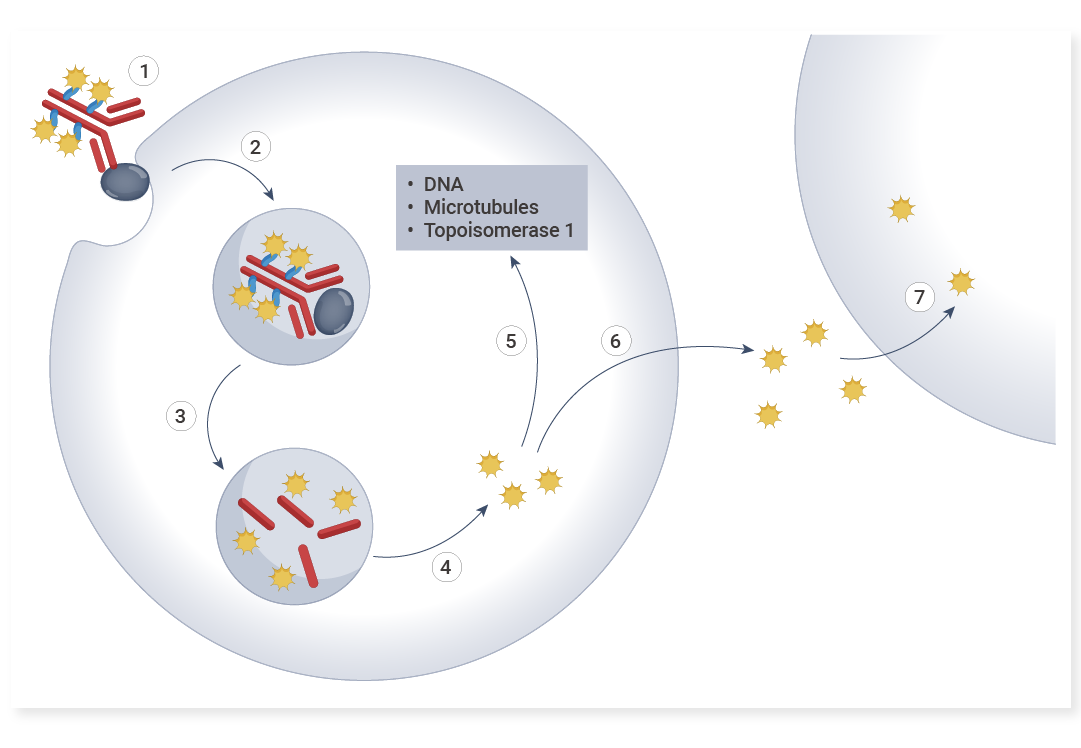
The rapid development of targeted anti-cancer drugs has spurred diverse research across various modalities. These include small molecules, monoclonal antibodies (mAbs), cell immunotherapies, antibody-drug conjugates (ADCs), and PROTACs (proteolysis targeting chimeras). -
 Scientific Reviews
This article will walk you through the remarkable impacts of anti-payload antibodies, delving into how these molecules are revolutionizing drug development and biological research!
Scientific Reviews
This article will walk you through the remarkable impacts of anti-payload antibodies, delving into how these molecules are revolutionizing drug development and biological research! -
 Scientific Reviews
Cell Migration vs. Invasion: Differences Revealed by Scratch Assays and Transwell Experiments
Scientific Reviews
Cell Migration vs. Invasion: Differences Revealed by Scratch Assays and Transwell Experiments2025-05-30
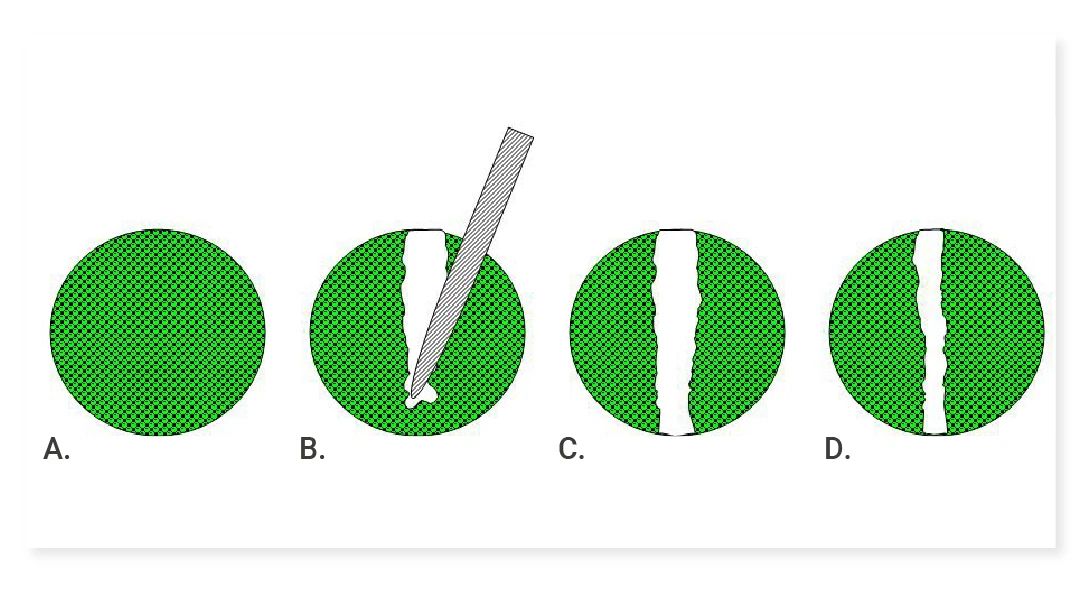
In scientific research, cell migration and invasion are crucial for understanding many important biological processes. This article delves into commonly used detection methods: the scratch assay and Transwell migration/invasion assay. -
 Scientific Reviews
In this issue, we will conduct an in-depth interpretation from the dimensions of nanoparticle design, mechanism of action, in vivo and in vitro efficacy, and immune regulation, revealing how this research brings new hope for the treatment of invasive tumors through interdisciplinary innovation!
Scientific Reviews
In this issue, we will conduct an in-depth interpretation from the dimensions of nanoparticle design, mechanism of action, in vivo and in vitro efficacy, and immune regulation, revealing how this research brings new hope for the treatment of invasive tumors through interdisciplinary innovation! -
 Scientific Reviews
IHC, ICC, IF Techniques: A Practical Guide
Scientific Reviews
IHC, ICC, IF Techniques: A Practical Guide2025-07-25
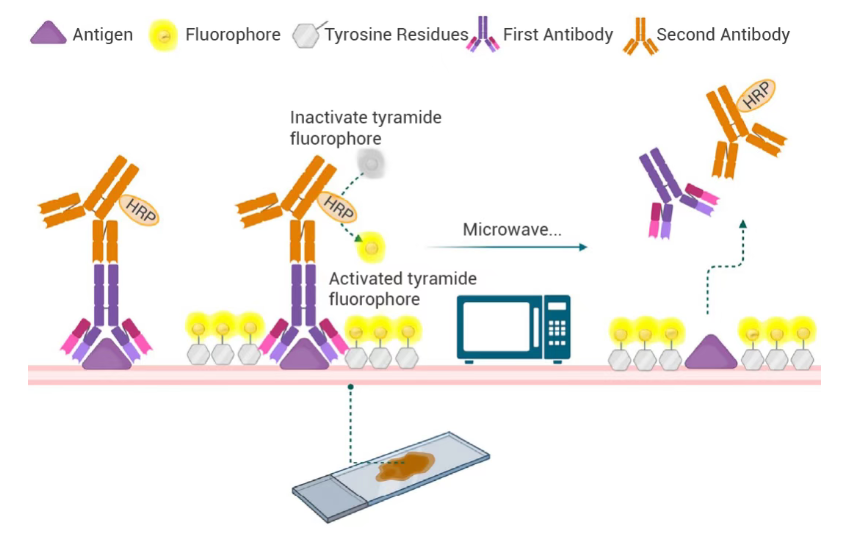
Confused About IHC/ICC/IF? Why Does Immunostaining Seem So Complicated? Read This Now! Master Immunostaining with Confidence! -
 Scientific Reviews
This detailed guide outlines the standardized experimental protocols for multiplex immunohistochemistry (mIHC), systematically summarizes common technical issues encountered during sample preparation, staining and imaging processes, and provides practical troubleshooting solutions to ensure reliable and reproducible results in biomedical research and clinical sample analysis.
Scientific Reviews
This detailed guide outlines the standardized experimental protocols for multiplex immunohistochemistry (mIHC), systematically summarizes common technical issues encountered during sample preparation, staining and imaging processes, and provides practical troubleshooting solutions to ensure reliable and reproducible results in biomedical research and clinical sample analysis. -
 Scientific Reviews
Exosomes—natural nanoscale carriers—are revolutionizing targeted therapy. This article uncovers the science behind their precision in drug delivery.
Scientific Reviews
Exosomes—natural nanoscale carriers—are revolutionizing targeted therapy. This article uncovers the science behind their precision in drug delivery. -
 Scientific Reviews
This article walks you through the experimental design and workflow of flow cytometry, delivering a clear, dynamic, and professional overview to elevate your research.
Scientific Reviews
This article walks you through the experimental design and workflow of flow cytometry, delivering a clear, dynamic, and professional overview to elevate your research. -
 EDM
Research Solution for Breast Cancer TME
EDM
Research Solution for Breast Cancer TME2025-05-21
This review examines the complex interactions within the breast cancer tumor microenvironment, emphasizing how understanding these dynamics is essential for developing effective therapies and overcoming immune resistance. -
 EDM
This review discusses the fundamentals of lipid biology and lipid metabolism, examines dysregulated lipid metabolism in cancer, and summarizes therapeutic strategies targeting lipid metabolic pathways.
EDM
This review discusses the fundamentals of lipid biology and lipid metabolism, examines dysregulated lipid metabolism in cancer, and summarizes therapeutic strategies targeting lipid metabolic pathways. -
 EDM
Combating Immune Evasion in Cancer
EDM
Combating Immune Evasion in Cancer2025-10-15
This review summarizes the mechanisms by which tumors evade immune surveillance and discusses therapeutic strategies to restore antitumor immunity. -
 EDM
This review summarizes the mechanisms of drug resistance in triple-negative breast cancer and highlights emerging therapeutic strategies.
EDM
This review summarizes the mechanisms of drug resistance in triple-negative breast cancer and highlights emerging therapeutic strategies. -
 EDM
Bispecific Antibodies in Cancer Therapy
EDM
Bispecific Antibodies in Cancer Therapy2025-10-29
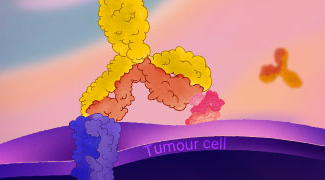
This review highlights the mechanisms, technology platforms, and clinical progress of bispecific antibodies, and discusses emerging strategies to guide future development. -
 EDM
This review provides insights into the pancreatic ductal adenocarcinoma tumor microenvironment, highlighting its cellular composition, stromal heterogeneity, and immune-targeting strategies.
EDM
This review provides insights into the pancreatic ductal adenocarcinoma tumor microenvironment, highlighting its cellular composition, stromal heterogeneity, and immune-targeting strategies. -
 EDM
Highlight single-cell metabolomics and stable isotope tracing (SIT) in uncovering metabolic heterogeneity and nutrient flux dynamics in tumors.
EDM
Highlight single-cell metabolomics and stable isotope tracing (SIT) in uncovering metabolic heterogeneity and nutrient flux dynamics in tumors. -
 EDM
Tumor Organoid-Immune Cell Co-Culture Models: Advances, Applications, and Future Directions
EDM
Tumor Organoid-Immune Cell Co-Culture Models: Advances, Applications, and Future Directions2026-05-07
Summarize technical strategies, application advances, and future directions of tumor organoid–immune co-culture systems. -
 EDM
Review mechanisms, major challenges, and efficacy-enhancing strategies of TCR-T therapy in solid tumors, with implications for future research and clinical translation.
EDM
Review mechanisms, major challenges, and efficacy-enhancing strategies of TCR-T therapy in solid tumors, with implications for future research and clinical translation. -
 EDM
The Dual Role of Cellular Senescence in Cancer: Mechanisms, Microenvironment, and Therapeutics
EDM
The Dual Role of Cellular Senescence in Cancer: Mechanisms, Microenvironment, and Therapeutics2026-05-21
Explore the dual role of cellular senescence in cancer, including tumor suppression, SASP-driven tumor promotion, senescence heterogeneity and plasticity, and advances in senescence-targeted therapies. -
 EDM
Breaking Immune Resistance in Colorectal Cancer: From Molecular Mechanisms to Precision Therapy
EDM
Breaking Immune Resistance in Colorectal Cancer: From Molecular Mechanisms to Precision Therapy2026-06-25
Explore CRC molecular subtypes, immune landscapes, resistance mechanisms, and emerging precision strategies for improving outcomes across distinct subtypes. -
 Blog
EC0489, a SMDC for Cancer Therapy
Blog
EC0489, a SMDC for Cancer Therapy2019-03-25
EC0489, a conjugate of folic acid and desacetyl vinblastine hydrazide, is a SMDC under development for the treatment of solid tumours. -
 Blog
R916562, a dual Axl/VEGF-R2 inhibitor, could be a potential anti-angiogenic and anti-metastatic drug for cancer chemotherapy.
Blog
R916562, a dual Axl/VEGF-R2 inhibitor, could be a potential anti-angiogenic and anti-metastatic drug for cancer chemotherapy. -
 Blog
Role of PRMT7 Probe SGC3027 in Cancer
Blog
Role of PRMT7 Probe SGC3027 in Cancer2019-03-27
SGC3027 is the first potent, selective and cell active chemical probe for PRMT7. SGC3027 is also a pro-drug, which converts to the active compound SGC8158 -
 Blog
Alofanib, An Allosteric Inhibitor of FGFR2
Blog
Alofanib, An Allosteric Inhibitor of FGFR22019-03-28
Alofanib is an allosteric inhibitor of FGFR2 and inhibits FGF-mediated proliferation with GI50s of 16-370 nM, showing pronounced antitumor activity. -
 Blog
A Novel and Efficacious RAF Inhibitor RAF709
Blog
A Novel and Efficacious RAF Inhibitor RAF7092019-03-30
RAF709, a novel and efficacious RAF inhibitor, activates the MAPK pathway and shows antitumor activity in tumor cells harboring BRAF or RAS mutations. -
 Blog
AZD3229 is a Potent Pan-KIT Mutant Inhibitor
Blog
AZD3229 is a Potent Pan-KIT Mutant Inhibitor2019-04-04
AZD3229 is a potent, pan-KIT mutant inhibitor with potent single digit nM growth inhibition against a diverse panel of mutant KIT driven Ba/F3 cell lines. -
 Blog
BR351 is a Brain Penetrant MMP Inhibitor
Blog
BR351 is a Brain Penetrant MMP Inhibitor2019-04-05
BR351 is a brain penetrant MMP inhibitor, and a potential tool for the molecular imaging of activated MMPs with PET, with an IC50 in the nanomolar range. -
 Blog
SGC-GAK-1 is a potent, selective, and cell-active GAK inhibitor and shows potent anti-proliferative activity in LNCaP and 22Rv1 cells.
Blog
SGC-GAK-1 is a potent, selective, and cell-active GAK inhibitor and shows potent anti-proliferative activity in LNCaP and 22Rv1 cells. -
 Blog
COH000 is an allosteric, covalent and irreversible inhibitor of SUMO-activating enzyme, with an IC50 of 0.2 μM for SUMOylation in vitro.
Blog
COH000 is an allosteric, covalent and irreversible inhibitor of SUMO-activating enzyme, with an IC50 of 0.2 μM for SUMOylation in vitro. -
 Blog
MK-0429 is An Oral Integrin (αvβ3) Inhibitor
Blog
MK-0429 is An Oral Integrin (αvβ3) Inhibitor2019-04-11
MK-0429, an orally active αvβ3 inhibitor, is a potential therapeutic agent for the prevention of kidney fibrosis, melanoma and osteoporosis. -
 Blog
AZ304, a Dual BRAF Inhibitor Against Cancer
Blog
AZ304, a Dual BRAF Inhibitor Against Cancer2019-04-12
AZ304 is a potent BRAF inhibitor, blocks both wild type BRAF and V600E mutant BRAF activity, with IC50s in the nanomolar range. -
 Blog
Erteberel is a Selective ERβ Agonist
Blog
Erteberel is a Selective ERβ Agonist2019-04-16
Erteberel (LY500307) is a synthetic, nonsteroidal estrogen which acts as a selective ERβ agonist and under development for the treatment of schizophrenia. -
 Blog
MBQ-167 is a dual Rac/Cdc42 inhibitor in in metastatic cancer, with IC50s of 103 nM for Rac 1/2/3 and 78 nM for Cdc42 in MDA-MB-231 cells, respectively.
Blog
MBQ-167 is a dual Rac/Cdc42 inhibitor in in metastatic cancer, with IC50s of 103 nM for Rac 1/2/3 and 78 nM for Cdc42 in MDA-MB-231 cells, respectively. -
 Blog
Multiple Tyrosine Kinases Inhibitor TAS-115
Blog
Multiple Tyrosine Kinases Inhibitor TAS-1152019-04-19
TAS-115 is a potent VEGFR and c-Met/HGFR-targeted kinase inhibitor with IC50s of 30 and 32 nM for rVEGFR2 and rMET, respectively. -
 Blog
JNJ-64619178 is a selective and pseudo-irreversible PRMT5 inhibitor with an IC50 of 0.14 nM. Has potent Activity In Lung Cancer.
Blog
JNJ-64619178 is a selective and pseudo-irreversible PRMT5 inhibitor with an IC50 of 0.14 nM. Has potent Activity In Lung Cancer. -
 Blog
(E)-AG 99 is an EGFR inhibitor and shows a growth-inhibition on not only serum-starved cells but also normally grown cells. Treatment for Bladder cancer.
Blog
(E)-AG 99 is an EGFR inhibitor and shows a growth-inhibition on not only serum-starved cells but also normally grown cells. Treatment for Bladder cancer. -
 Blog
Borussertib is a covalent-allosteric and first-in-class inhibitor of protein kinase Akt, with an IC50 of 0.8 nM and a Ki of 2.2 nM for Akt-wt.
Blog
Borussertib is a covalent-allosteric and first-in-class inhibitor of protein kinase Akt, with an IC50 of 0.8 nM and a Ki of 2.2 nM for Akt-wt. -
 Blog
NRX-252262 is a β-catenin:β-TrCP interaction enhancer, and its cognate E3 ligase, SCFβ-TrCP, induces mutant β-catenin degradation, with an EC50 of 3.8 nM
Blog
NRX-252262 is a β-catenin:β-TrCP interaction enhancer, and its cognate E3 ligase, SCFβ-TrCP, induces mutant β-catenin degradation, with an EC50 of 3.8 nM -
 Blog
TAK-981 is a selective inhibitor of the SUMOylation enzymatic cascade, with potential immune-activating and antineoplastic activities
Blog
TAK-981 is a selective inhibitor of the SUMOylation enzymatic cascade, with potential immune-activating and antineoplastic activities -
 Blog
SLLN-15 is an oral activ enhancer of autophagy that activates cytostatic macroautophagy/autophagy in triple-negative breast cancer (TNBC).
Blog
SLLN-15 is an oral activ enhancer of autophagy that activates cytostatic macroautophagy/autophagy in triple-negative breast cancer (TNBC). -
 Blog
BAY-8002 is a selective and orally active inhibitor of monocarboxylate transporter 1 (MCT1), with an IC50 of 85 nM. Has potential to treat lymphoma.
Blog
BAY-8002 is a selective and orally active inhibitor of monocarboxylate transporter 1 (MCT1), with an IC50 of 85 nM. Has potential to treat lymphoma. -
 Blog
MRTX-1257 is a selective, irreversible, covalent and oral active KRAS G12C inhibitor, with an IC50 of 900 pM for KRAS dependent ERK phosphorylation.
Blog
MRTX-1257 is a selective, irreversible, covalent and oral active KRAS G12C inhibitor, with an IC50 of 900 pM for KRAS dependent ERK phosphorylation. -
 Blog
USL311 is a selective CXCR4 antagonist, which prevents the binding of stromal-cell derived factor-1 (SDF-1 or CXCL12) to CXCR4. Anti-tumor activity.
Blog
USL311 is a selective CXCR4 antagonist, which prevents the binding of stromal-cell derived factor-1 (SDF-1 or CXCL12) to CXCR4. Anti-tumor activity. -
 Blog
TX1-85-1, a ATP-competitive ligand of Her3, covalent modification of Her3 to inhibit Her3 signaling
Blog
TX1-85-1, a ATP-competitive ligand of Her3, covalent modification of Her3 to inhibit Her3 signaling2019-06-01
TX1-85-1 is a Her3 (ErbB3) inhibitor with an IC50 of 23 nM. TX1-85-1 induces partial degradation of Her3 protein and attenuates Her3-dependent signaling. -
 Blog
IWP-O1, a Highly Potent Porcupine Inhibitor, Functions by Preventing the Secretion of Wnt Proteins
Blog
IWP-O1, a Highly Potent Porcupine Inhibitor, Functions by Preventing the Secretion of Wnt Proteins2019-06-03
IWP-O1 is a Porcupine (Porcn) inhibitor, with an EC50 of 80 pM in L-Wnt-STF cells. IWP-O1 functions by preventing the secretion of Wnt proteins[ -
 Blog
JMS-17-2 is a CX3CR1 Antagonist
Blog
JMS-17-2 is a CX3CR1 Antagonist2019-06-12
JMS-17-2 is a potent and selective CX3CR1 antagonist with an IC50 of 0.32 nM. Has potential to treat cancers such as breast cancer. -
 Blog
PTC299 is a dual and orally active DHODH and VEGF inhibitor, has broad and potent activity against hematological cancer cells.
Blog
PTC299 is a dual and orally active DHODH and VEGF inhibitor, has broad and potent activity against hematological cancer cells. -
 Blog
AMG 487 is an orally active and selective antagonist of CXC chemokine receptor 3 (CXCR3). AMG 487 has potential to treat metastatic cancer.
Blog
AMG 487 is an orally active and selective antagonist of CXC chemokine receptor 3 (CXCR3). AMG 487 has potential to treat metastatic cancer. -
 Blog
FGTI-2734 is a dual farnesyl and geranylgeranyl transferase-1 inhibitor. FGTI-2734 prevents membrane localization of KRAS and mutant KRAS pancreatic tumors.
Blog
FGTI-2734 is a dual farnesyl and geranylgeranyl transferase-1 inhibitor. FGTI-2734 prevents membrane localization of KRAS and mutant KRAS pancreatic tumors. -
 Blog
BI-882370 is a potent RAF kinase inhibitor with IC50s of 0.4, 0.8, and 0.6 nM for oncogenic BRAFV600E-mutant, the WT BRAF and CRAF kinases , respectively.
Blog
BI-882370 is a potent RAF kinase inhibitor with IC50s of 0.4, 0.8, and 0.6 nM for oncogenic BRAFV600E-mutant, the WT BRAF and CRAF kinases , respectively. -
 Blog
MSX-122 is an orally active partial antagonist of CXCR4, inhibiting CXCR4/CXCL12 actions. MSX-122 has both anti-tumor and anti-metastasis activities.
Blog
MSX-122 is an orally active partial antagonist of CXCR4, inhibiting CXCR4/CXCL12 actions. MSX-122 has both anti-tumor and anti-metastasis activities. -
 Blog
ZT-12-037-01 is a ATP-competitive and specific STK19 inhibitor and inhibits oncogenic NRAS-driven melanocyte malignant transformation.
Blog
ZT-12-037-01 is a ATP-competitive and specific STK19 inhibitor and inhibits oncogenic NRAS-driven melanocyte malignant transformation. -
 Blog
PT2977 is an orally active and selective HIF-2α inhibitor with an IC50 of 9 nM. PT2977 is a potential treatment for ccRCC and VHL disease.
Blog
PT2977 is an orally active and selective HIF-2α inhibitor with an IC50 of 9 nM. PT2977 is a potential treatment for ccRCC and VHL disease. -
 Blog
BI-2852 is a potent KRAS inhibitor with nanomolar affinity and reduces pERK and pAKT levels in a dose-dependent manner in a KRAS mutant cell line NCI-H358.
Blog
BI-2852 is a potent KRAS inhibitor with nanomolar affinity and reduces pERK and pAKT levels in a dose-dependent manner in a KRAS mutant cell line NCI-H358. -
 Blog
BAY-293 is a potent inhibitor of Son of Sevenless 1 (SOS1) and blocks RAS activation via disruption of the KRAS-SOS1 interaction with an IC50 of 21 nM.
Blog
BAY-293 is a potent inhibitor of Son of Sevenless 1 (SOS1) and blocks RAS activation via disruption of the KRAS-SOS1 interaction with an IC50 of 21 nM. -
 Blog
WZ811 is an Orally Active CXCR4 Antagonist
Blog
WZ811 is an Orally Active CXCR4 Antagonist2019-09-07
WZ811 is an orally active, highly potent competitive antagonist of CXCR4, which inhibits chronic lymphocytic leukemia progression and tumorigenesis. -
 Blog
RU-302 is a pan-TAM inhibitor that blocks the TAM Ig1 ectodomain and the Gas6 Lg domain interaction. RU-302 blocks Gas6-inducible Axl receptor activation.
Blog
RU-302 is a pan-TAM inhibitor that blocks the TAM Ig1 ectodomain and the Gas6 Lg domain interaction. RU-302 blocks Gas6-inducible Axl receptor activation. -
 Blog
IPR-803 is a potent inhibitor of the uPAR•uPA protein-protein interaction, and binds directly to uPAR with sub-micromolar affinity.
Blog
IPR-803 is a potent inhibitor of the uPAR•uPA protein-protein interaction, and binds directly to uPAR with sub-micromolar affinity. -
 Blog
Vorolanib is an orally active, multikinase VEGF/PDGF receptor inhibitor with antitumor activity and is expected to disrupt tumor angiogenesis.
Blog
Vorolanib is an orally active, multikinase VEGF/PDGF receptor inhibitor with antitumor activity and is expected to disrupt tumor angiogenesis. -
 Blog
CCG-222740 is a potent and selective MRTF pathway inhibitor. It effectively reduces fibrosis in the skin and blocks melanoma metastasis.
Blog
CCG-222740 is a potent and selective MRTF pathway inhibitor. It effectively reduces fibrosis in the skin and blocks melanoma metastasis. -
 Blog
AC-73 is a first specific, orally active the cluster of differentiation 147 (CD147) inhibitor and specifically disrupts CD147 dimerization.
Blog
AC-73 is a first specific, orally active the cluster of differentiation 147 (CD147) inhibitor and specifically disrupts CD147 dimerization. -
 Blog
ADH-503 is an orally active and allosteric CD11b agonist and leads to the repolarization of tumor-associated macrophages.
Blog
ADH-503 is an orally active and allosteric CD11b agonist and leads to the repolarization of tumor-associated macrophages. -
 Blog
Balixafortide is a potent, selective peptidic CXCR4 antagonist with anti-cancer effects, and blocks β-arrestin recruitment and calcium flux.
Blog
Balixafortide is a potent, selective peptidic CXCR4 antagonist with anti-cancer effects, and blocks β-arrestin recruitment and calcium flux. -
 Blog
CCT365623, an Orally Active LOX Inhibitor, Supresses EGFR (pY1068) and AKT Phosphorylation
Blog
CCT365623, an Orally Active LOX Inhibitor, Supresses EGFR (pY1068) and AKT Phosphorylation2020-04-16
CCT365623 is an orally active LOX inhibitor, suppresses EGFR (pY1068) and AKT phosphorylation driven by EGF. CCT365623 has good pharmacokinetic properties. -
 Blog
EW-7195 is a potent and selective ALK5 inhibitor, and efficiently inhibits TGF-β1-induced Smad signaling, EMT and breast tumour metastasis to the lung.
Blog
EW-7195 is a potent and selective ALK5 inhibitor, and efficiently inhibits TGF-β1-induced Smad signaling, EMT and breast tumour metastasis to the lung. -
 Blog
SP-8356, an orally active CD147inhibitor, exerts anti-breast cancer effects by inhibiting NF-κB signaling. Anti-atherosclerotic effects.
Blog
SP-8356, an orally active CD147inhibitor, exerts anti-breast cancer effects by inhibiting NF-κB signaling. Anti-atherosclerotic effects. -
 Blog
CB-1158, a potent and orally bioavailable inhibitor of arginase, blocks myeloid cell-mediated immune suppression in the tumor microenvironment.
Blog
CB-1158, a potent and orally bioavailable inhibitor of arginase, blocks myeloid cell-mediated immune suppression in the tumor microenvironment. -
 Blog
Verucopeptin inhibits v-ATPase activity by directly targeting the v-ATPase ATP6V1G subunit but not ATP1V1B2 or ATP6V1D. Also a potent HIF-1 inhibitor.
Blog
Verucopeptin inhibits v-ATPase activity by directly targeting the v-ATPase ATP6V1G subunit but not ATP1V1B2 or ATP6V1D. Also a potent HIF-1 inhibitor. -
 Blog
E7820, sulfonamide derivative, is a unique angiogenesis inhibitor suppressing an expression of integrin alpha2 subunit on endothelium.
Blog
E7820, sulfonamide derivative, is a unique angiogenesis inhibitor suppressing an expression of integrin alpha2 subunit on endothelium. -
 Blog
Cyclo(-RGDfK) is a selective inhibitor of the αvβ3 integrin. Cyclo(-RGDfK) potently targets cancer cells through binding to the cell surface αvβ3 integrin.
Blog
Cyclo(-RGDfK) is a selective inhibitor of the αvβ3 integrin. Cyclo(-RGDfK) potently targets cancer cells through binding to the cell surface αvβ3 integrin. -
 Blog
Cilengitide is a compound targeting angiogenesis, the cornerstone of tumor growth and metastasis. ανβ3 and ανβ5 are the target of Cilengitide.
Blog
Cilengitide is a compound targeting angiogenesis, the cornerstone of tumor growth and metastasis. ανβ3 and ανβ5 are the target of Cilengitide. -
 Blog
Tetrac inhibits the cellular actions of thyroid hormone initiated at the hormone receptor on plasma membrane integrin alphavbeta3.
Blog
Tetrac inhibits the cellular actions of thyroid hormone initiated at the hormone receptor on plasma membrane integrin alphavbeta3. -
 Blog
ENMD-1198 is an orally active microtubule-targeting agent with antiproliferative and antiangiogenic activity.
Blog
ENMD-1198 is an orally active microtubule-targeting agent with antiproliferative and antiangiogenic activity. -
 Blog
FAPI-46 is a quinoline-based FAP-targeted radiotracer. FAPI-46 has higher tumor uptake and prolonged tumor accumulation.
Blog
FAPI-46 is a quinoline-based FAP-targeted radiotracer. FAPI-46 has higher tumor uptake and prolonged tumor accumulation. -
 Blog
ML339 is a Selective CXCR6 Antagonist
Blog
ML339 is a Selective CXCR6 Antagonist2021-05-12
ML339 is a small molecule antagonist would block Prostate cancer cell trafficking; hence mediate a metastatic event and disease progression. -
 Blog
Sitravatinib (MGCD516) is an Orally Bioavailable RTK Inhibitor with PD-1 Blockade Activity
Blog
Sitravatinib (MGCD516) is an Orally Bioavailable RTK Inhibitor with PD-1 Blockade Activity2021-06-03
Sitravatinib, a small molecule RTK inhibitor, shows potent anti-tumor activity in preclinical models of sarcoma. -
 Blog
Motesanib (AMG 706) is an orally active VEGFR inhibitor. Potently inhibits angiogenesis and induces regression in tumor xenografts.
Blog
Motesanib (AMG 706) is an orally active VEGFR inhibitor. Potently inhibits angiogenesis and induces regression in tumor xenografts. -
 Blog
EMD527040 is a highly selective αvβ6 antagonist with antifibrotic activities.
Blog
EMD527040 is a highly selective αvβ6 antagonist with antifibrotic activities. -
 Blog
UK122 is a potent and selective urokinase-type plasminogen activator (uPA) inhibitor with anti-cancer activity.
Blog
UK122 is a potent and selective urokinase-type plasminogen activator (uPA) inhibitor with anti-cancer activity. -
 Blog
Nintedanib a potent and orally active triple vascular kinase inhibitor for VEGFR1/2/3, FGFR1/2/3 and PDGFRα/β.
Blog
Nintedanib a potent and orally active triple vascular kinase inhibitor for VEGFR1/2/3, FGFR1/2/3 and PDGFRα/β. -
 Blog
Axitinib is a multi-targeted tyrosine kinase inhibitor and potently inhibitor VEGFR1, VEGFR2, VEGFR3 and PDGFRβ.
Blog
Axitinib is a multi-targeted tyrosine kinase inhibitor and potently inhibitor VEGFR1, VEGFR2, VEGFR3 and PDGFRβ. -
 Blog
CL097 is a TLR7/8 agonist. CL097 induces pro-nflammatory cytokines. CL097 induces NADPH oxidase priming and efficient diabetogenic cytotoxic T lymphocyte (CTL) function in NOD mice.
Blog
CL097 is a TLR7/8 agonist. CL097 induces pro-nflammatory cytokines. CL097 induces NADPH oxidase priming and efficient diabetogenic cytotoxic T lymphocyte (CTL) function in NOD mice. -
 Blog
Tanomastat is an orally active, non-peptidic biphenyl MMPs inhibitor, with antiangiogenic, anti-invasive and antimetastatic activities.
Blog
Tanomastat is an orally active, non-peptidic biphenyl MMPs inhibitor, with antiangiogenic, anti-invasive and antimetastatic activities. -
 Blog
BM213 is a selective C5aR1 agonist. It’s a useful research tool to study C5aR1 function
Blog
BM213 is a selective C5aR1 agonist. It’s a useful research tool to study C5aR1 function -
 Blog
Telatinib is an orally active inhibitor of VEGFR2, VEGFR3, PDGFα, and c-Kit.
Blog
Telatinib is an orally active inhibitor of VEGFR2, VEGFR3, PDGFα, and c-Kit. -
 Blog
Marimastat (BB2516) is a broad spectrum and orally bioavailable inhibitor of MMPs (Matrix metalloproteinases).
Blog
Marimastat (BB2516) is a broad spectrum and orally bioavailable inhibitor of MMPs (Matrix metalloproteinases). -
 Blog
Vatalanib is an inhibitor of VEGFR2/KDR. Vatalanib induces inhibition of the angiogenic response to VEGF and PDGF.
Blog
Vatalanib is an inhibitor of VEGFR2/KDR. Vatalanib induces inhibition of the angiogenic response to VEGF and PDGF. -
 Blog
Toceranib is a selective and orally active inhibitor of RTK and has the potential for the research of canine mast cell tumors.
Blog
Toceranib is a selective and orally active inhibitor of RTK and has the potential for the research of canine mast cell tumors. -
 Blog
Henatinib is an orally active small-molecule multikinase inhibitor that has demonstrated broad and potent antitumor activities.
Blog
Henatinib is an orally active small-molecule multikinase inhibitor that has demonstrated broad and potent antitumor activities. -
 Blog
KGP94 is a selective inhibitor of cathepsin L. KGP94 has antitumor activity and improves survival of bone metastases bearing mice.
Blog
KGP94 is a selective inhibitor of cathepsin L. KGP94 has antitumor activity and improves survival of bone metastases bearing mice. -
 Blog
Certepetide is a Tumor-penetrating Enhancer via RGD Motif Interaction with Alphav-integrins
Blog
Certepetide is a Tumor-penetrating Enhancer via RGD Motif Interaction with Alphav-integrins2022-09-01
Certepetide is a tumor-penetrating enhancer and has the potential for the research of metastatic pancreatic ductal adenocarcinoma. -
 Blog
Parsatuzumab (RG 7414) is a humanized monoclonal antibody, that acts as an immunomodulator, and binds to EGFL7.
Blog
Parsatuzumab (RG 7414) is a humanized monoclonal antibody, that acts as an immunomodulator, and binds to EGFL7. -
 Blog
ABT-510, a peptide analog of thrombospondin-1 (TSP-1), can block angiogenesis in vitro and in vivo, and slow tumor growth.
Blog
ABT-510, a peptide analog of thrombospondin-1 (TSP-1), can block angiogenesis in vitro and in vivo, and slow tumor growth. -
 Blog
Pegdinetanib (BMS-844203) is a selective VEGFR-2 inhibitor with antitumor activity.
Blog
Pegdinetanib (BMS-844203) is a selective VEGFR-2 inhibitor with antitumor activity.
Products
All
-
All
-
Inhibitors & Agonists
-
Isotope-Labeled Compounds
-
Fluorescent Dye
-
Peptides
-
Recombinant Proteins
-
Antibodies
-
Screening Libraries
-
Kits
-
Inhibitory Antibodies
-
Reference Standards
-
Induced Disease Models Products
-
GMP Small Molecules
-
Enzyme
-
Biochemical Assay Reagents
-
Natural Products
| Cat. No. | Product Name | Information | Application | Publication |
|---|---|---|---|---|
| HY-101461 | Methyl-β-cyclodextrin |
Methyl-β-cyclodextrin (Methyl-beta-cyclodextrin) is a cyclic heptasaccharide used to deliver hydrophobic agents based on its property of solubilizing non-polar substances. Methyl-β-cyclodextrin is also extensively used as a cholesterol-depleting reagent. Methyl-β-cyclodextrin strongly reduces clathrin-dependent endocytosis. Methyl-β-cyclodextrin blocks cell migrasome formation.
|
|
120
|
| HY-50912 | Plerixafor octahydrochloride |
Plerixafor octahydrochloride (AMD3100 octahydrochloride) is a selective CXCR4 antagonist with an IC50 of 44 nM.
|
Pancreatic Cancer
Viral Infection
Digestive System Inflammation
Glucose Metabolism
SARS-CoV-2 Infection
Lung Fibrosis
Rheumatoid Arthritis
|
112
|
| HY-10046 | Plerixafor |
Pancreatic Cancer
Viral Infection
Digestive System Inflammation
Glucose Metabolism
SARS-CoV-2 Infection
Lung Fibrosis
Rheumatoid Arthritis
|
112
|
|
| HY-L025 | Anti-Cancer Compound Library |
Cancer is the second leading cause of death globally and seriously threatens human health. A neoplasm and malignant tumor are other common names for cancer. Disruption of the normal regulation of cell-cycle progression and division lies at the heart of the events leading to cancer. Target therapy, which targets proteins that control how cancer cells grow, divide and spread, plays an important role in cancer treatment. Recent studies mainly focus on targeting the key proteins for cancer surviving, cancer stem cells, the tumor microenvironment, tumor immunology, etc.
MCE designs a unique collection of 11,237 anti-cancer compounds that target kinases, cell cycle key components, tumorigenesis related signaling pathways, etc. MCE Anti-cancer compound library is a useful tool for anti-cancer drug screening.
|
|
100
|
| HY-N0162 | Luteolin |
Luteolin (Luteoline), a flavanoid compound, is a potent Nrf2 inhibitor. Luteolin has anti-inflammatory, anti-cancer properties, including the induction of apoptosis and cell cycle arrest, and the inhibition of metastasis and angiogenesis, in several cancer cell lines, including human non-small lung cancer cells.
|
Lung Cancer
Colorectal Cancer
Ovarian Cancer
Digestive System Inflammation
Glucose Metabolism
Obesity
|
96
|
| HY-14596 | Genistein |
Neurological, Eye or Ear Disease
Lung Cancer
Colorectal Cancer
Prostate Cancer
Liver Cancer
Pancreatic Cancer
Ovarian Cancer
Digestive System Inflammation
SARS-CoV-2 Infection
Hepatitis C Virus Infection
Obesity
|
94
|
|
| HY-L020 | Wnt/Hedgehog/Notch Compound Library |
The developmental proteins Hedgehog, Notch and Wnt are key regulators of cell fate, proliferation, migration and differentiation in several tissues. Their related signaling pathways are frequently activated in tumors, and particularly in the rare subpopulation of cancer stem cells.
The Wnt signaling pathway is a conserved pathway in animals. Deregulated Wnt signaling has catastrophic consequences for the developing embryo and it is now well appreciated that defective Wnt signaling is a causative factor for a number of pleiotropic human pathologies, including cancer. Hedgehog signaling pathway is linked to tumorigenesis and is aberrantly activated in a variety of cancers. The Notch signaling pathway is a highly conserved cell signaling system present in most animals. It plays an important role in cell-cell communication, and further regulates embryonic development.
MCE designs a unique collection of 654 Wnt/Hedgehog/Notch signaling pathway-related small molecules. Wnt/Hedgehog/Notch Compound Library serves as a useful tool for stem cell research and anti-cancer drug screening.
|
|
86
|
| HY-L109 | Protein-protein Interaction Inhibitor Library |
Protein protein interactions (PPI) have pivotal roles in life processes. The studies showed that aberrant PPI are associated with various diseases, including cancer, infectious diseases, and neurodegenerative diseases. The classic drug targets are usually enzymes, ion channels, or receptors, the PPI indicate new potential therapeutic targets. Therefore, targeting PPI is a new direction in treating diseases and an essential strategy for the development of new drugs.
However, the design of modulators targeting PPI still faces tremendous challenges, such the difficult PPI interfaces for the drug design, lack of ligands reference, lack of guidance rules for the PPI modulators development and high-resolution PPI proteins structures.
With the development of high-throughput technology, high-throughput screening is also gradually used for the identification of PPI inhibitors, but the compound library used for conventional target screening is not very effective in screening PPI inhibitors. To improve screening efficiency, MCE carefully selected 826 PPI inhibitors and mainly targeting MDM2-p53, Keap1-Nrf2, PD-1/PD-L1, Myc-Max, etc. MCE Protein-protein Interaction Inhibitor Library is a useful tool for PPI drug discovery and related research.
|
|
86
|
| HY-L078 | Gut Microbial Metabolite Library |
Accumulating evidence has revealed that intestinal microbiota play an important role in human health and disease, including cardiovascular diseases, inflammatory bowel disease, diabetes, obesity, cancer, and depression, etc. Changes in the composition of gut microbiota associated with disease, referred to as dysbiosis, have been linked to pathologies. Indeed, the gut microbiome functions like an endocrine organ, generating bioactive metabolites which play important roles in human metabolism, health, and disease. Gut microbiome has become a novel therapeutic target for many diseases. Analysis and identification of gut microbial metabolite will contribute to the development of therapeutic methods.
In order to meet the need of gut microbiome research, MCE carefully selected a unique collection of 475 gut microbial metabolites. MCE gut microbial metabolite library is a powerful tool for gut microbiome research and gut microbiome -related drug discovery.
|
|
85
|
| HY-L123 | Human Metabolite Library |
Human metabolism is an integral part of cellular function that reflects individual differences in health, disease, diet, and lifestyle. Many health conditions such as obesity, diabetes, hypertension, heart disease, and cancer are associated with abnormal metabolic states. In the pathological state of the human body, metabolic pathways are significantly altered, resulting in aberrant levels of intermediates or end-products that can be viewed as potential diagnostic biomarkers or even therapeutic targets. Therefore, detection, identification and quantification of human metabolites are very important for drug metabolism research in drug development.
MCE offers a unique collection of 6,767 human metabolites, including endogenous metabolites and exogenous metabolites, covering multiple structure types, such as lipids, amino acids, nucleic acids, carbohydrates, organic acids, biogenic amines, vitamins,. MCE Human Metabolites Library is a helpful tool for studying the relationship between diseases and metabolism.
|
|
85
|
| HY-L013 | Neuronal Signaling Compound Library |
Neuronal Signaling is involved in the regulation of the mechanisms of the central nervous system (CNS) such as its structure, function, genetics and physiology as well as how this can be applied to understand diseases of the nervous system. Every information processing system in the CNS is composed of neurons and glia, neurons have evolved unique capabilities for intracellular signaling (communication within the cell) and intercellular signaling (communication between cells). G protein-coupled receptors (GPCRs), including 5-HT receptor, histamine receptor, opioid receptor, etc. are the largest class of sensory proteins and are important therapeutic targets in Neuronal Signaling. Besides, Notch signaling, such as β- and γ-secretase, also plays multiple roles in the development of the CNS including regulating neural stem cell (NSC) proliferation, survival, self-renewal and differentiation. GPCR dysfunction caused by receptor mutations and environmental challenges contributes to many neurological diseases. Notch signaling in neurons, glia, and NSCs is also involved in pathological changes that occur in disorders such as stroke, Alzheimer's disease and CNS tumors. Thus, targeting Neuronal Signaling, such as notch signaling and GPCRs, can be used as therapeutic interventions for several different CNS disorders.
MCE designs a unique collection of 3,961 Neuronal Signaling-related compounds that act as a useful tool for the research of neuronal regulation and neuronal diseases.
|
|
84
|
| HY-L034 | Anti-Aging Compound Library |
Aging is a complex biological process characterized by functional decline of tissues and organs, structural degeneration, and reduced adaptability and resistance, all of which contribute to an increase in morbidity and mortality caused by multiple chronic diseases, such as Alzheimer's disease, cancer, and diabetes. Many theories, which fall into two main categories: programmed and error theories, have been proposed to explain the process of aging, but neither of them appears to be fully satisfactory. The programmed theories imply that aging relies on specific gene regulation, and the error theories emphasize the internal and environmental damages accumulated to living organisms. The damage theories proposed the nine hallmarks that were generally considered to contribute to the aging process: genomic instability, telomere attrition, epigenetic alterations, loss of proteostasis, deregulated nutrient-sensing, mitochondrial dysfunction, cellular senescence, stem cell exhaustion, and altered intercellular communication.
MCE Anti-Aging Compound Library contains 7,771 compounds, mainly targeting Sirtuin, mTOR, IGF-1R, AMPK, p53, Telomerase, Mitophagy, Mitochondrial Metabolism, COX, Cytochrome P450, Oxidase, etc. This library is a useful tool for anti-aging research.
|
|
84
|
| HY-L069 | Anti-Alzheimer's Disease Compound Library |
Alzheimer’s Disease (AD) is a progressive degenerative brain disease which causes mental and physical decline, gradually resulting in death. Despite the significant public health issue that it poses, only few medical treatments have been approved for Alzheimer’s Disease (AD) and these act to control symptoms rather than alter the course of the disease. Discovery of new therapeutic approaches depends on the study of pathology of AD. Recent research findings have led to greater understanding of disease neurobiology in Alzheimer's Disease (AD) and identification of unique targets for drug development. Several important mechanisms have been proposed to explain the underlying pathology of AD, such as Amyloid cascade hypothesis, Tau hypothesis and Cholinergic hypothesis, etc.
MCE offers a unique collection of 2,174 compounds with anti-Alzheimer’s Disease activities or targeting the unique targets of AD. MCE Anti-Alzheimer’s Disease Compound Library is a useful tool for exploring the mechanism of AD and discovering new drugs for AD.
|
|
84
|
| HY-L076 | Drug-Induced Liver Injury (DILI) Compound Library |
Drug-induced liver injury (DILI; also known as drug-induced hepatotoxicity) is caused by medications (prescription or OTC), herbal and dietary supplements (HDS), or other xenobiotics that result in abnormalities in liver tests or in hepatic dysfunction that cannot be explained by other causes. Drugs are an important cause of liver injury. Drug-induced hepatic injury is the most common reason cited for withdrawal of an approved drug.
DILI is thought to occur via several different mechanisms. Among these are direct impairment of the structural (e.g., mitochondrial dysfunction) and functional integrity of the liver; production of a metabolite that alters hepatocellular structure and function; production of a reactive drug metabolite that binds to hepatic proteins to produce new antigenic drug-protein adducts, which are targeted by hosts’ defenses (the hapten hypothesis); and initiation of a systemic hypersensitivity response (i.e., drug allergy) that damages the liver.
MCE Drug-induced Liver Injury (DILI) Compound Library contains a unique collection of 641 hepatotoxicity causing compounds and is a powerful tool to research DILI and other drug toxicities. This library can be used to understand the mechanisms of DILI, identify biomarkers for early DILI prediction, and allow timely recognition during drug development, thus finally achieving successful DILI prevention and assessment in the pre-marketing phase.
|
|
84
|
| HY-L149 | Membrane Protein-targeted Compound Library |
A membrane protein is a protein molecule that is attached to or associated with the membrane of a cell or an organelle. Membrane proteins can be classified into two groups based on how the protein is associated with the membrane: integral membrane proteins and peripheral membrane proteins. In humans, about 30% genome encodes membrane proteins. Membrane proteins perform a variety of functions vital to the survival of organisms, for example, signal transduction, molecules or ion transportation, enzymatic catalysis, and intercellular communication. Membrane proteins also play important roles in drug discovery. As reported, more than 60% of current drug targets are membrane proteins.
MCE supplies a unique collection of 7,999 compounds targeting a variety of membrane proteins. MCE Membrane Protein-targeted Compound Library can be used for membrane protein-focused screening and drug discovery.
|
|
84
|
| HY-L090 | Transcription Factor-Targeted Library |
Transcription is the essential first step in the conversion of the genetic information in the DNA into protein and the major point at which gene expression is controlled. Transcription of protein-coding genes is accomplished by the multi-subunit enzyme RNA polymerase II and an ensemble of ancillary proteins, called transcription factors (TFs). Transcription factors play an important role in the long-term regulation of cell growth, differentiation and responses to environmental cues. Deregulated transcription factors contribute to the pathogenesis of a plethora of human diseases, ranging from diabetes, inflammatory disorders and cardiovascular disease to many cancers, and thus these proteins hold great therapeutic potential.
MCE offers a unique collection of 2,569 compounds with validated transcription factor targets modulating properties. MCE transcription factor-targeted compound library is an effective tool for researching transcription factors as drug targets as well as modulation of TFs for different therapeutic applications.
|
|
83
|
| HY-L108 | Antidepressant Compound Library |
Depression is a serious global affective disorder and one of the most common neurological diseases whose clinical manifestations are low mood, loss of interest, anhedonia, loss of energy, and fatigue, people with major depressive disorder (MDD) can even have suicidal thoughts and behaviors.
Currently available antidepressants have significant limitations, including a long time lag for a therapeutic response (weeks to months) and low response rates. This is particularly problematic for a disease with a high suicide rate. Therefore, the development of new antidepressant drugs is particularly urgent.
MCE offers a unique collection of 3,059 compounds with antidepressant activities or targeting the unique targets of depression. MCE Antidepressant Compound Library is a useful tool for exploring the mechanism of depression and discovering new drugs for depression.
|
|
83
|
| HY-L112 | Chemotherapy Drug Library |
Chemotherapy is one of the most common treatments for cancer. It can be used alone for some types of cancer or in combination with other treatments such as radiation or surgery. Chemotherapy drugs usually target cells at different phases of the cell cycle and inhibit tumor proliferation and avoid cancer cell invasion and metastasis. It is a cancer treatment method that kills cancer cells with drugs.
Chemotherapeutic agents can be classified into alkylating agents, antimetabolites, antimicrotubular agents, antibiotics, etc. according to the mechanism of action. MCE offers a unique collection of 156 chemotherapy drugs, which is a useful tool for cancer treatment research.
|
|
83
|
| HY-L132 | Chemokine Compound Library |
Chemokines, or chemotactic cytokines, are small cytokines or signaling proteins secreted by cells. They are a component of intercellular communication, controlling the directional movement of immune cells especially leukocytes, as well as other cell types, for instance, endothelial and epithelial cells, which are essential to maintain human health and the function of the immune system.
The biological effects of chemokines are achieved by binding to chemokine receptors, which are G protein-coupled receptors found on the surface of leukocytes. Some chemokine receptors are involved in directing tumor metastasis and over-expression by certain tumors. So inhibiting the interaction between chemokine and chemokine receptors on the surface of tumor cells may be a new possible therapeutic approach. Some chemokine receptors are coreceptors for HIV entry, and related inhibitors have been approved by the FDA to treat patients with HIV. Obviously, chemokines and chemokine receptors have become new targets for studying cancer, HIV, inflammation, and other diseases.
MCE supplies a unique collection of 257 chemokine or chemokine receptor inhibitors and activators, all of which have the identified inhibitory or activated effect on chemokine or chemokine receptors. MCE Chemokine Library is a useful tool for drug research related to cancer, AIDS, and wound therapy.
|
|
83
|
| HY-L135 | Cancer Stem Cells Compound Library |
With the progress of modern cancer therapy, the life of cancer patients has been extended. However, after initial treatment and recovery, the development of secondary tumors often leads to cancer recurrence. Cancer stem cells are a small number of cells that tumor growth and reproduction depend on.
Cancer stem cells have strong self-renewal ability, which is the direct cause of tumor occurrence. In addition, cancer stem cells also have the ability to differentiate into different cell types, playing a crucial role in tumor metastasis and development. Chemotherapy and radiotherapy induced DNA damage and apoptosis are common cancer treatments. However, cancer stem cells can effectively protect cancer cells from apoptosis by activating DNA repair ability. Cancer stem cells are regarded as the key "seed" of tumor occurrence, development, metastasis and recurrence. Since its first discovery in leukemia in 1994, cancer stem cells have been considered a promising therapeutic target for cancer treatment.
MCE supplies a unique collection of 3,540 compounds targeting key proteins in cancer stem cells. MCE Cancer Stem Cells Compound Library is a useful tool for cancer stem cells related research and anti-cancer drug development.
|
|
83
|
| HY-L137 | Molecular Glue Compound Library |
Targeted protein degradation(TPD) is a novel and promising approach to new drug discovery and development. It shows great potential for treating diseases with “undruggable” pathogenic protein targets and for overcoming drug resistance. Molecular glues and PROTACs are both targeted protein degraders that have attracted the most attention.
Molecular glues are small molecular degraders that mainly induce novel interaction between an E3 ligase and a target protein to form a ternary complex, leading to protein ubiquitination and subsequent proteasome degradation. Compared with PROTACs, molecular glues generally possess more favorable drug-like properties, such as lower MW, higher cell permeability, and better oral absorption. Molecular glues are emerging as a promising new therapeutic strategy.
MCE supplies a unique collection of 124 molecular glues which target various proteins. MCE Molecular Glue Compound Library is a useful tool to conduct scientific research and disease mechanism study.
|
|
83
|
| HY-L168 | Extracellular Vesicles (EVs) Compound Library |
Extracellular vesicles (EVs) are small membrane binding structures that are released from cells into the surrounding environment and play a crucial role in mediating and regulating intercellular communication related to physiological and pathological processes. EVs are lipid membrane vesicles composed of proteins, lipids, and nucleic acids. EVs can be divided into several types based on their source, such as extracellular vesicles, microcapsules, and apoptotic vesicles. The size range of exosomes is 30-150nm, which are endocrine in multi vesicular endosomes (MVEs); microvesicles (50-1000nm) are secreted directly through extracellular interactions, thereby releasing plasma membrane vesicles. In contrast, apoptotic bodies are usually larger, ranging in size from 1 to 5 μ m. This is generated during programmed cell death. EV plays a crucial role in transmitting information between cells and influencing the behavior and function of receptor cells.
MCE designs a unique collection of 707 small molecules related to extracellular vesicles (EVs). It is a good tool to be used for research on metabolize, cancer and other diseases.
|
|
83
|
| HY-L177 | Antibody Inhibitor Library |
Antibody inhibitors are compounds with the same activity as the original therapeutic antibodies, which can be used as positive controls for drug efficacy evaluation and other studies. Antibody inhibitors can also assist in verifying the functional activity of the target protein. These antibody inhibitors are active in vivo and can achieve certain physiological functions by blocking or neutralizing target proteins, such as CD20, HER2, EGFR, VEGFR, TNF-α, etc. In drug screening, antibody inhibitor-based screening can be carried out to identify active compounds targeting target proteins and target diseases.
MCE can provide 1,949 antibody inhibitors that can be used for drug development in cancer, immunity, infection and other hot research areas.
|
|
83
|
| HY-L197 | Vitamin Compound Library |
Vitamins are a category of trace organic compounds essential for maintaining normal physiological functions in living organisms. They are classified into fat-soluble and water-soluble vitamins. Fat-soluble vitamins play a role in maintaining vision, bone health, reproductive functions, and blood coagulation. Water-soluble vitamins are involved in energy metabolism, nervous system function, and cellular repair processes. Most vitamins cannot be synthesized by the organism and must be obtained through diet. In recent years, vitamins and their derivatives have become increasingly important in the field of drug development due to their extensive physiological activities. Additionally, vitamins and their derivatives can be used to construct research platforms for vitamin metabolism, which helps to delve into the metabolic pathways and dynamic changes of vitamins within the body and aids in identifying new biomarkers for certain diseases.
MCE included 136 vitamins and their derivatives, including Vitamin A, Vitamin B, Vitamin D, etc., which is a good tool for studying vitamin metabolism.
|
|
83
|
| HY-L204 | Lactic Acid Metabolic Compound Library |
Lactic acid metabolism is one of the key metabolic pathways within living organisms. It plays a crucial role not only in cellular energy conversion but is also closely related to a variety of physiological and pathological processes. The production and clearance of lactic acid are important indicators of cellular metabolic balance, and its abnormal regulation may lead to conditions such as lactic acidosis, muscle fatigue, and hereditary metabolic diseases. Moreover, lactic acid is closely related to the malignancy of tumors and is considered a biomarker for malignant tumors and poor prognosis. Lactic acid can serve as a metabolic substrate to support the metabolic needs of tumor cells under hypoxic conditions, and it can also cause acidification of the tumor microenvironment, suppress immune cell function to promote immune evasion, and induce drug resistance in tumor cells. Currently, targeting lactic acid-lactylation and its related metabolic pathways has become a new research avenue for cancer treatment. In-depth exploration of the molecular mechanisms of lactic acid metabolism can help in screening lead compounds that regulate the lactic acid metabolism.
MCE contains 582 small molecule compounds targeting enzymes involved in lactic acid metabolism. This library is of significant value for researching the role of lactate metabolism in the mechanisms of diseases.
|
|
83
|
| HY-L208 | Bile Acids Library |
Bile acids are a class of amphiphilic molecules derived from the metabolic breakdown of cholesterol, primarily synthesized in the liver, and play a crucial role in the intestines. Based on their structural characteristics, bile acids are mainly divided into two categories: free bile acids (including Cholic acid, Deoxycholic acid, Chenodeoxycholic acid) and conjugated bile acids (including Glycocholic acid, Glycochenodeoxycholic acid, Taurocholic acid, etc.). Bile acids play a significant role in the pathophysiological research of liver and gastrointestinal diseases and are closely associated with the occurrence of metabolic diseases such as obesity, type II diabetes, non-alcoholic fatty liver disease, and atherosclerosis. Bile acids maintain metabolic balance within the body by regulating sugar metabolism, lipid metabolism, and amino acid metabolism, and they influence the activity of metabolism-related enzymes and transporters. In addition, Bile acids can also be used to construct a bile acid metabolism research platform, which helps to delve into the metabolic pathways and dynamic changes of bile acids in living organisms and aids in identifying new biomarkers for certain diseases.
MCE included 62 bile acids, including Cholic acid, Deoxycholic acid, Glycocholic acid, etc., which are effective tools for the study of liver and gallbladder diseases.
|
|
83
|
| HY-L213 | Anti-Cancer Approved Drug Library |
The anti-cancer drug library meticulously collects all drugs approved by FDA and other major national drug regulatory authorities for cancer treatment. These drugs cover a variety of cancer types, including but not limited to lung cancer, breast cancer, colorectal cancer, leukemia, and other common cancers. The library includes a wide range of drugs, from classic chemotherapeutic agents to cutting-edge targeted therapies and immunotherapies. It contains various types of drug compounds with different mechanisms of action. There are cytotoxic drugs that directly kill cancer cells, as well as drugs that work by modulating the tumor microenvironment, inhibiting tumor angiogenesis, and activating the immune system. This diversity provides researchers with a broad range of perspectives and options for intervention strategies.
This library can be used for basic research on cancer treatment, exploring new targets and new mechanisms of drug action; Conducting drug reuse research to look for potential therapeutic effects of existing drugs on other cancer types or diseases; Or conducting research into combination drugs to optimize cancer treatment.
MCE has collected 265 small-molecule compounds with cancer indications, which are good tools for drug repurposing.
|
|
83
|
| HY-L225 | Cardiotoxic Compound Library |
Drug development is both expensive and time-consuming, with approximately one-third of drug discontinuations caused by severe adverse drug reactions (ADRs). Among these, drug-induced cardiotoxicity (DICT) is one of the primary reasons for late-stage clinical drug failures and market withdrawals. To date, cardiotoxicity has been observed in multiple drug classes, such as anticancer drugs, antipsychotics, antidepressants, antibiotics, and neurodegenerative disease medications. To reduce cardiac ADRs, it is crucial to determine the clinical relevance of DICT to treatment, elucidate the underlying molecular mechanisms, identify reliable biomarkers, and develop new diagnostic and therapeutic approaches.
MCE offers 260 cardiotoxicity compounds, including some FDA-approved drugs as well as inhibitors/blockers of the hERG potassium channel.
|
|
83
|
| HY-L228 | Lipid Metabolite Compound Library |
Lipids are important energy storage substances in the human body. They are involved in the regulation of cell structure and function, as well as signaling pathways and gene expression. Abnormal lipid levels in tissues or their dysregulation can lead to various diseases. These include obesity, type 2 diabetes, non-alcoholic fatty liver disease, neurodegenerative diseases, infections, and cancer. Therefore, maintaining normal levels of lipid metabolism is critical to overall health.
One of the key features of cancer is aberrant lipid metabolism. This includes alterations in lipid uptake, lipid desaturation, neolipogenesis, lipid droplets, and fatty acid oxidation in cancer cells. These changes all contribute to cellular survival in an ever-changing microenvironment. They do this by modulating feed-forward oncogenic signals and key oncogenic functions. Additionally, they affect oxidative stress, other types of stress, immune responses, and intercellular communication. Alterations in lipid metabolism have a strong impact on the properties of cancer stem cells. This includes aspects such as self-renewal, differentiation, invasion, metastasis, drug sensitivity, and resistance. Furthermore, these alterations also modulate T cell responses.
MCE can offer 146 metabolites of lipid metabolism pathways, which can be used for drug screening in cancer, immune-based diseases, metabolic diseases, and other diseases.
|
|
83
|
| HY-L229 | Nephrotoxicity Compound Library |
Kidneys are one of the vital organs in the human body. Due to their exposure to higher concentrations of circulating drugs or metabolites, they are highly susceptible to drug-induced renal injury (DIRI). According to statistics, drug-induced kidney injury accounts for approximately 20% of nephrotoxicity reports and can lead to acute kidney injury (AKI), chronic kidney disease (CKD), or even end-stage renal disease (ESRD). Early detection of drug nephrotoxicity is crucial for preventing irreversible kidney damage. Research into its mechanisms can help optimize clinical medication by adjusting dosages or avoiding combinations of nephrotoxic drugs. Additionally, predicting drug-induced nephrotoxicity in early drug development can reduce the risk of late-stage R&D failure.
MCE offers 160 nephrotoxicity compounds that have been clearly reported by the FDA to be associated with kidney injury. This library can be used for studying molecular mechanisms of nephrotoxicity or developing novel biomarkers.
|
|
83
|
| HY-L234 | Nucleotide Metabolite Compound Library |
Nucleotide metabolism is central to cancer aggressiveness, underpinning uncontrolled proliferation, chemotherapy resistance, immune evasion, and metastasis. It is transcriptionally regulated by oncogenes (e.g., MYC) and tumor suppressors (e.g., pRb). Nucleotide imbalance and nucleoside degradation further regulate cell state transitions, especially following replication stress. Additionally, secretion of nucleotides/nucleosides into the tumor microenvironment modulates immune responses and influences treatment efficacy. Therefore, nucleotide metabolites have roles in disease response and indication in cancer research, and can be utilized to develop cancer-related mechanisms and drugs.
MCE can provide 83 metabolites produced by nucleotide metabolic pathways, which can be used for disease mechanism research and drug research.
|
|
83
|
| HY-L250 | Lactic Acid Metabolite Compound Library |
In the progression of various diseases, metabolic reprogramming has emerged as a key hallmark. Lactate, as an important metabolic signaling molecule, is widely involved in tumorigenesis, immune regulation, and inflammatory responses. Particularly within the tumor microenvironment, the abnormal accumulation of lactate not only affects cellular energy metabolism but also promotes disease progression by modulating immune cell functions and mediating protein lactylation, thereby participating in epigenetic regulation and signaling networks. Therefore, systematic investigation of lactate metabolic pathways and their associated metabolites is of great significance for understanding disease mechanisms and developing novel therapeutic strategies.
The MCE lactic acid metabolite compound library contains 61 compounds and is constructed around key metabolic pathways involving lactate production, transport, and utilization. This library systematically includes core intermediates from glycolysis, the tricarboxylic acid (TCA) cycle, and the lactate cycle. Focusing on disease-associated metabolic reprogramming, it is suitable for research in oncology, inflammation, and metabolic disorders. The library can be used to elucidate the roles of lactate in tumor microenvironment regulation, immune evasion, and epigenetic modifications (such as protein lactylation). In addition, it provides high-quality small-molecule resources for drug screening, facilitating the discovery of potential modulators targeting key enzymes (such as LDH) or transporters (such as MCTs) involved in lactate metabolism.
|
|
83
|
| HY-L252 | Carbohydrate Metabolite Compound Library |
Carbohydrate metabolism serves as a central hub for energy supply and biosynthesis in living organisms and plays a critical role in the onset and progression of various diseases. In recent years, studies have shown that tumor cells reprogram their energy metabolism through aerobic glycolysis (the Warburg effect) to support rapid proliferation. Immune cells also rely on specific carbohydrate metabolic pathways to regulate their activation and differentiation states, while disorders such as diabetes and metabolic syndrome arise directly from dysregulation of carbohydrate metabolism. In addition, enzymes and key metabolic nodes involved in carbohydrate metabolism have become important targets for drug discovery, and therapeutic strategies targeting glycolysis, the pentose phosphate pathway, and energy metabolism are continuously advancing the treatment of cancer and metabolic diseases. Therefore, systematic analysis of carbohydrate metabolic networks and their associated metabolites is of great significance for elucidating disease mechanisms and developing novel therapeutic approaches.
The MCE Carbohydrate Metabolism Metabolite Library is constructed based on classical carbohydrate metabolic pathways and contains 76 metabolites. It systematically integrates key metabolic networks, including glycolysis, the pentose phosphate pathway, the tricarboxylic acid (TCA) cycle, monosaccharide metabolism, and sugar acid interconversions. The library comprehensively covers core metabolic nodes from glucose uptake and utilization to energy production and biosynthesis, while also incorporating important upstream and downstream intermediates. It enables accurate representation of intracellular metabolic flux dynamics and is well suited for applications such as metabolic flux analysis, target validation, and mechanistic studies. Furthermore, it provides robust support for multi-omics integration and the development of precision intervention strategies.
|
|
83
|
| HY-L263 | Energy Metabolites Library |
Energy metabolism is the most fundamental biochemical process in living organisms, encompassing glycolysis, the TCA cycle, oxidative phosphorylation, the pentose phosphate pathway, and fatty acid oxidation. These core pathways directly regulate cell survival, proliferation, differentiation, and apoptosis. Dysregulation of energy metabolism is closely linked to major diseases including cancer, diabetes, obesity, cardiovascular diseases, neurodegenerative disorders, and ischemia‑reperfusion injury. Targeting these metabolic pathways has become a frontier in drug discovery and mechanistic research.
The MCE Energy Metabolite Compound Library features 89 structurally defined small‑molecule compounds. It covers energy substrates, pathway intermediates, coenzymes and redox carriers, nucleotide derivatives, and microenvironmental modulators. This library is applicable to research areas including tumor metabolism, insulin resistance, mitochondrial dysfunction, oxidative stress, neuroprotection, and cardiometabolic diseases, providing a high‑quality tool for mechanistic studies, biomarker discovery, and high‑throughput drug screening.
|
|
83
|
| HY-L926 | Cysteine Protease Focused Covalent Library |
Cysteine proteases (CPs), a key enzyme family regulating physiological metabolism and mediating pathological processes (e.g., abnormal bone resorption, tumour invasion, and pathogen infection), represent a core therapeutic target for disease intervention via the development of specific inhibitors. Currently reported CP covalent inhibitors encompass diverse structural types, including epoxides, aziridine, and activated double bonds (vinyl sulphones, α,β-unsaturated ketones), providing clear structural references for the development of novel CP covalent inhibitors.
This compound library contains multiple warheads that specifically target cysteine proteases, serving as a powerful tool for the efficient discovery of novel covalent inhibitors against this enzyme family.
|
|
83
|
| HY-16711 | SB225002 |
|
66
|
|
| HY-15251 | Reparixin |
Metabolic or Endocrine Disease
Gastric Cancer
Pancreatic Cancer
Digestive System Inflammation
Rheumatoid Arthritis
|
65
|
|
| HY-16928 | Cytochalasin B |
|
47
|
|
| HY-15319 | AMG 487 |
AMG 487 is an orally active and selective antagonist of CXC chemokine receptor 3 (CXCR3) which inhibits the binding of CXCL10 and CXCL11 to CXCR3 with IC50s of 8.0 and 8.2 nM, respectively.
|
Cancer
Metabolic or Endocrine Disease
Digestive System Disease
Digestive System Inflammation
Rheumatoid Arthritis
|
40
|
| HY-15695 | Puromycin aminonucleoside |
Puromycin aminonucleoside (NSC 3056) is the aminonucleoside portion of the antibiotic puromycin, and used in nephrosis animal models. Puromycin aminonucleoside induces apoptosis. Puromycin aminonucleoside is a reversible inhibitor of dipeptidyl peptidase II and cytosol alanyl aminopeptidase. Puromycin aminonucleoside induces secretion of cell migrasome.
|
|
37
|
| HY-B0094 | Artemisinin |
Artemisinin (Qinghaosu), a sesquiterpene lactone, is an anti-malarial agent isolated from the aerial parts of Artemisia annua L. plants. Artemisinin inhibits AKT signaling pathway by decreasing pAKT in a dose-dependent manner. Artemisinin reduces cancer cell proliferation, migration, invasion, tumorigenesis and metastasis and has neuroprotective effects.
|
Lung Cancer
Breast Cancer
Colorectal Cancer
Prostate Cancer
Gastric Cancer
Liver Cancer
Leukemia/Lymphoma/Myeloma
Pancreatic Cancer
Ovarian Cancer
Viral Infection
Parasitic Infection
Pain
Digestive System Inflammation
Hepatitis C Virus Infection
Obesity
Lung Fibrosis
|
34
|
| HY-10198 | Navarixin |
Metabolic or Endocrine Disease
Prostate Cancer
Gastric Cancer
Digestive System Inflammation
SARS-CoV-2 Infection
Rheumatoid Arthritis
|
32
|
|
| HY-13848 | Rugocrixan |
|
26
|
|
| HY-16659 | EHT 1864 |
EHT 1864 is an inhibitor of Rac family small GTPases. EHT 1864 directly binds and impairs the ability of this small GTPase to engage critical downstream effectors required for growth transformation. The Kd values are 40, 50, 60, and 230 nM for Rac1, Rac1b, Rac2 and Rac3, respectively. EHT 1864 also potently inhibits other Rac-dependent transformation processes, Tiam1- and Ras-mediated growth transformation. EHT 1864 prevents Aβ 40 and Aβ 42 production in vivo. EHT 1864 dependently suppresses the release of migrasomes from podocytes induced by LPS, PAN, or HG.
|
Neurological, Eye or Ear Disease
Colorectal Cancer
Liver Cancer
Leukemia/Lymphoma/Myeloma
Pancreatic Cancer
|
24
|
| HY-B0633A | Hyaluronic acid |
Hyaluronic acid is a biopolymer composed of repeating units of disaccharides with various applications. Hyaluronic acid is a major component of the extracellular matrix (ECM). Hyaluronic acid is synthesized at the plasma membrane. Increased hyaluronic acid levels are associated with tumor cell growth, adhesion, migration, invasion and angiogenesis in digestive cancers. Hyaluronic acid participates in tissue remodeling and rapid cell proliferation in some physiological processes including embryonic morphogenesis and wound-healing. Hyaluronic acid activates the PI3K-Akt signaling. Hyaluronic acid acts as a regulator of cancer-associated lymphangiogenesis. Hyaluronic acid also enhances cell invasion and angiogenesis by promoting proteolytic MMP-9 binding to cell surface or stimulating MMP-9 binding to cell surface. Hyaluronic acid can be used as drug delivery for sodium butyrate to improve the anti-proliferative activity on breast cancer cell line. Hyaluronic acid can be studied in joint diseases, wound healing and cancer.
|
Breast Cancer
Prostate Cancer
Pancreatic Cancer
Bacterial Infection
Depression
Pain
Digestive System Inflammation
SARS-CoV-2 Infection
|
21
|
| HY-100506 | GLPG0187 |
GLPG0187 is a broad spectrum integrin receptor antagonist with antitumor activity; inhibits αvβ1-integrin with an IC50 of 1.3 nM. GLPG0187 inhibits migrasome biogenesis without cytotoxicity.
|
|
19
|
| HY-N2329 | Piperlongumine |
Piperlongumine is a alkaloid, possesses ant-inflammatory, antibacterial, antiangiogenic, antioxidant, antitumor, and antidiabetic activities. Piperlongumine induces ROS, and induces apoptosis in cancer cell lines. Piperlongumine shows anti-cardiac fibrosis activity, suppresses myofibroblast transformation via suppression of the ERK1/2 signaling pathway. Piperlongumin could be used in the study of migrasome.
|
Colorectal Cancer
Prostate Cancer
Liver Cancer
Pancreatic Cancer
Bacterial Infection
Pain
Digestive System Inflammation
Cardiovascular Disease
Glucose Metabolism
Obesity
Lung Fibrosis
|
16
|
| HY-P1860A | TNF-α (31-45), human TFA |
|
13
|
|
| HY-13406 | TAK-779 |
Cancer
Metabolic or Endocrine Disease
Digestive System Disease
Viral Infection
Digestive System Inflammation
Lung Fibrosis
Rheumatoid Arthritis
|
13
|
|
| HY-P1860 | TNF-α (31-45), human |
|
13
|
|
| HY-118540 | Resazurin |
Resazurin (Diazoresorcinol) is a water-soluble, non-toxic, stable, membrane-permeable blue non-fluorescent dye (faintly fluorescent). Resazurin is used as a redox indicator, can be reduced to pink, highly fluorescent Resorufin (Ex=530-560 nm, Em=590 nm) in living cells. Resazurin can be used for the detection of cell viability, toxicity, proliferation, migration and invasion in cells (human, plant and animal, bacterial and fungal).
|
|
11
|
| HY-D0056 | 5-Carboxyfluorescein diacetate N-succinimidyl ester |
5-Carboxyfluorescein diacetate N-succinimidyl ester is a cell permeable dye (Ex=492 nm, Em=517 nm). 5-Carboxyfluorescein diacetate N-succinimidyl ester can label cells by covalently binding to intracellular molecules. 5-Carboxyfluorescein diacetate N-succinimidyl ester is used to track lymphocyte migration and proliferation.
|
|
11
|
| HY-13748 | Silybin A |
Silybin A (Silibinin A), an effective anti-cancer and chemopreventive agent, has been shown to exert multiple effects on cancer cells, including inhibition of both cell proliferation and migration.
|
|
11
|
| HY-19855 | AZD-5069 |
AZD-5069 is a potent CXCR2 chemokine receptor antagonist, used for caner treatment.
|
Metabolic or Endocrine Disease
Prostate Cancer
Gastric Cancer
Pancreatic Cancer
Digestive System Inflammation
Rheumatoid Arthritis
|
11
|
| HY-W074143 | Tris(4,7-diphenyl-1,10-phenanthroline)ruthenium(II) dichloride |
Tris(4,7-diphenyl-1,10-phenanthroline)ruthenium(II) dichloride ([Ru(dpp)3]2+) is an electrochemiluminescent (ECL) probe and oxygen-sensitive sensor. Tris(4,7-diphenyl-1,10-phenanthroline)ruthenium(II) dichloride can be used to modify electrode surfaces for the detection of sulfates (S2O82-) and oxalates, based on electrochemical reactions that generate excited-state species, releasing photons through irreversible redox reactions. Tris(4,7-diphenyl-1,10-phenanthroline)ruthenium(II) dichloride utilizes the oxygen quenching of fluorescence mechanism, where fluorescence intensity reflects the metabolic rate of living microorganisms or oxygen levels within cells/tumors, allowing for real-time detection. Tris(4,7-diphenyl-1,10-phenanthroline)ruthenium(II) dichloride's main applications include microbial detection, antibacterial activity studies, and tumor microenvironment research.
|
|
11
|
| HY-100806 | Kynurenic acid |
Kynurenic acid, an endogenous tryptophan metabolite, is a broad-spectrum antagonist targeting NMDA, glutamate, α7 nicotinic acetylcholine receptor. Kynurenic acid is also an agonist of GPR35/CXCR8.
|
Metabolic or Endocrine Disease
Colorectal Cancer
Depression
Digestive System Inflammation
Non-Small Cell Lung Cancer
Alzheimer's Disease
Parkinson's Disease
|
11
|
| HY-111391 | Resazurin sodium |
Resazurin sodium (Diazoresorcinol sodium) is a non-toxic, stable, membrane-permeable blue non-fluorescent dye (faintly fluorescent). Resazurin sodium is used as a redox indicator, can be reduced to pink, highly fluorescent Resorufin (Ex=530-560 nm, Em=590 nm) in living cells. Resazurin sodium can be used for the detection of cell viability, toxicity, proliferation, migration and invasion in cells (human, plant and animal, bacterial and fungal).
|
|
11
|
| HY-16938 | 5'-Methylthioadenosine |
5'-Methylthioadenosine (5'-(Methylthio)-5'-deoxyadenosine) is a nucleoside generated from S-adenosylmethionine (SAM) during polyamine synthesis. 5'-Methylthioadenosine suppresses tumors by inhibiting tumor cell proliferation, invasion, and the induction of apoptosis while controlling the inflammatory micro-environments of tumor tissue. 5'-Methylthioadenosine and its associated materials have striking regulatory effects on tumorigenesis.
|
Cancer
Metabolic or Endocrine Disease
Digestive System Disease
Parasitic Infection
Digestive System Inflammation
|
10
|
| HY-P99045A | Sacituzumab (powder) |
Sacituzumab (powder) is a humanized IgG1 monoclonal antibody targeting Trophoblast cell surface antigen 2 (TROP2). Sacituzumab (powder) demonstrates a lack of antitumor effects alone and does not inhibit the function of TROP-2 during tumor metastasis, binding to the linear epitopes of TROP-2 protein. Sacituzumab (powder) can be used for the synthesis of antibody-drug conjugates (ADC) drug Sacituzumab govitecan (HY-132254). Sacituzumab govitecan can be used in the field of triple-negative breast cancer.
Species: Human |
|
9
|
| HY-W011540 | 8-Hydroxy-2'-deoxyguanosine |
8-Hydroxy-2'-deoxyguanosine is a critical biomarker of oxidative stress and carcinogenesis.
|
|
7
|
| HY-101410A | SDMA (p-hydroxyazobenzene-p′-sulfonate) |
SDMA p-hydroxyazobenzene-p′-sulfonate is the p-hydroxyazobenzene-p′-sulfonate salt form of SDMA (HY-101410). SDMA p-hydroxyazobenzene-p′-sulfonate is an endogenous inhibitor of nitric oxide synthase (NO synthase) activity. SDMA p-hydroxyazobenzene-p′-sulfonate is an activator for NF-κB, and promotes the expression of IL-6 and TNF-α. SDMA p-hydroxyazobenzene-p′-sulfonate is stable in serum and plasma, and can be used as a kidney biomarker of hepatic and renal dysfunction.
|
|
4
|
| HY-N2098 | Obtusifolin |
Obtusifolin, isolated from the seeds of Cassia obtusifolia, regulates the gene expression and production of MUC5AC mucin in airway epithelial cells via inhibiting NF-kB pathway. Obtusifolin suppresses phthalate esters-induced breast cancer bone metastasis by targeting parathyroid hormone-related protein.
|
Breast Cancer
Prostate Cancer
Liver Cancer
Leukemia/Lymphoma/Myeloma
Pancreatic Cancer
Ovarian Cancer
Depression
Pain
Digestive System Inflammation
Obesity
|
4
|
| HY-P1408 | Obtustatin |
Obtustatin is a non-RGD disintegrin consisting of 41 residues. Obtustatin inhibits the adhesion of α1β1 integrin to type IV Collagen (HY-NP003), blocks α1β1 integrin signaling in endothelial cells, and suppresses FGF2-induced angiogenesis. Obtustatin inhibits tumor progression in mouse models and upregulates VEGF expression in sarcoma-bearing mice. Obtustatin can be used in research related to Lewis lung carcinoma and S-180 sarcoma.
|
|
4
|
| HY-101410 | SDMA |
SDMA (Symmetric dimethylarginine) is an endogenous inhibitor of nitric oxide (NO) synthase activity. SDMA, a novel kidney biomarker, permits earlier diagnosis of kidney disease than traditional creatinine testing.
|
|
4
|
| HY-W008253 | 5-Hydroxyindole-3-acetic acid |
5-Hydroxyindole-3-acetic acid is the main metabolite of serotonin or metanephrines, which can be used as a biomarker of neuroendocrine tumors.
|
|
4
|
| HY-P72782 | SDF-1 beta/CXCL12 Protein, Mouse |
SDF-1 beta (Stromal-derived factor-1β, SDF-1β) is a stromal derived CXC chemokine that signal through the CXCR4 receptor. SDF-1β has chemotactic activity on B and T cells. SDF-1 beta/CXCL12 Protein, Mouse is produced in E. coli, and consists of 72 amino acids (K22-M93).
Species: Mouse; Source: E. coli |
|
4
|
| HY-76082A | L-Pyroglutamic acid sodium |
L-Pyroglutamic acid sodium is the levo-isomer of Pyroglutamic acid. L-Pyroglutamic acid sodium is the biologically active enantiomer in humans. Pyroglutamic acid is an intermediate in glutathione metabolism. L-Pyroglutamic acid sodium can be used as a biomarker for systemic lupus erythematosus (SLE).
|
|
3
|
| HY-P1868A | α2β1 Integrin Ligand Peptide TFA |
|
3
|
|
| HY-P1868 | α2β1 Integrin Ligand Peptide |
|
3
|
|
| HY-B1180 | Vinburnine |
Vinburnine ((-)-Eburnamonine; (-)-Vincamone) is an orally active, blood-brain barrier permeable immunomodulator and apoptosis inducer. Vinburnine drives the secretion of IL-24 by activating the P38/MAPK/ATF3 signaling axis. Vinburnine induces reactive oxygen species production and DNA damage in cancer cells, thereby inhibiting cancer cell proliferation, activating the apoptotic cascade, and enhancing CD8+ T cell function to remodel the tumor immune microenvironment. Vinburnine can be used in the research of diseases such as melanoma.
|
|
3
|
| HY-15687A | SAR407899 |
SAR407899 is a selective, potent and ATP-competitive ROCK inhibitor, with an IC50 of 135 nM for ROCK-2, and Kis of 36 nM and 41 nM for human and rat ROCK-2, respectively. SAR407899 shows stable inhibition of migrasome formation.
|
|
3
|
| HY-112175 | N-Acetylhistamine |
N-Acetylhistamine is a histamine metabolite. N-acetylhistamine can be used as a potential biomarker of histidine metabolism for anaphylactoid reactions.
|
|
3
|
| HY-W017386 | 3-Methyl-2-oxovaleric acid sodium |
3-Methyl-2-oxovaleric acid sodium is a degradation product from Isoleucine. 3-Methyl-2-oxovaleric acid sodium is a biomarker of mustard airway diseases (MADs) and uric acid stone.
|
|
3
|
| HY-D1627 | CellTracker CM-DiI |
CellTracker CM-DiI (CM-DiI) is a lipophilic fluorochrome that can be used for tracking the migration of lymphocytes. CellTracker CM-DiI is feasible to detect labeled cells in histological sections (excitation 553 nm; emission 570 nm).
|
|
3
|
| HY-76082 | L-Pyroglutamic acid |
L-Pyroglutamic acid is the levo-isomer of Pyroglutamic acid. L-Pyroglutamic acid is the biologically active enantiomer in humans. Pyroglutamic acid is an intermediate in glutathione metabolism. L-Pyroglutamic acid can be used as a biomarker for systemic lupus erythematosus (SLE).
|
|
3
|
| HY-P70469 | SDF-1 alpha/CXCL12 Protein, Human |
SDF-1 alpha (CXCL12α) belongs to the CXC chemokine family and is encoded by the CXCL12 gene. SDF-1 alpha mediates cell chemotaxis and tissue repair through CXCR4/CXCR7, activates AMPK to inhibit NLRP3 inflammasome and pyroptosis; SDF-1 alpha promotes autophagy through the PI3K-mTOR pathway, is induced by upstream inflammatory factors such as TNF-α, and recruits integrins downstream to promote cell adhesion. SDF-1 alpha/CXCL12 Protein, Human is the recombinant human-derived SDF-1 alpha/CXCL12 protein, expressed by E. coli, with tag free.
Species: Human; Source: E. coli |
|
3
|
| HY-N1966 | (E)-Osmundacetone |
(E)-Osmundacetone is an inhibitor of the MAPK pathway. (E)-Osmundacetone inhibits the activation of the MAPK signaling pathway and restores the expression of PPARα/ACOX1. (E)-Osmundacetone abrogates abnormal cell proliferation, migration and liver metastasis induced by PTPRO silencing in colorectal cancer cells. (E)-Osmundacetone blocks OA-RD17-mediated activation of the MAPK signaling pathway, thereby reducing macrophage proliferation and migration. (E)-Osmundacetone is applicable to relevant research on colorectal cancer.
Source: Inonotus hispidus |
|
2
|
| HY-N6985 | Baccatin III |
Baccatin III is an orally available, selective inhibitor of the TGF-β1 signaling pathway and myeloid-derived suppressor cell (MDSC) activation. Baccatin III targets the AKT/STAT6 and Smad2/3 pathways, blocking TGF-β1-induced fibroblast differentiation and MDSC-mediated immunosuppression. Baccatin III exerts anti-inflammatory and anti-fibrotic effects by inhibiting macrophage activation and extracellular matrix deposition, and shows potential in the treatment of pulmonary fibrosis and cancer in terms of regulating the tumor immune microenvironment.
|
|
2
|
| HY-114041 | Resolvin E1 |
Resolvin E1 (RvE1), a potent endogenous pro-resolving mediator of inflammation, is derived from omega-3 fatty acid eicosapentaenoic acid (EPA). Resolvin E1 is endogenously biosynthesized from EPA in the presence of Aspirin during the spontaneous resolution phase of acute inflammation, where specific cell-cell interactions occur. Resolvin E1 possesses unique counterregulatory actions that inhibit polymorphonuclear leukocyte (PMN) transendothelial migration. Resolvin E1 also acts as a potent inhibitor of leukocyte infiltration, dendritic cell migration, and IL-12 production.
|
|
2
|
| HY-P7285 | SDF-1 alpha/CXCL12 Protein, Mouse |
SDF-1 alpha (Stromal Cell-Derived Factor-1α, SDF-1α) is a member of the chemokine α subfamily that lack the ELR domain. SDF-1α works as a chemoattractant for T- and B-lymphocytes and monocytes. SDF-1α is a ligand for CXCR4. The SDF-1α/CXCR4 signaling mediates many physiological processes including cell trafficking, angiogenesis, embryogenesis, tumor invasion and metastatic. It also controls the chemotaxis of hematopoietic stem cells homing to the bone marrow. SDF-1 alpha/CXCL12 Protein, Mouse is produced in E. coli.
Species: Mouse; Source: E. coli |
|
2
|
| HY-P7286 | SDF-1 alpha/CXCL12 Protein, Rat |
SDF-1 alpha (Stromal Cell-Derived Factor-1α, SDF-1α) is a member of the chemokine α subfamily that lack the ELR domain. SDF-1α works as a chemoattractant for T- and B-lymphocytes and monocytes. SDF-1α is a ligand for CXCR4. The SDF-1α/CXCR4 signaling mediates many physiological processes including cell trafficking, angiogenesis, embryogenesis, tumor invasion and metastatic. It also controls the chemotaxis of hematopoietic stem cells homing to the bone marrow. SDF-1 alpha/CXCL12 Protein, Rat is produced in E. coli.
Species: Rat; Source: E. coli |
|
2
|
| HY-P7287 | SDF-1 beta/CXCL12 Protein, Human (72a.a) |
SDF-1 beta (Stromal-derived factor-1β, SDF-1β) is a stromal derived CXC chemokine that signal through the CXCR4 receptor. SDF-1β has chemotactic activity on B and T cells. SDF-1 beta/CXCL12 Protein, Human (72a.a) is produced in E. coli, and consists of 72 amino acids (K22-M93).
Species: Human; Source: E. coli |
|
2
|
| HY-10201S4 | Sorafenib-d3 tosylate |
Sorafenib-d3 (Donafenib) tosylate is the deuterated-labeled Sorafenib tosylate (HY-10201A). Sorafenib (Bay 43-9006) tosylate is a potent oral active multikinase inhibitor. Sorafenib blocks autophosphorylation and activity of receptor tyrosine kinases (VEGFR-2, VEGFR-3) and RAF family kinases, thereby suppressing the RAF/MEK/ERK and PI3K/Akt pathways, inhibiting STAT3 phosphorylation, and selectively inhibiting the MAPK pathway in cancer cells. Sorafenib tosylate induces cell cycle arrest, autophagy, apoptosis, and PARP cleavage, reduces Bcl-2, Bcl-XL, cyclin D1 levels, and activates Bak and Bax. Sorafenib tosylate inhibits tumor growth and metastasis in mouse and rat models. Sorafenib tosylate can be used for cancer research, such as colon, breast, non-small-cell lung cancer (NSCLC), ovarian, pancreatic, melanoma, colorectal and hepatocellular carcinoma.
|
Isotope-Labeled Compounds
Raf
VEGFR
FLT3
Autophagy
Apoptosis
STAT
Akt
MMP
Cadherin
p38 MAPK
ERK
MEK
PI3K
PARP
Bcl-2 Family
Neurological, Eye or Ear Disease
Colorectal Cancer
Prostate Cancer
Gastric Cancer
Liver Cancer
Leukemia/Lymphoma/Myeloma
Pancreatic Cancer
Ovarian Cancer
Digestive System Inflammation
Non-Small Cell Lung Cancer
Metastatic Breast Cancer
SARS-CoV-2 Infection
Lung Fibrosis
|
1
|
| HY-10201S2 | Sorafenib-13C,d3 |
Sorafenib-13C,d3 (Bay 43-9006-13C,d3) is the 13C, deuterated-labeled Sorafenib (HY-10201). Sorafenib (Bay 43-9006) is a potent oral active multikinase inhibitor. Sorafenib blocks autophosphorylation and activity of receptor tyrosine kinases (VEGFR-2, VEGFR-3) and RAF family kinases, thereby suppressing the RAF/MEK/ERK and PI3K/Akt pathways, inhibiting STAT3 phosphorylation, and selectively inhibiting the MAPK pathway in cancer cells. Sorafenib induces cell cycle arrest, autophagy, apoptosis, and PARP cleavage, reduces Bcl-2, Bcl-XL, cyclin D1 levels, and activates Bak and Bax. Sorafenib inhibits tumor growth and metastasis in mouse and rat models. Sorafenib can be used for cancer research, such as colon, breast, non-small-cell lung cancer (NSCLC), ovarian, pancreatic, melanoma, colorectal and hepatocellular carcinoma.
|
Isotope-Labeled Compounds
Raf
VEGFR
FLT3
Autophagy
Apoptosis
STAT
Akt
MMP
Cadherin
p38 MAPK
ERK
MEK
PI3K
PARP
Bcl-2 Family
Gastric Cancer
Liver Cancer
Ovarian Cancer
Digestive System Inflammation
Small Cell Lung Cancer
Non-Small Cell Lung Cancer
Metastatic Breast Cancer
Metastatic Colorectal Cancer
Metastatic Prostate Cancer
Multiple Myeloma
Metastatic Pancreatic Cancer
SARS-CoV-2 Infection
Alzheimer's Disease
Parkinson's Disease
Obesity
Lung Fibrosis
|
1
|
| HY-N8207 | Gypenoside LI |
Gypenoside LI, a gypenoside monomer, possesses anti-tumor activity. Gypenoside LI induces cell apoptosis, cell cycle and migration.
|
|
1
|
| HY-P0204 | Endothelin-3, human, mouse, rabbit, rat |
Endothelin-3, human, mouse, rabbit, rat (Endothelin 3 (Rat,Human)) is an adhesion stimulant. Endothelin-3, human, mouse, rabbit, rat stimulates the adhesion of enteric neural crest cells to various ECM components. Endothelin-3, human, mouse, rabbit, rat plays an important role in the maintenance and self-renewal of intestinal progenitor cells, participates in the migration of enteric neural crest cells, and helps maintain a suitable environment for the colonization of enteric neural crest cells. Endothelin-3, human, mouse, rabbit, rat acts synergistically with the β1-integrin signaling pathway during enteric nervous system development. Endothelin-3, human, mouse, rabbit, rat can be used in studies related to distal aganglionosis.
|
|
1
|
| HY-113064 | Selenocystine |
|
1
|
|
| HY-N0554 | Escin IA |
Escin IA is an oral LOXL2 inhibitor and EMT inhibitor, with selectivity for LOXL2-expressing cells. Escin IA suppresses invasion, migration, and metastasis of breast cancer cells, and acts as the primary anti-TNBC metastasis constituent of Aesculus chinensis Bunge fruit saponin fraction. Escin IA can be used for the research of triple-negative breast cancer, acute inflammation, and ethanol-induced gastric mucosal lesions.
|
|
1
|
| HY-P10415 | EPI-X4 |
EPI-X4 (hSA408–423 peptide) is an antagonist for C-X-C motif chemokine receptor 4 (CXCR4) with IC50 of 8.6 μM. EPI-X4 blocks the CXCL12-mediated signaling, inhibits chemokine-mediated migration and invasion of leukemia cell. EPI-X4 exhibits anti-inflammatory activity in mouse model. EPI-X4 exhibits antiviral activity against CXCR4-tropic HIV with IC50 of 8.6 μM.
|
|
1
|
| HY-N6038 | Gartanin |
Gartanin is a natural xanthone of mangosteen, with antioxidant, anti-inflammatory, antifungal, neuroprotective and antineoplastic properties. Gartanin induces cell cycle arrest and autophagy and suppresses migration in human glioma cells.
|
|
1
|
| HY-N2456 | Mogroside IV-E |
Mogroside IV-E is a PUS1 inhibitor that reduces PUS1 expression and inhibits bone metastasis of prostate cancer. Mogroside IV-E can be used in prostate cancer-related research.
|
|
1
|
| HY-121204 | Iberverin |
Iberverin (-Methylthiopropyl isothiocyanate) is a sulforaphane homolog. Iberverin has anticancer activity. Iberverin inhibits cell proliferation and migration. Iberverin induces mitochondrial-related apoptosis and intracellular reactive oxygen species.
|
|
1
|
| HY-D1056H | Lipopolysaccharides, from S. marcescens |
Lipopolysaccharides, from S. marcescens (Serratia marcescens) are lipopolysaccharide endotoxins and TLR-4 activators derived from Serratia marcescens, classified as S-type LPS, which can activate pathogen-associated molecular patterns (PAMP) of the immune system and induce cellular secretion of migrasomes. Lipopolysaccharides, from S. marcescens exhibit a typical three-part structure: O-antigen (O-antigen), core oligosaccharide (core oligosaccharide), and lipid A (Lipid A). Lipopolysaccharides, from S. marcescens induce NF-κB activation in mouse cells via Toll-like receptor (TLR4)/MD-2. The lipopolysaccharides of S. marcescens can induce apoptosis in host immune cells, thereby suppressing the host's innate immunity.
It is recommended to prepare a solution with concentration ≥2 mg/mL. Vortex thoroughly for more than 10 minutes. Due to the adsorption characteristics of LPS, silanized container or low adsorption centrifuge tubes should be used for aliquoting and storage, and mix thoroughly before use. |
|
1
|
| HY-P3448 | Certepetide |
Certepetide (CEND-1) is a bifunctional cyclic peptide (a.k.a. iRGD). Certepetide is a tumor-penetrating enhancer via RGD motif interaction with alphav-integrins and via activating NRP-1, and transforms the solid tumor microenvironment into a temporary agent conduit. Certepetide accumulates in tumors, and is used in the research of pancreatic cancer and other solid tumors.
|
|
1
|
| HY-113116 | Sphinganine 1-phosphate |
Sphinganine 1-phosphate (D-erythro-Dihydrosphingosine 1-phosphate) is a polar sphingolipid metabolite that regulates cell migration, differentiation, survival and complex physiological processes.
|
|
1
|
| HY-NP132A | Recombinant humanized type III collagen (MW 55900) |
Recombinant humanized type III collagen (MW 55900) is a type III collagen with a molecular weight of 55900 Da. Recombinant humanized type III collagen has various biological functions, such as promoting skin extracellular matrix regeneration and improving the cell microenvironment. Recombinant humanized type III collagen inhibits the proliferation, migration, and invasion of breast cancer cells. Type III collagen functions in cell adhesion, migration, proliferation and differentiation through its interaction with integrins.
|
|
1
|
| HY-16938S1 | 5'-Methylthioadenosine-d3 |
5'-Methylthioadenosine-d3 is the deuterium labeled 5'-Methylthioadenosine. 5'-Methylthioadenosine (5'-(Methylthio)-5'-deoxyadenosine) is a nucleoside generated from S-adenosylmethionine (SAM) during polyamine synthesis. 5'-Methylthioadenosine suppresses tumors by inhibiting tumor cell proliferation, invasion, and the induction of apoptosis while controlling the inflammatory micro-environments of tumor tissue. 5'-Methylthioadenosine and its associated materials have striking regulatory effects on tumorigenesis.
|
|
1
|
| HY-W329357 | 15:0 Lyso PC |
15:0 Lyso PC is a lysophosphatidylcholine (Lyso PC), a product of phospholipase A2 (PLA2) hydrolysis of phosphatidylcholine (PC) and is involved in cell membrane remodeling and inflammatory signaling. 15:0 Lyso PC demonstrates significant lipid metabolism disturbances in the serum with ischemic heart disease (IHD) and ischemic cardiomyopathy (ICM). 15:0 Lyso PC can be used as a lipid biomarker for cardiovascular disease.
|
|
1
|
| HY-P5133 | Synstatin (92-119) |
Synstatin (92-119) is an inhibitor of αvβ3/αvβ5 integrins and IGF1R with anti-angiogenic, anti-proliferative, antioxidant and anti-tumor activities. Synstatin (92-119) competitively blocks the capture of αvβ3/αvβ5 integrins and IGF1R by syndecan-1, disrupts the formation of the syndecan-1 : integrin : IGF1R ternary complex, inhibits integrin activation and talin-mediated signaling pathways, and blocks VEGF-induced angiogenesis. Synstatin (92-119) is applicable to research related to cancer and hepatocellular carcinoma.
|
|
1
|
| HY-P99039 | Oleclumab |
Oleclumab (MEDI9447) is a human IgG1λ monoclonal antibody targeting CD73 and inhibits the exonuclease activity of the extracellular enzyme CD73. Oleclumab can adjust the composition of bone marrow and lymphoid infiltrating leukocyte populations in the tumor microenvironment and has anti-tumor activity.
Species: Human |
|
1
|
| HY-W018499 | (S)-2-Hydroxybutanoic acid |
(S)-2-Hydroxybutanoic acid is the S-enantiomer of 2-Hydroxybutanoic acid. 2-Hydroxybutanoic acid, a coproduct of protein metabolism, is an insulin resistance (IR) biomarker.
|
|
1
|
| HY-P99742 | Mitazalimab |
Mitazalimab (ADC-1013; JNJ-64457107) is FcγR-dependent CD40 agonist with tumor-directed activity. Mitazalimab activates antigen-presenting cells, e.g. dendritic cells (DC), to initiate tumor-reactive T cells. Therefore, Mitazalimab induces tumor-specific T cells to infiltrate and kill tumors. Mitazalimab remodels the tumor-infiltrating myeloid microenvironment.
Species: Human |
|
1
|
| HY-W591424 | m-PEG2000-NHS ester |
m-PEG2000-NHS ester (mPEG2000-SC) is a reagent with both cell adhesion inhibition and peptide conjugation functions. The NHS ester group of m-PEG2000-NHS ester forms stable amide bonds with primary amine-containing molecules (e.g., the N-terminus of MMP-2-cleavable octapeptide) to generate mPEG-peptide intermediates for liposome surface modification. When m-PEG2000-NHS ester is immobilized on a cystamine-modified gold surface, it can construct an in vitro model for cell adhesion kinetic studies, and higher PEG density and thicker layers correlate with lower cell adhesion rates. m-PEG2000-NHS ester can synthesize MMP-2-responsive PEGylated lipid conjugates to achieve MMP-triggered dePEGylation in the tumor microenvironment. m-PEG2000-NHS ester can be used in studies related to colon cancer and other conditions.
|
|
1
|
| HY-N0819 | Raddeanin A |
Raddeanin A is an oleanane-type triterpenoid saponin with oral activity. Raddeanin A inhibits SRC, mTOR, JNK, VEGFR2, NLRP3 inflammasome, Wnt/β-catenin, Wee1, PI3K/AKT signaling pathway, MAPK/ERK signaling pathway, AR-FL, AR-Vs, and downregulates the expression of p-PI3K and p-AKT. Raddeanin A inhibits osteoclast formation, bone resorption, osteolysis, cancer cell invasion, migration, proliferation, angiogenesis and epithelial-mesenchymal transition, while induces apoptosis, cell cycle arrest, ROS production, immunogenic cell death and dendritic cell maturation. Raddeanin A improves blood-retinal barrier function, alleviates inflammation, regulates the tumor microenvironment, and enhances the activity of anti-PD-1 antibody. Raddeanin A is applicable to the research of breast cancer-associated osteolysis, human osteosarcoma, colorectal cancer, glioblastoma, Alzheimer's disease, cholangiocarcinoma, melanoma, non-small cell lung cancer, castration-resistant prostate cancer and multiple myeloma.
|
Colorectal Cancer
Leukemia/Lymphoma/Myeloma
Cancer Immunology
Digestive System Inflammation
Non-Small Cell Lung Cancer
Immunotherapy for Melanoma
Alzheimer's Disease
|
1
|
| HY-108750 | Soybean oil |
Soybean oil (VT 18 (oil); Vegetoil; Wesson) is an edible vegetable oil. Soybean oil reduces circulating blood cholesterol levels when it replaces dietary saturated fats. Soybean oil does not affect inflammatory biomarkers or increase oxidative stress. Soybean oil contains γ-tocopherol and δ-tocopherol, which possess antioxidant properties. Soybean oil can be used in research related to coronary heart disease.
|
|
1
|
| HY-P99272 | Ulocuplumab |
Ulocuplumab (Anti-Human CXCR4 Recombinant Antibody/BMS-936564/MDX1338) is a fully human IgG4 anti-CXCR4 antibody. Ulocuplumab induces apoptosis and inhibits CXCL12 mediated CXCR4 activation-migration of chronic lymphocytic leukemia (CLL). Ulocuplumab exhibits antitumor activity in established tumors including acute myeloid leukemia (AML), non-Hodgkin lymphoma (NHL), and multiple myeloma xenograft models.
Species: Human |
|
1
|
| HY-N2124 | Parishin B |
Parishin B is a multi-target biological agent with anti-epileptic, anti-fascioliasis and anti-breast cancer lung metastasis activities. Parishin B regulates the gene/protein activities of ACLY, unc13c, γ-aminobutynergic system, pro-inflammatory system, antioxidant system, monoaminergic system, ferroptosis-related pathways, as well as GST, CatL, Trx and TRIB3. Parishin B modulates energy-lipid metabolism, synaptic function, neurotransmitter balance, neuroinflammation, oxidative stress, parasite detoxification/invasion processes, as well as apoptosis, cell cycle, proliferation and metastasis of cancer cells. Parishin B can be used for related research of epilepsy, fascioliasis and breast cancer lung metastasis
|
|
1
|
| HY-N0162R | Luteolin (Standard) |
Luteolin (Standard) is the analytical standard of Luteolin. This product is intended for research and analytical applications. Luteolin (Luteoline), a flavanoid compound, is a potent Nrf2 inhibitor. Luteolin has anti-inflammatory, anti-cancer properties, including the induction of apoptosis and cell cycle arrest, and the inhibition of metastasis and angiogenesis, in several cancer cell lines, including human non-small lung cancer cells.
|
|
1
|
| HY-P0204A | Endothelin-3, human, mouse, rabbit, rat TFA |
Endothelin-3, human, mouse, rabbit, rat TFA (Endothelin 3 (Rat,Human) TFA) is an adhesion stimulant. Endothelin-3, human, mouse, rabbit, rat TFA stimulates the adhesion of enteric neural crest cells to various ECM components. Endothelin-3, human, mouse, rabbit, rat TFA plays an important role in the maintenance and self-renewal of intestinal progenitor cells, participates in the migration of enteric neural crest cells, and helps maintain a suitable environment for the colonization of enteric neural crest cells. Endothelin-3, human, mouse, rabbit, rat TFA acts synergistically with the β1-integrin signaling pathway during enteric nervous system development. Endothelin-3, human, mouse, rabbit, rat TFA can be used in studies related to distal aganglionosis.
|
|
1
|
| HY-10201S | Sorafenib-d3 |
Sorafenib-d3 (Donafenib) is the deuterated-labeled Sorafenib (HY-10201). Sorafenib (Bay 43-9006) is a potent oral active multikinase inhibitor. Sorafenib blocks autophosphorylation and activity of receptor tyrosine kinases (VEGFR-2, VEGFR-3) and RAF family kinases, thereby suppressing the RAF/MEK/ERK and PI3K/Akt pathways, inhibiting STAT3 phosphorylation, and selectively inhibiting the MAPK pathway in cancer cells. Sorafenib induces cell cycle arrest, autophagy, apoptosis, and PARP cleavage, reduces Bcl-2, Bcl-XL, cyclin D1 levels, and activates Bak and Bax. Sorafenib inhibits tumor growth and metastasis in mouse and rat models. Sorafenib can be used for cancer research, such as colon, breast, non-small-cell lung cancer (NSCLC), ovarian, pancreatic, melanoma, colorectal and hepatocellular carcinoma.
|
Isotope-Labeled Compounds
Raf
VEGFR
FLT3
Autophagy
Apoptosis
STAT
Akt
MMP
Cadherin
p38 MAPK
ERK
MEK
PI3K
PARP
Bcl-2 Family
Gastric Cancer
Liver Cancer
Ovarian Cancer
Digestive System Inflammation
Small Cell Lung Cancer
Non-Small Cell Lung Cancer
Metastatic Breast Cancer
Metastatic Colorectal Cancer
Metastatic Prostate Cancer
Multiple Myeloma
Metastatic Pancreatic Cancer
SARS-CoV-2 Infection
Alzheimer's Disease
Parkinson's Disease
Obesity
Lung Fibrosis
|
1
|
| HY-P700219AF | Animal-Free SDF-1 alpha/CXCL12 Protein, Mouse (His) |
The SDF-1 α/CXCL12 protein acts as a chemoattractant with specific activity on T lymphocytes and monocytes (excluding neutrophils).It activates the CXC chemokine receptor CXCR4, inducing a rapid and transient rise in intracellular calcium ions and promoting chemotaxis.Animal-Free SDF-1 alpha/CXCL12 Protein, Mouse (His) is the recombinant mouse-derived animal-FreeSDF-1 alpha/CXCL12 protein, expressed by E.coli , with C-His labeled tag.This product is for cell culture use only.
Species: Mouse; Source: E. coli |
|
1
|
| HY-10201S1 | Sorafenib-d4 |
Sorafenib-d4 (Bay 43-9006-d4) is the deuterated-labeled Sorafenib (HY-10201). Sorafenib (Bay 43-9006) is a potent oral active multikinase inhibitor. Sorafenib blocks autophosphorylation and activity of receptor tyrosine kinases (VEGFR-2, VEGFR-3) and RAF family kinases, thereby suppressing the RAF/MEK/ERK and PI3K/Akt pathways, inhibiting STAT3 phosphorylation, and selectively inhibiting the MAPK pathway in cancer cells. Sorafenib induces cell cycle arrest, autophagy, apoptosis, and PARP cleavage, reduces Bcl-2, Bcl-XL, cyclin D1 levels, and activates Bak and Bax. Sorafenib inhibits tumor growth and metastasis in mouse and rat models. Sorafenib can be used for cancer research, such as colon, breast, non-small-cell lung cancer (NSCLC), ovarian, pancreatic, melanoma, colorectal and hepatocellular carcinoma.
|
Isotope-Labeled Compounds
Raf
VEGFR
FLT3
Autophagy
Apoptosis
STAT
Akt
MMP
Cadherin
p38 MAPK
ERK
MEK
PI3K
PARP
Bcl-2 Family
Gastric Cancer
Liver Cancer
Ovarian Cancer
Digestive System Inflammation
Small Cell Lung Cancer
Non-Small Cell Lung Cancer
Metastatic Breast Cancer
Metastatic Colorectal Cancer
Metastatic Prostate Cancer
Multiple Myeloma
Metastatic Pancreatic Cancer
SARS-CoV-2 Infection
Alzheimer's Disease
Parkinson's Disease
Obesity
Lung Fibrosis
|
/
|
| HY-114041S | Resolvin E1-d4 |
Resolvin E1-d4 (RvE1-d4) is deuterium labeled Resolvin E1. Resolvin E1 (RvE1), a potent endogenous pro-resolving mediator of inflammation, is derived from omega-3 fatty acid eicosapentaenoic acid (EPA). Resolvin E1 is endogenously biosynthesized from EPA in the presence of Aspirin during the spontaneous resolution phase of acute inflammation, where specific cell-cell interactions occur. Resolvin E1 possesses unique counterregulatory actions that inhibit polymorphonuclear leukocyte (PMN) transendothelial migration. Resolvin E1 also acts as a potent inhibitor of leukocyte infiltration, dendritic cell migration, and IL-12 production.
|
|
/
|
| HY-P2473 | Neurogranin (48-76), human |
Neurogranin (48-76), human is a dominant endogenous peptide in Alzheimer's disease (AD) brain tissue. Neurogranin (48-76) is a potential biomarker for synaptic function in AD.
|
|
/
|
| HY-77813S | Benzyl isothiocyanate-d7 |
Benzyl isothiocyanate-d7 is the deuterium labeled Benzyl isothiocyanate. Benzyl isothiocyanate is a member of natural isothiocyanates with antimicrobial activity. Benzyl isothiocyanate potent inhibits cell mobility, migration and invasion nature and matrix metalloproteinase-2 (MMP-2) activity of murine melanoma cells.
|
|
/
|
| HY-P11648 | SVVYGLR |
SVVYGLR is an osteopontin-derived peptide. SVVYGLR can promote the differentiation of fibroblasts into myofibroblast-like cells and promote the production of type III collagen by cardiac fibroblasts. SVVYGLR can activate the adhesion, migration and tubule formation of endothelial cells in vitro. SVVYGLR promotes angiogenesis and wound healing and promotes the migration of dermal fibroblasts and keratinocytes. SVVYGLR can be used for research related to angiogenesis, dermal wounds and bone regeneration.
|
|
/
|
| HY-P992066 | Anti-Mouse DDR2 Antibody (DAB0065) |
Anti-Mouse DDR2 Antibody (DAB0065) is a mAb that specifically targets mouse discoidin domain receptor DDR2 without cross-reacting with DDR1. Anti-Mouse DDR2 Antibody (DAB0065) binds to the extracellular domain of native mouse DDR2, induces endocytosis and lysosomal degradation of DDR2, and this process is independent of collagen binding. Anti-Mouse DDR2 Antibody (DAB0065) exhibits significant therapeutic effects in both the unilateral ureteral obstruction (UUO) mouse model of renal fibrosis and the bleomycin (HY-108345)-induced mouse model of pulmonary fibrosis, effectively downregulating the mRNA expression of type I collagen Col1a1 and fibronectin Fn1. Anti-Mouse DDR2 Antibody (DAB0065) can be humanized and has the potential to be developed as a targeted agent for diseases such as idiopathic pulmonary fibrosis and renal fibrosis.
Species: Mouse |
|
/
|
| HY-D1317A | Cyanine7.5 carboxylic |
Cyanine7.5 carboxylic is a dye derivative of Cyanine 7.5 (Cy7.5) (HY-D0926) with carboxylic acid functional groups. Cy7.5 is a near-infrared fluorescent dye commonly used in biomedical research areas such as biomarkers and cell imaging. Cyanine7.5 carboxylic can be covalently bound to some biological molecules (especially antibodies, proteins, etc.) to track their location and dynamic changes in biological samples.
|
|
/
|
| HY-N3711 | Dehydrocrenatine |
|
/
|
|
| HY-DY1051 | Resazurin sodium (solution) |
Resazurin sodium (Diazoresorcinol sodium) (solution) is a non-toxic, stable, membrane-permeable blue non-fluorescent dye (faintly fluorescent). Resazurin sodium is used as a redox indicator, can be reduced to pink, highly fluorescent Resorufin (Ex=530-560 nm, Em=590 nm) in living cells. Resazurin sodium can be used for the detection of cell viability, toxicity, proliferation, migration and invasion in cells (human, plant and animal, bacterial and fungal) .
Solvent and Concentration: Sterile water: 10 mM |
|
/
|
| HY-128393S2 | Trilinolein-d5 |
Trilinolein-d5 is the deuterium labeled Trilinolein (HY-128393). Trilinolein is an orally active triglyceride that inhibits the PI3K/Akt, Ras/MEK/ERK signaling pathways, and MMP-2. Trilinolein can reduce oxidative stress, induce apoptosis, and inhibit cell migration. Trilinolein can be used in the research fields of cardiovascular disease, cerebrovascular disease (such as cerebral ischemia), and non-small cell lung cancer.
|
|
/
|
| HY-P5007 | Copeptin (human) |
Copeptin (human) is a peptide biochemical reagent corresponding to the 39 amino acid sequence at the C-terminus of human pre-provasopressin, which serves as a stable surrogate biomarker reflecting the secretion of arginine vasopressin (AVP). Copeptin (human) can be used in studies related to AVP secretion, fluid and osmotic homeostasis, stress responses, and cardiovascular biomarkers.
|
|
/
|
| HY-P991254 | VPI-2690B |
|
/
|
|
| HY-112005G | DOPE (GMP) |
DOPE GMP is DOPE (HY-112005) produced by using GMP guidelines. GMP small molecules works appropriately as an auxiliary reagent for cell therapy manufacture. DOPE (Dioleoylphosphatidylethanolamine; 1,2-Dioleoyl-sn-glycero-3-phosphoethanolamine) is an orally active inhibitor of ferroptosis with anti-inflammatory and intestinal barrier maintenance activities. DOPE regulates the expression of ACSL4, SLC7A11 and GPX4 to restore the redox system balance, thereby reducing the levels of lipid peroxides, iron ions and intestinal inflammatory factors (IL-1β and IL-6). DOPE promotes the migration and proliferation of intestinal epithelial cells and increases the level of tight junction proteins; it also destabilizes endosomal membranes, mediates the conjugation of RVG peptides with mesenchymal stem cell-derived exosomes to enhance brain targeting. DOPE can be applied to research related to neonatal necrotizing enterocolitis and Alzheimer's disease.
|
|
/
|
| HY-P11552 | (Asp-Ser-Ser)6 |
(Asp-Ser-Ser)6 ((DSS)6) is an artificially designed bone-targeting peptide. (Asp-Ser-Ser)6 is used as a ligand to modify apoptotic extracellular vesicles (ApoEVs) in order to enhance the bone targeting and efficacy of ApoEVs in the treatment of osteoporosis. (Asp-Ser-Ser)6 can be used for research on osteoporosis.
|
|
/
|
| HY-P11590 | WGYRGFYC |
WGYRGFYC (WC8) is a selective HER2-targeting peptide that binds specifically to HER2 by mimicking the antigen-binding site of trastuzumab. The DOTA precursor of WGYRGFYC has a KD of 61.20 nM for HER2. WGYRGFYC enables specific and highly sensitive detection of HER2 expression in HER2-positive breast cancer cells and tumor tissues, and monitors the dynamic downregulation of HER2 expression. WGYRGFYC rapidly distributes to target tissues and is efficiently cleared from non-target tissues via the kidneys, generating an ideal tumor-to-background ratio in imaging; it is a component of the PET radiotracer Ga-DOTA-WC8. WGYRGFYC exhibits no significant cytotoxicity in breast cancer cells, and can be used for non-invasive imaging diagnosis and therapeutic efficacy evaluation of HER2-positive breast cancer.
|
|
/
|
| HY-P10416 | Q14 |
Q14 is a polypeptide derived from the USP30 (ubiquitin specific peptidase 30) transmembrane (TM) domain with the ability to inhibit the deubiquitination activity of USP30 (IC50=57.2 nM). Q14 reduces USP30 activity by inhibiting the interaction between the USP30 transmembrane domain and its catalytic domain. Q14 peptide contains the LC3 interaction region (LIR) motif, which enables it to bind to the LC3 and accelerate the formation of autophagosomes, thereby promoting mitophagy. Q14 can be used in the study of neurodegenerative diseases as well as mitochondrial quality control and cell metabolism.
|
|
/
|
| HY-P992436 | PAS-003 |
PAS-003 is a humanized monoclonal antibody targerting α5β1 integrin. PAS-003 modulates immune cell migration, immune cell adhesion, improves behavior, and improves survival in ALS mouse models. PAS-003 can be used for the research of amyotrophic lateral sclerosis.
Species: Human |
|
/
|
| HY-D3002 | ONOO-/O2- tracker probe |
ONOO-/O2- tracker probe is a dual-responsive near-infrared fluorescent probe. ONOO-/O2- tracker probe will only emit a strong fluorescence signal when both peroxynitrite (ONOO⁻) and superoxide anion (O₂•⁻), the two key reactive oxygen/nitrogen species, are present simultaneously. ONOO-/O2- tracker probe can be used as a biomarker detection tool for drug-induced liver injury (DILI).
|
|
/
|
| HY-P99723 | Manelimab |
|
/
|
|
| HY-N2600R | Kuwanon H (Standard) |
Kuwanon H (Standard) is the analytical standard of Kuwanon H. This product is intended for research and analytical applications. Kuwanon H is a selective non-peptide bombesin receptor antagonist and platelet activation inhibitor. Kuwanon H also acts as a specific antagonist of GRP-preferring receptors, with a Ki value of 290 nM for mouse GRP-R and 6500 nM for rat NMB-R. Kuwanon H inhibits the phosphorylation of AKT, mTOR, ERK, cPLA2 and p38, and upregulates TRIB3. It induces endoplasmic reticulum stress, apoptosis and autophagosome formation. Kuwanon H blocks calcium mobilization, mitogenic signaling, DNA synthesis, dense granule secretion, thromboxane A2 generation and integrin αIIb/β3 activity. It inhibits collagen-induced platelet aggregation and fibronectin adhesion, and delays clot retraction. Kuwanon H inhibits melanoma cell growth in vitro and in vivo, and enhances the sensitivity of melanoma cells to CDDP. It can be used in research related to melanoma, small cell lung cancer and thrombosis.
|
|
/
|
| HY-B0094S3 | Artemisinin-13C,d4 |
Artemisinin-13C,d4 is 13C and deuterated labeled Artemisinin (HY-B0094). Artemisinin (Qinghaosu), a sesquiterpene lactone, is an anti-malarial agent isolated from the aerial parts of Artemisia annua L. plants. Artemisinin inhibits AKT signaling pathway by decreasing pAKT in a dose-dependent manner. Artemisinin reduces cancer cell proliferation, migration, invasion, tumorigenesis and metastasis and has neuroprotective effects.
|
|
/
|
| HY-P991168 | Velaprumig |
Velaprumig is a monoclonal antibody targeting human CD99, CCL25, and anti-human Aβ (Aβ-47F). Velaprumig regulates immune cell migration and reduces β-amyloid-related pathological processes, exerting immunomodulatory and potential anti - Alzheimer's disease activities.
Species: Human |
|
/
|
| HY-D3000 | NIR-RED ROS-H2O2 Probe |
NIR-RED ROS-H2O2 Probe is a near-infrared fluorescent probe used for detecting hydrogen peroxide (H₂O₂) and featuring dual-modal fluorescence/photoacoustic imaging capabilities. NIR-RED ROS-H2O2 Probe successfully detects the upregulated fluorescence signal of H₂O₂ in HepG2 cells and a mouse liver injury model. NIR-RED ROS-H2O2 Probe can be used as a biomarker detection tool for drug-induced liver injury (DILI).
|
|
/
|
| HY-15695R | Puromycin aminonucleoside (Standard) |
Puromycin aminonucleoside (Standard) is the analytical standard of Puromycin aminonucleoside. This product is intended for research and analytical applications. Puromycin aminonucleoside (NSC 3056) is the aminonucleoside portion of the antibiotic puromycin, and used in nephrosis animal models[1]. Puromycin aminonucleoside induces apoptosis[2]. Puromycin aminonucleoside is a reversible inhibitor of dipeptidyl peptidase II and cytosol alanyl aminopeptidase[3]. Puromycin aminonucleoside induces secretion of cell migrasome[4].
|
|
/
|
| HY-16938R | 5'-Methylthioadenosine (Standard) |
5'-Methylthioadenosine (Standard) is the analytical standard of 5'-Methylthioadenosine. This product is intended for research and analytical applications. 5'-Methylthioadenosine (5'-(Methylthio)-5'-deoxyadenosine) is a nucleoside generated from S-adenosylmethionine (SAM) during polyamine synthesis[1]. 5'-Methylthioadenosine suppresses tumors by inhibiting tumor cell proliferation, invasion, and the induction of apoptosis while controlling the inflammatory micro-environments of tumor tissue. 5'-Methylthioadenosine and its associated materials have striking regulatory effects on tumorigenesis[2].
|
|
/
|
| HY-P11052 | A8 peptide |
A8 peptide is a Hsp72 antagonist. A8 peptide inhibits tumor progression and metastasis as well as enhances the cancer cells' sensitivity to apoptosis induced by chemotherapeutic agents (such as Cisplatin (HY-17394)) by blocking the Hsp72-TLR2 interaction and the subsequent activation of MDSCs. A8 peptide can be used for cancers research.
|
|
/
|
| HY-P11780 | KAFDITYVRLKF |
KAFDITYVRLKF is a selective, competitive integrin αvβ3 binder. KAFDITYVRLKF induces the production of MMP-9. KAFDITYVRLKF blocks monocyte migration, promotes melanoma cell migration, protects neurons, and improves motor and cognitive functions. KAFDITYVRLKF can be used in research related to melanoma and Parkinson's disease.
|
|
/
|
| HY-158498 | FA2 glycan (G0F) |
FA2 glycan (G0F) (FA2 N-linked oligosaccharide; F(6)A2 glycan) is a core-fucosylated biantennary N-linked oligosaccharide that serves as a prostate cancer biomarker. The level of FA2 glycan (G0F) is higher in prostate cancer than in benign prostatic hyperplasia, and it is further elevated in advanced prostate cancer with a Gleason score ≥8 compared with both benign prostatic hyperplasia and low-/intermediate-risk prostate cancer. FA2 glycan (G0F) can be used in prostate cancer research.
|
|
/
|
| HY-P5044 | α-Synuclein (45-54) (human) |
α-Synuclein (45-54) (human) is the 45-54 fragment of α-Synuclein. α-Synuclein is an abundant neuronal protein that is highly abundant in presynaptic nerve terminals. α-Synuclein is a biomarker for Parkinson's disease (PD).
|
|
/
|
| HY-P11728 | Peptide E5 |
Peptide E5 is an antagonist targeting the CXCR4/CXCL12 axis. Peptide E5 blocks the CXCR4/CXCL12 axis, downregulates CXCR4 expression, and inhibits the phosphorylation of downstream Akt and Erk. Peptide E5 induces apoptosis, suppresses migration and adhesion of breast cancer cells. Peptide E5 inhibits CXCL12-mediated endothelial progenitor cell recruitment, thereby suppressing tumor angiogenesis. Peptide E5 is applicable to relevant research on breast cancer.
|
|
/
|
| HY-P5041 | α-Synuclein (34-45) (human) |
α-Synuclein (34-45) (human) is the 34-45 fragment of α-Synuclein. α-Synuclein is an abundant neuronal protein that is highly abundant in presynaptic nerve terminals. α-Synuclein is a Parkinson's disease (PD) biomarker.
|
|
/
|
| HY-D1056B1 | Lipopolysaccharides, from Proteus vulgaris |
Lipopolysaccharides, from Proteus vulgaris are lipopolysaccharide endotoxins and TLR-4 activators derived from Proteus vulgaris, classified as S-type LPS, which can activate pathogen-associated molecular patterns (PAMP) of the immune system and induce cellular secretion of migrasomes. Lipopolysaccharides, from Proteus vulgaris exhibit a typical three-part structure: O-antigen, core oligosaccharide, and lipid A. Lipopolysaccharides, from Proteus vulgaris possess a unique molecular structure and chitosan affinity (Kb=2.72 μM), surpassing that of Yersinia pseudotuberculosis (Kb=6.06 μM) and Escherichia coli (Kb=79.50 μM).
It is recommended to prepare a solution with concentration ≥2 mg/mL. Vortex thoroughly for more than 10 minutes. Due to the adsorption characteristics of LPS, silanized container or low adsorption centrifuge tubes should be used for aliquoting and storage, and mix thoroughly before use. |
|
/
|
| HY-P3999 | Fibulostatin 6.2 |
Fibulostatin 6.2 is an anti-angiogenic peptide that can inhibit migration of human umbilical vein endothelial cells in vitro.
|
|
/
|
| HY-P5046 | α-Synuclein (71-82) (human) |
α-Synuclein (71-82) (human) is the 71-82 fragment of α-Synuclein. α-Synuclein is an abundant neuronal protein that is highly abundant in presynaptic nerve terminals. α-Synuclein is a biomarker for Parkinson's disease (PD).
|
|
/
|
| HY-15150G | Bemcentinib (GMP) |
Bemcentinib (R428) GMP is Bemcentinib (HY-15150) in GMP grade. GMP-grade small molecules can be used as auxiliary reagents in cell therapy.Bemcentinib (R428) is a selective and orally active Axl inhibitor with an IC50 of 14 nM. Bemcentinib retards cancer cell migration and invasion. Bemcentinib exhibits >100-fold selectivity for Axl versus Abl and 50- and >100-fold selectivity over TAM family kinases Mer and Tyro3, respectively, in cells. Bemcentinib blocks tumor spread and prolongs survival in models of metastatic breast cancer.
|
|
/
|
| HY-114041S1 | Resolvin E1-d4-1 |
Resolvin E1-d4-1 is the deuterium labeled Resolvin E1. Resolvin E1 (RvE1), a potent endogenous pro-resolving mediator of inflammation, is derived from omega-3 fatty acid eicosapentaenoic acid (EPA). Resolvin E1 is endogenously biosynthesized from EPA in the presence of Aspirin during the spontaneous resolution phase of acute inflammation, where specific cell-cell interactions occur. Resolvin E1 possesses unique counterregulatory actions that inhibit polymorphonuclear leukocyte (PMN) transendothelial migration. Resolvin E1 also acts as a potent inhibitor of leukocyte infiltration, dendritic cell migration, and IL-12 production.
|
|
/
|
| HY-D2062 | ATTO 740 NHS ester |
ATTO 740 NHS ester is a near-infrared fluorescent dye and a multimodal fluorescence/photoacoustic contrast agent with excellent near-infrared emission properties and extremely high photostability. The photoacoustic signal of ATTO 740 NHS ester shows no significant decrease after continuous irradiation with a 750 nm laser for 30 min, making it suitable for in vivo fluorescence imaging and photoacoustic contrast imaging. When conjugated with the cystine knot peptide R01, ATTO 740 NHS ester enables precise detection of integrin αvβ6-positive cells and tumors in nude mouse xenograft models.
|
|
/
|
| HY-W127487 | N-Octadecanoyl-L-homoserine lactone |
Quorum sensing is a regulatory system used by bacteria to control gene expression in response to increased cell density. This regulatory process manifests itself in a variety of phenotypes, including biofilm formation and virulence factor production. Coordinated gene expression is achieved through the production, release and detection of small diffusible signaling molecules called autoinducers. N-acylated homoserine lactones (AHLs) comprise a class of such autoinducers, each of which generally consists of a fatty acid coupled to a homoserine lactone (HSL). Modulation of bacterial quorum-sensing signaling systems to suppress pathogenesis represents a new approach to antimicrobial research for infectious diseases. AHLs differ in acyl length (C4-C18), C3 substitution (hydrogen, hydroxyl, or oxo group), and the presence or absence of one or more carbon-carbon double bonds in the fatty acid chain. These differences confer signaling specificity through the affinity of the LuxR family of transcriptional regulators. C18-HSL, one of four lipophilic long acyl side chain AHLs produced by the LuxI AHL synthase homolog SinI, is involved in quorum-sensing signaling in strains of Rhizobium meliloti (a nitrogen-fixing bacterial symbiont of the legume M. sativa) . C18-HSL and other hydrophobic AHLs tend to localize in the relatively lipophilic environment of bacterial cells and cannot diffuse freely across the cell membrane. Long-chain N-acyl homoserine lactones can be exported from cells by efflux pumps, or can be transported between communicating cells by extracellular outer membrane vesicles.
|
|
/
|
| HY-P4002 | Adamtsostatin 18 |
Adamtsostatin 18 is an anti-angiogenic peptide derived from proteins containing type I thrombospondin motifs. Adamtsostatin 18 inhibits cell migration and proliferation.
|
|
/
|
| HY-D2973 | YH-APN |
YH-APN is a high-performance APN activated near-infrared fluorescent probe. YH-APN has high sensitivity, high selectivity, fast response, and can achieve extremely high tumor/normal tissue signal-to-noise ratio through in situ spraying. YH-APN can specifically distinguish cancer cells with high expression of APN from normal cells and monitor the migration of cancer cells.
|
|
/
|
| HY-D1056C4 | Lipopolysaccharides, from S. enterica serotype abortus equi |
Lipopolysaccharides, from S. enterica (Salmonella enterica) serotype Abortusequi are lipopolysaccharide endotoxins and TLR-4 activators derived from the Abortusequi serotype of S. enterica, classified as a mutated R-type LPS, which can activate pathogen-associated molecular patterns (PAMP) of the immune system and induce cellular secretion of migrasomes. Lipopolysaccharides, from S. enterica serotype abortus equi consist of core oligosaccharide (core oligosaccharide) and lipid A (Lipid A). S. enterica serotype Abortusequi is a major pathogen causing abortion in mares and is also associated with neonatal sepsis, multiple abscesses, orchitis, and polyarthritis in equids. It is primarily grouped based on lipopolysaccharides (O-antigen) and flagellin (H-antigen).
It is recommended to prepare a solution with concentration ≥2 mg/mL. Vortex thoroughly for more than 10 minutes. Due to the adsorption characteristics of LPS, silanized container or low adsorption centrifuge tubes should be used for aliquoting and storage, and mix thoroughly before use. |
|
/
|
| HY-D1864 | Sulfo-Cy7.5 dicarboxylic acid |
Sulfo-Cy7.5 dicarboxylic acid is a dye derivative of Cyanine 7.5 (Cy7.5) (HY-D0926) with carboxylic acid and sulfonate functional groups. The sulfonate ion increases the water solubility of the compound, making it suitable for use in aqueous solutions. Cy7.5 is a near-infrared fluorescent dye commonly used in biomedical research areas such as biomarkers and cell imaging. Sulfo-Cy7.5 dicarboxylic acid can be covalently bound to some biomolecules (especially antibodies, proteins, etc.) to track their location and dynamic changes in biological samples.
|
|
/
|
| HY-N7764 | Tellimagrandin I |
Tellimagrandin I is a gap junction protein 43 (Cx43) activator, which is a hydrolyzable ellagitannin (ellagitannin) secondary metabolite extractable from various plants. Tellimagrandin I mainly restores gap junction intercellular communication (GJIC) and induces S-phase arrest in tumor cells by upregulating Cx43; activates inflammatory cells to release TNF-α and VEGF to promote angiogenesis in vivo; and protects DNA from damage via antioxidant and metal chelating effects. Tellimagrandin I can be used in research related to human cervical cancer.
|
|
/
|
| HY-P992516 | DNL-919 (ATV) |
DNL-919 ATV is a brain-penetrant TREM2 agonist. DNL-919 ATV induces responsive microglial cell state changes and modulates microglial biomarkers. DNL-919 ATV can be used for the research of Alzheimer's disease.
|
|
/
|
| HY-D1866 | Sulfo-Cy7.5 carboxylic acid |
Sulfo-Cy7.5 carboxylic acid is a dye derivative of Cyanine 7.5 (Cy7.5) (HY-D0926) with carboxylic acid and sulfonate ion (sulfonate) functional groups. The sulfonate ion increases the water solubility of the compound, making it suitable for use in aqueous solutions. Cy7.5 is a near-infrared fluorescent dye commonly used in biomedical research areas such as biomarkers and cell imaging. Sulfo-Cy7.5 carboxylic acid can be covalently bound to some biomolecules (especially antibodies, proteins, etc.) to track their location and dynamic changes in biological samples.
|
|
/
|
| HY-P3995 | Scospondistatin |
Scospondistatin is an anti-angiogenic peptide that can inhibit proliferation and migration of human umbilical vein endothelial cells in vitro.
|
|
/
|
| HY-N4215 | 11(α)-Methoxysaikosaponin F |
11(α)-Methoxysaikosaponin F is a triterpenoid saponin isolated from Bupleurum marginatum Wall.ex DC(ZYCH) which is a promising therapeutic for liver fibrosis. 11(α)-Methoxysaikosaponin F has an IC50 of 387.7 nM with viability of hepatic stellate cells-T6 (HSCs-T6). Triterpenoid saponins have numerous targets, important network positions, and strong inhibitory activity.
|
|
/
|
| HY-P11197 | ACT1 |
ACT1 is a peptide that targets endogenous Cx43 by stabilizing its activity at gap junctions. ACT1 stabilizes gap junction intercellular communication in breast cancer cells. ACT1 enhances the activity of Tamoxifen (HY-13757A) and Lapatinib (HY-50898) in breast cancer. ACT1 can be used for breast cancer research.
|
|
/
|
| HY-P11018 | (123B9)2-L2-PTX |
(123B9)2-L2-PTX is an EphA2-agonistic peptide-drug conjugate (PDC). (123B9)2-L2-PTX consists of a dimeric 123B9 (HY-P10579) and Paclitaxel (HY-B0015). (123B9)2-L2-PTX significantly reduces circulating tumor cells and inhibits lung tumor metastasis in breast-cancer-Metastasis mice model. (123B9)2-L2-PTX can be used for cancers research, such as melanomas and ovarian and breast cancers.
|
|
/
|
| HY-W251598I | Sodium bicarbonate, meets analytical specification of Ph. Eur., BP, USP, FCC, E500 |
Sodium bicarbonate, meets analytical specification of Ph. Eur., BP, USP, FCC, E500 is an inorganic salt that is neutral to slightly alkaline and easily decomposes when exposed to moisture in the air. Sodium bicarbonate can maintain the pH of the culture medium, thereby affecting the expression of inducible nitric oxide synthase (iNOS) and nitric oxide (NO) production in macrophages and reversing the acidosis of the tumor microenvironment. Sodium bicarbonate is widely used in the fields of food, medicine, cosmetics, etc. Its main uses include buffers, flavoring agents, disinfectants, pharmaceuticals, and proton gradient regulators. Sodium bicarbonate is also commonly used as an antacid to inhibit gastrointestinal diseases, neutralize gastric acid, and reduce gastric discomfort.
|
|
/
|
| HY-P10988 | LVTX-8 |
LVTX-8 is a peptide toxin, exacted from Lycosa vittata. LVTX-8 has potent anticancer and and anti-metastasis activities towards lung cancer with strong cytotoxicity. LVTX-8 significantly induces apoptosis and inhibits the proliferation, invasion and migration of lung cancer cells through P53 hypoxia pathways and integrin signaling. LVTX-8 significantly inhibits the tumor growth and metastasis in A549/H460 xenograft mice model.
|
|
/
|
| HY-113247S1 | Muconic acid-d4 |
trans-trans-Muconic acid-d4-1 is a deuterium labeled trans-trans-Muconic acid (HY-113247). trans-trans-Muconic acid is a urinary metabolite of benzene and has been used as a biomarker of exposure to benzene in human.
|
|
/
|
| HY-P992000 | F8-IL-4 |
F8-IL-4 is an immune cytokine targeting IL-4. F8-IL-4 specifically delivers IL-4 to inflammatory sites via binding to targets expressed on neovascular vessels. F8-IL-4 alleviates collagen-induced arthritis in mice by regulating T cell subsets and macrophage polarization. When combined with Dexamethasone (HY-14648), F8-IL-4 produces a synergistic and long-lasting therapeutic effect, and prevents arthritis recurrence after drug withdrawal by maintaining anti-inflammatory cell phenotypes and cytokine profiles. F8-IL-4 can be used in the research of collagen-induced arthritis.
Species: Human |
|
/
|
| HY-16938S2 | 5'-Methylthioadenosine-13C5 |
5'-Methylthioadenosine-13C5 (5'-(Methylthio)-5'-deoxyadenosine-13C5) is the 13C--labeled 5'-Methylthioadenosine (HY-16938). 5'-Methylthioadenosine (5'-(Methylthio)-5'-deoxyadenosine) is a nucleoside generated from S-adenosylmethionine (SAM) during polyamine synthesis. 5'-Methylthioadenosine suppresses tumors by inhibiting tumor cell proliferation, invasion, and the induction of apoptosis while controlling the inflammatory micro-environments of tumor tissue. 5'-Methylthioadenosine and its associated materials have striking regulatory effects on tumorigenesis.
|
|
/
|
| HY-P990038 | Eurestobart |
Eurestobart (ES002023) is a recombinant human IgG1 antibody against CD39. Eurestobart restores antitumor immunity by stabilizing the pro-inflammatory extracellular ATP (eATP) and interfering with synthesis of the immunosuppressive adenosine within the tumor microenvironment (TME). Eurestobart is used in the research of locally advanced and metastatic solid tumors.
Species: Human |
|
/
|
| HY-168943 | PLGA nanoparticles, 100nm |
PLGA nanoparticles, 100nm, are biodegradable tumor-targeting nanocarriers that can serve as drug delivery enhancers and multidrug resistance inhibitors. PLGA nanoparticles, 100nm, passively enriched through the EPR effect and actively targeted via ligand-mediated endocytosis, can encapsulate various antitumor active molecules. PLGA nanoparticles, 100nm can specifically recognize multiple types of tumor cells and improve cellular uptake, cytotoxicity and antiproliferative effects after modification with ligands such as transferrin, folic acid, and RGD. PLGA nanoparticles, 100nm can encapsulate various therapeutic drugs and can be surface modified to achieve targeting, imaging, and prolonged circulation time, making them suitable for cancer-related research.
|
|
/
|
| HY-P991790 | Anti-Human/Monkey CXCR4 Antibody (12G5) |
|
/
|
|
| HY-P992209 | Anti-CD318/CDCP1 Antibody (25A11) |
Anti-CD318/CDCP1 Antibody (25A11) is an anti-CDCP1 antibody. Anti-CD318/CDCP1 Antibody (25A11) drives the internalization of antibody-CDCP1 complexes, inhibits cancer cell migration and invasion, and blocks downstream migration/invasion signaling pathways. When conjugated with saponin, Anti-CD318/CDCP1 Antibody (25A11) mediates the killing of prostate cancer cells. When conjugated with saponin, this antibody acts as an immunotoxin to inhibit the growth and metastasis of primary prostate tumors in mouse xenograft models. Anti-CD318/CDCP1 Antibody (25A11) is applicable to prostate cancer-related research.
Species: Human |
|
/
|
| HY-P11798 | P-Selectin binding peptide |
P‑Selectin binding peptide is a short peptide that specifically targets P‑selectin. P‑Selectin binding peptide binds with high affinity to P‑selectin, which is highly expressed on activated platelets, inflamed endothelium, and in the tumor microenvironment. P‑Selectin binding peptide is used for precise targeted delivery and intervention in inflammation, thrombosis, and tumors.
|
|
/
|
| HY-G0007S | Omeprazole sulfone-d3 |
Omeprazole sulfone-d3 is the deuterium labeled Omeprazole sulfone. Omeprazole sulfone (Omeprazole sulphone) is one of the major circulating metabolites of Omeprazole (HY-B0113) in vivo, and belongs to class 4 non-mutagenic impurities. Omeprazole sulfone does not bind to the aryl hydrocarbon receptor (AhR), nor does it induce the expression of CYP1A1 or CYP1A2. However, Omeprazole sulfone promotes the migration of gastric epithelial cells under basal conditions and reverses the inhibitory effect of Indomethacin (HY-14397) on cell migration. Omeprazole sulfone does not promote cell proliferation, nor does it upregulate COX-2 expression or activate signaling pathways such as ERK, P38 MAPK and PI3K. Omeprazole sulfone maintains basal ulcer healing under non-acid-dependent conditions and can be used in studies related to gastric ulcer repair.
|
|
/
|
| HY-P11019 | IS4 |
IS4 is a selective CXCR4 competitive antagonist, with an IC50 of 0.65 nM in THP-1 cells and 38.75 nM in Jurkat cells. IS4 is stable in serum and non-cytotoxic. IS4 competitively binds to CXCR4 with CXCL12, thereby inhibiting CXCL12-induced intracellular Ca2+ release and cancer cell migration. IS4 can be used in the research on the prevention of metastasis of breast cancer, prostate cancer, leukemia, and other diseases.
|
|
/
|
| HY-152014S | Stearoylcarnitine-d3-1 hydrochloride |
Stearoylcarnitine-d3-1 (hydrochloride) is deuterium labeled Stearoylcarnitine. Stearoylcarnitine, a fatty ester lipid molecule, is a human endogenous metabolite. Stearoylcarnitine acts as a metabolomics biomarker for early-onset-preeclampsia and late-onset-preeclampsia.
|
|
/
|
| HY-P992508 | SPX-101 |
SPX-101 (SX001) is a humanized monoclonal antibody targeting CLDN18.2. CLDN18.2 is only transiently expressed in the differentiated epithelial cells of the gastric mucosa and is hardly found in healthy tissues, thus having an extremely wide therapeutic window. SPX-101 can be used for the study of solid tumors.
Species: Human |
|
/
|
| HY-168943A | PLGA nanoparticles, 200nm |
PLGA nanoparticles, 200nm, are biodegradable tumor-targeting nanocarriers that can serve as drug delivery enhancers and multidrug resistance inhibitors. PLGA nanoparticles, 200nm, passively enriched through the EPR effect and actively targeted via ligand-mediated endocytosis, can encapsulate various antitumor active molecules. PLGA nanoparticles, 200nm can specifically recognize multiple types of tumor cells and improve cellular uptake, cytotoxicity and antiproliferative effects after modification with ligands such as transferrin, folic acid, and RGD. PLGA nanoparticles, 200nm can encapsulate various therapeutic drugs and can be surface modified to achieve targeting, imaging, and prolonged circulation time, making them suitable for cancer-related research.
|
|
/
|
| HY-P3627 | Nagrestipen |
|
/
|
|
| HY-168943B | PLGA nanoparticles, 500nm |
PLGA nanoparticles, 500nm, are biodegradable tumor-targeting nanocarriers that can serve as drug delivery enhancers and multidrug resistance inhibitors. PLGA nanoparticles, 500nm, passively enriched through the EPR effect and actively targeted via ligand-mediated endocytosis, can encapsulate various antitumor active molecules. PLGA nanoparticles, 500nm can specifically recognize multiple types of tumor cells and improve cellular uptake, cytotoxicity and antiproliferative effects after modification with ligands such as transferrin, folic acid, and RGD. PLGA nanoparticles, 500nm can encapsulate various therapeutic drugs and can be surface modified to achieve targeting, imaging, and prolonged circulation time, making them suitable for cancer-related research.
|
|
/
|
| HY-N20707 | Castalagin |
Castalagin is an orally active natural product with multiple biological activities including antibacterial activity against bacteria and anti-leishmanial activity against Leishmania aethiopica. Castalagin exhibits inhibitory activity against PARP1 and DNA topoisomerase II, with an IC50 of 0.86 μM for bovine PARP1. Castalagin reduces poly (ADP-ribosyl) ation modification in cells. Castalagin binds to the cell envelope of Ruminococcus bromii, increases the ratio of CD8+/FOXP3+CD4+ T cells in the tumor microenvironment, and acts as a prebiotic to enhance the activity of anti-PD-1 therapy. Castalagin induces morphological changes in Leishmania aethiopica promastigotes and inhibits their proliferation. Castalagin inhibits PBP2a-mediated peptidoglycan layer stabilization, disrupts bacterial peptidoglycan assembly, and inhibits and disintegrates bacterial biofilms. Castalagin can be used in research related to diseases such as cancer, leishmaniasis, and bacterial infections.
|
|
/
|
| HY-P11232 | NAB815 |
NAB815 is a specific inhibitor of the Stx2a (Kd = 0.01 μM)/TLR4 interaction. NAB815 inhibits the neutrophil/Stx2a interaction (IC50 = 0.057 μg/mL). NAB815 inhibits the formation of Stx2-containing extracellular vesicles (EVs) produced by leukocytes and platelets and reduces their toxic effects in cellular (Vero cells) and animal models (CD-1 mice). NAB815 reduces bacterial loads in the kidneys, urine, and bladders of Escherichia coli-infected mice. NAB815 is useful in the study of hemolytic uremic syndrome (HUS).
|
|
/
|
| HY-P11011 | Peptide R54 |
|
/
|
|
| HY-P3436A | WLSEAGPVVTVRALRGTGSW TFA |
WLSEAGPVVTVRALRGTGSW TFA is a cardiomyocyte-targeting peptide that specifically recognizes tenascin X on the surface of cardiomyocytes. WLSEAGPVVTVRALRGTGSW TFA can serve as a targeting ligand to conjugate with various therapeutic carriers (drugs, genes, exosomes, nanoparticles, etc.) for research on cardiovascular diseases (such as myocardial infarction, heart failure).
|
|
/
|
| HY-W753201 | 5'-Methylthioadenosine-13C |
5'-Methylthioadenosine-13C (5'-(Methylthio)-5'-deoxyadenosine-13C) is the 13C-labeled 5'-Methylthioadenosine (HY-16938). 5'-Methylthioadenosine (5'-(Methylthio)-5'-deoxyadenosine) is a nucleoside generated from S-adenosylmethionine (SAM) during polyamine synthesis. 5'-Methylthioadenosine suppresses tumors by inhibiting tumor cell proliferation, invasion, and the induction of apoptosis while controlling the inflammatory micro-environments of tumor tissue. 5'-Methylthioadenosine and its associated materials have striking regulatory effects on tumorigenesis.
|
|
/
|
| HY-P992414 | MS17-38 |
MS17-38 is a monoclonal antibody targeting PODXL-v2. MS17-38 binds to a specific conformational epitope of PODXL-v2 on gastric cancer cells, modulates target function, inhibits gastric cancer cell growth and migration, and blocks tumor growth and lung metastasis. MS17-38 can be used for the research of gastric cancer.
Species: Human |
|
/
|
| HY-P992439 | PF-06747143 |
PF-06747143 is recombinant anti-human antibody targeting CXCR4. PF-06747143 blocks CXCL12-induced calcium flux, F-actin polymerization, chemotaxis, cell migration, and leukemic cell bone marrow homing. PF-06747143 reduces tumor burden and improves survival in mouse models of hematologic malignancies. PF-06747143 can be used for the research of chronic lymphocytic leukemia, acute myeloid leukemia, and hematologic malignancies.
Species: Human |
|
/
|
| HY-159771 | FAP6-19 |
FAP6-19 is a fibroblast activation protein (FAP) targeting radioligand with a Kd of 18.2 nM. FAP6-19 selectively delivers therapeutic radioactive nuclides (such as 177Lu) to the tumor site by targeting the overexpressed FAP protein in the tumor microenvironment, achieving precise killing of cancer cells while minimizing radiation damage to healthy tissues. FAP6-19 exhibits extremely high total cellular uptake and good intracellular retention ability in HT1080 cells. After being labeled with 111In, FAP6-19 produced extremely high tumor/kidney and tumor/liver dose ratios in the mouse model with 4T1 tumors. FAP6-19 can be used in the research of solid tumors expressing FAP.
|
|
/
|
| HY-NP002I | SSA Protein |
SSA Protein (Sheep Serum Albumin) is a plasma protein derived from sheep. Sheep serum albumin is a 583 amino acid residues long multidomain monomeric protein which is rich in cysteine and low in tryptophan content. SSA Protein can be used as a potential biomarker of age-related decline.
|
|
/
|
| HY-P991744 | Anti-Mouse CXCR4 Antibody (Cx4Mab-1) |
Anti-Mouse CXCR4 Antibody is a monoclonal antibody that specifically recognizes murine CXCR4 (C-X-C chemokine receptor 4), also known as fusin or CD184. CXCR4 is a seven-transmembrane G protein–coupled receptor whose principal endogenous ligand is CXCL12 (stromal cell–derived factor-1α, SDF-1α) and is widely expressed in hematopoietic cells, endothelial cells, neurons, as well as embryonic and adult stem cells. The CXCR4–CXCL12 signaling axis activates multiple downstream pathways, including ERK1/2, Ras, p38 MAPK, PLC/MAPK, and SAPK/JNK, thereby regulating cell survival, proliferation, migration, and stemness maintenance. Aberrant overexpression of CXCR4 is closely associated with poor prognosis and metastasis in various cancers, with CXCR4-positive tumor cells preferentially home to CXCL12-rich tissues such as the liver, bone marrow, lung, and lymph nodes. Accordingly, CXCR4 and its CXCL12-related antagonists emerge as attractive targets for experimental anticancer therapy. Anti-Mouse CXCR4 Antibody is generated using a cell-based immunization and screening strategy and exhibits high affinity for both endogenous and exogenous murine CXCR4. Anti-Mouse CXCR4 Antibody can be used for thestudy of chronic lymphocytic leukemia and multiple myeloma.
|
|
/
|
| HY-113116S | Sphinganine 1-phosphate-d7 |
Sphinganine 1-phosphate-d7 is deuterium labeled Sphinganine 1-phosphate. Sphinganine 1-phosphate (D-erythro-Dihydrosphingosine 1-phosphate) is a polar sphingolipid metabolite that regulates cell migration, differentiation, survival and complex physiologic
|
|
/
|
| HY-P5353B | PA22-2 TFA |
PA22-2 (IKVAV sequence; Laminin A-chain fragment) TFA is a laminin receptor ligand. PA22-2 TFA competes with laminin for receptor binding sites, thereby mediating biological responses such as cell adhesion, migration, morphology regulation and angiogenesis. PA22-2 TFA promotes adhesion, spreading, directional migration and axon growth of specific cells, and supports endothelial cell mobilization and vascular formation. PA22-2 TFA inhibits laminin-mediated adhesion and migration in melanoma cells, and its antiserum reacts with the laminin A chain and native laminin, effectively blocking cell adhesion and axon growth.
|
|
/
|
| HY-P992339 | cT84.66 |
cT84.66 is a highly efficient tumor-targeting agent against carcinoembryonic antigen (CEA). cT84.66 engages in bivalent binding with CEA via variable region antigen-binding sites, enabling precise targeting of CEA-producing tumor cells for delivery of therapeutic radiation. cT84.66 exhibits high tumor uptake rate, rapid clearance rate, and excellent tumor-to-blood ratio. With dual functions as an imaging agent and an antibody-directed radiotherapy agent, cT84.66 is widely used in studies of colorectal cancer and metastatic CEA-positive malignancies.
Species: Human |
|
/
|
| HY-P11067 | PRG peptide |
PRG peptide is a self-assembling peptide. PRG peptide significantly enhances endothelial cell survival, proliferation, migration, and morphological tubulogenesis. PRG peptide can be used for tissue regeneration research.
|
|
/
|
| HY-136490S1 | Psychosine-d7 |
Psychosine-d7 is deuterium labeled Psychosine. Psychosine, a substrate of the galactocerebrosidase (GALC) enzyme, is a potential biomarker for Krabbe disease. Psychosine is a highly cytotoxic lipid, capable of inducing cell death in a wide variety of cell
|
|
/
|
| HY-W251598J | Sodium bicarbonate, United States Pharmacopeia (USP) Reference Standard |
Sodium bicarbonate, United States Pharmacopeia (USP) Reference Standard is an inorganic salt. Sodium bicarbonate, United States Pharmacopeia (USP) Reference Standard can maintain the pH of the culture medium, thereby affecting the expression of inducible nitric oxide synthase (iNOS) and nitric oxide (NO) production in macrophages and reversing the acidosis of the tumor microenvironment. Sodium bicarbonate, United States Pharmacopeia (USP) Reference Standard is widely used in the fields of food, cosmetics, etc. Its main uses include buffers, flavoring agents, disinfectants, pharmaceuticals, and proton gradient regulators. Sodium bicarbonate, United States Pharmacopeia (USP) Reference Standard is also commonly used as an antacid to inhibit gastrointestinal diseases, neutralize gastric acid, and reduce gastric discomfort.
|
|
/
|
| HY-P10487 | APP669-711 |
APP669-711 is a peptide segment from amino acid 669 to amino acid 711 of amyloid precursor protein (APP). APP669-711 can be used to diagnose the amyloid deposition in the brain, and is a biomarker for Alzheimer's disease (AD) research.
|
|
/
|
| HY-P992097 | Fanolesomab |
|
/
|
|
| HY-G0007S1 | Omeprazole sulfone-13C,d3 |
Omeprazole sulfone-13C,d3 is the deuterium and 13C labeled Omeprazole sulfone. Omeprazole sulfone (Omeprazole sulphone) is one of the major circulating metabolites of Omeprazole (HY-B0113) in vivo, and belongs to class 4 non-mutagenic impurities. Omeprazole sulfone does not bind to the aryl hydrocarbon receptor (AhR), nor does it induce the expression of CYP1A1 or CYP1A2. However, Omeprazole sulfone promotes the migration of gastric epithelial cells under basal conditions and reverses the inhibitory effect of Indomethacin (HY-14397) on cell migration. Omeprazole sulfone does not promote cell proliferation, nor does it upregulate COX-2 expression or activate signaling pathways such as ERK, P38 MAPK and PI3K. Omeprazole sulfone maintains basal ulcer healing under non-acid-dependent conditions and can be used in studies related to gastric ulcer repair.
|
|
/
|
| HY-16498 | Tigapotide |
Tigapotide (PCK-3145) is a synthetic 15-mer peptide derived from prostate-secretory protein, and acts as an antineoplastic agent. Tigapotide inhibits tumor growth, experimental bone metastasis, and malignancy-associated hypocalcemia. Tigapotide induces apoptosis in prostate cancer cells and tumors, and suppresses the growth of prostate cancer cells. Tigapotide inhibits the production of parathyroid hormone-related protein (PTHrP) in tumors and plasma. Tigapotide reduces plasma calcium levels in hypercalcemic tumor-bearing rats. Tigapotide is applicable for the research of prostate cancer and malignancy-associated hypercalcemia.
|
|
/
|
| HY-D2999 | NIR-RED ATP Probe |
NIR-RED ATP Probe is a NIR-II fluorescent probe. NIR-RED ATP Probe exhibits high affinity and selectivity for ATP and can non-invasively and with high contrast detect changes in ATP concentration at the cellular level, with minimal interference to the abundant biomolecules within the cells. NIR-RED ATP Probe can be used as a biomarker detection tool for drug-induced liver injury (DILI).
|
|
/
|
| HY-P5423D | Ahx-GALA-Cys |
Ahx-GALA-Cys is a GALA peptide (HY-P5423) derivative with an N-terminal 6-aminohexanoic acid (Ahx) linker and a C-terminal cysteine residue. Ahx-GALA-Cys possesses strong covalent coupling capacity, which can be used to conjugate fluorophores and targeting ligands for investigating the surface functionalization of small extracellular vesicles (sEV) and lysosomal escape.
|
|
/
|
| HY-P10321 | HBP08 |
HBP08 is a selective inhibitor of CXCL12/HMGB1 interaction. HBP08 has a high affinity for HMGB1 (Kd=0.8 μM). HBP08 inhibits CXCL12-mediated cell migration.
|
|
/
|
| HY-P99658A | Imaprelimab (powder) |
Imaprelimab (powder) is a humanized IgG1κ anti-CD146 antibody. Imaprelimab (powder) exerts anti-angiogenic effects on brain metastasis of lung cancer in animal models. Imaprelimab (powder) can be used in studies related to brain metastasis of non-small cell lung cancer.
Species: Human |
|
/
|
| HY-P10941 | VSLRGDTRG |
VSLRGDTRG is a synthetic peptide containing the RGD motif from cadherin 17 (CDH17), which binds to α2β1 integrin and activates its signaling pathway. VSLRGDTRG promotes the high-affinity conformational change of β1 integrin through the RGD motif, enhancing cell adhesion and phosphorylation of FAK and ERK1/2, thereby driving tumor proliferation and metastasis. VSLRGDTRG can be used in research on cancers expressing CDH17, such as colon cancer and pancreatic cancer.
|
|
/
|
| HY-P992465 | SIWA318H |
SIWA318H is an adbanvced glycation end product (AGE) specific antibody. SIWA318H selectively binds to advanced glycation end product biomarkers, human FcγRIIIa, and pancreatic cancer cells, and cancer-associated fibroblasts. SIWA318H suppresses tumor growth in mouse PSN1 xenografts. SIWA318H can be used for the research of pancreatic cancer.
Species: Human |
|
/
|
| HY-184830 | Isosilychristin |
Isosilychristin is a P-glycoprotein inhibitor with an IC50 of 25.9 μM. Isosilychristin downregulates the expression of transmembrane efflux pumps, exerts intracellular antioxidant effects, and inhibits NO production in macrophages. Isosilychristin regulates cell cycle progression, and exerts weak antiproliferative and colony formation inhibitory effects in prostate cancer cells. Isosilychristin reduces bacterial intercellular communication and reverses the drug resistance of Staphylococcus aureus. Isosilychristin can be used in studies related to prostate cancer, inflammation and bacterial infections.
|
|
/
|
| HY-E70188 | N-Acetylgalactosamine-6-Sulfatase |
N-Acetylgalactosamine-6-Sulfatase (GALNS) is a potential general biomarker for multiple malignancies (such as lung cancer, breast cancer, head and neck cancer, etc.). N-Acetylgalactosamine-6-Sulfatase deficiency causes mucopolysaccharidosis type IVA (MPS IVA), also known as Morquio A syndrome. N-Acetylgalactosamine-6-Sulfatase can be used in MPS IVA as well as cancer research.
|
|
/
|
| HY-P4890 | Relaxin H3 (human) |
Relaxin H3 (human) is a relaxin peptide with anti-inflammatory, anti-apoptotic, anti-pyroptotic, anti-migratory, protective and anti-fibrotic activities. Relaxin H3 (human) acts on RXFP1 to generate cAMP and reduce the levels of ATP and ROS. Relaxin H3 (human) inhibits renal inflammatory pyroptosis (pyroptosis), NLRP3 inflammasome activation, caspase-1 activation, IL-1β/IL-18 secretion, collagen synthesis, TGF-β1 signaling pathway, Smad2 phosphorylation, myofibroblast differentiation, TIMP expression, and HRMEC migration. Relaxin H3 (human) activates AMPK, upregulates MFN2 expression, improves mitochondrial quality control and membrane potential, inhibits apoptosis (apoptosis) and pyroptosis, restores retinal ultrastructure, and reverses excessive left ventricular collagen expression. Relaxin H3 (human) can be used in studies related to kidney stones, nephrocalcinosis, diabetic cardiomyopathy, fibrotic cardiomyopathy, and diabetic retinopathy.
|
RXFP Receptor
Reactive Oxygen Species (ROS)
Pyroptosis
Caspase
Interleukin Related
TGF-beta/Smad
AMPK
Apoptosis
|
/
|
| HY-B0094S | Artemisinin-d3 |
Artemisinin-d3 is the deuterium labeled Artemisinin. Artemisinin (Qinghaosu), a sesquiterpene lactone, is an anti-malarial agent isolated from the aerial parts of Artemisia annua L. plants. Artemisinin inhibits AKT signaling pathway by decreasing pAKT in a dose-dependent manner. Artemisinin reduces cancer cell proliferation, migration, invasion, tumorigenesis and metastasis and has neuroprotective effects.
|
|
/
|
| HY-P4654 | H-Tyr-Lys-OH |
H-Tyr-Lys-OH is a dipeptide that can be used as a biomarker for AJH-1. H-Tyr-Lys-OH has a good binding affinity to angiotensin converting enzyme (ACE).
|
|
/
|
| HY-P10832 | ATWLPPRAANLLMAAS |
ATWLPPRAANLLMAAS is a chimeric peptide with anti-angiogenic and potent anti-tumor effects. ATWLPPRAANLLMAAS can inhibit the proliferation, viability, migration, and invasion of human hepatocellular carcinoma cells, and induce apoptosis..
|
|
/
|
| HY-P11854 | SWQIGGN |
SWQIGGN is an oligopeptide targeting ovarian cancer cells. SWQIGGN inhibits the viability, proliferation, migration, invasion and cell adhesion of ovarian cancer cells and promotes apoptosis. SWQIGGN reduces ascites volume and tumor nodule formation in mouse models. SWQIGGN can be used in studies related to ovarian cancer.
|
|
/
|
| HY-P990197 | Anti-Mouse MAdCAM-1 Antibody (MECA-367) |
Anti-Mouse MAdCAM-1 Antibody (MECA-367) is an anti-mouse MAdCAM-1 IgG2a monoclonal antibody. Anti-Mouse MAdCAM-1 Antibody (MECA-367) significantly inhibits the migration of pig peripheral blood lymphocytes (PBL) by blocking the function of MAdCAM-1. Anti-Mouse MAdCAM-1 Antibody (MECA-367) selectively inhibits B cell migration to exacerbate inflammation. Anti-Mouse MAdCAM-1 Antibody (MECA-367) can be used for researches on inflammation, metabolic conditions and xenotransplantation such as colitis and diabetes.
Species: Mouse |
|
/
|
| HY-W738852 | Hydroxylysylpyridinoline-d6 |
Hydroxylysylpyridinoline-d6 is deuterium labeled Pyridinoline. Pyridinoline, a fluorescent material, is a bone resorption biomarker. Pyridinoline also is a type crosslink of collagen.
|
|
/
|
| HY-P991309 | ZM-008 |
ZM-008 is an anti-LLT1 monoclonal antibody. ZM-008 blocks the interaction between LLT1 and CD161 on the surface of NK cells and T cells. ZM-008 restores anti-tumor immune activity, shifts the tumor microenvironment to an immune-responsive state, and recovers NK cell-mediated cytotoxicity against tumor cells, thereby reversing immunosuppression in immune-resistant "cold" tumors. ZM-008 is applicable to the research of immune-resistant solid tumors.
Species: Human |
|
/
|
| HY-168943C | PLGA nanoparticles, 1μm |
PLGA nanoparticles, 1μm, are biodegradable tumor-targeting nanocarriers that can serve as drug delivery enhancers and multidrug resistance inhibitors. PLGA nanoparticles, 1μm, passively enriched through the EPR effect and actively targeted via ligand-mediated endocytosis, can encapsulate various antitumor active molecules. PLGA nanoparticles, 1μm can specifically recognize multiple types of tumor cells and improve cellular uptake, cytotoxicity and antiproliferative effects after modification with ligands such as transferrin, folic acid, and RGD. PLGA nanoparticles, 1μm can encapsulate various therapeutic drugs and can be surface modified to achieve targeting, imaging, and prolonged circulation time, making them suitable for cancer-related research.
|
|
/
|
| HY-100506R | GLPG0187 (Standard) |
GLPG0187 (Standard) is the analytical standard of GLPG0187 (HY-100506). This product is intended for research and analytical applications. GLPG0187 is a broad spectrum integrin receptor antagonist with antitumor activity; inhibits αvβ1-integrin with an IC50 of 1.3 nM. GLPG0187 inhibits migrasome biogenesis without cytotoxicity.
|
|
/
|
| HY-P991896 | AT1412 |
AT1412 is a CD9-binding antibody. AT1412 binds to the tetraspanin protein CD9 and modulates CD9 function by enhancing T cell adhesion to endothelial cells (HUVECs) and transendothelial migration. AT1412 binds to B-ALL cell lines but not to T-ALL. AT1412 induces antibody-dependent cellular cytotoxicity in B-ALL cell lines. AT1412 binds to melanoma cells, B-ALL, gastric cancer, colorectal cancer, and pancreatic cancer cells.
Species: Human |
Gastric Cancer
Pancreatic Cancer
Cancer Immunology
Immunotherapy for Colorectal Cancer
Acute Lymphoblastic Leukemia
Immunotherapy for Melanoma
|
/
|
| HY-116486 | Aureusimine B |
Aureusimine B (Phevalin) is a cyclic dipeptide. Aureusimine B can be produced by Staphylococcus aureus biofilms. Aureusimine B may be exploited as potential biomarker for chronic, S. aureus biofilm-based infections.
Source: Streptomyces coelicolor M1146 |
|
/
|
| HY-P3448S | Certepetide-13C6,15N2 |
Certepetide-13C6,15N2 (CEND-1-13C6,15N2) is the 13C- and 15N-labeled Certepetide (HY-P3448). Certepetide (CEND-1) is a bifunctional cyclic peptide (a.k.a. iRGD). Certepetide is a tumor-penetrating enhancer via RGD motif interaction with alphav-integrins and via activating NRP-1, and transforms the solid tumor microenvironment into a temporary agent conduit. Certepetide accumulates in tumors, and is used in the research of pancreatic cancer and other solid tumors.
|
|
/
|
| HY-N2329R | Piperlongumine (Standard) |
Piperlongumine is a alkaloid, possesses ant-inflammatory, antibacterial, antiangiogenic, antioxidant, antitumor, and antidiabetic activities. Piperlongumine induces ROS, and induces apoptosis in cancer cell lines. Piperlongumine shows anti-cardiac fibrosis activity, suppresses myofibroblast transformation via suppression of the ERK1/2 signaling pathway. Piperlongumin could be used in the study of migrasome.
|
|
/
|
| HY-D2443 | AF594 DBCO |
AF594 DBCO is an AlexaFluor 594-conjugated DBCO click chemistry probe for fluorescent labeling of azido-modified cholesterol probes. DBCO is a commonly used chemical biomarker group. AF594 DBCO (Excitation wavelength about 590 nm, emission wavelength about 617 nm) can be used to label proteins, cells and other biomolecules for fluorescence imaging and flow cytometry detection.
|
|
/
|
| HY-B1180R | Vinburnine (Standard) |
Vinburnine ((-)-Eburnamonine; (-)-Vincamone) (Standard) is the analytical standard of Vinburnine (HY-B1180). This product is intended for research and analytical applications. Vinburnine ((-)-Eburnamonine; (-)-Vincamone) phosphate is an orally active, blood-brain barrier permeable immunomodulator and apoptosis inducer. Vinburnine drives the secretion of IL-24 by activating the P38/MAPK/ATF3 signaling axis. Vinburnine induces reactive oxygen species production and DNA damage in cancer cells, thereby inhibiting cancer cell proliferation, activating the apoptotic cascade, and enhancing CD8+ T cell function to remodel the tumor immune microenvironment. Vinburnine can be used in the research of diseases such as melanoma.
|
|
/
|
| HY-P3448S1 | Certepetide-13C2,15N |
Certepetide-13C2,15N (CEND-1-13C2,15N) is the 13C- and 15N-labeled Certepetide (HY-P3448). Certepetide (CEND-1) is a bifunctional cyclic peptide (a.k.a. iRGD). Certepetide is a tumor-penetrating enhancer via RGD motif interaction with alphav-integrins and via activating NRP-1, and transforms the solid tumor microenvironment into a temporary agent conduit. Certepetide accumulates in tumors, and is used in the research of pancreatic cancer and other solid tumors.
|
|
/
|
| HY-152003S | Ganglioside GM2-d3 ammonium |
Ganglioside GM2-d3 (ammonium) is the deuterium labeled Ganglioside GM2 (HY-148385). Ganglioside GM2 is a human tumor antigen predominantly found in human tumor cells and fetal brain tissue. As a sialylated glycosphingolipid, Ganglioside GM2 is involved in processes such as cell signaling, adhesion, and motility. Ganglioside GM2 abnormal expression and accumulation are associated with tumors and neurodegenerative disorders. Ganglioside GM2 promotes tumor cell migration and invasion by directly binding to the integrin β1 receptor, activating the FAK/Src/Erk-MAPK signaling pathway, and inducing actin cytoskeleton remodeling.
|
|
/
|
| HY-W010708S | Cholesteryl palmitate-d9 |
Cholesteryl palmitate-d9 is the deuterium labeled Cholesteryl palmitate. Cholesteryl palmitate is a useful prognostic biomarker for chronic interstitial pneumonia (CIP).
|
|
/
|
| HY-P11011A | Peptide R54 acetate |
Peptide R54 acetate (Pep R54 acetate) is a CXCR4 antagonist. Peptide R54 acetate inhibits CXCL12-dependent activation of pERK1/2 and pAKT. The combination of Peptide R54 acetate and Nivolumab (HY-P9903) suppresses melanoma growth. Peptide R54 (acetate) is applicable to research related to melanoma and ovarian cancer.
|
|
/
|
| HY-P4890A | Relaxin H3 (human) TFA |
Relaxin H3 (human) TFA is a relaxin peptide with anti-inflammatory, anti-apoptotic, anti-pyroptotic, anti-migratory, protective and anti-fibrotic activities. Relaxin H3 (human) TFA acts on RXFP1 to generate cAMP and reduce the levels of ATP and ROS. Relaxin H3 (human) TFA inhibits renal inflammatory pyroptosis (pyroptosis), NLRP3 inflammasome activation, caspase-1 activation, IL-1β/IL-18 secretion, collagen synthesis, TGF-β1 signaling pathway, Smad2 phosphorylation, myofibroblast differentiation, TIMP expression, and HRMEC migration. Relaxin H3 (human) TFA activates AMPK, upregulates MFN2 expression, improves mitochondrial quality control and membrane potential, inhibits apoptosis (apoptosis) and pyroptosis, restores retinal ultrastructure, and reverses excessive left ventricular collagen expression. Relaxin H3 (human) TFA can be used in studies related to kidney stones, nephrocalcinosis, diabetic cardiomyopathy, fibrotic cardiomyopathy, and diabetic retinopathy.
|
RXFP Receptor
Reactive Oxygen Species (ROS)
Pyroptosis
Caspase
Interleukin Related
TGF-beta/Smad
AMPK
Apoptosis
|
/
|
| HY-D1056A5 | Lipopolysaccharides, from E. coli K-235 |
Lipopolysaccharides, from E. coli (Escherichia coli) K-235 are lipopolysaccharide endotoxins and TLR-4 activators derived from E. coli, classified as S-type LPS, which can activate pathogen-associated molecular patterns (PAMP) of the immune system and induce cellular secretion of migrasomes. Lipopolysaccharides, from E. coli K-235 exhibit a typical three-part structure: O-antigen (O-antigen), core oligosaccharide (core oligosaccharide), and lipid A (Lipid A). Lipopolysaccharides, from E. coli K-235 have a mitogenic effect on C57BL/10ScN spleen cells. Additionally, LPS purified using butanol and deoxycholic acid methods stimulates spleen cells in C57BL/10ScCR and C3H/HeJ mice.
It is recommended to prepare a solution with concentration ≥2 mg/mL. Vortex thoroughly for more than 10 minutes. Due to the adsorption characteristics of LPS, silanized container or low adsorption centrifuge tubes should be used for aliquoting and storage, and mix thoroughly before use. |
|
/
|
| HY-P10973 | Peptide R analogue 10 |
Peptide R analogue 10 (compound 10) is an analog of the CXCR4 antagonist peptide Peptide R (HY-P4111) with stronger antagonistic potency, specificity and plasma stability. Peptide R analogue 10 can inhibit CXCL12-mediated cell migration, ERK phosphorylation and CXCR4 internalization. Peptide R analogue 10 can be used in the study of CXCR4 overexpressing leukemia and colon cancer.
|
|
/
|
| HY-D1056B2 | Lipopolysaccharides, from Proteus mirabilis |
Lipopolysaccharides, from Proteus mirabilis are lipopolysaccharide endotoxins and TLR-4 activators derived from Proteus mirabilis, classified as S-type LPS, which can activate pathogen-associated molecular patterns (PAMP) of the immune system and induce cellular secretion of migrasomes. Lipopolysaccharides, from Proteus mirabilis exhibit a typical three-part structure: O-antigen, core oligosaccharide, and lipid A. Proteus mirabilis is a major pathogen causing urinary tract infections and may also contribute to rheumatoid arthritis. Lipopolysaccharides, from Proteus mirabilis also exhibit potential anti-tumor effects, demonstrating in vivo inhibitory activity against solid tumors such as meningosarcoma and Walker carcinosarcoma.
It is recommended to prepare a solution with concentration ≥2 mg/mL. Vortex thoroughly for more than 10 minutes. Due to the adsorption characteristics of LPS, silanized container or low adsorption centrifuge tubes should be used for aliquoting and storage, and mix thoroughly before use. |
|
/
|
| HY-P4116A | pH-Low Insertion Peptide TFA |
pH-Low Insertion Peptide TFA (pHLIP TFA) is a short, pH-responsive peptide capable of inserting across a cell membrane to form a transmembrane helix at acidic pH. pH-Low Insertion Peptide TFA targets the acidic tumor microenvironment for tumors at early and metastatic stages with high specificity, used as a specific ligand. pH-Low Insertion Peptide TFA successfully modifys polylysine polymers to have the pH-responsive capability. pH-Low Insertion Peptide TFA -based targeting of cancer presents an opportunity to monitor metabolic changes and to selectively deliver imaging and therapeutic agents to tumors.
|
|
/
|
| HY-W104862 | 4-Amino-D-phenylalanine |
4-Amino-D-phenylalanine ([D-Phe(4-NH2)), a cyclic pentapeptide, inhibits CXCL12 binding to CXCR4 in FC131, with an IC50 of 0.1 μM.
|
|
/
|
| HY-159061 | Antrodia Camphorata Extract |
|
/
|
|
| HY-W250148 | Solvent black 5 |
Solvent black 5 (Spirit nigrosine) is a synthetic dye belonging to the family of azo dyes. Also known as oil black or naphthol black, it is dark blue-black and has excellent solubility in organic solvents. Solvent black 5 is commonly used as a colorant in various industrial applications such as printing inks, coatings and plastics. It can also be used as an indicator dye to detect the presence of metals in solution. Furthermore, due to its high absorption and emission properties in the near-infrared region, it has been used in scientific research as a fluorescent biomarker for tissues and cells. However, Solvent black 5 has been reported to have potentially toxic effects on human health and the environment and its use is therefore regulated in some countries.
|
|
/
|
| HY-B0185G | Lidocaine (GMP) |
Lidocaine (GMP) is Lidocaine (HY-B0185) produced by using GMP guidelines. GMP small molecules work appropriately as an auxiliary reagent for cell therapy manufacture. Lidocaine inhibits sodium channels involving complex voltage and using dependence. Lidocaine decreases growth, migration and invasion of gastric carcinoma cells via up-regulating miR-145 expression and further inactivation of MEK/ERK and NF-κB signaling pathways. Lidocaine is an amide derivative and has potential for the research of ventricular arrhythmia.
|
|
/
|
| HY-P991660 | ARGX-111 |
ARGX-111 is an anti-MET antibody. ARGX-111 blocks HGF-dependent and -independent signaling, downregulating MET expression on the tumor cell surface. ARGX-111 depletes MET-expressing circulating tumor cells through enhanced antibody-dependent cell-mediated cytotoxicity (ADCC), thereby inhibiting tumor metastasis. ARGX-111 depletes circulating tumor cells and inhibits bone and lung metastasis in an orthotopic mouse model of metastatic breast cancer. ARGX-111 is promising for research in breast cancer and other cancers.
Species: Human |
|
/
|
| HY-128736 | L-2-Phosphoglyceric acid |
L-2-Phosphoglyceric acid is an endogenous metabolite. L-2-Phosphoglyceric acid serves as a substrate for phosphatases and releases inorganic phosphate upon catalytic dephosphorylation. L-2-phosphoglyceric acid is upregulated in human oral fibroblasts treated with Porphyromonas gingivalis bacterial extracellular vesicles. L-2-Phosphoglyceric acid is useful for research related to prostate cancer and periodontitis.
|
|
/
|
| HY-W654139 | 5'-Deoxy-5'-(methylthio)adenosine-d3 |
5'-Deoxy-5'-(methylthio)adenosine-d3 is deuterium labeled 5'-Methylthioadenosine. 5'-Methylthioadenosine (5'-(Methylthio)-5'-deoxyadenosine) is a nucleoside generated from S-adenosylmethionine (SAM) during polyamine synthesis. 5'-Methylthioadenosine suppresses tumors by inhibiting tumor cell proliferation, invasion, and the induction of apoptosis while controlling the inflammatory micro-environments of tumor tissue. 5'-Methylthioadenosine and its associated materials have striking regulatory effects on tumorigenesis.
|
|
/
|
| HY-P990390 | Anti-CXCL12/SDF1a Antibody |
Anti-CXCL12/SDF1a Antibody is a CHO-expressed human antibody that targets CXCL12/SDF1a. The Anti-CXCL12/SDF1a Antibody has a huIgG1 heavy chain and a huκ light chain, with a predicted molecular weight (MW) of 145 kDa. For the isotype control of Anti-CXCL12/SDF1a Antibody, please refer to Human IgG1 kappa, Isotype Control (HY-P99001).
Species: Human |
|
/
|
| HY-P990082 | Suvemcitug |
Suvemcitug (APX-003) is a selective humanized rabbit monoclonal IgG1 (κ) anti-VEGF antibody. Suvemcitug inhibits the binding of VEGF to purified VEGFR1 (IC50 = 21.0 ng/mL) and VEGFR2 (IC50 = 275.4 ng/mL). Suvemcitug suppresses tumor angiogenesis, tumor growth and metastasis. Suvemcitug is applicable to research related to epithelial ovarian cancer, fallopian tube cancer and primary peritoneal cancer.
Species: Human |
|
/
|
| HY-16938S | 5'-Methylthioadenosine-13C6 |
5'-Methylthioadenosine-13C6 is the 13C-labeled 5'-Methylthioadenosine. 5'-Methylthioadenosine (5'-(Methylthio)-5'-deoxyadenosine) is a nucleoside generated from S-adenosylmethionine (SAM) during polyamine synthesis. 5'-Methylthioadenosine suppresses tumors by inhibiting tumor cell proliferation, invasion, and the induction of apoptosis while controlling the inflammatory micro-environments of tumor tissue. 5'-Methylthioadenosine and its associated materials have striking regulatory effects on tumorigenesis.
|
|
/
|
| HY-136490S | Psychosine-d5 |
Psychosine-d5 is deuterium labeled Psychosine. Psychosine, a substrate of the galactocerebrosidase (GALC) enzyme, is a potential biomarker for Krabbe disease. Psychosine is a highly cytotoxic lipid, capable of inducing cell death in a wide variety of cell.
|
|
/
|
| HY-N8389 | Globulol |
Globulol is a terpenoid metabolite and Antimicrobial agent. Globulol can be isolated from Alpinia oxyphylla Miq. Globulol binds to PAK4, reduces the expression level of PAK4 in cancer cells, decreases the phosphorylation of AKT, and downregulates the expressions of STAT3, phosphorylated STAT3, and PD-L1. Globulol promotes the secretion of CCL4 by cancer cells. Globulol reduces the viability and proliferation ability of cancer cells, induces G0/G1 cell cycle arrest and Apoptosis in cancer cells, and inhibits cancer cell migration and the integrity of 3D tumor spheres. Globulol enhances the relevant effects of anti-PD-1 agents in the cancer cell microenvironment. Globulol exhibits anticancer activity against liver cancer. Globulol inhibits the mycelial growth of phytopathogenic fungi and the growth of phytopathogenic bacteria. Globulol can be used in studies related to hepatocellular carcinoma.
|
|
/
|
| HY-176785S | MCB-294 |
MCB-294 is a dual-state pan-KRAS inhibitor that selectively inhibits KRAS over NRAS and HRAS. MCB-294 capable of binding both the active (GTP-bound) and inactive (GDP-bound) forms of KRAS with Kds of approximately 1 pM and 10 nM, respectively. MCB-294 broadly impairs the growth of hTERT-HPNE cells expressing G12D, G12C, G12V, G12S, G13D, and wild-type KRAS, with IC50s of approximately 700 nM. MCB-294 induces irreversible apoptosis in KRAS-mutated tumors. MCB-294 effectively suppress KRASG12C inhibitor-resistant cancer cells and remodel the tumor immune microenvironment. MCB-294 can be used for the study of pancreatic cancer, colorectal cancer and lung cancer.
|
|
/
|
| HY-N14001 | Naamidine J |
Naamidine J is an imidazole-type alkaloids discovered in a sponge. Naamidine J inhibits inflammation by binding to the protein CSE1L (KD = 5.41 μM). Namidine J significantly inhibits the expression of pro-inflammatory factors such as TNF-α, IL-1β, and IL-6, and upregulates anti-inflammatory factors such as CD206 and Arg-1. Namidine J inhibits PD-L1 and shows antitumor activity. Namidine J significantly reduces pulmonary tissue edema, inflammatory cell infiltration and cytokine storm in mice. Namidine J can be used for the research on the immune microenvironment of acute lung injury and tumors.
Source: Pericharax heteroraphis |
|
/
|
| HY-P990704 | Rilvegostomig |
Rilvegostomig (AZD-2936) is a bispecific humanized IgG1 antibody targeting PD-1 and TIGIT. Rilvegostomig induces tumor growth inhibition and modulates the tumor immune microenvironment. Rilvegostomig exhibits anti-tumor activity in metastatic non-small cell lung cancer (without prior immune checkpoint inhibitor treatment). Rilvegostomig can be used in research related to metastatic non-small cell lung cancer and endometrial cancer.
Species: Human |
|
/
|
| HY-W014075S | 1-Hydroxypyrene-d9 |
1-Hydroxypyrene-d9 is the deuterium labeled 1-Hydroxypyrene (HY-W014075). 1-Hydroxypyrene, a biomarker of exposure to polycyclic aromatic hydrocarbons (PAHs), is analyzed in urine samples. 1-Hydroxypyrene is the major biomarker of exposure to pyrenes. 1-Hydroxypyrene is the orally active agonist for aryl hydrocarbon receptor (AhR) and can lead to renal fibrosis.
|
|
/
|
| HY-N3387 | Licoricidin |
Licoricidin (LCD) is isolated from Glycyrrhiza uralensis Fisch, possesses anti-cancer activities. Licoricidin (LCD) inhibit SW480 cells (IC50=7.2 μM) by inducing cycle arrest, apoptosis and autophagy, and is a potential chemopreventive or chemotherapeutic agent against colorectal cancer. Licoricidin (LCD) inhibits Lung Metastasis by inhibition of tumor angiogenesis and lymphangiogenesis as well as changes in the local microenvironment of tumor tissues the anticarcinogenic effect. Licoricidin enhanced gemcitabine-induced cytotoxicity in Osteosarcoma (OS) cells by inactivation of the Akt and NF-κB pathways in vitro and in vivo. Licoricidin blocks UVA-induced photoaging via ROS scavenging, limits the activity of MMP-1, it can be considered as an active ingredient in new topically applied anti-ageing formulations.
|
|
/
|
| HY-P991795 | Anti-Mouse/Human CXCL12 Antibody (K15C) |
Anti-Mouse/Human CXCL12 Antibody (K15C) is an antibody targeting SDF-1/CXCL12. Anti-Mouse/Human CXCL12 Antibody (K15C) blocks the biological activity of SDF-1 secreted by cancer-associated fibroblasts. Anti-Mouse/Human CXCL12 Antibody (K15C) inhibits tumor growth, reduces tumor microvessel density, and decreases the proportion of Sca1+CD31+ endothelial progenitor cells in tumors. Anti-Mouse/Human CXCL12 Antibody (K15C) can be used for research on aggressive human breast cancer. The recommended isotype control is Mouse IgG2a kappa, Isotype Control (HY-P99978).
Species: Mouse/Human |
|
/
|
| HY-P991646 | ING-1 |
ING-1 (heMab) is a high-affinity humanized monoclonal antibody against epithelial cell adhesion molecule (Ep-CAM). ING-1 is a transmembrane glycoprotein mediating Ca2+. ING-1 binds to Ep-CAM on tumor cells and exhibits potent in vitro activity, targeting and inhibiting tumor growth and metastasis in mouse cancer models. ING-1 is useful in the research of breast, colorectal, and lung cancers, among other cancers.
Species: Human |
|
/
|
| HY-P10449 | M2 Peptide |
M2 Peptide is a peptide targeting M2-like tumor-associated macrophages (TAMs). M2 Peptide is used to carry drugs or small interfering RNA (siRNA) to promote the repolarization of M2-like macrophages to M1-like macrophages, thereby altering the immunosuppressive state in the tumor microenvironment and enhancing the anti-tumor immune response. M2 Peptide can be used to study the effect of macrophage polarization and how this polarization change affects tumor growth and metastasis.
|
|
/
|
| HY-W010708S1 | Cholesteryl palmitate-d7 |
Cholesteryl palmitate-d7 is deuterium labeled Cholesteryl palmitate. Cholesteryl palmitate is a useful prognostic biomarker for chronic interstitial pneumonia (CIP).
|
|
/
|
| HY-W357818 | Glycinexylidide |
Glycinexylidide (GX) is the active metabolite of Lidocaine. Lidocaine is a local agent that can suppress or relieve pain, that inhibits sodium channels involving complex voltage and dependence. Lidocaine also reduces the growth, migration and invasion of gastric cancer cells. Glycinexylidide has research potential for use in anesthesia, cancer, and cardiovascular disease.
|
Breast Cancer
Colorectal Cancer
Prostate Cancer
Gastric Cancer
Liver Cancer
Leukemia/Lymphoma/Myeloma
Pancreatic Cancer
Ovarian Cancer
Depression
Pain
Digestive System Inflammation
Obesity
Rheumatoid Arthritis
|
/
|
| HY-113247S | trans-trans-Muconic acid-d4 |
trans-trans-Muconic acid-d4 is the deuterium labeled trans-trans-Muconic acid. trans-trans-Muconic acid is a urinary metabolite of benzene and has been used as a biomarker of exposure to benzene in human.
|
|
/
|
| HY-D1056B4 | Lipopolysaccharides, from Salmonella typhosa |
Lipopolysaccharides, from Salmonella typhosa are lipopolysaccharide endotoxins and TLR-4 activators derived from Salmonella typhosa, classified as S-type LPS, which can activate pathogen-associated molecular patterns (PAMP) of the immune system and induce cellular secretion of migrasomes. Lipopolysaccharides, from Salmonella typhosa exhibit a typical three-part structure: O-antigen, core oligosaccharide, and lipid A. Lipopolysaccharides, from Salmonella typhosa can serve as vaccine adjuvants and demonstrate adjuvant activity targeting B cells in immune responses in vivo.
It is recommended to prepare a solution with concentration ≥2 mg/mL. Vortex thoroughly for more than 10 minutes. Due to the adsorption characteristics of LPS, silanized container or low adsorption centrifuge tubes should be used for aliquoting and storage, and mix thoroughly before use. |
|
/
|
| HY-130189R | S-Phenylmercapturic acid (Standard) |
S-Phenylmercapturic acid (Standard) is the analytical standard of S-Phenylmercapturic acid. This product is intended for research and analytical applications. S-Phenylmercapturic acid, a metabolite of benzene, can be used as a biomarker, identified by GC, HPLC (UV or fluorescence detection), GC-MS, LC-MS/MS or immunoassay.
|
|
/
|
| HY-N3255 | Minecoside |
Lung Cancer
Breast Cancer
Leukemia/Lymphoma/Myeloma
Pancreatic Cancer
Digestive System Inflammation
Obesity
Rheumatoid Arthritis
|
/
|
|
| HY-N2600 | Kuwanon H |
Kuwanon H is a selective non-peptide bombesin receptor antagonist and platelet activation inhibitor. Kuwanon H also acts as a specific antagonist of GRP-preferring receptors, with a Ki value of 290 nM for mouse GRP-R and 6500 nM for rat NMB-R. Kuwanon H inhibits the phosphorylation of AKT, mTOR, ERK, cPLA2 and p38, and upregulates TRIB3. It induces endoplasmic reticulum stress, apoptosis and autophagosome formation. Kuwanon H blocks calcium mobilization, mitogenic signaling, DNA synthesis, dense granule secretion, thromboxane A2 generation and integrin αIIb/β3 activity. It inhibits collagen-induced platelet aggregation and fibronectin adhesion, and delays clot retraction. Kuwanon H inhibits melanoma cell growth in vitro and in vivo, and enhances the sensitivity of melanoma cells to CDDP. It can be used in research related to melanoma, small cell lung cancer and thrombosis.
|
|
/
|
| HY-NP162 | Recombinant Humanized Type XVII Collagen |
Recombinant Humanized Type XVII Collagen is a transmembrane protein that forms hemidesmosomes. Recombinant Humanized Type XVII Collagen facilitates interactions between stem cells,surrounding cells,and the extracellular matrix,thereby regulating skin homeostasis,aging,and wound healing. Recombinant Humanized Type XVII Collagen also possesses unique cell adhesion sites and signal transduction functions,which can regulate cell migration,proliferation,and differentiation.
|
|
/
|
| HY-P3436 | WLSEAGPVVTVRALRGTGSW |
WLSEAGPVVTVRALRGTGSW is a cardiomyocyte-targeting peptide that specifically recognizes tenascin X on the surface of cardiomyocytes. WLSEAGPVVTVRALRGTGSW can serve as a targeting ligand to conjugate with various therapeutic carriers (drugs, genes, exosomes, nanoparticles, etc.) for research on cardiovascular diseases (such as myocardial infarction, heart failure).
|
|
/
|
| HY-D1056C1 | Lipopolysaccharides, from S. enterica serotype enteritidis |
Lipopolysaccharides, from S. enterica (Salmonella enterica) serotype enteritidis are lipopolysaccharide endotoxins and TLR-4 activators derived from the enteritidis serotype of S. enterica, classified as S-type LPS, which can activate pathogen-associated molecular patterns (PAMP) of the immune system and induce cellular secretion of migrasomes. Lipopolysaccharides, from S. enterica serotype enteritidis exhibit a typical three-part structure: O-antigen, core oligosaccharide, and lipid A. Lipopolysaccharides, from S. enterica serotype enteritidis can induce systemic inflammatory responses, increasing levels of TNF-α, IFN-γ, IL-6, IL-10, and nitrate in plasma.
It is recommended to prepare a solution with concentration ≥2 mg/mL. Vortex thoroughly for more than 10 minutes. Due to the adsorption characteristics of LPS, silanized container or low adsorption centrifuge tubes should be used for aliquoting and storage, and mix thoroughly before use. |
|
/
|
| HY-N9459 | 2-Amino-2-deoxyglucose hydrochloride |
2-Amino-2-deoxyglucose hydrochloride (D-Glucosamine Hydrochloride) is a glucose analog that is specifically recognized and transported by the cell membrane GLUT1. 2-Amino-2-deoxyglucose hydrochloride acts as a tumor-targeting ligand and a guiding molecule for the synthesis of prodrug conjugates, thus delivering drugs precisely to tumor cells. 2-Amino-2-deoxyglucose hydrochloride is applicable to diagnostic imaging and therapeutic efficacy monitoring of solid tumors and various cancers (e.g., breast cancer, glioblastoma). 2-Amino-2-deoxyglucose hydrochloride also helps bacteria resist lysozyme digestion by integrating into the non-N-acetylated residues of Streptococcus pneumoniae peptidoglycan. 2-Amino-2-deoxyglucose hydrochloride is used in studies on tumor metabolism and the exploration of bacterial drug resistance mechanisms.
Source: Shrimp, crab and other crustaceans |
|
/
|
| HY-P991222 | AMG-529 |
AMG-529 is a humanized monoclonal antibody against ASGR1 that binds to ASGR1, blocks ligand binding, and causes a dose-dependent increase in ALP (a biomarker of ASGR1 inhibition). AMG-529 can be used for the research of cardiovascular diseases.
Species: Human |
|
/
|
| HY-B0185AS | Lidocaine-d10 hydrochloride |
Lidocaine-d10 (hydrochloride) is the deuterium labeled Lidocaine hydrochloride. Lidocaine hydrochloride (Lignocaine hydrochloride) inhibits sodium channels involving complex voltage and using dependence. Lidocaine hydrochloride decreases growth, migration and invasion of gastric carcinoma cells via up-regulating miR-145 expression and further inactivation of MEK/ERK and NF-κB signaling pathways. Lidocaine hydrochloride, an amide derivative, has the potential for the research of the ventricular arrhythmia.
|
|
/
|
| HY-P10045 | Integrin signaling inhibitor, mP13 |
|
/
|
|
| HY-DY1102 | BODIPY FL-C16 (solution) |
BODIPY FL-C16 (solution) is a BODIPY-labeled analog of Palmitic acid (HY-N0830), which serves as a fluorescent lipid tracer. BODIPY FL-C16 (solution) also acts as a ligand for liver fatty acid-binding protein (L-FABP)
Solvent and concentration: DMSO: 5 mM |
|
/
|
| HY-143368S | L-Phenylmercapturic acid-d5 |
L-Phenylmercapturic acid-d5 is the deuterium labeled L-Phenylmercapturic acid (HY-143368). L-Phenylmercapturic acid is often used as a biomarker for exposure to aniline compounds such as aniline and xylene.
|
|
/
|
| HY-P4511 | Serylleucine |
Serylleucine (H-Ser-Leu-OH) is a dipeptide. Serylleucine's core 1 o-glycosylated peptide (SLC1G) can be detected in urine as a metabolite and is a biomarker in TB studies.
|
|
/
|
| HY-P2463 | Fequesetide |
Fequesetide, a peptide segment, is the active site within the protein thymosin β4 responsible for actin binding, cell migration and wound healing.
|
|
/
|
| HY-W011338S | Benzyl butyl phthalate-d4 |
Benzyl butyl phthalate-d4 is the deuterium labeled Benzyl butyl phthalate. Benzyl butyl phthalate, a member of phthalic acid esters (PAEs), can trigger the migration and invasion of hemangioma (HA) cells via upregulation of Zeb1. Benzyl butyl phthalate activates aryl hydrocarbon receptor (AhR) in breast cancer cells to stimulate SPHK1/S1P/S1PR3 signaling and enhances formation of metastasis-initiating breast cancer stem cells (BCSCs).
|
|
/
|
| HY-W654264 | 2-Methylbutyrylcarnitine chloride |
2-Methylbutyrylcarnitine chloride (2MBC chloride) is an orally active short-chain branched-chain acylcarnitine and a gut microbiota co-metabolite produced from 2-methylbutyric acid via branched-chain amino acid catabolism. 2-Methylbutyrylcarnitine chloride activates platelet integrin α2β1 (Kd = 10.6 μM), initiates the downstream p38‑cPLA2 signaling cascade, elevates TXA2 production, and thereby enhances platelet hyperreactivity. 2-Methylbutyrylcarnitine chloride can be used in research on atherosclerosis and thrombosis.
|
|
/
|
| HY-D0830 | Calcein (tetraethyl ester) |
Calcein tetraethyl ester is a tetraethylated derivative of calcein, with its core function serving as a live cell-specific fluorescent tracer. Calcein tetraethyl ester can diffuse between human periodontal ligament cells via gap junctions, thus enabling the evaluation of gap junction intercellular communication function, and its diffusion is enhanced under hydrogen peroxide induction. Calcein tetraethyl ester can be applied in the fields of cell biology and fluorescent labeling.
|
|
/
|
| HY-P991363 | AX-202 |
AX-202 is a humanized IgG4 monoclonal antibody targeting S100A4. AX-202 neutralizes the activity of S100A4. AX-202 effectively reverses established fibrosis and reduces inflammation and fibrosis-related biomarkers in a mouse model of skin fibrosis. AX-202 is applicable for the research of fibrotic and inflammatory diseases.
Species: Human |
|
/
|
| HY-W923198 | Fluorescein O-methacrylate |
Fluorescein O-methacrylate (Methacryloyloxy fluorescein) is a pH-responsive fluorescent monomeric dye. Fluorescein O-methacrylate exhibits pH-responsive fluorescence properties: its fluorescence is activated under alkaline conditions and quenched under neutral or acidic conditions; reversible switching of fluorescence is achievable by adjusting the pH of the solution. Fluorescein O-methacrylate can be used as a monomer for the synthesis of amphiphilic fluorescein polymers. These polymers can self-assemble into stable polymer nanoparticles with enhanced aqueous-phase fluorescence, and also enable the conjugation of nanoparticles with amine-containing biomolecules to support sensitive optical detection of biomarkers (Ex/Em = 490/520 nm).
|
|
/
|
| HY-W251598S | Bicarbonate-13C sodium |
Bicarbonate-13C sodium is the 13C-labeled Sodium bicarbonate (HY-Y0756). Sodium bicarbonate is an inorganic salt that is neutral to slightly alkaline and easily decomposes when exposed to moisture in the air. Sodium bicarbonate can maintain the pH of the culture medium, thereby affecting the expression of inducible nitric oxide synthase (iNOS) and nitric oxide (NO) production in macrophages and reversing the acidosis of the tumor microenvironment. Sodium bicarbonate is widely used in the fields of food, medicine, cosmetics, etc. Its main uses include buffers, flavoring agents, disinfectants, pharmaceuticals, and proton gradient regulators. Sodium bicarbonate is also commonly used as an antacid to inhibit gastrointestinal diseases, neutralize gastric acid, and reduce gastric discomfort.
|
|
/
|
| HY-P990651 | PY314 |
PY314 is a humanized antibody targeting TREM2. PY314 binds TREM2 on tumor-associated macrophages, depletes TREM2-high tumor-associated macrophages, reduces pro-tumorigenic M2 macrophage infiltration, increases CD8+ T cell, NK cell, and M1 macrophage infiltration, creates a proinflammatory tumor microenvironment, and promotes antitumor immune responseS. PY314 can be used for the research of platinum-resistant ovarian cancer, advanced solid tumors, breast cancer, and advanced refractory solid tumors.
Species: Human |
|
/
|
| HY-P990781 | Suciraslimab |
Suciraslimab (SM03) is an anti-human CD22 monoclonal antibody. Suciraslimab inhibits NLRP3 and ASC signaling. Suciraslimab suppresses cytokine (IL-1β, IL-12, IL-23) secretion and α4 integrin expression. Suciraslimab improves working memory and neuroinflammation. Suciraslimab isotype control product: Human IgG1 kappa, Isotype Control (HY-P99001).
Species: Human |
|
/
|
| HY-P99866 | Duligotuzumab |
Duligotuzumab (MEHD-7945A; RG 7597) is a humanized IgG-κ monoclonal antibody targeting EGFR. Duligotuzumab blocks the binding of ligands to these two receptors, inhibits downstream HER/ErbB, AKT and MAPK signaling pathways, induces antibody-dependent cellular cytotoxicity, reduces the proliferation and migration abilities of cancer cells, promotes apoptosis, exerts radiosensitizing effects, and reverses EGFR resistance in cancer cells. Duligotuzumab can be used in tumor-related research.
Species: Human |
|
/
|
| HY-P990042 | Gotistobart |
Gotistobart (ONC-392; BNT 316) is a humanized anti-CTLA-4 antibody with selective regulatory T cell depletion activity in the tumor microenvironment. Gotistobart can be used for the research of cancer, such as non-small cell lung cancer.
Species: Human |
|
/
|
| HY-P1940 | Maculosin |
Maculosin (Cyclo (Tyr-Pro)) is a host-specific phytotoxin for spotted knapweed from Alternaria alternata. Maculosin is a quorum-sensing molecule involved in cell-cell communication. Maculosin also acts as a signaling molecule regulating virulence gene expression. Maculosin shows antimicrobial, antifungal, antioxidant and anti-cancer properties.Maculosin (Cyclo (Tyr-Pro)) is a host-specific phytotoxin for spotted knapweed from Alternaria alternata. Maculosin is a quorum-sensing molecule involved in cell-cell communication. Maculosin also acts as a signaling molecule regulating virulence gene expression. Maculosin shows antimicrobial, antifungal, antioxidant and anti-cancer properties.
Source: Streptomyces sp. KTM18 |
|
/
|
| HY-P990552A | huATN-658 |
huATN-658 is an inhibitor that specifically targets the DIII domain of human urokinase plasminogen activator receptor (uPAR). huATN-658 neutralizes uPAR function by blocking the interaction between uPAR and integrins, without interfering with the binding of uPA or vitronectin to uPAR. huATN-658 inhibits the proliferation and invasion of breast cancer cells, slows the growth of primary breast tumors, reduces breast cancer-induced bone lesions and decreases osteoclast activity. huATN-658 also alters the gene expression of the TGF-β receptor complex signaling pathway. huATN-658 exerts synergistic anticancer effects when combined with Zoledronic Acid (HY-13777), and does not cause physiological or behavioral abnormalities in immunodeficient mice. huATN-658 can be used in research related to breast cancer, metastatic breast cancer and breast cancer-induced bone disease.
Species: Human |
|
/
|
| HY-N6022 | Byakangelicin |
Byakangelicin, one of the active compounds found in the roots of Angelica gigas, can serve as a modulator to improve brain accumulation of diverse active compounds (Umb, Cur, and Dox) and enhance therapeutic effects. Byakangelicin is likely to increase the expression of all PXR target genes (such as MDR1) and induce a wide range of agent-agent interactions. Byakangelicin can inhibit the effects of sex hormones, it may increase the catabolism of endogenous hormones.
|
|
/
|
| HY-P99697 | Leronlimab |
|
/
|
|
| HY-NP002E | PSA Protein (Porcine) |
PSA Protein (Porcine) (Porcine Serum Albumin) is a serum albumin protein that contains a flexible C-terminal region. PSA Protein (Porcine) can serve both as a pork allergen and as a biomarker for detecting pork.
|
|
/
|
| HY-P99296 | Intetumumab |
Intetumumab (CNTO 95) is a human monoclonal antibody targeting αv integrin, with a Kd value of 1-24 nM. Through high-affinity binding to αv integrin, Intetumumab inhibits its interaction with extracellular matrix proteins (such as vitronectin and fibronectin), thereby blocking the downstream focal adhesion kinase signaling pathway. This further inhibits the adhesion, migration and invasion of tumor cells as well as the proliferation of vascular endothelial cells, promotes cell apoptosis, and exerts anti-tumor and anti-angiogenic effects. Intetumumab can be used in research related to head and neck cancer, non-small cell lung cancer and uterine serous papillary carcinoma.
Species: Human |
|
/
|
| HY-114988 | PGE-M |
PGE-M (tetranor-PGEM) is a metabolite of Prostaglandin E2 (HY-101952) and also an inflammatory biomarker. Urinary PGE-M is a potential biomarker for detecting advanced colorectal tumors. PGE-M can be used in studies related to colorectal cancer, obesity, aging and breast cancer.
|
|
/
|
| HY-N7019 | 19-Hydroxybufalin |
19-Hydroxybufalin is a bufadienolide, inhibits epithelial-mesenchymal transition and attenuates the migration and invasion of PC3 cells.
Source: toad(Bufo viridis) |
|
/
|
| HY-P10941A | VSLRGDTRG acetate |
VSLRGDTRG acetate is a synthetic peptide containing the RGD motif from cadherin 17 (CDH17), which binds to α2β1 integrin and activates its signaling pathway. VSLRGDTRG acetate promotes the high-affinity conformational change of β1 integrin through the RGD motif, enhancing cell adhesion and phosphorylation of FAK and ERK1/2, thereby driving tumor proliferation and metastasis. VSLRGDTRG acetate can be used in research on cancers expressing CDH17, such as colon cancer and pancreatic cancer.
|
|
/
|
| HY-P11328 | GFOGER peptide |
GFOGER peptide is an artificially synthesized collagen-mimetic sequence. GFOGER peptide acts as a ligand for α2β1, α11β1 and α1β1 integrins, thereby supporting integrin-mediated cell adhesion to collagen. GFOGER peptide triggers signaling pathways mediated by the α2β1 integrin receptor and upregulates osteoblast differentiation. GFOGER peptide accelerates and enhances bone formation at sites of refractory femoral defects. GFOGER peptide can be passively adsorbed onto polymer scaffolds for cell-free/growth factor-free bone formation. GFOGER peptide is used in biomaterials such as hydrogels and 3D bioinks for tissue engineering research including bone formation.
|
|
/
|
| HY-P10131 | 3BP-3940 |
3BP-3940 is a highly potent and selective peptide inhibitor of FAP that targets cancer-associated fibroblasts (CAFs) in the tumor microenvironment. 3BP-3940 can be labeled with radionuclides (such as Ga-68) for precise tumor imaging or Lu-177 for the development of targeted anticancer technologies. 3BP-3940 accumulates in tumor lesions and can be used to diagnose and inhibit various solid cancers and CAFs-related diseases.
|
|
/
|
| HY-14596S | Genistein-d4 |
|
/
|
|
| HY-P4116 | pH-Low Insertion Peptide |
pH-Low Insertion Peptide (pHLIP) is a short, pH-responsive peptide capable of inserting across a cell membrane to form a transmembrane helix at acidic pH. pH-Low Insertion Peptide targets the acidic tumor microenvironment for tumors at early and metastatic stages with high specificity, used as a specific ligand. pH-Low Insertion Peptide successfully modify polylysine polymers to have the pH-responsive capability. pH-Low Insertion Peptide-based targeting of cancer presents an opportunity to monitor metabolic changes, and to selectively deliver imaging and therapeutic agents to tumors.
|
|
/
|
| HY-P99781 | Plozalizumab |
Plozalizumab (MLN-1202) is a humanized anti-CCR2 IgG1 monoclonal antibody. Plozalizumab blocks the recruitment of myeloid cells to the tumor microenvironment by inhibiting the CCL2/CCR2 axis. In addition, Plozalizumab also ameliorates synovial inflammation in rheumatoid arthritis. Plozalizumab can be used in the research of malignant melanoma and bone metastasis-related cancers. Recommended isotype control: Human IgG1 kappa, Isotype Control (HY-P99001).
Species: Human |
|
/
|
| HY-W251598B | Sodium bicarbonate, for molecular biology |
Sodium bicarbonate, for molecular biology (Sodium hydrogen carbonate for molecular biolog; Soda bicarbonate for molecular biolog) is an inorganic salt. Sodium bicarbonate can maintain the pH of the culture medium, thereby affecting the expression of inducible nitric oxide synthase (iNOS) and nitric oxide (NO) production in macrophages and reversing the acidosis of the tumor microenvironment. Sodium bicarbonate is widely used in the fields of food, cosmetics, etc. Its main uses include buffers, flavoring agents, disinfectants, pharmaceuticals, and proton gradient regulators. Sodium bicarbonate is also commonly used as an antacid to inhibit gastrointestinal diseases, neutralize gastric acid, and reduce gastric discomfort.
|
|
/
|
| HY-107202GL | Polyinosinic-polycytidylic acid (GMP Like) |
Polyinosinic-polycytidylic acid (Poly(I:C)) (GMP Like) is the GMP Like class Polyinosinic-polycytidylic acid (HY-107202), and can be used as pharmaceutical excipients. Polyinosinic-polycytidylic acid (Poly(I:C)) is a synthetic analog of double-stranded RNA and an agonist of toll-like receptor 3 (TLR3) and retinoic acid inducible gene I (RIG-I)-like receptors (RIG-I and MDA5). Polyinosinic-polycytidylic acid can be used as a vaccine adjuvant to enhance innate and adaptive immune responses, and to alter the tumor microenvironment. Polyinosinic-polycytidylic acid can directly trigger cancer cells to undergo apoptosis.
|
|
/
|
| HY-P1615 | Cenupatide |
Cenupatide (UPARANT) is a uPAR and FPR antagonist with anti-angiogenic, anti-inflammatory, and vascular barrier regulatory activities, as well as high stability and resistance to enzymatic degradation in blood/plasma. Cenupatide blocks the uPAR-FPR interaction, reduces VEGF-induced phosphorylation levels of AKT, VEGFR-2, STAT3, JNK, p38 MAPK, ERK1/2, and NF-κB p65, and inhibits αvβ3 integrin activation. Cenupatide suppresses endothelial cell migration, invasion, tube formation, and angiogenic signaling pathways, restores tight junctions and blood-retinal barrier integrity, reduces pro-inflammatory marker levels, and inhibits apoptosis. Cenupatide reduces retinal neovascularization, renal fibrosis, and vascular leakage, and restores visual function in preclinical models. Cenupatide is applicable to research related to retinopathy, diabetic complications, ocular diseases, cancer, and inflammatory diseases.
|
Transmembrane Glycoprotein
Formyl Peptide Receptor (FPR)
VEGFR
Akt
STAT
JNK
p38 MAPK
ERK
NF-κB
Apoptosis
Integrin
Cancer
Inflammation or Immune System Disease
Blood or Cardio-cerebrovascular Disease
Glucose Metabolism
Retinopathy
|
/
|
| HY-P9992 | Pelgifatamab |
Peligifatamab is a PSMA-targeted α-radioimmunoconjugate with an EC50 of 1.2 nM against human targets. Peligifatamab induces DNA damage, DNA double-strand breaks, cell cycle arrest and apoptosis (Apoptosis) in PSMA-positive prostate cancer cells. Peligifatamab reduces cell viability in a manner dependent on cellular PSMA expression levels. Peligifatamab inhibits tumor growth and tumor-induced abnormal bone growth in prostate cancer bone metastasis models. Peligifatamab exhibits antitumor efficacy in subcutaneous prostate cancer models and xenograft models. Peligifatamab can be used for the research of metastatic castration-resistant prostate cancer.
Species: Human |
|
/
|
| HY-P99196 | Ficlatuzumab |
|
/
|
|
| HY-D1555 | Cyanine7 DBCO |
Cyanine7 DBCO (Cy7 DBCO) is a near-infrared fluorescent dye and an efficient bio-orthogonal quencher. Cyanine7 DBCO is formed by covalent connection of the near-infrared fluorescent dye Cy7 and the dibenzocyclooctyne (DBCO) functional group. After reacting with N3-Cy5-COOH, the fluorescence of Cy5 decreases by 90% within 90 minutes, and rapid signal attenuation can be observed within 2-5 minutes. Cyanine7 DBCO can be used for the study of deep tissue imaging and receptor-targeted therapeutic strategies.
|
|
/
|
| HY-W011819 | Tetradecanedioic acid |
Tetradecanedioic acid is an endogenous metabolite and belongs to the class of organic compounds known as long-chain fatty acids. Tetradecanedioic acid is an endogenous biomarker for assessing the activity of organic anion transporting polypeptides (OATPs).
|
|
/
|
| HY-W073080 | Coproporphyrin I dihydrochloride |
Coproporphyrin I dihydrochlorideIt is an organic compound belonging to the class of porphyrins. It is a derivative of heme, an iron-containing molecule found in hemoglobin and other proteins. Coproporphyrin I dihydrochlorideOften used as a biomarker in the assessment of certain liver and metabolic diseases, especially those related to bile synthesis and transport. It can also be used as a reference standard for analytical chemistry and pharmacological research.
|
|
/
|
| HY-P99118 | Serplulimab |
Serplulimab (HLX 10) is a humanized anti-PD-1 monoclonal antibody. Serplulimab can inhibit tumor growth, regulate the tumor microenvironment, and has anti-tumor activity. Serplulimab can be used in the research of cancer such as lung cancer and colon cancer.
Species: Human |
|
/
|
| HY-W014075 | 1-Hydroxypyrene |
1-Hydroxypyrene, a biomarker of exposure to polycyclic aromatic hydrocarbons (PAHs), is analyzed in urine samples. 1-Hydroxypyrene is the major biomarker of exposure to pyrenes. 1-Hydroxypyrene is the orally active agonist for aryl hydrocarbon receptor (AhR) and can lead to renal fibrosis.
|
|
/
|
| HY-159069 | Zymosan (ZM), 95% |
Zymosan (ZM), 95% is a yeast cell wall-derived carbohydrate-rich preparation and immunomodulator. Zymosan (ZM), 95% binds to and activates TLR-2, TLR-4, and Dectin-1 receptor to trigger downstream signaling pathways. Zymosan (ZM), 95% upregulates TLR-2, TLR-4, and TNF-α mRNA expression, increases serum TNF-α levels, and stimulates splenocyte number and viability in mice. Zymosan (ZM), 95% attenuates melanoma growth progression, modulates macrophage marker gene expression, and mediates phagocytosis, ROS generation, and cytokine production. Zymosan (ZM), 95% reduces Connexin 43 protein and mRNA levels, inhibits gap junctional intercellular communication, and induces proinflammatory factor production in human corneal cells. Zymosan (ZM), 95% induces peritoneal inflammation in mice, functions as a drug carrier, and supports fibroblast cell attachment in hydrogel formulations. Zymosan (ZM), 95% can be used for the research of melanoma, tumors, fungal keratitis, ocular surface inflammatory disorders, and peritoneal inflammation.
|
|
/
|
| HY-113092 | Propionylcarnitine |
Propionylcarnitine is metabolized by carnitine acetyltransferase from propionyl-CoA. Increased propionylcarnitine is regarded as a biomarker of vitamin B12 deficiency.
|
|
/
|
| HY-NP132 | Recombinant Humanized Type III Collagen 28.6kDa |
Recombinant Humanized Type III Collagen 28.6kDa is a 28.6 kDa recombinant humanized type III collagen. Recombinant Humanized Type III Collagen possesses a variety of biological functions, such as promoting the regeneration of the skin extracellular matrix and improving the cellular microenvironment. Recombinant Humanized Type III Collagen can also inhibit the proliferation, migration and invasion of breast cancer cells. Recombinant Humanized Type III Collagen plays a role in cell adhesion, migration, proliferation and differentiation by interacting with Integrin.
|
|
/
|
| HY-P10739 | WYRGRL |
WYRGRL is a selective, high-affinity collagen type II-binding peptide with a IC50 of 140 nM. Collagen type II is the most abundant and specific structural protein in the extracellular matrix of articular cartilage. WYRGRL can precisely target small-molecule compounds such as Dexamethasone (HY-14648) and nanocarrier-engineered exosomes to cartilage, significantly enhancing their therapeutic effects on osteoarthritis.
|
|
/
|
| HY-P99505 | Ziltivekimab |
Ziltivekimab (COR-001) is a fully human monoclonal antibody and also an IL-6 inhibitor. Ziltivekimab significantly reduces inflammatory biomarkers and Lipoprotein (a) in chronic kidney disease patients with systemic inflammation. Ziltivekimab does not increase pro-atherosclerotic lipid levels. Ziltivekimab is used in studies related to atherosclerotic thrombotic diseases and chronic kidney disease.
Species: Human |
|
/
|
| HY-14596R | Genistein (Standard) |
Genistein (Standard) is the analytical standard of Genistein. This product is intended for research and analytical applications. Genistein, a soy isoflavone, is a multiple tyrosine kinases (e.g., EGFR) inhibitor which acts as a chemotherapeutic agent against different types of cancer, mainly by altering apoptosis, the cell cycle, and angiogenesis and inhibiting metastasis.
|
|
/
|
| HY-128736C | L-2-Phosphoglyceric acid sodium hydrate |
L-2-Phosphoglyceric acid sodium hydrate is an endogenous metabolite. L-2-Phosphoglyceric acid sodium hydrate serves as a substrate for phosphatases and releases inorganic phosphate upon catalytic dephosphorylation. L-2-Phosphoglyceric acid sodium hydrate is upregulated in human oral fibroblasts treated with Porphyromonas gingivalis bacterial extracellular vesicles. L-2-Phosphoglyceric acid sodium hydrate is useful for research related to prostate cancer and periodontitis.
|
|
/
|
| HY-112948 | 2-Methylbutyrylcarnitine |
2-Methylbutyrylcarnitine (2MBC) is an orally active short-chain branched-chain acylcarnitine and a gut microbiota co-metabolite produced from 2-methylbutyric acid via branched-chain amino acid catabolism. 2-Methylbutyrylcarnitine activates platelet integrin α2β1 (Kd = 10.6 μM), initiates the downstream p38‑cPLA2 signaling cascade, elevates TXA2 production, and thereby enhances platelet hyperreactivity. 2-Methylbutyrylcarnitine can be used in research on atherosclerosis and thrombosis.
|
|
/
|
| HY-D1056A3 | Lipopolysaccharides, from E. coli O26:B6 |
Lipopolysaccharides, from E. coli (Escherichia coli) O26:B6 are lipopolysaccharide endotoxins and TLR-4 activators derived from E. coli, classified as S-type LPS, which can activate pathogen-associated molecular patterns (PAMP) of the immune system and induce cellular secretion of migrasomes. Lipopolysaccharides, from E. coli O26:B6 exhibit a typical three-part structure: O-antigen, core oligosaccharide, and lipid A, and can be recognized by the core-specific monoclonal antibody MAb J8-4C10. Lipopolysaccharides, from E. coli O26:B6 can promote an increase in pro-inflammatory cytokines in plasma, thereby triggering hypothalamic-pituitary-adrenal (HPA) activation and leading to adrenal oxidative damage. The pathogenic effects of Lipopolysaccharides, from E. coli O26:B6 can be used to construct various models, such as cellular inflammation models, sepsis, acute lung injury models, adrenal dysfunction models, and bladder infection models, etc.
It is recommended to prepare a solution with concentration ≥2 mg/mL. Vortex thoroughly for more than 10 minutes. Due to the adsorption characteristics of LPS, silanized container or low adsorption centrifuge tubes should be used for aliquoting and storage, and mix thoroughly before use. |
|
/
|
| HY-P6292A | KS-133 TFA |
KS-133 TFA is a highly selective and potent antagonist of the vascular active enteropeptide receptor 2 (VIPR2) with IC50 values for Ca influx measurement and cAMP measurement of 24.8 nM and 500 nM, respectively. KS-133 TFA reverses the tumor-promoting M2 phenotype of tumor-associated macrophages to the anti-tumor M1 phenotype, alters the tumor immune microenvironment, and inhibits tumor growth. KS-133 TFA can be used for research on schizophrenia and cancer immune regulation.
|
|
/
|
| HY-111391A | Resazurin sodium, indicator |
Resazurin (Diazoresorcinol) sodium, indicator is a non-toxic, stable, membrane-permeable blue non-fluorescent dye (faintly fluorescent). Resazurin sodium, indicator is used as a redox indicator, can be reduced to pink, highly fluorescent Resorufin (Ex=530-560 nm, Em=590 nm) in living cells. Resazurin sodium, indicator can be used for the detection of cell viability, toxicity, proliferation, migration and invasion in cells (human, plant and animal, bacterial and fungal).
|
|
/
|
| HY-D1736 | BODIPY FL-C16 |
BODIPY FL-C16 is a BODIPY-labeled analog of Palmitic acid (HY-N0830), which serves as a fluorescent lipid tracer. BODIPY FL-C16 also acts as a ligand for liver fatty acid-binding protein (L-FABP)
|
|
/
|
| HY-P99046 | Selicrelumab |
Selicrelumab is an agonist CD40 antibody, induces changes in the tumor microenvironment. Selicrelumab can be used for the research of pancreatic cance and neoadjuvant study.
Species: Human |
Colorectal Cancer
Metastatic Breast Cancer
Chronic Lymphocytic Leukemia
Non-Hodgkin Lymphoma
Pancreatic Ductal Adenocarcinoma
|
/
|
| HY-W251598C | Sodium bicarbonate, for cell culture |
Sodium bicarbonate, for cell culture (Sodium hydrogen carbonate for cell culture; Soda bicarbonate for cell culture) is an inorganic salt that is neutral to slightly alkaline and easily decomposes when exposed to moisture in the air. Sodium bicarbonate, for cell culture can maintain the pH of the culture medium, thereby affecting the expression of inducible nitric oxide synthase (iNOS) and nitric oxide (NO) production in macrophages and reversing the acidosis of the tumor microenvironment. Sodium bicarbonate is widely used in the fields of food, medicine, cosmetics, etc. Its main uses include buffers, flavoring agents, disinfectants, pharmaceuticals, and proton gradient regulators. Sodium bicarbonate is also commonly used as an antacid to inhibit gastrointestinal diseases, neutralize gastric acid, and reduce gastric discomfort.
|
|
/
|
| HY-P99396 | Spesolimab |
Spesolimab (BI 655130) is a mouse-derived humanized IgG1k antibody against IL-36R. IL-36 plays an important role in the immune system and Spesolimab is being investigated in palmoplantar pustulosis (PPP). Spesolimab was associated with a reduction in biomarkers associated with the innate, Th1/Th17 and neutrophil pathways.
Species: Human |
|
/
|
| HY-131498 | Mca-PLGL-Dpa-AR-NH2 |
MOCAc-PLGL (Dpa) AR (Mca-Pro-Leu-Gly-Leu-Dpa-Ala-Arg-NH2) is a synthetic fluorescent substrate mainly used for in vitro enzymatic activity assays of MMP-7 (detection at 393 nm after excitation at 328 nm). MOCAc-PLGL (Dpa) AR is specifically cleaved and hydrolyzed by MMP-7 at the Gly-Leu peptide bond, allowing enzymatic activity to be monitored via fluorometry or HPLC (DMSO is usually added to ensure sufficient dissolution when determining kinetic parameters). MOCAc-PLGL (Dpa) AR is used to accurately evaluate the catalytic activity and pH dependence of recombinant mature human MMP-7 in vitro. MOCAc-PLGL (Dpa) AR is suitable for research on the mechanisms of tumor metastasis and invasion, particularly in fields such as prostate cancer, colon cancer, lung cancer and breast cancer.\n
|
|
/
|
| HY-W250111 | Carboxymethyl chitosan |
Carboxymethyl chitosan is a derivative of chitosan. Carboxymethyl chitosan inhibits Apoptosis and ROS. Carboxymethyl chitosan increases the expression of Bcl-2 and reduces the expression of Bax, cytochrome c and caspase-3. Carboxymethyl chitosan inhibits the migration of various cells. Carboxymethyl chitosan exerts antitumor effects on Lewis tumors and hepatocarcinoma.
|
|
/
|
| HY-P9933 | Dinutuximab |
Dinutuximab (APN-311) is a chimeric human-mouse anti-GD2 monoclonal antibody. Dinutuximab can bind to GD2 on the cell surface, triggering antibody-dependent cell-mediated cytotoxicity and complement-dependent cytotoxicity, and promoting tumor regression. Dinutuximab can inhibit the growth, invasion, and migration and induce apoptosis of tumor cells. Dinutuximab can be used in the research of tumors such as neuroblastoma and breast cancer.
|
|
/
|
| HY-P73661 | SDF-1 alpha/CXCL12 Protein, Human (His) |
SDF-1 alpha (Stromal Cell-Derived Factor-1α, SDF-1α) is a member of the chemokine α subfamily that lack the ELR domain. SDF-1α works as a chemoattractant for T- and B-lymphocytes and monocytes. SDF-1α is a ligand for CXCR4. The SDF-1α/CXCR4 signaling mediates many physiological processes including cell trafficking, angiogenesis, embryogenesis, tumor invasion and metastatic. It also controls the chemotaxis of hematopoietic stem cells homing to the bone marrow. SDF-1 alpha/CXCL12 Protein, Human (His) is produced in E. coli with a N-Terminal His-tag. It consists of 68 amino acids (K22-K89).
Species: Human; Source: E. coli |
|
/
|
| HY-P73411 | SDF-1 beta/CXCL12 Protein, Human (HEK293, Fc) |
SDF-1 beta (Stromal-derived factor-1β, SDF-1β) is a stromal derived CXC chemokine that signal through the CXCR4 receptor. SDF-1β has chemotactic activity on B and T cells. SDF-1 beta/CXCL12 Protein, Human (HEK293, Fc) is produced in HEK293 cells with a N-Terminal Fc-tag. It consists of 72 amino acids (K22-M93).
Species: Human; Source: HEK293 |
|
/
|
| HY-P700043AF | Animal-Free SDF-1 alpha/CXCL12 Protein, Human (His) |
The SDF-1 alpha/CXCL12 protein is a chemoattractant for immune cells. Animal-Free SDF-1 Beta/CXCL12 Protein, Human (His) is the recombinant human-derived animal-FreeSDF-1 Beta/CXCL12 protein, expressed by E. coli , with C-His labeled tag. This product is for cell culture use only.
Species: Human; Source: E. coli |
|
/
|
| HY-P74569 | SDF-1 Protein, Canine |
SDF-1 (stromal cell-derived factor-1) is a homeostatic chemokine that binds CXCR4 and CXCR7 receptors and physiologically functions in hematopoiesis, leucocyte trafficking, cardiogenesis, and neurogenesis. SDF-1 is constitutively expressed in several organs including lung, liver, skeletal muscle, brain, kidney, heart, skin, and bone marrow. SDF-1 has an essential role in neural and vascular development, hematopoiesis, cancer and in immunity. SDF-1 Protein, Canine is produced in E. coli, and consists of 72 amino acids (K22-M93).
Species: Canine; Source: E. coli |
|
/
|
| HY-P71049 | PGK1 Protein, Human (HEK293, His) |
The PGK1 protein plays a key role in the glycolysis pathway by catalyzing one of two ATP-generating reactions, promoting the reversible conversion of 1,3-bisphosphoglycerate to 3-phosphoglycerate. In addition to its glycolytic function, PGK1 appears to act as a cofactor protein for polymerase α, playing a role in primer recognition. PGK1 Protein, Human (HEK293, His) is the recombinant human-derived PGK1 protein, expressed by HEK293 , with C-6*His labeled tag.
Species: Human; Source: HEK293 |
|
/
|
| HY-P72673 | DDR2 Protein, Mouse (HEK293, His) |
The DDR2 protein is a tyrosine kinase and cell surface receptor for fibrillar collagen that critically regulates cell differentiation, extracellular matrix remodeling, migration, and proliferation.DDR2 is crucial for bone development.It affects osteoblast differentiation and chondrocyte maturation through the MAP kinase signaling pathway and activates the transcription factor RUNX2.DDR2 Protein, Mouse (HEK293, His) is the recombinant mouse-derived DDR2 protein, expressed by HEK293 , with C-6*His labeled tag.
Species: Mouse; Source: HEK293 |
|
/
|
| HY-P76868 | DDR2 Protein, Human (HEK293, Fc) |
The DDR2 protein is a tyrosine kinase critical in tissue remodeling, acting as a cell surface receptor for fibrillar collagen and affecting cell differentiation, extracellular matrix remodeling, migration, and proliferation. DDR2 is critical for bone development and centrally regulates osteoblast differentiation and chondrocyte maturation through MAP kinase signaling and activation of RUNX2. DDR2 Protein, Human (HEK293, Fc) is the recombinant human-derived DDR2 protein, expressed by HEK293 , with C-hFc labeled tag.
Species: Human; Source: HEK293 |
|
/
|
| HY-P75297 | DDR2 Protein, Rat (HEK293, His) |
The DDR2 protein is a tyrosine kinase critical in tissue remodeling, acting as a cell surface receptor for fibrillar collagen and affecting cell differentiation, extracellular matrix remodeling, migration, and proliferation. DDR2 is critical for bone development and centrally regulates osteoblast differentiation and chondrocyte maturation through MAP kinase signaling and activation of RUNX2. DDR2 Protein, Rat (HEK293, His) is the recombinant rat-derived DDR2 protein, expressed by HEK293 , with C-His labeled tag.
Species: Rat; Source: HEK293 |
|
/
|
| HY-P73024 | Ephrin-A1/EFNA1 Protein, Mouse (HEK293, His) |
The Ephrin-A1/EFNA1 protein is a GPI-binding ligand critical for migration, repulsion, and adhesion in developing neurons, blood vessels, and epithelia. It binds to nearby Eph receptors, initiating bidirectional signaling. Ephrin-A1/EFNA1 Protein, Mouse (HEK293, His) is the recombinant mouse-derived Ephrin-A1/EFNA1 protein, expressed by HEK293 , with C-His labeled tag.
Species: Mouse; Source: HEK293 |
|
/
|
| HY-P75702 | DDR2 Protein, Rhesus Macaque (HEK293, Fc) |
The DDR2 protein is a tyrosine kinase critical in tissue remodeling, acting as a cell surface receptor for fibrillar collagen and affecting cell differentiation, extracellular matrix remodeling, migration, and proliferation. DDR2 is critical for bone development and centrally regulates osteoblast differentiation and chondrocyte maturation through MAP kinase signaling and activation of RUNX2. DDR2 Protein, Rhesus Macaque (HEK293, Fc) is the recombinant Rhesus Macaque-derived DDR2 protein, expressed by HEK293 , with C-hFc labeled tag.
Species: Rhesus Macaque; Source: HEK293 |
|
/
|
| HY-P75298 | DDR2 Protein, Rat (HEK293, hFc) |
The DDR2 protein is a tyrosine kinase critical in tissue remodeling, acting as a cell surface receptor for fibrillar collagen and affecting cell differentiation, extracellular matrix remodeling, migration, and proliferation. DDR2 is critical for bone development and centrally regulates osteoblast differentiation and chondrocyte maturation through MAP kinase signaling and activation of RUNX2. DDR2 Protein, Rat (HEK293, hFc) is the recombinant rat-derived DDR2 protein, expressed by HEK293 , with C-hFc labeled tag.
Species: Rat; Source: HEK293 |
|
/
|
| HY-P75703 | DDR2 Protein, Rhesus Macaque (HEK293, His) |
The DDR2 protein is a tyrosine kinase critical in tissue remodeling, acting as a cell surface receptor for fibrillar collagen and affecting cell differentiation, extracellular matrix remodeling, migration, and proliferation. DDR2 is critical for bone development and centrally regulates osteoblast differentiation and chondrocyte maturation through MAP kinase signaling and activation of RUNX2. DDR2 Protein, Rhesus Macaque (HEK293, His) is the recombinant Rhesus Macaque-derived DDR2 protein, expressed by HEK293 , with C-His labeled tag.
Species: Rhesus Macaque; Source: HEK293 |
|
/
|
| HY-P702713 | DDR2 Protein, Human (Active, sf9, GST) |
The DDR2 protein is a tyrosine kinase critical in tissue remodeling, acting as a cell surface receptor for fibrillar collagen and affecting cell differentiation, extracellular matrix remodeling, migration, and proliferation. DDR2 is critical for bone development and centrally regulates osteoblast differentiation and chondrocyte maturation through MAP kinase signaling and activation of RUNX2. DDR2 Protein, Human (sf9, GST) is the recombinant human-derived DDR2, expressed by Sf9 insect cells, with GST labeled tag. The total length of DDR2 Protein, Human (sf9, GST) is 434 a.a..
Species: Human; Source: Sf9 insect cells |
|
/
|
| HY-P705805 | DDR2 Protein, Human (Active, T654M, sf9, His-GST) |
The DDR2 protein is a tyrosine kinase critical in tissue remodeling, acting as a cell surface receptor for fibrillar collagen and affecting cell differentiation, extracellular matrix remodeling, migration, and proliferation. DDR2 is critical for bone development and centrally regulates osteoblast differentiation and chondrocyte maturation through MAP kinase signaling and activation of RUNX2. DDR2, Human (Active, T654M, sf9, His-GST) is the recombinant human-derived DDR2 protein, expressed by sf9 insect cells, with N-Avi labeled tag.
Species: Human; Source: sf9 insect cells |
|
/
|
| HY-P706014 | CEMIP Protein, Human (His) |
Species: Human; Source: E. coli |
|
/
|
| HY-P706155 | TSPAN4 Protein, Mouse (Cell-Free, His) |
Species: Mouse; Source: E. coli Cell-free |
|
/
|
| HY-P83443 | SDF1 Antibody (YA3188) |
SDF1 Antibody (YA3188) is a Rabbit-derived and non-conjugated IgG monoclonal antibody, targeting to SDF1.
Host: Rabbit; Reactivity: Human |
|
/
|
| HY-P83545 | RAC1/2/3 Antibody (YA3290) |
RAC1/2/3 Antibody (YA3290) is a Rabbit-derived and non-conjugated IgG monoclonal antibody, targeting to RAC1/2/3.
Host: Rabbit; Reactivity: Human, Mouse, Rat |
|
/
|
| HY-P87058 | Rac1-2-3 Antibody (YA6751) |
Rac1-2-3 Antibody (YA6751) is a Rabbit-derived and non-conjugated IgG monoclonal antibody, targeting to Rac1-2-3.
Host: Rabbit; Reactivity: Human, Mouse, Rat |
|
/
|
| HY-P87017 | PSME2 Antibody (YA6710) |
PSME2 Antibody (YA6710) is a Rabbit-derived and non-conjugated IgG monoclonal antibody, targeting to PSME2.
Host: Rabbit; Reactivity: Human, Mouse, Rat |
|
/
|
| HY-P810820 | Rac 1 Antibody (YA10063) |
Rac 1 Antibody (YA10063) is a Mouse-derived and non-conjugated IgG2b Monoclonal antibody, targeting to Rac 1.
Host: Mouse; Reactivity: Human, Rat |
|
/
|
| HY-P811332 | CXCL12 Antibody |
CXCL12 Antibody is a Rabbit-derived and non-conjugated IgG Polyclonal antibody, targeting to CXCL12.
Host: Rabbit; Reactivity: Human, Mouse, Rat |
|
/
|
| HY-P87724 | PGK1 Antibody (YA7409) |
|
/
|
|
| HY-P85009 | CD82 Antibody (YA4701) |
|
/
|
|
| HY-P85774 | NBR1 Antibody (YA5466) |
NBR1 Antibody (YA5466) is a Mouse-derived and non-conjugated monoclonal antibody, targeting to NBR1.
Host: Mouse; Reactivity: Human, Mouse, Rat |
|
/
|
| HY-P87282 | BRMS1 Antibody (YA6965) |
BRMS1 Antibody (YA6965) is a Rabbit-derived and non-conjugated IgG monoclonal antibody, targeting to BRMS1.
Host: Rabbit; Reactivity: Human, Mouse, Rat |
|
/
|
| HY-P87545 | RAC1/2/3 Antibody (YA7229) |
RAC1/2/3 Antibody (YA7229) is a Rabbit-derived and non-conjugated IgG monoclonal antibody, targeting to RAC1/2/3.
Host: Rabbit; Reactivity: Human, Mouse, Rat |
|
/
|
| HY-K3122 | Dry Plant-Derived Extracellular Vesicle Isolation and Purification Kit |
MCE Dry Plant-Derived Extracellular Vesicle Isolation and Purification Kit is specifically optimized for dried plant samples. It facilitates the efficient release of vesicles from plant tissues and employs an optimized extraction and purification system to remove non-vesicular components such as polysaccharides and phenolic compounds, thereby enabling the efficient extraction and purification of plant-derived vesicles. The isolated plant-derived vesicles can be used for downstream applications including transmission electron microscopy (TEM), nanoparticle tracking analysis (NTA), Western blotting, qPCR, cell-based studies, and animal experiments. |
|
/
|
| HY-K3123 | Succulent Plant-Derived Extracellular Vesicle Isolation and Purification Kit |
MCE Succulent Plant -Derived Extracellular Vesicle Isolation and Purification Kit is specifically optimized for succulent plant samples. It facilitates the efficient release of vesicles from plant tissues and employs an optimized extraction and purification system to remove non-vesicular components such as polysaccharides and phenolic compounds, thereby enabling the efficient extraction and purification of plant-derived vesicles. The isolated plant-derived vesicles can be used for downstream applications including transmission electron microscopy (TEM), nanoparticle tracking analysis (NTA), Western blotting, qPCR, cell-based studies, and animal experiments. |
|
/
|
| HY-K3124 | Macrofungal-Derived Extracellular Vesicle Isolation and Purification Kit |
MCE Macrofungal-Derived Extracellular Vesicle Isolation and Purification Kit is specifically optimized for fungal fruiting body samples. The optimized extraction system facilitates the release of EVs from fungal tissues, while the purification system effectively removes polysaccharides, proteins, phenolic compounds, terpenoids, and other non-vesicular components, enabling efficient isolation and purification of fungal EVs. The isolated macrofungal-derived vesicles can be used for downstream applications including transmission electron microscopy (TEM), nanoparticle tracking analysis (NTA), Western blotting, qPCR, cell-based studies, and animal experiments. |
|
/
|
| HY-K3125 | Extracellular Vesicle (EV) Ultrafiltration Concentrator (500 μL, 100 kDa) |
MCE Extracellular Vesicle (EV) Ultrafiltration Concentrator (500 μL, 100 kDa) features a polyethersulfone (PES) ultrafiltration membrane with a molecular weight cutoff (MWCO) of 100 kDa. It provides rapid filtration, high concentration efficiency, and high exosome recovery. Its specialized anti-dry-spin design effectively minimizes sample loss caused by excessive centrifugation and membrane drying, thereby helping maintain high exosome recovery. |
|
/
|
Targets/Pathways
