




 LinkedIn
 Researchgate
 Instagram
 X
X Facebook
 WhatsApp
 Reddit
 Mail
MailSARS-CoV-2 contains four main structural proteins: spike (S), membrane (M), envelope (E), and nucleocapsid (N) proteins. All the proteins and subcellular structures of CoVs are promising targets for SARS-CoV-2 research.
Articles
All
-
All
-
Scientific Reviews
-
EDM
-
Blog
Most Recent
-
Most Recent
-
Oldest
-
 Scientific Reviews
-
 Scientific Reviews
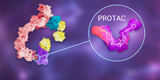
PROTAC, which exploit the ubiquitin-proteasome pathway to specifically degrade target proteins. PROTACs not only solve the problem of undruggability but they also have other advantages compared to traditional drug targeting strategies.
Scientific Reviews
PROTAC, which exploit the ubiquitin-proteasome pathway to specifically degrade target proteins. PROTACs not only solve the problem of undruggability but they also have other advantages compared to traditional drug targeting strategies. -
 Scientific Reviews
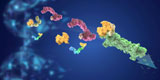
PROTAC — Target Selection and Design
Scientific Reviews
PROTAC — Target Selection and Design2022-07-08
A PROTAC molecule consists of three components: a target protein binding ligand, an E3 ligase ligand, and a linker connecting these two moieties. Here, we will discuss the conventional approaches for the rational design of PROTAC molecules. -
 Scientific Reviews
Organoids represent an important bridge between 2D cultures and in vivo mouse/human models. The organoid technology exerts enormous potential in evaluation of efficacy and toxicity of drugs, regenerative medicine, and precision medicine.In this article, we will briefly introduce organoid technology.
Scientific Reviews
Organoids represent an important bridge between 2D cultures and in vivo mouse/human models. The organoid technology exerts enormous potential in evaluation of efficacy and toxicity of drugs, regenerative medicine, and precision medicine.In this article, we will briefly introduce organoid technology. -
 Scientific Reviews
Development of Intestinal Organoid
Scientific Reviews
Development of Intestinal Organoid2022-07-28
3D organoid is one of the revolutionary developments in biomedical field during the past 10 years. The establishment of intestinal organoids is an important milestone in the development of organoid technology. -
 Scientific Reviews
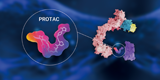
BacPROTACs is composed of a POI ligand, a chemical linker and a ClpCNTD anchor. BacPROTACs can induce in vitro and in vivo degradation of non-eukaryotic proteins in bacteria without the ubiquitin proteasome system.
Scientific Reviews
BacPROTACs is composed of a POI ligand, a chemical linker and a ClpCNTD anchor. BacPROTACs can induce in vitro and in vivo degradation of non-eukaryotic proteins in bacteria without the ubiquitin proteasome system. -
 Scientific Reviews
RNA therapeutics have changed the landscape of drug development, which possess broader spectrum of drug targets, simplicity and efficiency in development and manufacturing.In this article, we will discuss the underlying mechanisms of RNA-based drugs on the market or in clinical stages.
Scientific Reviews
RNA therapeutics have changed the landscape of drug development, which possess broader spectrum of drug targets, simplicity and efficiency in development and manufacturing.In this article, we will discuss the underlying mechanisms of RNA-based drugs on the market or in clinical stages. -
 Scientific Reviews
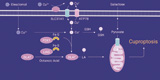
Tsvetkov et al. published in Science and demonstrated a copper-induced programmed cell death — Cuproptosis. As a novel programmed cell death, excess copper triggers abnormal aggregation of lipoylated proteins in TCA cycle and clearance of Fe-S cluster proteins, ultimately leading to cell death.
Scientific Reviews
Tsvetkov et al. published in Science and demonstrated a copper-induced programmed cell death — Cuproptosis. As a novel programmed cell death, excess copper triggers abnormal aggregation of lipoylated proteins in TCA cycle and clearance of Fe-S cluster proteins, ultimately leading to cell death. -
 Scientific Reviews
A comprehensive explanation of ferroptosis
Scientific Reviews
A comprehensive explanation of ferroptosis2022-09-15
Ferroptosis is a new type of RCD that depends on iron and characterized by the accumulation of lipid peroxides. In this article, we will pay our attention on ferroptosis and briefly discusses its mechanism. -
 Scientific Reviews
It's has been proved that p53, as a tumor suppressor gene and immune guardian, may become a destroyer through its own mutation. Moreover, the mechanism of p53 was found to be related to ferroptosis. This article mainly explores the mechanism between p53 and ferroptosis in detail.
Scientific Reviews
It's has been proved that p53, as a tumor suppressor gene and immune guardian, may become a destroyer through its own mutation. Moreover, the mechanism of p53 was found to be related to ferroptosis. This article mainly explores the mechanism between p53 and ferroptosis in detail. -
Scientific Reviews
Organoids have great potential in research of organ development, disease modeling, drug screening and, precision and regenerative medicin. In this article, we will expalin the origin of the organoids. Adult stem cells (ASCs) or pluripotent stem cells (PSCs) , which is the better choice.
-
 Scientific Reviews
Autophagy, derived from the Greek meaning "eating of self", plays an indispensable role in maintaining homeostasis. p27 is an inhibitor of cyclin CDKs, but how p27 regulates autophagy remains unknown. This article will cover the mechanism of autophagy and p27-related cell cycle regulation.
Scientific Reviews
Autophagy, derived from the Greek meaning "eating of self", plays an indispensable role in maintaining homeostasis. p27 is an inhibitor of cyclin CDKs, but how p27 regulates autophagy remains unknown. This article will cover the mechanism of autophagy and p27-related cell cycle regulation. -
 Scientific Reviews
CMA (chaperone-mediated autophagy) plays an essential role in maintaining neuronal protein stability and preventing neurodegeneration. In this article, we will comprehensively clarify the role of CMA in the occurrence and development of neurodegenerative diseases.
Scientific Reviews
CMA (chaperone-mediated autophagy) plays an essential role in maintaining neuronal protein stability and preventing neurodegeneration. In this article, we will comprehensively clarify the role of CMA in the occurrence and development of neurodegenerative diseases. -
 Scientific Reviews
TME (Tumor microenvironment) is considered as a complex integrated system, composed of cellular components such as tumor cells and immune cells, as well as non-cellular components such as ECM and cytokines. According to the spatial distribution of immune cells in TME, "hot" and "cold" TME will be explained in this article.
Scientific Reviews
TME (Tumor microenvironment) is considered as a complex integrated system, composed of cellular components such as tumor cells and immune cells, as well as non-cellular components such as ECM and cytokines. According to the spatial distribution of immune cells in TME, "hot" and "cold" TME will be explained in this article. -
 Scientific Reviews
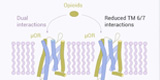
As powerful pain relievers, the opioids morphine and fentanyl have been "checked" by their side effects (listed as controlled substances). How to reduce its side effects? What is its mechanism? This research will explore its mechanism.
Scientific Reviews
As powerful pain relievers, the opioids morphine and fentanyl have been "checked" by their side effects (listed as controlled substances). How to reduce its side effects? What is its mechanism? This research will explore its mechanism. -
 Scientific Reviews
Efferocytosis is the process in which phagocytes remove programmed dead cells. It prevents secondary necrosis of dying cells from releasing harmful cell contents (such as oxides and proteases) that may cause inflammation. Here, we will introduce three stages of efferocytosis: Find, Eat, Digest.
Scientific Reviews
Efferocytosis is the process in which phagocytes remove programmed dead cells. It prevents secondary necrosis of dying cells from releasing harmful cell contents (such as oxides and proteases) that may cause inflammation. Here, we will introduce three stages of efferocytosis: Find, Eat, Digest. -
 Scientific Reviews
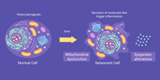
Understanding the mechanism of aging not only has guiding significance for prolonging human life but also has important clinical significance for the prevention and treatment of diseases in the elderly population , thus, improving their life quality and well-being.
Scientific Reviews
Understanding the mechanism of aging not only has guiding significance for prolonging human life but also has important clinical significance for the prevention and treatment of diseases in the elderly population , thus, improving their life quality and well-being. -
 Scientific Reviews
Mammalian cells can also photosynthesize like plants! Photosynthesis can improve cell anabolism and exhibit good clinical effect in degenerative diseases (osteoarthritis).
Scientific Reviews
Mammalian cells can also photosynthesize like plants! Photosynthesis can improve cell anabolism and exhibit good clinical effect in degenerative diseases (osteoarthritis). -
 Scientific Reviews
The latest study of Cell magazine "Neural mechanism underlying depressive-like state associated with social status loss" considers social factors as a breakthrough point. It has been found that the downward transition of social status induces depression-like behavior in mice whereas improves the depressive state by restoring their social environment.
Scientific Reviews
The latest study of Cell magazine "Neural mechanism underlying depressive-like state associated with social status loss" considers social factors as a breakthrough point. It has been found that the downward transition of social status induces depression-like behavior in mice whereas improves the depressive state by restoring their social environment. -
 Scientific Reviews
PROTAC - Design Strategy for Targeting
Scientific Reviews
PROTAC - Design Strategy for Targeting2023-04-23
Protein degradation targeting chimera (PROTAC) is a technology that uses the ubiquitin proteasome pathway to silent target protein. However, PROTAC still has problems such as solubility, membrane permeability, and selectivity. In this article, we have summarized three strategies for optimization: light-controlled linker, PAC molecule, and specific E3 ligase. -
 Scientific Reviews
Necroptosis, also known as necroptosis, is a form of regulated necrotizing cell death mediated by RIP1 and RIP3 kinases. Necroptosis is a process that prevents the self-destruction of activated cells that are blocked by apoptosis. Necroptosis plays a tumor suppressor role in most cases. It may provide benefits in the researches of a variety of human diseases involving immune inflammation and cell death.
Scientific Reviews
Necroptosis, also known as necroptosis, is a form of regulated necrotizing cell death mediated by RIP1 and RIP3 kinases. Necroptosis is a process that prevents the self-destruction of activated cells that are blocked by apoptosis. Necroptosis plays a tumor suppressor role in most cases. It may provide benefits in the researches of a variety of human diseases involving immune inflammation and cell death. -
 Scientific Reviews
Stem cell classification and its application
Scientific Reviews
Stem cell classification and its application2023-05-18
Stem cells (SCs) have the unique ability to self-renew and differentiate into different cell types. SCs can differentiate into various types of tissue cells under specific conditions. Additionally, they can be further cultured to form different tissues and organs in the human body. Stem cells have numerous applications in various fields, including cell therapy, organ transplantation, neurodegenerative disease modeling, and drug screening. -
 Scientific Reviews
Mitophagy:Mechanisms and Detection
Scientific Reviews
Mitophagy:Mechanisms and Detection2023-05-25
About 60 years ago, Christian de Duve first used the term "autophagy" to describe his observation of the degradation of mitochondria and other intracellular structures in lysosomes of rat liver. Over the years, autophagy has remained a beloved topic of research by the National Natural Science Foundation of China (NSFC).Today, let's talk about mitochondrial autophagy. -
 Scientific Reviews
Structure of Lipid Droplets
Scientific Reviews
Structure of Lipid Droplets2023-06-15
Huh? Lipid droplets? Organelles? In the past, biological data usually only show the traditional organelles, such as mitochondria, Golgi apparatus, endoplasmic reticulum, etc., lipid droplets are often not mentioned by people. Today, we will make a systematic explanation of lipid droplets, so that everyone has a clear understanding! -
 Scientific Reviews
HLA-E, A Novel Immune Checkpoint
Scientific Reviews
HLA-E, A Novel Immune Checkpoint2023-06-29
Immune checkpoints have immunosuppressive functions. It can be used in the research of tumor immunotherapy. In this article, we introduce a new paper entitled "Immune checkpoint HLA-E: CD94 - NKG2Amediates evasion of circulating tumor cells from NK cell surveillance "research paper. -
 Scientific Reviews
Organoid Culture: Questions & Answers
Scientific Reviews
Organoid Culture: Questions & Answers2023-07-26
In the last issue, we conducted a live lecture on the theme of organoid culture. Today, we have a special topic to solve your doubts in the last live class! -
 Scientific Reviews
WHO's Q2 drug list has been updated. Let's take you through the list of the most noteworthy small molecule drugs that we should pay attention to.
Scientific Reviews
WHO's Q2 drug list has been updated. Let's take you through the list of the most noteworthy small molecule drugs that we should pay attention to. -
 Scientific Reviews
FDA Approved Drug List!
Scientific Reviews
FDA Approved Drug List!2023-09-14
In the first half of 2023 (as of June 27), the FDA approved 26 new drugs, let's take you learn about it through the article. -
 Scientific Reviews
IHC is an indispensable technique for studying tissue morphology and in situ antigen expression, but usually only one or two antigens in tissues can be stained for analysis. It cannot judge the results more intuitively. Today, Little M will introduce you to the upgraded version mlHC.
Scientific Reviews
IHC is an indispensable technique for studying tissue morphology and in situ antigen expression, but usually only one or two antigens in tissues can be stained for analysis. It cannot judge the results more intuitively. Today, Little M will introduce you to the upgraded version mlHC. -
 Scientific Reviews
FDA Annual Review | Record-breaking number of new drug approvals in 2023!
Scientific Reviews
FDA Annual Review | Record-breaking number of new drug approvals in 2023! -
 Scientific Reviews
Are frozen cells always damaged? Is the survival rate of revived cells low? When is it appropriate to freeze cells? What should be considered when reviving them? Today, we're sharing a guide to avoid pitfalls in cell freezing and revival!
Scientific Reviews
Are frozen cells always damaged? Is the survival rate of revived cells low? When is it appropriate to freeze cells? What should be considered when reviving them? Today, we're sharing a guide to avoid pitfalls in cell freezing and revival! -
 Scientific Reviews
Katalin Karikó and Drew Weissman were awarded the Nobel Prize in Physiology or Medicine in 2023 for their groundbreaking work in nucleoside modification, which paved the way for the creation of successful mRNA vaccines to fight against COVID-19. Let's now delve into the complete process of mRNA vaccine development.
Scientific Reviews
Katalin Karikó and Drew Weissman were awarded the Nobel Prize in Physiology or Medicine in 2023 for their groundbreaking work in nucleoside modification, which paved the way for the creation of successful mRNA vaccines to fight against COVID-19. Let's now delve into the complete process of mRNA vaccine development. -
 Scientific Reviews
Science | A "new" mechanism for non-ubiquitinated Midnolin-proteasomal degradation pathway
Scientific Reviews
Science | A "new" mechanism for non-ubiquitinated Midnolin-proteasomal degradation pathway2024-04-26
“ubiquitin-mediated protein degradation” won the Nobel Prize in Chemistry in 2004! In fact, proteasomes degrade not only ubiquitinated proteins but also non-ubiquitinated ones. The mechanism remains shrouded in mystery. After reading this piece today, you might have a lightbulb moment! -
 Scientific Reviews
Still struggling to find the preparation methods for various solutions? Save your time! Here comes a nanny-level tutorial!
Scientific Reviews
Still struggling to find the preparation methods for various solutions? Save your time! Here comes a nanny-level tutorial! -
 Scientific Reviews
STZ Induced Diabetes Models
Scientific Reviews
STZ Induced Diabetes Models2024-06-13
Spotlight: How can STZ Help Diabetes Research? -
 Scientific Reviews
Exosomes, which won the Nobel Prize in 2013, are still a research hotspot in the national natural sciences, and their popularity has only increased over the past decade (in 2022, they still rank 5th in the national natural sciences hotspots!). Why have exosomes become the darling of scientific research? Let's take a look together~
Scientific Reviews
Exosomes, which won the Nobel Prize in 2013, are still a research hotspot in the national natural sciences, and their popularity has only increased over the past decade (in 2022, they still rank 5th in the national natural sciences hotspots!). Why have exosomes become the darling of scientific research? Let's take a look together~ -
 Scientific Reviews
Degrade target proteins through the autophagy-lysosome pathway including LYTAC, AUTAC, and ATTEC have gained increasing attention in recent years due to their significant research potential!
Scientific Reviews
Degrade target proteins through the autophagy-lysosome pathway including LYTAC, AUTAC, and ATTEC have gained increasing attention in recent years due to their significant research potential! -
 Scientific Reviews
Antibodies!
Scientific Reviews
Antibodies!2024-07-26
Today, We introduce antibodies for everyone! -
 Scientific Reviews
Science’s 2023 Breakthrough: GLP-1R Agonists
Scientific Reviews
Science’s 2023 Breakthrough: GLP-1R Agonists2024-08-13
GLP-1RAs, which achieved great success in 2023 and draws people’s attention back to obesity treatments and GLP-1 therapies worldwide, was chosen as the breakthrough of year 2023 by Science [2]. -
 Scientific Reviews
Cuproptosis, How much do you know?
Scientific Reviews
Cuproptosis, How much do you know?2024-08-22
Cells die in a variety of ways, including apoptosis, pyroptosis, necrosis, and ferroptosis......And, of course, cuproptosis. So, how much do you know about cuproptosis? -
 Scientific Reviews
Recently, Mol Cell reported the discovery of the first ferroptosis marker, Hyperoxidized PRDX3! Let’s take a look together~
Scientific Reviews
Recently, Mol Cell reported the discovery of the first ferroptosis marker, Hyperoxidized PRDX3! Let’s take a look together~ -
 Scientific Reviews
Cuproptosis's Knowledge Points!
Scientific Reviews
Cuproptosis's Knowledge Points!2024-09-25
With the establishment of the cuproptosis mechanism related research has attracted more and more attention from major journals. Expect to use the sharp sword of cuproptosis to stab the tumor cells. -
 Scientific Reviews
How they used PKH 26 for cellular studies?
Scientific Reviews
How they used PKH 26 for cellular studies?2024-10-21
We are thrilled to highlight our client study using PKH 26 (MedChemExpress) , a red fluorescent dye that has proven invaluable for in vitro cell labeling and tracing. This innovative research, published in the Journal of Nanobiotechnology. -
Scientific Reviews
Delve into the intricate networks that govern mitochondrial quality control. By examining key mechanisms such as biogenesis, mitochondrial dynamics (fission and fusion), proteolysis, and mitophagy. -
 Scientific Reviews
A New Form of Cell Death: PANoptosis!
Scientific Reviews
A New Form of Cell Death: PANoptosis! -
 Scientific Reviews
Unlocking the Power of Intermittent Fasting: The 16+8 Method
Scientific Reviews
Unlocking the Power of Intermittent Fasting: The 16+8 Method -
 Scientific Reviews
Advancing Chronic Kidney Disease Research with GJ103 and Lamin B1 Antibody!
Scientific Reviews
Advancing Chronic Kidney Disease Research with GJ103 and Lamin B1 Antibody! -
 Scientific Reviews
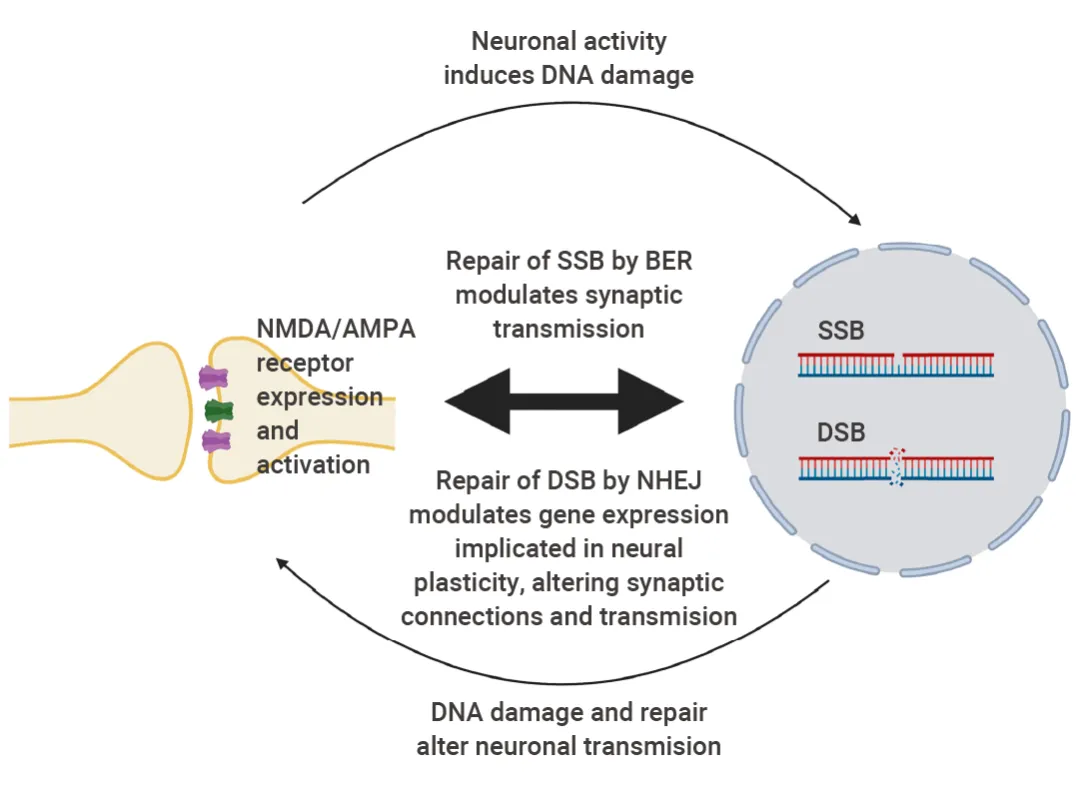
When you hear "inflammation" and "DNA damage," you might immediately think of disease or injury. However, in brains, these two processes are key steps in forming long-term memories, particularly related to specialized cells in our brain called hippocampal neurons.
Scientific Reviews
When you hear "inflammation" and "DNA damage," you might immediately think of disease or injury. However, in brains, these two processes are key steps in forming long-term memories, particularly related to specialized cells in our brain called hippocampal neurons. -
 Scientific Reviews
Autophagy is a fundamental process that degrades various components within the cell.
Scientific Reviews
Autophagy is a fundamental process that degrades various components within the cell. -
 Scientific Reviews
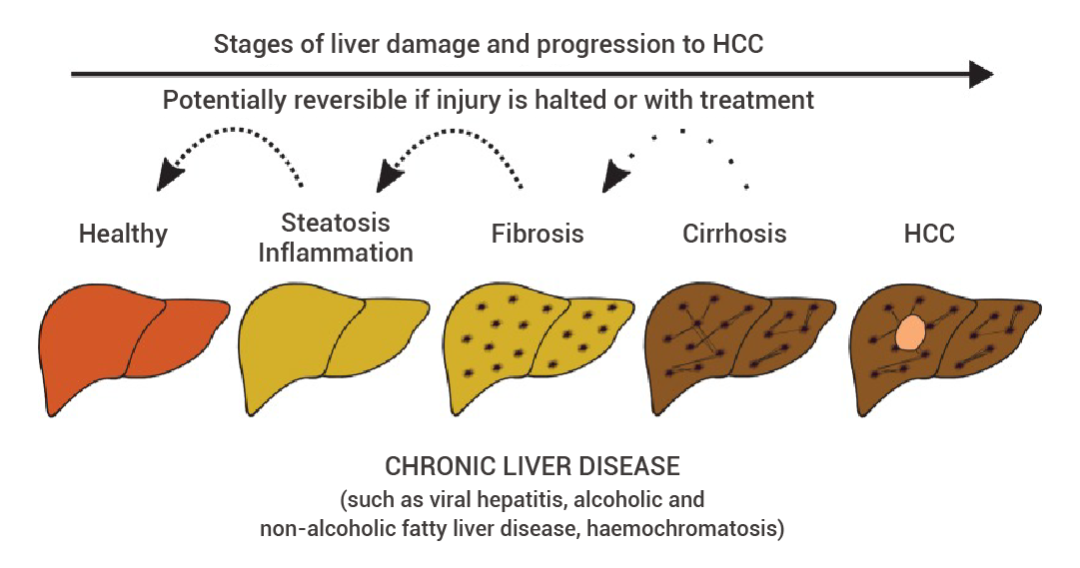
This article will tell you about the common methods of modeling liver disease in animal models.
Scientific Reviews
This article will tell you about the common methods of modeling liver disease in animal models. -
.jpg) Scientific Reviews
nside cells, the homeostasis and degradation of proteins is a precisely regulated process. If proteins cannot be degraded in time, it may lead to the occurrence of various diseases such as neurodegenerative diseases and cancer. This article will tell you the process of how proteins are recognized, labeled and then degraded!
Scientific Reviews
nside cells, the homeostasis and degradation of proteins is a precisely regulated process. If proteins cannot be degraded in time, it may lead to the occurrence of various diseases such as neurodegenerative diseases and cancer. This article will tell you the process of how proteins are recognized, labeled and then degraded! -
 Scientific Reviews
This article introduces some common cardiovascular disease models, inducers, modeling protocols and successful modeling cases in the research.
Scientific Reviews
This article introduces some common cardiovascular disease models, inducers, modeling protocols and successful modeling cases in the research. -
 Scientific Reviews
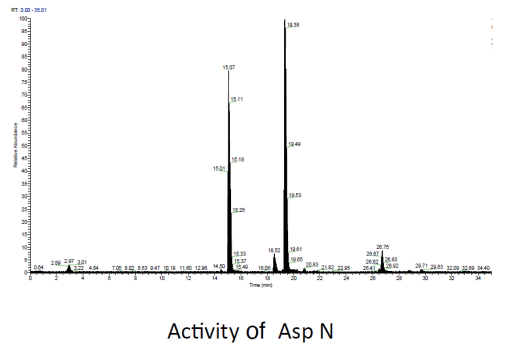
Do you feel confused when you start culturing cells? This article will show you the basic methods and steps of cell culture!
Scientific Reviews
Do you feel confused when you start culturing cells? This article will show you the basic methods and steps of cell culture! -
 Scientific Reviews
In this issue, we will conduct an in-depth interpretation from the dimensions of nanoparticle design, mechanism of action, in vivo and in vitro efficacy, and immune regulation, revealing how this research brings new hope for the treatment of invasive tumors through interdisciplinary innovation!
Scientific Reviews
In this issue, we will conduct an in-depth interpretation from the dimensions of nanoparticle design, mechanism of action, in vivo and in vitro efficacy, and immune regulation, revealing how this research brings new hope for the treatment of invasive tumors through interdisciplinary innovation! -
 Scientific Reviews
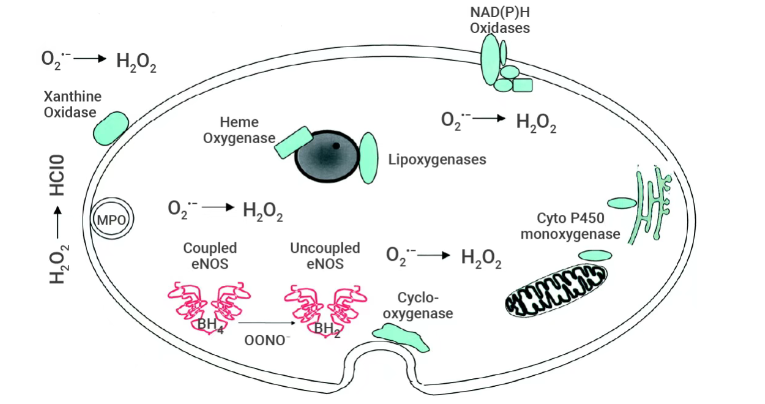
The article introduces the mechanisms of ROS generation and the methods for their detection.
Scientific Reviews
The article introduces the mechanisms of ROS generation and the methods for their detection. -
 Scientific Reviews
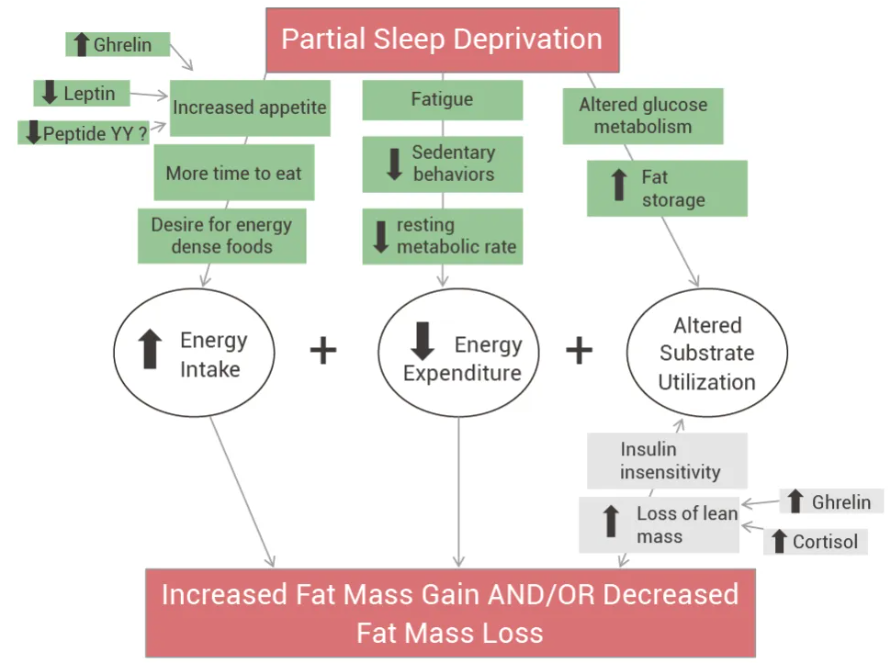
Have you ever noticed that after staying up late, your appetite—especially for high-calorie foods—gets out of control? If this sounds familiar, today’s article might offer some good news.
Scientific Reviews
Have you ever noticed that after staying up late, your appetite—especially for high-calorie foods—gets out of control? If this sounds familiar, today’s article might offer some good news. -
 Scientific Reviews
Generating Stable Cell Lines with Lentivirus
Scientific Reviews
Generating Stable Cell Lines with Lentivirus2025-09-16
A step-by-step protocol of establishing stable cell lines using lentivirus -
 Scientific Reviews
A groundbreaking study in Nature Communications reveals the key mechanism behind Idiopathic Pulmonary Fibrosis and identifies an existing drug with the potential to counter it.
Scientific Reviews
A groundbreaking study in Nature Communications reveals the key mechanism behind Idiopathic Pulmonary Fibrosis and identifies an existing drug with the potential to counter it. -
 Scientific Reviews
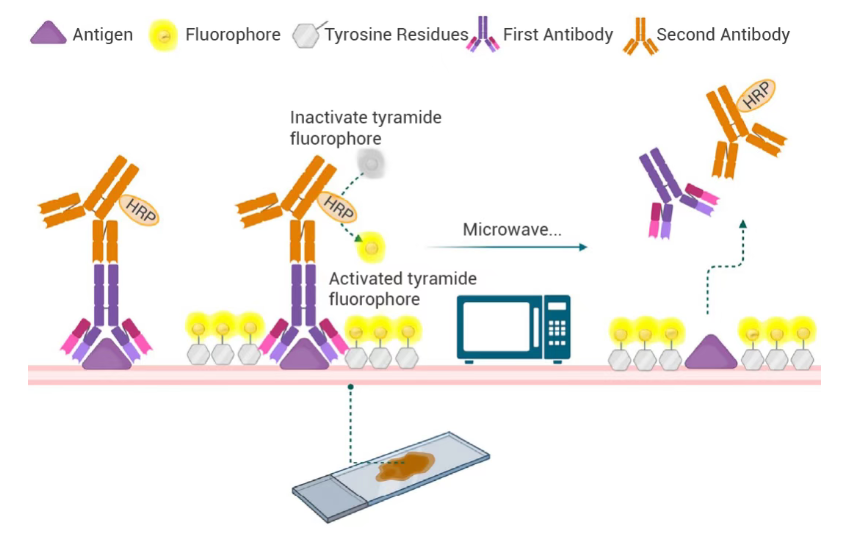
This detailed guide outlines the standardized experimental protocols for multiplex immunohistochemistry (mIHC), systematically summarizes common technical issues encountered during sample preparation, staining and imaging processes, and provides practical troubleshooting solutions to ensure reliable and reproducible results in biomedical research and clinical sample analysis.
Scientific Reviews
This detailed guide outlines the standardized experimental protocols for multiplex immunohistochemistry (mIHC), systematically summarizes common technical issues encountered during sample preparation, staining and imaging processes, and provides practical troubleshooting solutions to ensure reliable and reproducible results in biomedical research and clinical sample analysis. -
 Scientific Reviews
Finding adipogenic induction media too expensive and tricky to prepare? This comprehensive guide to 3T3-L1 adipogenic differentiation simplifies the process, helping you achieve great results!
Scientific Reviews
Finding adipogenic induction media too expensive and tricky to prepare? This comprehensive guide to 3T3-L1 adipogenic differentiation simplifies the process, helping you achieve great results! -
Scientific Reviews
Microglia– the only immune cells within the brain parenchyma. With advancements in imaging technologies, people’s understanding of microglia has shifted from being viewed as 'resting' cells to 'highly active' cells, particularly due to their dynamic processes that seem to be probing surrounding tissues and monitoring neuronal activity. This has made microglia a focal point of research in the field of neuroscience. -
 Scientific Reviews
Exosomes—natural nanoscale carriers—are revolutionizing targeted therapy. This article uncovers the science behind their precision in drug delivery.
Scientific Reviews
Exosomes—natural nanoscale carriers—are revolutionizing targeted therapy. This article uncovers the science behind their precision in drug delivery. -
Scientific Reviews
Cracking the PROTAC Permeability Barrier: CD36-Mediated Endocytosis as a Potential Breakthrough2025-12-03
This article provides an in-depth analysis of cutting-edge literature revealing CD36 as a key mediator of cellular uptake for PROTACs and bRO5 compounds. By structurally optimizing PROTAC molecules to enhance their affinity for CD36, membrane permeability can be markedly improved, leading to significantly enhanced antitumor efficacy. -
 Scientific Reviews
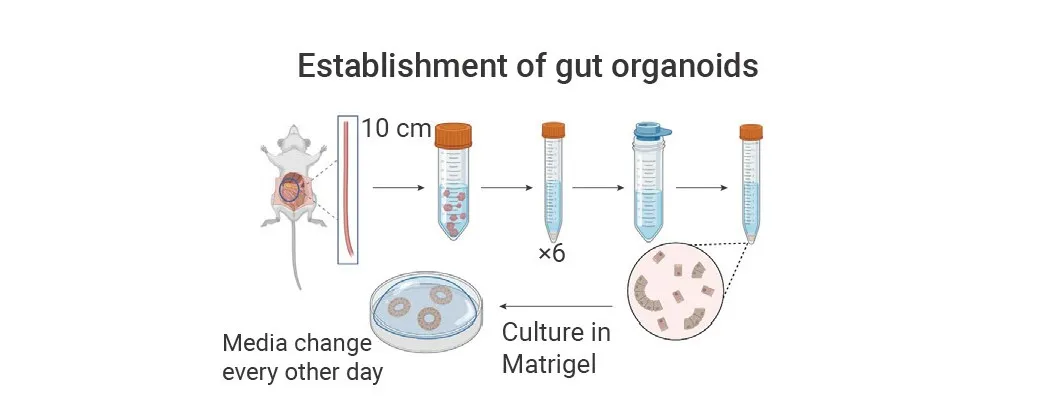
Efficient Generation of Mouse Small Intestinal Organoids: A Complete Experimental Protocol Guide
Scientific Reviews
Efficient Generation of Mouse Small Intestinal Organoids: A Complete Experimental Protocol Guide2025-12-10
How to successfully create mouse small intestine organoids? A detailed, hands-on guide to the entire process, all in one article! -
 Scientific Reviews
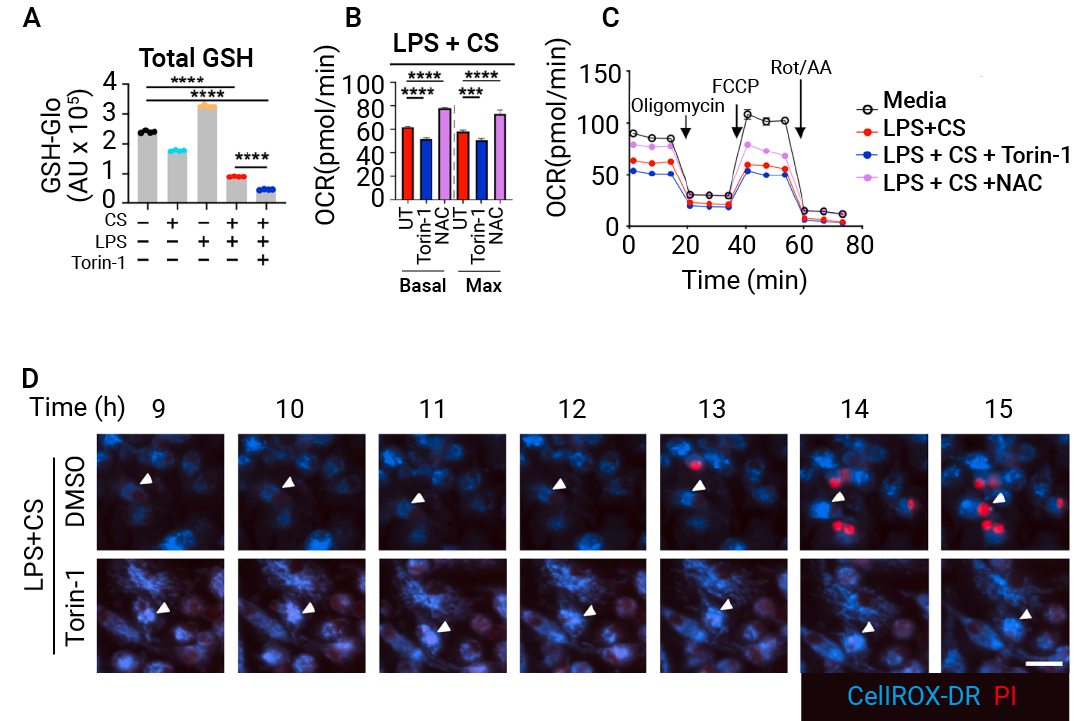
A November 2025 Cell study discovers Mitoxyperilysis, a new mTOR-regulated, caspase-independent cell death pathway driven by innate immune and metabolic dysregulation via mitochondrial-plasma membrane contact and oxidative damage, and verifies its potential to induce tumor necrosis for cancer therapy with key regulators including BAX, BAK1 and BID.
Scientific Reviews
A November 2025 Cell study discovers Mitoxyperilysis, a new mTOR-regulated, caspase-independent cell death pathway driven by innate immune and metabolic dysregulation via mitochondrial-plasma membrane contact and oxidative damage, and verifies its potential to induce tumor necrosis for cancer therapy with key regulators including BAX, BAK1 and BID. -
 Scientific Reviews
This paper elaborates on cytokines for culturing major immune cells, their regulatory roles, recombinant cytokines' merits and MCE’s related high-quality products.
Scientific Reviews
This paper elaborates on cytokines for culturing major immune cells, their regulatory roles, recombinant cytokines' merits and MCE’s related high-quality products. -
 Scientific Reviews
In the hunt for the next ‘GLP-1,’ amylin therapeutics, which have shown strong weight-loss results in clinical trials, have become a major focus for both multinational pharma and the scientific community.
Scientific Reviews
In the hunt for the next ‘GLP-1,’ amylin therapeutics, which have shown strong weight-loss results in clinical trials, have become a major focus for both multinational pharma and the scientific community. -
 Scientific Reviews
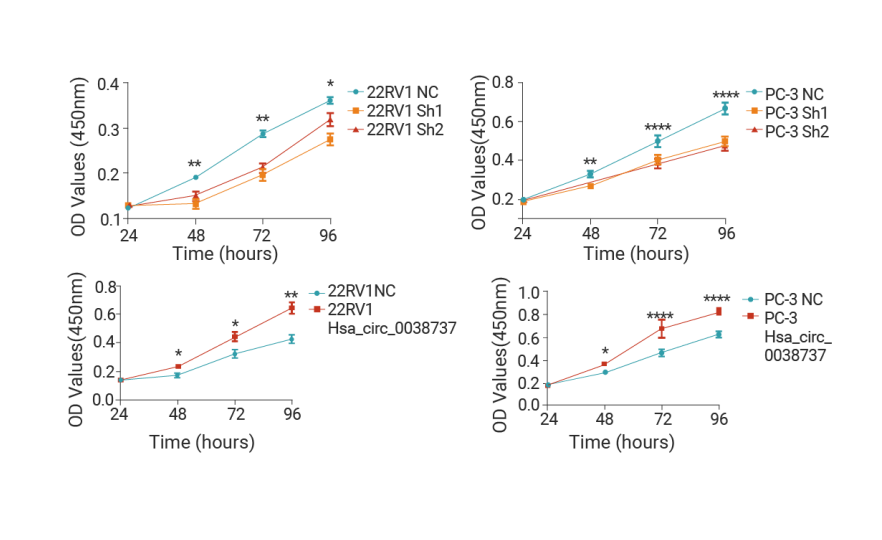
Essential for High-Impact Papers: Present Your CCK-8 Experimental Results in a More Outstanding Way!
Scientific Reviews
Essential for High-Impact Papers: Present Your CCK-8 Experimental Results in a More Outstanding Way!2026-03-18
CCK-8 is a widely used WST‑8‑based reagent for cell proliferation and cytotoxicity assays. It features high sensitivity, reliable results and easy operation, and is applicable to cell viability analysis, drug screening and growth inhibition testing. -
 Scientific Reviews
Molecular glue degraders have evolved from a serendipitous observation to one of the most dynamic and transformative fields in biomedical research.
Scientific Reviews
Molecular glue degraders have evolved from a serendipitous observation to one of the most dynamic and transformative fields in biomedical research. -
 Scientific Reviews
GLP-1 and Obesity Research
Scientific Reviews
GLP-1 and Obesity Research2026-08-14
Obesity substantially increases the risk of chronic diseases such as T2D and cardiovascular disease. The breakout success of GLP-1 therapies has spotlighted GLP-1R and a wave of emerging obesity targets. -
 EDM
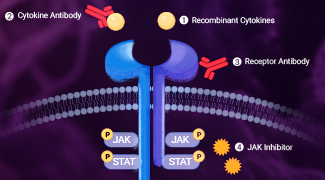
This review critically examines the role of the JAK-STAT pathway in immunity and autoimmune diseases, reviews current clinical applications of targeted therapies, and highlights emerging trends in autoimmune drug development.
EDM
This review critically examines the role of the JAK-STAT pathway in immunity and autoimmune diseases, reviews current clinical applications of targeted therapies, and highlights emerging trends in autoimmune drug development. -
 EDM
This review summarizes the mechanisms of DSS-induced colitis, commonly used modeling approaches, and key considerations related to DSS molecular weight.
EDM
This review summarizes the mechanisms of DSS-induced colitis, commonly used modeling approaches, and key considerations related to DSS molecular weight. -
 EDM
This review outlines macrophage functions and classification, and provides practical experimental guidelines for macrophage differentiation, polarization, and identification.
EDM
This review outlines macrophage functions and classification, and provides practical experimental guidelines for macrophage differentiation, polarization, and identification. -
 EDM
Explore lysosomal nutrient sensing, quality control, cellular adaptation, disease mechanisms, and emerging therapeutic approaches.
EDM
Explore lysosomal nutrient sensing, quality control, cellular adaptation, disease mechanisms, and emerging therapeutic approaches. -
 EDM
Review the mechanisms, mitochondrial regulation, disease relevance, and translational opportunities of the NLRP3–STING axis in neuroinflammation.
EDM
Review the mechanisms, mitochondrial regulation, disease relevance, and translational opportunities of the NLRP3–STING axis in neuroinflammation. -
 EDM
Explore the mechanisms driving immune tolerance breakdown in autoimmune diseases and emerging tolerance-restoring strategies, with a focus on IL-2-based immune modulation.
EDM
Explore the mechanisms driving immune tolerance breakdown in autoimmune diseases and emerging tolerance-restoring strategies, with a focus on IL-2-based immune modulation. -
 EDM
Explore how mitochondrial quality control, inflammatory signaling, and metabolic–epigenetic reprogramming regulate cellular senescence and the SASP, along with strategies to restore mitochondrial homeostasis.
EDM
Explore how mitochondrial quality control, inflammatory signaling, and metabolic–epigenetic reprogramming regulate cellular senescence and the SASP, along with strategies to restore mitochondrial homeostasis. -
 Blog
HS-1371 is a Small Molecule RIP3 Inhibitor
Blog
HS-1371 is a Small Molecule RIP3 Inhibitor2019-04-09
HS-1371 is a novel kinase inhibitor of RIP3-mediated necroptosis, showing an inhibitory effect on S227 auto-phosphorylation of RIP3 at the basal level. -
 Blog
IITZ-01 is a potent lysosomotropic autophagy inhibitor with single-agent antitumor activity, with an IC50 of 2.62 μM for PI3Kγ.
Blog
IITZ-01 is a potent lysosomotropic autophagy inhibitor with single-agent antitumor activity, with an IC50 of 2.62 μM for PI3Kγ. -
 Blog
PRN1008 is a Reversible Covalent and Oral Active Inhibitor of Bruton’s Tyrosine Kinase (BTK)
Blog
PRN1008 is a Reversible Covalent and Oral Active Inhibitor of Bruton’s Tyrosine Kinase (BTK)2019-04-18
PRN1008 is a selective, reversible covalent and oral active inhibitor of Bruton’s Tyrosine Kinase (BTK), with an IC50 of 1.3 nM. -
 Blog
Multiple Tyrosine Kinases Inhibitor TAS-115
Blog
Multiple Tyrosine Kinases Inhibitor TAS-1152019-04-19
TAS-115 is a potent VEGFR and c-Met/HGFR-targeted kinase inhibitor with IC50s of 30 and 32 nM for rVEGFR2 and rMET, respectively. -
 Blog
BTR-1 potently inhibits cell growth. It induces S phase arrest, affects DNA replication. Dose-dependently induces cytotoxicity in leukemic cell lines.
Blog
BTR-1 potently inhibits cell growth. It induces S phase arrest, affects DNA replication. Dose-dependently induces cytotoxicity in leukemic cell lines. -
 Blog
TAK-828F is a potent, selective and orally active retinoic acid receptor-related orphan receptor γt (RORγt) inverse agonist. TAK-828F inhibits IL-17A cytokine expression and reduces symptoms of autoimmune encephalomyelitis mice.
Blog
TAK-828F is a potent, selective and orally active retinoic acid receptor-related orphan receptor γt (RORγt) inverse agonist. TAK-828F inhibits IL-17A cytokine expression and reduces symptoms of autoimmune encephalomyelitis mice. -
 Blog
SLLN-15 is an oral activ enhancer of autophagy that activates cytostatic macroautophagy/autophagy in triple-negative breast cancer (TNBC).
Blog
SLLN-15 is an oral activ enhancer of autophagy that activates cytostatic macroautophagy/autophagy in triple-negative breast cancer (TNBC). -
 Blog
GSK3145095 is a RIP1 kinase inhibitor with an IC50 of 6.3 nM. Potently blocks the TNF response and RIP1-dependent inflammatory cytokine MIP-1β production.
Blog
GSK3145095 is a RIP1 kinase inhibitor with an IC50 of 6.3 nM. Potently blocks the TNF response and RIP1-dependent inflammatory cytokine MIP-1β production. -
 Blog
JMS-17-2 is a CX3CR1 Antagonist
Blog
JMS-17-2 is a CX3CR1 Antagonist2019-06-12
JMS-17-2 is a potent and selective CX3CR1 antagonist with an IC50 of 0.32 nM. Has potential to treat cancers such as breast cancer. -
 Blog
Ralimetinib (LY2228820) is a selective and ATP-competitive inhibitor of p38 MAPK α/β, with IC50s of 5.3 and 3.2 nM, respectively. Anti-tumor activity.
Blog
Ralimetinib (LY2228820) is a selective and ATP-competitive inhibitor of p38 MAPK α/β, with IC50s of 5.3 and 3.2 nM, respectively. Anti-tumor activity. -
 Blog
BAY-11-7082 inhibits the proliferation and induces the apoptosis of U266 cells through inhibiting NF-κB pathway. BAY 11-7082 ameliorates experimental diabetic neuropathy by modulating neuroinflammation and improving antioxidant defence.
Blog
BAY-11-7082 inhibits the proliferation and induces the apoptosis of U266 cells through inhibiting NF-κB pathway. BAY 11-7082 ameliorates experimental diabetic neuropathy by modulating neuroinflammation and improving antioxidant defence. -
 Blog
S130, Targeting ATG4B, Inhibits Autophagy and Activates Apoptosis in Colorectal Colon Cancer
Blog
S130, Targeting ATG4B, Inhibits Autophagy and Activates Apoptosis in Colorectal Colon Cancer2019-06-19
S130 is a high affinity, selective inhibitor of ATG4B (a major cysteine protease) with an IC50 of 3.24 µM. S130 suppresses autophagy flux. -
 Blog
S18-000003 is a potent, selective and orally active inhibitor of retinoic acid receptor-related orphan receptor-gamma-t (RORγt). S18-000003 ameliorates psoriasis-like lesions in vivo. S18-000003 can be used for the research of skin inflammatory diseases.
Blog
S18-000003 is a potent, selective and orally active inhibitor of retinoic acid receptor-related orphan receptor-gamma-t (RORγt). S18-000003 ameliorates psoriasis-like lesions in vivo. S18-000003 can be used for the research of skin inflammatory diseases. -
 Blog
MRT67307, a dual IKKε/TBK1 inhibitor, inhibits ULK1 and ULK2 with IC50s of 45 and 38 nM, respectively. MRT67307 blocks mTOR-dependent autophagy.
Blog
MRT67307, a dual IKKε/TBK1 inhibitor, inhibits ULK1 and ULK2 with IC50s of 45 and 38 nM, respectively. MRT67307 blocks mTOR-dependent autophagy. -
 Blog
CCT020312, the G1/S checkpoint activator, is a selective EIF2AK3/PERK activator. CCT020312 elicits EIF2A phosphorylation in cells.
Blog
CCT020312, the G1/S checkpoint activator, is a selective EIF2AK3/PERK activator. CCT020312 elicits EIF2A phosphorylation in cells. -
 Blog
SBI-0206965 is a selective and cell permeable autophagy kinase ULK1 inhibitor with IC50s of 108 nM for ULK1 and 711 nM for the highly related kinase ULK2 .
Blog
SBI-0206965 is a selective and cell permeable autophagy kinase ULK1 inhibitor with IC50s of 108 nM for ULK1 and 711 nM for the highly related kinase ULK2 . -
 Blog
TPCA-1, a Direct Dual Inhibitor of STAT3 and NF-κB, Regresses Mutant EGFR-Associated NSCLC
Blog
TPCA-1, a Direct Dual Inhibitor of STAT3 and NF-κB, Regresses Mutant EGFR-Associated NSCLC2019-07-15
TPCA-1 is a potent and selective inhibitor of IKK-2 with IC50 of 17.9 nM. TPCA-1 is an effective inhibitor of STAT3 phosphorylation, DNA binding. -
 Blog
CA-5f is a potent late-stage macroautophagy (autophagy) inhibitor via inhibiting autophagosome-lysosome fusion. CA-5f increases LC3B-II and SQSTM1 protein.
Blog
CA-5f is a potent late-stage macroautophagy (autophagy) inhibitor via inhibiting autophagosome-lysosome fusion. CA-5f increases LC3B-II and SQSTM1 protein. -
 Blog
BI-167107 is a high affinity, full agonist that binds to the β2 adrenergic receptor (β2AR) with a dissociation constant Kd of 84 pM.
Blog
BI-167107 is a high affinity, full agonist that binds to the β2 adrenergic receptor (β2AR) with a dissociation constant Kd of 84 pM. -
 Blog
UK 356618 is a Selective MMP-3 Inhibitor
Blog
UK 356618 is a Selective MMP-3 Inhibitor2019-12-25
UK 356618 is a selective and potent inhibitor of MMP-3. UK 356618 exhibits potent anti-inflammatory and anti-cancer activity. -
 Blog
CH6953755 is a potent, orally active and selective YES1 kinase inhibitor leading to antitumor activity against YES1 Gene -amplified cancers.
Blog
CH6953755 is a potent, orally active and selective YES1 kinase inhibitor leading to antitumor activity against YES1 Gene -amplified cancers. -
 Blog
CA-4948 is a Selective and Orally Bioavailable IRAK4 Kinase Inhibitor for Lymphoma Treatment
Blog
CA-4948 is a Selective and Orally Bioavailable IRAK4 Kinase Inhibitor for Lymphoma Treatment2020-01-05
CA-4948 is a potent, selective and orally bioavailable IRAK4 kinase inhibitor. CA-4948 can be used for the treatment of lymphoma. -
 Blog
GPP78 is a potent Nampt inhibitor. GPP78 is cytotoxic to neuroblastoma cell line SH-SY5Y cells. GPP78 has anti-cancer and anti-tumor activity.
Blog
GPP78 is a potent Nampt inhibitor. GPP78 is cytotoxic to neuroblastoma cell line SH-SY5Y cells. GPP78 has anti-cancer and anti-tumor activity. -
 Blog
BAY-985 is an orally active and selective ATP-competitive dual inhibitor of TBK1 and IKKε with IC50s of 2/30 and 2 nM for TBK1 and IKKε, respectively.
Blog
BAY-985 is an orally active and selective ATP-competitive dual inhibitor of TBK1 and IKKε with IC50s of 2/30 and 2 nM for TBK1 and IKKε, respectively. -
 Blog
ADH-503 is an orally active and allosteric CD11b agonist and leads to the repolarization of tumor-associated macrophages.
Blog
ADH-503 is an orally active and allosteric CD11b agonist and leads to the repolarization of tumor-associated macrophages. -
 Blog
HM03 is a potent and selective HSPA5 inhibitor with anticancer activity. HSPA5 plays a key role in monitoring protein transport through the cell.
Blog
HM03 is a potent and selective HSPA5 inhibitor with anticancer activity. HSPA5 plays a key role in monitoring protein transport through the cell. -
 Blog
GSK143 is an orally active and highly selective spleen tyrosine kinase (SYK) inhibitor. GSK143 reduces inflammation in the intestinal muscularis in mice.
Blog
GSK143 is an orally active and highly selective spleen tyrosine kinase (SYK) inhibitor. GSK143 reduces inflammation in the intestinal muscularis in mice. -
 Blog
GSK621 is a potent and specific AMPK activator and induces autophagy and apoptosis in acute myeloid leukemia (AML) cells.
Blog
GSK621 is a potent and specific AMPK activator and induces autophagy and apoptosis in acute myeloid leukemia (AML) cells. -
 Blog
CAY10404 is a potent and highly selective COX-2 inhibitor. CAY10404 is a potent inhibitor of PKB/Akt and MAPK signalling pathways.
Blog
CAY10404 is a potent and highly selective COX-2 inhibitor. CAY10404 is a potent inhibitor of PKB/Akt and MAPK signalling pathways. -
 Blog
BMS-P5 is an Orally Active PAD4 Inhibitor
Blog
BMS-P5 is an Orally Active PAD4 Inhibitor2020-12-12
BMS-P5 is an orally active PAD4 inhibitor. BMS-P5 blocks MM-induced NET formation and delays progression of MM in a syngeneic mouse model -
 Blog
ML132, a potent and selective caspase 1 inhibitor with a unique selectivity pattern, is responsible for the proteolytic activation of IL-1β and IL-18.
Blog
ML132, a potent and selective caspase 1 inhibitor with a unique selectivity pattern, is responsible for the proteolytic activation of IL-1β and IL-18. -
 Blog
CC-90001 is a potent, selective, and orally active inhibitor of JNK. CC-90001 can be used for the research of idiopathic pulmonary fibrosis (IPF).
Blog
CC-90001 is a potent, selective, and orally active inhibitor of JNK. CC-90001 can be used for the research of idiopathic pulmonary fibrosis (IPF). -
 Blog
YUM70 inhibits GRP78. Induces endoplasmic reticulum stress-mediated apoptosis. Pancreatic cancer. Acts as a novel anticancer agent.
Blog
YUM70 inhibits GRP78. Induces endoplasmic reticulum stress-mediated apoptosis. Pancreatic cancer. Acts as a novel anticancer agent. -
 Blog
LYN-1604 is a Potent ULK1 Activator
Blog
LYN-1604 is a Potent ULK1 Activator2021-04-24
LYN-1604, a potent ULK1 activator, induces cell death involved in ATF3, RAD21, and caspase3, accompanied by autophagy and apoptosis. -
 Blog
SB-332235 is a potent, orally active nonpeptide CXCR2 antagonist. SB-332235 inhibits acute and chronic models of arthritis in the rabbit.
Blog
SB-332235 is a potent, orally active nonpeptide CXCR2 antagonist. SB-332235 inhibits acute and chronic models of arthritis in the rabbit. -
 Blog
Butaprost is a selective prostaglandin E receptor (EP2) agonist. Butaprost can effectively mitigate kidney fibrogenesis in various fibrosis models.
Blog
Butaprost is a selective prostaglandin E receptor (EP2) agonist. Butaprost can effectively mitigate kidney fibrogenesis in various fibrosis models. -
 Blog
Lumiracoxib is a COX-2 inhibitor. Lumiracoxib acts as nonselective NSAID with anti-inflammatory, analgesic and antipyretic activities.
Blog
Lumiracoxib is a COX-2 inhibitor. Lumiracoxib acts as nonselective NSAID with anti-inflammatory, analgesic and antipyretic activities. -
 Blog
Ruxolitinib is a potent and selective JAK1/2 inhibitor and has 130-fold selectivity for JAK1/2 over JAK3. Ruxolitinib induces autophagy.
Blog
Ruxolitinib is a potent and selective JAK1/2 inhibitor and has 130-fold selectivity for JAK1/2 over JAK3. Ruxolitinib induces autophagy. -
 Blog
IMD-0354 is a Selective IKKβ Inhibitor
Blog
IMD-0354 is a Selective IKKβ Inhibitor2021-11-09
IMD-0354 is a selective IKKβ inhibitor and potently inhibits NF-κB activity. IMD0354 has antitumor activity. -
 Blog
Spautin-1 is a specific and potent autophagy inhibitor which inhibits ubiquitin-specific peptidases, USP10 and USP13.
Blog
Spautin-1 is a specific and potent autophagy inhibitor which inhibits ubiquitin-specific peptidases, USP10 and USP13. -
 Blog
Alda-1 is a potent ALDH2 Agonist
Blog
Alda-1 is a potent ALDH2 Agonist2021-12-30
Alda-1 ameliorates H2O2-induced Achilles tendinopathy. Alda-1 could be used for preventing Achilles tendinopathy. -
 Blog
CL097 is a TLR7/8 agonist. CL097 induces pro-nflammatory cytokines. CL097 induces NADPH oxidase priming and efficient diabetogenic cytotoxic T lymphocyte (CTL) function in NOD mice.
Blog
CL097 is a TLR7/8 agonist. CL097 induces pro-nflammatory cytokines. CL097 induces NADPH oxidase priming and efficient diabetogenic cytotoxic T lymphocyte (CTL) function in NOD mice. -
 Blog
Zingerone is a natural orally active nontoxic methoxyphenol potent anti-inflammatory, antidiabetic, antioxidize, and anti-tumor properties.
Blog
Zingerone is a natural orally active nontoxic methoxyphenol potent anti-inflammatory, antidiabetic, antioxidize, and anti-tumor properties. -
 Blog
AUTAC2 is a FKBP12-targeting autophagy-mediated degrader (AUTAC). AUTAC2 contains an FBnG and an SLF moiety.
Blog
AUTAC2 is a FKBP12-targeting autophagy-mediated degrader (AUTAC). AUTAC2 contains an FBnG and an SLF moiety. -
 Blog
BM213 is a selective C5aR1 agonist. It’s a useful research tool to study C5aR1 function
Blog
BM213 is a selective C5aR1 agonist. It’s a useful research tool to study C5aR1 function -
 Blog
Pelecopan is a potent, selective, and orally active complement factor D inhibitor, possessing the potential to study paroxysmal nocturnal hemoglobinuria (PNH).
Blog
Pelecopan is a potent, selective, and orally active complement factor D inhibitor, possessing the potential to study paroxysmal nocturnal hemoglobinuria (PNH). -
 Blog
Etrolizumab is a Gut-selective, Anti-β7 Integrin McAb for Inflammatory Bowel Disease (IBD) Research
Blog
Etrolizumab is a Gut-selective, Anti-β7 Integrin McAb for Inflammatory Bowel Disease (IBD) Research2022-11-05
Etrolizumab is a gut-selective, anti-β7 integrin monoclonal antibody and has the potential for the research of inflammatory bowel disease. -
 Blog
Coibamide A is an N-methyl-stabilized cytotoxic depsipeptide with antiproliferative activity. Coibamide A induces autophagosome accumulation.
Blog
Coibamide A is an N-methyl-stabilized cytotoxic depsipeptide with antiproliferative activity. Coibamide A induces autophagosome accumulation. -
 Blog
Ruxolitinib is an orally-active JAK1/2 inhibitor. Ruxolitinib has the potential for the research of myeloproliferative neoplasm (MPN).
Blog
Ruxolitinib is an orally-active JAK1/2 inhibitor. Ruxolitinib has the potential for the research of myeloproliferative neoplasm (MPN).
Products
All
-
All
-
Inhibitors & Agonists
-
Isotope-Labeled Compounds
-
Fluorescent Dye
-
Peptides
-
Recombinant Proteins
-
Antibodies
-
Screening Libraries
-
Inhibitory Antibodies
-
Reference Standards
-
GMP Small Molecules
-
Enzyme
-
Biochemical Assay Reagents
-
Natural Products
| Cat. No. | Product Name | Information | Application | Publication |
|---|---|---|---|---|
| HY-13418 | Dorsomorphin dihydrochloride |
Dorsomorphin (Compound C) dihydrochloride is a potent, selective and ATP-competitive AMPK inhibitor, with a Ki of 109 nM. Dorsomorphin dihydrochloride inhibits BMP pathway by targeting the type I receptors ALK2, ALK3, and ALK6. Dorsomorphin dihydrochloride can reverse autophagy activation and anti-inflammatory effect of Urolithin A (HY-100599).
|
|
819
|
| HY-13418A | Dorsomorphin |
|
819
|
|
| HY-10431 | SB-431542 |
SB-431542 is a TGF-β receptor kinase inhibitor (TRKI). SB-431542 has inhibitory activity for ALK4, ALK5 and ALK7 with IC50 values of 1 μM, 0.75 μM and 2 μM, respectively. SB-431542 also inhibits TGF-β-induced transcription, gene expression, apoptosis, and growth suppression. SB-431542 can be used for the research of cancer and signal transduction pathways.
|
Colorectal Cancer
Prostate Cancer
Pancreatic Cancer
Digestive System Inflammation
Obesity
Lung Fibrosis
|
323
|
| HY-10182 | Laduviglusib |
Laduviglusib (CHIR-99021) is a potent, selective and orally active GSK-3α/β inhibitor with IC50s of 10 nM and 6.7 nM. Laduviglusib shows >500-fold selectivity for GSK-3 over CDC2, ERK2 and other protein kinases. Laduviglusib is also a potent Wnt/β-catenin signaling pathway activator. Laduviglusib enhances mouse and human embryonic stem cells self-renewal. Laduviglusib induces autophagy.
|
Breast Cancer
Pancreatic Cancer
Depression
Glucose Metabolism
Alzheimer's Disease
Obesity
Lung Fibrosis
|
321
|
| HY-10201A | Sorafenib tosylate |
Sorafenib (Bay 43-9006) tosylate is a potent oral active multikinase inhibitor. Sorafenib blocks autophosphorylation and activity of receptor tyrosine kinases (VEGFR-2, VEGFR-3) and RAF family kinases, thereby suppressing the RAF/MEK/ERK and PI3K/Akt pathways, inhibiting STAT3 phosphorylation, and selectively inhibiting the MAPK pathway in cancer cells. Sorafenib tosylate induces cell cycle arrest, autophagy, apoptosis, and PARP cleavage, reduces Bcl-2, Bcl-XL, cyclin D1 levels, and activates Bak and Bax. Sorafenib tosylate inhibits tumor growth and metastasis in mouse and rat models. Sorafenib tosylate can be used for cancer research, such as colon, breast, non-small-cell lung cancer (NSCLC), ovarian, pancreatic, melanoma, colorectal and hepatocellular carcinoma.
|
Neurological, Eye or Ear Disease
Colorectal Cancer
Prostate Cancer
Gastric Cancer
Liver Cancer
Leukemia/Lymphoma/Myeloma
Pancreatic Cancer
Ovarian Cancer
Digestive System Inflammation
Non-Small Cell Lung Cancer
Metastatic Breast Cancer
SARS-CoV-2 Infection
Lung Fibrosis
|
316
|
| HY-10201 | Sorafenib |
Sorafenib (Bay 43-9006) is a potent oral active multikinase inhibitor. Sorafenib blocks autophosphorylation and activity of receptor tyrosine kinases (VEGFR-2, VEGFR-3) and RAF family kinases, thereby suppressing the RAF/MEK/ERK and PI3K/Akt pathways, inhibiting STAT3 phosphorylation, and selectively inhibiting the MAPK pathway in cancer cells. Sorafenib induces cell cycle arrest, autophagy, apoptosis, and PARP cleavage, reduces Bcl-2, Bcl-XL, cyclin D1 levels, and activates Bak and Bax. Sorafenib inhibits tumor growth and metastasis in mouse and rat models. Sorafenib can be used for cancer research, such as colon, breast, non-small-cell lung cancer (NSCLC), ovarian, pancreatic, melanoma, colorectal and hepatocellular carcinoma.
|
Raf
VEGFR
FLT3
Autophagy
Apoptosis
STAT
Akt
MMP
Cadherin
p38 MAPK
ERK
MEK
PI3K
PARP
Bcl-2 Family
Ephrin Receptor
PDGFR
Gastric Cancer
Liver Cancer
Ovarian Cancer
Digestive System Inflammation
Small Cell Lung Cancer
Non-Small Cell Lung Cancer
Metastatic Breast Cancer
Metastatic Colorectal Cancer
Metastatic Prostate Cancer
Multiple Myeloma
Metastatic Pancreatic Cancer
SARS-CoV-2 Infection
Alzheimer's Disease
Parkinson's Disease
Obesity
Lung Fibrosis
|
316
|
| HY-100381 | Nigericin sodium salt |
Nigericin sodium salt is an antibiotic derived from Streptomyces hygroscopicus that act as a K+/H+ ionophore, promoting K+/H+ exchange across mitochondrial membranes. Nigericin sodium salt is a NLRP3 activator. Nigericin sodium salt shows promising anti-cancer activities through decreasing intracellular pH (pHi), and inactivation of Wnt/β-catenin signals. Nigericin sodium salt induces pyroptosis through caspase 1/GSDMD in TNBC.
Source: Streptomyces hygroscopicus |
Breast Cancer
Colorectal Cancer
Prostate Cancer
Gastric Cancer
Liver Cancer
Ovarian Cancer
Bacterial Infection
Depression
Hypertension
Lung Fibrosis
Rheumatoid Arthritis
|
258
|
| HY-127019 | Nigericin |
Nigericin is an antibiotic derived from Streptomyces hygroscopicus that act as a K+/H+ ionophore, promoting K+/H+ exchange across mitochondrial membranes. Nigericin is a NLRP3 activator. Nigericin shows promising anti-cancer activities through decreasing intracellular pH (pHi), and inactivation of Wnt/β-catenin signals. Nigericin induces pyroptosis through caspase 1/GSDMD in TNBC.
|
Breast Cancer
Colorectal Cancer
Prostate Cancer
Gastric Cancer
Liver Cancer
Ovarian Cancer
Bacterial Infection
Depression
Hypertension
Lung Fibrosis
Rheumatoid Arthritis
|
258
|
| HY-15147 | XAV-939 |
XAV-939 is a Tankyrase inhibitor. XAV-939 has inhibitory activity for TNKS1 and TNKS2 with IC50 values of 5 nM and 2 nM, respectively. XAV-939 also is an enhancer of osteoblastic differentiation of hMSCs. XAV-939 can be used for the research of conditions associated with activated Wnt signaling, such as cancer, fibrotic diseases and conditions associated with low bone formation.
|
Neurological, Eye or Ear Disease
Breast Cancer
Colorectal Cancer
Prostate Cancer
Gastric Cancer
Liver Cancer
Pancreatic Cancer
Ovarian Cancer
Hypertension
Lung Fibrosis
|
209
|
| HY-50896 | Erlotinib |
Erlotinib (CP-358774) is a selective, orally active EGFR tyrosine kinase inhibitor. Erlotinib also acts as a substrate and inhibitor of OATP2B1, with an IC50 of approximately 0.079 μM for inhibiting OATP2B1-mediated uptake of estrone 3-sulfate. Erlotinib blocks EGFR phosphorylation, downstream signal transduction, as well as the growth and proliferation of cancer cells. Erlotinib inhibits MMP-10-mediated renal injury, fibrotic lesions, the ERK1/2, GSK-3β and β-catenin signaling pathways, fibronectin, α-SMA, collagen deposition, and renal injury markers. Erlotinib is metabolized via CYP3A to produce the active metabolite OSI-420. Erlotinib can be used in research related to non-small cell lung cancer, gastric cancer, papillary renal cell carcinoma, pancreatic cancer, renal fibrosis, and other conditions.
|
|
147
|
| HY-10432 | A 83-01 |
|
144
|
|
| HY-L068 | Flavonoids Library |
Flavonoids are an important class of natural products; particularly, they belong to a class of plant secondary metabolites having a polyphenolic structure, widely found in fruits, vegetables and certain beverages. Flavonoids can be subdivided into different subgroups depending on the carbon of the C ring on which the B ring is attached and the degree of unsaturation and oxidation of the C ring. These subgroups are: flavones, flavonols, flavanones, flavanonols, flavanols or catechins, anthocyanins and chalcones. Flavonoids are now considered as an indispensable component in a variety of nutraceutical, pharmaceutical, medicinal and cosmetic applications. This is attributed to their anti-oxidative, anti-inflammatory, anti-mutagenic and anti-carcinogenic properties coupled with their capacity to modulate key cellular enzyme function. Naturally occurring flavonoids are known to have biological activities for use as drugs, for example, in diseases like cancer, Alzheimer’s disease (AD), atherosclerosis, etc.
MCE offers a unique collection of 583 natural flavonoid compounds which is a useful tool for drug discovery as an important source of lead compounds.
|
|
98
|
| HY-12071 | LDN193189 |
LDN193189 (DM-3189) is a potent selective BMP type I receptor (BMP I) inhibitor. LDN193189 efficiently inhibits transcriptional activity of the BMP type I receptors ALK2 and ALK3 with IC50 values of 5 nM and 30 nM, respectively. LDN193189 can be used for the research of bone morphogenetic protein signalling, such as fibrodysplasia ossificans progressiva.
|
|
95
|
| HY-L078 | Gut Microbial Metabolite Library |
Accumulating evidence has revealed that intestinal microbiota play an important role in human health and disease, including cardiovascular diseases, inflammatory bowel disease, diabetes, obesity, cancer, and depression, etc. Changes in the composition of gut microbiota associated with disease, referred to as dysbiosis, have been linked to pathologies. Indeed, the gut microbiome functions like an endocrine organ, generating bioactive metabolites which play important roles in human metabolism, health, and disease. Gut microbiome has become a novel therapeutic target for many diseases. Analysis and identification of gut microbial metabolite will contribute to the development of therapeutic methods.
In order to meet the need of gut microbiome research, MCE carefully selected a unique collection of 475 gut microbial metabolites. MCE gut microbial metabolite library is a powerful tool for gut microbiome research and gut microbiome -related drug discovery.
|
|
85
|
| HY-L046 | Anti-Cardiovascular Disease Compound Library |
Cardiovascular diseases (CVDs) are a group of disorders of the heart and blood vessels which include coronary heart disease, cerebrovascular disease, peripheral arterial disease, rheumatic heart disease, etc. CVDs are the number 1 cause of death globally. Smoking, unhealthy nutrition, aging population, lack of physical activity, arterial hypertension, or diabetes can promote cardiovascular disease like myocardial infarction or stroke. It is multifactorial and encompasses a multitude of mechanisms, such as eNOS uncoupling, reactive oxygen species formation, chronic inflammatory disorders and abnormal calcium homeostasis. Antioxidant, anti-inflammatory and anti-diabetes agents may reduce the cardiovascular disease risk.
MCE supplies a unique collection of 2,468 compounds with confirmed anti-cardiovascular activity. These compounds mainly target metabolic enzyme, membrane transporter, ion channel, inflammation related signaling pathways. MCE Anti-Cardiovascular Disease Compound Library can be used for cardiovascular diseases related research and high throughput and high content screening for new drugs.
|
|
84
|
| HY-L094 | Food-Sourced Compound Library |
The health benefits deriving from the consumption of certain foods have been common knowledge. All foods are made up of chemical substances. Chemicals in foods are largely harmless and often desirable. At present, numerous researchers have been focused on the beneficial role played by certain food components in the close relationship between food intake and health status. For example, polyphenols, a common class of compounds among foods, are well-known antioxidants, which may play a role in the prevention of several diseases including type 2 diabetes, cardiovascular diseases, and some types of cancer.
MCE supplies a unique collection of 2,064 compounds from variety of foods. All compounds are with specific food source(s). MCE Food-Sourced Compound Library is the useful tool to discover molecules with pharmaceutical activity from foods.
|
|
84
|
| HY-L087 | Anti-Obesity Compound Library |
Obesity is widely recognized as the largest and fastest growing public health problem and is associated with numerous chronic disorders including osteoarthritis, obstructive sleep apnea, gallstones, fatty liver disease, reproductive and gastrointestinal cancers, dyslipidemia, hypertension, type 2 diabetes, heart failure, coronary artery disease, stroke, etc. Although obesity has long been associated with serious health issues, it has only recently been regarded as a disease in the sense of being a specific target for medical therapy. Obesity may be viewed as the dysregulation of two physiological functions, appetite regulation and energy metabolism, which combine to create disordered energy balance. Consequently, developing obesity treatments that target novel pathways is a growing focus for both biopharmaceutical industries.
MCE Anti-Obesity Compound Library owns a unique collection of 3,741 compounds, which mainly target signaling pathway of controlling appetite, fatty acid metabolism and energy expenditure, etc. This library is a useful tool for discovery anti-obesity drugs.
|
|
83
|
| HY-L119 | Potassium Channel Compound Library |
Potassium channels are the most widely distributed type of ion channel and are found in virtually all living organisms. There are four major classes of K channels: voltage-gated potassium channel, calcium-activated potassium channel, inwardly rectifying potassium channel and tandem pore domain potassium channel. There is growing evidence that dysfunction in potassium channels correlates with several diseases, such as chronic hypertension, diabetes, hypercholesterolemia and atherosclerosis, etc.
MCE Potassium Channel Compound Library consists of 337 potassium channel inhibitor and activators, which is a useful tool to discover drugs for cardiovascular diseases and potassium channel research.
|
|
83
|
| HY-L185 | Anti-Fibrosis Compound Library |
Fibrosis is a kind of repair response to long-term tissue damage, which is mainly manifested by excessive deposition of extracellular matrix (ECM) and scar formation. Myofibroblasts are the main generating cells of extracellular matrix, and their activation process is related to various pathological mechanisms including Oxidative stress, chronic inflammation and cytokine secretion. Fibrosis can occur in many organs, such as kidneys, liver, heart, lungs, etc. Continuous fibrosis can lead to the destruction of the normal structure of tissues and organs, and if not controlled in time, may cause organ failure or even life-threatening.
MCE contains 2,568 compounds targeting ant-fibrosis targets such as TGF-β, PI3K, Wnt, MMP, etc. These compounds have clear or potential anti-fibrosis activity and can be used for mechanism research and drug screening of fibrosis diseases.
|
|
83
|
| HY-L191 | Tibetan Medicine Compound Library |
Tibetan medicine, as one of the treasures of traditional Chinese medicine, carries the profound cultural heritage of the Tibetan people and their unique understanding of health. Tibet is the birthplace of Tibetan medicine, and its plateau climate and unique ecological environment have nurtured its rich medicinal resources. Among them, cordyceps, saffron and snow lily are favored by people for their excellent medicinal value and unique growth characteristics. Tibetan medicine, with its profound heritage, plays a crucial role in the management of diseases that are unique to high-altitude regions, such as altitude stress. It facilitates a swifter adaptation to high-altitude conditions and mitigates the symptoms of altitude sickness by meticulously recalibrating the internal environment within the human body. For rheumatic diseases, cardiovascular diseases, etc., Tibetan medicine has also shown its remarkable effect.
MCE included 1,146 natural products from Tibetan medicine, including animal, plant and mineral sources.
|
|
83
|
| HY-L208 | Bile Acids Library |
Bile acids are a class of amphiphilic molecules derived from the metabolic breakdown of cholesterol, primarily synthesized in the liver, and play a crucial role in the intestines. Based on their structural characteristics, bile acids are mainly divided into two categories: free bile acids (including Cholic acid, Deoxycholic acid, Chenodeoxycholic acid) and conjugated bile acids (including Glycocholic acid, Glycochenodeoxycholic acid, Taurocholic acid, etc.). Bile acids play a significant role in the pathophysiological research of liver and gastrointestinal diseases and are closely associated with the occurrence of metabolic diseases such as obesity, type II diabetes, non-alcoholic fatty liver disease, and atherosclerosis. Bile acids maintain metabolic balance within the body by regulating sugar metabolism, lipid metabolism, and amino acid metabolism, and they influence the activity of metabolism-related enzymes and transporters. In addition, Bile acids can also be used to construct a bile acid metabolism research platform, which helps to delve into the metabolic pathways and dynamic changes of bile acids in living organisms and aids in identifying new biomarkers for certain diseases.
MCE included 62 bile acids, including Cholic acid, Deoxycholic acid, Glycocholic acid, etc., which are effective tools for the study of liver and gallbladder diseases.
|
|
83
|
| HY-L248 | RNA Binding Bioactive Compound Library |
The RNA-targeted bioactive compound library is a high-quality collection of small molecules specifically designed and curated to target RNA structures and functions. It is widely applied in cutting-edge drug discovery and life science research. Unlike traditional strategies that focus on protein targets, RNA-targeted compounds can directly modulate various functional RNA molecules by influencing their splicing, translation, stability, or structural conformation, thereby enabling precise intervention in key biological processes. In the field of drug development, these compounds provide a novel approach to addressing previously “undruggable” targets and have demonstrated significant potential in areas such as oncology, antiviral therapies, and neurodegenerative diseases. For example, by targeting disease-associated RNA structural domains or regulating the aberrant expression of non-coding RNAs, these compounds can effectively inhibit disease progression or restore normal cellular function. In mechanistic studies, RNA-targeted compounds serve as valuable chemical biology tools to elucidate the roles of RNA in gene expression regulation, cellular signaling pathways, and disease development.
The MCE RNA-targeted bioactive compound library contains 858 compounds, sourced from databases such as TargetRX Atlas and R-BIND. The library features excellent structural diversity and biological activity, making it suitable for high-throughput screening (HTS), target validation, phenotypic screening, and lead compound discovery. It represents a valuable resource for RNA-related research and innovative drug development.
|
|
83
|
| HY-L265 | Cholesterol Metabolism Compound Library |
Cholesterol is a crucial lipid that maintains cell membrane structure, serves as a precursor for the synthesis of steroid hormones and bile acids, and plays an important role in cell signal transduction and membrane function regulation. Intracellular cholesterol levels are precisely controlled by multiple processes, including synthesis, uptake, transport, esterification, storage, and efflux. Dysregulation of cholesterol metabolism is closely associated with diseases such as atherosclerosis, fatty liver disease, metabolic syndrome, and various cancers.
The Cholesterol Metabolism Compound Library contains 558 compounds and focuses on cholesterol metabolism and homeostatic regulation. It provides an efficient tool for mechanistic studies of cholesterol metabolism and for drug discovery in metabolism‑related diseases.
|
|
83
|
| HY-L917 | RNA Binding Library |
RNA is crucial for the regulation of numerous cellular processes and functions. With the in-depth study of disease mechanisms, processes such as RNA expression, splicing, translation, and stability regulation have become new targets for disease intervention. RNA has provided new therapeutic modalities for metabolic diseases, genetic disorders, and cancer patients, resulting in several innovative drugs.
MCE R&D team collected small molecules targeting RNA from the PDB, R-BIND, ROBIN, and internal database as the positive dataset, and non-targeting RNA small molecules from ROBIN as the negative dataset. Based on the GeminiMol pre-trained model, we encoded the molecules and calculated over 1700 molecular descriptors using Mordred as inputs for the model. Subsequently, we employed 13 deep learning models to learn from the data. All of which yielded good training results, with AUROCs greater than 0.75. Ultimately, we selected the Finetune model to screen HY-L901P, which exhibited the best classification performance, achieving an AUROC of 0.82 and a prediction accuracy of 0.76. We then applied filtering based on StaR rules (with at least two of the following properties: cLogP ≥ 1.5, Molar Refractivity ≥ 4, Relative Polar Surface Area ≤ 0.3) to obtain a library containing approximately 5,000 small molecule compounds targeting RNA. This library serves as a valuable tool for screening small molecules that interact with RNA.
|
|
83
|
| HY-L923 | Ion Channel Lead-like Compound Library |
Ion channels are key proteins on the cell membrane that regulate the flow of ions across membranes. They participate in nearly all physiological processes, including nerve conduction, muscle contraction, heart rhythm, and pain perception. Abnormalities in their function can lead to various serious diseases such as arrhythmia, epilepsy, hypertension, neuropathic pain, and cancer. Therefore, ion channels are highly valuable drug targets—over 15% of approved drugs target ion channels currently, demonstrating their irreplaceable therapeutic value in cardiovascular, neurological, and analgesic fields.
MCE has collected a library of over 5,000 reported ion channel-related bioactive compounds targeting major sites such as Na+ channels, K+ channels, Ca2+ channels, GABA receptors, iGluRs, and others. Using AI models, these compounds are characterized through both 2D representations (molecular fingerprints, pharmacophores) and 3D representations (3D conformation) to screen for a collection of lead-like compounds highly similar to known active molecules. Additionally, an hERG channel prediction algorithm integrating XGB and ISE mapping strategy is employed to assess and exclude potential cardiotoxicity in the library.. This step significantly reduces safety risks in subsequent screenings, particularly for ion channel drug development related to cardiovascular systems (e.g., Nav1.5, Cav1.2), effectively minimizing failures due to hERG inhibition and serving as a valuable tool for ion channel drug screening.
|
|
83
|
| HY-16141 | Cilengitide |
Cilengitide (EMD 121974) is an integrin (integrin) inhibitor with blood-brain barrier permeability, with IC50 values against human targets as follows: 0.61 nM for αvβ3, 8.4 nM for αvβ5, 14.9 nM for α5β1, 5400 nM for αIIbβ3, 2050 nM for αvβ6, 2350 nM for αvβ8. Cilengitide inhibits the binding of integrins to vitronectin, fibronectin, fibrinogen and LAP (TGF-β), and serves as an internal standard for solid-phase integrin binding assays. Cilengitide inhibits tumor cell viability, induces apoptosis, reduces the phosphorylation levels of STAT3, AKT and mTOR, downregulates the expression of PD-L1, inhibits cell viability and angiogenesis, regulates anti-tumor immune responses and slows tumor growth. Cilengitide can be used in research related to glioblastoma, melanoma, advanced solid tumors and refractory brain tumors.
|
|
75
|
| HY-13226 | Galunisertib |
Galunisertib (LY2157299) is an oral and selective TGF-β receptor type I (TGF-βRI) kinase inhibitor with an IC50 of 56 nM.
|
Lung Cancer
Breast Cancer
Colorectal Cancer
Prostate Cancer
Pancreatic Cancer
SARS-CoV-2 Infection
Obesity
Lung Fibrosis
|
74
|
| HY-14428 | ICG-001 |
ICG-001 is an inhibitor of β-catenin/TCF mediated transcription. ICG-001 works by specifically binding to cyclic AMP response element-binding protein with an IC50 of 3 μM. ICG-001 selectively blocks the β-catenin/CBP interaction without interfering with the β-catenin/p300 interaction.
|
Neurological, Eye or Ear Disease
Breast Cancer
Colorectal Cancer
Prostate Cancer
Gastric Cancer
Liver Cancer
Ovarian Cancer
Digestive System Inflammation
Hypertension
Lung Fibrosis
|
68
|
| HY-101085 | SKL2001 |
SKL2001 is an agonist of the Wnt/β-catenin pathway, with anti-cancer activity. SKL2001 stabilizes intracellular β-catenin via disruption of the Axin/β-catenin interaction.
|
|
67
|
| HY-120697 | MSAB |
Neurological, Eye or Ear Disease
Breast Cancer
Colorectal Cancer
Prostate Cancer
Gastric Cancer
Liver Cancer
Ovarian Cancer
Hypertension
Lung Fibrosis
Rheumatoid Arthritis
|
60
|
|
| HY-108841 | Raleukin |
Raleukin (Kineret) is a recombinant, nonglycosylated human interleukin-1 receptor (IL-1R) antagonist. Raleukin significantly reduces neutrophil accumulation in blood vessels and brain infarct volume as well as improves motor coordination performance in ischemic stroke mice model. Anakinra can be used to study chronic inflammatory disorders like rheumatoid arthritis and cardiovascular recurrence post-myocardial infarction.
Species: Human |
|
57
|
| HY-B0573 | Propranolol hydrochloride |
Propranolol hydrochloride is a nonselective and BBB-permeableβ-adrenergic receptor (βAR) antagonist, has high affinity for the β1AR and β2AR with Ki values of 1.8 nM and 0.8 nM, respectively. Propranolol hydrochloride inhibits [3H]-DHA binding to rat brain membrane preparation with an IC50 of 12 nM. Propranolol hydrochloride is used for study of hypertension, pheochromocytoma, myocardial infarction, cardiac arrhythmias, angina pectoris, and hypertrophic cardiomyopathy.
|
Metabolic or Endocrine Disease
Breast Cancer
Prostate Cancer
Pancreatic Cancer
Bacterial Infection
Depression
SARS-CoV-2 Infection
Alzheimer's Disease
Hypertension
|
52
|
| HY-B0573B | Propranolol |
Propranolol is a nonselective and BBB-permeable β-adrenergic receptor (βAR) antagonist, has high affinity for the β1AR and β2AR with Ki values of 1.8 nM and 0.8 nM, respectively. Propranolol inhibits [3H]-DHA binding to rat brain membrane preparation with an IC50 of 12 nM. Propranolol is used for the study of hypertension, pheochromocytoma, myocardial infarction, cardiac arrhythmias, angina pectoris, and hypertrophic cardiomyopathy.
|
Metabolic or Endocrine Disease
Breast Cancer
Prostate Cancer
Pancreatic Cancer
Bacterial Infection
Depression
Alzheimer's Disease
Psoriasis
Hypertension
|
52
|
| HY-16954 | ARV-825 |
ARV-825 is a BET protein PROTAC degrader that recruits cereblon, and it targets BRD2, BRD3, and BRD4 for degradation via the ubiquitin-proteasome pathway. ARV-825 downregulates c-MYC, PLK1, MYCN, CDK4/6, JAK2, pSTAT3/5, PIM1, and Bcl-xL, upregulates p21 and p27, and modulates H3K27Ac-mediated transcription, the G2/M checkpoint, the Wnt/β-catenin pathway, and amino acid transport pathways. ARV-825 induces G1 phase cell cycle arrest, caspase 3/PARP-mediated apoptosis, DNA damage, and reactive oxygen species (ROS) production, reduces mitochondrial respiration, and simultaneously inhibits cell proliferation, clonogenic growth, and cell migration. ARV-825 is used in research on gastric cancer, leukemia, neuroblastoma, and cholangiocarcinoma.
|
PROTACs
Epigenetic Reader Domain
c-Myc
Polo-like Kinase (PLK)
CDK
JAK
STAT
Pim
Bcl-2 Family
PAK
Wnt
β-catenin
Caspase
PARP
Apoptosis
Reactive Oxygen Species (ROS)
|
37
|
| HY-13012 | RepSox |
RepSox (E-616452) is a potent and selective transforming growth factor-beta receptor I/activin like kinase 5 (TGF-β-RI/ALK5) inhibitor. RepSox inhibits ALK5 autophosphorylation with an IC50 value of 4 nM. RepSox can be used for the research of obesity and associated metabolic diseases such as type 2 diabetes.
|
|
23
|
| HY-N0527 | Pentagalloylglucose |
Pentagalloylglucose (Penta-O-galloyl-β-D-glucose) is an orally active gallic tannin compound and an inducer of apoptosis and autophagy. Pentagalloglucose induces cell apoptosis and autophagy through the GSK3β/β-catenin pathway. Pentagalloylglucose inhibits UBE2T-mediated p53 ubiquitination, upregulates p53, downregulates RRM1/RRM2 in pancreatic cancer organoids. Pentagalloglucose has antioxidant, anti mutagenic, anti-inflammatory, anticonvulsant, cardioprotective, anti allergic, cholesterol lowering, and anti-tumor activities.
|
Neurological, Eye or Ear Disease
Lung Cancer
Breast Cancer
Prostate Cancer
Liver Cancer
Leukemia/Lymphoma/Myeloma
Pancreatic Cancer
Digestive System Inflammation
Obesity
Lung Fibrosis
Rheumatoid Arthritis
|
16
|
| HY-103248 | Toyocamycin |
Toyocamycin (Vengicide) is an adenosine analog produced by Streptomyces diastatochromogenes, acts as an XBP1 inhibitor. Toyocamycin blocks RNA synthesis and ribosome function, and induces apoptosis. Toyocamycin affects IRE1α-XBP1 pathway, and inhibits XBP1 mRNA cleavage with an IC50 value of 80 nM with affecting IRE1α auto-phosphorylation. Toyocamycin specifically inhibits CDK9 with an IC50 value of 79 nM.
Source: Streptomyces diastatochromogenes |
Breast Cancer
Leukemia/Lymphoma/Myeloma
Pancreatic Cancer
Ovarian Cancer
Fungal Infection
Digestive System Inflammation
|
15
|
| HY-12273 | DMH-1 |
DMH-1 is a selective BMP inhibitor. DMH-1 upregulates the expression of SOX1. DMH-1 increases cardiomyocyte progenitor cells and promotes the differentiation of mouse embryonic stem cells into cardiomyocytes. DMH-1 induces the differentiation of hiPSC-derived neural progenitor cells into β3-tubulin-positive neurons.
|
|
15
|
| HY-113071 | Mevalonic acid |
Mevalonic acid (MVA) is a precursor substance of the mevalonate pathway, which is essential for cell growth and proliferation. Mevalonic acid is effective in inhibiting Simvastatin (HY-17502)-induced decrease in C2C12 cell viability in vitro. Mevalonic acid can be used in studies of myopathy and heart failure.
|
Cancer
Neurological, Eye or Ear Disease
Blood or Cardio-cerebrovascular Disease
Metabolic or Endocrine Disease
|
13
|
| HY-113071A | Mevalonic acid lithium salt |
Mevalonic acid (MVA) lithium salt is a precursor substance of the mevalonate pathway, which is essential for cell growth and proliferation. Mevalonic acid lithium salt is effective in inhibiting Simvastatin (HY-17502)-induced decrease in C2C12 cell viability in vitro. Mevalonic acid lithium salt can be used in studies of myopathy and heart failure.
|
|
13
|
| HY-N2037 | Higenamine |
Higenamine (Norcoclaurine), a β2-AR agonist with antioxidant capability, is a key component of the Chinese herb aconite root that prescribes for treating symptoms of heart failure in the oriental Asian countries. Higenamine is also a α1-adrenergic receptor antagonist with hypotensive effect. is a selective LSD1 inhibitor (IC50=1.47 μM) that can be isolated from aconite. Higenamine hydrochloride has anti-inflammatory and antibacterial activity. Higenamine protects myocyte Apoptosis and ischemia/reperfusion (I/R) injury through selective activation of beta2-adrenergic receptor (β2-AR). Higenamine also reduces I/R-induced myocardial infarction in mice. Higenamine can attenuate IL-1β-induced Apoptosis through ROS-mediated PI3K/Akt signaling pathway. Higenamine protects brain cells from oxygen deprivation. Higenamine can promote bone formation in osteoporosis through the SMAD2/3 pathway. Higenamine can be used to study cancer, inflammation, cardiorenal syndrome and other diseases.
|
Leukemia/Lymphoma/Myeloma
Pancreatic Cancer
Bacterial Infection
Depression
Pain
Digestive System Inflammation
Cardiovascular Disease
Obesity
|
12
|
| HY-N0935 | Ligustrazine hydrochloride |
Ligustrazine hydrochloride (Chuanxiongzine hydrochloride) is an orally active, blood-brain barrier-permeable alkaloid. It can be isolated from Ligusticum striatum DC. Ligustrazine hydrochloride reduces ROS, upregulates the levels of p-Akt/Akt and p-eNOS/eNOS, and decreases ALT and AST. It inhibits glutamate excitotoxicity, calcium overload, oxidative stress, ischemia-reperfusion injury and atherosclerotic plaque progression, enhances synaptic plasticity, and improves neurological function, cerebral infarct volume and brain water content. Ligustrazine hydrochloride possesses anti-inflammatory, antioxidant, lipid-lowering, endothelial protective and hepatoprotective activities. It can be used in studies related to ischemic stroke, cerebral ischemia-reperfusion injury and atherosclerosis.
|
Cerebrovascular Disease
Lipid Metabolism
Ischemia-Reperfusion Injury
Atherosclerosis and Inflammation
|
11
|
| HY-15664 | Bivalirudin TFA |
Bivalirudin TFA, a hirudin analog and anticoagulant, is a direct thrombin inhibitor. Bivalirudin TFA inhibits thrombin-mediated fibrinogen cleavage, coagulation factor activation, and platelet activation by reversibly binding to thrombin. In addition, Bivalirudin TFA also has certain effects of anti-virus, anti-inflammation, and vascular endothelial barrier function protection. Bivalirudin TFA can be used for the research of thrombotic diseases and others.
|
|
11
|
| HY-P1929 | Bivalirudin |
Bivalirudin, a hirudin analog and anticoagulant, is a direct thrombin inhibitor. Bivalirudin inhibits thrombin-mediated fibrinogen cleavage, coagulation factor activation, and platelet activation by reversibly binding to thrombin. In addition, Bivalirudin also has certain effects of anti-virus, anti-inflammation, and vascular endothelial barrier function protection. Bivalirudin can be used for the research of thrombotic diseases and others.
|
|
11
|
| HY-N0264 | Ligustrazine |
Ligustrazine (Chuanxiongzine) is an orally active, blood-brain barrier-permeable alkaloid. It can be isolated from Ligusticum striatum DC. Ligustrazine reduces ROS, upregulates the levels of p-Akt/Akt and p-eNOS/eNOS, and decreases ALT and AST. It inhibits glutamate excitotoxicity, calcium overload, oxidative stress, ischemia-reperfusion injury and atherosclerotic plaque progression, enhances synaptic plasticity, and improves neurological function, cerebral infarct volume and brain water content. Ligustrazine possesses anti-inflammatory, antioxidant, lipid-lowering, endothelial protective and hepatoprotective activities. It can be used in studies related to ischemic stroke, cerebral ischemia-reperfusion injury and atherosclerosis.
|
Cerebrovascular Disease
Lipid Metabolism
Ischemia-Reperfusion Injury
Atherosclerosis and Inflammation
|
11
|
| HY-13541 | ADH-1 |
ADH-1, an N-cadherin antagonist, inhibits N-cadherin mediated cell adhesion.
|
|
10
|
| HY-N6653 | Lentinan |
Lentinan is an orally active biocompatible multifunctional polysaccharide with biological activities such as anti-inflammatory, antioxidant, immune regulation, anti-tumor, hypoglycemic, and lipid-lowering.
|
|
9
|
| HY-D2295 | Mito-FerroGreen |
Mito-FerroGreen is a mitochondria-specific Fluorescent indicator used to detect mitochondrial Fe2+ levels (excitation: 488 nm; emission: 500-550 nm). Mito-FerroGreen can be applied to research related to colorectal cancer and chronic heart failure.
|
|
7
|
| HY-N0853 | Alisol A |
Alisol A is an orally active tetracyclic triterpenoid compound of the prototerpane type. Alisol A can be extracted from the rhizome of Alisma orientale. Alisol A activates AMPK/ACC/SREBP-1c, SIRT1, PPARα, inhibits MMP-2/-9, decreases inflammatory cytokine expression (IL-1β, IL-6, IL-8). Alisol A has anti-tumor activity against breast cancer and colorectal cancer. Alisol A has anti-obesity and anti-atherosclerotic activities. Alisol A can be used in the research of hepatitis B, breast cancer, colorectal cancer, atherosclerosis, and obesity.
|
|
5
|
| HY-D0098 | Fluorescein-5-maleimide |
Fluorescein-5-maleimide (N-(5-Fluoresceinyl)maleimide) is a fluorescent dye. Fluorescein-5-maleimide can be used to detect the redox state of thiols in eukaryotic cells. Fluorescein-5-maleimide can label peptides and is used to detect negatively charged nanoparticles. Fluorescein-5-maleimide can also label actin to explore its interaction with cardiac myosin-binding protein C (cMyBP-C), which helps in developing small molecule modulators for heart failure. Fluorescein-5-maleimide can screen mutant proteins that contain cysteine residues. The excitation wavelength of Fluorescein-5-maleimide is 494 nm, and the emission wavelength is 519 nm.
|
|
5
|
| HY-P0119A | Lixisenatide acetate |
Lixisenatide acetate is a glucagon-like peptide-1 (GLP-1) receptor agonist. Lixisenatide acetate inhibits the inflammatory response through down regulation of pro-inflammatory cytokines, and suppresses of the Akt-MEK1/2 signaling pathway. Lixisenatide acetate can inhibit oxidative stress, mitochondrial dysfunction and apoptosis. Lixisenatide acetate can be used for the researches of inflammation, metabolic disease, neurological disease and cardiovascular disease, such as rheumatoid arthritis, diabetes, Alzheimer's disease and atherosclerosis.
|
Neurological, Eye or Ear Disease
Inflammation or Immune System Disease
Blood or Cardio-cerebrovascular Disease
Metabolic or Endocrine Disease
|
4
|
| HY-106262B | Delcasertib hydrochloride |
Delcasertib (KAI-9803) hydrochloride is a potent and selective δ-protein kinase C (δPKC) inhibitor. Delcasertib (KAI-9803) hydrochloride could ameliorate injury associated with ischemia and reperfusion in animal models of acute myocardial infarction (MI).
|
|
4
|
| HY-A0143 | Dihomo-γ-linolenic acid |
Dihomo-γ-linolenic acid (DGLA) is a 20-carbon ω-6 fatty acid, with anti-inflammatory and anti-proliferative activities. Dihomo-γ-linolenic acid attenuates atherosclerosis in the apolipoprotein E deficient mouse model system.
|
|
4
|
| HY-NP013 | Oxidized low density lipoprotein (mouse) |
Oxidized low density lipoprotein (mouse) (Mouse ox-LDL) is an oxidized low density lipoprotein (LDL). Oxidized low density lipoprotein (mouse) induces atherosclerosis (AS) by facilitating endothelial dysfunction and accelerating the VSMCs growth and migration. Oxidized low density lipoprotein (mouse) can be used to construct an in vitro model of AS.
|
|
4
|
| HY-112537 | D-Glucose 6-phosphate |
D-Glucose 6-phosphate is a key central node metabolite in glucose metabolism. It serves as the initiating metabolite for glycolysis and the pentose phosphate pathway, as well as a substrate for glycogen synthesis. D-Glucose 6-phosphate acts as a metabolic stress signal, which activates the mTOR pathway to promote protein synthesis, especially when phosphoglucose isomerase (PGI) is inhibited, thereby participating in cardiac remodeling processes. D-Glucose 6-phosphate can be used in research related to non-insulin-dependent diabetes mellitus and heart failure.
|
|
4
|
| HY-44134 | Dimethyl 2-oxoglutarate |
Dimethyl 2-oxoglutarate (Dimethyl α-ketoglutarate) is a cell-permeable derivative of 2-oxoglutarate and tricarboxylic acid cycle metabolite with antioxidant properties. Dimethyl 2-oxoglutarate inhibits Autophagy. Dimethyl 2-oxoglutarate prevents mitochondrial damage and reduces ROS production. Dimethyl 2-oxoglutarate alleviates Carbon tetrachloride (HY-Y0298)-induced liver fibrosis. Dimethyl-2-oxoglutaric acid can be used in the research of diseases such as Alzheimer's disease, diabetes, and cardiomyopathy.
|
Endogenous Metabolite
Drug Derivative
Autophagy
Mitochondrial Metabolism
Reactive Oxygen Species (ROS)
|
4
|
| HY-112537A | D-Glucose 6-phosphate dipotassium |
D-Glucose 6-phosphate dipotassium is a key central node metabolite in glucose metabolism. It serves as the initiating metabolite for glycolysis and the pentose phosphate pathway, as well as a substrate for glycogen synthesis. D-Glucose 6-phosphate dipotassium acts as a metabolic stress signal, which activates the mTOR pathway to promote protein synthesis, especially when phosphoglucose isomerase (PGI) is inhibited, thereby participating in cardiac remodeling processes. D-Glucose 6-phosphate dipotassium can be used in research related to non-insulin-dependent diabetes mellitus and heart failure.
|
|
3
|
| HY-P2141A | TRV-120027 TFA |
TRV120027 TFA, a β-arrestin-1-biased agonist of the angiotensin II receptor type 1 (AT1R), engages ?-arrestins while blocking G-protein signaling. TRV120027?TFA induces?acute?catecholamine?secretion?through cation channel subfamily C3 (TRPC3) coupling, promotes the formation of a macromolecular complex composed of AT1R–β-arrestin-1–TRPC3–PLCγ at the plasma membrane. TRV120027 TFA inhibits angiotensin II–mediated vasoconstriction and increases cardiomyocyte contractility. TRV120027 TFA has the potential for the?acute decompensated heart failure (ADHF) treatment.
|
|
3
|
| HY-N2963 | Broussonin E |
Broussonin E is a phenolic compound and shows anti-inflammatory activity. Broussonin E can suppress inflammation by modulating macrophages activation statevia inhibiting the ERK and p38 MAPK and enhancing JAK2-STAT3 signaling pathway. Broussonin E can be used for the research of inflammation-related diseases such as atherosclerosis.
|
Lung Cancer
Colorectal Cancer
Prostate Cancer
Gastric Cancer
Liver Cancer
Pancreatic Cancer
Ovarian Cancer
Neurodegenerative Disease
Depression
Pain
Digestive System Inflammation
Obesity
Lung Fibrosis
Rheumatoid Arthritis
|
3
|
| HY-P2141 | TRV-120027 |
TRV120027, a β-arrestin-1-biased agonist of the angiotensin II receptor type 1 (AT1R), engages β-arrestins while blocking G-protein signaling. TRV120027 induces acute catecholamine secretion through cation channel subfamily C3 (TRPC3) coupling, promotes the formation of a macromolecular complex composed of AT1R-β-arrestin-1-TRPC3-PLCγ at the plasma membrane. TRV120027 inhibits angiotensin II-mediated vasoconstriction and increases cardiomyocyte contractility. TRV120027 has the potential for the acute decompensated heart failure (ADHF) treatment.
|
|
3
|
| HY-112537B | D-Glucose 6-phosphate sodium |
D-Glucose 6-phosphate sodium is a key central node metabolite in glucose metabolism. It serves as the initiating metabolite for glycolysis and the pentose phosphate pathway, as well as a substrate for glycogen synthesis. D-Glucose 6-phosphate sodium acts as a metabolic stress signal, which activates the mTOR pathway to promote protein synthesis, especially when phosphoglucose isomerase (PGI) is inhibited, thereby participating in cardiac remodeling processes. D-Glucose 6-phosphate sodium can be used in research related to non-insulin-dependent diabetes mellitus and heart failure.
|
|
3
|
| HY-P99355 | Bimagrumab |
Bimagrumab (Anti-ACVR2B Reference Antibody) is a human monoclonal antibody that blocks activin type II receptor (ActRII), with KDs of 1.7 pM and 434 pM for human ActRIIB and ActRIIA, respectively. Bimagrumab can be used for the research of pathological muscle loss and weakness.
Species: Human |
|
3
|
| HY-P4911 | SDF-1α (human) |
SDF-1α (human) is a mononuclear cells chemoattractant that can bind to CXCR4. SDF-1α plays a central role in stem cell homing, retention, survival, proliferation, cardiomyocyte repair, angiogenesis and ventricular remodelling following myocardial infarction. SDF-1α (human) can be used in cardiovascular disease research.
|
|
2
|
| HY-124806 | TTP-8307 |
TTP-8307 is a potent inhibitor of the replication of several rhino- and enteroviruses. TTP-8307 inhibits coxsackievirus B3 (CVB3; EC50=1.2 μM) and poliovirus by interfering with the synthesis of viral RNA. TTP-8307 exerts antiviral activity through oxysterol-binding protein (OSBP).
|
|
2
|
| HY-B0268 | Enoxacin |
Enoxacin (AT 2266), a fluoroquinolone, interferes with DNA replication and inhibits bacterial DNA gyrase (IC50=126 µg/ml) and topoisomerase IV (IC50=26.5 µg/ml). Enoxacin is a miRNA processing activator and enhances siRNA-mediated mRNA degradation and promotes the biogenesis of endogenous miRNAs. Enoxacin has potent activities against gram-positive and -negative bacteria. Enoxacin is a cancer-specific growth inhibitor that acts by enhancing TAR RNA-binding protein 2 (TRBP)-mediated microRNA processing.
|
|
2
|
| HY-N0419 | Quercimeritrin |
Quercimeritrin (Quercetin-7-O-β-D-glucopyranoside) is an orally active α-glucosidase inhibitor (with an IC50 of 79.88 μM against the Saccharomyces cerevisiae enzyme) and a P-gp substrate, with anti-angiogenic and antioxidant activities. Quercimeritrin does not cross the blood-brain barrier and does not inhibit cytochrome P450 enzymes. Quercimeritrin precisely binds to and inhibits the active sites of c-Kit, MMP-2, Aurora-A kinases and α-glucosidase, thereby disrupting target functions. Quercimeritrin effectively regulates postprandial blood glucose and also exhibits significant anti-angiogenic activity, which inhibits endothelial cell proliferation and microvascular growth. Quercimeritrin can be used in the research of diabetes and breast cancer.
|
|
2
|
| HY-B0268A | Enoxacin hydrate |
Enoxacin hydrate (Enoxacin sesquihydrate), a fluoroquinolone, interferes with DNA replication and inhibits bacterial DNA gyrase (IC50=126 µg/ml) and topoisomerase IV (IC50=26.5 µg/ml). Enoxacin hydrate is a miRNA processing activator and enhances siRNA-mediated mRNA degradation and promotes the biogenesis of endogenous miRNAs. Enoxacin hydrate has potent activities against gram-positive and -negative bacteria. Enoxacin hydrate is a cancer-specific growth inhibitor that acts by enhancing TAR RNA-binding protein 2 (TRBP)-mediated microRNA processing.
|
|
2
|
| HY-107825 | Flavonol |
Flavonol is a cholinesterase (ChE) inhibitor, with an IC50 value of 120 μM and a Ki value of 74 μM. Flavonol has antioxidant, free radical-scavenging, antibacterial properties, and immune modulation functions. Flavonol inhibits the PriA helicase of Staphylococcus aureus. Flavonol can suppress the production of NO in LPS-activated RAW 264.7 cells by inhibiting the expression of the iNOS enzyme. Flavonol shows protective and analgesic effects in mice through various neuronal pathways. Flavonol can be used in research related to tumors and atherosclerosis diseases.
|
Cancer
Inflammation or Immune System Disease
Metabolic or Endocrine Disease
Bacterial Infection
Cardiovascular Disease
Lung Fibrosis
|
2
|
| HY-P4911A | SDF-1α (human) TFA |
SDF-1α (human) TFA is a mononuclear cells chemoattractant that can bind to CXCR4. SDF-1α plays a central role in stem cell homing, retention, survival, proliferation, cardiomyocyte repair, angiogenesis and ventricular remodelling following myocardial infarction. SDF-1α (human) TFA can be used in cardiovascular disease research.
|
|
2
|
| HY-N1990 | Gypenoside XLIX |
Gypenoside XLIX is a multifunctional bioactive compound that can be isolated from Gynostemma pentaphyllum, with a Ka value of 1.58 μM for its binding to SIRT1. Gypenoside XLIX acts as a PPAR-α agonist. It inhibits the activation of TLR4-mediated NF-κB signaling pathway by activating the Sirt1/Nrf2 signaling pathway, reduces ROS accumulation, and alleviates hepatic inflammatory injury in mice with sepsis-induced liver disease. Gypenoside XLIX targets SIRT1 to block YAP-NLRP3 activation and improve sepsis-induced cardiomyopathy. Gypenoside XLIX inhibits apoptosis (Apoptosis), pyroptosis (Pyroptosis), autophagy (Autophagy), lipid peroxidation, pro-inflammatory cytokines and anti-inflammatory cytokines. Gypenoside XLIX alleviates sepsis-induced splenic injury by inhibiting inflammation and oxidative stress, and mitigates sepsis-associated encephalopathy by targeting PPAR-α. Gypenoside XLIX prevents acute kidney injury by inhibiting IGFBP7/IGF1R-mediated programmed cell death and inflammation. Gypenoside XLIX inhibits the expression and activity of vascular cell adhesion molecule-1 in cytokine-induced human endothelial cells. Gypenoside XLIX is applicable to research related to acute liver injury, lung injury, cardiomyopathy, acute splenic injury, sepsis-associated encephalopathy, acute kidney injury, atherosclerosis and chronic inflammation.
|
PPAR
Sirtuin
Keap1-Nrf2
Toll-like Receptor (TLR)
NF-κB
Reactive Oxygen Species (ROS)
NOD-like Receptor (NLR)
Apoptosis
Pyroptosis
Autophagy
Neurological, Eye or Ear Disease
Atherosclerosis and Inflammation
Acute Lung Injury
Cardiomyopathy
Liver Injury
|
2
|
| HY-N0086R | N6-Methyladenosine (Standard) |
N6-Methyladenosine (Standard) is the analytical standard of N6-Methyladenosine. This product is intended for research and analytical applications. N6-Methyladenosine is the most prevalent internal (non-cap) modification present in the messenger RNA (mRNA) of all higher eukaryotes. N6-Methyladenosine can modifies viral RNAs and has antiviral activities.
In Vitro: N6-methyladenosine (m6A) is selectively recognized by the human YTH domain family 2 (YTHDF2) protein to regulate mRNA degradation. N6-methyladenosine (m6A), a prevalent internal modification in the messenger RNA of all eukaryotes, is post-transcriptionally installed by m6A methyltransferase (e.g., MT-A70) within the consensus sequence of G(m6A)C (70%) or A(m6A)C (30%). N6-methyladenosine (m6A)-containing RNAs are greatly enriched in the YTHDF-bound portion and diminished in the flow-through portion. N6-methyladenosine (m6A), the most abundant internal RNA modification, functions in diverse biological processes, including regulation of embryonic stem cell self-renewal and differentiation. N6-methyladenosine (m6A) is a large protein complex, consisting in part of methyltransferase-like 3 (METTL3) and methyltransferase-like 14 (METTL14) catalytic subunits.
|
|
2
|
| HY-P99646 | Golocdacimab |
Gocdacimab (MEDI6570) is a fully human IgG1 monoclonal antibody inhibitor targeting the lectin-like oxidized low-density lipoprotein receptor LOX-1. By binding to LOX-1 and blocking its function, gocdacimab effectively reduces the level of free soluble LOX-1, thereby inhibiting key pathological processes such as lipid accumulation, foam cell formation, and vascular wall inflammation. Gocdacimab can interfere with atherosclerosis-related mechanisms, and it is used for research on atherosclerosis, and type 2 diabetes mellitus.
Species: Human |
|
2
|
| HY-153918 | (R)-SKBG-1 |
(R)-SKBG-1 is a covalent inhibitor targeting the RNA binding protein NONO. (R)-SKBG-1 can reduce the expression of androgen receptor (AR) and its splice variants, inhibiting cancer cell proliferation. (R)-SKBG-1 inhibits androgen receptor expression with IC50 of 3.1 μM and 5.5 μM for AR-FL mRNA and AR-V7 mRNA, respectively. (R)-SKBG-1 interferes with the gene regulatory network of cancer cells and inhibits cancer cell growth by stabilizing the interaction between NONO and mRNA. (R)-SKBG-1 can be used in the study of cancers related to NONO dysfunction, such as prostate cancer.
|
|
2
|
| HY-124828 | CMLD-2 |
CMLD-2, an inhibitor of HuR-ARE interaction, competitively binds HuR protein disrupting its interaction with adenine-uridine rich elements (ARE)-containing mRNAs (Ki=350 nM). CMLD-2 induces apoptosis exhibits antitumor activity in different cancer cells as colon, pancreatic, thyroid and lung cancer cell lines. Hu antigen R (HuR) is an RNA binding protein, can regulate target mRNAs stability and translation.
|
|
2
|
| HY-P99053 | Tralokinumab |
Tralokinumab (CAT354) is a humanized IgG4 monoclonal antibody that specifically binds to and neutralizes IL-13. Tralokinumab can be used in the research of diseases such as asthma, atopic dermatitis, and pulmonary fibrosis.
Species: Human |
|
2
|
| HY-P991218 | Anti-IL11 Antibody (X203) |
|
2
|
|
| HY-125864 | Fibrinogen (Bovine) |
Fibrinogen (Bovine) is a selective proteolytic molecule that can be activated by thrombin to assemble fibrin clots. Fibrinogen can regulate the activation of NF-KB in endothelial cells and upregulate the expression of inflammatory chemokines MCP-1 and MCP-1. Fibrinogen plays a key role in blood clotting, thrombosis, atherosclerosis and the pathological development of venous grafts, and can be used in the study of blood clotting and vascular diseases.
|
|
2
|
| HY-E70182 | Hyaluronidase 2 |
Hyaluronidase 2 (EC:3.2.1.35; HYAL2) is a hyaluronidase. Hyaluronidase 2 cleaves high-molecular-weight hyaluronan into intermediate, ~20 kDa, and tetrasaccharide fragments. Hyaluronidase 2 directly interacts with CD44 and ERM proteins, reduces CD44 hyaluronan binding capacity and ERM activation. Hyaluronidase 2 can be used for the research of gliomas, inflammatory bowel disease, congenital heart defects, heart failure.
|
|
1
|
| HY-P99177 | Enibarcimab |
Enibarcimab is a humanized, non-neutralizing monoclonal antibody targeting adrenomedullin (ADM). Enibarcimab binds to the N-terminus of ADM, retains ADM in the circulation, and mobilizes interstitial ADM to increase the level of active bio-ADM, ultimately stabilizing blood vessels. Enibarcimab can be used in research related to septic shock and acute heart failure.
Species: Human |
|
1
|
| HY-P99891 | Rovelizumab |
Rovelizumab is a humanized monoclonal leukointegrin antibody. Rovelizumab is a monoclonal antibody directed against the CD11/CD18 cell adhesion proteins. Rovelizumab can be used for research of multiple sclerosis (MS), hemorrhagic shock, myocardial infarction (MI) and stroke.
Species: Human |
|
1
|
| HY-175324 | MG-HuR2 |
MG-HuR2 is a molecular glue degrader targeting HuR (ELAVL1) with a Kd of 0.2018 μM. MG-HuR2 recruits the E3 ubiquitin ligase RNF126 and induces proteasome-dependent degradation of HuR. MG-HuR2 exhibits a unique biphasic degradation profile. MG-HuR2 reduces the expression of HuR and its downstream targets Bcl2/FOXQ1, inhibits breast cancer cell proliferation, enhances cytotoxicity and apoptosis (apoptosis), and suppresses the growth of 3D breast cancer tumor spheres. MG-HuR2 can be used in studies related to breast cancer and HuR-targeted protein degradation.
|
|
1
|
| HY-P990209 | Anti-Mouse IL-7Rα/CD127 Antibody (A7R34) |
Anti-Mouse IL-7Rα/CD127 Antibody (A7R34) is a rat-derived IgG2a κ type antibody inhibitor, targeting to mouse IL-7Rα/CD127. Anti-Mouse IL-7Rα/CD127 Antibody (A7R34) blocks IL-7 signaling. Anti-Mouse IL-7Rα/CD127 Antibody (A7R34) can be used for the researches of cancer,infection, inflammation, immunology, cardiovascular and metabolic disease, such as abdominal aortic aneurysms, helicobacter felis-induced gastritis and diabetes.
Species: Mouse |
Cancer
Infection
Inflammation or Immune System Disease
Blood or Cardio-cerebrovascular Disease
Metabolic or Endocrine Disease
|
1
|
| HY-147918 | Anticancer agent 73 |
Anticancer agent 73 (compound CIB-3b) is a anticancer agent, potently targeting TAR RNA-binding protein 2 (TRBP) and disrupts its interaction with Dicer. Anticancer agent 73 can rebalance the expression profile of oncogenic or tumor-suppressive miRNAs. Anticancer agent 73 suppresses the proliferation and metastasis of HCC in vitro and in vivo.
|
|
1
|
| HY-W329357 | 15:0 Lyso PC |
15:0 Lyso PC is a lysophosphatidylcholine (Lyso PC), a product of phospholipase A2 (PLA2) hydrolysis of phosphatidylcholine (PC) and is involved in cell membrane remodeling and inflammatory signaling. 15:0 Lyso PC demonstrates significant lipid metabolism disturbances in the serum with ischemic heart disease (IHD) and ischemic cardiomyopathy (ICM). 15:0 Lyso PC can be used as a lipid biomarker for cardiovascular disease.
|
|
1
|
| HY-N0513 | Loganic acid |
Loganic acid is an iridoid isolated from cornelian cherry fruits. Loganic acid inhibits NF-κB signaling pathway, activates Nrf2 signaling pathway, exhibits anti-inflammatory activity. Loganic acid can modulate diet-induced atherosclerosis and redox status. Loganic acid has strong free radical scavenging activity and remarkable cyto-protective effect against heavy metal mediated toxicity. Loganic acid is orally active.
|
Breast Cancer
Liver Cancer
Ovarian Cancer
Pain
Digestive System Inflammation
Parkinson's Disease
Obesity
Hypercholesterolemia
Osteoporosis
Lung Fibrosis
Ulcerative Colitis
Rheumatoid Arthritis
|
1
|
| HY-128700 | Nicotinic acid mononucleotide |
Nicotinic acid mononucleotide acts as a SARM1 inhibitor and a NAD+ biosynthesis intermediate, with an IC50 value of 93.3 μM against SARM1. Nicotinic acid mononucleotide exerts axon-protective effects, delays axonal degeneration, elevates NAD+ levels, enhances Sirt1 activity, improves myocardial capillary density and alleviates myocardial fibrosis. Nicotinic acid mononucleotide reverses diabetic cardiomyopathy in diabetic mice by increasing myocardial NAD+ levels. Nicotinic acid mononucleotide is applicable to research related to cancer, multiple sclerosis, diabetic cardiomyopathy, neurodegenerative diseases and Huntington's disease.
|
|
1
|
| HY-117832 | Pyripyropene A |
Pyripyropene A is an orally active, potent and selective sterol O-acyltransferase 2 (SOAT2)/acyl-coenzyme A:cholesterol acyltransferase 2 (ACAT2) inhibitor, with an IC50 of 0.07 µM. Pyripyropene A attenuates hypercholesterolemia and atherosclerosis in vivo.
Source: filamentous fungi |
|
1
|
| HY-134601 | KH-3 |
|
1
|
|
| HY-174228 | I3IN-002 |
I3IN-002 is a small-molecule RNA-binding protein IGF2BP3 inhibitor with an IC50 value of approximately 2 μM in SEM cells. I3IN-002 interferes with interaction with m6 A-modified mRNAs, disrupting the stabilization of target genes (such as CDK6, MYC, and BCL2) to inhibit leukemic cell growth, induce cell cycle arrest, and promote apoptosis. I3IN-002 is promising for research of B-cell acute lymphoblastic leukemia.
|
|
1
|
| HY-113168 | Butyrylcarnitine |
Butyrylcarnitine is an endogenous metabolite found in plasma. Elevated levels of Butyrylcarnitine are closely associated with abnormalities in lipid and energy metabolism. Butyrylcarnitine can serve as a diagnostic and prognostic indicator for certain diseases, such as heart failure and head and neck cancer.
|
|
1
|
| HY-10201S | Sorafenib-d3 |
Sorafenib-d3 (Donafenib) is the deuterated-labeled Sorafenib (HY-10201). Sorafenib (Bay 43-9006) is a potent oral active multikinase inhibitor. Sorafenib blocks autophosphorylation and activity of receptor tyrosine kinases (VEGFR-2, VEGFR-3) and RAF family kinases, thereby suppressing the RAF/MEK/ERK and PI3K/Akt pathways, inhibiting STAT3 phosphorylation, and selectively inhibiting the MAPK pathway in cancer cells. Sorafenib induces cell cycle arrest, autophagy, apoptosis, and PARP cleavage, reduces Bcl-2, Bcl-XL, cyclin D1 levels, and activates Bak and Bax. Sorafenib inhibits tumor growth and metastasis in mouse and rat models. Sorafenib can be used for cancer research, such as colon, breast, non-small-cell lung cancer (NSCLC), ovarian, pancreatic, melanoma, colorectal and hepatocellular carcinoma.
|
Isotope-Labeled Compounds
Raf
VEGFR
FLT3
Autophagy
Apoptosis
STAT
Akt
MMP
Cadherin
p38 MAPK
ERK
MEK
PI3K
PARP
Bcl-2 Family
Gastric Cancer
Liver Cancer
Ovarian Cancer
Digestive System Inflammation
Small Cell Lung Cancer
Non-Small Cell Lung Cancer
Metastatic Breast Cancer
Metastatic Colorectal Cancer
Metastatic Prostate Cancer
Multiple Myeloma
Metastatic Pancreatic Cancer
SARS-CoV-2 Infection
Alzheimer's Disease
Parkinson's Disease
Obesity
Lung Fibrosis
|
1
|
| HY-W251428 | Phosphatidylglycerols (egg) sodium salt |
Phosphatidylglycerols (PG) is a selective inhibitor targeting the TLR4 accessory protein CD14/MD-2 complex, inhibiting LPS or virus (such as RSV)-mediated inflammatory signaling pathways through competitive binding. Phosphatidylglycerols directly bind to viral particles to block infection, inhibit COX-2 expression to reduce the release of inflammatory factors (IL-6, IL-8), and improve oxidative stress by regulating mitochondrial membrane phospholipid remodeling. Phosphatidylglycerols can be taken orally or by inhalation and can be used in the study of chronic inflammatory diseases (such as atherosclerosis) and respiratory viral infections (such as RSV).
|
|
1
|
| HY-P9928 | Alirocumab |
Alirocumab is an anti-PCSK9 human monoclonal antibody. Alirocumab inhibits PCSK9. Alirocumab reduces NLRP3 inflammasome, regulates Nrf2/HO-1, HMGB1/NF-κB and Fractalkine/CX3CR1. Alirocumab increases the ability of the liver to bind LDL-cholesterol (LDL-C) and reduces levels of LDL-C in blood. Alirocumab improves atherosclerosis and inflammation.
Species: Human |
|
1
|
| HY-W013812S2 | Ethyl linoleate-d2 |
Ethyl linoleate-d2 (Linoleic Acid ethyl ester-d2; Mandenol-d2) is the deuterium labeled Ethyl linoleate (HY-W013812). Ethyl linoleate (Linoleic Acid ethyl ester) inhibit the development of atherosclerotic lesions and the expression of inflammatory mediators.
|
|
/
|
| HY-B0347S3 | Lacidipine-13C4 |
Lacidipine-13C4 is 13C labeled Lacidipine (HY-B0347). Lacidipine is an orally active and highly selective L-type calcium channel blocker that acts on smooth muscle calcium channels, primarily dilates peripheral arteries, reduces peripheral resistance, and has long-lasting anti-hypertensive activity. Lacidipine protects HKCs from apoptosis induced by ATP depletion and recovery by modulating the caspase-3 pathway. Lacidipine can be used in studies of hypertension, atherosclerosis and acute kidney injury (AKI).
|
|
/
|
| HY-B0592S | Trandolapril-d5 |
Trandolapril-d5 is a deuterium labeled Trandolapril (RU44570). Trandolapril is an orally active angiotensin converting enzyme (ACE) inhibitor for hypertension and congestive heart failure (CHF).
|
|
/
|
| HY-B0268AR | Enoxacin hydrate (Standard) |
Enoxacin (hydrate) (Standard) is the analytical standard of Enoxacin (hydrate). This product is intended for research and analytical applications. Enoxacin hydrate (Enoxacin sesquihydrate), a fluoroquinolone, interferes with DNA replication and inhibits bacterial DNA gyrase (IC50=126 μg/ml) and topoisomerase IV (IC50=26.5 μg/ml). Enoxacin hydrate is a miRNA processing activator and enhances siRNA-mediated mRNA degradation and promotes the biogenesis of endogenous miRNAs. Enoxacin hydrate has potent activities against gram-positive and -negative bacteria. Enoxacin hydrate is a cancer-specific growth inhibitor that acts by enhancing TAR RNA-binding protein 2 (TRBP)-mediated microRNA processing[4].
|
|
/
|
| HY-12879G | IWP-4 (GMP) |
IWP-4 (GMP) is the GMP-grade form of IWP-4 (HY-12879). IWP-4 is a Wnt inhibitor with an IC50 of 25 nM. IWP-4 specifically inhibits casein kinase 1δ/ε (CK1δ/ε), with an IC50 of 1.06 μM against wild-type CK1δ, 1.02 μM against the CK1δ kinase domain, and 7.07 μM against CK1ε; it shows enhanced inhibitory activity against the M82F CK1δ mutant (IC50 = 0.14 μM). IWP-4 is applicable to research related to cancer, Alzheimer's disease (AD), and heart failure.
|
|
/
|
| HY-145581S | Mitiperstat-d3 |
Mitiperstat-d3 (AZD4831-d3) is the deuterated
-labeled Mitiperstat (HY-145581).Mitiperstat (AZD4831) is an effective oral inhibitor of myeloperoxidase (MPO). Mitiperstat inhibits MPO and thyroid peroxidase (TPO) with IC50s of 1.5 nM and 0.69 μM. Mitiperstat exhibits a weak inhibitory activity against CYP3A4 with an IC50 of 6 μM. Mitiperstat can reduce inflammation and improve microvascular function, and it can be used in studies related to heart failure, preserved or mildly reduced ejection fraction, non-alcoholic fatty liver disease, and chronic obstructive pulmonary disease.
|
Digestive System Disease
Digestive System Inflammation
Cardiovascular Disease
Chronic Obstructive Pulmonary Disease
|
/
|
| HY-P1184 | HNGF6A |
HNGF6A is a humanin analogue. HNGF6A increases glucose-stimulated insulin secretion and glucose metabolism, and has the potential for diabetes research. HNGF6A inhibits of ROS production during oxidative stress. HNGF6A can prevent endothelial dysfunction and atherosclerosis in vivo.
|
Neurological, Eye or Ear Disease
Blood or Cardio-cerebrovascular Disease
Metabolic or Endocrine Disease
|
/
|
| HY-124844 | Azaphilone-9 |
|
/
|
|
| HY-P10577 | RAG8 peptide |
RAG8 peptide is an antagonist for protease-activated receptor 4 (PAR 4), which inhibits late-stage platelet activation, and reduces thrombosis without altering hemostasis or increasing bleeding risk. RAG8 peptide can be used for atherosclerosis research.
|
|
/
|
| HY-15407S3 | Sacubitril-13C4 |
Sacubitril-13C4 (AHU-377-13C4) is a 13C-labeled version of Sacubitril (HY-15407). Sacubitril is an orally active inhibitor of neprilysin NEP (IC50=5 nM). Sacubitril is used in research on heart failure, hypertension and COVID-19.
|
|
/
|
| HY-172885 | TRBP-IN-1 |
TRBP-IN-1 (Compound 13j) is an orally active TAR RNA binding protein 2 (TRBP) inhibitor (IC50: 12.72 μM). TRBP-IN-1 has significant anti-hepatocellular carcinoma (HCC) activity and can inhibit the proliferation and metastasis of HCC cells (HCCLM3 cells (IC50: 18.96 μM); SK-Hep-1 cells (IC50: 16.45 μM)). TRBP-IN-1 regulates miRNA biogenesis and inhibits oncogenic miRNA expression by targeting TRBP. TRBP-IN-1 induces apoptosis and pyroptosis in HCC cells by inhibiting the level of miRNA. TRBP-IN-1 can be used for targeted therapy research of HCC.
|
|
/
|
| HY-P2687 | Ularitide |
Ularitide (Urodilatin), natriuretic peptide, is a vasodilator. Ularitide binds to and activates renal receptors. Ularitide also regulates renal dopamine metabolism Ularitide can be used in the research of heart failure.
|
|
/
|
| HY-181666 | Z971169476 |
Z971169476 is a sulfonamide-based protein-RNA interaction inhibitor targeting the KH34 region of insulin-like growth factor 2 mRNA binding protein 2 (IGF2BP2/IMP2).
|
|
/
|
| HY-187270S | [U-15N]-ApoE4 |
[U-15N]-ApoE4 is the 15N-labeled ApoE4. Apolipoprotein E4 (ApoE4) is a significant genetic risk factor for Alzheimer's disease and is closely linked to cardiovascular diseases-such as atherosclerosis-through its influence on lipid metabolism. This isotope can be used in NMR studies of disease mechanisms and in mass spectrometry analysis.
|
|
/
|
| HY-P1306 | Obestatin(rat) |
Obestatin(rat), encoded by the Ghrelin gene, is a cpeptide, comprised of 23 amino acids. Obestatin(rat) suppresses food intake, inhibits jejunal contraction, and decreases body-weight gain. Obestatin is an endogenous ligand of G-protein coupled receptor 39 (GPR39). Obestatin(rat) has anti-inflammatory, anti-myocardial infarction and antioxidant activities.
|
|
/
|
| HY-174935B | DBCO-PEG3400-NHS |
DBCO-PEG3400-NHS is a dibenzocyclooctyne-conjugated polyethylene glycol derivative bearing an NHS group. DBCO-PEG-NHS forms a stable covalent linkage with the amino group of target molecules via the NHS ester at one end, while introducing a DBCO group at the other end, thus preparing for subsequent click chemical conjugation with any azide-bearing molecule or material.
|
|
/
|
| HY-112537S2 | D-Glucose 6-phosphate-13C |
D-Glucose 6-phosphate-13C is 13C labeled D-Glucose 6-phosphate (HY-112537). D-Glucose 6-phosphate is a key central node metabolite in glucose metabolism. It serves as the initiating metabolite for glycolysis and the pentose phosphate pathway, as well as a substrate for glycogen synthesis. D-Glucose 6-phosphate acts as a metabolic stress signal, which activates the mTOR pathway to promote protein synthesis, especially when phosphoglucose isomerase (PGI) is inhibited, thereby participating in cardiac remodeling processes. D-Glucose 6-phosphate can be used in research related to non-insulin-dependent diabetes mellitus and heart failure.
|
|
/
|
| HY-N18772 | Arthrospira platensis extract |
Arthrospira platensis extract is a nutrient-rich and bioactive substance derived from spirulina (Arthrospira platensis) that enhances the immune system, has antioxidant and anti-inflammatory effects, and has potential cardiovascular health benefits.
|
|
/
|
| HY-120521 | Urodilatin |
Urodilatin is an analogue of ANF-(99-126). Urodilatin is a diuretic-natriuretic regulatory peptide. Urodilatin can be used for research of acute renal failure, congestive heart failure, and bronchial asthma, etc.
|
|
/
|
| HY-N15743 | Anti-Heart Failure Agent 2 |
Anti-Heart Failure Agent 2 (Compound 1) is an anti-heart failure agent with anti-inflammatory activity found in processed Cornus officinalis. Anti-Heart Failure Agent 2 inhibits NO release in LPS-induced RAW264.7 cells. Anti-Heart Failure Agent 2 alleviates myocardial ischemia-reperfusion injury, reduces myocardial infarction size, and improves myocardial histopathological changes. Anti-Heart Failure Agent 2 is promising for research of heart failure.
|
|
/
|
| HY-W744298 | Trandolapril-d3 |
Trandolapril-d3 is the deuterium labeled Trandolapril (HY-B0592). Trandolapril (RU44570) is a nonsulfhydryl proagent that is hydrolysed to the active diacid Trandolaprilat. Trandolapril is an orally administered angiotensin converting enzyme (ACE) inhibitor that has been used in the treatment of hypertension and congestive heart failure (CHF), and after myocardial infarction (MI).
|
|
/
|
| HY-17380S | (S)-Timolol-d9 maleate |
(S)-Timolol-d9 (maleate) is deuterium labeled (S)-Timolol (Maleate). (S)-Timolol Maleate (L-714,465 Maleate) is a non-cardioselective hydrophilic β-adrenoceptor blocker. (S)-Timolol Maleate is widely used as standard medication for intraocular pressure (glaucoma) by preventing the production of aqueous humor. (S)-Timolol Maleate can be used for hypertension, angina pectoris and myocardial infarction.
|
|
/
|
| HY-P5762A | Phoenixin-14 TFA |
Phoenixin-14 (PNX-14) TFA is an endogenous neuropeptide with multiple biological activities, and serves as the endogenous ligand of GPR173. Phoenixin-14 TFA reduces ROS production by inhibiting the HMGB1/TLR4/MyD88/NF-κB signaling axis, thereby exerting antioxidant and mitochondrial protective effects. Phoenixin-14 TFA inhibits FOXO3 phosphorylation by upregulating SIRT3 expression, suppresses apoptosis, and improves myocardial systolic/diastolic function. Phoenixin-14 TFA resists ferroptosis by activating the ATF4/SLC7A11/GPX4 axis; it activates ERK1/2 phosphorylation via GPR173. Phoenixin-14 TFA can be used in researches on neuroprotection, diabetes, cardiomyopathy, reproductive protection and so on.
|
Reactive Oxygen Species (ROS)
Orphan GPCR
ERK
FOXO
MyD88
NF-κB
Ferroptosis
Sirtuin
PKA
Apoptosis
Glutathione Peroxidase
Toll-like Receptor (TLR)
Akt
Neurological, Eye or Ear Disease
Inflammation or Immune System Disease
Blood or Cardio-cerebrovascular Disease
Metabolic or Endocrine Disease
|
/
|
| HY-187272S | [U-15N]-ApoB |
[U-15N]-ApoB is the 15N-labeled ApoB. Apolipoprotein B (ApoB) levels are a critical parameter for assessing cardiovascular diseases, such as atherosclerosis. This isotope can be used in NMR studies of disease mechanisms and in mass spectrometry analysis.
|
|
/
|
| HY-N20270 | Trichosanthis fructus extract |
Trichosanthis fructus extract is an extract of Trichosanthis fructus that can be used in research on angina pectoris, heart failure, myocardial infarction, pulmonary heart disease, and cerebral ischemia.
|
|
/
|
| HY-N19029 | Vernodalin |
Vernodalin is an orally active, cytotoxic sesquiterpene lactone with a Kd value of 9.55 μM for p38 MAPK. Vernodalin downregulates the expression of phosphorylated ERK, JNK, AKT, PI3K, mTOR, p38MAPK, FAK, MMP-2, MMP-9, and uPA, while upregulates the expression of TIMP-1 and TIMP-2. Vernodalin increases ROS production, upregulates the expression of Bax and caspase 3, downregulates the expression of Bcl-2, and induces apoptosis (apoptosis), oxidative stress response and cell cycle arrest. Vernodalin inhibits the proliferation, adhesion and metastasis of cancer cells. Vernodalin enhances the activity of VEGF-B, AMPK and eNOS signaling pathways. Vernodalin alleviates myocardial injury and restores hemodynamic parameters. Vernodalin inhibits the growth of Trypanosoma brucei rhodesiense. Vernodalin can be used in research related to various cancers including gastric cancer, colorectal cancer and lung cancer, as well as African human trypanosomiasis and myocardial infarction.
|
p38 MAPK
PERK
JNK
Akt
PI3K
mTOR
FAK
MMP
PAI-1
Reactive Oxygen Species (ROS)
Caspase
Bcl-2 Family
Apoptosis
VEGFR
AMPK
Parasite
|
/
|
| HY-D1409 | DMTr-4'-F-U-CED-TBDMS phosphoramidite |
DMTr-4'-F-U-CED-TBDMS phosphoramidite (DMTr-4'-F-uridine-CED-TBDMS phosphoramidite), a dye reagent for oligonucleotide labeling, can be used for the research of applications in RNA therapeutics, RNA aptamers, and ribozymes for elucidating RNA structure. DMTr-4'-F-U-CED-TBDMS phosphoramidite represents a probe with wide utility for elucidation of RNA structure.
|
|
/
|
| HY-D3197 | CDg16 |
CDg16 is a selective fluorescent dye targeting SLC18B1 (λabs/λem=458/544 nm) that is actively transported into lysosomal vesicles of activated macrophages independent of the endocytic pathway. CDg16 enables highly specific vesicle localization in live cells. CDg16 exhibits no cytotoxicity and accurately distinguishes activated M1 and M2 subsets from different origins. CDg16 shows low background staining in non-activated cells and normal organs, making it suitable for time-lapse imaging. In preclinical animal models of inflammatory sites, atherosclerotic plaques and liver inflammation, CDg16 allows visualization of activated macrophages. CDg16 can be used to study inflammation-related diseases and atherosclerosis.
|
|
/
|
| HY-114977S | Avenanthramide A-d4 |
Avenanthramide A-d4 is the deuterium labeled Avenanthramide A (HY-114977). Avenanthramide A is an orally active phytoalexin that targets the RNA helicase DDX3 with a KD of 8.8 μM. Avenanthramide A induces mitochondrial swelling and increased ROS production, and triggers apoptosis in CRC cells. Avenanthramide A inhibits smooth muscle cell proliferation and enhances nitric oxide production. Avenanthramide A can be used in research on colorectal cancer and atherosclerosis.
|
|
/
|
| HY-P2682 | MMP-8/MMP-26 Fluorogenic substrate |
MMP-8/MMP-26 Fluorogenic substrate (DNP-Pro-Leu-Ala-Tyr-Trp-Ala-Arg) is a matrix metalloproteinase-8 (MMP-8) fluorogenic substrate. MMP-8/MMP-26 Fluorogenic substrate can be used for the research of atherosclerosis, pulmonary fibrosis, and sepsis.
|
|
/
|
| HY-N15744 | Anti-Heart Failure Agent 3 |
Anti-Heart Failure Agent 3 (Compound 2) is an anti-heart failure agent with anti-inflammatory activity found in processed Cornus officinalis. Anti-Heart Failure Agent 3 inhibits NO release in LPS-induced RAW264.7 cells. Anti-Heart Failure Agent 3 alleviates myocardial ischemia-reperfusion injury, reduces myocardial infarction size, and improves myocardial histopathological changes. Anti-Heart Failure Agent 3 is promising for research of heart failure.
|
|
/
|
| HY-173274 | CB039 |
CB039 is a RBM39 molecular glue degrader with an IC50 of 36.7 nM against HCT-116 cells. CB039 induces RBM39 degradation in a dose- and time-dependent manner. This process depends on the Cullin-RING E3 ubiquitin ligase complex (CRL) and proteasome, and promotes the recruitment of RBM39 to the DCAF15-DDB1 complex with an IC50 of 594 nM. CB039 causes abnormal RNA splicing, reduces CEP192 protein levels, induces G2/M phase cell cycle arrest and mitotic spindle disorder. CB039 can be used in studies on RBM39-targeted protein degradation and colorectal cancer-related mechanisms.
|
|
/
|
| HY-D3170 | C-HBrO-GGT |
C-HBrO-GGT is a dual-target fluorescent indicator with specificity for γ-glutamyl transpeptidase (GGT) and hypobromous acid (HBrO). C-HBrO-GGT acts as a substrate for GGT and HBrO, undergoing enzymatic or chemical modification to trigger channel-specific fluorescence, with sequential activation requiring initial GGT hydrolysis. C-HBrO-GGT enables simultaneous in vitro and in vivo fluorescence detection of GGT and HBrO. C-HBrO-GGT identifies mature atherosclerotic plaque positions and provides early warning of plaque formation before visual or classical immunofluorescent detection. C-HBrO-GGT can be used for the research of atherosclerosis (Ex/Em = 370 nm/500 nm).
|
|
/
|
| HY-B0251S | Eplerenone-d3 |
Eplerenone-d3 is the deuterium labeled Eplerenone. Eplerenone (Epoxymexrenone) is a selective, competitive and oreally active aldosterone antagonist with an IC50 of 138 nM. Eplerenone has low affinity for progesterone, androgen, estrogen and glucocorticoid receptors. Eplerenone can be used for hypertension and heart failure after myocardial infarction reserch.
|
|
/
|
| HY-P11836 | IL-1β-IN-3 |
IL-1β-IN-3 is a IL-1β inhibitor with an IC50 value of 0.021 nM. IL-1β-IN-3 can be used in the research of atherosclerosis and inflammatory diseases.
|
|
/
|
| HY-P991895 | PLG-101 |
PLG-101 is a human anti-CD8 antibody. PLG-101 can be used in research on acute myocardial infarction .
Species: Human |
|
/
|
| HY-N15745 | Anti-Heart Failure Agent 4 |
Anti-Heart Failure Agent 4 (Compound 3) is an anti-heart failure agent with anti-inflammatory activity found in processed Cornus officinalis. Anti-Heart Failure Agent 4 inhibits NO release in LPS-induced RAW264.7 cells. Anti-Heart Failure Agent 4 alleviates myocardial ischemia-reperfusion injury, reduces myocardial infarction size, and improves myocardial histopathological changes. Anti-Heart Failure Agent 4 is promising for research of heart failure.
|
|
/
|
| HY-174935C | DBCO-PEG5000-NHS |
DBCO-PEG5000-NHS is a dibenzocyclooctyne-conjugated polyethylene glycol derivative bearing an NHS group. DBCO-PEG-NHS forms a stable covalent linkage with the amino group of target molecules via the NHS ester at one end, while introducing a DBCO group at the other end, thus preparing for subsequent click chemical conjugation with any azide-bearing molecule or material.
|
|
/
|
| HY-107965 | Safflower oil (from Carthamus tinctorius seed) |
Safflower oil (from Carthamus tinctorius seed) is rich in unsaturated fatty acids such as linoleic acid and oleic acid, as well as tocopherols and phenolic compounds, and exhibits antioxidant, anti-aging and blood lipid-regulating effects. Safflower oil (from Carthamus tinctorius seed) inhibits the activities of collagenase and elastase, and exerts antioxidant activity by scavenging free radicals. Linoleic acid in safflower oil (from Carthamus tinctorius seed) reduces blood cholesterol levels. Safflower oil (from Carthamus tinctorius seed) can be applied to research in fields such as skin aging, atherosclerosis, edible oil processing and industrial raw material development.
|
|
/
|
| HY-101112 | Okicenone |
|
/
|
|
| HY-174935D | DBCO-PEG10000-NHS |
DBCO-PEG10000-NHS is a dibenzocyclooctyne-conjugated polyethylene glycol derivative bearing an NHS group. DBCO-PEG-NHS forms a stable covalent linkage with the amino group of target molecules via the NHS ester at one end, while introducing a DBCO group at the other end, thus preparing for subsequent click chemical conjugation with any azide-bearing molecule or material.
|
|
/
|
| HY-P1129 | AR-M1896 |
AR-M1896 is a GalR2 selective agonist with a binding IC50 of 1.76 nM for rat GalR2. AR-M1896 can be used for the research of acute myocardial infarction and neuropathic pain.
|
|
/
|
| HY-P991412 | NI-301 |
NI-301 is a human monoclonal antibody (mAb) targeting Transthyretin/TTR. NI-301 can be used in Cardiomyopathies and Familial amyloid neuropathy research.
Species: Human |
|
/
|
| HY-P11351 | Precursor-HhH |
Precursor-HhH is a nucleic acid-binding peptide capable of non-specific interactions with RNA and double-stranded DNA (dsDNA). Precursor-HhH is promising for research of nucleic acid-targeted therapeutics.
|
|
/
|
| HY-D1408 | DMTr-4'-Me-U-CED-TBDMS phosphoramidite |
DMTr-4'-Me-U-CED-TBDMS phosphoramidite (DMTr-4'-Methyluridine-CED-TBDMS phosphoramidite), a dye reagent for oligonucleotide labeling, can be used for the research of applications in RNA therapeutics, RNA aptamers, and ribozymes for elucidating RNA structure. DMTr-4'-Me-U-CED-TBDMS phosphoramidite represents a probe with wide utility for elucidation of RNA structure.
|
|
/
|
| HY-113301S | Hexacosanoic acid-d4 |
Hexacosanoic acid-d4 is the deuterium labeled Hexacosanoic acid (HY-113301). Hexacosanoic acid is a very long-chain fatty acid. Abnormally elevated levels of Hexacosanoic acid are closely associated with various diseases, such as X-linked adrenoleukodystrophy, adrenomyeloneuropathy, atherosclerosis, and dementia.
|
|
/
|
| HY-P11041 | VS-IP1 |
VS-IP1 is an interfering peptide that blocks viperin-mediated STAT1 degradation, thereby preventing coxsackievirus B3 (CVB3)-induced acute heart failure (AHF).
|
|
/
|
| HY-P991574 | MEDI-5884 |
MEDI-5884 (REG-101) is a humanized IgG4Pκ neutralizing monoclonal antibody targeting endothelial lipase (EL), with an IC50 of 1.3 nM and 1.7 nM against human and cynomolgus monkey EL, respectively; its Kd values for human and cynomolgus monkey EL are 4.1 nM and 1.6 nM, respectively. MEDI-5884 increases plasma levels of HDL-C, apolipoprotein A1 (ApoA1) and phospholipids, while causing a slight increase in LDL-C and apolipoprotein B (ApoB) levels. MEDI-5884 can be used in research related to cardiovascular diseases, coronary heart disease, coronary atherosclerosis and stable coronary artery disease.
Species: Human |
|
/
|
| HY-B0209S | Metolazone-d7 |
Metolazone-d7 is deuterium labeled Metolazone. Metolazone (SR-720-22) is primarily used to treat congestive heart failure and high blood pressure.
|
|
/
|
| HY-P1184A | HNGF6A TFA |
HNGF6A TFA is a humanin analogue. HNGF6A TFA increases glucose-stimulated insulin secretion and glucose metabolism, and has the potential for diabetes research. HNGF6A TFA inhibits of ROS production during oxidative stress. HNGF6A TFA can prevent endothelial dysfunction and atherosclerosis in vivo.
|
Neurological, Eye or Ear Disease
Blood or Cardio-cerebrovascular Disease
Metabolic or Endocrine Disease
|
/
|
| HY-103248R | Toyocamycin (Standard) |
DL-Aspartic acid (Standard) is the analytical standard of DL-Aspartic acid. This product is intended for research and analytical applications. DL-Aspartic acid (DL-Asp-OH) is a kind of biological materials or organic compounds that are widely used in life science research.
|
|
/
|
| HY-P992023 | APX002 |
APX002 is an anti-IL-1β humanized monoclonal antibody that binds to IL-1β with an affinity of 1.99×10?10M. APX002 blocks IL-1β receptor binding, inhibits IL-1β-induced downstream cell signaling and biological effects.APX002 can be used for the research of rheumatoid arthritis, diabetes, gout, cryopyrin-associated periodic syndrome, chronic obstructive pulmonary disorder, atherosclerosis, vasculitis.
Species: Human |
|
/
|
| HY-P11698 | Guanidino-G-Clamp-PNA |
Guanidino-G-Clamp-PNA is a highly efficient sequence-specific RNA binder and gene silencer. Guanidino-G-Clamp-PNA precisely targets such targets as miR-155 or transthyretin (TTR) mRNA through base pairing: the former regulates tumor-related signaling pathways by reducing microRNA activity, while the latter inhibits the translation of harmful proteins via steric hindrance. Guanidino-G-Clamp-PNA effectively stabilizes DNA/RNA duplexes, induces cancer cell apoptosis, and suppresses tumor growth. In addition, Guanidino-G-Clamp-PNA can be conjugated with targeting ligands to improve tissue-specific delivery and reduce in vivo adverse reactions, and it can also enhance the splicing regulation efficacy of other oligonucleotide platforms (such as PMO) when integrated into them. Guanidino-G-Clamp-PNA is applicable to the research of various diseases including diffuse large B-cell lymphoma and hereditary transthyretin-related amyloidosis.
|
|
/
|
| HY-135746S | OR-1896-d3 |
OR-1896-d3 is the deuterium labeled OR-1896 (HY-135746). OR-1896 is an active long-lived metabolite of Levosimendan. OR-1896 is a highly selective phosphodiesterase (PDE) III isoform inhibitor and a powerful vasodilator. OR-1896 can open ATP-sensitive K+ channels and has Ca2+-sensitizing effect. OR-1896 mitigates cardiomyocyte apoptosis, cardiac remodeling and myocardial inflammation.
|
|
/
|
| HY-P4890 | Relaxin H3 (human) |
Relaxin H3 (human) is a relaxin peptide with anti-inflammatory, anti-apoptotic, anti-pyroptotic, anti-migratory, protective and anti-fibrotic activities. Relaxin H3 (human) acts on RXFP1 to generate cAMP and reduce the levels of ATP and ROS. Relaxin H3 (human) inhibits renal inflammatory pyroptosis (pyroptosis), NLRP3 inflammasome activation, caspase-1 activation, IL-1β/IL-18 secretion, collagen synthesis, TGF-β1 signaling pathway, Smad2 phosphorylation, myofibroblast differentiation, TIMP expression, and HRMEC migration. Relaxin H3 (human) activates AMPK, upregulates MFN2 expression, improves mitochondrial quality control and membrane potential, inhibits apoptosis (apoptosis) and pyroptosis, restores retinal ultrastructure, and reverses excessive left ventricular collagen expression. Relaxin H3 (human) can be used in studies related to kidney stones, nephrocalcinosis, diabetic cardiomyopathy, fibrotic cardiomyopathy, and diabetic retinopathy.
|
RXFP Receptor
Reactive Oxygen Species (ROS)
Pyroptosis
Caspase
Interleukin Related
TGF-beta/Smad
AMPK
Apoptosis
|
/
|
| HY-N21583 | Dracoflavan B2 |
Dracoflavan B2 is an allosteric activator of pyruvate carboxylase (PC) that enhances Oxaloacetic acid (HY-W010382) production by inducing conformational changes in the BCCP domain, restores mitochondrial function, and improves metabolism, while also exhibiting anti-inflammatory activity. Dracoflavan B2 can be used for research on myocardial infarction.
|
|
/
|
| HY-P2632 | RAD16-I |
RAD16-I (RADA16) is a non-directed self-assembling peptide hydrogel. Under physiological conditions, RAD16-I spontaneously forms a three-dimensional nanofiber network that mimics the extracellular matrix, and possesses excellent properties such as high water content, biocompatibility and degradability. RAD16-I serves as an ideal scaffold for three-dimensional cell culture. RAD16-I not only maintains cell viability and induces self-organization, but also supports cell adhesion, proliferation, differentiation and insulin secretion, effectively stabilizes islet clusters and promotes directed differentiation of the cardiac lineage. RAD16-I can construct a cell-friendly nano-microenvironment for research related to diseases such as myocardial infarction and diabetes.
|
|
/
|
| HY-W240322 | PSF-IN-1 |
PSF-IN-1 (Compound No.10-3) is a RNA-binding protein (PSF) inhibitor and can effectively inhibit the PSF-RNA interaction (IC50: 2.2 pM). PSF-IN-1 can increase histone acetylation, inhibit tumor cell proliferation and induce apoptosis. PSF-IN-1 has antitumor activity.
|
|
/
|
| HY-P991947 | ELB041 |
ELB041 (AFS98) is a rat monoclonal anti-murine c-fms antibody (IgG2a). AFS98 inhibits M-CSF–dependent colony formation and cell growth by blocking the binding of M-CSF to its receptor. AFS98 prevents development of fatty streaks in ApoE-deficient mice. ELB041 can be used for the research of atherosclerosis.
Species: Human |
|
/
|
| HY-113071AR | Mevalonic acid lithium salt (Standard) |
Mevalonic acid lithium salt (Standard) is the analytical standard of Mevalonic acid lithium salt. This product is intended for research and analytical applications. Mevalonic acid (MVA) lithium salt is a precursor substance of the mevalonate pathway, which is essential for cell growth and proliferation. Mevalonic acid lithium salt is effective in inhibiting Simvastatin (HY-17502)-induced decrease in C2C12 cell viability in vitro. Mevalonic acid lithium salt can be used in studies of myopathy and heart failure.
|
Neurological, Eye or Ear Disease
Blood or Cardio-cerebrovascular Disease
Metabolic or Endocrine Disease
|
/
|
| HY-A0115S2 | Ramiprilat-d4 hydrochloride |
Ramiprilat-d4 hydrochloride is deuterated labeled Ramiprilat (HY-A0115). Ramiprilat (HOE 498 diacid), an active metabolite of Ramipril, is a potent and orally active angiotensin converting enzyme (ACE) inhibitor with a Ki value of 7 pM. Ramiprilat can be used for high blood pressure and heart failure research.
|
|
/
|
| HY-A0154R | Deslanoside (Standard) |
Deslanoside (Standard) is the analytical standard of Deslanoside. This product is intended for research and analytical applications. Deslanoside (Desacetyllanatoside C) is a rapidly acting cardiac glycoside used to treat congestive heart failure and supraventricular arrhythmias due to reentry mechanisms, and to control ventricular rate in the treatment of chronic atrial fibrillation. Deslanoside inhibits the Na-K-ATPase membrane pump, resulting in an increase in intracellular sodium and calcium concentrations .
|
|
/
|
| HY-P0119S | Lixisenatide (Leu-13C6,15N) TFA |
Lixisenatide (Leu-13C6,15N) TFA is the 13C- and 15N-labeled Lixisenatide (HY-P0119). Lixisenatide is a glucagon-like peptide-1 (GLP-1) receptor agonist. Lixisenatide inhibits the inflammatory response through down regulation of pro-inflammatory cytokines, and suppresses of the Akt-MEK1/2 signaling pathway. Lixisenatide can inhibit oxidative stress, mitochondrial dysfunction and apoptosis. Lixisenatide can be used for the researches of inflammation, metabolic disease, neurological disease and cardiovascular disease, such as rheumatoid arthritis, diabetes, Alzheimer's disease and atherosclerosis.
|
Neurological, Eye or Ear Disease
Inflammation or Immune System Disease
Blood or Cardio-cerebrovascular Disease
Metabolic or Endocrine Disease
|
/
|
| HY-B0202S3 | Irbesartan-d7 |
Irbesartan-d7 is deuterated labeled Irbesartan (HY-B0202). Irbesartan (SR-47436) is an orally active Ang II type 1 (AT1) receptor blocker (ARB). Irbesartan can relax the blood vessels, low blood pressure and increase the supply of blood and oxygen to the heart. Irbesartan can be used for the research of high blood pressure, heart failure, and diabetic kidney disease.
|
|
/
|
| HY-D3598 | CCR2 ligand-2 |
CCR2 ligand-2 is a small-molecule fluorescent ligand targeting the intracellular allosteric binding site (IABS) of CCR2, with a Kd value of 266 nM for membrane-based binding affinity and a Kd value of 114 nM for binding affinity in live cells. CCR2 ligand-2 enables non-isotopic, high-throughput cell-free and cell-based NanoBRET binding assays. CCR2 ligand-2 serves as a tool for fragment-based screening strategies.
|
|
/
|
| HY-18206S1 | (S)-Lisinopril-d5 sodium |
(S)-Lisinopril-d5 (sodium) (MK-521-d5 (sodium)) is deuterium labeled Lisinopril. Lisinopril (MK-521) is angiotensin-converting enzyme inhibitor, used in treatment of hypertension, congestive heart failure, and heart attacks.
|
|
/
|
| HY-17494S1 | Timolol-d9 maleate |
Timolol-d9 (maleate) is deuterium labeled Timolol. Timolol is a β-blocker available for both topical and systemic administration. Topical Timolol is primarily used to reduce intraocular pressure with open-angle glaucoma and ocular hypertension. Timolol can also be used for the research of infantile hemangiomas, hypertension, myocardial infarction, migraine prophylaxis, and atrial fibrillation.Timolol also has cardioprotective effect.
|
|
/
|
| HY-P992108 | Efadirelaxin alfa |
Efadirelaxin alfa (RELAX10) is a highly selective agonist of relaxin/insulin-like family peptide receptor RXFP1. After subcutaneous administration in animal experiments, Efadirelaxin alfa exhibits a significantly prolonged terminal half-life (7 days in mice, 3.75 days in rats), and shows no activity against related receptors such as RXFP2 and RXFP3. Efadirelaxin alfa has significant anti-cardiac hypertrophy and anti-fibrotic effects. Efadirelaxin alfa effectively attenuates and reverses cardiac hypertrophy and collagen deposition by regulating the TGF-β1/Smad2 and AKT/eNOS signaling pathways. Efadirelaxin alfa improves cardiac systolic function without causing fluctuations in blood pressure or heart rate, demonstrating favorable safety. Efadirelaxin alfa is currently mainly used in studies related to heart failure.
Species: Human |
|
/
|
| HY-N2037R | Higenamine (Standard) |
Higenamine (Norcoclaurine), a β2-AR agonist with antioxidant capability, is a key component of the Chinese herb aconite root that prescribes for treating symptoms of heart failure in the oriental Asian countries. Higenamine is also a α1-adrenergic receptor antagonist with hypotensive effect. is a selective LSD1 inhibitor (IC50=1.47 μM) that can be isolated from aconite. Higenamine hydrochloride has anti-inflammatory and antibacterial activity. Higenamine protects myocyte Apoptosis and ischemia/reperfusion (I/R) injury through selective activation of beta2-adrenergic receptor (β2-AR). Higenamine also reduces I/R-induced myocardial infarction in mice. Higenamine can attenuate IL-1β-induced Apoptosis through ROS-mediated PI3K/Akt signaling pathway. Higenamine protects brain cells from oxygen deprivation. Higenamine can promote bone formation in osteoporosis through the SMAD2/3 pathway. Higenamine can be used to study cancer, inflammation, cardiorenal syndrome and other diseases.
|
|
/
|
| HY-100713S | Temocapril-d5 |
Temocapril-d5 is the deuterium labeled Temocapril. Temocapril is an angiotensin-converting enzyme (ACE) inhibitor. Temocapril hydrochloride can be used for the research of hypertension, congestive heart failure, acute myocardial infarction, insulin resistance, and renal diseases.
|
|
/
|
| HY-P990822 | Anti-Mouse TIM-1/CD365 Antibody (3D10) |
Anti-Mouse TIM-1/CD365 Antibody (3D10) is a rat-derived IgG1 κ type antibody inhibitor, targeting to mouse TIM-1/CD365. Anti-Mouse TIM-1/CD365 Antibody (3D10) can block mouse T cell immunoglobulin and mucin domain 1 (TIM-1) also known as CD365. Anti-Mouse TIM-1/CD365 Antibody (3D10) can be used for the researches of inflammation, immunology and cardiovascular disease, such as graft-versus-host disease (GVHD), airway inflammation and atherosclerosis.
Species: Mouse |
|
/
|
| HY-P990252 | Anti-Mouse Delta-like protein 4/DLL4 Antibody (HMD4-2) |
Anti-Mouse Delta-like protein 4/DLL4 Antibody (HMD4-2) is an anti-mouse Delta-like protein 4/DLL4 IgG monoclonal antibody. Anti-Mouse Delta-like protein 4/DLL4 Antibody (HMD4-2) can reduce angiogenesis and density by blocking the DLL4-Notch signaling pathway. Anti-Mouse Delta-like protein 4/DLL4 Antibody (HMD4-2) reduces inflammatory response by decreasing NF-κB activity and pro-inflammatory factors (IL-1β, iNOS, IL-6) levels. Anti-Mouse Delta-like protein 4/DLL4 Antibody (HMD4-2) can inhibit Th17 cell differentiation and IL-17A production. Anti-Mouse Delta-like protein 4/DLL4 Antibody (HMD4-2) can reduce macrophage infiltration and alleviate insulin resistance. Anti-Mouse Delta-like protein 4/DLL4 Antibody (HMD4-2) can be used for researches on inflammation, metabolic conditions and cancer such as atherosclerosis, pancreatic cancer and asthma.
Species: Mouse |
|
/
|
| HY-174935 | DBCO-PEG1000-NHS |
DBCO-PEG1000-NHS is a dibenzocyclooctyne-conjugated polyethylene glycol derivative bearing an NHS group. DBCO-PEG-NHS forms a stable covalent linkage with the amino group of target molecules via the NHS ester at one end, while introducing a DBCO group at the other end, thus preparing for subsequent click chemical conjugation with any azide-bearing molecule or material.
|
|
/
|
| HY-B0202AS | Irbesartan-d7 hydrochloride |
Irbesartan-d7 hydrochloride is deuterated labeled Irbesartan hydrochloride (HY-B0202A). Irbesartan (SR-47436) hydrochloride is an orally active Ang II type 1 (AT1) receptor blocker (ARB). Irbesartan hydrochloride can relax the blood vessels, low blood pressure and increase the supply of blood and oxygen to the heart. Irbesartan hydrochloride can be used for the research of high blood pressure, heart failure, and diabetic kidney disease.
|
|
/
|
| HY-B0268S2 | Enoxacin-d8 hydrate |
Enoxacin-d8 (hydrate) is deuterium labeled Enoxacin. Enoxacin (AT 2266), a fluoroquinolone, interferes with DNA replication and inhibits bacterial DNA gyrase (IC50=126 μg/ml) and topoisomerase IV (IC50=26.5 μg/ml). Enoxacin is a miRNA processing activator and enhances siRNA-mediated mRNA degradation and promotes the biogenesis of endogenous miRNAs. Enoxacin has potent activities against gram-positive and -negative bacteria. Enoxacin is a cancer-specific growth inhibitor that acts by enhancing TAR RNA-binding protein 2 (TRBP)-mediated microRNA processing.
|
|
/
|
| HY-B0592S2 | rac-Trandolapril-d5 |
rac-Trandolapril-d5 (rac-RU44570-d5) is deuterium labeled Trandolapril. Trandolapril (RU44570) is a nonsulfhydryl proagent that is hydrolysed to the active diacid Trandolaprilat. Trandolapril is an orally administered angiotensin converting enzyme (ACE) inhibitor that has been used in the treatment of hypertension and congestive heart failure (CHF), and after myocardial infarction (MI).
|
|
/
|
| HY-W654009 | Loxoprofen-d3 |
Loxoprofen-d3 is deuterium labeled Loxoprofen. Loxoprofen is a non-steroidal, orally active anti-inflammatory agent with analgesic and anti-pyretic properties. Loxoprofen is a nonselective COX inhibitor with IC50s of 6.5 and 13.5 μM for COX-1 and COX-2, respectively. Loxoprofen can reduce atherosclerosis and shows antitumor activity.
|
|
/
|
| HY-W759845 | Aficamten-d3 |
Aficamten-d3 (CK-274-d3) is deuterium labeled Aficamten. Aficamten (CK-274) is a potent cardiac myosin inhibitor with an IC50 of 1.4 μM. Aficamten can be used for the research of hypertrophic cardiomyopathy (HCM).
|
|
/
|
| HY-174590 | Human LIN28A mRNA |
Human Lin-28 homolog A (LIN28A) mRNA encodes a LIN-28 family RNA-binding protein that acts as a posttranscriptional regulator of genes involved in developmental timing and self-renewal in embryonic stem cells. LIN28A functions through direct interaction with target mRNAs and by disrupting the maturation of certain miRNAs involved in embryonic development.
|
|
/
|
| HY-18204S | Valsartan-d9 |
Valsartan-d9 is deuterium labeled valsartan. Valsartan is an angiotensin II receptor antagonist and has the potential for high blood pressure and heart failure research.
|
|
/
|
| HY-P3429 | SAMβA |
SAMβA is conjugated to the cell permeable peptide TAT47-57. SAMβA, a rationally designed selective antagonist of Mfn1-βIIPKC association. SAMβA is a selective inhibitor of mitofusin 1-βIIPKC association improves heart failure outcome in rats.
|
|
/
|
| HY-P3557A | Mibenratide TFA |
Mibenratide TFA, a small cyclic peptide, is an adrenergic β1 receptor antagonist. Mibenratide TFA can be used for heart failure research.
|
|
/
|
| HY-DY1088 | Fluorescein-5-maleimide (solution) |
Fluorescein-5-maleimide (solution) (N-(5-Fluoresceinyl)maleimide (solution)) is a fluorescent dye. Fluorescein-5-maleimide can be used to detect the redox state of thiols in eukaryotic cells. Fluorescein-5-maleimide can label peptides and is used to detect negatively charged nanoparticles. Fluorescein-5-maleimide can also label actin to explore its interaction with cardiac myosin-binding protein C (cMyBP-C), which helps in developing small molecule modulators for heart failure. Fluorescein-5-maleimide can screen mutant proteins that contain cysteine residues. The excitation wavelength of Fluorescein-5-maleimide is 494 nm, and the emission wavelength is 519 nm.
Solvent and concentration: DMSO: 10 mM |
|
/
|
| HY-P4890A | Relaxin H3 (human) TFA |
Relaxin H3 (human) TFA is a relaxin peptide with anti-inflammatory, anti-apoptotic, anti-pyroptotic, anti-migratory, protective and anti-fibrotic activities. Relaxin H3 (human) TFA acts on RXFP1 to generate cAMP and reduce the levels of ATP and ROS. Relaxin H3 (human) TFA inhibits renal inflammatory pyroptosis (pyroptosis), NLRP3 inflammasome activation, caspase-1 activation, IL-1β/IL-18 secretion, collagen synthesis, TGF-β1 signaling pathway, Smad2 phosphorylation, myofibroblast differentiation, TIMP expression, and HRMEC migration. Relaxin H3 (human) TFA activates AMPK, upregulates MFN2 expression, improves mitochondrial quality control and membrane potential, inhibits apoptosis (apoptosis) and pyroptosis, restores retinal ultrastructure, and reverses excessive left ventricular collagen expression. Relaxin H3 (human) TFA can be used in studies related to kidney stones, nephrocalcinosis, diabetic cardiomyopathy, fibrotic cardiomyopathy, and diabetic retinopathy.
|
RXFP Receptor
Reactive Oxygen Species (ROS)
Pyroptosis
Caspase
Interleukin Related
TGF-beta/Smad
AMPK
Apoptosis
|
/
|
| HY-P5117 | TAT-CIRP |
TAT-CIRP is a a small peptide, refers to Trans-trans-activating (Tat)-cold-inducible RNA binding protein. TAT-CIRP is an inhibitor of myeloid differentiation protein 2 (MD2). TAT-CIRP exhibits robust neuroprotection against ischemic and hemorrhagic stroke in mice.
|
|
/
|
| HY-P99886 | Pexelizumab |
Pexelizumab (h5G1. 1-SC) is a humanized scFv monoclonal antibody directed against the C5 complement component. Pexelizumab inhibits apoptosis and leukocyte infiltration. Pexelizumab can be used for the research of cerebral IR injury and myocardial infarction.
Species: Human |
|
/
|
| HY-174935A | DBCO-PEG2000-NHS |
DBCO-PEG2000-NHS is a dibenzocyclooctyne-conjugated polyethylene glycol derivative bearing an NHS group. DBCO-PEG-NHS forms a stable covalent linkage with the amino group of target molecules via the NHS ester at one end, while introducing a DBCO group at the other end, thus preparing for subsequent click chemical conjugation with any azide-bearing molecule or material.
|
|
/
|
| HY-122970 | 1,2-Dihydrotanshinone |
1,2-Dihydrotanshinone (1,2-Dihydrotanshinquinone) is an abietane diterpene. 1,2-Dihydrotanshinone inhibits the formation of the pathogenic complex formed between (CUG)n-RNA and the splicing-factor muscleblind-like 1 (MBNL1). 1,2-Dihydrotanshinone can be used for the research of myotonic dystrophy type 1.
|
|
/
|
| HY-105168 | TAK 044 |
TAK 044 is an antagonist of Endothelin Receptor. TAK 044 strongly inhibits ET-induced deterioration in various animal models. TAK 044 can be used in study ET-related diseases such as acute myocardial infarction,acute renal failure, acute hepatic malfunction, and subarachnoid hemorrhage.
|
|
/
|
| HY-N0264R | Ligustrazine (Standard) |
Ligustrazine (Standard) (Chuanxiongzine (Standard)) is the analytical standard of Ligustrazine (HY-N0264). This product is intended for research and analytical applications. Ligustrazine (Chuanxiongzine) is an orally active, blood-brain barrier-permeable alkaloid. It can be isolated from Ligusticum striatum DC. Ligustrazine reduces ROS, upregulates the levels of p-Akt/Akt and p-eNOS/eNOS, and decreases ALT and AST. It inhibits glutamate excitotoxicity, calcium overload, oxidative stress, ischemia-reperfusion injury and atherosclerotic plaque progression, enhances synaptic plasticity, and improves neurological function, cerebral infarct volume and brain water content. Ligustrazine possesses anti-inflammatory, antioxidant, lipid-lowering, endothelial protective and hepatoprotective activities. It can be used in studies related to ischemic stroke, cerebral ischemia-reperfusion injury and atherosclerosis.
|
Cerebrovascular Disease
Lipid Metabolism
Ischemia-Reperfusion Injury
Atherosclerosis and Inflammation
|
/
|
| HY-B0268S1 | Enoxacin-d8 hydrochloride |
Enoxacin-d8 (hydrochloride) is deuterium labeled Enoxacin. Enoxacin (AT 2266), a fluoroquinolone, interferes with DNA replication and inhibits bacterial DNA gyrase (IC50=126 μg/ml) and topoisomerase IV (IC50=26.5 μg/ml). Enoxacin is a miRNA processing activator and enhances siRNA-mediated mRNA degradation and promotes the biogenesis of endogenous miRNAs. Enoxacin has potent activities against gram-positive and -negative bacteria. Enoxacin is a cancer-specific growth inhibitor that acts by enhancing TAR RNA-binding protein 2 (TRBP)-mediated microRNA processing.
|
|
/
|
| HY-113301S1 | Hexacosanoic acid-d4-1 |
Hexacosanoic acid-d4-11 is the deuterium labeled Hexacosanoic acid (HY-113301). Hexacosanoic acid is a very long-chain fatty acid. Abnormally elevated levels of Hexacosanoic acid are closely associated with various diseases, such as X-linked adrenoleukodystrophy, adrenomyeloneuropathy, atherosclerosis, and dementia.
|
|
/
|
| HY-18206S | Lisinopril-d5 |
Lisinopril-d5 is the deuterium labeled Lisinopril. Lisinopril (MK-521) is angiotensin-converting enzyme inhibitor, used in treatment of hypertension, congestive heart failure, and heart attacks.
|
|
/
|
| HY-B1409S | Isosorbide dinitrate-13C6 |
Isosorbide dinitrate-13C6 is the 13C labeled Isosorbide dinitrate. Isosorbide dinitrate (ISDN) is an NO donor that prevents LV remodeling and degradation of cardiac function following myocardial infarction (MI).
|
|
/
|
| HY-17494S | (Rac)-Timolol-d5 maleate |
rac Timolol-d5 (maleate) is a labelled racemic (S)-Timolol maleate. (S)-Timolol Maleate (L-714,465 Maleate) is a non-cardioselective hydrophilic β-adrenoceptor blocker. (S)-Timolol Maleate is widely used as standard medication for intraocular pressure (glaucoma) by preventing the production of aqueous humor. (S)-Timolol Maleate can be used for hypertension, angina pectoris and myocardial infarction.
|
|
/
|
| HY-P3557 | Mibenratide |
Mibenratide, a small cyclic peptide, is an adrenergic β1 receptor antagonist. Mibenratide can be used for heart failure research.
|
|
/
|
| HY-P3678 | Neuropeptide Y (18-36) (porcine) |
Neuropeptide Y (18-36) (porcine) is a competitive neuropeptide Y (NPY) cardiac receptor antagonist. Neuropeptide Y (18-36) (porcine) inhibits the binding of I-NPY to cardiac ventricular membranes in a concentration-dependent manner with an IC50 value of 158 nM and an Ki value of 140 nM. Neuropeptide Y (18-36) (porcine) can be used for the research of congestive heart failure.
|
|
/
|
| HY-P991333 | GSK-315234 |
GSK-315234 is a human IgG1 monoclonal antibody (mAb) targeting OSM . GSK-315234 can be used in the study of atherosclerosis Recommend Isotype Controls: Human IgG1 kappa, Isotype Control (HY-P99001).
Species: Human |
|
/
|
| HY-A0143S | Dihomo-γ-linolenic acid-d6 |
Dihomo-γ-linolenic acid-d6 (DGLA-d6) is the deuterium labeled Dihomo-γ-linolenic acid. Dihomo-γ-linolenic acid (all-cis-8,11,14-Eicosatrienoic acid) is a 20-carbon ω-6 fatty acid, with anti-inflammatory and anti-proliferative activities. Dihomo-γ-linolenic acid attenuates atherosclerosis in the apolipoprotein E deficient mouse model system.
|
|
/
|
| HY-P6437A | Drp1 peptide inhibitor P110 TFA |
Drp1 peptide inhibitor P110 (Compound P110) TFA is a selective Drp1 peptide inhibitor with neuroprotective properties. Drp1 peptide inhibitor P110 TFA can inhibit the activation of Drp1, prevent MPTP (HY-15608)-induced Drp1 mitochondrial translocation, and alleviate MPTP-induced dopaminergic neuron loss, dopaminergic nerve terminal damage, and behavioral deficits, and can be used in the study of Alzheimer's disease. Additionally, Drp1 peptide inhibitor P110 TFA can reduce mitochondrial damage and organ injury in animal models of Huntington's disease, cerebral ischemic injury, and myocardial infarction.
|
|
/
|
| HY-N7177 | Hydroxytanshinone IIA |
Hydroxytanshinone IIA is a hydrolytic metabolite of Tanshinone IIA (HY-N0135). Tanshinone IIA inhibits angiogenesis by targeting the protein kinase domain of VEGF/VEGFR2. Hydroxytanshinone IIA exhibits antioxidant and anti-inflammatory activities. Hydroxytanshinone IIA can be used in studies of angina pectoris and myocardial infarction.
|
|
/
|
| HY-P99645 | Goflikicept |
Goflikicept (RPH 104) is a fusion protein that selectively binds and inactivates both circulating IL-1β and IL-1α. Goflikicept has the potential for the research of ST-segment elevation myocardial infarction (STEMI).
|
|
/
|
| HY-B0573BS | Propranolol-d7 |
Propranolol-d7 is the deuterium labeled Propranolol. Propranolol is a nonselective β-adrenergic receptor (βAR) antagonist, has high affinity for the β1AR and β2AR with Ki values of 1.8 nM and 0.8 nM, respectively. Propranolol inhibits [3H]-DHA binding to rat brain membrane preparation with an IC50 of 12 nM. Propranolol is used for the study of hypertension, pheochromocytoma, myocardial infarction, cardiac arrhythmias, angina pectoris, and hypertrophic cardiomyopathy.
|
Neurological, Eye or Ear Disease
Blood or Cardio-cerebrovascular Disease
Metabolic or Endocrine Disease
|
/
|
| HY-P99946 | Erlizumab |
Erlizumab (rhuMAb) is a monoclonal antibody against the Integrin b2/ITGB2/CD18 subunit of the Mac-1 receptor. Erlizumab can reduce reperfusion injury in myocardial infarction.
Species: Human |
|
/
|
| HY-P6437 | Drp1 peptide inhibitor P110 |
Drp1 peptide inhibitor P110 (Compound P110) is a selective Drp1 peptide inhibitor with neuroprotective properties. Drp1 peptide inhibitor P110 can inhibit the activation of Drp1, prevent MPTP-induced Drp1 mitochondrial translocation, and alleviate MPTP-induced dopaminergic neuron loss, dopaminergic nerve terminal damage, and behavioral deficits, and can be used in the study of Alzheimer's disease. Additionally, Drp1 peptide inhibitor P110 can reduce mitochondrial damage and organ injury in animal models of Huntington's disease, cerebral ischemic injury, and myocardial infarction.
|
|
/
|
| HY-N1403 | Tigogenin |
Tigogenin is a steroidal sapogenins. Tigogenin can inhibit adipocytic differentiation and induce osteoblastic differentiation in mouse bone marrow stromal cells. Tigogenin can inhibit cells proliferation and induce apoptosis. Tigogenin can be used for the researches of cancer, inflammation, immunology, metabolic and cardiovascular disease, such as mammary gland carcinoma, rheumatoid arthritis, osteoporosis and atherosclerosis.
|
Cancer
Metabolic or Endocrine Disease
Digestive System Disease
Digestive System Inflammation
Cardiovascular Disease
Rheumatoid Arthritis
|
/
|
| HY-B0573S1 | Propranolol-d7 (ring-d7) |
Propranolol-d7 (ring-d7) is the deuterium labeled Propranolol hydrochloride. Propranolol hydrochloride is a nonselective β-adrenergic receptor (βAR) antagonist, has high affinity for the β1AR and β2AR with Ki values of 1.8 nM and 0.8 nM, respectively. Propranolol hydrochloride inhibits [3H]-DHA binding to rat brain membrane preparation with an IC50 of 12 nM. Propranolol hydrochloride is used for study of hypertension, pheochromocytoma, myocardial infarction, cardiac arrhythmias, angina pectoris, and hypertrophic cardiomyopathy.
|
|
/
|
| HY-138652 | L-Histidine benzyl ester (bistosylate) |
L-Histidine benzyl ester bistosylate is a modified amino acid. L-Histidine benzyl ester bistosylate can be used in peptide synthesis and RNA-related research.
|
|
/
|
| HY-W087008 | 7-Hydroxyflavanone |
7-Hydroxyflavanone is an aromatase (CYP19) activity inhibitor found in plants with an IC50 of 65 μM, and it also possesses 20S proteasome inhibitory activity. 7-Hydroxyflavanone significantly inhibits primary humoral immunity to SRBC in mice and weakly suppresses DTH. 7-Hydroxyflavanone 1 attenuates Doxorubicin (HY-15142A)-induced oxidative stress, IL-6 inflammation, mitochondrial dysfunction, caspase 3/7 activation, apoptosis, and necrosis, and upregulates the PGC-1α/pAMPK/Beclin-1 autophagy-related pathway. 7-Hydroxyflavanone is extensively metabolized by various fungi, undergoing multiple structural modifications. 7-Hydroxyflavanone can be used in research related to Doxorubicin-induced cardiomyopathy and immune system diseases.
|
|
/
|
| HY-P3429A | SAMβA TFA |
SAMβA TFA is a rationally designed selective antagonist of Mfn1-βIIPKC association and can bind to TAT (HY-P0281). SAMβA TFA is a selective inhibitor of mitofusin 1-βIIPKC association improves heart failure outcome in rats.
|
|
/
|
| HY-124648 | SMN-C2 |
SMN-C2, an analog of RG-7916, is a selective modulator of SMN2 gene splicing that acts by binding SMN2 pre-mRNA, thereby increasing far upstream element binding protein 1 (FUBP1) and KH-spliced RNA binding Protein affinity regulator protein (KHSRP) to the SMN2 pre-mRNA complex. SMN-C2 can be used in spinal muscular atrophy (SMA) research.
|
|
/
|
| HY-P10728 | B7-33 |
B7-33 is a single-chain relaxin mimetic and a selective relaxin receptor 1 (RXFP1) agonist. B7-33 phosphorylates ERK1/2 without inducing activation of the cAMP signaling pathway. B7-33 exhibits anti-fibrotic and cardioprotective activities. B7-33 can be used in the research of vascular diseases such as cardiomyopathy, myocardial infarction and fibrosis.
|
|
/
|
| HY-W011927R | 4,4'-Sulfonyldiphenol (Standard) |
4,4'-Sulfonyldiphenol (Bisphenol S; Bis(4-hydroxyphenyl) sulfone) (Standard) is the analytical standard of 4,4'-Sulfonyldiphenol (HY-W011927). This product is intended for research and analytical applications. 4,4'-Sulfonyldiphenol, a substitute for Bisphenol A (HY-18260), is widely used in industrial and consumer products. 4,4'-Sulfonyldiphenol is an estrogen receptor (ER) agonist and can competitively bind to thyroid hormone receptors (TR) with IC50 values for TRα and TRβ are 2650 μM and 2294 μM respectively, thereby affecting breast development and reducing the expression of androgen receptor (AR) in fetal testes. 4,4'-Sulfonyldiphenol promotes the progression of glioblastoma by upregulating the EZH2 mediated PI3K/AKT/mTOR pathway. Under chronic exposure, 4,4'-Sulfonyldiphenol can cause significant lipid deposition and dyslipidemia in the mouse liver by upregulating JunB and Atf3, and has a role in causing obesity at low doses. 4,4'-Sulfonyldiphenol induces intestinal inflammation by altering the intestinal microbiome. 4,4'-Sulfonyldiphenol accelerates the progression of atherosclerosis in zebrafish embryo larvae.
|
Reference Standards
Estrogen Receptor/ERR
Histone Methyltransferase
Thyroid Hormone Receptor
PI3K
Akt
mTOR
Androgen Receptor
Drug Derivative
Cancer
Inflammation or Immune System Disease
Blood or Cardio-cerebrovascular Disease
Metabolic or Endocrine Disease
|
/
|
| HY-N11222 | Nonanoylcarnitine |
Nonanoylcarnitine is a metabolite associated with chronic environmental exposure to polycyclic aromatic hydrocarbons (PAH) and fragmented QRS waves in acute myocardial infarction. Nonanoylcarnitine can be used as a potential biomarker for the metabolic outcome of PAH exposure and the prognosis of acute myocardial infarction.
|
|
/
|
| HY-B0573S | Propranolol-d7 hydrochloride |
Propranolol-d7 (hydrochloride) is a deuterium labeled Propranolol hydrochloride. Propranolol hydrochloride is a nonselective β-adrenergic receptor (βAR) antagonist, has high affinity for the β1AR and β2AR with Ki values of 1.8 nM and 0.8 nM, respectively. Propranolol hydrochloride inhibits [3H]-DHA binding to rat brain membrane preparation with an IC50 of 12 nM. Propranolol hydrochloride is used for the study of hypertension, pheochromocytoma, myocardial infarction, cardiac arrhythmias, angina pectoris, and hypertrophic cardiomyopathy.
|
Neurological, Eye or Ear Disease
Blood or Cardio-cerebrovascular Disease
Metabolic or Endocrine Disease
|
/
|
| HY-W012340 | H-HomoArg-OH hydrochloride |
H-HomoArg-OH hydrochloride (L-Homoarginine hydrochloride) is an orally active endogenous non-protein amino acid. H-HomoArg-OH hydrochloride acts as a weak alternative substrate for NOS and interferes with NO production, selectively inhibits tissue-nonspecific alkaline phosphatase (TNAP), and suppresses the uptake of arginine by y+-type transporters (system y+). H-HomoArg-OH hydrochloride increases tissue hArg concentrations in vivo, regulates amino acid homeostasis, and improves renal function and pathological features of diabetic nephropathy. H-HomoArg-OH hydrochloride can be used in studies related to diabetes and cardiomyopathy.
|
|
/
|
| HY-P991222 | AMG-529 |
AMG-529 is a humanized monoclonal antibody against ASGR1 that binds to ASGR1, blocks ligand binding, and causes a dose-dependent increase in ALP (a biomarker of ASGR1 inhibition). AMG-529 can be used for the research of cardiovascular diseases.
Species: Human |
|
/
|
| HY-NP192 | Sericin |
Sericin is an orally active globular protein produced by silkworm cocoons. Sericin inhibits the expression of COX2, iNOS, TLR4, MAPK and NF-κB; reduces the levels of IL-18, IL-1 and CCL2; antagonizes the activity of AChE; and downregulates the expression of Bcl-2. Sericin enhances the PI3K/AKT-mediated insulin signaling pathway. Sericin inhibits the activity of tyrosinase (Tyrosinase), scavenges ROS, chelates metal ions, and increases the levels of antioxidant enzymes. Sericin induces apoptosis and arrests the cell cycle. Sericin exhibits antibacterial, moisturizing, cardioprotective and anticoagulant properties. Sericin can be used in research related to type 2 diabetes, hyperlipidemia, obesity, Alzheimer's disease, colon cancer, peripheral nerve injury and ischemic myocardial infarction.
|
Reactive Oxygen Species (ROS)
Bacterial
COX
NO Synthase
Toll-like Receptor (TLR)
p38 MAPK
NF-κB
Interleukin Related
Cholinesterase (ChE)
Bcl-2 Family
Tyrosinase
PI3K
Akt
Cancer
Infection
Neurological, Eye or Ear Disease
Inflammation or Immune System Disease
Metabolic or Endocrine Disease
|
/
|
| HY-N3431 | Kaempferol-7-O-rhamnoside |
Kaempferol-7-O-rhamnoside is a PD-1/PD-L1 inhibitor and farnesoid X receptor (FXR) agonist. Kaempferol-7-O-rhamnoside demonstrates cardioprotective potential targeting the AMPKα1 signaling pathway. Kaempferol-7-O-rhamnoside significantly upregulates the mRNA expression of AMPKα1 in H9c2 cardiomyocytes. Kaempferol-7-O-rhamnoside reverses APAP-induced reduction of glutathione (GSH) content and increase of ROS production in L02 cells. Kaempferol-7-O-rhamnoside has the potential for heart failure.
|
Lung Cancer
Breast Cancer
Colorectal Cancer
Gastric Cancer
Liver Cancer
Leukemia/Lymphoma/Myeloma
Pancreatic Cancer
Ovarian Cancer
Pain
Digestive System Inflammation
Cardiovascular Disease
Obesity
|
/
|
| HY-122917 | Danshenol A |
Danshenol A, an abietane-type diterpenoid, is an aldose reductase (AR) inhibitor with an IC50 of 0.1 μM. Danshenol A can protect endothelial cells from oxidative stress by directly scavenging ROS. Danshenol A has anti-inflammatory and antitumor properties. Danshenol A can be used for atherosclerosis research.
|
|
/
|
| HY-P99793 | Orticumab |
Orticumab (MLDL1278A) is an antibody targeting to oxidized or malondialdehyde-modified lipoprotein (LDL). Orticumab specifically inhibits oxidized low-density lipoproteins (oxLDL). Orticumab involves in modulation of autoimmune responses against oxLDL, improves atherosclerosis in animal model. Orticumab also can be used for research of psoriasis improvement.
Species: Human |
|
/
|
| HY-176471 | IGF2BP3-IN-1 |
IGF2BP3-IN-1 (Compound I3IN-122) is an IGF2BP3 (a RNA binding protein) inhibitor (IC50: > 50 μM), and can be used for cancer research.
|
|
/
|
| HY-119734 | Gossypolone |
Gossypolone is an RNA-binding protein Musashi-1 inhibitor with a Ki of 12 nM. Gossypolone disrupts the Musashi-numb RNA interaction and directly binds to the RBD1 of MSI1 protein. Gossypolone can be used for the research of cancer.
|
|
/
|
| HY-P1435 | NoxA1ds |
NoxA1ds is a potent and highly selective NADPH oxidase 1 (NOX1) inhibitor (IC50=20 nM). NoxA1ds inhibits NOX1-derived O2- production in HT-29 human colon cancer cells. NoxA1ds attenuates VEGF-induced human pulmonary artery endothelial cell migration under hypoxic conditions in vitro. NoxA1ds can be used in the study of hypertension, atherosclerosis and tumors.
|
|
/
|
| HY-125972 | zr17-2 |
zr17-2 is a cold inducible RNA-binding protein (CIRBP) agonist. zr17-2 has anti-inflammatory and anti-oxidant and can be used for the study of myocardial infarction. zr17-2 is a hypothermia mimetic molecule that reduces oxidative stress-induced retinal cell death.
|
|
/
|
| HY-P990951 | Vixticibart |
Vixticibart (REGN-5381) is a fully human IgG4 monoclonal antibody and NPR1 agonist that targets NPR1. Vixticibart stabilizes the receptor in an activated conformation by binding to the N-terminal domain of NPR1, and enhances the activity of endogenous ligands ANP and BNP without blocking ligand binding when these ligands are present. Vixticibart exerts vasodilatory and hypotensive effects by inducing cGMP production, preferentially dilating venous vessels to reduce systolic and venous pressure, but does not induce diuresis and may trigger a compensatory increase in heart rate. Vixticibart produces a synergistic hypotensive effect when combined with angiotensin-converting enzyme inhibitors or angiotensin receptor blockers, and is currently mainly used in research related to heart failure and hypertension.
Species: Human |
|
/
|
| HY-NP005 | Avidin, chiken egg white |
Avidin, chicken egg white is a protein found in chicken egg white and a reagent for blocking endogenous biotinylated proteins in RNA pull-down assays.
|
|
/
|
| HY-113270 | Actinine |
Actinine is a metabolic and pro-atherogenic intermediate with oral activity. Actinine acts as a substrate for the yeaW/X microbial enzyme complex to generate trimethylamine (TMA). Actinine accelerates atherosclerosis development in a gut microbe-dependent manner. Actinine can be used for the research of atherosclerosis.
Source: Porphyra yezoensis |
|
/
|
| HY-163759 | HuR degrader 2 |
|
/
|
|
| HY-W008385 | H-HoArg-OH |
H-HomoArg-OH (L-Homoarginine) is an orally active endogenous non-protein amino acid. H-HomoArg-OH acts as a weak alternative substrate for NOS and interferes with NO production, selectively inhibits tissue-nonspecific alkaline phosphatase (TNAP), and suppresses the uptake of arginine by y+-type transporters (system y+). H-HomoArg-OH increases tissue hArg concentrations in vivo, regulates amino acid homeostasis, and improves renal function and pathological features of diabetic nephropathy. H-HomoArg-OH can be used in studies related to diabetes and cardiomyopathy.
|
|
/
|
| HY-P1615 | Cenupatide |
Cenupatide (UPARANT) is a uPAR and FPR antagonist with anti-angiogenic, anti-inflammatory, and vascular barrier regulatory activities, as well as high stability and resistance to enzymatic degradation in blood/plasma. Cenupatide blocks the uPAR-FPR interaction, reduces VEGF-induced phosphorylation levels of AKT, VEGFR-2, STAT3, JNK, p38 MAPK, ERK1/2, and NF-κB p65, and inhibits αvβ3 integrin activation. Cenupatide suppresses endothelial cell migration, invasion, tube formation, and angiogenic signaling pathways, restores tight junctions and blood-retinal barrier integrity, reduces pro-inflammatory marker levels, and inhibits apoptosis. Cenupatide reduces retinal neovascularization, renal fibrosis, and vascular leakage, and restores visual function in preclinical models. Cenupatide is applicable to research related to retinopathy, diabetic complications, ocular diseases, cancer, and inflammatory diseases.
|
Transmembrane Glycoprotein
Formyl Peptide Receptor (FPR)
VEGFR
Akt
STAT
JNK
p38 MAPK
ERK
NF-κB
Apoptosis
Integrin
Cancer
Inflammation or Immune System Disease
Blood or Cardio-cerebrovascular Disease
Glucose Metabolism
Retinopathy
|
/
|
| HY-P10554 | Myhc-α(334–352) |
Myhc-α(334–352) is a sequence fragment of amino acid residues 334 to 352 of cardiac myosin heavy chain α. Myhc-α(334–352) is an immunodominant epitope that can induce autoimmune reactions in A/J mice, leading to the occurrence of myocarditis. Myhc-α(334–352) can be used to study the autoimmune pathways of myocarditis and dilated cardiomyopathy.
|
|
/
|
| HY-P10580 | Vasculotide |
Vasculotide is a blood-brain barrier (BBB)-penetrant Tie2 agonist. Vasculotide binds to a unique domain of Tie2, induces receptor clustering to drive phosphorylation, activates downstream PI3K/Akt and eNOS pathways, enhances inter-endothelial cell junctions (such as VE-cadherin and claudin-5), and inhibits inflammatory adhesion molecules, ultimately stabilizing the vascular endothelial barrier and reducing its permeability. Vasculotide alleviates pulmonary microvascular leakage and microcirculatory dysfunction caused by cardiopulmonary bypass, acts as an adjuvant radioprotective agent to reduce acute radiation dermatitis, and promotes BBB recovery after focused ultrasound (FUS). Combination of Vasculotide with antibiotics reduces lung injury.
|
|
/
|
| HY-W013812 | Ethyl linoleate |
Ethyl linoleate (Linoleic Acid ethyl ester) is an orally active unsaturated fatty acid. Ethyl linoleate inhibits the Akt/GSK3β/β-catenin signaling pathway and the activation of NF-κB. Ethyl linoleate induces heme oxygenase-1 and inhibits tyrosinase. Ethyl linoleate has whitening and anti-inflammatory effects. Ethyl linoleate promotes compound absorption. Ethyl linoleate has a significant influence on atherosclerosis. Ethyl linoleate is used in the research of inflammatory diseases. Ethyl linoleate can be used in cosmetics
|
|
/
|
| HY-145746 | Sulfo-Cy5 azide |
Sulfo-Cy5 azide is a near-infrared fluorescent probe with favorable click chemistry reactivity. Sulfo-Cy5 azide enables fluorescence imaging, tissue and cellular visualization of PD-L1 in tumors, and site-specific modification of anti-PD-L1 antibodies. Sulfo-Cy5 azide has been employed for RNA labeling and imaging. Sulfo-Cy5 azide can be conjugated to targeting agents for fluorescence imaging in atherosclerosis and breast cancer models (Ex/Em = 645/670 nm).
|
|
/
|
| HY-P990730 | Cabotamig |
Cabotamig is a humanized bispecific T-cell engager antibody targeting CDH17/CD3. Cabotamig is generated from anti-CDH17 monoclonal ARB102 by linking a CD3-binding scFv in the format of IgG4-scFv. Cabotamig can be used for the research of cancer, such as gastric cancer and colon cancers.
Species: Human |
|
/
|
| HY-P99047 | Simtuzumab |
Simtuzumab (AB 0024; GS 6624) is a monoclonal antibody directed against Lysyl oxidase like-2 (LOXL2). Simtuzumab non-competitively blocks collagen cross-linking, reduces LOXL2 protein expression and attenuates extracellular matrix changes. Simtuzumab reduces myocardial fibrosis and prevents cardiac dysfunction. Simtuzumab lowers Myh7 and Nppa gene expression, reduces contraction heterogeneity, and cuts COL1A1 deposition. Simtuzumab can be used for the research of LMNA mutation-induced dilated cardiomyopathy, idiopathic pulmonary fibrosis, and primary sclerosing cholangitis.
Species: Human |
|
/
|
| HY-NP007 | Myoglobin |
Myoglobin is an oxygen-binding heme protein. Myoglobin scavenges ROS via its peroxidase activity, and binds to and inactivates NO in the heart and oxidative skeletal muscle. Myoglobin stores, buffers and facilitates intracellular oxygen diffusion, maintains aerobic metabolism under hypoxic/anoxic conditions, and provides oxygen supply support for mitochondria. Myoglobin alleviates oxidative stress, protects cardiac function and affects cardiac redox pathways. Myoglobin can be used in studies related to ischemia-reperfusion injury, oxidative stress-induced cardiac dysfunction and acute myocardial infarction.
|
|
/
|
| HY-P5960 | PTBP1-RNA-binding inhibitor P6 TFA |
PTBP1-RNA-binding inhibitor (PTBP1 α3-helix derived peptide) P6 TFA is a cell-permeable PTBP1 inhibitor. PTBP1-RNA-binding inhibitor P6 TFA binds to the α3 helix binding site of the PTBP1 RRM1 domain, and disrupts the synergistic RNA-binding effect of the RRM1 and RRM2 domains of PTBP1. PTBP1-RNA-binding inhibitor P6 (TFA) regulates the regulatory pattern of PTBP1-related alternative splicing events, and thus exhibits anticancer potential.
|
|
/
|
| HY-P990363 | Anti-CDH17/Cadherin-17 Antibody (PTA001_A4) |
Anti-CDH17/Cadherin-17 Antibody (PTA001_A4) is a CHO-expressed human-mouse chimeric antibody targeting CDH17/Cadherin-17. Anti-CDH17/Cadherin-17 Antibody (PTA001_A4) contains an IgG1-type heavy chain and a kappa-type light chain, with a predicted molecular weight (MW) of 149.12 kDa.
Species: Human |
|
/
|
| HY-P99139 | Anti-Mouse IL-1b Antibody (B122) |
Anti-Mouse IL-1b Antibody (B122) is an anti-mouse IL-1b IgG monoclonal antibody. Anti-Mouse IL-1b Antibody (B122) enhances ferroptosis and increases levels of reactive oxygen species (ROS) combined with Sulfasalazine (SAS) (HY-14655). Anti-Mouse IL-1b Antibody (B122) can reduce monocyte infiltration and alleviate T cell exhaustion by blocking IL-1β signaling. Anti-Mouse IL-1b Antibody (B122) can be used for researches on cancer and cardiovascular conditions such as oral squamous cell carcinoma (OSCC), glioblastoma (GBM) and heart failure.
Species: Mouse |
|
/
|
| HY-P99125 | Anti-Mouse CD16/CD32 Antibody (2.4G2) |
Anti-Mouse CD16/CD32 Antibody (2.4G2) is an anti-mouse CD16/CD32 IgG2b monoclonal antibody. Anti-Mouse CD16/CD32 Antibody (2.4G2) can block Fcγ receptor-mediated immune responses. Anti-Mouse CD16/CD32 Antibody (2.4G2) can block the combination of CD16 and FcγRs to reduce the production of foam cells. Anti-Mouse CD16/CD32 Antibody (2.4G2) can be used for researches on atherosclerosis and autoimmune hematological disorders.
Species: Mouse |
|
/
|
| HY-125863 | Glucose-6-phosphate dehydrogenase, Microorganism |
Glucose-6-phosphate dehydrogenase, Microorganism (G6PD) is the rate-limiting enzyme of the pentose phosphate pathway. Glucose-6-phosphate dehydrogenase, Microorganism is a primary source of NADPH in antioxidant pathways, nitric oxide synthase, NADPH oxidase, cytochrome p450 systems, and others. Glucose-6-phosphate dehydrogenase, Microorganism is applicable in research related to diabetes, endothelial dysfunction, cancer, and cardiomyopathy.
|
|
/
|
| HY-A0154 | Deslanoside |
Deslanoside (Desacetyllanatoside C) is a rapidly acting cardiac glycoside used to treat congestive heart failure and supraventricular arrhythmias due to reentry mechanisms, and to control ventricular rate in the treatment of chronic atrial fibrillation. Deslanoside inhibits the Na-K-ATPase membrane pump, resulting in an increase in intracellular sodium and calcium concentrations .
|
|
/
|
| HY-P5282 | ApoA-I mimetic peptide |
ApoA-I mimetic peptide is an ApoA-I mimetic peptide. ApoA-I mimetic peptide has good phosphatidylcholine: cholesterol acyltransferase (LCAT) activation activity. ApoA-I mimetic peptide can be used to synthesize peptide/lipid complexes. ApoA-I mimetic peptide can be used in atherosclerosis research. (The sequence is: PVLDLFRELLNELLEALKQKLK).
|
|
/
|
| HY-W011927 | 4,4'-Sulfonyldiphenol |
4,4'-Sulfonyldiphenol (Bisphenol S; Bis(4-hydroxyphenyl) sulfone), a substitute for Bisphenol A (HY-18260), is widely used in industrial and consumer products. 4,4'-Sulfonyldiphenol is an oally ative estrogen receptor (ER) agonist and can competitively bind to thyroid hormone receptors (TR) with IC50 values for TRα and TRβ are 2650 μM and 2294 μM respectively, thereby affecting breast development and reducing the expression of androgen receptor (AR) in fetal testes. 4,4'-Sulfonyldiphenol promotes the progression of glioblastoma by upregulating the EZH2 mediated PI3K/AKT/mTOR pathway. Under chronic exposure, 4,4'-Sulfonyldiphenol can cause significant lipid deposition and dyslipidemia in the mouse liver by upregulating JunB and Atf3, and has a role in causing obesity at low doses. 4,4'-Sulfonyldiphenol induces intestinal inflammation by altering the intestinal microbiome. 4,4'-Sulfonyldiphenol accelerates the progression of atherosclerosis in zebrafish embryo larvae.
|
Estrogen Receptor/ERR
Histone Methyltransferase
Thyroid Hormone Receptor
PI3K
Akt
mTOR
Androgen Receptor
Drug Derivative
Metabolic or Endocrine Disease
Breast Cancer
Prostate Cancer
Leukemia/Lymphoma/Myeloma
Pancreatic Cancer
Ovarian Cancer
Depression
Pain
Digestive System Inflammation
Cardiovascular Disease
|
/
|
| HY-P4153 | Enlicitide chloride |
Enlicitide chloride is an orally active inhibitor for PCSK9 that blocks the interaction between LPL receptor and PSCK9, with an IC50 of 2.5 nM. Enlicitide chloride can be used in the study of cardiovascular diseases such as atherosclerosis, hypercholesterolemia, coronary heart disease, metabolic syndrome, acute coronary syndrome or related cardiovascular and cardiometabolic disorders.
|
|
/
|
| HY-B1770 | Sodium Iodide,99% |
Sodium Iodide is a compound composed of sodium ions and iodine ions. Sodium Iodide scavenges hydrogen peroxide. Sodium Iodide maintains the level of thyroid hormone T3 through its iodine component. Sodium Iodide protects tissues from oxidative damage and regulates thyroid homeostasis. Sodium Iodide relieves acute myocardial infarction.
|
|
/
|
| HY-160623 | Rentosertib |
Rentosertib (INS018 055) (compound 112) is the orally active TNIK and MAP4K4 inhibitor with IC50 values of 12-120, 12-120 nM, respectively.
|
|
/
|
| HY-P71469 | Cardiac troponin I/Tnni3 Protein, Mouse (His-SUMO) |
Cardiac troponin I, also known as Tnni3, plays a key role as an inhibitory subunit in the troponin complex, a key regulator of calcium sensitivity in actomyosin ATPase activity in striated muscle.Tnni3 interacts with TRIM63, emphasizing its involvement in complex cellular processes.Cardiac troponin I/Tnni3 Protein, Mouse (His-SUMO) is the recombinant mouse-derived Cardiac troponin I/Tnni3 protein, expressed by E.coli , with N-SUMO, N-6*His labeled tag.
Species: Mouse; Source: E. coli |
|
/
|
| HY-P70006 | Desmin/DES Protein, Human (His) |
Desmin is a muscle-specific type III intermediate filament that is critical for muscle structural integrity. It forms myofibrils, interconnects Z-disks and strengthens muscle fibers. Desmin/DES Protein, Human (His) is the recombinant human-derived Desmin/DES protein, expressed by E. coli , with N-6*His labeled tag.
Species: Human; Source: E. coli |
|
/
|
| HY-P702827 | ELAVL1 Protein, Human (Flag) |
ELAVL1 Protein, Human (Flag) is the recombinant human-derived ELAVL1, expressed by E. coli , with C-Flag labeled tag.
Species: Human; Source: E. coli |
|
/
|
| HY-P74502 | TPM1 Protein, Human (His) |
TPM1 encodes tropomyosin, a key actin-binding component in muscle contraction and cytoskeletal structure. It contains α-helical chains that form a coiled-coil structure that stabilizes actin filaments. TPM1 Protein, Human (His) is the recombinant human-derived TPM1 protein, expressed by E. coli , with N-His labeled tag.
Species: Human; Source: E. coli |
|
/
|
| HY-P71698 | TTN Protein, Human (His) |
The TTN protein is critical for vertebrate striated muscle assembly, establishing microfilament connections that are critical for sarcomeric force balance. TTN coordinates cross-link size and extensibility, shaping sarcomere extensibility and muscle function. TTN Protein, Human (His) is the recombinant human-derived TTN protein, expressed by E. coli , with N-His labeled tag.
Species: Human; Source: E. coli |
|
/
|
| HY-P703268 | QKI Protein, Human (His, Strep) |
QKI Protein, Human (His, Strep) is the recombinant human-derived QKI, expressed by E. coli , with Strep, His labeled tag. ,
Species: Human; Source: E. coli |
|
/
|
| HY-P703295 | U2AF2 Protein, Human (His, Strep) |
U2AF2 Protein, Human (His, Strep) is the recombinant human-derived U2AF2, expressed by E. coli , with Strep, His labeled tag. ,
Species: Human; Source: E. coli |
|
/
|
| HY-P703348 | SUGP1 Protein, Human (His, Strep) |
SUGP1 Protein, Human (His, Strep) is the recombinant human-derived SUGP1, expressed by E. coli , with Strep, His labeled tag. ,
Species: Human; Source: E. coli |
|
/
|
| HY-P703646 | Tnnt2 Protein, Mouse (His, Flag) |
Tnnt2 Protein, Mouse (His, Flag) is the recombinant mouse-derived Tnnt2, expressed by E. coli , with C-6*His, C-Flag labeled tag. ,
Species: Mouse; Source: E. coli |
|
/
|
| HY-P82188 | HuR Antibody (YA1933) |
|
/
|
|
| HY-P82974 | Cardiac Troponin T Antibody (YA2719) |
Cardiac Troponin T Antibody (YA2719) is a Rabbit-derived and non-conjugated IgG monoclonal antibody, targeting to Cardiac Troponin T.
Host: Rabbit; Reactivity: Human, Mouse, Rat |
|
/
|
| HY-P81144 | Cardiac Troponin I Antibody (YA3484) |
Cardiac Troponin I Antibody (YA3484) is a Rabbit-derived and non-conjugated IgG monoclonal antibody, targeting to Cardiac Troponin I.
Host: Rabbit; Reactivity: Human |
|
/
|
| HY-P87990 | QK1 Antibody (YA7675) |
QK1 Antibody (YA7675) is a Rabbit-derived and non-conjugated IgG monoclonal antibody, targeting to QK1.
Host: Rabbit; Reactivity: Human, Mouse |
|
/
|
| HY-P83837 | RBFOX2 Antibody (YA3534) |
RBFOX2 Antibody (YA3534) is a Mouse-derived and non-conjugated IgG1 monoclonal antibody, targeting to RBFOX2.
Host: Mouse; Reactivity: Human |
|
/
|
| HY-P810468 | MBNL1 Antibody (YA9767) |
MBNL1 Antibody (YA9767) is a Rabbit-derived and non-conjugated IgG Monoclonal, Recombinant antibody, targeting to MBNL1.
Host: Rabbit; Reactivity: Human, mouse |
|
/
|
| HY-P83837A | RBFOX2 Antibody (YA3534)(PBS only) |
RBFOX2 Antibody (YA3534) is a Mouse-derived and non-conjugated IgG1 monoclonal antibody, targeting to RBFOX2.
Host: Mouse; Reactivity: Human |
|
/
|
| HY-P87045 | QKI-6 Antibody (YA6738) |
QKI-6 Antibody (YA6738) is a Mouse-derived and non-conjugated IgG1 monoclonal antibody, targeting to QKI-6.
Host: Mouse; Reactivity: Mouse, Rat |
|
/
|
| HY-P87046 | QKI-7 Antibody (YA6739) |
QKI-7 Antibody (YA6739) is a Mouse-derived and non-conjugated IgG1 monoclonal antibody, targeting to QKI-7.
Host: Mouse; Reactivity: Mouse, Rat |
|
/
|
| HY-P88300 | RBFOX1 Antibody (YA7984) |
RBFOX1 Antibody (YA7984) is a Mouse-derived and non-conjugated IgG1 monoclonal antibody, targeting to RBFOX1.
Host: Mouse; Reactivity: Human, Mouse, Rat |
|
/
|
| HY-P88300A | RBFOX1 Antibody (YA7984)(PBS only) |
RBFOX1 Antibody (YA7984) is a Mouse-derived and non-conjugated IgG1 monoclonal antibody, targeting to RBFOX1.
Host: Mouse; Reactivity: Human, Mouse, Rat |
|
/
|
| HY-P88529 | SERPINB13 Antibody (YA8213) |
SERPINB13 Antibody (YA8213) is a Mouse-derived and non-conjugated IgG2a monoclonal antibody, targeting to SERPINB13.
Host: Mouse; Reactivity: Human |
|
/
|
| HY-P88529A | SERPINB13 Antibody (YA8213)(PBS only) |
SERPINB13 Antibody (YA8213) is a Mouse-derived and non-conjugated IgG2a monoclonal antibody, targeting to SERPINB13.
Host: Mouse; Reactivity: Human |
|
/
|
| HY-P82188A | HuR Antibody (YA1933)(PBS only) |
|
/
|
Targets/Pathways
