




 LinkedIn
 Researchgate
 Instagram
 X
X Facebook
 WhatsApp
 Reddit
 Mail
MailSARS-CoV-2 contains four main structural proteins: spike (S), membrane (M), envelope (E), and nucleocapsid (N) proteins. All the proteins and subcellular structures of CoVs are promising targets for SARS-CoV-2 research.
Articles
All
-
All
-
Scientific Reviews
-
EDM
-
Blog
Most Recent
-
Most Recent
-
Oldest
-
 Scientific Reviews
-
 Scientific Reviews
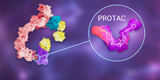
PROTAC, which exploit the ubiquitin-proteasome pathway to specifically degrade target proteins. PROTACs not only solve the problem of undruggability but they also have other advantages compared to traditional drug targeting strategies.
Scientific Reviews
PROTAC, which exploit the ubiquitin-proteasome pathway to specifically degrade target proteins. PROTACs not only solve the problem of undruggability but they also have other advantages compared to traditional drug targeting strategies. -
 Scientific Reviews
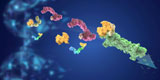
PROTAC — Target Selection and Design
Scientific Reviews
PROTAC — Target Selection and Design2022-07-08
A PROTAC molecule consists of three components: a target protein binding ligand, an E3 ligase ligand, and a linker connecting these two moieties. Here, we will discuss the conventional approaches for the rational design of PROTAC molecules. -
 Scientific Reviews
Organoids represent an important bridge between 2D cultures and in vivo mouse/human models. The organoid technology exerts enormous potential in evaluation of efficacy and toxicity of drugs, regenerative medicine, and precision medicine.In this article, we will briefly introduce organoid technology.
Scientific Reviews
Organoids represent an important bridge between 2D cultures and in vivo mouse/human models. The organoid technology exerts enormous potential in evaluation of efficacy and toxicity of drugs, regenerative medicine, and precision medicine.In this article, we will briefly introduce organoid technology. -
 Scientific Reviews
Development of Intestinal Organoid
Scientific Reviews
Development of Intestinal Organoid2022-07-28
3D organoid is one of the revolutionary developments in biomedical field during the past 10 years. The establishment of intestinal organoids is an important milestone in the development of organoid technology. -
 Scientific Reviews
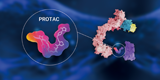
BacPROTACs is composed of a POI ligand, a chemical linker and a ClpCNTD anchor. BacPROTACs can induce in vitro and in vivo degradation of non-eukaryotic proteins in bacteria without the ubiquitin proteasome system.
Scientific Reviews
BacPROTACs is composed of a POI ligand, a chemical linker and a ClpCNTD anchor. BacPROTACs can induce in vitro and in vivo degradation of non-eukaryotic proteins in bacteria without the ubiquitin proteasome system. -
 Scientific Reviews
RNA therapeutics have changed the landscape of drug development, which possess broader spectrum of drug targets, simplicity and efficiency in development and manufacturing.In this article, we will discuss the underlying mechanisms of RNA-based drugs on the market or in clinical stages.
Scientific Reviews
RNA therapeutics have changed the landscape of drug development, which possess broader spectrum of drug targets, simplicity and efficiency in development and manufacturing.In this article, we will discuss the underlying mechanisms of RNA-based drugs on the market or in clinical stages. -
 Scientific Reviews
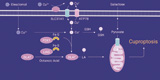
Tsvetkov et al. published in Science and demonstrated a copper-induced programmed cell death — Cuproptosis. As a novel programmed cell death, excess copper triggers abnormal aggregation of lipoylated proteins in TCA cycle and clearance of Fe-S cluster proteins, ultimately leading to cell death.
Scientific Reviews
Tsvetkov et al. published in Science and demonstrated a copper-induced programmed cell death — Cuproptosis. As a novel programmed cell death, excess copper triggers abnormal aggregation of lipoylated proteins in TCA cycle and clearance of Fe-S cluster proteins, ultimately leading to cell death. -
 Scientific Reviews
A comprehensive explanation of ferroptosis
Scientific Reviews
A comprehensive explanation of ferroptosis2022-09-15
Ferroptosis is a new type of RCD that depends on iron and characterized by the accumulation of lipid peroxides. In this article, we will pay our attention on ferroptosis and briefly discusses its mechanism. -
 Scientific Reviews
It's has been proved that p53, as a tumor suppressor gene and immune guardian, may become a destroyer through its own mutation. Moreover, the mechanism of p53 was found to be related to ferroptosis. This article mainly explores the mechanism between p53 and ferroptosis in detail.
Scientific Reviews
It's has been proved that p53, as a tumor suppressor gene and immune guardian, may become a destroyer through its own mutation. Moreover, the mechanism of p53 was found to be related to ferroptosis. This article mainly explores the mechanism between p53 and ferroptosis in detail. -
Scientific Reviews
Organoids have great potential in research of organ development, disease modeling, drug screening and, precision and regenerative medicin. In this article, we will expalin the origin of the organoids. Adult stem cells (ASCs) or pluripotent stem cells (PSCs) , which is the better choice.
-
 Scientific Reviews
Autophagy, derived from the Greek meaning "eating of self", plays an indispensable role in maintaining homeostasis. p27 is an inhibitor of cyclin CDKs, but how p27 regulates autophagy remains unknown. This article will cover the mechanism of autophagy and p27-related cell cycle regulation.
Scientific Reviews
Autophagy, derived from the Greek meaning "eating of self", plays an indispensable role in maintaining homeostasis. p27 is an inhibitor of cyclin CDKs, but how p27 regulates autophagy remains unknown. This article will cover the mechanism of autophagy and p27-related cell cycle regulation. -
 Scientific Reviews
CMA (chaperone-mediated autophagy) plays an essential role in maintaining neuronal protein stability and preventing neurodegeneration. In this article, we will comprehensively clarify the role of CMA in the occurrence and development of neurodegenerative diseases.
Scientific Reviews
CMA (chaperone-mediated autophagy) plays an essential role in maintaining neuronal protein stability and preventing neurodegeneration. In this article, we will comprehensively clarify the role of CMA in the occurrence and development of neurodegenerative diseases. -
 Scientific Reviews
TME (Tumor microenvironment) is considered as a complex integrated system, composed of cellular components such as tumor cells and immune cells, as well as non-cellular components such as ECM and cytokines. According to the spatial distribution of immune cells in TME, "hot" and "cold" TME will be explained in this article.
Scientific Reviews
TME (Tumor microenvironment) is considered as a complex integrated system, composed of cellular components such as tumor cells and immune cells, as well as non-cellular components such as ECM and cytokines. According to the spatial distribution of immune cells in TME, "hot" and "cold" TME will be explained in this article. -
 Scientific Reviews
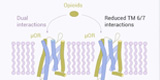
As powerful pain relievers, the opioids morphine and fentanyl have been "checked" by their side effects (listed as controlled substances). How to reduce its side effects? What is its mechanism? This research will explore its mechanism.
Scientific Reviews
As powerful pain relievers, the opioids morphine and fentanyl have been "checked" by their side effects (listed as controlled substances). How to reduce its side effects? What is its mechanism? This research will explore its mechanism. -
 Scientific Reviews
Efferocytosis is the process in which phagocytes remove programmed dead cells. It prevents secondary necrosis of dying cells from releasing harmful cell contents (such as oxides and proteases) that may cause inflammation. Here, we will introduce three stages of efferocytosis: Find, Eat, Digest.
Scientific Reviews
Efferocytosis is the process in which phagocytes remove programmed dead cells. It prevents secondary necrosis of dying cells from releasing harmful cell contents (such as oxides and proteases) that may cause inflammation. Here, we will introduce three stages of efferocytosis: Find, Eat, Digest. -
 Scientific Reviews
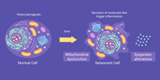
Understanding the mechanism of aging not only has guiding significance for prolonging human life but also has important clinical significance for the prevention and treatment of diseases in the elderly population , thus, improving their life quality and well-being.
Scientific Reviews
Understanding the mechanism of aging not only has guiding significance for prolonging human life but also has important clinical significance for the prevention and treatment of diseases in the elderly population , thus, improving their life quality and well-being. -
 Scientific Reviews
Mammalian cells can also photosynthesize like plants! Photosynthesis can improve cell anabolism and exhibit good clinical effect in degenerative diseases (osteoarthritis).
Scientific Reviews
Mammalian cells can also photosynthesize like plants! Photosynthesis can improve cell anabolism and exhibit good clinical effect in degenerative diseases (osteoarthritis). -
 Scientific Reviews
The latest study of Cell magazine "Neural mechanism underlying depressive-like state associated with social status loss" considers social factors as a breakthrough point. It has been found that the downward transition of social status induces depression-like behavior in mice whereas improves the depressive state by restoring their social environment.
Scientific Reviews
The latest study of Cell magazine "Neural mechanism underlying depressive-like state associated with social status loss" considers social factors as a breakthrough point. It has been found that the downward transition of social status induces depression-like behavior in mice whereas improves the depressive state by restoring their social environment. -
 Scientific Reviews
PROTAC - Design Strategy for Targeting
Scientific Reviews
PROTAC - Design Strategy for Targeting2023-04-23
Protein degradation targeting chimera (PROTAC) is a technology that uses the ubiquitin proteasome pathway to silent target protein. However, PROTAC still has problems such as solubility, membrane permeability, and selectivity. In this article, we have summarized three strategies for optimization: light-controlled linker, PAC molecule, and specific E3 ligase. -
 Scientific Reviews
Necroptosis, also known as necroptosis, is a form of regulated necrotizing cell death mediated by RIP1 and RIP3 kinases. Necroptosis is a process that prevents the self-destruction of activated cells that are blocked by apoptosis. Necroptosis plays a tumor suppressor role in most cases. It may provide benefits in the researches of a variety of human diseases involving immune inflammation and cell death.
Scientific Reviews
Necroptosis, also known as necroptosis, is a form of regulated necrotizing cell death mediated by RIP1 and RIP3 kinases. Necroptosis is a process that prevents the self-destruction of activated cells that are blocked by apoptosis. Necroptosis plays a tumor suppressor role in most cases. It may provide benefits in the researches of a variety of human diseases involving immune inflammation and cell death. -
 Scientific Reviews
Stem cell classification and its application
Scientific Reviews
Stem cell classification and its application2023-05-18
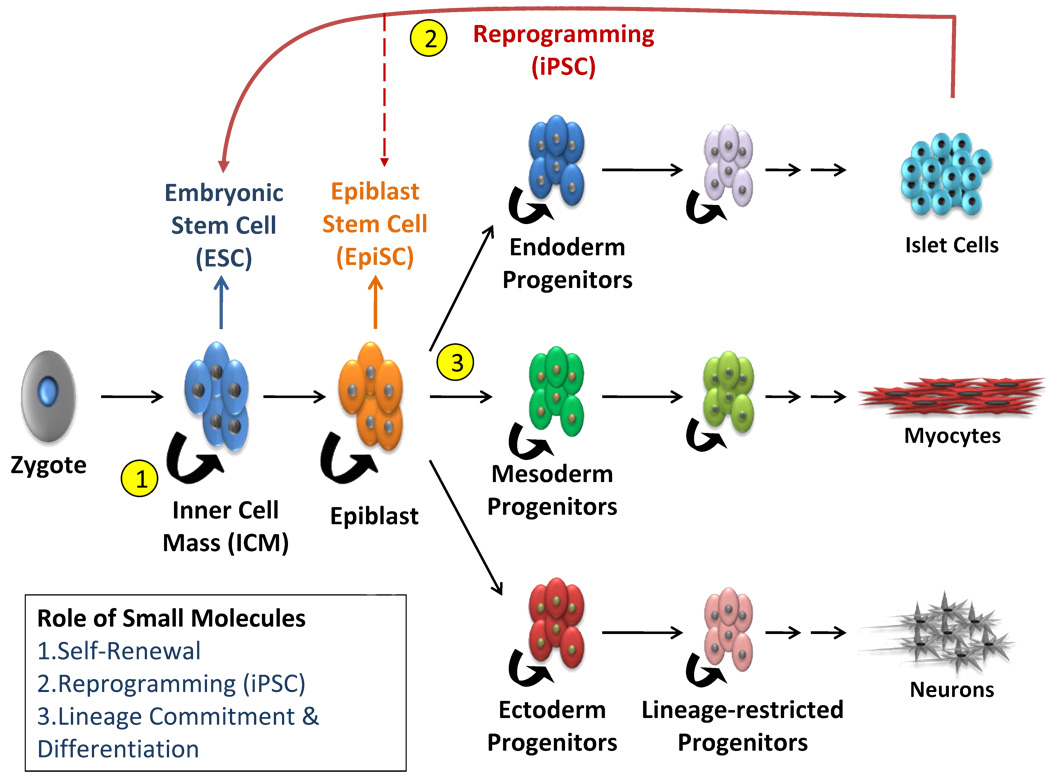
Stem cells (SCs) have the unique ability to self-renew and differentiate into different cell types. SCs can differentiate into various types of tissue cells under specific conditions. Additionally, they can be further cultured to form different tissues and organs in the human body. Stem cells have numerous applications in various fields, including cell therapy, organ transplantation, neurodegenerative disease modeling, and drug screening. -
 Scientific Reviews
Mitophagy:Mechanisms and Detection
Scientific Reviews
Mitophagy:Mechanisms and Detection2023-05-25
About 60 years ago, Christian de Duve first used the term "autophagy" to describe his observation of the degradation of mitochondria and other intracellular structures in lysosomes of rat liver. Over the years, autophagy has remained a beloved topic of research by the National Natural Science Foundation of China (NSFC).Today, let's talk about mitochondrial autophagy. -
 Scientific Reviews
Structure of Lipid Droplets
Scientific Reviews
Structure of Lipid Droplets2023-06-15
Huh? Lipid droplets? Organelles? In the past, biological data usually only show the traditional organelles, such as mitochondria, Golgi apparatus, endoplasmic reticulum, etc., lipid droplets are often not mentioned by people. Today, we will make a systematic explanation of lipid droplets, so that everyone has a clear understanding! -
 Scientific Reviews
HLA-E, A Novel Immune Checkpoint
Scientific Reviews
HLA-E, A Novel Immune Checkpoint2023-06-29
Immune checkpoints have immunosuppressive functions. It can be used in the research of tumor immunotherapy. In this article, we introduce a new paper entitled "Immune checkpoint HLA-E: CD94 - NKG2Amediates evasion of circulating tumor cells from NK cell surveillance "research paper. -
 Scientific Reviews
Organoid Culture: Questions & Answers
Scientific Reviews
Organoid Culture: Questions & Answers2023-07-26
In the last issue, we conducted a live lecture on the theme of organoid culture. Today, we have a special topic to solve your doubts in the last live class! -
 Scientific Reviews
WHO's Q2 drug list has been updated. Let's take you through the list of the most noteworthy small molecule drugs that we should pay attention to.
Scientific Reviews
WHO's Q2 drug list has been updated. Let's take you through the list of the most noteworthy small molecule drugs that we should pay attention to. -
 Scientific Reviews
FDA Approved Drug List!
Scientific Reviews
FDA Approved Drug List!2023-09-14
In the first half of 2023 (as of June 27), the FDA approved 26 new drugs, let's take you learn about it through the article. -
 Scientific Reviews
IHC is an indispensable technique for studying tissue morphology and in situ antigen expression, but usually only one or two antigens in tissues can be stained for analysis. It cannot judge the results more intuitively. Today, Little M will introduce you to the upgraded version mlHC.
Scientific Reviews
IHC is an indispensable technique for studying tissue morphology and in situ antigen expression, but usually only one or two antigens in tissues can be stained for analysis. It cannot judge the results more intuitively. Today, Little M will introduce you to the upgraded version mlHC. -
 Scientific Reviews
FDA Annual Review | Record-breaking number of new drug approvals in 2023!
Scientific Reviews
FDA Annual Review | Record-breaking number of new drug approvals in 2023! -
 Scientific Reviews
Are frozen cells always damaged? Is the survival rate of revived cells low? When is it appropriate to freeze cells? What should be considered when reviving them? Today, we're sharing a guide to avoid pitfalls in cell freezing and revival!
Scientific Reviews
Are frozen cells always damaged? Is the survival rate of revived cells low? When is it appropriate to freeze cells? What should be considered when reviving them? Today, we're sharing a guide to avoid pitfalls in cell freezing and revival! -
 Scientific Reviews
Katalin Karikó and Drew Weissman were awarded the Nobel Prize in Physiology or Medicine in 2023 for their groundbreaking work in nucleoside modification, which paved the way for the creation of successful mRNA vaccines to fight against COVID-19. Let's now delve into the complete process of mRNA vaccine development.
Scientific Reviews
Katalin Karikó and Drew Weissman were awarded the Nobel Prize in Physiology or Medicine in 2023 for their groundbreaking work in nucleoside modification, which paved the way for the creation of successful mRNA vaccines to fight against COVID-19. Let's now delve into the complete process of mRNA vaccine development. -
 Scientific Reviews
Science | A "new" mechanism for non-ubiquitinated Midnolin-proteasomal degradation pathway
Scientific Reviews
Science | A "new" mechanism for non-ubiquitinated Midnolin-proteasomal degradation pathway2024-04-26
“ubiquitin-mediated protein degradation” won the Nobel Prize in Chemistry in 2004! In fact, proteasomes degrade not only ubiquitinated proteins but also non-ubiquitinated ones. The mechanism remains shrouded in mystery. After reading this piece today, you might have a lightbulb moment! -
 Scientific Reviews
Still struggling to find the preparation methods for various solutions? Save your time! Here comes a nanny-level tutorial!
Scientific Reviews
Still struggling to find the preparation methods for various solutions? Save your time! Here comes a nanny-level tutorial! -
 Scientific Reviews
STZ Induced Diabetes Models
Scientific Reviews
STZ Induced Diabetes Models2024-06-13
Spotlight: How can STZ Help Diabetes Research? -
 Scientific Reviews
Exosomes, which won the Nobel Prize in 2013, are still a research hotspot in the national natural sciences, and their popularity has only increased over the past decade (in 2022, they still rank 5th in the national natural sciences hotspots!). Why have exosomes become the darling of scientific research? Let's take a look together~
Scientific Reviews
Exosomes, which won the Nobel Prize in 2013, are still a research hotspot in the national natural sciences, and their popularity has only increased over the past decade (in 2022, they still rank 5th in the national natural sciences hotspots!). Why have exosomes become the darling of scientific research? Let's take a look together~ -
 Scientific Reviews
Degrade target proteins through the autophagy-lysosome pathway including LYTAC, AUTAC, and ATTEC have gained increasing attention in recent years due to their significant research potential!
Scientific Reviews
Degrade target proteins through the autophagy-lysosome pathway including LYTAC, AUTAC, and ATTEC have gained increasing attention in recent years due to their significant research potential! -
 Scientific Reviews
Antibodies!
Scientific Reviews
Antibodies!2024-07-26
Today, We introduce antibodies for everyone! -
 Scientific Reviews
Science’s 2023 Breakthrough: GLP-1R Agonists
Scientific Reviews
Science’s 2023 Breakthrough: GLP-1R Agonists2024-08-13
GLP-1RAs, which achieved great success in 2023 and draws people’s attention back to obesity treatments and GLP-1 therapies worldwide, was chosen as the breakthrough of year 2023 by Science [2]. -
 Scientific Reviews
Cuproptosis, How much do you know?
Scientific Reviews
Cuproptosis, How much do you know?2024-08-22
Cells die in a variety of ways, including apoptosis, pyroptosis, necrosis, and ferroptosis......And, of course, cuproptosis. So, how much do you know about cuproptosis? -
 Scientific Reviews
Recently, Mol Cell reported the discovery of the first ferroptosis marker, Hyperoxidized PRDX3! Let’s take a look together~
Scientific Reviews
Recently, Mol Cell reported the discovery of the first ferroptosis marker, Hyperoxidized PRDX3! Let’s take a look together~ -
 Scientific Reviews
Cuproptosis's Knowledge Points!
Scientific Reviews
Cuproptosis's Knowledge Points!2024-09-25
With the establishment of the cuproptosis mechanism related research has attracted more and more attention from major journals. Expect to use the sharp sword of cuproptosis to stab the tumor cells. -
 Scientific Reviews
2024 Nobel Prize Announcements! Curious about the details? Click to dive into the exciting developments!
Scientific Reviews
2024 Nobel Prize Announcements! Curious about the details? Click to dive into the exciting developments! -
 Scientific Reviews
How they used PKH 26 for cellular studies?
Scientific Reviews
How they used PKH 26 for cellular studies?2024-10-21
We are thrilled to highlight our client study using PKH 26 (MedChemExpress) , a red fluorescent dye that has proven invaluable for in vitro cell labeling and tracing. This innovative research, published in the Journal of Nanobiotechnology. -
Scientific Reviews
Delve into the intricate networks that govern mitochondrial quality control. By examining key mechanisms such as biogenesis, mitochondrial dynamics (fission and fusion), proteolysis, and mitophagy. -
 Scientific Reviews
A New Form of Cell Death: PANoptosis!
Scientific Reviews
A New Form of Cell Death: PANoptosis! -
 Scientific Reviews
Unlocking the Power of Intermittent Fasting: The 16+8 Method
Scientific Reviews
Unlocking the Power of Intermittent Fasting: The 16+8 Method -
 Scientific Reviews
Advancing Chronic Kidney Disease Research with GJ103 and Lamin B1 Antibody!
Scientific Reviews
Advancing Chronic Kidney Disease Research with GJ103 and Lamin B1 Antibody! -
 Scientific Reviews
In early January 2025, MIT Tech Review unveiled its annual list of top 10 breakthrough technologies poised to redefine the future. Among these, stem cell therapy stood out for its potential to treat diverse diseases—including neurodegenerative disorders, diabetes, cancer, and heart failure. This groundbreaking approach uses stem cells to replace damaged cells, offering hope for millions worldwide.
Scientific Reviews
In early January 2025, MIT Tech Review unveiled its annual list of top 10 breakthrough technologies poised to redefine the future. Among these, stem cell therapy stood out for its potential to treat diverse diseases—including neurodegenerative disorders, diabetes, cancer, and heart failure. This groundbreaking approach uses stem cells to replace damaged cells, offering hope for millions worldwide. -
 Scientific Reviews
When you hear "inflammation" and "DNA damage," you might immediately think of disease or injury. However, in brains, these two processes are key steps in forming long-term memories, particularly related to specialized cells in our brain called hippocampal neurons.
Scientific Reviews
When you hear "inflammation" and "DNA damage," you might immediately think of disease or injury. However, in brains, these two processes are key steps in forming long-term memories, particularly related to specialized cells in our brain called hippocampal neurons. -
 Scientific Reviews
Autophagy is a fundamental process that degrades various components within the cell.
Scientific Reviews
Autophagy is a fundamental process that degrades various components within the cell. -
 Scientific Reviews
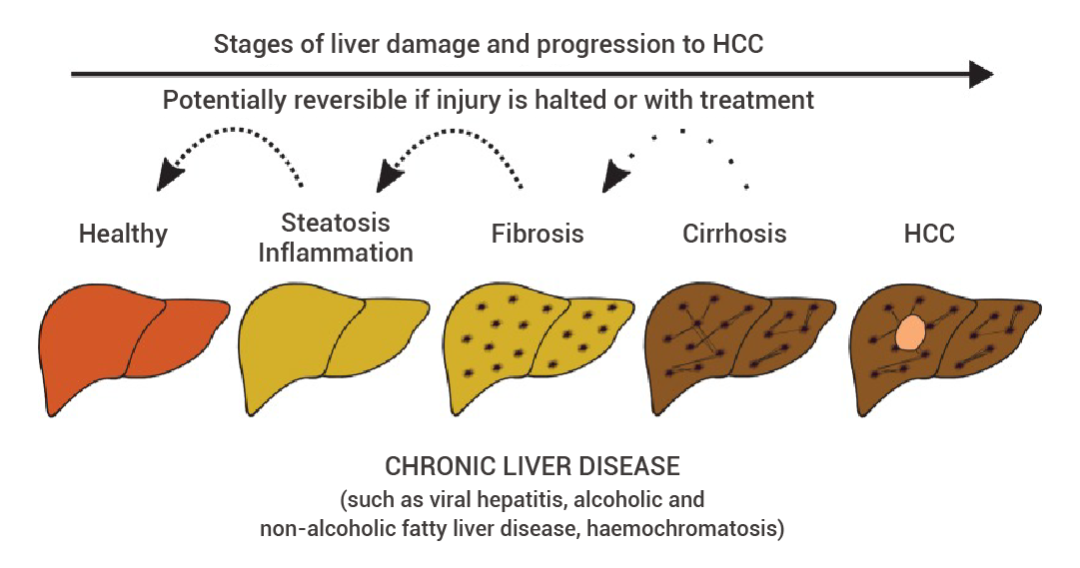
This article will tell you about the common methods of modeling liver disease in animal models.
Scientific Reviews
This article will tell you about the common methods of modeling liver disease in animal models. -
.jpg) Scientific Reviews
nside cells, the homeostasis and degradation of proteins is a precisely regulated process. If proteins cannot be degraded in time, it may lead to the occurrence of various diseases such as neurodegenerative diseases and cancer. This article will tell you the process of how proteins are recognized, labeled and then degraded!
Scientific Reviews
nside cells, the homeostasis and degradation of proteins is a precisely regulated process. If proteins cannot be degraded in time, it may lead to the occurrence of various diseases such as neurodegenerative diseases and cancer. This article will tell you the process of how proteins are recognized, labeled and then degraded! -
 Scientific Reviews
This article introduces some common cardiovascular disease models, inducers, modeling protocols and successful modeling cases in the research.
Scientific Reviews
This article introduces some common cardiovascular disease models, inducers, modeling protocols and successful modeling cases in the research. -
 Scientific Reviews
Do you feel confused when you start culturing cells? This article will show you the basic methods and steps of cell culture!
Scientific Reviews
Do you feel confused when you start culturing cells? This article will show you the basic methods and steps of cell culture! -
 Scientific Reviews
In this issue, we will conduct an in-depth interpretation from the dimensions of nanoparticle design, mechanism of action, in vivo and in vitro efficacy, and immune regulation, revealing how this research brings new hope for the treatment of invasive tumors through interdisciplinary innovation!
Scientific Reviews
In this issue, we will conduct an in-depth interpretation from the dimensions of nanoparticle design, mechanism of action, in vivo and in vitro efficacy, and immune regulation, revealing how this research brings new hope for the treatment of invasive tumors through interdisciplinary innovation! -
 Scientific Reviews
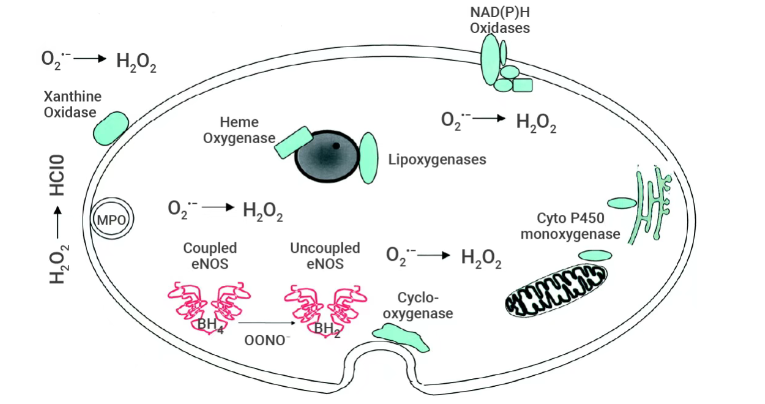
The article introduces the mechanisms of ROS generation and the methods for their detection.
Scientific Reviews
The article introduces the mechanisms of ROS generation and the methods for their detection. -
 Scientific Reviews
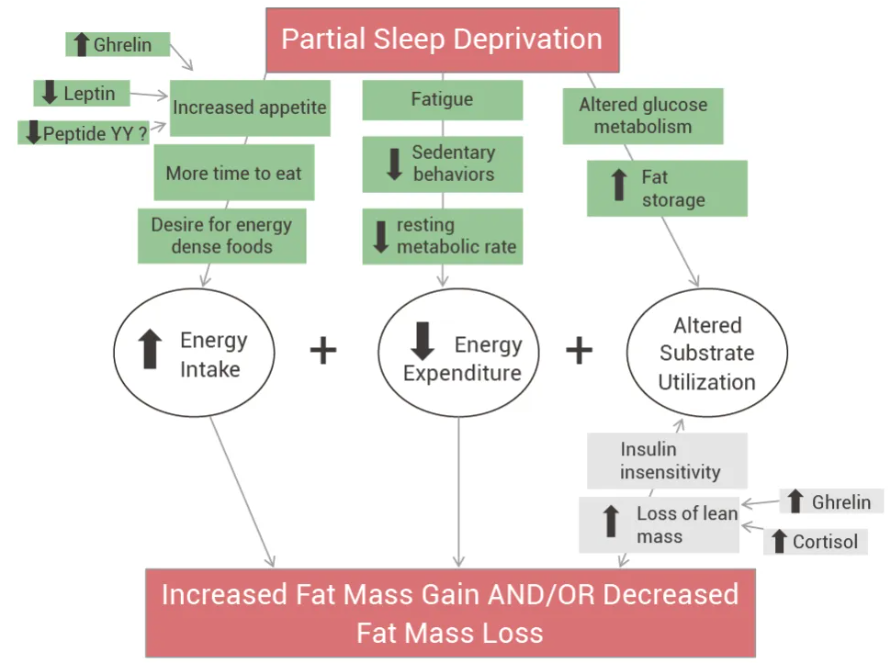
Have you ever noticed that after staying up late, your appetite—especially for high-calorie foods—gets out of control? If this sounds familiar, today’s article might offer some good news.
Scientific Reviews
Have you ever noticed that after staying up late, your appetite—especially for high-calorie foods—gets out of control? If this sounds familiar, today’s article might offer some good news. -
 Scientific Reviews
Generating Stable Cell Lines with Lentivirus
Scientific Reviews
Generating Stable Cell Lines with Lentivirus2025-09-16
A step-by-step protocol of establishing stable cell lines using lentivirus -
 Scientific Reviews
A groundbreaking study in Nature Communications reveals the key mechanism behind Idiopathic Pulmonary Fibrosis and identifies an existing drug with the potential to counter it.
Scientific Reviews
A groundbreaking study in Nature Communications reveals the key mechanism behind Idiopathic Pulmonary Fibrosis and identifies an existing drug with the potential to counter it. -
 Scientific Reviews
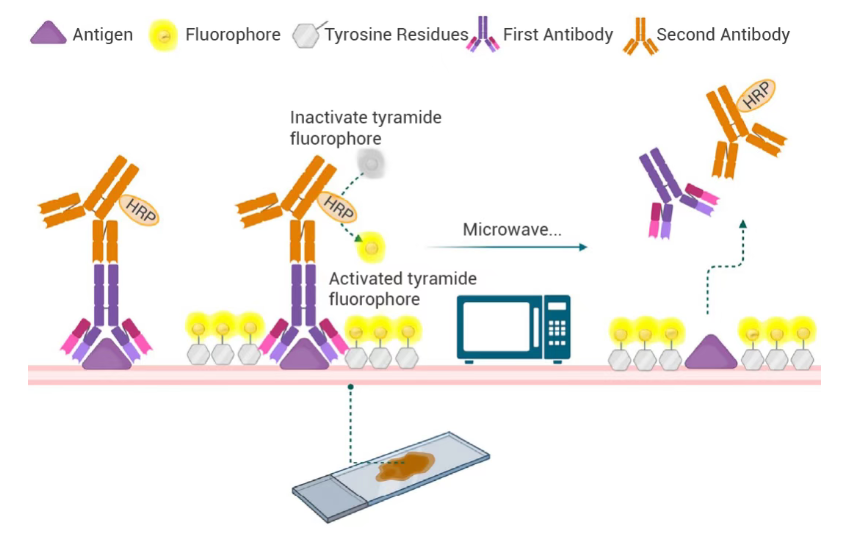
This detailed guide outlines the standardized experimental protocols for multiplex immunohistochemistry (mIHC), systematically summarizes common technical issues encountered during sample preparation, staining and imaging processes, and provides practical troubleshooting solutions to ensure reliable and reproducible results in biomedical research and clinical sample analysis.
Scientific Reviews
This detailed guide outlines the standardized experimental protocols for multiplex immunohistochemistry (mIHC), systematically summarizes common technical issues encountered during sample preparation, staining and imaging processes, and provides practical troubleshooting solutions to ensure reliable and reproducible results in biomedical research and clinical sample analysis. -
 Scientific Reviews
Finding adipogenic induction media too expensive and tricky to prepare? This comprehensive guide to 3T3-L1 adipogenic differentiation simplifies the process, helping you achieve great results!
Scientific Reviews
Finding adipogenic induction media too expensive and tricky to prepare? This comprehensive guide to 3T3-L1 adipogenic differentiation simplifies the process, helping you achieve great results! -
Scientific Reviews
Microglia– the only immune cells within the brain parenchyma. With advancements in imaging technologies, people’s understanding of microglia has shifted from being viewed as 'resting' cells to 'highly active' cells, particularly due to their dynamic processes that seem to be probing surrounding tissues and monitoring neuronal activity. This has made microglia a focal point of research in the field of neuroscience. -
 Scientific Reviews
Exosomes—natural nanoscale carriers—are revolutionizing targeted therapy. This article uncovers the science behind their precision in drug delivery.
Scientific Reviews
Exosomes—natural nanoscale carriers—are revolutionizing targeted therapy. This article uncovers the science behind their precision in drug delivery. -
Scientific Reviews
Cracking the PROTAC Permeability Barrier: CD36-Mediated Endocytosis as a Potential Breakthrough2025-12-03
This article provides an in-depth analysis of cutting-edge literature revealing CD36 as a key mediator of cellular uptake for PROTACs and bRO5 compounds. By structurally optimizing PROTAC molecules to enhance their affinity for CD36, membrane permeability can be markedly improved, leading to significantly enhanced antitumor efficacy. -
 Scientific Reviews
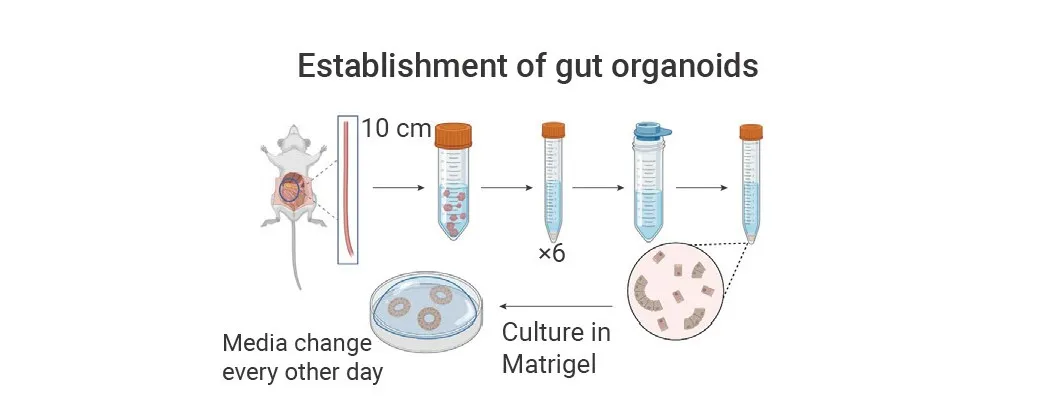
Efficient Generation of Mouse Small Intestinal Organoids: A Complete Experimental Protocol Guide
Scientific Reviews
Efficient Generation of Mouse Small Intestinal Organoids: A Complete Experimental Protocol Guide2025-12-10
How to successfully create mouse small intestine organoids? A detailed, hands-on guide to the entire process, all in one article! -
 Scientific Reviews
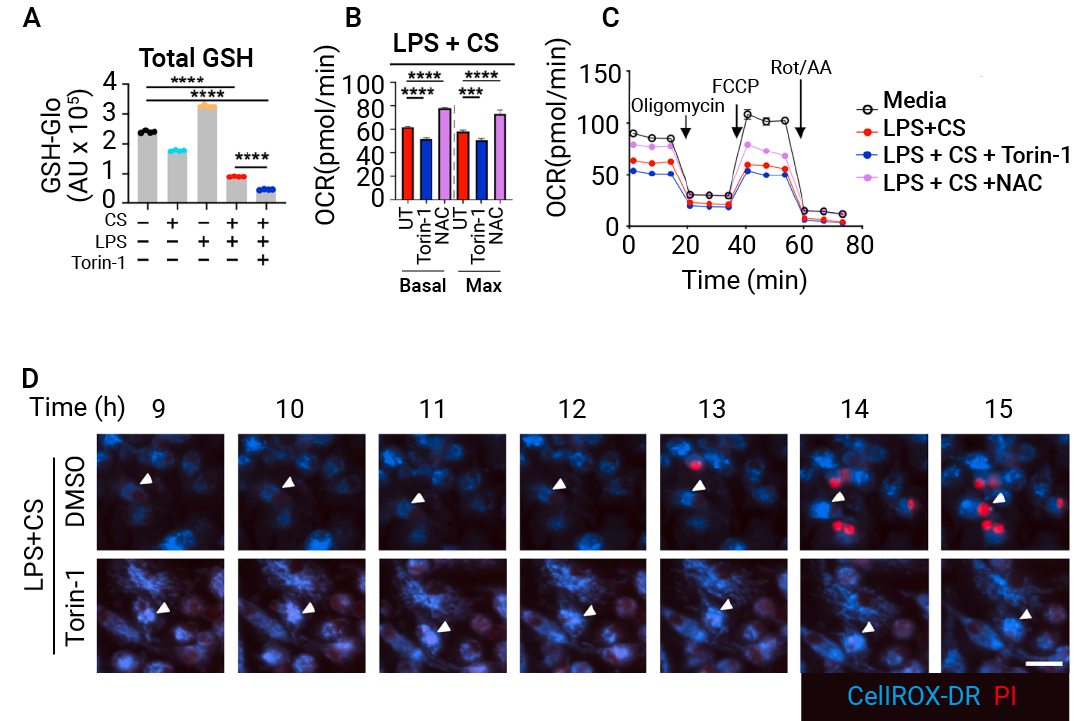
A November 2025 Cell study discovers Mitoxyperilysis, a new mTOR-regulated, caspase-independent cell death pathway driven by innate immune and metabolic dysregulation via mitochondrial-plasma membrane contact and oxidative damage, and verifies its potential to induce tumor necrosis for cancer therapy with key regulators including BAX, BAK1 and BID.
Scientific Reviews
A November 2025 Cell study discovers Mitoxyperilysis, a new mTOR-regulated, caspase-independent cell death pathway driven by innate immune and metabolic dysregulation via mitochondrial-plasma membrane contact and oxidative damage, and verifies its potential to induce tumor necrosis for cancer therapy with key regulators including BAX, BAK1 and BID. -
 Scientific Reviews
This paper elaborates on cytokines for culturing major immune cells, their regulatory roles, recombinant cytokines' merits and MCE’s related high-quality products.
Scientific Reviews
This paper elaborates on cytokines for culturing major immune cells, their regulatory roles, recombinant cytokines' merits and MCE’s related high-quality products. -
 Scientific Reviews
In the hunt for the next ‘GLP-1,’ amylin therapeutics, which have shown strong weight-loss results in clinical trials, have become a major focus for both multinational pharma and the scientific community.
Scientific Reviews
In the hunt for the next ‘GLP-1,’ amylin therapeutics, which have shown strong weight-loss results in clinical trials, have become a major focus for both multinational pharma and the scientific community. -
 Scientific Reviews
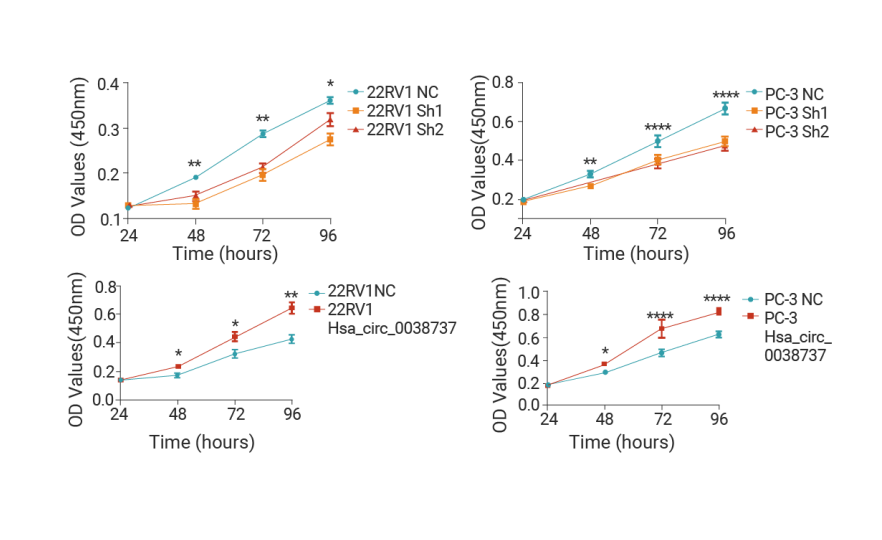
Essential for High-Impact Papers: Present Your CCK-8 Experimental Results in a More Outstanding Way!
Scientific Reviews
Essential for High-Impact Papers: Present Your CCK-8 Experimental Results in a More Outstanding Way!2026-03-18
CCK-8 is a widely used WST‑8‑based reagent for cell proliferation and cytotoxicity assays. It features high sensitivity, reliable results and easy operation, and is applicable to cell viability analysis, drug screening and growth inhibition testing. -
 Scientific Reviews
Molecular glue degraders have evolved from a serendipitous observation to one of the most dynamic and transformative fields in biomedical research.
Scientific Reviews
Molecular glue degraders have evolved from a serendipitous observation to one of the most dynamic and transformative fields in biomedical research. -
 Scientific Reviews
GLP-1 and Obesity Research
Scientific Reviews
GLP-1 and Obesity Research2026-08-14
Obesity substantially increases the risk of chronic diseases such as T2D and cardiovascular disease. The breakout success of GLP-1 therapies has spotlighted GLP-1R and a wave of emerging obesity targets. -
 EDM
Advances in Alzheimer's Disease Research
EDM
Advances in Alzheimer's Disease Research2025-07-16
This review summarizes current understanding of AD pathophysiology, including amyloid and tau pathology, neuroinflammation, synaptic dysfunction, and vascular abnormalities, and evaluates therapeutic strategies and experimental models. -
 EDM
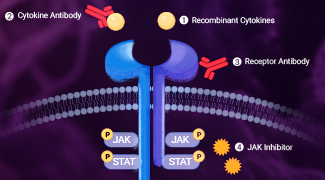
This review critically examines the role of the JAK-STAT pathway in immunity and autoimmune diseases, reviews current clinical applications of targeted therapies, and highlights emerging trends in autoimmune drug development.
EDM
This review critically examines the role of the JAK-STAT pathway in immunity and autoimmune diseases, reviews current clinical applications of targeted therapies, and highlights emerging trends in autoimmune drug development. -
 EDM
This review summarizes the mechanisms of DSS-induced colitis, commonly used modeling approaches, and key considerations related to DSS molecular weight.
EDM
This review summarizes the mechanisms of DSS-induced colitis, commonly used modeling approaches, and key considerations related to DSS molecular weight. -
 EDM
This review highlights the roles of microglia in AD pathology, focusing on metabolic reprogramming and microglia-targeted therapeutic strategies.
EDM
This review highlights the roles of microglia in AD pathology, focusing on metabolic reprogramming and microglia-targeted therapeutic strategies. -
 EDM
This review outlines macrophage functions and classification, and provides practical experimental guidelines for macrophage differentiation, polarization, and identification.
EDM
This review outlines macrophage functions and classification, and provides practical experimental guidelines for macrophage differentiation, polarization, and identification. -
 EDM
Review advances in target discovery, disease modeling, and biomarkers for Parkinson’s disease, highlighting their interplay and future directions for translational research.
EDM
Review advances in target discovery, disease modeling, and biomarkers for Parkinson’s disease, highlighting their interplay and future directions for translational research. -
 EDM
Explore lysosomal nutrient sensing, quality control, cellular adaptation, disease mechanisms, and emerging therapeutic approaches.
EDM
Explore lysosomal nutrient sensing, quality control, cellular adaptation, disease mechanisms, and emerging therapeutic approaches. -
 EDM
Review the mechanisms, mitochondrial regulation, disease relevance, and translational opportunities of the NLRP3–STING axis in neuroinflammation.
EDM
Review the mechanisms, mitochondrial regulation, disease relevance, and translational opportunities of the NLRP3–STING axis in neuroinflammation. -
 EDM
Explore the mechanisms driving immune tolerance breakdown in autoimmune diseases and emerging tolerance-restoring strategies, with a focus on IL-2-based immune modulation.
EDM
Explore the mechanisms driving immune tolerance breakdown in autoimmune diseases and emerging tolerance-restoring strategies, with a focus on IL-2-based immune modulation. -
 EDM
Explore how anti-Aβ therapy is reshaping the AD treatment landscape, the rationale for multi-pathology combination strategies, and advances in biomarker-guided precision treatment.
EDM
Explore how anti-Aβ therapy is reshaping the AD treatment landscape, the rationale for multi-pathology combination strategies, and advances in biomarker-guided precision treatment. -
 EDM
Explore how mitochondrial quality control, inflammatory signaling, and metabolic–epigenetic reprogramming regulate cellular senescence and the SASP, along with strategies to restore mitochondrial homeostasis.
EDM
Explore how mitochondrial quality control, inflammatory signaling, and metabolic–epigenetic reprogramming regulate cellular senescence and the SASP, along with strategies to restore mitochondrial homeostasis. -
 Blog
BR351 is a Brain Penetrant MMP Inhibitor
Blog
BR351 is a Brain Penetrant MMP Inhibitor2019-04-05
BR351 is a brain penetrant MMP inhibitor, and a potential tool for the molecular imaging of activated MMPs with PET, with an IC50 in the nanomolar range. -
 Blog
HS-1371 is a Small Molecule RIP3 Inhibitor
Blog
HS-1371 is a Small Molecule RIP3 Inhibitor2019-04-09
HS-1371 is a novel kinase inhibitor of RIP3-mediated necroptosis, showing an inhibitory effect on S227 auto-phosphorylation of RIP3 at the basal level. -
 Blog
IITZ-01 is a potent lysosomotropic autophagy inhibitor with single-agent antitumor activity, with an IC50 of 2.62 μM for PI3Kγ.
Blog
IITZ-01 is a potent lysosomotropic autophagy inhibitor with single-agent antitumor activity, with an IC50 of 2.62 μM for PI3Kγ. -
 Blog
PRN1008 is a Reversible Covalent and Oral Active Inhibitor of Bruton’s Tyrosine Kinase (BTK)
Blog
PRN1008 is a Reversible Covalent and Oral Active Inhibitor of Bruton’s Tyrosine Kinase (BTK)2019-04-18
PRN1008 is a selective, reversible covalent and oral active inhibitor of Bruton’s Tyrosine Kinase (BTK), with an IC50 of 1.3 nM. -
 Blog
Multiple Tyrosine Kinases Inhibitor TAS-115
Blog
Multiple Tyrosine Kinases Inhibitor TAS-1152019-04-19
TAS-115 is a potent VEGFR and c-Met/HGFR-targeted kinase inhibitor with IC50s of 30 and 32 nM for rVEGFR2 and rMET, respectively. -
 Blog
BTR-1 potently inhibits cell growth. It induces S phase arrest, affects DNA replication. Dose-dependently induces cytotoxicity in leukemic cell lines.
Blog
BTR-1 potently inhibits cell growth. It induces S phase arrest, affects DNA replication. Dose-dependently induces cytotoxicity in leukemic cell lines. -
 Blog
TAK-828F is a potent, selective and orally active retinoic acid receptor-related orphan receptor γt (RORγt) inverse agonist. TAK-828F inhibits IL-17A cytokine expression and reduces symptoms of autoimmune encephalomyelitis mice.
Blog
TAK-828F is a potent, selective and orally active retinoic acid receptor-related orphan receptor γt (RORγt) inverse agonist. TAK-828F inhibits IL-17A cytokine expression and reduces symptoms of autoimmune encephalomyelitis mice. -
 Blog
SLLN-15 is an oral activ enhancer of autophagy that activates cytostatic macroautophagy/autophagy in triple-negative breast cancer (TNBC).
Blog
SLLN-15 is an oral activ enhancer of autophagy that activates cytostatic macroautophagy/autophagy in triple-negative breast cancer (TNBC). -
 Blog
ACY-1083, a Highly Selective HDAC6 Inhibitor, Reverses Chemotherapy-induced Peripheral Neuropathy
Blog
ACY-1083, a Highly Selective HDAC6 Inhibitor, Reverses Chemotherapy-induced Peripheral Neuropathy2019-05-12
ACY-1083 is a selective and brain-penetrating HDAC6 inhibitor with an IC50 of 3 nM. ACY-1083 effectively reverses chemotherapy-induced peripheral neuropathy -
 Blog
GSK3145095 is a RIP1 kinase inhibitor with an IC50 of 6.3 nM. Potently blocks the TNF response and RIP1-dependent inflammatory cytokine MIP-1β production.
Blog
GSK3145095 is a RIP1 kinase inhibitor with an IC50 of 6.3 nM. Potently blocks the TNF response and RIP1-dependent inflammatory cytokine MIP-1β production. -
 Blog
JMS-17-2 is a CX3CR1 Antagonist
Blog
JMS-17-2 is a CX3CR1 Antagonist2019-06-12
JMS-17-2 is a potent and selective CX3CR1 antagonist with an IC50 of 0.32 nM. Has potential to treat cancers such as breast cancer. -
 Blog
Ralimetinib (LY2228820) is a selective and ATP-competitive inhibitor of p38 MAPK α/β, with IC50s of 5.3 and 3.2 nM, respectively. Anti-tumor activity.
Blog
Ralimetinib (LY2228820) is a selective and ATP-competitive inhibitor of p38 MAPK α/β, with IC50s of 5.3 and 3.2 nM, respectively. Anti-tumor activity. -
 Blog
BAY-11-7082 inhibits the proliferation and induces the apoptosis of U266 cells through inhibiting NF-κB pathway. BAY 11-7082 ameliorates experimental diabetic neuropathy by modulating neuroinflammation and improving antioxidant defence.
Blog
BAY-11-7082 inhibits the proliferation and induces the apoptosis of U266 cells through inhibiting NF-κB pathway. BAY 11-7082 ameliorates experimental diabetic neuropathy by modulating neuroinflammation and improving antioxidant defence. -
 Blog
S130, Targeting ATG4B, Inhibits Autophagy and Activates Apoptosis in Colorectal Colon Cancer
Blog
S130, Targeting ATG4B, Inhibits Autophagy and Activates Apoptosis in Colorectal Colon Cancer2019-06-19
S130 is a high affinity, selective inhibitor of ATG4B (a major cysteine protease) with an IC50 of 3.24 µM. S130 suppresses autophagy flux. -
 Blog
S18-000003 is a potent, selective and orally active inhibitor of retinoic acid receptor-related orphan receptor-gamma-t (RORγt). S18-000003 ameliorates psoriasis-like lesions in vivo. S18-000003 can be used for the research of skin inflammatory diseases.
Blog
S18-000003 is a potent, selective and orally active inhibitor of retinoic acid receptor-related orphan receptor-gamma-t (RORγt). S18-000003 ameliorates psoriasis-like lesions in vivo. S18-000003 can be used for the research of skin inflammatory diseases. -
 Blog
MRT67307, a dual IKKε/TBK1 inhibitor, inhibits ULK1 and ULK2 with IC50s of 45 and 38 nM, respectively. MRT67307 blocks mTOR-dependent autophagy.
Blog
MRT67307, a dual IKKε/TBK1 inhibitor, inhibits ULK1 and ULK2 with IC50s of 45 and 38 nM, respectively. MRT67307 blocks mTOR-dependent autophagy. -
 Blog
CCT020312, the G1/S checkpoint activator, is a selective EIF2AK3/PERK activator. CCT020312 elicits EIF2A phosphorylation in cells.
Blog
CCT020312, the G1/S checkpoint activator, is a selective EIF2AK3/PERK activator. CCT020312 elicits EIF2A phosphorylation in cells. -
 Blog
SBI-0206965 is a selective and cell permeable autophagy kinase ULK1 inhibitor with IC50s of 108 nM for ULK1 and 711 nM for the highly related kinase ULK2 .
Blog
SBI-0206965 is a selective and cell permeable autophagy kinase ULK1 inhibitor with IC50s of 108 nM for ULK1 and 711 nM for the highly related kinase ULK2 . -
 Blog
TPCA-1, a Direct Dual Inhibitor of STAT3 and NF-κB, Regresses Mutant EGFR-Associated NSCLC
Blog
TPCA-1, a Direct Dual Inhibitor of STAT3 and NF-κB, Regresses Mutant EGFR-Associated NSCLC2019-07-15
TPCA-1 is a potent and selective inhibitor of IKK-2 with IC50 of 17.9 nM. TPCA-1 is an effective inhibitor of STAT3 phosphorylation, DNA binding. -
 Blog
CA-5f is a potent late-stage macroautophagy (autophagy) inhibitor via inhibiting autophagosome-lysosome fusion. CA-5f increases LC3B-II and SQSTM1 protein.
Blog
CA-5f is a potent late-stage macroautophagy (autophagy) inhibitor via inhibiting autophagosome-lysosome fusion. CA-5f increases LC3B-II and SQSTM1 protein. -
 Blog
BI-167107 is a high affinity, full agonist that binds to the β2 adrenergic receptor (β2AR) with a dissociation constant Kd of 84 pM.
Blog
BI-167107 is a high affinity, full agonist that binds to the β2 adrenergic receptor (β2AR) with a dissociation constant Kd of 84 pM. -
 Blog
UK 356618 is a Selective MMP-3 Inhibitor
Blog
UK 356618 is a Selective MMP-3 Inhibitor2019-12-25
UK 356618 is a selective and potent inhibitor of MMP-3. UK 356618 exhibits potent anti-inflammatory and anti-cancer activity. -
 Blog
CH6953755 is a potent, orally active and selective YES1 kinase inhibitor leading to antitumor activity against YES1 Gene -amplified cancers.
Blog
CH6953755 is a potent, orally active and selective YES1 kinase inhibitor leading to antitumor activity against YES1 Gene -amplified cancers. -
 Blog
CA-4948 is a Selective and Orally Bioavailable IRAK4 Kinase Inhibitor for Lymphoma Treatment
Blog
CA-4948 is a Selective and Orally Bioavailable IRAK4 Kinase Inhibitor for Lymphoma Treatment2020-01-05
CA-4948 is a potent, selective and orally bioavailable IRAK4 kinase inhibitor. CA-4948 can be used for the treatment of lymphoma. -
 Blog
GPP78 is a potent Nampt inhibitor. GPP78 is cytotoxic to neuroblastoma cell line SH-SY5Y cells. GPP78 has anti-cancer and anti-tumor activity.
Blog
GPP78 is a potent Nampt inhibitor. GPP78 is cytotoxic to neuroblastoma cell line SH-SY5Y cells. GPP78 has anti-cancer and anti-tumor activity. -
 Blog
M8891 is an orally active, reversible and brain penetrant Methionine Aminopeptidase-2 (MetAP-2) inhibitor with antiangiogenic and antitumoral activity.
Blog
M8891 is an orally active, reversible and brain penetrant Methionine Aminopeptidase-2 (MetAP-2) inhibitor with antiangiogenic and antitumoral activity. -
 Blog
TCH-165 is a modulator of proteasome assembly, which increases 20S levels and facilitates 20S-mediated protein degradation, such as IDPs, α-syn, and tau.
Blog
TCH-165 is a modulator of proteasome assembly, which increases 20S levels and facilitates 20S-mediated protein degradation, such as IDPs, α-syn, and tau. -
 Blog
BAY-985 is an orally active and selective ATP-competitive dual inhibitor of TBK1 and IKKε with IC50s of 2/30 and 2 nM for TBK1 and IKKε, respectively.
Blog
BAY-985 is an orally active and selective ATP-competitive dual inhibitor of TBK1 and IKKε with IC50s of 2/30 and 2 nM for TBK1 and IKKε, respectively. -
 Blog
ADH-503 is an orally active and allosteric CD11b agonist and leads to the repolarization of tumor-associated macrophages.
Blog
ADH-503 is an orally active and allosteric CD11b agonist and leads to the repolarization of tumor-associated macrophages. -
 Blog
Ro 90-7501, an Aβ42 fibril assembly inhibitor, inhibits PP5 in a TPR-dependent manner and has radiosensitizing effects on cervical cancer cells.
Blog
Ro 90-7501, an Aβ42 fibril assembly inhibitor, inhibits PP5 in a TPR-dependent manner and has radiosensitizing effects on cervical cancer cells. -
 Blog
NU1025 is a potent PARP inhibitor and potentiates the cytotoxicity of ionizing radiation drug. NU1025 has anti-cancer and neuroprotective activity.
Blog
NU1025 is a potent PARP inhibitor and potentiates the cytotoxicity of ionizing radiation drug. NU1025 has anti-cancer and neuroprotective activity. -
 Blog
HM03 is a potent and selective HSPA5 inhibitor with anticancer activity. HSPA5 plays a key role in monitoring protein transport through the cell.
Blog
HM03 is a potent and selective HSPA5 inhibitor with anticancer activity. HSPA5 plays a key role in monitoring protein transport through the cell. -
 Blog
JCN037 is a potent, non-covalent, and brain-penetrant EGFR tyrosine kinase inhibitor. JCN037 has potent anti-cancer activity.
Blog
JCN037 is a potent, non-covalent, and brain-penetrant EGFR tyrosine kinase inhibitor. JCN037 has potent anti-cancer activity. -
 Blog
GSK143 is an orally active and highly selective spleen tyrosine kinase (SYK) inhibitor. GSK143 reduces inflammation in the intestinal muscularis in mice.
Blog
GSK143 is an orally active and highly selective spleen tyrosine kinase (SYK) inhibitor. GSK143 reduces inflammation in the intestinal muscularis in mice. -
 Blog
GSK621 is a potent and specific AMPK activator and induces autophagy and apoptosis in acute myeloid leukemia (AML) cells.
Blog
GSK621 is a potent and specific AMPK activator and induces autophagy and apoptosis in acute myeloid leukemia (AML) cells. -
 Blog
KCC-07 prevents binding of MBD2 to methylated DNA and activates BAI1 inducing anti-proliferative BAI1/p53/p21 signaling. Anticancer activity.
Blog
KCC-07 prevents binding of MBD2 to methylated DNA and activates BAI1 inducing anti-proliferative BAI1/p53/p21 signaling. Anticancer activity. -
 Blog
CAY10404 is a potent and highly selective COX-2 inhibitor. CAY10404 is a potent inhibitor of PKB/Akt and MAPK signalling pathways.
Blog
CAY10404 is a potent and highly selective COX-2 inhibitor. CAY10404 is a potent inhibitor of PKB/Akt and MAPK signalling pathways. -
 Blog
MPT0G211, an orally active and selective HDAC6 inhibitor, ameliorates tau phosphorylation, and cognitive deficits in an Alzheimer’s disease model.
Blog
MPT0G211, an orally active and selective HDAC6 inhibitor, ameliorates tau phosphorylation, and cognitive deficits in an Alzheimer’s disease model. -
 Blog
RapaLink-1, a third-generation bivalent mTOR inhibitor, potently blocking cancer-derived, activating mutants of mTOR. It can cross the blood-brain barrier.
Blog
RapaLink-1, a third-generation bivalent mTOR inhibitor, potently blocking cancer-derived, activating mutants of mTOR. It can cross the blood-brain barrier. -
 Blog
PQR530 is a potent, ATP-competitive, orally bioavailable and brain-penetrant dual pan-PI3K/mTORC1/2 inhibitor. Antitumor activity.
Blog
PQR530 is a potent, ATP-competitive, orally bioavailable and brain-penetrant dual pan-PI3K/mTORC1/2 inhibitor. Antitumor activity. -
 Blog
BMS-P5 is an Orally Active PAD4 Inhibitor
Blog
BMS-P5 is an Orally Active PAD4 Inhibitor2020-12-12
BMS-P5 is an orally active PAD4 inhibitor. BMS-P5 blocks MM-induced NET formation and delays progression of MM in a syngeneic mouse model -
 Blog
ML132, a potent and selective caspase 1 inhibitor with a unique selectivity pattern, is responsible for the proteolytic activation of IL-1β and IL-18.
Blog
ML132, a potent and selective caspase 1 inhibitor with a unique selectivity pattern, is responsible for the proteolytic activation of IL-1β and IL-18. -
 Blog
CHDI-390576, a potent and CNS penetrant class IIa HDAC inhibitor, show selectivity over class I HDACs, HDAC8 and the class IIb HDAC6 isoform.
Blog
CHDI-390576, a potent and CNS penetrant class IIa HDAC inhibitor, show selectivity over class I HDACs, HDAC8 and the class IIb HDAC6 isoform. -
 Blog
NAZ2329 is an allosteric, noncompetitive and reversible inhibitor of R5 RPTP subfamily and PTPRZ/PTPRG with anti-cancer activity.
Blog
NAZ2329 is an allosteric, noncompetitive and reversible inhibitor of R5 RPTP subfamily and PTPRZ/PTPRG with anti-cancer activity. -
 Blog
CC-90001 is a potent, selective, and orally active inhibitor of JNK. CC-90001 can be used for the research of idiopathic pulmonary fibrosis (IPF).
Blog
CC-90001 is a potent, selective, and orally active inhibitor of JNK. CC-90001 can be used for the research of idiopathic pulmonary fibrosis (IPF). -
 Blog
BrBzGCp2 is a Glyoxalase 1 (GLO1) inhibitor for a variety of disorders. Possesses antitumor and neuroprotective activity.
Blog
BrBzGCp2 is a Glyoxalase 1 (GLO1) inhibitor for a variety of disorders. Possesses antitumor and neuroprotective activity. -
 Blog
YUM70 inhibits GRP78. Induces endoplasmic reticulum stress-mediated apoptosis. Pancreatic cancer. Acts as a novel anticancer agent.
Blog
YUM70 inhibits GRP78. Induces endoplasmic reticulum stress-mediated apoptosis. Pancreatic cancer. Acts as a novel anticancer agent. -
 Blog
LYN-1604 is a Potent ULK1 Activator
Blog
LYN-1604 is a Potent ULK1 Activator2021-04-24
LYN-1604, a potent ULK1 activator, induces cell death involved in ATF3, RAD21, and caspase3, accompanied by autophagy and apoptosis. -
 Blog
SB-332235 is a potent, orally active nonpeptide CXCR2 antagonist. SB-332235 inhibits acute and chronic models of arthritis in the rabbit.
Blog
SB-332235 is a potent, orally active nonpeptide CXCR2 antagonist. SB-332235 inhibits acute and chronic models of arthritis in the rabbit. -
 Blog
ML-00253764 is a brain penetrant nonpeptidic melanocortin receptor 4 (MC4R) antagonist with a Ki/IC50 of 0.16 µM/0.103 µM, respectively.
Blog
ML-00253764 is a brain penetrant nonpeptidic melanocortin receptor 4 (MC4R) antagonist with a Ki/IC50 of 0.16 µM/0.103 µM, respectively. -
 Blog
Butaprost is a selective prostaglandin E receptor (EP2) agonist. Butaprost can effectively mitigate kidney fibrogenesis in various fibrosis models.
Blog
Butaprost is a selective prostaglandin E receptor (EP2) agonist. Butaprost can effectively mitigate kidney fibrogenesis in various fibrosis models. -
 Blog
Vorasidenib is an orally available, brain penetrant second-generation dual mutant isocitrate dehydrogenases 1 and 2 (mIDH1/2) inhibitor.
Blog
Vorasidenib is an orally available, brain penetrant second-generation dual mutant isocitrate dehydrogenases 1 and 2 (mIDH1/2) inhibitor. -
 Blog
Lumiracoxib is a COX-2 inhibitor. Lumiracoxib acts as nonselective NSAID with anti-inflammatory, analgesic and antipyretic activities.
Blog
Lumiracoxib is a COX-2 inhibitor. Lumiracoxib acts as nonselective NSAID with anti-inflammatory, analgesic and antipyretic activities. -
 Blog
Ruxolitinib is a potent and selective JAK1/2 inhibitor and has 130-fold selectivity for JAK1/2 over JAK3. Ruxolitinib induces autophagy.
Blog
Ruxolitinib is a potent and selective JAK1/2 inhibitor and has 130-fold selectivity for JAK1/2 over JAK3. Ruxolitinib induces autophagy. -
 Blog
GSK2606414 is an orally available PERK inhibitor and is a potent compound of cancer and neurological diseases.
Blog
GSK2606414 is an orally available PERK inhibitor and is a potent compound of cancer and neurological diseases. -
 Blog
SB 258719 is a selective 5-HT7 receptor antagonist and can be used for the research of cancer and neurological disease.
Blog
SB 258719 is a selective 5-HT7 receptor antagonist and can be used for the research of cancer and neurological disease. -
 Blog
IMD-0354 is a Selective IKKβ Inhibitor
Blog
IMD-0354 is a Selective IKKβ Inhibitor2021-11-09
IMD-0354 is a selective IKKβ inhibitor and potently inhibits NF-κB activity. IMD0354 has antitumor activity. -
 Blog
Spautin-1 is a specific and potent autophagy inhibitor which inhibits ubiquitin-specific peptidases, USP10 and USP13.
Blog
Spautin-1 is a specific and potent autophagy inhibitor which inhibits ubiquitin-specific peptidases, USP10 and USP13. -
 Blog
Trolox is an analogue of vitamin E with a powerful antioxidant effect. Trolox is also a powerful inhibitor of membrane damage.
Blog
Trolox is an analogue of vitamin E with a powerful antioxidant effect. Trolox is also a powerful inhibitor of membrane damage. -
 Blog
AZD1390 is a potent, highly selective, orally bioavailable, brain-penetrant ATM inhibitor with an IC50 of 0.78 nM.
Blog
AZD1390 is a potent, highly selective, orally bioavailable, brain-penetrant ATM inhibitor with an IC50 of 0.78 nM. -
 Blog
Alda-1 is a potent ALDH2 Agonist
Blog
Alda-1 is a potent ALDH2 Agonist2021-12-30
Alda-1 ameliorates H2O2-induced Achilles tendinopathy. Alda-1 could be used for preventing Achilles tendinopathy. -
 Blog
CL097 is a TLR7/8 agonist. CL097 induces pro-nflammatory cytokines. CL097 induces NADPH oxidase priming and efficient diabetogenic cytotoxic T lymphocyte (CTL) function in NOD mice.
Blog
CL097 is a TLR7/8 agonist. CL097 induces pro-nflammatory cytokines. CL097 induces NADPH oxidase priming and efficient diabetogenic cytotoxic T lymphocyte (CTL) function in NOD mice. -
 Blog
Zingerone is a natural orally active nontoxic methoxyphenol potent anti-inflammatory, antidiabetic, antioxidize, and anti-tumor properties.
Blog
Zingerone is a natural orally active nontoxic methoxyphenol potent anti-inflammatory, antidiabetic, antioxidize, and anti-tumor properties. -
 Blog
AUTAC2 is a FKBP12-targeting autophagy-mediated degrader (AUTAC). AUTAC2 contains an FBnG and an SLF moiety.
Blog
AUTAC2 is a FKBP12-targeting autophagy-mediated degrader (AUTAC). AUTAC2 contains an FBnG and an SLF moiety. -
 Blog
BM213 is a selective C5aR1 agonist. It’s a useful research tool to study C5aR1 function
Blog
BM213 is a selective C5aR1 agonist. It’s a useful research tool to study C5aR1 function -
 Blog
Epoxomicin is an epoxyketone-containing natural product and a selective and irreversible proteasome inhibitor. Cross the blood-brain barrier.
Blog
Epoxomicin is an epoxyketone-containing natural product and a selective and irreversible proteasome inhibitor. Cross the blood-brain barrier. -
 Blog
Pelecopan is a potent, selective, and orally active complement factor D inhibitor, possessing the potential to study paroxysmal nocturnal hemoglobinuria (PNH).
Blog
Pelecopan is a potent, selective, and orally active complement factor D inhibitor, possessing the potential to study paroxysmal nocturnal hemoglobinuria (PNH). -
 Blog
AZD-9574 is a potent and brain penetrant PARP1 inhibitor and shows >8000-fold selectivity for PARP1 compared to PARP2/3/5a/6.
Blog
AZD-9574 is a potent and brain penetrant PARP1 inhibitor and shows >8000-fold selectivity for PARP1 compared to PARP2/3/5a/6. -
 Blog
GR-46611 is a 5-HT1D Receptor Agonist
Blog
GR-46611 is a 5-HT1D Receptor Agonist2022-10-11
GR-46611 is a potent 5-HT1D receptor agonist and has the potential for the research of epilepsy and inhibits bladder activity. -
 Blog
Etrolizumab is a Gut-selective, Anti-β7 Integrin McAb for Inflammatory Bowel Disease (IBD) Research
Blog
Etrolizumab is a Gut-selective, Anti-β7 Integrin McAb for Inflammatory Bowel Disease (IBD) Research2022-11-05
Etrolizumab is a gut-selective, anti-β7 integrin monoclonal antibody and has the potential for the research of inflammatory bowel disease. -
 Blog
Olutasidenib (FT-2102) is an orally active, brain penetrant inhibitor of mutant IDH1. Olutasidenib is used for AML or MDS Research.
Blog
Olutasidenib (FT-2102) is an orally active, brain penetrant inhibitor of mutant IDH1. Olutasidenib is used for AML or MDS Research. -
 Blog
Coibamide A is an N-methyl-stabilized cytotoxic depsipeptide with antiproliferative activity. Coibamide A induces autophagosome accumulation.
Blog
Coibamide A is an N-methyl-stabilized cytotoxic depsipeptide with antiproliferative activity. Coibamide A induces autophagosome accumulation. -
 Blog
J-113397 is a potent and selective nonpeptidyl ORL1 receptor antagonist without any agonistic effects on other opioid receptors.
Blog
J-113397 is a potent and selective nonpeptidyl ORL1 receptor antagonist without any agonistic effects on other opioid receptors. -
 Blog
Ruxolitinib is an orally-active JAK1/2 inhibitor. Ruxolitinib has the potential for the research of myeloproliferative neoplasm (MPN).
Blog
Ruxolitinib is an orally-active JAK1/2 inhibitor. Ruxolitinib has the potential for the research of myeloproliferative neoplasm (MPN).
Products
All
-
All
-
Inhibitors & Agonists
-
Isotope-Labeled Compounds
-
Fluorescent Dye
-
Peptides
-
Recombinant Proteins
-
Antibodies
-
Screening Libraries
-
Kits
-
Inhibitory Antibodies
-
Reference Standards
-
Induced Disease Models Products
-
Enzyme
-
Biochemical Assay Reagents
-
Natural Products
| Cat. No. | Product Name | Information | Application | Publication |
|---|---|---|---|---|
| HY-B1756 | Rotenone |
Rotenone is a mitochondrial electron transport chain complex I inhibitor. Rotenone induces apoptosis through enhancing mitochondrial reactive oxygen species production.
|
|
207
|
| HY-L021 | Natural Product Library |
Natural products are small molecules produced naturally by any organism including primary and secondary metabolites. Natural sources may lead to basic research on potential bioactive components for commercial development as lead compounds in drug discovery.
Nature has been a source of medicinal agents for thousands of years, and an impressive number of modern drugs have been isolated from natural sources, many based on their use in traditional medicine. With the development of new molecular targets, there is an increasing demand for novel molecular diversity for screening. Natural products will play a crucial role in meeting this demand through the continued investigation of world’s bio-diversity, much of which remains unexplored.
MCE provides a unique collection of 5,121 natural compounds that contain Saccharides and Glycosides, Phenylpropanoids, Quinones, Flavonoids, Terpenoids and Glycosides, Steroids, Alkaloid, Phenols, Acids and Aldehydes. Natural Product Library is a useful tool for drug discovery that can be used for high throughput screening (HTS) and high content screening (HCS).
|
|
184
|
| HY-D2868 | DAPI |
DAPI (4',6-Diamidino-2-phenylindole) is a DAPI dye. DAPI is a fluorescent dye that binds strongly to DNA. It binds to the AT base pair of the double-stranded DNA minor groove, and one DAPI molecule can occupy three base pair positions. The fluorescence intensity of DAPI molecules bound to double-stranded DNA is increased by about 20 times, and it is commonly observed with fluorescence microscopy, and the amount of DNA can be determined based on the intensity of fluorescence. DAPI cannot penetrate intact cell membranes and is commonly used for staining damaged and fixed cells. DAPI (Compound 3) is an acid-sensing ion channel 3 (ASIC3) inhibitor. DAPI binds to ASIC3 and blocks the channel function. DAPI can be used in the study of chronic pain treatment (Ex/Em = 356/451 nm).
|
|
180
|
| HY-D1738 | DAPI dilactate |
DAPI (4',6-Diamidino-2-phenylindole) dilactate is a DAPI dye. DAPI is a fluorescent dye that binds strongly to DNA. It binds to the AT base pair of the double-stranded DNA minor groove, and one DAPI molecule can occupy three base pair positions. The fluorescence intensity of DAPI molecules bound to double-stranded DNA is increased by about 20 times, and it is commonly observed with fluorescence microscopy, and the amount of DNA can be determined based on the intensity of fluorescence. DAPI cannot penetrate intact cell membranes and is commonly used for staining damaged and fixed cells. DAPI (Compound 3) is an acid-sensing ion channel 3 (ASIC3) inhibitor. DAPI binds to ASIC3 and blocks the channel function. DAPI can be used in the study of chronic pain treatment (Ex/Em = 356/451 nm).
|
|
180
|
| HY-D0814 | DAPI dihydrochloride |
DAPI (4',6-Diamidino-2-phenylindole) dihydrochloride is a DAPI dye. DAPI is a fluorescent dye that binds strongly to DNA. It binds to the AT base pair of the double-stranded DNA minor groove, and one DAPI molecule can occupy three base pair positions. The fluorescence intensity of DAPI molecules bound to double-stranded DNA is increased by about 20 times, and it is commonly observed with fluorescence microscopy, and the amount of DNA can be determined based on the intensity of fluorescence. DAPI cannot penetrate intact cell membranes and is commonly used for staining damaged and fixed cells. DAPI (Compound 3) is an acid-sensing ion channel 3 (ASIC3) inhibitor. DAPI binds to ASIC3 and blocks the channel function. DAPI can be used in the study of chronic pain treatment (Ex/Em = 356/451 nm).
|
|
180
|
| HY-N0005 | Curcumin |
Curcumin (Diferuloylmethane), a natural phenolic compound, is a p300/CREB-binding protein-specific inhibitor of acetyltransferase, represses the acetylation of histone/nonhistone proteins and histone acetyltransferase-dependent chromatin transcription. Curcumin is a photosensitizer against microorganisms. Curcumin shows inhibitory effects on NF-κB and MAPKs, and has diverse pharmacologic effects including anti-inflammatory, antioxidant, antiproliferative and antiangiogenic activities. Curcumin induces stabilization of Nrf2 protein through Keap1 cysteine modification.
|
Histone Acetyltransferase
Epigenetic Reader Domain
Keap1-Nrf2
Autophagy
Mitophagy
Influenza Virus
Ferroptosis
Apoptosis
Prostate Cancer
Leukemia/Lymphoma/Myeloma
Pancreatic Cancer
Viral Infection
Pain
Digestive System Inflammation
Glucose Metabolism
Metastatic Breast Cancer
SARS-CoV-2 Infection
Obesity
Lung Fibrosis
|
139
|
| HY-L006 | GPCR/G Protein Compound Library |
GPCRs are a large family of cell surface receptors that respond to a variety of external signals. Binding of a signaling molecule to a GPCR results in G protein activation, which in turn triggers the production of any number of second messengers. GPCRs play an important role in the human body, and increased understanding of these receptors has greatly affected modern medicine. In fact, researchers estimate that between one-third to one-half of all approved drugs act by binding to GPCRs. GPCRs are a large group of drug targets in drug discovery.
MCE provides a unique collection of 3,519 small molecules targeting GPCRs that can be used in the screening for various GPCRs-related research and drug development projects.
|
|
93
|
| HY-L021P | Natural Product Library Plus |
Natural products are small molecules produced naturally by any organism including primary and secondary metabolites. Natural sources may lead to basic research on potential bioactive components for commercial development as lead compounds in drug discovery.
Nature has been a source of medicinal agents for thousands of years, and an impressive number of modern drugs have been isolated from natural sources, many based on their use in traditional medicine. With the development of new molecular targets, there is an increasing demand for novel molecular diversity for screening. Natural products will play a crucial role in meeting this demand through the continued investigation of world’s bio-diversity, much of which remains unexplored.
MCE provides a unique collection of 6,400 natural compounds that contains Saccharides and Glycosides, Phenylpropanoids, Quinones, Flavonoids, Terpenoids and Glycosides, Steroids, Alkaloid, Phenols, Acids and Aldehydes. Natural Product Library Plus, with more powerful screening capability, further complements Natural Product Library (HY-L021) by adding some compounds with low solubility or solution stability (Part B) to this library. All those supplementary are supplied in powder form.
|
|
92
|
| HY-L089 | Mitochondria-Targeted Compound Library |
Mitochondria plays an important role in many vital processes in cells, including energy production, fatty-acid oxidation and the Tricarboxylic Acid (TCA) cycle, calcium signaling, permeability transition, apoptosis and heat production. At present, it is recognized that many diseases are associated with impaired mitochondrial function, such as increased accumulation of ROS and decreased OXPHOS and ATP production. Mitochondria are recognized as one of the most important targets for new drug design in cancer, cardiovascular, and neurological diseases, etc. Some small molecule drugs or biologics can act on mitochondria through various pathways, including ETC inhibition, OXPHOS uncoupling, mitochondrial Ca2+ modulation, and control of oxidative stress via decrease or increase of mitochondrial ROS accumulation.
MCE supplies a unique collection of 1,182 mitochondria-targeted compound that mainly targeting Mitochondrial Metabolism, ATP Synthase, Mitophagy, Reactive Oxygen Species, etc. MCE Mitochondria-Targeted Compound Library is a useful tool for mitochondria-targeted drug discovery and related research.
|
|
89
|
| HY-L021L | Natural Product-like Compound Library |
Natural products are an attractive source with varied structures that exhibit potent biological activities, and desirable pharmacological profiles. The core scaffold of a natural product can also provide a biologically validated framework upon which to display diverse functional groups. Inspired by bioactive natural products, natural product-like compounds, occupying the same chemical space, are ideally suited to explore and to facilitate understanding of biological pathways.
MCE provides a unique collection of 15,445 natural product-like compounds that are structurally like Steroids, Tannins, Flavonoids, Quinones, Isoquinolines, etc. This library is an important source of lead compounds for drug discovery.
|
|
86
|
| HY-L037 | Antioxidant Compound Library |
Oxidative stress is an imbalance of free radicals and antioxidants in the body, which can lead to cell and tissue damage. Oxidative stress can be responsible for the induction of several diseases, both chronic and degenerative, as well as speeding up body aging process and cause acute pathologies. Antioxidants are a class of compounds able to counteract oxidative stress and mitigate its effects on individuals’ health, gained enormous attention from the biomedical research community. Antioxidants have long been substantial and amenable therapeutic arsenals for multifarious diseases such as AD and cancer.
MCE Antioxidant Compound Library contains 2,489 compounds that act as antioxidants for high throughput screening (HTS) and high content screening (HCS). This library is a useful tool for discovery new antioxidants and oxidative stress research.
|
|
85
|
| HY-L107 | Anti-Cancer Natural Product Library |
With features of enormous scaffold diversity and structural complexity, natural products (NPs) are the main sources of lead compounds and new drugs and play a highly significant role in the drug discovery and development process, especially for cancer and infectious diseases. A large number of natural products have been proven to have potential anti-tumor effects, mainly from plants, animals, Marine organisms and microorganisms. At present, derived than 60% of anti-tumor drugs come from natural sources, and they are widely used in breast, prostate and colon cancers.
MCE offers a unique collection of 2,020 natural products with validated anti-cancer activity. MCE anti-cancer natural product library is a useful tool for anti-tumor drugs screening and other related research.
|
|
85
|
| HY-L134 | Anti-Aging Natural Product Library |
Aging is an unavoidable process, leading to cell senescence due to physiochemical changes in an organism. Aging cells cease to divide and drive the progression of illness through various pathways, resulting in the death of an organism ultimately. Anti-aging activities are primarily involved in the therapies of age-related disorders such as Parkinson's Disease (PD), Alzheimer's Disease (AD), cardiovascular diseases, cancer, and chronic obstructive pulmonary diseases.
Natural products are known as effective molecules in anti-aging treatments, which delay the aging process through influencing several pathways and thus ensure an extended lifespan. MCE offers a unique collection of 193 natural products with validated anti-aging activity. MCE anti-aging natural product library is a useful tool for the study of aging-related diseases drugs and pharmacology.
|
|
85
|
| HY-L143 | Marine-Sourced Natural Product Library |
Oceans cover more than 70% of the Earth’s surface and host a huge species diversity. Marine organisms are considered the most recent source of bioactive natural products after terrestrial plants and nonmarine microorganisms. Marine biological sources are taxonomically diverse and include sponges, tunicates, corals, mollusks, fungi, and sediment-derived bacteria.
Marine organisms can produce a plethora of small molecules with novel chemical structures and potent biological properties, being a rich source for the discovery of pharmacologically active compounds, already with several marine-derived agents approved as drugs. Ziconotide, a peptide originally discovered in a tropical cone snail, was the first marine-derived compound to be approved in the United States in December 2004 for the treatment of pain. Then, in October 2007, Trabectedin became the first marine anticancer drug to be approved in the European Union.
MCE offers a unique collection of 60 marine-sourced natural products which can be used for drug discovery for high throughput screening (HTS) and high content screening (HCS). MCE marine-sourced natural product library is an important source for drug discovery and development.
|
|
85
|
| HY-N0716 | Berberine |
Berberine (Natural Yellow 18) is an alkaloid isolated from the Chinese herbal medicine Huanglian, as an antibiotic. Berberine (Natural Yellow 18) induces reactive oxygen species (ROS) generation and inhibits DNA topoisomerase. Berberine (Natural Yellow 18) has antineoplastic properties. The sulfate form (HY-N0716B) improves bioavailability.
|
Antibiotic
Topoisomerase
Autophagy
Bacterial
Reactive Oxygen Species (ROS)
Parasite
Apoptosis
PI3K
Akt
Caspase
JNK
AP-1
NF-κB
Infection
Neurological, Eye or Ear Disease
Inflammation or Immune System Disease
Blood or Cardio-cerebrovascular Disease
Metabolic or Endocrine Disease
|
84
|
| HY-L013 | Neuronal Signaling Compound Library |
Neuronal Signaling is involved in the regulation of the mechanisms of the central nervous system (CNS) such as its structure, function, genetics and physiology as well as how this can be applied to understand diseases of the nervous system. Every information processing system in the CNS is composed of neurons and glia, neurons have evolved unique capabilities for intracellular signaling (communication within the cell) and intercellular signaling (communication between cells). G protein-coupled receptors (GPCRs), including 5-HT receptor, histamine receptor, opioid receptor, etc. are the largest class of sensory proteins and are important therapeutic targets in Neuronal Signaling. Besides, Notch signaling, such as β- and γ-secretase, also plays multiple roles in the development of the CNS including regulating neural stem cell (NSC) proliferation, survival, self-renewal and differentiation. GPCR dysfunction caused by receptor mutations and environmental challenges contributes to many neurological diseases. Notch signaling in neurons, glia, and NSCs is also involved in pathological changes that occur in disorders such as stroke, Alzheimer's disease and CNS tumors. Thus, targeting Neuronal Signaling, such as notch signaling and GPCRs, can be used as therapeutic interventions for several different CNS disorders.
MCE designs a unique collection of 3,961 Neuronal Signaling-related compounds that act as a useful tool for the research of neuronal regulation and neuronal diseases.
|
|
84
|
| HY-L071 | Alkaloids Library |
Alkaloids are a large and complex group of cyclic compounds that contain N. About 2,000 different alkaloids have been isolated. Important alkaloids include morphine, strychnine, atropine, colchicine, ephedrine, quinine, and nicotine. Alkaloids are useful as diet ingredients, supplements, and pharmaceuticals, in medicine and in other applications in human life. They showed anti-inflammatory, anticancer, analgesics, local anesthetic and pain relief, neuropharmacologic, antimicrobial, antifungal, and many other activities. Alkaloids are also important compounds in organic synthesis for searching new semisynthetic and synthetic compounds with possibly better biological activity than parent compounds.
MCE designs a unique collection of 594 alkaloids that all come from natural products. MCE Alkaloids Library is a useful tool for drug discovery that can be used for high throughput screening (HTS) and high content screening (HCS).
|
|
84
|
| HY-L076 | Drug-Induced Liver Injury (DILI) Compound Library |
Drug-induced liver injury (DILI; also known as drug-induced hepatotoxicity) is caused by medications (prescription or OTC), herbal and dietary supplements (HDS), or other xenobiotics that result in abnormalities in liver tests or in hepatic dysfunction that cannot be explained by other causes. Drugs are an important cause of liver injury. Drug-induced hepatic injury is the most common reason cited for withdrawal of an approved drug.
DILI is thought to occur via several different mechanisms. Among these are direct impairment of the structural (e.g., mitochondrial dysfunction) and functional integrity of the liver; production of a metabolite that alters hepatocellular structure and function; production of a reactive drug metabolite that binds to hepatic proteins to produce new antigenic drug-protein adducts, which are targeted by hosts’ defenses (the hapten hypothesis); and initiation of a systemic hypersensitivity response (i.e., drug allergy) that damages the liver.
MCE Drug-induced Liver Injury (DILI) Compound Library contains a unique collection of 641 hepatotoxicity causing compounds and is a powerful tool to research DILI and other drug toxicities. This library can be used to understand the mechanisms of DILI, identify biomarkers for early DILI prediction, and allow timely recognition during drug development, thus finally achieving successful DILI prevention and assessment in the pre-marketing phase.
|
|
84
|
| HY-L180 | Mitophagy Compound Library |
Mitochondrial autophagy refers to the selective encapsulation and degradation of damaged mitochondria by cells through the autophagy mechanism, thereby maintaining mitochondrial and cellular homeostasis. The concept of mitochondrial autophagy has received extensive attention since it was proposed. Current studies have shown that the mechanisms of mitochondrial autophagy can generally be divided into two categories: Ubiquitin-dependent pathways and Ub-independent pathways. In addition, mitochondrial autophagy is a research hotspot related to the pathogenesis of neurodegenerative diseases, cardiovascular diseases, cancer, metabolic diseases and other clinical diseases. Therefore, high-throughput screening based on mitochondrial autophagy can effectively screen out compounds that are closely related to the occurrence of diseases and analyze their mechanisms.
MCE can provide a library of 655 mitophagy compounds, which can be used for drug development and mechanism research in cancer, immunity, infection and other hot research fields.
|
|
84
|
| HY-18258 | Berberine chloride |
Berberine chloride is an alkaloid that acts as an antibiotic. Berberine chloride induces reactive oxygen species (ROS) generation and inhibits DNA topoisomerase. Antineoplastic properties.
|
Topoisomerase
Autophagy
Bacterial
Reactive Oxygen Species (ROS)
Antibiotic
Endogenous Metabolite
Parasite
Inflammation or Immune System Disease
Lung Cancer
Viral Infection
Bacterial Infection
Parasitic Infection
SARS-CoV-2 Infection
|
83
|
| HY-L0107V | Life Chemicals Natural Product-like Compound Library |
Natural products are small molecules produced naturally by any organism including primary and secondary metabolites. Nowadays, new drugs based on Natural products are successfully applied to treat tumors, viral and bacterial diseases, and nervous disorders.
In response to the current drug discovery demand, we created this natural product-like compound library with 13,236 in-stock synthetic compounds similar to natural ones. The library was designed by 2D fingerprint similarity filtering, chemical descriptor-based and natural-likeness scoring selection. These compounds are useful tools for high throughput screening (HTS) and high content screening (HCS) programs.
|
|
83
|
| HY-L0118V | Asinex Covalent Inhibitors Library |
A unique set of molecules containing mild electrophilic moieties that covalently interact with amino acid residues in the target protein. The diversity of our compounds for covalent drug discovery ranges from natural product-like scaffolds to macrocycles, creating multiple opportunities in hit generation for a selected target.
|
|
83
|
| HY-L0121V | MCE 10K Natural Product-like Compound Library |
Natural products are an attractive source with varied structures that exhibit potent biological activities, and desirable pharmacological profiles. The core scaffold of a natural product can also provide a biologically validated framework upon which to display diverse functional groups. Inspired by bioactive natural products, natural product-like compounds, occupying the same chemical space, are ideally suited to explore and to facilitate understanding of biological pathways.
MCE 10K Natural Product-like Compound Library consists of 10,000 natural product-like compounds. Each compound has scaffold of natural products or Tanimoto coefficient >0.6 with natural products. The natural-likeness scoring of these compounds is >-2. What’s more, compounds in the library are drug-like and readily available for re-supply, making it a powerful tool for new drug research and development. It can be widely applied in high-throughput screening (HTS) and high-content screening (HCS).
|
|
83
|
| HY-L021M | Natural Product and Natural Product-Like Compound Library |
From the discovery of traditional Chinese medicine to modern antibiotics, natural products have played an important role in the drug development process. A review of all FDA-approved drugs shows that natural products and natural product-like compounds account for more than one-third of all approved drugs. Nearly half of that came from mammals, a quarter from microbes, and a quarter from plants. Over time, the proportion of microbial natural products and natural product derivatives in approved drugs has increased. Natural products have natural advantages in drug development and can be used as lead compounds in drug discovery for drug identification and mechanism research.
MCE provides a unique collection of 20,566 natural compounds and natural product-like compounds that contain saccharides and glycosides, phenylpropanoids, quinones, flavonoids, terpenoids and glycosides, steroids, alkaloid, phenols, acids and aldehydes. Natural product and natural product-like compounds library is a useful tool for drug discovery that can be used for high-throughput screening (HTS) and high-content screening (HCS).
|
|
83
|
| HY-L041 | Macrocyclic Compound Library |
Macrocycles, molecules containing 12-membered or larger rings, are receiving increased attention in small-molecule drug discovery. The reasons are several, including providing access to novel chemical space, challenging new protein targets, showing favorable ADME- and PK-properties. Macrocycles have demonstrated repeated success when addressing targets that have proved to be highly challenging for standard small-molecule drug discovery, especially in modulating macromolecular processes such as protein–protein interactions (PPI). Otherwise, the size and complexity of macrocyclic compounds make possible to ensure numerous and spatially distributed binding interactions, thereby increasing both binding affinity and selectivity.
MCE offers a unique collection of 468 macrocyclic compounds which can be used for drug discovery for high throughput screening (HTS) and high content screening (HCS). MCE Macrocyclic Compound Library is a useful tool for discovering new drugs, especially for “undruggable” targets and protein–protein interactions.
|
|
83
|
| HY-L090 | Transcription Factor-Targeted Library |
Transcription is the essential first step in the conversion of the genetic information in the DNA into protein and the major point at which gene expression is controlled. Transcription of protein-coding genes is accomplished by the multi-subunit enzyme RNA polymerase II and an ensemble of ancillary proteins, called transcription factors (TFs). Transcription factors play an important role in the long-term regulation of cell growth, differentiation and responses to environmental cues. Deregulated transcription factors contribute to the pathogenesis of a plethora of human diseases, ranging from diabetes, inflammatory disorders and cardiovascular disease to many cancers, and thus these proteins hold great therapeutic potential.
MCE offers a unique collection of 2,569 compounds with validated transcription factor targets modulating properties. MCE transcription factor-targeted compound library is an effective tool for researching transcription factors as drug targets as well as modulation of TFs for different therapeutic applications.
|
|
83
|
| HY-L105 | Peptide Library |
Peptides are a group of biologically active substances that are involved in various cellular functions of organisms. Peptides are often used in functional analysis, vaccine research and especially in the field of drug research and development. At present, more than 80 peptide drugs have reached the market for a wide range of diseases, including diabetes, cancer, osteoporosis, multiple sclerosis, HIV infection and chronic pain.
MedChemExpress (MCE) offers a comprehensive collection of 2,647 peptides, including bioactive peptides, amino acid derivatives, and blocking peptides. MCE Peptide Library can be used for peptide library screening, peptide drug discovery, vaccine development, target verification, structural activity research, etc.
|
|
83
|
| HY-L105S | Peptide Compound Library |
Peptides, composed of amino acids, serve as crucial building blocks for proteins and have gained significant attention in drug development over the past decade. The advancements in production, modification, and analytical technologies have led to a surge in the potential applications of peptides in medicine. Peptides offer a number of advantages over small molecule drugs, including: greater target specificity and efficacy, more predictable metabolic profiles, easier delivery to where they are needed in the body, and fewer side effects. Peptides are increasingly appearing in all branches of medicine as components of innovative drugs, imaging agents, diagnostic agents, and other complex drugs such as peptide-drug conjugates. To date, more than 80 peptide drugs have been approved to treat a variety of diseases, including microbial infections, obesity, anti-diabetes, and cancer, as well as to develop cell targeting platforms and improve cell penetration properties.
MCE designs a unique collection of 867 peptide compounds. HY-L105S is a peptide compound library that can be provided with solution form based on HY-L105, and can be applied to peptides-based drug development.
|
|
83
|
| HY-L117 | Calcium Channel Blocker Library |
Calcium channel blockers (CCBs), also called calcium antagonists are compounds that slow the movement of calcium (Ca2+) through calcium channels into the cells of the heart and blood vessel walls. Calcium causes the heart and arteries to squeeze more strongly. By blocking calcium, calcium channel blockers allow blood vessels to relax and open. So calcium channel blockers are usually used to lower blood pressure, relieve chest pain (angina) and control an irregular heartbeat.
MCE supplies a unique collection of 226 calcium channel blockers and antagonists, all of which have the identified inhibitory effect on calcium channel. MCE Calcium Channel Blocker Library is a useful tool for discovery of antihypertensive drugs and cardiovascular disease research.
|
|
83
|
| HY-L118 | Sodium Channel Blocker Library |
Sodium channels conduct sodium ions (Na+) through a cell's plasma membrane that are the source of excitatory currents for the nervous system and muscle. Na channels are classified according to the trigger that opens the channel for such ions, i.e. either a voltage-change (Voltage-gated, voltage-sensitive, or voltage-dependent sodium channel also called VGSCs or Nav channel) or a binding of a substance (a ligand) to the channel (ligand-gated sodium channels). Dysfunction in voltage-gated sodium channels correlates with neurological and cardiac diseases, including epilepsy, myopathies, pain and cardiac arrhythmias. Sodium channel blockers are used in the treatment of cardiac arrhythmia, pain and convulsion.
MCE offers a unique collection of 199 sodium channel blocker and antagonists, all of which have the identified inhibitory effect on sodium channels. MCE Sodium Channel Blocker Library can be used for neurological and cardiac diseases drug discovery and sodium channel research.
|
|
83
|
| HY-L137 | Molecular Glue Compound Library |
Targeted protein degradation(TPD) is a novel and promising approach to new drug discovery and development. It shows great potential for treating diseases with “undruggable” pathogenic protein targets and for overcoming drug resistance. Molecular glues and PROTACs are both targeted protein degraders that have attracted the most attention.
Molecular glues are small molecular degraders that mainly induce novel interaction between an E3 ligase and a target protein to form a ternary complex, leading to protein ubiquitination and subsequent proteasome degradation. Compared with PROTACs, molecular glues generally possess more favorable drug-like properties, such as lower MW, higher cell permeability, and better oral absorption. Molecular glues are emerging as a promising new therapeutic strategy.
MCE supplies a unique collection of 124 molecular glues which target various proteins. MCE Molecular Glue Compound Library is a useful tool to conduct scientific research and disease mechanism study.
|
|
83
|
| HY-L139 | Pain-Related Compound Library |
Pain is a kind of distressing feeling caused by the stimulation of tissue damage. According to the International Association for the Study of Pain (IASP), pain is defined as ”An unpleasant sensory and emotional experience associated with actual or potential tissue damage, or described in terms of such damage”.
Pain is usually classified according to its location, duration, underlying causes, and intensity. For example, acute and chronic pain, muscle pain, and nerve pain. Pain is the main symptom of most diseases, which seriously affects the quality of life and body function of patients. In the medical treatment of pain, anti-inflammatory drugs and opioid analgesic agents have traditionally been used, but the side effects are serious. In recent years, targeted drugs targeting the ERK/MAPK pathway or other targets have gradually become a research hotspot.
MCE supplies a unique collection of 3,530 compounds targeting key proteins in the pain system. MCE Pain-Related Compound Library is a useful tool for pain related research and anti-pain drug development.
|
|
83
|
| HY-L150 | Membrane Receptor-targeted Compound Library |
Membrane receptors, also known cell surface receptors or transmembrane receptors, are transmembrane proteins embedded into the plasma membrane which play an essential role in maintaining communication between the internal processes within the cell and various types of extracellular signals. They act in cell signaling by receiving (binding to) extracellular molecules, which are also called ligands. These extracellular molecules include hormones, cytokines, growth factors, neurotransmitters, lipophilic signaling molecules such as prostaglandins, and cell recognition molecules.
There are three kinds of membrane receptors: ion channel-linked receptors, enzyme-linked receptors and G-protein-linked receptors. They play important roles in keeping human normal physiologic processes. GPCRs and ion channels are important drug targets in drug discovery.
MCE provides a unique collection of 7,133 compounds targeting a variety of membrane receptors. MCE Membrane reeptor-targeted Compound Library can be used for membrane receptor-focused screening and drug discovery.
|
|
83
|
| HY-L170 | Allosteric Modulators (AMs) Compound Library |
An emerging drug design method is based on the secondary binding site effect, where small molecule drugs are designed to bind to secondary binding sites on target biomolecules rather than primary orthomorphic sites. Successful potential drugs (known as allosteric modulators) will be able to bind to allosteric sites and remotely alter (or modify) the conformation of the main orthosteric binding sites of biological targets. Allosteric modulators (AMs) are ligands of proteins that act through binding sites different from natural (orthosteric) ligand sites. AMs are relatively small, more lipophilic, and more rigid compounds. The binding efficacy of AMs with their targets is often slightly lower. AMs are divided into positive AMs (PAMs) and negative AMs (NAMs). AMs are ideal drug targets because they can fine-tune receptor activity while preserving the spatial and temporal signal transduction characteristics of endogenous ligands, resulting in fewer targeted side effects, improved subtype selectivity, and better promotion of biased signal transduction than normal ligands.
MCE designs a unique collection of 258 small allosteric modulators. It is a good tool to be used for research on metabolize, cancer and other diseases.
|
|
83
|
| HY-L179 | Radiosensitizer Library |
Radiotherapy is a common treatment for various cancers, and more than 50% of cancer patients require radiotherapy during the disease treatment. With advances in radiation technology and a better understanding of tumor biology, the efficacy of radiation therapy has gradually improved, and more and more patients have benefited from it. However, even with the use of advanced radiotherapy techniques, there are still many malignant tumor cells with low sensitivity to radiation, leading to the radiation effect is not ideal. To solve this problem, radiosensitizers have received more and more attention. Radiosensitizer is a kind of drug that can enhance the radiosensitivity of tumor cells and improve the effect of radiotherapy. Radiation sensitizers act in a variety of ways, such as killing hypoxic cells, enhancing DNA damage, inhibiting DNA damage repair, and blocking cell cycle progression, making tumor cells more susceptible to radiation damage and death than surrounding normal cells.
MCE designs a unique collection of 39 compounds with definite reported radiosensitization. It can be used for drug combination research in anti-cancer treatment.
|
|
83
|
| HY-L207 | Mass Spectrometry Human Endogenous Metabolite Library |
Metabolomics is the large-scale study of cellular metabolic complement, with proven utility in both basic and applied studies of plants, microorganisms, and mammals. As an important tool for the study of complex biological systems, metabolomics monitors the complex molecular networks that exist in the natural flow of information from genes to mRNA and proteins to organisms. The metabolome is composed of biomolecules that most closely resemble the phenotype of an organism, and changes in its composition can easily lead to the production of diseases. Therefore, metabolomics has received much attention in drug target discovery, drug response and translational research of disease mechanisms. Mass spectrometry-based metabolomics methods can simultaneously detect and quantify thousands of metabolite signatures, thereby characterizing the pathophysiological mechanisms of various biomedical symptoms.
MCE can provide 661 mass spectrometry human endogenous metabolites that can be used for metabolite identification and quantification, functional cell detection and phenotypic screening of mass spectrometry.
|
|
83
|
| HY-L209 | Ancient Chinese Classical Formulas Traditional Chinese Medicine Active Compound Library |
The Ancient Chinese Classical Formulas, released by the State Administration of Traditional Chinese Medicine, selects the classic prescriptions from more than 100,000 prescriptions contained in more than 100 representative ancient medical books. Experts said that the classic prescription derived from ancient books, with thousands of years of human experience, is widely used in common diseases, frequented diseases, chronic diseases and other fields, and its development and utilization can fill the gap in medical drugs for some diseases in China, and effectively alleviate the increasingly severe medical needs brought by a series of social problems such as aging and chronic diseases in China. MCE has collected and sorted out these monomer compounds from the sources of ancient Chinese classical formulas, including licorice, ginseng, pinellia and other traditional Chinese medicine sources, which help to provide new ideas and new strategies for modern drug development.
MCE ancient Chinese classical formulas traditional Chinese medicine active compound library has 1,992 traditional Chinese medicine monomer compound, which can be used in the research fields of new drug development and drug target identification.
|
|
83
|
| HY-L212 | Neuropeptide Library |
Neuropeptides are small proteins produced and released by neurons through the regulation of secretory pathways, expressed in neurons and have transmitter or co-transmitter functions, and are used as nerve substrates. Neuropeptides are by far the largest and most diverse signaling molecules in the brain and have been implicated in the development of diseases and drugs. Neuropeptides are involved in inflammatory and immune diseases and have an impact on epithelial, vascular, and connective tissue cells proliferation and tissue repair. Studies have shown that neuropeptides are particularly important when the nervous system is challenged, such as stress, injury, or substance abuse. Substance P is a neuropeptide that acts as a neurotransmitter and neuromodulator in the central nervous system and is currently in clinical research and has been shown to be involved in inflammatory processes and pain.
MCE can provide 128 neuropeptides that can be used for scientific research.
|
|
83
|
| HY-L245 | Natural Product Diversity Scaffold Library |
At the forefront of innovative drug discovery, every medicinal chemist faces the challenge of rapidly identifying high-quality hit compounds from vast repositories of chemical resources.
The MCE Natural Product Diversity Scaffold Library is the result of a streamlined optimization process built upon our existing natural product collection. Adhering to the rigorous selection principle of "retaining only one representative compound per BMS scaffold", we have concentrated the diversity of thousands of compounds into a high-value, low-redundancy core set containing 2,256 compounds. All compounds are derived from natural sources, inheriting their inherent advantages of structural complexity and drug-likeness. By eliminating redundancy, the library size is significantly reduced without any compromise to chemical diversity. This approach effectively lowers the cost and time required for primary screening while simplifying downstream data analysis and structure-activity relationship (SAR) studies.
|
|
83
|
| HY-L255 | Dipeptide Compound Library |
Dipeptide compounds have attracted extensive attention in drug discovery and life science research due to their simple structures, ease of modification, and favorable biocompatibility. As small peptides composed of two amino acids, dipeptides exhibit diverse biological activities, including anti-inflammatory, antioxidant, antimicrobial, anticancer, and immunomodulatory effects, showing significant application potential in metabolic disorders, neurological diseases, and cancer research. Compared with traditional small molecules, dipeptide compounds possess favorable target-binding properties and high structural plasticity, making them valuable tools for drug screening and mechanism studies.
The MCE Dipeptide Compound Library contains 72 dipeptide compounds and can be applied to peptide drug discovery and development.
|
|
83
|
| HY-L258 | Alkyne Compound Library |
In modern medicinal chemistry and chemical biology research, alkyne (-C≡C-) structures play an important role in click chemistry, bioorthogonal labeling, and the construction of functional molecules due to their unique linear geometry and high reactivity. In particular, driven by the development of copper-catalyzed azide-alkyne cycloaddition (CuAAC) and copper-free click reactions (SPAAC), terminal alkyne groups have become important “chemical handles” for building complex biomolecular systems.
The MCE Alkyne Compound Library contains 437 compounds designed for the construction of click chemistry reaction systems and the development of diverse functional molecules. In drug discovery, these structures serve as key reactive sites that can efficiently undergo click reactions with azide groups, enabling modular assembly of PROTAC molecules, construction of ADC linkers, and rapid synthesis of bioorthogonal labeling probes. In addition, alkyne groups exhibit high stability, mild reaction conditions, and excellent biocompatibility, allowing them to maintain reactivity in complex biological environments. This contributes to improved efficiency and controllability in drug development, making them indispensable chemical building blocks in modern drug design and functional molecular engineering.
|
|
83
|
| HY-L261 | Classic FDA-Approved Drug Library |
MCE Classic FDA-Approved Drug Library features a curated selection of marketed drugs that have achieved the highest prescription volumes and greatest clinical impact in global practice since 2006. The collection covers eight major therapeutic areas, including cardiovascular diseases, oncology, metabolic disorders, infectious diseases, central nervous system disorders, respiratory diseases, digestive system diseases, and immunological conditions. All compounds have been validated through long‑term clinical use and possess well‑defined molecular targets, well‑established pharmacokinetic properties, quantifiable efficacy endpoints, and comprehensive toxicological safety profiles.
The library currently contains 167 representative drugs and is designed to serve as an efficient tool for drug repurposing, phenotypic screening, mechanism‑of‑action studies, and combination therapy strategy development.
|
|
83
|
| HY-L905 | Natural Product-like Compound Library |
Natural products are an attractive source with varied structures that exhibit potent biological activities, and desirable pharmacological profiles. The core scaffold of a natural product can also provide a biologically validated framework upon which to display diverse functional groups. Inspired by bioactive natural products, natural product-like compounds, occupying the same chemical space, are ideally suited to explore and to facilitate understanding of biological pathways.
MCE 5K Natural Product-like Compound Library consists of 4,813 natural product-like compounds. Each compound has scaffold of natural products or Tanimoto coefficient >0.6 with natural products. The natural-likeness scoring of these compounds is >-2. What’s more, compounds in the library are drug-like and readily available for re-supply, making it a powerful tool for new drug research and development. It can be widely applied in high-throughput screening (HTS) and high-content screening (HCS).
|
|
83
|
| HY-L908 | Lead-like Covalent Screening Library |
Small molecule covalent inhibitors, or irreversible inhibitors, are a type of inhibitors that exert their biological functions by irreversibly binding to target through covalent bonds. Compared with non-covalent inhibitors, covalent inhibitors have obvious advantages in bioactivity, such that covalent warheads can target rare residues of a particular target protein, thus leading to the development of highly selective inhibitors and achieving a more complete and continued target occupancy in living systems. In recent years, the distinct strengths of covalent inhibitors in overcoming drug resistance had been recognized. However, toxicity can be a real challenge related to this class of therapeutics due to their potential for off-target reactivity and has led to these drugs being disfavored as a drug class. The drug design and optimization of covalent inhibitors has become a hot spot in drug discovery.
MCE Lead-like Covalent Screening Library offers a valuable resource of 1,049 lead-like compounds with commonly used covalent warheads. These warheads, such as acrylamide, activated terminal alkyne, acyloxymethyl ketone, and boronic acid, are capable of reacting with specific amino acid residues, including cysteine, lysine, serine, and histidine. The inclusion of these reactive warheads in the library allows researchers to explore the potential of covalent inhibition, a powerful approach in drug discovery.
|
|
83
|
| HY-L909 | Covalent Fragment Library |
Covalent inhibitors are small molecules that can bind specifically to target proteins through covalent bonds and inhibit their biological functions. Although for a long time, covalent targeting has been playing a subordinate role in drug discovery, with an increasing number of reports on successful clinical applications of such drugs, the potential of these agents is now being acknowledged.
Covalent ligands rely on reactive groups (“warheads”), and new warheads are key to expanding the scope of covalent modalities. Through careful selection, we constructed a structural filter containing over 110 electrophilic groups. By analyzing the electrophilic fragments selected by the structural filter, we removed any molecules with trivial or undesirable structural features. Ultimately, we obtained 8,900 fragment molecules with covalent modification potential, which can target various reactive amino acid residues and can be used for fragment-based covalent drug discovery.
|
|
83
|
| HY-L913 | Tyrosine Focused Covalent Fragment Library |
Recently, significant advancements in tyrosine-targeting electrophiles have primarily occurred in the field of protein-protein interactions (PPIs), where cysteine residues are often underrepresented and novel chemistries are needed to address these interfaces. In this context, tyrosines are frequently more accessible compared to more buried binding sites. Moreover, they are commonly found at "hot spots," which are functional epitopes of PPIs, with 12.3% of the residues consisting of tyrosines. This prevalence is likely due to the hydrophobic nature of tyrosine, its ability to participate in aromatic π-interactions, and its capacity for hydrogen bonding. Beyond PPIs, some progress has also been made in covalent tyrosine targeting in other areas where more commonly addressed side chains are lacking. Even though tyrosine has a slightly lower pKa value compared to the protonated lysine side chain (approximately 10 vs. 10.5 for the unprotected amino acid side chains), significantly less progress has been made in the development of tyrosine-targeted covalent ligands compared to lysine. This is likely due to the reduced flexibility of the tyrosine side chain and the greater steric hindrance of its hydroxy group, which makes it more challenging to adopt suitable reaction geometries.
Through careful selection, we constructed a structural filter containing over 110 electrophilic groups. By analyzing the electrophilic fragments selected by the structural filter, we removed any molecules with trivial or undesirable structural features. Ultimately, we obtained 124 fragment molecules which can target tyrosine residue and can be used for fragment-based covalent drug discovery.
|
|
83
|
| HY-L914 | Serine/Threonine Focused Covalent Fragment Library |
In the research of covalent inhibitors targeting serine and threonine, scientists have found that the nucleophilicity of these hydroxyl groups is significantly enhanced due to the influence of their surrounding environment. This results in higher activity during catalytic reactions. Aspirin, which targets the non-catalytic domain serine (Ser529 in human COX1) of cyclooxygenase, exerts its anti-inflammatory effect through covalent binding. β-lactam antibiotics, which targets the catalytic domain serine of penicillin-binding proteins, interferes with bacterial cell wall synthesis.
Through careful selection, we constructed a structural filter containing over 110 electrophilic groups. By analyzing the electrophilic fragments selected by the structural filter, we removed any molecules with trivial or undesirable structural features. Ultimately, we obtained 3,300 fragment molecules which can target serine and threonine residues and can be used for fragment-based covalent drug discovery.
|
|
83
|
| HY-L915 | Lysine Focused Covalent Fragment Library |
Lysine is the second most common target residue used in the design of TCIs and related covalent ligands. Its appeal lies in its abundance in human proteins, which is approximately three times higher than that of cysteine (5.8% vs. 1.9%). This significantly increases the number of proteins suitable for covalent targeting, especially given that many human proteins lack ligandable cysteine residues. Moreover, it has been suggested that functional lysines have a lower probability of being replaced by mutation, as they often play a crucial role in catalysis by acting as bases or nucleophiles. Additionally, lysines are essential for maintaining the structural integrity of proteins and for regulating post-translational modifications (PTMs). Consequently, targeting lysine has garnered significant interest in recent years.
Through careful selection, we constructed a structural filter containing over 110 electrophilic groups. By analyzing the electrophilic fragments selected by the structural filter, we removed any molecules with trivial or undesirable structural features. Ultimately, we obtained 445 fragment molecules which can target lysine residue and can be used for fragment-based covalent drug discovery.
|
|
83
|
| HY-L916 | Multifunctional Covalent Fragment Library |
Different functional groups confer unique chemical properties and reactivity characteristics to compounds. The presence of these functional groups not only affects the physical properties of the compounds, such as solubility and boiling point, but also determines their chemical reactivity and potential applications in chemical synthesis.
Covalent ligands rely on reactive groups (“warheads”), and new warheads are key to expanding the scope of covalent modalities. Through careful selection, we constructed a structural filter containing over 110 electrophilic groups. By analyzing the electrophilic fragments selected by the structural filter, we removed any molecules with trivial or undesirable structural features. Ultimately, we obtained 4,900 multifunctional covalent fragments.
|
|
83
|
| HY-L923 | Ion Channel Lead-like Compound Library |
Ion channels are key proteins on the cell membrane that regulate the flow of ions across membranes. They participate in nearly all physiological processes, including nerve conduction, muscle contraction, heart rhythm, and pain perception. Abnormalities in their function can lead to various serious diseases such as arrhythmia, epilepsy, hypertension, neuropathic pain, and cancer. Therefore, ion channels are highly valuable drug targets—over 15% of approved drugs target ion channels currently, demonstrating their irreplaceable therapeutic value in cardiovascular, neurological, and analgesic fields.
MCE has collected a library of over 5,000 reported ion channel-related bioactive compounds targeting major sites such as Na+ channels, K+ channels, Ca2+ channels, GABA receptors, iGluRs, and others. Using AI models, these compounds are characterized through both 2D representations (molecular fingerprints, pharmacophores) and 3D representations (3D conformation) to screen for a collection of lead-like compounds highly similar to known active molecules. Additionally, an hERG channel prediction algorithm integrating XGB and ISE mapping strategy is employed to assess and exclude potential cardiotoxicity in the library.. This step significantly reduces safety risks in subsequent screenings, particularly for ion channel drug development related to cardiovascular systems (e.g., Nav1.5, Cav1.2), effectively minimizing failures due to hERG inhibition and serving as a valuable tool for ion channel drug screening.
|
|
83
|
| HY-N0716B | Berberine sulfate |
Berberine sulfate is an alkaloid isolated from the Chinese herbal medicine Huanglian, as an antibiotic. Berberine sulfate induces reactive oxygen species (ROS) generation and inhibits DNA topoisomerase. Berberine sulfate has antineoplastic properties. The sulfate form improves bioavailability.
|
Antibiotic
Topoisomerase
Autophagy
Bacterial
Reactive Oxygen Species (ROS)
Parasite
Apoptosis
PI3K
Akt
Caspase
JNK
AP-1
NF-κB
Lung Cancer
Breast Cancer
Prostate Cancer
Liver Cancer
Leukemia/Lymphoma/Myeloma
Pancreatic Cancer
Ovarian Cancer
Viral Infection
Bacterial Infection
Parasitic Infection
Depression
Pain
Digestive System Inflammation
Cardiovascular Disease
Parkinson's Disease
Obesity
Lung Fibrosis
|
80
|
| HY-17577 | Berberine chloride hydrate |
Berberine chloride hydrate (Natural Yellow 18 chloride hydrate) is an alkaloid that acts as an antibiotic. Berberine chloride hydrate induces reactive oxygen species (ROS) generation and inhibits DNA topoisomerase. Antineoplastic properties.
|
Topoisomerase
Autophagy
Bacterial
Reactive Oxygen Species (ROS)
Antibiotic
Endogenous Metabolite
Parasite
Inflammation or Immune System Disease
Lung Cancer
Viral Infection
Bacterial Infection
Parasitic Infection
SARS-CoV-2 Infection
|
77
|
| HY-N1201 | Apigenin |
Apigenin (4',5,7-Trihydroxyflavone) is a competitive CYP2C9 inhibitor with a Ki of 2 μM.
|
Lung Cancer
Breast Cancer
Prostate Cancer
Pancreatic Cancer
Parkinson's Disease
Rheumatoid Arthritis
|
52
|
| HY-W011664 | 1,3-Diphenylisobenzofuran |
1,3-Diphenylisobenzofuran (DPBF) has been developed as a selective probe for the detection and quantitative determination of hydrogen peroxide in samples containing different reactive nitrogen and oxygen species (RNOS). DPBF is a fluorescent probe which, for almost 20 years, was believed to react in a highly specific manner toward some reactive oxygen species such as singlet oxygen and hydroxy, alkyloxy or alkylperoxy radicals.
|
|
31
|
| HY-17571A | Oxytocin acetate |
Oxytocin (α-Hypophamine) acetate is a pleiotropic, hypothalamic peptide known for facilitating parturition, lactation, and prosocial behaviors. Oxytocin acetate can function as a stress-coping molecule with anti-inflammatory, antioxidant, and protective effects especially in the face of adversity or trauma.
|
|
30
|
| HY-17571 | Oxytocin |
Oxytocin (α-Hypophamine; Oxytocic hormone) is a pleiotropic, hypothalamic peptide known for facilitating parturition, lactation, and prosocial behaviors. Oxytocin can function as a stress-coping molecule with anti-inflammatory, antioxidant, and protective effects especially in the face of adversity or trauma.
Source: the paraventricular and supraoptic nuclei of the hypothalamus |
|
30
|
| HY-D0802 | Biotin NHS |
Biotin NHS is an amino reactive biotin reagent used in the preparation of biotinylated surfaces or polypeptides.
|
|
24
|
| HY-15122A | Sinomenine hydrochloride |
Sinomenine hydrochloride (Cucoline hydrochloride), an alkaloid extracted from Sinomenium acutum, is a blocker of the NF-κB activation. Sinomenine also is an activator of μ-opioid receptor.
|
Breast Cancer
Prostate Cancer
Liver Cancer
Leukemia/Lymphoma/Myeloma
Pancreatic Cancer
Ovarian Cancer
Depression
Pain
Digestive System Inflammation
Obesity
|
23
|
| HY-15122 | Sinomenine |
Sinomenine, an alkaloid extracted from Sinomenium acutum, is a blocker of the NF-κB activation. Sinomenine also is an activator of μ-opioid receptor.
|
Breast Cancer
Prostate Cancer
Liver Cancer
Leukemia/Lymphoma/Myeloma
Pancreatic Cancer
Ovarian Cancer
Depression
Pain
Digestive System Inflammation
Obesity
|
23
|
| HY-K6001 | Basement Membrane Matrix (Phenol Red) |
MCE Basement Membrane Matrix (Phenol Red) is primarily composed of a natural basement membrane matrix derived from mouse tumors. This product is mainly for studies of tumor invasion, angiogenesis, and organoid culture. |
|
21
|
| HY-N0164 | Matrine |
Matrine (Matridin-15-one) is an alkaloid found in plants from the Sophora genus that can act as a kappa opioid receptor and u-receptor agonist. Matrine has a variety of pharmacological effects, including anti-cancer, anti-oxidative stress, anti-inflammation and anti-apoptosis effects. Matrine is potential in the research of disease like human non-small cell lung cancer, hepatoma, papillary thyroid cancer and acute kidney injury (AKI).
|
|
19
|
| HY-P0210 | DAMGO |
DAMGO is a μ-opioid receptor (μ-OPR ) selective agonist with a Kd of 3.46 nM for native μ-OPR.
|
|
16
|
| HY-B0418A | Loperamide hydrochloride |
Loperamide (hydrochloride) (R-18553 (hydrochloride)) is an opioid receptor agonist. Loperamide hydrochloride is a selective and competitive human intestinal carboxylesterases (hiCE) inhibitor. Loperamide hydrochloride has anti-diarrheal effect.
|
|
13
|
| HY-N0116 | Hematoxylin |
Hematoxylin (Natural Black 1), a naturally occurring flavonoid compound derived from Caesalpinia sappan Linn.. Hematoxylin is a nuclear stain in histology and is also a potent Aβ42 fibrillogenesis inhibitor with an IC50 of 1.6 μM.
|
|
11
|
| HY-D0844 | Glutathione oxidized |
Glutathione oxidized (L-Glutathione oxidized) is produced by the oxidation of glutathione. Detoxification of reactive oxygen species is accompanied by production of glutathione oxidized. Glutathione oxidized can be used for the research of sickle cells and erythrocytes.
|
|
10
|
| HY-100903 | Norbinaltorphimine dihydrochloride |
Norbinaltorphimine dihydrochloride (nor-Binaltorphimine dihydrochloride; nor-BNI dihydrochloride) is a selective, long-acting competitive antagonist of the κ-opioid receptor. Norbinaltorphimine dihydrochloride blocks κ-opioid receptor-mediated analgesic effects, and inhibits butorphanol-induced changes in κ-opioid receptor binding kinetics, desensitization and down-regulation. Norbinaltorphimine dihydrochloride suppresses specific opioid withdrawal symptoms, precipitates withdrawal behaviors in butorphanol-dependent rats, and serves as a molecular probe for studying κ-opioid receptor-agonist interactions. Norbinaltorphimine dihydrochloride is applicable to research related to neurological disorders such as pain.
|
|
8
|
| HY-17417A | Naloxone |
Naloxone hydrochloride is an orally active opioid receptor antagonist. Naloxone hydrochloride attenuates spinal cord stimulation‑associated anti‑hyperalgesic effects, antagonizes physiologic effects of endogenous opioid peptides linked to central nervous system injury sequelae, functions as a pressor agent to induce modest elevations in mean arterial blood pressure, exerts neuroprotective effects to improve post‑traumatic neurologic motor function, blocks opioid receptor‑mediated amnesic pathways, enhances memory consolidation, reverses Adrenocorticotropic hormone (ACTH) (HY-106373)‑ and epinephrine‑induced amnesia, and potentiates the memory‑facilitatory effects of ACTH and epinephrine.
|
|
8
|
| HY-17417 | Naloxone hydrochloride |
Naloxone hydrochloride is an orally active opioid receptor antagonist. Naloxone hydrochloride attenuates spinal cord stimulation‑associated anti‑hyperalgesic effects, antagonizes physiologic effects of endogenous opioid peptides linked to central nervous system injury sequelae, functions as a pressor agent to induce modest elevations in mean arterial blood pressure, exerts neuroprotective effects to improve post‑traumatic neurologic motor function, blocks opioid receptor‑mediated amnesic pathways, enhances memory consolidation, reverses Adrenocorticotropic hormone (ACTH) (HY-106373)- and epinephrine‑induced amnesia, and potentiates the memory‑facilitatory effects of ACTH and epinephrine.
|
|
8
|
| HY-B2156 | Menaquinone-4 |
Menaquinone-4 is a vitamin K, used as a hemostatic agent, and also a adjunctive therapy for the pain of osteoporosis.
|
|
8
|
| HY-B0234 | Estrone |
Estrone (E1) is a natural estrogenic hormone. Estrone is the main representative of the endogenous estrogens and is produced by several tissues, especially adipose tissue. Estrone is the result of the process of aromatization of androstenedione that occurs in fat cells.
|
|
7
|
| HY-B1661 | Hexamethonium chloride |
Hexamethonium Chloride Dihydrate is a synthetic organic compound commonly used as a ganglion blocking agent, which means it blocks the transmission of nerve impulses between ganglion cells in the autonomic nervous system. Hexamethonium Chloride Dihydrate is used in various medical applications such as lowering blood pressure or inhibiting certain types of neuropathic pain. It works by inhibiting the release of acetylcholine, a neurotransmitter that plays a key role in regulating many bodily functions.
|
|
5
|
| HY-B1306 | 4-Aminohippuric acid |
4-Aminohippuric acid (p-Aminohippuric acid) is a coordination ligand for metal ions (such as Cu2+, Fe3+, Hg2+) and a functionalization reagent for nanomaterials. 4-Aminohippuric acid can coordinate with metal ions or modify the surface of materials such as carbon nanotubes and gold nanoparticles through amino and carboxyl groups. 4-Aminohippuric acid can form stable complexes with metal ions or participate in the synthesis of nanomaterials as a reducing agent/stabilizer, enriching metal ions or giving nanoparticles peroxidase-mimicking activity. 4-Aminohippuric acid can be used to construct highly sensitive electrochemical sensors or colorimetric sensors to detect and quantitatively analyze heavy metal ions such as copper, iron, and mercury in environmental water samples and biological samples. 4-Aminohippuric acid may also be a biomarker for attention-deficit/hyperactivity disorder (ADHD).
|
|
4
|
| HY-P0073 | Tyr-Gly-Gly-Phe-Met-OH |
Tyr-Gly-Gly-Phe-Met-OH regulates human immune function and inhibits tumor growth via binding to the opioid receptor.
|
|
4
|
| HY-P1334A | DPDPE TFA |
DPDPE TFA, an opioid peptide, is a selective δ-opioid receptor (DOR) agonist with anticonvulsant effects.
|
|
3
|
| HY-P2141A | TRV-120027 TFA |
TRV120027 TFA, a β-arrestin-1-biased agonist of the angiotensin II receptor type 1 (AT1R), engages ?-arrestins while blocking G-protein signaling. TRV120027?TFA induces?acute?catecholamine?secretion?through cation channel subfamily C3 (TRPC3) coupling, promotes the formation of a macromolecular complex composed of AT1R–β-arrestin-1–TRPC3–PLCγ at the plasma membrane. TRV120027 TFA inhibits angiotensin II–mediated vasoconstriction and increases cardiomyocyte contractility. TRV120027 TFA has the potential for the?acute decompensated heart failure (ADHF) treatment.
|
|
3
|
| HY-125815 | Reactive Blue 4 |
Reactive Blue 4 is an anthraquinone dye used extensively in the textile industry. Reactive Blue 4 is a single colorimetric chemosensor for sequential determination of multiple analytes with different optical responses in aqueous media.
|
|
3
|
| HY-P2141 | TRV-120027 |
TRV120027, a β-arrestin-1-biased agonist of the angiotensin II receptor type 1 (AT1R), engages β-arrestins while blocking G-protein signaling. TRV120027 induces acute catecholamine secretion through cation channel subfamily C3 (TRPC3) coupling, promotes the formation of a macromolecular complex composed of AT1R-β-arrestin-1-TRPC3-PLCγ at the plasma membrane. TRV120027 inhibits angiotensin II-mediated vasoconstriction and increases cardiomyocyte contractility. TRV120027 has the potential for the acute decompensated heart failure (ADHF) treatment.
|
|
3
|
| HY-P1334 | DPDPE |
DPDPE, an opioid peptide, is a selective δ-opioid receptor?(DOR) agonist?with anticonvulsant effects.
|
|
3
|
| HY-N0005R | Curcumin (Standard) |
Curcumin (Standard) is the analytical standard of Curcumin (HY-N0005). This product is intended for research and analytical applications. Curcumin (Diferuloylmethane), a natural phenolic compound, is a p300/CREB-binding protein-specific inhibitor of acetyltransferase, represses the acetylation of histone/nonhistone proteins and histone acetyltransferase-dependent chromatin transcription. Curcumin is a photosensitizer against microorganisms. Curcumin shows inhibitory effects on NF-κB and MAPKs, and has diverse pharmacologic effects including anti-inflammatory, antioxidant, antiproliferative and antiangiogenic activities. Curcumin induces stabilization of Nrf2 protein through Keap1 cysteine modification.
|
Reference Standards
Histone Acetyltransferase
Epigenetic Reader Domain
Keap1-Nrf2
Autophagy
Mitophagy
Influenza Virus
Ferroptosis
|
3
|
| HY-108537 | L 012 sodium salt |
L 012 sodium salt is a luminal-based chemiluminescent probe. L 012 sodium salt can detect NADPH oxidase (Nox)-derived superoxide and nitrogen species (reactive oxygen species (ROS) and reactive nitrogen species (RNS)).
|
|
3
|
| HY-P99241 | Ponsegromab |
Ponsegromab is a Growth differentiation factor 15 (GDF15) inhibitor with human, cynomolgus monkey, and mouse target IC50 values of 0.123 nM, 0.053 nM, and 0.102 nM, respectively. Ponsegromab acts as a chemosensitizer, increases intracellular reactive oxygen species, reduces glutathione levels. Ponsegromab can be used for the research of oxaliplatin-resistant colorectal cancer.
Species: Human |
|
3
|
| HY-P9977 | Amivantamab |
Amivantamab (JNJ-61186372) is a human EGFR-MET bispecific antibody with immune anticancer activity. Amivantamab inhibits ligand binding, promotes endocytosis and degradation of receptor-antibody complexes, and induces Fc-dependent cytokinesis in macrophages and antibody-dependent cytotoxicity in natural killer cells.
Species: Human |
|
3
|
| HY-P0062 | Ziconotide |
Ziconotide (SNX-111), a peptide, is a potent and selective block of N-type calcium channels antagonist. Ziconotide reduces synaptic transmission, and can be used for chronic pain research.
|
|
2
|
| HY-P0062A | Ziconotide TFA |
Ziconotide TFA (SNX-111 TFA), a peptide, is a potent and selective block of N-type calcium channels antagonist. Ziconotide TFA reduces synaptic transmission, and can be used for chronic pain research.
|
|
2
|
| HY-D0914A | Fast green FCF free acid |
Fast green FCF free acid is a dye that is acid-resistant. Fast Green FCF free acid inhibits α-synuclein aggregation, as well as Aβ, P2X4 receptor and TLR4/Myd88/NF-κB. Fast Green FCF free acid is widely used as a staining agent like quantitative stain for histones at alkaline pH after acid extraction of DNA, and as a protein stain in electrophoresis. Fast Green FCF free acid improves cognitive impairment, depression, relieves pain allergies, and promotes reproductive function.
|
|
2
|
| HY-P1333A | Dynorphin A TFA |
Dynorphin A TFA is an endogenous opioid peptide involved in inhibitory neurotransmission in the central nervous system (CNS). Dynorphin A TFA is a highy potent kappa opioid receptor (KOR) agonist, and is also an agonist for other opioid receptors, such as mu (MOR) and delta (DOR). Dynorphin A TFA can induce neuronal death, and can be used in the research of neurological disease.
|
|
2
|
| HY-P2381 | Sar-Arg-Val-Tyr-Val-His-NH2 |
Sar-Arg-Val-Tyr-Val-His-NH2 is a Gq-biased agonists, exhibits 10-fold larger molecular efficacies at the AT1R-Gq fusion protein compared with the AT1R-βarr2 fusion protein.
|
|
2
|
| HY-111806 | 3,7,4'-Trihydroxyflavone |
3,7,4'-Trihydroxyflavone (5-Deoxykampferol) is a flavonoid compound that can be isolated from the stems of Rhus javanica var. roxburghiana. 3,7,4'-Trihydroxyflavone has the effect of cleaving DNA in the presence of copper ions. 3,7,4'-Trihydroxyflavone also has anti-inflammatory and antioxidant activities and can scavenge various reactive oxygen species (ROS) and reactive nitrogen species (RNS).
|
|
2
|
| HY-N1478 | Gardenoside |
Gardenoside is an orally active natural compound found in Gardenia fruits. Gardenoside reliefs chronic constriction injury (CCI)-induced neuropathic pain by regulating the P2X3 and P2X7 receptors. Gardenoside has an inhibitory effect on free fatty acids (FFA)-induced cellular steatosis. Gardenoside reduces reactive oxygen species (ROS). Gardenoside can be used for anti-inflammatory, antinociceptive and hepatoprotective study.
|
|
2
|
| HY-P990071 | Fepixnebart |
Fepixnebart (LY3016859) is a humanized monoclonal hIgG4 antibody, which binds and neutralizes only TGFα and epiregulin with high affinity. Fepixnebart can be used for the study of diabetic nephropathy and broad-spectrum chronic pain, including diabetic peripheral neuropathic pain (DPNP), signs and symptoms of osteoarthritis (OA), and chronic low back pain (CLBP).
Species: Human |
Neurological, Eye or Ear Disease
Inflammation or Immune System Disease
Metabolic or Endocrine Disease
|
2
|
| HY-100215 | Biotin Hydrazide |
Biotin Hydrazide is a carbonyl-reactive biotinylation reagent, which is a carbonyl probe.
|
|
2
|
| HY-P0062B | Ziconotide acetate |
Ziconotide acetate (SNX-111 acetate), a peptide, is a potent and selective block of N-type calcium channels antagonist. Ziconotide acetate reduces synaptic transmission, and can be used for chronic pain research.
|
|
2
|
| HY-P1333 | Dynorphin A |
Dynorphin A is an endogenous opioid peptide involved in inhibitory neurotransmission in the central nervous system (CNS). Dynorphin A is a highy potent kappa opioid receptor (KOR) agonist, and is also an agonist for other opioid receptors, such as mu (MOR) and delta (DOR). Dynorphin A can induce neuronal death, and can be used in the research of neurological disease.
|
|
2
|
| HY-108801A | Aflibercept (VEGF Trap) |
Aflibercept (VEGF Trap) is a soluble decoy VEGFR constructed by fusing the Ig domains of VEGFR1 and VEGFR2 with the Fc region of human IgG1. Aflibercept inhibits VEGF signaling by reducing VEGF-regulated processes. Aflibercept can be used for thr research of age-related macular degeneration (AMD) and cardiovascular disease.
Species: Human |
|
2
|
| HY-108801 | Aflibercept |
Aflibercept is a soluble decoy VEGFR constructed by fusing the Ig domains of VEGFR1 and VEGFR2 with the Fc region of human IgG1. Aflibercept inhibits VEGF signaling by reducing VEGF-regulated processes. Aflibercept can be used for thr research of age-related macular degeneration (AMD) and cardiovascular disease.
Species: Human |
|
2
|
| HY-D0914 | Fast Green FCF |
Fast Green FCF is a sea green triarylmethane food dye, with absorption maximum ranging from 622 to 626 nm. Fast Green FCF inhibits α-synuclein aggregation, as well as Aβ and P2X4 receptor, and TLR4/Myd88/NF-κB. Fast Green FCF is widely used as a staining agent like quantitative stain for histones at alkaline pH after acid extraction of DNA, and as a protein stain in electrophoresis. Fast Green FCF improves cognitive impairment, depression, relieves pain allergies, and promotes reproductive function.
|
|
2
|
| HY-P99221 | Tanezumab |
Tanezumab (RN-624) is a humanized anti-NGF mAb with high affinity and specificity. Tanezumab blocks NGF binding to its receptors, p75 and TrkA, in the peripheral nervous system. Tanezumab can be used in studies of acute and chronic pain such as osteoarthritis, knee and neuralgia, as well as post-herpetic neuralgia.
Species: Human |
|
2
|
| HY-P0288 | [Leu5]-Enkephalin |
[Leu5]-Enkephalin is a pentapeptide with morphine like properties. [Leu5]-Enkephalin is a five amino acid endogenous peptide that acts as an agonist at opioid receptors.
|
|
2
|
| HY-125859 | Peroxidase, Horseradish |
Peroxidase, Horseradish actively involves in oxidizing reactive oxygen species, innate immunity, hormone biosynthesis and pathogenesis of several diseases.
|
|
2
|
| HY-K6007 | Basement Membrane Matrix for Organoid Culture |
MCE Basement Membrane Matrix for Organoid Culture is primarily composed of natural basement membrane matrix extracted from mouse tumors. This product is mainly used for organoid culture. |
|
2
|
| HY-N1219 | Stephanine |
|
1
|
|
| HY-P1866 | β-Endorphin, equine |
β-Endorphin, equine is an endogenous opioid peptide, which binds at high affinity to both μ/δ opioid receptors. Analgesic properties.
|
|
1
|
| HY-P1329 | CTOP |
CTOP is a potent and highly selective μ-opioid receptor antagonist. CTOP antagonizes the acute morphine-induced analgesic effect and hypermotility. CTOP enhances extracellular dopamine levels in the nucleus accumbens. CTOP dose-dependently enhances locomotor activity.
|
|
1
|
| HY-Y1325E | Sodium acetate trihydrate, United States Pharmacopeia (USP) Reference Standard |
Sodium acetate trihydrate, United States Pharmacopeia (USP) Reference Standard (Sodium acetate trihydrate (Pharmaceutical primary standard, USP)) is a carboxylic acid and short-chain fatty acid (SCFAs). Sodium acetate trihydrate activates AMPK, increases ROS, cleaved caspase 9, PPARα, downregulates SREBP-1c, ChREBP expression. Sodium acetate trihydrate exhibits antifungal activity against Saccharomyces cerevisiae W303-1A. Sodium acetate trihydrate regulates energy metabolism. Sodium acetate trihydrate has anticancer activity against gastric cancer. Sodium acetate trihydrate induces writhing reaction and ulcerative colitis. Sodium acetate trihydrate can be used in the researches for gastric cancer, ulcerative colitis, hepatic steatosis, and pain.
|
Environmental Pollutants
Caspase
Reactive Oxygen Species (ROS)
Endogenous Metabolite
AMPK
Fungal
PPAR
|
1
|
| HY-19804 | Photo-lysine |
Photo-lysine, a new lysine-based photo-reactive amino acid, captures proteins that bind lysine post-translational modifications.
|
|
1
|
| HY-122921 | 5-Galloylquinic acid |
5-Galloylquinic acid, an main scavenger of the reactive oxygen species (ROS) in green tea.
|
|
1
|
| HY-19804A | Photo-lysine hydrochloride |
Photo-lysine hydrochloride, a new lysine-based photo-reactive amino acid, captures proteins that bind lysine post-translational modifications.
|
|
1
|
| HY-157916 | ARP |
ARP (Aldehyde reactive probe) is an aldehyde-reactive probe. ARP specifically labels AP sites in DNA with biotin residues. ARP detects abasic sites induced by RNA oxidation. ARP is suitable for studies involving the quantification of AP sites, or the detection of other aldehyde-containing DNA damages and abasic sites induced by RNA oxidation.
|
|
1
|
| HY-P1866A | β-Endorphin, equine TFA |
β-Endorphin, equine TFA is an endogenous opioid peptide, which binds at high affinity to both μ/δ opioid receptors. β-Endorphin, equine TFA has analgesic properties.
|
|
1
|
| HY-107760A | Decanoyl-RVKR-CMK TFA |
Decanoyl-RVKR-CMK (DecRVKRcmk) TFA inhibits over-expressed gp160 processing and HIV-1 replication.
|
|
1
|
| HY-P1329A | CTOP TFA |
CTOP TFA is a potent and highly selective μ-opioid receptor antagonist. CTOP TFA antagonizes the acute analgesic effect and hypermotility. CTOP TFA enhances extracellular dopamine levels in the nucleus accumbens. CTOP TFA dose-dependently enhances locomotor activity.
|
|
1
|
| HY-N0340 | Scopolamine butylbromide |
Scopolamine butylbromide (Hyoscine butylbromide) is an orally active anticholinergic agent and spasmolytic. Scopolamine butylbromide binds with high affinity to rat cardiac M2 (Ki 83 nmol/L), hM2 (Ki 233 nmol/L), rat intestinal M3 (Ki 290 nmol/L) and hM3 (Ki 643 nmol/L) muscarinic receptors. Scopolamine butylbromide exerts a dose-dependent antagonistic effect on Carbachol-induced gastrointestinal smooth muscle spasm. Scopolamine butylbromide can be used for the research of abdominal colic and pain associated with gastrointestinal spasm, functional abdominal pain, chronic gastropathy and gastric ulcer.
|
|
1
|
| HY-N10013 | β-Damascone |
β-Damascone is an aroma active rice volatile and is widely used in perfume compositions. β-Damascone has also received certain attention as a potential cancer chemopreventive and a mosquito and muscoid insecticide.
|
|
1
|
| HY-P0244 | Dermorphin |
Dermorphin is a natural heptapeptide μ-opioid receptor (MOR) agonist found in amphibian skin. Inhibition of neuropathic pain.
Source: skin of the frog Phyllomedusa sauvagei |
|
1
|
| HY-N2071 | Cedrol |
Cedrol is a potent competitive inhibitor of cytochrome P-450(CYP) enzyme. Cedrol plays an anticancer role by inducing cell cycle arrest and Caspase-dependent apoptosis. Cedrol acts as a neutrophil agonist that can desensitize cells to subsequent stimulation of N-formyl peptides. Cedrol prevents neuropathic pain caused by chronic contractile injury by inhibiting oxidative stress and inflammation. In addition, Cedrol has antibacterial, hair loss prevention and anti-anxiety properties.
|
Environmental Pollutants
Fungal
Apoptosis
Platelet-activating Factor Receptor (PAFR)
Cytochrome P450
Caspase
Cancer
Digestive System Disease
Bacterial Infection
Fungal Infection
Digestive System Inflammation
Parkinson's Disease
|
1
|
| HY-B0234R | Estrone (Standard) |
Estrone (Standard) is the analytical standard of Estrone. This product is intended for research and analytical applications. Estrone (E1) is a natural estrogenic hormone. Estrone is the main representative of the endogenous estrogens and is produced by several tissues, especially adipose tissue. Estrone is the result of the process of aromatization of androstenedione that occurs in fat cells.
|
|
1
|
| HY-P99742 | Mitazalimab |
Mitazalimab (ADC-1013; JNJ-64457107) is FcγR-dependent CD40 agonist with tumor-directed activity. Mitazalimab activates antigen-presenting cells, e.g. dendritic cells (DC), to initiate tumor-reactive T cells. Therefore, Mitazalimab induces tumor-specific T cells to infiltrate and kill tumors. Mitazalimab remodels the tumor-infiltrating myeloid microenvironment.
Species: Human |
|
1
|
| HY-W250122 | Glutamic acid sodium salt |
Glutamic acid sodium salt (Monosodium glutamate) is an orally active food flavor enhancer. Glutamic acid sodium salt causes ROS generation, mitochondrial dysfunction, and Apoptosis. Glutamic acid sodium salt upregulates CHOP, Grp78, and Bcl-2. Glutamic acid sodium salt impairs cognition, induces depressive-like behavior, induces hyperalgesia, and induces obesity and insulin resistance. Glutamic acid sodium salt can be used to study neurotoxicity (e.g., brain damage, cognitive impairment), metabolic disorders (e.g., obesity, insulin resistance), hepatotoxicity, and renal toxicity, as well as pain-related disorders.
|
Biochemical Assay Reagents
Reactive Oxygen Species (ROS)
Mitochondrial Metabolism
Apoptosis
HSP
Bcl-2 Family
Neurological, Eye or Ear Disease
Inflammation or Immune System Disease
Metabolic or Endocrine Disease
|
1
|
| HY-P1502 | β-Endorphin, human |
β-Endorphin, human, a prominent endogenous peptide, existing in the hypophysis cerebri and hypothalamus, is an agonist of opioid receptor, with preferred affinity for μ-opioid receptor and δ-opioid receptor; β-Endorphin, human exhibits antinociception activity.
|
|
1
|
| HY-110004 | ACEA |
ACEA (short for arachidonyl-2'-chloroacetamide) is a synthetic organic compound that acts as an agonist of the cannabinoid receptor CB1. It is a chemical that affects the endocannabinoid system in the body, which regulates various physiological processes such as appetite, pain perception, mood, and memory.
|
|
1
|
| HY-K6010 | Tissue Storage Solution |
MCE Tissue Storage Solution is designed for the short-term storage or transportation of primary tissue samples. It effectively prevents cell apoptosis, necrosis, and other detrimental processes during storage or transport, thereby preserving the functionality and vitality of stem cells. |
|
1
|
| HY-B1057S | Nefopam-d3 hydrochloride |
Nefopam-d3 (hydrochloride) is the deuterium labeled Nefopam hydrochloride. Nefopam hydrochloride (Fenazoxine hydrochloride) is a centrally-acting but non-opioid analgesic drug, for the relief of moderate to severe pain. Nefopam hydrochloride targets β-catenin protein level in mesenchymal cells in-vitro and in-vivo.
|
|
/
|
| HY-W879044 | Endo-BCN-PEG15-amine |
Endo-BCN-PEG15-amine (Endo-BCN-PEG15-NH2) is a click chemistry crosslinker reagent. The BCN groupis very reactive with azide-tagged molecules. The amino group is reactive with carboxylic acids, activated NHS esters, carbonyls (ketone, aldehyde) etc.
|
|
/
|
| HY-D1203 | Acid Brown 4 |
Acid Brown 4 is a brown dye whose staining effects can be removed by the electrocoagulation (EC) process.
|
|
/
|
| HY-P992345 | DS002 |
DS002 is a human monoclonal antibody targeting NGF/bNGF, with an IC50 of 6.60 nM against human NGF, 1.98 nM against rat NGF, and 8.46 nM against mouse NGF. DS002 blocks NGF-TrkA binding, interrupts pain signal transduction, inhibits TrkA-mediated downstream signaling pathways, and alters aromatic amino acid metabolic pathways. DS002 inhibits cancer cell proliferation. DS002 exerts a preventive effect on Paclitaxel-, Cisplatin- and Vincristine-induced peripheral neuropathy in rats. DS002 can be used in studies related to chronic pain and chemotherapy-induced peripheral neuropathy.
Species: Human |
|
/
|
| HY-N20337 | Selaginella extract |
|
/
|
|
| HY-167855S | 1’-Epi Gemcitabine hydrochloride-13C,15N2 |
1’-Epi Gemcitabine hydrochloride-13C,15N2 is the 13C- and 15N-labeled MRS4833 (HY-167855). MRS4833 (compound 15) is an orally active, potent, competitive P2Y14R antagonist with an of IC50 of 5.92 nM for hP2Y14R and an IC50 of 4.8 nM for mP2Y14R. MRS4833 reduces airway eosinophilia in a protease-mediated asthma model and reverses chronic neuropathic pain in a mouse CCI model.
|
|
/
|
| HY-17571BS | Oxytocin-d10 TFA |
Oxytocin-d10 TFA (α-Hypophamine-d10 TFA) is the deuterium labeled Oxytocin TFA (HY-17571B). Oxytocin (α-Hypophamine; Oxytocic hormone) is a pleiotropic, hypothalamic peptide known for facilitating parturition, lactation, and prosocial behaviors. Oxytocin can function as a stress-coping molecule with anti-inflammatory, antioxidant, and protective effects especially in the face of adversity or trauma.
|
|
/
|
| HY-123320S | Fluvalinate-d5 |
Fluvalinate-d5 is the deuterated-labeled Fluvalinate (HY-123320). Fluvalinate is an orally active acaricide classified as a sodium channel inhibitor. Fluvalinate delays sodium channel closure, prolongs cell membrane depolarization, inhibits the excitability of honeybee brain neurons, and exerts a central nervous system inhibitory effect. Fluvalinate negatively affects the learning ability, memory ability, sucrose responsiveness, and survival of honeybees. Fluvalinate potentiates pentobarbital-induced hypnosis, reduces spontaneous activity in mice, and decreases the total white blood cell count and absolute lymphocyte count in mice. Fluvalinate induces acute toxic symptoms in rats, acts as a cholinergic stimulant, and induces the production of hepatic enzymes in rats. Fluvalinate causes the death of Varroa jacobsoni sensitive to τ-Fluvalinate (HY-B2021). Fluvalinate can be used in studies related to mite pest control.
|
|
/
|
| HY-P992413 | MOR102 |
MOR102 is a fully human IgG4 monoclonal antibody and an ICAM-1 inhibitor, lacking cross-reactivity with ICAM-2 and ICAM-3. MOR102 binds to the LFA-1 binding site within ICAM-1 domain 1, blocks ICAM-1/LFA-1 interaction, binds human keratinocytes with increased binding to interferon-γ-stimulated keratinocytes. MOR102 inhibits lymphocyte adhesion, reduces lymphocyte proliferation, prevents local T-cell activation, reduces inflammatory infiltrate, restores orthokeratotic differentiation, and reduces epidermal thickness. MOR102 can be used for the research of psoriasis.
Species: Human |
|
/
|
| HY-142570S1 | Nalmefene-d4 |
Nalmefene-d4 is the deuterium labeled Nalmefene (HY-107744). Nalmefene is a BBB-penetrable?opioid receptor?modulator. Nalmefene is an antagonist of?MOR?and?DOR, and a partial agonist of?KOR. Nalmefene has anti-inflammatory and neuroprotective activities. Nalmefene can be used in the research of reducing alcohol-dependent disorders.
|
Isotope-Labeled Compounds
Reactive Oxygen Species (ROS)
p38 MAPK
Apoptosis
Toll-like Receptor (TLR)
Opioid Receptor
NO Synthase
NF-κB
Neurological, Eye or Ear Disease
Inflammation or Immune System Disease
Blood or Cardio-cerebrovascular Disease
|
/
|
| HY-P11116 | Periplanetasin-2 |
Periplanetasin-2 is an antifungal peptide that induces oxidative stress through the production of reactive oxygen species (ROS) and lipid peroxidation. Periplanetasin-2 can also induce apoptosis.
|
|
/
|
| HY-N0873A | Iso-Sagittatoside A |
Iso-Sagittatoside A is the metabolite of effective Erxian Decoction (EXD, a Chinese medicine prescription for menopausal syndromes) in rat plasma.
|
|
/
|
| HY-N19281 | Puberulin |
Puberulin is a coumarin compound and an orally effective analgesic. Puberulin is present in Choisya ternata var. Sundance. Puberulin exerts analgesic activity against chemical and heat-induced pain agents in mouse models, and this activity does not involve opioid receptors or muscarinic receptors. Puberulin can be used in the research of neuropathic pain.
|
|
/
|
| HY-P991168 | Velaprumig |
Velaprumig is a monoclonal antibody targeting human CD99, CCL25, and anti-human Aβ (Aβ-47F). Velaprumig regulates immune cell migration and reduces β-amyloid-related pathological processes, exerting immunomodulatory and potential anti - Alzheimer's disease activities.
Species: Human |
|
/
|
| HY-P991039 | Zamubafusp alfa |
Zamubafusp alfa (AT-02) is an immunoglobulin-peptide fusion protein consisting of a humanized IgG1 and the pan-amyloid reactive peptide p5R. Zamubafusp alfa binds to two ubiquitous components of all amyloids, namely amyloid fibrils and highly sulfated heparan sulfate glycans. Zamubafusp alfa enhances macrophage phagocytosis for amyloid clearance and can be used in research related to systemic amyloidosis.
|
|
/
|
| HY-B0476S1 | Phenacetin-13C |
Phenacetin-13C is the 13C labeled Phenacetin. Phenacetin (Acetophenetidin) is a non-opioid analgesic/antipyretic agent. Phenacetin is a selective COX-3 inhibitor. Phenacetin is used as probe of cytochrome P450 enzymes CYP1A2 in human liver microsomes and in rats.
|
|
/
|
| HY-W264038 | 4-Fluorohippuric acid |
|
/
|
|
| HY-17474AS | Parecoxib-d5 sodium |
Parecoxib-d5 sodium is the deuterium labeled Parecoxib sodium. Parecoxib Sodium (SC 69124A) is a highly selective and orally active COX-2 inhibitor, the proagent of Valdecoxib (HY-15762). Parecoxib Sodium is a nonsteroidal anti-inflammatory agent (NSAID) and inhibits prostaglandin (PG) synthesis. Parecoxib Sodium can be used for the relief of acute postoperative pain and symptoms of chronic inflammatory conditions such as osteoarthritis and rheumatoid arthritis in vivo.
|
|
/
|
| HY-P991324 | MEDI-7352 |
MEDI-7352 is a human bispecific antibody (bsAb) targeting NGF/bNGF & TNF. MEDI-7352 can be used in osteoarthritis (OA) pain research.
Species: Human |
|
/
|
| HY-P1824 | C-Reactive Protein (CRP) (201-206) |
C-Reactive Protein (CRP) 201-206 is the 201-206 fragment of C-Reactive Protein. C-Reactive Protein (CRP), the prototypic marker of inflammation, is a cardiovascular risk marker and may promote atherogenesis.
|
|
/
|
| HY-P5907 | Helianorphin-19 |
Helianorphin-19 is a potent and selective κ-opioid receptor (KOR) activator with a Ki of 21 nM and an EC50 of 45 nM. Helianorphin-19 exhibits strong KOR-specific peripheral analgesic activity in a mouse model of chronic visceral pain.
|
|
/
|
| HY-P1836 | C-Reactive Protein (CRP) (77-82) |
C-Reactive Protein (CRP) 77-82 is the 77-82 fragment of C-Reactive Protein. C-Reactive Protein (CRP), the prototypic marker of inflammation, is a cardiovascular risk marker and may promote atherogenesis.
|
|
/
|
| HY-N0340R | Scopolamine butylbromide (Standard) |
Scopolamine butylbromide (Standard) is the analytical standard of Scopolamine butylbromide (HY-N0340). This product is intended for research and analytical applications. Scopolamine butylbromide (Hyoscine butylbromide) is an orally active anticholinergic agent and spasmolytic. Scopolamine butylbromide binds with high affinity to rat cardiac M2 (Ki 83 nmol/L), hM2 (Ki 233 nmol/L), rat intestinal M3 (Ki 290 nmol/L) and hM3 (Ki 643 nmol/L) muscarinic receptors. Scopolamine butylbromide exerts a dose-dependent antagonistic effect on Carbachol-induced gastrointestinal smooth muscle spasm. Scopolamine butylbromide can be used for the research of abdominal colic and pain associated with gastrointestinal spasm, functional abdominal pain, chronic gastropathy and gastric ulcer.
|
|
/
|
| HY-133115AS | N-Desmethylnefopam-d5 hydrochloride |
N-Desmethylnefopam-d5 (hydrochloride) is a deuterium labeled N-Desmethylnefopam hydrochloride. N-Desmethylnefopam hydrochloride is the main metabolite of Nefopam. N-Desmethylnefopam hydrochloride is a centrally-acting but non-opioid analgesic agent, for the relief of moderate to severe pain.
|
|
/
|
| HY-17474S | Parecoxib-d3 |
Parecoxib-d3 is the deuterium labeled Parecoxib. Parecoxib (SC 69124) is a highly selective and orally active COX-2 inhibitor, the proagent of Valdecoxib (HY-15762). Parecoxib Sodium is a nonsteroidal anti-inflammatory agent (NSAID) and inhibits prostaglandin (PG) synthesis. Parecoxib can be used for the relief of acute postoperative pain and symptoms of chronic inflammatory conditions such as osteoarthritis and rheumatoid arthritis in vivo.
|
|
/
|
| HY-130224 | Altromycin C |
Altromycin C is a pluramycin-like antibiotic with antibacterial activity. Altromycin C is related to pluramycin-type antibiotics but is structurally distinct. The biological activity of Altromycin C makes it an antibiotic complex worthy of attention.
Source: actinomycete culture AB 1246E-26 |
|
/
|
| HY-N20206 | Rhizoma anemones raddeanae extract |
|
/
|
|
| HY-D1595 | BODIPY FL Cholesterol |
BODIPY FL Cholesterol is a green fluorescent, lipophilic probe. BODIPY FL Cholesterol can be used for the research of lipid transport processes and lipid-protein interactions.
|
|
/
|
| HY-W748758 | (Z)-Thiothixene-d8 |
(Z)-Thiothixene-d8 (NSC 108165-d8; Navan-d8; Navane-d8) is the deuterium labeled Thiothixene (HY-A0139). Thiothixene is a typical antipsychotic. It selectively binds to dopamine D2 over D1, D3, and D4 receptors (Kis=0.417, 338, 186.2, and 363.1 nM, respectively). Thiothixene also binds to various serotonin (5-HT), histamine H1, α1- and α2-adrenergic, muscarinic acetylcholine, and sigma receptors (Kis=15-5,754 nM) as well as the dopamine, norepinephrine, and serotonin transporters (Kis=3.16-30 μM). In vivo, thiothixene reduces spontaneous and amphetamine-induced locomotor activity in rats. It enhances latent inhibition, as measured by a decreased lick latency in response to light and foot shock stimuli, which is a measure of selective attention in rats.3 Thiothixene also increases competitive behavior in submissive mice, indicating antidepressant-like behavior.
|
Isotope-Labeled Compounds
mAChR
Histamine Receptor
Sigma Receptor
Dopamine Receptor
Adrenergic Receptor
|
/
|
| HY-P3548 | [D-Ala2]-Met-Enkephalinamide |
[D-Ala2]-Met-Enkephalinamide, an opioid peptide, is a potent opioid agonist. [D-Ala2]-Met-Enkephalinamide decreases bile flow by a central mechanism. [D-Ala2]-Met-Enkephalinamide has analgesic properties.
|
|
/
|
| HY-W1121939 | Perillyl acetate |
Perillyl acetate is a monoterpene found in in essential oils of plants and is synthesized from perillyl alcohol (HY-N7000). Perillyl acetate can activate the μ-opioid receptor and exert potent analgesic activity. Perillyl acetate can be used for the research of inflammation and neurological disease such as arthritis.
|
|
/
|
| HY-B2156S1 | Menaquinone-4-13C6 |
Menaquinone-4-13C6 is the 13C-labeled Menaquinone-4. Menaquinone-4 is a vitamin K, used as a hemostatic agent, and also a adjunctive therapy for the pain of osteoporosis.
|
|
/
|
| HY-P991478 | RLVT-14-02 |
RLVT-14-02 is a human monoclonal antibody (mAb) targeting MMP14. RLVT-14-02 can be used in neuropathic pain research.
Species: Human |
|
/
|
| HY-P0193 | Nocistatin (Bovine) |
Nocistatin (Bovine) is a nociceptin precursor contains another biologically active peptide. Nocistatin (Bovine) blocks nociception-induced allodynia and hyperalgesia. Nocistatin (Bovine) also attenuates pain evoked by prostaglandin E2. Nocistatin (Bovine) can bind to the membrane of mouse brain and spinal cord with high affinity. Nocistatin (Bovine) can be studied in research on pain transmission.
|
|
/
|
| HY-P992357 | GNUV201 |
GNUV201 is a PD-1 inhibitor with cross-reactivity in humans, mice and monkeys, which effectively blocks the PD-1/PD-L1 interaction. GNUV201 activates T cells and restores their anti-tumor activity, effectively inducing tumor regression. GNUV201 can be used in the research of related diseases such as colorectal cancer, melanoma, pancreatic cancer and colon cancer.
Species: Human |
|
/
|
| HY-182539 | DD04107 |
DD04107 is a neuronal exocytosis inhibitor with a rat Syt1-C2B domain binding Kd of 2.4 μM. DD04107 interferes with synaptobrevin-syntaxin-SNAP-25 complex formation and Syt1-SNARE complex interaction to block α-calcitonin gene-related peptide (α-CGRP) exocytotic release from primary sensory neurons. DD04107 blocks inflammatory ion channel recruitment to nociceptor plasma membranes. DD04107 can be used for the research of chronic inflammatory pain, neuropathic pain, osteosarcoma pain, chemotherapy-induced peripheral neuropathy, diabetic neuropathy, inflammatory pain.
|
|
/
|
| HY-P1020 | Nocistatin(human) |
Nocistatin (human) blocks nociceptin-induced allodynia and hyperalgesia, and attenuates pain evoked by prostaglandin E2.
|
|
/
|
| HY-N18818 | Arnica oil |
Arnica oil can be used to relieve symptoms of inflammation and pain.
|
|
/
|
| HY-P1557 | Somatostatin-28 (1-12) |
Somatostatin-28 (1-12) is a somatostatin fragment that is monitored in brain tissue to track processing of somatostatin.
|
|
/
|
| HY-P1625 | Daeatal |
Daeatal (Dynorphin A ethylamide (1-9)) is an ethylamine-modified dynorphin fragment that can be used in the study of analgesia, addiction, depression, etc. Dynorphin A is an endogenous opioid peptide involved in inhibitory neurotransmission in the central nervous system (CNS). Dynorphin A is a highy potent kappa opioid receptor (KOR) agonist, and is also an agonist for other opioid receptors, such as mu (MOR) and delta (DOR). Dynorphin A can induce neuronal death, and can be used in the research of neurological disease.
|
|
/
|
| HY-B1756S | Rotenone-d3 |
|
/
|
|
| HY-P9942 | Sulesomab |
|
/
|
|
| HY-B1057S1 | Nefopam-d4 hydrochloride |
Nefopam-d4 (hydrochloride) is deuterium labeled Nefopam (hydrochloride). Nefopam hydrochloride (Fenazoxine hydrochloride) is a centrally-acting but non-opioid analgesic drug, for the relief of moderate to severe pain. Nefopam hydrochloride targets β-catenin protein level in mesenchymal cells in-vitro and in-vivo.
|
|
/
|
| HY-N12180A | Hodgkinsine |
Hodgkinsine is an opioid receptor agonist and NMDA receptor antagonist, which has analgesic and anti-injurial effects. In addition, Hodgkinsine has antiviral, antibacterial and antifungal activities.
|
|
/
|
| HY-17385S1 | Atomoxetine-d7 hydrochloride |
Atomoxetine-d7 hydrochloride (Tomoxetine-d7 hydrochloride) is the deuterium labeled Atomoxetine hydrochloride (HY-17385). Atomoxetine (Tomoxetine) hydrochloride is a selective noradrenaline reuptake inhibitor with Ki values of 5 nM, 77 nM and 1451 nM for norepinephrine (NE), serotonin (5-HT) and dopamine (DA) transporters, respectively. Atomoxetine hydrochloride is a potent Na+ channels (VGSCs) blocker. Atomoxetine hydrochloride can be used for attention-deficit hyperactivity disorder (ADHD) research.
|
|
/
|
| HY-B1319S1 | Pramocaine-d9 hydrochloride |
Pramocaine-d9 (Pramoxine-d9) hydrochloride is the d9-labeled Pramocaine hydrochloride (HY-B1319). Pramocaine hydrochloride is a topical surface anesthetic and antipruritic agent. Pramocaine hydrochloride reversibly inhibits voltage-gated sodium channel, reduces transmembrane permeability of sodium ions, stabilizes cell membranes, prevents depolarization, blocks action potential conduction, and inhibits peripheral slow C-fiber pathways associated with pain, pruritus and thermoception. Pramocaine hydrochloride can be used in research related to chronic pruritus, renal pruritus, atopic dermatitis, xerotic pruritus, uremic pruritus, and cutaneous hyperalgesia/pain.
|
|
/
|
| HY-P10898 | GeX-2 |
|
/
|
|
| HY-B1462S1 | Chlorzoxazone-13C |
Chlorzoxazone-13C is the 13C labeled Chlorzoxazone. Chlorzoxazone is a centrally acting muscle relaxant used to treat muscle spasm and the resulting pain or discomfort.
|
|
/
|
| HY-W879025 | Endo-BCN-PEG8-amine |
Endo-BCN-PEG8-amine (Endo-BCN-PEG8-NH2) is a click chemistry crosslinker reagent. The BCN groupis very reactive with azide-tagged molecules. The amino group is reactive with carboxylic acids, activated NHS esters, carbonyls (ketone, aldehyde) etc.
|
|
/
|
| HY-B0476S3 | Phenacetin-13C-1 |
Phenacetin-13C-1 (Acetophenetidin-13C-1) is the 13C-labeled Phenacetin (HY-B0476). Phenacetin (Acetophenetidin) is a non-opioid analgesic/antipyretic agent. Phenacetin is a selective COX-3 inhibitor. Phenacetin is used as probe of cytochrome P450 enzymes CYP1A2 in human liver microsomes and in rats.
|
|
/
|
| HY-W754114 | Nalmefene Sulfate-d3 |
Nalmefene Sulfate-d3 is the deuterium labeled Nalmefene (HY-107744). Nalmefene is a BBB-penetrable opioid receptor modulator. Nalmefene is an antagonist of MOR and DOR, and a partial agonist of KOR. Nalmefene has anti-inflammatory and neuroprotective activities. Nalmefene can be used in the research of reducing alcohol-dependent disorders.
|
Isotope-Labeled Compounds
Reactive Oxygen Species (ROS)
p38 MAPK
Apoptosis
Toll-like Receptor (TLR)
Opioid Receptor
NO Synthase
NF-κB
Neurological, Eye or Ear Disease
Inflammation or Immune System Disease
Blood or Cardio-cerebrovascular Disease
|
/
|
| HY-P3445 | Anrikefon |
Anrikefon is a peripherally restricted kappa opioid receptor (KOR) agonist, with an IC50 of 0.54 nM, an EC50 of 2.41 pM, and a Ka of 0.068 nM against human KOR, and it exhibits high selectivity over μ and δ opioid receptors. Anrikefon exerts analgesic effects by inhibiting behaviors associated with inflammatory, postoperative and neuropathic pain, and also exerts antipruritic effects by reducing itch-related behaviors. Anrikefon can be used in research on pain, pruritus, and pruritus associated with chronic kidney disease.
|
|
/
|
| HY-W015618R | 2',4'-Dimethylacetophenone (Standard) |
Nefopam (hydrochloride) (Standard) is the analytical standard of Nefopam (hydrochloride). This product is intended for research and analytical applications. Nefopam hydrochloride (Fenazoxine hydrochloride) is a centrally-acting but non-opioid analgesic drug, for the relief of moderate to severe pain. Nefopam hydrochloride targets β-catenin protein level in mesenchymal cells in-vitro and in-vivo.
|
|
/
|
| HY-P4318 | HHV-2 Envelope Glycoprotein G (552-574) |
HHV-2 Envelope Glycoprotein G (552-574) is an immunodominant region of glycoprotein G (gG-2) reactive with all herpes simplex (HSV-2) sera.
|
|
/
|
| HY-P5857 | MmTx2 toxin |
MmTx2 toxin is a GABAA receptor modulator that enhances GABAA receptor sensitivity to agonists. MmTx2 toxin can be obtained from venom of coral snake. MmTx2 toxin can be used in the study of neurological diseases such as epilepsy, schizophrenia and chronic pain.
|
|
/
|
| HY-133115S | N-Desmethylnefopam-d5 |
N-Desmethylnefopam-d5 is the deuterium labeled N-Desmethylnefopam (HY-133115). N-Desmethylnefopam is the main metabolite of Nefopam. N-Desmethylnefopam is a centrally-acting but non-opioid analgesic agent, for the relief of moderate to severe pain. Nefopam targets β-catenin protein level in mesenchymal cells in-vitro and in-vivo.
|
|
/
|
| HY-P991323 | MEDI-1912 |
MEDI-1912 is a human monoclonal antibody (mAb) targeting NGF/bNGF. MEDI-1912 inhibits signaling through TrkA and p75 receptors. MEDI-1912 can be used in chronic pain research.
Species: Human |
|
/
|
| HY-B1430S | Butamben-d9 |
Butamben-d9 is the deuterium labeled Butamben. Butamben (Butyl 4-aminobenzoate) results in long-lasting relief from pain, without impairing motor function or other sensory functions.
|
|
/
|
| HY-N17542 | Cycloleonuripeptide A |
Cycloleonuripeptide A is a natural product that can be found in motherwort.
|
|
/
|
| HY-P3347 | NH2-c[X-R-L-S-X]-K-G-P-(D-2Nal) |
NH2-c[X-R-L-S-X]-K-G-P-(D-2Nal) (compound 40), a macrocyclic analogue of Ape13, is a potent APJ agonist (Ki=5.7 nM). NH2-c[X-R-L-S-X]-K-G-P-(D-2Nal) exhibits a favorable Gα12-biased signaling and an increased in vivo half-life.
|
|
/
|
| HY-131306B | 2-Hexadecenoic acid |
2-Hexadecenoic acid is a natural unsaturated fatty acid. It is ubiquitously present in various animal and plant tissues, especially adipose tissue and certain vegetable oils, such as macadamia nut oil. 2-Hexadecenoic acid has unique chemical properties that make it an important component of cell membranes and storage lipids, and participates in various metabolic processes such as lipid metabolism and inflammation. It's also been linked to potential health benefits, including improved insulin sensitivity and a lower risk of heart disease.
|
|
/
|
| HY-P5153 | ProTx-III |
ProTx-III is a selective and potent inhibitor of voltage-gated sodium channel Nav1.7, with an IC50 of 2.1 nM. ProTx-III is a spider venom peptide isolated from the venom of the Peruvian green velvet tarantella. ProTx-III has a typical inhibitor cystine knot motif (ICK). ProTx-III is able to reverse the pain response. ProTx-III can be used to study diseases such as chronic pain, epilepsy, and arrhythmia.
|
|
/
|
| HY-P992012 | CA1001 |
CA1001 is a small-molecule ZNF74 inhibitor and a peripherally restricted κ/δ dual opioid receptor agonist. CA1001 exhibits potent antitumor activity both in vitro and in vivo. CA1001, in combination with immune checkpoint inhibitors, significantly enhances tumor regression. CA1001 activates peripherally restricted κ/δ dual opioid receptors and exerts analgesic effects under conditions of inflammatory pain, neuropathic pain, and mechanical hyperalgesia. CA1001 can be used in research related to melanoma, mechanical hyperalgesia, neuropathic pain, and inflammatory arthritis pain.
Species: Human |
|
/
|
| HY-N7437 | Akuammidine |
Akuammidine, isolated from the seeds of Picralima nitida, shows a preference for μ-opioid binding sites with Ki values of 0.6, 2.4 and 8.6 μM at μ-, σ- and κ-opioid binding sites, respectively. Akuammidine possesses anti-inflammatory and anti-asthmatic properties.
|
|
/
|
| HY-P10767 | MD01-67 |
MD01-67 is a selective macrocyclic compound targeting the neurotensin receptor type 2 (NTS2), with Ki of 2.9 nM. MD01-67 exhibits analgesic and tactile hypersensitivity reducing activity in rats acute/persistent/chronic inflammatory pain models.
|
|
/
|
| HY-16525 | XEN-2174 |
XEN-2174 is a noradrenaline transporter (NET) inhibitor. XEN-2174 inhibits the reuptake of noradrenaline through non-competitive inhibition, increasing the concentration of noradrenaline in the synaptic cleft, thereby activating α2-adrenergic receptor at the spinal level and exerting analgesic effects. XEN-2174 exhibits long-lasting analgesic effects in models of neuropathic pain and postoperative pain in rats. XEN-2174 can be used in pain research.
|
|
/
|
| HY-W709349S | Flupirtine-d6 hydrochloride |
Flupirtine-d6 (D 9998-d6) hydrochloride is the deuterium labeled Flupirtine hydrochloride (HY-W709349). Flupirtine hydrochloride is an orally active, blood-brain barrier-crossing non-opioid analgesic and neuroprotective agent. Flupirtine hydrochloride is a neuronal potassium channel opener (Kv7 activator), a NMDA receptor antagonist and a GABA receptor activator. Flupirtine hydrochloride stabilizes blood-brain-barrier integrity, reduces oxidative stress and brain leukocyte infiltration, enhances angioneurogenesis, suppresses calcium influx, stabilizes neuronal resting membrane potential, and counteracts focal cerebral ischemia. Flupirtine hydrochloride exhibits analgesic, muscle relaxant properties, protects neurons from excitotoxic, ischemic, or cytokine-mediated death. Flupirtine hydrochloride functions as a non-opioid analgesic without antipyretic or antiphlogistic properties, shows no relevant affinity to opiate receptor. Flupirtine hydrochloride can be used for the research of focal cerebral ischemia, pain, Alzheimer’s disease, or multiple sclerosis.
|
|
/
|
| HY-P5163 | NMB-1 |
|
/
|
|
| HY-P0007 | Elcatonin |
Elcatonin (Carbocalcitonin) is a synthetic analog of eel calcitonin. Elcatonin increases bone mineral density, inhibits bone resorption and processes a central analgesic effect.
|
|
/
|
| HY-D2283S | Photo-DL-lysine-d2 |
Photo-DL-lysine-d2 is the deuterium labeled Photo-DL-lysine (HY-D2283). Photo-DL-lysine is a DL-lysine-based photo-reactive amino acid, captures proteins that bind lysine post-translational modifications.
|
|
/
|
| HY-A0118AS | Naloxegol-d5 oxalate |
Naloxegol-d5 (oxalate) is deuterium labeled Naloxegol (oxalate). Naloxegol oxalate (NKTR-118 oxalate; AZ-13337019 oxalate) is a μ-opioid-receptor antagonist. Naloxegol oxalate inhibits opioid binding in μ-opioid receptors in the gastrointestinal tract and effective for alleviating opioid-induced constipation.
|
|
/
|
| HY-P11235 | Berobenatide |
Berobenatide (PF-08653944; MET-097) is a GLP-1R agonist that exerts functional regulation of GLP-1R biased toward the Gs protein signaling pathway. Berobenatide induces weight loss in diet-induced obese mice. Berobenatide can be used in obesity-related research.
|
|
/
|
| HY-B0234S3 | Estrone-13C2 |
Estrone-13C2 is the 13C-labeled Estrone. Estrone (E1) is a natural estrogenic hormone. Estrone is the main representative of the endogenous estrogens and is produced by several tissues, especially adipose tissue. Estrone is the result of the process of aromatization of androstenedione that occurs in fat cells.
|
|
/
|
| HY-17416AS1 | Guanfacine-15N3,13C2 |
Guanfacine-15N3,13C2 is 15N and 13C labeled Guanfacine (HY-17416A). Guanfacine is an orally active noradrenergic α2A agonist and has high selective for the α2A receptor subtype. Guanfacine has effects in producing hypotension and sedation. Guanfacine can be used for the research of a variety of prefrontal cortex (PFC) cognitive disorders, including tourette's syndrome and attention deficit hyperactivity disorder (ADHD).
|
|
/
|
| HY-P991852 | Anti-CD45RO Antibody (UCHL-1) |
Anti-CD45RO Antibody (UCHL-1) reacts with the human CD45RO. CD45 is a glycoprotein member of the protein tyrosine phosphatase (PTP) family known for its involvement in regulating a variety of cellular processes. Recommend Isotype Controls: Mouse IgG2a kappa, Isotype Control (HY-P99978).
Species: Human |
|
/
|
| HY-N0398R | Sec-O-Glucosylhamaudol (Standard) |
Sec-O-Glucosylhamaudol (Standard) is the analytical standard of Sec-O-Glucosylhamaudol. This product is intended for research and analytical applications. Sec-O-Glucosylhamaudol is a natural compound extracted from Peucedanum japonicum Thunb, decreases levels of μ-opioid receptor, with analgesic effect.
|
|
/
|
| HY-B1279AS | Metamizole-d3 sodium |
Metamizole-d3 sodium is the deuterium labeled Metamizole sodium. Metamizole sodium is a non-opioid compound with excellent analgesic and antipyretic effects. Metamizole sodium is a cyclooxygenase-3 (COX-3) inhibitor.
|
|
/
|
| HY-118576 | Histidylprolineamide |
Histidylprolineamide (His-pro-amide) is a reactive amide, an intermediate in the histidine metabolic pathway.
|
|
/
|
| HY-W099578 | Pal-Glu(OSu)-OtBu |
Pal-Glu(OSu)-OtBu (Palmitoyl-Glu(OSu)-OBut) is an important intermediate in the synthesis process of Liraglutide (HY-P0014).
|
|
/
|
| HY-P3269A | Calciseptine TFA |
Calciseptine TFA, a polypeptide found in black mamba venom, is a selcetive Cav1.2 L-type calcium channel inhibitor with an IC50 of 92 nM. Calciseptine TFA binds to the pore domain shoulder at repeats III and IV of Cav1.2, stabilizing an inactivated conformation. Calciseptine TFA exhibits negative inotropic and negative relaxant effects on mice, and does not affect heart rate or the action potential of sinoatrial node pacemaker cells. Calciseptine TFA can be used for the research of cardiovascular diseases.
|
|
/
|
| HY-P5874 | Myr-TAT-CBD3 |
Myr-TAT-CBD3 is CRMP2-CaV2.2 interaction inhibitor. Myr-tat-CBD3 can significantly attenuate carrageenan-induced thermal hypersensitivity and reverse thermal hypersensitivity induced in a rat model of postoperative pain. Myr-TAT-CBD3 can be used to study inflammation and postoperative pain.
|
|
/
|
| HY-N20519 | Kelp extract |
Kelp extract is a kelp (Laminariales) extract that can inhibit the production of reactive oxygen species (ROS).
|
|
/
|
| HY-B0380S2 | Trimebutine-d3 hydrochloride |
Trimebutine-d3 hydrochloride is deuterium labeled Trimebutine hydrochloride. Trimebutine hydrochloride is a multi-target inhibitor and opioid receptor agonist with antimuscarinic activity. Trimebutine hydrochloride inhibits L-type Ca2+ channels and large-conductance calcium-activated potassium channels (BKCa channels), thereby inhibiting extracellular calcium influx and potassium ion efflux. Trimebutine hydrochloride also targets Toll-like receptors, inhibits Toll-like receptor 2/4/7/8/9 signals, and inhibits LPS-induced IRAK1 activation, as well as ERK1/2, JNK and NF-κB activation, thereby exerting anti-inflammatory effects. Trimebutine hydrochloride also induces tumor cell apoptosis by inhibiting the AKT/ERK pathway. Trimebutine hydrochloride also inhibits excessive contraction of smooth muscle and can be used in the study of gastrointestinal disorders such as irritable bowel syndrome (IBS).
|
Apoptosis
Isotope-Labeled Compounds
Calcium Channel
ERK
Akt
Toll-like Receptor (TLR)
IRAK
NF-κB
Opioid Receptor
Potassium Channel
JNK
Neurological, Eye or Ear Disease
Inflammation or Immune System Disease
Metabolic or Endocrine Disease
|
/
|
| HY-P10374 | Pep42 |
Pep42, a cyclic peptide ligand of GPR78, internalizes selectively into highly metastatic human melanoma cells through a receptor-mediated process.
|
|
/
|
| HY-P1020A | Nocistatin(human) TFA |
Nocistatin (human) TFA blocks nociceptin-induced allodynia and hyperalgesia, and attenuates pain evoked by prostaglandin E2.
|
|
/
|
| HY-W702016 | Bupivacaine-d9 hydrochloride |
Bupivacaine-d9 hydrochloride is the deuterium labeled Bupivacaine hydrochloride (HY-B0405A). Bupivacaine hydrochloride is a NMDA receptor inhibitor.Bupivacaine can block sodium, L-calcium, and potassium channels.Bupivacaine potently blocks SCN5A channels with the IC50 of 69.5 μM. Bupivacaine hydrochloride can be used for the research of chronic pain.
|
|
/
|
| HY-P3517 | β-Endorphin (6-31), human |
β-Endorphin, an endogenous opioid neuropeptide, is an opioid receptor agonist. β-Endorphin binds preferentially to μ-opioid receptors and is produced in certain neurons of the central and peripheral nervous system and is one of three endorphins produced in humans. β-Endorphin can be used to reduce stress and maintain homeostasis in the body and is involved in neurological pain perception regulation.
|
|
/
|
| HY-B1057S2 | Nefopam-d3 |
Nefopam-d3 is a deuterium labeled Nefopam (Fenazoxine). Nefopam is a centrally-acting but non-opioid analgesic drug, and Nefopam targets β-catenin protein level in mesenchymal cells.
|
|
/
|
| HY-B0380S1 | Trimebutine-d5 fumarate |
Trimebutine-d5 fumarate is deuterium labeled Trimebutine fumarate. Trimebutine fumarate is a multi-target inhibitor and opioid receptor agonist with antimuscarinic activity. Trimebutine fumarate inhibits L-type Ca2+ channels and large-conductance calcium-activated potassium channels (BKCa channels), thereby inhibiting extracellular calcium influx and potassium ion efflux. Trimebutine fumarate also targets Toll-like receptors, inhibits Toll-like receptor 2/4/7/8/9 signals, and inhibits LPS-induced IRAK1 activation, as well as ERK1/2, JNK and NF-κB activation, thereby exerting anti-inflammatory effects. Trimebutine fumarate also induces tumor cell apoptosis by inhibiting the AKT/ERK pathway. Trimebutine fumarate also inhibits excessive contraction of smooth muscle and can be used in the study of gastrointestinal disorders such as irritable bowel syndrome (IBS).
|
Apoptosis
Isotope-Labeled Compounds
Calcium Channel
ERK
Akt
Toll-like Receptor (TLR)
IRAK
NF-κB
Opioid Receptor
Potassium Channel
JNK
Neurological, Eye or Ear Disease
Inflammation or Immune System Disease
Metabolic or Endocrine Disease
|
/
|
| HY-D1273 | Vat Blue 6 |
Vat Blue 6 (Blue K) is a vat dye that used in textile dyeing processes.
|
|
/
|
| HY-N16733 | Deacetyltanghinin |
Deacetyltanghinin is a selective inhibitor targeting Na+/K+ ATPase, acting through non-covalent binding but is highly cardiotoxic. Deacetyltanghinin inhibits Na+/K+ ATPase activity, induces cancer cell apoptosis (involving caspase pathway activation), and at the same time affect the TXA2-PGI2 balance in the rabbit heart. Deacetyltanghinin has significant anti-cancer activity and is mainly used in the research field of targeted therapy of malignant tumors such as breast cancer and lung cancer. At the same time, attention should be paid to the regulation of its cardiotoxicity.
|
|
/
|
| HY-W189421 | Diphenic anhydride |
Diphenic anhydride (DPA) is a versatile reagent that can be used as a catalyst in many organic synthetic processes, such as polymer synthesis.
|
|
/
|
| HY-17416AS | Guanfacine-13C,15N3 |
Guanfacine-13C,15N3 is the 13C and 15N labeled Guanfacine. Guanfacine is an orally active noradrenergic α2A agonist and has high selective for the α2A receptor subtype. Guanfacine has effects in producing hypotension and sedation. Guanfacine can be used for the research of a variety of prefrontal cortex (PFC) cognitive disorders, including tourette's syndrome and attention deficit hyperactivity disorder (ADHD).
|
|
/
|
| HY-W250182 | Methyl 6-O-(N-heptylcarbamoyl)-α-d-glucopyranoside |
Hecameg is a natural product commonly used as a raw material for plant growth regulators and agricultural fertilizers. It can be used to improve the absorption and utilization efficiency of nutrients by plants, and to promote the growth and development of plants. In addition, this natural product is used as a growth factor for some microorganisms and animals
|
|
/
|
| HY-W250795A | Maltodextrin, dextrose equivalent 13.0-17.0 |
Maltodextrin, dextrose equivalent 13.0-17.0 can be used as an excipient. Pharmaceutical excipients, or pharmaceutical auxiliaries, refer to other chemical substances used in the pharmaceutical process other than pharmaceutical ingredients. Pharmaceutical excipients generally refer to inactive ingredients in pharmaceutical preparations, which can improve the stability, solubility and processability of pharmaceutical preparations. Pharmaceutical excipients also affect the absorption, distribution, metabolism, and elimination (ADME) processes of co-administered drugs.
|
|
/
|
| HY-P0260 | p2Ca |
p2Ca, an 8-mer peptide, is a ligand that is naturally processed and presented to the Ld-alloreactive T cell clone, 2C.
Source: tissues of H-2d mice |
|
/
|
| HY-N13293 | Isopaynantheine |
Isopaynantheine (3-Isopaynantheine), an alkaloid, is an opioid. Isopaynantheine has antinociceptive activity in mice.
|
|
/
|
| HY-P3269 | Calciseptine |
Calciseptine is a natural polypeptide toxin found in the venom of the black mamba snake (Dendroaspis p. polylepis). Calciseptine is a highly effective and selective blocker of the L-type channel of the Cav1.2 subtype, with an IC50 value of 92 nM. Calciseptine has no effect on Cav3.1, Cav2.2, Cav2.1, Cav1.1, voltage-sensitive sodium channels and potassium channels. Calciseptine exhibits negative inotropic and negative relaxant effects on mice, and does not affect heart rate or the action potential of sinoatrial node pacemaker cells. Calciseptine can be used for research on cardiovascular diseases[1].
|
|
/
|
| HY-D2283S1 | Photo-lysine-d2 |
Photo-lysine-d2 is the deuterium labeled Photo-lysine. Photo-lysine is a DL-lysine-based photo-reactive amino acid, captures proteins that bind lysine post-translational modifications.
|
|
/
|
| HY-W705390 | Disuccinimidyl suberate Crosslinker-d4 |
Disuccinimidyl suberate Crosslinker-d4 is the deuterium labeled Disuccinimidyl suberate Crosslinker (HY-W019543). Disuccinimidyl suberate Crosslinker is an amine-reactive bifunctional protein crosslinker. Disuccinimidyl suberate Crosslinker enables stable protein-protein, peptide, and biomolecule conjugation.
|
|
/
|
| HY-17474S1 | Parecoxib-d5 |
Parecoxib-d5 (SC 69124-d5) is deuterium labeled Parecoxib. Parecoxib (SC 69124) is a highly selective and orally active COX-2 inhibitor, the proagent of Valdecoxib (HY-15762). Parecoxib Sodium is a nonsteroidal anti-inflammatory agent (NSAID) and inhibits prostaglandin (PG) synthesis. Parecoxib can be used for the relief of acute postoperative pain and symptoms of chronic inflammatory conditions such as osteoarthritis and rheumatoid arthritis in vivo.
|
|
/
|
| HY-P99820 | Ranevetmab |
|
/
|
|
| HY-A0118S1 | Naloxegol-13C,d2 |
Naloxegol-13C,d2 (NKTR-118-13C,d2) is 13C labeled Naloxegol. Naloxegol (NKTR-118; AZ-13337019) is a μ-opioid-receptor antagonist. Naloxegol inhibits opioid binding in μ-opioid receptors in the gastrointestinal tract and effective for alleviating opioid-induced constipation.
|
|
/
|
| HY-13243S1 | Alvimopan-d7 |
Alvimopan-d7 (ADL 8-2698-d7) is deuterium labeled Alvimopan. Alvimopan (ADL 8-2698) is a potent, selective, orally active and reversible μ-opioid receptor antagonist, with an IC50 of 1.7 nM. Alvimopan has selectivity for μ-opioid receptor (Ki=0.47 nM) over κ- and δ-opioid receptors (Kis=100, 12 nM, respectively). Alvimopan can be used for the research of postoperative ileus.
|
|
/
|
| HY-D0391 | C.I Acid orange 8 |
C.I Acid orange 8 is an acidic orange dye that photochemically decolorizes during a UV/hydrogen peroxide process.
|
|
/
|
| HY-W011777S | Tricaine-d5 methanesulfonate |
Tricaine-d5 methanesulfonate is the deuterium labeled Tricaine methanesulfonate (HY-W011777). Tricaine methanesulfonate (MS-222) is a commonly used agent that can suppress or relieve pain. agent for immobilization of aquatic species. Tricaine methanesulfonate, the most widely used agent that can suppress or relieve pain. in fish, has been shown to induce embryotoxic effects in zebrafish.
|
|
/
|
| HY-N1478R | Gardenoside (Standard) |
Gardenoside is an orally active natural compound found in Gardenia fruits. Gardenoside reliefs chronic constriction injury (CCI)-induced neuropathic pain by regulating the P2X3 and P2X7 receptors. Gardenoside has an inhibitory effect on free fatty acids (FFA)-induced cellular steatosis. Gardenoside reduces reactive oxygen species (ROS). Gardenoside can be used for anti-inflammatory, antinociceptive and hepatoprotective study.
|
|
/
|
| HY-D0389 | Acid Brown 14 |
Acid Brown 14 is a brown dye whose staining effects can be removed by the electrocoagulation (EC) process.
|
|
/
|
| HY-D0659 | Acid brown 58 |
Acid brown 58 is a brown dye whose staining effects can be removed by the electrocoagulation (EC) process.
|
|
/
|
| HY-107370S | Atomoxetine-d7 |
Atomoxetine-d7 (Tomoxetine-d7) is deuterium labeled Atomoxetine. Atomoxetine (Tomoxetine) is a selective noradrenaline reuptake inhibitor with Ki values of 5, 77 and 1451 nM for norepinephrine (NE), serotonin (5-HT) and dopamine (DA) transporters, respectively. Atomoxetine (Tomoxetine) increases of DAEX and NEEX in the PFC and enhances catecholaminergic neurotransmission. Atomoxetine (Tomoxetine) is a potent Na+ channels (VGSCs) blocker. Atomoxetine (Tomoxetine) can be used for attention-deficit hyperactivity disorder (ADHD) research.
|
|
/
|
| HY-N14780 | Pochonin D |
Pochonin D ((+)-Pochonin D) is an inhibitor of heat shock protein 90 (Hsp90) with antiviral and anti-inflammatory activities. Pochonin D inhibits Hsp90, affects the homeostasis, folding and assembly processes of viral proteins, and reduces the replication capacity of viruses. Pochonin D is a copper ion carrier that can induce cuproptosis in triple-negative breast cancer cells by targeting PRDX1. Pochonin D reduces the infiltration of inflammatory cells, decreases the secretion of inflammatory cytokines such as TNF-α and IL-1β, and alleviates inflammatory responses. Pochonin D is a promising candidate for research on human rhinovirus (HRV) infection and cancer.
Source: Humicola sp. FO-2942 |
|
/
|
| HY-N10013R | β-Damascone (Standard) |
β-Damascone (Standard) is the analytical standard of β-Damascone. This product is intended for research and analytical applications. β-Damascone is an aroma active rice volatile and is widely used in perfume compositions. β-Damascone has also received certain attention as a potential cancer chemopreventive and a mosquito and muscoid insecticide.
|
|
/
|
| HY-B0259S | (rac)-Indapamide-d3 |
(rac)-Indapamide-d3 is a labelled racemic Indapamide. Indapamide is an orally active sulphonamide diuretic agent, that can reduce blood pressure by decreasing vascular reactivity and peripheral vascular resistance. Indapamide is also can reduce left ventricular hypertrophy.
|
|
/
|
| HY-114697S | DSG Crosslinker-d4 |
DSG Crosslinker-d4 (Disuccinimidyl glutarate-d4) is the deuterium labeled DSG Crosslinker (HY-114697). DSG Crosslinker is an amine-reactive and noncleavable protein crosslinker. DSG Crosslinker enables stable protein-protein, peptide, and biomolecule conjugation.
|
|
/
|
| HY-N10083 | Selaginellin |
Selaginellin is an inhibitor of Reactive Oxygen Species and an activator of SIRT1. Selaginellin protects endothelial cells against homocysteine-induced senescence by inhibitng reactive oxygen species and upregulating SIRT1 gene expression.
|
|
/
|
| HY-A0118S | Naloxegol-13C,d3 |
Naloxegol-13C,d3 (NKTR-118-13C,d3) is 13C labeled Naloxegol. Naloxegol (NKTR-118; AZ-13337019) is a μ-opioid-receptor antagonist. Naloxegol inhibits opioid binding in μ-opioid receptors in the gastrointestinal tract and effective for alleviating opioid-induced constipation.
|
|
/
|
| HY-N0005S1 | Curcumin-d3 |
Curcumin-d3 (Diferuloylmethane-d3 ) is deuterium labeled Curcumin (HY-N0005). Curcumin (Diferuloylmethane), a natural phenolic compound, is a p300/CREB-binding protein-specific inhibitor of acetyltransferase, represses the acetylation of histone/nonhistone proteins and histone acetyltransferase-dependent chromatin transcription. Curcumin is a photosensitizer against microorganisms. Curcumin shows inhibitory effects on NF-κB and MAPKs, and has diverse pharmacologic effects including anti-inflammatory, antioxidant, antiproliferative and antiangiogenic activities. Curcumin induces stabilization of Nrf2 protein through Keap1 cysteine modification.
|
Isotope-Labeled Compounds
Keap1-Nrf2
Epigenetic Reader Domain
Histone Acetyltransferase
Mitophagy
Autophagy
Influenza Virus
Ferroptosis
|
/
|
| HY-W017140S | 2-Sec-butyl-3-methoxypyrazine-d3 |
2-Sec-butyl-3-methoxypyrazine-d3 is deuterated labeled cis-?Jasmone (HY-N7058). Cis-Jasmone is a plant-derived natural product. Cis-Jasmone is constitutively released by many flowers and sometimes by leaves as an attractant for pollinators or as a chemical cue for host location by insect flower herbivores. Cis-Jasmone treatment of crop plants not only induces direct defense against herbivores, but also induces indirect defense by releasing VOCs that attract natural enemies.
|
|
/
|
| HY-W001942S2 | DL-2-Methylbutyric acid-13C2 |
DL-2-Methylbutyric acid-13C2 is 13C labeled DL-2-Methylbutyric acid.
|
|
/
|
| HY-N12180 | Hodgkinsine B |
Hodgkinsine B is an opioid receptor agonist and NMDA receptor antagonist, which has analgesic and anti-injurial effects. In addition, Hodgkinsine B has antiviral, antibacterial and antifungal activities.
|
|
/
|
| HY-118759S | DSP Crosslinker-d8 |
DSP Crosslinker-d8 is the deuterium labeled DSP Crosslinker (HY-118759). DSP Crosslinker is an amine-reactive and cleavable protein crosslinker. DSP Crosslinker enables stable protein-protein, peptide, and biomolecule conjugation.
|
|
/
|
| HY-D0388 | Acid Brown 5 |
Acid Brown 5 is a brown dye whose staining effects can be removed by the electrocoagulation (EC) process.
|
|
/
|
| HY-P3810 | Caspofungin impurity A |
Caspofungin impurity A is the impurity than can be obtained during the process of Caspofungin (HY-17006A) production.
|
|
/
|
| HY-107370S1 | Atomoxetine-d5 |
Atomoxetine-d5 (Tomoxetine-d5) is deuterium labeled Atomoxetine. Atomoxetine (Tomoxetine) is a selective noradrenaline reuptake inhibitor with Ki values of 5, 77 and 1451 nM for norepinephrine (NE), serotonin (5-HT) and dopamine (DA) transporters, respectively. Atomoxetine (Tomoxetine) increases of DAEX and NEEX in the PFC and enhances catecholaminergic neurotransmission. Atomoxetine (Tomoxetine) is a potent Na+ channels (VGSCs) blocker. Atomoxetine (Tomoxetine) can be used for attention-deficit hyperactivity disorder (ADHD) research.
|
|
/
|
| HY-W013482S1 | Benzyl Paraben-d7 |
Benzyl Paraben-d7 is deuterium labeled Benzyl 4-hydroxybenzoate. Benzyl 4-hydroxybenzoate is a prominent material. Benzyl 4-hydroxybenzoate can be used as an excipient, such as bacteriostatic agent, preservative. Pharmaceutical excipients, or pharmaceutical auxiliaries, refer to other chemical substances used in the pharmaceutical process other than pharmaceutical ingredients. Pharmaceutical excipients generally refer to inactive ingredients in pharmaceutical preparations, which can improve the stability, solubility and processability of pharmaceutical preparations. Pharmaceutical excipients also affect the absorption, distribution, metabolism, and elimination (ADME) processes of co-administered drugs.
|
|
/
|
| HY-13458S2 | Droxidopa-13C6 |
Droxidopa-13C6 (L-DOPS-13C6) is 13C labeled Droxidopa. Droxidopa (L-DOPS; SM5688) is a potent, orally active norepinephrine precursor. Droxidopa increases standing blood pressure, ameliorates symptoms of orthostatic hypotension and improves standing ability. Droxidopa has the potential for the research of neurogenic orthostatic hypotension (nOH) and alternative ADHD (attention deficit hyperactivity disorder).
|
|
/
|
| HY-D3308 | CoelPhos |
CoelPhos is the cell-impermeable coelenterazine derivative. CoelPhos specifically recognizes extracellular GLuc and generates luminescent signals. CoelPhos is a practical bioluminescent tool for monitoring exocytic processes such as cell surface membrane fusion.
|
|
/
|
| HY-P5265 | Tetrapeptide |
Tetrapeptide, an analogue of α-MSH, induces melanin synthesis. Tetrapeptide diminishes DNA damage by reducing the production of reactive oxidative species and enhancing repair of DNA photoproducts.
|
|
/
|
| HY-17416S2 | Guanfacine-13C,d5 hydrochloride |
Guanfacine-13C,d5 hydrochloride is the deuterium and 13C labeled Guanfacine hydrochloride (HY-17416). Guanfacine hydrochloride is an orally active noradrenergic α2A agonist and has high selective for the α2A receptor subtype. Guanfacine has effects in producing hypotension and sedation. Guanfacine can be used for the research of a variety of prefrontal cortex (PFC) cognitive disorders, including tourette's syndrome and attention deficit hyperactivity disorder (ADHD).
|
|
/
|
| HY-B0188AS | Mianserin-d3 hydrochloride |
Mianserin-d3 hydrochloride is the deuterium labeled Mianserin. Mianserin (Mianserine) is an orally active H1 receptor antagonist. Mianserin can activate κ-opioid receptor and octopamine receptor. Mianserin increases ERK1/2 and CREB phosphorylation, and antagonizes full κ-opioid agonist and Dynorphin A (HY-P1333)-induced MAPK phosphorylation. Mianserin modulates social and exploratory behaviour, raises electroconvulsive thresholds. Mianserin can be used for the research of neurological disease, such as depression and epilepsy.
|
|
/
|
| HY-P991517 | BI-836858 |
BI-836858 is a fully human anti-CD33 monoclonal antibody. BI-836858 reduces CD33+ cells via antibody-dependent cellular cytotoxicity (ADCC), blocks downstream signaling of S100A9/CD33, decreases the secretion of immunosuppressive cytokines and reactive oxygen species-induced genomic instability, and restores bone marrow hematopoietic function. BI-836858 is applicable to the research of myelodysplastic syndrome (MDS) and AML.
Species: Human |
|
/
|
| HY-101546A | Cavidine |
Cavidine ((+)-Cavidine) is an analgesic and anti-inflammatory agent. Cavidine can be isolated from Corydalis ternata f. yanhusuo (Y.H.Chou & Chun C.Hsu) Y.C.Zhu. Cavidine reduces the expression of inflammatory factors IL-1β, IL-6 and TNF-α, and inhibits calcium ion influx. Cavidine inhibits the phosphorylation of p38 and ERK1/2. Cavidine increases mechanical and thermal pain thresholds in chronic pain models. Cavidine can be used for the research of chronic pain.
|
|
/
|
| HY-N0388R | Gelsemine (Standard) |
Gelsemine (Standard) is the analytical standard of Gelsemine. This product is intended for research and analytical applications. Gelsemine, an alkaloid from the Chinese herb Gelsemium elegans, is effective in mitigating chronic pain. Antinociceptive effects.
|
|
/
|
| HY-125434 | Laccaic acid B |
Laccaic acid B, a natural compound that can be isolated from Kerria and Paratachardina genera, possesses antioxidant activity.
Source: Lacciferlacca |
|
/
|
| HY-N15180 | Corynantheidine |
Corynantheidine ((-)-Corynantheidine) is a mu-opioid receptor (MOR) partial agonist that shows MOR-dependent analgesic effects in mice.
|
|
/
|
| HY-108229S | 6β-Naltrexol-d3 |
6β-Naltrexol-d3 (6β-Hydroxynaltrexone-d3) is deuterium labeled 6β-Naltrexol. 6β-Naltrexol (6β-Hydroxynaltrexone), the primary metabolite of Naltrexone, is a peripherally selective opioid antagonist. 6β-Naltrexol selectively inhibits gastrointestinal opioid effects in human subjects and inhibits Morphine-induced slowing of gastrointestinal transit.
|
|
/
|
| HY-18258S | Berberine-d6 chloride |
Berberine-d6 (chloride) is the deuterium labeled Berberine chloride. Berberine chloride is an alkaloid that acts as an antibiotic. Berberine chloride induces reactive oxygen species (ROS) generation and inhibits DNA topoisomerase. Antineoplastic properties.
|
Isotope-Labeled Compounds
Topoisomerase
Autophagy
Bacterial
Reactive Oxygen Species (ROS)
Antibiotic
Endogenous Metabolite
|
/
|
| HY-129283B | Goralatide acetate |
Goralatide, a natural tetrapeptide, is a physiological regulator of hematopoiesis. Goralatide can inhibit primitive haematopoietic cell proliferation.
|
|
/
|
| HY-A0115R | Ramiprilat (Standard) |
Alvimopan (dihydrate) (Standard) is the analytical standard of Alvimopan (dihydrate). This product is intended for research and analytical applications. Alvimopan dihydrate (ADL 8-2698 dihydrate) is a potent, selective, orally active and reversible μ-opioid receptor antagonist, with an IC50 of 1.7 nM. Alvimopan dihydrate has selectivity for μ-opioid receptor (Ki=0.47 nM) over κ- and δ-opioid receptors (Kis=100, 12 nM, respectively). Alvimopan dihydrate can be used for the research of postoperative ileus.
|
|
/
|
| HY-B1306S | 4-Aminohippuric acid-d4 |
4-Aminohippuric acid-d4 (p-Aminohippuric acid-d4) is the deuterium labeled 4-Aminohippuric acid (HY-B1306). 4-Aminohippuric acid (p-Aminohippuric acid) is a coordination ligand for metal ions (such as Cu2+, Fe3+, Hg2+) and a functionalization reagent for nanomaterials. 4-Aminohippuric acid can coordinate with metal ions or modify the surface of materials such as carbon nanotubes and gold nanoparticles through amino and carboxyl groups. 4-Aminohippuric acid can form stable complexes with metal ions or participate in the synthesis of nanomaterials as a reducing agent/stabilizer, enriching metal ions or giving nanoparticles peroxidase-mimicking activity. 4-Aminohippuric acid can be used to construct highly sensitive electrochemical sensors or colorimetric sensors to detect and quantitatively analyze heavy metal ions such as copper, iron, and mercury in environmental water samples and biological samples. 4-Aminohippuric acid may also be a biomarker for attention-deficit/hyperactivity disorder (ADHD).
|
|
/
|
| HY-B0234S | Estrone-13C3 |
Estrone-13C3 is the 13C-labeled Estrone. Estrone (E1) is a natural estrogenic hormone. Estrone is the main representative of the endogenous estrogens and is produced by several tissues, especially adipose tissue. Estrone is the result of the process of aromatization of androstenedione that occurs in fat cells.
|
|
/
|
| HY-N1884 | 4',7-Di-O-methylnaringenin |
4',7-Di-O-methylnaringenin ((−)-NRG-DM) is a flavonoid found in Renealmia alpinia. (−)-NRG-DM inhibits Nav1.7, Nav1.8 and Kv2.1 channels and has analgesic activity. Intraperitoneal administration of (−)-NRG-DM dose-dependently attenuated pain in a formalin-induced mouse inflammatory pain model and mustard oil-induced mouse colorectal pain model[2].
|
|
/
|
| HY-B0418AS | Loperamide-d6 hydrochloride |
Loperamide-d6 (hydrochloride) is a deuterium labeled Loperamide hydrochloride. Loperamide hydrochloride is an opioid receptor agonist for the treatment of diarrhea.
|
|
/
|
| HY-P3223A | Biphalin acetate |
Biphalin acetate, a BBB-penetrable opioid peptide analog, contains two active enkephalin pharmacophores.Biphalin acetate has high affinity for opioid receptors. Biphalin acetate shows analgesic effect in acute, neuropathic, and chronic animal pain models. Biphalin acetate is also an antiviral, antiproliferative, anti-inflammatory, and neuroprotective agent.
|
|
/
|
| HY-106784A | (E)-Ajoene |
(E)-Ajoene is an organosulfur compound and a neuroprotective agent with oral activity. (E)-Ajoene attenuates ischemia/reperfusion-induced hyperactivity, neuronal death in the hippocampal CA1 region, reactive astrogliosis, and reactive microgliosis. (E)-Ajoene is the E isomer of Ajoene (HY-106784) found in oil-macerated garlic products. (E)-Ajoene can be used for research on transient forebrain ischemia.
|
|
/
|
| HY-P991622 | MNAC13 |
MNAC13 is a kind of mouse IgG1 chimeric antibody, targeting to human TrkA. MNAC13 inhibits the NGF dependent signaling pathway by specifically binding to TrkA receptors. MNAC13 has good analgesic effect and long-lasting efficacy. MNAC13 can be used for researches on inflammatory and chronic pain.
Species: Human |
|
/
|
| HY-P991711 | Povovetug |
Povovetug is a humanized IgG1κ chimeric monoclonal antibody inhibitor targeting NGF/bNGF. Povovetug has a significant analgesic activity. Povovetug can be used for central neuroinflammation like chronic radicular pain research.
Species: Human |
|
/
|
| HY-P991136 | Etuptamig |
Etuptamig is a chimeric monoclonal antibody of immunoglobulin λ-chain-γ1, λ-chain-γ3 targeting human natural killer cell cytotoxicity receptor 1 (NCR1). Etuptamig is promising for research of various cancers.
Species: Human |
|
/
|
| HY-108449S | Acoltremon-d3 |
Acoltremon-d3 (WS-12-d3) is the deuterium labeled Acoltremon (HY-108449). Acoltremon is a potent and selective TRPM8 agonist, the menthol derivative, as a cooling agent. Acoltremon shows analgesic effect, and can be used in chronic neuropathic pain research.
|
|
/
|
| HY-P99748 | Nadecnemab |
Nadecnemab is an IgG4κ antibody targeting to GFRA3, glial cell derived neurotrophic factor family receptor alpha 3. Nadecnemab can be used for research of osteoarthritis of the knee/pain.
Species: Human |
|
/
|
| HY-W879032 | Endo-BCN-PEG4-Pomalidomide |
Endo-BCN-PEG4-Pomalidomide is a PEG derivative composed of BCN, PEG4 and Pomalidomide (HY-10984). The BCN groupis very reactive with azide-tagged molecules. The amino group is reactive with carboxylic acids, activated NHS esters, carbonyls (ketone, aldehyde) etc.
|
|
/
|
| HY-B0464S | Hydralazine-d4 hydrochloride |
Hydralazine-d4 hydrochloride is the deuterium labeled Hydralazine hydrochloride. Hydralazine hydrochloride is an orally active, blood-brain barrier-permeable DNA methyltransferase inhibitor with vasodilatory, arterial smooth muscle relaxant and hypotensive activities. Hydralazine hydrochloride reactivates silenced tumor suppressor genes via mediating DNA demethylation, while exerting neuroprotective and anti-inflammatory properties. Hydralazine hydrochloride inhibits NOS-2 (iNOS) and COX-2, and reduces the production of NO and PGEE2; meanwhile, Hydralazine hydrochloride scavenges reactive oxygen species and inhibits macrophage activation. Hydralazine hydrochloride alleviates motor dysfunction, neuropathic inflammatory pain, and formalin-induced somatic and emotional pain responses. In addition, Hydralazine hydrochloride directly induces DNA strand breaks and sister chromatid exchange, exhibiting certain mutagenic characteristics. Hydralazine hydrochloride has been widely used in studies on hypertension, various cancers (such as cervical cancer, leukemia), spinal cord injury and the mechanisms of inflammatory pain.
|
Isotope-Labeled Compounds
PGE synthase
NO Synthase
Reactive Oxygen Species (ROS)
DNA Methyltransferase
COX
|
/
|
| HY-P991145 | Laventatug |
Laventatug is a humanized monoclonal antibody targeting human SLC39A6. Laventatug specifically binds to SLC39A6, interfering with the intracellular zinc ion transport process and thus exerting antitumor activity. Laventatug is promising for research of cancers.
Species: Human |
|
/
|
| HY-N7058R | cis-Jasmone (Standard) |
cis-Jasmone (Standard) is the analytical standard of cis-Jasmone. This product is intended for research and analytical applications. Cis-Jasmone is a plant-derived natural product. Cis-Jasmone is a plant-derived natural product. Cis-Jasmone is constitutively released by many flowers and sometimes by leaves as an attractant for pollinators or as a chemical cue for host location by insect flower herbivores. Cis-Jasmone treatment of crop plants not only induces direct defense against herbivores, but also induces indirect defense by releasing VOCs that attract natural enemies.
|
|
/
|
| HY-D2283S2 | Photo-lysine-d2-1 |
Photo-lysine-d2-1 is the deuterium labeled Photo-lysine. Photo-lysine is a DL-lysine-based photo-reactive amino acid, captures proteins that bind lysine post-translational modifications.
|
|
/
|
| HY-B1901S | Eperisone-d10 hydrochloride |
Eperisone-d10 (hydrochloride) is the deuterium labeled Eperisone hydrochloride. Eperisone Hydrochloride ((±)-Eperisone hydrochloride) is an antispastic agent used for treatment of diseases characterized by muscle stiffness and pain. It works by relaxing both skeletal muscles and vascularsmooth muscles, thus demonstrating avariety of effects such as reduction ofmyotonia, improvement of circulationand suppression of the pain reflex. Eperisone Hydrochloride ((±)-Eperisone hydrochloride) is a centrally acting muscle relaxant inhibiting the pain reflex pathway, having a vasodilator effect[2 .
|
|
/
|
| HY-B0234S1 | Estrone-d2 |
Estrone-d2 is the deuterium labeled Estrone. Estrone (E1) is a natural estrogenic hormone. Estrone is the main representative of the endogenous estrogens and is produced by several tissues, especially adipose tissue. Estrone is the result of the process of aromatization of androstenedione that occurs in fat cells.
|
|
/
|
| HY-B0464S1 | Hydralazine-d5 hydrochloride |
Hydralazine-d5 (hydrochloride) is deuterium-labeled Hydralazine (hydrochloride) (HY-B0464). Hydralazine hydrochloride is an orally active, blood-brain barrier-permeable DNA methyltransferase inhibitor with vasodilatory, arterial smooth muscle relaxant and hypotensive activities. Hydralazine hydrochloride reactivates silenced tumor suppressor genes via mediating DNA demethylation, while exerting neuroprotective and anti-inflammatory properties. Hydralazine hydrochloride inhibits NOS-2 (iNOS) and COX-2, and reduces the production of NO and PGEE2; meanwhile, Hydralazine hydrochloride scavenges reactive oxygen species and inhibits macrophage activation. Hydralazine hydrochloride alleviates motor dysfunction, neuropathic inflammatory pain, and formalin-induced somatic and emotional pain responses. In addition, Hydralazine hydrochloride directly induces DNA strand breaks and sister chromatid exchange, exhibiting certain mutagenic characteristics. Hydralazine hydrochloride has been widely used in studies on hypertension, various cancers (such as cervical cancer, leukemia), spinal cord injury and the mechanisms of inflammatory pain.
|
Isotope-Labeled Compounds
PGE synthase
NO Synthase
Reactive Oxygen Species (ROS)
DNA Methyltransferase
COX
|
/
|
| HY-P10940A | Ac-RFAAKAA-COOH TFA |
Ac-RFAAKAA-COOH TFA is a heptapeptide with one reactive Lys residue. Ac-RFAAKAA-COOH TFA can be used for detecting skin sensitizing components in cosmetics and other substances.
|
|
/
|
| HY-P10374A | Pep42 TFA |
Pep42 TFA, a cyclic peptide ligand of GPR78, internalizes selectively into highly metastatic human melanoma cells through a receptor-mediated process.
|
|
/
|
| HY-B0234S4 | Estrone-d2-1 |
Estrone-d2-1 is the deuterium labeled Estrone. Estrone (E1) is a natural estrogenic hormone. Estrone is the main representative of the endogenous estrogens and is produced by several tissues, especially adipose tissue. Estrone is the result of the process of aromatization of androstenedione that occurs in fat cells.
|
|
/
|
| HY-123894 | Pelargonidin 3,5-diglucoside chloride |
Pelargonidin 3,5-diglucoside (chloride) is a natural pigment abundantly present in red fruits and vegetables. Pelargonidin 3,5-diglucoside (chloride) acts as a scavenger for reactive oxygen species and reactive nitrogen species . Pelargonidin 3,5-diglucoside (chloride) demonstrates inhibitory effects on enzymes involved in the production of ROS, RNS, and pro-inflammatory cytokines.
|
|
/
|
| HY-P1596 | Gluten Exorphin C |
Gluten exorphin C is an opioid peptide derived from wheat gluten. Its IC50 values are 40 μM and 13.5 μM for μ opioid and δ opioid activities in the GPI and MVD assays, respectively.
|
|
/
|
| HY-W031536 | 2-Imidazolidone, 96% |
2-Imidazolidone, 96% is a chelating agent that forms complexes with metal ions, enabling its use in catalytic processes.
|
|
/
|
| HY-N7069 | 4-Isopropylbenzyl alcohol |
4-Isopropylbenzyl alcohol (Cuminic alcohol) is an opioid-dependent analgesic. 4-Isopropylbenzyl alcohol activates opioid receptor, regulates the L-Arginine (HY-N0455)/NO/cGMP pathway, and reduces spinal cord TNF-α and IL-1β levels; it binds to BSA (HY-D0842) via static quenching. 4-Isopropylbenzyl alcohol can be used in research related to nociceptive pain, neuropathic pain, bacterial infection and diabetes.
|
|
/
|
| HY-30004R | 1-Aminocyclopropane-1-carboxylic acid (Standard) |
1-Aminocyclopropane-1-carboxylic acid (Standard) is the analytical standard of 1-Aminocyclopropane-1-carboxylic acid. This product is intended for research and analytical applications. 1-Aminocyclopropane-1-carboxylic acid is an endogenous metabolite. In the presence of low concentrations (1 μM) of glutamate, 1-Aminocyclopropane-1-carboxylic acid acts as a small molecule agonist of NMDA receptors with an EC50 of 0.7-0.9 μM. At high concentrations (10 μM) of glutamate, 1-Aminocyclopropane-1-carboxylic acid acts as a competitive antagonist of NMDA receptors with an EC50 of 81.6 nM. 1-Aminocyclopropane-1-carboxylic acid exerts neuroprotective activity by moderately activating NMDA receptors to prevent neuronal cell death in ischemic animal models. Additionally, 1-Aminocyclopropane-1-carboxylic acid is an antagonist of NMDA receptors, inducing blood pressure reduction and antioxidant effects in stroke-prone hypertensive rats. 1-Aminocyclopropane-1-carboxylic acid enhances object recognition memory and cognitive flexibility dependent on the prefrontal cortex, but does not affect impulsivity nor exhibit an antipsychotic-like profile. 1-Aminocyclopropane-1-carboxylic acid shows promise for research in the field of neurotoxicity..
|
|
/
|
| HY-76711S | Naltrexone-d4 |
Naltrexone-d4 is deuterium labeled Naltrexone (HY-76711). Naltrexone is an orally active, long-acting opioid receptor (opioid receptor) antagonist. Naltrexone blocks the euphoric effects of exogenous opioids and reduces alcohol craving by blocking opioid receptors (μ, κ, and δ) as well as opioid growth factor receptors. Low doses of Naltrexone are used to relieve chronic pain, treat inflammatory diseases and inhibit tumor growth, while high doses or continuous administration exert pro-inflammatory or pro-proliferative effects. Naltrexone relieves intractable pruritus caused by psoriasis, atopic dermatitis and other conditions, and its combination with Bupropion (HY-B0403) inhibits food craving, thereby reducing body weight.
|
Cancer
Neurological, Eye or Ear Disease
Inflammation or Immune System Disease
Metabolic or Endocrine Disease
|
/
|
| HY-W141774 | S-(2-Carboxyethyl)-L-cysteine |
S-(2-Carboxyethyl)-L-cysteine (S-Carboxyethylcysteine) is a non-protein (modified) sulfur amino acid. S-(2-Carboxyethyl)-L-cysteine is present in Acacia seed. S-(2-Carboxyethyl)-L-cysteine can affect the seed’s protein use in rats. S-(2-Carboxyethyl)-L-cysteine suppresses the methionine-induced growth rate, and has a negative effect on the plasma amino acid levels in rats.
|
|
/
|
| HY-Y1365C | Fish Gelatin,suitable for cell culture |
Fish Gelatin,suitable for cell culture is an essential natural biopolymer. Fish Gelatin,suitable for cell culture can be isolated from fish processing by-products, such as fish skin, scales, bones and fish maw. Fish Gelatin,suitable for cell culture has been considered as a feasible substitute for mammalian gelatin. Modified Fish gelatin shows significant promise across various industries, including nanomaterials, 3D printing, thin films, coatings, and biopharmaceuticals. Fish Gelatin,suitable for cell culture can be used for cell culture.
|
|
/
|
| HY-W879045 | Endo-BCN-PEG5-amine |
Endo-BCN-PEG5-amine (Endo-BCN-PEG5-NH2) is a click chemistry crosslinker reagent. The BCN groupis very reactive with azide-tagged molecules. The amino group is reactive with carboxylic acids, activated NHS esters, carbonyls (ketone, aldehyde) etc.
|
|
/
|
| HY-W131101 | Sorbitan tristearate |
Sorbitan tristearate is a non-ionic surfactant, with a synergistic effect on skin permeability. Sorbitan tristearate can be used as an excipient, such as emulsifier. Pharmaceutical excipients, or pharmaceutical auxiliaries, refer to other chemical substances used in the pharmaceutical process other than pharmaceutical ingredients. Pharmaceutical excipients generally refer to inactive ingredients in pharmaceutical preparations, which can improve the stability, solubility and processability of pharmaceutical preparations. Pharmaceutical excipients also affect the absorption, distribution, metabolism, and elimination (ADME) processes of co-administered drugs.
|
|
/
|
| HY-B1306R | 4-Aminohippuric acid (Standard) |
4-Aminohippuric acid (p-Aminohippuric acid) (Standard) is the analytical standard of 4-Aminohippuric acid (HY-B1306). This product is intended for research and analytical applications. 4-Aminohippuric acid (p-Aminohippuric acid) is a coordination ligand for metal ions (such as Cu2+, Fe3+, Hg2+) and a functionalization reagent for nanomaterials. 4-Aminohippuric acid can coordinate with metal ions or modify the surface of materials such as carbon nanotubes and gold nanoparticles through amino and carboxyl groups. 4-Aminohippuric acid can form stable complexes with metal ions or participate in the synthesis of nanomaterials as a reducing agent/stabilizer, enriching metal ions or giving nanoparticles peroxidase-mimicking activity. 4-Aminohippuric acid can be used to construct highly sensitive electrochemical sensors or colorimetric sensors to detect and quantitatively analyze heavy metal ions such as copper, iron, and mercury in environmental water samples and biological samples. 4-Aminohippuric acid may also be a biomarker for attention-deficit/hyperactivity disorder (ADHD).
|
|
/
|
| HY-P990905 | Bexatamig |
Bexatamig (SAR-443579) is a trifunctional natural killer cell engager targeting IL-3R α/CD123, NKp46/NCR1/CD335 and Fc gamma RIIIA/CD16a. Bexatamig forms a cytolytic synapse between natural killer cells and CD123-positive tumor cells. By activating natural killer cells to induce tumor cell death, Bexatamig effectively reduces the burden of CD123-positive acute myeloid leukemia (AML) blasts. Bexatamig has been granted FDA Fast Track designation, and is primarily investigated for relapsed or refractory acute myeloid leukemia, B-cell acute lymphoblastic leukemia, and high-risk myelodysplastic syndromes.
Species: Human |
|
/
|
| HY-W001874 | 2-Cyanoethylhydrazine |
2-Cyanoethylhydrazine (3-Hydrazinylpropanenitrile) is a drug synthesis intermediate that can be used to synthesize an antagonist of opioid receptor-like 1 (ORL1).
|
|
/
|
| HY-W357818 | Glycinexylidide |
Glycinexylidide (GX) is the active metabolite of Lidocaine. Lidocaine is a local agent that can suppress or relieve pain, that inhibits sodium channels involving complex voltage and dependence. Lidocaine also reduces the growth, migration and invasion of gastric cancer cells. Glycinexylidide has research potential for use in anesthesia, cancer, and cardiovascular disease.
|
Breast Cancer
Colorectal Cancer
Prostate Cancer
Gastric Cancer
Liver Cancer
Leukemia/Lymphoma/Myeloma
Pancreatic Cancer
Ovarian Cancer
Depression
Pain
Digestive System Inflammation
Obesity
Rheumatoid Arthritis
|
/
|
| HY-P1742 | Gluten Exorphin B5 |
Gluten Exorphin B5 is an exogenous opioid peptides derived from wheat gluten, acts on opioid receptor, increases postprandial plasma insulin level in rats.
|
|
/
|
| HY-P990736 | Efercoleukin alfa |
Efercoleukin alfa (XTX-202) is an IL-2 Rβ-biased IL-2 which has a masking domain to prevent IL-2 activity in non-tumor regions along with a half-life extension domain. The masking domain is cleaved by matrix metalloproteases (MMP) in the TME, leading to the release of the IL-2 R agonist. Efercoleukin alfa shows potential immunoregulatory and antineoplastic activities.
Species: Human |
|
/
|
| HY-D1005F | Poloxamer 182 (L62) |
Poloxamer 182 (L62) can be used as an excipient, such as Emulsifier, solubilizer, lubricant, etc. Pharmaceutical excipients, or pharmaceutical auxiliaries, refer to other chemical substances used in the pharmaceutical process other than pharmaceutical ingredients. Pharmaceutical excipients generally refer to inactive ingredients in pharmaceutical preparations, which can improve the stability, solubility and processability of pharmaceutical preparations. Pharmaceutical excipients also affect the absorption, distribution, metabolism, and elimination (ADME) processes of co-administered drugs.
|
|
/
|
| HY-P99200 | Fulranumab |
|
/
|
|
| HY-P10940 | Ac-RFAAKAA-COOH |
Ac-RFAAKAA-COOH is a heptapeptide with one reactive Lys residue. Ac-RFAAKAA-COOH forms stable covalent adducts with isothiocyanates, resulting in peptide depletion over time. Ac-RFAAKAA-COOH acts as a model peptide in direct peptide reactivity assays, where its chemical reactivity is evaluated via fluorescamine-based free amine assays. Ac-RFAAKAA-COOH can be used in studies related to allergic contact dermatitis and skin sensitization.
|
|
/
|
| HY-P99627 | Frunevetmab |
Frunevetmab (NV-02) is a felinized anti-nerve growth factor (NGF) monoclonal antibody with a Kd of 20 pM. Frunevetmab can effectively decrease osteoarthritis (OA) pain in cats.
Species: Felcat |
|
/
|
| HY-DY1037 | Dihydrorhodamine 123 (solution) |
Dihydrorhodamine 123 (DHR 123) (solution) is a non-fluorescent reactive oxygen species (ROS) indicator. Dihydrorhodamine 123 is oxidized to fluorescent Rhodamine 123 (HY-D0816) within cells in the presence of reactive oxygen species and it localizes in mitochondria (Ex/Em = 515/536 nm).
Solvent and concentration: DMSO: 10 mM |
|
/
|
| HY-P0098 | [D-Ala2]leucine-enkephalin |
[D-Ala2]leucine-enkephalin, a delta opioid agonist, is a degradation resistant long-acting Leu-enkephalin analog used to study the signaling pathway of delta opioid receptors.
|
|
/
|
| HY-P3137 | TRV056 |
TRV056 is a Gq-biased ligand of the angiotensin II receptor type 1 (AT1R). TRV056 is efficacious in stimulating cellular Gq-mediated signaling. TRV056 can be used to develop the Gq-biased AT1R agonists.
|
|
/
|
| HY-W107409 | Meridianin C |
Meridianin C is a marine natural product with anticancer activity. Meridianin C has significant inhibitory effects on four different human tongue cancer cells (YD-8, YD-10B, YD-38 and HSC-3). Meridianin C most strongly reduced the growth of YD-10B cells, the most aggressive and tumorigenic of the cell lines tested. Meridianin C also induced significant accumulation of large vesicles in YD-10B cells, validating its function through macrophagocytosis. Meridianin C reduces cellular levels of Dickkopf-related protein-3 (DKK-3), a known negative regulator of macrophagy. Meridianin C affects macrophagocytosis by downregulating DKK-3, thereby affecting cell proliferation.
Source: marine |
|
/
|
| HY-B0476S | Phenacetin-d5 |
Phenacetin-d5 is the deuterium labeled Phenacetin. Phenacetin (Acetophenetidin) is a non-opioid analgesic/antipyretic agent. Phenacetin is a selective COX-3 inhibitor. Phenacetin is used as probe of cytochrome P450 enzymes CYP1A2 in human liver microsomes and in rats.
|
|
/
|
| HY-A0057S | Gabapentin-d4 |
|
/
|
|
| HY-B0405S | Bupivacaine-d9 |
Bupivacaine-d99 is a deuterium labeled Bupivacaine. Bupivacaine is a NMDA receptor inhibitor.Bupivacaine can block sodium, L-calcium, and potassium channels.Bupivacaine potently blocks SCN5A channels with the IC50 of 69.5 μM. Bupivacaine can be used for the research of chronic pain.
|
|
/
|
| HY-77961 | 6-Maleimidocaproic acid hydrazide TFA |
6-Maleimidocaproic acid hydrazide TFA is a carbonyl and sulfhydryl reactive heterobifunctional crosslinking reagent.
|
|
/
|
| HY-D0331 | Reactive Blue 19 |
Reactive Blue 19 is an anthraquinone dye that can be used in the textile industry.
|
|
/
|
| HY-P3445A | Anrikefon acetate |
Anrikefon (HSK21542) acetate is a kappa opioid receptor agonist with analgesic effect.
|
|
/
|
| HY-P1087 | Adrenorphin |
Adrenorphin is a opioid octapeptide, acting as a potent agonist of μ-opioid receptor, with Ki of 12 nM.
|
|
/
|
| HY-DY1081 | DAPI dihydrochloride (solution) |
DAPI (4',6-Diamidino-2-phenylindole) dihydrochloride (solution) is a DAPI dye. DAPI is a fluorescent dye that binds strongly to DNA. It binds to the AT base pair of the double-stranded DNA minor groove, and one DAPI molecule can occupy three base pair positions. The fluorescence intensity of DAPI molecules bound to double-stranded DNA is increased by about 20 times, and it is commonly observed with fluorescence microscopy, and the amount of DNA can be determined based on the intensity of fluorescence. DAPI cannot penetrate intact cell membranes and is commonly used for staining damaged and fixed cells. DAPI (Compound 3) is an acid-sensing ion channel 3 (ASIC3) inhibitor. DAPI binds to ASIC3 and blocks the channel function. DAPI can be used in the study of chronic pain treatment (Ex/Em = 356/451 nm).
Solvent and concentration: ddH2O: 5 mg/mL |
|
/
|
| HY-101230 | ICI 174864 |
ICI 174864 is a selective and brain-penetrant δ-opioid receptor antagonist with Ke values of 22.0 nM to 30.6 nM at δ-opioid receptor in mouse vas deferens. ICI 174864 selectively blocks biological effects mediated by the δ-opioid receptor agonist DPDPE (HY-P1334) after central administration. ICI 174864 reverses hypotension in rats with endotoxic shock and inhibits acetic acid-induced writhing in mice. ICI 174864 can be used for the research of opioid receptor subtypes, endotoxic hypotension and analgesic pathways.
|
|
/
|
| HY-W008951 | Ethylenediaminetetra(methylenephosphonic acid) |
Ethylenediaminetetramethylenephosphonic acid (EDTMP) is a bone-targeted chelating agent. Ethylenediaminetetramethylenephosphonic acid sodium‘s phosphonic acid groups possess a unique ability to bind with high affinity to hydroxyapatite in bone, and can form radioactive compounds with 153Sm and 177Lu. Ethylenediaminetetramethylenephosphonic acid is used to study palliative therapy for pain associated with multiple bone metastatic cancers.
|
|
/
|
| HY-ER010 | 1H-Imidazole hydrochloride |
1H-Imidazole hydrochloride can be used as ligand, buffer and catalyst, etc., and also plays an important role in the process of drug synthesis and extraction of natural products. In addition, the compound is widely used in certain industrial fields, such as in the manufacturing process of plastics, coatings, textiles and electronic materials. Although the compound has no direct medical applications, it plays an important role in chemical research and laboratory studies.
|
|
/
|
| HY-N5025 | Bullatine A |
Bullatine A, a diterpenoid alkaloid, is a potent P2X7 antagonist. Bullatine A possesses anti-rheumatic, anti-inflammatory and anti-nociceptive effects. Bullatine A inhibits ATP-induced BV-2 cell death/apoptosis and P2X receptor-mediated inflammatory responses. Bullatine A suppresses glioma cell growth by targeting SIRT6. Bullatine A specifically attenuates pain hypersensitivity in rats. Bullatine A attenuates LPS (HY-D1056)-induced systemic inflammatory response by inhibiting the ROS/JNK/NF-κB pathway in mice. Bullatine A improves despair behavior in Chronic chronic social defeat stress (CSDS) mice. Bullatine A can be used for the study of inflammation, glioblastoma (GBM) and depression.
|
Lung Cancer
Breast Cancer
Colorectal Cancer
Prostate Cancer
Gastric Cancer
Liver Cancer
Leukemia/Lymphoma/Myeloma
Pancreatic Cancer
Ovarian Cancer
Neurodegenerative Disease
Depression
Pain
Digestive System Inflammation
Obesity
Lung Fibrosis
Rheumatoid Arthritis
|
/
|
| HY-W250795B | Maltodextrin, dextrose equivalent 5.0-8.0 |
Maltodextrin, dextrose equivalent 5.0-8.0 can be used as an excipient. Pharmaceutical excipients, or pharmaceutical auxiliaries, refer to other chemical substances used in the pharmaceutical process other than pharmaceutical ingredients. Pharmaceutical excipients generally refer to inactive ingredients in pharmaceutical preparations, which can improve the stability, solubility and processability of pharmaceutical preparations. Pharmaceutical excipients also affect the absorption, distribution, metabolism, and elimination (ADME) processes of co-administered drugs.
|
|
/
|
| HY-N0688 | Linderane |
Linderane is an orally active natural sesquiterpene lactone with blood-brain barrier permeability. Linderane indirectly activates PDE3 by activating ERK/STAT3, thereby inhibiting the cAMP/PKA/CREB signaling pathway and hepatic gluconeogenesis. Linderane protects pancreatic β cells against oxidative damage by inhibiting the activation of the p38 MAPK pathway and activating the Nrf2 pathway. Linderane inhibits cell apoptosis and ameliorates intestinal mucosal inflammation by suppressing the IL-6/JAK/STAT3 signaling pathway. Linderane reduces pain sensitivity and alleviates anxiety-like behaviors by activating cannabinoid receptor 2 (CB2R). Linderane can be used in studies related to type 2 diabetes, ulcerative colitis, and chronic inflammatory pain with anxiety.
|
ERK
STAT
Phosphodiesterase (PDE)
PKA
p38 MAPK
Keap1-Nrf2
JAK
Interleukin Related
Apoptosis
Cannabinoid Receptor
|
/
|
| HY-B0234S2 | Estrone-d4 |
Estrone-d4 is the deuterium labeled Estrone. Estrone (E1) is a natural estrogenic hormone. Estrone is the main representative of the endogenous estrogens and is produced by several tissues, especially adipose tissue. Estrone is the result of the process of aromatization of androstenedione that occurs in fat cells.
|
|
/
|
| HY-N0398 | Sec-O-Glucosylhamaudol |
Sec-O-Glucosylhamaudol is a natural compound extracted from Peucedanum japonicum Thunb, decreases levels of μ-opioid receptor, with analgesic effect.
|
|
/
|
| HY-N7058 | cis-Jasmone |
Cis-Jasmone is a plant-derived natural product. Cis-Jasmone is constitutively released by many flowers and sometimes by leaves as an attractant for pollinators or as a chemical cue for host location by insect flower herbivores. Cis-Jasmone treatment of crop plants not only induces direct defense against herbivores, but also induces indirect defense by releasing VOCs that attract natural enemies.
|
|
/
|
| HY-N0005S | Curcumin-d6 |
Curcumin-d6 (Diferuloylmethane-d6 ) is deuterium labeled Curcumin (HY-N0005). Curcumin (Diferuloylmethane), a natural phenolic compound, is a p300/CREB-binding protein-specific inhibitor of acetyltransferase, represses the acetylation of histone/nonhistone proteins and histone acetyltransferase-dependent chromatin transcription. Curcumin is a photosensitizer against microorganisms. Curcumin shows inhibitory effects on NF-κB and MAPKs, and has diverse pharmacologic effects including anti-inflammatory, antioxidant, antiproliferative and antiangiogenic activities. Curcumin induces stabilization of Nrf2 protein through Keap1 cysteine modification.
|
Isotope-Labeled Compounds
Keap1-Nrf2
Ferroptosis
Autophagy
Histone Acetyltransferase
Epigenetic Reader Domain
Mitophagy
Influenza Virus
|
/
|
| HY-P3136A | TRV055 hydrochloride |
TRV055 (TRV120055) hydrochloride is a G protein-biased agonist of angiotensin II type 1 receptors (AT1Rs). TRV055 hydrochloride induces fibroblast proliferation, overexpression of collagen I and α-SMA, and stress fibre formation in human cardiac fibroblasts. RV055 hydrochloride activates AT1 receptor/Gαq-mediated signaling pathways, upregulates TGF-β1 and p-ERK1/2. RV055 hydrochloride induces collagen secretion in adult rat myofibroblasts at a level comparable to Ang II. RV055 hydrochloride can be used to study the role of G protein-biased signaling of AT1Rs in regulating fibrotic responses[1]
|
|
/
|
| HY-P0179 | β-Casomorphin, bovine |
β-Casomorphin, bovine (β-Casomorphin-7 (bovine) ) is a opioid peptide with an IC50 of 14 μM in an Opioid receptors binding assay.
|
|
/
|
| HY-P99382 | Vopratelimab |
Vopratelimab (JTX-2011) is a humanized immunoglobulin G1-kappa agonist monoclonal antibody that pecifically binds to the Inducible CO-Stimulator of T cells (ICOS). Vopratelimab retains species cross-reactivity with affinities of 0.93 nM to hICOS, 0.46 nM to cynomolgus ICOS, 3.7 nM to rat ICOS, and 0.64 nM to mICOS. Vopratelimab has antitumor immune response.
Species: Human |
|
/
|
| HY-D0982 | Zinquin |
Zinquin is a cell-impermeant fluorescent sensor and used to observe reactive Zn2+. λex/λem=368/490 nm.
|
|
/
|
| HY-W345510 | Opiorphin |
Opiorphin, an opioid peptide, is a potent enkephalin-inactivating zinc ectopeptidases in human inhibitor. Opiorphin inhibits two enkephalin-catabolizing ectoenzymes, human neutral ecto-endopeptidase, hNEP (EC 3.4.24.11) with an IC50 value of 11 μM, and human ecto-aminopeptidase, hAP-N (EC 3.4.11.2). Opiorphin displays potent analgesic activity by activating endogenous opioid-dependent transmission.
|
|
/
|
| HY-P1823 | C-Reactive Protein (CRP) (174-185) |
C-Reactive Protein (CRP) is an anti-pneumococcal plasma protein that can serve as an inflammatory marker. C-Reactive protein can protect mice from pneumococcal infection by activating complement. C-Reactive protein can inhibit the activation of caspase-3/9 through the CD64/AKT/mTOR pathway, thereby promoting chemotherapy resistance in mice with tongue squamous cell carcinoma.
|
Infection
Metabolic or Endocrine Disease
Breast Cancer
Pancreatic Cancer
Pain
Digestive System Inflammation
Cardiovascular Disease
|
/
|
| HY-P990053 | Nelistotug |
|
/
|
|
| HY-W001992 | 2,6-Dichloro-3-nitropyridine |
2,6-Dichloro-3-nitropyridine is a starting compound for the synthesis of a sulfide analog of Flupirtine (HY-17001A) with KV7.2/3 channel opening activity. 2,6-Dichloro-3-nitropyridine can be used in pain research.
|
|
/
|
| HY-P2159 | Dynorphin A (1-8) |
Dynorphin A (1-8) is a ligand with preference for the κ-opioid receptor, and its IC50 value against human placental κ-opioid receptor is 330 nM. Dynorphin A (1-8) mediates neuroprotective effects by inhibiting oxidative stress, suppressing apoptosis, and competitively displacing the binding of κ partial agonists. Dynorphin A (1-8) is the dominant opioid peptide in human placental villi and tissue extracts; it undergoes rapid hydrolysis and can enter the central nervous system via intranasal administration. Dynorphin A (1-8) can be used in studies related to ischemic stroke.
|
|
/
|
| HY-P99359 | Elezanumab |
Elezanumab (ABT-555; AE12-1Y-QL) is a human monoclonal antibody that selectively targets repulsive guidance molecule A (RGMa). Elezanumab potently inhibited RGMa mediated BMP signalling via the SMAD1/5/8 pathway, with an IC50 around 97 pM. Elezanumab promotes neuroregeneration and neuroprotection in neuronal injury and demyelination models binds N-terminal RGMa, blocks BMP signaling and lacks RGMc cross-reactivity. elezanumab has neuroregenerative and neuroprotective activities without impact on iron metabolism.
Species: Human |
Metabolic or Endocrine Disease
Experimental Autoimmune Encephalomyelitis
Experimental Autoimmune Encephalomyelitis
|
/
|
| HY-N0388 | Gelsemine |
Gelsemine, an alkaloid from the Chinese herb Gelsemium elegans, is effective in mitigating chronic pain. Antinociceptive effects.
|
|
/
|
| HY-W583212 | Zn(II) Mesoporphyrin IX |
Zn (II) Mesoporphyrin IX (ZnMP) is a heme oxygenase inhibitor with photochemical substrate activity. Zn (II) Mesoporphyrin IX specifically inhibits the activity of bone marrow heme oxygenase. In vitro, Zn (II) Mesoporphyrin IX inhibits the growth of erythroid and myeloid progenitor cells in rabbit bone marrow, and blocks the rhG-CSF-induced mobilization of these progenitor cells into the peripheral blood, exhibiting toxicity to hematopoietic growth and progenitor cell production in rabbits. Zn (II) Mesoporphyrin IX undergoes irreversible photochemical decomposition conforming to first-order kinetic characteristics when irradiated with UV-B in 95% ethanol solution. Zn (II) Mesoporphyrin IX can be used in hematopoietic regulation research, but its photolability and toxic effects on the hematopoietic system require attention.
|
|
/
|
| HY-P3136 | TRV055 |
TRV055 (TRV120055) is a G protein-biased agonist of angiotensin II type 1 receptors (AT1Rs). TRV120055 induces fibroblast proliferation, overexpression of collagen I and α-SMA, and stress fibre formation in human cardiac fibroblasts. TRV055 activates AT1 receptor/Gαq-mediated signaling pathways, upregulates TGF-β1 and p-ERK1/2. TRV055 induces collagen secretion in adult rat myofibroblasts at a level comparable to Ang II. TRV055 can be used to study the role of G protein-biased signaling of AT1Rs in regulating fibrotic responses[1]
|
|
/
|
| HY-P99806 | Pritumumab |
Pritumumab is a natural human IgG1kappa mAb originally isolated from a regional draining lymph node of a patient with cervical carcinoma. Pritumumab recognizes vimentin expressing on the cell surface of the malignant tumor. Pritumumab can be used for glioblastoma research.
Species: Human |
|
/
|
| HY-P1467A | [Met5]-Enkephalin, amide TFA |
[Met5]-Enkephalin, amide TFA is an agonist for δ opioid receptors as well as putative ζ (zeta) opioid receptors.
|
|
/
|
| HY-D0965 | Procion Blue HB |
Procion Blue HB (Reactive Blue 2) is a purinergic antagonist.
|
|
/
|
| HY-135415 | Cyanine5.5 NHS ester chloride |
Cyanine5.5 NHS ester chloride is a reactive dye for the labeling of proteins, and antibodies and small molecular compounds.
|
|
/
|
| HY-Y1329 | Trisodium phosphate |
|
/
|
|
| HY-B2167R | Docosahexaenoic acid (Standard) |
Docosahexaenoic acid (Standard) is the analytical standard of Docosahexaenoic acid. This product is intended for research and analytical applications. Docosahexaenoic Acid (DHA) is an omega-3 fatty acid abundantly present brain and retina. It can be obtained directly from fish oil and maternal milk.
In Vitro: Docosahexaenoic acid (DHA) is essential for the growth and functional development of the brain in infants. DHA is also required for maintenance of normal brain function in adults. The inclusion of plentiful DHA in the diet improves learning ability and memory. DHA is an essential requirement in every step of brain development like neural cell proliferation, migration, differentiation, synaptogenesis. The multiple double bonds and unique structure allow DHA to impart special membrane characteristics for effective cell signaling. Many development disorders like dyslexia, autism spectrum disorder, attention deficit hyperactivity disorder, schizophrenia etc. are causally related to decreased level of DHA. DHA is a potent RXR ligand inducing robust RXR activation already at low micro molar concentrations. The EC50 for RXRα activation by DHA is about 5-10 μM fatty acid.
In Vivo: Docosahexaenoic acid administration over 10 weeks significantly reduces the number of reference memory errors, without affecting the number of working memory errors, and significantly increases the docosahexaenoic acid content and the docosahexaenoic acid/arachidonic acid ratio in both the hippocampus and the cerebral cortex. DHA treatment exerts neuroprotective actions on an experimental mouse model of PD. There is a decrease tendency in brain lipid oxidation of MPTP mice but it does not significantly.
|
|
/
|
| HY-21170B | Trifluoromethanesulfonate lithium |
Trifluoromethanesulfonate (Triflate;Trifluoromethylsulfonate) lithium is a stable lithium salt and dopant with four resonance states, which is commonly used as an electrolyte component in polymer light-emitting electrochemical cells and primary lithium batteries. Trifluoromethanesulfonate lithiumalso acts as a catalyst for the preparation of the herbicide Imazapyr. In MEH-PPV-based light-emitting electrochemical cells, Trifluoromethanesulfonate lithium promotes electrochemical p-type doping at the anode interface under applied bias, thereby facilitating the formation of p-i-n junctions, exciton generation, and light emission. Trifluoromethanesulfonate lithiumexhibits strong ion pairing in non-aqueous electrolytes, but its electrochemical stability window is narrower than that of lithium bistrifluoromethylsulfonyl imidee.
|
|
/
|
| HY-P3366 | Ecnoglutide |
|
/
|
|
| HY-108003 | MM 07 |
MM 07 is a biased apelin receptor agonist, with a KD of 300 nM in CHO-K1 cells and a KD of 172 nM in human heart.
|
|
/
|
| HY-P99320 | Tarextumab |
Tarextumab (OMP-59R5) is a cross-reactive, fully human IgG2 antibody that selectively inhibits Notch2 and Notch3 signaling. Tarextumab demonstrates broad-spectrum antitumor efficacy in xenograft models of epithelial tumors. Tarextumab can be used for the study of pancreatic cancer.
Species: Human |
|
/
|
| HY-Y0319G | Magnesium acetate tetrahydrate |
Magnesium acetate tetrahydrate is a carboxylic acid and short-chain fatty acid (SCFAs). Magnesium acetate tetrahydrate activates AMPK, increases ROS, cleaved caspase 9, PPARα, downregulates SREBP-1c, ChREBP expression. Magnesium acetate tetrahydrate exhibits antifungal activity against Saccharomyces cerevisiae W303-1A. Magnesium acetate tetrahydrate regulates energy metabolism. Magnesium acetate tetrahydrate has anticancer activity against gastric cancer. Magnesium acetate tetrahydrate induces writhing reaction and ulcerative colitis. Magnesium acetate tetrahydrate can be used in the researches for gastric cancer, ulcerative colitis, hepatic steatosis, and pain.
|
Infection
Neurological, Eye or Ear Disease
Inflammation or Immune System Disease
Metabolic or Endocrine Disease
|
/
|
| HY-D0069 | CPM |
CPM is a maleimide derivative, acting as a blue fluorescent thiol-reactive dye (excitation/emission maxima of 387/463 nm).
|
|
/
|
| HY-30004 | 1-Aminocyclopropane-1-carboxylic acid |
1-Aminocyclopropane-1-carboxylic acid is an endogenous metabolite. In the presence of low concentrations (1 μM) of glutamate, 1-Aminocyclopropane-1-carboxylic acid acts as a small molecule agonist of NMDA receptors with an EC50 of 0.7-0.9 μM. At high concentrations (10 μM) of glutamate, 1-Aminocyclopropane-1-carboxylic acid acts as a competitive antagonist of NMDA receptors with an EC50 of 81.6 nM. 1-Aminocyclopropane-1-carboxylic acid exerts neuroprotective activity by moderately activating NMDA receptors to prevent neuronal cell death in ischemic animal models. Additionally, 1-Aminocyclopropane-1-carboxylic acid is an antagonist of NMDA receptors, inducing blood pressure reduction and antioxidant effects in stroke-prone hypertensive rats. 1-Aminocyclopropane-1-carboxylic acid enhances object recognition memory and cognitive flexibility dependent on the prefrontal cortex, but does not affect impulsivity nor exhibit an antipsychotic-like profile. 1-Aminocyclopropane-1-carboxylic acid shows promise for research in the field of neurotoxicity..
|
|
/
|
| HY-Y1325I | Sodium acetate trihydrate, 99.5% |
Sodium acetate trihydrate, 99.5% is a carboxylic acid and short-chain fatty acid (SCFAs). Sodium acetate trihydrate activates AMPK, increases ROS, cleaved caspase 9, PPARα, downregulates SREBP-1c, ChREBP expression. Sodium acetate trihydrate exhibits antifungal activity against Saccharomyces cerevisiae W303-1A. Sodium acetate trihydrate regulates energy metabolism. Sodium acetate trihydrate has anticancer activity against gastric cancer. Sodium acetate trihydrate induces writhing reaction and ulcerative colitis. Sodium acetate trihydrate can be used in the researches for gastric cancer, ulcerative colitis, hepatic steatosis, and pain.
|
|
/
|
| HY-P702403 | OPRM1 Protein, Human (Cell-Free, His) |
The OPRM1 protein serves as a receptor for endogenous and synthetic opioids and undergoes conformational changes upon agonist binding, activating downstream signaling pathways. This includes coupling to G proteins, thereby regulating adenylyl cyclase, calcium channels, potassium channels, and intracellular signaling pathways. OPRM1 Protein, Human (Cell-Free, His) is the recombinant human-derived OPRM1 protein, expressed by E. coli Cell-free , with N-10*His labeled tag.
Species: Human; Source: E. coli Cell-free |
|
/
|
| HY-P703003 | PRPF4B Protein, Human (sf9, GST) |
PRPF4B Protein, Human (sf9, GST) is the recombinant human-derived PRPF4B, expressed by Sf9 insect cells , with GST labeled tag. ,
Species: Human; Source: Sf9 insect cells |
|
/
|
| HY-P77811 | NKp30/NCR3 Protein, Human (HEK293, Fc) |
NKp30/NCR3 protein is a cell membrane receptor on NK cells and is activated by binding to ligands such as BAG6 and NCR3LG1. This activation enhances NK cell cytotoxicity against neighboring cells that produce these ligands, including tumor cells. NKp30/NCR3 Protein, Human (HEK293, Fc) is the recombinant human-derived NKp30/NCR3 protein, expressed by HEK293 , with C-hFc labeled tag.
Species: Human; Source: HEK293 |
|
/
|
| HY-P702402 | OPRD1 Protein, Human (Cell-Free, His) |
The OPRD1 protein is a G protein-coupled receptor for enkephalins and opioids that undergoes ligand-induced conformational changes to activate signaling through G proteins and inhibit adenylate cyclase. Additionally, it reduces neurotransmitter release by affecting ionic currents. OPRD1 Protein, Human (Cell-Free, His) is the recombinant human-derived OPRD1 protein, expressed by E. coli Cell-free , with N-10*His labeled tag.
Species: Human; Source: E. coli Cell-free |
|
/
|
| HY-P72506 | NKp30/NCR3 Protein, Human (HEK293, His) |
NKp30/NCR3 protein is a cell membrane receptor on NK cells and is activated by binding to ligands such as BAG6 and NCR3LG1. This activation enhances NK cell cytotoxicity against neighboring cells that produce these ligands, including tumor cells. NKp30/NCR3 Protein, Human (HEK293, His) is the recombinant human-derived NKp30/NCR3 protein, expressed by HEK293 , with C-6*His labeled tag.
Species: Human; Source: HEK293 |
|
/
|
| HY-P77813 | NKp30/NCR3 Protein, Human (Biotinylated, HEK293, His-Avi) |
NKp30/NCR3 protein is a cell membrane receptor on NK cells and is activated by binding to ligands such as BAG6 and NCR3LG1. This activation enhances NK cell cytotoxicity against neighboring cells that produce these ligands, including tumor cells. NKp30/NCR3 Protein, Human (Biotinylated, HEK293, His-Avi) is the recombinant human-derived NKp30/NCR3 protein, expressed by HEK293 , with C-Avi, C-His labeled tag.
Species: Human; Source: HEK293 |
|
/
|
| HY-P76528 | OBCAM/OPCML Protein, Human (HEK293, His) |
OBCAM/OPCML Protein uniquely binds opioids, especially in the presence of acidic lipids, indicating a potential role in cellular interactions and signaling related to opioid binding. This dual affinity suggests involvement in cell-contact processes where opioids and acidic lipids are present, highlighting its significance in modulating cellular responses to external stimuli and contributing to opioid-related signaling pathways. OBCAM/OPCML Protein, Human (HEK293, His) is the recombinant human-derived OBCAM/OPCML protein, expressed by HEK293 , with C-His labeled tag.
Species: Human; Source: HEK293 |
|
/
|
| HY-P77812 | NKp30/NCR3 Protein, Human (HEK293, His-Avi) |
NKp30/NCR3 protein is a cell membrane receptor on NK cells and is activated by binding to ligands such as BAG6 and NCR3LG1. This activation enhances NK cell cytotoxicity against neighboring cells that produce these ligands, including tumor cells. NKp30/NCR3 Protein, Human (HEK293, His-Avi) is the recombinant human-derived NKp30/NCR3 protein, expressed by HEK293 , with C-Avi, C-His labeled tag.
Species: Human; Source: HEK293 |
|
/
|
| HY-P77106 | NKp30/NCR3 Protein, Rat (HEK293, His) |
NKp30/NCR3 protein is a cell membrane receptor on natural killer (NK) cells that activates cytotoxicity by binding to ligands such as BAG6 and NCR3LG1, stimulating NK cells to respond against neighboring cells (including tumor cells) expressing these ligands. NKp30/NCR3 Protein, Rat (HEK293, His) is the recombinant rat-derived NKp30/NCR3 protein, expressed by HEK293 , with C-His labeled tag.
Species: Rat; Source: HEK293 |
|
/
|
| HY-P77114 | OBCAM/OPCML Protein, Mouse (HEK293, His) |
OBCAM/OPCML Protein uniquely binds opioids, especially in the presence of acidic lipids, indicating a potential role in cellular interactions and signaling related to opioid binding. This dual affinity suggests involvement in cell-contact processes where opioids and acidic lipids are present, highlighting its significance in modulating cellular responses to external stimuli and contributing to opioid-related signaling pathways. OBCAM/OPCML Protein, Mouse (HEK293, His) is the recombinant mouse-derived OBCAM/OPCML protein, expressed by HEK293 , with C-His labeled tag.
Species: Mouse; Source: HEK293 |
|
/
|
| HY-P77452 | NKp30/NCR3 Protein, Cynomolgus/Rhesus Macaque (HEK293, His) |
NKp30/NCR3 protein is a cell membrane receptor on natural killer (NK) cells that activates cytotoxicity by binding to ligands such as BAG6 and NCR3LG1, stimulating NK cells to respond against neighboring cells (including tumor cells) expressing these ligands. NKp30/NCR3 Protein, Cynomolgus/Rhesus Macaque (HEK293, His) is the recombinant Rhesus Macaque-derived NKp30/NCR3 protein, expressed by HEK293 , with C-His labeled tag.
Species: Rhesus Macaque; Source: HEK293 |
|
/
|
| HY-P77115 | OBCAM/OPCML Protein, Rat (HEK293, Fc) |
OBCAM/OPCML Protein binds opioids in acidic lipid environments, influencing cellular communication and facilitating cell contact, potentially impacting various biological processes. OBCAM/OPCML Protein, Rat (HEK293, Fc) is the recombinant rat-derived OBCAM/OPCML protein, expressed by HEK293 , with C-hFc labeled tag.
Species: Rat; Source: HEK293 |
|
/
|
| HY-P701448 | USP29 Protein, Human (sf9) |
USP29 protein, as a deubiquitinating enzyme, plays a crucial role in innate antiviral immunity by mediating "Lys-48" deubiquitination of CGAS. This effect stabilizes CGAS, an important sensor of the cellular response to viral infection, emphasizing the importance of USP29 in regulating CGAS activity. USP29 Protein, Human (sf9) is the recombinant human-derived USP29 protein, expressed by sf9 insect cells , with tag free.
Species: Human; Source: Sf9 insect cells |
|
/
|
| HY-P703280 | SIGMAR1 Protein, Human (sf9) |
SIGMAR1 Protein, Human (sf9) is the recombinant human-derived SIGMAR1, expressed by sf9 insect cells , with tag Free labeled tag. ,
Species: Human; Source: Sf9 insect cells |
|
/
|
| HY-P701607 | EXOSC2 Protein, Human |
EXOSC2 is a non-catalytic RNA exosome complex component that plays an important role in 3'->5' exoribonuclease activity and affects a variety of cellular RNA processing and degradation processes. In the nucleus, it helps stabilize the maturation of RNA species and eliminates processing by-products, non-coding transcripts and defective mRNAs. EXOSC2 Protein, Human is the recombinant human-derived EXOSC2 protein, expressed by E. coli , with tag free.
Species: Human; Source: E. coli |
|
/
|
| HY-P701608 | EXOSC2 Protein, Human (His, StrepⅡ) |
EXOSC2 is a non-catalytic RNA exosome complex component that plays an important role in 3'->5' exoribonuclease activity and affects a variety of cellular RNA processing and degradation processes. In the nucleus, it helps stabilize the maturation of RNA species and eliminates processing by-products, non-coding transcripts and defective mRNAs. EXOSC2 Protein, Human (His, Strep) is the recombinant human-derived EXOSC2 protein, expressed by E. coli , with N-Strep, N-6*His labeled tag.
Species: Human; Source: E. coli |
|
/
|
| HY-P81447 | NCR1 Antibody (YA1192) |
NCR1 Antibody (YA1192) is a Rabbit-derived and non-conjugated IgG monoclonal antibody, targeting to NCR1.
Host: Rabbit; Reactivity: Human |
|
/
|
| HY-P811241 | USP25 Antibody |
|
/
|
|
| HY-P811656 | SIGMAR1 Antibody (YA10127) |
SIGMAR1 Antibody (YA10127) is a Rabbit-derived and non-conjugated IgG recombinant monoclonal antibody, targeting to SIGMAR1.
Host: Rabbit; Reactivity: Human, Mouse, Rat |
|
/
|
| HY-P811687 | USP4 Antibody (YA10158) |
|
/
|
|
| HY-P810998 | USP30 Antibody |
|
/
|
|
| HY-P811948 | DIS3 Antibody(YA10419) |
DIS3 Antibody(YA10419) is a Mouse-derived and non-conjugated IgG1 monoclonal antibody, targeting to DIS3.
Host: Mouse; Reactivity: Human, Mouse, Rat |
|
/
|
| HY-P81447A | NCR1 Antibody (YA1192)(PBS only) |
NCR1 Antibody (YA1192) is a Rabbit-derived and non-conjugated IgG monoclonal antibody, targeting to NCR1.
Host: Rabbit; Reactivity: Human |
|
/
|
| HY-P83372 | delta Opioid Receptor Antibody (YA3117) |
delta Opioid Receptor Antibody (YA3117) is a Rabbit-derived and non-conjugated IgG monoclonal antibody, targeting to delta Opioid Receptor.
Host: Rabbit; Reactivity: Human, Mouse, Rat |
|
/
|
| HY-P83387 | kappa Opioid Receptor Antibody (YA3132) |
kappa Opioid Receptor Antibody (YA3132) is a Rabbit-derived and non-conjugated IgG monoclonal antibody, targeting to kappa Opioid Receptor.
Host: Rabbit; Reactivity: Rat |
|
/
|
| HY-P83387A | kappa Opioid Receptor Antibody (YA3132)(PBS only) |
kappa Opioid Receptor Antibody (YA3132) is a Rabbit-derived and non-conjugated IgG monoclonal antibody, targeting to kappa Opioid Receptor.
Host: Rabbit; Reactivity: Rat |
|
/
|
| HY-P84990 | NKp30 Antibody (YA4682) |
NKp30 Antibody (YA4682) is a Mouse-derived and non-conjugated monoclonal antibody, targeting to NKp30.
Host: Mouse; Reactivity: Human |
|
/
|
| HY-P87397A | CYLD Antibody (YA7085)(PBS only) |
CYLD Antibody (YA7085) is a Mouse-derived and non-conjugated IgG1 monoclonal antibody, targeting to CYLD.
Host: Mouse; Reactivity: Human |
|
/
|
| HY-P88052 | CYLD Antibody (YA7737) |
CYLD Antibody (YA7737) is a Mouse-derived and non-conjugated IgG1 monoclonal antibody, targeting to CYLD.
Host: Mouse; Reactivity: Human |
|
/
|
| HY-P811024 | Mu Opioid Receptor Antibody |
Mu Opioid Receptor Antibody is a Rabbit-derived and non-conjugated IgG Polyclonal antibody, targeting to Mu Opioid Receptor.
Host: Rabbit; Reactivity: Human, Mouse, Rat |
|
/
|
| HY-P811139 | Mu Opioid Receptor/ MOR1 Antibody |
Mu Opioid Receptor/ MOR1 Antibody is a Rabbit-derived and non-conjugated IgG Polyclonal antibody, targeting to Mu Opioid Receptor.
Host: Rabbit; Reactivity: Human, Mouse |
|
/
|
| HY-P811328 | USP46 Antibody |
USP46 Antibody is a Rabbit-derived and non-conjugated IgG Polyclonal antibody, targeting to USP46.
Host: Rabbit; Reactivity: Human, Mouse, Rat |
|
/
|
| HY-K0224 | Amino Magnetic Beads (200 nm, 10 mg/mL) |
MCE Amino magnetic beads (200 nm,10 mg/mL) can easily and efficiently combine with a variety of biological ligand in high loads, such as proteins, peptides, oligonucleotides, drug molecules, etc. It can be used as a good basic material for subsequent processing, adsorption, chemical modification and other follow-up processing. |
|
/
|
| HY-K0257 | CM Agarose 6FF |
MCE CM Agarose 6FF is a weak cation exchanger formed by covalently coupling carboxymethyl (CM) groups to agarose microspheres. It is suitable for both laboratory research and large-scale industrial purification processes. |
|
/
|
| HY-K0258 | SP Agarose 6FF |
MCE SP Agarose 6FF is a strong cation exchanger formed by covalently coupling sulfopropyl (SP) groups to agarose microspheres. It is suitable for both laboratory research and large-scale industrial purification processes. |
|
/
|
| HY-K0259 | DEAE Agarose 6FF |
MCE DEAE Agarose 6FF is a weak cation exchanger formed by covalently coupling diethylaminoethyl (DEAE) groups to agarose microspheres. It is suitable for both laboratory research and large-scale industrial purification processes. |
|
/
|
| HY-K0260 | Q Agarose 6FF |
MCE Q Agarose 6FF is a strong cation exchanger formed by covalently coupling quarternary ammonium (Q) groups to agarose. It is suitable for both laboratory research and large-scale industrial purification processes. |
|
/
|
| HY-K3014D | Bi-27 Serum-free Supplement (50×), Antioxidant-Free |
MCE Bi-27 Serum-free Supplement (50×), Antioxidant-Free is a customized neuronal culture supplement developed by removing antioxidants components (such as vitamins, superoxide dismutase, catalase, etc.) from the standard Bi-27 formulation. It is specifically designed for investigating the roles of reactive oxygen species (ROS) in aging, cytotoxicity, apoptosis, and chronic neurological diseases. This formulation provides a stable culture environment for mechanistic studies without the interference of exogenous antioxidants. |
|
/
|
| HY-K6006 | Basement Membrane Matrix IPSC-qualified |
MCE Basement Membrane Matrix IPSC-qualified is primarily composed of natural basement membrane matrix extracted from mouse tumors. This product is mainly used for stem cells culture. |
|
/
|
| HY-K6015 | Organoid Recovery Solution |
MCE Organoid Recovery Solution is a ready-to-use solution designed to isolate organoids from Matrigel, allowing for the collection of intact organoids. It is widely used in the dissociation and recovery process of organoids cultured in Matrigel. |
|
/
|
Targets/Pathways
Brochures

