




 LinkedIn
 Researchgate
 Instagram
 X
X Facebook
 WhatsApp
 Reddit
 Mail
MailSARS-CoV-2 contains four main structural proteins: spike (S), membrane (M), envelope (E), and nucleocapsid (N) proteins. All the proteins and subcellular structures of CoVs are promising targets for SARS-CoV-2 research.
Articles
All
-
All
-
Scientific Reviews
-
EDM
-
Blog
Most Recent
-
Most Recent
-
Oldest
-
 Scientific Reviews
-
 Scientific Reviews
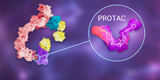
PROTAC, which exploit the ubiquitin-proteasome pathway to specifically degrade target proteins. PROTACs not only solve the problem of undruggability but they also have other advantages compared to traditional drug targeting strategies.
Scientific Reviews
PROTAC, which exploit the ubiquitin-proteasome pathway to specifically degrade target proteins. PROTACs not only solve the problem of undruggability but they also have other advantages compared to traditional drug targeting strategies. -
 Scientific Reviews
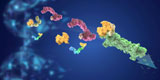
PROTAC — Target Selection and Design
Scientific Reviews
PROTAC — Target Selection and Design2022-07-08
A PROTAC molecule consists of three components: a target protein binding ligand, an E3 ligase ligand, and a linker connecting these two moieties. Here, we will discuss the conventional approaches for the rational design of PROTAC molecules. -
 Scientific Reviews
Organoids represent an important bridge between 2D cultures and in vivo mouse/human models. The organoid technology exerts enormous potential in evaluation of efficacy and toxicity of drugs, regenerative medicine, and precision medicine.In this article, we will briefly introduce organoid technology.
Scientific Reviews
Organoids represent an important bridge between 2D cultures and in vivo mouse/human models. The organoid technology exerts enormous potential in evaluation of efficacy and toxicity of drugs, regenerative medicine, and precision medicine.In this article, we will briefly introduce organoid technology. -
 Scientific Reviews
Development of Intestinal Organoid
Scientific Reviews
Development of Intestinal Organoid2022-07-28
3D organoid is one of the revolutionary developments in biomedical field during the past 10 years. The establishment of intestinal organoids is an important milestone in the development of organoid technology. -
 Scientific Reviews
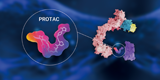
BacPROTACs is composed of a POI ligand, a chemical linker and a ClpCNTD anchor. BacPROTACs can induce in vitro and in vivo degradation of non-eukaryotic proteins in bacteria without the ubiquitin proteasome system.
Scientific Reviews
BacPROTACs is composed of a POI ligand, a chemical linker and a ClpCNTD anchor. BacPROTACs can induce in vitro and in vivo degradation of non-eukaryotic proteins in bacteria without the ubiquitin proteasome system. -
 Scientific Reviews
RNA therapeutics have changed the landscape of drug development, which possess broader spectrum of drug targets, simplicity and efficiency in development and manufacturing.In this article, we will discuss the underlying mechanisms of RNA-based drugs on the market or in clinical stages.
Scientific Reviews
RNA therapeutics have changed the landscape of drug development, which possess broader spectrum of drug targets, simplicity and efficiency in development and manufacturing.In this article, we will discuss the underlying mechanisms of RNA-based drugs on the market or in clinical stages. -
 Scientific Reviews
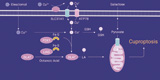
Tsvetkov et al. published in Science and demonstrated a copper-induced programmed cell death — Cuproptosis. As a novel programmed cell death, excess copper triggers abnormal aggregation of lipoylated proteins in TCA cycle and clearance of Fe-S cluster proteins, ultimately leading to cell death.
Scientific Reviews
Tsvetkov et al. published in Science and demonstrated a copper-induced programmed cell death — Cuproptosis. As a novel programmed cell death, excess copper triggers abnormal aggregation of lipoylated proteins in TCA cycle and clearance of Fe-S cluster proteins, ultimately leading to cell death. -
 Scientific Reviews
A comprehensive explanation of ferroptosis
Scientific Reviews
A comprehensive explanation of ferroptosis2022-09-15
Ferroptosis is a new type of RCD that depends on iron and characterized by the accumulation of lipid peroxides. In this article, we will pay our attention on ferroptosis and briefly discusses its mechanism. -
 Scientific Reviews
It's has been proved that p53, as a tumor suppressor gene and immune guardian, may become a destroyer through its own mutation. Moreover, the mechanism of p53 was found to be related to ferroptosis. This article mainly explores the mechanism between p53 and ferroptosis in detail.
Scientific Reviews
It's has been proved that p53, as a tumor suppressor gene and immune guardian, may become a destroyer through its own mutation. Moreover, the mechanism of p53 was found to be related to ferroptosis. This article mainly explores the mechanism between p53 and ferroptosis in detail. -
Scientific Reviews
Organoids have great potential in research of organ development, disease modeling, drug screening and, precision and regenerative medicin. In this article, we will expalin the origin of the organoids. Adult stem cells (ASCs) or pluripotent stem cells (PSCs) , which is the better choice.
-
 Scientific Reviews
Autophagy, derived from the Greek meaning "eating of self", plays an indispensable role in maintaining homeostasis. p27 is an inhibitor of cyclin CDKs, but how p27 regulates autophagy remains unknown. This article will cover the mechanism of autophagy and p27-related cell cycle regulation.
Scientific Reviews
Autophagy, derived from the Greek meaning "eating of self", plays an indispensable role in maintaining homeostasis. p27 is an inhibitor of cyclin CDKs, but how p27 regulates autophagy remains unknown. This article will cover the mechanism of autophagy and p27-related cell cycle regulation. -
 Scientific Reviews
CMA (chaperone-mediated autophagy) plays an essential role in maintaining neuronal protein stability and preventing neurodegeneration. In this article, we will comprehensively clarify the role of CMA in the occurrence and development of neurodegenerative diseases.
Scientific Reviews
CMA (chaperone-mediated autophagy) plays an essential role in maintaining neuronal protein stability and preventing neurodegeneration. In this article, we will comprehensively clarify the role of CMA in the occurrence and development of neurodegenerative diseases. -
 Scientific Reviews
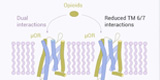
As powerful pain relievers, the opioids morphine and fentanyl have been "checked" by their side effects (listed as controlled substances). How to reduce its side effects? What is its mechanism? This research will explore its mechanism.
Scientific Reviews
As powerful pain relievers, the opioids morphine and fentanyl have been "checked" by their side effects (listed as controlled substances). How to reduce its side effects? What is its mechanism? This research will explore its mechanism. -
 Scientific Reviews
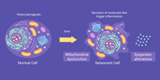
Efferocytosis is the process in which phagocytes remove programmed dead cells. It prevents secondary necrosis of dying cells from releasing harmful cell contents (such as oxides and proteases) that may cause inflammation. Here, we will introduce three stages of efferocytosis: Find, Eat, Digest.
Scientific Reviews
Efferocytosis is the process in which phagocytes remove programmed dead cells. It prevents secondary necrosis of dying cells from releasing harmful cell contents (such as oxides and proteases) that may cause inflammation. Here, we will introduce three stages of efferocytosis: Find, Eat, Digest. -
 Scientific Reviews
Understanding the mechanism of aging not only has guiding significance for prolonging human life but also has important clinical significance for the prevention and treatment of diseases in the elderly population , thus, improving their life quality and well-being.
Scientific Reviews
Understanding the mechanism of aging not only has guiding significance for prolonging human life but also has important clinical significance for the prevention and treatment of diseases in the elderly population , thus, improving their life quality and well-being. -
 Scientific Reviews
Mammalian cells can also photosynthesize like plants! Photosynthesis can improve cell anabolism and exhibit good clinical effect in degenerative diseases (osteoarthritis).
Scientific Reviews
Mammalian cells can also photosynthesize like plants! Photosynthesis can improve cell anabolism and exhibit good clinical effect in degenerative diseases (osteoarthritis). -
 Scientific Reviews
The latest study of Cell magazine "Neural mechanism underlying depressive-like state associated with social status loss" considers social factors as a breakthrough point. It has been found that the downward transition of social status induces depression-like behavior in mice whereas improves the depressive state by restoring their social environment.
Scientific Reviews
The latest study of Cell magazine "Neural mechanism underlying depressive-like state associated with social status loss" considers social factors as a breakthrough point. It has been found that the downward transition of social status induces depression-like behavior in mice whereas improves the depressive state by restoring their social environment. -
 Scientific Reviews
PROTAC - Design Strategy for Targeting
Scientific Reviews
PROTAC - Design Strategy for Targeting2023-04-23
Protein degradation targeting chimera (PROTAC) is a technology that uses the ubiquitin proteasome pathway to silent target protein. However, PROTAC still has problems such as solubility, membrane permeability, and selectivity. In this article, we have summarized three strategies for optimization: light-controlled linker, PAC molecule, and specific E3 ligase. -
 Scientific Reviews
Stem cell classification and its application
Scientific Reviews
Stem cell classification and its application2023-05-18
Stem cells (SCs) have the unique ability to self-renew and differentiate into different cell types. SCs can differentiate into various types of tissue cells under specific conditions. Additionally, they can be further cultured to form different tissues and organs in the human body. Stem cells have numerous applications in various fields, including cell therapy, organ transplantation, neurodegenerative disease modeling, and drug screening. -
 Scientific Reviews
Mitophagy:Mechanisms and Detection
Scientific Reviews
Mitophagy:Mechanisms and Detection2023-05-25
About 60 years ago, Christian de Duve first used the term "autophagy" to describe his observation of the degradation of mitochondria and other intracellular structures in lysosomes of rat liver. Over the years, autophagy has remained a beloved topic of research by the National Natural Science Foundation of China (NSFC).Today, let's talk about mitochondrial autophagy. -
 Scientific Reviews
Structure of Lipid Droplets
Scientific Reviews
Structure of Lipid Droplets2023-06-15
Huh? Lipid droplets? Organelles? In the past, biological data usually only show the traditional organelles, such as mitochondria, Golgi apparatus, endoplasmic reticulum, etc., lipid droplets are often not mentioned by people. Today, we will make a systematic explanation of lipid droplets, so that everyone has a clear understanding! -
 Scientific Reviews
Organoid Culture: Questions & Answers
Scientific Reviews
Organoid Culture: Questions & Answers2023-07-26
In the last issue, we conducted a live lecture on the theme of organoid culture. Today, we have a special topic to solve your doubts in the last live class! -
 Scientific Reviews
Are frozen cells always damaged? Is the survival rate of revived cells low? When is it appropriate to freeze cells? What should be considered when reviving them? Today, we're sharing a guide to avoid pitfalls in cell freezing and revival!
Scientific Reviews
Are frozen cells always damaged? Is the survival rate of revived cells low? When is it appropriate to freeze cells? What should be considered when reviving them? Today, we're sharing a guide to avoid pitfalls in cell freezing and revival! -
 Scientific Reviews
Science | A "new" mechanism for non-ubiquitinated Midnolin-proteasomal degradation pathway
Scientific Reviews
Science | A "new" mechanism for non-ubiquitinated Midnolin-proteasomal degradation pathway2024-04-26
“ubiquitin-mediated protein degradation” won the Nobel Prize in Chemistry in 2004! In fact, proteasomes degrade not only ubiquitinated proteins but also non-ubiquitinated ones. The mechanism remains shrouded in mystery. After reading this piece today, you might have a lightbulb moment! -
 Scientific Reviews
Still struggling to find the preparation methods for various solutions? Save your time! Here comes a nanny-level tutorial!
Scientific Reviews
Still struggling to find the preparation methods for various solutions? Save your time! Here comes a nanny-level tutorial! -
 Scientific Reviews
STZ Induced Diabetes Models
Scientific Reviews
STZ Induced Diabetes Models2024-06-13
Spotlight: How can STZ Help Diabetes Research? -
 Scientific Reviews
Exosomes, which won the Nobel Prize in 2013, are still a research hotspot in the national natural sciences, and their popularity has only increased over the past decade (in 2022, they still rank 5th in the national natural sciences hotspots!). Why have exosomes become the darling of scientific research? Let's take a look together~
Scientific Reviews
Exosomes, which won the Nobel Prize in 2013, are still a research hotspot in the national natural sciences, and their popularity has only increased over the past decade (in 2022, they still rank 5th in the national natural sciences hotspots!). Why have exosomes become the darling of scientific research? Let's take a look together~ -
 Scientific Reviews
Degrade target proteins through the autophagy-lysosome pathway including LYTAC, AUTAC, and ATTEC have gained increasing attention in recent years due to their significant research potential!
Scientific Reviews
Degrade target proteins through the autophagy-lysosome pathway including LYTAC, AUTAC, and ATTEC have gained increasing attention in recent years due to their significant research potential! -
 Scientific Reviews
Science’s 2023 Breakthrough: GLP-1R Agonists
Scientific Reviews
Science’s 2023 Breakthrough: GLP-1R Agonists2024-08-13
GLP-1RAs, which achieved great success in 2023 and draws people’s attention back to obesity treatments and GLP-1 therapies worldwide, was chosen as the breakthrough of year 2023 by Science [2]. -
 Scientific Reviews
Cuproptosis, How much do you know?
Scientific Reviews
Cuproptosis, How much do you know?2024-08-22
Cells die in a variety of ways, including apoptosis, pyroptosis, necrosis, and ferroptosis......And, of course, cuproptosis. So, how much do you know about cuproptosis? -
 Scientific Reviews
Recently, Mol Cell reported the discovery of the first ferroptosis marker, Hyperoxidized PRDX3! Let’s take a look together~
Scientific Reviews
Recently, Mol Cell reported the discovery of the first ferroptosis marker, Hyperoxidized PRDX3! Let’s take a look together~ -
 Scientific Reviews
Cuproptosis's Knowledge Points!
Scientific Reviews
Cuproptosis's Knowledge Points!2024-09-25
With the establishment of the cuproptosis mechanism related research has attracted more and more attention from major journals. Expect to use the sharp sword of cuproptosis to stab the tumor cells. -
 Scientific Reviews
How they used PKH 26 for cellular studies?
Scientific Reviews
How they used PKH 26 for cellular studies?2024-10-21
We are thrilled to highlight our client study using PKH 26 (MedChemExpress) , a red fluorescent dye that has proven invaluable for in vitro cell labeling and tracing. This innovative research, published in the Journal of Nanobiotechnology. -
Scientific Reviews
Delve into the intricate networks that govern mitochondrial quality control. By examining key mechanisms such as biogenesis, mitochondrial dynamics (fission and fusion), proteolysis, and mitophagy. -
 Scientific Reviews
Unlocking the Power of Intermittent Fasting: The 16+8 Method
Scientific Reviews
Unlocking the Power of Intermittent Fasting: The 16+8 Method -
 Scientific Reviews
Advancing Chronic Kidney Disease Research with GJ103 and Lamin B1 Antibody!
Scientific Reviews
Advancing Chronic Kidney Disease Research with GJ103 and Lamin B1 Antibody! -
 Scientific Reviews
When you hear "inflammation" and "DNA damage," you might immediately think of disease or injury. However, in brains, these two processes are key steps in forming long-term memories, particularly related to specialized cells in our brain called hippocampal neurons.
Scientific Reviews
When you hear "inflammation" and "DNA damage," you might immediately think of disease or injury. However, in brains, these two processes are key steps in forming long-term memories, particularly related to specialized cells in our brain called hippocampal neurons. -
 Scientific Reviews
Autophagy is a fundamental process that degrades various components within the cell.
Scientific Reviews
Autophagy is a fundamental process that degrades various components within the cell. -
 Scientific Reviews
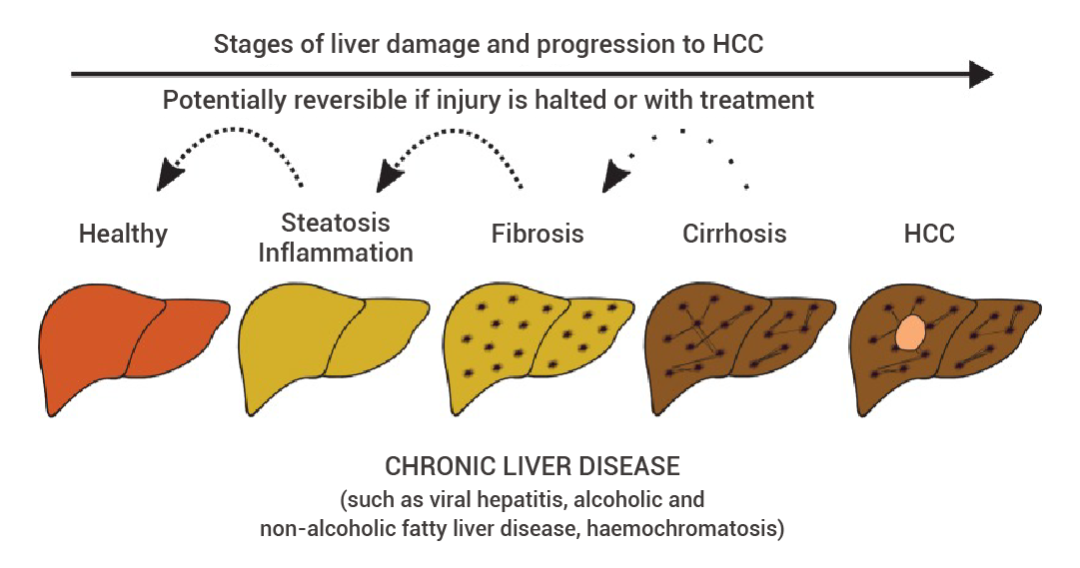
This article will tell you about the common methods of modeling liver disease in animal models.
Scientific Reviews
This article will tell you about the common methods of modeling liver disease in animal models. -
.jpg) Scientific Reviews
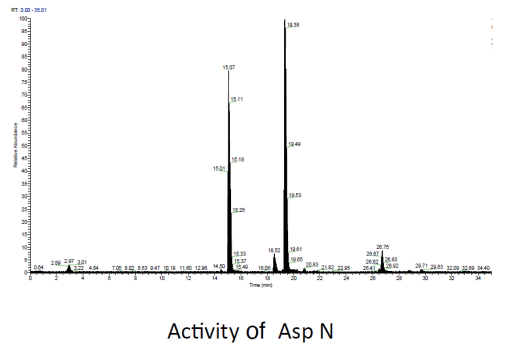
nside cells, the homeostasis and degradation of proteins is a precisely regulated process. If proteins cannot be degraded in time, it may lead to the occurrence of various diseases such as neurodegenerative diseases and cancer. This article will tell you the process of how proteins are recognized, labeled and then degraded!
Scientific Reviews
nside cells, the homeostasis and degradation of proteins is a precisely regulated process. If proteins cannot be degraded in time, it may lead to the occurrence of various diseases such as neurodegenerative diseases and cancer. This article will tell you the process of how proteins are recognized, labeled and then degraded! -
 Scientific Reviews
This article introduces some common cardiovascular disease models, inducers, modeling protocols and successful modeling cases in the research.
Scientific Reviews
This article introduces some common cardiovascular disease models, inducers, modeling protocols and successful modeling cases in the research. -
 Scientific Reviews
Do you feel confused when you start culturing cells? This article will show you the basic methods and steps of cell culture!
Scientific Reviews
Do you feel confused when you start culturing cells? This article will show you the basic methods and steps of cell culture! -
 Scientific Reviews
In this issue, we will conduct an in-depth interpretation from the dimensions of nanoparticle design, mechanism of action, in vivo and in vitro efficacy, and immune regulation, revealing how this research brings new hope for the treatment of invasive tumors through interdisciplinary innovation!
Scientific Reviews
In this issue, we will conduct an in-depth interpretation from the dimensions of nanoparticle design, mechanism of action, in vivo and in vitro efficacy, and immune regulation, revealing how this research brings new hope for the treatment of invasive tumors through interdisciplinary innovation! -
 Scientific Reviews
Chromatin Immunoprecipitation (ChIP) Demystified: A Complete Guide to Epigenetic Analysis
Scientific Reviews
Chromatin Immunoprecipitation (ChIP) Demystified: A Complete Guide to Epigenetic Analysis2025-08-05
In this issue, we introduce a powerful technique for detecting interactions between epigenetic regulatory factors and DNA—Chromatin Immunoprecipitation (ChIP)! -
 Scientific Reviews
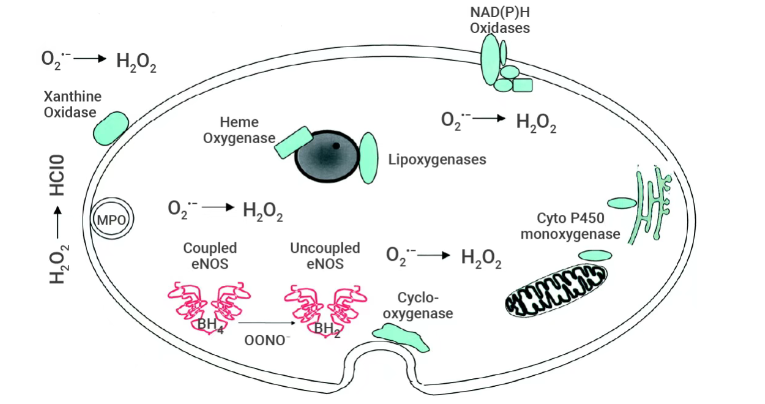
The article introduces the mechanisms of ROS generation and the methods for their detection.
Scientific Reviews
The article introduces the mechanisms of ROS generation and the methods for their detection. -
 Scientific Reviews
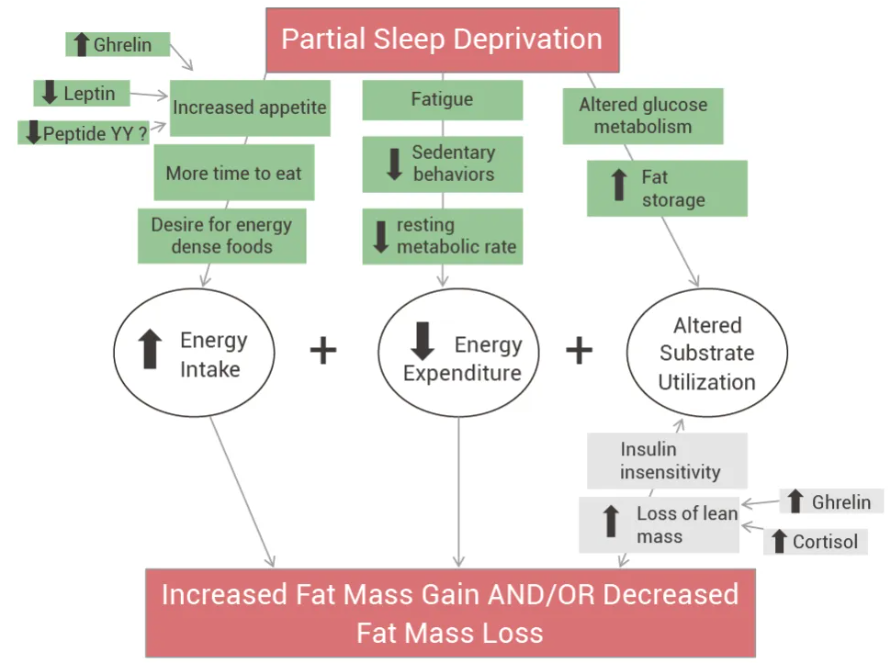
Have you ever noticed that after staying up late, your appetite—especially for high-calorie foods—gets out of control? If this sounds familiar, today’s article might offer some good news.
Scientific Reviews
Have you ever noticed that after staying up late, your appetite—especially for high-calorie foods—gets out of control? If this sounds familiar, today’s article might offer some good news. -
 Scientific Reviews
Generating Stable Cell Lines with Lentivirus
Scientific Reviews
Generating Stable Cell Lines with Lentivirus2025-09-16
A step-by-step protocol of establishing stable cell lines using lentivirus -
 Scientific Reviews
A groundbreaking study in Nature Communications reveals the key mechanism behind Idiopathic Pulmonary Fibrosis and identifies an existing drug with the potential to counter it.
Scientific Reviews
A groundbreaking study in Nature Communications reveals the key mechanism behind Idiopathic Pulmonary Fibrosis and identifies an existing drug with the potential to counter it. -
 Scientific Reviews
Finding adipogenic induction media too expensive and tricky to prepare? This comprehensive guide to 3T3-L1 adipogenic differentiation simplifies the process, helping you achieve great results!
Scientific Reviews
Finding adipogenic induction media too expensive and tricky to prepare? This comprehensive guide to 3T3-L1 adipogenic differentiation simplifies the process, helping you achieve great results! -
Scientific Reviews
Microglia– the only immune cells within the brain parenchyma. With advancements in imaging technologies, people’s understanding of microglia has shifted from being viewed as 'resting' cells to 'highly active' cells, particularly due to their dynamic processes that seem to be probing surrounding tissues and monitoring neuronal activity. This has made microglia a focal point of research in the field of neuroscience. -
 Scientific Reviews
Exosomes—natural nanoscale carriers—are revolutionizing targeted therapy. This article uncovers the science behind their precision in drug delivery.
Scientific Reviews
Exosomes—natural nanoscale carriers—are revolutionizing targeted therapy. This article uncovers the science behind their precision in drug delivery. -
Scientific Reviews
Cracking the PROTAC Permeability Barrier: CD36-Mediated Endocytosis as a Potential Breakthrough2025-12-03
This article provides an in-depth analysis of cutting-edge literature revealing CD36 as a key mediator of cellular uptake for PROTACs and bRO5 compounds. By structurally optimizing PROTAC molecules to enhance their affinity for CD36, membrane permeability can be markedly improved, leading to significantly enhanced antitumor efficacy. -
 Scientific Reviews
Efficient Generation of Mouse Small Intestinal Organoids: A Complete Experimental Protocol Guide
Scientific Reviews
Efficient Generation of Mouse Small Intestinal Organoids: A Complete Experimental Protocol Guide2025-12-10
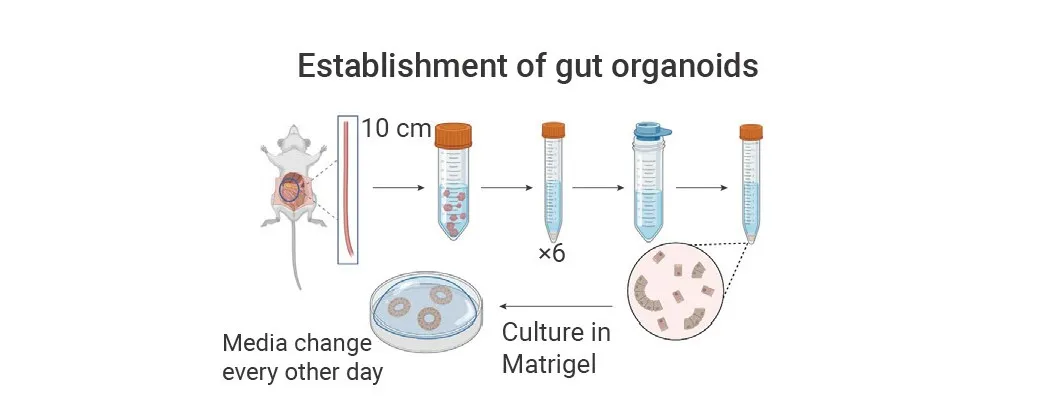
How to successfully create mouse small intestine organoids? A detailed, hands-on guide to the entire process, all in one article! -
 Scientific Reviews
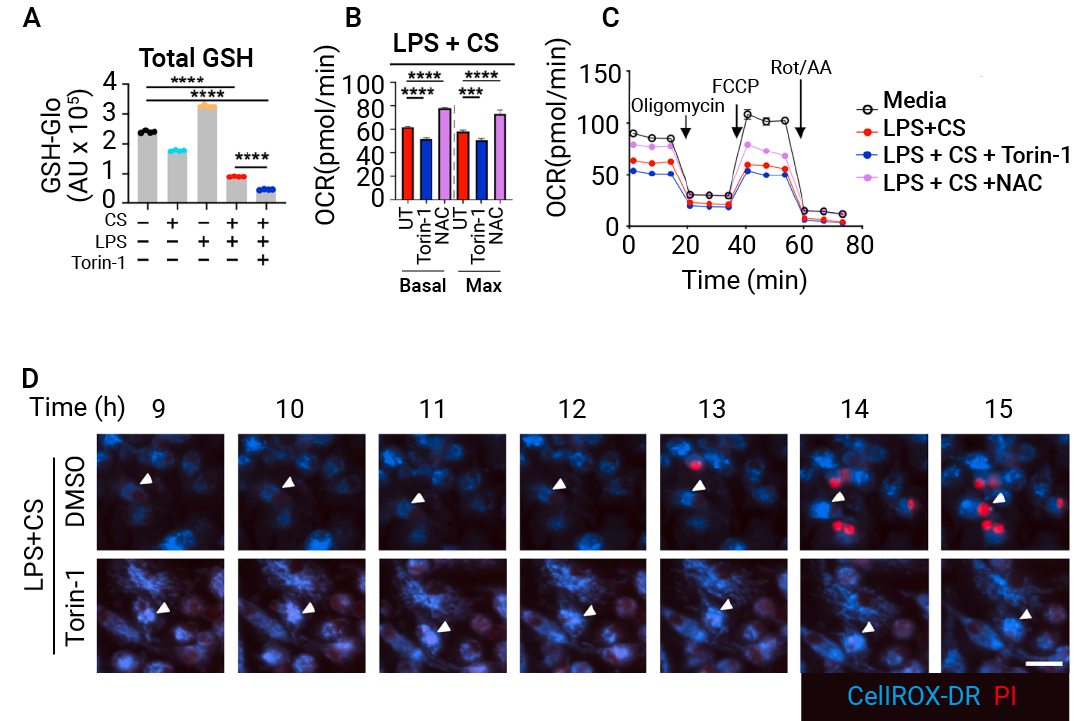
A November 2025 Cell study discovers Mitoxyperilysis, a new mTOR-regulated, caspase-independent cell death pathway driven by innate immune and metabolic dysregulation via mitochondrial-plasma membrane contact and oxidative damage, and verifies its potential to induce tumor necrosis for cancer therapy with key regulators including BAX, BAK1 and BID.
Scientific Reviews
A November 2025 Cell study discovers Mitoxyperilysis, a new mTOR-regulated, caspase-independent cell death pathway driven by innate immune and metabolic dysregulation via mitochondrial-plasma membrane contact and oxidative damage, and verifies its potential to induce tumor necrosis for cancer therapy with key regulators including BAX, BAK1 and BID. -
 Scientific Reviews
In the hunt for the next ‘GLP-1,’ amylin therapeutics, which have shown strong weight-loss results in clinical trials, have become a major focus for both multinational pharma and the scientific community.
Scientific Reviews
In the hunt for the next ‘GLP-1,’ amylin therapeutics, which have shown strong weight-loss results in clinical trials, have become a major focus for both multinational pharma and the scientific community. -
 Scientific Reviews
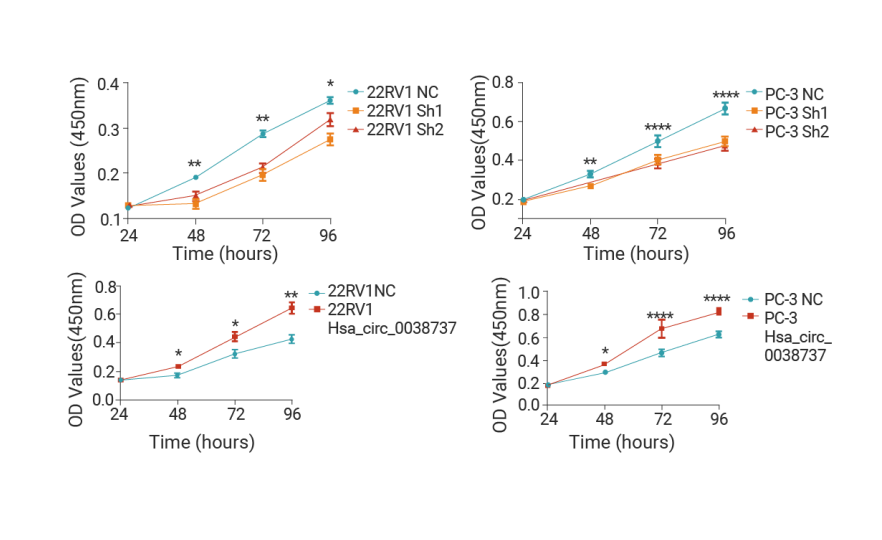
Essential for High-Impact Papers: Present Your CCK-8 Experimental Results in a More Outstanding Way!
Scientific Reviews
Essential for High-Impact Papers: Present Your CCK-8 Experimental Results in a More Outstanding Way!2026-03-18
CCK-8 is a widely used WST‑8‑based reagent for cell proliferation and cytotoxicity assays. It features high sensitivity, reliable results and easy operation, and is applicable to cell viability analysis, drug screening and growth inhibition testing. -
 Scientific Reviews
FISH is a molecular technique using fluorescent probes to detect specific nucleic acids in cells, with high sensitivity and diverse biomedical applications.
Scientific Reviews
FISH is a molecular technique using fluorescent probes to detect specific nucleic acids in cells, with high sensitivity and diverse biomedical applications. -
 Scientific Reviews
Molecular glue degraders have evolved from a serendipitous observation to one of the most dynamic and transformative fields in biomedical research.
Scientific Reviews
Molecular glue degraders have evolved from a serendipitous observation to one of the most dynamic and transformative fields in biomedical research. -
 Scientific Reviews
GLP-1 and Obesity Research
Scientific Reviews
GLP-1 and Obesity Research2026-08-14
Obesity substantially increases the risk of chronic diseases such as T2D and cardiovascular disease. The breakout success of GLP-1 therapies has spotlighted GLP-1R and a wave of emerging obesity targets. -
 EDM
Targeting the ‘Undruggable’ with PROTACs
EDM
Targeting the ‘Undruggable’ with PROTACs2025-06-18
This review introduces the fundamental principles and mechanisms of PROTACs, highlights recent advances in molecular design and clinical development, and discusses emerging opportunities and remaining challenges in targeted protein degradation. -
 EDM
This review explores the molecular mechanisms of the DNA damage response, reviews therapeutic strategies targeting DDR pathways in cancer, and examines their roles in cancer drug resistance.
EDM
This review explores the molecular mechanisms of the DNA damage response, reviews therapeutic strategies targeting DDR pathways in cancer, and examines their roles in cancer drug resistance. -
 EDM
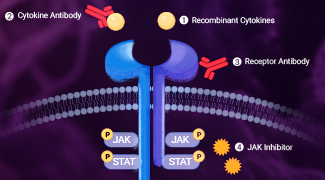
This review critically examines the role of the JAK-STAT pathway in immunity and autoimmune diseases, reviews current clinical applications of targeted therapies, and highlights emerging trends in autoimmune drug development.
EDM
This review critically examines the role of the JAK-STAT pathway in immunity and autoimmune diseases, reviews current clinical applications of targeted therapies, and highlights emerging trends in autoimmune drug development. -
 EDM
This review outlines macrophage functions and classification, and provides practical experimental guidelines for macrophage differentiation, polarization, and identification.
EDM
This review outlines macrophage functions and classification, and provides practical experimental guidelines for macrophage differentiation, polarization, and identification. -
 EDM
Summarize LLPS principles, regulatory mechanisms, experimental strategies, and pathological roles to inspire mechanism-driven research and translational applications.
EDM
Summarize LLPS principles, regulatory mechanisms, experimental strategies, and pathological roles to inspire mechanism-driven research and translational applications. -
 EDM
Explore lysosomal nutrient sensing, quality control, cellular adaptation, disease mechanisms, and emerging therapeutic approaches.
EDM
Explore lysosomal nutrient sensing, quality control, cellular adaptation, disease mechanisms, and emerging therapeutic approaches. -
 EDM
Explore the mechanisms driving immune tolerance breakdown in autoimmune diseases and emerging tolerance-restoring strategies, with a focus on IL-2-based immune modulation.
EDM
Explore the mechanisms driving immune tolerance breakdown in autoimmune diseases and emerging tolerance-restoring strategies, with a focus on IL-2-based immune modulation. -
 EDM
Review the evolution of molecular glues from serendipitous discovery to rational design, highlighting how emerging targets and advances in screening, proteomics, structural biology, and AI are expanding the druggable proteome.
EDM
Review the evolution of molecular glues from serendipitous discovery to rational design, highlighting how emerging targets and advances in screening, proteomics, structural biology, and AI are expanding the druggable proteome. -
 EDM
Explore how mitochondrial quality control, inflammatory signaling, and metabolic–epigenetic reprogramming regulate cellular senescence and the SASP, along with strategies to restore mitochondrial homeostasis.
EDM
Explore how mitochondrial quality control, inflammatory signaling, and metabolic–epigenetic reprogramming regulate cellular senescence and the SASP, along with strategies to restore mitochondrial homeostasis. -
 Blog
MK-0429 is An Oral Integrin (αvβ3) Inhibitor
Blog
MK-0429 is An Oral Integrin (αvβ3) Inhibitor2019-04-11
MK-0429, an orally active αvβ3 inhibitor, is a potential therapeutic agent for the prevention of kidney fibrosis, melanoma and osteoporosis. -
 Blog
IITZ-01 is a potent lysosomotropic autophagy inhibitor with single-agent antitumor activity, with an IC50 of 2.62 μM for PI3Kγ.
Blog
IITZ-01 is a potent lysosomotropic autophagy inhibitor with single-agent antitumor activity, with an IC50 of 2.62 μM for PI3Kγ. -
 Blog
BTR-1 potently inhibits cell growth. It induces S phase arrest, affects DNA replication. Dose-dependently induces cytotoxicity in leukemic cell lines.
Blog
BTR-1 potently inhibits cell growth. It induces S phase arrest, affects DNA replication. Dose-dependently induces cytotoxicity in leukemic cell lines. -
 Blog
NRX-252262 is a β-catenin:β-TrCP interaction enhancer, and its cognate E3 ligase, SCFβ-TrCP, induces mutant β-catenin degradation, with an EC50 of 3.8 nM
Blog
NRX-252262 is a β-catenin:β-TrCP interaction enhancer, and its cognate E3 ligase, SCFβ-TrCP, induces mutant β-catenin degradation, with an EC50 of 3.8 nM -
 Blog
SLLN-15 is an oral activ enhancer of autophagy that activates cytostatic macroautophagy/autophagy in triple-negative breast cancer (TNBC).
Blog
SLLN-15 is an oral activ enhancer of autophagy that activates cytostatic macroautophagy/autophagy in triple-negative breast cancer (TNBC). -
 Blog
CB-6644 is a selective non-ATP-competitive inhibitor of the RUVBL1/2 complex. CB-6644 significantly reduces tumor growth without obvious toxicity.
Blog
CB-6644 is a selective non-ATP-competitive inhibitor of the RUVBL1/2 complex. CB-6644 significantly reduces tumor growth without obvious toxicity. -
 Blog
NSC 228155 is a activator of EGFR and a potent inhibitor of KIX-KID interaction. NSC 228155 shows excellent anti-tumor activity.
Blog
NSC 228155 is a activator of EGFR and a potent inhibitor of KIX-KID interaction. NSC 228155 shows excellent anti-tumor activity. -
 Blog
MM-589 is an inhibitor of WDR5 and MLL protein-protein interaction. Binds to WDR5 (IC50=0.90 nM) and inhibits the MLL H3K4 methyltransferase activity.
Blog
MM-589 is an inhibitor of WDR5 and MLL protein-protein interaction. Binds to WDR5 (IC50=0.90 nM) and inhibits the MLL H3K4 methyltransferase activity. -
 Blog
STL127705 is a Ku 70/80 heterodimer protein inhibitor, inhibits Ku70/80-DNA interaction (IC50 of 3.5 μM) and Ku-dependent activation of DNA-PKCS kinase.
Blog
STL127705 is a Ku 70/80 heterodimer protein inhibitor, inhibits Ku70/80-DNA interaction (IC50 of 3.5 μM) and Ku-dependent activation of DNA-PKCS kinase. -
 Blog
JI051 is a stabilizer for the Hes1-PHB2 interaction, induces cell-cycle arrest by inhibiting the Notch downstream effector gene Hes1.
Blog
JI051 is a stabilizer for the Hes1-PHB2 interaction, induces cell-cycle arrest by inhibiting the Notch downstream effector gene Hes1. -
 Blog
TAS-114 is a dual dUTPase/dihydropyrimidine dehydrogenase (DPD) inhibitor, can improving the therapeutic efficacy of fluoropyrimidine.
Blog
TAS-114 is a dual dUTPase/dihydropyrimidine dehydrogenase (DPD) inhibitor, can improving the therapeutic efficacy of fluoropyrimidine. -
 Blog
IWP-O1, a Highly Potent Porcupine Inhibitor, Functions by Preventing the Secretion of Wnt Proteins
Blog
IWP-O1, a Highly Potent Porcupine Inhibitor, Functions by Preventing the Secretion of Wnt Proteins2019-06-03
IWP-O1 is a Porcupine (Porcn) inhibitor, with an EC50 of 80 pM in L-Wnt-STF cells. IWP-O1 functions by preventing the secretion of Wnt proteins[ -
 Blog
JMS-17-2 is a CX3CR1 Antagonist
Blog
JMS-17-2 is a CX3CR1 Antagonist2019-06-12
JMS-17-2 is a potent and selective CX3CR1 antagonist with an IC50 of 0.32 nM. Has potential to treat cancers such as breast cancer. -
 Blog
Ralimetinib (LY2228820) is a selective and ATP-competitive inhibitor of p38 MAPK α/β, with IC50s of 5.3 and 3.2 nM, respectively. Anti-tumor activity.
Blog
Ralimetinib (LY2228820) is a selective and ATP-competitive inhibitor of p38 MAPK α/β, with IC50s of 5.3 and 3.2 nM, respectively. Anti-tumor activity. -
 Blog
BAY-11-7082 inhibits the proliferation and induces the apoptosis of U266 cells through inhibiting NF-κB pathway. BAY 11-7082 ameliorates experimental diabetic neuropathy by modulating neuroinflammation and improving antioxidant defence.
Blog
BAY-11-7082 inhibits the proliferation and induces the apoptosis of U266 cells through inhibiting NF-κB pathway. BAY 11-7082 ameliorates experimental diabetic neuropathy by modulating neuroinflammation and improving antioxidant defence. -
 Blog
S130, Targeting ATG4B, Inhibits Autophagy and Activates Apoptosis in Colorectal Colon Cancer
Blog
S130, Targeting ATG4B, Inhibits Autophagy and Activates Apoptosis in Colorectal Colon Cancer2019-06-19
S130 is a high affinity, selective inhibitor of ATG4B (a major cysteine protease) with an IC50 of 3.24 µM. S130 suppresses autophagy flux. -
 Blog
MRT67307, a dual IKKε/TBK1 inhibitor, inhibits ULK1 and ULK2 with IC50s of 45 and 38 nM, respectively. MRT67307 blocks mTOR-dependent autophagy.
Blog
MRT67307, a dual IKKε/TBK1 inhibitor, inhibits ULK1 and ULK2 with IC50s of 45 and 38 nM, respectively. MRT67307 blocks mTOR-dependent autophagy. -
 Blog
CCT020312, the G1/S checkpoint activator, is a selective EIF2AK3/PERK activator. CCT020312 elicits EIF2A phosphorylation in cells.
Blog
CCT020312, the G1/S checkpoint activator, is a selective EIF2AK3/PERK activator. CCT020312 elicits EIF2A phosphorylation in cells. -
 Blog
SBI-0206965 is a selective and cell permeable autophagy kinase ULK1 inhibitor with IC50s of 108 nM for ULK1 and 711 nM for the highly related kinase ULK2 .
Blog
SBI-0206965 is a selective and cell permeable autophagy kinase ULK1 inhibitor with IC50s of 108 nM for ULK1 and 711 nM for the highly related kinase ULK2 . -
 Blog
NMS-P515 is a potent, orally active and stereospecific PARP-1 inhibitor, with a Kd of 16 nM and an IC50 of 27 nM (in Hela cells). Anti-tumor activity.
Blog
NMS-P515 is a potent, orally active and stereospecific PARP-1 inhibitor, with a Kd of 16 nM and an IC50 of 27 nM (in Hela cells). Anti-tumor activity. -
 Blog
M-89 is a specific menin inhibitor, with a Kd of 1.4 nM. M-89 inhibits the Menin-MLL protein-protein interaction and has potential to treat MLL leukemia.
Blog
M-89 is a specific menin inhibitor, with a Kd of 1.4 nM. M-89 inhibits the Menin-MLL protein-protein interaction and has potential to treat MLL leukemia. -
 Blog
ML367 is an ATAD5 Stabilization Inhibitor
Blog
ML367 is an ATAD5 Stabilization Inhibitor2019-08-03
ML367 is a potent inhibitor of ATAD5 stabilization. It blocks DNA repair pathways, and suppresses phosphorylation of RPA32 and CHK1. -
 Blog
CA-5f is a potent late-stage macroautophagy (autophagy) inhibitor via inhibiting autophagosome-lysosome fusion. CA-5f increases LC3B-II and SQSTM1 protein.
Blog
CA-5f is a potent late-stage macroautophagy (autophagy) inhibitor via inhibiting autophagosome-lysosome fusion. CA-5f increases LC3B-II and SQSTM1 protein. -
 Blog
ACBI1 is a PROTAC Degrader of BAF Complex
Blog
ACBI1 is a PROTAC Degrader of BAF Complex2019-08-07
ACBI1 is a potent PROTAC degrader of BAF ATPase subunits SMARCA2, SMARCA4 and PBRM1, with DC50s of 6 nM, 11 nM and 32 nM in MV-4-11 cells, respectively. -
 Blog
JH-RE-06, a potent REV1-REV7 interface inhibitor (IC50=0.78 μM; Kd=0.42 μM), targets REV1 that interacts with the REV7 subunit of POLζ.
Blog
JH-RE-06, a potent REV1-REV7 interface inhibitor (IC50=0.78 μM; Kd=0.42 μM), targets REV1 that interacts with the REV7 subunit of POLζ. -
 Blog
MS31 is a highly selective spindlin 1 inhibitor, which inhibits the interactions between SPIN1 and H3K4me3. MS31 is not toxic to nontumorigenic cells.
Blog
MS31 is a highly selective spindlin 1 inhibitor, which inhibits the interactions between SPIN1 and H3K4me3. MS31 is not toxic to nontumorigenic cells. -
 Blog
SGC-iMLLT is a potent, selective MLLT1/3-histone interactions inhibitor and shows high binding activity towards MLLT1 YEATS domain and MLLT3 YD.
Blog
SGC-iMLLT is a potent, selective MLLT1/3-histone interactions inhibitor and shows high binding activity towards MLLT1 YEATS domain and MLLT3 YD. -
 Blog
E3330, an APE1 Redox Inhibitor, Modulates Cell Migration and Invasion in Metastatic Cancer
Blog
E3330, an APE1 Redox Inhibitor, Modulates Cell Migration and Invasion in Metastatic Cancer2019-09-13
E3330 is a direct, orally active AP endonuclease 1 (APE1) inhibitor, which suppresses NF-κB DNA-binding activity. E3330 shows good anticancer properties. -
 Blog
AOH1160, an Orally Active PCNA Inhibitor, Exhibits Efferctive Anti-cancer Activity with Low Toxicity
Blog
AOH1160, an Orally Active PCNA Inhibitor, Exhibits Efferctive Anti-cancer Activity with Low Toxicity2019-09-14
AOH1160 is a potent, first-in-class, orally available PCNA inhibitor and exhibits broad-spectrum anti-cancer activity without causing unacceptable toxicity. -
 Blog
BPK-29 disrupts the NR0B1 protein-protein interactions and impairs the anchorage-independent growth of KEAP1-mutant cancer cells.
Blog
BPK-29 disrupts the NR0B1 protein-protein interactions and impairs the anchorage-independent growth of KEAP1-mutant cancer cells. -
 Blog
Blog
-
 Blog
NV03 is a potent and selective antagonist of UHRF1-H3K9me3 interaction by binding to UHRF1 TTD with a Kd of 2.4 μM and has anticancer activity.
Blog
NV03 is a potent and selective antagonist of UHRF1-H3K9me3 interaction by binding to UHRF1 TTD with a Kd of 2.4 μM and has anticancer activity. -
 Blog
sAJM589 is a Myc inhibitor which potently disrupts the Myc-Max heterodimer in a dose dependent manner with an IC50 of 1.8 μM.
Blog
sAJM589 is a Myc inhibitor which potently disrupts the Myc-Max heterodimer in a dose dependent manner with an IC50 of 1.8 μM. -
 Blog
Niraparib is an Orally Active PARP Inhibitor
Blog
Niraparib is an Orally Active PARP Inhibitor2019-12-18
Niraparib is a highly potent and orally bioavailable PARP1 and PARP2 inhibitor. Niraparib has potent anti-cancer activity. -
 Blog
DRF-1042 is an orally active derivative of Camptothecin and acts to inhibit DNA topoisomerase I with good anticancer activity.
Blog
DRF-1042 is an orally active derivative of Camptothecin and acts to inhibit DNA topoisomerase I with good anticancer activity. -
 Blog
D-I03 is a Selective RAD52 Inhibitor
Blog
D-I03 is a Selective RAD52 Inhibitor2020-01-08
D-I03 is a selective RAD52 inhibitor, which specifically inhibits RAD52-dependent single-strand annealing (SSA) and D-loop formation. -
 Blog
GPP78 is a potent Nampt inhibitor. GPP78 is cytotoxic to neuroblastoma cell line SH-SY5Y cells. GPP78 has anti-cancer and anti-tumor activity.
Blog
GPP78 is a potent Nampt inhibitor. GPP78 is cytotoxic to neuroblastoma cell line SH-SY5Y cells. GPP78 has anti-cancer and anti-tumor activity. -
 Blog
SB-218078, a Chk1 inhibitor, inhibits Chk1 phosphorylation of cdc25C with an IC50 of 15 nM, causeing apoptosis by DNA damage and cell cycle arrest.
Blog
SB-218078, a Chk1 inhibitor, inhibits Chk1 phosphorylation of cdc25C with an IC50 of 15 nM, causeing apoptosis by DNA damage and cell cycle arrest. -
 Blog
BI-9321 is a potent, selective and cellular active NSD3-PWWP1 domain antagonist, and specifically disrupts histone interactions of the NSD3-PWWP1 domain.
Blog
BI-9321 is a potent, selective and cellular active NSD3-PWWP1 domain antagonist, and specifically disrupts histone interactions of the NSD3-PWWP1 domain. -
 Blog
NU1025 is a potent PARP inhibitor and potentiates the cytotoxicity of ionizing radiation drug. NU1025 has anti-cancer and neuroprotective activity.
Blog
NU1025 is a potent PARP inhibitor and potentiates the cytotoxicity of ionizing radiation drug. NU1025 has anti-cancer and neuroprotective activity. -
 Blog
TP3011 is a potent DNA topoisomerase I inhibitor. Antitumor activities.Active metabolite of TP3076. TP3011 inhibits cancer cell proliferative activities.
Blog
TP3011 is a potent DNA topoisomerase I inhibitor. Antitumor activities.Active metabolite of TP3076. TP3011 inhibits cancer cell proliferative activities. -
 Blog
PIK-75 is a reversible DNA-PK and p110α selective inhibitor. Impairs cell proliferation, survival, and tumor growth. Induce apoptosis.
Blog
PIK-75 is a reversible DNA-PK and p110α selective inhibitor. Impairs cell proliferation, survival, and tumor growth. Induce apoptosis. -
 Blog
SNDX-5613 is a potent, selective, small molecule inhibitor of the Menin-MLL binding interaction for targeted therapy in MLL-rearranged leukemias.
Blog
SNDX-5613 is a potent, selective, small molecule inhibitor of the Menin-MLL binding interaction for targeted therapy in MLL-rearranged leukemias. -
 Blog
RBN-2397 is an orally active accross species NAD+ competitive inhibitor of PARP7. RBN-2397 binds to PARP7 and restores interferon (Type I) signaling.
Blog
RBN-2397 is an orally active accross species NAD+ competitive inhibitor of PARP7. RBN-2397 binds to PARP7 and restores interferon (Type I) signaling. -
 Blog
MYCMI-6 is a selective MYC:MAX protein interactions inhibitor, which blocks MYC-driven transcription and binds selectively to the MYC bHLHZip domain.
Blog
MYCMI-6 is a selective MYC:MAX protein interactions inhibitor, which blocks MYC-driven transcription and binds selectively to the MYC bHLHZip domain. -
 Blog
TED-347 is a potent, irreversible, covalent and allosteric inhibitor at YAP-TEAD protein-protein interaction with antitumor activity.
Blog
TED-347 is a potent, irreversible, covalent and allosteric inhibitor at YAP-TEAD protein-protein interaction with antitumor activity. -
 Blog
HM03 is a potent and selective HSPA5 inhibitor with anticancer activity. HSPA5 plays a key role in monitoring protein transport through the cell.
Blog
HM03 is a potent and selective HSPA5 inhibitor with anticancer activity. HSPA5 plays a key role in monitoring protein transport through the cell. -
 Blog
DI-82 is a potent deoxycytidine kinase (dCK) inhibitor. DI-82 is potent against hematological malignancies and other cancers.
Blog
DI-82 is a potent deoxycytidine kinase (dCK) inhibitor. DI-82 is potent against hematological malignancies and other cancers. -
 Blog
DI-87, an orally active and selective dCK inhibitor, has antitumor activity and is used in combination therapy against tumors expressing dCK.
Blog
DI-87, an orally active and selective dCK inhibitor, has antitumor activity and is used in combination therapy against tumors expressing dCK. -
 Blog
GSK621 is a potent and specific AMPK activator and induces autophagy and apoptosis in acute myeloid leukemia (AML) cells.
Blog
GSK621 is a potent and specific AMPK activator and induces autophagy and apoptosis in acute myeloid leukemia (AML) cells. -
 Blog
M-808 is a highly potent and efficacious covalent Menin-MLL interaction inhibitor. M-808 has a binding IC50 value of 2.6 nM.
Blog
M-808 is a highly potent and efficacious covalent Menin-MLL interaction inhibitor. M-808 has a binding IC50 value of 2.6 nM. -
 Blog
MCP110 is an inhibitor of Ras/Raf-1 interaction in human cancer cells. The Ras family GTPases play a central role in the growth factor signaling.
Blog
MCP110 is an inhibitor of Ras/Raf-1 interaction in human cancer cells. The Ras family GTPases play a central role in the growth factor signaling. -
 Blog
CRT0044876 is a potent and selective APE1 inhibitor. CRT0044876 inhibits the AP endonuclease, 3′-phosphodiesterase and 3′-phosphatase activities of APE1.
Blog
CRT0044876 is a potent and selective APE1 inhibitor. CRT0044876 inhibits the AP endonuclease, 3′-phosphodiesterase and 3′-phosphatase activities of APE1. -
 Blog
BC-LI-0186 is a selective inhibitor of LeuRS and RagD interaction (IC50=46.11 nM). BC-LI-0186 suppresses the activity of cancer-associated MTOR mutants.
Blog
BC-LI-0186 is a selective inhibitor of LeuRS and RagD interaction (IC50=46.11 nM). BC-LI-0186 suppresses the activity of cancer-associated MTOR mutants. -
 Blog
GNE-371, a Chemical Probe for the Second Bromodomains of TFIID Subunit 1 and TFIID Subunit 1-Like
Blog
GNE-371, a Chemical Probe for the Second Bromodomains of TFIID Subunit 1 and TFIID Subunit 1-Like2020-12-09
GNE-371 is a selective chemical probe for the second bromodomains of human transcription-initiation-factor TFIID subunit 1 and TFIID subunit 1-like. -
 Blog
SAR-020106 is an ATP-competitive CHK1 inhibitor with an IC50 of 13.3 nM for hCHK1. SAR-020106 can enhance antitumor activity with selected anticancer drugs.
Blog
SAR-020106 is an ATP-competitive CHK1 inhibitor with an IC50 of 13.3 nM for hCHK1. SAR-020106 can enhance antitumor activity with selected anticancer drugs. -
 Blog
AZ9482 is a Triple PARP1/2/6 Inhibitor
Blog
AZ9482 is a Triple PARP1/2/6 Inhibitor2021-01-05
AZ9482 is a triple PARP1, PPAR2 and PPAR6 inhibitor, with IC50 values of 1 nM, 1 nM and 640 nM for PARP1, PARP2 and PARP6, respectively. -
 Blog
WL47, a high-affinity cavolin-1 (CAV1) ligand (Kd=23 nM), act as a potent and selective disrupter of CAV1 oligomers.
Blog
WL47, a high-affinity cavolin-1 (CAV1) ligand (Kd=23 nM), act as a potent and selective disrupter of CAV1 oligomers. -
 Blog
NSC 80467, a potent DNA damaging agent, selectively inhibits survivin, and preferentially inhibits DNA synthesis.
Blog
NSC 80467, a potent DNA damaging agent, selectively inhibits survivin, and preferentially inhibits DNA synthesis. -
 Blog
NSC-105808, a potent, specific DNA2 nuclease inhibitor, inhibits HR repair, DSB end resection and suppresses proliferation of cancer cells.
Blog
NSC-105808, a potent, specific DNA2 nuclease inhibitor, inhibits HR repair, DSB end resection and suppresses proliferation of cancer cells. -
 Blog
Senaparib, a selective and orally active PARP1/2 inhibitor, has great potential as a monotherapy as well as in combination with other agents.
Blog
Senaparib, a selective and orally active PARP1/2 inhibitor, has great potential as a monotherapy as well as in combination with other agents. -
 Blog
PF 477736 (PF 00477736) is a Chk1 inhibitor. Breaching the DNA damage checkpoint. PF-00477736 combines with Gemcitabine to abrogates cell cycle arrest.
Blog
PF 477736 (PF 00477736) is a Chk1 inhibitor. Breaching the DNA damage checkpoint. PF-00477736 combines with Gemcitabine to abrogates cell cycle arrest. -
 Blog
CC-90001 is a potent, selective, and orally active inhibitor of JNK. CC-90001 can be used for the research of idiopathic pulmonary fibrosis (IPF).
Blog
CC-90001 is a potent, selective, and orally active inhibitor of JNK. CC-90001 can be used for the research of idiopathic pulmonary fibrosis (IPF). -
 Blog
YUM70 inhibits GRP78. Induces endoplasmic reticulum stress-mediated apoptosis. Pancreatic cancer. Acts as a novel anticancer agent.
Blog
YUM70 inhibits GRP78. Induces endoplasmic reticulum stress-mediated apoptosis. Pancreatic cancer. Acts as a novel anticancer agent. -
 Blog
Elimusertib is a potent, orally available and selective ATR inhibitor. Elimusertib has potent anti-tumor activity.
Blog
Elimusertib is a potent, orally available and selective ATR inhibitor. Elimusertib has potent anti-tumor activity. -
 Blog
L-Moses is the first potent, selective, and cell-active PCAF Brd inhibitor. L-Moses disrupts PCAF-Brd histone H3.3 interaction.
Blog
L-Moses is the first potent, selective, and cell-active PCAF Brd inhibitor. L-Moses disrupts PCAF-Brd histone H3.3 interaction. -
 Blog
LYN-1604 is a Potent ULK1 Activator
Blog
LYN-1604 is a Potent ULK1 Activator2021-04-24
LYN-1604, a potent ULK1 activator, induces cell death involved in ATF3, RAD21, and caspase3, accompanied by autophagy and apoptosis. -
 Blog
MR837 is an Inhibitor of NSD2-PWWP1
Blog
MR837 is an Inhibitor of NSD2-PWWP12021-05-11
MR837 is a potent inhibitor of NSD2 (WHSC1)-PWWP1 protein-protein interaction. MR837 can bind with human NSD2. -
 Blog
BI-3406 is a selective, orally bioavailable SOS1 inhibitor that binds to the catalytic domain of SOS1, preventing the interaction with KRAS.
Blog
BI-3406 is a selective, orally bioavailable SOS1 inhibitor that binds to the catalytic domain of SOS1, preventing the interaction with KRAS. -
 Blog
Butaprost is a selective prostaglandin E receptor (EP2) agonist. Butaprost can effectively mitigate kidney fibrogenesis in various fibrosis models.
Blog
Butaprost is a selective prostaglandin E receptor (EP2) agonist. Butaprost can effectively mitigate kidney fibrogenesis in various fibrosis models. -
 Blog
PHT-7.3 is a Selective Inhibitor of Connector Enhancer of Kinase Suppressor of Ras 1 (Cnk1)
Blog
PHT-7.3 is a Selective Inhibitor of Connector Enhancer of Kinase Suppressor of Ras 1 (Cnk1)2021-05-27
PHT-7.3 is a selective inhibitor of Cnk1 pleckstrin homology (PH) domain. PHT 7.3 blocks the growth of mutant KRAS cells and tumors. -
 Blog
NCGC00378430 is a potent SIX1/EYA2 interaction inhibitor and inhibits SIX1-mediated breast cancer metastasis.
Blog
NCGC00378430 is a potent SIX1/EYA2 interaction inhibitor and inhibits SIX1-mediated breast cancer metastasis. -
 Blog
Venadaparib is a selective and orally active PARP1/2 inhibitor with significant in vitro and in vivo activities in multiple cancer models.
Blog
Venadaparib is a selective and orally active PARP1/2 inhibitor with significant in vitro and in vivo activities in multiple cancer models. -
 Blog
SG3199, an ADC Cytotoxin, is a Cytotoxic DNA Minor Groove Interstrand Crosslinking PDB Dimer
Blog
SG3199, an ADC Cytotoxin, is a Cytotoxic DNA Minor Groove Interstrand Crosslinking PDB Dimer2021-07-12
SG3199, a PBD dimer, is a warhead in next-generation ADCs with potently cytotoxic and a very short half-life. -
 Blog
EMD527040 is a highly selective αvβ6 antagonist with antifibrotic activities.
Blog
EMD527040 is a highly selective αvβ6 antagonist with antifibrotic activities. -
 Blog
DP-C-4 is a CRBN-Based dual PROTAC for EGFR and PARP could provide an effective study for cancer diseases.
Blog
DP-C-4 is a CRBN-Based dual PROTAC for EGFR and PARP could provide an effective study for cancer diseases. -
 Blog
NRX-2663 is a potent enhancer of the interaction between β-catenin SCFβ-TrCP, potentiates the ubiquitylation of mutant β-Catenin by β-TrCP.
Blog
NRX-2663 is a potent enhancer of the interaction between β-catenin SCFβ-TrCP, potentiates the ubiquitylation of mutant β-Catenin by β-TrCP. -
 Blog
SN-38 (NK012) is an active metabolite of the Topoisomerase I inhibitor Irinotecan and inhibits DNA and RNA synthesis.
Blog
SN-38 (NK012) is an active metabolite of the Topoisomerase I inhibitor Irinotecan and inhibits DNA and RNA synthesis. -
 Blog
Daunorubicin is a topoisomerase II inhibitor with a wide spectrum of anticancer activity and anti-HBV effect.
Blog
Daunorubicin is a topoisomerase II inhibitor with a wide spectrum of anticancer activity and anti-HBV effect. -
 Blog
PR-104A is a hypoxia-selective DNA cross-linking agent/DNA-damaging agent and cytotoxin. Antitumor Activity. Leukemia (T-ALL).
Blog
PR-104A is a hypoxia-selective DNA cross-linking agent/DNA-damaging agent and cytotoxin. Antitumor Activity. Leukemia (T-ALL). -
 Blog
Spautin-1 is a specific and potent autophagy inhibitor which inhibits ubiquitin-specific peptidases, USP10 and USP13.
Blog
Spautin-1 is a specific and potent autophagy inhibitor which inhibits ubiquitin-specific peptidases, USP10 and USP13. -
 Blog
AZD1390 is a potent, highly selective, orally bioavailable, brain-penetrant ATM inhibitor with an IC50 of 0.78 nM.
Blog
AZD1390 is a potent, highly selective, orally bioavailable, brain-penetrant ATM inhibitor with an IC50 of 0.78 nM. -
 Blog
Alda-1 is a potent ALDH2 Agonist
Blog
Alda-1 is a potent ALDH2 Agonist2021-12-30
Alda-1 ameliorates H2O2-induced Achilles tendinopathy. Alda-1 could be used for preventing Achilles tendinopathy. -
 Blog
Rucaparib is a PARP Inhibitor
Blog
Rucaparib is a PARP Inhibitor2022-01-13
Rucaparib is an orally active, potent inhibitor of PARP proteins (PARP-1, PARP-2 and PARP-3). Rucaparib has the potential for CRPC research. -
 Blog
β-Lapachone, a topoisomerase I inhibitor, induces apoptosis by inhibiting cell cycle progression. β-Lapachone has anti-inflammatory effect.
Blog
β-Lapachone, a topoisomerase I inhibitor, induces apoptosis by inhibiting cell cycle progression. β-Lapachone has anti-inflammatory effect. -
 Blog
PFM39 is a potent and selective MRE11 exonuclease inhibitor, and does not inhibit endonuclease, nuclease activity.
Blog
PFM39 is a potent and selective MRE11 exonuclease inhibitor, and does not inhibit endonuclease, nuclease activity. -
 Blog
VAL-083 is an alkylating agent that creates N7 methylation on DNA, VAL-083 exhibits antitumor activity in vitro and in vivo.
Blog
VAL-083 is an alkylating agent that creates N7 methylation on DNA, VAL-083 exhibits antitumor activity in vitro and in vivo. -
 Blog
Lomeguatrib is a highly potent MGMT inactivator, improves the therapeutic effect of alkylating agents in a number of tumour models.
Blog
Lomeguatrib is a highly potent MGMT inactivator, improves the therapeutic effect of alkylating agents in a number of tumour models. -
 Blog
AUTAC2 is a FKBP12-targeting autophagy-mediated degrader (AUTAC). AUTAC2 contains an FBnG and an SLF moiety.
Blog
AUTAC2 is a FKBP12-targeting autophagy-mediated degrader (AUTAC). AUTAC2 contains an FBnG and an SLF moiety. -
 Blog
Mirin is a potent MRN complex inhibitor. Mirin prevents MRN-dependent activation of ATM without affecting ATM protein kinase activity.
Blog
Mirin is a potent MRN complex inhibitor. Mirin prevents MRN-dependent activation of ATM without affecting ATM protein kinase activity. -
 Blog
Pirarubicin, an anthracycline antibiotics, is a topoisomerase II Inhibitor.
Blog
Pirarubicin, an anthracycline antibiotics, is a topoisomerase II Inhibitor. -
 Blog
Bisantrene is topoisomerase II poisons and DNA intercalators. Bisantrene intercalates with and disrupts the configuration of DNA.
Blog
Bisantrene is topoisomerase II poisons and DNA intercalators. Bisantrene intercalates with and disrupts the configuration of DNA. -
 Blog
Actinomycin D (Dactinomycin) is an autophagy activator inhibiting DNA repair with an IC50 of 0.42 μM.
Blog
Actinomycin D (Dactinomycin) is an autophagy activator inhibiting DNA repair with an IC50 of 0.42 μM. -
 Blog
Rebeccamycin, an antitumor antibiotic, inhibits DNA topoisomerase I. Rebeccamycin can be used for leukemia research.
Blog
Rebeccamycin, an antitumor antibiotic, inhibits DNA topoisomerase I. Rebeccamycin can be used for leukemia research. -
 Blog
Rucaparib (AG014699) is an orally active, potent inhibitor of PARP proteins (PARP-1, PARP-2 and PARP-3) with IC50s <5 nM , possessing anticancer activity.
Blog
Rucaparib (AG014699) is an orally active, potent inhibitor of PARP proteins (PARP-1, PARP-2 and PARP-3) with IC50s <5 nM , possessing anticancer activity. -
 Blog
BNS-22 is a potent and selective inhibitor of TOP2α and TOP2β that exhibits anti-proliferative activities.
Blog
BNS-22 is a potent and selective inhibitor of TOP2α and TOP2β that exhibits anti-proliferative activities. -
 Blog
MS159 is a frist-In-class nuclear receptor binding SET NSD2 PROTAC degrader for multiple myeloma research.
Blog
MS159 is a frist-In-class nuclear receptor binding SET NSD2 PROTAC degrader for multiple myeloma research. -
 Blog
AZD-9574 is a potent and brain penetrant PARP1 inhibitor and shows >8000-fold selectivity for PARP1 compared to PARP2/3/5a/6.
Blog
AZD-9574 is a potent and brain penetrant PARP1 inhibitor and shows >8000-fold selectivity for PARP1 compared to PARP2/3/5a/6. -
 Blog
Simmiparib is a highly potent and orally active PARP1 and PARP2 inhibitor with IC50s of 1.75 nM and 0.22 nM, respectively. Antitumor effect.
Blog
Simmiparib is a highly potent and orally active PARP1 and PARP2 inhibitor with IC50s of 1.75 nM and 0.22 nM, respectively. Antitumor effect. -
 Blog
AZ31 is a potent, highly selective, and orally active ATM inhibitor, and is also a potent radiosensitizer in vitro.
Blog
AZ31 is a potent, highly selective, and orally active ATM inhibitor, and is also a potent radiosensitizer in vitro. -
 Blog
RP-6685 is a potent, selective and orally active DNA Polθ inhibitor with an IC50 value of 5.8 nM. RP-6685 shows antitumor activity.
Blog
RP-6685 is a potent, selective and orally active DNA Polθ inhibitor with an IC50 value of 5.8 nM. RP-6685 shows antitumor activity. -
 Blog
CAM 833, a potent and selective inhibitor of the BRCA2-RAD51 interaction, and has the potential for the cancer research.
Blog
CAM 833, a potent and selective inhibitor of the BRCA2-RAD51 interaction, and has the potential for the cancer research. -
 Blog
LY3177833 is an orally active CDC7 and pMCM2 inhibitor with IC50 values of 3.3 nM and 290 nM, respectively. LY3177833 is a senescence inducer
Blog
LY3177833 is an orally active CDC7 and pMCM2 inhibitor with IC50 values of 3.3 nM and 290 nM, respectively. LY3177833 is a senescence inducer -
 Blog
GN25 is a specific inhibitor of p53-Snail binding and shows anti-tumor effect against K-Ras-mutated cancer.
Blog
GN25 is a specific inhibitor of p53-Snail binding and shows anti-tumor effect against K-Ras-mutated cancer. -
 Blog
Mitonafide, a potent cytostatic agent, can inhibit DNA and RNA synthesis. Mitonafide is a potent antitumor agent.
Blog
Mitonafide, a potent cytostatic agent, can inhibit DNA and RNA synthesis. Mitonafide is a potent antitumor agent. -
 Blog
OTS193320 is a potent SUV39H2 methyltransferase activity inhibitor. OTS193320 triggers apoptotic cell death.
Blog
OTS193320 is a potent SUV39H2 methyltransferase activity inhibitor. OTS193320 triggers apoptotic cell death. -
 Blog
Coibamide A is an N-methyl-stabilized cytotoxic depsipeptide with antiproliferative activity. Coibamide A induces autophagosome accumulation.
Blog
Coibamide A is an N-methyl-stabilized cytotoxic depsipeptide with antiproliferative activity. Coibamide A induces autophagosome accumulation. -
 Blog
ARN24139 is a potential topoisomerase II (topoII) inhibitor that inhibits cancer cell proliferation and is useful in cancer research.
Blog
ARN24139 is a potential topoisomerase II (topoII) inhibitor that inhibits cancer cell proliferation and is useful in cancer research.
Products
All
-
All
-
Inhibitors & Agonists
-
Isotope-Labeled Compounds
-
Fluorescent Dye
-
Peptides
-
Recombinant Proteins
-
Antibodies
-
Screening Libraries
-
Kits
-
Inhibitory Antibodies
-
Reference Standards
-
Induced Disease Models Products
-
GMP Small Molecules
-
Biochemical Assay Reagents
-
Natural Products
| Cat. No. | Product Name | Information | Application | Publication |
|---|---|---|---|---|
| HY-13030 | (+)-JQ-1 |
|
309
|
|
| HY-A0281 | 4-Phenylbutyric acid |
Lung Cancer
Breast Cancer
Liver Cancer
Leukemia/Lymphoma/Myeloma
Pancreatic Cancer
Viral Infection
SARS-CoV-2 Infection
|
262
|
|
| HY-15144 | Trichostatin A |
|
201
|
|
| HY-A0004 | Decitabine |
Decitabine (NSC 127716) is an orally active deoxycytidine analogue antimetabolite and DNA methyltransferase inhibitor. Decitabine incorporates into DNA in place of cytosine can covalently trap DNA methyltransferase to DNA causing irreversible inhibition of the enzyme. Decitabine induces cell G2/M arrest and cell Apoptosis. Decitabine has potent anticancer activity.
|
Pancreatic Cancer
Viral Infection
Digestive System Inflammation
Urogenital Cancer
Non-Small Cell Lung Cancer
Acute Myeloid Leukemia
SARS-CoV-2 Infection
Rheumatoid Arthritis
|
183
|
| HY-10221 | Vorinostat |
Vorinostat (SAHA) is a potent and orally active pan-inhibitor of HDAC1, HDAC2 and HDAC3 (Class I), HDAC6 and HDAC7 (Class II) and HDAC11 (Class IV), with ID50 values of 10 nM and 20 nM for HDAC1 and HDAC3, respectively. Vorinostat induces cell apoptosis. Vorinostat is also an effective inhibitor of human papillomaviruse (HPV)-18 DNA amplification.
|
Neurological, Eye or Ear Disease
Breast Cancer
Prostate Cancer
Liver Cancer
Leukemia/Lymphoma/Myeloma
Pancreatic Cancer
Viral Infection
Digestive System Inflammation
Lung Fibrosis
|
175
|
| HY-10586 | 5-Azacytidine |
Lung Cancer
Prostate Cancer
Leukemia/Lymphoma/Myeloma
Pancreatic Cancer
Bacterial Infection
SARS-CoV-2 Infection
Rheumatoid Arthritis
|
142
|
|
| HY-D0938 | CFDA-SE |
CFDA-SE is a fluorescent dye that can penetrate the cell membrane. It can react with the free amine group in the cytoskeleton protein inside the cell, and finally form a protein complex with fluorescence. After entering the cell, CFDA-SE locates in the cell membrane, cytoplasm and nucleus, and the fluorescence staining is strongest in the nucleus.
CFDA-SE dye can be uniformly inherited by the cells with cell division and proliferation, and its attenuation is proportional to the number of cell divisions. This phenomenon can be detected and analyzed by flow cytometry under the excitation light of 488 nm, and can be used to detect the proliferation of cells.
|
|
125
|
| HY-13470 | GSK126 |
GSK126 (GSK2816126A) is a potent, highly selective inhibitor of EZH2 methyltransferase with an IC50 of 9.9 nM.
|
|
105
|
| HY-L005 | Epigenetics Compound Library |
Epigenetics refers to changes in phenotype that are not rooted in DNA sequence. Many types of epigenetic processes have been identified, including DNA methylation, alteration in the structure of histone proteins and gene regulation by small noncoding microRNAs. Modification of DNA, protein, or RNA, resulting in changes to the function and/or regulation of these molecules, without altering their primary sequences, reveals the complexities of cellular differentiation, embryology, the regulation of gene expression, aging, cancer, and other diseases.
MCE provide a unique collection of 2,031 epigenetics-related compounds that can be used in the research of the related diseases.
|
|
102
|
| HY-13803 | Tazemetostat |
Tazemetostat (EPZ-6438) is a potent, selective and orally available EZH2 inhibitor. Tazemetostat inhibits the activity of human polycomb repressive complex 2 (PRC2)-containing wild-type EZH2 with a Ki value of 2.5 nM. Tazemetostat inhibits EZH2 with IC50s of 11 and 16 nM in peptide assay and nucleosome assay, respectively. Tazemetostat inhibits rat EZH2 with an IC50 of 4 nM. Tazemetostat also inhibits EZH1 with an IC50 of 392 nM. Tazemetostat induces apoptosis and differentiation specifically in SMARCB1-deleted MRT cells.
|
Pancreatic Cancer
Digestive System Inflammation
Castration-Resistant Prostate Cancer
Metastatic Prostate Cancer
Acute Myeloid Leukemia
|
98
|
| HY-12163 | Entinostat |
|
95
|
|
| HY-L004 | Cell Cycle/DNA Damage Compound Library |
DNA is prone to numerous forms of damage that can injure cells and impair fitness. Cells have developed an array of mechanisms to repair these injuries. Proliferating cells are especially vulnerable to DNA damage due to the added demands of cellular growth and division. Cell cycle checkpoints represent integral components of DNA repair that coordinate cooperation between the machinery of the cell cycle and several biochemical pathways that respond to damage and restore DNA structure. By delaying progression through the cell cycle, checkpoints provide more time for repair before the critical phases of DNA replication, when the genome is replicated, and of mitosis, when the genome is segregated. Loss or attenuation of checkpoint function may increase spontaneous and induced gene mutations and chromosomal aberrations by reducing the efficiency of DNA repair.
MCE owns a unique collection of 3,522 cell cycle/DNA damage-related compounds which can be used in the research of the same.
|
|
93
|
| HY-10224 | Panobinostat |
Panobinostat (LBH589; NVP-LBH589) is a potent and orally active non-selective HDAC inhibitor, and has antineoplastic activities. Panobinostat induces HIV-1 virus production even at low concentration range 8-31 nM, stimulates HIV-1 expression in latently infected cells. Panobinostat induces cell apoptosis and autophagy. Panobinostat can be used for the study of refractory or relapsed multiple myeloma.
|
Prostate Cancer
Liver Cancer
Leukemia/Lymphoma/Myeloma
Pancreatic Cancer
Digestive System Inflammation
Small Cell Lung Cancer
Non-Small Cell Lung Cancer
HER-2 Positive Breast Cancer
Metastatic Breast Cancer
SARS-CoV-2 Infection
Lung Fibrosis
|
90
|
| HY-L003 | Apoptosis Compound Library |
Apoptosis is an ordered and orchestrated cellular process that occurs in physiological and pathological conditions, which is also called programmed cell death (PCD). Apoptosis plays a crucial role in developing and maintaining the health of the body by eliminating old cells, unhealthy cells and unnecessary cells. Too little or too much apoptosis contribute to many diseases. When apoptosis does not work correctly, cells that should be eliminated may persist and become immortal, for example, in cancer and leukemia. When apoptosis works overly well, it kills too many cells and inflicts grave tissue damage. This is the case in strokes and neurodegenerative disorders such as Alzheimer's, Huntington's, and Parkinson's disease.
MCE designs a unique collection of 3,650 apoptosis-related compounds mainly focusing on the key targets in the apoptosis signaling pathway and can be used in the research of apoptosis signal pathway and related diseases.
|
|
90
|
| HY-L017 | Stem Cell Signaling Compound Library |
Adult stem cells are important for tissue homeostasis and regeneration due to their ability to self-renew and generate multiple types of differentiated daughters. Self-renewal is reflected by their capacity to undergo multiple/limitless divisions. Several signaling pathways are involved in self-renewal of stem cells, that is, Notch, Wnt, and Hedgehog pathways or Polycomb family proteins. Recent studies mainly focus on cancer stem cell (CSCs), induced pluripotent stem cell (iPSCs), neural stem cell and maintenance of embryonic stem cell pluripotency. Among them, CSCs have been believed to be responsible for tumor initiation, growth, and recurrence that have implications for cancer therapy.
MCE owns a unique collection of 2,931 compounds that can be used for stem cell regulatory and signaling pathway research.
|
|
86
|
| HY-L024 | Histone Modification Research Compound Library |
A histone modification, a covalent post-translational modification (PTM) to histone proteins, includes methylation, phosphorylation, acetylation, ubiquitylation, and sumoylation, etc. In general, histone modifications are catalyzed by specific enzymes that act predominantly at the histone N-terminal tails involving amino acids such as lysine or arginine, as well as serine, threonine, tyrosine, etc. The PTMs made to histones can impact gene expression by altering chromatin structure or recruiting histone modifiers. Histone modifications act in diverse biological processes such as transcriptional activation/inactivation, chromosome packaging, and DNA damage/repair. Deregulation of histone modification contributes to many diseases, including cancer and autoimmune diseases.
MCE owns a unique collection of 931 bioactive compounds targeting Epigenetic Reader Domain, HDAC, Histone Acetyltransferase, Histone Demethylase, Histone Methyltransferase, Sirtuin, etc. Histone Modification Research Compound Library is a useful tool for histone modification research and drug screening.
|
|
85
|
| HY-L040 | Anti-diabetic Compound Library |
Diabetes mellitus, usually called diabetes, is a group of metabolic disorders characterized by a high blood sugar level over a prolonged period of time. The most common types are Type I and Type II. Type I diabetes (T1D), also called juvenile onset diabetes mellitus or insulin-dependent diabetes mellitus, is characterized by destruction of the β-cells of the pancreas and insulin is not produced, whereas type II diabetes (T2D), also called non-insulin-dependent diabetes mellitus, is characterized by a progressive impairment of insulin secretion and relative decreased sensitivity of target tissues to the action of this hormone. Type 2 diabetes accounts for the vast majority of all diabetes mellitus. Diabetes of all types can lead to complications in many parts of the body and can increase the overall risk of dying prematurely. Possible complications include kidney failure, leg amputation, vision loss and nerve damage.
The pathogenesis of diabetes is complicated, and development of the safe and effective drugs against diabetes is full of challenge. Increasing studies have confirmed that the pathogenesis of diabetes is related to various signaling pathways, such as insulin signaling pathway, AMPK pathway, PPAR regulation and chromatin modification pathways. These signaling pathways have thus become the major source of the promising novel drug targets to treat metabolic diseases and diabetes.
MCE Anti-diabetic Compound Library owns a unique collection of 1,172 compounds, which mainly target SGLT, PPAR, DPP-4, AMPK, Dipeptidyl Peptidase, Glucagon Receptor, etc. This library is a useful tool for discovery anti-diabetes drugs.
|
|
84
|
| HY-L051 | Ferroptosis Compound Library |
Ferroptosis is a novel type of cell death program that is distinct from apoptosis, necroptosis and autophagy. It is dependent on iron and reactive oxygen species (ROS) and is characterized by lipid peroxidation. As a novel type of cell death, ferroptosis has distinct properties and recognizing functions involved in physical conditions or various diseases including cancers, neurodegenerative diseases, acute renal failure, etc.
MCE carefully collected a unique collection of 1,255 ferroptosis signaling pathway related compounds with ferroptosis-inducing or -inhibitory activity. MCE Ferroptosis Compound Library is a useful tool to study ferroptosis mechanism as well as related diseases.
|
|
84
|
| HY-L005M | Epigenetics Compound Library Mini |
Epigenetics involves heritable phenotypic changes that occur without alterations to the underlying DNA sequence. Key mechanisms include DNA methylation, histone modifications, and regulation by small non-coding RNAs such as microRNAs. By modifying DNA, histones, or RNA—while leaving their primary sequences intact—these processes influence molecular function and regulation, thereby playing critical roles in cellular differentiation, embryonic development, gene expression control, aging, and diseases such as cancer.
MCE provide a unique collection of 295 epigenetics-related compounds. For each regulatory target and its subtype, 3 to 5 highly specific representative compounds have been retained, which can be used in epigenetic and related disease research.
|
|
83
|
| HY-L038 | Differentiation Inducing Compound Library |
Stem cells, which are found in all multi-cellular organisms, can divide and differentiate into diverse special cell types and can self-renew to produce more stem cells. To be useful in therapy, stem cells must be converted into desired cell types as necessary which is called induced differentiation or directed differentiation. Understanding and using signaling pathways for differentiation is an important method in successful regenerative medicine. Small molecules or growth factors induce the conversion of stem cells into appropriate progenitor cells, which will later give rise to the desired cell type. There is a variety of signal molecules and molecular families that may affect the establishment of germ layers in vivo, such as fibroblast growth factors (FGFs); the wnt family or superfamily of transforming growth factors β (TGFβ) and bone morphogenetic proteins (BMP). Unfortunately, for now, a high cost of recombinant factors is likely to limit their use on a larger scale in medicine. The more promising technique focuses on the use of small molecules. These small molecules can be used for either activating or deactivating specific signaling pathways. They enhance reprogramming efficiency by creating cells that are compatible with the desired type of tissue. It is a cheaper and non-immunogenic method.
MCE Differentiation Inducing Compound Library contains a unique collection of 2,574 compounds that act on signaling pathways for differentiation. These compounds are potential stimulators for induced differentiation. This library is a useful tool for researching directed differentiation and regenerative medicine.
|
|
83
|
| HY-L135 | Cancer Stem Cells Compound Library |
With the progress of modern cancer therapy, the life of cancer patients has been extended. However, after initial treatment and recovery, the development of secondary tumors often leads to cancer recurrence. Cancer stem cells are a small number of cells that tumor growth and reproduction depend on.
Cancer stem cells have strong self-renewal ability, which is the direct cause of tumor occurrence. In addition, cancer stem cells also have the ability to differentiate into different cell types, playing a crucial role in tumor metastasis and development. Chemotherapy and radiotherapy induced DNA damage and apoptosis are common cancer treatments. However, cancer stem cells can effectively protect cancer cells from apoptosis by activating DNA repair ability. Cancer stem cells are regarded as the key "seed" of tumor occurrence, development, metastasis and recurrence. Since its first discovery in leukemia in 1994, cancer stem cells have been considered a promising therapeutic target for cancer treatment.
MCE supplies a unique collection of 3,540 compounds targeting key proteins in cancer stem cells. MCE Cancer Stem Cells Compound Library is a useful tool for cancer stem cells related research and anti-cancer drug development.
|
|
83
|
| HY-L145 | Antihypertensive Compound Library |
The majority of hypertensive patients have primary (or essential) hypertension, that is, hypertension in which secondary causes are not present. Management aims to control arterial pressure, prevent end-organ damage (cerebrovascular, cardiovascular, and renal), and reduce the risk of premature death.
Antihypertensive drugs may be divided into two broad groups, the first group being those which directly or indirectly block the renin–angiotensin system (RAS), for example, ACEIs, angiotensin receptor antagonists (ARAs), direct renin inhibitors (DRIs), and to a lesser extent β-blockers. The second group of drugs works by increasing water and sodium excretion, thereby reducing intravascular volume, or by causing vasodilatation through non-RAS pathways, for example, diuretics and calcium channel blockers (CCBs).
MCE offers a unique collection of 930 compounds with identified and potential antihypertensive activity. MCE Antihypertensive Compound Library is critical for antihypertensive drug discovery and development.
|
|
83
|
| HY-L162 | Cell Death Library |
Cell death plays a crucial role in the development of the body and the maintenance of internal balance to prevent the development of diseases. According to the regulation of the involved processes, cell death can be defined as programmed and non-programmed death. Programmed cell death (PCD) can be divided into lytic cell death and nonlytic cell death, mainly including apoptosis, necrotic apoptosis and Pyroptosis. Non-Programmed cell death (Non-PCD) generally refers to necrosis. In stark contrast to Accidental Cell Death (ACD), Regulatory Cell Death (RCD) relies on specialized molecular mechanisms. Cell death includes internal apoptosis, external apoptosis, necrotic apoptosis, ferroptosis, pyroptosis, lysosome-dependent cell death, etc.
MCE designs a unique collection of 3,860 cell death compounds, covering multiple targets, such as Apoptosis, Ferroptosis, Pyroptosis, Necroptosis, etc. It is a useful tool for screening cell death drugs.
|
|
83
|
| HY-L162M | Cell Death Inhibitor Library Mini |
Cell death is a core biological process that maintains homeostasis in multicellular organisms, playing a dual role in life activities. On one hand, cell death participates in physiological processes such as cell renewal and damage repair through precise regulation; on the other hand, it actively eliminates damaged, infected, or cancerous cells, thereby blocking pathological progression and preserving organism health. Cell death not only ensures the normal development and growth regulation of organisms but is also closely associated with the occurrence and development of various diseases. Numerous studies have shown that specific types of programmed cell death play critical roles in disease progression, providing an important theoretical basis for developing novel therapeutic strategies by regulating cell death pathways.
MCE offers 23 types of commonly used cell death inhibitors, such as apoptosis, ferroptosis, pyroptosis, and cuproptosis, suitable for use as positive controls in the study of novel cell death mechanisms.
|
|
83
|
| HY-L174 | Macrophage Related Compound Library |
Macrophages are effector cells of the innate immune system, engulfing bacteria and secreting pro-inflammatory and antibacterial mediators. They are an important component of the first line defense against pathogens and tumor cells. In addition, macrophages play an important role in eliminating damaged cells through programmed cell death. Like all immune cells, macrophages originate from pluripotent hematopoietic stem cells in the bone marrow. Macrophages play key functions in many physiological processes beyond homeostasis and innate immunity, including metabolic function, cell debris clearance, tissue repair, and remodeling. In order to fulfill their different functional roles, macrophages can polarize into a series of phenotypes, including classic (pro inflammatory, M1) and alternative (anti-inflammatory, healing promoting, M2) activation states, as well as a wide range of regulatory phenotypes and subtypes. Macrophages exist in all vertebrate tissues and have a dual function in host protection and tissue damage, maintaining a good balance.
MCE designs a unique collection of 276 macrophage related compounds. It is a good tool to be used for research on Inflammation, cancer and other diseases.
|
|
83
|
| HY-L194 | Heat-Clearing and Detoxification Traditional Chinese Medicine Compound Library |
Heat-clearing and detoxification is a specific treatment method in the research of traditional Chinese medicine (TCM), which is clinically used to treat infectious diseases with remarkable effect. Over the past decades, the research of heat-clearing and detoxification treatment has been one of the most active fields of combining traditional Chinese and western medicines, and has made remarkable achievements. Nowadays, the application field of heat-clearing and detoxification traditional Chinese medicine is not only limited to antibacterial and antiviral, but also has made progress in the research fields of anti-inflammatory reaction, anti-endotoxin, anti-peroxidative damage, anti-inflammatory cytokines, enhancement of immune function, protection of cellular organelles, and maintenance of calcium homeostasis. In addition to this, clearing heat and removing toxins has also made significant research progress in non-infectious diseases, for example, in tumors, cardiovascular diseases, renal diseases, blood diseases, geriatrics, and diabetes, all of which have shown good curative effect.
MCE can supply 1,282 monomer component from more than a hundred sources of heat-clearing and detoxification TCM, which can be used in TCM studies, drug development and mechanism-based studies.
|
|
83
|
| HY-L201 | Cell Proliferation Compound Library |
Cell proliferation, the increase in cell numbers resulting from cell division, is a complex and tightly regulated process. Cell proliferation is regulated by coordinated entry into the cell cycle, and changes in proliferation are closely linked to disease development. Evolutionary dynamics links tumor growth and progression with cell proliferation, cell death, and mutation rates. In addition, cell proliferation is central to degenerative diseases, the development of which is often accompanied by accelerated multiplication of cancer cells. Therefore, assays of cell proliferation levels are frequently used for laboratory research purposes and increasingly for clinical assessment of tumor aggressiveness and potentially to guide care. It has been shown that multiple key targets are collectively involved in regulating the process of cell proliferation, such as CDK, E2F, pRB, β-Catenin, and others.
MCE collects 3,628 compounds that target and regulate key targets of cell proliferation, which can be used in studies of cell proliferation mechanisms and drug discovery.
|
|
83
|
| HY-L203 | Methylation Compound Library |
Methylation is an epigenetic modification mechanism that involves adding methyl groups to molecules such as DNA and histones, which can alter gene expression without changing the DNA sequence. This process is catalyzed by enzymes such as DNA methyltransferases (DNMTs) and histone methyltransferases (HMTs), and can be reversed by demethylases.
The balance of methylation and demethylation is crucial for maintaining cellular function and genomic stability. Abnormal regulation of methylation may lead to a variety of diseases, including cancer, neurological disorders, and developmental abnormalities. A deep understanding of the molecular mechanisms of methylation metabolism is essential for developing therapeutic strategies for diseases associated with methylation dysregulation.
MCE contains 351 compounds targeting methylation/demethylation enzymes, which is of significant value for studying the pathways of methylation metabolism and exploring their mechanisms of action in diseases.
|
|
83
|
| HY-L229 | Nephrotoxicity Compound Library |
Kidneys are one of the vital organs in the human body. Due to their exposure to higher concentrations of circulating drugs or metabolites, they are highly susceptible to drug-induced renal injury (DIRI). According to statistics, drug-induced kidney injury accounts for approximately 20% of nephrotoxicity reports and can lead to acute kidney injury (AKI), chronic kidney disease (CKD), or even end-stage renal disease (ESRD). Early detection of drug nephrotoxicity is crucial for preventing irreversible kidney damage. Research into its mechanisms can help optimize clinical medication by adjusting dosages or avoiding combinations of nephrotoxic drugs. Additionally, predicting drug-induced nephrotoxicity in early drug development can reduce the risk of late-stage R&D failure.
MCE offers 160 nephrotoxicity compounds that have been clearly reported by the FDA to be associated with kidney injury. This library can be used for studying molecular mechanisms of nephrotoxicity or developing novel biomarkers.
|
|
83
|
| HY-L264 | DNA Damage Repair Inhibitor Library |
DNA damage response (DDR) is a fundamental mechanism for maintaining genomic stability. When DNA damage occurs, such as single- or double-strand breaks or replication fork stalling, cells rely on key proteins including ATM, ATR, PARP, and DNA-PK to sense the damage and transmit signals, thereby regulating DNA repair, cell-cycle arrest, and cell death. Inhibition of specific DNA repair or checkpoint pathways can prevent tumor cells from effectively repairing accumulated DNA damage, ultimately leading to tumor cell death.
MCE DNA Damage Repair Inhibitor Library contains 1,544 compounds, focusing on key nodes involved in DNA damage response and DNA repair. The library covers multiple DNA repair and cell-cycle checkpoint pathways, providing a systematic compound screening tool for research on precision oncology, synthetic lethality, drug resistance mechanisms, and chemo- or radiosensitization.
|
|
83
|
| HY-13755 | Sulforaphane |
Sulforaphane is an orally active inducer of the Keap1/Nrf2/ARE pathway. Sulforaphane promotes the transcription of tumor-suppressing proteins and effectively inhibits the activity of HDACs. Through the activation of the Keap1/Nrf2/ARE pathway and further induction of HO-1 expression, Sulforaphane protects the heart. Sulforaphane suppresses high glucose-induced pancreatic cancer through AMPK-dependent signal transmission. Sulforaphane exhibits both anticancer and anti-inflammatory properties.
|
|
79
|
| HY-15149 | Romidepsin |
Romidepsin (FK 228) is a Histone deacetylase (HDAC) inhibitor with anti-tumor activities. Romidepsin (FK 228) inhibits HDAC1, HDAC2, HDAC4, and HDAC6 with IC50s of 36 nM, 47 nM, 510 nM and 1.4 μM, respectively. Romidepsin (FK 228) is produced by Chromobacterium violaceum, induces cell G2/M phase arrest and apoptosis.
|
|
75
|
| HY-10585A | Valproic acid sodium |
Valproic acid (Sodium Valproate) sodium is an orally active HDAC inhibitor, with IC50 in the range of 0.5 and 2 mM, also inhibits HDAC1 (IC50, 400 μM), and induces proteasomal degradation of HDAC2. Valproic acid sodium activates Notch1 signaling and inhibits proliferation in small cell lung cancer (SCLC) cells. Valproic acid sodium is used in the treatment of epilepsy, bipolar disorder, metabolic disease, HIV infection and prevention of migraine headaches.
|
|
70
|
| HY-10585 | Valproic acid |
Valproic acid (VPA) is an orally active HDAC inhibitor, with IC50 in the range of 0.5 and 2 mM. Valproic acid inhibits HDAC1 (IC50, 400 μM), and induces proteasomal degradation of HDAC2. Valproic acid activates Notch1 signaling and inhibits proliferation in small cell lung cancer (SCLC) cells. Valproic acid is used in the epilepsy, bipolar disorder, metabolic disease, HIV infection and prevention of migraine headaches.
|
Infection
Neurological, Eye or Ear Disease
Metabolic or Endocrine Disease
Respiratory Disease
Small Cell Lung Cancer
|
70
|
| HY-119374 | BRM/BRG1 ATP Inhibitor-1 |
BRM/BRG1 ATP Inhibitor-1 (compound 14) is an orally active allosteric dual brahma homolog (BRM)/SWI/SNF related matrix associated actin dependent regulator of chromatin subfamily A member 2 (SMARCA2) and brahma related gene 1 (BRG1)/SMARCA4 ATPase activity inhibitor, both IC50s are below 0.005 µM. BRM/BRG1 ATP Inhibitor-1 has anticancer activity.
|
|
42
|
| HY-10442 | 3-Deazaneplanocin A |
3-Deazaneplanocin A (DZNep) is a potent histone methyltransferase EZH2 inhibitor. 3-Deazaneplanocin A is a potent S-adenosylhomocysteine hydrolase (AHCY) inhibitor. 3-Deazaneplanocin A shows anti-orthopoxvirus activity.
|
|
37
|
| HY-112288 | C188-9 |
C188-9 (TTI-101) is a STAT3 inhibitor with a Kd value of 4.7 nM. C188-9 targets the SH2 domain of STAT3, blocks the processes of STAT3 ligand binding, receptor recruitment, homodimerization and phosphorylation, and regulates STAT3-mediated genes associated with tumorigenesis and radioresistance. C188-9 regulates STAT1-mediated genes related to radioresistance and reduces the activation level of STAT1. C188-9 downregulates the expression of DNMT1, enhances DAC-induced demethylation and re-expression of RASSF1A, and simultaneously potentiates the anti-tumor effect of DAC on pancreatic cancer cells. C188-9 inhibits both anchorage-dependent and anchorage-independent growth of cancer cells, induces Apoptosis, blocks the growth of tumor xenografts, and suppresses muscle atrophy. C188-9 maintains muscle mass, increases body weight and improves grip strength in tumor-bearing mice. C188-9 can be used in research related to head and neck squamous cell carcinoma, pancreatic cancer, sepsis-related skeletal muscle wasting, non-small cell lung cancer, acute myeloid leukemia and cancer cachexia.
|
Lung Cancer
Breast Cancer
Prostate Cancer
Liver Cancer
Leukemia/Lymphoma/Myeloma
Pancreatic Cancer
Digestive System Inflammation
Obesity
|
37
|
| HY-13500 | GSK343 |
GSK343, a chemical probe, is a highly potent and selective EZH2 inhibitor with an IC50 of 4 nM.
|
|
33
|
| HY-101563 | Pemrametostat |
GSK3326595 is a protein arginine methyltransferase 5 (PRMT5) inhibitor. GSK3326595 decreases SARS-CoV-2 infection, inhibits cancer cell proliferation and induces pro-inflammatory macrophage polarization and increases hepatic triglyceride levels without affecting atherosclerosis. GSK3326595 can be used for research of relapsed/refractory mantle cell lymphoma.
|
Leukemia/Lymphoma/Myeloma
Pancreatic Cancer
Viral Infection
HER-2 Positive Breast Cancer
SARS-CoV-2 Infection
|
33
|
| HY-15593 | Pinometostat |
Pinometostat (EPZ-5676) is a potent DOT1L histone methyltransferase inhibitor with a Ki of 80 pM.
|
|
33
|
| HY-111558 | Bobcat339 |
Bobcat339 is a potent and selective cytosine-based inhibitor of TET enzyme, with IC50s of 33 μM and 73 μM for TET1 and TET2, respectively. Bobcat339 is useful to the field of epigenetics and serves as a starting point for new therapeutics that target DNA methylation and gene transcription.
|
|
29
|
| HY-B0350A | Sodium butyrate |
Sodium butyrate ((Butanoic acid; Butyric acid) sodium) is an orally active HDAC inhibitor. Sodium butyrate induces hyperacetylation of core histones and affects phosphorylation of H1/H2A, thereby altering chromatin structure and regulating gene expression. Sodium butyrate can be used in research related to various cancers, inflammatory bowel disease, and sickle cell anemia.
|
|
28
|
| HY-10587 | BIX-01294 |
BIX-01294 is a reversible and highly selective G9a and GLP Histone Methyltransferase inhibitor, with IC50s of of 1.7 μM and 0.9 μM, respectively. BIX-01294 inhibits G9a/GLP by competing for binding with the amino acids N-terminal of the substrate lysine residue. BIX-01294, a (1H-1,4-diazepin-1-yl)-quinazolin-4-yl amine derivative, induces necroptosis and autophagy. BIX-01294 has antitumor activity in recurrent tumor cells.
|
|
27
|
| HY-135146 | GSK-3484862 |
GSK-3484862 is a highly potent non-covalent inhibitor and demethylating agent of DNMT1. GSK-3484862 induces genome-wide DNA demethylation, including the regulatory elements of DNMT3B and the promoter region of TERT, and significantly inhibits cell viability, growth, proliferation and self-renewal. GSK-3484862 blocks the transformation of young AT2 cells, induces apoptosis, and generates transcriptomic features similar to those of senescent cells. GSK-3484862 is widely used in studies related to lung cancer, oral squamous cell carcinoma and lung adenocarcinoma.
|
|
26
|
| HY-13962 | SGI-1027 |
SGI-1027 is a DNA methyltransferase (DNMT) inhibitor, with IC50s of 7.5 μM, 8 μM, and 12.5 μM for DNMT3B, DNMT3A, and DNMT1 with poly(dI-dC) as substrate.
|
Digestive System Disease
Leukemia/Lymphoma/Myeloma
Digestive System Inflammation
Rheumatoid Arthritis
|
20
|
| HY-13642 | RG108 |
RG108 (N-Phthalyl-L-tryptophan) is a non-nucleoside DNA methyltransferases (DNMTs) inhibitor (IC50=115 nM) that blocks the DNMTs active site. RG108 (N-Phthalyl-L-tryptophan) causes demethylation and reactivation of tumor suppressor genes, but it does not affect the methylation of centromeric satellite sequences.
|
|
15
|
| HY-145388 | AU-15330 |
AU-15330 is a proteolysis-targeting chimera (PROTAC) degrader of the SWI/SNF ATPase subunits, SMARCA2 and SMARCA4. AU-15330 induces potent inhibition of tumour growth in xenograft models of prostate cancer and synergizes with the AR antagonist enzalutamide. AU-15330 induces disease remission in castration-resistant prostate cancer (CRPC) models without toxicity.
|
|
15
|
| HY-139664 | GSK-3685032 |
|
15
|
|
| HY-13765 | 6-Thioguanine |
6-Thioguanine (Thioguanine; 2-Amino-6-purinethiol) is an anti-leukemia and immunosuppressant agent, acts as an inhibitor of SARS and MERS coronavirus papain-like proteases (PLpros) and also potently inhibits USP2 activity, with IC50s of 25 μM and 40 μM for Plpros and recombinant human USP2, respectively.
|
Digestive System Disease
Leukemia/Lymphoma/Myeloma
Viral Infection
Digestive System Inflammation
SARS-CoV-2 Infection
Rheumatoid Arthritis
|
14
|
| HY-128359 | ACBI1 |
|
11
|
|
| HY-136328 | EZM0414 TFA |
EZM0414 (SETD2-IN-1) TFA is the TFA salt form of EZM0414 (HY-144858). EZM0414 TFA is a potent, selective, orally active inhibitor of SETD2 (IC50=18 nM in SETD2 biochemical assay; IC50=34 nM in cellular assay). EZM0414 TFA can be used for the research of relapsed or refractory multiple myeloma and diffuse large B-cell lymphoma.
|
|
10
|
| HY-W127530 | α-Tocopherol phosphate disodium |
α-Tocopherol phosphate disodium is an antioxidant that protects against long-wave UVA1 induced cell death and scavenge UVA1 induced ROS in a skin cell model. α-Tocopherol phosphate disodium exhibits angiogenesis-promoting activity.
|
Pancreatic Cancer
Viral Infection
Digestive System Inflammation
Cardiovascular Disease
Glucose Metabolism
|
8
|
| HY-N0739 | Betaine chloride |
Betaine chloride is a natural compound found in many foods and also an active methyl-donor which can maintain normal DNA methylation patterns.
|
|
7
|
| HY-B0710 | Betaine |
Betaine (Trimethylglycine) is a natural compound found in many foods and also an active methyl-donor which can maintain normal DNA methylation patterns. Betaine is found ubiquitously in plants, animals, microorganisms, and rich dietary sources including seafood, spinach, and wheat bran. Betaine also acts as an osmolyte, to maintain the avian’s cellular water and ion balance to improve the avian’s capacity against heat stress via preventing dehydration and osmotic inactivation. It helps in maintaining the protective osmolytic activity, especially in heat-stressed birds. Betaine may promote various intestinal microbes against osmotic variations and thus improve microbial fermentation activity.
Source: Widespread |
|
7
|
| HY-P80920 | TREM2 Antibody |
TREM2 Antibody is a Rabbit-derived and non-conjugated IgG polyclonal antibody, targeting to TREM2.
Host: Rabbit; Reactivity: Human, Mouse, Rat |
|
6
|
| HY-B0504S | Creatinine-d3 |
Creatinine-d3 is a deuterium labeled Creatinine. Creatinine (NSC13123) is an orally active, blood-brain barrier-permeable modulator of GABAA and NMDA receptors, with activities of antioxidation and metabolic regulation. Creatinine is generated via non-enzymatic conversion of creatine and phosphocreatine in muscle. Creatinine serum levels correlate with muscle mass, glomerular filtration rate, and extrarenal clearance, serving as an evaluation biomarker for renal function, muscle mass, and clinical outcomes, and used for perioperative renal risk assessment. In addition, Creatinine can induce specific Cryptococcus species to produce creatinine deiminase and act as their nitrogen source, while it can be secreted via renal tubules. Creatinine is widely used in research related to various diseases such as neurodegenerative diseases, psychiatric disorders, acute kidney injury, chronic kidney disease, and renal failure.
|
|
5
|
| HY-12409 | PFI-3 |
PFI-3, a chemical probe, is a selective, potent and cell-permeable SMARCA2/4 bromodomain inhibitor with a Kd of 89 nM.
|
|
5
|
| HY-109108 | Valemetostat |
Valemetostat (DS-3201), a first-in-class EZH1/2 dual inhibitor with IC50 values <10 nM. Valemetostat can be used for the research of relapsed/refractory peripheral T-cell lymphoma.
|
|
5
|
| HY-W040821 | DL-Homocysteine |
DL-Homocysteine is a weak neurotoxin, and can affect the production of kynurenic acid in the brain. DL-Homocysteine is correlated with Vitamin B12, renal functions and folate levels, affects the cross-sectional cognition indirectly through white matter microstructural integrity.
|
|
4
|
| HY-139611 | Navlimetostat |
Navlimetostat is a potent, orally active, selective PRMT5-MTA complex inhibitor, with IC50 of 3.6 and 20.5 nM for PRMT5-MTA and PRMT5. Navlimetostat binds to the PRMT5-MTA complex, with KD value of 0.14 pM. Navlimetostat shows antineoplastic activity in vitro and in vivo, and can be used for cancer study.
|
|
4
|
| HY-P1454A | Fz7-21 TFA |
Fz7-21 (Ac-LPSDDLEFWCHVMY-NH2) TFA is a potent peptide antagonist of FZD7 receptors , selectively binds to FZD7 CRD subclass and alters the conformation of the CRD and the architecture of its lipid-binding groove. The EC50 values are 58 and 34 nM for human and mouse FZD7 CRD, respectively. Fz7-21 TFA impairs the function of FZD7 in Wnt-β-catenin signalling and stem cell function in intestinal organoids.
|
|
3
|
| HY-P1454 | Fz7-21 |
Fz7-21 (Ac-LPSDDLEFWCHVMY-NH2) is a potent peptide antagonist of FZD7 receptors , selectively binds to FZD7 CRD subclass and alters the conformation of the CRD and the architecture of its lipid-binding groove. The EC50 values are 58 and 34 nM for human and mouse FZD7 CRD, respectively. Fz7-21 impairs the function of FZD7 in Wnt–β-catenin signalling and stem cell function in intestinal organoids.
|
|
3
|
| HY-W012078 | 5-Methyl-2'-deoxycytidine |
5-Methyl-2'-deoxycytidine (5mdC) is an endogenous substrate of DNA methyltransferases (such as mammalian 5-C-MTase) and binds to DNA dependent on the formation of DNA stem-loop structures. 5-Methyl-2'-deoxycytidine guides de novo DNA methylation by acting as a methylation mark and activates the methylation of adjacent CpG sites in single-stranded DNA through cis action. 5-Methyl-2'-deoxycytidine regulates DNA methylation patterns by recruiting methyltransferases to specific chromatin regions, affecting chromatin condensation and gene expression. Its distribution in plant cells is related to cell proliferation and differentiation stages. The methylation level of 5-Methyl-2'-deoxycytidine is low in proliferating cells and high in differentiated cells.
|
|
3
|
| HY-42682 | D(+)-Galactosamine hydrochloride |
D(+)-Galactosamine (D-Galactosamine) hydrochloride, which is an established experimental toxin, primarily causes liver injury by the generation of free radicals and depletion of UTP nucleotides. D(+)-Galactosamine hydrochloride intoxication also induces renal dysfunction thus, renal failure is often associated with the end-stage of the liver damage. Lipopolysaccharide/D(+)-Galactosamine-induced acute liver injury is a known animal model of fulminant hepatic failure.
|
|
3
|
| HY-144835 | Camibirstat |
FHD-286 is a selective, oral inhibitor of SMARCA4/SMARCA2 ATPase (BRG1 and BRM) inhibitor. FHD-286 has the potential for the research of BAF (BRG1/BRM-associated factor)-related disorders such as acute myeloid leukemia.
|
|
3
|
| HY-K0353 | Human CD3/CD28 T Cell Activation Magnetic Beads |
MCE Human CD3/CD28 T Cell Activation Magnetic Beads are based on the two important co-stimulatory signals, without relying on feeder cells (antigen-presenting cells) or antigens, CD3 and CD28, without relying on feeder cells (antigen-presenting cells) or antigens, enabling simple and rapid T cell activation. |
|
3
|
| HY-P1682 | Balixafortide |
Balixafortide (POL6326) is a potent, selective, well-tolerated peptidic CXCR4 antagonist with an IC50 < 10 nM. Balixafortide shows 1000-fold selective for CXCR4 than a large panel of receptors including CXCR7. Balixafortide blocks β-arrestin recruitment and calcium flux with IC50s < 10 nM. Balixafortide is also a potent hematopoietic stem and progenitor cell (HSPC) mobilizing agent. Anti-cancer effects.
|
|
2
|
| HY-W008091R | 5-Methylcytosine (Standard) |
5-Methylcytosine (Standard) is the analytical standard of 5-Methylcytosine (HY-W008091). This product is intended for research and analytical applications. 5-Methylcytosine is a well-characterized DNA modification in prokaryotes and eukaryotes. 5-Methylcytosine forms symmetrical methylation on CpG dinucleotides in DNA, stabilizes tRNA/rRNA structure in RNA, and affects mRNA translation. 5-Methylcytosine can be oxidized to generate 5hmC, 5fC, and 5caC. 5-Methylcytosine can be used in epigenetics, developmental biology, and the study of diseases such as colorectal cancer and hepatocellular carcinoma.
|
|
2
|
| HY-P0254A | Kisspeptin-10, human TFA |
Kisspeptin-10, human TFA is a potent vasoconstrictor and inhibitor of angiogenesis. Kisspeptin-10, human TFA acts as a tumor metastasis suppressor via its receptor GPR54. Kisspeptin-10-GPR54 system plays an important role in embryonic kidney development. Kisspeptin-10/GPR54 signaling induces osteoblast differentiation via NFATc4-mediated BMP2 expression.
|
|
2
|
| HY-B1941 | 4-tert-Octylphenol |
4-tert-Octylphenol, a endocrine-disrupting chemical, is an estrogenic agent. 4-tert-Octylphenol is also a biodegradation product of non-ionic surfactants alkylphenol polyethoxylates. 4-tert-Octylphenol induces apoptosis in neuronal progenitor cells in offspring mouse brain. 4-tert-Octylphenol reduces bromodeoxyuridine (BrdU), mitotic marker Ki67, and phospho-histone H3 (p-Histone-H3), resulting in a reduction of neuronal progenitor proliferation. 4-tert-Octylphenol disrupts brain development and behavior in mice, which is promising for reserch of immune response, neuro-related diseases and ethology.
|
Neurological, Eye or Ear Disease
Metabolic or Endocrine Disease
Digestive System Disease
Digestive System Inflammation
|
2
|
| HY-W008091 | 5-Methylcytosine |
5-Methylcytosine is a well-characterized DNA modification in prokaryotes and eukaryotes. 5-Methylcytosine forms symmetrical methylation on CpG dinucleotides in DNA, stabilizes tRNA/rRNA structure in RNA, and affects mRNA translation. 5-Methylcytosine can be oxidized to generate 5hmC, 5fC, and 5caC. 5-Methylcytosine can be used in epigenetics, developmental biology, and the study of diseases such as colorectal cancer and hepatocellular carcinoma.
Source: prokaryotes and eukaryotes |
|
2
|
| HY-P0254 | Kisspeptin-10, human |
Kisspeptin-10, human is a potent vasoconstrictor and inhibitor of angiogenesis. Kisspeptin-10, human acts as a tumor metastasis suppressor via its receptor GPR54. Kisspeptin-10-GPR54 system plays an important role in embryonic kidney development. Kisspeptin-10/GPR54 signaling induces osteoblast differentiation via NFATc4-mediated BMP2 expression.
|
|
2
|
| HY-144896 | FHT-1015 |
FHT-1015 is a selective SMARCA4 (IC50 = 4 nM) and SMARCA2 (IC50 = 5 nM) (also known as BRG1 and BRM) inhibitor. FH-1015 is an allosteric inhibitor that causes conformation change in the BRG1/BRM protein upon interaction with an allosteric site, inhibiting ATPase activity. FH-1015 interferes with tumor cell growth and migration. FH-1015 can be studied in research for uveal melanoma and hematologic cancer.
|
|
2
|
| HY-B1472 | Deoxycorticosterone acetate |
Deoxycorticosterone acetate (DOCA) is an adrenocortin, acts as a precursor to aldosterone. Deoxycorticosterone acetate is a mineralocorticoid receptor agonist. Deoxycorticosterone acetate can cause severe renal injury, including inflammation, fibrosis, glomerular damage, and proteinuria.
|
|
2
|
| HY-163410 | AU-24118 |
AU-24118 is an orally active PROTAC degrader that recruits cereblon to target the degradation of SMARCA2, SMARCA4 and PBRM1. AU-24118 impairs the chromatin accessibility of oncogenic transcription factors, inhibits colony formation, dislodges chromatin-bound transcription factors, attenuates downstream signal transduction, induces apoptosis, and exerts antiproliferative and cytotoxic effects. AU-24118 can be used in research related to castration-resistant prostate cancer, colorectal cancer, small cell lung cancer and multiple myeloma (including the t (4;14) subtype).
|
|
2
|
| HY-158301 | MY-1B |
MY-1B is a covalent inhibitor of the RNA Methyltransferase NSUN2 (IC50: 1.3 μM). MY-1B stereoselectively ligands active-site cysteine residues (C271) of NSUN2. MY-1B can stereoselectively and covalently bind to PSME1, disrupting the proteasome regulatory complex and downregulating the presentation of specific MHC-I subtypes.
|
|
2
|
| HY-K0310 | Mouse CD8+ Cell Positive Selection Kit |
MCE Mouse CD8+ Cells Positive Selection Kit is designed for the isolation of CD8+ cells from single cell suspensions of mouse spleen cells, lymph nodes or other tissues. |
|
2
|
| HY-113845 | (+)-Intermedine |
(+)-Intermedine, a pyrrolizidine alkaloid (PA), exhibits significant cytotoxicity in neural progenitor cells (NPCs).
|
|
1
|
| HY-P1108 | Astressin 2B |
Astressin 2B is a blood-brain barrier-impermeable, highly selective CRFR2 antagonist (rCRFR2, IC50=0.57 nM). Astressin 2B blocks the protective effects mediated by CRFR2, thereby exacerbating indomethacin (HY-14397)-induced hemorrhagic intestinal injury in rats. Astressin 2B reverses the protective effects of Urocortin 1 against intestinal hypermotility, bacterial invasion and upregulation of inflammatory mediators. Astressin 2B also blocks the anxiogenic effect of Urocortin 2 and attenuates stress-induced anxiety-related behaviors. In the Clostridioides difficile toxin A (C. difficile toxin A)-mediated enteritis model, Astressin 2B mimics the phenotype of CRFR2-deficient mice, significantly exacerbating intestinal epithelial damage, edema, neutrophil migration and the expression of multiple proinflammatory cytokines. Astressin 2B is an important tool molecule for investigating the intestinal protective mechanisms of CRFR2.
|
|
1
|
| HY-P10899 | ETTAC-2 |
ETTAC-2 is a LRG1 PROTAC degrader, degrading LRG1 via the ubiquitin-proteasome pathway with a DC50 value of 8.38 μM. ETTAC-2 penetrates damaged renal cells to reduce the extracellular secretion of LRG1. ETTAC-2 effectively inhibits the TGF-β-Smad3 signaling pathway and diminishes the secretion of fibrosis-associated extracellular matrix proteins. ETTAC-2 degrades LRG1 within fibrotic kidneys and the efficacy in inhibiting the TGF-β-Smad3 pathway both in vitro and vivo. ETTAC-2 can be used for renal fibrosis research.
|
|
1
|
| HY-A0248A | Polymyxin B1 |
Polymyxin B1 is a potent antimicrobial lipopeptide first derived from Bacilus polymyxa. Polymyxin B1 is the major component in Polymyxin B (HY-A0248). Polymyxin B1 can induce lysis of bacterial cells through interaction with their membranes. Polymyxin B1 has the potential for multidrug-resistant Gram-negative bacterial infections treatment.
Source: Bacilus polymyxa |
|
1
|
| HY-P1108A | Astressin 2B TFA |
Astressin 2B TFA is a blood-brain barrier-impermeable, highly selective CRFR2 antagonist (rCRFR2, IC50=0.57 nM). Astressin 2B TFA blocks the protective effects mediated by CRFR2, thereby exacerbating indomethacin (HY-14397)-induced hemorrhagic intestinal injury in rats. Astressin 2B TFA reverses the protective effects of Urocortin 1 against intestinal hypermotility, bacterial invasion and upregulation of inflammatory mediators. Astressin 2B TFA also blocks the anxiogenic effect of Urocortin 2 and attenuates stress-induced anxiety-related behaviors. In the Clostridioides difficile toxin A (C. difficile toxin A)-mediated enteritis model, Astressin 2B TFA mimics the phenotype of CRFR2-deficient mice, significantly exacerbating intestinal epithelial damage, edema, neutrophil migration and the expression of multiple proinflammatory cytokines. Astressin 2B TFA is an important tool molecule for investigating the intestinal protective mechanisms of CRFR2.
|
|
1
|
| HY-126437H | Poly-L-lysine hydrobromide (MW 4000-15000) |
Poly-L-lysine hydrobromide (MW 4000-15000) is a positively charged amino acid polymer that acts as a non-specific attachment factor for cells. Poly-L-lysine hydrobromide (MW 4000-15000) enhances the electrostatic interaction between the negative ions of the cell membrane and the surface of the culture medium, thereby promoting the adhesion of cells to solid substrates. Poly-L-lysine hydrobromide (MW 4000-15000) can be used for gene delivery.
|
|
1
|
| HY-133168 | Englerin A |
|
1
|
|
| HY-145446 | SGC-SMARCA-BRDVIII |
SGC-SMARCA-BRDVIII, a chemical probe, is a potent and selective inhibitor of SMARCA2/4 and PB1(5), with Kds of 35 nM, 36 nM, and 13 nM, respectively. SGC-SMARCA-BRDVIII also inhibits PB1(2) and PB1(3), with Kds of 3.7 and 2.0 μM, respectively. SGC-SMARCA-BRDVIII can block adipogenesis of 3T3-L1 murine fibroblasts.
|
|
1
|
| HY-P99023 | Girentuximab |
Girentuximab (G250) is a chimeric monoclonal antibody that binds carbonic anhydrase IX (CAIX), a cell surface glycoprotein ubiquitously expressed in clear cell renal cell carcinoma (ccRCC).
Species: Human |
|
1
|
| HY-P0204A | Endothelin-3, human, mouse, rabbit, rat TFA |
Endothelin-3, human, mouse, rabbit, rat TFA (Endothelin 3 (Rat,Human) TFA) is an adhesion stimulant. Endothelin-3, human, mouse, rabbit, rat TFA stimulates the adhesion of enteric neural crest cells to various ECM components. Endothelin-3, human, mouse, rabbit, rat TFA plays an important role in the maintenance and self-renewal of intestinal progenitor cells, participates in the migration of enteric neural crest cells, and helps maintain a suitable environment for the colonization of enteric neural crest cells. Endothelin-3, human, mouse, rabbit, rat TFA acts synergistically with the β1-integrin signaling pathway during enteric nervous system development. Endothelin-3, human, mouse, rabbit, rat TFA can be used in studies related to distal aganglionosis.
|
|
1
|
| HY-151623 | ACBI2 |
ACBI2 is a highly potent and orally active VHL PROTAC SMARCA2 degrader (EC50: 7 nM), which selectively degrades SMARCA2 with a DC50 value of 1 nM in RKO cells. ACBI2 can be used in the research of lung cancer.
|
|
1
|
| HY-Y0537E | Potassium chloride, for cell culture |
Potassium chloride, for cell culture is potassium chloride that can be used for cell culture. Potassium chloride, for cell culture increases extracellular potassium ion concentration to induce cellular depolarization, thereby activating voltage-gated calcium channels and regulating intracellular calcium signaling. Potassium chloride, for cell culture upregulates Brn-5. Potassium chloride, for cell culture inhibits the proliferation of neurons and some plant cells.
|
|
1
|
| HY-134124 | Glutathione ethyl ester |
Glutathione ethyl ester is a cell-permeable GSH donor and provides an efficient supply of GSH to the oocyte. Glutathione ethyl ester shows positive effect on the in vitro production of embryos by enhancement of the antioxidative defense.
|
|
1
|
| HY-P80034 | Bmi-1 Antibody (YA821) |
Bmi-1 Antibody (YA821) is a Mouse-derived and non-conjugated IgG2a monoclonal antibody, targeting to Bmi-1.
Host: Mouse; Reactivity: Human, Mouse, Rat |
|
1
|
| HY-K0306 | Mouse CD3+ T Cells Negative Selection Kit |
MCE Mouse CD3+ T Cells Negative Selection Kit is designed for the isolation of CD3+ T cells from single cell suspensions of mouse spleen cells and lymph nodes. |
|
1
|
| HY-K0307 | Mouse CD4+ T Cells Negative Selection Kit |
MCE Mouse CD4+ T Cells Negative Selection Kit is designed for the isolation of CD4+ T cells from single cell suspensions of mouse spleen cells and lymph nodes. |
|
1
|
| HY-K0350 | Mouse Neutrophil Negative Selection Kit |
MCE Mouse Neutrophil Negative Selection Kit can isolate neutrophils from single-cell suspensions of mouse bone marrow or other tissue samples. |
|
1
|
| HY-K6105 | Human Gastric Cancer Organoid Kit |
MCE Human Gastric Cancer Organoid Kit contains Gastric Cancer Organoid Basal Medium A, Gastric Cancer Organoid Supplement B (50×), Gastric Cancer Organoid Supplement C (250×). This product can be used to efficiently construct human gastric cancer organoid. |
|
1
|
| HY-B0504S5 | Creatinine-15N |
Creatinine-15N (NSC13123-15N) is the 15N-labeled Creatinine (HY-B0504). Creatinine (NSC13123) is an orally active, blood-brain barrier-permeable modulator of GABAA and NMDA receptors, with activities of antioxidation and metabolic regulation. Creatinine is generated via non-enzymatic conversion of creatine and phosphocreatine in muscle. Creatinine serum levels correlate with muscle mass, glomerular filtration rate, and extrarenal clearance, serving as an evaluation biomarker for renal function, muscle mass, and clinical outcomes, and used for perioperative renal risk assessment. In addition, Creatinine can induce specific Cryptococcus species to produce creatinine deiminase and act as their nitrogen source, while it can be secreted via renal tubules. Creatinine is widely used in research related to various diseases such as neurodegenerative diseases, psychiatric disorders, acute kidney injury, chronic kidney disease, and renal failure.
|
|
/
|
| HY-N3674 | Dalbergioidin |
Dalbergioidin, a well-known anthocyanin, ameliorates doxorubicin-induced renal fibrosis by suppressing the TGF-β signal pathway. Dalbergioidin exhibits tyrosinase inhibitory activity with an IC50 of 20 mM.
|
|
/
|
| HY-P11609 | TGFβ1-IN-4 |
TGFβ1-IN-4 is a TGF-β1 inhibitor. TGFβ1-IN-4 inhibits myofibroblast activation and epithelial-mesenchymal transition in vitro. TGFβ1-IN-4 alleviates renal fibrosis in a mouse model of renal fibrosis. TGFβ1-IN-4 can be used for research on fibrotic diseases such as renal fibrosis.
|
|
/
|
| HY-P2253 | H3K27(Me2) (15-34) |
H3K27(Me2) (15-34), a histone peptide, is a repressive chromatin mark derived from human histone. Polycomb Repressive Complex 2 (PRC2) is a multiprotein complex that catalyzes the methylation of H3K27(Me).
|
|
/
|
| HY-182569 | FR 111142 |
FR 111142 is an angiogenesis inhibitor (IC50 = 18.4 μM) and has anti-inflammatory activity (IC50 = 20.6 μM). FR 111142 inhibits capillary-like tube formation as well as nitric oxide production in LPS (HY-D1056)-activated murine macrophages. FR 111142 enhances catabolism of low-density lipoprotein (LDL). FR 111142 does not induce significant cytotoxicity in human endothelial progenitor cells, nor affect cell viability of murine macrophages. FR 111142 can be used for the research of cancer, inflammatory diseases.
Source: Phoma sp. NTOU4195 |
|
/
|
| HY-170906S | MAT2A-IN-23 |
MAT2A-IN-23 (compound 39) is a MAT2A inhibitor, with an IC50 of 4 nM. MAT2A-IN-23 inhibits SAM in the HCT-116 (MTAP−/−) and in the HCT-116 WT cell line with IC50s of 3 and 2 nM, respectively. MAT2A-IN-23 inhibits SDMA in the HCT-116 (MTAP−/−) and in the HCT-116 WT cell line with IC50s of 2 and >3000 nM, respectively. MAT2A-IN-23 inhibits HCT-116 (MTAP−/−) cell proliferation with with an IC50 of 47 nM.
|
|
/
|
| HY-N10438 | Ganodermaones B |
Ganodermaones B (Compound 2) is a renal fibrosis inhibitor. Ganodermaones B inhibits TGF-β1-induced collagen I and fibronectin expression.
Source: Ganoderma lucidum (Curtis) P. Karst. |
|
/
|
| HY-P2252 | H3K27(Me) (15-34) |
H3K27(Me) (15-34), a histone peptide, is a repressive chromatin markderived from human histone. Polycomb Repressive Complex 2 (PRC2) is a multiprotein complex that catalyzes the methylation of H3K27(Me).
|
|
/
|
| HY-W700452 | Y-27632-d4 hydrochloride hydrate |
Y-27632-d4 hydrochloride hydrate is the deuterium labeled Y-27632 hydrochloride hydrate (HY-10071A). Y-27632 hydrochloride hydrate is an orally active, ATP-competitive inhibitor of ROCK-I and ROCK-II, with Kis of 220 and 300 nM, respectively. Y-27632 hydrochloride hydrate attenuates Doxorubicin-induced apoptosis of human cardiac stem cells. Y-27632 hydrochloride hydrate also suppresses dissociation-induced apoptosis of murine prostate stem/progenitor cells. Y-27632 hydrochloride hydrate primes human induced pluripotent stem cells (hIPSCs) to selectively differentiate towards mesendodermal lineage via epithelial-mesenchymal transition-like modulation.
|
|
/
|
| HY-W127530R | α-Tocopherol phosphate disodium (Standard) |
α-Tocopherol phosphate (Standard) (alpha-Tocopherol phosphate (Standard)) disodium is the analytical standard of α-Tocopherol phosphate disodium (HY-W127530). This product is intended for research and analytical applications.
α-Tocopherol phosphate disodium is an antioxidant that protects against long-wave UVA1 induced cell death and scavenge UVA1 induced ROS in a skin cell model. α-Tocopherol phosphate disodium exhibits angiogenesis-promoting activity.
|
|
/
|
| HY-117285 | Medermycin |
Lactoquinomycin A is a quinone antibiotic. Lactoquinomycin A has the activity of anti-Gram-positive bacteria and some Gram-negative bacteria, but the effect of anti-Gram-negative bacteria is weak and has no effect on fungi. Lactoquinomycin A inhibits a variety of cell lines including lymphoma L5178Y progenitor, Adriamycin resistant, Bleomycin-resistant, human leukemia K562, mouse leukemia L-1210 and mouse leukemia P 388 with ID50 (μg/mL) of 0.02, 0.006, 0.008, 0.033, 0.013 and 0.03, respectively.
Source: Streptomyces albolongus strain CA-186053 |
|
/
|
| HY-P11728 | Peptide E5 |
Peptide E5 is an antagonist targeting the CXCR4/CXCL12 axis. Peptide E5 blocks the CXCR4/CXCL12 axis, downregulates CXCR4 expression, and inhibits the phosphorylation of downstream Akt and Erk. Peptide E5 induces apoptosis, suppresses migration and adhesion of breast cancer cells. Peptide E5 inhibits CXCL12-mediated endothelial progenitor cell recruitment, thereby suppressing tumor angiogenesis. Peptide E5 is applicable to relevant research on breast cancer.
|
|
/
|
| HY-N1088 | Vindorosine |
Vindorosine is an alkaloid from Catharanthus trichophyllus Roots. Vindorosine relaxes renal arteries.
|
|
/
|
| HY-114346A | BODIPY FL EDA free base |
ODIPY FL EDA free base is an amine-based, green fluorescent probe. The R-NH2 of ODIPY FL EDA free base can be coupled with aldehydes or ketones to form reversible Schiff base products. Convert to stable amine derivatives using reducing agents such as sodium borohydride or sodium cyanoborohydride. ODIPY FL EDA free base can be used to detect modified or normal deoxynucleotides and demonstrate DNA damage and genomic DNA methylation.
|
|
/
|
| HY-P2687 | Ularitide |
Ularitide (Urodilatin), natriuretic peptide, is a vasodilator. Ularitide binds to and activates renal receptors. Ularitide also regulates renal dopamine metabolism Ularitide can be used in the research of heart failure.
|
|
/
|
| HY-135146G | GSK-3484862 (GMP) |
GSK-3484862 GMP is GSK-3484862 (HY-135146) produced by using GMP guidelines. GMP small molecules works appropriately as an auxiliary reagent for cell therapy manufacture. GSK-3484862 is a highly potent non-covalent inhibitor and demethylating agent of DNMT1. GSK-3484862 induces genome-wide DNA demethylation, including the regulatory elements of DNMT3B and the promoter region of TERT, and significantly inhibits cell viability, growth, proliferation and self-renewal. GSK-3484862 blocks the transformation of young AT2 cells, induces apoptosis, and generates transcriptomic features similar to those of senescent cells. GSK-3484862 is widely used in studies related to lung cancer, oral squamous cell carcinoma and lung adenocarcinoma.
|
|
/
|
| HY-P10563 | Noraramtide |
Noraramtide (BHV-1100) is an antibody-recruiting molecule. Noraramtide binds to CD38 and recruits natural killer (NK) cells to mediate antibody-dependent cellular cytotoxicity. Noraramtide enhances the capacity of autologous cytokine-induced memory-like (CIML) NK cells to produce IFNγ and CD107a, thereby improving their cytotoxicity against multiple myeloma cells. Noraramtide can be used in the research of multiple myeloma.
|
|
/
|
| HY-180885S | KRAS G12D-IN-35 |
KRAS G12D-IN-35 (example 7) is a potent and orally active KRAS G12D inhibitor. KRAS G12D-IN-35 suppresses p-ERK in AGS cells and potently inhibits the proliferation of various KRAS G12D-mutant cancer cell lines. KRAS G12D-IN-35 inhibits tumor growth in HPAC and GP2D mouse models. KRAS G12D-IN-35 can be used for cancer research, such as pancreatic and colorectal cancer.
|
|
/
|
| HY-120521 | Urodilatin |
Urodilatin is an analogue of ANF-(99-126). Urodilatin is a diuretic-natriuretic regulatory peptide. Urodilatin can be used for research of acute renal failure, congestive heart failure, and bronchial asthma, etc.
|
|
/
|
| HY-108864 | Epoetin alfa |
Epoetin alfa (Epogen) is a recombinant human erythropoietin whose amino acid sequence and biological activity are identical to those of endogenous erythropoietin (EPO). Epoetin alfa is a direct agonist of the EPO receptor (EPOR) on the surface of erythroid progenitor cells, and promotes the production and maturation of red blood cells. Epoetin alfa can be used for research on myelodysplastic syndrome-related anemia and hematological malignancies.
|
|
/
|
| HY-B0114S2 | Oxcarbazepine-d8-1 |
Oxcarbazepine-d8-1 is a deuterium of Oxcarbazepine. Oxcarbazepine is a sodium channel blocker. Oxcarbazepine significantly inhibits glioblastoma cell growth and induces apoptosis or G2/M arrest in glioblastoma cell lines. Oxcarbazepine-d8-1 has anti-cancer and anticonvulsant effects.
|
|
/
|
| HY-Y0308D | Sodium phosphate dibasic, meets analytical specification of Ph. Eur. BP USP FCC E339 |
Sodium phosphate dibasic (Disodium hydrogen phosphate), meets analytical specification of Ph. Eur. BP USP FCC E339 is an inorganic dibasic phosphate that functions as an electrolyte supplement, a buffer carrier for injectable drugs, while also exhibiting nephrotoxicity. Sodium phosphate dibasic, meets analytical specification of Ph. Eur. BP USP FCC E339 induces extensive nephrotic syndrome-like changes, including systemic symptoms such as persistent proteinuria, lipemia, hypercholesterolemia, and anemia, and causes severe renal pathological alterations such as renal enlargement, glomerular calcification, podocyte injury, and tubulointerstitial lesions. Sodium phosphate dibasic, meets analytical specification of Ph. Eur. BP USP FCC E339 has the ability to induce phosphate-induced nephropathy and glomerular calcification, and can be widely used in studies on nephrotic syndrome and related renal pathological mechanisms.
|
|
/
|
| HY-B1941R | 4-tert-Octylphenol (Standard) |
4-tert-Octylphenol (Standard) is the analytical standard of 4-tert-Octylphenol. This product is intended for research and analytical applications. 4-tert-Octylphenol, a endocrine-disrupting chemical, is an estrogenic agent. 4-tert-Octylphenol is also a biodegradation product of non-ionic surfactants alkylphenol polyethoxylates. 4-tert-Octylphenol induces apoptosis in neuronal progenitor cells in offspring mouse brain. 4-tert-Octylphenol reduces bromodeoxyuridine (BrdU), mitotic marker Ki67, and phospho-histone H3 (p-Histone-H3), resulting in a reduction of neuronal progenitor proliferation. 4-tert-Octylphenol disrupts brain development and behavior in mice, which is promising for reserch of immune response, neuro-related diseases and ethology.
|
Neurological, Eye or Ear Disease
Inflammation or Immune System Disease
Metabolic or Endocrine Disease
|
/
|
| HY-P2193A | TAT-amide TFA |
TAT-amide TFA is a cell penetrating peptide. Cell-penetrating peptides (CPPs) are short amino acid sequences able to enter different cells.
|
|
/
|
| HY-B1319S1 | Pramocaine-d9 hydrochloride |
Pramocaine-d9 (Pramoxine-d9) hydrochloride is the d9-labeled Pramocaine hydrochloride (HY-B1319). Pramocaine hydrochloride is a topical surface anesthetic and antipruritic agent. Pramocaine hydrochloride reversibly inhibits voltage-gated sodium channel, reduces transmembrane permeability of sodium ions, stabilizes cell membranes, prevents depolarization, blocks action potential conduction, and inhibits peripheral slow C-fiber pathways associated with pain, pruritus and thermoception. Pramocaine hydrochloride can be used in research related to chronic pruritus, renal pruritus, atopic dermatitis, xerotic pruritus, uremic pruritus, and cutaneous hyperalgesia/pain.
|
|
/
|
| HY-P10828 | MAPI |
|
/
|
|
| HY-149773S | HPK1-IN-40-d2 |
HPK1-IN-40 (compound 49) is a potent and selective HPK1 inhibitor with an IC50 of 0.9 nM. HPK1-IN-40 reinvigorates T-cell receptor (TCR) signaling, promoting T-cell function and cytokine production in T cells while having anti-cancer activity.
|
|
/
|
| HY-121532 | (-)-Rasfonin |
|
/
|
|
| HY-10966G | SB-590885 (GMP) |
SB-590885 GMP is SB-590885 (HY-10966) produced by using GMP guidelines. GMP small molecules works appropriately as an auxiliary reagent for cell therapy manufacture. SB-590885 is a BRAF/c-Raf kinase inhibitor that selectively targets B-Raf, and it amplifies the ERK/MAPK signaling pathway in RAS-activated cells. SB-590885 effectively inhibits the malignant proliferation, transformation and tumorigenicity of oncogenic B-Raf cells; it also induces the proliferation of erythroid progenitor cells, delays their differentiation and promotes hemoglobin synthesis, thereby improving ineffective erythropoiesis and reducing apoptosis. SB-590885 exerts a synergistic effect with TGF-β inhibitors and glucocorticoids, significantly promoting the formation of erythroid colonies in cells from patients with Diamond-Blackfan anemia (DBA). SB-590885 is mainly used in relevant studies on DBA, cisplatin-induced myelosuppression-related anemia, and pan-cancers such as melanoma and colorectal cancer.
|
|
/
|
| HY-D3196 | AG2 |
AG2 is a glucose uptake tracer and two-photon fluorescent probe. AG2 is taken up by cells via glucose-specific transport systems, rather than passive diffusion; it preferentially accumulates in cancer cells and colon cancer tissues compared with normal cells and tissues; it mainly localizes to mitochondria, with a small amount also distributed in the cytoplasm and cell membrane. AG2 can be used for colon cancer research.
|
|
/
|
| HY-133168R | Englerin A (Standard) |
Englerin A (Standard) is the analytical standard of Englerin A. This product is intended for research and analytical applications. Englerin A is a potent and selective activator of TRPC4 and TRPC5 channels, with EC50s of 11.2 and 7.6 nM, respectively. Englerin A can induce renal carcinoma cells death by elevated Ca2+ influx and Ca2+ cell overload.
|
|
/
|
| HY-P991800 | Anti-Mouse Dendritic Cells Antibody (33D1) |
Anti-Mouse Dendritic Cells Antibody (33D1) reacts with the mouse dendritic cells. Dendritic cells (DC) are a small subpopulation of lymphoid cells with distinctive cytologic features, surface properties, and functions. Recommend Isotype Controls: Rat IgG2b kappa, Isotype Control (HY-P990682).
Species: Mouse |
|
/
|
| HY-13642G | RG108 (GMP) |
RG108 (GMP) is RG108 (HY-13642) produced by using GMP guidelines. GMP small molecules works appropriately as an auxiliary reagent for cell therapy manufacture. RG108 (N-Phthalyl-L-tryptophan) is a non-nucleoside DNA methyltransferases (DNMTs) inhibitor (IC50=115 nM) that blocks the DNMTs active site. RG108 (N-Phthalyl-L-tryptophan) causes demethylation and reactivation of tumor suppressor genes, but it does not affect the methylation of centromeric satellite sequences.
|
|
/
|
| HY-P5978 | Atriopeptin III (rat) |
Atriopeptin III (ANP 127-150) (rat), a 24-amino acid atrial peptide, is a potent vasodilator and natriuretic/diuretic agent. Atriopeptin III (rat) improves renal functions and decreases blood pressure in a ureter-obstructed rat kidney model. Atriopeptin III (rat) can be used for research of chronic renal failure.
|
|
/
|
| HY-16561G | Resveratrol (GMP) |
Resveratrol (GMP) is Resveratrol (HY-16561) produced by using GMP guidelines. GMP small molecules work appropriately as an auxiliary reagent for cell therapy manufacture. Resveratrol (trans-Resveratrol; SRT501), a natural polyphenolic phytoalexin that possesses anti-oxidant, anti-inflammatory, cardioprotective, and anti-cancer properties. Resveratrol (SRT 501) has a wide spectrum of targets including mTOR, JAK, β-amyloid, Adenylyl cyclase, IKKβ, DNA polymerase. Resveratrol also is a specific SIRT1 activator. Resveratrol is a potent pregnane X receptor (PXR) inhibitor. Resveratrol is an Nrf2 activator, ameliorates aging-related progressive renal injury in mice model. Resveratrol increases production of NO in endothelial cells.
|
|
/
|
| HY-113352S | 7-Methylguanine-d3 |
7-Methylguanine-d3 is the deuterium labeled 7-Methylguanine. 7-Methylguanine is a metabolite of DNA methylation. It can be generated by methylating agents, and used as a probe of protein–DNA interactions and a key component of DNA sequencing method.
|
|
/
|
| HY-D3431 | CFSE-Tz |
CFSE-Tz is a fluorescent bioorthogonal probe constructed based on the IEDDA reaction, which is mainly used for visual tracing of amino acid uptake in living cells. The tetrazine group within the CFSE-Tz molecule quenches CFSE fluorescence via photoinduced electron transfer; after the probe specifically undergoes a bioorthogonal reaction with trans-cyclooctene-modified amino acids, the quenching effect is eliminated, and a green fluorescent signal is released, thereby dynamically monitoring the intracellular amino acid uptake process. CFSE-Tz can be applied to in vitro single-cell fluorescence imaging and studies related to amino acid metabolism in tumor cells (Ex = 495 nm, Em = 519 nm)[1][2]. |
|
/
|
| HY-D3179 | CDg13 |
CDg13 is a fluorescent probe that specifically detects living neural stem/progenitor cells. CDg13 localizes to the endoplasmic reticulum via its dihexyl moiety, with no interaction with endoplasmic reticulum biomolecules. CDg13 undergoes selective efflux by active ABCG2 transporters, with increased intracellular accumulation following ABCG2 inhibition or knockdown. CDg13 isolates and enriches self-renewable neural stem/progenitor cells from embryonic mouse brain tissue, stains neural stem/progenitor cells brightly, and sorts ABCG2low cell populations from heterogeneous populations. (Ex/Em = 520/553 nm)
|
|
/
|
| HY-D3172 | BD-105 |
BD-105 (Glucagon Yellow) is a glucagon-binding fluorescent probe with a KD value of 13.3 μM. BD-105 exhibits changes in fluorescence intensity upon interaction with glucagon, and colocalizes with glucagon in cells and tissues. BD-105 is a selective cell stain that labels glucagon-secreting cells without staining insulin-secreting cells or non-endocrine control cells. BD-105 serves as an imaging reagent for glucagon in live cells and tissues (Ex/Em = 540 nm/580 nm).
|
|
/
|
| HY-B0534S1 | Moclobemide-d4 |
Moclobemide-d4 is deuterium labeled Moclobemide. Moclobemide (Ro111163) is a brain-penetrant and reversible monoamine oxidase (MAO-A) inhibitor with an IC50 of 6.061 μM for hMAO-A.Moclobemide up-regulates proliferation of hippocampal progenitor cells in chronically stressed mice.
|
|
/
|
| HY-B0534S | Moclobemide-d8 |
Moclobemide-d8 (Ro111163-d8) is the deuterium labeled Moclobemide. Moclobemide (Ro111163) is a brain-penetrant and reversible monoamine oxidase (MAO-A) inhibitor with an IC50 of 6.061 μM for hMAO-A.Moclobemide up-regulates proliferation of hippocampal progenitor cells in chronically stressed mice.
|
|
/
|
| HY-139938S | (±)11(12)-EET methyl ester-d11 |
(±)11(12)-EET-d11 methyl ester (11,12-EET methyl ester-d11) is the deuterium labeled (±)11(12)-EET methyl ester (HY-139938). (±)11(12)-EET methyl ester (11,12-EET-methyl ester) is a methylated derivative of 11,12-epoxyeicosatrienoic acid (11,12-EET) (HY-130494). (±)11(12)-EET methyl ester cannot induce β-arrestin recruitment of the G protein-coupled receptor GPR132. (±)11(12)-EET methyl ester fails to enhance the expression of hematopoietic stem and progenitor cell (HSPC) markers. (±)11(12)-EET methyl ester can be used as a negative control molecule to study the structure-function relationship of 11,12-EET, facilitating the analysis of the role of the oxygenated fatty acid-GPR132 signaling axis in hematopoiesis.
|
|
/
|
| HY-P11452 | (KKEEE)3K |
(KKEEE)3K is a kidney-targeting peptide. (KKEEE)3K enters renal tubular cells via megalin receptor-mediated endocytosis. (KKEEE)3K can be used in the research of renal drug delivery.
|
|
/
|
| HY-W018555R | D-Cysteine (Standard) |
D-Cysteine (Standard) is the analytical standard of D-Cysteine. This product is intended for research and analytical applications. D-Cysteine, the D-isomer of cysteine, is an orally active antibacterial agent and a regulator of neural progenitor cell proliferation. D-Cysteine can inhibit Escherichia coli, Streptococcus mutans, and Streptococcus sanguinis. The no-observed-adverse-effect level of D-Cysteine in rats should be less than 500 mg/kg/day[1][2][3][4].
|
|
/
|
| HY-50896S1 | Erlotinib-13C6 |
Erlotinib-13C6 (CP-358774-13C6) is the 13C-labeled Erlotinib (HY-50896). Erlotinib (CP-358774) is a selective, orally active EGFR tyrosine kinase inhibitor. Erlotinib also acts as a substrate and inhibitor of OATP2B1, with an IC50 of approximately 0.079 μM for inhibiting OATP2B1-mediated uptake of estrone 3-sulfate. Erlotinib blocks EGFR phosphorylation, downstream signal transduction, as well as the growth and proliferation of cancer cells. Erlotinib inhibits MMP-10-mediated renal injury, fibrotic lesions, the ERK1/2, GSK-3β and β-catenin signaling pathways, fibronectin, α-SMA, collagen deposition, and renal injury markers. Erlotinib is metabolized via CYP3A to produce the active metabolite OSI-420. Erlotinib can be used in research related to non-small cell lung cancer, gastric cancer, papillary renal cell carcinoma, pancreatic cancer, renal fibrosis, and other conditions.
|
|
/
|
| HY-N12921 | (E)-8-Dodecenol |
(E)-8-Dodecenol is a pheromone that increases the frequency of electro-pulse spikes in mid-receptor neurons of codling moth (Cydia pomonella L.). (E)-8-Dodecenol is isolated from female codling moths.
Source: Cydia pomonella |
|
/
|
| HY-12273G | DMH-1 (GMP) |
DMH-1 (GMP) is GMP grade DMH-1 (HY-12273). DMH-1 (GMP) is a selective BMP inhibitor. DMH-1 (GMP) upregulates the expression of SOX1. DMH-1 (GMP) increases cardiomyocyte progenitor cells and promotes the differentiation of mouse embryonic stem cells into cardiomyocytes. DMH-1 (GMP) induces the differentiation of hiPSC-derived neural progenitor cells into β3-tubulin-positive neurons.
|
|
/
|
| HY-179551S | (±)11(12)-EET-d11 Methyl ester |
(±)11(12)-EET-d11 Methyl ester is the deuterium labeled (±)11(12)-EET methyl ester (HY-139938). (±)11(12)-EET methyl ester is a methylated derivative of 11,12-epoxyeicosatrienoic acid (11,12-EET) (HY-130494). (±)11(12)-EET methyl ester cannot induce β-arrestin recruitment of the G protein-coupled receptor GPR132. (±)11(12)-EET methyl ester fails to enhance the expression of hematopoietic stem and progenitor cell (HSPC) markers. (±)11(12)-EET methyl ester can be used as a negative control molecule to study the structure-function relationship of 11,12-EET, facilitating the analysis of the role of the oxygenated fatty acid-GPR132 signaling axis in hematopoiesis.
|
|
/
|
| HY-D1562 | CytoTrace Red CMTPX |
CytoTrace Red CMTPX is a cell permeable long-term cell tracer (Ex=577 nm, Em=602 nm).
|
|
/
|
| HY-W653970 | 5-Azacytidine-15N4 |
5-Azacytidine-15N4 is 13C and 15N labeled 5-Azacytidine. 5-Azacytidine (Azacitidine; 5-AzaC; Ladakamycin) is a nucleoside analogue of cytidine that specifically inhibits DNA methylation. 5-Azacytidine is incorporated into DNA to covalently trap DNA methyltransferases and contributes to reverse epigenetic changes. 5-Azacytidine induces cell autophagy.
|
Isotope-Labeled Compounds
Organoid
Bacterial
DNA Methyltransferase
Nucleoside Antimetabolite/Analog
Antibiotic
Autophagy
|
/
|
| HY-N14774 | Lactoquinomycin B |
Lactoquinomycin B is a quinone antibiotic. Lactoquinomycin B has the activity of anti-Gram-positive bacteria and some Gram-negative bacteria, but the effect of anti-Gram-negative bacteria is weak and has no effect on fungi. Lactoquinomycin B inhibits a variety of cell lines including lymphoma L5178Y progenitor, Adriamycin resistant, Bleomycin-resistant, human leukemia K562, mouse leukemia L-1210 and mouse leukemia P 388 with ID50 (μg/mL) of 0.43, 0.21, 0.19, 0.16, 0.2 and 0.12, respectively.
|
|
/
|
| HY-50896S3 | Erlotinib-d8 |
Erlotinib-d8 (CP-358774-d8) is the deuterated-labeled Erlotinib (HY-50896). Erlotinib (CP-358774) is a selective, orally active EGFR tyrosine kinase inhibitor. Erlotinib also acts as a substrate and inhibitor of OATP2B1, with an IC50 of approximately 0.079 μM for inhibiting OATP2B1-mediated uptake of estrone 3-sulfate. Erlotinib blocks EGFR phosphorylation, downstream signal transduction, as well as the growth and proliferation of cancer cells. Erlotinib inhibits MMP-10-mediated renal injury, fibrotic lesions, the ERK1/2, GSK-3β and β-catenin signaling pathways, as well as the deposition of fibronectin, α-SMA, collagen and renal injury markers. Erlotinib is metabolized via CYP3A to produce the active metabolite OSI-420. Erlotinib can be used in research related to non-small cell lung cancer, gastric cancer, papillary renal cell carcinoma, EGFR inhibitor resistance and renal fibrosis.
|
|
/
|
| HY-122940R | Precocene II (Standard) |
Precocene II (Standard) is the analytical standard of Precocene II (HY-122940). This product is intended for research and analytical applications. Precocene II (Ageratochromene) is a plant larva hormone antagonists that inhibits the biosynthesis of juvenile hormone. Precocene II inhibits corpora allata function and downregulates juvenile hormone levels, while exerting multiple effects including inducing precocious metamorphosis, forming macropterous morphs, inhibiting ovarian growth, producing cytotoxicity, disrupting insect development, and causing sterility and kidney damage. Precocene II blocks normal nymphal development, causes renal tubular damage and increases blood urea nitrogen levels, and also blocks juvenile hormone biosynthesis in vitro. Precocene II undergoes oxidative metabolism catalyzed by NADPH-dependent monooxygenase to generate a variety of metabolites. Precocene II can be applied in studies related to insect growth regulation and nephrotoxicity.
|
|
/
|
| HY-13599S2 | Cladribine-15N |
Cladribine-15N (2-Chloro-2′-deoxyadenosine-15N) is 15N labeled Cladribine. Cladribine (2-Chloro-2′-deoxyadenosine), a purine nucleoside analog, is an orally active adenosine deaminase inhibitor. Cladribine functions as an inhibitor of DNA synthesis to block the repair of the damaged DNA. Cladribine can inhibit DNA methylation. Cladribine has anti-lymphoma activity. Cladribine can be used for the research of several hematologic malignancies and multiple sclerosis.
|
|
/
|
| HY-W002438R | 6-Hydroxyindole (Standard) |
6-Hydroxyindole (Standard) is the analytical standard of 6-Hydroxyindole (HY-W002438). This product is intended for research and analytical applications. 6-Hydroxyindole is an orally active, endogenous long-acting OATP1B1 inhibitor. 6-Hydroxyindole does not alter the cell surface expression or subcellular localization of OATP1B1. 6-Hydroxyindole protects cells against Ferroptosis. 6-Hydroxyindole possesses intrinsic radical-trapping antioxidant activity. 6-Hydroxyindole serves as a component of oxidative hair dyes. 6-Hydroxyindole can be used in research related to renal failure and neurodegenerative diseases.
|
|
/
|
| HY-P2225 | SQ 20858 |
SQ 20858 is a competitive Angiotensin-converting enzyme inhibitor. SQ 20858 blocks the conversion of Angiotensin I to Angiotensin II, inhibits the inactivation of Bradykinin (HY-P0206) and amplifies the hypotensive response of Bradykinin. SQ 20858 blocks the pressor responses of Angiotensin I and rabbit Renin, but has no effect on the pressor effect of angiotensin II . SQ 20858 reduces blood pressure in renal hypertension models. SQ 20858 can be used in studies related to chronic renal hypertension.
|
|
/
|
| HY-13599S | Cladribine-d4 |
Cladribine-d4 (2-Chloro-2′-deoxyadenosine-d4) is deuterium labeled Cladribine. Cladribine (2-Chloro-2′-deoxyadenosine), a purine nucleoside analog, is an orally active adenosine deaminase inhibitor. Cladribine functions as an inhibitor of DNA synthesis to block the repair of the damaged DNA. Cladribine can inhibit DNA methylation. Cladribine has anti-lymphoma activity. Cladribine can be used for the research of several hematologic malignancies and multiple sclerosis.
|
|
/
|
| HY-129283 | Goralatide |
Goralatide is a compound that regulates the thermal sensitivity of hematopoietic progenitor cells. It can reduce the thermal sensitivity of normal hematopoietic progenitor cells and increase the difference in thermal sensitivity between leukemia progenitor cells and normal progenitor cells, thereby increasing the inhibition window of hyperthermia therapy.
|
|
/
|
| HY-W018324S | 5-Hydroxymethylcytosine-13C,d2 |
5-Hydroxymethylcytosine-13C,d2 is the 13C and deuterium labeled 5-Hydroxymethylcytosine (HY-W018324). 5-Hydroxymethylcytosine (5hmC) is an oxidized forms of 5-methylcytosine (5mC) in mammalian DNA. 5-Hydroxymethylcytosine is produced from 5mC in an enzymatic pathway involving three 5mC oxidases, Ten-eleven translocation (TET)1, TET2, and TET3. The conversion of 5mC into 5hmC can be the first step in a pathway leading towards DNA demethylation. 5-Hydroxymethylcytosine is associated with gene transcription and frequently used as a mark to investigate dynamic DNA methylation conversion during mammalian development. 5-Hydroxymethylcytosine can be used for the study of non-small cell lung cancer (NSCLC), neurodegenerative diseases (Alzheimer’s, Parkinson’s) and hematological malignancies (acute myeloid leukemia, myelodysplastic syndromes).
|
|
/
|
| HY-13599S1 | Cladribine-13C5,15N2 |
Cladribine-13C5,15N2 (2-Chloro-2′-deoxyadenosine-13C5,15N2) is 13C and 15N labeled Cladribine. Cladribine (2-Chloro-2′-deoxyadenosine), a purine nucleoside analog, is an orally active adenosine deaminase inhibitor. Cladribine functions as an inhibitor of DNA synthesis to block the repair of the damaged DNA. Cladribine can inhibit DNA methylation. Cladribine has anti-lymphoma activity. Cladribine can be used for the research of several hematologic malignancies and multiple sclerosis.
|
|
/
|
| HY-50896S2 | Erlotinib-d4 |
Erlotinib-d4 (CP-358774-d4) is the deuterated-labeled Erlotinib (HY-50896). Erlotinib (CP-358774) is a selective, orally active EGFR tyrosine kinase inhibitor. Erlotinib also acts as a substrate and inhibitor of OATP2B1, with an IC50 of approximately 0.079 μM for inhibiting OATP2B1-mediated uptake of estrone 3-sulfate. Erlotinib blocks EGFR phosphorylation, downstream signal transduction, as well as the growth and proliferation of cancer cells. Erlotinib inhibits MMP-10-mediated renal injury, fibrotic lesions, the ERK1/2, GSK-3β and β-catenin signaling pathways, fibronectin, α-SMA, collagen deposition, and renal injury markers. Erlotinib is metabolized via CYP3A to produce the active metabolite OSI-420. Erlotinib can be used in research related to non-small cell lung cancer, gastric cancer, papillary renal cell carcinoma, pancreatic cancer, renal fibrosis, and other conditions.
|
|
/
|
| HY-10475G | AM580 (GMP) |
|
/
|
|
| HY-P99913 | Eflapegrastim |
Eflapegrastim is a composite protein consisting of a genetically modified granulocyte-colony stimulating factor (GCSF) molecule linked via a chemical bond to an IgG4 Fc fragment (LAPS-carrier). Eflapegrastim targets to G-CSF receptor (c-Fms). Eflapegrastim stimulates proliferation and differentiation of neutrophil progenitor cells and maintains stable numbers of mature and functional neutrophils. Eflapegrastim also shortens the duration of neutropenia.
Species: Human |
|
/
|
| HY-129283A | Goralatide TFA |
Goralatide TFA is an inhibitor of cell cycle progression. Goralatide TFA enhances selectivity of hyperthermic purging of human progenitor cells. Goralatide TFA has the potential for the research of leukemia.
|
|
/
|
| HY-12008S | Erlotinib-d6 hydrochloride |
Erlotinib-d6 hydrochloride (CP-358774-d6 hydrochloride) is the deuterated-labeled Erlotinib Hydrochloride (HY-12008). Erlotinib (CP-358774) Hydrochloride is a selective, orally active EGFR tyrosine kinase inhibitor. Erlotinib Hydrochloride also acts as a substrate and inhibitor of OATP2B1, with an IC50 of approximately 0.079 μM for inhibiting OATP2B1-mediated uptake of estrone 3-sulfate. Erlotinib Hydrochloride blocks EGFR phosphorylation, downstream signal transduction, as well as the growth and proliferation of cancer cells. Erlotinib Hydrochloride inhibits MMP-10-mediated renal injury, fibrotic lesions, the ERK1/2, GSK-3β and β-catenin signaling pathways, as well as the deposition of fibronectin, α-SMA, collagen and renal injury markers. Erlotinib Hydrochloride is metabolized via CYP3A to produce the active metabolite OSI-420. Erlotinib Hydrochloride can be used in research related to non-small cell lung cancer, gastric cancer, papillary renal cell carcinoma, EGFR inhibitor resistance and renal fibrosis.
|
|
/
|
| HY-P991999 | OM-RCA-01 |
OM-RCA-01 is an anti-FGFR1 monoclonal antibody with a Kd of 1.59 nM for human FGFR1. OM-RCA-01 inhibits the phosphorylation of FGFR1, blocks FGF-mediated signaling pathways, and suppresses the proliferation of downstream tumor cells. OM-RCA-01 delays tumor growth in lung cancer and renal cancer xenograft models expressing FGFR1. When combined with Nivolumab, OM-RCA-01 enhances the release of IFN-γ and IL-2. OM-RCA-01 is applicable for the research of lung cancer and renal cell carcinoma.
Species: Human |
|
/
|
| HY-P992101 | Aritinercept |
Aritinercept (AUR-200) is a recombinant fusion protein targeting TNFSF13B/BAFF/CD257. Aritinercept neutralizes BAFF and APRIL (TNFSF13), reduces B cell proliferation, suppresses peripheral B cells, lowers serum immunoglobulins. Aritinercept reduces renal damage markers, decreases IFNγ, IL-17A, and anti-dsDNA autoantibodies, and improves survival in a mouse model of SLE. ritinercept can be used for the research of systemic lupus erythematosus.
Species: Human |
|
/
|
| HY-N0739R | Betaine chloride (Standard) |
Betaine (chloride) (Standard) is the analytical standard of Betaine (chloride). This product is intended for research and analytical applications. Betaine hydrochloride is a natural compound found in many foods and also an active methyl-donor which can maintain normal DNA methylation patterns.
|
|
/
|
| HY-P3066 | SKF 100398 |
SKF 100398 (d(CH2)5Tyr(Et)VAVP), an arginine vasopressin (AVP) analogue, is a specific antagonist of the antidiuretic effect of exogenous and endogenous AVP.
|
|
/
|
| HY-30099 | O,O,S-Trimethyl ester phosphorothioic acid |
O,O,S-Trimethyl ester phosphorothioic acid is a chemical substance with biological activity for studying renal fibrosis. O,O,S-Trimethyl ester phosphorothioic acid can be used as an experimental model for studying renal fibrosis.
|
|
/
|
| HY-P1104 | FC131 |
FC131 is a CXCR4 antagonist that inhibits AKT kinase activity in AML OCI-AML3 cells. D-ArgFC131, a derivative of FC131, inhibits the phosphorylation of downstream ERK1/2 and Akt, induces caspase-3 pathway-mediated apoptosis, and causes cell cycle arrest. FC131 exerts cytotoxic effects in cancer cells such as AML cells. FC131 is applicable for cancer-related research.
|
|
/
|
| HY-NP070 | Lotus tetragonolobus lectin |
Lotus tetragonolobus lectin (LTL) is a plant lectin that specifically recognizes and binds to α-L-fucopyranosyl residues, a sugar structure serving as the key terminal glycosyl group of human blood type O antigen (H antigen). Lotus tetragonolobus lectin exerts macrophage migration inhibitory activity in monomeric form. Lotus tetragonolobus lectin labels and identifies renal proximal tubular epithelial cells to evaluate histopathological changes of sepsis-induced acute kidney injury. Lotus tetragonolobus lectin is applicable to studies in glycobiology, immunology and renal pathology.
|
|
/
|
| HY-P991881 | KY1070 |
KY1070 is a fully human anti-BMP6 antibody with a Kd of 0.00014 μM against the human BMP6. It exhibits high specificity for BMP6, showing no cross-reactivity with other members of the BMP family, and effectively inhibits BMP6-induced BMP receptor heterodimerization and hepcidin expression. KY1070 modulates Ferroportin expression on erythroid progenitor cells and accelerates erythropoiesis. In rodent anemia models, KY1070 reduces the required dose of erythropoietin (EPO) when used in combination with EPO and enhances the responsiveness of mice with chronic kidney disease (CKD)-associated anemia to EPO treatment. KY1070 is applicable for research on anemia of chronic disease .
Species: Human |
|
/
|
| HY-A0248AS | Polymyxin B1-d7 TFA |
Polymyxin B1-d7 TFA is the deuterium labeled Polymyxin B1 TFA (HY-A0248A). Polymyxin B1 is a potent antimicrobial lipopeptide first derived from Bacilus polymyxa. Polymyxin B1 is the major component in Polymyxin B (HY-A0248). Polymyxin B1 can induce lysis of bacterial cells through interaction with their membranes. Polymyxin B1 has the potential for multidrug-resistant Gram-negative bacterial infections treatment.
Source: Bacilus polymyxa |
|
/
|
| HY-DN7075F | FITC-inulin |
|
/
|
|
| HY-P99035 | Naptumomab |
Naptumomab is a fusion protein of a tumor-targeting superantigen (TTS). Naptumomab stimulates the immune system to recognize and kill tumor cells and can be used in the study of refractory solid tumors such as renal cell carcinoma.
Species: Human |
Inflammation or Immune System Disease
Non-Small Cell Lung Cancer
Luminal Breast Cancer
Triple-Negative Breast Cancer
|
/
|
| HY-50896S | Erlotinib-d6 |
Erlotinib-d6 (CP-358774-d6) is the deuterated-labeled Erlotinib (HY-50896). Erlotinib (CP-358774) is a selective, orally active EGFR tyrosine kinase inhibitor. Erlotinib also acts as a substrate and inhibitor of OATP2B1, with an IC50 of approximately 0.079 μM for inhibiting OATP2B1-mediated uptake of estrone 3-sulfate. Erlotinib blocks EGFR phosphorylation, downstream signal transduction, as well as the growth and proliferation of cancer cells. Erlotinib inhibits MMP-10-mediated renal injury, fibrotic lesions, the ERK1/2, GSK-3β and β-catenin signaling pathways, fibronectin, α-SMA, collagen deposition, and renal injury markers. Erlotinib is metabolized via CYP3A to produce the active metabolite OSI-420. Erlotinib can be used in research related to non-small cell lung cancer, gastric cancer, papillary renal cell carcinoma, pancreatic cancer, renal fibrosis, and other conditions.
|
|
/
|
| HY-W008864 | Lactose octaacetate |
Lactose octaacetate shows mild to moderate antifungal activity against some fungi, but it has low or no activity against bacteria and yeast. Lactose octaacetate shows low cytotoxicity to MDBK cells, Hep-2 and MDCK cells. Lactose octaacetate has antiviral activity against PV-1.
|
|
/
|
| HY-169675 | Lacripep |
Lacripep is a synthetic tear protein. Lacripep binds to and activates syndecan-1 (SDC1). Lacripep restores progenitor cell identity and epithelial barrier function. Lacripep resolves dry eye.
|
|
/
|
| HY-P991208 | Flt-3L-Ig (hum/hum) |
Flt-3L-Ig (hum/hum) (hFlt3L) is a Flt3 ligand. Flt-3L-Ig (hum/hum) enhances the release of inflammatory cytokines from myeloid cells and dendritic cells in BRGSF-CBC mice induced by OKT3. Flt-3L-Ig (hum/hum) increases the release of IL-2, CCL2 and CXCL10 in an OKT3-dependent manner. Flt-3L-Ig (hum/hum) can be used in studies related to cytokine release syndrome. Flt-3L-Ig (hum/hum) can be used in studies related to psoriasis-like skin inflammation.
Species: Human |
|
/
|
| HY-W740027 | 5-Methyl-2'-deoxycytidine-d3 |
5-Methyl-2'-deoxycytidine-d3 (5-Methyldeoxycytidine-d3) is the deuterium labeled Methyl-2'-deoxycytidine (HY-W012078). 5-Methyl-2'-deoxycytidine (5mdC) is an endogenous substrate of DNA methyltransferases (such as mammalian 5-C-MTase) and binds to DNA dependent on the formation of DNA stem-loop structures. 5-Methyl-2'-deoxycytidine guides de novo DNA methylation by acting as a methylation mark and activates the methylation of adjacent CpG sites in single-stranded DNA through cis action. 5-Methyl-2'-deoxycytidine regulates DNA methylation patterns by recruiting methyltransferases to specific chromatin regions, affecting chromatin condensation and gene expression. Its distribution in plant cells is related to cell proliferation and differentiation stages. The methylation level of 5-Methyl-2'-deoxycytidine is low in proliferating cells and high in differentiated cells.
|
|
/
|
| HY-P10143 | MMP-2/MMP-9 Substrate |
MMP-2/MMP-9 Substrate (Ac-Pro-Leu-Gly-[(S)-2-mercapto-4-methyl-pentanoyl]-Leu-Gly-OEt) is a synthetic chromogenic polypeptide substrate whose core structure mimics the cleavage sites of MMP-2 and MMP-9 (gelatinase A and B) in collagen. After being hydrolyzed by collagenase, MMP-2/MMP-9 Substrate reacts with 4,4'-dithiodipyridine or Ellman's Reagent via its thiol fragment to produce a product with ultraviolet absorption properties.
|
|
/
|
| HY-113465S | Leukotriene E4-d5 |
Leukotriene E4-d5 (LTE4-d5) is the d-5-labeled Leukotriene E4 (HY-113465). Leukotriene E4 is a stable final metabolite of cysteinyl leukotrienes, produced by immune cells such as mast cells and eosinophils. Leukotriene E4 serves as a key biomarker for evaluating asthma severity, Aspirin (HY-14654) sensitivity, and mast cell activation disorders. Leukotriene E4 is a full functional agonist of CysLT1R, which induces sustained intracellular calcium mobilization and Erk phosphorylation. Leukotriene E4 mediates inflammation in a P2Y12 receptor-dependent manner. Leukotriene E4 can be used in the research of asthma and non-steroidal anti-inflammatory drug-exacerbated respiratory diseases.
|
Isotope-Labeled Compounds
Endogenous Metabolite
Leukotriene Receptor
Calcium Channel
ERK
P2Y Receptor
|
/
|
| HY-P991795 | Anti-Mouse/Human CXCL12 Antibody (K15C) |
Anti-Mouse/Human CXCL12 Antibody (K15C) is an antibody targeting SDF-1/CXCL12. Anti-Mouse/Human CXCL12 Antibody (K15C) blocks the biological activity of SDF-1 secreted by cancer-associated fibroblasts. Anti-Mouse/Human CXCL12 Antibody (K15C) inhibits tumor growth, reduces tumor microvessel density, and decreases the proportion of Sca1+CD31+ endothelial progenitor cells in tumors. Anti-Mouse/Human CXCL12 Antibody (K15C) can be used for research on aggressive human breast cancer. The recommended isotype control is Mouse IgG2a kappa, Isotype Control (HY-P99978).
Species: Mouse/Human |
|
/
|
| HY-42682R | D(+)-Galactosamine hydrochloride (Standard) |
D(+)-Galactosamine (hydrochloride) (Standard) is the analytical standard of D(+)-Galactosamine (hydrochloride). This product is intended for research and analytical applications. D(+)-Galactosamine (D-Galactosamine) hydrochloride, which is an established experimental toxin, primarily causes liver injury by the generation of free radicals and depletion of UTP nucleotides. D(+)-Galactosamine hydrochloride intoxication also induces renal dysfunction thus, renal failure is often associated with the end-stage of the liver damage. Lipopolysaccharide/D(+)-Galactosamine-induced acute liver injury is a known animal model of fulminant hepatic failure.
|
|
/
|
| HY-P991911 | PLT012 |
PLT012 is a humanized IgG4 antibody targeting CD36. PLT012 inhibits the lipid-binding domain of CD36. PLT012 blocks CD36-mediated metabolic adaptation in regulatory T cells (Tregs) and CD8+ tumor-infiltrating lymphocytes (TILs), thereby inhibiting tumor growth and shifting the tumor microenvironment from immunosuppressive to immunosupportive. PLT012 reduces intratumoral Tregs, enhances CD8+ T cell infiltration and cytotoxic function, and increases the abundance of progenitor-exhausted T cells. PLT012 exerts robust antitumor activity and synergizes with anti-PD-L1 or standard-of-care regimens (anti-VEGF + anti-PD-L1). PLT012 can be used for hepatocellular carcinoma, colorectal cancer and solid tumor research.
Species: Human |
|
/
|
| HY-P990002 | Anti-Mouse CD117/c-Kit Antibody (2B8) |
Anti-Mouse CD117/c-Kit Antibody (2B8) is an IgG2b antibody, targeting to mouse CD117/c-Kit. Anti-Mouse CD117/c-Kit Antibody (2B8) reacts with mouse c-Kit (also known as CD117), which is expressed on hematopoietic progenitor cells, mast cells, and acute myeloid leukemia (AML) cells. Anti-Mouse CD117/c-Kit Antibody (2B8) can be used for the detection of flow cytometry, immunofluorescence and immunohistochemistry in cancer and inflammation.
Species: Mouse |
|
/
|
| HY-NP0135 | Lotus Tetragonolobus Lectin (Fluorescein) |
Lotus Tetragonolobus Lectin (Fluorescein) (LTL (Fluorescein)) is a fluorescein-labeled plant lectin extracted from Lotus tetragonolobus, which binds to specific carbohydrate ligands. Lotus Tetragonolobus Lectin (Fluorescein) serves as a marker for proximal tubules. Lotus Tetragonolobus Lectin (Fluorescein) staining identifies renal proximal tubules. Lotus Tetragonolobus Lectin (Fluorescein) can be used in studies related to glomerulocystic kidney disease.
|
|
/
|
| HY-P2254 | H3K27(Me3) (15-34) |
H3K27(Me3) (15-34), a histone peptide, is a repressive chromatin mark derived from human histone. Polycomb Repressive Complex 2 (PRC2) is a multiprotein complex that catalyzes the methylation of H3K27(Me).
|
|
/
|
| HY-W022880 | 4-Bromo-6-fluoro-1H-indazole |
4-Bromo-6-fluoro-1H-indazole is a drug synthesis intermediate that can be used to synthesize an inhibitor of hematopoietic progenitor kinase 1 (hpk1).
|
|
/
|
| HY-P99287 | Elsilimomab |
Elsilimomab (B-E8) is a IgG1 monoclonal antibody against interleukin-6 (IL-6), with a KD of 22 pM and an IC50 of 1.4 nM. Elsilimomab can be used for the research of multiple myeloma, renal cell carcinoma, and rheumatoid arthritis (RA).
Species: Human |
|
/
|
| HY-W008091S | 5-Methylcytosine-d4 |
5-Methylcytosine-d4 is the deuterium labeled 5-Methylcytosine (HY-W008091). 5-Methylcytosine is a well-characterized DNA modification in prokaryotes and eukaryotes. 5-Methylcytosine forms symmetrical methylation on CpG dinucleotides in DNA, stabilizes tRNA/rRNA structure in RNA, and affects mRNA translation. 5-Methylcytosine can be oxidized to generate 5hmC, 5fC, and 5caC. 5-Methylcytosine can be used in epigenetics, developmental biology, and the study of diseases such as colorectal cancer and hepatocellular carcinoma.
|
|
/
|
| HY-B0710S | Betaine-13C3 |
Betaine-13C3 (Trimethylglycine-13C3) is the 13C labeled isotope of Betaine (HY-B0710). Betaine (Trimethylglycine) is a natural compound found in many foods and also an active methyl-donor which can maintain normal DNA methylation patterns. Betaine is found ubiquitously in plants, animals, microorganisms, and rich dietary sources including seafood, spinach, and wheat bran. Betaine also acts as an osmolyte, to maintain the avian’s cellular water and ion balance to improve the avian’s capacity against heat stress via preventing dehydration and osmotic inactivation. It helps in maintaining the protective osmolytic activity, especially in heat-stressed birds. Betaine may promote various intestinal microbes against osmotic variations and thus improve microbial fermentation activity.
|
|
/
|
| HY-P10369 | Betiatide |
Betiatide, as a chelating agent for Technetium-99m (99mTc), is used to prepare 99mTc-MAG3 (mercaptoacetyltriglycine), a radiopharmaceutical for renal function imaging. Betiatide is used for the diagnosis of congenital and acquired abnormalities, renal failure, urinary tract obstructions, and calculi. Betiatide can be used for the synthesis/research of Radionuclide-Drug Conjugates (RDCs).
|
|
/
|
| HY-171544 | AGS-16C3F |
AGS-16C3F is an antibody-drug conjugate (ADC) targeting ENPP3. AGS-16C3F is composed of ENPP3-targeting Anti-ENPP3/CD203c Antibody (HY-P990315) linked to Monomethyl auristatin F (HY-15579) via a linker. AGS-16C3F has anti-tumor activity and can be used in the study of metastatic renal cell carcinoma (mRCC).
|
|
/
|
| HY-D1603 | BODIPY FL-EDA |
BODIPY FL-EDA is a widely used fluorescent dye for quantitative analysis of nucleotides. BODIPY FL-EDA is an aliphatic amine analog that can react with aldehydes and ketones. BODIPY FL-EDA can be used to detect both modified and unmodified deoxynucleotides and to determine DNA damage and genomic DNA methylation through capillary electrophoresis with laser-induced fluorescence (CE-LIF). Additionally, it can be used for quantifying intracellular ATP levels. The excitation wavelength is 500 nm, and the emission wavelength is 510 nm.
|
|
/
|
| HY-W018324 | 5-Hydroxymethylcytosine |
5-Hydroxymethylcytosine (5hmC) is an oxidized forms of 5-methylcytosine (5mC) in mammalian DNA. 5-Hydroxymethylcytosine is produced from 5mC in an enzymatic pathway involving three 5mC oxidases, Ten-eleven translocation (TET)1, TET2, and TET3. The conversion of 5mC into 5hmC can be the first step in a pathway leading towards DNA demethylation. 5-Hydroxymethylcytosine is associated with gene transcription and frequently used as a mark to investigate dynamic DNA methylation conversion during mammalian development. 5-Hydroxymethylcytosine can be used for the study of non-small cell lung cancer (NSCLC), neurodegenerative diseases (Alzheimer’s, Parkinson’s) and hematological malignancies (acute myeloid leukemia, myelodysplastic syndromes).
|
Metabolic or Endocrine Disease
Lung Cancer
Leukemia/Lymphoma/Myeloma
Alzheimer's Disease
Parkinson's Disease
|
/
|
| HY-P990981 | Clesitamig |
Clesitamig (ALPS-12) is a trispecific T cell engager with two CD3/CD137 dual-specific Fabs and one DLL3 Fab. Clesitamig engages CD3 and CD137 on T cells to activate and co-stimulate T cells, promoting their proliferation, survival, and antitumor activity. Clesitamig binds to DLL3 on tumor cells for tumor-specific recognition. Clesitamig can be used for the research of small cell lung cancer (SCLC).
Species: Human |
|
/
|
| HY-122940 | Precocene II |
Precocene II (Ageratochromene) is a plant larva hormone antagonists that inhibits the biosynthesis of juvenile hormone. Precocene II inhibits corpora allata function and downregulates juvenile hormone levels, while exerting multiple effects including inducing precocious metamorphosis, forming macropterous morphs, inhibiting ovarian growth, producing cytotoxicity, disrupting insect development, and causing sterility and kidney damage. Precocene II blocks normal nymphal development, causes renal tubular damage and increases blood urea nitrogen levels, and also blocks juvenile hormone biosynthesis in vitro. Precocene II undergoes oxidative metabolism catalyzed by NADPH-dependent monooxygenase to generate a variety of metabolites. Precocene II can be applied in studies related to insect growth regulation and nephrotoxicity.
Source: Insects |
|
/
|
| HY-B0504S1 | Creatinine-13C |
Creatinine-13C is the 13C-labeled Creatinine. Creatinine (NSC13123) is an orally active, blood-brain barrier-permeable modulator of GABAA and NMDA receptors, with activities of antioxidation and metabolic regulation. Creatinine is generated via non-enzymatic conversion of creatine and phosphocreatine in muscle. Creatinine serum levels correlate with muscle mass, glomerular filtration rate, and extrarenal clearance, serving as an evaluation biomarker for renal function, muscle mass, and clinical outcomes, and used for perioperative renal risk assessment. In addition, Creatinine can induce specific Cryptococcus species to produce creatinine deiminase and act as their nitrogen source, while it can be secreted via renal tubules. Creatinine is widely used in research related to various diseases such as neurodegenerative diseases, psychiatric disorders, acute kidney injury, chronic kidney disease, and renal failure.
|
|
/
|
| HY-W002438 | 6-Hydroxyindole |
6-Hydroxyindole is an orally active, endogenous long-acting OATP1B1 inhibitor. 6-Hydroxyindole does not alter the cell surface expression or subcellular localization of OATP1B1. 6-Hydroxyindole protects cells against Ferroptosis. 6-Hydroxyindole possesses intrinsic radical-trapping antioxidant activity. 6-Hydroxyindole serves as a component of oxidative hair dyes. 6-Hydroxyindole can be used in research related to renal failure and neurodegenerative diseases.
|
|
/
|
| HY-15001G | Stemregenin 1 (GMP) |
Stemregenin 1 (SR1) (GMP) is a GMP-grade Stemregenin 1 (HY-15001). GMP-grade small molecules can be used as adjuvants in cell therapy. Stemregenin 1 is a potent aryl hydrocarbon receptor (AhR) antagonist with an IC50 of 127 nM. Stemregenin 1 (GMP) can competitively bind to AhR and inhibit its nuclear translocation, inhibiting osteoclastogenesis and promoting hematopoietic progenitor cell expansion by blocking the AhR-c-src-NF-κB/p-ERK MAPK-NFATc1 signaling pathway. Stemregenin 1 (GMP) can be used for the study of osteoporosis, in vitro expansion of hematopoietic stem cells, and the study of the mechanism of bone metabolic diseases.
|
|
/
|
| HY-P2193 | TAT-amide |
TAT-amide is a cell penetrating peptide. Cell-penetrating peptides (CPPs) are short amino acid sequences able to enter different cells.
|
|
/
|
| HY-P991155 | Ramantamig |
Ramantamig (JNJ-79635322) is a humanized monoclonal antibody targeting human CD3ε, GPRC5D, and TNFRSF17 (BCMA). Ramantamig binds to BCMA and GPRC5D on multiple myeloma cells, binds to CD3ε on T cells, forms immunological synapses, and enables T-cell-mediated cytotoxicity. Ramantamig activates T cells concomitantly with inducing myeloma cell cytotoxicity, with no nonspecific T-cell activation in the absence of target myeloma cells. Ramantamig carries mutations to reduce interaction with Fc receptors and disrupt protein A binding of monomeric and homodimerized chains. Ramantamig can be used for the research of multiple myeloma.
Species: Human |
|
/
|
| HY-B0710R | Betaine (Standard) |
Betaine (Standard) is the analytical standard of Betaine. This product is intended for research and analytical applications. Betaine (Trimethylglycine) is a natural compound found in many foods and also an active methyl-donor which can maintain normal DNA methylation patterns. Betaine is found ubiquitously in plants, animals, microorganisms, and rich dietary sources including seafood, spinach, and wheat bran. Betaine also acts as an osmolyte, to maintain the avian’s cellular water and ion balance to improve the avian’s capacity against heat stress via preventing dehydration and osmotic inactivation. It helps in maintaining the protective osmolytic activity, especially in heat-stressed birds. Betaine may promote various intestinal microbes against osmotic variations and thus improve microbial fermentation activity.
|
|
/
|
| HY-P99161 | Tilvestamab |
Tilvestamab (BGB149) is a humanized anti-AXL antibody that blocks AXL-mediated cell signaling. Tilvestamab significantly inhibits Gas6-induced AXL activation in 786-0-Luc RCC cells and inhibits downstream AKT phosphorylation. Tilvestamab can be used in cancer research, particularly in AXL overexpressing renal cell carcinomas.
Species: Human |
|
/
|
| HY-158220A | Hyaluronic acid Methacryloyl (MW 150 kDa) |
Hyaluronic acid Methacryloyl (HAMA) MW 150 kDa is methacrylated hyaluronic acid that is biocompatible. Hyaluronic acid Methacryloyl is also used as a 3D printing hydrogel ink, which has the characteristics of fast photosensitive response, fast gelation speed and stable hydrogel performance. Hyaluronic acid Methacryloyl can quickly induce gelation with lithium phenyl-2,4,6-trimethylbenzoylphosphinate (LAP) under UV irradiation. The combination of Hyaluronic acid Methacryloyl and tissue-specific extracellular matrix (ECM) materials (such as pancreatic extracellular matrix (pECM)) will become an important source material for organoid culture.
|
|
/
|
| HY-113427A | cis-Vaccenic acid |
cis-Vaccenic acid, the antiviral extract from Rhodopseudomonas capsulate and the predominant active component of Rhodopseudomonas capsulate, acts a potential fetal hemoglobin inducer.
Source: Rhodopseudomonas capsulate |
|
/
|
| HY-P1104A | FC131 TFA |
FC131 TFA is a CXCR4 antagonist that inhibits AKT kinase activity in AML OCI-AML3 cells. D-ArgFC131, a derivative of FC131 TFA, inhibits the phosphorylation of downstream ERK1/2 and Akt, induces caspase-3 pathway-mediated apoptosis, and causes cell cycle arrest. FC131 TFA exerts cytotoxic effects in cancer cells such as AML cells. FC131 TFA is applicable for cancer-related research.
|
|
/
|
| HY-P99273 | Vorsetuzumab |
Vorsetuzumab (Anti-Human CD70 Recombinant Antibody) is a human anti-CD70 antibody. Vorsetuzumab enhances macrophage-related phagocytosis of renal carcinoma cells, shows inhibitory efficacy against Burkitt’s lymphoma.
Species: Human |
|
/
|
| HY-131131 | 5-CFDA-AM |
5-CFDA-AM is a cell-permeable esterase substrate that can be used as an active probe to measure enzyme activity and cell membrane integrity. 5-CFDA-AM is electroneutral and can enter the cell at a lower concentration than CFDA, where it is hydrolysed by intracellular esterases to produce carboxyfluorescein, which contains an additional negative charge and can be better retained in the cell. 5-CFDA-AM can be used to detect cell viability.
|
|
/
|
| HY-158220 | Hyaluronic acid Methacryloyl (MW 400 kDa) |
Hyaluronic acid Methacryloyl (MW 400 kDa) (HAMA (MW 400 kDa)) is a methacrylated hyaluronic acid with biocompatibility. Hyaluronic acid Methacryloyl (MW 400 kDa) also serves as a 3D printing hydrogel ink, featuring rapid photoresponsiveness, fast gelation speed and stable hydrogel performance. Hyaluronic acid Methacryloyl (MW 400 kDa) can rapidly initiate gelation with lithium phenyl-2,4,6-trimethylbenzoylphosphinate (LAP) under ultraviolet irradiation. Moreover, the combination of Hyaluronic acid Methacryloyl with tissue-specific extracellular matrix (ECM) materials (such as pancreatic extracellular matrix (pECM)) acts as an important source material for organoid culture.
|
|
/
|
| HY-W075903 | Hexaamminecobalt(III) chloride |
Hexaamminecobalt (III) chloride is an orally active cobalt coordination compound. Hexaamminecobalt (III) chloride restores the activities of liver antioxidant enzymes (SOD, Catalase) and detoxification enzyme GST. Hexaamminecobalt (III) chloride restores GSH content and reduces DAG. Hexaamminecobalt (III) chloride impairs renal function. Hexaamminecobalt (III) chloride exerts anti-carcinogenic effects in Diethylnitrosamine (HY-N7434)-induced hepatocarcinoma.
|
|
/
|
| HY-W583212 | Zn(II) Mesoporphyrin IX |
Zn (II) Mesoporphyrin IX (ZnMP) is a heme oxygenase inhibitor with photochemical substrate activity. Zn (II) Mesoporphyrin IX specifically inhibits the activity of bone marrow heme oxygenase. In vitro, Zn (II) Mesoporphyrin IX inhibits the growth of erythroid and myeloid progenitor cells in rabbit bone marrow, and blocks the rhG-CSF-induced mobilization of these progenitor cells into the peripheral blood, exhibiting toxicity to hematopoietic growth and progenitor cell production in rabbits. Zn (II) Mesoporphyrin IX undergoes irreversible photochemical decomposition conforming to first-order kinetic characteristics when irradiated with UV-B in 95% ethanol solution. Zn (II) Mesoporphyrin IX can be used in hematopoietic regulation research, but its photolability and toxic effects on the hematopoietic system require attention.
|
|
/
|
| HY-N3540 | Caraphenol A |
Caraphenol A is a resveratrol trimer and is able to transiently reduce interferon-induced transmembrane (IFITM) protein expression. Caraphenol A safely enhances lentiviral vector gene delivery to hematopoietic stem and progenitor cells. Caraphenol A also inhibits human cystathionine β-synthase (hCBS) and human cystathionine γ- lyase (hCSE) with IC50s of 5.9 μM and 12.1 μM, respectively.
|
|
/
|
| HY-P990045 | Lixudebart |
Lixudebart (ALE.F02) is a humanized immunoglobulin G1-kappa, anti-CLDN1 monoclonal antibody. Lixudebart disrupts CLDN1 interactions with CD44 and MMP14, reduces renal macrophage infiltration, epithelial activation, and urinary albumin-to-creatinine ratio, and attenuates glomerulosclerosis. Lixudebart can be used for the research of focal segmental glomerulosclerosis.
Species: Human |
|
/
|
| HY-B0504S2 | Creatinine-d5 |
Creatinine-d5 is the deuterium labeled Creatinine. Creatinine (NSC13123) is an orally active, blood-brain barrier-permeable modulator of GABAA and NMDA receptors, with activities of antioxidation and metabolic regulation. Creatinine is generated via non-enzymatic conversion of creatine and phosphocreatine in muscle. Creatinine serum levels correlate with muscle mass, glomerular filtration rate, and extrarenal clearance, serving as an evaluation biomarker for renal function, muscle mass, and clinical outcomes, and used for perioperative renal risk assessment. In addition, Creatinine can induce specific Cryptococcus species to produce creatinine deiminase and act as their nitrogen source, while it can be secreted via renal tubules. Creatinine is widely used in research related to various diseases such as neurodegenerative diseases, psychiatric disorders, acute kidney injury, chronic kidney disease, and renal failure.
|
|
/
|
| HY-W018555 | D-Cysteine |
D-Cysteine, the D-isomer of cysteine, is an orally active antibacterial agent and a regulator of neural progenitor cell proliferation. D-Cysteine can inhibit Escherichia coli, Streptococcus mutans, and Streptococcus sanguinis. The no-observed-adverse-effect level of D-Cysteine in rats should be less than 500 mg/kg/day.
|
|
/
|
| HY-P990608 | Alpitatug |
Alpitatug (IMC 3C5) is a fully human monoclonal antibody and also a VEGFR3 inhibitor. Alpitatug blocks renal lymphangiogenesis, prevents the formation of tubulointerstitial lymphatic vessels, and reduces the number of lymphatic vessels in rats. Alpitatug does not alter the proteinuria level, inflammatory cell infiltration, fibrosis markers or renal function parameters in proteinuric rats. Alpitatug can be used in research related to proteinuric nephropathy and advanced solid tumors.
Species: Human |
|
/
|
| HY-P10272 | Rusfertide |
Rusfertide is a peptide mimetic of natural hepcidin, which targets and degrades ferroportin, reduces serum iron and transferrin-saturation, and thus regulates the production of red blood cells. Rusfertide ameliorates the polycythemia vera, β-thalassemia and hereditary hemochromatosis.
|
|
/
|
| HY-108852 | Basiliximab |
Basiliximab (CHI 621) is a recombinant chimeric murine/human IgG1 monoclonal anti-interleukin-2 receptor antibody. Basiliximab can be used for the research of renal transplantation.
Species: Human |
Acute Myeloid Leukemia
Acute Lymphoblastic Leukemia
Non-Hodgkin Lymphoma
Glioblastoma
Astrocytoma
SARS-CoV-2 Infection
Amyotrophic Lateral Sclerosis
Chronic Obstructive Pulmonary Disease
Ulcerative Colitis
|
/
|
| HY-P70534 | TREM-2 Protein, Human (HEK293, His) |
TREM-2 Protein is a receptor for amyloid beta protein 42, lipoprotein particles, and apolipoprotein. TREM-2 Protein is involved in cell proliferation and apoptosis through Wnt/β, MTOR, PI3K and NF-kappa-B signaling pathways. TREM-2 Protein is expressed by macrophages, immature monocyte-derived dendritic cells, osteoclasts, and microglia to activate the immune response. TREM-2 Protein, Human (HEK293, His) is the recombinant human-derived TREM-2 protein, expressed by HEK293 , with C-6*His labeled tag.
Species: Human; Source: HEK293 |
|
/
|
| HY-P71381 | TREM-2 Protein, Mouse (HEK293, His) |
TREM-2 protein forms a signaling complex with TYROBP, activates cells upon ligand binding, and acts as a receptor for amyloid beta, lipoproteins, and apolipoproteins. It promotes their uptake by microglia, triggering activation, proliferation, migration, apoptosis and cytokine expression. TREM-2 Protein, Mouse (HEK293, His) is the recombinant mouse-derived TREM-2 protein, expressed by HEK293 , with C-6*His labeled tag.
Species: Mouse; Source: HEK293 |
|
/
|
| HY-P71052 | Renin Protein, Human (HEK293, His) |
Renin, a specialized endopeptidase, uniquely converts angiotensinogen to angiotensin I, initiating a cascade that elevates blood pressure and enhances kidney sodium retention. Renin's precision in initiating the angiotensin pathway underscores its pivotal role in regulating blood pressure and electrolyte balance. Renin Protein, Human (HEK293, His) is the recombinant human-derived Renin protein, expressed by HEK293 , with C-10*His labeled tag.
Species: Human; Source: HEK293 |
|
/
|
| HY-P70003 | DPEP1 Protein, Human (HEK293, His) |
Dipeptidase 1 (DPEP1) has multiple enzymatic functions and can hydrolyze various dipeptides, including the conversion of leukotriene D4 to leukotriene E4. It is also involved in the degradation of cysteinylbisglycine resulting from the breakdown of glutathione. DPEP1 Protein, Human (HEK293, His) is the recombinant human-derived DPEP1 protein, expressed by HEK293 , with C-6*His labeled tag.
Species: Human; Source: HEK293 |
|
/
|
| HY-P70390 | Lysozyme C/LYZ Protein, Human (HEK293, His) |
Lysozyme C, a bacteriolytic enzyme within the lysozyme family, closely associates with the monocyte-macrophage system, enhancing immune agent activity in tissues and body fluids. Lysozyme C/LYZ Protein, Human (HEK293, His) is the recombinant human-derived Lysozyme C/LYZ protein, expressed by HEK293 , with C-6*His labeled tag.
Species: Human; Source: HEK293 |
|
/
|
| HY-P71081 | Renin Protein, Mouse (HEK293, His) |
Renin Protein, a highly specific endopeptidase, generates angiotensin I from angiotensinogen, initiating a cascade that elevates blood pressure and enhances kidney sodium retention.Renin Protein, Mouse (HEK293, His) is the recombinant mouse-derived Renin protein, expressed by HEK293 , with C-10*His labeled tag.
Species: Mouse; Source: HEK293 |
|
/
|
| HY-P7737 | Carboxypeptidase M/CPM Protein, Human (HEK293, His) |
Carboxypeptidase M Protein, Human (HEK293, His) is an approximately 55.0 kDa Carboxypeptidase M protein with a His-flag. Carboxypeptidase M is a membrane-bound arginine/lysine carboxypeptidase enzyme belongs to the carboxypeptidases family.
Species: Human; Source: HEK293 |
|
/
|
| HY-P701224 | BMI1 Protein, Human (His) |
BMI1 Protein, a component of the Polycomb group PRC1-like complex, maintains transcriptional repression in genes, including Hox genes, by monoubiquitinating histone H2A. It regulates the E3 ubiquitin-protein ligase activity of RNF2/RING2. Interacts with various partners in the PRC1-like complex, such as RNF2, CBX2, CBX4, CBX8, PHC1, PHC2, PHC3, and UB2D3, forming complexes crucial for chromatin modification and gene expression control. BMI1 Protein, Human (E.coli,N-His) is the recombinant human-derived BMI1 protein, expressed by E. coli , with N-6*His labeled tag.
Species: Human; Source: E. coli |
|
/
|
| HY-P73262 | Kallikrein-1 Protein, Human (HEK293, His) |
Kallikrein-1 protein cleaves bonds in kininogen to release Lys-bradykinin. It also cleaves Neisseria meningitidis NHBA in saliva during microbial infection. Kallikrein-1 Protein, Human (HEK293, His) is the recombinant human-derived Kallikrein-1 protein, expressed by HEK293 , with C-His labeled tag.
Species: Human; Source: HEK293 |
|
/
|
| HY-P70144 | Kallikrein-1 Protein, Human (HEK293, His, solution) |
Kallikrein-1 protein cleaves bonds in kininogen to release Lys-bradykinin. It also cleaves Neisseria meningitidis NHBA in saliva during microbial infection.Kallikrein-1 Protein, Human (HEK293, His, solution) is the recombinant human-derived Kallikrein-1 protein, expressed by HEK293 , with C-His labeled tag.
Species: Human; Source: HEK293 |
|
/
|
| HY-P70390A | Lysozyme C/LYZ Protein, Human (HEK293, C-His) |
Lysozyme C, a bacteriolytic enzyme within the lysozyme family, closely associates with the monocyte-macrophage system, enhancing immune agent activity in tissues and body fluids. Lysozyme C/LYZ Protein, Human (HEK293, His) is the recombinant human-derived Lysozyme C/LYZ protein, expressed by HEK293 , with C-6*His labeled tag.
Species: Human; Source: HEK293 |
|
/
|
| HY-P72438 | TREM-2 Protein, Cynomolgus (HEK293, His) |
TREM-2 protein forms a signaling complex with TYROBP, activates cells upon ligand binding, and acts as a receptor for amyloid beta, lipoproteins, and apolipoproteins. It promotes their uptake by microglia, triggering activation, proliferation, migration, apoptosis and cytokine expression. TREM-2 Protein, Cynomolgus (HEK293, His) is the recombinant cynomolgus-derived TREM-2 protein, expressed by HEK293 , with C-6*His labeled tag.
Species: Cynomolgus; Source: HEK293 |
|
/
|
| HY-P701054 | TREML1 Protein, Human (HEK293, hFc) |
TREML1 is a trigger receptor 1 expressed on myeloid cells that activates myeloid cells via the adaptor protein DAP12. TREML1 promotes microglial phagocytosis of Aβ and is associated with the immune response to AD. TREML1 Protein, Human (HEK293, hFc) is the recombinant human-derived TREML1 protein, expressed by HEK293 , with C-hFc labeled tag.
Species: Human; Source: HEK293 |
|
/
|
| HY-P7614 | ASXL1 Protein, Human (GST) |
ASXL1 Protein, Human (GST) is a recombinant human Additional Sex Combs-like Protein 1 (ASXL1) expressed in E. coli with a GST tag. ASXLs make biological and functional roles in development, cancer, and transcription.
Species: Human; Source: E. coli |
|
/
|
| HY-P704938 | TREM-2 Protein, Human (HEK293, Fc) |
TREM-2 Protein is a receptor for amyloid beta protein 42, lipoprotein particles, and apolipoprotein. TREM-2 Protein is involved in cell proliferation and apoptosis through Wnt/β, MTOR, PI3K and NF-kappa-B signaling pathways. TREM-2 Protein is expressed by macrophages, immature monocyte-derived dendritic cells, osteoclasts, and microglia to activate the immune response. TREM-2, Human (HEK293, Fc) is the recombinant human-derived TREM-2 protein, expressed by HEK293, with C-His labeled tag.
Species: Human; Source: HEK293 |
|
/
|
| HY-P70302 | Kallikrein-1 Protein, Mouse (HEK293, His) |
Kallikrein-1 protein is a member of the glandular kallikrein family and plays a vital role in enzyme activity by cleaving the Met-Lys and Arg-Ser bonds in kininogen to release Lys-bradykinin..This proteolysis is critical for the production of bradykinin, a bioactive peptide involved in multiple physiological processes, including blood pressure regulation, inflammation, and vascular permeability.Kallikrein-1 Protein, Mouse (HEK293, His) is the recombinant mouse-derived Kallikrein-1 protein, expressed by HEK293 , with C-6*His labeled tag.
Species: Mouse; Source: HEK293 |
|
/
|
| HY-P74179 | EED Protein, Human (sf9, His-GST) |
EED protein is a core member of the Polycomb group (PcG) and is critical in the PRC2/EED-EZH2 complex, driving "Lys-9" and "Lys-27" methylation on histone H3 to achieve transcriptional repression . It recognizes trimethylated "Lys-26" on histone H1 and inhibits the methyltransferase activity of the PRC2 complex on nucleosomal histone H3 "Lys-27". EED Protein, Human (sf9, His-GST) is the recombinant human-derived EED protein, expressed by Sf9 insect cells , with N-His, N-GST labeled tag.
Species: Human; Source: Sf9 insect cells |
|
/
|
| HY-P71382 | TREML1 Protein, Human (HEK293, His) |
TREML1 (triggering receptor expressed on myeloid cells, like 1) is a cell surface receptor that may play a role in innate and adaptive immune responses. When phosphorylated, TREML1 interacts with the proteins PTPN6 and PTPN11, suggesting that it may be involved in regulating signaling pathways related to immune processes. TREML1 Protein, Human (HEK293, His) is the recombinant human-derived TREML1 protein, expressed by HEK293 , with C-6*His labeled tag.
Species: Human; Source: HEK293 |
|
/
|
| HY-P72774 | CD300LB Protein, Human (HEK293, hFc) |
CD300LB Protein, an activating immune receptor, engages in immune modulation by interacting with the ITAM-bearing adapter TYROBP and recruiting GRB2 independently. The interaction with TYROBP enhances cell surface expression and activation properties. In the presence of FYN, CD300LB also interacts with GRB2, showcasing its multifaceted contribution to immune signaling pathways. CD300LB Protein, Human (HEK293, hFc) is the recombinant human-derived CD300LB protein, expressed by HEK293 , with C-hFc labeled tag.
Species: Human; Source: HEK293 |
|
/
|
| HY-P7738 | Carboxypeptidase M/CPM Protein, Mouse (HEK293, His) |
Carboxypeptidase M/CPM Protein, Mouse (HEK293, His) is an approximately 56.0 kDa mouse carboxypeptidase M protein with a His-flag. Carboxypeptidase M/CPM is a membrane-bound arginine/lysine carboxypeptidase enzyme belongs to the carboxypeptidases family.
Species: Mouse; Source: HEK293 |
|
/
|
| HY-P700836 | TREML1 Protein, Mouse (HEK293, hFc) |
TREML1 is a trigger receptor 1 expressed on myeloid cells that activates myeloid cells via the adaptor protein DAP12. TREML1 promotes microglial phagocytosis of Aβ and is associated with the immune response to AD. TREML1 Protein, Mouse (HEK293, hFc) is the recombinant mouse-derived TREML1 protein, expressed by HEK293 , with C-hFc labeled tag.
Species: Mouse; Source: HEK293 |
|
/
|
| HY-P702971 | NFATC1 Protein, Human (sf9, GST) |
NFATC1 Protein, Human (sf9, GST) is the recombinant human-derived NFATC1, expressed by Sf9 insect cells , with GST labeled tag. ,
Species: Human; Source: Sf9 insect cells |
|
/
|
| HY-P704937 | TREM-2 Protein, Human (HEK293, mFc) |
TREM-2 Protein is a receptor for amyloid beta protein 42, lipoprotein particles, and apolipoprotein. TREM-2 Protein is involved in cell proliferation and apoptosis through Wnt/β, MTOR, PI3K and NF-kappa-B signaling pathways. TREM-2 Protein is expressed by macrophages, immature monocyte-derived dendritic cells, osteoclasts, and microglia to activate the immune response. TREM-2, Human (HEK293, mFc) is the recombinant human-derived TREM-2 protein, expressed by HEK293, with C-His labeled tag.
Species: Human; Source: HEK293 |
|
/
|
| HY-P81086 | RAGE Antibody |
RAGE Antibody is a Rabbit-derived and non-conjugated IgG polyclonal antibody, targeting to RAGE.
Host: Rabbit; Reactivity: Human, Mouse, Rat |
|
/
|
| HY-P80275 | PFKFB3 Antibody (YA232) |
PFKFB3 Antibody (YA232) is a Rabbit-derived and non-conjugated IgG monoclonal antibody, targeting to PFKFB3.
Host: Rabbit; Reactivity: Human, Mouse, Rat |
|
/
|
| HY-P81086A | RAGE Antibody(YA3549) |
RAGE Antibody(YA3549) is a Rabbit-derived and non-conjugated IgG monoclonal antibody, targeting to RAGE.
Host: Rabbit; Reactivity: Human, Mouse, Rat |
|
/
|
| HY-P86128 | CD34 Antibody (YA5820) |
|
/
|
|
| HY-P86451 | Melan-A Antibody (YA6143) |
Melan-A Antibody (YA6143) is a Rabbit-derived and non-conjugated IgG monoclonal antibody, targeting to Melan-A.
Host: Rabbit; Reactivity: Human, Mouse |
|
/
|
| HY-P80353 | SUZ12 Antibody (YA044) |
SUZ12 Antibody (YA044) is a Rabbit-derived and non-conjugated IgG monoclonal antibody, targeting to SUZ12.
Host: Rabbit; Reactivity: Human, Mouse, Rat |
|
/
|
| HY-P81486 | DPEP1/MDP Antibody (YA1231) |
DPEP1/MDP Antibody (YA1231) is a Rabbit-derived and non-conjugated IgG monoclonal antibody, targeting to DPEP1/MDP.
Host: Rabbit; Reactivity: Human |
|
/
|
| HY-P89689 | EED Antibody (YA9033) |
EED Antibody (YA9033) is a Mouse-derived and non-conjugated IgG2b monoclonal antibody, targeting to EED.
Host: Mouse; Reactivity: human |
|
/
|
| HY-P810408 | Syntaxin 4 Antibody (YA9723) |
Syntaxin 4 Antibody (YA9723) is a Rabbit-derived and non-conjugated IgG Recombinant,Monoclonal antibody, targeting to Syntaxin 4.
Host: Rabbit; Reactivity: Human, Mouse, Rat |
|
/
|
| HY-P811230 | PCGF6 Antibody |
PCGF6 Antibody is a Rabbit-derived and non-conjugated IgG Polyclonal antibody, targeting to PCGF6.
Host: Rabbit; Reactivity: Human, Mouse |
|
/
|
| HY-P85788 | Lysozyme Antibody (YA5480) |
Lysozyme Antibody (YA5480) is a Mouse-derived and non-conjugated IgG3 monoclonal antibody, targeting to Lysozyme.
Host: Mouse; Reactivity: Human, Mouse, Rat |
|
/
|
| HY-P811113 | PHF1 Antibody |
PHF1 Antibody is a Rabbit-derived and non-conjugated IgG Polyclonal antibody, targeting to PHF1.
Host: Rabbit; Reactivity: Human, Bovine |
|
/
|
| HY-P811873 | LAT2 Antibody(YA10344) |
LAT2 Antibody(YA10344) is a Mouse-derived and non-conjugated IgG1 monoclonal antibody, targeting to LAT2.
Host: Mouse; Reactivity: Human |
|
/
|
| HY-P811873A | LAT2 Antibody(YA10344) (PBS only) |
LAT2 Antibody(YA10344) is a Mouse-derived and non-conjugated IgG1 monoclonal antibody, targeting to LAT2.
Host: Mouse; Reactivity: Human |
|
/
|
| HY-P83295 | Melan-A Antibody (YA3040) |
Melan-A Antibody (YA3040) is a Rabbit-derived and non-conjugated IgG monoclonal antibody, targeting to Melan-A.
Host: Rabbit; Reactivity: Human |
|
/
|
| HY-P83392 | KCTD3 Antibody (YA3137) |
KCTD3 Antibody (YA3137) is a Rabbit-derived and non-conjugated IgG monoclonal antibody, targeting to KCTD3.
Host: Rabbit; Reactivity: Human |
|
/
|
| HY-P83392A | KCTD3 Antibody (YA3137)(PBS only) |
KCTD3 Antibody (YA3137) is a Rabbit-derived and non-conjugated IgG monoclonal antibody, targeting to KCTD3.
Host: Rabbit; Reactivity: Human |
|
/
|
| HY-P83440 | SUZ12 Antibody (YA3185) |
SUZ12 Antibody (YA3185) is a Rabbit-derived and non-conjugated IgG monoclonal antibody, targeting to SUZ12.
Host: Rabbit; Reactivity: Human, Mouse, Rat |
|
/
|
| HY-P84238A | CD34 Antibody (YA3935)(PBS only) |
|
/
|
|
| HY-P85302 | NPT1 Antibody (YA4994) |
NPT1 Antibody (YA4994) is a Mouse-derived and non-conjugated monoclonal antibody, targeting to NPT1.
Host: Mouse; Reactivity: Human |
|
/
|
| HY-P85378 | SUZ12 Antibody (YA5070) |
SUZ12 Antibody (YA5070) is a Mouse-derived and non-conjugated monoclonal antibody, targeting to SUZ12.
Host: Mouse; Reactivity: Human |
|
/
|
| HY-P85699 | NFAT5 Antibody (YA5391) |
NFAT5 Antibody (YA5391) is a Mouse-derived and non-conjugated monoclonal antibody, targeting to NFAT5.
Host: Mouse; Reactivity: Human, Mouse, Rat |
|
/
|
| HY-P85918 | Melan-A Antibody (YA5610) |
Melan-A Antibody (YA5610) is a Mouse-derived and non-conjugated IgG2b monoclonal antibody, targeting to Melan-A.
Host: Mouse; Reactivity: Human |
|
/
|
| HY-P86022 | Melan-A Antibody (YA5714) |
Melan-A Antibody (YA5714) is a Mouse-derived and non-conjugated IgG2b monoclonal antibody, targeting to Melan-A.
Host: Mouse; Reactivity: Human |
|
/
|
| HY-P86269 | KCTD3 Antibody (YA5961) |
KCTD3 Antibody (YA5961) is a Rabbit-derived and non-conjugated IgG monoclonal antibody, targeting to KCTD3.
Host: Rabbit; Reactivity: Human |
|
/
|
| HY-P86583 | SUZ12 Antibody (YA6275) |
SUZ12 Antibody (YA6275) is a Rabbit-derived and non-conjugated IgG monoclonal antibody, targeting to SUZ12.
Host: Rabbit; Reactivity: Human, Mouse, Rat |
|
/
|
| HY-P85060 | Bmi-1 Antibody (YA4752) |
Bmi-1 Antibody (YA4752) is a Mouse-derived and non-conjugated monoclonal antibody, targeting to Bmi-1.
Host: Mouse; Reactivity: Human |
|
/
|
| HY-P87926 | Bmi-1 Antibody (YA7611) |
Bmi-1 Antibody (YA7611) is a Rabbit-derived and non-conjugated IgG, Kappa monoclonal antibody, targeting to Bmi-1.
Host: Rabbit; Reactivity: Human, Mouse, Rat |
|
/
|
| HY-K0308 | Mouse CD4+ Cell Positive Selection Kit |
MCE Mouse CD4+ Cells Positive Selection Kit is designed for the isolation of CD4+ cells from single cell suspensions of mouse spleen cells, lymph nodes or other tissues. |
|
/
|
| HY-K0309 | Mouse CD8+ T Cells Negative Selection Kit |
MCE Mouse CD8+ T Cells Negative Selection Kit is designed for the isolation of CD8+ T cells from single cell suspensions of mouse spleen cells and lymph nodes. |
|
/
|
| HY-K0354 | Mouse CD3/CD28 T Cell Activation Magnetic Beads |
MCE Mouse CD3/CD28 T Cell Activation Magnetic Beads are based on the two important co-stimulatory signals, without relying on feeder cells (antigen-presenting cells) or antigens, CD3 and CD28, without relying on feeder cells (antigen-presenting cells) or antigens, enabling simple and rapid T cell activation. |
|
/
|
| HY-K0355 | Mouse CD3 Cell Depletion Magnetic Beads (Positive Selection) |
MCE Mouse CD3 Cell Depletion Magnetic Beads (Positive Selection) are magnetic beads covalently coupled with anti-mouse CD3 antibodies, enabling the specific binding and magnetic removal of CD3+ cells from single-cell suspensions derived from mouse spleen and other tissues. This allows efficient enrichment of the non-CD3+ cell population. |
|
/
|
| HY-K0356 | Human CD3 Cell Depletion Magnetic Beads (Positive Selection) |
MCE Human CD3 Cell Depletion Magnetic Beads (Positive Selection) are magnetic beads covalently coupled with anti-human CD3 antibodies, enabling the specific binding and magnetic removal of CD3+ cells from single-cell suspensions derived from human peripheral blood mononuclear cells (PBMCs) or human peripheral blood leukocytes (WBCs). This allows efficient enrichment of the non-CD3+ cell population. |
|
/
|
| HY-K0357 | Mouse Mature B Cell Negative Selection Kit |
MCE Mouse Mature B Cell Negative Selection Kit enables the efficient isolation of mature B cells from single-cell suspensions prepared from mouse spleen, lymph nodes, or bone marrow. The principle involves using biotin-labeled monoclonal antibodies to label non-target cells (non-B cells), followed by the removal of these non-target cells through streptavidin-labeled magnetic beads, achieving the selective isolation of mouse mature B cells. |
|
/
|
| HY-K0358 | Human CD66b+ Cell Positive Selection Kit |
MCE Human CD66b+ Cell Positive Selection Kit is designed for the efficient isolation of CD66b+ cells from human peripheral blood single-cell suspensions. CD66b+ cells are first specifically labeled with the CD66b Capture Antibody and subsequently captured using Releasable Magnetic Beads. Following magnetic separation, the beads are detached from the cell surface using Magnetic Beads Release Buffer, resulting in highly purified CD66b+ cells free of residual magnetic bead labeling. |
|
/
|
| HY-K0360 | Mouse CD4+ CD25+ Regulatory T Cell Positive Selection Kit |
MCE Mouse CD4+ CD25+ Regulatory T Cell Positive Selection Kit is designed for the isolation of CD4+ CD25+ regulatory T cells (Tregs) from mouse splenic single-cell suspensions. The kit utilizes a two-step isolation strategy. First, CD4 Enrichment Beads are used to deplete non-target cells and enrich CD4+ T cells. Subsequently, CD25 Capture Antibody specifically binds to CD25+ cells, which are then captured by Releasable Magnetic Beads. Following isolation, the magnetic beads are gently detached from the cell surface using Magnetic Beads Release Buffer, yielding label-free CD4+ CD25+ regulatory T cells with no residual magnetic beads. |
|
/
|
| HY-K1043A | Polyamine Supplement (1000×) |
MCE Polyamine Supplement (1000×) can be used as a component of the CEPT Cocktail in combination with Emricasan, Chroman 1, and trans-ISRIB to enhance the survival of pluripotent stem cells (PSCs) and promote single-cell clonal expansion. In addition, this supplement improves the viability of PSCs and their differentiated derivatives during cryopreservation, organoid culture, single-cell cloning, and genome editing, thereby enhancing the robustness and reproducibility of downstream applications. |
|
/
|
| HY-K2034 | OptiLNP Antibody-ctLNP RNA Transfection Reagent (Human Primary T Cells) |
MCE OptiLNP Antibody-ctLNP pDNA Transfection Reagent (Jurkat Cells) utilizes antibody-conjugated cell-targeted lipid nanoparticle (Cell-targeted Lipid Nanoparticle, ctLNP) technology and is specifically optimized for human primary T cells. It enables efficient and targeted RNA delivery, improving transfection efficiency in difficult-to-transfect primary T cells. The kit is ideally suited for applications including CAR-T and TCR-T cell engineering, cancer immunology research, immune cell engineering, and in vitro T cell functional studies. |
|
/
|
| HY-K3030 | Ham's F-12K (Kaighn's) |
Ham’s F-12K Medium was originally designed for the culture of primary human hepatocytes and differentiated rat and chicken cells. It is particularly suitable for single-cell cloning of Chinese hamster ovary (CHO) cells under serum-free conditions. When supplemented with serum, it can also be used for the culture of various other mammalian cell types, including chondrocytes and rat prostate epithelial cells. |
|
/
|
| HY-K3037 | McCoy’s 5A (Modified) Medium |
MCE McCoy's 5A Modified Medium is a nutrient-rich medium designed for culturing a wide range of cell types, particularly suitable for supporting the growth of primary cells. It is widely used for the culture of various mammalian cells, including normal and tumor-derived cells, epithelial cells, fibroblasts, bone marrow cells, and other cell types. The product specifications are based on the 500 mL format, and larger volume packages are provided as multiples of this standard specification. |
|
/
|
| HY-K6023 | Cardiomyocyte Dissociation Solution |
MCE Cardiomyocyte Dissociation Solution is specifically designed for the dissociation of cardiomyocytes following PSC differentiation and selection. It contains highly active collagenase, dispase, and neutral protease, which work synergistically with a low concentration of recombinant serine protease to efficiently and gently dissociate densely adherent cardiomyocytes into a single-cell suspension. |
|
/
|
| HY-K6101 | Human Breast Cancer Organoid Kit |
MCE Human Breast Cancer Organoid Kit contains Breast Cancer Organoid Basal Medium A, Breast Cancer Organoid Supplement B (50×), Breast Cancer Organoid Supplement C (250×). This product can be used to efficiently construct human breast cancer organoid. |
|
/
|
| HY-K6102 | Human Lung Adenocarcinoma Organoid Kit |
MCE Human Lung Adenocarcinoma Organoid Kit contains Lung Adenocarcinoma Organoid Basal Medium A, Lung Adenocarcinoma Organoid Supplement B (50×), Lung Adenocarcinoma Organoid Supplement C (250×). This product can be used to efficiently construct human lung adenocarcinoma organoid. |
|
/
|
| HY-K6106 | Human Cholangiocarcinoma Organoid Kit |
MCE Human Cholangiocarcinoma Organoid Kit contains Cholangiocarcinoma Organoid Basal Medium A, Cholangiocarcinoma Organoid Supplement B (50×), Cholangiocarcinoma Organoid Supplement C (250×). This product can be used to efficiently construct human cholangiocarcinoma organoid. |
|
/
|
| HY-K6112 | Human Colonic Organoid Kit |
MCE Human Colonic Organoid Kit contains Human Colonic Organoid Basal Medium A, Human Colonic Organoid Supplement B (50×), Human Colonic Organoid Supplement C (250×), and Human Colonic Organoid Supplement D (250×). This product can be used to efficiently construct human colonic organoid. |
|
/
|
| HY-K6113 | Human Intestinal Organoid Kit |
MCE Human Intestinal Organoid Kit contains Intestinal Organoid Basal Medium A, Intestinal Organoid Supplement B (50×), Intestinal Organoid Supplement C (250×), and Intestinal Organoid Supplement D (250×). This product can be used to efficiently construct human intestinal organoid. |
|
/
|
| HY-K6114 | Human Gastric Epithelial Organoid Kit |
MCE Human Gastric Epithelial Organoid Kit contains Gastric Epithelial Organoid Basal Medium A, Gastric Epithelial Organoid Supplement B (50×), Gastric Epithelial Organoid Supplement C (250×), and Gastric Epithelial Organoid Supplement D (250×). This product can be used to efficiently construct human gastric epithelial organoid. |
|
/
|
| HY-K6115 | Human Pancreatic Organoid Kit |
MCE Human Pancreatic Organoid Kit contains Human Pancreatic Organoid Basal Medium A, Human Pancreatic Organoid Supplement B (50×), and Human Pancreatic Organoid Supplement C (250×).This product can be used to efficiently construct human pancreatic organoids. |
|
/
|
| HY-K6119 | Mouse Intestinal Organoid Kit |
MCE Mouse Intestinal Organoid Kit contains Mouse Intestinal Organoid Basal Medium A, Mouse Intestinal Organoid Supplement B (50×), Mouse Intestinal Organoid Supplement C (250×) and EDTA. This product can be used to efficiently construct mouse intestinal organoid. |
|
/
|
| HY-K6120 | Mouse Colonic Organoid Kit |
MCE Mouse Colonic Organoid Kit contains Colonic Organoid Basal Medium A, Colonic Organoid Supplement B (50×), Colonic Organoid Supplement C (250×), Colonic Organoid Supplement D (250×) and EDTA. This product can be used to efficiently construct mouse colonic organoid. |
|
/
|
Targets/Pathways
