




 LinkedIn
 Researchgate
 Instagram
 X
X Facebook
 WhatsApp
 Reddit
 Mail
MailSARS-CoV-2 contains four main structural proteins: spike (S), membrane (M), envelope (E), and nucleocapsid (N) proteins. All the proteins and subcellular structures of CoVs are promising targets for SARS-CoV-2 research.
Articles
All
-
All
-
Scientific Reviews
-
EDM
-
Blog
Most Recent
-
Most Recent
-
Oldest
-
 Scientific Reviews
-
 Scientific Reviews
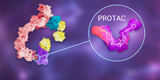
PROTAC, which exploit the ubiquitin-proteasome pathway to specifically degrade target proteins. PROTACs not only solve the problem of undruggability but they also have other advantages compared to traditional drug targeting strategies.
Scientific Reviews
PROTAC, which exploit the ubiquitin-proteasome pathway to specifically degrade target proteins. PROTACs not only solve the problem of undruggability but they also have other advantages compared to traditional drug targeting strategies. -
 Scientific Reviews
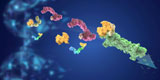
PROTAC — Target Selection and Design
Scientific Reviews
PROTAC — Target Selection and Design2022-07-08
A PROTAC molecule consists of three components: a target protein binding ligand, an E3 ligase ligand, and a linker connecting these two moieties. Here, we will discuss the conventional approaches for the rational design of PROTAC molecules. -
 Scientific Reviews
Organoids represent an important bridge between 2D cultures and in vivo mouse/human models. The organoid technology exerts enormous potential in evaluation of efficacy and toxicity of drugs, regenerative medicine, and precision medicine.In this article, we will briefly introduce organoid technology.
Scientific Reviews
Organoids represent an important bridge between 2D cultures and in vivo mouse/human models. The organoid technology exerts enormous potential in evaluation of efficacy and toxicity of drugs, regenerative medicine, and precision medicine.In this article, we will briefly introduce organoid technology. -
 Scientific Reviews
Development of Intestinal Organoid
Scientific Reviews
Development of Intestinal Organoid2022-07-28
3D organoid is one of the revolutionary developments in biomedical field during the past 10 years. The establishment of intestinal organoids is an important milestone in the development of organoid technology. -
 Scientific Reviews
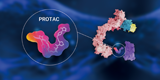
BacPROTACs is composed of a POI ligand, a chemical linker and a ClpCNTD anchor. BacPROTACs can induce in vitro and in vivo degradation of non-eukaryotic proteins in bacteria without the ubiquitin proteasome system.
Scientific Reviews
BacPROTACs is composed of a POI ligand, a chemical linker and a ClpCNTD anchor. BacPROTACs can induce in vitro and in vivo degradation of non-eukaryotic proteins in bacteria without the ubiquitin proteasome system. -
 Scientific Reviews
RNA therapeutics have changed the landscape of drug development, which possess broader spectrum of drug targets, simplicity and efficiency in development and manufacturing.In this article, we will discuss the underlying mechanisms of RNA-based drugs on the market or in clinical stages.
Scientific Reviews
RNA therapeutics have changed the landscape of drug development, which possess broader spectrum of drug targets, simplicity and efficiency in development and manufacturing.In this article, we will discuss the underlying mechanisms of RNA-based drugs on the market or in clinical stages. -
 Scientific Reviews
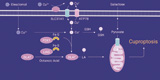
Tsvetkov et al. published in Science and demonstrated a copper-induced programmed cell death — Cuproptosis. As a novel programmed cell death, excess copper triggers abnormal aggregation of lipoylated proteins in TCA cycle and clearance of Fe-S cluster proteins, ultimately leading to cell death.
Scientific Reviews
Tsvetkov et al. published in Science and demonstrated a copper-induced programmed cell death — Cuproptosis. As a novel programmed cell death, excess copper triggers abnormal aggregation of lipoylated proteins in TCA cycle and clearance of Fe-S cluster proteins, ultimately leading to cell death. -
 Scientific Reviews
A comprehensive explanation of ferroptosis
Scientific Reviews
A comprehensive explanation of ferroptosis2022-09-15
Ferroptosis is a new type of RCD that depends on iron and characterized by the accumulation of lipid peroxides. In this article, we will pay our attention on ferroptosis and briefly discusses its mechanism. -
 Scientific Reviews
It's has been proved that p53, as a tumor suppressor gene and immune guardian, may become a destroyer through its own mutation. Moreover, the mechanism of p53 was found to be related to ferroptosis. This article mainly explores the mechanism between p53 and ferroptosis in detail.
Scientific Reviews
It's has been proved that p53, as a tumor suppressor gene and immune guardian, may become a destroyer through its own mutation. Moreover, the mechanism of p53 was found to be related to ferroptosis. This article mainly explores the mechanism between p53 and ferroptosis in detail. -
Scientific Reviews
Organoids have great potential in research of organ development, disease modeling, drug screening and, precision and regenerative medicin. In this article, we will expalin the origin of the organoids. Adult stem cells (ASCs) or pluripotent stem cells (PSCs) , which is the better choice.
-
 Scientific Reviews
Autophagy, derived from the Greek meaning "eating of self", plays an indispensable role in maintaining homeostasis. p27 is an inhibitor of cyclin CDKs, but how p27 regulates autophagy remains unknown. This article will cover the mechanism of autophagy and p27-related cell cycle regulation.
Scientific Reviews
Autophagy, derived from the Greek meaning "eating of self", plays an indispensable role in maintaining homeostasis. p27 is an inhibitor of cyclin CDKs, but how p27 regulates autophagy remains unknown. This article will cover the mechanism of autophagy and p27-related cell cycle regulation. -
 Scientific Reviews
AlphaFold2 can predict disease-related protein structures at low cost, and then find potential drugs for these diseases through drug repositioning, virtual screening, and other methods. ZINC is a public database summarizing information about billions of compounds. AlphaFold2 + ZINC20 speeds up the virtual screening process and improves the computing speed.
Scientific Reviews
AlphaFold2 can predict disease-related protein structures at low cost, and then find potential drugs for these diseases through drug repositioning, virtual screening, and other methods. ZINC is a public database summarizing information about billions of compounds. AlphaFold2 + ZINC20 speeds up the virtual screening process and improves the computing speed. -
 Scientific Reviews
CMA (chaperone-mediated autophagy) plays an essential role in maintaining neuronal protein stability and preventing neurodegeneration. In this article, we will comprehensively clarify the role of CMA in the occurrence and development of neurodegenerative diseases.
Scientific Reviews
CMA (chaperone-mediated autophagy) plays an essential role in maintaining neuronal protein stability and preventing neurodegeneration. In this article, we will comprehensively clarify the role of CMA in the occurrence and development of neurodegenerative diseases. -
 Scientific Reviews
TME (Tumor microenvironment) is considered as a complex integrated system, composed of cellular components such as tumor cells and immune cells, as well as non-cellular components such as ECM and cytokines. According to the spatial distribution of immune cells in TME, "hot" and "cold" TME will be explained in this article.
Scientific Reviews
TME (Tumor microenvironment) is considered as a complex integrated system, composed of cellular components such as tumor cells and immune cells, as well as non-cellular components such as ECM and cytokines. According to the spatial distribution of immune cells in TME, "hot" and "cold" TME will be explained in this article. -
 Scientific Reviews
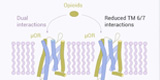
As powerful pain relievers, the opioids morphine and fentanyl have been "checked" by their side effects (listed as controlled substances). How to reduce its side effects? What is its mechanism? This research will explore its mechanism.
Scientific Reviews
As powerful pain relievers, the opioids morphine and fentanyl have been "checked" by their side effects (listed as controlled substances). How to reduce its side effects? What is its mechanism? This research will explore its mechanism. -
 Scientific Reviews
Efferocytosis is the process in which phagocytes remove programmed dead cells. It prevents secondary necrosis of dying cells from releasing harmful cell contents (such as oxides and proteases) that may cause inflammation. Here, we will introduce three stages of efferocytosis: Find, Eat, Digest.
Scientific Reviews
Efferocytosis is the process in which phagocytes remove programmed dead cells. It prevents secondary necrosis of dying cells from releasing harmful cell contents (such as oxides and proteases) that may cause inflammation. Here, we will introduce three stages of efferocytosis: Find, Eat, Digest. -
 Scientific Reviews
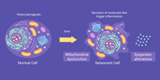
Understanding the mechanism of aging not only has guiding significance for prolonging human life but also has important clinical significance for the prevention and treatment of diseases in the elderly population , thus, improving their life quality and well-being.
Scientific Reviews
Understanding the mechanism of aging not only has guiding significance for prolonging human life but also has important clinical significance for the prevention and treatment of diseases in the elderly population , thus, improving their life quality and well-being. -
 Scientific Reviews
Mammalian cells can also photosynthesize like plants! Photosynthesis can improve cell anabolism and exhibit good clinical effect in degenerative diseases (osteoarthritis).
Scientific Reviews
Mammalian cells can also photosynthesize like plants! Photosynthesis can improve cell anabolism and exhibit good clinical effect in degenerative diseases (osteoarthritis). -
 Scientific Reviews
The latest study of Cell magazine "Neural mechanism underlying depressive-like state associated with social status loss" considers social factors as a breakthrough point. It has been found that the downward transition of social status induces depression-like behavior in mice whereas improves the depressive state by restoring their social environment.
Scientific Reviews
The latest study of Cell magazine "Neural mechanism underlying depressive-like state associated with social status loss" considers social factors as a breakthrough point. It has been found that the downward transition of social status induces depression-like behavior in mice whereas improves the depressive state by restoring their social environment. -
 Scientific Reviews
PROTAC - Design Strategy for Targeting
Scientific Reviews
PROTAC - Design Strategy for Targeting2023-04-23
Protein degradation targeting chimera (PROTAC) is a technology that uses the ubiquitin proteasome pathway to silent target protein. However, PROTAC still has problems such as solubility, membrane permeability, and selectivity. In this article, we have summarized three strategies for optimization: light-controlled linker, PAC molecule, and specific E3 ligase. -
 Scientific Reviews
Necroptosis, also known as necroptosis, is a form of regulated necrotizing cell death mediated by RIP1 and RIP3 kinases. Necroptosis is a process that prevents the self-destruction of activated cells that are blocked by apoptosis. Necroptosis plays a tumor suppressor role in most cases. It may provide benefits in the researches of a variety of human diseases involving immune inflammation and cell death.
Scientific Reviews
Necroptosis, also known as necroptosis, is a form of regulated necrotizing cell death mediated by RIP1 and RIP3 kinases. Necroptosis is a process that prevents the self-destruction of activated cells that are blocked by apoptosis. Necroptosis plays a tumor suppressor role in most cases. It may provide benefits in the researches of a variety of human diseases involving immune inflammation and cell death. -
 Scientific Reviews
Stem cell classification and its application
Scientific Reviews
Stem cell classification and its application2023-05-18
Stem cells (SCs) have the unique ability to self-renew and differentiate into different cell types. SCs can differentiate into various types of tissue cells under specific conditions. Additionally, they can be further cultured to form different tissues and organs in the human body. Stem cells have numerous applications in various fields, including cell therapy, organ transplantation, neurodegenerative disease modeling, and drug screening. -
 Scientific Reviews
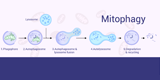
Mitophagy:Mechanisms and Detection
Scientific Reviews
Mitophagy:Mechanisms and Detection2023-05-25
About 60 years ago, Christian de Duve first used the term "autophagy" to describe his observation of the degradation of mitochondria and other intracellular structures in lysosomes of rat liver. Over the years, autophagy has remained a beloved topic of research by the National Natural Science Foundation of China (NSFC).Today, let's talk about mitochondrial autophagy. -
 Scientific Reviews
Structure of Lipid Droplets
Scientific Reviews
Structure of Lipid Droplets2023-06-15
Huh? Lipid droplets? Organelles? In the past, biological data usually only show the traditional organelles, such as mitochondria, Golgi apparatus, endoplasmic reticulum, etc., lipid droplets are often not mentioned by people. Today, we will make a systematic explanation of lipid droplets, so that everyone has a clear understanding! -
 Scientific Reviews
HLA-E, A Novel Immune Checkpoint
Scientific Reviews
HLA-E, A Novel Immune Checkpoint2023-06-29
Immune checkpoints have immunosuppressive functions. It can be used in the research of tumor immunotherapy. In this article, we introduce a new paper entitled "Immune checkpoint HLA-E: CD94 - NKG2Amediates evasion of circulating tumor cells from NK cell surveillance "research paper. -
 Scientific Reviews
How to Perform Western Blot?
Scientific Reviews
How to Perform Western Blot?2023-07-13
Western blot is one of the most frequently performed experiments in molecular biology, biochemistry and immunology. This article describes in detail how to do WB. -
 Scientific Reviews
Organoid Culture: Questions & Answers
Scientific Reviews
Organoid Culture: Questions & Answers2023-07-26
In the last issue, we conducted a live lecture on the theme of organoid culture. Today, we have a special topic to solve your doubts in the last live class! -
 Scientific Reviews
WHO's Q2 drug list has been updated. Let's take you through the list of the most noteworthy small molecule drugs that we should pay attention to.
Scientific Reviews
WHO's Q2 drug list has been updated. Let's take you through the list of the most noteworthy small molecule drugs that we should pay attention to. -
 Scientific Reviews
FDA Approved Drug List!
Scientific Reviews
FDA Approved Drug List!2023-09-14
In the first half of 2023 (as of June 27), the FDA approved 26 new drugs, let's take you learn about it through the article. -
 Scientific Reviews
IHC is an indispensable technique for studying tissue morphology and in situ antigen expression, but usually only one or two antigens in tissues can be stained for analysis. It cannot judge the results more intuitively. Today, Little M will introduce you to the upgraded version mlHC.
Scientific Reviews
IHC is an indispensable technique for studying tissue morphology and in situ antigen expression, but usually only one or two antigens in tissues can be stained for analysis. It cannot judge the results more intuitively. Today, Little M will introduce you to the upgraded version mlHC. -
 Scientific Reviews
FDA Annual Review | Record-breaking number of new drug approvals in 2023!
Scientific Reviews
FDA Annual Review | Record-breaking number of new drug approvals in 2023! -
 Scientific Reviews
Are frozen cells always damaged? Is the survival rate of revived cells low? When is it appropriate to freeze cells? What should be considered when reviving them? Today, we're sharing a guide to avoid pitfalls in cell freezing and revival!
Scientific Reviews
Are frozen cells always damaged? Is the survival rate of revived cells low? When is it appropriate to freeze cells? What should be considered when reviving them? Today, we're sharing a guide to avoid pitfalls in cell freezing and revival! -
 Scientific Reviews
Katalin Karikó and Drew Weissman were awarded the Nobel Prize in Physiology or Medicine in 2023 for their groundbreaking work in nucleoside modification, which paved the way for the creation of successful mRNA vaccines to fight against COVID-19. Let's now delve into the complete process of mRNA vaccine development.
Scientific Reviews
Katalin Karikó and Drew Weissman were awarded the Nobel Prize in Physiology or Medicine in 2023 for their groundbreaking work in nucleoside modification, which paved the way for the creation of successful mRNA vaccines to fight against COVID-19. Let's now delve into the complete process of mRNA vaccine development. -
 Scientific Reviews
SPR, which stands for Surface Plasmon Resonance, essentially works by detecting the interaction between ligands and analytes on a biosensor chip. This in turn allows us to probe the properties and structure of substances. With this technology, we can analyze molecules, proteins, DNA, and various organic and inorganic substances in samples in real-time with precision.
Scientific Reviews
SPR, which stands for Surface Plasmon Resonance, essentially works by detecting the interaction between ligands and analytes on a biosensor chip. This in turn allows us to probe the properties and structure of substances. With this technology, we can analyze molecules, proteins, DNA, and various organic and inorganic substances in samples in real-time with precision. -
 Scientific Reviews
Science | A "new" mechanism for non-ubiquitinated Midnolin-proteasomal degradation pathway
Scientific Reviews
Science | A "new" mechanism for non-ubiquitinated Midnolin-proteasomal degradation pathway2024-04-26
“ubiquitin-mediated protein degradation” won the Nobel Prize in Chemistry in 2004! In fact, proteasomes degrade not only ubiquitinated proteins but also non-ubiquitinated ones. The mechanism remains shrouded in mystery. After reading this piece today, you might have a lightbulb moment! -
 Scientific Reviews
Common Questions and Solutions for WB
Scientific Reviews
Common Questions and Solutions for WB2024-05-09
Come to understand the common problems and solutions of WB, and better complete the experiment! -
 Scientific Reviews
Still struggling to find the preparation methods for various solutions? Save your time! Here comes a nanny-level tutorial!
Scientific Reviews
Still struggling to find the preparation methods for various solutions? Save your time! Here comes a nanny-level tutorial! -
 Scientific Reviews
STZ Induced Diabetes Models
Scientific Reviews
STZ Induced Diabetes Models2024-06-13
Spotlight: How can STZ Help Diabetes Research? -
 Scientific Reviews
Exosomes, which won the Nobel Prize in 2013, are still a research hotspot in the national natural sciences, and their popularity has only increased over the past decade (in 2022, they still rank 5th in the national natural sciences hotspots!). Why have exosomes become the darling of scientific research? Let's take a look together~
Scientific Reviews
Exosomes, which won the Nobel Prize in 2013, are still a research hotspot in the national natural sciences, and their popularity has only increased over the past decade (in 2022, they still rank 5th in the national natural sciences hotspots!). Why have exosomes become the darling of scientific research? Let's take a look together~ -
 Scientific Reviews
Degrade target proteins through the autophagy-lysosome pathway including LYTAC, AUTAC, and ATTEC have gained increasing attention in recent years due to their significant research potential!
Scientific Reviews
Degrade target proteins through the autophagy-lysosome pathway including LYTAC, AUTAC, and ATTEC have gained increasing attention in recent years due to their significant research potential! -
 Scientific Reviews
Antibodies!
Scientific Reviews
Antibodies!2024-07-26
Today, We introduce antibodies for everyone! -
 Scientific Reviews
Streptavidin-Biotin System
Scientific Reviews
Streptavidin-Biotin System2024-08-03
Streptavidin strongly binding small molecule biotin is one of the most popular non-covalent coupling methods. Streptavidin can be coupled to various carriers such as magnetic beads and agarose matrix, and become a highly specific affinity medium to capture various biotin-labeled ligands. -
 Scientific Reviews
Science’s 2023 Breakthrough: GLP-1R Agonists
Scientific Reviews
Science’s 2023 Breakthrough: GLP-1R Agonists2024-08-13
GLP-1RAs, which achieved great success in 2023 and draws people’s attention back to obesity treatments and GLP-1 therapies worldwide, was chosen as the breakthrough of year 2023 by Science [2]. -
 Scientific Reviews
Cuproptosis, How much do you know?
Scientific Reviews
Cuproptosis, How much do you know?2024-08-22
Cells die in a variety of ways, including apoptosis, pyroptosis, necrosis, and ferroptosis......And, of course, cuproptosis. So, how much do you know about cuproptosis? -
 Scientific Reviews
Recently, Mol Cell reported the discovery of the first ferroptosis marker, Hyperoxidized PRDX3! Let’s take a look together~
Scientific Reviews
Recently, Mol Cell reported the discovery of the first ferroptosis marker, Hyperoxidized PRDX3! Let’s take a look together~ -
 Scientific Reviews
Cuproptosis's Knowledge Points!
Scientific Reviews
Cuproptosis's Knowledge Points!2024-09-25
With the establishment of the cuproptosis mechanism related research has attracted more and more attention from major journals. Expect to use the sharp sword of cuproptosis to stab the tumor cells. -
 Scientific Reviews
How they used PKH 26 for cellular studies?
Scientific Reviews
How they used PKH 26 for cellular studies?2024-10-21
We are thrilled to highlight our client study using PKH 26 (MedChemExpress) , a red fluorescent dye that has proven invaluable for in vitro cell labeling and tracing. This innovative research, published in the Journal of Nanobiotechnology. -
Scientific Reviews
Delve into the intricate networks that govern mitochondrial quality control. By examining key mechanisms such as biogenesis, mitochondrial dynamics (fission and fusion), proteolysis, and mitophagy. -
 Scientific Reviews
A New Form of Cell Death: PANoptosis!
Scientific Reviews
A New Form of Cell Death: PANoptosis! -
 Scientific Reviews
Unlocking the Power of Intermittent Fasting: The 16+8 Method
Scientific Reviews
Unlocking the Power of Intermittent Fasting: The 16+8 Method -
 Scientific Reviews
Advancing Chronic Kidney Disease Research with GJ103 and Lamin B1 Antibody!
Scientific Reviews
Advancing Chronic Kidney Disease Research with GJ103 and Lamin B1 Antibody! -
 Scientific Reviews
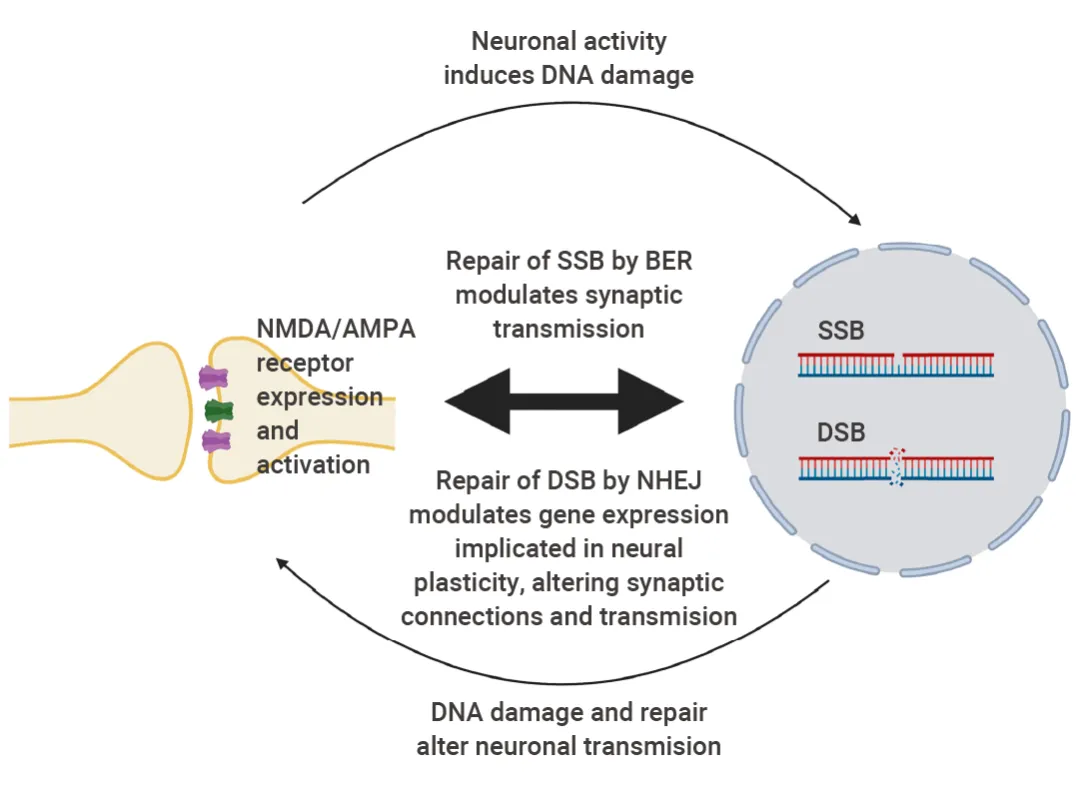
When you hear "inflammation" and "DNA damage," you might immediately think of disease or injury. However, in brains, these two processes are key steps in forming long-term memories, particularly related to specialized cells in our brain called hippocampal neurons.
Scientific Reviews
When you hear "inflammation" and "DNA damage," you might immediately think of disease or injury. However, in brains, these two processes are key steps in forming long-term memories, particularly related to specialized cells in our brain called hippocampal neurons. -
 Scientific Reviews
Autophagy is a fundamental process that degrades various components within the cell.
Scientific Reviews
Autophagy is a fundamental process that degrades various components within the cell. -
 Scientific Reviews
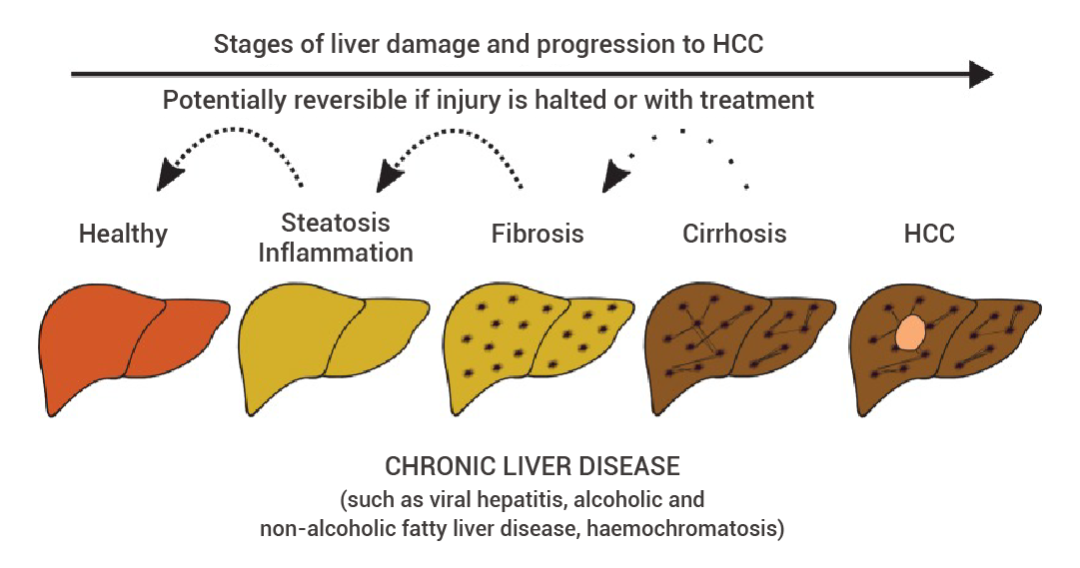
This article will tell you about the common methods of modeling liver disease in animal models.
Scientific Reviews
This article will tell you about the common methods of modeling liver disease in animal models. -
.jpg) Scientific Reviews
nside cells, the homeostasis and degradation of proteins is a precisely regulated process. If proteins cannot be degraded in time, it may lead to the occurrence of various diseases such as neurodegenerative diseases and cancer. This article will tell you the process of how proteins are recognized, labeled and then degraded!
Scientific Reviews
nside cells, the homeostasis and degradation of proteins is a precisely regulated process. If proteins cannot be degraded in time, it may lead to the occurrence of various diseases such as neurodegenerative diseases and cancer. This article will tell you the process of how proteins are recognized, labeled and then degraded! -
 Scientific Reviews
This article introduces some common cardiovascular disease models, inducers, modeling protocols and successful modeling cases in the research.
Scientific Reviews
This article introduces some common cardiovascular disease models, inducers, modeling protocols and successful modeling cases in the research. -
 Scientific Reviews
Do you feel confused when you start culturing cells? This article will show you the basic methods and steps of cell culture!
Scientific Reviews
Do you feel confused when you start culturing cells? This article will show you the basic methods and steps of cell culture! -
 Scientific Reviews
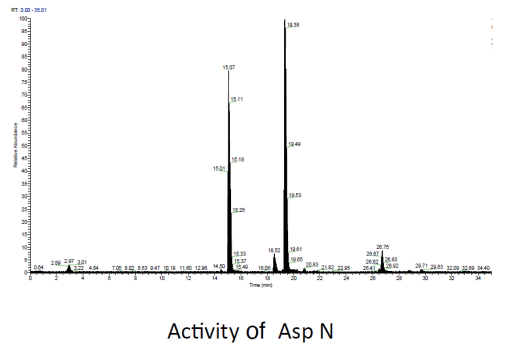
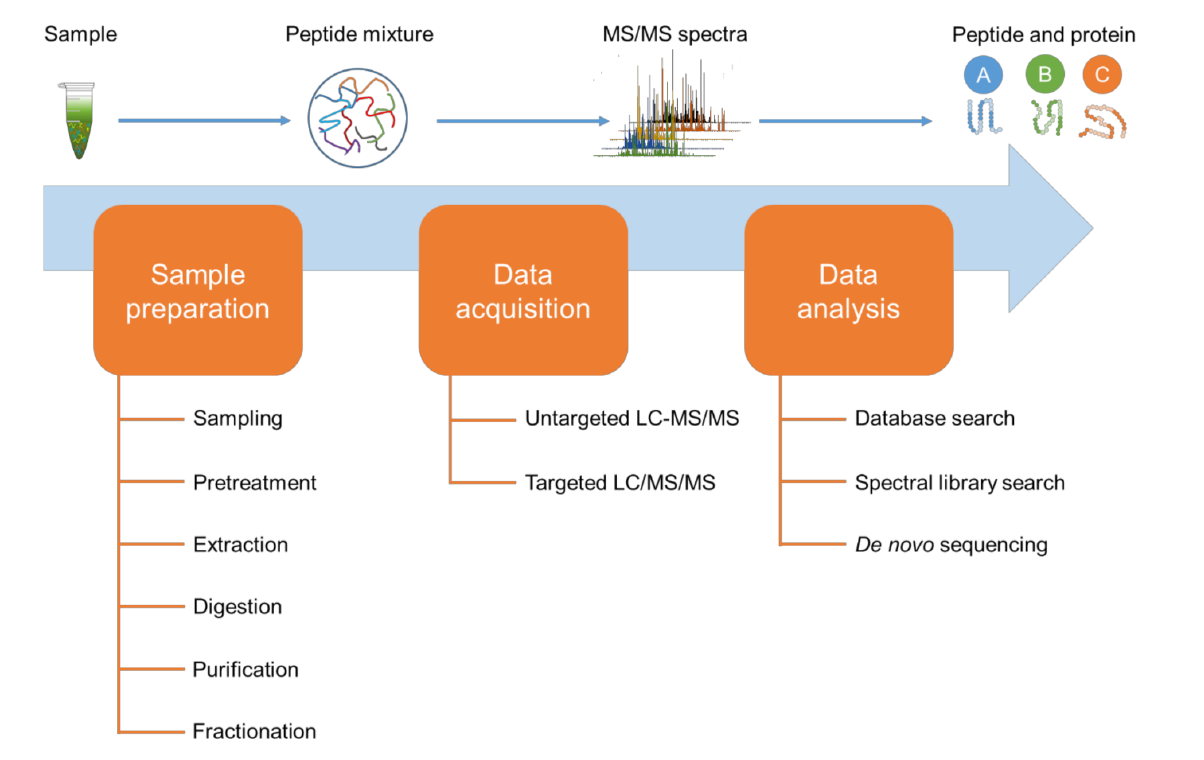
As a pivotal branch in the post - genomic era, proteomics is committed to comprehensively elucidating the types, abundances, structures, functions, and interactions of all proteins within living organisms. This article will tell you the key steps of proteomics sample preparation based on mass spectrometry. This article will tell you the key steps of proteomics sample preparation based on mass spectrometry.
Scientific Reviews
As a pivotal branch in the post - genomic era, proteomics is committed to comprehensively elucidating the types, abundances, structures, functions, and interactions of all proteins within living organisms. This article will tell you the key steps of proteomics sample preparation based on mass spectrometry. This article will tell you the key steps of proteomics sample preparation based on mass spectrometry. -
 Scientific Reviews
Western blotting is a crucial and fundamental technique in life science research. It plays a significant role in exploring protein expression and function. The following article will comprehensively and thoroughly elaborate on the specific procedures and detailed key points of this experiment.
Scientific Reviews
Western blotting is a crucial and fundamental technique in life science research. It plays a significant role in exploring protein expression and function. The following article will comprehensively and thoroughly elaborate on the specific procedures and detailed key points of this experiment. -
 Scientific Reviews
In this issue, we will conduct an in-depth interpretation from the dimensions of nanoparticle design, mechanism of action, in vivo and in vitro efficacy, and immune regulation, revealing how this research brings new hope for the treatment of invasive tumors through interdisciplinary innovation!
Scientific Reviews
In this issue, we will conduct an in-depth interpretation from the dimensions of nanoparticle design, mechanism of action, in vivo and in vitro efficacy, and immune regulation, revealing how this research brings new hope for the treatment of invasive tumors through interdisciplinary innovation! -
 Scientific Reviews
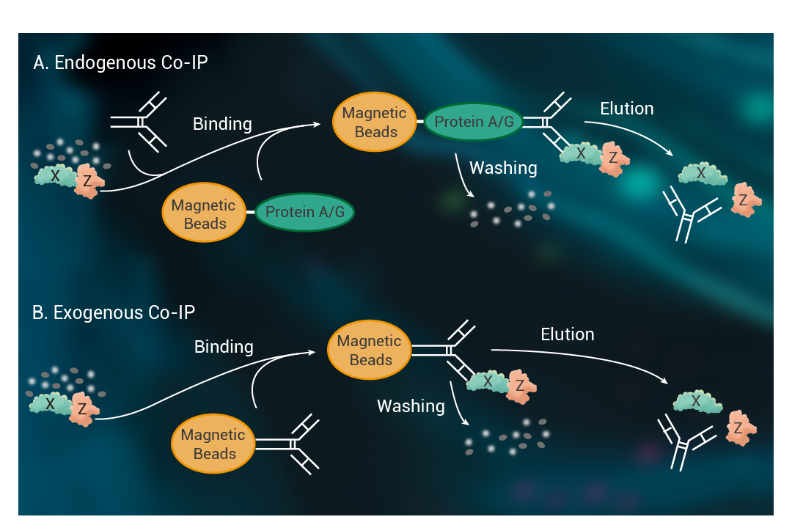
In protein biology, Co-IP is a powerful tool to uncover protein "social networks." But poorly performed, it easily becomes an awkward lab "meet-and-greet." Today, we discuss making Co-IP experiments elegant and efficient—so you pull down target proteins with confidence and precision.
Scientific Reviews
In protein biology, Co-IP is a powerful tool to uncover protein "social networks." But poorly performed, it easily becomes an awkward lab "meet-and-greet." Today, we discuss making Co-IP experiments elegant and efficient—so you pull down target proteins with confidence and precision. -
 Scientific Reviews
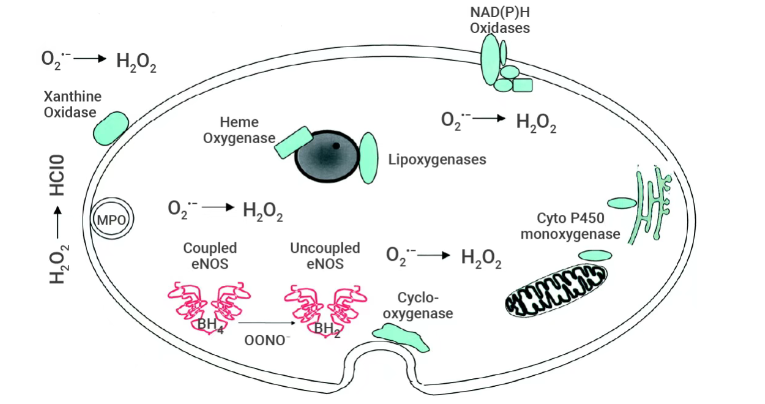
The article introduces the mechanisms of ROS generation and the methods for their detection.
Scientific Reviews
The article introduces the mechanisms of ROS generation and the methods for their detection. -
 Scientific Reviews
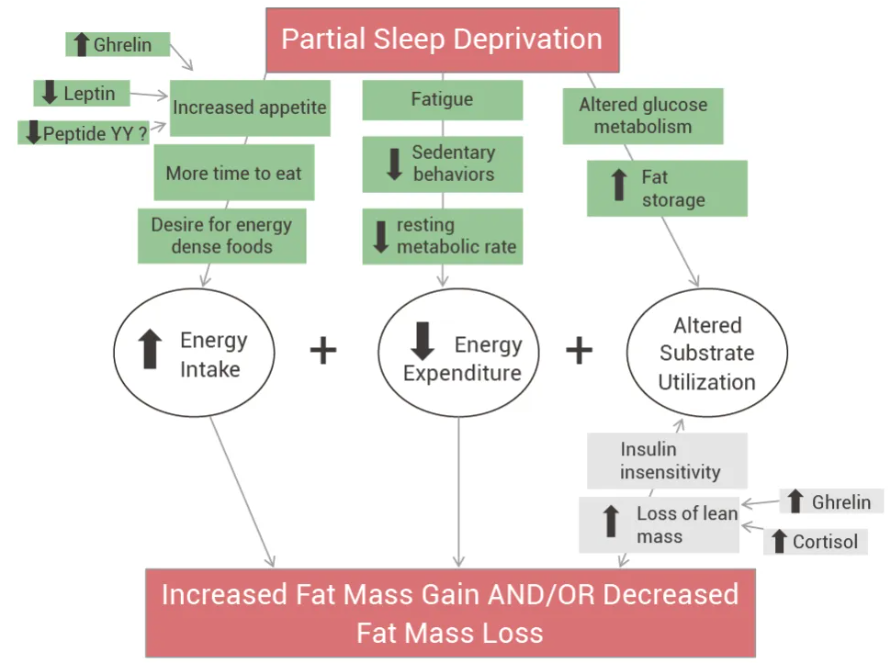
Have you ever noticed that after staying up late, your appetite—especially for high-calorie foods—gets out of control? If this sounds familiar, today’s article might offer some good news.
Scientific Reviews
Have you ever noticed that after staying up late, your appetite—especially for high-calorie foods—gets out of control? If this sounds familiar, today’s article might offer some good news. -
 Scientific Reviews
Generating Stable Cell Lines with Lentivirus
Scientific Reviews
Generating Stable Cell Lines with Lentivirus2025-09-16
A step-by-step protocol of establishing stable cell lines using lentivirus -
 Scientific Reviews
A groundbreaking study in Nature Communications reveals the key mechanism behind Idiopathic Pulmonary Fibrosis and identifies an existing drug with the potential to counter it.
Scientific Reviews
A groundbreaking study in Nature Communications reveals the key mechanism behind Idiopathic Pulmonary Fibrosis and identifies an existing drug with the potential to counter it. -
 Scientific Reviews
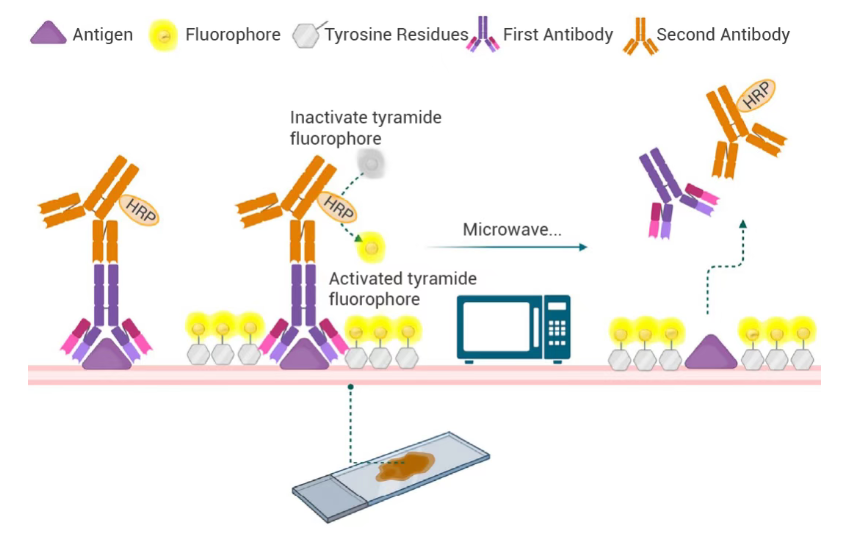
This detailed guide outlines the standardized experimental protocols for multiplex immunohistochemistry (mIHC), systematically summarizes common technical issues encountered during sample preparation, staining and imaging processes, and provides practical troubleshooting solutions to ensure reliable and reproducible results in biomedical research and clinical sample analysis.
Scientific Reviews
This detailed guide outlines the standardized experimental protocols for multiplex immunohistochemistry (mIHC), systematically summarizes common technical issues encountered during sample preparation, staining and imaging processes, and provides practical troubleshooting solutions to ensure reliable and reproducible results in biomedical research and clinical sample analysis. -
 Scientific Reviews
Finding adipogenic induction media too expensive and tricky to prepare? This comprehensive guide to 3T3-L1 adipogenic differentiation simplifies the process, helping you achieve great results!
Scientific Reviews
Finding adipogenic induction media too expensive and tricky to prepare? This comprehensive guide to 3T3-L1 adipogenic differentiation simplifies the process, helping you achieve great results! -
Scientific Reviews
For all the protein research folks out there, techniques like IP and Co-IP are no stranger, right? And of course, there's a faster and more convenient go-to tool—Protein A/G magnetic beads! In this article, let's chat about how these beads work their magic in classic experiments like IP and Co-IP. -
Scientific Reviews
Microglia– the only immune cells within the brain parenchyma. With advancements in imaging technologies, people’s understanding of microglia has shifted from being viewed as 'resting' cells to 'highly active' cells, particularly due to their dynamic processes that seem to be probing surrounding tissues and monitoring neuronal activity. This has made microglia a focal point of research in the field of neuroscience. -
 Scientific Reviews
Exosomes—natural nanoscale carriers—are revolutionizing targeted therapy. This article uncovers the science behind their precision in drug delivery.
Scientific Reviews
Exosomes—natural nanoscale carriers—are revolutionizing targeted therapy. This article uncovers the science behind their precision in drug delivery. -
Scientific Reviews
Cracking the PROTAC Permeability Barrier: CD36-Mediated Endocytosis as a Potential Breakthrough2025-12-03
This article provides an in-depth analysis of cutting-edge literature revealing CD36 as a key mediator of cellular uptake for PROTACs and bRO5 compounds. By structurally optimizing PROTAC molecules to enhance their affinity for CD36, membrane permeability can be markedly improved, leading to significantly enhanced antitumor efficacy. -
 Scientific Reviews
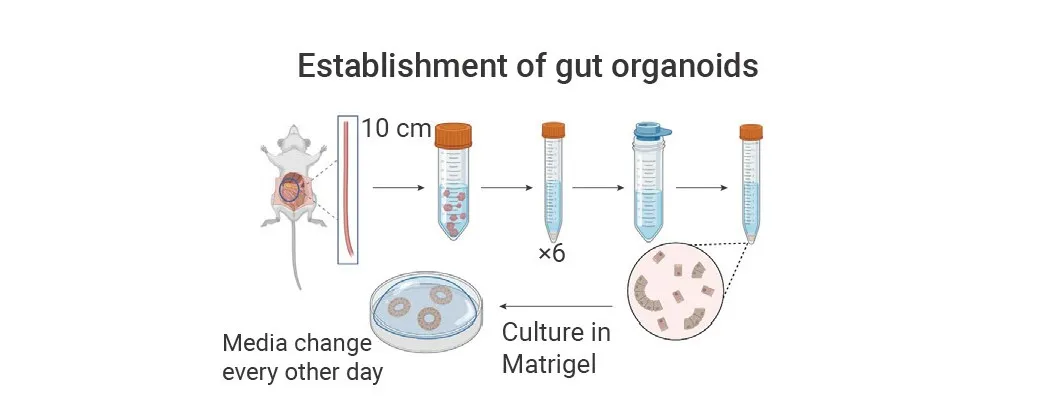
Efficient Generation of Mouse Small Intestinal Organoids: A Complete Experimental Protocol Guide
Scientific Reviews
Efficient Generation of Mouse Small Intestinal Organoids: A Complete Experimental Protocol Guide2025-12-10
How to successfully create mouse small intestine organoids? A detailed, hands-on guide to the entire process, all in one article! -
 Scientific Reviews
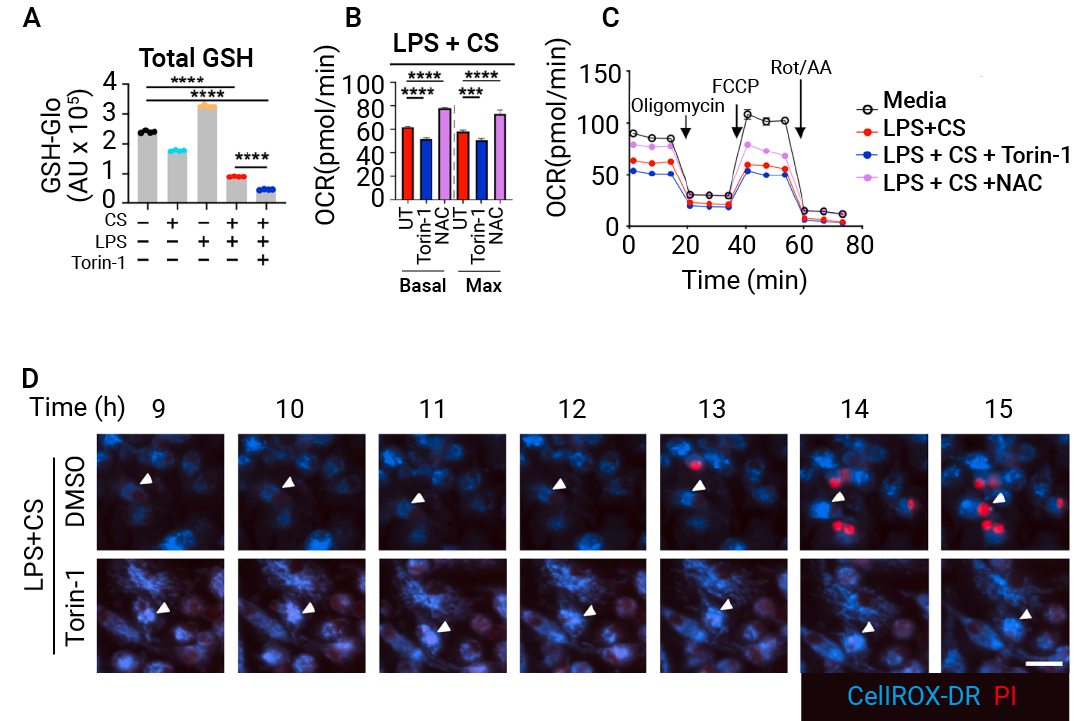
A November 2025 Cell study discovers Mitoxyperilysis, a new mTOR-regulated, caspase-independent cell death pathway driven by innate immune and metabolic dysregulation via mitochondrial-plasma membrane contact and oxidative damage, and verifies its potential to induce tumor necrosis for cancer therapy with key regulators including BAX, BAK1 and BID.
Scientific Reviews
A November 2025 Cell study discovers Mitoxyperilysis, a new mTOR-regulated, caspase-independent cell death pathway driven by innate immune and metabolic dysregulation via mitochondrial-plasma membrane contact and oxidative damage, and verifies its potential to induce tumor necrosis for cancer therapy with key regulators including BAX, BAK1 and BID. -
 Scientific Reviews
This paper elaborates on cytokines for culturing major immune cells, their regulatory roles, recombinant cytokines' merits and MCE’s related high-quality products.
Scientific Reviews
This paper elaborates on cytokines for culturing major immune cells, their regulatory roles, recombinant cytokines' merits and MCE’s related high-quality products. -
 Scientific Reviews
In the hunt for the next ‘GLP-1,’ amylin therapeutics, which have shown strong weight-loss results in clinical trials, have become a major focus for both multinational pharma and the scientific community.
Scientific Reviews
In the hunt for the next ‘GLP-1,’ amylin therapeutics, which have shown strong weight-loss results in clinical trials, have become a major focus for both multinational pharma and the scientific community. -
 Scientific Reviews
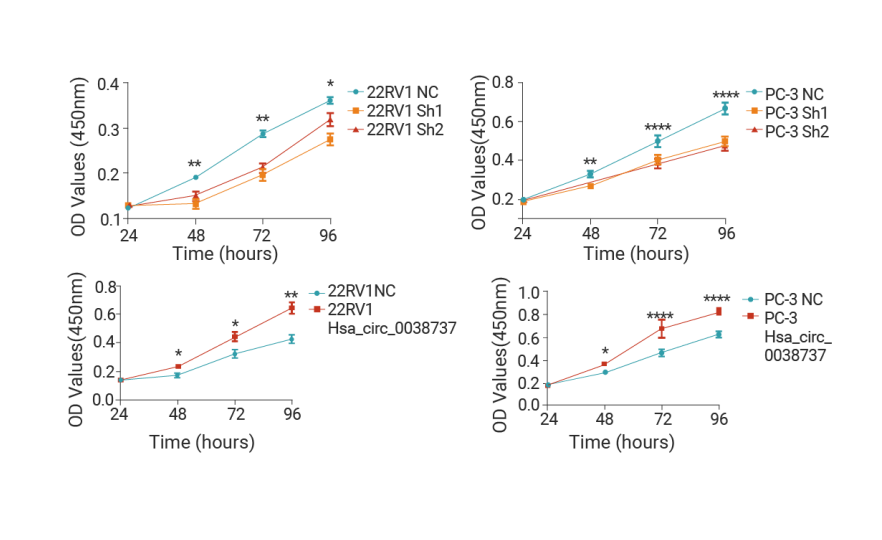
Essential for High-Impact Papers: Present Your CCK-8 Experimental Results in a More Outstanding Way!
Scientific Reviews
Essential for High-Impact Papers: Present Your CCK-8 Experimental Results in a More Outstanding Way!2026-03-18
CCK-8 is a widely used WST‑8‑based reagent for cell proliferation and cytotoxicity assays. It features high sensitivity, reliable results and easy operation, and is applicable to cell viability analysis, drug screening and growth inhibition testing. -
 Scientific Reviews
Molecular glue degraders have evolved from a serendipitous observation to one of the most dynamic and transformative fields in biomedical research.
Scientific Reviews
Molecular glue degraders have evolved from a serendipitous observation to one of the most dynamic and transformative fields in biomedical research. -
 Scientific Reviews
GLP-1 and Obesity Research
Scientific Reviews
GLP-1 and Obesity Research2026-08-14
Obesity substantially increases the risk of chronic diseases such as T2D and cardiovascular disease. The breakout success of GLP-1 therapies has spotlighted GLP-1R and a wave of emerging obesity targets. -
 EDM
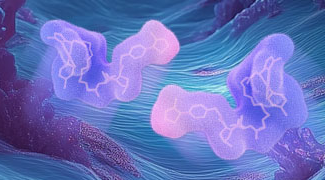
Targeting the ‘Undruggable’ with PROTACs
EDM
Targeting the ‘Undruggable’ with PROTACs2025-06-18
This review introduces the fundamental principles and mechanisms of PROTACs, highlights recent advances in molecular design and clinical development, and discusses emerging opportunities and remaining challenges in targeted protein degradation. -
 EDM
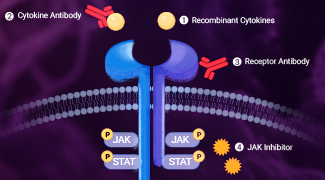
This review critically examines the role of the JAK-STAT pathway in immunity and autoimmune diseases, reviews current clinical applications of targeted therapies, and highlights emerging trends in autoimmune drug development.
EDM
This review critically examines the role of the JAK-STAT pathway in immunity and autoimmune diseases, reviews current clinical applications of targeted therapies, and highlights emerging trends in autoimmune drug development. -
 EDM
This review summarizes the mechanisms of DSS-induced colitis, commonly used modeling approaches, and key considerations related to DSS molecular weight.
EDM
This review summarizes the mechanisms of DSS-induced colitis, commonly used modeling approaches, and key considerations related to DSS molecular weight. -
 EDM
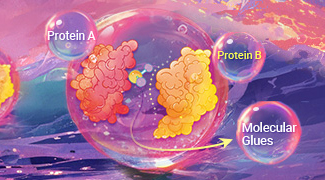
This review discusses recent progress in molecular glue technologies, illustrating how targeted protein degradation strategies enable the modulation of previously undruggable proteins.
EDM
This review discusses recent progress in molecular glue technologies, illustrating how targeted protein degradation strategies enable the modulation of previously undruggable proteins. -
 EDM
This review outlines macrophage functions and classification, and provides practical experimental guidelines for macrophage differentiation, polarization, and identification.
EDM
This review outlines macrophage functions and classification, and provides practical experimental guidelines for macrophage differentiation, polarization, and identification. -
 EDM
Explore lysosomal nutrient sensing, quality control, cellular adaptation, disease mechanisms, and emerging therapeutic approaches.
EDM
Explore lysosomal nutrient sensing, quality control, cellular adaptation, disease mechanisms, and emerging therapeutic approaches. -
 EDM
Review the mechanisms, mitochondrial regulation, disease relevance, and translational opportunities of the NLRP3–STING axis in neuroinflammation.
EDM
Review the mechanisms, mitochondrial regulation, disease relevance, and translational opportunities of the NLRP3–STING axis in neuroinflammation. -
 EDM
Explore the mechanisms driving immune tolerance breakdown in autoimmune diseases and emerging tolerance-restoring strategies, with a focus on IL-2-based immune modulation.
EDM
Explore the mechanisms driving immune tolerance breakdown in autoimmune diseases and emerging tolerance-restoring strategies, with a focus on IL-2-based immune modulation. -
 EDM
Review the evolution of molecular glues from serendipitous discovery to rational design, highlighting how emerging targets and advances in screening, proteomics, structural biology, and AI are expanding the druggable proteome.
EDM
Review the evolution of molecular glues from serendipitous discovery to rational design, highlighting how emerging targets and advances in screening, proteomics, structural biology, and AI are expanding the druggable proteome. -
 EDM
Explore how mitochondrial quality control, inflammatory signaling, and metabolic–epigenetic reprogramming regulate cellular senescence and the SASP, along with strategies to restore mitochondrial homeostasis.
EDM
Explore how mitochondrial quality control, inflammatory signaling, and metabolic–epigenetic reprogramming regulate cellular senescence and the SASP, along with strategies to restore mitochondrial homeostasis. -
 Blog
AZD5991, a macrocyclic molecule with high selectivity for Mcl-1, reduces Mcl-1 protein in AZD5991-sensitive but not in AZD5991-resistant MM cell lines.
Blog
AZD5991, a macrocyclic molecule with high selectivity for Mcl-1, reduces Mcl-1 protein in AZD5991-sensitive but not in AZD5991-resistant MM cell lines. -
 Blog
CF53 is a highly potent, selective and orally active inhibitor of BET protein, with anti-tumor activity in acute leukemia and breast cancer cell lines.
Blog
CF53 is a highly potent, selective and orally active inhibitor of BET protein, with anti-tumor activity in acute leukemia and breast cancer cell lines. -
 Blog
HJB97 is a BET PROTAC inhibitor with good anti-tumor activity, and effectively blocks the degradation of BRD2, BRD3, and BRD4 proteins induced by BETd-260.
Blog
HJB97 is a BET PROTAC inhibitor with good anti-tumor activity, and effectively blocks the degradation of BRD2, BRD3, and BRD4 proteins induced by BETd-260. -
 Blog
A Lead PROTAC BRD9 Chemical Degrader
Blog
A Lead PROTAC BRD9 Chemical Degrader2019-04-06
PROTAC BRD9 Degrader-1 is a lead PROTAC BRD9 chemical degrader and a selective probe useful for the study of BAF complex biology. -
 Blog
COH000 is an allosteric, covalent and irreversible inhibitor of SUMO-activating enzyme, with an IC50 of 0.2 μM for SUMOylation in vitro.
Blog
COH000 is an allosteric, covalent and irreversible inhibitor of SUMO-activating enzyme, with an IC50 of 0.2 μM for SUMOylation in vitro. -
 Blog
HS-1371 is a Small Molecule RIP3 Inhibitor
Blog
HS-1371 is a Small Molecule RIP3 Inhibitor2019-04-09
HS-1371 is a novel kinase inhibitor of RIP3-mediated necroptosis, showing an inhibitory effect on S227 auto-phosphorylation of RIP3 at the basal level. -
 Blog
PhiKan 083 is a carbazole derivative, which binds to the surface cavity and stabilizes Y220C (a p53 mutant), with a Kd of 167 μM.
Blog
PhiKan 083 is a carbazole derivative, which binds to the surface cavity and stabilizes Y220C (a p53 mutant), with a Kd of 167 μM. -
 Blog
IITZ-01 is a potent lysosomotropic autophagy inhibitor with single-agent antitumor activity, with an IC50 of 2.62 μM for PI3Kγ.
Blog
IITZ-01 is a potent lysosomotropic autophagy inhibitor with single-agent antitumor activity, with an IC50 of 2.62 μM for PI3Kγ. -
 Blog
PRN1008 is a Reversible Covalent and Oral Active Inhibitor of Bruton’s Tyrosine Kinase (BTK)
Blog
PRN1008 is a Reversible Covalent and Oral Active Inhibitor of Bruton’s Tyrosine Kinase (BTK)2019-04-18
PRN1008 is a selective, reversible covalent and oral active inhibitor of Bruton’s Tyrosine Kinase (BTK), with an IC50 of 1.3 nM. -
 Blog
Multiple Tyrosine Kinases Inhibitor TAS-115
Blog
Multiple Tyrosine Kinases Inhibitor TAS-1152019-04-19
TAS-115 is a potent VEGFR and c-Met/HGFR-targeted kinase inhibitor with IC50s of 30 and 32 nM for rVEGFR2 and rMET, respectively. -
 Blog
Y06036 is a potent and selective BET inhibitor for potential treatment of castration-resistant prostate cancer. With nanomolar inhibition.
Blog
Y06036 is a potent and selective BET inhibitor for potential treatment of castration-resistant prostate cancer. With nanomolar inhibition. -
 Blog
BTR-1 potently inhibits cell growth. It induces S phase arrest, affects DNA replication. Dose-dependently induces cytotoxicity in leukemic cell lines.
Blog
BTR-1 potently inhibits cell growth. It induces S phase arrest, affects DNA replication. Dose-dependently induces cytotoxicity in leukemic cell lines. -
 Blog
TAK-828F is a potent, selective and orally active retinoic acid receptor-related orphan receptor γt (RORγt) inverse agonist. TAK-828F inhibits IL-17A cytokine expression and reduces symptoms of autoimmune encephalomyelitis mice.
Blog
TAK-828F is a potent, selective and orally active retinoic acid receptor-related orphan receptor γt (RORγt) inverse agonist. TAK-828F inhibits IL-17A cytokine expression and reduces symptoms of autoimmune encephalomyelitis mice. -
 Blog
Y06137 is a potent and selective BET inhibitor, which binds to the BRD4(1) bromodomain with a Kd of 81 nM. Antitumor activity.
Blog
Y06137 is a potent and selective BET inhibitor, which binds to the BRD4(1) bromodomain with a Kd of 81 nM. Antitumor activity. -
 Blog
NRX-252262 is a β-catenin:β-TrCP interaction enhancer, and its cognate E3 ligase, SCFβ-TrCP, induces mutant β-catenin degradation, with an EC50 of 3.8 nM
Blog
NRX-252262 is a β-catenin:β-TrCP interaction enhancer, and its cognate E3 ligase, SCFβ-TrCP, induces mutant β-catenin degradation, with an EC50 of 3.8 nM -
 Blog
TAK-981 is a selective inhibitor of the SUMOylation enzymatic cascade, with potential immune-activating and antineoplastic activities
Blog
TAK-981 is a selective inhibitor of the SUMOylation enzymatic cascade, with potential immune-activating and antineoplastic activities -
 Blog
TD-428 is a Highly Specific BRD4 Degrader
Blog
TD-428 is a Highly Specific BRD4 Degrader2019-04-29
TD-428, a immunomodulatory drug analog, is a highly specific BRD4 degrader with a DC50 of 0.32 nM. TD-428 reduces c-Myc levels more efficiently than JQ1. -
 Blog
SLLN-15 is an oral activ enhancer of autophagy that activates cytostatic macroautophagy/autophagy in triple-negative breast cancer (TNBC).
Blog
SLLN-15 is an oral activ enhancer of autophagy that activates cytostatic macroautophagy/autophagy in triple-negative breast cancer (TNBC). -
 Blog
A1874 is a nutlin-based and BRD4-degrading PROTAC with a DC50 of 32 nM. Effective in inhibiting many cancer cell lines proliferation
Blog
A1874 is a nutlin-based and BRD4-degrading PROTAC with a DC50 of 32 nM. Effective in inhibiting many cancer cell lines proliferation -
 Blog
BSJ-03-123, a Degrader with Proteome-wide Selectivity for CDK6 (PROTAC). Induces a G1 cell-cycle arrest without a measurable increase in apoptosis.
Blog
BSJ-03-123, a Degrader with Proteome-wide Selectivity for CDK6 (PROTAC). Induces a G1 cell-cycle arrest without a measurable increase in apoptosis. -
 Blog
FT671 is a potent, non-covalent and selective USP7 inhibitor with an IC50 of 52 nM and binds to the USP7 catalytic domain with a Kd of 65 nM.
Blog
FT671 is a potent, non-covalent and selective USP7 inhibitor with an IC50 of 52 nM and binds to the USP7 catalytic domain with a Kd of 65 nM. -
 Blog
ZM223 is a non-sulfamide NEDD8 activating enzyme (NAE) inhibitor, with IC50 value of 100 nM in cells. ZM223 has potential to treat colon cancer.
Blog
ZM223 is a non-sulfamide NEDD8 activating enzyme (NAE) inhibitor, with IC50 value of 100 nM in cells. ZM223 has potential to treat colon cancer. -
 Blog
MS4077 is an anaplastic lymphoma kinase (ALK) PROTAC (degrader) with a Kd of 37 nM for binding affinity to ALK. Efficacy for breast cancer and lung cancer.
Blog
MS4077 is an anaplastic lymphoma kinase (ALK) PROTAC (degrader) with a Kd of 37 nM for binding affinity to ALK. Efficacy for breast cancer and lung cancer. -
 Blog
VL285, is a Potent VHL Ligand
Blog
VL285, is a Potent VHL Ligand2019-05-24
VL285 is a Potent VHL Ligand. -
 Blog
SNIPER(TACC3)-1 targets the TACC3 protein for degradation via the ubiquitin-proteasome pathway. SNIPER(TACC3)-1 induces cancer cell death.
Blog
SNIPER(TACC3)-1 targets the TACC3 protein for degradation via the ubiquitin-proteasome pathway. SNIPER(TACC3)-1 induces cancer cell death. -
 Blog
IWP-O1, a Highly Potent Porcupine Inhibitor, Functions by Preventing the Secretion of Wnt Proteins
Blog
IWP-O1, a Highly Potent Porcupine Inhibitor, Functions by Preventing the Secretion of Wnt Proteins2019-06-03
IWP-O1 is a Porcupine (Porcn) inhibitor, with an EC50 of 80 pM in L-Wnt-STF cells. IWP-O1 functions by preventing the secretion of Wnt proteins[ -
 Blog
GSK3145095 is a RIP1 kinase inhibitor with an IC50 of 6.3 nM. Potently blocks the TNF response and RIP1-dependent inflammatory cytokine MIP-1β production.
Blog
GSK3145095 is a RIP1 kinase inhibitor with an IC50 of 6.3 nM. Potently blocks the TNF response and RIP1-dependent inflammatory cytokine MIP-1β production. -
 Blog
SJFδ, a 10-atom Linker PROTAC, Degrades p38δ
Blog
SJFδ, a 10-atom Linker PROTAC, Degrades p38δ2019-06-11
SJFδ, a 10-atom Linker PROTAC, Degrades p38δ, degrades p38δwith strong capacity. SJFδ degrades p38δ with a DC50 of 46.17±9.85 nM and a Dmax of 99.41±3.31%. -
 Blog
JMS-17-2 is a CX3CR1 Antagonist
Blog
JMS-17-2 is a CX3CR1 Antagonist2019-06-12
JMS-17-2 is a potent and selective CX3CR1 antagonist with an IC50 of 0.32 nM. Has potential to treat cancers such as breast cancer. -
 Blog
Ralimetinib (LY2228820) is a selective and ATP-competitive inhibitor of p38 MAPK α/β, with IC50s of 5.3 and 3.2 nM, respectively. Anti-tumor activity.
Blog
Ralimetinib (LY2228820) is a selective and ATP-competitive inhibitor of p38 MAPK α/β, with IC50s of 5.3 and 3.2 nM, respectively. Anti-tumor activity. -
 Blog
BAY-11-7082 inhibits the proliferation and induces the apoptosis of U266 cells through inhibiting NF-κB pathway. BAY 11-7082 ameliorates experimental diabetic neuropathy by modulating neuroinflammation and improving antioxidant defence.
Blog
BAY-11-7082 inhibits the proliferation and induces the apoptosis of U266 cells through inhibiting NF-κB pathway. BAY 11-7082 ameliorates experimental diabetic neuropathy by modulating neuroinflammation and improving antioxidant defence. -
 Blog
S130, Targeting ATG4B, Inhibits Autophagy and Activates Apoptosis in Colorectal Colon Cancer
Blog
S130, Targeting ATG4B, Inhibits Autophagy and Activates Apoptosis in Colorectal Colon Cancer2019-06-19
S130 is a high affinity, selective inhibitor of ATG4B (a major cysteine protease) with an IC50 of 3.24 µM. S130 suppresses autophagy flux. -
 Blog
S18-000003 is a potent, selective and orally active inhibitor of retinoic acid receptor-related orphan receptor-gamma-t (RORγt). S18-000003 ameliorates psoriasis-like lesions in vivo. S18-000003 can be used for the research of skin inflammatory diseases.
Blog
S18-000003 is a potent, selective and orally active inhibitor of retinoic acid receptor-related orphan receptor-gamma-t (RORγt). S18-000003 ameliorates psoriasis-like lesions in vivo. S18-000003 can be used for the research of skin inflammatory diseases. -
 Blog
TAS4464 is a highly potent and selective inhibitor of NEDD8 activating enzyme (NAE), with an IC50 of 0.955 nM. TAS4464 shows antitumor activity.
Blog
TAS4464 is a highly potent and selective inhibitor of NEDD8 activating enzyme (NAE), with an IC50 of 0.955 nM. TAS4464 shows antitumor activity. -
 Blog
MRT67307, a dual IKKε/TBK1 inhibitor, inhibits ULK1 and ULK2 with IC50s of 45 and 38 nM, respectively. MRT67307 blocks mTOR-dependent autophagy.
Blog
MRT67307, a dual IKKε/TBK1 inhibitor, inhibits ULK1 and ULK2 with IC50s of 45 and 38 nM, respectively. MRT67307 blocks mTOR-dependent autophagy. -
 Blog
CCT020312, the G1/S checkpoint activator, is a selective EIF2AK3/PERK activator. CCT020312 elicits EIF2A phosphorylation in cells.
Blog
CCT020312, the G1/S checkpoint activator, is a selective EIF2AK3/PERK activator. CCT020312 elicits EIF2A phosphorylation in cells. -
 Blog
SBI-0206965 is a selective and cell permeable autophagy kinase ULK1 inhibitor with IC50s of 108 nM for ULK1 and 711 nM for the highly related kinase ULK2 .
Blog
SBI-0206965 is a selective and cell permeable autophagy kinase ULK1 inhibitor with IC50s of 108 nM for ULK1 and 711 nM for the highly related kinase ULK2 . -
 Blog
TPCA-1, a Direct Dual Inhibitor of STAT3 and NF-κB, Regresses Mutant EGFR-Associated NSCLC
Blog
TPCA-1, a Direct Dual Inhibitor of STAT3 and NF-κB, Regresses Mutant EGFR-Associated NSCLC2019-07-15
TPCA-1 is a potent and selective inhibitor of IKK-2 with IC50 of 17.9 nM. TPCA-1 is an effective inhibitor of STAT3 phosphorylation, DNA binding. -
 Blog
ERD-308 is a highly potent PROTAC degrader of ER for ER+ breast cancer treatment. ERD-308 induces >95% of ER degradation at concentrations as low as 5 nM.
Blog
ERD-308 is a highly potent PROTAC degrader of ER for ER+ breast cancer treatment. ERD-308 induces >95% of ER degradation at concentrations as low as 5 nM. -
 Blog
JG-98, an Hsp70 inhibitor, binds tightly to a conserved site on Hsp70 and disrupts the Hsp70-Bag3 interaction. JG-98 shows anti-cancer activities.
Blog
JG-98, an Hsp70 inhibitor, binds tightly to a conserved site on Hsp70 and disrupts the Hsp70-Bag3 interaction. JG-98 shows anti-cancer activities. -
 Blog
MZP-55 is a selective PROTAC degrader of BRD3/4, shows no obvious effect on BRD2. MZP-55 exhibits excellent activity in cancer research.
Blog
MZP-55 is a selective PROTAC degrader of BRD3/4, shows no obvious effect on BRD2. MZP-55 exhibits excellent activity in cancer research. -
 Blog
dBET6 is a potent PROTAC degrader of BET, shows high affinity to BRD4(1), and possess good efficacy in T cell acute lymphoblastic leukemia activity.
Blog
dBET6 is a potent PROTAC degrader of BET, shows high affinity to BRD4(1), and possess good efficacy in T cell acute lymphoblastic leukemia activity. -
 Blog
GSK2643943A is a Novel DUB Inhibitor
Blog
GSK2643943A is a Novel DUB Inhibitor2019-07-25
GSK2643943A is a novel deubiquitylating enzyme (DUB) inhibitor. GSK2643943A targets USP20/Ub-Rho and shows an IC50 of 160 nM. -
 Blog
MT-802 is a potent BTK degrader based on PROTAC technology, with a DC50 of 1 nM. MT-802 has potential to treat C481S mutant chronic lymphocytic leukemia.
Blog
MT-802 is a potent BTK degrader based on PROTAC technology, with a DC50 of 1 nM. MT-802 has potential to treat C481S mutant chronic lymphocytic leukemia. -
 Blog
CA-5f is a potent late-stage macroautophagy (autophagy) inhibitor via inhibiting autophagosome-lysosome fusion. CA-5f increases LC3B-II and SQSTM1 protein.
Blog
CA-5f is a potent late-stage macroautophagy (autophagy) inhibitor via inhibiting autophagosome-lysosome fusion. CA-5f increases LC3B-II and SQSTM1 protein. -
 Blog
ACBI1 is a PROTAC Degrader of BAF Complex
Blog
ACBI1 is a PROTAC Degrader of BAF Complex2019-08-07
ACBI1 is a potent PROTAC degrader of BAF ATPase subunits SMARCA2, SMARCA4 and PBRM1, with DC50s of 6 nM, 11 nM and 32 nM in MV-4-11 cells, respectively. -
 Blog
dMCL1-2 is a potent and selective degrader of myeloid cell leukemia 1 (MCL1) based on PROTAC, which binds to MCL1 with a KD of 30 nM.
Blog
dMCL1-2 is a potent and selective degrader of myeloid cell leukemia 1 (MCL1) based on PROTAC, which binds to MCL1 with a KD of 30 nM. -
 Blog
CP-10 is a Specific PROTAC Degrader of CDK6
Blog
CP-10 is a Specific PROTAC Degrader of CDK62019-08-25
CP-10 is a PROTAC with highly selective, specific, and remarkable CDK6 degradation (DC50=2.1 nM), which has anti-cancer activity. -
 Blog
ARV-825 is a PROTAC, and acts as a potent BRD4 degrader, with Kds of 90 and 28 nM for BRD4 BD1 and BRD4 BD2, respectively.
Blog
ARV-825 is a PROTAC, and acts as a potent BRD4 degrader, with Kds of 90 and 28 nM for BRD4 BD1 and BRD4 BD2, respectively. -
 Blog
GMB-475 is a PROTAC BCR-ABL1 degrader, overcomes BCR-ABL1-dependent drug resistance, targets BCR-ABL1 protein and recruits the E3 ligase Von Hippel Lindau.
Blog
GMB-475 is a PROTAC BCR-ABL1 degrader, overcomes BCR-ABL1-dependent drug resistance, targets BCR-ABL1 protein and recruits the E3 ligase Von Hippel Lindau. -
 Blog
dBET57 is a potent and selective degrader of BRD4BD1 based on the PROTAC technology and mediates recruitment to the CRL4CRBN E3 ubiquitin ligase.
Blog
dBET57 is a potent and selective degrader of BRD4BD1 based on the PROTAC technology and mediates recruitment to the CRL4CRBN E3 ubiquitin ligase. -
 Blog
MD-224 is a human MDM2 degrader based on the PROTAC concept. MD-224 induces rapid degradation of MDM2 at concentrations <1 nM in human leukemia cells.
Blog
MD-224 is a human MDM2 degrader based on the PROTAC concept. MD-224 induces rapid degradation of MDM2 at concentrations <1 nM in human leukemia cells. -
 Blog
BI-167107 is a high affinity, full agonist that binds to the β2 adrenergic receptor (β2AR) with a dissociation constant Kd of 84 pM.
Blog
BI-167107 is a high affinity, full agonist that binds to the β2 adrenergic receptor (β2AR) with a dissociation constant Kd of 84 pM. -
 Blog
CP5V is a Specific PROTAC Degrader of Cdc20
Blog
CP5V is a Specific PROTAC Degrader of Cdc202019-11-20
CP5V is a PROTAC, which specifically degrades Cdc20 by linking Cdc20 to the VHL/VBC complex for ubiquitination followed by proteasomal degradation. -
 Blog
PK11007 is a Mild Alkylating Agent with Anticancer Activity and induces mutant p53 cancer cell death by increasing reactive oxygen species (ROS) levels.
Blog
PK11007 is a Mild Alkylating Agent with Anticancer Activity and induces mutant p53 cancer cell death by increasing reactive oxygen species (ROS) levels. -
 Blog
SD-36 is a Selective PROTAC STAT3 Degrader
Blog
SD-36 is a Selective PROTAC STAT3 Degrader2019-12-06
SD-36 is a potent, efficacious and selective PROTAC STAT3 degrader (Kd=50 nM) and achieves complete tumor regression in vivo. -
 Blog
MG-277 works as a PROTAC molecular glue, inducing degradation of a translation termination factor, GSPT1 to achieve its potent anticancer activity.
Blog
MG-277 works as a PROTAC molecular glue, inducing degradation of a translation termination factor, GSPT1 to achieve its potent anticancer activity. -
 Blog
UK 356618 is a Selective MMP-3 Inhibitor
Blog
UK 356618 is a Selective MMP-3 Inhibitor2019-12-25
UK 356618 is a selective and potent inhibitor of MMP-3. UK 356618 exhibits potent anti-inflammatory and anti-cancer activity. -
 Blog
MS432 is a first-in-class and highly selective PD0325901-based VHL-recruiting PROTAC degrader for MEK1 and MEK2 with good anti-cancer activity.
Blog
MS432 is a first-in-class and highly selective PD0325901-based VHL-recruiting PROTAC degrader for MEK1 and MEK2 with good anti-cancer activity. -
 Blog
KB02-JQ1 is a highly potent and selective PROTAC BRD4 degrader that degrades nuclear proteins by engaging CUL4-DDB1 E3 ubiquitin ligases DCAF16.
Blog
KB02-JQ1 is a highly potent and selective PROTAC BRD4 degrader that degrades nuclear proteins by engaging CUL4-DDB1 E3 ubiquitin ligases DCAF16. -
 Blog
CH6953755 is a potent, orally active and selective YES1 kinase inhibitor leading to antitumor activity against YES1 Gene -amplified cancers.
Blog
CH6953755 is a potent, orally active and selective YES1 kinase inhibitor leading to antitumor activity against YES1 Gene -amplified cancers. -
 Blog
CA-4948 is a Selective and Orally Bioavailable IRAK4 Kinase Inhibitor for Lymphoma Treatment
Blog
CA-4948 is a Selective and Orally Bioavailable IRAK4 Kinase Inhibitor for Lymphoma Treatment2020-01-05
CA-4948 is a potent, selective and orally bioavailable IRAK4 kinase inhibitor. CA-4948 can be used for the treatment of lymphoma. -
 Blog
GPP78 is a potent Nampt inhibitor. GPP78 is cytotoxic to neuroblastoma cell line SH-SY5Y cells. GPP78 has anti-cancer and anti-tumor activity.
Blog
GPP78 is a potent Nampt inhibitor. GPP78 is cytotoxic to neuroblastoma cell line SH-SY5Y cells. GPP78 has anti-cancer and anti-tumor activity. -
 Blog
TCH-165 is a modulator of proteasome assembly, which increases 20S levels and facilitates 20S-mediated protein degradation, such as IDPs, α-syn, and tau.
Blog
TCH-165 is a modulator of proteasome assembly, which increases 20S levels and facilitates 20S-mediated protein degradation, such as IDPs, α-syn, and tau. -
 Blog
BAY-985 is an orally active and selective ATP-competitive dual inhibitor of TBK1 and IKKε with IC50s of 2/30 and 2 nM for TBK1 and IKKε, respectively.
Blog
BAY-985 is an orally active and selective ATP-competitive dual inhibitor of TBK1 and IKKε with IC50s of 2/30 and 2 nM for TBK1 and IKKε, respectively. -
 Blog
ADH-503 is an orally active and allosteric CD11b agonist and leads to the repolarization of tumor-associated macrophages.
Blog
ADH-503 is an orally active and allosteric CD11b agonist and leads to the repolarization of tumor-associated macrophages. -
 Blog
6RK73 is a covalent irreversible and specific UCHL1 inhibitor,which specifically inhibits UCHL1 activity in breast cancer.
Blog
6RK73 is a covalent irreversible and specific UCHL1 inhibitor,which specifically inhibits UCHL1 activity in breast cancer. -
 Blog
CCT367766, a PROTAC-based Pirin-targeting PDP, exhibits a moderate affinity for the CRBN-DDB1 complex and reveals a good affinity for Pirin and CRBN.
Blog
CCT367766, a PROTAC-based Pirin-targeting PDP, exhibits a moderate affinity for the CRBN-DDB1 complex and reveals a good affinity for Pirin and CRBN. -
 Blog
E64FC26 is a highly potent pan-style inhibitor of the protein disulfide isomerase (PDI) family with anti-myeloma activities.
Blog
E64FC26 is a highly potent pan-style inhibitor of the protein disulfide isomerase (PDI) family with anti-myeloma activities. -
 Blog
TL13-112 is a PROTAC Degrader of ALK
Blog
TL13-112 is a PROTAC Degrader of ALK2020-04-15
TL13-112 is a selective ALK-PROTAC degrader and inhibits ALK activity. TL13-112 is comprised of the conjugation of Ceritinib and the ligand pomalidomide . -
 Blog
TL13-12 is a Selective ALK-PROTAC Degrader
Blog
TL13-12 is a Selective ALK-PROTAC Degrader2020-04-21
TL13-12 can induce receptor tyrosine kinase anaplastic lymphoma kinase degradation in non small cell lung cancer cells. PROTAC ALK degrader. -
 Blog
ARCC-4 is a low-nanomolar AR degrader, and effectively degrades clinically relevant AR mutants associated with antiandrogen therapy.
Blog
ARCC-4 is a low-nanomolar AR degrader, and effectively degrades clinically relevant AR mutants associated with antiandrogen therapy. -
 Blog
UT-34 is a potent, selective and orally active second-generation pan-androgen receptor (AR) antagonist and degrader with anti-prostate cancer efficacy.
Blog
UT-34 is a potent, selective and orally active second-generation pan-androgen receptor (AR) antagonist and degrader with anti-prostate cancer efficacy. -
 Blog
HM03 is a potent and selective HSPA5 inhibitor with anticancer activity. HSPA5 plays a key role in monitoring protein transport through the cell.
Blog
HM03 is a potent and selective HSPA5 inhibitor with anticancer activity. HSPA5 plays a key role in monitoring protein transport through the cell. -
 Blog
XZ739 is a PROTAC BCL-XL Degrader
Blog
XZ739 is a PROTAC BCL-XL Degrader2020-06-18
XZ739 is a PROTAC BCL-XL Degrader. XZ739 is potent against various cancer cell lines. PROTAC is an emerging therapeutic modality. -
 Blog
RA-9 is a potent and selective proteasome-associated DUBs inhibitor with favorable toxicity profile and anticancer activity.
Blog
RA-9 is a potent and selective proteasome-associated DUBs inhibitor with favorable toxicity profile and anticancer activity. -
 Blog
HLI373 represents a potential drug-able lead for the development of therapeutically efficacious inhibitors of Hdm2. Hdm2 is an ubiquitin protein ligase.
Blog
HLI373 represents a potential drug-able lead for the development of therapeutically efficacious inhibitors of Hdm2. Hdm2 is an ubiquitin protein ligase. -
 Blog
GSK143 is an orally active and highly selective spleen tyrosine kinase (SYK) inhibitor. GSK143 reduces inflammation in the intestinal muscularis in mice.
Blog
GSK143 is an orally active and highly selective spleen tyrosine kinase (SYK) inhibitor. GSK143 reduces inflammation in the intestinal muscularis in mice. -
 Blog
GSK621 is a potent and specific AMPK activator and induces autophagy and apoptosis in acute myeloid leukemia (AML) cells.
Blog
GSK621 is a potent and specific AMPK activator and induces autophagy and apoptosis in acute myeloid leukemia (AML) cells. -
 Blog
RA375, a RPN13 inhibitor, inhibits proteasome function in muscle. RA375 is highly active against cell lines of multiple myeloma and diverse solid cancers.
Blog
RA375, a RPN13 inhibitor, inhibits proteasome function in muscle. RA375 is highly active against cell lines of multiple myeloma and diverse solid cancers. -
 Blog
CAY10404 is a potent and highly selective COX-2 inhibitor. CAY10404 is a potent inhibitor of PKB/Akt and MAPK signalling pathways.
Blog
CAY10404 is a potent and highly selective COX-2 inhibitor. CAY10404 is a potent inhibitor of PKB/Akt and MAPK signalling pathways. -
 Blog
SJF620 is a Potent PROTAC BTK Degrader
Blog
SJF620 is a Potent PROTAC BTK Degrader2020-09-26
SJF620 is a potent PROTAC BTK degrader with improved pharmacokinetic properties. Contains a Lenalidomide analog for recruiting CRBN. -
 Blog
BSJ-04-132 is a potent and selective Ribociclib-based CDK4 degrader (PROTAC) and does not induce CDK6 and IKZF1/3 degradation with anti-cancer activity.
Blog
BSJ-04-132 is a potent and selective Ribociclib-based CDK4 degrader (PROTAC) and does not induce CDK6 and IKZF1/3 degradation with anti-cancer activity. -
 Blog
BSJ-03-204 is a potent and selective Palbociclib-based CDK4/6 dual degrader (PROTAC) and does not induce IKZF1/3 degradation with anti-cancer activity.
Blog
BSJ-03-204 is a potent and selective Palbociclib-based CDK4/6 dual degrader (PROTAC) and does not induce IKZF1/3 degradation with anti-cancer activity. -
 Blog
KB02-SLF is a PROTAC-based nuclear FKBP12 degrader. KB02-SLF promotes nuclear FKBP12 degradation by covalently modifying DCAF16 (E3 ligase).
Blog
KB02-SLF is a PROTAC-based nuclear FKBP12 degrader. KB02-SLF promotes nuclear FKBP12 degradation by covalently modifying DCAF16 (E3 ligase). -
 Blog
DT2216 is a potent and selective BCL-XL degrader based on PROTAC technology. DT2216 inhibits leukemia and has potent anti-cancer activity.
Blog
DT2216 is a potent and selective BCL-XL degrader based on PROTAC technology. DT2216 inhibits leukemia and has potent anti-cancer activity. -
 Blog
dTRIM24 will be a useful tool to further probe the function of TRIM24 by rapid chemical depletion in hematopoietic cancers and other biological contexts.
Blog
dTRIM24 will be a useful tool to further probe the function of TRIM24 by rapid chemical depletion in hematopoietic cancers and other biological contexts. -
 Blog
ZXH-3-26 is a Selective PROTAC BRD4 Degrader
Blog
ZXH-3-26 is a Selective PROTAC BRD4 Degrader2020-11-17
ZXH-3-26 is a Selective PROTAC BRD4 Degrader and allows pharmacologic targeting of BRD4 without significant inhibition or degradation of BRD2/3. -
 Blog
BETd-260 is a Potent PROTAC BET Degrader
Blog
BETd-260 is a Potent PROTAC BET Degrader2020-11-18
BETd-260 is a highly potent, efficacious, and promising BET degrader. -
 Blog
SIAIS178 is a potent and selective BCR-ABL degrader based on PROTAC technology by recruiting VHL E3 ubiquitin ligase. SIAIS178 has anticancer activity.
Blog
SIAIS178 is a potent and selective BCR-ABL degrader based on PROTAC technology by recruiting VHL E3 ubiquitin ligase. SIAIS178 has anticancer activity. -
 Blog
GNE-987, a potent chimeric BET degrader, exhibits picomolar cell BRD4 degradation activity. GNE-987 can be used in PROTAC-Antibody Conjugate (PAC).
Blog
GNE-987, a potent chimeric BET degrader, exhibits picomolar cell BRD4 degradation activity. GNE-987 can be used in PROTAC-Antibody Conjugate (PAC). -
 Blog
BI-3663 is a highly selective PTK2/FAK PROTAC (DC50=30 nM), with cereblon ligands to hijack E3 ligases for PTK2 degradation.
Blog
BI-3663 is a highly selective PTK2/FAK PROTAC (DC50=30 nM), with cereblon ligands to hijack E3 ligases for PTK2 degradation. -
 Blog
dFKBP-1 induces potent and dose-dependent degradation of FKBP12 in 293FT-WT cells. A facile and general new strategy to control target protein stability.
Blog
dFKBP-1 induces potent and dose-dependent degradation of FKBP12 in 293FT-WT cells. A facile and general new strategy to control target protein stability. -
 Blog
UNC6852 is a chemical degrader that targets polycomb repressive complex 2 (PRC2). Anti-proliferative in diffuse large B cell lymphoma cell lines.
Blog
UNC6852 is a chemical degrader that targets polycomb repressive complex 2 (PRC2). Anti-proliferative in diffuse large B cell lymphoma cell lines. -
 Blog
VZ185 is a highly selective, potent, and rapid dual degrader with a slight preference for BRD9 over BRD7.
Blog
VZ185 is a highly selective, potent, and rapid dual degrader with a slight preference for BRD9 over BRD7. -
 Blog
MZP-54 is a Selective BRD3/4 PROTAC Degrader
Blog
MZP-54 is a Selective BRD3/4 PROTAC Degrader2020-12-02
MZP-54 is a PROTAC that would link together specific VHL ligand and BET bromodomain ligand. MZP-54 induces degradation of BRD3/4. -
 Blog
BMS-P5 is an Orally Active PAD4 Inhibitor
Blog
BMS-P5 is an Orally Active PAD4 Inhibitor2020-12-12
BMS-P5 is an orally active PAD4 inhibitor. BMS-P5 blocks MM-induced NET formation and delays progression of MM in a syngeneic mouse model -
 Blog
ML132, a potent and selective caspase 1 inhibitor with a unique selectivity pattern, is responsible for the proteolytic activation of IL-1β and IL-18.
Blog
ML132, a potent and selective caspase 1 inhibitor with a unique selectivity pattern, is responsible for the proteolytic activation of IL-1β and IL-18. -
 Blog
BI-3802, a BCL6 degrader, inhibits the BCL6 BTB domain. BI-3802 induces the polymerization of BCL6 and promotes BCL6 degration depended on E3 ligase SIAH1.
Blog
BI-3802, a BCL6 degrader, inhibits the BCL6 BTB domain. BI-3802 induces the polymerization of BCL6 and promotes BCL6 degration depended on E3 ligase SIAH1. -
 Blog
JH-XI-10-02, a highly Potent CDK8 Degrader, modulates the CDK8 protein levels. A viable therapeutic strategy in cancer.
Blog
JH-XI-10-02, a highly Potent CDK8 Degrader, modulates the CDK8 protein levels. A viable therapeutic strategy in cancer. -
 Blog
dCBP-1 is a potent and selective degrader of p300/CBP based on PROTAC. dCBP-1 is exceptionally potent at killing multiple myeloma cells.
Blog
dCBP-1 is a potent and selective degrader of p300/CBP based on PROTAC. dCBP-1 is exceptionally potent at killing multiple myeloma cells. -
 Blog
PR-619 is a Broad-Range DUB Inhibitor
Blog
PR-619 is a Broad-Range DUB Inhibitor2021-02-20
PR-619, a broad-spectrum deubiquitinating enzyme (DUB) inhibitor, induces ER stress and ER-stress related apoptosis. -
 Blog
CC-90001 is a potent, selective, and orally active inhibitor of JNK. CC-90001 can be used for the research of idiopathic pulmonary fibrosis (IPF).
Blog
CC-90001 is a potent, selective, and orally active inhibitor of JNK. CC-90001 can be used for the research of idiopathic pulmonary fibrosis (IPF). -
 Blog
Conglobatin inhibits proliferation and induces apoptosis by binding to N-terminus of Hsp90 and disrupting Hsp90-Cdc37 complex formation.
Blog
Conglobatin inhibits proliferation and induces apoptosis by binding to N-terminus of Hsp90 and disrupting Hsp90-Cdc37 complex formation. -
 Blog
YUM70 inhibits GRP78. Induces endoplasmic reticulum stress-mediated apoptosis. Pancreatic cancer. Acts as a novel anticancer agent.
Blog
YUM70 inhibits GRP78. Induces endoplasmic reticulum stress-mediated apoptosis. Pancreatic cancer. Acts as a novel anticancer agent. -
 Blog
LC-2 is a potent and first-in-class PROTAC capable of degrading endogenous KRAS G12C, with DC50s between 0.25 and 0.76 μM.
Blog
LC-2 is a potent and first-in-class PROTAC capable of degrading endogenous KRAS G12C, with DC50s between 0.25 and 0.76 μM. -
 Blog
LYN-1604 is a Potent ULK1 Activator
Blog
LYN-1604 is a Potent ULK1 Activator2021-04-24
LYN-1604, a potent ULK1 activator, induces cell death involved in ATF3, RAD21, and caspase3, accompanied by autophagy and apoptosis. -
 Blog
SB-332235 is a potent, orally active nonpeptide CXCR2 antagonist. SB-332235 inhibits acute and chronic models of arthritis in the rabbit.
Blog
SB-332235 is a potent, orally active nonpeptide CXCR2 antagonist. SB-332235 inhibits acute and chronic models of arthritis in the rabbit. -
 Blog
PROTAC MDM2 degrader MD-222 is highly potent and effective in inducing degradation of MDM2 and in activating wild-type p53 in cells.
Blog
PROTAC MDM2 degrader MD-222 is highly potent and effective in inducing degradation of MDM2 and in activating wild-type p53 in cells. -
 Blog
Butaprost is a selective prostaglandin E receptor (EP2) agonist. Butaprost can effectively mitigate kidney fibrogenesis in various fibrosis models.
Blog
Butaprost is a selective prostaglandin E receptor (EP2) agonist. Butaprost can effectively mitigate kidney fibrogenesis in various fibrosis models. -
 Blog
Lenalidomide, a CRBN ligand, is an orally active immunomodulator that effective treatment for myelodysplastic syndrome and multiple myeloma.
Blog
Lenalidomide, a CRBN ligand, is an orally active immunomodulator that effective treatment for myelodysplastic syndrome and multiple myeloma. -
 Blog
AUTAC4 is a mitochondria-targeting autophagy-targeting chimera, which can be used for the study of mitochondrial dysfunction.
Blog
AUTAC4 is a mitochondria-targeting autophagy-targeting chimera, which can be used for the study of mitochondrial dysfunction. -
 Blog
ARV-110 is an orally active, specific androgen receptor (AR) PROTAC degrader. ARV-110 can be used for the research of prostate cancer.
Blog
ARV-110 is an orally active, specific androgen receptor (AR) PROTAC degrader. ARV-110 can be used for the research of prostate cancer. -
 Blog
BSJ-4-116 is a highly potent and selective CDK12 degrader (PROTAC). BSJ-4-116 exhibits potent antiproliferative effects.
Blog
BSJ-4-116 is a highly potent and selective CDK12 degrader (PROTAC). BSJ-4-116 exhibits potent antiproliferative effects. -
 Blog
EMD527040 is a highly selective αvβ6 antagonist with antifibrotic activities.
Blog
EMD527040 is a highly selective αvβ6 antagonist with antifibrotic activities. -
 Blog
Lumiracoxib is a COX-2 inhibitor. Lumiracoxib acts as nonselective NSAID with anti-inflammatory, analgesic and antipyretic activities.
Blog
Lumiracoxib is a COX-2 inhibitor. Lumiracoxib acts as nonselective NSAID with anti-inflammatory, analgesic and antipyretic activities. -
 Blog
SJ6986 is a selective and orally active GSPT1/GSPT2 degrader, displaying selectivity over classical IMiD neosubstrates, such as IKZF1/3
Blog
SJ6986 is a selective and orally active GSPT1/GSPT2 degrader, displaying selectivity over classical IMiD neosubstrates, such as IKZF1/3 -
 Blog
DP-C-4 is a CRBN-Based dual PROTAC for EGFR and PARP could provide an effective study for cancer diseases.
Blog
DP-C-4 is a CRBN-Based dual PROTAC for EGFR and PARP could provide an effective study for cancer diseases. -
 Blog
XY028-140 is a potent and selective PROTAC-based CDK4/6 degrader, which can inhibit RB-E2F signaling and reduce CDK4 and CDK6 protein levels.
Blog
XY028-140 is a potent and selective PROTAC-based CDK4/6 degrader, which can inhibit RB-E2F signaling and reduce CDK4 and CDK6 protein levels. -
 Blog
NRX-2663 is a potent enhancer of the interaction between β-catenin SCFβ-TrCP, potentiates the ubiquitylation of mutant β-Catenin by β-TrCP.
Blog
NRX-2663 is a potent enhancer of the interaction between β-catenin SCFβ-TrCP, potentiates the ubiquitylation of mutant β-Catenin by β-TrCP. -
 Blog
SIM1 is a PROTAC Based BET Family Degrader
Blog
SIM1 is a PROTAC Based BET Family Degrader2021-08-11
SIM1 is a potent von Hippel-Lindau (VHL)-based trivalent PROTAC capable of degradation for all BET family members. -
 Blog
Iberdomide (CC-220) is an orally active cereblon (CRBN) E3 ligase modulator (CELMoD) with antitumor and immunostimulatory activities。
Blog
Iberdomide (CC-220) is an orally active cereblon (CRBN) E3 ligase modulator (CELMoD) with antitumor and immunostimulatory activities。 -
 Blog
Ruxolitinib is a potent and selective JAK1/2 inhibitor and has 130-fold selectivity for JAK1/2 over JAK3. Ruxolitinib induces autophagy.
Blog
Ruxolitinib is a potent and selective JAK1/2 inhibitor and has 130-fold selectivity for JAK1/2 over JAK3. Ruxolitinib induces autophagy. -
 Blog
Ganetespib (STA-9090) is a HSP90 Inhibitor
Blog
Ganetespib (STA-9090) is a HSP90 Inhibitor2021-10-14
Ganetespib is a unique Hsp90 inhibitor that exhibits potent and sustained antitumor effects in a broad range of malignancies. -
 Blog
MB710 is a stabilizer of oncogenic p53 mutation Y220C. MB710 binds to the Y220C pocket and stabilizes p53-Y220C, with a Kd of 4.1 μM.
Blog
MB710 is a stabilizer of oncogenic p53 mutation Y220C. MB710 binds to the Y220C pocket and stabilizes p53-Y220C, with a Kd of 4.1 μM. -
 Blog
IMD-0354 is a Selective IKKβ Inhibitor
Blog
IMD-0354 is a Selective IKKβ Inhibitor2021-11-09
IMD-0354 is a selective IKKβ inhibitor and potently inhibits NF-κB activity. IMD0354 has antitumor activity. -
 Blog
Spautin-1 is a specific and potent autophagy inhibitor which inhibits ubiquitin-specific peptidases, USP10 and USP13.
Blog
Spautin-1 is a specific and potent autophagy inhibitor which inhibits ubiquitin-specific peptidases, USP10 and USP13. -
 Blog
MS4322 is a first-in-class PRMT5 degrader and a valuable chemical tool for exploring the PRMT5 functions in vitro and in vivo.
Blog
MS4322 is a first-in-class PRMT5 degrader and a valuable chemical tool for exploring the PRMT5 functions in vitro and in vivo. -
 Blog
Alda-1 is a potent ALDH2 Agonist
Blog
Alda-1 is a potent ALDH2 Agonist2021-12-30
Alda-1 ameliorates H2O2-induced Achilles tendinopathy. Alda-1 could be used for preventing Achilles tendinopathy. -
 Blog
CL097 is a TLR7/8 agonist. CL097 induces pro-nflammatory cytokines. CL097 induces NADPH oxidase priming and efficient diabetogenic cytotoxic T lymphocyte (CTL) function in NOD mice.
Blog
CL097 is a TLR7/8 agonist. CL097 induces pro-nflammatory cytokines. CL097 induces NADPH oxidase priming and efficient diabetogenic cytotoxic T lymphocyte (CTL) function in NOD mice. -
 Blog
Zingerone is a natural orally active nontoxic methoxyphenol potent anti-inflammatory, antidiabetic, antioxidize, and anti-tumor properties.
Blog
Zingerone is a natural orally active nontoxic methoxyphenol potent anti-inflammatory, antidiabetic, antioxidize, and anti-tumor properties. -
 Blog
MS170 is a PROTAC AKT Degrader
Blog
MS170 is a PROTAC AKT Degrader2022-02-27
MS170 is a CRBN-recruiting degrader, the AKT proteolysis targeting chimera (PROTAC) degrader. -
 Blog
AUTAC2 is a FKBP12-targeting autophagy-mediated degrader (AUTAC). AUTAC2 contains an FBnG and an SLF moiety.
Blog
AUTAC2 is a FKBP12-targeting autophagy-mediated degrader (AUTAC). AUTAC2 contains an FBnG and an SLF moiety. -
 Blog
BM213 is a selective C5aR1 agonist. It’s a useful research tool to study C5aR1 function
Blog
BM213 is a selective C5aR1 agonist. It’s a useful research tool to study C5aR1 function -
 Blog
Oprozomib (PR-047) is an orally active peptide epoxyketone proteasome inhibitor.
Blog
Oprozomib (PR-047) is an orally active peptide epoxyketone proteasome inhibitor. -
 Blog
Epoxomicin is an epoxyketone-containing natural product and a selective and irreversible proteasome inhibitor. Cross the blood-brain barrier.
Blog
Epoxomicin is an epoxyketone-containing natural product and a selective and irreversible proteasome inhibitor. Cross the blood-brain barrier. -
 Blog
DD1, a proteasome inhibitor, targets Bax activation and P70S6K degradation during acute myeloid leukemia (AML) apoptosis.
Blog
DD1, a proteasome inhibitor, targets Bax activation and P70S6K degradation during acute myeloid leukemia (AML) apoptosis. -
 Blog
PU-H54 is a potent purine-based (PU) Grp94-selective inhibitor. PU-H54 has the potential for the research of breast cancer.
Blog
PU-H54 is a potent purine-based (PU) Grp94-selective inhibitor. PU-H54 has the potential for the research of breast cancer. -
 Blog
Pelecopan is a potent, selective, and orally active complement factor D inhibitor, possessing the potential to study paroxysmal nocturnal hemoglobinuria (PNH).
Blog
Pelecopan is a potent, selective, and orally active complement factor D inhibitor, possessing the potential to study paroxysmal nocturnal hemoglobinuria (PNH). -
 Blog
MS159 is a frist-In-class nuclear receptor binding SET NSD2 PROTAC degrader for multiple myeloma research.
Blog
MS159 is a frist-In-class nuclear receptor binding SET NSD2 PROTAC degrader for multiple myeloma research. -
 Blog
ARV-471 is an oral estrogen receptor PROTAC degrader for breast cancer. ARV-471 robustly degrades ER in ER-positive breast cancer cell lines.
Blog
ARV-471 is an oral estrogen receptor PROTAC degrader for breast cancer. ARV-471 robustly degrades ER in ER-positive breast cancer cell lines. -
 Blog
ARD-69 is a potent PROTAC androgen receptor degrader and induces degradation of AR protein in AR-positive prostate cancer cell lines.
Blog
ARD-69 is a potent PROTAC androgen receptor degrader and induces degradation of AR protein in AR-positive prostate cancer cell lines. -
 Blog
Golcadomide is a potent and orally active CRBN E3 ligase modulator with immunomodulating and antineoplastic activities.
Blog
Golcadomide is a potent and orally active CRBN E3 ligase modulator with immunomodulating and antineoplastic activities. -
 Blog
Etrolizumab is a Gut-selective, Anti-β7 Integrin McAb for Inflammatory Bowel Disease (IBD) Research
Blog
Etrolizumab is a Gut-selective, Anti-β7 Integrin McAb for Inflammatory Bowel Disease (IBD) Research2022-11-05
Etrolizumab is a gut-selective, anti-β7 integrin monoclonal antibody and has the potential for the research of inflammatory bowel disease. -
 Blog
U7D-1 is a selective USP7 PROTAC degrader. U7D-1 induces apoptosis in Jeko-1 cells and shows anticancer activity.
Blog
U7D-1 is a selective USP7 PROTAC degrader. U7D-1 induces apoptosis in Jeko-1 cells and shows anticancer activity. -
 Blog
A947 is a selective SMARCA2 (PROTAC). A947 also is a moderately selective SMARCA2 degrader. A947 can be used for the research of cancer.
Blog
A947 is a selective SMARCA2 (PROTAC). A947 also is a moderately selective SMARCA2 degrader. A947 can be used for the research of cancer. -
 Blog
SJ988497 is a cell permeable PROTAC JAK2 degrader that degrades JAK2 in vitro and in vivo, and shows anticancer activity against leukemia.
Blog
SJ988497 is a cell permeable PROTAC JAK2 degrader that degrades JAK2 in vitro and in vivo, and shows anticancer activity against leukemia. -
 Blog
MMRi62, a Ferroptosis inducer targeting MDM2-MDM4. MMRi62 shows a P53-independent pro-apoptotic activity against PDAC cells.
Blog
MMRi62, a Ferroptosis inducer targeting MDM2-MDM4. MMRi62 shows a P53-independent pro-apoptotic activity against PDAC cells. -
 Blog
TD1092 is a pan-IAP degrader, degrades cIAP1, cIAP2, and XIAP. TD1092 inhibits NF-κB pathway and epithelial-mesenchymal transition (EMT).
Blog
TD1092 is a pan-IAP degrader, degrades cIAP1, cIAP2, and XIAP. TD1092 inhibits NF-κB pathway and epithelial-mesenchymal transition (EMT). -
 Blog
SIAIS100 is a Potent BCR-ABL PROTAC Degrader
Blog
SIAIS100 is a Potent BCR-ABL PROTAC Degrader2023-01-10
SIAIS100 is a potent BCR-ABL PROTAC degrader with an DC50 value of 2.7 nM. SIAIS100 can be used to research chronic myeloid leukemia (CML). -
 Blog
YX-2-107 is a PROTAC that selectively degrades CDK6.
Blog
YX-2-107 is a PROTAC that selectively degrades CDK6. -
 Blog
Coibamide A is an N-methyl-stabilized cytotoxic depsipeptide with antiproliferative activity. Coibamide A induces autophagosome accumulation.
Blog
Coibamide A is an N-methyl-stabilized cytotoxic depsipeptide with antiproliferative activity. Coibamide A induces autophagosome accumulation. -
 Blog
SZUH280, a potent and selective PROTAC HDAC8 degrader, ,shows antitumor activity in an A549 nude mouse model.
Blog
SZUH280, a potent and selective PROTAC HDAC8 degrader, ,shows antitumor activity in an A549 nude mouse model. -
 Blog
MS8815 is a selective EZH2 PROTAC degrader. MS8815 can be used for the research of triple-negative breast cancer (TNBC),
Blog
MS8815 is a selective EZH2 PROTAC degrader. MS8815 can be used for the research of triple-negative breast cancer (TNBC), -
 Blog
Ruxolitinib is an orally-active JAK1/2 inhibitor. Ruxolitinib has the potential for the research of myeloproliferative neoplasm (MPN).
Blog
Ruxolitinib is an orally-active JAK1/2 inhibitor. Ruxolitinib has the potential for the research of myeloproliferative neoplasm (MPN). -
 Blog
dBRD9 is a PROTAC (proteolysis targeting chimera) and can be used as a selective valuable probe for degrading BRD9.
Blog
dBRD9 is a PROTAC (proteolysis targeting chimera) and can be used as a selective valuable probe for degrading BRD9.
Products
All
-
All
-
Inhibitors & Agonists
-
Isotope-Labeled Compounds
-
Fluorescent Dye
-
Peptides
-
Recombinant Proteins
-
Antibodies
-
Screening Libraries
-
Kits
-
Inhibitory Antibodies
-
Reference Standards
-
Induced Disease Models Products
-
GMP Small Molecules
-
Biochemical Assay Reagents
-
Natural Products
| Cat. No. | Product Name | Information | Application | Publication |
|---|---|---|---|---|
| HY-100381 | Nigericin sodium salt |
Nigericin sodium salt is an antibiotic derived from Streptomyces hygroscopicus that act as a K+/H+ ionophore, promoting K+/H+ exchange across mitochondrial membranes. Nigericin sodium salt is a NLRP3 activator. Nigericin sodium salt shows promising anti-cancer activities through decreasing intracellular pH (pHi), and inactivation of Wnt/β-catenin signals. Nigericin sodium salt induces pyroptosis through caspase 1/GSDMD in TNBC.
Source: Streptomyces hygroscopicus |
Breast Cancer
Colorectal Cancer
Prostate Cancer
Gastric Cancer
Liver Cancer
Ovarian Cancer
Bacterial Infection
Depression
Hypertension
Lung Fibrosis
Rheumatoid Arthritis
|
258
|
| HY-127019 | Nigericin |
Nigericin is an antibiotic derived from Streptomyces hygroscopicus that act as a K+/H+ ionophore, promoting K+/H+ exchange across mitochondrial membranes. Nigericin is a NLRP3 activator. Nigericin shows promising anti-cancer activities through decreasing intracellular pH (pHi), and inactivation of Wnt/β-catenin signals. Nigericin induces pyroptosis through caspase 1/GSDMD in TNBC.
|
Breast Cancer
Colorectal Cancer
Prostate Cancer
Gastric Cancer
Liver Cancer
Ovarian Cancer
Bacterial Infection
Depression
Hypertension
Lung Fibrosis
Rheumatoid Arthritis
|
258
|
| HY-112879 | Mito-TEMPO |
Mito-TEMPO is a mitochondria-targeted antioxidant. Mito-TEMPO induces mitophagy by activating the PINK1/Parkin pathway, inhibits NLRP3 inflammasome activation, restores mitochondrial membrane potential, and improves renal function and podocyte injury. Mito-TEMPO regulates Ca2+ homeostasis, inhibits Bnip3 overexpression, shortens action potential duration, and exerts antiarrhythmic effects. Mito-TEMPO reverses premature senescence, reduces trabecular bone loss, and decreases cell apoptosis. Mito-TEMPO can be used in studies of chronic kidney disease, age-related cardiac dysfunction, postmenopausal osteoporosis, and ischemic stroke.
|
|
186
|
| HY-13433 | Thapsigargin |
|
158
|
|
| HY-100545 | BAPTA-AM |
BAPTA-AM is a well-known membrane permeable Ca2+ chelator. BAPTA-AM inhibits hERG channels, hKv1.3 and hKv1.5 channels in HEK 293 cells with IC50s of 1.3 μM, 1.45 μM and 1.23 μM, respectively.
|
|
155
|
| HY-13434 | Ionomycin |
Ionomycin (SQ23377) is a potent, selective calcium ionophore and an antibiotic produced by Streptomyces conglobatus. Ionomycin (SQ23377) is highly specific for divalent cations (Ca>Mg>Sr=Ba). Ionomycin (SQ23377) promotes apoptosis. Ionomycin also induces the activation of protein kinase C (PKC).
Source: Streptomyces conglobatus |
|
138
|
| HY-18723 | Yoda 1 |
Yoda 1 is a potent and selective Piezo1 agonist. Yoda 1 activates purified Piezo1 channels. Yoda 1 potently inhibits macropinocytosis induced by epidermal growth factor (EGF). Yoda 1 enhances Ca2+ influx followed by activation of the calcium-activated potassium channel KCa3.1 and inhibition of Rac1 activation.
|
Pancreatic Cancer
Depression
Pain
Digestive System Inflammation
Cardiovascular Disease
Lung Fibrosis
|
120
|
| HY-14275 | Verapamil |
Verapamil ((±)-Verapamil) is a calcium channel blocker and a potent and orally active first-generation P-glycoprotein (P-gp) inhibitor. Verapamil also inhibits CYP3A4. Verapamil has the potential for high blood pressure, heart arrhythmias and angina research.
|
Neurological, Eye or Ear Disease
Metabolic or Endocrine Disease
Ovarian Cancer
Viral Infection
Hypertension
|
93
|
| HY-L004 | Cell Cycle/DNA Damage Compound Library |
DNA is prone to numerous forms of damage that can injure cells and impair fitness. Cells have developed an array of mechanisms to repair these injuries. Proliferating cells are especially vulnerable to DNA damage due to the added demands of cellular growth and division. Cell cycle checkpoints represent integral components of DNA repair that coordinate cooperation between the machinery of the cell cycle and several biochemical pathways that respond to damage and restore DNA structure. By delaying progression through the cell cycle, checkpoints provide more time for repair before the critical phases of DNA replication, when the genome is replicated, and of mitosis, when the genome is segregated. Loss or attenuation of checkpoint function may increase spontaneous and induced gene mutations and chromosomal aberrations by reducing the efficiency of DNA repair.
MCE owns a unique collection of 3,522 cell cycle/DNA damage-related compounds which can be used in the research of the same.
|
|
93
|
| HY-B0166A | L-Ascorbic acid sodium salt |
L-Ascorbic acid sodium salt (Sodium ascorbate), an electron donor, is an endogenous antioxidant agent. L-Ascorbic acid sodium salt selectively inhibits Cav3.2 channels with an IC50 of 6.5 μM. L-Ascorbic acid sodium salt is also a collagen deposition enhancer and an elastogenesis inhibitor.
|
Environmental Pollutants
Calcium Channel
Endogenous Metabolite
Apoptosis
Reactive Oxygen Species (ROS)
|
91
|
| HY-B0166 | L-Ascorbic acid |
L-Ascorbic acid (L-Ascorbate), an electron donor, is an endogenous antioxidant agent. L-Ascorbic acid inhibits selectively Cav3.2 channels with an IC50 of 6.5 μM. L-Ascorbic acid is also a collagen deposition enhancer and an elastogenesis inhibitor. L-Ascorbic acid exhibits anti-cancer effects through the generation of reactive oxygen species (ROS) and selective damage to cancer cells.
|
Neurological, Eye or Ear Disease
Pancreatic Cancer
Digestive System Inflammation
Glucose Metabolism
SARS-CoV-2 Infection
Hypertension
|
91
|
| HY-L031 | Small Molecule Immuno-Oncology Compound Library |
Immuno-Oncology is a type of immunotherapy that has the specific purpose of treating cancer. It works by stimulating our immune system to fight back. Normally, our immune system is able to destroy cancer cells in our body, however sometimes cancer cells can adapt and mutate, effectively hiding from our immune system. This is when tumors can develop and become a threat to our health. Immuno-oncology involves mobilizing lymphocytes to recognize and eliminate cancer cells using the body’s immune system. There are several immuno-oncology treatments available, including Immune cell therapy (CAR-T), monoclonal antibodies (mABs) and checkpoint inhibitors, cytokines and cancer vaccines.
MCE Small Molecule Immuno-Oncology Compound Library offers 831 bioactive tumor immunology compounds that target some important checkpoints such as PD1/PD-L1, CXCR, Sting, IDO, TLR, etc. This library is a useful tool for Immuno-oncology research.
|
|
88
|
| HY-L017 | Stem Cell Signaling Compound Library |
Adult stem cells are important for tissue homeostasis and regeneration due to their ability to self-renew and generate multiple types of differentiated daughters. Self-renewal is reflected by their capacity to undergo multiple/limitless divisions. Several signaling pathways are involved in self-renewal of stem cells, that is, Notch, Wnt, and Hedgehog pathways or Polycomb family proteins. Recent studies mainly focus on cancer stem cell (CSCs), induced pluripotent stem cell (iPSCs), neural stem cell and maintenance of embryonic stem cell pluripotency. Among them, CSCs have been believed to be responsible for tumor initiation, growth, and recurrence that have implications for cancer therapy.
MCE owns a unique collection of 2,931 compounds that can be used for stem cell regulatory and signaling pathway research.
|
|
86
|
| HY-L078 | Gut Microbial Metabolite Library |
Accumulating evidence has revealed that intestinal microbiota play an important role in human health and disease, including cardiovascular diseases, inflammatory bowel disease, diabetes, obesity, cancer, and depression, etc. Changes in the composition of gut microbiota associated with disease, referred to as dysbiosis, have been linked to pathologies. Indeed, the gut microbiome functions like an endocrine organ, generating bioactive metabolites which play important roles in human metabolism, health, and disease. Gut microbiome has become a novel therapeutic target for many diseases. Analysis and identification of gut microbial metabolite will contribute to the development of therapeutic methods.
In order to meet the need of gut microbiome research, MCE carefully selected a unique collection of 475 gut microbial metabolites. MCE gut microbial metabolite library is a powerful tool for gut microbiome research and gut microbiome -related drug discovery.
|
|
85
|
| HY-L134 | Anti-Aging Natural Product Library |
Aging is an unavoidable process, leading to cell senescence due to physiochemical changes in an organism. Aging cells cease to divide and drive the progression of illness through various pathways, resulting in the death of an organism ultimately. Anti-aging activities are primarily involved in the therapies of age-related disorders such as Parkinson's Disease (PD), Alzheimer's Disease (AD), cardiovascular diseases, cancer, and chronic obstructive pulmonary diseases.
Natural products are known as effective molecules in anti-aging treatments, which delay the aging process through influencing several pathways and thus ensure an extended lifespan. MCE offers a unique collection of 193 natural products with validated anti-aging activity. MCE anti-aging natural product library is a useful tool for the study of aging-related diseases drugs and pharmacology.
|
|
85
|
| HY-L046 | Anti-Cardiovascular Disease Compound Library |
Cardiovascular diseases (CVDs) are a group of disorders of the heart and blood vessels which include coronary heart disease, cerebrovascular disease, peripheral arterial disease, rheumatic heart disease, etc. CVDs are the number 1 cause of death globally. Smoking, unhealthy nutrition, aging population, lack of physical activity, arterial hypertension, or diabetes can promote cardiovascular disease like myocardial infarction or stroke. It is multifactorial and encompasses a multitude of mechanisms, such as eNOS uncoupling, reactive oxygen species formation, chronic inflammatory disorders and abnormal calcium homeostasis. Antioxidant, anti-inflammatory and anti-diabetes agents may reduce the cardiovascular disease risk.
MCE supplies a unique collection of 2,468 compounds with confirmed anti-cardiovascular activity. These compounds mainly target metabolic enzyme, membrane transporter, ion channel, inflammation related signaling pathways. MCE Anti-Cardiovascular Disease Compound Library can be used for cardiovascular diseases related research and high throughput and high content screening for new drugs.
|
|
84
|
| HY-L059 | Pyroptosis Compound Library |
Programmed cell death pathways, including apoptosis, pyroptosis and necroptosis, are regulated by unique sets of host proteins that coordinate a variety of biological outcomes. Pyroptosis is a highly inflammatory form of programmed cell death that occurs most frequently upon infection with intracellular pathogens and is likely to form part of the antimicrobial response. This process promotes the rapid clearance of various bacterial, viral, fungal and protozoan infections by removing intracellular replication niches and enhancing the host's defensive responses. Pyroptosis has been widely studied in inflammatory and infection disease models. Recently, there are growing evidences that pyroptosis also plays an important role in the development of cancer, cardiovascular diseases and Metabolic disorder, etc.
MCE designs a unique collection of 2,034 pyroptosis-related compounds mainly focusing on the key targets in the pyroptosis signaling pathway and can be used in the research of pyroptosis signal pathway and related diseases.
|
|
84
|
| HY-L060 | Cytoskeleton Compound Library |
The cytoskeleton is responsible for contraction, cell motility, movement of organelles and vesicles through the cytoplasm, cytokinesis, intracellular signal transduction, and many other functions that are essential for cellular homeostasis and survival. It accomplishes these tasks through three basic structures: F-actin, microtubules, and intermediate filaments (IFs). The cytoskeleton is a dynamic structure where the three major filaments and tubules are under the influence of proteins that regulate their length, state of polymerization, and level of cross-linking. Since cytoskeleton is involved in virtually all cellular processes, cytoskeletal protein aberrations are the underlying reason for many pathological phenotypes, including several cardiovascular disease syndromes, neurodegeneration, cancer, liver cirrhosis, pulmonary fibrosis, and blistering skin diseases.
MCE designs a unique collection of 2,313 cytoskeleton-related compounds mainly focusing on the key targets in the cytoskeleton signal pathway and can be used in the research of cytoskeleton signal pathway and related diseases.
|
|
84
|
| HY-L075 | Anti-Lung Cancer Compound Library |
Lung cancer is a major global health problem, as it is the leading cause of cancer-related deaths worldwide. Lung cancer is divided into two categories: small cell lung cancer and non-small cell lung cancer (NSCLC). Non-small cell lung cancer accounts for about 85 percent of lung cancers.
As with all cancers, lung cancer may be treated with surgery, chemotherapy, radiation therapy, targeted therapy, immunotherapy or a combination thereof. Targeted therapy is one of the most exciting developments in lung cancer medicine, especially for NSCLC. Extensive genomic characterization of NSCLC has led to the identification of molecular subtypes of NSCLC that are oncogene addicted and exquisitely sensitive to targeted therapies. These include activating mutations in epidermal growth factor receptor (EGFR) and BRAF or echinoderm microtubule-associated protein-like 4 (EML4)-anaplastic lymphoma kinase (ALK) fusions and ROS1 receptor tyrosine kinase fusions. These are important targets for target therapy.
MCE offers a unique collection of 3,061 compounds with identified and potential anti-lung cancer activity. These compounds target lung cancer’s major targets and signaling pathways. MCE anti-lung cancer compound library is a useful tool for anti-lung cancer drugs screening and other related research.
|
|
84
|
| HY-L080 | Targeted Therapy Drug Library |
Targeted cancer therapies are drugs or other substances that block the growth and spread of cancer by interfering with specific molecular targets that are involved in the growth, progression, and spread of cancer.
There are several different types of targeted therapy. The most common types are small-molecule drugs and monoclonal antibodies. Small-molecule drugs are small enough to enter cells easily, so they are used for targets that are inside cells, while monoclonal antibodies are usually used for targets that are located outside the cells. Because of high specificity, low side effect and potent anticancer activity, targeted therapy has become the mainstream of new anti-tumor drugs. Various targeted therapies have been approved by FDA and used in the treatment of diseases.
MCE carefully collects a unique of 106 targeted therapy drugs used in cancer treatment. MCE Targeted therapy drug library is a useful tool for the research of targeted therapy.
|
|
84
|
| HY-L180 | Mitophagy Compound Library |
Mitochondrial autophagy refers to the selective encapsulation and degradation of damaged mitochondria by cells through the autophagy mechanism, thereby maintaining mitochondrial and cellular homeostasis. The concept of mitochondrial autophagy has received extensive attention since it was proposed. Current studies have shown that the mechanisms of mitochondrial autophagy can generally be divided into two categories: Ubiquitin-dependent pathways and Ub-independent pathways. In addition, mitochondrial autophagy is a research hotspot related to the pathogenesis of neurodegenerative diseases, cardiovascular diseases, cancer, metabolic diseases and other clinical diseases. Therefore, high-throughput screening based on mitochondrial autophagy can effectively screen out compounds that are closely related to the occurrence of diseases and analyze their mechanisms.
MCE can provide a library of 655 mitophagy compounds, which can be used for drug development and mechanism research in cancer, immunity, infection and other hot research fields.
|
|
84
|
| HY-L079 | Anti-Blood Cancer Compound Library |
Blood cancers, also called hematologic cancers, occur when abnormal blood cells start growing out of control, interrupting the function of normal blood cells, which fight off infection and produce new blood cells. Most blood cancers start in the bone marrow, which is where blood is produced. There are three main types of blood cancers: leukemia, lymphoma and myeloma, which afflict millions of children and adults every year, and are often deadly.
Some common blood cancer treatments include stem cell transplantation, chemotherapy, radiation therapy, targeted therapy, immunotherapy or a combination thereof. As we begin to understand the key signaling pathways and molecular drivers of malignant transformation in haematological disorders, new treatment strategies will continue to be developed.
MCE offers a unique collection of 4,333 compounds with identified and potential anti-blood cancer activity. These compounds target blood cancer’s major targets and signaling pathways. MCE anti-blood cancer compound library is a useful tool for anti-blood cancer drugs screening and other related research.
|
|
83
|
| HY-L088 | Angiogenesis-Related Compound Library |
Angiogenesis is the physiological process through which new blood vessels are formed from pre-existing vessels. It occurs in various physiological processes e.g. embryonic development, menstrual cycle, exercise and wound healing etc. Angiogenesis is regulated by both endogenous activators and inhibitors. Some key activators of angiogenesis include vascular endothelial growth factor (VEGF), basic fibroblast growth factor (bFGF), angiogenin, TGF-β, etc. whereas angiogenesis inhibitors are angiostatin, endostatin, interferon, platelet factor 4, etc. The loss of balance between these opposing signals leads to life threatening diseases like cancer, cardiovascular and ischemic diseases etc. which are thus controlled by exogenous angiogenesis activators (for cardiovascular/ischemic disorders) and inhibitors (for cancer).
MCE offers a unique collection of 3,660 compounds with validated angiogenesis targets modulating properties. MCE angiogenesis-related compound library is an effective tool for angiogenesis research and discovery of angiogenesis-related drugs.
|
|
83
|
| HY-L119 | Potassium Channel Compound Library |
Potassium channels are the most widely distributed type of ion channel and are found in virtually all living organisms. There are four major classes of K channels: voltage-gated potassium channel, calcium-activated potassium channel, inwardly rectifying potassium channel and tandem pore domain potassium channel. There is growing evidence that dysfunction in potassium channels correlates with several diseases, such as chronic hypertension, diabetes, hypercholesterolemia and atherosclerosis, etc.
MCE Potassium Channel Compound Library consists of 337 potassium channel inhibitor and activators, which is a useful tool to discover drugs for cardiovascular diseases and potassium channel research.
|
|
83
|
| HY-L155 | Mitochondrial Toxicity Compound Library |
Mitochondria, as the main place of energy supply in life, is essential to maintain normal life activities. Mitochondrial dysfunction is associated with common diseases, such as cardiovascular diseases, neurodegenerative diseases, diabetes and cancer. The heart, brain and liver rely heavily on mitochondrial function as the main organs for drug metabolism. In addition, mitochondria is also a target of many drugs, some of which induce organotoxicity by inducing mitochondrial toxicity.
MCE contains 545 mitochondrial toxic compounds, which can be used as tool compounds for drug development and disease mechanism research.
|
|
83
|
| HY-L162 | Cell Death Library |
Cell death plays a crucial role in the development of the body and the maintenance of internal balance to prevent the development of diseases. According to the regulation of the involved processes, cell death can be defined as programmed and non-programmed death. Programmed cell death (PCD) can be divided into lytic cell death and nonlytic cell death, mainly including apoptosis, necrotic apoptosis and Pyroptosis. Non-Programmed cell death (Non-PCD) generally refers to necrosis. In stark contrast to Accidental Cell Death (ACD), Regulatory Cell Death (RCD) relies on specialized molecular mechanisms. Cell death includes internal apoptosis, external apoptosis, necrotic apoptosis, ferroptosis, pyroptosis, lysosome-dependent cell death, etc.
MCE designs a unique collection of 3,860 cell death compounds, covering multiple targets, such as Apoptosis, Ferroptosis, Pyroptosis, Necroptosis, etc. It is a useful tool for screening cell death drugs.
|
|
83
|
| HY-L162M | Cell Death Inhibitor Library Mini |
Cell death is a core biological process that maintains homeostasis in multicellular organisms, playing a dual role in life activities. On one hand, cell death participates in physiological processes such as cell renewal and damage repair through precise regulation; on the other hand, it actively eliminates damaged, infected, or cancerous cells, thereby blocking pathological progression and preserving organism health. Cell death not only ensures the normal development and growth regulation of organisms but is also closely associated with the occurrence and development of various diseases. Numerous studies have shown that specific types of programmed cell death play critical roles in disease progression, providing an important theoretical basis for developing novel therapeutic strategies by regulating cell death pathways.
MCE offers 23 types of commonly used cell death inhibitors, such as apoptosis, ferroptosis, pyroptosis, and cuproptosis, suitable for use as positive controls in the study of novel cell death mechanisms.
|
|
83
|
| HY-L171 | Anti-Hematopathy Compound Library |
Hematopathy, also known as hematopoietic system diseases, are a class of diseases that hematopoietic system has abnormal changes. Common hematopathy include: aplastic anemia, myeloproliferative diseases, thalassemia, leukemia, lymphoma, myeloma and hemophilia, etc. In recent years, treatments for hematopathy have been developed. In particular, the treatment of malignant hematopathy developed from chemotherapy, radiotherapy, bone marrow development to immunotherapy, induced differentiation therapy, cell therapy, gene therapy and hematopoietic stem cell transplantation. Although these therapies have greatly improved the survival rate of patients, there are still problems such as low cure rate and easy recurrence in the treatment of hematopathy. Therefore, it is of great significance to actively search for new hematopathy therapeutic drugs.
MCE designs a unique collection of 4,388 anti-hematopathy small molecules, which is an effective tool for development and research of anti-hematopathy compounds.
|
|
83
|
| HY-L178 | Radioprotector Library |
Radiation sickness is a general term for various types and degrees of damage (or disease) occurring in the human body after exposure to ionizing radiation. Although small amounts of ionizing radiation can also cause the body to produce free radicals and ROS, causing oxidative stress, resulting in DNA damage and chromosomal aberration. Radioprotector are compounds with radiation protection that can be used to prevent/protect non-tumor cells from the harmful effects of radiation. Radioprotective compounds can prevent the damage of radioactive substances to the human body and reduce the clinical symptoms of various radioactive diseases. In addition, radioprotectors can protect normal cells from damage during radiation therapy. The ideal anti-radiation drug should not affect the sensitivity of tumor cells to radiation therapy while protecting normal cells.
MCE designs a unique collection of 3,066 radioprotectors. Radioprotector Library is an effective tool for acute Radiation Syndrome, drug combination research with radiation drugs.
|
|
83
|
| HY-L201 | Cell Proliferation Compound Library |
Cell proliferation, the increase in cell numbers resulting from cell division, is a complex and tightly regulated process. Cell proliferation is regulated by coordinated entry into the cell cycle, and changes in proliferation are closely linked to disease development. Evolutionary dynamics links tumor growth and progression with cell proliferation, cell death, and mutation rates. In addition, cell proliferation is central to degenerative diseases, the development of which is often accompanied by accelerated multiplication of cancer cells. Therefore, assays of cell proliferation levels are frequently used for laboratory research purposes and increasingly for clinical assessment of tumor aggressiveness and potentially to guide care. It has been shown that multiple key targets are collectively involved in regulating the process of cell proliferation, such as CDK, E2F, pRB, β-Catenin, and others.
MCE collects 3,628 compounds that target and regulate key targets of cell proliferation, which can be used in studies of cell proliferation mechanisms and drug discovery.
|
|
83
|
| HY-L227 | Amino Acid Metabolite Compound Library |
Amino acids are the fundamental components that sustain life activities, playing roles in ATP generation, promoting nucleotide synthesis, and maintaining cellular redox balance. Moreover, dysregulation of amino acid consumption is a significant potential regulatory mechanism leading to impaired anti-tumor immunity in immune cells. The normal functioning of immune cells relies on amino acid metabolic pathways to obtain energy and materials, and upon activation, they reprogram their metabolism to support growth, proliferation, and effector functions. Additionally, metabolic disorders of specific amino acids (such as branched-chain amino acids, glutamine, and arginine) can exacerbate mitochondrial dysfunction and oxidative stress, thereby promoting myocardial fibrosis and cardiac cell damage. Therefore, conducting research related to amino acid metabolism holds promise for discovering potential drugs for diseases related to cancer, immunity, and metabolism.
MCE can provide 195 kinds of metabolites of amino acid metabolic pathways, which can be used for drug screening in various diseases such as cancer, immune disorders, metabolic diseases, mitochondrial-targeted diseases
|
|
83
|
| HY-L251 | Ionizable Lipid Compound Library |
Ionizable lipids are a class of specialized, functional lipid molecules with pH-sensitive charge characteristics. They are primarily divided into two major categories: ionizable cationic lipids and ionizable anionic lipids, though the term typically specifies ionizable cationic lipids within the biomedical field. Structurally, these lipids consist of an ionizable hydrophilic headgroup, a biodegradable linker, and hydrophobic tails. Their primary application is serving as the key delivery vehicle in lipid nanoparticles (LNPs) to encapsulate negatively charged nucleic acid macromolecules, such as mRNA vaccines, siRNA therapeutics, and CRISPR gene-editing components. In a physiological, neutral environment, they remain electrically neutral to minimize systemic toxicity and prolong circulation time. Upon entering the acidic microenvironment of cellular endosomes, however, they undergo protonation to become positively charged, thereby inducing membrane fusion and enabling the highly efficient intracellular release of the nucleic acid cargo. Consequently, they serve as the technological cornerstone for bringing nucleic acid therapies into clinical application.
To accelerate the translational process of cutting-edge nucleic acid drugs, MCE has meticulously constructed an ionizable lipid compound library containing 93 high-performance molecules, aiming to provide researchers and pharmaceutical professionals with a high-throughput, multi-dimensional lipid screening platform.
|
|
83
|
| HY-L261 | Classic FDA-Approved Drug Library |
MCE Classic FDA-Approved Drug Library features a curated selection of marketed drugs that have achieved the highest prescription volumes and greatest clinical impact in global practice since 2006. The collection covers eight major therapeutic areas, including cardiovascular diseases, oncology, metabolic disorders, infectious diseases, central nervous system disorders, respiratory diseases, digestive system diseases, and immunological conditions. All compounds have been validated through long‑term clinical use and possess well‑defined molecular targets, well‑established pharmacokinetic properties, quantifiable efficacy endpoints, and comprehensive toxicological safety profiles.
The library currently contains 167 representative drugs and is designed to serve as an efficient tool for drug repurposing, phenotypic screening, mechanism‑of‑action studies, and combination therapy strategy development.
|
|
83
|
| HY-W009724 | 2-Aminoethyl diphenylborinate |
2-Aminoethyl diphenylborinate (2-APB) is a cell-permeable inhibitor of Inositol triphosphate receptor (IP3R). 2-Aminoethyl diphenylborinate also inhibits the store-operated Ca2+ (SOC) channel and activates some TRP channels (V1, V2 and V3). Additionally, 2-Aminoethyl diphenylborinate has inhibitory effects on vasospasm. At high concentrations, it exhibits specific anti-inflammatory and antioxidant effects in neural tissue.
|
|
82
|
| HY-17412 | Minocycline hydrochloride |
Minocycline hydrochloride is an orally active, potent and BBB-penetrated semi-synthetic tetracycline antibiotic. Minocycline hydrochloride is a hypoxia-inducible factor (HIF)-1α inhibitor. Minocycline hydrochloride shows anti-cancer, anti-inflammatory, and glutamate antagonist effects. Minocycline hydrochloride reduces glutamate neurotransmission and shows neuroprotective properties and antidepressant effects. Minocycline hydrochloride inhibits bacterial protein synthesis through binding with the 30S subunit of the bacterial ribosome, resulting in a bacteriostatic effect.
|
Bacterial
Antibiotic
HIF/HIF Prolyl-Hydroxylase
Apoptosis
MDM-2/p53
Potassium Channel
Calcium Channel
Metabolic or Endocrine Disease
Breast Cancer
Colorectal Cancer
Prostate Cancer
Leukemia/Lymphoma/Myeloma
Pancreatic Cancer
Ovarian Cancer
Viral Infection
Bacterial Infection
Depression
Digestive System Inflammation
Cardiovascular Disease
SARS-CoV-2 Infection
Lung Fibrosis
|
76
|
| HY-Y1269C | Ammonium chloride, for cell culture |
Ammonium chloride, for cell culture (Salmiac, for cell culture) is a reagent that can be used in cell culture to provide a source of nitrogen. Ammonium chloride can be used as a heteropolar compound to regulate pH value, which can cause intracellular alkalination and metabolic acidosis, thus affecting the activity of enzymes and affecting the process of biological systems. Ammonium chloride acts as an autophagy inhibitor.Ammonium chloride is also a lysosome inhibitor.
|
|
62
|
| HY-13328 | Sapanisertib |
Sapanisertib (INK-128; MLN0128; TAK-228) is an orally active dual mTORC1/mTORC2 inhibitor. Sapanisertib directly and simultaneously inhibits mTORC1/2 activity through competitive binding with ATP, thereby comprehensively blocking downstream processes such as protein and lipid synthesis and cytoskeletal reorganization, consequently suppressing tumor cell proliferation and promoting apoptosis. Sapanisertib is applicable to research on melanoma, ovarian cancer, pulmonary fibrosis, and hematological malignancies.
|
|
56
|
| HY-141511 | Coppersensor 1 |
Coppersensor-1 (CS1) is a membrane-permeable fluorescent dye. Coppersensor-1 has a picomolar affinity for Cu+ with high selectivity over competing cellular metalions. Coppersensor-1 as a probe, can selective and sensitive detection of copper(I) ions (Cu+) in biological samples, including live cells. Coppersensor-1 can be used for the research of imaging of severe diseases such as cancer, cardiovascular disorders and neurogenerative diseases.
|
|
37
|
| HY-19545A | SCH-23390 hydrochloride |
SCH-23390 hydrochloride (R-(+)-SCH-23390 hydrochloride) is a potent and selective dopamine D1-like receptor antagonist with Kis of 0.2 nM and 0.3 nM for the D1 and D5 receptor, respectively. SCH-23390 hydrochloride is a potent and high efficacy human 5-HT2C receptor agonist with a Ki of 9.3 nM. SCH-23390 hydrochloride also binds with high affinity to the 5-HT2 and 5-HT1C receptors. SCH-23390 hydrochloride inhibits G protein-coupled inwardly rectifying potassium (GIRK) channels with an IC50 of 268 nM.
|
|
35
|
| HY-B0282 | Acetylcholine chloride |
Acetylcholine chloride (ACh chloride), a neurotransmitter, is a potent and BBB-permeable cholinergic agonist. Acetylcholine chloride is a modulator of the activity of dopaminergic (DAergic) neurons through the stimulation of nicotinic acetylcholine receptors (nAChRs). Acetylcholine chloride inhibits p53 mutant peptide aggregation in vitro.
|
|
33
|
| HY-128643 | FAPI-4 |
|
32
|
|
| HY-W018746 | EDTA disodium |
EDTA disodium salt, also known as ethylenediaminetetraacetic acid disodium, belongs to the chelating agent category, which is formed by chelating a central metal ion with four carboxylate groups and two amine groups. This compound, with its ability to bind and chelate metal ions such as calcium, magnesium and iron, is commonly used in a variety of applications, including industrial, medical and research settings. It is used as a preservative in food and beverage, as a stabilizer in medicine, as a chelating agent in water treatment, and as a reagent in biochemical and biomedical research. In addition, EDTA disodium salt has been studied for potential research effects such as improving heavy metal poisoning and cardiovascular disease.
|
|
31
|
| HY-100001 | SKF-96365 (hydrochloride) |
SKF-96365 hydrochloride is a TRPC channel antagonist and store-operated calcium entry (SOCE) inhibitor. SKF-96365 hydrochloride reduces calcium ion influx by inhibiting the activity and expression of TRPC6, STIM1 and Orai1. SKF-96365 hydrochloride inhibits voltage-gated sodium current (cardiac INa/NaV1.5) and slows myocardial conduction. SKF-96365 hydrochloride inhibits phosphorylation/activation of CaMKIIγ and suppresses the downstream AKT signaling pathway. SKF-96365 hydrochloride induces G2/M phase cell cycle arrest, apoptosis and cytoprotective autophagy in colorectal cancer cells. SKF-96365 hydrochloride alleviates allergic rhinitis symptoms by reducing inflammatory cytokine levels. SKF-96365 hydrochloride reduces intracellular calcium overload, inhibits Homer1 expression, prevents nuclear damage and suppresses apoptosis. SKF-96365 hydrochloride inhibits the growth of colorectal cancer xenografts in nude mice. SKF-96365 hydrochloride is applicable to research related to allergic rhinitis, colorectal cancer, Parkinson's disease, persistent spontaneous nociception and hyperalgesia.
|
|
29
|
| HY-17504 | Rosuvastatin Calcium |
Rosuvastatin Calcium is a competitive HMG-CoA reductase (HMGCR) inhibitor, with an IC50 of 11 nM. Rosuvastatin Calcium potently blocks hERG current with an IC50 of 195 nM. Rosuvastatin Calcium reduces the expression of the mature hERG and the interaction of heat shock protein 70 (Hsp70) with the hERG protein. Rosuvastatin Calcium effectively lowers low-density lipoprotein (LDL) cholesterol, triglycerides, and C-reactive protein levels.
|
Prostate Cancer
Viral Infection
Bacterial Infection
Cardiovascular Disease
Glucose Metabolism
Alzheimer's Disease
|
29
|
| HY-15206 | Glibenclamide |
Glibenclamide (Glyburide) is an orally active ATP-sensitive K+ channel (KATP) inhibitor and can be used for the research of diabetes and obesity. Glibenclamide inhibits P-glycoprotein. Glibenclamide directly binds and blocks the SUR1 subunits of KATP and inhibits the cystic fibrosis transmembrane conductance regulator protein (CFTR). Glibenclamide interferes with mitochondrial bioenergetics by inducing changes on membrane ion permeability. Glibenclamide can induce autophagy.
|
Digestive System Disease
Ovarian Cancer
Digestive System Inflammation
Glucose Metabolism
Alzheimer's Disease
|
28
|
| HY-N1362 | Salvianolic acid B |
Salvianolic acid B is an active ingredient of Salvia miltiorrhiza, which has been widely applied in China for the management of various microcirculation-related disorders, such as cardiovascular disease, cerebrovascular disease, and diabetic vascular complication.
|
|
25
|
| HY-N0140 | Ursolic acid |
Ursolic acid (Prunol) is a natural pentacyclic triterpenoid carboxylic acid, exerts anti-tumor effects and is an effective compound for cancer prevention and therapy.
|
|
21
|
| HY-15515 | SEA0400 |
SEA0400 is a novel and selective inhibitor of the Na+-Ca2+ exchanger (NCX), inhibiting Na+-dependent Ca2+ uptake in cultured neurons, astrocytes, and microglia with IC50s of from 5 to 33 nM.
|
|
20
|
| HY-70037 | Cinacalcet |
Cinacalcet (AMG 073) is an orally active, allosteric agonist of Ca receptor (CaR), used for cardiovascular disease research.
|
|
17
|
| HY-W728531 | Ac4ManNAz |
Ac4ManNAz can be taken up by cells and is an azide-containing metabolic glycoprotein labeling reagent that selectively modifies proteins. Commonly used for cell labeling, tracking and proteomic analysis. Ac4ManNAz contains an Azide group and can undergo copper-catalyzed azide-alkyne cycloaddition reaction (CuAAc) with molecules containing Alkyne groups. Ac4ManNAz can also undergo strain-promoted alkyne-azide cycloaddition (SPAAC) with molecules containing DBCO or BCN groups.
|
|
17
|
| HY-N2329 | Piperlongumine |
Piperlongumine is a alkaloid, possesses ant-inflammatory, antibacterial, antiangiogenic, antioxidant, antitumor, and antidiabetic activities. Piperlongumine induces ROS, and induces apoptosis in cancer cell lines. Piperlongumine shows anti-cardiac fibrosis activity, suppresses myofibroblast transformation via suppression of the ERK1/2 signaling pathway. Piperlongumin could be used in the study of migrasome.
|
Colorectal Cancer
Prostate Cancer
Liver Cancer
Pancreatic Cancer
Bacterial Infection
Pain
Digestive System Inflammation
Cardiovascular Disease
Glucose Metabolism
Obesity
Lung Fibrosis
|
16
|
| HY-17367 | Atazanavir |
Atazanavir (BMS-232632) is a highly selective and orally active HIV-1 protease inhibitor . Atazanavir is a substrate and inhibitor of CYP3A4, and an inhibitor of P-glycoprotein (P-gp). Atazanavir is also a SARS-CoV 3CLpro inhibitor with an IC50 of 3.49 μM. Atazanavir inhibits cardiac fibrosis, hyperlipidemia and induces malignant glioma death.
|
|
13
|
| HY-108915 | Trimethylamine N-oxide dihydrate |
Trimethylamine N-oxide dihydrate is a gut microbe-dependent metabolite of dietary choline and other trimethylamine-containing nutrients. Trimethylamine N-oxide dihydrate induces inflammation by activating the ROS/NLRP3 inflammasome. Trimethylamine N-oxide dihydrate also accelerates fibroblast-myofibroblast differentiation and induces cardiac fibrosis by activating the TGF-β/smad2 signaling pathway.
|
|
12
|
| HY-116084 | Trimethylamine N-oxide |
Trimethylamine N-oxide is a gut microbe-dependent metabolite of dietary choline and other trimethylamine-containing nutrients. Trimethylamine N-oxide induces inflammation by activating the ROS/NLRP3 inflammasome. Trimethylamine N-oxide also accelerates fibroblast-myofibroblast differentiation and induces cardiac fibrosis by activating the TGF-β/smad2 signaling pathway.
Source: Host intestinal bacteria |
Drug Metabolite
NOD-like Receptor (NLR)
Reactive Oxygen Species (ROS)
TGF-beta/Smad
Endogenous Metabolite
|
12
|
| HY-107658 | SN 6 |
SN 6 is a selective Na+/Ca2+ exchanger (NCX) inhibitor, and inhibits 45Ca2+ uptake by NCX1, NCX2, and NCX3, with IC50s of 2.9, 16, and 8.6 μM, respectively.
|
|
11
|
| HY-B0112 | Minoxidil |
Minoxidil (U10858) is an ATP-sensitive potassium (KATP) channel opener, a potent oral antihypertensive agent and a peripheral vasodilator that promotes vasodilation also affects hair growth. Minoxidil is also a potent inhibitor of soybean lipoxygenaseare with an IC50 of 20 μM.
|
|
11
|
| HY-F0001 | NADH disodium salt |
NADH disodium salt (Disodium NADH) is an orally effective reduced coenzyme. NADH disodium salt plays a role in regenerating electron donors during cellular energy metabolism, including glycolysis, β-oxidation, and the tricarboxylic acid (TCA) cycle. NADH disodium salt regulates calcium homeostasis by promoting the opening of IP3-gated Ca2+ channels and inhibiting Ryanodine receptor, and affects mitochondrial function through direct interaction with VDAC. NADH disodium salt is used in cytoprotective studies related to cerebral ischemic injury, neurodegenerative diseases, aging, and signal transduction.
|
|
11
|
| HY-101044 | PPADS tetrasodium |
PPADS tetrasodiuma is a non-selective P2X receptor antagonist. PPADS tetrasodiuma blocks recombinant P2X1, -2, -3, -5 with IC50s ranging from 1 to 2.6 μM. PPADS tetrasodiuma blocks native P2Y2-like (IC50~0.9 mM) and recombinant P2Y4 (IC50~15 mM) receptors. PPADS tetrasodiuma is an inhibitor of the reverse mode of the Na/Ca2+ exchanger in guinea pig airway smooth muscle.
|
|
10
|
| HY-15754 | CGP37157 |
CGP37157 is a potent, selective inhibitor of Na+/Ca2+ exchanger, inhibiting the Na+-induced Ca2+-release from guinea-pig heart mitochondria, with an IC50 of 0.8 μM.
|
|
10
|
| HY-P1430A | 11R-VIVIT TFA |
11R-VIVIT TFA is a cell-permeable nuclear factor of activated T cells (NFAT) inhibitor. 11R-VIVIT TFA can be used for the research of podocyte and diabetic nephropathy.
|
|
9
|
| HY-P1430 | 11R-VIVIT |
11R-VIVIT is a cell-permeable nuclear factor of activated T cells (NFAT) inhibitor. 11R-VIVIT can be used for the research of podocyte and diabetic nephropathy.
|
|
9
|
| HY-101346 | ZD7288 |
ZD7288 (ICI D7288) is a selective hyperpolarization-activated cyclic nucleotide-gated (HCN) channel blocker.
|
|
9
|
| HY-B2156 | Menaquinone-4 |
Menaquinone-4 is a vitamin K, used as a hemostatic agent, and also a adjunctive therapy for the pain of osteoporosis.
|
|
8
|
| HY-147057 | Rofapitide tetraxetan |
Rofapitide tetraxetan (FAP-2286) is a potent and selective FAP-binding peptide with a mean IC50 value of 2.7 nM for binding to FAP. Rofapitide tetraxetan can be labeled with radionuclides for diagnostic applications. Rofapitide tetraxetan has antitumor activity.
|
|
7
|
| HY-108749 | Olive oil |
Olive oil (Cropure OL) is an oleaginous compound found in the fruit of the Olea europaea tree. Olive oil contains many phenolic components and exerts antioxidant activity. Olive oil exhibits hydroxyl radical scavenging, platelet aggregation inhibition and xanthine oxidase inhibitory activity. Olive oil can promote wound healing and relieve inflammation. Olive oil can be used for the research of inflammation, cancer, metabolic and cardiovascular disease, such as diabetic foot ulcers and inflammatory bowel disease.
|
Cancer
Blood or Cardio-cerebrovascular Disease
Metabolic or Endocrine Disease
Inflammatory Bowel Disease
|
7
|
| HY-101801 | Ac-Gly-BoroPro |
Ac-Gly-BoroPro is a selective FAP inhibitor with a Ki of 23 nM.
|
|
5
|
| HY-NP003 | Collagen, Type II, from bovine snout membrane |
Collagen, Type II, from bovine snout membrane is a type II collagen that can be used for cell culture. This product is enzymatically hydrolyzed collagen peptides.
|
|
5
|
| HY-N0617 | Sanggenon C |
Sanggenon C, a flavonoid, exerts protective effects against cardiac hypertrophy and fibrosis via suppression of the calcineurin/NFAT2 pathway. Sanggenon C inhibits mitochondrial fission to induce apoptosis by blocking the ERK signaling pathway. Sanggenon C inhibits inducible nitric oxide synthase expression in RAW264.7 cells, and TNF-α-stimulated cell adhesion and VCAM-1 expression, by suppressing NF-κB activity. Sanggenon C possesses antioxidant, anti-inflammatory and antitumor activities.
|
Breast Cancer
Colorectal Cancer
Prostate Cancer
Liver Cancer
Leukemia/Lymphoma/Myeloma
Pancreatic Cancer
Ovarian Cancer
Depression
Pain
Digestive System Inflammation
Cardiovascular Disease
Obesity
|
4
|
| HY-15415 | KB-R7943 mesylate |
|
4
|
|
| HY-B1193 | Terfenadine |
Terfenadine ((±)-Terfenadine) is a potent open-channel blocker of hERG with an IC50 of 204 nM. Terfenadine, an H1 histamine receptor antagonist, acts as a potent apoptosis inducer in melanoma cells through modulation of Ca2+ homeostasis. Terfenadine induces ROS-dependent apoptosis, simultaneously activates Caspase-4, -2, -9.
|
Digestive System Disease
Lung Cancer
Digestive System Inflammation
Alzheimer's Disease
Parkinson's Disease
Obesity
|
4
|
| HY-123785 | ORM-10962 |
ORM-10962 is a potent, highly selective sodium-calcium exchanger (NCX) inhibitor, with IC50 values of 67 and 55 nM for the reverse and forward mode inhibition, respectively. ORM-10962 shows antiarrhythmic effect.
|
|
3
|
| HY-B0162 | Ivabradine |
Ivabradine is a potent and orally active HCN (hyperpolarization-activated cyclic nucleotide-gated) channel blocker that inhibits the cardiac pacemaker current (If). Ivabradine reduces dose-dependently heart rate without modification of blood pressure. Ivabradine shows anticonvulsant, anti-ischaemic and anti-anginal activity.
|
|
3
|
| HY-P1032 | Angiotensin I (human, mouse, rat) |
Angiotensin I is a decapeptide hormone. Angiotensin I is the precursor of Angiotensin II (HY-13948). Angiotensin I can be used in the study of cardiovascular diseases such as hypertension and vasospasm.
|
|
3
|
| HY-B0162A | Ivabradine hydrochloride |
Ivabradine hydrochloride is a potent and orally active HCN (hyperpolarization-activated cyclic nucleotide-gated) channel blocker that inhibits the cardiac pacemaker current (If). Ivabradine hydrochloride reduces dose-dependently heart rate without modification of blood pressure. Ivabradine hydrochloride shows anticonvulsant, anti-ischaemic and anti-anginal activity.
|
Cancer
Neurological, Eye or Ear Disease
Metabolic or Endocrine Disease
Cardiovascular Disease
SARS-CoV-2 Infection
|
3
|
| HY-Y0344D | Sodium chloride, for cell culture |
Sodium chloride, for cell culture is an orally active salt. Sodium chloride, for cell culture induces the expression of ATP1A1. Sodium chloride, for cell culture induces the pro-inflammatory cytokines IL-2, TNFα, IL-9 and several chemokines. Sodium chloride, for cell culture enhances the anti-tumor activities of Digoxin (HY-B1049) against small cell lung cancer. Sodium chloride, for cell culture drives autoimmune disease by the induction of pathogenic Th17 cells.
|
Small Cell Lung Cancer
Experimental Autoimmune Encephalomyelitis
Experimental Autoimmune Encephalomyelitis
|
3
|
| HY-137331 | Linofapib bentoxetan |
FAPI-46 is a quinoline-based fibroblast activation protein (FAP)-targeted tracer. Use radioactivity FAPI-46 labeled with 68Ga or 177Lu can be used for tumor imaging in a variety of cancers and has higher tumor uptake rates and longer tumor accumulation.
|
|
3
|
| HY-Y0406E | Calcium chloride anhydrous, for cell culture |
Calcium chloride anhydrous, for cell culture is an inorganic salt for the preparation of various buffers. Calcium chloride anhydrous, for cell culture can be used for animal modeling, to construct abdominal aortic aneurysm models.
|
|
3
|
| HY-13422 | Zatebradine hydrochloride |
Zatebradine (UL-FS-49 (free base)) is a potent inhibitor of hyperpolarization-activated cyclic nucleotide-gated (HCN) channels with an IC50 values 1.96 µM. Zatebradine blocks the slow inward current through human HCN1, HCN2, HCN3 and HCN4 channels, with IC50 values of 1.83 µM, 2.21 µM, 1.90 µM and 1.88 µM, respectively.
|
|
2
|
| HY-W014841 | Sodium hippurate, 98% |
Sodium hippurate, 98% is an orally active metabolite. Sodium hippurate, 98% can be produced by intestinal microorganisms from the metabolism of polyphenols, benzoic acid. Sodium hippurate, 98% decreases NRF2, MMP9 and leads to ROS accumulation. Sodium hippurate, 98% activates TGFβ/SMAD signaling. Sodium hippurate, 98% improves hyperuricemia and colitis. Sodium hippurate, 98% can also be used in cardiovascular disease research.
.
|
Metabolic or Endocrine Disease
Colorectal Cancer
Liver Cancer
Pancreatic Cancer
Ovarian Cancer
Pain
Cardiovascular Disease
Lung Fibrosis
Rheumatoid Arthritis
|
2
|
| HY-13422A | Zatebradine |
Zatebradine (UL-FS-49 (free base); UL-FS-49CL (free base)) is a potent inhibitor of hyperpolarization-activated cyclic nucleotide-gated (HCN) channels with an IC50 value of 1.96 µM. Zatebradine blocks the slow inward current through human HCN1, HCN2, HCN3 and HCN4 channels, with IC50 values of 1.83 µM, 2.21 µM, 1.90 µM and 1.88 µM, respectively.
|
|
2
|
| HY-N6884 | Bixin |
Bixin is an orally active carotenoid found in the seeds of Bixa orellana. Bixin induces apoptosis in cancer cells. Bixin possessing anti-inflammatory, anti-tumor and anti-oxidant activities. Bixin treatment ameliorated cardiac dysfunction through inhibiting fibrosis, inflammation and reactive oxygen species (ROS) generation.
|
Digestive System Disease
Lung Cancer
Breast Cancer
Digestive System Inflammation
Cardiovascular Disease
|
2
|
| HY-B1546A | Benzamil hydrochloride |
Benzamil hydrochloride (Benzylamiloride hydrochloride), an Amiloride analogue, is a Na+/Ca2+ exchanger (NCX) inhibitor (IC50~100 nM). Benzamil hydrochloride also is a non-selective Deg/epithelial sodium channels (ENaC) blocker, and can potentiate myogenic vasoconstriction. Benzamil hydrochloride inhibits TRPP3-mediated Ca2+-activated currents, with an IC50 of 1.1 μM.
|
|
2
|
| HY-108801A | Aflibercept (VEGF Trap) |
Aflibercept (VEGF Trap) is a soluble decoy VEGFR constructed by fusing the Ig domains of VEGFR1 and VEGFR2 with the Fc region of human IgG1. Aflibercept inhibits VEGF signaling by reducing VEGF-regulated processes. Aflibercept can be used for thr research of age-related macular degeneration (AMD) and cardiovascular disease.
Species: Human |
|
2
|
| HY-108801 | Aflibercept |
Aflibercept is a soluble decoy VEGFR constructed by fusing the Ig domains of VEGFR1 and VEGFR2 with the Fc region of human IgG1. Aflibercept inhibits VEGF signaling by reducing VEGF-regulated processes. Aflibercept can be used for thr research of age-related macular degeneration (AMD) and cardiovascular disease.
Species: Human |
|
2
|
| HY-108681 | 680C91 |
680C91 is an orally active, selective tryptophan 2,3-dioxygenase (TDO) inhibitor with a Ki of 51 nM. TDO is the key enzyme of tryptophan catabolism. 680C91 can be used for the research of cancer immunotherapy and Alzheimer’s Disease.
|
|
2
|
| HY-100684 | UAMC-1110 |
UAMC-1110 is a highly potent and selective inhibitor of fibroblast activation protein (FAP) with an IC50 of 3.2 nM. UAMC-1110 also inhibits prolyl oligopeptidase (PREP) with an IC50 of 1.8 μM.
|
|
2
|
| HY-K0310 | Mouse CD8+ Cell Positive Selection Kit |
MCE Mouse CD8+ Cells Positive Selection Kit is designed for the isolation of CD8+ cells from single cell suspensions of mouse spleen cells, lymph nodes or other tissues. |
|
2
|
| HY-P1913 | Calcitonin Gene Related Peptide II (rat) |
Calcitonin Gene Related Peptide II rat, a CGRP receptor activator, is a potent and long-lasting vasodilator. Calcitonin Gene Related Peptide II rat can be used in the research of cardiovascular diseases.
|
|
1
|
| HY-N6881 | Gypenoside XIII |
Gypenoside XIII is belonging to the gypenosides. Gypenosides, extracted from Gynostemma pentaphyllum, have various pharmacological properties and protect against cardiovascular diseases, especially atherosclerosis.
|
|
1
|
| HY-P99381 | XmAb 5592 |
XmAb 5592 is a humanized, Fc-engineered anti-HM1.24 antibody with enhanced binding to FcγRIIIa and FcγRIIa receptors, augments HM1.24-specific multiple myeloma (MM) cells lysis in vitro via antibody-dependent cellular cytotoxicity (ADCC) and antibody dependent cellular phagocytosis (ADCP).
Species: Human |
|
1
|
| HY-N2263 | Skimmin |
Skimmin (Umbelliferone glucoside) is a major pharmacologically active and orally active molecule present in Hydrangea paniculata, a medical herb used in traditional Chinese medicine as an anti-inflammatory agent. Skimmin has renal protective activity. Skimmin can improve creatinine clearance, and reduce plasma creatinine, and kidney injuries. Skimmin has good anti-amoebic activity against the HM1:IMMS strain of Entamoeba histolytica. Skimmin has anti-cancer and neuroprotective activities. Skimmin reduces cardiac fibrosis as well as decreasing TNF-α, IL-6, IL1β, and TGFβ1 in cardiac tissues. Skimmin can be studied in research for diabetes and diabetes-related diseases.
|
Prostate Cancer
Pancreatic Cancer
Parasitic Infection
Depression
Pain
Autoimmune Disease
Digestive System Inflammation
Glucose Metabolism
|
1
|
| HY-137016A | 8-Pcpt-cGMP sodium |
8-Pcpt-cGMP sodium is the sodium salt form of 8-Pcpt-cGMP (HY-137016). 8-Pcpt-cGMP sodium is an agonist for cyclic nucleotide-gated (CNG) channel with an EC50 of 0.5 μM. 8-Pcpt-cGMP sodium exhibits good membrane permeability. 8-Pcpt-cGMP sodium can be used in studies about the function of CNG channels in visual signal transduction and olfactory transduction.
|
|
1
|
| HY-P1913A | Calcitonin Gene Related Peptide II (rat) TFA |
Calcitonin Gene Related Peptide II rat TFA, a CGRP receptor activator, is a potent and long-lasting vasodilator. Calcitonin Gene Related Peptide II rat TFA can be used in the research of cardiovascular diseases.
|
|
1
|
| HY-W052508 | Norquetiapine |
Norquetiapine ( N-Desalkylauetiapine), a metabolite of Quetiapine (HY-14544), is a selective HCN1 channel inhibitor, with an IC50 of 13.9 μM. Norquetiapine selectively inhibits noradrenaline reuptake, is a partial 5-HT1A (Ki = 45 nM) receptor agonist, and acts as an antagonist at presynapticα2 (Ki = 237 nM), 5-HT2C(Ki = 107 nM), and 5-HT7 (Ki = 76 nM) receptors. Norquetiapine blocks the human cardiac sodium channel Nav1.5 in a state-dependent manner. Norquetiapine shows partial anti-inflammatory effects in LPS (HY-D1056) injected C57BL/6 mice. Norquetiapine can be used for the study of depression and inflammation.
|
|
1
|
| HY-15108G | Purmorphamine (GMP) |
Purmorphamine (GMP) is Purmorphamine (HY-15108) produced by using GMP guidelines. GMP small molecules work appropriately as an auxiliary reagent for cell therapy manufacture. Purmorphamine is a smoothened/Smo receptor agonist with an EC50 of 1 μM.
|
|
1
|
| HY-W329357 | 15:0 Lyso PC |
15:0 Lyso PC is a lysophosphatidylcholine (Lyso PC), a product of phospholipase A2 (PLA2) hydrolysis of phosphatidylcholine (PC) and is involved in cell membrane remodeling and inflammatory signaling. 15:0 Lyso PC demonstrates significant lipid metabolism disturbances in the serum with ischemic heart disease (IHD) and ischemic cardiomyopathy (ICM). 15:0 Lyso PC can be used as a lipid biomarker for cardiovascular disease.
|
|
1
|
| HY-160505 | RO-275 |
RO-275 (compound 29) is a potent, selective and orally active HCN1 inhibitor with IC50 values of 0.046, 14.3, 4.6, 13.9 µM for HCN1, HCN2, HCN3, HCN4, respectively. RO-275 rescues decremented working memory. RO-275 has the potential for the research of cognitive dysfunction in brain disorder.
|
|
1
|
| HY-N0657 | Pinoresinol Diglucoside |
Pinoresinol Diglucoside is an orally active lignan with multifunctional bioactivity. Pinoresinol Diglucoside interacts with targets including ALB, HIF1A, GSK3B, BCL2, MARK3, IL6, NF-κB p65, Nrf2, HO-1, and TLR4, and modulates pathways including PI3K-Akt, estrogen, MAPK, Rap1, AKT/mTOR/NF-κB, and TGF-β1/Smads. Pinoresinol Diglucoside regulates osteogenesis, bone resorption, oxidative stress, inflammation, apoptosis, ferroptosis, ferritinophagy, cardiac fibrosis, and vasorelaxation. Pinoresinol Diglucoside can be used for the research of osteoporosis, ischemia/reperfusion-induced brain injury, Alzheimer’s disease, myocardial ischemia-reperfusion injury, chondrodysplasia, diabetic cardiomyopathy, cardiac hypertrophy, hypertension, cisplatin-induced hearing loss, atherosclerotic cardiovascular diseases, and disuse osteoporosis.
|
Alzheimer's Disease
Traumatic Brain Injury
Atherosclerosis and Inflammation
Atherosclerosis
Hypertension
Cardiomyopathy
Osteoporosis
|
1
|
| HY-W017387 | Sodium α-ketoisocaproate |
Sodium α-ketoisocaproate (Sodium 4-methyl-2-oxopentanoate) is an insulin secretagogue. Sodium α-ketoisocaproate undergoes transamination catalyzed by BCAT and BCATm to produce α-ketoglutarate and leucine; it also binds to the SUR1 site to inhibit KATP channel activity, but does not directly affect the Kir6.2 subunit. Sodium α-ketoisocaproate regulates Ca2+ influx. Sodium α-ketoisocaproate exerts insulinotropic activity in pancreatic islets and intact mouse pancreata with sufficient BCATm expression. Sodium α-ketoisocaproate can be used in research related to type 2 diabetes.
|
|
1
|
| HY-18569B | 3-Indoleacetic acid,suitable for plant cell culture |
3-Indoleacetic acid, suitable for plant cell culture (IAA), is a naturally occurring plant growth hormone that is widely present in plants, bacteria, and fungi. 3-Indoleacetic acid, suitable for plant cell culture, is a plant growth-promoting hormone that not only promotes plant growth but also protects bacteria from the toxic damage to cell membrane potential caused by other indole intermediate products (such as I3P) produced during their own metabolic processes. 3-Indoleacetic acid, suitable for plant cell culture, can be used in plant cell culture.
|
|
1
|
| HY-116084S | Trimethylamine N-oxide-d9 |
Trimethylamine N-oxide-d9 is the deuterium labeled Trimethylamine N-oxide. Trimethylamine N-oxide is a gut microbe-dependent metabolite of dietary choline and other trimethylamine-containing nutrients. Trimethylamine N-oxide induces inflammation by activating the ROS/NLRP3 inflammasome. Trimethylamine N-oxide also accelerates fibroblast-myofibroblast differentiation and induces cardiac fibrosis by activating the TGF-β/smad2 signaling pathway.
|
|
1
|
| HY-W019981C | Magnesium chloride hexahydrate, for cell culture |
Magnesium chloride hexahydrate (MgCl2 hexahydrate), for cell culture is the hexahydrate form of magnesium dichloride. Magnesium chloride hexahydrate, for cell culture can be used as a source of magnesium ion and a co-foactor for many enzymes. Magnesium chloride hexahydrate, for cell culture increases the activity of Ca2+ ATPase.
|
|
1
|
| HY-145983 | Suc-Gly-Pro-AMC |
Suc-Gly-Pro-AMC is a fluorescent substrate. Suc-Gly-Pro-AMC is a fibroblast activation protein (FAP) specific substrate. Suc-Gly-Pro-AMC reacts with recombinant porcine prolyl oligopeptidase. Suc-Gly-Pro-AMC can be used to study the activity of FAP, prolyl endopeptidase (PREP). Suc-Gly-Pro-AMC is used in glioma research.
|
|
1
|
| HY-Y0537E | Potassium chloride, for cell culture |
Potassium chloride, for cell culture is potassium chloride that can be used for cell culture. Potassium chloride, for cell culture increases extracellular potassium ion concentration to induce cellular depolarization, thereby activating voltage-gated calcium channels and regulating intracellular calcium signaling. Potassium chloride, for cell culture upregulates Brn-5. Potassium chloride, for cell culture inhibits the proliferation of neurons and some plant cells.
|
|
1
|
| HY-P99269 | Sibrotuzumab |
Sibrotuzumab (BIBH 1) is a humanized IgG1 monoclonal antibody targets fibroblast activation protein (FAP). Sibrotuzumab can be used for the research of colorectal cancer and non-small cell lung cancer (NSCLC).
Species: Human |
|
1
|
| HY-170230 | Bovine Endothelial cell growth supplement,suitable for cell culture |
Bovine Endothelial cell growth supplement, suitable for cell culture (ECGS, Bovine) is a culture medium supplement, endothelial cell growth supplement (ECGS), which promotes the proliferation of human saphenous vein endothelial cells (HSVEC) and human umbilical vein endothelial cells (HUVEC).
|
|
1
|
| HY-P7046 | IL-9 Protein, Human (CHO) |
|
1
|
|
| HY-K0306 | Mouse CD3+ T Cells Negative Selection Kit |
MCE Mouse CD3+ T Cells Negative Selection Kit is designed for the isolation of CD3+ T cells from single cell suspensions of mouse spleen cells and lymph nodes. |
|
1
|
| HY-K0307 | Mouse CD4+ T Cells Negative Selection Kit |
MCE Mouse CD4+ T Cells Negative Selection Kit is designed for the isolation of CD4+ T cells from single cell suspensions of mouse spleen cells and lymph nodes. |
|
1
|
| HY-K2023 | In vivo OptiLNP RNA Transfection Reagent (Local Effect) |
MCE In vivo OptiLNP RNA Transfection Reagent (Local Effect) is a ready-to-use transfection reagent based on LNP technology. It is designed for the efficient transfection of mRNA and short-chain RNA in experimental animals. The RNA functions locally. |
|
1
|
| HY-116084S1 | Trimethylamine-N-oxide-13C3 |
Trimethylamine-N-oxide-13C3 is the 13C-labeled Trimethylamine N-oxide. Trimethylamine N-oxide is a gut microbe-dependent metabolite of dietary choline and other trimethylamine-containing nutrients. Trimethylamine N-oxide induces inflammation by activating the ROS/NLRP3 inflammasome. Trimethylamine N-oxide also accelerates fibroblast-myofibroblast differentiation and induces cardiac fibrosis by activating the TGF-β/smad2 signaling pathway.
|
Isotope-Labeled Compounds
NOD-like Receptor (NLR)
Reactive Oxygen Species (ROS)
TGF-beta/Smad
Endogenous Metabolite
|
/
|
| HY-17503S2 | (S)-Metoprolol-d7 |
(S)-Metoprolol-d7 is the deuterium labeled Metoprolol. Metoprolol (Toprol) is a selective β1 receptor blocker used in treatment of several diseases of the cardiovascular system, especially hypertension[1][2].
|
|
/
|
| HY-17503S1 | (R)-Metoprolol-d7 |
(R)-Metoprolol-d7 is the deuterium labeled Metoprolol. Metoprolol (Toprol) is a selective β1 receptor blocker used in treatment of several diseases of the cardiovascular system, especially hypertension[1][2].
|
|
/
|
| HY-P1987 | Mast cell degranulating peptide (28-49) |
Mast cell degranulating peptide (28-49) is a depolarizing agent from bee venom, it can raise the content of cGMP level in mouse cerebellar slices.
Source: bee venom |
|
/
|
| HY-N15786 | DSPE-RGD Lipid sodium |
DSPE-RGD Lipid sodium is a lipid containing DSPE and RGD peptides that can be used to prepare lipid nanoparticles for drug delivery.
|
|
/
|
| HY-W018772S | D-Ribose-18O |
D-Ribose-18O is the 18O labeled D-Ribose. D-Ribose is an energy enhancer, and acts as a sugar moiety of ATP, and widely used as a metabolic therapy supplement for chronic fatigue syndrome or cardiac energy metabolism. D-Ribose is active in protein glycati
|
|
/
|
| HY-W590547 | (6-(4-Hydroxybutylamino)hexyl)carbamic undecyl |
(6-(4-Hydroxybutylamino)hexyl)carbamic undecyl is a lipid with a terminal hydroxyl group, which is used to construct or modify lipid nanoparticles (LNP). (6-(4-Hydroxybutylamino)hexyl)carbamic undecyl can be used in drug delivery research.
|
|
/
|
| HY-N16650 | Bisadinrone A |
Bisadinrone A is a sesquiterpene found in Curcuma longa. Bisadinrone A can inhibit LDH release and shows significant anti-myocardial ischemia-reperfusion injury activity. Bisadinrone A can be used for the research of cardiovascular disease, such as ischemic heart disease.
|
|
/
|
| HY-P11221A | CLIKKPF acetate |
CLIKKPF acetate is a specific peptide segment. CLIKKPF acetate can bind strongly to phosphatidylserine (PS) on the inner layer of the cell membrane. CLIKKPF acetate can enhance the targeting ability of nanoparticles. CLIKKPF acetate can be used in the research of cardiovascular diseases.
|
|
/
|
| HY-P4201 | JKC 301 |
JKC 301 is a selective Endothelin A receptor antagonist. JKC 301 attenuates the pressor effects of nicotine in rats. JKC 301 can be used to study cardiovascular disease caused by smoking.
|
|
/
|
| HY-137474 | Purpurin 18 methyl ester |
Purpurin 18 methyl ester, a chlorophyll-a derivative, is a photosensitizer that can be used in photodynamic therapy (PDT). Purpurin 18 methyl ester has photodynamic activity to induce cancer cell death.
Source: sponge Stelletta clavosa |
|
/
|
| HY-N0131S1 | Stigmasterol-d5-1 |
Stigmasterol-d5-1 is deuterium labeled Stigmasterol. Stigmasterol is a plant sterol which has been focused on the cholesterol-lowering activity and is valued as an anti-stiffness factor in the therapy of rheumatic diseases.
|
|
/
|
| HY-N16233 | Chol-PEG2000 fluorescein |
Chol-PEG2000 fluorescein is a fluorescent lipid that consists of a cholesterol-PEG2000 unit conjugated to fluorescein. Chol-PEG2000 fluorescein can be used to prepare lipid nanoparticles for drug delivery research (Ex/Em = 480/520 nm).
|
|
/
|
| HY-W040193S5 | DSPC-d9 |
DSPC-d9 (1,2-Distearoyl-sn-glycero-3-phosphorylcholine-d9) is the deuterium labeled DSPC (HY-W040193). DSPC is a cylindrical-shaped lipid. 1,2-Distearoyl-sn-glycero-3-phosphorylcholine is used to synthesize liposomes, and is the lipid component in the lipid nanoparticle (LNP) system.
|
|
/
|
| HY-105697 | Protoveratrine A |
Protoveratrine A (NSC 7526; Protalba; Protoveratrin) is an alkaloid with strong cardiostimulant and vasoconstrictive effects, which can be used in the study of hypertension and other cardiovascular diseases.
|
|
/
|
| HY-70037S | Cinacalcet-d3 |
Cinacalcet-d3 is the deuterium labeled Cinacalcet. Cinacalcet (AMG 073) is an orally active, allosteric agonist of Ca receptor (CaR), used for cardiovascular disease treatment.
|
|
/
|
| HY-P12013 | PEG12KL4 |
PEG12KL4 is a PEG-modified amphipathic cell-penetrating peptide. PEG12KL4 promotes the transfection and delivery of mRNA into lung cells, maintains mRNA stability, and forms mRNA complexes that retain integrity and translatability. PEG12KL4 endows lipid nanoparticles (LNPs) with anti-nebulization properties, enhances transfection efficiency in artificial mucus when used in combination with LNPs, and enables the formation of dry powder formulations with low toxicity and mild inflammatory responses. PEG12KL4 can be used in studies related to drug delivery for pulmonary diseases (cystic fibrosis, chronic obstructive pulmonary disease).
|
|
/
|
| HY-P11614 | LCA-H10 |
LCA-H10 is a lithocholic acid-histidine decapeptide conjugate, a biocompatible lipid nanoparticle (LNP) additive that reduces ionizable lipid proportions, functions as an endosomal escape inducer, and enhances siRNA encapsulation. LCA-H10 increases hepatic accumulation of LNPs in mice after intravenous injection when incorporated into LiLNP-LH and reduces proinflammatory cytokines (IL-6, TNF, IL-1β) in mouse serum. LCA-H10 can be used for the research of prostate cancer.
|
|
/
|
| HY-105390 | Renin-IN-4 |
Renin-IN-4 is a Renin inhibitor. Renin-IN-4 can be used for the research of cardiovascular disease.
|
|
/
|
| HY-N13380 | 6′‐O‐Galloylsalidroside |
6’-O-Galloylsalidroside is an active component of Rhodiola. 6’-O-Galloylsalidroside is promising for research of Alzheimer’s disease, lung diseases, cerebrovascular disease, diabetes, cardiovascular disease and aging-related diseases.
|
Neurological, Eye or Ear Disease
Blood or Cardio-cerebrovascular Disease
Metabolic or Endocrine Disease
|
/
|
| HY-N15951 | C16 Ceramide-suc-PEG2K-maleimide |
C16 Ceramide-suc-PEG2K-maleimide is functionalized PEG lipid that can be used to synthesize lipid nanoparticles for drug delivery.
|
|
/
|
| HY-173379 | C10 DG PEG 2000 |
C10 DG PEG 2000 (1,2-didecanoyl-rac-glycero-3-methoxypolyethylene glycol-2000) is a PEG lipid consisting of a glycerol backbone with two C10 acyl chains and PEG 2000 units. C10 DG PEG 2000 can be used for lipid nanoparticle and liposome formation.
|
|
/
|
| HY-184568A | Alkyne-PEG2000-iRGD |
Alkyne-PEG2000-iRGD is a functionalized PEGylated lipid conjugate composed of three modular components: alkyne (propargyl/alkyne linker) as the lipid anchoring group, a polyethylene glycol (PEG) spacer arm with a molecular weight of 2000 Da, and iRGD peptide (HY-P0122) as the terminal targeting/functional ligand. Alkyne-PEG2000-iRGD does not contain a lipid anchoring group but instead provides a terminal reactive site for post-assembly ligand or probe conjugation on PEGylated nanoparticles.
|
|
/
|
| HY-P10560 | M918 |
M918 is a cell-penetrating peptide. M918 is internalized by cells through endocytosis and can effectively penetrate a variety of cells in a non-toxic manner. M918 can be used in gene therapy and drug delivery system research.
|
|
/
|
| HY-P10514 | Transportan 10 |
Transportan 10 is a derivative of Transportan (HY-P1732) and is an amphiphilic cell penetrating peptide (CPP). Transportan 10 helps molecules penetrate cell membrane barriers by directly interacting with the lipid bilayer. Transportan 10 can be used in gene therapy or siRNA delivery vector research.
|
|
/
|
| HY-B0350AG | Sodium butyrate (GMP) |
Sodium butyrate (GMP) refers to Sodium butyrate (HY-B0350A) of GMP grade. Small molecules of GMP grade can be used as adjuvants in cell therapy. Sodium Butyrate (sodium butanoate) is an inhibitor of HDAC, possessing anti-tumor activity.
|
|
/
|
| HY-P992178 | ALLO-647 |
ALLO-647 is a human monoclonal antibody targeting CD52. ALLO-647 transiently and selectively depletes host lymphocytes to promote the proliferation of allogeneic CAR T-cell following infusion. ALLO-647 can be used for the research of B-cell lymphoma and follicular lymphoma.
Species: Human |
|
/
|
| HY-107337S | Delapril-d3 hydrochloride |
Delapril-d3 (hydrochloride) is the deuterium labeled Delapril hydrochloride. Delapril hydrochloride is an angiotensin-converting enzyme (ACE) inhibitor for the treatment of cardiovascular diseases.
|
|
/
|
| HY-B2156S1 | Menaquinone-4-13C6 |
Menaquinone-4-13C6 is the 13C-labeled Menaquinone-4. Menaquinone-4 is a vitamin K, used as a hemostatic agent, and also a adjunctive therapy for the pain of osteoporosis.
|
|
/
|
| HY-W653969 | Arotinolol-d5 hydrochloride |
Arotinolol-d5 (hydrochloride) is deuterium labeled Arotinolol. Arotinolol is a nonselective α/β-adrenergic receptor blocker and a vasodilating β-blocker. Arotinolol also shows potency for inhibiting the binding of the radioligand 125I-ICYP to 5HT1B-serotonergic receptor sites. Arotinolol is an antihypertensive agent for the treatment of a variety of cardiovascular pathologies as well as non-cardiovascular diseases.
|
|
/
|
| HY-P10417B | RTDLDSLRTYTL TFA |
RTDLDSLRTYTL TFA is an Alpha (v) beta (6) integrin (avb6) inhibitor with high affinity and specificity. RTDLDSLRTYTL TFA binds to avb6 integrin, a peptide sequence that activates cytotoxicity and cytokine production in T cells, such as interferon-gamma. RTDLDSLRTYTL TFA is designed through a chimeric T cell antigen receptor (CAR) so that T cells can be redirected to specifically recognize and attack tumor cells. RTDLDSLRTYTL TFA can be used in the research of cancer immunotherapy and targeted drug development.
|
|
/
|
| HY-P992455 | SAR442085 |
SAR442085 is an Fc-engineered anti-CD38 monoclonal antibody with a Kd of 0.2 nM for human CD38. SAR442085 inhibits CD38, induces apoptosis, and triggers antibody-dependent cellular cytotoxicity and phagocytosis in CD38-expressing tumor cells. SAR442085 binds allelic variants of FcγRIIa and FcγRIIIa, enhances NK cell activation, degranulation and cytokine secretion, and exerts anti-tumor activity in human Fc receptor transgenic mice. SAR442085 can be used in the research of multiple myeloma.
Species: Human |
|
/
|
| HY-B1380A | Carisoprodol/BSA |
Carisoprodol/BSA (CAR/BSA) is an antigen-adjuvant conjugate conjugate of Carisoprodol and BSA. By conjugating the antigen with a protein adjuvant, the production of antigen-specific antibodies in vaccine models can be enhanced. The conjugate does not affect protein folding or disrupt major epitopes, and can enhance cross-presentation and the production of antigen-specific T cells.
|
|
/
|
| HY-P99772 | Onfekafusp alfa |
|
/
|
|
| HY-D1598 | Sulfo-CY3 tetrazine potassium |
Sulfo-CY3 tetrazine potassium is a sulfo-Cyanine3 derivative that contains methyltetrazine moiety (Ex=548 nm, Em=563 nm). Sulfo-CY3 tetrazine potassium can be used for the labeling of metabolically engineered cell-surface glycoconjugates. Sulfo-CY3 tetrazine (potassium) is a click chemistry reagent, it contains a Tetrazine group that can undergo an inverse electron demand Diels-Alder reaction (iEDDA) with molecules containing TCO groups.
|
|
/
|
| HY-W040193S6 | DSPC-d13 |
DSPC-d13 (1,2-Distearoyl-sn-glycero-3-phosphorylcholine-d13) is the deuterium labeled DSPC (HY-W040193). DSPC is a cylindrical-shaped lipid. 1,2-Distearoyl-sn-glycero-3-phosphorylcholine is used to synthesize liposomes, and is the lipid component in the lipid nanoparticle (LNP) system.
|
|
/
|
| HY-W040193S2 | DSPC-d79 |
DSPC-d79 (1,2-Distearoyl-sn-glycero-3-phosphorylcholine-d79) is the deuterium labeled DSPC (HY-W040193). DSPC is a cylindrical-shaped lipid. 1,2-Distearoyl-sn-glycero-3-phosphorylcholine is used to synthesize liposomes, and is the lipid component in the lipid nanoparticle (LNP) system.
|
|
/
|
| HY-P2097 | L-363564 |
L-363564 is a renin inhibitor. L-363564 can be used in cardiovascular disease related research.
|
|
/
|
| HY-17356G | Fenofibrate (GMP) |
Fenofibrate (GMP) is Fenofibrate (HY-17356) produced by using GMP guidelines. GMP small molecules work appropriately as an auxiliary reagent for cell therapy manufacture. Fenofibrate is a selective PPARα agonist with an EC50 of 30 μM. Fenofibrate also inhibits human cytochrome P450 isoforms, with IC50s of 0.2, 0.7, 9.7, 4.8 and 142.1 μM for CYP2C19, CYP2B6, CYP2C9, CYP2C8, and CYP3A4, respectively.
|
|
/
|
| HY-W040073S | Nifurtimox-d4 |
Nifurtimox-d4 is deuterium labeled Nifurtimox. Nifurtimox, an antiprotozoal agent, which is generally used for the treatment of infections with Trypanosoma cruzi, has been used in the therapy of neuroblastoma. Nifurtimox affects enzyme activity of lactate dehydrogenase (LDH).
|
|
/
|
| HY-187276A | Alkyne-PEG2000-TAT |
Alkyne-PEG2000-TAT is a functionalized PEGylated lipid conjugate composed of three modular components: alkyne (propargyl/alkyne linker) as the lipid anchoring group, PEG, and TAT peptide (YGRKKRRQRRR) (HY-P0281) as the terminal targeting/functional ligand. Alkyne-PEG2000-TAT does not contain a lipid anchoring group but instead provides a terminal reactive site for post-assembly ligand or probe conjugation on PEGylated nanoparticles.
|
|
/
|
| HY-W775262S | Δ9-Tetrahydrocannabinolic acid-d3 |
Δ9-Tetrahydrocannabinolic acid-d3 is the deuterium labeled Δ9-Tetrahydrocannabinolic acid. Δ9-Tetrahydrocannabinolic acid is a lipid that can be used to prepare lipid nanoparticles (LNPs) for drug delivery.
|
|
/
|
| HY-141629S1 | N-Palmitoyl-D-sphingomyelin-13C |
N-Palmitoyl-D-sphingomyelin-13C is a deuterated labeled N-Palmitoyl-D-sphingomyelin. N-Palmitoyl-D-sphingomyelin (Sphingomyelin 16:0) (Compound SM-03) can be used for the synthesis of lipid nanoparticles.
|
|
/
|
| HY-P991555 | XmAb5485 |
XmAb5485 is an Fc-engineered humanized anti-CD40 monoclonal antibody with high affinity to Fc-γ receptors. XmAb5485 induces potent antibody-dependent cell-mediated cytotoxicity (ADCC) and antibody-dependent cellular phagocytosis (ADCP) against tumor cells. XmAb5485 inhibits proliferation and induces apoptosis of tumor cells. XmAb5485 shows highly cytotoxic against lymphoma, leukemia and multiple myeloma cell lines as well as primary cancer cells.
Species: Human |
|
/
|
| HY-W018772S7 | D-Ribose-d-1 |
D-Ribose-d-1 is the deuterium labeled D-Ribose. D-Ribose is an energy enhancer, and acts as a sugar moiety of ATP, and widely used as a metabolic therapy supplement for chronic fatigue syndrome or cardiac energy metabolism. D-Ribose is active in protein g
|
|
/
|
| HY-P991523 | BI-836826 |
BI-836826 is a IgG1 chimerized and Fc-engineered anti-CD37 monoclonal antibody. BI 836826 displays both antibody-dependent cell-mediated cytotoxicity (ADCC) and direct pro-apoptotic activities. BI-836826 can be used for the study of chronic lymphocytic leukemia.
Species: Human |
|
/
|
| HY-P12011 | MTS peptide |
MTS peptide is a short peptide with a mitochondria-targeting sequence. In F-M-LNP, MTS peptide is displayed on the particle surface via thiol-maleimide conjugation, and is specifically responsible for being recognized by the mitochondrial proteins TOMM20/22, "anchoring" the nanoparticles to the outer mitochondrial membrane, followed by membrane potential-independent bilayer membrane penetration mediated by fluorinated lipids. MTS peptide can be used in the research of Leber's hereditary optic neuropathy.
|
|
/
|
| HY-171561G | DOTAM-Maleimide triTFA (GMP) |
DOTAM-Maleimide triTFA (GMP) is DOTAM-Maleimide triTFA (HY-171561) produced by using GMP guidelines. GMP small molecules works appropriately as an auxiliary reagent for cell therapy manufacture. DOTAM-Maleimide triTFA is a bifunctional chelator.
|
|
/
|
| HY-B0252S3 | Hydrochlorothiazide-15N2,13C,d2 |
Hydrochlorothiazide-15N2,13C,d2 is 15N and deuterated labeled Hydrochlorothiazide (HY-B0252). Hydrochlorothiazide (HCTZ), an orally active diuretic agent of the thiazide class, inhibits transforming TGF-β/Smad signaling pathway. Hydrochlorothiazide has direct vascular relaxant effects via opening of the calcium-activated potassium (KCA) channel. Hydrochlorothiazide improves cardiac function, reduces fibrosis and has antihypertensive effect.
|
|
/
|
| HY-P992470 | STT-5058 |
STT-5058 (ARGX-116; NN5058) is a human monoclonal antibody targeting ApoC3 and belongs to the class of ApoC3 inhibitors. STT-5058 exhibits pH-dependent circulation properties and binds to a unique epitope on ApoC3. STT-5058 reduces triglyceride levels and accelerates the clearance of atherogenic remnant lipoproteins containing ApoC3. STT-5058 can be used in research related to hypertriglyceridemia, dyslipidemia and cardiovascular diseases.
Species: Human |
|
/
|
| HY-P99696 | Lerodalcibep |
Lerodalcibep (LIB003) is a recombinant fusion protein of a PCSK9-binding domain (adnectin) and human serum albumin. Lerodalcibep is a Lipid-lowering agent. Lerodalcibep can be used for the research of hypercholesterolemia and cardiovascular diseases.
|
|
/
|
| HY-P11129 | MAGE-A4 (286-294) |
MAGE-A4 (286-294) is a polypeptide derived from the 286th to 294th amino acids of the MAGE-A4 protein. MAGE-A4 (286-294) binds HLA-A*02 with an affinity of 560.08 nM and an IC50 of 8.52 nM. MAGE-A4 (286-294) can be detected in various types of cancers (such as esophageal cancer, lung squamous cell carcinoma, bladder cancer). MAGE-A4 (286-294) can be used to produce CAR-T cells and to develop CAR-T cell therapy.
|
|
/
|
| HY-N15803 | DOPE-RGD Lipid sodium |
DOPE-RGD Lipid sodium is a lipid containing DOPE and RGD peptides that can be used to prepare lipid nanoparticles for drug delivery.
|
|
/
|
| HY-16910G | WIKI4 (GMP) |
|
/
|
|
| HY-P3158 | TCTDSTNCYKAT |
TCTDSTNCYKAT is an engineered-variant peptide of antifreeze protein (AFP).
|
|
/
|
| HY-151998S | DMPG-d54 |
DMPG-d54 is the deuterium labeled DMPG (1,2-Dimyristoyl-sn-glycero-3-phosphatidylglycerol). DMPG is a lipid that can be used to prepare lipid nanoparticles (LNPs) for drug delivery.
|
|
/
|
| HY-15893G | DMOG (GMP) |
DMOG (GMP) is the GMP level of DMOG (HY-15893). GMP small molecules works appropriately as an auxiliary reagent for cell therapy manufacture. DMOG (GMP) is a HIF-1α stabilizer. DMOG (GMP) promotes the osteogenic, angiogenic, and chondrogenic differentiation of stem cells by stabilizing the expression of HIF-1α. DMOG (GMP) can enhance the osteogenic and angiogenic differentiation potential of stem cells, thereby improving bone regeneration in bone defects. DMOG (GMP) can be used in the research of bone defect repair, vascularized bone regeneration, and the treatment of bone-related diseases (such as osteoporosis and femoral head necrosis) .
|
|
/
|
| HY-W722562 | Trimethylamine oxide-15N |
Trimethylamine oxide-15N is the deuterium labeled Trimethylamine N-oxide (HY-116084). Trimethylamine N-oxide is a gut microbe-dependent metabolite of dietary choline and other trimethylamine-containing nutrients. Trimethylamine N-oxide induces inflammation by activating the ROS/NLRP3 inflammasome. Trimethylamine N-oxide also accelerates fibroblast-myofibroblast differentiation and induces cardiac fibrosis by activating the TGF-β/smad2 signaling pathway.
|
|
/
|
| HY-173380 | C8 DG PEG 2000 |
C8 DG PEG 2000 (1,2-dioctanoyl-rac-glycero-3-methoxypolyethylene glycol-2000) is a PEG lipid consisting of a glycerol backbone with two C8 acyl chains and PEG 2000 units. C10 DG PEG 2000 can be used for lipid nanoparticle and liposome formation.
|
|
/
|
| HY-W018772S6 | D-Ribose-d |
D-Ribose-d is the deuterium labeled D-Ribose. D-Ribose is an energy enhancer, and acts as a sugar moiety of ATP, and widely used as a metabolic therapy supplement for chronic fatigue syndrome or cardiac energy metabolism. D-Ribose is active in protein gly
|
|
/
|
| HY-P991574 | MEDI-5884 |
MEDI-5884 (REG-101) is a humanized IgG4Pκ neutralizing monoclonal antibody targeting endothelial lipase (EL), with an IC50 of 1.3 nM and 1.7 nM against human and cynomolgus monkey EL, respectively; its Kd values for human and cynomolgus monkey EL are 4.1 nM and 1.6 nM, respectively. MEDI-5884 increases plasma levels of HDL-C, apolipoprotein A1 (ApoA1) and phospholipids, while causing a slight increase in LDL-C and apolipoprotein B (ApoB) levels. MEDI-5884 can be used in research related to cardiovascular diseases, coronary heart disease, coronary atherosclerosis and stable coronary artery disease.
Species: Human |
|
/
|
| HY-N15990 | 4ME 16:0 Diether PE |
4ME 16:0 Diether PE is a phospholipid that can be used to prepare lipid nanoparticles for drug delivery.
Source: Methanosarcina barkeri |
|
/
|
| HY-P11218 | Lipo-PtIV-R8K |
|
/
|
|
| HY-P991133 | Efranarelaxin alfa |
Efranarelaxin alfa is a relaxin receptor agonist. Efranarelaxin alfa is promising for research of cardiovascular diseases and tissue repair.
|
|
/
|
| HY-P10417 | RTDLDSLRTYTL |
RTDLDSLRTYTL is an Alpha (v) beta (6) integrin (avb6) inhibitor with high affinity and specificity. RTDLDSLRTYTL binds to avb6 integrin, a peptide sequence that activates cytotoxicity and cytokine production in T cells, such as interferon-gamma. RTDLDSLRTYTL is designed through a chimeric T cell antigen receptor (CAR) so that T cells can be redirected to specifically recognize and attack tumor cells. RTDLDSLRTYTL can be used in the research of cancer immunotherapy and targeted drug development.
|
|
/
|
| HY-N0322GL | Cholesterol (GMP Like, synthetic) |
Cholesterol (GMP Like, synthetic) is Cholesterol (synthetic) (HY-N0322E) produced by using GMP like guidelines. GMP Like small molecules works appropriately as an auxiliary reagent for cell therapy manufacture. Cholesterol (synthetic) is a synthetic form of cholesterol. It is a lipid that sustains vital functions. Cholesterol (synthetic) can be used in research on cardiovascular diseases.
|
|
/
|
| HY-W724404 | N-Oleoyl serinol-d5 |
N-Oleoyl serinol-d5 (Oleoyl serinol-d5) is the deuterium labeled N-Oleoyl serinol (HY-122788). N-Oleoyl serinol is a ceramide analog that can be used in stem cell therapy to prevent stem cells from developing into teratomas. N-Oleoyl serinol induces apoptosis in residual pluripotent embryoid body-derived cells (EBCs), prevents teratoma formation, and enriches EBC cells that undergo neural differentiation after transplantation.
|
|
/
|
| HY-D2004 | ATTO 488 streptavidin |
ATTO 488 streptavidin is a fluorescent reagent that specifically targets and binds to biotin (biotin), formed by the conjugation of ATTO 488 with streptavidin (HY-P3152). ATTO 488 streptavidin enables visualization of the activity of streptavidin immobilized on the surface of polymeric nanoparticles, or acts as a fluorescent probe to detect the selective binding and internalization process of anti-HB-EGF/NA with cells expressing HB-EGF (with no such effect on cells that do not express this receptor). ATTO 488 streptavidin effectively verifies the function of streptavidin conjugated to the surface of nanoparticles and is suitable for research related to atherosclerotic cardiovascular diseases.
|
|
/
|
| HY-N5078 | Terrestrosin K |
Terrestrosin K, a steroidal saponin from Tribulus terrestris L., has potential to treat cardiovascular and cerebrovascular diseases.
|
|
/
|
| HY-D2620 | CAR-2 |
CAR-2 is a BODIPY-based photosensitizer that induces ferroptosis in photodynamic therapy (PDT) by targeting the endoplasmic reticulum (ER) and lipid droplets (LDs). CAR-2 exhibits phototoxicity in breast cancer cells with IC50 of 0.01-0.02 μM. CAR-2 exhibits antitumor efficacy in 4T1 xenograft mouse models.
|
|
/
|
| HY-N14923 | Nikkomycin Lz |
Nikkomycin Lz is a nucleoside peptide antifungal compound isolated from genetically engineered Streptomyces tendae TU901. Nikkomycin Lz has antifungal activity against Candida albicans.
|
|
/
|
| HY-N15348 | Aphidicolins B32 |
Aphidicolins B32 is a diterpenoid compound discovered in the marine fungus Botryotinia fuckeliana, exhibiting cytotoxic activity against human bladder cancer cells. It inhibits the proliferation of T24 cells in the G0/G1 phase, with an IC50 of 27.6 μM. Aphidicolins B32 holds potential for research in the field of cancer therapy.
Source: Botryotinia fuckeliana |
|
/
|
| HY-N16321 | C18:0 DG-PEG2K-triGalNAc |
C18:0 DG-PEG2K-triGalNAc is a functionalized PEG lipid that consists of a C18:0 DG unit conjugated to a triGalNAc. C18:0 DG-PEG2K-triGalNAc can be used to prepare lipid nanoparticles for drug delivery.
|
|
/
|
| HY-N12019 | Parishin K |
Parishin K is a cardioprotective agent obtained from the roots of Gastrodia elata Bl. Parishin K can be used in cardiovascular disease research.
|
|
/
|
| HY-138170GL | ALC-0315 (GMP Like) |
ALC-0315 (GMP Like) is ALC-0315 (HY-138170) produced by using GMP like guidelines. GMP Like small molecules works appropriately as an auxiliary reagent for cell therapy manufacture. ALC-0315 is an ionisable aminolipid that is responsible for mRNA compaction and aids mRNA cellular delivery and its cytoplasmic release through suspected endosomal destabilization. ALC-0315 can be used to form lipid nanoparticle (LNP) delivery vehicles. Lipid-Nanoparticles have been used in the research of mRNA COVID-19 vaccine.
|
|
/
|
| HY-W040193S1 | DSPC-d74 |
DSPC-d74 (1,2-Distearoyl-sn-glycero-3-phosphorylcholine-d74) is the deuterium labeled DSPC (HY-W040193). DSPC is a cylindrical-shaped lipid. 1,2-Distearoyl-sn-glycero-3-phosphorylcholine is used to synthesize liposomes, and is the lipid component in the lipid nanoparticle (LNP) system.
|
|
/
|
| HY-N15349 | Nocapyrone Q |
Nocapyrone Q is a polyketide compound discovered in the karst cave mold Streptomyces sp. FD-2-6. At a dose of 100 μM, Nocapyrone Q exhibits inhibitory activity against human hepatocellular carcinoma HepG2 cells and human cervical cancer HeLa cells. Nocapyrone Q holds potential for research in the field of cancer therapy.
Source: Streptomyces sp. |
|
/
|
| HY-N13739 | Taraxinic acid |
Taraxinic acid can be found in the roots of Taraxacum flavostylum and Taraxacum lucidum. It is a Tyrosinase inhibitor that dose-dependently inhibits Tyrosinase activity, showing approximately 54.5% inhibition at a concentration of 50 μg/mL. Taraxinic acid has an IC50 of 83.2 μM against melanoma cells A375 and HTB140, and an IC50 of 60.4 μM against melanoma cells WM793, with activity being both dose- and time-dependent. Taraxinic acid holds promise for research in the field of anticancer therapy.
|
|
/
|
| HY-N15346 | Menominin B |
Menominin B is a cyclic peptide found in the freshwater sponge-associated cyanobacterium Nostoc sp. with cytotoxic properties. Menominin B exhibits antiproliferative activity against the ovarian cancer cell line OVCAR3 (with IC50 of 2.4 μM). Menominin B holds promise for research in the field of anticancer therapy.
Source: Freshwater Sponge-Associated Cyanobacterium Nostoc sp. UIC 10607 |
|
/
|
| HY-W778391 | Bisphenol A-13C2 |
Bisphenol A-13C2 is 13C labeled Bisphenol A. Bisphenol A is a phenolic, organic synthetic compound widely used in the production of polycarbonate plastics and epoxy resins. Bisphenol A is a reproductive, developmental, and systemic toxicant, often classified as an endocrine-disrupting compound (EDC). Bisphenol A is associated with many diseases, including cardiovascular diseases, respiratory diseases, diabetes, kidney diseases, obesity, and reproductivedisorders.
|
|
/
|
| HY-N16029 | C18:0 Fuc-GM1 Ceramide (d18:1/18:0) |
C18:0 Fuc-GM1 Ceramide (d18:1/18:0) is a ganglioside that can be used to synthesize lipid nanoparticles for drug delivery.
|
|
/
|
| HY-P991839 | Anti-CD19 Antibody (FMC63) |
Anti-CD19 Antibody (FMC63) is an antibody that binds to CD19, with a human Kd value ranging from 0.42 nM to 149 nM. Anti-CD19 Antibody (FMC63) mediates tumor cell killing, cytokine secretion, stable CAR expression, T cell activation and memory differentiation. Anti-CD19 Antibody (FMC63) fails to eliminate lymphoma cells carrying CD19 point mutations or co-expressing FMC63-CAR19, induces higher levels of activation-induced cell death, and reduces cell persistence. Anti-CD19 Antibody (FMC63) can be used in research related to B-cell non-Hodgkin's lymphoma, B-cell acute lymphoblastic leukemia, relapsed or refractory diffuse large B-cell lymphoma, etc.
Species: Human |
|
/
|
| HY-N15825 | C24:1 GB3 Ceramide (d18:1/24:1) |
C24:1 GB3 Ceramide (d18:1/24:1) is a globoside that can be used to prepare lipid nanoparticles for drug delivery.
|
|
/
|
| HY-129283 | Goralatide |
Goralatide is a compound that regulates the thermal sensitivity of hematopoietic progenitor cells. It can reduce the thermal sensitivity of normal hematopoietic progenitor cells and increase the difference in thermal sensitivity between leukemia progenitor cells and normal progenitor cells, thereby increasing the inhibition window of hyperthermia therapy.
|
|
/
|
| HY-W440811 | 6-Bromohexyl 2-hexyldecanoate |
6-Bromohexyl 2-hexyldecanoate is a lipid. 6-Bromohexyl 2-hexyldecanoate can be used to build lipid nanoparticles and nanomaterials.
|
|
/
|
| HY-N15844 | C24:1 GM3 Ceramide (d18:1/24:1) |
C24:1 GM3 Ceramide (d18:1/24:1) is a globoside that can be used to prepare lipid nanoparticles for drug delivery.
|
|
/
|
| HY-N19842 | Neomethymycin |
Neomethymycin (Compound5) is a 12-membered ring macrolide natural product. Neomethymycin can be found in engineered Streptomyces venezuelae ATCC 15439 strain DHS2001, where it forms via biotransformation of 10-deoxymethyonolide.
Source: Streptomyces venezuelae |
|
/
|
| HY-W040193GL | DSPC (GMP Like) |
DSPC (GMP Like) (1,2-Distearoyl-sn-glycero-3-phosphorylcholine) is DSPC (HY-W040193) produced by using GMP like guidelines. GMP Like small molecules works appropriately as an auxiliary reagent for cell therapy manufacture. DSPC (1,2-Distearoyl-sn-glycero-3-phosphorylcholine) is a cylindrical-shaped lipid. DSPC is used to synthesize liposomes, and is the lipid component in the lipid nanoparticle (LNP) system.
|
|
/
|
| HY-17367S5 | Atazanavir-d24 |
Atazanavir-d24 (BMS-232632-d24) is deuterium labeled Atazanavir. Atazanavir (BMS-232632) is a highly selective and orally active HIV-1 protease inhibitor . Atazanavir is a substrate and inhibitor of CYP3A4, and an inhibitor of P-glycoprotein (P-gp). Atazanavir is also a SARS-CoV 3CLpro inhibitor with an IC50 of 3.49 μM. Atazanavir inhibits cardiac fibrosis, hyperlipidemia and induces malignant glioma death.
|
Isotope-Labeled Compounds
Endogenous Metabolite
HIV Protease
SARS-CoV
Cytochrome P450
P-glycoprotein
HIV
Toll-like Receptor (TLR)
|
/
|
| HY-P10342 | Soystatin |
Soystatin is a peptide extracted from soy protein, whose main activity is to inhibit the absorption of cholesterol. Soystatin, as a peptide with significant cholic acid binding ability, can be used in the study of cardiovascular diseases.
|
|
/
|
| HY-12749AS | Midodrine-d6 hydrochloride |
Midodrine-d6 (hydrochloride) is a selective and orally active adrenergic α1-receptor agonist. Midodrine-d6 (hydrochloride) can strengthen vascular contraction. Midodrine-d6 (hydrochloride) can be used for the researches of cardiovascular disease, such as orthostatic hypotension.
|
|
/
|
| HY-N4305 | Notoginsenoside FP2 |
Notoginsenoside FP2, a dammarane-Type Bisdesmoside isolated from the Fruit Pedicels of Panax notoginseng, has potential to treat cardiovascular disease.
|
|
/
|
| HY-P10553A | ARF(26-44), cell-permeable acetate |
ARF(26-44), cell-permeable acetate is a cell-penetrating peptide derived from a specific amino acid sequence of the p14ARF tumor suppressor protein. As a functional inhibitor of FoxM1, ARF(26-44) cell-permeable acetate shows significant anti-tumor activity in the treatment of mouse hepatocellular carcinoma (HCC), significantly increasing tumor cell apoptosis and reducing tumor cell proliferation and angiogenesis. ARF(26-44), cell-permeable acetate can be used in research on tumor therapy.
|
|
/
|
| HY-134541G | SM-102 (GMP) |
SM-102 (GMP) is SM-102 (HY-134541) produced by using GMP guidelines. GMP small molecules works appropriately as an auxiliary reagent for cell therapy manufacture. SM-102 is an amino cationic lipid useful in the formation of lipid nanoparticles (LNPs). SM-102 has higher transfection efficiency. SM-102 plays an important role in the effectiveness of lipid nanoparticles (LNPs) in delivering mRNA therapeutics and vaccines.
|
|
/
|
| HY-W018772S14 | D-Ribose-d5 |
D-Ribose-d5 is the deuterium labeled D-Ribose. D-Ribose is an energy enhancer, and acts as a sugar moiety of ATP, and widely used as a metabolic therapy supplement for chronic fatigue syndrome or cardiac energy metabolism. D-Ribose is active in protein gl
|
|
/
|
| HY-W440813 | Heptadecan-9-yl 8-bromooctanoate |
Heptadecan-9-yl 8-bromooctanoate can be useful for the building or modification of lipid nanoparticles.
|
|
/
|
| HY-113736 | Glycyllysine |
Glycyllysine is a polypeptide that can be used in the synthesis of antibodies and amino acid type gemini surfactants. Glycyllysine has potential applications in modifying plasmid/gemini/lipid (P/G/L) nanoparticles transport carriers.
|
|
/
|
| HY-P991721 | Ticalicibart |
Ticalicibart is a humanized IgG4κ monoclonal antibody inhibitor targeting PCSK9. Ticalicibart has anti-hyperlipidaemic activity. Ticalicibart can be used for cardiovascular disease like hypercholesterolaemia research.
Species: Human |
|
/
|
| HY-P11797 | EP9 |
EP9 is a peptide targeting CD63. EP9 binds specifically to the extracellular region of CD63, including a groove in the large extracellular loop (EC2) or the extracellular end of CD63’s central cavity, triggering endocytosis of decorated nanoemulsions/liposomes into cells. EP9 promotes cellular uptake of decorated nanoemulsions/liposomes into activated cardiac fibroblasts and epicardial stromal cells via caveolae and/or clathrin-coated pits. EP9 can be used for the research of myocardial infarction, cardiac fibrosis.
|
|
/
|
| HY-N6617 | Norswertianolin |
Norswertianolin acts as a CSE activator and is isolated from G. acuta. Norswertianolin may be a potential agent for cardiovascular diseases.
|
|
/
|
| HY-B0252S1 | Hydrochlorothiazid-13C,d2 |
Hydrochlorothiazid-13C,d2 is the 13C- and deuterium labeled Hydrochlorothiazide. Hydrochlorothiazide (HCTZ), an orally active diuretic agent of the thiazide class, inhibits transforming TGF-β/Smad signaling pathway. Hydrochlorothiazide has direct vascular relaxant effects via opening of the calcium-activated potassium (KCA) channel. Hydrochlorothiazide improves cardiac function, reduces fibrosis and has antihypertensive effect.
|
|
/
|
| HY-P4091 | LSD |
LSD is a peptide. LSD can specifically recognize the lymphatics of C8161 melanoma, but it does not bind to the lymphatics of normal tissues or tumor blood vessels. When conjugated with a proapoptotic peptide, LSD can reduce the number of tumor lymphatics. LSD can be used in the research of targeted therapy and diagnosis of tumor lymphatics.
|
|
/
|
| HY-P10553 | ARF(26-44), cell-permeable |
ARF(26-44), cell-permeable is a cell-penetrating peptide derived from a specific amino acid sequence of the p14ARF tumor suppressor protein. As a functional inhibitor of FoxM1, ARF(26-44) cell-permeable shows significant anti-tumor activity in the treatment of mouse hepatocellular carcinoma (HCC), significantly increasing tumor cell apoptosis and reducing tumor cell proliferation and angiogenesis. ARF(26-44), cell-permeable can be used in research on tumor therapy.
|
|
/
|
| HY-P11553B | DOTA-ECL1i |
DOTA-ECL1i is a conjugate of the CCR2 inhibitor ECL1i (HY-P11553) and DOTA. When radiolabeled with 68Ga, DOTA-ECL1i serves as a PET tracer that targets CCR2 expression. DOTA-ECL1i can be used in research related to pulmonary fibrosis, cardiac injury, abdominal aortic aneurysm inflammation, atherosclerosis, head and neck cancer, and pancreatic cancer.
|
|
/
|
| HY-17503S | Metoprolol-d7 |
Metoprolol-d7 is the deuterium labeled Metoprolol. Metoprolol (Toprol) is a selective β1 receptor blocker used in treatment of several diseases of the cardiovascular system, especially hypertension[1][2].
|
|
/
|
| HY-W040193S3 | DSPC-d83 |
DSPC-d83 (1,2-Distearoyl-sn-glycero-3-phosphorylcholine-d83) is the deuterium labeled DSPC (HY-W040193). DSPC is a cylindrical-shaped lipid. 1,2-Distearoyl-sn-glycero-3-phosphorylcholine is used to synthesize liposomes, and is the lipid component in the lipid nanoparticle (LNP) system.
|
|
/
|
| HY-70037AS | Cinacalcet-d3 hydrochloride |
Cinacalcet-d3 (hydrochloride) is the deuterium labeled Cinacalcet (hydrochloride). Cinacalcet hydrochloride (AMG-073 hydrochloride) is an orally active, allosteric agonist of Ca receptor (CaR), used for cardiovascular disease treatment.
|
|
/
|
| HY-W040193S4 | DSPC-d4 |
DSPC-d4 (1,2-Distearoyl-sn-glycero-3-phosphorylcholine-d4) is the deuterium labeled DSPC (HY-W040193). DSPC is a cylindrical-shaped lipid. 1,2-Distearoyl-sn-glycero-3-phosphorylcholine is used to synthesize liposomes, and is the lipid component in the lipid nanoparticle (LNP) system.
|
|
/
|
| HY-W018772S1 | D-Ribose-13C |
D-Ribose-13C is the 13C labeled D-Ribose. D-Ribose is an energy enhancer, and acts as a sugar moiety of ATP, and widely used as a metabolic therapy supplement for chronic fatigue syndrome or cardiac energy metabolism. D-Ribose is active in protein glycati
|
|
/
|
| HY-112764GL | mPEG2000-DMG (GMP Like) |
mPEG2000-DMG (GMP Like) is mPEG2000-DMG (HY-112764) produced by using GMP like guidelines. GMP Like small molecules works appropriately as an auxiliary reagent for cell therapy manufacture. mPEG2000-DMG is used for the preparation of liposome for siRNA delivery with improved transfection efficiency in vitro. mPEG2000-DMG is also used for the lipid nanoparticle for an oral plasmid DNA delivery approach in vivo through a facile surface modification to improve the mucus permeability and delivery efficiency of the nanoparticles.
|
|
/
|
| HY-P990870 | Anti-CD19 Antibody (4G7) |
Anti-CD19 Antibody (4G7) is an anti-human CD19 IgG1 monoclonal antibody. Anti-CD19 Antibody (4G7) reduces the killing effect of CAR T cells on Raji cells. Anti-CD19 Antibody (4G7) can be used for research on immunology. Anti-CD19 Antibody (4G7) is often used in flow cytometry. The recommend isotype control of Anti-CD19 Antibody (4G7): Mouse IgG1 kappa, Isotype Control (HY-P99977).
Species: Mouse |
|
/
|
| HY-P991479 | Amtabafusp alfa |
Amtabafusp alfa (GS-8588) is an envelope-targeting bispecific T-cell engager for HIV treatment. Amtabafusp alfa redirects effector T cells by binding to CD3 via a humanized anti-CD3 Fab domain and to HIV envelope proteins via an engineered CD4 domain 1 variant. Amtabafusp alfa exhibits potent, broad-spectrum activity against a variety of HIV isolates and specifically kills HIV-infected cells. Amtabafusp alfa can be used for research on HIV infection.
Species: Human |
|
/
|
| HY-P4866 | Q-Peptide |
Q-Peptide is an angiopoietin-1 derived peptide (QHREDGS). Q-Peptide interacts with β1-integrin, binds to integrins on the surface of osteoblasts, and serves as an acyl donor substrate for Streptomyces mobaraensis transglutaminase. Q-Peptide activates Akt, MAPKp42/44, ILK, ERK1/2, and downregulates caspase-3/7. Q-Peptide inhibits cell apoptosis, enhances cell adhesion and migration, and promotes osteoblast differentiation, bone matrix deposition and mineralization. Q-Peptide can be used in studies related to myocardial infarction, bone regeneration, diabetic wound repair and human induced pluripotent stem cells.
|
|
/
|
| HY-17447AG | Tranylcypromine hydrochloride (GMP) |
Tranylcypromine (SKF 385) hydrochloride (GMP) is Tranylcypromine hydrochloride (HY-17447A) produced by using GMP guidelines. GMP small molecules work appropriately as an auxiliary reagent for cell therapy manufacture. Tranylcypromine hydrochloride is a potent monoamine oxidase (MAO) inhibitor.
|
|
/
|
| HY-P99560 | Tadocizumab |
Tadocizumab (C4G1; YM-337) is a humanized monoclonal antibody tageting integrin αIIbβ3. Tadocizumab has antiplatelet and antithrombotic effects, and can be used for cardiovascular disease research.
Species: Human |
|
/
|
| HY-P10895 | HR97 TFA |
HR97 TFA is a cell-penetrating peptide that can be combined with engineered melanin to prepare eye drops HR97-SunitiGel. The peptide-drug conjugate in HR97-SunitiGel can provide sustained ocular drug delivery.
|
|
/
|
| HY-P99825 | Relfovetmab |
|
/
|
|
| HY-N16040 | DMG-pSar25 |
|
/
|
|
| HY-134541GL | SM-102 (GMP Like) |
SM-102 (GMP Like) is SM-102 (HY-134541) produced by using GMP like guidelines. GMP Like small molecules works appropriately as an auxiliary reagent for cell therapy manufacture. SM-102 is an amino cationic lipid useful in the formation of lipid nanoparticles (LNPs). SM-102 has higher transfection efficiency. SM-102 plays an important role in the effectiveness of lipid nanoparticles (LNPs) in delivering mRNA therapeutics and vaccines.
|
|
/
|
| HY-P99308 | Ocaratuzumab |
|
/
|
|
| HY-W047191 | D-Glucono-1,4-lactone |
D-Glucono-1,4-lactone is a derivative of D-gluconic acid (HY-Y0569C). D-Glucono-1,4-lactone can be isolated from fruits, vegetables, honey, kombucha and wine. D-Glucono-1,4-lactone inhibits thrombin-induced arachidonic acid peroxidation and platelet activation. D-Glucono-1,4-lactone reduces superoxide anion production in thrombin-activated platelets. D-Glucono-1,4-lactone exerts antioxidant activity on platelets under oxidative stress conditions and prevents excessive platelet activation through antioxidant mechanisms. D-Glucono-1,4-lactone can be used in research related to cardiovascular diseases.
|
|
/
|
| HY-B0252S | Hydrochlorothiazid-d2 |
Hydrochlorothiazid-d2 is the deuterium labeled Hydrochlorothiazide. Hydrochlorothiazide (HCTZ), an orally active diuretic agent of the thiazide class, inhibits transforming TGF-β/Smad signaling pathway. Hydrochlorothiazide has direct vascular relaxant effects via opening of the calcium-activated potassium (KCA) channel. Hydrochlorothiazide improves cardiac function, reduces fibrosis and has antihypertensive effect.
|
|
/
|
| HY-W357818 | Glycinexylidide |
Glycinexylidide (GX) is the active metabolite of Lidocaine. Lidocaine is a local agent that can suppress or relieve pain, that inhibits sodium channels involving complex voltage and dependence. Lidocaine also reduces the growth, migration and invasion of gastric cancer cells. Glycinexylidide has research potential for use in anesthesia, cancer, and cardiovascular disease.
|
Breast Cancer
Colorectal Cancer
Prostate Cancer
Gastric Cancer
Liver Cancer
Leukemia/Lymphoma/Myeloma
Pancreatic Cancer
Ovarian Cancer
Depression
Pain
Digestive System Inflammation
Obesity
Rheumatoid Arthritis
|
/
|
| HY-B0252S2 | Hydrochlorothiazide-13C6 |
Hydrochlorothiazide-13C6 is the 13C labeled Hydrochlorothiazide. Hydrochlorothiazide (HCTZ), an orally active diuretic agent of the thiazide class, inhibits transforming TGF-β/Smad signaling pathway. Hydrochlorothiazide has direct vascular relaxant effects via opening of the calcium-activated potassium (KCA) channel. Hydrochlorothiazide improves cardiac function, reduces fibrosis and has antihypertensive effect.
|
|
/
|
| HY-148748G | Butyzamide (GMP) |
Butyzamide (GMP) is Butyzamide (HY-148748) produced by using GMP guidelines. GMP small molecules works appropriately as an auxiliary reagent for cell therapy manufacture. Butyzamide is an orally active activator of Mpl, a thrombopoietin (TPO) receptor. Butyzamide increases the phosphorylation level of JAK2, STAT3, STAT5 and MAPK. Butyzamide increases the level of platelets in mouse xenotransplantation assay.
|
|
/
|
| HY-W018746R | EDTA disodium (Standard) |
EDTA (disodium) (Standard) is the analytical standard of EDTA (disodium). This product is intended for research and analytical applications. EDTA disodium salt, also known as ethylenediaminetetraacetic acid disodium, belongs to the chelating agent category, which is formed by chelating a central metal ion with four carboxylate groups and two amine groups. This compound, with its ability to bind and chelate metal ions such as calcium, magnesium and iron, is commonly used in a variety of applications, including industrial, medical and research settings. It is used as a preservative in food and beverage, as a stabilizer in medicine, as a chelating agent in water treatment, and as a reagent in biochemical and biomedical research. In addition, EDTA disodium salt has been studied for potential research effects such as improving heavy metal poisoning and cardiovascular disease.
|
|
/
|
| HY-110397G | KP-457 (GMP) |
KP-457 (GMP) is KP-457 (HY-110397) produced by using GMP guidelines. GMP small molecules work appropriately as an auxiliary reagent for cell therapy manufacture.KP-457 is a selective a disintegrin and metalloproteinase 17 (ADAM17) inhibitor, with higher selectivity for ADAM17 than for other MMPs and ADAM10, and IC50s are 11.1 nM (ADAM17), 748 nM (ADAM10), 717 nM (MMP2), 9760 nM (MMP3), 2200 nM (MMP8), 5410 nM (MMP9), 930 nM (MMP13), 2140 nM (MMP14), and 7100 nM (MMP17), respectively.
|
|
/
|
| HY-P99674 | Ivicentamab |
Ivicentamab (GEN-3009) is a bispecific antibody targeting CD37 with dual epitopes. Ivicentamab carries an E430G mutation in the Fc region, which efficiently promotes IgG hexamer formation on the surface of target cells. Ivicentamab provides the parental variable regions for an H429F-engineered anti-CD37 bispecific antibody, enabling it to exert complement-dependent cytotoxicity in Daudi lymphoma cells. Ivicentamab is mainly used in lymphoma-related research.
Species: Human |
|
/
|
| HY-P991222 | AMG-529 |
AMG-529 is a humanized monoclonal antibody against ASGR1 that binds to ASGR1, blocks ligand binding, and causes a dose-dependent increase in ALP (a biomarker of ASGR1 inhibition). AMG-529 can be used for the research of cardiovascular diseases.
Species: Human |
|
/
|
| HY-P99238 | Rolinsatamab |
Rolinsatamab is a IgG1κ type chimeric antibody targeting to PRLR (prolactin receptor). Rolinsatamab can be conjugated with pyrrolobenzodiazepine (PDB) dimer SGD-1882 (HY-101127) via a cleavable maleimidocaproyl type linker, to form an antibody-drug conjugate, Rolinsatamab talirine. One Rolinsatamab talirine has an average of 2 site-specific drug attachment engineered cysteines (S239C). The linker equips the valine-alanine dipeptide, as cathepsine B cleavage site. on an average of 2 site-specific drug attachment engineered cysteines (S239C).
Species: Human |
|
/
|
| HY-W018772S12 | D-Ribose-d6 |
D-Ribose-d6 is the deuterium labeled D-Ribose. D-Ribose is an energy enhancer, and acts as a sugar moiety of ATP, and widely used as a metabolic therapy supplement for chronic fatigue syndrome or cardiac energy metabolism. D-Ribose is active in protein gl
|
|
/
|
| HY-DY1087 | Coppersensor 1 (solution) |
Coppersensor 1 (solution) is a membrane-permeable fluorescent dye. Coppersensor-1 has a picomolar affinity for Cu+ with high selectivity over competing cellular metalions. Coppersensor-1 as a probe, can selective and sensitive detection of copper(I) ions (Cu+) in biological samples, including live cells. Coppersensor-1 can be used for the research of imaging of severe diseases such as cancer, cardiovascular disorders and neurogenerative diseases.
Solvent and concentration: DMSO: 2 mM |
|
/
|
| HY-112486G | TA-316 (GMP) |
|
/
|
|
| HY-15147G | XAV-939 (GMP) |
XAV-939 (GMP) is XAV-939 (HY-15347) produced by using GMP guidelines. GMP small molecules works appropriately as an auxiliary reagent for cell therapy manufacture. XAV-939 is a tankyrase inhibitor.
|
|
/
|
| HY-N7055 | Trierucin |
Trierucin (Trierucoylglycerol) is a triester formed by glycerol and erucic acid, which serves as an occlusive skin conditioning agent and non-aqueous thickener in cosmetics. Long-term feeding of Trierucin to rats induces chronic toxicities such as cardiac lipid deposition and fibrosis.
|
|
/
|
| HY-163455 | pan-HCN-IN-1 |
pan-HCN-IN-1 is a potent HCN ion channel inhibitor with IC50 values of 58 nM, 522 nM, 58 nM, and 58 nM against HCN1, HCN2, HCN3, and HCN4, respectively. pan-HCN-IN-1 exerts voltage-dependent but not use-dependent inhibition, potently inhibits channels in the closed state, and significantly slows the activation time constant of HCN1 currents. pan-HCN-IN-1 can be used for the research of cognitive dysfunction.
|
|
/
|
| HY-D0917 | NIR-Red Dead Cell-1 Dye |
NIR-Red Dead Cell-1 Dye is a DNA-binding fluorescent dye for non-living cells (Ex/Em=515 nm/531 nm). NIR-Red Dead Cell-1 Dye can intercalate into base pairs of double-stranded DNA and produce stronger fluorescence. NIR-Red Dead Cell-1 Dye is suitable for necrotic cells or late apoptotic cells with damaged cell membranes, showing green fluorescence under fluorescence microscopy or flow cytometry. NIR-Red Dead Cell-1 Dye can be used to distinguish live cells from dead cells and distinguish cell membrane integrity. NIR-Red Dead Cell-1 Dye can be attached to the surface of Feraheme (FH) nanoparticles (NPs) to obtain fluorescent dye-functionalized NPs for drug delivery studies.
|
|
/
|
| HY-W040193S | DSPC-d70 |
DSPC-d70 (1,2-Distearoyl-sn-glycero-3-phosphorylcholine-d70) is the deuterium labeled DSPC (HY-W040193). DSPC is a cylindrical-shaped lipid. 1,2-Distearoyl-sn-glycero-3-phosphorylcholine is used to synthesize liposomes, and is the lipid component in the lipid nanoparticle (LNP) system.
|
|
/
|
| HY-P990785 | Etentamig |
Etentamig is a BCMA × CD3 bispecific T-cell engager (BiTE) that can inhibit the activity of B-cell maturation antigen (BCMA) and activate the T-cell surface glycoprotein CD3 complex. Etentamig can be used for research in multiple myeloma, immunoglobulin light chain amyloidosis, and cardiovascular diseases.
Species: Human |
|
/
|
| HY-P990294 | Anti-Mouse CD106/VCAM-1 Antibody (M/K-2.7) |
Anti-Mouse CD106/VCAM-1 Antibody (M/K-2.7) is an anti-mouse CD106/VCAM-1 IgG1 monoclonal antibody. Anti-Mouse CD106/VCAM-1 Antibody (M/K-2.7) reduces inflammatory response and oxidative stress by lowering p-STAT3 and reactive oxygen species (ROS) levels. Anti-Mouse CD106/VCAM-1 Antibody (M/K-2.7) can alleviate cardiac inflammation and fibrosis by reducing the expression of collagen I and collagen III. Anti-Mouse CD106/VCAM-1 Antibody (M/K-2.7) can be used for research on cardiovascular conditions such as hypertensive heart condition and subretinal fibrosis.
Species: Mouse |
|
/
|
| HY-29035 | Dopamine acrylamide |
Dopamine acrylamide, a polyphenol derivative, can cross-link collagen mainly via noncovalent bonding under acidic-non-oxidized conditions.
|
|
/
|
| HY-P6365 | APL180 TFA |
APL180 TFA (L-4F) is an apolipoprotein AI mimetic peptide that enhances the anti-inflammatory activity of high-density lipoprotein (HDL). APL180 can be used in the study of cardiovascular diseases.
|
|
/
|
| HY-107830 | Methyl cholate |
Methyl cholate is a bile acid analog and a specific inhibitor of TcdB toxin from Clostridioides difficile. Methyl cholate exerts a stronger selective inhibitory effect on TcdB than on TcdA. Methyl cholate induces conformational stabilization by binding to a unique site of TcdB, thereby blocking the binding of the toxin to host receptors and its self-processing process. Methyl cholate effectively protects human fibroblasts from TcdB-induced cytopathic effects. Methyl cholate exhibits dose-dependent anti-hepatic fibrosis activity in both cellular and zebrafish models, and significantly reduces the expression levels of α-SMA and COL-I. Methyl cholate is suitable for in-depth research in the fields of Clostridioides difficile infection and hepatic fibrosis.
Source: Aspergillus niger |
|
/
|
| HY-119575 | Tetramethyluric acid |
Tetramethyluric acid (1,3,7,9-Tetramethyluric acid) is an orally active purine alkaloid in Coffea species and Camellia kucha. Tetramethyluric acid exhibits antiviral, and anti-inflammatory activity. Tetramethyluric acid can be used for the research of inflammation disease, and influenza virus infection.
|
|
/
|
| HY-Y1365L | Porcine skin Gelatin,suitable for cell culture(high gel strength) |
Porcine skin Gelatin,suitable for cell culture(high gel strength) can be used to coat cells to improve cell attachment.
|
|
/
|
| HY-13257G | Thiazovivin (GMP) |
Thiazovivin (GMP) is Thiazovivin (HY-13257) produced by using GMP guidelines. GMP small molecules work appropriately as an auxiliary reagent for cell therapy manufacture. Thiazovivin is a potent ROCK inhibitor.
|
|
/
|
| HY-P99785 | Opucolimab |
Opucolimab (HLX20) is an engineered anti-PD-L1 humanised IgG1 antibody. Opucolimab, when conjugated with camptothecin toxoid, yields the PD-L1-targeting ADC, HLX43 (HY-177439). HLX43 can be used for non-small cell lung cancer (NSCLC), head and neck squamous cell carcinoma (HNSCC), esophageal squamous cell carcinoma (ESCC), melanoma (MEL), ovarian cancer (Ovc) research.
Species: Human |
|
/
|
| HY-18940A | Cilobradine hydrochloride |
Cilobradine hydrochloride is a HCN channel blocker. Cilobradine hydrochloride induces cardiac pacemaker currents and produces antidepressant effects.
|
|
/
|
| HY-129763 | Di-4-ANEPPS |
Di-4-ANEPPS is a voltage-sensitive dye that acts on voltage-gated ion channels (such as sodium channels) and inhibits sodium current, significantly reducing sodium current density, although specific values like IC50 remain unclear. It mainly binds to the voltage-sensitive regions on the cell membrane, changing its fluorescence properties to reflect membrane potential changes and thus affecting the function of ion channels to exert its activity. This substance can be used in cardiovascular research, such as the electrophysiology of cardiomyocytes, myocardial ischemia, and the effects of drugs on cardiomyocytes. It is of great value in evaluating drug cardiotoxicity and exploring the mechanisms of arrhythmias.
|
|
/
|
| HY-P990245 | Anti-Mouse FAP Antibody (73.3) |
|
/
|
|
| HY-W014075 | 1-Hydroxypyrene |
1-Hydroxypyrene, a biomarker of exposure to polycyclic aromatic hydrocarbons (PAHs), is analyzed in urine samples. 1-Hydroxypyrene is the major biomarker of exposure to pyrenes. 1-Hydroxypyrene is the orally active agonist for aryl hydrocarbon receptor (AhR) and can lead to renal fibrosis.
|
|
/
|
| HY-Y1365D | Bovine Gelatin,suitable for cell culture |
Bovine Gelatin, suitable for cell culture can be used for cell culture to induce cell attachment.
|
|
/
|
| HY-153552A | NH2-UAMC1110 TFA |
NH2-UAMC1110 TFA is an aminobutoxy derivative of the fibroblast activation protein (FAP) inhibitor UAMC1110 (HY-100684), and is a precursor compound for the synthesis of FAP inhibitor probes, not directly used in bioactivity experiments. For example, NH2-UAMC1110 TFA is involved in the synthesis of the radiotracer FAPI-QS, which exhibits high tumor selectivity and high dose effect, and has been used in tumor diagnosis. NH2-UAMC1110 TFA structurally incorporates an active amino group, allowing it to form covalent bonds with various molecules (such as DOTA, DATA5m, radionuclide chelators, etc.) to synthesize molecular imaging probes or targeted compounds with the ability to target FAP. NH2-UAMC1110 TFA specifically binds to the FAP active site, inhibiting its proline-selective serine protease activity (including dipeptidyl peptidase and endopeptidase activity), blocking FAP-mediated tissue remodeling-related processes. Its key activity is high targeting and high affinity, and its core function is to act as a targeting module coupled with bifunctional chelators (such as DOTA, DATA5m). NH2-UAMC1110 TFA can be applied to diagnostic imaging studies of tumors expressing FAP (such as colorectal cancer, pancreatic cancer, etc.), and also provides molecular tools for targeted research of FAP-related diseases with high FAP expression, such as fibrosis and arthritis.
|
|
/
|
| HY-P10739 | WYRGRL |
WYRGRL is a selective, high-affinity collagen type II-binding peptide with a IC50 of 140 nM. Collagen type II is the most abundant and specific structural protein in the extracellular matrix of articular cartilage. WYRGRL can precisely target small-molecule compounds such as Dexamethasone (HY-14648) and nanocarrier-engineered exosomes to cartilage, significantly enhancing their therapeutic effects on osteoarthritis.
|
|
/
|
| HY-P991219 | Anti-IL11RA Antibody (X209) |
Anti-IL11RA Antibody (X209) (EnX209) is a human-derived IgG4, κ-type antibody inhibitor targeting IL11RA, with a KD of 6 nM. Anti-IL11RA Antibody (X209) blocks the IL11RA signaling pathway, inhibits ERK-dependent activation, and reduces the activation level of ERK1/2. Anti-IL11RA Antibody (X209) exerts a protective effect against fibrosis. Anti-IL11RA Antibody (X209) is applicable to studies related to liver fibrosis, cardiac fibrosis and other related conditions. Recommended isotype control: Human IgG4 kappa, Isotype Control (HY-P99003).
Species: Human |
|
/
|
| HY-P99047 | Simtuzumab |
Simtuzumab (AB 0024; GS 6624) is a monoclonal antibody directed against Lysyl oxidase like-2 (LOXL2). Simtuzumab non-competitively blocks collagen cross-linking, reduces LOXL2 protein expression and attenuates extracellular matrix changes. Simtuzumab reduces myocardial fibrosis and prevents cardiac dysfunction. Simtuzumab lowers Myh7 and Nppa gene expression, reduces contraction heterogeneity, and cuts COL1A1 deposition. Simtuzumab can be used for the research of LMNA mutation-induced dilated cardiomyopathy, idiopathic pulmonary fibrosis, and primary sclerosing cholangitis.
Species: Human |
|
/
|
| HY-19204 | Zinc phthalocyanine |
Zinc phthalocyanine (ZnPc) is commonly applied in industry (catalysts, photoconductors) and biomedical (photodynamic therapy, PDT). Zinc phthalocyanine can be used to photooxidise cyclohexane and is promising for research of solar-cell applications.
|
|
/
|
| HY-W027592 | 1H-1,2,4-Triazol-3-amine |
1H-1,2,4-Triazol-3-amine consists of a triazole ring system and an amino group attached to carbon atom 3. The compound has potential applications in various fields such as medicinal chemistry, agrochemicals and material science. In medicinal chemistry, 1H-1,2,4-Triazol-3-amine is used as a starting material for the synthesis of pharmaceutical compounds such as antifungal agents, anticancer agents, and enzyme inhibitors associated with cardiovascular disease. In agrochemicals, it can be used as a raw material for the synthesis of herbicides, fungicides and insecticides. Furthermore, 1H-1,2,4-Triazol-3-amine is used as a ligand in coordination chemistry and as a precursor for the production of new functional materials such as polymers and metal-organic frameworks.
|
|
/
|
| HY-128483 | Fusaric acid |
Fusaric acid is an orally active multi-pathway inhibitor with the activity of inducing oxidative stress and apoptosis. Fusaric acid can chelate divalent metal cations, damage mitochondrial membrane structure, and activate apoptosis-related proteases such as Caspase-3/7, -8, and -9. Fusaric acid also regulates Bax/Bcl-2 protein, inhibits fibrosis-related signaling pathways such as NF-κB, TGF-β1/SMADs, and PI3K/AKT/mTOR, and reduces collagen deposition. Fusaric acid is also a dopamine β-hydroxylase inhibitor, which reduces endogenous levels of norepinephrine and epinephrine in the brain, heart, spleen, and adrenal glands. Fusaric acid can play a role in myocardial fibrosis and improve cardiac hypertrophy in heart disease, and can also be used in the study of esophageal cancer and liver cancer.
Source: Fusarium spp. |
Lung Cancer
Breast Cancer
Colorectal Cancer
Prostate Cancer
Gastric Cancer
Liver Cancer
Leukemia/Lymphoma/Myeloma
Pancreatic Cancer
Ovarian Cancer
Depression
Pain
Digestive System Inflammation
Alzheimer's Disease
Parkinson's Disease
Hypertension
Obesity
Lung Fibrosis
Rheumatoid Arthritis
|
/
|
| HY-P0045 | Palmitoyl pentapeptide 4 |
Palmitoyl pentapeptide 4 (Matrixyl; Palmitoyl pentapeptide 3; Matrixyl (Palmitoyl Pentapeptide) is a bioactive peptide with anti-ageing effect and has been reported used as a cosmetic ingredient[1]
|
|
/
|
| HY-147173 | FAPI-74 |
FAPI-74 is a PET (positron emission tomography) tracer targeting the fibroblast activation protein (FAP). FAPI-74 can be used for FAP-positive tumor research.
|
|
/
|
| HY-W251598C | Sodium bicarbonate, for cell culture |
Sodium bicarbonate, for cell culture (Sodium hydrogen carbonate for cell culture; Soda bicarbonate for cell culture) is an inorganic salt that is neutral to slightly alkaline and easily decomposes when exposed to moisture in the air. Sodium bicarbonate, for cell culture can maintain the pH of the culture medium, thereby affecting the expression of inducible nitric oxide synthase (iNOS) and nitric oxide (NO) production in macrophages and reversing the acidosis of the tumor microenvironment. Sodium bicarbonate is widely used in the fields of food, medicine, cosmetics, etc. Its main uses include buffers, flavoring agents, disinfectants, pharmaceuticals, and proton gradient regulators. Sodium bicarbonate is also commonly used as an antacid to inhibit gastrointestinal diseases, neutralize gastric acid, and reduce gastric discomfort.
|
|
/
|
| HY-NP165 | Advanced glycation end products |
Advanced glycation end products (AGEs) are a series of stable compounds generated through non-enzymatic reactions between reducing sugars and proteins, lipids, or nucleic acids. Advanced glycation end products are often used as targets to evaluate the inhibitory effects of anti-glycation compounds. Advanced glycation end products can be applied to research on diabetes, cardiovascular and cerebrovascular diseases, inflammation, aging, and other conditions.
|
Inflammation or Immune System Disease
Blood or Cardio-cerebrovascular Disease
Metabolic or Endocrine Disease
|
/
|
| HY-P4153 | Enlicitide chloride |
Enlicitide chloride is an orally active inhibitor for PCSK9 that blocks the interaction between LPL receptor and PSCK9, with an IC50 of 2.5 nM. Enlicitide chloride can be used in the study of cardiovascular diseases such as atherosclerosis, hypercholesterolemia, coronary heart disease, metabolic syndrome, acute coronary syndrome or related cardiovascular and cardiometabolic disorders.
|
|
/
|
| HY-Y0775 | 1-Bromo-2,5-pyrrolidinedione |
1-Bromo-2,5-pyrrolidinedione is a collagen protein ligand in docking experiments. 1-Bromo-2,5-pyrrolidinedione can be used to study wound healing-related diseases.
|
|
/
|
| HY-P70539 | IL-9 Protein, Human (HEK293, His) |
IL-9 protein, secreted by T-helper 2 lymphocytes, mast cells, or NKT cells, regulates immune response against parasites, intestinal permeability, and adaptive immunity. It induces differentiation of TH17 cells and mast cell proliferation through IL9R and IL2RG receptor stimulation, activating JAK1, JAK3, STAT1, STAT3, and STAT5. IL-9's diverse effects are mediated by its interaction with IL9R subunit and IL2RG. IL-9 Protein, Human (HEK293, His) is the recombinant human-derived IL-9 protein, expressed by HEK293 , with C-6*His labeled tag.
Species: Human; Source: HEK293 |
|
/
|
| HY-P7083 | IL-9 Protein, Mouse (CHO, His) |
|
/
|
|
| HY-P71823 | KIR2DS1 Protein, Human (P.pastoris, His) |
KIR2DS1, on NK cells, acts as a receptor for specific HLA-C alleles, like w6, without inhibiting NK cell activity. Interacting with the adapter protein TYROBP/DAP12, their collaboration enhances KIR2DS1 stability at the cell surface. This dynamic interplay highlights the intricate regulatory mechanisms associated with KIR2DS1, contributing to the modulation of NK cell responses. KIR2DS1 Protein, Human (P.pastoris, His) is the recombinant human-derived KIR2DS1 protein, expressed by P. pastoris , with N-6*His labeled tag.
Species: Human; Source: P. pastoris |
|
/
|
| HY-P72274 | Islet cell autoantigen 1/ICA1, Human (P.pastoris, His) |
ICA1 may be involved in neurotransmitter secretion, suggesting involvement in synaptic transmission. It may help regulate the release of neurotransmitters, a key aspect of neuronal communication. Islet cell autoantigen 1/ICA1, Human (P.pastoris, His) is the recombinant human-derived Islet cell autoantigen 1/ICA1, expressed by P. pastoris , with N-6*His labeled tag.
Species: Human; Source: P. pastoris |
|
/
|
| HY-P73230 | IL-9 Protein, Rat (sf9, His) |
IL-9 Protein, with cytokine and receptor binding activities, positively regulates cell growth. Active in the extracellular space, its human orthologs are linked to asthma and respiratory syncytial virus disease. IL-9 expression is biased, notably in testes (RPKM 6.4) and thymus (RPKM 1.0), suggesting involvement in immune and respiratory processes. IL-9 Protein, Rat (sf9, His) is the recombinant rat-derived IL-9 protein, expressed by Sf9 insect cells , with C-His labeled tag.
Species: Rat; Source: Sf9 insect cells |
|
/
|
| HY-P73229 | IL-9 Protein, Mouse (sf9, His) |
IL-9 is secreted by T helper 2 lymphocytes, mast cells, and NKT cells and plays an important role in antiparasitic immune responses, affecting intestinal permeability, adaptive immunity, and T cell subset differentiation.It promotes TH17 cell and mast cell proliferation through IL9R and IL2RG receptor activation, triggering JAK1 and JAK3 kinases and subsequent STAT-mediated transcription.IL-9 Protein, Mouse (sf9, His) is the recombinant mouse-derived IL-9 protein, expressed by Sf9 insect cells , with C-His labeled tag.
Species: Mouse; Source: Sf9 insect cells |
|
/
|
| HY-P705930 | ITK Protein, Human (Active, 269a.a, sf9, His, GST) |
ITK protein is an important tyrosine kinase that regulates adaptive immune responses by affecting the development and function of T cells and NKT cells. Upon T cell receptor (TCR) activation, ITK undergoes LCK-mediated phosphorylation, leading to its activation. ITK Protein, Human (Active, 269a.a, sf9, His, GST) is the recombinant human-derived ITK, expressed by Sf9 insect cells, with His and GST labeled tag.
Species: Human; Source: Sf9 insect cells |
|
/
|
| HY-P74795 | ITK Protein, Mouse (sf9, His-GST) |
ITK protein is a tyrosine kinase that plays a crucial role in directing adaptive immune responses by controlling the development, function, and differentiation of conventional T cells and unconventional NKT cells.After T cell receptor (TCR) activation by antigen-presenting cells (APC), ITK is recruited to the cell membrane and phosphorylated by LCK, thereby making it fully activated.ITK Protein, Mouse (sf9, His-GST) is the recombinant mouse-derived ITK protein, expressed by Sf9 insect cells , with N-His, N-GST labeled tag.
Species: Mouse; Source: Sf9 insect cells |
|
/
|
| HY-P73228 | IL-9 Protein, Human (sf9, His) |
IL-9 protein, secreted by T-helper 2 lymphocytes, mast cells, or NKT cells, regulates immune response against parasites, intestinal permeability, and adaptive immunity. It induces differentiation of TH17 cells and mast cell proliferation through IL9R and IL2RG receptor stimulation, activating JAK1, JAK3, STAT1, STAT3, and STAT5. IL-9's diverse effects are mediated by its interaction with IL9R subunit and IL2RG. IL-9 Protein, Human (sf9, His) is the recombinant human-derived IL-9 protein, expressed by Sf9 insect cells , with C-His labeled tag.
Species: Human; Source: Sf9 insect cells |
|
/
|
| HY-P87311 | CXCL13 Antibody (YA6994) |
CXCL13 Antibody (YA6994) is a Rabbit-derived and non-conjugated IgG monoclonal antibody, targeting to CXCL13.
Host: Rabbit; Reactivity: Human |
|
/
|
| HY-P811002 | CD200R Antibody |
|
/
|
|
| HY-P811875 | ICA1 Antibody(YA10346) |
ICA1 Antibody(YA10346) is a Mouse-derived and non-conjugated IgG multiclonal antibody, targeting to ICA1.
Host: Mouse; Reactivity: Human, M |
|
/
|
| HY-P811875A | ICA1 Antibody(YA10346) (PBS only) |
ICA1 Antibody(YA10346) is a Mouse-derived and non-conjugated IgG multiclonal antibody, targeting to ICA1.
Host: Mouse; Reactivity: Human, M |
|
/
|
| HY-P81660 | CD7 Antibody (YA1405) |
|
/
|
|
| HY-P81660A | CD7 Antibody (YA1405)(PBS only) |
|
/
|
|
| HY-P85013 | CD96 Antibody (YA4705) |
|
/
|
|
| HY-P85897 | CD7 Antibody (YA5589) |
|
/
|
|
| HY-P85998 | Mast cell tryptase Antibody (YA5690) |
Mast cell tryptase Antibody (YA5690) is a Mouse-derived and non-conjugated IgG1 monoclonal antibody, targeting to Mast cell tryptase.
Host: Mouse; Reactivity: Human |
|
/
|
| HY-P86015 | Mast cell tryptase Antibody (YA5707) |
Mast cell tryptase Antibody (YA5707) is a Mouse-derived and non-conjugated IgG1 monoclonal antibody, targeting to Mast cell tryptase.
Host: Mouse; Reactivity: Human |
|
/
|
| HY-K0239 | Streptavidin-Binding Peptide Tag Agarose |
MCE Streptavidin-Binding Peptide Tag Agarose is composed of a highly cross-linked 4% agarose matrix with an engineered streptavidin mutant protein chemically immobilized onto the matrix in a highly oriented and high-density manner. It is suitable for the efficient purification of recombinant proteins carrying a streptavidin-binding peptide tag from a variety of expression systems, including E.coli, yeast, insect cells, and mammalian cells. |
|
/
|
| HY-K0308 | Mouse CD4+ Cell Positive Selection Kit |
MCE Mouse CD4+ Cells Positive Selection Kit is designed for the isolation of CD4+ cells from single cell suspensions of mouse spleen cells, lymph nodes or other tissues. |
|
/
|
| HY-K0309 | Mouse CD8+ T Cells Negative Selection Kit |
MCE Mouse CD8+ T Cells Negative Selection Kit is designed for the isolation of CD8+ T cells from single cell suspensions of mouse spleen cells and lymph nodes. |
|
/
|
| HY-K0357 | Mouse Mature B Cell Negative Selection Kit |
MCE Mouse Mature B Cell Negative Selection Kit enables the efficient isolation of mature B cells from single-cell suspensions prepared from mouse spleen, lymph nodes, or bone marrow. The principle involves using biotin-labeled monoclonal antibodies to label non-target cells (non-B cells), followed by the removal of these non-target cells through streptavidin-labeled magnetic beads, achieving the selective isolation of mouse mature B cells. |
|
/
|
| HY-K2018 | OptiLNP RNA Transfection Reagent |
MCE OptiLNP RNA Transfection Reagent is a ready-to-use transfection reagent based on LNP technology. It is designed for the efficient transfection of various RNA types into common cells. |
|
/
|
| HY-K2019 | OptiLNP RNA Transfection Reagent (Stem Cells) |
MCE OptiLNP RNA Transfection Reagent (Stem Cells) is a ready-to-use transfection reagent based on LNP technology. It is designed for the efficient transfection of various RNA types into stem cells. |
|
/
|
| HY-K2021 | OptiLNP RNA Transfection Reagent (Immune Cells) |
MCE OptiLNP RNA Transfection Reagent (Immune Cells) is a ready-to-use transfection reagent based on LNP technology. It is designed for the efficient transfection of various RNA types into immune cells. |
|
/
|
| HY-K2022 | In vivo OptiLNP RNA Transfection Reagent (Systemic Effect) |
MCE In vivo OptiLNP RNA Transfection Reagent (Systemic Effect) is a ready-to-use transfection reagent based on LNP technology. It is designed for the efficient transfection of mRNA and short-chain RNA in experimental animals. The RNA functions systemically. |
|
/
|
| HY-K2026 | OptiLNP Short-Chain RNA Transfection Reagent |
MCE OptiLNP Short-Chain RNA Transfection Reagent is a ready-to-use transfection reagent based on LNP technology. It is designed for the efficient transfection of short-chain RNA into common cells. |
|
/
|
| HY-K2027 | OptiLNP Gene Editing Kit |
MCE OptiLNP Gene Editing Kit is a ready-to-use transfection reagent based on LNP technology. It is designed for the efficient co-transfection of Cas9 mRNA and sgRNA during gene editing in common cells (adherent or suspension cells). |
|
/
|
| HY-K2033 | OptiLNP Antibody-ctLNP pDNA Transfection Reagent (Jurkat Cells) |
MCE OptiLNP Antibody-ctLNP pDNA Transfection Reagent (Jurkat Cells) utilizes antibody-conjugated cell-targeted lipid nanoparticle (Cell-targeted Lipid Nanoparticle, ctLNP) technology to achieve highly efficient nucleic acid(eg. pDNA、mRNA、sgRNA、siRNA) delivery into Jurkat cells. It is designed for in vitro transfection of Jurkat cells and is well suited for applications in immunotherapy, tumor immunology, and other immune cell-related research. |
|
/
|
| HY-K2034 | OptiLNP Antibody-ctLNP RNA Transfection Reagent (Human Primary T Cells) |
MCE OptiLNP Antibody-ctLNP pDNA Transfection Reagent (Jurkat Cells) utilizes antibody-conjugated cell-targeted lipid nanoparticle (Cell-targeted Lipid Nanoparticle, ctLNP) technology and is specifically optimized for human primary T cells. It enables efficient and targeted RNA delivery, improving transfection efficiency in difficult-to-transfect primary T cells. The kit is ideally suited for applications including CAR-T and TCR-T cell engineering, cancer immunology research, immune cell engineering, and in vitro T cell functional studies. |
|
/
|
| HY-K2035 | Fluc mRNA (N1-Me-pUTP) |
MCE Fluc mRNA (N1-Me-pUTP) is widely used for evaluating lipid nanoparticle (LNP) delivery efficiency, validating mRNA transfection reagents, assessing in vitro and in vivo mRNA expression, IVIS bioluminescence imaging, and screening novel nucleic acid delivery systems. It is commonly used as a positive control or reporter mRNA. |
|
/
|
| HY-K3037 | McCoy’s 5A (Modified) Medium |
MCE McCoy's 5A Modified Medium is a nutrient-rich medium designed for culturing a wide range of cell types, particularly suitable for supporting the growth of primary cells. It is widely used for the culture of various mammalian cells, including normal and tumor-derived cells, epithelial cells, fibroblasts, bone marrow cells, and other cell types. The product specifications are based on the 500 mL format, and larger volume packages are provided as multiples of this standard specification. |
|
/
|
| HY-K6303 | Human iPSC/ESC Cardiomyocyte Induction Differentiation Kit |
MCE Human iPSC/ESC Cardiomyocyte Induction Differentiation Kit is based on the classical GiWi system. By precisely modulating the Wnt/β-catenin signaling pathway in a temporally controlled manner (sequential activation and inhibition), the kit enables highly efficient directed differentiation of human pluripotent stem cells into cardiomyocytes. It is suitable for cardiac disease modeling, drug cardiotoxicity assessment, and mechanistic studies. |
|
/
|
| HY-KE8011 | Phi29 DNA Polymerase(mutant) |
Phi29 DNA polymerase is a protein-engineered Phi29 DNA polymerase expressed in E. coli and then purified and isolated multiple times. Compared with wild-type Phi29 DNA polymerase, it has higher amplification efficiency and sensitivity, and can greatly shorten the reaction time. |
|
/
|
Targets/Pathways
