



 LinkedIn
 Researchgate
 Instagram
 X
X Facebook
 WhatsApp
 Reddit
 Mail
MailSARS-CoV-2 contains four main structural proteins: spike (S), membrane (M), envelope (E), and nucleocapsid (N) proteins. All the proteins and subcellular structures of CoVs are promising targets for SARS-CoV-2 research.
Articles
All
-
All
-
Scientific Reviews
-
EDM
-
Product Guides
-
Blog
Most Recent
-
Most Recent
-
Oldest
-
 Scientific Reviews
-
 Scientific Reviews
RNA therapeutics have changed the landscape of drug development, which possess broader spectrum of drug targets, simplicity and efficiency in development and manufacturing.In this article, we will discuss the underlying mechanisms of RNA-based drugs on the market or in clinical stages.
Scientific Reviews
RNA therapeutics have changed the landscape of drug development, which possess broader spectrum of drug targets, simplicity and efficiency in development and manufacturing.In this article, we will discuss the underlying mechanisms of RNA-based drugs on the market or in clinical stages. -
 Scientific Reviews
Autophagy, derived from the Greek meaning "eating of self", plays an indispensable role in maintaining homeostasis. p27 is an inhibitor of cyclin CDKs, but how p27 regulates autophagy remains unknown. This article will cover the mechanism of autophagy and p27-related cell cycle regulation.
Scientific Reviews
Autophagy, derived from the Greek meaning "eating of self", plays an indispensable role in maintaining homeostasis. p27 is an inhibitor of cyclin CDKs, but how p27 regulates autophagy remains unknown. This article will cover the mechanism of autophagy and p27-related cell cycle regulation. -
 Scientific Reviews
CMA (chaperone-mediated autophagy) plays an essential role in maintaining neuronal protein stability and preventing neurodegeneration. In this article, we will comprehensively clarify the role of CMA in the occurrence and development of neurodegenerative diseases.
Scientific Reviews
CMA (chaperone-mediated autophagy) plays an essential role in maintaining neuronal protein stability and preventing neurodegeneration. In this article, we will comprehensively clarify the role of CMA in the occurrence and development of neurodegenerative diseases. -
 Scientific Reviews
TME (Tumor microenvironment) is considered as a complex integrated system, composed of cellular components such as tumor cells and immune cells, as well as non-cellular components such as ECM and cytokines. According to the spatial distribution of immune cells in TME, "hot" and "cold" TME will be explained in this article.
Scientific Reviews
TME (Tumor microenvironment) is considered as a complex integrated system, composed of cellular components such as tumor cells and immune cells, as well as non-cellular components such as ECM and cytokines. According to the spatial distribution of immune cells in TME, "hot" and "cold" TME will be explained in this article. -
 Scientific Reviews
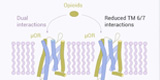
As powerful pain relievers, the opioids morphine and fentanyl have been "checked" by their side effects (listed as controlled substances). How to reduce its side effects? What is its mechanism? This research will explore its mechanism.
Scientific Reviews
As powerful pain relievers, the opioids morphine and fentanyl have been "checked" by their side effects (listed as controlled substances). How to reduce its side effects? What is its mechanism? This research will explore its mechanism. -
 Scientific Reviews
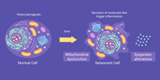
Understanding the mechanism of aging not only has guiding significance for prolonging human life but also has important clinical significance for the prevention and treatment of diseases in the elderly population , thus, improving their life quality and well-being.
Scientific Reviews
Understanding the mechanism of aging not only has guiding significance for prolonging human life but also has important clinical significance for the prevention and treatment of diseases in the elderly population , thus, improving their life quality and well-being. -
 Scientific Reviews
Mammalian cells can also photosynthesize like plants! Photosynthesis can improve cell anabolism and exhibit good clinical effect in degenerative diseases (osteoarthritis).
Scientific Reviews
Mammalian cells can also photosynthesize like plants! Photosynthesis can improve cell anabolism and exhibit good clinical effect in degenerative diseases (osteoarthritis). -
 Scientific Reviews
The latest study of Cell magazine "Neural mechanism underlying depressive-like state associated with social status loss" considers social factors as a breakthrough point. It has been found that the downward transition of social status induces depression-like behavior in mice whereas improves the depressive state by restoring their social environment.
Scientific Reviews
The latest study of Cell magazine "Neural mechanism underlying depressive-like state associated with social status loss" considers social factors as a breakthrough point. It has been found that the downward transition of social status induces depression-like behavior in mice whereas improves the depressive state by restoring their social environment. -
 Scientific Reviews
Necroptosis, also known as necroptosis, is a form of regulated necrotizing cell death mediated by RIP1 and RIP3 kinases. Necroptosis is a process that prevents the self-destruction of activated cells that are blocked by apoptosis. Necroptosis plays a tumor suppressor role in most cases. It may provide benefits in the researches of a variety of human diseases involving immune inflammation and cell death.
Scientific Reviews
Necroptosis, also known as necroptosis, is a form of regulated necrotizing cell death mediated by RIP1 and RIP3 kinases. Necroptosis is a process that prevents the self-destruction of activated cells that are blocked by apoptosis. Necroptosis plays a tumor suppressor role in most cases. It may provide benefits in the researches of a variety of human diseases involving immune inflammation and cell death. -
 Scientific Reviews
Mitophagy:Mechanisms and Detection
Scientific Reviews
Mitophagy:Mechanisms and Detection2023-05-25
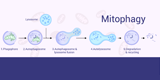
About 60 years ago, Christian de Duve first used the term "autophagy" to describe his observation of the degradation of mitochondria and other intracellular structures in lysosomes of rat liver. Over the years, autophagy has remained a beloved topic of research by the National Natural Science Foundation of China (NSFC).Today, let's talk about mitochondrial autophagy. -
 Scientific Reviews
Structure of Lipid Droplets
Scientific Reviews
Structure of Lipid Droplets2023-06-15
Huh? Lipid droplets? Organelles? In the past, biological data usually only show the traditional organelles, such as mitochondria, Golgi apparatus, endoplasmic reticulum, etc., lipid droplets are often not mentioned by people. Today, we will make a systematic explanation of lipid droplets, so that everyone has a clear understanding! -
 Scientific Reviews
HLA-E, A Novel Immune Checkpoint
Scientific Reviews
HLA-E, A Novel Immune Checkpoint2023-06-29
Immune checkpoints have immunosuppressive functions. It can be used in the research of tumor immunotherapy. In this article, we introduce a new paper entitled "Immune checkpoint HLA-E: CD94 - NKG2Amediates evasion of circulating tumor cells from NK cell surveillance "research paper. -
 Scientific Reviews
WHO's Q2 drug list has been updated. Let's take you through the list of the most noteworthy small molecule drugs that we should pay attention to.
Scientific Reviews
WHO's Q2 drug list has been updated. Let's take you through the list of the most noteworthy small molecule drugs that we should pay attention to. -
 Scientific Reviews
FDA Approved Drug List!
Scientific Reviews
FDA Approved Drug List!2023-09-14
In the first half of 2023 (as of June 27), the FDA approved 26 new drugs, let's take you learn about it through the article. -
 Scientific Reviews
IHC is an indispensable technique for studying tissue morphology and in situ antigen expression, but usually only one or two antigens in tissues can be stained for analysis. It cannot judge the results more intuitively. Today, Little M will introduce you to the upgraded version mlHC.
Scientific Reviews
IHC is an indispensable technique for studying tissue morphology and in situ antigen expression, but usually only one or two antigens in tissues can be stained for analysis. It cannot judge the results more intuitively. Today, Little M will introduce you to the upgraded version mlHC. -
 Scientific Reviews
FDA Annual Review | Record-breaking number of new drug approvals in 2023!
Scientific Reviews
FDA Annual Review | Record-breaking number of new drug approvals in 2023! -
 Scientific Reviews
Katalin Karikó and Drew Weissman were awarded the Nobel Prize in Physiology or Medicine in 2023 for their groundbreaking work in nucleoside modification, which paved the way for the creation of successful mRNA vaccines to fight against COVID-19. Let's now delve into the complete process of mRNA vaccine development.
Scientific Reviews
Katalin Karikó and Drew Weissman were awarded the Nobel Prize in Physiology or Medicine in 2023 for their groundbreaking work in nucleoside modification, which paved the way for the creation of successful mRNA vaccines to fight against COVID-19. Let's now delve into the complete process of mRNA vaccine development. -
 Scientific Reviews
Science | A "new" mechanism for non-ubiquitinated Midnolin-proteasomal degradation pathway
Scientific Reviews
Science | A "new" mechanism for non-ubiquitinated Midnolin-proteasomal degradation pathway2024-04-26
“ubiquitin-mediated protein degradation” won the Nobel Prize in Chemistry in 2004! In fact, proteasomes degrade not only ubiquitinated proteins but also non-ubiquitinated ones. The mechanism remains shrouded in mystery. After reading this piece today, you might have a lightbulb moment! -
 Scientific Reviews
STZ Induced Diabetes Models
Scientific Reviews
STZ Induced Diabetes Models2024-06-13
Spotlight: How can STZ Help Diabetes Research? -
 Scientific Reviews
Exosomes, which won the Nobel Prize in 2013, are still a research hotspot in the national natural sciences, and their popularity has only increased over the past decade (in 2022, they still rank 5th in the national natural sciences hotspots!). Why have exosomes become the darling of scientific research? Let's take a look together~
Scientific Reviews
Exosomes, which won the Nobel Prize in 2013, are still a research hotspot in the national natural sciences, and their popularity has only increased over the past decade (in 2022, they still rank 5th in the national natural sciences hotspots!). Why have exosomes become the darling of scientific research? Let's take a look together~ -
 Scientific Reviews
Degrade target proteins through the autophagy-lysosome pathway including LYTAC, AUTAC, and ATTEC have gained increasing attention in recent years due to their significant research potential!
Scientific Reviews
Degrade target proteins through the autophagy-lysosome pathway including LYTAC, AUTAC, and ATTEC have gained increasing attention in recent years due to their significant research potential! -
 Scientific Reviews
Antibodies!
Scientific Reviews
Antibodies!2024-07-26
Today, We introduce antibodies for everyone! -
 Scientific Reviews
Science’s 2023 Breakthrough: GLP-1R Agonists
Scientific Reviews
Science’s 2023 Breakthrough: GLP-1R Agonists2024-08-13
GLP-1RAs, which achieved great success in 2023 and draws people’s attention back to obesity treatments and GLP-1 therapies worldwide, was chosen as the breakthrough of year 2023 by Science [2]. -
 Scientific Reviews
2024 Nobel Prize Announcements! Curious about the details? Click to dive into the exciting developments!
Scientific Reviews
2024 Nobel Prize Announcements! Curious about the details? Click to dive into the exciting developments! -
Scientific Reviews
Delve into the intricate networks that govern mitochondrial quality control. By examining key mechanisms such as biogenesis, mitochondrial dynamics (fission and fusion), proteolysis, and mitophagy. -
 Scientific Reviews
A New Form of Cell Death: PANoptosis!
Scientific Reviews
A New Form of Cell Death: PANoptosis! -
 Scientific Reviews
Unlocking the Power of Intermittent Fasting: The 16+8 Method
Scientific Reviews
Unlocking the Power of Intermittent Fasting: The 16+8 Method -
 Scientific Reviews
Advancing Chronic Kidney Disease Research with GJ103 and Lamin B1 Antibody!
Scientific Reviews
Advancing Chronic Kidney Disease Research with GJ103 and Lamin B1 Antibody! -
 Scientific Reviews
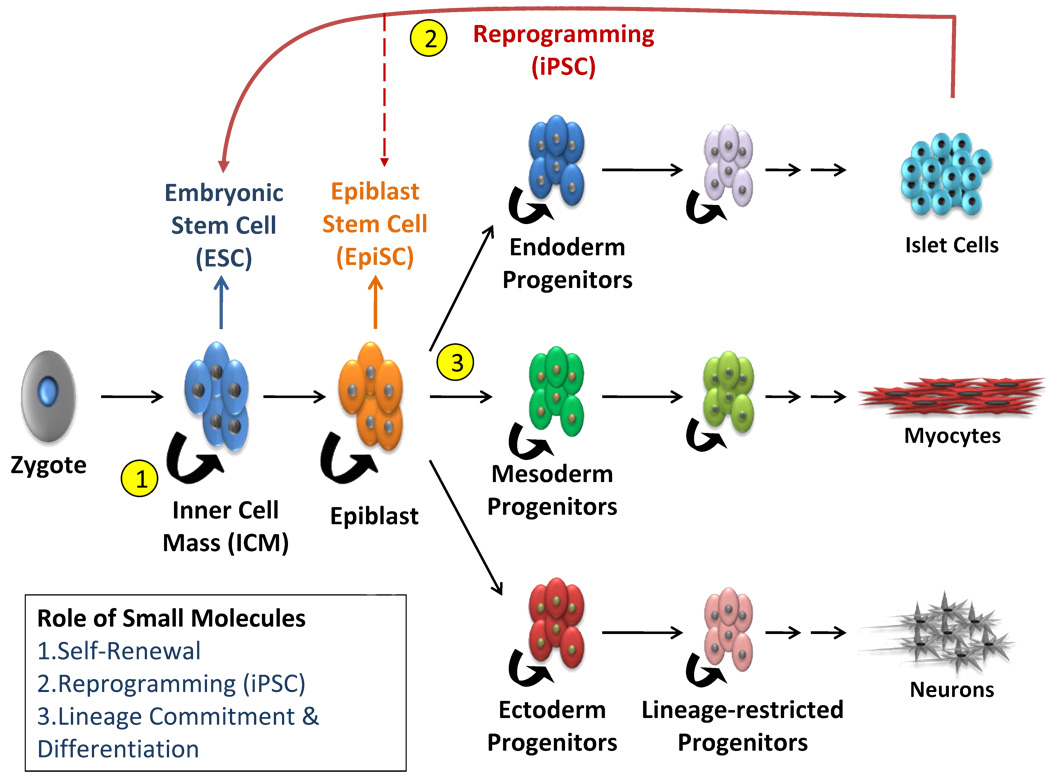
In early January 2025, MIT Tech Review unveiled its annual list of top 10 breakthrough technologies poised to redefine the future. Among these, stem cell therapy stood out for its potential to treat diverse diseases—including neurodegenerative disorders, diabetes, cancer, and heart failure. This groundbreaking approach uses stem cells to replace damaged cells, offering hope for millions worldwide.
Scientific Reviews
In early January 2025, MIT Tech Review unveiled its annual list of top 10 breakthrough technologies poised to redefine the future. Among these, stem cell therapy stood out for its potential to treat diverse diseases—including neurodegenerative disorders, diabetes, cancer, and heart failure. This groundbreaking approach uses stem cells to replace damaged cells, offering hope for millions worldwide. -
 Scientific Reviews
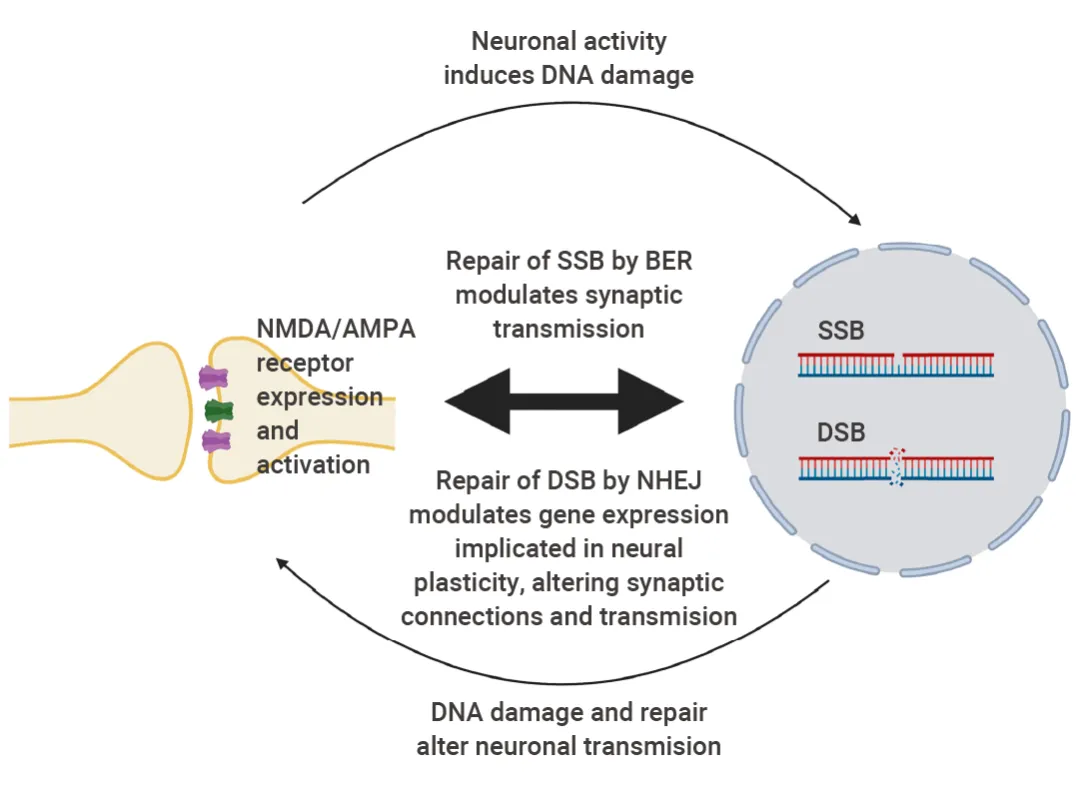
When you hear "inflammation" and "DNA damage," you might immediately think of disease or injury. However, in brains, these two processes are key steps in forming long-term memories, particularly related to specialized cells in our brain called hippocampal neurons.
Scientific Reviews
When you hear "inflammation" and "DNA damage," you might immediately think of disease or injury. However, in brains, these two processes are key steps in forming long-term memories, particularly related to specialized cells in our brain called hippocampal neurons. -
 Scientific Reviews
Autophagy is a fundamental process that degrades various components within the cell.
Scientific Reviews
Autophagy is a fundamental process that degrades various components within the cell. -
 Scientific Reviews
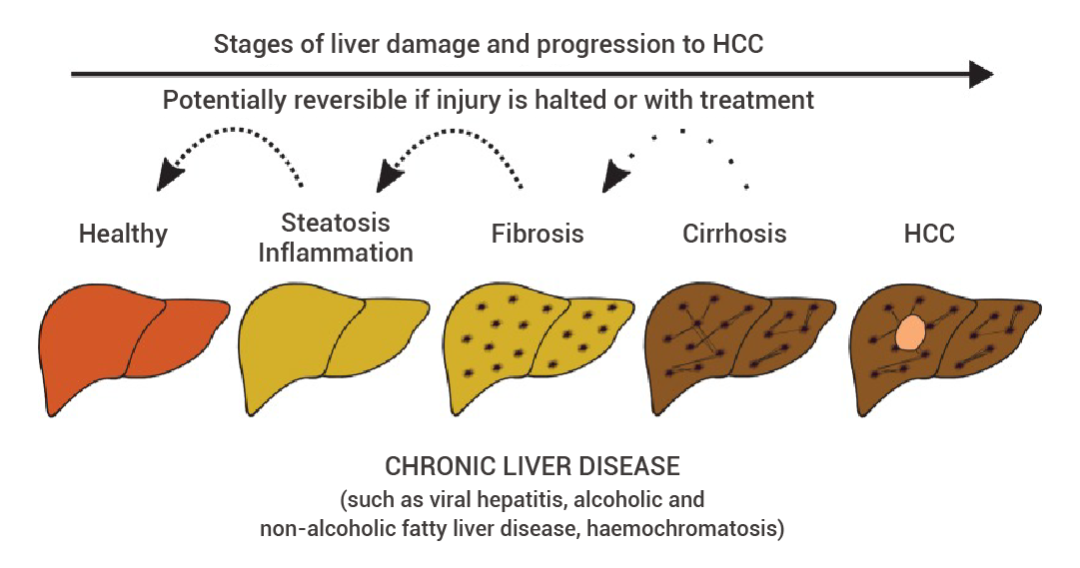
This article will tell you about the common methods of modeling liver disease in animal models.
Scientific Reviews
This article will tell you about the common methods of modeling liver disease in animal models. -
.jpg) Scientific Reviews
nside cells, the homeostasis and degradation of proteins is a precisely regulated process. If proteins cannot be degraded in time, it may lead to the occurrence of various diseases such as neurodegenerative diseases and cancer. This article will tell you the process of how proteins are recognized, labeled and then degraded!
Scientific Reviews
nside cells, the homeostasis and degradation of proteins is a precisely regulated process. If proteins cannot be degraded in time, it may lead to the occurrence of various diseases such as neurodegenerative diseases and cancer. This article will tell you the process of how proteins are recognized, labeled and then degraded! -
 Scientific Reviews
This article introduces some common cardiovascular disease models, inducers, modeling protocols and successful modeling cases in the research.
Scientific Reviews
This article introduces some common cardiovascular disease models, inducers, modeling protocols and successful modeling cases in the research. -
 Scientific Reviews
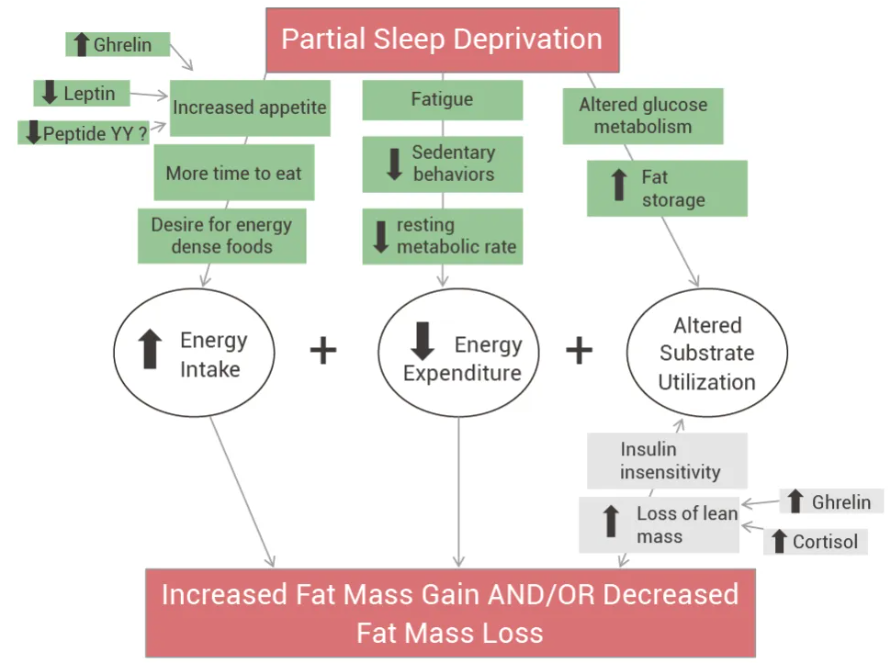
Have you ever noticed that after staying up late, your appetite—especially for high-calorie foods—gets out of control? If this sounds familiar, today’s article might offer some good news.
Scientific Reviews
Have you ever noticed that after staying up late, your appetite—especially for high-calorie foods—gets out of control? If this sounds familiar, today’s article might offer some good news. -
 Scientific Reviews
A groundbreaking study in Nature Communications reveals the key mechanism behind Idiopathic Pulmonary Fibrosis and identifies an existing drug with the potential to counter it.
Scientific Reviews
A groundbreaking study in Nature Communications reveals the key mechanism behind Idiopathic Pulmonary Fibrosis and identifies an existing drug with the potential to counter it. -
 Scientific Reviews
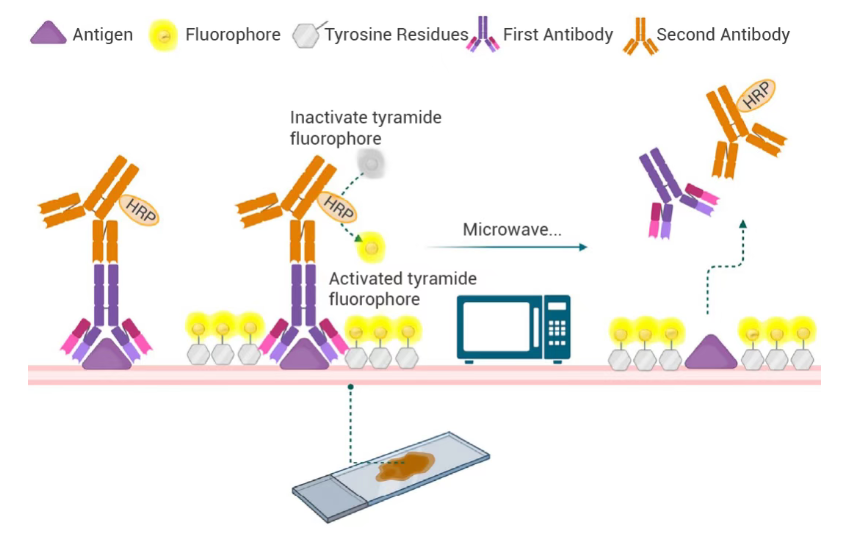
This detailed guide outlines the standardized experimental protocols for multiplex immunohistochemistry (mIHC), systematically summarizes common technical issues encountered during sample preparation, staining and imaging processes, and provides practical troubleshooting solutions to ensure reliable and reproducible results in biomedical research and clinical sample analysis.
Scientific Reviews
This detailed guide outlines the standardized experimental protocols for multiplex immunohistochemistry (mIHC), systematically summarizes common technical issues encountered during sample preparation, staining and imaging processes, and provides practical troubleshooting solutions to ensure reliable and reproducible results in biomedical research and clinical sample analysis. -
 Scientific Reviews
Finding adipogenic induction media too expensive and tricky to prepare? This comprehensive guide to 3T3-L1 adipogenic differentiation simplifies the process, helping you achieve great results!
Scientific Reviews
Finding adipogenic induction media too expensive and tricky to prepare? This comprehensive guide to 3T3-L1 adipogenic differentiation simplifies the process, helping you achieve great results! -
Scientific Reviews
Microglia– the only immune cells within the brain parenchyma. With advancements in imaging technologies, people’s understanding of microglia has shifted from being viewed as 'resting' cells to 'highly active' cells, particularly due to their dynamic processes that seem to be probing surrounding tissues and monitoring neuronal activity. This has made microglia a focal point of research in the field of neuroscience. -
 Scientific Reviews
Exosomes—natural nanoscale carriers—are revolutionizing targeted therapy. This article uncovers the science behind their precision in drug delivery.
Scientific Reviews
Exosomes—natural nanoscale carriers—are revolutionizing targeted therapy. This article uncovers the science behind their precision in drug delivery. -
 Scientific Reviews
This paper elaborates on cytokines for culturing major immune cells, their regulatory roles, recombinant cytokines' merits and MCE’s related high-quality products.
Scientific Reviews
This paper elaborates on cytokines for culturing major immune cells, their regulatory roles, recombinant cytokines' merits and MCE’s related high-quality products. -
 Scientific Reviews
In the hunt for the next ‘GLP-1,’ amylin therapeutics, which have shown strong weight-loss results in clinical trials, have become a major focus for both multinational pharma and the scientific community.
Scientific Reviews
In the hunt for the next ‘GLP-1,’ amylin therapeutics, which have shown strong weight-loss results in clinical trials, have become a major focus for both multinational pharma and the scientific community. -
 Scientific Reviews
GLP-1 and Obesity Research
Scientific Reviews
GLP-1 and Obesity Research2026-08-14
Obesity substantially increases the risk of chronic diseases such as T2D and cardiovascular disease. The breakout success of GLP-1 therapies has spotlighted GLP-1R and a wave of emerging obesity targets. -
 EDM
Research Progress of Type-2-Diabetes
EDM
Research Progress of Type-2-Diabetes2025-07-09
This review comprehensively analyzes the pathophysiological mechanisms underlying T2D, surveys current therapeutic strategies, and introduces commonly used disease modeling approaches to support translational research. -
 EDM
Advances in Alzheimer's Disease Research
EDM
Advances in Alzheimer's Disease Research2025-07-16
This review summarizes current understanding of AD pathophysiology, including amyloid and tau pathology, neuroinflammation, synaptic dysfunction, and vascular abnormalities, and evaluates therapeutic strategies and experimental models. -
 EDM
This review provides an overview of GLP-1 biology and physiological functions, summarizes the development and clinical applications of GLP-1 receptor agonists, and discusses next-generation GLP-1–based therapeutic strategies.
EDM
This review provides an overview of GLP-1 biology and physiological functions, summarizes the development and clinical applications of GLP-1 receptor agonists, and discusses next-generation GLP-1–based therapeutic strategies. -
 EDM
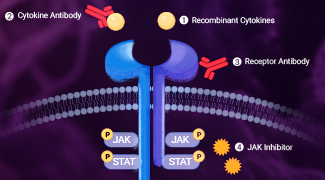
This review critically examines the role of the JAK-STAT pathway in immunity and autoimmune diseases, reviews current clinical applications of targeted therapies, and highlights emerging trends in autoimmune drug development.
EDM
This review critically examines the role of the JAK-STAT pathway in immunity and autoimmune diseases, reviews current clinical applications of targeted therapies, and highlights emerging trends in autoimmune drug development. -
 EDM
This review summarizes the mechanisms of DSS-induced colitis, commonly used modeling approaches, and key considerations related to DSS molecular weight.
EDM
This review summarizes the mechanisms of DSS-induced colitis, commonly used modeling approaches, and key considerations related to DSS molecular weight. -
 EDM
This review highlights the roles of microglia in AD pathology, focusing on metabolic reprogramming and microglia-targeted therapeutic strategies.
EDM
This review highlights the roles of microglia in AD pathology, focusing on metabolic reprogramming and microglia-targeted therapeutic strategies. -
 EDM
Explore next-generation obesity therapies from three perspectives: GLP-1-based multi-receptor agonists, oral GLP-1 strategies, and novel obesity targets.
EDM
Explore next-generation obesity therapies from three perspectives: GLP-1-based multi-receptor agonists, oral GLP-1 strategies, and novel obesity targets. -
 EDM
Review advances in target discovery, disease modeling, and biomarkers for Parkinson’s disease, highlighting their interplay and future directions for translational research.
EDM
Review advances in target discovery, disease modeling, and biomarkers for Parkinson’s disease, highlighting their interplay and future directions for translational research. -
 EDM
Review the mechanisms, mitochondrial regulation, disease relevance, and translational opportunities of the NLRP3–STING axis in neuroinflammation.
EDM
Review the mechanisms, mitochondrial regulation, disease relevance, and translational opportunities of the NLRP3–STING axis in neuroinflammation. -
 EDM
Explore the evolution from GLP-1 mono-agonists to multi-receptor therapeutics and the expanding role of incretin-based therapies in precision metabolic medicine.
EDM
Explore the evolution from GLP-1 mono-agonists to multi-receptor therapeutics and the expanding role of incretin-based therapies in precision metabolic medicine. -
 EDM
Explore the mechanisms driving immune tolerance breakdown in autoimmune diseases and emerging tolerance-restoring strategies, with a focus on IL-2-based immune modulation.
EDM
Explore the mechanisms driving immune tolerance breakdown in autoimmune diseases and emerging tolerance-restoring strategies, with a focus on IL-2-based immune modulation. -
 EDM
Explore how anti-Aβ therapy is reshaping the AD treatment landscape, the rationale for multi-pathology combination strategies, and advances in biomarker-guided precision treatment.
EDM
Explore how anti-Aβ therapy is reshaping the AD treatment landscape, the rationale for multi-pathology combination strategies, and advances in biomarker-guided precision treatment. -
 EDM
Evolution of PCSK9 Inhibitors Modalities: From Monoclonal Antibodies to Oral Macrocyclic Peptides
EDM
Evolution of PCSK9 Inhibitors Modalities: From Monoclonal Antibodies to Oral Macrocyclic Peptides2026-08-27
Review the biological basis of PCSK9, key therapeutic modalities, cardiovascular evidence, and future directions, including insights from the CORALreef clinical program. -
 EDM
Explore how mitochondrial quality control, inflammatory signaling, and metabolic–epigenetic reprogramming regulate cellular senescence and the SASP, along with strategies to restore mitochondrial homeostasis.
EDM
Explore how mitochondrial quality control, inflammatory signaling, and metabolic–epigenetic reprogramming regulate cellular senescence and the SASP, along with strategies to restore mitochondrial homeostasis. -
 Product Guides
Exosomes are nano-sized biovesicles released into surrounding body fluids after the fusion of multivesicular bodies with the plasma membrane. In this article, we will briefly introduce isolation, labeling and identification of exosomes. And the specific application of exosomes will also be mentioned.
Product Guides
Exosomes are nano-sized biovesicles released into surrounding body fluids after the fusion of multivesicular bodies with the plasma membrane. In this article, we will briefly introduce isolation, labeling and identification of exosomes. And the specific application of exosomes will also be mentioned. -
 Blog
BR351 is a Brain Penetrant MMP Inhibitor
Blog
BR351 is a Brain Penetrant MMP Inhibitor2019-04-05
BR351 is a brain penetrant MMP inhibitor, and a potential tool for the molecular imaging of activated MMPs with PET, with an IC50 in the nanomolar range. -
 Blog
HS-1371 is a Small Molecule RIP3 Inhibitor
Blog
HS-1371 is a Small Molecule RIP3 Inhibitor2019-04-09
HS-1371 is a novel kinase inhibitor of RIP3-mediated necroptosis, showing an inhibitory effect on S227 auto-phosphorylation of RIP3 at the basal level. -
 Blog
Nevanimibe is a selective and potent ACAT1 inhibitor. An excellent drug candidate in the treatment of adrenocortical cancer.
Blog
Nevanimibe is a selective and potent ACAT1 inhibitor. An excellent drug candidate in the treatment of adrenocortical cancer. -
 Blog
PRN1008 is a Reversible Covalent and Oral Active Inhibitor of Bruton’s Tyrosine Kinase (BTK)
Blog
PRN1008 is a Reversible Covalent and Oral Active Inhibitor of Bruton’s Tyrosine Kinase (BTK)2019-04-18
PRN1008 is a selective, reversible covalent and oral active inhibitor of Bruton’s Tyrosine Kinase (BTK), with an IC50 of 1.3 nM. -
 Blog
Multiple Tyrosine Kinases Inhibitor TAS-115
Blog
Multiple Tyrosine Kinases Inhibitor TAS-1152019-04-19
TAS-115 is a potent VEGFR and c-Met/HGFR-targeted kinase inhibitor with IC50s of 30 and 32 nM for rVEGFR2 and rMET, respectively. -
 Blog
TAK-828F is a potent, selective and orally active retinoic acid receptor-related orphan receptor γt (RORγt) inverse agonist. TAK-828F inhibits IL-17A cytokine expression and reduces symptoms of autoimmune encephalomyelitis mice.
Blog
TAK-828F is a potent, selective and orally active retinoic acid receptor-related orphan receptor γt (RORγt) inverse agonist. TAK-828F inhibits IL-17A cytokine expression and reduces symptoms of autoimmune encephalomyelitis mice. -
 Blog
BAY-8002 is a selective and orally active inhibitor of monocarboxylate transporter 1 (MCT1), with an IC50 of 85 nM. Has potential to treat lymphoma.
Blog
BAY-8002 is a selective and orally active inhibitor of monocarboxylate transporter 1 (MCT1), with an IC50 of 85 nM. Has potential to treat lymphoma. -
 Blog
ACY-1083, a Highly Selective HDAC6 Inhibitor, Reverses Chemotherapy-induced Peripheral Neuropathy
Blog
ACY-1083, a Highly Selective HDAC6 Inhibitor, Reverses Chemotherapy-induced Peripheral Neuropathy2019-05-12
ACY-1083 is a selective and brain-penetrating HDAC6 inhibitor with an IC50 of 3 nM. ACY-1083 effectively reverses chemotherapy-induced peripheral neuropathy -
 Blog
GSK3145095 is a RIP1 kinase inhibitor with an IC50 of 6.3 nM. Potently blocks the TNF response and RIP1-dependent inflammatory cytokine MIP-1β production.
Blog
GSK3145095 is a RIP1 kinase inhibitor with an IC50 of 6.3 nM. Potently blocks the TNF response and RIP1-dependent inflammatory cytokine MIP-1β production. -
 Blog
Olutasidenib is a highly potent, selective inhibitor of mutant IDH1 that could be used in the treatment of AML or myelodysplastic syndrome (MDS).
Blog
Olutasidenib is a highly potent, selective inhibitor of mutant IDH1 that could be used in the treatment of AML or myelodysplastic syndrome (MDS). -
 Blog
BAY-11-7082 inhibits the proliferation and induces the apoptosis of U266 cells through inhibiting NF-κB pathway. BAY 11-7082 ameliorates experimental diabetic neuropathy by modulating neuroinflammation and improving antioxidant defence.
Blog
BAY-11-7082 inhibits the proliferation and induces the apoptosis of U266 cells through inhibiting NF-κB pathway. BAY 11-7082 ameliorates experimental diabetic neuropathy by modulating neuroinflammation and improving antioxidant defence. -
 Blog
S18-000003 is a potent, selective and orally active inhibitor of retinoic acid receptor-related orphan receptor-gamma-t (RORγt). S18-000003 ameliorates psoriasis-like lesions in vivo. S18-000003 can be used for the research of skin inflammatory diseases.
Blog
S18-000003 is a potent, selective and orally active inhibitor of retinoic acid receptor-related orphan receptor-gamma-t (RORγt). S18-000003 ameliorates psoriasis-like lesions in vivo. S18-000003 can be used for the research of skin inflammatory diseases. -
 Blog
PTC299 is a dual and orally active DHODH and VEGF inhibitor, has broad and potent activity against hematological cancer cells.
Blog
PTC299 is a dual and orally active DHODH and VEGF inhibitor, has broad and potent activity against hematological cancer cells. -
 Blog
TPCA-1, a Direct Dual Inhibitor of STAT3 and NF-κB, Regresses Mutant EGFR-Associated NSCLC
Blog
TPCA-1, a Direct Dual Inhibitor of STAT3 and NF-κB, Regresses Mutant EGFR-Associated NSCLC2019-07-15
TPCA-1 is a potent and selective inhibitor of IKK-2 with IC50 of 17.9 nM. TPCA-1 is an effective inhibitor of STAT3 phosphorylation, DNA binding. -
 Blog
LSN 3213128 is a selective, nonclassical, orally bioavailable antifolate with anti-cancer activity. LSN 3213128 potently and specifically inhibits AICARFT.
Blog
LSN 3213128 is a selective, nonclassical, orally bioavailable antifolate with anti-cancer activity. LSN 3213128 potently and specifically inhibits AICARFT. -
 Blog
NXT629 is a potent, selective, and competitive PPAR-α antagonist and shows high selectivity over other nuclear hormone receptor.
Blog
NXT629 is a potent, selective, and competitive PPAR-α antagonist and shows high selectivity over other nuclear hormone receptor. -
 Blog
BI-4924 is a Selective PHGDH Inhibitor
Blog
BI-4924 is a Selective PHGDH Inhibitor2019-08-23
BI-4924 is a lipophilic and highly plasma protein bound selective phosphoglycerate dehydrogenase (PHGDH) inhibitor (IC50=3 nM) with excellent microsomal. -
 Blog
FT113 is a potent and orally active fatty acid synthase inhibitor, with an IC50 of 213 nM for full-length recombinant human FAS, with anti-tumor activity.
Blog
FT113 is a potent and orally active fatty acid synthase inhibitor, with an IC50 of 213 nM for full-length recombinant human FAS, with anti-tumor activity. -
 Blog
UPGL00004 is a allosteric glutaminase C inhibitor which strongly inhibits the proliferation of highly aggressive triple-negative breast cancer cell lines.
Blog
UPGL00004 is a allosteric glutaminase C inhibitor which strongly inhibits the proliferation of highly aggressive triple-negative breast cancer cell lines. -
 Blog
IDH889 is an orally available, brain penetrant, allosteric and mutant specific inhibitor of isocitrate dehydrogenase 1 (IDH1) R132 mutations.
Blog
IDH889 is an orally available, brain penetrant, allosteric and mutant specific inhibitor of isocitrate dehydrogenase 1 (IDH1) R132 mutations. -
 Blog
BI-167107 is a high affinity, full agonist that binds to the β2 adrenergic receptor (β2AR) with a dissociation constant Kd of 84 pM.
Blog
BI-167107 is a high affinity, full agonist that binds to the β2 adrenergic receptor (β2AR) with a dissociation constant Kd of 84 pM. -
 Blog
TVB-3166 is an orally-available, reversible, and selective FASN inhibitor and it induces apoptosis, and inhibits in-vivo xenograft tumor growth.
Blog
TVB-3166 is an orally-available, reversible, and selective FASN inhibitor and it induces apoptosis, and inhibits in-vivo xenograft tumor growth. -
 Blog
ASLAN003 is an orally active and potent inhibitor of hDHODH with antitumor activity, and it has the potential to be a first-in-class drug candidate in AML.
Blog
ASLAN003 is an orally active and potent inhibitor of hDHODH with antitumor activity, and it has the potential to be a first-in-class drug candidate in AML. -
 Blog
DS18561882 is a highly potent, sozyme-selective methylenetetrahydrofolate dehydrogenase 2 (MTHFD2) inhibitor with a good oral pharmacokinetic profile.
Blog
DS18561882 is a highly potent, sozyme-selective methylenetetrahydrofolate dehydrogenase 2 (MTHFD2) inhibitor with a good oral pharmacokinetic profile. -
 Blog
GNE-618 is a Orally Active NAMPT Inhibitor
Blog
GNE-618 is a Orally Active NAMPT Inhibitor2019-11-28
GNE-618 is an orally active NAMPT inhibitor and reduces tumor growth. GNE-618 depletes NAD levels and induces tumor cell death. -
 Blog
Telaglenastat is a first-in-class, reversible, orally bioavailable glutaminase 1 splice variants (KGA and GAC) inhibitor. It shows antitumor activity.
Blog
Telaglenastat is a first-in-class, reversible, orally bioavailable glutaminase 1 splice variants (KGA and GAC) inhibitor. It shows antitumor activity. -
 Blog
UK 356618 is a Selective MMP-3 Inhibitor
Blog
UK 356618 is a Selective MMP-3 Inhibitor2019-12-25
UK 356618 is a selective and potent inhibitor of MMP-3. UK 356618 exhibits potent anti-inflammatory and anti-cancer activity. -
 Blog
CH6953755 is a potent, orally active and selective YES1 kinase inhibitor leading to antitumor activity against YES1 Gene -amplified cancers.
Blog
CH6953755 is a potent, orally active and selective YES1 kinase inhibitor leading to antitumor activity against YES1 Gene -amplified cancers. -
 Blog
CA-4948 is a Selective and Orally Bioavailable IRAK4 Kinase Inhibitor for Lymphoma Treatment
Blog
CA-4948 is a Selective and Orally Bioavailable IRAK4 Kinase Inhibitor for Lymphoma Treatment2020-01-05
CA-4948 is a potent, selective and orally bioavailable IRAK4 kinase inhibitor. CA-4948 can be used for the treatment of lymphoma. -
 Blog
GPP78 is a potent Nampt inhibitor. GPP78 is cytotoxic to neuroblastoma cell line SH-SY5Y cells. GPP78 has anti-cancer and anti-tumor activity.
Blog
GPP78 is a potent Nampt inhibitor. GPP78 is cytotoxic to neuroblastoma cell line SH-SY5Y cells. GPP78 has anti-cancer and anti-tumor activity. -
 Blog
M8891 is an orally active, reversible and brain penetrant Methionine Aminopeptidase-2 (MetAP-2) inhibitor with antiangiogenic and antitumoral activity.
Blog
M8891 is an orally active, reversible and brain penetrant Methionine Aminopeptidase-2 (MetAP-2) inhibitor with antiangiogenic and antitumoral activity. -
 Blog
BRD7389 is a specific RSK family kinase inhibitor and is a small-molecule inducer of insulin expression in pancreatic α-cells.
Blog
BRD7389 is a specific RSK family kinase inhibitor and is a small-molecule inducer of insulin expression in pancreatic α-cells. -
 Blog
TCH-165 is a modulator of proteasome assembly, which increases 20S levels and facilitates 20S-mediated protein degradation, such as IDPs, α-syn, and tau.
Blog
TCH-165 is a modulator of proteasome assembly, which increases 20S levels and facilitates 20S-mediated protein degradation, such as IDPs, α-syn, and tau. -
 Blog
BAY-985 is an orally active and selective ATP-competitive dual inhibitor of TBK1 and IKKε with IC50s of 2/30 and 2 nM for TBK1 and IKKε, respectively.
Blog
BAY-985 is an orally active and selective ATP-competitive dual inhibitor of TBK1 and IKKε with IC50s of 2/30 and 2 nM for TBK1 and IKKε, respectively. -
 Blog
ADH-503 is an orally active and allosteric CD11b agonist and leads to the repolarization of tumor-associated macrophages.
Blog
ADH-503 is an orally active and allosteric CD11b agonist and leads to the repolarization of tumor-associated macrophages. -
 Blog
Ro 90-7501, an Aβ42 fibril assembly inhibitor, inhibits PP5 in a TPR-dependent manner and has radiosensitizing effects on cervical cancer cells.
Blog
Ro 90-7501, an Aβ42 fibril assembly inhibitor, inhibits PP5 in a TPR-dependent manner and has radiosensitizing effects on cervical cancer cells. -
 Blog
CM10 is a potent and selective aldehyde dehydrogenase 1A family inhibitor and regulates metabolism and has anti-cancer activity.
Blog
CM10 is a potent and selective aldehyde dehydrogenase 1A family inhibitor and regulates metabolism and has anti-cancer activity. -
 Blog
NU1025 is a potent PARP inhibitor and potentiates the cytotoxicity of ionizing radiation drug. NU1025 has anti-cancer and neuroprotective activity.
Blog
NU1025 is a potent PARP inhibitor and potentiates the cytotoxicity of ionizing radiation drug. NU1025 has anti-cancer and neuroprotective activity. -
 Blog
DC-5163 is a potent GAPDH inhibitor, can inhibit glycolysis pathway partially. DC-5163 selectively inhibits cancer cell proliferation and induces apoptosis.
Blog
DC-5163 is a potent GAPDH inhibitor, can inhibit glycolysis pathway partially. DC-5163 selectively inhibits cancer cell proliferation and induces apoptosis. -
 Blog
OT-82 is a selective inhibitor of NAMPT. Selectively toxic to cells of hematopoietic origin. OT-82 is a promising antineoplastic agent.
Blog
OT-82 is a selective inhibitor of NAMPT. Selectively toxic to cells of hematopoietic origin. OT-82 is a promising antineoplastic agent. -
 Blog
TNP-351, an Antifolate, is a Dihydrofolate Reductase (DHFR) Inhibitor. Antifolates serve medical science well in neoplastic and non-neoplastic diseases.
Blog
TNP-351, an Antifolate, is a Dihydrofolate Reductase (DHFR) Inhibitor. Antifolates serve medical science well in neoplastic and non-neoplastic diseases. -
 Blog
JCN037 is a potent, non-covalent, and brain-penetrant EGFR tyrosine kinase inhibitor. JCN037 has potent anti-cancer activity.
Blog
JCN037 is a potent, non-covalent, and brain-penetrant EGFR tyrosine kinase inhibitor. JCN037 has potent anti-cancer activity. -
 Blog
GSK143 is an orally active and highly selective spleen tyrosine kinase (SYK) inhibitor. GSK143 reduces inflammation in the intestinal muscularis in mice.
Blog
GSK143 is an orally active and highly selective spleen tyrosine kinase (SYK) inhibitor. GSK143 reduces inflammation in the intestinal muscularis in mice. -
 Blog
JX06 is a potent, selective and covalent inhibitor of PDK via covalently binding to a cysteine residue in an irreversible manner.
Blog
JX06 is a potent, selective and covalent inhibitor of PDK via covalently binding to a cysteine residue in an irreversible manner. -
 Blog
KCC-07 prevents binding of MBD2 to methylated DNA and activates BAI1 inducing anti-proliferative BAI1/p53/p21 signaling. Anticancer activity.
Blog
KCC-07 prevents binding of MBD2 to methylated DNA and activates BAI1 inducing anti-proliferative BAI1/p53/p21 signaling. Anticancer activity. -
 Blog
IPI-9119 is an orally active, selective and irreversible FASN inhibitor with potent anti-cancer activity. IPI-9119 induces cell cycle arrest, apoptosis.
Blog
IPI-9119 is an orally active, selective and irreversible FASN inhibitor with potent anti-cancer activity. IPI-9119 induces cell cycle arrest, apoptosis. -
 Blog
CAY10404 is a potent and highly selective COX-2 inhibitor. CAY10404 is a potent inhibitor of PKB/Akt and MAPK signalling pathways.
Blog
CAY10404 is a potent and highly selective COX-2 inhibitor. CAY10404 is a potent inhibitor of PKB/Akt and MAPK signalling pathways. -
 Blog
MPT0G211, an orally active and selective HDAC6 inhibitor, ameliorates tau phosphorylation, and cognitive deficits in an Alzheimer’s disease model.
Blog
MPT0G211, an orally active and selective HDAC6 inhibitor, ameliorates tau phosphorylation, and cognitive deficits in an Alzheimer’s disease model. -
 Blog
RapaLink-1, a third-generation bivalent mTOR inhibitor, potently blocking cancer-derived, activating mutants of mTOR. It can cross the blood-brain barrier.
Blog
RapaLink-1, a third-generation bivalent mTOR inhibitor, potently blocking cancer-derived, activating mutants of mTOR. It can cross the blood-brain barrier. -
 Blog
PQR530 is a potent, ATP-competitive, orally bioavailable and brain-penetrant dual pan-PI3K/mTORC1/2 inhibitor. Antitumor activity.
Blog
PQR530 is a potent, ATP-competitive, orally bioavailable and brain-penetrant dual pan-PI3K/mTORC1/2 inhibitor. Antitumor activity. -
 Blog
BMS-P5 is an Orally Active PAD4 Inhibitor
Blog
BMS-P5 is an Orally Active PAD4 Inhibitor2020-12-12
BMS-P5 is an orally active PAD4 inhibitor. BMS-P5 blocks MM-induced NET formation and delays progression of MM in a syngeneic mouse model -
 Blog
ML132, a potent and selective caspase 1 inhibitor with a unique selectivity pattern, is responsible for the proteolytic activation of IL-1β and IL-18.
Blog
ML132, a potent and selective caspase 1 inhibitor with a unique selectivity pattern, is responsible for the proteolytic activation of IL-1β and IL-18. -
 Blog
CHDI-390576, a potent and CNS penetrant class IIa HDAC inhibitor, show selectivity over class I HDACs, HDAC8 and the class IIb HDAC6 isoform.
Blog
CHDI-390576, a potent and CNS penetrant class IIa HDAC inhibitor, show selectivity over class I HDACs, HDAC8 and the class IIb HDAC6 isoform. -
 Blog
CTPI-2 is a SLC25A1 inhibitor. CTPI-2 inhibits glycolysis, PPARγ, and its downstream target the glucose transporter GLUT4. Antitumor activity.
Blog
CTPI-2 is a SLC25A1 inhibitor. CTPI-2 inhibits glycolysis, PPARγ, and its downstream target the glucose transporter GLUT4. Antitumor activity. -
 Blog
BI99179 is a Selective Type I FASN Inhibitor
Blog
BI99179 is a Selective Type I FASN Inhibitor2021-01-28
FASN is a key enzyme for lipogenesis and highly expressed in lipogenic tissues. BI99179 is a Selective Type I FASN Inhibitor. -
 Blog
Fasentin inhibits GLUT-1 and GLUT-4 transporters. Fasentin blocks glucose uptake in cancer cell lines and has anti-angiogenic activity.
Blog
Fasentin inhibits GLUT-1 and GLUT-4 transporters. Fasentin blocks glucose uptake in cancer cell lines and has anti-angiogenic activity. -
 Blog
ML390 is a Potent DHODH Inhibitor
Blog
ML390 is a Potent DHODH Inhibitor2021-02-24
ML390 is a potent dihydroorotate dehydrogenase (DHODH) inhibitor and is an inducer of myeloid differentiation. -
 Blog
NAZ2329 is an allosteric, noncompetitive and reversible inhibitor of R5 RPTP subfamily and PTPRZ/PTPRG with anti-cancer activity.
Blog
NAZ2329 is an allosteric, noncompetitive and reversible inhibitor of R5 RPTP subfamily and PTPRZ/PTPRG with anti-cancer activity. -
 Blog
CC-90001 is a potent, selective, and orally active inhibitor of JNK. CC-90001 can be used for the research of idiopathic pulmonary fibrosis (IPF).
Blog
CC-90001 is a potent, selective, and orally active inhibitor of JNK. CC-90001 can be used for the research of idiopathic pulmonary fibrosis (IPF). -
 Blog
BrBzGCp2 is a Glyoxalase 1 (GLO1) inhibitor for a variety of disorders. Possesses antitumor and neuroprotective activity.
Blog
BrBzGCp2 is a Glyoxalase 1 (GLO1) inhibitor for a variety of disorders. Possesses antitumor and neuroprotective activity. -
 Blog
SB-332235 is a potent, orally active nonpeptide CXCR2 antagonist. SB-332235 inhibits acute and chronic models of arthritis in the rabbit.
Blog
SB-332235 is a potent, orally active nonpeptide CXCR2 antagonist. SB-332235 inhibits acute and chronic models of arthritis in the rabbit. -
 Blog
ML-00253764 is a brain penetrant nonpeptidic melanocortin receptor 4 (MC4R) antagonist with a Ki/IC50 of 0.16 µM/0.103 µM, respectively.
Blog
ML-00253764 is a brain penetrant nonpeptidic melanocortin receptor 4 (MC4R) antagonist with a Ki/IC50 of 0.16 µM/0.103 µM, respectively. -
 Blog
Vorasidenib is an orally available, brain penetrant second-generation dual mutant isocitrate dehydrogenases 1 and 2 (mIDH1/2) inhibitor.
Blog
Vorasidenib is an orally available, brain penetrant second-generation dual mutant isocitrate dehydrogenases 1 and 2 (mIDH1/2) inhibitor. -
 Blog
Lumiracoxib is a COX-2 inhibitor. Lumiracoxib acts as nonselective NSAID with anti-inflammatory, analgesic and antipyretic activities.
Blog
Lumiracoxib is a COX-2 inhibitor. Lumiracoxib acts as nonselective NSAID with anti-inflammatory, analgesic and antipyretic activities. -
 Blog
Ruxolitinib is a potent and selective JAK1/2 inhibitor and has 130-fold selectivity for JAK1/2 over JAK3. Ruxolitinib induces autophagy.
Blog
Ruxolitinib is a potent and selective JAK1/2 inhibitor and has 130-fold selectivity for JAK1/2 over JAK3. Ruxolitinib induces autophagy. -
 Blog
GSK2606414 is an orally available PERK inhibitor and is a potent compound of cancer and neurological diseases.
Blog
GSK2606414 is an orally available PERK inhibitor and is a potent compound of cancer and neurological diseases. -
 Blog
SB 258719 is a selective 5-HT7 receptor antagonist and can be used for the research of cancer and neurological disease.
Blog
SB 258719 is a selective 5-HT7 receptor antagonist and can be used for the research of cancer and neurological disease. -
 Blog
IMD-0354 is a Selective IKKβ Inhibitor
Blog
IMD-0354 is a Selective IKKβ Inhibitor2021-11-09
IMD-0354 is a selective IKKβ inhibitor and potently inhibits NF-κB activity. IMD0354 has antitumor activity. -
 Blog
Lonidamine, an antitumor agent and an indazole derivative, interferes with energy-yielding processes in cancer cells.
Blog
Lonidamine, an antitumor agent and an indazole derivative, interferes with energy-yielding processes in cancer cells. -
 Blog
Trolox is an analogue of vitamin E with a powerful antioxidant effect. Trolox is also a powerful inhibitor of membrane damage.
Blog
Trolox is an analogue of vitamin E with a powerful antioxidant effect. Trolox is also a powerful inhibitor of membrane damage. -
 Blog
AZD1390 is a potent, highly selective, orally bioavailable, brain-penetrant ATM inhibitor with an IC50 of 0.78 nM.
Blog
AZD1390 is a potent, highly selective, orally bioavailable, brain-penetrant ATM inhibitor with an IC50 of 0.78 nM. -
 Blog
CL097 is a TLR7/8 agonist. CL097 induces pro-nflammatory cytokines. CL097 induces NADPH oxidase priming and efficient diabetogenic cytotoxic T lymphocyte (CTL) function in NOD mice.
Blog
CL097 is a TLR7/8 agonist. CL097 induces pro-nflammatory cytokines. CL097 induces NADPH oxidase priming and efficient diabetogenic cytotoxic T lymphocyte (CTL) function in NOD mice. -
 Blog
Zingerone is a natural orally active nontoxic methoxyphenol potent anti-inflammatory, antidiabetic, antioxidize, and anti-tumor properties.
Blog
Zingerone is a natural orally active nontoxic methoxyphenol potent anti-inflammatory, antidiabetic, antioxidize, and anti-tumor properties. -
 Blog
BM213 is a selective C5aR1 agonist. It’s a useful research tool to study C5aR1 function
Blog
BM213 is a selective C5aR1 agonist. It’s a useful research tool to study C5aR1 function -
 Blog
Epoxomicin is an epoxyketone-containing natural product and a selective and irreversible proteasome inhibitor. Cross the blood-brain barrier.
Blog
Epoxomicin is an epoxyketone-containing natural product and a selective and irreversible proteasome inhibitor. Cross the blood-brain barrier. -
 Blog
Pelecopan is a potent, selective, and orally active complement factor D inhibitor, possessing the potential to study paroxysmal nocturnal hemoglobinuria (PNH).
Blog
Pelecopan is a potent, selective, and orally active complement factor D inhibitor, possessing the potential to study paroxysmal nocturnal hemoglobinuria (PNH). -
 Blog
AZD-9574 is a potent and brain penetrant PARP1 inhibitor and shows >8000-fold selectivity for PARP1 compared to PARP2/3/5a/6.
Blog
AZD-9574 is a potent and brain penetrant PARP1 inhibitor and shows >8000-fold selectivity for PARP1 compared to PARP2/3/5a/6. -
 Blog
GR-46611 is a 5-HT1D Receptor Agonist
Blog
GR-46611 is a 5-HT1D Receptor Agonist2022-10-11
GR-46611 is a potent 5-HT1D receptor agonist and has the potential for the research of epilepsy and inhibits bladder activity. -
 Blog
Etrolizumab is a Gut-selective, Anti-β7 Integrin McAb for Inflammatory Bowel Disease (IBD) Research
Blog
Etrolizumab is a Gut-selective, Anti-β7 Integrin McAb for Inflammatory Bowel Disease (IBD) Research2022-11-05
Etrolizumab is a gut-selective, anti-β7 integrin monoclonal antibody and has the potential for the research of inflammatory bowel disease. -
 Blog
STF-31 is a potent ans selective inhibitor of GLUT1 that inhibit glucose uptake in renal cell carcinoma (RCC) 4 cells.
Blog
STF-31 is a potent ans selective inhibitor of GLUT1 that inhibit glucose uptake in renal cell carcinoma (RCC) 4 cells. -
 Blog
Olutasidenib (FT-2102) is an orally active, brain penetrant inhibitor of mutant IDH1. Olutasidenib is used for AML or MDS Research.
Blog
Olutasidenib (FT-2102) is an orally active, brain penetrant inhibitor of mutant IDH1. Olutasidenib is used for AML or MDS Research. -
 Blog
J-113397 is a potent and selective nonpeptidyl ORL1 receptor antagonist without any agonistic effects on other opioid receptors.
Blog
J-113397 is a potent and selective nonpeptidyl ORL1 receptor antagonist without any agonistic effects on other opioid receptors. -
 Blog
Talotrexin (PT523), a classic antifolate, is an RFC (reduced folate carrier) specific inhibitor and selectively inhibits RFC transport.
Blog
Talotrexin (PT523), a classic antifolate, is an RFC (reduced folate carrier) specific inhibitor and selectively inhibits RFC transport. -
 Blog
Ruxolitinib is an orally-active JAK1/2 inhibitor. Ruxolitinib has the potential for the research of myeloproliferative neoplasm (MPN).
Blog
Ruxolitinib is an orally-active JAK1/2 inhibitor. Ruxolitinib has the potential for the research of myeloproliferative neoplasm (MPN).
Products
All
-
All
-
Inhibitors & Agonists
-
Isotope-Labeled Compounds
-
Fluorescent Dye
-
Peptides
-
Recombinant Proteins
-
Antibodies
-
Screening Libraries
-
Inhibitory Antibodies
-
Reference Standards
-
Induced Disease Models Products
-
GMP Small Molecules
-
Biochemical Assay Reagents
-
Natural Products
| Cat. No. | Product Name | Information | Application | Publication |
|---|---|---|---|---|
| HY-13418 | Dorsomorphin dihydrochloride |
Dorsomorphin (Compound C) dihydrochloride is a potent, selective and ATP-competitive AMPK inhibitor, with a Ki of 109 nM. Dorsomorphin dihydrochloride inhibits BMP pathway by targeting the type I receptors ALK2, ALK3, and ALK6. Dorsomorphin dihydrochloride can reverse autophagy activation and anti-inflammatory effect of Urolithin A (HY-100599).
|
|
819
|
| HY-13418A | Dorsomorphin |
|
819
|
|
| HY-15142 | Doxorubicin hydrochloride |
Doxorubicin hydrochloride (Hydroxydaunorubicin hydrochloride; ADR), a cytotoxic anthracycline antibiotic, is an anti-cancer chemotherapy agent. Doxorubicin hydrochloride is a potent human DNA topoisomerase I and topoisomerase II inhibitor with IC50s of 0.8 μM and 2.67 μM, respectively. Doxorubicin hydrochloride reduces basal phosphorylation of AMPK and its downstream target acetyl-CoA carboxylase. Doxorubicin hydrochloride induces apoptosis and autophagy.
Source: Streptomyces peucetius var. Caesius |
Topoisomerase
ADC Payloads
AMPK
Autophagy
Apoptosis
HIV
HBV
Mitophagy
Antibiotic
Bacterial
Fluorescent Dye
Non-Small Cell Lung Cancer
HER-2 Positive Breast Cancer
Triple-Negative Breast Cancer
Metastatic Breast Cancer
|
711
|
| HY-100523 | ML385 |
ML385 is a potent and selective Nrf2 inhibitor with an IC50 of 1.9 μM. ML385 directly binds to the Neh1 domain of NRF2, interferes with the binding of the MAFG-NRF2 protein complex to the antioxidant response element (ARE) DNA sequence, thereby blocking the expression of downstream target genes of NRF2. ML385 can be used in studies related to adult T-cell leukemia, breast cancer, myocardial ischemia/reperfusion injury, non-small cell lung cancer, esophageal squamous cell carcinoma, head and neck squamous cell carcinoma, and lung squamous cell carcinoma.
|
Breast Cancer
Colorectal Cancer
Cardiovascular Disease
Non-Small Cell Lung Cancer
Lung Squamous Cell Carcinoma
Squamous Cell Carcinoma
Esophageal Cancer
|
644
|
| HY-12815A | MCC950 sodium |
MCC950 sodium (CP-456773 sodium; CRID3 sodium salt) is a potent, selective NLRP3 inhibitor with IC50s of 7.5 and 8.1 nM in BMDMs and HMDMs, respectively.
|
|
497
|
| HY-12815 | MCC950 |
MCC950 (CP-456773; CRID3) is a potent and selective NLRP3 inhibitor with IC50s of 7.5 and 8.1 nM in BMDMs and HMDMs, respectively.
|
|
497
|
| HY-100381 | Nigericin sodium salt |
Nigericin sodium salt is an antibiotic derived from Streptomyces hygroscopicus that act as a K+/H+ ionophore, promoting K+/H+ exchange across mitochondrial membranes. Nigericin sodium salt is a NLRP3 activator. Nigericin sodium salt shows promising anti-cancer activities through decreasing intracellular pH (pHi), and inactivation of Wnt/β-catenin signals. Nigericin sodium salt induces pyroptosis through caspase 1/GSDMD in TNBC.
Source: Streptomyces hygroscopicus |
Breast Cancer
Colorectal Cancer
Prostate Cancer
Gastric Cancer
Liver Cancer
Ovarian Cancer
Bacterial Infection
Depression
Hypertension
Lung Fibrosis
Rheumatoid Arthritis
|
258
|
| HY-127019 | Nigericin |
Nigericin is an antibiotic derived from Streptomyces hygroscopicus that act as a K+/H+ ionophore, promoting K+/H+ exchange across mitochondrial membranes. Nigericin is a NLRP3 activator. Nigericin shows promising anti-cancer activities through decreasing intracellular pH (pHi), and inactivation of Wnt/β-catenin signals. Nigericin induces pyroptosis through caspase 1/GSDMD in TNBC.
|
Breast Cancer
Colorectal Cancer
Prostate Cancer
Gastric Cancer
Liver Cancer
Ovarian Cancer
Bacterial Infection
Depression
Hypertension
Lung Fibrosis
Rheumatoid Arthritis
|
258
|
| HY-13417 | AICAR |
AICAR (Acadesine) is an adenosine analog and a AMPK activator. AICAR is also an autophagy, YAP and mitophagy inhibitor. AICAR regulates the glucose and lipid metabolism, and inhibits proinflammatory cytokines and iNOS production. AICAR inhibits autophagy through a mechanism independent of AMPK activity.
|
|
231
|
| HY-17471A | Metformin hydrochloride |
Metformin (1,1-Dimethylbiguanide) hydrochloride inhibits the mitochondrial respiratory chain in the liver, leading to AMPK activation and enhancing insulin sensitivity, and can be used in the study of type 2 diabetes. Metformin hydrochloride exerts central glucose-lowering effects by inhibiting Ras-related protein 1 (Rap1) in SF1 hypothalamic neurons. Metformin hydrochloride also inhibits liver oxidative stress, nitrosative stress, inflammation, and apoptosis caused by liver ischemia/reperfusion injury. In addition, Metformin hydrochloride regulates the expression of autophagy-related proteins by activating AMPK and inhibiting the mTOR signaling pathway, thereby inducing tumor cell autophagy and inhibiting the growth of renal cell carcinoma in vitro and in vivo.
|
Colorectal Cancer
Prostate Cancer
Gastric Cancer
Liver Cancer
Leukemia/Lymphoma/Myeloma
Pancreatic Cancer
Ovarian Cancer
Viral Infection
Digestive System Inflammation
Cardiovascular Disease
Glucose Metabolism
Non-Small Cell Lung Cancer
Lung Adenocarcinoma
Large Cell Lung Carcinoma
HER-2 Positive Breast Cancer
Triple-Negative Breast Cancer
Metastatic Breast Cancer
SARS-CoV-2 Infection
Parkinson's Disease
Chronic Pain
Obesity
|
212
|
| HY-B0627 | Metformin |
Metformin (1,1-Dimethylbiguanide) inhibits the mitochondrial respiratory chain in the liver, leading to AMPK activation and enhancing insulin sensitivity, and can be used in the study of type 2 diabetes. Metformin exerts central glucose-lowering effects by inhibiting Ras-related protein 1 (Rap1) in SF1 hypothalamic neurons. Metformin also inhibits liver oxidative stress, nitrosative stress, inflammation, and apoptosis caused by liver ischemia/reperfusion injury. In addition, Metformin regulates the expression of autophagy-related proteins by activating AMPK and inhibiting the mTOR signaling pathway, thereby inducing tumor cell autophagy and inhibiting the growth of renal cell carcinoma in vitro and in vivo.
|
Colorectal Cancer
Prostate Cancer
Gastric Cancer
Liver Cancer
Leukemia/Lymphoma/Myeloma
Pancreatic Cancer
Ovarian Cancer
Viral Infection
Pain
Digestive System Inflammation
Cardiovascular Disease
Glucose Metabolism
Non-Small Cell Lung Cancer
Lung Adenocarcinoma
Large Cell Lung Carcinoma
HER-2 Positive Breast Cancer
Triple-Negative Breast Cancer
Metastatic Breast Cancer
Parkinson's Disease
Obesity
Lung Fibrosis
|
212
|
| HY-L022 | FDA-Approved Drug Library |
New drug development is a time-consuming and high-cost process. Drug repurposing (also called drug repositioning, reprofiling or re‑tasking) offers various advantages over developing an entirely new drug for a given indication. First, the risk of failure is lower. Second, the time frame for drug development can be reduced. Third, less investment is needed. Approved drugs have identified bioactivities, good pharmacokinetic characteristics and safety which are suitable for drug repurposing.
MCE owns a unique collection of 3,236 approved compounds which have been completed extensive preclinical and clinical studies and have well-characterized bioactivities, safety and bioavailability properties. MCE FDA-Approved Drug Library is a good tool for drug repurposing which could dramatically accelerate drug development.
|
|
195
|
| HY-112879 | Mito-TEMPO |
Mito-TEMPO is a mitochondria-targeted antioxidant. Mito-TEMPO induces mitophagy by activating the PINK1/Parkin pathway, inhibits NLRP3 inflammasome activation, restores mitochondrial membrane potential, and improves renal function and podocyte injury. Mito-TEMPO regulates Ca2+ homeostasis, inhibits Bnip3 overexpression, shortens action potential duration, and exerts antiarrhythmic effects. Mito-TEMPO reverses premature senescence, reduces trabecular bone loss, and decreases cell apoptosis. Mito-TEMPO can be used in studies of chronic kidney disease, age-related cardiac dysfunction, postmenopausal osteoporosis, and ischemic stroke.
|
|
186
|
| HY-B2176 | ATP |
ATP (Adenosine 5'-triphosphate) is a central component of energy storage and metabolism in vivo. ATP provides the metabolic energy to drive metabolic pumps and serves as a coenzyme in cells. ATP is an important endogenous signaling molecule in immunity and inflammation. ATP can activate the NLRP3 inflammasome and induce IL-1β and chemokines secretion. ATP has anti-bacterial infection effects and can protect mice against bacterial infection in mice.
Source: widespread |
|
178
|
| HY-16561 | Resveratrol |
Resveratrol (trans-Resveratrol; SRT501) is a CNS-penetrant natural polyphenolic phytoalexin that possesses anti-oxidant, anti-inflammatory, cardioprotective, and anti-cancer properties. Resveratrol (SRT 501) has a wide spectrum of targets including mTOR, JAK, β-amyloid, Adenylyl cyclase, IKKβ, DNA polymerase. Resveratrol also is a specific SIRT1 activator. Resveratrol is a potent pregnane X receptor (PXR) inhibitor. Resveratrol is an Nrf2 activator, ameliorates aging-related progressive renal injury in mice model. Resveratrol increases production of NO in endothelial cells.
|
Neurological, Eye or Ear Disease
Prostate Cancer
Liver Cancer
Bacterial Infection
Fungal Infection
Digestive System Inflammation
Glucose Metabolism
SARS-CoV-2 Infection
Obesity
Lung Fibrosis
|
174
|
| HY-13027 | DAPT |
DAPT (GSI-IX) is a potent and orally active γ-secretase inhibitor with IC50s of 115 nM and 200 nM for total amyloid-β (Aβ) and Aβ42, respectively. DAPT inhibits the activation of Notch 1 signaling and induces cell differentiation. DAPT also induces autophagy and apoptosis. DAPT has neuroprotection activity and has the potential for autoimmune and lymphoproliferative diseases, degenerative disease and cancers treatment.
|
Breast Cancer
Colorectal Cancer
Liver Cancer
Pancreatic Cancer
Digestive System Inflammation
Alzheimer's Disease
Rheumatoid Arthritis
|
172
|
| HY-100573 | Necrosulfonamide |
Necrosulfonamide is a MLKL and Gasdermin D (GSDMD) inhibitor, capable of separately inhibiting necroptosis and pyroptosis of cells. Necrosulfonamide does not affect the activation of upstream signals, but specifically inhibits the downstream executor oligomerization step. Necrosulfonamide reduces the expression of the key kinases NLRP3 and caspase-1 involved in necroptosis and pyroptosis, activate the Nrf2 pathway and the downstream antioxidant enzymes, and also downregulates a variety of inflammatory factors. Necrosulfonamide plays significant roles in various diseases such as neurodegenerative diseases (such as Parkinson’s disease), tissue damage and ischemia-reperfusion injury, inflammatory bowel disease, osteoarthritis and fracture repair, and hair loss by regulating two important programmed necrosis pathways.
|
Mixed Lineage Kinase
Necroptosis
Pyroptosis
Caspase
NOD-like Receptor (NLR)
Keap1-Nrf2
TNF Receptor
Interleukin Related
NO Synthase
Heme Oxygenase (HO)
Digestive System Disease
Prostate Cancer
Leukemia/Lymphoma/Myeloma
Depression
Digestive System Inflammation
Cardiovascular Disease
Parkinson's Disease
Obesity
Lung Fibrosis
Rheumatoid Arthritis
|
147
|
| HY-N0005 | Curcumin |
Curcumin (Diferuloylmethane), a natural phenolic compound, is a p300/CREB-binding protein-specific inhibitor of acetyltransferase, represses the acetylation of histone/nonhistone proteins and histone acetyltransferase-dependent chromatin transcription. Curcumin is a photosensitizer against microorganisms. Curcumin shows inhibitory effects on NF-κB and MAPKs, and has diverse pharmacologic effects including anti-inflammatory, antioxidant, antiproliferative and antiangiogenic activities. Curcumin induces stabilization of Nrf2 protein through Keap1 cysteine modification.
|
Histone Acetyltransferase
Epigenetic Reader Domain
Keap1-Nrf2
Autophagy
Mitophagy
Influenza Virus
Ferroptosis
Apoptosis
Prostate Cancer
Leukemia/Lymphoma/Myeloma
Pancreatic Cancer
Viral Infection
Pain
Digestive System Inflammation
Glucose Metabolism
Metastatic Breast Cancer
SARS-CoV-2 Infection
Obesity
Lung Fibrosis
|
138
|
| HY-100489 | TBHQ |
|
131
|
|
| HY-L035 | Drug Repurposing Compound Library |
New drug development is a time-consuming and high-cost process. Drug repurposing (also called drug repositioning, reprofiling or re‑tasking) offers various advantages over developing an entirely new drug for a given indication. First, the risk of failure is lower. Second, the time frame for drug development can be reduced. Third, less investment is needed. Approved and clinical drugs, especially after phase I drugs, have identified bioactivities, good pharmacokinetic characteristics and safety which are suitable for drug repurposing.
MCE Drug Repurposing Compound Library contains 5,148 approved drugs and passed phase Ⅰclinical drugs, which have been completed extensive preclinical and clinical studies and have well-characterized bioactivities, safety and bioavailability properties.
|
|
109
|
| HY-P0035A | Insulin solution (human) |
|
105
|
|
| HY-P0035 | Insulin (human) |
|
105
|
|
| HY-P1061A | Colivelin TFA |
Colivelin TFA is a brain penetrant neuroprotective peptide and a potent activator of STAT3, suppresses neuronal death by activating STAT3 in vitro. Colivelin TFA exhibits long-term beneficial effects against neurotoxicity, Aβ deposition, neuronal apoptosis, and synaptic plasticity deficits in neurodegenerative disease. Colivelin TFA has the potential for the treatment of alzheimer's disease and ischemic brain injury.
|
|
102
|
| HY-P1061 | Colivelin |
Colivelin is a brain penetrant neuroprotective peptide and a potent activator of STAT3, suppresses neuronal death by activating STAT3 in vitro. Colivelin exhibits long-term beneficial effects against neurotoxicity, Aβ deposition, neuronal apoptosis, and synaptic plasticity deficits in neurodegenerative disease. Colivelin has the potential for the treatment of alzheimer's disease and ischemic brain injury
|
|
102
|
| HY-112675 | 4-Octyl itaconate |
4-Octyl Itaconate is a cell-permeable Itaconate derivative. Itaconate is an anti-inflammatory metabolite that activates Nrf2 via alkylation of KEAP1.
|
|
98
|
| HY-L066 | FDA Approved & Pharmacopeial Drug Library |
New drug development is a time-consuming and high-cost process. Drug repurposing (also called drug repositioning, reprofiling or retasking) offers various advantages over developing an entirely new drug for a given indication. First, the risk of failure is lower. Second, the time frame for drug development can be reduced. Third, less investment is needed. Approved drugs and pharmacopoeia collected compounds have identified bioactivities, good pharmacokinetic characteristics and safety which are suitable for drug repurposing.
MCE owns a unique collection of 3,750 compounds from approved institutions such as FDA, EMA, NMPA, PMDA, etc. or pharmacopoeia such as USP, BP, JP, etc. These compounds have well-characterized bioactivities, safety and bioavailability properties. MCE FDA Approved & Pharmacopeial Drug Library is a good tool for drug repurposing which could dramatically accelerate drug development.
|
|
98
|
| HY-L068 | Flavonoids Library |
Flavonoids are an important class of natural products; particularly, they belong to a class of plant secondary metabolites having a polyphenolic structure, widely found in fruits, vegetables and certain beverages. Flavonoids can be subdivided into different subgroups depending on the carbon of the C ring on which the B ring is attached and the degree of unsaturation and oxidation of the C ring. These subgroups are: flavones, flavonols, flavanones, flavanonols, flavanols or catechins, anthocyanins and chalcones. Flavonoids are now considered as an indispensable component in a variety of nutraceutical, pharmaceutical, medicinal and cosmetic applications. This is attributed to their anti-oxidative, anti-inflammatory, anti-mutagenic and anti-carcinogenic properties coupled with their capacity to modulate key cellular enzyme function. Naturally occurring flavonoids are known to have biological activities for use as drugs, for example, in diseases like cancer, Alzheimer’s disease (AD), atherosclerosis, etc.
MCE offers a unique collection of 583 natural flavonoid compounds which is a useful tool for drug discovery as an important source of lead compounds.
|
|
98
|
| HY-N0162 | Luteolin |
Luteolin (Luteoline), a flavanoid compound, is a potent Nrf2 inhibitor. Luteolin has anti-inflammatory, anti-cancer properties, including the induction of apoptosis and cell cycle arrest, and the inhibition of metastasis and angiogenesis, in several cancer cell lines, including human non-small lung cancer cells.
|
Lung Cancer
Colorectal Cancer
Ovarian Cancer
Digestive System Inflammation
Glucose Metabolism
Obesity
|
96
|
| HY-L028 | CNS-Penetrant Compound Library |
The blood-brain barrier (BBB) is the complex network of brain microvessels. It protects the brain from the external bloodstream environment and supplies the brain with the required nutrients for normal function. However, blood-brain barrier is also the obstacle to deliver beneficial drugs to treat CNS (central nervous system) diseases or brain tumors, as it has the least permeable capillaries in the entire body due to physical barriers (tight junctions). Therefore, it is crucial to discover drugs which can cross this barrier for the treatment of brain-based diseases, such as Alzheimer’s disease (AD), Parkinson’s disease (PD) and epilepsy.
MCE offers a unique collection of 1,170 compounds with confirmed CNS-Penetrant property. It’s a useful tool for the discovery of drugs used for brain diseases, such as brain tumors, mental disorders, and neurodegenerative diseases.
|
|
91
|
| HY-L003 | Apoptosis Compound Library |
Apoptosis is an ordered and orchestrated cellular process that occurs in physiological and pathological conditions, which is also called programmed cell death (PCD). Apoptosis plays a crucial role in developing and maintaining the health of the body by eliminating old cells, unhealthy cells and unnecessary cells. Too little or too much apoptosis contribute to many diseases. When apoptosis does not work correctly, cells that should be eliminated may persist and become immortal, for example, in cancer and leukemia. When apoptosis works overly well, it kills too many cells and inflicts grave tissue damage. This is the case in strokes and neurodegenerative disorders such as Alzheimer's, Huntington's, and Parkinson's disease.
MCE designs a unique collection of 3,650 apoptosis-related compounds mainly focusing on the key targets in the apoptosis signaling pathway and can be used in the research of apoptosis signal pathway and related diseases.
|
|
90
|
| HY-L026 | Clinical Compound Library |
New drug development is a time-consuming and high-cost process. Drug repurposing (also called drug repositioning, reprofiling or re‑tasking) offers various advantages over developing an entirely new drug for a given indication, such as lower risk and less investment. Clinical drugs have confirmed bioactivities, clear mechanisms and high safety that are suitable for drug repurposing.
MCE owns a unique collection of 2,568 clinical compounds that refer to various research areas including anti-cancer, anti-infection, anti-inflammation, nervous disease. Those compounds are of detailed information on clinical development status, research area, targets, etc.
|
|
90
|
| HY-L035P | Drug Repurposing Compound Library Plus |
New drug development is a time-consuming and high-cost process. Drug repurposing (also called drug repositioning, reprofiling or re‑tasking) offers various advantages over developing an entirely new drug for a given indication. First, the risk of failure is lower. Second, the time frame for drug development can be reduced. Third, less investment is needed. Approved and clinical drugs, especially after phase I drugs, have identified bioactivities, good pharmacokinetic characteristics and safety, which are suitable for drug repurposing.
MCE Drug Repurposing Compound Library plus contains 6,142 approved and passed phase I clinical drugs, which have been completed extensive preclinical and clinical studies and have well-characterized bioactivities, safety and bioavailability properties.
MCE Drug Repurposing Compound Library plus, with more powerful screening capability, further complement MCE Drug Repurposing Compound Library (HY-L035) by adding some compounds with low solubility or stability (Part B) to this library. All those supplementary compounds are supplied in powder form.
|
|
89
|
| HY-L010 | MAPK Compound Library |
MAPK families play an important role in complex cellular programs like proliferation, differentiation, development, transformation, and apoptosis. In mammalian cells, four MAPK families have been clearly characterized: ERK1/2, C-Jun N-terminal kinse/stress-activated protein kinase (JNK/SAPK) , p38 kinase and ERK5. They respond to different signals. Each MAPK-related cascade consists of three enzymes that are activated in series: a MAPK kinase kinase (MAPKKK), a MAPK kinase (MAPKK) and a MAP kinase (MAPK). MAPK signaling pathways has been implicated in the development of many human diseases including Alzheimer's disease (AD), Parkinson's disease (PD), amyotrophic lateral sclerosis (ALS) and various types of cancers.
MCE designs a unique collection of 1,154 MAPK signaling pathway inhibitors that act as a useful tool for MAPK-related drug screening and disease research.
|
|
88
|
| HY-L026P | Clinical Compound Library Plus |
New drug development is a time-consuming and high-cost process. Drug repurposing (also called drug repositioning, reprofiling or re‑tasking) offers various advantages over developing an entirely new drug for a given indication, such as lower risk and less investment. Clinical drugs have confirmed bioactivities, clear mechanisms and high safety that are suitable for drug repurposing.
MCE owns a unique collection of 3,298 clinical compounds that refer to various research areas including anti-cancer, anti-infection, anti-inflammation, nervous disease. Those compounds are of detailed information on clinical development status, research area, targets, etc. Clinical Compound Library Plus, with powerful screening capability, further complements Clinical Compound Library (HY-L026) by adding some compounds with low solubility or solution stability (Part B) to this library. All those supplementary are supplied in powder form.
|
|
86
|
| HY-L086 | Neurodegenerative Disease-related Compound Library |
Neurodegenerative diseases are incurable and life-threatening conditions that result in progressive degeneration and/or death of nerve cells. Some common neurodegenerative diseases include Alzheimer’s Disease (AD), Parkinson’s Disease (PD), Motor Neuron Disease (MND), Huntington’s Disease (HD), Spino-Cerebellar Ataxia (SCA), Spinal Muscular Atrophy (SMA), and Amyotrophic Lateral Sclerosis (ALS). Because the pathophysiology of neurodegenerative disorders is generally poorly understood, it is difficult to identify promising molecular targets and validate them. At the same time, about 85% of the drugs fail in clinical trials. Therefore, validating new targets and discovering new drugs to mitigate neurodegenerative disorders is need of the hour.
MCE offers a unique collection of 3,759 compounds with anti-Neurodegenerative Diseases activities or targeting the unique targets of neurodegenerative diseases. MCE Neurodegenerative Disease-related Compound Library is a useful tool for exploring the mechanism of neurodegenerative diseases and discovering new drugs for neurodegenerative diseases.
|
|
85
|
| HY-L134 | Anti-Aging Natural Product Library |
Aging is an unavoidable process, leading to cell senescence due to physiochemical changes in an organism. Aging cells cease to divide and drive the progression of illness through various pathways, resulting in the death of an organism ultimately. Anti-aging activities are primarily involved in the therapies of age-related disorders such as Parkinson's Disease (PD), Alzheimer's Disease (AD), cardiovascular diseases, cancer, and chronic obstructive pulmonary diseases.
Natural products are known as effective molecules in anti-aging treatments, which delay the aging process through influencing several pathways and thus ensure an extended lifespan. MCE offers a unique collection of 193 natural products with validated anti-aging activity. MCE anti-aging natural product library is a useful tool for the study of aging-related diseases drugs and pharmacology.
|
|
85
|
| HY-L040 | Anti-diabetic Compound Library |
Diabetes mellitus, usually called diabetes, is a group of metabolic disorders characterized by a high blood sugar level over a prolonged period of time. The most common types are Type I and Type II. Type I diabetes (T1D), also called juvenile onset diabetes mellitus or insulin-dependent diabetes mellitus, is characterized by destruction of the β-cells of the pancreas and insulin is not produced, whereas type II diabetes (T2D), also called non-insulin-dependent diabetes mellitus, is characterized by a progressive impairment of insulin secretion and relative decreased sensitivity of target tissues to the action of this hormone. Type 2 diabetes accounts for the vast majority of all diabetes mellitus. Diabetes of all types can lead to complications in many parts of the body and can increase the overall risk of dying prematurely. Possible complications include kidney failure, leg amputation, vision loss and nerve damage.
The pathogenesis of diabetes is complicated, and development of the safe and effective drugs against diabetes is full of challenge. Increasing studies have confirmed that the pathogenesis of diabetes is related to various signaling pathways, such as insulin signaling pathway, AMPK pathway, PPAR regulation and chromatin modification pathways. These signaling pathways have thus become the major source of the promising novel drug targets to treat metabolic diseases and diabetes.
MCE Anti-diabetic Compound Library owns a unique collection of 1,172 compounds, which mainly target SGLT, PPAR, DPP-4, AMPK, Dipeptidyl Peptidase, Glucagon Receptor, etc. This library is a useful tool for discovery anti-diabetes drugs.
|
|
84
|
| HY-L053 | NMPA-Approved Drug Library |
From target identification to clinical research, traditional drug discovery and development is a time-consuming and costly process, which also bears high risk. Compared with traditional drug discovery, drug repositioning or repurposing, also known as old drugs for new uses can greatly shorten the development cycle and reduce development cost, which has become a new trend of drug development. After undergoing clinical trials, approved drugs have identified bioactivities, good pharmacokinetic characteristics and safety, which can greatly improve the success rate of drug discovery. A number of successes have been achieved, such as metformin for type 2 diabetes and thalidomide for leprosy and multiple myeloma, etc.
MCE provides a unique collection of 1,534 China NMPA (National Medical Products Administration) approved compounds, which have undergone extensive preclinical and clinical studies and have well-characterized bioactivities, safety and bioavailability properties. MCE NMPA-Approved Drug Library is a good tool for drug repurposing which could dramatically accelerate drug development.
|
|
84
|
| HY-L069 | Anti-Alzheimer's Disease Compound Library |
Alzheimer’s Disease (AD) is a progressive degenerative brain disease which causes mental and physical decline, gradually resulting in death. Despite the significant public health issue that it poses, only few medical treatments have been approved for Alzheimer’s Disease (AD) and these act to control symptoms rather than alter the course of the disease. Discovery of new therapeutic approaches depends on the study of pathology of AD. Recent research findings have led to greater understanding of disease neurobiology in Alzheimer's Disease (AD) and identification of unique targets for drug development. Several important mechanisms have been proposed to explain the underlying pathology of AD, such as Amyloid cascade hypothesis, Tau hypothesis and Cholinergic hypothesis, etc.
MCE offers a unique collection of 2,174 compounds with anti-Alzheimer’s Disease activities or targeting the unique targets of AD. MCE Anti-Alzheimer’s Disease Compound Library is a useful tool for exploring the mechanism of AD and discovering new drugs for AD.
|
|
84
|
| HY-L070 | Neuroprotective Compound Library |
Neurodegenerative diseases are characterised by progressive dysfunction and death of neurons, such as Alzheimer’s disease, Parkinson’s disease, and multiple sclerosis (MS). Neuroprotection is an approach to preserve neurons so that neurons cannot be hurt by different pathological factors in neurodegenerative diseases. Neuroprotectors are some agonists and antagonists targeting some key targets in neuroprotactive signal pathways, such as calcium and sodium channel blockers, GABA receptor agonists, NMDA receptor Antagonists, etc. Current neuroprotectors cannot reverse existing damage, but they may protect against further nerve damage and slow down any degeneration of the central nervous system (CNS) and still play important roles in the treatment of neurodegenerative diseases.
MCE offers a unique collection of 1,851 compounds with potential neuroprotective activities. These compounds mainly act on some key targets in neuroprotetive signal pathways, such as calcium channel, sodium channel, adenosine A1 receptor, etc. MCE Neuroprotective Compopund Library is a useful tool in neuroprotective drug discovery.
|
|
84
|
| HY-L094 | Food-Sourced Compound Library |
The health benefits deriving from the consumption of certain foods have been common knowledge. All foods are made up of chemical substances. Chemicals in foods are largely harmless and often desirable. At present, numerous researchers have been focused on the beneficial role played by certain food components in the close relationship between food intake and health status. For example, polyphenols, a common class of compounds among foods, are well-known antioxidants, which may play a role in the prevention of several diseases including type 2 diabetes, cardiovascular diseases, and some types of cancer.
MCE supplies a unique collection of 2,064 compounds from variety of foods. All compounds are with specific food source(s). MCE Food-Sourced Compound Library is the useful tool to discover molecules with pharmaceutical activity from foods.
|
|
84
|
| HY-L116 | EMA-Approved Drug Library |
MCE EMA-Approved Drug Library consists of 728 EMA-approved drugs with high pharmacological diversity. All drugs in this library have been completed extensive preclinical and clinical studies and have well-characterized bioactivities, safety and bioavailability properties. MCE EMA-Approved Drug Library is a useful tool for drug repurposing which could dramatically accelerate drug development.
|
|
84
|
| HY-L034M | Anti-Aging Compound Library Mini |
Research has shown that drugs targeting aging pathways demonstrate promising potential in models of age-related diseases such as Alzheimer's disease, cardiovascular diseases, metabolic syndrome, osteoarthritis, and various malignancies. This suggests that intervening in the biological processes of aging may enable synergistic prevention and treatment of multiple chronic diseases. Against the backdrop of the gradual elucidation of core aging mechanisms-including cellular senescence, telomere attrition, epigenetic dysregulation, and chronic inflammation anti-aging research has shifted from traditional phenotypic interventions toward targeting key pathways that regulate biological age.
The MCE Anti-Aging Compound Library Mini is precisely built upon this cutting-edge concept. It focuses on aging-related targets validated through genetic or functional studies, comprising 381 compounds designed to provide systematic research tools for aging biology and intervention strategy development. The library covers core mechanisms such as mTOR, SIRT, energy metabolism, clearance of senescent cells, optimization of mitochondrial function, and telomere maintenance. For each target, 1-5 compounds with clear activity and strong representativeness have been carefully selected, spanning the entire translational spectrum from preclinical tool molecules to clinically investigational drugs.
|
|
83
|
| HY-L087 | Anti-Obesity Compound Library |
Obesity is widely recognized as the largest and fastest growing public health problem and is associated with numerous chronic disorders including osteoarthritis, obstructive sleep apnea, gallstones, fatty liver disease, reproductive and gastrointestinal cancers, dyslipidemia, hypertension, type 2 diabetes, heart failure, coronary artery disease, stroke, etc. Although obesity has long been associated with serious health issues, it has only recently been regarded as a disease in the sense of being a specific target for medical therapy. Obesity may be viewed as the dysregulation of two physiological functions, appetite regulation and energy metabolism, which combine to create disordered energy balance. Consequently, developing obesity treatments that target novel pathways is a growing focus for both biopharmaceutical industries.
MCE Anti-Obesity Compound Library owns a unique collection of 3,741 compounds, which mainly target signaling pathway of controlling appetite, fatty acid metabolism and energy expenditure, etc. This library is a useful tool for discovery anti-obesity drugs.
|
|
83
|
| HY-L098 | Drug Metabolite Library |
A drug metabolite is a byproduct of the body breaking down, or “metabolizing” a drug into a different substance. Most drugs undergo chemical alteration by various bodily systems as a way to create compounds that are more easily excreted from the body. Drugs can be metabolized by oxidation, reduction, hydrolysis, hydration, conjugation, condensation, or isomerization. Drug metabolism can produce metabolites with physicochemical and pharmacological properties that differ substantially from those of the parent drug, and consequently have important implications for both drug safety and efficacy.
MCE offers a unique collection of 440 drug metabolites which is a useful tool for drug safety and efficacy study and drug repurposing.
|
|
83
|
| HY-L104 | Pediatric Drug Library |
The lack of availability of appropriate medicines for children is an extensive and urgent problem. A variety of obstacles hinder children's drug development, including the limited commercial interest, lack of suitable infrastructure and competence for conducting paediatric clinical trials, difficulties in trial design, ethical worries and many others. Because of these factors, unlicensed and off-label prescribing is very common in children which may lead to safety concern.
MCE offers a unique collection of 712 Pediatric medicines, all of which have been approved or studied in clinical trials for children diseases. MCE children’s drug library is a useful tool for drug repurposing to discover new children’s indications.
|
|
83
|
| HY-L141 | Off-patent Drug Library |
Drug repurposing (also called drug repositioning, reprofiling, or re‑tasking) offers various advantages over developing an entirely new drug for a given indication, for example, lower risk of failure, less investment, and shorter development timelines. But drug repositioning projects are also subject to several risks, including regulatory and intellectual property issues. So the off-patent drugs are optimal for repositioning because of their immediate availability for clinical studies, with high feasibility and relatively low risk.
MCE carefully prepared a unique collection of 2,921 off-patent drugs, which is a good choice for drug repurposing.
|
|
83
|
| HY-L228 | Lipid Metabolite Compound Library |
Lipids are important energy storage substances in the human body. They are involved in the regulation of cell structure and function, as well as signaling pathways and gene expression. Abnormal lipid levels in tissues or their dysregulation can lead to various diseases. These include obesity, type 2 diabetes, non-alcoholic fatty liver disease, neurodegenerative diseases, infections, and cancer. Therefore, maintaining normal levels of lipid metabolism is critical to overall health.
One of the key features of cancer is aberrant lipid metabolism. This includes alterations in lipid uptake, lipid desaturation, neolipogenesis, lipid droplets, and fatty acid oxidation in cancer cells. These changes all contribute to cellular survival in an ever-changing microenvironment. They do this by modulating feed-forward oncogenic signals and key oncogenic functions. Additionally, they affect oxidative stress, other types of stress, immune responses, and intercellular communication. Alterations in lipid metabolism have a strong impact on the properties of cancer stem cells. This includes aspects such as self-renewal, differentiation, invasion, metastasis, drug sensitivity, and resistance. Furthermore, these alterations also modulate T cell responses.
MCE can offer 146 metabolites of lipid metabolism pathways, which can be used for drug screening in cancer, immune-based diseases, metabolic diseases, and other diseases.
|
|
83
|
| HY-L241 | Chinese Baijiu Compound Library |
Chinese Baijiu is one of the oldest alcoholic beverages in the world, with a history of over 2,000 years. It can be classified into 12 aroma types based on its fragrance and flavor characteristics. The specific flavor profile of Baijiu is determined by the composition and concentration of certain compounds. These trace compounds, present in low concentrations yet rich in esters, alcohols, acids, lactones, aldehydes, ketones, acetals, alkenes, and others, significantly influence the flavor of Baijiu. Additionally, some active components in Baijiu possess antioxidant properties, and moderate consumption may help reduce the risk of cardiovascular diseases, dementia, and insulin resistance. Therefore, studying the chemical composition of Baijiu is crucial for promoting its fermentation process and enhancing its flavor and quality. MCE has compiled included 674 Chinese Baijiu components, which can be used for drug development, Baijiu fermentation, and research related to Baijiu flavor and aroma.
|
|
83
|
| HY-L920 | CNS MPO Lead-like Library |
With the aging population and increasing competitive pressures, neurodegenerative diseases of the central nervous system (CNS) have become a serious medical challenge in modern society, including Parkinson's disease, Alzheimer's disease, brain tumors, and multiple sclerosis.
The CNS MPO (Multi-Parameter Optimization) score is a widely recognized algorithm in medicinal chemistry. Developed by Pfizer, this method is based on an analysis of approved CNS drugs and their interior CNS drug candidates, establishing the CNS MPO rules. It incorporates six key physicochemical properties (ClogP, ClogD, MW, TPSA, HBD, and pKa) to prospectively optimize CNS drug attributes—such as high blood-brain barrier (BBB) permeability, low P-gp efflux liability, low metabolic clearance, and high safety—thereby improving the clinical success rate of CNS drug candidates.
The CNS MPO compound library is a collection of compounds with CNS MPO scores greater than 5, specifically designed for CNS drug discovery.
|
|
83
|
| HY-13755 | Sulforaphane |
Sulforaphane is an orally active inducer of the Keap1/Nrf2/ARE pathway. Sulforaphane promotes the transcription of tumor-suppressing proteins and effectively inhibits the activity of HDACs. Through the activation of the Keap1/Nrf2/ARE pathway and further induction of HO-1 expression, Sulforaphane protects the heart. Sulforaphane suppresses high glucose-induced pancreatic cancer through AMPK-dependent signal transmission. Sulforaphane exhibits both anticancer and anti-inflammatory properties.
|
|
79
|
| HY-16569 | Colchicine |
Colchicine, an orally active alkaloid, is a potent tubulin inhibitor and a microtubule disrupting agent. Colchicine inhibits microtubule polymerization with an IC50 of 3 nM. Colchicine is also a competitive antagonist of the α3 glycine receptors (GlyRs). Colchicine prevents non-steroidal anti-inflammatory drug (NSAID)-induced small intestinal injury by inhibiting activation of the NLRP3 inflammasome. Colchicine has extensive anti-inflammatory, immunosuppressive and strong anti-fibrosis effects and has the potential for gouty arthritis research.
|
Digestive System Disease
Lung Cancer
Prostate Cancer
Viral Infection
Coronavirus Infection
Depression
Pain
Autoimmune Disease
Digestive System Inflammation
Alzheimer's Disease
Lung Fibrosis
|
77
|
| HY-19370 | FPS-ZM1 |
FPS-ZM1 is a high-affinity and BBB-permeable RAGE inhibitor with a Ki of 25 nM.
|
|
73
|
| HY-13323 | CX-5461 |
CX-5461 is a selective, orally active RNA polymerase I inhibitor. CX-5461 disrupts the formation of the SL1-rDNA complex, thereby blocking the transcription initiation of ribosomal RNA without altering the activity of RNA polymerase II, DNA replication, or protein translation processes. CX-5461 upregulates the expression of p21, MDM2, Sestrin1/2, and phosphorylated AMPKα, and reduces the level of phosphorylated Akt. CX-5461 induces G2/G2/M cell cycle arrest, Autophagy, Apoptosis, and cellular senescence, and activates CHK1, CHK2, and RPA. CX-5461 can be used in research related to osteosarcoma, cervical cancer, hematologic malignancies, high-grade serous ovarian cancer, and solid tumors.
|
|
72
|
| HY-17363 | Dimethyl fumarate |
Dimethyl fumarate (DMF) is an orally active and brain-penetrant Nrf2 activator and induces upregulation of antioxidant gene expression. Dimethyl fumarate induces necroptosis in colon cancer cells through GSH depletion/ROS increase/MAPKs activation pathway, and also induces cell autophagy. Dimethyl fumarate can be used for multiple sclerosis research.
|
Neurological, Eye or Ear Disease
Inflammation or Immune System Disease
Colorectal Cancer
Viral Infection
Obesity
Lung Fibrosis
|
65
|
| HY-10191 | Linsitinib |
Linsitinib (OSI-906) is a potent, selective and orally bioavailable dual inhibitor of the IGF-1 receptor and insulin receptor (IR) with IC50s of 35 and 75 nM, respectively.
|
|
52
|
| HY-P0128 | β-Amyloid (25-35) |
β-Amyloid (25-35) (Amyloid beta-peptide (25-35)) is the fragment Aβ(25-35) of the Alzheimer's amyloid β-peptide, has shown neurotoxic activities in cultured cells.
|
|
51
|
| HY-114118B | Semaglutide acetate |
Semaglutide acetate is a long-acting, selective, competitive GLP-1R agonist that can penetrate the blood-brain barrier. After activating GLP-1R, Semaglutide acetate promotes insulin secretion, inhibits gastric emptying and appetite, and at the same time enhances autophagy, inhibits oxidative stress and apoptosis. Semaglutide acetate also regulates mitochondrial function and lipid metabolism (such as reducing de novo lipogenesis in the liver). Semaglutide acetate has activities such as lowering blood sugar, reducing weight, neuroprotection (such as improving motor function in Parkinson's disease models, reducing α-synuclein aggregation) and improving hepatic steatosis. Semaglutide acetate can be used for the study of neurodegenerative diseases and liver diseases such as type 2 diabetes, obesity, Parkinson's disease, metabolic associated fatty liver disease (MASLD), and cancer.
|
|
50
|
| HY-114118A | Semaglutide TFA |
Semaglutide TFA is a long-acting, selective, competitive GLP-1R agonist that can penetrate the blood-brain barrier. After activating GLP-1R, Semaglutide TFA promotes insulin secretion, inhibits gastric emptying and appetite, and at the same time enhances autophagy, inhibits oxidative stress and apoptosis. Semaglutide TFA also regulates mitochondrial function and lipid metabolism (such as reducing de novo lipogenesis in the liver). Semaglutide TFA has activities such as lowering blood sugar, reducing weight, neuroprotection (such as improving motor function in Parkinson's disease models, reducing α-synuclein aggregation) and improving hepatic steatosis. Semaglutide TFA can be used for the study of neurodegenerative diseases and liver diseases such as type 2 diabetes, obesity, Parkinson's disease, metabolic associated fatty liver disease (MASLD), and cancer.
|
|
50
|
| HY-114118 | Semaglutide |
Semaglutide is a long-acting, selective, competitive GLP-1R agonist that can penetrate the blood-brain barrier. After activating GLP-1R, Semaglutide promotes insulin secretion, inhibits gastric emptying and appetite, and at the same time enhances autophagy, inhibits oxidative stress and apoptosis. Semaglutide also regulates mitochondrial function and lipid metabolism (such as reducing de novo lipogenesis in the liver). Semaglutide has activities such as lowering blood sugar, reducing weight, neuroprotection (such as improving motor function in Parkinson's disease models, reducing α-synuclein aggregation) and improving hepatic steatosis. Semaglutide can be used for the study of neurodegenerative diseases and liver diseases such as type 2 diabetes, obesity, Parkinson's disease, metabolic associated fatty liver disease (MASLD), and cancer.
|
|
50
|
| HY-50662 | A-769662 |
A-769662 is a AMP-activated protein kinase (AMPK) activator. A-769662 inhibits the function of the 26S proteasome by an AMPK-independent mechanism and leads to cell cycle arrest. A-769662 directly stimulates partially purified rat liver AMPK (EC50 = 0.8 μM) and inhibits fatty acid synthesis in primary rat hepatocytes (IC50 = 3.2 μM). A-769662 can alleviate the symptoms of metabolic diseases such as type 2 diabetes.
|
|
48
|
| HY-16966 | SBI-0206965 |
|
44
|
|
| HY-15656 | Ceritinib |
Metabolic or Endocrine Disease
Respiratory Disease
Prostate Cancer
Leukemia/Lymphoma/Myeloma
Pancreatic Cancer
Non-Small Cell Lung Cancer
|
43
|
|
| HY-P0014 | Liraglutide |
Liraglutide is a glucagon-like peptide-1 (GLP-1) receptor agonist used clinically to treat type 2 diabetes mellitus.
|
Digestive System Disease
Digestive System Inflammation
Alzheimer's Disease
Parkinson's Disease
Type 1 Diabetes
Psoriasis
Chronic Obstructive Pulmonary Disease
Type 2 Diabetes
Obesity
|
43
|
| HY-12497 | ANA-12 |
ANA-12 is a brain-penetrant, selective TrkB antagonist with IC50 values of 45.6 nM and 41.1 μM, and Kd values of 10 nM and 12 μM, for high- and low-affinity sites, respectively. ANA-12 specifically inhibits BDNF-induced TrkB receptor activation and its downstream signaling cascades by directly and non-competitively binding to the TrkB receptor, without affecting the functions of TrkA and TrkC. ANA-12 is used in research concerning neuropsychiatric disorders (such as depression and anxiety), acute and chronic pain, neuroimmune inflammation, and the mechanisms of learning and memory.
|
|
41
|
| HY-N0148 | Rutin |
Rutin (Rutoside) is a flavonoid found in many plants and shows a wide range of biological activities including anti-inflammatory, antidiabetic, antioxidant, neuroprotective, nephroprotective, hepatoprotective and reducing Aβ oligomer activities. Rutin is also a CBR1 inhibitor, which can cross the blood brain barrier. Rutin attenuates vancomycin-induced renal tubular cell apoptosis via suppression of apoptosis, mitochondrial dysfunction, and oxidative stress.
|
Cancer
Digestive System Disease
Digestive System Inflammation
Glucose Metabolism
SARS-CoV-2 Infection
Alzheimer's Disease
Parkinson's Disease
|
35
|
| HY-D0218 | Thioflavin T |
Thioflavin T is a cationic Benzothiazole dye that shows enhanced fluorescence upon binding to amyloid in tissue sections. Excitation max.: ~385 nm (free); ~450 nm (bound); Emission max.: ~445 nm (free); ~485 nm (bound).
|
|
32
|
| HY-14536 | Methylene Blue |
Methylene blue (Basic Blue 9) is a guanylyl cyclase (sGC), monoamine oxidase A (MAO-A) and NO synthase (NOS) inhibitor. Methylene blue is a vasopressor and is often used as a dye in several medical procedures. Methylene blue through the nitric oxide syntase/guanylate cyclase signalling pathway to reduce prepulse inhibition. Methylene blue is a REDOX cycling compound and able to cross the blood-brain barrier. Methylene blue is a Tau aggregation inhibitor. Methylene Blue is a photosensitizer and redox agent. Methylene blue reduces cerebral edema, attenuated microglial activation and reduced neuroinflammation.
|
|
30
|
| HY-N0142 | Phloretin |
Phloretin (NSC 407292; RJC 02792) is a flavonoid extracted from Malus pumila Mill.,has anti-inflammatory activities. Phloridzin is a specific,competitive and orally active inhibitor of sodium/glucose cotransporters in the intestine (SGLT1) and kidney (SGLT2). Phloretin inhibits Yeast-made GLUT1 as well as Human erythrocyte GLUT1 with IC50values of 49 μM and 61 μM,respectively.Phloretin has the potential for the treatment of rheumatoid arthritis (RA) and allergic airway inflammation.
|
|
29
|
| HY-P1363B | β-Amyloid (1-42), human, HFIP-treated |
β-Amyloid (1-42), human, HFIP-treated, a 42-amino acid peptide that has been treated with HFIP from β-Amyloid (1-42), human (HY-P1363A), is a brain-penetrant amyloid protein fragment, which can be used in research on Alzheimer's disease and Down’s syndrome. β-Amyloid (1-42), human, HFIP-treated remaining as a monomer exhibits antioxidant and neuroprotective effects. β-Amyloid (1-42), human, HFIP-treated, after being dissolved in DMSO to form the stock solution, on the one hand, can form soluble oligomers (AβOs) when incubated at 4°C, which have synaptic toxicity and neurotoxicity; on the other hand, it can be incubated at 37°C to form insoluble fibrils, with lower neurotoxicity, and participating in the oxidative damage process. Aβ42 oligomers bind to various neuronal surface receptors (such as PrPc, mGluR5, NMDA receptors, etc.), triggering oxidative stress, calcium homeostasis imbalance, and synaptic toxicity via activating downstream signaling pathways, leading to neuronal dysfunction and death.
|
|
27
|
| HY-P1363A | β-Amyloid (1-42), human |
β-Amyloid (1-42) (Amyloid β-peptide (1-42)), human, a 42-amino acid peptide that has not been treated with HFIP, is a brain-penetrant amyloid protein fragment, which can be used in research on Alzheimer's disease and Down’s syndrome. β-Amyloid (1-42), human remaining as a monomer exhibits antioxidant and neuroprotective effects. β-Amyloid (1-42), human, after being monomericized by HFIP and dissolved in DMSO to form the stock solution, on the one hand, can form soluble oligomers (AβOs) when incubated at 4 °C, which have synaptic toxicity and neurotoxicity; on the other hand, it can be incubated at 37 °C to form insoluble fibrils, with lower neurotoxicity, and participating in the oxidative damage process. Aβ42 oligomers bind to various neuronal surface receptors (such as PrPc, mGluR5, NMDA receptors, etc.), triggering oxidative stress, calcium homeostasis imbalance, and synaptic toxicity via activating downstream signaling pathways, leading to neuronal dysfunction and death.
|
|
27
|
| HY-12212 | Omaveloxolone |
|
26
|
|
| HY-16900 | Rolipram |
Rolipram is a PDE4 inhibitor, with blood-brain barrier permeability, that reverses β-amyloid-induced learning and memory impairment in rats. Rolipram elevates intracellular cAMP and clevels and regulates the cAMP/CREB signaling pathway, thereby alleviating neuroinflammation and apoptotic responses. Rolipram promotes neuronal differentiation of human bone marrow mesenchymal stem cells and inhibits Methamphetamine- and morphine-induced hyperlocomotion in mice. Rolipram also reduces the viability of glioblastoma stem-like cells and enhances Bevacizumab (HY-P9906)-induced cell death. Rolipram inhibits the expression of proinflammatory cytokines and enhances central noradrenergic transmission. Rolipram is mainly used in studies related to various central nervous system diseases including Alzheimer's disease, major depressive disorder, glioblastoma multiforme, and multiple sclerosis.
|
Colorectal Cancer
Bacterial Infection
Depression
SARS-CoV-2 Infection
Alzheimer's Disease
Huntington's Disease
HIV-1 Infection
|
19
|
| HY-156498 | RMC-7977 |
RMC-7977 is an orally active triple-complex RAS inhibitor that can simultaneously bind to cyclophilin A (CYPA) (Kd = 195 nM) and KRAS (G12V) (Kd = 292 μM). It exhibits broad-spectrum inhibitory activity against KRAS, NRAS, and HRAS proteins and their various wild-type and mutant variants. RMC-7977 induces apoptosis by inhibiting the phosphorylation of ERK, CRAF, and RSK, as well as increasing PARP cleavage. This leads to tumor regression, reduces resistance in KRASG12C cancer models, and demonstrates good tolerability across various RAS cancer models.
|
|
18
|
| HY-N0045 | Ginsenoside Rg1 |
Ginsenoside Rg1 is one of the major active components of Panax ginseng. Ginsenoside Rg1 ameliorates the impaired cognitive function, displays promising effects by reducing cerebral Aβ levels. Ginsenoside Rg1 also reduces NF-κB nuclear translocation.
|
Breast Cancer
Prostate Cancer
Liver Cancer
Leukemia/Lymphoma/Myeloma
Pancreatic Cancer
Ovarian Cancer
Depression
Pain
Digestive System Inflammation
Alzheimer's Disease
Obesity
|
17
|
| HY-P1156 | Insulin(cattle) |
|
17
|
|
| HY-15136 | Lonafarnib |
Lonafarnib (Sch66336) is an orally active, blood-brain barrier penetrant farnesyltransferase (FPTase) inhibitor. Lonafarnib increases the phosphorylation levels of Akt, CaMKII and CREB, upregulates BDNF expression in the hippocampus, elevates the content of α7nAChR on cell membranes, and blocks the isoprenylation of H-Ras. Lonafarnib repairs synapses and reverses spatial memory deficits in Aβ1-42 model mice. Lonafarnib inhibits RSV fusion and replication, and alleviates virus-induced lung injury. Lonafarnib activates the lysosomal and autophagic pathways, and reduces the phosphorylation and aggregation of tau. Lonafarnib acts synergistically with Sorafenib (HY-10201) to promote apoptosis, and inhibits the proliferation and invasion of melanoma cells. Lonafarnib inhibits the farnesylation of progerin, repairs nuclear membrane defects, and activates the cGAS-STING-STAT1 signaling pathway. Lonafarnib can be used in research related to diseases including Alzheimer's disease, viral infections, melanoma, and progeria.
|
|
14
|
| HY-W015229 | 3-Indolepropionic acid |
3-Indolepropionic acid is shown to be a powerful antioxidant and has potential in the treatment for Alzheimer’s disease.
|
|
13
|
| HY-W250154 | β-Nicotinamide adenine dinucleotide reduced dipotassium |
β-Nicotinamide adenine dinucleotide reduced dipotassium is an orally effective reduced coenzyme. β-Nicotinamide adenine dinucleotide reduced dipotassium plays a role in regenerating electron donors during cellular energy metabolism, including glycolysis, β-oxidation, and the tricarboxylic acid (TCA) cycle. β-Nicotinamide adenine dinucleotide reduced dipotassium regulates calcium homeostasis by promoting the opening of IP3-gated Ca2+ channels and inhibiting Ryanodine receptor, and affects mitochondrial function through direct interaction with VDAC. β-Nicotinamide adenine dinucleotide reduced dipotassium is used in cytoprotective studies related to cerebral ischemic injury, neurodegenerative diseases, aging, and signal transduction.
|
|
11
|
| HY-F0001 | NADH disodium salt |
NADH disodium salt (Disodium NADH) is an orally effective reduced coenzyme. NADH disodium salt plays a role in regenerating electron donors during cellular energy metabolism, including glycolysis, β-oxidation, and the tricarboxylic acid (TCA) cycle. NADH disodium salt regulates calcium homeostasis by promoting the opening of IP3-gated Ca2+ channels and inhibiting Ryanodine receptor, and affects mitochondrial function through direct interaction with VDAC. NADH disodium salt is used in cytoprotective studies related to cerebral ischemic injury, neurodegenerative diseases, aging, and signal transduction.
|
|
11
|
| HY-B0130 | Perindopril |
Perindopril erbumine is an angiotensin-converting enzyme inhibitor. Perindopril erbumine modulates NFκB and STAT3 signaling and inhibits glial activation and neuroinflammation. Perindopril erbumine can be used for the research of Chronic Kidney Disease and high blood pressure.
|
Lung Cancer
Breast Cancer
Prostate Cancer
Pancreatic Cancer
Pain
Digestive System Inflammation
Hypertension
|
8
|
| HY-B0158 | Cytidine |
Cytidine is a pyrimidine nucleoside and acts as a component of RNA. Cytidine is a precursor of uridine. Cytidine controls neuronal-glial glutamate cycling, affecting cerebral phospholipid metabolism, catecholamine synthesis, and mitochondrial function.
Source: Widespread |
|
8
|
| HY-B1521 | Aluminum Hydroxide |
Aluminum Hydroxide is an orally active main form of aluminum used as adjuvant. Aluminum hydroxide-based adjuvant researches include the repository effect, pro-phagocytic effect, and activation of the pro-inflammatory NLRP3 pathway. Aluminum Hydroxide also acts as adjuvant to compensate low inherent immunogenicity of subunit vaccines.
|
|
7
|
| HY-19948 | Leucomethylene blue mesylate |
Leucomethylene blue (TRx0237) mesylate, an orally active second-generation tau protein aggregation inhibitor (Ki of 0.12 μM), could be used for the study of Alzheimer's Disease. Leucomethylene blue mesylate is a common reduced form of Methylene Blue, Methylene Blue is a member of the thiazine class of dyes.
|
|
6
|
| HY-N2195 | Nootkatone |
Nootkatone, a neuroprotective agent from Vitis vinifera, has antioxidant and anti-inflammatory effects. Nootkatone improves cognitive impairment in lipopolysaccharide-induced mouse model of Alzheimer's disease.
|
Digestive System Disease
Prostate Cancer
Depression
Digestive System Inflammation
Alzheimer's Disease
Lung Fibrosis
Rheumatoid Arthritis
|
4
|
| HY-N7109 | Erucic acid |
Erucic acid, a monounsaturated fatty acid (MUFA), is isolated from the seed of Raphanus sativus L. Erucic acid can readily cross the blood-brain barrier (BBB), it has been reported to normalize the accumulation of very long-chain fatty acids in the brain. Erucic acid can improve cognitive impairment and be effective against dementia.
|
|
4
|
| HY-N0385 | Gomisin J |
Gomisin J is a Schisandra chinensis-derived lignan that can inhibit multiple targets such as eNOS, AMPK (LKB1, CaMKIIβ), fetuin-A, NF-κB, Nrf2/HO-1, and can pass through the blood-brain barrier. Gomisin J increases NO bioavailability by activating eNOS, regulates lipid metabolism by activating the AMPK pathway, inhibits fetuin-A and NF-κB to exert anti-inflammatory effects, and activates Nrf2/HO-1 to enhance antioxidant capacity. Gomisin J has the activities of anti-hypertension, regulating liver lipid metabolism, and reducing cerebral ischemia-reperfusion injury, and can be used for research on hypertension, non-alcoholic fatty liver disease, cerebral ischemia-reperfusion injury, etc.
|
Breast Cancer
Prostate Cancer
Liver Cancer
Leukemia/Lymphoma/Myeloma
Pancreatic Cancer
Ovarian Cancer
Depression
Pain
Ischemia-Reperfusion Injury
Nonalcoholic Steatohepatitis
Hypertension
Obesity
Lung Fibrosis
|
3
|
| HY-N7981 | Pratensein |
Pratensein, a flavonoid, ameliorates β-amyloid-induced cognitive impairment in rats via reducing oxidative damage and restoring synapse and BDNF levels.
|
Breast Cancer
Prostate Cancer
Liver Cancer
Leukemia/Lymphoma/Myeloma
Pancreatic Cancer
Ovarian Cancer
Depression
Pain
Digestive System Inflammation
Alzheimer's Disease
Obesity
|
3
|
| HY-N0464 | D-(-)-Quinic acid |
D-(-)-Quinic acid scavenges hydrogen peroxide (IC50=87.11 μg/mL) and exhibits antioxidant activity. D-(-)-Quinic acid is the inhibitor for MAO and α-Glucosidase (IC50 =93.75 μg/mL). D-(-)-Quinic acid is orally active.
Source: Widespread |
|
3
|
| HY-W004284 | Heptadecanoic acid |
Heptadecanoic acid is an odd-chain saturated fatty acid (OCS-FA) with oral activity. Heptadecanoic acid can inhibit cell proliferation and induce Apoptosis. Heptadecanoic acid has antitumor activity. Heptadecanoic acid is associated with a number of diseases, including coronary heart disease, pre-diabetes and type 2 diabetes, and multiple sclerosis.
|
Pancreatic Cancer
Depression
Pain
Digestive System Inflammation
Cardiovascular Disease
Glucose Metabolism
|
3
|
| HY-W004260 | Arachidic acid |
Arachidic acid is an orally bioavailable membrane fluidity modulator and receptor/ion channel effector. Arachidic acid does not activate arachidonic acid-sensitive K+ channels in rat midbrain and hypothalamic neurons. Arachidic acid alleviates age-related spatial cognitive impairment. Arachidic acid is applicable for research related to age-related spatial cognitive impairment.
Source: Bee Pollen |
|
3
|
| HY-P10138 | human GIP(3-30), amide |
Human GIP(3-30), amide is a high affinity antagonist of the human GIP receptor in vitro. Human GIP(3-30), amide has potential anti-obesity and anti-diabetic effects.
|
|
3
|
| HY-P0120 | Dulaglutide |
Dulaglutide (LY2189265) is a glucagon-like peptide-1 (GLP-1) receptor agonist. Dulaglutide can be uesd for the research of type 2 diabetes (T2D) .
|
|
3
|
| HY-D0837 | Imidazole |
Imidazole (Glyoxaline; 1,3-Diaza-2,4-cyclopentadiene) is a heterocyclic aromatic compound. Imidazole bearing molecules have been used as corrosion, acetylcholinesterase (AChEI) and xanthine oxidase (XO) inhibitors, performing biological activities such as antifungal, antituberculosis, anti-inflammatory, antioxidant, and analgesic, amongst many others. Imidazole inhibits the enzymatic conversion of the endoperoxides (PGG2 and PGH2) to thromboxane A2 by platelet microsomes. Imidazole derivatives exhibits inhibition on SARS-CoV-2 3CLPro enzyme, which is promising for research in the field of Alzheimer’s disease, gout, COVID-19 and thrombo-embolic disease.
|
|
3
|
| HY-P0276 | GIP, human |
GIP, human, a peptide hormone consisting of 42 amino acids, is a stimulator of glucose-dependent insulin secretion and a weak inhibitor of gastric acid secretion. GIP, human acts as an incretin hormone released from intestinal K cells in response to nutrient ingestion.
|
|
3
|
| HY-P1624A | Teduglutide TFA |
Teduglutide TFA is a dipeptidyl peptidase IV resistant glucagon-like peptide 2 (GLP-2) analogue. Teduglutide TFA can activate the expression of nuclear receptor subfamily 4 group a member 1 (NR4a1)/nur77 and intestinal FXR signaling in human hepatic stellate cells, thereby improving liver inflammation and fibrosis in mice with sclerosing cholangitis. Teduglutide TFA can alleviate intestinal dysfunction in mice, improve lung injury, alleviate obesity related neuroinflammation and cell apoptosis.
|
|
2
|
| HY-N0546 | Ligustroflavone |
Ligustroflavone is an orally active flavonoid compound. Ligustroflavone can be extracted from Ligustrum lucidum. Ligustroflavone antagonizes the calcium-sensing receptor (CaSR), inhibits the RIPK1/RIPK3/MLKL pathway, and downregulates TGF-β/Smad signaling. Ligustroflavone regulates calcium metabolism, protects bone tissue, reduces cerebral ischemic injury, and inhibits liver fibrosis. Ligustroflavone can be used in the study of diabetic osteoporosis, ischemic stroke, and liver fibrosis.
|
Neurological, Eye or Ear Disease
Inflammation or Immune System Disease
Colorectal Cancer
Prostate Cancer
Cardiovascular Disease
Glucose Metabolism
Obesity
Lung Fibrosis
|
2
|
| HY-N2189 | Swertisin |
Cancer
Inflammation or Immune System Disease
Viral Infection
Glucose Metabolism
Parkinson's Disease
Obesity
|
2
|
|
| HY-P10136A | IA9 TFA |
IA9 TFA (human TREM-2 182-190 TFA) is a potent, CNS-penetrant TREM-2 inhibitor. IA9 TFA can diminish the release of proinflammatory cytokines and suppress joint inflammation and damage in a Collagen (HY-P5003)-induced arthritis (CIA) mouse model. IA9 TFA can be used for neuroinflammation PET imaging. IA9 TFA can be used for Rheumatoid arthritis (RA) and neuroinflammation research.
|
|
2
|
| HY-P99646 | Golocdacimab |
Gocdacimab (MEDI6570) is a fully human IgG1 monoclonal antibody inhibitor targeting the lectin-like oxidized low-density lipoprotein receptor LOX-1. By binding to LOX-1 and blocking its function, gocdacimab effectively reduces the level of free soluble LOX-1, thereby inhibiting key pathological processes such as lipid accumulation, foam cell formation, and vascular wall inflammation. Gocdacimab can interfere with atherosclerosis-related mechanisms, and it is used for research on atherosclerosis, and type 2 diabetes mellitus.
Species: Human |
|
2
|
| HY-101184 | T807 |
T807 a novel tau positron emission tomography (PET) tracer.
|
|
2
|
| HY-P1624 | Teduglutide |
Teduglutide (ALX-0600) is an analog of human glucagon like peptide-2 (GLP-2). Teduglutide can activate the expression of nuclear receptor subfamily 4 group a member 1 (NR4a1)/nur77 and intestinal FXR signaling in human hepatic stellate cells, thereby improving liver inflammation and fibrosis in mice with sclerosing cholangitis. Teduglutide can alleviate intestinal dysfunction in mice, improve lung injury, alleviate obesity related neuroinflammation and cell apoptosis.
|
|
2
|
| HY-122704A | Surfen dihydrochloride |
Surfen dihydrochloride is a potent heparan sulfate antagonist. Surfen inhibits FGF2 binding and signal transduction. Surfen binds to glycosaminoglycans and reduces tau hyperphosphorylation. Surfen dihydrochloride inhibits the activity of recombinant uronyl 2-O-sulfotransferase with an IC50 of approximately 2 μM. Surfen dihydrochloride inhibits HSV-1 viral infection. Surfen dihydrochloride inhibits neural differentiation, delays remyelination, and alleviates EAE.
|
Inflammation or Immune System Disease
Lung Cancer
Prostate Cancer
Liver Cancer
Viral Infection
Neurodegenerative Disease
|
2
|
| HY-17552 | sn-Glycero-3-phosphocholine |
sn-Glycero-3-phosphocholine (Choline Alfoscerate) is a precursor in the biosynthesis of brain phospholipids and increases the bioavailability of choline in nervous tissue. sn-Glycero-3-phosphocholine (Choline Alfoscerate) has significant effects on cognitive function with a good safety profile and tolerability, and is effective in the treatment of Alzheimer's disease and dementia.
|
|
2
|
| HY-P10136 | IA9 |
IA9 (human TREM-2 182-190) is a potent, CNS-penetrant TREM-2 inhibitor. IA9 can diminish the release of proinflammatory cytokines and suppress joint inflammation and damage in a Collagen (HY-P5003)-induced arthritis (CIA) mouse model. IA9 can be used for neuroinflammation PET imaging. IA9 can be used for Rheumatoid arthritis (RA) and neuroinflammation research.
|
|
2
|
| HY-10863 | Anandamide |
Anandamide is an endocannabinoid. Anandamide modulates both neuronal and immune functions through two protein-coupled cannabinoid receptors (CB1 and CB2). Anandamide can activate numerous other receptors like PPARS, TRPV1, and GPR18/GPR55. Anandamide also has potential anti-fungal and anti-inflammatory activities. Anandamide can be used for the research of Alzheimer’s disease (AD) and ulcerative colitis.
|
Infection
Neurological, Eye or Ear Disease
Inflammation or Immune System Disease
Metabolic or Endocrine Disease
|
2
|
| HY-N11885 | Ferroptosis-IN-1 |
Ferroptosis-IN-1 is a A. campylantha diterpenes. Ferroptosis-IN-1 inhibits ferroptosis with an EC50 value of 10 μM. Ferroptosis-IN-1 can be used for neuroinflammation diseases research.
|
|
1
|
| HY-D0914A | Fast green FCF free acid |
Fast green FCF free acid is a dye that is acid-resistant. Fast Green FCF free acid inhibits α-synuclein aggregation, as well as Aβ, P2X4 receptor and TLR4/Myd88/NF-κB. Fast Green FCF free acid is widely used as a staining agent like quantitative stain for histones at alkaline pH after acid extraction of DNA, and as a protein stain in electrophoresis. Fast Green FCF free acid improves cognitive impairment, depression, relieves pain allergies, and promotes reproductive function.
|
|
1
|
| HY-P5524 | C12-iE-DAP |
C12-iE-DAP (Lauroyl-γ-D-glutamyl-meso-diaminopimelic acid) is a highly potent and selective NOD1 agonist, with an EC50 of 0.027 nM in HEK-Blue cells expressing human NOD1. C12-iE-DAP activates the NOD1/RIPK2 signaling pathway and its downstream p38 MAPK and NF-κB, induces the expression of inflammatory mediators such as IL6 and IL8, and exerts synergistic effects with TLR4, Dectin-1 or Mincle signaling. C12-iE-DAP can be used in studies related to vascular inflammation, tumor metastasis and neuroinflammation.
|
|
1
|
| HY-P1362A | β-Amyloid (42-1), human TFA |
β-Amyloid (42-1), human TFA is the inactive form of Amyloid β Peptide (1-42). β-Amyloid (42-1), human TFA is a 42-amino acid peptide which plays a key role in the pathogenesis of Alzheimer disease.
|
|
1
|
| HY-P5524A | C12-iE-DAP hydrochloride |
C12-iE-DAP hydrochloride (Lauroyl-γ-D-glutamyl-meso-diaminopimelic acid hydrochloride) is a highly potent and selective NOD1 agonist, with an EC50 of 0.027 nM in HEK-Blue cells expressing human NOD1. C12-iE-DAP hydrochloride activates the NOD1/RIPK2 signaling pathway and its downstream p38 MAPK and NF-κB, induces the expression of inflammatory mediators such as IL6 and IL8, and exerts synergistic effects with TLR4, Dectin-1 or Mincle signaling. C12-iE-DAP hydrochloride can be used in studies related to vascular inflammation, tumor metastasis and neuroinflammation.
|
|
1
|
| HY-105066 | Davunetide |
Davunetide is an eight amino acid snippet derived from activity-dependent neuroprotective protein (ADNP), a neurotrophic factor that exists in the mammalian CNS. Davunetide possesses neuroprotective, neurotrophic and cognitive protective roperties. Davunetide, a microtubule-stabilizing peptide, interacts with and stabilises neuron-specific βIII-tubulin in vitro. Davunetide penetrates the blood-brain barrier and is non-toxic. Davunetide inhibits Aβ aggregation and Aβ-induced neurotoxicity.
|
|
1
|
| HY-P99688 | Latozinemab |
Latozinemab (AL001) is a recombinant human anti-Sortilin monoclonal antibody. Latozinemab effectively binds Sortilin with a high affinity and blocks the interaction between progranulin protein (PGRN) and Sortilin receptor. Latozinemab has the potential for progranulin gene (GRN) mutations causative of Frontotemporal dementia (FTD) (FTD-GRN) research.
Species: Human |
|
1
|
| HY-100618 | Hispidin |
Hispidin, a PKC inhibitor and a phenolic compound can be found in Phellinus linteus, has been shown to possess strong anti-oxidant, anti-cancer, anti-diabetic, and anti-dementia properties.
Source: edible mushrooms, Phellinus linteus |
PKC
Endogenous Metabolite
Ferroptosis
Reactive Oxygen Species (ROS)
p38 MAPK
JAK
STAT
JNK
Akt
GSK-3
ERK
Keap1-Nrf2
Lung Cancer
Breast Cancer
Prostate Cancer
Gastric Cancer
Liver Cancer
Leukemia/Lymphoma/Myeloma
Pancreatic Cancer
Ovarian Cancer
Depression
Pain
Digestive System Inflammation
Cardiovascular Disease
Glucose Metabolism
Parkinson's Disease
Obesity
Lung Fibrosis
Rheumatoid Arthritis
|
1
|
| HY-W016409 | Ethyl 3,4-dihydroxybenzoate |
Ethyl 3,4-dihydroxybenzoate (Protocatechuic acid ethyl ester) is an orally effective, blood-brain barrier-permeable, competitive prolyl hydroxylase (PHD) inhibitor that inhibits the hydroxylation modification of hypoxia-inducible factor (HIF) by PHD. Ethyl 3,4-dihydroxybenzoate stabilizes HIF-1α by inhibiting PHD, activates downstream pathways to induce autophagy and apoptosis of tumor cells, and regulates inflammatory responses, inhibits the NF-κB pathway, improves vascular permeability, and promotes osteoblast differentiation. Ethyl 3,4-dihydroxybenzoate has anti-tumor, anti-hypoxic injury, and bone metabolism regulation effects. It can also be used in the research of cardiovascular protection (such as reducing myocardial ischemic damage), bone tissue engineering (promoting osteogenesis/inhibiting osteoclast differentiation), and prevention and treatment of high-altitude cerebral edema.
|
|
1
|
| HY-F0001R | NADH disodium salt (Standard) |
NADH disodium salt (Disodium NADH) Standard is the analytical standard of NADH disodium salt (HY-F0001). This product is intended for research and analytical applications. NADH disodium salt (Disodium NADH) is an orally effective reduced coenzyme. NADH disodium salt plays a role in regenerating electron donors during cellular energy metabolism, including glycolysis, β-oxidation, and the tricarboxylic acid (TCA) cycle. NADH disodium salt regulates calcium homeostasis by promoting the opening of IP3-gated Ca2+ channels and inhibiting Ryanodine receptor, and affects mitochondrial function through direct interaction with VDAC. NADH disodium salt is used in cytoprotective studies related to cerebral ischemic injury, neurodegenerative diseases, aging, and signal transduction.
|
|
1
|
| HY-113301 | Hexacosanoic acid |
Hexacosanoic acid is a very long-chain fatty acid. Abnormally elevated levels of Hexacosanoic acid are closely associated with various diseases, such as X-linked adrenoleukodystrophy, adrenomyeloneuropathy, atherosclerosis, and dementia.
|
|
1
|
| HY-W250122 | Glutamic acid sodium salt |
Glutamic acid sodium salt (Monosodium glutamate) is an orally active food flavor enhancer. Glutamic acid sodium salt causes ROS generation, mitochondrial dysfunction, and Apoptosis. Glutamic acid sodium salt upregulates CHOP, Grp78, and Bcl-2. Glutamic acid sodium salt impairs cognition, induces depressive-like behavior, induces hyperalgesia, and induces obesity and insulin resistance. Glutamic acid sodium salt can be used to study neurotoxicity (e.g., brain damage, cognitive impairment), metabolic disorders (e.g., obesity, insulin resistance), hepatotoxicity, and renal toxicity, as well as pain-related disorders.
|
Biochemical Assay Reagents
Reactive Oxygen Species (ROS)
Mitochondrial Metabolism
Apoptosis
HSP
Bcl-2 Family
Neurological, Eye or Ear Disease
Inflammation or Immune System Disease
Metabolic or Endocrine Disease
|
1
|
| HY-113080 | N-Acetylornithine |
N-Acetylornithine is a precursor of ornithine. N-Acetylornithine is associated with type 2 diabetes.
|
|
1
|
| HY-111263 | NIAD-4 |
NIAD-4 is a blood-brain barrier permeable fluorophore for optical imaging of amyloid-β (Aβ) in the central nervous system (CNS) for Alzheimer’s disease (AD). NIAD-4 binds to the same Aβ site with the binding affinity (Ki) of 10 nM.
|
|
1
|
| HY-D0914 | Fast Green FCF |
Fast Green FCF is a sea green triarylmethane food dye, with absorption maximum ranging from 622 to 626 nm. Fast Green FCF inhibits α-synuclein aggregation, as well as Aβ and P2X4 receptor, and TLR4/Myd88/NF-κB. Fast Green FCF is widely used as a staining agent like quantitative stain for histones at alkaline pH after acid extraction of DNA, and as a protein stain in electrophoresis. Fast Green FCF improves cognitive impairment, depression, relieves pain allergies, and promotes reproductive function.
|
|
1
|
| HY-W041892 | Dimethyl itaconate |
Dimethyl itaconate induces innate immune memory (trained immunity), and exhibits immunomodulatory property. Dimethyl itaconate inhibits the activation of microglia, reduces the neuroinflammation and synaptic structural damage. Dimethyl itaconate regulates the composition of intestinal flora.
|
|
1
|
| HY-W042416 | N,N-Dimethylacetamide |
N,N-Dimethylacetamide (DMAc) is an organic solvent with blood-brain transmissibility and an FDA-approved drug excipient. N, N-dimethylacetamide exerts anti-inflammatory activity by inhibiting the NF-κB signaling pathway. N, N-dimethylacetamide can be used in studies of weight gain caused by a high-fat diet and neuroinflammation in Alzheimer's disease.
|
Neurological, Eye or Ear Disease
Inflammation or Immune System Disease
Metabolic or Endocrine Disease
|
1
|
| HY-P990110 | Lecanemab (Mouse IgG2a) |
Lecanemab (Mouse IgG2a) (Mab158) is a monoclonal antibody that targets soluble β-amyloid and has the potential to reduce cognitive decline. The variable region of Lecanemab (Mouse IGG2a) is consistent with that of Lecanemab, while the constant region is of Mouse IgG2a sequence. Lecanemab (Mouse IgG2a) almost abolishes Aβ accumulation in astrocytes and rescues neurons from Aβ-induced cell death. Lecanemab (Mouse IgG2a) holds promise for research in the field of Alzheimer's disease.
Species: Human |
|
1
|
| HY-P7532 | Apolipoprotein E/APOE Protein, Mouse (HEK293, His) |
Apolipoprotein E/APOE is a key molecule linking lipid metabolism and neurological function. Apolipoprotein E/APOE gene polymorphisms are closely associated with diseases such as Alzheimer’s disease and atherosclerosis by influencing protein structure and function. Apolipoprotein E/APOE Protein, Mouse (HEK293, His) is a recombinant APOE protein expressed in HEK293 cells, with a C-6*His tag.
Species: Mouse; Source: HEK293 |
|
1
|
| HY-P701096 | Apolipoprotein E/APOE Protein, Rat (His) |
Apolipoprotein E/APOE is essential for lipid transport and is integral to the production, transformation and clearance of plasma lipoproteins.It interacts with various particles to favor HDL and binds to receptors such as LDLR and VLDLR to promote cellular uptake.Apolipoprotein E/APOE Protein, Rat (His) is the recombinant rat-derived Apolipoprotein E/APOE protein, expressed by E.coli , with N-6*His labeled tag.
Species: Rat; Source: E. coli |
|
1
|
| HY-144026S | 9-PAHSA-d9 |
9-PAHSA-d9 is the deuterium labeled 9-PAHSA (HY-120657). 9-PAHSA is an orally active endogenous GPR120 agonist (EC50=18 μM). 9-PAHSA significantly inhibits LPS-induced inflammatory responses by blocking the NF-κB pathway. 9-PAHSA induces adipocyte browning, enhances glucose uptake and reduces lipid accumulation, while improving mitochondrial function and the survival rate of steatotic hepatocytes. In terms of neuroprotection, 9-PAHSA regulates the expression of REST and BDNF in the prefrontal cortex of diabetic mice, and effectively prevents spatial working memory deficits and abnormal social behaviors. 9-PAHSA does not directly regulate insulin secretion or improve systemic insulin sensitivity, and possesses specific anti-inflammatory, metabolic regulatory and neuroprotective properties. 9-PAHSA can be used in the research of diabetes-related cognitive impairment, obesity and non-alcoholic fatty liver disease.
|
|
/
|
| HY-10450S5 | Dapagliflozin-13C6-1 |
Dapagliflozin-13C6-1 is 13C labeled Dapagliflozin. Dapagliflozin (BMS-512148), a new type of agent used to treat diabetes mellitus (DM), is a competitive sodium/glucose cotransporter 2 (SGLT2) inhibitor, which results in excretion of glucose into the urine. Dapagliflozin induces HIF1 expression and attenuates renal IR injury.
|
|
/
|
| HY-P992057 | Armanezumab |
Armanezumab is a monoclonal antibody that targets and inhibits tau protein, and it specifically binds to the exposed N-terminal domain of pathological tau protein. Armanezumab can be used in relevant studies on Alzheimer's disease, frontotemporal dementia, and Pick's disease.
Species: Human |
|
/
|
| HY-15461S1 | Ertugliflozin-d9 |
Ertugliflozin-d9 is deuterated labeled Ertugliflozin (HY-15461). Ertugliflozin (PF-04971729) is a potent, selective and orally active inhibitor of the sodium-dependent glucose cotransporter 2 (SGLT2), with an IC50 of 0.877 nM for h-SGLT2. Has the potential for the treatment of type 2 diabetes mellitus.
|
|
/
|
| HY-N10606 | Uvagrandol |
Uvagrandol potently inhibits α-glucosidase and porcine lipase (IC50: 15.2 μM, 11.2 μM respectively). Uvagrandol can be used in the research of Type 2 diabetes and obesity.
|
|
/
|
| HY-158252S | Tiagabine-d5 hydrochloride |
Tiagabine-d5 (hydrochloride) is deuterium labeled Tiagabine (hydrochloride). Tiagabine hydrochloride (NO050328; NO328; TGB) is an orally active, highly selective, and reversible GAT-1 inhibitor and anticonvulsant that crosses the blood-brain barrier. By blocking the reuptake of GABA in neurons and glial cells, tiagabine increases extracellular GABA levels to enhance inhibitory signal transduction, thereby exerting multiple activities such as anticonvulsant, neuroprotective, and antioxidant effects. Tiagabine hydrochloride exhibits linear pharmacokinetic properties. Although it is metabolized by CYP3A and has a high protein binding rate, it carries a low risk of cognitive impairment. Tiagabine hydrochloride is widely used in research on related diseases including epilepsy (including refractory partial seizures), alcohol withdrawal symptoms, and Huntington's disease.
|
|
/
|
| HY-P10192 | Amyloid Bri Protein (1-23) |
Amyloid Bri Protein (1-23) (ABri peptide (1-23); ABri23) is a physiological 23-amino-acid peptide released from the C-terminus of the type II transmembrane protein Bri2 (ITM2B, Integral Membrane Protein 2B) following cleavage by the furin protease. Amyloid Bri Protein (1-23) interacts with the extracellular Brichos domain of Bri2 during Bri2 biosynthesis. Amyloid Bri Protein (1-23) interacts with amyloid β peptide (Aβ1-40, thereby inhibiting its aggregation and fibril formation. Amyloid Bri Protein (1-23) can be used in studies related to Alzheimer's disease and familial British dementia.
|
|
/
|
| HY-17368S2 | Rivastigmine-d3 hydrochloride |
Rivastigmine-d3 hydrochloride is deuterated labeled Rivastigmine (HY-17368). Rivastigmine (ENA 713 free base) is an orally active and potent cholinesterase (ChE) inhibitor and inhibits butyrylcholinesterase (BChE) and acetylcholinesteras (AChE) with IC50s of 0.037 μM , 4.15 μM, respectively. Rivastigmine can pass the blood brain barrier (BBB). Rivastigmine is a parasympathomimetic or cholinergic agent used for the research of mild to moderate dementia of the Alzheimer's type and dementia due to Parkinson's disease.
|
|
/
|
| HY-10933S | CX516-d10 |
CX516-d10 is the deuterium labeled CX516. CX516 (BDP 12) is an ampakine and acts as an AMPA receptor positive allosteric modulator for the research of Alzheimer's disease, schizophrenia and mild cognitive impairment (MCI).
|
|
/
|
| HY-B1804S1 | Tricaprilin-d50 |
Tricaprilin-d50 (Trioctanoin-d50) is the deuterium labeled Tricaprilin (HY-B1804). Tricaprilin is an orally active and well tolerated ketogenic agent that safely induces ketosis. Tricaprilin restores brain electrical activity and metabolism to help counteract neuroinflammation in migraine. Tricaprilin is promising for research of migraine prevention and Alzheimer’s disease (AD). Tricaprilin is a pure C8 medium chain triglyceride (MCT).
|
|
/
|
| HY-10450S3 | Dapagliflozin-13C6 |
Dapagliflozin-13C6 (BMS-512148-13C6) is 13C labeled Dapagliflozin. Dapagliflozin (BMS-512148), a new type of agent used to treat diabetes mellitus (DM), is a competitive sodium/glucose cotransporter 2 (SGLT2) inhibitor, which results in excretion of glucose into the urine. Dapagliflozin induces HIF1 expression and attenuates renal IR injury.
|
|
/
|
| HY-P992407 | MEDI-4166 |
MEDI-4166 is an antibody-peptide gene fusion molecule of a PCSK9 antibody and a GLP-1 analog. MEDI-4166 is applicable to research related to type 2 diabetes.
Species: Human |
|
/
|
| HY-12879G | IWP-4 (GMP) |
IWP-4 (GMP) is the GMP-grade form of IWP-4 (HY-12879). IWP-4 is a Wnt inhibitor with an IC50 of 25 nM. IWP-4 specifically inhibits casein kinase 1δ/ε (CK1δ/ε), with an IC50 of 1.06 μM against wild-type CK1δ, 1.02 μM against the CK1δ kinase domain, and 7.07 μM against CK1ε; it shows enhanced inhibitory activity against the M82F CK1δ mutant (IC50 = 0.14 μM). IWP-4 is applicable to research related to cancer, Alzheimer's disease (AD), and heart failure.
|
|
/
|
| HY-N18020 | Saurufuran A |
Saurufuran A is a PPARγ agonist with an EC50 of 16.7 μM. Saurufuran A is applicable to research related to type 2 diabetes, inflammatory diseases and certain cancers.
|
|
/
|
| HY-10451S2 | Canagliflozin-d6 |
Canagliflozin-d6 is the deuterium labeled Canagliflozin. Canagliflozin (JNJ 28431754) is a selective SGLT2 inhibitor with IC50s of 2 nM, 3.7 nM, and 4.4 nM for mSGLT2, rSGLT2, and hSGLT2 in CHOK cells, respectively.
|
|
/
|
| HY-N8414 | Dehydrogeijerin |
Dehydrogeijerin is an inhibitor of acetylcholinesterase with an IC50 of 9.7 μM. Dehydrogeijerin can be used in study Alzheimer’s disease.
|
|
/
|
| HY-W703629 | Acetohexamide-d11 |
Acetohexamide-d11 is the deuterium labeled Acetohexamide (HY-B0881). Acetohexamide is a first-generation sulfonylurea agent used in research related to type 2 diabetes; it stimulates the pancreas to secrete insulin.Acetohexamide inhibits ATP-sensitive potassium channels in the β cells of the pancreas.
|
|
/
|
| HY-W768207 | Cytidine-1',2',3',4',5'-13C5 |
Cytidine-1',2',3',4',5'-13C5 is the 13C-labeled Cytidine (HY-B0158). Cytidine is a pyrimidine nucleoside and acts as a component of RNA. Cytidine is a precursor of uridine. Cytidine controls neuronal-glial glutamate cycling, affecting cerebral phospholipid metabolism, catecholamine synthesis, and mitochondrial function.
|
|
/
|
| HY-P991536 | KHK6640 |
KHK6640 is a humanized anti-amyloid beta oligomer-specific antibody. KHK6640 demonstrates high potency and efficacy for cognitive improvement in several rodent Alzheimer’s models. KHK6640 can be studied in research for neurological diseases such as Alzheimer’s disease.
Species: Human |
|
/
|
| HY-Z3935S | 3-Epi empagliflozin-d4 |
3-Epi empagliflozin-d4 is the deuterium labeled 3-Epi empagliflozin.
|
|
/
|
| HY-167843 | Alborixin |
Alborixin is a polycyclic polyether ionophore Antibiotic. Alborixin is isolated from cultures of Streptomyces albus. Alborixin induces Autophagy via PTEN-mediated inhibition of the AKT pathway, thereby clearing Amyloid-β. Alborixin exhibits activity against Gram-positive bacteria and fungi. Alborixin can be used in the research of Alzheimer's disease.
Source: streptomyces scabrisporus |
|
/
|
| HY-B0863S5 | Glyphosate-13C,15N-1 |
Glyphosate-13C,15N-1 is the 13C- and 15N-labeled Glyphosate (HY-B0863). Glyphosate, a non-selective systemic biocide with broad-spectrum activity, is an herbicidal derivative of the amino acid glycine. Glyphosate inhibits the enzymatic activity of the 5-endopyruvylshikimate 3-phosphate synthase (EPSPS) in the shikimic acid pathway, preventing the synthesis of the aromatic amino acids tyrosine, phenylalanine, and tryptophan. Glyphosate induces oxidative stress, neuroinflammation, and mitochondrial dysfunction, processes that lead to neuronal death by autophagia, necrosis, or apoptosis, as well as the appearance of behavioral and motor disorders.
|
|
/
|
| HY-N7687 | Caulophyllogenin |
|
/
|
|
| HY-106276 | (D-Ala)-Peptide T |
(D-Ala)-Peptide T is an octapeptide derived from gp120. (D-Ala)-Peptide T releases chemokines and prevents HIV-1 GP120-induced neuronal death. (D-Ala)-Peptide T can be used in research on infectious and neurological diseases such as AIDS-related dementia.
|
|
/
|
| HY-N13380 | 6′‐O‐Galloylsalidroside |
6’-O-Galloylsalidroside is an active component of Rhodiola. 6’-O-Galloylsalidroside is promising for research of Alzheimer’s disease, lung diseases, cerebrovascular disease, diabetes, cardiovascular disease and aging-related diseases.
|
Neurological, Eye or Ear Disease
Blood or Cardio-cerebrovascular Disease
Metabolic or Endocrine Disease
|
/
|
| HY-N20189 | Rosa roxburghii fruit extract |
Rosa roxburghii fruit extract is an extract of Rosa roxburghii that can be used in research on type 2 diabetes.
|
|
/
|
| HY-W017540S | Cyclocreatine-13C3 |
Cyclocreatine-13C3 is the 13C-labeled Cyclocreatine (HY-W017540). Cyclocreatine, a creatine analogue, acts as a brain-penetrant and potent bioenergetic protective agent by providing high levels of ATP. Cyclocreatine can be phosphorylated and dephosphorylated by creatine kinases. Cyclocreatine suppresses creatine metabolism ameliorating the cognitive, autistic and epileptic phenotype in a mouse model of creatine transporter defciency. Cyclocreatine protects against ischemic injury and enhances cardiac recovery during early reperfusion in dogs and rats. Cyclocreatine decreases plaque-adjacent neuronal dystrophy in TREM2-deficient mice with amyloid-β pathology. Cyclocreatine is proming for research of ischemic heart disease, cardiovascular diseases, Alzheimer’s disease and other neurodegenerative diseases associated with microglial dysfunction, prostate cancer.
|
Cancer
Neurological, Eye or Ear Disease
Blood or Cardio-cerebrovascular Disease
Metabolic or Endocrine Disease
|
/
|
| HY-P991376 | BIIB076 |
BIIB076 is a human monoclonal antibody (mAb) targeting PHF-tau. BIIB076 can be used for passive immunity research in Alzheimer's disease (AD).
Species: Human |
|
/
|
| HY-P1060A | LPYFD-NH2 TFA |
LPYFD-NH2 TFA, a pentapeptide, exerts some inhibitory effect on the aggregation of Aβ(1-42). LPYFD-NH2 TFA can be used for the research of Alzheimer’s disease.
|
|
/
|
| HY-D2967 | Golgi-NO |
Golgi-NO is a Golgi-targeted fluorescent probe for nitric oxide (NO) (Ex/Em: 560 nm/589 nm). Golgi-NO exhibits excellent selectivity for various potential interfering substances. Golgi-NO can be used to study the function of NO within the Golgi apparatus in disease models such as Alzheimer's disease (AD).
|
|
/
|
| HY-166652S | Empagliflozin-d8 |
Empagliflozin-d8 is the deuterium labeled Empagliflozin. Empagliflozin (BI 107730 is a selective sodium glucose cotransporter-2 (SGLT-2) inhibitor with an IC50 of 3.1 nM for human SGLT-2.
|
|
/
|
| HY-N7109S3 | Erucic acid-d18-1 |
Erucic acid-d18-1 is the deuterium labeled Erucic acid (HY-N7109). Erucic acid, a monounsaturated fatty acid (MUFA), is isolated from the seed of Raphanus sativus L. Erucic acid can readily cross the blood-brain barrier (BBB), it has been reported to normalize the accumulation of very long-chain fatty acids in the brain. Erucic acid can improve cognitive impairment and be effective against dementia.
|
|
/
|
| HY-P1060 | LPYFD-NH2 |
LPYFD-NH2, a pentapeptide, exerts some inhibitory effect on the aggregation of Aβ(1-42). LPYFD-NH2 can be used for the research of Alzheimer’s disease.
|
|
/
|
| HY-129131 | Chrysin 6-C-arabinoside 8-C-glucoside |
Chrysin 6-C-arabinoside 8-C-glucoside is a α±-glucosidase inhibitors which are widely used in the study for type 2 diabetes.
|
|
/
|
| HY-14928S1 | Lobeglitazone-d4 |
Lobeglitazone-d4 is deuterium labeled Lobeglitazone. Lobeglitazone is a new type of thiazolidinedione. Lobeglitazone can be used to prevent type 2 diabetes mellitus (T2DM).
|
|
/
|
| HY-187270S | [U-15N]-ApoE4 |
[U-15N]-ApoE4 is the 15N-labeled ApoE4. Apolipoprotein E4 (ApoE4) is a significant genetic risk factor for Alzheimer's disease and is closely linked to cardiovascular diseases-such as atherosclerosis-through its influence on lipid metabolism. This isotope can be used in NMR studies of disease mechanisms and in mass spectrometry analysis.
|
|
/
|
| HY-P11092 | TLQP-62 (mouse,rat) |
TLQP-62 (mouse,rat) is a secreted C-terminal peptide that can be derived from protein VGF. TLQP-62 activates the BDNF-TrkB signaling pathway, inducing acute, transient phosphorylation of TrkB receptor and downstream CREB (Ser133) phosphorylation. TLQP-62 demonstrates excellent efficacy in promoting long-term fear memory formationin wild-type mice and reversing memory impairment in VGF heterozygous knock-out mice. TLQP-62 can be used for the study of memory-related neurological disorders (e.g., Alzheimer’s disease, frontotemporal dementia).
|
|
/
|
| HY-B0158S2 | Cytidine-13C-1 |
|
/
|
|
| HY-Y0399R | L-Norvaline (Standard) |
L-Norvaline (Standard) is the analytical standard of L-Norvaline (HY-Y0399). This product is intended for research and analytical applications. L-Norvaline is the inhibitor for arginase, that promotes the production of NO, reduces oxidative stress, improves insulin resistance, and exhibits antioxidant and anti-hyperglycemic effects. L-Norvaline can be used in research of Alzheimer’s disease.
|
|
/
|
| HY-187251S | [U-13C,15N]-hTau-441 |
[U-13C,15N]-hTau-441 is the 13C- and 15N-labeled hTau-441. Abnormal levels and aggregation of hTau-441 in the brain are considered key factors in the pathogenesis of Alzheimer's disease (AD). This isotope can be used in NMR studies of disease mechanisms and in mass spectrometry analysis.
|
|
/
|
| HY-B0158S3 | Cytidine-d2-1 |
|
/
|
|
| HY-B0763S1 | Ibudilast-d7 |
Ibudilast-d7 is the deuterium labeled Ibudilast. Ibudilast (KC-404; AV-411; MN-166) is a cyclic AMP phosphodiesterase (PDE) inhibitor. Ibudilast has platelet anti-aggregatory effects. Ibudilast can be used for the research of asthma for its inhibitory effects on tracheal smooth muscle contractility. Ibudilast may be a useful neuroprotective and anti-dementia agent counteracting neurotoxicity in activated microglia.
|
|
/
|
| HY-W725496 | D-Fructose 6-phosphate dipotassium |
D-Fructose 6-phosphate dipotassium is an endogenous metabolite in saliva that affects cell growth and autophagy; it can be hydrolyzed by Fructose-1,6-bisphosphatase (FBPase). D-Fructose 6-phosphate dipotassium can be converted into D-glucose 6-phosphate (HY-112537) by the action of phosphoglucose isomerase. D-Fructose 6-phosphate dipotassium is a sugar intermediate in the glycolysis pathway and the pentose phosphate pathway. D-Fructose 6-phosphate dipotassium can be used to study Lewy body dementia.
|
|
/
|
| HY-P992275 | Anti-Nicastrin Antibody (A5226A) |
Anti-Nicastrin Antibody (A5226A) is a monoclonal antibody against Nicastrin and an inhibitor of γ-secretase. Anti-Nicastrin Antibody (A5226A) recognizes the fully glycosylated mature presenilin enhancer in the active γ-secretase complex and inhibits its activity via competition for substrate binding. Anti-Nicastrin Antibody (A5226A) abrogates the growth of cancer cells dependent on γ-secretase activity. Anti-Nicastrin Antibody (A5226A) serves as an imaging tool to visualize the endocytic trafficking of active γ-secretase, and also acts as a detection reagent to evaluate the endocytic efficiency of γ-secretase. Anti-Nicastrin Antibody (A5226A) can be used in studies related to non-small cell lung cancer, T-cell acute lymphoblastic leukemia and Alzheimer's disease.
Species: Human |
|
/
|
| HY-D3180 | CDr20 |
CDr20 is a fluorescent chemical probe capable of crossing the blood-brain barrier. CDr20 undergoes glucuronidation catalyzed by the UDP-glucuronosyltransferase Ugt1a7c, which triggers a fluorescence turn-on response. CDr20 enables visualization of live microglial cells. CDr20 can be used for research on Alzheimer's disease, stroke, and autism.
|
|
/
|
| HY-N15659 | Crystamidine |
Crystamidine is an alkaloid can be isolated from the flower and seed extracts of Erythrina caffra Thunb., Fabaceae. Crystamidine can be studied in research on Alzheimer’s disease.
|
|
/
|
| HY-167153 | PNA5 |
PNA5 is a novel, blood-brain barrier permeable glycosylated angiotensin-(1-7) peptide and MasR agonist. PNA5 inhibits IL-7, increases IL-10. PNA5 inhibits ROS generation, decreases Iba-1 expression. PNA5 exhibits sustained cognitive protective effects. PNA5 rescues blunted cerebral functional hyperemia. PNA5 can be used in the research of inflammation-related brain diseases.
|
Neurological, Eye or Ear Disease
Inflammation or Immune System Disease
Blood or Cardio-cerebrovascular Disease
|
/
|
| HY-14894S2 | Pragliflozin-13C6 |
Pragliflozin-13C6 (ASP1941-13C6) is 13C labeled Ipragliflozin. Ipragliflozin (ASP1941) is an orally active and selective SGLT2 inhibitor with IC50s of 7.38 and 1876 nM, 6.73 and 1166 nM, 5.64 and 1380 nM for human SGLT2 and SGLT1, rat SGLT2 and SGLT1, mouse SGLT2 and SGLT1, respectively. Antidiabetic agent.
|
|
/
|
| HY-D3215 | Lyso-Cu(II) |
Lyso-Cu (II) is a lysosome-targeted divalent copper ion probe. Lyso-Cu (II) is applicable to the research of Wilson's disease, Menkes disease and Alzheimer's disease.
|
|
/
|
| HY-16900G | Rolipram (GMP) |
Rolipram GMP is Rolipram (HY-16900) produced by using GMP guidelines. GMP small molecules works appropriately as an auxiliary reagent for cell therapy manufacture. Rolipram is a PDE4 inhibitor, with blood-brain barrier permeability, that reverses β-amyloid-induced learning and memory impairment in rats. Rolipram elevates intracellular cAMP and clevels and regulates the cAMP/CREB signaling pathway, thereby alleviating neuroinflammation and apoptotic responses. Rolipram promotes neuronal differentiation of human bone marrow mesenchymal stem cells and inhibits Methamphetamine- and morphine-induced hyperlocomotion in mice. Rolipram also reduces the viability of glioblastoma stem-like cells and enhances Bevacizumab (HY-P9906)-induced cell death. Rolipram inhibits the expression of proinflammatory cytokines and enhances central noradrenergic transmission. Rolipram is mainly used in studies related to various central nervous system diseases including Alzheimer's disease, major depressive disorder, glioblastoma multiforme, and multiple sclerosis.
|
|
/
|
| HY-N7394 | Galbacin |
Galbacin ((3S)-Zuonin A), the epimer of (-)-Zuonin A (HY-N7394A), is a AMPK activator. Galbacin can be isolated from Myristica fragrans (nutmeg). Galbacin stimulates AMPK enzyme in differentiated C2C12 cells. Galbacin also has anticancer activity, and inhibits the proliferation of lymphocyte and tumor cells. Galbacin prevents weight gain in diet-induced mice model. Galbacin can be used for metabolic syndrome (including obesity and type-2 diabetes) and caners research.
|
|
/
|
| HY-P11414 | Cys-flag peptide |
Cys-flag peptide (CDYKDDDDK) is a FLAG tag peptide containing cysteine. Cys-flag peptide has a targeted interaction for protein purification and detection. Cys-flag peptide can be used for the research of neurological disease, such as Alzheimer’s disease.
|
|
/
|
| HY-P3780 | Cys-Gly-Lys-Lys-Gly-Amyloid β-Protein (36-42) |
Cys-Gly-Lys-Lys-Gly-Amyloid β-Protein (36-42) is the 36-42 fragment of Amyloid β-Protein. β-amyloid, a polypeptide made up of 36-43 amino acids, is the main component of amyloid plaques found in the brains of people with Alzheimer's disease. β-amyloid oligomers (Aβos) plays A key role in the progression of Alzheimer's disease (AD) by inducing neuronal damage and cognitive impairment.
|
|
/
|
| HY-N13251 | Verbena Extract |
|
/
|
|
| HY-P991249 | NI-203 |
NI-203 is a monoclonal antibody inhibitor that targets amylin. NI-203 is promising for research of type 2 diabetes.
Species: Human |
|
/
|
| HY-113301S | Hexacosanoic acid-d4 |
Hexacosanoic acid-d4 is the deuterium labeled Hexacosanoic acid (HY-113301). Hexacosanoic acid is a very long-chain fatty acid. Abnormally elevated levels of Hexacosanoic acid are closely associated with various diseases, such as X-linked adrenoleukodystrophy, adrenomyeloneuropathy, atherosclerosis, and dementia.
|
|
/
|
| HY-D2343 | PB0822 |
PB0822 can be used for in vivo PET imaging when labeled with [18F]fluoride. [18F]PB0822 is a PET radioligand. [18F]PB0822 has a cLogP value of 1.54, which is a good predictive index for BBB penetration. [18F]PB0822 can be used for Alzheimer’s Disease research.
|
|
/
|
| HY-N2715 | 6-Methoxynaringenin |
6-Methoxynaringenin is a natural flavonoid that inhibits NO production with an IC50 of 25.8 μM.
|
|
/
|
| HY-P11677 | CPO_Aβ17-21P |
CPO_Aβ17-21P is a apoE/Aβ interaction inhibitor with an IC50 of 1.02 nM. CPO_Aβ17-21P significantly inhibits ApoE4-mediated aggregation of Aβ40 and Aβ42. CPO_Aβ17-21P significantly improves cognitive function and comprehensively alleviates Alzheimer's disease (AD)-related pathologies in mouse models. CPO_Aβ17-21P is applicable to the research of AD.
|
|
/
|
| HY-B0531S | Triflusal-d3 |
Triflusal-d3 is deuterium labeled Triflusal (HY-B0531). Triflusal is an orally bioavailable, blood-brain barrier-permeable dual Cyclooxygenase-1 (COX-1)/cAMP phosphodiesterase inhibitor. Triflusal inhibits platelet aggregation, NF-κB activation, iNOS activity, and prostaglandin synthesis in ischaemic tissue. Triflusal stimulates neutrophil nitric oxide production, eNOS protein expression, and cNOS activity. Triflusal alleviates cerebral ischemic injury in rats and ameliorates pathological lesions and related gene expression in transgenic Alzheimer’s disease models. Triflusal can be used for the research of thromboembolic/ischemic cardiovascular and cerebrovascular diseases, and Alzheimer’s disease.
|
Colorectal Cancer
Prostate Cancer
Pancreatic Cancer
Depression
SARS-CoV-2 Infection
Rheumatoid Arthritis
|
/
|
| HY-N1995 | Methylswertianin |
Methylswertianin is an active constituent in Swertia punicea Hemsl, with anti-diabetic effect. Methylswertianin can abates type-2 diabetes, likely via the improvement of insulin resistance (IR).
|
|
/
|
| HY-187250S | [U-15N]-hTau-441 |
[U-15N]-hTau-441 is the 15N-labeled hTau-441. Abnormal levels and aggregation of hTau-441 in the brain are considered key factors in the pathogenesis of Alzheimer's disease (AD). This isotope can be used in NMR studies of disease mechanisms and in mass spectrometry analysis.
|
|
/
|
| HY-P1051 | β-Amyloid (12-28) |
β-Amyloid (12-28) (Amyloid β-Protein (12-28)) is a peptide fragment of β-amyloid protein (β1-42). β1-42, a 42 amino acid protein , is the major component of senile plaque cores. β-Amyloid (12-28) shows aggregation properties. β-Amyloid (12-28) has the potential for Alzheimer’s disease research.
|
|
/
|
| HY-D3207 | DHUCu-1 |
DHUCu-1 is a lysosome-targeted NIR divalent copper ion probe with high water solubility. DHUCu-1 serves as a tool for investigating the physiological functions of Cu2+ and related diseases, such as Menke syndrome, Wilson's disease, and Alzheimer's disease.
|
|
/
|
| HY-D3430 | PTPA-QM |
PTPA-QM is a low-cytotoxicity Aβ protein probe that can be used for live-cell imaging and tissue section staining (Lys. Ex/Em = 385/615 nm). PTPA-QM can intercalate into the β-sheet layered structure of β-amyloid fibrils, form intermolecular interactions with amino acid residues, restrict intramolecular rotation and trigger fluorescence activation for imaging purposes. PTPA-QM is applicable to Alzheimer's disease-related research. Maximum excitation/emission wavelength: 448/605 nm.
|
|
/
|
| HY-17387S1 | (-)-Huperzine A-d4 hydrochloride |
(-)-Huperzine A-d4 hydrochloride is deuterated labeled (-)-Huperzine A (HY-17387). (-)-Huperzine A (Huperzine A) is an alkaloid isolated from Huperzia serrata, with neuroprotective activity. (-)-Huperzine A is a potent, highly specific, reversible and blood-brain barrier penetrant inhibitor of acetylcholinesterase (AChE), with an IC50 of 82 nM. (-)-Huperzine A also is non-competitive antagonist of N-methyl-D-aspartate glutamate (NMDA) receptor. (-)-Huperzine A is developed for the research of neurodegenerative diseases, including Alzheimer’s disease.
|
|
/
|
| HY-N15649 | Ostruthol |
Ostruthol is a coumarin and a potent inhibitor of AChE. Ostruthol can be studied in research on Alzheimer’s disease.
|
|
/
|
| HY-P992007 | PF-06293620 |
PF-06293620 (RN909) is a monoclonal antibody antagonist of the glucagon receptor. PF-06293620 produces dose-dependent, durable lowering of fasting plasma glucose and reduces HbA1c levels. PF-06293620 can be used for the research of type 2 diabetes mellitus.
Species: Human |
|
/
|
| HY-P992172 | ADEL-Y01 |
ADEL-Y01 is a humanized and parental murine blood-brain barrier-penetrating monoclonal antibody against tau-acK280. ADEL-Y01 specifically recognizes tau-acK280 and its surrounding residues, mediates the neutralization and phagocytosis of acetylated tau aggregates, and interferes with the activity of pathological tau protein. ADEL-Y01 prevents the progression of tauopathies, increases neuronal survival rate, reduces tau-related pathological changes, and improves memory impairment. ADEL-Y01 can be used in research related to Alzheimer's disease and tauopathies.
Species: Human |
|
/
|
| HY-B0696AS | Tiagabine-d4 hydrochloride |
Tiagabine-d4 hydrochloride is deuterated labeled Tiagabine hydrochloride (HY-B0696A). Tiagabine hydrochloride (NO050328; NO328; TGB) is an orally active, highly selective, and reversible GAT-1 inhibitor and anticonvulsant that crosses the blood-brain barrier. By blocking the reuptake of GABA in neurons and glial cells, tiagabine increases extracellular GABA levels to enhance inhibitory signal transduction, thereby exerting multiple activities such as anticonvulsant, neuroprotective, and antioxidant effects. Tiagabine hydrochloride exhibits linear pharmacokinetic properties. Although it is metabolized by CYP3A and has a high protein binding rate, it carries a low risk of cognitive impairment. Tiagabine hydrochloride is widely used in research on related diseases including epilepsy (including refractory partial seizures), alcohol withdrawal symptoms, and Huntington's disease.
|
|
/
|
| HY-P991269 | LY2189102 |
LY2189102 is a humanized monoclonal antibody inhibitor targeting interleukin-1β (IL-1β). LY2189102 is promising for research of type 2 diabetes.
Species: Human |
|
/
|
| HY-P3388 | Utreglutide |
Utreglutide is an effective glucagon-like peptide 1 (GLP-1) receptor agonist. Utreglutide can lower blood pressure, blood lipids and body weight, and improve cardiovascular metabolism. Utreglutide can be used for research on type 2 diabetes or non-type 2 diabetes obesity.
|
|
/
|
| HY-184832 | P021 |
P021 (Peptide 021) is an orally active, blood-brain barrier penetrant neurotrophic/neurogenic pentapeptide derived from the most active region of ciliary neurotrophic factor (CNTF). P021 competitively inhibits leukemia inhibitory factor (LIF) and promotes BDNF transcription. P021 targets neurogenesis and synaptic plasticity. P021 prevents neurodegeneration, Amyloid-β pathology, tau protein pathology and cognitive deficits, rescues episodic memory impairment and reduces mortality in 3xTg-AD mice. P021 is applicable to the research of Alzheimer's disease.
|
|
/
|
| HY-B0158S4 | Cytidine-d1 |
|
/
|
|
| HY-P991435 | CEP-37248 |
CEP-37248 is a human monoclonal antibody (mAb) targeting IL-12. CEP-37248 can be used in Alzheimer's disease research.
Species: Human |
|
/
|
| HY-NP009A | α-Lactalbumin calcium depleted |
α-Lactalbumin (calcium depleted) is the calcium-depleted form of α-Lactalbumin (HY-NP009). α-Lactalbumin (calcium depleted) can be used for protein-membrane interaction research. α-Lactalbumin (calcium depleted) can be used for Alzheimer's disease research.
|
|
/
|
| HY-B0158S8 | Cytidine-d13 |
Cytidine-d13 (Cytosine β-D-riboside-d13) is deuterium labeled Cytidine (HY-B0158). Cytidine is a pyrimidine nucleoside and acts as a component of RNA. Cytidine is a precursor of uridine. Cytidine controls neuronal-glial glutamate cycling, affecting cerebral phospholipid metabolism, catecholamine synthesis, and mitochondrial function.
|
|
/
|
| HY-17355BS | Dexpramipexole-d3 dihydrochloride |
Dexpramipexole-d3 ((R)-Pramipexole-d3) dihydrochloride is the deuterium labeled Dexpramipexole. Dexpramipexole ((R)-Pramipexole) dihydrochloride is an orally active, blood-brain barrier permeable mitochondrial protective agent. Dexpramipexole dihydrochloride upregulates the expression of Parkin, PINK1, GPX4 and FSP1; binds to mitochondrial F1/Fo-ATP synthase; blocks the Nav1.8 sodium channel; and inhibits the activation of the NLRP3 inflammasome. Dexpramipexole dihydrochloride induces mitophagy, inhibits ferroptosis, pyroptosis, apoptosis, neuroinflammation and eosinophilopoiesis; maintains mitochondrial function and redox homeostasis; reduces reactive oxygen species production; and decreases myocardial infarct size. Dexpramipexole dihydrochloride is applicable to studies on eosinophilic asthma, myocardial ischemia/reperfusion injury, sepsis-associated encephalopathy, analgesia, and more.
|
Reactive Oxygen Species (ROS)
Isotope-Labeled Compounds
Glutathione Peroxidase
Ferroptosis
Apoptosis
Sodium Channel
Mitophagy
Autophagy
ATP Synthase
NOD-like Receptor (NLR)
PINK1/Parkin
Neurological, Eye or Ear Disease
Inflammation or Immune System Disease
Blood or Cardio-cerebrovascular Disease
|
/
|
| HY-105066R | Davunetide (Standard) |
Davunetide (Standard) is the analytical standard of Davunetide (HY-105066). This product is intended for research and analytical applications. Davunetide is an eight amino acid snippet derived from activity-dependent neuroprotective protein (ADNP), a neurotrophic factor that exists in the mammalian CNS. Davunetide possesses neuroprotective, neurotrophic and cognitive protective roperties. Davunetide, a microtubule-stabilizing peptide, interacts with and stabilises neuron-specific βIII-tubulin in vitro. Davunetide penetrates the blood-brain barrier and is non-toxic. Davunetide inhibits Aβ aggregation and Aβ-induced neurotoxicity.
|
|
/
|
| HY-B0696S1 | Tiagabine-d4 |
Tiagabine-d4 (NO050328-d4) is deuterium labeled Tiagabine. Tiagabine (NO050328; NO328; TGB) is an orally active, highly selective, and reversible GAT-1 inhibitor and anticonvulsant that crosses the blood-brain barrier. By blocking the reuptake of GABA in neurons and glial cells, tiagabine increases extracellular GABA levels to enhance inhibitory signal transduction, thereby exerting multiple activities such as anticonvulsant, neuroprotective, and antioxidant effects. Tiagabine exhibits linear pharmacokinetic properties. Although it is metabolized by CYP3A and has a high protein binding rate, it carries a low risk of cognitive impairment. Tiagabine is widely used in research on related diseases including epilepsy (including refractory partial seizures), alcohol withdrawal symptoms, and Huntington's disease.
|
|
/
|
| HY-17368S1 | (Rac)-Rivastigmine-d6 |
(Rac)-Rivastigmine-d6 is a labelled racemic Rivastigmine. Rivastigmine (ENA 713 free base) is an orally active and potent cholinesterase (ChE) inhibitor and inhibits butyrylcholinesterase (BChE) and acetylcholinesteras (AChE) with IC50s of 0.037 μM , 4.15 μM, respectively. Rivastigmine can pass the blood brain barrier (BBB). Rivastigmine is a parasympathomimetic or cholinergic agent used for the research of mild to moderate dementia of the Alzheimer's type and dementia due to Parkinson's disease.
|
|
/
|
| HY-N8372 | Nalanthalide |
Nalanthalide is a voltage-gated potassium channel Kv1.3 blocker (IC50=3.9 µM) and a potential immunosuppressant. Nalanthalide can be used for research on inflammatory immune diseases, such as neuroinflammation.
Source: Nalanthamala sp. |
|
/
|
| HY-B0130AS | Perindopril-d3 erbumine |
Perindopril-d3 (erbumine) is deuterated labeled Perindopril (erbumine) (HY-B0130A). Perindopril erbumine is an angiotensin-converting enzyme inhibitor. Perindopril erbumine modulates NF-κB and STAT3 signaling and inhibits glial activation and neuroinflammation. Perindopril erbumine can be used for the research of Chronic Kidney Disease and high blood pressure.
|
|
/
|
| HY-P0014AS | Liraglutide-d8 tetraTFA |
Liraglutide-d8 tetraTFA is deuterium labeled Liraglutide (HY-P0014). Liraglutide is a glucagon-like peptide-1 (GLP-1) receptor agonist used for the study of type 2 diabetes mellitus.
|
|
/
|
| HY-N15450 | Undulatine |
Undulatine is a potent AChE inhibitor with an IC50 of 7.4 μM. Undulatine is able to cross the BBB by passive permeation and can be used in the study of Alzheimer’s disease.
|
|
/
|
| HY-14258R | Escitalopram (Standard) |
Escitalopram (Standard) is the analytical standard of Escitalopram. This product is intended for research and analytical applications. Escitalopram ((S)-Citalopram), the S-enantiomer of racemic Citalopram, is a selective serotonin reuptake inhibitor (SSRI) with a Ki of 0.89 nM. Escitalopram has ~30 fold higher binding affinity than its R(-)-enantiomer and shows selectivity over both dopamine transporter (DAT) and norepinephrine transporter (NET). Escitalopram is an antidepressant for the research of major depression.
|
|
/
|
| HY-P1624S | Teduglutide-Ala(13C3,15N) sodium |
Teduglutide-Ala(13C3,15N) (ALX-0600-Ala(13C3,15N)) sodium is the 13C- and 15N-labeled Teduglutide (HY-P1624). Teduglutide (ALX-0600) is an analog of human glucagon like peptide-2 (GLP-2). Teduglutide can activate the expression of nuclear receptor subfamily 4 group a member 1 (NR4a1)/nur77 and intestinal FXR signaling in human hepatic stellate cells, thereby improving liver inflammation and fibrosis in mice with sclerosing cholangitis. Teduglutide can alleviate intestinal dysfunction in mice, improve lung injury, alleviate obesity related neuroinflammation and cell apoptosis.
|
|
/
|
| HY-15461S | Ertugliflozin-d5 |
Ertugliflozin-d5 is the deuterium labeled Ertugliflozin. Ertugliflozin (PF-04971729) is a potent, selective and orally active inhibitor of the sodium-dependent glucose cotransporter 2 (SGLT2), with an IC50 of 0.877 nM for h-SGLT2. Has the potential for the treatment of type 2 diabetes mellitus.
|
|
/
|
| HY-N15565 | Theleganbanin C |
Theleganbanin C is a p-terphenyl derivative found in the Thelephora ganbajun. Theleganbanin C is promising for research of neurodegenerative diseases .
Source: Thelephora ganbajun Zang |
|
/
|
| HY-120657S | 9-PAHSA-d4 |
9-PAHSA-d4 is the deuterium labeled 9-PAHSA. 9-PAHSA is an orally active endogenous GPR120 agonist (EC50=18 μM). 9-PAHSA significantly inhibits LPS-induced inflammatory responses by blocking the NF-κB pathway. 9-PAHSA induces adipocyte browning, enhances glucose uptake and reduces lipid accumulation, while improving mitochondrial function and the survival rate of steatotic hepatocytes. In terms of neuroprotection, 9-PAHSA regulates the expression of REST and BDNF in the prefrontal cortex of diabetic mice, and effectively prevents spatial working memory deficits and abnormal social behaviors. 9-PAHSA does not directly regulate insulin secretion or improve systemic insulin sensitivity, and possesses specific anti-inflammatory, metabolic regulatory and neuroprotective properties. 9-PAHSA can be used in the research of diabetes-related cognitive impairment, obesity and non-alcoholic fatty liver disease.
|
|
/
|
| HY-B0763S | Ibudilast-d3 |
Ibudilast-d3 (KC-404-d3) is the deuterium labeled Ibudilast. Ibudilast (KC-404) is a cyclic AMP phosphodiesterase (PDE) inhibitor. Ibudilast has platelet anti-aggregatory effects. Ibudilast can be used for the research of asthma for its inhibitory effects on tracheal smooth muscle contractility. Ibudilast may be a useful neuroprotective and anti-dementia agent counteracting neurotoxicity in activated microglia.
|
|
/
|
| HY-107203S | Propentofylline-d6 |
Propentofylline-d6 (HWA 285-d6) is the deuterium labeled Propentofylline. Propentofylline is an orally active and brain-penetrant phosphodiesterase inhibitor. Propentofylline blocks adenosine reuptake and prevents cyclic nucleotide degradation. Propentofylline can be used for the research of primary degenerative (Alzheimer's) dementia, vascular dementia, cerebral ischemia, acute stroke, and learning and memory disorders.
|
|
/
|
| HY-W654336 | (S)-Rivastigmine-d4 |
(S)-Rivastigmine-d4 is deuterium labeled Rivastigmine. Rivastigmine (ENA 713 free base) is an orally active and potent cholinesterase (ChE) inhibitor and inhibits butyrylcholinesterase (BChE) and acetylcholinesteras (AChE) with IC50s of 0.037 μM , 4.15 μM, respectively. Rivastigmine can pass the blood brain barrier (BBB). Rivastigmine is a parasympathomimetic or cholinergic agent used for the research of mild to moderate dementia of the Alzheimer's type and dementia due to Parkinson's disease.
|
|
/
|
| HY-B0696S | Tiagabine-d6 |
Tiagabine-d6 (NO050328-d6) is deuterium labeled Tiagabine. Tiagabine (NO050328; NO328; TGB) is an orally active, highly selective, and reversible GAT-1 inhibitor and anticonvulsant that crosses the blood-brain barrier. By blocking the reuptake of GABA in neurons and glial cells, tiagabine increases extracellular GABA levels to enhance inhibitory signal transduction, thereby exerting multiple activities such as anticonvulsant, neuroprotective, and antioxidant effects. Tiagabine exhibits linear pharmacokinetic properties. Although it is metabolized by CYP3A and has a high protein binding rate, it carries a low risk of cognitive impairment. Tiagabine is widely used in research on related diseases including epilepsy (including refractory partial seizures), alcohol withdrawal symptoms, and Huntington's disease.
|
|
/
|
| HY-N7109B | Erucic acid sodium |
Erucic acid sodium, a monounsaturated fatty acid (MUFA), is isolated from the seed of Raphanus sativus L. Erucic acid sodium can readily cross the blood-brain barrier (BBB), it has been reported to normalize the accumulation of very long-chain fatty acids in the brain. Erucic acid sodium can improve cognitive impairment and be effective against dementia.
|
|
/
|
| HY-120657S1 | 9-PAHSA-d31 |
9-PAHSA-d31 is the deuterium labeled 9-PAHSA. 9-PAHSA is an orally active endogenous GPR120 agonist (EC50=18 μM). 9-PAHSA significantly inhibits LPS-induced inflammatory responses by blocking the NF-κB pathway. 9-PAHSA induces adipocyte browning, enhances glucose uptake and reduces lipid accumulation, while improving mitochondrial function and the survival rate of steatotic hepatocytes. In terms of neuroprotection, 9-PAHSA regulates the expression of REST and BDNF in the prefrontal cortex of diabetic mice, and effectively prevents spatial working memory deficits and abnormal social behaviors. 9-PAHSA does not directly regulate insulin secretion or improve systemic insulin sensitivity, and possesses specific anti-inflammatory, metabolic regulatory and neuroprotective properties. 9-PAHSA can be used in the research of diabetes-related cognitive impairment, obesity and non-alcoholic fatty liver disease.
|
|
/
|
| HY-135164 | Lonchocarpic acid |
Lonchocarpic acid has an anti-inflammatory mechanism of lonchocarpine in LPS- or poly(I:C)-induced neuroinflammation.
|
|
/
|
| HY-15409S1 | Empagliflozin-13C6 |
Empagliflozin-13C6 (BI 10773-13C6) is 13C labeled Empagliflozin. Empagliflozin (BI 107730 is a selective sodium glucose cotransporter-2 (SGLT-2) inhibitor with an IC50 of 3.1 nM for human SGLT-2.
|
|
/
|
| HY-10450S2 | Dapagliflozin-d4 |
Dapagliflozin-d4 (BMS-512148-d4) is deuterium labeled Dapagliflozin. Dapagliflozin (BMS-512148), a new type of agent used to treat diabetes mellitus (DM), is a competitive sodium/glucose cotransporter 2 (SGLT2) inhibitor, which results in excretion of glucose into the urine. Dapagliflozin induces HIF1 expression and attenuates renal IR injury.
|
|
/
|
| HY-W654335 | Rivastigmine-d4 tartrate |
Rivastigmine-d4 (tartrate) is deuterium labeled Rivastigmine (tartrate). Rivastigmine tartrate (ENA 713; SDZ-ENA 713) is an orally active and potent cholinesterase (ChE) inhibitor and inhibits butyrylcholinesterase (BChE) and acetylcholinesteras (AChE) with IC50s of 0.037 μM, 4.15 μM, respectively. Rivastigmine tartrate can pass the blood brain barrier (BBB). Rivastigmine tartrate is a parasympathomimetic or cholinergic agent used for the research of mild to moderate dementia of the Alzheimer's type and dementia due to Parkinson's disease.
|
|
/
|
| HY-15409S2 | Empagliflozin-d6 |
Empagliflozin-d6 (BI 10773-d6) is deuterium labeled Empagliflozin. Empagliflozin (BI 107730 is a selective sodium glucose cotransporter-2 (SGLT-2) inhibitor with an IC50 of 3.1 nM for human SGLT-2.
|
|
/
|
| HY-122607S | DPA-714-d10 |
DPA-714-d10 is the deuterium labeled DPA-714 (HY-122607). DPA-714 is a high affinity translocator protein (TSPO) ligand (Ki=7 nM), which is designed with a fluorine atom in its structure, allowing labelling with fluorine -18 and in vivo imaging using positron emission tomography. 18FDPA-714 successfully evaluates for the specific imaging of inflammation in various models of neuroinflammation and in a brain tumor model.
|
|
/
|
| HY-N2195R | Nootkatone (Standard) |
Nootkatone (Standard) is the analytical standard of Nootkatone. This product is intended for research and analytical applications. Nootkatone, a neuroprotective agent from Vitis vinifera, has antioxidant and anti-inflammatory effects[1]. Nootkatone improves cognitive impairment in lipopolysaccharide-induced mouse model of Alzheimer's disease[2].
|
|
/
|
| HY-W010202 | Dihydrolinalool |
Dihydrolinalool, Dihydrolinalool is commonly used as a flavor ingredient in various products, including food, beverages, and perfumes, and it can also be used as a base material for the synthesis of various organic compounds, including pharmaceuticals and agrochemicals. In addition, due to Dihydrolinalool's low toxicity and Biodegradability, which has been studied for its potential use as a bio-based solvent, has also been studied for its potential antioxidant and anti-inflammatory properties, which may make it useful in the study of various diseases, including cancer and Alzheimer's disease. Alzheimer's disease.
|
|
/
|
| HY-B1018AS | Phenelzine-d5 sulfate |
Phenelzine-d5 sulfate is the deuterium labeled Phenelzine sulfate (HY-B1018A). Phenelzine sulfate, an antidepressant agent, is an irreversible and orally active monoamine oxidase (MAO-A and MAO-B) inhibitor. Phenelzine sulfate inhibits GABA transaminase and primary amine oxidase (PrAO), and sequester reactive aldehydes. Phenelzine sulfate also inhibits LSD1 (Ki: 5.6 μM) and suppresses oxidative stress and lipogenesis. Phenelzine sulfate elevates neurotransmitters (serotonin, norepinephrine, dopamine). Phenelzine sulfate is studied in neurological, metabolic and cancer diseases for depression and anxiety disorders, stroke, spinal cord injury, traumatic brain injury, multiple sclerosis, Parkinson’s disease, Alzheimer’s disease, inflammatory pain, obesity and prostate cancer.
|
Cancer
Neurological, Eye or Ear Disease
Inflammation or Immune System Disease
Blood or Cardio-cerebrovascular Disease
Metabolic or Endocrine Disease
|
/
|
| HY-D0404 | Direct red 254 |
Direct Red 254 is a bisazo dye for textile applications. Direct Red 254 can be used for amyloid tissue staining in basic research on neurodegenerative diseases (e.g., Alzheimer's disease).
|
|
/
|
| HY-W747676 | Glyphosate-13C |
Glyphosate-13C is the 13C-labeled Glyphosate (HY-B0863). Glyphosate, a non-selective systemic biocide with broad-spectrum activity, is an herbicidal derivative of the amino acid glycine. Glyphosate inhibits the enzymatic activity of the 5-endopyruvylshikimate 3-phosphate synthase (EPSPS) in the shikimic acid pathway, preventing the synthesis of the aromatic amino acids tyrosine, phenylalanine, and tryptophan. Glyphosate induces oxidative stress, neuroinflammation, and mitochondrial dysfunction, processes that lead to neuronal death by autophagia, necrosis, or apoptosis, as well as the appearance of behavioral and motor disorders.
|
|
/
|
| HY-P991711 | Povovetug |
Povovetug is a humanized IgG1κ chimeric monoclonal antibody inhibitor targeting NGF/bNGF. Povovetug has a significant analgesic activity. Povovetug can be used for central neuroinflammation like chronic radicular pain research.
Species: Human |
|
/
|
| HY-P4704 | α-Synuclein (61-95) (human) |
α-Synuclein (61-95) (human) is the hydrophobic core region of α-synuclein, and induces neuronal cell death. α-Synuclein (61-95) (human) can be used for research of neurodegenerative diseases, including Alzheimer’s disease (AD) and Parkinson’s disease (PD).
|
|
/
|
| HY-113301S1 | Hexacosanoic acid-d4-1 |
Hexacosanoic acid-d4-11 is the deuterium labeled Hexacosanoic acid (HY-113301). Hexacosanoic acid is a very long-chain fatty acid. Abnormally elevated levels of Hexacosanoic acid are closely associated with various diseases, such as X-linked adrenoleukodystrophy, adrenomyeloneuropathy, atherosclerosis, and dementia.
|
|
/
|
| HY-P1624S1 | Teduglutide-Leu(13C6,15N) sodium |
Teduglutide-Leu(13C6,15N) (ALX-0600-Leu(13C6,15N)) sodium is the 13C- and 15N-labeled Teduglutide (HY-P1624). Teduglutide (ALX-0600) is an analog of human glucagon like peptide-2 (GLP-2). Teduglutide can activate the expression of nuclear receptor subfamily 4 group a member 1 (NR4a1)/nur77 and intestinal FXR signaling in human hepatic stellate cells, thereby improving liver inflammation and fibrosis in mice with sclerosing cholangitis. Teduglutide can alleviate intestinal dysfunction in mice, improve lung injury, alleviate obesity related neuroinflammation and cell apoptosis.
|
|
/
|
| HY-B1804S | Tricaprilin-13C3 |
Tricaprilin-13C3 (Trioctanoin-13C3) is a 13C-labeled Tricaprilin (HY-B1804). Tricaprilin is an orally active and well tolerated ketogenic agent that safely induces ketosis. Tricaprilin restores brain electrical activity and metabolism to help counteract neuroinflammation in migraine. Tricaprilin is promising for research of migraine prevention and Alzheimer’s disease (AD). Tricaprilin is a pure C8 medium chain triglyceride (MCT).
|
|
/
|
| HY-P990990 | Efsubaglutide alfa |
Efsubaglutide alfa is a long-acting humanised GLP-1 receptor agonist. Efsubaglutide alfa binds specifically to the GLP-1 receptor, enhancing glucose-dependent insulin secretion, suppressing glucagon release, and promoting β-cell proliferation and increased β-cell mass. Efsubaglutide alfa improves glucose tolerance, increases pancreatic insulin content, and enhances β-cell secretory responses in isolated human islets. Efsubaglutide alfa reduces liver steatosis, lowers NAFLD Activity Scores, improves perisinusoidal collagen features, reduces serum ALT and AST levels, improves fasting glucose and triglyceride levels, and reduces body weight, liver weight and liver-to-body weight ratio. Efsubaglutide alfa can be used for the research of type 2 diabetes. Efsubaglutide alfa can be used for the research of metabolic dysfunction-associated steatohepatitis.
Species: Human |
|
/
|
| HY-W770410 | 9-PAHSA-13C4 |
9-PAHSA-13C4 is 13C-labeled 9-PAHSA. 9-PAHSAis an orally active endogenous GPR120 agonist (EC50=18 μM). 9-PAHSAsignificantly inhibits LPS-induced inflammatory responses by blocking the NF-κB pathway. 9-PAHSAinduces adipocyte browning, enhances glucose uptake and reduces lipid accumulation, while improving mitochondrial function and the survival rate of steatotic hepatocytes. In terms of neuroprotection, 9-PAHSAregulates the expression of REST and BDNF in the prefrontal cortex of diabetic mice, and effectively prevents spatial working memory deficits and abnormal social behaviors. 9-PAHSAdoes not directly regulate insulin secretion or improve systemic insulin sensitivity, and possesses specific anti-inflammatory, metabolic regulatory and neuroprotective properties. 9-PAHSAcan be used in the research of diabetes-related cognitive impairment, obesity and non-alcoholic fatty liver disease.
|
|
/
|
| HY-B0158S5 | Cytidine-13C9,15N3 |
Cytidine-13C9,15N3 is the 13C and 15N labeled Cytidine. Cytidine is a pyrimidine nucleoside and acts as a component of RNA. Cytidine is a precursor of uridine. Cytidine controls neuronal-glial glutamate cycling, affecting cerebral phospholipid metabolism, catecholamine synthesis, and mitochondrial function.
|
|
/
|
| HY-142117S1 | 6-Sulfatoxymelatonin-d4 |
6-Sulfatoxymelatonin-d4 is the deuterated-labeled 6-Sulfatoxymelatonin. 6-Sulfatoxymelatonin is a metabolite of Melatonin (HY-B0075) and serves as a detection marker for Melatonin. 6-Sulfatoxymelatonin shows a decreasing trend with increasing age, and its urinary excretion is closely correlated with plasma Melatonin levels, which can reflect changes in the secretion phase of melatonin. 6-Sulfatoxymelatonin is associated with reduced risks of diabetic retinopathy and coronary heart disease, and can act as a biomarker for microvascular and macrovascular complications of type 2 diabetes mellitus. 6-Sulfatoxymelatonin can be used in studies related to type 2 diabetes mellitus and coronary heart disease.
|
|
/
|
| HY-B0158S1 | Cytidine-13C |
|
/
|
|
| HY-B1804S2 | Tricaprilin-d15 |
Tricaprilin-d15 (Trioctanoin-d15) is the deuterium labeled Tricaprilin (HY-B1804). Tricaprilin is an orally active and well tolerated ketogenic agent that safely induces ketosis. Tricaprilin restores brain electrical activity and metabolism to help counteract neuroinflammation in migraine. Tricaprilin is promising for research of migraine prevention and Alzheimer’s disease (AD). Tricaprilin is a pure C8 medium chain triglyceride (MCT).
|
|
/
|
| HY-B0254S | Glipizide-d11 |
Glipizide-d11 is the deuterium labeled Glipizide. Glipizide (CP 2872; K 4024)?a potent, orally active and sulfonylurea class anti-diabetic agent and can be used for type 2?diabetes mellitus research but not type 1. Glipizide acts by partially blocking ATP-sensitive potassium?(KATP) channels among β cells of pancreatic islets of Langerhans.
|
|
/
|
| HY-P3588 | N-Acetyl semax amidate |
N-Acetyl semax amidate is a derivative of Semax (HY-P1146) (Met-Glu-His-Phe-Pro-Gly-Pro) obtained via N-terminal acetylation and C-terminal amidation, and it exhibits nootropic and neuroprotective activities. N-Acetyl semax amidate exerts neuroprotective effects by upregulating the expression of BDNF and NGF, inhibiting neuronal apoptosis, alleviating oxidative stress, and reducing glutamate excitotoxicity. N-Acetyl semax amidate can be used in research related to central nervous system diseases such as ischemic stroke, cognitive impairment, and neurodegenerative diseases.
|
|
/
|
| HY-Y0399S | L-Norvaline-d5 |
L-Norvaline-d5 is the deuterium labeled L-Norvaline. L-Norvaline is the inhibitor for arginase, that promotes the production of NO, reduces oxidative stress, improves insulin resistance, and exhibits antioxidant and anti-hyperglycemic effects. L-Norvaline can be used in research of Alzheimer’s disease.
|
|
/
|
| HY-W039760 | Choline iodide |
2-Hydroxy-N,N,N-trimethylethan-1-aminium iodide, also known as choline iodide, is a quaternary ammonium salt commonly used in organic synthesis and biochemical research. It is a water-soluble compound derived from choline, an essential nutrient found in many foods. Choline iodide has been used as a source of choline groups in various chemical reactions and in microbiology as a selective agent for isolating bacteria. In addition, its potential role in cognitive impairment and liver disease has also been studied.
|
|
/
|
| HY-P0014S2 | Liraglutide-13C6,15N TFA |
Liraglutide-13C6,15 TFA is the 13C and 15N labeledLiraglutide(HY-P0014). Liraglutide is a glucagon-like peptide-1 (GLP-1) receptor agonist used for the study of type 2 diabetes mellitus.
|
|
/
|
| HY-P991174 | Anti-TREM2 Antibody (AL2p-58) |
|
/
|
|
| HY-50682S | Azeliragon-d9 |
Azeliragon-d9 (TTP488-d9) is the deuterium labeled Azeliragon (HY-50682). Azeliragon (TTP488) is an orally bioavailable inhibitor of the receptor for advanced glycation end products (RAGE) in development as a potential treatment to slow disease progression with mild Alzheimer’s disease (AD). Azeliragon also can cross the blood-brain barrier (BBB).
|
|
/
|
| HY-N0142R | Phloretin (Standard) |
Phloretin (Standard) is the analytical standard of Phloretin. This product is intended for research and analytical applications. Phloretin (NSC 407292; RJC 02792) is a flavonoid extracted from Malus pumila Mill., has anti-inflammatory activities. Phloridzin is a specific, competitive and orally active inhibitor of sodium/glucose cotransporters in the intestine (SGLT1) and kidney (SGLT2). Phloretin inhibits Yeast-made GLUT1 as well as Human erythrocyte GLUT1 with IC50values of 49 μM and 61 μM, respectively.Phloretin has the potential for the treatment of rheumatoid arthritis (RA) and allergic airway inflammation.
|
|
/
|
| HY-P1047 | β-Sheet Breaker Peptide iAβ5 |
β-Sheet Breaker Peptide iAβ5 is an effective brain amyloid-β (Abeta) degrader. Abeta deposits are associated with Alzheimer's disease (AD), and the related toxicity arises from its β-sheet conformation and aggregation. β-Sheet Breaker Peptide iAβ5 can repeatedly induce the degradation of fibrillary amyloid deposits in vivo. Therefore, β-Sheet Breaker Peptide iAβ5 can prevent and/or reverse neuronal contraction caused by Abeta and reduce the range of interleukin IL-1beta positive microglial-like cells around Abeta deposits. β-Sheet Breaker Peptide iAβ5 can reduce the size and/or number of brain amyloid plaques in AD. β-Sheet Breaker Peptide iAβ5 is labeled with a hydrophobic benzyl alcohol (HBA) tag and shows a bright blue color under acidic conditions, which can be used for quantitative determination.
|
|
/
|
| HY-D1443 | BSB |
BSB is a Congo red-derived fluorescent probe. BSB binds not only to extracellular amyloid β protein, but also many intracellular lesions composed of abnormal tau and synuclein proteins. BSB acts as a prototype imaging agent for Alzheimer's disease.
|
|
/
|
| HY-B0158S | Cytidine-d2 |
|
/
|
|
| HY-10451S | Canagliflozin-d4 |
Canagliflozin-d4 (JNJ 28431754-d4) is a deuterium labeled Canagliflozin. Canagliflozin is a selective SGLT2 inhibitor.
|
|
/
|
| HY-P5311 | Albiglutide |
Albiglutide is a long acting GLP-1 receptor agonist. Albiglutide is a recombinant fusion protein consisting of two copies of a 30-amino-acid sequence of modified human GLP-1 (fragment 7-36), modified with a glycine substituted for the naturally occurring alanine at position 8 in order to augment resistance to DPP-4. Albiglutide can be used for research of Type 2 diabetes.
Species: Human |
|
/
|
| HY-B0158S6 | Cytidine-15N3 |
|
/
|
|
| HY-P10887 | Pegevongitide |
Pegevongitide (AV-001) is a Tie2 agonist. Pegevongitide resists the increased endothelial cell permeability induced by SARS-CoV-2 infection. Pegevongitide activates the angiogenin (angiogenin)/Tie2 signaling pathway. Pegevongitide reduces perivascular space dilation and upregulates perivascular Aquaporin-4 expression. Pegevongitide decreases the expression of TNF-α, PAI-1, CXCL9 and P-selectin, improves white matter integrity, enhances cognitive function and exerts neuroprotective effects. Pegevongitide improves white matter integrity in middle-aged rats with vascular dementia induced by multiple microinfarctions. Pegevongitide can be used in related research on diseases such as COVID-19 and vascular dementia.
|
|
/
|
| HY-N0505 | Rosiridin |
Rosiridin inhibits MAO A and MAO B with potential beneficial effect in depression and senile dementia. Rosiridin shows an inhibition of 83.8% against MAO B at 10 μM (pIC50=5.38).
|
|
/
|
| HY-N4268 | Tenuifoliside B |
Tenuifoliside B, a component isolated from Polygalae Radix, inhibits potassium cyanide (KCN)-induced hypoxia and scopolamine-induced memory impairment. Tenuifoliside B shows potential cognitive improvement and cerebral protective effects. Tenuifoliside B has potential to become an anti-AD lead compound.
|
|
/
|
| HY-W067445 | N-(4-Formylphenyl)acetamide |
N-(4-Formylphenyl) acetamide (4-Acetamidobenzaldehyde) is an organic ligand bearing aldehyde and acetamide functional groups. N-(4-Formylphenyl) acetamide can be used to functionalize Fe3O4@SiO2 nanoparticles for selective fluorescence quenching detection of Hg2+. N-(4-Formylphenyl) acetamide serves as a precursor for the synthesis of benzimidazole, benzothiazole and Schiff base derivatives, which exhibit antioxidant, AChE/BChE inhibitory and DNA-binding activities. N-(4-Formylphenyl) acetamide can be applied in studies related to Alzheimer's disease.
|
|
/
|
| HY-N1479 | Polygalic acid |
Polygalic acid is a polyphenolic acid with neuroprotective effects, and also an inhibitor of African swine fever virus polymerase (AsfvPolX), with an IC50 value of 5.05 μM. Polygalic acid alleviates neuroinflammation by regulating cholinergic activity, and its fecal level decreases in diseased mice. Polygalic acid can be used in research related to painful diabetic peripheral neuropathy complicated with cognitive impairment and African swine fever.
|
|
/
|
| HY-NP203 | High density lipoprotein (human) |
High density lipoprotein (human) (HDL (human)) is a human-derived high-density lipoprotein. High density lipoprotein can cross the blood-brain barrier, and partially acts on endothelial nitric oxide synthase (eNOS) by activating surface receptors such as SR-B1 and S1P3R, as well as intracellular signaling cascades involving Akt, PI3K and MAPK, thereby inducing the production of NO in endothelial cells. High density lipoprotein (human) can be used in research related to type 2 diabetes, Alzheimer's disease, cancer and atherosclerosis.
|
|
/
|
| HY-34408 | 6-Methoxy-1-tetralone |
6-Methoxy-1-tetralone is a tetralone derivative and core structure for synthesis of acetylcholinesterase and butyrylcholinesterase inhibitors. 6-Methoxy-1-tetralone can be used for the research of alzheimer’s disease.
|
|
/
|
| HY-P10956 | Colulintide |
Colulintide (LY3541105) is an amylin-calcitonin dual receptor agonist with Amylin as its scaffold. Colulintide is applicable to research related to type 2 diabetes and obesity.
|
|
/
|
| HY-10450S | Dapagliflozin-d5 |
Dapagliflozin-d5 is a deuterium labeled Dapagliflozin (HY-10450). Dapagliflozin is a competitive SGLT2 inhibitor.
|
|
/
|
| HY-P991670 | Abdakibart |
Abdakibart (AVTX-009) is a humanized IgG4 monoclonal antibody inhibitor targeting IL-1β. Abdakibart is applicable to research on inflammatory diseases such as type 2 diabetes.
Species: Human |
|
/
|
| HY-NP192 | Sericin |
Sericin is an orally active globular protein produced by silkworm cocoons. Sericin inhibits the expression of COX2, iNOS, TLR4, MAPK and NF-κB; reduces the levels of IL-18, IL-1 and CCL2; antagonizes the activity of AChE; and downregulates the expression of Bcl-2. Sericin enhances the PI3K/AKT-mediated insulin signaling pathway. Sericin inhibits the activity of tyrosinase (Tyrosinase), scavenges ROS, chelates metal ions, and increases the levels of antioxidant enzymes. Sericin induces apoptosis and arrests the cell cycle. Sericin exhibits antibacterial, moisturizing, cardioprotective and anticoagulant properties. Sericin can be used in research related to type 2 diabetes, hyperlipidemia, obesity, Alzheimer's disease, colon cancer, peripheral nerve injury and ischemic myocardial infarction.
|
Reactive Oxygen Species (ROS)
Bacterial
COX
NO Synthase
Toll-like Receptor (TLR)
p38 MAPK
NF-κB
Interleukin Related
Cholinesterase (ChE)
Bcl-2 Family
Tyrosinase
PI3K
Akt
Cancer
Infection
Neurological, Eye or Ear Disease
Inflammation or Immune System Disease
Metabolic or Endocrine Disease
|
/
|
| HY-P10557 | DAG peptide |
DAG peptide is a cyclic peptide. DAG peptide selectively recognizes a subset of astrocytes that are activated in Alzheimer's disease (AD) starting at an early stage of the disease. DAG peptide can be used as a tool to enhance the delivery of therapeutics and imaging agents to sites of vascular changes and astrogliosis in diseases associated with neuroinflammation.
|
|
/
|
| HY-113228R | Isocitric acid (Standard) |
Isocitric acid (Standard) is the analytical standard of Isocitric acid (HY-113228). This product is intended for research and analytical applications. Isocitric acid is an endogenous metabolite present in Saliva and Cellular_Cytoplasm that can be used for the research of Alzheimer's Disease, Lewy Body Dementia and Anoxia.
|
|
/
|
| HY-P991373 | APNmAb005 |
APNmAb005 is a human monoclonal antibody (mAb) targeting MAPT/Tau/PHF-tau. APNmAb005 blocks tau seeding in vitro and rescues neuronal loss in rTG4510 mice. APNmAb005 can be used in Alzheimer’s disease (AD) research.
Species: Human |
|
/
|
| HY-113080R | N-Acetylornithine (Standard) |
N-Acetylornithine (Standard) is an analytical standard for N-Acetylornithine. This product is intended for research and analytical applications. N-Acetylornithine is a precursor of ornithine. N-Acetylornithine is associated with type 2 diabetes.
|
|
/
|
| HY-P10959A | Macupatide acetate |
Macupatide acetate is a glucose-dependent insulinotropic polypeptide (GIP) receptor agonist. Macupatide acetate improves insulin secretion responses and insulin sensitivity.Macupatide acetate can be used for the research of type 2 diabetes.
|
|
/
|
| HY-W009411 | Dansyl hydrazine |
Dansyl hydrazine is a carbohydrate-specific fluorescent dye (Ex/Em = 340 nm/525 nm). Dansyl hydrazine undergoes a condensation reaction with aldehyde groups generated by periodate oxidation on carbohydrate-containing structures to form fluorescent hydrazone compounds. Dansyl hydrazine selectively stains polysaccharides in formalin-fixed, paraffin-embedded human post-mortem brain tissues, revealing detailed structural features. Dansyl hydrazine is applicable to research related to Alzheimer's disease, Lafora disease, and polyglucosan body disease.
|
|
/
|
| HY-15409S | Empagliflozin-d4 |
Empagliflozin-d4 is deuterium labeled Empagliflozin. Empagliflozin (BI 107730 is a selective sodium glucose cotransporter-2 (SGLT-2) inhibitor with an IC50 of 3.1 nM for human SGLT-2.
|
|
/
|
| HY-N7699C | D-Pentamannuronic acid |
D-Pentamannuronic acid, an alginate oligomer, is produced by marine brown algae and by a limited range of Gram negative bacteria. D-Pentamannuronic acid can be used for the research of pain and vascular dementia.
Source: marine brown algae and a limited range of Gram negative bacteria |
|
/
|
| HY-15209S | Repaglinide-d5 |
Repaglinide-d5 is deuterium labeled Repaglinide. Repaglinide is an insulin secretagogue for the treatment of type-2 diabetes mellitus.
|
|
/
|
| HY-B0158S7 | Cytidine-13C9 |
Cytidine-13C9 (Cytosine β-D-riboside-13C9) is 13C labeled Cytidine (HY-B0158). Cytidine is a pyrimidine nucleoside and acts as a component of RNA. Cytidine is a precursor of uridine. Cytidine controls neuronal-glial glutamate cycling, affecting cerebral phospholipid metabolism, catecholamine synthesis, and mitochondrial function.
|
|
/
|
| HY-P1707A | Tau protein (592-597), human TFA |
Tau protein (592-597), human TFA is a peptide fragment of human Tau protein. The dysfunction of Tau protein is involved in neurodegeneration and dementia.
|
|
/
|
| HY-P991734 | VHB937 |
VHB937 is a potent and selective TREM2 agonist, a human monoclonal antibody, with sub-nanomolar affinity. VHB937 enhances TREM2 surface expression and downstream signaling, such as Syk phosphorylation and calcium mobilization. VHB937 exhibits robust neuroprotective effects in vivo, significantly reducing pathology and pro-inflammatory markers across a broad range of animal models of neuroinflammation and neurodegeneration. VHB937 can be used for neurodegenerative diseases research.
Species: Human |
|
/
|
| HY-N0698 | Crocin II |
Crocin II is an inhibitor targeting α-synuclein aggregation, with a IC50 of 0.541 μM and a EC50 of 3.63 μM. Crocin II inhibits α-synuclein aggregation and dissociates pre-formed α-synuclein fibrils. Crocin II possesses antioxidant, anticancer and antidepressant activities. Crocin II is applicable to research related to neurological disorders such as Parkinson's disease, dementia with Lewy bodies and multiple system atrophy, as well as cancers.
|
|
/
|
| HY-W004284S | Heptadecanoic acid-d3 |
Heptadecanoic acid-d3 is the deuterium labeled Heptadecanoic acid. Heptadecanoic acid is an odd chain saturated fatty acid (OCS-FA). Heptadecanoic acid is associated with several diseases, including the incidence of coronary heart disease, prediabetes and type 2 diabetes as well as multiple sclerosis.
|
|
/
|
| HY-P990781 | Suciraslimab |
Suciraslimab (SM03) is an anti-human CD22 monoclonal antibody. Suciraslimab inhibits NLRP3 and ASC signaling. Suciraslimab suppresses cytokine (IL-1β, IL-12, IL-23) secretion and α4 integrin expression. Suciraslimab improves working memory and neuroinflammation. Suciraslimab isotype control product: Human IgG1 kappa, Isotype Control (HY-P99001).
Species: Human |
|
/
|
| HY-P99959 | Unasnemab |
Unasnemab (MT-3921) is a humanised IgG1 monoclonal antibody that binds to repulsive guidance molecule A (RGMa). Unasnemab improves locomotor function and promotes neuroregeneration. Unasnemab exerts ameliorative effects on hippocampal neurogenesis impairment and cognitive decline in db/db mice, Streptozotocin (STZ) (HY-13753)-induced type 1 diabetic and bilateral common carotid artery stenosis (BCAS)-induced mice. Unasnemab can be used for the research of spinal cord injury, diabetes-induced neurological impairments.
Species: Human |
|
/
|
| HY-W004284S1 | Heptadecanoic acid-d33 |
Heptadecanoic acid-d33 is the deuterium labeled Heptadecanoic acid. Heptadecanoic acid is an odd chain saturated fatty acid (OCS-FA). Heptadecanoic acid is associated with several diseases, including the incidence of coronary heart disease, prediabetes and type 2 diabetes as well as multiple sclerosis.
|
|
/
|
| HY-P99648 | Gosuranemab |
Gosuranemab (BMS-986168; IPN007; BIIB092) is a humanised IgG4 anti-tau monoclonal antibody. Gosuranemab neutralizes the extracellular tau protein, inhibiting the spread and aggregation of pathological tau protein. Gosuranemab can be used for the research of progressive supranuclear palsy and early Alzheimer’s disease.
Species: Human |
|
/
|
| HY-B0158R | Cytidine (Standard) |
Cytidine (Standard) is the analytical standard of Cytidine. This product is intended for research and analytical applications. Cytidine is a pyrimidine nucleoside and acts as a component of RNA. Cytidine is a precursor of uridine. Cytidine controls neuronal-glial glutamate cycling, affecting cerebral phospholipid metabolism, catecholamine synthesis, and mitochondrial function.
In Vivo:Cytidine decreases glutamate/glutamine levels and induces earlier improvement of depressive symptoms.
|
|
/
|
| HY-W134326 | Polydextrose |
Polydextrose is an orally active prebiotic. Polydextrose promotes the growth of Pediococcus pentosaceus ATCC 43200. Polydextrose reduces cholesterol and synergistically lowers blood sugar with Sitagliptin (HY-13749). Currently, it is mainly used in the research of diseases such as hyperlipidemia, type 2 diabetes, and postoperative iron deficiency anemia.
|
|
/
|
| HY-W250120 | Konjac glucomannan (Viscosity≥15000mPa.s) |
Konjac glucomannan (Viscosity≥15000mPa.s) is an orally active acetylated (1-4)-β-D-glucomannan with multiple biological activities including anti-diabetic, anti-obesity, anti-inflammatory effects, as well as film-forming and gelling properties. Konjac glucomannan (Viscosity≥15000mPa.s) forms a defensive coating on the intestinal surface, reducing levels of blood glucose, cholesterol, triglycerides and blood pressure; it is specifically degraded by colonic β-mannanase produced by human colonic bacteria. Konjac glucomannan (Viscosity≥15000mPa.s) can be used as a food additive, dietary supplement and excipient for oral colon-targeted drug delivery systems. Konjac glucomannan (Viscosity≥15000mPa.s) is applicable to research related to various diseases such as type 2 diabetes, obesity, atopic dermatitis and metabolic syndrome, as well as research in fields including biotechnology, pharmaceuticals and tissue engineering.
|
|
/
|
| HY-P4704A | α-Synuclein (61-95) (human) TFA |
α-Synuclein (61-95) (human) TFA is the hydrophobic core region of α-synuclein, and induces neuronal cell death. α-Synuclein (61-95) (human) TFA can be used for research of neurodegenerative diseases, including Alzheimer’s disease (AD) and Parkinson’s disease (PD).
|
|
/
|
| HY-P0014S1 | Liraglutide-13C5,15N tetraTFA |
Liraglutide-13C6,15 tetraTFA is the 13C and 15N labeled Liraglutide (HY-P0014). Liraglutide is a glucagon-like peptide-1 (GLP-1) receptor agonist used for the study of type 2 diabetes mellitus.
|
|
/
|
| HY-148123 | Glycerophospholipids, cephalins |
Glycerophospholipids and cephalins are a class of phospholipid compounds and important components of neural membranes. Glycerophospholipids and cephalins are hydrolysis substrates of phospholipase (such as PLA2, PLC, and PLD). After complete hydrolysis, they produce 1 mol of glycerol, phosphate, ethanolamine, and 2 mol of fatty acids, respectively. Glycerophospholipids and cephalins can maintain membrane structure, fluidity, and ion permeability, and serve as precursors of second messengers such as arachidonic acid and diacylglycerol. Glycerophospholipids and cephalins can regulate signal transduction, cell apoptosis, and membrane transport, and are used in the study of neurodegenerative diseases (such as Alzheimer's disease).
|
|
/
|
| HY-14536A | Methylene blue (purity≥70%) |
Methylene blue (purity≥70%) is a guanylyl cyclase (sGC), monoamine oxidase A (MAO-A) and NO synthase (NOS) inhibitor. Methylene blue (purity≥70%) is a vasopressor and is often used as a dye in several medical procedures. Methylene blue (purity≥70%) through the nitric oxide syntase/guanylate cyclase signalling pathway to reduce prepulse inhibition. Methylene blue (purity≥70%) is a REDOX cycling compound and able to cross the blood-brain barrier. Methylene blue (purity≥70%) is a Tau aggregation inhibitor. Methylene blue reduces cerebral edema, attenuated microglial activation and reduced neuroinflammation.
|
|
/
|
| HY-P0165 | Taspoglutide |
Taspoglutide is a long-acting glucagon-like peptide 1 (GLP-1) receptor agonist developed for treatment of type 2 diabetes, with an EC50 value of 0.06 nM.
|
|
/
|
| HY-B1804 | Tricaprilin |
Tricaprilin (Trioctanoin) is an orally active and well tolerated ketogenic agent that safely induces ketosis. Tricaprilin restores brain electrical activity and metabolism to help counteract neuroinflammation in migraine. Tricaprilin is promising for research of migraine prevention and Alzheimer’s disease (AD). Tricaprilin is a pure C8 medium chain triglyceride (MCT).
|
|
/
|
| HY-P99164 | Zagotenemab |
Zagotenemab (LY3303560) is a humanized anti-tau antibody that selectively binds and neutralises tau deposits in the brain. Zagotenemab can be used in Alzheimer's disease research.
Species: Human |
|
/
|
| HY-77642 | 4-(Methylsulfonyl)phenylboronic acid |
4-(Methylsulfonyl)phenylboronic acid is an intermediate. 4-(Methylsulfonyl)phenylboronic acid can be used to synthesize GPR119 agonists via Suzuki coupling reaction. 4-(Methylsulfonyl)phenylboronic acid can be used in the research of type 2 diabetes.
|
|
/
|
| HY-P99614 | Fazpilodemab |
Fazpilodemab (BFKB8488A) is a humanized bispecific IgG1 antibody that selectively targets and activates fibroblast growth factor receptor 1c (FGFR1c) and Klothoβ. Fazpilodemab can be used for the research of type 2 diabetes mellitus (T2DM) or nonalcoholic fatty liver disease (NAFLD).
Species: Human |
|
/
|
| HY-N0507 | Rosavin |
Rosavin, an orally bioactive phenylpropanoid from Rhodiola rosea L. (RRL), is an adaptogen that enhances the body’s response to environmental stress. Rosavin significantly influences bone tissue metabolism by inhibiting osteoclastogenesis and promoting osteoblast differentiation, also impacts various diseases, demonstrating antidepressant, adaptogenic, and anxiolytic effects in mouse models. Additionally, Rosavin improves survival, reducing intestinal damage in irradiated rats and Ischemia-reperfusion(I/R)-induced cerebral injury in vivo by regulating inflammation and oxidative stress, making it a promising candidate for research in radiation-induced intestinal injury, I/R-induced cerebral injury and osteoporosis.
|
Digestive System Disease
Prostate Cancer
Depression
Digestive System Inflammation
Parkinson's Disease
Lung Fibrosis
Rheumatoid Arthritis
|
/
|
| HY-P10227 | Xelafaslatide |
Xelafaslatide (ONL-1204) is a Fas receptor antagonist. Xelafaslatide blocks the Fas receptor signaling pathway and inhibits downstream apoptosis and inflammatory pathways. Xelafaslatide suppresses neuroinflammation and microglial activation in glaucoma models, protects retinal ganglion cells and prevents axonal degeneration. Xelafaslatide is applicable to relevant research on glaucoma.
|
Fatty Acid Synthase (FASN)
Apoptosis
Interleukin Related
Toll-like Receptor (TLR)
NOD-like Receptor (NLR)
Caspase
|
/
|
| HY-P99317 | Solanezumab |
Species: Human |
|
/
|
| HY-N12060 | Ginkgo biloba extract |
Ginkgo biloba extract is a natural product that can be isolated from Ginkgo biloba leaves. Ginkgo biloba extract alleviates oxidative stress-induced neuronal apoptosis (Apoptosis) by stabilizing mitochondrial function, regulating Bcl-2 family proteins and inhibiting caspase activation. Ginkgo biloba extract alleviates testicular injury by upregulating SKP2 and inhibiting Beclin1-independent autophagy (Autophagy). Ginkgo biloba extract alleviates various types of neuronal damage in animal models. Ginkgo biloba extract reduces behavioral sensitization in rats. Ginkgo biloba extract counteracts Aβ-induced neurotoxicity by blocking a series of Aβ-triggered events, including glucose uptake, ROS accumulation, AKT activation, mitochondrial dysfunction, JNK and ERK 1/2 pathways, and apoptosis, and also interferes with the formation of Aβ oligomers. Ginkgo biloba extract is applicable to research related to cerebral hypoperfusion, testicular injury, Alzheimer's disease, Parkinson's disease, multi-infarct dementia, stroke, traumatic brain injury and amyotrophic lateral sclerosis.
|
Blood or Cardio-cerebrovascular Disease
Alzheimer's Disease
Parkinson's Disease
Amyotrophic Lateral Sclerosis
|
/
|
| HY-P10959 | Macupatide |
Macupatide is a glucose-dependent insulinotropic polypeptide (GIP) receptor agonist. Macupatide improves insulin secretion responses and insulin sensitivity.Macupatide can be used for the research of type 2 diabetes.
|
|
/
|
| HY-P1160 | Bay 55-9837 |
Bay 55-9837 is a potent and highly selective agonist of VPAC2, with a Kd of 0.65 nM. Bay 55-9837 may be a useful therapy for the research of type 2 diabetes.
|
|
/
|
| HY-109555 | Insulin glulisine |
Insulin glulisine (HMR 1964) is a rapid-acting insulin analog whose pharmacokinetic and pharmacodynamic properties mimic physiological insulin secretion in humans, with a rapid onset of action. Insulin glulisine controls hyperglycemia. Insulin glulisine is applicable to research related to type 1 diabetes and type 2 diabetes.
|
|
/
|
| HY-108743 | Insulin degludec |
Insulin degludec is an ultra-long-acting form of insulin used for the research of hyperglycemia caused by type 1 and type 2 dabetes. Insulin degludec shows binding efficiency with an IC50 value of 19.59 nM for insulin receptor. Insulin degludec can be used for the research of type 1 and type 2 diabetes.
|
|
/
|
| HY-Y0399 | L-Norvaline |
L-Norvaline is the inhibitor for arginase, that promotes the production of NO, reduces oxidative stress, improves insulin resistance, and exhibits antioxidant and anti-hyperglycemic effects. L-Norvaline can be used in research of Alzheimer’s disease.
|
|
/
|
| HY-113126 | 3-Hydroxyisobutyric acid |
3-Hydroxyisobutyric acid is an intermediate in the metabolic pathways of L-valine and thymine, and can be found in urine. 3-Hydroxyisobutyric acid is a secreted mediator of endothelial cell fatty acid transport and insulin resistance. 3-Hydroxyisobutyric acid can also inhibit key enzymes of energy metabolism in the cerebral cortex of young rats. The levels of 3-Hydroxyisobutyric acid are closely related to various diseases such as 3-hydroxyisobutyric aciduria, diabetes, and ketoacidosis.
|
|
/
|
| HY-157839 | PROTAC α-Synuclein/Tau degrader 1 |
PROTAC α-Synuclein/Tau degrader 1 is a blood-brain barrier-penetrant dual PROTAC degrader of α-synuclein (α-Syn) and tau, with DC50 of 1.57 μM and 4.09 μM, respectively. PROTAC α-Synuclein/Tau degrader 1 binds to α-Syn and tau PFF, with KDs of 0.47 and 2.78 μM, respectively. PROTAC α-Synuclein/Tau degrader 1 exhibits degradation effect mediated by the ubiquitin-proteasome system (UPS). PROTAC α-Synuclein/Tau degrader 6 can be used for the study of Parkinson’s disease (PD) (Pink: α-Synuclein/Tau ligand (HY-151035); Blue: CRBN ligase ligand (HY-14658); Black: Linker (HY-128803)).
|
|
/
|
| HY-NP0204 | MSA Protein |
MSA Protein (Mouse Serum Albumin) is most abundant protein in plasma, which leaks into the brain parenchyma when the blood-brain barrier (BBB) is impaired. Mouse Serum Albumin induces astrocytes to A1 phenotype to remarkably increase levels of Elovl1. Mouse Serum Albumin promotes VLSFAs secretion and causes neuronal lippoapoptosis through endoplasmic reticulum stress response pathway. MSA-activated microglia triggeres remarkable tau phosphorylation at multiple sites (Ser202/Thr205) through NLRP3 inflammasome pathway. Mouse Serum Albumin decreases the spatial learning and memory abilities in mice. Mouse Serum Albumin can be used for the study of neurodegenerative diseases like Alzheimer’s disease (AD) and frontotemporal dementia (FTD).
|
|
/
|
| HY-W015229S | 3-Indolepropionic acid-d2 |
3-Indolepropionic acid-d2 is the deuterium labeled 3-Indolepropionic acid. 3-Indolepropionic acid is shown to be a powerful antioxidant and has potential in the treatment for Alzheimer’s disease.
|
|
/
|
| HY-P99471 | Bepranemab |
Bepranemab is a humanized IgG4 monoclonal antibody that binds to the central region of tau protein. Bepranemab inhibits the seeding, aggregation of pathological tau protein and the spread of tau pathology to distal brain regions. Bepranemab is applicable to research related to Alzheimer's disease.
Species: Human |
|
/
|
| HY-138669 | C004019 |
C004019 is a BBB-penetrable and small-molecule PROTAC that targets tau. C004019 can simultaneously recruit tau and E3 ligase, and effectively clear tau proteins by promoting the ubiquitination and proteasome-dependent degradation of tau, thereby improving synaptic and cognitive functions in Alzheimer's disease (AD) mice. C004019 can be used in the research of AD and tau protein-related diseases.
|
|
/
|
| HY-P991049 | Atrosimab |
Atrosimab is an Fv-Fc1K fusion protein with an EC50 value of 0.37 nM against humans. Atrosimab inhibits TNF-induced TNFR1 activation, release of IL-6 and IL-8, and cell death, and alleviates neuroinflammation. Atrosimab is applicable to research related to inflammatory diseases, neurodegenerative diseases, acute and chronic inflammation, experimental arthritis, non-alcoholic steatohepatitis, and experimental autoimmune encephalomyelitis.
Species: Human |
Experimental Autoimmune Encephalomyelitis
Experimental Autoimmune Encephalomyelitis
Fatty Liver Disease
|
/
|
| HY-134850 | QC-01–175 |
QC-01-175 is a Tau PROTAC degrader, with Kd values of 1.2 μM, 1.7 μM and 2.5 μM for wild-type, A152T mutant and P301L mutant tau-441 proteins, respectively. QC-01-175 binds to both Tau and CRBN, triggering ubiquitination and proteasomal degradation of Tau. QC-01-175 preferentially targets disease-associated Tau proteins in frontotemporal dementia. QC-01-175 inhibits MAO activity, with an IC50 of 8.56 μM. QC-01-175 suppresses the elevation of ROS levels. QC-01-175 can be used in studies related to frontotemporal dementia and amyotrophic lateral sclerosis.
|
|
/
|
| HY-130750 | Phycocyanobilin |
Phycocyanobilin, an orally active antioxidative agent, is an effective scavenger for various reactive oxygen species. Phycocyanobilin can be used for the research of Alzheimer’s disease.
Source: Spirulina platensis |
|
/
|
| HY-P990047 | Maridebart |
Maridebart (AMG133 antibody) is a human immunoglobulin G1-kappa, anti-GIPR (gastric inhibitory polypeptide receptor) monoclonal antibody. Maridebart is the antibody portion of Maridebart cafraglutide (HY-164535) and can be used for the synthesis of antibody-drug conjugates (ADC). Maridebart can be used for the reserrch of obesity and type 2 diabetes .
Species: Human |
|
/
|
| HY-59291 | Levacetylleucine |
Levacetylleucine (N-acetyl-L-leucine), an orally bioavailable and brain-penetrant compound, is an acetylated derivative of amino acid Leucine. Levacetylleucine is the active form of N-acetyl-leucine (NAL). Levacetylleucine attenuates neuronal death and neuroinflammation in the cortical tissue of mice. Levacetylleucine also potentially improves ameliorates lysosomal and metabolic dysfunction. Levacetylleucine improves compensation of postural symptoms after unilateral chemical labyrinthectomy (UL) in rats. Levacetylleucine is promising for research of neurological manifestations of Niemann-Pick disease type C, traumatic brain injury and neurodegeneration prevention.
|
|
/
|
| HY-P99022 | Gantenerumab |
Gantenerumab is a fully humanized anti-Aβ IgG1 monoclonal antibody. Gantenerumab can specifically bind to Aβ fibrils and plaques and can be used in Alzheimer's disease research.
Species: Human |
|
/
|
| HY-P9999 | Trontinemab |
Trontinemab (RG6102) is a brain-penetrant, anti-amyloid, bispecific and humanizedized IgG1-κ antibody, targeting to Aβ plaques and transferrin receptor 1 (TFR1). Trontinemab binds to fibrillar Aβ as well as Aβ plaques triggering plaque clearance by engaging immune cells on Alzheimer disease (AD) brain sections. Trontinemab also shows specific affinity to cynomolgus and human TFR1.
Species: Human |
|
/
|
| HY-P78239 | Apolipoprotein E/APOE Protein, Mouse (HEK293, Fc) |
Apolipoprotein E/APOE is crucial in lipid transport and participates in the production, transformation and clearance of plasma lipoproteins. It interacts with various particles, including chylomicrons and high-density lipoproteins, and binds to cellular receptors such as LDLR and VLDLR, promoting uptake. Apolipoprotein E/APOE Protein, Mouse (HEK293, Fc) is the recombinant mouse-derived Apolipoprotein E/APOE protein, expressed by HEK293 , with C-hFc labeled tag.
Species: Mouse; Source: HEK293 |
|
/
|
| HY-P704412 | Apolipoprotein E/APOE2 Protein, Human (HEK293) |
Apolipoprotein E (APOE) plays a key role in lipoprotein-mediated lipid transport and is a core component in the production, transformation, and clearance of plasma lipoproteins. As an amphipathic molecule, APOE binds to various lipoprotein particles, including chylomicrons, chylomicron remnants, VLDL, and IDL, favoring HDL. Apolipoprotein E/APOE2 Protein, Human (HEK293) is the recombinant human-derived Apolipoprotein E/APOE2 protein, expressed by HEK293, with tag free.
Species: Human; Source: HEK293 |
|
/
|
| HY-P72083 | Apolipoprotein E/APOE Protein, Rabbit (His-SUMO) |
Apolipoprotein E/APOE is essential for lipid transport between organs and is a key component of lipoproteins such as chylomicrons and high-density lipoprotein. It binds to cell receptors such as LDLR and VLDLR to promote lipoprotein uptake, and has heparin-binding activity to interact with cell surface proteoglycans. Apolipoprotein E/APOE Protein, Rabbit (His-SUMO) is the recombinant Rabbit-derived Apolipoprotein E/APOE protein, expressed by E. coli , with N-10*His, N-SUMO labeled tag.
Species: Rabbit; Source: E. coli |
|
/
|
| HY-P706233 | Amyloid Precursor/APP-770 Protein, Mouse (His) |
Amyloid Precursor/APP-770 Protein, Mouse (His) is the recombinant mouse-derived Amyloid Precursor/APP-770 protein, expressed by HEK293, with C-His labeled tag.
Species: Mouse; Source: E. coli |
|
/
|
| HY-P706262 | ¹⁵N-Labeled Amyloid Precursor/Beta-APP40 Protein, Human |
This protein is prone to aggregation after reconstitution, immediate use and smaller package sizes are recommended.
Species: Human; Source: E. coli |
|
/
|
| HY-P706263 | ¹³C, ¹⁵N-Labeled Amyloid Precursor/Beta-APP40 Protein, Human |
This protein is prone to aggregation after reconstitution, immediate use and smaller package sizes are recommended.
Species: Human; Source: E. coli |
|
/
|
| HY-P706264 | ¹⁵N-Labeled Amyloid Precursor/Beta-APP42 Protein, Human |
This protein is prone to aggregation after reconstitution, immediate use and smaller package sizes are recommended.
Species: Human; Source: E. coli |
|
/
|
| HY-P706265 | ¹³C, ¹⁵N-Labeled Amyloid Precursor/Beta-APP42 Protein, Human |
This protein is prone to aggregation after reconstitution, immediate use and smaller package sizes are recommended.
Species: Human; Source: E. coli |
|
/
|
| HY-P83754 | beta Amyloid 1-42 Antibody (YA3555) |
beta Amyloid 1-42 Antibody (YA3555) is a Rabbit-derived and non-conjugated IgG monoclonal antibody, targeting to beta Amyloid 1-42.
Host: Rabbit; Reactivity: Human, Mouse |
|
/
|
| HY-P83753 | beta Amyloid 1-40 Antibody (YA3554) |
beta Amyloid 1-40 Antibody (YA3554) is a Rabbit-derived and non-conjugated IgG monoclonal antibody, targeting to beta Amyloid 1-40.
Host: Rabbit; Reactivity: Human, Mouse |
|
/
|
| HY-P86422 | beta-Amyloid Antibody (YA6114) |
beta-Amyloid Antibody (YA6114) is a Rabbit-derived and non-conjugated IgG monoclonal antibody, targeting to beta-Amyloid.
Host: Rabbit; Reactivity: Human, Mouse, Rat |
|
/
|
| HY-P86747 | beta-Amyloid 1-42 Antibody (YA6439) |
beta-Amyloid(1-42) Antibody (YA6439) is a Mouse-derived and non-conjugated IgG2b monoclonal antibody, targeting to beta-Amyloid(1-42).
Host: Mouse; Reactivity: Human |
|
/
|
| HY-P83755 | beta Amyloid Antibody (YA3556) |
beta Amyloid Antibody (YA3556) is a Rabbit-derived and non-conjugated IgG monoclonal antibody, targeting to beta Amyloid.
Host: Rabbit; Reactivity: Human, Mouse |
|
/
|
| HY-P81385 | Amyloid Precursor Protein Antibody (YA1130) |
Amyloid Precursor Protein Antibody (YA1130) is a Rabbit-derived and non-conjugated IgG monoclonal antibody, targeting to Amyloid Precursor Protein.
Host: Rabbit; Reactivity: Human |
|
/
|
| HY-P81385A | Amyloid Precursor Protein Antibody (YA1130)(PBS only) |
Amyloid Precursor Protein Antibody (YA1130) is a Rabbit-derived and non-conjugated IgG monoclonal antibody, targeting to Amyloid Precursor Protein.
Host: Rabbit; Reactivity: Human |
|
/
|
| HY-P82823A | Phospho-Amyloid Precursor Protein (Thr743) Antibody (YA2568)(PBS only) |
Phospho-Amyloid Precursor Protein (Thr743) Antibody (YA2568) is a Rabbit-derived and non-conjugated IgG monoclonal antibody, targeting to Phospho-Amyloid Precursor Protein (Thr743).
Host: Rabbit; Reactivity: Human, Rat |
|
/
|
| HY-P86747A | beta-Amyloid 1-42 Antibody (YA6439)(PBS only) |
beta-Amyloid(1-42) Antibody (YA6439) is a Mouse-derived and non-conjugated IgG2b monoclonal antibody, targeting to beta-Amyloid(1-42).
Host: Mouse; Reactivity: Human |
|
/
|
| HY-P82823 | Phospho-Amyloid Precursor Protein (Thr743) Antibody (YA2568) |
Phospho-Amyloid Precursor Protein (Thr743) Antibody (YA2568) is a Rabbit-derived and non-conjugated IgG monoclonal antibody, targeting to Phospho-Amyloid Precursor Protein (Thr743).
Host: Rabbit; Reactivity: Human, Rat |
|
/
|
Targets/Pathways
Brochures

