



 LinkedIn
 Researchgate
 Instagram
 X
X Facebook
 WhatsApp
 Reddit
 Mail
MailSARS-CoV-2 contains four main structural proteins: spike (S), membrane (M), envelope (E), and nucleocapsid (N) proteins. All the proteins and subcellular structures of CoVs are promising targets for SARS-CoV-2 research.
Articles
All
-
All
-
Scientific Reviews
-
EDM
-
Product Guides
-
Blog
Most Recent
-
Most Recent
-
Oldest
-
 Scientific Reviews
-
 Scientific Reviews
Organoids represent an important bridge between 2D cultures and in vivo mouse/human models. The organoid technology exerts enormous potential in evaluation of efficacy and toxicity of drugs, regenerative medicine, and precision medicine.In this article, we will briefly introduce organoid technology.
Scientific Reviews
Organoids represent an important bridge between 2D cultures and in vivo mouse/human models. The organoid technology exerts enormous potential in evaluation of efficacy and toxicity of drugs, regenerative medicine, and precision medicine.In this article, we will briefly introduce organoid technology. -
 Scientific Reviews
Development of Intestinal Organoid
Scientific Reviews
Development of Intestinal Organoid2022-07-28
3D organoid is one of the revolutionary developments in biomedical field during the past 10 years. The establishment of intestinal organoids is an important milestone in the development of organoid technology. -
 Scientific Reviews
RNA therapeutics have changed the landscape of drug development, which possess broader spectrum of drug targets, simplicity and efficiency in development and manufacturing.In this article, we will discuss the underlying mechanisms of RNA-based drugs on the market or in clinical stages.
Scientific Reviews
RNA therapeutics have changed the landscape of drug development, which possess broader spectrum of drug targets, simplicity and efficiency in development and manufacturing.In this article, we will discuss the underlying mechanisms of RNA-based drugs on the market or in clinical stages. -
Scientific Reviews
Organoids have great potential in research of organ development, disease modeling, drug screening and, precision and regenerative medicin. In this article, we will expalin the origin of the organoids. Adult stem cells (ASCs) or pluripotent stem cells (PSCs) , which is the better choice.
-
 Scientific Reviews
Autophagy, derived from the Greek meaning "eating of self", plays an indispensable role in maintaining homeostasis. p27 is an inhibitor of cyclin CDKs, but how p27 regulates autophagy remains unknown. This article will cover the mechanism of autophagy and p27-related cell cycle regulation.
Scientific Reviews
Autophagy, derived from the Greek meaning "eating of self", plays an indispensable role in maintaining homeostasis. p27 is an inhibitor of cyclin CDKs, but how p27 regulates autophagy remains unknown. This article will cover the mechanism of autophagy and p27-related cell cycle regulation. -
 Scientific Reviews
CMA (chaperone-mediated autophagy) plays an essential role in maintaining neuronal protein stability and preventing neurodegeneration. In this article, we will comprehensively clarify the role of CMA in the occurrence and development of neurodegenerative diseases.
Scientific Reviews
CMA (chaperone-mediated autophagy) plays an essential role in maintaining neuronal protein stability and preventing neurodegeneration. In this article, we will comprehensively clarify the role of CMA in the occurrence and development of neurodegenerative diseases. -
 Scientific Reviews
TME (Tumor microenvironment) is considered as a complex integrated system, composed of cellular components such as tumor cells and immune cells, as well as non-cellular components such as ECM and cytokines. According to the spatial distribution of immune cells in TME, "hot" and "cold" TME will be explained in this article.
Scientific Reviews
TME (Tumor microenvironment) is considered as a complex integrated system, composed of cellular components such as tumor cells and immune cells, as well as non-cellular components such as ECM and cytokines. According to the spatial distribution of immune cells in TME, "hot" and "cold" TME will be explained in this article. -
 Scientific Reviews
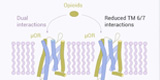
As powerful pain relievers, the opioids morphine and fentanyl have been "checked" by their side effects (listed as controlled substances). How to reduce its side effects? What is its mechanism? This research will explore its mechanism.
Scientific Reviews
As powerful pain relievers, the opioids morphine and fentanyl have been "checked" by their side effects (listed as controlled substances). How to reduce its side effects? What is its mechanism? This research will explore its mechanism. -
 Scientific Reviews
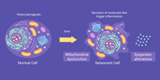
Understanding the mechanism of aging not only has guiding significance for prolonging human life but also has important clinical significance for the prevention and treatment of diseases in the elderly population , thus, improving their life quality and well-being.
Scientific Reviews
Understanding the mechanism of aging not only has guiding significance for prolonging human life but also has important clinical significance for the prevention and treatment of diseases in the elderly population , thus, improving their life quality and well-being. -
 Scientific Reviews
Mammalian cells can also photosynthesize like plants! Photosynthesis can improve cell anabolism and exhibit good clinical effect in degenerative diseases (osteoarthritis).
Scientific Reviews
Mammalian cells can also photosynthesize like plants! Photosynthesis can improve cell anabolism and exhibit good clinical effect in degenerative diseases (osteoarthritis). -
 Scientific Reviews
The latest study of Cell magazine "Neural mechanism underlying depressive-like state associated with social status loss" considers social factors as a breakthrough point. It has been found that the downward transition of social status induces depression-like behavior in mice whereas improves the depressive state by restoring their social environment.
Scientific Reviews
The latest study of Cell magazine "Neural mechanism underlying depressive-like state associated with social status loss" considers social factors as a breakthrough point. It has been found that the downward transition of social status induces depression-like behavior in mice whereas improves the depressive state by restoring their social environment. -
 Scientific Reviews
Necroptosis, also known as necroptosis, is a form of regulated necrotizing cell death mediated by RIP1 and RIP3 kinases. Necroptosis is a process that prevents the self-destruction of activated cells that are blocked by apoptosis. Necroptosis plays a tumor suppressor role in most cases. It may provide benefits in the researches of a variety of human diseases involving immune inflammation and cell death.
Scientific Reviews
Necroptosis, also known as necroptosis, is a form of regulated necrotizing cell death mediated by RIP1 and RIP3 kinases. Necroptosis is a process that prevents the self-destruction of activated cells that are blocked by apoptosis. Necroptosis plays a tumor suppressor role in most cases. It may provide benefits in the researches of a variety of human diseases involving immune inflammation and cell death. -
 Scientific Reviews
Stem cell classification and its application
Scientific Reviews
Stem cell classification and its application2023-05-18
Stem cells (SCs) have the unique ability to self-renew and differentiate into different cell types. SCs can differentiate into various types of tissue cells under specific conditions. Additionally, they can be further cultured to form different tissues and organs in the human body. Stem cells have numerous applications in various fields, including cell therapy, organ transplantation, neurodegenerative disease modeling, and drug screening. -
 Scientific Reviews
Mitophagy:Mechanisms and Detection
Scientific Reviews
Mitophagy:Mechanisms and Detection2023-05-25
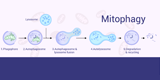
About 60 years ago, Christian de Duve first used the term "autophagy" to describe his observation of the degradation of mitochondria and other intracellular structures in lysosomes of rat liver. Over the years, autophagy has remained a beloved topic of research by the National Natural Science Foundation of China (NSFC).Today, let's talk about mitochondrial autophagy. -
 Scientific Reviews
Structure of Lipid Droplets
Scientific Reviews
Structure of Lipid Droplets2023-06-15
Huh? Lipid droplets? Organelles? In the past, biological data usually only show the traditional organelles, such as mitochondria, Golgi apparatus, endoplasmic reticulum, etc., lipid droplets are often not mentioned by people. Today, we will make a systematic explanation of lipid droplets, so that everyone has a clear understanding! -
 Scientific Reviews
HLA-E, A Novel Immune Checkpoint
Scientific Reviews
HLA-E, A Novel Immune Checkpoint2023-06-29
Immune checkpoints have immunosuppressive functions. It can be used in the research of tumor immunotherapy. In this article, we introduce a new paper entitled "Immune checkpoint HLA-E: CD94 - NKG2Amediates evasion of circulating tumor cells from NK cell surveillance "research paper. -
 Scientific Reviews
Organoid Culture: Questions & Answers
Scientific Reviews
Organoid Culture: Questions & Answers2023-07-26
In the last issue, we conducted a live lecture on the theme of organoid culture. Today, we have a special topic to solve your doubts in the last live class! -
 Scientific Reviews
WHO's Q2 drug list has been updated. Let's take you through the list of the most noteworthy small molecule drugs that we should pay attention to.
Scientific Reviews
WHO's Q2 drug list has been updated. Let's take you through the list of the most noteworthy small molecule drugs that we should pay attention to. -
 Scientific Reviews
FDA Approved Drug List!
Scientific Reviews
FDA Approved Drug List!2023-09-14
In the first half of 2023 (as of June 27), the FDA approved 26 new drugs, let's take you learn about it through the article. -
 Scientific Reviews
IHC is an indispensable technique for studying tissue morphology and in situ antigen expression, but usually only one or two antigens in tissues can be stained for analysis. It cannot judge the results more intuitively. Today, Little M will introduce you to the upgraded version mlHC.
Scientific Reviews
IHC is an indispensable technique for studying tissue morphology and in situ antigen expression, but usually only one or two antigens in tissues can be stained for analysis. It cannot judge the results more intuitively. Today, Little M will introduce you to the upgraded version mlHC. -
 Scientific Reviews
FDA Annual Review | Record-breaking number of new drug approvals in 2023!
Scientific Reviews
FDA Annual Review | Record-breaking number of new drug approvals in 2023! -
 Scientific Reviews
Katalin Karikó and Drew Weissman were awarded the Nobel Prize in Physiology or Medicine in 2023 for their groundbreaking work in nucleoside modification, which paved the way for the creation of successful mRNA vaccines to fight against COVID-19. Let's now delve into the complete process of mRNA vaccine development.
Scientific Reviews
Katalin Karikó and Drew Weissman were awarded the Nobel Prize in Physiology or Medicine in 2023 for their groundbreaking work in nucleoside modification, which paved the way for the creation of successful mRNA vaccines to fight against COVID-19. Let's now delve into the complete process of mRNA vaccine development. -
 Scientific Reviews
Science | A "new" mechanism for non-ubiquitinated Midnolin-proteasomal degradation pathway
Scientific Reviews
Science | A "new" mechanism for non-ubiquitinated Midnolin-proteasomal degradation pathway2024-04-26
“ubiquitin-mediated protein degradation” won the Nobel Prize in Chemistry in 2004! In fact, proteasomes degrade not only ubiquitinated proteins but also non-ubiquitinated ones. The mechanism remains shrouded in mystery. After reading this piece today, you might have a lightbulb moment! -
 Scientific Reviews
STZ Induced Diabetes Models
Scientific Reviews
STZ Induced Diabetes Models2024-06-13
Spotlight: How can STZ Help Diabetes Research? -
 Scientific Reviews
Exosomes, which won the Nobel Prize in 2013, are still a research hotspot in the national natural sciences, and their popularity has only increased over the past decade (in 2022, they still rank 5th in the national natural sciences hotspots!). Why have exosomes become the darling of scientific research? Let's take a look together~
Scientific Reviews
Exosomes, which won the Nobel Prize in 2013, are still a research hotspot in the national natural sciences, and their popularity has only increased over the past decade (in 2022, they still rank 5th in the national natural sciences hotspots!). Why have exosomes become the darling of scientific research? Let's take a look together~ -
 Scientific Reviews
Degrade target proteins through the autophagy-lysosome pathway including LYTAC, AUTAC, and ATTEC have gained increasing attention in recent years due to their significant research potential!
Scientific Reviews
Degrade target proteins through the autophagy-lysosome pathway including LYTAC, AUTAC, and ATTEC have gained increasing attention in recent years due to their significant research potential! -
 Scientific Reviews
Antibodies!
Scientific Reviews
Antibodies!2024-07-26
Today, We introduce antibodies for everyone! -
 Scientific Reviews
Science’s 2023 Breakthrough: GLP-1R Agonists
Scientific Reviews
Science’s 2023 Breakthrough: GLP-1R Agonists2024-08-13
GLP-1RAs, which achieved great success in 2023 and draws people’s attention back to obesity treatments and GLP-1 therapies worldwide, was chosen as the breakthrough of year 2023 by Science [2]. -
 Scientific Reviews
2024 Nobel Prize Announcements! Curious about the details? Click to dive into the exciting developments!
Scientific Reviews
2024 Nobel Prize Announcements! Curious about the details? Click to dive into the exciting developments! -
Scientific Reviews
Delve into the intricate networks that govern mitochondrial quality control. By examining key mechanisms such as biogenesis, mitochondrial dynamics (fission and fusion), proteolysis, and mitophagy. -
 Scientific Reviews
A New Form of Cell Death: PANoptosis!
Scientific Reviews
A New Form of Cell Death: PANoptosis! -
 Scientific Reviews
Unlocking the Power of Intermittent Fasting: The 16+8 Method
Scientific Reviews
Unlocking the Power of Intermittent Fasting: The 16+8 Method -
 Scientific Reviews
Advancing Chronic Kidney Disease Research with GJ103 and Lamin B1 Antibody!
Scientific Reviews
Advancing Chronic Kidney Disease Research with GJ103 and Lamin B1 Antibody! -
 Scientific Reviews
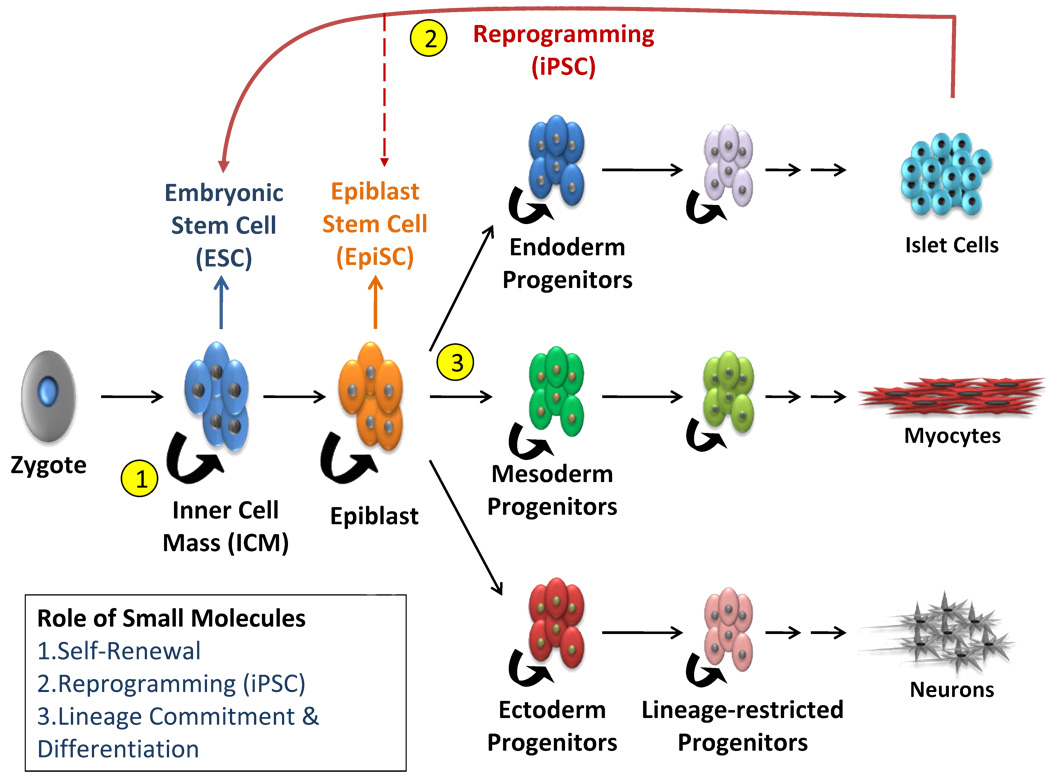
In early January 2025, MIT Tech Review unveiled its annual list of top 10 breakthrough technologies poised to redefine the future. Among these, stem cell therapy stood out for its potential to treat diverse diseases—including neurodegenerative disorders, diabetes, cancer, and heart failure. This groundbreaking approach uses stem cells to replace damaged cells, offering hope for millions worldwide.
Scientific Reviews
In early January 2025, MIT Tech Review unveiled its annual list of top 10 breakthrough technologies poised to redefine the future. Among these, stem cell therapy stood out for its potential to treat diverse diseases—including neurodegenerative disorders, diabetes, cancer, and heart failure. This groundbreaking approach uses stem cells to replace damaged cells, offering hope for millions worldwide. -
 Scientific Reviews
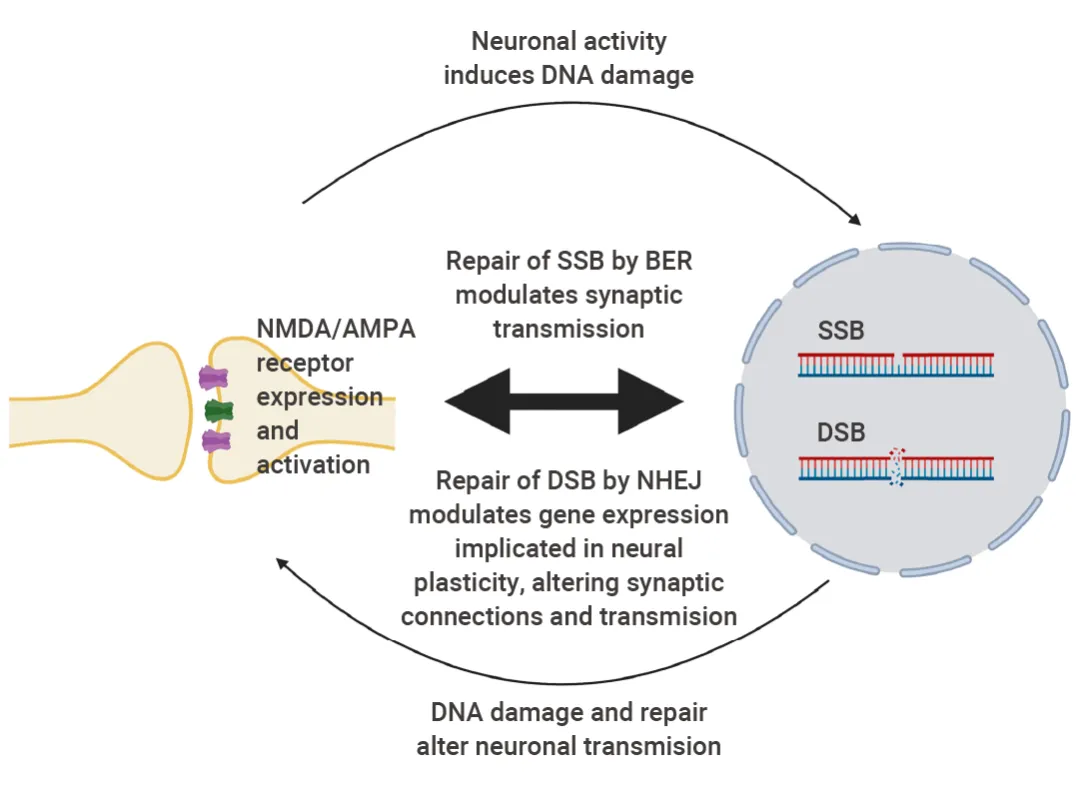
When you hear "inflammation" and "DNA damage," you might immediately think of disease or injury. However, in brains, these two processes are key steps in forming long-term memories, particularly related to specialized cells in our brain called hippocampal neurons.
Scientific Reviews
When you hear "inflammation" and "DNA damage," you might immediately think of disease or injury. However, in brains, these two processes are key steps in forming long-term memories, particularly related to specialized cells in our brain called hippocampal neurons. -
 Scientific Reviews
Autophagy is a fundamental process that degrades various components within the cell.
Scientific Reviews
Autophagy is a fundamental process that degrades various components within the cell. -
 Scientific Reviews
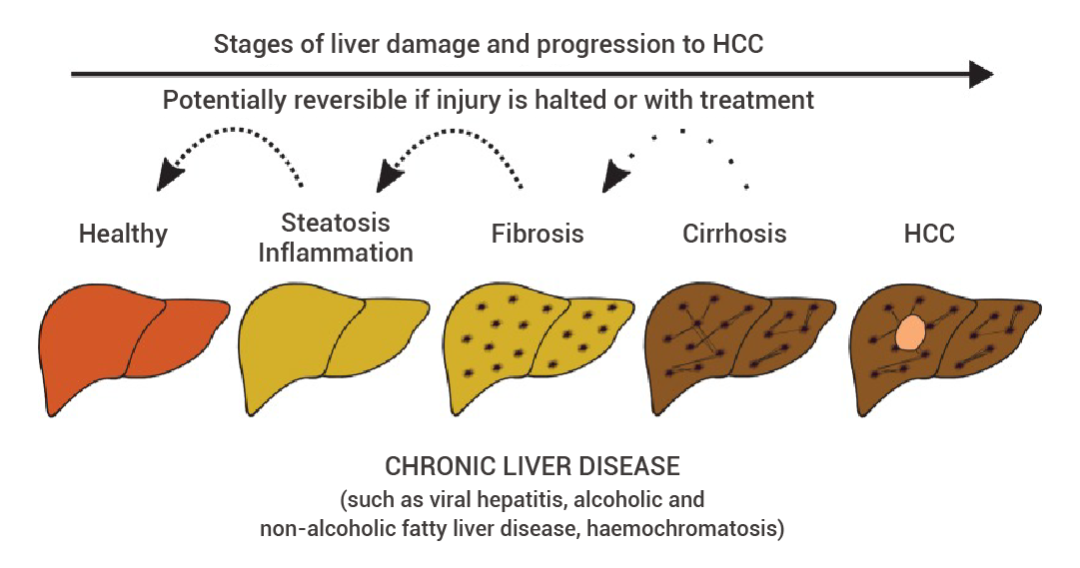
This article will tell you about the common methods of modeling liver disease in animal models.
Scientific Reviews
This article will tell you about the common methods of modeling liver disease in animal models. -
.jpg) Scientific Reviews
nside cells, the homeostasis and degradation of proteins is a precisely regulated process. If proteins cannot be degraded in time, it may lead to the occurrence of various diseases such as neurodegenerative diseases and cancer. This article will tell you the process of how proteins are recognized, labeled and then degraded!
Scientific Reviews
nside cells, the homeostasis and degradation of proteins is a precisely regulated process. If proteins cannot be degraded in time, it may lead to the occurrence of various diseases such as neurodegenerative diseases and cancer. This article will tell you the process of how proteins are recognized, labeled and then degraded! -
 Scientific Reviews
This article introduces some common cardiovascular disease models, inducers, modeling protocols and successful modeling cases in the research.
Scientific Reviews
This article introduces some common cardiovascular disease models, inducers, modeling protocols and successful modeling cases in the research. -
 Scientific Reviews
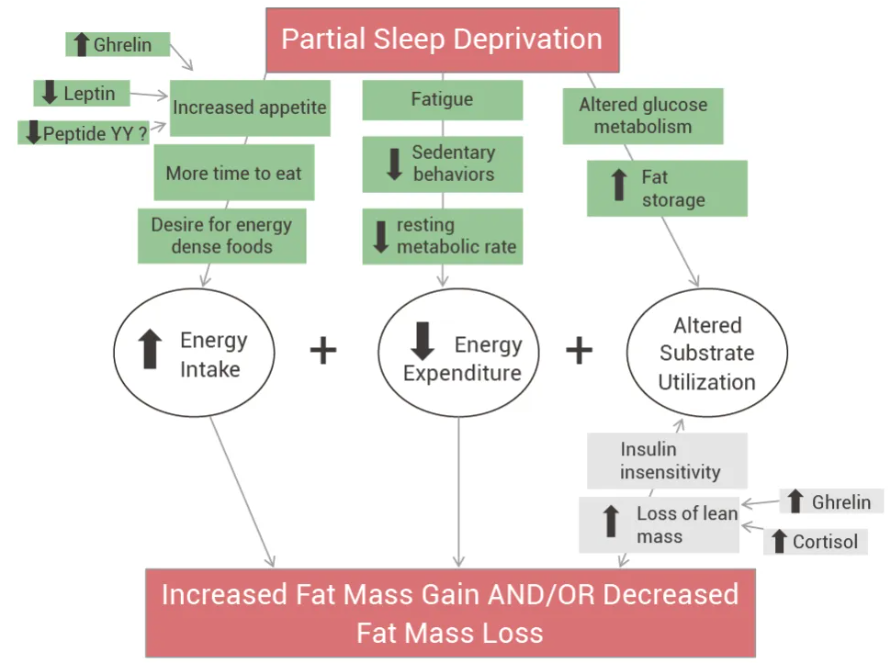
Have you ever noticed that after staying up late, your appetite—especially for high-calorie foods—gets out of control? If this sounds familiar, today’s article might offer some good news.
Scientific Reviews
Have you ever noticed that after staying up late, your appetite—especially for high-calorie foods—gets out of control? If this sounds familiar, today’s article might offer some good news. -
 Scientific Reviews
A groundbreaking study in Nature Communications reveals the key mechanism behind Idiopathic Pulmonary Fibrosis and identifies an existing drug with the potential to counter it.
Scientific Reviews
A groundbreaking study in Nature Communications reveals the key mechanism behind Idiopathic Pulmonary Fibrosis and identifies an existing drug with the potential to counter it. -
 Scientific Reviews
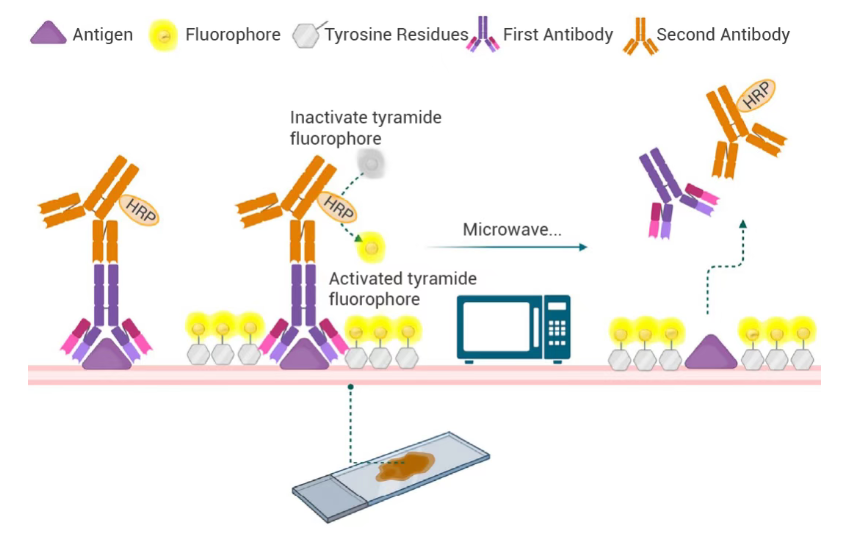
This detailed guide outlines the standardized experimental protocols for multiplex immunohistochemistry (mIHC), systematically summarizes common technical issues encountered during sample preparation, staining and imaging processes, and provides practical troubleshooting solutions to ensure reliable and reproducible results in biomedical research and clinical sample analysis.
Scientific Reviews
This detailed guide outlines the standardized experimental protocols for multiplex immunohistochemistry (mIHC), systematically summarizes common technical issues encountered during sample preparation, staining and imaging processes, and provides practical troubleshooting solutions to ensure reliable and reproducible results in biomedical research and clinical sample analysis. -
 Scientific Reviews
Finding adipogenic induction media too expensive and tricky to prepare? This comprehensive guide to 3T3-L1 adipogenic differentiation simplifies the process, helping you achieve great results!
Scientific Reviews
Finding adipogenic induction media too expensive and tricky to prepare? This comprehensive guide to 3T3-L1 adipogenic differentiation simplifies the process, helping you achieve great results! -
Scientific Reviews
Microglia– the only immune cells within the brain parenchyma. With advancements in imaging technologies, people’s understanding of microglia has shifted from being viewed as 'resting' cells to 'highly active' cells, particularly due to their dynamic processes that seem to be probing surrounding tissues and monitoring neuronal activity. This has made microglia a focal point of research in the field of neuroscience. -
 Scientific Reviews
Exosomes—natural nanoscale carriers—are revolutionizing targeted therapy. This article uncovers the science behind their precision in drug delivery.
Scientific Reviews
Exosomes—natural nanoscale carriers—are revolutionizing targeted therapy. This article uncovers the science behind their precision in drug delivery. -
 Scientific Reviews
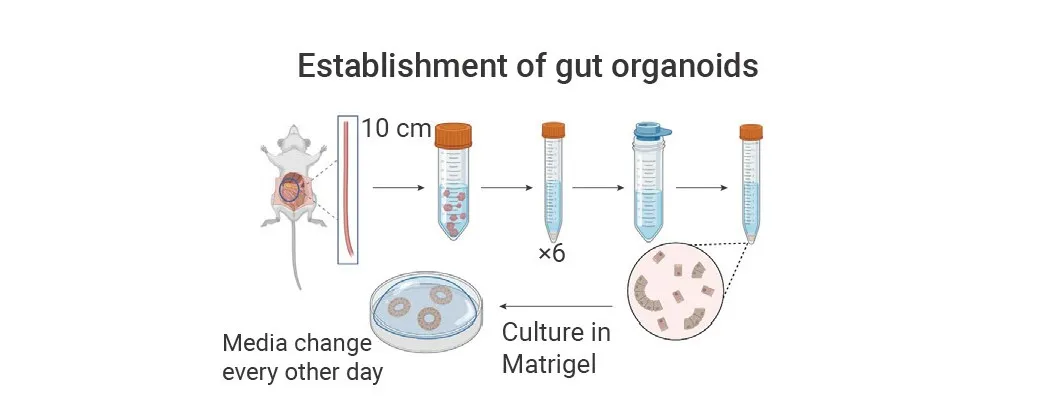
Efficient Generation of Mouse Small Intestinal Organoids: A Complete Experimental Protocol Guide
Scientific Reviews
Efficient Generation of Mouse Small Intestinal Organoids: A Complete Experimental Protocol Guide2025-12-10
How to successfully create mouse small intestine organoids? A detailed, hands-on guide to the entire process, all in one article! -
 Scientific Reviews
This paper elaborates on cytokines for culturing major immune cells, their regulatory roles, recombinant cytokines' merits and MCE’s related high-quality products.
Scientific Reviews
This paper elaborates on cytokines for culturing major immune cells, their regulatory roles, recombinant cytokines' merits and MCE’s related high-quality products. -
 Scientific Reviews
In the hunt for the next ‘GLP-1,’ amylin therapeutics, which have shown strong weight-loss results in clinical trials, have become a major focus for both multinational pharma and the scientific community.
Scientific Reviews
In the hunt for the next ‘GLP-1,’ amylin therapeutics, which have shown strong weight-loss results in clinical trials, have become a major focus for both multinational pharma and the scientific community. -
 Scientific Reviews
GLP-1 and Obesity Research
Scientific Reviews
GLP-1 and Obesity Research2026-08-14
Obesity substantially increases the risk of chronic diseases such as T2D and cardiovascular disease. The breakout success of GLP-1 therapies has spotlighted GLP-1R and a wave of emerging obesity targets. -
 EDM
Research Progress of Type-2-Diabetes
EDM
Research Progress of Type-2-Diabetes2025-07-09
This review comprehensively analyzes the pathophysiological mechanisms underlying T2D, surveys current therapeutic strategies, and introduces commonly used disease modeling approaches to support translational research. -
 EDM
Advances in Alzheimer's Disease Research
EDM
Advances in Alzheimer's Disease Research2025-07-16
This review summarizes current understanding of AD pathophysiology, including amyloid and tau pathology, neuroinflammation, synaptic dysfunction, and vascular abnormalities, and evaluates therapeutic strategies and experimental models. -
 EDM
This review provides an overview of GLP-1 biology and physiological functions, summarizes the development and clinical applications of GLP-1 receptor agonists, and discusses next-generation GLP-1–based therapeutic strategies.
EDM
This review provides an overview of GLP-1 biology and physiological functions, summarizes the development and clinical applications of GLP-1 receptor agonists, and discusses next-generation GLP-1–based therapeutic strategies. -
 EDM
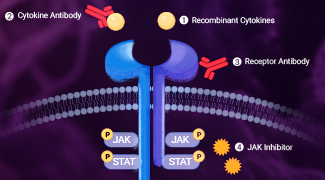
This review critically examines the role of the JAK-STAT pathway in immunity and autoimmune diseases, reviews current clinical applications of targeted therapies, and highlights emerging trends in autoimmune drug development.
EDM
This review critically examines the role of the JAK-STAT pathway in immunity and autoimmune diseases, reviews current clinical applications of targeted therapies, and highlights emerging trends in autoimmune drug development. -
 EDM
This review summarizes the mechanisms of DSS-induced colitis, commonly used modeling approaches, and key considerations related to DSS molecular weight.
EDM
This review summarizes the mechanisms of DSS-induced colitis, commonly used modeling approaches, and key considerations related to DSS molecular weight. -
 EDM
This review highlights the roles of microglia in AD pathology, focusing on metabolic reprogramming and microglia-targeted therapeutic strategies.
EDM
This review highlights the roles of microglia in AD pathology, focusing on metabolic reprogramming and microglia-targeted therapeutic strategies. -
 EDM
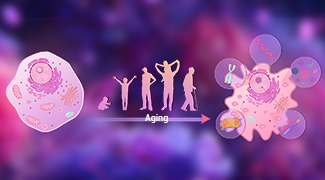
This review summarizes the hallmarks of aging and aging-related diseases, discusses mechanistic insights into aging processes, and highlights emerging anti-aging interventions.
EDM
This review summarizes the hallmarks of aging and aging-related diseases, discusses mechanistic insights into aging processes, and highlights emerging anti-aging interventions. -
 EDM
Explore next-generation obesity therapies from three perspectives: GLP-1-based multi-receptor agonists, oral GLP-1 strategies, and novel obesity targets.
EDM
Explore next-generation obesity therapies from three perspectives: GLP-1-based multi-receptor agonists, oral GLP-1 strategies, and novel obesity targets. -
 EDM
Review advances in target discovery, disease modeling, and biomarkers for Parkinson’s disease, highlighting their interplay and future directions for translational research.
EDM
Review advances in target discovery, disease modeling, and biomarkers for Parkinson’s disease, highlighting their interplay and future directions for translational research. -
 EDM
The Dual Role of Cellular Senescence in Cancer: Mechanisms, Microenvironment, and Therapeutics
EDM
The Dual Role of Cellular Senescence in Cancer: Mechanisms, Microenvironment, and Therapeutics2026-05-21
Explore the dual role of cellular senescence in cancer, including tumor suppression, SASP-driven tumor promotion, senescence heterogeneity and plasticity, and advances in senescence-targeted therapies. -
 EDM
Review the mechanisms, mitochondrial regulation, disease relevance, and translational opportunities of the NLRP3–STING axis in neuroinflammation.
EDM
Review the mechanisms, mitochondrial regulation, disease relevance, and translational opportunities of the NLRP3–STING axis in neuroinflammation. -
 EDM
Explore the evolution from GLP-1 mono-agonists to multi-receptor therapeutics and the expanding role of incretin-based therapies in precision metabolic medicine.
EDM
Explore the evolution from GLP-1 mono-agonists to multi-receptor therapeutics and the expanding role of incretin-based therapies in precision metabolic medicine. -
 EDM
Explore the mechanisms driving immune tolerance breakdown in autoimmune diseases and emerging tolerance-restoring strategies, with a focus on IL-2-based immune modulation.
EDM
Explore the mechanisms driving immune tolerance breakdown in autoimmune diseases and emerging tolerance-restoring strategies, with a focus on IL-2-based immune modulation. -
 EDM
Explore how anti-Aβ therapy is reshaping the AD treatment landscape, the rationale for multi-pathology combination strategies, and advances in biomarker-guided precision treatment.
EDM
Explore how anti-Aβ therapy is reshaping the AD treatment landscape, the rationale for multi-pathology combination strategies, and advances in biomarker-guided precision treatment. -
 EDM
Evolution of PCSK9 Inhibitors Modalities: From Monoclonal Antibodies to Oral Macrocyclic Peptides
EDM
Evolution of PCSK9 Inhibitors Modalities: From Monoclonal Antibodies to Oral Macrocyclic Peptides2026-08-27
Review the biological basis of PCSK9, key therapeutic modalities, cardiovascular evidence, and future directions, including insights from the CORALreef clinical program. -
 EDM
Explore how mitochondrial quality control, inflammatory signaling, and metabolic–epigenetic reprogramming regulate cellular senescence and the SASP, along with strategies to restore mitochondrial homeostasis.
EDM
Explore how mitochondrial quality control, inflammatory signaling, and metabolic–epigenetic reprogramming regulate cellular senescence and the SASP, along with strategies to restore mitochondrial homeostasis. -
 Product Guides
Exosomes are nano-sized biovesicles released into surrounding body fluids after the fusion of multivesicular bodies with the plasma membrane. In this article, we will briefly introduce isolation, labeling and identification of exosomes. And the specific application of exosomes will also be mentioned.
Product Guides
Exosomes are nano-sized biovesicles released into surrounding body fluids after the fusion of multivesicular bodies with the plasma membrane. In this article, we will briefly introduce isolation, labeling and identification of exosomes. And the specific application of exosomes will also be mentioned. -
 Blog
BR351 is a Brain Penetrant MMP Inhibitor
Blog
BR351 is a Brain Penetrant MMP Inhibitor2019-04-05
BR351 is a brain penetrant MMP inhibitor, and a potential tool for the molecular imaging of activated MMPs with PET, with an IC50 in the nanomolar range. -
 Blog
HS-1371 is a Small Molecule RIP3 Inhibitor
Blog
HS-1371 is a Small Molecule RIP3 Inhibitor2019-04-09
HS-1371 is a novel kinase inhibitor of RIP3-mediated necroptosis, showing an inhibitory effect on S227 auto-phosphorylation of RIP3 at the basal level. -
 Blog
Nevanimibe is a selective and potent ACAT1 inhibitor. An excellent drug candidate in the treatment of adrenocortical cancer.
Blog
Nevanimibe is a selective and potent ACAT1 inhibitor. An excellent drug candidate in the treatment of adrenocortical cancer. -
 Blog
PRN1008 is a Reversible Covalent and Oral Active Inhibitor of Bruton’s Tyrosine Kinase (BTK)
Blog
PRN1008 is a Reversible Covalent and Oral Active Inhibitor of Bruton’s Tyrosine Kinase (BTK)2019-04-18
PRN1008 is a selective, reversible covalent and oral active inhibitor of Bruton’s Tyrosine Kinase (BTK), with an IC50 of 1.3 nM. -
 Blog
Multiple Tyrosine Kinases Inhibitor TAS-115
Blog
Multiple Tyrosine Kinases Inhibitor TAS-1152019-04-19
TAS-115 is a potent VEGFR and c-Met/HGFR-targeted kinase inhibitor with IC50s of 30 and 32 nM for rVEGFR2 and rMET, respectively. -
 Blog
TAK-828F is a potent, selective and orally active retinoic acid receptor-related orphan receptor γt (RORγt) inverse agonist. TAK-828F inhibits IL-17A cytokine expression and reduces symptoms of autoimmune encephalomyelitis mice.
Blog
TAK-828F is a potent, selective and orally active retinoic acid receptor-related orphan receptor γt (RORγt) inverse agonist. TAK-828F inhibits IL-17A cytokine expression and reduces symptoms of autoimmune encephalomyelitis mice. -
 Blog
BAY-8002 is a selective and orally active inhibitor of monocarboxylate transporter 1 (MCT1), with an IC50 of 85 nM. Has potential to treat lymphoma.
Blog
BAY-8002 is a selective and orally active inhibitor of monocarboxylate transporter 1 (MCT1), with an IC50 of 85 nM. Has potential to treat lymphoma. -
 Blog
ACY-1083, a Highly Selective HDAC6 Inhibitor, Reverses Chemotherapy-induced Peripheral Neuropathy
Blog
ACY-1083, a Highly Selective HDAC6 Inhibitor, Reverses Chemotherapy-induced Peripheral Neuropathy2019-05-12
ACY-1083 is a selective and brain-penetrating HDAC6 inhibitor with an IC50 of 3 nM. ACY-1083 effectively reverses chemotherapy-induced peripheral neuropathy -
 Blog
GSK3145095 is a RIP1 kinase inhibitor with an IC50 of 6.3 nM. Potently blocks the TNF response and RIP1-dependent inflammatory cytokine MIP-1β production.
Blog
GSK3145095 is a RIP1 kinase inhibitor with an IC50 of 6.3 nM. Potently blocks the TNF response and RIP1-dependent inflammatory cytokine MIP-1β production. -
 Blog
Olutasidenib is a highly potent, selective inhibitor of mutant IDH1 that could be used in the treatment of AML or myelodysplastic syndrome (MDS).
Blog
Olutasidenib is a highly potent, selective inhibitor of mutant IDH1 that could be used in the treatment of AML or myelodysplastic syndrome (MDS). -
 Blog
BAY-11-7082 inhibits the proliferation and induces the apoptosis of U266 cells through inhibiting NF-κB pathway. BAY 11-7082 ameliorates experimental diabetic neuropathy by modulating neuroinflammation and improving antioxidant defence.
Blog
BAY-11-7082 inhibits the proliferation and induces the apoptosis of U266 cells through inhibiting NF-κB pathway. BAY 11-7082 ameliorates experimental diabetic neuropathy by modulating neuroinflammation and improving antioxidant defence. -
 Blog
S18-000003 is a potent, selective and orally active inhibitor of retinoic acid receptor-related orphan receptor-gamma-t (RORγt). S18-000003 ameliorates psoriasis-like lesions in vivo. S18-000003 can be used for the research of skin inflammatory diseases.
Blog
S18-000003 is a potent, selective and orally active inhibitor of retinoic acid receptor-related orphan receptor-gamma-t (RORγt). S18-000003 ameliorates psoriasis-like lesions in vivo. S18-000003 can be used for the research of skin inflammatory diseases. -
 Blog
PTC299 is a dual and orally active DHODH and VEGF inhibitor, has broad and potent activity against hematological cancer cells.
Blog
PTC299 is a dual and orally active DHODH and VEGF inhibitor, has broad and potent activity against hematological cancer cells. -
 Blog
TPCA-1, a Direct Dual Inhibitor of STAT3 and NF-κB, Regresses Mutant EGFR-Associated NSCLC
Blog
TPCA-1, a Direct Dual Inhibitor of STAT3 and NF-κB, Regresses Mutant EGFR-Associated NSCLC2019-07-15
TPCA-1 is a potent and selective inhibitor of IKK-2 with IC50 of 17.9 nM. TPCA-1 is an effective inhibitor of STAT3 phosphorylation, DNA binding. -
 Blog
LSN 3213128 is a selective, nonclassical, orally bioavailable antifolate with anti-cancer activity. LSN 3213128 potently and specifically inhibits AICARFT.
Blog
LSN 3213128 is a selective, nonclassical, orally bioavailable antifolate with anti-cancer activity. LSN 3213128 potently and specifically inhibits AICARFT. -
 Blog
NXT629 is a potent, selective, and competitive PPAR-α antagonist and shows high selectivity over other nuclear hormone receptor.
Blog
NXT629 is a potent, selective, and competitive PPAR-α antagonist and shows high selectivity over other nuclear hormone receptor. -
 Blog
BI-4924 is a Selective PHGDH Inhibitor
Blog
BI-4924 is a Selective PHGDH Inhibitor2019-08-23
BI-4924 is a lipophilic and highly plasma protein bound selective phosphoglycerate dehydrogenase (PHGDH) inhibitor (IC50=3 nM) with excellent microsomal. -
 Blog
FT113 is a potent and orally active fatty acid synthase inhibitor, with an IC50 of 213 nM for full-length recombinant human FAS, with anti-tumor activity.
Blog
FT113 is a potent and orally active fatty acid synthase inhibitor, with an IC50 of 213 nM for full-length recombinant human FAS, with anti-tumor activity. -
 Blog
UPGL00004 is a allosteric glutaminase C inhibitor which strongly inhibits the proliferation of highly aggressive triple-negative breast cancer cell lines.
Blog
UPGL00004 is a allosteric glutaminase C inhibitor which strongly inhibits the proliferation of highly aggressive triple-negative breast cancer cell lines. -
 Blog
IDH889 is an orally available, brain penetrant, allosteric and mutant specific inhibitor of isocitrate dehydrogenase 1 (IDH1) R132 mutations.
Blog
IDH889 is an orally available, brain penetrant, allosteric and mutant specific inhibitor of isocitrate dehydrogenase 1 (IDH1) R132 mutations. -
 Blog
BI-167107 is a high affinity, full agonist that binds to the β2 adrenergic receptor (β2AR) with a dissociation constant Kd of 84 pM.
Blog
BI-167107 is a high affinity, full agonist that binds to the β2 adrenergic receptor (β2AR) with a dissociation constant Kd of 84 pM. -
 Blog
TVB-3166 is an orally-available, reversible, and selective FASN inhibitor and it induces apoptosis, and inhibits in-vivo xenograft tumor growth.
Blog
TVB-3166 is an orally-available, reversible, and selective FASN inhibitor and it induces apoptosis, and inhibits in-vivo xenograft tumor growth. -
 Blog
ASLAN003 is an orally active and potent inhibitor of hDHODH with antitumor activity, and it has the potential to be a first-in-class drug candidate in AML.
Blog
ASLAN003 is an orally active and potent inhibitor of hDHODH with antitumor activity, and it has the potential to be a first-in-class drug candidate in AML. -
 Blog
DS18561882 is a highly potent, sozyme-selective methylenetetrahydrofolate dehydrogenase 2 (MTHFD2) inhibitor with a good oral pharmacokinetic profile.
Blog
DS18561882 is a highly potent, sozyme-selective methylenetetrahydrofolate dehydrogenase 2 (MTHFD2) inhibitor with a good oral pharmacokinetic profile. -
 Blog
GNE-618 is a Orally Active NAMPT Inhibitor
Blog
GNE-618 is a Orally Active NAMPT Inhibitor2019-11-28
GNE-618 is an orally active NAMPT inhibitor and reduces tumor growth. GNE-618 depletes NAD levels and induces tumor cell death. -
 Blog
Telaglenastat is a first-in-class, reversible, orally bioavailable glutaminase 1 splice variants (KGA and GAC) inhibitor. It shows antitumor activity.
Blog
Telaglenastat is a first-in-class, reversible, orally bioavailable glutaminase 1 splice variants (KGA and GAC) inhibitor. It shows antitumor activity. -
 Blog
UK 356618 is a Selective MMP-3 Inhibitor
Blog
UK 356618 is a Selective MMP-3 Inhibitor2019-12-25
UK 356618 is a selective and potent inhibitor of MMP-3. UK 356618 exhibits potent anti-inflammatory and anti-cancer activity. -
 Blog
CH6953755 is a potent, orally active and selective YES1 kinase inhibitor leading to antitumor activity against YES1 Gene -amplified cancers.
Blog
CH6953755 is a potent, orally active and selective YES1 kinase inhibitor leading to antitumor activity against YES1 Gene -amplified cancers. -
 Blog
CA-4948 is a Selective and Orally Bioavailable IRAK4 Kinase Inhibitor for Lymphoma Treatment
Blog
CA-4948 is a Selective and Orally Bioavailable IRAK4 Kinase Inhibitor for Lymphoma Treatment2020-01-05
CA-4948 is a potent, selective and orally bioavailable IRAK4 kinase inhibitor. CA-4948 can be used for the treatment of lymphoma. -
 Blog
GPP78 is a potent Nampt inhibitor. GPP78 is cytotoxic to neuroblastoma cell line SH-SY5Y cells. GPP78 has anti-cancer and anti-tumor activity.
Blog
GPP78 is a potent Nampt inhibitor. GPP78 is cytotoxic to neuroblastoma cell line SH-SY5Y cells. GPP78 has anti-cancer and anti-tumor activity. -
 Blog
M8891 is an orally active, reversible and brain penetrant Methionine Aminopeptidase-2 (MetAP-2) inhibitor with antiangiogenic and antitumoral activity.
Blog
M8891 is an orally active, reversible and brain penetrant Methionine Aminopeptidase-2 (MetAP-2) inhibitor with antiangiogenic and antitumoral activity. -
 Blog
TCH-165 is a modulator of proteasome assembly, which increases 20S levels and facilitates 20S-mediated protein degradation, such as IDPs, α-syn, and tau.
Blog
TCH-165 is a modulator of proteasome assembly, which increases 20S levels and facilitates 20S-mediated protein degradation, such as IDPs, α-syn, and tau. -
 Blog
BAY-985 is an orally active and selective ATP-competitive dual inhibitor of TBK1 and IKKε with IC50s of 2/30 and 2 nM for TBK1 and IKKε, respectively.
Blog
BAY-985 is an orally active and selective ATP-competitive dual inhibitor of TBK1 and IKKε with IC50s of 2/30 and 2 nM for TBK1 and IKKε, respectively. -
 Blog
ADH-503 is an orally active and allosteric CD11b agonist and leads to the repolarization of tumor-associated macrophages.
Blog
ADH-503 is an orally active and allosteric CD11b agonist and leads to the repolarization of tumor-associated macrophages. -
 Blog
Ro 90-7501, an Aβ42 fibril assembly inhibitor, inhibits PP5 in a TPR-dependent manner and has radiosensitizing effects on cervical cancer cells.
Blog
Ro 90-7501, an Aβ42 fibril assembly inhibitor, inhibits PP5 in a TPR-dependent manner and has radiosensitizing effects on cervical cancer cells. -
 Blog
CM10 is a potent and selective aldehyde dehydrogenase 1A family inhibitor and regulates metabolism and has anti-cancer activity.
Blog
CM10 is a potent and selective aldehyde dehydrogenase 1A family inhibitor and regulates metabolism and has anti-cancer activity. -
 Blog
NU1025 is a potent PARP inhibitor and potentiates the cytotoxicity of ionizing radiation drug. NU1025 has anti-cancer and neuroprotective activity.
Blog
NU1025 is a potent PARP inhibitor and potentiates the cytotoxicity of ionizing radiation drug. NU1025 has anti-cancer and neuroprotective activity. -
 Blog
DC-5163 is a potent GAPDH inhibitor, can inhibit glycolysis pathway partially. DC-5163 selectively inhibits cancer cell proliferation and induces apoptosis.
Blog
DC-5163 is a potent GAPDH inhibitor, can inhibit glycolysis pathway partially. DC-5163 selectively inhibits cancer cell proliferation and induces apoptosis. -
 Blog
OT-82 is a selective inhibitor of NAMPT. Selectively toxic to cells of hematopoietic origin. OT-82 is a promising antineoplastic agent.
Blog
OT-82 is a selective inhibitor of NAMPT. Selectively toxic to cells of hematopoietic origin. OT-82 is a promising antineoplastic agent. -
 Blog
TNP-351, an Antifolate, is a Dihydrofolate Reductase (DHFR) Inhibitor. Antifolates serve medical science well in neoplastic and non-neoplastic diseases.
Blog
TNP-351, an Antifolate, is a Dihydrofolate Reductase (DHFR) Inhibitor. Antifolates serve medical science well in neoplastic and non-neoplastic diseases. -
 Blog
JCN037 is a potent, non-covalent, and brain-penetrant EGFR tyrosine kinase inhibitor. JCN037 has potent anti-cancer activity.
Blog
JCN037 is a potent, non-covalent, and brain-penetrant EGFR tyrosine kinase inhibitor. JCN037 has potent anti-cancer activity. -
 Blog
GSK143 is an orally active and highly selective spleen tyrosine kinase (SYK) inhibitor. GSK143 reduces inflammation in the intestinal muscularis in mice.
Blog
GSK143 is an orally active and highly selective spleen tyrosine kinase (SYK) inhibitor. GSK143 reduces inflammation in the intestinal muscularis in mice. -
 Blog
JX06 is a potent, selective and covalent inhibitor of PDK via covalently binding to a cysteine residue in an irreversible manner.
Blog
JX06 is a potent, selective and covalent inhibitor of PDK via covalently binding to a cysteine residue in an irreversible manner. -
 Blog
KCC-07 prevents binding of MBD2 to methylated DNA and activates BAI1 inducing anti-proliferative BAI1/p53/p21 signaling. Anticancer activity.
Blog
KCC-07 prevents binding of MBD2 to methylated DNA and activates BAI1 inducing anti-proliferative BAI1/p53/p21 signaling. Anticancer activity. -
 Blog
IPI-9119 is an orally active, selective and irreversible FASN inhibitor with potent anti-cancer activity. IPI-9119 induces cell cycle arrest, apoptosis.
Blog
IPI-9119 is an orally active, selective and irreversible FASN inhibitor with potent anti-cancer activity. IPI-9119 induces cell cycle arrest, apoptosis. -
 Blog
CAY10404 is a potent and highly selective COX-2 inhibitor. CAY10404 is a potent inhibitor of PKB/Akt and MAPK signalling pathways.
Blog
CAY10404 is a potent and highly selective COX-2 inhibitor. CAY10404 is a potent inhibitor of PKB/Akt and MAPK signalling pathways. -
 Blog
MPT0G211, an orally active and selective HDAC6 inhibitor, ameliorates tau phosphorylation, and cognitive deficits in an Alzheimer’s disease model.
Blog
MPT0G211, an orally active and selective HDAC6 inhibitor, ameliorates tau phosphorylation, and cognitive deficits in an Alzheimer’s disease model. -
 Blog
RapaLink-1, a third-generation bivalent mTOR inhibitor, potently blocking cancer-derived, activating mutants of mTOR. It can cross the blood-brain barrier.
Blog
RapaLink-1, a third-generation bivalent mTOR inhibitor, potently blocking cancer-derived, activating mutants of mTOR. It can cross the blood-brain barrier. -
 Blog
PQR530 is a potent, ATP-competitive, orally bioavailable and brain-penetrant dual pan-PI3K/mTORC1/2 inhibitor. Antitumor activity.
Blog
PQR530 is a potent, ATP-competitive, orally bioavailable and brain-penetrant dual pan-PI3K/mTORC1/2 inhibitor. Antitumor activity. -
 Blog
BMS-P5 is an Orally Active PAD4 Inhibitor
Blog
BMS-P5 is an Orally Active PAD4 Inhibitor2020-12-12
BMS-P5 is an orally active PAD4 inhibitor. BMS-P5 blocks MM-induced NET formation and delays progression of MM in a syngeneic mouse model -
 Blog
ML132, a potent and selective caspase 1 inhibitor with a unique selectivity pattern, is responsible for the proteolytic activation of IL-1β and IL-18.
Blog
ML132, a potent and selective caspase 1 inhibitor with a unique selectivity pattern, is responsible for the proteolytic activation of IL-1β and IL-18. -
 Blog
CHDI-390576, a potent and CNS penetrant class IIa HDAC inhibitor, show selectivity over class I HDACs, HDAC8 and the class IIb HDAC6 isoform.
Blog
CHDI-390576, a potent and CNS penetrant class IIa HDAC inhibitor, show selectivity over class I HDACs, HDAC8 and the class IIb HDAC6 isoform. -
 Blog
CTPI-2 is a SLC25A1 inhibitor. CTPI-2 inhibits glycolysis, PPARγ, and its downstream target the glucose transporter GLUT4. Antitumor activity.
Blog
CTPI-2 is a SLC25A1 inhibitor. CTPI-2 inhibits glycolysis, PPARγ, and its downstream target the glucose transporter GLUT4. Antitumor activity. -
 Blog
BI99179 is a Selective Type I FASN Inhibitor
Blog
BI99179 is a Selective Type I FASN Inhibitor2021-01-28
FASN is a key enzyme for lipogenesis and highly expressed in lipogenic tissues. BI99179 is a Selective Type I FASN Inhibitor. -
 Blog
Fasentin inhibits GLUT-1 and GLUT-4 transporters. Fasentin blocks glucose uptake in cancer cell lines and has anti-angiogenic activity.
Blog
Fasentin inhibits GLUT-1 and GLUT-4 transporters. Fasentin blocks glucose uptake in cancer cell lines and has anti-angiogenic activity. -
 Blog
ML390 is a Potent DHODH Inhibitor
Blog
ML390 is a Potent DHODH Inhibitor2021-02-24
ML390 is a potent dihydroorotate dehydrogenase (DHODH) inhibitor and is an inducer of myeloid differentiation. -
 Blog
NAZ2329 is an allosteric, noncompetitive and reversible inhibitor of R5 RPTP subfamily and PTPRZ/PTPRG with anti-cancer activity.
Blog
NAZ2329 is an allosteric, noncompetitive and reversible inhibitor of R5 RPTP subfamily and PTPRZ/PTPRG with anti-cancer activity. -
 Blog
CC-90001 is a potent, selective, and orally active inhibitor of JNK. CC-90001 can be used for the research of idiopathic pulmonary fibrosis (IPF).
Blog
CC-90001 is a potent, selective, and orally active inhibitor of JNK. CC-90001 can be used for the research of idiopathic pulmonary fibrosis (IPF). -
 Blog
BrBzGCp2 is a Glyoxalase 1 (GLO1) inhibitor for a variety of disorders. Possesses antitumor and neuroprotective activity.
Blog
BrBzGCp2 is a Glyoxalase 1 (GLO1) inhibitor for a variety of disorders. Possesses antitumor and neuroprotective activity. -
 Blog
SB-332235 is a potent, orally active nonpeptide CXCR2 antagonist. SB-332235 inhibits acute and chronic models of arthritis in the rabbit.
Blog
SB-332235 is a potent, orally active nonpeptide CXCR2 antagonist. SB-332235 inhibits acute and chronic models of arthritis in the rabbit. -
 Blog
ML-00253764 is a brain penetrant nonpeptidic melanocortin receptor 4 (MC4R) antagonist with a Ki/IC50 of 0.16 µM/0.103 µM, respectively.
Blog
ML-00253764 is a brain penetrant nonpeptidic melanocortin receptor 4 (MC4R) antagonist with a Ki/IC50 of 0.16 µM/0.103 µM, respectively. -
 Blog
Vorasidenib is an orally available, brain penetrant second-generation dual mutant isocitrate dehydrogenases 1 and 2 (mIDH1/2) inhibitor.
Blog
Vorasidenib is an orally available, brain penetrant second-generation dual mutant isocitrate dehydrogenases 1 and 2 (mIDH1/2) inhibitor. -
 Blog
Lumiracoxib is a COX-2 inhibitor. Lumiracoxib acts as nonselective NSAID with anti-inflammatory, analgesic and antipyretic activities.
Blog
Lumiracoxib is a COX-2 inhibitor. Lumiracoxib acts as nonselective NSAID with anti-inflammatory, analgesic and antipyretic activities. -
 Blog
Ruxolitinib is a potent and selective JAK1/2 inhibitor and has 130-fold selectivity for JAK1/2 over JAK3. Ruxolitinib induces autophagy.
Blog
Ruxolitinib is a potent and selective JAK1/2 inhibitor and has 130-fold selectivity for JAK1/2 over JAK3. Ruxolitinib induces autophagy. -
 Blog
GSK2606414 is an orally available PERK inhibitor and is a potent compound of cancer and neurological diseases.
Blog
GSK2606414 is an orally available PERK inhibitor and is a potent compound of cancer and neurological diseases. -
 Blog
SB 258719 is a selective 5-HT7 receptor antagonist and can be used for the research of cancer and neurological disease.
Blog
SB 258719 is a selective 5-HT7 receptor antagonist and can be used for the research of cancer and neurological disease. -
 Blog
IMD-0354 is a Selective IKKβ Inhibitor
Blog
IMD-0354 is a Selective IKKβ Inhibitor2021-11-09
IMD-0354 is a selective IKKβ inhibitor and potently inhibits NF-κB activity. IMD0354 has antitumor activity. -
 Blog
Lonidamine, an antitumor agent and an indazole derivative, interferes with energy-yielding processes in cancer cells.
Blog
Lonidamine, an antitumor agent and an indazole derivative, interferes with energy-yielding processes in cancer cells. -
 Blog
Trolox is an analogue of vitamin E with a powerful antioxidant effect. Trolox is also a powerful inhibitor of membrane damage.
Blog
Trolox is an analogue of vitamin E with a powerful antioxidant effect. Trolox is also a powerful inhibitor of membrane damage. -
 Blog
AZD1390 is a potent, highly selective, orally bioavailable, brain-penetrant ATM inhibitor with an IC50 of 0.78 nM.
Blog
AZD1390 is a potent, highly selective, orally bioavailable, brain-penetrant ATM inhibitor with an IC50 of 0.78 nM. -
 Blog
CL097 is a TLR7/8 agonist. CL097 induces pro-nflammatory cytokines. CL097 induces NADPH oxidase priming and efficient diabetogenic cytotoxic T lymphocyte (CTL) function in NOD mice.
Blog
CL097 is a TLR7/8 agonist. CL097 induces pro-nflammatory cytokines. CL097 induces NADPH oxidase priming and efficient diabetogenic cytotoxic T lymphocyte (CTL) function in NOD mice. -
 Blog
Zingerone is a natural orally active nontoxic methoxyphenol potent anti-inflammatory, antidiabetic, antioxidize, and anti-tumor properties.
Blog
Zingerone is a natural orally active nontoxic methoxyphenol potent anti-inflammatory, antidiabetic, antioxidize, and anti-tumor properties. -
 Blog
BM213 is a selective C5aR1 agonist. It’s a useful research tool to study C5aR1 function
Blog
BM213 is a selective C5aR1 agonist. It’s a useful research tool to study C5aR1 function -
 Blog
Epoxomicin is an epoxyketone-containing natural product and a selective and irreversible proteasome inhibitor. Cross the blood-brain barrier.
Blog
Epoxomicin is an epoxyketone-containing natural product and a selective and irreversible proteasome inhibitor. Cross the blood-brain barrier. -
 Blog
Pelecopan is a potent, selective, and orally active complement factor D inhibitor, possessing the potential to study paroxysmal nocturnal hemoglobinuria (PNH).
Blog
Pelecopan is a potent, selective, and orally active complement factor D inhibitor, possessing the potential to study paroxysmal nocturnal hemoglobinuria (PNH). -
 Blog
AZD-9574 is a potent and brain penetrant PARP1 inhibitor and shows >8000-fold selectivity for PARP1 compared to PARP2/3/5a/6.
Blog
AZD-9574 is a potent and brain penetrant PARP1 inhibitor and shows >8000-fold selectivity for PARP1 compared to PARP2/3/5a/6. -
 Blog
GR-46611 is a 5-HT1D Receptor Agonist
Blog
GR-46611 is a 5-HT1D Receptor Agonist2022-10-11
GR-46611 is a potent 5-HT1D receptor agonist and has the potential for the research of epilepsy and inhibits bladder activity. -
 Blog
Etrolizumab is a Gut-selective, Anti-β7 Integrin McAb for Inflammatory Bowel Disease (IBD) Research
Blog
Etrolizumab is a Gut-selective, Anti-β7 Integrin McAb for Inflammatory Bowel Disease (IBD) Research2022-11-05
Etrolizumab is a gut-selective, anti-β7 integrin monoclonal antibody and has the potential for the research of inflammatory bowel disease. -
 Blog
STF-31 is a potent ans selective inhibitor of GLUT1 that inhibit glucose uptake in renal cell carcinoma (RCC) 4 cells.
Blog
STF-31 is a potent ans selective inhibitor of GLUT1 that inhibit glucose uptake in renal cell carcinoma (RCC) 4 cells. -
 Blog
Olutasidenib (FT-2102) is an orally active, brain penetrant inhibitor of mutant IDH1. Olutasidenib is used for AML or MDS Research.
Blog
Olutasidenib (FT-2102) is an orally active, brain penetrant inhibitor of mutant IDH1. Olutasidenib is used for AML or MDS Research. -
 Blog
J-113397 is a potent and selective nonpeptidyl ORL1 receptor antagonist without any agonistic effects on other opioid receptors.
Blog
J-113397 is a potent and selective nonpeptidyl ORL1 receptor antagonist without any agonistic effects on other opioid receptors. -
 Blog
Talotrexin (PT523), a classic antifolate, is an RFC (reduced folate carrier) specific inhibitor and selectively inhibits RFC transport.
Blog
Talotrexin (PT523), a classic antifolate, is an RFC (reduced folate carrier) specific inhibitor and selectively inhibits RFC transport. -
 Blog
Ruxolitinib is an orally-active JAK1/2 inhibitor. Ruxolitinib has the potential for the research of myeloproliferative neoplasm (MPN).
Blog
Ruxolitinib is an orally-active JAK1/2 inhibitor. Ruxolitinib has the potential for the research of myeloproliferative neoplasm (MPN).
Products
All
-
All
-
Inhibitors & Agonists
-
Isotope-Labeled Compounds
-
Fluorescent Dye
-
Peptides
-
Recombinant Proteins
-
Antibodies
-
Screening Libraries
-
Inhibitory Antibodies
-
Reference Standards
-
Induced Disease Models Products
-
GMP Small Molecules
-
Biochemical Assay Reagents
-
Natural Products
| Cat. No. | Product Name | Information | Application | Publication |
|---|---|---|---|---|
| HY-18739 | Phorbol 12-myristate 13-acetate |
Phorbol 12-myristate 13-acetate (PMA; TPA; Phorbol myristate acetate), a phorbol ester, is a dual SphK and protein kinase C (PKC) activator. Phorbol 12-myristate 13-acetate is a NF-κB activator. Phorbol 12-myristate 13-acetate induces differentiation in THP-1 cells (Validated by MedChemExpress).
|
|
861
|
| HY-10071 | Y-27632 |
Y-27632 is a ROCK inhibitor with Ki values of 220 nM and 300 nM for ROCK1 and ROCK2, respectively. Y-27632 exerts anti-inflammatory and immunomodulatory effects in systemic lupus erythematosus models by inhibiting the ROCK/NF-κB pathway. Y-27632 enhances autophagy by inhibiting the AKT/mTOR pathway, thereby inducing apoptosis apoptosis in oral squamous cell carcinoma. Y-27632 induces the formation of tunneling nanotubes in ARPE-19 cells and significantly enhances mitochondrial transfer through these channels. Y-27632 promotes neurite outgrowth in PC12 cells by activating the Rac1/NOX1/ROS/AKT/PAK1 signaling cascade.
|
|
605
|
| HY-11109 | Resatorvid |
Resatorvid (TAK-242) is a selective Toll-like receptor 4 (TLR4) inhibitor. Resatorvid inhibits NO, TNF-α and IL-6 production with IC50s of 1.8 nM, 1.9 nM and 1.3 nM, respectively. Resatorvid downregulates expression of TLR4 downstream signaling molecules MyD88 and TRIF. Resatorvid inhibits autophagy and plays pivotal role in various inflammatory diseases.
|
|
537
|
| HY-13453 | BAY 11-7082 |
BAY 11-7082 is an IκBα phosphorylation and NF-κB inhibitor. BAY 11-7082 selectively and irreversibly inhibits the TNF-α-induced phosphorylation of IκB-α, and decreases NF-κB and expression of adhesion molecules. BAY 11-7082 inhibits ubiquitin-specific protease USP7 and USP21 (IC50=0.19, 0.96 μM, respectively). BAY 11-7082 inhibits gasdermin D (GSDMD) pore formation in liposomes and inflammasome-mediated pyroptosis and IL-1β secretion in human and mouse cells.
|
Breast Cancer
Prostate Cancer
Liver Cancer
Leukemia/Lymphoma/Myeloma
Pancreatic Cancer
Ovarian Cancer
Depression
Pain
Digestive System Inflammation
Obesity
|
509
|
| HY-10227 | Bortezomib |
Bortezomib (PS-341) is a reversible and selective proteasome inhibitor, and potently inhibits 20S proteasome (Ki=0.6 nM) by targeting a threonine residue. Bortezomib disrupts the cell cycle, induces apoptosis, and inhibits NF-κB. Bortezomib is the first proteasome inhibitor anticancer agent. Bortezomib can be used for the study of multiple myeloma (MM). Bortezomib effectively inhibits TREM2 expression in tumor-associated macrophages (TAMs).
|
Prostate Cancer
Liver Cancer
Leukemia/Lymphoma/Myeloma
Pancreatic Cancer
Ovarian Cancer
Viral Infection
Depression
Pain
Non-Small Cell Lung Cancer
Metastatic Breast Cancer
SARS-CoV-2 Infection
Obesity
|
278
|
| HY-B2176 | ATP |
ATP (Adenosine 5'-triphosphate) is a central component of energy storage and metabolism in vivo. ATP provides the metabolic energy to drive metabolic pumps and serves as a coenzyme in cells. ATP is an important endogenous signaling molecule in immunity and inflammation. ATP can activate the NLRP3 inflammasome and induce IL-1β and chemokines secretion. ATP has anti-bacterial infection effects and can protect mice against bacterial infection in mice.
Source: widespread |
|
178
|
| HY-13982 | JSH-23 |
JSH-23 is an NF-κB inhibitor which inhibits NF-κB transcriptional activity with an IC50 of 7.1 μM in lipopolysaccharide (LPS)-stimulated macrophages RAW 264.7. JSH-23 inhibits nuclear translocation of NF-κB p65 without affecting IκBα degradation.
|
Breast Cancer
Prostate Cancer
Liver Cancer
Leukemia/Lymphoma/Myeloma
Pancreatic Cancer
Ovarian Cancer
Depression
Pain
Digestive System Inflammation
Glucose Metabolism
Obesity
|
162
|
| HY-B0240 | Disulfiram |
Disulfiram (Tetraethylthiuram disulfide) is a specific inhibitor of aldehyde-dehydrogenase (ALDH1), used for the treatment of chronic alcoholism by producing an acute sensitivity to alcohol. Disulfiram inhibits gasdermin D (GSDMD) pore formation in liposomes and inflammasome-mediated pyroptosis and IL-1β secretion in human and mouse cells. Disulfiram, a copper ion carrier, with Cu2+ increases intracellular ROS levels and induces cuproptosis.
|
Metabolic or Endocrine Disease
Breast Cancer
Prostate Cancer
Pancreatic Cancer
Ovarian Cancer
Viral Infection
Depression
Pain
Autoimmune Disease
Digestive System Inflammation
SARS-CoV-2 Infection
|
162
|
| HY-100573 | Necrosulfonamide |
Necrosulfonamide is a MLKL and Gasdermin D (GSDMD) inhibitor, capable of separately inhibiting necroptosis and pyroptosis of cells. Necrosulfonamide does not affect the activation of upstream signals, but specifically inhibits the downstream executor oligomerization step. Necrosulfonamide reduces the expression of the key kinases NLRP3 and caspase-1 involved in necroptosis and pyroptosis, activate the Nrf2 pathway and the downstream antioxidant enzymes, and also downregulates a variety of inflammatory factors. Necrosulfonamide plays significant roles in various diseases such as neurodegenerative diseases (such as Parkinson’s disease), tissue damage and ischemia-reperfusion injury, inflammatory bowel disease, osteoarthritis and fracture repair, and hair loss by regulating two important programmed necrosis pathways.
|
Mixed Lineage Kinase
Necroptosis
Pyroptosis
Caspase
NOD-like Receptor (NLR)
Keap1-Nrf2
TNF Receptor
Interleukin Related
NO Synthase
Heme Oxygenase (HO)
Digestive System Disease
Prostate Cancer
Leukemia/Lymphoma/Myeloma
Depression
Digestive System Inflammation
Cardiovascular Disease
Parkinson's Disease
Obesity
Lung Fibrosis
Rheumatoid Arthritis
|
147
|
| HY-P1410A | GsMTx4 TFA |
GsMTx4 TFA is a spider venom peptide that selectively inhibits cationic-permeable mechanosensitive channels (MSCs) belonging to the Piezo and TRP channel families. GsMTx4 TFA also blocks cation-selective stretch-activated channels (SACs) , attenuates lysophosphatidylcholine (LPC)-induced astrocyte toxicity and microglial reactivity. GsMTx4 TFA is an important pharmacological tool for identifying the role of these excitatory MSCs in normal physiology and pathology.
|
Neurological, Eye or Ear Disease
Inflammation or Immune System Disease
Blood or Cardio-cerebrovascular Disease
|
135
|
| HY-P1410 | GsMTx4 |
GsMTx4 is a spider venom peptide that selectively inhibits cationic-permeable mechanosensitive channels (MSCs) belonging to the Piezo and TRP channel families. GsMTx4 also blocks cation-selective stretch-activated channels (SACs) , attenuates lysophosphatidylcholine (LPC)-induced astrocyte toxicity and microglial reactivity. GsMTx4 is an important pharmacological tool for identifying the role of these excitatory MSCs in normal physiology and pathology.
|
Neurological, Eye or Ear Disease
Inflammation or Immune System Disease
Blood or Cardio-cerebrovascular Disease
|
135
|
| HY-40354 | Tofacitinib |
Tofacitinib (Tasocitinib) is an orally active, blood-brain barrier permeable selective inhibitor of JAK1/JAK3. Tofacitinib blocks the JAK-STAT/NF-κB signaling pathway, inhibits cytokine signal transduction, phosphorylation of STAT1/STAT5, and suppresses innate and adaptive immune responses. Tofacitinib can be used in research related to major depressive disorder, rheumatoid arthritis, pulmonary diseases, systemic lupus erythematosus, and immune-mediated liver injury.
|
|
103
|
| HY-L068 | Flavonoids Library |
Flavonoids are an important class of natural products; particularly, they belong to a class of plant secondary metabolites having a polyphenolic structure, widely found in fruits, vegetables and certain beverages. Flavonoids can be subdivided into different subgroups depending on the carbon of the C ring on which the B ring is attached and the degree of unsaturation and oxidation of the C ring. These subgroups are: flavones, flavonols, flavanones, flavanonols, flavanols or catechins, anthocyanins and chalcones. Flavonoids are now considered as an indispensable component in a variety of nutraceutical, pharmaceutical, medicinal and cosmetic applications. This is attributed to their anti-oxidative, anti-inflammatory, anti-mutagenic and anti-carcinogenic properties coupled with their capacity to modulate key cellular enzyme function. Naturally occurring flavonoids are known to have biological activities for use as drugs, for example, in diseases like cancer, Alzheimer’s disease (AD), atherosclerosis, etc.
MCE offers a unique collection of 583 natural flavonoid compounds which is a useful tool for drug discovery as an important source of lead compounds.
|
|
98
|
| HY-100487 | TAK-243 |
TAK-243 (MLN7243) is a first-in-class, selective ubiquitin activating enzyme, UAE (UBA1) inhibitor (IC50=1 nM), which blocks ubiquitin conjugation, disrupting monoubiquitin signaling as well as global protein ubiquitination. TAK-243 (MLN7243) induces endoplasmic reticulum (ER) stress, abrogates NF-κB pathway activation and promotes apoptosis.
|
Breast Cancer
Prostate Cancer
Liver Cancer
Leukemia/Lymphoma/Myeloma
Pancreatic Cancer
Ovarian Cancer
Depression
Pain
Digestive System Inflammation
Obesity
|
96
|
| HY-L028 | CNS-Penetrant Compound Library |
The blood-brain barrier (BBB) is the complex network of brain microvessels. It protects the brain from the external bloodstream environment and supplies the brain with the required nutrients for normal function. However, blood-brain barrier is also the obstacle to deliver beneficial drugs to treat CNS (central nervous system) diseases or brain tumors, as it has the least permeable capillaries in the entire body due to physical barriers (tight junctions). Therefore, it is crucial to discover drugs which can cross this barrier for the treatment of brain-based diseases, such as Alzheimer’s disease (AD), Parkinson’s disease (PD) and epilepsy.
MCE offers a unique collection of 1,170 compounds with confirmed CNS-Penetrant property. It’s a useful tool for the discovery of drugs used for brain diseases, such as brain tumors, mental disorders, and neurodegenerative diseases.
|
|
91
|
| HY-L003 | Apoptosis Compound Library |
Apoptosis is an ordered and orchestrated cellular process that occurs in physiological and pathological conditions, which is also called programmed cell death (PCD). Apoptosis plays a crucial role in developing and maintaining the health of the body by eliminating old cells, unhealthy cells and unnecessary cells. Too little or too much apoptosis contribute to many diseases. When apoptosis does not work correctly, cells that should be eliminated may persist and become immortal, for example, in cancer and leukemia. When apoptosis works overly well, it kills too many cells and inflicts grave tissue damage. This is the case in strokes and neurodegenerative disorders such as Alzheimer's, Huntington's, and Parkinson's disease.
MCE designs a unique collection of 3,650 apoptosis-related compounds mainly focusing on the key targets in the apoptosis signaling pathway and can be used in the research of apoptosis signal pathway and related diseases.
|
|
90
|
| HY-L010 | MAPK Compound Library |
MAPK families play an important role in complex cellular programs like proliferation, differentiation, development, transformation, and apoptosis. In mammalian cells, four MAPK families have been clearly characterized: ERK1/2, C-Jun N-terminal kinse/stress-activated protein kinase (JNK/SAPK) , p38 kinase and ERK5. They respond to different signals. Each MAPK-related cascade consists of three enzymes that are activated in series: a MAPK kinase kinase (MAPKKK), a MAPK kinase (MAPKK) and a MAP kinase (MAPK). MAPK signaling pathways has been implicated in the development of many human diseases including Alzheimer's disease (AD), Parkinson's disease (PD), amyotrophic lateral sclerosis (ALS) and various types of cancers.
MCE designs a unique collection of 1,154 MAPK signaling pathway inhibitors that act as a useful tool for MAPK-related drug screening and disease research.
|
|
88
|
| HY-14519 | Methotrexate |
Methotrexate (Amethopterin; CL14377; WR19039) is an orally active antifolate (Antifolate). Methotrexate inhibits dihydrofolate reductase (DHFR), blocks tetrahydrofolate production, suppresses purine/pyrimidine synthesis and transmethylation, and causes intracellular accumulation of AICAR. Methotrexate promotes extracellular adenosine release, regulates the cytokine network, and inhibits the alarmin function of HMGB1. Methotrexate induces apoptosis and cytotoxicity, upregulates the expression of iNOS and COX-2, suppresses hippocampal neurogenesis, and induces pulmonary fibrosis. Methotrexate is used in the research of various immune and inflammation-related diseases such as arthritis, psoriasis, systemic lupus erythematosus, as well as pulmonary fibrosis and breast cancer.
|
|
87
|
| HY-L086 | Neurodegenerative Disease-related Compound Library |
Neurodegenerative diseases are incurable and life-threatening conditions that result in progressive degeneration and/or death of nerve cells. Some common neurodegenerative diseases include Alzheimer’s Disease (AD), Parkinson’s Disease (PD), Motor Neuron Disease (MND), Huntington’s Disease (HD), Spino-Cerebellar Ataxia (SCA), Spinal Muscular Atrophy (SMA), and Amyotrophic Lateral Sclerosis (ALS). Because the pathophysiology of neurodegenerative disorders is generally poorly understood, it is difficult to identify promising molecular targets and validate them. At the same time, about 85% of the drugs fail in clinical trials. Therefore, validating new targets and discovering new drugs to mitigate neurodegenerative disorders is need of the hour.
MCE offers a unique collection of 3,759 compounds with anti-Neurodegenerative Diseases activities or targeting the unique targets of neurodegenerative diseases. MCE Neurodegenerative Disease-related Compound Library is a useful tool for exploring the mechanism of neurodegenerative diseases and discovering new drugs for neurodegenerative diseases.
|
|
85
|
| HY-L134 | Anti-Aging Natural Product Library |
Aging is an unavoidable process, leading to cell senescence due to physiochemical changes in an organism. Aging cells cease to divide and drive the progression of illness through various pathways, resulting in the death of an organism ultimately. Anti-aging activities are primarily involved in the therapies of age-related disorders such as Parkinson's Disease (PD), Alzheimer's Disease (AD), cardiovascular diseases, cancer, and chronic obstructive pulmonary diseases.
Natural products are known as effective molecules in anti-aging treatments, which delay the aging process through influencing several pathways and thus ensure an extended lifespan. MCE offers a unique collection of 193 natural products with validated anti-aging activity. MCE anti-aging natural product library is a useful tool for the study of aging-related diseases drugs and pharmacology.
|
|
85
|
| HY-L069 | Anti-Alzheimer's Disease Compound Library |
Alzheimer’s Disease (AD) is a progressive degenerative brain disease which causes mental and physical decline, gradually resulting in death. Despite the significant public health issue that it poses, only few medical treatments have been approved for Alzheimer’s Disease (AD) and these act to control symptoms rather than alter the course of the disease. Discovery of new therapeutic approaches depends on the study of pathology of AD. Recent research findings have led to greater understanding of disease neurobiology in Alzheimer's Disease (AD) and identification of unique targets for drug development. Several important mechanisms have been proposed to explain the underlying pathology of AD, such as Amyloid cascade hypothesis, Tau hypothesis and Cholinergic hypothesis, etc.
MCE offers a unique collection of 2,174 compounds with anti-Alzheimer’s Disease activities or targeting the unique targets of AD. MCE Anti-Alzheimer’s Disease Compound Library is a useful tool for exploring the mechanism of AD and discovering new drugs for AD.
|
|
84
|
| HY-L070 | Neuroprotective Compound Library |
Neurodegenerative diseases are characterised by progressive dysfunction and death of neurons, such as Alzheimer’s disease, Parkinson’s disease, and multiple sclerosis (MS). Neuroprotection is an approach to preserve neurons so that neurons cannot be hurt by different pathological factors in neurodegenerative diseases. Neuroprotectors are some agonists and antagonists targeting some key targets in neuroprotactive signal pathways, such as calcium and sodium channel blockers, GABA receptor agonists, NMDA receptor Antagonists, etc. Current neuroprotectors cannot reverse existing damage, but they may protect against further nerve damage and slow down any degeneration of the central nervous system (CNS) and still play important roles in the treatment of neurodegenerative diseases.
MCE offers a unique collection of 1,851 compounds with potential neuroprotective activities. These compounds mainly act on some key targets in neuroprotetive signal pathways, such as calcium channel, sodium channel, adenosine A1 receptor, etc. MCE Neuroprotective Compopund Library is a useful tool in neuroprotective drug discovery.
|
|
84
|
| HY-L034M | Anti-Aging Compound Library Mini |
Research has shown that drugs targeting aging pathways demonstrate promising potential in models of age-related diseases such as Alzheimer's disease, cardiovascular diseases, metabolic syndrome, osteoarthritis, and various malignancies. This suggests that intervening in the biological processes of aging may enable synergistic prevention and treatment of multiple chronic diseases. Against the backdrop of the gradual elucidation of core aging mechanisms-including cellular senescence, telomere attrition, epigenetic dysregulation, and chronic inflammation anti-aging research has shifted from traditional phenotypic interventions toward targeting key pathways that regulate biological age.
The MCE Anti-Aging Compound Library Mini is precisely built upon this cutting-edge concept. It focuses on aging-related targets validated through genetic or functional studies, comprising 381 compounds designed to provide systematic research tools for aging biology and intervention strategy development. The library covers core mechanisms such as mTOR, SIRT, energy metabolism, clearance of senescent cells, optimization of mitochondrial function, and telomere maintenance. For each target, 1-5 compounds with clear activity and strong representativeness have been carefully selected, spanning the entire translational spectrum from preclinical tool molecules to clinically investigational drugs.
|
|
83
|
| HY-L085 | Anti-Parkinson's Disease Compound Library |
Parkinson’s disease (PD), the second most common age-associated neurodegenerative disorder, is characterized by the loss of dopaminergic (DA) neurons and the presence of α-synuclein-containing aggregates in the substantia nigra pars compacta (SNpc). Motor features such as tremor, rigidity, bradykinesia and postural instability are common traits of PD. To date, there is no treatment to stop or at least slow down the progression of the disease. The etiology and pathogenesis of PD is still elusive, however, a large body of evidence suggests a prominent role of oxidative stress, inflammation, apoptosis, mitochondrial dysfunction and proteasome dysfunction in the pathogenesis of PD.
MCE offers a unique collection of 2,199 compounds with anti- Parkinson’s Disease activities or targeting the unique targets of PD. MCE Anti- Parkinson's Disease Compound Library is a useful tool for exploring the mechanism of PD and discovering new drugs for PD.
|
|
83
|
| HY-L164 | Serine/Threonine Kinase Inhibitor Library |
Protein serine/threonine kinases (PSKs) are protein kinases that use ATP as a high-energy donor molecule to transfer phosphate groups to serine/threonine residues of target protein. As an important signal transduction regulator, serine/threonine kinases can affect the function of target proteins by disrupting enzyme activity or binding of target proteins to other proteins. Serine/threonine kinases are involved in the regulation of immune response, cell proliferation, differentiation, apoptosis and other physiological processes. Serine/threonine kinase inhibitors are an important class of compounds that have been widely studied in cancer, chronic inflammation, autoimmune diseases, aging and other diseases.
MCE designs a unique collection of 2,276 serine/threonine kinase inhibitors, mainly targeting the receptor PKA, Akt, PKC, MAPK/ERK, etc, which is an effective tool for development and research of anti-cancer, anti-chronic inflammatory diseases, anti-autoimmune diseases and anti-aging compounds.
|
|
83
|
| HY-L246 | Tonifying Traditional Chinese Medicine Monomer Compound Library |
Tonifying traditional Chinese medicines occupy a central position in the traditional medical system, with their core value lying in the regulation of the body's functional state. Modern pharmacological studies have confirmed that these medicinal materials and their monomeric components possess multiple biological activities, including bidirectional immune regulation, anti-aging and lifespan extension, neuroprotection and cognitive enhancement, as well as hematopoietic and metabolic regulation. According to the traditional Chinese medicine theory of “strengthening the body’s resistance and consolidating the foundation”, tonifying medicines are mainly classified into four major categories: Qi-tonifying, Blood-tonifying, Yin-tonifying, and Yang-tonifying. This compound library strictly follows this classification system for compound collection.
Monomeric compounds derived from traditional Chinese medicines demonstrate excellent drug-like properties. They naturally possess structural diversity and clearly defined pharmacological activities, which help improve screening success rates and make them ideal tools for studying multi-target synergistic effects. This library contains 1,039 compounds, providing a material basis for investigating synergistic interactions among compounds (network pharmacology) and facilitating the development of multi-target therapeutic strategies for complex diseases such as cancer, neurodegenerative disorders, and metabolic syndrome.
|
|
83
|
| HY-L919 | MCE CNS BBB Lead-like Library |
With the aging population and increasing competitive pressures, neurodegenerative diseases of the central nervous system (CNS) have become a serious medical challenge in modern society, including Parkinson's disease, Alzheimer's disease, brain tumors, and multiple sclerosis. However, the success rate of CNS drug development remains remarkably low, primarily due to the blood-brain barrier (BBB).
The blood-brain barrier (BBB) is a semipermeable barrier structure that surrounds the microvasculature of the CNS. In capillaries, the wedged endothelial cells are tightly packed and wedge-shaped, lining the interior of the vessels to form extensive tight junctions. Along with a range of receptors, transporters, efflux pumps, and other cellular components, this barrier regulates the entry and exit of molecules between the bloodstream and the brain. The intact BBB blocks the passage of most blood-borne substances into the brain, preventing nearly 100% of large-molecule drugs and over 98% of small-molecule drugs from entering.
Compared to non-CNS drugs, physicochemical properties such as hydrogen bonds, lipophilicity, and molecular weight significantly influence a compound's ability to cross the BBB. Using artificial intelligence (AI) algorithms to predict BBB permeability, a predicted value greater than 0.75 indicates that the compound has strong potential to cross the BBB, providing a promising starting point for CNS drug discovery.
|
|
83
|
| HY-L920 | CNS MPO Lead-like Library |
With the aging population and increasing competitive pressures, neurodegenerative diseases of the central nervous system (CNS) have become a serious medical challenge in modern society, including Parkinson's disease, Alzheimer's disease, brain tumors, and multiple sclerosis.
The CNS MPO (Multi-Parameter Optimization) score is a widely recognized algorithm in medicinal chemistry. Developed by Pfizer, this method is based on an analysis of approved CNS drugs and their interior CNS drug candidates, establishing the CNS MPO rules. It incorporates six key physicochemical properties (ClogP, ClogD, MW, TPSA, HBD, and pKa) to prospectively optimize CNS drug attributes—such as high blood-brain barrier (BBB) permeability, low P-gp efflux liability, low metabolic clearance, and high safety—thereby improving the clinical success rate of CNS drug candidates.
The CNS MPO compound library is a collection of compounds with CNS MPO scores greater than 5, specifically designed for CNS drug discovery.
|
|
83
|
| HY-32735 | Triptolide |
Triptolide is a diterpenoid triepoxide extracted from the root of Tripterygium wilfordii with immunosuppressive, anti-inflammatory, antiproliferative and antitumour effects. Triptolide is a NF-κB activation inhibitor.
|
Breast Cancer
Prostate Cancer
Liver Cancer
Leukemia/Lymphoma/Myeloma
Pancreatic Cancer
Ovarian Cancer
Viral Infection
Depression
Pain
Digestive System Inflammation
Obesity
|
76
|
| HY-N0822 | Shikonin |
Shikonin is a major component of a Chinese herbal medicine named zicao. Shikonin is a potent TMEM16A chloride channel inhibitor with an IC50 of 6.5 μM. Shikonin is a specific pyruvate kinase M2 (PKM2) inhibitor and can also inhibit TNF-α and NF-κB pathway. Shikonin decreases exosome secretion through the inhibition of glycolysis. Shikonin inhibits AIM2 inflammasome activation.
|
Breast Cancer
Prostate Cancer
Liver Cancer
Leukemia/Lymphoma/Myeloma
Pancreatic Cancer
Ovarian Cancer
Viral Infection
Depression
Pain
Digestive System Inflammation
Obesity
Lung Fibrosis
Rheumatoid Arthritis
|
74
|
| HY-107202 | Polyinosinic-polycytidylic acid |
Polyinosinic-polycytidylic acid (Poly(I:C)) is a synthetic analog of double-stranded RNA and an agonist of toll-like receptor 3 (TLR3) and retinoic acid inducible gene I (RIG-I)-like receptors (RIG-I and MDA5). Polyinosinic-polycytidylic acid can be used as a vaccine adjuvant to enhance innate and adaptive immune responses, and to alter the tumor microenvironment. Polyinosinic-polycytidylic acid can directly trigger cancer cells to undergo apoptosis.
|
RIG-I-like receptor (RLR)
Toll-like Receptor (TLR)
PKD
HSP
Bcl-2 Family
Interleukin Related
Apoptosis
Infection
Digestive System Disease
Prostate Cancer
Pain
Digestive System Inflammation
Lung Fibrosis
Rheumatoid Arthritis
|
73
|
| HY-18234A | Leupeptin hemisulfate |
Leupeptin hemisulfate is a broad-spectrum protease inhibitor. By inhibiting the activation of the PTEN/PI3K/Akt/NF-κB/ERK1/2/p38 signaling pathway, Leupeptin hemisulfate significantly reduces LPS-induced NO and ROS production, mitochondrial membrane potential hyperpolarization, phagocytic activity, pro-inflammatory cytokine release, and M1 polarization in mouse peritoneal macrophages, and reverses autophagic flux impairment. It also decreases Concanavalin A (HY-P2149)-induced proliferation index of mouse splenic lymphocytes and the Th1/IL-10 and Th2/IL-10 cytokine ratios, thereby modulating innate and adaptive immune responses. Leupeptin hemisulfate inhibits blood coagulation and tumorigenesis in mouse skin. Leupeptin hemisulfate can be used in research on chronic inflammatory diseases and skin tumorigenesis.
Source: Streptomyces roseus MB-26-AI |
Ser/Thr Protease
Cathepsin
Autophagy
SARS-CoV
Atg8/LC3
NO Synthase
COX
p62
Arginase
PTEN
NF-κB
PI3K
Akt
p38 MAPK
ERK
Reactive Oxygen Species (ROS)
|
68
|
| HY-A0003 | Lenalidomide |
Lenalidomide (CC-5013) is an orally active immunomodulatory agent that binds CRBN as a molecular glue to alter substrate specificity, inducing ubiquitination and proteasome-dependent degradation of IKZF1, IKZF3 and CK1α. Lenalidomide induces apoptosis by degrading IKZF1/3, and activates p53 by degrading CK1α. Lenalidomide promotes IL-2 release and effector functions of CD8+ T/NK cells, while inhibiting TNF-α secretion and M1-type pyroptosis. Lenalidomide can be used in research related to hematological malignancies, acute liver failure and acute kidney injury.
|
Molecular Glues
Ligands for E3 Ligase
IKZF Family
Casein Kinase
Apoptosis
Pyroptosis
MDM-2/p53
TNF Receptor
Inflammation or Immune System Disease
Renal Disease
Chronic Lymphocytic Leukemia
Diffuse Large B-cell Lymphoma
Multiple Myeloma
Myelodysplastic Syndrome
Liver Failure
|
63
|
| HY-108841 | Raleukin |
Raleukin (Kineret) is a recombinant, nonglycosylated human interleukin-1 receptor (IL-1R) antagonist. Raleukin significantly reduces neutrophil accumulation in blood vessels and brain infarct volume as well as improves motor coordination performance in ischemic stroke mice model. Anakinra can be used to study chronic inflammatory disorders like rheumatoid arthritis and cardiovascular recurrence post-myocardial infarction.
Species: Human |
|
57
|
| HY-W250163 | NAD+ lithium |
NAD+ lithium (β-DPN lithium) is a lithium salt of nicotinamide adenine dinucleotide. NAD+ is a coenzyme in the REDOX reaction. NAD+ can directly or indirectly affect several key cellular functions, including metabolic pathways, DNA repair, chromatin remodeling, cell aging, and immune cell function.
|
|
52
|
| HY-114118B | Semaglutide acetate |
Semaglutide acetate is a long-acting, selective, competitive GLP-1R agonist that can penetrate the blood-brain barrier. After activating GLP-1R, Semaglutide acetate promotes insulin secretion, inhibits gastric emptying and appetite, and at the same time enhances autophagy, inhibits oxidative stress and apoptosis. Semaglutide acetate also regulates mitochondrial function and lipid metabolism (such as reducing de novo lipogenesis in the liver). Semaglutide acetate has activities such as lowering blood sugar, reducing weight, neuroprotection (such as improving motor function in Parkinson's disease models, reducing α-synuclein aggregation) and improving hepatic steatosis. Semaglutide acetate can be used for the study of neurodegenerative diseases and liver diseases such as type 2 diabetes, obesity, Parkinson's disease, metabolic associated fatty liver disease (MASLD), and cancer.
|
|
50
|
| HY-B1081A | Oxidopamine hydrobromide |
Oxidopamine (6-OHDA) hydrobromide is an antagonist of the neurotransmitter dopamine. Oxidopamine hydrobromide is a widely used neurotoxin and selectively destroys dopaminergic neurons. Oxidopamine hydrobromide promotes COX-2 activation, leading to PGE2 synthesis and pro-inflammatory cytokine IL-1β secretion. Oxidopamine hydrobromide can be used for the research of Parkinson’s disease (PD), attention-deficit hyperactivity disorder (ADHD), and Lesch-Nyhan syndrome.
|
Dopamine Receptor
Autophagy
Mitophagy
COX
PGE synthase
Interleukin Related
p38 MAPK
Apoptosis
Caspase
|
50
|
| HY-114118 | Semaglutide |
Semaglutide is a long-acting, selective, competitive GLP-1R agonist that can penetrate the blood-brain barrier. After activating GLP-1R, Semaglutide promotes insulin secretion, inhibits gastric emptying and appetite, and at the same time enhances autophagy, inhibits oxidative stress and apoptosis. Semaglutide also regulates mitochondrial function and lipid metabolism (such as reducing de novo lipogenesis in the liver). Semaglutide has activities such as lowering blood sugar, reducing weight, neuroprotection (such as improving motor function in Parkinson's disease models, reducing α-synuclein aggregation) and improving hepatic steatosis. Semaglutide can be used for the study of neurodegenerative diseases and liver diseases such as type 2 diabetes, obesity, Parkinson's disease, metabolic associated fatty liver disease (MASLD), and cancer.
|
|
50
|
| HY-15027 | 5-Aminosalicylic Acid |
5-Aminosalicylic acid (Mesalamine) acts as a specific PPARγ agonist and also inhibits p21-activated kinase 1 (PAK1) and NF-κB. 5-Aminosalicylic acid can inhibit the activity of osteopontin (OPN).
|
|
43
|
| HY-N0182 | Fisetin |
Fisetin is a natural flavonol found in many fruits and vegetables with various benefits, such as antioxidant, anticancer, neuroprotection effects.
|
Digestive System Disease
Prostate Cancer
Viral Infection
Depression
Digestive System Inflammation
SARS-CoV-2 Infection
Obesity
Lung Fibrosis
Rheumatoid Arthritis
|
35
|
| HY-14536 | Methylene Blue |
Methylene blue (Basic Blue 9) is a guanylyl cyclase (sGC), monoamine oxidase A (MAO-A) and NO synthase (NOS) inhibitor. Methylene blue is a vasopressor and is often used as a dye in several medical procedures. Methylene blue through the nitric oxide syntase/guanylate cyclase signalling pathway to reduce prepulse inhibition. Methylene blue is a REDOX cycling compound and able to cross the blood-brain barrier. Methylene blue is a Tau aggregation inhibitor. Methylene Blue is a photosensitizer and redox agent. Methylene blue reduces cerebral edema, attenuated microglial activation and reduced neuroinflammation.
|
|
30
|
| HY-P9970 | Infliximab |
Infliximab (Avakine) is a chimeric monoclonal IgG1 antibody that specifically binds to TNF-α. Infliximab prevents the interaction of TNF-α with TNF-α receptor (TNFR1 and TNFR2). Infliximab has the potential for autoimmune, chronic inflammatory diseases and diabetic neuropathy research.
The component ratio of this product is Active ingredient : Excipients = 9 : 47. Species: Human |
Neurological, Eye or Ear Disease
Inflammation or Immune System Disease
Metabolic or Endocrine Disease
Lung Cancer
Breast Cancer
|
30
|
| HY-P9908 | Adalimumab |
Adalimumab is a human monoclonal IgG1 antibody targeting tumour necrosis factor α (TNF-α).
Species: Human |
|
20
|
| HY-108847 | Etanercept |
Etanercept, a dimeric fusion protein that binds TNF, acts as a TNF inhibitor. Etanercept competitively inhibits the binding of both TNF-α and TNF-β to cell surface TNF receptors, rendering TNF biologically inactive. Etanercept shows efficacy against rheumatoid arthritis, juvenile idiopathic arthritis, and plaque psoriasis.
|
|
16
|
| HY-12688 | Succinyl phosphonate |
Succinyl phosphonate is a α-Ketoglutarate Dehydrogenase Complex (KGDHC) modulator with neuroprotective activity. Succinyl phosphonate protects this complex, reduces cellular succinyl-CoA concentration, downregulates protein succinylation levels, and inhibits the activity of the α-ketoglutarate dehydrogenase complex. Succinyl phosphonate corrects hypoxic or ethanol-induced behavioral impairments, modulates exploratory behavior and emotional stress responses, and improves hypoxia tolerance. Succinyl phosphonate reduces glutamate excitotoxicity, restores the activity of the α-ketoglutarate dehydrogenase complex, reverses the changes in glutamate dehydrogenase and glutamine synthetase activities induced by β-amyloid (Amyloid-β), modulates cognitive function, and prevents β-amyloid-induced neuronal damage. Succinyl phosphonate improves microglial senescence, alleviates neuroinflammation, reactive oxygen species (ROS) production, lipid peroxidation, and the expression of proinflammatory cytokines. Succinyl phosphonate can be used in the research of Alzheimer's disease, aging-related neuroinflammation, and Parkinson's disease.
|
|
14
|
| HY-12688A | Succinyl phosphonate trisodium salt |
Succinyl phosphonate trisodium salt is a α-Ketoglutarate Dehydrogenase Complex (KGDHC) modulator with neuroprotective activity. Succinyl phosphonate trisodium salt protects this complex, reduces cellular succinyl-CoA concentration, downregulates protein succinylation levels, and inhibits the activity of the α-ketoglutarate dehydrogenase complex. Succinyl phosphonate trisodium salt corrects hypoxic or ethanol-induced behavioral impairments, modulates exploratory behavior and emotional stress responses, and improves hypoxia tolerance. Succinyl phosphonate trisodium salt reduces glutamate excitotoxicity, restores the activity of the α-ketoglutarate dehydrogenase complex, reverses the changes in glutamate dehydrogenase and glutamine synthetase activities induced by β-amyloid (Amyloid-β), modulates cognitive function, and prevents β-amyloid-induced neuronal damage. Succinyl phosphonate trisodium salt improves microglial senescence, alleviates neuroinflammation, reactive oxygen species (ROS) production, lipid peroxidation, and the expression of proinflammatory cytokines. Succinyl phosphonate trisodium salt can be used in the research of Alzheimer's disease, aging-related neuroinflammation, and Parkinson's disease.
|
|
14
|
| HY-N0131 | Stigmasterol |
Stigmasterol is an orally acitve, immunomodulatory agent with anti-inflammatory and neuroprotective effect, as well as able to cross the blood-brain barrier. Stigmasterol activates AMPK, which in turn inhibits NF-κB and NLRP3 signaling pathways, reduces microglia-mediated neuroinflammation, and alleviates cognitive impairment and Alzheimer's disease. Stigmasterol regulates M1/M2 polarization of microglia through the TLR4/ NF-κB pathway, thereby reducing neuropathic pain. Stigmasterol can be used for neurodegenerative diseases, inflammatory diseases, and pain management, among others.
|
|
13
|
| HY-W015229 | 3-Indolepropionic acid |
3-Indolepropionic acid is shown to be a powerful antioxidant and has potential in the treatment for Alzheimer’s disease.
|
|
13
|
| HY-P9926 | Dupilumab |
Dupilumab (REGN-668) is a fully human mAb to IL-4 receptor α (IL-4Rα) that inhibits both IL-4 and IL-13 signaling, markedly improved moderate-to-severe atopic dermatitis.
Species: Human |
Inflammation or Immune System Disease
Breast Cancer
Non-Small Cell Lung Cancer
Staphylococcus Aureus Infection
|
9
|
| HY-B0130 | Perindopril |
Perindopril erbumine is an angiotensin-converting enzyme inhibitor. Perindopril erbumine modulates NFκB and STAT3 signaling and inhibits glial activation and neuroinflammation. Perindopril erbumine can be used for the research of Chronic Kidney Disease and high blood pressure.
|
Lung Cancer
Breast Cancer
Prostate Cancer
Pancreatic Cancer
Pain
Digestive System Inflammation
Hypertension
|
8
|
| HY-P3211 | Nangibotide |
Nangibotide (LR12) is a synthetic peptide and TREM-1 receptor inhibitor. Nangibotide inhibits NF-κB and NLRP3 inflammasome activation and reduces the release of pro-inflammatory factors (such as IL-1β, IL-8). Nangibotide inhibits Apoptosis. Nangibotide reduces excessive inflammatory responses and protects tissues (liver, lung) from damage. Nangibotide can be used in the researches for myocardial ischemia-reperfusion injury, septic shock, acute lung injury, osteoarthritis, and acute liver failure.
|
Breast Cancer
Prostate Cancer
Liver Cancer
Leukemia/Lymphoma/Myeloma
Pancreatic Cancer
Ovarian Cancer
Depression
Pain
Autoimmune Disease
Digestive System Inflammation
Cardiovascular Disease
Obesity
|
8
|
| HY-P3211A | Nangibotide TFA |
Nangibotide TFA (LR12 TFA) is a synthetic peptide and TREM-1 receptor inhibitor. Nangibotide TFA inhibits NF-κB and NLRP3 inflammasome activation and reduces the release of pro-inflammatory factors (such as IL-1β, IL-8). Nangibotide TFA inhibits Apoptosis. Nangibotide TFA reduces excessive inflammatory responses and protects tissues (liver, lung) from damage. Nangibotide TFA can be used in the researches for myocardial ischemia-reperfusion injury, septic shock, acute lung injury, osteoarthritis, and acute liver failure.
|
|
8
|
| HY-101878 | Texas Red |
Texas Red (Sulforhodamine 101) is an amphoteric rhodamine red fluorescent dye (excitation/emission: 586/605 nm). Texas Red is used extensively for investigating neuronal morphology and acts as acell type-selective fluorescent marker of astrocytes bothin vivoand in slice preparations.
|
|
8
|
| HY-107632 | GYY4137 |
GY4137 is a sustained-release H2S donor possessing vasodilatory, antihypertensive, and anti-inflammatory activities. GY4137 can inhibit cell growth, induce apoptosis, and cause cell cycle arrest by blocking the STAT3 pathway, demonstrating potent anticancer activity.
|
Neurological, Eye or Ear Disease
Inflammation or Immune System Disease
Blood or Cardio-cerebrovascular Disease
|
8
|
| HY-19948 | Leucomethylene blue mesylate |
Leucomethylene blue (TRx0237) mesylate, an orally active second-generation tau protein aggregation inhibitor (Ki of 0.12 μM), could be used for the study of Alzheimer's Disease. Leucomethylene blue mesylate is a common reduced form of Methylene Blue, Methylene Blue is a member of the thiazine class of dyes.
|
|
6
|
| HY-N7560 | Safranal |
Safranal is an orally active main component of Saffron (Crocus sativus) and is responsible for the unique aroma of this spice. Safranal has neuroprotective and anti-inflammatory effects and has the potential for Parkinson’s disease research.
|
|
6
|
| HY-B1614 | Clenbuterol hydrochloride |
Clenbuterol (NAB-365) hydrochloride, a selective β2-adrenergic agonist, enhances skeletal muscle strength and hypertrophy. Clenbuterol hydrochloride induces growth factor mRNA, activates astrocytes, and protects rat brain tissue against ischemic damage.
|
|
6
|
| HY-W250978 | Ovalbumins |
Ovalbumins are the major proteins in egg white. Ovalbumins act as an allergen and inducer, and can be applied to mouse models of allergic diseases. Ovalbumins can induce allergic rhinitis in mice via sensitization and nasal challenge. Ovalbumins can be used to establish asthma models.
Ovalbumin, low endotoxin (HY-W250978A) is recommended for model establishment. |
|
6
|
| HY-N0474 | Tyrosol |
Tyrosol is a derivative of phenethyl alcohol. Tyrosol attenuates pro-inflammatory cytokines from cultured astrocytes and NF-κB activation. Anti-oxidative and anti-inflammatory effects.
|
Breast Cancer
Prostate Cancer
Liver Cancer
Leukemia/Lymphoma/Myeloma
Pancreatic Cancer
Ovarian Cancer
Depression
Pain
Digestive System Inflammation
Obesity
|
4
|
| HY-157122 | VJDT |
Lung Cancer
Breast Cancer
Colorectal Cancer
Prostate Cancer
Gastric Cancer
Liver Cancer
Leukemia/Lymphoma/Myeloma
Pancreatic Cancer
Ovarian Cancer
Depression
Pain
Digestive System Inflammation
Obesity
Lung Fibrosis
Rheumatoid Arthritis
|
4
|
|
| HY-44134 | Dimethyl 2-oxoglutarate |
Dimethyl 2-oxoglutarate (Dimethyl α-ketoglutarate) is a cell-permeable derivative of 2-oxoglutarate and tricarboxylic acid cycle metabolite with antioxidant properties. Dimethyl 2-oxoglutarate inhibits Autophagy. Dimethyl 2-oxoglutarate prevents mitochondrial damage and reduces ROS production. Dimethyl 2-oxoglutarate alleviates Carbon tetrachloride (HY-Y0298)-induced liver fibrosis. Dimethyl-2-oxoglutaric acid can be used in the research of diseases such as Alzheimer's disease, diabetes, and cardiomyopathy.
|
Endogenous Metabolite
Drug Derivative
Autophagy
Mitochondrial Metabolism
Reactive Oxygen Species (ROS)
|
4
|
| HY-100803 | Hypotaurine |
Hypotaurine (2-aminoethanesulfinic acid), an intermediate in taurine biosynthesis from cysteine in astrocytes, is an endogenous inhibitory amino acid of the glycine receptor. Antioxidant.
|
|
3
|
| HY-D0837 | Imidazole |
Imidazole (Glyoxaline; 1,3-Diaza-2,4-cyclopentadiene) is a heterocyclic aromatic compound. Imidazole bearing molecules have been used as corrosion, acetylcholinesterase (AChEI) and xanthine oxidase (XO) inhibitors, performing biological activities such as antifungal, antituberculosis, anti-inflammatory, antioxidant, and analgesic, amongst many others. Imidazole inhibits the enzymatic conversion of the endoperoxides (PGG2 and PGH2) to thromboxane A2 by platelet microsomes. Imidazole derivatives exhibits inhibition on SARS-CoV-2 3CLPro enzyme, which is promising for research in the field of Alzheimer’s disease, gout, COVID-19 and thrombo-embolic disease.
|
|
3
|
| HY-P1624A | Teduglutide TFA |
Teduglutide TFA is a dipeptidyl peptidase IV resistant glucagon-like peptide 2 (GLP-2) analogue. Teduglutide TFA can activate the expression of nuclear receptor subfamily 4 group a member 1 (NR4a1)/nur77 and intestinal FXR signaling in human hepatic stellate cells, thereby improving liver inflammation and fibrosis in mice with sclerosing cholangitis. Teduglutide TFA can alleviate intestinal dysfunction in mice, improve lung injury, alleviate obesity related neuroinflammation and cell apoptosis.
|
|
2
|
| HY-P1242A | NEP(1-40) TFA |
NEP(1-40) TFA is a Nogo-66 receptor (NgR) antagonist peptide, reversing the injury-induced shift in distribution of microglia morphologies by limiting myelin-based inhibition.
|
|
2
|
| HY-P99123A | Anti-Mouse CD28 (LALA-PG) Antibody (D665) |
Anti-Mouse CD28 (LALA-PG) Antibody (D665) is an anti-mouse CD28 IgG2a monoclonal antibody. Anti-Mouse CD28 (LALA-PG) Antibody (D665) is a chimeric antibody of the original D665 antibody (HY-P990793). Anti-Mouse CD28 (LALA-PG) Antibody (D665) contains the LALA-PG mutation region. Anti-Mouse CD28 Antibody (D665) induces the activation of T cells. Anti-Mouse CD28 Antibody (D665) can be used for research on neurological conditions, inflammation, immunology and cancer, such as Parkinson disease (PD), arthritis and graft-versus-host disease (GVHD).
Species: Mouse |
|
2
|
| HY-P1242 | NEP(1-40) |
NEP(1-40) is a Nogo-66 receptor (NgR) antagonist peptide, reversing the injury-induced shift in distribution of microglia morphologies by limiting myelin-based inhibition.
|
|
2
|
| HY-P10136A | IA9 TFA |
IA9 TFA (human TREM-2 182-190 TFA) is a potent, CNS-penetrant TREM-2 inhibitor. IA9 TFA can diminish the release of proinflammatory cytokines and suppress joint inflammation and damage in a Collagen (HY-P5003)-induced arthritis (CIA) mouse model. IA9 TFA can be used for neuroinflammation PET imaging. IA9 TFA can be used for Rheumatoid arthritis (RA) and neuroinflammation research.
|
|
2
|
| HY-P3211B | Nangibotide scrambled peptide |
Nangibotide scrambled peptide (LR12-scr) is a scrambled control peptide composed of the same amino acids from LR12 (Nangibotide; HY-P3211) but in a random sequence (YQDVELCETGED).
|
|
2
|
| HY-N0493 | Pectolinarigenin |
Pectolinarigenin is an orally active dual inhibitor of COX-2/5-LOX with anti-inflammatory, antioxidant, antitumor and neuroprotective activities. Pectolinarigenin exerts neuroprotective and anti-inflammatory effects on astrocyte inflammation via the NFκB and MAPK pathways. Pectolinarigenin inhibits LPS-induced phosphorylation of ERK1/2, N-FκB and p38MAPK, directly inhibits the enzymatic activity or binding of COX-2, 5-LOX and HIF-1α, and reduces the level of XIAP. Pectolinarigenin modifies Keap1 to promote nuclear accumulation of Nrf2, induces ARE-mediated antioxidant enzyme expression, and possesses direct free radical scavenging activity. Pectolinarigenin reduces the release of NO, proinflammatory mediators and leukotrienes, and increases the level of IL-10. Pectolinarigenin induces G2/M cell cycle arrest, apoptosis (Apoptosis) and autophagy (Autophagy) via the PI3K/AKT/mTOR signaling pathway. Pectolinarigenin reduces renal crystal deposition and inhibits melanin synthesis. Pectolinarigenin inhibits inflammation and alleviates allergy in mouse models of inflammation. Pectolinarigenin alleviates renal injury, inflammation and oxidative stress in mice by inhibiting HIF-1α activity. Pectolinarigenin can be used for the research of neurodegenerative diseases, inflammatory/allergic diseases, calcium oxalate nephrocalcinosis, gastric cancer, melasma, post-inflammatory diseases and chloasma.
|
|
2
|
| HY-N5077 | Sinapine |
Sinapine is an alkaloid isolated from seeds of the cruciferous species. Sinapine exhibits anti-inflammatory, anti-oxidant, anti-tumor, anti-angiogenic and radio-protective effects. Sinapine is also an acetylcholinesterase (AChE) inhibitor and can be used for the research of Alzheimer’s disease, ataxia, myasthenia gravis, and Parkinson’s disease.
|
|
2
|
| HY-P1241 | BAM(8-22) |
BAM(8-22), a proteolytically cleaved product of proenkephalin A and sensory neuron-specific receptor (SNSR) agonist, is a potent activator of Mas-related G-protein-coupled receptors (Mrgprs), MrgprC11 and hMrgprX1. BAM(8-22) induces scratching in mice in an Mrgpr-dependent manner. In addition, BAM(8-22) has an analgesic effect and can also inhibit the activation of microglia.
|
|
2
|
| HY-P1624 | Teduglutide |
Teduglutide (ALX-0600) is an analog of human glucagon like peptide-2 (GLP-2). Teduglutide can activate the expression of nuclear receptor subfamily 4 group a member 1 (NR4a1)/nur77 and intestinal FXR signaling in human hepatic stellate cells, thereby improving liver inflammation and fibrosis in mice with sclerosing cholangitis. Teduglutide can alleviate intestinal dysfunction in mice, improve lung injury, alleviate obesity related neuroinflammation and cell apoptosis.
|
|
2
|
| HY-P10136 | IA9 |
IA9 (human TREM-2 182-190) is a potent, CNS-penetrant TREM-2 inhibitor. IA9 can diminish the release of proinflammatory cytokines and suppress joint inflammation and damage in a Collagen (HY-P5003)-induced arthritis (CIA) mouse model. IA9 can be used for neuroinflammation PET imaging. IA9 can be used for Rheumatoid arthritis (RA) and neuroinflammation research.
|
|
2
|
| HY-W040146S | Propionylpromazine-d6 hydrochloride |
Propionylpromazine-d6 (hydrochloride) is the deuterium labeled Propionylpromazine hydrochloride. Propionylpromazine hydrochloride (Propiopromazine hydrochloride), a dopamine receptor D2 (DRD2) antagonist, can be used in the research of Parkinson disease.
|
|
1
|
| HY-N11885 | Ferroptosis-IN-1 |
Ferroptosis-IN-1 is a A. campylantha diterpenes. Ferroptosis-IN-1 inhibits ferroptosis with an EC50 value of 10 μM. Ferroptosis-IN-1 can be used for neuroinflammation diseases research.
|
|
1
|
| HY-P5524 | C12-iE-DAP |
C12-iE-DAP (Lauroyl-γ-D-glutamyl-meso-diaminopimelic acid) is a highly potent and selective NOD1 agonist, with an EC50 of 0.027 nM in HEK-Blue cells expressing human NOD1. C12-iE-DAP activates the NOD1/RIPK2 signaling pathway and its downstream p38 MAPK and NF-κB, induces the expression of inflammatory mediators such as IL6 and IL8, and exerts synergistic effects with TLR4, Dectin-1 or Mincle signaling. C12-iE-DAP can be used in studies related to vascular inflammation, tumor metastasis and neuroinflammation.
|
|
1
|
| HY-W040074 | Glycylglycine hydrochloride hydrate |
Glycylglycine hydrochloride hydrate is a non-selective Glycylglycine hydrochloride hydrate dipeptidase substrate and iNOS inhibitor. Glycylglycine hydrochloride hydrate can cross the cell membrane by passive diffusion and is hydrolyzed to glycine in the cell, participating in energy metabolism and antioxidant processes. Glycylglycine hydrochloride hydrate promotes spermatogonial stem cells (SSCs) proliferation, inhibits astrocyte overactivation and reduces nitric oxide (NO) release, while upregulating the expression of neurotrophic factors (such as PDGFA, FGF2, CNTF) to support nerve myelin repair. Glycylglycine hydrochloride hydrate can be used to study male reproductive biology (such as SSCs proliferation regulation) and neurodegenerative diseases (such as neuroprotective mechanisms in multiple sclerosis).
|
|
1
|
| HY-P5524A | C12-iE-DAP hydrochloride |
C12-iE-DAP hydrochloride (Lauroyl-γ-D-glutamyl-meso-diaminopimelic acid hydrochloride) is a highly potent and selective NOD1 agonist, with an EC50 of 0.027 nM in HEK-Blue cells expressing human NOD1. C12-iE-DAP hydrochloride activates the NOD1/RIPK2 signaling pathway and its downstream p38 MAPK and NF-κB, induces the expression of inflammatory mediators such as IL6 and IL8, and exerts synergistic effects with TLR4, Dectin-1 or Mincle signaling. C12-iE-DAP hydrochloride can be used in studies related to vascular inflammation, tumor metastasis and neuroinflammation.
|
|
1
|
| HY-N7526 | Naphthazarin |
Naphthazarin (DHNQ) is a microtubule depolymerizing agent. Naphthazarin can improve motor function and reduce neuroinflammation in mouse models of Parkinson's disease. Naphthazarin can induce tumor cell apoptosis, autophagy, and cell cycle arrest. Naphthazarin can also induce erythrocyte apoptosis. Naphthazarin can be used in the research of tumors and neurodegenerative diseases.
|
|
1
|
| HY-113468A | 3-O-Methyldopa |
3-O-Methyldopa (3-Methoxy-L-tyrosine) is a metabolite of L-DOPA (HY-N0304) that can cross the blood-brain barrier (BBB). 3-O-Methyldopa inhibits the astrocyte-mediated protective effect of L-DOPA (HY-N0304) on dopaminergic neurons. In addition, 3-O-Methyldopa has certain antidepressant and neuroprotective activities. 3-O-Methyldopa can be used in the research of nervous system diseases such as depression and Parkinson's disease.
|
Digestive System Disease
Depression
Digestive System Inflammation
Parkinson's Disease
Rheumatoid Arthritis
|
1
|
| HY-P991045 | Donanemab (Mouse IgG2a) |
Donanemab (Mouse IgG2a) (mE8-IgG2a) is a mouse-derived IgG2 monoclonal antibody used in the research of Alzheimer's disease.
Species: Human |
|
1
|
| HY-P1363F3 | 5-FAM-β-Amyloid (1-42), human Tris |
5-FAM-β-Amyloid (1-42), human (5-FAM-Amyloid β-peptide (1-42) (human) Tris is a 5-FAM labeled β-Amyloid (1-42), human. β-Amyloid (1-42), human is a brain-penetrant amyloid protein fragment, which can be used in research on Alzheimer's disease and Down’s syndrome.
|
|
1
|
| HY-D0889 | Glycylglycine |
Glycylglycine is a non-selective glycylglycine dipeptidase substrate and iNOS inhibitor. Glycylglycine can cross the cell membrane by passive diffusion and is hydrolyzed to glycine in the cell, participating in energy metabolism and antioxidant processes. Glycylglycine promotes spermatogonial stem cells (SSCs) proliferation, inhibits astrocyte overactivation and reduces nitric oxide (NO) release, while upregulating the expression of neurotrophic factors (such as PDGFA, FGF2, CNTF) to support nerve myelin repair. Glycylglycine can be used to study male reproductive biology (such as SSCs proliferation regulation) and neurodegenerative diseases (such as neuroprotective mechanisms in multiple sclerosis).
|
|
1
|
| HY-111263 | NIAD-4 |
NIAD-4 is a blood-brain barrier permeable fluorophore for optical imaging of amyloid-β (Aβ) in the central nervous system (CNS) for Alzheimer’s disease (AD). NIAD-4 binds to the same Aβ site with the binding affinity (Ki) of 10 nM.
|
|
1
|
| HY-W041892 | Dimethyl itaconate |
Dimethyl itaconate induces innate immune memory (trained immunity), and exhibits immunomodulatory property. Dimethyl itaconate inhibits the activation of microglia, reduces the neuroinflammation and synaptic structural damage. Dimethyl itaconate regulates the composition of intestinal flora.
|
|
1
|
| HY-W042416 | N,N-Dimethylacetamide |
N,N-Dimethylacetamide (DMAc) is an organic solvent with blood-brain transmissibility and an FDA-approved drug excipient. N, N-dimethylacetamide exerts anti-inflammatory activity by inhibiting the NF-κB signaling pathway. N, N-dimethylacetamide can be used in studies of weight gain caused by a high-fat diet and neuroinflammation in Alzheimer's disease.
|
Neurological, Eye or Ear Disease
Inflammation or Immune System Disease
Metabolic or Endocrine Disease
|
1
|
| HY-P990110 | Lecanemab (Mouse IgG2a) |
Lecanemab (Mouse IgG2a) (Mab158) is a monoclonal antibody that targets soluble β-amyloid and has the potential to reduce cognitive decline. The variable region of Lecanemab (Mouse IGG2a) is consistent with that of Lecanemab, while the constant region is of Mouse IgG2a sequence. Lecanemab (Mouse IgG2a) almost abolishes Aβ accumulation in astrocytes and rescues neurons from Aβ-induced cell death. Lecanemab (Mouse IgG2a) holds promise for research in the field of Alzheimer's disease.
Species: Human |
|
1
|
| HY-P990007 | Tulisokibart |
Tulisokibart (PRA023) is a humanized IgG1-κ monoclonal antibody. Tulisokibart targets to TNFSF15/TL1A. Tulisokibart can be used to study a variety of inflammatory/fibrotic diseases, such as Crohn's Disease (CD) and ulcerative colitis.
Species: Human |
|
1
|
| HY-P7532 | Apolipoprotein E/APOE Protein, Mouse (HEK293, His) |
Apolipoprotein E/APOE is a key molecule linking lipid metabolism and neurological function. Apolipoprotein E/APOE gene polymorphisms are closely associated with diseases such as Alzheimer’s disease and atherosclerosis by influencing protein structure and function. Apolipoprotein E/APOE Protein, Mouse (HEK293, His) is a recombinant APOE protein expressed in HEK293 cells, with a C-6*His tag.
Species: Mouse; Source: HEK293 |
|
1
|
| HY-P71327 | SNCA Protein, Human (His) |
Alpha-synuclein (SNCA) is a key neuronal protein that regulates synaptic activity, including vesicle transport and neurotransmitter release. As a monomer, it enhances vesicle exocytosis, promotes fusion and fusion pore expansion, and increases local Ca(2+) release. SNCA Protein, Human (His) is the recombinant human-derived SNCA protein, expressed by E. coli , with N-6*His labeled tag.
Species: Human; Source: E. coli |
|
1
|
| HY-P74653 | PARK7/DJ-1 Protein, Human (His) |
The multifunctional PARK7/DJ-1 protein plays a key role in cellular defense against oxidative stress and cell death. It acts as an oxidative stress sensor, redox-sensitive chaperone and protease, and participates in neuroprotective mechanisms by stabilizing NFE2L2 and PINK1 proteins. PARK7/DJ-1 Protein, Human (His) is the recombinant human-derived PARK7/DJ-1 protein, expressed by E. coli , with C-His labeled tag.
Species: Human; Source: E. coli |
|
1
|
| HY-P701096 | Apolipoprotein E/APOE Protein, Rat (His) |
Apolipoprotein E/APOE is essential for lipid transport and is integral to the production, transformation and clearance of plasma lipoproteins.It interacts with various particles to favor HDL and binds to receptors such as LDLR and VLDLR to promote cellular uptake.Apolipoprotein E/APOE Protein, Rat (His) is the recombinant rat-derived Apolipoprotein E/APOE protein, expressed by E.coli , with N-6*His labeled tag.
Species: Rat; Source: E. coli |
|
1
|
| HY-P71625 | PARK7/DJ-1 Protein, Human (GST) |
The multifunctional PARK7/DJ-1 protein plays a key role in cellular defense against oxidative stress and cell death. It acts as an oxidative stress sensor, redox-sensitive chaperone and protease, and participates in neuroprotective mechanisms by stabilizing NFE2L2 and PINK1 proteins. PARK7/DJ-1 Protein, Human (GST) is the recombinant human-derived PARK7/DJ-1 protein, expressed by E. coli , with N-GST labeled tag.
Species: Human; Source: E. coli |
|
1
|
| HY-P85890 | Iba1 Antibody (YA5582) |
Iba1 Antibody (YA5582) is a Mouse-derived and non-conjugated IgG1 monoclonal antibody, targeting to Iba1.
Host: Mouse; Reactivity: Human, Mouse, Rat |
|
1
|
| HY-P992057 | Armanezumab |
Armanezumab is a monoclonal antibody that targets and inhibits tau protein, and it specifically binds to the exposed N-terminal domain of pathological tau protein. Armanezumab can be used in relevant studies on Alzheimer's disease, frontotemporal dementia, and Pick's disease.
Species: Human |
|
/
|
| HY-P1567 | β-Amyloid (10-35), amide |
β-Amyloid (10-35), amide is composed of 26 aa (10-35 residues of the Aβ peptide) and is the primary component of the amyloid plaques of Alzheimer’s disease.
|
|
/
|
| HY-N7018 | 20-Hydroxyganoderic Acid G |
20-Hydroxyganoderic Acid G is a lanostane triterpenoid obtained from the EtOH extract of fruiting bodies of the Ganoderma curtisii. 20-Hydroxyganoderic Acid G inhibits BV-2 microglia cells activated by LPS with an IC50 of 21.33 μM. 20-Hydroxyganoderic Acid G has therapeutic potential in the agent discovery of nerve inflammation diseases associated with microglia activated by LPS.
|
|
/
|
| HY-P5345 | KLA peptide |
KLA peptide is a naturally occurring Antibiotic peptide that is nontoxic outside of cells but is toxic when it enters into the interior of targeted cells. KLA peptide can induce cell Apoptosis by disrupting mitochondrial membranes and activating Caspase. MG1-KLA, formed by the coupling of KLA peptide with MG1, can selectively induce apoptosis in pro-inflammatory microglia. KLA peptide can be used for the research of liver fibrosis. KLA peptide can be used for the research of neonatal hypoxic-ischemic encephalopathy.
|
|
/
|
| HY-123485 | PPI-1019 |
PPI-1019 is an amyloid beta (Aβ) inhibitor. PPI-1019 can be used in the research of neurological diseases and Alzheimer's disease.
|
|
/
|
| HY-B1804S1 | Tricaprilin-d50 |
Tricaprilin-d50 (Trioctanoin-d50) is the deuterium labeled Tricaprilin (HY-B1804). Tricaprilin is an orally active and well tolerated ketogenic agent that safely induces ketosis. Tricaprilin restores brain electrical activity and metabolism to help counteract neuroinflammation in migraine. Tricaprilin is promising for research of migraine prevention and Alzheimer’s disease (AD). Tricaprilin is a pure C8 medium chain triglyceride (MCT).
|
|
/
|
| HY-122957 | Huperzine C |
Huperzine C is an alkaloid isolated from Huperzia serrate. Huperzine C is an acetylcholinesterase (AChE) inhibotor, with an IC50 of 0.6 μM. Huperzine C can be used for the research of Alzheimer’s disease.
|
|
/
|
| HY-N8414 | Dehydrogeijerin |
Dehydrogeijerin is an inhibitor of acetylcholinesterase with an IC50 of 9.7 μM. Dehydrogeijerin can be used in study Alzheimer’s disease.
|
|
/
|
| HY-P991536 | KHK6640 |
KHK6640 is a humanized anti-amyloid beta oligomer-specific antibody. KHK6640 demonstrates high potency and efficacy for cognitive improvement in several rodent Alzheimer’s models. KHK6640 can be studied in research for neurological diseases such as Alzheimer’s disease.
Species: Human |
|
/
|
| HY-P2562 | β-Amyloid (1-38), mouse, rat |
β-Amyloid (1-38), mouse, rat is composed of 38 aa (1-38 residues of the Aβ peptide) and is the primary component of the amyloid plaques of Alzheimer’s disease.
|
|
/
|
| HY-B0863S5 | Glyphosate-13C,15N-1 |
Glyphosate-13C,15N-1 is the 13C- and 15N-labeled Glyphosate (HY-B0863). Glyphosate, a non-selective systemic biocide with broad-spectrum activity, is an herbicidal derivative of the amino acid glycine. Glyphosate inhibits the enzymatic activity of the 5-endopyruvylshikimate 3-phosphate synthase (EPSPS) in the shikimic acid pathway, preventing the synthesis of the aromatic amino acids tyrosine, phenylalanine, and tryptophan. Glyphosate induces oxidative stress, neuroinflammation, and mitochondrial dysfunction, processes that lead to neuronal death by autophagia, necrosis, or apoptosis, as well as the appearance of behavioral and motor disorders.
|
|
/
|
| HY-N10283 | Neoechinulin C |
Neoechinulin C, an echinulin-related indolediketopiperazine alkaloid, protects the neuronal cells against paraquat-induced damage in a Parkinson’s disease model.
Source: Aspergillus niveoglaucus |
|
/
|
| HY-N13380 | 6′‐O‐Galloylsalidroside |
6’-O-Galloylsalidroside is an active component of Rhodiola. 6’-O-Galloylsalidroside is promising for research of Alzheimer’s disease, lung diseases, cerebrovascular disease, diabetes, cardiovascular disease and aging-related diseases.
|
Neurological, Eye or Ear Disease
Blood or Cardio-cerebrovascular Disease
Metabolic or Endocrine Disease
|
/
|
| HY-W017540S | Cyclocreatine-13C3 |
Cyclocreatine-13C3 is the 13C-labeled Cyclocreatine (HY-W017540). Cyclocreatine, a creatine analogue, acts as a brain-penetrant and potent bioenergetic protective agent by providing high levels of ATP. Cyclocreatine can be phosphorylated and dephosphorylated by creatine kinases. Cyclocreatine suppresses creatine metabolism ameliorating the cognitive, autistic and epileptic phenotype in a mouse model of creatine transporter defciency. Cyclocreatine protects against ischemic injury and enhances cardiac recovery during early reperfusion in dogs and rats. Cyclocreatine decreases plaque-adjacent neuronal dystrophy in TREM2-deficient mice with amyloid-β pathology. Cyclocreatine is proming for research of ischemic heart disease, cardiovascular diseases, Alzheimer’s disease and other neurodegenerative diseases associated with microglial dysfunction, prostate cancer.
|
Cancer
Neurological, Eye or Ear Disease
Blood or Cardio-cerebrovascular Disease
Metabolic or Endocrine Disease
|
/
|
| HY-P991376 | BIIB076 |
BIIB076 is a human monoclonal antibody (mAb) targeting PHF-tau. BIIB076 can be used for passive immunity research in Alzheimer's disease (AD).
Species: Human |
|
/
|
| HY-B0364AS | Dyclonine-d9 hydrochloride |
Dyclonine-d9 hydrochloride (Dyclocaine-d9 hydrochloride) is the deuterated-labeled Dyclonine hydrochloride (HY-B0364A). Dyclonine hydrochloride (Dyclocaine hydrochloride) is an orally active, blood-brain barrier-permeable piperidine phenylacetone small molecule commonly used as a local anesthetic. Dyclonine hydrochloride acts as a highly selective allosteric antagonist of TRPV3; it also reversibly inhibits G9a, ALDH2 and ALDH3A1, non-competitively blocks AChE. Dyclonine hydrochloride activates the Nrf2/ARE pathway, relieves the epigenetic silencing of FXN, blocks Aβ42 aggregation, and promotes remyelination and reparative polarization of microglia. Dyclonine hydrochloride alleviates pruritus via TRPV3 inhibition; it is used in studies of neurodegenerative disease models based on its AChE inhibitory, antioxidant and remyelinating effects; it sensitizes drug-resistant tumors through ALDH inhibition, and combined use with protease inhibitors induces more tumor cell apoptosis; it inhibits Candida albicans in vitro. Dyclonine hydrochloride can be used for research on multiple diseases including neurodegenerative diseases, cancer and pruritic dermatitis.
|
Isotope-Labeled Compounds
TRP Channel
Aldehyde Dehydrogenase (ALDH)
Cholinesterase (ChE)
Keap1-Nrf2
Amyloid-β
Fungal
Apoptosis
|
/
|
| HY-DY1056 | Texas Red (solution) |
Texas Red (Sulforhodamine 101) (solution) is an amphoteric rhodamine red fluorescent dye (excitation/emission: 586/605 nm). Texas Red is used extensively for investigating neuronal morphology and acts as acell type-selective fluorescent marker of astrocytes bothin vivoand in slice preparations.
Solvent and concentration: DMSO: 10 mM The 1 mL volume is defined as the base specification. All larger sizes correspond to incremental volumes of this base. |
|
/
|
| HY-D2967 | Golgi-NO |
Golgi-NO is a Golgi-targeted fluorescent probe for nitric oxide (NO) (Ex/Em: 560 nm/589 nm). Golgi-NO exhibits excellent selectivity for various potential interfering substances. Golgi-NO can be used to study the function of NO within the Golgi apparatus in disease models such as Alzheimer's disease (AD).
|
|
/
|
| HY-121252S | Dopal-d5 |
Dopal-d5 is the deuterium labeled Dopal (HY-121252). Dopal is a metabolite and aldehyde neurotoxin of Dopamine (HY-B0451). Dopal exhibits cytotoxicity, induces α-synuclein oligomerization and aggregation, and is closely associated with the pathogenesis of Parkinson's disease. Dopal can be used in research related to Parkinson's disease.
|
|
/
|
| HY-13720AS | Pergolide-d7 mesylate |
Pergolide-d7 (mesylate) is the deuterium labeled Pergolide mesylate. Pergolide mesylate (Pergolide methanesulfonate), an Ergoline derivative, is a potent and orally active dopamine D1 and D2 receptors agonist. Pergolide mesylate can be used for Parkinson's disease and hyperprolactinaemia research.
|
|
/
|
| HY-D3222 | NIR-PN1 |
NIR-PN1 is a blood-brain barrier-permeable near-infrared fluorescent indicator targeting peroxynitrite anion (ONOO−) (Ex/Em = 510 nm/670 nm). NIR-PN1 reacts with ONOO− to trigger a strong near-infrared fluorescence enhancement, enabling the detection of ONOO− flux. NIR-PN1 allows the imaging of ONOO− flux in various Parkinson's disease models. NIR-PN1 is applicable to Parkinson's disease-related research.
|
|
/
|
| HY-N8755 | Chikusetsusaponin Ib |
Chikusetsusaponin Ib has anti-Alzheimer's disease activity and is a potent AChE inhibitor.
|
|
/
|
| HY-N6261 | Epimagnolin B |
Epimagnolin B is a bisepoxylignan isolated from Magnolia fargesii, with anti-inflammatory activity and antiallergic effects. Epimagnolin B inhibits NO production in LPS-activated microglia. Epimagnolin B exhibited antiallergic effects.
|
|
/
|
| HY-P1060 | LPYFD-NH2 |
LPYFD-NH2, a pentapeptide, exerts some inhibitory effect on the aggregation of Aβ(1-42). LPYFD-NH2 can be used for the research of Alzheimer’s disease.
|
|
/
|
| HY-129724 | α-MSH (11-13) |
α-MSH (11-13) (ACTH-(11-13)) is a C-terminal tripeptide of α-MSH that can cross the blood-brain barrier. α-MSH (11-13) exhibits antipyretic, anti-inflammatory, and antibacterial activities. α-MSH (11-13) also exerts neuroprotective effects after traumatic brain injury by inhibiting excessive activation of microglia and reducing neuronal apoptosis. α-MSH (11-13) can be used in research related to traumatic brain injury, fever, and bacterial infections.
|
Infection
Neurological, Eye or Ear Disease
Inflammation or Immune System Disease
Metabolic or Endocrine Disease
|
/
|
| HY-B1328S1 | Pyridoxine-d3 |
Pyridoxine-d3 is a deuterium labeled Pyridoxine. Pyridoxine (Pyridoxol) is a pyridine derivative. Pyridoxine exerts antioxidant effects in cell model of Alzheimer's disease via the Nrf-2/HO-1 pathway.
|
|
/
|
| HY-B0591S | Memantine-d3 hydrochloride |
Memantine-d3 (hydrochloride) is deuterium labeled Memantine. Memantine is an orally active, noncompetitive N-methyl-D-aspartate receptor (NMDAR) antagonist. Memantine can be used for the research of moderate-to-severe Alzheimer's disease (AD).
|
|
/
|
| HY-P5040 | Cbz-Pro-Leu-Gly-OH |
Cbz-Pro-Leu-Gly-OH is a tripeptide that can be used in Parkinson's disease research.
|
|
/
|
| HY-P991380 | TXB4 |
TXB4 is a brain-permeable human monoclonal antibody (mAb) targeting CD71. TXB4 prevents 6-OHDA-induced death of TH-positive neurons in the SNc in a 6-OHDA mouse model of Parkinson's disease (PD). TXB4 can be used in neurodegenerative diseases, acute brain and spinal cord injury, and depression research.
Species: Human |
|
/
|
| HY-B0763S1 | Ibudilast-d7 |
Ibudilast-d7 is the deuterium labeled Ibudilast. Ibudilast (KC-404; AV-411; MN-166) is a cyclic AMP phosphodiesterase (PDE) inhibitor. Ibudilast has platelet anti-aggregatory effects. Ibudilast can be used for the research of asthma for its inhibitory effects on tracheal smooth muscle contractility. Ibudilast may be a useful neuroprotective and anti-dementia agent counteracting neurotoxicity in activated microglia.
|
|
/
|
| HY-B0763S2 | Ibudilast-d7-1 |
Ibudilast-d7-1 is the deuterium labeled Ibudilast. Ibudilast (KC-404;AV-411;MN-166) is a cyclic AMP phosphodiesterase (PDE) inhibitor. Ibudilast has platelet anti-aggregatory effects. Ibudilast can be used for the research of asthma for its inhibitory effects on tracheal smooth muscle contractility. Ibudilast may be a useful neuroprotective and anti-dementia agent counteracting neurotoxicity in activated microglia.
|
|
/
|
| HY-D3180 | CDr20 |
CDr20 is a fluorescent chemical probe capable of crossing the blood-brain barrier. CDr20 undergoes glucuronidation catalyzed by the UDP-glucuronosyltransferase Ugt1a7c, which triggers a fluorescence turn-on response. CDr20 enables visualization of live microglial cells. CDr20 can be used for research on Alzheimer's disease, stroke, and autism.
|
|
/
|
| HY-B0678S | Metaxalone-d3 |
Metaxalone-d3 is the deuterium labeled Metaxalone. Metaxalone (AHR438; NSC170959) is an FDA-approved muscle relaxant. Metaxalone acts mainly on the central nervous system and achieves muscle relaxation by inhibiting polysynaptic reflex arcs. In addition, Metaxalone is an inhibitor of MAO-A, which has anti-inflammatory and antioxidant effects. Metaxalone inhibits IL-1β-induced inflammatory phenotype, modulates NF-κB and other related signaling pathways, and decreases MAO-A expression and activity in IL-1β-treated microglia.
|
|
/
|
| HY-N15545 | Thaigranatumin I |
Thaigranatumin I is a limonoid compound found in the seeds of the Thai mangrove (Xylocarpus granatum). Thaigranatumin I is promising for research of neurodegenerative diseases such as Parkinson's diseases.
|
|
/
|
| HY-N15659 | Crystamidine |
Crystamidine is an alkaloid can be isolated from the flower and seed extracts of Erythrina caffra Thunb., Fabaceae. Crystamidine can be studied in research on Alzheimer’s disease.
|
|
/
|
| HY-113468AS1 | 3-O-Methyldopa-d3 hydrate |
3-O-Methyldopa-d3 (hydrate) is the deuterium labeled 3-O-Methyldopa. 3-O-Methyldopa (3-Methoxy-L-tyrosine) hydrate is a metabolite of L-DOPA (HY-N0304) that can cross the blood-brain barrier (BBB). 3-O-Methyldopa hydrate inhibits the astrocyte-mediated protective effect of L-DOPA (HY-N0304) on dopaminergic neurons. In addition, 3-O-Methyldopa hydrate has certain antidepressant and neuroprotective activities. 3-O-Methyldopa hydrate can be used in the research of nervous system diseases such as depression and Parkinson's disease.
|
|
/
|
| HY-D3215 | Lyso-Cu(II) |
Lyso-Cu (II) is a lysosome-targeted divalent copper ion probe. Lyso-Cu (II) is applicable to the research of Wilson's disease, Menkes disease and Alzheimer's disease.
|
|
/
|
| HY-115708S | C22 Phytoceramide-d3 (t18:0/22:0) |
C22 Phytoceramide-d3 (t18:0/22:0) is a deuterated labeled C22 Phytoceramide (t18:0/22:0). C22 Phytoceramide is a sphingolipid that has been found in Moro blood orange (C. sinensis) peels. It has also been found in primary human astrocytes.
|
|
/
|
| HY-16900G | Rolipram (GMP) |
Rolipram GMP is Rolipram (HY-16900) produced by using GMP guidelines. GMP small molecules works appropriately as an auxiliary reagent for cell therapy manufacture. Rolipram is a PDE4 inhibitor, with blood-brain barrier permeability, that reverses β-amyloid-induced learning and memory impairment in rats. Rolipram elevates intracellular cAMP and clevels and regulates the cAMP/CREB signaling pathway, thereby alleviating neuroinflammation and apoptotic responses. Rolipram promotes neuronal differentiation of human bone marrow mesenchymal stem cells and inhibits Methamphetamine- and morphine-induced hyperlocomotion in mice. Rolipram also reduces the viability of glioblastoma stem-like cells and enhances Bevacizumab (HY-P9906)-induced cell death. Rolipram inhibits the expression of proinflammatory cytokines and enhances central noradrenergic transmission. Rolipram is mainly used in studies related to various central nervous system diseases including Alzheimer's disease, major depressive disorder, glioblastoma multiforme, and multiple sclerosis.
|
|
/
|
| HY-P11414 | Cys-flag peptide |
Cys-flag peptide (CDYKDDDDK) is a FLAG tag peptide containing cysteine. Cys-flag peptide has a targeted interaction for protein purification and detection. Cys-flag peptide can be used for the research of neurological disease, such as Alzheimer’s disease.
|
|
/
|
| HY-107413G | SR11237 (GMP) |
SR11237 GMP is SR11237 (HY-107413) produced by using GMP guidelines. GMP small molecules works appropriately as an auxiliary reagent for cell therapy manufacture. SR11237 is a RXR activator and lipid metabolism regulator that promotes the differentiation of induced neural stem cells into dopaminergic (TH-positive) neurons. SR11237 induces transcriptional regulation of lipogenic genes and cholesterol transporters, increases glycosaminoglycan release, and elevates total cellular triglyceride levels. SR11237 promotes heterodimerization of RXR with Nurr1, thereby enhancing tyrosine hydroxylase expression and facilitating dopamine release. SR11237 produces a synergistic effect when used in combination with bFGF/EGF. SR11237 is mainly used in studies related to osteoarthritis and Parkinson's disease.
|
|
/
|
| HY-P5121 | γ-Fibrinogen 377-395 |
γ-Fibrinogen377-395 is a fibrinogen-derived inhibitory peptide, as well as fibrinogen epitope. γ-Fibrinogen377-395 blocks microglia activation and inhibits fibrin-Mac-1 interactions in vitro, and suppresses experimental autoimmune encephalomyelitis (EAE) in mice in vivo. γ-Fibrinogen377-395 can be used for research in multiple sclerosis (MS), and other neuroinflammatory diseases associated with blood-brain barrier disruption and microglia activation.
|
|
/
|
| HY-P5940 | β-Amyloid precursor protein (96-110), cyclized (human) |
β-Amyloid precursor protein (96-110), cyclized (human) is an amyloid precursor protein. β-Amyloid precursor protein (96-110), cyclized (human) can be used in study Alzheimer’s disease.
|
|
/
|
| HY-N13251 | Verbena Extract |
|
/
|
|
| HY-13720S | Pergolide-d7 hydrochloride |
Pergolide-d7 hydrochloride is deuterated labeled Pergolide (HY-13720). Pergolide (LY127809 (free base)) is an ergot-derived orally active dopamine receptor agonist. Pergolide can be used for Parkinson disease research.
|
|
/
|
| HY-N15554 | Thaigranatumin A |
Thaigranatumin A is a protolimonoid compound found in the seeds of the Thai mangrove (Xylocarpus granatum). Thaigranatumin A is promising for research of neurodegenerative diseases such as Parkinson's diseases.
|
|
/
|
| HY-N16524 | Alpinin A |
Alpinin A is a diarylheptanoid found in the rhizomes of Alpinia officinarum. Alpinin A can strongly inhibit the aggregation of α-synuclein with inhibition rate of 66% at 10 μM. Alpinin A can be used for the research of neurological disease, such as Parkinson’s disease.
|
|
/
|
| HY-D2343 | PB0822 |
PB0822 can be used for in vivo PET imaging when labeled with [18F]fluoride. [18F]PB0822 is a PET radioligand. [18F]PB0822 has a cLogP value of 1.54, which is a good predictive index for BBB penetration. [18F]PB0822 can be used for Alzheimer’s Disease research.
|
|
/
|
| HY-116705G | 2-Deoxy-2-fluoro-L-fucose (GMP) |
2-Deoxy-2-fluoro-L-fucose (2-Fluorofucose) GMP is a fucosyltransferase inhibitor that inhibits core fucosylation modification in cells. 2-Deoxy-2-fluoro-L-fucose GMP promotes the production of defucosylated IgG1 antibodies in IgG1-expressing cell culture systems; it regulates the levels of inflammatory cytokines such as IL-1β, IL-6 and TGF-β in human induced pluripotent stem cell-derived microglia. 2-Deoxy-2-fluoro-L-fucose GMP can be used in the research of related diseases including dengue fever and Alzheimer's disease.
|
|
/
|
| HY-B0531S | Triflusal-d3 |
Triflusal-d3 is deuterium labeled Triflusal (HY-B0531). Triflusal is an orally bioavailable, blood-brain barrier-permeable dual Cyclooxygenase-1 (COX-1)/cAMP phosphodiesterase inhibitor. Triflusal inhibits platelet aggregation, NF-κB activation, iNOS activity, and prostaglandin synthesis in ischaemic tissue. Triflusal stimulates neutrophil nitric oxide production, eNOS protein expression, and cNOS activity. Triflusal alleviates cerebral ischemic injury in rats and ameliorates pathological lesions and related gene expression in transgenic Alzheimer’s disease models. Triflusal can be used for the research of thromboembolic/ischemic cardiovascular and cerebrovascular diseases, and Alzheimer’s disease.
|
Colorectal Cancer
Prostate Cancer
Pancreatic Cancer
Depression
SARS-CoV-2 Infection
Rheumatoid Arthritis
|
/
|
| HY-N10458 | Asperbisabolane L |
Asperbisabolane L, a sesquiterpenoid, exerts the anti-inflammatory activity by inhibiting the NF-κB-activated pathway. Asperbisabolane L inhibits the translocation of NF-κB from cytoplasm to the nucleus. Asperbisabolane L also inhibits NO production in LPS-activated BV-2 microglia cells.
Source: Aspergillus sydowii |
|
/
|
| HY-W230975 | (E/Z)-Piperine |
(E/Z)-Piperine ((E/Z)-Bioperine) is an alkaloid with a pungent property. (E/Z)-Piperine shows anti-inflammation, immunomodulatory and anti-cancer, antispasmodic and anti-secretory effects. (E/Z)-Piperine demonstrates significant neuroprotective effect in Alzheimer’s disease and Parkinson’s disease.
|
|
/
|
| HY-D3207 | DHUCu-1 |
DHUCu-1 is a lysosome-targeted NIR divalent copper ion probe with high water solubility. DHUCu-1 serves as a tool for investigating the physiological functions of Cu2+ and related diseases, such as Menke syndrome, Wilson's disease, and Alzheimer's disease.
|
|
/
|
| HY-17387S1 | (-)-Huperzine A-d4 hydrochloride |
(-)-Huperzine A-d4 hydrochloride is deuterated labeled (-)-Huperzine A (HY-17387). (-)-Huperzine A (Huperzine A) is an alkaloid isolated from Huperzia serrata, with neuroprotective activity. (-)-Huperzine A is a potent, highly specific, reversible and blood-brain barrier penetrant inhibitor of acetylcholinesterase (AChE), with an IC50 of 82 nM. (-)-Huperzine A also is non-competitive antagonist of N-methyl-D-aspartate glutamate (NMDA) receptor. (-)-Huperzine A is developed for the research of neurodegenerative diseases, including Alzheimer’s disease.
|
|
/
|
| HY-N15649 | Ostruthol |
Ostruthol is a coumarin and a potent inhibitor of AChE. Ostruthol can be studied in research on Alzheimer’s disease.
|
|
/
|
| HY-P1385 | TCS 183 |
|
/
|
|
| HY-B0678S1 | Metaxalone-d6 |
Metaxalone-d6 is deuterium labeled Metaxalone. Metaxalone (AHR438; NSC170959) is an FDA-approved muscle relaxant. Metaxalone acts mainly on the central nervous system and achieves muscle relaxation by inhibiting polysynaptic reflex arcs. In addition, Metaxalone is an inhibitor of MAO-A, which has anti-inflammatory and antioxidant effects. Metaxalone inhibits IL-1β-induced inflammatory phenotype, modulates NF-κB and other related signaling pathways, and decreases MAO-A expression and activity in IL-1β-treated microglia.
|
|
/
|
| HY-P991435 | CEP-37248 |
CEP-37248 is a human monoclonal antibody (mAb) targeting IL-12. CEP-37248 can be used in Alzheimer's disease research.
Species: Human |
|
/
|
| HY-NP009A | α-Lactalbumin calcium depleted |
α-Lactalbumin (calcium depleted) is the calcium-depleted form of α-Lactalbumin (HY-NP009). α-Lactalbumin (calcium depleted) can be used for protein-membrane interaction research. α-Lactalbumin (calcium depleted) can be used for Alzheimer's disease research.
|
|
/
|
| HY-101878R | Texas Red (Standard) |
Texas Red (Standard) is the analytical standard of Texas Red (HY-101878). This product is intended for research and analytical applications. Texas Red (Sulforhodamine 101) is an amphoteric rhodamine red fluorescent dye (excitation/emission: 586/605 nm). Texas Red is used extensively for investigating neuronal morphology and acts as acell type-selective fluorescent marker of astrocytes bothin vivoand in slice preparations.
|
|
/
|
| HY-17355BS | Dexpramipexole-d3 dihydrochloride |
Dexpramipexole-d3 ((R)-Pramipexole-d3) dihydrochloride is the deuterium labeled Dexpramipexole. Dexpramipexole ((R)-Pramipexole) dihydrochloride is an orally active, blood-brain barrier permeable mitochondrial protective agent. Dexpramipexole dihydrochloride upregulates the expression of Parkin, PINK1, GPX4 and FSP1; binds to mitochondrial F1/Fo-ATP synthase; blocks the Nav1.8 sodium channel; and inhibits the activation of the NLRP3 inflammasome. Dexpramipexole dihydrochloride induces mitophagy, inhibits ferroptosis, pyroptosis, apoptosis, neuroinflammation and eosinophilopoiesis; maintains mitochondrial function and redox homeostasis; reduces reactive oxygen species production; and decreases myocardial infarct size. Dexpramipexole dihydrochloride is applicable to studies on eosinophilic asthma, myocardial ischemia/reperfusion injury, sepsis-associated encephalopathy, analgesia, and more.
|
Reactive Oxygen Species (ROS)
Isotope-Labeled Compounds
Glutathione Peroxidase
Ferroptosis
Apoptosis
Sodium Channel
Mitophagy
Autophagy
ATP Synthase
NOD-like Receptor (NLR)
PINK1/Parkin
Neurological, Eye or Ear Disease
Inflammation or Immune System Disease
Blood or Cardio-cerebrovascular Disease
|
/
|
| HY-B0130AS | Perindopril-d3 erbumine |
Perindopril-d3 (erbumine) is deuterated labeled Perindopril (erbumine) (HY-B0130A). Perindopril erbumine is an angiotensin-converting enzyme inhibitor. Perindopril erbumine modulates NF-κB and STAT3 signaling and inhibits glial activation and neuroinflammation. Perindopril erbumine can be used for the research of Chronic Kidney Disease and high blood pressure.
|
|
/
|
| HY-N15450 | Undulatine |
Undulatine is a potent AChE inhibitor with an IC50 of 7.4 μM. Undulatine is able to cross the BBB by passive permeation and can be used in the study of Alzheimer’s disease.
|
|
/
|
| HY-B1953S | Thiacloprid-d4 |
Thiacloprid-d4 is the deuterium labeled Thiacloprid. Thiacloprid is an orally active neurotoxic insecticide and also a nAChR agonist. Thiacloprid reduces the viability of healthy cells, depletes reduced glutathione, and increases MDA levels, thereby inducing cytotoxicity and oxidative stress damage. In practical applications, Thiacloprid has lower acute toxicity to honeybees than other compounds of the same class such as Imidacloprid (HY-B0838), but it still significantly impairs the learning and memory function, immune capacity and survival status of honeybees. Thiacloprid induces intestinal microbial dysbiosis and reduces survival rate in middle-aged honeybees, increases the risk of premature collapse in bumblebee colonies, and significantly decreases the final colony weight and reproductive output. Thiacloprid is used in broad-spectrum agricultural pest control, often alone or in combination with Deltamethrin (HY-B1971), and meets the pest management needs of various crops including potatoes, cabbages, various fruits and vegetables, and nuts.
|
|
/
|
| HY-P990793 | Anti-Mouse CD28 Antibody (D665) |
Anti-Mouse CD28 Antibody (D665) is a mouse-derived agonistic IgG1 κ type antibody, targeting to mouse CD28. Anti-Mouse CD28 Antibody (D665) induces the activation of T cells. Anti-Mouse CD28 Antibody (D665) can be used for the researches of neurological disease, inflammation, immunology and cancer, such as Parkinson disease (PD), arthritis and graft-versus-host disease (GVHD).
Species: Mouse |
|
/
|
| HY-P1624S | Teduglutide-Ala(13C3,15N) sodium |
Teduglutide-Ala(13C3,15N) (ALX-0600-Ala(13C3,15N)) sodium is the 13C- and 15N-labeled Teduglutide (HY-P1624). Teduglutide (ALX-0600) is an analog of human glucagon like peptide-2 (GLP-2). Teduglutide can activate the expression of nuclear receptor subfamily 4 group a member 1 (NR4a1)/nur77 and intestinal FXR signaling in human hepatic stellate cells, thereby improving liver inflammation and fibrosis in mice with sclerosing cholangitis. Teduglutide can alleviate intestinal dysfunction in mice, improve lung injury, alleviate obesity related neuroinflammation and cell apoptosis.
|
|
/
|
| HY-N5077R | Sinapine (Standard) |
Sinapine is an alkaloid isolated from seeds of the cruciferous species. Sinapine exhibits anti-inflammatory, anti-oxidant, anti-tumor, anti-angiogenic and radio-protective effects. Sinapine is also an acetylcholinesterase (AChE) inhibitor and can be used for the research of Alzheimer’s disease, ataxia, myasthenia gravis, and Parkinson’s disease.
|
|
/
|
| HY-N0859B | Schisanchinin D |
Schisanchinin D is an NO release inhibitor found in the fruits of Schisandra chinensis. Schisanchinin D can inhibit the release of nitric oxide (NO) by lipopolysaccharide (LPS)-activated microglia in primary murine BV2 microglia cells. Schisanchinin D is promising for research of neurodegenerative diseases such as Alzheimer's disease (AD).
|
|
/
|
| HY-B0763S | Ibudilast-d3 |
Ibudilast-d3 (KC-404-d3) is the deuterium labeled Ibudilast. Ibudilast (KC-404) is a cyclic AMP phosphodiesterase (PDE) inhibitor. Ibudilast has platelet anti-aggregatory effects. Ibudilast can be used for the research of asthma for its inhibitory effects on tracheal smooth muscle contractility. Ibudilast may be a useful neuroprotective and anti-dementia agent counteracting neurotoxicity in activated microglia.
|
|
/
|
| HY-N10782 | Balanophonin |
Balanophonin is an anti-inflammatory and anti-cancer agent. Balanophonin inhibits microglial activation and neurodegeneration via inhibiting activated microglia-induced apoptosis.
|
|
/
|
| HY-135164 | Lonchocarpic acid |
Lonchocarpic acid has an anti-inflammatory mechanism of lonchocarpine in LPS- or poly(I:C)-induced neuroinflammation.
|
|
/
|
| HY-167092 | SD-1077 |
SD-1077 is a selectively deuterated precursor of dopamine (DA). SD-1077 can be used for the study of Parkinson's disease.
|
|
/
|
| HY-P10494 | FEFEFKFK |
FEFEFKFK is an octapeptide that self-assembles into fibrillar structures. FEFEFKFK is able to form gels at concentrations greater than about 7 mg/mL. The self-assembly and gelation properties of FEFEFKFK help to understand the mechanism of amyloid fibril formation in protein misfolding diseases such as Alzheimer's disease and Parkinson's disease.
|
|
/
|
| HY-122607S | DPA-714-d10 |
DPA-714-d10 is the deuterium labeled DPA-714 (HY-122607). DPA-714 is a high affinity translocator protein (TSPO) ligand (Ki=7 nM), which is designed with a fluorine atom in its structure, allowing labelling with fluorine -18 and in vivo imaging using positron emission tomography. 18FDPA-714 successfully evaluates for the specific imaging of inflammation in various models of neuroinflammation and in a brain tumor model.
|
|
/
|
| HY-W010202 | Dihydrolinalool |
Dihydrolinalool, Dihydrolinalool is commonly used as a flavor ingredient in various products, including food, beverages, and perfumes, and it can also be used as a base material for the synthesis of various organic compounds, including pharmaceuticals and agrochemicals. In addition, due to Dihydrolinalool's low toxicity and Biodegradability, which has been studied for its potential use as a bio-based solvent, has also been studied for its potential antioxidant and anti-inflammatory properties, which may make it useful in the study of various diseases, including cancer and Alzheimer's disease. Alzheimer's disease.
|
|
/
|
| HY-B1018AS | Phenelzine-d5 sulfate |
Phenelzine-d5 sulfate is the deuterium labeled Phenelzine sulfate (HY-B1018A). Phenelzine sulfate, an antidepressant agent, is an irreversible and orally active monoamine oxidase (MAO-A and MAO-B) inhibitor. Phenelzine sulfate inhibits GABA transaminase and primary amine oxidase (PrAO), and sequester reactive aldehydes. Phenelzine sulfate also inhibits LSD1 (Ki: 5.6 μM) and suppresses oxidative stress and lipogenesis. Phenelzine sulfate elevates neurotransmitters (serotonin, norepinephrine, dopamine). Phenelzine sulfate is studied in neurological, metabolic and cancer diseases for depression and anxiety disorders, stroke, spinal cord injury, traumatic brain injury, multiple sclerosis, Parkinson’s disease, Alzheimer’s disease, inflammatory pain, obesity and prostate cancer.
|
Cancer
Neurological, Eye or Ear Disease
Inflammation or Immune System Disease
Blood or Cardio-cerebrovascular Disease
Metabolic or Endocrine Disease
|
/
|
| HY-N10386 | Dichotomine B |
Dichotomine B, a β-Carboline alkaloid, attenuates neuroinflammatory responses in LPS/ATP-induced BV2 microglia.
|
|
/
|
| HY-N8104 | 15a-Hydroxy-3,11,23-trioxo-lanost-8,20-dien-26-oic acid |
15a-Hydroxy-3,11,23-trioxo-lanost-8,20-dien-26-oic acid, a Lanostane triterpenoid, possesses NO production inhibitory activities of LPS-induced microglia.
Source: Ganoderma curtisii |
|
/
|
| HY-D2002 | ATTO 488 maleimide |
ATTO 488 maleimide is a thiol-reactive fluorescent labeling reagent that forms a covalent bond via its maleimide group with the thiol group of the C-terminal cysteine residue of α-synGC. ATTO 488 maleimide enables α-syn fiber imaging via super-resolution stimulated emission depletion (STED) fluorescence microscopy. ATTO 488 maleimide is applicable to research related to Parkinson's disease (Ex/Em = 488/592nm).
|
|
/
|
| HY-D0404 | Direct red 254 |
Direct Red 254 is a bisazo dye for textile applications. Direct Red 254 can be used for amyloid tissue staining in basic research on neurodegenerative diseases (e.g., Alzheimer's disease).
|
|
/
|
| HY-W747676 | Glyphosate-13C |
Glyphosate-13C is the 13C-labeled Glyphosate (HY-B0863). Glyphosate, a non-selective systemic biocide with broad-spectrum activity, is an herbicidal derivative of the amino acid glycine. Glyphosate inhibits the enzymatic activity of the 5-endopyruvylshikimate 3-phosphate synthase (EPSPS) in the shikimic acid pathway, preventing the synthesis of the aromatic amino acids tyrosine, phenylalanine, and tryptophan. Glyphosate induces oxidative stress, neuroinflammation, and mitochondrial dysfunction, processes that lead to neuronal death by autophagia, necrosis, or apoptosis, as well as the appearance of behavioral and motor disorders.
|
|
/
|
| HY-P991711 | Povovetug |
Povovetug is a humanized IgG1κ chimeric monoclonal antibody inhibitor targeting NGF/bNGF. Povovetug has a significant analgesic activity. Povovetug can be used for central neuroinflammation like chronic radicular pain research.
Species: Human |
|
/
|
| HY-P4704 | α-Synuclein (61-95) (human) |
α-Synuclein (61-95) (human) is the hydrophobic core region of α-synuclein, and induces neuronal cell death. α-Synuclein (61-95) (human) can be used for research of neurodegenerative diseases, including Alzheimer’s disease (AD) and Parkinson’s disease (PD).
|
|
/
|
| HY-P1624S1 | Teduglutide-Leu(13C6,15N) sodium |
Teduglutide-Leu(13C6,15N) (ALX-0600-Leu(13C6,15N)) sodium is the 13C- and 15N-labeled Teduglutide (HY-P1624). Teduglutide (ALX-0600) is an analog of human glucagon like peptide-2 (GLP-2). Teduglutide can activate the expression of nuclear receptor subfamily 4 group a member 1 (NR4a1)/nur77 and intestinal FXR signaling in human hepatic stellate cells, thereby improving liver inflammation and fibrosis in mice with sclerosing cholangitis. Teduglutide can alleviate intestinal dysfunction in mice, improve lung injury, alleviate obesity related neuroinflammation and cell apoptosis.
|
|
/
|
| HY-B1804S | Tricaprilin-13C3 |
Tricaprilin-13C3 (Trioctanoin-13C3) is a 13C-labeled Tricaprilin (HY-B1804). Tricaprilin is an orally active and well tolerated ketogenic agent that safely induces ketosis. Tricaprilin restores brain electrical activity and metabolism to help counteract neuroinflammation in migraine. Tricaprilin is promising for research of migraine prevention and Alzheimer’s disease (AD). Tricaprilin is a pure C8 medium chain triglyceride (MCT).
|
|
/
|
| HY-N3915 | Futoquinol |
Futoquinol is a neolignan isolated from the dried aerial parts of Piper kadsura (Piperaceae). Futoquinol potently inhibits NO production in microglia cells. Futoquinol has anti-neuroinflammatory activities.
|
|
/
|
| HY-100573S | Necrosulfonamide-d4 |
Necrosulfonamide-d4 is the deuterium labeled Necrosulfonamide (HY-100573). Necrosulfonamide is a MLKL and Gasdermin D (GSDMD) inhibitor, capable of separately inhibiting necroptosis and pyroptosis of cells. Necrosulfonamide does not affect the activation of upstream signals, but specifically inhibits the downstream executor oligomerization step. Necrosulfonamide reduces the expression of the key kinases NLRP3 and caspase-1 involved in necroptosis and pyroptosis, activate the Nrf2 pathway and the downstream antioxidant enzymes, and also downregulates a variety of inflammatory factors. Necrosulfonamide plays significant roles in various diseases such as neurodegenerative diseases (such as Parkinson’s disease), tissue damage and ischemia-reperfusion injury, inflammatory bowel disease, osteoarthritis and fracture repair, and hair loss by regulating two important programmed necrosis pathways.
|
Isotope-Labeled Compounds
Mixed Lineage Kinase
Necroptosis
Pyroptosis
Caspase
NOD-like Receptor (NLR)
Keap1-Nrf2
TNF Receptor
Integrin
NO Synthase
Heme Oxygenase (HO)
Neurological, Eye or Ear Disease
Inflammation or Immune System Disease
Blood or Cardio-cerebrovascular Disease
Metabolic or Endocrine Disease
|
/
|
| HY-10888S | Istradefylline-13C,d3 |
Istradefylline-13C,d3 is the 13C- and deuterium labeled Istradefylline. Istradefylline is a very potent, selective and orally active adenosine A2A receptor antagonist with Ki of 2.2 nM in experimental models of Parkinson's disease.
|
|
/
|
| HY-B1804S2 | Tricaprilin-d15 |
Tricaprilin-d15 (Trioctanoin-d15) is the deuterium labeled Tricaprilin (HY-B1804). Tricaprilin is an orally active and well tolerated ketogenic agent that safely induces ketosis. Tricaprilin restores brain electrical activity and metabolism to help counteract neuroinflammation in migraine. Tricaprilin is promising for research of migraine prevention and Alzheimer’s disease (AD). Tricaprilin is a pure C8 medium chain triglyceride (MCT).
|
|
/
|
| HY-P11023 | E16-uPA24 |
E16-uPA24 is a chimeric peptide targeting urokinase-type plasminogen activator receptor (uPAR). E16-uPA24 modifies senescent cells surface with polyglutamic acid, promoting immune cell-mediated responses through glutamate recognition. E16-uPA24 induces immune clearance of senescent cells and restores tissue homeostasis by enhancing immune cells recruitment and directly coupling senescent cells and immune cells. E16-uPA24 can be used for tissue degeneration, chronic inflammatory disease and age-related tumorigenesis research.
|
|
/
|
| HY-Y0399S | L-Norvaline-d5 |
L-Norvaline-d5 is the deuterium labeled L-Norvaline. L-Norvaline is the inhibitor for arginase, that promotes the production of NO, reduces oxidative stress, improves insulin resistance, and exhibits antioxidant and anti-hyperglycemic effects. L-Norvaline can be used in research of Alzheimer’s disease.
|
|
/
|
| HY-W070306 | PDK1-IN-1 |
PDK1-IN-1 (Compound 2-11) is a PDK1 inhibitor. PDK1-IN-1 is also useful as inhibitor of other kinases such as FGFR3, NTRK3, RP-S6K and WEE1. PDK1-IN-1 selectively inhibits microtubule affinity regulating kinase (MARK). PDK1-IN-1 can be used for researches of myeloproliferative disorders, cancer and Alzheimer's disease.
|
Lung Cancer
Colorectal Cancer
Prostate Cancer
Liver Cancer
Pancreatic Cancer
Alzheimer's Disease
Obesity
|
/
|
| HY-P5082 | α-Synuclein 4554W |
α-Synuclein 4554W is an inhibitor of α-Synuclein (aSyn) aggregation with associated toxicity. α-Synuclein 4554W consists of GIVNGVKA sequences, previously identified through intracellular library screening. α-Synuclein 4554W reduces fibril formation of aSyn mutants assocaited with Parkinson’s disease.
|
|
/
|
| HY-P991174 | Anti-TREM2 Antibody (AL2p-58) |
|
/
|
|
| HY-N2439 | Methyl isoeugenol |
Methyl isoeugenol is an orally active, blood-brain barrier-permeable isoeugenol-type eugenol analog. Methyl isoeugenol promotes the nuclear translocation of Nrf2, upregulates the expressions of HO-1, NQO1 and SOD, and reduces the expression level of MDA. Methyl isoeugenol decreases the nuclear translocation of NF-κB. Methyl isoeugenol inhibits NLRP3 inflammasome-mediated pyroptosis. Methyl isoeugenol reduces cerebral infarction volume and regulates the M1/M2 phenotypic balance of microglia. Methyl isoeugenol can be used for the research of cerebral ischemia-reperfusion injury.
|
|
/
|
| HY-W091734 | Methyl 4-iodo-L-phenylalaninate hydrochloride |
Methyl 4-iodo-L-phenylalaninate hydrochloride is a Phenylalaninate derivative. Methyl 4-iodo-L-phenylalaninate hydrochloride can be used for the preparation of factor XI modulators used in the research of thrombotic and thromboembolic. Methyl 4-iodo-L-phenylalaninate hydrochloride can also be used for the synthesis of compounds for the research of amyloid-related diseases, such as Alzheimer’s disease.
|
|
/
|
| HY-50682S | Azeliragon-d9 |
Azeliragon-d9 (TTP488-d9) is the deuterium labeled Azeliragon (HY-50682). Azeliragon (TTP488) is an orally bioavailable inhibitor of the receptor for advanced glycation end products (RAGE) in development as a potential treatment to slow disease progression with mild Alzheimer’s disease (AD). Azeliragon also can cross the blood-brain barrier (BBB).
|
|
/
|
| HY-B1039AS | Ambroxol-d5 hydrochloride |
Ambroxol-d5 (hydrochloride) is the deuterium labeled Ambroxol hydrochloride. Ambroxol hydrochloride (NA-872 hydrochloride), an active metabolite of the proagent Bromhexine, has potent expectorant effects. Ambroxol hydrochloride is a glucocerebrosidase (GCase) chaperone and increases glucocerebrosidase activity. Ambroxol hydrochloride induces lung autophagy and has the potential for Parkinson disease and neuronopathic Gaucher disease research.
|
|
/
|
| HY-121362 | Evernic Acid |
Evernic Acid is an orally active thioredoxin reductase 1 (TrxR1) inhibitor and antiproliferative agent. Evernic Acid inhibits the proliferation and migration of human breast cancer cells. Evernic Acid blocks the NF-κB pathway by inhibiting p65 nuclear translocation and IκBα phosphorylation, thereby suppressing downstream inflammatory mediators. Evernic Acid acts as an antioxidant, anti-inflammatory agent and neuroprotective agent, protects neurons from cell death, mitochondrial dysfunction and oxidative stress damage, reduces astrocyte activation, and ameliorates dopaminergic neuron loss and neuroinflammation. Evernic Acid inhibits enoyl reductases FabI and FabZ of Plasmodium falciparum. Evernic Acid downregulates the expression of lasB and rhlA genes in Pseudomonas aeruginosa, inhibits quorum sensing and biofilm formation, and exerts antibacterial activity against Gram-positive bacteria, Gram-negative bacteria and fungi. Evernic Acid is applicable to research related to breast cancer, Parkinson's disease, bacterial infections and fungal infections.
|
|
/
|
| HY-P991736 | Anti-IL11 Antibody (X203, Mouse IgG) |
Anti-IL11 Antibody (X203, Mouse IgG) is an antibody targeting IL-11. Anti-IL11 Antibody (X203, Mouse IgG) inhibits IL-11-mediated activation of the ERK-mTORC1 axis, inactivation of LKB1-AMPK, and pro-senescence pathways. Anti-IL11 Antibody (X203, Mouse IgG) alleviates age-related metabolic decline, improves muscle function, reduces tissue fibrosis, decreases the expression of senescence markers, and maintains telomere length and mtDNA copy number. Anti-IL11 Antibody (X203, Mouse IgG) restores browning of white adipose tissue, upregulates thermogenic and mitochondrial biogenesis gene programs, reduces lipid droplet size, and decreases immune cell infiltration in visceral white adipose tissue. Anti-IL11 Antibody (X203, Mouse IgG) extends the median lifespan of mice and reduces the incidence of age-related tumors. Anti-IL11 Antibody (X203, Mouse IgG) can be used in the research of age-related metabolic decline, sarcopenia and age-related cancers.
Species: Human |
|
/
|
| HY-125515 | Tetrahydroharmine |
Tetrahydroharmine (Leptaflorine) is a selective reversible monoamine oxidase A (MAO-A) inhibitor with an IC50 of 74 nM. Tetrahydroharmine can be used for the research of parkinson’s disease.
|
|
/
|
| HY-D1443 | BSB |
BSB is a Congo red-derived fluorescent probe. BSB binds not only to extracellular amyloid β protein, but also many intracellular lesions composed of abnormal tau and synuclein proteins. BSB acts as a prototype imaging agent for Alzheimer's disease.
|
|
/
|
| HY-D0193A | Ponceau 4R (85%) |
Ponceau 4R (85%) (Acid Red 18 (85%); New Coccine (85%)) is an orally active synthetic food colorant and a HSA-binding aggregator. Ponceau 4R (85%) binds to HSA, inducing its partial unfolding, conformational changes and aggregation. Ponceau 4R (85%) serves as a food colorant and can be used in research on diseases including type Ⅱ diabetes, Parkinson's disease, Huntington's disease and spongiform encephalopathy.
|
|
/
|
| HY-P11315 | MG1 peptide |
MG1 peptide is an M1 microglia-targeting peptide with blood-brain barrier permeability. MG1 peptide can be used in studies related to ischemic stroke and cerebral ischemia-reperfusion injury.
|
|
/
|
| HY-D2871 | DAyne |
DAyne is a Dopamine (DA)-mimetic probe. DAyne covalently binds to proteins modified by dopamine oxidation products (e.g., dopaquinone, DQ) to form adducts. DAyne is promising for research of Parkinson’s disease (PD), particularly neurotoxicity, protein modification, and related pathways (e.g., endoplasmic reticulum stress, cytoskeletal instability) caused by dopamine dysregulation.
|
|
/
|
| HY-114118S1 | Semaglutide-d8 tetraTFA |
Semaglutide-d8 tetraTFA is the deuterium labeled Semaglutide (HY-114118). Semaglutide is a long-acting, selective, competitive GLP-1R agonist that can penetrate the blood-brain barrier. After activating GLP-1R, Semaglutide promotes insulin secretion, inhibits gastric emptying and appetite, and at the same time enhances autophagy, inhibits oxidative stress and apoptosis. Semaglutide also regulates mitochondrial function and lipid metabolism (such as reducing de novo lipogenesis in the liver). Semaglutide has activities such as lowering blood sugar, reducing weight, neuroprotection (such as improving motor function in Parkinson's disease models, reducing α-synuclein aggregation) and improving hepatic steatosis. Semaglutide can be used for the study of neurodegenerative diseases and liver diseases such as type 2 diabetes, obesity, Parkinson's disease, metabolic associated fatty liver disease (MASLD), and cancer.
|
Isotope-Labeled Compounds
GLP Receptor
Insulin Receptor
α-synuclein
Apoptosis
p38 MAPK
Autophagy
Bcl-2 Family
|
/
|
| HY-W002458 | 4-Nitropyrazole |
4-Nitropyrazole is a five-membered nitrogen-containing heterocyclic compound that can be used as a drug intermediate. 4-Nitropyrazole can be synthesized into antibiotics/antifungal/antiviral agents containing pyrazole rings. 4-Nitropyrazole is synthesized through C-H activation reactions to produce LRRK2 inhibitors, which are used in the research of Parkinson's disease.
|
|
/
|
| HY-150058 | Bocconoline |
Bocconoline is a potent early endosome antigen 1 (EEA1) inhibitor. Bocconoline can be isolated from Macleaya cordata. Bocconoline can be used for the research of Parkinson’s disease (PD).
|
|
/
|
| HY-P10019 | Pegsebrenatide |
Pegsebrenatide (NLY01) is a blood-brain barrier-penetrant GLP-1R agonist. Pegsebrenatide alleviates retinal inflammation and neuronal death secondary to ocular hypertension. Pegsebrenatide significantly delays onset and reduces disease severity in experimental autoimmune encephalomyelitis. Pegsebrenatide inhibits the formation of A1 reactive astrocytes in nerve cells and reduces the loss of retinal ganglion cells and dopaminergic neurons. Pegsebrenatide exerts neuroprotective effects in a mouse model of Parkinson's disease by directly preventing microglia-mediated conversion of astrocytes to the A1 neurotoxic phenotype. Pegsebrenatide can be used for research on glaucoma, Parkinson's disease, and multiple sclerosis.
|
Parkinson's Disease
Experimental Autoimmune Encephalomyelitis
Glaucoma
Multiple Sclerosis
Experimental Autoimmune Encephalomyelitis
|
/
|
| HY-N1479 | Polygalic acid |
Polygalic acid is a polyphenolic acid with neuroprotective effects, and also an inhibitor of African swine fever virus polymerase (AsfvPolX), with an IC50 value of 5.05 μM. Polygalic acid alleviates neuroinflammation by regulating cholinergic activity, and its fecal level decreases in diseased mice. Polygalic acid can be used in research related to painful diabetic peripheral neuropathy complicated with cognitive impairment and African swine fever.
|
|
/
|
| HY-34408 | 6-Methoxy-1-tetralone |
6-Methoxy-1-tetralone is a tetralone derivative and core structure for synthesis of acetylcholinesterase and butyrylcholinesterase inhibitors. 6-Methoxy-1-tetralone can be used for the research of alzheimer’s disease.
|
|
/
|
| HY-W782399 | CORM-A1 |
CORM-A1 (Sodium boranocarbonate) is a water-soluble carbon monoxide (CO) releasing molecule that facilitates the investigation of CO's impact on cellular systems. As CO is generated from heme degradation by the enzyme heme oxygenase, it serves as a crucial gaseous signaling mediator in mammalian cells. CORM-A1 not only exhibits anti-oxidant and anti-inflammatory properties but also regulates CO release in a manner dependent on pH and temperature, promoting mild vasorelaxation and hypotension. Furthermore, CORM-A1 has been shown to provide cytoprotection in primary cultures of astrocytes under oxidative stress while also enhancing autophagy due to its boron-containing composition.
|
|
/
|
| HY-P10557 | DAG peptide |
DAG peptide is a cyclic peptide. DAG peptide selectively recognizes a subset of astrocytes that are activated in Alzheimer's disease (AD) starting at an early stage of the disease. DAG peptide can be used as a tool to enhance the delivery of therapeutics and imaging agents to sites of vascular changes and astrogliosis in diseases associated with neuroinflammation.
|
|
/
|
| HY-P991373 | APNmAb005 |
APNmAb005 is a human monoclonal antibody (mAb) targeting MAPT/Tau/PHF-tau. APNmAb005 blocks tau seeding in vitro and rescues neuronal loss in rTG4510 mice. APNmAb005 can be used in Alzheimer’s disease (AD) research.
Species: Human |
|
/
|
| HY-P5121A | γ-Fibrinogen 377-395 TFA |
γ-Fibrinogen377-395 TFA is a fibrinogen-derived inhibitory peptide, as well as fibrinogen epitope. γ-Fibrinogen377-395 TFA blocks microglia activation and inhibits fibrin-Mac-1 interactions in vitro, and suppresses experimental autoimmune encephalomyelitis (EAE) in mice in vivo. γ-Fibrinogen377-395 TFA can be used for research in multiple sclerosis (MS), and other neuroinflammatory diseases associated with blood-brain barrier disruption and microglia activation.
|
|
/
|
| HY-W009411 | Dansyl hydrazine |
Dansyl hydrazine is a carbohydrate-specific fluorescent dye (Ex/Em = 340 nm/525 nm). Dansyl hydrazine undergoes a condensation reaction with aldehyde groups generated by periodate oxidation on carbohydrate-containing structures to form fluorescent hydrazone compounds. Dansyl hydrazine selectively stains polysaccharides in formalin-fixed, paraffin-embedded human post-mortem brain tissues, revealing detailed structural features. Dansyl hydrazine is applicable to research related to Alzheimer's disease, Lafora disease, and polyglucosan body disease.
|
|
/
|
| HY-N5025 | Bullatine A |
Bullatine A, a diterpenoid alkaloid, is a potent P2X7 antagonist. Bullatine A possesses anti-rheumatic, anti-inflammatory and anti-nociceptive effects. Bullatine A inhibits ATP-induced BV-2 cell death/apoptosis and P2X receptor-mediated inflammatory responses. Bullatine A suppresses glioma cell growth by targeting SIRT6. Bullatine A specifically attenuates pain hypersensitivity in rats. Bullatine A attenuates LPS (HY-D1056)-induced systemic inflammatory response by inhibiting the ROS/JNK/NF-κB pathway in mice. Bullatine A improves despair behavior in Chronic chronic social defeat stress (CSDS) mice. Bullatine A can be used for the study of inflammation, glioblastoma (GBM) and depression.
|
Lung Cancer
Breast Cancer
Colorectal Cancer
Prostate Cancer
Gastric Cancer
Liver Cancer
Leukemia/Lymphoma/Myeloma
Pancreatic Cancer
Ovarian Cancer
Neurodegenerative Disease
Depression
Pain
Digestive System Inflammation
Obesity
Lung Fibrosis
Rheumatoid Arthritis
|
/
|
| HY-P991734 | VHB937 |
VHB937 is a potent and selective TREM2 agonist, a human monoclonal antibody, with sub-nanomolar affinity. VHB937 enhances TREM2 surface expression and downstream signaling, such as Syk phosphorylation and calcium mobilization. VHB937 exhibits robust neuroprotective effects in vivo, significantly reducing pathology and pro-inflammatory markers across a broad range of animal models of neuroinflammation and neurodegeneration. VHB937 can be used for neurodegenerative diseases research.
Species: Human |
|
/
|
| HY-N0474R | Tyrosol (Standard) |
Tyrosol (Standard) is the analytical standard of Tyrosol. This product is intended for research and analytical applications. Tyrosol is a derivative of phenethyl alcohol. Tyrosol attenuates pro-inflammatory cytokines from cultured astrocytes and NF-κB activation. Anti-oxidative and anti-inflammatory effects.
|
|
/
|
| HY-P990781 | Suciraslimab |
Suciraslimab (SM03) is an anti-human CD22 monoclonal antibody. Suciraslimab inhibits NLRP3 and ASC signaling. Suciraslimab suppresses cytokine (IL-1β, IL-12, IL-23) secretion and α4 integrin expression. Suciraslimab improves working memory and neuroinflammation. Suciraslimab isotype control product: Human IgG1 kappa, Isotype Control (HY-P99001).
Species: Human |
|
/
|
| HY-P5979 | LRRKtide |
LRRKtide is a polypeptide substrate. LRRKtide is a specific phosphorylation substrate of LRRK2, a kinase associated with Parkinson's disease, and its phosphorylation site is a threonine residue. LRRKtide can be used for characterization of the catalytic properties of LRRK2, as well as studies on kinase activity and inhibition. LRRKtide is applicable to research related to Parkinson's disease.
|
|
/
|
| HY-W115752 | Hydrazine sulfate (99%) |
Hydrazine sulfate is an orally active PEPCK inhibitor. Hydrazine sulfate inhibits PEPCK and low-Km ALDH. Hydrazine sulfate impairs gluconeogenesis and enhances the protective effect of energy substrates against MPP+ toxicity. Hydrazine sulfate exacerbates liver damage in rats when combined with Ethanol. Hydrazine sulfate can be used in the research of shock, non-small cell lung cancer, colorectal cancer and Parkinson's disease.
|
Metabolic or Endocrine Disease
Lung Cancer
Colorectal Cancer
Salmonella Infection
Parkinson's Disease
|
/
|
| HY-P99648 | Gosuranemab |
Gosuranemab (BMS-986168; IPN007; BIIB092) is a humanised IgG4 anti-tau monoclonal antibody. Gosuranemab neutralizes the extracellular tau protein, inhibiting the spread and aggregation of pathological tau protein. Gosuranemab can be used for the research of progressive supranuclear palsy and early Alzheimer’s disease.
Species: Human |
|
/
|
| HY-113468AS | 3-O-Methyldopa-d3 |
3-O-Methyldopa-d3 (3-Methoxy-L-tyrosine-d3) is deuterium labeled 3-O-Methyldopa (HY-113468A). 3-O-Methyldopa (3-Methoxy-L-tyrosine) is a metabolite of L-DOPA (HY-N0304) that can cross the blood-brain barrier (BBB). 3-O-Methyldopa inhibits the astrocyte-mediated protective effect of L-DOPA (HY-N0304) on dopaminergic neurons. In addition, 3-O-Methyldopa has certain antidepressant and neuroprotective activities. 3-O-Methyldopa can be used in the research of nervous system diseases such as depression and Parkinson's disease.
|
|
/
|
| HY-P4704A | α-Synuclein (61-95) (human) TFA |
α-Synuclein (61-95) (human) TFA is the hydrophobic core region of α-synuclein, and induces neuronal cell death. α-Synuclein (61-95) (human) TFA can be used for research of neurodegenerative diseases, including Alzheimer’s disease (AD) and Parkinson’s disease (PD).
|
|
/
|
| HY-14536A | Methylene blue (purity≥70%) |
Methylene blue (purity≥70%) is a guanylyl cyclase (sGC), monoamine oxidase A (MAO-A) and NO synthase (NOS) inhibitor. Methylene blue (purity≥70%) is a vasopressor and is often used as a dye in several medical procedures. Methylene blue (purity≥70%) through the nitric oxide syntase/guanylate cyclase signalling pathway to reduce prepulse inhibition. Methylene blue (purity≥70%) is a REDOX cycling compound and able to cross the blood-brain barrier. Methylene blue (purity≥70%) is a Tau aggregation inhibitor. Methylene blue reduces cerebral edema, attenuated microglial activation and reduced neuroinflammation.
|
|
/
|
| HY-P10409 | SHLP2 |
SHLP2 (Small humanin-like peptide 2) is a small molecule peptide encoded by mitochondrial DNA, belonging to mitochondria derived peptide. SHLP2 has the activity of regulating apoptosis and inhibits cell death. SHLP2 binds to mitochondrial complex 1. SHLP2 improves mitochondrial metabolism by increasing respiration and biogenesis, reducing ROS, and decreasing mtDNA oxidation. SHLP2 also regulated energy homeostasis through the activation of hypothalamic neurons. SHLP2 can be used in the study of diseases related to mitochondrial dysfunction and anti-aging diseases, such as age-related macular degeneration and Parkinson’s disease.
|
|
/
|
| HY-B1804 | Tricaprilin |
Tricaprilin (Trioctanoin) is an orally active and well tolerated ketogenic agent that safely induces ketosis. Tricaprilin restores brain electrical activity and metabolism to help counteract neuroinflammation in migraine. Tricaprilin is promising for research of migraine prevention and Alzheimer’s disease (AD). Tricaprilin is a pure C8 medium chain triglyceride (MCT).
|
|
/
|
| HY-P99164 | Zagotenemab |
Zagotenemab (LY3303560) is a humanized anti-tau antibody that selectively binds and neutralises tau deposits in the brain. Zagotenemab can be used in Alzheimer's disease research.
Species: Human |
|
/
|
| HY-10227R | Bortezomib (Standard) |
Bortezomib (Standard) is the analytical standard of Bortezomib. This product is intended for research and analytical applications. Bortezomib (PS-341) is a reversible and selective proteasome inhibitor, and potently inhibits 20S proteasome (Ki=0.6 nM) by targeting a threonine residue. Bortezomib disrupts the cell cycle, induces apoptosis, and inhibits NF-κB. Bortezomib is the first proteasome inhibitor anticancer agent. Bortezomib can be used for the study of multiple myeloma (MM). Bortezomib effectively inhibits TREM2 expression in tumor-associated macrophages (TAMs).
|
|
/
|
| HY-P5762 | Phoenixin-14 |
Phoenixin-14 (PNX-14) is one of the endogenous active isoform, and generates anxiolytic effect via the activation of the AHA GnRH system in mice. Phoenixin-14 inhibits ischemia/reperfusion-induced cytotoxicity in microglia.
|
|
/
|
| HY-P10227 | Xelafaslatide |
Xelafaslatide (ONL-1204) is a Fas receptor antagonist. Xelafaslatide blocks the Fas receptor signaling pathway and inhibits downstream apoptosis and inflammatory pathways. Xelafaslatide suppresses neuroinflammation and microglial activation in glaucoma models, protects retinal ganglion cells and prevents axonal degeneration. Xelafaslatide is applicable to relevant research on glaucoma.
|
Fatty Acid Synthase (FASN)
Apoptosis
Interleukin Related
Toll-like Receptor (TLR)
NOD-like Receptor (NLR)
Caspase
|
/
|
| HY-N0092R | Inosine (Standard) |
Inosine (Standard) is the analytical standard of Inosine. This product is intended for research and analytical applications. Inosine is an endogenous purine nucleoside produced by catabolism of adenosine. Inosine has anti-inflammatory, antinociceptive, immunomodulatory and neuroprotective effects. Inosine is an agonist for adenosine A1 (A1R) and A2A (A2AR) receptors. In Vitro:Inosine dose-dependently stimulates cAMP production mediated through the A2AR.
Inosine dose-dependently induces hA2AR-mediated ERK1/2 phosphorylation. Inosine (100 μM; 24 hours) reduces oxidative stress in MES 23.5 cells cultured with astrocytes. In Vivo:Inosine (10-100 mg/kg; i.p.) exhibits antinociceptive effect in mice. |
|
/
|
| HY-129724A | α-MSH (11-13) acetate |
α-MSH (11-13) (ACTH-(11-13)) acetate is a C-terminal tripeptide of α-MSH that can cross the blood-brain barrier. α-MSH (11-13) acetate exhibits antipyretic, anti-inflammatory, and antibacterial activities. α-MSH (11-13) acetate also exerts neuroprotective effects after traumatic brain injury by inhibiting excessive activation of microglia and reducing neuronal apoptosis. α-MSH (11-13) acetate can be used in research related to traumatic brain injury, fever, and bacterial infections.
|
Infection
Neurological, Eye or Ear Disease
Inflammation or Immune System Disease
Metabolic or Endocrine Disease
|
/
|
| HY-P99317 | Solanezumab |
Species: Human |
|
/
|
| HY-136341 | 7,8-Dihydroneopterin |
|
/
|
|
| HY-P99356 | Cinpanemab |
Cinpanemab (BIIB054) is a human-derived monoclonal antibody that binds to α-synuclein. Cinpanemab can be used for the research of Parkinson's disease.
Species: Human |
|
/
|
| HY-P99505 | Ziltivekimab |
Ziltivekimab (COR-001) is a fully human monoclonal antibody and also an IL-6 inhibitor. Ziltivekimab significantly reduces inflammatory biomarkers and Lipoprotein (a) in chronic kidney disease patients with systemic inflammation. Ziltivekimab does not increase pro-atherosclerotic lipid levels. Ziltivekimab is used in studies related to atherosclerotic thrombotic diseases and chronic kidney disease.
Species: Human |
|
/
|
| HY-175510 | TREM2 agonist-5 |
TREM2 agonist-5 is the microglial lipid-sensing receptor (TREM2) agonist with a Kd of 71.36 μM. TREM2 agonist-5 is a racemic structural analog of the TREM2 agonist VG-3927 and exhibits superior microglial phagocytosis and activates TREM2 signaling in HEK293-hTREM2/DAP12 cells. TREM2 agonist-5 displays a superior in vitro pharmacokinetic profile to VG-3927. TREM2 agonist-5 can used for the study of Alzheimer’s disease.
|
|
/
|
| HY-NP0204 | MSA Protein |
MSA Protein (Mouse Serum Albumin) is most abundant protein in plasma, which leaks into the brain parenchyma when the blood-brain barrier (BBB) is impaired. Mouse Serum Albumin induces astrocytes to A1 phenotype to remarkably increase levels of Elovl1. Mouse Serum Albumin promotes VLSFAs secretion and causes neuronal lippoapoptosis through endoplasmic reticulum stress response pathway. MSA-activated microglia triggeres remarkable tau phosphorylation at multiple sites (Ser202/Thr205) through NLRP3 inflammasome pathway. Mouse Serum Albumin decreases the spatial learning and memory abilities in mice. Mouse Serum Albumin can be used for the study of neurodegenerative diseases like Alzheimer’s disease (AD) and frontotemporal dementia (FTD).
|
|
/
|
| HY-W015229S | 3-Indolepropionic acid-d2 |
3-Indolepropionic acid-d2 is the deuterium labeled 3-Indolepropionic acid. 3-Indolepropionic acid is shown to be a powerful antioxidant and has potential in the treatment for Alzheimer’s disease.
|
|
/
|
| HY-P99405 | Prasinezumab |
Prasinezumab (PRX 002) is a humanized IgG1 monoclonal antibody directed against aggregated α-synuclein. Prasinezumab has the potential for Parkinson's disease research.
Species: Human |
|
/
|
| HY-P991049 | Atrosimab |
Atrosimab is an Fv-Fc1K fusion protein with an EC50 value of 0.37 nM against humans. Atrosimab inhibits TNF-induced TNFR1 activation, release of IL-6 and IL-8, and cell death, and alleviates neuroinflammation. Atrosimab is applicable to research related to inflammatory diseases, neurodegenerative diseases, acute and chronic inflammation, experimental arthritis, non-alcoholic steatohepatitis, and experimental autoimmune encephalomyelitis.
Species: Human |
Experimental Autoimmune Encephalomyelitis
Experimental Autoimmune Encephalomyelitis
Fatty Liver Disease
|
/
|
| HY-P990043 | Iluzanebart |
Iluzanebart is a human monoclonal IgG1 antibody and is the agonist antibody for human TREM2 (hTREM2). Iluzanebart improves the survival and function of microglia by activating the TREM2 signaling pathway to compensate for the loss of CSF1R function. Iluzanebart can be used for research of adult-onset leukoencephalopathy associated with CSF1R (colony stimulating factor 1 receptor) (CSF1R-ALSP).
Species: Human |
|
/
|
| HY-130750 | Phycocyanobilin |
Phycocyanobilin, an orally active antioxidative agent, is an effective scavenger for various reactive oxygen species. Phycocyanobilin can be used for the research of Alzheimer’s disease.
Source: Spirulina platensis |
|
/
|
| HY-126358 | Acetylcarnitine |
Acetylcarnitine is a CNS-penetrant endogenous metabolite. Acetylcarnitine shuttling links mitochondrial metabolism to histone acetylation and lipogenesis. Acetylcarnitine attenuates oxidative stress and neuroinflammation. Acetylcarnitine can be used for fatigue-associated diseases research. Acetylcarnitine can be used as a candidate diagnostic and prognostic biomarker of hepatocellular carcinoma.
|
|
/
|
| HY-P991220 | AL002 |
AL002 is a humanized monoclonal IgG1 antibody and a blood-brain barrier-permeable TREM2 modulator. AL002 binds to TREM2 on the surface of microglia, promotes TREM2 clustering and the formation of the TREM2-DAP12 complex, activates the TREM2 signaling pathway and PI3K cascade, and induces TREM2 internalization and degradation. AL002 is applicable to research related to Alzheimer's disease.
Species: Human |
|
/
|
| HY-P99022 | Gantenerumab |
Gantenerumab is a fully humanized anti-Aβ IgG1 monoclonal antibody. Gantenerumab can specifically bind to Aβ fibrils and plaques and can be used in Alzheimer's disease research.
Species: Human |
|
/
|
| HY-P70660 | SNCA Protein, Mouse |
SNCA proteins are critical for synaptic activity and regulate vesicle trafficking and neurotransmitter release. As a monomer, it enhances the vesicle exocytosis process. SNCA Protein, Mouse is the recombinant mouse-derived SNCA protein, expressed by E. coli , with tag free.
Species: Mouse; Source: E. coli |
|
/
|
| HY-P78239 | Apolipoprotein E/APOE Protein, Mouse (HEK293, Fc) |
Apolipoprotein E/APOE is crucial in lipid transport and participates in the production, transformation and clearance of plasma lipoproteins. It interacts with various particles, including chylomicrons and high-density lipoproteins, and binds to cellular receptors such as LDLR and VLDLR, promoting uptake. Apolipoprotein E/APOE Protein, Mouse (HEK293, Fc) is the recombinant mouse-derived Apolipoprotein E/APOE protein, expressed by HEK293 , with C-hFc labeled tag.
Species: Mouse; Source: HEK293 |
|
/
|
| HY-P702806 | PRKN Protein, Human (His, SUMO) |
PRKN Protein, Human (His, SUMO) is the recombinant human-derived PRKN, expressed by E. coli , with N-SUMO, N-6*His labeled tag.
Species: Human; Source: E. coli |
|
/
|
| HY-P704412 | Apolipoprotein E/APOE2 Protein, Human (HEK293) |
Apolipoprotein E (APOE) plays a key role in lipoprotein-mediated lipid transport and is a core component in the production, transformation, and clearance of plasma lipoproteins. As an amphipathic molecule, APOE binds to various lipoprotein particles, including chylomicrons, chylomicron remnants, VLDL, and IDL, favoring HDL. Apolipoprotein E/APOE2 Protein, Human (HEK293) is the recombinant human-derived Apolipoprotein E/APOE2 protein, expressed by HEK293, with tag free.
Species: Human; Source: HEK293 |
|
/
|
| HY-P704891 | SNCA Protein, Human (A53T) |
Alpha-synuclein (SNCA) is a key neuronal protein that regulates synaptic activity, including vesicle transport and neurotransmitter release. As a monomer, it enhances vesicle exocytosis, promotes fusion and fusion pore expansion, and increases local Ca(2+) release. SNCA, Human (A53T) is the recombinant human-derived SNCA protein, expressed by E. coli, with C-His labeled tag.
Species: Human; Source: E. coli |
|
/
|
| HY-P71195 | PEA15 Protein, Human |
The PEA15 protein is a regulator of multiple cellular processes that blocks Ras-mediated integrin inhibition and modulates the ERK MAP kinase cascade. It inhibits RPS6KA3 activity by sequestering RPS6KA3 in the cytoplasm, regulating key cellular pathways. PEA15 Protein, Human is the recombinant human-derived PEA15 protein, expressed by E. coli , with tag free.
Species: Human; Source: E. coli |
|
/
|
| HY-P72083 | Apolipoprotein E/APOE Protein, Rabbit (His-SUMO) |
Apolipoprotein E/APOE is essential for lipid transport between organs and is a key component of lipoproteins such as chylomicrons and high-density lipoprotein. It binds to cell receptors such as LDLR and VLDLR to promote lipoprotein uptake, and has heparin-binding activity to interact with cell surface proteoglycans. Apolipoprotein E/APOE Protein, Rabbit (His-SUMO) is the recombinant Rabbit-derived Apolipoprotein E/APOE protein, expressed by E. coli , with N-10*His, N-SUMO labeled tag.
Species: Rabbit; Source: E. coli |
|
/
|
| HY-P702807 | PRKN Protein, Human (sf9, His, Myc) |
PRKN Protein, Human (sf9, His, Myc) is the recombinant human-derived PRKN, expressed by Sf9 insect cells , with C-Myc, N-10*His labeled tag. ,
Species: Human; Source: Sf9 insect cells |
|
/
|
| HY-P702810 | PRKN Protein, Mouse (GST) |
PRKN Protein, Mouse (GST) is the recombinant mouse-derived PRKN, expressed by E. coli , with N-GST labeled tag. ,
Species: Mouse; Source: E. coli |
|
/
|
| HY-P704889 | SNCA Protein, Human (HEK293, Fc) |
Alpha-synuclein (SNCA) is a key neuronal protein that regulates synaptic activity, including vesicle transport and neurotransmitter release. As a monomer, it enhances vesicle exocytosis, promotes fusion and fusion pore expansion, and increases local Ca(2+) release. SNCA, Human (HEK293, Fc) is the recombinant human-derived SNCA protein, expressed by HEK293, with C-His labeled tag.
Species: Human; Source: HEK293 |
|
/
|
| HY-P705391 | SNCA Protein, Cynomolgus (His) |
Species: Cynomolgus; Source: E. coli |
|
/
|
| HY-P706233 | Amyloid Precursor/APP-770 Protein, Mouse (His) |
Amyloid Precursor/APP-770 Protein, Mouse (His) is the recombinant mouse-derived Amyloid Precursor/APP-770 protein, expressed by HEK293, with C-His labeled tag.
Species: Mouse; Source: E. coli |
|
/
|
| HY-P706262 | ¹⁵N-Labeled Amyloid Precursor/Beta-APP40 Protein, Human |
This protein is prone to aggregation after reconstitution, immediate use and smaller package sizes are recommended.
Species: Human; Source: E. coli |
|
/
|
| HY-P706263 | ¹³C, ¹⁵N-Labeled Amyloid Precursor/Beta-APP40 Protein, Human |
This protein is prone to aggregation after reconstitution, immediate use and smaller package sizes are recommended.
Species: Human; Source: E. coli |
|
/
|
| HY-P706264 | ¹⁵N-Labeled Amyloid Precursor/Beta-APP42 Protein, Human |
This protein is prone to aggregation after reconstitution, immediate use and smaller package sizes are recommended.
Species: Human; Source: E. coli |
|
/
|
| HY-P706265 | ¹³C, ¹⁵N-Labeled Amyloid Precursor/Beta-APP42 Protein, Human |
This protein is prone to aggregation after reconstitution, immediate use and smaller package sizes are recommended.
Species: Human; Source: E. coli |
|
/
|
| HY-P83754 | beta Amyloid 1-42 Antibody (YA3555) |
beta Amyloid 1-42 Antibody (YA3555) is a Rabbit-derived and non-conjugated IgG monoclonal antibody, targeting to beta Amyloid 1-42.
Host: Rabbit; Reactivity: Human, Mouse |
|
/
|
| HY-P83753 | beta Amyloid 1-40 Antibody (YA3554) |
beta Amyloid 1-40 Antibody (YA3554) is a Rabbit-derived and non-conjugated IgG monoclonal antibody, targeting to beta Amyloid 1-40.
Host: Rabbit; Reactivity: Human, Mouse |
|
/
|
| HY-P86422 | beta-Amyloid Antibody (YA6114) |
beta-Amyloid Antibody (YA6114) is a Rabbit-derived and non-conjugated IgG monoclonal antibody, targeting to beta-Amyloid.
Host: Rabbit; Reactivity: Human, Mouse, Rat |
|
/
|
| HY-P82054 | PARK7/DJ1 Antibody (YA1799) |
PARK7/DJ1 Antibody (YA1799) is a Rabbit-derived and non-conjugated IgG monoclonal antibody, targeting to PARK7/DJ1.
Host: Rabbit; Reactivity: Human, Mouse, Rat |
|
/
|
| HY-P86206 | Parkin Antibody (YA5898) |
Parkin Antibody (YA5898) is a Rabbit-derived and non-conjugated IgG monoclonal antibody, targeting to Parkin.
Host: Rabbit; Reactivity: Human, Mouse, Rat |
|
/
|
| HY-P86747 | beta-Amyloid 1-42 Antibody (YA6439) |
beta-Amyloid(1-42) Antibody (YA6439) is a Mouse-derived and non-conjugated IgG2b monoclonal antibody, targeting to beta-Amyloid(1-42).
Host: Mouse; Reactivity: Human |
|
/
|
| HY-P83755 | beta Amyloid Antibody (YA3556) |
beta Amyloid Antibody (YA3556) is a Rabbit-derived and non-conjugated IgG monoclonal antibody, targeting to beta Amyloid.
Host: Rabbit; Reactivity: Human, Mouse |
|
/
|
| HY-P811555 | AIF1 Antibody (YA10103) |
AIF1 Antibody (YA10103) is a Rabbit-derived and non-conjugated IgG monoclonal antibody, targeting to AIF1.
Host: Rabbit; Reactivity: Human, Mouse, Rat |
|
/
|
| HY-P81385 | Amyloid Precursor Protein Antibody (YA1130) |
Amyloid Precursor Protein Antibody (YA1130) is a Rabbit-derived and non-conjugated IgG monoclonal antibody, targeting to Amyloid Precursor Protein.
Host: Rabbit; Reactivity: Human |
|
/
|
| HY-P81385A | Amyloid Precursor Protein Antibody (YA1130)(PBS only) |
Amyloid Precursor Protein Antibody (YA1130) is a Rabbit-derived and non-conjugated IgG monoclonal antibody, targeting to Amyloid Precursor Protein.
Host: Rabbit; Reactivity: Human |
|
/
|
| HY-P82054A | PARK7/DJ1 Antibody (YA1799)(PBS only) |
PARK7/DJ1 Antibody (YA1799) is a Rabbit-derived and non-conjugated IgG monoclonal antibody, targeting to PARK7/DJ1.
Host: Rabbit; Reactivity: Human, Mouse, Rat |
|
/
|
| HY-P82823A | Phospho-Amyloid Precursor Protein (Thr743) Antibody (YA2568)(PBS only) |
Phospho-Amyloid Precursor Protein (Thr743) Antibody (YA2568) is a Rabbit-derived and non-conjugated IgG monoclonal antibody, targeting to Phospho-Amyloid Precursor Protein (Thr743).
Host: Rabbit; Reactivity: Human, Rat |
|
/
|
| HY-P86680 | PGP9.5 Antibody (YA6372) |
PGP9.5 Antibody (YA6372) is a Rabbit-derived and non-conjugated IgG monoclonal antibody, targeting to PGP9.5.
Host: Rabbit; Reactivity: Human, Mouse, Rat |
|
/
|
| HY-P86747A | beta-Amyloid 1-42 Antibody (YA6439)(PBS only) |
beta-Amyloid(1-42) Antibody (YA6439) is a Mouse-derived and non-conjugated IgG2b monoclonal antibody, targeting to beta-Amyloid(1-42).
Host: Mouse; Reactivity: Human |
|
/
|
| HY-P86749 | alpha Synuclein Antibody (YA6441) |
|
/
|
|
| HY-P86749A | alpha Synuclein Antibody (YA6441)(PBS only) |
|
/
|
|
| HY-P86921 | Iba1 Antibody(YA6614) |
Iba1 Antibody(YA6614) is a Rabbit-derived and non-conjugated IgG monoclonal antibody, targeting to Iba1.
Host: Rabbit; Reactivity: Mouse |
|
/
|
| HY-P811647 | Parkin Antibody (YA10121) |
Parkin Antibody (YA10121) is a Rabbit-derived and non-conjugated IgG monoclonal antibody, targeting to Parkin.
Host: Rabbit; Reactivity: Human, Mouse, Rat |
|
/
|
| HY-P811647A | Parkin Antibody (YA10121) (PBS only) |
Parkin Antibody (YA10121) is a Rabbit-derived and non-conjugated IgG monoclonal antibody, targeting to Parkin.
Host: Rabbit; Reactivity: Human, Mouse, Rat |
|
/
|
| HY-P82823 | Phospho-Amyloid Precursor Protein (Thr743) Antibody (YA2568) |
Phospho-Amyloid Precursor Protein (Thr743) Antibody (YA2568) is a Rabbit-derived and non-conjugated IgG monoclonal antibody, targeting to Phospho-Amyloid Precursor Protein (Thr743).
Host: Rabbit; Reactivity: Human, Rat |
|
/
|
| HY-P86536 | Iba1 Antibody (YA6228) |
Iba1 Antibody (YA6228) is a Rabbit-derived and non-conjugated IgG monoclonal antibody, targeting to Iba1.
Host: Rabbit; Reactivity: Human, Mouse, Rat |
|
/
|
| HY-P86701 | alpha Synuclein Antibody (YA6393) |
|
/
|
Targets/Pathways
Brochures

