



 LinkedIn
 Researchgate
 Instagram
 X
X Facebook
 WhatsApp
 Reddit
 Mail
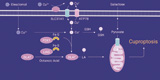
MailTsvetkov et al. published in Science and demonstrated a copper-induced programmed cell death — Cuproptosis. As a novel programmed cell death, excess copper triggers abnormal aggregation of lipoylated proteins in TCA cycle and clearance of Fe-S cluster proteins, ultimately leading to cell death.
Articles
All
-
All
-
Scientific Reviews
-
EDM
-
Blog
Most Recent
-
Most Recent
-
Oldest
-
 Scientific Reviews
-
 Scientific Reviews
A comprehensive explanation of ferroptosis
Scientific Reviews
A comprehensive explanation of ferroptosis2022-09-15
Ferroptosis is a new type of RCD that depends on iron and characterized by the accumulation of lipid peroxides. In this article, we will pay our attention on ferroptosis and briefly discusses its mechanism. -
 Scientific Reviews
It's has been proved that p53, as a tumor suppressor gene and immune guardian, may become a destroyer through its own mutation. Moreover, the mechanism of p53 was found to be related to ferroptosis. This article mainly explores the mechanism between p53 and ferroptosis in detail.
Scientific Reviews
It's has been proved that p53, as a tumor suppressor gene and immune guardian, may become a destroyer through its own mutation. Moreover, the mechanism of p53 was found to be related to ferroptosis. This article mainly explores the mechanism between p53 and ferroptosis in detail. -
 Scientific Reviews
Autophagy, derived from the Greek meaning "eating of self", plays an indispensable role in maintaining homeostasis. p27 is an inhibitor of cyclin CDKs, but how p27 regulates autophagy remains unknown. This article will cover the mechanism of autophagy and p27-related cell cycle regulation.
Scientific Reviews
Autophagy, derived from the Greek meaning "eating of self", plays an indispensable role in maintaining homeostasis. p27 is an inhibitor of cyclin CDKs, but how p27 regulates autophagy remains unknown. This article will cover the mechanism of autophagy and p27-related cell cycle regulation. -
 Scientific Reviews
CMA (chaperone-mediated autophagy) plays an essential role in maintaining neuronal protein stability and preventing neurodegeneration. In this article, we will comprehensively clarify the role of CMA in the occurrence and development of neurodegenerative diseases.
Scientific Reviews
CMA (chaperone-mediated autophagy) plays an essential role in maintaining neuronal protein stability and preventing neurodegeneration. In this article, we will comprehensively clarify the role of CMA in the occurrence and development of neurodegenerative diseases. -
 Scientific Reviews
Efferocytosis is the process in which phagocytes remove programmed dead cells. It prevents secondary necrosis of dying cells from releasing harmful cell contents (such as oxides and proteases) that may cause inflammation. Here, we will introduce three stages of efferocytosis: Find, Eat, Digest.
Scientific Reviews
Efferocytosis is the process in which phagocytes remove programmed dead cells. It prevents secondary necrosis of dying cells from releasing harmful cell contents (such as oxides and proteases) that may cause inflammation. Here, we will introduce three stages of efferocytosis: Find, Eat, Digest. -
 Scientific Reviews
Necroptosis, also known as necroptosis, is a form of regulated necrotizing cell death mediated by RIP1 and RIP3 kinases. Necroptosis is a process that prevents the self-destruction of activated cells that are blocked by apoptosis. Necroptosis plays a tumor suppressor role in most cases. It may provide benefits in the researches of a variety of human diseases involving immune inflammation and cell death.
Scientific Reviews
Necroptosis, also known as necroptosis, is a form of regulated necrotizing cell death mediated by RIP1 and RIP3 kinases. Necroptosis is a process that prevents the self-destruction of activated cells that are blocked by apoptosis. Necroptosis plays a tumor suppressor role in most cases. It may provide benefits in the researches of a variety of human diseases involving immune inflammation and cell death. -
 Scientific Reviews
Mitophagy:Mechanisms and Detection
Scientific Reviews
Mitophagy:Mechanisms and Detection2023-05-25
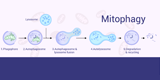
About 60 years ago, Christian de Duve first used the term "autophagy" to describe his observation of the degradation of mitochondria and other intracellular structures in lysosomes of rat liver. Over the years, autophagy has remained a beloved topic of research by the National Natural Science Foundation of China (NSFC).Today, let's talk about mitochondrial autophagy. -
 Scientific Reviews
Cuproptosis, How much do you know?
Scientific Reviews
Cuproptosis, How much do you know?2024-08-22
Cells die in a variety of ways, including apoptosis, pyroptosis, necrosis, and ferroptosis......And, of course, cuproptosis. So, how much do you know about cuproptosis? -
 Scientific Reviews
Recently, Mol Cell reported the discovery of the first ferroptosis marker, Hyperoxidized PRDX3! Let’s take a look together~
Scientific Reviews
Recently, Mol Cell reported the discovery of the first ferroptosis marker, Hyperoxidized PRDX3! Let’s take a look together~ -
 Scientific Reviews
Cuproptosis's Knowledge Points!
Scientific Reviews
Cuproptosis's Knowledge Points!2024-09-25
With the establishment of the cuproptosis mechanism related research has attracted more and more attention from major journals. Expect to use the sharp sword of cuproptosis to stab the tumor cells. -
 Scientific Reviews
A New Form of Cell Death: PANoptosis!
Scientific Reviews
A New Form of Cell Death: PANoptosis! -
 Scientific Reviews
Autophagy is a fundamental process that degrades various components within the cell.
Scientific Reviews
Autophagy is a fundamental process that degrades various components within the cell. -
 Scientific Reviews
In this issue, we will conduct an in-depth interpretation from the dimensions of nanoparticle design, mechanism of action, in vivo and in vitro efficacy, and immune regulation, revealing how this research brings new hope for the treatment of invasive tumors through interdisciplinary innovation!
Scientific Reviews
In this issue, we will conduct an in-depth interpretation from the dimensions of nanoparticle design, mechanism of action, in vivo and in vitro efficacy, and immune regulation, revealing how this research brings new hope for the treatment of invasive tumors through interdisciplinary innovation! -
 Scientific Reviews
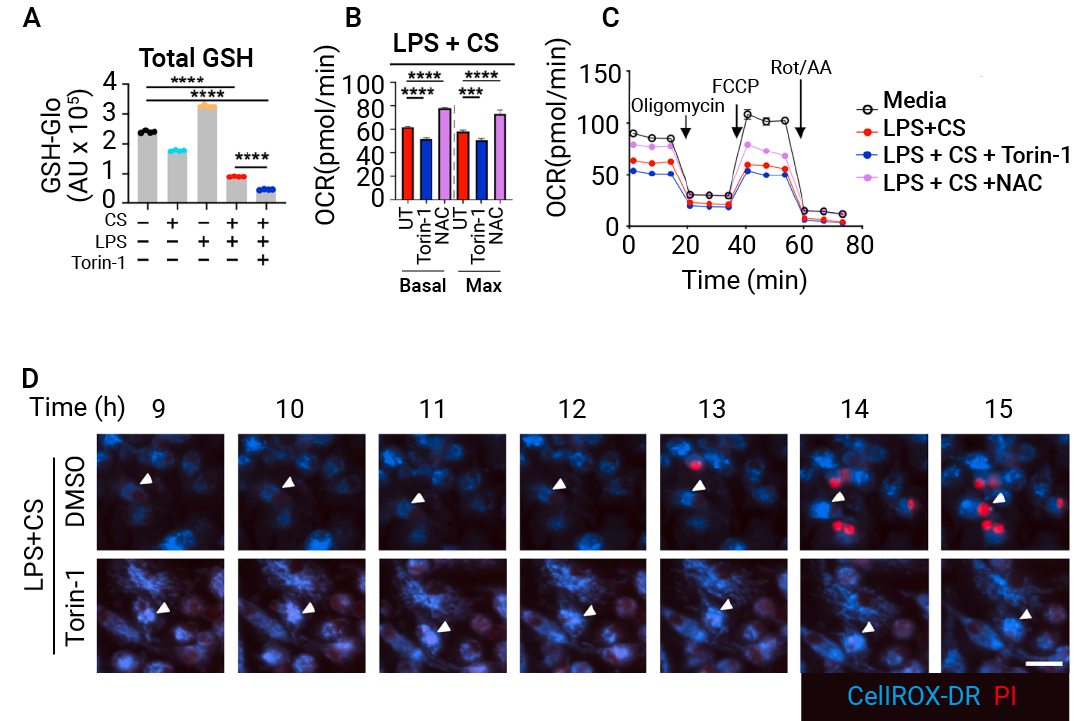
A November 2025 Cell study discovers Mitoxyperilysis, a new mTOR-regulated, caspase-independent cell death pathway driven by innate immune and metabolic dysregulation via mitochondrial-plasma membrane contact and oxidative damage, and verifies its potential to induce tumor necrosis for cancer therapy with key regulators including BAX, BAK1 and BID.
Scientific Reviews
A November 2025 Cell study discovers Mitoxyperilysis, a new mTOR-regulated, caspase-independent cell death pathway driven by innate immune and metabolic dysregulation via mitochondrial-plasma membrane contact and oxidative damage, and verifies its potential to induce tumor necrosis for cancer therapy with key regulators including BAX, BAK1 and BID. -
 EDM
This review introduces the major forms of programmed cell death, with a focus on the molecular mechanisms of ferroptosis and the methods used for its detection.
EDM
This review introduces the major forms of programmed cell death, with a focus on the molecular mechanisms of ferroptosis and the methods used for its detection. -
 EDM
This review provides a practical guide to the fundamental mechanisms, regulatory pathways, and detection methods of pyroptosis.
EDM
This review provides a practical guide to the fundamental mechanisms, regulatory pathways, and detection methods of pyroptosis. -
 Blog
AZD5991, a macrocyclic molecule with high selectivity for Mcl-1, reduces Mcl-1 protein in AZD5991-sensitive but not in AZD5991-resistant MM cell lines.
Blog
AZD5991, a macrocyclic molecule with high selectivity for Mcl-1, reduces Mcl-1 protein in AZD5991-sensitive but not in AZD5991-resistant MM cell lines. -
 Blog
CCB02 is an tubulin binder and has potential in the therapy of cancer cells with extra centrosomes. CCB02 also activates spindle assembly checkpoint.
Blog
CCB02 is an tubulin binder and has potential in the therapy of cancer cells with extra centrosomes. CCB02 also activates spindle assembly checkpoint. -
 Blog
H3B-5942 is a selective and irreversible estrogen receptor covalent antagonist, inactivates both ERαWT and ERα mutation.
Blog
H3B-5942 is a selective and irreversible estrogen receptor covalent antagonist, inactivates both ERαWT and ERα mutation. -
 Blog
HS-1371 is a Small Molecule RIP3 Inhibitor
Blog
HS-1371 is a Small Molecule RIP3 Inhibitor2019-04-09
HS-1371 is a novel kinase inhibitor of RIP3-mediated necroptosis, showing an inhibitory effect on S227 auto-phosphorylation of RIP3 at the basal level. -
 Blog
PhiKan 083 is a carbazole derivative, which binds to the surface cavity and stabilizes Y220C (a p53 mutant), with a Kd of 167 μM.
Blog
PhiKan 083 is a carbazole derivative, which binds to the surface cavity and stabilizes Y220C (a p53 mutant), with a Kd of 167 μM. -
 Blog
Novel Greatwall Kinase Inhibitor GKI-1
Blog
Novel Greatwall Kinase Inhibitor GKI-12019-04-13
GKI-1, a GWL inhibitor, robustly inhibited ROCK1 with an IC50 of ~11 μM, but only weakly affected PKA and had no observable inhibition towards CDK2. -
 Blog
SSE15206 is a microtubule polymerization inhibitor, with a GI50 of 197 nM in HCT116 cells. Causes aberrant mitosis resulting in G2/M arrest.
Blog
SSE15206 is a microtubule polymerization inhibitor, with a GI50 of 197 nM in HCT116 cells. Causes aberrant mitosis resulting in G2/M arrest. -
 Blog
Cevipabulin is a microtubule-active compound and inhibits the binding of [3H] vinblastine to tubulin, with an IC50 of 18-40 nM for in human tumor cell line.
Blog
Cevipabulin is a microtubule-active compound and inhibits the binding of [3H] vinblastine to tubulin, with an IC50 of 18-40 nM for in human tumor cell line. -
 Blog
BTR-1 potently inhibits cell growth. It induces S phase arrest, affects DNA replication. Dose-dependently induces cytotoxicity in leukemic cell lines.
Blog
BTR-1 potently inhibits cell growth. It induces S phase arrest, affects DNA replication. Dose-dependently induces cytotoxicity in leukemic cell lines. -
 Blog
CFI-402257 is a highly selective and oral active TTK/Mps1 inhibitor with an IC50 of 1.7 nM for TTK. CFI-402257 has potential to treat ovary cancer and TNBC.
Blog
CFI-402257 is a highly selective and oral active TTK/Mps1 inhibitor with an IC50 of 1.7 nM for TTK. CFI-402257 has potential to treat ovary cancer and TNBC. -
 Blog
RIPGBM is a selective inducer of apoptosis in glioblastoma multiforme (GBM) cancer stem cells (CSCs) with an EC50 less than 500 nM.
Blog
RIPGBM is a selective inducer of apoptosis in glioblastoma multiforme (GBM) cancer stem cells (CSCs) with an EC50 less than 500 nM. -
 Blog
Riviciclib is a Potent CDKs Inhibitor
Blog
Riviciclib is a Potent CDKs Inhibitor2019-06-09
Riviciclib P276-00 free base) is a potent CDK inhibitor, which inhibits CDK9-cyclinT1, CDK4-cyclin D1, and CDK1-cyclinB with IC50s of 20 nM, 63 nM, and 79 nM, respectively -
 Blog
CBS9106, a Reversible Oral CRM1 Inhibitor, Causes Arrest of the Cell Cycle and Induces Apoptosis
Blog
CBS9106, a Reversible Oral CRM1 Inhibitor, Causes Arrest of the Cell Cycle and Induces Apoptosis2019-06-14
CBS9106 (SL-801) is a reversible oral CRM1 inhibitor antitumor activities. CBS9106 causes arrest of the cell cycle and induces apoptosis. -
 Blog
NU6140 is a selective CDK2-cyclin A inhibitor (IC50, 0.41 μM). NU6140 also potently inhibits Aurora A and Aurora B, with IC50s of 67 and 35 nM, respectively
Blog
NU6140 is a selective CDK2-cyclin A inhibitor (IC50, 0.41 μM). NU6140 also potently inhibits Aurora A and Aurora B, with IC50s of 67 and 35 nM, respectively -
 Blog
TH34, an HDAC6/8/10 inhibitor with IC50s of 4.6 μM, 1.9 μM, and 7.7 μM respectively, shows high selectivity over HDAC1/2/3.
Blog
TH34, an HDAC6/8/10 inhibitor with IC50s of 4.6 μM, 1.9 μM, and 7.7 μM respectively, shows high selectivity over HDAC1/2/3. -
 Blog
Alisertib (MLN 8237) is an oral active and selective Aurora A kinase inhibitor with an IC50 of 1.2 nM. To treat hematologic malignancies and solid tumors.
Blog
Alisertib (MLN 8237) is an oral active and selective Aurora A kinase inhibitor with an IC50 of 1.2 nM. To treat hematologic malignancies and solid tumors. -
 Blog
S55746 (BLC201) is an orally active and selective BCL-2 inhibitor, with a Ki of 1.3 nM.. S55746 (BLC201) has antitumor activity with low toxicity.
Blog
S55746 (BLC201) is an orally active and selective BCL-2 inhibitor, with a Ki of 1.3 nM.. S55746 (BLC201) has antitumor activity with low toxicity. -
 Blog
WYC-209 is a retinoic acid receptor (RAR) agonist. WYC-209 induces apoptosis primarily via the caspase 3 pathway (IC50 = 0.19 μM for mTRCs).
Blog
WYC-209 is a retinoic acid receptor (RAR) agonist. WYC-209 induces apoptosis primarily via the caspase 3 pathway (IC50 = 0.19 μM for mTRCs). -
 Blog
MBM-55 is a potent, selective Nek2 inhibitor with an IC50 of 1 nM. MBM-55 shows antitumor activities and induces cell cycle arrest and apoptosis.
Blog
MBM-55 is a potent, selective Nek2 inhibitor with an IC50 of 1 nM. MBM-55 shows antitumor activities and induces cell cycle arrest and apoptosis. -
 Blog
VERU-111 (ABI-231) is a potent and orally bioavailable α and β tubulin inhibitor, which displays strong antiproliferative activity.
Blog
VERU-111 (ABI-231) is a potent and orally bioavailable α and β tubulin inhibitor, which displays strong antiproliferative activity. -
 Blog
MPT0B392 Induces Apoptosis via Inhibiting Tubulin Polymerization and Inducing c-JNK Activation
Blog
MPT0B392 Induces Apoptosis via Inhibiting Tubulin Polymerization and Inducing c-JNK Activation2019-08-16
MPT0B392 is a novel microtubule depolymerizing agent that triggers induction of the mitotic arrest and induces JNK activation, leading to apoptosis. -
 Blog
BJE6-106 is a selective PKCδ inhibitor with an IC50 of 0.05 μM and targets selectivity over PKCα. BJE6-106 induces caspase-dependent apoptosis.
Blog
BJE6-106 is a selective PKCδ inhibitor with an IC50 of 0.05 μM and targets selectivity over PKCα. BJE6-106 induces caspase-dependent apoptosis. -
 Blog
AAPK-25 is a potent and selective Aurora kinases and Polo-like Kinases (PLK) dual inhibitor, which shows anti-tumor activity.
Blog
AAPK-25 is a potent and selective Aurora kinases and Polo-like Kinases (PLK) dual inhibitor, which shows anti-tumor activity. -
 Blog
Tasisulam is an anticancer agent and induces apoptosis, which also inhibits mitotic progression and induces vascular normalization.
Blog
Tasisulam is an anticancer agent and induces apoptosis, which also inhibits mitotic progression and induces vascular normalization. -
 Blog
S516 is a potent tubulin polymerization inhibitor with an IC50 of 4.29 μM and has marked antitumor activity against murine and human solid tumors.
Blog
S516 is a potent tubulin polymerization inhibitor with an IC50 of 4.29 μM and has marked antitumor activity against murine and human solid tumors. -
 Blog
ZZW-115, a NUPR1 Inhibitor, Possesses Anticancer Activity via Inducing Necroptosis and Apoptosis
Blog
ZZW-115, a NUPR1 Inhibitor, Possesses Anticancer Activity via Inducing Necroptosis and Apoptosis2020-08-29
ZZW-115 is a potent NUPR1 inhibitor, with a Kd of 2.1 μM. ZZW-115 induces tumor cell death by necroptosis and apoptosis. ZZW-115 exerts anticancer activity. -
 Blog
G5-7, an orally active and allosteric JAK2 inhibitor. G5-7 induces cell cycle arrest, apoptosis and possesses antiangiogenic effect.
Blog
G5-7, an orally active and allosteric JAK2 inhibitor. G5-7 induces cell cycle arrest, apoptosis and possesses antiangiogenic effect.
Products
All
-
All
-
Inhibitors & Agonists
-
Isotope-Labeled Compounds
-
Fluorescent Dye
-
Peptides
-
Recombinant Proteins
-
Antibodies
-
Screening Libraries
-
Kits
-
Inhibitory Antibodies
-
Reference Standards
-
Induced Disease Models Products
-
GMP Small Molecules
-
Enzyme
-
Biochemical Assay Reagents
-
Natural Products
| Cat. No. | Product Name | Information | Application | Publication |
|---|---|---|---|---|
| HY-K0301 | Cell Counting Kit-8 |
Cell Counting Kit-8 (CCK-8) allows sensitive colorimetric assays for the determination of cell viability in cell proliferation and cytotoxicity assays.The 5 mL volume is defined as the base specification. All larger sizes correspond to incremental volumes of this base. |
|
4194
|
| HY-13259 | MG-132 |
MG-132 (Z-Leu-Leu-Leu-al) is a potent proteasome and calpain inhibitor with IC50s of 100 nM and 1.2 μM, respectively. MG-132 effectively blocks the proteolytic activity of the 26S proteasome complex. MG-132, a peptide aldehyde, also is an autophagy activator. MG-132 also induces apoptosis.
|
|
2255
|
| HY-100579 | Ferrostatin-1 |
Ferrostatin-1 (Fer-1), a potent and selective ferroptosis inhibitor, suppresses Erastin-induced ferroptosis in HT-1080 cells (EC50=60 nM). Ferrostatin-1, a synthetic antioxidant, acts via a reductive mechanism to prevent damage to membrane lipids and thereby inhibits cell death. Ferrostatin-1 exhibits antifungal activity.
|
|
1778
|
| HY-10219 | Rapamycin |
Rapamycin (Sirolimus; AY 22989) is a potent and specific blood-brain barrier-transmissible mTOR inhibitor with an IC50 of 0.1 nM in HEK293 cells. Rapamycin is a molecular glue that binds FKBP12 and mTOR proteins together, thereby inhibiting mTOR kinase activity. Rapamycin binds to FKBP12 and specifically acts as an allosteric inhibitor of mTORC1. Rapamycin is an autophagy activator, an immunosuppressant.
Source: Streptomyces hygroscopicus |
Breast Cancer
Colorectal Cancer
Prostate Cancer
Gastric Cancer
Liver Cancer
Leukemia/Lymphoma/Myeloma
Pancreatic Cancer
Ovarian Cancer
Viral Infection
Bacterial Infection
Fungal Infection
Pain
Non-Small Cell Lung Cancer
Lung Adenocarcinoma
SARS-CoV-2 Infection
Obesity
Lung Fibrosis
|
1470
|
| HY-19312 | 3-Methyladenine |
|
1349
|
|
| HY-17589A | Chloroquine |
Chloroquine is an antimalarial and anti-inflammatory agent widely used to treat malaria and rheumatoid arthritis. Chloroquine is an autophagy and toll-like receptors (TLRs) inhibitor. Chloroquine is highly effective in the control of SARS-CoV-2 (COVID-19) infection in vitro (EC50=1.13 μM).
|
Breast Cancer
Pancreatic Cancer
Viral Infection
Parasitic Infection
Pain
SARS-CoV-2 Infection
Rheumatoid Arthritis
|
1344
|
| HY-100558 | Bafilomycin A1 |
Bafilomycin A1 (BafA1) is a specific and reversible inhibitor of vacuolar H+-ATPase (V-ATPase) with IC50 values of 4-400 nmol/mg. Bafilomycin A1, a macrolide antibiotic, is also used as an autophagy inhibitor at the late stage. Bafilomycin A1 blocks autophagosome-lysosome fusion and inhibits acidification and protein degradation in lysosomes of cultured cells. Bafilomycin A1 induces apoptosis.
Source: Streptomyces griseus strains |
|
909
|
| HY-15763 | Erastin |
Erastin is a ferroptosis inducer. Erastin exhibits the mechanism of ferroptosis induction related to ROS and iron-dependent signaling. Erastin inhibits voltage-dependent anion channels (VDAC2/VDAC3) and accelerates oxidation, leading to the accumulation of endogenous reactive oxygen species. Erastin also disrupts mitochondrial permeability transition pore (mPTP) with anti-tumor activity. Furthermore, Erastin can block the uptake of cystine mediated by SLC7A11 and also spares UMRC6-EV and -C91A cells from disulfidptosis under glucose starvation.
|
|
905
|
| HY-17394 | Cisplatin |
Cisplatin (CDDP) is an antineoplastic chemotherapy agent by cross-linking with DNA and causing DNA damage in cancer cells. Cisplatin activates ferroptosis and induces autophagy.
|
Non-Small Cell Lung Cancer
Lung Adenocarcinoma
Lung Squamous Cell Carcinoma
Large Cell Lung Carcinoma
Triple-Negative Breast Cancer
Metastatic Breast Cancer
|
859
|
| HY-16658B | Z-VAD-FMK |
Z-VAD-FMK is a pan-caspase inhibitor and also an ICE-like protease inhibitor, which inhibits apoptosis by preventing the processing of CPP32 to its active form. Z-VAD-FMK sensitivity varies primarily due to differential expression of receptor-interacting protein 1 (RIP1). Z-VAD-FMK limits the cryopreservation-induced apoptosis by reducing caspase-3 activity of in vitro produced bovine embryos. Z-VAD-FMK is immunosuppressive in vitro and inhibits T cell proliferation without blocking the processing of caspase-8 and caspase-3. Z-VAD-FMK leads to a decrease in intracellular glutathione (GSH) with a concomitant increase in reactive oxygen species (ROS) levels in activated T cells. Z-VAD-FMK is due to oxidative stress via the depletion of GSH. Z-VAD-FMK can be used for the study of acute pancreatitis.
|
|
850
|
| HY-B0215 | Acetylcysteine |
Acetylcysteine (N-Acetylcysteine) is a mucolytic agent that can cross the blood-brain barrier, which reduces the thickness of the mucus. Acetylcysteine is a ROS inhibitor. Acetylcysteine is a cysteine precursor, prevents hemin-induced ferroptosis by neutralizing toxic lipids generated by arachidonate-dependent activity of 5-lipoxygenases. Acetylcysteine induces cell apoptosis. Acetylcysteine also has anti-influenza virus activities. In addition, Acetylcysteine is the most stable form of cysteine during drug delivery and can be used in disulfidptosis studies.
|
Reactive Oxygen Species (ROS)
Endogenous Metabolite
Apoptosis
Ferroptosis
Influenza Virus
Disulfidptosis
Neurological, Eye or Ear Disease
Digestive System Disease
Breast Cancer
Viral Infection
Digestive System Inflammation
SARS-CoV-2 Infection
Lung Fibrosis
|
757
|
| HY-15142 | Doxorubicin hydrochloride |
Doxorubicin hydrochloride (Hydroxydaunorubicin hydrochloride; ADR), a cytotoxic anthracycline antibiotic, is an anti-cancer chemotherapy agent. Doxorubicin hydrochloride is a potent human DNA topoisomerase I and topoisomerase II inhibitor with IC50s of 0.8 μM and 2.67 μM, respectively. Doxorubicin hydrochloride reduces basal phosphorylation of AMPK and its downstream target acetyl-CoA carboxylase. Doxorubicin hydrochloride induces apoptosis and autophagy.
Source: Streptomyces peucetius var. Caesius |
Topoisomerase
ADC Payloads
AMPK
Autophagy
Apoptosis
HIV
HBV
Mitophagy
Antibiotic
Bacterial
Fluorescent Dye
Non-Small Cell Lung Cancer
HER-2 Positive Breast Cancer
Triple-Negative Breast Cancer
Metastatic Breast Cancer
|
711
|
| HY-100523 | ML385 |
ML385 is a potent and selective Nrf2 inhibitor with an IC50 of 1.9 μM. ML385 directly binds to the Neh1 domain of NRF2, interferes with the binding of the MAFG-NRF2 protein complex to the antioxidant response element (ARE) DNA sequence, thereby blocking the expression of downstream target genes of NRF2. ML385 can be used in studies related to adult T-cell leukemia, breast cancer, myocardial ischemia/reperfusion injury, non-small cell lung cancer, esophageal squamous cell carcinoma, head and neck squamous cell carcinoma, and lung squamous cell carcinoma.
|
Breast Cancer
Colorectal Cancer
Cardiovascular Disease
Non-Small Cell Lung Cancer
Lung Squamous Cell Carcinoma
Squamous Cell Carcinoma
Esophageal Cancer
|
644
|
| HY-12041 | SP600125 |
SP600125 is an orally active, reversible, and ATP-competitive JNK inhibitor with IC50s of 40, 40 and 90 nM for JNK1, JNK2 and JNK3, respectively. SP600125 is a potent ferroptosis inhibitor. SP600125 induces the transformation of bladder cancer cells from autophagy to apoptosis.
|
Cancer
Digestive System Disease
Depression
Pain
Digestive System Inflammation
Parkinson's Disease
Obesity
Lung Fibrosis
|
627
|
| HY-10071 | Y-27632 |
Y-27632 is a ROCK inhibitor with Ki values of 220 nM and 300 nM for ROCK1 and ROCK2, respectively. Y-27632 exerts anti-inflammatory and immunomodulatory effects in systemic lupus erythematosus models by inhibiting the ROCK/NF-κB pathway. Y-27632 enhances autophagy by inhibiting the AKT/mTOR pathway, thereby inducing apoptosis apoptosis in oral squamous cell carcinoma. Y-27632 induces the formation of tunneling nanotubes in ARPE-19 cells and significantly enhances mitochondrial transfer through these channels. Y-27632 promotes neurite outgrowth in PC12 cells by activating the Rac1/NOX1/ROS/AKT/PAK1 signaling cascade.
|
|
602
|
| HY-15760 | Necrostatin-1 |
Necrostatin-1 (Nec-1) is a potent and cross the blood-brain barrier necroptosis inhibitor with an EC50 of 490 nM in Jurkat cells. Necrostatin-1 inhibits RIP1 kinase (EC50=182 nM). Necrostatin-1 is also an IDO inhibitor.
|
|
575
|
| HY-100218A | RSL3 |
RSL3 ((1S,3R)-RSL3) is an inhibitor of glutathione peroxidase 4 (GPX4) (ferroptosis activator), reduces the expression of GPX4 protein, and induces ferroptotic death of head and neck cancer cell. RSL3 increases the expression of p62 and Nrf2 and inactivates Keap1 in HN3-rslR cells.
|
|
573
|
| HY-10358 | MK-2206 dihydrochloride |
MK-2206 dihydrochloride (MK-2206 2HCl) is an orally active pan-AKT inhibitor, with IC50 values of 8 nM, 12 nM and 65 nM against AKT1, AKT2 and AKT3, respectively. MK-2206 dihydrochloride inhibits the Akt/mTOR signaling pathway and reduces the levels of downstream GSK3β and Mcl-1 via proteasomal degradation. MK-2206 dihydrochloride induces G1-phase cell cycle arrest, apoptosis, epithelial-mesenchymal transition, fibroblast activation and extracellular matrix deposition. MK-2206 dihydrochloride causes transient hyperglycemia and hyperinsulinemia in animals. MK-2206 dihydrochloride can be used in research related to solid tumors, renal fibrosis and hypercholesterolemia.
|
Colorectal Cancer
Prostate Cancer
Gastric Cancer
Liver Cancer
Leukemia/Lymphoma/Myeloma
Pancreatic Cancer
Ovarian Cancer
Large Cell Lung Carcinoma
Metastatic Breast Cancer
Lung Fibrosis
|
494
|
| HY-14648 | Dexamethasone |
Dexamethasone (Hexadecadrol) is a glucocorticoid receptor agonist, apoptosis inducer, and common disease inducer in experimental animals, constructing models of muscle atrophy, hypertension, and depression. Dexamethasone can inhibit the production of inflammatory miRNA-155 exosomes in macrophages and significantly reduce the expression of inflammatory factors in neutrophils and monocytes. Dexamethasone also has potential for use in COVID-19 research.
|
Exosomes
Glucocorticoid Receptor
SARS-CoV
Autophagy
Complement System
Mitophagy
Bacterial
Antibiotic
ADC Payloads
Metabolic or Endocrine Disease
Prostate Cancer
Pancreatic Cancer
Viral Infection
Bacterial Infection
Fungal Infection
Pain
Autoimmune Disease
Digestive System Inflammation
Cardiovascular Disease
Non-Small Cell Lung Cancer
Lung Squamous Cell Carcinoma
Metastatic Breast Cancer
SARS-CoV-2 Infection
Lung Fibrosis
|
402
|
| HY-B0015 | Paclitaxel |
Paclitaxel is a naturally occurring antineoplastic agent and stabilizes tubulin polymerization. Paclitaxel can cause both mitotic arrest and apoptotic cell death. Paclitaxel also induces autophagy.
|
Lung Cancer
Prostate Cancer
Pancreatic Cancer
Viral Infection
Digestive System Inflammation
Cardiovascular Disease
|
396
|
| HY-13966 | 2-Deoxy-D-glucose |
2-Deoxy-D-glucose is a glucose analog that acts as a competitive inhibitor of glucose metabolism, inhibiting glycolysis via its actions on hexokinase.
|
|
390
|
| HY-10162 | Olaparib |
Neurological, Eye or Ear Disease
Prostate Cancer
Pancreatic Cancer
Ovarian Cancer
Digestive System Inflammation
Non-Small Cell Lung Cancer
Triple-Negative Breast Cancer
Metastatic Breast Cancer
SARS-CoV-2 Infection
|
386
|
|
| HY-15886 | Mdivi-1 |
Mdivi-1 is a selective dynamin-related protein 1 (Drp1) inhibitor. Mdivi-1 is a mitochondrial division/mitophagy inhibitor.
|
|
354
|
| HY-10431 | SB-431542 |
SB-431542 is a TGF-β receptor kinase inhibitor (TRKI). SB-431542 has inhibitory activity for ALK4, ALK5 and ALK7 with IC50 values of 1 μM, 0.75 μM and 2 μM, respectively. SB-431542 also inhibits TGF-β-induced transcription, gene expression, apoptosis, and growth suppression. SB-431542 can be used for the research of cancer and signal transduction pathways.
|
Colorectal Cancer
Prostate Cancer
Pancreatic Cancer
Digestive System Inflammation
Obesity
Lung Fibrosis
|
323
|
| HY-10201 | Sorafenib |
Sorafenib (Bay 43-9006) is a potent oral active multikinase inhibitor. Sorafenib blocks autophosphorylation and activity of receptor tyrosine kinases (VEGFR-2, VEGFR-3) and RAF family kinases, thereby suppressing the RAF/MEK/ERK and PI3K/Akt pathways, inhibiting STAT3 phosphorylation, and selectively inhibiting the MAPK pathway in cancer cells. Sorafenib induces cell cycle arrest, autophagy, apoptosis, and PARP cleavage, reduces Bcl-2, Bcl-XL, cyclin D1 levels, and activates Bak and Bax. Sorafenib inhibits tumor growth and metastasis in mouse and rat models. Sorafenib can be used for cancer research, such as colon, breast, non-small-cell lung cancer (NSCLC), ovarian, pancreatic, melanoma, colorectal and hepatocellular carcinoma.
|
Raf
VEGFR
FLT3
Autophagy
Apoptosis
STAT
Akt
MMP
Cadherin
p38 MAPK
ERK
MEK
PI3K
PARP
Bcl-2 Family
Ephrin Receptor
PDGFR
Gastric Cancer
Liver Cancer
Ovarian Cancer
Digestive System Inflammation
Small Cell Lung Cancer
Non-Small Cell Lung Cancer
Metastatic Breast Cancer
Metastatic Colorectal Cancer
Metastatic Prostate Cancer
Multiple Myeloma
Metastatic Pancreatic Cancer
SARS-CoV-2 Infection
Alzheimer's Disease
Parkinson's Disease
Obesity
Lung Fibrosis
|
316
|
| HY-50856 | Ruxolitinib |
Lung Cancer
Breast Cancer
Prostate Cancer
Liver Cancer
Leukemia/Lymphoma/Myeloma
Pancreatic Cancer
Viral Infection
Pain
Digestive System Inflammation
SARS-CoV-2 Infection
Obesity
Rheumatoid Arthritis
|
280
|
|
| HY-13757A | Tamoxifen |
Tamoxifen (ICI 47699) is an orally active, selective estrogen receptor modulator (SERM) which blocks estrogen action in breast cells and can activate estrogen activity in other cells, such as bone, liver, and uterine cells. Tamoxifen is a potent Hsp90 activator and enhances the Hsp90 molecular chaperone ATPase activity. Tamoxifen also potent inhibits infectious EBOV Zaire and Marburg (MARV) with IC50 of 0.1 μM and 1.8 μM, respectively. Tamoxifen activates autophagy and induces apoptosis. Tamoxifen can also be dissolved in corn oil (HY-Y1888) for use in inducing gene knockout in CreER transgenic mice. Tamoxifen has better solubility in corn oil compared to Tamoxifen Citrate (HY-13757).
|
Neurological, Eye or Ear Disease
Metabolic or Endocrine Disease
Digestive System Disease
Prostate Cancer
Viral Infection
Digestive System Inflammation
Luminal Breast Cancer
Metastatic Breast Cancer
SARS-CoV-2 Infection
Lung Fibrosis
|
270
|
| HY-12726 | Liproxstatin-1 |
Liproxstatin-1 is a potent ferroptosis inhibitor and inhibits ferroptotic cell death (IC50=22 nM).
|
|
262
|
| HY-15531 | Venetoclax |
Prostate Cancer
Leukemia/Lymphoma/Myeloma
Pancreatic Cancer
Ovarian Cancer
Glucose Metabolism
SARS-CoV-2 Infection
|
259
|
|
| HY-13948 | Angiotensin II human |
Angiotensin II (Angiotensin II) is a vasoconstrictor and a major bioactive peptide of the renin/angiotensin system. Angiotensin II human plays a central role in regulating human blood pressure, which is mainly mediated by interactions between Angiotensin II and the G-protein-coupled receptors (GPCRs) Angiotensin II type 1 receptor (AT1R) and Angiotensin II type 2 receptor (AT2R). Angiotensin II human stimulates sympathetic nervous stimulation, increases aldosterone biosynthesis and renal actions. Angiotensin II human induces growth of vascular smooth muscle cells, increases collagen type I and III synthesis in fibroblasts, leading to thickening of the vascular wall and myocardium, and fibrosis. Angiotensin II human also induces apoptosis. Angiotensin II induces capillary formation from endothelial cells via the LOX-1 dependent redox-sensitive pathway.
|
Cancer
Metabolic or Endocrine Disease
Digestive System Disease
Viral Infection
Digestive System Inflammation
Cardiovascular Disease
|
258
|
| HY-15371 | Forskolin |
Forskolin (Coleonol) is a potent adenylate cyclase activator with an IC50 of 41 nM and an EC50 of 0.5 μM for type I adenylyl cyclase. Forskolin is also an inducer of intracellular cAMP formation. Forskolin induces differentiation of various cell types and activates pregnane X receptor (PXR) and FXR. Forskolin exerts a inotropic effect on the heart, and has platelet antiaggregatory and antihypertensive actions. Forskolin also induces autophagy.
|
|
233
|
| HY-18085 | Quercetin |
Lung Cancer
Breast Cancer
Colorectal Cancer
Prostate Cancer
Liver Cancer
Leukemia/Lymphoma/Myeloma
Pancreatic Cancer
Ovarian Cancer
Viral Infection
Pain
Digestive System Inflammation
SARS-CoV-2 Infection
Obesity
Lung Fibrosis
Rheumatoid Arthritis
|
230
|
|
| HY-B0627 | Metformin |
Metformin (1,1-Dimethylbiguanide) inhibits the mitochondrial respiratory chain in the liver, leading to AMPK activation and enhancing insulin sensitivity, and can be used in the study of type 2 diabetes. Metformin exerts central glucose-lowering effects by inhibiting Ras-related protein 1 (Rap1) in SF1 hypothalamic neurons. Metformin also inhibits liver oxidative stress, nitrosative stress, inflammation, and apoptosis caused by liver ischemia/reperfusion injury. In addition, Metformin regulates the expression of autophagy-related proteins by activating AMPK and inhibiting the mTOR signaling pathway, thereby inducing tumor cell autophagy and inhibiting the growth of renal cell carcinoma in vitro and in vivo.
|
Colorectal Cancer
Prostate Cancer
Gastric Cancer
Liver Cancer
Leukemia/Lymphoma/Myeloma
Pancreatic Cancer
Ovarian Cancer
Viral Infection
Pain
Digestive System Inflammation
Cardiovascular Disease
Glucose Metabolism
Non-Small Cell Lung Cancer
Lung Adenocarcinoma
Large Cell Lung Carcinoma
HER-2 Positive Breast Cancer
Triple-Negative Breast Cancer
Metastatic Breast Cancer
Parkinson's Disease
Obesity
Lung Fibrosis
|
212
|
| HY-16658 | Z-VAD(OMe)-FMK |
|
211
|
|
| HY-17386 | Rosiglitazone |
Rosiglitazone (BRL 49653) is an orally active selective PPARγ agonist (EC50: 60 nM, Kd: 40 nM), with blood-brain barrier permeability. Rosiglitazone is an TRPC5 activator (EC50: 30 μM) and TRPM3 inhibitor. Rosiglitazone can be used in the research of obesity and diabetes, senescence, ovarian cancer.
|
Digestive System Disease
Prostate Cancer
Ovarian Cancer
Viral Infection
Depression
Pain
Digestive System Inflammation
Non-Small Cell Lung Cancer
SARS-CoV-2 Infection
Type 2 Diabetes
Obesity
|
197
|
| HY-13629 | Etoposide |
Etoposide (VP-16; VP-16-213) is an anti-cancer chemotherapy agent. Etoposide inhibits topoisomerase II, thus stopping DNA replication. Etoposide induces cell cycle arrest, apoptosis and autophagy.
|
Lung Cancer
Prostate Cancer
Leukemia/Lymphoma/Myeloma
Pancreatic Cancer
Viral Infection
Bacterial Infection
Digestive System Inflammation
|
191
|
| HY-13205 | Belnacasan |
Belnacasan (VX-765) is an orally bioactive proagent of VRT-043198, which is a potent and selective inhibitor of IL-converting enzyme (ICE)/caspase-1 with Kis of 0.8 nM and less than 0.6 nM for caspase-1 and caspase-4, respectively. Belnacasan (VX-765) inhibits the release of LPS-induced IL-1β and IL-18 by human PBMCs with an IC50 of ~0.7 μM.
|
|
180
|
| HY-16592 | Brefeldin A |
Brefeldin A (BFA) is a lactone antibiotic and a specific inhibitor of protein trafficking. Brefeldin A blocks the transport of secreted and membrane proteins from endoplasmic reticulum to Golgi apparatus. Brefeldin A is also an autophagy and mitophagy inhibitor. Brefeldin A inhibits HSV-1 and has anti-cancer activity.
Source: Penicillium |
Digestive System Disease
Breast Cancer
Viral Infection
Bacterial Infection
Digestive System Inflammation
|
171
|
| HY-K0601 | JC-1 Mitochondrial Membrane Potential Assay Kit |
MCE JC-1 Mitochondrial Membrane Potential Assay Kit uses JC-1 to detect the mitochondrial membrane potential in variety of cell types, as well as intact tissues and isolated mitochondria. |
|
169
|
| HY-D1301 | BODIPY 581/591 C11 |
BODIPY 581/591 C11 is a BODIPY borofluoroprene derivative with good light stability and low fluorescence artifacts. BODIPY 581/591 C11 can be used for study lipid peroxidation and antioxidant properties in living cells, or detect ferroptosis by reaction with hydroxyl radicals. BODIPY 581/591 C11 is emitted at 591 nm (reduced prototype), or redshifted to 510 nm (oxidized type). The excitation wavelengths were 581 nm (reduced prototype) and 500 nm (oxidized type).
|
|
165
|
| HY-10087 | Navitoclax |
Navitoclax (ABT-263) is a potent and orally active Bcl-2 family protein inhibitor that binds to multiple anti-apoptotic Bcl-2 family proteins, such as Bcl-xL, Bcl-2 and Bcl-w, with a Ki of less than 1 nM.
|
|
161
|
| HY-100573 | Necrosulfonamide |
Necrosulfonamide is a MLKL and Gasdermin D (GSDMD) inhibitor, capable of separately inhibiting necroptosis and pyroptosis of cells. Necrosulfonamide does not affect the activation of upstream signals, but specifically inhibits the downstream executor oligomerization step. Necrosulfonamide reduces the expression of the key kinases NLRP3 and caspase-1 involved in necroptosis and pyroptosis, activate the Nrf2 pathway and the downstream antioxidant enzymes, and also downregulates a variety of inflammatory factors. Necrosulfonamide plays significant roles in various diseases such as neurodegenerative diseases (such as Parkinson’s disease), tissue damage and ischemia-reperfusion injury, inflammatory bowel disease, osteoarthritis and fracture repair, and hair loss by regulating two important programmed necrosis pathways.
|
Mixed Lineage Kinase
Necroptosis
Pyroptosis
Caspase
NOD-like Receptor (NLR)
Keap1-Nrf2
TNF Receptor
Interleukin Related
NO Synthase
Heme Oxygenase (HO)
Digestive System Disease
Prostate Cancer
Leukemia/Lymphoma/Myeloma
Depression
Digestive System Inflammation
Cardiovascular Disease
Parkinson's Disease
Obesity
Lung Fibrosis
Rheumatoid Arthritis
|
147
|
| HY-12466 | Z-DEVD-FMK |
Z-DEVD-FMK is a specific and irreversible caspase-3 inhibitor with an IC50 of 18 μM.
|
|
139
|
| HY-12305 | Q-VD-OPh |
|
117
|
|
| HY-100741 | S63845 |
S63845 is a potent and selective myeloid cell leukemia 1 (MCL1) inhibitor with a Kd of 0.19 nM for human MCL1.
|
|
115
|
| HY-19696 | Tauroursodeoxycholate |
Colorectal Cancer
Prostate Cancer
Liver Cancer
Viral Infection
Neurodegenerative Disease
Pain
Digestive System Inflammation
Glucose Metabolism
Obesity
|
111
|
|
| HY-15484 | Pifithrin-α hydrobromide |
Pifithrin-α hydrobromide is a p53 inhibitor which blocks its transcriptional activity and prevents cells from apoptosis. Pifithrin-α hydrobromide is also an aryl hydrocarbon receptor (AhR) agonist.
|
|
105
|
| HY-128868 | FITC-Dextran (MW 10000) |
FITC-Dextran (MW 10000) is a fluorescent probe for fluorescein isothiocyanate (FITC) dextran (Ex=495 nm; Em=525 nm). FITC-Dextran (MW 10000) can be used as a marker to reveal heat shock-induced cell damage and to study the early and late stages of apoptosis. FITC-Dextran (MW 10000) can also be used for cell permeability studies, such as blood-brain barrier permeability and determination of the extent of blood-brain barrier disruption.
|
|
99
|
| HY-128868A | FITC-Dextran (MW 4000) |
FITC-Dextran (MW 4000) is a fluorescent probe for fluorescein isothiocyanate (FITC) dextran (Ex=495 nm; Em=525 nm). FITC-Dextran (MW 4000) can be used as a marker to reveal heat shock-induced cell damage and to study the early and late stages of apoptosis. FITC-Dextran (MW 4000) can also be used for cell permeability studies, such as blood-brain barrier permeability and determination of the extent of blood-brain barrier disruption.
|
|
99
|
| HY-L003 | Apoptosis Compound Library |
Apoptosis is an ordered and orchestrated cellular process that occurs in physiological and pathological conditions, which is also called programmed cell death (PCD). Apoptosis plays a crucial role in developing and maintaining the health of the body by eliminating old cells, unhealthy cells and unnecessary cells. Too little or too much apoptosis contribute to many diseases. When apoptosis does not work correctly, cells that should be eliminated may persist and become immortal, for example, in cancer and leukemia. When apoptosis works overly well, it kills too many cells and inflicts grave tissue damage. This is the case in strokes and neurodegenerative disorders such as Alzheimer's, Huntington's, and Parkinson's disease.
MCE designs a unique collection of 3,650 apoptosis-related compounds mainly focusing on the key targets in the apoptosis signaling pathway and can be used in the research of apoptosis signal pathway and related diseases.
|
|
90
|
| HY-L015 | PI3K/Akt/mTOR Compound Library |
The PI3K/Akt/mTOR pathway controls many cellular processes that are important for the formation and progression of cancer, including apoptosis, transcription, translation, metabolism, angiogenesis, and cell cycle progression. Every major node of this signaling network is activated in a wide range of human tumors. Mechanisms for the pathway activation include activation of receptor tyrosine kinases (RTKs) upstream of PI3K, mutation or amplification of PIK3CA encoding p110α catalytic subunit of PI3K, mutation or loss of PTEN tumor suppressor gene, and mutation or amplification of Akt1. Once the pathway is activated, signaling through Akt can stimulate a series of substrates including mTOR which is involved in protein synthesis. Thus, inhibition of this pathway is an attractive concept for cancer prevention and/or therapy. Currently some mTOR inhibitors are approved for several indications, and there are several novel PI3K/Akt/mTOR inhibitors in clinical trials.
MCE owns a unique collection of 1,149 compounds that can be used for PI3K/Akt/mTOR pathway research. PI3K/Akt/mTOR Compound Library also acts as a useful tool for anti-cancer drug discovery.
|
|
90
|
| HY-K1073 | Annexin V-FITC/PI Apoptosis Detection Kit |
MCE Annexin V-FITC/PI Apoptosis Detection Kit provides a rapid and convenient method to detect cell apoptosis and necrosis. After staining, live cells show little or no fluorescence (Annexin V-/PI-), early apoptosis cells show green fluorescence(Annexin V+/PI-), late apoptosis cells and necrosis cells show red and green fluorescence (Annexin V+/PI+). |
|
87
|
| HY-L029 | Autophagy Compound Library |
Autophagy is a lysosomal degradation pathway that is essential for cell survival, differentiation, development, and homeostasis. The process of autophagy in mammalian cells is as follows: a portion of cytoplasm, including organelles, is enclosed by a phagophore or isolation membrane to form an autophagosome. The outer membrane of the autophagosome subsequently fuses with the endosome and then the lysosome, and the internal material is degraded. Autophagy plays a wide variety of physiological and pathophysiological roles. Defective autophagy contributes to various pathologies, including infections, cancer, neurodegeneration, aging, and heart disease.
MCE provides a unique collection of 2,080 autophagy pathway-related compounds that is a useful tool for the research of autophagy-related regulation and diseases.
|
|
84
|
| HY-L051 | Ferroptosis Compound Library |
Ferroptosis is a novel type of cell death program that is distinct from apoptosis, necroptosis and autophagy. It is dependent on iron and reactive oxygen species (ROS) and is characterized by lipid peroxidation. As a novel type of cell death, ferroptosis has distinct properties and recognizing functions involved in physical conditions or various diseases including cancers, neurodegenerative diseases, acute renal failure, etc.
MCE carefully collected a unique collection of 1,255 ferroptosis signaling pathway related compounds with ferroptosis-inducing or -inhibitory activity. MCE Ferroptosis Compound Library is a useful tool to study ferroptosis mechanism as well as related diseases.
|
|
84
|
| HY-L059 | Pyroptosis Compound Library |
Programmed cell death pathways, including apoptosis, pyroptosis and necroptosis, are regulated by unique sets of host proteins that coordinate a variety of biological outcomes. Pyroptosis is a highly inflammatory form of programmed cell death that occurs most frequently upon infection with intracellular pathogens and is likely to form part of the antimicrobial response. This process promotes the rapid clearance of various bacterial, viral, fungal and protozoan infections by removing intracellular replication niches and enhancing the host's defensive responses. Pyroptosis has been widely studied in inflammatory and infection disease models. Recently, there are growing evidences that pyroptosis also plays an important role in the development of cancer, cardiovascular diseases and Metabolic disorder, etc.
MCE designs a unique collection of 2,034 pyroptosis-related compounds mainly focusing on the key targets in the pyroptosis signaling pathway and can be used in the research of pyroptosis signal pathway and related diseases.
|
|
84
|
| HY-L180 | Mitophagy Compound Library |
Mitochondrial autophagy refers to the selective encapsulation and degradation of damaged mitochondria by cells through the autophagy mechanism, thereby maintaining mitochondrial and cellular homeostasis. The concept of mitochondrial autophagy has received extensive attention since it was proposed. Current studies have shown that the mechanisms of mitochondrial autophagy can generally be divided into two categories: Ubiquitin-dependent pathways and Ub-independent pathways. In addition, mitochondrial autophagy is a research hotspot related to the pathogenesis of neurodegenerative diseases, cardiovascular diseases, cancer, metabolic diseases and other clinical diseases. Therefore, high-throughput screening based on mitochondrial autophagy can effectively screen out compounds that are closely related to the occurrence of diseases and analyze their mechanisms.
MCE can provide a library of 655 mitophagy compounds, which can be used for drug development and mechanism research in cancer, immunity, infection and other hot research fields.
|
|
84
|
| HY-L085 | Anti-Parkinson's Disease Compound Library |
Parkinson’s disease (PD), the second most common age-associated neurodegenerative disorder, is characterized by the loss of dopaminergic (DA) neurons and the presence of α-synuclein-containing aggregates in the substantia nigra pars compacta (SNpc). Motor features such as tremor, rigidity, bradykinesia and postural instability are common traits of PD. To date, there is no treatment to stop or at least slow down the progression of the disease. The etiology and pathogenesis of PD is still elusive, however, a large body of evidence suggests a prominent role of oxidative stress, inflammation, apoptosis, mitochondrial dysfunction and proteasome dysfunction in the pathogenesis of PD.
MCE offers a unique collection of 2,199 compounds with anti- Parkinson’s Disease activities or targeting the unique targets of PD. MCE Anti- Parkinson's Disease Compound Library is a useful tool for exploring the mechanism of PD and discovering new drugs for PD.
|
|
83
|
| HY-L133 | Cuproptosis Compound Library |
Copper is an important co-factor of all biological enzymes, but if the concentration exceeds the threshold of maintaining the homeostasis mechanism, copper will lead to cytotoxicity. This death mechanism has been named "Cuproptosis".
The mechanism of cuproptosis distinct from all other known mechanisms of regulated cell death, including apoptosis, pyroptosis, necroptosis, and ferroptosis.
Copper combine with the lipoylated components of the tricarboxylic acid cycle (TCA), leading to lipoylated protein aggregation and subsequent loss of iron-sulfur cluster proteins, ultimately resulting in protein toxicity stress and cell death. Studies have shown that the necessary factors for cuproptosis include the presence of glutathione, mitochondrial metabolism of galactose and pyruvate, and glutamine metabolism.
Targeted regulation of cuproptosis is a potential choice to treat cancer, rheumatoid arthritis, and other diseases. For example, up-regulation of LIPT1 may inhibit the occurrence and development of tumors by destroying TCA in mitochondria and then inducing cuproptosis.
MCE supplies a unique collection of 446 cuproptosis-related compounds, all of which act on the targets or signaling pathways related to cuproptosis and may have in inhibitory or activated effect on cuproptosis. MCE Cuproptosis Library is a useful tool for drug research related to cancer, rheumatoid arthritis, and other diseases.
|
|
83
|
| HY-L135 | Cancer Stem Cells Compound Library |
With the progress of modern cancer therapy, the life of cancer patients has been extended. However, after initial treatment and recovery, the development of secondary tumors often leads to cancer recurrence. Cancer stem cells are a small number of cells that tumor growth and reproduction depend on.
Cancer stem cells have strong self-renewal ability, which is the direct cause of tumor occurrence. In addition, cancer stem cells also have the ability to differentiate into different cell types, playing a crucial role in tumor metastasis and development. Chemotherapy and radiotherapy induced DNA damage and apoptosis are common cancer treatments. However, cancer stem cells can effectively protect cancer cells from apoptosis by activating DNA repair ability. Cancer stem cells are regarded as the key "seed" of tumor occurrence, development, metastasis and recurrence. Since its first discovery in leukemia in 1994, cancer stem cells have been considered a promising therapeutic target for cancer treatment.
MCE supplies a unique collection of 3,540 compounds targeting key proteins in cancer stem cells. MCE Cancer Stem Cells Compound Library is a useful tool for cancer stem cells related research and anti-cancer drug development.
|
|
83
|
| HY-L155 | Mitochondrial Toxicity Compound Library |
Mitochondria, as the main place of energy supply in life, is essential to maintain normal life activities. Mitochondrial dysfunction is associated with common diseases, such as cardiovascular diseases, neurodegenerative diseases, diabetes and cancer. The heart, brain and liver rely heavily on mitochondrial function as the main organs for drug metabolism. In addition, mitochondria is also a target of many drugs, some of which induce organotoxicity by inducing mitochondrial toxicity.
MCE contains 545 mitochondrial toxic compounds, which can be used as tool compounds for drug development and disease mechanism research.
|
|
83
|
| HY-L162 | Cell Death Library |
Cell death plays a crucial role in the development of the body and the maintenance of internal balance to prevent the development of diseases. According to the regulation of the involved processes, cell death can be defined as programmed and non-programmed death. Programmed cell death (PCD) can be divided into lytic cell death and nonlytic cell death, mainly including apoptosis, necrotic apoptosis and Pyroptosis. Non-Programmed cell death (Non-PCD) generally refers to necrosis. In stark contrast to Accidental Cell Death (ACD), Regulatory Cell Death (RCD) relies on specialized molecular mechanisms. Cell death includes internal apoptosis, external apoptosis, necrotic apoptosis, ferroptosis, pyroptosis, lysosome-dependent cell death, etc.
MCE designs a unique collection of 3,860 cell death compounds, covering multiple targets, such as Apoptosis, Ferroptosis, Pyroptosis, Necroptosis, etc. It is a useful tool for screening cell death drugs.
|
|
83
|
| HY-L162M | Cell Death Inhibitor Library Mini |
Cell death is a core biological process that maintains homeostasis in multicellular organisms, playing a dual role in life activities. On one hand, cell death participates in physiological processes such as cell renewal and damage repair through precise regulation; on the other hand, it actively eliminates damaged, infected, or cancerous cells, thereby blocking pathological progression and preserving organism health. Cell death not only ensures the normal development and growth regulation of organisms but is also closely associated with the occurrence and development of various diseases. Numerous studies have shown that specific types of programmed cell death play critical roles in disease progression, providing an important theoretical basis for developing novel therapeutic strategies by regulating cell death pathways.
MCE offers 23 types of commonly used cell death inhibitors, such as apoptosis, ferroptosis, pyroptosis, and cuproptosis, suitable for use as positive controls in the study of novel cell death mechanisms.
|
|
83
|
| HY-L164 | Serine/Threonine Kinase Inhibitor Library |
Protein serine/threonine kinases (PSKs) are protein kinases that use ATP as a high-energy donor molecule to transfer phosphate groups to serine/threonine residues of target protein. As an important signal transduction regulator, serine/threonine kinases can affect the function of target proteins by disrupting enzyme activity or binding of target proteins to other proteins. Serine/threonine kinases are involved in the regulation of immune response, cell proliferation, differentiation, apoptosis and other physiological processes. Serine/threonine kinase inhibitors are an important class of compounds that have been widely studied in cancer, chronic inflammation, autoimmune diseases, aging and other diseases.
MCE designs a unique collection of 2,276 serine/threonine kinase inhibitors, mainly targeting the receptor PKA, Akt, PKC, MAPK/ERK, etc, which is an effective tool for development and research of anti-cancer, anti-chronic inflammatory diseases, anti-autoimmune diseases and anti-aging compounds.
|
|
83
|
| HY-13755 | Sulforaphane |
Sulforaphane is an orally active inducer of the Keap1/Nrf2/ARE pathway. Sulforaphane promotes the transcription of tumor-suppressing proteins and effectively inhibits the activity of HDACs. Through the activation of the Keap1/Nrf2/ARE pathway and further induction of HO-1 expression, Sulforaphane protects the heart. Sulforaphane suppresses high glucose-induced pancreatic cancer through AMPK-dependent signal transmission. Sulforaphane exhibits both anticancer and anti-inflammatory properties.
|
|
79
|
| HY-10029 | Nutlin-3a |
Nutlin-3a (Rebemadlin), an active enantiomer of Nutlin-3, is a potent murine double minute (MDM2) inhibitor (IC50=90 nM). Nutlin-3a inhibits MDM2-p53 interactions and stabilizes the p53 protein, and induces cell autophagy and apoptosis. Nutlin-3a has the potential for the study of TP53 wild-type ovarian carcinomas.
|
Colorectal Cancer
Liver Cancer
Leukemia/Lymphoma/Myeloma
Pancreatic Cancer
Ovarian Cancer
Digestive System Inflammation
|
77
|
| HY-17412 | Minocycline hydrochloride |
Minocycline hydrochloride is an orally active, potent and BBB-penetrated semi-synthetic tetracycline antibiotic. Minocycline hydrochloride is a hypoxia-inducible factor (HIF)-1α inhibitor. Minocycline hydrochloride shows anti-cancer, anti-inflammatory, and glutamate antagonist effects. Minocycline hydrochloride reduces glutamate neurotransmission and shows neuroprotective properties and antidepressant effects. Minocycline hydrochloride inhibits bacterial protein synthesis through binding with the 30S subunit of the bacterial ribosome, resulting in a bacteriostatic effect.
|
Bacterial
Antibiotic
HIF/HIF Prolyl-Hydroxylase
Apoptosis
MDM-2/p53
Potassium Channel
Calcium Channel
Metabolic or Endocrine Disease
Breast Cancer
Colorectal Cancer
Prostate Cancer
Leukemia/Lymphoma/Myeloma
Pancreatic Cancer
Ovarian Cancer
Viral Infection
Bacterial Infection
Depression
Digestive System Inflammation
Cardiovascular Disease
SARS-CoV-2 Infection
Lung Fibrosis
|
76
|
| HY-50907 | ABT-737 |
ABT-737, a BH3 mimetic, is a potent Bcl-2, Bcl-xL and Bcl-w inhibitor with EC50s of 30.3 nM, 78.7 nM, and 197.8 nM, respectively. ABT-737 induces the disruption of the BCL-2/BAX complex and BAK-dependent but BIM-independent activation of the intrinsic apoptotic pathway. ABT-737 induces autophagy and has the potential for acute myeloid leukemia (AML) research.
|
Digestive System Disease
Prostate Cancer
Leukemia/Lymphoma/Myeloma
Ovarian Cancer
Digestive System Inflammation
|
75
|
| HY-107202 | Polyinosinic-polycytidylic acid |
Polyinosinic-polycytidylic acid (Poly(I:C)) is a synthetic analog of double-stranded RNA and an agonist of toll-like receptor 3 (TLR3) and retinoic acid inducible gene I (RIG-I)-like receptors (RIG-I and MDA5). Polyinosinic-polycytidylic acid can be used as a vaccine adjuvant to enhance innate and adaptive immune responses, and to alter the tumor microenvironment. Polyinosinic-polycytidylic acid can directly trigger cancer cells to undergo apoptosis.
|
RIG-I-like receptor (RLR)
Toll-like Receptor (TLR)
PKD
HSP
Bcl-2 Family
Interleukin Related
Apoptosis
Infection
Digestive System Disease
Prostate Cancer
Pain
Digestive System Inflammation
Lung Fibrosis
Rheumatoid Arthritis
|
73
|
| HY-13323 | CX-5461 |
CX-5461 is a selective, orally active RNA polymerase I inhibitor. CX-5461 disrupts the formation of the SL1-rDNA complex, thereby blocking the transcription initiation of ribosomal RNA without altering the activity of RNA polymerase II, DNA replication, or protein translation processes. CX-5461 upregulates the expression of p21, MDM2, Sestrin1/2, and phosphorylated AMPKα, and reduces the level of phosphorylated Akt. CX-5461 induces G2/G2/M cell cycle arrest, Autophagy, Apoptosis, and cellular senescence, and activates CHK1, CHK2, and RPA. CX-5461 can be used in research related to osteosarcoma, cervical cancer, hematologic malignancies, high-grade serous ovarian cancer, and solid tumors.
|
|
72
|
| HY-18234A | Leupeptin hemisulfate |
Leupeptin hemisulfate is a broad-spectrum protease inhibitor. By inhibiting the activation of the PTEN/PI3K/Akt/NF-κB/ERK1/2/p38 signaling pathway, Leupeptin hemisulfate significantly reduces LPS-induced NO and ROS production, mitochondrial membrane potential hyperpolarization, phagocytic activity, pro-inflammatory cytokine release, and M1 polarization in mouse peritoneal macrophages, and reverses autophagic flux impairment. It also decreases Concanavalin A (HY-P2149)-induced proliferation index of mouse splenic lymphocytes and the Th1/IL-10 and Th2/IL-10 cytokine ratios, thereby modulating innate and adaptive immune responses. Leupeptin hemisulfate inhibits blood coagulation and tumorigenesis in mouse skin. Leupeptin hemisulfate can be used in research on chronic inflammatory diseases and skin tumorigenesis.
Source: Streptomyces roseus MB-26-AI |
Ser/Thr Protease
Cathepsin
Autophagy
SARS-CoV
Atg8/LC3
NO Synthase
COX
p62
Arginase
PTEN
NF-κB
PI3K
Akt
p38 MAPK
ERK
Reactive Oxygen Species (ROS)
|
68
|
| HY-17363 | Dimethyl fumarate |
Dimethyl fumarate (DMF) is an orally active and brain-penetrant Nrf2 activator and induces upregulation of antioxidant gene expression. Dimethyl fumarate induces necroptosis in colon cancer cells through GSH depletion/ROS increase/MAPKs activation pathway, and also induces cell autophagy. Dimethyl fumarate can be used for multiple sclerosis research.
|
Neurological, Eye or Ear Disease
Inflammation or Immune System Disease
Colorectal Cancer
Viral Infection
Obesity
Lung Fibrosis
|
65
|
| HY-A0003 | Lenalidomide |
Lenalidomide (CC-5013) is an orally active immunomodulatory agent that binds CRBN as a molecular glue to alter substrate specificity, inducing ubiquitination and proteasome-dependent degradation of IKZF1, IKZF3 and CK1α. Lenalidomide induces apoptosis by degrading IKZF1/3, and activates p53 by degrading CK1α. Lenalidomide promotes IL-2 release and effector functions of CD8+ T/NK cells, while inhibiting TNF-α secretion and M1-type pyroptosis. Lenalidomide can be used in research related to hematological malignancies, acute liver failure and acute kidney injury.
|
Molecular Glues
Ligands for E3 Ligase
IKZF Family
Casein Kinase
Apoptosis
Pyroptosis
MDM-2/p53
TNF Receptor
Inflammation or Immune System Disease
Renal Disease
Chronic Lymphocytic Leukemia
Diffuse Large B-cell Lymphoma
Multiple Myeloma
Myelodysplastic Syndrome
Liver Failure
|
63
|
| HY-Y1269D | Ammonium chloride, for molecular biology |
Ammonium chloride (Salmiac), for molecular biology is an inhibitor of Slc26a4 and SMAD2. Ammonium chloride, for molecular biology reduces the protein expression level of Slc26a4 in lung tissue, and attenuates ozone-induced increases in proinflammatory cytokines, inflammatory cells, pulmonary resistance, goblet cell hyperplasia, peribronchial inflammation and thiocyanate levels in mouse tissues and bronchoalveolar lavage fluid. Ammonium chloride, for molecular biology decreases the level of phosphorylated SMAD2, inhibits autophagy by reducing autophagy-related proteins, and enhances Cisplatin (HY-17394)-induced cancer cell apoptosis and DNA double-strand breaks. Ammonium chloride, for molecular biology also inhibits the TCA cycle, reduces ATP production, increases glucose utilization, regulates the levels of lactic acid, glutamic acid and ATP, and induces morphological degeneration of neuroblastoma cells. Ammonium chloride, for molecular biology can be used in studies related to ozone-induced airway injury, hepatocellular carcinoma, human cervical cancer, hepatic encephalopathy, Reye syndrome, epilepsy and neurodegenerative diseases.
|
|
62
|
| HY-Y1269I | Ammonium chloride, United States Pharmacopeia (USP) Reference Standard |
Ammonium chloride United States Pharmacopeia (USP) Reference Standard (Salmiac, Pharmaceutical primary standard, USP) is a reagent that can be used in cell culture to provide a source of nitrogen. Ammonium chloride can be used as a heteropolar compound to regulate pH value, which can cause intracellular alkalination and metabolic acidosis, thus affecting the activity of enzymes and affecting the process of biological systems. Ammonium chloride is also a lysosome inhibitor.
|
|
62
|
| HY-Y1269C | Ammonium chloride, for cell culture |
Ammonium chloride, for cell culture (Salmiac, for cell culture) is a reagent that can be used in cell culture to provide a source of nitrogen. Ammonium chloride can be used as a heteropolar compound to regulate pH value, which can cause intracellular alkalination and metabolic acidosis, thus affecting the activity of enzymes and affecting the process of biological systems. Ammonium chloride acts as an autophagy inhibitor.Ammonium chloride is also a lysosome inhibitor.
|
|
62
|
| HY-Y1269 | Ammonium chloride, AR, 99.5% |
Ammonium chloride, as a heteropolar compound with pH value regulation, can cause intracellular alkalization and metabolic acidosis thus effecting enzymatic activity and influencing the process of biological system. Ammonium chloride is an autophagy inhibitor. Ammonium chloride is also a lysosome inhibitor.
|
|
62
|
| HY-15676 | Idasanutlin |
Idasanutlin (RG7388) is an orally bioavailable MDM2 inhibitor with an IC50 of 6 nM. Idasanutlin disrupts MDM2-p53 binding, stabilizes and activates p53, triggering cell cycle arrest, apoptosis, and reduced cancer cell viability. Idasanutlin reduces EGFR protein expression and phosphorylation, suppresses downstream SHP2, MEK1/2, ERK1/2, AKT, mTOR, p70(S6K1), and S6 signaling. Idasanutlin induces mitochondrial ROS production, drives p38 MAPK phosphorylation, upregulates NOXA, and mediates caspase-3-dependent apoptosis and gasdermin E-mediated pyroptosis. Idasanutlin can be used for the research of TP53-mutant non-small cell lung cancer, T-cell acute lymphoblastic leukemia, colorectal carcinoma, melanoma, diffuse large B-cell lymphoma, mantle cell lymphoma, non-Hodgkin lymphoma, severe fever with thrombocytopenia syndrome, neuroblastoma, acute lymphoblastic leukemia, relapsed or refractory acute myeloid leukemia, osteosarcoma, solid tumors, and hematological tumors.
|
Musculoskeletal and Skin Disease
Colorectal Cancer
Melanoma
Neuroblastoma
Osteosarcoma
Non-Small Cell Lung Cancer
Acute Myeloid Leukemia
Non-Hodgkin Lymphoma
|
52
|
| HY-B1081A | Oxidopamine hydrobromide |
Oxidopamine (6-OHDA) hydrobromide is an antagonist of the neurotransmitter dopamine. Oxidopamine hydrobromide is a widely used neurotoxin and selectively destroys dopaminergic neurons. Oxidopamine hydrobromide promotes COX-2 activation, leading to PGE2 synthesis and pro-inflammatory cytokine IL-1β secretion. Oxidopamine hydrobromide can be used for the research of Parkinson’s disease (PD), attention-deficit hyperactivity disorder (ADHD), and Lesch-Nyhan syndrome.
|
Dopamine Receptor
Autophagy
Mitophagy
COX
PGE synthase
Interleukin Related
p38 MAPK
Apoptosis
Caspase
|
50
|
| HY-114118 | Semaglutide |
Semaglutide is a long-acting, selective, competitive GLP-1R agonist that can penetrate the blood-brain barrier. After activating GLP-1R, Semaglutide promotes insulin secretion, inhibits gastric emptying and appetite, and at the same time enhances autophagy, inhibits oxidative stress and apoptosis. Semaglutide also regulates mitochondrial function and lipid metabolism (such as reducing de novo lipogenesis in the liver). Semaglutide has activities such as lowering blood sugar, reducing weight, neuroprotection (such as improving motor function in Parkinson's disease models, reducing α-synuclein aggregation) and improving hepatic steatosis. Semaglutide can be used for the study of neurodegenerative diseases and liver diseases such as type 2 diabetes, obesity, Parkinson's disease, metabolic associated fatty liver disease (MASLD), and cancer.
|
|
50
|
| HY-50696 | Nutlin-3 |
Nutlin-3 is a commercial available p53-MDM2 inhibitor, with Ki of 90 nM.
|
|
43
|
| HY-K1078 | One Step TUNEL Apoptosis Detection Kit (FITC) |
MCE One Step TUNEL Apoptosis Detection Kit (FITC) provides a rapid and convenient method to detect cell apoptosis. After staining cells with this kit, live cells have no fluorescence, apoptosis cells show green fluorescence. |
|
43
|
| HY-14654 | Aspirin |
Aspirin (Acetylsalicylic acid) is an orally active, potent and irreversible inhibitor of cyclooxygenase COX-1 and COX-2, with IC50 values of 5 and 210 μg/mL, respectively. Aspirin induces apoptosis. Aspirin inhibits the activation of NF-κB. Aspirin also inhibits platelet prostaglandin synthetase, and can prevent coronary artery and cerebrovascular thrombosis.
|
Breast Cancer
Colorectal Cancer
Prostate Cancer
Liver Cancer
Leukemia/Lymphoma/Myeloma
Pancreatic Cancer
Ovarian Cancer
Viral Infection
Neurodegenerative Disease
Depression
Pain
Digestive System Inflammation
Cardiovascular Disease
Non-Small Cell Lung Cancer
SARS-CoV-2 Infection
Obesity
Rheumatoid Arthritis
|
38
|
| HY-101563 | Pemrametostat |
GSK3326595 is a protein arginine methyltransferase 5 (PRMT5) inhibitor. GSK3326595 decreases SARS-CoV-2 infection, inhibits cancer cell proliferation and induces pro-inflammatory macrophage polarization and increases hepatic triglyceride levels without affecting atherosclerosis. GSK3326595 can be used for research of relapsed/refractory mantle cell lymphoma.
|
Leukemia/Lymphoma/Myeloma
Pancreatic Cancer
Viral Infection
HER-2 Positive Breast Cancer
SARS-CoV-2 Infection
|
33
|
| HY-K1071 | Cell Cycle and Apoptosis Analysis Kit (PI staining) |
MCE Cell Cycle and Apoptosis Analysis Kit (PI staining) provides a convenient method to detect cell cycle and cell apoptosis. |
|
31
|
| HY-14909 | Bardoxolone |
Bardoxolone (CDDO; RTA 401) is a Nrf2 activator. Bardoxolone shows anti-SARS-CoV-2 3CLpro with IC50 of 27.99 μM. Bardoxolone activates the Nrf2 pathway and inhibits the NF-κB pathway. Bardoxolone can induce cells differentiation, apoptosis and shows antiproliferative activity against cancer cells. Bardoxolone can increase ROS and decrease intracellular GSH levels. Bardoxolone inhibits Z-VAD-FMK (HY-16658B)-induced necroptosis. Bardoxolone can be used for the research of cancer, inflammation and infection, such as SARS-CoV infection and glioblastoma.
|
Keap1-Nrf2
NF-κB
SARS-CoV
Apoptosis
Reactive Oxygen Species (ROS)
Glutathione Peroxidase
Necroptosis
|
25
|
| HY-164388 | Z-VAD |
Z-VAD is an irreversible, broad-spectrum pan-caspase inhibitor that can inhibit a variety of caspases including caspase-3, -6, -7, -8, -9, etc. (with a weaker inhibitory effect on caspase-2). Z-VAD can block apoptosis signaling pathways, induce autophagy and necrosis in tumor cells, and has anti-angiogenic activity. Z-VAD can enhance the sensitivity of breast cancer and lung cancer cells to radiotherapy in vitro and in vivo, and prolong the growth delay of tumor xenograft models. Z-VAD is well tolerated and is mainly used in research related to cancer radiosensitization and cell death pathway regulation.
|
Digestive System Disease
Lung Cancer
Breast Cancer
Neurodegenerative Disease
Digestive System Inflammation
Cardiovascular Disease
|
24
|
| HY-N0171A | Beta-Sitosterol (purity>98%) |
Beta-Sitosterol (purity>98%) is orally active. Beta-Sitosterol exhibits multiple activities, including anti-inflammatory, anticancer, antioxidant, antimicrobial, antidiabetic, antioxidant enzyme, and analgesic. Beta-Sitosterol inhibits inflammation and impaired adipogenesis in bovine mammary epithelial cells by reducing levels of ROS, TNF-α, IL-1β, and NF-κB p65 and restoring the activity of the HIF-1α/mTOR signaling pathway. Beta-Sitosterol induces apoptosis in cancer cells through ROS-mediated mitochondrial dysregulation and p53 activation. Beta-Sitosterol exerts its anticancer effects in cancer cells by activating caspase-3, caspase-8, and caspase-9, mediating PARP inactivation, MMP loss, altered Bcl-2-Bax ratio, and cytochrome c release. Beta-Sitosterol modulates macrophage polarization and reduces rheumatoid inflammation in mice. Beta-Sitosterol inhibits tumor growth in multiple mouse cancer models. Beta-Sitosterol can be used in the research of arthritis, lung cancer, breast cancer and other cancers, diabetes, etc.
|
Bacterial
Apoptosis
Reactive Oxygen Species (ROS)
MDM-2/p53
Caspase
PARP
MMP
Bcl-2 Family
HIF/HIF Prolyl-Hydroxylase
TNF Receptor
Interleukin Related
NF-κB
mTOR
Lactate Dehydrogenase
CDK
Glutathione Peroxidase
SOD
Lung Cancer
Breast Cancer
Prostate Cancer
Liver Cancer
Leukemia/Lymphoma/Myeloma
Pancreatic Cancer
Ovarian Cancer
Bacterial Infection
Depression
Pain
Digestive System Inflammation
Cardiovascular Disease
Glucose Metabolism
Obesity
Lung Fibrosis
Rheumatoid Arthritis
|
24
|
| HY-128868D | FITC-Dextran (MW 40000) |
FITC-Dextran (MW 40000) is a fluorescent probe for fluorescein isothiocyanate (FITC) dextran (Ex=495 nm; Em=525 nm). FITC-Dextran (MW 40000) can be used as a marker to reveal heat shock-induced cell damage and to study the early and late stages of apoptosis. FITC-Dextran (MW 40000) can also be used for cell permeability studies, such as blood-brain barrier permeability and determination of the extent of blood-brain barrier disruption.
|
|
17
|
| HY-K0311 | GSH/GSSG Assay Kit |
MCE GSH/GSSG Assay Kit is suitable for the quantitative determination of reduced and oxidized glutathione (GSH/GSSG) in whole blood, plasma, serum, urine, and tissue and cell extracts. |
|
17
|
| HY-B1218 | Sulfaphenazole |
Sulfaphenazole is a selective inhibitor of human cytochrome P450 (CYP) 2C9 enzyme. Sulfaphenazole is a cytoprotective agent against light-induced death of photoreceptors. Sulfaphenazole inhibits light-induced necrosis and mitochondrial stress-initiated apoptosis. Sulfaphenazole is an off patent sulfonamide antibiotic and demonstrates bactericidal activity through enhanced M1 macrophage activity. Sulfaphenazole can significantly reduce infarct size and restore post-ischemic coronary flow following ischemia and reperfusion.
|
Digestive System Disease
Bacterial Infection
Digestive System Inflammation
Cardiovascular Disease
Glucose Metabolism
SARS-CoV-2 Infection
|
14
|
| HY-B0298A | Clemastine fumarate |
Clemastine (HS-592; Meclastine) fumarate is an orally active, blood-brain barrier-permeable H1 histamine receptor (H1 histamine receptor) antagonist with potent antiallergic effects. Clemastine fumarate also antagonizes muscarinic acetylcholine receptors (mAChR), particularly the M1 and M4 subtypes. In addition to antihistamine effects, Clemastine fumarate exhibits multiple pharmacological activities, especially in promoting central nervous system remyelination, activating autophagy and pyroptosis, exerting anti-apoptotic and neuroprotective effects, and suppressing inflammation .
|
|
14
|
| HY-K0320 | ROS Assay Kit |
MCE ROS Assay Kit utilizes the fluorescent probe DCFH-DA to detect ROS. |
|
14
|
| HY-K1094 | Viability/Cytotoxicity Assay Kit for Live & Dead Cells (Calcein/PI) |
MCE Viability/Cytotoxicity Assay Kit for Live & Dead Cells (Calcein/PI) enables dual fluorescent staining of both live and dead cells, making it suitable for assessing cell viability and cytotoxicity. The 500 T is defined as the base specification. All larger sizes correspond to incremental volumes of this base. |
|
14
|
| HY-B1295 | Lithium citrate tetrahydrate |
Lithium citrate (Litarex) tetrahydrate is a natural preservative and food tartness enhancer. Lithium citrate tetrahydrate induces apoptosis and cell cycle arrest at G2/M phase and S phase in HaCaT cells. Lithium citrate tetrahydrate cause oxidative damage of the liver by means of the decrease of antioxidative enzyme activities. Lithium citrate tetrahydrate is also an acidulant, emulsifier, sequestrant and buffering agent widely used across many industries.
Source: Aspergillus niger |
Cancer
Metabolic or Endocrine Disease
Digestive System Disease
Bacterial Infection
Digestive System Inflammation
Cardiovascular Disease
SARS-CoV-2 Infection
|
13
|
| HY-B2201 | Citric acid trisodium |
Citric acid trisodium (Sodium citrate) is a natural preservative and food tartness enhancer. Citric acid trisodium induces apoptosis and cell cycle arrest at G2/M phase and S phase in HaCaT cells. Citric acid trisodium cause oxidative damage of the liver by means of the decrease of antioxidative enzyme activities. Citric acid trisodium is also an acidulant, emulsifier, sequestrant and buffering agent widely used across many industries.
|
Cancer
Infection
Inflammation or Immune System Disease
Blood or Cardio-cerebrovascular Disease
Metabolic or Endocrine Disease
|
13
|
| HY-N1428A | Citric acid monohydrate |
Citric acid monohydrate is a natural preservative and food tartness enhancer. Citric acid monohydrate induces apoptosis and cell cycle arrest at G2/M phase and S phase in HaCaT cells. Citric acid monohydrate cause oxidative damage of the liver by means of the decrease of antioxidative enzyme activities. Citric acid monohydrate is also an acidulant, emulsifier, sequestrant and buffering agent widely used across many industries.
Source: Aspergillus niger |
Cancer
Metabolic or Endocrine Disease
Digestive System Disease
Bacterial Infection
Digestive System Inflammation
Cardiovascular Disease
|
10
|
| HY-K0319 | Lipid Peroxidation (MDA) Assay Kit |
MCE Lipid Peroxidation (MDA) Assay Kit is suitable for measuring MDA levels in a variety of samples including plasma, serum, urine, tissues or cell lysates. |
|
10
|
| HY-P2260A | Tat-beclin 1 TFA |
Tat-beclin 1 TFA, a peptide derived from a region of the autophagy protein (beclin 1), is a potent inducer of autophagy and interacts with negative regulator of autophagy, GAPR-1 (GLIPR2). Tat-beclin 1 TFA decreases the accumulation of polyglutamine expansion protein aggregates and the replication of several pathogens (including HIV-1) in vitro, and reduces mortality in mice infected with chikungunya (CHIKV) or West Nile virus (WNV).
|
|
7
|
| HY-113596A | Acetyl coenzyme A lithium |
Acetyl-coenzyme A (Acetyl-CoA) lithium is a membrane-impermeant central metabolic intermediate, participates in the TCA cycle and oxidative phosphorylation metabolism. Acetyl-coenzyme A lithium, regulates various cellular mechanisms by providing (sole donor) acetyl groups to target amino acid residues for post-translational acetylation reactions of proteins. Acetyl Coenzyme A lithium is also a key precursor of lipid synthesis.
|
|
7
|
| HY-144828 | RIP1/RIP3/MLKL activator 1 |
RIP1/RIP3/MLKL activator 1 (Compound 6i) is a potent anti-glioma agent. RIP1/RIP3/MLKL activator 1 induces necroptosis through RIP1/RIP3/MLKL pathway. RIP1/RIP3/MLKL activator 1 exerts acceptable BBB permeability.
|
|
7
|
| HY-P2260 | Tat-beclin 1 |
Tat-beclin 1, a peptide derived from a region of the autophagy protein (beclin 1), is a potent inducer of autophagy and interacts with negative regulator of autophagy, GAPR-1 (GLIPR2). Tat-beclin 1 decreases the accumulation of polyglutamine expansion protein aggregates and the replication of several pathogens (including HIV-1) in vitro, and reduces mortality in mice infected with chikungunya (CHIKV) or West Nile virus (WNV).
|
|
7
|
| HY-112904 | XRK3F2 |
XRK3F2 is a p62 (sequestosome-1) ZZ domain inhibitor that has specificity for the p62-ZZ domain over other p62 signaling domains. XRK3F2 blocks TNFα effects and upregulation in bone marrow stromal cells, and induces multiple myeloma cell apoptosis. XRK3F2 can be used for the research of multiple myeloma bone disease, acute myeloid leukemia, and multiple myeloma.
|
|
7
|
| HY-K0322 | Cell Ferrous Iron (Fe2+) Assay Kit (Fluorometric) |
MCE Cell Ferrous Iron (Fe2+) Assay Kit (Fluorometric) utilizes fluorescence detection technology to analyze the levels of ferrous ions (Fe2+) in cells. |
|
7
|
| HY-K1079 | One Step TUNEL Apoptosis Detection Kit (Cyanine 3) |
MCE One Step TUNEL Apoptosis Detection Kit (Cyanine 3) provides a rapid and convenient method to detect cell apoptosis. After staining cells with this kit, live cells have no fluorescence, apoptosis cells show red fluorescence. |
|
7
|
| HY-N0901A | Corynoxine B |
Corynoxine B is an alkaloid-based autophagy inducer and α-synuclein aggregation inhibitor that ameliorates Mn-induced dysregulation of autophagy and enhances α-synuclein (α-syn) clearance in Parkinson's disease mice.
|
|
6
|
| HY-D1594 | BODIPY TR Cadaverine |
BODIPY TR Cadaverine, a cadaverine derivative, is a red fluorescent dye. BODIPY TR Cadaverine can be used in a a highly sensitive and robust fluorescent displacement assay, which binds to native LPS strongly, specifically recognizing lipid A, and is competitively displaced by compounds displaying an affinity for lipid A.
|
|
6
|
| HY-115576 | P62-mediated mitophagy inducer |
P62-mediated mitophagy inducer (PMI) is a P62-mediated mitophagy activator. P62-mediated mitophagy inducer activates mitochondrial autophagy without recruitment of Parkin or collapse of the mitochondrial membrane potential and remains active in cells lacking a fully functional PINK1/Parkin pathway. P62-mediated mitophagy inducer serves as a pharmacological tool to study the molecular mechanisms of mitosis, avoiding toxicity and some of the non-specific effects associated with the sudden dissipation of mitochondria lacking membrane potential.
|
|
6
|
| HY-Y0698 | Thioacetamide |
Thioacetamide (TAA) is an indirect hepatotoxin and causes parenchymal cell necrosis. Thioacetamide requires metabolic activation by microsomal CYP2E1 to thioacetamide-S-oxide initially and then to thioacetamide-S-dioxide, which is a highly reactive metabolite, and its reactive metabolites covalently bind to proteins and lipids thereby causing oxidative stress and centrilobular necrosis. Thioacetamide can induce chronic liver fibrosis, encephalopathy and other events model.
|
|
5
|
| HY-K1070 | Apoptosis and Necrosis Assay Kit |
MCE Apoptosis and Necrosis Assay Kit provides a rapid and convenient method to detect cell apoptosis and necrosis. |
|
5
|
| HY-136064 | 4,4'-Dimethoxychalcone |
4,4'-Dimethoxychalcone acts as a natural autophagy inducer with anti-ageing properties.
|
|
4
|
| HY-113402A | Gamma-glutamylcysteine TFA |
Gamma-glutamylcysteine TFA (γ-Glu-Cys TFA) is an orally active, blood-brain barrier permeable dipeptide. Gamma-glutamylcysteine TFA activates AMPK, SIRT1, IL-4/STAT6, AC/cAMP/PI3K, IGF-1R/IRS1/PI3K, and Nrf2 signaling pathways; it inhibits NF-κB, JAK1/STAT1/3, MAPKs, cadmium-induced p38 MAPK, JNK, and PI3K/Akt signaling pathways. Gamma-glutamylcysteine TFA regulates macrophage polarization, modulates the trafficking of CD36 and GLUT4, induces glutathione synthesis, improves metabolic dysfunction, reduces lipid deposition, ameliorates glucose homeostasis, inhibits apoptosis (Apoptosis), stabilizes mitochondria, suppresses lipid peroxidation, iron accumulation and ferroptosis (Ferroptosis), reduces ds-HMGB1 levels, reverses mechanical hyperalgesia, and alleviates hepatic lipid droplet formation. Gamma-glutamylcysteine TFA is applicable to research related to inflammatory bowel disease, type 2 diabetes, cadmium-induced neurotoxicity, Alzheimer's disease, cerebral ischemia/reperfusion injury, neuropathy, and alcoholic liver disease.
|
Interleukin Related
TNF Receptor
Endogenous Metabolite
AMPK
Sirtuin
STAT
PI3K
NF-κB
JAK
p38 MAPK
JNK
Akt
Apoptosis
Ferroptosis
Blood or Cardio-cerebrovascular Disease
Digestive System Disease
Digestive System Inflammation
Alzheimer's Disease
Inflammatory Bowel Disease
|
4
|
| HY-N0901 | Corynoxine |
Corynoxine, a tetracyclic oxindole alkaloid, is isolated from the hooks of Uncaria rhynchophylla. Corynoxine is a natural autophagy enhancer that promotes the clearance of alpha-synuclein via Akt/mTOR pathway.
|
|
4
|
| HY-N1535 | Ponicidin |
Ponicidin (Rubescensine B) is an orally active RIPK1 inhibitor with a Kd value of 135 nM. Ponicidin inhibits the JAK2/STAT3 pathway to induce apoptosis, activates the PI3K/Akt pathway, upregulates SIRT1 expression, alleviates oxidative stress, suppresses inflammatory responses and necroptosis, and blocks cell cycle progression. Ponicidin induces ROS production to exert antiproliferative and antiviral effects, while also improving cognitive function and reducing Aβ plaque deposition. Ponicidin can be used in studies related to hepatocellular carcinoma, Alzheimer's disease, and gastric cancer.
|
|
4
|
| HY-N1423 | Glycocholic acid |
Glycocholic acid is a bile acid derivative. Glycocholic acid downregulates MDR1, Bcl-2, MRP1, MRP2 and FXR, upregulates Bax, p53, caspase-9, caspase-3, TGR5 and S1PR2. Glycocholic acid inhibits multidrug resistance and efflux pumps, induces mitochondrial apoptosis, and enhances chemosensitivity. Glycocholic acid modulates related bile acid receptor signaling. Glycocholic acid suppresses growth and conjugation of Enterobacteriaceae and increases their antibiotic susceptibility. Glycocholic acid can be used for the research of colon adenocarcinoma and cholangiocarcinoma (CCA).
|
P-glycoprotein
Endogenous Metabolite
FXR
LPL Receptor
G protein-coupled Bile Acid Receptor 1
Apoptosis
MDM-2/p53
Bcl-2 Family
Bacterial
Caspase
Metabolic or Endocrine Disease
Lung Cancer
Experimental Autoimmune Encephalomyelitis
Experimental Autoimmune Encephalomyelitis
|
4
|
| HY-P80029 | Bcl-2 Antibody (YA589) |
|
4
|
|
| HY-N0070 | Solasonine |
Solasonine is a ferroptosis inducer which can be isolated from Solanum melongena that has anti-infection, anti-cancer, and neurogenesis promoting properties. Solasonine promotes ferroptosis of HCC cells via destruction of the glutathione redox system induced by inhibiting GPX4, and can be used for cancer research.
|
|
3
|
| HY-W004702 | Methyl methanesulfonate |
Methyl methanesulfonate is an alkylating agent which transfers methyl groups, and induces DNA damage. Methyl methanesulfonate is a biochemical reagent that can be used as a biological material or organic compound for life science related research.
|
Lung Cancer
Colorectal Cancer
Leukemia/Lymphoma/Myeloma
Pancreatic Cancer
Ovarian Cancer
Digestive System Inflammation
|
3
|
| HY-P1723A | Spexin TFA |
Spexin (Neuropeptide Q) TFA is a selective agonist of galanin receptors GAL2 and GAL3, and is a conserved peptide that functions as a neurotransmitter/neuromodulator and endocrine factor. Spexin TFA can function through both central and peripheral actions. Spexin TFA upregulates Beclin 1 to inhibit ferroptosis induced by excessive autophagy, reduces the uptake of long-chain fatty acids by adipocytes, and regulates energy metabolism by increasing lipid oxidation (e.g., reducing the respiratory exchange ratio in rodents). Spexin TFA improves cardiac function in the Doxorubicin hydrochloride (HY-15142)-induced cardiotoxicity model, protects mitochondrial membrane potential, and reduces iron accumulation and lipid peroxidation. Spexin TFA can be used to study obesity and its related metabolic disorders, cardiovascular diseases (e.g., cardioprotection), and side effects of tumor chemotherapy.
|
|
2
|
| HY-111334 | Brassinin |
Brassinin is an indole derivative found in cruciferous plants. Brassinin acts as an IDO inhibitor (Ki = 97.7 μM). Brassinin inhibits angiogenesis and induces apoptosis, autophagy, paraptosis, ROS production, and ER stress. Brassinin selectively stimulates lysosomal degradation of Tie2 and promotes lysosomal and proteasomal degradation of FGFR1 in endothelial cells, downregulating AKT and ERK phosphorylation. Brassinin inhibits endothelial cell proliferation, migration, tube formation, spheroid sprouting, and angiogenesis. Brassinin inhibits PI3K/Akt/mTOR/S6K1 signaling, upregulates p21 and p27, and induces G1 phase cell cycle arrest through RB hypophosphorylation. Brassinin inhibits tyrosinase catalytic activity, reduces tyrosinase mRNA, and inhibits MITF nuclear translocation. Brassinin is used for research on triple-negative breast cancer, chronic myeloid leukemia, colon cancer, glioma, atherosclerosis, and skin cancer.
|
Endogenous Metabolite
Indoleamine 2,3-Dioxygenase (IDO)
Apoptosis
Autophagy
Paraptosis
Reactive Oxygen Species (ROS)
Tie
Akt
PERK
PI3K
mTOR
Ribosomal S6 Kinase (RSK)
Colorectal Cancer
Glioma
Skin Disease
Triple-Negative Breast Cancer
Chronic Myelogenous Leukemia
Atherosclerosis
|
2
|
| HY-P1723 | Spexin |
Spexin (Neuropeptide Q) is a selective agonist of galanin receptors GAL2 and GAL3, and is a conserved peptide that functions as a neurotransmitter/neuromodulator and endocrine factor. Spexin can function through both central and peripheral actions. Spexin upregulates Beclin 1 to inhibit ferroptosis induced by excessive autophagy, reduces the uptake of long-chain fatty acids by adipocytes, and regulates energy metabolism by increasing lipid oxidation (e.g., reducing the respiratory exchange ratio in rodents). Spexin improves cardiac function in the Doxorubicin hydrochloride (HY-15142)-induced cardiotoxicity model, protects mitochondrial membrane potential, and reduces iron accumulation and lipid peroxidation. Spexin can be used to study obesity and its related metabolic disorders, cardiovascular diseases (e.g., cardioprotection), and side effects of tumor chemotherapy.
|
|
2
|
| HY-W016412 | Coenzyme Q0 |
Coenzyme Q0 (CoQ0) is a potent, oral active ubiquinone compound can be derived from Antrodia cinnamomea. Coenzyme Q0 induces apoptosis and autophagy, suppresses of HER-2/AKT/mTOR signaling to potentiate the apoptosis and autophagy mechanisms. Coenzyme Q0 regulates NFκB/AP-1 activation and enhances Nrf2 stabilization in attenuation of inflammation and redox imbalance. Coenzyme Q0 has anti-angiogenic activity through downregulation of MMP-9/NF-κB and upregulation of HO-1 signaling.
|
Apoptosis
Autophagy
EGFR
Akt
mTOR
Caspase
Bcl-2 Family
Reactive Oxygen Species (ROS)
PARP
COX
NO Synthase
TNF Receptor
Interleukin Related
MMP
NF-κB
|
2
|
| HY-D1412 | LPd peroxida probe-1 |
LPd peroxida probe-1, a marker of ferroptosis, is a useful fluorescent probe for investigating the roles of lipid peroxidation in a variety of cell pathophysiologies. LPd peroxida probe-1 reduces lipid hydroperoxides to lipid alcohols and is used for imaging lipid hydroperoxides in living cells.
|
|
2
|
| HY-N0244 | Theaflavin-3'-gallate |
Theaflavin-3'-gallate is a monomer of theaflavins found in black tea, which has anti-UVB damage activity and inhibits cell apoptosis and necroptosis. Theaflavin-3'-gallate acts as a pro-oxidant and induces oxidative stress in cancer cells, inhibiting xanthine oxidase (OX), with an IC50 of 7.6 μM.
|
|
2
|
| HY-W010201 | Citronellol |
Citronellol ((±)-Citronellol) is an orally active inducer of apoptosis. Citronellol can prevent oxidative stress, mitochondrial dysfunction, and apoptosis in the SH-SY5Y cell Parkinson's disease model induced by 6-OHDA by regulating the ROS-NO, MAPK/ERK, and PI3K/Akt signaling pathways. Citronellol can induce necroptosis in human lung cancer cells through the TNF-α pathway and accumulation of ROS. Citronellol can reduce the levels of LC-3 and p62 to regulate the autophagy pathway, inhibit oxidative stress and neuroinflammation, and thus have neuroprotective effects on Parkinson's rats. Citronellol exhibits anti-fungal activity against Trichophyton rubrum by inhibiting ergosterol synthesis.
|
p62
Environmental Pollutants
Fungal
Atg8/LC3
PI3K
Autophagy
ERK
Apoptosis
Necroptosis
Reactive Oxygen Species (ROS)
TNF Receptor
Respiratory Disease
Breast Cancer
Pancreatic Cancer
Fungal Infection
Pain
Autoimmune Disease
Digestive System Inflammation
Cardiovascular Disease
Non-Small Cell Lung Cancer
Parkinson's Disease
|
2
|
| HY-129960 | L-Selenocystine |
|
2
|
|
| HY-W018791 | Bifendate |
Bifendate (DDB), extracted from Schisandrae chinensis, is an orally active anti-HBV agent against chronic hepatitis B. Bifendate inhibits ATG5-dependent autophagy and attenuates oleic acid-induced lipid accumulation with anti-oxidant properties in vitro. Bifendate can decrease alanine transaminase (ALT) level in mice. Bifendate attenuates hepatic steatosis in cholesterol/bile salt- and high-fat diet-induced hypercholesterolemia in mice. Bifendate potently increases the activity of cytochrome proteins (CYPs) and reverse P-gp-mediated multi-drug resistance (MDR).
|
|
2
|
| HY-Y0669 | Pipecolic acid |
Pipecolic acid is an orally bioavailable, blood-brain barrier-permeable metabolite of lysine with antioxidant, inhibitor, and inducer activity. Pipecolic acid modulates the YAP-GPX4 signaling pathway, reduces retinal vascular tube formation, and mitigates ferroptosis. Pipecolic acid potentiates voltage-sensitive Ca2+ channel currents and induces neuronal apoptosis. Pipecolic acid can be used for the research of diabetic retinopathy.
|
Neurological, Eye or Ear Disease
Inflammation or Immune System Disease
Metabolic or Endocrine Disease
|
2
|
| HY-P72717 | CD5L Protein, Mouse (HEK293, His) |
The CD5L protein is primarily expressed by macrophages and regulates inflammatory responses in infection or atherosclerosis. CD5L is incorporated into adipocytes via CD36-mediated endocytosis, thereby inhibiting lipid droplet size and affecting lipolysis. CD5L Protein, Mouse (HEK293, His) is the recombinant mouse-derived CD5L protein, expressed by HEK293 , with C-6*His labeled tag.
Species: Mouse; Source: HEK293 |
|
2
|
| HY-P80679 | AMID/FSP1 Antibody |
AMID/FSP1 Antibody is a Rabbit-derived and non-conjugated IgG polyclonal antibody, targeting to AMID/FSP1.
Host: Rabbit; Reactivity: Human, Mouse, Monkey |
|
2
|
| HY-K1072 | Cell Apoptosis Analysis Kit (Hoechst staining) |
MCE Cell Apoptosis Analysis Kit (Hoechst staining) provides a rapid and convenient method to detect cell apoptosis. |
|
2
|
| HY-N11885 | Ferroptosis-IN-1 |
Ferroptosis-IN-1 is a A. campylantha diterpenes. Ferroptosis-IN-1 inhibits ferroptosis with an EC50 value of 10 μM. Ferroptosis-IN-1 can be used for neuroinflammation diseases research.
|
|
1
|
| HY-138203 | Z-LE(OMe)TD(OMe)-FMK |
|
1
|
|
| HY-P11143 | IL4RPep-1 |
IL4RPep-1 is an interleukin-4 receptor (IL-4R) binding agent. IL4RPep-1 preferentially binds to cells with high levels of IL-4R expression compared to those with low levels of expression. IL4RPep-1-labeled liposomes containing Doxorubicin (HY-15142A) are internalized by cells more efficiently. IL4RPep-1-labeled liposomes accumulate more effectively within H226 tumors.
|
|
1
|
| HY-N3417 | Kongensin A |
Kongensin A is a natural product isolated from Croton kongensis. Kongensin A is an effective, covalent HSP90 inhibitor that blocks RIP3-dependent necroptosishas. Kongensin A is a potent necroptosis inhibitor and an apoptosis inducer. Kongensin A has potential anti-necroptosis and anti-inflammation applications.
|
|
1
|
| HY-P11143A | IL4RPep-1 acetate |
IL4RPep-1 acetate is an interleukin-4 receptor (IL-4R) binding agent. IL4RPep-1 acetate preferentially binds to cells with high levels of IL-4R expression compared to those with low levels of expression. IL4RPep-1 acetate-labeled liposomes containing Doxorubicin (HY-15142A) are internalized by cells more efficiently. IL4RPep-1 acetate-labeled liposomes accumulate more effectively within H226 tumors.
|
|
1
|
| HY-N9349 | Malvidin-3-O-arabinoside chloride |
Malvidin-3-O-arabinoside chloride ameliorates ethyl carbamate-induced oxidative damage by stimulating AMPK-mediated autophagy.
|
|
1
|
| HY-12710 | Rauwolscine |
Rauwolscine is a selective α2-adrenoceptor antagonist that inhibits tumor growth and induces apoptosis.
|
|
1
|
| HY-10219S | Rapamycin-d3 |
Rapamycin-d3 (Sirolimus-d3; AY-22989-d3; NSC 226080-d3) is the deuterated-labeled Rapamycin (HY-10219). Rapamycin (Sirolimus; AY 22989) is a potent and specific blood-brain barrier-transmissible mTOR inhibitor with an IC50 of 0.1 nM in HEK293 cells. Rapamycin is a molecular glue that binds FKBP12 and mTOR proteins together, thereby inhibiting mTOR kinase activity. Rapamycin binds to FKBP12 and specifically acts as an allosteric inhibitor of mTORC1. Rapamycin is an autophagy activator, an immunosuppressant.
|
Isotope-Labeled Compounds
mTOR
FKBP
Molecular Glues
Fungal
Autophagy
Endogenous Metabolite
Antibiotic
Bacterial
Breast Cancer
Colorectal Cancer
Prostate Cancer
Gastric Cancer
Liver Cancer
Leukemia/Lymphoma/Myeloma
Pancreatic Cancer
Ovarian Cancer
Viral Infection
Bacterial Infection
Fungal Infection
Pain
Non-Small Cell Lung Cancer
Lung Adenocarcinoma
SARS-CoV-2 Infection
Obesity
Lung Fibrosis
|
1
|
| HY-163001 | Microcolin H |
Microcolin H is a marine lipopeptide and phosphatidylinositol transfer protein ligand that targets PITPα/β. Microcolin H increases the conversion of LC3I to LC3II and reduces p62 levels in cancer cells, leading to autophagy cell death (Autophagy). Microcolin H effectively inhibits tumor development and has anti-proliferative activity in nude mouse subcutaneous tumor models.
Source: Moorea producens |
|
1
|
| HY-10219G | Rapamycin (GMP) |
Rapamycin (Sirolimus) (GMP) is Rapamycin (HY-10219) produced by using GMP guidelines. GMP small molecules works appropriately as an auxiliary reagent for cell therapy manufacture. Rapamycin (Sirolimus; AY 22989) is a potent and specific blood-brain barrier-transmissible mTOR inhibitor with an IC50 of 0.1 nM in HEK293 cells. Rapamycin is a molecular glue that binds FKBP12 and mTOR proteins together, thereby inhibiting mTOR kinase activity. Rapamycin binds to FKBP12 and specifically acts as an allosteric inhibitor of mTORC1. Rapamycin is an autophagy activator, an immunosuppressant.
|
Breast Cancer
Colorectal Cancer
Prostate Cancer
Gastric Cancer
Liver Cancer
Leukemia/Lymphoma/Myeloma
Pancreatic Cancer
Ovarian Cancer
Viral Infection
Bacterial Infection
Fungal Infection
Pain
Non-Small Cell Lung Cancer
Lung Adenocarcinoma
SARS-CoV-2 Infection
Obesity
Lung Fibrosis
|
1
|
| HY-W338584 | Hydroxycitric acid tripotassium |
Tripotassium hydroxycitrate is an orally active, multi-target, multi-bioactive organic acid. Tripotassium hydroxycitrate activates Nrf2 and its downstream molecule GPX4, increases glutathione levels, and thereby inhibits ferroptosis. Tripotassium hydroxycitrate activates the Nrf2/Keap1 and ACLY/NF-κB signaling pathways, upregulates the activities of antioxidant enzymes such as superoxide dismutase, reduces MDA content, thereby alleviating oxidative stress and renal tubular epithelial cell apoptosis, and improves pulmonary vascular and right ventricular remodeling. Tripotassium hydroxycitrate activates both the AMPK and mTORC1/S6K pathways, triggers the unfolded protein response, arrests the cancer cell cycle, and induces DNA fragmentation.
|
Keap1-Nrf2
Ferroptosis
Apoptosis
mTOR
NF-κB
ATP Citrate Lyase
AMPK
Ribosomal S6 Kinase (RSK)
DNA/RNA Synthesis
|
1
|
| HY-N4180 | Pennogenin 3-O-beta-chacotrioside |
Pennogenin 3-O-beta-chacotrioside is an autophagy (autophagy) inducer. Pennogenin 3-O-beta-chacotrioside exhibits strong binding affinity for the pro-apoptotic proteins CYTC, AIF1 and BAX. Pennogenin 3-O-beta-chacotrioside triggers reactive oxygen species-induced autophagy in cancer cells. Pennogenin 3-O-beta-chacotrioside can be used in studies related to colorectal cancer.
|
|
1
|
| HY-123386 | Yakuchinone A |
Yakuchinone A is a natural product isolated from the fruit of Alpinia oxyphylla, which can induce apoptosis and has anticancer and anti-inflammatory activities.
|
|
1
|
| HY-N1458 | Isoschaftoside |
Isoschaftoside, a C-glycosylflavonoid from Desmodium uncinatum root exudate, can inhibit the growth of germinated S. hermonthica radicles. Isoschaftoside reduces reactive oxygen species (ROS) and induces proliferation in senescent cells. Isoschaftoside activates autophagy. Isoschaftoside can be used for anti-tumor, anti-inflammatory, antioxidant, antihypertensive, hepatoprotective and nematicidal study.
|
Cancer
Inflammation or Immune System Disease
Metabolic or Endocrine Disease
Parasitic Infection
Hypertension
|
1
|
| HY-107811 | Harmol |
Harmol is an orally active β-carboline alkaloid. Harmol is a TFEB activator and monoamine oxidase inhibitor. Harmol can induce cell mitosis, Autophagy and Apoptosis. Harmol promotes the degradation of α-synuclein by regulating the autophagy-lysosomal pathway. Harmol has anti-tumor, anti-depressant and anti-aging activities. Harmol improves motor impairment in a mouse Parkinson's disease model.
|
|
1
|
| HY-111126 | K67 |
K67 is a selective the interaction between Keap1 and S349 phosphorylated p62 inhibitor, with an IC50 of 1.5 μM. K67 has a weaker inhibitory effect on the interaction between Keap1 and Nrf2 (IC50 is 6.2 μM). K67 competitively binds to the binding site of Keap1 with p-p62, blocking the abnormal activation of the p62-dependent Nrf2 pathway. K67 inhibits tumor cell proliferation and enhances the sensitivity of hepatocellular carcinoma (HCC) to chemotherapeutic drugs by restoring Keap1-mediated ubiquitination and degradation of Nrf2.
|
|
1
|
| HY-NP006 | Protein A |
Protein A (SPA) is an immunoglobulin (Ig)-binding protein that exists on the bacterial surface and can be freely secreted into the extracellular environment. Protein A blocks opsonophagocytosis and induces B cell apoptosis in vitro by binding to the Fc region of antibodies and the Fab region of B cell receptors. Protein A can form toxic immune complexes with IgG, thereby inducing leukocyte necrosis. Protein A contributes to the virulence expression of Staphylococcus aureus. Protein A triggers allergic reactions in IgG-pretreated mouse models. Protein A can be used in studies related to immune system diseases.
|
|
1
|
| HY-N2414 | Periplogenin |
Periplogenin is an orally active cardiac glycoside found in Cortex periplocae. Periplogenin can induce ROS production and necroptosis and cause G0/G1 phase arrest. Periplogenin can inhibit pyroptosis by regulating the NLRP3/Caspase-1/GSDMD signaling. Periplogenin suppresses growth of prostate carcinoma cells by docking to an ATP1A1 protein pocket and forming a hydrogen bond with T804. Periplogenin can be used for the researches of cancer, inflammation and immunology, such as prostate carcinoma, rheumatoid arthritis and psoriasis.
|
Reactive Oxygen Species (ROS)
Necroptosis
Pyroptosis
Interleukin Related
Caspase
NOD-like Receptor (NLR)
|
1
|
| HY-P9976 | Isatuximab |
Isatuximab is a monoclonal antibody targeting the transmembrane receptor and ectoenzyme CD38, a protein highly expressed on hematological malignant cells, including those in multiple myeloma (MM). Isatuximab has antitumor activity via multiple biological mechanisms, including antibody-dependent cellular-mediated cytotoxicity, complement-dependent cytotoxicity, antibody-dependent cellular phagocytosis, and direct induction of apoptosis without crosslinking. Isatuximab also directly inhibits CD38 ectoenzyme activity, which is implicated in many cellular functions.
Species: Human |
|
1
|
| HY-B0863 | Glyphosate |
Glyphosate, a non-selective systemic biocide with broad-spectrum activity, is an herbicidal derivative of the amino acid glycine. Glyphosate inhibits the enzymatic activity of the 5-endopyruvylshikimate 3-phosphate synthase (EPSPS) in the shikimic acid pathway, preventing the synthesis of the aromatic amino acids tyrosine, phenylalanine, and tryptophan. Glyphosate induces oxidative stress, neuroinflammation, and mitochondrial dysfunction, processes that lead to neuronal death by autophagia, necrosis, or apoptosis, as well as the appearance of behavioral and motor disorders.
|
|
1
|
| HY-W015273A | trans-3-Indoleacrylic acid |
Trans-3-Indoleacrylic acid is a tryptophan metabolite, which promotes tumor development through inhibition of RSL3 (HY-100218A) induced ferroptosis via AHR-ALDH1A3-FSP1-CoQ10 axis, and facilitates colorectal carcinogenesis
|
|
1
|
| HY-DY1022 | BODIPY 581/591 C11 (solution) |
BODIPY 581/591 C11 (solution) is a BODIPY borofluoroprene derivative with good light stability and low fluorescence artifacts. BODIPY 581/591 C11 can be used for study lipid peroxidation and antioxidant properties in living cells, or detect ferroptosis by reaction with hydroxyl radicals. BODIPY 581/591 C11 is emitted at 591 nm (reduced prototype) , or redshifted to 510 nm (oxidized type). The excitation wavelengths were 581 nm (reduced prototype) and 500 nm (oxidized type) .
Solvent and concentration: DMSO: 2 mM |
|
1
|
| HY-P7537 | BCL2 Protein, Human (His) |
BCL2 Protein regulates the mitochondrial membrane permeability, and inhibits the caspase activity, thereby suppressing the apoptosis in various cell types. BCL2 Protein interacts with BECN1 and AMBRA1, and inhibits the autophagy. BCL2 Protein, Human (His) is the human-derived resombinant BCL2 Protein that is expressed in in E. coli with a His tag at the C-terminus.
Species: Human; Source: E. coli |
|
1
|
| HY-P72101 | BCL2 Protein, Mouse (His) |
BCL2 protein crucially regulates cell death by controlling mitochondrial membrane permeability. It interacts with caspases in a feedback loop, inhibiting their activity. BCL2 prevents cytochrome c release from mitochondria and binds to apoptosis-activating factor (APAF-1). BCL2 Protein, Mouse (His) is the recombinant mouse-derived BCL2 protein, expressed by E. coli , with N-6*His labeled tag.
Species: Mouse; Source: E. coli |
|
1
|
| HY-K1075 | Annexin V-PE Apoptosis Detection Kit |
MCE Annexin V-PE Apoptosis Detection Kit provides a rapid and convenient method to detect cell apoptosis and necrosis. After staining, live cells show little or no fluorescence, apoptosis cells and necrosis cells show red fluorescence. |
|
1
|
| HY-K1093 | VF 647A-Annexin V/PI Apoptosis Detection Kit |
MCE VF 647A-Annexin V/PI Apoptosis Detection Kit can be utilized to detect the level of cell apoptosis. |
|
1
|
| HY-N0176S3 | Dihydroartemisinin-d5 |
Dihydroartemisinin-d5 (Dihydroqinghaosu-d5) is the d5-labeled Dihydroartemisinin (HY-N0176). Dihydroartemisinin is an orally active metabolite of rtemisinin (HY-B0094) and antimalarial agent. Dihydroartemisinin induces Autophagy by inhibiting NF-κB activation. Dihydroartemisinin promotes ROS accumulation. Dihydroartemisinin exhibits anticancer activity in esophageal cancer cells. Dihydroartemisinin shows schistosomicidal activity against juvenile and adult worms of Schistosoma japonicum, reduces worm burden, and displays antiparasitic activity. Dihydroartemisinin can be used in research related to multiple myeloma, promyelocytic leukemia, esophageal cancer, and Schistosoma japonicum infection.
|
Breast Cancer
Prostate Cancer
Liver Cancer
Pancreatic Cancer
Ovarian Cancer
Depression
Pain
Digestive System Inflammation
Multiple Myeloma
Plasmodium Infection
Systemic Lupus Erythematosus
Obesity
|
/
|
| HY-DY1018 | FITC-Dextran (MW 4000) (solution) |
FITC-Dextran (MW 4000) (solution) is a fluorescent probe for fluorescein isothiocyanate (FITC) dextran (Ex=495 nm; Em=525 nm). FITC-Dextran (MW 4000) can be used as a marker to reveal heat shock-induced cell damage and to study the early and late stages of apoptosis. FITC-Dextran (MW 4000) can also be used for cell permeability studies, such as blood-brain barrier permeability and determination of the extent of blood-brain barrier disruption.
Solvent and Concentration: Sterile water: 2 mM |
|
/
|
| HY-135811S | Desethyl chloroquine-d4 |
Desethyl chloroquine-d4 is the deuterium labeled Desethyl chloroquine. Desethyl chloroquine is a major desethyl metabolite of Chloroquine. Chloroquine diphosphate is an inhibitor of autophagy and toll-like receptors (TLRs). Desethyl chloroquine possesses antiplasmodic activity.
|
|
/
|
| HY-N0176S | Dihydroartemisinin-d3 |
Dihydroartemisinin-d3 (Dihydroqinghaosu-d3) is the d3-labeled Dihydroartemisinin (HY-N0176). Dihydroartemisinin is an orally active metabolite of rtemisinin (HY-B0094) and antimalarial agent. Dihydroartemisinin induces Autophagy by inhibiting NF-κB activation. Dihydroartemisinin promotes ROS accumulation. Dihydroartemisinin exhibits anticancer activity in esophageal cancer cells. Dihydroartemisinin shows schistosomicidal activity against juvenile and adult worms of Schistosoma japonicum, reduces worm burden, and displays antiparasitic activity. Dihydroartemisinin can be used in research related to multiple myeloma, promyelocytic leukemia, esophageal cancer, and Schistosoma japonicum infection.
|
Breast Cancer
Prostate Cancer
Liver Cancer
Pancreatic Cancer
Ovarian Cancer
Depression
Pain
Digestive System Inflammation
Multiple Myeloma
Plasmodium Infection
Systemic Lupus Erythematosus
Obesity
|
/
|
| HY-N2871 | (Rac)-Angophorol |
(Rac)-Angophorol is a flavonone compound. (Rac)-Angophorol exerts potential anticancer activity through growth inhibition and apoptosis in K562 cells.
|
|
/
|
| HY-D2977 | AF-1 |
AF-1 is a azole-based near-infrared fluorescence diagnostic probe with an emission wavelength of 632 nm. AF-1 selectively accumulates in fungal cell membranes at physiological pH. AF-1 targets and induces Autophagy. AF-1 exhibits antifungal activity and sensitivity to autophagy-related pH.
|
|
/
|
| HY-156087G | Cholicamideβ (GMP) |
Cholicamideβ (GMP) is a GMP grade of Cholicamideβ. Cholicamideβ (compound 6) is a self-assembling, small molecule, cancer vaccine adjuvant. Cholicamideβ can form virus-like particles with low cytotoxicity. Cholicamideβ, upon binding to peptide antigens, enhances antigen presentation by dendritic cells and induces antigen-specific T cells. Cholicamideβ can induce apoptosis and necrosis.
|
|
/
|
| HY-N1302 | Shizukaol D |
|
/
|
|
| HY-W441002R | DSPE-succinic acid (Standard) |
Taurine (Standard) is the analytical standard of Taurine. This product is intended for research and analytical applications. Taurine, a sulphur-containing amino acid and an organic osmolyte involved in cell volume regulation, provides a substrate for the formation of bile salts, and plays a role in the modulation of intracellular free calcium concentration. Taurine has the ability to activate autophagy in adipocytes.
|
|
/
|
| HY-P11929 | TCL6148 |
TCL6148 is a ferroptosis inducer targeting GOT1, with a KD of 25.84 μM for GOT1. TCL6148 inhibits the viability of renal cell carcinoma 786-O and A498 cells, with IC50 values of 7.896 μM and 7.468 μM, respectively. TCL6148 induces ferroptosis by increasing Fe2+, ROS and lipid peroxidation, reducing GSH and inhibiting the GOT1/GPX4 pathway; it also inhibits proliferation and migration of RCC cells, enhances cellular sensitivity to Sunitinib (HY-10255A) and suppresses the growth of RCC xenograft tumors. TCL6148 can be used in research on renal cell carcinoma and ferroptosis.
|
|
/
|
| HY-P2628 | Dabcyl-YVADAPV-EDANS |
Dabcyl-YVADAPV-EDANS is a fluorogenic interleukin-1β converting enzyme (ICE) substrate for measuring ICE-like protease activity. Dabcyl-YVADAPV-EDANS detects fluorescence at 360 nm excitation and 480 nm emission wavelengths. ICE-like protease is a critical mediator of K+ deprivation-induced apoptosis of cerebellar granule neurons.
|
|
/
|
| HY-112005G | DOPE (GMP) |
DOPE GMP is DOPE (HY-112005) produced by using GMP guidelines. GMP small molecules works appropriately as an auxiliary reagent for cell therapy manufacture. DOPE (Dioleoylphosphatidylethanolamine; 1,2-Dioleoyl-sn-glycero-3-phosphoethanolamine) is an orally active inhibitor of ferroptosis with anti-inflammatory and intestinal barrier maintenance activities. DOPE regulates the expression of ACSL4, SLC7A11 and GPX4 to restore the redox system balance, thereby reducing the levels of lipid peroxides, iron ions and intestinal inflammatory factors (IL-1β and IL-6). DOPE promotes the migration and proliferation of intestinal epithelial cells and increases the level of tight junction proteins; it also destabilizes endosomal membranes, mediates the conjugation of RVG peptides with mesenchymal stem cell-derived exosomes to enhance brain targeting. DOPE can be applied to research related to neonatal necrotizing enterocolitis and Alzheimer's disease.
|
|
/
|
| HY-N12534 | Monaspin B |
Monaspin B is a natural product produced by the co-culture of Monascus purpureus and Aspergillus oryzae. Monaspin B exerts anti-proliferation activity by inducing apoptosis of HL-60 cells, IC50 160 nM. Monaspin B has antitumor activity.
Source: Monascus purpureus and Aspergillus oryzae |
|
/
|
| HY-130133 | DHW-221 |
DHW-221 is a potent orally active dual PI3K/mTOR inhibitor, exhibiting low nanomolar potency against all four Class I PI3K isoforms and mTOR (PI3Kα, IC50 = 0.50 nM; PI3Kβ, IC50 = 1.9 nM; PI3Kγ, IC50 = 1.8 nM; PI3Kδ, IC50 = 0.74 nM; mTOR, IC50 = 3.9 nM). DHW-221 exerts antitumor effects by blocking the PI3K/Akt/mTOR pathway and inducing mitochondrial apoptosis and paraptosis (via Endoplasmic Reticulum (ER) stress and MAPK signaling) and arrests cell cycle, thereby inhibiting cell migration, invasion and angiogenesis. DHW-221 inhibits tumor growth in both the A549/Taxol (HY-B0015) and the HCC827 xenograft mouse models. DHW-221 can be used for non-small cell lung cancer (NSCLC), colon and breast cancer research.
|
PI3K
mTOR
Akt
Apoptosis
Paraptosis
p38 MAPK
Mitochondrial Metabolism
P-glycoprotein
CDK
MMP
HIF/HIF Prolyl-Hydroxylase
VEGFR
|
/
|
| HY-100642S | 3-O-Methyltolcapone-d7 |
3-O-Methyltolcapone-d7 (Ro 40-7591 d7) is a deuterium labeled 3-O-Methyltolcapone (HY-174062). 3-O-Methyltolcapone (Ro 40-7591) is a metabolite of Tolcapone (HY-17406). Tolcapone (Ro 40-7592) is a selective, potent and orally active COMT inhibitor with an IC50of 773 nM. Tolcapone can inhibits α-syn and Aβ42 oligomerization and fibrillogenesis. Tolcapone can cause oxidative stress and induce cancer cells apoptosis and ROS production. Tolcapone can be used for the researches of cancer and neurological disease, such as Parkinson disease and neuroblastoma.
|
|
/
|
| HY-P10132 | PRDX3(103-112), human |
PRDX3(103-112), human is a marker for ferroptosis. PRDX3 is hyperoxidated by mitochondrial lipid peroxides. PRDX3 inhibits cystine uptake after hyperoxidization.
|
|
/
|
| HY-175048 | Pt(II)-NHC complex 2C |
Pt(II)-NHC Complex 2C (Platinum(II)-N-Heterocyclic Carbene complex 2C) (Compound 2C) is a platinum(II) complex based on N-heterocyclic carbene (NHC). Pt(II)-NHC Complex 2C is an immunogenic cell death (ICD) inducer that can induce endoplasmic reticulum stress (ERS) in liver cancer cells and produce reactive oxygen species (ROS), ultimately leading to the release of damage-associated molecular patterns (DAMP). Pt(II)-NHC Complex 2C blocks the cell cycle at the S phase and significantly induces cell apoptosis. Pt(II)-NHC Complex 2C shows anti-liver cancer potential in mouse models and activates immune cells in liver injury models.
|
|
/
|
| HY-N0608S | Myrislignan-13C,d2 |
Myrislignan-13C,d2 is the 13C, d2 deuterated-labeled Myrislignan (HY-N0608). Myrislignan is a PI3K/AKT/NF-κB inhibitor that can cross the blood-brain barrier. Myrislignan exerts anticancer activity by inducing apoptosis and ferroptosis. Myrislignan inhibits the replication and invasion of Toxoplasma gondii; it induces reactive oxygen species (ROS) imbalance, autophagy, and the death of Toxoplasma gondii tachyzoites. Myrislignan inhibits mitochondrial function and ERK1/2 phosphorylation to improve ovariectomy-induced osteoporosis. Myrislignan can be used in studies related to gastric cancer, glioblastoma, osteoporosis, and toxoplasmosis.
|
Isotope-Labeled Compounds
NF-κB
PI3K
Akt
Apoptosis
Ferroptosis
Reactive Oxygen Species (ROS)
Autophagy
ERK
|
/
|
| HY-14655S1 | Sulfasalazine-d3,15N |
Sulfasalazine-d3,15N is 15N and deuterated labeled Sulfasalazine (HY-14655). Sulfasalazine (NSC 667219) is an anti-rheumatic agent for the research of rheumatoid arthritis and ulcerative colitis. Sulfasalazine can suppress NF-κB activity. Sulfasalazine is a type 1 ferroptosis inducer.
|
|
/
|
| HY-D2971 | NCIC-VIS |
NCIC-VIS is a lysosome-targeted, viscosity-sensitive two-photon near-infrared fluorescent probe. NCIC-VIS has a rigid structure that can restrict molecular torsion, thereby increasing the fluorescence quantum yield and two-photon absorption cross-section. NCIC-VIS enables real-time imaging of the autophagy process in cells.
|
|
/
|
| HY-D3211 | HJTA |
HJTA is a selective, pH/GSH dual-responsive Fluorescent probe and anticancer agent. HJTA selectively undergoes an enzymatic reaction with GSTπ. HJTA induces Apoptosis and Autophagy by regulating the expression of apoptotic and autophagic proteins. HJTA exhibits pH- and GSH-dual-responsive fluorescence in tumor cells. HJTA selectively illuminates tumor tissues, enabling precise in situ visualization of colon tumors. HJTA exerts anticancer effects against colon cancer. HJTA can be used for colon cancer research.
|
|
/
|
| HY-W768347 | Xylitol-13C5 |
Xylitol-13C5 (Xylite-13C5) is the 13C-labeled Xylitol (HY-N0538). Xylitol can be classified as a polyol and sugar alcohol, exhibiting inhibitory activity on cancer cell proliferation. It induces autophagy (Autophagy) and cell death in A549 cells by activating the autophagy signaling pathway, as evidenced by the increased expression of LC3-II and Atg5-Atg12 upon Xylitol treatment. Additionally, Xylitol inhibits acetaldehyde production by Candida species, thereby reducing their carcinogenic potential. In vivo, Xylitol induces alterations in the gut microbiota of mice, which may enhance cholesterol accumulation and upregulate hepatic ChREBP, while also slowing tumor growth in the B16F10 melanoma C57BL/6 mouse model.
|
|
/
|
| HY-17371S | Oxaliplatin-d10 |
Oxaliplatin-d10 is a deuterium labeled Oxaliplatin (HY-17371). Oxaliplatin is a DNA synthesis inhibitor. Oxaliplatin causes DNA crosslinking damage, prevents DNA replication and transcription and induces apoptosis. Oxaliplatin can be used for cancer research.
|
|
/
|
| HY-155719 | fac-[Re(CO)3(L3)(H2O)][NO3] |
fac-[Re(CO)3(L3)(H2O)][NO3] (compound 3), the rhenium(I) tricarbonyl aqua complex, is an anticancer agent associated with mitochondrial dysfunction. fac-[Re(CO)3(L3)(H2O)][NO3] is cytotoxic to prostate cancer cells with IC50=0.32 μM (PC-3 cells). fac-[Re(CO)3(L3)(H2O)][NO3] mainly accumulates in mitochondria, down-regulates ATP production in PC3 cells, and promotes paraptosis. However, fac-[Re(CO)3(L3)(H2O)][NO3] did not induce necrosis, apoptosis and autophagy.
|
|
/
|
| HY-P10343 | Soybean peptide QRPR |
|
/
|
|
| HY-100596G | AS1842856 (GMP) |
AS1842856 (GMP) is AS1842856 (HY-100596) produced by using GMP guidelines. GMP small molecules works appropriately as an auxiliary reagent for cell therapy manufacture. AS1842856, a specific Foxo1 inhibitor (IC50=30 nM), potently suppresses autophagy. AS1842856 reduces Foxo1 activity and, to a lesser extent, inhibits Foxo1 protein expression by simply binding to Foxo1.
|
|
/
|
| HY-144277 | RIPK1-IN-12 |
RIPK1-IN-12 is a potent RIPK1 inhibitor. RIPK1-IN-12 inhibits necroptosis in both human and mouse cells, with EC50 values of 1.6 and 2.9 nM, respectively.
|
|
/
|
| HY-129288 | GW837016X |
GW837016X (NEU-391) is an orally active ErbB-2 kinase covalent inhibitor. GW837016X also is a potent antitrypanosome agent. GW837016X inhibits mitosis and cytokinesis.
|
|
/
|
| HY-P11707 | FS1 peptide |
FS1 peptide is a synthetic BH3 mimetic peptide that shows potential in enhancing NK cell-mediated cancer immunity. FS1 peptide targets anti-apoptotic BCL-2 family proteins, triggers the release of cytochrome c, and thereby promotes apoptosis (Apoptosis). FS1 peptide can be used for NK cell-based immunological research.
|
|
/
|
| HY-N0007S | Bisdemethoxycurcumin-d8 |
Bisdemethoxycurcumin-d8 (Curcumin III-d8) is the deuterium labeled Bisdemethoxycurcumin (HY-N0007A). Bisdemethoxycucurmin (Curcumin III) is a curcuminoid compound and an inhibitor of P-glycoprotein and ferroptosis. Bisdemethoxycucurmin exhibits multiple activities such as anti-oxidation, anti-inflammation and anti-tumor.
Bisdemethoxycucurmin can be used for the research of tumors and inflammatory diseases.
|
|
/
|
| HY-P992349 | DXL625 |
DXL625 is an autophilic CD20-targeting agent. DXL625 triggers downstream apoptosis signaling pathways dependent on intact lipid rafts and extracellular Ca2+. DXL625 induces caspase-mediated apoptosis in cancer cells and selectively targets cells in the actively proliferative S phase. DXL625 mediates complement-dependent cytotoxicity in cancer cells and primary B lymphocytes. DXL625 can be used in research related to Burkitt's lymphoma and B-cell lymphoma.
Species: Human |
|
/
|
| HY-N1823 | Pygenic acid A |
Pygenic acid A is a natural compound that can be found in Prunella vulgaris. Pygenic acid A induces apoptosis in metastatic breast cancer cells. Pygenic acid A can be used for the research of diabetes, inflammatory diseases, and cancers.
|
|
/
|
| HY-W020772AS | Aminoguanidine-13C,15N2 hemisulfate |
Aminoguanidine-13C,15N2 (Pimagedine-13C,15N2) hemisulfate is the 13C,15N2-labeled Aminoguanidine hemisulfate (HY-W020772). Aminoguanidine hemisulfate is an inhibitor of diamine oxidase (DAO) and nitric oxide synthase (NOS). Aminoguanidine hemisulfate can reduce the formation of advanced glycation end products (AGEs). Aminoguanidine hemisulfate has a dose-dependent inhibitory effect on Doxorubicin (HY-15142)-induced cell apoptosis. Aminoguanidine hemisulfate has antioxidant properties. Aminoguanidine hemisulfate can be used in the research of diabetic nephropathy.
|
|
/
|
| HY-D3005 | NpCy-4 |
NpCy-4 is a reliable reporter for monitoring lysosomal pH and viscosity changes in real time during Autophagy (λex = 650 nm; λem = 660-740 nm). NpCy-4 demonstrates a superior signal-to-background ratio (SBR) for cellular imaging. NpCy-4 facilitates real-time, noninvasive diagnostic imaging of acute gastritis model with high contrast.
|
|
/
|
| HY-N15747 | Mycoleptodiscin A |
Mycoleptodiscin A ((-)-Mycoleptodiscin A) is a cytotoxic indole alkaloid found in fungus. Mycoleptodiscin A exerts cytotoxic effects by inducing apoptosis or inhibiting cell cycle progression.
Source: Mycoleptodiscus sp. |
|
/
|
| HY-P99442 | Apolizumab |
Apolizumab (Hu1D10) is a humanized monoclonal anti-Human leukocyte antigen-DR beta-chain antibody. Apolizumab can mediate apoptosis of chronic lymphocytic leukemia (CLL) cells in vitro.
Species: Human |
|
/
|
| HY-P10852 | TAT-MKK3b |
TAT-MKK3b is a p38 peptide inhibitor. TAT-MKK3b can inhibit p38 phosphorylation. TAT-MKK3b has renal targeting, ROS-scavenging, and ferroptosis-mitigating capabilities. TAT-MKK3b improves acute kidney injury and its progression to chronic kidney disease.
|
|
/
|
| HY-P10057 | cpm-1285 |
|
/
|
|
| HY-N17850 | 5-Hydroxy-6,7-dimethoxyflavone |
5-Hydroxy-6,7-dimethoxyflavone is an orally active inhibitor of ferroptosis (Ferroptosis). 5-Hydroxy-6,7-dimethoxyflavone inhibits H1N1 virus-induced ferroptosis by upregulating the expression of SLC7A11 and GPX4. 5-Hydroxy-6,7-dimethoxyflavone alleviates inflammatory responses and inhibits apoptosis by suppressing the activation of the NF-κB and p38 MAPK signaling pathways. 5-Hydroxy-6,7-dimethoxyflavone can be used in studies related to H1N1 influenza virus infection.
|
|
/
|
| HY-B0114S2 | Oxcarbazepine-d8-1 |
Oxcarbazepine-d8-1 is a deuterium of Oxcarbazepine. Oxcarbazepine is a sodium channel blocker. Oxcarbazepine significantly inhibits glioblastoma cell growth and induces apoptosis or G2/M arrest in glioblastoma cell lines. Oxcarbazepine-d8-1 has anti-cancer and anticonvulsant effects.
|
|
/
|
| HY-P5762A | Phoenixin-14 TFA |
Phoenixin-14 (PNX-14) TFA is an endogenous neuropeptide with multiple biological activities, and serves as the endogenous ligand of GPR173. Phoenixin-14 TFA reduces ROS production by inhibiting the HMGB1/TLR4/MyD88/NF-κB signaling axis, thereby exerting antioxidant and mitochondrial protective effects. Phoenixin-14 TFA inhibits FOXO3 phosphorylation by upregulating SIRT3 expression, suppresses apoptosis, and improves myocardial systolic/diastolic function. Phoenixin-14 TFA resists ferroptosis by activating the ATF4/SLC7A11/GPX4 axis; it activates ERK1/2 phosphorylation via GPR173. Phoenixin-14 TFA can be used in researches on neuroprotection, diabetes, cardiomyopathy, reproductive protection and so on.
|
Reactive Oxygen Species (ROS)
Orphan GPCR
ERK
FOXO
MyD88
NF-κB
Ferroptosis
Sirtuin
PKA
Apoptosis
Glutathione Peroxidase
Toll-like Receptor (TLR)
Akt
Neurological, Eye or Ear Disease
Inflammation or Immune System Disease
Blood or Cardio-cerebrovascular Disease
Metabolic or Endocrine Disease
|
/
|
| HY-189251 | PMV-IN-1 |
PMV-IN-1 is a plasmepsin V (PMV) inhibitor with an IC50 of 22 μM against Plasmodium vivax PMV. PMV-IN-1 reversibly and non-covalently inhibits Plasmodium aspartic proteases without causing time-dependent inactivation or covalent adduct formation. PMV-IN-1 can be used for research on malaria.
|
|
/
|
| HY-P5984A | Thioether-cyclized helix B peptide, CHBP TFA |
Thioether-cyclized helix B peptide, CHBP (TFA) is the TFA form of Thioether-cyclized helix B peptide, CHBP (HY-P5984). Thioether-cyclized helix B peptide, CHBP (TFA) can improve metabolic stability and renoprotective effect through inducing autophagy via inhibition of mTORC1 and activation of mTORC2.
|
|
/
|
| HY-N8837 | Trifloroside |
Trifloroside is a secoiridoid glycoside with antioxidant effects. Trifloroside induces osteogenic effects through osteoblast differentiation, adhesion, migration, and mineral apposition. Trifloroside has the potential for osteoblast-mediated bone diseases research.
|
|
/
|
| HY-N10417 | Apoptosis inducer 5 |
|
/
|
|
| HY-Y0172S1 | Butylated hydroxytoluene-d24 |
Butylated hydroxytoluene-d24 is the deuterium labeled Butylated hydroxytoluene. Butylated hydroxytoluene is an antioxidant widely used in foods and in food-related products. Butylated hydroxytoluene is a Ferroptosis inhibitor.
|
|
/
|
| HY-152228 | SMYD3-IN-2 |
SMYD3-IN-2 is a SMYD3 inhibitor against gastric cancer via inducing lethal autophagy. SMYD3-IN-2 has inhibitory for SMYD3 and BGC823 cells with IC50 values of 0.81 μM and 0.75 μM, respectively. SMYD3-IN-2 can be used for the research of cancer.
|
|
/
|
| HY-170884 | ICD inducer-1 |
ICD inducer-1 (Compound Re1) is an effective immunogenic cell death (ICD) inducer that can target the endoplasmic reticulum (ER) and block ER-phagy at the late stages. ICD inducer-1 is promising for research of cancers.
|
|
/
|
| HY-P991555 | XmAb5485 |
XmAb5485 is an Fc-engineered humanized anti-CD40 monoclonal antibody with high affinity to Fc-γ receptors. XmAb5485 induces potent antibody-dependent cell-mediated cytotoxicity (ADCC) and antibody-dependent cellular phagocytosis (ADCP) against tumor cells. XmAb5485 inhibits proliferation and induces apoptosis of tumor cells. XmAb5485 shows highly cytotoxic against lymphoma, leukemia and multiple myeloma cell lines as well as primary cancer cells.
Species: Human |
|
/
|
| HY-129407A | AAF-CMK |
AAF-CMK is a TPPII (tripeptidylpeptidase II) inhibitor, shows anti-tumor activity and induces apoptosis. AAF-CMK can be used in leukemia research.
|
|
/
|
| HY-N0070R | Solasonine (Standard) |
Solasonine (Standard) is the analytical standard of Solasonine. This product is intended for research and analytical applications. Solasonine is a ferroptosis inducer which can be isolated from Solanum melongena that has anti-infection, anti-cancer, and neurogenesis promoting properties. Solasonine promotes ferroptosis of HCC cells via destruction of the glutathione redox system induced by inhibiting GPX4, and can be used for cancer research.
|
|
/
|
| HY-P3148 | Astin B |
Astin B is a orally active and potent cyclic pentapeptide, that can be isolated from Aster tataricus. Astin B has hepatotoxic effects in vitro and in vivo and that hepatic injury was primarily mediated by apoptosis in a mitochondria/caspase-dependent manner. Astin B induces autophagy in L-02 cells, increases LC3-II and decreases p62 expression.
|
|
/
|
| HY-17406S | Tolcapone-d7 |
Tolcapone-d7 (Ro 40-7592-d7) is the deuterium labeled Tolcapone (HY-17406). Tolcapone (Ro 40-7592) is a selective, potent and orally active COMT inhibitor with an IC50of 773 nM. Tolcapone can inhibits α-syn and Aβ42 oligomerization and fibrillogenesis. Tolcapone can cause oxidative stress and induce cancer cells apoptosis and ROS production. Tolcapone can be used for the researches of cancer and neurological disease, such as Parkinson disease and neuroblastoma.
|
|
/
|
| HY-12726S | Liproxstatin-1-13C6 |
Liproxstatin-1-13C6 is the 13C labled Liproxstatin-1 (HY-12726). Liproxstatin-1 is a potent ferroptosis inhibitor and inhibits ferroptotic cell death (IC50=22 nM).
|
|
/
|
| HY-15772GL | Osimertinib (GMP Like) |
Osimertinib (AZD-9291; Mereletinib) GMP Like is the GMP Like level of Osimertinib (HY-15772). GMP Like small molecules works appropriately as an auxiliary reagent for cell research manufacture. Osimertinib GMP Like is an inhibitor that selectively targets EGFRT790M and activated EGFR mutants. Osimertinib GMP Like exerts multiple anti-tumor mechanisms, including radiosensitization, induction of apoptosis and ferroptosis, as well as inhibition of cancer stemness. Osimertinib GMP Like suppresses EGFR nuclear translocation and downstream survival signaling pathways, significantly reduces cell viability and lipid droplet content, and also exerts synergistic effects with radiotherapy or specific targeted agents to effectively overcome drug resistance and radioresistance. Formulations of Osimertinib GMP Like modified with liposomes or iRGD enable sustained release, tumor-specific accumulation, and breakthrough of the blood-brain barrier limitation. Osimertinib GMP Like can be used in research related to radioresistant glioblastoma and non-small cell lung cancer.
|
|
/
|
| HY-N20674 | Chalcomoracin |
Chalcomoracin is an orally active anticancer agent. Chalcomoracin exhibits anticancer, antibacterial, and α-glucosidase inhibitory activities, with an IC50 of 14.23 µM against yeast α-glucosidase and an IC50 of 5.5 μM against FabI of Staphylococcus aureus. Chalcomoracin reduces the phosphorylation levels of ERK, JNK, and P38; enhances the phosphorylation level of ERK1/2; regulates the MAPK, mTOR, AKT, and p53 signaling pathways; upregulates the expression of Chop, Bip, PINK1, GRP78, and GADD153; and downregulates the expression of Alix. Chalcomoracin induces apoptosis (apoptosis), endoplasmic reticulum stress (endoplasmic reticulum stress), paraptosis (paraptosis), ROS production, mitophagy (mitophagy), and autophagy (autophagy); it inhibits cancer cell viability, colony-forming ability, migration, invasion, proliferation, tumorigenesis, fatty acid synthesis, S. aureus growth, vitreous-stimulated retinal cell activity, and cell cycle progression at the G0/G1 phase. Chalcomoracin can be used in research related to hepatocellular carcinoma, non-small cell lung cancer, triple-negative breast cancer, prostate cancer, proliferative vitreoretinopathy, pancreatic cancer, diabetes, and bacterial infections.
|
ERK
JNK
p38 MAPK
PERK
mTOR
Akt
MDM-2/p53
PINK1/Parkin
Apoptosis
Reactive Oxygen Species (ROS)
Paraptosis
Mitophagy
Autophagy
Bacterial
Glycosidase
Prostate Cancer
Liver Cancer
Pancreatic Cancer
Non-Small Cell Lung Cancer
Triple-Negative Breast Cancer
Staphylococcus Aureus Infection
Retinopathy
Type 1 Diabetes
|
/
|
| HY-W010201S1 | Citronellol-d3 |
Citronellol-d3 ( (±)-Citronelloll-d3) is the deuterium labeled Citronellol (HY-W010201). Citronellol ((±)-Citronellol) is an orally active inducer of apoptosis. Citronellol can prevent oxidative stress, mitochondrial dysfunction, and apoptosis in the SH-SY5Y cell Parkinson's disease model induced by 6-OHDA by regulating the ROS-NO, MAPK/ERK, and PI3K/Akt signaling pathways. Citronellol can induce necroptosis in human lung cancer cells through the TNF-α pathway and accumulation of ROS. Citronellol can reduce the levels of LC-3 and p62 to regulate the autophagy pathway, inhibit oxidative stress and neuroinflammation, and thus have neuroprotective effects on Parkinson's rats. Citronellol exhibits anti-fungal activity against Trichophyton rubrum by inhibiting ergosterol synthesis.
|
p62
Isotope-Labeled Compounds
Apoptosis
TNF Receptor
Necroptosis
PI3K
Autophagy
Atg8/LC3
Fungal
ERK
Reactive Oxygen Species (ROS)
|
/
|
| HY-15772G | Osimertinib (GMP) |
Osimertinib (AZD-9291; Mereletinib) GMP is the GMP level of Osimertinib (HY-15772). GMP small molecules works appropriately as an auxiliary reagent for cell research manufacture. Osimertinib GMP is an inhibitor that selectively targets EGFRT790M and activated EGFR mutants. Osimertinib GMP exerts multiple anti-tumor mechanisms, including radiosensitization, induction of apoptosis and ferroptosis, as well as inhibition of cancer stemness. Osimertinib GMP suppresses EGFR nuclear translocation and downstream survival signaling pathways, significantly reduces cell viability and lipid droplet content, and also exerts synergistic effects with radiotherapy or specific targeted agents to effectively overcome drug resistance and radioresistance. Formulations of Osimertinib GMP modified with liposomes or iRGD enable sustained release, tumor-specific accumulation, and breakthrough of the blood-brain barrier limitation. Osimertinib GMP can be used in research related to radioresistant glioblastoma and non-small cell lung cancer.
|
|
/
|
| HY-12726S1 | Liproxstatin-1-15N |
Liproxstatin-1-15N is the 15N labled Liproxstatin-1 (HY-12726). Liproxstatin-1 is a potent ferroptosis inhibitor and inhibits ferroptotic cell death (IC50=22 nM).
|
|
/
|
| HY-178255 | Xanthochymol |
Xanthochymol is an antifungal agent found in Clusia rosea. Xanthochymol can induce fungal apoptosis.
|
|
/
|
| HY-N20662 | (+)-Neoalbaconol |
(+)-Neoalbaconol is a selective Akt/PDK1 inhibitor (with an IC50 of 10 μM against hPDK1). (+)-Neoalbaconol selectively inhibits cancer cell proliferation, and induces energy depletion, apoptosis, autophagy and necroptosis in cancer cells. In addition, (+)-Neoalbaconol downregulates cIAP1/2 and TRAFs to activate non-canonical NF-κB and promote TNFα transcription, blocks EGFR-mediated VEGF production and receptor activation, and mediates cell necrosis via the RIPK3-ROS-dependent pathway. (+)-Neoalbaconol can be used in research related to nasopharyngeal carcinoma, melanoma, breast cancer and gastric cancer.
Source: Dictyopteris divaricata Okam |
|
/
|
| HY-P10133 | PRDX3(103-112) SO3 modified, human |
PRDX3(103-112) SO3 modified, human is a marker of ferroptosis, and can be used for liver diseases study.
|
|
/
|
| HY-P5142 | ω-Hexatoxin-Hv1a |
ω-Hexatoxin-Hv1a (ω-ACTX-Hv1; ω-Atracotoxin-HV1) is an orally active insecticidal neurotoxin containing an inhibitor cystine knot motif and a selective calcium channel inhibitor. ω-Hexatoxin-Hv1a blocks L-type voltage-dependent Ca2+ channels and reduces intracellular calcium ion concentration, thereby decreasing apoptosis, necroptosis and oxidative stress, and promoting cell recovery and energy level elevation. ω-Hexatoxin-Hv1a causes larval paralysis and death by impairing neurotransmission in the central nervous system of insects. It shows high injectable toxicity against insects of multiple orders, but exhibits weak oral toxicity. ω-Hexatoxin-Hv1a is widely applicable to studies related to ischemia-reperfusion injury, atopic dermatitis, and ischemic injury of cardiomyocytes and neurons.
|
|
/
|
| HY-163286 | BODIQPy-TPA |
BODIQPy-TPA is a lipophilic probes, which induces ferroptosis in B16 and HepG2 cells upon light irradiation through lipid peroxidation. BODIQPy-TPA reveals a maximum absorption wavelength of 488 nm and a maximum emission wavelength above 640 nm.
|
|
/
|
| HY-P5984 | Thioether-cyclized helix B peptide, CHBP |
|
/
|
|
| HY-156244 | PROTAC GDI2 Degrader-1 |
PROTAC GDI2 Degrader-1 is a GDI2 PROTAC degrader with a DC50 value of 1.48 μM and a Kd value of 23.9 μM. PROTAC GDI2 Degrader-1 triggers paraptosis in tumor cells via endoplasmic reticulum expansion and fusion, endoplasmic reticulum stress, unfolded protein response, and cytoplasmic vacuolization. PROTAC GDI2 Degrader-1 exhibits significant in vivo anti-tumor activity in pancreatic cancer xenograft models. PROTAC GDI2 Degrader-1 can be used for research related to pancreatic cancer.
|
|
/
|
| HY-12041G | SP600125 (GMP) |
SP600125 (GMP) is SP600125 (HY-12041) produced by using GMP guidelines. GMP small molecules works appropriately as an auxiliary reagent for cell therapy manufacture. SP600125 is an orally active, reversible, and ATP-competitive JNK inhibitor with IC50s of 40, 40 and 90 nM for JNK1, JNK2 and JNK3, respectively. SP600125 is a potent ferroptosis inhibitor. SP600125 induces the transformation of bladder cancer cells from autophagy to apoptosis.
|
|
/
|
| HY-P5345A | KLA peptide acetate |
KLA peptide acetate is a naturally occurring Antibiotic peptide that is nontoxic outside of cells but is toxic when it enters into the interior of targeted cells. KLA peptide acetate can induce cell Apoptosis by disrupting mitochondrial membranes and activating Caspase. MG1-KLA acetate, formed by the coupling of KLA peptide acetate with MG1, can selectively induce apoptosis in pro-inflammatory microglia. KLA peptide acetate can be used for the research of liver fibrosis. KLA peptide acetate can be used for the research of neonatal hypoxic-ischemic encephalopathy.
|
|
/
|
| HY-100642S1 | 3-O-Methyltolcapone-d4 |
3-O-Methyltolcapone-d4 (Ro 40-7591 d4) is a deuterium labeled 3-O-Methyltolcapone (HY-174062). 3-O-Methyltolcapone (Ro 40-7591) is a metabolite of Tolcapone (HY-17406). Tolcapone (Ro 40-7592) is a selective, potent and orally active COMT inhibitor with an IC50of 773 nM. Tolcapone can inhibits α-syn and Aβ42 oligomerization and fibrillogenesis. Tolcapone can cause oxidative stress and induce cancer cells apoptosis and ROS production. Tolcapone can be used for the researches of cancer and neurological disease, such as Parkinson disease and neuroblastoma.
|
|
/
|
| HY-103271 | Bax inhibitor peptide, negative control |
Bax inhibitor peptide, negative control is a inhibitor of Bax. Bax inhibitor peptide, negative control inhibits Bax translocation to mitochondria and Bax-mediated apoptosis in vitro.
|
|
/
|
| HY-P3707 | Tumor targeted pro-apoptotic peptide |
Tumor targeted pro-apoptotic peptide (CNGRC-GG-D(KLAKLAK)2) is an anti-tumor peptide. Tumor targeted pro-apoptotic peptide disrupts mitochondrial membranes and promotes apoptosis, showing anticancer activity in mice.
|
|
/
|
| HY-151544 | PNE-Lyso |
PNE-Lyso is a activatable fluorescent probe. PNE-Lyso can be used to detect intracellular pH and hexosaminidases with two kinds of fluorescence signals. PNE-Lyso can be used to distinguish apoptosis from necrosis through visualizing lysosome morphology. PNE-Lyso is capable of investigating the agent-induced cell death process.
|
|
/
|
| HY-N1428AR | Citric acid monohydrate (Standard) |
Citric acid monohydrate (Standard) is the analytical standard of Citric acid monohydrate (HY-N1428A). This product is intended for research and analytical applications. Citric acid monohydrate is a natural preservative and food tartness enhancer. Citric acid monohydrate induces apoptosis and cell cycle arrest at G2/M phase and S phase in HaCaT cells. Citric acid monohydrate cause oxidative damage of the liver by means of the decrease of antioxidative enzyme activities. Citric acid monohydrate is also an acidulant, emulsifier, sequestrant and buffering agent widely used across many industries.
|
Cancer
Infection
Inflammation or Immune System Disease
Blood or Cardio-cerebrovascular Disease
Metabolic or Endocrine Disease
|
/
|
| HY-P11656 | α-Neoendorphin (porcine) |
α-Neoendorphin porcine is a peptide. α-Neoendorphin porcine effectively alleviates UVB-induced skin photoaging via activating mTOR-Beclin-1-mediated autophagy, reducing UVB-triggered ROS production, inhibiting the MAPK pathway and MMP activity, and promoting type I procollagen synthesis. α-Neoendorphin porcine exerts anti-aging and anti-wrinkle effects on skin cells. α-Neoendorphin porcine can be used in studies related to skin photoaging.
|
|
/
|
| HY-W765245 | Rapamycin-13C,d3-1 |
Rapamycin-13C,d3-1 (Sirolimus-13C,d3-1) is the deuterated, 13C-labeled Rapamycin (HY-10219). Rapamycin (Sirolimus; AY 22989) is a potent and specific blood-brain barrier-transmissible mTOR inhibitor with an IC50 of 0.1 nM in HEK293 cells. Rapamycin is a molecular glue that binds FKBP12 and mTOR proteins together, thereby inhibiting mTOR kinase activity. Rapamycin binds to FKBP12 and specifically acts as an allosteric inhibitor of mTORC1. Rapamycin is an autophagy activator, an immunosuppressant.
|
Isotope-Labeled Compounds
mTOR
FKBP
Molecular Glues
Fungal
Autophagy
Endogenous Metabolite
Antibiotic
Bacterial
Breast Cancer
Colorectal Cancer
Prostate Cancer
Gastric Cancer
Liver Cancer
Leukemia/Lymphoma/Myeloma
Pancreatic Cancer
Ovarian Cancer
Viral Infection
Bacterial Infection
Fungal Infection
Pain
Non-Small Cell Lung Cancer
Lung Adenocarcinoma
SARS-CoV-2 Infection
Obesity
Lung Fibrosis
|
/
|
| HY-D2620 | CAR-2 |
CAR-2 is a BODIPY-based photosensitizer that induces ferroptosis in photodynamic therapy (PDT) by targeting the endoplasmic reticulum (ER) and lipid droplets (LDs). CAR-2 exhibits phototoxicity in breast cancer cells with IC50 of 0.01-0.02 μM. CAR-2 exhibits antitumor efficacy in 4T1 xenograft mouse models.
|
|
/
|
| HY-N1961 | Ophiopogonin B |
|
/
|
|
| HY-178762S | RIPK1-IN-35 |
RIPK1-IN-35 is a selective and orally active RIPK1 inhibitor with an IC50 of 5.33 nM. RIPK1-IN-35 has a potent protective effect against necroptosis in both human and murine cells. RIPK1-IN-35 shows good therapeutic effects in both TNF-α-induced systemic inflammatory response syndrome and DSS (HY-116282C)-induced inflammatory bowel disease models. RIPK1-IN-35 can be used to the study of inflammatory diseases related to necroptosis.
|
|
/
|
| HY-D2474 | PSP |
PSP is a two-photon fluorescent probe for selective and sensitive detection of H2Sn in live cells and tumor spheroids (Ex/Em = 440/640 nm). PSP can be utilized in ferroptosis research.
|
|
/
|
| HY-N8380 | (-)-Latifolin |
(-)-Latifolin, a flavonoid, induces apoptotic cell death by targeting PI3K/AKT/mTOR/p70S6K signaling. (-)-Latifolin significantly inhibits the cell proliferation of oral squamous cell carcinoma (OSCC), and causes the anti-metastatic activities by effectively blocking cell migration, invasion, and adhesion via the inactivation of FAK/Src. (-)-Latifolin suppresses autophagic-related proteins and autophagosome formation. (-)-Latifolin inhibits necroptosis by dephosphorylating necroptosis-regulatory proteins (RIP1, RIP3, and MLKL). (-)-Latifolin has beneficial effects on anti-aging, anti-carcinogenic, anti-inflammatory, and cardio-protective activities.
|
|
/
|
| HY-107737R | 1,2-DLPC (Standard) |
1,2-DLPC (Standard) is the analytical standard of 1,2-DLPC (HY-107737). This product is intended for research and analytical applications. 1,2-DLPC (1,2-Dilauroyl-sn-glycero-3-phosphocholine) is a ligand for LRH-1 agonists. 1,2-DLPC is a phospholipid used in the synthesis of liposomes. 1,2-DLPC enhances fat breaKdown and apoptosis in fat cells through a TNFα-dependent pathway, while also inhibiting palmitate-induced insulin resistance through PPARα-mediated inflammation in muscle cells.
|
|
/
|
| HY-N2414R | Periplogenin (Standard) |
Periplogenin (Standard) is the analytical standard of Periplogenin (HY-N2414). Periplogenin is an orally active cardiac glycoside found in Cortex periplocae. Periplogenin can induce ROS production and necroptosis and cause G0/G1 phase arrest. Periplogenin can inhibit pyroptosis by regulating the NLRP3/Caspase-1/GSDMD signaling. Periplogenin suppresses growth of prostate carcinoma cells by docking to an ATP1A1 protein pocket and forming a hydrogen bond with T804. Periplogenin can be used for the researches of cancer, inflammation and immunology, such as prostate carcinoma, rheumatoid arthritis and psoriasis.
|
Reference Standards
Reactive Oxygen Species (ROS)
Necroptosis
Pyroptosis
Interleukin Related
Caspase
NOD-like Receptor (NLR)
|
/
|
| HY-W002438R | 6-Hydroxyindole (Standard) |
6-Hydroxyindole (Standard) is the analytical standard of 6-Hydroxyindole (HY-W002438). This product is intended for research and analytical applications. 6-Hydroxyindole is an orally active, endogenous long-acting OATP1B1 inhibitor. 6-Hydroxyindole does not alter the cell surface expression or subcellular localization of OATP1B1. 6-Hydroxyindole protects cells against Ferroptosis. 6-Hydroxyindole possesses intrinsic radical-trapping antioxidant activity. 6-Hydroxyindole serves as a component of oxidative hair dyes. 6-Hydroxyindole can be used in research related to renal failure and neurodegenerative diseases.
|
|
/
|
| HY-W010201S | Citronellol-d6 |
Citronellol-d6 is deuterated labeled Citronellol (HY-W010201). Citronellol ((±)-Citronellol) is an orally active inducer of apoptosis. Citronellol can prevent oxidative stress, mitochondrial dysfunction, and apoptosis in the SH-SY5Y cell Parkinson's disease model induced by 6-OHDA by regulating the ROS-NO, MAPK/ERK, and PI3K/Akt signaling pathways. Citronellol can induce necroptosis in human lung cancer cells through the TNF-α pathway and accumulation of ROS. Citronellol can reduce the levels of LC-3 and p62 to regulate the autophagy pathway, inhibit oxidative stress and neuroinflammation, and thus have neuroprotective effects on Parkinson's rats. Citronellol exhibits anti-fungal activity against Trichophyton rubrum by inhibiting ergosterol synthesis.
|
|
/
|
| HY-W020772AS1 | Aminoguanidine-13C,15N4 hemisulfate |
Aminoguanidine-13C,15N4 (Pimagedine-13C,15N4) hemisulfate is the 13C,15N4-labeled Aminoguanidine hemisulfate (HY-W020772). Aminoguanidine hemisulfate is an inhibitor of diamine oxidase (DAO) and nitric oxide synthase (NOS). Aminoguanidine hemisulfate can reduce the formation of advanced glycation end products (AGEs). Aminoguanidine hemisulfate has a dose-dependent inhibitory effect on Doxorubicin (HY-15142)-induced cell apoptosis. Aminoguanidine hemisulfate has antioxidant properties. Aminoguanidine hemisulfate can be used in the research of diabetic nephropathy.
|
|
/
|
| HY-D2227 | IR-58 |
IR-58, a mitochondria-targeting near-infrared (NIR) fluorophore, is an autophagy enhancer. IR-58 kills tumour cells and induces apoptosis via inducing excessive autophagy, which is mediated through the reactive oxygen species (ROS)-Akt-mTOR pathway.
|
|
/
|
| HY-N0176S6 | Dihydroartemisinin-d |
Dihydroartemisinin-d (Dihydroqinghaosu-d) is the d-labeled Dihydroartemisinin (HY-N0176). Dihydroartemisinin is an orally active metabolite of rtemisinin (HY-B0094) and antimalarial agent. Dihydroartemisinin induces Autophagy by inhibiting NF-κB activation. Dihydroartemisinin promotes ROS accumulation. Dihydroartemisinin exhibits anticancer activity in esophageal cancer cells. Dihydroartemisinin shows schistosomicidal activity against juvenile and adult worms of Schistosoma japonicum, reduces worm burden, and displays antiparasitic activity. Dihydroartemisinin can be used in research related to multiple myeloma, promyelocytic leukemia, esophageal cancer, and Schistosoma japonicum infection.
|
Breast Cancer
Prostate Cancer
Liver Cancer
Pancreatic Cancer
Ovarian Cancer
Depression
Pain
Digestive System Inflammation
Multiple Myeloma
Plasmodium Infection
Systemic Lupus Erythematosus
Obesity
|
/
|
| HY-17406S1 | Tolcapone-d4 |
Tolcapone-d4 (Ro 40-7592-d4) is the deuterium labeled Tolcapone (HY-17406). Tolcapone (Ro 40-7592) is a selective, potent and orally active COMT inhibitor with an IC50of 773 nM. Tolcapone can inhibits α-syn and Aβ42 oligomerization and fibrillogenesis. Tolcapone can cause oxidative stress and induce cancer cells apoptosis and ROS production. Tolcapone can be used for the researches of cancer and neurological disease, such as Parkinson disease and neuroblastoma.
|
|
/
|
| HY-105037 | Forigerimod |
Forigerimod (IPP-201101) is a CD4 T-cell modulator. Forigerimod is a 21-amino-acid fragment of U1 small nuclear ribonucleoprotein 70 kDa that is phosphorylated at Ser140. Forigerimod can potently inhibit autophagy. Forigerimod can be used for the research of autoimmune disorders, such as systemic lupus erythematosus (SLE) .
|
|
/
|
| HY-P5834 | Boc-AEVD-CHO |
|
/
|
|
| HY-147889 | BBR-BODIPY |
BBR-BODIPY is a fluorescent probe that allows screening its interaction with the targeted cells. BBR-BODIPY induces apoptosis and changes the expression of apoptosis-related proteins.
|
|
/
|
| HY-156242 | BQZ-485 |
BQZ-485 is a GDI2 inhibitor and a paraptosis inducer with antitumor activity. BQZ-485 binds to the Rab-binding platform domain of GDI2, disrupts the interaction between GDI2 and Rab1A, and impairs the membrane recycling of Rab1A. BQZ-485 blocks vesicle trafficking from the endoplasmic reticulum to the Golgi apparatus, and induces endoplasmic reticulum expansion, endoplasmic reticulum fusion, endoplasmic reticulum stress, unfolded protein response and cytoplasmic vacuolization. BQZ-485 is applicable to pancreatic cancer-related research.
|
|
/
|
| HY-149203 | MQA-P |
MQA-P is a multifunctional near-infrared (NIR) fluorescent probe for simultaneously detecting ONOO-, viscosity, and polarity within mitochondria. MQA-P exhibits a remarkable turn-on response to ONOO- (λem=645 nm) and is highly sensitive to viscosity/polarity in the NIR channel with λem>704 nm. MQA-P exhibits excited-state intramolecular charge transfer (ESICT) feature that is highly polarity-sensitive by engineering N,N-dimethylamino as the electron donor and a quinoline cationic unit as the electron acceptor. MQA-P is used for ferroptosis or cancer diagnosis in vitro and in vivo via dual-channel images.
|
|
/
|
| HY-P11633 | YLRPEGDW |
|
/
|
|
| HY-B1465R | 1-Hexadecanol (Standard) |
1-Hexadecanol (Standard) is the analytical standard of 1-Hexadecanol. This product is intended for research and analytical applications. 1-Hexadecanol is a fatty alcohol, a lipophilic substrate. 1-Hexadecanol can be used for the research of ferroptosis.
|
|
/
|
| HY-171747 | AMT-562 |
AMT-562 is an antibody-drug conjugate (ADC) consisting of a novel anti-HER3 antibody Ab562 (HY-P991505) conjugated to the linker MC-VA-PAB and the topoisomerase I inhibitor Exatecan (HY-13631). The ADC toxic molecule and linker portion are MC-VA-PAB-Exatecan (HY-147270). AMT-562 can induce apoptosis and has antitumor activity against pancreatic, esophageal, and gastric cancers.
|
|
/
|
| HY-P5142A | ω-Hexatoxin-Hv1a TFA |
ω-Hexatoxin-Hv1a (ω-ACTX-Hv1; ω-Atracotoxin-HV1) TFA is an orally active insecticidal neurotoxin containing an inhibitor cystine knot motif and a selective calcium channel inhibitor. ω-Hexatoxin-Hv1a TFA blocks L-type voltage-dependent Ca2+ channels and reduces intracellular calcium ion concentration, thereby decreasing apoptosis, necroptosis and oxidative stress, and promoting cell recovery and energy level elevation. ω-Hexatoxin-Hv1a TFA causes larval paralysis and death by impairing neurotransmission in the central nervous system of insects. It shows high injectable toxicity against insects of multiple orders, but exhibits weak oral toxicity. ω-Hexatoxin-Hv1a TFA is widely applicable to studies related to ischemia-reperfusion injury, atopic dermatitis, and ischemic injury of cardiomyocytes and neurons.
|
|
/
|
| HY-100573S | Necrosulfonamide-d4 |
Necrosulfonamide-d4 is the deuterium labeled Necrosulfonamide (HY-100573). Necrosulfonamide is a MLKL and Gasdermin D (GSDMD) inhibitor, capable of separately inhibiting necroptosis and pyroptosis of cells. Necrosulfonamide does not affect the activation of upstream signals, but specifically inhibits the downstream executor oligomerization step. Necrosulfonamide reduces the expression of the key kinases NLRP3 and caspase-1 involved in necroptosis and pyroptosis, activate the Nrf2 pathway and the downstream antioxidant enzymes, and also downregulates a variety of inflammatory factors. Necrosulfonamide plays significant roles in various diseases such as neurodegenerative diseases (such as Parkinson’s disease), tissue damage and ischemia-reperfusion injury, inflammatory bowel disease, osteoarthritis and fracture repair, and hair loss by regulating two important programmed necrosis pathways.
|
Isotope-Labeled Compounds
Mixed Lineage Kinase
Necroptosis
Pyroptosis
Caspase
NOD-like Receptor (NLR)
Keap1-Nrf2
TNF Receptor
Integrin
NO Synthase
Heme Oxygenase (HO)
Neurological, Eye or Ear Disease
Inflammation or Immune System Disease
Blood or Cardio-cerebrovascular Disease
Metabolic or Endocrine Disease
|
/
|
| HY-D2312 | Mito-Rh-S |
Mito-Rh-S is a ratiometric near-infrared (NIR) fluorescent probe that detects the fluctuation of mitochondrial HClO levels during ferroptosis in hepatocellular carcinoma (HCC).
|
|
/
|
| HY-N1244 | Sarmentosin |
|
/
|
|
| HY-D2878 | MitoPeDPP |
MitoPeDPP is a mitochondrial-targeted fluorescent probe that is sensitive to LPO. MitoPeDPP is synthesized from diphenylpyrenephosphine. MitoPeDPP can be used to study the occurrence of mitochondrial LPO in RSL3-induced oligodendrocyte ferroptosis.
|
|
/
|
| HY-115901 | 4-PQBH |
4-PQBH is a potent Nur77 binder (KD=1.17 μM). 4-PQBH extensively induces caspase-independent cytoplasmic vacuolization and paraptosis through Nur77-mediated ER stress and autophagy. 4-PQBH can be used for cancer research.
|
|
/
|
| HY-105037A | Forigerimod TFA |
Forigerimod TFA (IPP-201101 TFA) is a CD4 T-cell modulator. Forigerimod TFA is a 21-amino-acid fragment of U1 small nuclear ribonucleoprotein 70 kDa that is phosphorylated at Ser140. Forigerimod TFA can potently inhibit autophagy. Forigerimod can be used for the research of autoimmune disorders, such as systemic lupus erythematosus (SLE) .
|
|
/
|
| HY-W134005 | Mg(Ⅱ)-EDTA disodium tetrahydrate |
Mg(Ⅱ)-EDTA (Ethylenediaminetetraacetic acid magnesium) disodium tetrahydrate is a divalent metal chelator and ferroptosis inducer. Mg (Ⅱ)-EDTA disodium tetrahydrate reduces E-cadherin expression by chelating Ca2+ on the surface of tumor cells, thereby triggering cell dissociation and inducing epithelial-mesenchymal transition (EMT). Mg (Ⅱ)-EDTA disodium tetrahydrate further chelates lysosomal iron to form EDTA-Fe, induces ferroptosis through the Fenton reaction, and synergistically enhances immune responses to inhibit tumor metastasis. Mg (Ⅱ)-EDTA (disodium tetrahydrate) can be used in tumor-related research.
|
|
/
|
| HY-W782079 | Geraniol-d6 (Major) |
Geraniol-d6 (Major) is the deuterated labeled Geraniol (Major). Geraniol is an olefin terpene with oral activity. Geraniol inhibits cell proliferation and promotes apoptosis. Geraniol has antibacterial, antifungal, antioxidant, anti-inflammatory and antitumor activities. Geraniol can be used to study diabetes.
|
|
/
|
| HY-10219S1 | Rapamycin-13C,d3 |
Rapamycin-13C,d3 (Sirolimus-13C,d3) is the 13C, deuterated-labeled Rapamycin (HY-10219). Rapamycin (Sirolimus; AY 22989) is a potent and specific blood-brain barrier-transmissible mTOR inhibitor with an IC50 of 0.1 nM in HEK293 cells. Rapamycin is a molecular glue that binds FKBP12 and mTOR proteins together, thereby inhibiting mTOR kinase activity. Rapamycin binds to FKBP12 and specifically acts as an allosteric inhibitor of mTORC1. Rapamycin is an autophagy activator, an immunosuppressant.
|
Isotope-Labeled Compounds
mTOR
FKBP
Molecular Glues
Fungal
Autophagy
Endogenous Metabolite
Antibiotic
Bacterial
Breast Cancer
Colorectal Cancer
Prostate Cancer
Gastric Cancer
Liver Cancer
Leukemia/Lymphoma/Myeloma
Pancreatic Cancer
Ovarian Cancer
Viral Infection
Bacterial Infection
Fungal Infection
Pain
Non-Small Cell Lung Cancer
Lung Adenocarcinoma
SARS-CoV-2 Infection
Obesity
Lung Fibrosis
|
/
|
| HY-10219GL | Rapamycin (GMP Like) |
Rapamycin (Sirolimus) GMP Like is Rapamycin (HY-10219) produced by using GMP like guidelines. GMP Like small molecules works appropriately as an auxiliary reagent for cell therapy manufacture. Rapamycin (Sirolimus; AY 22989) is a potent and specific blood-brain barrier-transmissible mTOR inhibitor with an IC50 of 0.1 nM in HEK293 cells. Rapamycin is a molecular glue that binds FKBP12 and mTOR proteins together, thereby inhibiting mTOR kinase activity. Rapamycin binds to FKBP12 and specifically acts as an allosteric inhibitor of mTORC1. Rapamycin is an autophagy activator, an immunosuppressant.
|
Breast Cancer
Colorectal Cancer
Prostate Cancer
Gastric Cancer
Liver Cancer
Leukemia/Lymphoma/Myeloma
Pancreatic Cancer
Ovarian Cancer
Viral Infection
Bacterial Infection
Fungal Infection
Pain
Non-Small Cell Lung Cancer
Lung Adenocarcinoma
SARS-CoV-2 Infection
Obesity
Lung Fibrosis
|
/
|
| HY-DY1076 | BODIPY TR Cadaverine (solution) |
BODIPY TR Cadaverine (solution) , a cadaverine derivative, is a red fluorescent dye. BODIPY TR Cadaverine can be used in a a highly sensitive and robust fluorescent displacement assay, which binds to native LPS strongly, specifically recognizing lipid A, and is competitively displaced by compounds displaying an affinity for lipid A.
Solvent and concentration: DMSO: 2 mM |
|
/
|
| HY-N8418 | Cearoin |
|
/
|
|
| HY-DY1016 | FITC-Dextran (MW 10000) (solution) |
FITC-Dextran (MW 10000) (solution) is a fluorescent probe for fluorescein isothiocyanate (FITC) dextran (Ex=495 nm; Em=525 nm). FITC-Dextran (MW 10000) can be used as a marker to reveal heat shock-induced cell damage and to study the early and late stages of apoptosis. FITC-Dextran (MW 10000) can also be used for cell permeability studies, such as blood-brain barrier permeability and determination of the extent of blood-brain barrier disruption.
Solvent and Concentration: Sterile water: 2 mM |
|
/
|
| HY-W015273AR | trans-3-Indoleacrylic acid (Standard) |
trans-3-Indoleacrylic acid (Standard) is the analytical standard of trans-3-Indoleacrylic acid. This product is intended for research and analytical applications. Trans-3-Indoleacrylic acid is a tryptophan metabolite, which promotes tumor development through inhibition of RSL3 (HY-100218A) induced ferroptosis via AHR-ALDH1A3-FSP1-CoQ10 axis, and facilitates colorectal carcinogenesis[1]
|
|
/
|
| HY-17363R | Dimethyl fumarate (Standard) |
Dimethyl fumarate (Standard) is the analytical standard of Dimethyl fumarate. This product is intended for research and analytical applications. Dimethyl fumarate (DMF) is an orally active and brain-penetrant Nrf2 activator and induces upregulation of antioxidant gene expression. Dimethyl fumarate induces necroptosis in colon cancer cells through GSH depletion/ROS increase/MAPKs activation pathway, and also induces cell autophagy. Dimethyl fumarate can be used for multiple sclerosis research.
|
|
/
|
| HY-P991381 | JST-TfR09 |
JST‑TfR09 (PPMX‑T003) is a human monoclonal antibody (mAb) targeting transferrin receptor 1 (TfR1/CD71). JST‑TfR09 blocks the binding of transferrin to TfR1, inhibits TfR1 internalization, and suppresses cellular iron uptake. JST‑TfR09 triggers ferritin degradation via activating the autolysosomal system, promotes ROS production and lipid peroxidation, and ultimately induces ferroptosis. JST‑TfR09 exhibits cytotoxicity toward human erythroblasts differentiated from hematopoietic stem cells. JST-TfR09 can be used in leukemia research. Recommended isotype control: Human IgG1 lambda, Isotype Control (HY-P99992).
Species: Human |
|
/
|
| HY-P99712 | Lonigutamab |
Lonigutamab (hz208F2-4) is a humanized anti-IGF-1R monoclonal antibody, serveing as a targeting vector for antibody-drug conjugates (ADCs). Lonigutamab causes G2-M phase cell cycle arrest and increases apoptosis in IGF-1R-overexpressing tumor cells. Lonigutamab demonstrates potent antitumor efficacy in IGF-1R-overexpressing xenograft models. Lonigutamab can be used for the study of Solid tumors with overexpression of IGF-1R and thyroid eye
diseases.
Species: Human |
|
/
|
| HY-W008606 | Sodium citrate monobasic |
Sodium citrate monobasic (Citric acid monosodium salt) is a natural preservative and food tartness enhancer. Sodium citrate monobasic induces apoptosis and cell cycle arrest at G2/M phase and S phase in HaCaT cells. Sodium citrate monobasic cause oxidative damage of the liver by means of the decrease of antioxidative enzyme activities. Sodium citrate monobasic is also an acidulant, emulsifier, sequestrant and buffering agent widely used across many industries.
|
Cancer
Metabolic or Endocrine Disease
Digestive System Disease
Bacterial Infection
Digestive System Inflammation
Cardiovascular Disease
|
/
|
| HY-P990845 | Anti-Ganglioside GD2 Antibody (14G2a) |
Anti-Ganglioside GD2 Antibody (14G2a) is a kind of mouse IgG2a κ chimeric antibody inhibitor, targeting to human Ganglioside GD2. Anti-Ganglioside GD2 Antibody (14G2a) can induce neuroblastoma cells autophagy and lysis. Anti-Ganglioside GD2 Antibody (14G2a) can be used for the research of cancer, such as neuroblastoma.
Species: Human |
|
/
|
| HY-P3560 | Edratide |
Edratide (TV 4710) is a synthetic peptide of 19 amino acid based on the complementarity-determining region 1 (CDR1) of a human anti-DNA antibody that expresses a major idiotype denoted 16/6 Id. Edratide reduces the rates of apoptosis (Apoptosis) and down-regulates of caspase-8 and caspase-3, up-regulates Bcl-xL. Edratide has the potential for the research of systemic lupus erythematosus (SLE).
|
|
/
|
| HY-Y0172S | Butylated hydroxytoluene-d21 |
Butylated hydroxytoluene-d21 is the deuterium labeled Butylated hydroxytoluene. Butylated hydroxytoluene is an antioxidant widely used in foods and in food-related products. Butylated hydroxytoluene is a Ferroptosis inhibitor.
|
|
/
|
| HY-132260 | Naratuximab emtansine |
Naratuximab emtansine (IMGN529) is a CD37-targeted ADC consisting of a humanized IgG1 mAb coupled to the microtubule disruptor DM1. Naratuximab emtansine has high affinity and specificity for CD37, allowing ADC internalization, processing and intracellular release of DM1. Due to its ability to disrupt microtubule assembly, DM1 can subsequently induce cell cycle arrest and apoptosis.
|
|
/
|
| HY-Y1177 | Diphenyl disulfide |
Diphenyl disulfide (Phenyl disulfide) is an organic disulfide compound. Diphenyl disulfide inhibits the PI3K/AKT/mTOR pathway, and induces ferroptosis (ferroptosis), apoptosis (apoptosis) and autophagy (autophagy) in cancer cells. Diphenyl disulfide downregulates GPX4 expression, inhibits NRF2 phosphorylation, induces lipid peroxidation, promotes xCT ubiquitination, induces proteolytic cleavage of p21 Bax into p18 Bax, and suppresses cell proliferation and viability. Diphenyl disulfide can be used in research related to melanoma and breast cancer.
|
|
/
|
| HY-17363S1 | Dimethyl fumarate-d2 |
Dimethyl fumarate-d2 is the deuterium labeled Dimethyl fumarate. Dimethyl fumarate (DMF) is an orally active and brain-penetrant Nrf2 activator and induces upregulation of antioxidant gene expression. Dimethyl fumarate induces necroptosis in colon cancer cells through GSH depletion/ROS increase/MAPKs activation pathway, and also induces cell autophagy. Dimethyl fumarate can be used for multiple sclerosis research.
|
|
/
|
| HY-Y0669R | Pipecolic acid (Standard) |
Pipecolic acid (Standard) is the analytical standard of Pipecolic acid. This product is intended for research and analytical applications. Pipecolic acid is a metabolite of lysine and an important precursor for many useful microbial secondary metabolites. Pipecolic acid slows ferroptosis in diabetic retinopathy by inhibiting the YAP-GPX4 signaling pathway. In addition, Pipecolic acid can be used as a diagnostic marker for pyridoxine-dependent epilepsy.
|
Neurological, Eye or Ear Disease
Inflammation or Immune System Disease
Metabolic or Endocrine Disease
|
/
|
| HY-15206S1 | Glyburide-d3 |
Glyburide-d3 is the deuterium labeled Glibenclamide. Glibenclamide (Glyburide) is an orally active ATP-sensitive K+ channel (KATP) inhibitor and can be used for the research of diabetes and obesity[1]. Glibenclamide inhibits P-glycoprotein. Glibenclamide directly binds and blocks the SUR1 subunits of KATP and inhibits the cystic fibrosis transmembrane conductance regulator protein (CFTR)[3]. Glibenclamide interferes with mitochondrial bioenergetics by inducing changes on membrane ion permeability[4]. Glibenclamide can induce autophagy[5].
|
|
/
|
| HY-14655S | Sulfasalazine-d4 |
Sulfasalazine-d4 is the deuterium labeled Sulfasalazine. Sulfasalazine (NSC 667219) is an anti-rheumatic agent for the research of rheumatoid arthritis and ulcerative colitis. Sulfasalazine can suppress NF-κB activity. Sulfasalazine is a type 1 ferroptosis inducer.
|
|
/
|
| HY-W002438 | 6-Hydroxyindole |
6-Hydroxyindole is an orally active, endogenous long-acting OATP1B1 inhibitor. 6-Hydroxyindole does not alter the cell surface expression or subcellular localization of OATP1B1. 6-Hydroxyindole protects cells against Ferroptosis. 6-Hydroxyindole possesses intrinsic radical-trapping antioxidant activity. 6-Hydroxyindole serves as a component of oxidative hair dyes. 6-Hydroxyindole can be used in research related to renal failure and neurodegenerative diseases.
|
|
/
|
| HY-Y0172S2 | Butylated hydroxytoluene-d3 |
Butylated hydroxytoluene-d3 is the deuterium labeled Butylated hydroxytoluene. Butylated hydroxytoluene is an antioxidant widely used in foods and in food-related products. Butylated hydroxytoluene is a Ferroptosis inhibitor.
|
|
/
|
| HY-W007328 | 5-Methoxyindole |
5-Methoxyindole is an L-tryptophan metabolite with antifungal activity, and also serves as a pharmaceutical intermediate. Metabolites of 5-Methoxyindole exhibit COX-2 inhibitory, anti-inflammatory and anti-tumor activities. 5-Methoxyindole induces morphological distortion of hyphae and conidia, ROS accumulation, apoptosis and cell death in Gaeumannomyces graminis. 5-Methoxyindole can be used in studies related to fungal infections and organic synthesis.
|
|
/
|
| HY-126400 | Tocopherols |
Tocopherols are orally effective antioxidants and ferroptosis inhibitors. Tocopherols scavenge ROS/RNS, alleviate DNA damage, downregulate cyclin D1/c-Myc/TFF/pS2/PGR in an ER-dependent manner, and inhibit ferroptosis mediated by lipid peroxidation. Tocopherols block the occurrence of ferroptosis in Gpx4-knockout Pfa1 cells, with an EC50 value of 1.0-2.3 μM. Tocopherols inhibit tumor growth. Tocopherols can be used in studies related to estrogen-mediated ER+ breast cancer, oxidative stress-induced carcinogenesis, and ferroptosis regulation.
|
|
/
|
| HY-Y0669S | Pipecolic acid-d9 |
Pipecolic acid-d9 is the deuterium labeled Pipecolic acid. Pipecolic acid is a metabolite of lysine and an important precursor for many useful microbial secondary metabolites. Pipecolic acid slows ferroptosis in diabetic retinopathy by inhibiting the YAP-GPX4 signaling pathway. In addition, Pipecolic acid can be used as a diagnostic marker for pyridoxine-dependent epilepsy.
|
|
/
|
| HY-P99270 | Tigatuzumab |
Tigatuzumab (CS-1008) is a humanized IgG1 monoclonal antibody targets death receptor 5 (DR5). Tigatuzumab induces cell apoptosis of cancer cells and inhibits tumor growth in vivo. Tigatuzumab can be used for the research of cancer.
Species: Human |
|
/
|
| HY-124081 | N-Oleoyl-L-serine |
N-Oleoyl-L-Serine is an endogenous amide of long-chain fatty acids with ethanolamine (N-acyl amides). N-Oleoyl-L-Serine is a lipid regulator of bone remodeling and stimulates osteoclast apoptosis. N-Oleoyl-L-Serine can be used for antiosteoporotic drug discovery development.
|
|
/
|
| HY-B1465 | 1-Hexadecanol |
1-Hexadecanol is a fatty alcohol, a lipophilic substrate. 1-Hexadecanol can be used for the research of ferroptosis.
|
|
/
|
| HY-W020955 | Triphenylphosphinechlorogold |
Triphenylphosphinechlorogold (Chloro(triphenylphosphine)gold(I)) is a gold complex, Apoptosis inducer, and catalyst. Triphenylphosphinechlorogold exhibits high LOX inhibitory activity. Triphenylphosphinechlorogold induces cell cycle arrest and apoptosis. Triphenylphosphinechlorogold catalyzes the peroxidation of linoleic acid. A weak interaction exists between Triphenylphosphinechlorogold and DNA. Triphenylphosphinechlorogold displays antiproliferative activity against breast cancer cells.
|
|
/
|
| HY-P9992 | Pelgifatamab |
Peligifatamab is a PSMA-targeted α-radioimmunoconjugate with an EC50 of 1.2 nM against human targets. Peligifatamab induces DNA damage, DNA double-strand breaks, cell cycle arrest and apoptosis (Apoptosis) in PSMA-positive prostate cancer cells. Peligifatamab reduces cell viability in a manner dependent on cellular PSMA expression levels. Peligifatamab inhibits tumor growth and tumor-induced abnormal bone growth in prostate cancer bone metastasis models. Peligifatamab exhibits antitumor efficacy in subcutaneous prostate cancer models and xenograft models. Peligifatamab can be used for the research of metastatic castration-resistant prostate cancer.
Species: Human |
|
/
|
| HY-N8847 | α-Ionone |
α-Ionone (alpha-Ionone) is an activator of the olfactory receptor OR10A6. α-Ionone induces apoptosis by activating OR10A6 and increasing the phosphorylation of the LATS-YAP-TAZ signaling axis in the Hippo pathway. α-Ionone can inhibit tumor formation both in vivo and in vitro.
|
|
/
|
| HY-P99371 | Lirentelimab |
Lirentelimab (AK002) is a humanized IgG1 monoclonal antibody that targets sialic acid-binding Ig-like lectin 8 (SIGLEC8). Lirentelimab induces cell apoptosis of IL-5-activated eosinophils and inhibits IgE-mediated mast cell activation. Lirentelimab can be used for the research of eosinophilic gastritis and duodenitis.
Species: Human |
|
/
|
| HY-110228 | Metformin-d6 hydrochloride |
Metformin-d6 hydrochloride is a deuterium labeled Metformin hydrochloride. Metformin hydrochloride inhibits the mitochondrial respiratory chain in the liver, leading to AMPK activation and enhancing insulin sensitivity, and can be used in the study of type 2 diabetes. Metformin hydrochloride also inhibits liver oxidative stress, nitrosative stress, inflammation, and apoptosis caused by liver ischemia/reperfusion injury. In addition, metformin hydrochloride regulates the expression of autophagy-related proteins by activating AMPK and inhibiting the mTOR signaling pathway, thereby inducing tumor cell autophagy and inhibiting the growth of renal cell carcinoma in vitro and in vivo.
|
|
/
|
| HY-19625 | MCB-613 |
MCB-613 is a potent Steroid receptor coactivator SRC small molecule ‘stimulator’ (SMS), super-stimulates SRCs’ transcriptional activity.
MCB-613 increases SRCs’ interactions with other coactivators and markedly induces ER stress coupled to the generation of reactive oxygen species (ROS).
MCB-613 is a SMS that target oncogenes can be exploited as anti-cancer agents by over-stimulating the SRC oncogenic program.
|
|
/
|
| HY-P99139 | Anti-Mouse IL-1b Antibody (B122) |
Anti-Mouse IL-1b Antibody (B122) is an anti-mouse IL-1b IgG monoclonal antibody. Anti-Mouse IL-1b Antibody (B122) enhances ferroptosis and increases levels of reactive oxygen species (ROS) combined with Sulfasalazine (SAS) (HY-14655). Anti-Mouse IL-1b Antibody (B122) can reduce monocyte infiltration and alleviate T cell exhaustion by blocking IL-1β signaling. Anti-Mouse IL-1b Antibody (B122) can be used for researches on cancer and cardiovascular conditions such as oral squamous cell carcinoma (OSCC), glioblastoma (GBM) and heart failure.
Species: Mouse |
|
/
|
| HY-P99111 | Golimumab |
Golimumab (CNTO-148) is a potent human IgG1 TNFα antagonist monoclonal antibody. Golimumab has anti-inflammation activitity and inhibits IL-6 and IL-1β production. Golimumab acts via targeting and neutralizing TNF to prevent inflammation and destruction of cartilage and bone. Golimumab has the anticancer activity and induces cell apoptosis. Golimumab can be used for rheumatoid arthritis, Crohn's disease and cancer research.
Species: Human |
|
/
|
| HY-W010800 | Cholesteryl hemisuccinate |
Cholesteryl hemisuccinate is a with hepatoprotective an anticancer activity. Cholesteryl hemisuccinate inhibits Acetaminophen (AAP, HY-66005) hepatotoxicity, and prevents AAP-induced hepatic apoptosis and necrosis. Cholesteryl hemisuccinate inhibits DNA polymerase and DNA topoisomerase to inhibit DNA replication and repair and cell division. Thus, Cholesteryl hemisuccinate inhibits tumor growth.
|
|
/
|
| HY-P703374 | AIFM2 Protein, Human (Strep) |
AIFM2 Protein, Human (Strep II) is the recombinant human-derived AIFM2, expressed by E. coli, with Strep II labeled tag.
Species: Human; Source: E. coli |
|
/
|
| HY-P72718 | CD5L Protein, Human (HEK293, His) |
CD5L protein regulates lipid metabolism and lipolysis by promoting fatty acid endocytosis into adipocytes via the CD36 receptor. This process, crucial for maintaining lipid homeostasis, leads to the degradation of triacylglycerols into glycerol and free fatty acids. CD5L Protein, Human (HEK293, His) is the recombinant human-derived CD5L protein, expressed by HEK293 , with C-6*His labeled tag.
Species: Human; Source: HEK293 |
|
/
|
| HY-P7620 | ATG5 Protein, Human |
ATG5 is an important participant in the formation of autophagy vesicles and binds to ATG12 through a ubiquitin-like system, which is critical for the lipidation of ATG8 family proteins. It plays a crucial role in mitochondrial quality control, affects cell longevity, and is critical for lymphocyte development, antigen processing, axonal morphology maintenance, adipocyte differentiation, primary ciliogenesis, and apoptotic processes. ATG5 Protein, Human is the recombinant human-derived ATG5 protein, expressed by E. coli , with tag free.
Species: Human; Source: E. coli |
|
/
|
| HY-P703284 | ATG7 Protein, Human (sf9) |
ATG7 Protein, Human (sf9) is the recombinant human-derived ATG7, expressed by sf9 insect cells, with tag free labeled tag.
Species: Human; Source: Sf9 insect cells |
|
/
|
| HY-P71576 | ATG14 Protein, Human (Myc, His) |
ATG14 is critical for basal and induced autophagy, determining PI3KC3-C1 localization, helping autophagosome formation and BECN1 translocation. It enhances PIK3C3 activity in a BECN1-dependent manner, which is essential for BECN1 phosphorylation. ATG14 Protein, Human (Myc, His) is the recombinant human-derived ATG14 protein, expressed by E. coli , with C-Myc, N-10*His labeled tag.
Species: Human; Source: E. coli |
|
/
|
| HY-P7617 | ATG3 Protein, Human |
ATG3 Protein, Human is a recombinant human Ubiquitin-like-conjugating Enzyme ATG3 expressed in E. coli. ATG3, the E2 ubiquitin-conjugating enzyme for the LC3 lipidation process, is essential for autophagy.
Species: Human; Source: E. coli |
|
/
|
| HY-P705693 | Caspase-10/CASP10 Protein, Human (His-GST) |
Caspase-10/CASP10 Protein, Human (His-GST) is an approximately 54.2 kDa caspase-10 protein with a His-GST-tag, expressed in E. coli. Caspase-10 belongs to the caspase family and involved in the execution-phase of cell apoptosis.
Species: Human; Source: E. coli |
|
/
|
| HY-P7618 | ATG4A Protein, Human (His) |
ATG4A Protein, Human (His) is a recombinant human Autophagy Related 4 Homolog A (ATG4A) expressed in E. coli with a His tag. ATG4A, a member of a family of cysteine proteinases, is a autophagy-regulating protease.
Species: Human; Source: E. coli |
|
/
|
| HY-P71019 | PDCD5 Protein, Human (His) |
PDCD5 Protein is implicated in apoptosis, highlighting its potential role in regulating programmed cell death and maintaining cellular homeostasis. Despite this functional attribution, the specific molecular interactions and pathways involving PDCD5 in apoptosis require further exploration for a comprehensive understanding of its significance in cellular fate determination and survival mechanisms. PDCD5 Protein, Human (His) is the recombinant human-derived PDCD5 protein, expressed by E. coli , with N-6*His labeled tag.
Species: Human; Source: E. coli |
|
/
|
| HY-P78757 | Plexin B2 Protein, Human (HEK293, His) |
Plexin B2 is a cell surface receptor for SEMA4C, SEMA4D, and SEMA4G and is involved in glutamatergic synapse development and SEMA4A-mediated excitatory synapse development. Plexin B2 activates downstream RHOA and ERBB2 phosphorylation, which is critical for promoting neuronal differentiation and migration. Plexin B2 Protein, Human (HEK293, His) is the recombinant human-derived Plexin B2 protein, expressed by HEK293 , with C-His labeled tag.
Species: Human; Source: HEK293 |
|
/
|
| HY-P71717 | Apoptosis inhibitor 4/Birc5 Protein, Mouse (P.pastoris, His) |
Apoptosis inhibitor 4/Birc5 has the dual effects of promoting cell proliferation and inhibiting apoptosis. As an important component of the chromosomal channel protein complex (CPC), Birc5 coordinates chromosome alignment and segregation during mitosis and cytokinesis. Apoptosis inhibitor 4/Birc5 Protein, Mouse (P.pastoris, His) is the recombinant mouse-derived Apoptosis inhibitor 4/Birc5 protein, expressed by P. pastoris , with N-His labeled tag.
Species: Mouse; Source: P. pastoris |
|
/
|
| HY-P7619 | ATG4C Protein, Human (His) |
ATG4C Protein, Human (His) is a recombinant human Autophagy Related 4 Homolog C (Atg4C) expressed in E. coli with a His tag. Atg4C, a member of a family of cysteine proteinases, is a autophagy-regulating protease.
Species: Human; Source: E. coli |
|
/
|
| HY-P7743 | Caspase-14/CASP14 Protein, Human (His) |
Caspase-14 Protein, Human (His) is an approximately 31.0 kDa caspase-14 protein with a His-flag. Caspase-14 is a seemingly non-apoptotic caspase involved in keratinocyte differentiation and cornification.
Species: Human; Source: E. coli |
|
/
|
| HY-P7856 | PDCD8/AIFM1 Protein, Human (His) |
PDCD8/AIFM1 protein has the dual functions of NADH oxidoreductase and apoptosis regulator, and translocates from the mitochondrial intermembrane space to the cytoplasm and nucleus in response to apoptotic stimuli. It acts through a caspase-independent pathway, inducing “parthanatos” characterized by fragmentation of chromosomal DNA. PDCD8/AIFM1 Protein, Human (His) is the recombinant human-derived PDCD8/AIFM1 protein, expressed by E. coli , with N-6*His labeled tag.
Species: Human; Source: E. coli |
|
/
|
| HY-P78759 | ELAPOR1 Protein, Human (sf9, His) |
The ELAPOR1 protein emerged as a potential cytoprotective agent, inducing cytoplasmic vacuolation and upregulating the autophagy pathway to protect cells from death. ELAPOR1 interacts with HSPA5 and plays dual roles in apoptosis and cell proliferation. ELAPOR1 Protein, Human (sf9, His) is the recombinant human-derived ELAPOR1 protein, expressed by sf9 insect cells , with C-His labeled tag. The total length of ELAPOR1 Protein, Human (sf9, His) is 869 a.a., with molecular weight of 100-120 kDa.
Species: Human; Source: sf9 insect cells |
|
/
|
| HY-P701246 | ATG10 Protein, Human (GST) |
ATG10 Protein, Human (GST) is a recombinant human Autophagy Related 10 Homolog (ATG10) expressed in E. coli with a GST tag. ATG10 is an E2 ubiquitin-conjugating-like enzyme involved in 2 ubiquitin-like modifications essential for autophagosome formation.
Species: Human; Source: E. coli |
|
/
|
| HY-P702223 | BCL2 Protein, Rat (Cell-Free, His) |
The BCL2 protein is critical for inhibiting apoptosis in different cellular systems and regulates cell death by controlling mitochondrial membrane permeability. BCL2 operates in a feedback loop with caspases, inhibiting caspase activity by preventing cytochrome c release and binding to apoptosis-activating factor (APAF-1). BCL2 Protein, Rat (Cell-Free, His) is the recombinant rat-derived BCL2 protein, expressed by E. coli Cell-free , with N-10*His labeled tag.
Species: Rat; Source: E. coli Cell-free |
|
/
|
| HY-P703352 | ATG101 Protein, Human (sf9, His, Strep) |
ATG101 Protein, Human (sf9, His, Strep) is the recombinant human-derived ATG101, expressed by sf9 insect cells, with Strep, His labeled tag.
Species: Human; Source: Sf9 insect cells |
|
/
|
| HY-P705139 | ELAPOR1 Protein, Human (Biotinylated, HEK293, His-Avi) |
The ELAPOR1 protein emerged as a potential cytoprotective agent, inducing cytoplasmic vacuolation and upregulating the autophagy pathway to protect cells from death. ELAPOR1 interacts with HSPA5 and plays dual roles in apoptosis and cell proliferation. ELAPOR1, Human (Biotinylated, HEK293, His-Avi) is the recombinant human-derived ELAPOR1 protein, expressed by HEK293, with C-Avi;C-hFc labeled tag.
Species: Human; Source: HEK293 |
|
/
|
| HY-P80022 | ATG5 Antibody (YA599) |
ATG5 Antibody (YA599) is a Rabbit-derived and non-conjugated IgG monoclonal antibody, targeting to ATG5.
Host: Rabbit; Reactivity: Human, Rat, Mouse, Monkey |
|
/
|
| HY-P81905 | ATG13 Antibody (YA1650) |
ATG13 Antibody (YA1650) is a Rabbit-derived and non-conjugated IgG monoclonal antibody, targeting to ATG13.
Host: Rabbit; Reactivity: Human, Mouse, Rat |
|
/
|
| HY-P83336 | ATG9A Antibody (YA3081) |
ATG9A Antibody (YA3081) is a Rabbit-derived and non-conjugated IgG monoclonal antibody, targeting to ATG9A.
Host: Rabbit; Reactivity: Human, Mouse, Rat |
|
/
|
| HY-P80545 | ATG5 Antibody (YA615) |
ATG5 Antibody (YA615) is a Rabbit-derived and non-conjugated IgG monoclonal antibody, targeting to ATG5.
Host: Rabbit; Reactivity: Human, Mouse, Rat |
|
/
|
| HY-P810377 | PDCD6/ALG-2 Antibody (YA9697) |
PDCD6/ALG-2 Antibody (YA9697) is a Mouse-derived and non-conjugated IgG1 Monoclonal antibody, targeting to PDCD6/ALG-2.
Host: Mouse; Reactivity: Human |
|
/
|
| HY-P80545A | ATG5 Antibody (YA615)(PBS only) |
ATG5 Antibody (YA615) is a Rabbit-derived and non-conjugated IgG monoclonal antibody, targeting to ATG5.
Host: Rabbit; Reactivity: Human, Mouse, Rat |
|
/
|
| HY-P81236 | ATG10 Antibody |
ATG10 Antibody is a Rabbit-derived and non-conjugated IgG polyclonal antibody, targeting to ATG10.
Host: Rabbit; Reactivity: Human, Mouse |
|
/
|
| HY-P81905A | ATG13 Antibody (YA1650)(PBS only) |
ATG13 Antibody (YA1650) is a Rabbit-derived and non-conjugated IgG monoclonal antibody, targeting to ATG13.
Host: Rabbit; Reactivity: Human, Mouse, Rat |
|
/
|
| HY-P82858 | PAR4 Antibody (YA2603) |
|
/
|
|
| HY-P85314 | PAR4 Antibody (YA5006) |
|
/
|
|
| HY-P85314A | PAR4 Antibody (YA5006)(PBS only) |
|
/
|
|
| HY-P85731 | Survivin/BIRC5 Antibody (YA5423) |
Survivin/BIRC5 Antibody (YA5423) is a Mouse-derived and non-conjugated monoclonal antibody, targeting to Survivin/BIRC5.
Host: Mouse; Reactivity: Human, Rat |
|
/
|
| HY-P86537 | Survivin/BIRC5 Antibody (YA6229) |
Survivin/BIRC5 Antibody (YA6229) is a Rabbit-derived and non-conjugated IgG monoclonal antibody, targeting to Survivin/BIRC5.
Host: Rabbit; Reactivity: Human, Mouse, Rat |
|
/
|
| HY-P86744 | ATG5 Antibody (YA6436) |
ATG5 Antibody (YA6436) is a Mouse-derived and non-conjugated IgG monoclonal antibody, targeting to ATG5.
Host: Mouse; Reactivity: Human, Mouse, Rat |
|
/
|
| HY-P86744A | ATG5 Antibody (YA6436)(PBS only) |
ATG5 Antibody (YA6436) is a Mouse-derived and non-conjugated IgG monoclonal antibody, targeting to ATG5.
Host: Mouse; Reactivity: Human, Mouse, Rat |
|
/
|
| HY-P86775 | ATG12 Antibody (YA6468) |
ATG12 Antibody (YA6468) is a Rabbit-derived and non-conjugated IgG monoclonal antibody, targeting to ATG12.
Host: Rabbit; Reactivity: Human |
|
/
|
| HY-P87199 | Bik Antibody (YA6887) |
Bik Antibody (YA6887) is a Rabbit-derived and non-conjugated IgG monoclonal antibody, targeting to Bik.
Host: Rabbit; Reactivity: Human |
|
/
|
| HY-P80906 | Survivin/BIRC5 Antibody (YA665) |
Survivin/BIRC5 Antibody (YA665) is a Mouse-derived and non-conjugated IgG1 monoclonal antibody, targeting to Survivin/BIRC5.
Host: Mouse; Reactivity: Human, Rat |
|
/
|
| HY-K1076 | Annexin V-mCherry Apoptosis Detection Kit |
Annexin V-mCherry Apoptosis Detection Kit provides a rapid and convenient method to detect cell apoptosis and necrosis. After staining, live cells show little or no fluorescence, apoptosis cells and necrosis cells show red fluorescence. |
|
/
|
| HY-K1091A | Biotin Apoptosis Detection Kit (TUNEL) |
MCE Biotin Apoptosis Detection Kit (TUNEL) can be used to detect apoptosis in cultured cells, as well as in frozen or paraffin sections. |
|
/
|
Targets/Pathways
