



 LinkedIn
 Researchgate
 Instagram
 X
X Facebook
 WhatsApp
 Reddit
 Mail
MailPROTAC, which exploit the ubiquitin-proteasome pathway to specifically degrade target proteins. PROTACs not only solve the problem of undruggability but they also have other advantages compared to traditional drug targeting strategies.
Articles
All
-
All
-
Scientific Reviews
-
EDM
-
Blog
Most Recent
-
Most Recent
-
Oldest
-
 Scientific Reviews
-
 Scientific Reviews
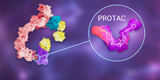
PROTAC — Target Selection and Design
Scientific Reviews
PROTAC — Target Selection and Design2022-07-08
A PROTAC molecule consists of three components: a target protein binding ligand, an E3 ligase ligand, and a linker connecting these two moieties. Here, we will discuss the conventional approaches for the rational design of PROTAC molecules. -
 Scientific Reviews
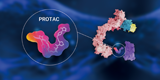
BacPROTACs is composed of a POI ligand, a chemical linker and a ClpCNTD anchor. BacPROTACs can induce in vitro and in vivo degradation of non-eukaryotic proteins in bacteria without the ubiquitin proteasome system.
Scientific Reviews
BacPROTACs is composed of a POI ligand, a chemical linker and a ClpCNTD anchor. BacPROTACs can induce in vitro and in vivo degradation of non-eukaryotic proteins in bacteria without the ubiquitin proteasome system. -
 Scientific Reviews
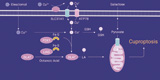
Tsvetkov et al. published in Science and demonstrated a copper-induced programmed cell death — Cuproptosis. As a novel programmed cell death, excess copper triggers abnormal aggregation of lipoylated proteins in TCA cycle and clearance of Fe-S cluster proteins, ultimately leading to cell death.
Scientific Reviews
Tsvetkov et al. published in Science and demonstrated a copper-induced programmed cell death — Cuproptosis. As a novel programmed cell death, excess copper triggers abnormal aggregation of lipoylated proteins in TCA cycle and clearance of Fe-S cluster proteins, ultimately leading to cell death. -
 Scientific Reviews
A comprehensive explanation of ferroptosis
Scientific Reviews
A comprehensive explanation of ferroptosis2022-09-15
Ferroptosis is a new type of RCD that depends on iron and characterized by the accumulation of lipid peroxides. In this article, we will pay our attention on ferroptosis and briefly discusses its mechanism. -
 Scientific Reviews
It's has been proved that p53, as a tumor suppressor gene and immune guardian, may become a destroyer through its own mutation. Moreover, the mechanism of p53 was found to be related to ferroptosis. This article mainly explores the mechanism between p53 and ferroptosis in detail.
Scientific Reviews
It's has been proved that p53, as a tumor suppressor gene and immune guardian, may become a destroyer through its own mutation. Moreover, the mechanism of p53 was found to be related to ferroptosis. This article mainly explores the mechanism between p53 and ferroptosis in detail. -
 Scientific Reviews
Autophagy, derived from the Greek meaning "eating of self", plays an indispensable role in maintaining homeostasis. p27 is an inhibitor of cyclin CDKs, but how p27 regulates autophagy remains unknown. This article will cover the mechanism of autophagy and p27-related cell cycle regulation.
Scientific Reviews
Autophagy, derived from the Greek meaning "eating of self", plays an indispensable role in maintaining homeostasis. p27 is an inhibitor of cyclin CDKs, but how p27 regulates autophagy remains unknown. This article will cover the mechanism of autophagy and p27-related cell cycle regulation. -
 Scientific Reviews
AlphaFold2 can predict disease-related protein structures at low cost, and then find potential drugs for these diseases through drug repositioning, virtual screening, and other methods. ZINC is a public database summarizing information about billions of compounds. AlphaFold2 + ZINC20 speeds up the virtual screening process and improves the computing speed.
Scientific Reviews
AlphaFold2 can predict disease-related protein structures at low cost, and then find potential drugs for these diseases through drug repositioning, virtual screening, and other methods. ZINC is a public database summarizing information about billions of compounds. AlphaFold2 + ZINC20 speeds up the virtual screening process and improves the computing speed. -
 Scientific Reviews
CMA (chaperone-mediated autophagy) plays an essential role in maintaining neuronal protein stability and preventing neurodegeneration. In this article, we will comprehensively clarify the role of CMA in the occurrence and development of neurodegenerative diseases.
Scientific Reviews
CMA (chaperone-mediated autophagy) plays an essential role in maintaining neuronal protein stability and preventing neurodegeneration. In this article, we will comprehensively clarify the role of CMA in the occurrence and development of neurodegenerative diseases. -
 Scientific Reviews
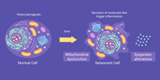
Understanding the mechanism of aging not only has guiding significance for prolonging human life but also has important clinical significance for the prevention and treatment of diseases in the elderly population , thus, improving their life quality and well-being.
Scientific Reviews
Understanding the mechanism of aging not only has guiding significance for prolonging human life but also has important clinical significance for the prevention and treatment of diseases in the elderly population , thus, improving their life quality and well-being. -
 Scientific Reviews
Mammalian cells can also photosynthesize like plants! Photosynthesis can improve cell anabolism and exhibit good clinical effect in degenerative diseases (osteoarthritis).
Scientific Reviews
Mammalian cells can also photosynthesize like plants! Photosynthesis can improve cell anabolism and exhibit good clinical effect in degenerative diseases (osteoarthritis). -
 Scientific Reviews
PROTAC - Design Strategy for Targeting
Scientific Reviews
PROTAC - Design Strategy for Targeting2023-04-23
Protein degradation targeting chimera (PROTAC) is a technology that uses the ubiquitin proteasome pathway to silent target protein. However, PROTAC still has problems such as solubility, membrane permeability, and selectivity. In this article, we have summarized three strategies for optimization: light-controlled linker, PAC molecule, and specific E3 ligase. -
 Scientific Reviews
Mitophagy:Mechanisms and Detection
Scientific Reviews
Mitophagy:Mechanisms and Detection2023-05-25
About 60 years ago, Christian de Duve first used the term "autophagy" to describe his observation of the degradation of mitochondria and other intracellular structures in lysosomes of rat liver. Over the years, autophagy has remained a beloved topic of research by the National Natural Science Foundation of China (NSFC).Today, let's talk about mitochondrial autophagy. -
 Scientific Reviews
How to Perform Western Blot?
Scientific Reviews
How to Perform Western Blot?2023-07-13
Western blot is one of the most frequently performed experiments in molecular biology, biochemistry and immunology. This article describes in detail how to do WB. -
 Scientific Reviews
SPR, which stands for Surface Plasmon Resonance, essentially works by detecting the interaction between ligands and analytes on a biosensor chip. This in turn allows us to probe the properties and structure of substances. With this technology, we can analyze molecules, proteins, DNA, and various organic and inorganic substances in samples in real-time with precision.
Scientific Reviews
SPR, which stands for Surface Plasmon Resonance, essentially works by detecting the interaction between ligands and analytes on a biosensor chip. This in turn allows us to probe the properties and structure of substances. With this technology, we can analyze molecules, proteins, DNA, and various organic and inorganic substances in samples in real-time with precision. -
 Scientific Reviews
Science | A "new" mechanism for non-ubiquitinated Midnolin-proteasomal degradation pathway
Scientific Reviews
Science | A "new" mechanism for non-ubiquitinated Midnolin-proteasomal degradation pathway2024-04-26
“ubiquitin-mediated protein degradation” won the Nobel Prize in Chemistry in 2004! In fact, proteasomes degrade not only ubiquitinated proteins but also non-ubiquitinated ones. The mechanism remains shrouded in mystery. After reading this piece today, you might have a lightbulb moment! -
 Scientific Reviews
Common Questions and Solutions for WB
Scientific Reviews
Common Questions and Solutions for WB2024-05-09
Come to understand the common problems and solutions of WB, and better complete the experiment! -
 Scientific Reviews
STZ Induced Diabetes Models
Scientific Reviews
STZ Induced Diabetes Models2024-06-13
Spotlight: How can STZ Help Diabetes Research? -
 Scientific Reviews
Degrade target proteins through the autophagy-lysosome pathway including LYTAC, AUTAC, and ATTEC have gained increasing attention in recent years due to their significant research potential!
Scientific Reviews
Degrade target proteins through the autophagy-lysosome pathway including LYTAC, AUTAC, and ATTEC have gained increasing attention in recent years due to their significant research potential! -
 Scientific Reviews
Streptavidin-Biotin System
Scientific Reviews
Streptavidin-Biotin System2024-08-03
Streptavidin strongly binding small molecule biotin is one of the most popular non-covalent coupling methods. Streptavidin can be coupled to various carriers such as magnetic beads and agarose matrix, and become a highly specific affinity medium to capture various biotin-labeled ligands. -
 Scientific Reviews
Cuproptosis, How much do you know?
Scientific Reviews
Cuproptosis, How much do you know?2024-08-22
Cells die in a variety of ways, including apoptosis, pyroptosis, necrosis, and ferroptosis......And, of course, cuproptosis. So, how much do you know about cuproptosis? -
 Scientific Reviews
Recently, Mol Cell reported the discovery of the first ferroptosis marker, Hyperoxidized PRDX3! Let’s take a look together~
Scientific Reviews
Recently, Mol Cell reported the discovery of the first ferroptosis marker, Hyperoxidized PRDX3! Let’s take a look together~ -
 Scientific Reviews
Cuproptosis's Knowledge Points!
Scientific Reviews
Cuproptosis's Knowledge Points!2024-09-25
With the establishment of the cuproptosis mechanism related research has attracted more and more attention from major journals. Expect to use the sharp sword of cuproptosis to stab the tumor cells. -
Scientific Reviews
Delve into the intricate networks that govern mitochondrial quality control. By examining key mechanisms such as biogenesis, mitochondrial dynamics (fission and fusion), proteolysis, and mitophagy. -
 Scientific Reviews
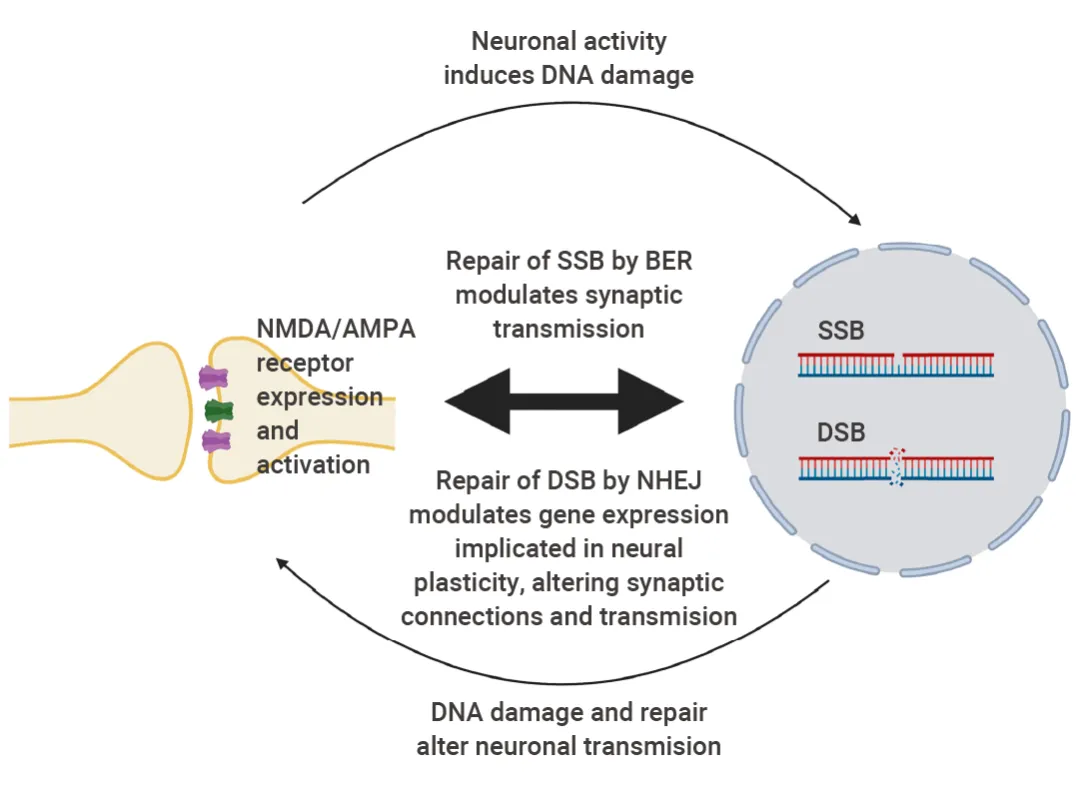
When you hear "inflammation" and "DNA damage," you might immediately think of disease or injury. However, in brains, these two processes are key steps in forming long-term memories, particularly related to specialized cells in our brain called hippocampal neurons.
Scientific Reviews
When you hear "inflammation" and "DNA damage," you might immediately think of disease or injury. However, in brains, these two processes are key steps in forming long-term memories, particularly related to specialized cells in our brain called hippocampal neurons. -
 Scientific Reviews
Autophagy is a fundamental process that degrades various components within the cell.
Scientific Reviews
Autophagy is a fundamental process that degrades various components within the cell. -
.jpg) Scientific Reviews
nside cells, the homeostasis and degradation of proteins is a precisely regulated process. If proteins cannot be degraded in time, it may lead to the occurrence of various diseases such as neurodegenerative diseases and cancer. This article will tell you the process of how proteins are recognized, labeled and then degraded!
Scientific Reviews
nside cells, the homeostasis and degradation of proteins is a precisely regulated process. If proteins cannot be degraded in time, it may lead to the occurrence of various diseases such as neurodegenerative diseases and cancer. This article will tell you the process of how proteins are recognized, labeled and then degraded! -
 Scientific Reviews
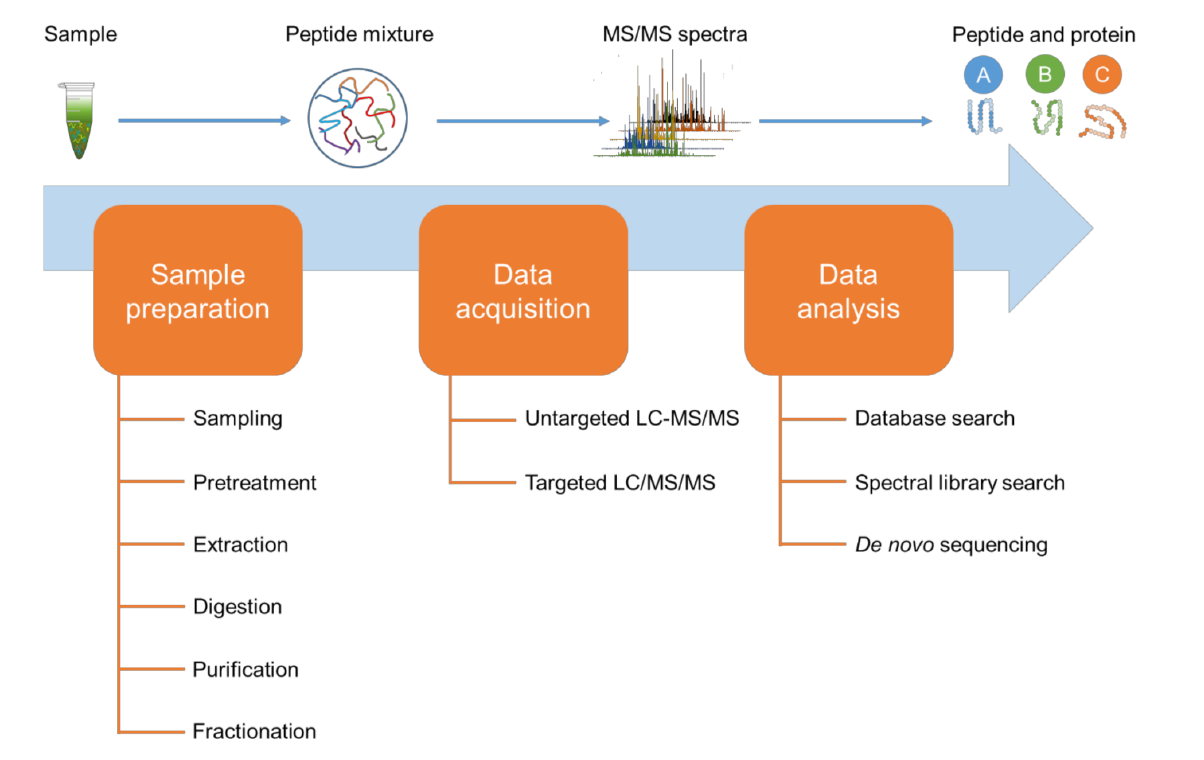
As a pivotal branch in the post - genomic era, proteomics is committed to comprehensively elucidating the types, abundances, structures, functions, and interactions of all proteins within living organisms. This article will tell you the key steps of proteomics sample preparation based on mass spectrometry. This article will tell you the key steps of proteomics sample preparation based on mass spectrometry.
Scientific Reviews
As a pivotal branch in the post - genomic era, proteomics is committed to comprehensively elucidating the types, abundances, structures, functions, and interactions of all proteins within living organisms. This article will tell you the key steps of proteomics sample preparation based on mass spectrometry. This article will tell you the key steps of proteomics sample preparation based on mass spectrometry. -
 Scientific Reviews
Western blotting is a crucial and fundamental technique in life science research. It plays a significant role in exploring protein expression and function. The following article will comprehensively and thoroughly elaborate on the specific procedures and detailed key points of this experiment.
Scientific Reviews
Western blotting is a crucial and fundamental technique in life science research. It plays a significant role in exploring protein expression and function. The following article will comprehensively and thoroughly elaborate on the specific procedures and detailed key points of this experiment. -
 Scientific Reviews
In this issue, we will conduct an in-depth interpretation from the dimensions of nanoparticle design, mechanism of action, in vivo and in vitro efficacy, and immune regulation, revealing how this research brings new hope for the treatment of invasive tumors through interdisciplinary innovation!
Scientific Reviews
In this issue, we will conduct an in-depth interpretation from the dimensions of nanoparticle design, mechanism of action, in vivo and in vitro efficacy, and immune regulation, revealing how this research brings new hope for the treatment of invasive tumors through interdisciplinary innovation! -
 Scientific Reviews
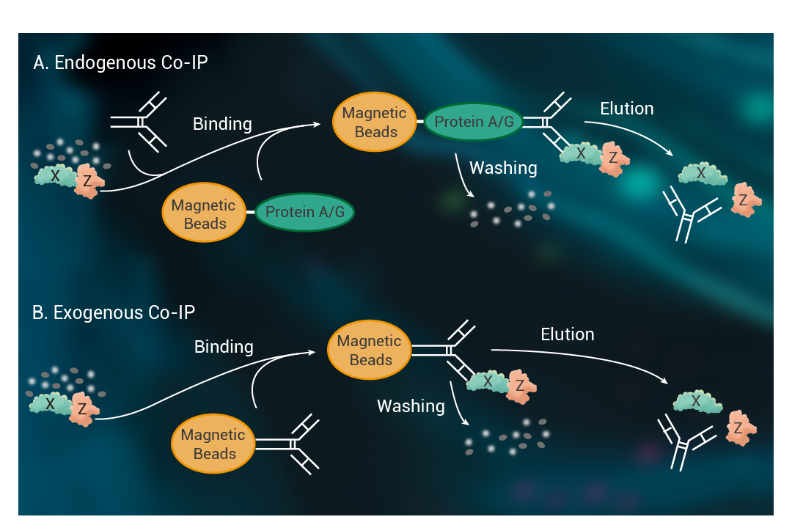
In protein biology, Co-IP is a powerful tool to uncover protein "social networks." But poorly performed, it easily becomes an awkward lab "meet-and-greet." Today, we discuss making Co-IP experiments elegant and efficient—so you pull down target proteins with confidence and precision.
Scientific Reviews
In protein biology, Co-IP is a powerful tool to uncover protein "social networks." But poorly performed, it easily becomes an awkward lab "meet-and-greet." Today, we discuss making Co-IP experiments elegant and efficient—so you pull down target proteins with confidence and precision. -
 Scientific Reviews
Chromatin Immunoprecipitation (ChIP) Demystified: A Complete Guide to Epigenetic Analysis
Scientific Reviews
Chromatin Immunoprecipitation (ChIP) Demystified: A Complete Guide to Epigenetic Analysis2025-08-05
In this issue, we introduce a powerful technique for detecting interactions between epigenetic regulatory factors and DNA—Chromatin Immunoprecipitation (ChIP)! -
 Scientific Reviews
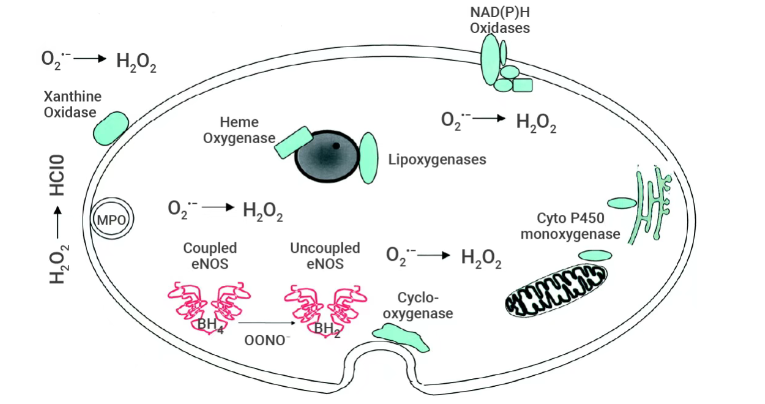
The article introduces the mechanisms of ROS generation and the methods for their detection.
Scientific Reviews
The article introduces the mechanisms of ROS generation and the methods for their detection. -
Scientific Reviews
For all the protein research folks out there, techniques like IP and Co-IP are no stranger, right? And of course, there's a faster and more convenient go-to tool—Protein A/G magnetic beads! In this article, let's chat about how these beads work their magic in classic experiments like IP and Co-IP. -
Scientific Reviews
Cracking the PROTAC Permeability Barrier: CD36-Mediated Endocytosis as a Potential Breakthrough2025-12-03
This article provides an in-depth analysis of cutting-edge literature revealing CD36 as a key mediator of cellular uptake for PROTACs and bRO5 compounds. By structurally optimizing PROTAC molecules to enhance their affinity for CD36, membrane permeability can be markedly improved, leading to significantly enhanced antitumor efficacy. -
 Scientific Reviews
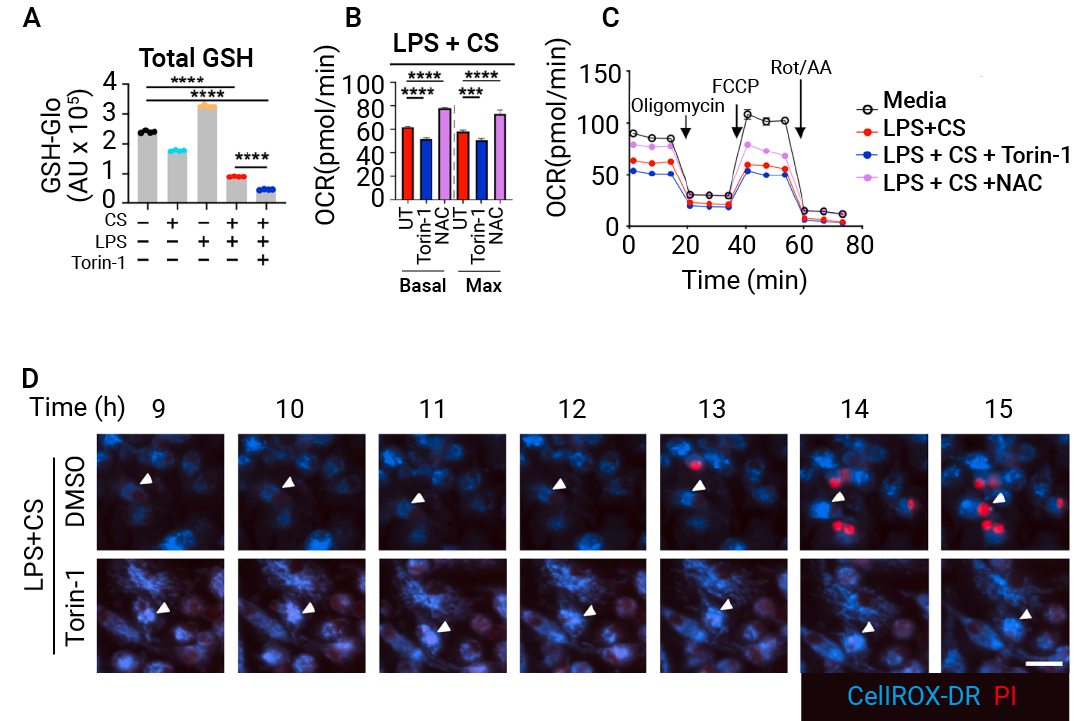
A November 2025 Cell study discovers Mitoxyperilysis, a new mTOR-regulated, caspase-independent cell death pathway driven by innate immune and metabolic dysregulation via mitochondrial-plasma membrane contact and oxidative damage, and verifies its potential to induce tumor necrosis for cancer therapy with key regulators including BAX, BAK1 and BID.
Scientific Reviews
A November 2025 Cell study discovers Mitoxyperilysis, a new mTOR-regulated, caspase-independent cell death pathway driven by innate immune and metabolic dysregulation via mitochondrial-plasma membrane contact and oxidative damage, and verifies its potential to induce tumor necrosis for cancer therapy with key regulators including BAX, BAK1 and BID. -
 Scientific Reviews
FISH is a molecular technique using fluorescent probes to detect specific nucleic acids in cells, with high sensitivity and diverse biomedical applications.
Scientific Reviews
FISH is a molecular technique using fluorescent probes to detect specific nucleic acids in cells, with high sensitivity and diverse biomedical applications. -
 Scientific Reviews
Molecular glue degraders have evolved from a serendipitous observation to one of the most dynamic and transformative fields in biomedical research.
Scientific Reviews
Molecular glue degraders have evolved from a serendipitous observation to one of the most dynamic and transformative fields in biomedical research. -
 EDM
Targeting the ‘Undruggable’ with PROTACs
EDM
Targeting the ‘Undruggable’ with PROTACs2025-06-18
This review introduces the fundamental principles and mechanisms of PROTACs, highlights recent advances in molecular design and clinical development, and discusses emerging opportunities and remaining challenges in targeted protein degradation. -
 EDM
This review explores the molecular mechanisms of the DNA damage response, reviews therapeutic strategies targeting DDR pathways in cancer, and examines their roles in cancer drug resistance.
EDM
This review explores the molecular mechanisms of the DNA damage response, reviews therapeutic strategies targeting DDR pathways in cancer, and examines their roles in cancer drug resistance. -
 EDM
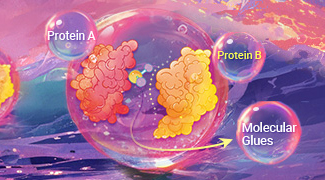
This review discusses recent progress in molecular glue technologies, illustrating how targeted protein degradation strategies enable the modulation of previously undruggable proteins.
EDM
This review discusses recent progress in molecular glue technologies, illustrating how targeted protein degradation strategies enable the modulation of previously undruggable proteins. -
 EDM
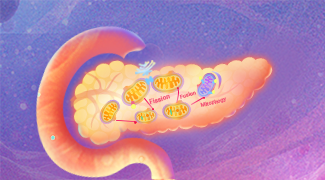
This review discusses β-cell dysfunction driven by mitochondrial impairment, outlines mitochondrial quality control networks, and summarizes strategies to restore mitochondrial function.
EDM
This review discusses β-cell dysfunction driven by mitochondrial impairment, outlines mitochondrial quality control networks, and summarizes strategies to restore mitochondrial function. -
 EDM
Review mitophagy regulation, disease mechanisms, and therapeutic advances to guide future research and drug development.
EDM
Review mitophagy regulation, disease mechanisms, and therapeutic advances to guide future research and drug development. -
 EDM
Review the evolution of molecular glues from serendipitous discovery to rational design, highlighting how emerging targets and advances in screening, proteomics, structural biology, and AI are expanding the druggable proteome.
EDM
Review the evolution of molecular glues from serendipitous discovery to rational design, highlighting how emerging targets and advances in screening, proteomics, structural biology, and AI are expanding the druggable proteome. -
 EDM
Explore how mitochondrial quality control, inflammatory signaling, and metabolic–epigenetic reprogramming regulate cellular senescence and the SASP, along with strategies to restore mitochondrial homeostasis.
EDM
Explore how mitochondrial quality control, inflammatory signaling, and metabolic–epigenetic reprogramming regulate cellular senescence and the SASP, along with strategies to restore mitochondrial homeostasis. -
 Blog
AZD5991, a macrocyclic molecule with high selectivity for Mcl-1, reduces Mcl-1 protein in AZD5991-sensitive but not in AZD5991-resistant MM cell lines.
Blog
AZD5991, a macrocyclic molecule with high selectivity for Mcl-1, reduces Mcl-1 protein in AZD5991-sensitive but not in AZD5991-resistant MM cell lines. -
 Blog
CF53 is a highly potent, selective and orally active inhibitor of BET protein, with anti-tumor activity in acute leukemia and breast cancer cell lines.
Blog
CF53 is a highly potent, selective and orally active inhibitor of BET protein, with anti-tumor activity in acute leukemia and breast cancer cell lines. -
 Blog
HJB97 is a BET PROTAC inhibitor with good anti-tumor activity, and effectively blocks the degradation of BRD2, BRD3, and BRD4 proteins induced by BETd-260.
Blog
HJB97 is a BET PROTAC inhibitor with good anti-tumor activity, and effectively blocks the degradation of BRD2, BRD3, and BRD4 proteins induced by BETd-260. -
 Blog
A Lead PROTAC BRD9 Chemical Degrader
Blog
A Lead PROTAC BRD9 Chemical Degrader2019-04-06
PROTAC BRD9 Degrader-1 is a lead PROTAC BRD9 chemical degrader and a selective probe useful for the study of BAF complex biology. -
 Blog
COH000 is an allosteric, covalent and irreversible inhibitor of SUMO-activating enzyme, with an IC50 of 0.2 μM for SUMOylation in vitro.
Blog
COH000 is an allosteric, covalent and irreversible inhibitor of SUMO-activating enzyme, with an IC50 of 0.2 μM for SUMOylation in vitro. -
 Blog
PhiKan 083 is a carbazole derivative, which binds to the surface cavity and stabilizes Y220C (a p53 mutant), with a Kd of 167 μM.
Blog
PhiKan 083 is a carbazole derivative, which binds to the surface cavity and stabilizes Y220C (a p53 mutant), with a Kd of 167 μM. -
 Blog
IITZ-01 is a potent lysosomotropic autophagy inhibitor with single-agent antitumor activity, with an IC50 of 2.62 μM for PI3Kγ.
Blog
IITZ-01 is a potent lysosomotropic autophagy inhibitor with single-agent antitumor activity, with an IC50 of 2.62 μM for PI3Kγ. -
 Blog
Y06036 is a potent and selective BET inhibitor for potential treatment of castration-resistant prostate cancer. With nanomolar inhibition.
Blog
Y06036 is a potent and selective BET inhibitor for potential treatment of castration-resistant prostate cancer. With nanomolar inhibition. -
 Blog
Y06137 is a potent and selective BET inhibitor, which binds to the BRD4(1) bromodomain with a Kd of 81 nM. Antitumor activity.
Blog
Y06137 is a potent and selective BET inhibitor, which binds to the BRD4(1) bromodomain with a Kd of 81 nM. Antitumor activity. -
 Blog
NRX-252262 is a β-catenin:β-TrCP interaction enhancer, and its cognate E3 ligase, SCFβ-TrCP, induces mutant β-catenin degradation, with an EC50 of 3.8 nM
Blog
NRX-252262 is a β-catenin:β-TrCP interaction enhancer, and its cognate E3 ligase, SCFβ-TrCP, induces mutant β-catenin degradation, with an EC50 of 3.8 nM -
 Blog
TAK-981 is a selective inhibitor of the SUMOylation enzymatic cascade, with potential immune-activating and antineoplastic activities
Blog
TAK-981 is a selective inhibitor of the SUMOylation enzymatic cascade, with potential immune-activating and antineoplastic activities -
 Blog
TD-428 is a Highly Specific BRD4 Degrader
Blog
TD-428 is a Highly Specific BRD4 Degrader2019-04-29
TD-428, a immunomodulatory drug analog, is a highly specific BRD4 degrader with a DC50 of 0.32 nM. TD-428 reduces c-Myc levels more efficiently than JQ1. -
 Blog
SLLN-15 is an oral activ enhancer of autophagy that activates cytostatic macroautophagy/autophagy in triple-negative breast cancer (TNBC).
Blog
SLLN-15 is an oral activ enhancer of autophagy that activates cytostatic macroautophagy/autophagy in triple-negative breast cancer (TNBC). -
 Blog
A1874 is a nutlin-based and BRD4-degrading PROTAC with a DC50 of 32 nM. Effective in inhibiting many cancer cell lines proliferation
Blog
A1874 is a nutlin-based and BRD4-degrading PROTAC with a DC50 of 32 nM. Effective in inhibiting many cancer cell lines proliferation -
 Blog
BSJ-03-123, a Degrader with Proteome-wide Selectivity for CDK6 (PROTAC). Induces a G1 cell-cycle arrest without a measurable increase in apoptosis.
Blog
BSJ-03-123, a Degrader with Proteome-wide Selectivity for CDK6 (PROTAC). Induces a G1 cell-cycle arrest without a measurable increase in apoptosis. -
 Blog
FT671 is a potent, non-covalent and selective USP7 inhibitor with an IC50 of 52 nM and binds to the USP7 catalytic domain with a Kd of 65 nM.
Blog
FT671 is a potent, non-covalent and selective USP7 inhibitor with an IC50 of 52 nM and binds to the USP7 catalytic domain with a Kd of 65 nM. -
 Blog
ZM223 is a non-sulfamide NEDD8 activating enzyme (NAE) inhibitor, with IC50 value of 100 nM in cells. ZM223 has potential to treat colon cancer.
Blog
ZM223 is a non-sulfamide NEDD8 activating enzyme (NAE) inhibitor, with IC50 value of 100 nM in cells. ZM223 has potential to treat colon cancer. -
 Blog
STL127705 is a Ku 70/80 heterodimer protein inhibitor, inhibits Ku70/80-DNA interaction (IC50 of 3.5 μM) and Ku-dependent activation of DNA-PKCS kinase.
Blog
STL127705 is a Ku 70/80 heterodimer protein inhibitor, inhibits Ku70/80-DNA interaction (IC50 of 3.5 μM) and Ku-dependent activation of DNA-PKCS kinase. -
 Blog
MS4077 is an anaplastic lymphoma kinase (ALK) PROTAC (degrader) with a Kd of 37 nM for binding affinity to ALK. Efficacy for breast cancer and lung cancer.
Blog
MS4077 is an anaplastic lymphoma kinase (ALK) PROTAC (degrader) with a Kd of 37 nM for binding affinity to ALK. Efficacy for breast cancer and lung cancer. -
 Blog
VL285, is a Potent VHL Ligand
Blog
VL285, is a Potent VHL Ligand2019-05-24
VL285 is a Potent VHL Ligand. -
 Blog
SNIPER(TACC3)-1 targets the TACC3 protein for degradation via the ubiquitin-proteasome pathway. SNIPER(TACC3)-1 induces cancer cell death.
Blog
SNIPER(TACC3)-1 targets the TACC3 protein for degradation via the ubiquitin-proteasome pathway. SNIPER(TACC3)-1 induces cancer cell death. -
 Blog
TAS-114 is a dual dUTPase/dihydropyrimidine dehydrogenase (DPD) inhibitor, can improving the therapeutic efficacy of fluoropyrimidine.
Blog
TAS-114 is a dual dUTPase/dihydropyrimidine dehydrogenase (DPD) inhibitor, can improving the therapeutic efficacy of fluoropyrimidine. -
 Blog
IWP-O1, a Highly Potent Porcupine Inhibitor, Functions by Preventing the Secretion of Wnt Proteins
Blog
IWP-O1, a Highly Potent Porcupine Inhibitor, Functions by Preventing the Secretion of Wnt Proteins2019-06-03
IWP-O1 is a Porcupine (Porcn) inhibitor, with an EC50 of 80 pM in L-Wnt-STF cells. IWP-O1 functions by preventing the secretion of Wnt proteins[ -
 Blog
SJFδ, a 10-atom Linker PROTAC, Degrades p38δ
Blog
SJFδ, a 10-atom Linker PROTAC, Degrades p38δ2019-06-11
SJFδ, a 10-atom Linker PROTAC, Degrades p38δ, degrades p38δwith strong capacity. SJFδ degrades p38δ with a DC50 of 46.17±9.85 nM and a Dmax of 99.41±3.31%. -
 Blog
Gboxin is an oxidative phosphorylation inhibitor that targets glioblastoma. Gboxin inhibits the activity of F0F1 ATP synthase and shows antitumour activity.
Blog
Gboxin is an oxidative phosphorylation inhibitor that targets glioblastoma. Gboxin inhibits the activity of F0F1 ATP synthase and shows antitumour activity. -
 Blog
TAS4464 is a highly potent and selective inhibitor of NEDD8 activating enzyme (NAE), with an IC50 of 0.955 nM. TAS4464 shows antitumor activity.
Blog
TAS4464 is a highly potent and selective inhibitor of NEDD8 activating enzyme (NAE), with an IC50 of 0.955 nM. TAS4464 shows antitumor activity. -
 Blog
NMS-P515 is a potent, orally active and stereospecific PARP-1 inhibitor, with a Kd of 16 nM and an IC50 of 27 nM (in Hela cells). Anti-tumor activity.
Blog
NMS-P515 is a potent, orally active and stereospecific PARP-1 inhibitor, with a Kd of 16 nM and an IC50 of 27 nM (in Hela cells). Anti-tumor activity. -
 Blog
ERD-308 is a highly potent PROTAC degrader of ER for ER+ breast cancer treatment. ERD-308 induces >95% of ER degradation at concentrations as low as 5 nM.
Blog
ERD-308 is a highly potent PROTAC degrader of ER for ER+ breast cancer treatment. ERD-308 induces >95% of ER degradation at concentrations as low as 5 nM. -
 Blog
JG-98, an Hsp70 inhibitor, binds tightly to a conserved site on Hsp70 and disrupts the Hsp70-Bag3 interaction. JG-98 shows anti-cancer activities.
Blog
JG-98, an Hsp70 inhibitor, binds tightly to a conserved site on Hsp70 and disrupts the Hsp70-Bag3 interaction. JG-98 shows anti-cancer activities. -
 Blog
MZP-55 is a selective PROTAC degrader of BRD3/4, shows no obvious effect on BRD2. MZP-55 exhibits excellent activity in cancer research.
Blog
MZP-55 is a selective PROTAC degrader of BRD3/4, shows no obvious effect on BRD2. MZP-55 exhibits excellent activity in cancer research. -
 Blog
dBET6 is a potent PROTAC degrader of BET, shows high affinity to BRD4(1), and possess good efficacy in T cell acute lymphoblastic leukemia activity.
Blog
dBET6 is a potent PROTAC degrader of BET, shows high affinity to BRD4(1), and possess good efficacy in T cell acute lymphoblastic leukemia activity. -
 Blog
GSK2643943A is a Novel DUB Inhibitor
Blog
GSK2643943A is a Novel DUB Inhibitor2019-07-25
GSK2643943A is a novel deubiquitylating enzyme (DUB) inhibitor. GSK2643943A targets USP20/Ub-Rho and shows an IC50 of 160 nM. -
 Blog
MT-802 is a potent BTK degrader based on PROTAC technology, with a DC50 of 1 nM. MT-802 has potential to treat C481S mutant chronic lymphocytic leukemia.
Blog
MT-802 is a potent BTK degrader based on PROTAC technology, with a DC50 of 1 nM. MT-802 has potential to treat C481S mutant chronic lymphocytic leukemia. -
 Blog
ML367 is an ATAD5 Stabilization Inhibitor
Blog
ML367 is an ATAD5 Stabilization Inhibitor2019-08-03
ML367 is a potent inhibitor of ATAD5 stabilization. It blocks DNA repair pathways, and suppresses phosphorylation of RPA32 and CHK1. -
 Blog
ACBI1 is a PROTAC Degrader of BAF Complex
Blog
ACBI1 is a PROTAC Degrader of BAF Complex2019-08-07
ACBI1 is a potent PROTAC degrader of BAF ATPase subunits SMARCA2, SMARCA4 and PBRM1, with DC50s of 6 nM, 11 nM and 32 nM in MV-4-11 cells, respectively. -
 Blog
dMCL1-2 is a potent and selective degrader of myeloid cell leukemia 1 (MCL1) based on PROTAC, which binds to MCL1 with a KD of 30 nM.
Blog
dMCL1-2 is a potent and selective degrader of myeloid cell leukemia 1 (MCL1) based on PROTAC, which binds to MCL1 with a KD of 30 nM. -
 Blog
JH-RE-06, a potent REV1-REV7 interface inhibitor (IC50=0.78 μM; Kd=0.42 μM), targets REV1 that interacts with the REV7 subunit of POLζ.
Blog
JH-RE-06, a potent REV1-REV7 interface inhibitor (IC50=0.78 μM; Kd=0.42 μM), targets REV1 that interacts with the REV7 subunit of POLζ. -
 Blog
CP-10 is a Specific PROTAC Degrader of CDK6
Blog
CP-10 is a Specific PROTAC Degrader of CDK62019-08-25
CP-10 is a PROTAC with highly selective, specific, and remarkable CDK6 degradation (DC50=2.1 nM), which has anti-cancer activity. -
 Blog
ARV-825 is a PROTAC, and acts as a potent BRD4 degrader, with Kds of 90 and 28 nM for BRD4 BD1 and BRD4 BD2, respectively.
Blog
ARV-825 is a PROTAC, and acts as a potent BRD4 degrader, with Kds of 90 and 28 nM for BRD4 BD1 and BRD4 BD2, respectively. -
 Blog
GMB-475 is a PROTAC BCR-ABL1 degrader, overcomes BCR-ABL1-dependent drug resistance, targets BCR-ABL1 protein and recruits the E3 ligase Von Hippel Lindau.
Blog
GMB-475 is a PROTAC BCR-ABL1 degrader, overcomes BCR-ABL1-dependent drug resistance, targets BCR-ABL1 protein and recruits the E3 ligase Von Hippel Lindau. -
 Blog
dBET57 is a potent and selective degrader of BRD4BD1 based on the PROTAC technology and mediates recruitment to the CRL4CRBN E3 ubiquitin ligase.
Blog
dBET57 is a potent and selective degrader of BRD4BD1 based on the PROTAC technology and mediates recruitment to the CRL4CRBN E3 ubiquitin ligase. -
 Blog
MD-224 is a human MDM2 degrader based on the PROTAC concept. MD-224 induces rapid degradation of MDM2 at concentrations <1 nM in human leukemia cells.
Blog
MD-224 is a human MDM2 degrader based on the PROTAC concept. MD-224 induces rapid degradation of MDM2 at concentrations <1 nM in human leukemia cells. -
 Blog
E3330, an APE1 Redox Inhibitor, Modulates Cell Migration and Invasion in Metastatic Cancer
Blog
E3330, an APE1 Redox Inhibitor, Modulates Cell Migration and Invasion in Metastatic Cancer2019-09-13
E3330 is a direct, orally active AP endonuclease 1 (APE1) inhibitor, which suppresses NF-κB DNA-binding activity. E3330 shows good anticancer properties. -
 Blog
AOH1160, an Orally Active PCNA Inhibitor, Exhibits Efferctive Anti-cancer Activity with Low Toxicity
Blog
AOH1160, an Orally Active PCNA Inhibitor, Exhibits Efferctive Anti-cancer Activity with Low Toxicity2019-09-14
AOH1160 is a potent, first-in-class, orally available PCNA inhibitor and exhibits broad-spectrum anti-cancer activity without causing unacceptable toxicity. -
 Blog
DVD-445 is a potent peptidomimetic covalent TrxR1 inhibitor with an IC50 of 0.60 μM for rat TrxR1. DVD-445 has good anticancer application.
Blog
DVD-445 is a potent peptidomimetic covalent TrxR1 inhibitor with an IC50 of 0.60 μM for rat TrxR1. DVD-445 has good anticancer application. -
 Blog
Blog
-
 Blog
CP5V is a Specific PROTAC Degrader of Cdc20
Blog
CP5V is a Specific PROTAC Degrader of Cdc202019-11-20
CP5V is a PROTAC, which specifically degrades Cdc20 by linking Cdc20 to the VHL/VBC complex for ubiquitination followed by proteasomal degradation. -
 Blog
PK11007 is a Mild Alkylating Agent with Anticancer Activity and induces mutant p53 cancer cell death by increasing reactive oxygen species (ROS) levels.
Blog
PK11007 is a Mild Alkylating Agent with Anticancer Activity and induces mutant p53 cancer cell death by increasing reactive oxygen species (ROS) levels. -
 Blog
SD-36 is a Selective PROTAC STAT3 Degrader
Blog
SD-36 is a Selective PROTAC STAT3 Degrader2019-12-06
SD-36 is a potent, efficacious and selective PROTAC STAT3 degrader (Kd=50 nM) and achieves complete tumor regression in vivo. -
 Blog
Niraparib is an Orally Active PARP Inhibitor
Blog
Niraparib is an Orally Active PARP Inhibitor2019-12-18
Niraparib is a highly potent and orally bioavailable PARP1 and PARP2 inhibitor. Niraparib has potent anti-cancer activity. -
 Blog
MG-277 works as a PROTAC molecular glue, inducing degradation of a translation termination factor, GSPT1 to achieve its potent anticancer activity.
Blog
MG-277 works as a PROTAC molecular glue, inducing degradation of a translation termination factor, GSPT1 to achieve its potent anticancer activity. -
 Blog
DRF-1042 is an orally active derivative of Camptothecin and acts to inhibit DNA topoisomerase I with good anticancer activity.
Blog
DRF-1042 is an orally active derivative of Camptothecin and acts to inhibit DNA topoisomerase I with good anticancer activity. -
 Blog
MS432 is a first-in-class and highly selective PD0325901-based VHL-recruiting PROTAC degrader for MEK1 and MEK2 with good anti-cancer activity.
Blog
MS432 is a first-in-class and highly selective PD0325901-based VHL-recruiting PROTAC degrader for MEK1 and MEK2 with good anti-cancer activity. -
 Blog
KB02-JQ1 is a highly potent and selective PROTAC BRD4 degrader that degrades nuclear proteins by engaging CUL4-DDB1 E3 ubiquitin ligases DCAF16.
Blog
KB02-JQ1 is a highly potent and selective PROTAC BRD4 degrader that degrades nuclear proteins by engaging CUL4-DDB1 E3 ubiquitin ligases DCAF16. -
 Blog
D-I03 is a Selective RAD52 Inhibitor
Blog
D-I03 is a Selective RAD52 Inhibitor2020-01-08
D-I03 is a selective RAD52 inhibitor, which specifically inhibits RAD52-dependent single-strand annealing (SSA) and D-loop formation. -
 Blog
AKOS-22, a VDAC1 Oligomerization and Apoptosis Inhibitor, Protects Against Mitochondrial Dysfunction
Blog
AKOS-22, a VDAC1 Oligomerization and Apoptosis Inhibitor, Protects Against Mitochondrial Dysfunction2020-02-15
AKOS-22 is a potent mitochondrial protein VDAC1 and apoptosis inhibitor. AKOS-22 protects against Mitochondrial Dysfunction. -
 Blog
SB-218078, a Chk1 inhibitor, inhibits Chk1 phosphorylation of cdc25C with an IC50 of 15 nM, causeing apoptosis by DNA damage and cell cycle arrest.
Blog
SB-218078, a Chk1 inhibitor, inhibits Chk1 phosphorylation of cdc25C with an IC50 of 15 nM, causeing apoptosis by DNA damage and cell cycle arrest. -
 Blog
TCH-165 is a modulator of proteasome assembly, which increases 20S levels and facilitates 20S-mediated protein degradation, such as IDPs, α-syn, and tau.
Blog
TCH-165 is a modulator of proteasome assembly, which increases 20S levels and facilitates 20S-mediated protein degradation, such as IDPs, α-syn, and tau. -
 Blog
6RK73 is a covalent irreversible and specific UCHL1 inhibitor,which specifically inhibits UCHL1 activity in breast cancer.
Blog
6RK73 is a covalent irreversible and specific UCHL1 inhibitor,which specifically inhibits UCHL1 activity in breast cancer. -
 Blog
CCT367766, a PROTAC-based Pirin-targeting PDP, exhibits a moderate affinity for the CRBN-DDB1 complex and reveals a good affinity for Pirin and CRBN.
Blog
CCT367766, a PROTAC-based Pirin-targeting PDP, exhibits a moderate affinity for the CRBN-DDB1 complex and reveals a good affinity for Pirin and CRBN. -
 Blog
E64FC26 is a highly potent pan-style inhibitor of the protein disulfide isomerase (PDI) family with anti-myeloma activities.
Blog
E64FC26 is a highly potent pan-style inhibitor of the protein disulfide isomerase (PDI) family with anti-myeloma activities. -
 Blog
NU1025 is a potent PARP inhibitor and potentiates the cytotoxicity of ionizing radiation drug. NU1025 has anti-cancer and neuroprotective activity.
Blog
NU1025 is a potent PARP inhibitor and potentiates the cytotoxicity of ionizing radiation drug. NU1025 has anti-cancer and neuroprotective activity. -
 Blog
TL13-112 is a PROTAC Degrader of ALK
Blog
TL13-112 is a PROTAC Degrader of ALK2020-04-15
TL13-112 is a selective ALK-PROTAC degrader and inhibits ALK activity. TL13-112 is comprised of the conjugation of Ceritinib and the ligand pomalidomide . -
 Blog
TP3011 is a potent DNA topoisomerase I inhibitor. Antitumor activities.Active metabolite of TP3076. TP3011 inhibits cancer cell proliferative activities.
Blog
TP3011 is a potent DNA topoisomerase I inhibitor. Antitumor activities.Active metabolite of TP3076. TP3011 inhibits cancer cell proliferative activities. -
 Blog
TL13-12 is a Selective ALK-PROTAC Degrader
Blog
TL13-12 is a Selective ALK-PROTAC Degrader2020-04-21
TL13-12 can induce receptor tyrosine kinase anaplastic lymphoma kinase degradation in non small cell lung cancer cells. PROTAC ALK degrader. -
 Blog
ARCC-4 is a low-nanomolar AR degrader, and effectively degrades clinically relevant AR mutants associated with antiandrogen therapy.
Blog
ARCC-4 is a low-nanomolar AR degrader, and effectively degrades clinically relevant AR mutants associated with antiandrogen therapy. -
 Blog
PIK-75 is a reversible DNA-PK and p110α selective inhibitor. Impairs cell proliferation, survival, and tumor growth. Induce apoptosis.
Blog
PIK-75 is a reversible DNA-PK and p110α selective inhibitor. Impairs cell proliferation, survival, and tumor growth. Induce apoptosis. -
 Blog
iFSP1 is a potent, selective FSP1inhibitor that induces ferroptosis in GPX4-knockout cells which overexpressed FSP1.
Blog
iFSP1 is a potent, selective FSP1inhibitor that induces ferroptosis in GPX4-knockout cells which overexpressed FSP1. -
 Blog
RBN-2397 is an orally active accross species NAD+ competitive inhibitor of PARP7. RBN-2397 binds to PARP7 and restores interferon (Type I) signaling.
Blog
RBN-2397 is an orally active accross species NAD+ competitive inhibitor of PARP7. RBN-2397 binds to PARP7 and restores interferon (Type I) signaling. -
 Blog
UT-34 is a potent, selective and orally active second-generation pan-androgen receptor (AR) antagonist and degrader with anti-prostate cancer efficacy.
Blog
UT-34 is a potent, selective and orally active second-generation pan-androgen receptor (AR) antagonist and degrader with anti-prostate cancer efficacy. -
 Blog
HM03 is a potent and selective HSPA5 inhibitor with anticancer activity. HSPA5 plays a key role in monitoring protein transport through the cell.
Blog
HM03 is a potent and selective HSPA5 inhibitor with anticancer activity. HSPA5 plays a key role in monitoring protein transport through the cell. -
 Blog
XZ739 is a PROTAC BCL-XL Degrader
Blog
XZ739 is a PROTAC BCL-XL Degrader2020-06-18
XZ739 is a PROTAC BCL-XL Degrader. XZ739 is potent against various cancer cell lines. PROTAC is an emerging therapeutic modality. -
 Blog
DI-82 is a potent deoxycytidine kinase (dCK) inhibitor. DI-82 is potent against hematological malignancies and other cancers.
Blog
DI-82 is a potent deoxycytidine kinase (dCK) inhibitor. DI-82 is potent against hematological malignancies and other cancers. -
 Blog
MYLS22 is a first-in-class and selective optic atrophy 1 (OPA1) inhibitor with anti-angiogenesis and anti-cancer activity.
Blog
MYLS22 is a first-in-class and selective optic atrophy 1 (OPA1) inhibitor with anti-angiogenesis and anti-cancer activity. -
 Blog
RA-9 is a potent and selective proteasome-associated DUBs inhibitor with favorable toxicity profile and anticancer activity.
Blog
RA-9 is a potent and selective proteasome-associated DUBs inhibitor with favorable toxicity profile and anticancer activity. -
 Blog
DI-87, an orally active and selective dCK inhibitor, has antitumor activity and is used in combination therapy against tumors expressing dCK.
Blog
DI-87, an orally active and selective dCK inhibitor, has antitumor activity and is used in combination therapy against tumors expressing dCK. -
 Blog
HLI373 represents a potential drug-able lead for the development of therapeutically efficacious inhibitors of Hdm2. Hdm2 is an ubiquitin protein ligase.
Blog
HLI373 represents a potential drug-able lead for the development of therapeutically efficacious inhibitors of Hdm2. Hdm2 is an ubiquitin protein ligase. -
 Blog
RA375, a RPN13 inhibitor, inhibits proteasome function in muscle. RA375 is highly active against cell lines of multiple myeloma and diverse solid cancers.
Blog
RA375, a RPN13 inhibitor, inhibits proteasome function in muscle. RA375 is highly active against cell lines of multiple myeloma and diverse solid cancers. -
 Blog
CRT0044876 is a potent and selective APE1 inhibitor. CRT0044876 inhibits the AP endonuclease, 3′-phosphodiesterase and 3′-phosphatase activities of APE1.
Blog
CRT0044876 is a potent and selective APE1 inhibitor. CRT0044876 inhibits the AP endonuclease, 3′-phosphodiesterase and 3′-phosphatase activities of APE1. -
 Blog
SJF620 is a Potent PROTAC BTK Degrader
Blog
SJF620 is a Potent PROTAC BTK Degrader2020-09-26
SJF620 is a potent PROTAC BTK degrader with improved pharmacokinetic properties. Contains a Lenalidomide analog for recruiting CRBN. -
 Blog
BSJ-04-132 is a potent and selective Ribociclib-based CDK4 degrader (PROTAC) and does not induce CDK6 and IKZF1/3 degradation with anti-cancer activity.
Blog
BSJ-04-132 is a potent and selective Ribociclib-based CDK4 degrader (PROTAC) and does not induce CDK6 and IKZF1/3 degradation with anti-cancer activity. -
 Blog
BSJ-03-204 is a potent and selective Palbociclib-based CDK4/6 dual degrader (PROTAC) and does not induce IKZF1/3 degradation with anti-cancer activity.
Blog
BSJ-03-204 is a potent and selective Palbociclib-based CDK4/6 dual degrader (PROTAC) and does not induce IKZF1/3 degradation with anti-cancer activity. -
 Blog
KB02-SLF is a PROTAC-based nuclear FKBP12 degrader. KB02-SLF promotes nuclear FKBP12 degradation by covalently modifying DCAF16 (E3 ligase).
Blog
KB02-SLF is a PROTAC-based nuclear FKBP12 degrader. KB02-SLF promotes nuclear FKBP12 degradation by covalently modifying DCAF16 (E3 ligase). -
 Blog
DT2216 is a potent and selective BCL-XL degrader based on PROTAC technology. DT2216 inhibits leukemia and has potent anti-cancer activity.
Blog
DT2216 is a potent and selective BCL-XL degrader based on PROTAC technology. DT2216 inhibits leukemia and has potent anti-cancer activity. -
 Blog
dTRIM24 will be a useful tool to further probe the function of TRIM24 by rapid chemical depletion in hematopoietic cancers and other biological contexts.
Blog
dTRIM24 will be a useful tool to further probe the function of TRIM24 by rapid chemical depletion in hematopoietic cancers and other biological contexts. -
 Blog
ZXH-3-26 is a Selective PROTAC BRD4 Degrader
Blog
ZXH-3-26 is a Selective PROTAC BRD4 Degrader2020-11-17
ZXH-3-26 is a Selective PROTAC BRD4 Degrader and allows pharmacologic targeting of BRD4 without significant inhibition or degradation of BRD2/3. -
 Blog
BETd-260 is a Potent PROTAC BET Degrader
Blog
BETd-260 is a Potent PROTAC BET Degrader2020-11-18
BETd-260 is a highly potent, efficacious, and promising BET degrader. -
 Blog
SIAIS178 is a potent and selective BCR-ABL degrader based on PROTAC technology by recruiting VHL E3 ubiquitin ligase. SIAIS178 has anticancer activity.
Blog
SIAIS178 is a potent and selective BCR-ABL degrader based on PROTAC technology by recruiting VHL E3 ubiquitin ligase. SIAIS178 has anticancer activity. -
 Blog
GNE-987, a potent chimeric BET degrader, exhibits picomolar cell BRD4 degradation activity. GNE-987 can be used in PROTAC-Antibody Conjugate (PAC).
Blog
GNE-987, a potent chimeric BET degrader, exhibits picomolar cell BRD4 degradation activity. GNE-987 can be used in PROTAC-Antibody Conjugate (PAC). -
 Blog
BI-3663 is a highly selective PTK2/FAK PROTAC (DC50=30 nM), with cereblon ligands to hijack E3 ligases for PTK2 degradation.
Blog
BI-3663 is a highly selective PTK2/FAK PROTAC (DC50=30 nM), with cereblon ligands to hijack E3 ligases for PTK2 degradation. -
 Blog
dFKBP-1 induces potent and dose-dependent degradation of FKBP12 in 293FT-WT cells. A facile and general new strategy to control target protein stability.
Blog
dFKBP-1 induces potent and dose-dependent degradation of FKBP12 in 293FT-WT cells. A facile and general new strategy to control target protein stability. -
 Blog
UNC6852 is a chemical degrader that targets polycomb repressive complex 2 (PRC2). Anti-proliferative in diffuse large B cell lymphoma cell lines.
Blog
UNC6852 is a chemical degrader that targets polycomb repressive complex 2 (PRC2). Anti-proliferative in diffuse large B cell lymphoma cell lines. -
 Blog
VZ185 is a highly selective, potent, and rapid dual degrader with a slight preference for BRD9 over BRD7.
Blog
VZ185 is a highly selective, potent, and rapid dual degrader with a slight preference for BRD9 over BRD7. -
 Blog
MZP-54 is a Selective BRD3/4 PROTAC Degrader
Blog
MZP-54 is a Selective BRD3/4 PROTAC Degrader2020-12-02
MZP-54 is a PROTAC that would link together specific VHL ligand and BET bromodomain ligand. MZP-54 induces degradation of BRD3/4. -
 Blog
SAR-020106 is an ATP-competitive CHK1 inhibitor with an IC50 of 13.3 nM for hCHK1. SAR-020106 can enhance antitumor activity with selected anticancer drugs.
Blog
SAR-020106 is an ATP-competitive CHK1 inhibitor with an IC50 of 13.3 nM for hCHK1. SAR-020106 can enhance antitumor activity with selected anticancer drugs. -
 Blog
BI-3802, a BCL6 degrader, inhibits the BCL6 BTB domain. BI-3802 induces the polymerization of BCL6 and promotes BCL6 degration depended on E3 ligase SIAH1.
Blog
BI-3802, a BCL6 degrader, inhibits the BCL6 BTB domain. BI-3802 induces the polymerization of BCL6 and promotes BCL6 degration depended on E3 ligase SIAH1. -
 Blog
DMU-212 Possesses Antimitotic, Anti-Proliferative, Antioxidant and Apoptosis Promoting Activities
Blog
DMU-212 Possesses Antimitotic, Anti-Proliferative, Antioxidant and Apoptosis Promoting Activities2020-12-24
Activation of ERK1/2 is required for the antimitotic activity of the Resveratrol analogue DMU‐212 in human melanoma cells. -
 Blog
AZ9482 is a Triple PARP1/2/6 Inhibitor
Blog
AZ9482 is a Triple PARP1/2/6 Inhibitor2021-01-05
AZ9482 is a triple PARP1, PPAR2 and PPAR6 inhibitor, with IC50 values of 1 nM, 1 nM and 640 nM for PARP1, PARP2 and PARP6, respectively. -
 Blog
NSC 80467, a potent DNA damaging agent, selectively inhibits survivin, and preferentially inhibits DNA synthesis.
Blog
NSC 80467, a potent DNA damaging agent, selectively inhibits survivin, and preferentially inhibits DNA synthesis. -
 Blog
NSC-105808, a potent, specific DNA2 nuclease inhibitor, inhibits HR repair, DSB end resection and suppresses proliferation of cancer cells.
Blog
NSC-105808, a potent, specific DNA2 nuclease inhibitor, inhibits HR repair, DSB end resection and suppresses proliferation of cancer cells. -
 Blog
Senaparib, a selective and orally active PARP1/2 inhibitor, has great potential as a monotherapy as well as in combination with other agents.
Blog
Senaparib, a selective and orally active PARP1/2 inhibitor, has great potential as a monotherapy as well as in combination with other agents. -
 Blog
JH-XI-10-02, a highly Potent CDK8 Degrader, modulates the CDK8 protein levels. A viable therapeutic strategy in cancer.
Blog
JH-XI-10-02, a highly Potent CDK8 Degrader, modulates the CDK8 protein levels. A viable therapeutic strategy in cancer. -
 Blog
dCBP-1 is a potent and selective degrader of p300/CBP based on PROTAC. dCBP-1 is exceptionally potent at killing multiple myeloma cells.
Blog
dCBP-1 is a potent and selective degrader of p300/CBP based on PROTAC. dCBP-1 is exceptionally potent at killing multiple myeloma cells. -
 Blog
PF 477736 (PF 00477736) is a Chk1 inhibitor. Breaching the DNA damage checkpoint. PF-00477736 combines with Gemcitabine to abrogates cell cycle arrest.
Blog
PF 477736 (PF 00477736) is a Chk1 inhibitor. Breaching the DNA damage checkpoint. PF-00477736 combines with Gemcitabine to abrogates cell cycle arrest. -
 Blog
PR-619 is a Broad-Range DUB Inhibitor
Blog
PR-619 is a Broad-Range DUB Inhibitor2021-02-20
PR-619, a broad-spectrum deubiquitinating enzyme (DUB) inhibitor, induces ER stress and ER-stress related apoptosis. -
 Blog
IMT1 is a first-in-class specific and noncompetitive human POLRMT inhibitor for mitochondrial transcription disorders related diseases.
Blog
IMT1 is a first-in-class specific and noncompetitive human POLRMT inhibitor for mitochondrial transcription disorders related diseases. -
 Blog
Conglobatin inhibits proliferation and induces apoptosis by binding to N-terminus of Hsp90 and disrupting Hsp90-Cdc37 complex formation.
Blog
Conglobatin inhibits proliferation and induces apoptosis by binding to N-terminus of Hsp90 and disrupting Hsp90-Cdc37 complex formation. -
 Blog
YUM70 inhibits GRP78. Induces endoplasmic reticulum stress-mediated apoptosis. Pancreatic cancer. Acts as a novel anticancer agent.
Blog
YUM70 inhibits GRP78. Induces endoplasmic reticulum stress-mediated apoptosis. Pancreatic cancer. Acts as a novel anticancer agent. -
 Blog
Elimusertib is a potent, orally available and selective ATR inhibitor. Elimusertib has potent anti-tumor activity.
Blog
Elimusertib is a potent, orally available and selective ATR inhibitor. Elimusertib has potent anti-tumor activity. -
 Blog
LC-2 is a potent and first-in-class PROTAC capable of degrading endogenous KRAS G12C, with DC50s between 0.25 and 0.76 μM.
Blog
LC-2 is a potent and first-in-class PROTAC capable of degrading endogenous KRAS G12C, with DC50s between 0.25 and 0.76 μM. -
 Blog
PROTAC MDM2 degrader MD-222 is highly potent and effective in inducing degradation of MDM2 and in activating wild-type p53 in cells.
Blog
PROTAC MDM2 degrader MD-222 is highly potent and effective in inducing degradation of MDM2 and in activating wild-type p53 in cells. -
 Blog
Butaprost is a selective prostaglandin E receptor (EP2) agonist. Butaprost can effectively mitigate kidney fibrogenesis in various fibrosis models.
Blog
Butaprost is a selective prostaglandin E receptor (EP2) agonist. Butaprost can effectively mitigate kidney fibrogenesis in various fibrosis models. -
 Blog
Lenalidomide, a CRBN ligand, is an orally active immunomodulator that effective treatment for myelodysplastic syndrome and multiple myeloma.
Blog
Lenalidomide, a CRBN ligand, is an orally active immunomodulator that effective treatment for myelodysplastic syndrome and multiple myeloma. -
 Blog
AUTAC4 is a mitochondria-targeting autophagy-targeting chimera, which can be used for the study of mitochondrial dysfunction.
Blog
AUTAC4 is a mitochondria-targeting autophagy-targeting chimera, which can be used for the study of mitochondrial dysfunction. -
 Blog
ARV-110 is an orally active, specific androgen receptor (AR) PROTAC degrader. ARV-110 can be used for the research of prostate cancer.
Blog
ARV-110 is an orally active, specific androgen receptor (AR) PROTAC degrader. ARV-110 can be used for the research of prostate cancer. -
 Blog
Venadaparib is a selective and orally active PARP1/2 inhibitor with significant in vitro and in vivo activities in multiple cancer models.
Blog
Venadaparib is a selective and orally active PARP1/2 inhibitor with significant in vitro and in vivo activities in multiple cancer models. -
 Blog
SG3199, an ADC Cytotoxin, is a Cytotoxic DNA Minor Groove Interstrand Crosslinking PDB Dimer
Blog
SG3199, an ADC Cytotoxin, is a Cytotoxic DNA Minor Groove Interstrand Crosslinking PDB Dimer2021-07-12
SG3199, a PBD dimer, is a warhead in next-generation ADCs with potently cytotoxic and a very short half-life. -
 Blog
BSJ-4-116 is a highly potent and selective CDK12 degrader (PROTAC). BSJ-4-116 exhibits potent antiproliferative effects.
Blog
BSJ-4-116 is a highly potent and selective CDK12 degrader (PROTAC). BSJ-4-116 exhibits potent antiproliferative effects. -
 Blog
EMD527040 is a highly selective αvβ6 antagonist with antifibrotic activities.
Blog
EMD527040 is a highly selective αvβ6 antagonist with antifibrotic activities. -
 Blog
SJ6986 is a selective and orally active GSPT1/GSPT2 degrader, displaying selectivity over classical IMiD neosubstrates, such as IKZF1/3
Blog
SJ6986 is a selective and orally active GSPT1/GSPT2 degrader, displaying selectivity over classical IMiD neosubstrates, such as IKZF1/3 -
 Blog
DP-C-4 is a CRBN-Based dual PROTAC for EGFR and PARP could provide an effective study for cancer diseases.
Blog
DP-C-4 is a CRBN-Based dual PROTAC for EGFR and PARP could provide an effective study for cancer diseases. -
 Blog
XY028-140 is a potent and selective PROTAC-based CDK4/6 degrader, which can inhibit RB-E2F signaling and reduce CDK4 and CDK6 protein levels.
Blog
XY028-140 is a potent and selective PROTAC-based CDK4/6 degrader, which can inhibit RB-E2F signaling and reduce CDK4 and CDK6 protein levels. -
 Blog
NRX-2663 is a potent enhancer of the interaction between β-catenin SCFβ-TrCP, potentiates the ubiquitylation of mutant β-Catenin by β-TrCP.
Blog
NRX-2663 is a potent enhancer of the interaction between β-catenin SCFβ-TrCP, potentiates the ubiquitylation of mutant β-Catenin by β-TrCP. -
 Blog
SIM1 is a PROTAC Based BET Family Degrader
Blog
SIM1 is a PROTAC Based BET Family Degrader2021-08-11
SIM1 is a potent von Hippel-Lindau (VHL)-based trivalent PROTAC capable of degradation for all BET family members. -
 Blog
Iberdomide (CC-220) is an orally active cereblon (CRBN) E3 ligase modulator (CELMoD) with antitumor and immunostimulatory activities。
Blog
Iberdomide (CC-220) is an orally active cereblon (CRBN) E3 ligase modulator (CELMoD) with antitumor and immunostimulatory activities。 -
 Blog
SN-38 (NK012) is an active metabolite of the Topoisomerase I inhibitor Irinotecan and inhibits DNA and RNA synthesis.
Blog
SN-38 (NK012) is an active metabolite of the Topoisomerase I inhibitor Irinotecan and inhibits DNA and RNA synthesis. -
 Blog
IACS-010759 is an orally active, potent mitochondrial complex I of oxidative phosphorylation (OXPHOS) inhibitor with antitumor activity.
Blog
IACS-010759 is an orally active, potent mitochondrial complex I of oxidative phosphorylation (OXPHOS) inhibitor with antitumor activity. -
 Blog
Elesclomol is an oxidative stress inducer that induces cancer cell apoptosis. Elesclomol is a reactive oxygen species (ROS) inducer.
Blog
Elesclomol is an oxidative stress inducer that induces cancer cell apoptosis. Elesclomol is a reactive oxygen species (ROS) inducer. -
 Blog
Ganetespib (STA-9090) is a HSP90 Inhibitor
Blog
Ganetespib (STA-9090) is a HSP90 Inhibitor2021-10-14
Ganetespib is a unique Hsp90 inhibitor that exhibits potent and sustained antitumor effects in a broad range of malignancies. -
 Blog
Brusatol (NSC 172924) is a Nrf2 Inhibitor
Blog
Brusatol (NSC 172924) is a Nrf2 Inhibitor2021-10-26
Brusatol inhibits the Nrf2 signaling pathway by reducing the protein level of Nrf2, with anticancer activities. -
 Blog
Daunorubicin is a topoisomerase II inhibitor with a wide spectrum of anticancer activity and anti-HBV effect.
Blog
Daunorubicin is a topoisomerase II inhibitor with a wide spectrum of anticancer activity and anti-HBV effect. -
 Blog
MB710 is a stabilizer of oncogenic p53 mutation Y220C. MB710 binds to the Y220C pocket and stabilizes p53-Y220C, with a Kd of 4.1 μM.
Blog
MB710 is a stabilizer of oncogenic p53 mutation Y220C. MB710 binds to the Y220C pocket and stabilizes p53-Y220C, with a Kd of 4.1 μM. -
 Blog
Oltipraz is a Nrf2 Inhibitor
Blog
Oltipraz is a Nrf2 Inhibitor2021-11-18
Oltipraz is a potent Nrf2 activator. Oltipraz has an inhibitory effect on HIF-1α activation in a time-dependent manner, the IC50 is 10 μM. -
 Blog
PR-104A is a hypoxia-selective DNA cross-linking agent/DNA-damaging agent and cytotoxin. Antitumor Activity. Leukemia (T-ALL).
Blog
PR-104A is a hypoxia-selective DNA cross-linking agent/DNA-damaging agent and cytotoxin. Antitumor Activity. Leukemia (T-ALL). -
 Blog
Lonidamine, an antitumor agent and an indazole derivative, interferes with energy-yielding processes in cancer cells.
Blog
Lonidamine, an antitumor agent and an indazole derivative, interferes with energy-yielding processes in cancer cells. -
 Blog
Trolox is an analogue of vitamin E with a powerful antioxidant effect. Trolox is also a powerful inhibitor of membrane damage.
Blog
Trolox is an analogue of vitamin E with a powerful antioxidant effect. Trolox is also a powerful inhibitor of membrane damage. -
 Blog
AZD1390 is a potent, highly selective, orally bioavailable, brain-penetrant ATM inhibitor with an IC50 of 0.78 nM.
Blog
AZD1390 is a potent, highly selective, orally bioavailable, brain-penetrant ATM inhibitor with an IC50 of 0.78 nM. -
 Blog
MS4322 is a first-in-class PRMT5 degrader and a valuable chemical tool for exploring the PRMT5 functions in vitro and in vivo.
Blog
MS4322 is a first-in-class PRMT5 degrader and a valuable chemical tool for exploring the PRMT5 functions in vitro and in vivo. -
 Blog
Alda-1 is a potent ALDH2 Agonist
Blog
Alda-1 is a potent ALDH2 Agonist2021-12-30
Alda-1 ameliorates H2O2-induced Achilles tendinopathy. Alda-1 could be used for preventing Achilles tendinopathy. -
 Blog
Rucaparib is a PARP Inhibitor
Blog
Rucaparib is a PARP Inhibitor2022-01-13
Rucaparib is an orally active, potent inhibitor of PARP proteins (PARP-1, PARP-2 and PARP-3). Rucaparib has the potential for CRPC research. -
 Blog
β-Lapachone, a topoisomerase I inhibitor, induces apoptosis by inhibiting cell cycle progression. β-Lapachone has anti-inflammatory effect.
Blog
β-Lapachone, a topoisomerase I inhibitor, induces apoptosis by inhibiting cell cycle progression. β-Lapachone has anti-inflammatory effect. -
 Blog
Zingerone is a natural orally active nontoxic methoxyphenol potent anti-inflammatory, antidiabetic, antioxidize, and anti-tumor properties.
Blog
Zingerone is a natural orally active nontoxic methoxyphenol potent anti-inflammatory, antidiabetic, antioxidize, and anti-tumor properties. -
 Blog
PFM39 is a potent and selective MRE11 exonuclease inhibitor, and does not inhibit endonuclease, nuclease activity.
Blog
PFM39 is a potent and selective MRE11 exonuclease inhibitor, and does not inhibit endonuclease, nuclease activity. -
 Blog
VAL-083 is an alkylating agent that creates N7 methylation on DNA, VAL-083 exhibits antitumor activity in vitro and in vivo.
Blog
VAL-083 is an alkylating agent that creates N7 methylation on DNA, VAL-083 exhibits antitumor activity in vitro and in vivo. -
 Blog
Lomeguatrib is a highly potent MGMT inactivator, improves the therapeutic effect of alkylating agents in a number of tumour models.
Blog
Lomeguatrib is a highly potent MGMT inactivator, improves the therapeutic effect of alkylating agents in a number of tumour models. -
 Blog
MS170 is a PROTAC AKT Degrader
Blog
MS170 is a PROTAC AKT Degrader2022-02-27
MS170 is a CRBN-recruiting degrader, the AKT proteolysis targeting chimera (PROTAC) degrader. -
 Blog
PX-12 is an irreversible inhibitor of Trx-1 and inhibits the growth, migration, and invasion of colorectal cancer cell lines.
Blog
PX-12 is an irreversible inhibitor of Trx-1 and inhibits the growth, migration, and invasion of colorectal cancer cell lines. -
 Blog
AUTAC2 is a FKBP12-targeting autophagy-mediated degrader (AUTAC). AUTAC2 contains an FBnG and an SLF moiety.
Blog
AUTAC2 is a FKBP12-targeting autophagy-mediated degrader (AUTAC). AUTAC2 contains an FBnG and an SLF moiety. -
 Blog
Mirin is a potent MRN complex inhibitor. Mirin prevents MRN-dependent activation of ATM without affecting ATM protein kinase activity.
Blog
Mirin is a potent MRN complex inhibitor. Mirin prevents MRN-dependent activation of ATM without affecting ATM protein kinase activity. -
 Blog
Pirarubicin, an anthracycline antibiotics, is a topoisomerase II Inhibitor.
Blog
Pirarubicin, an anthracycline antibiotics, is a topoisomerase II Inhibitor. -
 Blog
Oprozomib (PR-047) is an orally active peptide epoxyketone proteasome inhibitor.
Blog
Oprozomib (PR-047) is an orally active peptide epoxyketone proteasome inhibitor. -
 Blog
Bisantrene is topoisomerase II poisons and DNA intercalators. Bisantrene intercalates with and disrupts the configuration of DNA.
Blog
Bisantrene is topoisomerase II poisons and DNA intercalators. Bisantrene intercalates with and disrupts the configuration of DNA. -
 Blog
Epoxomicin is an epoxyketone-containing natural product and a selective and irreversible proteasome inhibitor. Cross the blood-brain barrier.
Blog
Epoxomicin is an epoxyketone-containing natural product and a selective and irreversible proteasome inhibitor. Cross the blood-brain barrier. -
 Blog
Actinomycin D (Dactinomycin) is an autophagy activator inhibiting DNA repair with an IC50 of 0.42 μM.
Blog
Actinomycin D (Dactinomycin) is an autophagy activator inhibiting DNA repair with an IC50 of 0.42 μM. -
 Blog
Rebeccamycin, an antitumor antibiotic, inhibits DNA topoisomerase I. Rebeccamycin can be used for leukemia research.
Blog
Rebeccamycin, an antitumor antibiotic, inhibits DNA topoisomerase I. Rebeccamycin can be used for leukemia research. -
 Blog
DD1, a proteasome inhibitor, targets Bax activation and P70S6K degradation during acute myeloid leukemia (AML) apoptosis.
Blog
DD1, a proteasome inhibitor, targets Bax activation and P70S6K degradation during acute myeloid leukemia (AML) apoptosis. -
 Blog
Rucaparib (AG014699) is an orally active, potent inhibitor of PARP proteins (PARP-1, PARP-2 and PARP-3) with IC50s <5 nM , possessing anticancer activity.
Blog
Rucaparib (AG014699) is an orally active, potent inhibitor of PARP proteins (PARP-1, PARP-2 and PARP-3) with IC50s <5 nM , possessing anticancer activity. -
 Blog
PU-H54 is a potent purine-based (PU) Grp94-selective inhibitor. PU-H54 has the potential for the research of breast cancer.
Blog
PU-H54 is a potent purine-based (PU) Grp94-selective inhibitor. PU-H54 has the potential for the research of breast cancer. -
 Blog
BNS-22 is a potent and selective inhibitor of TOP2α and TOP2β that exhibits anti-proliferative activities.
Blog
BNS-22 is a potent and selective inhibitor of TOP2α and TOP2β that exhibits anti-proliferative activities. -
 Blog
MS159 is a frist-In-class nuclear receptor binding SET NSD2 PROTAC degrader for multiple myeloma research.
Blog
MS159 is a frist-In-class nuclear receptor binding SET NSD2 PROTAC degrader for multiple myeloma research. -
 Blog
ARV-471 is an oral estrogen receptor PROTAC degrader for breast cancer. ARV-471 robustly degrades ER in ER-positive breast cancer cell lines.
Blog
ARV-471 is an oral estrogen receptor PROTAC degrader for breast cancer. ARV-471 robustly degrades ER in ER-positive breast cancer cell lines. -
 Blog
AZD-9574 is a potent and brain penetrant PARP1 inhibitor and shows >8000-fold selectivity for PARP1 compared to PARP2/3/5a/6.
Blog
AZD-9574 is a potent and brain penetrant PARP1 inhibitor and shows >8000-fold selectivity for PARP1 compared to PARP2/3/5a/6. -
 Blog
LCS3 is a potent and reversible inhibitor of GSR and TXNRD1 with anti-tumour activity by non-competitive inhibition of the enzyme activity.
Blog
LCS3 is a potent and reversible inhibitor of GSR and TXNRD1 with anti-tumour activity by non-competitive inhibition of the enzyme activity. -
 Blog
Simmiparib is a highly potent and orally active PARP1 and PARP2 inhibitor with IC50s of 1.75 nM and 0.22 nM, respectively. Antitumor effect.
Blog
Simmiparib is a highly potent and orally active PARP1 and PARP2 inhibitor with IC50s of 1.75 nM and 0.22 nM, respectively. Antitumor effect. -
 Blog
ARD-69 is a potent PROTAC androgen receptor degrader and induces degradation of AR protein in AR-positive prostate cancer cell lines.
Blog
ARD-69 is a potent PROTAC androgen receptor degrader and induces degradation of AR protein in AR-positive prostate cancer cell lines. -
 Blog
AZ31 is a potent, highly selective, and orally active ATM inhibitor, and is also a potent radiosensitizer in vitro.
Blog
AZ31 is a potent, highly selective, and orally active ATM inhibitor, and is also a potent radiosensitizer in vitro. -
 Blog
Golcadomide is a potent and orally active CRBN E3 ligase modulator with immunomodulating and antineoplastic activities.
Blog
Golcadomide is a potent and orally active CRBN E3 ligase modulator with immunomodulating and antineoplastic activities. -
 Blog
RP-6685 is a potent, selective and orally active DNA Polθ inhibitor with an IC50 value of 5.8 nM. RP-6685 shows antitumor activity.
Blog
RP-6685 is a potent, selective and orally active DNA Polθ inhibitor with an IC50 value of 5.8 nM. RP-6685 shows antitumor activity. -
 Blog
CAM 833, a potent and selective inhibitor of the BRCA2-RAD51 interaction, and has the potential for the cancer research.
Blog
CAM 833, a potent and selective inhibitor of the BRCA2-RAD51 interaction, and has the potential for the cancer research. -
 Blog
LY3177833 is an orally active CDC7 and pMCM2 inhibitor with IC50 values of 3.3 nM and 290 nM, respectively. LY3177833 is a senescence inducer
Blog
LY3177833 is an orally active CDC7 and pMCM2 inhibitor with IC50 values of 3.3 nM and 290 nM, respectively. LY3177833 is a senescence inducer -
 Blog
U7D-1 is a selective USP7 PROTAC degrader. U7D-1 induces apoptosis in Jeko-1 cells and shows anticancer activity.
Blog
U7D-1 is a selective USP7 PROTAC degrader. U7D-1 induces apoptosis in Jeko-1 cells and shows anticancer activity. -
 Blog
Mitonafide, a potent cytostatic agent, can inhibit DNA and RNA synthesis. Mitonafide is a potent antitumor agent.
Blog
Mitonafide, a potent cytostatic agent, can inhibit DNA and RNA synthesis. Mitonafide is a potent antitumor agent. -
 Blog
A947 is a selective SMARCA2 (PROTAC). A947 also is a moderately selective SMARCA2 degrader. A947 can be used for the research of cancer.
Blog
A947 is a selective SMARCA2 (PROTAC). A947 also is a moderately selective SMARCA2 degrader. A947 can be used for the research of cancer. -
 Blog
SJ988497 is a cell permeable PROTAC JAK2 degrader that degrades JAK2 in vitro and in vivo, and shows anticancer activity against leukemia.
Blog
SJ988497 is a cell permeable PROTAC JAK2 degrader that degrades JAK2 in vitro and in vivo, and shows anticancer activity against leukemia. -
 Blog
MMRi62, a Ferroptosis inducer targeting MDM2-MDM4. MMRi62 shows a P53-independent pro-apoptotic activity against PDAC cells.
Blog
MMRi62, a Ferroptosis inducer targeting MDM2-MDM4. MMRi62 shows a P53-independent pro-apoptotic activity against PDAC cells. -
 Blog
TD1092 is a pan-IAP degrader, degrades cIAP1, cIAP2, and XIAP. TD1092 inhibits NF-κB pathway and epithelial-mesenchymal transition (EMT).
Blog
TD1092 is a pan-IAP degrader, degrades cIAP1, cIAP2, and XIAP. TD1092 inhibits NF-κB pathway and epithelial-mesenchymal transition (EMT). -
 Blog
OTS193320 is a potent SUV39H2 methyltransferase activity inhibitor. OTS193320 triggers apoptotic cell death.
Blog
OTS193320 is a potent SUV39H2 methyltransferase activity inhibitor. OTS193320 triggers apoptotic cell death. -
 Blog
FA16 is a specific and metabolically stable ferroptosis inducer. It inhibits system Xc-, results in tumor progression suppression.
Blog
FA16 is a specific and metabolically stable ferroptosis inducer. It inhibits system Xc-, results in tumor progression suppression. -
 Blog
SIAIS100 is a Potent BCR-ABL PROTAC Degrader
Blog
SIAIS100 is a Potent BCR-ABL PROTAC Degrader2023-01-10
SIAIS100 is a potent BCR-ABL PROTAC degrader with an DC50 value of 2.7 nM. SIAIS100 can be used to research chronic myeloid leukemia (CML). -
 Blog
YX-2-107 is a PROTAC that selectively degrades CDK6.
Blog
YX-2-107 is a PROTAC that selectively degrades CDK6. -
 Blog
YL-939 was a potent inhibitor of iron death and significantly improved liver injury in a model of iron death-related acute liver injury.
Blog
YL-939 was a potent inhibitor of iron death and significantly improved liver injury in a model of iron death-related acute liver injury. -
 Blog
SZUH280, a potent and selective PROTAC HDAC8 degrader, ,shows antitumor activity in an A549 nude mouse model.
Blog
SZUH280, a potent and selective PROTAC HDAC8 degrader, ,shows antitumor activity in an A549 nude mouse model. -
 Blog
MS8815 is a selective EZH2 PROTAC degrader. MS8815 can be used for the research of triple-negative breast cancer (TNBC),
Blog
MS8815 is a selective EZH2 PROTAC degrader. MS8815 can be used for the research of triple-negative breast cancer (TNBC), -
 Blog
ARN24139 is a potential topoisomerase II (topoII) inhibitor that inhibits cancer cell proliferation and is useful in cancer research.
Blog
ARN24139 is a potential topoisomerase II (topoII) inhibitor that inhibits cancer cell proliferation and is useful in cancer research. -
 Blog
dBRD9 is a PROTAC (proteolysis targeting chimera) and can be used as a selective valuable probe for degrading BRD9.
Blog
dBRD9 is a PROTAC (proteolysis targeting chimera) and can be used as a selective valuable probe for degrading BRD9.
Products
All
-
All
-
Inhibitors & Agonists
-
Isotope-Labeled Compounds
-
Fluorescent Dye
-
Peptides
-
Recombinant Proteins
-
Antibodies
-
Screening Libraries
-
Kits
-
Inhibitory Antibodies
-
Reference Standards
-
Induced Disease Models Products
-
GMP Small Molecules
-
Biochemical Assay Reagents
-
Natural Products
| Cat. No. | Product Name | Information | Application | Publication |
|---|---|---|---|---|
| HY-10219 | Rapamycin |
Rapamycin (Sirolimus; AY 22989) is a potent and specific blood-brain barrier-transmissible mTOR inhibitor with an IC50 of 0.1 nM in HEK293 cells. Rapamycin is a molecular glue that binds FKBP12 and mTOR proteins together, thereby inhibiting mTOR kinase activity. Rapamycin binds to FKBP12 and specifically acts as an allosteric inhibitor of mTORC1. Rapamycin is an autophagy activator, an immunosuppressant.
Source: Streptomyces hygroscopicus |
Breast Cancer
Colorectal Cancer
Prostate Cancer
Gastric Cancer
Liver Cancer
Leukemia/Lymphoma/Myeloma
Pancreatic Cancer
Ovarian Cancer
Viral Infection
Bacterial Infection
Fungal Infection
Pain
Non-Small Cell Lung Cancer
Lung Adenocarcinoma
SARS-CoV-2 Infection
Obesity
Lung Fibrosis
|
1470
|
| HY-100523 | ML385 |
ML385 is a potent and selective Nrf2 inhibitor with an IC50 of 1.9 μM. ML385 directly binds to the Neh1 domain of NRF2, interferes with the binding of the MAFG-NRF2 protein complex to the antioxidant response element (ARE) DNA sequence, thereby blocking the expression of downstream target genes of NRF2. ML385 can be used in studies related to adult T-cell leukemia, breast cancer, myocardial ischemia/reperfusion injury, non-small cell lung cancer, esophageal squamous cell carcinoma, head and neck squamous cell carcinoma, and lung squamous cell carcinoma.
|
Breast Cancer
Colorectal Cancer
Cardiovascular Disease
Non-Small Cell Lung Cancer
Lung Squamous Cell Carcinoma
Squamous Cell Carcinoma
Esophageal Cancer
|
644
|
| HY-10071 | Y-27632 |
Y-27632 is a ROCK inhibitor with Ki values of 220 nM and 300 nM for ROCK1 and ROCK2, respectively. Y-27632 exerts anti-inflammatory and immunomodulatory effects in systemic lupus erythematosus models by inhibiting the ROCK/NF-κB pathway. Y-27632 enhances autophagy by inhibiting the AKT/mTOR pathway, thereby inducing apoptosis apoptosis in oral squamous cell carcinoma. Y-27632 induces the formation of tunneling nanotubes in ARPE-19 cells and significantly enhances mitochondrial transfer through these channels. Y-27632 promotes neurite outgrowth in PC12 cells by activating the Rac1/NOX1/ROS/AKT/PAK1 signaling cascade.
|
|
602
|
| HY-10358 | MK-2206 dihydrochloride |
MK-2206 dihydrochloride (MK-2206 2HCl) is an orally active pan-AKT inhibitor, with IC50 values of 8 nM, 12 nM and 65 nM against AKT1, AKT2 and AKT3, respectively. MK-2206 dihydrochloride inhibits the Akt/mTOR signaling pathway and reduces the levels of downstream GSK3β and Mcl-1 via proteasomal degradation. MK-2206 dihydrochloride induces G1-phase cell cycle arrest, apoptosis, epithelial-mesenchymal transition, fibroblast activation and extracellular matrix deposition. MK-2206 dihydrochloride causes transient hyperglycemia and hyperinsulinemia in animals. MK-2206 dihydrochloride can be used in research related to solid tumors, renal fibrosis and hypercholesterolemia.
|
Colorectal Cancer
Prostate Cancer
Gastric Cancer
Liver Cancer
Leukemia/Lymphoma/Myeloma
Pancreatic Cancer
Ovarian Cancer
Large Cell Lung Carcinoma
Metastatic Breast Cancer
Lung Fibrosis
|
494
|
| HY-B0988 | Deferoxamine mesylate |
Deferoxamine mesylate (Deferoxamine B mesylate) is an iron chelator (binds to Fe(III) and many other metal cations), is widely used to reduce iron accumulation and deposition in tissues. Deferoxamine mesylate upregulates HIF-1α levels with good antioxidant activity. Deferoxamine mesylate also shows anti-proliferative activity, can induce apoptosis and autophagy in cancer cells. Deferoxamine mesylate can be used in studies of diabetes, neurodegenerative diseases as well as anti-cancer and anti-COVID-19.
|
Infection
Neurological, Eye or Ear Disease
Inflammation or Immune System Disease
Metabolic or Endocrine Disease
|
452
|
| HY-18749 | SC79 |
|
341
|
|
| HY-10201 | Sorafenib |
Sorafenib (Bay 43-9006) is a potent oral active multikinase inhibitor. Sorafenib blocks autophosphorylation and activity of receptor tyrosine kinases (VEGFR-2, VEGFR-3) and RAF family kinases, thereby suppressing the RAF/MEK/ERK and PI3K/Akt pathways, inhibiting STAT3 phosphorylation, and selectively inhibiting the MAPK pathway in cancer cells. Sorafenib induces cell cycle arrest, autophagy, apoptosis, and PARP cleavage, reduces Bcl-2, Bcl-XL, cyclin D1 levels, and activates Bak and Bax. Sorafenib inhibits tumor growth and metastasis in mouse and rat models. Sorafenib can be used for cancer research, such as colon, breast, non-small-cell lung cancer (NSCLC), ovarian, pancreatic, melanoma, colorectal and hepatocellular carcinoma.
|
Raf
VEGFR
FLT3
Autophagy
Apoptosis
STAT
Akt
MMP
Cadherin
p38 MAPK
ERK
MEK
PI3K
PARP
Bcl-2 Family
Ephrin Receptor
PDGFR
Gastric Cancer
Liver Cancer
Ovarian Cancer
Digestive System Inflammation
Small Cell Lung Cancer
Non-Small Cell Lung Cancer
Metastatic Breast Cancer
Metastatic Colorectal Cancer
Metastatic Prostate Cancer
Multiple Myeloma
Metastatic Pancreatic Cancer
SARS-CoV-2 Infection
Alzheimer's Disease
Parkinson's Disease
Obesity
Lung Fibrosis
|
316
|
| HY-B0795 | MHY1485 |
|
223
|
|
| HY-17471A | Metformin hydrochloride |
Metformin (1,1-Dimethylbiguanide) hydrochloride inhibits the mitochondrial respiratory chain in the liver, leading to AMPK activation and enhancing insulin sensitivity, and can be used in the study of type 2 diabetes. Metformin hydrochloride exerts central glucose-lowering effects by inhibiting Ras-related protein 1 (Rap1) in SF1 hypothalamic neurons. Metformin hydrochloride also inhibits liver oxidative stress, nitrosative stress, inflammation, and apoptosis caused by liver ischemia/reperfusion injury. In addition, Metformin hydrochloride regulates the expression of autophagy-related proteins by activating AMPK and inhibiting the mTOR signaling pathway, thereby inducing tumor cell autophagy and inhibiting the growth of renal cell carcinoma in vitro and in vivo.
|
Colorectal Cancer
Prostate Cancer
Gastric Cancer
Liver Cancer
Leukemia/Lymphoma/Myeloma
Pancreatic Cancer
Ovarian Cancer
Viral Infection
Digestive System Inflammation
Cardiovascular Disease
Glucose Metabolism
Non-Small Cell Lung Cancer
Lung Adenocarcinoma
Large Cell Lung Carcinoma
HER-2 Positive Breast Cancer
Triple-Negative Breast Cancer
Metastatic Breast Cancer
SARS-CoV-2 Infection
Parkinson's Disease
Chronic Pain
Obesity
|
212
|
| HY-B0627 | Metformin |
Metformin (1,1-Dimethylbiguanide) inhibits the mitochondrial respiratory chain in the liver, leading to AMPK activation and enhancing insulin sensitivity, and can be used in the study of type 2 diabetes. Metformin exerts central glucose-lowering effects by inhibiting Ras-related protein 1 (Rap1) in SF1 hypothalamic neurons. Metformin also inhibits liver oxidative stress, nitrosative stress, inflammation, and apoptosis caused by liver ischemia/reperfusion injury. In addition, Metformin regulates the expression of autophagy-related proteins by activating AMPK and inhibiting the mTOR signaling pathway, thereby inducing tumor cell autophagy and inhibiting the growth of renal cell carcinoma in vitro and in vivo.
|
Colorectal Cancer
Prostate Cancer
Gastric Cancer
Liver Cancer
Leukemia/Lymphoma/Myeloma
Pancreatic Cancer
Ovarian Cancer
Viral Infection
Pain
Digestive System Inflammation
Cardiovascular Disease
Glucose Metabolism
Non-Small Cell Lung Cancer
Lung Adenocarcinoma
Large Cell Lung Carcinoma
HER-2 Positive Breast Cancer
Triple-Negative Breast Cancer
Metastatic Breast Cancer
Parkinson's Disease
Obesity
Lung Fibrosis
|
212
|
| HY-B0141C | Estradiol hemihydrate |
Estradiol (β-Estradiol) hemihydrate is a steroid hormone and the major female sex hormone. Estradiol (β-Estradiol) hemihydrate can up-regulate the expression of neural markers of human endometrial stem cells (hEnSCs) and promote their neural differentiation. Estradiol (β-Estradiol) hemihydrate can be used for the research of cancers, neurodegenerative diseases and neural tissue engineering.
|
|
141
|
| HY-B0141 | Estradiol |
Estradiol (β-Estradiol) is a steroid hormone and the major female sex hormone. Estradiol can up-regulate the expression of neural markers of human endometrial stem cells (hEnSCs) and promote their neural differentiation. Estradiol can be used for the research of cancers, neurodegenerative diseases and neural tissue engineering.
|
Metabolic or Endocrine Disease
Prostate Cancer
Viral Infection
Bacterial Infection
Neurodegenerative Disease
Cardiovascular Disease
Luminal Breast Cancer
Metastatic Breast Cancer
SARS-CoV-2 Infection
|
141
|
| HY-13003 | Torin 1 |
Lung Cancer
Breast Cancer
Colorectal Cancer
Prostate Cancer
Gastric Cancer
Liver Cancer
Leukemia/Lymphoma/Myeloma
Pancreatic Cancer
Ovarian Cancer
Pain
Obesity
Lung Fibrosis
|
140
|
|
| HY-10218 | Everolimus |
Everolimus (RAD001) is a Rapamycin (HY-10219) derivative and a potent, selective, orally active, blood-brain barrier-permeable mTOR1 inhibitor. Everolimus binds to FKBP-12 to generate an immunosuppressive complex. Everolimus inhibits tumor cells proliferation and induces cell apoptosis and autophagy. Everolimus has potent immunosuppressive and anticancer activities.
|
Colorectal Cancer
Prostate Cancer
Gastric Cancer
Liver Cancer
Leukemia/Lymphoma/Myeloma
Pancreatic Cancer
Ovarian Cancer
Bacterial Infection
Pain
Digestive System Inflammation
Non-Small Cell Lung Cancer
Luminal Breast Cancer
HER-2 Positive Breast Cancer
Triple-Negative Breast Cancer
Metastatic Breast Cancer
Cytomegalovirus Infection
SARS-CoV-2 Infection
Obesity
Lung Fibrosis
|
125
|
| HY-18723 | Yoda 1 |
Yoda 1 is a potent and selective Piezo1 agonist. Yoda 1 activates purified Piezo1 channels. Yoda 1 potently inhibits macropinocytosis induced by epidermal growth factor (EGF). Yoda 1 enhances Ca2+ influx followed by activation of the calcium-activated potassium channel KCa3.1 and inhibition of Rac1 activation.
|
Pancreatic Cancer
Depression
Pain
Digestive System Inflammation
Cardiovascular Disease
Lung Fibrosis
|
120
|
| HY-10261 | Afatinib |
Afatinib (BIBW 2992) is an orally active, potent and irreversible dual specificity inhibitor of ErbB family (EGFR and HER2), with IC50 values of 0.5 nM, 0.4 nM, 10 nM and 14 nM for EGFRwt, EGFRL858R, EGFRL858R/T790M and HER2, respectively. Afatinib can be used for the research of esophageal squamous cell carcinoma (ESCC), non-small cell lung cancer (NSCLC) and gastric cancer.
|
Lung Cancer
Breast Cancer
Colorectal Cancer
Prostate Cancer
Gastric Cancer
Liver Cancer
Leukemia/Lymphoma/Myeloma
Pancreatic Cancer
Ovarian Cancer
Neurodegenerative Disease
Depression
Pain
Digestive System Inflammation
Hepatitis C Virus Infection
Obesity
Lung Fibrosis
Rheumatoid Arthritis
|
113
|
| HY-L005 | Epigenetics Compound Library |
Epigenetics refers to changes in phenotype that are not rooted in DNA sequence. Many types of epigenetic processes have been identified, including DNA methylation, alteration in the structure of histone proteins and gene regulation by small noncoding microRNAs. Modification of DNA, protein, or RNA, resulting in changes to the function and/or regulation of these molecules, without altering their primary sequences, reveals the complexities of cellular differentiation, embryology, the regulation of gene expression, aging, cancer, and other diseases.
MCE provide a unique collection of 2,031 epigenetics-related compounds that can be used in the research of the related diseases.
|
|
102
|
| HY-N0322A | Cholesterol (Water Soluble) |
Cholesterol Water Soluble is a major sterol in mammals, constituting 20-25% of the structural composition of the plasma membrane. The plasma membrane is highly permeable to water but relatively impermeable to ions and protons. Cholesterol Water Soluble plays an important role in determining the fluidity and permeability characteristics of membranes and the function of transporters and signaling proteins. Cholesterol Water Soluble is also an endogenous estrogen-related receptor alpha (ERRα) agonist. Cholesterol Water Soluble can be used to study the effects of cholesterol on potassium currents in inner hair cells.
(Note: This product is a mixture of Cholesterol and Methyl-β-cyclodextrin. The product specifications below only indicate the effective content of Cholesterol.) |
|
95
|
| HY-N0322 | Cholesterol (from animal) |
Cholesterol (from animal) is the major sterol in mammals. It is making up 20-25% of structural component of the plasma membrane. Plasma membranes are highly permeable to water but relatively impermeable to ions and protons. Cholesterol (from animal) plays an important role in determining the fluidity and permeability characteristics of the membrane as well as the function of both the transporters and signaling proteins. Cholesterol (from animal) is also an endogenous estrogen-related receptor α (ERRα) agonist.
|
Breast Cancer
Viral Infection
Bacterial Infection
Pancreatic Ductal Adenocarcinoma
Hepatitis B Virus Infection
Alzheimer's Disease
Sepsis
Atherosclerosis
Type 2 Diabetes
Obesity
Hypercholesterolemia
|
95
|
| HY-15431 | Capivasertib |
Lung Cancer
Breast Cancer
Colorectal Cancer
Prostate Cancer
Gastric Cancer
Liver Cancer
Leukemia/Lymphoma/Myeloma
Pancreatic Cancer
Ovarian Cancer
Pain
Digestive System Inflammation
Glucose Metabolism
SARS-CoV-2 Infection
Obesity
Lung Fibrosis
|
91
|
|
| HY-L003 | Apoptosis Compound Library |
Apoptosis is an ordered and orchestrated cellular process that occurs in physiological and pathological conditions, which is also called programmed cell death (PCD). Apoptosis plays a crucial role in developing and maintaining the health of the body by eliminating old cells, unhealthy cells and unnecessary cells. Too little or too much apoptosis contribute to many diseases. When apoptosis does not work correctly, cells that should be eliminated may persist and become immortal, for example, in cancer and leukemia. When apoptosis works overly well, it kills too many cells and inflicts grave tissue damage. This is the case in strokes and neurodegenerative disorders such as Alzheimer's, Huntington's, and Parkinson's disease.
MCE designs a unique collection of 3,650 apoptosis-related compounds mainly focusing on the key targets in the apoptosis signaling pathway and can be used in the research of apoptosis signal pathway and related diseases.
|
|
90
|
| HY-L091 | Lipid Metabolism Compound Library |
Lipids are a fundamental class of organic molecules implicated in a wide range of biological processes, and based on this can be broadly classified into five categories: fatty acids, triacylglycerols (TAGs), phospholipids, sterol lipids and sphingolipids. Lipids play a crucial role in different metabolic pathways and cellular functions. Lipid metabolism is an important physiological process that is related to nutrient adjustment, hormone regulation, and homeostasis. Lipid metabolism dysregulation is associated with many diseases such as obesity, liver disease, aging and inflammation.
MCE offers a unique collection of 1,026 compounds related to lipid metabolism, which target relevant targets in the process of lipid metabolism, such as ATGL, MAGL, FAAH, acetyl-Coa Carboxylase, FASN, etc. MCE lipid metabolism compound library is a useful tool for research lipid metabolism and drug discovery of diseases related to lipid metabolism.
|
|
85
|
| HY-L123 | Human Metabolite Library |
Human metabolism is an integral part of cellular function that reflects individual differences in health, disease, diet, and lifestyle. Many health conditions such as obesity, diabetes, hypertension, heart disease, and cancer are associated with abnormal metabolic states. In the pathological state of the human body, metabolic pathways are significantly altered, resulting in aberrant levels of intermediates or end-products that can be viewed as potential diagnostic biomarkers or even therapeutic targets. Therefore, detection, identification and quantification of human metabolites are very important for drug metabolism research in drug development.
MCE offers a unique collection of 6,767 human metabolites, including endogenous metabolites and exogenous metabolites, covering multiple structure types, such as lipids, amino acids, nucleic acids, carbohydrates, organic acids, biogenic amines, vitamins,. MCE Human Metabolites Library is a helpful tool for studying the relationship between diseases and metabolism.
|
|
85
|
| HY-L134 | Anti-Aging Natural Product Library |
Aging is an unavoidable process, leading to cell senescence due to physiochemical changes in an organism. Aging cells cease to divide and drive the progression of illness through various pathways, resulting in the death of an organism ultimately. Anti-aging activities are primarily involved in the therapies of age-related disorders such as Parkinson's Disease (PD), Alzheimer's Disease (AD), cardiovascular diseases, cancer, and chronic obstructive pulmonary diseases.
Natural products are known as effective molecules in anti-aging treatments, which delay the aging process through influencing several pathways and thus ensure an extended lifespan. MCE offers a unique collection of 193 natural products with validated anti-aging activity. MCE anti-aging natural product library is a useful tool for the study of aging-related diseases drugs and pharmacology.
|
|
85
|
| HY-L181 | Bioactive Compound Library Max |
Bioactive small molecules are important sources of lead compounds and effective tools for drug screening. Because the target of active small molecules is clear, it is conducive to the study of mechanism. In addition, due to the large structural differences between the individual active molecules, it is easier to obtain a greater variety of lead compounds.
MCE integrates the Bioactive Compound Library (HY-L001) and Novel Bioactive Compound Library (HY-L111) to form the Bioactive Compound Library Max. Bioactive Compound Library Max contains novel active small molecules, molecules that have entered the clinical stage and the market, and small molecules that have been verified by cell experiments or biochemical experiments, which fundamentally expands the number of compound libraries in the library and improves the structural diversity, and is an effective tool to start drug screening and mechanism research.
MCE can provide a library of 30,147 mitophagy compounds, which can be used for drug development and mechanism research in cancer, immunity, infection and other hot research fields.
|
|
85
|
| HY-L029 | Autophagy Compound Library |
Autophagy is a lysosomal degradation pathway that is essential for cell survival, differentiation, development, and homeostasis. The process of autophagy in mammalian cells is as follows: a portion of cytoplasm, including organelles, is enclosed by a phagophore or isolation membrane to form an autophagosome. The outer membrane of the autophagosome subsequently fuses with the endosome and then the lysosome, and the internal material is degraded. Autophagy plays a wide variety of physiological and pathophysiological roles. Defective autophagy contributes to various pathologies, including infections, cancer, neurodegeneration, aging, and heart disease.
MCE provides a unique collection of 2,080 autophagy pathway-related compounds that is a useful tool for the research of autophagy-related regulation and diseases.
|
|
84
|
| HY-L034 | Anti-Aging Compound Library |
Aging is a complex biological process characterized by functional decline of tissues and organs, structural degeneration, and reduced adaptability and resistance, all of which contribute to an increase in morbidity and mortality caused by multiple chronic diseases, such as Alzheimer's disease, cancer, and diabetes. Many theories, which fall into two main categories: programmed and error theories, have been proposed to explain the process of aging, but neither of them appears to be fully satisfactory. The programmed theories imply that aging relies on specific gene regulation, and the error theories emphasize the internal and environmental damages accumulated to living organisms. The damage theories proposed the nine hallmarks that were generally considered to contribute to the aging process: genomic instability, telomere attrition, epigenetic alterations, loss of proteostasis, deregulated nutrient-sensing, mitochondrial dysfunction, cellular senescence, stem cell exhaustion, and altered intercellular communication.
MCE Anti-Aging Compound Library contains 7,771 compounds, mainly targeting Sirtuin, mTOR, IGF-1R, AMPK, p53, Telomerase, Mitophagy, Mitochondrial Metabolism, COX, Cytochrome P450, Oxidase, etc. This library is a useful tool for anti-aging research.
|
|
84
|
| HY-L076 | Drug-Induced Liver Injury (DILI) Compound Library |
Drug-induced liver injury (DILI; also known as drug-induced hepatotoxicity) is caused by medications (prescription or OTC), herbal and dietary supplements (HDS), or other xenobiotics that result in abnormalities in liver tests or in hepatic dysfunction that cannot be explained by other causes. Drugs are an important cause of liver injury. Drug-induced hepatic injury is the most common reason cited for withdrawal of an approved drug.
DILI is thought to occur via several different mechanisms. Among these are direct impairment of the structural (e.g., mitochondrial dysfunction) and functional integrity of the liver; production of a metabolite that alters hepatocellular structure and function; production of a reactive drug metabolite that binds to hepatic proteins to produce new antigenic drug-protein adducts, which are targeted by hosts’ defenses (the hapten hypothesis); and initiation of a systemic hypersensitivity response (i.e., drug allergy) that damages the liver.
MCE Drug-induced Liver Injury (DILI) Compound Library contains a unique collection of 641 hepatotoxicity causing compounds and is a powerful tool to research DILI and other drug toxicities. This library can be used to understand the mechanisms of DILI, identify biomarkers for early DILI prediction, and allow timely recognition during drug development, thus finally achieving successful DILI prevention and assessment in the pre-marketing phase.
|
|
84
|
| HY-E0224 | 0.5 mL Storage Tube |
0.5 mL Storage Tube, Three-Code Tube, External Thread with Screw Cap, Compatible with SBS- 96-Well Racks. This product is made from high-quality PP material, suitable for ultra-low temperature storage, with excellent weather resistance. Free from DNase and RNase, and can be sterilized by irradiation. The bottom of the tube features a unique QR code, while the side wall has a 1D linear barcode and directly readable numeric code, all three codes are identical and unique. The codes are laser-etched, scratch-resistant, not easy to fall off, and have high contrast for easy reading. The accompanying tube rack (HY-E0225) is made of the same material as the tube, effectively preventing uneven expansion issues during freeze-thaw cycles.
|
|
83
|
| HY-L005M | Epigenetics Compound Library Mini |
Epigenetics involves heritable phenotypic changes that occur without alterations to the underlying DNA sequence. Key mechanisms include DNA methylation, histone modifications, and regulation by small non-coding RNAs such as microRNAs. By modifying DNA, histones, or RNA—while leaving their primary sequences intact—these processes influence molecular function and regulation, thereby playing critical roles in cellular differentiation, embryonic development, gene expression control, aging, and diseases such as cancer.
MCE provide a unique collection of 295 epigenetics-related compounds. For each regulatory target and its subtype, 3 to 5 highly specific representative compounds have been retained, which can be used in epigenetic and related disease research.
|
|
83
|
| HY-L0094V | Chinese National Compound Library |
The Chinese National Compound Library (CNCL) composes 1.4 million compounds possessing diversified structures. Coupled with this library will be advanced sample handling, information management and quality control systems. Most compounds in the library are drug-like, conforming to “Lipinski’s Rule of Five”, such as MW < 500, logP < 5, Hydrogen Bond Donors < 5.
|
|
83
|
| HY-L0095V | OTAVAchemicals Screening Collection |
OTAVAchemicals Screening Collection contains about 270,000 re-supply compounds for prompt delivery. All compounds have undergone quality control to confirm their chemical structures.
|
|
83
|
| HY-L0104V | UORSY New Generation Screening Library |
UORSY New Generation Screening Library contains about 1,900,000 compounds. The library is a revolutionary collection of lead-like molecules with outstanding structural quality and diversity—New Generation Screening Library (NGSL). Its core is decorated with interesting building blocks, including important medicinal fragments such as peptide bonds, amino groups and hydroxyl groups. and designed for discovery of new Voltage-gated calcium channel blockers.
|
|
83
|
| HY-L034M | Anti-Aging Compound Library Mini |
Research has shown that drugs targeting aging pathways demonstrate promising potential in models of age-related diseases such as Alzheimer's disease, cardiovascular diseases, metabolic syndrome, osteoarthritis, and various malignancies. This suggests that intervening in the biological processes of aging may enable synergistic prevention and treatment of multiple chronic diseases. Against the backdrop of the gradual elucidation of core aging mechanisms-including cellular senescence, telomere attrition, epigenetic dysregulation, and chronic inflammation anti-aging research has shifted from traditional phenotypic interventions toward targeting key pathways that regulate biological age.
The MCE Anti-Aging Compound Library Mini is precisely built upon this cutting-edge concept. It focuses on aging-related targets validated through genetic or functional studies, comprising 381 compounds designed to provide systematic research tools for aging biology and intervention strategy development. The library covers core mechanisms such as mTOR, SIRT, energy metabolism, clearance of senescent cells, optimization of mitochondrial function, and telomere maintenance. For each target, 1-5 compounds with clear activity and strong representativeness have been carefully selected, spanning the entire translational spectrum from preclinical tool molecules to clinically investigational drugs.
|
|
83
|
| HY-L064 | Glutamine Metabolism Compound Library |
Glutamine is an important metabolic fuel that helps rapidly proliferating cells meet the increased demand for ATP, biosynthetic precursors, and reducing agents. Glutamine Metabolism pathway involves the initial deamination of glutamine by glutaminase(GLS), yielding glutamate and ammonia. Glutamate is converted to the TCA cycle intermediate α-ketoglutarate (α-KG) by either glutamate dehydrogenase (GDH) or by the alanine or aspartate transaminases (TAs), to produce both ATP and anabolic carbons for the synthesis of amino acids, nucleotides and lipids. During periods of hypoxia or mitochondrial dysfunction, α-KG can be converted to citrate in a reductive carboxylation reaction catalyzed by IDH2. The newly formed citrate exits the mitochondria where it is used to synthesize fatty acids and amino acids and produce the reducing agent, NADPH.
Cancer cells display an altered metabolic circuitry that is directly regulated by oncogenic mutations and loss of tumor suppressors. Mounting evidence indicates that altered glutamine metabolism in cancer cells has critical roles in supporting macromolecule biosynthesis, regulating signaling pathways, and maintaining redox homeostasis, all of which contribute to cancer cell proliferation and survival. Thus, intervention in glutamine metabolic processes could provide novel approaches to improve cancer treatment.
MCE owns a unique collection of 1,827 compounds targeting the mainly proteins and enzymes involved in glutamine metabolism pathway. Glutamine Metabolism compound library is a useful tool for intervention in glutamine metabolic processes.
|
|
83
|
| HY-L074 | Anti-Breast Cancer Compound Library |
Breast cancer is the most frequent cancer among women, impacting 2.1 million women each year, and also causes the greatest number of cancer-related deaths among women. Surgery is usually the first type of treatment for breast cancer, which is usually followed by chemotherapy or radiotherapy or, in some cases, hormone or targeted therapies, especially for metastatic breast cancer (MBC).
Breast cancer is a heterogeneous disease, which is categorized into 3 major subtypes based on the presence or absence of molecular markers for estrogen or progesterone receptors and human epidermal growth factor 2 (ERBB2; formerly HER2): hormone receptor positive/ERBB2 negative (70% of patients), ERBB2 positive (15%-20%), and triple-negative (tumors lacking all 3 standard molecular markers; 15%). Different intrinsic subtypes exhibit different tumor behavior with different prognoses, and may require specific targeted therapies to maximize treatment effectiveness. Otherwise, some signaling pathways also play important roles in the development of breast cancer, such as NF-κB Signaling Pathway, TGF-beta Signaling Pathway, PI3K/AKT/mTOR signaling pathway and Notch Signaling Pathway. These signaling pathways offer ideal targets for development of new targeted therapies for breast cancer.
MCE supplies a unique collection of 3,404 compounds with identified and potential anti-breast cancer activity. MCE Anti-Breast Cancer Compound Library is a useful tool for anti-breast cancer drugs screening.
|
|
83
|
| HY-L085 | Anti-Parkinson's Disease Compound Library |
Parkinson’s disease (PD), the second most common age-associated neurodegenerative disorder, is characterized by the loss of dopaminergic (DA) neurons and the presence of α-synuclein-containing aggregates in the substantia nigra pars compacta (SNpc). Motor features such as tremor, rigidity, bradykinesia and postural instability are common traits of PD. To date, there is no treatment to stop or at least slow down the progression of the disease. The etiology and pathogenesis of PD is still elusive, however, a large body of evidence suggests a prominent role of oxidative stress, inflammation, apoptosis, mitochondrial dysfunction and proteasome dysfunction in the pathogenesis of PD.
MCE offers a unique collection of 2,199 compounds with anti- Parkinson’s Disease activities or targeting the unique targets of PD. MCE Anti- Parkinson's Disease Compound Library is a useful tool for exploring the mechanism of PD and discovering new drugs for PD.
|
|
83
|
| HY-L087 | Anti-Obesity Compound Library |
Obesity is widely recognized as the largest and fastest growing public health problem and is associated with numerous chronic disorders including osteoarthritis, obstructive sleep apnea, gallstones, fatty liver disease, reproductive and gastrointestinal cancers, dyslipidemia, hypertension, type 2 diabetes, heart failure, coronary artery disease, stroke, etc. Although obesity has long been associated with serious health issues, it has only recently been regarded as a disease in the sense of being a specific target for medical therapy. Obesity may be viewed as the dysregulation of two physiological functions, appetite regulation and energy metabolism, which combine to create disordered energy balance. Consequently, developing obesity treatments that target novel pathways is a growing focus for both biopharmaceutical industries.
MCE Anti-Obesity Compound Library owns a unique collection of 3,741 compounds, which mainly target signaling pathway of controlling appetite, fatty acid metabolism and energy expenditure, etc. This library is a useful tool for discovery anti-obesity drugs.
|
|
83
|
| HY-L144 | Mitochondrial Protection Compound Library |
Normal mitochondrial function is critical for maintaining cellular homeostasis because mitochondria produce ATP and are the major intracellular source of free radicals. Cellular dysfunctions induced by intracellular or extracellular insults converge on mitochondria and induce a sudden increase in permeability on the inner mitochondrial membrane, the so-called mitochondrial membrane permeability transition (MMPT). MMPT is caused by the opening of pores in the inner mitochondrial membrane, matrix swelling, and outer membrane rupture. The MMPT is an endpoint to initiate cell death because the pore opening together with the release of mitochondrial cytochrome c activates the apoptotic pathway of caspases.
The normal operation of mitochondrial function is important for maintaining normal cell death and treatment of mitochondrial diseases. MCE offers a unique collection of 1,112 compounds with identified and potential mitochondrial protective activity. MCE Mitochondrial Protection Compound Library is critical for drug discovery and development.
|
|
83
|
| HY-L155 | Mitochondrial Toxicity Compound Library |
Mitochondria, as the main place of energy supply in life, is essential to maintain normal life activities. Mitochondrial dysfunction is associated with common diseases, such as cardiovascular diseases, neurodegenerative diseases, diabetes and cancer. The heart, brain and liver rely heavily on mitochondrial function as the main organs for drug metabolism. In addition, mitochondria is also a target of many drugs, some of which induce organotoxicity by inducing mitochondrial toxicity.
MCE contains 545 mitochondrial toxic compounds, which can be used as tool compounds for drug development and disease mechanism research.
|
|
83
|
| HY-L164 | Serine/Threonine Kinase Inhibitor Library |
Protein serine/threonine kinases (PSKs) are protein kinases that use ATP as a high-energy donor molecule to transfer phosphate groups to serine/threonine residues of target protein. As an important signal transduction regulator, serine/threonine kinases can affect the function of target proteins by disrupting enzyme activity or binding of target proteins to other proteins. Serine/threonine kinases are involved in the regulation of immune response, cell proliferation, differentiation, apoptosis and other physiological processes. Serine/threonine kinase inhibitors are an important class of compounds that have been widely studied in cancer, chronic inflammation, autoimmune diseases, aging and other diseases.
MCE designs a unique collection of 2,276 serine/threonine kinase inhibitors, mainly targeting the receptor PKA, Akt, PKC, MAPK/ERK, etc, which is an effective tool for development and research of anti-cancer, anti-chronic inflammatory diseases, anti-autoimmune diseases and anti-aging compounds.
|
|
83
|
| HY-L173 | Anti-Ovarian Cancer Compound Library |
Ovarian cancer is the most common cause of death in female genital malignancies, with the highest mortality rate in female genital malignancies. It is characterized by difficulty in detection in the early stage of the disease, high recurrence rate and poor prognosis. In fact, ovarian cancer includes many pathologic types. It is usually divided into epithelial ovarian cancer, malignant germ cell tumors and sex cord stromal tumors, of which epithelial ovarian cancer is the most dominant form. Clinical treatment of ovarian cancer prioritizes surgery combined with paclitaxel chemotherapy. However, due to the spread and drug resistance of tumor cells, the recurrence of ovarian cancer is high. In this case, combined with traditional methods, the development of new therapeutic agents can help to improve the treatment effect of ovarian cancer.
MCE designs a unique collection of 2,967 compounds with definite or potential anti-ovarian cancer activity, which mainly targeting the main targets of ovarian cancer such as PARP, ATM/ATR, VEGFR and HIF/HIF Prolyl-Hydroxylase, etc. It is an essential tool for development and research of anti-ovarian compounds.
|
|
83
|
| HY-L186 | Neurotransmitter Compound Library |
Neurotransmitters are chemical messengers that allows a neuron's electrical signal to pass to a postsynaptic neuron or effect target. Neurotransmitters include amino acids, monoamines, and peptides, while other neurotransmitters are composed of metabolites such as nitric oxide and carbon monoxide. The function of neurotransmitters is closely related to the disease of life, helping to regulate the body's heartbeat, blood pressure, breathing, sleep, aging and muscle activity. Therefore, research based on neurotransmitters can help to increase human understanding of diseases.
MCE collects and organizes 54 neurotransmitters and is a tool library for drug screening and mechanism research.
|
|
83
|
| HY-L197 | Vitamin Compound Library |
Vitamins are a category of trace organic compounds essential for maintaining normal physiological functions in living organisms. They are classified into fat-soluble and water-soluble vitamins. Fat-soluble vitamins play a role in maintaining vision, bone health, reproductive functions, and blood coagulation. Water-soluble vitamins are involved in energy metabolism, nervous system function, and cellular repair processes. Most vitamins cannot be synthesized by the organism and must be obtained through diet. In recent years, vitamins and their derivatives have become increasingly important in the field of drug development due to their extensive physiological activities. Additionally, vitamins and their derivatives can be used to construct research platforms for vitamin metabolism, which helps to delve into the metabolic pathways and dynamic changes of vitamins within the body and aids in identifying new biomarkers for certain diseases.
MCE included 136 vitamins and their derivatives, including Vitamin A, Vitamin B, Vitamin D, etc., which is a good tool for studying vitamin metabolism.
|
|
83
|
| HY-L210 | Anti-Rheumatic Arthritis Compound Library |
Rheumatoid Arthritis (RA) is a autoimmune disease characterized by persistent joint inflammation. The pathology of RA includes immune cell infiltration, synovial lining proliferation, pannus formation, and the destruction of joint cartilage and bone, which is highly disabling. Due to long-term chronic inflammation, RA not only severely affects the quality of life of patients but can also damage multiple organs, leading to lung diseases, cardiovascular diseases, and malignant tumors. The pathogenesis of RA is complex, involving genetic, environmental, and immune factors. With the advancement of high-throughput screening technology, screening for compounds targeting JAK, CCR, MEK, MMP targets may contribute to the development of more effective drugs against Rheumatoid Arthritis (RA).
MCE has collected 2,023 small molecule compounds with definite or potential anti-rheumatoid arthritis activity. This library is of significant value for researching the anti-RA drugs.
|
|
83
|
| HY-L227 | Amino Acid Metabolite Compound Library |
Amino acids are the fundamental components that sustain life activities, playing roles in ATP generation, promoting nucleotide synthesis, and maintaining cellular redox balance. Moreover, dysregulation of amino acid consumption is a significant potential regulatory mechanism leading to impaired anti-tumor immunity in immune cells. The normal functioning of immune cells relies on amino acid metabolic pathways to obtain energy and materials, and upon activation, they reprogram their metabolism to support growth, proliferation, and effector functions. Additionally, metabolic disorders of specific amino acids (such as branched-chain amino acids, glutamine, and arginine) can exacerbate mitochondrial dysfunction and oxidative stress, thereby promoting myocardial fibrosis and cardiac cell damage. Therefore, conducting research related to amino acid metabolism holds promise for discovering potential drugs for diseases related to cancer, immunity, and metabolism.
MCE can provide 195 kinds of metabolites of amino acid metabolic pathways, which can be used for drug screening in various diseases such as cancer, immune disorders, metabolic diseases, mitochondrial-targeted diseases
|
|
83
|
| HY-L239 | Steroid Hormones Library |
Steroid hormones (also known as steroidal hormones) are a class of tetracyclic aliphatic hydrocarbon compounds derived from cholesterol. Typical representatives of steroid hormones include cortisol, aldosterone, testosterone, estradiol, among others. These hormones serve diverse regulatory functions within the body. For instance, aldosterone helps maintain the homeostasis of extracellular fluid volume and circulating blood volume; testosterone and estradiol primarily promote the development and maturation of male and female reproductive organs and regulate reproductive functions.
MCE designs a unique collection of 71 steroid hormones. This library can be used for research related to metabolic or immune diseases, investigations into the mechanisms of action of nuclear receptor signaling pathways, as well as identification and quantitative analysis in metabolomics studies.
|
|
83
|
| HY-L241 | Chinese Baijiu Compound Library |
Chinese Baijiu is one of the oldest alcoholic beverages in the world, with a history of over 2,000 years. It can be classified into 12 aroma types based on its fragrance and flavor characteristics. The specific flavor profile of Baijiu is determined by the composition and concentration of certain compounds. These trace compounds, present in low concentrations yet rich in esters, alcohols, acids, lactones, aldehydes, ketones, acetals, alkenes, and others, significantly influence the flavor of Baijiu. Additionally, some active components in Baijiu possess antioxidant properties, and moderate consumption may help reduce the risk of cardiovascular diseases, dementia, and insulin resistance. Therefore, studying the chemical composition of Baijiu is crucial for promoting its fermentation process and enhancing its flavor and quality. MCE has compiled included 674 Chinese Baijiu components, which can be used for drug development, Baijiu fermentation, and research related to Baijiu flavor and aroma.
|
|
83
|
| HY-L246 | Tonifying Traditional Chinese Medicine Monomer Compound Library |
Tonifying traditional Chinese medicines occupy a central position in the traditional medical system, with their core value lying in the regulation of the body's functional state. Modern pharmacological studies have confirmed that these medicinal materials and their monomeric components possess multiple biological activities, including bidirectional immune regulation, anti-aging and lifespan extension, neuroprotection and cognitive enhancement, as well as hematopoietic and metabolic regulation. According to the traditional Chinese medicine theory of “strengthening the body’s resistance and consolidating the foundation”, tonifying medicines are mainly classified into four major categories: Qi-tonifying, Blood-tonifying, Yin-tonifying, and Yang-tonifying. This compound library strictly follows this classification system for compound collection.
Monomeric compounds derived from traditional Chinese medicines demonstrate excellent drug-like properties. They naturally possess structural diversity and clearly defined pharmacological activities, which help improve screening success rates and make them ideal tools for studying multi-target synergistic effects. This library contains 1,039 compounds, providing a material basis for investigating synergistic interactions among compounds (network pharmacology) and facilitating the development of multi-target therapeutic strategies for complex diseases such as cancer, neurodegenerative disorders, and metabolic syndrome.
|
|
83
|
| HY-L263 | Energy Metabolites Library |
Energy metabolism is the most fundamental biochemical process in living organisms, encompassing glycolysis, the TCA cycle, oxidative phosphorylation, the pentose phosphate pathway, and fatty acid oxidation. These core pathways directly regulate cell survival, proliferation, differentiation, and apoptosis. Dysregulation of energy metabolism is closely linked to major diseases including cancer, diabetes, obesity, cardiovascular diseases, neurodegenerative disorders, and ischemia‑reperfusion injury. Targeting these metabolic pathways has become a frontier in drug discovery and mechanistic research.
The MCE Energy Metabolite Compound Library features 89 structurally defined small‑molecule compounds. It covers energy substrates, pathway intermediates, coenzymes and redox carriers, nucleotide derivatives, and microenvironmental modulators. This library is applicable to research areas including tumor metabolism, insulin resistance, mitochondrial dysfunction, oxidative stress, neuroprotection, and cardiometabolic diseases, providing a high‑quality tool for mechanistic studies, biomarker discovery, and high‑throughput drug screening.
|
|
83
|
| HY-L929 | Fragment Library with Good Solubility |
In drug discovery and development (R&D) area, target binding and druggability optimization are core processes. Among these attributes, high solubility is critical for a compound to achieve druggability, as it directly impacts the progress of drug R&D. Superior solubility ensures the rapid dissolution and uniform distribution of drug molecules in vivo, thereby enhancing bioavailability and effectively mitigating issues such as suboptimal efficacy, increased dosage requirements, or exacerbated toxic and side effects arising from insufficient solubility.
From the perspective of medicinal chemistry, high-solubility drug fragments serve as high-quality "molecular building blocks". Based on these fragments, lead compounds with potential druggability can be rapidly screened out, which significantly shortens the drug R&D cycle and reduces R&D costs. Meanwhile, the high-solubility drug fragment library can provide diverse options for drug development in different therapeutic areas, offer solutions for the solubility defects of existing clinical drugs, and facilitate the development of novel, highly effective targeted drugs with higher bioavailability and better safety profiles.
MCE has collected and compiled 2,527 experimentally validated small-molecule fragments with high solubility. These fragments can be directly used for drug molecular design, providing high-quality pre-validated solubility fragments that significantly improve the efficiency of lead compound screening and accelerate the progress of drug R&D.
|
|
83
|
| HY-L936V0 | Molecular Glue Virtual Library |
Molecular Glue Virtual Library is constructed using generative AI technology, integrating the structural features, activity data of known molecular glues, and interaction information of ternary complexes (target protein-E3-molecular glue). Endowed with structural novelty, drug-likeness, diversity and synthesizability, it is applicable to molecular glue-based AI drug screening and large-scale virtual screening.
MCE builds this library based on high-quality molecular building blocks by virtue of robust computing power, coupled with rigorous reaction rules and optimized compound generation strategies. To ensure library quality, molecules with high synthetic difficulty, poor drug-likeness, PAINS and other undesirable molecules are excluded first. Subsequently, scaffold-based compound analysis is performed to screen drug-like diverse molecules for synthesizability evaluation; those with excessively high synthetic difficulty are removed, ultimately forming a large-scale molecular glue virtual library with structural diversity, synthesizability and drug-likeness.
Compounds in the library can be synthesized in only 1-2 chemical reaction steps. With MCE’s experienced chemical synthesis team, custom synthesis of different scales from milligram to kilogram can be easily achieved to meet diverse customer needs.
|
|
83
|
| HY-L947 | Electrophilic Heterocyclic Fragment Library |
Built on druggable heterocyclic backbones with tunable electrophilic warheads (halogens, cyano groups), our electrophilic heterocyclic fragment library targets non-conserved cysteine/lysine residues and screens covalent ligands through an electrophile-first workflow. It generates high-quality dual-functional fragments for KRAS, BTK and other popular targets, supporting MS and DEL high-throughput screening to accelerate covalent drug lead discovery.
MCE Electrophilic Heterocyclic Fragment Library Built on druggable heterocyclic backbones with tunable electrophilic warheads (halogens, cyano groups), our electrophilic heterocyclic fragment library targets non-conserved cysteine/lysine residues and screens covalent ligands through an electrophile-first workflow. It generates high-quality dual-functional fragments for KRAS, BTK and other popular targets, supporting MS and DEL high-throughput screening to accelerate covalent drug lead discovery.
|
|
83
|
| HY-18234A | Leupeptin hemisulfate |
Leupeptin hemisulfate is a broad-spectrum protease inhibitor. By inhibiting the activation of the PTEN/PI3K/Akt/NF-κB/ERK1/2/p38 signaling pathway, Leupeptin hemisulfate significantly reduces LPS-induced NO and ROS production, mitochondrial membrane potential hyperpolarization, phagocytic activity, pro-inflammatory cytokine release, and M1 polarization in mouse peritoneal macrophages, and reverses autophagic flux impairment. It also decreases Concanavalin A (HY-P2149)-induced proliferation index of mouse splenic lymphocytes and the Th1/IL-10 and Th2/IL-10 cytokine ratios, thereby modulating innate and adaptive immune responses. Leupeptin hemisulfate inhibits blood coagulation and tumorigenesis in mouse skin. Leupeptin hemisulfate can be used in research on chronic inflammatory diseases and skin tumorigenesis.
Source: Streptomyces roseus MB-26-AI |
Ser/Thr Protease
Cathepsin
Autophagy
SARS-CoV
Atg8/LC3
NO Synthase
COX
p62
Arginase
PTEN
NF-κB
PI3K
Akt
p38 MAPK
ERK
Reactive Oxygen Species (ROS)
|
68
|
| HY-50876 | Daporinad |
Daporinad (FK866) is a non-competitive inhibitor of nicotinamide phosphoribosyltransferase (Nampt), with a Ki value of 0.3 nM. Daporinad depletes NAD+ and ATP levels, inhibits mTORC1 and MAPK/ERK pathways, and activates TFEB to induce autophagy. Daporinad causes the depletion of the endoplasmic reticulum Ca²⁺ pool, ultimately weakening the mitogen-induced Ca²⁺ signal and the activation and function of T cells. Daporinad induces cell cycle arrest and apoptosis, and inhibits cell proliferation. Daporinad can be used for the study of myeloma, liver cancer, and immunosuppression.
|
|
67
|
| HY-14650 | DHEA |
DHEA (Prasterone) is one of the most abundant steroid hormones. DHEA (Prasterone) mediates its action via multiple signaling pathways involving specific membrane receptors and via transformation into androgen and estrogen derivatives (e.g., androgens, estrogens, 7α and 7β DHEA, and 7α and 7β epiandrosterone derivatives) acting through their specific receptors.
|
Digestive System Disease
Breast Cancer
Prostate Cancer
HIV Infection
Depression
Digestive System Inflammation
Cardiovascular Disease
SARS-CoV-2 Infection
Type 1 Diabetes
Crohn's Disease
Lupus Erythematosus
Osteoporosis
|
61
|
| HY-W250163 | NAD+ lithium |
NAD+ lithium (β-DPN lithium) is a lithium salt of nicotinamide adenine dinucleotide. NAD+ is a coenzyme in the REDOX reaction. NAD+ can directly or indirectly affect several key cellular functions, including metabolic pathways, DNA repair, chromatin remodeling, cell aging, and immune cell function.
|
|
52
|
| HY-13074 | VO-Ohpic trihydrate |
VO-Ohpic trihydrate is a highly potent inhibitor of PTEN with an IC50 of 46±10 nM.
|
|
40
|
| HY-N0088 | Apocynin |
Apocynin is a selective NADPH-oxidase inhibitor with an IC50 of 10 μM. Apocynin improves acute lung inflammation in Carrageenan (HY-125474)-induced pleurisy mice model. Apocynin can also be used for cancer research. Apocynin reverses the aging process in mesenchymal stem cells to promote osteogenesis and increases bone mass.
|
|
34
|
| HY-15842 | SF1670 |
SF1670 is a potent and specific phosphatase and tensin homolog deleted on chromosome 10 (PTEN) inhibitor.
|
|
22
|
| HY-B1204 | Histamine |
Histamine is the agonist for histamine receptor and a vasodilator. Histamine is an organic nitrogen compound that participates in local immune responses, regulates intestinal physiological functions, and acts as a neurotransmitter. Histamine affects p38 MAPK/Akt signaling pathway, exhibits antitumor, antioxidant and anti-inflammatory activities. Histamine can be used in the research of acute myeloid leukemia, malignant melanoma, and renal cell carcinoma.
|
Metabolic or Endocrine Disease
Lung Cancer
Leukemia/Lymphoma/Myeloma
Pancreatic Cancer
Neurodegenerative Disease
Depression
Pain
Digestive System Inflammation
SARS-CoV-2 Infection
Hypertension
|
22
|
| HY-B1945 | DEHP |
DEHP (Bis(2-ethylhexyl) phthalate) is a widely used plasticizer, which has orally active. DEHP can produce a wide spectrum of toxic effects on organisms including neurotoxicity, liver toxicity, immunotoxicity, and reproductive toxicity.
|
|
13
|
| HY-N0103 | Sophocarpine |
Sophocarpine is a PTEN activator and an inhibitor of PI3K/Akt, MEK/ERK, and NF-κB signaling pathways. Sophocarpine upregulates PTEN expression and inhibits PI3K/Akt phosphorylation, arrests tumor cell cycle and induces apoptosis. Sophocarpine inhibits MEK/ERK phosphorylation and VEGF secretion, reducing tumor cell migration. Sophocarpine can also inhibit NF-κB activation and p38 and JNK phosphorylation, reduce the expression of inflammatory factors such as iNOS and COX-2, and activate the Nrf2/HO-1 pathway to reduce oxidative stress. Sophocarpine has anti-tumor, anti-inflammatory, antioxidant and anti-apoptotic effects, and can be used in the research of cancers such as glioblastoma and colorectal cancer, inflammation-related diseases, and Doxorubicin (HY-15142A)-induced cardiac damage.
|
Lung Cancer
Breast Cancer
Colorectal Cancer
Prostate Cancer
Gastric Cancer
Liver Cancer
Leukemia/Lymphoma/Myeloma
Pancreatic Cancer
Ovarian Cancer
Depression
Pain
Digestive System Inflammation
Cardiovascular Disease
Parkinson's Disease
Obesity
Lung Fibrosis
Rheumatoid Arthritis
|
12
|
| HY-N0033 | Poliumoside |
Poliumoside, a caffeoylated phenylpropanoid glycoside, is isolated from Brandisia hancei stems and leaves. Poliumoside is an advanced glycation end product (AGE) formation and rat lens aldose reductase (RLAR) inhibitor, with IC50s of 19.69 and 8.47 μM, respectively. Poliumoside also has antiinflammatory and antioxidant activity.
|
|
11
|
| HY-N0664 | Aucubin |
Aucubin is an iridoid glycoside component that acn be found in E. ulmoides. Aucubin can cross the blood-brain barrier (BBB) and has anti-anxiety, antidepressive and anti-neuroinflammatory effects. Aucubin has many biological activities, such as antioxidant, anti-aging, anti-inflammatory, antimicrobial, anti-fibrotic, anti-cancer, hepatoprotective, neuroprotective and osteoprotective effects.
|
Cancer
Neurological, Eye or Ear Disease
Inflammation or Immune System Disease
Bacterial Infection
Glucose Metabolism
|
11
|
| HY-B0216 | Ethinylestradiol |
Ethinylestradiol is an orally active steroidal estrogen. Ethinylestradiol is widely used in research on menopausal symptoms, gynecological conditions, and certain hormone-sensitive cancers.
|
|
9
|
| HY-N0012 | Glycitin |
Glycitin (Glycitein 7-O-β-glucoside) is a natural isoflavone with antibacterial, antiviral, anticancer, anti-inflammation, anti-aging and estrogenic effects. Glycitin may regulate osteoblasts through TGF-β or AKT signaling pathways in bone marrow stem cells (BMSCs).
|
|
8
|
| HY-N1441 | Afzelin |
Afzelin (Kaempferol-3-O-rhamnoside)It is a flavonol glycoside that has anti-inflammatory, anti-oxidative stress response, anti-apoptotic, and anti-cardiac cytotoxic effects. AfzelinIt can reduce mitochondrial damage, enhance mitochondrial biosynthesis, and reduce mitochondria-related proteins. Parkinand PTENinduced putative kinase 1 (putative kinase 1)s level. AfzelinCan be improved D-galactosamine(GalN)/LPSSurvival rate of mice treated with doxorubicin prophylaxis (HY-15142A)Induced cardiotoxicity and scopolamine (HY-N0296)-induced neurological injury. AfzelinAlso inhibits asthma and allergies caused by ovalbumin.
|
Pancreatic Cancer
Bacterial Infection
Pain
Digestive System Inflammation
Cardiovascular Disease
Parkinson's Disease
|
8
|
| HY-109517 | Calf thymus DNA |
|
8
|
|
| HY-P99974 | Nab-Paclitaxel |
Nab-Paclitaxel (Nanoparticle albumin-bound Paclitaxel) is an albumin-bound nanoparticle formulation of Paclitaxel (HY-B0015). Nab-Paclitaxel is composed of albumin and the active pharmaceutical ingredient Paclitaxel, in which human albumin is used as an excipient to disperse and stabilize particles and carry the main drug. Nab-Paclitaxel is a solvent-free taxane with higher response rates and improved tolerability. Nab-Paclitaxel displays less toxicity and greater antitumor activity. Nab-Paclitaxel is more readily available for tumor cell uptake in three rhabdomyosarcoma, seven neuroblastoma cell lines, and one ostersarcoma cell line Nab-Paclitaxel can be studied in cancer research for example breast cancer and solid tumors. (The product specifications below only indicate the effective content of Paditaxel, the actual albumin quality depends on the batch; the ratio of each ingredient in this product is Paditaxel: albumin -1:7~1:11).
|
Non-Small Cell Lung Cancer
HER-2 Positive Breast Cancer
Triple-Negative Breast Cancer
Metastatic Breast Cancer
|
8
|
| HY-N0160 | Kinetin |
Kinetin (N6-furfuryladenine) belongs to the family of N6-substituted adenine derivatives known as cytokinins, which are plant hormones involved in cell division, differentiation and other physiological processes. Kinetin has anti-aging effects.
|
|
7
|
| HY-N1435 | Oroxin B |
Oroxin B (OB) is a BBB-permeable flavonoid isolated from traditional Chinese herbal medicine Oroxylum indicum (L.) Vent.
Oroxin B (OB) possesses obvious inhibitory effect and induces early apoptosis rather than late apoptosis on liver cancer cells through upregulation of PTEN, down regulation of COX-2, VEGF, PI3K, and p-AKT. Oroxin B (OB) selectively induces tumor-suppressive ER stress in malignant lymphoma cells.
|
Lung Cancer
Breast Cancer
Colorectal Cancer
Prostate Cancer
Liver Cancer
Leukemia/Lymphoma/Myeloma
Pancreatic Cancer
Ovarian Cancer
Pain
Digestive System Inflammation
Obesity
Lung Fibrosis
Rheumatoid Arthritis
|
7
|
| HY-128693 | BpV(HOpic) |
BpV(HOpic) is a potent and selective inhibitor of PTEN with an IC50 of 14 nM. Nanocarrier-BpV(HOpic) has neuroprotective activity.
|
|
7
|
| HY-N6771 | Cyclopiazonic acid |
Cyclopiazonic acid is an endoplasmic reticulum calcium ATPase (ECAs) inhibitor and human respiratory syncytial virus (RSV) inhibitor (EC50 value of 4.13 μ M), which can reduce the antagonistic effect of 5-HT receptors in rat thoracic aorta, induce p53 dependent cell apoptosis and reproductive toxicity in mouse testes, and inhibit the biological activation of aflatoxin B.
Source: Aspergillus flavus |
Leukemia/Lymphoma/Myeloma
Pancreatic Cancer
Viral Infection
Digestive System Inflammation
Alzheimer's Disease
Hypertension
Obesity
|
7
|
| HY-N2292 | Kinsenoside |
Kinsenoside is the main active ingredient of the genus plant, and has various biological activities. Kinsenoside and Nrf2 depend on the protection of nuclear cells (NPCs), which significantly reduces their ability to survive. Kinsenoside Active NPC Medium AKT-ERK1/2-Nrf2 Signal passage, Prevent physical decline, aging, harmonious physical function impairment. Kinsenoside can improve the puncture guide model for intermediate vertebral wall discharge (IDD).
|
|
5
|
| HY-125623 | MitoPerOx |
MitoPerOx is a mitochondrial-targeted, lipid peroxidation-indicating fluorescent probe with BODIPY581/591 fluorophores. The triphenylphosphine cation (TPP+) of MitoPerOx can be selectively enriched in mitochondria (depending on membrane potential) and can be used to detect lipid peroxidation in the inner mitochondrial membrane. Under the action of lipid peroxides, the BODIPY581/591 fluorophores of MitoPerOx shift their emission wavelength from 590 nm (reduced state) to 520 nm (oxidized state), and ratiometric detection can be performed at an excitation wavelength of 488 nm. MitoPerOx can specifically monitor the peroxidation of mitochondrial phospholipids (especially cardiolipin) and is used in the study of oxidative stress-related diseases (such as aging, neurodegenerative diseases, and mitochondrial dysfunction)[1][2].
|
|
5
|
| HY-107799 | Castor oil |
Castor oil is a natural triglyceride and a solvent. Castor oil has a laxative effect and induces labor in pregnant females. Castor oil can be used as a solvent, co-solvent, stabilizing agent and polyol for the formation of polymer-nanoparticle composites.
|
|
5
|
| HY-P0119A | Lixisenatide acetate |
Lixisenatide acetate is a glucagon-like peptide-1 (GLP-1) receptor agonist. Lixisenatide acetate inhibits the inflammatory response through down regulation of pro-inflammatory cytokines, and suppresses of the Akt-MEK1/2 signaling pathway. Lixisenatide acetate can inhibit oxidative stress, mitochondrial dysfunction and apoptosis. Lixisenatide acetate can be used for the researches of inflammation, metabolic disease, neurological disease and cardiovascular disease, such as rheumatoid arthritis, diabetes, Alzheimer's disease and atherosclerosis.
|
Neurological, Eye or Ear Disease
Inflammation or Immune System Disease
Blood or Cardio-cerebrovascular Disease
Metabolic or Endocrine Disease
|
4
|
| HY-N0375 | 18α-Glycyrrhetinic acid |
18α-Glycyrrhetinic acid, a diet-derived compound, is an inhibitor of NF-kB and an activator of proteasome, which serves as pro-longevity and anti-aggregation factor in a multicellular organism. 18α-Glycyrrhetinic acid induces apoptosis.
|
Breast Cancer
Prostate Cancer
Liver Cancer
Leukemia/Lymphoma/Myeloma
Pancreatic Cancer
Ovarian Cancer
Depression
Pain
Digestive System Inflammation
Obesity
|
4
|
| HY-108213 | Inosinic acid |
Inosinic acid is an endogenous metabolite. Inosinic acid is used as umami tastant, or as the dietary supplement to improve the yield and meat quality of pigs.
|
|
4
|
| HY-P7846 | BRD4 Protein, Human (His-Flag) |
The BRD4 protein is a chromatin reader that recognizes and binds acetylated histones, transmits epigenetic memory and regulates transcription during cell division. It associates with acetylated chromatin throughout the cell cycle, maintaining chromatin structure and contributing to epigenetic memory. BRD4 Protein, Human (His-Flag) is the recombinant human-derived BRD4 protein, expressed by E. coli , with N-10*His, N-Flag labeled tag.
Species: Human; Source: E. coli |
|
4
|
| HY-P1197 | Kisspeptin-10 (mouse, rat) |
Kisspeptin-10 (mouse, rat) is a potent vasoconstrictor and inhibitor of angiogenesis. Kisspeptin-10 (mouse, rat) is a ligand for the rodent kisspeptin receptor (KISS1, GPR54). Kisspeptin-10 reduces Methotrexate-induced reproductive toxicity as a potential antioxidant compound.
|
|
3
|
| HY-P1197A | Kisspeptin-10 (mouse, rat) TFA |
Kisspeptin-10 (mouse, rat) TFA is a potent vasoconstrictor and inhibitor of angiogenesis. Kisspeptin-10 (mouse, rat) TFA is a ligand for the rodent kisspeptin receptor (KISS1, GPR54). Kisspeptin-10 (mouse, rat) TFA reduces Methotrexate-induced reproductive toxicity as a potential antioxidant compound.
|
|
3
|
| HY-136065 | bpV(phen) |
bpV(phen), a insulin-mimetic agent, is a potent protein tyrosine phosphatase (PTP) and PTEN inhibitor with IC50s of 38 nM, 343 nM and 920 nM for PTEN, PTP-β and PTP-1B, respectively. bpV(phen) inhibits proliferation of the protozoan parasite Leishmania in vitro. bpV(phen) strongly induces the secretion of a large number of chemokines and pro-inflammatory cytokines, and it activates a Th1-type pathway (IL-12, IFNγ). bpV(phen) can also induce cell apoptosis, and has anti-angiogenic and anti-tumor activity.
|
Metabolic or Endocrine Disease
Pancreatic Cancer
Parasitic Infection
Depression
Pain
Digestive System Inflammation
|
3
|
| HY-B0141S1 | Estradiol-d4 |
Estradiol-d4 is the deuterium labeled Estradiol. Estradiol is a steroid sex hormone vital to the maintenance of fertility and secondary sexual characteristics in females. Estradiol upregulates IL-6 expression through the estrogen receptor β (ERβ) pathway.
|
|
3
|
| HY-N0295 | Protocatechualdehyde |
Protocatechualdehyde (Catechaldehyde), a natural polyphenol compound isolated from the roots of radix Salviae Miltiorrhizae, is associated with a wide variety of biological activities and has been widely used in medicine as an antioxidant, anti-aging, an antibacterial and anti-inflammatory agent.
|
|
3
|
| HY-P0009 | Cetrorelix |
Cetrorelix (SB-75) is a competitive gonadotropin-releasing hormone receptor (GnRHR) antagonist with a Kd of 0.19 nM. Cetrorelix inhibits the secretion of luteinizing hormone (LH) and follicle-stimulating hormone (FSH), thereby suppressing the secretion of downstream sex steroids. Cetrorelix prevents ovulation, induces reversible reproductive shutdown and azoospermia, reduces ovarian fibrosis, improves superovulation outcomes, and inhibits chemotherapy-induced mitochondria-dependent apoptosis. Cetrorelix is applicable for fertility assistance research.
|
|
2
|
| HY-107245 | Segetalin B |
Segetalin B, an orally active cyclopentapeptide found in Vaccaria segetalis, possesses estrogen-like activity. Segetalin B promotes mineralization of ovariectomized rat-derived bone marrow mesenchymal stem cells (BMSCs) in vitro and increases the level of osteocalcin, BMP-2, ALP, and SIRT1 activity. Segetalin B is promising for research of post-menopausal osteoporosis (PMOP).
|
|
2
|
| HY-B1024 | DL-Panthenol |
DL-Panthenol (DL-Pantothenol) is a precursor of pantothenic acid. DL-Panthenol easily penetrates the skin and has effects of deep moisturizing, promoting wound healing and anti-inflammation. DL-Panthenol can also be used as a hair conditioner in cosmetics. DL-Panthenol has low acute toxicity, non-sensitizing property, and no significant genotoxicity or reproductive and developmental toxicity. DL-Panthenol can be applied to the research of cosmetics.
|
|
2
|
| HY-N0840 | Bruceantin |
|
2
|
|
| HY-133968 | 24-Methylenecholesterol |
24-Methylenecholesterol (Ostreasterol) is a regulator targeting acyl-CoA cholesterol acyltransferase (ACAT) with anti-aging and neuroprotective effects. 24-Methylenecholesterol mimics the effects of nerve growth factor (NGF), can extend yeast lifespan through an anti-oxidative stress mechanism, and exhibits neuroprotective activity in PC12 cells. 24-Methylenecholesterol can reduce intracellular reactive oxygen species (ROS) and malondialdehyde (MDA) levels, activate anti-oxidative stress pathways (such as UTH1, SOD-related genes), and promote synaptic growth.
Source: the larva of queen bees and from royal jelly |
|
2
|
| HY-W012499 | N-Acetyl-L-methionine |
N-Acetyl-L-methionine is a dietary supplementation. N-Acetyl-L-methionine increases caspase-3 activity and inhibits mitochondrial activity. N-Acetyl-L-methionine promotes lactation and improves meat quality.
|
Cancer
Metabolic or Endocrine Disease
Digestive System Disease
Digestive System Inflammation
Parkinson's Disease
|
2
|
| HY-N2522 | Carboxyatractyloside dipotassium |
Carboxyatractyloside dipotassium is a diterpenoid. Carboxyatractyloside dipotassium can be isolated from plants of the genus Xanthium. Carboxyatractyloside dipotassium is an ADP/ATP carrier inhibitor, inhibiting mitochondrial ADP/ATP transport. Carboxyatractyloside dipotassium promotes ROS production, induces Ca2+ release, and leads to mitochondrial dysfunction. Carboxyatractyloside dipotassium induces lethargy, weakness, and epileptic seizures in rats.
|
|
2
|
| HY-P0009A | Cetrorelix acetate |
Cetrorelix (SB-75) acetate is a competitive gonadotropin-releasing hormone receptor (GnRHR) antagonist with a Kd of 0.19 nM. Cetrorelix acetate inhibits the secretion of luteinizing hormone (LH) and follicle-stimulating hormone (FSH), thereby suppressing the secretion of downstream sex steroids. Cetrorelix acetate prevents ovulation, induces reversible reproductive shutdown and azoospermia, reduces ovarian fibrosis, improves superovulation outcomes, and inhibits chemotherapy-induced mitochondria-dependent apoptosis. Cetrorelix acetate is applicable for fertility assistance research.
|
|
2
|
| HY-N1502 | Carboxyatractyloside tripotassium |
Carboxyatractyloside tripotassium is a diterpenoid. Carboxyatractyloside tripotassium can be isolated from plants of the genus Xanthium. Carboxyatractyloside tripotassium is an ADP/ATP carrier inhibitor, inhibiting mitochondrial ADP/ATP transport. Carboxyatractyloside tripotassium promotes ROS production, induces Ca2+ release, and leads to mitochondrial dysfunction. Carboxyatractyloside tripotassium induces lethargy, weakness, and epileptic seizures in rats.
|
|
2
|
| HY-W050154 | Kojic acid |
Kojic acid is a substance produced by Aspergillus oryzae that is orally effective and can also be absorbed transdermally. Kojic acid exhibits various biological activities, including anti-aging, anti-nematode, antimicrobial, antioxidant, and anti-inflammatory effects. Kojic acid is a Tyrosinase inhibitor with an Mushroom Tyrosinase IC50 of 182.7 μM. Kojic acid prevents melanin production by capturing copper ions that bind to the tyrosinase active site, thus inhibiting its activation. Kojic acid also suppresses the NF-κB and p21 signaling pathways in human keratinocytes. Kojic acid derivatives have anticancer activity.
Source: Aspergillus, Penicillium or Acetobacter spp |
Breast Cancer
Prostate Cancer
Liver Cancer
Leukemia/Lymphoma/Myeloma
Pancreatic Cancer
Ovarian Cancer
Parasitic Infection
Depression
Pain
Digestive System Inflammation
Alzheimer's Disease
Obesity
|
2
|
| HY-B0141R | Estradiol (Standard) |
Estradiol (Standard) is the analytical standard of Estradiol. This product is intended for research and analytical applications. Estradiol (β-Estradiol) is a steroid hormone and the major female sex hormone. Estradiol can up-regulate the expression of neural markers of human endometrial stem cells (hEnSCs) and promote their neural differentiation. Estradiol can be used for the research of cancers, neurodegenerative diseases and neural tissue engineering.
|
|
2
|
| HY-K6004 | Basement Membrane Matrix GFR |
MCE Growth Factor Reduced Basement Membrane Matrix (Phenol Red-Free) is primarily composed of natural basement membrane matrix extracted from mouse tumors and contains abundant extracellular matrix components and a variety of naturally occurring growth factors. This product is primarily designed for 3D organoid culture and other research applications requiring high-quality basement membrane matrix. The phenol red-free formulation avoids potential interference with experiments requiring subsequent colorimetric or color-based analysis. |
|
2
|
| HY-N0295R | Protocatechualdehyde (Standard) |
Protocatechualdehyde (Standard) is the analytical standard of Protocatechualdehyde. This product is intended for research and analytical applications. Protocatechualdehyde (Catechaldehyde), a natural polyphenol compound isolated from the roots of radix Salviae Miltiorrhizae, is associated with a wide variety of biological activities and has been widely used in medicine as an antioxidant, anti-aging, an antibacterial and anti-inflammatory agent.
|
|
1
|
| HY-D0914A | Fast green FCF free acid |
Fast green FCF free acid is a dye that is acid-resistant. Fast Green FCF free acid inhibits α-synuclein aggregation, as well as Aβ, P2X4 receptor and TLR4/Myd88/NF-κB. Fast Green FCF free acid is widely used as a staining agent like quantitative stain for histones at alkaline pH after acid extraction of DNA, and as a protein stain in electrophoresis. Fast Green FCF free acid improves cognitive impairment, depression, relieves pain allergies, and promotes reproductive function.
|
|
1
|
| HY-W040074 | Glycylglycine hydrochloride hydrate |
Glycylglycine hydrochloride hydrate is a non-selective Glycylglycine hydrochloride hydrate dipeptidase substrate and iNOS inhibitor. Glycylglycine hydrochloride hydrate can cross the cell membrane by passive diffusion and is hydrolyzed to glycine in the cell, participating in energy metabolism and antioxidant processes. Glycylglycine hydrochloride hydrate promotes spermatogonial stem cells (SSCs) proliferation, inhibits astrocyte overactivation and reduces nitric oxide (NO) release, while upregulating the expression of neurotrophic factors (such as PDGFA, FGF2, CNTF) to support nerve myelin repair. Glycylglycine hydrochloride hydrate can be used to study male reproductive biology (such as SSCs proliferation regulation) and neurodegenerative diseases (such as neuroprotective mechanisms in multiple sclerosis).
|
|
1
|
| HY-N2026A | Propylparaben sodium |
Propylparaben (Propyl parahydroxybenzoate) sodium is an antibacterial preservative that can be produced by plants and bacteria. Propylparaben sodium is an orally active weak estrogen receptor agonist. Propylparaben sodium regulates the PI3K-AKT and JNK signaling pathways, and induces oxidative stress. Propylparaben sodium is commonly used in cosmetics, pharmaceuticals and foods, and can be used in studies related to ovarian aging and myocardial ischemia-reperfusion injury.
|
|
1
|
| HY-129583 | Lepidiline A |
Lepidiline A exhibits cytotoxic activity against HL-60 cells with an IC50 value of 32.3 μM. Lepidiline A targets HSD17B1 activity, increases the bioconversion efficiency of sex hormones (including the conversion of estrogen into 17β-estradiol and 4-androsten-3,7-dione into testosterone), thereby improving the reproductive capacity of fruit flies..
|
|
1
|
| HY-N6906 | Oleuroside |
Oleuroside is a phenolic secoiridoid in olive. Oleuroside can protect against mitochondrial dysfunction in models of early Alzheimer's disease and brain ageing.
|
|
1
|
| HY-N0322S4 | Cholesterol-13C3 |
Cholesterol-13C3 is the 13C-labeled Cholesterol. Cholesterol is the major sterol in mammals. It is making up 20-25% of structural component of the plasma membrane. Plasma membranes are highly permeable to water but relatively impermeable to ions and protons. Cholesterol plays an important role in determining the fluidity and permeability characteristics of the membrane as well as the function of both the transporters and signaling proteins. Cholesterol is also an endogenous estrogen-related receptor α (ERRα) agonist.
|
|
1
|
| HY-B1945R | DEHP (Standard) |
DEHP (Standard) is the analytical standard of DEHP. This product is intended for research and analytical applications. DEHP (Bis(2-ethylhexyl) phthalate) is a widely used plasticizer, which has orally active. DEHP can produce a wide spectrum of toxic effects on organisms including neurotoxicity, liver toxicity, immunotoxicity, and reproductive toxicity.
|
|
1
|
| HY-N0322S6 | Cholesterol-d4 |
Cholesterol-d4 is deuterium labeled Cholesterol. Cholesterol is the major sterol in mammals. It is making up 20-25% of structural component of the plasma membrane. Plasma membranes are highly permeable to water but relatively impermeable to ions and protons. Cholesterol plays an important role in determining the fluidity and permeability characteristics of the membrane as well as the function of both the transporters and signaling proteins. Cholesterol is also an endogenous estrogen-related receptor α (ERRα) agonist.
|
|
1
|
| HY-W011215 | Dihexyl phthalate |
Dihexyl phthalate is an orally active phthalate ester (PAEs) widely used as a plasticizer, and it acts as an environmental endocrine disruptor. Dihexyl phthalate exhibits endocrine-disrupting and reproductive toxic properties, induces oxidative stress and inflammation, and ultimately causes apoptosis and damage to reproductive organs such as the testes. Dihexyl phthalate can be used in studies related to developmental toxicity, embryonic lethality, teratogenicity, and abnormal development of the male reproductive system.
|
Metabolic or Endocrine Disease
Digestive System Disease
Digestive System Inflammation
Male Reproductive System Disease
|
1
|
| HY-N7063 | Nerol |
Nerol is a constituent of neroli oil. Nerol Nerol triggers mitochondrial dysfunction and induces apoptosis via elevation of Ca2+ and ROS. Antifungal activity.
|
|
1
|
| HY-N3127 | Orobol |
|
1
|
|
| HY-N0910 | Notoginsenoside Ft1 |
Notoginsenoside Ft1 is an orally active bioactive saponin. Notoginsenoside Ft1 inhibits the PI3K/AKT/mTOR signaling pathway, activates the p38 MAPK and ERK1/2 signaling pathways, and increases the proportion of CD8+ T cells, thereby inducing apoptosis and lysosomal cell death in various cancer cells, and promoting angiogenesis. Notoginsenoside Ft1 causes vasodilation by activating glucocorticoid receptors (GR) and estrogen receptor beta (ERβ) in endothelial cells. Notoginsenoside Ft1 increases intracellular Ca2+ accumulation, reduces cAMP levels by activating a signaling network mediated through P2Y12 receptors, and promotes platelet aggregation, thereby exerting a procoagulant effect. Notoginsenoside Ft1 inhibits ferroptosis (ferroptosis) in renal tubular epithelial cells by activating the TGR5 receptor, thereby demonstrating a renal protective effect. Notoginsenoside Ft1 acts as a TGR5 agonist and an FXR antagonist to combat obesity and insulin resistance.
|
PI3K
mTOR
Akt
Apoptosis
p38 MAPK
ERK
Transmembrane Glycoprotein
Glutathione Reductase (GR)
Estrogen Receptor/ERR
Calcium Channel
Ferroptosis
G protein-coupled Bile Acid Receptor 1
FXR
Lung Cancer
Breast Cancer
Colorectal Cancer
Prostate Cancer
Gastric Cancer
Liver Cancer
Leukemia/Lymphoma/Myeloma
Pancreatic Cancer
Ovarian Cancer
Neurodegenerative Disease
Depression
Pain
Digestive System Inflammation
Cardiovascular Disease
Glucose Metabolism
Obesity
Lung Fibrosis
Rheumatoid Arthritis
|
1
|
| HY-N7128 | Flavanone |
Flavanone is a naturally occurring flavone. Flavanone has inhibitory activity for human estrogen synthetase (aromatase). Flavanone is the inhibitor for ERK/p38/NF-κB signaling pathway. Flavanone exhibits oral activity and antitumor efficacy.
|
Lung Cancer
Breast Cancer
Colorectal Cancer
Prostate Cancer
Gastric Cancer
Liver Cancer
Leukemia/Lymphoma/Myeloma
Pancreatic Cancer
Ovarian Cancer
Neurodegenerative Disease
Depression
Pain
Digestive System Inflammation
Obesity
Lung Fibrosis
Rheumatoid Arthritis
|
1
|
| HY-B0708 | β-Estradiol 17-acetate |
β-Estradiol 17-acetate (1,3,5(10)-Estratriene-3,17β-diol 17-acetate) is a long-acting endogenous estrogen precursor and also a cell viability and proliferation enhancer. β-Estradiol 17-acetate promotes the adhesion and proliferation of freshly isolated and revived female-derived human brain microvascular endothelial cells, and reverses the decreased viability of revived male-derived human brain microvascular endothelial cells. β-Estradiol 17-acetate exerts the microvascular protective effect of estrogen, enabling non-tumor human brain microvascular endothelial cells to be cultured in vitro for 2 months after cryopreservation. β-Estradiol 17-acetate is biotransformed into β-estradiol via hydrolase action in the in vitro skin of humans, hairless dogs, rats and hairless mice.
Source: the skin of various animal models |
|
1
|
| HY-18678 | Bremelanotide |
Bremelanotide (PT-141) is a melanocortin receptor agonist. Bremelanotide can activate MC4R and increases dopamine release. Bremelanotide induces appetitive sexual behaviors, female mounting behavior, and repetitive self-grooming. Bremelanotide can be used for the research of hypoactive sexual desire disorders.
|
|
1
|
| HY-N2116 | Ginkgolic acid C17:1 |
Ginkgolic acid C17:1 is a fatty acid synthase (FAS) inhibitor with an IC50 of 10.5 µM. Ginkgolic acid C17:1 shows anti-tumor activity by inhibiting the phosphorylation of STAT3 and inducing apoptosis. Ginkgolic acid C17:1 can block the interaction between S-RBD and ACE2, and has anti-SARS-CoV-2-S pseudovirus activity. Ginkgolic acid C17:1 inhibits the biofilm formation of enterohemorrhagic Escherichia coli and Staphylococcus aureus.
|
Lung Cancer
Breast Cancer
Prostate Cancer
Liver Cancer
Leukemia/Lymphoma/Myeloma
Pancreatic Cancer
Viral Infection
Depression
Pain
Digestive System Inflammation
Obesity
|
1
|
| HY-Y1117 | Melamine |
Melamine is an orally active inducer of Apoptosis. Melamine induces animal disease models. Melamine affects the activity of Sertoli cell and can be used for research on male reproductive function. Melamine also has neurotoxicity and nephrotoxicity. Melamine induces cognitive impairment and acute kidney injury models. Melamine can also be used to induce bladder cancer and urinary stone models.
|
Environmental Pollutants
COX
ROS Kinase
Apoptosis
NF-κB
Drug Metabolite
NADPH Oxidase
TGF-β Receptor
|
1
|
| HY-W013573 | S-Allyl-L-cysteine |
S-Allyl-L-cysteine, one of the organosulfur compounds found in AGE, possess various biological effects including neurotrophic activity, anti-cancer activity, anti-inflammatory activity.
|
Cancer
Neurological, Eye or Ear Disease
Metabolic or Endocrine Disease
Digestive System Disease
Digestive System Inflammation
|
1
|
| HY-119976 | Boscalid |
Boscalid is a succinate dehydrogenase (SDHI) inhibitor with antifungal activity. Boscalid binds to the ubiquinone-binding site of fungal mitochondrial complex II, blocks ATP production and aerobic respiration, exhibits good control efficacy against a variety of plant fungal diseases including gray mold, sclerotinia rot and powdery mildew, and is widely used for disease control in agriculture. Boscalid induces apoptosis, altered lipid metabolism, mitochondrial dysfunction, respiratory impairment, oxidative stress, ROS accumulation and neurodevelopmental disorders in zebrafish. Boscalid reduces foraging ability, shortens median death time and causes chronic toxicity in exposed honeybees. Boscalid also possesses genotoxicity, cytotoxicity, elevated mitochondrial superoxide levels and early-stage apoptosis.
|
|
1
|
| HY-107811 | Harmol |
Harmol is an orally active β-carboline alkaloid. Harmol is a TFEB activator and monoamine oxidase inhibitor. Harmol can induce cell mitosis, Autophagy and Apoptosis. Harmol promotes the degradation of α-synuclein by regulating the autophagy-lysosomal pathway. Harmol has anti-tumor, anti-depressant and anti-aging activities. Harmol improves motor impairment in a mouse Parkinson's disease model.
|
|
1
|
| HY-D0791 | TRITC |
TRITC (5(6)-Tetramethylrhodamine isothiocyanate) is a commonly used fluorescent dye, belonging to the Rhodamine derivative family. It exhibits red fluorescence properties (Ex/Em ≈ 550/580 nm). TRITC can be used for cell labeling and imaging.
|
|
1
|
| HY-W250122 | Glutamic acid sodium salt |
Glutamic acid sodium salt (Monosodium glutamate) is an orally active food flavor enhancer. Glutamic acid sodium salt causes ROS generation, mitochondrial dysfunction, and Apoptosis. Glutamic acid sodium salt upregulates CHOP, Grp78, and Bcl-2. Glutamic acid sodium salt impairs cognition, induces depressive-like behavior, induces hyperalgesia, and induces obesity and insulin resistance. Glutamic acid sodium salt can be used to study neurotoxicity (e.g., brain damage, cognitive impairment), metabolic disorders (e.g., obesity, insulin resistance), hepatotoxicity, and renal toxicity, as well as pain-related disorders.
|
Biochemical Assay Reagents
Reactive Oxygen Species (ROS)
Mitochondrial Metabolism
Apoptosis
HSP
Bcl-2 Family
Neurological, Eye or Ear Disease
Inflammation or Immune System Disease
Metabolic or Endocrine Disease
|
1
|
| HY-N2026 | Propylparaben |
Propylparaben (Propyl parahydroxybenzoate) is an antibacterial preservative that can be produced by plants and bacteria. Propylparaben is an orally active weak estrogen receptor agonist. Propylparaben regulates the PI3K-AKT and JNK signaling pathways, and induces oxidative stress. Propylparaben is commonly used in cosmetics, pharmaceuticals and foods, and can be used in studies related to ovarian aging and myocardial ischemia-reperfusion injury.
|
|
1
|
| HY-18678A | Bremelanotide Acetate |
Bremelanotide (PT-141) Acetate is a melanocortin receptor agonist. Bremelanotide Acetate can activate MC4R and increases dopamine release. Bremelanotide Acetate induces appetitive sexual behaviors, female mounting behavior, and repetitive self-grooming. Bremelanotide Acetate can be used for the research of hypoactive sexual desire disorders.
|
|
1
|
| HY-D0914 | Fast Green FCF |
Fast Green FCF is a sea green triarylmethane food dye, with absorption maximum ranging from 622 to 626 nm. Fast Green FCF inhibits α-synuclein aggregation, as well as Aβ and P2X4 receptor, and TLR4/Myd88/NF-κB. Fast Green FCF is widely used as a staining agent like quantitative stain for histones at alkaline pH after acid extraction of DNA, and as a protein stain in electrophoresis. Fast Green FCF improves cognitive impairment, depression, relieves pain allergies, and promotes reproductive function.
|
|
1
|
| HY-109521A | Manganese chloride tetrahydrate, molecular biology grade,≥99.0% (KT) |
Manganese chloride (tetrahydrate), molecular biology grade,≥99.0% (KT) is an orally active and a blood-brain barrier penetrant compound. It affects the activities of multiple enzymes in cells, such as regulating the activities of histone acetyltransferase (HAT) and histone deacetylase (HDAC), thereby affecting gene expression. It has multiple activities such as neurotoxicity, embryotoxicity, and reproductive toxicity. It is currently mainly used in neurodegenerative diseases and toxicology research.
|
|
1
|
| HY-134124 | Glutathione ethyl ester |
Glutathione ethyl ester is a cell-permeable GSH donor and provides an efficient supply of GSH to the oocyte. Glutathione ethyl ester shows positive effect on the in vitro production of embryos by enhancement of the antioxidative defense.
|
|
1
|
| HY-P7535 | Clusterin/APOJ Protein, Human (HEK293, Fc-His) |
Clusterin/APOJ Protein, Human (HEK293, Fc-His) expresses in HEK293 with an Fc fragment and a His tag at the C-terminus. Apolipoprotein J (ApoJ) is involved in numerous physiological process important for lipid transportation, vascular smooth muscle cell differentiation, and has the potential for atherosclerosis.
Species: Human; Source: HEK293 |
|
1
|
| HY-P702641 | PRKCA Protein, Human (Active, sf9, GST) |
PRKCA Protein, Human (sf9, GST) is the recombinant human-derived PRKCA, expressed by Sf9 insect cells , with N-GST labeled tag. ,
Species: Human; Source: Sf9 insect cells |
|
1
|
| HY-K1003 | Mammalian Active Protein Extraction Reagent |
MCE Mammalian Active Protein Extraction Reagent are gentle, non-denaturing detergents designed for the rapid, high-quality, and high-activity extraction of cytoplasmic, nuclear, and membrane proteins from mammalian cells or tissues. The 100 mL is defined as the base specification. All larger sizes correspond to incremental volumes of this base. |
|
1
|
| HY-P4184 | Isotocin |
Isotocin is the homologue of mammalian oxytocin in teleost fish, belonging to the category of neurotransmitters/neuromodulators and peripheral hormones. Isotocin exerts biological effects by binding to its homologous isotocin receptor (with EC50 = 1.58e-10 mol/L in gilthead seabream) and specific G-protein-coupled receptor subtypes. Isotocin promotes paternal behavior in cichlids, regulates the expression of Foxi3a and P63, thereby controlling the differentiation of ionocyte progenitor cells and the proliferation of epidermal stem cells, and modulates whole-body ion content in zebrafish embryos. Isotocin regulates social and reproductive behaviors, synchronizes the reproductive cycles of teleost fish, and its neuronal phenotypes can be used to classify the types of reproductive systems in cichlids.
|
|
/
|
| HY-B2015S | Carbosulfan-d18 |
Carbosulfan-d18 is the deuterium labeled Carbosulfan. Carbosulfan is an orally active AChE inhibitor that hydrolyzes to Carbofuran in organisms to exert insecticidal effects. Carbosulfan exhibits broad-spectrum insecticidal activity, and it also induces severe oxidative stress by enhancing lipid peroxidation and impairing the antioxidant defense system. Carbosulfan causes reproductive toxicity in male rats and developmental disorders in their offspring. Carbosulfan shows persistence in paddy field environments and potential hazards to non-target organisms, and it is commonly used in studies related to reproductive toxicity and environmental risk assessment.
|
|
/
|
| HY-P992379 | IB001 |
IB001 is a humanized anti-BAG3 antibody that inhibits BAG3, with a KD value of 14.4 nM for human BAG3. IB001 blocks BAG3-dependent monocyte/macrophage activation, interferes with the interaction between BAG3 and IFITM-2, and disrupts tumor microenvironment signaling pathways. IB001 inhibits tumor growth, reduces α-SMA-positive fibroblasts, and blocks BAG3-dependent IL-6 release. IB001 accumulates in a time-dependent manner in pancreatic ductal adenocarcinoma tumors. IB001 can be used for research related to pancreatic ductal adenocarcinoma.
Species: Human |
|
/
|
| HY-W1048567 | mPEG1000-SCM |
mPEG1000-SCM is a high quality amine-reactive PEG product with a stable non-degradable functional group between the PEG polymer chain and the NHS ester.
|
|
/
|
| HY-114558S | Resmethrin-d5 |
Resmethrin-d5 (Benzofuroline-d5) is the deuterium labeled Resmethrin (HY-114558). Resmethrin (Benzofuroline) is a reproductively toxic compound that inhibits spermatogenesis and induces apoptosis of germ cells in mouse testis culture in vitro, but has no significant toxicity to supporting cells and interstitial cells.
|
|
/
|
| HY-B0084S4 | Dienogest-13C,15N,d4 |
Dienogest-13C,15N,d4 (STS 557-13C,15N,d4) is the 13C, 15N and deuterium labeled isotope of Dienogest (HY-B0084). Dienogest (STS-557) is an orally active and selective progesterone receptor agonist that effectively reduces the gene expression of COX-2, mPGES-1 and aromatase. Dienogest also inhibits the mRNA and protein expression of PGE2 synthase and the activation of NF-κB. Dienogest can be used in studies of endometriosis, menopause and menorrhagia.
|
|
/
|
| HY-116282P | Dextran sulfate, high sulfate (MW 5000) |
Dextran sulfate, high sulfate (MW 5000) is a type of dextran sulfate with a high degree of sulfation. Dextran sulfate sodium can be used to induce ulcerative colitis models, and the greater the total number of sulfur atoms, the stronger the induced toxic effect. Dextran sulfate has certain antibacterial activity, and can form the ionic cross-linking core of nanoparticles together with chitosan, serving as a highly efficient dressing material to accelerate wound healing.
|
|
/
|
| HY-131384 | 8,11,14-Eicosatriynoic acid |
8,11,14-Eicosatriynoic Acid, as an inhibitor of prostaglandin, leukotriene biosynthesis, and arachidonic acid-induced platelet aggregation, blocks human 12-lipoxygenase (12-LO), cyclooxygenase (COX)and 5-lipoxygenase (5-LO) with IC50 values of 0.46 μM, 14 μMand 25 μM, respectively. In addition, 8,11,14-Eicosatriynoic Acid inhibits the action of slow-reacting substances of allergic reactions, with IC50 value of 10 μM. Lipoxygenase is widely found in fungi, plants and animals. 12-LO involves in many important disease states and may play a role in oxidative glutamate toxicity. COX enzymes play complex roles in human physiology and pathology involving the neuronal, immune, renal, cardiovascular, gastrointestinal and reproductive systems. COX enzymes are blocked by aspirin and a variety of other NSAIDs, which makes them clinically important. 5-LO involves in cancer pathology. It is expressed by a variety of cancer cells, including colon, lung, breast, and prostate cancers, and promotes cancer cell growth and neovascularization. 8,11,14-Eicosatriynoic acid is a click chemistry reagent, it contains an Alkyne group and can undergo copper-catalyzed azide-alkyne cycloaddition (CuAAc) with molecules containing Azide groups.
|
|
/
|
| HY-N11787 | Cimicifuga racemosa extract |
Cimicifuga racemosa extract is a herbal remedy with antiestrogenic properties found in the plant Cimicifuga racemosa, commonly used to alleviate menopausal symptoms and relieve symptoms such as hot flashes and night sweats.
|
|
/
|
| HY-W087988S | 3-Pentanol-d5 |
|
/
|
|
| HY-N0873A | Iso-Sagittatoside A |
Iso-Sagittatoside A is the metabolite of effective Erxian Decoction (EXD, a Chinese medicine prescription for menopausal syndromes) in rat plasma.
|
|
/
|
| HY-B2221S1 | U-13C Cellulose from chicory |
U-13C Cellulose from chicory is the 13C labeled Cellulose (HY-B2221). Cellulose (Pectin glycosidase) is a natural high molecular weight polysaccharide found in many plants and organisms. It is widely used in manufacturing industries, such as in paper making, textiles, food and medicine, etc. As a renewable resource, Cellulose is biodegradable and sustainable, and can also be used to manufacture chemicals such as Cellulose Esters, Cellulose Acetate and Cellulose Nitrate. In addition, Cellulose is often used as a food additive to increase the stability and quality of food.
|
|
/
|
| HY-119332 | 3-Keto petromyzonol |
3-Keto petromyzonol, a main component of Sea lamprey male sex pheromones, modulates both synthesis and release of gonadotropin releasing hormone (GnRH), and subsequently, hypothalamic-pituitary-gonadal (HPG) output in immature sea lamprey.
Source: migratory sea lamprey |
|
/
|
| HY-B0863S5 | Glyphosate-13C,15N-1 |
Glyphosate-13C,15N-1 is the 13C- and 15N-labeled Glyphosate (HY-B0863). Glyphosate, a non-selective systemic biocide with broad-spectrum activity, is an herbicidal derivative of the amino acid glycine. Glyphosate inhibits the enzymatic activity of the 5-endopyruvylshikimate 3-phosphate synthase (EPSPS) in the shikimic acid pathway, preventing the synthesis of the aromatic amino acids tyrosine, phenylalanine, and tryptophan. Glyphosate induces oxidative stress, neuroinflammation, and mitochondrial dysfunction, processes that lead to neuronal death by autophagia, necrosis, or apoptosis, as well as the appearance of behavioral and motor disorders.
|
|
/
|
| HY-B2221S5 | U-13C Cellulose from broccoli |
U-13C Cellulose from broccoli is the 13C labeled Cellulose (HY-B2221). Cellulose is a natural high molecular weight polysaccharide found in many plants and organisms. It is widely used in manufacturing industries, such as in paper making, textiles, food and medicine, etc. As a renewable resource, Cellulose is biodegradable and sustainable, and can also be used to manufacture chemicals such as Cellulose Esters, Cellulose Acetate and Cellulose Nitrate. In addition, Cellulose is often used as a food additive to increase the stability and quality of food.
|
|
/
|
| HY-107989 | Urofollitropin |
Urofollitropin is a protein extract of human menopausal urine. Urofollitropin has the function of promoting follicle development and maturation, but contains very small amounts of urinary proteins.
|
|
/
|
| HY-W773294 | Tetramethylammonium silicate solution |
Tetramethylammonium silicate solution is a salt solution formed by tetramethylammonium cations and silicate anions. Tetramethylammonium silicate solution can be used to prepare high-quality silicon dioxide films on substrates.
|
|
/
|
| HY-P11106 | cCF10 |
cCF10 is a peptide sex pheromone. cCF10 induces transfer of the conjugative plasmid pCF10 from plasmid-containing donor cells to plasmid-free recipient cells. cCF10 induces Opp system and enters bacterial cells to inhibit (p)ppGpp accumulation. cCF10 reduces persister cell generation via maintaining the metabolically active state of bacteria.
|
|
/
|
| HY-D2990 | KSA01 |
KSA01 is a two-dimensional fluorescent probe. KSA01 can detect SA-β-gal activity and sense lysosomal pH. KSA01 can accurately distinguish cellular aging from other pathological states with high expression of β-gal.
|
|
/
|
| HY-P11114 | Periplanetasin-4 |
Periplanetasin-4 is an antimicrobial peptide that can be derived from the American cockroach (Periplaneta americana). Periplanetasin-4 reduces cell rounding and apoptosis. Periplanetasin-4 blocks Clostridium difficile toxin A-induced ROS production and the activation of downstream p38 MAPK and p21. Periplanetasin-4 significantly increases mitochondrial calcium level, reduces DPH fluorescence intensity and vacuolar dysfunction in Candida albicans ATCC 90028 cells. Periplanetasin-4 significantly ameliorates toxin A-induced mucosal damage in the mouse gut. Periplanetasin-4 can be used for the study of colitis.
|
|
/
|
| HY-W769319 | Inosinic acid-13C5 |
Inosinic acid-13C5 (5'-IMP-13C5) is the 13C-labeled Inosinic acid (HY-108213). Inosinic acid is an endogenous metabolite. Inosinic acid is used as umami tastant, or as the dietary supplement to improve the yield and meat quality of pigs.
|
|
/
|
| HY-W013573R | S-Allyl-L-cysteine (Standard) |
S-Allyl-L-cysteine (Standard) is the analytical standard of S-Allyl-L-cysteine. This product is intended for research and analytical applications. S-Allyl-L-cysteine, one of the organosulfur compounds found in AGE, possess various biological effects including neurotrophic activity, anti-cancer activity, anti-inflammatory activity.
|
Cancer
Neurological, Eye or Ear Disease
Inflammation or Immune System Disease
Metabolic or Endocrine Disease
|
/
|
| HY-B1192S | Estradiol benzoate-d3 |
Estradiol benzoate-d3 is the deuterium labeled Estradiol benzoate. Estradiol Benzoate (β-Estradiol 3-benzoate), a proagent of estradiol, acts as a steroid sex hormone. It exhibits mild anabolic and metabolic properties, and increases blood coagulability.
|
|
/
|
| HY-N2026AR | Propylparaben sodium (Standard) |
Propylparaben (Propyl parahydroxybenzoate) sodium (Standard) is the analytical standard of Propylparaben sodium (HY-N2026A). Propylparaben (Propyl parahydroxybenzoate) sodium is an antibacterial preservative that can be produced by plants and bacteria. Propylparaben sodium is an orally active weak estrogen receptor agonist. Propylparaben sodium regulates the PI3K-AKT and JNK signaling pathways, and induces oxidative stress. Propylparaben sodium is commonly used in cosmetics, pharmaceuticals and foods, and can be used in studies related to ovarian aging and myocardial ischemia-reperfusion injury.
|
|
/
|
| HY-W1048567B | mPEG5000-SCM |
mPEG5000-SCM is a high quality amine-reactive PEG product with a stable non-degradable functional group between the PEG polymer chain and the NHS ester.
|
|
/
|
| HY-N6710S | α-Zearalenol-d4 |
α-Zearalenol-d4 is a deuterated labeled α-Zearalenol. α-Zearalenol is a Mycotoxin with high affinity for the estrogen receptors (ER),
α-Zearalenol is the derivative of zearalenone (ZEN), causes reproductive disorders in animals, due to its xenoestrogenic effects.
|
|
/
|
| HY-P4989 | Type A Allatostatin III |
Type A Allatostatin III (allatostatin 3) is a blood-brain barrier permeable and reversible neuropeptide that inhibits hormone synthesis in juvenile female cockroaches. Type A Allatostatin III can be used in pesticide research.
|
|
/
|
| HY-B0942S | Benzethonium-d7 chloride |
Benzethonium-d7 chloride is the deuterium labeled Benzethonium chloride. Benzethonium chloride inhibit human recombinant α7 and α4β2 neuronal nicotinic acetylcholine receptors in Xenopus oocytes.
|
|
/
|
| HY-172754 | ICAAc |
ICAAc is a solvatochromic fluorophore with reduced basicity. ICAAc demonstrates significant solvatochromic behavior across solvents of varying polarity, with a large dipole moment difference and low quantum yield in water, making it a tunable solvatochromic fluorophore. ICAAc enables pH sensing via UV-vis/fluorescence detection and in microenvironments including sodium lauryl sulfate micelle Stern layers. ICAAc acts as a supravital cell stain for epifluorescence imaging of live cancer cells.
|
|
/
|
| HY-W127725 | Thymolphthalexon tetrasodium |
Thymolphthalexon (tetrasodium) is an organic compound commonly used as a reagent in biochemical assays. It belongs to the family of thioxanthone derivatives and has strong antioxidant properties. Thymolphthalexon has several applications in the study of free radical response, oxidative stress, and aging. In addition, it can be used as a photosensitizer in photodynamic therapy for the improvement of cancer and other diseases.
|
|
/
|
| HY-W1048567E | mPEG40000-SCM |
mPEG40000-SCM is a high quality amine-reactive PEG product with a stable non-degradable functional group between the PEG polymer chain and the NHS ester.
|
|
/
|
| HY-W1048567D | mPEG20000-SCM |
mPEG20000-SCM is a high quality amine-reactive PEG product with a stable non-degradable functional group between the PEG polymer chain and the NHS ester.
|
|
/
|
| HY-W1048567C | mPEG10000-SCM |
mPEG10000-SCM is a high quality amine-reactive PEG product with a stable non-degradable functional group between the PEG polymer chain and the NHS ester.
|
|
/
|
| HY-113157 | Estrone 3-glucuronide |
|
/
|
|
| HY-P0101A | Palmitoyl dipeptide-5 diaminohydroxybutyrate |
Palmitoyl dipeptide-5 diaminohydroxybutyrate is a bioactive peptide with anti-aging effect and has been reported used as a cosmetic ingredient.
|
|
/
|
| HY-P11144 | Inotocin |
Inotocin is a neuropeptide belonging to the oxytocin/vasopressin family in insects. Inotocin does not participate in water balance regulation. Inotocin may regulate reproductive behavior, especially parental care.
|
|
/
|
| HY-D3169 | IETDC |
IETDC is a caspase 8-responsive fluorescent probe. IETDC is cleaved by activated caspase 8 to release D-cysteine, which then reacts with 6-hydroxy-2-cyanobenzothiazole (HCBT) to form firefly luciferin in situ. IETDC must be used in conjunction with PCL-2 (HY-D3168) to detect the co-existence of hydrogen peroxide and caspase 8. IETDC is applicable to studies related to acute inflammation.
|
|
/
|
| HY-W746582 | Norethindrone-d7 |
Norethindrone-d7 (Norethisterone-d7) is the deuterium labeled Norethindrone (HY-B0554). Norethindrone is a female progestin approved by FDA for the treatment of endometriosis, uterine bleeding caused by abnormal hormone levels, and secondary amenorrhea.
|
|
/
|
| HY-108235S1 | (R)-Lanicemine-d5 |
(R)-Lanicemine-d5 ((R)-AZd6765-d5) is the deuterium labeled (R)-Lanicemine (HY-108235C). (R)-Lanicemine ((R)-AZD6765) is the less active R-enantiomer of Lanicemine. Lanicemine (AZD6765) is a low-trapping NMDA channel blocker (Ki of 0.56-2.1?μM for NMDA receptor; IC50s of 4-7?μM and 6.4 μM in CHO and Xenopus oocyte cells, respectively). Antidepressant effects.
|
|
/
|
| HY-P12119 | RTI-263 |
RTI-263 is a biased Neuropeptide S receptor agonist. RTI-263 produces anxiolytic-like effects in rodents. RTI-263 reduces cocaine-seeking behavior in both male and female rats. RTI-263 does not modulate behaviors associated with natural rewards, including palatable food intake and fasting-induced food intake in rats. RTI-263 enhances memory in rodents without inducing increased arousal. RTI-263 can be used in studies related to substance use disorders and cocaine addiction.
|
|
/
|
| HY-P5180 | Hainantoxin-III |
Jingzhaotoxin-V is a peptide that inhibits potassium currents in Xenopus laevis oocytes with an IC50 value of 604.2 nM. Jingzhaotoxin-V also inhibits tetrodotoxin-resistant and tetrodotoxin-sensitive sodium currents in rat dorsal root ganglion neurons with IC50 values of 27.6 and 30.2 nM, respectively.
|
|
/
|
| HY-P5810 | Ceratotoxin-2 |
Ceratotoxin-2 (CcoTx2) is a voltage-gated sodium channel blocker with IC50s of 8 nM and 88 nM against Nav1.2/β1 and Nav1.3/β1, respectively.
|
|
/
|
| HY-P991416 | BAT5906 |
BAT5906 is a human monoclonal antibody (mAb) targeting VEGFA. BAT5906 can be used in Wet age-related macular degeneration and Diabetic macular oedema research.
Species: Human |
|
/
|
| HY-P2413 | Ac-PPPHPHARIK-NH2 |
Ac-PPPHPHARIK-NH2 (compound S1) is a compound that inhibits the interaction between androgen receptor and Src. It can inhibit the binding of androgen or estrogen-induced receptor and Src in cancer cells, as well as the activation of related signaling pathways, and can also inhibit cell cycle progression and tumor growth.
|
|
/
|
| HY-108235AS1 | Lanicemine-d5 dihydrochloride |
Lanicemine-d5 dihydrochloride (AZd6765-d5 dihydrochloride) is the deuterium labeled Lanicemine dihydrochloride (HY-108235A). Lanicemine (AZD6765) dihydrochloride is a low-trapping NMDA channel blocker (Ki of 0.56-2.1 μM for NMDA receptor; IC50s of 4-7 μM and 6.4 μM in CHO and Xenopus oocyte cells, respectively). Antidepressant effects.
|
|
/
|
| HY-N15724 | Cimicifugic acid E |
Cimicifugic acid E (2-E-Feruloylpiscidic acid) is a ferulic acid ester compound found in the rhizomes of Cimicifuga racemosa. Cimicifugic acid E is promising for research of menopausal syndrome.
|
|
/
|
| HY-W699451 | MTSET chloride |
MTSET chloride is a membrane-impermeable, thiol-specific reagent that primarily acts as an inhibitor of the Nav1.5 sodium channel. MTSET chloride reduces the peak sodium current amplitude of most mutant Nav1.5 channels, induces a hyperpolarizing shift in steady-state inactivation, and slows the recovery process, but shows no activity against wild-type and non-inactivating Nav1.5 channel mutants. MTSET chloride reacts covalently with T336C mutant P2X2 receptors, partially reversibly blocks ATP-induced cation currents, and exerts no effect on wild-type P2X2 receptors.
|
|
/
|
| HY-P3317 | Azaline |
Azaline (Azaline A) is a gonadotropin-releasing hormone (GnRH) receptor antagonist with a KD value of 0.48 nM. Azaline can effectively induce histamine release, with an effect comparable to that of GnRH, and it can completely inhibit ovulation at a dose of 2.0-3.0 μg per female rat. Azaline has potential applications in regulating reproductive functions.
|
|
/
|
| HY-B2221S | U-13C Cellulose high DP from potato |
U-13C Cellulose high DP from potato is the 13C labeled Cellulose (HY-B2221). Cellulose (Pectin glycosidase) is a natural high molecular weight polysaccharide found in many plants and organisms. It is widely used in manufacturing industries, such as in paper making, textiles, food and medicine, etc. As a renewable resource, Cellulose is biodegradable and sustainable, and can also be used to manufacture chemicals such as Cellulose Esters, Cellulose Acetate and Cellulose Nitrate. In addition, Cellulose is often used as a food additive to increase the stability and quality of food.
|
|
/
|
| HY-P5809 | Pe1b |
Pe1b (μ-TrTx-Pe1b) is a selective Nav1.7 inhibitor with an IC50 of 167 nM.
|
|
/
|
| HY-P5788 | Hemitoxin |
Hemitoxin, a scorpion-venom peptide, is a K+ channel blocker. Hemitoxin blocks rat Kv1.1, Kv1.2 and Kv1.3 channels expressed in Xenopus oocytes with IC50 values of 13 nM, 16 nM and 2 nM, respectively.
|
|
/
|
| HY-NP186 | Helix pomatia Agglutinin |
Helix pomatia Agglutinin is a N-acetylgalactosamine (GalNAc) binding lectin, found in the reproductive gland of a Roman snail. Helix pomatia Agglutinin binds with high affinity (kD = 1.9-2.4 μM) steroid hormones: testosterone and progesterone. Helix pomatia Agglutinin interacts with adenine (kD = 5.4 μM) and arylaminonaphthalene sulfonate TNS (kD = 12 μM). Helix pomatia Agglutinin is commonly used for characterizing, imaging, or targeting glycoconjugates, and is also a very useful tool for glycomics analysis . Helix pomatia Agglutinin can be used for cancer prognosis study.
|
|
/
|
| HY-W1048567A | mPEG2000-SCM |
mPEG2000-SCM is a high quality amine-reactive PEG product with a stable non-degradable functional group between the PEG polymer chain and the NHS ester.
|
|
/
|
| HY-P4184A | Isotocin acetate |
Isotocin acetate is the homologue of mammalian oxytocin in teleost fish, belonging to the category of neurotransmitters/neuromodulators and peripheral hormones. Isotocin acetate exerts biological effects by binding to its homologous Isotocin acetate receptor (with EC50 = 1.58e-10 mol/L in gilthead seabream) and specific G-protein-coupled receptor subtypes. Isotocin acetate promotes paternal behavior in cichlids, regulates the expression of Foxi3a and P63, thereby controlling the differentiation of ionocyte progenitor cells and the proliferation of epidermal stem cells, and modulates whole-body ion content in zebrafish embryos. Isotocin acetate regulates social and reproductive behaviors, synchronizes the reproductive cycles of teleost fish, and its neuronal phenotypes can be used to classify the types of reproductive systems in cichlids.
|
|
/
|
| HY-107965 | Safflower oil (from Carthamus tinctorius seed) |
Safflower oil (from Carthamus tinctorius seed) is rich in unsaturated fatty acids such as linoleic acid and oleic acid, as well as tocopherols and phenolic compounds, and exhibits antioxidant, anti-aging and blood lipid-regulating effects. Safflower oil (from Carthamus tinctorius seed) inhibits the activities of collagenase and elastase, and exerts antioxidant activity by scavenging free radicals. Linoleic acid in safflower oil (from Carthamus tinctorius seed) reduces blood cholesterol levels. Safflower oil (from Carthamus tinctorius seed) can be applied to research in fields such as skin aging, atherosclerosis, edible oil processing and industrial raw material development.
|
|
/
|
| HY-B0141S4 | Estradiol-13C6 |
Estradiol-13C6 is the 13C-labeled Estradiol. Estradiol is a steroid sex hormone vital to the maintenance of fertility and secondary sexual characteristics in females. Estradiol upregulates IL-6 expression through the estrogen receptor β (ERβ) pathway.
|
|
/
|
| HY-W744064 | Diethylstilbestrol-d4 |
Diethylstilbestrol-d4 is the deuterium labeled Diethylstilbestrol (HY-14598). Diethylstilbestrol is a non-steroidal female hormone that has oral activity and can act on menopausal and postmenopausal disorders. Diethylstilbestrol can induce DNA oxidation and?Apoptosis?of spermatogonial stem cells. Diethylstilbestrol can induce thymocyte?Autophagy?Diethylstilbestrol is a?11β-hydroxysteroid dehydrogenase 2 (HSD11B2)?inhibitor.
|
|
/
|
| HY-P3894 | P34cdc2 Kinase Fragment |
P34cdc2 Kinase Fragment is associated with the completion of DNA replication in yeast mitosis. P34cdc2 Kinase can phosphorylate mitogen-activated protein 2 (MAP2) to regulate microtubules polymerization in Xenopus oocytes meiosis.
|
|
/
|
| HY-W1048567H | mPEG3400-SCM |
mPEG3400-SCM is a high quality amine-reactive PEG product with a stable non-degradable functional group between the PEG polymer chain and the NHS ester.
|
|
/
|
| HY-P10472 | Azaline B |
Azaline B is an antagonist for gonadotropin-releasing hormone (GnRH) with IC50 of 1.37 nM, Azaline B can be used in research of sex hormone-related pathological states, ovulation induction and male contraception.
|
|
/
|
| HY-P11334 | Cyanostatin B |
Cyanostatin B, a cyanobacterial lipopeptide, is a leucine aminopeptidase M (LAP) inhibitor (IC50 = 12 ng/mL). Cyanostatin B is a weak inhibitor of protein phosphatase (PP2A) and also exhibits weak inhibitory activity against angiotensin-converting enzyme (ACE), with an IC50 value of 130 μg/mL. Cyanostatin B demonstrates both cytotoxic and genotoxic effects on human hepatocytes, although non-toxic to Artemia salina. Cyanostatin B inhibits the proliferation of HepG2 cells, induces DNA single-strand breaks, and causes genomic instability..
|
|
/
|
| HY-P991418 | MW02 |
MW02 is a human monoclonal antibody (mAb) targeting VEGFA. MW02 can be used in Wet age-related macular degeneration research.
Species: Human |
|
/
|
| HY-NP002I | SSA Protein |
SSA Protein (Sheep Serum Albumin) is a plasma protein derived from sheep. Sheep serum albumin is a 583 amino acid residues long multidomain monomeric protein which is rich in cysteine and low in tryptophan content. SSA Protein can be used as a potential biomarker of age-related decline.
|
|
/
|
| HY-19632S | Fezolinetant-d4 |
Fezolinetant-d4 (ESN-364-d4) is the deuterium labeled Fezolinetant (HY-19632). Fezolinetant is an antagonist of the neurokinin 3 receptor (NK3R), used for the treatment of menopausal hot flushes.
|
|
/
|
| HY-P10707A | Tpp-CAQK TFA |
Tpp-CAQK TAF can bind to mitochondria, enabling the construction of an engineered mitochondrial compound, Mito-Tpp-CAQK TFA, with excellent bioactivity. Mito-Tpp-CAQK TFA can be internalized by macrophages, thereby enhancing the phagocytosis of myelin debris, alleviating mitochondrial dysfunction, and reducing proinflammatory profiles, ultimately facilitating tissue repair and functional recovery in mice after spinal cord injury.
|
|
/
|
| HY-16561G | Resveratrol (GMP) |
Resveratrol (GMP) is Resveratrol (HY-16561) produced by using GMP guidelines. GMP small molecules work appropriately as an auxiliary reagent for cell therapy manufacture. Resveratrol (trans-Resveratrol; SRT501), a natural polyphenolic phytoalexin that possesses anti-oxidant, anti-inflammatory, cardioprotective, and anti-cancer properties. Resveratrol (SRT 501) has a wide spectrum of targets including mTOR, JAK, β-amyloid, Adenylyl cyclase, IKKβ, DNA polymerase. Resveratrol also is a specific SIRT1 activator. Resveratrol is a potent pregnane X receptor (PXR) inhibitor. Resveratrol is an Nrf2 activator, ameliorates aging-related progressive renal injury in mice model. Resveratrol increases production of NO in endothelial cells.
|
|
/
|
| HY-P5785 | Heteropodatoxin-2 |
Heteropodatoxin-2, a peptides of 30-amino acid, is a heteropodatoxin. Heteropodatoxin-2 blocks Kv4.2 current expressed in Xenopus laevis oocytes in a voltage-dependent manner, with less block at more positive potentials.
|
|
/
|
| HY-B0390S1 | Mestranol-d4 |
Mestranol-d4 is the deuterium labeled Mestranol. Mestranol is an inactive proagent and becomes biologically active on conversion to ethinyl estradiol (EE). Mestranol acts as an estrogen receptor agonist. Mestranol combines with a progestin in vivo and can be used for the research of menopausal hormone or menstrual disorders. Mestranol-d4 is a click chemistry reagent, it contains an Alkyne group and can undergo copper-catalyzed azide-alkyne cycloaddition (CuAAc) with molecules containing Azide groups.
|
|
/
|
| HY-D0152 | Tetramethylrhodamine-6-maleimide |
Tetramethylrhodamine-6-maleimide is a fluorescent dye with a reactive sulfhydryl-specific moiety is covalently coupled to this cysteine. Tetramethylrhodamine-6-maleimide can be used as labels to detect local protein motions of the fully active Na+/K+-ATPase in real time.
|
|
/
|
| HY-P991385 | UBX2050 |
UBX2050 is a human monoclonal antibody (mAb) targeting TIE2. UBX2050 can be used in Age-related macular degeneration, Diabetic macular oedema and Diabetic retinopathy research.
Species: Human |
|
/
|
| HY-D2992 | KSA02 |
KSA02 is a two-dimensional intelligent fluorescent probe. KSA02 not only detects the activity of the aging-related β-galactosidase (SA-β-gal), but also can simultaneously sense the pH value changes of the lysosomal microenvironment where SA-β-gal is located. KSA02 can distinguish between aging and cancer, track the aging process, and evaluate the efficacy of anti-aging agents. KSA02 can be used for the study of aging biology.
|
|
/
|
| HY-P0037 | Org-30850 |
Org-30850 is a potent LHRH antagonist designed for treating hormone-dependent disorders. In animal studies, a single subcutaneous dose effectively inhibited ovulation in rats and significantly reduced testosterone levels in male rats for up to 48 hours post-administration. Daily doses of Org-30850 in female rats suppressed estrous cycles, decreased uterine and ovarian weights, and lowered estradiol and FSH serum levels. In male rats, prolonged treatment resulted in reversible reductions in gonadal function and testosterone levels, with almost complete recovery observed after cessation of treatment. Unlike comparable LHRH antagonists, Org-30850 exhibited minimal injection site irritation and no edematous reactions, suggesting a more favorable therapeutic profile.
|
|
/
|
| HY-B0141S5 | Estradiol-13C2 |
Estradiol-13C2 is the 13C-labeled Estradiol. Estradiol is a steroid sex hormone vital to the maintenance of fertility and secondary sexual characteristics in females. Estradiol upregulates IL-6 expression through the estrogen receptor β (ERβ) pathway.
|
|
/
|
| HY-W769319A | Inosinic acid-13C5 TEA |
Inosinic acid-13C5 (5'-IMP-13C5) TEA is the 13C-labeled Inosinic acid (HY-108213). Inosinic acid is an endogenous metabolite. Inosinic acid is used as umami tastant, or as the dietary supplement to improve the yield and meat quality of pigs.
|
|
/
|
| HY-P11148 | Hym-355 |
Hym-355 is a Hydra neuropeptide. Hym-355 can induce oocyte maturation and spawning.
|
|
/
|
| HY-16474S | Relugolix-d6 |
Relugolix-d6 is deuterium labeled Relugolix. Relugolix (TAK-385)?is a potent, orally active, nonpeptidic gonadotropin-releasing hormone (GnRH) antagonist. Relugolix possesses high affinity and potent antagonistic activity for human receptor (binding IC50=0.33 nM) and monkey receptor (IC50=0.32 nM) compared with TAK-013 (HY-100209). Relugolix is used for the study of sex-hormone-dependent diseases, such as including endometriosis, uterine fibroids and prostate cancer et al.
|
|
/
|
| HY-P1751 | Ceratotoxin B |
Ceratotoxins B is antibacterial peptide produced by the sexually mature females of Ceratitis capitata. Lytic and antibacterial activity .
Source: Ceratitis capitata |
|
/
|
| HY-P991535 | PMN310 |
PMN310 is a monoclonal antibody targeting amyloid-β oligomers (AβO). PMN310 prevents AβO-induced memory loss and reduces synaptic loss and inflammation in vivo. PMN310 is potentially useful in Alzheimer's disease research.
Species: Human |
|
/
|
| HY-W127738 | 6-O-Stearoyl-L-ascorbic acid |
6-O-Staroyl-L-ascorbic acid is an organic compound commonly used in cosmetics and skin care products. It can be used as an antioxidant and whitening agent, and is widely used in anti-aging, moisturizing and skin repairing. In addition, this compound is used as a catalyst or buffer in certain chemical reactions.
|
|
/
|
| HY-P1414 | Canine KP-10 |
Canine KP-10 is a potent kisspeptin that elicits strong gonadotropin and estradiol responses in female dogs in estrus.
|
|
/
|
| HY-P10707 | Tpp-CAQK |
Tpp-CAQK can bind to mitochondria, enabling the construction of an engineered mitochondrial compound, Mito-Tpp-CAQK, with excellent bioactivity. Mito-Tpp-CAQK can be internalized by macrophages, thereby enhancing the phagocytosis of myelin debris, alleviating mitochondrial dysfunction, and reducing proinflammatory profiles, ultimately facilitating tissue repair and functional recovery in mice after spinal cord injury.
|
|
/
|
| HY-P4914 | Sex Pheromone Inhibitor iPD1 |
Sex Pheromone Inhibitor iPD1 is a sex pheromone inhibitor. Sex Pheromone Inhibitor iPD1 inhibits the sex pheromone cPD1.
|
|
/
|
| HY-N6740S1 | β-Zearalanol-13C18 |
β-Zearalanol-13C18 is the 13C-labeled β-Zearalanol. Beta-Zearalenol is an mycotoxin produced by Fusarium spp, which causes apoptosis and oxidative stress in mammalian reproductive cells. Beta-Zearalenol is the derivative of zearalenone (ZEA) which can conjugate with glucuronic acid.
|
|
/
|
| HY-15731S1 | Estetrol-d4 (Major) |
Estetrol-d4 (Major) is the deuterium labeled Estetrol (HY-15731). Estetrol, an orally active estrogen synthesized exclusively during pregnancy by the human fetal liver, is a selective nuclear estrogen receptor modulator. Estetrol binds ERα as well as ERβ (with a fourfold lower affinity). Estetrol increases eNOS expression/activity and NO synthesis in endothelial cells. Estetrol exerts estrogenic actions on the endometrium or the central nervous system but presents antagonistic effects on the breast. Estetrol can be used in contraception and menopausal hormone research.
|
|
/
|
| HY-W127393 | N-Nonanoyl-L-homoserine lactone |
Quorum sensing is a regulatory system used by bacteria to control gene expression in response to increased cell density. This regulatory process manifests itself in a variety of phenotypes, including biofilm formation and virulence factor production. Coordinated gene expression is achieved through the production, release and detection of small diffusible signaling molecules called autoinducers. N-acylated homoserine lactones (AHLs) comprise a class of such autoinducers, each of which generally consists of a fatty acid coupled to a homoserine lactone (HSL). Modulation of bacterial quorum-sensing signaling systems to suppress pathogenesis represents a new approach to antimicrobial research for infectious diseases. AHLs differ in acyl length (C4-C18), C3 substitution (hydrogen, hydroxyl, or oxo group), and the presence or absence of one or more carbon-carbon double bonds in the fatty acid chain. These differences confer signaling specificity through the affinity of the LuxR family of transcriptional regulators. C9-HSL is a rare odd-numbered acyl carbon chain produced by wild-type Erwinia carotovora strain SCC 3193 grown in nutrient-rich Luria-Bertani broth (LB) medium.
|
|
/
|
| HY-B1914S | Tebufenpyrad-d3 |
Tebufenpyrad-d3 is the deuterium labeled Tebufenpyrad (HY-B1914). Tebufenpyrad can induce mitochondrial dysfunction and oxidative damage. Tebufenpyrad induces dose-dependent cell death on N27 cells, with an EC50 value of 3.98 μM.
|
|
/
|
| HY-N6710S1 | α-Zearalenol-13C18 |
α-Zearalenol-13C18 is the 13C-labeled α-Zearalenol. α-Zearalenol is a Mycotoxin with high affinity for the estrogen receptors (ER). α-Zearalenol is the derivative of zearalenone (ZEN), causes reproductive disorders in animals, due to its xenoestrogenic effects.
|
|
/
|
| HY-N2026S | Propylparaben-d7 |
Propylparaben-d7 (Propyl parahydroxybenzoate-d7) is the deuterium labeled Propylparaben (HY-N2026). Propylparaben (Propyl parahydroxybenzoate) is an antibacterial preservative that can be produced by plants and bacteria. Propylparaben is an orally active weak estrogen receptor agonist. Propylparaben regulates the PI3K-AKT and JNK signaling pathways, and induces oxidative stress. Propylparaben is commonly used in cosmetics, pharmaceuticals and foods, and can be used in studies related to ovarian aging and myocardial ischemia-reperfusion injury.
|
|
/
|
| HY-114773 | N-Undecanoyl-L-homoserine lactone |
Quorum sensing is a regulatory system used by bacteria to control gene expression in response to increased cell density. This regulatory process manifests itself in a variety of phenotypes, including biofilm formation and virulence factor production. Coordinated gene expression is achieved through the production, release and detection of small diffusible signaling molecules called autoinducers. N-acylated homoserine lactones (AHLs) comprise a class of such autoinducers, each of which generally consists of a fatty acid coupled to a homoserine lactone (HSL). Modulation of bacterial quorum-sensing signaling systems to suppress pathogenesis represents a new approach to antimicrobial research for infectious diseases. AHLs differ in acyl length (C4-C18), C3 substitution (hydrogen, hydroxyl, or oxo group), and the presence or absence of one or more carbon-carbon double bonds in the fatty acid chain. These differences confer signaling specificity through the affinity of the LuxR family of transcriptional regulators. C11-HSL has a rare odd-numbered acyl carbon chain and may be a minor quorum-sensing signaling molecule in Pseudomonas aeruginosa strains.
|
|
/
|
| HY-B0554S2 | Norethindrone-d8 |
Norethindrone-d8 (Norethisterone-d8) is deuterium labeled Norethindrone. Norethindrone is a female progestin approved by FDA for the treatment of endometriosis, uterine bleeding caused by abnormal hormone levels, and secondary amenorrhea.
|
|
/
|
| HY-N1508R | Ecliptasaponin A (Standard) |
Ecliptasaponin A (Standard) is the analytical standard for Ecliptasaponin A (HY-N1508). Ecliptasaponin A is an orally active pentacyclic triterpenoid saponin. Ecliptasaponin A exerts anti-tumor activity by activating ASK1/JNK pathway, inducing apoptosis and autophagy in lung cancer cells. Ecliptasaponin A exerts anti-inflammatory/anti-fibrotic effects and protects the cardiovascular system by inhibiting the HMGB1/TLR4/NF-κB pathway, and the expression of COX-2 and MMP-9. Ecliptasaponin A can enhance SOD activity, reduce MDA levels, and alleviate oxidative stress damage. Ecliptasaponin A exerts chondroprotective effects by inhibiting the expression of MMP13 and regulating inflammatory factors. Ecliptasaponin A improves ovarian function and regulates sex hormones by upregulating the expression of ESR1 receptors.
|
Reference Standards
MMP
Apoptosis
Autophagy
NF-κB
TNF Receptor
COX
Toll-like Receptor (TLR)
SOD
ASK1
JNK
Inflammation or Immune System Disease
Blood or Cardio-cerebrovascular Disease
Metabolic or Endocrine Disease
Lung Cancer
|
/
|
| HY-W050154S | Kojic acid-13C6 |
Kojic acid-13C6 is 13C labeled Kojic acid (HY-W050154). Kojic acid is a substance produced by Aspergillus oryzae that is orally effective and can also be absorbed transdermally. Kojic acid exhibits various biological activities, including anti-aging, anti-nematode, antimicrobial, antioxidant, and anti-inflammatory effects. Kojic acid is a Tyrosinase inhibitor with an Mushroom Tyrosinase IC50 of 182.7 μM. Kojic acid prevents melanin production by capturing copper ions that bind to the tyrosinase active site, thus inhibiting its activation. Kojic acid also suppresses the NF-κB and p21 signaling pathways in human keratinocytes. Kojic acid derivatives have anticancer activity.
|
|
/
|
| HY-P0119S | Lixisenatide (Leu-13C6,15N) TFA |
Lixisenatide (Leu-13C6,15N) TFA is the 13C- and 15N-labeled Lixisenatide (HY-P0119). Lixisenatide is a glucagon-like peptide-1 (GLP-1) receptor agonist. Lixisenatide inhibits the inflammatory response through down regulation of pro-inflammatory cytokines, and suppresses of the Akt-MEK1/2 signaling pathway. Lixisenatide can inhibit oxidative stress, mitochondrial dysfunction and apoptosis. Lixisenatide can be used for the researches of inflammation, metabolic disease, neurological disease and cardiovascular disease, such as rheumatoid arthritis, diabetes, Alzheimer's disease and atherosclerosis.
|
Neurological, Eye or Ear Disease
Inflammation or Immune System Disease
Blood or Cardio-cerebrovascular Disease
Metabolic or Endocrine Disease
|
/
|
| HY-177079S | Dazodeunetant |
Dazodeunetant (Example 56) is a nitrogen-containing fused ring derivative. Dazodeunetant is an inhibitor of neurokinin (NK). Dazodeunetant has an IC50 0f 75.99 nM against NK3R in HEK293-NK3 (IP1). Dazodeunetant can be studied in research for menopausal hot flashes.
|
|
/
|
| HY-W753602 | Acetamiprid-N-desmethyl-13C,d3 |
Acetamiprid-N-desmethyl-13C,d3 is the 13C and deuterium labeled isotope of Acetamiprid-N-desmethyl(13C,d3)(HY-B0823).Acetamiprid is a nAChR agonist that has been implicated in neuromuscular and reproductive disorders.
|
|
/
|
| HY-B0141S6 | Estradiol-d2-1 |
Estradiol-d2-1 is the deuterium labeled Estradiol. Estradiol is a steroid sex hormone vital to the maintenance of fertility and secondary sexual characteristics in females. Estradiol upregulates IL-6 expression through the estrogen receptor β (ERβ) pathway.
|
|
/
|
| HY-P0009S1 | Cetrorelix-d10 |
Cetrorelix-d10 (SB-75-d10) is the d10-labeled Cetrorelix (HY-P0009). Cetrorelix is a competitive gonadotropin-releasing hormone receptor (GnRHR) antagonist with a Kd of 0.19 nM. Cetrorelix inhibits the secretion of luteinizing hormone (LH) and follicle-stimulating hormone (FSH), thereby suppressing the secretion of downstream sex steroids. Cetrorelix prevents ovulation, induces reversible reproductive shutdown and azoospermia, reduces ovarian fibrosis, improves superovulation outcomes, and inhibits chemotherapy-induced mitochondria-dependent apoptosis. Cetrorelix is applicable for fertility assistance research.
|
|
/
|
| HY-B1953S | Thiacloprid-d4 |
Thiacloprid-d4 is the deuterium labeled Thiacloprid. Thiacloprid is an orally active neurotoxic insecticide and also a nAChR agonist. Thiacloprid reduces the viability of healthy cells, depletes reduced glutathione, and increases MDA levels, thereby inducing cytotoxicity and oxidative stress damage. In practical applications, Thiacloprid has lower acute toxicity to honeybees than other compounds of the same class such as Imidacloprid (HY-B0838), but it still significantly impairs the learning and memory function, immune capacity and survival status of honeybees. Thiacloprid induces intestinal microbial dysbiosis and reduces survival rate in middle-aged honeybees, increases the risk of premature collapse in bumblebee colonies, and significantly decreases the final colony weight and reproductive output. Thiacloprid is used in broad-spectrum agricultural pest control, often alone or in combination with Deltamethrin (HY-B1971), and meets the pest management needs of various crops including potatoes, cabbages, various fruits and vegetables, and nuts.
|
|
/
|
| HY-N8366 | Alloisoimperatorin |
Alloisoimperatorin (Compound 5) is a phytoestrogen that can be isolated from Angelica dahurica. Alloisoimperatorin can induce alkaline phosphatase (AP) activity with an EC50 of 0.8 μg/mL. Alloisoimperatorin can be used in the study of hormone-dependent cancers and the alleviation of menopausal symptoms.
|
|
/
|
| HY-P3164 | Acetyl tetrapeptide-9 |
Caprooyl-tetrapeptide-9 (AcTP1) is a bioactive peptide with anti-aging effect and has been reported used as a cosmetic ingredient.
|
|
/
|
| HY-N0391G | L-Citrulline (GMP) |
L-Citrulline GMP is an orally active, blood-brain barrier permeable neutral α-amino acid. L-Citrulline GMP inhibits the mitochondrial translocation of Drp1 and maintains mitochondrial homeostasis via a NO-dependent pathway, thereby reducing excessive ROS production. Consequently, L-Citrulline GMP protects sperm DNA integrity, stabilizes the blood-testis barrier and improves semen quality. L-Citrulline GMP can be used in research related to male infertility, mycobacterial infection (tuberculosis) and radiation combined injury.
|
|
/
|
| HY-P5554 | cOB1 phermone |
cOB1 phermone, a bacterial sex pheromone, effectively inhibits multidrug-resistant Enterococcus faecalis V583.
|
|
/
|
| HY-B0554S1 | Norethindrone-13C2 |
Norethindrone-13C2 (Norethisterone-13C2) is the 13C labeled Norethindrone (HY-B0554). Norethindrone is a female progestin approved by FDA for the treatment of endometriosis, uterine bleeding caused by abnormal hormone levels, and secondary amenorrhea.
|
|
/
|
| HY-P991415 | ASKG-712 |
ASKG-712 (AM712) is a recombinant anti-VEGF humanized monoclonal antibody and Ang-2 antagonist peptide fusion protein. ASKG-712 can be used in Wet age-related macular degeneration and Diabetic macular oedema research.
Species: Human |
|
/
|
| HY-109171S | Elinzanetant-d3 |
Elinzanetant-d3 (NT-814-d3) is deuterium labeled Elinzanetant. Elizanetant (NT-814) is an orally active, selective NK-1,3 receptor antagonist. Elizanetant can reduce the levels of estradiol and progesterone, and is used in the study of vascular motor symptoms and sleep disorders related to menopause in women.
|
|
/
|
| HY-N7436S | Methyl propyl disulfide-d3 |
Methyl propyl disulfide-d3 is deuterated labeled Methyl propyl disulfide (HY-N7436). Methyl propyl disulfide is an volatile sulfur-containing compound produced in garlic and onions with anticaner effect.
|
|
/
|
| HY-N7364S | (E)-β-Farnesene-d6 |
(E)-β-Farnesene-d6 is deuterated labeled (E)-β-Farnesene (HY-N7364). (E)-β-Farnesene (trans-β-Farnesene) is an aphid alarm pheromone, which can be found in Phlomis aurea Decne essential oil. (E)-β-Farnesene shows good binding score with a value of -30.64 kcal/mol to the CDK2 receptor. (E)-β-Farnesene also exhibits good affinity to odorant-binding protein 3 (OBP3). (E)-β-Farnesene can be used as a feeding stimulant for the sand fly Lutzomyia longipalpis.
|
|
/
|
| HY-W727992 | 3,4-Divanilyltetrahydrofuran |
3,4-Divanilyltetrahydrofuran is a sex hormone-binding globulin (SHBG) ligand with a pKd value of 6.51.
|
|
/
|
| HY-N0976 | 1,11b-Dihydro-11b-hydroxymedicarpin |
1,11b-Dihydro-11b-hydroxymedicarpin (11b-Hydroxy-11b,1-dihydromedicarpin) is a pterocarpan from Ononis viscosa subsp. breviflora is a Medicarpin derivative. Medicarpin, a natural pterocarpan, heals cortical bone defect by activation of Notch and Wnt canonical signaling pathways. Medicarpin prevents arthritis in post-menopausal conditions by arresting the expansion of TH17 cells and pro-inflammatory cytokines. Medicarpin down-regulates pro-inflammatory cytokines like TNF-α, IL-6 and IL-17A, while up-regulates anti-inflammatory cytokine IL-10 in arthritis (CIA) model of mice.
|
|
/
|
| HY-W099643 | Cis-13-docosenol |
Cis-13-docosenol (Erucyl alcohol) is a long-chain alcohol pheromone in insects. Cis-13-docosenol exhibits attractive effects on both male and female adult Holotrichia parallela. Cis-13-docosenol can be used for the monitoring and control of adult Holotrichia parallela.
|
|
/
|
| HY-W010201S | Citronellol-d6 |
Citronellol-d6 is deuterated labeled Citronellol (HY-W010201). Citronellol ((±)-Citronellol) is an orally active inducer of apoptosis. Citronellol can prevent oxidative stress, mitochondrial dysfunction, and apoptosis in the SH-SY5Y cell Parkinson's disease model induced by 6-OHDA by regulating the ROS-NO, MAPK/ERK, and PI3K/Akt signaling pathways. Citronellol can induce necroptosis in human lung cancer cells through the TNF-α pathway and accumulation of ROS. Citronellol can reduce the levels of LC-3 and p62 to regulate the autophagy pathway, inhibit oxidative stress and neuroinflammation, and thus have neuroprotective effects on Parkinson's rats. Citronellol exhibits anti-fungal activity against Trichophyton rubrum by inhibiting ergosterol synthesis.
|
|
/
|
| HY-106827S1 | Trimegestone-13C,d3 |
Trimegestone-13C,d3 is 13C and deuterated labeled Trimegestone (HY-106827). Trimegestone (RU 27987) is an orally active 19-norpregnane progestin. Trimegestone binds to progesterone receptor (PR) with an IC50 value of 3.3 nM (rat PR). Trimegestone increases alkaline phosphatase activity (EC50=0.1 nM) but not luciferase activity. Trimegestone also shows a weak antiandrogenic activity (weak androgen receptor affinity). Trimegestone can be used in studies of contraception or menopausal syndromes.
|
|
/
|
| HY-158726 | Complex 3 |
Complex 3 is a fluorescent dithiocarbazate-copper complex with anticancer activity, which localizes to mitochondria. Complex 3 displays excitation/emission maxima of 455-495/535 nm, respectively. Complex 3 inhibits the growth of BxPC-3, AsPC-1, PANC-1, and WI38 pancreatic cancer cells with IC50 values of 0.74, 0.41, 0.62, and 2.06 µM, respectively. Complex 3 induces lipid peroxidation and mitochondrial rupture and shrinkage in AsPC-1 cells. Complex 3 also induces mitochondrial apoptosis and cytokine-cytokine receptor interaction dysfunction in AsPC-1 cells. Complex 3 reduces tumor volume in an AsPC-1 mouse xenograft model.
|
|
/
|
| HY-W011086R | Tri-O-tolyl phosphate (Standard) |
Tri-O-tolyl phosphate (Tri-O-cresyl phosphate; TOTP) (Standard) is an analytical standard of Tri-O-tolyl phosphate (HY-W011086). This product is intended for research and analytical applications. Tri-O-tolyl phosphate is an aryl phosphate compounds commonly utilized as flame retardants and lubricant additives across various industrie. Tri-O-tolyl phosphate has neurotoxicity and reproductive toxicity, decreasing cell viability, inhibiting cell proliferation, triggering cell cycle arrest, induceing apoptosis, causing mitochondrial dysfunction, disrupts calcium homeostasis.
|
|
/
|
| HY-14959S | Ulipristal-d3 |
Ulipristal-d3 (CDB-3236-d3) is deuterium labeled Ulipristal. Ulipristal (CDB 3236) is a selective progesterone receptor modulator (SPRM). Ulipristal binds to the progesteron receptor, thereby inhibiting PR-mediated gene expression, and interfering with progesterone activity in the reproductive system.
|
|
/
|
| HY-P991517 | BI-836858 |
BI-836858 is a fully human anti-CD33 monoclonal antibody. BI-836858 reduces CD33+ cells via antibody-dependent cellular cytotoxicity (ADCC), blocks downstream signaling of S100A9/CD33, decreases the secretion of immunosuppressive cytokines and reactive oxygen species-induced genomic instability, and restores bone marrow hematopoietic function. BI-836858 is applicable to the research of myelodysplastic syndrome (MDS) and AML.
Species: Human |
|
/
|
| HY-B0356S2 | Ciprofloxacin-d4 |
Ciprofloxacin-d4 (Bay-09867-d4) is deuterium labeled Ciprofloxacin. Ciprofloxacin (Bay-09867) is a potent, orally active topoisomerase IV inhibitor. Ciprofloxacin induces mitochondrial DNA and nuclear DNA damage and lead to mitochondrial dysfunction, ROS production. Ciprofloxacin has anti-proliferative activity and induces apoptosis. Ciprofloxacin is a fluoroquinolone antibiotic, exhibiting potent antibacterial activity.
|
Isotope-Labeled Compounds
Apoptosis
Mitochondrial Metabolism
Bacterial
Reactive Oxygen Species (ROS)
Antibiotic
Topoisomerase
|
/
|
| HY-P10393 | ERα17p |
ERα17p (ERα 295-311) is the epitope of the CaM binding site on the estrogen receptor α (ER), which interacts with calmodulin (CaM) in a calcium-dependent manner. ERα17p regulates the migration of cancer cells MCF-7, SK-BR-3, T47D, and MDA-MB-231 through Rho/ROCK and PI3K/Akt signaling pathways. ERα17p inhibits proliferations of breast cancer cells, induces apoptosis, and inhibits tumor growth in mouse models.
|
|
/
|
| HY-133668S | Monoethyl phthalate-d4 |
Monoethyl phthalate-d4 is the deuterium labeled Monoethyl phthalate. Monoethyl phthalate is an orally active PDX-1 activator and the major hydrolytic metabolite of Diethyl phthalate (HY-Y0284) in vivo, with reproductive toxicity. Monoethyl phthalate targets aromatase (aromatase/CYP19A1) and PPAR to induce cell proliferation. The plasma protein binding rate of Monoethyl phthalate in rats and humans is lower than that of Diethyl phthalate. It exhibits significant enterohepatic circulation in rats and mainly accumulates in liver tissues. Monoethyl phthalate shows no estrogenic activity in estrogen-dependent human breast cancer cells. Monoethyl phthalate can be used in studies of reproductive toxicity and related environmental endocrine disruption mechanisms.
|
|
/
|
| HY-141901S1 | DHEA-d5 |
DHEA-d5 (Prasterone-d5; Dehydroisoandrosterone-d5; Dehydroepiandrosterone-d5) is the deuterium labeled DHEA (HY-14650). DHEA (Prasterone) is one of the most abundant steroid hormones. DHEA (Prasterone) mediates its action via multiple signaling pathways involving specific membrane receptors and via transformation into androgen and estrogen derivatives (e.g., androgens, estrogens, 7α and 7β DHEA, and 7α and 7β epiandrosterone derivatives) acting through their specific receptors.
|
|
/
|
| HY-P5237 | Tetrapeptide-4 |
Tetrapeptide-4 is a synthetic tetrapeptide. Tetrapeptide-4 upregulates hyaluronic acid synthetase, and collagen production in human dermal fibroblasts. Tetrapeptide-4 reduces skin aging, improves skin firmness, elasticity, and appearance, and benefits hair.
|
|
/
|
| HY-B0390S | Mestranol-d2 |
Mestranol-d2 is the deuterium labeled Mestranol. Mestranol is an inactive proagent and becomes biologically active on conversion to ethinyl estradiol (EE). Mestranol acts as an estrogen receptor agonist. Mestranol combines with a progestin in vivo and can be used for the research of menopausal hormone or menstrual disorders. Mestranol-d2 is a click chemistry reagent, it contains an Alkyne group and can undergo copper-catalyzed azide-alkyne cycloaddition (CuAAc) with molecules containing Azide groups.
|
|
/
|
| HY-W766497 | Alpha-Zearalenol-d7 |
Alpha-Zearalenol-d7 is the deuterium labeled α-Zearalenol (HY-N6710). α-Zearalenol is a Mycotoxin with high affinity for the estrogen receptors (ER). α-Zearalenol is the derivative of zearalenone (ZEN), causes reproductive disorders in animals, due to its xenoestrogenic effects.
|
|
/
|
| HY-D1236 | Fluorescent brightener 71 |
Fluorescent brightener 71 (FB71) is an inhibitor targeting deubiquitinases UCHL5 and USP14, as well as a CD40 ligand. Fluorescent brightener 71 blocks enzymatic activity, induces apoptosis, inhibits cell growth and triggers reactive oxygen species production. Meanwhile, Fluorescent brightener 71 upregulates the expression of oxidative stress-related genes gpx-4 and sod-4, and reversibly increases the protein levels of UCHL5 and USP14 through a feedback response. Fluorescent brightener 71 inhibits the growth, movement and reproductive capacity of Caenorhabditis elegans, and also exhibits concentration-dependent toxic effects. Fluorescent brightener 71 can be applied to scientific research in related fields such as breast cancer.
|
|
/
|
| HY-W747676 | Glyphosate-13C |
Glyphosate-13C is the 13C-labeled Glyphosate (HY-B0863). Glyphosate, a non-selective systemic biocide with broad-spectrum activity, is an herbicidal derivative of the amino acid glycine. Glyphosate inhibits the enzymatic activity of the 5-endopyruvylshikimate 3-phosphate synthase (EPSPS) in the shikimic acid pathway, preventing the synthesis of the aromatic amino acids tyrosine, phenylalanine, and tryptophan. Glyphosate induces oxidative stress, neuroinflammation, and mitochondrial dysfunction, processes that lead to neuronal death by autophagia, necrosis, or apoptosis, as well as the appearance of behavioral and motor disorders.
|
|
/
|
| HY-N6740S | β-Zearalanol-d4 |
β-Zearalanol-d4 is a deuterium labeled Beta-Zearalanol (HY-N6740). Beta-Zearalenol is an mycotoxin produced by Fusarium spp, which causes apoptosis and oxidative stress in mammalian reproductive cells. Beta-Zearalenol is the derivative of zearalenone (ZEA) which can conjugate with glucuronic acid.
|
|
/
|
| HY-P3069 | γ-Neuropeptide (rabbit) |
γ-Neuropeptide (rabbit) can be isolated from rabbit intestine. γ-Neuropeptide is an endogenous neurokinin peptide that acts as a neurokinin 2 (NK2) receptor agonist. γ-Neuropeptide mediates hypothalamic-pituitary-adrenal (HPA) axis, as well as reproductive hormone release.
|
|
/
|
| HY-P5823 | Azemiopsin |
|
/
|
|
| HY-P992151 | Sphingomab |
Sphingomab (LT1002) is a mouse-derived IgG1 κ monoclonal antibody and also an inhibitor targeting S1P, with high affinity for S1P and a Kd value of 0.03 ± 0.002 nM. Sphingomab blocks S1P-mediated IL-8 release in ovarian cancer cells. Sphingomab exhibits anti-angiogenic activity in a mouse model of choroidal neovascularization. Sphingomab reduces peripheral blood lymphocyte counts. Sphingomab can be used in the research of ovarian cancer and age-related macular degeneration.
Species: Human |
|
/
|
| HY-D0872 | DIPSO |
DIPSO is a biological zwitterionic buffer with the useful pH range from 7.0 to 8.2. DIPSO can interfere meiotic regulation in mouse oocytes. DIPSO also has surfactant activity at 10 mM.
|
|
/
|
| HY-P10775A | BT1769 acetate |
BT1769 acetate is a conjugate and antitumor agent targeting MT1-MMP, with a Kd value of 3.35 nM against human targets. BT1769 acetate exhibits favorable pharmacokinetic properties. BT1769 acetate specifically binds to MT1-MMP via its bicyclic peptide component, delivering the cytotoxic agent MMAE (HY-15162) to antigen-expressing cells. It effectively inhibits tumor growth, induces complete responses, and significantly prolongs event-free survival in osteosarcoma patient-derived xenograft models. BT1769 acetate shows extremely low activity in Ewing sarcoma models and can be used in osteosarcoma-related research.
|
|
/
|
| HY-N2026R | Propylparaben (Standard) |
Propylparaben (Propyl parahydroxybenzoate) (Standard) is the analytical standard of Propylparaben (HY-N2026). Propylparaben (Propyl parahydroxybenzoate) is an antibacterial preservative that can be produced by plants and bacteria. Propylparaben is an orally active weak estrogen receptor agonist. Propylparaben regulates the PI3K-AKT and JNK signaling pathways, and induces oxidative stress. Propylparaben is commonly used in cosmetics, pharmaceuticals and foods, and can be used in studies related to ovarian aging and myocardial ischemia-reperfusion injury.
|
|
/
|
| HY-W800680 | BP Fluor 488 DBCO |
BP Fluor 488 DBCO is a popular labeling dye used in copper-free Click Chemistry reactions. It will react with the azide group in antibody, proteins, peptides, amino-modified oligos, and other target molecules. The dye has an excitation peak at 499 nm and an emission peak at 520 nm. The conjugates are widely used in microscopy, flow cytometry, and other applications. BP Fluor 488 is a pure 5-sulfonated rhodamine molecule and it eliminates the lot-to-lot variation caused by two isomers ratio differences.
|
|
/
|
| HY-119976R | Boscalid (Standard) |
Boscalid (Standard) is the analytical standard of Boscalid. This product is intended for research and analytical applications. Boscalid is a succinate dehydrogenase (SDHI) inhibitor with antifungal activity. Boscalid binds to the ubiquinone-binding site of fungal mitochondrial complex II, blocks ATP production and aerobic respiration, exhibits good control efficacy against a variety of plant fungal diseases including gray mold, sclerotinia rot and powdery mildew, and is widely used for disease control in agriculture. Boscalid induces apoptosis, altered lipid metabolism, mitochondrial dysfunction, respiratory impairment, oxidative stress, ROS accumulation and neurodevelopmental disorders in zebrafish. Boscalid reduces foraging ability, shortens median death time and causes chronic toxicity in exposed honeybees. Boscalid also possesses genotoxicity, cytotoxicity, elevated mitochondrial superoxide levels and early-stage apoptosis.
|
|
/
|
| HY-W008151S | Diphenyl Phosphate-d10 |
Diphenyl Phosphate-d10 (DPhP-d10) is the deuterium labled Diphenyl Phosphate (HY-W008151). Diphenyl Phosphate inhibits growth and energy metabolism of zebrafish in a sex-specific manner.
|
|
/
|
| HY-P0104 | Palmitoyl tripeptide-38 |
Palmitoyl tripeptide-38 is a lipopeptide that increases the production of dermal and epidermal collagen, fibronectin, and hyaluronic acid. Palmitoyl tripeptide-38 is used in research related to skin aging (fine lines, wrinkles, reduced skin elasticity, decreased skin water content, uneven skin tone).
|
|
/
|
| HY-P1905 | [Gln8]-C517 (LH-RH), chicken |
[Gln8]-C517 (LH-RH), chicken is an avian hypothalamic peptide, which stimulates release of gonadotropins from anterior pituitary, thus regulating reproductive functions.
|
|
/
|
| HY-P5221 | Acetyl hexapeptide-37 |
Acetyl hexapeptide-37 is a bioactive peptide with anti-aging effect and has been reported used as a cosmetic ingredient.
|
|
/
|
| HY-A0287S | Clomiphene-d5 hydrochloride |
Clomifene (Clomifene; (Z/E)-Enclomiphene; (Z/E)-Enclomifene)-d5 hydrochloride is a deuterium labeled Clomifene hydrochloride (HY-A0287A). Clomiphene hydrochloride is an orally active ovulation-inducing agent. Clomiphene hydrochloride binds to hypothalamic estrogen receptors to elevate FSH levels, and exhibits antiestrogenic or estrogenic properties. Clomiphene hydrochloride can induce erturbations during meiotic maturation and cytogenetic abnormalities in mouse oocytes. Clomiphene hydrochloride ameliorates memory impairment in PCOS models. Clomiphene hydrochloride mobilizes cytosolic calcium and reduces viability in prostate cancer cells. Clomiphene hydrochloride can be used for the research of polycystic ovary syndrome (PCOS) and prostate cancer.
|
|
/
|
| HY-119976S | Boscalid-d4 |
Boscalid-d4 is the deuterium labeled Boscalid. Boscalid is a succinate dehydrogenase (SDHI) inhibitor with antifungal activity. Boscalid binds to the ubiquinone-binding site of fungal mitochondrial complex II, blocks ATP production and aerobic respiration, exhibits good control efficacy against a variety of plant fungal diseases including gray mold, sclerotinia rot and powdery mildew, and is widely used for disease control in agriculture. Boscalid induces apoptosis, altered lipid metabolism, mitochondrial dysfunction, respiratory impairment, oxidative stress, ROS accumulation and neurodevelopmental disorders in zebrafish. Boscalid reduces foraging ability, shortens median death time and causes chronic toxicity in exposed honeybees. Boscalid also possesses genotoxicity, cytotoxicity, elevated mitochondrial superoxide levels and early-stage apoptosis.
|
|
/
|
| HY-N15385 | Hericenone D |
|
/
|
|
| HY-108213S1 | Inosinic acid-15N4 dilithium |
Inosinic acid-15N4 dilithium (5'-IMP-15N4 (dilithium); IMP-15N4 (dilithium); Inosine 5'-(dihydrogen phosphate)-15N4 (dilithium)) is 15N-labeled Inosinic acid (HY-108213). Inosinic acid is an endogenous metabolite. Inosinic acid is used as umami tastant, or as the dietary supplement to improve the yield and meat quality of pigs.
|
|
/
|
| HY-N0322S7 | Cholesterol-d1 |
Cholesterol-d1 is the deuterium labeled Cholesterol. Cholesterol is the major sterol in mammals. It is making up 20-25% of structural component of the plasma membrane. Plasma membranes are highly permeable to water but relatively impermeable to ions and protons. Cholesterol plays an important role in determining the fluidity and permeability characteristics of the membrane as well as the function of both the transporters and signaling proteins. Cholesterol is also an endogenous estrogen-related receptor α (ERRα) agonist.
|
|
/
|
| HY-N0046 | Notoginsenoside Fe |
Notoginsenoside Fe (Notoginseng triterpenes; Ginsenoside Mb) is a saponin with anti-obesity and anti-neuroblastoma activities. Notoginsenoside Fe can be isolated from leaves of Panax notoginseng. Notoginsenoside Fe specifically activates paraventricular nucleus neurons in the hypothalamus, effectively reducing body weight, improving fasting blood glucose and protecting liver function by decreasing food intake, increasing resting metabolic rate and enhancing energy expenditure. Notoginsenoside Fe also inhibits the c-Src signaling pathway, blocks the proliferation and viability of human neuroblastoma cells, while improving mitochondrial dysfunction and alleviating apoptosis. Notoginsenoside Fe can be used in studies related to diet-induced obesity and neuroblastoma.
|
|
/
|
| HY-127170 | 3-Hydroxycoumarin |
3-Hydroxycoumarin is an inhibitor of tyrosinase and lipoxygenase with an IC50 for recombinant human tyrosinase (rHT) of 26 μM, and a Ki of 3.39 μM; its IC50 for LOX is 9.5 μM. 3-Hydroxycoumarin has DPPH free radical scavenging activity (IC50 = 31.2 μM). 3-Hydroxycoumarin has photoprotective effects on sea urchin zygotes and embryos.
|
|
/
|
| HY-P991736 | Anti-IL11 Antibody (X203, Mouse IgG) |
Anti-IL11 Antibody (X203, Mouse IgG) is an antibody targeting IL-11. Anti-IL11 Antibody (X203, Mouse IgG) inhibits IL-11-mediated activation of the ERK-mTORC1 axis, inactivation of LKB1-AMPK, and pro-senescence pathways. Anti-IL11 Antibody (X203, Mouse IgG) alleviates age-related metabolic decline, improves muscle function, reduces tissue fibrosis, decreases the expression of senescence markers, and maintains telomere length and mtDNA copy number. Anti-IL11 Antibody (X203, Mouse IgG) restores browning of white adipose tissue, upregulates thermogenic and mitochondrial biogenesis gene programs, reduces lipid droplet size, and decreases immune cell infiltration in visceral white adipose tissue. Anti-IL11 Antibody (X203, Mouse IgG) extends the median lifespan of mice and reduces the incidence of age-related tumors. Anti-IL11 Antibody (X203, Mouse IgG) can be used in the research of age-related metabolic decline, sarcopenia and age-related cancers.
Species: Human |
|
/
|
| HY-P2663 | Acetyl tetrapeptide-2 |
Acetyl tetrapeptide-2 is a bio-active peptide that exhibits anti-aging activity. Acetyl tetrapeptide-2 can reduce loss of thymic factors. Acetyl tetrapeptide-2 can increase the stiffness of HaCaT cells. Acetyl tetrapeptide-2 is a stimulator of structural skin elements including collagen and elastin.
|
|
/
|
| HY-P10419 | Zebrafish Kisspeptin-1 |
Zebrafish Kisspeptin-1 is the core sequence of the neuropeptide kisspeptin-1, which participate in the regulation of gonadotropin-releasing hormone (GnRH) release, and regulates the reproductive system.
|
|
/
|
| HY-N0322S3 | Cholesterol-13C5 |
Cholesterol-13C5 is the 13C-labeled Cholesterol. Cholesterol is the major sterol in mammals. It is making up 20-25% of structural component of the plasma membrane. Plasma membranes are highly permeable to water but relatively impermeable to ions and protons. Cholesterol plays an important role in determining the fluidity and permeability characteristics of the membrane as well as the function of both the transporters and signaling proteins. Cholesterol is also an endogenous estrogen-related receptor α (ERRα) agonist.
|
|
/
|
| HY-B0141S3 | Estradiol-d2 |
Estradiol-d2 is the deuterium labeled Estradiol. Estradiol is a steroid sex hormone vital to the maintenance of fertility and secondary sexual characteristics in females. Estradiol upregulates IL-6 expression through the estrogen receptor β (ERβ) pathway.
|
|
/
|
| HY-P99576 | Tarcocimab |
Tarcocimab (OG1953) is a humanized anti-VEGFA monoclonal antibody (IgG1 type). Tarcocimab is available for research in retinal vein occlusion (RVO) and wet age-related macular degeneration (AMD).
Species: Human |
|
/
|
| HY-147089 | PRRSV/CD163-IN-1 |
PRRSV/CD163-IN-1 is a PRRSV/CD163 inhibitor. PRRSV/CD163-IN-1 can inhibit the interaction between the PRRSV glycoprotein (GP2a or GP4) and the CD163-SRCR5 domain. PRRSV/CD163-IN-1 can be used for the research of porcine reproductive and respiratory syndrome (PRRS) .
|
|
/
|
| HY-B1346 | DL-Glutamine |
DL-Glutamine ((±)-Glutamine; DL-Gl) is an amino acid metabolite. DL-Glutamine is a plasma metabolic biomarker associated with Treg/Th17 balance in an OVA-induced eosinophilic asthma mouse model. DL-glutamine positively correlates with muscle quality parameters such as muscle water-holding capacity and shear force, and negatively correlates with oxidative stress markers and apoptotic gene expression. DL-Glutamine is associated with periodontal pathogens and oral microbial communities in saliva/serum. DL-Glutamine can be used in research related to asthma, muscle quality, and periodontal disease.
|
|
/
|
| HY-N0664R | Aucubin (Standard) |
Aucubin (Standard) is the analytical standard of Aucubin. This product is intended for research and analytical applications. Aucubin, an iridoid glucoside, is isolated from Plantago asiatica, Eucommia ulmoides, the leaves of Aucuba japonica and more recently from butterfly larva. Aucubin has many biological activities, such as antioxidant, anti-aging, anti-inflammatory, antimicrobial, anti-fibrotic, anti-cancer, hepatoprotective, neuroprotective and osteoprotective effects.
|
|
/
|
| HY-D2923 | PA-JF549-Halo ligand |
PA-JF549-Halo ligand is a covalently linked conjugate comprising the photoactivatable fluorescent dye PA-JF549 and a ligand for the HaloTag protein. PA-JF549-Halo ligand exhibts inherent structural properties and predispose it to localize within mitochondria. PA-JF549-Halo ligand combines the exceptional brightness, photostability, and cell permeability of the JF549 dye with photoactivation capabilities and the high specificity characteristic of HaloTag protein labeling technology. PA-JF549-Halo ligand enables high-quality single-molecule imaging and super-resolution imaging of specific proteins within live cells.
|
|
/
|
| HY-N7363 | Isolongifolene |
Isolongifolene ((-)-Isolongifolene) is a tricyclic sesquiterpene isolated from Murraya koenigii. Isolongifolene attenuates Rotenone-induced oxidative stress, mitochondrial dysfunction and apoptosis through the regulation of PI3K/AKT/GSK-3β signaling pathways. Isolongifolene has antioxidant, anti-inflammatory, anticancer and neuroprotective properties.
|
|
/
|
| HY-P3003S | Cereulide-13C6 |
Cereulide-13C6 is a deuterated form of Cereulide. Cereulide is an orally active, blood-brain barrier-permeable emetic toxin. Cereulide acts as a potassium ionophore that inserts into membranes, forms complexes with K+, and transports K+ from the cytoplasm into the mitochondrial matrix. Cereulide disrupts the electrochemical gradient of the inner mitochondrial membrane, leading to mitochondrial swelling and dysfunction, uncoupling of oxidative phosphorylation, inhibition of ATP synthesis, ROS accumulation, and ultimately triggering apoptosis and autophagy. Cereulide exhibits multi-organ toxicity and can be used for research on emetic food poisoning.
|
Isotope-Labeled Compounds
Mitochondrial Metabolism
Potassium Channel
Reactive Oxygen Species (ROS)
Apoptosis
Autophagy
Infection
Neurological, Eye or Ear Disease
Inflammation or Immune System Disease
Metabolic or Endocrine Disease
|
/
|
| HY-N1384 | Ambroxide |
Ambroxide is a naturally occurring terpenoid. Ambroxide is one of the key constituents of ambergris. Ambroxide is used in the manufacture of high-end perfumes to improve the aroma quality and fragrance lasting time of perfumes.
Source: Physeter catodon L. |
|
/
|
| HY-D1247 | Hydroxynaphthol Blue |
Hydroxynaphthol Blue is an azo dye and serves as a metal indicator. Hydroxynaphthol Blue binds to specific metal ions to form stable complexes with distinct color and fluorescence properties. Hydroxynaphthol Blue is used for the visual monitoring of isothermal nucleic acid amplification results. A visible color difference appears between positive and negative nucleic acid amplification reactions, allowing result discrimination by the naked eye without opening the reaction tube. |
|
/
|
| HY-NP162 | Recombinant Humanized Type XVII Collagen |
Recombinant Humanized Type XVII Collagen is a transmembrane protein that forms hemidesmosomes. Recombinant Humanized Type XVII Collagen facilitates interactions between stem cells,surrounding cells,and the extracellular matrix,thereby regulating skin homeostasis,aging,and wound healing. Recombinant Humanized Type XVII Collagen also possesses unique cell adhesion sites and signal transduction functions,which can regulate cell migration,proliferation,and differentiation.
|
|
/
|
| HY-P3003 | Cereulide |
Cereulide is an orally active, blood-brain barrier-permeable emetic toxin. Cereulide acts as a potassium ionophore that inserts into membranes, forms complexes with K+, and transports K+ from the cytoplasm into the mitochondrial matrix. Cereulide disrupts the electrochemical gradient of the inner mitochondrial membrane, leading to mitochondrial swelling and dysfunction, uncoupling of oxidative phosphorylation, inhibition of ATP synthesis, ROS accumulation, and ultimately triggering apoptosis and autophagy. Cereulide exhibits multi-organ toxicity and can be used for research on emetic food poisoning.
Source: Bacillus cereus |
Neurological, Eye or Ear Disease
Inflammation or Immune System Disease
Metabolic or Endocrine Disease
Fungal Infection
|
/
|
| HY-N2026S1 | Propylparaben-d4 |
Propylparaben-d4 (Propyl parahydroxybenzoate-d4) is the deuterium labeled Propylparaben (HY-N2026). Propylparaben (Propyl parahydroxybenzoate) is an antibacterial preservative that can be produced by plants and bacteria. Propylparaben is an orally active weak estrogen receptor agonist. Propylparaben regulates the PI3K-AKT and JNK signaling pathways, and induces oxidative stress. Propylparaben is commonly used in cosmetics, pharmaceuticals and foods, and can be used in studies related to ovarian aging and myocardial ischemia-reperfusion injury.
|
|
/
|
| HY-B0141S | Estradiol-d3 |
Estradiol-d3 is the deuterium labeled Estradiol. Estradiol is a steroid sex hormone vital to the maintenance of fertility and secondary sexual characteristics in females. Estradiol upregulates IL-6 expression through the estrogen receptor β (ERβ) pathway.
|
|
/
|
| HY-N2983 | Cajanin |
Cajanin is a potent and orally active anti-melanogenic agent. Cajanin shows antiproliferative activity in MNT1 Cells. Cajanin efficiently decreases the melanin content. Cajanin down-regulates the mRNA and protein expression levels of MITF, tyrosinase, TRP-1 and Dct (TRP-2). Cajanin induces cell cycle arrest at G2/M and S phase. Cajanin stimulates osteoblast proliferation. Cajanin has the potential for the research of human hyperpigmented disorders and menopausal osteoporosis.
|
|
/
|
| HY-N7426 | 3-Deoxyglucosone |
3-Deoxyglucosone (3-Deoxy-D-glucosone) is a reactive intermediate of the Maillard reaction and the polyol pathway. 3-Deoxyglucosone rapidly reacts with protein amino groups to form advanced glycation end products (AGEs), such as imidazolone, it is the most specific AGE for 3-DG. 3-Deoxyglucosone synergizes with low glucose to potentiate GLP-1 secretion and is considered as a biomarker for diabetes.
|
|
/
|
| HY-N0500 | Mogroside III |
Mogroside III is a triterpenoid glycoside. Mogroside III exhibits maltase inhibitory effect with an IC50 value of 1.6 mM. Mogroside III enhances oocyte developmental potential by promoting autophagy in cumulus cells. Mogroside III, as the active ingredient of the low-polarity glycoside component (L-SGgly), L-SGgly can increase serum GLP-1 levels, improve insulin resistance, and reduce IL-6 levels, and has hypoglycemic, lipid-regulating and anti-inflammatory effects. Mogroside III can be used for the studies of type 2 diabetes mellitus (T2DM) and assisted reproductive technology.
|
|
/
|
| HY-P5883 | TAT-M2NX |
TAT-M2NX (tatM2NX) is a selective inhibitor targeting human TRPM2 channels and exerts inhibitory effects on ischemic stroke. TAT-M2NX reduces H2O2-induced calcium influx via TRPM2 channels. After traumatic brain injury in mice, TAT-M2NX preserves hippocampal long-term potentiation, improves memory function, and reduces infarct volume after middle cerebral artery occlusion, but it shows no effect on female mice. TAT-M2NX can be used in studies related to traumatic brain injury and ischemic stroke.
|
|
/
|
| HY-W040255 | 1-Palmitoyl-2-glutaryl-sn-glycero-3-phosphocholine |
1-Palmitoyl-2-glutaryl-sn-glycero-3-phosphocholine is an oxidized phospholipid. 1-Palmitoyl-2-glutaryl-sn-glycero-3-phosphocholine reduces the viability of HUVECs, increases the levels of ferrous ions and lipid peroxidation, promotes the production of superoxide anions, and decreases the levels of glutathione and GPX4 in cells. 1-Palmitoyl-2-glutaryl-sn-glycero-3-phosphocholine upregulates the mRNA and protein levels of FABP3 in HUVECs, impairs mitochondrial membrane potential, and induces ferroptosis-related changes as well as mitochondrial dysfunction and damage. 1-Palmitoyl-2-glutaryl-sn-glycero-3-phosphocholine activates caspase-11 and promotes the continuous release of IL-1β from macrophages and dendritic cells. 1-Palmitoyl-2-glutaryl-sn-glycero-3-phosphocholine inhibits the proliferation of aortic smooth muscle cells and induces apoptosis in these cells. 1-Palmitoyl-2-glutaryl-sn-glycero-3-phosphocholine is applicable to relevant research on atherosclerosis.
|
|
/
|
| HY-P2096 | Hexapeptide-11 |
Hexapeptide-11 is an anti-aging peptide that can protect fibroblasts from premature cell senescence mediated by oxidative stress. Hexapeptide-11 is also a potential stimulator of hyaluronic acid in keratinocytes, and can enhance skin barrier function by upregulating the expression of HAS2 and EGR3, and downregulating the expression of HYAL2. Hexapeptide-11 can also improve skin elasticity.
|
Inflammation or Immune System Disease
Leukemia/Lymphoma/Myeloma
Pancreatic Cancer
Ovarian Cancer
Pain
Parkinson's Disease
Obesity
Lung Fibrosis
|
/
|
| HY-W011848 | Monobenzyl phthalate |
Monobenzyl phthalate is a phthalate metabolite (aromatic alkyl chain monophthalate) with oral activity, which acts as a male reproductive development inhibitor and antiandrogen in rat fetuses.
|
|
/
|
| HY-P99402 | Rinucumab |
Rinucumab (REGN 2176) is an anti-PDGFR-β antibody. Rinucumab is used for research on neovascular age-related macular degeneration.
Species: Human |
|
/
|
| HY-P0243 | Luteinizing Hormone Releasing Hormone (LH-RH), salmon |
Luteinizing Hormone Releasing Hormone (LH-RH), salmon (Salmon GnRH) is the hypophysiotropic decapeptide synthesized in the hypothalamus that plays a crucial role in the control of reproductive functions.
|
|
/
|
| HY-P991083 | MAS825 |
MAS825 (Arumakimig) is a bispecific monoclonal antibody targeting IL-1β and IL-18. MAS825 reduces inflammatory infiltration and pulmonary alveolar proteinosis, and improves blood oxygen saturation, exercise tolerance and quality of life. MAS825 also promotes viral clearance. MAS825 can be used in research related to systemic juvenile idiopathic arthritis complicated with interstitial lung disease or macrophage activation syndrome, as well as COVID-19.
Species: Human |
|
/
|
| HY-157036 | INSA |
INSA is a a pH-sensitive fluorescent probe. INSA can simultaneously light up mitochondria (red emission) and lysosomes (green emission) for their internal pH differences.
|
|
/
|
| HY-P990328 | Anti-AGER/RAGE Antibody (XT-M4) |
Anti-AGER/RAGE Antibody (XT-M4) is a humanized antibody expressed in CHO cells, targeting AGER/RAGE. Anti-AGER/RAGE Antibody (XT-M4) contains a huIgG1 heavy chain and a huκ light chain, with a predicted molecular weight (MW) of 150 kDa. The isotype control for Anti-AGER/RAGE Antibody (XT-M4) can be referenced as Human IgG1 kappa, Isotype Control (HY-P99001).
Species: Human |
|
/
|
| HY-D0342 | Disperse Red 1 |
Disperse Red 1, an azobenzene derivative, is an azo textile dye extensively used for dyeing polyester fabrics in textile industry.
|
|
/
|
| HY-P5785A | Heteropodatoxin-2 TFA |
Heteropodatoxin-2 (TFA), a peptides of 30-amino acid, is a heteropodatoxin. Heteropodatoxin-2 blocks Kv4.2 current expressed in Xenopus laevis oocytes in a voltage-dependent manner, with less block at more positive potentials.
|
|
/
|
| HY-N1581 | Quassin |
Quassin (Nigakilactone D) is a bioactive triterpenoid from stem bark extract of Quassia amara. Quassin inhibits P. falciparum with an IC50 of 0.15 μM. Quassin possesses reversible antifertility, anti-estrogenic and anti-plasmodial activity.
|
|
/
|
| HY-D1606 | BODIPY FL prazosin |
BODIPY FL prazosin is a fluorescent α1-adrenergic antagonist with Ki values of 14.5, 43.3 nM for α1a-AR and α1b-AR, respectively. BODIPY FL prazosin also is a fluorescent ligand with the excitation and emission wavelengths are 485 and 535 nm, respectively. BODIPY FL prazosin can be used for study the differences in the subcellular localization of α1-adrenoceptor subtypes.
|
|
/
|
| HY-W087952 | (R)-(-)-2-Butanol |
(R)-(-)-2-Butanol is the isomer of 2-Butanol, which is found in the females of the white grub beetle, Dasylepida ishigakiensis, to attract males. (R)-(-)-2-Butanol is an intermediate of pharmaceutical synthesis by coupling.
Source: endophytic bacterium ETR-B22 |
|
/
|
| HY-DY1073 | MitoPerOx (solution) |
MitoPerOx (solution) is a mitochondrial-targeted, lipid peroxidation-indicating fluorescent probe with BODIPY581/591 fluorophores. The triphenylphosphine cation (TPP+) of MitoPerOx can be selectively enriched in mitochondria (depending on membrane potential) and can be used to detect lipid peroxidation in the inner mitochondrial membrane. Under the action of lipid peroxides, the BODIPY581/591 fluorophores of MitoPerOx shift their emission wavelength from 590 nm (reduced state) to 520 nm (oxidized state) , and ratiometric detection can be performed at an excitation wavelength of 488 nm. MitoPerOx can specifically monitor the peroxidation of mitochondrial phospholipids (especially cardiolipin) and is used in the study of oxidative stress-related diseases (such as aging, neurodegenerative diseases, and mitochondrial dysfunction) .
Solvent and concentration: DMSO: 2 mM |
|
/
|
| HY-W020182 | α-Terpinene |
α-Terpinene (Terpilene) is a monoterpene found in the essential oils of a large variety of foods and aromatic plants such as Mentha piperita. α-Terpinene is active against Trypanosoma evansi and has the potential for trypanosomosis treatment. α-Terpinene has antioxidant and antifungal properties.
|
|
/
|
| HY-N10587 | Catechin 7-O-β-D-glucopyranoside |
Catechin 7-O-beta-D-glucopyranoside is an orally active natural product found in Ulmus davidiana and Paeonia obovata. Catechin 7-O-β-D-glucopyranoside shows antioxidant and anti-inflammatory activities, and attenuates mitochondrial dysfunction. Catechin 7-O-beta-D-glucopyranoside can be used in intestinal inflammatory disease research.
|
|
/
|
| HY-N0322S2 | Cholesterol-d6-1 |
Cholesterol-d6-1 is the deuterium labeled Cholesterol. Cholesterol is the major sterol in mammals. It is making up 20-25% of structural component of the plasma membrane. Plasma membranes are highly permeable to water but relatively impermeable to ions and protons. Cholesterol plays an important role in determining the fluidity and permeability characteristics of the membrane as well as the function of both the transporters and signaling proteins. Cholesterol is also an endogenous estrogen-related receptor α (ERRα) agonist.
|
|
/
|
| HY-P6374 | IIQLPEIVVV TFA |
IIQLPEIVVV TFA is a specific inhibitor of Drp1-Mff interaction. IIQLPEIVVV TFA can distinguish physiological from pathological fission and block physiological fission, thus leading to mitochondrial dysfunction. IIQLPEIVVV TFA can be used in the study of Huntington's disease.
|
|
/
|
| HY-N9497 | Galactinol |
Galactinol is a disaccharide carbohydrate serving as a galactosyl donor, which belongs to the raffinose family oligosaccharide pathway and acts as an important osmoprotectant. Galactinol not only induces disease resistance in plants against fungal and bacterial pathogens, but also significantly enhances plant tolerance to abiotic stresses such as drought, high salinity, low temperature and oxidative damage. In addition, Galactinol has the ability to scavenge hydroxyl radicals, can act as a signaling component for root colonization-induced systemic resistance, and is positively correlated with seed longevity in various crops, making it a potential biomarker for evaluating seed vigor. Therefore, Galactinol can be used in the research of various plant diseases including fungal leaf spot, bacterial angular leaf spot, gray mold and soft rot.
|
|
/
|
| HY-14598S | Diethylstilbestrol-d8 |
Diethylstilbestrol-d8 is the deuterium labeled Diethylstilbestrol. Diethylstilbestrol, a synthetic nonsteroidal estrogen used in the treatment of menopausal and postmenopausal disorders.
|
|
/
|
| HY-N9914R | D-Psicose (Standard) |
D-Psicose (Standard) is the analytical standard of D-Psicose (HY-N9914). This product is intended for research and analytical applications. D-psicose is an orally active rare sugar. D-psicose inhibits p38-MAPK phosphorylation and MCP-1 expression. D-psicose inhibits the AGEs/RAGE/NF-κB pathway. D-psicose protects pancreatic β-islets, improves hyperglycemia and high-fat diet-induced non-alcoholic fatty liver disease.
|
|
/
|
| HY-N6588 | 3,4,5-Tricaffeoylquinic acid |
3,4,5-Tricaffeoylquinic acid (3,4,5-triCQA) inhibits tumor necrosis factor-α-stimulated production of inflammatory mediators in keratinocytes via suppression of Akt- and NF-κB-pathways. 3,4,5-Tricaffeoylquinic acid induces cell cycle arrest at G0/G1, actin cytoskeleton organization, chromatin remodeling, neuronal differentiation, and bone morphogenetic protein signaling in human neural stem cells. 3,4,5-Tricaffeoylquinic acid has the potential for the research of aging-associated diseases.
|
|
/
|
| HY-P99629 | Galegenimab |
Galegenimab (FHTR 2163) is a humanized monoclonal antibody Fab fragment targeting the HtrA1 trimer. Galegenimab is used in research on age-related macular degeneration (AMD).
Species: Human |
|
/
|
| HY-N6022 | Byakangelicin |
Byakangelicin, one of the active compounds found in the roots of Angelica gigas, can serve as a modulator to improve brain accumulation of diverse active compounds (Umb, Cur, and Dox) and enhance therapeutic effects. Byakangelicin is likely to increase the expression of all PXR target genes (such as MDR1) and induce a wide range of agent-agent interactions. Byakangelicin can inhibit the effects of sex hormones, it may increase the catabolism of endogenous hormones.
|
|
/
|
| HY-133668 | Monoethyl phthalate |
Monoethyl phthalate is an orally active PDX-1 activator and the major hydrolytic metabolite of Diethyl phthalate (HY-Y0284) in vivo, with reproductive toxicity. Monoethyl phthalate targets aromatase (aromatase/CYP19A1) and PPAR to induce cell proliferation. The plasma protein binding rate of Monoethyl phthalate in rats and humans is lower than that of Diethyl phthalate. It exhibits significant enterohepatic circulation in rats and mainly accumulates in liver tissues. Monoethyl phthalate shows no estrogenic activity in estrogen-dependent human breast cancer cells. Monoethyl phthalate can be used in studies of reproductive toxicity and related environmental endocrine disruption mechanisms.
|
|
/
|
| HY-P10489 | Kisspeptin-14 human |
Kisspeptin-14 human is a peptide hormone encoded by the KiSS-1 gene. Kisspeptin-14 human, along with several other similar peptide hormones, is produced from a common precursor protein by cleavage by different proteases. Kisspeptin-14 human is an endogenous ligand of KISS1R. Kisspeptin-14 human has the same receptor binding efficiency and potency as full-length kisspeptin. Kisspeptin-14 human binds to its receptor GPR54 and is able to activate this G protein-coupled receptor and activate multiple intracellular signaling pathways. Kisspeptin-14 human can be used to study reproductive development and tumor metastasis.
|
|
/
|
| HY-N1508 | Ecliptasaponin A |
Ecliptasaponin A is an orally active pentacyclic triterpenoid saponin. Ecliptasaponin A exerts anti-tumor activity by activating ASK1/JNK pathway, inducing apoptosis and autophagy in lung cancer cells. Ecliptasaponin A exerts anti-inflammatory/anti-fibrotic effects and protects the cardiovascular system by inhibiting the HMGB1/TLR4/NF-κB pathway, and the expression of COX-2 and MMP-9. Ecliptasaponin A can enhance SOD activity, reduce MDA levels, and alleviate oxidative stress damage. Ecliptasaponin A exerts chondroprotective effects by inhibiting the expression of MMP13 and regulating inflammatory factors. Ecliptasaponin A improves ovarian function and regulates sex hormones by upregulating the expression of ESR1 receptors.
|
Lung Cancer
Breast Cancer
Colorectal Cancer
Prostate Cancer
Liver Cancer
Leukemia/Lymphoma/Myeloma
Pancreatic Cancer
Ovarian Cancer
Depression
Pain
Digestive System Inflammation
Cardiovascular Disease
Parkinson's Disease
Obesity
Lung Fibrosis
Rheumatoid Arthritis
|
/
|
| HY-113884B | (S)-Coriolic acid |
(S)-Coriolic acid (13(S)-HODE), the product of 15-lipoxygenase (15-LOX) metabolism of linoleic acid, functions as the endogenous ligand to activate PPARγ. (S)-Coriolic acid is an important intracellular signal agent and is involved in cell proliferation and differentiation in various biological systems. (S)-Coriolic acid induces mitochondrial dysfunction and airway epithelial injury.
|
|
/
|
| HY-113306 | 1-Methyladenine |
1-Methyladenine is a gonad maturation-promoting regulator. 1-Methyladenine is produced in testes and ovarian follicle cells of starfish under the induction of gonad-stimulating substance (GSS). 1-Methyladenine promotes starfish oocyte maturation and spawning, and modifies bases that regulate DNA structure. 1-Methyladenine converts T-A base pairs in double-stranded DNA into non-disruptive T (anti)m1A (syn) Hoogsteen conformation. If this conformational base is not repaired in a timely manner, 1-Methyladenine transforms into cytotoxic DNA damage and blocks the replication process.
|
|
/
|
| HY-N0322S1 | Cholesterol-d6 |
Cholesterol-d6 is the deuterium labeled Cholesterol. Cholesterol is the major sterol in mammals. It is making up 20-25% of structural component of the plasma membrane. Plasma membranes are highly permeable to water but relatively impermeable to ions and protons. Cholesterol plays an important role in determining the fluidity and permeability characteristics of the membrane as well as the function of both the transporters and signaling proteins. Cholesterol is also an endogenous estrogen-related receptor α (ERRα) agonist.
|
|
/
|
| HY-P10409 | SHLP2 |
SHLP2 (Small humanin-like peptide 2) is a small molecule peptide encoded by mitochondrial DNA, belonging to mitochondria derived peptide. SHLP2 has the activity of regulating apoptosis and inhibits cell death. SHLP2 binds to mitochondrial complex 1. SHLP2 improves mitochondrial metabolism by increasing respiration and biogenesis, reducing ROS, and decreasing mtDNA oxidation. SHLP2 also regulated energy homeostasis through the activation of hypothalamic neurons. SHLP2 can be used in the study of diseases related to mitochondrial dysfunction and anti-aging diseases, such as age-related macular degeneration and Parkinson’s disease.
|
|
/
|
| HY-108213R | Inosinic acid (Standard) |
Inosinic acid (Standard) is the analytical standard of Inosinic acid. This product is intended for research and analytical applications. Inosinic acid is an endogenous metabolite. Inosinic acid is an endogenous metabolite. Inosinic acid is used as umami tastant, or as the dietary supplement to improve the yield and meat quality of pigs.
|
|
/
|
| HY-N0616 | Trifolirhizin |
Trifolirhizin is a pterocarpan flavonoid found in the roots of Sophora flavescens. Trifolirhizin is a tyrosinase inhibitor with an IC50 value of 506.77 μM. Trifolirhizin reduces intracellular melanin production and modulates multiple signaling pathways including NFκB-MAPK, AMPK/mTOR, PI3K/Akt, MAPK-NFATc1 and EGFR-MAPK. Trifolirhizin targets biological molecules including PTK6 and COX-2, inhibits the activities of hyaluronidase, collagenase and elastase, induces apoptosis, autophagy and cell cycle arrest, and suppresses the proliferation, migration and invasion of cancer cells. Trifolirhizin exerts diverse pharmacological effects including anti-inflammatory, anti-asthmatic, bone-protective, renoprotective, antibacterial, antifungal, hepatoprotective, antiplatelet, estrogenic and wound-healing activities. Trifolirhizin can be used to investigate a broad range of malignant, inflammatory, metabolic and infectious disorders.
|
|
/
|
| HY-128900 | 11-cis-Vaccenyl acetate |
11-cis-Vaccenyl acetate is male-specific lipid that mediates aggregation behavior in both male and female flies, which activates a few dozen olfactory neurons located in T1 sensilla on the antenna of both male and female flies.
|
|
/
|
| HY-15731 | Estetrol |
Estetrol, an orally active estrogen synthesized exclusively during pregnancy by the human fetal liver, is a selective nuclear estrogen receptor modulator. Estetrol binds ERα as well as ERβ (with a fourfold lower affinity). Estetrol increases eNOS expression/activity and NO synthesis in endothelial cells. Estetrol exerts estrogenic actions on the endometrium or the central nervous system but presents antagonistic effects on the breast. Estetrol can be used in contraception and menopausal hormone research.
|
|
/
|
| HY-W040047 | Pregnanediol 3-glucuronide |
Pregnanediol 3-glucuronide is the main terminal metabolite of Progesterone (HY-N0437). Pregnanediol 3-glucuronide is the metabolite of Progesterone produced in the liver through hydroxylation and glucuronidation, with high hydrophilicity and easy excretion through urine. A decrease in the level of Pregnanediol 3-glucuronide is associated with an increased risk of thyroid cancer, while an increase is associated with the state of pregnancy. Pregnanediol 3-glucuronide is of great significance in the monitoring of female reproductive health, pregnancy assessment, and the diagnosis of endocrine diseases.
|
|
/
|
| HY-B1167 | Ajmaline |
Ajmaline (Cardiorythmine) is a sodium channel blocking, class 1A anti-arrhythmic agent. Ajmaline blocks HERG currents with an IC50 of 1 μM in HEK cells and 42.3 μM in Xenopus oocytes. Ajmaline can be used for the research of the ventricular tachyarrhythmia.
|
|
/
|
| HY-W353102 | Estradiol 17-(β-D-Glucuronide) |
Estradiol 17-(β-D-Glucuronide) is a D-ring glucuronide metabolite of natural estrogen formed in the liver. Estradiol 17-(β-D-Glucuronide) is a substrate of the organic anion-transporting polypeptide family (Oatp) and multidrug resistance-associated protein 2 (Mrp2). Estradiol 17-(β-D-Glucuronide) regulates MRP8-mediated transport processes and inhibits MRP8-mediated transport of dehydroepiandrosterone 3-sulfate and taurocholic acid. Estradiol 17-(β-D-Glucuronide) induces immediate, reversible reduction of bile flow and acute intrahepatic cholestasis in female rats without altering the bile acid composition in bile. Estradiol 17-(β-D-Glucuronide) can be used in studies related to intrahepatic cholestasis.
|
|
/
|
| HY-W018197 | 2-Phenylacetamide |
2-Phenylacetamide is a estrogen-like compound that can be isolated from Lepidium apetalum seeds. 2-Phenylacetamide inhibits p38 MAPK signaling pathway, exhibits anti-inflammatory, antioxidant, anti-hypertensive, and anti-fibrosis effects. 2-Phenylacetamide is orally active.
|
|
/
|
| HY-B0141S2 | Estradiol-d5 |
Estradiol-d5 is deuterium labeled Estradiol. Estradiol is a steroid sex hormone vital to the maintenance of fertility and secondary sexual characteristics in females. Estradiol upregulates IL-6 expression through the estrogen receptor β (ERβ) pathway.
|
|
/
|
| HY-N0322S5 | Cholesterol-13C2 |
Cholesterol-13C2 is the 13C labeled Cholesterol. Cholesterol is the major sterol in mammals. It is making up 20-25% of structural component of the plasma membrane. Plasma membranes are highly permeable to water but relatively impermeable to ions and protons. Cholesterol plays an important role in determining the fluidity and permeability characteristics of the membrane as well as the function of both the transporters and signaling proteins. Cholesterol is also an endogenous estrogen-related receptor α (ERRα) agonist.
|
|
/
|
| HY-160093 | SQLE-IN-1 |
SQLE-IN-1 (compound 19) is a squalene epoxidase (SQLE) inhibitor. SQLE-IN-1 inhibits the proliferation and migration of Huh7 cells. SQLE-IN-1 inhibits the cell cholesterol generation. SQLE-IN-1 increases the expression of PTEN and inhibits PI3K and AKT.
|
Lung Cancer
Breast Cancer
Colorectal Cancer
Prostate Cancer
Gastric Cancer
Liver Cancer
Leukemia/Lymphoma/Myeloma
Pancreatic Cancer
Ovarian Cancer
Pain
Digestive System Inflammation
Obesity
Lung Fibrosis
Rheumatoid Arthritis
|
/
|
| HY-159062 | Goji Extract |
Goji Extract is a natural product with anti-aging, antioxidant, and neuroprotective effects. The antioxidant effect of Goji Extract has a positive impact on erectile dysfunction and can be used in research to improve erectile function.
|
|
/
|
| HY-N7145 | Bombykol |
Bombykol is an insect sex pheromone and a sex attractant produced by female Bombyx mandarina.
Source: silkworm moth (Bombyx mori) |
|
/
|
| HY-Y0262B | Sodium oxalate,ACS,99.5% |
Sodium oxalate is an orally active dispersant and coordination agent. Sodium oxalate causes mitochondrial dysfunction. Sodium oxalate has catalytic enhancing activity. Sodium oxalate induces stable chronic kidney disease. Sodium oxalate induces highly malignant and undifferentiated breast tumors.
|
|
/
|
| HY-W010128 | 6-(Dimethylamino)purine |
6-(Dimethylamino) purine (6-Dimethylaminopurine) is a serine threonine protein kinase inhibitor. 6-(Dimethylamino) purine can inhibit prolactin induced expression of lactoprotein genes in rabbit mammary gland cells. 6-(Dimethylamino) purine can affect the maturation of mammalian oocytes. 6-(Dimethylamino) purine can lead to downregulation of genes related to cell proliferation and cell cycle progression, such as proliferating cell nuclear antigen, insulin-like gene 1, and serine protease inhibitor 2 genes, and induce apoptosis in lymphoma cells (apoptosis).
|
Digestive System Disease
Breast Cancer
Leukemia/Lymphoma/Myeloma
Ovarian Cancer
Digestive System Inflammation
|
/
|
| HY-W040201 | CHAPSO |
CHAPSO is a bile derivative. CHAPSO reduces protein adsorption, improves the cryo-EM imaging quality. CHAPSO can be used as a detergent, or as the membrane protein solubilization and reconstruction reagent in membrane protein structural studies.
|
|
/
|
| HY-N1389 | Carmine |
Carmine (Carmine red), a natural red dye extracted from the dried females of the insect Dactylopius coccus var. Costa (cochineal). Carmine is a widely used food additive. Carmine provokes both an immediate hypersensitivity and a delayed systemic response with cutaneous expression.
Source: cochineal |
|
/
|
| HY-N0322R | Cholesterol (Standard) |
Cholesterol (Standard) is the analytical standard of Cholesterol. This product is intended for research and analytical applications. Cholesterol is the major sterol in mammals. It is making up 20-25% of structural component of the plasma membrane. Plasma membranes are highly permeable to water but relatively impermeable to ions and protons. Cholesterol plays an important role in determining the fluidity and permeability characteristics of the membrane as well as the function of both the transporters and signaling proteins. Cholesterol is also an endogenous estrogen-related receptor α (ERRα) agonist.
|
|
/
|
| HY-NP165 | Advanced glycation end products |
Advanced glycation end products (AGEs) are a series of stable compounds generated through non-enzymatic reactions between reducing sugars and proteins, lipids, or nucleic acids. Advanced glycation end products are often used as targets to evaluate the inhibitory effects of anti-glycation compounds. Advanced glycation end products can be applied to research on diabetes, cardiovascular and cerebrovascular diseases, inflammation, aging, and other conditions.
|
Inflammation or Immune System Disease
Blood or Cardio-cerebrovascular Disease
Metabolic or Endocrine Disease
|
/
|
| HY-N0322S | Cholesterol-d7 |
Cholesterol-d7 is the deuterium labeled Cholesterol. Cholesterol is the major sterol in mammals. It is making up 20-25% of structural component of the plasma membrane. Plasma membranes are highly permeable to water but relatively impermeable to ions and protons. Cholesterol plays an important role in determining the fluidity and permeability characteristics of the membrane as well as the function of both the transporters and signaling proteins. Cholesterol is also an endogenous estrogen-related receptor α (ERRα) agonist.
|
|
/
|
| HY-P70058 | Clusterin/APOJ Protein, Mouse (HEK293, His) |
Clusterin/APOJ proteins act as extracellular chaperones, inhibiting stress-induced plasma protein aggregation and preventing the formation of amyloid fibrils by various proteins. It maintains partially unfolded proteins in a proper state for refolding by other partners. Clusterin/APOJ Protein, Mouse (HEK293, His) is the recombinant mouse-derived Clusterin/APOJ protein, expressed by HEK293 , with C-6*His labeled tag.
Species: Mouse; Source: HEK293 |
|
/
|
| HY-P7895 | Clusterin/APOJ Protein, Human (HEK293, His) |
Clusterin/APOJ Protein, Human (HEK 293, His) expresses in HEK 293 cells with a His tag at the C-terminus. Clusterin (CLU) is a multifunctional glycoprotein that has been implicated in several physiological and pathological states, including Alzheimer’s disease (AD).
Species: Human; Source: HEK293 |
|
/
|
| HY-P71273 | S100A16 Protein, Human |
S100A16 is a calcium-binding protein that binds one calcium ion per monomer. It is associated with the promotion of adipocyte differentiation in vitro, suggesting a potential regulatory role in cell development. S100A16 Protein, Human is the recombinant human-derived S100A16 protein, expressed by E. coli , with tag free.
Species: Human; Source: E. coli |
|
/
|
| HY-P701993 | Sox2 Protein, Human |
Sox2 protein is a key transcription factor that forms a trimeric complex with OCT4 and controls the expression of genes critical for embryonic development (YES1, FGF4, UTF1, ZFP206). It binds the NANOG enhancer and is critical for early embryogenesis and stem cell pluripotency. Sox2 Protein, Human is the recombinant human-derived Sox2 protein, expressed by E. coli , with tag free.
Species: Human; Source: E. coli |
|
/
|
| HY-P701729 | WEE2 Protein, Human (Active, sf9, His, GST) |
WEE2 protein is an oocyte-specific tyrosine kinase that plays an important role in meiosis during prophase I and metaphase II. It maintains meiotic arrest at the germinal vesicle (GV) stage by phosphorylating CDK1 at 'Tyr-15', inhibiting CDK1 activity and preventing reentry. WEE2 Protein, Human (sf9, His, GST) is the recombinant human-derived WEE2 protein, expressed by sf9 insect cells , with N-8*His, N-GST labeled tag.
Species: Human; Source: Sf9 insect cells |
|
/
|
| HY-P703358 | SOX17 Protein, Human |
SOX17 Protein, Human is the recombinant human-derived SOX17, expressed by E. coli , with tag Free labeled tag. ,
Species: Human; Source: E. coli |
|
/
|
| HY-P7614 | ASXL1 Protein, Human (GST) |
ASXL1 Protein, Human (GST) is a recombinant human Additional Sex Combs-like Protein 1 (ASXL1) expressed in E. coli with a GST tag. ASXLs make biological and functional roles in development, cancer, and transcription.
Species: Human; Source: E. coli |
|
/
|
| HY-P77035 | IZUMO1 Protein, Human (HEK293, His) |
IZUMO1 Protein, Human (HEK293, His) is the recombinant human-derived IZUMO1, expressed by HEK293 , with C-6*His labeled tag. ,
Species: Human; Source: HEK293 |
|
/
|
| HY-P702876 | BRD3 Protein, Human (BD2, His) |
BRD3 Protein, Human (BD2, His) is the recombinant human-derived BRD3, expressed by E. coli, with N-6*His labeled tag.
Species: Human; Source: E. coli |
|
/
|
| HY-P702877 | BRD3 Protein, Human (BD2, GST) |
BRD3 Protein, Human (BD2, GST) is the recombinant human-derived BRD3, expressed by E. coli , with N-GST labeled tag.
Species: Human; Source: E. coli |
|
/
|
| HY-P703280 | SIGMAR1 Protein, Human (sf9) |
SIGMAR1 Protein, Human (sf9) is the recombinant human-derived SIGMAR1, expressed by sf9 insect cells , with tag Free labeled tag. ,
Species: Human; Source: Sf9 insect cells |
|
/
|
| HY-P703596 | BRD3 Protein, Human (His) |
BRD3 Protein, Human (His) is the recombinant human-derived BRD3, expressed by E. coli , with His labeled tag.
Species: Human; Source: E. coli |
|
/
|
| HY-P85854 | Clusterin Antibody (YA5546) |
Clusterin Antibody (YA5546) is a Mouse-derived and non-conjugated IgG1 monoclonal antibody, targeting to Clusterin.
Host: Mouse; Reactivity: Human, Mouse, Rat |
|
/
|
| HY-P86675 | SOX9 Antibody (YA6367) |
SOX9 Antibody (YA6367) is a Rabbit-derived and non-conjugated IgG monoclonal antibody, targeting to SOX9.
Host: Rabbit; Reactivity: Human, Mouse, Rat |
|
/
|
| HY-P810379 | SOX17 Antibody |
SOX17 Antibody is a Rabbit-derived and non-conjugated IgG polyclonal antibody, targeting to SOX17.
Host: Rabbit; Reactivity: Mouse, Rat |
|
/
|
| HY-P811656 | SIGMAR1 Antibody (YA10127) |
SIGMAR1 Antibody (YA10127) is a Rabbit-derived and non-conjugated IgG recombinant monoclonal antibody, targeting to SIGMAR1.
Host: Rabbit; Reactivity: Human, Mouse, Rat |
|
/
|
| HY-P812007 | S100A16 Antibody(YA10478) |
S100A16 Antibody(YA10478) is a Mouse-derived and non-conjugated IgG1 monoclonal antibody, targeting to S100A16.
Host: Mouse; Reactivity: Human |
|
/
|
| HY-P812007A | S100A16 Antibody(YA10478) (PBS only) |
S100A16 Antibody(YA10478) is a Mouse-derived and non-conjugated IgG1 monoclonal antibody, targeting to S100A16.
Host: Mouse; Reactivity: Human |
|
/
|
| HY-P85433 | Hsc70 Interacting Protein Antibody (YA5125) |
Hsc70 Interacting Protein Antibody (YA5125) is a Mouse-derived and non-conjugated monoclonal antibody, targeting to Hsc70 Interacting Protein.
Host: Mouse; Reactivity: Human, Bovine, Dog, Pig |
|
/
|
| HY-P86791 | BRCC45/BRE Antibody (YA6484) |
BRCC45/BRE Antibody (YA6484) is a Rabbit-derived and non-conjugated IgG monoclonal antibody, targeting to BRCC45/BRE.
Host: Rabbit; Reactivity: Human, Mouse, Rat |
|
/
|
| HY-P87081 | SOX1 Antibody (YA6774) |
SOX1 Antibody (YA6774) is a Rabbit-derived and non-conjugated IgG monoclonal antibody, targeting to SOX1.
Host: Rabbit; Reactivity: Human, Mouse, Rat |
|
/
|
| HY-P87082 | SOX10 Antibody (YA6775) |
SOX10 Antibody (YA6775) is a Rat -derived and non-conjugated monoclonal antibody, targeting to SOX10.
Host: Rat ; Reactivity: Mouse, Rat |
|
/
|
| HY-P87389 | LASS2/CerS2 Antibody (YA7072) |
LASS2/CerS2 Antibody (YA7072) is a Mouse-derived and non-conjugated IgG2b monoclonal antibody, targeting to LASS2/CerS2.
Host: Mouse; Reactivity: Human, Zebrafish |
|
/
|
| HY-P88385A | SCML2 Antibody (YA8069)(PBS only) |
SCML2 Antibody (YA8069) is a Mouse-derived and non-conjugated IgG1 monoclonal antibody, targeting to SCML2.
Host: Mouse; Reactivity: Human |
|
/
|
| HY-P811167 | Acetyl-Histone H1oo (Lys163) Antibody |
Acetyl-Histone H1oo (Lys163) Antibody is a Rabbit-derived and non-conjugated IgG Polyclonal antibody, targeting to Acetyl-Histone H1oo (Lys163).
Host: Rabbit; Reactivity: Human, Mouse, Rat |
|
/
|
| HY-K0612 | Weigert Elastin Staining Kit |
MCE Weigert Elastin Staining Kit combines Weigert Resorcinol Fuchsin Staining Solution with Van Gieson (VG,Elastin Fiber Staining Reagent B,mixed) Staining Solution. Weigert Resorcinol Fuchsin Solution is mainly used for staining elastic fibers, Van Gieson (VG) Solution is used for collagen fiber staining. The principle of VG staining is based on differences in the size of anionic dye molecules and the permeability of tissues. Picric acid (PA) has the smallest molecular weight and preferentially enters dense structures. Ponceau Red or acid fuchsin has a relatively larger molecular weight and primarily binds to collagen fibers, while light green has the largest molecular weight and stains other tissue components. After VG staining, collagen fibers appear red, while muscle fibers and cytoplasm appear yellow, enabling a clear distinction between tissue components. |
|
/
|
| HY-K2004 | Trypan Blue Staining Solution (0.4%) |
MCE Trypan Blue Staining Solution (0.4%) is suitable for viability assessment of most adherent and suspension cell lines. It is commonly used for cell culture quality control, evaluation of cellular responses following drug treatment, and viability measurements after cell thawing and recovery. |
|
/
|
| HY-K3014D | Bi-27 Serum-free Supplement (50×), Antioxidant-Free |
MCE Bi-27 Serum-free Supplement (50×), Antioxidant-Free is a customized neuronal culture supplement developed by removing antioxidants components (such as vitamins, superoxide dismutase, catalase, etc.) from the standard Bi-27 formulation. It is specifically designed for investigating the roles of reactive oxygen species (ROS) in aging, cytotoxicity, apoptosis, and chronic neurological diseases. This formulation provides a stable culture environment for mechanistic studies without the interference of exogenous antioxidants. |
|
/
|
| HY-K6003 | Basement Membrane Matrix GFR (Phenol Red) |
MCE Growth Factor Reduced Basement Membrane Matrix (with Phenol Red) is primarily composed of natural basement membrane matrix extracted from mouse tumors and contains abundant extracellular matrix components and a variety of naturally occurring growth factors. This product is primarily designed for 3D organoid culture and other research applications requiring high-quality basement membrane matrix. |
|
/
|
| HY-KE7047 | Age I |
Age I is a restriction enzyme for rapid DNA digestion, including plasmid, genomic DNA as well as PCR products. Isoschizomers: AsiG I, CspA I, BshT I, PinA I. |
|
/
|
| HY-KM0011 | 0.75 mL Storage Tube (External Screw Cap, Non-sterile) |
MCE Storage Tube is manufactured from high-quality PP (polypropylene), offering excellent low-temperature resistance and mechanical strength for long-term sample storage under ultra-low-temperature conditions. Manufactured under stringent quality control, the tubes are free of DNase, RNase, and pyrogens, making them suitable for applications requiring high sample cleanliness. |
|
/
|
| HY-KM0012 | 0.75 mL Storage Tube (External Screw Cap, Sterile) |
MCE Storage Tube is manufactured from high-quality PP (polypropylene), offering excellent low-temperature resistance and mechanical strength for long-term sample storage under ultra-low-temperature conditions. Manufactured under stringent quality control, the tubes are free of DNase, RNase, and pyrogens, making them suitable for applications requiring high sample cleanliness. |
|
/
|
| HY-KM0013 | 1 mL Storage Tube (External Screw Cap, Non-sterile) |
MCE Storage Tube is manufactured from high-quality PP (polypropylene), offering excellent low-temperature resistance and mechanical strength for long-term sample storage under ultra-low-temperature conditions. Manufactured under stringent quality control, the tubes are free of DNase, RNase, and pyrogens, making them suitable for applications requiring high sample cleanliness. |
|
/
|
| HY-KM0014 | 1 mL Storage Tube (External Screw Cap, Sterile) |
MCE Storage Tube is manufactured from high-quality PP (polypropylene), offering excellent low-temperature resistance and mechanical strength for long-term sample storage under ultra-low-temperature conditions. Manufactured under stringent quality control, the tubes are free of DNase, RNase, and pyrogens, making them suitable for applications requiring high sample cleanliness. |
|
/
|
| HY-KM0015 | 2 mL Storage Tube (External Screw Cap, Non-sterile) |
MCE Storage Tube is manufactured from high-quality PP (polypropylene), offering excellent low-temperature resistance and mechanical strength for long-term sample storage under ultra-low-temperature conditions. Manufactured under stringent quality control, the tubes are free of DNase, RNase, and pyrogens, making them suitable for applications requiring high sample cleanliness. |
|
/
|
Targets/Pathways
