




 LinkedIn
 Researchgate
 Instagram
 X
X Facebook
 WhatsApp
 Reddit
 Mail
MailOrganoids represent an important bridge between 2D cultures and in vivo mouse/human models. The organoid technology exerts enormous potential in evaluation of efficacy and toxicity of drugs, regenerative medicine, and precision medicine.In this article, we will briefly introduce organoid technology.
Articles
All
-
All
-
Scientific Reviews
-
EDM
-
Blog
Most Recent
-
Most Recent
-
Oldest
-
 Scientific Reviews
-
 Scientific Reviews
Development of Intestinal Organoid
Scientific Reviews
Development of Intestinal Organoid2022-07-28
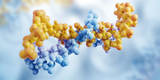
3D organoid is one of the revolutionary developments in biomedical field during the past 10 years. The establishment of intestinal organoids is an important milestone in the development of organoid technology. -
 Scientific Reviews
RNA therapeutics have changed the landscape of drug development, which possess broader spectrum of drug targets, simplicity and efficiency in development and manufacturing.In this article, we will discuss the underlying mechanisms of RNA-based drugs on the market or in clinical stages.
Scientific Reviews
RNA therapeutics have changed the landscape of drug development, which possess broader spectrum of drug targets, simplicity and efficiency in development and manufacturing.In this article, we will discuss the underlying mechanisms of RNA-based drugs on the market or in clinical stages. -
 Scientific Reviews
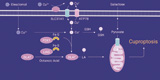
Tsvetkov et al. published in Science and demonstrated a copper-induced programmed cell death — Cuproptosis. As a novel programmed cell death, excess copper triggers abnormal aggregation of lipoylated proteins in TCA cycle and clearance of Fe-S cluster proteins, ultimately leading to cell death.
Scientific Reviews
Tsvetkov et al. published in Science and demonstrated a copper-induced programmed cell death — Cuproptosis. As a novel programmed cell death, excess copper triggers abnormal aggregation of lipoylated proteins in TCA cycle and clearance of Fe-S cluster proteins, ultimately leading to cell death. -
 Scientific Reviews
A comprehensive explanation of ferroptosis
Scientific Reviews
A comprehensive explanation of ferroptosis2022-09-15
Ferroptosis is a new type of RCD that depends on iron and characterized by the accumulation of lipid peroxides. In this article, we will pay our attention on ferroptosis and briefly discusses its mechanism. -
 Scientific Reviews
It's has been proved that p53, as a tumor suppressor gene and immune guardian, may become a destroyer through its own mutation. Moreover, the mechanism of p53 was found to be related to ferroptosis. This article mainly explores the mechanism between p53 and ferroptosis in detail.
Scientific Reviews
It's has been proved that p53, as a tumor suppressor gene and immune guardian, may become a destroyer through its own mutation. Moreover, the mechanism of p53 was found to be related to ferroptosis. This article mainly explores the mechanism between p53 and ferroptosis in detail. -
Scientific Reviews
Organoids have great potential in research of organ development, disease modeling, drug screening and, precision and regenerative medicin. In this article, we will expalin the origin of the organoids. Adult stem cells (ASCs) or pluripotent stem cells (PSCs) , which is the better choice.
-
 Scientific Reviews
Autophagy, derived from the Greek meaning "eating of self", plays an indispensable role in maintaining homeostasis. p27 is an inhibitor of cyclin CDKs, but how p27 regulates autophagy remains unknown. This article will cover the mechanism of autophagy and p27-related cell cycle regulation.
Scientific Reviews
Autophagy, derived from the Greek meaning "eating of self", plays an indispensable role in maintaining homeostasis. p27 is an inhibitor of cyclin CDKs, but how p27 regulates autophagy remains unknown. This article will cover the mechanism of autophagy and p27-related cell cycle regulation. -
 Scientific Reviews
CMA (chaperone-mediated autophagy) plays an essential role in maintaining neuronal protein stability and preventing neurodegeneration. In this article, we will comprehensively clarify the role of CMA in the occurrence and development of neurodegenerative diseases.
Scientific Reviews
CMA (chaperone-mediated autophagy) plays an essential role in maintaining neuronal protein stability and preventing neurodegeneration. In this article, we will comprehensively clarify the role of CMA in the occurrence and development of neurodegenerative diseases. -
 Scientific Reviews
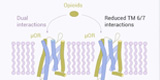
As powerful pain relievers, the opioids morphine and fentanyl have been "checked" by their side effects (listed as controlled substances). How to reduce its side effects? What is its mechanism? This research will explore its mechanism.
Scientific Reviews
As powerful pain relievers, the opioids morphine and fentanyl have been "checked" by their side effects (listed as controlled substances). How to reduce its side effects? What is its mechanism? This research will explore its mechanism. -
 Scientific Reviews
Efferocytosis is the process in which phagocytes remove programmed dead cells. It prevents secondary necrosis of dying cells from releasing harmful cell contents (such as oxides and proteases) that may cause inflammation. Here, we will introduce three stages of efferocytosis: Find, Eat, Digest.
Scientific Reviews
Efferocytosis is the process in which phagocytes remove programmed dead cells. It prevents secondary necrosis of dying cells from releasing harmful cell contents (such as oxides and proteases) that may cause inflammation. Here, we will introduce three stages of efferocytosis: Find, Eat, Digest. -
 Scientific Reviews
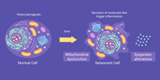
Understanding the mechanism of aging not only has guiding significance for prolonging human life but also has important clinical significance for the prevention and treatment of diseases in the elderly population , thus, improving their life quality and well-being.
Scientific Reviews
Understanding the mechanism of aging not only has guiding significance for prolonging human life but also has important clinical significance for the prevention and treatment of diseases in the elderly population , thus, improving their life quality and well-being. -
 Scientific Reviews
The latest study of Cell magazine "Neural mechanism underlying depressive-like state associated with social status loss" considers social factors as a breakthrough point. It has been found that the downward transition of social status induces depression-like behavior in mice whereas improves the depressive state by restoring their social environment.
Scientific Reviews
The latest study of Cell magazine "Neural mechanism underlying depressive-like state associated with social status loss" considers social factors as a breakthrough point. It has been found that the downward transition of social status induces depression-like behavior in mice whereas improves the depressive state by restoring their social environment. -
 Scientific Reviews
Necroptosis, also known as necroptosis, is a form of regulated necrotizing cell death mediated by RIP1 and RIP3 kinases. Necroptosis is a process that prevents the self-destruction of activated cells that are blocked by apoptosis. Necroptosis plays a tumor suppressor role in most cases. It may provide benefits in the researches of a variety of human diseases involving immune inflammation and cell death.
Scientific Reviews
Necroptosis, also known as necroptosis, is a form of regulated necrotizing cell death mediated by RIP1 and RIP3 kinases. Necroptosis is a process that prevents the self-destruction of activated cells that are blocked by apoptosis. Necroptosis plays a tumor suppressor role in most cases. It may provide benefits in the researches of a variety of human diseases involving immune inflammation and cell death. -
 Scientific Reviews
Stem cell classification and its application
Scientific Reviews
Stem cell classification and its application2023-05-18
Stem cells (SCs) have the unique ability to self-renew and differentiate into different cell types. SCs can differentiate into various types of tissue cells under specific conditions. Additionally, they can be further cultured to form different tissues and organs in the human body. Stem cells have numerous applications in various fields, including cell therapy, organ transplantation, neurodegenerative disease modeling, and drug screening. -
 Scientific Reviews
Mitophagy:Mechanisms and Detection
Scientific Reviews
Mitophagy:Mechanisms and Detection2023-05-25
About 60 years ago, Christian de Duve first used the term "autophagy" to describe his observation of the degradation of mitochondria and other intracellular structures in lysosomes of rat liver. Over the years, autophagy has remained a beloved topic of research by the National Natural Science Foundation of China (NSFC).Today, let's talk about mitochondrial autophagy. -
 Scientific Reviews
Organoid Culture: Questions & Answers
Scientific Reviews
Organoid Culture: Questions & Answers2023-07-26
In the last issue, we conducted a live lecture on the theme of organoid culture. Today, we have a special topic to solve your doubts in the last live class! -
 Scientific Reviews
WHO's Q2 drug list has been updated. Let's take you through the list of the most noteworthy small molecule drugs that we should pay attention to.
Scientific Reviews
WHO's Q2 drug list has been updated. Let's take you through the list of the most noteworthy small molecule drugs that we should pay attention to. -
 Scientific Reviews
FDA Approved Drug List!
Scientific Reviews
FDA Approved Drug List!2023-09-14
In the first half of 2023 (as of June 27), the FDA approved 26 new drugs, let's take you learn about it through the article. -
 Scientific Reviews
Science | A "new" mechanism for non-ubiquitinated Midnolin-proteasomal degradation pathway
Scientific Reviews
Science | A "new" mechanism for non-ubiquitinated Midnolin-proteasomal degradation pathway2024-04-26
“ubiquitin-mediated protein degradation” won the Nobel Prize in Chemistry in 2004! In fact, proteasomes degrade not only ubiquitinated proteins but also non-ubiquitinated ones. The mechanism remains shrouded in mystery. After reading this piece today, you might have a lightbulb moment! -
 Scientific Reviews
Exosomes, which won the Nobel Prize in 2013, are still a research hotspot in the national natural sciences, and their popularity has only increased over the past decade (in 2022, they still rank 5th in the national natural sciences hotspots!). Why have exosomes become the darling of scientific research? Let's take a look together~
Scientific Reviews
Exosomes, which won the Nobel Prize in 2013, are still a research hotspot in the national natural sciences, and their popularity has only increased over the past decade (in 2022, they still rank 5th in the national natural sciences hotspots!). Why have exosomes become the darling of scientific research? Let's take a look together~ -
 Scientific Reviews
Degrade target proteins through the autophagy-lysosome pathway including LYTAC, AUTAC, and ATTEC have gained increasing attention in recent years due to their significant research potential!
Scientific Reviews
Degrade target proteins through the autophagy-lysosome pathway including LYTAC, AUTAC, and ATTEC have gained increasing attention in recent years due to their significant research potential! -
 Scientific Reviews
Cuproptosis, How much do you know?
Scientific Reviews
Cuproptosis, How much do you know?2024-08-22
Cells die in a variety of ways, including apoptosis, pyroptosis, necrosis, and ferroptosis......And, of course, cuproptosis. So, how much do you know about cuproptosis? -
 Scientific Reviews
Recently, Mol Cell reported the discovery of the first ferroptosis marker, Hyperoxidized PRDX3! Let’s take a look together~
Scientific Reviews
Recently, Mol Cell reported the discovery of the first ferroptosis marker, Hyperoxidized PRDX3! Let’s take a look together~ -
 Scientific Reviews
Cuproptosis's Knowledge Points!
Scientific Reviews
Cuproptosis's Knowledge Points!2024-09-25
With the establishment of the cuproptosis mechanism related research has attracted more and more attention from major journals. Expect to use the sharp sword of cuproptosis to stab the tumor cells. -
 Scientific Reviews
2024 Nobel Prize Announcements! Curious about the details? Click to dive into the exciting developments!
Scientific Reviews
2024 Nobel Prize Announcements! Curious about the details? Click to dive into the exciting developments! -
Scientific Reviews
Delve into the intricate networks that govern mitochondrial quality control. By examining key mechanisms such as biogenesis, mitochondrial dynamics (fission and fusion), proteolysis, and mitophagy. -
 Scientific Reviews
A New Form of Cell Death: PANoptosis!
Scientific Reviews
A New Form of Cell Death: PANoptosis! -
 Scientific Reviews
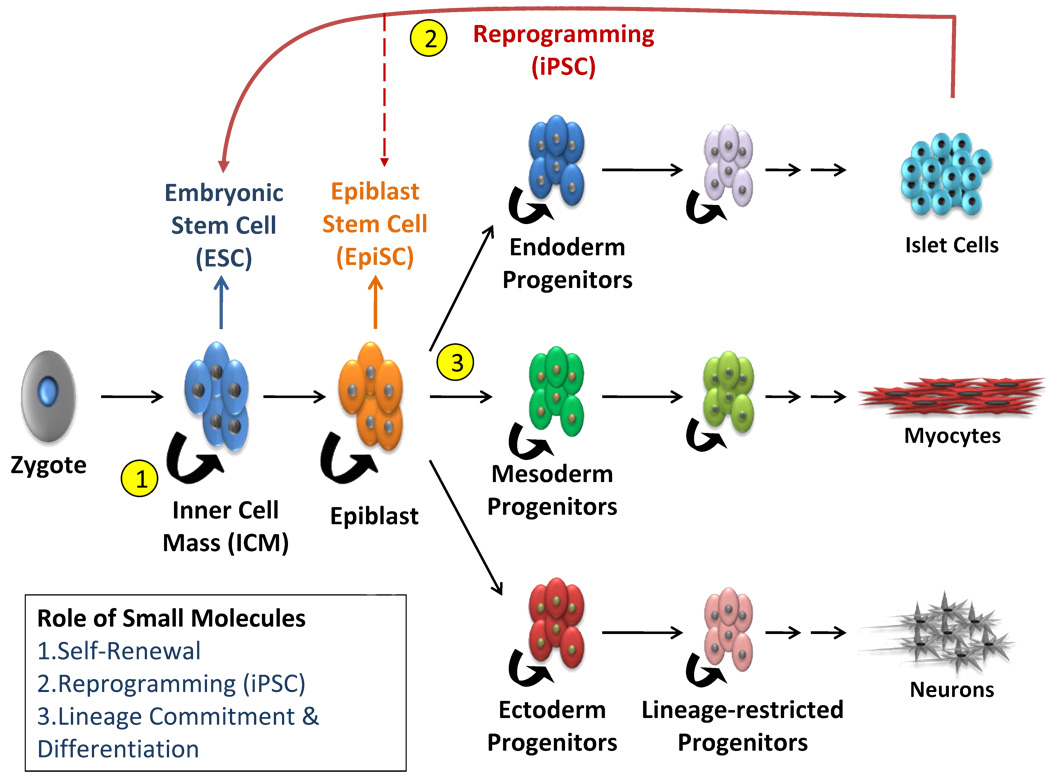
In early January 2025, MIT Tech Review unveiled its annual list of top 10 breakthrough technologies poised to redefine the future. Among these, stem cell therapy stood out for its potential to treat diverse diseases—including neurodegenerative disorders, diabetes, cancer, and heart failure. This groundbreaking approach uses stem cells to replace damaged cells, offering hope for millions worldwide.
Scientific Reviews
In early January 2025, MIT Tech Review unveiled its annual list of top 10 breakthrough technologies poised to redefine the future. Among these, stem cell therapy stood out for its potential to treat diverse diseases—including neurodegenerative disorders, diabetes, cancer, and heart failure. This groundbreaking approach uses stem cells to replace damaged cells, offering hope for millions worldwide. -
 Scientific Reviews
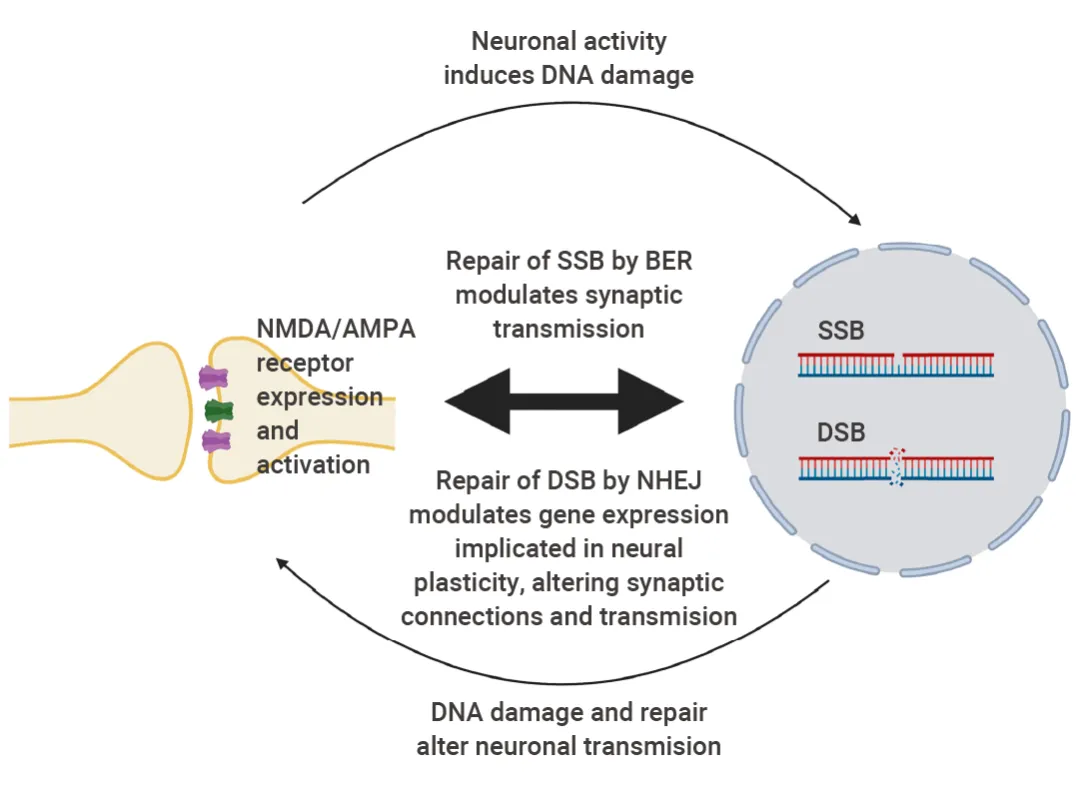
When you hear "inflammation" and "DNA damage," you might immediately think of disease or injury. However, in brains, these two processes are key steps in forming long-term memories, particularly related to specialized cells in our brain called hippocampal neurons.
Scientific Reviews
When you hear "inflammation" and "DNA damage," you might immediately think of disease or injury. However, in brains, these two processes are key steps in forming long-term memories, particularly related to specialized cells in our brain called hippocampal neurons. -
 Scientific Reviews
Autophagy is a fundamental process that degrades various components within the cell.
Scientific Reviews
Autophagy is a fundamental process that degrades various components within the cell. -
.jpg) Scientific Reviews
nside cells, the homeostasis and degradation of proteins is a precisely regulated process. If proteins cannot be degraded in time, it may lead to the occurrence of various diseases such as neurodegenerative diseases and cancer. This article will tell you the process of how proteins are recognized, labeled and then degraded!
Scientific Reviews
nside cells, the homeostasis and degradation of proteins is a precisely regulated process. If proteins cannot be degraded in time, it may lead to the occurrence of various diseases such as neurodegenerative diseases and cancer. This article will tell you the process of how proteins are recognized, labeled and then degraded! -
 Scientific Reviews
In this issue, we will conduct an in-depth interpretation from the dimensions of nanoparticle design, mechanism of action, in vivo and in vitro efficacy, and immune regulation, revealing how this research brings new hope for the treatment of invasive tumors through interdisciplinary innovation!
Scientific Reviews
In this issue, we will conduct an in-depth interpretation from the dimensions of nanoparticle design, mechanism of action, in vivo and in vitro efficacy, and immune regulation, revealing how this research brings new hope for the treatment of invasive tumors through interdisciplinary innovation! -
 Scientific Reviews
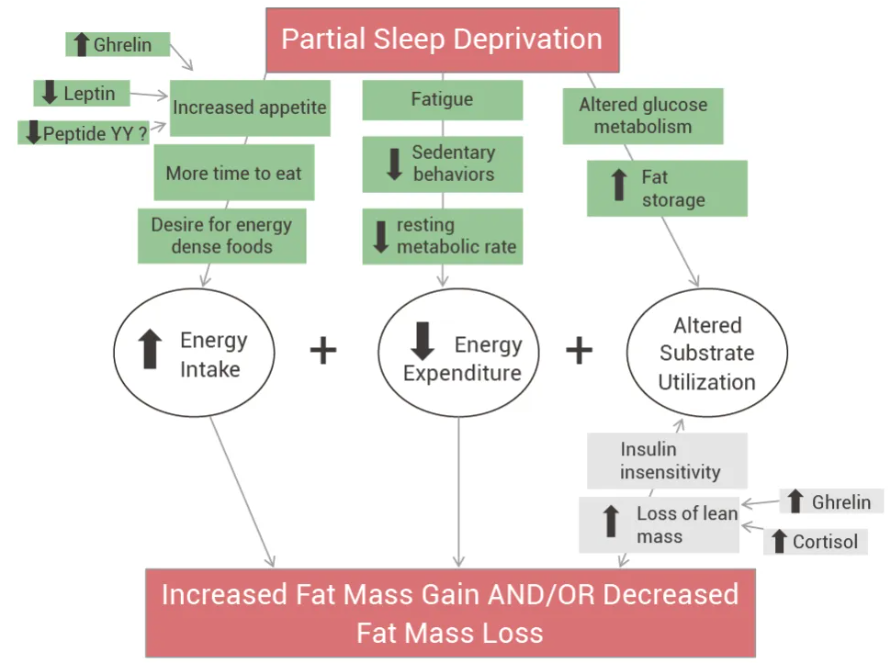
Have you ever noticed that after staying up late, your appetite—especially for high-calorie foods—gets out of control? If this sounds familiar, today’s article might offer some good news.
Scientific Reviews
Have you ever noticed that after staying up late, your appetite—especially for high-calorie foods—gets out of control? If this sounds familiar, today’s article might offer some good news. -
Scientific Reviews
Microglia– the only immune cells within the brain parenchyma. With advancements in imaging technologies, people’s understanding of microglia has shifted from being viewed as 'resting' cells to 'highly active' cells, particularly due to their dynamic processes that seem to be probing surrounding tissues and monitoring neuronal activity. This has made microglia a focal point of research in the field of neuroscience. -
 Scientific Reviews
Exosomes—natural nanoscale carriers—are revolutionizing targeted therapy. This article uncovers the science behind their precision in drug delivery.
Scientific Reviews
Exosomes—natural nanoscale carriers—are revolutionizing targeted therapy. This article uncovers the science behind their precision in drug delivery. -
 Scientific Reviews
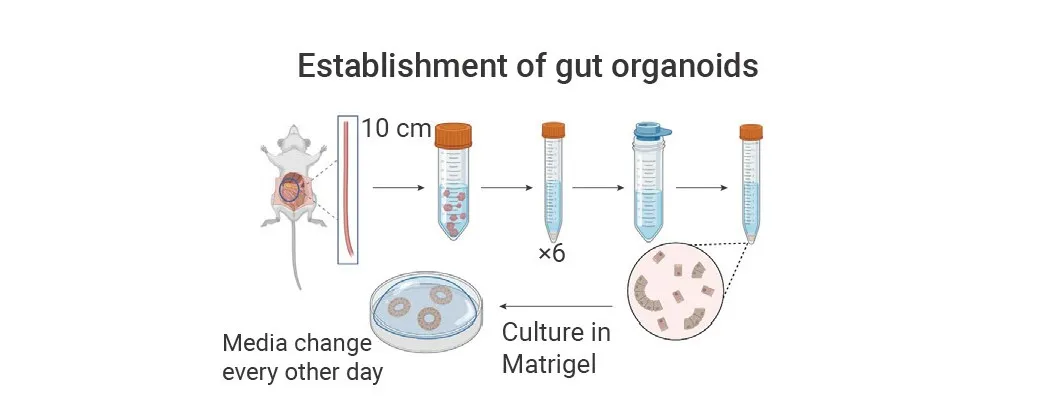
Efficient Generation of Mouse Small Intestinal Organoids: A Complete Experimental Protocol Guide
Scientific Reviews
Efficient Generation of Mouse Small Intestinal Organoids: A Complete Experimental Protocol Guide2025-12-10
How to successfully create mouse small intestine organoids? A detailed, hands-on guide to the entire process, all in one article! -
 Scientific Reviews
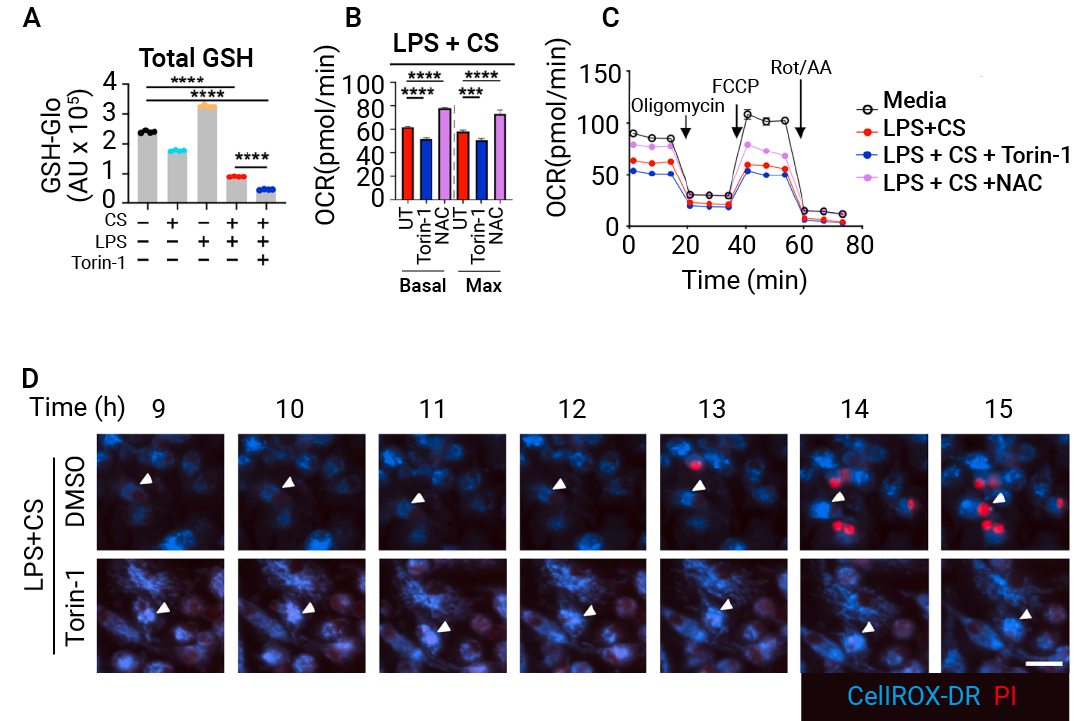
A November 2025 Cell study discovers Mitoxyperilysis, a new mTOR-regulated, caspase-independent cell death pathway driven by innate immune and metabolic dysregulation via mitochondrial-plasma membrane contact and oxidative damage, and verifies its potential to induce tumor necrosis for cancer therapy with key regulators including BAX, BAK1 and BID.
Scientific Reviews
A November 2025 Cell study discovers Mitoxyperilysis, a new mTOR-regulated, caspase-independent cell death pathway driven by innate immune and metabolic dysregulation via mitochondrial-plasma membrane contact and oxidative damage, and verifies its potential to induce tumor necrosis for cancer therapy with key regulators including BAX, BAK1 and BID. -
 EDM
This review introduces the major forms of programmed cell death, with a focus on the molecular mechanisms of ferroptosis and the methods used for its detection.
EDM
This review introduces the major forms of programmed cell death, with a focus on the molecular mechanisms of ferroptosis and the methods used for its detection. -
 EDM
Advances in Alzheimer's Disease Research
EDM
Advances in Alzheimer's Disease Research2025-07-16
This review summarizes current understanding of AD pathophysiology, including amyloid and tau pathology, neuroinflammation, synaptic dysfunction, and vascular abnormalities, and evaluates therapeutic strategies and experimental models. -
 EDM
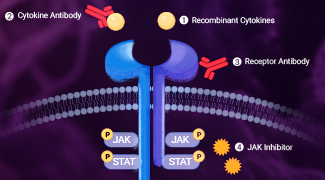
This review critically examines the role of the JAK-STAT pathway in immunity and autoimmune diseases, reviews current clinical applications of targeted therapies, and highlights emerging trends in autoimmune drug development.
EDM
This review critically examines the role of the JAK-STAT pathway in immunity and autoimmune diseases, reviews current clinical applications of targeted therapies, and highlights emerging trends in autoimmune drug development. -
 EDM
This review highlights the roles of microglia in AD pathology, focusing on metabolic reprogramming and microglia-targeted therapeutic strategies.
EDM
This review highlights the roles of microglia in AD pathology, focusing on metabolic reprogramming and microglia-targeted therapeutic strategies. -
 EDM
This review provides a practical guide to the fundamental mechanisms, regulatory pathways, and detection methods of pyroptosis.
EDM
This review provides a practical guide to the fundamental mechanisms, regulatory pathways, and detection methods of pyroptosis. -
 EDM
This review outlines macrophage functions and classification, and provides practical experimental guidelines for macrophage differentiation, polarization, and identification.
EDM
This review outlines macrophage functions and classification, and provides practical experimental guidelines for macrophage differentiation, polarization, and identification. -
 EDM
Review advances in target discovery, disease modeling, and biomarkers for Parkinson’s disease, highlighting their interplay and future directions for translational research.
EDM
Review advances in target discovery, disease modeling, and biomarkers for Parkinson’s disease, highlighting their interplay and future directions for translational research. -
 EDM
Review the mechanisms, mitochondrial regulation, disease relevance, and translational opportunities of the NLRP3–STING axis in neuroinflammation.
EDM
Review the mechanisms, mitochondrial regulation, disease relevance, and translational opportunities of the NLRP3–STING axis in neuroinflammation. -
 EDM
Explore the mechanisms driving immune tolerance breakdown in autoimmune diseases and emerging tolerance-restoring strategies, with a focus on IL-2-based immune modulation.
EDM
Explore the mechanisms driving immune tolerance breakdown in autoimmune diseases and emerging tolerance-restoring strategies, with a focus on IL-2-based immune modulation. -
 EDM
Explore how anti-Aβ therapy is reshaping the AD treatment landscape, the rationale for multi-pathology combination strategies, and advances in biomarker-guided precision treatment.
EDM
Explore how anti-Aβ therapy is reshaping the AD treatment landscape, the rationale for multi-pathology combination strategies, and advances in biomarker-guided precision treatment. -
 EDM
Review the metabolic regulation of ferroptosis through iron homeostasis, lipid peroxidation and antioxidant defence, and the emerging polyamine–iron buffering axis.
EDM
Review the metabolic regulation of ferroptosis through iron homeostasis, lipid peroxidation and antioxidant defence, and the emerging polyamine–iron buffering axis. -
 Blog
AZD5991, a macrocyclic molecule with high selectivity for Mcl-1, reduces Mcl-1 protein in AZD5991-sensitive but not in AZD5991-resistant MM cell lines.
Blog
AZD5991, a macrocyclic molecule with high selectivity for Mcl-1, reduces Mcl-1 protein in AZD5991-sensitive but not in AZD5991-resistant MM cell lines. -
 Blog
CCB02 is an tubulin binder and has potential in the therapy of cancer cells with extra centrosomes. CCB02 also activates spindle assembly checkpoint.
Blog
CCB02 is an tubulin binder and has potential in the therapy of cancer cells with extra centrosomes. CCB02 also activates spindle assembly checkpoint. -
 Blog
H3B-5942 is a selective and irreversible estrogen receptor covalent antagonist, inactivates both ERαWT and ERα mutation.
Blog
H3B-5942 is a selective and irreversible estrogen receptor covalent antagonist, inactivates both ERαWT and ERα mutation. -
 Blog
BR351 is a Brain Penetrant MMP Inhibitor
Blog
BR351 is a Brain Penetrant MMP Inhibitor2019-04-05
BR351 is a brain penetrant MMP inhibitor, and a potential tool for the molecular imaging of activated MMPs with PET, with an IC50 in the nanomolar range. -
 Blog
HS-1371 is a Small Molecule RIP3 Inhibitor
Blog
HS-1371 is a Small Molecule RIP3 Inhibitor2019-04-09
HS-1371 is a novel kinase inhibitor of RIP3-mediated necroptosis, showing an inhibitory effect on S227 auto-phosphorylation of RIP3 at the basal level. -
 Blog
PhiKan 083 is a carbazole derivative, which binds to the surface cavity and stabilizes Y220C (a p53 mutant), with a Kd of 167 μM.
Blog
PhiKan 083 is a carbazole derivative, which binds to the surface cavity and stabilizes Y220C (a p53 mutant), with a Kd of 167 μM. -
 Blog
Novel Greatwall Kinase Inhibitor GKI-1
Blog
Novel Greatwall Kinase Inhibitor GKI-12019-04-13
GKI-1, a GWL inhibitor, robustly inhibited ROCK1 with an IC50 of ~11 μM, but only weakly affected PKA and had no observable inhibition towards CDK2. -
 Blog
SSE15206 is a microtubule polymerization inhibitor, with a GI50 of 197 nM in HCT116 cells. Causes aberrant mitosis resulting in G2/M arrest.
Blog
SSE15206 is a microtubule polymerization inhibitor, with a GI50 of 197 nM in HCT116 cells. Causes aberrant mitosis resulting in G2/M arrest. -
 Blog
Cevipabulin is a microtubule-active compound and inhibits the binding of [3H] vinblastine to tubulin, with an IC50 of 18-40 nM for in human tumor cell line.
Blog
Cevipabulin is a microtubule-active compound and inhibits the binding of [3H] vinblastine to tubulin, with an IC50 of 18-40 nM for in human tumor cell line. -
 Blog
BTR-1 potently inhibits cell growth. It induces S phase arrest, affects DNA replication. Dose-dependently induces cytotoxicity in leukemic cell lines.
Blog
BTR-1 potently inhibits cell growth. It induces S phase arrest, affects DNA replication. Dose-dependently induces cytotoxicity in leukemic cell lines. -
 Blog
ACY-1083, a Highly Selective HDAC6 Inhibitor, Reverses Chemotherapy-induced Peripheral Neuropathy
Blog
ACY-1083, a Highly Selective HDAC6 Inhibitor, Reverses Chemotherapy-induced Peripheral Neuropathy2019-05-12
ACY-1083 is a selective and brain-penetrating HDAC6 inhibitor with an IC50 of 3 nM. ACY-1083 effectively reverses chemotherapy-induced peripheral neuropathy -
 Blog
CFI-402257 is a highly selective and oral active TTK/Mps1 inhibitor with an IC50 of 1.7 nM for TTK. CFI-402257 has potential to treat ovary cancer and TNBC.
Blog
CFI-402257 is a highly selective and oral active TTK/Mps1 inhibitor with an IC50 of 1.7 nM for TTK. CFI-402257 has potential to treat ovary cancer and TNBC. -
 Blog
RIPGBM is a selective inducer of apoptosis in glioblastoma multiforme (GBM) cancer stem cells (CSCs) with an EC50 less than 500 nM.
Blog
RIPGBM is a selective inducer of apoptosis in glioblastoma multiforme (GBM) cancer stem cells (CSCs) with an EC50 less than 500 nM. -
 Blog
Riviciclib is a Potent CDKs Inhibitor
Blog
Riviciclib is a Potent CDKs Inhibitor2019-06-09
Riviciclib P276-00 free base) is a potent CDK inhibitor, which inhibits CDK9-cyclinT1, CDK4-cyclin D1, and CDK1-cyclinB with IC50s of 20 nM, 63 nM, and 79 nM, respectively -
 Blog
JMS-17-2 is a CX3CR1 Antagonist
Blog
JMS-17-2 is a CX3CR1 Antagonist2019-06-12
JMS-17-2 is a potent and selective CX3CR1 antagonist with an IC50 of 0.32 nM. Has potential to treat cancers such as breast cancer. -
 Blog
CBS9106, a Reversible Oral CRM1 Inhibitor, Causes Arrest of the Cell Cycle and Induces Apoptosis
Blog
CBS9106, a Reversible Oral CRM1 Inhibitor, Causes Arrest of the Cell Cycle and Induces Apoptosis2019-06-14
CBS9106 (SL-801) is a reversible oral CRM1 inhibitor antitumor activities. CBS9106 causes arrest of the cell cycle and induces apoptosis. -
 Blog
NU6140 is a selective CDK2-cyclin A inhibitor (IC50, 0.41 μM). NU6140 also potently inhibits Aurora A and Aurora B, with IC50s of 67 and 35 nM, respectively
Blog
NU6140 is a selective CDK2-cyclin A inhibitor (IC50, 0.41 μM). NU6140 also potently inhibits Aurora A and Aurora B, with IC50s of 67 and 35 nM, respectively -
 Blog
TH34, an HDAC6/8/10 inhibitor with IC50s of 4.6 μM, 1.9 μM, and 7.7 μM respectively, shows high selectivity over HDAC1/2/3.
Blog
TH34, an HDAC6/8/10 inhibitor with IC50s of 4.6 μM, 1.9 μM, and 7.7 μM respectively, shows high selectivity over HDAC1/2/3. -
 Blog
Alisertib (MLN 8237) is an oral active and selective Aurora A kinase inhibitor with an IC50 of 1.2 nM. To treat hematologic malignancies and solid tumors.
Blog
Alisertib (MLN 8237) is an oral active and selective Aurora A kinase inhibitor with an IC50 of 1.2 nM. To treat hematologic malignancies and solid tumors. -
 Blog
S55746 (BLC201) is an orally active and selective BCL-2 inhibitor, with a Ki of 1.3 nM.. S55746 (BLC201) has antitumor activity with low toxicity.
Blog
S55746 (BLC201) is an orally active and selective BCL-2 inhibitor, with a Ki of 1.3 nM.. S55746 (BLC201) has antitumor activity with low toxicity. -
 Blog
WYC-209 is a retinoic acid receptor (RAR) agonist. WYC-209 induces apoptosis primarily via the caspase 3 pathway (IC50 = 0.19 μM for mTRCs).
Blog
WYC-209 is a retinoic acid receptor (RAR) agonist. WYC-209 induces apoptosis primarily via the caspase 3 pathway (IC50 = 0.19 μM for mTRCs). -
 Blog
MBM-55 is a potent, selective Nek2 inhibitor with an IC50 of 1 nM. MBM-55 shows antitumor activities and induces cell cycle arrest and apoptosis.
Blog
MBM-55 is a potent, selective Nek2 inhibitor with an IC50 of 1 nM. MBM-55 shows antitumor activities and induces cell cycle arrest and apoptosis. -
 Blog
VERU-111 (ABI-231) is a potent and orally bioavailable α and β tubulin inhibitor, which displays strong antiproliferative activity.
Blog
VERU-111 (ABI-231) is a potent and orally bioavailable α and β tubulin inhibitor, which displays strong antiproliferative activity. -
 Blog
MPT0B392 Induces Apoptosis via Inhibiting Tubulin Polymerization and Inducing c-JNK Activation
Blog
MPT0B392 Induces Apoptosis via Inhibiting Tubulin Polymerization and Inducing c-JNK Activation2019-08-16
MPT0B392 is a novel microtubule depolymerizing agent that triggers induction of the mitotic arrest and induces JNK activation, leading to apoptosis. -
 Blog
BJE6-106 is a selective PKCδ inhibitor with an IC50 of 0.05 μM and targets selectivity over PKCα. BJE6-106 induces caspase-dependent apoptosis.
Blog
BJE6-106 is a selective PKCδ inhibitor with an IC50 of 0.05 μM and targets selectivity over PKCα. BJE6-106 induces caspase-dependent apoptosis. -
 Blog
AAPK-25 is a potent and selective Aurora kinases and Polo-like Kinases (PLK) dual inhibitor, which shows anti-tumor activity.
Blog
AAPK-25 is a potent and selective Aurora kinases and Polo-like Kinases (PLK) dual inhibitor, which shows anti-tumor activity. -
 Blog
Tasisulam is an anticancer agent and induces apoptosis, which also inhibits mitotic progression and induces vascular normalization.
Blog
Tasisulam is an anticancer agent and induces apoptosis, which also inhibits mitotic progression and induces vascular normalization. -
 Blog
S516 is a potent tubulin polymerization inhibitor with an IC50 of 4.29 μM and has marked antitumor activity against murine and human solid tumors.
Blog
S516 is a potent tubulin polymerization inhibitor with an IC50 of 4.29 μM and has marked antitumor activity against murine and human solid tumors. -
 Blog
M8891 is an orally active, reversible and brain penetrant Methionine Aminopeptidase-2 (MetAP-2) inhibitor with antiangiogenic and antitumoral activity.
Blog
M8891 is an orally active, reversible and brain penetrant Methionine Aminopeptidase-2 (MetAP-2) inhibitor with antiangiogenic and antitumoral activity. -
 Blog
TCH-165 is a modulator of proteasome assembly, which increases 20S levels and facilitates 20S-mediated protein degradation, such as IDPs, α-syn, and tau.
Blog
TCH-165 is a modulator of proteasome assembly, which increases 20S levels and facilitates 20S-mediated protein degradation, such as IDPs, α-syn, and tau. -
 Blog
Ro 90-7501, an Aβ42 fibril assembly inhibitor, inhibits PP5 in a TPR-dependent manner and has radiosensitizing effects on cervical cancer cells.
Blog
Ro 90-7501, an Aβ42 fibril assembly inhibitor, inhibits PP5 in a TPR-dependent manner and has radiosensitizing effects on cervical cancer cells. -
 Blog
NU1025 is a potent PARP inhibitor and potentiates the cytotoxicity of ionizing radiation drug. NU1025 has anti-cancer and neuroprotective activity.
Blog
NU1025 is a potent PARP inhibitor and potentiates the cytotoxicity of ionizing radiation drug. NU1025 has anti-cancer and neuroprotective activity. -
 Blog
JCN037 is a potent, non-covalent, and brain-penetrant EGFR tyrosine kinase inhibitor. JCN037 has potent anti-cancer activity.
Blog
JCN037 is a potent, non-covalent, and brain-penetrant EGFR tyrosine kinase inhibitor. JCN037 has potent anti-cancer activity. -
 Blog
KCC-07 prevents binding of MBD2 to methylated DNA and activates BAI1 inducing anti-proliferative BAI1/p53/p21 signaling. Anticancer activity.
Blog
KCC-07 prevents binding of MBD2 to methylated DNA and activates BAI1 inducing anti-proliferative BAI1/p53/p21 signaling. Anticancer activity. -
 Blog
ZZW-115, a NUPR1 Inhibitor, Possesses Anticancer Activity via Inducing Necroptosis and Apoptosis
Blog
ZZW-115, a NUPR1 Inhibitor, Possesses Anticancer Activity via Inducing Necroptosis and Apoptosis2020-08-29
ZZW-115 is a potent NUPR1 inhibitor, with a Kd of 2.1 μM. ZZW-115 induces tumor cell death by necroptosis and apoptosis. ZZW-115 exerts anticancer activity. -
 Blog
MPT0G211, an orally active and selective HDAC6 inhibitor, ameliorates tau phosphorylation, and cognitive deficits in an Alzheimer’s disease model.
Blog
MPT0G211, an orally active and selective HDAC6 inhibitor, ameliorates tau phosphorylation, and cognitive deficits in an Alzheimer’s disease model. -
 Blog
RapaLink-1, a third-generation bivalent mTOR inhibitor, potently blocking cancer-derived, activating mutants of mTOR. It can cross the blood-brain barrier.
Blog
RapaLink-1, a third-generation bivalent mTOR inhibitor, potently blocking cancer-derived, activating mutants of mTOR. It can cross the blood-brain barrier. -
 Blog
PQR530 is a potent, ATP-competitive, orally bioavailable and brain-penetrant dual pan-PI3K/mTORC1/2 inhibitor. Antitumor activity.
Blog
PQR530 is a potent, ATP-competitive, orally bioavailable and brain-penetrant dual pan-PI3K/mTORC1/2 inhibitor. Antitumor activity. -
 Blog
CHDI-390576, a potent and CNS penetrant class IIa HDAC inhibitor, show selectivity over class I HDACs, HDAC8 and the class IIb HDAC6 isoform.
Blog
CHDI-390576, a potent and CNS penetrant class IIa HDAC inhibitor, show selectivity over class I HDACs, HDAC8 and the class IIb HDAC6 isoform. -
 Blog
G5-7, an orally active and allosteric JAK2 inhibitor. G5-7 induces cell cycle arrest, apoptosis and possesses antiangiogenic effect.
Blog
G5-7, an orally active and allosteric JAK2 inhibitor. G5-7 induces cell cycle arrest, apoptosis and possesses antiangiogenic effect. -
 Blog
NAZ2329 is an allosteric, noncompetitive and reversible inhibitor of R5 RPTP subfamily and PTPRZ/PTPRG with anti-cancer activity.
Blog
NAZ2329 is an allosteric, noncompetitive and reversible inhibitor of R5 RPTP subfamily and PTPRZ/PTPRG with anti-cancer activity. -
 Blog
BrBzGCp2 is a Glyoxalase 1 (GLO1) inhibitor for a variety of disorders. Possesses antitumor and neuroprotective activity.
Blog
BrBzGCp2 is a Glyoxalase 1 (GLO1) inhibitor for a variety of disorders. Possesses antitumor and neuroprotective activity. -
 Blog
ML-00253764 is a brain penetrant nonpeptidic melanocortin receptor 4 (MC4R) antagonist with a Ki/IC50 of 0.16 µM/0.103 µM, respectively.
Blog
ML-00253764 is a brain penetrant nonpeptidic melanocortin receptor 4 (MC4R) antagonist with a Ki/IC50 of 0.16 µM/0.103 µM, respectively. -
 Blog
Vorasidenib is an orally available, brain penetrant second-generation dual mutant isocitrate dehydrogenases 1 and 2 (mIDH1/2) inhibitor.
Blog
Vorasidenib is an orally available, brain penetrant second-generation dual mutant isocitrate dehydrogenases 1 and 2 (mIDH1/2) inhibitor. -
 Blog
GSK2606414 is an orally available PERK inhibitor and is a potent compound of cancer and neurological diseases.
Blog
GSK2606414 is an orally available PERK inhibitor and is a potent compound of cancer and neurological diseases. -
 Blog
SB 258719 is a selective 5-HT7 receptor antagonist and can be used for the research of cancer and neurological disease.
Blog
SB 258719 is a selective 5-HT7 receptor antagonist and can be used for the research of cancer and neurological disease. -
 Blog
Trolox is an analogue of vitamin E with a powerful antioxidant effect. Trolox is also a powerful inhibitor of membrane damage.
Blog
Trolox is an analogue of vitamin E with a powerful antioxidant effect. Trolox is also a powerful inhibitor of membrane damage. -
 Blog
AZD1390 is a potent, highly selective, orally bioavailable, brain-penetrant ATM inhibitor with an IC50 of 0.78 nM.
Blog
AZD1390 is a potent, highly selective, orally bioavailable, brain-penetrant ATM inhibitor with an IC50 of 0.78 nM. -
 Blog
Epoxomicin is an epoxyketone-containing natural product and a selective and irreversible proteasome inhibitor. Cross the blood-brain barrier.
Blog
Epoxomicin is an epoxyketone-containing natural product and a selective and irreversible proteasome inhibitor. Cross the blood-brain barrier. -
 Blog
AZD-9574 is a potent and brain penetrant PARP1 inhibitor and shows >8000-fold selectivity for PARP1 compared to PARP2/3/5a/6.
Blog
AZD-9574 is a potent and brain penetrant PARP1 inhibitor and shows >8000-fold selectivity for PARP1 compared to PARP2/3/5a/6. -
 Blog
GR-46611 is a 5-HT1D Receptor Agonist
Blog
GR-46611 is a 5-HT1D Receptor Agonist2022-10-11
GR-46611 is a potent 5-HT1D receptor agonist and has the potential for the research of epilepsy and inhibits bladder activity. -
 Blog
Olutasidenib (FT-2102) is an orally active, brain penetrant inhibitor of mutant IDH1. Olutasidenib is used for AML or MDS Research.
Blog
Olutasidenib (FT-2102) is an orally active, brain penetrant inhibitor of mutant IDH1. Olutasidenib is used for AML or MDS Research. -
 Blog
J-113397 is a potent and selective nonpeptidyl ORL1 receptor antagonist without any agonistic effects on other opioid receptors.
Blog
J-113397 is a potent and selective nonpeptidyl ORL1 receptor antagonist without any agonistic effects on other opioid receptors.
Products
All
-
All
-
Inhibitors & Agonists
-
Isotope-Labeled Compounds
-
Fluorescent Dye
-
Peptides
-
Recombinant Proteins
-
Antibodies
-
Screening Libraries
-
Kits
-
Inhibitory Antibodies
-
Reference Standards
-
Induced Disease Models Products
-
GMP Small Molecules
-
Biochemical Assay Reagents
-
Natural Products
| Cat. No. | Product Name | Information | Application | Publication |
|---|---|---|---|---|
| HY-17589 | Chloroquine phosphate |
Chloroquine phosphate is an antimalarial and anti-inflammatory agent widely used to treat malaria and rheumatoid arthritis. Chloroquine phosphate is an autophagy and toll-like receptors (TLRs) inhibitor. Chloroquine phosphate is highly effective in the control of SARS-CoV-2 (COVID-19) infection in vitro (EC50=1.13 μM).
|
Pancreatic Cancer
Viral Infection
Parasitic Infection
Pain
SARS-CoV-2 Infection
Rheumatoid Arthritis
|
1344
|
| HY-17589A | Chloroquine |
Chloroquine is an antimalarial and anti-inflammatory agent widely used to treat malaria and rheumatoid arthritis. Chloroquine is an autophagy and toll-like receptors (TLRs) inhibitor. Chloroquine is highly effective in the control of SARS-CoV-2 (COVID-19) infection in vitro (EC50=1.13 μM).
|
Breast Cancer
Pancreatic Cancer
Viral Infection
Parasitic Infection
Pain
SARS-CoV-2 Infection
Rheumatoid Arthritis
|
1344
|
| HY-16658B | Z-VAD-FMK |
Z-VAD-FMK is a pan-caspase inhibitor and also an ICE-like protease inhibitor, which inhibits apoptosis by preventing the processing of CPP32 to its active form. Z-VAD-FMK sensitivity varies primarily due to differential expression of receptor-interacting protein 1 (RIP1). Z-VAD-FMK limits the cryopreservation-induced apoptosis by reducing caspase-3 activity of in vitro produced bovine embryos. Z-VAD-FMK is immunosuppressive in vitro and inhibits T cell proliferation without blocking the processing of caspase-8 and caspase-3. Z-VAD-FMK leads to a decrease in intracellular glutathione (GSH) with a concomitant increase in reactive oxygen species (ROS) levels in activated T cells. Z-VAD-FMK is due to oxidative stress via the depletion of GSH. Z-VAD-FMK can be used for the study of acute pancreatitis.
|
|
850
|
| HY-D1056 | Lipopolysaccharides, from E. coli O55:B5 |
Lipopolysaccharides, from E. coli O55:B5 (LPS, from Escherichia coli (O55:B5)) are endotoxins and TLR4 activators extracted from Escherichia coli (E. coli O55:B5) and are classified as S (smooth) type LPS. Lipopolysaccharides, from E. coli O55:B5 possess the typical three-part structure: O-antigen, core oligosaccharide, and lipid A. Lipopolysaccharides, from E. coli O55:B5 activate TLR-4 in immune cells, exhibit high pyrogenicity, and demonstrate dose and serotype specificity. Lipopolysaccharides, from E. coli O55:B5 can be widely used to induce cellular inflammation and establish animal models related to inflammation.
It is recommended to prepare a solution with concentration ≥2 mg/mL. Vortex thoroughly for more than 10 minutes. Due to the adsorption characteristics of LPS, silanized container or low adsorption centrifuge tubes should be used for aliquoting and storage, and mix thoroughly before use. Source: surface of Gram-negative bacteria |
|
616
|
| HY-10071 | Y-27632 |
Y-27632 is a ROCK inhibitor with Ki values of 220 nM and 300 nM for ROCK1 and ROCK2, respectively. Y-27632 exerts anti-inflammatory and immunomodulatory effects in systemic lupus erythematosus models by inhibiting the ROCK/NF-κB pathway. Y-27632 enhances autophagy by inhibiting the AKT/mTOR pathway, thereby inducing apoptosis apoptosis in oral squamous cell carcinoma. Y-27632 induces the formation of tunneling nanotubes in ARPE-19 cells and significantly enhances mitochondrial transfer through these channels. Y-27632 promotes neurite outgrowth in PC12 cells by activating the Rac1/NOX1/ROS/AKT/PAK1 signaling cascade.
|
|
603
|
| HY-11109 | Resatorvid |
Resatorvid (TAK-242) is a selective Toll-like receptor 4 (TLR4) inhibitor. Resatorvid inhibits NO, TNF-α and IL-6 production with IC50s of 1.8 nM, 1.9 nM and 1.3 nM, respectively. Resatorvid downregulates expression of TLR4 downstream signaling molecules MyD88 and TRIF. Resatorvid inhibits autophagy and plays pivotal role in various inflammatory diseases.
|
|
536
|
| HY-12815A | MCC950 sodium |
MCC950 sodium (CP-456773 sodium; CRID3 sodium salt) is a potent, selective NLRP3 inhibitor with IC50s of 7.5 and 8.1 nM in BMDMs and HMDMs, respectively.
|
|
497
|
| HY-12815 | MCC950 |
MCC950 (CP-456773; CRID3) is a potent and selective NLRP3 inhibitor with IC50s of 7.5 and 8.1 nM in BMDMs and HMDMs, respectively.
|
|
497
|
| HY-100381 | Nigericin sodium salt |
Nigericin sodium salt is an antibiotic derived from Streptomyces hygroscopicus that act as a K+/H+ ionophore, promoting K+/H+ exchange across mitochondrial membranes. Nigericin sodium salt is a NLRP3 activator. Nigericin sodium salt shows promising anti-cancer activities through decreasing intracellular pH (pHi), and inactivation of Wnt/β-catenin signals. Nigericin sodium salt induces pyroptosis through caspase 1/GSDMD in TNBC.
Source: Streptomyces hygroscopicus |
Breast Cancer
Colorectal Cancer
Prostate Cancer
Gastric Cancer
Liver Cancer
Ovarian Cancer
Bacterial Infection
Depression
Hypertension
Lung Fibrosis
Rheumatoid Arthritis
|
258
|
| HY-127019 | Nigericin |
Nigericin is an antibiotic derived from Streptomyces hygroscopicus that act as a K+/H+ ionophore, promoting K+/H+ exchange across mitochondrial membranes. Nigericin is a NLRP3 activator. Nigericin shows promising anti-cancer activities through decreasing intracellular pH (pHi), and inactivation of Wnt/β-catenin signals. Nigericin induces pyroptosis through caspase 1/GSDMD in TNBC.
|
Breast Cancer
Colorectal Cancer
Prostate Cancer
Gastric Cancer
Liver Cancer
Ovarian Cancer
Bacterial Infection
Depression
Hypertension
Lung Fibrosis
Rheumatoid Arthritis
|
258
|
| HY-16658 | Z-VAD(OMe)-FMK |
|
211
|
|
| HY-112879 | Mito-TEMPO |
Mito-TEMPO is a mitochondria-targeted antioxidant. Mito-TEMPO induces mitophagy by activating the PINK1/Parkin pathway, inhibits NLRP3 inflammasome activation, restores mitochondrial membrane potential, and improves renal function and podocyte injury. Mito-TEMPO regulates Ca2+ homeostasis, inhibits Bnip3 overexpression, shortens action potential duration, and exerts antiarrhythmic effects. Mito-TEMPO reverses premature senescence, reduces trabecular bone loss, and decreases cell apoptosis. Mito-TEMPO can be used in studies of chronic kidney disease, age-related cardiac dysfunction, postmenopausal osteoporosis, and ischemic stroke.
|
|
186
|
| HY-13205 | Belnacasan |
Belnacasan (VX-765) is an orally bioactive proagent of VRT-043198, which is a potent and selective inhibitor of IL-converting enzyme (ICE)/caspase-1 with Kis of 0.8 nM and less than 0.6 nM for caspase-1 and caspase-4, respectively. Belnacasan (VX-765) inhibits the release of LPS-induced IL-1β and IL-18 by human PBMCs with an IC50 of ~0.7 μM.
|
|
180
|
| HY-B2176B | ATP dimagnesium |
ATP (Adenosine 5'-triphosphate) dimagnesium is a central component of energy storage and metabolism in vivo. ATP dimagnesium provides the metabolic energy to drive metabolic pumps and serves as a coenzyme in cells. ATP dimagnesium is an important endogenous signaling molecule in immunity and inflammation. ATP dimagnesium can activate the NLRP3 inflammasome and induce IL-1β and chemokines secretion. ATP dimagnesium has anti-bacterial infection effects and can protect mice against bacterial infection in mice.
|
|
178
|
| HY-B2176 | ATP |
ATP (Adenosine 5'-triphosphate) is a central component of energy storage and metabolism in vivo. ATP provides the metabolic energy to drive metabolic pumps and serves as a coenzyme in cells. ATP is an important endogenous signaling molecule in immunity and inflammation. ATP can activate the NLRP3 inflammasome and induce IL-1β and chemokines secretion. ATP has anti-bacterial infection effects and can protect mice against bacterial infection in mice.
Source: widespread |
|
178
|
| HY-B2176I | ATP disodium salt, 100 mM Solution, PCR Grade |
ATP (Adenosine 5'-triphosphate) disodium salt, 100 mM Solution, PCR Grade is a central component of energy storage and metabolism in vivo. ATP disodium salt, 100 mM Solution, PCR Grade provides the metabolic energy to drive metabolic pumps and serves as a coenzyme in cells. ATP disodium salt, 100 mM Solution, PCR Grade is an important endogenous signaling molecule in immunity and inflammation. ATP disodium salt, 100 mM Solution, PCR Grade can activate the NLRP3 inflammasome and induce IL-1β and chemokines secretion. ATP disodium salt, 100 mM Solution, PCR Grade has anti-bacterial infection effects and can protect mice against bacterial infection in mice.
|
|
168
|
| HY-100573 | Necrosulfonamide |
Necrosulfonamide is a MLKL and Gasdermin D (GSDMD) inhibitor, capable of separately inhibiting necroptosis and pyroptosis of cells. Necrosulfonamide does not affect the activation of upstream signals, but specifically inhibits the downstream executor oligomerization step. Necrosulfonamide reduces the expression of the key kinases NLRP3 and caspase-1 involved in necroptosis and pyroptosis, activate the Nrf2 pathway and the downstream antioxidant enzymes, and also downregulates a variety of inflammatory factors. Necrosulfonamide plays significant roles in various diseases such as neurodegenerative diseases (such as Parkinson’s disease), tissue damage and ischemia-reperfusion injury, inflammatory bowel disease, osteoarthritis and fracture repair, and hair loss by regulating two important programmed necrosis pathways.
|
Mixed Lineage Kinase
Necroptosis
Pyroptosis
Caspase
NOD-like Receptor (NLR)
Keap1-Nrf2
TNF Receptor
Interleukin Related
NO Synthase
Heme Oxygenase (HO)
Digestive System Disease
Prostate Cancer
Leukemia/Lymphoma/Myeloma
Depression
Digestive System Inflammation
Cardiovascular Disease
Parkinson's Disease
Obesity
Lung Fibrosis
Rheumatoid Arthritis
|
147
|
| HY-12466 | Z-DEVD-FMK |
Z-DEVD-FMK is a specific and irreversible caspase-3 inhibitor with an IC50 of 18 μM.
|
|
139
|
| HY-13740 | Resiquimod |
Resiquimod is a Toll-like receptor 7 and 8 (TLR7/TLR8) agonist that induces the upregulation of cytokines such as TNF-α, IL-6 and IFN-α.
|
Prostate Cancer
Viral Infection
Depression
Pain
Autoimmune Disease
SARS-CoV-2 Infection
Hepatitis C Virus Infection
|
120
|
| HY-12305 | Q-VD-OPh |
|
117
|
|
| HY-19696 | Tauroursodeoxycholate |
Colorectal Cancer
Prostate Cancer
Liver Cancer
Viral Infection
Neurodegenerative Disease
Pain
Digestive System Inflammation
Glucose Metabolism
Obesity
|
111
|
|
| HY-W031727 | Hydroxychloroquine |
Hydroxychloroquine (HCQ) is a synthetic oral antimalarial drug that can be used in the study of malaria and autoimmune diseases such as systemic lupus erythematosus and rheumatoid arthritis. Hydroxychloroquine is a potent autophagic flux inhibitor with antiviral activity (such as SARS-CoV-2 virus) that inhibits Toll-like receptor 7/9 (TLR7/9) signaling.
|
|
95
|
| HY-L054 | Endoplasmic Reticulum Stress Compound Library |
Endoplasmic reticulum (ER) contributes to the production and folding of approximately one third of cellular proteins, and is thus inextricably linked to the maintenance of cellular homeostasis and the fine balance between health and disease. However, some adverse factors negatively impact ER functions and protein synthesis, resulting in the activation of Endoplasmic reticulum stress (ER stress, ERS) and unfolded protein response (UPR) signaling pathways. The UPR is triggered when ER protein folding capacity is overwhelmed by cellular demand and the UPR initially aims to restore ER homeostasis and normal cellular functions. However, if this fails, then the UPR triggers cell death. Chronic ER stress and defects in UPR signaling are emerging as key contributors to a growing list of human diseases, including diabetes, neurodegeneration and cancer.
MCE Endoplasmic Reticulum Stress Compound Library contains 379 ER stress-related compounds that mainly target PERK, IRE1, ATF6, etc. MCE ER stress library is a useful tool for researching ER stress and related diseases.
|
|
85
|
| HY-L029 | Autophagy Compound Library |
Autophagy is a lysosomal degradation pathway that is essential for cell survival, differentiation, development, and homeostasis. The process of autophagy in mammalian cells is as follows: a portion of cytoplasm, including organelles, is enclosed by a phagophore or isolation membrane to form an autophagosome. The outer membrane of the autophagosome subsequently fuses with the endosome and then the lysosome, and the internal material is degraded. Autophagy plays a wide variety of physiological and pathophysiological roles. Defective autophagy contributes to various pathologies, including infections, cancer, neurodegeneration, aging, and heart disease.
MCE provides a unique collection of 2,080 autophagy pathway-related compounds that is a useful tool for the research of autophagy-related regulation and diseases.
|
|
84
|
| HY-L050 | Ubiquitination Compound Library |
Protein ubiquitination is an enzymatic post-translational modification in which an ubiquitin protein is attached to a substrate protein. Ubiquitination involves three main steps: activation, conjugation, and ligation, performed by ubiquitin-activating enzymes (E1s), ubiquitin-conjugating enzymes (E2s), and ubiquitin ligases (E3s), respectively. Ubiquitination affects cellular processes such as apoptosis, cell cycle, DNA damage repair, and membrane transportation, etc. by regulating the degradation of proteins (via the proteasome and lysosome), altering the cellular localization of proteins, affecting proteins activity, and promoting or preventing protein-protein interactions. Deregulation of ubiquitin pathway leads to many diseases such as neurodegeneration, cancer, infection and immunity, etc.
MCE offers a unique collection of 507 small molecule modulators with biological activity used for ubiquitination research. Compounds in this library target the key enzymes in ubiquitin pathway. MCE Ubiquitination Compound Library is a useful tool for the research of ubiquitination regulation and the corresponding diseases.
|
|
84
|
| HY-L059 | Pyroptosis Compound Library |
Programmed cell death pathways, including apoptosis, pyroptosis and necroptosis, are regulated by unique sets of host proteins that coordinate a variety of biological outcomes. Pyroptosis is a highly inflammatory form of programmed cell death that occurs most frequently upon infection with intracellular pathogens and is likely to form part of the antimicrobial response. This process promotes the rapid clearance of various bacterial, viral, fungal and protozoan infections by removing intracellular replication niches and enhancing the host's defensive responses. Pyroptosis has been widely studied in inflammatory and infection disease models. Recently, there are growing evidences that pyroptosis also plays an important role in the development of cancer, cardiovascular diseases and Metabolic disorder, etc.
MCE designs a unique collection of 2,034 pyroptosis-related compounds mainly focusing on the key targets in the pyroptosis signaling pathway and can be used in the research of pyroptosis signal pathway and related diseases.
|
|
84
|
| HY-L060 | Cytoskeleton Compound Library |
The cytoskeleton is responsible for contraction, cell motility, movement of organelles and vesicles through the cytoplasm, cytokinesis, intracellular signal transduction, and many other functions that are essential for cellular homeostasis and survival. It accomplishes these tasks through three basic structures: F-actin, microtubules, and intermediate filaments (IFs). The cytoskeleton is a dynamic structure where the three major filaments and tubules are under the influence of proteins that regulate their length, state of polymerization, and level of cross-linking. Since cytoskeleton is involved in virtually all cellular processes, cytoskeletal protein aberrations are the underlying reason for many pathological phenotypes, including several cardiovascular disease syndromes, neurodegeneration, cancer, liver cirrhosis, pulmonary fibrosis, and blistering skin diseases.
MCE designs a unique collection of 2,313 cytoskeleton-related compounds mainly focusing on the key targets in the cytoskeleton signal pathway and can be used in the research of cytoskeleton signal pathway and related diseases.
|
|
84
|
| HY-L156 | Autoimmune Disease Compound Library |
Autoimmune disease is a pathological disease characterized by inflammatory disorders targeting autoantigens. The routine treatment of autoimmune diseases suppresses general immune function to regulate uncontrolled inflammation. The current targeted immunotherapy suppresses the main pro-inflammatory signaling pathways by blocking inflammatory cytokines, cell surface molecules, and intracellular kinases. As key participants in innate immunity, macrophages and dendritic cells (DCs) are crucial for Ag presentation and pro-inflammatory cytokine production, such as TNF and IL-1 β、 IL-6, IL-23, B cell activating factor (BAFF), and the proliferation-inducing ligand (APRIL, also known as TNFSF13A).
MCE designs a unique collection of 1,040 autoimmune disease-related compounds, covering multiple targets and subtypes, such as TNF Receptor, IFNAR, JAK, Btk, TLR, IL-6, IL-17, IL-23, etc. It is a useful tool for screening autoimmune disease drugs.
|
|
83
|
| HY-L174 | Macrophage Related Compound Library |
Macrophages are effector cells of the innate immune system, engulfing bacteria and secreting pro-inflammatory and antibacterial mediators. They are an important component of the first line defense against pathogens and tumor cells. In addition, macrophages play an important role in eliminating damaged cells through programmed cell death. Like all immune cells, macrophages originate from pluripotent hematopoietic stem cells in the bone marrow. Macrophages play key functions in many physiological processes beyond homeostasis and innate immunity, including metabolic function, cell debris clearance, tissue repair, and remodeling. In order to fulfill their different functional roles, macrophages can polarize into a series of phenotypes, including classic (pro inflammatory, M1) and alternative (anti-inflammatory, healing promoting, M2) activation states, as well as a wide range of regulatory phenotypes and subtypes. Macrophages exist in all vertebrate tissues and have a dual function in host protection and tissue damage, maintaining a good balance.
MCE designs a unique collection of 276 macrophage related compounds. It is a good tool to be used for research on Inflammation, cancer and other diseases.
|
|
83
|
| HY-L175 | Inflammasomes related Compound Library |
Inflammasomes are classic pattern recognition receptors for natural immune responses. Inflammasomes are polymeric protein complexes that regulate inflammatory responses and pyrolytic cell death, thereby exerting the host's defense against microorganisms. Inflammasomes sensors are associated with adapter proteins, activating inflammatory caspase-1, releasing inflammatory cytokines and inducing cell death, endowing the host with defense against pathogens. NLRP1, NLRP3, NLRC4, AIM2, and pyrin are considered typical inflammasomes because they convert cysteine asparaginase-1 into catalytically active capsaicin-1. In addition to infectious diseases, the importance of inflammasomes is also related to various clinical diseases, such as autoimmune diseases, neurodegeneration and metabolic disorders, and the development of cancer. Therefore, it is necessary to strictly regulate the activation and function of inflammasomes to avoid accidental host tissue damage while inducing pathogens to kill the inflammatory response.
MCE designs a unique collection of 178 inflammasomes related compounds. It is a good tool to be used for research on Inflammation, cancer and other diseases.
|
|
83
|
| HY-18950 | GSK2795039 |
GSK2795039 is a NADPH oxidase 2 (NOX2) inhibitor with a mean pIC50 of 6 in different cell-free assays. GSK2795039 inhibits reactive oxygen species (ROS) production and NADPH consumption.
GSK2795039 reduces apoptosis.
|
|
80
|
| HY-13755 | Sulforaphane |
Sulforaphane is an orally active inducer of the Keap1/Nrf2/ARE pathway. Sulforaphane promotes the transcription of tumor-suppressing proteins and effectively inhibits the activity of HDACs. Through the activation of the Keap1/Nrf2/ARE pathway and further induction of HO-1 expression, Sulforaphane protects the heart. Sulforaphane suppresses high glucose-induced pancreatic cancer through AMPK-dependent signal transmission. Sulforaphane exhibits both anticancer and anti-inflammatory properties.
|
|
79
|
| HY-16569 | Colchicine |
Colchicine, an orally active alkaloid, is a potent tubulin inhibitor and a microtubule disrupting agent. Colchicine inhibits microtubule polymerization with an IC50 of 3 nM. Colchicine is also a competitive antagonist of the α3 glycine receptors (GlyRs). Colchicine prevents non-steroidal anti-inflammatory drug (NSAID)-induced small intestinal injury by inhibiting activation of the NLRP3 inflammasome. Colchicine has extensive anti-inflammatory, immunosuppressive and strong anti-fibrosis effects and has the potential for gouty arthritis research.
|
Digestive System Disease
Lung Cancer
Prostate Cancer
Viral Infection
Coronavirus Infection
Depression
Pain
Autoimmune Disease
Digestive System Inflammation
Alzheimer's Disease
Lung Fibrosis
|
77
|
| HY-135748 | Polyinosinic-polycytidylic acid sodium |
Polyinosinic-polycytidylic acid (Poly(I:C)) sodium is a synthetic analog of double-stranded RNA and an agonist of toll-like receptor 3 (TLR3) and retinoic acid inducible gene I (RIG-I)-like receptors (RIG-I and MDA5). Polyinosinic-polycytidylic acid sodium can be used as a vaccine adjuvant to enhance innate and adaptive immune responses, and to alter the tumor microenvironment. Polyinosinic-polycytidylic acid sodium can directly trigger cancer cells to undergo apoptosis.
|
|
75
|
| HY-107202 | Polyinosinic-polycytidylic acid |
Polyinosinic-polycytidylic acid (Poly(I:C)) is a synthetic analog of double-stranded RNA and an agonist of toll-like receptor 3 (TLR3) and retinoic acid inducible gene I (RIG-I)-like receptors (RIG-I and MDA5). Polyinosinic-polycytidylic acid can be used as a vaccine adjuvant to enhance innate and adaptive immune responses, and to alter the tumor microenvironment. Polyinosinic-polycytidylic acid can directly trigger cancer cells to undergo apoptosis.
|
RIG-I-like receptor (RLR)
Toll-like Receptor (TLR)
PKD
HSP
Bcl-2 Family
Interleukin Related
Apoptosis
Infection
Digestive System Disease
Prostate Cancer
Pain
Digestive System Inflammation
Lung Fibrosis
Rheumatoid Arthritis
|
73
|
| HY-15150 | Bemcentinib |
Bemcentinib (R428) is a selective and orally active Axl inhibitor with an IC50 of 14 nM. Bemcentinib retards cancer cell migration and invasion. Bemcentinib exhibits >100-fold selectivity for Axl versus Abl and 50- and >100-fold selectivity over TAM family kinases Mer and Tyro3, respectively, in cells. Bemcentinib blocks tumor spread and prolongs survival in models of metastatic breast cancer.
|
|
67
|
| HY-100965 | Diphenyleneiodonium chloride |
Diphenyleneiodonium chloride is a NADPH oxidase (NOX) inhibitor and also functions as a TRPA1 activator with an EC50 of 1 to 3 μM. Diphenyleneiodonium chloride selectively inhibits intracellular reactive oxygen species.
|
|
66
|
| HY-B0180 | Imiquimod |
|
62
|
|
| HY-13016 | Cabozantinib |
Cabozantinib is a potent and orally active inhibitor of VEGFR2 and MET, with IC50 values of 0.035, and 1.3 nM, respectively. Cabozantinib displays strong inhibition of KIT, RET, AXL, TIE2, and FLT3 (IC50=4.6, 5.2, 7, 14.3, and 11.3 nM, respectively). Cabozantinib shows antiangiogenic activity. Cabozantinib disrupts tumor vasculature and promotes tumor and endothelial cell apoptosis.
|
Lung Cancer
Breast Cancer
Colorectal Cancer
Prostate Cancer
Gastric Cancer
Liver Cancer
Leukemia/Lymphoma/Myeloma
Pancreatic Cancer
Ovarian Cancer
Viral Infection
Digestive System Inflammation
Lung Fibrosis
|
59
|
| HY-100111 | GLX351322 |
GLX351322 is an inhibitor of NADPH oxidase 4 (Nox4), and inhibits hydrogen peroxide production from NOX4-overexpressing cells with an IC50 of 5 μM.
|
|
57
|
| HY-B1081A | Oxidopamine hydrobromide |
Oxidopamine (6-OHDA) hydrobromide is an antagonist of the neurotransmitter dopamine. Oxidopamine hydrobromide is a widely used neurotoxin and selectively destroys dopaminergic neurons. Oxidopamine hydrobromide promotes COX-2 activation, leading to PGE2 synthesis and pro-inflammatory cytokine IL-1β secretion. Oxidopamine hydrobromide can be used for the research of Parkinson’s disease (PD), attention-deficit hyperactivity disorder (ADHD), and Lesch-Nyhan syndrome.
|
Dopamine Receptor
Autophagy
Mitophagy
COX
PGE synthase
Interleukin Related
p38 MAPK
Apoptosis
Caspase
|
50
|
| HY-12432 | Gilteritinib |
|
46
|
|
| HY-12497 | ANA-12 |
ANA-12 is a brain-penetrant, selective TrkB antagonist with IC50 values of 45.6 nM and 41.1 μM, and Kd values of 10 nM and 12 μM, for high- and low-affinity sites, respectively. ANA-12 specifically inhibits BDNF-induced TrkB receptor activation and its downstream signaling cascades by directly and non-competitively binding to the TrkB receptor, without affecting the functions of TrkA and TrkC. ANA-12 is used in research concerning neuropsychiatric disorders (such as depression and anxiety), acute and chronic pain, neuroimmune inflammation, and the mechanisms of learning and memory.
|
|
41
|
| HY-14654 | Aspirin |
Aspirin (Acetylsalicylic acid) is an orally active, potent and irreversible inhibitor of cyclooxygenase COX-1 and COX-2, with IC50 values of 5 and 210 μg/mL, respectively. Aspirin induces apoptosis. Aspirin inhibits the activation of NF-κB. Aspirin also inhibits platelet prostaglandin synthetase, and can prevent coronary artery and cerebrovascular thrombosis.
|
Breast Cancer
Colorectal Cancer
Prostate Cancer
Liver Cancer
Leukemia/Lymphoma/Myeloma
Pancreatic Cancer
Ovarian Cancer
Viral Infection
Neurodegenerative Disease
Depression
Pain
Digestive System Inflammation
Cardiovascular Disease
Non-Small Cell Lung Cancer
SARS-CoV-2 Infection
Obesity
Rheumatoid Arthritis
|
38
|
| HY-N0088 | Apocynin |
Apocynin is a selective NADPH-oxidase inhibitor with an IC50 of 10 μM. Apocynin improves acute lung inflammation in Carrageenan (HY-125474)-induced pleurisy mice model. Apocynin can also be used for cancer research. Apocynin reverses the aging process in mesenchymal stem cells to promote osteogenesis and increases bone mass.
|
|
34
|
| HY-12298 | Setanaxib |
Setanaxib (GKT137831) is a selective NADPH oxidase (NOX1/4) inhibitor with Kis of 140 and 110 nM, respectively.
|
|
31
|
| HY-D0861A | EGTA tetrasodium |
EGTA tetrasodium is a cell-impermeant specific calcium ion chelator. EGTA tetrasodium has an apparent calcium dissociation constant (Kd) of 60.5 nM at physiological pH (7.4) and has very high specificity for Ca2+ over Mg2+ (Mg2+ Kd 1-10 mM). EGTA tetrasodium significantly inhibits the substrate adherence capacity of inflammatory macrophages.
|
|
28
|
| HY-D0861 | EGTA |
EGTA is a cell-impermeant specific calcium ion chelator. EGTA has an apparent calcium dissociation constant (Kd) of 60.5 nM at physiological pH (7.4) and has very high specificity for Ca2+ over Mg2+ (Mg2+ Kd 1-10 mM). EGTA significantly inhibits the substrate adherence capacity of inflammatory macrophages.
|
|
28
|
| HY-153808 | Complete Freund's adjuvant (CFA) |
Complete Freund's adjuvant (CFA) is an immunoadjuvant emulsified with antigen by its discoverer Jules T. Freund to enhance an animal's immune response to an antigen. Complete Freund's adjuvant (CFA) is also an inducer of the Th1 immune response and a ligand of TLRs. Complete Freund's adjuvant (CFA) contains heat-killed inactive tuberculosis bacilli and consists of a paraffin oil-in-water emulsion. Complete Freund's adjuvant (CFA) stimulates a strong and durable immune response and can be used to induce persistent inflammatory pain models in mice, experimental autoimmune myocarditis (EAM) models, and more. Incomplete Freund's adjuvant (IFA) (HY-153808A) is another type of Freund's Adjuvant that stimulates a weaker immune response.
|
|
25
|
| HY-W010342 | 6-Aminonicotinamide |
6-Aminonicotinamide, a potent antimetabolite of nicotinamide, is competitive NADP+-dependent enzyme glucose-6-phosphate dehydrogenase (G6PD) inhibitor (Ki=0.46 μM). 6-Aminonicotinamide resultis ATP depletion and synergizes with DNA-crosslinking chemotherapy agents, such as Cisplatin (HY-17394), in killing cancer cells.
|
|
22
|
| HY-12804 | VAS2870 |
VAS2870 is a NADPH oxidase (NOX) inhibitor.
|
|
21
|
| HY-12076 | BMS 777607 |
BMS 777607 (BMS 817378) is a Met-related inhibitor for c-Met, Axl, Ron and Tyro3 with IC50s of 3.9 nM, 1.1 nM, 1.8 nM and 4.3 nM, respectively, and 40-fold more selective for Met-related targets than Lck, VEGFR-2, and TrkA/B, with more than 500-fold greater selectivity versus all other receptor and non receptor kinases.
|
|
13
|
| HY-N0131 | Stigmasterol |
Stigmasterol is an orally acitve, immunomodulatory agent with anti-inflammatory and neuroprotective effect, as well as able to cross the blood-brain barrier. Stigmasterol activates AMPK, which in turn inhibits NF-κB and NLRP3 signaling pathways, reduces microglia-mediated neuroinflammation, and alleviates cognitive impairment and Alzheimer's disease. Stigmasterol regulates M1/M2 polarization of microglia through the TLR4/ NF-κB pathway, thereby reducing neuropathic pain. Stigmasterol can be used for neurodegenerative diseases, inflammatory diseases, and pain management, among others.
|
|
13
|
| HY-P80246 | NLRP3 Antibody (YA266) |
|
13
|
|
| HY-N0373 | Licochalcone B |
Licochalcone B is an extract from the root of Glycyrrhiza uralensis. Licochalcone B inhibits amyloid β (42) self-aggregation (IC50=2.16 μM) and disaggregate pre-formed Aβ42 fibrils, reduce metal-induced Aβ42 aggregation through chelating metal ionsLicochalcone B inhibits phosphorylation of NF-κB p65 in LPS signaling pathway. Licochalcone B inhibits growth and induces apoptosis of NSCLC cells. Licochalcone B specifically inhibits the NLRP3 inflammasome by disrupting NEK7‐NLRP3 interaction.
|
Digestive System Disease
Lung Cancer
Depression
Autoimmune Disease
Digestive System Inflammation
Alzheimer's Disease
|
12
|
| HY-114166 | 2-D08 |
2-D08 is a cell permeable, mechanistically unique inhibitor of protein SUMOylation. 2-D08 also inhibits Axl with an IC50 of 0.49 nM.
|
|
12
|
| HY-P1902A | Cardiotoxin Analog (CTX) IV (6-12) TFA |
Cardiotoxin Analog (CTX) IV (6-12) TFA is a membrane active peptide that specifically targets negatively charged phospholipid membranes (such as phosphatidylserine and phosphatidylinositol). Cardiotoxin Analog (CTX) IV (6-12) TFA was discovered in the venom of the Taiwan cobra. Cardiotoxin Analog (CTX) IV (6-12) TFA is a chemically synthesized snake venom cardiotoxin that binds to cell membranes and embeds into lipid bilayers through hydrophobic interactions and electrostatic attraction, thereby destroying the stability of membrane structure. Cardiotoxin Analog (CTX) IV (6-12) TFA can induce membrane lipid disorder and cell lysis, exhibiting hemolysis and cytotoxicity.
Source: the venom of Taiwan Cobra |
|
11
|
| HY-P1902 | Cardiotoxin Analog (CTX) IV (6-12) |
Cardiotoxin Analog (CTX) IV (6-12) is a membrane active peptide that specifically targets negatively charged phospholipid membranes (such as phosphatidylserine and phosphatidylinositol). Cardiotoxin Analog (CTX) IV (6-12) was discovered in the venom of the Taiwan cobra. Cardiotoxin Analog (CTX) IV (6-12) is a chemically synthesized snake venom cardiotoxin that binds to cell membranes and embeds into lipid bilayers through hydrophobic interactions and electrostatic attraction, thereby destroying the stability of membrane structure. Cardiotoxin Analog (CTX) IV (6-12) can induce membrane lipid disorder and cell lysis, exhibiting hemolysis and cytotoxicity.
Source: venom of Taiwan Cobra |
|
11
|
| HY-12494 | LDC1267 |
LDC1267 is a AXL/TAM/FLT3 inhibitor with IC50 values of 42 nM, 130 nM, and 63 nM against AXL, MERTK, and TYRO3, respectively. LDC1267 blocks GAS6-induced AXL phosphorylation and the downstream AKT/ERK1/2 signaling pathway. LDC1267 inhibits cancer cell proliferation, colony formation, and glioblastoma cell invasion, without causing obvious impairment of cytotoxic autophagic flux. LDC1267 exerts a synergistic effect when used in combination with Imatinib (HY-15463) in chronic myeloid leukemia models. LDC1267 can be widely applied in studies related to glioblastoma and chronic myeloid leukemia.
|
|
10
|
| HY-123962 | G6PD activator AG1 |
G6PD activator AG1 is a potent and selective glucose-6-phosphate dehydrogenase (G6PD) agonist with an EC50 of 3 μM. G6PD is an oxidoreductase that catalyzes the oxidation of glucose-6-phosphate to 6-phosphogluconolactone and the simultaneous reduction of NAD phosphate (NADP) to reduced NADP (NADPH). G6PD activator AG1 can reduce hemolysis of human erythrocytes.
|
|
10
|
| HY-12963 | Dubermatinib |
Dubermatinib (TP-0903) is a potent and selective Axl receptor tyrosine kinase inhibitor with an IC50 value of 27 nM.
|
|
9
|
| HY-P3211 | Nangibotide |
Nangibotide (LR12) is a synthetic peptide and TREM-1 receptor inhibitor. Nangibotide inhibits NF-κB and NLRP3 inflammasome activation and reduces the release of pro-inflammatory factors (such as IL-1β, IL-8). Nangibotide inhibits Apoptosis. Nangibotide reduces excessive inflammatory responses and protects tissues (liver, lung) from damage. Nangibotide can be used in the researches for myocardial ischemia-reperfusion injury, septic shock, acute lung injury, osteoarthritis, and acute liver failure.
|
Breast Cancer
Prostate Cancer
Liver Cancer
Leukemia/Lymphoma/Myeloma
Pancreatic Cancer
Ovarian Cancer
Depression
Pain
Autoimmune Disease
Digestive System Inflammation
Cardiovascular Disease
Obesity
|
8
|
| HY-P3211A | Nangibotide TFA |
Nangibotide TFA (LR12 TFA) is a synthetic peptide and TREM-1 receptor inhibitor. Nangibotide TFA inhibits NF-κB and NLRP3 inflammasome activation and reduces the release of pro-inflammatory factors (such as IL-1β, IL-8). Nangibotide TFA inhibits Apoptosis. Nangibotide TFA reduces excessive inflammatory responses and protects tissues (liver, lung) from damage. Nangibotide TFA can be used in the researches for myocardial ischemia-reperfusion injury, septic shock, acute lung injury, osteoarthritis, and acute liver failure.
|
|
8
|
| HY-B1521 | Aluminum Hydroxide |
Aluminum Hydroxide is an orally active main form of aluminum used as adjuvant. Aluminum hydroxide-based adjuvant researches include the repository effect, pro-phagocytic effect, and activation of the pro-inflammatory NLRP3 pathway. Aluminum Hydroxide also acts as adjuvant to compensate low inherent immunogenicity of subunit vaccines.
|
|
7
|
| HY-113224 | Desmosterol |
Desmosterol is a cholesterol-like molecule. In the Bloch pathway of cholesterol biosynthesis, Desmosterol is a direct precursor of cholesterol. As an endogenous metabolite, Desmosterol is used to study cholesterol metabolism . Desmosterol is an LXR activator and SREBP inhibitor, which can suppress macrophage inflammasome activation and prevent vascular inflammation and atherosclerosis. A reduction in Desmosterol promotes the production of mitochondrial reactive oxygen species (ROS) in macrophages and pyrin domain-dependent inflammasome activation of NLRP3. Desmosterol holds potential for research in inflammation, metabolism, and cardiovascular diseases .
|
Endogenous Metabolite
LXR
Fatty Acid Synthase (FASN)
Interleukin Related
Reactive Oxygen Species (ROS)
NOD-like Receptor (NLR)
Inflammation or Immune System Disease
Blood or Cardio-cerebrovascular Disease
Metabolic or Endocrine Disease
Hepatitis C Virus Infection
|
6
|
| HY-15797 | UNC2250 |
|
5
|
|
| HY-B1028 | Pantethine |
Pantethine is an orally active lipid-lowering agent. Pantethine has anti-tumor, anti-inflammatory and anti-SARS-COV virus activities. Pantethine is also a neuroprotective agent. Pantethine can be used in the study of Alzheimer's disease, Parkinson's disease, major depression, systemic sclerosis and pantothenate kinase-related neurodegeneration.
|
Inflammation or Immune System Disease
Metabolic or Endocrine Disease
Ovarian Cancer
Viral Infection
Cardiovascular Disease
SARS-CoV-2 Infection
Alzheimer's Disease
Parkinson's Disease
|
5
|
| HY-P0240A | Tuftsin diacetate |
Tuftsin diacetate, a tetrapeptide, is a macrophage/microglial activator.
|
|
4
|
| HY-P0240 | Tuftsin |
Tuftsin is a tetrapeptide. Tuftsin is a macrophage/microglial activator.
|
|
4
|
| HY-D0014 | Brilliant blue G-250 |
Brilliant Blue G-250 is a dye commonly used for the visualization of proteins separated by SDS-PAGE, offering a simple staining procedure and high quantitation. In the Bradford protein assay, protein concentrations are determined by the absorbance at 595 nm due to the binding of Brilliant Blue G-250 to proteins. Brilliant Blue G-250 is a safe highly selective P2×7R antagonist with promising consequent inactivation of NLRP3 inflammasome.
|
|
4
|
| HY-Y0520 | Itaconic acid |
Itaconic acid, a precursor of polymers, chemicals, and fuels, can be synthesized by many fungi. Itaconic acid also is a macrophage-specific metabolite. Itaconic acid mediates crosstalk between macrophage metabolism and peritoneal tumors. Itaconic acid has anti-inflammatory, anti-microbial and immunomodulatory effect.
|
|
4
|
| HY-N1431A | Tabersonine hydrochloride |
Tabersonine hydrochloride is a selective, orally active NLRP3 inhibitor. Tabersonine hydrochloride directly binds to the NACHT domain of NLRP3, inhibiting its ATPase activity and oligomerization, thereby blocking ASC spot formation and caspase-1 activation, and reducing the release of pro-inflammatory cytokines such as IL-1β. Tabersonine hydrochloride also inhibits K63-linked ubiquitination of TRAF6, blocking NF-κB, PI3K/Akt, and p38 MAPK signaling pathways. Tabersonine hydrochloride can inhibit inflammatory responses, induce apoptosis of liver cancer cells through mitochondrial pathways and death receptor pathways, reduce mitochondrial membrane potential, promote cytochrome c release, and activate caspase proteins. Tabersonine hydrochloride is mainly used in the study of NLRP3-driven inflammatory diseases (such as acute lung injury, sepsis, peritonitis) and tumors such as liver cancer.
|
NOD-like Receptor (NLR)
NF-κB
CDK
p38 MAPK
Cytochrome P450
Akt
Interleukin Related
Apoptosis
PI3K
Caspase
|
3
|
| HY-N6893 | Ergolide |
Ergolide is an orally active dual inhibitor targeting NF-κB/p65 and NLRP3. Ergolide blocks the NF-κB signaling pathway and the nuclear translocation of p65, and irreversibly binds to the NACHT domain of NLRP3 to inhibit inflammasome assembly. Ergolide significantly reduces the production of inflammatory mediators (e.g., NO, PGE2) and cytokines, induces cancer cell apoptosis, autophagy and ROS generation. Ergolide also enhances the anti-tumor effect of vincristine. Ergolide alleviates acute lung injury via an NLRP3-dependent mechanism, and effectively improves the survival rate and behavioral function of septic mice and inflammatory zebrafish models. Ergolide is used in the research of metastatic uveal melanoma, neurodegenerative diseases (such as Alzheimer's disease, Parkinson's disease), sepsis and acute lymphoblastic leukemia.
|
|
3
|
| HY-N1431 | Tabersonine |
Tabersonine is a selective, orally active NLRP3 inhibitor. Tabersonine directly binds to the NACHT domain of NLRP3, inhibiting its ATPase activity and oligomerization, thereby blocking ASC spot formation and caspase-1 activation, and reducing the release of pro-inflammatory cytokines such as IL-1β. Tabersonine also inhibits K63-linked ubiquitination of TRAF6, blocking NF-κB, PI3K/Akt, and p38 MAPK signaling pathways. Tabersonine can inhibit inflammatory responses, induce apoptosis of liver cancer cells through mitochondrial pathways and death receptor pathways, reduce mitochondrial membrane potential, promote cytochrome c release, and activate caspase proteins. Tabersonine is mainly used in the study of NLRP3-driven inflammatory diseases (such as acute lung injury, sepsis, peritonitis) and tumors such as liver cancer.
|
NOD-like Receptor (NLR)
NF-κB
CDK
p38 MAPK
Cytochrome P450
Akt
Interleukin Related
Apoptosis
PI3K
Caspase
Lung Cancer
Breast Cancer
Colorectal Cancer
Prostate Cancer
Gastric Cancer
Liver Cancer
Leukemia/Lymphoma/Myeloma
Pancreatic Cancer
Ovarian Cancer
Neurodegenerative Disease
Depression
Pain
Digestive System Inflammation
Obesity
Lung Fibrosis
Rheumatoid Arthritis
|
3
|
| HY-D0970 | Diphenyl Blue |
Diphenyl Blue (Trypan Blue) is a cell active dye, the most commonly used dye for the identification of dead cells, of en used to test cell membrane integrity and cell viability. Diphenyl Blue staining is one of the methods for tissue and cell culture. When cells are deactivated or have incomplete cell membranes, Diphenyl Blue can stain them Blue. Normal living cells with intact cell membranes reject Diphenyl blue and do not stain them blue. However, macrophages are capable of phagocytosis of Diphenyl Blue, so it can be used as a living stain for macrophages.
|
|
3
|
| HY-P1242A | NEP(1-40) TFA |
NEP(1-40) TFA is a Nogo-66 receptor (NgR) antagonist peptide, reversing the injury-induced shift in distribution of microglia morphologies by limiting myelin-based inhibition.
|
|
2
|
| HY-P1387 | β-Amyloid (1-40) (rat) |
β-Amyloid (1-40) (rat) is a rat form of the amyloid β-peptide, which accumulates as an insoluble extracellular deposit around neurons, giving rise to the senile plaques associated with Alzheimer's disease (AD). β-Amyloid (1-40) (rat) increases 45Ca2+ influx, induces neurodegeneration in the rat hippocampal neurons of the CA1 subfield. β-Amyloid (1-40) (rat) induces apoptosis. β-Amyloid (1-40) (rat) can be used for the research of Alzheimer's disease.
|
|
2
|
| HY-P2259 | TAT-GluA2 3Y |
TAT-GluA2 3Y is a blood-brain barrier-permeable AMPA receptor inhibitory peptide that crosses cell membranes via the HIV-1 TAT protein domain. TAT-GluA2 3Y blocks the endocytosis of AMPA receptors, including the internalization of GluA1/GluA2 subunits, by disrupting interactions with the AP2, Brag2 and Syt3-GluA2 complexes, while also inhibiting long-term depression. TAT-GluA2 3Y blocks hypoxia-mediated AMPAR internalization, alleviates A1R-induced persistent synaptic inhibition, and reduces cerebral ischemic volume, neurological deficits and spatial memory deficits. TAT-GluA2 3Y blocks the effect of NLRP3 deficiency on fear generalization, inhibits amphetamine-induced behavioral/neurochemical sensitization, weakens the unconditioned stimulus-conditioned stimulus association of morphine, and promotes the extinction of morphine CPP. TAT-GluA2 3Y can be used in studies related to fear generalization, ischemic stroke, hypoxia, drug addiction and opioid addiction.
|
|
2
|
| HY-N0577 | Apiin |
Apiin is a flavonoid glycoside-based iNOS inhibitor. Apiin inhibits the expression of inducible nitric oxide synthase in activated macrophages. Apiin exhibits anti-inflammatory activity.
|
|
2
|
| HY-P1242 | NEP(1-40) |
NEP(1-40) is a Nogo-66 receptor (NgR) antagonist peptide, reversing the injury-induced shift in distribution of microglia morphologies by limiting myelin-based inhibition.
|
|
2
|
| HY-117596 | UNC569 |
UNC569 is a potent, reversible, ATP-competitive and orally active Mer kinase inhibitor with an IC50 of 2.9 nM and a Ki of 4.3 nM. UNC569 also inhibits Axl and Tyro3 with IC50s of 37 nM and 48 nM, respectively. UNC569 can be used for acute lymphoblastic leukemia (ALL) and atypical teratoid/rhabdoid tumors research
|
|
2
|
| HY-P1241 | BAM(8-22) |
BAM(8-22), a proteolytically cleaved product of proenkephalin A and sensory neuron-specific receptor (SNSR) agonist, is a potent activator of Mas-related G-protein-coupled receptors (Mrgprs), MrgprC11 and hMrgprX1. BAM(8-22) induces scratching in mice in an Mrgpr-dependent manner. In addition, BAM(8-22) has an analgesic effect and can also inhibit the activation of microglia.
|
|
2
|
| HY-P99279 | Bavituximab |
Bavituximab (Anti-Human Phosphatidylserine Recombinant Antibody) is a phosphatidylserine (PS)-targeting monoclonal antibody, suppresses tumor growth by targeting tumor vasculature and reactivating antitumor immunity. Bavituximab plus Paclitaxel (HY-B0015) and Carboplatin (HY-17393), have enhanced inhibition on non-small-cell lung cancer.
Species: Human |
Gastric Cancer
Liver Cancer
Non-Small Cell Lung Cancer
Triple-Negative Breast Cancer
Metastatic Breast Cancer
|
2
|
| HY-A0183 | Phosphatidylserine |
Phosphatidylserine (Phospholipids) is a well-conserved anti-inflammatory and immunosuppressive signal. Phosphatidylserine is involved in membrane translocation and the activation of protein kinase C, participating in Akt signaling through its interaction with PIP3. The local exposure of Phosphatidylserine can interact with complement and other proteins, promoting microglial phagocytosis during critical periods of synaptic refinement. Phosphatidylserine can promote blood coagulation in the extracellular environment and acts as a "eat me" signal to clear out apoptotic cells. Phosphatidylserine can suppress inflammation in tissues by inducing TGF-β secretion and inhibiting immune responses.
Source: Most organisms |
|
2
|
| HY-P72717 | CD5L Protein, Mouse (HEK293, His) |
The CD5L protein is primarily expressed by macrophages and regulates inflammatory responses in infection or atherosclerosis. CD5L is incorporated into adipocytes via CD36-mediated endocytosis, thereby inhibiting lipid droplet size and affecting lipolysis. CD5L Protein, Mouse (HEK293, His) is the recombinant mouse-derived CD5L protein, expressed by HEK293 , with C-6*His labeled tag.
Species: Mouse; Source: HEK293 |
|
2
|
| HY-W009300 | 4-Hydroxyestrone |
4-Hydroxyestrone (4-OHE1) is a brain-penetrant estrogen metabolite. 4-Hydroxyestrone shows neuroprotective effects involving increased cytoplasmic localization of p53 resulting from SIRT1-mediated p53 deacetylation. 4-Hydroxyestrone relies on PDI to mediate its protective effect against chemically induced ferroptosis in estrogen receptor-negative cancer cells. 4-Hydroxyestrone inhibits lipid peroxidation and lipid-ROS accumulation. 4-Hydroxyestrone blocks preovulatory luteinizing hormone surges in Rattus norvegicus. 4-Hydroxyestrone can be used for the researches of neurodegeneration, breast cancer and endocrine disease.
|
Endogenous Metabolite
Estrogen Receptor/ERR
Sirtuin
MDM-2/p53
PDI
Ferroptosis
Reactive Oxygen Species (ROS)
|
1
|
| HY-122381 | Kyotorphin |
Kyotorphin is an endogenou neuroactive dipeptide with analgesic properties. Kyotorphin possesses anti-inflammatory and antimicrobial activity. Kyotorphin levels in cerebro-spinal fluid correlate negatively with the progression of neurodegeneration in Alzheimer's Disease patients.
|
|
1
|
| HY-106353 | Smilagenin |
Smilagenin (SMI) is a small-molecule steroidal sapogenin from Anemarrhena asphodeloides and Pelargonium hortorum widely used in traditional Chinese medicine for treating chronic neurodegeneration diseases.
Smilagenin (SMI) improves memory of aged rats by increasing the muscarinic receptor subtype 1 (M1)-receptor density.
Smilagenin (SMI) attenuates Aβ(25-35)-induced neurodegenerationvia stimulating the gene expression of brain-derived neurotrophic factor, may represents a novel therapeutic strategy for AD.
|
|
1
|
| HY-W014225 | 3-Phenoxybenzoic acid |
3-Phenoxybenzoic acid is the metabolite of pyrethroid insecticides. 3-Phenoxybenzoic acid induces immunotoxicity and oxidative stress, and inhibits the phagocytic ability of macrophages.
|
|
1
|
| HY-126415 | Magnesium Lithospermate B |
Magnesium Lithospermate B, is a derivative of caffeic acid tetramer and an inhibitor of Na+/K+ ATPase, which can be extracted from Salviae miltiorrhizae. Magnesium Lithospermate B is widely used for the research of cardiovascular diseases, and it can protect against glucose-induced intracellular oxidative damage. Magnesium Lithospermate B also suppresses neuroin?ammation and attenuates neurodegeneration.
|
|
1
|
| HY-W105750 | 6-Hydroxyhexanoic acid |
6-Hydroxyhexanoic acid (6-HHA) is a bacterial effector molecule with metabolic and immunomodulatory activities. 6-Hydroxyhexanoic acid activates the JAK1-STAT1 signaling pathway, promotes phenotypic conversion of M2 macrophages to M1 macrophages, and exerts anti-tumor effects by regulating macrophage polarization. 6-Hydroxyhexanoic acid inhibits lipolysis in adipocytes mediated by Gαi family GPCR, and reduces high-fat diet-induced weight gain and obesity. 6-Hydroxyhexanoic acid can be used in studies related to pancreatic ductal adenocarcinoma, obesity, and insulin resistance.
|
|
1
|
| HY-N0218 | Benzoylmesaconine |
Benzoylmesaconine is a monoester-type alkaloid and is the most abundant component of Wutou decoction, which is widely used in China for rheumatoid arthritis. Benzoylmesaconine exhibits potent anti-inflammatory properties by inhibiting NF-κB. Benzoylmesaconine can suppress NLRP3 inflammasome activation by inhibiting IL-1β secretion and GSDMD-N protein expression. Benzoylmesaconine reduces intracellular K+ efflux and disrupts NLRP3 inflammasome assembly.
|
Breast Cancer
Prostate Cancer
Liver Cancer
Leukemia/Lymphoma/Myeloma
Pancreatic Cancer
Ovarian Cancer
Depression
Pain
Digestive System Inflammation
Obesity
Rheumatoid Arthritis
|
1
|
| HY-125527 | Resolvin D1 |
Resolvin D1 (RvD1), an endogenous pro-resolving mediator of inflammation, is derived from omega-3 docosahexaenoic acid during the resolution phase of acute inflammation. Resolvin D1 blocks proinflammatory neutrophil migration by regulating actin polymerization, reduces TNF-α–mediated inflammation in macrophages, and enhances phagocytosis of apoptotic cells by macrophages.
|
|
1
|
| HY-P9928A | Alirocumab (anti-PCSK9) |
Alirocumab (anti-PCSK9) is an anti-PCSK9 human monoclonal antibody. Alirocumab (anti-PCSK9) inhibits PCSK9. Alirocumab (anti-PCSK9) reduces NLRP3 inflammasome, regulates Nrf2/HO-1, HMGB1/NF-κB and Fractalkine/CX3CR1. Alirocumab (anti-PCSK9) increases the ability of the liver to bind LDL-cholesterol (LDL-C) and reduces levels of LDL-C in blood. Alirocumab (anti-PCSK9) improves atherosclerosis and inflammation.
Species: Human |
|
1
|
| HY-P5381 | gp91 ds-tat |
gp91 ds-tat, a biological active peptide, is a NADPH oxidase 2 (Nox2) inhibitor. gp91 ds-tat blocks NADPH oxidase-dependent superoxide production. gp91 ds-tat ameliorates high glucose-induced increase in total ROS, LPOs and iron levels. gp91 ds-tat inhibits homocysteine (Hcy)-induced activation of NLRP3 inflammasomes and restores Hcy-inhibited lysosomal TRPML1 channel activity. gp91 ds-tat improves cerebrovascular and cognitive function in APP/PS1 mice. gp91 ds-tat can be used for the study of Alzheimer’s disease (AD), glomerular inflammation and cardiovascular disease.
|
Neurological, Eye or Ear Disease
Inflammation or Immune System Disease
Blood or Cardio-cerebrovascular Disease
|
1
|
| HY-116084S | Trimethylamine N-oxide-d9 |
Trimethylamine N-oxide-d9 is the deuterium labeled Trimethylamine N-oxide. Trimethylamine N-oxide is a gut microbe-dependent metabolite of dietary choline and other trimethylamine-containing nutrients. Trimethylamine N-oxide induces inflammation by activating the ROS/NLRP3 inflammasome. Trimethylamine N-oxide also accelerates fibroblast-myofibroblast differentiation and induces cardiac fibrosis by activating the TGF-β/smad2 signaling pathway.
|
|
1
|
| HY-N3005 | Britannin |
Britannin is an NLRP3 inhibitor with an IC50 of 3.630 μM, exhibiting anti-inflammatory activity. Britannin inhibits the activation and assembly of the NLRP3 inflammasome by blocking the interaction between NLRP3 and NEK7. Additionally, Britannin demonstrates antitumor activity by inhibiting the proliferation of tumor cells through blocking the interaction between HIF-1α and Myc, thereby suppressing PD-L1 expression and enhancing cytotoxic T lymphocyte activity. Britannin can also induce apoptosis and autophagy in liver cancer cells by activating ROS-regulated AMPK. Britannin holds promise for research in the fields of anti-inflammatory and antitumor therapeutics.
|
|
1
|
| HY-P10368 | P110 heptapeptide |
P110 heptapeptide is a peptide inhibitor of the Drp1-Fis1 interaction. P110 heptapeptide has anti-inflammatory, immunomodulatory, mitochondrial protective, and neuroprotective activities. Without blocking the physiological functions of Drp1, P110 heptapeptide reduces pathological functions in many models of neurodegeneration, ischemia, and sepsis. P110 heptapeptide can be used for research on neurological and inflammatory diseases.
|
Infection
Neurological, Eye or Ear Disease
Inflammation or Immune System Disease
Blood or Cardio-cerebrovascular Disease
|
1
|
| HY-W041892 | Dimethyl itaconate |
Dimethyl itaconate induces innate immune memory (trained immunity), and exhibits immunomodulatory property. Dimethyl itaconate inhibits the activation of microglia, reduces the neuroinflammation and synaptic structural damage. Dimethyl itaconate regulates the composition of intestinal flora.
|
|
1
|
| HY-138696 | Zanzalintinib |
Zanzalintinib (XL092) is an orally active, ATP-competitive inhibitor of multiple receptor tyrosine kinases (RTKs) including MET, VEGFR2, AXL and MER, with IC50s in cell-based assays of 15 nM, 1.6 nM, 3.4 nM, 7.2 nM respectively. Zanzalintinib exhibits anti-tumor activity. Zanzalintinib has the potential for kinase-dependent diseases and conditions research.
|
Lung Cancer
Breast Cancer
Colorectal Cancer
Prostate Cancer
Gastric Cancer
Liver Cancer
Leukemia/Lymphoma/Myeloma
Pancreatic Cancer
Ovarian Cancer
Lung Fibrosis
|
1
|
| HY-P9928 | Alirocumab |
Alirocumab is an anti-PCSK9 human monoclonal antibody. Alirocumab inhibits PCSK9. Alirocumab reduces NLRP3 inflammasome, regulates Nrf2/HO-1, HMGB1/NF-κB and Fractalkine/CX3CR1. Alirocumab increases the ability of the liver to bind LDL-cholesterol (LDL-C) and reduces levels of LDL-C in blood. Alirocumab improves atherosclerosis and inflammation.
Species: Human |
|
1
|
| HY-P72961 | CXCL16 Protein, Human (HEK293, His) |
CXCL16, also known as SR-PSOX (scavenger receptor that binds phosphatidylserine and oxidized lipoprotein), is one member of the ELR-negative CXC chemokine subfamily. CXCL16 is a multifunctional protein involved in various inflammatory diseases, atherosclerosis, and cancer. CXCL16 can be observed in many cell types. CXCL16 Protein, Human (HEK293, His) is produced in HEK293 cells with a C-Terminal His-tag. It consists of 176 amino acids (N49-T224).
Species: Human; Source: HEK293 |
|
1
|
| HY-P790108 | NLRP3 Protein, Human (His) |
The NLRP3 protein acts as a sensor in the NLRP3 inflammasome, which is activated in response to membrane defects. It forms a complex with CASP1 and PYCARD/ASC, promotes the release of IL1B, IL18 and GSDMD, and induces pyroptosis. NLRP3 Protein, Human (His) is the recombinant human-derived NLRP3, expressed by E. coli, with C-6*His labeled tag.
Species: Human; Source: E. coli |
|
1
|
| HY-P71598 | NLRP3 Protein, Mouse (His-SUMO) |
The NLRP3 protein acts as a sensor in the NLRP3 inflammasome, which is activated in response to membrane defects caused by pathogens or damage signals. It assembles the inflammasome complex, including NLRP3, CASP1, and PYCARD/ASC. NLRP3 Protein, Mouse (His-SUMO) is the recombinant mouse-derived NLRP3 protein, expressed by E. coli , with N-SUMO, N-6*His labeled tag.
Species: Mouse; Source: E. coli |
|
1
|
| HY-P85890 | Iba1 Antibody (YA5582) |
Iba1 Antibody (YA5582) is a Mouse-derived and non-conjugated IgG1 monoclonal antibody, targeting to Iba1.
Host: Mouse; Reactivity: Human, Mouse, Rat |
|
1
|
| HY-116084S1 | Trimethylamine-N-oxide-13C3 |
Trimethylamine-N-oxide-13C3 is the 13C-labeled Trimethylamine N-oxide. Trimethylamine N-oxide is a gut microbe-dependent metabolite of dietary choline and other trimethylamine-containing nutrients. Trimethylamine N-oxide induces inflammation by activating the ROS/NLRP3 inflammasome. Trimethylamine N-oxide also accelerates fibroblast-myofibroblast differentiation and induces cardiac fibrosis by activating the TGF-β/smad2 signaling pathway.
|
Isotope-Labeled Compounds
NOD-like Receptor (NLR)
Reactive Oxygen Species (ROS)
TGF-beta/Smad
Endogenous Metabolite
|
/
|
| HY-121356S1 | Carebastine-d5 Methyl Ester |
Carebastine-d5 Methyl Ester is the deuterium labeled Carebastine. Carebastine is the active metabolite of Ebastine. Carebastine is a histamine H1 receptor antagonist. Carebastine inhibits VEGF-induced HUVEC and HPAEC proliferation, migration and angiogenesis in a dose-dependent manner. Carebastine suppresses the expression of macrophage migration inhibitory factor.
|
|
/
|
| HY-121356S | Carebastine-d5 |
Carebastine-d5 is the deuterium labeled Carebastine. Carebastine is the active metabolite of Ebastine. Carebastine is a histamine H1 receptor antagonist. Carebastine inhibits VEGF-induced HUVEC and HPAEC proliferation, migration and angiogenesis in a dose-dependent manner. Carebastine suppresses the expression of macrophage migration inhibitory factor.
|
|
/
|
| HY-150659S | ATP-d14 disodium |
ATP-d14 (Adenosine 5'-triphosphate-ATP-d14) sodium is the d14-labeled ATP (HY-B2176). ATP is a central component of energy storage and metabolism in vivo. ATP provides the metabolic energy to drive metabolic pumps and serves as a coenzyme in cells. ATP is an important endogenous signaling molecule in immunity and inflammation. ATP can activate the NLRP3 inflammasome and induce IL-1β and chemokines secretion. ATP has anti-bacterial infection effects and can protect mice against bacterial infection in mice.
|
|
/
|
| HY-N10312 | Yadanzigan |
Yadanzigan (YDZG) is an anti-inflammatory agent and a NLRP3 inhibitor. Yadanzigan specifically inhibits NLRP3 activation via inhibiting NF-κB pathway and Reactive Oxygen Species production. Yadanzigan also moderates LPS (HY-D1056)-induced acute lung injury (ALI) in mice.
|
|
/
|
| HY-N7018 | 20-Hydroxyganoderic Acid G |
20-Hydroxyganoderic Acid G is a lanostane triterpenoid obtained from the EtOH extract of fruiting bodies of the Ganoderma curtisii. 20-Hydroxyganoderic Acid G inhibits BV-2 microglia cells activated by LPS with an IC50 of 21.33 μM. 20-Hydroxyganoderic Acid G has therapeutic potential in the agent discovery of nerve inflammation diseases associated with microglia activated by LPS.
|
|
/
|
| HY-P5345 | KLA peptide |
KLA peptide is a naturally occurring Antibiotic peptide that is nontoxic outside of cells but is toxic when it enters into the interior of targeted cells. KLA peptide can induce cell Apoptosis by disrupting mitochondrial membranes and activating Caspase. MG1-KLA, formed by the coupling of KLA peptide with MG1, can selectively induce apoptosis in pro-inflammatory microglia. KLA peptide can be used for the research of liver fibrosis. KLA peptide can be used for the research of neonatal hypoxic-ischemic encephalopathy.
|
|
/
|
| HY-P992391 | IPH4301 |
IPH4301 is a monoclonal antibody targeting MICA/B, with dual activities of cytotoxicity and immunoregulation. IPH4301 blocks the interaction between MICA/B and NKG2D, inhibits their hydrolysis into soluble sMICA/B, and mediates antibody-dependent cellular cytotoxicity and antibody-dependent cellular phagocytosis against tumor cells expressing MICA/MICB. IPH4301 restores the expression and function of NKG2D on primary NK cells and T cells, reverses the immunosuppression induced by M2 macrophages, and enhances NK cell-mediated tumor cell apoptosis. IPH4301 can be used in research related to cancer and triple-negative breast cancer.
Species: Human |
|
/
|
| HY-113410S | 3-Methylglutaric acid-d4 |
3-Methylglutaric acid-d4 is the deuterium labeled 3-Methylglutaric acid (HY-113410). 3-Methylglutaric acid is a non-selective inhibitor of mitochondrial function and Na+, K+-ATPase, with an inhibition rate of 30% on rat cortical synaptosomal Na+, K+-ATPase. 3-Methylglutaric acid can induce reactive oxygen species (ROS) generation, thereby causing oxidative damage and inhibiting mitochondrial redox potential and ion pump function of cell membranes. 3-Methylglutaric acid can be used to study the neuropathological mechanisms of metabolic diseases and the role of oxidative stress-mediated neuronal damage in neurodegeneration.
|
|
/
|
| HY-P11221A | CLIKKPF acetate |
CLIKKPF acetate is a specific peptide segment. CLIKKPF acetate can bind strongly to phosphatidylserine (PS) on the inner layer of the cell membrane. CLIKKPF acetate can enhance the targeting ability of nanoparticles. CLIKKPF acetate can be used in the research of cardiovascular diseases.
|
|
/
|
| HY-W753956 | Iminostilbene-d10 |
Iminostilbene-d10 is the deuterium labeled Iminostilbene (HY-N7064). Iminostilbene is a chemical precursor of carbamazepine. Additionally, Iminostilbene is an orally active inhibitor of PKM2 (Pyruvate Kinase M2) and COX2 (Cyclooxygenase-2). Iminostilbene exerts its effects by inhibiting PKM2 and its interaction with HIF-1α and STAT3, reducing COX2 and iNOS expression, and decreasing LPS-induced release of IL-1β, IL-6, TNF-α, and MCP-1, thereby suppressing macrophage-mediated inflammatory responses and improving myocardial ischemia/reperfusion (MI/R) injury. Iminostilbene holds promise for research in inflammation regulation, cardiovascular diseases (such as MI/R injury), and macrophage-mediated immune-related diseases.
|
Isotope-Labeled Compounds
COX
HIF/HIF Prolyl-Hydroxylase
Pyruvate Kinase
TNF Receptor
Interleukin Related
STAT
NO Synthase
|
/
|
| HY-12355S | Siponimod-d11 |
Siponimod-d11 (BAF-312-d11) is deuterium labeled Siponimod (HY-12355). Siponimod is an orally active, blood-brain barrier penetrant dual agonist of S1P1/S1P5, with EC50 values of 0.39 nM and 0.98 nM, respectively. Siponimod induces S1P1 internalization, activates GIRK channels, inhibits lymphocyte egress, reduces peripheral lymphocyte counts, triggers transient bradycardia, prevents synaptic neurodegeneration, promotes remyelination, alleviates demyelination, and prevents the loss of GABAergic interneurons. Siponimod can be used in research related to multiple sclerosis.
|
|
/
|
| HY-155884 | mPEG4000-amine |
mPEG4000-amine can be used to synthesize folate-conjugated polymer micelles for encapsulating anticancer agent 9-nitrocamptothecin (HY-16560). folate-conjugated polymer micelles are effective carriers of insoluble anticancer drugs, which can avoid macrophages and play a role in endocytosis of tumor cells mediated by folate receptors (FR).
|
|
/
|
| HY-W724397 | 3-Phenoxybenzoic acid-d9 |
3-Phenoxybenzoic acid-d9 (3-PBA-d9) is the deuterium labeled 3-Phenoxybenzoic acid (HY-W014225). 3-Phenoxybenzoic acid is the metabolite of pyrethroid insecticides. 3-Phenoxybenzoic acid induces immunotoxicity and oxidative stress, and inhibits the phagocytic ability of macrophages.
|
|
/
|
| HY-148978R | 18:0,18:1 PS sodium (Standard) |
Resorantel (Standard) is the analytical standard of Resorantel. This product is intended for research and analytical applications. 18:0,18:1 PS sodium is the dominant phosphatidylserine subtype in cells, exosomes and HIV particles. It is abundant in the brain and is essential for maintaining membrane structure, lipid raft organization and intracellular trafficking. 18:0,18:1 PS sodium mediates interleaflet membrane coupling through cholesterol-dependent interactions with very long-chain sphingolipids, and can induce the clustering of glycosylphosphatidylinositol-anchored proteins. In addition, clusters formed by the binding of 18:0,18:1 PS sodium to cholesterol not only facilitate the proper distribution of cholesterol in lipid bilayers, but also effectively protect cholesterol from oxidative damage.
|
|
/
|
| HY-P11221 | CLIKKPF |
CLIKKPF is a specific peptide segment. CLIKKPF can bind with phosphatidylserine (PS) in the inner layer of the cell membrane with high affinity. CLIKKPF can enhance the targeting ability of nanoparticles. CLIKKPF can be used for research on cardiovascular conditions.
|
|
/
|
| HY-B0006S2 | Carvedilol-d5 |
Carvedilol-d5 is deuterium labeled Carvedilol. Carvedilol (BM 14190) is a non-selective β/α-1 blocker. Carvedilol inhibits lipid peroxidation in a dose-dependent manner with an IC50 of 5 μM. Carvedilol is a multiple action antihypertensive agent with potential use in angina and congestive heart failure. Carvedilol is an autophagy inducer that inhibits the NLRP3 inflammasome.
|
|
/
|
| HY-P992454 | S095018 |
S095018 (Sym023) is a human IgG2-type inhibitor targeting T cell immunoglobulin and TIM-3. S095018 competitively blocks the binding of multiple ligands such as Gal-9 and phosphatidylserine to TIM-3. S095018 stimulates the anti-tumor activity of T cells, dendritic cells and macrophages, and exhibits good safety both as a monotherapy and in combination with the anti-PD-1 antibody Sym021. S095018 also induces an increase in the density of CD8+ T cells in the tumor microenvironment, and upregulates gene signatures associated with IFN-γ signaling, antigen presentation and T cell activation. S095018 can be used for the research of advanced/metastatic recurrent biliary tract cancer.
Species: Human |
|
/
|
| HY-P991927 | ZL-1201 |
ZL-1201 is a recombinant humanized monoclonal anti-CD47 IgG4 antibody. ZL-1201 disrupt the CD47-SIRPα interaction. ZL-1201 modulates the tumor microenvironment. ZL-1201 promotes tumor-associated macrophage phagocytic activity. ZL-1201 substantially enhances phagocytosis by M2 macrophages, but not by M1 macrophages. ZL-1201 in combination with both mAb and chemotherapy achieves the maximal antitumor effects in a variety of solid tumor models. ZL-1201 can be used in the study of lymphoma, breast cancer, ovarian cancer, head and neck squamous cell carcinoma, and gastric cancer.
Species: Human |
|
/
|
| HY-B0364AS | Dyclonine-d9 hydrochloride |
Dyclonine-d9 hydrochloride (Dyclocaine-d9 hydrochloride) is the deuterated-labeled Dyclonine hydrochloride (HY-B0364A). Dyclonine hydrochloride (Dyclocaine hydrochloride) is an orally active, blood-brain barrier-permeable piperidine phenylacetone small molecule commonly used as a local anesthetic. Dyclonine hydrochloride acts as a highly selective allosteric antagonist of TRPV3; it also reversibly inhibits G9a, ALDH2 and ALDH3A1, non-competitively blocks AChE. Dyclonine hydrochloride activates the Nrf2/ARE pathway, relieves the epigenetic silencing of FXN, blocks Aβ42 aggregation, and promotes remyelination and reparative polarization of microglia. Dyclonine hydrochloride alleviates pruritus via TRPV3 inhibition; it is used in studies of neurodegenerative disease models based on its AChE inhibitory, antioxidant and remyelinating effects; it sensitizes drug-resistant tumors through ALDH inhibition, and combined use with protease inhibitors induces more tumor cell apoptosis; it inhibits Candida albicans in vitro. Dyclonine hydrochloride can be used for research on multiple diseases including neurodegenerative diseases, cancer and pruritic dermatitis.
|
Isotope-Labeled Compounds
TRP Channel
Aldehyde Dehydrogenase (ALDH)
Cholinesterase (ChE)
Keap1-Nrf2
Amyloid-β
Fungal
Apoptosis
|
/
|
| HY-141613S | (2S,8R,19Z)1,2-Dioleoyl-sn-glycero-3-phospho-L-serine-d3 ammonium |
(2S,8R,19Z)1,2-Dioleoyl-sn-glycero-3-phospho-L-serine-d3 ammonium ((2S,8R,19Z)DOPS-d3 ammonium) is the deuterium labeled (2S,8R,19Z)1,2-Dioleoyl-sn-glycero-3-phospho-L-serine ammonium (HY-141613). 1,2-Dioleoyl-sn-glycero-3-phospho-L-serine sodium (DOPS-NA) is a ubstitute for Phosphoserine/phosphatidylserine. 1,2-Dioleoyl-sn-glycero-3-phospho-L-serine sodium can be used together with DOPC and DOPE in lipid mixtures for the synthesis of liposomes. 1,2-Dioleoyl-sn-glycero-3-phospho-L-serine sodium can self-assemble into single-layer or double-layer membrane structures, similar to cell membranes, and possesses high membrane fluidity and flexibility. 1,2-Dioleoyl-sn-glycero-3-phospho-L-serine is widely applied in membrane biology, cell membrane research, lipid preparation, and drug delivery systems.
|
|
/
|
| HY-N6261 | Epimagnolin B |
Epimagnolin B is a bisepoxylignan isolated from Magnolia fargesii, with anti-inflammatory activity and antiallergic effects. Epimagnolin B inhibits NO production in LPS-activated microglia. Epimagnolin B exhibited antiallergic effects.
|
|
/
|
| HY-129724 | α-MSH (11-13) |
α-MSH (11-13) (ACTH-(11-13)) is a C-terminal tripeptide of α-MSH that can cross the blood-brain barrier. α-MSH (11-13) exhibits antipyretic, anti-inflammatory, and antibacterial activities. α-MSH (11-13) also exerts neuroprotective effects after traumatic brain injury by inhibiting excessive activation of microglia and reducing neuronal apoptosis. α-MSH (11-13) can be used in research related to traumatic brain injury, fever, and bacterial infections.
|
Infection
Neurological, Eye or Ear Disease
Inflammation or Immune System Disease
Metabolic or Endocrine Disease
|
/
|
| HY-P2792 | Beauveriolide III |
Beauveriolide III is an inhibitor of lipid droplet formation in mouse macrophages.
Source: Beauveria |
|
/
|
| HY-D2925 | dTCOBG |
dTCOBG (dTCO-SNAP) is a SNAP-tag reactive benzylguanine (BG) analogue specifically designed for the specific labeling of immune cells. dTCOBG forms a stable thioether bond through the cysteine at the active site of SNAP-tag and O6-benzylguanine, resulting in a covalent linkage. dTCOBG demonstrates unique advantages in the labeling of macrophages derived from ER-HoxB8: it only labels SNAP-tag + macrophages, with no background signal in the control group. dTCOBG can be used for click chemistry labeling.
|
|
/
|
| HY-N6777S | Penicillic acid-13C8 |
Penicillic acid-13C8 is the 13C-labeled Penicillic acid (HY-N6777). Penicillic acid is a polyketide mycotoxin produced by several species of Aspergillus and Penicillium. Penicillic acid exhibits cytotoxicity in rat alveolar macrophages (AM) in vitro. Penicillic acid inhibits Fas ligand-induced apoptosis by blocking self-processing of caspase-8.
|
|
/
|
| HY-N21740 | Furohyperforin |
Furohyperforin is a natural product isolated from Hypericum perforatum L., possessing neuroprotective and antidepressant activities. Furohyperforin acts as an NLRP3 inflammasome inhibitor and also exhibits inhibitory effects on recombinant CYP3A4. Furohyperforin exerts neuroprotective effects against corticosterone-induced neuronal damage. Furohyperforin inhibits the NLRP3 inflammasome cascade and its downstream IL‑1β and GSDMD signaling pathways, and also reduces serum corticosterone levels in mice, regulating HPA axis function. Furohyperforin is applicable for depression-related research.
|
|
/
|
| HY-170231 | Bovine Osteopontin |
Bovine Osteopontin (OPN) is a secreted highly acidic calcium-binding phosphorylated glycoprotein that is chemotactic for macrophages, smooth muscle cells, endothelial cells, and glial cells.
|
|
/
|
| HY-P10471D | MPSD control peptide |
MPSD control peptide (MARCKS-ED control peptide) is a control peptide for MPSD peptide (HY-P10471). MPSD (MARCKS-ED) is a 25-amino acid peptide based on the effector domain sequence of the intracellular membrane protein myristoylated alanine-rich C-kinase substrate (MARCKS). MPSD can sense membrane curvature and recognize phosphatidylserine. MPSD can be utilized as biological probe to study membrane shape and lipid composition.
|
|
/
|
| HY-P10586 | Macrophage-activating lipopeptide 2 |
Macrophage-activating lipopeptide 2 (MALP-2) is an agonist of Toll like receptors TLR-2/TLR-6. Macrophage-activating lipopeptide-2 can enhance endothelial nitric oxide synthase (eNOS) phosphorylation and endothelial cell release of NO, thereby improving vasodilation. Macrophage-activating lipopeptide-2 can enhance endothelial adhesion of white blood cells and improve perfusion recovery and collateral growth in the hind limbs of hypercholesterolemic Apoe deficient mice undergoing experimental femoral artery ligation (FAL).
|
|
/
|
| HY-159669 | Stercobilin hydrochloride (mixture of isomers) |
Stercobilin hydrochloride (amixture of isomers) is a bile pigment metabolized by gut bacteria, and it's also an HIV protease inhibitor, with a Ki of 4 μM. Stercobilin hydrochloride (a mixture of isomers) can induce pro-inflammatory activity in mouse macrophage RAW264 cells, including the production of TNF-α and IL-1β. Stercobilin hydrochloride (a mixture of isomers) can be used in studies of inflammation and viral infections.
|
|
/
|
| HY-B0763S1 | Ibudilast-d7 |
Ibudilast-d7 is the deuterium labeled Ibudilast. Ibudilast (KC-404; AV-411; MN-166) is a cyclic AMP phosphodiesterase (PDE) inhibitor. Ibudilast has platelet anti-aggregatory effects. Ibudilast can be used for the research of asthma for its inhibitory effects on tracheal smooth muscle contractility. Ibudilast may be a useful neuroprotective and anti-dementia agent counteracting neurotoxicity in activated microglia.
|
|
/
|
| HY-142140S | 3-epi-25-Hydroxy Vitamin D3-d6 |
3-epi-25-Hydroxy Vitamin D3-d6 is the deuterium labeled 3-epi-25-Hydroxy Vitamin D3 (HY-142140). 3-epi-25-Hydroxy Vitamin D3 is the vitamin D metabolite, while vitamin D metabolism highly dependent on macrophage polarization. The C3-epimerase pathway for vitamin D is active in macrophages.
|
|
/
|
| HY-B0763S2 | Ibudilast-d7-1 |
Ibudilast-d7-1 is the deuterium labeled Ibudilast. Ibudilast (KC-404;AV-411;MN-166) is a cyclic AMP phosphodiesterase (PDE) inhibitor. Ibudilast has platelet anti-aggregatory effects. Ibudilast can be used for the research of asthma for its inhibitory effects on tracheal smooth muscle contractility. Ibudilast may be a useful neuroprotective and anti-dementia agent counteracting neurotoxicity in activated microglia.
|
|
/
|
| HY-B0678S | Metaxalone-d3 |
Metaxalone-d3 is the deuterium labeled Metaxalone. Metaxalone (AHR438; NSC170959) is an FDA-approved muscle relaxant. Metaxalone acts mainly on the central nervous system and achieves muscle relaxation by inhibiting polysynaptic reflex arcs. In addition, Metaxalone is an inhibitor of MAO-A, which has anti-inflammatory and antioxidant effects. Metaxalone inhibits IL-1β-induced inflammatory phenotype, modulates NF-κB and other related signaling pathways, and decreases MAO-A expression and activity in IL-1β-treated microglia.
|
|
/
|
| HY-W142432S | Perfluoroundecanoic acid-13C7 |
Perfluoroundecanoic acid-13C7 is the 13C-labeled Perfluoroundecanoic acid (HY-W142432). Perfluoroundecanoic acid is a perfluoroalkyl substance (PFAS). Perfluoroundecanoic acid is an orally active oxidative stress inducer. Perfluoroundecanoic acid promotes macrophage M2 polarization, activates Wnt/β-catenin signaling and enhances β-catenin nuclear accumulation. Perfluoroundecanoic acid -induced M2 phenotype macrophage accelerates tumor progression in vitro and in vivo. Perfluoroundecanoic acid induces DNA damage, reproductive and pathophysiological dysfunctions via oxidative stress in male Swiss mice. Perfluoroundecanoic acid inhibits Leydig cell development in pubertal male rats via inducing oxidative stress and autophagy. Perfluoroundecanoic acid accelerates insulitis development in a mouse model of type 1 diabetes. Perfluoroundecanoic acid can be used for the study of ovarian cancer, type 1 diabetes and inflammation.
|
|
/
|
| HY-D3534 | 5X Annexin Binding Buffer |
5X Annexin Binding Buffer is a concentrated buffer specifically designed for apoptosis detection. It promotes the binding of Annexin V to phosphatidylserine.
|
|
/
|
| HY-D3197 | CDg16 |
CDg16 is a selective fluorescent dye targeting SLC18B1 (λabs/λem=458/544 nm) that is actively transported into lysosomal vesicles of activated macrophages independent of the endocytic pathway. CDg16 enables highly specific vesicle localization in live cells. CDg16 exhibits no cytotoxicity and accurately distinguishes activated M1 and M2 subsets from different origins. CDg16 shows low background staining in non-activated cells and normal organs, making it suitable for time-lapse imaging. In preclinical animal models of inflammatory sites, atherosclerotic plaques and liver inflammation, CDg16 allows visualization of activated macrophages. CDg16 can be used to study inflammation-related diseases and atherosclerosis.
|
|
/
|
| HY-P11650 | HE4-1 leech peptide |
HE4-1 leech peptide is a p38 MAPK inhibitor with an additional c-Jun N-terminal kinase (JNK) inhibitory role. HE4-1 leech peptide suppresses macrophage migration, and does not significantly affect macrophage immunological activities including phagocytic ability, lysozyme activity, and expression levels of most inflammatory factors. HE4-1 leech peptide can be used for the research of atherosclerosis.
|
|
/
|
| HY-D2978 | MR2-cy5 |
MR2-cy5 is a fluorescent agent. MR2-cy5 is highly specific to CD206. MR2-cy5 can track CD206+ macrophages.
|
|
/
|
| HY-P11581 | MNP2 |
MNP2 is a NLRP3-ASC interaction inhibitor. MNP2 selectively binds to the PYD domain of ASC (Ka=149 nM) and blocks ASC-PYM binding (Ka=58 nM), thereby inhibiting the interaction between ASC and NLRP3 and suppressing the formation of the NLRP3 inflammasome. MNP2 inhibits IL-1β release and caspase-1 maturation, and reduces the efflux of potassium and chloride ions. MNP2 prevents mitochondrial damage and reactive oxygen species production, and significantly decreases NLRP3 inflammasome formation in neurodegenerative pathologies induced by β-amyloid, Tau protein and α-synuclein. MNP2 is applicable for the research of neurodegenerative diseases.
|
|
/
|
| HY-P991555 | XmAb5485 |
XmAb5485 is an Fc-engineered humanized anti-CD40 monoclonal antibody with high affinity to Fc-γ receptors. XmAb5485 induces potent antibody-dependent cell-mediated cytotoxicity (ADCC) and antibody-dependent cellular phagocytosis (ADCP) against tumor cells. XmAb5485 inhibits proliferation and induces apoptosis of tumor cells. XmAb5485 shows highly cytotoxic against lymphoma, leukemia and multiple myeloma cell lines as well as primary cancer cells.
Species: Human |
|
/
|
| HY-D2260 | hMSCs-Neu perchlorate |
hMSCs-Neu perchlorate (Compound 4) is a fluorescent probe that converts hMSCs into neurons in the presence of fibroblast growth factor (FGF). hMSCs-Neu perchlorate may have important applications in neuropathology and neurodegeneration research.
|
|
/
|
| HY-P4802 | Pam3-Cys-Ala-Gly |
Pam3-Cys-Ala-Gly, a synthetic bacterial lipopeptide, is a potent macrophage and B cell activator.
|
|
/
|
| HY-D3410 | CDr17 |
CDr17 is a GLUT1 substrate and selective fluorescent dye staining M1 microphages. CDr17 utilizes the Gating-Oriented Live-cell Distinction (GOLD) mechanism to enter M1 macrophages (Ex/Em = 646/662 nm).
|
|
/
|
| HY-P10947 | MACTIDE-V |
MACTIDE-V is an orally active and selective peptide-drug conjugate targeting CD206. MACTIDE-V delivers Verteporfin (HY-B0146) to CD206+ tumor-associated macrophages (TAM) to inhibit the YAP/TAZ signaling pathway, prompting YAP exclusion from the nucleus, inducing TAM polarization toward an anti-tumoral phenotype with enhanced phagocytosis and antigen presentation, and boosting T cell infiltration and NK cell activity. MACTIDE-V suppresses primary tumor growth and lung metastasis in triple-negative breast cancer (TNBC) mouse models.
|
|
/
|
| HY-N12941 | Macarangin |
Macarangin can be isolated from propolis. Macarangin has DPPH radical-scavenging activity and shows anti-inflammatory activities via inhibiting the activation process of NLRP3 inflammasome.
Source: Kenyan propolis |
|
/
|
| HY-B0116S | Stavudine-d4 |
Stavudine-d4 is the deuterium labeled Stavudine. Stavudine (d4T) is an orally active nucleoside reverse transcriptase inhibitor (NRTI). Stavudine has activity against HIV-1 and HIV-2. Stavudine also inhibits the replication of mitochondrial DNA (mtDNA). Stavudine reduces NLRP3 inflammasome activation and modulates Amyloid-β autophagy. Stavudine induces apoptosis.
|
Isotope-Labeled Compounds
Reverse Transcriptase
HIV
Nucleoside Antimetabolite/Analog
NOD-like Receptor (NLR)
Autophagy
Apoptosis
|
/
|
| HY-P5121 | γ-Fibrinogen 377-395 |
γ-Fibrinogen377-395 is a fibrinogen-derived inhibitory peptide, as well as fibrinogen epitope. γ-Fibrinogen377-395 blocks microglia activation and inhibits fibrin-Mac-1 interactions in vitro, and suppresses experimental autoimmune encephalomyelitis (EAE) in mice in vivo. γ-Fibrinogen377-395 can be used for research in multiple sclerosis (MS), and other neuroinflammatory diseases associated with blood-brain barrier disruption and microglia activation.
|
|
/
|
| HY-W722562 | Trimethylamine oxide-15N |
Trimethylamine oxide-15N is the deuterium labeled Trimethylamine N-oxide (HY-116084). Trimethylamine N-oxide is a gut microbe-dependent metabolite of dietary choline and other trimethylamine-containing nutrients. Trimethylamine N-oxide induces inflammation by activating the ROS/NLRP3 inflammasome. Trimethylamine N-oxide also accelerates fibroblast-myofibroblast differentiation and induces cardiac fibrosis by activating the TGF-β/smad2 signaling pathway.
|
|
/
|
| HY-P10039 | β Amyloid (1-16) rat |
β-Amyloid (1-16) rat is a β-amyloid peptide (Abeta), a metal-binding domain fragment of amyloid. Three amino acid substitutions in β-Amyloid (1-16) rat that differ from humans render rats and mice less susceptible to AD-like neurodegeneration.
|
|
/
|
| HY-116705G | 2-Deoxy-2-fluoro-L-fucose (GMP) |
2-Deoxy-2-fluoro-L-fucose (2-Fluorofucose) GMP is a fucosyltransferase inhibitor that inhibits core fucosylation modification in cells. 2-Deoxy-2-fluoro-L-fucose GMP promotes the production of defucosylated IgG1 antibodies in IgG1-expressing cell culture systems; it regulates the levels of inflammatory cytokines such as IL-1β, IL-6 and TGF-β in human induced pluripotent stem cell-derived microglia. 2-Deoxy-2-fluoro-L-fucose GMP can be used in the research of related diseases including dengue fever and Alzheimer's disease.
|
|
/
|
| HY-N10458 | Asperbisabolane L |
Asperbisabolane L, a sesquiterpenoid, exerts the anti-inflammatory activity by inhibiting the NF-κB-activated pathway. Asperbisabolane L inhibits the translocation of NF-κB from cytoplasm to the nucleus. Asperbisabolane L also inhibits NO production in LPS-activated BV-2 microglia cells.
Source: Aspergillus sydowii |
|
/
|
| HY-115435S | 1,2-Dimyristoyl-sn-glycero-3-phospho-L-serine-d54 sodium |
1,2-Dimyristoyl-sn-glycero-3-phospho-L-serine-d54 (sodium) is deuterium labeled 1,2-Dimyristoyl-sn-glycero-3-phospho-L-serine.
|
|
/
|
| HY-W009300S1 | 4-Hydroxyestrone-13C6 |
4-Hydroxyestrone (4-OHE1)-13C6 is a 13C-labeled 4-Hydroxyestrone (HY-W009300). 4-Hydroxyestrone is a brain-penetrant estrogen metabolite. 4-Hydroxyestrone shows neuroprotective effects involving increased cytoplasmic localization of p53 resulting from SIRT1-mediated p53 deacetylation. 4-Hydroxyestrone relies on PDI to mediate its protective effect against chemically induced ferroptosis in estrogen receptor-negative cancer cells. 4-Hydroxyestrone inhibits lipid peroxidation and lipid-ROS accumulation. 4-Hydroxyestrone blocks preovulatory luteinizing hormone surges in Rattus norvegicus. 4-Hydroxyestrone can be used for the researches of neurodegeneration, breast cancer and endocrine disease.
|
Isotope-Labeled Compounds
Endogenous Metabolite
Estrogen Receptor/ERR
Sirtuin
MDM-2/p53
PDI
Ferroptosis
Reactive Oxygen Species (ROS)
|
/
|
| HY-P4890 | Relaxin H3 (human) |
Relaxin H3 (human) is a relaxin peptide with anti-inflammatory, anti-apoptotic, anti-pyroptotic, anti-migratory, protective and anti-fibrotic activities. Relaxin H3 (human) acts on RXFP1 to generate cAMP and reduce the levels of ATP and ROS. Relaxin H3 (human) inhibits renal inflammatory pyroptosis (pyroptosis), NLRP3 inflammasome activation, caspase-1 activation, IL-1β/IL-18 secretion, collagen synthesis, TGF-β1 signaling pathway, Smad2 phosphorylation, myofibroblast differentiation, TIMP expression, and HRMEC migration. Relaxin H3 (human) activates AMPK, upregulates MFN2 expression, improves mitochondrial quality control and membrane potential, inhibits apoptosis (apoptosis) and pyroptosis, restores retinal ultrastructure, and reverses excessive left ventricular collagen expression. Relaxin H3 (human) can be used in studies related to kidney stones, nephrocalcinosis, diabetic cardiomyopathy, fibrotic cardiomyopathy, and diabetic retinopathy.
|
RXFP Receptor
Reactive Oxygen Species (ROS)
Pyroptosis
Caspase
Interleukin Related
TGF-beta/Smad
AMPK
Apoptosis
|
/
|
| HY-184832 | P021 |
P021 (Peptide 021) is an orally active, blood-brain barrier penetrant neurotrophic/neurogenic pentapeptide derived from the most active region of ciliary neurotrophic factor (CNTF). P021 competitively inhibits leukemia inhibitory factor (LIF) and promotes BDNF transcription. P021 targets neurogenesis and synaptic plasticity. P021 prevents neurodegeneration, Amyloid-β pathology, tau protein pathology and cognitive deficits, rescues episodic memory impairment and reduces mortality in 3xTg-AD mice. P021 is applicable to the research of Alzheimer's disease.
|
|
/
|
| HY-P10471 | MPSD |
MPSD (MARCKS-ED) is a 25-amino acid peptide based on the effector domain sequence of the intracellular membrane protein myristoylated alanine-rich C-kinase substrate (MARCKS). MPSD can sense membrane curvature and recognize phosphatidylserine. MPSD can be utilized as biological probe to study membrane shape and lipid composition.
|
|
/
|
| HY-B0678S1 | Metaxalone-d6 |
Metaxalone-d6 is deuterium labeled Metaxalone. Metaxalone (AHR438; NSC170959) is an FDA-approved muscle relaxant. Metaxalone acts mainly on the central nervous system and achieves muscle relaxation by inhibiting polysynaptic reflex arcs. In addition, Metaxalone is an inhibitor of MAO-A, which has anti-inflammatory and antioxidant effects. Metaxalone inhibits IL-1β-induced inflammatory phenotype, modulates NF-κB and other related signaling pathways, and decreases MAO-A expression and activity in IL-1β-treated microglia.
|
|
/
|
| HY-16569B | Colchicine,suitable for plant cell culture |
Colchicine,suitable for plant cell culture, an orally active alkaloid, is a potent tubulin inhibitor and a microtubule disrupting agent. Colchicine inhibits microtubule polymerization with an IC50 of 3 nM. Colchicine is also a competitive antagonist of the α3 glycine receptors (GlyRs). Colchicine prevents non-steroidal anti-inflammatory drug (NSAID)-induced small intestinal injury by inhibiting activation of the NLRP3 inflammasome. Colchicine,suitable for plant cell culture can be used for plant cell culture.
|
|
/
|
| HY-D3190 | BODIPY−DOX |
BODIPY-DOX is a conjugate composed of BODIPY and Doxorubicin (HY-15142A), as well as a pH-activated fluorescent probe for M1 macrophages and an apoptosis inducer. BODIPY-DOX undergoes pH-induced hydrazone bond cleavage in acidic M1 macrophage phagosomes, thereby releasing cytotoxic Doxorubicin (Dox) and inhibiting the function of pro-inflammatory M1 macrophages. BODIPY-DOX highly selectively inhibits the production of relevant pro-inflammatory cytokines by mouse and human monocyte-derived M1 macrophages, while exerting minimal effects on M2 or unactivated macrophages. Therefore, BODIPY-DOX enables simultaneous fluorescent tracing, differentiation and elimination of specific macrophage subsets, and exhibits the potential to regulate tissue regeneration in zebrafish models.
|
|
/
|
| HY-D2480 | BODIPY 480/508-cholesteryl linoleate |
BODIPY 480/508-cholesteryl linoleate is a cell-permeable and fluorescently tagged derivative of Cholesteryl Linoleate (HY-W010697). BODIPY 480/508-cholesteryl linoleate has been used to monitor cholesterol trafficking in isolated human monocyte-derived macrophages (Ex/Em=480/508 nm).
|
|
/
|
| HY-N12482 | Callicarboric acid A |
NLRP3-IN-27 (compound 1) is an inhibitor of NLRP3 with an IC50 value of 0.74 μM. NLRP3 reduces inflammasome-induced pyroptosis in J774A.1 cells. NLRP3-IN-27 can be isolated from Callicarpa arborea Rox.
|
|
/
|
| HY-122381R | Kyotorphin (Standard) |
Kyotorphin (Standard) is the analytical standard of Kyotorphin. This product is intended for research and analytical applications. Kyotorphin is an endogenou neuroactive dipeptide with analgesic properties. Kyotorphin possesses anti-inflammatory and antimicrobial activity. Kyotorphin levels in cerebro-spinal fluid correlate negatively with the progression of neurodegeneration in Alzheimer's Disease patients.
|
|
/
|
| HY-N0859B | Schisanchinin D |
Schisanchinin D is an NO release inhibitor found in the fruits of Schisandra chinensis. Schisanchinin D can inhibit the release of nitric oxide (NO) by lipopolysaccharide (LPS)-activated microglia in primary murine BV2 microglia cells. Schisanchinin D is promising for research of neurodegenerative diseases such as Alzheimer's disease (AD).
|
|
/
|
| HY-B0763S | Ibudilast-d3 |
Ibudilast-d3 (KC-404-d3) is the deuterium labeled Ibudilast. Ibudilast (KC-404) is a cyclic AMP phosphodiesterase (PDE) inhibitor. Ibudilast has platelet anti-aggregatory effects. Ibudilast can be used for the research of asthma for its inhibitory effects on tracheal smooth muscle contractility. Ibudilast may be a useful neuroprotective and anti-dementia agent counteracting neurotoxicity in activated microglia.
|
|
/
|
| HY-N10782 | Balanophonin |
Balanophonin is an anti-inflammatory and anti-cancer agent. Balanophonin inhibits microglial activation and neurodegeneration via inhibiting activated microglia-induced apoptosis.
|
|
/
|
| HY-B0006S | Carvedilol-d3 |
Carvedilol-d3 is the deuterium labeled Carvedilol. Carvedilol (BM 14190) is a non-selective β/α-1 blocker. Carvedilol inhibits lipid peroxidation in a dose-dependent manner with an IC50 of 5 μM. Carvedilol is a multiple action antihypertensive agent with potential use in angina and congestive heart failure. Carvedilol is an autophagy inducer that inhibits the NLRP3 inflammasome.
|
|
/
|
| HY-121892 | (Z)-KC02 |
(Z)-KC02 is an inhibitor of ABHD16A, the phosphatidylserine (PS) lipase that produces lyso-PS. Lysophosphatidylserine (lyso-PS) is a signaling lipid that regulates immune and neurological processes. It is associated with several neurological disorders such as retinitis pigmentosa and cataracts (PHARC). (Z)-KC02 depletes lyso-PS in lymphoblasts from PHARC subjects. (Z)-KC02 also reduces lyso-PS and lipopolysaccharide-induced cytokine production in macrophages and modulates lyso-PS metabolism in vivo.
|
|
/
|
| HY-P4890A | Relaxin H3 (human) TFA |
Relaxin H3 (human) TFA is a relaxin peptide with anti-inflammatory, anti-apoptotic, anti-pyroptotic, anti-migratory, protective and anti-fibrotic activities. Relaxin H3 (human) TFA acts on RXFP1 to generate cAMP and reduce the levels of ATP and ROS. Relaxin H3 (human) TFA inhibits renal inflammatory pyroptosis (pyroptosis), NLRP3 inflammasome activation, caspase-1 activation, IL-1β/IL-18 secretion, collagen synthesis, TGF-β1 signaling pathway, Smad2 phosphorylation, myofibroblast differentiation, TIMP expression, and HRMEC migration. Relaxin H3 (human) TFA activates AMPK, upregulates MFN2 expression, improves mitochondrial quality control and membrane potential, inhibits apoptosis (apoptosis) and pyroptosis, restores retinal ultrastructure, and reverses excessive left ventricular collagen expression. Relaxin H3 (human) TFA can be used in studies related to kidney stones, nephrocalcinosis, diabetic cardiomyopathy, fibrotic cardiomyopathy, and diabetic retinopathy.
|
RXFP Receptor
Reactive Oxygen Species (ROS)
Pyroptosis
Caspase
Interleukin Related
TGF-beta/Smad
AMPK
Apoptosis
|
/
|
| HY-W014225S | 3-Phenoxybenzoic acid-13C6 |
3-Phenoxybenzoic acid-13C6 is the 13C6 labeled 3-Phenoxybenzoic acid. 3-Phenoxybenzoic acid is the metabolite of pyrethroid insecticides. 3-Phenoxybenzoic acid induces immunotoxicity and oxidative stress, and inhibits the phagocytic ability of macrophages.
|
|
/
|
| HY-P6084 | RP-220 |
RP-220 is a renalase peptide targeting NLRP3. RP220 has anti-inflammatory and anti-apoptotic activities. RP220 inhibits renal tubular epithelial cells apoptosis with alkaline insult by activating MAPK signaling pathway. RP220 significantly inhibits NLRP3 expression and reduces macrophage infiltration and kidney tissue damage in acute kidney injury (AKI) mice model. RP-220 can be uses for systemic lupus erythematosus (SLE) and its complication lupus nephritis (LN) research.
|
|
/
|
| HY-N8104 | 15a-Hydroxy-3,11,23-trioxo-lanost-8,20-dien-26-oic acid |
15a-Hydroxy-3,11,23-trioxo-lanost-8,20-dien-26-oic acid, a Lanostane triterpenoid, possesses NO production inhibitory activities of LPS-induced microglia.
Source: Ganoderma curtisii |
|
/
|
| HY-P2275B | Peptide5 TFA |
Peptide5 TFA, a connexin 43 mimetic peptide, reduces animals swelling, astrogliosis, and neuronal cell death after spinal cord injury. Peptide5 TFA also inhibits NLRP3 inflammasome, and is an anti-inflammatory agent.
|
|
/
|
| HY-P11108A | RP-182 acetate |
RP-182 acetate is a synthetic immunomodulatory peptide that exerts anti-tumor effects by targeting the mannose receptor CD206 (Kd = 8 μM) on the surface of tumor-associated macrophages (TAMs). RP-182 acetate induces a conformational switch of the CD206 receptor, which activates NF-κB signaling and phagocytosis in CD206high TAMs. RP-182 acetate has dual function: activation of canonical NF-κB signaling, triggering TNFα secretion and autocrine activation of the TNF receptor 1 (TNFR1), leading to activation of caspase 8, apoptosis, and cell death. RP-182 acetate is used in pancreatic cancer and melanoma research.
|
|
/
|
| HY-B1028S | Pantethine-15N2 |
Pantethine-15N2 is the 15N2 labeled Pantethine. Pantethine is an orally active lipid-lowering agent. Pantethine has anti-tumor, anti-inflammatory and anti-SARS-COV virus activities. Pantethine is also a neuroprotective agent. Pantethine can be used in the study of Alzheimer's disease, Parkinson's disease, major depression, systemic sclerosis and pantothenate kinase-related neurodegeneration.
|
Cancer
Neurological, Eye or Ear Disease
Inflammation or Immune System Disease
Metabolic or Endocrine Disease
|
/
|
| HY-129959 | Aluminum phthalocyanine chloride |
Aluminum phthalocyanine chloride is a photosensitizer that effectively inhibits the parasite Leishmania amazonensis (the causative agent of cutaneous leishmaniasis) by light-mediated cytolysis. Aluminum phthalocyanine chloride causes parasite morphology and cytolysis of isolated amasilians, while higher photosensitizer concentrations and light intensities are required to induce lysis of mammalian cells. Aluminum phthalocyanine chloride lyses parasites within infected J774 macrophages and can be used to further investigate the study of leishmaniasis.
|
|
/
|
| HY-P5988 | N-myristoyl-RKRTLRRL |
|
/
|
|
| HY-13010S | Laquinimod-d5 |
Laquinimod-d5 (ABR-215062-d5) is deuterium labeled Laquinimod. Laquinimod (ABR-215062), an orally available carboxamide derivative, is a potent immunomodulator that prevents neurodegeneration and inflammation in the central nervous system. Laquinimod reduces astrocytic NF-κB activation to protect from Cuprizone-induced demyelination. Laquinimod has the potential for relapsing-remitting (RR) and chronic progressive (CP) forms of multiple sclerosis (MS; RRMS or CPMS) as well as neurodegenerative diseases research.
|
|
/
|
| HY-N9454 | Garcinoic acid |
Garcinoic acid is an orally active anti-inflammatory agent that crosses the blood-brain barrier. Garcinoic acid also enhances efferocytosis and enzyme/receptor regulation, and selectively inhibits human COX-2, porcine α-amylase, Saccharomyces cerevisiae α-glucosidase and human DNA polymerase β (IC50=11 μM), as well as activates human PXR. Garcinoic acid enhances macrophage efferocytosis via receptors such as MerTK and LRP-1, and promotes the production of pro-resolving lipid mediators. Garcinoic acid inhibits NF-κB activation and pro-inflammatory cytokine secretion, interferes with Aβ aggregation, downregulates NLRP3 inflammasome activity, and binds to targets including CD44 and EGFR to inhibit leukemia cell proliferation. The pharmacological activities of Garcinoic acid, such as antioxidant, anti-inflammatory and lipid metabolism-regulating effects, are widely used in studies related to various diseases including atherosclerosis, Alzheimer's disease, type 2 diabetes, inflammatory bowel disease and viral pneumonia.
|
Pregnane X Receptor (PXR)
COX
NF-κB
Amylases
β-glucuronidase
DNA/RNA Synthesis
Amyloid-β
NOD-like Receptor (NLR)
Pyroptosis
|
/
|
| HY-N3915 | Futoquinol |
Futoquinol is a neolignan isolated from the dried aerial parts of Piper kadsura (Piperaceae). Futoquinol potently inhibits NO production in microglia cells. Futoquinol has anti-neuroinflammatory activities.
|
|
/
|
| HY-145539SA | 1,2-Dipalmitoyl-sn-glycero-3-PS-d62 ammonium |
1,2-Dipalmitoyl-sn-glycero-3-PS-d62 ammonium is the deuterium labeled 1,2-Dipalmitoyl-sn-glycero-3-PS ammonium. 1,2-Dipalmitoyl-sn-glycero-3-PS is a phosphatidylserine phospholipid. 1,2-Dipalmitoyl-sn-glycero-3-PS is used for the preparation of phospholipid bilayers.
|
|
/
|
| HY-P990716 | Sabestomig |
Sabestomig (AZD7789) is a monovalent bispecific antibody targeting PD-1 and TIM-3. Sabestomig binds to PD-1 and an epitope in the TIM-3 IgV domain outside the phosphatidylserine-binding cleft, thereby precisely regulating immune responses. Sabestomig promotes IL-2 production, efferocytosis and cross-presentation of tumor antigens, and enhances the release of anti-tumor T cell cytokines, cytotoxicity, and secretion of IFN-γ. Sabestomig inhibits the growth of solid tumors, prolongs the duration of tumor suppression, and significantly enhances anti-tumor responses following anti-PD-1 therapy. Sabestomig has been used in studies related to non-small cell lung cancer and classical Hodgkin lymphoma.
Species: Human |
|
/
|
| HY-P991217 | EU-103 |
EU-103 is a humanized monoclonal antibody targeting V-Set And Immunoglobulin Domain Containing 4 (VSIG4) with a KD value ranging from 10−7 and 10−9. EU-103 blocks the interaction between VSIG4 and CD8+ T cells, promotes the conversion of M2 macrophages into M1 macrophages, induces the proliferation of CD8+ T cells and the secretion of pro-inflammatory cytokines, thereby inhibiting tumor growth. EU-103 is promising for research of cancers, such as bladder cancer, breast cancer, and colon cancer.
Species: Human |
|
/
|
| HY-P991396 | LY-3321367 |
LY-3321367 is a humanized IgG1 monoclonal antibody targeting TIM-3. LY-3321367 partially blocks the formation of the TIM-3/GAL-9 complex, completely blocks the binding of TIM-3 to phosphatidylserine, but does not block the formation of the TIM-3/CEACAM-1 complex. LY-3321367 is applicable to research related to various solid tumors, such as small cell lung cancer.
Species: Human |
|
/
|
| HY-P990660 | RGX-019 |
|
/
|
|
| HY-P99704 | Licaminlimab |
Licaminlimab (OCS-02) is a single-chain anti-TNF alpha antibody fragment. TNF alpha is an inflammatory cytokine produced by macrophages and monocytes during inflammation.
Species: Human |
|
/
|
| HY-N8189 | Loureirin D |
Loureirin D is a selective P2Y12 receptor antagonist that penetrates the blood-brain barrier. Loureirin D inhibits the MAPK/JNK/ERK/p38 signaling pathway in microglia by acting on CD38, and inhibits ADP (HY-W010918)-induced platelet aggregation, MMP2/9-mediated tight junction disruption, and ischemia-related blood-brain barrier damage. Loureirin D protects endothelial cells from OGD-induced apoptosis. Loureirin D is used in studies of ischemic stroke and thrombosis.
|
|
/
|
| HY-N2439 | Methyl isoeugenol |
Methyl isoeugenol is an orally active, blood-brain barrier-permeable isoeugenol-type eugenol analog. Methyl isoeugenol promotes the nuclear translocation of Nrf2, upregulates the expressions of HO-1, NQO1 and SOD, and reduces the expression level of MDA. Methyl isoeugenol decreases the nuclear translocation of NF-κB. Methyl isoeugenol inhibits NLRP3 inflammasome-mediated pyroptosis. Methyl isoeugenol reduces cerebral infarction volume and regulates the M1/M2 phenotypic balance of microglia. Methyl isoeugenol can be used for the research of cerebral ischemia-reperfusion injury.
|
|
/
|
| HY-B0006S1 | Carvedilol-d4 |
Carvedilol-d4 is the deuterium labeled Carvedilol. Carvedilol (BM 14190) is a non-selective β/α-1 blocker. Carvedilol inhibits lipid peroxidation in a dose-dependent manner with an IC50 of 5 μM. Carvedilol is a multiple action antihypertensive agent with potential use in angina and congestive heart failure. Carvedilol is an autophagy inducer that inhibits the NLRP3 inflammasome.
|
|
/
|
| HY-B2176S4 | ATP-d14 dilithium |
ATP-d14 (Adenosine 5'-triphosphate-ATP-d14) dilithium is the d14-labeled ATP (HY-B2176). ATP is a central component of energy storage and metabolism in vivo. ATP provides the metabolic energy to drive metabolic pumps and serves as a coenzyme in cells. ATP is an important endogenous signaling molecule in immunity and inflammation. ATP can activate the NLRP3 inflammasome and induce IL-1β and chemokines secretion. ATP has anti-bacterial infection effects and can protect mice against bacterial infection in mice.
|
Isotope-Labeled Compounds
Endogenous Metabolite
NOD-like Receptor (NLR)
Interleukin Related
Bacterial
|
/
|
| HY-P10943 | APO-15 |
APO-15 is a phosphatidylserine-binding fluorescent probe and apoptosis imaging reagent. APO-15 exhibits high chemical stability under proteolytic and oxidative conditions, enables quantification and imaging of drug-induced apoptosis in preclinical mouse models, and is applicable to fixed tissue samples and multiple in vivo administration routes (Ex = 488 nm; Em = 525 nm). APO-15 can be used in studies related to acute lung injury and breast cancer.
|
|
/
|
| HY-122357 | Bestim |
Bestim (γ-Glu-Trp) is a dipeptide, which exhibits high affinity to murine peritoneal macrophages, thymocytes, and plasma membranes isolated from these cells, with Kds of 3.1, 2.1, 18.6 and 16.7 nM, respectively. Bestim inhibits adenylate cyclase in the membranes of murine macrophages and thymocytes. Bestim exhibits immunomodulatory efficacy.
|
|
/
|
| HY-P990723 | Timdarpacept |
Timdarpacept (DNL310) is a recombinant SIRPa-Fc fusion protein that can activate macrophages to enhance anti-tumor activity by blocking CD47-SIRPa.
Species: Human |
|
/
|
| HY-P11315 | MG1 peptide |
MG1 peptide is an M1 microglia-targeting peptide with blood-brain barrier permeability. MG1 peptide can be used in studies related to ischemic stroke and cerebral ischemia-reperfusion injury.
|
|
/
|
| HY-W009300S | 4-Hydroxyestrone-d4 |
4-Hydroxyestrone (4-OHE1)-d4 is the deuterium labeled 4-Hydroxyestrone (HY-W009300). 4-Hydroxyestrone is a brain-penetrant estrogen metabolite. 4-Hydroxyestrone shows neuroprotective effects involving increased cytoplasmic localization of p53 resulting from SIRT1-mediated p53 deacetylation. 4-Hydroxyestrone relies on PDI to mediate its protective effect against chemically induced ferroptosis in estrogen receptor-negative cancer cells. 4-Hydroxyestrone inhibits lipid peroxidation and lipid-ROS accumulation. 4-Hydroxyestrone blocks preovulatory luteinizing hormone surges in Rattus norvegicus. 4-Hydroxyestrone can be used for the researches of neurodegeneration, breast cancer and endocrine disease.
|
Endogenous Metabolite
Isotope-Labeled Compounds
Estrogen Receptor/ERR
Sirtuin
MDM-2/p53
PDI
Ferroptosis
Reactive Oxygen Species (ROS)
|
/
|
| HY-P10449 | M2 Peptide |
M2 Peptide is a peptide targeting M2-like tumor-associated macrophages (TAMs). M2 Peptide is used to carry drugs or small interfering RNA (siRNA) to promote the repolarization of M2-like macrophages to M1-like macrophages, thereby altering the immunosuppressive state in the tumor microenvironment and enhancing the anti-tumor immune response. M2 Peptide can be used to study the effect of macrophage polarization and how this polarization change affects tumor growth and metastasis.
|
|
/
|
| HY-N3196 | Neotuberostemonine |
Neotuberostemonine, one of the main antitussive alkaloids in the root of Stemona tuberosa Lour, attenuates bleomycin-induced pulmonary fibrosis by suppressing the recruitment and activation of macrophages.
|
|
/
|
| HY-P11108 | RP-182 |
RP-182 is a synthetic immunomodulatory peptide that exerts anti-tumor effects by targeting the mannose receptor CD206 (Kd = 8 μM) on the surface of tumor-associated macrophages (TAMs). RP-182 induces a conformational switch of the CD206 receptor, which activates NF-κB signaling and phagocytosis in CD206high TAMs. RP-182 has dual function: activation of canonical NF-κB signaling, triggering TNFα secretion and autocrine activation of the TNF receptor 1 (TNFR1), leading to activation of caspase 8, apoptosis, and cell death. RP-182 is used in pancreatic cancer and melanoma research.
|
|
/
|
| HY-P11107 | RP-832c |
RP-832c is a synthetic analogue of host defense peptides (HDP), targeting the mannose receptor CD206 on the surface of M2 polarized macrophages (Kd = 3.5 μM). RP-832c binding to CD206 induces a significant conformational change in the receptor, activating signaling pathways that lead to rapid apoptosis and repolarization of CD206-positive M2 macrophages to an M1 phenotype. RP-832c treatment significantly reduces CD206 gene expression in M2 macrophages while transiently increasing expression of TNF-α, a marker for M1 macrophages. RP-832c is used for the studies of T-cell lymphoma (CTCL) and idiopathic pulmonary fibrosis (IPF).
|
|
/
|
| HY-P991181 | VTX-1218 |
VTX-1218 is a VSIG4 inhibitor with human Kd 7.4 nM. VTX-1218 blocks VSIG4 activity, relieves VSIG4-mediated macrophage suppression, repolarizes tumor-associated macrophages and induces T cell activation. VTX-1218 upregulates cytokines and chemokines linked to immune cell recruitment. VTX-1218 can be used for the research of multiple cancer types.
Species: Human |
|
/
|
| HY-P991198 | M6903 |
M6903 is a humanized monoclonal IgG2 antibody targeting T cell immunoglobulin and mucin domain-3 (TIM-3) (KD for human TIM-3 is 2.3 nM). M6903 binds to TIM-3, blocking the binding of TIM-3 to phosphatidylserine (PtdSer), carcinoembryonic antigen cell adhesion-related molecule 1 (CEACAM1), and galectin 9 (Gal-9), thus relieving TIM-3-mediated T cell inhibition and exerting the activities of activating antigen-specific T cells and enhancing anti-tumor immunity. M6903 is promising for research of cancers.
Species: Human |
|
/
|
| HY-125527S | Resolvin D1-d5 |
Resolvin D1-d5 is the deuterium labeled Resolvin D1. Resolvin D1 (RvD1), an endogenous pro-resolving mediator of inflammation, is derived from omega-3 docosahexaenoic acid during the resolution phase of acute inflammation. Resolvin D1 blocks proinflammatory neutrophil migration by regulating actin polymerization, reduces TNF-α-mediated inflammation in macrophages, and enhances phagocytosis of apoptotic cells by macrophages.
|
|
/
|
| HY-130494S | (±)11(12)-EET-d11 |
(±)11(12)-EET-d11 is the deuterium labeled (±)11(12)-EET. (±)11(12)-EET is a NLRP3 inflammasome inhibitor. (±)11(12)-EET can be used for the research of anti-inflammatory, angiogenic and cardioprotective.
|
|
/
|
| HY-P99375 | Narnatumab |
Narnatumab (IMC-RON8) is a neutralizing human monoclonal antibody that blocks RON binding to its ligand, macrophage-stimulating protein (MSP), with a Kd of 32 pM. Narnatumab can be used for the research of cancer.
Species: Human |
|
/
|
| HY-P99746 | Murlentamab |
Murlentamab (3C23K; GM102) is a humanized anti-AMHRII antibody. AMHRII is the anti-Müllerian hormone receptor. Murlentama significantly promotes macrophage-mediated antibody-dependent cell-mediated cytotoxicity (ADCC). Murlentama stimulates pro-inflammatory and anti-tumor internal environment, recruits and activates T cells. Murlentama suppresses tumors growth by inducing naïve macrophage orientation and promoting tumor-associated macrophage (TAM) reprogramming.
Species: Human |
|
/
|
| HY-15130 | DL-O-Phosphoserine |
DL-O-Phosphoserine is a normal metabolite in human biofluids and is a mixture of phosphoserine with two stereochemical structures (D-type and L-type O-phospho-serine). O-phospho-L-serine is a competitive inhibitor of serine racemase and phagocytosis. O-phospho-L-serine inhibits the enzymatic reaction by competing with the active site of serine racemase, thereby affecting the production of D-serine. O-phospho-L-serine also mimics the phosphatidylserine head group, binds to the phosphatidylserine receptor, interferes with phagocytic signal transduction, and partially blocks the phagocytosis of apoptotic cells by cells. O-phospho-L-serin can be used in the research of retinal regeneration, bone repair, and insect growth and development.
|
|
/
|
| HY-D0967 | Cy5-bifunctional dye |
Cy5-bifunctional dye is a bifunctional dye used for covalent labeling of primary amines on proteins or oligonucleotides (Ex/Em = 649 nm/670 nm). Cy5-bifunctional dye can label recombinant annexin-V to assess phosphatidylserine exposure on the cell surface via flow cytometry. Cy5-bifunctional dye can label anti-human IgG (H + L) secondary antibodies. Cy5-bifunctional dye is applicable to studies of glanders and melioidosis.
|
|
/
|
| HY-P5121A | γ-Fibrinogen 377-395 TFA |
γ-Fibrinogen377-395 TFA is a fibrinogen-derived inhibitory peptide, as well as fibrinogen epitope. γ-Fibrinogen377-395 TFA blocks microglia activation and inhibits fibrin-Mac-1 interactions in vitro, and suppresses experimental autoimmune encephalomyelitis (EAE) in mice in vivo. γ-Fibrinogen377-395 TFA can be used for research in multiple sclerosis (MS), and other neuroinflammatory diseases associated with blood-brain barrier disruption and microglia activation.
|
|
/
|
| HY-137840 | Hippuryl-L-phenylalanine |
Hippuryl-L-phenylalanine is a substrate of carboxypeptidase. Carboxypeptidase is a protease enzyme that related with obesity, epilepsy and neurodegeneration. Hippuryl-L-phenylalanine can be used for the determination of carboxypeptidase activity.
|
|
/
|
| HY-P990061 | Polzastobart |
Polzastobart (JTX-8064) is a humanized IgG4 monoclonal antibody and LILRB2 (ILT4) antagonist. Polzastobart specifically binds to and antagonizes LILRB2, relieves ILT4-mediated myeloid immunosuppression, and promotes the polarization of macrophages from an M2-like phenotype to an M1-like phenotype. Polzastobart induces macrophage polarization, IFNγ signaling, and T cell inflammation-related pharmacodynamic responses in ex vivo human renal cancer, lung cancer, and head and neck cancer tissues. Polzastobart can be used in studies related to tumor-associated macrophages and tumor immunity. For the isotype control of Polzastobart, refer to: Human IgG4 (S228P) kappa, Isotype Control (HY-P99003).
Species: Human |
|
/
|
| HY-34748 | 3-Penten-2-one |
3-Penten-2-one (Ethylideneacetone) inhibits nitric oxide production and inducible nitric oxide synthase expression via heme oxygenase-1 induction in RAW264.7 macrophages activated with Lipopolysaccharides (HY-D1056) (LPS).
|
|
/
|
| HY-P1707A | Tau protein (592-597), human TFA |
Tau protein (592-597), human TFA is a peptide fragment of human Tau protein. The dysfunction of Tau protein is involved in neurodegeneration and dementia.
|
|
/
|
| HY-P991734 | VHB937 |
VHB937 is a potent and selective TREM2 agonist, a human monoclonal antibody, with sub-nanomolar affinity. VHB937 enhances TREM2 surface expression and downstream signaling, such as Syk phosphorylation and calcium mobilization. VHB937 exhibits robust neuroprotective effects in vivo, significantly reducing pathology and pro-inflammatory markers across a broad range of animal models of neuroinflammation and neurodegeneration. VHB937 can be used for neurodegenerative diseases research.
Species: Human |
|
/
|
| HY-159114 | Whole Glucan Particles |
Whole Glucan Particles is a Dectin-1a agonist. Whole Glucan Particles activates the innate immune system to improve the function of macrophages, monocytes and other immune cells.
|
|
/
|
| HY-P990651 | PY314 |
PY314 is a humanized antibody targeting TREM2. PY314 binds TREM2 on tumor-associated macrophages, depletes TREM2-high tumor-associated macrophages, reduces pro-tumorigenic M2 macrophage infiltration, increases CD8+ T cell, NK cell, and M1 macrophage infiltration, creates a proinflammatory tumor microenvironment, and promotes antitumor immune responseS. PY314 can be used for the research of platinum-resistant ovarian cancer, advanced solid tumors, breast cancer, and advanced refractory solid tumors.
Species: Human |
|
/
|
| HY-P990781 | Suciraslimab |
Suciraslimab (SM03) is an anti-human CD22 monoclonal antibody. Suciraslimab inhibits NLRP3 and ASC signaling. Suciraslimab suppresses cytokine (IL-1β, IL-12, IL-23) secretion and α4 integrin expression. Suciraslimab improves working memory and neuroinflammation. Suciraslimab isotype control product: Human IgG1 kappa, Isotype Control (HY-P99001).
Species: Human |
|
/
|
| HY-148978 | 18:0,18:1 PS sodium |
18:0,18:1 PS sodium is the dominant phosphatidylserine subtype in cells, exosomes and HIV particles. It is abundant in the brain and is essential for maintaining membrane structure, lipid raft organization and intracellular trafficking. 18:0,18:1 PS sodium mediates interleaflet membrane coupling through cholesterol-dependent interactions with very long-chain sphingolipids, and can induce the clustering of glycosylphosphatidylinositol-anchored proteins. In addition, clusters formed by the binding of 18:0,18:1 PS sodium to cholesterol not only facilitate the proper distribution of cholesterol in lipid bilayers, but also effectively protect cholesterol from oxidative damage.
|
|
/
|
| HY-P990004 | Anti-Mouse TIM-3 Antibody (B8.2C12) |
Anti-Mouse TIM-3 Antibody (B8.2C12) is an anti-mouse TIM-3 IgG1 monoclonal antibody. Anti-Mouse TIM-3 Antibody (B8.2C12) can block the binding of Tim-3 with Phosphatidylserine (PtdSer) and CEACAM1 without interfering with the binding to Galectin-9. Anti-Mouse TIM-3 Antibody (B8.2C12) can inhibit tumor growth and activate tumor infiltrating CD8+ T cells. Anti-Mouse TIM-3 Antibody (B8.2C12) can be used for studying cancer such as breast cancer and colon cancer and constructing experimental autoimmune encephalomyelitis (EAE) models.
Species: Mouse |
|
/
|
| HY-P10471A | MPSD TFA |
MPSD TFA (MARCKS-ED TFA) is the TFA salt form of MPSD (HY-P10471). MPSD TFA is a 25-amino acid peptide based on the effector domain sequence of the intracellular membrane protein myristoylated alanine-rich C-kinase substrate (MARCKS). MPSD TFA can sense membrane curvature and recognize phosphatidylserine. MPSD TFA can be utilized as biological probe to study membrane shape and lipid composition.
|
|
/
|
| HY-P990821 | Anti-Mouse TIM-3 Antibody (RMT3-23) |
Anti-Mouse TIM-3 Antibody (RMT3-23) is a kind of rat-derived anti-mouse TIM-3 IgG2a antibody inhibitor. Anti-Mouse TIM-3 Antibody (RMT3-23) blocks Tim-3 binding to phosphatidylserine (PtdSer) and carcinoembryonic antigen cell adhesion molecule 1 (CEACAM1). Anti-Mouse TIM-3 Antibody (RMT3-23) inhibits phagocytosis of apoptotic cells in peritoneal exudate Mac1+ cells. Anti-Mouse TIM-3 Antibody (RMT3-23) can be used for the researches of inflammation and immunology, such as rheumatoid arthritis.
Species: Mouse |
|
/
|
| HY-113410 | 3-Methylglutaric acid |
3-Methylglutaric acid is a non-selective inhibitor of mitochondrial function and Na+, K+-ATPase, with an inhibition rate of 30% on rat cortical synaptosomal Na+, K+-ATPase. 3-Methylglutaric acid can induce reactive oxygen species (ROS) generation, thereby causing oxidative damage and inhibiting mitochondrial redox potential and ion pump function of cell membranes. 3-Methylglutaric acid can be used to study the neuropathological mechanisms of metabolic diseases and the role of oxidative stress-mediated neuronal damage in neurodegeneration.
|
Cancer
Metabolic or Endocrine Disease
Digestive System Disease
Digestive System Inflammation
Parkinson's Disease
|
/
|
| HY-Y0520S | Itaconic acid-13C5 |
|
/
|
|
| HY-113870 | 6-NBDG |
6-NBDG is a fluorescent glucose analogue, it can be used for fluorescence imaging and monitoring glucose transport and uptake. 6-NBDG can be used as a fluorescent probe for detecting macrophage-rich atherosclerotic plaques.
|
|
/
|
| HY-P10586A | Macrophage-activating lipopeptide 2 TFA |
Macrophage-activating lipopeptide 2 TFA is an agonist of Toll like receptors TLR-2/TLR-6. Macrophage-activating lipopeptide-2 enhances endothelial nitric oxide synthase (eNOS) phosphorylation and endothelial cell release of NO, thereby improving vasodilation. Macrophage-activating lipopeptide-2 enhances endothelial adhesion of white blood cells and improve perfusion recovery and collateral growth in the hind limbs of hypercholesterolemic Apoe deficient mice undergoing experimental femoral artery ligation (FAL).
|
|
/
|
| HY-113285 | Ureidopropionic acid |
Ureidopropionic acid (3-Ureidopropionic acid) is a selective mitochondrial respiratory chain complex V inhibitor. Ureidopropionic acid induces the production of reactive oxygen species, delayed elevation of intracellular calcium concentration, secondary energy-dependent excitotoxicity and neurodegeneration in neurons. Ureidopropionic acid promotes neuropathological changes by impairing mitochondrial energy metabolism, oxidative stress and excitotoxicity pathways. Ureidopropionic acid can be used in studies related to 3-ureidopropionase deficiency and severe propionic aciduria.
|
|
/
|
| HY-13740G | Resiquimod (GMP) |
Resiquimod (R848) (GMP) is Resiquimod (HY-13740) produced by using GMP guidelines. GMP small molecules work appropriately as an auxiliary reagent for cell therapy manufacture. Resiquimod is a Toll-like receptor 7 and 8 (TLR7/TLR8) agonist. Resiquimod (GMP) can induce human mMDSC to mature into inflammatory macrophages.
|
|
/
|
| HY-P5762 | Phoenixin-14 |
Phoenixin-14 (PNX-14) is one of the endogenous active isoform, and generates anxiolytic effect via the activation of the AHA GnRH system in mice. Phoenixin-14 inhibits ischemia/reperfusion-induced cytotoxicity in microglia.
|
|
/
|
| HY-P99262 | Imalumab |
Imalumab (BAX69) is a recombinant, human IgG1 monoclonal antibody that targets macrophage inhibitory factor (MIF). Imalumab can be used for the research of ovarian carcinoma, recurrent malignant ascites and cancer.
Species: Human |
|
/
|
| HY-129724A | α-MSH (11-13) acetate |
α-MSH (11-13) (ACTH-(11-13)) acetate is a C-terminal tripeptide of α-MSH that can cross the blood-brain barrier. α-MSH (11-13) acetate exhibits antipyretic, anti-inflammatory, and antibacterial activities. α-MSH (11-13) acetate also exerts neuroprotective effects after traumatic brain injury by inhibiting excessive activation of microglia and reducing neuronal apoptosis. α-MSH (11-13) acetate can be used in research related to traumatic brain injury, fever, and bacterial infections.
|
Infection
Neurological, Eye or Ear Disease
Inflammation or Immune System Disease
Metabolic or Endocrine Disease
|
/
|
| HY-P99555 | Tomaralimab |
Tomaralimab (OPN-305) is a humanized anti-TLR2 IgG4 monoclonal antibody. Tomaralimab inhibits TLR2, MyD88, NLRP3, and reduces pro-inflammatory cytokine (IL-1β, IL-6, IL-8) production. Tomaralimab reduces tau pathology. Tomaralimab improves cognition, atopic dermatitis. Tomaralimab has anticancer effects on pancreatic ductal adenocarcinoma. Tomaralimab is being studied in myelodysplastic syndrome (MDS), atopic dermatitis, pancreatic ductal adenocarcinoma, Alzheimer's disease, and myocardial ischemia/reperfusion injury.
Species: Human |
Cancer
Neurological, Eye or Ear Disease
Inflammation or Immune System Disease
Blood or Cardio-cerebrovascular Disease
|
/
|
| HY-Y0520R | Itaconic acid (Standard) |
Itaconic acid (Standard) is the analytical standard of Itaconic acid. This product is intended for research and analytical applications. Itaconic acid, a precursor of polymers, chemicals, and fuels, can be synthesized by many fungi. Itaconic acid also is a macrophage-specific metabolite. Itaconic acid mediates crosstalk between macrophage metabolism and peritoneal tumors. Itaconic acid has anti-inflammatory, anti-microbial and immunomodulatory effect.
|
|
/
|
| HY-34350 | 2-(Aminomethyl)phenol |
2-(Aminomethyl)phenol (2-Hydroxybenzylamine) is a selective dicarbonyl scavenger. 2-(Aminomethyl)phenol is an antioxidant and scavanger of free radicals and isolevuglandins (IsoLGs). 2-(Aminomethyl)phenol can prevent early recurrence of atrial fibrillation. 2-(Aminomethyl)phenol can reduce inflammation and plaque apoptotic cells and promote efferocytosis and features of stable plaques. 2-(Aminomethyl)phenol can reduce malondialdehyde (MDA)-LDL and MDA-HDL levels in Ldlr-/- mouse model. 2-(Aminomethyl)phenol can be studied in the research of inflammation and cardiovascular disease, such as atherosclerosis, early recurrence of atrial fibrillation (AF) and arrhythmias.
|
|
/
|
| HY-P2280 | TAT-P110 |
TAT-P110, a peptide inhibitor of Drp1-Fis1 interaction, reduces pathology in numerous models of neurodegeneration, ischemia, and sepsis without blocking the physiological functions of Drp1.
|
|
/
|
| HY-NP0204 | MSA Protein |
MSA Protein (Mouse Serum Albumin) is most abundant protein in plasma, which leaks into the brain parenchyma when the blood-brain barrier (BBB) is impaired. Mouse Serum Albumin induces astrocytes to A1 phenotype to remarkably increase levels of Elovl1. Mouse Serum Albumin promotes VLSFAs secretion and causes neuronal lippoapoptosis through endoplasmic reticulum stress response pathway. MSA-activated microglia triggeres remarkable tau phosphorylation at multiple sites (Ser202/Thr205) through NLRP3 inflammasome pathway. Mouse Serum Albumin decreases the spatial learning and memory abilities in mice. Mouse Serum Albumin can be used for the study of neurodegenerative diseases like Alzheimer’s disease (AD) and frontotemporal dementia (FTD).
|
|
/
|
| HY-P990043 | Iluzanebart |
Iluzanebart is a human monoclonal IgG1 antibody and is the agonist antibody for human TREM2 (hTREM2). Iluzanebart improves the survival and function of microglia by activating the TREM2 signaling pathway to compensate for the loss of CSF1R function. Iluzanebart can be used for research of adult-onset leukoencephalopathy associated with CSF1R (colony stimulating factor 1 receptor) (CSF1R-ALSP).
Species: Human |
|
/
|
| HY-P9983 | Lintuzumab |
Lintuzumab (HUM-195) is an anti-CD33 humanized monoclonal antibody. Lintuzumab reduces the production of TNFα-induced pro-inflammatory cytokines and chemokines by AML cells. Lintuzumab promotes tumor cell killing through antibody-dependent cellular cytotoxicity (ADCC) and phagocytosis (ADCP) activities against MDR and MDR+ AML cell lines and primary AML patient samples. Lintuzumab enhances survival and reduces tumor burden in mice.
Species: Human |
|
/
|
| HY-128525 | Enterobactin |
Enterobactin is a siderophore produced by Gram-negative bacteria and has an extremely high affinity for iron. During the process of Salmonella typhimurium infecting macrophages, Enterobactin can not only help bacteria uptake iron but also reduce the antibacterial activity of macrophages. In addition, Enterobactin is also involved in the oxidative stress response of Escherichia coli. Enterobactin can be hydrolyzed by Fes in the cell and exert antioxidant effects by scavenging free radicals.
Source: Salmonella typhimurium |
|
/
|
| HY-P991220 | AL002 |
AL002 is a humanized monoclonal IgG1 antibody and a blood-brain barrier-permeable TREM2 modulator. AL002 binds to TREM2 on the surface of microglia, promotes TREM2 clustering and the formation of the TREM2-DAP12 complex, activates the TREM2 signaling pathway and PI3K cascade, and induces TREM2 internalization and degradation. AL002 is applicable to research related to Alzheimer's disease.
Species: Human |
|
/
|
| HY-128850 | N-Acetyl-D-mannosamine |
N-Acetyl-D-mannosamine (ManNAc) is an oral active sialic acid precursor that can prevent hypertension by increasing sialylation of IgG, making it a promising candidate for cardiovascular disease research. Additionally, N-Acetyl-D-mannosamine can activate hypocretin (HCRT) gene expression in orexin neurons and improve neurodegeneration caused by aging, offering potential avenues for research in neurological disorders.
|
|
/
|
| HY-59291 | Levacetylleucine |
Levacetylleucine (N-acetyl-L-leucine), an orally bioavailable and brain-penetrant compound, is an acetylated derivative of amino acid Leucine. Levacetylleucine is the active form of N-acetyl-leucine (NAL). Levacetylleucine attenuates neuronal death and neuroinflammation in the cortical tissue of mice. Levacetylleucine also potentially improves ameliorates lysosomal and metabolic dysfunction. Levacetylleucine improves compensation of postural symptoms after unilateral chemical labyrinthectomy (UL) in rats. Levacetylleucine is promising for research of neurological manifestations of Niemann-Pick disease type C, traumatic brain injury and neurodegeneration prevention.
|
|
/
|
| HY-W020780 | mPEG5000-Mal |
mPEG5000-Mal (mPEG5000-Maleimide) is a PEG-derived selective covalent binding agent for sulfhydryl groups (RSGs), which can form irreversible thioether bonds with sulfhydryl groups under near-neutral conditions via the maleimide group. The mechanism of action of mPEG5000-Mal can be divided into two categories: firstly, as an enzyme modifier, it binds to target proteins through hydrophobic interactions, hydrogen bonds, and van der Waals forces, altering the protein's secondary structure; secondly, as a nanoparticle surface modifier, it covalently binds to sulfhydryl groups on the surface of red blood cells, changing the surface properties and morphology of the red blood cells, leading to their phagocytosis by macrophages of the reticuloendothelial system. mPEG5000-Mal can react with free cysteine in proteins, increasing the apparent molecular weight of the modified protein by 10-15 kDa for detection purposes. mPEG5000-Mal can enhance the thermal stability and catalytic activity of enzymes, and improve the macrophage targeting of nanoparticles, enabling targeted drug delivery. mPEG5000-Mal can be applied in enzyme engineering research in the food industry and in oncology, assisting radiotherapy by inhibiting tumor-associated macrophage infiltration and enhancing anti-tumor immune responses.
|
|
/
|
| HY-113491 | 3-Phosphoglyceric acid |
3-Phosphoglyceric acid is a metabolic intermediate in both glycolysis and the Calvin cycle. 3-Phosphoglyceric acid is involved in alveolar macrophage epigenetic regulation.
|
|
/
|
| HY-113449 | Ubiquinone-1 |
Ubiquinone-1 is an intermediate in the synthesis of Coenzyme Q. Ubiquinone-1 can be reduced by NADPH oxidase, hepatoma cells, Ascorbic acid (HY-B0166).
|
|
/
|
| HY-P10408 | Candidalysin |
Candidalysin is a cytolytic peptide toxin secreted by the fungus Candida albicans. Candidalysin drives epithelial immune responses by activating the EGFR-MAPK signaling pathway, inducing MMP expression and calcium influx, and regulating the c-Fos transcription factor and MKP1 via p38 MAPK and ERK1/2 respectively. Candidalysin is essential for mucosal and systemic infections, activating NLRP3 to promote inflammatory responses, neutrophil recruitment, and Th17 immunity. Candidalysin activates LDH causing membrane damage and exhibiting cytotoxicity
|
|
/
|
| HY-P70245 | Ferritin light chain/FTL Protein, Human (His) |
Ferritin light chain/FTL protein is pivotal in iron homeostasis, storing iron in a soluble, non-toxic form and delivering it to cells. In kidney development, FTL mediates iron uptake in capsule cells, crucial for organogenesis. Structurally, FTL, an oligomer with light and heavy subunits forming a spherical shell, facilitates iron entry through pores. Mutations in the C-terminus disrupt pore formation, impacting iron accumulation. Ferritin light chain/FTL Protein, Human (His) is the recombinant human-derived Ferritin light chain/FTL protein, expressed by E. coli , with N-6*His labeled tag.
Species: Human; Source: E. coli |
|
/
|
| HY-P72718 | CD5L Protein, Human (HEK293, His) |
CD5L protein regulates lipid metabolism and lipolysis by promoting fatty acid endocytosis into adipocytes via the CD36 receptor. This process, crucial for maintaining lipid homeostasis, leads to the degradation of triacylglycerols into glycerol and free fatty acids. CD5L Protein, Human (HEK293, His) is the recombinant human-derived CD5L protein, expressed by HEK293 , with C-6*His labeled tag.
Species: Human; Source: HEK293 |
|
/
|
| HY-P72681 | CXCL16 Protein, Mouse (HEK293, His) |
CXCL16, also known as SR-PSOX (scavenger receptor that binds phosphatidylserine and oxidized lipoprotein), is one member of the ELR-negative CXC chemokine subfamily. CXCL16 is a multifunctional protein involved in various inflammatory diseases, atherosclerosis, and cancer. CXCL16 can be observed in many cell types. CXCL16 Protein, Mouse (HEK293, His) is produced in HEK293 cells with six C-Terminal His-tags. It consists of 175 amino acids (N27-W201).
Species: Mouse; Source: HEK293 |
|
/
|
| HY-P78288 | CXCL16 Protein, Mouse (HEK293, Fc) |
CXCL16, also known as SR-PSOX (scavenger receptor that binds phosphatidylserine and oxidized lipoprotein), is one member of the ELR-negative CXC chemokine subfamily. CXCL16 is a multifunctional protein involved in various inflammatory diseases, atherosclerosis, and cancer. CXCL16 can be observed in many cell types. CXCL16 Protein, Mouse (HEK293, Fc) is produced in HEK293 cells with a C-Terminal Fc-tag. It consists of 175 amino acids (N27-W201).
Species: Mouse; Source: HEK293 |
|
/
|
| HY-P700442 | MERTK Protein, Human (HEK293, His) |
Mer protein is a receptor tyrosine kinase that transduces signals by binding to ligands such as LGALS3, TUB, TULP1, or GAS6, regulating cell survival, migration, differentiation, and apoptotic cell phagocytosis (endocytosis). Ligand binding induces autophosphorylation of MERTK, creating a docking site for downstream molecules. MERTK Protein, Human (HEK293, His) is the recombinant human-derived MERTK protein, expressed by HEK293 , with C-10*His labeled tag.
Species: Human; Source: HEK293 |
|
/
|
| HY-P77910 | CXCL16 Protein, Human (HEK293, Fc) |
CXCL16, also known as SR-PSOX (scavenger receptor that binds phosphatidylserine and oxidized lipoprotein), is one member of the ELR-negative CXC chemokine subfamily. CXCL16 is a multifunctional protein involved in various inflammatory diseases, atherosclerosis, and cancer. CXCL16 can be observed in many cell types. CXCL16 Protein, Human (HEK293, Fc) is produced in HEK293 cells with a C-Terminal Fc-tag. It consists of 176 amino acids (N30-T205).
Species: Human; Source: HEK293 |
|
/
|
| HY-P73824 | Mer Protein, Human (HEK293) |
Mer protein is a receptor tyrosine kinase that transduces signals by binding to ligands such as LGALS3, TUB, TULP1, or GAS6, regulating cell survival, migration, differentiation, and apoptotic cell phagocytosis (endocytosis). Ligand binding induces autophosphorylation of MERTK, creating a docking site for downstream molecules. Mer Protein, Human (HEK293) is the recombinant human-derived Mer protein, expressed by HEK293 , with tag free.
Species: Human; Source: HEK293 |
|
/
|
| HY-P705520 | Ftl1 Protein, Mouse (His) |
Ferritin light chain 1 (FTL1) is an iron-associated protein that acts as a pro-aging neuronal factor, impairing cognitive function. Ftl1, Mouse (His) is a recombinant mouse Ftl1 protein expressed by E. coli and tagged with C-6*His.
Species: Mouse; Source: E. coli |
|
/
|
| HY-P75313 | CXCL16 Protein, Rat (HEK293, His) |
CXCL16, also known as SR-PSOX (scavenger receptor that binds phosphatidylserine and oxidized lipoprotein), is one member of the ELR-negative CXC chemokine subfamily. CXCL16 is a multifunctional protein involved in various inflammatory diseases, atherosclerosis, and cancer. CXCL16 can be observed in many cell types. CXCL16 Protein, Rat (HEK293, His) is produced in HEK293 cells with a C-Terminal His-tag.
Species: Rat; Source: HEK293 |
|
/
|
| HY-P73289 | Mer Protein, Mouse (Active, sf9, His-GST) |
Mer protein is a receptor tyrosine kinase that transduces signals by binding to ligands such as LGALS3, TUB, TULP1 or GAS6.Mer is critical in processes such as cell survival, migration, differentiation, and phagocytosis of apoptotic cells, and autophosphorylation occurs upon ligand binding.Mer Protein, Mouse (sf9, His-GST) is the recombinant mouse-derived Mer protein, expressed by Sf9 insect cells , with N-His, N-GST labeled tag.
Species: Mouse; Source: Sf9 insect cells |
|
/
|
| HY-P78489 | Mer Protein, Human (HEK293, mFc) |
Mer protein is a receptor tyrosine kinase that transduces signals by binding to ligands such as LGALS3, TUB, TULP1, or GAS6, regulating cell survival, migration, differentiation, and apoptotic cell phagocytosis (endocytosis). Ligand binding induces autophosphorylation of MERTK, creating a docking site for downstream molecules. Mer Protein, Human (HEK293, mFc) is the recombinant human-derived Mer protein, expressed by HEK293 , with C-mFc labeled tag.
Species: Human; Source: HEK293 |
|
/
|
| HY-P73822 | Mer Protein, Human (sf9) |
Mer protein is a receptor tyrosine kinase that transduces signals by binding to ligands such as LGALS3, TUB, TULP1, or GAS6, regulating cell survival, migration, differentiation, and apoptotic cell phagocytosis (endocytosis). Ligand binding induces autophosphorylation of MERTK, creating a docking site for downstream molecules. Mer Protein, Human (sf9) is the recombinant human-derived Mer protein, expressed by Sf9 insect cells , with tag free.
Species: Human; Source: Sf9 insect cells |
|
/
|
| HY-P75697 | CXCL16 Protein, Canine (HEK293, His) |
CXCL16, also known as SR-PSOX (scavenger receptor that binds phosphatidylserine and oxidized lipoprotein), is one member of the ELR-negative CXC chemokine subfamily. CXCL16 is a multifunctional protein involved in various inflammatory diseases, atherosclerosis, and cancer. CXCL16 can be observed in many cell types. CXCL16 Protein, Canine (HEK293, His) is produced in HEK293 cells with a C-Terminal His-tag. It consists of 205 amino acids (M1-S205).
Species: Canine; Source: HEK293 |
|
/
|
| HY-P76637 | SDPR Protein, Mouse (His) |
SDPR proteins complexly regulate caveolae biogenesis and morphology, inducing membrane curvature of specialized caveolae.Tissue-wise, it is critical for caveolae in lung and fat endothelial cells, but not in cardiac endothelial cells.SDPR Protein, Mouse (His) is the recombinant mouse-derived SDPR protein, expressed by E.coli , with N-His labeled tag.
Species: Mouse; Source: E. coli |
|
/
|
| HY-P78581 | Mer Protein, Cynomolgus (HEK293, Fc) |
Mer protein is a receptor tyrosine kinase that transduces signals by binding to ligands such as LGALS3, TUB, TULP1, or GAS6, regulating cell survival, migration, differentiation, and apoptotic cell phagocytosis (endocytosis). Ligand binding induces autophosphorylation of MERTK, creating a docking site for downstream molecules. Mer Protein, Cynomolgus (HEK293, Fc) is the recombinant cynomolgus-derived Mer protein, expressed by HEK293 , with C-hFc labeled tag.
Species: Cynomolgus; Source: HEK293 |
|
/
|
| HY-P700446 | MERTK Protein, Mouse (HEK293, His) |
Mer protein is a receptor tyrosine kinase that transduces signals by binding to ligands such as LGALS3, TUB, TULP1 or GAS6.Mer is critical in processes such as cell survival, migration, differentiation, and phagocytosis of apoptotic cells, and autophosphorylation occurs upon ligand binding.MERTK Protein, Mouse (HEK293, His) is the recombinant mouse-derived MERTK protein, expressed by HEK293 , with C-10*His labeled tag.
Species: Mouse; Source: HEK293 |
|
/
|
| HY-P700548 | CXCL16 Protein, Mouse (His) |
The CXCL16 protein has multiple functions, inducing chemotactic responses and initiating calcium mobilization. As a ligand, it binds to CXCR6/Bonzo and promotes cell signaling. CXCL16 Protein, Mouse (His) is the recombinant mouse-derived CXCL16 protein, expressed by E. coli , with N-6*His labeled tag.
Species: Mouse; Source: E. coli |
|
/
|
| HY-P700594 | MERTK Protein, Rat (HEK293, His) |
MERTK protein is a receptor tyrosine kinase that transmits signals by binding to ligands such as LGALS3, TUB, TULP1 or GAS6. MERTK autophosphorylates upon ligand binding and controls cell survival, migration, differentiation, and endocytosis. MERTK Protein, Rat (HEK293, His) is the recombinant rat-derived MERTK protein, expressed by HEK293 , with N-6*His labeled tag.
Species: Rat; Source: HEK293 |
|
/
|
| HY-P702883 | JMJD6 Protein, Human (sf9, GST) |
JMJD6 Protein, Human (sf9, GST) is the recombinant human-derived JMJD6, expressed by Sf9 insect cells , with N-GST labeled tag. ,
Species: Human; Source: Sf9 insect cells |
|
/
|
| HY-P703621 | JMJD6 Protein, Human (His, StrepⅡ) |
JMJD6 Protein, Human (His, Strep) is the recombinant human-derived JMJD6, expressed by E. coli , with Strep, His labeled tag. ,
Species: Human; Source: E. coli |
|
/
|
| HY-P704785 | Mer Protein, Human (HEK293, Fc) |
Mer protein is a receptor tyrosine kinase that transduces signals by binding to ligands such as LGALS3, TUB, TULP1, or GAS6, regulating cell survival, migration, differentiation, and apoptotic cell phagocytosis (endocytosis). Ligand binding induces autophosphorylation of MERTK, creating a docking site for downstream molecules. Mer Protein, Human (HEK293, Fc) is the recombinant human-derived MERTK protein, expressed by HEK293, with C-hFc labeled tag.
Species: Human; Source: HEK293 |
|
/
|
| HY-P705849 | Mer Protein, Human (Active, A708S, sf9, His-GST) |
Mer protein is a receptor tyrosine kinase that transduces signals by binding to ligands such as LGALS3, TUB, TULP1, or GAS6, regulating cell survival, migration, differentiation, and apoptotic cell phagocytosis (endocytosis). Ligand binding induces autophosphorylation of MERTK, creating a docking site for downstream molecules. Mer, Human (Active, A708S, sf9, His-GST) is the recombinant human-derived Mer protein, expressed by sf9 insect cells, with N-Avi labeled tag.
Species: Human; Source: sf9 insect cells |
|
/
|
| HY-P84517 | MERTK Antibody (YA4214) |
MERTK Antibody (YA4214) is a Mouse-derived and non-conjugated IgG2b monoclonal antibody, targeting to MERTK.
Host: Mouse; Reactivity: Human, Mouse |
|
/
|
| HY-P83221 | MERTK Antibody (YA2966) |
MERTK Antibody (YA2966) is a Rabbit-derived and non-conjugated IgG monoclonal antibody, targeting to MERTK.
Host: Rabbit; Reactivity: Human |
|
/
|
| HY-P86650 | NLRP3 Antibody (YA6342) |
|
/
|
|
| HY-P85277 | MERTK Antibody (YA4969) |
MERTK Antibody (YA4969) is a Rabbit-derived and non-conjugated monoclonal antibody, targeting to MERTK.
Host: Rabbit; Reactivity: Human |
|
/
|
| HY-P810149 | CD5L Antibody (YA9493) |
|
/
|
|
| HY-P811555 | AIF1 Antibody (YA10103) |
AIF1 Antibody (YA10103) is a Rabbit-derived and non-conjugated IgG monoclonal antibody, targeting to AIF1.
Host: Rabbit; Reactivity: Human, Mouse, Rat |
|
/
|
| HY-P84517A | MERTK Antibody (YA4214)(PBS only) |
MERTK Antibody (YA4214) is a Mouse-derived and non-conjugated IgG2b monoclonal antibody, targeting to MERTK.
Host: Mouse; Reactivity: Human |
|
/
|
| HY-P85485 | JMJD6(N-term) Antibody (YA5177) |
JMJD6(N-term) Antibody (YA5177) is a Mouse-derived and non-conjugated monoclonal antibody, targeting to JMJD6(N-term).
Host: Mouse; Reactivity: Human |
|
/
|
| HY-P86281 | PSS2 Antibody (YA5973) |
PSS2 Antibody (YA5973) is a Rabbit-derived and non-conjugated IgG monoclonal antibody, targeting to PSS2.
Host: Rabbit; Reactivity: Human |
|
/
|
| HY-P86921 | Iba1 Antibody(YA6614) |
Iba1 Antibody(YA6614) is a Rabbit-derived and non-conjugated IgG monoclonal antibody, targeting to Iba1.
Host: Rabbit; Reactivity: Mouse |
|
/
|
| HY-P80766A | NLRP3 Antibody(YA6868) |
|
/
|
|
| HY-P80766AA | NLRP3 Antibody(YA6868)(PBS only) |
|
/
|
|
| HY-P810728 | NLRP3 Antibody (YA9972) |
|
/
|
|
| HY-P86536 | Iba1 Antibody (YA6228) |
Iba1 Antibody (YA6228) is a Rabbit-derived and non-conjugated IgG monoclonal antibody, targeting to Iba1.
Host: Rabbit; Reactivity: Human, Mouse, Rat |
|
/
|
| HY-K0614 | Oil Red O Staining Kit for Cell Smears |
MCE Oil Red O Staining Kit for Cell Smears effectively stains lipid droplets of various sizes, including smaller lipid droplets, and preferentially adsorbs dye from the solvent. It is suitable for staining oil red O in cell smears, bone marrow smears, fluid smears, blood smears, and other samples. When using the kit, specimens should not be fixed with fixatives containing ethanol. If fixation is required, 10% formalin can be used. The positive staining result for fat typically appears orange-yellow to red, with the exact color varying depending on the lipid concentration. |
|
/
|
| HY-K3036 | IMDM (Iscove's Modified Dulbecco's Medium) |
MCE IMDM (Iscove's Modified Dulbecco's Medium) is an enriched formulation modified from DMEM, containing high concentrations of glucose, sodium pyruvate, amino acids, vitamins, HEPES buffer, selenium, and other essential nutrients. It is designed to meet the nutritional requirements for rapid cell proliferation and high-density culture, supporting a variety of cell types, including Jurkat cells, COS-7 cells, and macrophages. The product specifications are based on the 500 mL format, and larger volume packages are provided as multiples of this standard specification. |
|
/
|
Targets/Pathways
Brochures

