



 LinkedIn
 Researchgate
 Instagram
 X
X Facebook
 WhatsApp
 Reddit
 Mail
MailOrganoids represent an important bridge between 2D cultures and in vivo mouse/human models. The organoid technology exerts enormous potential in evaluation of efficacy and toxicity of drugs, regenerative medicine, and precision medicine.In this article, we will briefly introduce organoid technology.
Articles
All
-
All
-
Scientific Reviews
-
EDM
-
Blog
Most Recent
-
Most Recent
-
Oldest
-
 Scientific Reviews
-
 Scientific Reviews
Development of Intestinal Organoid
Scientific Reviews
Development of Intestinal Organoid2022-07-28
3D organoid is one of the revolutionary developments in biomedical field during the past 10 years. The establishment of intestinal organoids is an important milestone in the development of organoid technology. -
 Scientific Reviews
RNA therapeutics have changed the landscape of drug development, which possess broader spectrum of drug targets, simplicity and efficiency in development and manufacturing.In this article, we will discuss the underlying mechanisms of RNA-based drugs on the market or in clinical stages.
Scientific Reviews
RNA therapeutics have changed the landscape of drug development, which possess broader spectrum of drug targets, simplicity and efficiency in development and manufacturing.In this article, we will discuss the underlying mechanisms of RNA-based drugs on the market or in clinical stages. -
Scientific Reviews
Organoids have great potential in research of organ development, disease modeling, drug screening and, precision and regenerative medicin. In this article, we will expalin the origin of the organoids. Adult stem cells (ASCs) or pluripotent stem cells (PSCs) , which is the better choice.
-
 Scientific Reviews
Autophagy, derived from the Greek meaning "eating of self", plays an indispensable role in maintaining homeostasis. p27 is an inhibitor of cyclin CDKs, but how p27 regulates autophagy remains unknown. This article will cover the mechanism of autophagy and p27-related cell cycle regulation.
Scientific Reviews
Autophagy, derived from the Greek meaning "eating of self", plays an indispensable role in maintaining homeostasis. p27 is an inhibitor of cyclin CDKs, but how p27 regulates autophagy remains unknown. This article will cover the mechanism of autophagy and p27-related cell cycle regulation. -
 Scientific Reviews
CMA (chaperone-mediated autophagy) plays an essential role in maintaining neuronal protein stability and preventing neurodegeneration. In this article, we will comprehensively clarify the role of CMA in the occurrence and development of neurodegenerative diseases.
Scientific Reviews
CMA (chaperone-mediated autophagy) plays an essential role in maintaining neuronal protein stability and preventing neurodegeneration. In this article, we will comprehensively clarify the role of CMA in the occurrence and development of neurodegenerative diseases. -
 Scientific Reviews
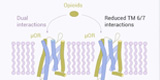
As powerful pain relievers, the opioids morphine and fentanyl have been "checked" by their side effects (listed as controlled substances). How to reduce its side effects? What is its mechanism? This research will explore its mechanism.
Scientific Reviews
As powerful pain relievers, the opioids morphine and fentanyl have been "checked" by their side effects (listed as controlled substances). How to reduce its side effects? What is its mechanism? This research will explore its mechanism. -
 Scientific Reviews
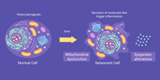
Understanding the mechanism of aging not only has guiding significance for prolonging human life but also has important clinical significance for the prevention and treatment of diseases in the elderly population , thus, improving their life quality and well-being.
Scientific Reviews
Understanding the mechanism of aging not only has guiding significance for prolonging human life but also has important clinical significance for the prevention and treatment of diseases in the elderly population , thus, improving their life quality and well-being. -
 Scientific Reviews
The latest study of Cell magazine "Neural mechanism underlying depressive-like state associated with social status loss" considers social factors as a breakthrough point. It has been found that the downward transition of social status induces depression-like behavior in mice whereas improves the depressive state by restoring their social environment.
Scientific Reviews
The latest study of Cell magazine "Neural mechanism underlying depressive-like state associated with social status loss" considers social factors as a breakthrough point. It has been found that the downward transition of social status induces depression-like behavior in mice whereas improves the depressive state by restoring their social environment. -
 Scientific Reviews
Stem cell classification and its application
Scientific Reviews
Stem cell classification and its application2023-05-18
Stem cells (SCs) have the unique ability to self-renew and differentiate into different cell types. SCs can differentiate into various types of tissue cells under specific conditions. Additionally, they can be further cultured to form different tissues and organs in the human body. Stem cells have numerous applications in various fields, including cell therapy, organ transplantation, neurodegenerative disease modeling, and drug screening. -
 Scientific Reviews
Mitophagy:Mechanisms and Detection
Scientific Reviews
Mitophagy:Mechanisms and Detection2023-05-25
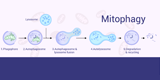
About 60 years ago, Christian de Duve first used the term "autophagy" to describe his observation of the degradation of mitochondria and other intracellular structures in lysosomes of rat liver. Over the years, autophagy has remained a beloved topic of research by the National Natural Science Foundation of China (NSFC).Today, let's talk about mitochondrial autophagy. -
 Scientific Reviews
Organoid Culture: Questions & Answers
Scientific Reviews
Organoid Culture: Questions & Answers2023-07-26
In the last issue, we conducted a live lecture on the theme of organoid culture. Today, we have a special topic to solve your doubts in the last live class! -
 Scientific Reviews
WHO's Q2 drug list has been updated. Let's take you through the list of the most noteworthy small molecule drugs that we should pay attention to.
Scientific Reviews
WHO's Q2 drug list has been updated. Let's take you through the list of the most noteworthy small molecule drugs that we should pay attention to. -
 Scientific Reviews
FDA Approved Drug List!
Scientific Reviews
FDA Approved Drug List!2023-09-14
In the first half of 2023 (as of June 27), the FDA approved 26 new drugs, let's take you learn about it through the article. -
 Scientific Reviews
Science | A "new" mechanism for non-ubiquitinated Midnolin-proteasomal degradation pathway
Scientific Reviews
Science | A "new" mechanism for non-ubiquitinated Midnolin-proteasomal degradation pathway2024-04-26
“ubiquitin-mediated protein degradation” won the Nobel Prize in Chemistry in 2004! In fact, proteasomes degrade not only ubiquitinated proteins but also non-ubiquitinated ones. The mechanism remains shrouded in mystery. After reading this piece today, you might have a lightbulb moment! -
 Scientific Reviews
Exosomes, which won the Nobel Prize in 2013, are still a research hotspot in the national natural sciences, and their popularity has only increased over the past decade (in 2022, they still rank 5th in the national natural sciences hotspots!). Why have exosomes become the darling of scientific research? Let's take a look together~
Scientific Reviews
Exosomes, which won the Nobel Prize in 2013, are still a research hotspot in the national natural sciences, and their popularity has only increased over the past decade (in 2022, they still rank 5th in the national natural sciences hotspots!). Why have exosomes become the darling of scientific research? Let's take a look together~ -
 Scientific Reviews
Degrade target proteins through the autophagy-lysosome pathway including LYTAC, AUTAC, and ATTEC have gained increasing attention in recent years due to their significant research potential!
Scientific Reviews
Degrade target proteins through the autophagy-lysosome pathway including LYTAC, AUTAC, and ATTEC have gained increasing attention in recent years due to their significant research potential! -
 Scientific Reviews
2024 Nobel Prize Announcements! Curious about the details? Click to dive into the exciting developments!
Scientific Reviews
2024 Nobel Prize Announcements! Curious about the details? Click to dive into the exciting developments! -
Scientific Reviews
Delve into the intricate networks that govern mitochondrial quality control. By examining key mechanisms such as biogenesis, mitochondrial dynamics (fission and fusion), proteolysis, and mitophagy. -
 Scientific Reviews
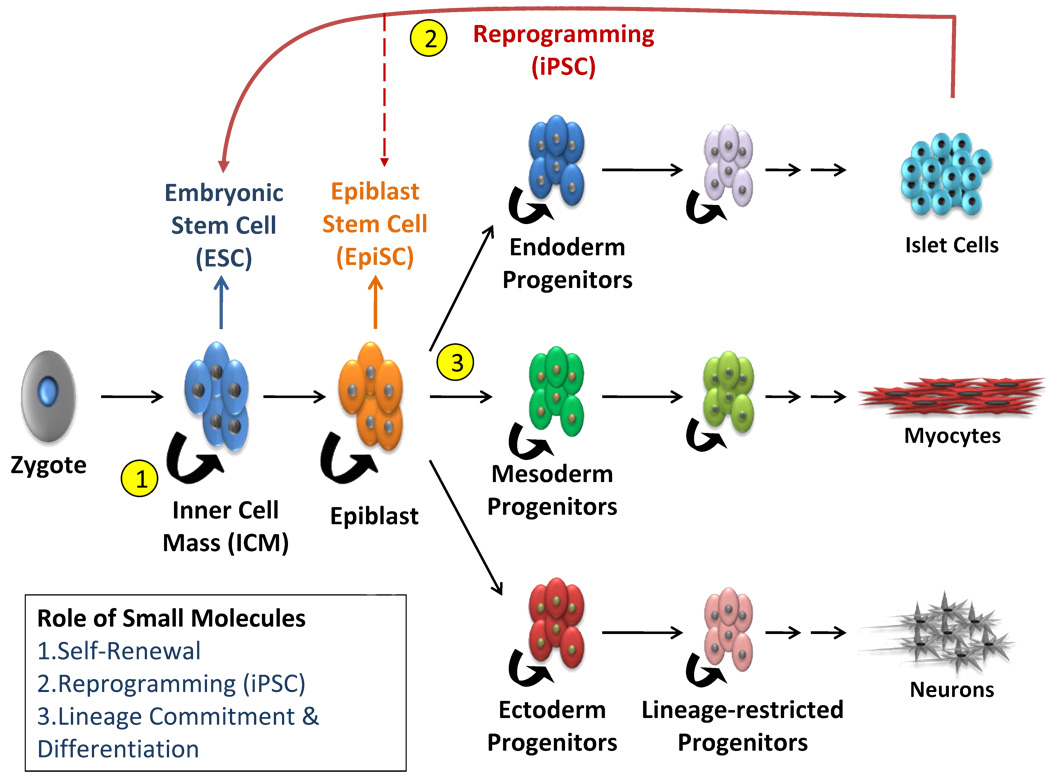
In early January 2025, MIT Tech Review unveiled its annual list of top 10 breakthrough technologies poised to redefine the future. Among these, stem cell therapy stood out for its potential to treat diverse diseases—including neurodegenerative disorders, diabetes, cancer, and heart failure. This groundbreaking approach uses stem cells to replace damaged cells, offering hope for millions worldwide.
Scientific Reviews
In early January 2025, MIT Tech Review unveiled its annual list of top 10 breakthrough technologies poised to redefine the future. Among these, stem cell therapy stood out for its potential to treat diverse diseases—including neurodegenerative disorders, diabetes, cancer, and heart failure. This groundbreaking approach uses stem cells to replace damaged cells, offering hope for millions worldwide. -
 Scientific Reviews
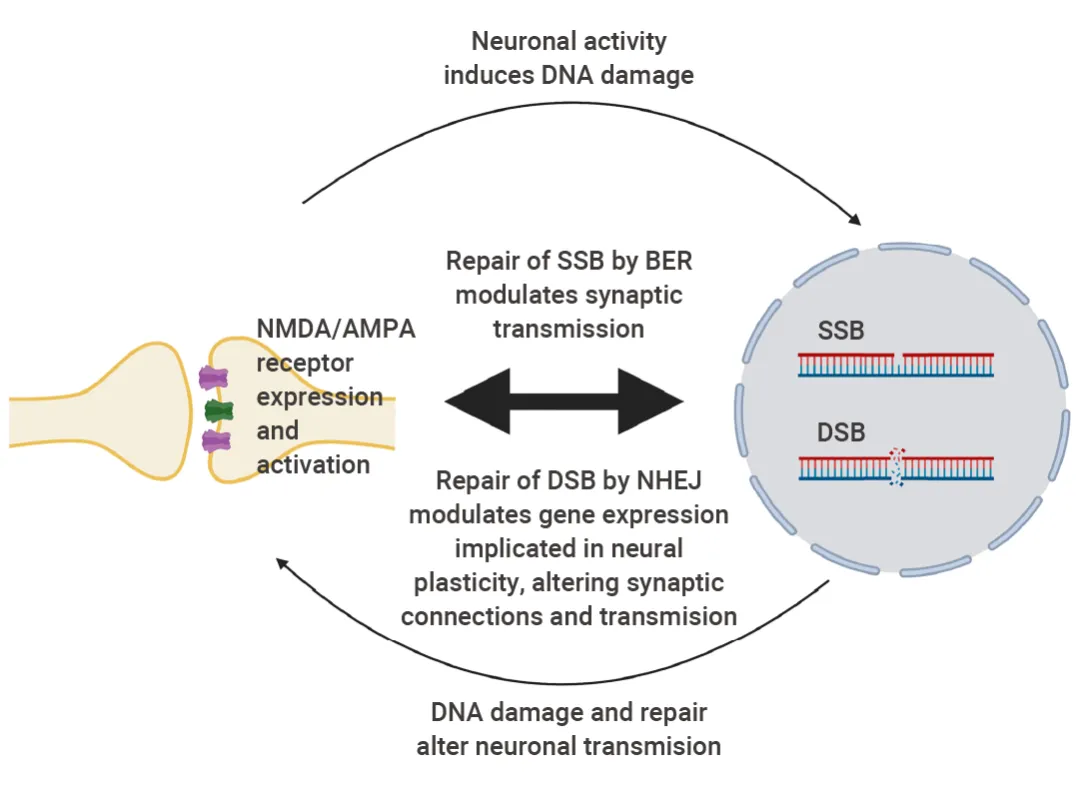
When you hear "inflammation" and "DNA damage," you might immediately think of disease or injury. However, in brains, these two processes are key steps in forming long-term memories, particularly related to specialized cells in our brain called hippocampal neurons.
Scientific Reviews
When you hear "inflammation" and "DNA damage," you might immediately think of disease or injury. However, in brains, these two processes are key steps in forming long-term memories, particularly related to specialized cells in our brain called hippocampal neurons. -
 Scientific Reviews
Autophagy is a fundamental process that degrades various components within the cell.
Scientific Reviews
Autophagy is a fundamental process that degrades various components within the cell. -
.jpg) Scientific Reviews
nside cells, the homeostasis and degradation of proteins is a precisely regulated process. If proteins cannot be degraded in time, it may lead to the occurrence of various diseases such as neurodegenerative diseases and cancer. This article will tell you the process of how proteins are recognized, labeled and then degraded!
Scientific Reviews
nside cells, the homeostasis and degradation of proteins is a precisely regulated process. If proteins cannot be degraded in time, it may lead to the occurrence of various diseases such as neurodegenerative diseases and cancer. This article will tell you the process of how proteins are recognized, labeled and then degraded! -
 Scientific Reviews
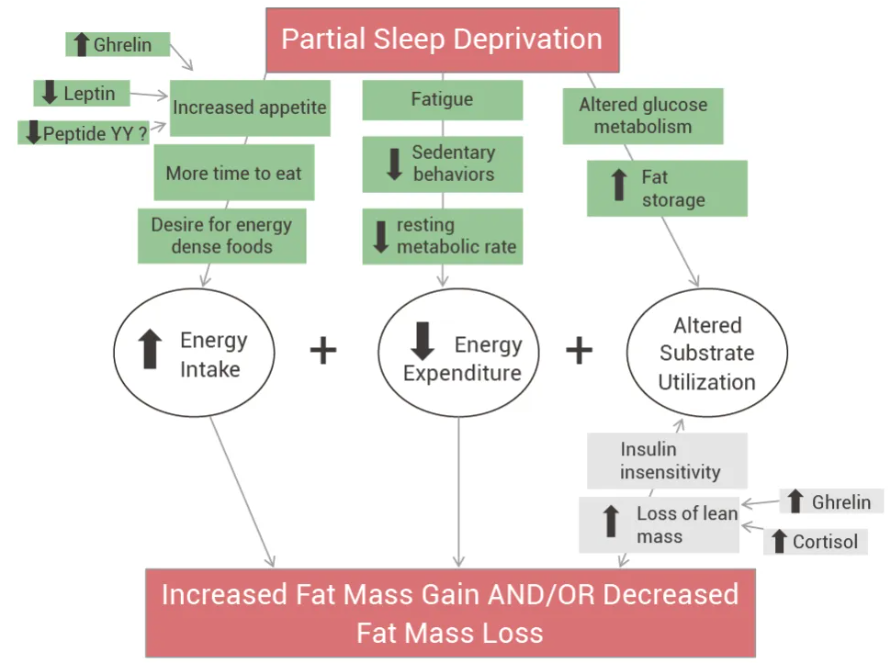
Have you ever noticed that after staying up late, your appetite—especially for high-calorie foods—gets out of control? If this sounds familiar, today’s article might offer some good news.
Scientific Reviews
Have you ever noticed that after staying up late, your appetite—especially for high-calorie foods—gets out of control? If this sounds familiar, today’s article might offer some good news. -
Scientific Reviews
Microglia– the only immune cells within the brain parenchyma. With advancements in imaging technologies, people’s understanding of microglia has shifted from being viewed as 'resting' cells to 'highly active' cells, particularly due to their dynamic processes that seem to be probing surrounding tissues and monitoring neuronal activity. This has made microglia a focal point of research in the field of neuroscience. -
 Scientific Reviews
Exosomes—natural nanoscale carriers—are revolutionizing targeted therapy. This article uncovers the science behind their precision in drug delivery.
Scientific Reviews
Exosomes—natural nanoscale carriers—are revolutionizing targeted therapy. This article uncovers the science behind their precision in drug delivery. -
 Scientific Reviews
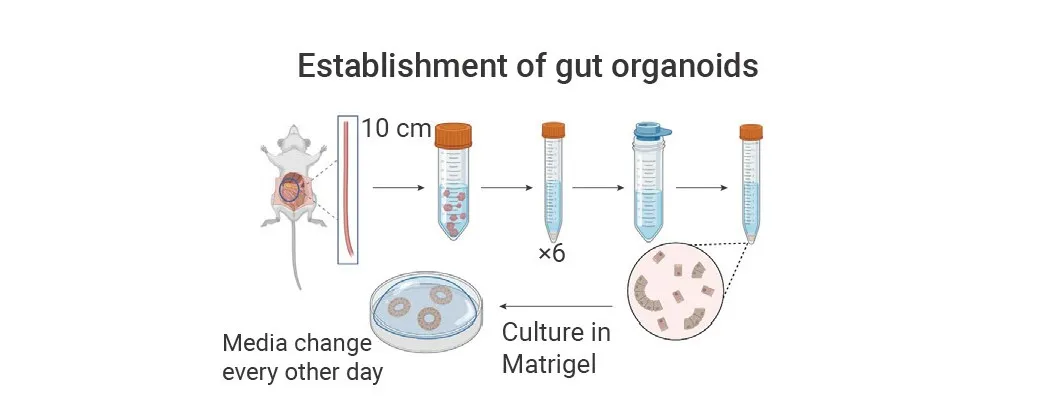
Efficient Generation of Mouse Small Intestinal Organoids: A Complete Experimental Protocol Guide
Scientific Reviews
Efficient Generation of Mouse Small Intestinal Organoids: A Complete Experimental Protocol Guide2025-12-10
How to successfully create mouse small intestine organoids? A detailed, hands-on guide to the entire process, all in one article! -
 EDM
Advances in Alzheimer's Disease Research
EDM
Advances in Alzheimer's Disease Research2025-07-16
This review summarizes current understanding of AD pathophysiology, including amyloid and tau pathology, neuroinflammation, synaptic dysfunction, and vascular abnormalities, and evaluates therapeutic strategies and experimental models. -
 EDM
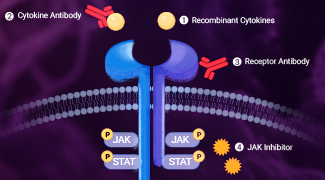
This review critically examines the role of the JAK-STAT pathway in immunity and autoimmune diseases, reviews current clinical applications of targeted therapies, and highlights emerging trends in autoimmune drug development.
EDM
This review critically examines the role of the JAK-STAT pathway in immunity and autoimmune diseases, reviews current clinical applications of targeted therapies, and highlights emerging trends in autoimmune drug development. -
 EDM
This review highlights the roles of microglia in AD pathology, focusing on metabolic reprogramming and microglia-targeted therapeutic strategies.
EDM
This review highlights the roles of microglia in AD pathology, focusing on metabolic reprogramming and microglia-targeted therapeutic strategies. -
 EDM
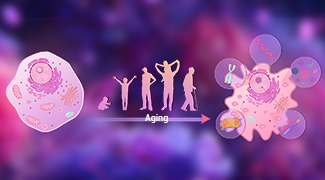
This review summarizes the hallmarks of aging and aging-related diseases, discusses mechanistic insights into aging processes, and highlights emerging anti-aging interventions.
EDM
This review summarizes the hallmarks of aging and aging-related diseases, discusses mechanistic insights into aging processes, and highlights emerging anti-aging interventions. -
 EDM
This review outlines macrophage functions and classification, and provides practical experimental guidelines for macrophage differentiation, polarization, and identification.
EDM
This review outlines macrophage functions and classification, and provides practical experimental guidelines for macrophage differentiation, polarization, and identification. -
 EDM
Review advances in target discovery, disease modeling, and biomarkers for Parkinson’s disease, highlighting their interplay and future directions for translational research.
EDM
Review advances in target discovery, disease modeling, and biomarkers for Parkinson’s disease, highlighting their interplay and future directions for translational research. -
 EDM
The Dual Role of Cellular Senescence in Cancer: Mechanisms, Microenvironment, and Therapeutics
EDM
The Dual Role of Cellular Senescence in Cancer: Mechanisms, Microenvironment, and Therapeutics2026-05-21
Explore the dual role of cellular senescence in cancer, including tumor suppression, SASP-driven tumor promotion, senescence heterogeneity and plasticity, and advances in senescence-targeted therapies. -
 EDM
Explore the mechanisms driving immune tolerance breakdown in autoimmune diseases and emerging tolerance-restoring strategies, with a focus on IL-2-based immune modulation.
EDM
Explore the mechanisms driving immune tolerance breakdown in autoimmune diseases and emerging tolerance-restoring strategies, with a focus on IL-2-based immune modulation. -
 EDM
Explore how anti-Aβ therapy is reshaping the AD treatment landscape, the rationale for multi-pathology combination strategies, and advances in biomarker-guided precision treatment.
EDM
Explore how anti-Aβ therapy is reshaping the AD treatment landscape, the rationale for multi-pathology combination strategies, and advances in biomarker-guided precision treatment. -
 EDM
Explore how mitochondrial quality control, inflammatory signaling, and metabolic–epigenetic reprogramming regulate cellular senescence and the SASP, along with strategies to restore mitochondrial homeostasis.
EDM
Explore how mitochondrial quality control, inflammatory signaling, and metabolic–epigenetic reprogramming regulate cellular senescence and the SASP, along with strategies to restore mitochondrial homeostasis. -
 Blog
BR351 is a Brain Penetrant MMP Inhibitor
Blog
BR351 is a Brain Penetrant MMP Inhibitor2019-04-05
BR351 is a brain penetrant MMP inhibitor, and a potential tool for the molecular imaging of activated MMPs with PET, with an IC50 in the nanomolar range. -
 Blog
ACY-1083, a Highly Selective HDAC6 Inhibitor, Reverses Chemotherapy-induced Peripheral Neuropathy
Blog
ACY-1083, a Highly Selective HDAC6 Inhibitor, Reverses Chemotherapy-induced Peripheral Neuropathy2019-05-12
ACY-1083 is a selective and brain-penetrating HDAC6 inhibitor with an IC50 of 3 nM. ACY-1083 effectively reverses chemotherapy-induced peripheral neuropathy -
 Blog
JMS-17-2 is a CX3CR1 Antagonist
Blog
JMS-17-2 is a CX3CR1 Antagonist2019-06-12
JMS-17-2 is a potent and selective CX3CR1 antagonist with an IC50 of 0.32 nM. Has potential to treat cancers such as breast cancer. -
 Blog
M8891 is an orally active, reversible and brain penetrant Methionine Aminopeptidase-2 (MetAP-2) inhibitor with antiangiogenic and antitumoral activity.
Blog
M8891 is an orally active, reversible and brain penetrant Methionine Aminopeptidase-2 (MetAP-2) inhibitor with antiangiogenic and antitumoral activity. -
 Blog
TCH-165 is a modulator of proteasome assembly, which increases 20S levels and facilitates 20S-mediated protein degradation, such as IDPs, α-syn, and tau.
Blog
TCH-165 is a modulator of proteasome assembly, which increases 20S levels and facilitates 20S-mediated protein degradation, such as IDPs, α-syn, and tau. -
 Blog
Ro 90-7501, an Aβ42 fibril assembly inhibitor, inhibits PP5 in a TPR-dependent manner and has radiosensitizing effects on cervical cancer cells.
Blog
Ro 90-7501, an Aβ42 fibril assembly inhibitor, inhibits PP5 in a TPR-dependent manner and has radiosensitizing effects on cervical cancer cells. -
 Blog
NU1025 is a potent PARP inhibitor and potentiates the cytotoxicity of ionizing radiation drug. NU1025 has anti-cancer and neuroprotective activity.
Blog
NU1025 is a potent PARP inhibitor and potentiates the cytotoxicity of ionizing radiation drug. NU1025 has anti-cancer and neuroprotective activity. -
 Blog
JCN037 is a potent, non-covalent, and brain-penetrant EGFR tyrosine kinase inhibitor. JCN037 has potent anti-cancer activity.
Blog
JCN037 is a potent, non-covalent, and brain-penetrant EGFR tyrosine kinase inhibitor. JCN037 has potent anti-cancer activity. -
 Blog
KCC-07 prevents binding of MBD2 to methylated DNA and activates BAI1 inducing anti-proliferative BAI1/p53/p21 signaling. Anticancer activity.
Blog
KCC-07 prevents binding of MBD2 to methylated DNA and activates BAI1 inducing anti-proliferative BAI1/p53/p21 signaling. Anticancer activity. -
 Blog
MPT0G211, an orally active and selective HDAC6 inhibitor, ameliorates tau phosphorylation, and cognitive deficits in an Alzheimer’s disease model.
Blog
MPT0G211, an orally active and selective HDAC6 inhibitor, ameliorates tau phosphorylation, and cognitive deficits in an Alzheimer’s disease model. -
 Blog
RapaLink-1, a third-generation bivalent mTOR inhibitor, potently blocking cancer-derived, activating mutants of mTOR. It can cross the blood-brain barrier.
Blog
RapaLink-1, a third-generation bivalent mTOR inhibitor, potently blocking cancer-derived, activating mutants of mTOR. It can cross the blood-brain barrier. -
 Blog
PQR530 is a potent, ATP-competitive, orally bioavailable and brain-penetrant dual pan-PI3K/mTORC1/2 inhibitor. Antitumor activity.
Blog
PQR530 is a potent, ATP-competitive, orally bioavailable and brain-penetrant dual pan-PI3K/mTORC1/2 inhibitor. Antitumor activity. -
 Blog
CHDI-390576, a potent and CNS penetrant class IIa HDAC inhibitor, show selectivity over class I HDACs, HDAC8 and the class IIb HDAC6 isoform.
Blog
CHDI-390576, a potent and CNS penetrant class IIa HDAC inhibitor, show selectivity over class I HDACs, HDAC8 and the class IIb HDAC6 isoform. -
 Blog
NAZ2329 is an allosteric, noncompetitive and reversible inhibitor of R5 RPTP subfamily and PTPRZ/PTPRG with anti-cancer activity.
Blog
NAZ2329 is an allosteric, noncompetitive and reversible inhibitor of R5 RPTP subfamily and PTPRZ/PTPRG with anti-cancer activity. -
 Blog
BrBzGCp2 is a Glyoxalase 1 (GLO1) inhibitor for a variety of disorders. Possesses antitumor and neuroprotective activity.
Blog
BrBzGCp2 is a Glyoxalase 1 (GLO1) inhibitor for a variety of disorders. Possesses antitumor and neuroprotective activity. -
 Blog
ML-00253764 is a brain penetrant nonpeptidic melanocortin receptor 4 (MC4R) antagonist with a Ki/IC50 of 0.16 µM/0.103 µM, respectively.
Blog
ML-00253764 is a brain penetrant nonpeptidic melanocortin receptor 4 (MC4R) antagonist with a Ki/IC50 of 0.16 µM/0.103 µM, respectively. -
 Blog
Vorasidenib is an orally available, brain penetrant second-generation dual mutant isocitrate dehydrogenases 1 and 2 (mIDH1/2) inhibitor.
Blog
Vorasidenib is an orally available, brain penetrant second-generation dual mutant isocitrate dehydrogenases 1 and 2 (mIDH1/2) inhibitor. -
 Blog
GSK2606414 is an orally available PERK inhibitor and is a potent compound of cancer and neurological diseases.
Blog
GSK2606414 is an orally available PERK inhibitor and is a potent compound of cancer and neurological diseases. -
 Blog
SB 258719 is a selective 5-HT7 receptor antagonist and can be used for the research of cancer and neurological disease.
Blog
SB 258719 is a selective 5-HT7 receptor antagonist and can be used for the research of cancer and neurological disease. -
 Blog
Trolox is an analogue of vitamin E with a powerful antioxidant effect. Trolox is also a powerful inhibitor of membrane damage.
Blog
Trolox is an analogue of vitamin E with a powerful antioxidant effect. Trolox is also a powerful inhibitor of membrane damage. -
 Blog
AZD1390 is a potent, highly selective, orally bioavailable, brain-penetrant ATM inhibitor with an IC50 of 0.78 nM.
Blog
AZD1390 is a potent, highly selective, orally bioavailable, brain-penetrant ATM inhibitor with an IC50 of 0.78 nM. -
 Blog
Epoxomicin is an epoxyketone-containing natural product and a selective and irreversible proteasome inhibitor. Cross the blood-brain barrier.
Blog
Epoxomicin is an epoxyketone-containing natural product and a selective and irreversible proteasome inhibitor. Cross the blood-brain barrier. -
 Blog
AZD-9574 is a potent and brain penetrant PARP1 inhibitor and shows >8000-fold selectivity for PARP1 compared to PARP2/3/5a/6.
Blog
AZD-9574 is a potent and brain penetrant PARP1 inhibitor and shows >8000-fold selectivity for PARP1 compared to PARP2/3/5a/6. -
 Blog
GR-46611 is a 5-HT1D Receptor Agonist
Blog
GR-46611 is a 5-HT1D Receptor Agonist2022-10-11
GR-46611 is a potent 5-HT1D receptor agonist and has the potential for the research of epilepsy and inhibits bladder activity. -
 Blog
SOR-C13 is a high-affinity TRPV6 antagonist with an IC50 value of 14 nM. SOR-C13 is used for Advanced Solid Tumors Research
Blog
SOR-C13 is a high-affinity TRPV6 antagonist with an IC50 value of 14 nM. SOR-C13 is used for Advanced Solid Tumors Research -
 Blog
Olutasidenib (FT-2102) is an orally active, brain penetrant inhibitor of mutant IDH1. Olutasidenib is used for AML or MDS Research.
Blog
Olutasidenib (FT-2102) is an orally active, brain penetrant inhibitor of mutant IDH1. Olutasidenib is used for AML or MDS Research. -
 Blog
ML-SA5 is a potent TRPML1 cation channel agonist with some anticancer activity and can inhibit tumour growth.
Blog
ML-SA5 is a potent TRPML1 cation channel agonist with some anticancer activity and can inhibit tumour growth. -
 Blog
J-113397 is a potent and selective nonpeptidyl ORL1 receptor antagonist without any agonistic effects on other opioid receptors.
Blog
J-113397 is a potent and selective nonpeptidyl ORL1 receptor antagonist without any agonistic effects on other opioid receptors. -
 Blog
SG-094 is a potent TPC2 inhibitor with antiproliferative effects. SG-094 can be used for the research of cancer.
Blog
SG-094 is a potent TPC2 inhibitor with antiproliferative effects. SG-094 can be used for the research of cancer.
Products
All
-
All
-
Inhibitors & Agonists
-
Isotope-Labeled Compounds
-
Fluorescent Dye
-
Peptides
-
Recombinant Proteins
-
Antibodies
-
Screening Libraries
-
Kits
-
Inhibitory Antibodies
-
Reference Standards
-
Induced Disease Models Products
-
GMP Small Molecules
-
Biochemical Assay Reagents
-
Natural Products
| Cat. No. | Product Name | Information | Application | Publication |
|---|---|---|---|---|
| HY-B0141C | Estradiol hemihydrate |
Estradiol (β-Estradiol) hemihydrate is a steroid hormone and the major female sex hormone. Estradiol (β-Estradiol) hemihydrate can up-regulate the expression of neural markers of human endometrial stem cells (hEnSCs) and promote their neural differentiation. Estradiol (β-Estradiol) hemihydrate can be used for the research of cancers, neurodegenerative diseases and neural tissue engineering.
|
|
141
|
| HY-B0141 | Estradiol |
Estradiol (β-Estradiol) is a steroid hormone and the major female sex hormone. Estradiol can up-regulate the expression of neural markers of human endometrial stem cells (hEnSCs) and promote their neural differentiation. Estradiol can be used for the research of cancers, neurodegenerative diseases and neural tissue engineering.
|
Metabolic or Endocrine Disease
Prostate Cancer
Viral Infection
Bacterial Infection
Neurodegenerative Disease
Cardiovascular Disease
Luminal Breast Cancer
Metastatic Breast Cancer
SARS-CoV-2 Infection
|
141
|
| HY-13434A | Ionomycin calcium |
Ionomycin calcium (SQ23377 calcium) is a potent, selective calcium ionophore and an antibiotic produced by Streptomyces conglobatus. Ionomycin calcium (SQ23377 calcium) is highly specific for divalent cations (Ca>Mg>Sr=Ba). Ionomycin (SQ23377) promotes apoptosis. Ionomycin calcium (SQ23377 calcium) also induces the activation of protein kinase C (PKC).
Source: Streptomyces conglobatus |
|
138
|
| HY-L004 | Cell Cycle/DNA Damage Compound Library |
DNA is prone to numerous forms of damage that can injure cells and impair fitness. Cells have developed an array of mechanisms to repair these injuries. Proliferating cells are especially vulnerable to DNA damage due to the added demands of cellular growth and division. Cell cycle checkpoints represent integral components of DNA repair that coordinate cooperation between the machinery of the cell cycle and several biochemical pathways that respond to damage and restore DNA structure. By delaying progression through the cell cycle, checkpoints provide more time for repair before the critical phases of DNA replication, when the genome is replicated, and of mitosis, when the genome is segregated. Loss or attenuation of checkpoint function may increase spontaneous and induced gene mutations and chromosomal aberrations by reducing the efficiency of DNA repair.
MCE owns a unique collection of 3,522 cell cycle/DNA damage-related compounds which can be used in the research of the same.
|
|
93
|
| HY-L028 | CNS-Penetrant Compound Library |
The blood-brain barrier (BBB) is the complex network of brain microvessels. It protects the brain from the external bloodstream environment and supplies the brain with the required nutrients for normal function. However, blood-brain barrier is also the obstacle to deliver beneficial drugs to treat CNS (central nervous system) diseases or brain tumors, as it has the least permeable capillaries in the entire body due to physical barriers (tight junctions). Therefore, it is crucial to discover drugs which can cross this barrier for the treatment of brain-based diseases, such as Alzheimer’s disease (AD), Parkinson’s disease (PD) and epilepsy.
MCE offers a unique collection of 1,170 compounds with confirmed CNS-Penetrant property. It’s a useful tool for the discovery of drugs used for brain diseases, such as brain tumors, mental disorders, and neurodegenerative diseases.
|
|
91
|
| HY-L011 | Membrane Transporter/Ion Channel Compound Library |
Most of molecules enter or leave cells mainly via membrane transport proteins, which play important roles in several cellular functions, including cell metabolism, ion homeostasis, signal transduction, the recognition process in the immune system, energy transduction, etc. There are three major types of transport proteins, ATP-powered pumps, channel proteins and transporters. Transport proteins such as channels and transporters play important roles in the maintenance of intracellular homeostasis, and mutations in these transport protein genes have been identified in the pathogenesis of a number of hereditary diseases. In the central nervous system, ion channels have been linked to, but not limited to, many diseases such asataxias, paralyses, epilepsies, and deafness. This indicates the roles of ion channels in the initiation and coordination of movement, sensory perception, and encoding and processing of information. Ion channels are a major class of drug targets in drug development.
MCE designs a unique collection of 2,278 smal-molecule modulators that can be used for the research of Ion Channel and Membrane Transporter or high throughput screening (HTS) related drug discovery.
|
|
90
|
| HY-L122 | FDA-Approved Anticancer Drug Library |
Cancer is the second leading cause of death worldwide and a serious threat to human health. Multiple treatments have been developed for cancer treatment, but new anti-cancer drugs still need to be developed urgently. Approved drugs, have well-characterized bioactivities, safety and bioavailability properties, will dramatically accelerate drug development.
MCE offers a unique collection of 1,540 approved drugs with anti-cancer activity, which can be used for discovery of new anti-cancer drugs or as positive compounds used for anti-cancer research.
|
|
89
|
| HY-10448 | Capsaicin |
Capsaicin ((E)-Capsaicin), an active component of chili peppers, is a TRPV1 agonist. Capsaicin induces a nociceptive response by binding to its receptors. Capsaicin has analgesic effects on neurological disorders. Capsaicin has antioxidant, anti-inflammatory, anti-cancer effects.
|
Digestive System Disease
Breast Cancer
Prostate Cancer
Viral Infection
Pain
Digestive System Inflammation
SARS-CoV-2 Infection
|
87
|
| HY-L057 | Phenols Library |
Phenolic compounds are usually referred to as a diverse group of naturally occurring compounds with multiple medical properties, such as antioxidants, antimicrobial properties. Those compounds are commonly found in food and plants. They have high synthetic, medicinal and industrial values. Polyphenols are compounds with multiple phenolic functionalities. Naturally occurring polyphenols are known to have biological activities for use as drugs, for example, in diseases like AIDS, heart ailments, ulcer formation, bacterial infection, mutagenesis and neural disorders.
MCE offers a unique collection of 1,299 natural phenol compounds which is a useful tool for drug discovery as an important source of lead compounds.
|
|
87
|
| HY-L017 | Stem Cell Signaling Compound Library |
Adult stem cells are important for tissue homeostasis and regeneration due to their ability to self-renew and generate multiple types of differentiated daughters. Self-renewal is reflected by their capacity to undergo multiple/limitless divisions. Several signaling pathways are involved in self-renewal of stem cells, that is, Notch, Wnt, and Hedgehog pathways or Polycomb family proteins. Recent studies mainly focus on cancer stem cell (CSCs), induced pluripotent stem cell (iPSCs), neural stem cell and maintenance of embryonic stem cell pluripotency. Among them, CSCs have been believed to be responsible for tumor initiation, growth, and recurrence that have implications for cancer therapy.
MCE owns a unique collection of 2,931 compounds that can be used for stem cell regulatory and signaling pathway research.
|
|
86
|
| HY-L109 | Protein-protein Interaction Inhibitor Library |
Protein protein interactions (PPI) have pivotal roles in life processes. The studies showed that aberrant PPI are associated with various diseases, including cancer, infectious diseases, and neurodegenerative diseases. The classic drug targets are usually enzymes, ion channels, or receptors, the PPI indicate new potential therapeutic targets. Therefore, targeting PPI is a new direction in treating diseases and an essential strategy for the development of new drugs.
However, the design of modulators targeting PPI still faces tremendous challenges, such the difficult PPI interfaces for the drug design, lack of ligands reference, lack of guidance rules for the PPI modulators development and high-resolution PPI proteins structures.
With the development of high-throughput technology, high-throughput screening is also gradually used for the identification of PPI inhibitors, but the compound library used for conventional target screening is not very effective in screening PPI inhibitors. To improve screening efficiency, MCE carefully selected 826 PPI inhibitors and mainly targeting MDM2-p53, Keap1-Nrf2, PD-1/PD-L1, Myc-Max, etc. MCE Protein-protein Interaction Inhibitor Library is a useful tool for PPI drug discovery and related research.
|
|
86
|
| HY-L134 | Anti-Aging Natural Product Library |
Aging is an unavoidable process, leading to cell senescence due to physiochemical changes in an organism. Aging cells cease to divide and drive the progression of illness through various pathways, resulting in the death of an organism ultimately. Anti-aging activities are primarily involved in the therapies of age-related disorders such as Parkinson's Disease (PD), Alzheimer's Disease (AD), cardiovascular diseases, cancer, and chronic obstructive pulmonary diseases.
Natural products are known as effective molecules in anti-aging treatments, which delay the aging process through influencing several pathways and thus ensure an extended lifespan. MCE offers a unique collection of 193 natural products with validated anti-aging activity. MCE anti-aging natural product library is a useful tool for the study of aging-related diseases drugs and pharmacology.
|
|
85
|
| HY-L940 | Antiviral Lead-like compound library |
Owing to the widespread transmission and frequent mutation of viral diseases, as well as the continuous emergence of new viruses and drug-resistant strains, antiviral drug development is facing increasingly stringent requirements. Antiviral compound libraries serve as important tools for drug screening, mechanism research and development, enabling the discovery and investigation of various antiviral drugs.
These compounds act through diverse antiviral mechanisms, targeting key steps in viral replication, assembly and invasion. They exert antiviral effects by inhibiting viral nucleic acid synthesis, blocking viral protein processing, and preventing viral binding to host cells. This library covers various types of antiviral compounds, including nucleosides, non-nucleosides, protease inhibitors and integrase inhibitors. It supports research on influenza virus, herpes virus, hepatitis virus, emerging respiratory viruses and other pathogens, and enables high-throughput screening of novel antiviral candidates to rapidly identify potential active compounds against diverse viruses. It also facilitates mechanistic studies to elucidate drug-target interactions and viral resistance mechanisms, and supports the screening of effective compounds against mutant strains for research on viral variation and drug resistance.
This antiviral library consists of 6,804 compounds with lead-like physicochemical properties. The core sources of the compounds include analogs of known antiviral molecues with a similarity score ≥ 0.6. MCE has collected more than 1450 antiviral molecules. As a small-molecule collection with both activity potential and structural modifiability, it provides strong support for antiviral drug research and development.
|
|
85
|
| HY-L013 | Neuronal Signaling Compound Library |
Neuronal Signaling is involved in the regulation of the mechanisms of the central nervous system (CNS) such as its structure, function, genetics and physiology as well as how this can be applied to understand diseases of the nervous system. Every information processing system in the CNS is composed of neurons and glia, neurons have evolved unique capabilities for intracellular signaling (communication within the cell) and intercellular signaling (communication between cells). G protein-coupled receptors (GPCRs), including 5-HT receptor, histamine receptor, opioid receptor, etc. are the largest class of sensory proteins and are important therapeutic targets in Neuronal Signaling. Besides, Notch signaling, such as β- and γ-secretase, also plays multiple roles in the development of the CNS including regulating neural stem cell (NSC) proliferation, survival, self-renewal and differentiation. GPCR dysfunction caused by receptor mutations and environmental challenges contributes to many neurological diseases. Notch signaling in neurons, glia, and NSCs is also involved in pathological changes that occur in disorders such as stroke, Alzheimer's disease and CNS tumors. Thus, targeting Neuronal Signaling, such as notch signaling and GPCRs, can be used as therapeutic interventions for several different CNS disorders.
MCE designs a unique collection of 3,961 Neuronal Signaling-related compounds that act as a useful tool for the research of neuronal regulation and neuronal diseases.
|
|
84
|
| HY-L043 | Lipid Compound Library |
Lipids are a diverse and ubiquitous group of compounds which have many key biological functions, such as acting as structural components of cell membranes, serving as energy storage sources and participating in signaling pathways. Several studies suggest that bioactive lipids have effects on the treatment of some mental illnesses and metabolic syndrome. For example, DHA and EPA are important for monoaminergic neurotransmission, brain development and synaptic functioning, and are also correlated with a reduced risk of cancer and cardiovascular disease in clinical and animal studies.
MCE supplies a unique collection of 2,028 lipid and lipid derivative related compounds including triglycerides, phospholipids, sphingolipids, steroids and their structural analogues or derivatives. MCE lipid compound library can be used for research in bioactive lipids, and high throughput screening (HTS) and high content screening (HCS).
|
|
84
|
| HY-L056 | Terpenoids Library |
Terpenoids, also known as isoprenoids, are the most numerous and structurally diverse natural products found in many plants. Terpenoids are divided into monoterpenes, sesquiterpenes, diterpenes, sesterpenes, and triterpenes depending on its carbon units. Several studies, in vitro, preclinical, and clinical have confirmed that this class of compounds displays a wide array of very important pharmacological properties in the fight against cancer, malaria, inflammation, and a variety of infectious diseases. Naturally occurring terpenoids provide new opportunities to discover new drugs with minimum side effects.
MCE designs a unique collection of 784 terpenoid compounds that all come from natural products. MCE Terpenoids Library is a useful tool for drug discovery that can be used for high throughput screening (HTS) and high content screening (HCS).
|
|
84
|
| HY-L070 | Neuroprotective Compound Library |
Neurodegenerative diseases are characterised by progressive dysfunction and death of neurons, such as Alzheimer’s disease, Parkinson’s disease, and multiple sclerosis (MS). Neuroprotection is an approach to preserve neurons so that neurons cannot be hurt by different pathological factors in neurodegenerative diseases. Neuroprotectors are some agonists and antagonists targeting some key targets in neuroprotactive signal pathways, such as calcium and sodium channel blockers, GABA receptor agonists, NMDA receptor Antagonists, etc. Current neuroprotectors cannot reverse existing damage, but they may protect against further nerve damage and slow down any degeneration of the central nervous system (CNS) and still play important roles in the treatment of neurodegenerative diseases.
MCE offers a unique collection of 1,851 compounds with potential neuroprotective activities. These compounds mainly act on some key targets in neuroprotetive signal pathways, such as calcium channel, sodium channel, adenosine A1 receptor, etc. MCE Neuroprotective Compopund Library is a useful tool in neuroprotective drug discovery.
|
|
84
|
| HY-L121 | 5-HT Receptor Compound Library |
5-HT receptors, also called Serotonin receptors, are a group of G protein-coupled receptors (GPCRs) and ligand-gated ion channels (LGICs) found in the central and peripheral nervous systems. These receptors are now classified into seven families, 5-HT1–7, comprising a total of 14 structurally and pharmacologically distinct mammalian 5-HT receptor subtypes. The 5-HT receptors influence various biological and neurological processes such as aggression, anxiety, appetite, cognition, learning, memory, mood, nausea, sleep, andthermoregulation. The serotonin receptors are the target of a variety of pharmaceutical drugs, including many antidepressants, antipsychotics, anorectics, antiemetics, gastroprokinetic agents, antimigraine agents, hallucinogens, and entactogens.
MCE 5-HT Receptor Compound Library consists of 430 5-HT receptor inhibitors and activators, which can be used for neuropsychiatric disorders drugs discovery.
|
|
84
|
| HY-L188 | Anti-Brain Cancer Compound Library |
Although brain cancer only accounts for 2% of all tumors, it has a poor prognosis, high mortality and high recurrence rate. Brain cancer can be divided into primary brain cancer and secondary brain cancer. According to the location of the cancer, brain cancer can also be divided into: brain glioma, pituitary adenoma, schwannoma, craniopharyngioma, meningioma and so on. Glioma is the most common primary brain tumor, accounting for about 1/3 of all brain tumors. At present, brain cancer lacks precision targeted therapeutic drugs, and there is still a great clinical demand that has not been met. With the continuous development of high-throughput screening technology, it may be able to help develop effective anti-brain cancer drugs by screening compounds targeting PKC, PD-1, c-Met, PARP, etc targets.
MCE designs a unique collection of 2,134 small molecules with definite or potential anti-brain cancer activity, which is an important tool for studying the pathological mechanism of brain cancer and developing drugs for brain cancer.
|
|
84
|
| HY-E0156 | 8-Channel Handheld Screw Cap Decapper |
MCE 8-Channel Handheld Screw Cap Decapper is a necessary tool for handling thousands of screw cap tubes. It can cap and open various types of screw cap tubes, making it convenient and fast to operate. This improves experimental efficiency and meets different needs. |
|
83
|
| HY-L0119V | Asinex PPI Pre-Plated Library |
Protein protein interactions (PPI) have pivotal roles in life processes. The studies showed that aberrant PPI are associated with various diseases. However, the design of modulators targeting PPI still faces tremendous challenges, such the difficult PPI interfaces for the drug design, lack of ligands reference, lack of guidance rules for the PPI modulators development and high-resolution PPI proteins structures.
The PPI Library comprises molecules of various sizes, frameworks, and shapes ranging from fragment-like entities to macrocyclic derivatives designed as secondary structure mimetics or as epitope mimetics. The designs cover β-turn / loop mimetics and α-helix mimetics. Since helices present at the interface in 62% of all protein-protein interactions. This library focused on designs including mimics with the substitution geometry of an a-helices, as well as designs that mimic the location of “hot-spot” side chains in helix-mediated PPIs.
|
|
83
|
| HY-L0123V | Life Chemicals CNS Focused Screening Library |
The incidence and significance of central nervous system diseases are increasing at an alarming rate all over the world. Although substantial research efforts have been applied to develop new CNS-active drugs, only a few CNS disorders are addressed satisfactorily, while the remaining ones pose significant clinical challenges. Blood-brain barrier (BBB) permeability is one of the most important limiting factors in the design and development of novel CNS-targeted pharmaceuticals for the treatment of neurological disorders.
Carefully selected from the HTS Compound Collection to meet the parameters optimized for high BBB-permeability, our CNS Focused Screening Library comprising over 30,300 structurally-diverse and potentially CNS-active screening compounds. This original Screening Compound Library is aimed at supporting CNS drug design projects and HTS efforts in search for novel neurotherapeutics.
|
|
83
|
| HY-L0124V | Chemspace CNS-Focused Library |
The basic requirements for the compounds that are supposed to penetrate the blood-brain barrier are somewhat different from those for the majority of drug discovery projects. Alongside the known problem with delivery of the large and non-polar compounds and their penetrability through the cell membrane, the other issue arises as well: small and polar compounds are not able to pass the Blood-Brain Barrier. Chemspace CNS-focused library comprises quite small, non-polar compounds that are also free from PAINS/toxic fragments and aggregators.
|
|
83
|
| HY-L082 | Antiparasitic Compound library |
A parasite is an organism that lives on or in a host organism and gets its food from or at the expense of its host. Parasites of humans include protozoans, helminths, and ecto-parasites (organisms that live on the external surface of a host). They are responsible for many diseases and are transmitted to their hosts most often through the ingestion of contaminated food, water or through the bite of an arthropod (e.g., a fly or tick), which can act as an intermediate host and as a vector. Parasitic diseases of humans are a major global health problem causing significant morbidity and mortality, especially in developing countries. Each year there are hundreds of millions of people infected with disease-causing parasites, particularly in tropical and subtropical regions of the world, resulting in an estimated one million deaths. Therefore, there is a dire need of novel anti-parasitic drugs.
MCE has a unique collection of 673 compounds with validated anti-parasitic activity which offer researchers an opportunity to screen novel anti-parasitic targets.
|
|
83
|
| HY-L100 | Tumorigenesis-Related Compound Library |
Cancer is a multi-step process which involves initiation, promotion and progression. Chemical carcinogens can alter any of these processes to induce their carcinogenic effects. People are continuously exposed exogenously to varying amounts of chemicals that have been shown to have carcinogenic or mutagenic properties in experimental systems. Exposure can occur exogenously when these agents are present in food, air or water, and also endogenously when they are products of metabolism or pathophysiologic states such as inflammation. The administration of chemical carcinogens is one of the most commonly used methods to induce tumors in several organs in laboratory animals in order to study oncologic diseases of humans.
MCE offers a unique collection of 147 chemical carcinogens which have been identified with carcinogenic activity either in humans or in animal models. MCE Tumorigenesis-Related Compound Library is a powerful tool for studying oncologic diseases of humans. Standard opration based on safety data sheet will not cause harm to the body.
|
|
83
|
| HY-L108 | Antidepressant Compound Library |
Depression is a serious global affective disorder and one of the most common neurological diseases whose clinical manifestations are low mood, loss of interest, anhedonia, loss of energy, and fatigue, people with major depressive disorder (MDD) can even have suicidal thoughts and behaviors.
Currently available antidepressants have significant limitations, including a long time lag for a therapeutic response (weeks to months) and low response rates. This is particularly problematic for a disease with a high suicide rate. Therefore, the development of new antidepressant drugs is particularly urgent.
MCE offers a unique collection of 3,059 compounds with antidepressant activities or targeting the unique targets of depression. MCE Antidepressant Compound Library is a useful tool for exploring the mechanism of depression and discovering new drugs for depression.
|
|
83
|
| HY-L110 | Cyclic Peptide Library |
Cyclic peptides are polypeptide chains taking cyclic ring structure, which exhibit diverse biological activities, such as antibacterial activity, immunosuppressive activity and anti-tumor activity. Cyclic peptides, with the features of good binding affinity, target selectivity and low toxicity, show great success as therapeutics. Multiple cyclic peptides are currently in clinical use, for examples, gramicidin and tyrocidine with bactericidal activity, cyclosporin A with immunosuppressive activity, and vancomycin with antibacterial activity. Furthermore, cyclic peptides usually have the sufficient size and a balanced conformational flexibility/rigidity for binding to flat protein-protein interaction (PPI) interfaces, which have potential to develop PPI drugs.
MCE offers a unique collection of 100 cyclic peptides, all of which have good bioactivities. MCE Cyclic Peptide Library is a powerful tool for drug discovery and PPI inhibitor screening.
|
|
83
|
| HY-L117 | Calcium Channel Blocker Library |
Calcium channel blockers (CCBs), also called calcium antagonists are compounds that slow the movement of calcium (Ca2+) through calcium channels into the cells of the heart and blood vessel walls. Calcium causes the heart and arteries to squeeze more strongly. By blocking calcium, calcium channel blockers allow blood vessels to relax and open. So calcium channel blockers are usually used to lower blood pressure, relieve chest pain (angina) and control an irregular heartbeat.
MCE supplies a unique collection of 226 calcium channel blockers and antagonists, all of which have the identified inhibitory effect on calcium channel. MCE Calcium Channel Blocker Library is a useful tool for discovery of antihypertensive drugs and cardiovascular disease research.
|
|
83
|
| HY-L155 | Mitochondrial Toxicity Compound Library |
Mitochondria, as the main place of energy supply in life, is essential to maintain normal life activities. Mitochondrial dysfunction is associated with common diseases, such as cardiovascular diseases, neurodegenerative diseases, diabetes and cancer. The heart, brain and liver rely heavily on mitochondrial function as the main organs for drug metabolism. In addition, mitochondria is also a target of many drugs, some of which induce organotoxicity by inducing mitochondrial toxicity.
MCE contains 545 mitochondrial toxic compounds, which can be used as tool compounds for drug development and disease mechanism research.
|
|
83
|
| HY-L158 | Highly Selective Inhibitors Library |
According to reports, most known kinase inhibitors exert their effects through competitive binding in highly conserved ATP pockets. Although genetic techniques such as RNA interference can inactivate specific genes, most kinases are multi domain proteins, each of which has an independent function. Highly selective inhibitors have higher efficiency than non-selective inhibitors, and the selectivity to the target is at least 100 times higher. Therefore, ensuring the validation of targets with the most selective inhibitors is crucial for a more thorough understanding of the pharmacology of the kinase field. The Highly Selective Inhibitors Library contains 6,342 compounds, covering multiple targets and subtypes, such as GPCR protein family, Ion channel, multiple kinases, etc. The Highly Selective Inhibitors Library is an effective tool for screening different phenotypes
|
|
83
|
| HY-L166 | Ion Channel Compound Library |
Ion channel is a membrane-binding enzyme whose catalytic site is an ion conduction pore, which is opened and closed in response to specific environmental stimuli (voltage, ligand concentration, membrane tension, temperature, etc.). Ion channel provide pores for the passive diffusion of ions on the biofilm. Due to their high selectivity for ion, ion channel are generally classified as sodium (Na+ ), potassium (K+ ), calcium (Ca2+ ), chloride (Cl- ), and non-specific cation channel. Ion channel is an important contributor to cell signal transduction and homeostasis. In addition to electrical signal transduction, ion channel also have many functions: regulating vascular smooth muscle contraction, maintaining normal cell volume, regulating glandular secretion, protein kinase activation, etc. Therefore, dysfunction of ion channel can lead to many diseases, and its mechanism research is particularly important.
MCE designs a unique collection of 1,751 small molecules related to ion channel, mainly targeting Na+ channel, K+ channel, Ca2+ channel, GABA receptor, iGluR, etc. It is an essential tool for research of cardiovascular diseases, Nervous system diseases and other diseases.
|
|
83
|
| HY-L201 | Cell Proliferation Compound Library |
Cell proliferation, the increase in cell numbers resulting from cell division, is a complex and tightly regulated process. Cell proliferation is regulated by coordinated entry into the cell cycle, and changes in proliferation are closely linked to disease development. Evolutionary dynamics links tumor growth and progression with cell proliferation, cell death, and mutation rates. In addition, cell proliferation is central to degenerative diseases, the development of which is often accompanied by accelerated multiplication of cancer cells. Therefore, assays of cell proliferation levels are frequently used for laboratory research purposes and increasingly for clinical assessment of tumor aggressiveness and potentially to guide care. It has been shown that multiple key targets are collectively involved in regulating the process of cell proliferation, such as CDK, E2F, pRB, β-Catenin, and others.
MCE collects 3,628 compounds that target and regulate key targets of cell proliferation, which can be used in studies of cell proliferation mechanisms and drug discovery.
|
|
83
|
| HY-L203 | Methylation Compound Library |
Methylation is an epigenetic modification mechanism that involves adding methyl groups to molecules such as DNA and histones, which can alter gene expression without changing the DNA sequence. This process is catalyzed by enzymes such as DNA methyltransferases (DNMTs) and histone methyltransferases (HMTs), and can be reversed by demethylases.
The balance of methylation and demethylation is crucial for maintaining cellular function and genomic stability. Abnormal regulation of methylation may lead to a variety of diseases, including cancer, neurological disorders, and developmental abnormalities. A deep understanding of the molecular mechanisms of methylation metabolism is essential for developing therapeutic strategies for diseases associated with methylation dysregulation.
MCE contains 351 compounds targeting methylation/demethylation enzymes, which is of significant value for studying the pathways of methylation metabolism and exploring their mechanisms of action in diseases.
|
|
83
|
| HY-L212 | Neuropeptide Library |
Neuropeptides are small proteins produced and released by neurons through the regulation of secretory pathways, expressed in neurons and have transmitter or co-transmitter functions, and are used as nerve substrates. Neuropeptides are by far the largest and most diverse signaling molecules in the brain and have been implicated in the development of diseases and drugs. Neuropeptides are involved in inflammatory and immune diseases and have an impact on epithelial, vascular, and connective tissue cells proliferation and tissue repair. Studies have shown that neuropeptides are particularly important when the nervous system is challenged, such as stress, injury, or substance abuse. Substance P is a neuropeptide that acts as a neurotransmitter and neuromodulator in the central nervous system and is currently in clinical research and has been shown to be involved in inflammatory processes and pain.
MCE can provide 128 neuropeptides that can be used for scientific research.
|
|
83
|
| HY-L244 | High-Efficiency Gene Editing Compound Library |
In this era of rapid advancement in gene-editing technology, the CRISPR-Cas system, with its powerful programmability, is leading a transformation in life sciences research. It enables efficient and precise targeted modification of an organism's genome, providing a robust tool for studying gene function, treating genetic diseases, and improving crop varieties. However, bottlenecks such as insufficient editing efficiency, low homologous directed repair efficiency, and potential off-target risks remain major challenges in achieving precise genetic modifications and developing gene therapies.
To overcome these limitations, the MCE High-Efficiency Gene Editing Compound Library systematically includes 761 small molecules that are known or have the potential to enhance gene-editing efficiency. These compounds work by targeting and modulating the DNA damage repair network, mechanistically inhibiting non-homologous end joining, promoting homologous directed repair, or regulating chromatin states and cellular responses, thereby significantly optimizing editing outcomes. This library is suitable for developing "CRISPR-small molecule" combination therapy strategies, improving gene-editing efficiency, and providing a powerful tool for in-depth research into the mechanisms of DNA damage repair in gene editing.
|
|
83
|
| HY-L252 | Carbohydrate Metabolite Compound Library |
Carbohydrate metabolism serves as a central hub for energy supply and biosynthesis in living organisms and plays a critical role in the onset and progression of various diseases. In recent years, studies have shown that tumor cells reprogram their energy metabolism through aerobic glycolysis (the Warburg effect) to support rapid proliferation. Immune cells also rely on specific carbohydrate metabolic pathways to regulate their activation and differentiation states, while disorders such as diabetes and metabolic syndrome arise directly from dysregulation of carbohydrate metabolism. In addition, enzymes and key metabolic nodes involved in carbohydrate metabolism have become important targets for drug discovery, and therapeutic strategies targeting glycolysis, the pentose phosphate pathway, and energy metabolism are continuously advancing the treatment of cancer and metabolic diseases. Therefore, systematic analysis of carbohydrate metabolic networks and their associated metabolites is of great significance for elucidating disease mechanisms and developing novel therapeutic approaches.
The MCE Carbohydrate Metabolism Metabolite Library is constructed based on classical carbohydrate metabolic pathways and contains 76 metabolites. It systematically integrates key metabolic networks, including glycolysis, the pentose phosphate pathway, the tricarboxylic acid (TCA) cycle, monosaccharide metabolism, and sugar acid interconversions. The library comprehensively covers core metabolic nodes from glucose uptake and utilization to energy production and biosynthesis, while also incorporating important upstream and downstream intermediates. It enables accurate representation of intracellular metabolic flux dynamics and is well suited for applications such as metabolic flux analysis, target validation, and mechanistic studies. Furthermore, it provides robust support for multi-omics integration and the development of precision intervention strategies.
|
|
83
|
| HY-L255 | Dipeptide Compound Library |
Dipeptide compounds have attracted extensive attention in drug discovery and life science research due to their simple structures, ease of modification, and favorable biocompatibility. As small peptides composed of two amino acids, dipeptides exhibit diverse biological activities, including anti-inflammatory, antioxidant, antimicrobial, anticancer, and immunomodulatory effects, showing significant application potential in metabolic disorders, neurological diseases, and cancer research. Compared with traditional small molecules, dipeptide compounds possess favorable target-binding properties and high structural plasticity, making them valuable tools for drug screening and mechanism studies.
The MCE Dipeptide Compound Library contains 72 dipeptide compounds and can be applied to peptide drug discovery and development.
|
|
83
|
| HY-L906 | Norepinephrine Transporter (NET) Compound Library |
On May 15, 2024, "Dimerization and antidepressant recognition at noradrenaline transporter" was published online by Nature. The research findings were an effort from Shanghai Institute of Materia Medica, Chinese Academy of Sciences. This study unraveled the important neural system target - the noradrenaline transporter (NET), obtaining the binding modes of human NET homodimers with the natural substrate norepinephrine (NE) and six selective antidepressants. It laid an important theoretical foundation for understanding the physiological regulation mechanisms of NET and other monoamine transporters.
The Norepinephrine Transporter (NET) Compound Library is obtained by computer-aided virtual screening based on the HY-L901 compound library . The specific screening process includes molecular docking screening, key pharmacophore screening, and CNS-MPO screening, which can be used for new drug discovery targeting the noradrenaline transporter.
|
|
83
|
| HY-L917 | RNA Binding Library |
RNA is crucial for the regulation of numerous cellular processes and functions. With the in-depth study of disease mechanisms, processes such as RNA expression, splicing, translation, and stability regulation have become new targets for disease intervention. RNA has provided new therapeutic modalities for metabolic diseases, genetic disorders, and cancer patients, resulting in several innovative drugs.
MCE R&D team collected small molecules targeting RNA from the PDB, R-BIND, ROBIN, and internal database as the positive dataset, and non-targeting RNA small molecules from ROBIN as the negative dataset. Based on the GeminiMol pre-trained model, we encoded the molecules and calculated over 1700 molecular descriptors using Mordred as inputs for the model. Subsequently, we employed 13 deep learning models to learn from the data. All of which yielded good training results, with AUROCs greater than 0.75. Ultimately, we selected the Finetune model to screen HY-L901P, which exhibited the best classification performance, achieving an AUROC of 0.82 and a prediction accuracy of 0.76. We then applied filtering based on StaR rules (with at least two of the following properties: cLogP ≥ 1.5, Molar Refractivity ≥ 4, Relative Polar Surface Area ≤ 0.3) to obtain a library containing approximately 5,000 small molecule compounds targeting RNA. This library serves as a valuable tool for screening small molecules that interact with RNA.
|
|
83
|
| HY-L919 | MCE CNS BBB Lead-like Library |
With the aging population and increasing competitive pressures, neurodegenerative diseases of the central nervous system (CNS) have become a serious medical challenge in modern society, including Parkinson's disease, Alzheimer's disease, brain tumors, and multiple sclerosis. However, the success rate of CNS drug development remains remarkably low, primarily due to the blood-brain barrier (BBB).
The blood-brain barrier (BBB) is a semipermeable barrier structure that surrounds the microvasculature of the CNS. In capillaries, the wedged endothelial cells are tightly packed and wedge-shaped, lining the interior of the vessels to form extensive tight junctions. Along with a range of receptors, transporters, efflux pumps, and other cellular components, this barrier regulates the entry and exit of molecules between the bloodstream and the brain. The intact BBB blocks the passage of most blood-borne substances into the brain, preventing nearly 100% of large-molecule drugs and over 98% of small-molecule drugs from entering.
Compared to non-CNS drugs, physicochemical properties such as hydrogen bonds, lipophilicity, and molecular weight significantly influence a compound's ability to cross the BBB. Using artificial intelligence (AI) algorithms to predict BBB permeability, a predicted value greater than 0.75 indicates that the compound has strong potential to cross the BBB, providing a promising starting point for CNS drug discovery.
|
|
83
|
| HY-L920 | CNS MPO Lead-like Library |
With the aging population and increasing competitive pressures, neurodegenerative diseases of the central nervous system (CNS) have become a serious medical challenge in modern society, including Parkinson's disease, Alzheimer's disease, brain tumors, and multiple sclerosis.
The CNS MPO (Multi-Parameter Optimization) score is a widely recognized algorithm in medicinal chemistry. Developed by Pfizer, this method is based on an analysis of approved CNS drugs and their interior CNS drug candidates, establishing the CNS MPO rules. It incorporates six key physicochemical properties (ClogP, ClogD, MW, TPSA, HBD, and pKa) to prospectively optimize CNS drug attributes—such as high blood-brain barrier (BBB) permeability, low P-gp efflux liability, low metabolic clearance, and high safety—thereby improving the clinical success rate of CNS drug candidates.
The CNS MPO compound library is a collection of compounds with CNS MPO scores greater than 5, specifically designed for CNS drug discovery.
|
|
83
|
| HY-L927 | 10K Golden Scaffold Library |
Designed to maximize efficiency in hit discovery and optimization, this compound library is built on a foundation of diverse Bemis-Murcko scaffolds, with each scaffold is represented by two specifically derived molecules. This strategy ensures broad chemical space through scaffold diversity while enabling preliminary functional group exploration. This approach provides early structure-activity relationship (SAR) insights for every scaffold, making it a valuable tool for accelerating drug discovery.
|
|
83
|
| HY-L938 | Antifungal Lead-like compound library |
Currently,the incidence and mortality rates of clinical fungal infections remain high. Existing antifungal drugs are limited in variety and associated with numerous adverse effects, creating an urgent demand for the development of novel antifungal agents. Antifungal compound libraries can support the screening and development of new antifungal drugs.
The mechanisms of action of antifungal drugs cover key processes such as fungal cell membrane synthesis, cell wall synthesis, and cell division. They exert fungicidal or fungistatic effects by specifically targeting different molecular pathways. This library includes a variety of core analogs of antifungal drugs, making it adaptable to antifungal research in diverse scenarios. It can be used for the high-throughput screening of novel antifungal drug candidates, enabling the rapid identification of compounds with potential antifungal activity and facilitating the elucidation of drug-target interactions and resistance mechanisms. Additionally, it supports the screening of compounds and combinations that reverse drug resistance, thereby uncovering the novel antifungal potential of existing compounds.
The library comprises 8350 compounds with a well-defined screening strategy. The core sources of the compounds include analogs of known antifungal active moleculeswith a similarity score of ≥ 0.6 MCE has collected more than 500 antifungal molecules.All screened compounds conform to lead-like physicochemical properties, exhibiting both structural diversity and drug-like characteristics, and providing valuable support for the research and development of novel antifungal drugs.
|
|
83
|
| HY-L939 | Antibacterial Lead-like compound library |
The rising prevalence of multidrug-resistant and extensively drug-resistant bacteria, combined with emerging resistance mechanisms and the limitations of existing antibacterial drugs, creates an urgent need for novel antibacterial agents. Antibacterial compound libraries serve as key tools to support antibacterial drug screening and development.
This library features structurally diverse compounds, including small-molecule scaffolds and natural product derivatives, and exhibits diverse antibacterial mechanisms of action. For example, these compounds exert antibacterial effects by disrupting bacterial cell structures, interfering with bacterial metabolic processes, and inhibiting nucleic acid synthesis. The derivation of scaffold structures enhances their activity against drug-resistant bacteria and their selectivity against different types of bacteria. This library can be used for the high-throughput screening of novel antibacterial drug candidates and the identification of potent compounds against drug-resistant and multidrug-resistant bacteria. Additionally, it provides a reference for compound structural modification, enabling further in-depth research on the structure-activity relationships(SARs) of antibacterial drugs. It can also be applied to the exploration of bacterial resistance mechanisms and reversal strategies, as well as the discovery of antibacterial molecules that inhibit efflux pumps and restore drug susceptibility.
The library contains 10855 structurally diverse drug-like compounds. Its core compound sources include analogs of known antifungal active moleculeswith a similarity score of ≥ 0.6. MCE has collected more than 1900 antibacterial molecules. All screened compounds conform to lead-like physicochemical properties, providing valuable support for the research and development of novel antibacterial drugs.
|
|
83
|
| HY-L942 | Allosteric Modulator Fragment Library |
Unlike highly conserved orthosteric sites, allosteric sites exhibit low conservation, high hydrophobicity, weak polarity, confined geometry, and dynamic cryptic properties. Rather than rigid keyhole-like cavities, they typically appear as flexible grooves, subunit interface clefts, or shallow depressions formed by protein conformational changes.
Based on the dynamic, hydrophobic, and elongated nature of allosteric pockets, MCE has carried out targeted fragment modification and screening under strict physicochemical criteria: MW 120–280 Da, HBD ≤ 2, HBA ≤ 3, PSA 30–80 Ų, rotatable bonds ≤ 2, cLogP 1–3.5. High 3D diversity was further ensured by PMI analysis, yielding fragments with excellent shape complementarity to allosteric pockets.
This library contains 1,800 structurally diverse, drug-like fragments, this library supports allosteric drug development and pocket optimization. It significantly improves screening hit rates and enables efficient, precise early-stage R&D of allosteric drugs.
|
|
83
|
| HY-L948 | PD-1/PD-L1 Lead-like Library |
PD-1/PD-L1 are key immune checkpoint targets that suppress T-cell-mediated anti-tumor immunity, representing a major focus in cancer immunotherapy. While antibody drugs dominate the clinic, they are limited by administration challenges and immune-related side effects. Small-molecule PD-1/PD-L1 inhibitors, with oral availability, good tissue penetration and low cost, have emerged as a promising next-generation strategy.
A PD-1/PD-L1 lead-like library was built via a five-step virtual screening process. After collecting 8,947 inhibitors from BindingDB and PubChem and filtering by activity and duplicates, AI similarity screening was performed using GeminiMol. Key pharmacophores were extracted from the PPI interface of co-crystal structures, and molecular was screened via a pharmacophore model, effectively enhancing target activity.
Containing 10,000 structurally diverse and drug-like molecules well-matched to the PD-L1 pocket, the library supports virtual docking, high-throughput screening and hit discovery, enabling efficient and rapid development of small-molecule immunotherapies.
|
|
83
|
| HY-LD002 | DEL B Kit Regular Library |
The discovery of hit molecule is a cornerstone of drug development. Among the diverse tools available, DNA-encoded libraries have emerged a revolutionary platform for high-throughput screening. Compared with traditional HTS, DEL features shorter screening processes, lower costs, simpler assays, and larger library capacities.
DEL Construction utilizes split-and-pool synthesis, a combinatorial chemistry approach that involves iterative splitting, reaction, and pooling. This strategy enables rapid, exponential assembly of fragments in minimal steps without the need for individual compound synthesis andassoicicated isolation or purification steps, thus greatly reducing overall costs. The technology enables simultaneous affinity screeningof massive compound collections to target proteins in a single step. By coupling chemical structures with unique DNA barcodes, each compound is tagged with a distinct DNA sequence for convenient tracking and decoding.DELs readily enable the construction and efficient screening of libraries containing millions to billions of compounds. As a result, DEL screening combines the dual advantages of high efficiency and low cost, making DEL a transformative technology in modern drug discovery.
The DEL kit consists of 50 independent libraries with a total scale of 100 billion compounds. It is constructed through stepwise combinatorial chemistry strategies involving 2-, 3-, and 4-round synthesis. By employing diverse scaffolds and flexible linking strategies, it encompasses various ring systems, linear frameworks, and heterocyclic structures. Screening can be achieved solely through affinity, independent of target-specific activity detection methods. This library is suitable for DEL screening against a wide range of targets.
|
|
83
|
| HY-LD004 | DEL Covalent Library |
DEL technology enables the simultaneous screening of millions or billions of compounds in a single tube by covalently linking each small molecule with a unique DNA sequence. Traditional DEL screening primarily focuses on identifying non-covalent binding molecules, where interactions with the target are reversible. In contrast, DNA‑encoded covalent library is an ultra‑high‑throughput screening library developed on the basis of conventional DNA‑encoded library technology. It incorporates controllable electrophilic covalent warheads capable of forming irreversible covalent bonds with amino acid residues at the active sites of target proteins, including Cys, Lys, Ser, Tyr, and others. This covalent binding enhances binding affinity, prolongs residence time at the target site, and has the potential to overcome challenges associated with traditional non-covalent inhibitors, such as drug resistance or off-target effects.
Each compound in the library contains both a binding domain and an electrophilic warhead. It first recognizes and binds to the target through non covalent interactions, and then forms a stable covalent bond with key amino acid residues to achieve irreversible inhibition. This library is specifically designed for the discovery of potent, long lasting, and highly selective covalent inhibitors, particularly for undruggable targets such as kinases, GPCRs, proteases, and mutant oncoproteins. Each molecule is uniquely labeled with a DNA barcode for molecular identification and sequencing decoding.
This library is an advanced and highly diverse collection, consists of 35 independent sub-libraries with a total scaleof 14 million compounds, It incorporates over 14 experimentally validated covalent warheads capable of targeting cysteine, lysine, arginine, aspartic acid and glutamic acid. This library is constructed with diverse drug like core scaffolds and integrated controllable covalent warheads, it features structural diversity, reaction spec
|
|
83
|
| HY-LD005 | DEL D Kit Cyclic Peptide Library |
Cyclic peptide library have advantages such as high affinity, high selectivity, and suitability for targeting protein–protein interactions. Through DEL synthesis technology, the library size can achieve hundreds of millions. DEL cyclic peptide library have advantages like low cost andhigh screeing efficiency, making them valuable for discovering lead compounds against challenging drug targets.
This cyclic peptide library is constructed with unnatural amino acids as building block, synthesized through DNA-compatible chemical reactions. Each cyclic peptide consist of six amino acids and constrained conformations such as side-chain cross-linking, disulfide bonds, and macrocyclization. These cyclic peptides exhibit significantly improved stability and druggability compared with linear peptides, filling the gap between small molecules and macromolecular biologics. Each cyclic peptide is uniquely conjugated to a DNA barcode sequence for molecular identification and sequencing decoding.
MCE’s cyclic peptide library has8 independent sub-libraries, with a total molecular diversity of 1.2 billion. It is constructed via multi-round combinatorial assembly of building blocks and diverse cyclization strategies, facilitating the discovery of cyclic peptide leads for undruggable targets.
|
|
83
|
| HY-114158 | Pronase E (Activity ≥ 7000 U/g) |
Pronase E (Activity ≥ 7000 U/g) is a mixture of proteolytic enzymes that is obtained from Streptomyces griseus and could digest protein into individual amino acids.
Source: Streptomyces griseus |
|
79
|
| HY-K1090 | Cytotoxicity LDH Assay Kit |
MCE Cytotoxicity LDH Assay Kit can detect LDH activity in the culture supernatant, which is indicative of cytotoxicity. |
|
52
|
| HY-12495A | ISRIB |
ISRIB is a brain-penetrant inhibitor of integrated stress response (ISR). Persistent activation of the ISR has been linked to the development of several neurological disorders as ISR represses translation through inhibiting eIF2B. ISRIB inhibits the ISR by promoting the nucleotide exchange activity of eIF2B and recovering the translation, and thus can be used for neurological disorders research.
|
|
37
|
| HY-16637A | Folic acid sodium |
Folic acid (Vitamin B9) sodium is a orally active essential nutrient from the B complex group of vitamins. Folic acid sodium shows antidepressant-like effect. Folic acid sodium reduces the risk of neonatal neural tube defects. Folic acid sodium can be used to the research of megaloblastic and macrocytic anemias due to folic deficiency.
|
|
29
|
| HY-W105700 | Ethylenediaminetetraacetic acid sodium hydrate |
Ethylenediaminetetraacetic acid (EDTA) sodium hydrate is a kind of metal chelating agent (binds to bivalent and trivalent metal cations, including calcium). Ethylenediaminetetraacetic acid sodium hydrate has antibacterial, anti-inflammatory, antioxidant, anti-hypercalcemia and anticoagulant activities. Ethylenediaminetetraacetic acid sodium hydrate decreases the metal ion-catalyzed oxidative damage to proteins, and allows maintenance of reducing environment during protein purification. Ethylenediaminetetraacetic acid sodium hydrate can alleviate the liver fibrosis. Ethylenediaminetetraacetic acid sodium hydrate can be used for coronary artery disease and neural system disease research.
|
|
29
|
| HY-W250119 | Calcium disodium edetate hydrate |
Calcium disodium edetate hydrate (EDTA disodium calcium salt hydrate) is a metal chelator and antifungal agent. Calcium disodium edetate hydrate chelates Mn2+, damages mitochondria, and interferes with carbohydrate metabolic pathways, particularly the synthesis of pyruvate in glycolysis. Calcium disodium edetate hydrate inhibits Penicillium digitatum and delays conidial germination. Calcium disodium edetate (hydrate) enhances the host defense system of citrus fruits. Calcium disodium edetate hydrate is applicable to research related to citrus green mold.
|
|
29
|
| HY-W127774 | EDTA hydrate sodium |
EDTA (Ethylenediaminetetraacetic acid) hydrate sodium is a kind of metal chelating agent (binds to bivalent and trivalent metal cations, including calcium). EDTA hydrate sodium has antibacterial, anti-inflammatory, antioxidant, anti-hypercalcemia and anticoagulant activities. EDTA hydrate sodium decreases the metal ion-catalyzed oxidative damage to proteins, and allows maintenance of reducing environment during protein purification. EDTA hydrate sodium can alleviate the liver fibrosis. Ethylenediaminetetraacetic acid can be used for coronary artery disease and neural system disease research.
|
|
29
|
| HY-Y0682A | Ethylenediaminetetraacetic acid disodium dihydrate |
Ethylenediaminetetraacetic acid (EDTA) disodium dehydrate is a kind of metal chelating agent (binds to bivalent and trivalent metal cations, including calcium). Ethylenediaminetetraacetic acid disodium dehydrate has antibacterial, anti-inflammatory, antioxidant, anti-hypercalcemia and anticoagulant activities. Ethylenediaminetetraacetic acid disodium dehydrate decreases the metal ion-catalyzed oxidative damage to proteins, and allows maintenance of reducing environment during protein purification. Ethylenediaminetetraacetic acid disodium dehydrate can alleviate the liver fibrosis. Ethylenediaminetetraacetic acid disodium dehydrate can be used for coronary artery disease and neural system disease research.
|
|
29
|
| HY-16637 | Folic acid |
Folic acid (Vitamin B9) is a orally active essential nutrient from the B complex group of vitamins. Folic acid shows antidepressant-like effect. Folic acid sodium reduces the risk of neonatal neural tube defects. Folic acid can be used to the research of megaloblastic and macrocytic anemias due to folic deficiency.
|
|
29
|
| HY-114158A | Pronase E (Activity ≥ 4000 U/mg) |
Pronase E (Activity ≥ 4000 U/mg) is a mixture of proteolytic enzymes that is obtained from Streptomyces griseus and could digest protein into individual amino acids.
Source: Streptomyces griseus |
|
27
|
| HY-B0080 | Folinic acid calcium salt pentahydrate |
Folinic acid calcium salt pentahydrate (Leucovorin calcium salt pentahydrate) is a biological folic acid and is generally administered along with methotrexate (MTX) as a rescue agent to decrease MTX-induced toxicity.
|
Colorectal Cancer
Gastric Cancer
Leukemia/Lymphoma/Myeloma
Pancreatic Cancer
Non-Small Cell Lung Cancer
Triple-Negative Breast Cancer
Metastatic Breast Cancer
|
18
|
| HY-13664 | Folinic acid calcium |
Folinic acid calcium (Leucovorin calcium) is a biological folic acid and is generally administered along with methotrexate (MTX) as a rescue agent to decrease MTX-induced toxicity.
|
|
18
|
| HY-P7116A | BDNF Protein, Human/Mouse/Rat |
Brain Derived Neurotrophic Factor (BDNF) is a neurotrophin that belongs to NGF-beta family. BDNF can bind to its high affinity receptor TrkB and activates signal transduction cascades (IRS1/2, PI3K, Akt). BDNF can also bind to the p75NTR, but the affinity for the p75NTR receptor is lower than for TrkB. BDNF is a neurotransmitter modulator, and is vital in maturation, survival and differentiation of neuronal populations during development. BDNF also participates in neuronal plasticity, which is essential for learning and memory. BDNF is widely expressed in the CNS. BDNF Protein, Human is a recombinant human BDNF (H129-R247) without tag, which is produced in E.coli.
Species: Mouse; Rat; Human; Source: E. coli |
|
15
|
| HY-B2233A | Calcium phosphorylcholine chloride, 98% |
Calcium phosphorylcholine chloride, 98% is the main phospholipid component in eukaryotic biofilms. Calcium phosphorylcholine chloride, 98% exists in commensal or pathogenic bacteria associated with eukaryotes in prokaryotes. Calcium phosphorylcholine chloride, 98% exhibits a surprising range of immunomodulatory properties.
|
Neurological, Eye or Ear Disease
Inflammation or Immune System Disease
Blood or Cardio-cerebrovascular Disease
|
13
|
| HY-D0973 | EGTA-AM |
EGTA-AM is a membrane permeable form of EGTA, can be passively loaded into cells to generate intracellular EGTA; EGTA-AM is also a Ca2+ chelator with slow chelating dynamics.
|
|
11
|
| HY-B0275C | Oxytetracycline calcium |
Oxytetracycline calcium is an antibiotic belonging to the tetracycline class. Oxytetracycline calcium potently inhibits Gram-negative and Gram-positive bacteria. Oxytetracycline calcium is a protein synthesis inhibitor and prevents the binding from aminoacil-tRNA to the complex m-ribosomal RNA. Oxytetracycline calcium also possesses anti-HSV-1 activity.
|
|
10
|
| HY-K1043 | CEPT Cocktail |
MCE CEPT Cocktail is composed of CET small molecules (Chroman 1, Emricasan and Trans-ISRIB) and Polyamine Solution, and can effectively enhance cell survival and promote clonal growth of genetically stable hPSCs. |
|
9
|
| HY-P80623 | Cleaved-Caspase 3 p12 Antibody (YA499) |
Cleaved-Caspase 3 Antibody (YA499) is a Rabbit-derived and non-conjugated IgG monoclonal antibody, targeting to Cleaved-Caspase 3.
Host: Rabbit; Reactivity: Human, Mouse, Rat |
|
8
|
| HY-P0168A | Cibinetide acetate |
Cibinetide (ARA290) acetate is an erythropoietin (EPO) derivative that acts as a specific agonist of the erythropoietin/CD131 heteroreceptor. ICibinetide acetate can be used in the research of neurological disorders.
|
|
6
|
| HY-P0168 | Cibinetide |
Cibinetide (ARA290) is an erythropoietin (EPO) derivative that acts as a specific agonist of the erythropoietin/CD131 heteroreceptor. ICibinetide can be used in the research of neurological disorders.
|
|
6
|
| HY-N2335 | Coumestrol |
Coumestrol, a phytoestrogen present in soybean products, exhibits activities against cancers, neurological disorders, and autoimmune diseases. It suppresses proliferation of ES2 cells with an IC50 of 50 μM.
|
|
6
|
| HY-N0666B | Aspartic acid calcium |
Aspartic acid calcium (calcium L-aspartate) is a NMDA receptor agonist and acidic amino acid. Aspartic acid calcium has no independent analgesic activity. Aspartic acid calcium can antagonize the analgesic effects of D-Aspartic acid and Morphine. Aspartic acid calcium regulates polymorph transformation, crystal growth/aggregation and nucleation processes of calcium carbonate, and can serve as a biomineralization template. Aspartic acid calcium promotes burst firing of central neurons. Aspartic acid calcium can be used in studies related to cerebral ischemia and epilepsy.
Source: Widespread |
|
5
|
| HY-N6953 | Garcinone D |
Garcinone D is an activator of the STAT3/Cyclin D1 and Nrf2/HO-1 pathways, and an inhibitor of CDK2/CyclinE1 (IC50 for CDK2/CyclinE1 is 28.23 μM). Garcinone D promotes neural stem cell proliferation by activating STAT3 phosphorylation and Cyclin D1 expression and enhancing the Nrf2/HO-1 signaling pathway. In addition, Garcinone D blocks the tumor cell cycle by inhibiting CDK2/CyclinE1. Garcinone D can promote the proliferation of C17.2 neural stem cells and inhibit prostate and breast cancer.
|
Neurological, Eye or Ear Disease
Inflammation or Immune System Disease
Lung Cancer
Breast Cancer
Pancreatic Cancer
Obesity
Lung Fibrosis
|
5
|
| HY-K2611 | Caspase 3 Activity Assay Kit |
MCE Caspase 3 Activity Assay Kit provides a simple and convenient way for detecting the activity of detection of Caspase 3 activity that based on the spectrophotometric. |
|
5
|
| HY-D1837 | Vari Fluor 488 TSA(200×) |
Vari Fluor 488 TSA(200×) (VF 488 Tyramide) is a fluorescent probe belonging to the Vari Fluor TSA series. Vari Fluor TSA series fluorescent probes can be used for high-density in situ labeling of target antigens using horseradish peroxidase (HRP) assays, which are widely used in ELISA, IF, IHC and other techniques with high detection sensitivity.
|
|
4
|
| HY-D0034 | 9,10-Anthracenediyl-bis(methylene)dimalonic acid |
9,10-Anthracenediyl-bis(methylene)dimalonic acid (ABMDMA) is a biological dye and indicator used to detect singlet oxygen generation (SOG). 9,10-Anthracenediyl-bis(methylene)dimalonic acid is water-soluble derivative of anthracene. 9,10-Anthracenediyl-bis(methylene)dimalonic acid can be photobleached by singlet oxygen to its corresponding endoperoxide. This reaction can be monitored spectrophotometrically by recording the decrease of absorbance at 400 nm.
|
|
4
|
| HY-P70508 | GRO-alpha/CXCL1 Protein, Human (HEK293, His) |
CXCL1 (Chemokine (C-X-C motif) ligand 1), also known as GRO alpha, NAP-3 or MGSA, belongs to the sub-family of CXC chemokine. CXCL1 is involved in the development of many inflammatory diseases, including the induction of angiogenesis and recruitment of neutrophils. CXCL1 is produced by many cell types, and activates CXCR2 and, at high levels, CXCR1. GRO-alpha/CXCL1 Protein, Human (HEK293, His) is produced in HEK293 cells with a C-Terminal His-tag. It consists of 73 amino acids (A35-N107).
Species: Human; Source: HEK293 |
|
4
|
| HY-13667 | Levoleucovorin Calcium |
Levoleucovorin Calcium (Calcium levofolinate) is the active form of calcium Folinic acid (HY-13664) and has anti-tumor effects. Levoleucovorin Calcium is also a potentiator of the anti-cancer toxicity of 5-Fluorouracil (HY-90006).
|
|
3
|
| HY-P74383 | BDNF Protein, Mouse (R129A, R130A, HEK293, His, Solution) |
Brain Derived Neurotrophic Factor (BDNF) is a neurotrophin that belongs to NGF-beta family. BDNF can bind to its high affinity receptor TrkB and activates signal transduction cascades (IRS1/2, PI3K, Akt). BDNF can also bind to the p75NTR, but the affinity for the p75NTR receptor is lower than for TrkB. BDNF is a neurotransmitter modulator, and is vital in maturation, survival and differentiation of neuronal populations during development. BDNF also participates in neuronal plasticity, which is essential for learning and memory. BDNF is widely expressed in the CNS. BDNF Protein, Mouse (R129A, R130A, HEK293, His) is a recombinant mouse BDNF (M1-R249, R129A, R130A) with C-terminal His tag, which is produced in HEK293.
Species: Mouse; Source: HEK293 |
|
3
|
| HY-P86370 | Cleaved Caspase-3 (Asp175) Antibody (YA6062) |
|
3
|
|
| HY-113359 | Uridine 5'-diphosphate |
Uridine-5'-diphosphate (UDP) is an important nucleotide made of uracil, ribose, and a pyrophosphate group. Uridine-5'-diphosphate is a potent, selective human P2Y6 receptor native agonist (EC50 = 300 nM; pEC50 = 6.52). Uridine-5'-diphosphate disodium salt, an endogenous metabolite, catalyzes the glucuronidation of a wide array of substrates and is used in nucleic acid (RNA) biosynthesis.
|
|
2
|
| HY-P6306A | CS-6253 TFA |
CS-6253 TFA is an agonist of ABCA1. CS-6253 TFA can regulate lipoprotein metabolism, promote high-density lipoprotein biogenesis, and cellular cholesterol efflux. CS-6253 TFA also has certain neuroprotective effects and can clear Aβ from the brain. CS-6253 TFA can be used for research on cholesterol metabolism and diseases such as Alzheimer’s disease.
|
|
2
|
| HY-W010820 | Uridine 5'-diphosphate sodium salt |
Uridine-5'-diphosphate (UDP) sodium salt is an important nucleotide made of uracil, ribose, and a pyrophosphate group. Uridine-5'-diphosphate sodium salt is a potent, selective human P2Y6 receptor native agonist (EC50 = 300 nM; pEC50 = 6.52). Uridine-5'-diphosphate sodium salt, an endogenous metabolite, catalyzes the glucuronidation of a wide array of substrates and is used in nucleic acid (RNA) biosynthesis.
|
|
2
|
| HY-N0766 | Isorhynchophylline |
Isorhynchophylline is an alkaloid isolated from Crocus sativus with anticancer, antihypertensive, anti-inflammatory, and neuroprotective properties. Isorhynchophylline can be applied to cardiovascular and neurological disorders, and cancer studies.
|
Breast Cancer
Prostate Cancer
Liver Cancer
Leukemia/Lymphoma/Myeloma
Pancreatic Cancer
Ovarian Cancer
Depression
Pain
Digestive System Inflammation
Hypertension
Obesity
|
2
|
| HY-D1836 | Vari Fluor 555 TSA (200x) |
Vari Fluor 555 TSA (200x) , also know as VF 555 Tyramide. Vari Fluor 555 TSA (200x) is one of Vari Fluor TSA series fluorescent probes, which can be used for high-density in situ labeling assays. Vari Fluor TSA series target antigens via horseradish peroxidase (HRP), which are widely used in ELISA, IF, IHC and other techniques with high detection sensitivity.
|
|
2
|
| HY-P6306 | CS-6253 |
CS-6253 is an agonist of ABCA1. CS-6253 can regulate lipoprotein metabolism, promote high-density lipoprotein biogenesis, and cellular cholesterol efflux. CS-6253 also has certain neuroprotective effects and can clear Aβ from the brain. CS-6253 can be used for research on cholesterol metabolism and diseases such as Alzheimer’s disease.
|
|
2
|
| HY-D1683 | NBD-PE |
NBD-PE is an effective lipid fluorescent probe (Excitation/Emission: 465/535 nm; Color: Green). NBD-PE offers a wide array of applications in membrane and cell biology.
|
|
2
|
| HY-W010832 | Uridine-5'-diphosphate disodium salt |
Uridine-5'-diphosphate (UDP) disodium salt is an important nucleotide made of uracil, ribose, and a pyrophosphate group. Uridine-5'-diphosphate disodium salt is a potent, selective human P2Y6 receptor native agonist (EC50 = 300 nM; pEC50 = 6.52). Uridine-5'-diphosphate disodium salt, an endogenous metabolite, catalyzes the glucuronidation of a wide array of substrates and is used in nucleic acid (RNA) biosynthesis.
|
|
2
|
| HY-B0141R | Estradiol (Standard) |
Estradiol (Standard) is the analytical standard of Estradiol. This product is intended for research and analytical applications. Estradiol (β-Estradiol) is a steroid hormone and the major female sex hormone. Estradiol can up-regulate the expression of neural markers of human endometrial stem cells (hEnSCs) and promote their neural differentiation. Estradiol can be used for the research of cancers, neurodegenerative diseases and neural tissue engineering.
|
|
2
|
| HY-P80761 | N Cadherin Antibody (YA276) |
|
2
|
|
| HY-P80445 | CaMKII alpha Antibody (YA569) |
|
2
|
|
| HY-KD1006 | Vari Fluor 5-colour Multiple Fluorescent Staining Kit (For all samples) |
MCE offers a variety of multiplex fluorescence detection kits, featuring high quenching resistance, low cross-contamination, and strong stability. The five-color multiplex fluorescence staining kit can stain four indicators. (MCE offers six VF series dyes: VF 480, VF 520, VF 570, VF 620, VF 690, and VF 780; you can flexibly select according to your actual needs.) |
|
2
|
| HY-W795960 | D-myo-Inositol 1,4,5-trisphosphate sodium salt |
D-myo-inositol 1,4,5-trisphosphate sodium salt is a widely distributed intracellular second messenger. D-myo-inositol 1,4,5-trisphosphate sodium salt acts as a potent agonist of the Ins (1,4,5) P3 receptor with an EC50 of 0.12 μM and inhibits bovine PLC-δ1, with an IC50 of 5.4 μM for binding and an IC50 of 12.4 μM for hydrolysis. D-myo-inositol 1,4,5-trisphosphate sodium saltis metabolized into Ins (1,4) P2 and Ins (1,3,4,5) P4. D-myo-inositol 1,4,5-trisphosphate sodium salt mediates various cellular processes, including growth, development, fertilization, secretion, contraction and neuromodulation. D-myo-inositol 1,4,5-trisphosphate sodium salt inhibits PIP2 hydrolysis and Ca2+-ATPase activity. D-myo-inositol 1,4,5-trisphosphate sodium salt is used for cardiac preconditioning, exerts cardioprotective effects and mimics ischemic preconditioning. D-myo-inositol 1,4,5-trisphosphate sodium salt is applied in studies related to intracellular calcium and phosphoinositol signaling pathways.
|
|
1
|
| HY-P2203A | SAHM1 TFA |
|
1
|
|
| HY-P3532 | [Glp1]-FGL peptide acetate |
[Glp1]-FGL peptide acetate is a neural cell adhesion molecule (NCAM) derived motif and can be used for the research of neurogenesis.
|
|
1
|
| HY-N7068 | Mupirocin calcium hydrate |
Mupirocin (BRL-4910A, Pseudomonic acid) calcium hydrate is an orally active antibiotic isolated from Pseudomonas fluorescens. Mupirocin calcium hydrate apparently exerts its antimicrobial activity by reversibly inhibiting isoleucyl-transfer RNA, thereby inhibiting bacterial protein and RNA synthesis.
Source: Pseudomonas fluorescens |
|
1
|
| HY-N0304S2 | L-DOPA-13C |
L-DOPA-13C is the 13C labeled L-DOPA. L-DOPA (Levodopa) is an orally active metabolic precursor of neurotransmitters dopamine. L-DOPA can cross the blood-brain barrier and is converted into dopamine in the brain. L-DOPA has anti-allodynic effects and the potential for Parkinson's disease.
|
|
1
|
| HY-N3297 | Meranzin hydrate |
Meranzin hydrate is an orally active antidepressant and GHSR modulator. Meranzin hydrate significantly upregulates the expression levels of brain-derived neurotrophic factor and p-mTOR in the hippocampus via the ghrelin-growth hormone secretagogue receptor pathway. Meranzin hydrate regulates blood oxygen level-dependent signals in the hippocampus-thalamus-basal ganglia circuit, attenuates reward system activation, and promotes the normalization of related hormone levels. Meranzin hydrate effectively ameliorates depression-like behaviors and gastrointestinal hypomotility, and can be used in research related to depression and major depressive disorder.
|
|
1
|
| HY-P0204 | Endothelin-3, human, mouse, rabbit, rat |
Endothelin-3, human, mouse, rabbit, rat (Endothelin 3 (Rat,Human)) is an adhesion stimulant. Endothelin-3, human, mouse, rabbit, rat stimulates the adhesion of enteric neural crest cells to various ECM components. Endothelin-3, human, mouse, rabbit, rat plays an important role in the maintenance and self-renewal of intestinal progenitor cells, participates in the migration of enteric neural crest cells, and helps maintain a suitable environment for the colonization of enteric neural crest cells. Endothelin-3, human, mouse, rabbit, rat acts synergistically with the β1-integrin signaling pathway during enteric nervous system development. Endothelin-3, human, mouse, rabbit, rat can be used in studies related to distal aganglionosis.
|
|
1
|
| HY-P1373 | Neuronostatin-13 (human) |
Neuronostatin-13 human is a 13-amino acid peptide hormone encoded by the somatostatin gene and plays an important role in the regulation of hormonal and cardiac function.
|
|
1
|
| HY-P2454 | CSP1 |
CSP1 is a potent and selective ComD1 receptor agonist, with an IC50 of 10.3 nM. CSP1 is a major variants of competence-stimulating peptide (CSP), and it can regulate genetic transformation of S. pneumonia by modulating quorum sensing (QS). CSP1 can act as an antibacterial agent.
|
|
1
|
| HY-107198 | (2S)-6-Prenylnaringenin |
(2S)-6-Prenylnaringenin is the most efficient compound in forebrain. (2S)-6-Prenylnaringenin acts as a GABAA positive allosteric modulator at α+β- binding interface.
|
|
1
|
| HY-138903 | L-Homocysteic acid |
L-Homocysteic acid (L-HCA) is an endogenous excitatory amino acid that acts as a NMDA receptor agonist (EC50: 14 μM). L-Homocysteic acid is neurotoxic, and can be used in the research of neurological disorders.
|
|
1
|
| HY-D1833 | Vari Fluor 680 TSA (200×) |
Vari Fluor 680 TSA (200×) (VF 680 Tyramide) is a fluorescent probe belonging to the Vari Fluor TSA series. Vari Fluor TSA series fluorescent probes can be used for high-density in situ labeling of target antigens using horseradish peroxidase (HRP) assays, which are widely used in ELISA, IF, IHC and other techniques with high detection sensitivity.
|
|
1
|
| HY-P99108 | Penpulimab |
|
1
|
|
| HY-W040230 | Acrylodan |
Acrylodan, reacted with thiols, is sensitive to the local environmental dipolarity and dynamics within the binding pocket surrounding Cys34.
|
|
1
|
| HY-125098 | Illudin S |
Illudin S, a cytotoxic Illudin, is a natural sesquiterpene with strong anti-tumour and antiviral activities. Illudin S has genotoxic activities. Illudin S blocks the G1-S phase interface of the cell cycle in human leukemia cells.
Source: Lampteromyces japonicus |
|
1
|
| HY-157355 | Brain Heart Infusion Broth |
Brain Heart Infusion Broth (BHI) is a bacterial culture medium that can be used for microbial culture.
|
|
1
|
| HY-B1092 | Gluconate Calcium |
Gluconate (D-Gluconic acid) Calcium is an orally active glucose derivative. Gluconate Calcium reduces nitric oxide and inflammatory cytokines (IL-1β and IL-6). Gluconate Calcium inhibits ERK phosphorylation. Gluconate Calcium has antioxidant and antiplatelet activation activities. Gluconate Calcium has antitumor activity against colorectal cancer. Gluconate Calcium improves osteoarthritis, intestinal damage and acute lung injury.
|
Breast Cancer
Colorectal Cancer
Prostate Cancer
Liver Cancer
Depression
Pain
Autoimmune Disease
Digestive System Inflammation
Cardiovascular Disease
SARS-CoV-2 Infection
Staphylococcus Aureus Infection
Clostridium Difficile Infection
Obesity
|
1
|
| HY-P99039 | Oleclumab |
Oleclumab (MEDI9447) is a human IgG1λ monoclonal antibody targeting CD73 and inhibits the exonuclease activity of the extracellular enzyme CD73. Oleclumab can adjust the composition of bone marrow and lymphoid infiltrating leukocyte populations in the tumor microenvironment and has anti-tumor activity.
Species: Human |
|
1
|
| HY-13716 | Noscapine |
Noscapine ((S,R)-Noscapine) is an orally active phthalideisoquinoline alkaloid with potent antitussive. Noscapine exerts its antitussive effects by activating sigma opioid receptors and is a non-competitive Bradykinin inhibitor. Noscapine disrupts microtubule dynamics, induces mitotic arrest and apoptosis. Noscapine possesses anticancer, neuroprotective, anti-inflammatory activities, and can cross the blood-brain barrier.
|
|
1
|
| HY-Y0262D | Oxalic acid calcium monohydrate,99% |
Oxalic acid (calcium monohydrate),99% (Calcium oxalate dihydrate) is a kind of biological materials or organic compounds that are widely used in life science research.
|
|
1
|
| HY-D1835 | Vari Fluor 594 TSA (200×) |
Vari Fluor 594 TSA (200×) (VF 594 Tyramide) is a fluorescent probe belonging to the Vari Fluor TSA series. Vari Fluor TSA series fluorescent probes can be used for high-density in situ labeling of target antigens using horseradish peroxidase (HRP) assays, which are widely used in ELISA, IF, IHC and other techniques with high detection sensitivity.
|
|
1
|
| HY-D1834 | Vari Fluor 640 TSA (200×) |
Vari Fluor 640 TSA (200×) (VF 640 Tyramide) is a fluorescent probe belonging to the Vari Fluor TSA series. Vari Fluor TSA series fluorescent probes can be used for high-density in situ labeling of target antigens using horseradish peroxidase (HRP) assays, which are widely used in ELISA, IF, IHC and other techniques with high detection sensitivity.
|
|
1
|
| HY-P0204A | Endothelin-3, human, mouse, rabbit, rat TFA |
Endothelin-3, human, mouse, rabbit, rat TFA (Endothelin 3 (Rat,Human) TFA) is an adhesion stimulant. Endothelin-3, human, mouse, rabbit, rat TFA stimulates the adhesion of enteric neural crest cells to various ECM components. Endothelin-3, human, mouse, rabbit, rat TFA plays an important role in the maintenance and self-renewal of intestinal progenitor cells, participates in the migration of enteric neural crest cells, and helps maintain a suitable environment for the colonization of enteric neural crest cells. Endothelin-3, human, mouse, rabbit, rat TFA acts synergistically with the β1-integrin signaling pathway during enteric nervous system development. Endothelin-3, human, mouse, rabbit, rat TFA can be used in studies related to distal aganglionosis.
|
|
1
|
| HY-D0896 | ANS |
ANS (8-Anilino-1-naphthalenesulfonic acid) is a competitive inhibitor targeting thyroxine binding globulin (TBG) (Ki=2.09×10⁶ M-1). ANS is used in radioimmunoassay by displacing bound triiodothyronine (T3) to improve detection sensitivity. ANS can block the protein binding site of T3 and release free T3 for antibody recognition. As a fluorescent probe, ANS can specifically bind to the hydrophobic region of proteins (such as membrane proteins) and monitor the dynamics of protein conformation through changes in fluorescent signals. It is widely used in biochemical research and antibacterial material development.
|
|
1
|
| HY-P700158AF | Animal-Free BDNF Protein, Human/Mouse/Rat (His) |
Brain Derived Neurotrophic Factor (BDNF) is a neurotrophin that belongs to NGF-beta family. BDNF can bind to its high affinity receptor TrkB and activates signal transduction cascades (IRS1/2, PI3K, Akt). BDNF can also bind to the p75NTR, but the affinity for the p75NTR receptor is lower than for TrkB. BDNF is a neurotransmitter modulator, and is vital in maturation, survival and differentiation of neuronal populations during development. BDNF also participates in neuronal plasticity, which is essential for learning and memory. BDNF is widely expressed in the CNS. Animal-Free BDNF Protein, Human/Mouse (His) is an animal-free recombinant human/muose BDNF (H129-R247) with C-terminal His tag, which is produced in E.coli.This product is for cell culture use only.
Species: Rat; Mouse; Human; Source: E. coli |
|
1
|
| HY-P71276 | S100B Protein, Mouse (His) |
The S100B protein is a small zinc and calcium binding protein abundant in astrocytes with unique calcium and zinc binding sites of varying affinities.Although it binds weakly to calcium, it binds tightly to zinc, and potassium ions antagonize both.S100B Protein, Mouse (His) is the recombinant mouse-derived S100B protein, expressed by E.coli , with C-6*His labeled tag.
Species: Mouse; Source: E. coli |
|
1
|
| HY-P72805 | NPPB Protein, Human |
NPPB proteins are members of the natriuretic peptide family and are key regulators of cardiovascular homeostasis. As a hormone, NPPB is produced and released primarily by ventricular myocytes in response to increases in pressure and volume. NPPB Protein, Human is the recombinant human-derived BNP protein, expressed by E. coli , with tag free.
Species: Human; Source: E. coli |
|
1
|
| HY-P73749 | NCAM-1/CD56 Protein, Rat (HEK293, His) |
The NCAM-1/CD56 protein is a key cell adhesion molecule that plays a key role in neuron-neuron adhesion, neurite fasciculation, and neurite outgrowth.Its interaction with MDK contributes to complex cellular interactions in neural development.NCAM-1/CD56 Protein, Rat (HEK293, His) is the recombinant rat-derived NCAM-1/CD56 protein, expressed by HEK293 , with C-His labeled tag.
Species: Rat; Source: HEK293 |
|
1
|
| HY-P84648 | BNP Antibody (YA4345) |
BNP Antibody (YA4345) is a Rabbit-derived and non-conjugated IgG monoclonal antibody, targeting to BNP.
Host: Rabbit; Reactivity: Human, Mouse, Rat |
|
1
|
| HY-P82073 | RAMP1 Antibody (YA1818) |
RAMP1 Antibody (YA1818) is a Rabbit-derived and non-conjugated IgG monoclonal antibody, targeting to RAMP1.
Host: Rabbit; Reactivity: Human, Mouse, Rat |
|
1
|
| HY-K0551 | Mycoplasma Detection Kit (Luminescence) |
MCE Mycoplasma Detection Kit (Luminescence) utilizes chemiluminescence technology to detect the activity of specific enzymes in the sample, determining the presence of mycoplasma contamination. |
|
1
|
| HY-K2610 | Caspase 1 Activity Assay Kit |
MCE Caspase 1 Activity Assay Kit provides a simple and convenient way for detecting the activity of detection of Caspase 1 activity that based on the spectrophotometric. |
|
1
|
| HY-KD1002 | Vari Fluor 3-colour Multiple Fluorescent Staining Kit (For all samples) |
The MCE three-color immunohistochemical kit marks the dual indicators. The kit contains a universal secondary antibody for mice and rats and can be used in combination with rabbit or mouse primary antibodies. |
|
1
|
| HY-KE8004 | Reverse Transcriptase |
Reverse Transcriptase is a reverse transcriptase that clones and expresses the deletion mutant RNase H- of M-MuLV through genetic recombination technology. |
|
1
|
| HY-151615 | DCI-Br-3 |
DCI-Br-3 is a rapid, highly sensitive, and selective probe to monitor thiols in the epileptic brain. (λex=537 nm, λem=675 nm).DCI-Br-3 can effectively cross the blood-brain barrier (BBB).
|
|
/
|
| HY-17030S | Acamprosate-d3 calcium |
Acamprosate-d3 (calcium) is the deuterium labeled Acamprosate calcium. Acamprosate calcium is a GABA receptor agonist and modulator of glutamatergic systems.
|
|
/
|
| HY-10448S1 | Capsaicin-d3 |
Capsaicin-d3 is the deuterium labeled Capsaicin. Capsaicin ((E)-Capsaicin), an active component of chili peppers, is a TRPV1 agonist. Capsaicin induces a nociceptive response by binding to its receptors. Capsaicin has analgesic effects on neurological disorders. Capsaicin has antioxidant, anti-inflammatory, anti-cancer effects.
|
|
/
|
| HY-110233S | Acamprosate-d6 calcium |
Acamprosate-d6 (calcium) is the deuterium labeled Acamprosate calcium. Acamprosate calcium (Campral EC) is a GABA receptor agonist and modulator of glutamatergic systems.
|
|
/
|
| HY-P991310 | Lpathomab |
Lpathomab (LT3015; LT-3000) is a human IgG1 monoclonal antibody (mAb) targeting LPA. Lpathomab reduces the release of IL-8 and IL-6 cytokines in SKOV3 cells and blocks LPA-triggered tumor cell migration. Lpathomab reduces neovascularization in Matrigel plug and CNV models. Lpathomab inhibits brain injury in the CCI mouse model. Lpathomab can be used in the study of brain injury, ovarian cancer, diabetic neuropathy, and spinal cord injury. Recommended isotype control: Human IgG1 kappa, Isotype Control (HY-P99001).
Species: Human |
|
/
|
| HY-W009353S | Tetrabutylammonium-d36 chloride |
Tetrabutylammonium-d36 chloride (IPC-TBA-Cl-d36 chloride) is the deuterium labeled Tetrabutylammonium (chloride). Tetrabutylammonium chloride (IPC-TBA-Cl) is an organic compound commonly used as a catalyst and as an ionic liquid. It can be used to catalyze or promote reactions in certain organic reactions, and is widely used in batteries, solar cells and pigments. In addition, the compound is also used for metallization, silver plating and electroplating of circuit boards.
|
|
/
|
| HY-P991814 | Anti-Mouse Ly-6C Antibody (7B10) |
|
/
|
|
| HY-113359AS | Uridine 5'-diphosphate-d12 dilithium |
Uridine 5'-diphosphate-d12 (UDP-d12) dilithium is the d12-labeled Uridine 5'-diphosphate (HY-113359). Uridine-5'-diphosphate is an important nucleotide made of uracil, ribose, and a pyrophosphate group. Uridine-5'-diphosphate is a potent, selective human P2Y6 receptor native agonist (EC50 = 300 nM; pEC50 = 6.52). Uridine-5'-diphosphate disodium salt, an endogenous metabolite, catalyzes the glucuronidation of a wide array of substrates and is used in nucleic acid (RNA) biosynthesis.
|
|
/
|
| HY-W777365 | Ethylenediaminetetraacetic acid-13C4 |
Ethylenediaminetetraacetic acid-13C4 (EDTA-13C4) is the 13C-labeled Ethylenediaminetetraacetic acid (HY-Y0682). Ethylenediaminetetraacetic acid (EDTA) is a kind of metal chelating agent (binds to bivalent and trivalent metal cations, including calcium). Ethylenediaminetetraacetic acid has antibacterial, anti-inflammatory, antioxidant, anti-hypercalcemia and anticoagulant activities. Ethylenediaminetetraacetic acid decreases the metal ion-catalyzed oxidative damage to proteins, and allows maintenance of reducing environment during protein purification. Ethylenediaminetetraacetic acid can alleviate the liver fibrosis. Ethylenediaminetetraacetic acid can be used for coronary artery disease and neural system disease research.
|
|
/
|
| HY-P1573A | Brain Natriuretic Peptide-45, rat TFA |
Brain Natriuretic Peptide-45, rat TFA (BNP-45, rat TFA) is a circulating form of rat brain natriuretic peptide isolated from rat heart with potent hypotensive and natriuretic potency.
|
|
/
|
| HY-P0307B | Penetratin-Cys |
Penetratin-Cys is a cell-penetrating peptide derived from Antennapedia Peptide (HY-P0307) via C-terminal cysteine modification. Penetratin-Cys acts as a cytotoxin and reduces the viability of differentiated neuronal cells. Penetratin-Cys localizes to the perinuclear region and binds to the Golgi apparatus. Penetratin-Cys can be used in research related to neurological disorders.
|
|
/
|
| HY-D1779 | Fura-5F pentapotassium |
Fura-5F pentapotassium is a cell-impermeant fluorescent calcium indicator.
|
|
/
|
| HY-P6365A | APL180 |
APL180 (L-4F) is an apolipoprotein A-I mimic peptide, that improves the anti-inflammatory activity of high-density lipoprotein (HDL). APL180 can be used in researches of cardiovascular diseases.
|
|
/
|
| HY-13716R | Noscapine (Standard) |
Noscapine (Standard) is the analytical standard of Noscapine. This product is intended for research and analytical applications. Noscapine ((S,R)-Noscapine) is an orally active phthalideisoquinoline alkaloid with potent antitussive. Noscapine exerts its antitussive effects by activating sigma opioid receptors and is a non-competitive Bradykinin inhibitor. Noscapine disrupts microtubule dynamics, induces mitotic arrest and apoptosis. Noscapine possesses anticancer, neuroprotective, anti-inflammatory activities, and can cross the blood-brain barrier[4].
|
|
/
|
| HY-182731 | Brain CPE |
Brain CPE is a sphingolipid found in mammalian cells, bacteria, and invertebrates. Brain CPE is the main sphingolipid found in the cell membranes of fruit flies and houseflies.
|
|
/
|
| HY-W284558S | Sodium hexadecyl sulfate-d33 |
Sodium hexadecyl sulfate-d33 is the deuterium labeled Sodium hexadecyl sulfate. Sodium hexadecyl sulfate is a long-chain anionic surfactant. Sodium hexadecyl sulfate can act as an interface-regulating substance to form a soft layer on the surface of carbon nanotubes, guide proteins to adsorb in the correct orientation with active sites facing outward through electrostatic interactions, and significantly enhance the activity of immobilized enzymes. Sodium hexadecyl sulfate can replace or supplement SDS (HY-Y0316) in capillary gel electrophoresis (CGE).
|
|
/
|
| HY-W140282 | Angiotensin II antipeptide |
|
/
|
|
| HY-P1176 | NTR 368 |
NTR 368 is a peptide derived from p75 neurotrophin receptor (p75NTR) corresponding to residues 368-381 of the human receptor. NTR 368 has helix forming propensity in the presence of micellar lipid. NTR 368 is a potent inducer of neural apoptosis.
|
|
/
|
| HY-P3065 | Calcicludine |
Calcicludine is a protein toxin from the venom of the green mamba that inhibits high-voltage-activated calcium channel, especially L-type calcium channel.
Source: Ceratogyrus cornuatus |
|
/
|
| HY-P10258 | KRES peptide |
KRES peptide is an apolipoprotein with 4 amino acid residues. KRES peptide interacts with lipids, reduces lipoprotein lipid hydroperoxides (LOOH), activates antioxidant enzymes associated with high-density lipoprotein. KRES peptide exhibits anti-inflammatory and anti-atherogenic properties. KRES peptide is orally active.
|
|
/
|
| HY-D1741 | DiOC16(3) |
DiOC16(3) (3,3'-Dihexadecyloxacarbocyanine) is a lipophilic carbocyanine dye used primarily for optical recordings of membrane voltage and studies of membrane fluidity.
|
|
/
|
| HY-P99458 | Balugrastim |
Balugrastim (CG 10639) is a novel long-acting recombinant granulocyte colony-stimulating factor (G-CSF) obtained by means of a genetic fusion between recombinant human serum albumin and granulocyte colony-stimulating factor. Balugrastim can be used for the research of breast cancer.
|
|
/
|
| HY-15037S | Diclofenac-13C6 sodium heminonahydrate |
Diclofenac-13C6 (sodium heminonahydrate) is the 13C-labeled Diclofenac Sodium. Diclofenac Sodium (GP 45840) is a potent and nonselective anti-inflammatory agent, acts as a COX inhibitor, with IC50s of 4 and 1.3 nM for human COX-1 and COX-2 in CHO cells, and 5.1 and 0.84 μM for ovine COX-1 and COX-2, respectively. Diclofenac Sodium induces apoptosis of neural stem cells (NSCs) via the activation of the caspase cascade.
|
|
/
|
| HY-P2446 | ORG 30276 |
ORG 30276 (APTAA-LHRH) is a potent GnRH antagonist that effectively reduces serum LH and FSH levels in male rats. ORG 30276 significantly decreases unoccupied pituitary GnRH receptors, leading to suppressed gonadotropin secretion. ORG 30276 treatment results in a considerable reduction in mRNA levels of gonadotropin beta-subunits in the pituitary gland. ORG 30276's effects on gonadotropin dynamics can be selectively reversed by the replacement of specific sex steroids, with androgens being particularly effective for the FSH beta-subunit mRNA levels.
|
|
/
|
| HY-W012481S | Nirvanol-d5 |
Nirvanol-d5 (Ethylphenylhydantoin-d5) is deuterium labeled Nirvanol (HY-W012481). Nirvanol (Ethylphenylhydantoin) is a metabolite of Mephenytoin (HY-B1184) that exerts anticonvulsant effects in the maximal electroshock (M.E.S.) seizure model in mice. Nirvanol shows potential for research in epilepsy-related neurological disorders.
|
|
/
|
| HY-N9878 | Pistaciamide |
Pistaciamide is an N-phenyl-pyrrolidone derivative, and its related pyrrolidone derivatives are commonly used in the treatment of neurological disorders, making it relevant for research of neurological dysfunction. Pistaciamide can be naturally extracted from the 90% ethanol extract of fresh shoots and inflorescences of Pistacia chinensis Bunge. (a plant of the Anacardiaceae family).
|
|
/
|
| HY-W014504S1 | DL-Kynurenine-d7 |
DL-Kynurenine-d7 is the deuterium labeled DL-Kynurenine. DL-Kynurenine is a key metabolite in the tryptophan metabolic pathway and can cross the blood-brain barrier. DL-Kynurenine has a bidirectional regulatory effect on neural excitability. DL-Kynurenine can enhance the convulsive and lethal effects caused by strychnine. DL-Kynurenine is the precursor of Kynurenic acid (HY-100806), which is an antagonist at the glycine site of NMDA receptors and can counteract excitatory toxins. DL-Kynurenine can be used for research on neurotoxicity.
|
|
/
|
| HY-P1345B | [DArg10, DAla20] TLQP-21 |
[DArg10, DAla20] TLQP-21, TLQP-21 (HY-P1345) analogue, is a C3aR agonist (EC50: 87 nM for β-arrestin recruitment). [DArg10, DAla20] TLQP-21 elicits calcium influx. [DArg10, DAla20] TLQP-21 slightly but not significantly potentiates adrenergic-induced lipolysis. [DArg10, DAla20] TLQP-21 can be used in the research of inflammatory diseases, metabolic disorders, and neurological conditions.
|
|
/
|
| HY-B1277AS | Trihexyphenidyl-d5 |
Trihexyphenidyl-d5 is deuterium labeled Trihexyphenidyl (HY-B1277A). Trihexyphenidyl is a selective and orally active M1 muscarinic receptor antagonist with an IC50 of 3.7 nM for rat cerebral cortex M1 muscarinic receptors. Trihexyphenidyl modulates cholinergic activity, countering acetylcholine supersensitivity in neural pathways. Trihexyphenidyl improves movement disorder, inhibits McN-A-343 (HY-107648)-induced pressor responses, vagally-induced bradycardia and vasodilatation. Trihexyphenidyl can be used for the research of Parkinson's disease..
|
|
/
|
| HY-A0300 | Cyclopeptide-5 |
Cyclopeptide-5 (EMD 270179) is an αvβ3 antagonist that can improve PAF-induced increased adhesion of sickle red blood cells, capillary post-obstruction, and enhance blood flow dynamics. Cyclopeptide-5 also has cytotoxic effects.
|
|
/
|
| HY-10448S4 | Capsaicin-d7 |
Capsaicin-d7 is deuterated labeled Capsaicin (HY-10448). Capsaicin ((E)-Capsaicin), an active component of chili peppers, is a TRPV1 agonist. Capsaicin induces a nociceptive response by binding to its receptors. Capsaicin has analgesic effects on neurological disorders. Capsaicin has antioxidant, anti-inflammatory, anti-cancer effects.
|
|
/
|
| HY-P3712 | Cardioexcitatory peptide 1 |
Cardioexcitatory peptide 1 is a cardioexcitatory neuropeptide, can be isolated from Achatina atria. Cardioexcitatory peptide 1 has potent cardio-excitatory action on the hearts and also modifies the motility of muscular tissues and neural activities.
|
|
/
|
| HY-N3297R | Meranzin hydrate (Standard) |
Meranzin hydrate (Standard) is the analytical standard of Meranzin hydrate (HY-N3297). This product is intended for research and analytical applications. Meranzin hydrate is an orally active antidepressant and GHSR modulator. Meranzin hydrate significantly upregulates the expression levels of brain-derived neurotrophic factor and p-mTOR in the hippocampus via the ghrelin-growth hormone secretagogue receptor pathway. Meranzin hydrate regulates blood oxygen level-dependent signals in the hippocampus-thalamus-basal ganglia circuit, attenuates reward system activation, and promotes the normalization of related hormone levels. Meranzin hydrate effectively ameliorates depression-like behaviors and gastrointestinal hypomotility, and can be used in research related to depression and major depressive disorder.
|
|
/
|
| HY-N7109S3 | Erucic acid-d18-1 |
Erucic acid-d18-1 is the deuterium labeled Erucic acid (HY-N7109). Erucic acid, a monounsaturated fatty acid (MUFA), is isolated from the seed of Raphanus sativus L. Erucic acid can readily cross the blood-brain barrier (BBB), it has been reported to normalize the accumulation of very long-chain fatty acids in the brain. Erucic acid can improve cognitive impairment and be effective against dementia.
|
|
/
|
| HY-183217C | Dextran-Biotin (MW 100 kDa) |
Dextran-Biotin (MW 100 kDa) is a functional material formed by covalently linking biotin to dextran molecules. Dextran-Biotin combines the biocompatibility of dextran with the high affinity of biotin for streptavidin, and is widely used in research fields such as biolabeling, detection, drug delivery, and neural tracking.
|
|
/
|
| HY-111603S | Dobesilate-d6 calcium |
Dobesilate-d6 (calcium) is deuterium labeled Calcium dobesilate. Calcium dobesilate, a vasoprotective, is widely used in chronic venous disease, diabetic retinopathy and the symptoms of haemorrhoidal attack in many countries.
|
|
/
|
| HY-17383S | Levomefolate-13C5 calcium |
Levomefolate-13C5 calcium)is the 13C-labeled Levomefolate calcium (HY-17383). Levomefolate calcium is a synthetic calcium salt of L-5-methyltetrahydrofolate and an orally active and brain-penetrant folate supplement. Levomefolate calcium incorporates into body folate pools to increase plasma and red blood cell folate levels over time. Levomefolate calcium does not significantly increase folate concentrations in breast milk. Levomefolate calcium can be used for the research of neural tube defects and megaloblastic anemia.
|
|
/
|
| HY-183217E | Dextran-Biotin (MW 500 kDa) |
Dextran-Biotin (MW 500 kDa) is a functional material formed by covalently linking biotin to dextran molecules. Dextran-Biotin combines the biocompatibility of dextran with the high affinity of biotin for streptavidin, and is widely used in research fields such as biolabeling, detection, drug delivery, and neural tracking.
|
|
/
|
| HY-183217D | Dextran-Biotin (MW 250 kDa) |
Dextran-Biotin (MW 250 kDa) is a functional material formed by covalently linking biotin to dextran molecules. Dextran-Biotin combines the biocompatibility of dextran with the high affinity of biotin for streptavidin, and is widely used in research fields such as biolabeling, detection, drug delivery, and neural tracking.
|
|
/
|
| HY-N0949 | (-)-Variabilin |
(-)-Variabilin (compound 13) is an Neurogenin2 (Ngn2) promoter activator isolated from Butea superba. (-)-Variabilin promotes differentiation of neural stem cells into neurons.
|
|
/
|
| HY-126778 | Vinrosidine |
Vinrosidine (Leurosidine) is a mitotic spindle microtubule inhibitor with antitumor activity. Vinrosidine regulates tubulin dynamics at microtubule plus ends, disrupts mitotic spindle function, and blocks cell cycle progression at metaphase. Vinrosidine exhibits antitumor activity in multiple in vivo xenograft models. Vinrosidine can be used in cancer-related research.
|
|
/
|
| HY-P99815 | Pegacaristim |
Pegacaristim is a monoclonal antibody with thrombopoietic activity. Pegacaristim can promote generation of platelets.
|
|
/
|
| HY-D0968B | Cy 3 (Non-Sulfonated) triethylamine |
Cy 3 Non-Sulfonated (Cyanine3) triethylamine is a cyanine (Cy) dye, and a fluorescent label with green channel for protein and nucleic acid. Cy 3 Non-Sulfonated triethylamine is a fluorescent photoproduct of Cyanine5 via photoconversion upon photoexcitation. Cy 3 Non-Sulfonated triethylamine can be used to high-density single-particle tracking in a living cell without using UV illumination and cell-toxic additives (Ex=470 nm; Em=515 nm and 565 nm nm).
|
|
/
|
| HY-Y0682S2 | Ethylenediaminetetraacetic acid-d4 |
Ethylenediaminetetraacetic acid-d4 (EDTA-d4) is the deuterium labeled Ethylenediaminetetraacetic acid (HY-Y0682). Ethylenediaminetetraacetic acid (EDTA) is a kind of metal chelating agent (binds to bivalent and trivalent metal cations, including calcium). Ethylenediaminetetraacetic acid has antibacterial, anti-inflammatory, antioxidant, anti-hypercalcemia and anticoagulant activities. Ethylenediaminetetraacetic acid decreases the metal ion-catalyzed oxidative damage to proteins, and allows maintenance of reducing environment during protein purification. Ethylenediaminetetraacetic acid can alleviate the liver fibrosis. Ethylenediaminetetraacetic acid can be used for coronary artery disease and neural system disease research.
|
|
/
|
| HY-P11092 | TLQP-62 (mouse,rat) |
TLQP-62 (mouse,rat) is a secreted C-terminal peptide that can be derived from protein VGF. TLQP-62 activates the BDNF-TrkB signaling pathway, inducing acute, transient phosphorylation of TrkB receptor and downstream CREB (Ser133) phosphorylation. TLQP-62 demonstrates excellent efficacy in promoting long-term fear memory formationin wild-type mice and reversing memory impairment in VGF heterozygous knock-out mice. TLQP-62 can be used for the study of memory-related neurological disorders (e.g., Alzheimer’s disease, frontotemporal dementia).
|
|
/
|
| HY-D2062 | ATTO 740 NHS ester |
ATTO 740 NHS ester is a near-infrared fluorescent dye and a multimodal fluorescence/photoacoustic contrast agent with excellent near-infrared emission properties and extremely high photostability. The photoacoustic signal of ATTO 740 NHS ester shows no significant decrease after continuous irradiation with a 750 nm laser for 30 min, making it suitable for in vivo fluorescence imaging and photoacoustic contrast imaging. When conjugated with the cystine knot peptide R01, ATTO 740 NHS ester enables precise detection of integrin αvβ6-positive cells and tumors in nude mouse xenograft models.
|
|
/
|
| HY-D1393 | Pb:Ag2Se QDs |
Pb:Ag2Se QDs (Pb:Ag2Se) is an effective biological probe in the second near-infrared window (NIR-II) that can be used in bioimaging with high tissue penetration depth and high spatiotemporal resolution.
|
|
/
|
| HY-183217 | Dextran-Biotin (MW 10 kDa) |
Dextran-Biotin (MW 10 kDa) is a functional material formed by covalently linking biotin to dextran molecules. Dextran-Biotin combines the biocompatibility of dextran with the high affinity of biotin for streptavidin, and is widely used in research fields such as biolabeling, detection, drug delivery, and neural tracking.
|
|
/
|
| HY-W777458 | Fluorene-13C6 |
Fluorene-13C6 is the 13C-labeled Fluorene (HY-W026772). Fluorene is an orally active polycyclic aromatic hydrocarbon (PAH) and a precursor to other fluorene-based compounds. Fluorene and its derivatives serve as dye precursors for fluorene synthesis. In A549 cells, Fluorene induces oxidative stress and inflammatory responses by increasing ROS and SOD generation, exacerbating lipid peroxidation, modulating antioxidant enzyme activity, and upregulating the expression of pro-inflammatory factors TNF-α and IL-6. In vivo, Fluorene exhibits anxiolytic activity. Fluorene holds potential for research in inflammation and neurological disorders.
|
|
/
|
| HY-P5169 | LVGRQLEEFL (mouse) |
LVGRQLEEFL (mouse) can be named as G * peptide, corresponding to amino acids 113 to 122 in apolipoprotein J ([113,122] apoJ)}. LVGRQLEEFL (mouse) exhibits anti-inflammatory and anti-atherogenic properties. LVGRQLEEFL (mouse) can be added to an apoJ mimetic, to form HM-10/10 peptide, which is a mimetic peptide and a novel chimeric high density lipoprotein. HM-10/10 peptide protects retinal pigment epithelium (RPE) and photoreceptors from oxidant induced cell death.
|
|
/
|
| HY-W752004 | (2R)-Mitiglinide-d10 calcium |
(2R)-Mitiglinide-d10 calcium (KAD-1229-d10 Calcium ) is the deuterium labeled (2R)-Mitiglinide calcium.
|
|
/
|
| HY-D3208 | oLOX |
oLOX is a fluorescent activity reporter. oLOX can be activated by lysyl oxidase family (LOXF) enzymes, which in turn releases a luciferin fluorescent product that reports LOXF enzyme activity. After oLOX is activated in in vitro fibrotic lung tissues, the fluorescence intensity increases, enabling real-time detection of fibrotic activity. oLOX can be used in studies related to pulmonary fibrosis.
|
|
/
|
| HY-105182S | Xanomeline-d11 |
Xanomeline-d11 (LY-246708-d11) is the deuterium labeled Xanomeline (HY-105182). Xanomeline, as an effective and selective muscarinic type 1 and type 4 (M1/M4) receptor agonist, increases neuronal excitability. Xanomeline can be used for the research of neurological disorders, such as schizophrenia.
|
|
/
|
| HY-P991380 | TXB4 |
TXB4 is a brain-permeable human monoclonal antibody (mAb) targeting CD71. TXB4 prevents 6-OHDA-induced death of TH-positive neurons in the SNc in a 6-OHDA mouse model of Parkinson's disease (PD). TXB4 can be used in neurodegenerative diseases, acute brain and spinal cord injury, and depression research.
Species: Human |
|
/
|
| HY-P2655 | Antho-RFamide |
Antho-RFamide is a neuropeptide isolated from the sea anemone (Anthopleura elegantissima). Antho-RFamide contains a specific carboxyl-terminal sequence, Arg-Phe-NH2, that plays an important role in neural signaling. Antho-RFamide can be used to study the function of neuropeptides in the nervous system of the simplest animals.
|
|
/
|
| HY-P0003A | Nesiritide acetate |
Nesiritide (Brain Natriuretic Peptide-32 human) acetate is a recombinant human B-type natriuretic peptide. Nesiritide acetate is a NPRs agonist, with Kd values of 7.3 and 13 pM for NPR-A and NPR-C, respectively. Nesiritide acetate regulates V1/2 activation/inactivation of the L-type calcium channel. Nesiritide acetate shows vasodilatory, diuretic, and natriuretic activities. Nesiritide acetate is used in cardiovascular diseases such as heart failure and vascular remodeling after arterial injury.
|
|
/
|
| HY-W800535 | Cryptolepine |
Cryptolepine is an orally active multi-potent alkaloid with anti-cancer, anti-bacterial, anti-viral, anti-malarial, anti-inflammatory, anti-hyperglycemic, relieve pain and other properties. Cryptolepine acts as an inhibitor of c-Myc, mTOR, NF-κB, HIF-1, MAPK and an activator of AMPKα1/2. It intercalates into DNA, inhibits topoisomerase II (Top II), disrupts mitochondrial dynamics and induces apoptosis. Cryptolepine also exhibits anti-plasmodial and cholinesterase inhibitory activities. Cryptolepine can be used in research related to tumors (melanoma, hepatocellular carcinoma, mammary adenocarcinoma, etc.), malaria, inflammatory diseases and diabetes, particularly in studies focused on inhibiting tumor growth and anti-plasmodial infection.
|
NF-κB
p38 MAPK
mTOR
Topoisomerase
AMPK
Apoptosis
Cholinesterase (ChE)
HIF/HIF Prolyl-Hydroxylase
β-catenin
Breast Cancer
Colorectal Cancer
Liver Cancer
Melanoma
Viral Infection
Bacterial Infection
Parasitic Infection
Autoimmune Disease
Glucose Metabolism
|
/
|
| HY-P991639 | BIW-8962 |
BIW-8962 is a humanized anti-ganglioside GM2 antibody. BIW-8962 exhibits ADCC/CDC activity against multiple myeloma cells. BIW-8962 demonstrates potent anti-tumor activity in mouse xenograft models. BIW-8962 is indicated for research in myeloma and other cancers.
Species: Human |
|
/
|
| HY-D2266 | FluoBar1 |
FluoBar1 is an imaging fluorescence probe modified by a barbiturate ligand with fluorescent coumarin. FluoBar1 can monitor L-type voltage-gated calcium channels (LTCC) in living cells in real time for the study of neurological diseases .
|
|
/
|
| HY-130509S | MTSSL-15N |
MTSSL-15N (Otmpmms-15N) is the 15N-labeled MTSSL (HY-130509). MTSSL (Otmpmms) is a highly reactive thiol-specific spin label that can be used to label thiol residues in proteins for the determination of protein structure and dynamics, as well as studies on protein-protein interactions. MTSSL serves as a nitroxide labeling reagent for cysteine residues in recombinant mouse prion protein (moPrPC) mutants. MTSSL can be applied in studies of transmissible spongiform encephalopathies (prion diseases).
|
|
/
|
| HY-P992174 | ADI-14359 |
ADI-14359 is an antibody that binds to RSV postF, with a KD value of 387 nM, and exhibits non-neutralizing activity. ADI-14359 binds to antigenic site I on RSV postF through interactions of its conserved CDR H3 motif, germline-encoded IGKV1-39 light chain residues and heavy chain residues, where the light chain mediates preferential binding to postF by conflicting with the rearranged preF region. ADI-14359 can be used in studies related to respiratory syncytial virus (RSV) infection.
Species: Human |
|
/
|
| HY-P11322 | NHIP peptide |
NHIP peptide is a peptide segment containing 20 amino acids located in the nucleus of the cell. NHIP is highly expressed in neuronal derived cells such as LUHMES cells. NHIP peptide can promote the proliferation of 293T cells. NHIP peptide regulates gene networks related to neural development and autism spectrum disorder (ASD).
|
|
/
|
| HY-N3298R | Meranzin (Standard) |
Meranzin (Standard) is the analytical standard of Meranzin (HY-N3298). This product is intended for research and analytical applications. Meranzin is an orally active antidepressant and GHSR modulator. Meranzin significantly upregulates the expression levels of brain-derived neurotrophic factor and p-mTOR in the hippocampus via the ghrelin-growth hormone secretagogue receptor pathway. Meranzin regulates blood oxygen level-dependent signals in the hippocampus-thalamus-basal ganglia circuit, attenuates reward system activation, and promotes the normalization of related hormone levels. Meranzin effectively ameliorates depression-like behaviors and gastrointestinal hypomotility, and can be used in research related to depression and major depressive disorder.
|
|
/
|
| HY-N6703S | ar-Turmerone-d3 |
ar-Turmerone-d3 is the deuterium labeled ar-Turmerone. ar-Turmerone ((+)-ar-Turmerone) is an orally active and major bioactive compound of the herb Curcuma longa with anti-tumorigenesis and anti-inflammatory activities. ar-Turmerone induces apoptosis in U937 cells. ar-Turmerone exerts positive modulation on murine DCs. ar-Turmerone induces NSC proliferation in vitro and in vivo, and can be used for various neurologic disorders study.
|
|
/
|
| HY-P1176A | NTR 368 TFA |
NTR 368 TFA is a peptide derived from p75 neurotrophin receptor (p75NTR) corresponding to residues 368-381 of the human receptor. NTR 368 TFA has helix forming propensity in the presence of micellar lipid. NTR 368 TFA is a potent inducer of neural apoptosis.
|
|
/
|
| HY-147114 | 3-Methyl-8-(2'-deoxy-β-D-ribofuranosyl)isoxanthopterin |
3-Methyl-8-(2'-deoxy-β-D-ribofuranosyl)isoxanthopterin is a DNA uptake tracer, a pteridine-based fluorescent guanosine analogue. 3-Methyl-8-(2'-deoxy-β-D-ribofuranosyl)isoxanthopterin is widely used in studies of DNA binding and dynamics, with an absorbance maximum at 350 nm and an emission maximum at 430 nm.
|
|
/
|
| HY-N1838 | Dehydromaackiain |
Dehydromaackiain is a potent Neurogenin2 (Ngn2) promoter activator. Dehydromaackiain promotes differentiation of neural stem cells into neurons.
|
|
/
|
| HY-P1519 | Brain Natriuretic Peptide (1-32), rat |
Brain Natriuretic Peptide (1-32), rat (BNP (1-32), rat) is a 32 amino acid polypeptide secreted by the ventricles of the heart in response to excessive stretching of heart muscle cells (cardiomyocytes).
|
|
/
|
| HY-D2939 | BGSBD |
BGSBD is a SNAP-tag-based fluorescent probe (Ex/Em: 435 nm/516 nm) based on the environmentally sensitive fluorescent group SBD, specifically designed for protein labeling of live cells without washing. BGSBD achieves a 280-fold fluorescence enhancement after labeling by ingeniously utilizing the hydrophobic binding pocket of the SNAP-tag protein, providing an ideal tool for real-time monitoring of protein dynamics within cells.
|
|
/
|
| HY-183217B | Dextran-Biotin (MW 70 kDa) |
Dextran-Biotin (MW 70 kDa) is a functional material formed by covalently linking biotin to dextran molecules. Dextran-Biotin combines the biocompatibility of dextran with the high affinity of biotin for streptavidin, and is widely used in research fields such as biolabeling, detection, drug delivery, and neural tracking.
|
|
/
|
| HY-P1842 | MAGE-A3 (195-203) |
MAGE-A3 (195-203) is a human leukocyte antigen (HLA) -A24 molecules epitope encoded by melanoma antigen gene (MAGE).
|
|
/
|
| HY-107413G | SR11237 (GMP) |
SR11237 GMP is SR11237 (HY-107413) produced by using GMP guidelines. GMP small molecules works appropriately as an auxiliary reagent for cell therapy manufacture. SR11237 is a RXR activator and lipid metabolism regulator that promotes the differentiation of induced neural stem cells into dopaminergic (TH-positive) neurons. SR11237 induces transcriptional regulation of lipogenic genes and cholesterol transporters, increases glycosaminoglycan release, and elevates total cellular triglyceride levels. SR11237 promotes heterodimerization of RXR with Nurr1, thereby enhancing tyrosine hydroxylase expression and facilitating dopamine release. SR11237 produces a synergistic effect when used in combination with bFGF/EGF. SR11237 is mainly used in studies related to osteoarthritis and Parkinson's disease.
|
|
/
|
| HY-P3519 | ACV Tripeptide |
ACV Tripeptide, a tripeptide, is the first dedicated intermediate in the biosynthetic pathway leading to the penicillin and cephalosporin classes of β-lactam natural products in bacteria and fungi. ACV Tripeptide is is synthesized nonribosomally by the ACV synthetase (ACVS) enzyme, which is encoded by the 11 kb The pchAB gene encodes this enzyme. ACV Tripeptide can be used for the biosynthesis of β-lactam antibiotics.
|
|
/
|
| HY-N21824 | (+)-(3S)-ψ-Ribalinine |
(+)-(3S)-ψ-Ribalinine is an inhibitor of acetylcholinesterase (AChE) and butyrylcholinesterase (BChE), with an IC50 of 62.46 μM against electric eel acetylcholinesterase and an IC50 of 150.04 μM against equine butyrylcholinesterase. (+)-(3S)-ψ-Ribalinine can be used for the research of neurological disorders.
|
|
/
|
| HY-P1573 | Brain Natriuretic Peptide-45, rat |
Brain Natriuretic Peptide-45, rat (BNP-45, rat) is a circulating form of rat brain natriuretic peptide isolated from rat heart with potent hypotensive and natriuretic potency.
|
|
/
|
| HY-P11408 | [D-Cys6,Asn7,D-Ala11,Cys14]-Bombesin (6-14) |
[D-Cys6,Asn7,D-Ala11,Cys14]-Bombesin (6-14), a synthetic peptide, is a non-selective bombesin receptor agonist. [D-Cys6,Asn7,D-Ala11,Cys14]-Bombesin (6-14) has preferred pEC50 values of 8.06 for the neurotrophin B bombesin receptor (BB1), 8.69 for the gastrin-releasing peptide bombesin receptor (BB2), and 6.71 for the orphan receptor (BB3). [D-Cys6,Asn7,D-Ala11,Cys14]-Bombesin (6-14) can be used to study diseases related to bombesin receptors, such as cancer and neurological disorders.
|
|
/
|
| HY-P11812 | MLS peptide |
MLS peptide is a Mitochondria-targeting peptide. MLS peptide participates in respiratory chain function via encoding Cytochrome C oxidase.
|
|
/
|
| HY-P991810 | Anti-Mouse Ly-6C Antibody (HK1.4) |
Anti-Mouse Ly-6C Antibody (HK1.4) reacts with the mouse Ly-6C. Ly-6C antigens are encoded by a complex multigene family and have primarily been defined as novel T cell-activating determinants.
Species: Mouse |
|
/
|
| HY-P11920 | KEGIHAQ |
KEGIHAQ is a novel signal peptide and an effector of the dipeptide transporter DppA. KEGIHAQ binds to the oligopeptide transporter OppA and inhibits OppA expression, which leads to compensatory up-regulation of DppA and thereby promotes dipeptide uptake. KEGIHAQ enhances the acid tolerance of bacteria by regulating the expression of transcriptional regulators rmal and spxA, thus promoting bacterial growth. KEGIHAQ can up-regulate genes related to amino acid metabolism to facilitate amino acid synthesis, energy production and various bacterial physiological activities. KEGIHAQ can serve as a nitrogen source-targeting peptide in high-density culture of lactic acid bacteria.
|
|
/
|
| HY-P99391A | Telisotuzumab (powder) |
Telisotuzumab (ABT-700) (powder) is a bivalent humanized IgG1 anti-c-Met monoclonal antibody. Telisotuzumab (powder) binds cellular c-Met and disrupts its productive dimerization and activation induced by HGF or by the high density of c-Met on the cell surface independent of ligand. Telisotuzumab (powder) induces apoptosis. Telisotuzumab (powder) can be used for the study of cancers harboring amplified MET, such as gastric and lung cancers.
Species: Human |
|
/
|
| HY-D1628 | Calcium Green BAPTA-2 AM |
Calcium Green BAPTA-2 AM is a fluorescent calcium indicator.
|
|
/
|
| HY-N13795 | 3,4,3'-Tri-O-methylflavellagic acid |
3,4,3'-Tri-O-methylflavellagic acid is a flavonoid inhibitor that targets αβ-tubulin (colchicine binding site) and polo-like kinase-1 (PLK-1), and can be isolated from the roots of Anogeissus leiocarpus. 3,4,3'-Tri-O-methylflavellagic acid interferes with microtubule assembly dynamics and kinase activity, exhibiting anti-cancer cell proliferation and potent anti-nociceptive effects.
|
|
/
|
| HY-126644 | Halocyamine B |
Halocyamine B exhibits antimicrobial activity against a variety of bacteria and yeasts. Halocyamine B exhibits cytotoxicity to cultured neural cells of rat fetal brain, mouse neuroblastoma N18 cells, and human hepatoma HepG2 cells.
Source: Halocynthia roretzi (a sea squirt) |
|
/
|
| HY-W777434 | Mitiglinide calcium hydrate-d8 |
Mitiglinide (calcium hydrate)-d8 is the deuterium labeled Mitiglinide (calcium hydrate) (HY-B0682A). Mitiglinide calcium hydrate (KAD-1229), an insulinotropic agent, is an ATP-sensitive K+ (KATP) channel antagonist. Mitiglinide calcium hydrate is highly specific to the Kir6.2/SUR1 complex (the pancreatic beta-cell KATP channel). Mitiglinide Calcium hydrate can be used for the research of type 2 diabetes.
|
|
/
|
| HY-D3179 | CDg13 |
CDg13 is a fluorescent probe that specifically detects living neural stem/progenitor cells. CDg13 localizes to the endoplasmic reticulum via its dihexyl moiety, with no interaction with endoplasmic reticulum biomolecules. CDg13 undergoes selective efflux by active ABCG2 transporters, with increased intracellular accumulation following ABCG2 inhibition or knockdown. CDg13 isolates and enriches self-renewable neural stem/progenitor cells from embryonic mouse brain tissue, stains neural stem/progenitor cells brightly, and sorts ABCG2low cell populations from heterogeneous populations. (Ex/Em = 520/553 nm)
|
|
/
|
| HY-P5903 | FGF acidic I (102-111) (bovine brain) |
FGF acidic I (102-111) (bovine brain) (aFGF (102-111)) is the 102-111 fragment of acidic FGF that can be used as a potential neurotrophic agent.
|
|
/
|
| HY-157375 | Brain Heart Infusion Agar |
Brain Heart Infusion Agar is growth medium for the cultivation of a wide variety of microorganisms.
|
|
/
|
| HY-13716S | Noscapine-13C,d3 |
Noscapine-13C,d3 is a 13C- labeled and deuterated labeled Noscapine. Noscapine ((S,R)-Noscapine) is an orally active phthalideisoquinoline alkaloid with potent antitussive. Noscapine exerts its antitussive effects by activating sigma opioid receptors and is a non-competitive Bradykinin inhibitor. Noscapine disrupts microtubule dynamics, induces mitotic arrest and apoptosis. Noscapine possesses anticancer, neuroprotective, anti-inflammatory activities, and can cross the blood-brain barrier.
|
|
/
|
| HY-113359AS3 | Uridine 5'-diphosphate-15N2 dilithium |
Uridine 5'-diphosphate-15N2 (UDP-15N2) dilithium is the 15N2-labeled Uridine 5'-diphosphate (HY-113359). Uridine-5'-diphosphate is an important nucleotide made of uracil, ribose, and a pyrophosphate group. Uridine-5'-diphosphate is a potent, selective human P2Y6 receptor native agonist (EC50 = 300 nM; pEC50 = 6.52). Uridine-5'-diphosphate disodium salt, an endogenous metabolite, catalyzes the glucuronidation of a wide array of substrates and is used in nucleic acid (RNA) biosynthesis.
|
|
/
|
| HY-183217A | Dextran-Biotin (MW 40 kDa) |
Dextran-Biotin (MW 40 kDa) is a functional material formed by covalently linking biotin to dextran molecules. Dextran-Biotin combines the biocompatibility of dextran with the high affinity of biotin for streptavidin, and is widely used in research fields such as biolabeling, detection, drug delivery, and neural tracking.
|
|
/
|
| HY-W012642A | 2-Aminopurine dihydrochloride |
2-Aminopurine dihydrochloride is a fluorescent analog of guanosine. 2-Aminopurine dihydrochloride can be used as a fluorescence probe for nucleic acid structure and dynamics. Incorporating 2-Aminopurine dihydrochloride into DNA quenches its fluorescence.
|
|
/
|
| HY-P99658A | Imaprelimab (powder) |
Imaprelimab (powder) is a humanized IgG1κ anti-CD146 antibody. Imaprelimab (powder) exerts anti-angiogenic effects on brain metastasis of lung cancer in animal models. Imaprelimab (powder) can be used in studies related to brain metastasis of non-small cell lung cancer.
Species: Human |
|
/
|
| HY-W724404 | N-Oleoyl serinol-d5 |
N-Oleoyl serinol-d5 (Oleoyl serinol-d5) is the deuterium labeled N-Oleoyl serinol (HY-122788). N-Oleoyl serinol is a ceramide analog that can be used in stem cell therapy to prevent stem cells from developing into teratomas. N-Oleoyl serinol induces apoptosis in residual pluripotent embryoid body-derived cells (EBCs), prevents teratoma formation, and enriches EBC cells that undergo neural differentiation after transplantation.
|
|
/
|
| HY-B0926S | Diatrizoic acid-d6 |
Diatrizoic acid-d6 (Diatrizoate-d6; Amidotrizoic acid-d6) is the deuterium labeled Diatrizoic acid (HY-B0926). Diatrizoic acid (Diatrizoate) is an iodinated radiocontrast agent and has the potential for radiographic imaging of the airways. Diatrizoic acid induces mitochondrial turnover and oxidative stress, and activating apoptosis by dysregulating calcium.
|
|
/
|
| HY-136784 | Rhod-2 potassium |
Rhod-2 potassium is a cell impermeant, red fluorescent calcium indicator. Rhod-2 potassium exhibits a significant shift in fluorescence intensity upon calcium binding (ex max=549 nm; calcium-free v. ex/em max=552/581 nm; calcium-bound). Unlike the UV-excitable indicators Fura-2 and Indo-1 (HY-D0121), there is no accompanying spectral shift.
|
|
/
|
| HY-D3007 | LD-CK |
LD-CK is a fluorescent probe based on a coumarin-chromone structure, specifically designed to visualize lipid droplet polarity changes and endowed with multimodal imaging capability. LD-CK contains a high-performance lipophilic coumarin moiety, which enables it to specifically target lipid droplets upon cellular entry while minimizing background fluorescence to the greatest extent. LD-CK has an excitation wavelength (Ex) of 488 nm and an emission wavelength (Em) of 540 nm (in low-polarity environments such as toluene) or 640 nm (in high-polarity environments such as glycerol), with its emission peak undergoing a redshift as solvent polarity increases.
|
|
/
|
| HY-107803 | Geranium oil |
Geranium oil serves as a partial agonist for estrogen receptor (ER), enhancing both the cytotoxicity induced by Tamoxifen (TMX) (HY-13757A) in GT1-7 cells and the adverse effects of TMX on the central nervous system. Geranium oil can be utilized in the research of neurological disorders such as dementia.
|
|
/
|
| HY-P11432 | PG-911 |
PG-911 is a full MC5R agonist (EC50 = 0.031 nM for hMC5R). PG-911 is also a full antagonist at the hMC3R and the hMC4R (Kb: 0.38 nM and 0.17 nM, respectively). PG-911 can be used in the research of neurological disorders.
|
|
/
|
| HY-N0565AG | Doxycycline (hydrochloride) (GMP) |
Doxycycline hydrochloride GMP is Doxycycline (hydrochloride) (HY-N0565A) produced by using GMP guidelines. GMP small molecules works appropriately as an auxiliary reagent for cell therapy manufacture. Doxycycline hydrochloride is an orally active highly lipophilic, tissue-permeable MMP inhibitor with broad-spectrum antibacterial activity. Doxycycline hydrochloride is also a semi-synthetic antibiotic with chelating properties, which blocks bacterial protein synthesis and inhibits extracellular matrix degradation through interactions with zinc and calcium atoms. Doxycycline hydrochloride also inhibits mitochondrial biogenesis, translation, and the expression of respiratory chain proteins. Doxycycline hydrochloride induces apoptosis, inhibits autophagy and EMT, downregulates stem cell markers, and activates the PI3K-AKT pathway, thereby effectively inhibiting the viability and proliferation of cancer cells such as breast cancer cells. Doxycycline hydrochloride also promotes the survival and self-renewal of embryonic stem cells and neural stem cells, and reduces the frequency of medium changes in culture. Doxycycline hydrochloride has been applied in studies related to breast cancer, prostate cancer, bladder cancer, and other cancers.
|
Infection
Neurological, Eye or Ear Disease
Inflammation or Immune System Disease
Breast Cancer
Prostate Cancer
Bladder Cancer
|
/
|
| HY-12273G | DMH-1 (GMP) |
DMH-1 (GMP) is GMP grade DMH-1 (HY-12273). DMH-1 (GMP) is a selective BMP inhibitor. DMH-1 (GMP) upregulates the expression of SOX1. DMH-1 (GMP) increases cardiomyocyte progenitor cells and promotes the differentiation of mouse embryonic stem cells into cardiomyocytes. DMH-1 (GMP) induces the differentiation of hiPSC-derived neural progenitor cells into β3-tubulin-positive neurons.
|
|
/
|
| HY-B1174R | Bekanamycin (Standard) |
Bekanamycin (Standard) is the analytical standard of Bekanamycin. This product is intended for research and analytical applications. Bekanamycin (Kanamycin B) is an aminoglycoside antibiotic produced by Streptomyces kanamyceticus, against an array of Gram-positive and Gram-negative bacterial strain.
|
|
/
|
| HY-150532S | (Rac)-Vitamin B5,Calcium Salt Hydrate-13C3 15N |
(Rac)-Vitamin B5,Calcium Salt Hydrate-13C3, 15N is the 13C and 15N labeled (Rac)-Vitamin B5,Calcium Salt Hydrate.
|
|
/
|
| HY-13664R | Folinic acid calcium (Standard) |
Folinic acid (calcium) (Standard) is the analytical standard of Folinic acid (calcium). This product is intended for research and analytical applications. Folinic acid calcium (Leucovorin calcium) is a biological folic acid and is generally administered along with methotrexate (MTX) as a rescue agent to decrease MTX-induced toxicity.
|
|
/
|
| HY-D0110B | Fura-2 pentasodium |
Fura-2 pentasodium is a cell-impermeable scaled fluorescent dye that can be used for intracellular calcium imaging. Fura-2 pentasodium has an emission wavelength of 510 nm and excitation wavelengths of 340 nm or 380 nm and the ratio of 340/380 fluorescence intensity is proportional to the intracellular Ca2+ level.
|
|
/
|
| HY-129440R | N-(p-Coumaroyl) Serotonin (Standard) |
N-(p-Coumaroyl) Serotonin (Standard) is the analytical standard of N-(p-Coumaroyl) Serotonin (HY-129440). This product is intended for research and analytical applications. N-(p-Coumaroyl) Serotonin is an orally active polyphenol found in safflower seeds with potent anti-inflammatory, antioxidant, and antitumor activities. N-(p-Coumaroyl) Serotonin suppresses NF‑κB, TLR4/MyD88 and MAPK signaling, activates NQO1/HO‑1 pathways, and inhibits pro‑inflammatory cytokines, iNOS and COX‑2 and ROS production. N-(p-Coumaroyl) Serotonin induces S‑phase arrest and apoptosis in glioblastoma cells, reduces atherosclerotic lesions, and alleviates renal and vascular injuries. N-(p-Coumaroyl) Serotonin acts as a vasodilator, regulates calcium dynamics. N-(p-Coumaroyl) Serotonin can be used for the research of neurodegenerative diseases, atherosclerosis, glioblastoma, and acute renal failure.
|
Reference Standards
PDGFR
ERK
Caspase
NF-κB
Toll-like Receptor (TLR)
p38 MAPK
NO Synthase
COX
MyD88
Reactive Oxygen Species (ROS)
Apoptosis
|
/
|
| HY-158741 | IPG-2 AM |
IPG-2 AM (APG-2 Acetoxymethyl ester) is a membrane-permeant acetoxymethyl ester derivative and selective fluorescent potassium ion indicator. IPG-2 AM exhibits fluorescence increases proportional to extracellular potassium ion concentrations. IPG-2 AM enables real-time monitoring of cytosolic free potassium ion fluxes in human platelets and macrophages. IPG-2 AM can be used for the research of intracellular potassium concentration dynamics.
|
|
/
|
| HY-164160 | 1,2-Dipalmitoyl-rac-glycero-3-phospho-L-serine |
1,2-Dipalmitoyl-rac-glycero-3-phospho-L-serine (DPPS) is a phospholipid compound with good membrane-forming ability. 1,2-Dipalmitoyl-rac-glycero-3-phospho-L-serine can form stable and well-defined bilayers, which are suitable for the study of membrane dynamics. 1,2-Dipalmitoyl-rac-glycero-3-phospho-L-serine is often used to prepare liposomes for various applications in the biomedical field.
|
|
/
|
| HY-13667R | Levoleucovorin Calcium (Standard) |
Levoleucovorin (Calcium) (Standard) is the analytical standard of Levoleucovorin (Calcium). This product is intended for research and analytical applications. Levoleucovorin Calcium (Calcium levofolinate), a levo isoform of Leucovorin Calcium (HY-13664), possesses antineoplastic effects. Levoleucovorin Calcium is also an augmentor of 5-fluorouracil (HY-90006) cytotoxicity against cancer.
|
|
/
|
| HY-N0614GL | Sucralose (GMP Like) |
Sucralose (GMP Like) (E955 (GMP Like)) is the GMP Like class Sucralose (HY-N0614) that can be used as pharmaceutical excipients. Sucralose (E955; Trichlorosucrose) is a non-nutritive artificial sweetener and sugar substitute. Sucralose can activate a conserved neural fasting response and thereby exerts an appetite-stimulating effect in rodents.
|
|
/
|
| HY-16637S5 | Folic acid-13C6 |
Folic acid-13C6 is a deuterated labeled Folic acid. Folic acid (Vitamin B9) is a orally active essential nutrient from the B complex group of vitamins. Folic acid shows antidepressant-like effect. Folic acid sodium reduces the risk of neonatal neural tube defects. Folic acid can be used to the research of megaloblastic and macrocytic anemias due to folic deficiency.
|
|
/
|
| HY-108715R | Real Thiol (Standard) |
Real Thiol (Standard) is the analytical standard of Real Thiol (HY-108715). This product is intended for research and analytical applications. Real Thiol is a reversible reaction-based fluorescent probe which can quantitatively monitor the real-time glutathione dynamics in living cells.
|
|
/
|
| HY-N15308 | Kanjone |
Kanjone is a compound found in Millettia peguensis and can be used for the synthesis of protein tyrosine phosphatase 1B (PTP1B) inhibitors. Kanjone holds promise for research in the fields of diabetes and neurological disorders.
|
|
/
|
| HY-150145 | Cy5-UTP |
Cy5-UTP is a fluorescently labeled ribonucleotide triphosphate that can be used as a substrate for terminal deoxynucleotidyl transferase (TdT). Cy5-UTP can be employed to label RNA probes generated in vitro (Ex/Em: 650/665 nm). Cy5-UTP can be applied in FISH, multi-color fluorescence analysis, especially in dual-color expression arrays that combine with Cy5-UTP.
|
|
/
|
| HY-B0682S | Mitiglinide-d8 calcium hydrate |
Mitiglinide-d8 calcium hydrate (KAD-1229-d8) is the deuterium labeled Mitiglinide calcium hydrate. Mitiglinide calcium hydrate (KAD-1229), an insulinotropic agent, is an ATP-sensitive K+ (KATP) channel antagonist. Mitiglinide calcium hydrate is highly specific to the Kir6.2/SUR1 complex (the pancreatic beta-cell KATP channel). Mitiglinide Calcium hydrate can be used for the research of type 2 diabetes.
|
|
/
|
| HY-D2360 | O-Carboranylphenoxyacetanilide |
|
/
|
|
| HY-136784A | Rhod-2 sodium |
Rhod-2 sodium is a cell impermeant, red fluorescent calcium indicator. Rhod-2 sodium exhibits a significant shift in fluorescence intensity upon calcium binding (ex max=549 nm; calcium-free v. ex/em max=552/581 nm; calcium-bound). Unlike the UV-excitable indicators Fura-2 and Indo-1 (HY-D0121), there is no accompanying spectral shift.
|
|
/
|
| HY-W452285 | Isoplumbagin |
Isoplumbagin is antimicrobial agent. Isoplumbagin exhibits anticancer activity mainly through modulating mitochondrial dynamics and function.
|
|
/
|
| HY-125932A | 9β-Debilon |
|
/
|
|
| HY-P991651 | MEDI4212 |
MEDI4212 is a humanized IgG1λ monoclonal antibody inhibitor targeting IgE. MEDI4212 potently inhibits human IgE-mediated functional responses through its receptor FcεRI, such as calcium signaling, β-hexosaminidase release and phagocytosis. MEDI4212 prevents the binding of IgE to CD23 with an IC50 of 8 nM. MEDI4212 can be used severe asthma research.
Species: Human |
|
/
|
| HY-101937 | L-ANAP |
L-ANAP is a genetically encodable and polarity-sensitive fluorescent unnatural amino acid (Uaa).
|
|
/
|
| HY-12323G | ISX-9 (GMP) |
ISX-9 (Isoxazole 9) is a potent inducer of adult neural stem cell differentiation.
|
|
/
|
| HY-P99913 | Eflapegrastim |
Eflapegrastim is a composite protein consisting of a genetically modified granulocyte-colony stimulating factor (GCSF) molecule linked via a chemical bond to an IgG4 Fc fragment (LAPS-carrier). Eflapegrastim targets to G-CSF receptor (c-Fms). Eflapegrastim stimulates proliferation and differentiation of neutrophil progenitor cells and maintains stable numbers of mature and functional neutrophils. Eflapegrastim also shortens the duration of neutropenia.
Species: Human |
|
/
|
| HY-W351339 | BAPTA-TMFM |
BAPTA-TMFM is a fluorescent chelating indicator used to study the role of cytosolic free calcium.
|
|
/
|
| HY-121892 | (Z)-KC02 |
(Z)-KC02 is an inhibitor of ABHD16A, the phosphatidylserine (PS) lipase that produces lyso-PS. Lysophosphatidylserine (lyso-PS) is a signaling lipid that regulates immune and neurological processes. It is associated with several neurological disorders such as retinitis pigmentosa and cataracts (PHARC). (Z)-KC02 depletes lyso-PS in lymphoblasts from PHARC subjects. (Z)-KC02 also reduces lyso-PS and lipopolysaccharide-induced cytokine production in macrophages and modulates lyso-PS metabolism in vivo.
|
|
/
|
| HY-W099642 | Trimethyloctylammonium bromide |
Trimethyloctylammonium bromide (TOAB) is used as a surfactant and phase transfer catalyst in various chemical reactions. TOAB can be used in the synthesis of nanomaterials due to its ability to selectively transfer ions across interfaces and as a surfactant in the production of emulsions and foams. It is valued for its amphiphilic properties, which allow it to interact with water and oils, stabilizing and dispersing mixtures.
|
|
/
|
| HY-130575 | Fura-FF AM |
Fura-FF AM is a cell-permeable acetoxymethyl ester of fura-FF, a dluorescent calcium indicator. Fura-FF AM is hydrolyzed by intracellular esterases to release fura-FF in cells. Fura-FF is a difluorinated derivative of the calcium indicator fura-2. Compared to fura-2, fura-FF has a low affinity for calcium and is suitable for studying compartments with high concentrations of calcium.
|
|
/
|
| HY-P10504 | C-Terminally encoded peptide 1 |
C-Terminally encoded peptide 1 (CEP1) is a small secreted peptide hormone. C-Terminally encoded peptide 1 is involved in regulating plant growth and abiotic stresses through cellular communication. C-Terminally encoded peptide 1 can be used in the study of plant growth and development.
|
|
/
|
| HY-B1018AS | Phenelzine-d5 sulfate |
Phenelzine-d5 sulfate is the deuterium labeled Phenelzine sulfate (HY-B1018A). Phenelzine sulfate, an antidepressant agent, is an irreversible and orally active monoamine oxidase (MAO-A and MAO-B) inhibitor. Phenelzine sulfate inhibits GABA transaminase and primary amine oxidase (PrAO), and sequester reactive aldehydes. Phenelzine sulfate also inhibits LSD1 (Ki: 5.6 μM) and suppresses oxidative stress and lipogenesis. Phenelzine sulfate elevates neurotransmitters (serotonin, norepinephrine, dopamine). Phenelzine sulfate is studied in neurological, metabolic and cancer diseases for depression and anxiety disorders, stroke, spinal cord injury, traumatic brain injury, multiple sclerosis, Parkinson’s disease, Alzheimer’s disease, inflammatory pain, obesity and prostate cancer.
|
Cancer
Neurological, Eye or Ear Disease
Inflammation or Immune System Disease
Blood or Cardio-cerebrovascular Disease
Metabolic or Endocrine Disease
|
/
|
| HY-15037S2 | Diclofenac-13C6 sodium |
Diclofenac-13C6 (Sodium) is the 13C6 labeled Diclofenac (Sodium). Diclofenac Sodium (GP 45840) is a potent and nonselective anti-inflammatory agent, acts as a COX inhibitor, with IC50s of 4 and 1.3 nM for human COX-1 and COX-2 in CHO cells, and 5.1 and 0.84 μM for ovine COX-1 and COX-2, respectively. Diclofenac Sodium induces apoptosis of neural stem cells (NSCs) via the activation of the caspase cascade.
|
|
/
|
| HY-P5169A | LVGRQLEEFL (mouse) TFA |
LVGRQLEEFL (mouse) TFA can be named as G * peptide, corresponding to amino acids 113 to 122 in apolipoprotein J ([113,122] apoJ)}. LVGRQLEEFL (mouse) TFA exhibits anti-inflammatory and anti-atherogenic properties. LVGRQLEEFL (mouse) TFA can be added to an apoJ mimetic, to form HM-10/10 peptide, which is a mimetic peptide and a novel chimeric high density lipoprotein. HM-10/10 peptide protects retinal pigment epithelium (RPE) and photoreceptors from oxidant induced cell death.
|
|
/
|
| HY-P990740 | Fanastomig |
Fanastomig (EMB-02) is a bispecific antibody against PD-1/LAG3. Fanastomig exhibits potential immune checkpoint inhibitory activity and antineoplastic activity.
Species: Human |
|
/
|
| HY-N0614S | Sucralose-d6 |
Sucralose-d6 is deuterium labeled Sucralose. Sucralose?(E955; Trichlorosucrose) is a?non-nutritive?artificial?sweetener and sugar substitute. Sucralose can activate a conserved neural fasting response and thereby exerts an appetite-stimulating effect in rodents.
|
|
/
|
| HY-P3519A | ACV Tripeptide TFA |
ACV Tripeptide TFA, a tripeptide, is the first dedicated intermediate in the biosynthetic pathway leading to the penicillin and cephalosporin classes of β-lactam natural products in bacteria and fungi. ACV Tripeptide TFA is is synthesized nonribosomally by the ACV synthetase (ACVS) enzyme, which is encoded by the 11 kb The pchAB gene encodes this enzyme. ACV Tripeptide TFA can be used for the biosynthesis of β-lactam antibiotics.
|
|
/
|
| HY-P1495 | Small Cardioactive Peptide B (SCPB) |
Small Cardioactive Peptide B (SCPB), a neurally active peptide, stimulates adenylate cyclase activity in particulate fractions of both heart and gill tissues with EC50s of 0.1 and 1.0 μM, respectively.
|
|
/
|
| HY-N2335R | Coumestrol (Standard) |
Coumestrol (Standard) is the analytical standard of Coumestrol. This product is intended for research and analytical applications. Coumestrol, a phytoestrogen present in soybean products, exhibits activities against cancers, neurological disorders, and autoimmune diseases. It suppresses proliferation of ES2 cells with an IC50 of 50 μM.
|
|
/
|
| HY-W014861 | Tetramethylammonium iodide |
Tetramethylammonium iodide (Tetramethyl-ammoniuiodide) is a capillary active agent and weakly capillary active quasi-simple salt. Tetramethylammonium iodide decreases aqueous solution surface tension with increasing concentration and exhibits surface accumulation of constituent ions at liquid-vapor interfaces.
|
|
/
|
| HY-N3298 | Meranzin |
Meranzin is an orally active antidepressant and GHSR modulator. Meranzin significantly upregulates the expression levels of brain-derived neurotrophic factor and p-mTOR in the hippocampus via the ghrelin-growth hormone secretagogue receptor pathway. Meranzin regulates blood oxygen level-dependent signals in the hippocampus-thalamus-basal ganglia circuit, attenuates reward system activation, and promotes the normalization of related hormone levels. Meranzin effectively ameliorates depression-like behaviors and gastrointestinal hypomotility, and can be used in research related to depression and major depressive disorder.
|
|
/
|
| HY-N16475 | Spinosyn L |
Spinosyn L is a selective nicotinic acetylcholine receptors (nAChR) agonist. Spinosyn L causes sustained neural excitation and paralysis in insects. Spinosyn L is promising for research of pesticides for controlling Lepidoptera, Diptera, and other agricultural pests.
Source: Saccharopolyspora spinosa |
|
/
|
| HY-W012788S | Maltol-d3 |
Maltol-d3 is a deuterium labeled Maltol (HY-W012788). Maltol, a type of aromatic compound, is an antioxidant agent. Maltol enhances neural function by mitigating oxidative stress and cell apoptosis. Maltol is an inhibitor of oxidative damage in nerve cells and is effective in preventing diabetic peripheral neuropathy (DPN). Maltol is used extensively as a safe flavoring agent and food preservative. Maltol is a metal ion chelator that can be used in the field of catalysis, cosmetics, and medicine.
|
|
/
|
| HY-W250149 | Chlorophosphonazo III |
Chlorophosphonazo III is a cell membrane-permeable contrast agent and spectrophotometric reagent. Chlorophosphonazo III forms stable 1:1 complexes with intracellular calcium, magnesium, uranium, titanium, zirconium, thorium, scandium, equivalent actinides and protactinium. Chlorophosphonazo III generates photoacoustic signals correlated with Ca2+ concentrations, which is applicable for imaging 3D tumor cell cultures and tumor spheroids. Chlorophosphonazo III exhibits no cytotoxicity, can be used for spectrophotometric detection of target ions, and the absorbance of its complexes remains stable for up to one week within the pH range of 2.2 to 7.0.
|
|
/
|
| HY-W021291 | Butyl isothiocyanate |
Butyl isothiocyanate inhibits the proliferation of breast cancer cells. Butyl isothiocyanate can inhibit carcinogen activating phase I enzymes and inhibits cancer cell proliferation through altering the telomerase activity, dynamics of microtubules as well as expression of histone deacetylases. Butyl isothiocyanate can be studied in anti-cancer research.
|
|
/
|
| HY-P992099 | Afivastobart |
Afivastobart (AB598) is a human ENTPD1 (CD39)-targeting monoclonal antibody with antineoplastic activity.Afivastobart binds as a monoclonal antibody to modulate Homo sapiens ENTPD1 activity.Afivastobart constitutes a glycoform alfa immunoglobulin G1-kappa monoclonal antibody.
Species: Human |
|
/
|
| HY-B1277S | Trihexyphenidyl-d5 hydrochloride |
Trihexyphenidyl-d5 hydrochloride is deuterium labeled Trihexyphenidyl hydrochloride (HY-B1277). Trihexyphenidyl hydrochloride is a selective and orally active M1 muscarinic receptor antagonist with an IC50 of 3.7 nM for rat cerebral cortex M1 muscarinic receptors. Trihexyphenidyl hydrochloride modulates cholinergic activity, countering acetylcholine supersensitivity in neural pathways. Trihexyphenidyl hydrochloride improves movement disorder, inhibits McN-A-343 (HY-107648)-induced pressor responses, vagally-induced bradycardia and vasodilatation. Trihexyphenidyl hydrochloride can be used for the research of Parkinson's disease..
|
|
/
|
| HY-D1838 | Vari Fluor 350 TSA(200×) |
Vari Fluor 350 TSA(200×) (VF 350 Tyramide) is a fluorescent probe belonging to the Vari Fluor TSA series. Vari Fluor TSA series fluorescent probes can be used for high-density in situ labeling of target antigens using horseradish peroxidase (HRP) assays, which are widely used in ELISA, IF, IHC and other techniques with high detection sensitivity.
|
|
/
|
| HY-W776833 | MTSSL-15N,d15-1 |
MTSSL-15N,d15-1 (Otmpmms-15N,d15) is the deuterium and 15N-labeled MTSSL (HY-130509). MTSSL (Otmpmms) is a highly reactive thiol-specific spin label that can be used to label thiol residues in proteins for the determination of protein structure and dynamics, as well as studies on protein-protein interactions. MTSSL serves as a nitroxide labeling reagent for cysteine residues in recombinant mouse prion protein (moPrPC) mutants. MTSSL can be applied in studies of transmissible spongiform encephalopathies (prion diseases).
|
|
/
|
| HY-B2217D | Calcium hydroxide, ACS, 95% |
Calcium hydroxide, ACS, 95% has high bactericidal activity and high pH. Calcium hydroxide, ACS, 95% has ability to induce hard tissue formation. Calcium hydroxide, ACS, 95% can dissociate into calcium (Ca) and hydroxyl ions (OH). Calcium hydroxide, ACS, 95% has the potential for intra-canal medicament research.
|
|
/
|
| HY-134571 | Brain Extract Total |
Brain Extract Total is a natural brain total lipid extract that can be used to prepare neuronal membranes. Brain Extract Total can be used for the study of Alzheimer's disease.
|
|
/
|
| HY-P99822 | Recaticimab |
Recaticimab (SHR-1209) is a humanized IgG1 mAb that selectively targets PCSK9. Recaticimab reduces low-density lipoprotein cholesterol (LDL-C), non-high-density lipoprotein cholesterol (non-HDL-C), apolipoprotein B (ApoB), triglyceride (TG), and lipoprotein(a) levels. Recaticimab can be used for hyperlipidemia research.
Species: Human |
|
/
|
| HY-15036S1 | Diclofenac-13C6 |
Diclofenac-13C6 is the 13C6 labeled Diclofenac. Diclofenac is a potent and nonselective anti-inflammatory agent, acts as a COX inhibitor, with IC50s of 4 and 1.3 nM for human COX-1 and COX-2 in CHO cells, and 5.1 and 0.84 μM for ovine COX-1 and COX-2, respectively. Diclofenac induces apoptosis of neural stem cells (NSCs) via the activation of the caspase cascade.
|
|
/
|
| HY-P1858 | Urocortin III, mouse |
Urocortin III, mouse is a corticotropin-releasing factor (CRF)-related peptide. Urocortin III preferentially binds and activates CRF-R2. Urocortin III (Ucn3) is a known component of the behavioral stress response system. Urocortin III and CRF-R2 in the medial amygdala regulate complex social dynamics.
|
Neurological, Eye or Ear Disease
Blood or Cardio-cerebrovascular Disease
Metabolic or Endocrine Disease
|
/
|
| HY-W026772S1 | Fluorene-d8 |
Fluorene-d8 is the deuterium labeled Fluorene (HY-W026772). Fluorene is an orally active polycyclic aromatic hydrocarbon (PAH) and a precursor to other fluorene-based compounds. Fluorene and its derivatives serve as dye precursors for fluorene synthesis. In A549 cells, Fluorene induces oxidative stress and inflammatory responses by increasing ROS and SOD generation, exacerbating lipid peroxidation, modulating antioxidant enzyme activity, and upregulating the expression of pro-inflammatory factors TNF-α and IL-6. In vivo, Fluorene exhibits anxiolytic activity. Fluorene holds potential for research in inflammation and neurological disorders.
|
Isotope-Labeled Compounds
TNF Receptor
Reactive Oxygen Species (ROS)
SOD
Fluorescent Dye
Interleukin Related
|
/
|
| HY-D2188 | IMP-2373 |
IMP-2373 is a low-toxicity activity-based probe targeting covalent pan-deubiquitinase (DUB), which modulates and monitors DUB activity via covalent binding to the catalytic cysteine and active site of DUB. IMP-2373 enables real-time tracking of dynamic intracellular DUB activity in physiologically relevant living cell systems, and quantitative analysis of activity changes induced by pharmacological inhibition or MYC dysregulation. IMP-2373 can be used for research on related diseases such as B-cell lymphoma.
|
|
/
|
| HY-126214S | JH-RE-06-d6 |
JH-RE-06-d6 is deuterium labele JH-RE-06. JH-RE-06, a potent REV1-REV7 interface inhibitor (IC50=0.78 μM; Ki=0.42 μM), targets REV1 that interacts with the REV7 subunit of POLζ. JH-RE-06 disrupts mutagenic translesion synthesis (TLS) by preventing recruitment of mutagenic POLζ. JH-RE-06 improves chemotherapy.
|
|
/
|
| HY-105182S1 | Xanomeline-d3 |
Xanomeline-d3 (LY-246708-d3) is deuterium labeled Xanomeline. Xanomeline, as an effective and selective muscarinic type 1 and type 4 (M1/M4) receptor agonist, increases neuronal excitability. Xanomeline can be used for the research of neurological disorders, such as schizophrenia.
|
|
/
|
| HY-101183 | THK5351 |
THK5351 can be radiolabeled and used as a radiotracer for in vivo imaging of tau pathology in the brain.
|
|
/
|
| HY-P10115 | APT STAT3 |
|
/
|
|
| HY-69166 | 1H-Indazol-5-ol |
1H-Indazol-5-ol is a porcine DAAO inhibitor with an IC50 value of 2.03 μM. 1H-Indazol-5-ol can be used in the research of neurological disorders.
|
|
/
|
| HY-P3601 | Brain Derived Basic Fibroblast Growth Factor (1-24) |
Brain Derived Basic Fibroblast Growth Factor (1-24) (FGF basic 1-24) is a synthetic peptide, shows anti-bacterial and anti-HBV activities. Brain Derived Basic Fibroblast Growth Factor (1-24) can be used in infection disease and immune disease research.
|
|
/
|
| HY-P1805 | Calmodulin Binding Peptide 1 |
Calmodulin Binding Peptide 1 is a high-affinity (pM) CaM-binding peptide derived from smooth muscle myosin light chain kinase (MLCK peptide). The interface of the complex formed by Calmodulin Binding Peptide 1 and Ca2+-CaM can be specifically bound by small-molecule inhibitors, serving as a key target for selective regulation of smooth muscle contraction and development of anti-CaM drugs.
|
|
/
|
| HY-N2740 | Agalloside |
Agalloside is a neural stem cell differentiation activator that binds to Hes1, and it is found in Aquilaria agallocha. Agalloside promotes the differentiation of neural stem cells and increases the number of neurons. Agalloside can be used in studies related to neural stem cell differentiation.
|
|
/
|
| HY-134104 | C20-Sphingosine |
C20-Sphingosine is a long-chain base (LCB) that can be used in the study of neural development.
|
|
/
|
| HY-P991122 | Besufetamig |
Besufetamig is a bispecific antibody targeting programmed cell death 1 (PD-1) and CD3ε chain. Besufetamig modulates the activity of immune cells, exerting immunosuppressive and antineoplastic activities. Besufetamig is promising for research of cancers.
Species: Human |
|
/
|
| HY-W094353 | Calcium acetate hydrate |
Calcium acetate hydrate is a type of calcium salt that can be used as a food additive, stabilizer, buffer and isolator. Calcium acetate hydrate can be combined with phosphate in the diet to reduce phosphate levels in the blood.
|
|
/
|
| HY-13443F2 | Exendin-4, Cy5 labeled |
Exendin-4, Cy5-labeled (Exendin-4-Cys(Cy5)) is a covalently linked Cy5 fluorescent group to Exendin-4 (HY-13443), a GLP-1 receptor agonist. Exendin-4, Cy5-labeled enables the visualization imaging of β cells in vivo, especially for evaluating the expression dynamics of GLP-1R in type 2 diabetes models.
|
|
/
|
| HY-P10424 | OPBP-1 |
OPBP-1 is a D-peptide obtained by phage display screening, molecular docking and molecular dynamics simulation. OPBP-1 has high stability and strong antitumor and oral activity. OPBP-1 can selectively bind PD-L1 protein, significantly block the interaction between PD-1 and PD-L1, and this blocking effect helps to restore and improve the function of T lymphocytes and reduce the proportion of bone marrow derived suppressor cells (MDSCs) to combat tumor-induced immune escape. OPBP-1 can be used in cancer immunotherapy research.
|
Lung Cancer
Breast Cancer
Colorectal Cancer
Gastric Cancer
Liver Cancer
Leukemia/Lymphoma/Myeloma
Ovarian Cancer
|
/
|
| HY-P991571 | GC1118 |
GC1118 (GC-1118A) is a fully human anti-EGFR monoclonal antibody with binding affinity of 0.16 nM (KD) to EGFR. GC1118 displays potent inhibitory effects on high- and low-affinity EGFR ligand-induced signaling. GC1118 shows potent anti proliferative activity in KRAS wild-type and KRAS mutant cells. GC1118 can reach the tumor by crossing both BBB (blood-brain barrier) and BTB (brain-tumor barrier) and shows superior anti-tumor effects in various mice xenograft models. GC1118 can be used for the researches of cancer, such as colorectal cancer.
Species: Human |
|
/
|
| HY-W009235 | Tetraethylammonium p-toluenesulfonate |
Tetraethylammonium p-toluenesulfonate p-toluenesulfonate is an organic compound commonly used as a catalyst and surfactant. It can be used to catalyze or promote reactions in certain organic synthesis reactions, and is widely used in the fields of surfactants, lubricants and antistatic agents. In addition, the compound is also used for metallization, silver plating and electroplating of circuit boards.
|
|
/
|
| HY-N1450 | Aristolochic acid C |
Aristolochic acid C is a derivative of Aristolochic acid. Aristolochic acid is a phospholipase A2 (PLA2) inhibitor, which disrupts cortical microtubule arrays and root growth in Arabidopsis.
|
|
/
|
| HY-P1519B | Brain Natriuretic Peptide (1-32), rat acetate |
Brain Natriuretic Peptide (1-32), rat acetate (BNP (1-32), rat acetate) is a 32 amino acid polypeptide secreted by the ventricles of the heart in response to excessive stretching of heart muscle cells (cardiomyocytes).
|
|
/
|
| HY-136936 | PYBG-BODIPY |
PYBG-BODIPY is a dye and has a role as a fluorochrome. PYBG-BODIPY specifically and efficiently labels the target genetically encoded SNAP-tags in live cells.
|
|
/
|
| HY-N0304S1 | L-DOPA-13C6 |
L-DOPA-13C6 is the 13C-labled L-DOPA. L-DOPA (Levodopa) is an orally active metabolic precursor of neurotransmitters dopamine. L-DOPA can cross the blood-brain barrier and is converted into dopamine in the brain. L-DOPA has anti-allodynic effects and the potential for Parkinson's disease.
|
|
/
|
| HY-15036S | Diclofenac-d4 |
Diclofenac-d4 is the deuterium labeled Diclofenac. Diclofenac is a potent and nonselective anti-inflammatory agent, acts as a COX inhibitor, with IC50s of 4 and 1.3 nM for human COX-1 and COX-2 in CHO cells, and 5.1 and 0.84 μM for ovine COX-1 and COX-2, respectively. Diclofenac induces apoptosis of neural stem cells (NSCs) via the activation of the caspase cascade.
|
|
/
|
| HY-D1832 | Vari Fluor 532 TSA (200×) |
Vari Fluor 532 TSA (200×) (VF 532 Tyramide) is a fluorescent probe belonging to the Vari Fluor TSA series. Vari Fluor TSA series fluorescent probes can be used for high-density in situ labeling of target antigens using horseradish peroxidase (HRP) assays, which are widely used in ELISA, IF, IHC and other techniques with high detection sensitivity.
|
|
/
|
| HY-135484 | NDSB-195 |
NDSB-195 is protein stabilizer that enhances the dynamics of the β4-α2 loop of ubiquitin. NDSB-195 stabilizes Saccharomyces cerevisiae ubiquitin against guanidium chloride denaturation, increasing the onset temperature of heat denaturation in the presence of the denaturant.
|
|
/
|
| HY-N0304S | L-DOPA-d6 |
L-DOPA-d6 is the deuterium labeled L-DOPA. L-DOPA (Levodopa) is an orally active metabolic precursor of neurotransmitters dopamine. L-DOPA can cross the blood-brain barrier and is converted into dopamine in the brain. L-DOPA has anti-allodynic effects and the potential for Parkinson's disease.
|
|
/
|
| HY-15037S1 | Diclofenac-d4 sodium |
Diclofenac-d4 (sodium) is the deuterium labeled Diclofenac sodium. Diclofenac Sodium (GP 45840) is a potent and nonselective anti-inflammatory agent, acts as a COX inhibitor, with IC50s of 4 and 1.3 nM for human COX-1 and COX-2 in CHO cells, and 5.1 and 0.84 μM for ovine COX-1 and COX-2, respectively. Diclofenac Sodium induces apoptosis of neural stem cells (NSCs) via the activation of the caspase cascade.
|
|
/
|
| HY-113359AS2 | Uridine 5'-diphosphate-13C9,15N2 dilithium |
Uridine 5'-diphosphate-13C9,15N2 (UDP-13C9,15N2) dilithium is the 13C9,15N2-labeled Uridine 5'-diphosphate (HY-113359). Uridine-5'-diphosphate is an important nucleotide made of uracil, ribose, and a pyrophosphate group. Uridine-5'-diphosphate is a potent, selective human P2Y6 receptor native agonist (EC50 = 300 nM; pEC50 = 6.52). Uridine-5'-diphosphate disodium salt, an endogenous metabolite, catalyzes the glucuronidation of a wide array of substrates and is used in nucleic acid (RNA) biosynthesis.
|
|
/
|
| HY-D0110A | Fura-2 pentapotassium |
Fura-2 pentapotassium is a cell-impermeable scaled fluorescent dye that can be used for intracellular calcium imaging. Fura-2 pentapotassium has an emission wavelength of 510 nm and excitation wavelengths of 340 nm or 380 nm and the ratio of 340/380 fluorescence intensity is proportional to the intracellular Ca2+ level.
|
|
/
|
| HY-P99218 | Robatumumab |
Robatumumab (Sch 717454) is an anti-human IGF-1R (insulin-like growth factor receptor-1) antibody. Robatumumab shows anti-tumor activity and anti-proliferative activity to cancer cells. Robatumumab can be used in osteosarcoma and Ewing sarcoma research.
Species: Human |
|
/
|
| HY-D1629 | Calcium Orange AM |
Calcium Orange AM is an intracellular calcium reporter. Specific fluorescence can be detected when free calcium binds to Calcium Orange AM (Ex/Em=549/576 nm). Calcium Orange AM does not enter the vacuoles and does not compartmentalize into acidic vesicles.
|
|
/
|
| HY-W110927 | Alizarin Red S Indicator (4.3-6.3), IND |
Alizarin red S indicator (C.I. 58005) is a reductively active (quinone-based) anthraquinone dye that forms complexes with metal ions (such as zirconium, calcium) or boric acid to label calcium deposition and perform electrochemical sensing functions. Alizarin Red S undergoes reversible redox reactions (for electrochemical detection) and irreversible chelation (for bone staining). Alizarin Red S is mainly used in bone metabolism research (labeling mineralized tissue), sugar detection (boric acid-sugar competition system) and metal ion sensing (such as zirconium ion detection), and can be used in osteoporosis and metabolic disease research.
|
|
/
|
| HY-144243S | Vitamin B5-d4 calcium |
Vitamin B5-d4 (calcium) is the deuterium labeled Vitamin B5 calcium.
|
|
/
|
| HY-B1337B | Glycerophosphoinositol choline |
Glycerophosphoinositol choline is an essential nutrient that activates alpha7 nicotinic receptors and has analgesic and anti-inflammatory activity. Glycerophosphoinositol choline can affect diseases such as liver disease, atherosclerosis and neurological disorders.
|
Cancer
Inflammation or Immune System Disease
Cardiovascular Disease
Alzheimer's Disease
Lung Fibrosis
|
/
|
| HY-P2459 | MOG (35-55), human |
MOG (35-55), human is a synthetic encephalitogenic peptide fragment (residues 35-55) of human myelin oligodendrocyte glycoprotein, and also serves as a myelin oligodendrocyte glycoprotein peptide epitope. MOG (35-55), human induces mild central nervous system inflammation in mice, but does not trigger demyelinating lesions, only causing mild clinical neurological symptoms. MOG (35-55) induces experimental autoimmune encephalomyelitis mouse models that recapitulate the features of optic neuritis, multiple sclerosis, myelin oligodendrocyte glycoprotein antibody-associated diseases, and neuromyelitis optica spectrum disorders.
|
|
/
|
| HY-P10506 | CMX-8933 |
CMX-8933 is an octapeptide fragment of the goldfish brain neurotrophic factor ependymin. CMX-8933 increases the enzymatic activity of c-Jun N-terminal kinase (JNK), increases the phosphorylation of JNK and c-Jun proteins, and increases the cellular levels of c-Jun and c-Fos mRNA. CMX-8933 can be used to study the role of ependymin in neuroplasticity, learning, memory formation, and neural regeneration.
|
|
/
|
| HY-W243408C | Calcium carbonate, 99% |
Calcium carbonate, 99% (Limestone, 99%) is a calcium carbonate salt and also a mineral. Calcium carbonate, 99% serves as a thickener and acidity regulator.
|
|
/
|
| HY-107921 | EDTA Calcium disodium,98% |
EDTA Calcium disodium, 98% (EDTA calcium disodium salt, 98%; Adsorbonac, 98%) is a chelating agent for calcium and other metal ions, preventing them from participating in chemical reactions. It can effectively remove metal ions from solutions, preventing them from interfering with experimental processes.
|
|
/
|
| HY-129440 | N-(p-Coumaroyl) Serotonin |
N-(p-Coumaroyl) Serotonin is an orally active polyphenol found in safflower seeds with potent anti-inflammatory, antioxidant, and antitumor activities. N-(p-Coumaroyl) Serotonin suppresses NF‑κB, TLR4/MyD88 and MAPK signaling, activates NQO1/HO‑1 pathways, and inhibits pro‑inflammatory cytokines, iNOS and COX‑2 and ROS production. N-(p-Coumaroyl) Serotonin induces S‑phase arrest and apoptosis in glioblastoma cells, reduces atherosclerotic lesions, and alleviates renal and vascular injuries. N-(p-Coumaroyl) Serotonin acts as a vasodilator, regulates calcium dynamics. N-(p-Coumaroyl) Serotonin can be used for the research of neurodegenerative diseases, atherosclerosis, glioblastoma, and acute renal failure.
|
NF-κB
Toll-like Receptor (TLR)
p38 MAPK
NO Synthase
COX
ERK
Caspase
PDGFR
MyD88
Reactive Oxygen Species (ROS)
Apoptosis
|
/
|
| HY-W012218 | (±)-Camphor-10-sulfonic acid |
(±)-Camphor-10-sulfonic acid is a racemate of Camphor-10-sulfonic acid. (±)-Camphor-10-sulfonic acid can be used as an organocatalyst in performing a huge array of organic transformations.
|
|
/
|
| HY-126359 | 1-Stearoyl-2-linoleoyl-sn-glycero-3-phosphocholine |
1-Stearoyl-2-linoleoyl-sn-glycero-3-phosphocholine (SLPC; 18:0-18:2 PC) is an endogenous phospholipid marker molecule in the glycerophospholipid metabolic pathway. 1-Stearoyl-2-linoleoyl-sn-glycero-3-phosphocholine is a core component of the phospholipid bilayer of biological membranes and a key responsive lipid for radiation injury and cardiometabolic diseases. 1-Stearoyl-2-linoleoyl-sn-glycero-3-phosphocholine constitutes the phospholipid bilayers of cell membranes and high-density lipoprotein (HDL), and regulates the core activity of lipoprotein functional homeostasis. The content of 1-Stearoyl-2-linoleoyl-sn-glycero-3-phosphocholine in mouse serum shows a significant dose-dependent decrease with increasing ionizing radiation dose, and its level in human HDL also decreases significantly in metabolic syndrome. 1-Stearoyl-2-linoleoyl-sn-glycero-3-phosphocholine can serve as a biological dosimeter marker for ionizing radiation injury, and is used for rapid and accurate assessment of radiation absorbed dose in exposed individuals. 1-Stearoyl-2-linoleoyl-sn-glycero-3-phosphocholine can also act as a lipidomics research target for cardiometabolic diseases such as lipid metabolic syndrome and early-onset coronary heart disease.
|
|
/
|
| HY-132392S | L-DOPA-2,5,6-d3 |
L-DOPA-2,5,6-d3 is the deuterium labeled L-DOPA. L-DOPA (Levodopa) is an orally active metabolic precursor of neurotransmitters dopamine. L-DOPA can cross the blood-brain barrier and is converted into dopamine in the brain.
|
|
/
|
| HY-P2469 | Brain Natriuretic Peptide-45, mouse |
Brain Natriuretic Peptide-45, mouse (BNP-45, mouse) is a 45-amino-acid peptide derived from the mouse BNP prohormone, which exhibits natriuretic, diuretic, and vasoactive effects. Brain Natriuretic Peptide-45, mouse contains all amino acid residues deemed critical for the biological activity of natriuretic peptides. Brain Natriuretic Peptide-45, mouse possesses hypotensive and diuretic activities.
|
|
/
|
| HY-P99455 | Bafisontamab |
Bafisontamab (EMB-01) is a bispecific antibody targeting EGFR and cMET with antitumor activity.
Species: Human |
|
/
|
| HY-N2147 | Phorbol |
Phorbol is the flagship member of the tigliane diterpene family. Phorbol can be isolated from natural sources and through semisynthesis. Phorbol can form esters that have a wide array of biological properties, which includes the induction of angiogenesis in vitro and promoting tumor in vivo.
|
|
/
|
| HY-W094349A | Calcium silicate, 99% |
Calcium silicate, 99% (Silicic acid, calcium salt) is a kind of biological materials or organic compounds that are widely used in life science research.
|
|
/
|
| HY-108715 | Real Thiol |
Real Thiol is a reversible reaction-based fluorescent probe which can quantitatively monitor the real-time glutathione dynamics in living cells.
|
|
/
|
| HY-W145486 | Calcium gluconate |
Calcium gluconate is an orally effective calcium salt supplement. Calcium gluconate reduces elevated serum potassium, decreased serum calcium, and postoperative myalgia associated with succinylcholine administration. Calcium gluconate restores calcium homeostasis, skeletal integrity, bone mineralization and bone density, and maintains levels of parathyroid hormone, bone resorption markers and osteoclasts. Calcium gluconate reverses LPS (HY-D1056)-induced ERK phosphorylation, inflammatory cytokine release and acute lung injury, alleviates airway inflammatory damage and suppresses immune responses. Calcium gluconate can be used in research related to postoperative myalgia, osteoporosis/osteomalacia and acute lung injury.
|
|
/
|
| HY-P6365 | APL180 TFA |
APL180 TFA (L-4F) is an apolipoprotein AI mimetic peptide that enhances the anti-inflammatory activity of high-density lipoprotein (HDL). APL180 can be used in the study of cardiovascular diseases.
|
|
/
|
| HY-D1537 | Dibenzocyclooctyne-Cy5.5 |
Dibenzocyclooctyne-Cy5.5 (DBCO-Cy5.5) is a fluorescent dye. Dibenzocyclooctyne-Cy5.5 can be used to syntheses calcium-binding near-infrared fluorescent nanoprobe for bone tissue imaging.
|
|
/
|
| HY-D1831 | Vari Fluor 620 TSA (200×) |
Vari Fluor 620 TSA (200×) (VF 620 Tyramide) is a fluorescent probe belonging to the Vari Fluor TSA series. Vari Fluor TSA series fluorescent probes can be used for high-density in situ labeling of target antigens using horseradish peroxidase (HRP) assays, which are widely used in ELISA, IF, IHC and other techniques with high detection sensitivity.
|
|
/
|
| HY-101937B | L-ANAP hydrochloride |
L-ANAP hydrochloride is a genetically encodable and polarity-sensitive fluorescent unnatural amino acid (Uaa).
|
|
/
|
| HY-B2233AS | Calcium phosphorylcholine-d9 chloride |
Calcium phosphorylcholine-d9 (chloride) is the deuterium labeled Calcium phosphorylcholine chloride. Calcium phosphorylcholine chloride is the main phospholipid component in eukaryotic biofilms. Calcium phosphorylcholine chloride exists in commensal or pathogenic bacteria associated with eukaryotes in prokaryotes. Calcium phosphorylcholine chloride exhibits a surprising range of immunomodulatory properties.
|
Neurological, Eye or Ear Disease
Inflammation or Immune System Disease
Blood or Cardio-cerebrovascular Disease
|
/
|
| HY-P1858A | Urocortin III, mouse TFA |
Urocortin III, mouse TFA is a corticotropin-releasing factor (CRF)-related peptide. Urocortin III preferentially binds and activates CRF-R2. Urocortin III (Ucn3) is a known component of the behavioral stress response system. Urocortin III and CRF-R2 in the medial amygdala regulate complex social dynamics.
|
Neurological, Eye or Ear Disease
Blood or Cardio-cerebrovascular Disease
Metabolic or Endocrine Disease
|
/
|
| HY-P99164 | Zagotenemab |
Zagotenemab (LY3303560) is a humanized anti-tau antibody that selectively binds and neutralises tau deposits in the brain. Zagotenemab can be used in Alzheimer's disease research.
Species: Human |
|
/
|
| HY-117401 | 5-Dodecanoylaminofluorescein |
5-Dodecanoylaminofluorescein is an amphipathic (amphoteric) fluorescent probe (Ex/Em = 485 nm/515-535 nm), which consists of a hydrophilic fluorescein core and a hydrophobic dodecanoyl group (C12 fatty acid chain) linked by an amide bond. 5-Dodecanoylaminofluorescein is mainly used as an interface-localized radical trapping/indicator probe. Dodecanoylaminofluorescein can be used for the determination of the antioxidant properties of emulsions, or can serve as a lipophilic drug model for the study of passive skin penetration when encapsulated in tyrosine-derived nanospheres.
|
|
/
|
| HY-132187 | Sphingosylphosphorylcholine |
Sphingosylphosphorylcholine is a bioactive lipid and a major component of plasma high-density lipoprotein that binds to OGR1 with a Kd of 33.3 nM. Sphingosylphosphorylcholine triggers delayed phosphorylation of Smad2, upregulates α-SMA expression, and activates TRPM3. Sphingosylphosphorylcholine reduces Apoptosis and upregulates the expression of uPA and its receptor uPA-R. Sphingosylphosphorylcholine exerts anti-apoptotic, anti-cardiac hypertrophy and pro-wound healing effects. Sphingosylphosphorylcholine induces scratching behavior in mice. Sphingosylphosphorylcholine is used in studies related to atopic dermatitis, promyelocytic leukemia, heart failure, myocardial ischemia/reperfusion injury, ovarian cancer, breast cancer, pancreatic cancer, and skin wound healing disorders in genetically impaired healing diabetes.
|
Breast Cancer
Leukemia/Lymphoma/Myeloma
Pancreatic Cancer
Ovarian Cancer
Glucose Metabolism
Atopic Dermatitis
Ischemia-Reperfusion Injury
Heart Failure
|
/
|
| HY-B0451AS7 | Dopamine-d5 hydrochloride |
Dopamine-d5 (hydrochloride) is the deuterium labeled Dopamine (hydrochloride). Dopamine hydrochloride (ASL279) is a catecholamine neurotransmitter that is produced in the substantia nigra, ventral tegmental area, and hypothalamus of the brain. Dopamine hydrochloride (ASL279) plays several important roles in the brain and body. Dopamine hydrochloride (ASL279) acts through D2 dopamine receptors to induce endocytosis of VEGFR2, which is critical for promoting angiogenesis.
|
|
/
|
| HY-P990964 | Efimosfermin alfa |
Efimosfermin alfa is a genetically engineered FGF21 variant. Efimosfermin alfa exerts its function by activating the FGFR1c/β-Klotho complex. Efimosfermin alfa is applicable to researches on metabolic dysfunction-associated steatohepatitis, obesity and mild hypertriglyceridemia.
Species: Human |
|
/
|
| HY-129763 | Di-4-ANEPPS |
Di-4-ANEPPS is a voltage-sensitive dye that acts on voltage-gated ion channels (such as sodium channels) and inhibits sodium current, significantly reducing sodium current density, although specific values like IC50 remain unclear. It mainly binds to the voltage-sensitive regions on the cell membrane, changing its fluorescence properties to reflect membrane potential changes and thus affecting the function of ion channels to exert its activity. This substance can be used in cardiovascular research, such as the electrophysiology of cardiomyocytes, myocardial ischemia, and the effects of drugs on cardiomyocytes. It is of great value in evaluating drug cardiotoxicity and exploring the mechanisms of arrhythmias.
|
|
/
|
| HY-P6365B | APP-018 |
APP-018 (D-4F) is 18 D-amino acids peptide that mimics apolipoprotein A-I (apoA-I). APP-018 improves the anti-inflammatory activity of high-density lipoprotein (HDL). APP-018 can be used in researches of cardiovascular diseases.
|
|
/
|
| HY-P99190 | Eldelumab |
Eldelumab (BMS-936557) is a human anti-CXCL10 (IP-10) monoclonal antibody (IgG1 type). Eldelumab selectively binds to CXCL10 and blocks CXCL10-induced calcium flux and cell migration. Eldelumab can be used in studies of autoimmune and auto-inflammatory diseases such as rheumatoid arthritis, ulcerative colitis and crohn's disease.
Species: Human |
|
/
|
| HY-P990724 | Tividenofusp alfa |
Tividenofusp alfa (DNL‑310) is a modified iduronate‑2‑sulfatase fusion protein capable of crossing the blood-brain barrier. Tividenofusp alfa can be used in research on mucopolysaccharidosis type II.
|
|
/
|
| HY-108786 | Asfotase alfa |
Asfotase alfa (ENB-0040) is a bone-targeted genetically engineered glycoprotein. Asfotase alfa increases the survival rate, bone mineralization and bone length and prevents mineralization defects of the feet, rib cage, lower limbs, jaw bones in Akp2 / knockout mice. Asfotase alfa can be used for the research of perinatal, infantile, and juvenile-onset hypophosphatasia (HPP).
Species: Human |
|
/
|
| HY-W012642 | 2-Aminopurine |
2-Aminopurine, a fluorescent analog of guanosine and adenosine, is a widely used fluorescence-decay-based probe of DNA structure. When 2-Aminopurine is inserted in anoligonucleotide, its fluorescence is highly quenched by stacking with the natural bases. 2-Aminopurine has been used to probe nucleic acid structure and dynamics.
|
|
/
|
| HY-P4121 | L17E |
L17E is an attenuated cationic amphiphilic lytic (ACAL) peptide that can be used to deliver a variety of macromolecules, including proteins, antibodies, and DNA nanostructures. L17E inserts and cleaves the membrane structure through electrostatic interaction, enabling intracellular escape. The efficiency of L17E-mediated delivery is strongly correlated with the expression level of KCNN4 (the gene encoding the calcium-activated potassium channel KCa3.1). L17E also promotes the cellular uptake of macromolecules by inducing micropinocytosis. L17E can be further optimized and improved through dimerization strategies and in combination with other delivery systems, such as nuclear localization signal peptides and cell membrane-coated nanoparticles.
|
|
/
|
| HY-W008145 | Sodium tetrachloropalladate(II) |
Sodium tetrachloropalladate(II) is an organic compound commonly used as a catalyst and as a raw material for dye production. It can be used to catalyze or promote reactions in certain chemical reactions, and is widely used in the fields of organic synthesis and dye preparation. In addition, the compound is also used for metallization, silver plating and electroplating of circuit boards.
|
|
/
|
| HY-P99384 | Vofatamab |
Vofatamab (B-701) is an anti-FGFR3 monoclonal antibody (mAb). Vofatamab blocks activation of both the wildtype and genetically activated receptor. Vofatamab can be used in the research of metastatic urothelial carcinoma (mUC). Recommend Isotype Controls: Human IgG1 kappa, Isotype Control (HY-P99001).
Species: Human |
|
/
|
| HY-P0003 | Nesiritide |
Nesiritide (Brain Natriuretic Peptide-32 human) is a recombinant human B-type natriuretic peptide. Nesiritide is a NPRs agonist, with Kd values of 7.3 and 13 pM for NPR-A and NPR-C, respectively. Nesiritide regulates V1/2 activation/inactivation of the L-type calcium channel. Nesiritide shows vasodilatory, diuretic, and natriuretic activities. Nesiritide is used in cardiovascular diseases such as heart failure and vascular remodeling after arterial injury.
|
|
/
|
| HY-P99471 | Bepranemab |
Bepranemab is a humanized IgG4 monoclonal antibody that binds to the central region of tau protein. Bepranemab inhibits the seeding, aggregation of pathological tau protein and the spread of tau pathology to distal brain regions. Bepranemab is applicable to research related to Alzheimer's disease.
Species: Human |
|
/
|
| HY-P99849 | Depatuxizumab |
|
/
|
|
| HY-P9969 | Matuzumab |
|
/
|
|
| HY-150145A | Cy5-UTP sodium (10 mM in water) |
Cy5-UTP sodium (10 mM in water) is a fluorescently labeled ribonucleotide triphosphate that can be used as a substrate for terminal deoxynucleotide transferase (TdT). Cy5-UTP sodium can be used to label RNA probes generated in vitro (Ex/Em: 650/665 nm). Cy5-UTP sodium can be applied in FISH, multi-color fluorescence analysis, especially in dual-color expression arrays combined with Cy5-UTP.
|
|
/
|
| HY-126573 | Trilaurin |
Trilaurin is an orally active triglyceride. Trilaurin inhibits DMBA-induced, croton oil-promoted skin tumor formation in Swiss Webster mice. Trilaurin increases plasma high-density lipoprotein cholesterol and apolipoprotein A-I concentrations. Trilaurin is used as an occlusive skin conditioning agent and/or non-aqueous thickener in cosmetics.
|
|
/
|
| HY-B1174 | Bekanamycin |
Bekanamycin (Kanamycin B) is an aminoglycoside antibiotic produced by Streptomyces kanamyceticus, against an array of Gram-positive and Gram-negative bacterial strain.
Source: Streptomyces kanamyceticus |
|
/
|
| HY-W068119A | N-(2-Aminoethyl)maleimide hydrochloride |
N-(2-Aminoethyl)maleimide (2-Maleimidoethylamine) hydrochloride is a selective covalent binding agent for thiol groups (RSGs), covalently binding to thiols via an irreversible thioether bond to prepare MMP-2-sensitive nanosystems. Under near-neutral conditions, the maleimide group in N-(2-Aminoethyl)maleimide hydrochloride binds to thiol groups via a nucleophilic addition reaction, and can be used to modify polymers or biological interfaces, enhancing mucosal adhesion and regulating the surface charge of biological interfaces. N-(2-Aminoethyl)maleimide hydrochloride can optimize the adhesion performance of drug delivery carriers and cell interactions with biological interfaces, and is applied in transmucosal drug delivery systems (such as drug carriers for oral and bladder sites) and biomaterial surface engineering research, providing support for tissue implantation, regeneration, and related drug delivery.
|
|
/
|
| HY-P9967 | Aducanumab |
Aducanumab (BIIB037) is a human monoclonal antibody that selectively targets aggregated amyloid-beta (Aβ). Aducanumab shows blood-brain-barrier penetration, and can be used for Alzheimer's disease (AD) research.
Species: Human |
|
/
|
| HY-P99391 | Telisotuzumab |
Telisotuzumab (ABT-700) is a bivalent humanized IgG1 anti-c-Met monoclonal antibody. Telisotuzumab binds cellular c-Met and disrupts its productive dimerization and activation induced by HGF or by the high density of c-Met on the cell surface independent of ligand. Telisotuzumab induces apoptosis. Telisotuzumab can be used for the study of cancers harboring amplified MET, such as gastric and lung cancers.
Species: Human |
|
/
|
| HY-P9999 | Trontinemab |
Trontinemab (RG6102) is a brain-penetrant, anti-amyloid, bispecific and humanizedized IgG1-κ antibody, targeting to Aβ plaques and transferrin receptor 1 (TFR1). Trontinemab binds to fibrillar Aβ as well as Aβ plaques triggering plaque clearance by engaging immune cells on Alzheimer disease (AD) brain sections. Trontinemab also shows specific affinity to cynomolgus and human TFR1.
Species: Human |
|
/
|
| HY-P7116 | BDNF Protein, Human/Mouse/Rat (CHO) |
BDNF Protein, Human (CHO) is a neurotrophin binding to the high-affinity tropomyosin-related receptor kinase B (TrkB) receptor to regulate neurodevelopmental processes, including neuronal survival, neuronal differentiation, and synaptic plasticity.
Species: Mouse; Human; Rat; Source: CHO |
|
/
|
| HY-P72489 | BDNF Protein, Human (R125A, R127A, R128A) |
Brain Derived Neurotrophic Factor (BDNF) is a neurotrophin that belongs to NGF-beta family. BDNF can bind to its high affinity receptor TrkB and activates signal transduction cascades (IRS1/2, PI3K, Akt). BDNF can also bind to the p75NTR, but the affinity for the p75NTR receptor is lower than for TrkB. BDNF is a neurotransmitter modulator, and is vital in maturation, survival and differentiation of neuronal populations during development. BDNF also participates in neuronal plasticity, which is essential for learning and memory. BDNF is widely expressed in the CNS. BDNF Protein, Human (R125A, R127A, R128A) is a recombinant human BDNF (A19-R247) with R125A, R127A, R128A mutations, and without tag, which is produced in E.coli.
Species: Human; Source: E. coli |
|
/
|
| HY-P76649 | SMOC1 Protein, Human (HEK293, His) |
SMOC1 Protein is a matricellular protein that interferes with growth factor receptor signalling. SMOC1 Protein plays essential roles in both eye and limb development and is a regulator of osteoblast differentiation. SMOC1 Protein, Human (HEK293, His) is the recombinant human-derived SMOC1 protein, expressed by HEK293 , with C-8*His labeled tag.
Species: Human; Source: HEK293 |
|
/
|
| HY-P70687 | NCAM-1/CD56 Protein, Human (HEK293, His) |
Neural cell adhesion molecule 1 (NCAM1) is a cell adhesion molecule which enables LRR domain binding activity and phosphatase binding activity. NCAM1 plays a role in the cell development and differentiation as well as immune surveillance. NCAM1 plays a role in signal transduction by interacting with fibroblast growth factor receptors, N-cadherin and activating FAK, MAPK and PI3K. NCAM-1/CD56 Protein, Human (HEK293, His) is the recombinant human-derived NCAM-1/CD56 protein, expressed by HEK293 , with C-6*His labeled tag.
Species: Human; Source: HEK293 |
|
/
|
| HY-P78764 | NCAM-1/CD56 Protein, Mouse (HEK293, His) |
NCAM-1/CD56 protein is an important cell adhesion molecule involved in neuron-neuron adhesion, neurite fasciculation, and neurite outgrowth. It interacts with MDK and forms a complex with SLC39A6 and SLC39A10, complexly regulating NCAM-1 phosphorylation. NCAM-1/CD56 Protein, Mouse (HEK293, His) is the recombinant mouse-derived NCAM-1/CD56 protein, expressed by HEK293 , with C-His, C-10*His labeled tag.
Species: Mouse; Source: HEK293 |
|
/
|
| HY-P704532 | Raptin/Reticulocalbin-2 Protein, Human (His) |
Raptin a sleep-inducible hypothalamic protein hormone that suppresses obesity. Raptin is cleaved from reticulocalbin-2 (RCN2). Raptin release is timed by the circuit from vasopressin-expressing neurons in the suprachiasmatic nucleus to RCN2-positive neurons in the paraventricular nucleus. Raptin/Reticulocalbin-2 Protein, Human (His) is a recombinant Raptin protein expressed by E.coli with an N-6*His tag.
Species: Human; Source: E. coli |
|
/
|
| HY-P70843 | NEDD8 Protein, Human |
NEDD8 is an important ubiquitin-like protein that plays a key role in cell cycle regulation and embryogenesis by binding to specific proteins such as cullin and p53/TP53. Its binding to cullin is critical for recruiting E2 enzymes to the cullin-RING-based E3 ubiquitin-protein ligase complex, thereby enabling degradation of regulatory proteins. NEDD8 Protein, Human is the recombinant human-derived NEDD8 protein, expressed by E. coli , with tag free.
Species: Human; Source: E. coli |
|
/
|
| HY-P71168 | NPDC-1 Protein, Human (HEK293, His) |
NPDC-1 protein critically hinders oncogenic transformation in neural and non-neural cells, suppressing neural cell proliferation. Its multifaceted impact extends to transcriptional regulation, emphasizing its role as a regulator with implications for mitigating oncogenic processes and modulating cellular proliferation in diverse cell systems. NPDC-1 Protein, Human (HEK293, His) is the recombinant human-derived NPDC-1 protein, expressed by HEK293 , with C-6*His labeled tag.
Species: Human; Source: HEK293 |
|
/
|
| HY-P71260 | RHEB Protein, Human (GST) |
RHEB is an important small GTPase that acts as an allosteric activator of the mTORC1 complex, a key nutrient sensor that controls cell growth and biomass production. In response to signals such as nutrients and growth factors, RHEB activates the MTOR kinase within mTORC1 by inducing conformational changes. RHEB Protein, Human (GST) is the recombinant human-derived RHEB protein, expressed by E. coli , with N-GST labeled tag.
Species: Human; Source: E. coli |
|
/
|
| HY-P71252 | RCN2/Reticulocalbin-2 Protein, Human (HEK293, His) |
RCN2 Protein, characterized by calcium binding ability, awaits a fully defined function. Despite its unknown specific function, the interaction with calcium suggests a potential role in calcium-dependent cellular processes. RCN2's affinity for calcium hints at its involvement in coordinating cellular events reliant on calcium signaling, underlining its significance in such regulatory processes. RCN2/Reticulocalbin-2 Protein, Human (HEK293, His) is the recombinant human-derived RCN2 protein, expressed by HEK293 , with C-6*His labeled tag.
Species: Human; Source: HEK293 |
|
/
|
| HY-P74603 | RAMP3 Protein, Human (HEK293, hFc) |
RAMP3 protein plays a crucial role in cardioprotection by attenuating cardiac hypertrophy and perivascular fibrosis in a GPER1-dependent manner. RAMP3 is multifunctional, promoting the transport of CALCRL and GPER1 to the plasma membrane and coordinating membrane-associated signaling. RAMP3 Protein, Human (HEK293, hFc) is the recombinant human-derived RAMP3 protein, expressed by HEK293 , with C-hFc labeled tag.
Species: Human; Source: HEK293 |
|
/
|
| HY-P75932 | NCAM-1/CD56 Protein, Human (HEK293, His-Avi) |
Neural cell adhesion molecule 1 (NCAM1) is a cell adhesion molecule which enables LRR domain binding activity and phosphatase binding activity. NCAM1 plays a role in the cell development and differentiation as well as immune surveillance. NCAM1 plays a role in signal transduction by interacting with fibroblast growth factor receptors, N-cadherin and activating FAK, MAPK and PI3K. NCAM-1/CD56 Protein, Human (HEK293, His-Avi) is the recombinant human-derived NCAM-1/CD56 protein, expressed by HEK293 , with C-Avi, C-His labeled tag.
Species: Human; Source: HEK293 |
|
/
|
| HY-P705537 | CACNG1 Protein, Human (Cell-Free, His) |
CACNG1 is a key component of the L-VGCC γ subunit and interacts with Gal3. CACNG1 Protein, Human (Cell-Free, His) is a recombinant human CACNG1 protein expressed in E. coli cell-free and tagged with N-10*His.
Species: Human; Source: E. coli Cell-free |
|
/
|
| HY-P71119A | NPPB Protein, Human (His) |
NPPB proteins are members of the natriuretic peptide family and are key regulators of cardiovascular homeostasis. As a hormone, NPPB is produced and released primarily by ventricular myocytes in response to increases in pressure and volume. NPPB Protein, Human (His) is the recombinant human-derived NPPB protein, expressed by E. coli , with N-6*His labeled tag.
Species: Human; Source: E. coli |
|
/
|
| HY-P7393 | Otoraplin/OTOR Protein, Human (CHO) |
Otoraplin/OTOR Protein, Human (CHO) is a protein encoded by OTOR gene, is homologous to the protein encoded by CDRAP/MIA, and may acts in cartilage development and maintenance.
Species: Human; Source: CHO |
|
/
|
| HY-P70846A | MIA Protein, Human (N-His) |
MIA proteins exhibit significant growth inhibitory effects on melanoma cells in vitro, extending their effects to various neuroectodermal tumors such as gliomas. In addition to playing an inhibitory role in cell growth, MIA proteins are also involved in molecular interactions, interacting with FASLG and TMIGD2. MIA Protein, Human (N-His) is the recombinant human-derived MIA protein, expressed by E. coli , with N-6*His labeled tag.
Species: Human; Source: E. coli |
|
/
|
| HY-P701026 | NCAM-1/CD56 Protein, Cynomolgus (HEK293, His) |
NCAM-1/CD56 protein is an important cell adhesion molecule involved in neuron-neuron adhesion, neurite fasciculation, and neurite outgrowth. It interacts with MDK and forms a complex with SLC39A6 and SLC39A10, complexly regulating NCAM-1 phosphorylation. NCAM-1/CD56 Protein, Cynomolgus (HEK293, His) is the recombinant cynomolgus-derived NCAM-1/CD56 protein, expressed by HEK293 , with C-His labeled tag.
Species: Cynomolgus; Source: HEK293 |
|
/
|
| HY-P76278 | CNTN6/Contactin-6 Protein, Human (HEK293, Fc) |
The Contactin-6 (CNTN6) protein is a key player in nervous system development, promoting critical cell surface interactions. It actively participates in oligodendrocyte generation by acting as a ligand for NOTCH1. CNTN6/Contactin-6 Protein, Human (HEK293, Fc) is the recombinant human-derived CNTN6/Contactin-6 protein, expressed by HEK293 , with C-hFc labeled tag.
Species: Human; Source: HEK293 |
|
/
|
| HY-P76842 | CNTN5/Contactin-5 Protein, Mouse (HEK293, His) |
The CNTN5/Contactin-5 protein is a member of the contactin family and plays a crucial role in mediating cell surface interactions during nervous system development. Although it exhibits neurite growth-promoting activity in cerebral cortical neurons, it does not exhibit the same effect in hippocampal neurons, highlighting its cell type-specific function in neuronal growth. CNTN5/Contactin-5 Protein, Mouse (HEK293, His) is the recombinant mouse-derived CNTN5/Contactin-5 protein, expressed by HEK293 , with C-His labeled tag.
Species: Mouse; Source: HEK293 |
|
/
|
| HY-P70846 | MIA Protein, Human (His) |
MIA proteins exhibit significant growth inhibitory effects on melanoma cells in vitro, extending their effects to various neuroectodermal tumors such as gliomas. In addition to playing an inhibitory role in cell growth, MIA proteins are also involved in molecular interactions, interacting with FASLG and TMIGD2. MIA Protein, Human (His) is the recombinant human-derived MIA protein, expressed by E. coli , with C-6*His labeled tag.
Species: Human; Source: E. coli |
|
/
|
| HY-P76841 | CNTN5/Contactin-5 Protein, Human (HEK293, His) |
CNTN5/Contactin-5 protein mediates cell surface interactions in nervous system development, promoting neurite outgrowth in cerebral cortical neurons but not in hippocampal neurons. It is involved in auditory system neuronal activity and interacts with PTPRG, potentially regulating neuronal functions and connectivity. CNTN5/Contactin-5 Protein, Human (HEK293, His) is the recombinant human-derived CNTN5/Contactin-5 protein, expressed by HEK293 , with C-His labeled tag.
Species: Human; Source: HEK293 |
|
/
|
| HY-P70873 | GPIHBP1 Protein, Human (HEK293, Fc) |
The GPIHBP1 protein mediates lipid metabolism by transporting lipoprotein lipase LPL, anchoring it in capillaries, and preventing loss of activity. It has a crucial role in chylomicron lipolysis, triglyceride metabolism, and overall lipid homeostasis. GPIHBP1 Protein, Human (HEK293, Fc) is the recombinant human-derived GPIHBP1 protein, expressed by HEK293 , with C-hFc labeled tag.
Species: Human; Source: HEK293 |
|
/
|
| HY-P76754 | CABP5 Protein, Human (His) |
The CABP5 protein acts as an inhibitor to regulate calcium-dependent inactivation of L-type calcium channels, converting the voltage dependence of activation to a more depolarizing membrane potential. It is involved in the transmission of light signals and may positively regulate endocytosis and exocytosis of neurotransmitter vesicles in a salt-dependent manner. CABP5 Protein, Human (His) is the recombinant human-derived CABP5 protein, expressed by E. coli , with N-6*His labeled tag.
Species: Human; Source: E. coli |
|
/
|
| HY-P76766 | CARHSP1 Protein, Human (His) |
The CARHSP1 protein critically regulates post-transcriptional gene expression by binding to mRNA, affecting its stability and influencing RNA homeostasis.Furthermore, in vitro binding of CARHSP1 to single-stranded DNA demonstrates the versatility of the molecular interaction.CARHSP1 Protein, Human (His) is the recombinant human-derived CARHSP1 protein, expressed by E.coli , with N-6*His labeled tag.
Species: Human; Source: E. coli |
|
/
|
| HY-P700268 | RHEB Protein, Human (sf9, N-His) |
RHEB is an important small GTPase that acts as an allosteric activator of the mTORC1 complex, a key nutrient sensor that controls cell growth and biomass production. In response to signals such as nutrients and growth factors, RHEB activates the MTOR kinase within mTORC1 by inducing conformational changes. RHEB Protein, Human (sf9, N-His) is the recombinant human-derived RHEB protein, expressed by Sf9 insect cells , with N-His labeled tag.
Species: Human; Source: Sf9 insect cells |
|
/
|
| HY-P7116G | GMP BDNF Protein, Human/Mouse/Rat |
Brain Derived Neurotrophic Factor (BDNF) is a neurotrophin that belongs to NGF-beta family. BDNF can bind to its high affinity receptor TrkB and activates signal transduction cascades (IRS1/2, PI3K, Akt). BDNF can also bind to the p75NTR, but the affinity for the p75NTR receptor is lower than for TrkB. BDNF is a neurotransmitter modulator, and is vital in maturation, survival and differentiation of neuronal populations during development. BDNF also participates in neuronal plasticity, which is essential for learning and memory. BDNF is widely expressed in the CNS. GMP BDNF Protein, Human is a recombinant human BDNF (H129-R247) without tag, which is produced in E.coli.
Species: Human; Source: E. coli |
|
/
|
| HY-P701722 | CAMKK1 Protein, Human (sf9) |
The CAMKK1 protein is a calcium/calmodulin-dependent kinase and a key player in calcium-triggered signaling cascades involved in various cellular processes. It phosphorylates multiple members of the CAMK1 family, including CAMK1, CAMK1D, CAMK1G, and CAMK4. CAMKK1 Protein, Human (sf9) is the recombinant human-derived CAMKK1 protein, expressed by sf9 insect cells , with tag free.
Species: Human; Source: Sf9 insect cells |
|
/
|
| HY-P702384 | NAD2 Protein, Psoroptes ovis (Cell-Free, His) |
NAD2 Protein, Psoroptes ovis (Cell-Free, His) is the recombinant NAD2 protein, expressed by E. coli Cell-free, with N-10*His labeled tag.
Species: Others; Source: E. coli Cell-free |
|
/
|
| HY-P703339 | ADCK3 Protein, Human (sf9, His, GST) |
ADCK3 Protein, Human (sf9, His, GST) is the recombinant human-derived ADCK3, expressed by sf9 insect cells, with His, GST labeled tag.
Species: Human; Source: Sf9 insect cells |
|
/
|
| HY-P76766A | CARHSP1 Protein, Human |
The CARHSP1 protein critically regulates post-transcriptional gene expression by binding to mRNA, affecting its stability and influencing RNA homeostasis.Furthermore, in vitro binding of CARHSP1 to single-stranded DNA demonstrates the versatility of the molecular interaction.CARHSP1 Protein, Human is the recombinant human-derived CARHSP1 protein, expressed by E.coli , with tag free.
Species: Human; Source: E. coli |
|
/
|
| HY-P81205 | CAMKK2 Antibody |
|
/
|
|
| HY-P84931 | Cleaved-Caspase 3 p17 Antibody (YA4628) |
Cleaved-Caspase 3 p17 Antibody (YA4628) is a Rabbit-derived and non-conjugated IgG monoclonal antibody, targeting to Cleaved-Caspase 3.
Host: Rabbit; Reactivity: Human |
|
/
|
| HY-P86633 | Caspase-3 Antibody (YA6325) |
|
/
|
|
| HY-P86522 | N Cadherin Antibody (YA6214) |
|
/
|
|
| HY-P83477 | CD56 Antibody (YA3222) |
CD56 Antibody (YA3222) is a Rabbit-derived and non-conjugated IgG monoclonal antibody, targeting to CD56.
Host: Rabbit; Reactivity: Human |
|
/
|
| HY-P86086 | BDNF Antibody (YA5778) |
BDNF Antibody (YA5778) is a Rabbit-derived and non-conjugated IgG monoclonal antibody, targeting to BDNF.
Host: Rabbit; Reactivity: Human, Mouse, Rat |
|
/
|
| HY-P87101 | TBR2 Antibody (YA6794) |
TBR2 Antibody (YA6794) is a Rabbit-derived and non-conjugated IgG monoclonal antibody, targeting to TBR2.
Host: Rabbit; Reactivity: Human, Mouse |
|
/
|
| HY-P810536 | Phospho-CaMKII (Thr286) Antibody (YA9806) |
Phospho-CaMKII (Thr286) Antibody (YA9806) is a Mouse-derived and non-conjugated IgG1 Monoclonal antibody, targeting to Phospho-CaMKII (Thr286).
Host: Mouse; Reactivity: Human, Mouse, Rat |
|
/
|
| HY-P86831 | CaSR Antibody (YA6524) |
|
/
|
|
| HY-P811639 | BLBP Antibody (YA10115) |
BLBP Antibody (YA10115) is a Mouse-derived and non-conjugated IgG monoclonal antibody, targeting to BLBP.
Host: Mouse; Reactivity: Human, Mouse, Rat |
|
/
|
| HY-P82073A | RAMP1 Antibody (YA1818)(PBS only) |
RAMP1 Antibody (YA1818) is a Rabbit-derived and non-conjugated IgG monoclonal antibody, targeting to RAMP1.
Host: Rabbit; Reactivity: Human, Mouse, Rat |
|
/
|
| HY-P83472 | TBR1 Antibody (YA3217) |
TBR1 Antibody (YA3217) is a Rabbit-derived and non-conjugated IgG monoclonal antibody, targeting to TBR1.
Host: Rabbit; Reactivity: Human, Mouse, Rat |
|
/
|
| HY-P811343 | HPCA Antibody |
HPCA Antibody is a Rabbit-derived and non-conjugated IgG Polyclonal antibody, targeting to HPCA.
Host: Rabbit; Reactivity: Human, Mouse |
|
/
|
| HY-P811665 | NCAM2 Antibody (YA10136) |
NCAM2 Antibody (YA10136) is a Rabbit-derived and non-conjugated IgG recombinant monoclonal antibody, targeting to NCAM2.
Host: Rabbit; Reactivity: Human |
|
/
|
| HY-P811874 | TACO1 Antibody(YA10345) |
TACO1 Antibody(YA10345) is a Mouse-derived and non-conjugated IgG multiclonal antibody, targeting to TACO1.
Host: Mouse; Reactivity: Human, M |
|
/
|
| HY-P811874A | TACO1 Antibody(YA10345) (PBS only) |
TACO1 Antibody(YA10345) is a Mouse-derived and non-conjugated IgG multiclonal antibody, targeting to TACO1.
Host: Mouse; Reactivity: Human, M |
|
/
|
| HY-P81288 | BNP Antibody (YA999) |
BNP Antibody (YA999) is a Mouse-derived and non-conjugated IgG2b monoclonal antibody, targeting to BNP.
Host: Mouse; Reactivity: Human |
|
/
|
| HY-P84998 | CD56 Antibody (YA4690) |
CD56 Antibody (YA4690) is a Mouse-derived and non-conjugated monoclonal antibody, targeting to CD56.
Host: Mouse; Reactivity: Human |
|
/
|
| HY-P85195 | HAND1 Antibody (YA4887) |
HAND1 Antibody (YA4887) is a Mouse-derived and non-conjugated monoclonal antibody, targeting to HAND1.
Host: Mouse; Reactivity: Human |
|
/
|
| HY-P85195A | HAND1 Antibody (YA4887)(PBS only) |
HAND1 Antibody (YA4887) is a Mouse-derived and non-conjugated monoclonal antibody, targeting to HAND1.
Host: Mouse; Reactivity: Human |
|
/
|
| HY-P86359 | SLUG Antibody (YA6051) |
SLUG Antibody (YA6051) is a Rabbit-derived and non-conjugated IgG monoclonal antibody, targeting to SLUG.
Host: Rabbit; Reactivity: Human, Mouse |
|
/
|
| HY-P86765 | ADNP Antibody (YA6458) |
ADNP Antibody (YA6458) is a Rabbit-derived and non-conjugated IgG monoclonal antibody, targeting to ADNP.
Host: Rabbit; Reactivity: Human, Mouse, Rat |
|
/
|
| HY-P86787 | BLBP Antibody (YA6480) |
BLBP Antibody (YA6480) is a Rat -derived and non-conjugated monoclonal antibody, targeting to BLBP.
Host: Rat ; Reactivity: Mouse, Rat |
|
/
|
| HY-P86788 | BLBP Antibody (YA6481) |
BLBP Antibody (YA6481) is a Rabbit-derived and non-conjugated IgG monoclonal antibody, targeting to BLBP.
Host: Rabbit; Reactivity: Human |
|
/
|
| HY-P86797 | CABP1 Antibody (YA6490) |
CABP1 Antibody (YA6490) is a Rabbit-derived and non-conjugated IgG monoclonal antibody, targeting to CABP1.
Host: Rabbit; Reactivity: Human |
|
/
|
| HY-P86850 | Delta-catenin Antibody (YA6543) |
Delta-catenin Antibody (YA6543) is a Rabbit-derived and non-conjugated IgG monoclonal antibody, targeting to Delta-catenin.
Host: Rabbit; Reactivity: Human, Mouse, Rat |
|
/
|
| HY-P86922 | TBR1 Antibody(YA6615) |
TBR1 Antibody(YA6615) is a Rabbit-derived and non-conjugated IgG monoclonal antibody, targeting to TBR1.
Host: Rabbit; Reactivity: Human, Mouse, Rat |
|
/
|
| HY-P87100 | TBR1 Antibody (YA6793) |
TBR1 Antibody (YA6793) is a Rat -derived and non-conjugated IgG monoclonal antibody, targeting to TBR1.
Host: Rat ; Reactivity: Mouse, Rat |
|
/
|
| HY-P87202 | ERp72 Antibody (YA6890) |
ERp72 Antibody (YA6890) is a Rabbit-derived and non-conjugated IgG monoclonal antibody, targeting to ERp72.
Host: Rabbit; Reactivity: Human |
|
/
|
| HY-P88037 | Calpain Small Subunit 1 Antibody (YA7722) |
|
/
|
|
| HY-P88661A | RAMP2 Antibody (YA8345)(PBS only) |
RAMP2 Antibody (YA8345) is a Mouse-derived and non-conjugated IgG1 monoclonal antibody, targeting to RAMP2.
Host: Mouse; Reactivity: Human |
|
/
|
| HY-P85735 | Caspase-3 Antibody (YA5427) |
|
/
|
|
| HY-P85951 | CD56 Antibody (YA5643) |
CD56 Antibody (YA5643) is a Mouse-derived and non-conjugated IgG1 monoclonal antibody, targeting to CD56.
Host: Mouse; Reactivity: Human, Mouse, Rat |
|
/
|
| HY-K0239 | Streptavidin-Binding Peptide Tag Agarose |
MCE Streptavidin-Binding Peptide Tag Agarose is composed of a highly cross-linked 4% agarose matrix with an engineered streptavidin mutant protein chemically immobilized onto the matrix in a highly oriented and high-density manner. It is suitable for the efficient purification of recombinant proteins carrying a streptavidin-binding peptide tag from a variety of expression systems, including E.coli, yeast, insect cells, and mammalian cells. |
|
/
|
| HY-K0321 | Fumarase Activity Assay Kit (WST-8) |
MCE Fumarase Activity Assay Kit (WST-8) can be used to measure the amount of fumarase present in biological samples. |
|
/
|
| HY-K0324 | Total Superoxide Dismutase (SOD) Activity Colorimetric Assay Kit (Xanthine Oxidase-NBT Method) |
MCE MCE Total Superoxide Dismutase (SOD) Activity Colorimetric Assay Kit (Xanthine Oxidase-NBT Method) is based on the xanthine oxidase–NBT chromogenic system and quantitatively determines total SOD activity in various biological samples by measuring the inhibition of NBT reduction to formazan in the xanthine/xanthine oxidase–generated superoxide system at 560 nm. It is suitable for the determination of SOD activity in cell or tissue homogenate supernatants, whole blood, erythrocyte extracts, serum, and other biological samples. |
|
/
|
| HY-K0325 | Total Superoxide Dismutase (SOD) Activity Colorimetric Assay Kit (WST-8 Method) |
MCE Total Superoxide Dismutase (SOD) Activity Colorimetric Assay Kit (WST-8 Method) employs a water-soluble tetrazolium salt (WST-8)–based colorimetric system and quantifies total SOD activity in various biological samples by measuring the inhibition of WST-8 reduction to water-soluble formazan in the xanthine/xanthine oxidase system at 450 nm. |
|
/
|
| HY-K0615 | ATPase Staining Kit for Muscle Fibers (Calcium Activation Method) |
MCE ATPase Staining Kit for Muscle Fibers (Calcium Activation Method) is based on the hydrolysis of ATP by ATPase, which generates ADP and inorganic phosphate. Phosphate combines with calcium ions to form colorless calcium phosphate precipitates. Calcium phosphate is then treated with cobalt chloride to form cobalt phosphate, which, after treatment with sulfide solution, results in the formation of brown-black cobalt sulfide precipitates at the enzyme activity sites. |
|
/
|
| HY-K1067 | Exosome Isolation and Purification Kit (From Tissue) |
MCE Exosome Isolation and Purification Kit (From Tissue) provides a simple and effective method to isolate and purify intact exosomes from a variety of tissues (such as brain, heart, lung, liver, muscle, lymph nodes, thymus, embryo, tumor, etc.). |
|
/
|
| HY-K3013 | Bi-27 Supplement (50×), Sterile |
This product is the serum-free B-27 Supplement, the most widely cited neuronal culture supplement. It is an optimized formulation designed to support both low- and high-density growth, as well as short- and long-term viability of embryonic neurons. This product is formulated with water-for-injection. The 10 mL is defined as the base specification. All larger sizes correspond to incremental volumes of this base. |
|
/
|
| HY-K3013A | Bi-27 Serum-free Supplement (50×) |
MCE Bi-27 Serum-free Supplement (50×) can be used to support the low- or high-density growth and short- or long-term viability of embryonic. This product is formulated with basal culture medium. The 10 mL is defined as the base specification. All larger sizes correspond to incremental volumes of this base. |
|
/
|
| HY-K3014 | Bi-27 Supplement (50×), Vitamin A-Free, Sterile |
This product is serum-free and vitamin A-free.It is a customized variant of the standard Bi-27 formulation with vitamin A removed as a supplement for neuronal cell culture to support the low- or high-density growth and short- or long-term viability of embryonic. This product is formulated with water-for-injection. The 10 mL is defined as the base specification. All larger sizes correspond to incremental volumes of this base. |
|
/
|
| HY-K3014A | Bi-27 Serum-free Supplement (50×), Vitamin A-Free |
MCE Bi-27 Serum-free Supplement (50×), Vitamin A-Free can be used to support the low- or high-density growth and short- or long-term viability of embryonic. This product is formulated with basal culture medium. The 10 mL is defined as the base specification. All larger sizes correspond to incremental volumes of this base. |
|
/
|
| HY-K3035 | G-5 Supplement (100×) |
MCE G-5 Supplement (100×) is a serum-free, chemically defined cell culture supplement developed based on the classic Bottenstein G-5 formulation. It is suitable for the culture of primary glial cells and neural cells with myelination properties. This supplement contains growth factors, hormones, insulin, transferrin, and other components related to cell growth and maintenance. |
|
/
|
| HY-K3036 | IMDM (Iscove's Modified Dulbecco's Medium) |
MCE IMDM (Iscove's Modified Dulbecco's Medium) is an enriched formulation modified from DMEM, containing high concentrations of glucose, sodium pyruvate, amino acids, vitamins, HEPES buffer, selenium, and other essential nutrients. It is designed to meet the nutritional requirements for rapid cell proliferation and high-density culture, supporting a variety of cell types, including Jurkat cells, COS-7 cells, and macrophages. The product specifications are based on the 500 mL format, and larger volume packages are provided as multiples of this standard specification. |
|
/
|
| HY-K6022 | ECM Gentle Dissociation Solution |
MCE ECM Gentle Dissociation Solution is a gentle ECM-degrading enzyme mixture derived from marine bacteria and Bacillus species, specifically formulated for efficient and low-damage digestion of in-vitro cell systems. It selectively degrades extracellular matrix components while minimizing disruption to the cell membrane and intercellular junctions, thereby significantly reducing mechanical stress during dissociation. This product is compatible with a wide range of cell types, including stem cell colonies, primary cells, neural cells, and organoids, and is particularly well suited for gentle yet effective dissociation of brain organoids and other complex 3D structures. |
|
/
|
| HY-K6137 | Brain Glioma Organoid Kit |
MCE Brain Glioma Organoid Kit contains brain glioma organoid basal medium and culture supplement. This product can be used to efficiently construct brain glioma organoid. |
|
/
|
| HY-K6141 | Human Brain Organoid (Expansion) Kit |
MCE Human Brain Organoid (Expansion) Kit contains Human Brain Organoid Expansion Basal Medium and Human Brain Organoid Expansion Culture Supplements. This kit enables the efficient in vitro generation of human forebrain organoids (hFBs). Within this culture system, human brain tissue can spontaneously form organoid structures that faithfully recapitulate key features of in vivo cellular heterogeneity and complex tissue organization. |
|
/
|
| HY-K6142 | Human Brain (Differentiation) Organoid Kit |
MCE Human Brain (Differentiation) Organoid Kit includes a basic culture medium and differentiation supplements, designed for the induction and culture of human brain organoids (hFBs). |
|
/
|
| HY-K6143 | Mouse Fetal Brain Organoid (Expansion) Kit |
MCE Mouse Fetal Brain Organoid (Expansion) Kit contains Mouse Fetal Brain Organoid Expansion Basal Medium and Mouse Fetal Brain Organoid Expansion Culture Supplement . This kit enables the efficient in vitro generation of mouse fetal brain organoids (mFBs). Within this culture system, mouse fetal brain tissue can spontaneously form organoid structures that faithfully recapitulate key features of in vivo cellular heterogeneity and complex tissue organization. |
|
/
|
| HY-K6144 | Mouse Fetal Brain (Differentiation) Organoid Kit |
MCE Mouse Fetal Brain (Differentiation) Organoid Kit includes a basic culture medium and differentiation supplements, designed for the induction and culture of mouse fetal brain organoids (mFBs). |
|
/
|
| HY-K6302 | Human iPSC/ESC Whole-Brain Organoid Induction Differentiation Kit |
MCE Human iPSC/ESC Whole-Brain Organoid Induction Differentiation Kit is a non-region-specific brain organoid induction kit designed based on the neuroectoderm self-differentiation system. After 38 d of culture using this kit, the resulting whole-brain organoids stably express core neuronal markers such as TUJ1, SOX2, Nestin, and NeuN, as well as forebrain/cortical markers including FOXG1 and CTIP2. |
|
/
|
| HY-K6502 | Human iPSC-Derived Brain Organoid Long-term Culture Medium |
MCE Human iPSC-Derived Brain Organoid Long-term Culture Medium is a specialized culture system developed through systematic reformulation and concentration optimization based on neuronal cell culture platforms. It significantly enhances the adaptability and stability of long-term culture for brain organoids derived from human induced pluripotent stem cells (iPSCs). |
|
/
|
| HY-K6504 | Human iPSC/ESC Cortical Brain Organoid Maturation Medium |
MCE Human iPSC/ESC Cortical Brain Organoid Maturation Medium is a ready-to-use culture system specifically formulated for the long-term maintenance and maturation of cortical brain organoids. It serves as a seamless transition from the induction phase and supports the continued growth and functional development of the organoids. Upon switching PSC-derived cortical brain organoids to this medium, organoid viability and structural stability are markedly enhanced, enabling a robust and extended culture period of up to 180 d. |
|
/
|
| HY-KD1001 | Vari Fluor 3-colour Multiple Fluorescent Staining Kit (For mouse samples) |
The MCE three-color immunohistochemical kit marks the dual indicators. The kit contains rabbit secondary antibodies and can be used in combination with rabbit primary antibodies |
|
/
|
| HY-KD1003 | Vari Fluor 4-colour Multiple Fluorescent Staining Kit (For mouse samples) |
The MCE four-color immunohistochemical kit can label three indicators. The kit contains rabbit secondary antibodies and can be used in combination with rabbit primary antibodies. |
|
/
|
| HY-KD1004 | Vari Fluor 4-colour Multiple Fluorescent Staining Kit (For all samples) |
The MCE four-color histochemical kit can label three indicators. The kit contains a universal secondary antibody for rabbits and mice and can be used in combination with primary antibodies for rabbits or mice. |
|
/
|
| HY-KD1004A | Vari Fluor 4-colour Multiple Fluorescent Staining Kit-1 (For all samples) |
Multiplex immunohistochemistry is also known as Tyramide Signal Amplification (TSA, Tyramide dignal amplification). It has been used for more than 20 years as an enzymatic assay for high-density in situ labelling of target proteins or nucleic acids by horseradish peroxidase (HRP). The method is based on multiple cis-immunostaining with tyramide signal amplification, which allows the detection of multiple target sites in cell or tissue samples in situ, and elucidation of their interaction mechanism through the study of the combination and positional relationship of these target sites.
|
|
/
|
| HY-KD1010 | Vari Fluor 7-colour Multiple Fluorescent Staining Kit (For all samples) |
MCE offers a variety of multiplex fluorescence detection kits, featuring high quenching resistance, low cross-contamination, and strong stability. The seven-color kit can stain six indicators (MCE offers six VF series dyes: VF 480, VF 520, VF 570, VF 620, VF 690, and VF 780; you can flexibly select according to your actual needs). |
|
/
|
| HY-KE8002 | Bst DNA Polymerase, Full Length |
Bst DNA Polymerase is derived from Bacillus stearothermophilus and has 5'→3' DNA polymerase activity and double-stranded specific 5'→3' exonuclease activity. |
|
/
|
| HY-KE8009 | Taq DNA Ligase |
This enzyme is a DNA ligase cloned from Thermus thermophilus HB8. It is expressed in E. coli using genetic recombination technology and purified and isolated multiple times. |
|
/
|
Brochures

