



 LinkedIn
 Researchgate
 Instagram
 X
X Facebook
 WhatsApp
 Reddit
 Mail
MailSARS-CoV-2 contains four main structural proteins: spike (S), membrane (M), envelope (E), and nucleocapsid (N) proteins. All the proteins and subcellular structures of CoVs are promising targets for SARS-CoV-2 research.
Articles
All
-
All
-
Scientific Reviews
-
EDM
-
Product Guides
-
Blog
Most Recent
-
Most Recent
-
Oldest
-
 Scientific Reviews
-
 Scientific Reviews
The concept of ADC can be traced back to the early 1900s, It is a visionary magic bullet that could deliver a toxic drug to certain malignant cells without affecting other normal tissues. Now, it seems that a golden age of ADC drug development is coming.
Scientific Reviews
The concept of ADC can be traced back to the early 1900s, It is a visionary magic bullet that could deliver a toxic drug to certain malignant cells without affecting other normal tissues. Now, it seems that a golden age of ADC drug development is coming. -
 Scientific Reviews
Organoids represent an important bridge between 2D cultures and in vivo mouse/human models. The organoid technology exerts enormous potential in evaluation of efficacy and toxicity of drugs, regenerative medicine, and precision medicine.In this article, we will briefly introduce organoid technology.
Scientific Reviews
Organoids represent an important bridge between 2D cultures and in vivo mouse/human models. The organoid technology exerts enormous potential in evaluation of efficacy and toxicity of drugs, regenerative medicine, and precision medicine.In this article, we will briefly introduce organoid technology. -
 Scientific Reviews
Development of Intestinal Organoid
Scientific Reviews
Development of Intestinal Organoid2022-07-28
3D organoid is one of the revolutionary developments in biomedical field during the past 10 years. The establishment of intestinal organoids is an important milestone in the development of organoid technology. -
 Scientific Reviews
It's has been proved that p53, as a tumor suppressor gene and immune guardian, may become a destroyer through its own mutation. Moreover, the mechanism of p53 was found to be related to ferroptosis. This article mainly explores the mechanism between p53 and ferroptosis in detail.
Scientific Reviews
It's has been proved that p53, as a tumor suppressor gene and immune guardian, may become a destroyer through its own mutation. Moreover, the mechanism of p53 was found to be related to ferroptosis. This article mainly explores the mechanism between p53 and ferroptosis in detail. -
Scientific Reviews
Organoids have great potential in research of organ development, disease modeling, drug screening and, precision and regenerative medicin. In this article, we will expalin the origin of the organoids. Adult stem cells (ASCs) or pluripotent stem cells (PSCs) , which is the better choice.
-
 Scientific Reviews
TME (Tumor microenvironment) is considered as a complex integrated system, composed of cellular components such as tumor cells and immune cells, as well as non-cellular components such as ECM and cytokines. According to the spatial distribution of immune cells in TME, "hot" and "cold" TME will be explained in this article.
Scientific Reviews
TME (Tumor microenvironment) is considered as a complex integrated system, composed of cellular components such as tumor cells and immune cells, as well as non-cellular components such as ECM and cytokines. According to the spatial distribution of immune cells in TME, "hot" and "cold" TME will be explained in this article. -
 Scientific Reviews
Mammalian cells can also photosynthesize like plants! Photosynthesis can improve cell anabolism and exhibit good clinical effect in degenerative diseases (osteoarthritis).
Scientific Reviews
Mammalian cells can also photosynthesize like plants! Photosynthesis can improve cell anabolism and exhibit good clinical effect in degenerative diseases (osteoarthritis). -
 Scientific Reviews
The latest study of Cell magazine "Neural mechanism underlying depressive-like state associated with social status loss" considers social factors as a breakthrough point. It has been found that the downward transition of social status induces depression-like behavior in mice whereas improves the depressive state by restoring their social environment.
Scientific Reviews
The latest study of Cell magazine "Neural mechanism underlying depressive-like state associated with social status loss" considers social factors as a breakthrough point. It has been found that the downward transition of social status induces depression-like behavior in mice whereas improves the depressive state by restoring their social environment. -
 Scientific Reviews
Necroptosis, also known as necroptosis, is a form of regulated necrotizing cell death mediated by RIP1 and RIP3 kinases. Necroptosis is a process that prevents the self-destruction of activated cells that are blocked by apoptosis. Necroptosis plays a tumor suppressor role in most cases. It may provide benefits in the researches of a variety of human diseases involving immune inflammation and cell death.
Scientific Reviews
Necroptosis, also known as necroptosis, is a form of regulated necrotizing cell death mediated by RIP1 and RIP3 kinases. Necroptosis is a process that prevents the self-destruction of activated cells that are blocked by apoptosis. Necroptosis plays a tumor suppressor role in most cases. It may provide benefits in the researches of a variety of human diseases involving immune inflammation and cell death. -
 Scientific Reviews
Stem cell classification and its application
Scientific Reviews
Stem cell classification and its application2023-05-18
Stem cells (SCs) have the unique ability to self-renew and differentiate into different cell types. SCs can differentiate into various types of tissue cells under specific conditions. Additionally, they can be further cultured to form different tissues and organs in the human body. Stem cells have numerous applications in various fields, including cell therapy, organ transplantation, neurodegenerative disease modeling, and drug screening. -
 Scientific Reviews
Structure of Lipid Droplets
Scientific Reviews
Structure of Lipid Droplets2023-06-15
Huh? Lipid droplets? Organelles? In the past, biological data usually only show the traditional organelles, such as mitochondria, Golgi apparatus, endoplasmic reticulum, etc., lipid droplets are often not mentioned by people. Today, we will make a systematic explanation of lipid droplets, so that everyone has a clear understanding! -
 Scientific Reviews
HLA-E, A Novel Immune Checkpoint
Scientific Reviews
HLA-E, A Novel Immune Checkpoint2023-06-29
Immune checkpoints have immunosuppressive functions. It can be used in the research of tumor immunotherapy. In this article, we introduce a new paper entitled "Immune checkpoint HLA-E: CD94 - NKG2Amediates evasion of circulating tumor cells from NK cell surveillance "research paper. -
 Scientific Reviews
Organoid Culture: Questions & Answers
Scientific Reviews
Organoid Culture: Questions & Answers2023-07-26
In the last issue, we conducted a live lecture on the theme of organoid culture. Today, we have a special topic to solve your doubts in the last live class! -
 Scientific Reviews
WHO's Q2 drug list has been updated. Let's take you through the list of the most noteworthy small molecule drugs that we should pay attention to.
Scientific Reviews
WHO's Q2 drug list has been updated. Let's take you through the list of the most noteworthy small molecule drugs that we should pay attention to. -
 Scientific Reviews
FDA Approved Drug List!
Scientific Reviews
FDA Approved Drug List!2023-09-14
In the first half of 2023 (as of June 27), the FDA approved 26 new drugs, let's take you learn about it through the article. -
 Scientific Reviews
IHC is an indispensable technique for studying tissue morphology and in situ antigen expression, but usually only one or two antigens in tissues can be stained for analysis. It cannot judge the results more intuitively. Today, Little M will introduce you to the upgraded version mlHC.
Scientific Reviews
IHC is an indispensable technique for studying tissue morphology and in situ antigen expression, but usually only one or two antigens in tissues can be stained for analysis. It cannot judge the results more intuitively. Today, Little M will introduce you to the upgraded version mlHC. -
 Scientific Reviews
A suitable model is crucial in drug screening experiments. Organs can mimic the three-dimensional functional structure of internal organs, have similar spatial organization to corresponding organs, maintain some key characteristics, and reproduce some physiological functions. They are widely used for modeling and personalized drug screening of diseases such as cancer, infectious diseases, and rare diseases.
Scientific Reviews
A suitable model is crucial in drug screening experiments. Organs can mimic the three-dimensional functional structure of internal organs, have similar spatial organization to corresponding organs, maintain some key characteristics, and reproduce some physiological functions. They are widely used for modeling and personalized drug screening of diseases such as cancer, infectious diseases, and rare diseases. -
 Scientific Reviews
FDA Annual Review | Record-breaking number of new drug approvals in 2023!
Scientific Reviews
FDA Annual Review | Record-breaking number of new drug approvals in 2023! -
 Scientific Reviews
KRAS, a gene we've heard so much about, has quickly risen to fame after shedding its "undruggable" label. After reading numerous articles, it's easy to feel overwhelmed and wonder: What exactly should we know about this often-discussed but previously "undruggable" target KRAS?
Scientific Reviews
KRAS, a gene we've heard so much about, has quickly risen to fame after shedding its "undruggable" label. After reading numerous articles, it's easy to feel overwhelmed and wonder: What exactly should we know about this often-discussed but previously "undruggable" target KRAS? -
 Scientific Reviews
Wnt/β-catenin and tumor EMT
Scientific Reviews
Wnt/β-catenin and tumor EMT2024-03-18
Epithelial-Mesenchymal Transition (EMT) is closely related to the plasticity of tumor cells and is a necessary process for tumor metastasis. Wnt/β-catenin is one of the main actors involved in the EMT process. Today, we’re here to popularize the tumor EMT and Wnt/β-catenin pathway~ -
 Scientific Reviews
The 2024 AACR meeting concluded successfully in California, USA. Which antitumor drugs stole the show at this conference?
Scientific Reviews
The 2024 AACR meeting concluded successfully in California, USA. Which antitumor drugs stole the show at this conference? -
 Scientific Reviews
Katalin Karikó and Drew Weissman were awarded the Nobel Prize in Physiology or Medicine in 2023 for their groundbreaking work in nucleoside modification, which paved the way for the creation of successful mRNA vaccines to fight against COVID-19. Let's now delve into the complete process of mRNA vaccine development.
Scientific Reviews
Katalin Karikó and Drew Weissman were awarded the Nobel Prize in Physiology or Medicine in 2023 for their groundbreaking work in nucleoside modification, which paved the way for the creation of successful mRNA vaccines to fight against COVID-19. Let's now delve into the complete process of mRNA vaccine development. -
 Scientific Reviews
STZ Induced Diabetes Models
Scientific Reviews
STZ Induced Diabetes Models2024-06-13
Spotlight: How can STZ Help Diabetes Research? -
 Scientific Reviews
Exosomes, which won the Nobel Prize in 2013, are still a research hotspot in the national natural sciences, and their popularity has only increased over the past decade (in 2022, they still rank 5th in the national natural sciences hotspots!). Why have exosomes become the darling of scientific research? Let's take a look together~
Scientific Reviews
Exosomes, which won the Nobel Prize in 2013, are still a research hotspot in the national natural sciences, and their popularity has only increased over the past decade (in 2022, they still rank 5th in the national natural sciences hotspots!). Why have exosomes become the darling of scientific research? Let's take a look together~ -
 Scientific Reviews
Antibodies!
Scientific Reviews
Antibodies!2024-07-26
Today, We introduce antibodies for everyone! -
 Scientific Reviews
Science’s 2023 Breakthrough: GLP-1R Agonists
Scientific Reviews
Science’s 2023 Breakthrough: GLP-1R Agonists2024-08-13
GLP-1RAs, which achieved great success in 2023 and draws people’s attention back to obesity treatments and GLP-1 therapies worldwide, was chosen as the breakthrough of year 2023 by Science [2]. -
 Scientific Reviews
What Are Popular Anti-tumor Drug Targets?
Scientific Reviews
What Are Popular Anti-tumor Drug Targets?2024-08-20
The rapid development of targeted anti-cancer drugs has spurred diverse research across various modalities. These include small molecules, monoclonal antibodies (mAbs), cell immunotherapies, antibody-drug conjugates (ADCs), and PROTACs (proteolysis targeting chimeras). -
 Scientific Reviews
A New Form of Cell Death: PANoptosis!
Scientific Reviews
A New Form of Cell Death: PANoptosis! -
 Scientific Reviews
Unlocking the Power of Intermittent Fasting: The 16+8 Method
Scientific Reviews
Unlocking the Power of Intermittent Fasting: The 16+8 Method -
 Scientific Reviews
Advancing Chronic Kidney Disease Research with GJ103 and Lamin B1 Antibody!
Scientific Reviews
Advancing Chronic Kidney Disease Research with GJ103 and Lamin B1 Antibody! -
 Scientific Reviews
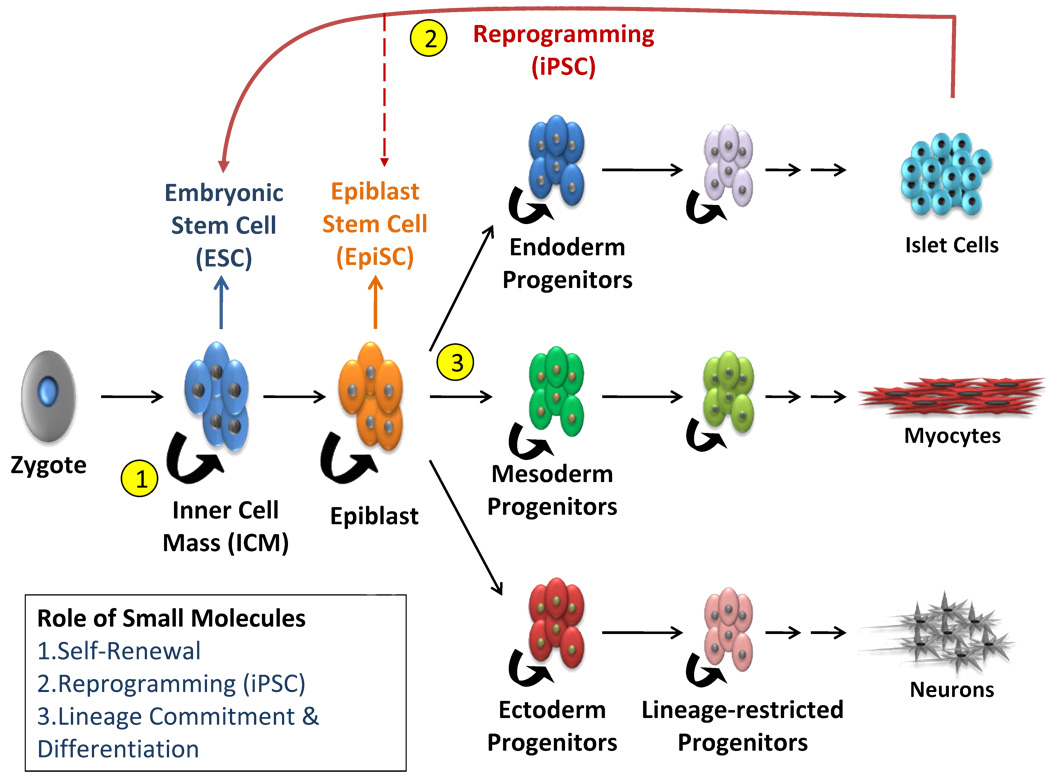
In early January 2025, MIT Tech Review unveiled its annual list of top 10 breakthrough technologies poised to redefine the future. Among these, stem cell therapy stood out for its potential to treat diverse diseases—including neurodegenerative disorders, diabetes, cancer, and heart failure. This groundbreaking approach uses stem cells to replace damaged cells, offering hope for millions worldwide.
Scientific Reviews
In early January 2025, MIT Tech Review unveiled its annual list of top 10 breakthrough technologies poised to redefine the future. Among these, stem cell therapy stood out for its potential to treat diverse diseases—including neurodegenerative disorders, diabetes, cancer, and heart failure. This groundbreaking approach uses stem cells to replace damaged cells, offering hope for millions worldwide. -
 Scientific Reviews
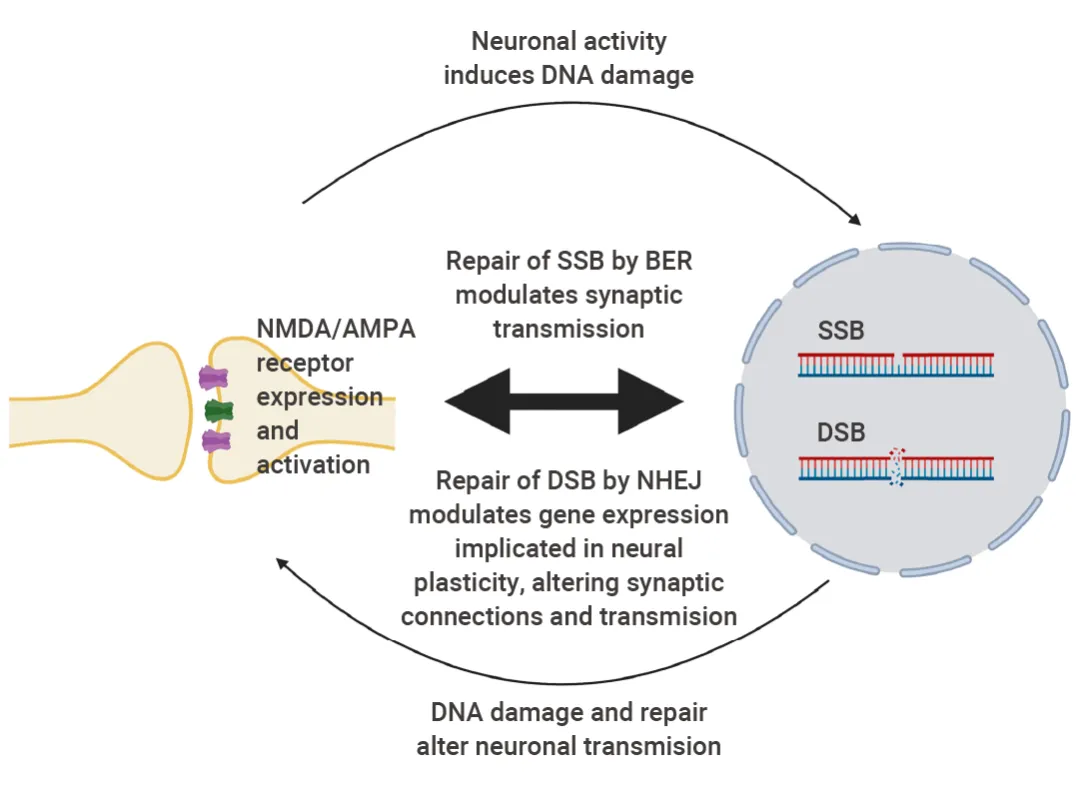
When you hear "inflammation" and "DNA damage," you might immediately think of disease or injury. However, in brains, these two processes are key steps in forming long-term memories, particularly related to specialized cells in our brain called hippocampal neurons.
Scientific Reviews
When you hear "inflammation" and "DNA damage," you might immediately think of disease or injury. However, in brains, these two processes are key steps in forming long-term memories, particularly related to specialized cells in our brain called hippocampal neurons. -
 Scientific Reviews
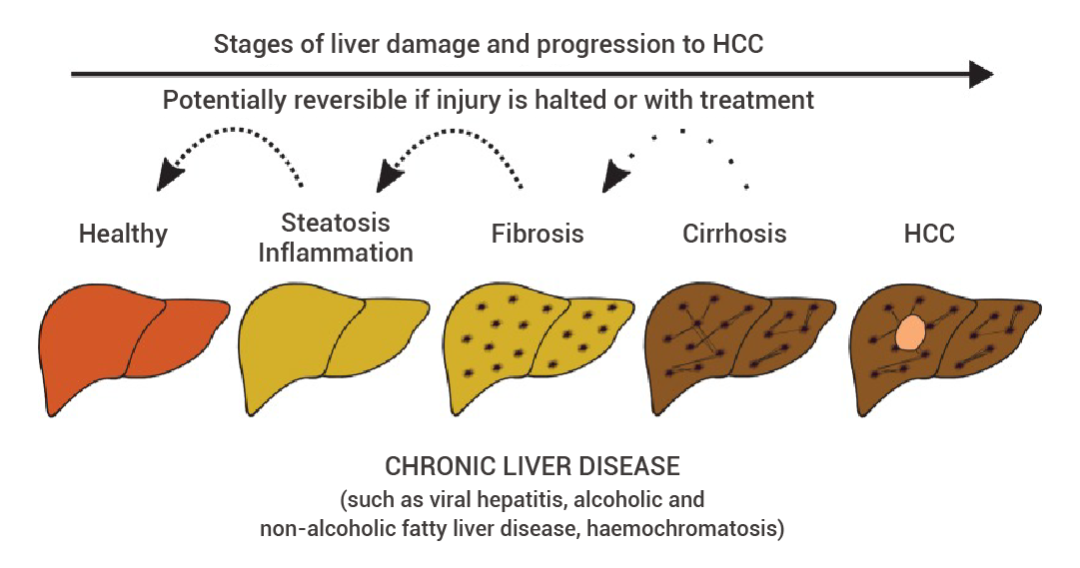
This article will tell you about the common methods of modeling liver disease in animal models.
Scientific Reviews
This article will tell you about the common methods of modeling liver disease in animal models. -
 Scientific Reviews
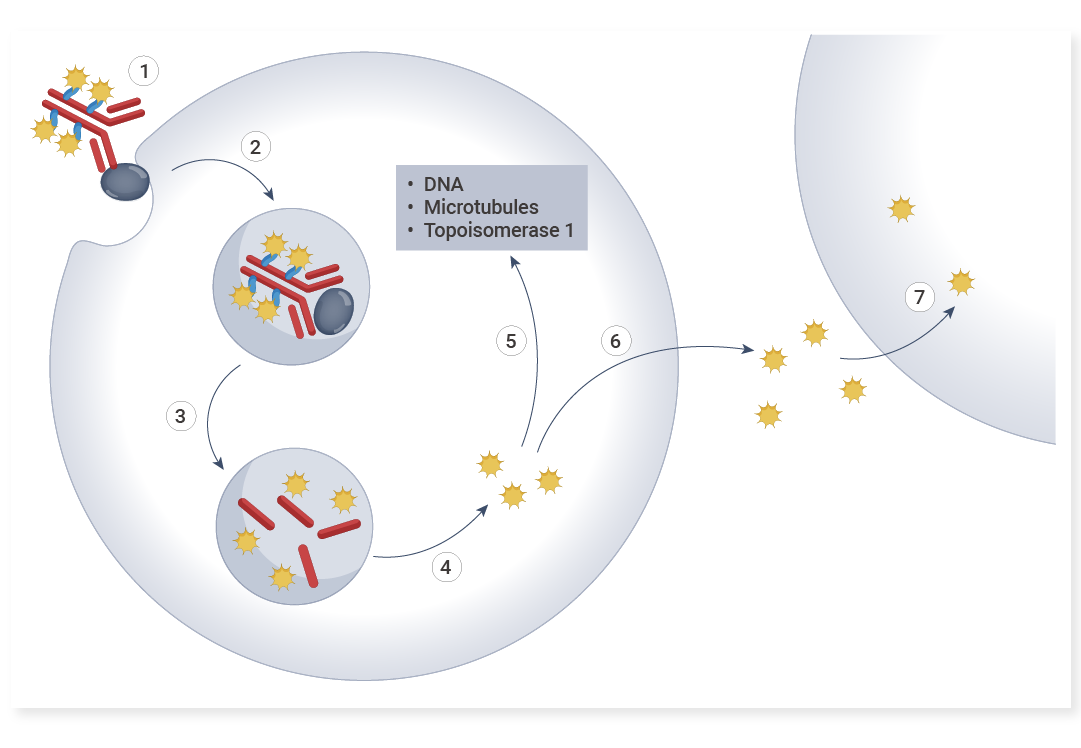
This article will walk you through the remarkable impacts of anti-payload antibodies, delving into how these molecules are revolutionizing drug development and biological research!
Scientific Reviews
This article will walk you through the remarkable impacts of anti-payload antibodies, delving into how these molecules are revolutionizing drug development and biological research! -
 Scientific Reviews
This article introduces some common cardiovascular disease models, inducers, modeling protocols and successful modeling cases in the research.
Scientific Reviews
This article introduces some common cardiovascular disease models, inducers, modeling protocols and successful modeling cases in the research. -
 Scientific Reviews
Cell Migration vs. Invasion: Differences Revealed by Scratch Assays and Transwell Experiments
Scientific Reviews
Cell Migration vs. Invasion: Differences Revealed by Scratch Assays and Transwell Experiments2025-05-30
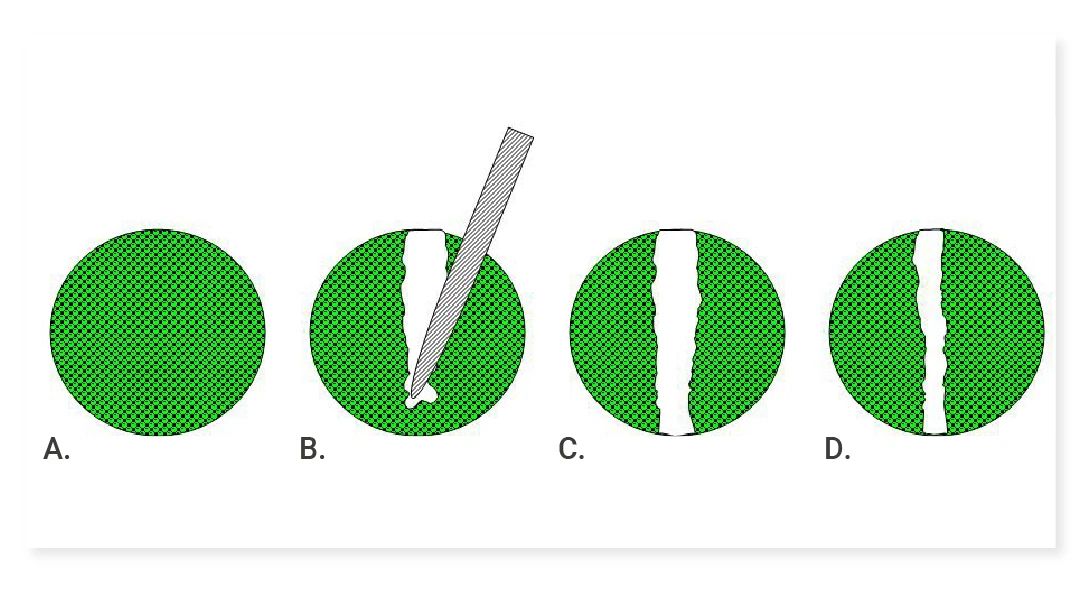
In scientific research, cell migration and invasion are crucial for understanding many important biological processes. This article delves into commonly used detection methods: the scratch assay and Transwell migration/invasion assay. -
 Scientific Reviews
In this issue, we will conduct an in-depth interpretation from the dimensions of nanoparticle design, mechanism of action, in vivo and in vitro efficacy, and immune regulation, revealing how this research brings new hope for the treatment of invasive tumors through interdisciplinary innovation!
Scientific Reviews
In this issue, we will conduct an in-depth interpretation from the dimensions of nanoparticle design, mechanism of action, in vivo and in vitro efficacy, and immune regulation, revealing how this research brings new hope for the treatment of invasive tumors through interdisciplinary innovation! -
 Scientific Reviews
IHC, ICC, IF Techniques: A Practical Guide
Scientific Reviews
IHC, ICC, IF Techniques: A Practical Guide2025-07-25
Confused About IHC/ICC/IF? Why Does Immunostaining Seem So Complicated? Read This Now! Master Immunostaining with Confidence! -
 Scientific Reviews
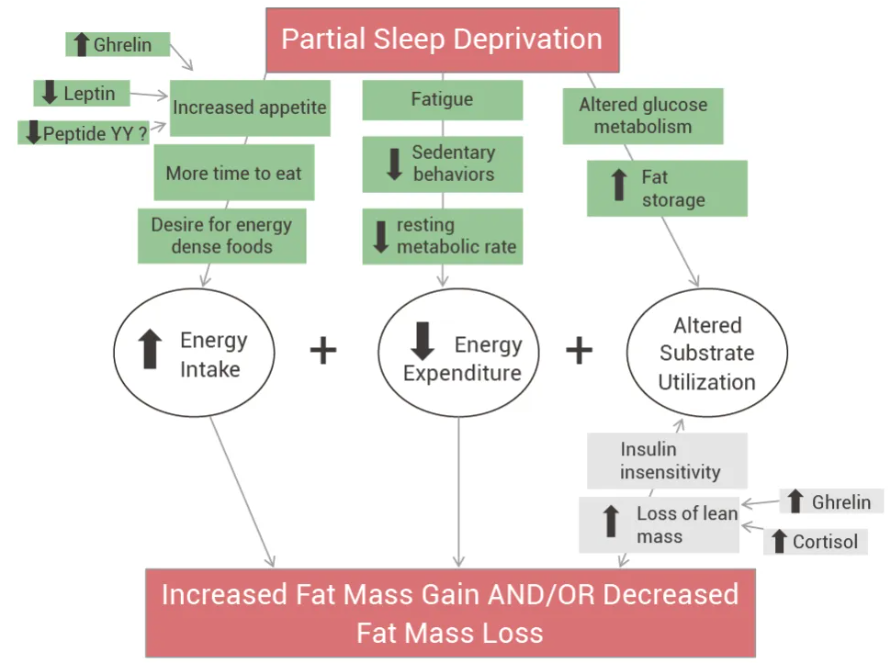
Have you ever noticed that after staying up late, your appetite—especially for high-calorie foods—gets out of control? If this sounds familiar, today’s article might offer some good news.
Scientific Reviews
Have you ever noticed that after staying up late, your appetite—especially for high-calorie foods—gets out of control? If this sounds familiar, today’s article might offer some good news. -
 Scientific Reviews
A groundbreaking study in Nature Communications reveals the key mechanism behind Idiopathic Pulmonary Fibrosis and identifies an existing drug with the potential to counter it.
Scientific Reviews
A groundbreaking study in Nature Communications reveals the key mechanism behind Idiopathic Pulmonary Fibrosis and identifies an existing drug with the potential to counter it. -
 Scientific Reviews
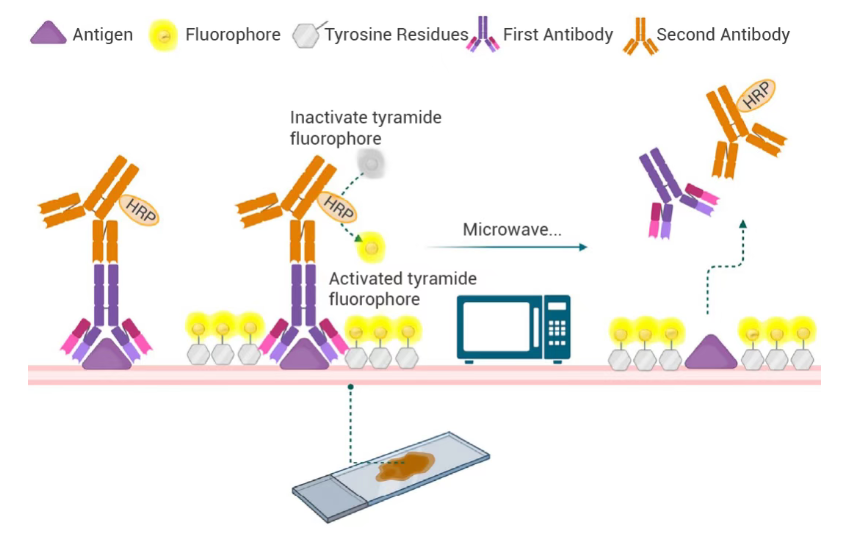
This detailed guide outlines the standardized experimental protocols for multiplex immunohistochemistry (mIHC), systematically summarizes common technical issues encountered during sample preparation, staining and imaging processes, and provides practical troubleshooting solutions to ensure reliable and reproducible results in biomedical research and clinical sample analysis.
Scientific Reviews
This detailed guide outlines the standardized experimental protocols for multiplex immunohistochemistry (mIHC), systematically summarizes common technical issues encountered during sample preparation, staining and imaging processes, and provides practical troubleshooting solutions to ensure reliable and reproducible results in biomedical research and clinical sample analysis. -
 Scientific Reviews
Finding adipogenic induction media too expensive and tricky to prepare? This comprehensive guide to 3T3-L1 adipogenic differentiation simplifies the process, helping you achieve great results!
Scientific Reviews
Finding adipogenic induction media too expensive and tricky to prepare? This comprehensive guide to 3T3-L1 adipogenic differentiation simplifies the process, helping you achieve great results! -
Scientific Reviews
Microglia– the only immune cells within the brain parenchyma. With advancements in imaging technologies, people’s understanding of microglia has shifted from being viewed as 'resting' cells to 'highly active' cells, particularly due to their dynamic processes that seem to be probing surrounding tissues and monitoring neuronal activity. This has made microglia a focal point of research in the field of neuroscience. -
 Scientific Reviews
Exosomes—natural nanoscale carriers—are revolutionizing targeted therapy. This article uncovers the science behind their precision in drug delivery.
Scientific Reviews
Exosomes—natural nanoscale carriers—are revolutionizing targeted therapy. This article uncovers the science behind their precision in drug delivery. -
 Scientific Reviews
Efficient Generation of Mouse Small Intestinal Organoids: A Complete Experimental Protocol Guide
Scientific Reviews
Efficient Generation of Mouse Small Intestinal Organoids: A Complete Experimental Protocol Guide2025-12-10
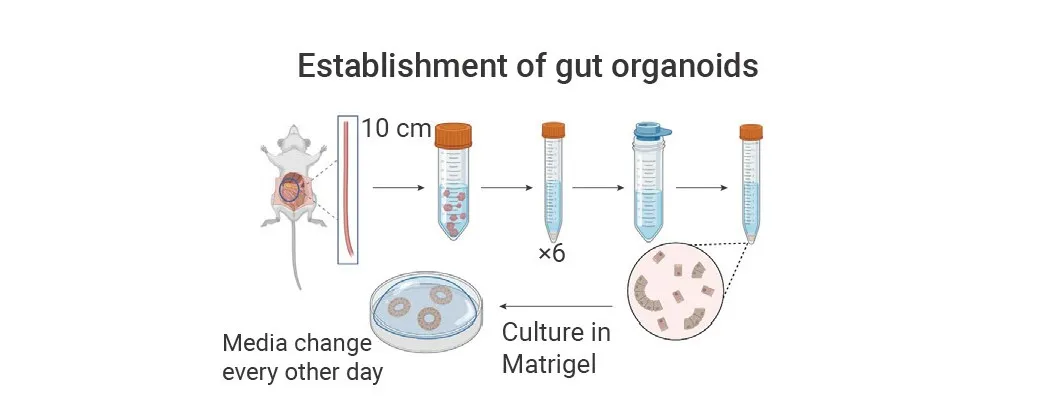
How to successfully create mouse small intestine organoids? A detailed, hands-on guide to the entire process, all in one article! -
 Scientific Reviews
This paper elaborates on cytokines for culturing major immune cells, their regulatory roles, recombinant cytokines' merits and MCE’s related high-quality products.
Scientific Reviews
This paper elaborates on cytokines for culturing major immune cells, their regulatory roles, recombinant cytokines' merits and MCE’s related high-quality products. -
 Scientific Reviews
In the hunt for the next ‘GLP-1,’ amylin therapeutics, which have shown strong weight-loss results in clinical trials, have become a major focus for both multinational pharma and the scientific community.
Scientific Reviews
In the hunt for the next ‘GLP-1,’ amylin therapeutics, which have shown strong weight-loss results in clinical trials, have become a major focus for both multinational pharma and the scientific community. -
 Scientific Reviews
This article walks you through the experimental design and workflow of flow cytometry, delivering a clear, dynamic, and professional overview to elevate your research.
Scientific Reviews
This article walks you through the experimental design and workflow of flow cytometry, delivering a clear, dynamic, and professional overview to elevate your research. -
 Scientific Reviews
GLP-1 and Obesity Research
Scientific Reviews
GLP-1 and Obesity Research2026-08-14
Obesity substantially increases the risk of chronic diseases such as T2D and cardiovascular disease. The breakout success of GLP-1 therapies has spotlighted GLP-1R and a wave of emerging obesity targets. -
 EDM
Research Solution for Breast Cancer TME
EDM
Research Solution for Breast Cancer TME2025-05-21
This review examines the complex interactions within the breast cancer tumor microenvironment, emphasizing how understanding these dynamics is essential for developing effective therapies and overcoming immune resistance. -
 EDM
Research Progress of Type-2-Diabetes
EDM
Research Progress of Type-2-Diabetes2025-07-09
This review comprehensively analyzes the pathophysiological mechanisms underlying T2D, surveys current therapeutic strategies, and introduces commonly used disease modeling approaches to support translational research. -
 EDM
This review discusses the fundamentals of lipid biology and lipid metabolism, examines dysregulated lipid metabolism in cancer, and summarizes therapeutic strategies targeting lipid metabolic pathways.
EDM
This review discusses the fundamentals of lipid biology and lipid metabolism, examines dysregulated lipid metabolism in cancer, and summarizes therapeutic strategies targeting lipid metabolic pathways. -
 EDM
This review provides an overview of GLP-1 biology and physiological functions, summarizes the development and clinical applications of GLP-1 receptor agonists, and discusses next-generation GLP-1–based therapeutic strategies.
EDM
This review provides an overview of GLP-1 biology and physiological functions, summarizes the development and clinical applications of GLP-1 receptor agonists, and discusses next-generation GLP-1–based therapeutic strategies. -
 EDM
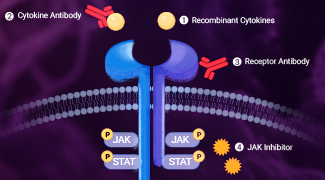
This review critically examines the role of the JAK-STAT pathway in immunity and autoimmune diseases, reviews current clinical applications of targeted therapies, and highlights emerging trends in autoimmune drug development.
EDM
This review critically examines the role of the JAK-STAT pathway in immunity and autoimmune diseases, reviews current clinical applications of targeted therapies, and highlights emerging trends in autoimmune drug development. -
 EDM
This review summarizes the mechanisms of DSS-induced colitis, commonly used modeling approaches, and key considerations related to DSS molecular weight.
EDM
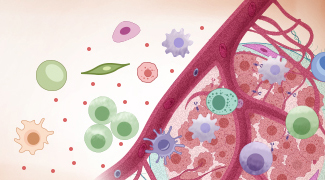
This review summarizes the mechanisms of DSS-induced colitis, commonly used modeling approaches, and key considerations related to DSS molecular weight. -
 EDM
Combating Immune Evasion in Cancer
EDM
Combating Immune Evasion in Cancer2025-10-15
This review summarizes the mechanisms by which tumors evade immune surveillance and discusses therapeutic strategies to restore antitumor immunity. -
 EDM
This review summarizes the mechanisms of drug resistance in triple-negative breast cancer and highlights emerging therapeutic strategies.
EDM
This review summarizes the mechanisms of drug resistance in triple-negative breast cancer and highlights emerging therapeutic strategies. -
 EDM
Bispecific Antibodies in Cancer Therapy
EDM
Bispecific Antibodies in Cancer Therapy2025-10-29
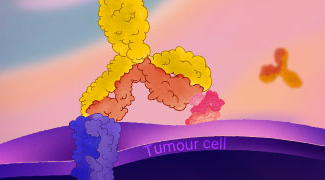
This review highlights the mechanisms, technology platforms, and clinical progress of bispecific antibodies, and discusses emerging strategies to guide future development. -
 EDM
This review provides insights into the pancreatic ductal adenocarcinoma tumor microenvironment, highlighting its cellular composition, stromal heterogeneity, and immune-targeting strategies.
EDM
This review provides insights into the pancreatic ductal adenocarcinoma tumor microenvironment, highlighting its cellular composition, stromal heterogeneity, and immune-targeting strategies. -
 EDM
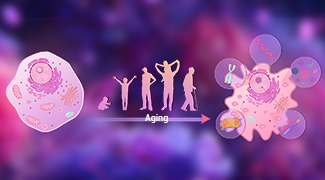
This review summarizes the hallmarks of aging and aging-related diseases, discusses mechanistic insights into aging processes, and highlights emerging anti-aging interventions.
EDM
This review summarizes the hallmarks of aging and aging-related diseases, discusses mechanistic insights into aging processes, and highlights emerging anti-aging interventions. -
 EDM
Explore next-generation obesity therapies from three perspectives: GLP-1-based multi-receptor agonists, oral GLP-1 strategies, and novel obesity targets.
EDM
Explore next-generation obesity therapies from three perspectives: GLP-1-based multi-receptor agonists, oral GLP-1 strategies, and novel obesity targets. -
 EDM
Highlight single-cell metabolomics and stable isotope tracing (SIT) in uncovering metabolic heterogeneity and nutrient flux dynamics in tumors.
EDM
Highlight single-cell metabolomics and stable isotope tracing (SIT) in uncovering metabolic heterogeneity and nutrient flux dynamics in tumors. -
 EDM
Tumor Organoid-Immune Cell Co-Culture Models: Advances, Applications, and Future Directions
EDM
Tumor Organoid-Immune Cell Co-Culture Models: Advances, Applications, and Future Directions2026-05-07
Summarize technical strategies, application advances, and future directions of tumor organoid–immune co-culture systems. -
 EDM
Review mechanisms, major challenges, and efficacy-enhancing strategies of TCR-T therapy in solid tumors, with implications for future research and clinical translation.
EDM
Review mechanisms, major challenges, and efficacy-enhancing strategies of TCR-T therapy in solid tumors, with implications for future research and clinical translation. -
 EDM
The Dual Role of Cellular Senescence in Cancer: Mechanisms, Microenvironment, and Therapeutics
EDM
The Dual Role of Cellular Senescence in Cancer: Mechanisms, Microenvironment, and Therapeutics2026-05-21
Explore the dual role of cellular senescence in cancer, including tumor suppression, SASP-driven tumor promotion, senescence heterogeneity and plasticity, and advances in senescence-targeted therapies. -
 EDM
Review the mechanisms, mitochondrial regulation, disease relevance, and translational opportunities of the NLRP3–STING axis in neuroinflammation.
EDM
Review the mechanisms, mitochondrial regulation, disease relevance, and translational opportunities of the NLRP3–STING axis in neuroinflammation. -
 EDM
Breaking Immune Resistance in Colorectal Cancer: From Molecular Mechanisms to Precision Therapy
EDM
Breaking Immune Resistance in Colorectal Cancer: From Molecular Mechanisms to Precision Therapy2026-06-25
Explore CRC molecular subtypes, immune landscapes, resistance mechanisms, and emerging precision strategies for improving outcomes across distinct subtypes. -
 EDM
Explore the evolution from GLP-1 mono-agonists to multi-receptor therapeutics and the expanding role of incretin-based therapies in precision metabolic medicine.
EDM
Explore the evolution from GLP-1 mono-agonists to multi-receptor therapeutics and the expanding role of incretin-based therapies in precision metabolic medicine. -
 EDM
Explore the mechanisms driving immune tolerance breakdown in autoimmune diseases and emerging tolerance-restoring strategies, with a focus on IL-2-based immune modulation.
EDM
Explore the mechanisms driving immune tolerance breakdown in autoimmune diseases and emerging tolerance-restoring strategies, with a focus on IL-2-based immune modulation. -
 EDM
Evolution of PCSK9 Inhibitors Modalities: From Monoclonal Antibodies to Oral Macrocyclic Peptides
EDM
Evolution of PCSK9 Inhibitors Modalities: From Monoclonal Antibodies to Oral Macrocyclic Peptides2026-08-27
Review the biological basis of PCSK9, key therapeutic modalities, cardiovascular evidence, and future directions, including insights from the CORALreef clinical program. -
 EDM
Explore how mitochondrial quality control, inflammatory signaling, and metabolic–epigenetic reprogramming regulate cellular senescence and the SASP, along with strategies to restore mitochondrial homeostasis.
EDM
Explore how mitochondrial quality control, inflammatory signaling, and metabolic–epigenetic reprogramming regulate cellular senescence and the SASP, along with strategies to restore mitochondrial homeostasis. -
 Product Guides
Exosomes are nano-sized biovesicles released into surrounding body fluids after the fusion of multivesicular bodies with the plasma membrane. In this article, we will briefly introduce isolation, labeling and identification of exosomes. And the specific application of exosomes will also be mentioned.
Product Guides
Exosomes are nano-sized biovesicles released into surrounding body fluids after the fusion of multivesicular bodies with the plasma membrane. In this article, we will briefly introduce isolation, labeling and identification of exosomes. And the specific application of exosomes will also be mentioned. -
 Blog
EC0489, a SMDC for Cancer Therapy
Blog
EC0489, a SMDC for Cancer Therapy2019-03-25
EC0489, a conjugate of folic acid and desacetyl vinblastine hydrazide, is a SMDC under development for the treatment of solid tumours. -
 Blog
R916562, a dual Axl/VEGF-R2 inhibitor, could be a potential anti-angiogenic and anti-metastatic drug for cancer chemotherapy.
Blog
R916562, a dual Axl/VEGF-R2 inhibitor, could be a potential anti-angiogenic and anti-metastatic drug for cancer chemotherapy. -
 Blog
Role of PRMT7 Probe SGC3027 in Cancer
Blog
Role of PRMT7 Probe SGC3027 in Cancer2019-03-27
SGC3027 is the first potent, selective and cell active chemical probe for PRMT7. SGC3027 is also a pro-drug, which converts to the active compound SGC8158 -
 Blog
Alofanib, An Allosteric Inhibitor of FGFR2
Blog
Alofanib, An Allosteric Inhibitor of FGFR22019-03-28
Alofanib is an allosteric inhibitor of FGFR2 and inhibits FGF-mediated proliferation with GI50s of 16-370 nM, showing pronounced antitumor activity. -
 Blog
A Novel and Efficacious RAF Inhibitor RAF709
Blog
A Novel and Efficacious RAF Inhibitor RAF7092019-03-30
RAF709, a novel and efficacious RAF inhibitor, activates the MAPK pathway and shows antitumor activity in tumor cells harboring BRAF or RAS mutations. -
 Blog
AZD3229 is a Potent Pan-KIT Mutant Inhibitor
Blog
AZD3229 is a Potent Pan-KIT Mutant Inhibitor2019-04-04
AZD3229 is a potent, pan-KIT mutant inhibitor with potent single digit nM growth inhibition against a diverse panel of mutant KIT driven Ba/F3 cell lines. -
 Blog
BR351 is a Brain Penetrant MMP Inhibitor
Blog
BR351 is a Brain Penetrant MMP Inhibitor2019-04-05
BR351 is a brain penetrant MMP inhibitor, and a potential tool for the molecular imaging of activated MMPs with PET, with an IC50 in the nanomolar range. -
 Blog
SGC-GAK-1 is a potent, selective, and cell-active GAK inhibitor and shows potent anti-proliferative activity in LNCaP and 22Rv1 cells.
Blog
SGC-GAK-1 is a potent, selective, and cell-active GAK inhibitor and shows potent anti-proliferative activity in LNCaP and 22Rv1 cells. -
 Blog
COH000 is an allosteric, covalent and irreversible inhibitor of SUMO-activating enzyme, with an IC50 of 0.2 μM for SUMOylation in vitro.
Blog
COH000 is an allosteric, covalent and irreversible inhibitor of SUMO-activating enzyme, with an IC50 of 0.2 μM for SUMOylation in vitro. -
 Blog
HS-1371 is a Small Molecule RIP3 Inhibitor
Blog
HS-1371 is a Small Molecule RIP3 Inhibitor2019-04-09
HS-1371 is a novel kinase inhibitor of RIP3-mediated necroptosis, showing an inhibitory effect on S227 auto-phosphorylation of RIP3 at the basal level. -
 Blog
Nevanimibe is a selective and potent ACAT1 inhibitor. An excellent drug candidate in the treatment of adrenocortical cancer.
Blog
Nevanimibe is a selective and potent ACAT1 inhibitor. An excellent drug candidate in the treatment of adrenocortical cancer. -
 Blog
MK-0429 is An Oral Integrin (αvβ3) Inhibitor
Blog
MK-0429 is An Oral Integrin (αvβ3) Inhibitor2019-04-11
MK-0429, an orally active αvβ3 inhibitor, is a potential therapeutic agent for the prevention of kidney fibrosis, melanoma and osteoporosis. -
 Blog
AZ304, a Dual BRAF Inhibitor Against Cancer
Blog
AZ304, a Dual BRAF Inhibitor Against Cancer2019-04-12
AZ304 is a potent BRAF inhibitor, blocks both wild type BRAF and V600E mutant BRAF activity, with IC50s in the nanomolar range. -
 Blog
Erteberel is a Selective ERβ Agonist
Blog
Erteberel is a Selective ERβ Agonist2019-04-16
Erteberel (LY500307) is a synthetic, nonsteroidal estrogen which acts as a selective ERβ agonist and under development for the treatment of schizophrenia. -
 Blog
MBQ-167 is a dual Rac/Cdc42 inhibitor in in metastatic cancer, with IC50s of 103 nM for Rac 1/2/3 and 78 nM for Cdc42 in MDA-MB-231 cells, respectively.
Blog
MBQ-167 is a dual Rac/Cdc42 inhibitor in in metastatic cancer, with IC50s of 103 nM for Rac 1/2/3 and 78 nM for Cdc42 in MDA-MB-231 cells, respectively. -
 Blog
PRN1008 is a Reversible Covalent and Oral Active Inhibitor of Bruton’s Tyrosine Kinase (BTK)
Blog
PRN1008 is a Reversible Covalent and Oral Active Inhibitor of Bruton’s Tyrosine Kinase (BTK)2019-04-18
PRN1008 is a selective, reversible covalent and oral active inhibitor of Bruton’s Tyrosine Kinase (BTK), with an IC50 of 1.3 nM. -
 Blog
Multiple Tyrosine Kinases Inhibitor TAS-115
Blog
Multiple Tyrosine Kinases Inhibitor TAS-1152019-04-19
TAS-115 is a potent VEGFR and c-Met/HGFR-targeted kinase inhibitor with IC50s of 30 and 32 nM for rVEGFR2 and rMET, respectively. -
 Blog
JNJ-64619178 is a selective and pseudo-irreversible PRMT5 inhibitor with an IC50 of 0.14 nM. Has potent Activity In Lung Cancer.
Blog
JNJ-64619178 is a selective and pseudo-irreversible PRMT5 inhibitor with an IC50 of 0.14 nM. Has potent Activity In Lung Cancer. -
 Blog
(E)-AG 99 is an EGFR inhibitor and shows a growth-inhibition on not only serum-starved cells but also normally grown cells. Treatment for Bladder cancer.
Blog
(E)-AG 99 is an EGFR inhibitor and shows a growth-inhibition on not only serum-starved cells but also normally grown cells. Treatment for Bladder cancer. -
 Blog
TAK-828F is a potent, selective and orally active retinoic acid receptor-related orphan receptor γt (RORγt) inverse agonist. TAK-828F inhibits IL-17A cytokine expression and reduces symptoms of autoimmune encephalomyelitis mice.
Blog
TAK-828F is a potent, selective and orally active retinoic acid receptor-related orphan receptor γt (RORγt) inverse agonist. TAK-828F inhibits IL-17A cytokine expression and reduces symptoms of autoimmune encephalomyelitis mice. -
 Blog
Borussertib is a covalent-allosteric and first-in-class inhibitor of protein kinase Akt, with an IC50 of 0.8 nM and a Ki of 2.2 nM for Akt-wt.
Blog
Borussertib is a covalent-allosteric and first-in-class inhibitor of protein kinase Akt, with an IC50 of 0.8 nM and a Ki of 2.2 nM for Akt-wt. -
 Blog
NRX-252262 is a β-catenin:β-TrCP interaction enhancer, and its cognate E3 ligase, SCFβ-TrCP, induces mutant β-catenin degradation, with an EC50 of 3.8 nM
Blog
NRX-252262 is a β-catenin:β-TrCP interaction enhancer, and its cognate E3 ligase, SCFβ-TrCP, induces mutant β-catenin degradation, with an EC50 of 3.8 nM -
 Blog
TAK-981 is a selective inhibitor of the SUMOylation enzymatic cascade, with potential immune-activating and antineoplastic activities
Blog
TAK-981 is a selective inhibitor of the SUMOylation enzymatic cascade, with potential immune-activating and antineoplastic activities -
 Blog
SLLN-15 is an oral activ enhancer of autophagy that activates cytostatic macroautophagy/autophagy in triple-negative breast cancer (TNBC).
Blog
SLLN-15 is an oral activ enhancer of autophagy that activates cytostatic macroautophagy/autophagy in triple-negative breast cancer (TNBC). -
 Blog
BAY-8002 is a selective and orally active inhibitor of monocarboxylate transporter 1 (MCT1), with an IC50 of 85 nM. Has potential to treat lymphoma.
Blog
BAY-8002 is a selective and orally active inhibitor of monocarboxylate transporter 1 (MCT1), with an IC50 of 85 nM. Has potential to treat lymphoma. -
 Blog
MRTX-1257 is a selective, irreversible, covalent and oral active KRAS G12C inhibitor, with an IC50 of 900 pM for KRAS dependent ERK phosphorylation.
Blog
MRTX-1257 is a selective, irreversible, covalent and oral active KRAS G12C inhibitor, with an IC50 of 900 pM for KRAS dependent ERK phosphorylation. -
 Blog
USL311 is a selective CXCR4 antagonist, which prevents the binding of stromal-cell derived factor-1 (SDF-1 or CXCL12) to CXCR4. Anti-tumor activity.
Blog
USL311 is a selective CXCR4 antagonist, which prevents the binding of stromal-cell derived factor-1 (SDF-1 or CXCL12) to CXCR4. Anti-tumor activity. -
 Blog
TX1-85-1, a ATP-competitive ligand of Her3, covalent modification of Her3 to inhibit Her3 signaling
Blog
TX1-85-1, a ATP-competitive ligand of Her3, covalent modification of Her3 to inhibit Her3 signaling2019-06-01
TX1-85-1 is a Her3 (ErbB3) inhibitor with an IC50 of 23 nM. TX1-85-1 induces partial degradation of Her3 protein and attenuates Her3-dependent signaling. -
 Blog
IWP-O1, a Highly Potent Porcupine Inhibitor, Functions by Preventing the Secretion of Wnt Proteins
Blog
IWP-O1, a Highly Potent Porcupine Inhibitor, Functions by Preventing the Secretion of Wnt Proteins2019-06-03
IWP-O1 is a Porcupine (Porcn) inhibitor, with an EC50 of 80 pM in L-Wnt-STF cells. IWP-O1 functions by preventing the secretion of Wnt proteins[ -
 Blog
GSK3145095 is a RIP1 kinase inhibitor with an IC50 of 6.3 nM. Potently blocks the TNF response and RIP1-dependent inflammatory cytokine MIP-1β production.
Blog
GSK3145095 is a RIP1 kinase inhibitor with an IC50 of 6.3 nM. Potently blocks the TNF response and RIP1-dependent inflammatory cytokine MIP-1β production. -
 Blog
Olutasidenib is a highly potent, selective inhibitor of mutant IDH1 that could be used in the treatment of AML or myelodysplastic syndrome (MDS).
Blog
Olutasidenib is a highly potent, selective inhibitor of mutant IDH1 that could be used in the treatment of AML or myelodysplastic syndrome (MDS). -
 Blog
JMS-17-2 is a CX3CR1 Antagonist
Blog
JMS-17-2 is a CX3CR1 Antagonist2019-06-12
JMS-17-2 is a potent and selective CX3CR1 antagonist with an IC50 of 0.32 nM. Has potential to treat cancers such as breast cancer. -
 Blog
BAY-11-7082 inhibits the proliferation and induces the apoptosis of U266 cells through inhibiting NF-κB pathway. BAY 11-7082 ameliorates experimental diabetic neuropathy by modulating neuroinflammation and improving antioxidant defence.
Blog
BAY-11-7082 inhibits the proliferation and induces the apoptosis of U266 cells through inhibiting NF-κB pathway. BAY 11-7082 ameliorates experimental diabetic neuropathy by modulating neuroinflammation and improving antioxidant defence. -
 Blog
S18-000003 is a potent, selective and orally active inhibitor of retinoic acid receptor-related orphan receptor-gamma-t (RORγt). S18-000003 ameliorates psoriasis-like lesions in vivo. S18-000003 can be used for the research of skin inflammatory diseases.
Blog
S18-000003 is a potent, selective and orally active inhibitor of retinoic acid receptor-related orphan receptor-gamma-t (RORγt). S18-000003 ameliorates psoriasis-like lesions in vivo. S18-000003 can be used for the research of skin inflammatory diseases. -
 Blog
PTC299 is a dual and orally active DHODH and VEGF inhibitor, has broad and potent activity against hematological cancer cells.
Blog
PTC299 is a dual and orally active DHODH and VEGF inhibitor, has broad and potent activity against hematological cancer cells. -
 Blog
AMG 487 is an orally active and selective antagonist of CXC chemokine receptor 3 (CXCR3). AMG 487 has potential to treat metastatic cancer.
Blog
AMG 487 is an orally active and selective antagonist of CXC chemokine receptor 3 (CXCR3). AMG 487 has potential to treat metastatic cancer. -
 Blog
TPCA-1, a Direct Dual Inhibitor of STAT3 and NF-κB, Regresses Mutant EGFR-Associated NSCLC
Blog
TPCA-1, a Direct Dual Inhibitor of STAT3 and NF-κB, Regresses Mutant EGFR-Associated NSCLC2019-07-15
TPCA-1 is a potent and selective inhibitor of IKK-2 with IC50 of 17.9 nM. TPCA-1 is an effective inhibitor of STAT3 phosphorylation, DNA binding. -
 Blog
FGTI-2734 is a dual farnesyl and geranylgeranyl transferase-1 inhibitor. FGTI-2734 prevents membrane localization of KRAS and mutant KRAS pancreatic tumors.
Blog
FGTI-2734 is a dual farnesyl and geranylgeranyl transferase-1 inhibitor. FGTI-2734 prevents membrane localization of KRAS and mutant KRAS pancreatic tumors. -
 Blog
LSN 3213128 is a selective, nonclassical, orally bioavailable antifolate with anti-cancer activity. LSN 3213128 potently and specifically inhibits AICARFT.
Blog
LSN 3213128 is a selective, nonclassical, orally bioavailable antifolate with anti-cancer activity. LSN 3213128 potently and specifically inhibits AICARFT. -
 Blog
BI-882370 is a potent RAF kinase inhibitor with IC50s of 0.4, 0.8, and 0.6 nM for oncogenic BRAFV600E-mutant, the WT BRAF and CRAF kinases , respectively.
Blog
BI-882370 is a potent RAF kinase inhibitor with IC50s of 0.4, 0.8, and 0.6 nM for oncogenic BRAFV600E-mutant, the WT BRAF and CRAF kinases , respectively. -
 Blog
MSX-122 is an orally active partial antagonist of CXCR4, inhibiting CXCR4/CXCL12 actions. MSX-122 has both anti-tumor and anti-metastasis activities.
Blog
MSX-122 is an orally active partial antagonist of CXCR4, inhibiting CXCR4/CXCL12 actions. MSX-122 has both anti-tumor and anti-metastasis activities. -
 Blog
ZT-12-037-01 is a ATP-competitive and specific STK19 inhibitor and inhibits oncogenic NRAS-driven melanocyte malignant transformation.
Blog
ZT-12-037-01 is a ATP-competitive and specific STK19 inhibitor and inhibits oncogenic NRAS-driven melanocyte malignant transformation. -
 Blog
NXT629 is a potent, selective, and competitive PPAR-α antagonist and shows high selectivity over other nuclear hormone receptor.
Blog
NXT629 is a potent, selective, and competitive PPAR-α antagonist and shows high selectivity over other nuclear hormone receptor. -
 Blog
PT2977 is an orally active and selective HIF-2α inhibitor with an IC50 of 9 nM. PT2977 is a potential treatment for ccRCC and VHL disease.
Blog
PT2977 is an orally active and selective HIF-2α inhibitor with an IC50 of 9 nM. PT2977 is a potential treatment for ccRCC and VHL disease. -
 Blog
BI-2852 is a potent KRAS inhibitor with nanomolar affinity and reduces pERK and pAKT levels in a dose-dependent manner in a KRAS mutant cell line NCI-H358.
Blog
BI-2852 is a potent KRAS inhibitor with nanomolar affinity and reduces pERK and pAKT levels in a dose-dependent manner in a KRAS mutant cell line NCI-H358. -
 Blog
BI-4924 is a Selective PHGDH Inhibitor
Blog
BI-4924 is a Selective PHGDH Inhibitor2019-08-23
BI-4924 is a lipophilic and highly plasma protein bound selective phosphoglycerate dehydrogenase (PHGDH) inhibitor (IC50=3 nM) with excellent microsomal. -
 Blog
BAY-293 is a potent inhibitor of Son of Sevenless 1 (SOS1) and blocks RAS activation via disruption of the KRAS-SOS1 interaction with an IC50 of 21 nM.
Blog
BAY-293 is a potent inhibitor of Son of Sevenless 1 (SOS1) and blocks RAS activation via disruption of the KRAS-SOS1 interaction with an IC50 of 21 nM. -
 Blog
FT113 is a potent and orally active fatty acid synthase inhibitor, with an IC50 of 213 nM for full-length recombinant human FAS, with anti-tumor activity.
Blog
FT113 is a potent and orally active fatty acid synthase inhibitor, with an IC50 of 213 nM for full-length recombinant human FAS, with anti-tumor activity. -
 Blog
WZ811 is an Orally Active CXCR4 Antagonist
Blog
WZ811 is an Orally Active CXCR4 Antagonist2019-09-07
WZ811 is an orally active, highly potent competitive antagonist of CXCR4, which inhibits chronic lymphocytic leukemia progression and tumorigenesis. -
 Blog
RU-302 is a pan-TAM inhibitor that blocks the TAM Ig1 ectodomain and the Gas6 Lg domain interaction. RU-302 blocks Gas6-inducible Axl receptor activation.
Blog
RU-302 is a pan-TAM inhibitor that blocks the TAM Ig1 ectodomain and the Gas6 Lg domain interaction. RU-302 blocks Gas6-inducible Axl receptor activation. -
 Blog
UPGL00004 is a allosteric glutaminase C inhibitor which strongly inhibits the proliferation of highly aggressive triple-negative breast cancer cell lines.
Blog
UPGL00004 is a allosteric glutaminase C inhibitor which strongly inhibits the proliferation of highly aggressive triple-negative breast cancer cell lines. -
 Blog
IDH889 is an orally available, brain penetrant, allosteric and mutant specific inhibitor of isocitrate dehydrogenase 1 (IDH1) R132 mutations.
Blog
IDH889 is an orally available, brain penetrant, allosteric and mutant specific inhibitor of isocitrate dehydrogenase 1 (IDH1) R132 mutations. -
 Blog
BI-167107 is a high affinity, full agonist that binds to the β2 adrenergic receptor (β2AR) with a dissociation constant Kd of 84 pM.
Blog
BI-167107 is a high affinity, full agonist that binds to the β2 adrenergic receptor (β2AR) with a dissociation constant Kd of 84 pM. -
 Blog
IPR-803 is a potent inhibitor of the uPAR•uPA protein-protein interaction, and binds directly to uPAR with sub-micromolar affinity.
Blog
IPR-803 is a potent inhibitor of the uPAR•uPA protein-protein interaction, and binds directly to uPAR with sub-micromolar affinity. -
 Blog
TVB-3166 is an orally-available, reversible, and selective FASN inhibitor and it induces apoptosis, and inhibits in-vivo xenograft tumor growth.
Blog
TVB-3166 is an orally-available, reversible, and selective FASN inhibitor and it induces apoptosis, and inhibits in-vivo xenograft tumor growth. -
 Blog
Vorolanib is an orally active, multikinase VEGF/PDGF receptor inhibitor with antitumor activity and is expected to disrupt tumor angiogenesis.
Blog
Vorolanib is an orally active, multikinase VEGF/PDGF receptor inhibitor with antitumor activity and is expected to disrupt tumor angiogenesis. -
 Blog
CCG-222740 is a potent and selective MRTF pathway inhibitor. It effectively reduces fibrosis in the skin and blocks melanoma metastasis.
Blog
CCG-222740 is a potent and selective MRTF pathway inhibitor. It effectively reduces fibrosis in the skin and blocks melanoma metastasis. -
 Blog
ASLAN003 is an orally active and potent inhibitor of hDHODH with antitumor activity, and it has the potential to be a first-in-class drug candidate in AML.
Blog
ASLAN003 is an orally active and potent inhibitor of hDHODH with antitumor activity, and it has the potential to be a first-in-class drug candidate in AML. -
 Blog
DS18561882 is a highly potent, sozyme-selective methylenetetrahydrofolate dehydrogenase 2 (MTHFD2) inhibitor with a good oral pharmacokinetic profile.
Blog
DS18561882 is a highly potent, sozyme-selective methylenetetrahydrofolate dehydrogenase 2 (MTHFD2) inhibitor with a good oral pharmacokinetic profile. -
 Blog
AC-73 is a first specific, orally active the cluster of differentiation 147 (CD147) inhibitor and specifically disrupts CD147 dimerization.
Blog
AC-73 is a first specific, orally active the cluster of differentiation 147 (CD147) inhibitor and specifically disrupts CD147 dimerization. -
 Blog
GNE-618 is a Orally Active NAMPT Inhibitor
Blog
GNE-618 is a Orally Active NAMPT Inhibitor2019-11-28
GNE-618 is an orally active NAMPT inhibitor and reduces tumor growth. GNE-618 depletes NAD levels and induces tumor cell death. -
 Blog
Telaglenastat is a first-in-class, reversible, orally bioavailable glutaminase 1 splice variants (KGA and GAC) inhibitor. It shows antitumor activity.
Blog
Telaglenastat is a first-in-class, reversible, orally bioavailable glutaminase 1 splice variants (KGA and GAC) inhibitor. It shows antitumor activity. -
 Blog
UK 356618 is a Selective MMP-3 Inhibitor
Blog
UK 356618 is a Selective MMP-3 Inhibitor2019-12-25
UK 356618 is a selective and potent inhibitor of MMP-3. UK 356618 exhibits potent anti-inflammatory and anti-cancer activity. -
 Blog
CH6953755 is a potent, orally active and selective YES1 kinase inhibitor leading to antitumor activity against YES1 Gene -amplified cancers.
Blog
CH6953755 is a potent, orally active and selective YES1 kinase inhibitor leading to antitumor activity against YES1 Gene -amplified cancers. -
 Blog
CA-4948 is a Selective and Orally Bioavailable IRAK4 Kinase Inhibitor for Lymphoma Treatment
Blog
CA-4948 is a Selective and Orally Bioavailable IRAK4 Kinase Inhibitor for Lymphoma Treatment2020-01-05
CA-4948 is a potent, selective and orally bioavailable IRAK4 kinase inhibitor. CA-4948 can be used for the treatment of lymphoma. -
 Blog
GPP78 is a potent Nampt inhibitor. GPP78 is cytotoxic to neuroblastoma cell line SH-SY5Y cells. GPP78 has anti-cancer and anti-tumor activity.
Blog
GPP78 is a potent Nampt inhibitor. GPP78 is cytotoxic to neuroblastoma cell line SH-SY5Y cells. GPP78 has anti-cancer and anti-tumor activity. -
 Blog
BAY-985 is an orally active and selective ATP-competitive dual inhibitor of TBK1 and IKKε with IC50s of 2/30 and 2 nM for TBK1 and IKKε, respectively.
Blog
BAY-985 is an orally active and selective ATP-competitive dual inhibitor of TBK1 and IKKε with IC50s of 2/30 and 2 nM for TBK1 and IKKε, respectively. -
 Blog
ADH-503 is an orally active and allosteric CD11b agonist and leads to the repolarization of tumor-associated macrophages.
Blog
ADH-503 is an orally active and allosteric CD11b agonist and leads to the repolarization of tumor-associated macrophages. -
 Blog
Balixafortide is a potent, selective peptidic CXCR4 antagonist with anti-cancer effects, and blocks β-arrestin recruitment and calcium flux.
Blog
Balixafortide is a potent, selective peptidic CXCR4 antagonist with anti-cancer effects, and blocks β-arrestin recruitment and calcium flux. -
 Blog
CM10 is a potent and selective aldehyde dehydrogenase 1A family inhibitor and regulates metabolism and has anti-cancer activity.
Blog
CM10 is a potent and selective aldehyde dehydrogenase 1A family inhibitor and regulates metabolism and has anti-cancer activity. -
 Blog
CCT365623, an Orally Active LOX Inhibitor, Supresses EGFR (pY1068) and AKT Phosphorylation
Blog
CCT365623, an Orally Active LOX Inhibitor, Supresses EGFR (pY1068) and AKT Phosphorylation2020-04-16
CCT365623 is an orally active LOX inhibitor, suppresses EGFR (pY1068) and AKT phosphorylation driven by EGF. CCT365623 has good pharmacokinetic properties. -
 Blog
DC-5163 is a potent GAPDH inhibitor, can inhibit glycolysis pathway partially. DC-5163 selectively inhibits cancer cell proliferation and induces apoptosis.
Blog
DC-5163 is a potent GAPDH inhibitor, can inhibit glycolysis pathway partially. DC-5163 selectively inhibits cancer cell proliferation and induces apoptosis. -
 Blog
OT-82 is a selective inhibitor of NAMPT. Selectively toxic to cells of hematopoietic origin. OT-82 is a promising antineoplastic agent.
Blog
OT-82 is a selective inhibitor of NAMPT. Selectively toxic to cells of hematopoietic origin. OT-82 is a promising antineoplastic agent. -
 Blog
TNP-351, an Antifolate, is a Dihydrofolate Reductase (DHFR) Inhibitor. Antifolates serve medical science well in neoplastic and non-neoplastic diseases.
Blog
TNP-351, an Antifolate, is a Dihydrofolate Reductase (DHFR) Inhibitor. Antifolates serve medical science well in neoplastic and non-neoplastic diseases. -
 Blog
GSK143 is an orally active and highly selective spleen tyrosine kinase (SYK) inhibitor. GSK143 reduces inflammation in the intestinal muscularis in mice.
Blog
GSK143 is an orally active and highly selective spleen tyrosine kinase (SYK) inhibitor. GSK143 reduces inflammation in the intestinal muscularis in mice. -
 Blog
EW-7195 is a potent and selective ALK5 inhibitor, and efficiently inhibits TGF-β1-induced Smad signaling, EMT and breast tumour metastasis to the lung.
Blog
EW-7195 is a potent and selective ALK5 inhibitor, and efficiently inhibits TGF-β1-induced Smad signaling, EMT and breast tumour metastasis to the lung. -
 Blog
JX06 is a potent, selective and covalent inhibitor of PDK via covalently binding to a cysteine residue in an irreversible manner.
Blog
JX06 is a potent, selective and covalent inhibitor of PDK via covalently binding to a cysteine residue in an irreversible manner. -
 Blog
IPI-9119 is an orally active, selective and irreversible FASN inhibitor with potent anti-cancer activity. IPI-9119 induces cell cycle arrest, apoptosis.
Blog
IPI-9119 is an orally active, selective and irreversible FASN inhibitor with potent anti-cancer activity. IPI-9119 induces cell cycle arrest, apoptosis. -
 Blog
CAY10404 is a potent and highly selective COX-2 inhibitor. CAY10404 is a potent inhibitor of PKB/Akt and MAPK signalling pathways.
Blog
CAY10404 is a potent and highly selective COX-2 inhibitor. CAY10404 is a potent inhibitor of PKB/Akt and MAPK signalling pathways. -
 Blog
SP-8356, an orally active CD147inhibitor, exerts anti-breast cancer effects by inhibiting NF-κB signaling. Anti-atherosclerotic effects.
Blog
SP-8356, an orally active CD147inhibitor, exerts anti-breast cancer effects by inhibiting NF-κB signaling. Anti-atherosclerotic effects. -
 Blog
CB-1158, a potent and orally bioavailable inhibitor of arginase, blocks myeloid cell-mediated immune suppression in the tumor microenvironment.
Blog
CB-1158, a potent and orally bioavailable inhibitor of arginase, blocks myeloid cell-mediated immune suppression in the tumor microenvironment. -
 Blog
Verucopeptin inhibits v-ATPase activity by directly targeting the v-ATPase ATP6V1G subunit but not ATP1V1B2 or ATP6V1D. Also a potent HIF-1 inhibitor.
Blog
Verucopeptin inhibits v-ATPase activity by directly targeting the v-ATPase ATP6V1G subunit but not ATP1V1B2 or ATP6V1D. Also a potent HIF-1 inhibitor. -
 Blog
E7820, sulfonamide derivative, is a unique angiogenesis inhibitor suppressing an expression of integrin alpha2 subunit on endothelium.
Blog
E7820, sulfonamide derivative, is a unique angiogenesis inhibitor suppressing an expression of integrin alpha2 subunit on endothelium. -
 Blog
Cyclo(-RGDfK) is a selective inhibitor of the αvβ3 integrin. Cyclo(-RGDfK) potently targets cancer cells through binding to the cell surface αvβ3 integrin.
Blog
Cyclo(-RGDfK) is a selective inhibitor of the αvβ3 integrin. Cyclo(-RGDfK) potently targets cancer cells through binding to the cell surface αvβ3 integrin. -
 Blog
Cilengitide is a compound targeting angiogenesis, the cornerstone of tumor growth and metastasis. ανβ3 and ανβ5 are the target of Cilengitide.
Blog
Cilengitide is a compound targeting angiogenesis, the cornerstone of tumor growth and metastasis. ανβ3 and ανβ5 are the target of Cilengitide. -
 Blog
Tetrac inhibits the cellular actions of thyroid hormone initiated at the hormone receptor on plasma membrane integrin alphavbeta3.
Blog
Tetrac inhibits the cellular actions of thyroid hormone initiated at the hormone receptor on plasma membrane integrin alphavbeta3. -
 Blog
BMS-P5 is an Orally Active PAD4 Inhibitor
Blog
BMS-P5 is an Orally Active PAD4 Inhibitor2020-12-12
BMS-P5 is an orally active PAD4 inhibitor. BMS-P5 blocks MM-induced NET formation and delays progression of MM in a syngeneic mouse model -
 Blog
ML132, a potent and selective caspase 1 inhibitor with a unique selectivity pattern, is responsible for the proteolytic activation of IL-1β and IL-18.
Blog
ML132, a potent and selective caspase 1 inhibitor with a unique selectivity pattern, is responsible for the proteolytic activation of IL-1β and IL-18. -
 Blog
CTPI-2 is a SLC25A1 inhibitor. CTPI-2 inhibits glycolysis, PPARγ, and its downstream target the glucose transporter GLUT4. Antitumor activity.
Blog
CTPI-2 is a SLC25A1 inhibitor. CTPI-2 inhibits glycolysis, PPARγ, and its downstream target the glucose transporter GLUT4. Antitumor activity. -
 Blog
BI99179 is a Selective Type I FASN Inhibitor
Blog
BI99179 is a Selective Type I FASN Inhibitor2021-01-28
FASN is a key enzyme for lipogenesis and highly expressed in lipogenic tissues. BI99179 is a Selective Type I FASN Inhibitor. -
 Blog
Fasentin inhibits GLUT-1 and GLUT-4 transporters. Fasentin blocks glucose uptake in cancer cell lines and has anti-angiogenic activity.
Blog
Fasentin inhibits GLUT-1 and GLUT-4 transporters. Fasentin blocks glucose uptake in cancer cell lines and has anti-angiogenic activity. -
 Blog
ML390 is a Potent DHODH Inhibitor
Blog
ML390 is a Potent DHODH Inhibitor2021-02-24
ML390 is a potent dihydroorotate dehydrogenase (DHODH) inhibitor and is an inducer of myeloid differentiation. -
 Blog
ENMD-1198 is an orally active microtubule-targeting agent with antiproliferative and antiangiogenic activity.
Blog
ENMD-1198 is an orally active microtubule-targeting agent with antiproliferative and antiangiogenic activity. -
 Blog
CC-90001 is a potent, selective, and orally active inhibitor of JNK. CC-90001 can be used for the research of idiopathic pulmonary fibrosis (IPF).
Blog
CC-90001 is a potent, selective, and orally active inhibitor of JNK. CC-90001 can be used for the research of idiopathic pulmonary fibrosis (IPF). -
 Blog
FAPI-46 is a quinoline-based FAP-targeted radiotracer. FAPI-46 has higher tumor uptake and prolonged tumor accumulation.
Blog
FAPI-46 is a quinoline-based FAP-targeted radiotracer. FAPI-46 has higher tumor uptake and prolonged tumor accumulation. -
 Blog
SB-332235 is a potent, orally active nonpeptide CXCR2 antagonist. SB-332235 inhibits acute and chronic models of arthritis in the rabbit.
Blog
SB-332235 is a potent, orally active nonpeptide CXCR2 antagonist. SB-332235 inhibits acute and chronic models of arthritis in the rabbit. -
 Blog
ML339 is a Selective CXCR6 Antagonist
Blog
ML339 is a Selective CXCR6 Antagonist2021-05-12
ML339 is a small molecule antagonist would block Prostate cancer cell trafficking; hence mediate a metastatic event and disease progression. -
 Blog
Sitravatinib (MGCD516) is an Orally Bioavailable RTK Inhibitor with PD-1 Blockade Activity
Blog
Sitravatinib (MGCD516) is an Orally Bioavailable RTK Inhibitor with PD-1 Blockade Activity2021-06-03
Sitravatinib, a small molecule RTK inhibitor, shows potent anti-tumor activity in preclinical models of sarcoma. -
 Blog
Vorasidenib is an orally available, brain penetrant second-generation dual mutant isocitrate dehydrogenases 1 and 2 (mIDH1/2) inhibitor.
Blog
Vorasidenib is an orally available, brain penetrant second-generation dual mutant isocitrate dehydrogenases 1 and 2 (mIDH1/2) inhibitor. -
 Blog
Motesanib (AMG 706) is an orally active VEGFR inhibitor. Potently inhibits angiogenesis and induces regression in tumor xenografts.
Blog
Motesanib (AMG 706) is an orally active VEGFR inhibitor. Potently inhibits angiogenesis and induces regression in tumor xenografts. -
 Blog
EMD527040 is a highly selective αvβ6 antagonist with antifibrotic activities.
Blog
EMD527040 is a highly selective αvβ6 antagonist with antifibrotic activities. -
 Blog
Lumiracoxib is a COX-2 inhibitor. Lumiracoxib acts as nonselective NSAID with anti-inflammatory, analgesic and antipyretic activities.
Blog
Lumiracoxib is a COX-2 inhibitor. Lumiracoxib acts as nonselective NSAID with anti-inflammatory, analgesic and antipyretic activities. -
 Blog
UK122 is a potent and selective urokinase-type plasminogen activator (uPA) inhibitor with anti-cancer activity.
Blog
UK122 is a potent and selective urokinase-type plasminogen activator (uPA) inhibitor with anti-cancer activity. -
 Blog
Ruxolitinib is a potent and selective JAK1/2 inhibitor and has 130-fold selectivity for JAK1/2 over JAK3. Ruxolitinib induces autophagy.
Blog
Ruxolitinib is a potent and selective JAK1/2 inhibitor and has 130-fold selectivity for JAK1/2 over JAK3. Ruxolitinib induces autophagy. -
 Blog
Nintedanib a potent and orally active triple vascular kinase inhibitor for VEGFR1/2/3, FGFR1/2/3 and PDGFRα/β.
Blog
Nintedanib a potent and orally active triple vascular kinase inhibitor for VEGFR1/2/3, FGFR1/2/3 and PDGFRα/β. -
 Blog
IMD-0354 is a Selective IKKβ Inhibitor
Blog
IMD-0354 is a Selective IKKβ Inhibitor2021-11-09
IMD-0354 is a selective IKKβ inhibitor and potently inhibits NF-κB activity. IMD0354 has antitumor activity. -
 Blog
Axitinib is a multi-targeted tyrosine kinase inhibitor and potently inhibitor VEGFR1, VEGFR2, VEGFR3 and PDGFRβ.
Blog
Axitinib is a multi-targeted tyrosine kinase inhibitor and potently inhibitor VEGFR1, VEGFR2, VEGFR3 and PDGFRβ. -
 Blog
Lonidamine, an antitumor agent and an indazole derivative, interferes with energy-yielding processes in cancer cells.
Blog
Lonidamine, an antitumor agent and an indazole derivative, interferes with energy-yielding processes in cancer cells. -
 Blog
CL097 is a TLR7/8 agonist. CL097 induces pro-nflammatory cytokines. CL097 induces NADPH oxidase priming and efficient diabetogenic cytotoxic T lymphocyte (CTL) function in NOD mice.
Blog
CL097 is a TLR7/8 agonist. CL097 induces pro-nflammatory cytokines. CL097 induces NADPH oxidase priming and efficient diabetogenic cytotoxic T lymphocyte (CTL) function in NOD mice. -
 Blog
Zingerone is a natural orally active nontoxic methoxyphenol potent anti-inflammatory, antidiabetic, antioxidize, and anti-tumor properties.
Blog
Zingerone is a natural orally active nontoxic methoxyphenol potent anti-inflammatory, antidiabetic, antioxidize, and anti-tumor properties. -
 Blog
Tanomastat is an orally active, non-peptidic biphenyl MMPs inhibitor, with antiangiogenic, anti-invasive and antimetastatic activities.
Blog
Tanomastat is an orally active, non-peptidic biphenyl MMPs inhibitor, with antiangiogenic, anti-invasive and antimetastatic activities. -
 Blog
BM213 is a selective C5aR1 agonist. It’s a useful research tool to study C5aR1 function
Blog
BM213 is a selective C5aR1 agonist. It’s a useful research tool to study C5aR1 function -
 Blog
Telatinib is an orally active inhibitor of VEGFR2, VEGFR3, PDGFα, and c-Kit.
Blog
Telatinib is an orally active inhibitor of VEGFR2, VEGFR3, PDGFα, and c-Kit. -
 Blog
Marimastat (BB2516) is a broad spectrum and orally bioavailable inhibitor of MMPs (Matrix metalloproteinases).
Blog
Marimastat (BB2516) is a broad spectrum and orally bioavailable inhibitor of MMPs (Matrix metalloproteinases). -
 Blog
Vatalanib is an inhibitor of VEGFR2/KDR. Vatalanib induces inhibition of the angiogenic response to VEGF and PDGF.
Blog
Vatalanib is an inhibitor of VEGFR2/KDR. Vatalanib induces inhibition of the angiogenic response to VEGF and PDGF. -
 Blog
Toceranib is a selective and orally active inhibitor of RTK and has the potential for the research of canine mast cell tumors.
Blog
Toceranib is a selective and orally active inhibitor of RTK and has the potential for the research of canine mast cell tumors. -
 Blog
Henatinib is an orally active small-molecule multikinase inhibitor that has demonstrated broad and potent antitumor activities.
Blog
Henatinib is an orally active small-molecule multikinase inhibitor that has demonstrated broad and potent antitumor activities. -
 Blog
KGP94 is a selective inhibitor of cathepsin L. KGP94 has antitumor activity and improves survival of bone metastases bearing mice.
Blog
KGP94 is a selective inhibitor of cathepsin L. KGP94 has antitumor activity and improves survival of bone metastases bearing mice. -
 Blog
Pelecopan is a potent, selective, and orally active complement factor D inhibitor, possessing the potential to study paroxysmal nocturnal hemoglobinuria (PNH).
Blog
Pelecopan is a potent, selective, and orally active complement factor D inhibitor, possessing the potential to study paroxysmal nocturnal hemoglobinuria (PNH). -
 Blog
Certepetide is a Tumor-penetrating Enhancer via RGD Motif Interaction with Alphav-integrins
Blog
Certepetide is a Tumor-penetrating Enhancer via RGD Motif Interaction with Alphav-integrins2022-09-01
Certepetide is a tumor-penetrating enhancer and has the potential for the research of metastatic pancreatic ductal adenocarcinoma. -
 Blog
Parsatuzumab (RG 7414) is a humanized monoclonal antibody, that acts as an immunomodulator, and binds to EGFL7.
Blog
Parsatuzumab (RG 7414) is a humanized monoclonal antibody, that acts as an immunomodulator, and binds to EGFL7. -
 Blog
Etrolizumab is a Gut-selective, Anti-β7 Integrin McAb for Inflammatory Bowel Disease (IBD) Research
Blog
Etrolizumab is a Gut-selective, Anti-β7 Integrin McAb for Inflammatory Bowel Disease (IBD) Research2022-11-05
Etrolizumab is a gut-selective, anti-β7 integrin monoclonal antibody and has the potential for the research of inflammatory bowel disease. -
 Blog
ABT-510, a peptide analog of thrombospondin-1 (TSP-1), can block angiogenesis in vitro and in vivo, and slow tumor growth.
Blog
ABT-510, a peptide analog of thrombospondin-1 (TSP-1), can block angiogenesis in vitro and in vivo, and slow tumor growth. -
 Blog
STF-31 is a potent ans selective inhibitor of GLUT1 that inhibit glucose uptake in renal cell carcinoma (RCC) 4 cells.
Blog
STF-31 is a potent ans selective inhibitor of GLUT1 that inhibit glucose uptake in renal cell carcinoma (RCC) 4 cells. -
 Blog
Olutasidenib (FT-2102) is an orally active, brain penetrant inhibitor of mutant IDH1. Olutasidenib is used for AML or MDS Research.
Blog
Olutasidenib (FT-2102) is an orally active, brain penetrant inhibitor of mutant IDH1. Olutasidenib is used for AML or MDS Research. -
 Blog
Pegdinetanib (BMS-844203) is a selective VEGFR-2 inhibitor with antitumor activity.
Blog
Pegdinetanib (BMS-844203) is a selective VEGFR-2 inhibitor with antitumor activity. -
 Blog
Talotrexin (PT523), a classic antifolate, is an RFC (reduced folate carrier) specific inhibitor and selectively inhibits RFC transport.
Blog
Talotrexin (PT523), a classic antifolate, is an RFC (reduced folate carrier) specific inhibitor and selectively inhibits RFC transport. -
 Blog
Ruxolitinib is an orally-active JAK1/2 inhibitor. Ruxolitinib has the potential for the research of myeloproliferative neoplasm (MPN).
Blog
Ruxolitinib is an orally-active JAK1/2 inhibitor. Ruxolitinib has the potential for the research of myeloproliferative neoplasm (MPN).
Products
All
-
All
-
Inhibitors & Agonists
-
Isotope-Labeled Compounds
-
Fluorescent Dye
-
Peptides
-
Recombinant Proteins
-
Antibodies
-
Screening Libraries
-
Kits
-
Inhibitory Antibodies
-
Reference Standards
-
Induced Disease Models Products
-
GMP Small Molecules
-
Biochemical Assay Reagents
-
Natural Products
| Cat. No. | Product Name | Information | Application | Publication |
|---|---|---|---|---|
| HY-18739 | Phorbol 12-myristate 13-acetate |
Phorbol 12-myristate 13-acetate (PMA; TPA; Phorbol myristate acetate), a phorbol ester, is a dual SphK and protein kinase C (PKC) activator. Phorbol 12-myristate 13-acetate is a NF-κB activator. Phorbol 12-myristate 13-acetate induces differentiation in THP-1 cells (Validated by MedChemExpress).
|
|
863
|
| HY-13418 | Dorsomorphin dihydrochloride |
Dorsomorphin (Compound C) dihydrochloride is a potent, selective and ATP-competitive AMPK inhibitor, with a Ki of 109 nM. Dorsomorphin dihydrochloride inhibits BMP pathway by targeting the type I receptors ALK2, ALK3, and ALK6. Dorsomorphin dihydrochloride can reverse autophagy activation and anti-inflammatory effect of Urolithin A (HY-100599).
|
|
823
|
| HY-13418A | Dorsomorphin |
|
823
|
|
| HY-10071 | Y-27632 |
Y-27632 is a ROCK inhibitor with Ki values of 220 nM and 300 nM for ROCK1 and ROCK2, respectively. Y-27632 exerts anti-inflammatory and immunomodulatory effects in systemic lupus erythematosus models by inhibiting the ROCK/NF-κB pathway. Y-27632 enhances autophagy by inhibiting the AKT/mTOR pathway, thereby inducing apoptosis apoptosis in oral squamous cell carcinoma. Y-27632 induces the formation of tunneling nanotubes in ARPE-19 cells and significantly enhances mitochondrial transfer through these channels. Y-27632 promotes neurite outgrowth in PC12 cells by activating the Rac1/NOX1/ROS/AKT/PAK1 signaling cascade.
|
|
607
|
| HY-11109 | Resatorvid |
Resatorvid (TAK-242) is a selective Toll-like receptor 4 (TLR4) inhibitor. Resatorvid inhibits NO, TNF-α and IL-6 production with IC50s of 1.8 nM, 1.9 nM and 1.3 nM, respectively. Resatorvid downregulates expression of TLR4 downstream signaling molecules MyD88 and TRIF. Resatorvid inhibits autophagy and plays pivotal role in various inflammatory diseases.
|
|
539
|
| HY-13453 | BAY 11-7082 |
BAY 11-7082 is an IκBα phosphorylation and NF-κB inhibitor. BAY 11-7082 selectively and irreversibly inhibits the TNF-α-induced phosphorylation of IκB-α, and decreases NF-κB and expression of adhesion molecules. BAY 11-7082 inhibits ubiquitin-specific protease USP7 and USP21 (IC50=0.19, 0.96 μM, respectively). BAY 11-7082 inhibits gasdermin D (GSDMD) pore formation in liposomes and inflammasome-mediated pyroptosis and IL-1β secretion in human and mouse cells.
|
Breast Cancer
Prostate Cancer
Liver Cancer
Leukemia/Lymphoma/Myeloma
Pancreatic Cancer
Ovarian Cancer
Depression
Pain
Digestive System Inflammation
Obesity
|
510
|
| HY-10431 | SB-431542 |
SB-431542 is a TGF-β receptor kinase inhibitor (TRKI). SB-431542 has inhibitory activity for ALK4, ALK5 and ALK7 with IC50 values of 1 μM, 0.75 μM and 2 μM, respectively. SB-431542 also inhibits TGF-β-induced transcription, gene expression, apoptosis, and growth suppression. SB-431542 can be used for the research of cancer and signal transduction pathways.
|
Colorectal Cancer
Prostate Cancer
Pancreatic Cancer
Digestive System Inflammation
Obesity
Lung Fibrosis
|
324
|
| HY-10227 | Bortezomib |
Bortezomib (PS-341) is a reversible and selective proteasome inhibitor, and potently inhibits 20S proteasome (Ki=0.6 nM) by targeting a threonine residue. Bortezomib disrupts the cell cycle, induces apoptosis, and inhibits NF-κB. Bortezomib is the first proteasome inhibitor anticancer agent. Bortezomib can be used for the study of multiple myeloma (MM). Bortezomib effectively inhibits TREM2 expression in tumor-associated macrophages (TAMs).
|
Prostate Cancer
Liver Cancer
Leukemia/Lymphoma/Myeloma
Pancreatic Cancer
Ovarian Cancer
Viral Infection
Depression
Pain
Non-Small Cell Lung Cancer
Metastatic Breast Cancer
SARS-CoV-2 Infection
Obesity
|
280
|
| HY-B2176 | ATP |
ATP (Adenosine 5'-triphosphate) is a central component of energy storage and metabolism in vivo. ATP provides the metabolic energy to drive metabolic pumps and serves as a coenzyme in cells. ATP is an important endogenous signaling molecule in immunity and inflammation. ATP can activate the NLRP3 inflammasome and induce IL-1β and chemokines secretion. ATP has anti-bacterial infection effects and can protect mice against bacterial infection in mice.
Source: widespread |
|
178
|
| HY-13982 | JSH-23 |
JSH-23 is an NF-κB inhibitor which inhibits NF-κB transcriptional activity with an IC50 of 7.1 μM in lipopolysaccharide (LPS)-stimulated macrophages RAW 264.7. JSH-23 inhibits nuclear translocation of NF-κB p65 without affecting IκBα degradation.
|
Breast Cancer
Prostate Cancer
Liver Cancer
Leukemia/Lymphoma/Myeloma
Pancreatic Cancer
Ovarian Cancer
Depression
Pain
Digestive System Inflammation
Glucose Metabolism
Obesity
|
162
|
| HY-B0240 | Disulfiram |
Disulfiram (Tetraethylthiuram disulfide) is a specific inhibitor of aldehyde-dehydrogenase (ALDH1), used for the treatment of chronic alcoholism by producing an acute sensitivity to alcohol. Disulfiram inhibits gasdermin D (GSDMD) pore formation in liposomes and inflammasome-mediated pyroptosis and IL-1β secretion in human and mouse cells. Disulfiram, a copper ion carrier, with Cu2+ increases intracellular ROS levels and induces cuproptosis.
|
Metabolic or Endocrine Disease
Breast Cancer
Prostate Cancer
Pancreatic Cancer
Ovarian Cancer
Viral Infection
Depression
Pain
Autoimmune Disease
Digestive System Inflammation
SARS-CoV-2 Infection
|
162
|
| HY-100573 | Necrosulfonamide |
Necrosulfonamide is a MLKL and Gasdermin D (GSDMD) inhibitor, capable of separately inhibiting necroptosis and pyroptosis of cells. Necrosulfonamide does not affect the activation of upstream signals, but specifically inhibits the downstream executor oligomerization step. Necrosulfonamide reduces the expression of the key kinases NLRP3 and caspase-1 involved in necroptosis and pyroptosis, activate the Nrf2 pathway and the downstream antioxidant enzymes, and also downregulates a variety of inflammatory factors. Necrosulfonamide plays significant roles in various diseases such as neurodegenerative diseases (such as Parkinson’s disease), tissue damage and ischemia-reperfusion injury, inflammatory bowel disease, osteoarthritis and fracture repair, and hair loss by regulating two important programmed necrosis pathways.
|
Mixed Lineage Kinase
Necroptosis
Pyroptosis
Caspase
NOD-like Receptor (NLR)
Keap1-Nrf2
TNF Receptor
Interleukin Related
NO Synthase
Heme Oxygenase (HO)
Digestive System Disease
Prostate Cancer
Leukemia/Lymphoma/Myeloma
Depression
Digestive System Inflammation
Cardiovascular Disease
Parkinson's Disease
Obesity
Lung Fibrosis
Rheumatoid Arthritis
|
147
|
| HY-10432 | A 83-01 |
|
143
|
|
| HY-10981A | Lenvatinib mesylate |
Colorectal Cancer
Prostate Cancer
Gastric Cancer
Liver Cancer
Leukemia/Lymphoma/Myeloma
Pancreatic Cancer
Ovarian Cancer
Viral Infection
Non-Small Cell Lung Cancer
Triple-Negative Breast Cancer
Metastatic Breast Cancer
|
105
|
|
| HY-10981 | Lenvatinib |
Colorectal Cancer
Prostate Cancer
Gastric Cancer
Liver Cancer
Leukemia/Lymphoma/Myeloma
Pancreatic Cancer
Ovarian Cancer
Viral Infection
Non-Small Cell Lung Cancer
Triple-Negative Breast Cancer
Metastatic Breast Cancer
SARS-CoV-2 Infection
Lung Fibrosis
|
105
|
|
| HY-40354 | Tofacitinib |
Tofacitinib (Tasocitinib) is an orally active, blood-brain barrier permeable selective inhibitor of JAK1/JAK3. Tofacitinib blocks the JAK-STAT/NF-κB signaling pathway, inhibits cytokine signal transduction, phosphorylation of STAT1/STAT5, and suppresses innate and adaptive immune responses. Tofacitinib can be used in research related to major depressive disorder, rheumatoid arthritis, pulmonary diseases, systemic lupus erythematosus, and immune-mediated liver injury.
|
|
103
|
| HY-100487 | TAK-243 |
TAK-243 (MLN7243) is a first-in-class, selective ubiquitin activating enzyme, UAE (UBA1) inhibitor (IC50=1 nM), which blocks ubiquitin conjugation, disrupting monoubiquitin signaling as well as global protein ubiquitination. TAK-243 (MLN7243) induces endoplasmic reticulum (ER) stress, abrogates NF-κB pathway activation and promotes apoptosis.
|
Breast Cancer
Prostate Cancer
Liver Cancer
Leukemia/Lymphoma/Myeloma
Pancreatic Cancer
Ovarian Cancer
Depression
Pain
Digestive System Inflammation
Obesity
|
97
|
| HY-10331A | Regorafenib monohydrate |
Regorafenib (BAY 73-4506) monohydrate is an orally active and potent multi-targeted receptor tyrosine kinase inhibitor, with IC50 values of 13/4.2/46, 22, 7, 1.5 and 2.5 nM for VEGFR1/2/3, PDGFRβ, Kit, RET and Raf-1, respectively. Regorafenib monohydrate shows very robust antitumor and antiangiogenic activity.
|
Lung Cancer
Breast Cancer
Colorectal Cancer
Prostate Cancer
Gastric Cancer
Liver Cancer
Leukemia/Lymphoma/Myeloma
Pancreatic Cancer
Ovarian Cancer
SARS-CoV-2 Infection
Obesity
Lung Fibrosis
|
96
|
| HY-10331 | Regorafenib |
Lung Cancer
Breast Cancer
Colorectal Cancer
Prostate Cancer
Gastric Cancer
Liver Cancer
Leukemia/Lymphoma/Myeloma
Pancreatic Cancer
Ovarian Cancer
SARS-CoV-2 Infection
Obesity
Lung Fibrosis
|
96
|
|
| HY-12071 | LDN193189 |
LDN193189 (DM-3189) is a potent selective BMP type I receptor (BMP I) inhibitor. LDN193189 efficiently inhibits transcriptional activity of the BMP type I receptors ALK2 and ALK3 with IC50 values of 5 nM and 30 nM, respectively. LDN193189 can be used for the research of bone morphogenetic protein signalling, such as fibrodysplasia ossificans progressiva.
|
|
95
|
| HY-L006 | GPCR/G Protein Compound Library |
GPCRs are a large family of cell surface receptors that respond to a variety of external signals. Binding of a signaling molecule to a GPCR results in G protein activation, which in turn triggers the production of any number of second messengers. GPCRs play an important role in the human body, and increased understanding of these receptors has greatly affected modern medicine. In fact, researchers estimate that between one-third to one-half of all approved drugs act by binding to GPCRs. GPCRs are a large group of drug targets in drug discovery.
MCE provides a unique collection of 3,519 small molecules targeting GPCRs that can be used in the screening for various GPCRs-related research and drug development projects.
|
|
93
|
| HY-14519 | Methotrexate |
Methotrexate (Amethopterin; CL14377; WR19039) is an orally active antifolate (Antifolate). Methotrexate inhibits dihydrofolate reductase (DHFR), blocks tetrahydrofolate production, suppresses purine/pyrimidine synthesis and transmethylation, and causes intracellular accumulation of AICAR. Methotrexate promotes extracellular adenosine release, regulates the cytokine network, and inhibits the alarmin function of HMGB1. Methotrexate induces apoptosis and cytotoxicity, upregulates the expression of iNOS and COX-2, suppresses hippocampal neurogenesis, and induces pulmonary fibrosis. Methotrexate is used in the research of various immune and inflammation-related diseases such as arthritis, psoriasis, systemic lupus erythematosus, as well as pulmonary fibrosis and breast cancer.
|
|
88
|
| HY-L086 | Neurodegenerative Disease-related Compound Library |
Neurodegenerative diseases are incurable and life-threatening conditions that result in progressive degeneration and/or death of nerve cells. Some common neurodegenerative diseases include Alzheimer’s Disease (AD), Parkinson’s Disease (PD), Motor Neuron Disease (MND), Huntington’s Disease (HD), Spino-Cerebellar Ataxia (SCA), Spinal Muscular Atrophy (SMA), and Amyotrophic Lateral Sclerosis (ALS). Because the pathophysiology of neurodegenerative disorders is generally poorly understood, it is difficult to identify promising molecular targets and validate them. At the same time, about 85% of the drugs fail in clinical trials. Therefore, validating new targets and discovering new drugs to mitigate neurodegenerative disorders is need of the hour.
MCE offers a unique collection of 3,759 compounds with anti-Neurodegenerative Diseases activities or targeting the unique targets of neurodegenerative diseases. MCE Neurodegenerative Disease-related Compound Library is a useful tool for exploring the mechanism of neurodegenerative diseases and discovering new drugs for neurodegenerative diseases.
|
|
85
|
| HY-L013 | Neuronal Signaling Compound Library |
Neuronal Signaling is involved in the regulation of the mechanisms of the central nervous system (CNS) such as its structure, function, genetics and physiology as well as how this can be applied to understand diseases of the nervous system. Every information processing system in the CNS is composed of neurons and glia, neurons have evolved unique capabilities for intracellular signaling (communication within the cell) and intercellular signaling (communication between cells). G protein-coupled receptors (GPCRs), including 5-HT receptor, histamine receptor, opioid receptor, etc. are the largest class of sensory proteins and are important therapeutic targets in Neuronal Signaling. Besides, Notch signaling, such as β- and γ-secretase, also plays multiple roles in the development of the CNS including regulating neural stem cell (NSC) proliferation, survival, self-renewal and differentiation. GPCR dysfunction caused by receptor mutations and environmental challenges contributes to many neurological diseases. Notch signaling in neurons, glia, and NSCs is also involved in pathological changes that occur in disorders such as stroke, Alzheimer's disease and CNS tumors. Thus, targeting Neuronal Signaling, such as notch signaling and GPCRs, can be used as therapeutic interventions for several different CNS disorders.
MCE designs a unique collection of 3,961 Neuronal Signaling-related compounds that act as a useful tool for the research of neuronal regulation and neuronal diseases.
|
|
84
|
| HY-L062 | Neurotransmitter Receptor Compound Library |
Neurotransmitter (NT) receptors, also known as neuroreceptors, are a broadly diverse group of membrane proteins that bind neurotransmitters for neuronal signaling. There are two major types of neurotransmitter receptors: ionotropic and metabotropic. Ionotropic receptors are ligand-gated ion channels, meaning that the receptor protein includes both a neurotransmitter binding site and an ion channel. The binding of a neurotransmitter molecule (the ligand) to the binding site induces a conformational change in the receptor structure, which opens, or gates, the ion channel. The term “metabotropic receptors” is typically used to refer to transmembrane G-protein-coupled receptors. Metabotropic receptors trigger second messenger-mediated effects within cells after neurotransmitter binding.
In some neurological diseases, the neurotransmitter receptor itself appears to be the target of the disease process. Many neuroactive drugs act by modifying neurotransmitter receptors. A better understanding of neurotransmitter receptor changes in disease may lead to improvements in therapy.
MCE designs a unique collection of 2,593 compounds targeting a variety of neurotransmitter receptors. MCE Neurotransmitter Receptor Compound Library is a useful tool for neurological diseases drug discovery.
|
|
83
|
| HY-L085 | Anti-Parkinson's Disease Compound Library |
Parkinson’s disease (PD), the second most common age-associated neurodegenerative disorder, is characterized by the loss of dopaminergic (DA) neurons and the presence of α-synuclein-containing aggregates in the substantia nigra pars compacta (SNpc). Motor features such as tremor, rigidity, bradykinesia and postural instability are common traits of PD. To date, there is no treatment to stop or at least slow down the progression of the disease. The etiology and pathogenesis of PD is still elusive, however, a large body of evidence suggests a prominent role of oxidative stress, inflammation, apoptosis, mitochondrial dysfunction and proteasome dysfunction in the pathogenesis of PD.
MCE offers a unique collection of 2,199 compounds with anti- Parkinson’s Disease activities or targeting the unique targets of PD. MCE Anti- Parkinson's Disease Compound Library is a useful tool for exploring the mechanism of PD and discovering new drugs for PD.
|
|
83
|
| HY-L156 | Autoimmune Disease Compound Library |
Autoimmune disease is a pathological disease characterized by inflammatory disorders targeting autoantigens. The routine treatment of autoimmune diseases suppresses general immune function to regulate uncontrolled inflammation. The current targeted immunotherapy suppresses the main pro-inflammatory signaling pathways by blocking inflammatory cytokines, cell surface molecules, and intracellular kinases. As key participants in innate immunity, macrophages and dendritic cells (DCs) are crucial for Ag presentation and pro-inflammatory cytokine production, such as TNF and IL-1 β、 IL-6, IL-23, B cell activating factor (BAFF), and the proliferation-inducing ligand (APRIL, also known as TNFSF13A).
MCE designs a unique collection of 1,040 autoimmune disease-related compounds, covering multiple targets and subtypes, such as TNF Receptor, IFNAR, JAK, Btk, TLR, IL-6, IL-17, IL-23, etc. It is a useful tool for screening autoimmune disease drugs.
|
|
83
|
| HY-L165 | Dopamine Receptor Compound Library |
Dopamine receptor (DAR), widely distributed in the brain, plays a key role in regulating motor function, motivation, driving force and cognition. The role of DA is mediated by D1-type (D1, D5) and D2-type receptors (D2S, D2L, D3, D4), which are distributed in presynaptic, postsynaptic and extrasynaptic, projection neurons and interneurons. Each receptor has a different function. D1 and D5 receptors couple with G stimulation sites and activate Adenylyl cyclase. The activation of Adenylyl cyclase leads to the production of the second messenger cAMP, which leads to the production of protein kinase A (PKA), which leads to further transcription in the nucleus. D2 to D4 receptors are coupled to G inhibitory sites to inhibit adenylyl cyclase and activate potassium Ion channel. These receptors utilize phosphorylation cascades or direct membrane interactions to affect the functions of voltage-gated and neurotransmitter-gated channels, cytoplasmic enzymes, and transcription factors. Dopamine receptor plays an important role in daily life.
MCE designs a unique collection of 282 small molecules related to dopamine receptor. It is a good tool for screening drugs from nervous system disease.
|
|
83
|
| HY-L247 | Environmental Pollutant Compound Library |
Environmental pollution refers to the process where human activities release harmful chemicals or energy (such as industrial waste, pesticides, and plastic particles) into the natural environment at a rate that exceeds the ecosystem's capacity for self-purification, leading to deterioration in the composition or state of the atmosphere, water bodies, and soil. Environmental pollution is not only a direct threat to biodiversity but also ultimately impacts human health through the bioaccumulation effect of the food chain. Therefore, the accurate identification and dynamic monitoring of pollutants constitute the scientific cornerstone for formulating environmental policies, assessing ecological risks, and promoting green chemistry transformation.
MCE features a collection of 296 environmental pollutants, covering categories such as air pollutants, water pollutants, and pesticides, for research in the field of environmental chemistry.
|
|
83
|
| HY-32735 | Triptolide |
Triptolide is a diterpenoid triepoxide extracted from the root of Tripterygium wilfordii with immunosuppressive, anti-inflammatory, antiproliferative and antitumour effects. Triptolide is a NF-κB activation inhibitor.
|
Breast Cancer
Prostate Cancer
Liver Cancer
Leukemia/Lymphoma/Myeloma
Pancreatic Cancer
Ovarian Cancer
Viral Infection
Depression
Pain
Digestive System Inflammation
Obesity
|
76
|
| HY-16141 | Cilengitide |
Cilengitide (EMD 121974) is an integrin (integrin) inhibitor with blood-brain barrier permeability, with IC50 values against human targets as follows: 0.61 nM for αvβ3, 8.4 nM for αvβ5, 14.9 nM for α5β1, 5400 nM for αIIbβ3, 2050 nM for αvβ6, 2350 nM for αvβ8. Cilengitide inhibits the binding of integrins to vitronectin, fibronectin, fibrinogen and LAP (TGF-β), and serves as an internal standard for solid-phase integrin binding assays. Cilengitide inhibits tumor cell viability, induces apoptosis, reduces the phosphorylation levels of STAT3, AKT and mTOR, downregulates the expression of PD-L1, inhibits cell viability and angiogenesis, regulates anti-tumor immune responses and slows tumor growth. Cilengitide can be used in research related to glioblastoma, melanoma, advanced solid tumors and refractory brain tumors.
|
|
75
|
| HY-13226 | Galunisertib |
Galunisertib (LY2157299) is an oral and selective TGF-β receptor type I (TGF-βRI) kinase inhibitor with an IC50 of 56 nM.
|
Lung Cancer
Breast Cancer
Colorectal Cancer
Prostate Cancer
Pancreatic Cancer
SARS-CoV-2 Infection
Obesity
Lung Fibrosis
|
75
|
| HY-107202 | Polyinosinic-polycytidylic acid |
Polyinosinic-polycytidylic acid (Poly(I:C)) is a synthetic analog of double-stranded RNA and an agonist of toll-like receptor 3 (TLR3) and retinoic acid inducible gene I (RIG-I)-like receptors (RIG-I and MDA5). Polyinosinic-polycytidylic acid can be used as a vaccine adjuvant to enhance innate and adaptive immune responses, and to alter the tumor microenvironment. Polyinosinic-polycytidylic acid can directly trigger cancer cells to undergo apoptosis.
|
RIG-I-like receptor (RLR)
Toll-like Receptor (TLR)
PKD
HSP
Bcl-2 Family
Interleukin Related
Apoptosis
Infection
Digestive System Disease
Prostate Cancer
Pain
Digestive System Inflammation
Lung Fibrosis
Rheumatoid Arthritis
|
73
|
| HY-18234A | Leupeptin hemisulfate |
Leupeptin hemisulfate is a broad-spectrum protease inhibitor. By inhibiting the activation of the PTEN/PI3K/Akt/NF-κB/ERK1/2/p38 signaling pathway, Leupeptin hemisulfate significantly reduces LPS-induced NO and ROS production, mitochondrial membrane potential hyperpolarization, phagocytic activity, pro-inflammatory cytokine release, and M1 polarization in mouse peritoneal macrophages, and reverses autophagic flux impairment. It also decreases Concanavalin A (HY-P2149)-induced proliferation index of mouse splenic lymphocytes and the Th1/IL-10 and Th2/IL-10 cytokine ratios, thereby modulating innate and adaptive immune responses. Leupeptin hemisulfate inhibits blood coagulation and tumorigenesis in mouse skin. Leupeptin hemisulfate can be used in research on chronic inflammatory diseases and skin tumorigenesis.
Source: Streptomyces roseus MB-26-AI |
Ser/Thr Protease
Cathepsin
Autophagy
SARS-CoV
Atg8/LC3
NO Synthase
COX
p62
Arginase
PTEN
NF-κB
PI3K
Akt
p38 MAPK
ERK
Reactive Oxygen Species (ROS)
|
69
|
| HY-108841 | Raleukin |
Raleukin (Kineret) is a recombinant, nonglycosylated human interleukin-1 receptor (IL-1R) antagonist. Raleukin significantly reduces neutrophil accumulation in blood vessels and brain infarct volume as well as improves motor coordination performance in ischemic stroke mice model. Anakinra can be used to study chronic inflammatory disorders like rheumatoid arthritis and cardiovascular recurrence post-myocardial infarction.
Species: Human |
|
57
|
| HY-B1081A | Oxidopamine hydrobromide |
Oxidopamine (6-OHDA) hydrobromide is an antagonist of the neurotransmitter dopamine. Oxidopamine hydrobromide is a widely used neurotoxin and selectively destroys dopaminergic neurons. Oxidopamine hydrobromide promotes COX-2 activation, leading to PGE2 synthesis and pro-inflammatory cytokine IL-1β secretion. Oxidopamine hydrobromide can be used for the research of Parkinson’s disease (PD), attention-deficit hyperactivity disorder (ADHD), and Lesch-Nyhan syndrome.
|
Dopamine Receptor
Autophagy
Mitophagy
COX
PGE synthase
Interleukin Related
p38 MAPK
Apoptosis
Caspase
|
50
|
| HY-N0109 | Salidroside |
Salidroside (Rhodioloside) is a prolyl endopeptidase inhibitor. Salidroside alleviates cachexia symptoms in mouse models of cancer cachexia via activating mTOR signalling. Salidroside protects dopaminergic neurons by enhancing PINK1/Parkin-mediated mitophagy.
|
Breast Cancer
Pancreatic Cancer
Depression
Pain
Digestive System Inflammation
Glucose Metabolism
Alzheimer's Disease
|
47
|
| HY-P9917 | Tocilizumab |
Tocilizumab (Anti-Human IL6R, Humanized Antibody) is an anti-human interleukin-6 receptor (IL-6R) neutralizing antibody, prevents binding of IL-6 to the IL-6R, thereby inhibiting both classic and trans-signaling. Tocilizumab (Anti-Human IL6R, Humanized Antibody) can be used for the treatment of rheumatoid arthritis. Tocilizumab is remarkablely effective for the study of severe COVID-19 (coronavirus disease).
Species: Human |
Liver Cancer
Pancreatic Cancer
Non-Small Cell Lung Cancer
Triple-Negative Breast Cancer
Metastatic Breast Cancer
Acute Myeloid Leukemia
Non-Hodgkin Lymphoma
Multiple Myeloma
SARS-CoV-2 Infection
Amyotrophic Lateral Sclerosis
Systemic Lupus Erythematosus
Type 1 Diabetes
Rheumatoid Arthritis
|
47
|
| HY-15027 | 5-Aminosalicylic Acid |
5-Aminosalicylic acid (Mesalamine) acts as a specific PPARγ agonist and also inhibits p21-activated kinase 1 (PAK1) and NF-κB. 5-Aminosalicylic acid can inhibit the activity of osteopontin (OPN).
|
|
44
|
| HY-B0451 | Dopamine |
Dopamine is a catecholamine neurotransmitter that is produced in the substantia nigra, ventral tegmental area, and hypothalamus of the brain. Dopamine plays several important roles in the brain and body. Dopamine acts through D2 dopamine receptors to induce endocytosis of VEGFR2, which is critical for promoting angiogenesis.
|
|
32
|
| HY-B0451A | Dopamine hydrochloride |
Dopamine hydrochloride (ASL279) is a catecholamine neurotransmitter that is produced in the substantia nigra, ventral tegmental area, and hypothalamus of the brain. Dopamine hydrochloride (ASL279) plays several important roles in the brain and body. Dopamine hydrochloride (ASL279) acts through D2 dopamine receptors to induce endocytosis of VEGFR2, which is critical for promoting angiogenesis.
|
|
32
|
| HY-14536 | Methylene Blue |
Methylene blue (Basic Blue 9) is a guanylyl cyclase (sGC), monoamine oxidase A (MAO-A) and NO synthase (NOS) inhibitor. Methylene blue is a vasopressor and is often used as a dye in several medical procedures. Methylene blue through the nitric oxide syntase/guanylate cyclase signalling pathway to reduce prepulse inhibition. Methylene blue is a REDOX cycling compound and able to cross the blood-brain barrier. Methylene blue is a Tau aggregation inhibitor. Methylene Blue is a photosensitizer and redox agent. Methylene blue reduces cerebral edema, attenuated microglial activation and reduced neuroinflammation.
|
|
30
|
| HY-13012 | RepSox |
RepSox (E-616452) is a potent and selective transforming growth factor-beta receptor I/activin like kinase 5 (TGF-β-RI/ALK5) inhibitor. RepSox inhibits ALK5 autophosphorylation with an IC50 value of 4 nM. RepSox can be used for the research of obesity and associated metabolic diseases such as type 2 diabetes.
|
|
23
|
| HY-112301 | Pralsetinib |
|
17
|
|
| HY-12273 | DMH-1 |
DMH-1 is a selective BMP inhibitor. DMH-1 upregulates the expression of SOX1. DMH-1 increases cardiomyocyte progenitor cells and promotes the differentiation of mouse embryonic stem cells into cardiomyocytes. DMH-1 induces the differentiation of hiPSC-derived neural progenitor cells into β3-tubulin-positive neurons.
|
|
15
|
| HY-12688 | Succinyl phosphonate |
Succinyl phosphonate is a α-Ketoglutarate Dehydrogenase Complex (KGDHC) modulator with neuroprotective activity. Succinyl phosphonate protects this complex, reduces cellular succinyl-CoA concentration, downregulates protein succinylation levels, and inhibits the activity of the α-ketoglutarate dehydrogenase complex. Succinyl phosphonate corrects hypoxic or ethanol-induced behavioral impairments, modulates exploratory behavior and emotional stress responses, and improves hypoxia tolerance. Succinyl phosphonate reduces glutamate excitotoxicity, restores the activity of the α-ketoglutarate dehydrogenase complex, reverses the changes in glutamate dehydrogenase and glutamine synthetase activities induced by β-amyloid (Amyloid-β), modulates cognitive function, and prevents β-amyloid-induced neuronal damage. Succinyl phosphonate improves microglial senescence, alleviates neuroinflammation, reactive oxygen species (ROS) production, lipid peroxidation, and the expression of proinflammatory cytokines. Succinyl phosphonate can be used in the research of Alzheimer's disease, aging-related neuroinflammation, and Parkinson's disease.
|
|
14
|
| HY-12688A | Succinyl phosphonate trisodium salt |
Succinyl phosphonate trisodium salt is a α-Ketoglutarate Dehydrogenase Complex (KGDHC) modulator with neuroprotective activity. Succinyl phosphonate trisodium salt protects this complex, reduces cellular succinyl-CoA concentration, downregulates protein succinylation levels, and inhibits the activity of the α-ketoglutarate dehydrogenase complex. Succinyl phosphonate trisodium salt corrects hypoxic or ethanol-induced behavioral impairments, modulates exploratory behavior and emotional stress responses, and improves hypoxia tolerance. Succinyl phosphonate trisodium salt reduces glutamate excitotoxicity, restores the activity of the α-ketoglutarate dehydrogenase complex, reverses the changes in glutamate dehydrogenase and glutamine synthetase activities induced by β-amyloid (Amyloid-β), modulates cognitive function, and prevents β-amyloid-induced neuronal damage. Succinyl phosphonate trisodium salt improves microglial senescence, alleviates neuroinflammation, reactive oxygen species (ROS) production, lipid peroxidation, and the expression of proinflammatory cytokines. Succinyl phosphonate trisodium salt can be used in the research of Alzheimer's disease, aging-related neuroinflammation, and Parkinson's disease.
|
|
14
|
| HY-114370 | Selpercatinib |
Selpercatinib (LOXO-292) is a potent, selective RET kinase inhibitor with IC50 values of 14.0 nM, 24.1 nM, and 530.7 nM for RET (WT), RET (V804M), and RET (G810R), respectively. Selpercatinib has anticancer activity.
|
|
13
|
| HY-P9926 | Dupilumab |
Dupilumab (REGN-668) is a fully human mAb to IL-4 receptor α (IL-4Rα) that inhibits both IL-4 and IL-13 signaling, markedly improved moderate-to-severe atopic dermatitis.
Species: Human |
Inflammation or Immune System Disease
Breast Cancer
Non-Small Cell Lung Cancer
Staphylococcus Aureus Infection
|
9
|
| HY-B0130 | Perindopril |
Perindopril erbumine is an angiotensin-converting enzyme inhibitor. Perindopril erbumine modulates NFκB and STAT3 signaling and inhibits glial activation and neuroinflammation. Perindopril erbumine can be used for the research of Chronic Kidney Disease and high blood pressure.
|
Lung Cancer
Breast Cancer
Prostate Cancer
Pancreatic Cancer
Pain
Digestive System Inflammation
Hypertension
|
8
|
| HY-103638 | 3-Methoxytyramine hydrochloride |
3-Methoxytyramine hydrochloride is an metabolite of dopamine which can activate trace amine associated receptor 1 (TAAR1).
|
|
7
|
| HY-103638A | 3-Methoxytyramine |
3-Methoxytyramine, a well known extracellular metabolite of 3-hydroxytyramine/dopamine, is a neuromodulator.
|
|
7
|
| HY-B0234 | Estrone |
Estrone (E1) is a natural estrogenic hormone. Estrone is the main representative of the endogenous estrogens and is produced by several tissues, especially adipose tissue. Estrone is the result of the process of aromatization of androstenedione that occurs in fat cells.
|
|
7
|
| HY-W250978 | Ovalbumins |
Ovalbumins are the major proteins in egg white. Ovalbumins act as an allergen and inducer, and can be applied to mouse models of allergic diseases. Ovalbumins can induce allergic rhinitis in mice via sensitization and nasal challenge. Ovalbumins can be used to establish asthma models.
Ovalbumin, low endotoxin (HY-W250978A) is recommended for model establishment. |
|
7
|
| HY-P70553 | M-CSF Protein, Mouse (HEK293) |
M-CSF Protein, Mouse (HEK293) is a pro-inflammatory cytokine which binds to its receptor CSF1R, and is involved in the development and proliferation of cells of the monocyte/macrophage lineage and participates in the induction of osteoclasts.
Species: Mouse; Source: HEK293 |
|
7
|
| HY-10206 | Amuvatinib |
Amuvatinib (MP470) is an orally bioavailable multi-targeted tyrosine kinase inhibitor with potent activity against mutant c-Kit, PDGFRα, Flt3, c-Met and c-Ret. Amuvatinib (MP470) is also a DNA repair suppressor through suppression of DNA repair protein RAD51, thereby disrupting DNA damage repair. Antineoplastic activity.
|
Lung Cancer
Colorectal Cancer
Gastric Cancer
Liver Cancer
Leukemia/Lymphoma/Myeloma
Ovarian Cancer
Digestive System Inflammation
Lung Fibrosis
|
6
|
| HY-N0604 | Ginsenoside Rh1 |
Ginsenoside Rh1 (Prosapogenin A2) inhibits the expression of PPAR-γ, TNF-α, IL-6, and IL-1β.
|
Digestive System Disease
Prostate Cancer
Depression
Pain
Digestive System Inflammation
Obesity
Lung Fibrosis
Rheumatoid Arthritis
|
6
|
| HY-15002 | AST 487 |
Lung Cancer
Breast Cancer
Colorectal Cancer
Liver Cancer
Leukemia/Lymphoma/Myeloma
Pancreatic Cancer
Ovarian Cancer
Alzheimer's Disease
Parkinson's Disease
Lung Fibrosis
|
5
|
|
| HY-P70263A | M-CSF Protein, Mouse (HEK293, C-His) |
The M-CSF protein is a key orchestrator in regulating the survival, proliferation, and differentiation of hematopoietic precursor cells, particularly mononuclear phagocytes, including macrophages and monocytes. It actively promotes the release of pro-inflammatory chemokines, thereby playing a key role in innate immunity and inflammatory processes. M-CSF Protein, Mouse (HEK293, C-His) is the recombinant mouse-derived M-CSF protein, expressed by HEK293 , with C-His labeled tag.
Species: Mouse; Source: HEK293 |
|
5
|
| HY-101410A | SDMA (p-hydroxyazobenzene-p′-sulfonate) |
SDMA p-hydroxyazobenzene-p′-sulfonate is the p-hydroxyazobenzene-p′-sulfonate salt form of SDMA (HY-101410). SDMA p-hydroxyazobenzene-p′-sulfonate is an endogenous inhibitor of nitric oxide synthase (NO synthase) activity. SDMA p-hydroxyazobenzene-p′-sulfonate is an activator for NF-κB, and promotes the expression of IL-6 and TNF-α. SDMA p-hydroxyazobenzene-p′-sulfonate is stable in serum and plasma, and can be used as a kidney biomarker of hepatic and renal dysfunction.
|
|
4
|
| HY-N0898A | (-)-Catechin |
|
4
|
|
| HY-10032 | PF 477736 |
PF 477736 (PF 00477736) is a potent, selective and ATP-competitive inhibitor of Chk1, with a Ki of 0.49 nM, it is also a Chk2 inhibitor, with a Ki of 47 nM. PF 477736 shows <100-fold selectivity for Chk1 over VEGFR2, Fms, Yes, Aurora-A, FGFR3, Flt3, and Ret (IC50=8 (Ki), 10, 14, 23, 23, 25, and 39 nM, respectively). PF 477736 can enhance Gemcitabine antitumor activity in vitro and in vivo.
|
Lung Cancer
Breast Cancer
Colorectal Cancer
Prostate Cancer
Leukemia/Lymphoma/Myeloma
Ovarian Cancer
|
4
|
| HY-P7103A | IL-6 Protein, Rat (HEK293) |
IL-6 Protein, Rat (HEK293) is a HEK293 cell derived multifunctional cytokine that can regulate various immune and inflammatory responses.
Species: Rat; Source: HEK293 |
|
4
|
| HY-P10350 | PapRIV |
PapRIV is an agonist of BV-2 microglial cells, capable of activating microglial cells through an NF-κB-dependent pathway. PapRIV induces the expression of pro-inflammatory cytokines such as IL-6 and TNFα and increases the production of reactive oxygen species (ROS). PapRIV can cross the blood-brain barrier.
|
|
3
|
| HY-B0141S1 | Estradiol-d4 |
Estradiol-d4 is the deuterium labeled Estradiol. Estradiol is a steroid sex hormone vital to the maintenance of fertility and secondary sexual characteristics in females. Estradiol upregulates IL-6 expression through the estrogen receptor β (ERβ) pathway.
|
|
3
|
| HY-P99241 | Ponsegromab |
Ponsegromab is a Growth differentiation factor 15 (GDF15) inhibitor with human, cynomolgus monkey, and mouse target IC50 values of 0.123 nM, 0.053 nM, and 0.102 nM, respectively. Ponsegromab acts as a chemosensitizer, increases intracellular reactive oxygen species, reduces glutathione levels. Ponsegromab can be used for the research of oxaliplatin-resistant colorectal cancer.
Species: Human |
|
3
|
| HY-P99355 | Bimagrumab |
Bimagrumab (Anti-ACVR2B Reference Antibody) is a human monoclonal antibody that blocks activin type II receptor (ActRII), with KDs of 1.7 pM and 434 pM for human ActRIIB and ActRIIA, respectively. Bimagrumab can be used for the research of pathological muscle loss and weakness.
Species: Human |
|
3
|
| HY-P77945 | GDF-15 Protein, Mouse (HEK293, Fc) |
Growth differentiation factor 15 (GDF-15) is a polypeptide hormone belonging to the transforming growth factor β (TGF-β) superfamily. GDF-15 is also known as non-steroidal anti-inflammatory drug activating Gene-1 (NAG-1), placental transforming growth factor-β (PTGFB), prostate-derived factor (PDF), and placental bone morphogenetic protein (PLAB). GDF-15 binds to glial cell-derived neurotrophic factor (GDNF) family receptor alpha-like protein (GFRAL) and is involved in aging, cancer, and metabolic processes. GFRAL-GDF15 does not affect SMAD activity and activates intracellular signals including RET, AKT, ERK1/2, and phospholipase C (PLCγ). GDF-15 Protein, Mouse (HEK293, Fc) has 115 amino acids expressed by HEK293 cells with N-terminal hFc tag and Fc co-transfection.
Species: Mouse; Source: HEK293 |
|
3
|
| HY-P80723 | IL-6 Antibody |
|
3
|
|
| HY-P1624A | Teduglutide TFA |
Teduglutide TFA is a dipeptidyl peptidase IV resistant glucagon-like peptide 2 (GLP-2) analogue. Teduglutide TFA can activate the expression of nuclear receptor subfamily 4 group a member 1 (NR4a1)/nur77 and intestinal FXR signaling in human hepatic stellate cells, thereby improving liver inflammation and fibrosis in mice with sclerosing cholangitis. Teduglutide TFA can alleviate intestinal dysfunction in mice, improve lung injury, alleviate obesity related neuroinflammation and cell apoptosis.
|
|
2
|
| HY-P99100A | Visugromab (Powder) |
Visugromab (CTL-002) (Powder) is a GDF-15 neutralizing IgG4 mAb. Visugromab (Powder) has synergistic anticancer activity with the anti-PD1 antibody Nivolumab (HY-P9903) and can effectively act on PD-1/PD-L1 relapsed/refractory metastatic solid tumors. Recommend Isotype Controls: Human IgG4 (S228P) kappa, Isotype Control (HY-P99003).
|
|
2
|
| HY-P0079 | Neuromedin N |
Neuromedin N is a potent modulator of dopamine D2 receptor agonist binding in rat neostriatal membranes.
|
|
2
|
| HY-P10136A | IA9 TFA |
IA9 TFA (human TREM-2 182-190 TFA) is a potent, CNS-penetrant TREM-2 inhibitor. IA9 TFA can diminish the release of proinflammatory cytokines and suppress joint inflammation and damage in a Collagen (HY-P5003)-induced arthritis (CIA) mouse model. IA9 TFA can be used for neuroinflammation PET imaging. IA9 TFA can be used for Rheumatoid arthritis (RA) and neuroinflammation research.
|
|
2
|
| HY-114360A | Taurohyodeoxycholic acid sodium |
Digestive System Disease
Prostate Cancer
Neurodegenerative Disease
Depression
Pain
Digestive System Inflammation
Lung Fibrosis
Rheumatoid Arthritis
|
2
|
|
| HY-P1624 | Teduglutide |
Teduglutide (ALX-0600) is an analog of human glucagon like peptide-2 (GLP-2). Teduglutide can activate the expression of nuclear receptor subfamily 4 group a member 1 (NR4a1)/nur77 and intestinal FXR signaling in human hepatic stellate cells, thereby improving liver inflammation and fibrosis in mice with sclerosing cholangitis. Teduglutide can alleviate intestinal dysfunction in mice, improve lung injury, alleviate obesity related neuroinflammation and cell apoptosis.
|
|
2
|
| HY-P990211 | Anti-Mouse IL-6R Antibody (15A7) |
Anti-Mouse IL-6R Antibody (15A7) is a rat-derived anti-mouse IL-6R IgG2b κ type antibody inhibitor. Anti-Mouse IL-6R Antibody (15A7) blocks IL-6 binding to IL-6Rα and inhibits both IL-6 classic and trans-signaling. Anti-Mouse IL-6R Antibody (15A7) can be used for the researches of cancer and inflammation, such as triple-negative breast cancer.
Species: Mouse |
|
2
|
| HY-P99100 | Visugromab |
Visugromab (CTL-002) is a GDF-15 neutralizing IgG4 mAb. Visugromab has synergistic anticancer activity with the anti-PD1 antibody Nivolumab (HY-P9903) and can effectively act on PD-1/PD-L1 relapsed/refractory metastatic solid tumors. Recommend Isotype Controls: Human IgG4 (S228P) kappa, Isotype Control (HY-P99003).
Species: Human |
|
2
|
| HY-P10136 | IA9 |
IA9 (human TREM-2 182-190) is a potent, CNS-penetrant TREM-2 inhibitor. IA9 can diminish the release of proinflammatory cytokines and suppress joint inflammation and damage in a Collagen (HY-P5003)-induced arthritis (CIA) mouse model. IA9 can be used for neuroinflammation PET imaging. IA9 can be used for Rheumatoid arthritis (RA) and neuroinflammation research.
|
|
2
|
| HY-P75170 | GDF-15 Protein, Human (P.pastoris, His) |
Growth differentiation factor 15 (GDF-15) is a polypeptide hormone belonging to the transforming growth factor β (TGF-β) superfamily. GDF-15 is also known as non-steroidal anti-inflammatory drug activating Gene-1 (NAG-1), placental transforming growth factor-β (PTGFB), prostate-derived factor (PDF), and placental bone morphogenetic protein (PLAB). GDF-15 binds to glial cell-derived neurotrophic factor (GDNF) family receptor alpha-like protein (GFRAL) and is involved in aging, cancer, and metabolic processes. GFRAL-GDF15 does not affect SMAD activity and activates intracellular signals including RET, AKT, ERK1/2, and phospholipase C (PLCγ). GDF-15 Protein, Human (P.pastoris, His) has 112 amino acids expressed by P.pastoris yeast cells with N-terminal His tag.
Species: Human; Source: P. pastoris |
|
2
|
| HY-P7461 | Adiponectin/Acrp30 Protein, Mouse (HEK293, His) |
Adiponectin/Acrp30 Protein, Mouse (HEK293, His) is the most abundant peptide secreted by adipocytes, whose reduction plays a central role in obesity-related diseases, including insulin resistance/type 2 diabetes and cardiovascular disease.
Species: Mouse; Source: HEK293 |
|
2
|
| HY-P7044G | GMP IL-6 Protein, Human |
IL-6 protein is a multifunctional cytokine that plays multiple biological functions in immunity, tissue regeneration, and metabolism. After binding to IL6R, the resulting complex binds to the signaling subunit IL6ST/gp130, triggering the intracellular IL6 signaling pathway. GMP IL-6 Protein, Human is the recombinant human-derived IL-6 protein, expressed by E. coli , with tag free. GMP IL-6 Protein, Human, has molecular weight of ~20.0 kDa.
Species: Human; Source: E. coli |
|
2
|
| HY-N11885 | Ferroptosis-IN-1 |
Ferroptosis-IN-1 is a A. campylantha diterpenes. Ferroptosis-IN-1 inhibits ferroptosis with an EC50 value of 10 μM. Ferroptosis-IN-1 can be used for neuroinflammation diseases research.
|
|
1
|
| HY-P5524 | C12-iE-DAP |
C12-iE-DAP (Lauroyl-γ-D-glutamyl-meso-diaminopimelic acid) is a highly potent and selective NOD1 agonist, with an EC50 of 0.027 nM in HEK-Blue cells expressing human NOD1. C12-iE-DAP activates the NOD1/RIPK2 signaling pathway and its downstream p38 MAPK and NF-κB, induces the expression of inflammatory mediators such as IL6 and IL8, and exerts synergistic effects with TLR4, Dectin-1 or Mincle signaling. C12-iE-DAP can be used in studies related to vascular inflammation, tumor metastasis and neuroinflammation.
|
|
1
|
| HY-P1083A | Dynamin inhibitory peptide TFA |
|
1
|
|
| HY-N7630 | Rehmapicrogenin |
|
1
|
|
| HY-P1083 | Dynamin inhibitory peptide |
|
1
|
|
| HY-P99287 | Elsilimomab |
Elsilimomab (B-E8) is a IgG1 monoclonal antibody against interleukin-6 (IL-6), with a KD of 22 pM and an IC50 of 1.4 nM. Elsilimomab can be used for the research of multiple myeloma, renal cell carcinoma, and rheumatoid arthritis (RA).
Species: Human |
|
1
|
| HY-129692 | Withanone |
Withanone is an active ingredient from the roots of Withania somnifera and a GRP75 inhibitor. Withanone has multifunctional neuroprotective effects in alleviating cognitive dysfunction. In neuron-like cells, Withanone can inhibit NMDA-induced excitotoxicity. Withanone can inhibit white adipose tissue browning by blocking the formation of the GRP75-ANT2-UCP1 complex, thereby alleviating cancer-related cachexia. Withanone can be used in the research of tumors and nervous system diseases.
|
|
1
|
| HY-13740S | Resiquimod-d5 |
Resiquimod-d5 is deuterium labeled Resiquimod. Resiquimod is a Toll-like receptor 7 and 8 (TLR7/TLR8) agonist that induces the upregulation of cytokines such as TNF-α, IL-6 and IFN-α.
|
|
1
|
| HY-N3297 | Meranzin hydrate |
Meranzin hydrate is an orally active antidepressant and GHSR modulator. Meranzin hydrate significantly upregulates the expression levels of brain-derived neurotrophic factor and p-mTOR in the hippocampus via the ghrelin-growth hormone secretagogue receptor pathway. Meranzin hydrate regulates blood oxygen level-dependent signals in the hippocampus-thalamus-basal ganglia circuit, attenuates reward system activation, and promotes the normalization of related hormone levels. Meranzin hydrate effectively ameliorates depression-like behaviors and gastrointestinal hypomotility, and can be used in research related to depression and major depressive disorder.
|
|
1
|
| HY-P5524A | C12-iE-DAP hydrochloride |
C12-iE-DAP hydrochloride (Lauroyl-γ-D-glutamyl-meso-diaminopimelic acid hydrochloride) is a highly potent and selective NOD1 agonist, with an EC50 of 0.027 nM in HEK-Blue cells expressing human NOD1. C12-iE-DAP hydrochloride activates the NOD1/RIPK2 signaling pathway and its downstream p38 MAPK and NF-κB, induces the expression of inflammatory mediators such as IL6 and IL8, and exerts synergistic effects with TLR4, Dectin-1 or Mincle signaling. C12-iE-DAP hydrochloride can be used in studies related to vascular inflammation, tumor metastasis and neuroinflammation.
|
|
1
|
| HY-Y0319B1 | Potassium acetate, for molecular biology |
Potassium acetate, for molecular biology is an acetate salt commonly used as a deicing agent, food preservative and potassium source. Potassium acetate, for molecular biology can serve as an activator for preparing waste tea-based activated carbon, and is applied to the adsorption of Acid Blue 25 dye.
|
|
1
|
| HY-103638S | 3-Methoxytyramine-d4 hydrochloride |
3-Methoxytyramine-d4 (hydrochloride) is the deuterium labeled 3-Methoxytyramine hydrochloride. 3-Methoxytyramine hydrochloride is an inactive metabolite of dopamine which can activate trace amine associated receptor 1 (TAAR1).
|
|
1
|
| HY-P99259 | Cabiralizumab |
Cabiralizumab (FPA 008) is an anti-CSF1R monoclonal antibody (MAb). Cabiralizumab enhances T cell infiltration and antitumor T cell immune responses. Cabiralizumab inhibits the activation of osteoclasts and blocks bone destruction, and can be used in the research of rheumatoid arthritis (RA). Cabiralizumab can combine with Nivolumab (HY-P9903) for lung cancer research.
Species: Human |
|
1
|
| HY-B0451AS | Dopamine-d4 hydrochloride |
Dopamine-d4 (hydrochloride) is the deuterium labeled Dopamine hydrochloride.
|
|
1
|
| HY-NP159 | House Dust Mite Extract, from D.farinae |
House Dust Mite Extract, from D.farinae is a house dust mite allergen extract derived from Dermatophagoides farinae. House Dust Mite Extract, from D.farinae significantly increases the levels of cytokines (IL-4, IL-5, IL-6) in bronchoalveolar lavage fluid. House Dust Mite Extract, from D.farinae upregulates the overexpression of MUC5AC. House Dust Mite Extract, from D.farinae induces allergic asthma and pulmonary inflammation.
|
|
1
|
| HY-N7526 | Naphthazarin |
Naphthazarin (DHNQ) is a microtubule depolymerizing agent. Naphthazarin can improve motor function and reduce neuroinflammation in mouse models of Parkinson's disease. Naphthazarin can induce tumor cell apoptosis, autophagy, and cell cycle arrest. Naphthazarin can also induce erythrocyte apoptosis. Naphthazarin can be used in the research of tumors and neurodegenerative diseases.
|
|
1
|
| HY-B0234R | Estrone (Standard) |
Estrone (Standard) is the analytical standard of Estrone. This product is intended for research and analytical applications. Estrone (E1) is a natural estrogenic hormone. Estrone is the main representative of the endogenous estrogens and is produced by several tissues, especially adipose tissue. Estrone is the result of the process of aromatization of androstenedione that occurs in fat cells.
|
|
1
|
| HY-P99210 | Olokizumab |
|
1
|
|
| HY-P99370 | Landogrozumab |
Landogrozumab (LY2495655) is an humanized anti-myostatin monoclonal antibody. Landogrozumab effectively improves muscle volume, hand grip strength and function. Landogrozumab can be used for the research of muscle wasting disease.
Species: Human |
|
1
|
| HY-N0593S | Deoxycholic acid-d4 |
Deoxycholic acid-d4 is the deuterium labeled Deoxycholic acid. Deoxycholic acid is specifically responsible for activating the G protein-coupled bile acid receptor TGR5 that stimulates brown adipose tissue (BAT) thermogenic activity.
|
|
1
|
| HY-W041892 | Dimethyl itaconate |
Dimethyl itaconate induces innate immune memory (trained immunity), and exhibits immunomodulatory property. Dimethyl itaconate inhibits the activation of microglia, reduces the neuroinflammation and synaptic structural damage. Dimethyl itaconate regulates the composition of intestinal flora.
|
|
1
|
| HY-P99388 | Trevogrumab |
Trevogrumab (REGN-1033) is a monoclonal antibody targeting GDF8 (growth differentiation factor 8, also known as myostatin). Trevogrumab is used in research on muscle wasting conditions, including disuse atrophy, chronic diseases, and changes in food and nutrient intake.
Species: Human |
|
1
|
| HY-W251428 | Phosphatidylglycerols (egg) sodium salt |
Phosphatidylglycerols (PG) is a selective inhibitor targeting the TLR4 accessory protein CD14/MD-2 complex, inhibiting LPS or virus (such as RSV)-mediated inflammatory signaling pathways through competitive binding. Phosphatidylglycerols directly bind to viral particles to block infection, inhibit COX-2 expression to reduce the release of inflammatory factors (IL-6, IL-8), and improve oxidative stress by regulating mitochondrial membrane phospholipid remodeling. Phosphatidylglycerols can be taken orally or by inhalation and can be used in the study of chronic inflammatory diseases (such as atherosclerosis) and respiratory viral infections (such as RSV).
|
|
1
|
| HY-W042416 | N,N-Dimethylacetamide |
N,N-Dimethylacetamide (DMAc) is an organic solvent with blood-brain transmissibility and an FDA-approved drug excipient. N, N-dimethylacetamide exerts anti-inflammatory activity by inhibiting the NF-κB signaling pathway. N, N-dimethylacetamide can be used in studies of weight gain caused by a high-fat diet and neuroinflammation in Alzheimer's disease.
|
Neurological, Eye or Ear Disease
Inflammation or Immune System Disease
Metabolic or Endocrine Disease
|
1
|
| HY-P70504 | Adiponectin/Acrp30 Protein, Human (HEK293, His) |
Adiponectin/Acrp30 Protein, Human (HEK293, His) could increase cell sensitivity to insulin and can be used as a potential protein for studying diabetic tendinopathy.
Species: Human; Source: HEK293 |
|
1
|
| HY-P7127 | Adiponectin/Acrp30 Protein, Human (HEK293) |
Adiponectin/Acrp30 Protein, Human (HEK293) could increase cell sensitivity to insulin and can be used as a potential protein for studying diabetic tendinopathy.
Species: Human; Source: HEK293 |
|
1
|
| HY-P75171 | GDF-15 Protein, Human (HEK293, Fc) |
Growth differentiation factor 15 (GDF-15) is a polypeptide hormone belonging to the transforming growth factor β (TGF-β) superfamily. GDF-15 is also known as non-steroidal anti-inflammatory drug activating Gene-1 (NAG-1), placental transforming growth factor-β (PTGFB), prostate-derived factor (PDF), and placental bone morphogenetic protein (PLAB). GDF-15 binds to glial cell-derived neurotrophic factor (GDNF) family receptor alpha-like protein (GFRAL) and is involved in aging, cancer, and metabolic processes. GFRAL-GDF15 does not affect SMAD activity and activates intracellular signals including RET, AKT, ERK1/2, and phospholipase C (PLCγ). GDF-15 Protein, Human (HEK293, Fc) has 112 amino acids expressed by HEK293 cells with N-terminal hFc tag.
Species: Human; Source: HEK293 |
|
1
|
| HY-P700137AF | Animal-Free M-CSF Protein, Human (His) |
The M-CSF protein regulates macrophage production, differentiation, and function. It exists as an active disulfide-linked homodimer outside of cells, generated through proteolytic cleavage. It may also play a role in placental development. Alternative splicing produces multiple transcript variants. M-CSF is widely expressed in tissues such as placenta, spleen, and 25 other tissues. Animal-Free M-CSF Protein, Human (His) is the recombinant human-derived animal-FreeM-CSF protein, expressed by E. coli , with C-His labeled tag. This product is for cell culture use only.
Species: Human; Source: E. coli |
|
1
|
| HY-P7129 | Adiponectin/Acrp30 Protein, Mouse (227a.a) |
Adiponectin/Acrp30 Protein, Mouse (227a.a) suppresses endothelial inflammatory response and vascular smooth muscle cell proliferation, as well as macrophage-to-foam cell transformation.
Species: Mouse; Source: E. coli |
|
1
|
| HY-P80189A | IL-6 Antibody (YA3428) |
|
1
|
|
| HY-P80533 | Adipose Triglyceride Lipase Antibody (YA637) |
|
1
|
|
| HY-13676S | Megestrol acetate-d3 |
Megestrol acetate-d3 is the deuterium labeled Megestrol acetate. Megestrol acetate is a synthetic and orally active progesteronal agent. Megestrol acetate is effective as an appetite stimulant for wasting syndromes such as cachexia. Megestrol acetate decreases nuclear and cytosol androgen receptors human BPH tissue. Megestrol acetate has the potential for HIV study and downregulates autophagic catabolic pathway.
|
|
/
|
| HY-W009353S | Tetrabutylammonium-d36 chloride |
Tetrabutylammonium-d36 chloride (IPC-TBA-Cl-d36 chloride) is the deuterium labeled Tetrabutylammonium (chloride). Tetrabutylammonium chloride (IPC-TBA-Cl) is an organic compound commonly used as a catalyst and as an ionic liquid. It can be used to catalyze or promote reactions in certain organic reactions, and is widely used in batteries, solar cells and pigments. In addition, the compound is also used for metallization, silver plating and electroplating of circuit boards.
|
|
/
|
| HY-W1123941 | Dopamine-PEG9-N3 |
Dopamine-PEG-N3 (Dopamine-PEG-Azide is a compound composed of dopamine, PEG segments and an azide group (-N3). Dopamine-PEG-N3 can be used as a crosslinker to connect different materials together to build new composite materials and improve the performance of materials. Dopamine-PEG-N3 is a click chemistry reagent. It contains an azide group and can undergo copper-catalyzed azide-alkyne cycloaddition reaction (CuAAc) with molecules containing an alkyne group.
|
|
/
|
| HY-W1123944E | 8-Arm-PEG5000-Dopamine |
8-Arm-PEG5000-Dopamine is a biochemical reagent that can be used in drug delivery research.
|
|
/
|
| HY-B0451AS2 | Dopamine-d2 hydrochloride |
Dopamine-d2 (hydrochloride) is the deuterium labeled Dopamine hydrochloride (ASL279).
|
|
/
|
| HY-P992393 | JMT203 |
|
/
|
|
| HY-12292G | IM-12 (GMP) |
IM-12 GMP is IM-12 (HY-12292) produced by using GMP guidelines. GMP small molecules works appropriately as an auxiliary reagent for cell therapy manufacture. IM-12 is an orally active anti-inflammatory agent that targets and inhibits the NF-κB and STAT3 signaling pathways. IM-12 activates the Wnt signaling pathway and promotes the nuclear translocation of β-catenin by inhibiting GSK3β, while also blocking the tyrosine kinase activity of p210BCR/ABL. IM-12 reduces the levels of IL-6, IL-17, NO, prostaglandin E2, iNOS and COX-2, and induces ER stress, Ca2+ release, autophagy and apoptosis. IM-12 is heat-sensitive and does not induce autophagy in IM-resistant p210BCR/ABLT315I mutant cells. IM-12 is also a component of the 5iLA medium used for naive pluripotent stem cell research. IM-12 has been applied in studies related to carrageenan (HY-125474)-induced hind paw edema, TNBS-induced colitis, and acute and chronic myeloid leukemia.
|
|
/
|
| HY-182834 | 4-Arm-PEG2000-Dopamine |
4-Arm-PEG2000-Dopamine is a four-armed PEG derivative. Its core structure consists of four PEG chains, each terminal of which is modified with dopamine (DA) molecules. 4-Arm-PEG2000-Dopamine is used for surface modification, functional hydrogel preparation, and composite material construction.
|
|
/
|
| HY-W704807 | 3-Methoxytyramine-d3 hydrochloride |
3-Methoxytyramine-d3 hydrochloride (3-O-methyl Dopamine-d3 hydrochloride) is the deuterium labeled 3-Methoxytyramine hydrochloride (HY-103638). 3-Methoxytyramine hydrochloride is an inactive metabolite of dopamine which can activate trace amine associated receptor 1 (TAAR1).
|
|
/
|
| HY-174825 | TRPM8 antagonist 4 |
TRPM8 antagonist 4 is a CB2R partial agonist (EC50=54.2 nM, Ki=3.2 μM) and TRPM8 antagonists (IC50=42.3 nM) with high functional selectivity and good physicochemical properties. TRPM8 antagonist 4 has significant anti-inflammatory and analgesic effects and good safety, reduces the mRNA expression of TNF-α, IL-6, and IL-1β.
|
|
/
|
| HY-D3284 | CSF1 |
CSF1 is a silicon-rhodamine-based, fluorescence-activatable probe with selectivity for Cu+. CSF1 colocalizes with the endoplasmic reticulum in live cells.
|
|
/
|
| HY-112005G | DOPE (GMP) |
DOPE GMP is DOPE (HY-112005) produced by using GMP guidelines. GMP small molecules works appropriately as an auxiliary reagent for cell therapy manufacture. DOPE (Dioleoylphosphatidylethanolamine; 1,2-Dioleoyl-sn-glycero-3-phosphoethanolamine) is an orally active inhibitor of ferroptosis with anti-inflammatory and intestinal barrier maintenance activities. DOPE regulates the expression of ACSL4, SLC7A11 and GPX4 to restore the redox system balance, thereby reducing the levels of lipid peroxides, iron ions and intestinal inflammatory factors (IL-1β and IL-6). DOPE promotes the migration and proliferation of intestinal epithelial cells and increases the level of tight junction proteins; it also destabilizes endosomal membranes, mediates the conjugation of RVG peptides with mesenchymal stem cell-derived exosomes to enhance brain targeting. DOPE can be applied to research related to neonatal necrotizing enterocolitis and Alzheimer's disease.
|
|
/
|
| HY-B1804S1 | Tricaprilin-d50 |
Tricaprilin-d50 (Trioctanoin-d50) is the deuterium labeled Tricaprilin (HY-B1804). Tricaprilin is an orally active and well tolerated ketogenic agent that safely induces ketosis. Tricaprilin restores brain electrical activity and metabolism to help counteract neuroinflammation in migraine. Tricaprilin is promising for research of migraine prevention and Alzheimer’s disease (AD). Tricaprilin is a pure C8 medium chain triglyceride (MCT).
|
|
/
|
| HY-W1123941H | Dopamine-PEG10000-N3 |
Dopamine-PEG10000-N3 (Dopamine-PEG10000-Azide) is a compound composed of dopamine, PEG segments and an azide group (-N3). Dopamine-PEG10000-N3 can be used as a crosslinker to connect different materials together to build new composite materials and improve the performance of materials. Dopamine-PEG10000-N3 is a click chemistry reagent. It contains an azide group and can undergo copper-catalyzed azide-alkyne cycloaddition reaction (CuAAc) with molecules containing an alkyne group.
|
|
/
|
| HY-N0898AR | (-)-Catechin (Standard) |
(-)-Catechin (Standard) is the analytical standard of (-)-Catechin. This product is intended for research and analytical applications. (-)-Catechin is Catechin's one kind of different structure. Catechin inhibitory enzyme-1 (COX-1), IC50 of 1.4 μM. (-)-Catechin promotes hBM-MSC adipose cell differentiation, increases fat cell differentiation, and PPARγ level.
|
|
/
|
| HY-129692R | Withanone (Standard) |
Withanone (Standard) is the analytical standard of Withanone (HY-129692). This product is intended for research and analytical applications. Withanone is an active ingredient from the roots of Withania somnifera and a GRP75 inhibitor. Withanone has multifunctional neuroprotective effects in alleviating cognitive dysfunction. In neuron-like cells, Withanone can inhibit NMDA-induced excitotoxicity. Withanone can inhibit white adipose tissue browning by blocking the formation of the GRP75-ANT2-UCP1 complex, thereby alleviating cancer-related cachexia. Withanone can be used in the research of tumors and nervous system diseases.
|
|
/
|
| HY-B0863S5 | Glyphosate-13C,15N-1 |
Glyphosate-13C,15N-1 is the 13C- and 15N-labeled Glyphosate (HY-B0863). Glyphosate, a non-selective systemic biocide with broad-spectrum activity, is an herbicidal derivative of the amino acid glycine. Glyphosate inhibits the enzymatic activity of the 5-endopyruvylshikimate 3-phosphate synthase (EPSPS) in the shikimic acid pathway, preventing the synthesis of the aromatic amino acids tyrosine, phenylalanine, and tryptophan. Glyphosate induces oxidative stress, neuroinflammation, and mitochondrial dysfunction, processes that lead to neuronal death by autophagia, necrosis, or apoptosis, as well as the appearance of behavioral and motor disorders.
|
|
/
|
| HY-Y1219C | Silica gel, high-purity grade, 220-440 mesh |
Silica gel, high-purity grade, 220-440 mesh is a low-density, high-surface-area, high-purity inert additive that can be used to prepare chromatographic column sieve plates based on the sol-gel method. Silica gel, high-purity grade prevents DNA degradation by absorbing water from plant leaves, and is suitable for the preservation of field-collected samples for subsequent DNA extraction, restriction endonuclease digestion, PCR amplification and gene sequencing. It can also be reused after being saturated with water. Silica gel, high-purity grade can provide a non-toxic, inert aquatic environment for embedded cells, allowing nutrients, oxygen and metabolic waste to diffuse freely and blocking external pollution, thereby maintaining the activity of fibroblasts and epithelial cells.
|
|
/
|
| HY-182834A | 4-Arm-PEG5000-Dopamine |
4-Arm-PEG5000-Dopamine is a four-armed PEG derivative. Its core structure consists of four PEG chains, each terminal of which is modified with dopamine (DA) molecules. 4-Arm-PEG5000-Dopamine is used for surface modification, functional hydrogel preparation, and composite material construction.
|
|
/
|
| HY-D3217 | Ctrl-CSF1 |
|
|
/
|
| HY-N0701C | DL-Asarinin |
DL-Asarinin (compound 88) is a natural product that can be found in waste leaves of Cinnamomum camphora.
|
|
/
|
| HY-P11066 | RAD-FHR peptide |
RAD-FHR peptide is a self-assembling peptide. RAD-FHR peptide significantly enhances migration, proliferation and growth factor-secretion ability in human adipose stem cells (hASCs). RAD-FHR peptide can be used for synthesis of nanofiber hydrogel for stem cell behaviors research in biomimetic 3D systems.
|
|
/
|
| HY-P5081A | Endotrophin (Mus musculus) TFA |
Endotrophin (Mus musculus) TFA is an adipokine, a cleavage fragment derived from Collagen VI, whose levels are elevated in adipose tissue and breast tumors of obese mice. Endotrophin (Mus musculus) TFA activates the TGF-β signaling pathway and reduces the expression of hormone-sensitive lipase. Endotrophin (Mus musculus) TFA induces adipogenesis, lipid accumulation, fibrosis, inflammation, angiogenesis, adipose tissue expansion, epithelial-mesenchymal transition, and insulin resistance; it also induces Cisplatin (HY-17394) resistance in cancer cells. Endotrophin (Mus musculus) TFA can be used in research related to metabolic diseases such as obesity and type 2 diabetes, as well as cancers such as breast cancer.
|
|
/
|
| HY-N9891 | 12-Dehydrogingerdione |
12-Dehydrogingerdione is an inhibitor of NO Synthase. 12-Dehydrogingerdione signi?cantly inhibits LPS-stimulated production of NO, IL-6 and PGE2 in Raw 264.7 cells.
|
|
/
|
| HY-P2687 | Ularitide |
Ularitide (Urodilatin), natriuretic peptide, is a vasodilator. Ularitide binds to and activates renal receptors. Ularitide also regulates renal dopamine metabolism Ularitide can be used in the research of heart failure.
|
|
/
|
| HY-N19725 | Calonysterone |
Calonysterone is an orally effective IL-6 inhibitor. Calonysterone reduces the level of the proinflammatory cytokine IL-6. Calonysterone prevents diet-induced obesity. Calonysterone normalizes abnormal plasma adiponectin and leptin concentrations. Calonysterone increases the percentage of total DNA methylation. Calonysterone enhances antioxidant activity. Calonysterone is applicable to obesity-related research.
|
|
/
|
| HY-N3297R | Meranzin hydrate (Standard) |
Meranzin hydrate (Standard) is the analytical standard of Meranzin hydrate (HY-N3297). This product is intended for research and analytical applications. Meranzin hydrate is an orally active antidepressant and GHSR modulator. Meranzin hydrate significantly upregulates the expression levels of brain-derived neurotrophic factor and p-mTOR in the hippocampus via the ghrelin-growth hormone secretagogue receptor pathway. Meranzin hydrate regulates blood oxygen level-dependent signals in the hippocampus-thalamus-basal ganglia circuit, attenuates reward system activation, and promotes the normalization of related hormone levels. Meranzin hydrate effectively ameliorates depression-like behaviors and gastrointestinal hypomotility, and can be used in research related to depression and major depressive disorder.
|
|
/
|
| HY-P11843 | TPM004 |
TPM004 is an ultralong-acting, nonaggregating dual amylin (AMY3R) and calcitonin receptor (CTR) agonist with EC50 values of 0.5 and 0.7 pM. TPM004 induces weight loss, attenuates adiposity rebound, lowers glucose, and improves glucose homeostasis. TPM004 can be used for the research of obesity, diabetes.
|
|
/
|
| HY-P5081 | Endotrophin (Mus musculus) |
Endotrophin (Mus musculus) is an adipokine, a cleavage fragment derived from Collagen VI, whose levels are elevated in adipose tissue and breast tumors of obese mice. Endotrophin (Mus musculus) activates the TGF-β signaling pathway and reduces the expression of hormone-sensitive lipase. Endotrophin (Mus musculus) induces adipogenesis, lipid accumulation, fibrosis, inflammation, angiogenesis, adipose tissue expansion, epithelial-mesenchymal transition, and insulin resistance; it also induces Cisplatin (HY-17394) resistance in cancer cells. Endotrophin (Mus musculus) can be used in research related to metabolic diseases such as obesity and type 2 diabetes, as well as cancers such as breast cancer.
|
|
/
|
| HY-Y1219I | Silica gel, high-purity grade, 70-230 mesh |
Silica gel, high-purity grade, 70-230 mesh is a low-density, high-surface-area, high-purity inert additive that can be used to prepare chromatographic column sieve plates based on the sol-gel method. Silica gel, high-purity grade prevents DNA degradation by absorbing water from plant leaves, and is suitable for the preservation of field-collected samples for subsequent DNA extraction, restriction endonuclease digestion, PCR amplification and gene sequencing. It can also be reused after being saturated with water. Silica gel, high-purity grade can provide a non-toxic, inert aquatic environment for embedded cells, allowing nutrients, oxygen and metabolic waste to diffuse freely and blocking external pollution, thereby maintaining the activity of fibroblasts and epithelial cells.
|
|
/
|
| HY-W1123941A | Dopamine-PEG13-N3 |
Dopamine-PEG13-N3 (Dopamine-PEG-Azide) is a compound composed of dopamine, PEG segments and an azide group (-N3). Dopamine-PEG13-N3 can be used as a crosslinker to connect different materials together to build new composite materials and improve the performance of materials. Dopamine-PEG13-N3 is a click chemistry reagent. It contains an azide group and can undergo copper-catalyzed azide-alkyne cycloaddition reaction (CuAAc) with molecules containing an alkyne group.
|
|
/
|
| HY-P10796 | YARA peptide |
YARA peptide, a cell-penetrating peptide, is a MK2 inhibitor. YARA-loaded nanoparticles decreases the levels of inflammatory cytokines (IL-1β, IL-6, and TNF-α) in an ex vivo skin culture model. YARA peptide is promising for research of atopic dermatitis (AD).
|
|
/
|
| HY-W1123941E | Dopamine-PEG5000-N3 |
Dopamine-PEG5000-N3 (Dopamine-PEG5000-Azide) is a compound composed of dopamine, PEG segments and an azide group (-N3). Dopamine-PEG5000-N3 can be used as a crosslinker to connect different materials together to build new composite materials and improve the performance of materials. Dopamine-PEG5000-N3 is a click chemistry reagent. It contains an azide group and can undergo copper-catalyzed azide-alkyne cycloaddition reaction (CuAAc) with molecules containing an alkyne group.
|
|
/
|
| HY-13676S1 | Megestrol acetate-d3-1 |
Megestrol acetate-d3-1 is deuterium labeled Megestrol acetate. Megestrol acetate is a synthetic and orally active progesteronal agent. Megestrol acetate is effective as an appetite stimulant for wasting syndromes such as cachexia. Megestrol acetate decreases nuclear and cytosol androgen receptors human BPH tissue. Megestrol acetate has the potential for HIV study and downregulates autophagic catabolic pathway.
|
|
/
|
| HY-B1402G | Hydrocortisone hemisuccinate (GMP) |
Hydrocortisone hemisuccinate GMP (Hydrocortisone 21-hemisuccinate GMP) is a GMP-grade version of Hydrocortisone hemisuccinate (HY-B1402). GMP-grade small molecules can be used as auxiliary reagents in cell therapy. Hydrocortisone hemisuccinate (Hydrocortisone 21-hemisuccinate), a glucocorticoid, is an orally active steroidal anti-inflammatory agent (SAID) with anti-inflammatory and immunomodulatory activities. Hydrocortisone hemisuccinate inhibits the bioactivity of IL-6 and IL-3 with IC50 values of 6.7 and 21.4 μM, respectively. Hydrocortisone hemisuccinate can be used in the study of ulcerative colitis (UC) and recurrent oral ulcers. .
|
|
/
|
| HY-Y0850U1 | PVA (Mw 61000, 98-99% hydrolyzed, ~1400 polymerization) |
PVA (Mw 61000, 98-99% hydrolyzed, ~1400 polymerization) is a semicrystalline and biocompatible synthetic polymer with excellent safety properties including non-toxicity, no accumulation, and non-mutagenicity. PVA (Mw 61000, 98-99% hydrolyzed, ~1400 polymerization) undergoes cross-linking via acetal bond formation between hydroxyl and aldehyde groups, and it can be used to prepare highly rigid, low-solubility degradable films as well as for dry or minimally invasive in vitro wound studies. PVA (Mw 61000, 98-99% hydrolyzed, ~1400 polymerization) can construct a hydroxyl-rich microenvironment to trap photogenerated holes, thereby promoting hydrogen peroxide production and enhancing the redox cycle of iron species in the photo-Fenton reaction. PVA (Mw 61000, 98-99% hydrolyzed, ~1400 polymerization) can act as a sacrificial agent and substrate to achieve synchronous degradation with pollutants, and it is applicable to sustainable waste management and water treatment.
|
|
/
|
| HY-N3298R | Meranzin (Standard) |
Meranzin (Standard) is the analytical standard of Meranzin (HY-N3298). This product is intended for research and analytical applications. Meranzin is an orally active antidepressant and GHSR modulator. Meranzin significantly upregulates the expression levels of brain-derived neurotrophic factor and p-mTOR in the hippocampus via the ghrelin-growth hormone secretagogue receptor pathway. Meranzin regulates blood oxygen level-dependent signals in the hippocampus-thalamus-basal ganglia circuit, attenuates reward system activation, and promotes the normalization of related hormone levels. Meranzin effectively ameliorates depression-like behaviors and gastrointestinal hypomotility, and can be used in research related to depression and major depressive disorder.
|
|
/
|
| HY-B0451AS3 | Dopamine-d2-1 hydrochloride |
Dopamine-d2-1 (hydrochloride) is the deuterium labeled Dopamine hydrochloride .
|
|
/
|
| HY-139952S | Prostaglandin D2 Dopamine-d4 |
Prostaglandin D2 Dopamine-d4 is the deuterium labeled Prostaglandin D2 Dopamine.
|
|
/
|
| HY-16900G | Rolipram (GMP) |
Rolipram GMP is Rolipram (HY-16900) produced by using GMP guidelines. GMP small molecules works appropriately as an auxiliary reagent for cell therapy manufacture. Rolipram is a PDE4 inhibitor, with blood-brain barrier permeability, that reverses β-amyloid-induced learning and memory impairment in rats. Rolipram elevates intracellular cAMP and clevels and regulates the cAMP/CREB signaling pathway, thereby alleviating neuroinflammation and apoptotic responses. Rolipram promotes neuronal differentiation of human bone marrow mesenchymal stem cells and inhibits Methamphetamine- and morphine-induced hyperlocomotion in mice. Rolipram also reduces the viability of glioblastoma stem-like cells and enhances Bevacizumab (HY-P9906)-induced cell death. Rolipram inhibits the expression of proinflammatory cytokines and enhances central noradrenergic transmission. Rolipram is mainly used in studies related to various central nervous system diseases including Alzheimer's disease, major depressive disorder, glioblastoma multiforme, and multiple sclerosis.
|
|
/
|
| HY-B0141S4 | Estradiol-13C6 |
Estradiol-13C6 is the 13C-labeled Estradiol. Estradiol is a steroid sex hormone vital to the maintenance of fertility and secondary sexual characteristics in females. Estradiol upregulates IL-6 expression through the estrogen receptor β (ERβ) pathway.
|
|
/
|
| HY-P10985 | CTX-1211 |
CTX-1211 is a selective, orally effective melanocortin MC4R agonist (EC50=0.38 nM). CTX-1211 can enhance the feeding suppression and weight loss effects induced by liraglutide (HY-P0014), and promote anorexia and weight loss activity. CTX-1211 is mainly used in the study of obesity and other metabolic disorders.
|
|
/
|
| HY-P0071 | F 991 |
F 991 is an immunoglobulin free light chain antagonist. F 991 can significantly reduce the levels of pro-inflammatory cytokines (TNF-α and IL-6). F 991 can be used for research on allergic conditions.
|
|
/
|
| HY-12176S2 | Aliskiren-d6-1 hemifumarate |
Aliskiren-d6-1 hemifumarate (CGP 60536-d6-1 hemifumarate) is the deuterium labeled Aliskiren hemifumarate (HY-12177). Aliskiren is an orally active, highly potent and selective renin inhibitor, with IC50 of 1.5 nM. Aliskiren can be used for the research of hypertension, cardiovascular diseases and cancer cachexia.
|
|
/
|
| HY-131306B | 2-Hexadecenoic acid |
2-Hexadecenoic acid is a natural unsaturated fatty acid. It is ubiquitously present in various animal and plant tissues, especially adipose tissue and certain vegetable oils, such as macadamia nut oil. 2-Hexadecenoic acid has unique chemical properties that make it an important component of cell membranes and storage lipids, and participates in various metabolic processes such as lipid metabolism and inflammation. It's also been linked to potential health benefits, including improved insulin sensitivity and a lower risk of heart disease.
|
|
/
|
| HY-P11296 | LLVK |
LLVK is a selective IκB phosphorylation inhibitor. LLVK reduces LPS-induced pro-inflammatory cytokines (IL-1β, IL-6, TNF-α). LLVK is promising for research of inflammatory bowel disease and rheumatoid arthritis.
|
|
/
|
| HY-B0260S2 | Methylprednisolone-d4 |
Methylprednisolone-d4 is deuterium labeled Methylprednisolone. Methylprednisolone is a synthetic corticosteroid with anti-inflammatory and immunomodulating properties. Methylprednisolone improve severe or critical COVID-19 by activating ACE2 and reducing IL-6 levels.
|
|
/
|
| HY-107413G | SR11237 (GMP) |
SR11237 GMP is SR11237 (HY-107413) produced by using GMP guidelines. GMP small molecules works appropriately as an auxiliary reagent for cell therapy manufacture. SR11237 is a RXR activator and lipid metabolism regulator that promotes the differentiation of induced neural stem cells into dopaminergic (TH-positive) neurons. SR11237 induces transcriptional regulation of lipogenic genes and cholesterol transporters, increases glycosaminoglycan release, and elevates total cellular triglyceride levels. SR11237 promotes heterodimerization of RXR with Nurr1, thereby enhancing tyrosine hydroxylase expression and facilitating dopamine release. SR11237 produces a synergistic effect when used in combination with bFGF/EGF. SR11237 is mainly used in studies related to osteoarthritis and Parkinson's disease.
|
|
/
|
| HY-N13251 | Verbena Extract |
|
/
|
|
| HY-P3294 | Onzigolide |
Onzigolide (BIM-23A760), a chimeric dopamine-somatostatin compound, shows potent agonist activity at both DA type 2 (D2R) and SST type 2 (SSTR2) receptors.
|
|
/
|
| HY-Y1219D | Silica gel, high-purity grade, 35-70 mesh |
Silica gel, high-purity grade, 35-70 mesh is a low-density, high-surface-area, high-purity inert additive that can be used to prepare chromatographic column sieve plates based on the sol-gel method. Silica gel, high-purity grade prevents DNA degradation by absorbing water from plant leaves, and is suitable for the preservation of field-collected samples for subsequent DNA extraction, restriction endonuclease digestion, PCR amplification and gene sequencing. It can also be reused after being saturated with water. Silica gel, high-purity grade can provide a non-toxic, inert aquatic environment for embedded cells, allowing nutrients, oxygen and metabolic waste to diffuse freely and blocking external pollution, thereby maintaining the activity of fibroblasts and epithelial cells.
|
|
/
|
| HY-P991286 | Anti-Human IL-6 Antibody (FM101) |
|
/
|
|
| HY-W009048 | Dicyclohexano-18-crown-6-ether |
Dicyclohexano-18-crown-6-ether (DCH18C6) is an excellent strontium chelating agent. Dicyclohexano-18-crown-6-ether exhibits favorable extraction capacity and selectivity toward Sr (II). After chemical modification, Dicyclohexano-18-crown-6-ether is covalently bonded to an organosilicon matrix via co-condensation. DCH18C6-functionalized organosilicon materials are expected to be applied to the extraction and separation of strontium from radioactive waste liquid.
|
|
/
|
| HY-P11504 | Fmoc-Lys-Gly-Dopa-OH |
Fmoc-Lys-Gly-Dopa-OH is a tripeptide. Fmoc-Lys-Gly-Dopa-OH forms coacervates in aqueous solution via phase separation. Fmoc-Lys-Gly-Dopa-OH coacervates, with the assistance of Fe3+, provide a viable material to engineer the surface of mammalian cells.
|
|
/
|
| HY-P3650 | Cholecystokinin (1-21) |
Cholecystokinin (1-21) (CCK-1-21) is a cholecystokinin (CCK) fragment. Cholecystokinin (1-21) stimulates lipolysis in human adipose tissue.
|
|
/
|
| HY-116705G | 2-Deoxy-2-fluoro-L-fucose (GMP) |
2-Deoxy-2-fluoro-L-fucose (2-Fluorofucose) GMP is a fucosyltransferase inhibitor that inhibits core fucosylation modification in cells. 2-Deoxy-2-fluoro-L-fucose GMP promotes the production of defucosylated IgG1 antibodies in IgG1-expressing cell culture systems; it regulates the levels of inflammatory cytokines such as IL-1β, IL-6 and TGF-β in human induced pluripotent stem cell-derived microglia. 2-Deoxy-2-fluoro-L-fucose GMP can be used in the research of related diseases including dengue fever and Alzheimer's disease.
|
|
/
|
| HY-P11588 | KBP-042 |
KBP-042 is an orally active amylin receptor activator, a calcitonin receptor activator. KBP-042 induces sustained weight loss, reduces adipose tissue mass, lowers hepatic lipid deposition, increases plasma adiponectin, decreases plasma leptin, and reduces plasma glucose-dependent insulinotropic peptide levels. KBP-042 can be used for the research of obesity and insulin resistance.
|
|
/
|
| HY-W778608R | Quercetin 7-glucuronide (Standard) |
Dopamine (hydrochloride) (Standard) is the analytical standard of Dopamine (hydrochloride). This product is intended for research and analytical applications. Dopamine hydrochloride (ASL279) is a catecholamine neurotransmitter that is produced in the substantia nigra, ventral tegmental area, and hypothalamus of the brain. Dopamine hydrochloride (ASL279) plays several important roles in the brain and body. Dopamine hydrochloride (ASL279) acts through D2 dopamine receptors to induce endocytosis of VEGFR2, which is critical for promoting angiogenesis.
|
|
/
|
| HY-N13114 | 8-Gingerdione |
8-Gingerdione can be isolated from ginger (Zingiber officinale). 8-Gingerdione has no significant inhibitory effect on the production of inflammatory factors NO, TNF-α, and IL-6.
|
|
/
|
| HY-W1123941B | Dopamine-PEG1000-N3 |
Dopamine-PEG1000-N3 (Dopamine-PEG1000-Azide) is a compound composed of dopamine, PEG segments and an azide group (-N3). Dopamine-PEG1000-N3 can be used as a crosslinker to connect different materials together to build new composite materials and improve the performance of materials. Dopamine-PEG1000-N3 is a click chemistry reagent. It contains an azide group and can undergo copper-catalyzed azide-alkyne cycloaddition reaction (CuAAc) with molecules containing an alkyne group.
|
|
/
|
| HY-Y1219E | Silica gel, high-purity grade, 130-270 mesh |
Silica gel, high-purity grade, 130-270 mesh is a low-density, high-surface-area, high-purity inert additive that can be used to prepare chromatographic column sieve plates based on the sol-gel method. Silica gel, high-purity grade prevents DNA degradation by absorbing water from plant leaves, and is suitable for the preservation of field-collected samples for subsequent DNA extraction, restriction endonuclease digestion, PCR amplification and gene sequencing. It can also be reused after being saturated with water. Silica gel, high-purity grade can provide a non-toxic, inert aquatic environment for embedded cells, allowing nutrients, oxygen and metabolic waste to diffuse freely and blocking external pollution, thereby maintaining the activity of fibroblasts and epithelial cells.
|
|
/
|
| HY-Y0850U2 | PVA (Mw 130000, 87-89% hydrolyzed, ~2700 polymerization) |
PVA (Polyvinyl alcohol; Poly(Ethenol)) (Mw 130000, 87-89% hydrolyzed, ~2700 polymerization) is a non-toxic, biodegradable, and highly biocompatible semicrystalline synthetic polymer. PVA (Mw 130000, 87-89% hydrolyzed, ~2700 polymerization) acts as a coating agent to improve tableting performance, and can be cross-linked with sodium trimetaphosphate to prepare tubular vascular grafts or form hydrogels for use as artificial articular cartilage and sustained-release matrices for growth factors. PVA (Mw 130000, 87-89% hydrolyzed, ~2700 polymerization) enhances the redox cycle of iron species in photo-assisted Fenton reactions to simultaneously generate hydrogen peroxide and degrade pollutants, enabling integrated sustainable waste management and water treatment. PVA (Mw 130000, 87-89% hydrolyzed, ~2700 polymerization) is used in the manufacture of biodegradable films and in studies of dry or minimally invasive ex vivo wounds, but cannot form freeze-thaw cross-linked solid sheets for wound dressings.
|
|
/
|
| HY-W747043 | Megestrol-d3 |
|
/
|
|
| HY-W1123941D | Dopamine-PEG3400-N3 |
Dopamine-PEG3400-N3 (Dopamine-PEG3400-Azide) is a compound composed of dopamine, PEG segments and an azide group (-N3). Dopamine-PEG3400-N3 can be used as a crosslinker to connect different materials together to build new composite materials and improve the performance of materials. Dopamine-PEG3400-N3 is a click chemistry reagent. It contains an azide group and can undergo copper-catalyzed azide-alkyne cycloaddition reaction (CuAAc) with molecules containing an alkyne group.
|
|
/
|
| HY-N6799 | Neosolaniol |
Neosolaniol is an orally active type A trichothecene mycotoxin, and it is a metabolite of T-2 Toxin (HY-N6792) in human cancer cells and renal epithelial cells. Neosolaniol targets Bax, Bcl-2, caspase 3, caspase 8, and cytochrome c, thereby inducing apoptosis, emesis and anorexia. Neosolaniol reduces intracellular ATP levels, elevates ROS levels, decreases mitochondrial membrane potential, induces mitochondrial damage, and exerts toxicity on Leydig cells. Neosolaniol downregulates the expression of intestinal tight junction proteins in broilers and increases the load of Salmonella enteritidis in the cecum of broilers. Neosolaniol can be used in research related to anorexia, lymphoma, Fusarium melonis rot, and Salmonella infection.
Source: Fusarium |
|
/
|
| HY-B1834S1 | Megestrol-d5 |
Megestrol-d5 is the deuterium labeled Megestrol. Megestrol is an orally active glucocorticoid and progesterone receptor agonist. Megestrol can alleviate anorexia, cachexia or unexplained significant weight loss associated with acquired immunodeficiency syndrome (AIDS). Megestrol may cause glucocorticoid-like effects and an increased risk of mental disorders.
|
|
/
|
| HY-17355BS | Dexpramipexole-d3 dihydrochloride |
Dexpramipexole-d3 ((R)-Pramipexole-d3) dihydrochloride is the deuterium labeled Dexpramipexole. Dexpramipexole ((R)-Pramipexole) dihydrochloride is an orally active, blood-brain barrier permeable mitochondrial protective agent. Dexpramipexole dihydrochloride upregulates the expression of Parkin, PINK1, GPX4 and FSP1; binds to mitochondrial F1/Fo-ATP synthase; blocks the Nav1.8 sodium channel; and inhibits the activation of the NLRP3 inflammasome. Dexpramipexole dihydrochloride induces mitophagy, inhibits ferroptosis, pyroptosis, apoptosis, neuroinflammation and eosinophilopoiesis; maintains mitochondrial function and redox homeostasis; reduces reactive oxygen species production; and decreases myocardial infarct size. Dexpramipexole dihydrochloride is applicable to studies on eosinophilic asthma, myocardial ischemia/reperfusion injury, sepsis-associated encephalopathy, analgesia, and more.
|
Reactive Oxygen Species (ROS)
Isotope-Labeled Compounds
Glutathione Peroxidase
Ferroptosis
Apoptosis
Sodium Channel
Mitophagy
Autophagy
ATP Synthase
NOD-like Receptor (NLR)
PINK1/Parkin
Neurological, Eye or Ear Disease
Inflammation or Immune System Disease
Blood or Cardio-cerebrovascular Disease
|
/
|
| HY-B0130AS | Perindopril-d3 erbumine |
Perindopril-d3 (erbumine) is deuterated labeled Perindopril (erbumine) (HY-B0130A). Perindopril erbumine is an angiotensin-converting enzyme inhibitor. Perindopril erbumine modulates NF-κB and STAT3 signaling and inhibits glial activation and neuroinflammation. Perindopril erbumine can be used for the research of Chronic Kidney Disease and high blood pressure.
|
|
/
|
| HY-P990849 | Anti-CSF1R/CD115 Antibody (2-4A5-4) |
Anti-CSF1R/CD115 Antibody (2-4A5-4) is a kind of rat IgG1 κ chimeric antibody inhibitor, targeting to human CSF1R/CD115. Anti-CSF1R/CD115 Antibody (2-4A5-4) can neutralize colony stimulating factor 1 receptor (CSF1R), also known as CD115. Anti-CSF1R/CD115 Antibody (2-4A5-4) can be used for the detections of immunohistochemistry, functional assays and flow cytometry.
Species: Human |
|
/
|
| HY-N2953 | Borapetoside E |
Borapetoside E can be isolated from T. crispa. Borapetoside E improves hyperglycemia, insulin resistance, hepatic steatosis, hyperlipidemia, and oxygen consumption in obese mice. Borapetoside E also inhibits SREBPs expression in the liver and adipose tissue.
|
|
/
|
| HY-P1624S | Teduglutide-Ala(13C3,15N) sodium |
Teduglutide-Ala(13C3,15N) (ALX-0600-Ala(13C3,15N)) sodium is the 13C- and 15N-labeled Teduglutide (HY-P1624). Teduglutide (ALX-0600) is an analog of human glucagon like peptide-2 (GLP-2). Teduglutide can activate the expression of nuclear receptor subfamily 4 group a member 1 (NR4a1)/nur77 and intestinal FXR signaling in human hepatic stellate cells, thereby improving liver inflammation and fibrosis in mice with sclerosing cholangitis. Teduglutide can alleviate intestinal dysfunction in mice, improve lung injury, alleviate obesity related neuroinflammation and cell apoptosis.
|
|
/
|
| HY-N6799R | Neosolaniol (Standard) |
Neosolaniol (Standard) is the analytical standard of Neosolaniol (HY-N6799). This product is intended for research and analytical applications. Neosolaniol is an orally active type A trichothecene mycotoxin, and it is a metabolite of T-2 Toxin (HY-N6792) in human cancer cells and renal epithelial cells. Neosolaniol targets Bax, Bcl-2, caspase 3, caspase 8, and cytochrome c, thereby inducing apoptosis, emesis and anorexia. Neosolaniol reduces intracellular ATP levels, elevates ROS levels, decreases mitochondrial membrane potential, induces mitochondrial damage, and exerts toxicity on Leydig cells. Neosolaniol downregulates the expression of intestinal tight junction proteins in broilers and increases the load of Salmonella enteritidis in the cecum of broilers. Neosolaniol can be used in research related to anorexia, lymphoma, Fusarium melonis rot, and Salmonella infection.
|
|
/
|
| HY-P991313 | PD-360324 |
PD-360324 is a human monoclonal antibody (mAb) targeting CSF1/M-CSF. PD-360324 can be used in cutaneous lupus erythematosus, pulmonary sarcoidosis and rheumatoid arthritis research.
Species: Human |
|
/
|
| HY-N14323 | Madindoline A |
Madindoline A is an orally active gp130 antagonist with a KD of 288 μM. Madindoline A inhibits IL-6- and IL-11-induced osteoclastogenesis, suppresses IL-6-stimulated serum amyloid A protein production, inhibits bone resorption and bone loss, and also inhibits IL-6- and IL-11-dependent cell line growth, as well as IL-6-dependent Stat3 tyrosine phosphorylation. Madindoline A is applicable for the research of hormone-dependent postmenopausal osteoporosis.
|
|
/
|
| HY-135164 | Lonchocarpic acid |
Lonchocarpic acid has an anti-inflammatory mechanism of lonchocarpine in LPS- or poly(I:C)-induced neuroinflammation.
|
|
/
|
| HY-N14325 | Madindoline B |
|
/
|
|
| HY-122607S | DPA-714-d10 |
DPA-714-d10 is the deuterium labeled DPA-714 (HY-122607). DPA-714 is a high affinity translocator protein (TSPO) ligand (Ki=7 nM), which is designed with a fluorine atom in its structure, allowing labelling with fluorine -18 and in vivo imaging using positron emission tomography. 18FDPA-714 successfully evaluates for the specific imaging of inflammation in various models of neuroinflammation and in a brain tumor model.
|
|
/
|
| HY-P11610 | KBP-089 |
KBP-089 is a dual Amylin and Calcitonin Receptor agonist. KBP-089 reduces body weight, decreases adipose tissue mass and improves glucose tolerance in obese rats. KBP-089 also eliminates lipid accumulation in the liver and muscle, and ameliorates glycemic homeostasis and insulin sensitivity. KBP-089 is applicable to the research of diseases such as obesity and type 2 diabetes.
|
|
/
|
| HY-B0234S | Estrone-13C3 |
Estrone-13C3 is the 13C-labeled Estrone. Estrone (E1) is a natural estrogenic hormone. Estrone is the main representative of the endogenous estrogens and is produced by several tissues, especially adipose tissue. Estrone is the result of the process of aromatization of androstenedione that occurs in fat cells.
|
|
/
|
| HY-W040198 | Phenosafranine |
Phenosafranine is a phenazine dye. Phenosafranine exhibits higher binding affinity for triple-stranded RNA than for double-stranded RNA, and binds to both types of RNA via intercalation. Phenosafranine interacts with hemoglobin. Phenosafranine can be used for plant cell staining, as well as the detection of hemoglobin, dopamine, serotonin, etc.
|
|
/
|
| HY-W101495 | Boc-Leu-OH hydrate |
Boc-Leu-OH hydrate (N-Boc-L-leucine monohydrate) is an amino acid derivative with a Boc protecting group, which can be used to synthesize L-prolyl-L-leucyl-glycinamide peptide, a peptide mimetic with dopamine receptor modulatory activity.
|
|
/
|
| HY-N0593S2 | Deoxycholic acid-d6 |
Deoxycholic acid-d6 is the deuterium labeled Deoxycholic acid. Deoxycholic acid is specifically responsible for activating the G protein-coupled bile acid receptor TGR5 that stimulates brown adipose tissue (BAT) thermogenic activity.
|
|
/
|
| HY-122767 | Romurtide |
|
/
|
|
| HY-W747676 | Glyphosate-13C |
Glyphosate-13C is the 13C-labeled Glyphosate (HY-B0863). Glyphosate, a non-selective systemic biocide with broad-spectrum activity, is an herbicidal derivative of the amino acid glycine. Glyphosate inhibits the enzymatic activity of the 5-endopyruvylshikimate 3-phosphate synthase (EPSPS) in the shikimic acid pathway, preventing the synthesis of the aromatic amino acids tyrosine, phenylalanine, and tryptophan. Glyphosate induces oxidative stress, neuroinflammation, and mitochondrial dysfunction, processes that lead to neuronal death by autophagia, necrosis, or apoptosis, as well as the appearance of behavioral and motor disorders.
|
|
/
|
| HY-B0260S | Methylprednisolone-d3 |
Methylprednisolone-d3 is the deuterium labeled Methylprednisolone. Methylprednisolone is a synthetic corticosteroid with anti-inflammatory and immunomodulating properties. Methylprednisolone improve severe or critical COVID-19 by activating ACE2 and reducing IL-6 levels.
|
|
/
|
| HY-P991711 | Povovetug |
Povovetug is a humanized IgG1κ chimeric monoclonal antibody inhibitor targeting NGF/bNGF. Povovetug has a significant analgesic activity. Povovetug can be used for central neuroinflammation like chronic radicular pain research.
Species: Human |
|
/
|
| HY-N3298 | Meranzin |
Meranzin is an orally active antidepressant and GHSR modulator. Meranzin significantly upregulates the expression levels of brain-derived neurotrophic factor and p-mTOR in the hippocampus via the ghrelin-growth hormone secretagogue receptor pathway. Meranzin regulates blood oxygen level-dependent signals in the hippocampus-thalamus-basal ganglia circuit, attenuates reward system activation, and promotes the normalization of related hormone levels. Meranzin effectively ameliorates depression-like behaviors and gastrointestinal hypomotility, and can be used in research related to depression and major depressive disorder.
|
|
/
|
| HY-B0260S3 | Methylprednisolone-d7 |
Methylprednisolone-d7 is deuterium labeled Methylprednisolone. Methylprednisolone is a synthetic corticosteroid with anti-inflammatory and immunomodulating properties. Methylprednisolone improve severe or critical COVID-19 by activating ACE2 and reducing IL-6 levels.
|
|
/
|
| HY-P1624S1 | Teduglutide-Leu(13C6,15N) sodium |
Teduglutide-Leu(13C6,15N) (ALX-0600-Leu(13C6,15N)) sodium is the 13C- and 15N-labeled Teduglutide (HY-P1624). Teduglutide (ALX-0600) is an analog of human glucagon like peptide-2 (GLP-2). Teduglutide can activate the expression of nuclear receptor subfamily 4 group a member 1 (NR4a1)/nur77 and intestinal FXR signaling in human hepatic stellate cells, thereby improving liver inflammation and fibrosis in mice with sclerosing cholangitis. Teduglutide can alleviate intestinal dysfunction in mice, improve lung injury, alleviate obesity related neuroinflammation and cell apoptosis.
|
|
/
|
| HY-B1804S | Tricaprilin-13C3 |
Tricaprilin-13C3 (Trioctanoin-13C3) is a 13C-labeled Tricaprilin (HY-B1804). Tricaprilin is an orally active and well tolerated ketogenic agent that safely induces ketosis. Tricaprilin restores brain electrical activity and metabolism to help counteract neuroinflammation in migraine. Tricaprilin is promising for research of migraine prevention and Alzheimer’s disease (AD). Tricaprilin is a pure C8 medium chain triglyceride (MCT).
|
|
/
|
| HY-103638R | 3-Methoxytyramine hydrochloride (Standard) |
3-Methoxytyramine (hydrochloride) (Standard) is the analytical standard of 3-Methoxytyramine (hydrochloride). This product is intended for research and analytical applications. 3-Methoxytyramine hydrochloride is an inactive metabolite of dopamine which can activate trace amine associated receptor 1 (TAAR1).
|
|
/
|
| HY-P991048 | AMG-820 |
|
/
|
|
| HY-B0234S1 | Estrone-d2 |
Estrone-d2 is the deuterium labeled Estrone. Estrone (E1) is a natural estrogenic hormone. Estrone is the main representative of the endogenous estrogens and is produced by several tissues, especially adipose tissue. Estrone is the result of the process of aromatization of androstenedione that occurs in fat cells.
|
|
/
|
| HY-N0593S1 | Deoxycholic acid-d5 |
Deoxycholic acid-d5 is the deuterium labeled Deoxycholic acid. Deoxycholic acid is specifically responsible for activating the G protein-coupled bile acid receptor TGR5 that stimulates brown adipose tissue (BAT) thermogenic activity.
|
|
/
|
| HY-W1123941C | Dopamine-PEG2000-N3 |
Dopamine-PEG2000-N3 (Dopamine-PEG2000-Azide) is a compound composed of dopamine, PEG segments and an azide group (-N3). Dopamine-PEG2000-N3 can be used as a crosslinker to connect different materials together to build new composite materials and improve the performance of materials. Dopamine-PEG2000-N3 is a click chemistry reagent. It contains an azide group and can undergo copper-catalyzed azide-alkyne cycloaddition reaction (CuAAc) with molecules containing an alkyne group.
|
|
/
|
| HY-107627 | MCL0020 |
MCL0020 is a potent and selective melanocortin MC4 receptor antagonist, with an IC50 of 11.63 nM. MCL0020 dose-dependently and significantly attenuates restraint stress-induced anorexia without affecting food intake.
|
|
/
|
| HY-B0234S4 | Estrone-d2-1 |
Estrone-d2-1 is the deuterium labeled Estrone. Estrone (E1) is a natural estrogenic hormone. Estrone is the main representative of the endogenous estrogens and is produced by several tissues, especially adipose tissue. Estrone is the result of the process of aromatization of androstenedione that occurs in fat cells.
|
|
/
|
| HY-B0260S4 | Methylprednisolone-d2 |
Methylprednisolone-d2 is the deuterium labeled Methylprednisolone. Methylprednisolone is a synthetic corticosteroid with anti-inflammatory and immunomodulating properties. Methylprednisolone improve severe or critical COVID-19 by activating ACE2 and reducing IL-6 levels.
|
|
/
|
| HY-B1804S2 | Tricaprilin-d15 |
Tricaprilin-d15 (Trioctanoin-d15) is the deuterium labeled Tricaprilin (HY-B1804). Tricaprilin is an orally active and well tolerated ketogenic agent that safely induces ketosis. Tricaprilin restores brain electrical activity and metabolism to help counteract neuroinflammation in migraine. Tricaprilin is promising for research of migraine prevention and Alzheimer’s disease (AD). Tricaprilin is a pure C8 medium chain triglyceride (MCT).
|
|
/
|
| HY-P11578 | CKGGRAKDC (linear) |
CKGGRAKDC (linear) is an adipose tissue homing peptide. CKGGRAKDC (linear) binds to vasculature-enriched prohibitin in adipose tissue to enable selective tissue targeting. CKGGRAKDC (linear) can be used to selective delivery of cargos to adipose tissues.
|
|
/
|
| HY-W152604 | Cyclo(glycyl-L-leucyl) |
Cyclo(glycyl-L-leucyl) (Cyclo(leu-gly)), a neuropeptide, down-regulates dopamine (DA) receptors and attenuates dopaminergic supersensitivity. Cyclo(glycyl-L-leucyl) inhibits the development of Morphine induced pain relief as well as dopamine receptor supersensitivity in rats. Cyclo(glycyl-L-leucyl) has the potential for the prevention of tardive and/or L-DOPA (HY-N0304)-induced dyskinesias.
|
|
/
|
| HY-P11578A | CKGGRAKDC (linear) TFA |
CKGGRAKDC (linear) TFA is an adipose tissue homing peptide. CKGGRAKDC (linear) TFA binds to vasculature-enriched prohibitin in adipose tissue to enable selective tissue targeting. CKGGRAKDC (linear) TFA can be used to selective delivery of cargos to adipose tissues.
|
|
/
|
| HY-P991174 | Anti-TREM2 Antibody (AL2p-58) |
|
/
|
|
| HY-W106325 | Fmoc-N-Me-D-Trp(Boc)-OH |
Fmoc-N-Me-D-Trp(Boc)-OH is an amino acid derivative with an Fmoc protecting group, which can be used to synthesize somatostatin-dopamine chimeric analogs.
|
|
/
|
| HY-P3412 | MMI-0100 |
MMI-0100 is a cell-permeant peptide inhibitor of mitogen activated protein kinase activated protein kinase II (MK2). MMI-0100 reduces intimal hyperplasia ex vivo and in vivo. MMI-0100 suppresses IL-6 expression without effect on IL-8 expression. MMI-0100 suppresses fibrotic processes such as vein graft disease.
|
|
/
|
| HY-118566 | 5α-Androstenone |
5α-Androstenone is an odor molecule that can be isolated from porcine adipose tissue.
Source: peripheral and spermatic vein blood plasma of boars |
|
/
|
| HY-P990937 | Pacibekitug |
Pacibekitug (PF-04236921; TOUR-006) is a fully humanized IgG2 monoclonal antibody targeting IL-6. Pacibekitug binds to and neutralizes IL-6 signaling, thereby inhibiting the pathophysiological role of this pro-inflammatory cytokine in autoimmune diseases (such as rheumatoid arthritis, Crohn's disease, and systemic lupus erythematosus).
Species: Human |
|
/
|
| HY-Y1219H | Silica gel, high-purity grade, 200-400 mesh |
Silica gel, high-purity grade, 200-400 mesh is a low-density, high-surface-area, high-purity inert additive that can be used to prepare chromatographic column sieve plates based on the sol-gel method. Silica gel, high-purity grade prevents DNA degradation by absorbing water from plant leaves, and is suitable for the preservation of field-collected samples for subsequent DNA extraction, restriction endonuclease digestion, PCR amplification and gene sequencing. It can also be reused after being saturated with water. Silica gel, high-purity grade can provide a non-toxic, inert aquatic environment for embedded cells, allowing nutrients, oxygen and metabolic waste to diffuse freely and blocking external pollution, thereby maintaining the activity of fibroblasts and epithelial cells.
|
|
/
|
| HY-P991736 | Anti-IL11 Antibody (X203, Mouse IgG) |
Anti-IL11 Antibody (X203, Mouse IgG) is an antibody targeting IL-11. Anti-IL11 Antibody (X203, Mouse IgG) inhibits IL-11-mediated activation of the ERK-mTORC1 axis, inactivation of LKB1-AMPK, and pro-senescence pathways. Anti-IL11 Antibody (X203, Mouse IgG) alleviates age-related metabolic decline, improves muscle function, reduces tissue fibrosis, decreases the expression of senescence markers, and maintains telomere length and mtDNA copy number. Anti-IL11 Antibody (X203, Mouse IgG) restores browning of white adipose tissue, upregulates thermogenic and mitochondrial biogenesis gene programs, reduces lipid droplet size, and decreases immune cell infiltration in visceral white adipose tissue. Anti-IL11 Antibody (X203, Mouse IgG) extends the median lifespan of mice and reduces the incidence of age-related tumors. Anti-IL11 Antibody (X203, Mouse IgG) can be used in the research of age-related metabolic decline, sarcopenia and age-related cancers.
Species: Human |
|
/
|
| HY-128400 | 4'-Methoxychalcone |
|
/
|
|
| HY-P0317 | IL-6R (352-363) |
|
/
|
|
| HY-113305 | Dopamine 3-O-sulfate |
Dopamine 3-O-sulfate mainly exists in plasma and can be used as a biomarker to characterize aromatic amino acid decarboxylase (AADC) deficiency.
|
|
/
|
| HY-B0451AS5 | Dopamine-13C hydrochloride |
Dopamine-13C (hydrochloride) is the 13C labeled Dopamine hydrochloride (ASL279).
|
|
/
|
| HY-B0141S3 | Estradiol-d2 |
Estradiol-d2 is the deuterium labeled Estradiol. Estradiol is a steroid sex hormone vital to the maintenance of fertility and secondary sexual characteristics in females. Estradiol upregulates IL-6 expression through the estrogen receptor β (ERβ) pathway.
|
|
/
|
| HY-P99336 | Enlimomab |
Enlimomab (BI-RR 0001), a murine IgG2a monoclonal antibody to the human ICAM-1, inhibits leukocyte adhesion to the vascular endothelium, thereby decreasing leukocyte extravasation and inflammatory tissue injury. Enlimomab has anti-inflammatory effects, and can be used for stroke research .
Species: Human |
|
/
|
| HY-D2871 | DAyne |
DAyne is a Dopamine (DA)-mimetic probe. DAyne covalently binds to proteins modified by dopamine oxidation products (e.g., dopaquinone, DQ) to form adducts. DAyne is promising for research of Parkinson’s disease (PD), particularly neurotoxicity, protein modification, and related pathways (e.g., endoplasmic reticulum stress, cytoskeletal instability) caused by dopamine dysregulation.
|
|
/
|
| HY-145512 | N-(α-Linolenoyl) tyrosine |
N-(α-Linolenoyl) tyrosine (NLT) is a dopaminergic agonist capable of crossing the blood-brain barrier. N-(α-Linolenoyl) tyrosine increases the level, turnover rate and release amount of dopamine in the striatum. N-(α-Linolenoyl) tyrosine modulates rotational behavior in a rat model with unilateral striatal injury and alleviates excessive blinking symptoms in models induced by dopamine-depleting agents. N-(α-Linolenoyl) tyrosine can be used for research on Parkinson's disease and idiopathic blepharospasm.
|
|
/
|
| HY-N7275 | Di-O-methyldemethoxycurcumin |
Di-O-methyldemethoxycurcumin, a curcuminoid analog, inhibits IL-6 production with an EC50 of 16.20 μg/mL. Anti-inflammatory and antioxidant properties.
|
Digestive System Disease
Prostate Cancer
Depression
Pain
Digestive System Inflammation
Rheumatoid Arthritis
|
/
|
| HY-P11296A | LLVK TFA |
LLVK TFA is a selective IκB phosphorylation inhibitor. LLVK TFA reduces LPS-induced pro-inflammatory cytokines (IL-1β, IL-6, TNF-α). LLVK TFA is promising for research of inflammatory bowel disease and rheumatoid arthritis.
|
|
/
|
| HY-N7272 | Cirsimarin |
Cirsimarin is a potent antilipogenic flavonoid isolated from Microtea debilis. Cirsimarin exerts potent antilipogenic effect and decreases adipose tissue deposition in mice. The lipolytic activity of Cirsimarin resulting from both its antagonist activity on adenosin A1 receptor and its inhibitory effect on phosphodiesterase.
|
|
/
|
| HY-N1479 | Polygalic acid |
Polygalic acid is a polyphenolic acid with neuroprotective effects, and also an inhibitor of African swine fever virus polymerase (AsfvPolX), with an IC50 value of 5.05 μM. Polygalic acid alleviates neuroinflammation by regulating cholinergic activity, and its fecal level decreases in diseased mice. Polygalic acid can be used in research related to painful diabetic peripheral neuropathy complicated with cognitive impairment and African swine fever.
|
|
/
|
| HY-W009235 | Tetraethylammonium p-toluenesulfonate |
Tetraethylammonium p-toluenesulfonate p-toluenesulfonate is an organic compound commonly used as a catalyst and surfactant. It can be used to catalyze or promote reactions in certain organic synthesis reactions, and is widely used in the fields of surfactants, lubricants and antistatic agents. In addition, the compound is also used for metallization, silver plating and electroplating of circuit boards.
|
|
/
|
| HY-N9315 | Episappanol |
Episappanol is a natural compound isolated from Caesalpinia sappan heartwood with anti-inflammatory activity. Episappanol significantly inhibits the IL-6 and TNF-α secretion.
|
|
/
|
| HY-P991190 | Rilogrotug |
|
/
|
|
| HY-B0141S | Estradiol-d3 |
Estradiol-d3 is the deuterium labeled Estradiol. Estradiol is a steroid sex hormone vital to the maintenance of fertility and secondary sexual characteristics in females. Estradiol upregulates IL-6 expression through the estrogen receptor β (ERβ) pathway.
|
|
/
|
| HY-P10557 | DAG peptide |
DAG peptide is a cyclic peptide. DAG peptide selectively recognizes a subset of astrocytes that are activated in Alzheimer's disease (AD) starting at an early stage of the disease. DAG peptide can be used as a tool to enhance the delivery of therapeutics and imaging agents to sites of vascular changes and astrogliosis in diseases associated with neuroinflammation.
|
|
/
|
| HY-103638AR | 3-Methoxytyramine (Standard) |
3-Methoxytyramine (Standard) is the analytical standard of 3-Methoxytyramine. This product is intended for research and analytical applications. 3-Methoxytyramine, a well known extracellular metabolite of 3-hydroxytyramine/dopamine, is a neuromodulator.
|
|
/
|
| HY-N0593S3 | Deoxycholic acid-13C |
Deoxycholic acid-13C is the 13C-labeled Deoxycholic acid. Deoxycholic acid is specifically responsible for activating the G protein-coupled bile acid receptor TGR5 that stimulates brown adipose tissue (BAT) thermogenic activity.
|
|
/
|
| HY-P991734 | VHB937 |
VHB937 is a potent and selective TREM2 agonist, a human monoclonal antibody, with sub-nanomolar affinity. VHB937 enhances TREM2 surface expression and downstream signaling, such as Syk phosphorylation and calcium mobilization. VHB937 exhibits robust neuroprotective effects in vivo, significantly reducing pathology and pro-inflammatory markers across a broad range of animal models of neuroinflammation and neurodegeneration. VHB937 can be used for neurodegenerative diseases research.
Species: Human |
|
/
|
| HY-B0451AS1 | Dopamine-13C6 hydrochloride |
Dopamine-13C6 (hydrochloride) is the 13C labeled Dopamine hydrochloride (ASL279).
|
|
/
|
| HY-P99368 | Lacnotuzumab |
Lacnotuzumab (MCS110) is a neutralizing humanized IgG1/κ monoclonal antibody targeting CSF-1 that prevents CSF-1 from activating the CSF-1R. Lacnotuzumab can be used for the research of pigmented villonodular synovitis.
Species: Human |
|
/
|
| HY-B0234S2 | Estrone-d4 |
Estrone-d4 is the deuterium labeled Estrone. Estrone (E1) is a natural estrogenic hormone. Estrone is the main representative of the endogenous estrogens and is produced by several tissues, especially adipose tissue. Estrone is the result of the process of aromatization of androstenedione that occurs in fat cells.
|
|
/
|
| HY-P990781 | Suciraslimab |
Suciraslimab (SM03) is an anti-human CD22 monoclonal antibody. Suciraslimab inhibits NLRP3 and ASC signaling. Suciraslimab suppresses cytokine (IL-1β, IL-12, IL-23) secretion and α4 integrin expression. Suciraslimab improves working memory and neuroinflammation. Suciraslimab isotype control product: Human IgG1 kappa, Isotype Control (HY-P99001).
Species: Human |
|
/
|
| HY-B2162D | Chondroitin sulfate (from chicken) |
Chondroitin sulfate (from chicken) (Chondroitin polysulfate (from chicken)) is an orally active, sulfated linear polysaccharide extracted from chickens, which belongs to glycosaminoglycans. Chondroitin sulfate (from chicken) reduces the phosphorylation levels of ERK1/2 and p38MAPK, inhibits the expression of inflammatory cytokines and MMP, and downregulates the levels of IL-1β, IL-6, TNF-α and PGE2. Chondroitin sulfate (from chicken) improves motor function, protects cartilage tissue, reverses chondrocyte aggregation, and regulates the structure of intestinal flora. Chondroitin sulfate (from chicken) can be used in research related to osteoarthritis.
|
|
/
|
| HY-120967 | (2S)-OMPT triethylamine, in ethanol:chloroform (1:1), 98% |
(2S)-OMPT (triethylamine), in ethanol:chloroform (1:1), 98%, Lysophosphatidic acid analogue, is a LPA3 G-protein-coupled receptor agonist. (2S)-OMPT (triethylamine), in ethanol:chloroform (1:1), 98% selectively activates LPA3 G-protein-coupled receptor to trigger downstream cellular signaling events. (2S)-OMPT (triethylamine), in ethanol:chloroform (1:1), 98% induces calcium, IL-6 release in cancer cells and activates MAPK and Akt signaling pathways. (2S)-OMPT (triethylamine), in ethanol:chloroform (1:1), 98% can be used for the research of ovarian cancer.
|
|
/
|
| HY-N0109R | Salidroside (Standard) |
Salidroside (Standard) is the analytical standard of Salidroside. This product is intended for research and analytical applications. Salidroside (Rhodioloside) is a prolyl endopeptidase inhibitor. Salidroside alleviates cachexia symptoms in mouse models of cancer cachexia via activating mTOR signalling. Salidroside protects dopaminergic neurons by enhancing PINK1/Parkin-mediated mitophagy.
|
|
/
|
| HY-P990257 | Anti-Mouse CSF1 Antibody (5A1) |
Anti-Mouse CSF1 Antibody (5A1) is a rat-derived anti-mouse CSF1 IgG1 κ type antibody inhibitor. Anti-Mouse CSF1 Antibody (5A1) can inhibit cells proliferation and macrophage-induced invasion. Anti-Mouse CSF1 Antibody (5A1) shows potent anti-tumor effect in various tumor models, such as neuroblastoma.
Species: Mouse |
|
/
|
| HY-P990635 | NGM-120 |
NGM-120 is a fully humanized IgG1 monoclonal antibody targeting GFRAL, which functions by blocking the GDF15-GFRAL axis. NGM-120 reduces serum GDF15 levels, increases body weight, expands central memory and proliferative CD8+ T cell populations, and decreases immunosuppressive and naive regulatory T cell populations. NGM-120 can be used for research on advanced prostate cancer.
Species: Human |
|
/
|
| HY-113316B | (S)-Salsolinol |
(S)-Salsolinol ((-)-Salsolinol) is a dopamine-derived endogenous metabolite.
|
|
/
|
| HY-66015 | Palmitoyl hexapeptide-12 |
Palmitoyl hexapeptide-12 is a bioactive peptide. Palmitoyl hexapeptide-12 reduces IL-6. Palmitoyl hexapeptide-12 has anti-aging effects. Palmitoyl hexapeptide-12 can be used in the research of photoaging and related aging skin problems.
|
Metabolic or Endocrine Disease
Digestive System Disease
Prostate Cancer
Depression
Pain
Autoimmune Disease
Digestive System Inflammation
|
/
|
| HY-P990012 | Vamikibart |
Vamikibart (EBI-031) is a humanized IgG2κ monoclonal antibody targeting IL-6, with high binding affinity for IL-6 and the IL-6/IL-6R complex. Vamikibart reduces central retinal thickness, resolves intraretinal and subretinal foveal fluid, and decreases the levels of intraocular inflammatory markers. Vamikibart can be used in studies of uveitic macular edema (UME) secondary to non-infectious uveitis.
Species: Human |
|
/
|
| HY-14536A | Methylene blue (purity≥70%) |
Methylene blue (purity≥70%) is a guanylyl cyclase (sGC), monoamine oxidase A (MAO-A) and NO synthase (NOS) inhibitor. Methylene blue (purity≥70%) is a vasopressor and is often used as a dye in several medical procedures. Methylene blue (purity≥70%) through the nitric oxide syntase/guanylate cyclase signalling pathway to reduce prepulse inhibition. Methylene blue (purity≥70%) is a REDOX cycling compound and able to cross the blood-brain barrier. Methylene blue (purity≥70%) is a Tau aggregation inhibitor. Methylene blue reduces cerebral edema, attenuated microglial activation and reduced neuroinflammation.
|
|
/
|
| HY-B1804 | Tricaprilin |
Tricaprilin (Trioctanoin) is an orally active and well tolerated ketogenic agent that safely induces ketosis. Tricaprilin restores brain electrical activity and metabolism to help counteract neuroinflammation in migraine. Tricaprilin is promising for research of migraine prevention and Alzheimer’s disease (AD). Tricaprilin is a pure C8 medium chain triglyceride (MCT).
|
|
/
|
| HY-B0451AS7 | Dopamine-d5 hydrochloride |
Dopamine-d5 (hydrochloride) is the deuterium labeled Dopamine (hydrochloride). Dopamine hydrochloride (ASL279) is a catecholamine neurotransmitter that is produced in the substantia nigra, ventral tegmental area, and hypothalamus of the brain. Dopamine hydrochloride (ASL279) plays several important roles in the brain and body. Dopamine hydrochloride (ASL279) acts through D2 dopamine receptors to induce endocytosis of VEGFR2, which is critical for promoting angiogenesis.
|
|
/
|
| HY-B0451AS4 | Dopamine-d3 hydrochloride |
Dopamine-d3 (hydrochloride) is the deuterium labeled Dopamine hydrochloride (ASL279)-.
|
|
/
|
| HY-P10227 | Xelafaslatide |
Xelafaslatide (ONL-1204) is a Fas receptor antagonist. Xelafaslatide blocks the Fas receptor signaling pathway and inhibits downstream apoptosis and inflammatory pathways. Xelafaslatide suppresses neuroinflammation and microglial activation in glaucoma models, protects retinal ganglion cells and prevents axonal degeneration. Xelafaslatide is applicable to relevant research on glaucoma.
|
Fatty Acid Synthase (FASN)
Apoptosis
Interleukin Related
Toll-like Receptor (TLR)
NOD-like Receptor (NLR)
Caspase
|
/
|
| HY-P99452 | Axatilimab |
Axatilimab (SNDX-6352) is a humanized IgG4 antibody with high affinity to CSF-1R. Axatilimab can be used for the research of chronic graft versus host disease (cGVHD) and neoplastic diseases.
Species: Human |
|
/
|
| HY-W006405 | Isoflavone |
Isoflavone is an orally available bioactive component of soy phytoestrogen with lipid-lowering and antioxidant activities. Isoflavone prevents a variety of chronic diseases by regulating fatty acid oxidation in the liver and gene expression in adipose tissue. In addition, isoflavone has important value in the research of cancer and cardiovascular diseases.
|
|
/
|
| HY-W008145 | Sodium tetrachloropalladate(II) |
Sodium tetrachloropalladate(II) is an organic compound commonly used as a catalyst and as a raw material for dye production. It can be used to catalyze or promote reactions in certain chemical reactions, and is widely used in the fields of organic synthesis and dye preparation. In addition, the compound is also used for metallization, silver plating and electroplating of circuit boards.
|
|
/
|
| HY-B0141S2 | Estradiol-d5 |
Estradiol-d5 is deuterium labeled Estradiol. Estradiol is a steroid sex hormone vital to the maintenance of fertility and secondary sexual characteristics in females. Estradiol upregulates IL-6 expression through the estrogen receptor β (ERβ) pathway.
|
|
/
|
| HY-B0451AR | Dopamine hydrochloride (Standard) |
Dopamine (hydrochloride) (Standard) is the analytical standard of Dopamine (hydrochloride). This product is intended for research and analytical applications. Dopamine hydrochloride (ASL279) is a catecholamine neurotransmitter that is produced in the substantia nigra, ventral tegmental area, and hypothalamus of the brain. Dopamine hydrochloride (ASL279) plays several important roles in the brain and body. Dopamine hydrochloride (ASL279) acts through D2 dopamine receptors to induce endocytosis of VEGFR2, which is critical for promoting angiogenesis.
|
|
/
|
| HY-P99316 | Sirukumab |
Sirukumab (CNTO-136) is a humanized monoclonal anti-IL6 (Interleukin Related) IgG1κ antibody. Sirukumab binds to IL6, preventing IL6-mediated signal transduction and activation of transcriptional activators, thereby blocking the downstream biological effects of IL6. Sirukumab can be used in the study of active lupus nephritis and rheumatoid arthritis.
Species: Human |
|
/
|
| HY-P3042 | Chymostatin |
Chymostatin is a SARS-CoV-2 Mpro inhibitor. Chymostatin up-regulates endocan and inhibits NF-κBp65 activity. Chymostatin reduces proinflammatory cytokines (IL-1β and IL-6) and HMGB1. Chymostatin shows protective effects against Paraquat-induced acute lung injury. Chymostatin exhibits anticancer activity against lung cancer.
|
|
/
|
| HY-P9916 | Sarilumab |
Sarilumab is a monoclonal antibody targeting IL6 that binds to IL6R and blocks the binding of IL6, thereby inhibiting the activation of the downstream STAT3 phosphorylation signaling pathway. In tumor cells with active IL6/STAT3 signaling pathways, Sarilumab induces Apoptosis and inhibits cell growth. Sarilumab is applicable to research related to prostate cancer, lung cancer and rheumatoid arthritis.
Species: Human |
|
/
|
| HY-P991049 | Atrosimab |
Atrosimab is an Fv-Fc1K fusion protein with an EC50 value of 0.37 nM against humans. Atrosimab inhibits TNF-induced TNFR1 activation, release of IL-6 and IL-8, and cell death, and alleviates neuroinflammation. Atrosimab is applicable to research related to inflammatory diseases, neurodegenerative diseases, acute and chronic inflammation, experimental arthritis, non-alcoholic steatohepatitis, and experimental autoimmune encephalomyelitis.
Species: Human |
Experimental Autoimmune Encephalomyelitis
Experimental Autoimmune Encephalomyelitis
Fatty Liver Disease
|
/
|
| HY-P990043 | Iluzanebart |
Iluzanebart is a human monoclonal IgG1 antibody and is the agonist antibody for human TREM2 (hTREM2). Iluzanebart improves the survival and function of microglia by activating the TREM2 signaling pathway to compensate for the loss of CSF1R function. Iluzanebart can be used for research of adult-onset leukoencephalopathy associated with CSF1R (colony stimulating factor 1 receptor) (CSF1R-ALSP).
Species: Human |
|
/
|
| HY-23119 | Sodium thiocyanate, GR, 99% |
Digestive System Disease
Prostate Cancer
Depression
Pain
Digestive System Inflammation
Rheumatoid Arthritis
|
/
|
|
| HY-P99245 | Emactuzumab |
Emactuzumab(RG 7155) is a specific monoclonal antibody that inhibits colonystimulating factor 1 receptor (CSF1R) activation. Emactuzumab has high affinity for CSF-1R with Ki value of 0.2 nM to blocks CSF-1R dimerization. Emactuzumab can be used for the research of several diseases, such as diffuse-type tenosynovial giant cell tumour (dt-GCT) .
Species: Human |
|
/
|
| HY-P99828 | Cofetuzumab |
Cofetuzumab (PF-06523435) is a humanized IgG1-κ monoclonal antibody targeting PTK7. The expression system of Cofetuzumab is typically CHO (Chinese hamster ovary) cells. Cofetuzumab downregulates PTK7 expression, modulates its downstream signaling pathways, and inhibits tumor sphere formation of ovarian cancer cells. Cofetuzumab can be used to synthesize the ADC molecule Cofetuzumab pelidotin (HY-P99829). Cofetuzumab is applicable to the research of tumors such as ovarian cancer.
Species: Human |
|
/
|
| HY-126358 | Acetylcarnitine |
Acetylcarnitine is a CNS-penetrant endogenous metabolite. Acetylcarnitine shuttling links mitochondrial metabolism to histone acetylation and lipogenesis. Acetylcarnitine attenuates oxidative stress and neuroinflammation. Acetylcarnitine can be used for fatigue-associated diseases research. Acetylcarnitine can be used as a candidate diagnostic and prognostic biomarker of hepatocellular carcinoma.
|
|
/
|
| HY-P990125 | Anti-Mouse CSF1R/CD115 Antibody (AFS98) |
Anti-Mouse (CSF1R/CD115) Antibody (AFS98) is an anti-mouse CSF1R IgG2a antibody inhibitor derived from rats. Anti-Mouse (CSF1R/CD115) Antibody (AFS98) inhibits M-CSF-dependent colony formation and cell growth by blocking the binding of M-CSF to its receptor. Anti-Mouse (CSF1R/CD115) Antibody (AFS98) can be used for the researches of inflammation, metabolic disease, cardiovascular disease and neurological disease, such as such as stroke, diabetes and arthritis.
Species: Mouse |
Neurological, Eye or Ear Disease
Inflammation or Immune System Disease
Arthritis
Atherosclerosis
Type 2 Diabetes
|
/
|
| HY-A0103 | Xanthan gum |
Xanthan gum interacts with gelatin (HY-Y1365) via hydrogen bonds, thereby increasing the viscosity and stability of the hydrogel while promoting cell growth and creating a microenvironment conducive to cell differentiation. Xanthan gum induces pro-inflammatory responses by increasing the levels of TNF-α, IL-6, and IL-10. Xanthan gum can be used for inflammation and immunology research.
|
|
/
|
| HY-P10735 | GIP (mouse) |
GIP (Gastric inhibitory polypeptide) (mouse) is a gastrointestinal hormone that is secreted by the intestinal K cells, and also expressed in and secreted from pancreatic islets. GIP (mouse) promotes insulin secretion from pancreatic β cells via the G-protein-coupled GIP receptor (GIPR). GIP (mouse) promotes pancreatic β cell proliferation and inhibits apoptosis. GIP (mouse) also exerts direct lipogenic effects on adipose tissue.
|
|
/
|
| HY-P700293 | GDF-15 Protein, Mouse (HEK293, His-Flag) |
The GDF-15 protein regulates food intake, energy balance, and body weight by binding to its receptor GFRAL.This activates GFRAL-expressing neurons in the brainstem, triggering "emergency circuits" in the central parabrachial nucleus and amygdala during stress.GDF-15 Protein, Mouse (HEK293, His-Flag) is the recombinant mouse-derived GDF-15 protein, expressed by HEK293 , with N-8*His, N-Flag labeled tag.
Species: Mouse; Source: HEK293 |
|
/
|
| HY-P70493 | M-CSF Protein, Rat (HEK293) |
The M-CSF protein regulates hematopoietic precursor cells, promoting their survival, proliferation, and differentiation. M-CSF Protein, Rat (HEK293) is the recombinant rat-derived M-CSF protein, expressed by HEK293 , with tag free.
Species: Rat; Source: HEK293 |
|
/
|
| HY-P73827 | M-CSF Protein, Human (HEK293, His) |
The M-CSF protein is an important cytokine that modulates hematopoietic precursor cells, especially mononuclear phagocytes, affecting innate immunity and inflammation through the release of proinflammatory chemokines. It is essential for osteoclast proliferation and regulates bone resorption, bone development and fertility. M-CSF Protein, Human (HEK293, His) is the recombinant human-derived M-CSF protein, expressed by HEK293 , with C-10*His labeled tag.
Species: Human; Source: HEK293 |
|
/
|
| HY-P77945A | GDF-15 Protein, Mouse (HEK293, hFc) |
Growth differentiation factor 15 (GDF-15) is a polypeptide hormone belonging to the transforming growth factor β (TGF-β) superfamily. GDF-15 is also known as non-steroidal anti-inflammatory drug activating Gene-1 (NAG-1), placental transforming growth factor-β (PTGFB), prostate-derived factor (PDF), and placental bone morphogenetic protein (PLAB). GDF-15 binds to glial cell-derived neurotrophic factor (GDNF) family receptor alpha-like protein (GFRAL) and is involved in aging, cancer, and metabolic processes. GFRAL-GDF15 does not affect SMAD activity and activates intracellular signals including RET, AKT, ERK1/2, and phospholipase C (PLCγ). GDF-15 Protein, Mouse (HEK293, hFc) has 115 amino acids expressed by HEK293 cells with N-terminal hFc tag.
Species: Mouse; Source: HEK293 |
|
/
|
| HY-P7044AF | Animal-Free IL-6 Protein, Human (His) |
IL-6 protein is a multifunctional cytokine that plays multiple biological functions in immunity, tissue regeneration, and metabolism. After binding to IL6R, the resulting complex binds to the signaling subunit IL6ST/gp130, triggering the intracellular IL6 signaling pathway. Animal-Free IL-6 Protein, Human (His) is the recombinant human-derived animal-FreeIL-6 protein, expressed by E. coli , with C-His labeled tag. This product is for cell culture use only.
Species: Human; Source: E. coli |
|
/
|
| HY-P7126 | Adiponectin/Acrp30 Protein, Human (CHO) |
Adiponectin/Acrp30 Protein, Human (CHO) could increase cell sensitivity to insulin and can be used as a potential protein for studying diabetic tendinopathy
Species: Human; Source: CHO |
|
/
|
| HY-P79088 | IL-6 Protein, Canine |
IL-6 is a multifunctional cytokine that binds to IL6R and forms a complex with IL6ST/gp130 to initiate intracellular signaling. It induces "classical signaling" and "trans signaling" by interacting with membrane-bound IL6R or soluble IL6R. IL-6 Protein, Canine is the recombinant canine-derived IL-6 protein, expressed by E. coli , with tag free.
Species: Canine; Source: E. coli |
|
/
|
| HY-P73829 | M-CSF Protein, Human (HEK293, Fc) |
The M-CSF protein is an important cytokine that modulates hematopoietic precursor cells, especially mononuclear phagocytes, affecting innate immunity and inflammation through the release of proinflammatory chemokines. It is essential for osteoclast proliferation and regulates bone resorption, bone development and fertility. M-CSF Protein, Human (HEK293, Fc) is the recombinant human-derived M-CSF protein, expressed by HEK293 , with C-hFc labeled tag.
Species: Human; Source: HEK293 |
|
/
|
| HY-P73220 | IL-6 Protein, Pig |
IL-6 protein is a multifunctional cytokine that participates in immune, regenerative and metabolic processes by binding to IL6R and forming a complex with IL6ST/gp130. This activates the IL6 signaling pathway, initiating "classical signaling" via membrane-bound IL6R and IL6ST, "trans signaling" via binding of IL6 and soluble IL6R to IL6ST, and "cluster signaling" via the IL6:IL6R complex ". IL-6 Protein, Pig is the recombinant pig-derived IL-6 protein, expressed by E. coli , with tag free.
Species: Pig; Source: E. coli |
|
/
|
| HY-P700749 | IL-6 Protein, Cynomolgus (HEK293, His) |
IL-6 is a cytokine with multiple functions in immunity, tissue regeneration, and metabolism, coordinating complex signaling. Binding to IL6R initiates the IL6 signaling pathway through a complex with the signaling subunit IL6ST/gp130. IL-6 Protein, Cynomolgus (HEK293, His) is the recombinant cynomolgus-derived IL-6 protein, expressed by HEK293 , with C-His labeled tag.
Species: Cynomolgus; Source: HEK293 |
|
/
|
| HY-P700726 | GDF-15 Protein, Canine (His) |
GDF-15 protein is an important member of the TGF-β family and plays a crucial role in cell growth, differentiation and immune regulation. His research has enhanced our understanding of the signaling pathways associated with the TGF-β superfamily and provided insights into its unique contribution to cellular homeostasis. GDF-15 Protein, Canine (His) is the recombinant canine-derived GDF-15 protein, expressed by E. coli , with N-His labeled tag.
Species: Canine; Source: E. coli |
|
/
|
| HY-P79101 | IL-6 Protein, Equine |
IL-6 protein is a crucial cytokine in immunity, tissue regeneration and metabolism. It binds to IL6R and forms a complex that binds to IL6ST/gp130, triggering intracellular IL6 signaling. Membrane-bound IL6:IL6R complexes induce "cluster signaling" that activates IL6ST receptors on neighboring cells. IL-6 Protein, Equine is the recombinant equine-derived IL-6 protein, expressed by E. coli , with tag free.
Species: Equine; Source: E. coli |
|
/
|
| HY-P78427 | M-CSF Protein, Human (HEK293, His-Avi) |
The M-CSF protein is an important cytokine that modulates hematopoietic precursor cells, especially mononuclear phagocytes, affecting innate immunity and inflammation through the release of proinflammatory chemokines. It is essential for osteoclast proliferation and regulates bone resorption, bone development and fertility. M-CSF Protein, Human (HEK293, His-Avi) is the recombinant human-derived M-CSF protein, expressed by HEK293 , with C-Avi, C-His labeled tag.
Species: Human; Source: HEK293 |
|
/
|
| HY-P78234 | Adiponectin/Acrp30 Protein, Mouse (HEK293, Fc) |
Adiponectin/Acrp30 Protein is a protein hormone and adipokine, the most abundant peptide secreted by adipocytes, which is involved in the control of fat metabolism and insulin sensitivity, with direct anti-diabetic, anti-atherogenic and anti-inflammatory activities. Adiponectin plays a inportant role in obesity-related diseases, insulin resistance/type 2 diabetes and cardiovascular disease. Adiponectin/Acrp30 Protein, Mouse (HEK293, Fc) is the recombinant mouse-derived Adiponectin/Acrp30 protein, expressed by HEK293 , with C-hFc labeled tag.
Species: Mouse; Source: HEK293 |
|
/
|
| HY-P76874 | Dopamine beta-Hydroxylase Protein, Human (HEK293, His) |
Dopamine beta-hydroxylase protein is an essential enzyme involved in the regulation of neurotransmitters. Its main function is to catalyze the hydroxylation of dopamine, converting it into norepinephrine (also known as norepinephrine). Dopamine beta-Hydroxylase Protein, Human (HEK293, His) is the recombinant human-derived Dopamine beta-Hydroxylase protein, expressed by HEK293 , with N-His labeled tag.
Species: Human; Source: HEK293 |
|
/
|
| HY-P703999 | DRD2 Protein, Human (His, Myc) |
DRD2 Protein, Human (His, Myc) is the recombinant human-derived DRD2 protein, expressed by E. coli, with N-10*His & C-Myc tag.
Species: Human; Source: E. coli |
|
/
|
| HY-P77682 | GDF-15 Protein, Cynomolgus (Biotinylated, HEK293, Fc) |
Growth differentiation factor 15 (GDF-15) is a polypeptide hormone belonging to the transforming growth factor β (TGF-β) superfamily. GDF-15 is also known as non-steroidal anti-inflammatory drug activating Gene-1 (NAG-1), placental transforming growth factor-β (PTGFB), prostate-derived factor (PDF), and placental bone morphogenetic protein (PLAB). GDF-15 binds to glial cell-derived neurotrophic factor (GDNF) family receptor alpha-like protein (GFRAL) and is involved in aging, cancer, and metabolic processes. GFRAL-GDF15 does not affect SMAD activity and activates intracellular signals including RET, AKT, ERK1/2, and phospholipase C (PLCγ). GDF-15 Protein, Cynomolgus (Biotinylated, HEK293, Fc) has 112 amino acids expressed by HEK293 cells with N-terminal hFc tag.
Species: Cynomolgus; Source: HEK293 |
|
/
|
| HY-P70069 | CDNF Protein, Human (HEK293, His) |
CDNF (cerebral dopamine neurotrophic factor) functions as an important trophic factor, providing unique support to dopamine neurons. Its protective effect has a clear role in preventing 6-hydroxydopamine (6-OHDA)-induced degeneration of dopaminergic neurons. CDNF Protein, Human (HEK293, His) is the recombinant human-derived CDNF protein, expressed by HEK293 , with C-6*His labeled tag.
Species: Human; Source: HEK293 |
|
/
|
| HY-P703116 | DRD2 Protein, Human (sf9, Flag, His) |
DRD2 Protein, Human (sf9, Flag, His) is the recombinant human-derived DRD2, expressed by sf9 insect cells , with His, Flag labeled tag. ,
Species: Human; Source: Sf9 insect cells |
|
/
|
| HY-P71827 | Adiponectin/Acrp30 Protein, Bovine (P.pastoris, His) |
Adiponectin/Acrp30 Protein, Bovine (P.pastoris, His) can increase cell sensitivity to insulin and can be used as a potential protein for diabetic tendinopathy research.
Species: Bovine; Source: P. pastoris |
|
/
|
| HY-P77946 | GDF-15 Protein, Mouse (Biotinylated, HEK293, Fc) |
Growth differentiation factor 15 (GDF-15) is a polypeptide hormone belonging to the transforming growth factor β (TGF-β) superfamily. GDF-15 is also known as non-steroidal anti-inflammatory drug activating Gene-1 (NAG-1), placental transforming growth factor-β (PTGFB), prostate-derived factor (PDF), and placental bone morphogenetic protein (PLAB). GDF-15 binds to glial cell-derived neurotrophic factor (GDNF) family receptor alpha-like protein (GFRAL) and is involved in aging, cancer, and metabolic processes. GFRAL-GDF15 does not affect SMAD activity and activates intracellular signals including RET, AKT, ERK1/2, and phospholipase C (PLCγ). GDF-15 Protein, Mouse (Biotinylated, HEK293, Fc) has 115 amino acids expressed by HEK293 cells with N-terminal hFc tag.
Species: Mouse; Source: HEK293 |
|
/
|
| HY-P700038AF | Animal-Free CDNF Protein, Human (His) |
CDNF (cerebral dopamine neurotrophic factor) functions as an important trophic factor, providing unique support to dopamine neurons. Its protective effect has a clear role in preventing 6-hydroxydopamine (6-OHDA)-induced degeneration of dopaminergic neurons. Animal-Free CDNF Protein, Human (His) is the recombinant human-derived animal-FreeCDNF protein, expressed by E. coli , with C-His labeled tag.This product is for cell culture use only.
Species: Human; Source: E. coli |
|
/
|
| HY-P700166AF | Animal-Free CDNF Protein, Mouse (His) |
CDNF (cerebral dopamine neurotrophic factor) emerges as a key trophic factor for dopamine neurons that counteracts 6-hydroxydopamine (6-OHDA)-induced degeneration. Notably, it can restore dopaminergic function and prevent nigral neuronal degeneration after 6-OHDA injury. Animal-Free CDNF Protein, Mouse (His) is the recombinant mouse-derived animal-FreeCDNF protein, expressed by E. coli , with C-His labeled tag. This product is for cell culture use only.
Species: Mouse; Source: E. coli |
|
/
|
| HY-P703117 | DRD3 Protein, Human (sf9, Flag, His) |
DRD3 Protein, Human (sf9, Flag, His) is the recombinant human-derived DRD3, expressed by Sf9 insect cells , with His, Flag labeled tag. ,
Species: Human; Source: Sf9 insect cells |
|
/
|
| HY-P77095 | MZB1/PERP1 Protein, Human (HEK293, His) |
MZB1/PERP1 protein binds to IgM heavy and light chains and helps IgM assembly and secretion. It acts as a molecular chaperone or oxidoreductase and exhibits low oxidoreductase activity. MZB1/PERP1 Protein, Human (HEK293, His) is the recombinant human-derived MZB1/PERP1 protein, expressed by HEK293 , with C-His labeled tag.
Species: Human; Source: HEK293 |
|
/
|
| HY-P704140 | IL-6 Protein, Cynomolgus (Biotinylated, HEK293, His, Avi) |
IL-6 is a cytokine with multiple functions in immunity, tissue regeneration, and metabolism, coordinating complex signaling. Binding to IL6R initiates the IL6 signaling pathway through a complex with the signaling subunit IL6ST/gp130. IL-6 Protein, Cynomolgus (Biotinylated, HEK293, His, Avi) is the recombinant cynomolgus-derived IL-6 protein, expressed by HEK293, with N-His and N-Avi labeled tag.
Species: Cynomolgus; Source: HEK293 |
|
/
|
| HY-P73287 | M-CSF Protein, Human (Biotinylated, HEK293, His) |
The M-CSF protein is an important cytokine that modulates hematopoietic precursor cells, especially mononuclear phagocytes, affecting innate immunity and inflammation through the release of proinflammatory chemokines. It is essential for osteoclast proliferation and regulates bone resorption, bone development and fertility. M-CSF Protein, Human (Biotinylated, HEK293, His) is the recombinant human-derived M-CSF protein, expressed by HEK293 , with C-His labeled tag.
Species: Human; Source: HEK293 |
|
/
|
| HY-P77681 | GDF-15 Protein, Cynomolgus (HEK293, Fc) |
Growth differentiation factor 15 (GDF-15) is a polypeptide hormone belonging to the transforming growth factor β (TGF-β) superfamily. GDF-15 is also known as non-steroidal anti-inflammatory drug activating Gene-1 (NAG-1), placental transforming growth factor-β (PTGFB), prostate-derived factor (PDF), and placental bone morphogenetic protein (PLAB). GDF-15 binds to glial cell-derived neurotrophic factor (GDNF) family receptor alpha-like protein (GFRAL) and is involved in aging, cancer, and metabolic processes. GFRAL-GDF15 does not affect SMAD activity and activates intracellular signals including RET, AKT, ERK1/2, and phospholipase C (PLCγ). GDF-15 Protein, Cynomolgus (HEK293, Fc) has 112 amino acids expressed by HEK293 cells with N-terminal hFc tag.
Species: Cynomolgus; Source: HEK293 |
|
/
|
| HY-P76248 | CDNF Protein, Human (HEK293, Fc) |
CDNF (cerebral dopamine neurotrophic factor) functions as an important trophic factor, providing unique support to dopamine neurons. Its protective effect has a clear role in preventing 6-hydroxydopamine (6-OHDA)-induced degeneration of dopaminergic neurons. CDNF Protein, Human (HEK293, Fc) is the recombinant human-derived CDNF protein, expressed by HEK293 , with C-hFc labeled tag.
Species: Human; Source: HEK293 |
|
/
|
| HY-P75670 | CDNF Protein, Mouse (HEK293, His) |
CDNF (cerebral dopamine neurotrophic factor) emerges as a key trophic factor for dopamine neurons that counteracts 6-hydroxydopamine (6-OHDA)-induced degeneration. Notably, it can restore dopaminergic function and prevent nigral neuronal degeneration after 6-OHDA injury. CDNF Protein, Mouse (HEK293, His) is the recombinant mouse-derived CDNF protein, expressed by HEK293 , with C-His labeled tag.
Species: Mouse; Source: HEK293 |
|
/
|
| HY-P77094 | MZB1/PERP1 Protein, Human (HEK293, Fc) |
MZB1/PERP1 protein binds to IgM heavy and light chains and helps IgM assembly and secretion. It acts as a molecular chaperone or oxidoreductase and exhibits low oxidoreductase activity. MZB1/PERP1 Protein, Human (HEK293, Fc) is the recombinant human-derived MZB1/PERP1 protein, expressed by HEK293 , with C-hFc labeled tag.
Species: Human; Source: HEK293 |
|
/
|
| HY-P700788 | M-CSF Protein, Human (Biotinylated, HEK293, C-His-Avi) |
The M-CSF protein is an important cytokine that modulates hematopoietic precursor cells, especially mononuclear phagocytes, affecting innate immunity and inflammation through the release of proinflammatory chemokines. It is essential for osteoclast proliferation and regulates bone resorption, bone development and fertility. M-CSF Protein, Human (Biotinylated, HEK293, C-His-Avi) is the recombinant human-derived M-CSF protein, expressed by HEK293 , with C-Avi, C-His labeled tag.
Species: Human; Source: HEK293 |
|
/
|
| HY-P700789 | M-CSF Protein, Cynomolgus (HEK293, His) |
The M-CSF protein regulates hematopoietic precursor cells, promoting their survival, proliferation, and differentiation. M-CSF Protein, Cynomolgus (HEK293, His) is the recombinant cynomolgus-derived M-CSF protein, expressed by HEK293 , with C-His labeled tag.
Species: Cynomolgus; Source: HEK293 |
|
/
|
| HY-P706008 | GDF-15 Protein, Human (HEK293, hFc) |
Growth differentiation factor 15 (GDF-15) is a polypeptide hormone belonging to the transforming growth factor β (TGF-β) superfamily. GDF-15 is also known as non-steroidal anti-inflammatory drug activating Gene-1 (NAG-1), placental transforming growth factor-β (PTGFB), prostate-derived factor (PDF), and placental bone morphogenetic protein (PLAB). GDF-15 binds to glial cell-derived neurotrophic factor (GDNF) family receptor alpha-like protein (GFRAL) and is involved in aging, cancer, and metabolic processes. GFRAL-GDF15 does not affect SMAD activity and activates intracellular signals including RET, AKT, ERK1/2, and phospholipase C (PLCγ).
Source: HEK293 |
|
/
|
| HY-P700948 | Adiponectin/Acrp30 Protein, Cynomolgus (HEK293, His) |
Adiponectin/Acrp30 protein regulates fat metabolism and insulin sensitivity and has antidiabetic, antiatherosclerotic, and anti-inflammatory effects. It stimulates AMPK phosphorylation, enhancing glucose utilization and fatty acid burning. Adiponectin/Acrp30 Protein, Cynomolgus (HEK293, His) is the recombinant cynomolgus-derived Adiponectin/Acrp30 protein, expressed by HEK293 , with C-His labeled tag.
Species: Cynomolgus; Source: HEK293 |
|
/
|
| HY-P703278 | PDCD6IP Protein, Human (His, Strep) |
PDCD6IP Protein, Human (His, Strep) is the recombinant human-derived PDCD6IP, expressed by E. coli , with Strep, His labeled tag. ,
Species: Human; Source: E. coli |
|
/
|
| HY-P705121 | IL-6 Protein, Human (Biotinylated, HEK293, His-Avi) |
Species: Human; Source: HEK293 |
|
/
|
| HY-P706296 | ¹⁵N-Labeled IL-6 Protein, Human (His) |
Species: Human; Source: E. coli |
|
/
|
| HY-P81629 | IL-6R Antibody |
|
/
|
|
| HY-P80750 | M-CSF Antibody (YA301) |
|
/
|
|
| HY-P83158 | GDF15 Antibody (YA2903) |
|
/
|
|
| HY-P80004 | Adiponectin Antibody (YA639) |
Adiponectin Antibody (YA639) is a Rabbit-derived and non-conjugated IgG monoclonal antibody, targeting to Adiponectin.
Host: Rabbit; Reactivity: Mouse |
|
/
|
| HY-P81092 | DRD2 Antibody |
DRD2 Antibody is a Rabbit-derived and non-conjugated IgG polyclonal antibody, targeting to DRD2.
Host: Rabbit; Reactivity: Mouse, Rat |
|
/
|
| HY-P81997 | Dopamine Receptor D3 Antibody (YA1742) |
Dopamine Receptor D3 Antibody (YA1742) is a Rabbit-derived and non-conjugated IgG monoclonal antibody, targeting to Dopamine Receptor D3.
Host: Rabbit; Reactivity: Human, Mouse, Rat |
|
/
|
| HY-P83525 | Dopamine Receptor D1 Antibody (YA3270) |
Dopamine Receptor D1 Antibody (YA3270) is a Rabbit-derived and non-conjugated IgG monoclonal antibody, targeting to Dopamine Receptor D1.
Host: Rabbit; Reactivity: Human, Mouse, Rat |
|
/
|
| HY-P84293 | CD130 Antibody (YA3990) |
CD130 Antibody (YA3990) is a Mouse-derived and non-conjugated IgG1 monoclonal antibody, targeting to CD130.
Host: Mouse; Reactivity: Human, Monkey |
|
/
|
| HY-P81554 | CSF-1R Antibody (YA1299) |
CSF-1R Antibody (YA1299) is a Rabbit-derived and non-conjugated IgG monoclonal antibody, targeting to CSF-1R.
Host: Rabbit; Reactivity: Human |
|
/
|
| HY-P87814 | IL-6 Antibody (YA7499) |
|
/
|
|
| HY-P83988A | CSF-1R Antibody (YA3685)(PBS only) |
CSF-1R Antibody (YA3685)(PBS only) is a Mouse-derived and non-conjugated IgG2b monoclonal antibody, targeting to CSF-1R.
Host: Mouse; Reactivity: Human |
|
/
|
| HY-P81554A | CSF-1R Antibody (YA1299)(PBS only) |
CSF-1R Antibody (YA1299)(PBS only) is a Rabbit-derived and non-conjugated IgG monoclonal antibody, targeting to CSF-1R.
Host: Rabbit; Reactivity: Human |
|
/
|
| HY-P87631 | DRD1 Antibody (YA7315) |
DRD1 Antibody (YA7315) is a Rabbit-derived and non-conjugated IgG monoclonal antibody, targeting to DRD1.
Host: Rabbit; Reactivity: Human, Mouse, Rat |
|
/
|
| HY-P87671 | c-Fms Antibody (YA7356) |
|
/
|
|
| HY-P81629A | IL-6R Antibody(PBS only) |
|
/
|
|
| HY-P83158A | GDF15 Antibody (YA2903)(PBS only) |
|
/
|
|
| HY-P83988 | CSF-1R Antibody (YA3685) |
CSF-1R Antibody (YA3685) is a Mouse-derived and non-conjugated IgG2b monoclonal antibody, targeting to CSF-1R.
Host: Mouse; Reactivity: Human |
|
/
|
| HY-P88023 | DRD2 Antibody (YA7708) |
DRD2 Antibody (YA7708) is a Mouse-derived and non-conjugated IgG monoclonal antibody, targeting to DRD2.
Host: Mouse; Reactivity: Human, Mouse, Rat |
|
/
|
| HY-P80533A | Adipose Triglyceride Lipase Antibody (YA637)(PBS only) |
|
/
|
|
| HY-P80750A | M-CSF Antibody (YA301)(PBS only) |
|
/
|
|
| HY-P810788 | Dopamine beta Hydroxylase Antibody (YA10031) |
Dopamine beta Hydroxylase Antibody (YA10031) is a Rabbit-derived and non-conjugated IgG Monoclonal, Recombinant antibody, targeting to Dopamine beta Hydroxylase.
Host: Rabbit; Reactivity: Human |
|
/
|
| HY-P810790 | Phospho-CaMK2 alpha (Thr286) Antibody (YA10033) |
Phospho-CaMK2 alpha (Thr286) Antibody (YA10033) is a Rabbit-derived and non-conjugated IgG Monoclonal, Recombinant antibody, targeting to Phospho-CaMK2 alpha (Thr286).
Host: Rabbit; Reactivity: Mouse, Rat |
|
/
|
| HY-P83460 | M-CSF Receptor Antibody (YA3205) |
|
/
|
|
| HY-P83460A | M-CSF Receptor Antibody (YA3205)(PBS only) |
|
/
|
|
| HY-P85271 | M-CSF Antibody (YA4963) |
|
/
|
|
| HY-P86317 | Adipose Triglyceride Lipase Antibody (YA6009) |
|
/
|
|
| HY-P86517 | Adiponectin Antibody (YA6209) |
Adiponectin Antibody (YA6209) is a Rabbit-derived and non-conjugated IgG monoclonal antibody, targeting to Adiponectin.
Host: Rabbit; Reactivity: Human, Mouse, Rat |
|
/
|
| HY-P86691 | Human IL-6 Antibody (YA6383) |
|
/
|
|
| HY-P86709 | Human IL-6 Antibody (YA6401) |
|
/
|
|
| HY-P86709A | Human IL-6 Antibody (YA6401)(PBS only) |
|
/
|
|
| HY-P86857 | Dopamine beta Hydroxylase Antibody (YA6550) |
Dopamine beta Hydroxylase Antibody (YA6550) is a Rabbit-derived and non-conjugated IgG monoclonal antibody, targeting to Dopamine beta Hydroxylase.
Host: Rabbit; Reactivity: Human |
|
/
|
| HY-P810867 | Dopamine Receptor D4 Antibody |
Dopamine Receptor D4 Antibody is a Rabbit-derived and non-conjugated IgG Polyclonal antibody, targeting to Dopamine Receptor D4.
Host: Rabbit; Reactivity: Human, Mouse, Rat |
|
/
|
| HY-P811369 | Dopamine beta Hydroxylase Antibody |
Dopamine beta Hydroxylase Antibody is a Rabbit-derived and non-conjugated IgG polyclonal antibody, targeting to Dopamine beta Hydroxylase.
Host: Rabbit; Reactivity: Human, Mouse, Rat |
|
/
|
| HY-P85225 | IL-6 Antibody (YA4917) |
|
/
|
|
| HY-K2103 | HOLO Human Interleukin-6 (IL-6) Detection Kit |
MCE HOLO Human Interleukin-6 (IL-6) Detection Kit is a homogeneous luminescence-based assay used for the quantitative detection of human IL-6 concentrations in biological samples such as buffer solutions, cell culture supernatants, or serum. |
|
/
|
| HY-K2117 | HOLO Mouse Interleukin-6 (IL-6) Detection Kit |
MCE HOLO Mouse Interleukin-6 (IL-6) Detection Kit is a homogeneous luminescence-based assay used for the quantitative detection of Mouse IL-6 concentrations in biological samples such as buffer solutions, cell culture supernatants, or serum. |
|
/
|
Targets/Pathways
