




 LinkedIn
 Researchgate
 Instagram
 X
X Facebook
 WhatsApp
 Reddit
 Mail
MailPROTAC, which exploit the ubiquitin-proteasome pathway to specifically degrade target proteins. PROTACs not only solve the problem of undruggability but they also have other advantages compared to traditional drug targeting strategies.
Articles
All
-
All
-
Scientific Reviews
-
EDM
-
Blog
Most Recent
-
Most Recent
-
Oldest
-
 Scientific Reviews
-
 Scientific Reviews
PROTAC — Target Selection and Design
Scientific Reviews
PROTAC — Target Selection and Design2022-07-08
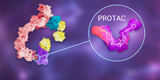
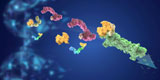
A PROTAC molecule consists of three components: a target protein binding ligand, an E3 ligase ligand, and a linker connecting these two moieties. Here, we will discuss the conventional approaches for the rational design of PROTAC molecules. -
 Scientific Reviews
Organoids represent an important bridge between 2D cultures and in vivo mouse/human models. The organoid technology exerts enormous potential in evaluation of efficacy and toxicity of drugs, regenerative medicine, and precision medicine.In this article, we will briefly introduce organoid technology.
Scientific Reviews
Organoids represent an important bridge between 2D cultures and in vivo mouse/human models. The organoid technology exerts enormous potential in evaluation of efficacy and toxicity of drugs, regenerative medicine, and precision medicine.In this article, we will briefly introduce organoid technology. -
 Scientific Reviews
Development of Intestinal Organoid
Scientific Reviews
Development of Intestinal Organoid2022-07-28
3D organoid is one of the revolutionary developments in biomedical field during the past 10 years. The establishment of intestinal organoids is an important milestone in the development of organoid technology. -
 Scientific Reviews
BacPROTACs is composed of a POI ligand, a chemical linker and a ClpCNTD anchor. BacPROTACs can induce in vitro and in vivo degradation of non-eukaryotic proteins in bacteria without the ubiquitin proteasome system.
Scientific Reviews
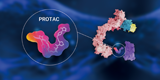
BacPROTACs is composed of a POI ligand, a chemical linker and a ClpCNTD anchor. BacPROTACs can induce in vitro and in vivo degradation of non-eukaryotic proteins in bacteria without the ubiquitin proteasome system. -
 Scientific Reviews
RNA therapeutics have changed the landscape of drug development, which possess broader spectrum of drug targets, simplicity and efficiency in development and manufacturing.In this article, we will discuss the underlying mechanisms of RNA-based drugs on the market or in clinical stages.
Scientific Reviews
RNA therapeutics have changed the landscape of drug development, which possess broader spectrum of drug targets, simplicity and efficiency in development and manufacturing.In this article, we will discuss the underlying mechanisms of RNA-based drugs on the market or in clinical stages. -
Scientific Reviews
Organoids have great potential in research of organ development, disease modeling, drug screening and, precision and regenerative medicin. In this article, we will expalin the origin of the organoids. Adult stem cells (ASCs) or pluripotent stem cells (PSCs) , which is the better choice.
-
 Scientific Reviews
Autophagy, derived from the Greek meaning "eating of self", plays an indispensable role in maintaining homeostasis. p27 is an inhibitor of cyclin CDKs, but how p27 regulates autophagy remains unknown. This article will cover the mechanism of autophagy and p27-related cell cycle regulation.
Scientific Reviews
Autophagy, derived from the Greek meaning "eating of self", plays an indispensable role in maintaining homeostasis. p27 is an inhibitor of cyclin CDKs, but how p27 regulates autophagy remains unknown. This article will cover the mechanism of autophagy and p27-related cell cycle regulation. -
 Scientific Reviews
CMA (chaperone-mediated autophagy) plays an essential role in maintaining neuronal protein stability and preventing neurodegeneration. In this article, we will comprehensively clarify the role of CMA in the occurrence and development of neurodegenerative diseases.
Scientific Reviews
CMA (chaperone-mediated autophagy) plays an essential role in maintaining neuronal protein stability and preventing neurodegeneration. In this article, we will comprehensively clarify the role of CMA in the occurrence and development of neurodegenerative diseases. -
 Scientific Reviews
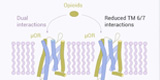
As powerful pain relievers, the opioids morphine and fentanyl have been "checked" by their side effects (listed as controlled substances). How to reduce its side effects? What is its mechanism? This research will explore its mechanism.
Scientific Reviews
As powerful pain relievers, the opioids morphine and fentanyl have been "checked" by their side effects (listed as controlled substances). How to reduce its side effects? What is its mechanism? This research will explore its mechanism. -
 Scientific Reviews
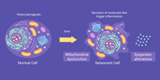
Understanding the mechanism of aging not only has guiding significance for prolonging human life but also has important clinical significance for the prevention and treatment of diseases in the elderly population , thus, improving their life quality and well-being.
Scientific Reviews
Understanding the mechanism of aging not only has guiding significance for prolonging human life but also has important clinical significance for the prevention and treatment of diseases in the elderly population , thus, improving their life quality and well-being. -
 Scientific Reviews
The latest study of Cell magazine "Neural mechanism underlying depressive-like state associated with social status loss" considers social factors as a breakthrough point. It has been found that the downward transition of social status induces depression-like behavior in mice whereas improves the depressive state by restoring their social environment.
Scientific Reviews
The latest study of Cell magazine "Neural mechanism underlying depressive-like state associated with social status loss" considers social factors as a breakthrough point. It has been found that the downward transition of social status induces depression-like behavior in mice whereas improves the depressive state by restoring their social environment. -
 Scientific Reviews
PROTAC - Design Strategy for Targeting
Scientific Reviews
PROTAC - Design Strategy for Targeting2023-04-23
Protein degradation targeting chimera (PROTAC) is a technology that uses the ubiquitin proteasome pathway to silent target protein. However, PROTAC still has problems such as solubility, membrane permeability, and selectivity. In this article, we have summarized three strategies for optimization: light-controlled linker, PAC molecule, and specific E3 ligase. -
 Scientific Reviews
Stem cell classification and its application
Scientific Reviews
Stem cell classification and its application2023-05-18
Stem cells (SCs) have the unique ability to self-renew and differentiate into different cell types. SCs can differentiate into various types of tissue cells under specific conditions. Additionally, they can be further cultured to form different tissues and organs in the human body. Stem cells have numerous applications in various fields, including cell therapy, organ transplantation, neurodegenerative disease modeling, and drug screening. -
 Scientific Reviews
Mitophagy:Mechanisms and Detection
Scientific Reviews
Mitophagy:Mechanisms and Detection2023-05-25
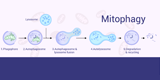
About 60 years ago, Christian de Duve first used the term "autophagy" to describe his observation of the degradation of mitochondria and other intracellular structures in lysosomes of rat liver. Over the years, autophagy has remained a beloved topic of research by the National Natural Science Foundation of China (NSFC).Today, let's talk about mitochondrial autophagy. -
 Scientific Reviews
Organoid Culture: Questions & Answers
Scientific Reviews
Organoid Culture: Questions & Answers2023-07-26
In the last issue, we conducted a live lecture on the theme of organoid culture. Today, we have a special topic to solve your doubts in the last live class! -
 Scientific Reviews
WHO's Q2 drug list has been updated. Let's take you through the list of the most noteworthy small molecule drugs that we should pay attention to.
Scientific Reviews
WHO's Q2 drug list has been updated. Let's take you through the list of the most noteworthy small molecule drugs that we should pay attention to. -
 Scientific Reviews
FDA Approved Drug List!
Scientific Reviews
FDA Approved Drug List!2023-09-14
In the first half of 2023 (as of June 27), the FDA approved 26 new drugs, let's take you learn about it through the article. -
 Scientific Reviews
Science | A "new" mechanism for non-ubiquitinated Midnolin-proteasomal degradation pathway
Scientific Reviews
Science | A "new" mechanism for non-ubiquitinated Midnolin-proteasomal degradation pathway2024-04-26
“ubiquitin-mediated protein degradation” won the Nobel Prize in Chemistry in 2004! In fact, proteasomes degrade not only ubiquitinated proteins but also non-ubiquitinated ones. The mechanism remains shrouded in mystery. After reading this piece today, you might have a lightbulb moment! -
 Scientific Reviews
Exosomes, which won the Nobel Prize in 2013, are still a research hotspot in the national natural sciences, and their popularity has only increased over the past decade (in 2022, they still rank 5th in the national natural sciences hotspots!). Why have exosomes become the darling of scientific research? Let's take a look together~
Scientific Reviews
Exosomes, which won the Nobel Prize in 2013, are still a research hotspot in the national natural sciences, and their popularity has only increased over the past decade (in 2022, they still rank 5th in the national natural sciences hotspots!). Why have exosomes become the darling of scientific research? Let's take a look together~ -
 Scientific Reviews
Degrade target proteins through the autophagy-lysosome pathway including LYTAC, AUTAC, and ATTEC have gained increasing attention in recent years due to their significant research potential!
Scientific Reviews
Degrade target proteins through the autophagy-lysosome pathway including LYTAC, AUTAC, and ATTEC have gained increasing attention in recent years due to their significant research potential! -
 Scientific Reviews
2024 Nobel Prize Announcements! Curious about the details? Click to dive into the exciting developments!
Scientific Reviews
2024 Nobel Prize Announcements! Curious about the details? Click to dive into the exciting developments! -
Scientific Reviews
Delve into the intricate networks that govern mitochondrial quality control. By examining key mechanisms such as biogenesis, mitochondrial dynamics (fission and fusion), proteolysis, and mitophagy. -
 Scientific Reviews
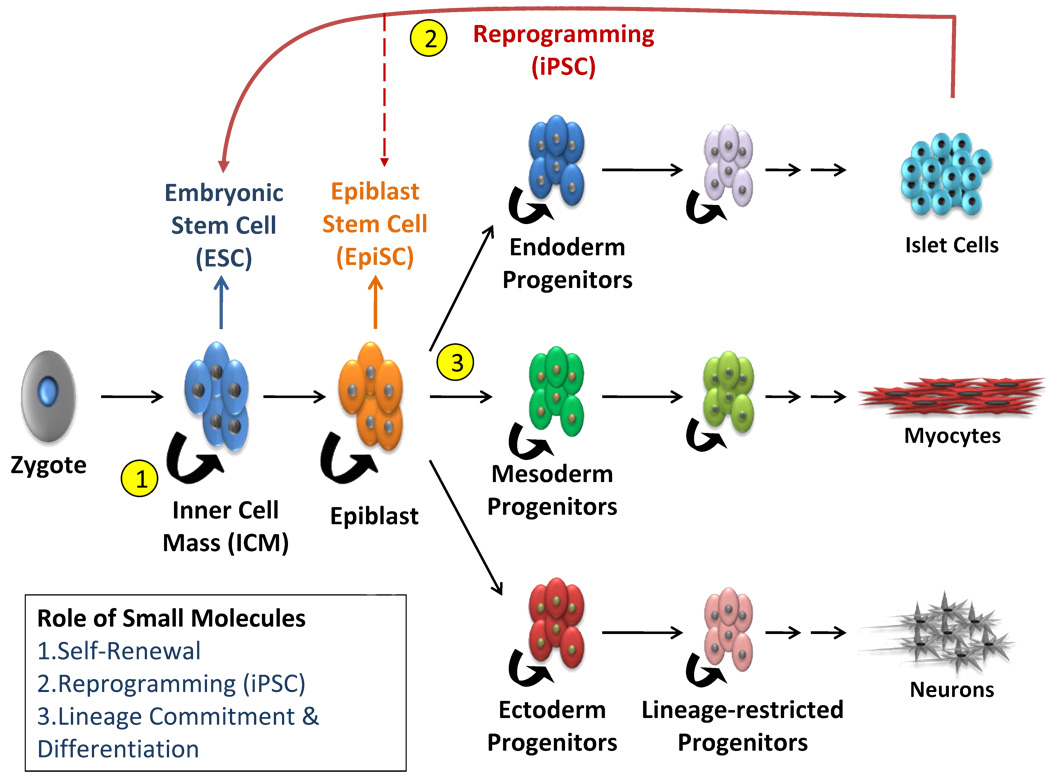
In early January 2025, MIT Tech Review unveiled its annual list of top 10 breakthrough technologies poised to redefine the future. Among these, stem cell therapy stood out for its potential to treat diverse diseases—including neurodegenerative disorders, diabetes, cancer, and heart failure. This groundbreaking approach uses stem cells to replace damaged cells, offering hope for millions worldwide.
Scientific Reviews
In early January 2025, MIT Tech Review unveiled its annual list of top 10 breakthrough technologies poised to redefine the future. Among these, stem cell therapy stood out for its potential to treat diverse diseases—including neurodegenerative disorders, diabetes, cancer, and heart failure. This groundbreaking approach uses stem cells to replace damaged cells, offering hope for millions worldwide. -
 Scientific Reviews
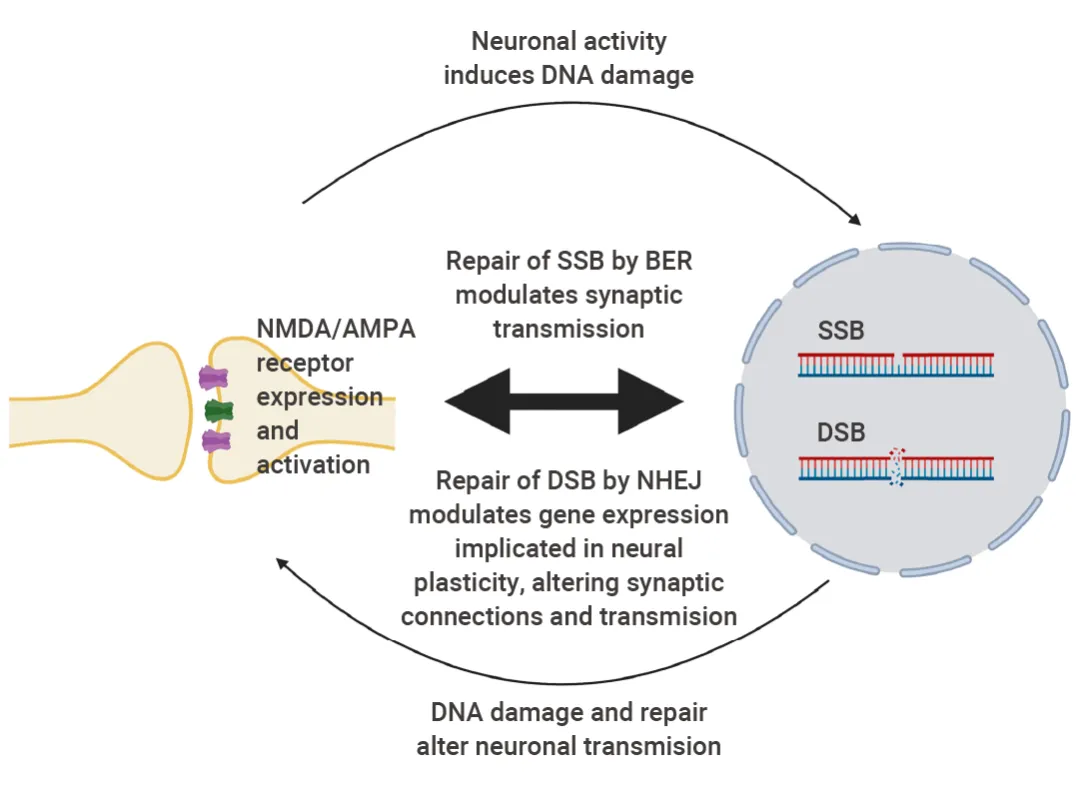
When you hear "inflammation" and "DNA damage," you might immediately think of disease or injury. However, in brains, these two processes are key steps in forming long-term memories, particularly related to specialized cells in our brain called hippocampal neurons.
Scientific Reviews
When you hear "inflammation" and "DNA damage," you might immediately think of disease or injury. However, in brains, these two processes are key steps in forming long-term memories, particularly related to specialized cells in our brain called hippocampal neurons. -
 Scientific Reviews
Autophagy is a fundamental process that degrades various components within the cell.
Scientific Reviews
Autophagy is a fundamental process that degrades various components within the cell. -
.jpg) Scientific Reviews
nside cells, the homeostasis and degradation of proteins is a precisely regulated process. If proteins cannot be degraded in time, it may lead to the occurrence of various diseases such as neurodegenerative diseases and cancer. This article will tell you the process of how proteins are recognized, labeled and then degraded!
Scientific Reviews
nside cells, the homeostasis and degradation of proteins is a precisely regulated process. If proteins cannot be degraded in time, it may lead to the occurrence of various diseases such as neurodegenerative diseases and cancer. This article will tell you the process of how proteins are recognized, labeled and then degraded! -
 Scientific Reviews
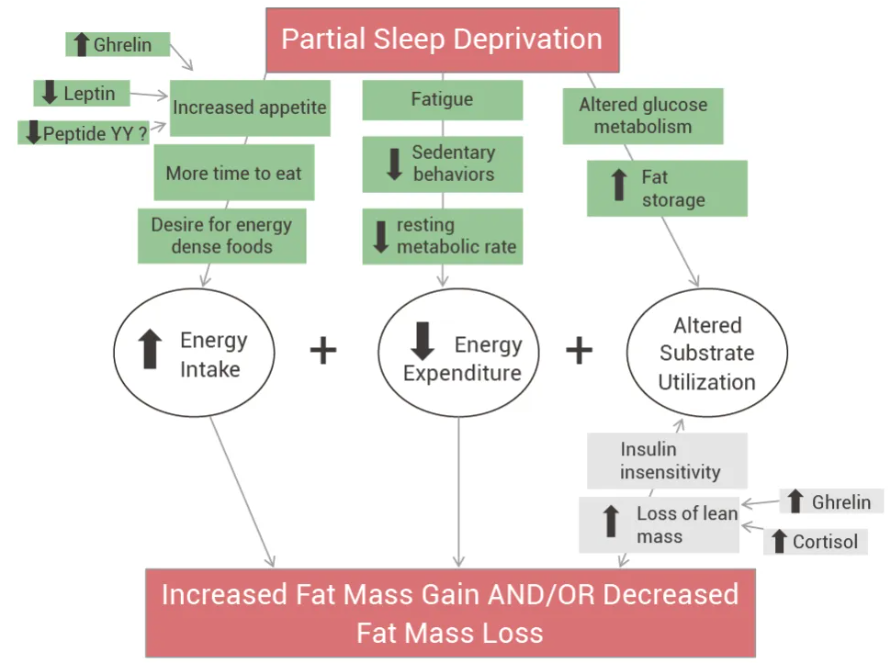
Have you ever noticed that after staying up late, your appetite—especially for high-calorie foods—gets out of control? If this sounds familiar, today’s article might offer some good news.
Scientific Reviews
Have you ever noticed that after staying up late, your appetite—especially for high-calorie foods—gets out of control? If this sounds familiar, today’s article might offer some good news. -
Scientific Reviews
Microglia– the only immune cells within the brain parenchyma. With advancements in imaging technologies, people’s understanding of microglia has shifted from being viewed as 'resting' cells to 'highly active' cells, particularly due to their dynamic processes that seem to be probing surrounding tissues and monitoring neuronal activity. This has made microglia a focal point of research in the field of neuroscience. -
 Scientific Reviews
Exosomes—natural nanoscale carriers—are revolutionizing targeted therapy. This article uncovers the science behind their precision in drug delivery.
Scientific Reviews
Exosomes—natural nanoscale carriers—are revolutionizing targeted therapy. This article uncovers the science behind their precision in drug delivery. -
Scientific Reviews
Cracking the PROTAC Permeability Barrier: CD36-Mediated Endocytosis as a Potential Breakthrough2025-12-03
This article provides an in-depth analysis of cutting-edge literature revealing CD36 as a key mediator of cellular uptake for PROTACs and bRO5 compounds. By structurally optimizing PROTAC molecules to enhance their affinity for CD36, membrane permeability can be markedly improved, leading to significantly enhanced antitumor efficacy. -
 Scientific Reviews
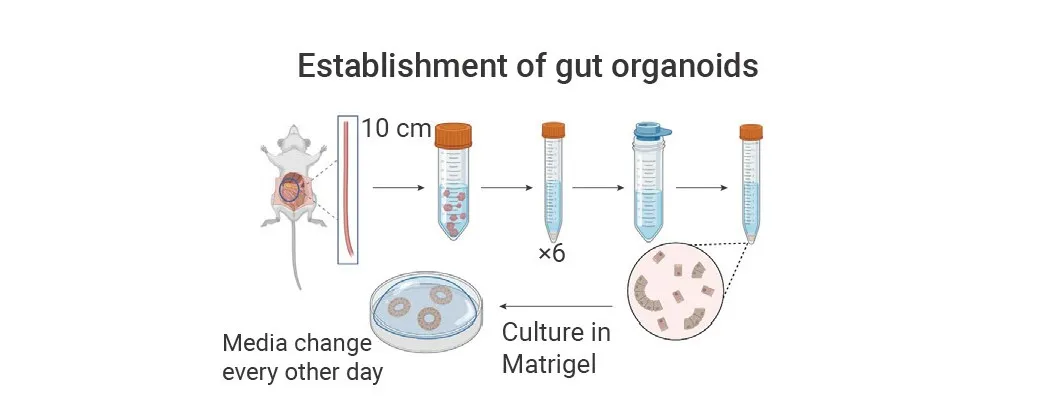
Efficient Generation of Mouse Small Intestinal Organoids: A Complete Experimental Protocol Guide
Scientific Reviews
Efficient Generation of Mouse Small Intestinal Organoids: A Complete Experimental Protocol Guide2025-12-10
How to successfully create mouse small intestine organoids? A detailed, hands-on guide to the entire process, all in one article! -
 Scientific Reviews
Molecular glue degraders have evolved from a serendipitous observation to one of the most dynamic and transformative fields in biomedical research.
Scientific Reviews
Molecular glue degraders have evolved from a serendipitous observation to one of the most dynamic and transformative fields in biomedical research. -
 EDM
Targeting the ‘Undruggable’ with PROTACs
EDM
Targeting the ‘Undruggable’ with PROTACs2025-06-18
This review introduces the fundamental principles and mechanisms of PROTACs, highlights recent advances in molecular design and clinical development, and discusses emerging opportunities and remaining challenges in targeted protein degradation. -
 EDM
Advances in Alzheimer's Disease Research
EDM
Advances in Alzheimer's Disease Research2025-07-16
This review summarizes current understanding of AD pathophysiology, including amyloid and tau pathology, neuroinflammation, synaptic dysfunction, and vascular abnormalities, and evaluates therapeutic strategies and experimental models. -
 EDM
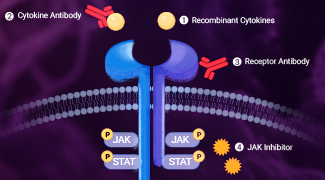
This review critically examines the role of the JAK-STAT pathway in immunity and autoimmune diseases, reviews current clinical applications of targeted therapies, and highlights emerging trends in autoimmune drug development.
EDM
This review critically examines the role of the JAK-STAT pathway in immunity and autoimmune diseases, reviews current clinical applications of targeted therapies, and highlights emerging trends in autoimmune drug development. -
 EDM
This review highlights the roles of microglia in AD pathology, focusing on metabolic reprogramming and microglia-targeted therapeutic strategies.
EDM
This review highlights the roles of microglia in AD pathology, focusing on metabolic reprogramming and microglia-targeted therapeutic strategies. -
 EDM
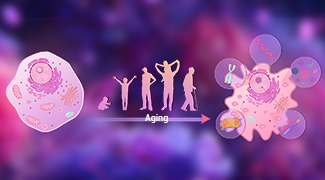
This review summarizes the hallmarks of aging and aging-related diseases, discusses mechanistic insights into aging processes, and highlights emerging anti-aging interventions.
EDM
This review summarizes the hallmarks of aging and aging-related diseases, discusses mechanistic insights into aging processes, and highlights emerging anti-aging interventions. -
 EDM
This review outlines macrophage functions and classification, and provides practical experimental guidelines for macrophage differentiation, polarization, and identification.
EDM
This review outlines macrophage functions and classification, and provides practical experimental guidelines for macrophage differentiation, polarization, and identification. -
 EDM
Review advances in target discovery, disease modeling, and biomarkers for Parkinson’s disease, highlighting their interplay and future directions for translational research.
EDM
Review advances in target discovery, disease modeling, and biomarkers for Parkinson’s disease, highlighting their interplay and future directions for translational research. -
 EDM
Summarize LLPS principles, regulatory mechanisms, experimental strategies, and pathological roles to inspire mechanism-driven research and translational applications.
EDM
Summarize LLPS principles, regulatory mechanisms, experimental strategies, and pathological roles to inspire mechanism-driven research and translational applications. -
 EDM
The Dual Role of Cellular Senescence in Cancer: Mechanisms, Microenvironment, and Therapeutics
EDM
The Dual Role of Cellular Senescence in Cancer: Mechanisms, Microenvironment, and Therapeutics2026-05-21
Explore the dual role of cellular senescence in cancer, including tumor suppression, SASP-driven tumor promotion, senescence heterogeneity and plasticity, and advances in senescence-targeted therapies. -
 EDM
Explore the mechanisms driving immune tolerance breakdown in autoimmune diseases and emerging tolerance-restoring strategies, with a focus on IL-2-based immune modulation.
EDM
Explore the mechanisms driving immune tolerance breakdown in autoimmune diseases and emerging tolerance-restoring strategies, with a focus on IL-2-based immune modulation. -
 EDM
Review the evolution of molecular glues from serendipitous discovery to rational design, highlighting how emerging targets and advances in screening, proteomics, structural biology, and AI are expanding the druggable proteome.
EDM
Review the evolution of molecular glues from serendipitous discovery to rational design, highlighting how emerging targets and advances in screening, proteomics, structural biology, and AI are expanding the druggable proteome. -
 EDM
Explore how anti-Aβ therapy is reshaping the AD treatment landscape, the rationale for multi-pathology combination strategies, and advances in biomarker-guided precision treatment.
EDM
Explore how anti-Aβ therapy is reshaping the AD treatment landscape, the rationale for multi-pathology combination strategies, and advances in biomarker-guided precision treatment. -
 EDM
Explore how mitochondrial quality control, inflammatory signaling, and metabolic–epigenetic reprogramming regulate cellular senescence and the SASP, along with strategies to restore mitochondrial homeostasis.
EDM
Explore how mitochondrial quality control, inflammatory signaling, and metabolic–epigenetic reprogramming regulate cellular senescence and the SASP, along with strategies to restore mitochondrial homeostasis. -
 Blog
BR351 is a Brain Penetrant MMP Inhibitor
Blog
BR351 is a Brain Penetrant MMP Inhibitor2019-04-05
BR351 is a brain penetrant MMP inhibitor, and a potential tool for the molecular imaging of activated MMPs with PET, with an IC50 in the nanomolar range. -
 Blog
MK-0429 is An Oral Integrin (αvβ3) Inhibitor
Blog
MK-0429 is An Oral Integrin (αvβ3) Inhibitor2019-04-11
MK-0429, an orally active αvβ3 inhibitor, is a potential therapeutic agent for the prevention of kidney fibrosis, melanoma and osteoporosis. -
 Blog
NRX-252262 is a β-catenin:β-TrCP interaction enhancer, and its cognate E3 ligase, SCFβ-TrCP, induces mutant β-catenin degradation, with an EC50 of 3.8 nM
Blog
NRX-252262 is a β-catenin:β-TrCP interaction enhancer, and its cognate E3 ligase, SCFβ-TrCP, induces mutant β-catenin degradation, with an EC50 of 3.8 nM -
 Blog
CB-6644 is a selective non-ATP-competitive inhibitor of the RUVBL1/2 complex. CB-6644 significantly reduces tumor growth without obvious toxicity.
Blog
CB-6644 is a selective non-ATP-competitive inhibitor of the RUVBL1/2 complex. CB-6644 significantly reduces tumor growth without obvious toxicity. -
 Blog
NSC 228155 is a activator of EGFR and a potent inhibitor of KIX-KID interaction. NSC 228155 shows excellent anti-tumor activity.
Blog
NSC 228155 is a activator of EGFR and a potent inhibitor of KIX-KID interaction. NSC 228155 shows excellent anti-tumor activity. -
 Blog
ACY-1083, a Highly Selective HDAC6 Inhibitor, Reverses Chemotherapy-induced Peripheral Neuropathy
Blog
ACY-1083, a Highly Selective HDAC6 Inhibitor, Reverses Chemotherapy-induced Peripheral Neuropathy2019-05-12
ACY-1083 is a selective and brain-penetrating HDAC6 inhibitor with an IC50 of 3 nM. ACY-1083 effectively reverses chemotherapy-induced peripheral neuropathy -
 Blog
MM-589 is an inhibitor of WDR5 and MLL protein-protein interaction. Binds to WDR5 (IC50=0.90 nM) and inhibits the MLL H3K4 methyltransferase activity.
Blog
MM-589 is an inhibitor of WDR5 and MLL protein-protein interaction. Binds to WDR5 (IC50=0.90 nM) and inhibits the MLL H3K4 methyltransferase activity. -
 Blog
JI051 is a stabilizer for the Hes1-PHB2 interaction, induces cell-cycle arrest by inhibiting the Notch downstream effector gene Hes1.
Blog
JI051 is a stabilizer for the Hes1-PHB2 interaction, induces cell-cycle arrest by inhibiting the Notch downstream effector gene Hes1. -
 Blog
IWP-O1, a Highly Potent Porcupine Inhibitor, Functions by Preventing the Secretion of Wnt Proteins
Blog
IWP-O1, a Highly Potent Porcupine Inhibitor, Functions by Preventing the Secretion of Wnt Proteins2019-06-03
IWP-O1 is a Porcupine (Porcn) inhibitor, with an EC50 of 80 pM in L-Wnt-STF cells. IWP-O1 functions by preventing the secretion of Wnt proteins[ -
 Blog
JMS-17-2 is a CX3CR1 Antagonist
Blog
JMS-17-2 is a CX3CR1 Antagonist2019-06-12
JMS-17-2 is a potent and selective CX3CR1 antagonist with an IC50 of 0.32 nM. Has potential to treat cancers such as breast cancer. -
 Blog
M-89 is a specific menin inhibitor, with a Kd of 1.4 nM. M-89 inhibits the Menin-MLL protein-protein interaction and has potential to treat MLL leukemia.
Blog
M-89 is a specific menin inhibitor, with a Kd of 1.4 nM. M-89 inhibits the Menin-MLL protein-protein interaction and has potential to treat MLL leukemia. -
 Blog
ACBI1 is a PROTAC Degrader of BAF Complex
Blog
ACBI1 is a PROTAC Degrader of BAF Complex2019-08-07
ACBI1 is a potent PROTAC degrader of BAF ATPase subunits SMARCA2, SMARCA4 and PBRM1, with DC50s of 6 nM, 11 nM and 32 nM in MV-4-11 cells, respectively. -
 Blog
MS31 is a highly selective spindlin 1 inhibitor, which inhibits the interactions between SPIN1 and H3K4me3. MS31 is not toxic to nontumorigenic cells.
Blog
MS31 is a highly selective spindlin 1 inhibitor, which inhibits the interactions between SPIN1 and H3K4me3. MS31 is not toxic to nontumorigenic cells. -
 Blog
SGC-iMLLT is a potent, selective MLLT1/3-histone interactions inhibitor and shows high binding activity towards MLLT1 YEATS domain and MLLT3 YD.
Blog
SGC-iMLLT is a potent, selective MLLT1/3-histone interactions inhibitor and shows high binding activity towards MLLT1 YEATS domain and MLLT3 YD. -
 Blog
BPK-29 disrupts the NR0B1 protein-protein interactions and impairs the anchorage-independent growth of KEAP1-mutant cancer cells.
Blog
BPK-29 disrupts the NR0B1 protein-protein interactions and impairs the anchorage-independent growth of KEAP1-mutant cancer cells. -
 Blog
NV03 is a potent and selective antagonist of UHRF1-H3K9me3 interaction by binding to UHRF1 TTD with a Kd of 2.4 μM and has anticancer activity.
Blog
NV03 is a potent and selective antagonist of UHRF1-H3K9me3 interaction by binding to UHRF1 TTD with a Kd of 2.4 μM and has anticancer activity. -
 Blog
sAJM589 is a Myc inhibitor which potently disrupts the Myc-Max heterodimer in a dose dependent manner with an IC50 of 1.8 μM.
Blog
sAJM589 is a Myc inhibitor which potently disrupts the Myc-Max heterodimer in a dose dependent manner with an IC50 of 1.8 μM. -
 Blog
M8891 is an orally active, reversible and brain penetrant Methionine Aminopeptidase-2 (MetAP-2) inhibitor with antiangiogenic and antitumoral activity.
Blog
M8891 is an orally active, reversible and brain penetrant Methionine Aminopeptidase-2 (MetAP-2) inhibitor with antiangiogenic and antitumoral activity. -
 Blog
TCH-165 is a modulator of proteasome assembly, which increases 20S levels and facilitates 20S-mediated protein degradation, such as IDPs, α-syn, and tau.
Blog
TCH-165 is a modulator of proteasome assembly, which increases 20S levels and facilitates 20S-mediated protein degradation, such as IDPs, α-syn, and tau. -
 Blog
BI-9321 is a potent, selective and cellular active NSD3-PWWP1 domain antagonist, and specifically disrupts histone interactions of the NSD3-PWWP1 domain.
Blog
BI-9321 is a potent, selective and cellular active NSD3-PWWP1 domain antagonist, and specifically disrupts histone interactions of the NSD3-PWWP1 domain. -
 Blog
Ro 90-7501, an Aβ42 fibril assembly inhibitor, inhibits PP5 in a TPR-dependent manner and has radiosensitizing effects on cervical cancer cells.
Blog
Ro 90-7501, an Aβ42 fibril assembly inhibitor, inhibits PP5 in a TPR-dependent manner and has radiosensitizing effects on cervical cancer cells. -
 Blog
NU1025 is a potent PARP inhibitor and potentiates the cytotoxicity of ionizing radiation drug. NU1025 has anti-cancer and neuroprotective activity.
Blog
NU1025 is a potent PARP inhibitor and potentiates the cytotoxicity of ionizing radiation drug. NU1025 has anti-cancer and neuroprotective activity. -
 Blog
SNDX-5613 is a potent, selective, small molecule inhibitor of the Menin-MLL binding interaction for targeted therapy in MLL-rearranged leukemias.
Blog
SNDX-5613 is a potent, selective, small molecule inhibitor of the Menin-MLL binding interaction for targeted therapy in MLL-rearranged leukemias. -
 Blog
MYCMI-6 is a selective MYC:MAX protein interactions inhibitor, which blocks MYC-driven transcription and binds selectively to the MYC bHLHZip domain.
Blog
MYCMI-6 is a selective MYC:MAX protein interactions inhibitor, which blocks MYC-driven transcription and binds selectively to the MYC bHLHZip domain. -
 Blog
TED-347 is a potent, irreversible, covalent and allosteric inhibitor at YAP-TEAD protein-protein interaction with antitumor activity.
Blog
TED-347 is a potent, irreversible, covalent and allosteric inhibitor at YAP-TEAD protein-protein interaction with antitumor activity. -
 Blog
JCN037 is a potent, non-covalent, and brain-penetrant EGFR tyrosine kinase inhibitor. JCN037 has potent anti-cancer activity.
Blog
JCN037 is a potent, non-covalent, and brain-penetrant EGFR tyrosine kinase inhibitor. JCN037 has potent anti-cancer activity. -
 Blog
M-808 is a highly potent and efficacious covalent Menin-MLL interaction inhibitor. M-808 has a binding IC50 value of 2.6 nM.
Blog
M-808 is a highly potent and efficacious covalent Menin-MLL interaction inhibitor. M-808 has a binding IC50 value of 2.6 nM. -
 Blog
MCP110 is an inhibitor of Ras/Raf-1 interaction in human cancer cells. The Ras family GTPases play a central role in the growth factor signaling.
Blog
MCP110 is an inhibitor of Ras/Raf-1 interaction in human cancer cells. The Ras family GTPases play a central role in the growth factor signaling. -
 Blog
KCC-07 prevents binding of MBD2 to methylated DNA and activates BAI1 inducing anti-proliferative BAI1/p53/p21 signaling. Anticancer activity.
Blog
KCC-07 prevents binding of MBD2 to methylated DNA and activates BAI1 inducing anti-proliferative BAI1/p53/p21 signaling. Anticancer activity. -
 Blog
MPT0G211, an orally active and selective HDAC6 inhibitor, ameliorates tau phosphorylation, and cognitive deficits in an Alzheimer’s disease model.
Blog
MPT0G211, an orally active and selective HDAC6 inhibitor, ameliorates tau phosphorylation, and cognitive deficits in an Alzheimer’s disease model. -
 Blog
RapaLink-1, a third-generation bivalent mTOR inhibitor, potently blocking cancer-derived, activating mutants of mTOR. It can cross the blood-brain barrier.
Blog
RapaLink-1, a third-generation bivalent mTOR inhibitor, potently blocking cancer-derived, activating mutants of mTOR. It can cross the blood-brain barrier. -
 Blog
BC-LI-0186 is a selective inhibitor of LeuRS and RagD interaction (IC50=46.11 nM). BC-LI-0186 suppresses the activity of cancer-associated MTOR mutants.
Blog
BC-LI-0186 is a selective inhibitor of LeuRS and RagD interaction (IC50=46.11 nM). BC-LI-0186 suppresses the activity of cancer-associated MTOR mutants. -
 Blog
PQR530 is a potent, ATP-competitive, orally bioavailable and brain-penetrant dual pan-PI3K/mTORC1/2 inhibitor. Antitumor activity.
Blog
PQR530 is a potent, ATP-competitive, orally bioavailable and brain-penetrant dual pan-PI3K/mTORC1/2 inhibitor. Antitumor activity. -
 Blog
GNE-371, a Chemical Probe for the Second Bromodomains of TFIID Subunit 1 and TFIID Subunit 1-Like
Blog
GNE-371, a Chemical Probe for the Second Bromodomains of TFIID Subunit 1 and TFIID Subunit 1-Like2020-12-09
GNE-371 is a selective chemical probe for the second bromodomains of human transcription-initiation-factor TFIID subunit 1 and TFIID subunit 1-like. -
 Blog
CHDI-390576, a potent and CNS penetrant class IIa HDAC inhibitor, show selectivity over class I HDACs, HDAC8 and the class IIb HDAC6 isoform.
Blog
CHDI-390576, a potent and CNS penetrant class IIa HDAC inhibitor, show selectivity over class I HDACs, HDAC8 and the class IIb HDAC6 isoform. -
 Blog
WL47, a high-affinity cavolin-1 (CAV1) ligand (Kd=23 nM), act as a potent and selective disrupter of CAV1 oligomers.
Blog
WL47, a high-affinity cavolin-1 (CAV1) ligand (Kd=23 nM), act as a potent and selective disrupter of CAV1 oligomers. -
 Blog
NAZ2329 is an allosteric, noncompetitive and reversible inhibitor of R5 RPTP subfamily and PTPRZ/PTPRG with anti-cancer activity.
Blog
NAZ2329 is an allosteric, noncompetitive and reversible inhibitor of R5 RPTP subfamily and PTPRZ/PTPRG with anti-cancer activity. -
 Blog
BrBzGCp2 is a Glyoxalase 1 (GLO1) inhibitor for a variety of disorders. Possesses antitumor and neuroprotective activity.
Blog
BrBzGCp2 is a Glyoxalase 1 (GLO1) inhibitor for a variety of disorders. Possesses antitumor and neuroprotective activity. -
 Blog
L-Moses is the first potent, selective, and cell-active PCAF Brd inhibitor. L-Moses disrupts PCAF-Brd histone H3.3 interaction.
Blog
L-Moses is the first potent, selective, and cell-active PCAF Brd inhibitor. L-Moses disrupts PCAF-Brd histone H3.3 interaction. -
 Blog
ML-00253764 is a brain penetrant nonpeptidic melanocortin receptor 4 (MC4R) antagonist with a Ki/IC50 of 0.16 µM/0.103 µM, respectively.
Blog
ML-00253764 is a brain penetrant nonpeptidic melanocortin receptor 4 (MC4R) antagonist with a Ki/IC50 of 0.16 µM/0.103 µM, respectively. -
 Blog
MR837 is an Inhibitor of NSD2-PWWP1
Blog
MR837 is an Inhibitor of NSD2-PWWP12021-05-11
MR837 is a potent inhibitor of NSD2 (WHSC1)-PWWP1 protein-protein interaction. MR837 can bind with human NSD2. -
 Blog
BI-3406 is a selective, orally bioavailable SOS1 inhibitor that binds to the catalytic domain of SOS1, preventing the interaction with KRAS.
Blog
BI-3406 is a selective, orally bioavailable SOS1 inhibitor that binds to the catalytic domain of SOS1, preventing the interaction with KRAS. -
 Blog
PHT-7.3 is a Selective Inhibitor of Connector Enhancer of Kinase Suppressor of Ras 1 (Cnk1)
Blog
PHT-7.3 is a Selective Inhibitor of Connector Enhancer of Kinase Suppressor of Ras 1 (Cnk1)2021-05-27
PHT-7.3 is a selective inhibitor of Cnk1 pleckstrin homology (PH) domain. PHT 7.3 blocks the growth of mutant KRAS cells and tumors. -
 Blog
NCGC00378430 is a potent SIX1/EYA2 interaction inhibitor and inhibits SIX1-mediated breast cancer metastasis.
Blog
NCGC00378430 is a potent SIX1/EYA2 interaction inhibitor and inhibits SIX1-mediated breast cancer metastasis. -
 Blog
Vorasidenib is an orally available, brain penetrant second-generation dual mutant isocitrate dehydrogenases 1 and 2 (mIDH1/2) inhibitor.
Blog
Vorasidenib is an orally available, brain penetrant second-generation dual mutant isocitrate dehydrogenases 1 and 2 (mIDH1/2) inhibitor. -
 Blog
EMD527040 is a highly selective αvβ6 antagonist with antifibrotic activities.
Blog
EMD527040 is a highly selective αvβ6 antagonist with antifibrotic activities. -
 Blog
NRX-2663 is a potent enhancer of the interaction between β-catenin SCFβ-TrCP, potentiates the ubiquitylation of mutant β-Catenin by β-TrCP.
Blog
NRX-2663 is a potent enhancer of the interaction between β-catenin SCFβ-TrCP, potentiates the ubiquitylation of mutant β-Catenin by β-TrCP. -
 Blog
GSK2606414 is an orally available PERK inhibitor and is a potent compound of cancer and neurological diseases.
Blog
GSK2606414 is an orally available PERK inhibitor and is a potent compound of cancer and neurological diseases. -
 Blog
SB 258719 is a selective 5-HT7 receptor antagonist and can be used for the research of cancer and neurological disease.
Blog
SB 258719 is a selective 5-HT7 receptor antagonist and can be used for the research of cancer and neurological disease. -
 Blog
Trolox is an analogue of vitamin E with a powerful antioxidant effect. Trolox is also a powerful inhibitor of membrane damage.
Blog
Trolox is an analogue of vitamin E with a powerful antioxidant effect. Trolox is also a powerful inhibitor of membrane damage. -
 Blog
AZD1390 is a potent, highly selective, orally bioavailable, brain-penetrant ATM inhibitor with an IC50 of 0.78 nM.
Blog
AZD1390 is a potent, highly selective, orally bioavailable, brain-penetrant ATM inhibitor with an IC50 of 0.78 nM. -
 Blog
Mirin is a potent MRN complex inhibitor. Mirin prevents MRN-dependent activation of ATM without affecting ATM protein kinase activity.
Blog
Mirin is a potent MRN complex inhibitor. Mirin prevents MRN-dependent activation of ATM without affecting ATM protein kinase activity. -
 Blog
Epoxomicin is an epoxyketone-containing natural product and a selective and irreversible proteasome inhibitor. Cross the blood-brain barrier.
Blog
Epoxomicin is an epoxyketone-containing natural product and a selective and irreversible proteasome inhibitor. Cross the blood-brain barrier. -
 Blog
MS159 is a frist-In-class nuclear receptor binding SET NSD2 PROTAC degrader for multiple myeloma research.
Blog
MS159 is a frist-In-class nuclear receptor binding SET NSD2 PROTAC degrader for multiple myeloma research. -
 Blog
AZD-9574 is a potent and brain penetrant PARP1 inhibitor and shows >8000-fold selectivity for PARP1 compared to PARP2/3/5a/6.
Blog
AZD-9574 is a potent and brain penetrant PARP1 inhibitor and shows >8000-fold selectivity for PARP1 compared to PARP2/3/5a/6. -
 Blog
GR-46611 is a 5-HT1D Receptor Agonist
Blog
GR-46611 is a 5-HT1D Receptor Agonist2022-10-11
GR-46611 is a potent 5-HT1D receptor agonist and has the potential for the research of epilepsy and inhibits bladder activity. -
 Blog
CAM 833, a potent and selective inhibitor of the BRCA2-RAD51 interaction, and has the potential for the cancer research.
Blog
CAM 833, a potent and selective inhibitor of the BRCA2-RAD51 interaction, and has the potential for the cancer research. -
 Blog
GN25 is a specific inhibitor of p53-Snail binding and shows anti-tumor effect against K-Ras-mutated cancer.
Blog
GN25 is a specific inhibitor of p53-Snail binding and shows anti-tumor effect against K-Ras-mutated cancer. -
 Blog
Olutasidenib (FT-2102) is an orally active, brain penetrant inhibitor of mutant IDH1. Olutasidenib is used for AML or MDS Research.
Blog
Olutasidenib (FT-2102) is an orally active, brain penetrant inhibitor of mutant IDH1. Olutasidenib is used for AML or MDS Research. -
 Blog
J-113397 is a potent and selective nonpeptidyl ORL1 receptor antagonist without any agonistic effects on other opioid receptors.
Blog
J-113397 is a potent and selective nonpeptidyl ORL1 receptor antagonist without any agonistic effects on other opioid receptors.
Products
All
-
All
-
Inhibitors & Agonists
-
Isotope-Labeled Compounds
-
Fluorescent Dye
-
Peptides
-
Recombinant Proteins
-
Antibodies
-
Screening Libraries
-
Kits
-
Inhibitory Antibodies
-
Reference Standards
-
Induced Disease Models Products
-
GMP Small Molecules
-
Enzyme
-
Biochemical Assay Reagents
-
Natural Products
| Cat. No. | Product Name | Information | Application | Publication |
|---|---|---|---|---|
| HY-K0010 | Protease Inhibitor Cocktail (EDTA-Free, 100× in DMSO) |
MCE Protease Inhibitor Cocktail (EDTA-Free, 100× in DMSO) is a blend of 6 pan-protease inhibitors for protection of protein integrity.The 1 mL volume is defined as the base specification. All larger sizes correspond to incremental volumes of this base. |
|
2108
|
| HY-K0202 | Protein A/G Magnetic Beads |
MCE Protein A/G Magnetic Beads provide a fast and convenient method for Immunoprecipitation, Co-Immunoprecipitation and Chromatin Immunoprecipitation. The 1 mL volume is defined as the base specification. All larger sizes correspond to incremental volumes of this base. |
|
1442
|
| HY-B1756 | Rotenone |
Rotenone is a mitochondrial electron transport chain complex I inhibitor. Rotenone induces apoptosis through enhancing mitochondrial reactive oxygen species production.
|
|
207
|
| HY-B0141C | Estradiol hemihydrate |
Estradiol (β-Estradiol) hemihydrate is a steroid hormone and the major female sex hormone. Estradiol (β-Estradiol) hemihydrate can up-regulate the expression of neural markers of human endometrial stem cells (hEnSCs) and promote their neural differentiation. Estradiol (β-Estradiol) hemihydrate can be used for the research of cancers, neurodegenerative diseases and neural tissue engineering.
|
|
141
|
| HY-B0141 | Estradiol |
Estradiol (β-Estradiol) is a steroid hormone and the major female sex hormone. Estradiol can up-regulate the expression of neural markers of human endometrial stem cells (hEnSCs) and promote their neural differentiation. Estradiol can be used for the research of cancers, neurodegenerative diseases and neural tissue engineering.
|
Metabolic or Endocrine Disease
Prostate Cancer
Viral Infection
Bacterial Infection
Neurodegenerative Disease
Cardiovascular Disease
Luminal Breast Cancer
Metastatic Breast Cancer
SARS-CoV-2 Infection
|
141
|
| HY-W090090 | BODIPY 493/503 |
BODIPY493/503 is a BODIPY dye. BODIPY dye is a small molecule dye with strong ultraviolet absorption ability, its fluorescence peak is relatively sharp, and the quantum yield is high. They are relatively insensitive to the polarity and pH of the environment and are relatively stable under different physiological conditions. Due to its structural asymmetry, BODIPY derives a variety of structural products. BODIPY lipid droplet dyes can well pass through the cell membrane into the cell, and localize the neutral lipids in the cell to specifically stain the lipid droplets, which can be used for labeling of live cells and fixed cells. Maximum excitation/emission wavelength: 493/503 nm.
|
|
138
|
| HY-128868 | FITC-Dextran (MW 10000) |
FITC-Dextran (MW 10000) is a fluorescent probe for fluorescein isothiocyanate (FITC) dextran (Ex=495 nm; Em=525 nm). FITC-Dextran (MW 10000) can be used as a marker to reveal heat shock-induced cell damage and to study the early and late stages of apoptosis. FITC-Dextran (MW 10000) can also be used for cell permeability studies, such as blood-brain barrier permeability and determination of the extent of blood-brain barrier disruption.
|
|
100
|
| HY-128868A | FITC-Dextran (MW 4000) |
FITC-Dextran (MW 4000) is a fluorescent probe for fluorescein isothiocyanate (FITC) dextran (Ex=495 nm; Em=525 nm). FITC-Dextran (MW 4000) can be used as a marker to reveal heat shock-induced cell damage and to study the early and late stages of apoptosis. FITC-Dextran (MW 4000) can also be used for cell permeability studies, such as blood-brain barrier permeability and determination of the extent of blood-brain barrier disruption.
|
|
100
|
| HY-L028 | CNS-Penetrant Compound Library |
The blood-brain barrier (BBB) is the complex network of brain microvessels. It protects the brain from the external bloodstream environment and supplies the brain with the required nutrients for normal function. However, blood-brain barrier is also the obstacle to deliver beneficial drugs to treat CNS (central nervous system) diseases or brain tumors, as it has the least permeable capillaries in the entire body due to physical barriers (tight junctions). Therefore, it is crucial to discover drugs which can cross this barrier for the treatment of brain-based diseases, such as Alzheimer’s disease (AD), Parkinson’s disease (PD) and epilepsy.
MCE offers a unique collection of 1,170 compounds with confirmed CNS-Penetrant property. It’s a useful tool for the discovery of drugs used for brain diseases, such as brain tumors, mental disorders, and neurodegenerative diseases.
|
|
91
|
| HY-L030 | Human Endogenous Metabolite Compound Library |
The composition of endogenous metabolite compounds is affected by the upstream influence of the proteome and genome as well as environmental factors, lifestyle factors, medication, and underlying disease. Therefore, metabolites have been described as proximal reporters of disease because their abundances in biological specimens are often directly related to pathogenic mechanisms. In more recent years, metabolomics approach has been adopted or suggested to be used in various research areas including drug discovery, neurosciences, agriculture, food and nutrition, and environmental sciences.
MCE owns a unique collection of 765 human endogenous metabolites, all of which are derived from human issues. This library is a powerful tool for metabonomics research and metabolism-related drug discovery.
|
|
91
|
| HY-L057 | Phenols Library |
Phenolic compounds are usually referred to as a diverse group of naturally occurring compounds with multiple medical properties, such as antioxidants, antimicrobial properties. Those compounds are commonly found in food and plants. They have high synthetic, medicinal and industrial values. Polyphenols are compounds with multiple phenolic functionalities. Naturally occurring polyphenols are known to have biological activities for use as drugs, for example, in diseases like AIDS, heart ailments, ulcer formation, bacterial infection, mutagenesis and neural disorders.
MCE offers a unique collection of 1,299 natural phenol compounds which is a useful tool for drug discovery as an important source of lead compounds.
|
|
87
|
| HY-L902 | 5K Scaffold Library |
MCE 5K Scaffold Library consists of 5,000 lead-like compounds. Each compound represents one unique scaffold. All compounds are compatible with Lipinski’s rule (Rule of 5) with multiple characteristics such as calculated good solubility (-3.2 < logP < 5), oral bioavailability (RotB <= 10), drug transportability (PSA < 120). Compounds contained within the library have been screened to remove any inappropriate chemical structures, avoiding “false hits”. The sufficient diverse of compound structure makes this library a powerful tool for drug screening.
|
|
87
|
| HY-L017 | Stem Cell Signaling Compound Library |
Adult stem cells are important for tissue homeostasis and regeneration due to their ability to self-renew and generate multiple types of differentiated daughters. Self-renewal is reflected by their capacity to undergo multiple/limitless divisions. Several signaling pathways are involved in self-renewal of stem cells, that is, Notch, Wnt, and Hedgehog pathways or Polycomb family proteins. Recent studies mainly focus on cancer stem cell (CSCs), induced pluripotent stem cell (iPSCs), neural stem cell and maintenance of embryonic stem cell pluripotency. Among them, CSCs have been believed to be responsible for tumor initiation, growth, and recurrence that have implications for cancer therapy.
MCE owns a unique collection of 2,931 compounds that can be used for stem cell regulatory and signaling pathway research.
|
|
86
|
| HY-L054 | Endoplasmic Reticulum Stress Compound Library |
Endoplasmic reticulum (ER) contributes to the production and folding of approximately one third of cellular proteins, and is thus inextricably linked to the maintenance of cellular homeostasis and the fine balance between health and disease. However, some adverse factors negatively impact ER functions and protein synthesis, resulting in the activation of Endoplasmic reticulum stress (ER stress, ERS) and unfolded protein response (UPR) signaling pathways. The UPR is triggered when ER protein folding capacity is overwhelmed by cellular demand and the UPR initially aims to restore ER homeostasis and normal cellular functions. However, if this fails, then the UPR triggers cell death. Chronic ER stress and defects in UPR signaling are emerging as key contributors to a growing list of human diseases, including diabetes, neurodegeneration and cancer.
MCE Endoplasmic Reticulum Stress Compound Library contains 379 ER stress-related compounds that mainly target PERK, IRE1, ATF6, etc. MCE ER stress library is a useful tool for researching ER stress and related diseases.
|
|
85
|
| HY-L013 | Neuronal Signaling Compound Library |
Neuronal Signaling is involved in the regulation of the mechanisms of the central nervous system (CNS) such as its structure, function, genetics and physiology as well as how this can be applied to understand diseases of the nervous system. Every information processing system in the CNS is composed of neurons and glia, neurons have evolved unique capabilities for intracellular signaling (communication within the cell) and intercellular signaling (communication between cells). G protein-coupled receptors (GPCRs), including 5-HT receptor, histamine receptor, opioid receptor, etc. are the largest class of sensory proteins and are important therapeutic targets in Neuronal Signaling. Besides, Notch signaling, such as β- and γ-secretase, also plays multiple roles in the development of the CNS including regulating neural stem cell (NSC) proliferation, survival, self-renewal and differentiation. GPCR dysfunction caused by receptor mutations and environmental challenges contributes to many neurological diseases. Notch signaling in neurons, glia, and NSCs is also involved in pathological changes that occur in disorders such as stroke, Alzheimer's disease and CNS tumors. Thus, targeting Neuronal Signaling, such as notch signaling and GPCRs, can be used as therapeutic interventions for several different CNS disorders.
MCE designs a unique collection of 3,961 Neuronal Signaling-related compounds that act as a useful tool for the research of neuronal regulation and neuronal diseases.
|
|
84
|
| HY-L029 | Autophagy Compound Library |
Autophagy is a lysosomal degradation pathway that is essential for cell survival, differentiation, development, and homeostasis. The process of autophagy in mammalian cells is as follows: a portion of cytoplasm, including organelles, is enclosed by a phagophore or isolation membrane to form an autophagosome. The outer membrane of the autophagosome subsequently fuses with the endosome and then the lysosome, and the internal material is degraded. Autophagy plays a wide variety of physiological and pathophysiological roles. Defective autophagy contributes to various pathologies, including infections, cancer, neurodegeneration, aging, and heart disease.
MCE provides a unique collection of 2,080 autophagy pathway-related compounds that is a useful tool for the research of autophagy-related regulation and diseases.
|
|
84
|
| HY-L043 | Lipid Compound Library |
Lipids are a diverse and ubiquitous group of compounds which have many key biological functions, such as acting as structural components of cell membranes, serving as energy storage sources and participating in signaling pathways. Several studies suggest that bioactive lipids have effects on the treatment of some mental illnesses and metabolic syndrome. For example, DHA and EPA are important for monoaminergic neurotransmission, brain development and synaptic functioning, and are also correlated with a reduced risk of cancer and cardiovascular disease in clinical and animal studies.
MCE supplies a unique collection of 2,028 lipid and lipid derivative related compounds including triglycerides, phospholipids, sphingolipids, steroids and their structural analogues or derivatives. MCE lipid compound library can be used for research in bioactive lipids, and high throughput screening (HTS) and high content screening (HCS).
|
|
84
|
| HY-L050 | Ubiquitination Compound Library |
Protein ubiquitination is an enzymatic post-translational modification in which an ubiquitin protein is attached to a substrate protein. Ubiquitination involves three main steps: activation, conjugation, and ligation, performed by ubiquitin-activating enzymes (E1s), ubiquitin-conjugating enzymes (E2s), and ubiquitin ligases (E3s), respectively. Ubiquitination affects cellular processes such as apoptosis, cell cycle, DNA damage repair, and membrane transportation, etc. by regulating the degradation of proteins (via the proteasome and lysosome), altering the cellular localization of proteins, affecting proteins activity, and promoting or preventing protein-protein interactions. Deregulation of ubiquitin pathway leads to many diseases such as neurodegeneration, cancer, infection and immunity, etc.
MCE offers a unique collection of 507 small molecule modulators with biological activity used for ubiquitination research. Compounds in this library target the key enzymes in ubiquitin pathway. MCE Ubiquitination Compound Library is a useful tool for the research of ubiquitination regulation and the corresponding diseases.
|
|
84
|
| HY-L060 | Cytoskeleton Compound Library |
The cytoskeleton is responsible for contraction, cell motility, movement of organelles and vesicles through the cytoplasm, cytokinesis, intracellular signal transduction, and many other functions that are essential for cellular homeostasis and survival. It accomplishes these tasks through three basic structures: F-actin, microtubules, and intermediate filaments (IFs). The cytoskeleton is a dynamic structure where the three major filaments and tubules are under the influence of proteins that regulate their length, state of polymerization, and level of cross-linking. Since cytoskeleton is involved in virtually all cellular processes, cytoskeletal protein aberrations are the underlying reason for many pathological phenotypes, including several cardiovascular disease syndromes, neurodegeneration, cancer, liver cirrhosis, pulmonary fibrosis, and blistering skin diseases.
MCE designs a unique collection of 2,313 cytoskeleton-related compounds mainly focusing on the key targets in the cytoskeleton signal pathway and can be used in the research of cytoskeleton signal pathway and related diseases.
|
|
84
|
| HY-L069 | Anti-Alzheimer's Disease Compound Library |
Alzheimer’s Disease (AD) is a progressive degenerative brain disease which causes mental and physical decline, gradually resulting in death. Despite the significant public health issue that it poses, only few medical treatments have been approved for Alzheimer’s Disease (AD) and these act to control symptoms rather than alter the course of the disease. Discovery of new therapeutic approaches depends on the study of pathology of AD. Recent research findings have led to greater understanding of disease neurobiology in Alzheimer's Disease (AD) and identification of unique targets for drug development. Several important mechanisms have been proposed to explain the underlying pathology of AD, such as Amyloid cascade hypothesis, Tau hypothesis and Cholinergic hypothesis, etc.
MCE offers a unique collection of 2,174 compounds with anti-Alzheimer’s Disease activities or targeting the unique targets of AD. MCE Anti-Alzheimer’s Disease Compound Library is a useful tool for exploring the mechanism of AD and discovering new drugs for AD.
|
|
84
|
| HY-L188 | Anti-Brain Cancer Compound Library |
Although brain cancer only accounts for 2% of all tumors, it has a poor prognosis, high mortality and high recurrence rate. Brain cancer can be divided into primary brain cancer and secondary brain cancer. According to the location of the cancer, brain cancer can also be divided into: brain glioma, pituitary adenoma, schwannoma, craniopharyngioma, meningioma and so on. Glioma is the most common primary brain tumor, accounting for about 1/3 of all brain tumors. At present, brain cancer lacks precision targeted therapeutic drugs, and there is still a great clinical demand that has not been met. With the continuous development of high-throughput screening technology, it may be able to help develop effective anti-brain cancer drugs by screening compounds targeting PKC, PD-1, c-Met, PARP, etc targets.
MCE designs a unique collection of 2,134 small molecules with definite or potential anti-brain cancer activity, which is an important tool for studying the pathological mechanism of brain cancer and developing drugs for brain cancer.
|
|
84
|
| HY-E0076 | 96-well Storage Plate |
MCE 96-well storage plates are the ideal storage plate for compound library. Conical bottom (V) improves sample recovery and decreases dead volume. MCE 96-well storage plates are completely designed according to ANSI/SBS standards and can be adapted to various testing equipment and automatic workstations.
|
|
83
|
| HY-E0209 | 384-well Storage Plate |
MCE 384-well storage plate can be used for the storage of compound, and the V-shaped bottom design can improve the sample recovery rate and reduce the dead volume. This plate is made of polypropylene material with high heat resistance and free of detectable DNase, RNase, human DNA. ANSI/SBS compliant and suitable for automated pipette workstations and high-throughput screening platforms. |
|
83
|
| HY-E0224 | 0.5 mL Storage Tube |
0.5 mL Storage Tube, Three-Code Tube, External Thread with Screw Cap, Compatible with SBS- 96-Well Racks. This product is made from high-quality PP material, suitable for ultra-low temperature storage, with excellent weather resistance. Free from DNase and RNase, and can be sterilized by irradiation. The bottom of the tube features a unique QR code, while the side wall has a 1D linear barcode and directly readable numeric code, all three codes are identical and unique. The codes are laser-etched, scratch-resistant, not easy to fall off, and have high contrast for easy reading. The accompanying tube rack (HY-E0225) is made of the same material as the tube, effectively preventing uneven expansion issues during freeze-thaw cycles.
|
|
83
|
| HY-E0285 | Echo 384-Well Polypropylene Microplate |
The Echo 384-well polypropylene microplate exhibits excellent resistance to DMSO, various buffers, and a wide range of organic solvents, making it suitable for compound and sample storage and ensuring precise and accurate liquid transfer when used with the Echo Liquid Handler.
|
|
83
|
| HY-E0286 | Echo 384-Well Low Dead Volume Microplate |
Echo 384 LDV (Low Dead Volume) Microplate is specifically designed for Echo liquid handlers. Made from cyclic olefin copolymer (COC), it provides excellent acoustic transmission performance while being compatible with DMSO-based compound storage. Its unique well design effectively minimizes dead volume, maximizing the utilization of valuable samples.
|
|
83
|
| HY-L0113V | 1M Drug Fragment-Based Diversity Library |
A diversity compound library contains 1,000,000 compounds with drug fragments. Each compound has at least one drug fragment. These selected molecules have 702,902 Bemis-Murcko Scaffolds (BMS) with drug-like chemical space. This library is highly recommended for AI-based lead discovery, ultra-large virtual screening and novel lead discovery.
|
|
83
|
| HY-L0115V | Asinex Macrocycles Library |
ASINEX has elaborated a library of diverse macrocycles using an effective tool box of synthetic methods. The resulting scaffolds are novel, tremendously diverse, medchem-relevant, macrocyclic frameworks.
Macrocyles tend to be larger than traditional screening molecules which make them perfect discovery tools for targets with shallow or extended binding sites. At the same time, their unique character based on restricted flexibility and ability to form intra-molecular hydrogen bonds allows for design approaches effectively optimizing properties such asaqueous solubility and membrane permeability. Many of these macrocycles have been tested for aqueous and DMSO solubility with cut-offs applied at 10 mM in DMSO and 50 µM in PBS (pH 7.4) followed by PAMPA permeability assay.
|
|
83
|
| HY-L0118V | Asinex Covalent Inhibitors Library |
A unique set of molecules containing mild electrophilic moieties that covalently interact with amino acid residues in the target protein. The diversity of our compounds for covalent drug discovery ranges from natural product-like scaffolds to macrocycles, creating multiple opportunities in hit generation for a selected target.
|
|
83
|
| HY-L0120V | Asinex BioDesign Library |
“BioDesign” approach incorporates key structural features of known pharmacologically relevant natural products (e.g. alkaloids and other secondary metabolites) into synthetically feasible medicinal chemistry scaffolds. In order to identify the privileged pharmacophores, ring systems and linkers, we have carried out statistical analysis of structural features of natural products, marketed drugs, and drug candidates.
Saturated, fused ring, spiro, and bridged systems with a tendency towards multiple chiral centers are highly privileged among natural products and marketed drugs yet these structures are very poorly represented in commercial libraries. This library addressed this market need by incorporating these privileged elements into the design of novel synthetic molecules with high molecular framework diversity, multiple stereogenic centers (≥2), and degree of saturation (Fsp3 > 0.5).
|
|
83
|
| HY-L0121V | MCE 10K Natural Product-like Compound Library |
Natural products are an attractive source with varied structures that exhibit potent biological activities, and desirable pharmacological profiles. The core scaffold of a natural product can also provide a biologically validated framework upon which to display diverse functional groups. Inspired by bioactive natural products, natural product-like compounds, occupying the same chemical space, are ideally suited to explore and to facilitate understanding of biological pathways.
MCE 10K Natural Product-like Compound Library consists of 10,000 natural product-like compounds. Each compound has scaffold of natural products or Tanimoto coefficient >0.6 with natural products. The natural-likeness scoring of these compounds is >-2. What’s more, compounds in the library are drug-like and readily available for re-supply, making it a powerful tool for new drug research and development. It can be widely applied in high-throughput screening (HTS) and high-content screening (HCS).
|
|
83
|
| HY-L0123V | Life Chemicals CNS Focused Screening Library |
The incidence and significance of central nervous system diseases are increasing at an alarming rate all over the world. Although substantial research efforts have been applied to develop new CNS-active drugs, only a few CNS disorders are addressed satisfactorily, while the remaining ones pose significant clinical challenges. Blood-brain barrier (BBB) permeability is one of the most important limiting factors in the design and development of novel CNS-targeted pharmaceuticals for the treatment of neurological disorders.
Carefully selected from the HTS Compound Collection to meet the parameters optimized for high BBB-permeability, our CNS Focused Screening Library comprising over 30,300 structurally-diverse and potentially CNS-active screening compounds. This original Screening Compound Library is aimed at supporting CNS drug design projects and HTS efforts in search for novel neurotherapeutics.
|
|
83
|
| HY-L0124V | Chemspace CNS-Focused Library |
The basic requirements for the compounds that are supposed to penetrate the blood-brain barrier are somewhat different from those for the majority of drug discovery projects. Alongside the known problem with delivery of the large and non-polar compounds and their penetrability through the cell membrane, the other issue arises as well: small and polar compounds are not able to pass the Blood-Brain Barrier. Chemspace CNS-focused library comprises quite small, non-polar compounds that are also free from PAINS/toxic fragments and aggregators.
|
|
83
|
| HY-L145 | Antihypertensive Compound Library |
The majority of hypertensive patients have primary (or essential) hypertension, that is, hypertension in which secondary causes are not present. Management aims to control arterial pressure, prevent end-organ damage (cerebrovascular, cardiovascular, and renal), and reduce the risk of premature death.
Antihypertensive drugs may be divided into two broad groups, the first group being those which directly or indirectly block the renin–angiotensin system (RAS), for example, ACEIs, angiotensin receptor antagonists (ARAs), direct renin inhibitors (DRIs), and to a lesser extent β-blockers. The second group of drugs works by increasing water and sodium excretion, thereby reducing intravascular volume, or by causing vasodilatation through non-RAS pathways, for example, diuretics and calcium channel blockers (CCBs).
MCE offers a unique collection of 930 compounds with identified and potential antihypertensive activity. MCE Antihypertensive Compound Library is critical for antihypertensive drug discovery and development.
|
|
83
|
| HY-L155 | Mitochondrial Toxicity Compound Library |
Mitochondria, as the main place of energy supply in life, is essential to maintain normal life activities. Mitochondrial dysfunction is associated with common diseases, such as cardiovascular diseases, neurodegenerative diseases, diabetes and cancer. The heart, brain and liver rely heavily on mitochondrial function as the main organs for drug metabolism. In addition, mitochondria is also a target of many drugs, some of which induce organotoxicity by inducing mitochondrial toxicity.
MCE contains 545 mitochondrial toxic compounds, which can be used as tool compounds for drug development and disease mechanism research.
|
|
83
|
| HY-L166 | Ion Channel Compound Library |
Ion channel is a membrane-binding enzyme whose catalytic site is an ion conduction pore, which is opened and closed in response to specific environmental stimuli (voltage, ligand concentration, membrane tension, temperature, etc.). Ion channel provide pores for the passive diffusion of ions on the biofilm. Due to their high selectivity for ion, ion channel are generally classified as sodium (Na+ ), potassium (K+ ), calcium (Ca2+ ), chloride (Cl- ), and non-specific cation channel. Ion channel is an important contributor to cell signal transduction and homeostasis. In addition to electrical signal transduction, ion channel also have many functions: regulating vascular smooth muscle contraction, maintaining normal cell volume, regulating glandular secretion, protein kinase activation, etc. Therefore, dysfunction of ion channel can lead to many diseases, and its mechanism research is particularly important.
MCE designs a unique collection of 1,751 small molecules related to ion channel, mainly targeting Na+ channel, K+ channel, Ca2+ channel, GABA receptor, iGluR, etc. It is an essential tool for research of cardiovascular diseases, Nervous system diseases and other diseases.
|
|
83
|
| HY-L175 | Inflammasomes related Compound Library |
Inflammasomes are classic pattern recognition receptors for natural immune responses. Inflammasomes are polymeric protein complexes that regulate inflammatory responses and pyrolytic cell death, thereby exerting the host's defense against microorganisms. Inflammasomes sensors are associated with adapter proteins, activating inflammatory caspase-1, releasing inflammatory cytokines and inducing cell death, endowing the host with defense against pathogens. NLRP1, NLRP3, NLRC4, AIM2, and pyrin are considered typical inflammasomes because they convert cysteine asparaginase-1 into catalytically active capsaicin-1. In addition to infectious diseases, the importance of inflammasomes is also related to various clinical diseases, such as autoimmune diseases, neurodegeneration and metabolic disorders, and the development of cancer. Therefore, it is necessary to strictly regulate the activation and function of inflammasomes to avoid accidental host tissue damage while inducing pathogens to kill the inflammatory response.
MCE designs a unique collection of 178 inflammasomes related compounds. It is a good tool to be used for research on Inflammation, cancer and other diseases.
|
|
83
|
| HY-L212 | Neuropeptide Library |
Neuropeptides are small proteins produced and released by neurons through the regulation of secretory pathways, expressed in neurons and have transmitter or co-transmitter functions, and are used as nerve substrates. Neuropeptides are by far the largest and most diverse signaling molecules in the brain and have been implicated in the development of diseases and drugs. Neuropeptides are involved in inflammatory and immune diseases and have an impact on epithelial, vascular, and connective tissue cells proliferation and tissue repair. Studies have shown that neuropeptides are particularly important when the nervous system is challenged, such as stress, injury, or substance abuse. Substance P is a neuropeptide that acts as a neurotransmitter and neuromodulator in the central nervous system and is currently in clinical research and has been shown to be involved in inflammatory processes and pain.
MCE can provide 128 neuropeptides that can be used for scientific research.
|
|
83
|
| HY-L239 | Steroid Hormones Library |
Steroid hormones (also known as steroidal hormones) are a class of tetracyclic aliphatic hydrocarbon compounds derived from cholesterol. Typical representatives of steroid hormones include cortisol, aldosterone, testosterone, estradiol, among others. These hormones serve diverse regulatory functions within the body. For instance, aldosterone helps maintain the homeostasis of extracellular fluid volume and circulating blood volume; testosterone and estradiol primarily promote the development and maturation of male and female reproductive organs and regulate reproductive functions.
MCE designs a unique collection of 71 steroid hormones. This library can be used for research related to metabolic or immune diseases, investigations into the mechanisms of action of nuclear receptor signaling pathways, as well as identification and quantitative analysis in metabolomics studies.
|
|
83
|
| HY-L248 | RNA Binding Bioactive Compound Library |
The RNA-targeted bioactive compound library is a high-quality collection of small molecules specifically designed and curated to target RNA structures and functions. It is widely applied in cutting-edge drug discovery and life science research. Unlike traditional strategies that focus on protein targets, RNA-targeted compounds can directly modulate various functional RNA molecules by influencing their splicing, translation, stability, or structural conformation, thereby enabling precise intervention in key biological processes. In the field of drug development, these compounds provide a novel approach to addressing previously “undruggable” targets and have demonstrated significant potential in areas such as oncology, antiviral therapies, and neurodegenerative diseases. For example, by targeting disease-associated RNA structural domains or regulating the aberrant expression of non-coding RNAs, these compounds can effectively inhibit disease progression or restore normal cellular function. In mechanistic studies, RNA-targeted compounds serve as valuable chemical biology tools to elucidate the roles of RNA in gene expression regulation, cellular signaling pathways, and disease development.
The MCE RNA-targeted bioactive compound library contains 858 compounds, sourced from databases such as TargetRX Atlas and R-BIND. The library features excellent structural diversity and biological activity, making it suitable for high-throughput screening (HTS), target validation, phenotypic screening, and lead compound discovery. It represents a valuable resource for RNA-related research and innovative drug development.
|
|
83
|
| HY-L257 | Azide PROTAC Linker Library |
Linkers, as key structural units in PROTAC molecules that connect the two functional ends, not only determine the overall molecular conformation and spatial compatibility but also directly influence the stability of the ternary complex, as well as cellular permeability and degradation efficiency. In recent years, with the widespread application of click chemistry in medicinal chemistry, the incorporation of bioorthogonal reactive groups such as azides (-N3) into PROTAC linker design has become an emerging research focus, providing an important tool for modular assembly and rapid structural optimization.
The MCE Azide PROTAC Linker Library contains 0 linkers specifically designed for targeted protein degradation molecule design and optimization. These linkers serve as efficient “click handles,” enabling rapid and highly selective covalent coupling with alkyne reaction partners, thereby facilitating modular assembly and structural diversification of PROTAC molecules. In drug development, this design not only improves the efficiency of molecular construction but also significantly accelerates the screening and optimization of lead compounds. Meanwhile, by tuning linker properties such as length, flexibility, and polarity, the ability to form ternary complexes and degradation activity can be optimized.
|
|
83
|
| HY-L901P | Lead-like Diversity Library Plus |
A Lead-like, diverse library is the foundation for achieving biological activity diversity. The MCE Lead-like Diverse Library Plus is a further supplement to the 50K Lead-like Compound Library (HY-L901), consisting of over 80,000 lead-like compounds, with an additional 30,000 structurally novel lead-like molecules. These compounds occupy a broader "chemical space", making it a powerful tool for new drug discovery.
|
|
83
|
| HY-L903 | 3D Diverse Fragment Library |
Fragment-based drug discovery (FBDD) is well suited for discovering both drug leads and chemical probes of protein function. 3-dimensionality (3D) diversity is pivotal because the molecular shape is one of the most important factors in molecular recognition by a biomolecule. There is a developing appreciation that 3D fragments could offer opportunities that are not provided by 2D fragments.
MCE 3D Diverse Fragment Library consists of 5,400 non-flat fragment-like molecules (average Fsp3 value 0.58). More than 4,700 fragment compounds contain at least one chiral center in the structure. The key concepts that underlie the library design were 3D shape, structural diversity, reactive functionality and fragment-like. This 3D Diverse Fragment Library brings higher fragment hit optimization and increases the likelihood to find innovative hits in FBDD.
|
|
83
|
| HY-L905 | Natural Product-like Compound Library |
Natural products are an attractive source with varied structures that exhibit potent biological activities, and desirable pharmacological profiles. The core scaffold of a natural product can also provide a biologically validated framework upon which to display diverse functional groups. Inspired by bioactive natural products, natural product-like compounds, occupying the same chemical space, are ideally suited to explore and to facilitate understanding of biological pathways.
MCE 5K Natural Product-like Compound Library consists of 4,813 natural product-like compounds. Each compound has scaffold of natural products or Tanimoto coefficient >0.6 with natural products. The natural-likeness scoring of these compounds is >-2. What’s more, compounds in the library are drug-like and readily available for re-supply, making it a powerful tool for new drug research and development. It can be widely applied in high-throughput screening (HTS) and high-content screening (HCS).
|
|
83
|
| HY-L906 | Norepinephrine Transporter (NET) Compound Library |
On May 15, 2024, "Dimerization and antidepressant recognition at noradrenaline transporter" was published online by Nature. The research findings were an effort from Shanghai Institute of Materia Medica, Chinese Academy of Sciences. This study unraveled the important neural system target - the noradrenaline transporter (NET), obtaining the binding modes of human NET homodimers with the natural substrate norepinephrine (NE) and six selective antidepressants. It laid an important theoretical foundation for understanding the physiological regulation mechanisms of NET and other monoamine transporters.
The Norepinephrine Transporter (NET) Compound Library is obtained by computer-aided virtual screening based on the HY-L901 compound library . The specific screening process includes molecular docking screening, key pharmacophore screening, and CNS-MPO screening, which can be used for new drug discovery targeting the noradrenaline transporter.
|
|
83
|
| HY-L909 | Covalent Fragment Library |
Covalent inhibitors are small molecules that can bind specifically to target proteins through covalent bonds and inhibit their biological functions. Although for a long time, covalent targeting has been playing a subordinate role in drug discovery, with an increasing number of reports on successful clinical applications of such drugs, the potential of these agents is now being acknowledged.
Covalent ligands rely on reactive groups (“warheads”), and new warheads are key to expanding the scope of covalent modalities. Through careful selection, we constructed a structural filter containing over 110 electrophilic groups. By analyzing the electrophilic fragments selected by the structural filter, we removed any molecules with trivial or undesirable structural features. Ultimately, we obtained 8,900 fragment molecules with covalent modification potential, which can target various reactive amino acid residues and can be used for fragment-based covalent drug discovery.
|
|
83
|
| HY-L910V | MegaUni 50K Virtual Diversity Library |
MegaUni 50K Virtual Diversity Library consists of 50,000 novel, synthetically accessible, lead-like compounds. With MCE's 40,662 Building Blocks, covering around 273 reaction types, more than 40 million molecules were generated. Based on Morgan Fingerprint and Tanimoto Coefficient, molecular clustering analysis was carried out, and molecules closest to each clustering center were extracted to form a drug-like and synthesizable diversity library. The selected 50,000 drug-like molecules have 46,744 unique Bemis-Murcko Scaffolds (BMS), each containing only 1-3 compounds. This diverse library is highly recommended for virtual screening and novel lead discovery.
|
|
83
|
| HY-L912V0 | MegaUni 10M Virtual Diversity Library |
With MCE's 40,662 BBs, covering around 273 reaction types, more than 40 million molecules were generated. Compounds which comply with Ro5 criteria were selected. Inappropriate chemical structures, such as PAINS motifs and synthetically difficult accessible, were removed. Based on Morgan Fingerprint, molecular clustering analysis was carried out, and molecules close to each clustering center were extracted to form this drug-like and synthesizable diversity library. These selected molecules have 805,822 unique Bemis-Murcko Scaffolds (BMS) with diversified chemical space. This library is highly recommended for AI-based lead discovery, ultra-large virtual screening and novel lead discovery.
|
|
83
|
| HY-L914 | Serine/Threonine Focused Covalent Fragment Library |
In the research of covalent inhibitors targeting serine and threonine, scientists have found that the nucleophilicity of these hydroxyl groups is significantly enhanced due to the influence of their surrounding environment. This results in higher activity during catalytic reactions. Aspirin, which targets the non-catalytic domain serine (Ser529 in human COX1) of cyclooxygenase, exerts its anti-inflammatory effect through covalent binding. β-lactam antibiotics, which targets the catalytic domain serine of penicillin-binding proteins, interferes with bacterial cell wall synthesis.
Through careful selection, we constructed a structural filter containing over 110 electrophilic groups. By analyzing the electrophilic fragments selected by the structural filter, we removed any molecules with trivial or undesirable structural features. Ultimately, we obtained 3,300 fragment molecules which can target serine and threonine residues and can be used for fragment-based covalent drug discovery.
|
|
83
|
| HY-L915 | Lysine Focused Covalent Fragment Library |
Lysine is the second most common target residue used in the design of TCIs and related covalent ligands. Its appeal lies in its abundance in human proteins, which is approximately three times higher than that of cysteine (5.8% vs. 1.9%). This significantly increases the number of proteins suitable for covalent targeting, especially given that many human proteins lack ligandable cysteine residues. Moreover, it has been suggested that functional lysines have a lower probability of being replaced by mutation, as they often play a crucial role in catalysis by acting as bases or nucleophiles. Additionally, lysines are essential for maintaining the structural integrity of proteins and for regulating post-translational modifications (PTMs). Consequently, targeting lysine has garnered significant interest in recent years.
Through careful selection, we constructed a structural filter containing over 110 electrophilic groups. By analyzing the electrophilic fragments selected by the structural filter, we removed any molecules with trivial or undesirable structural features. Ultimately, we obtained 445 fragment molecules which can target lysine residue and can be used for fragment-based covalent drug discovery.
|
|
83
|
| HY-L916 | Multifunctional Covalent Fragment Library |
Different functional groups confer unique chemical properties and reactivity characteristics to compounds. The presence of these functional groups not only affects the physical properties of the compounds, such as solubility and boiling point, but also determines their chemical reactivity and potential applications in chemical synthesis.
Covalent ligands rely on reactive groups (“warheads”), and new warheads are key to expanding the scope of covalent modalities. Through careful selection, we constructed a structural filter containing over 110 electrophilic groups. By analyzing the electrophilic fragments selected by the structural filter, we removed any molecules with trivial or undesirable structural features. Ultimately, we obtained 4,900 multifunctional covalent fragments.
|
|
83
|
| HY-L919 | MCE CNS BBB Lead-like Library |
With the aging population and increasing competitive pressures, neurodegenerative diseases of the central nervous system (CNS) have become a serious medical challenge in modern society, including Parkinson's disease, Alzheimer's disease, brain tumors, and multiple sclerosis. However, the success rate of CNS drug development remains remarkably low, primarily due to the blood-brain barrier (BBB).
The blood-brain barrier (BBB) is a semipermeable barrier structure that surrounds the microvasculature of the CNS. In capillaries, the wedged endothelial cells are tightly packed and wedge-shaped, lining the interior of the vessels to form extensive tight junctions. Along with a range of receptors, transporters, efflux pumps, and other cellular components, this barrier regulates the entry and exit of molecules between the bloodstream and the brain. The intact BBB blocks the passage of most blood-borne substances into the brain, preventing nearly 100% of large-molecule drugs and over 98% of small-molecule drugs from entering.
Compared to non-CNS drugs, physicochemical properties such as hydrogen bonds, lipophilicity, and molecular weight significantly influence a compound's ability to cross the BBB. Using artificial intelligence (AI) algorithms to predict BBB permeability, a predicted value greater than 0.75 indicates that the compound has strong potential to cross the BBB, providing a promising starting point for CNS drug discovery.
|
|
83
|
| HY-L920 | CNS MPO Lead-like Library |
With the aging population and increasing competitive pressures, neurodegenerative diseases of the central nervous system (CNS) have become a serious medical challenge in modern society, including Parkinson's disease, Alzheimer's disease, brain tumors, and multiple sclerosis.
The CNS MPO (Multi-Parameter Optimization) score is a widely recognized algorithm in medicinal chemistry. Developed by Pfizer, this method is based on an analysis of approved CNS drugs and their interior CNS drug candidates, establishing the CNS MPO rules. It incorporates six key physicochemical properties (ClogP, ClogD, MW, TPSA, HBD, and pKa) to prospectively optimize CNS drug attributes—such as high blood-brain barrier (BBB) permeability, low P-gp efflux liability, low metabolic clearance, and high safety—thereby improving the clinical success rate of CNS drug candidates.
The CNS MPO compound library is a collection of compounds with CNS MPO scores greater than 5, specifically designed for CNS drug discovery.
|
|
83
|
| HY-L926 | Cysteine Protease Focused Covalent Library |
Cysteine proteases (CPs), a key enzyme family regulating physiological metabolism and mediating pathological processes (e.g., abnormal bone resorption, tumour invasion, and pathogen infection), represent a core therapeutic target for disease intervention via the development of specific inhibitors. Currently reported CP covalent inhibitors encompass diverse structural types, including epoxides, aziridine, and activated double bonds (vinyl sulphones, α,β-unsaturated ketones), providing clear structural references for the development of novel CP covalent inhibitors.
This compound library contains multiple warheads that specifically target cysteine proteases, serving as a powerful tool for the efficient discovery of novel covalent inhibitors against this enzyme family.
|
|
83
|
| HY-L936V0 | Molecular Glue Virtual Library |
Molecular Glue Virtual Library is constructed using generative AI technology, integrating the structural features, activity data of known molecular glues, and interaction information of ternary complexes (target protein-E3-molecular glue). Endowed with structural novelty, drug-likeness, diversity and synthesizability, it is applicable to molecular glue-based AI drug screening and large-scale virtual screening.
MCE builds this library based on high-quality molecular building blocks by virtue of robust computing power, coupled with rigorous reaction rules and optimized compound generation strategies. To ensure library quality, molecules with high synthetic difficulty, poor drug-likeness, PAINS and other undesirable molecules are excluded first. Subsequently, scaffold-based compound analysis is performed to screen drug-like diverse molecules for synthesizability evaluation; those with excessively high synthetic difficulty are removed, ultimately forming a large-scale molecular glue virtual library with structural diversity, synthesizability and drug-likeness.
Compounds in the library can be synthesized in only 1-2 chemical reaction steps. With MCE’s experienced chemical synthesis team, custom synthesis of different scales from milligram to kilogram can be easily achieved to meet diverse customer needs.
|
|
83
|
| HY-108841 | Raleukin |
Raleukin (Kineret) is a recombinant, nonglycosylated human interleukin-1 receptor (IL-1R) antagonist. Raleukin significantly reduces neutrophil accumulation in blood vessels and brain infarct volume as well as improves motor coordination performance in ischemic stroke mice model. Anakinra can be used to study chronic inflammatory disorders like rheumatoid arthritis and cardiovascular recurrence post-myocardial infarction.
Species: Human |
|
57
|
| HY-K0030 | Deacetylase Inhibitor Cocktail (100× in 70% DMSO) |
MCE Deacetylase Inhibitor Cocktail is a synergistic combination of chemicals designed to preserve the acetylation state of proteins.The 1 mL volume is defined as the base specification. All larger sizes correspond to incremental volumes of this base. |
|
45
|
| HY-N0304A | L-DOPA sodium |
L-DOPA (Levodopa) sodium is an orally active metabolic precursor of neurotransmitters dopamine. L-DOPA sodium can cross the blood-brain barrier and is converted into dopamine in the brain. L-DOPA sodium has anti-allodynic effects, and can be used for Parkinson's disease research.
|
|
37
|
| HY-N0304 | L-DOPA |
L-DOPA (Levodopa) is an orally active metabolic precursor of neurotransmitters dopamine. L-DOPA can cross the blood-brain barrier and is converted into dopamine in the brain. L-DOPA has anti-allodynic effects and the potential for Parkinson's disease.
|
|
37
|
| HY-P0319A | 3X FLAG peptide TFA |
3X FLAG peptide TFA is a FLAG-tagged peptide containing three repeats of the Asp-Tyr-Lys-Xaa-Xaa-Asp motif. 3X FLAG peptide TFA can be used for protein separation and purification, and competitive elution with target proteins.
|
|
35
|
| HY-P0319 | 3X FLAG peptide |
|
35
|
|
| HY-B0451 | Dopamine |
Dopamine is a catecholamine neurotransmitter that is produced in the substantia nigra, ventral tegmental area, and hypothalamus of the brain. Dopamine plays several important roles in the brain and body. Dopamine acts through D2 dopamine receptors to induce endocytosis of VEGFR2, which is critical for promoting angiogenesis.
|
|
32
|
| HY-K0203 | Protein A Magnetic Beads |
Protein A Magnetic Beads provide a fast and convenient method for Immunoprecipitation and Co-Immunoprecipitation and Chromatin Immunoprecipitation.The 1 mL volume is defined as the base specification. All larger sizes correspond to incremental volumes of this base. |
|
32
|
| HY-B0649 | Propofol |
Propofol potently and directly activates GABAA receptor and inhibits glutamate receptor mediated excitatory synaptic transmission. Propofol has antinociceptive properties and is used for sedation and hypnotic.
Source: Periplaneta americana |
Breast Cancer
Prostate Cancer
Pancreatic Cancer
Depression
Non-Small Cell Lung Cancer
Alzheimer's Disease
Parkinson's Disease
|
25
|
| HY-P0252 | α-MSH |
α-MSH (α-Melanocyte-Stimulating Hormone), an endogenous neuropeptide, is an endogenous melanocortin receptor 4 (MC4R) agonist with anti-inflammatory and antipyretic activities. α-MSH is a post-translational derivative of pro-opiomelanocortin (POMC).
|
Neurological, Eye or Ear Disease
Inflammation or Immune System Disease
Metabolic or Endocrine Disease
|
25
|
| HY-K1033 | RNase Inhibitor |
RNase Inhibitor is a 50 kDa recombinant protein expressed in E.coli, and can specifically inhibit RNase A, B and C. The 10 KU volume is defined as the base specification. All larger sizes correspond to incremental volumes of this base. |
|
21
|
| HY-128868D | FITC-Dextran (MW 40000) |
FITC-Dextran (MW 40000) is a fluorescent probe for fluorescein isothiocyanate (FITC) dextran (Ex=495 nm; Em=525 nm). FITC-Dextran (MW 40000) can be used as a marker to reveal heat shock-induced cell damage and to study the early and late stages of apoptosis. FITC-Dextran (MW 40000) can also be used for cell permeability studies, such as blood-brain barrier permeability and determination of the extent of blood-brain barrier disruption.
|
|
17
|
| HY-N0111 | Coenzyme Q10 |
Coenzyme Q10 is an essential cofactor of the electron transport chain and a potent antioxidant agent.
|
Neurological, Eye or Ear Disease
Inflammation or Immune System Disease
Metabolic or Endocrine Disease
|
17
|
| HY-N0637 | Eriodictyol |
Eriodictyol ((±)-Huazhongilexone; Dihydroluteolin) is an orally active TRPV1 receptor antagonist (IC50=44-47 nM, rTRPV1) with antioxidant and anti-inflammatory activities. Eriodictyol effectively inhibits lipid peroxidation and the release of proinflammatory cytokines by specifically antagonizing the TRPV1 receptor and activating the Nrf2 signaling pathway. Eriodictyol reduces the levels of ICAM-1, VEGF, eNOS and TNF-α in the retina and maintains the integrity of the blood-retinal barrier. Eriodictyol alleviates oxidative stress-induced apoptosis and hyperalgesia, enhances the activity and cytotoxicity of immune cells (such as B lymphocytes, NK cells and macrophages), and increases the levels of antioxidant enzymes simultaneously. Eriodictyol can be used in the research of diabetic retinopathy, acute lung injury and various pain-related diseases.
|
|
16
|
| HY-P7116A | BDNF Protein, Human/Mouse/Rat |
Brain Derived Neurotrophic Factor (BDNF) is a neurotrophin that belongs to NGF-beta family. BDNF can bind to its high affinity receptor TrkB and activates signal transduction cascades (IRS1/2, PI3K, Akt). BDNF can also bind to the p75NTR, but the affinity for the p75NTR receptor is lower than for TrkB. BDNF is a neurotransmitter modulator, and is vital in maturation, survival and differentiation of neuronal populations during development. BDNF also participates in neuronal plasticity, which is essential for learning and memory. BDNF is widely expressed in the CNS. BDNF Protein, Human is a recombinant human BDNF (H129-R247) without tag, which is produced in E.coli.
Species: Mouse; Rat; Human; Source: E. coli |
|
15
|
| HY-B0140 | Aminophylline |
Aminophylline is a competitive phosphodiesterase 3/4 (PDE3/4) inhibitor. Aminophylline also acts as an adenosine receptor antagonist. Aminophylline elevates intracellular cAMP levels via competitive inhibition of PDE3 and PDE4, antagonizes adenosine A1 receptor (ADORA1), regulates intracellular calcium signaling and synaptic vesicle cycling, upregulates the PPAR signaling pathway, and downregulates glutamatergic synaptic pathways simultaneously. Aminophylline can be used in research related to major depressive disorder, epilepsy, asthma, and chronic obstructive pulmonary disease (COPD).
|
|
14
|
| HY-D0714 | Tetrazolium Red |
Tetrazolium Red (2,3,5-Triphenyltetrazolium chloride; TTC) is a not brain-penetrant, colorless, water-soluble dye that is reduced by mitochondrial enzymes to a deep red, water-insoluble compound (formazan) mainly in the mitochondria of living cells. Tetrazolium Red is used to observe the activity of dehydrogenase, and it turns colorless to red when exposed to hydrogen. Tetrazolium Red distinguishes between surviving and infarcted brain tissue after stroke. Tetrazolium Red has been used to stain heart tissue to measure the extent of acute lesions and also used to stain brain tissue to detect the size of the infarcted area. The absorption wavelength of Tetrazolium Red is 570 nm.
|
|
14
|
| HY-113355 | NADH |
NADH is an orally active dehydrogenase coenzyme that acts as a crucial electron carrier in cellular respiration and participates in ATP production. NADH promotes metabolism, supports brain function, and counteracts oxidative stress by transferring electrons to the electron transport chain. As a signaling molecule, NADH regulates multiple biological processes, including anti-apoptosis, synaptic plasticity, gene expression, and calcium homeostasis. Redox imbalance of NADH/NAD⁺ is one of the key pathological mechanisms of various diseases, such as diabetic nephropathy, neurodegenerative diseases, and ischemia-reperfusion injury.
|
|
11
|
| HY-D0799A | Sulfo-NHS-LC-Biotin |
Sulfo-NHS-LC-Biotin is an amine-reactive ester derivative of biotin and cannot pass the intact blood-retinal barrier. It can be used to assess vascular permeability of the brain and retinal vasculature.
|
|
9
|
| HY-P1082A | Gap 26 TFA |
|
9
|
|
| HY-P1082 | Gap 26 |
|
9
|
|
| HY-19870 | Setmelanotide |
Setmelanotide (RM-493) is a blood-brain barrier-permeable, selective MC4R agonist with a Ki value of 2.1 nM for hMC4R. Setmelanotide activates the CaMKK2/AMPK signaling pathway. Setmelanotide mediates body weight homeostasis, feeding regulation and energy expenditure modulation; it reduces food intake, induces weight loss, decreases obesity severity, increases daytime activity and energy expenditure, lowers levels of leptin, triglycerides, fasting insulin and diastolic blood pressure, improves insulin sensitivity, glucose tolerance and fatty liver condition, and reverses respiratory depression. Setmelanotide is applicable to research related to obesity, hyperinsulinemia, fatty liver and respiratory depression.
|
|
8
|
| HY-D0937 | Methoxy-PMS |
Methoxy-PMS (1-Methoxy PMS), an active oxygen formation inducer, is stable electron-transport mediator between NAD(P)H and tetrazolium dyes.
|
|
8
|
| HY-113325A | NADP sodium hydrate |
NADP sodium hydrate is the sodium salt hydrate form of NADP (HY-113325). NADP is a coenzyme involved in cellular electron transfer reactions in biological metabolism, which is alternately oxidized (NADP+) and reduced (NADPH), and can maintain cellular redox homeostasis and regulate many biological events, including cellular metabolism. NADPH is a universal electron donor that provides reducing ability for synthetic metabolic reactions and redox balance. NADPH plays a multifunctional role in regulating inflammation, redox homeostasis, and synthetic metabolism processes.
|
|
7
|
| HY-113325 | NADP |
NADP is a coenzyme involved in cellular electron transfer reactions in biological metabolism, which is alternately oxidized (NADP+) and reduced (NADPH), and can maintain cellular redox homeostasis and regulate many biological events, including cellular metabolism. NADPH is a universal electron donor that provides reducing ability for synthetic metabolic reactions and redox balance. NADPH plays a multifunctional role in regulating inflammation, redox homeostasis, and synthetic metabolism processes.
|
|
7
|
| HY-101884 | Biocytin |
Biocytin is a conjugate of D-biotin and L-lysine, where the carboxylate of D-biotin is coupled with the -amine of L-lysine via a secondary amide bond. Biocytin is a classical neuroanatomical tracer commonly used to map brain connectivity. Biocytin is used as a versatile marker in anterograde, retrograde and intracellular neuroanatomical investigations and in biotinidase assays.
|
|
7
|
| HY-138226 | BODIPY 558/568 C12 |
BODIPY 558/568 C12 is a BODIPY dye. BODIPY dye is a small molecule dye with strong ultraviolet absorption ability, its fluorescence peak is relatively sharp, and the quantum yield is high. They are relatively insensitive to the polarity and pH of the environment and are relatively stable under different physiological conditions. Due to its structural asymmetry, BODIPY derives a variety of structural products. BODIPY lipid droplet dyes can well pass through the cell membrane into the cell, and localize the neutral lipids in the cell to specifically stain the lipid droplets, which can be used for labeling of live cells and fixed cells. Maximum excitation/emission wavelength: 558/568 nm.
|
|
6
|
| HY-103240 | Methoxy-X04 |
Methoxy-X04 is a fluorescent dye that crosses the blood-brain barrier and selectively binds to beta-pleated sheets found in dense core amyloid Aβ plaques. Methoxy-X04 retains in vitro binding affinity for amyloid b (Ab) fibrils (Ki= 26.8 nM). Methoxy-X04 is fluorescent and stains plaques, tangles, and cerebrovascular amyloid in postmortem sections of AD brain with good specificity.
|
|
6
|
| HY-N6953 | Garcinone D |
Garcinone D is an activator of the STAT3/Cyclin D1 and Nrf2/HO-1 pathways, and an inhibitor of CDK2/CyclinE1 (IC50 for CDK2/CyclinE1 is 28.23 μM). Garcinone D promotes neural stem cell proliferation by activating STAT3 phosphorylation and Cyclin D1 expression and enhancing the Nrf2/HO-1 signaling pathway. In addition, Garcinone D blocks the tumor cell cycle by inhibiting CDK2/CyclinE1. Garcinone D can promote the proliferation of C17.2 neural stem cells and inhibit prostate and breast cancer.
|
Neurological, Eye or Ear Disease
Inflammation or Immune System Disease
Lung Cancer
Breast Cancer
Pancreatic Cancer
Obesity
Lung Fibrosis
|
5
|
| HY-B1028 | Pantethine |
Pantethine is an orally active lipid-lowering agent. Pantethine has anti-tumor, anti-inflammatory and anti-SARS-COV virus activities. Pantethine is also a neuroprotective agent. Pantethine can be used in the study of Alzheimer's disease, Parkinson's disease, major depression, systemic sclerosis and pantothenate kinase-related neurodegeneration.
|
Inflammation or Immune System Disease
Metabolic or Endocrine Disease
Ovarian Cancer
Viral Infection
Cardiovascular Disease
SARS-CoV-2 Infection
Alzheimer's Disease
Parkinson's Disease
|
5
|
| HY-P99048A | Sintilimab (Anti-PD-1) |
Sintilimab (Anti-PD-1) (IBI308 (Anti-PD-1)) is a safe and effectivel humanized IgG4 monoclonal antibody that binds to PD-1 with a KD value of 74 pM. Sintilimab (Anti-PD-1) blocks the interaction of PD-1 with its ligands (PD-L1 and PL-L2), consequently helping to restore the endogenous antitumour T-cell response. Sintilimab (Anti-PD-1) combined with prebiotics inhibits tumor volume and regulates immune cell subpopulation balance in lung adenocarcinoma mice. Sintilimab (Anti-PD-1) can be used for the research of classical Hodgkin's lymphoma, non-small cell lung cancer and oesophageal cancer.
Species: Human |
Inflammation or Immune System Disease
Non-Small Cell Lung Cancer
Lung Adenocarcinoma
Lung Squamous Cell Carcinoma
Triple-Negative Breast Cancer
Metastatic Breast Cancer
|
3
|
| HY-P2264 | KYL peptide |
KYL peptide, an antagonistic peptide, selectively targets EphA4 receptor (IC50:4.22 μM, Kd:1.3 μM). KYL peptide binds to the ligand-binding domain of EphA4, effectively alleviates Aβ-induced synaptic dysfunction and synaptic plasticity defects in AD mice. KYL peptide can promote nerve regeneration after injury and modulating immune responses.
|
|
3
|
| HY-DY3001 | Glutaraldehyde Fixative (2.5%, For Electron Microscopy) |
Glutaraldehyde Fixative (2.5%, For Electron Microscopy) is composed of glutaraldehyde, phosphate, deionized water, etc., with a pH range of 7.2-7.4. This fixative is effective in fixing fine structures of cell nuclei and cytoplasm and is commonly used for fixing electron microscopy specimens.
|
|
3
|
| HY-P2341 | Angiopep-2 hydrochloride |
Angiopep-2 hydrochloride is a brain peptide vector. The conjugation of anticancer agents with the Angiopep-2 peptide vector could increase their efficacy in the treatment of brain cancer.
|
|
3
|
| HY-P0227 | SHU 9119 |
|
3
|
|
| HY-P99048 | Sintilimab |
Sintilimab (IBI308) is a safe and effectivel humanized IgG4 monoclonal antibody that binds to PD-1 with a KD value of 74 pM. Sintilimab blocks the interaction of PD-1 with its ligands (PD-L1 and PL-L2), consequently helping to restore the endogenous antitumour T-cell response. Sintilimab combined with prebiotics inhibits tumor volume and regulates immune cell subpopulation balance in lung adenocarcinoma mice. Sintilimab can be used for the research of classical Hodgkin's lymphoma, non-small cell lung cancer and oesophageal cancer.
Species: Human |
Inflammation or Immune System Disease
Colorectal Cancer
Gastric Cancer
Liver Cancer
Leukemia/Lymphoma/Myeloma
Non-Small Cell Lung Cancer
Lung Adenocarcinoma
Lung Squamous Cell Carcinoma
Triple-Negative Breast Cancer
Metastatic Breast Cancer
|
3
|
| HY-D1237 | BODIPY 505/515 |
BODIPY505/515 is a BODIPY dye. BODIPY dye is a small molecule dye with strong ultraviolet absorption ability, its fluorescence peak is relatively sharp, and the quantum yield is high. They are relatively insensitive to the polarity and pH of the environment and are relatively stable under different physiological conditions. Due to its structural asymmetry, BODIPY derives a variety of structural products. BODIPY lipid droplet dyes can well pass through the cell membrane into the cell, and localize the neutral lipids in the cell to specifically stain the lipid droplets, which can be used for labeling of live cells and fixed cells. Maximum excitation/emission wavelength: 505/515 nm.
|
|
3
|
| HY-P74383 | BDNF Protein, Mouse (R129A, R130A, HEK293, His, Solution) |
Brain Derived Neurotrophic Factor (BDNF) is a neurotrophin that belongs to NGF-beta family. BDNF can bind to its high affinity receptor TrkB and activates signal transduction cascades (IRS1/2, PI3K, Akt). BDNF can also bind to the p75NTR, but the affinity for the p75NTR receptor is lower than for TrkB. BDNF is a neurotransmitter modulator, and is vital in maturation, survival and differentiation of neuronal populations during development. BDNF also participates in neuronal plasticity, which is essential for learning and memory. BDNF is widely expressed in the CNS. BDNF Protein, Mouse (R129A, R130A, HEK293, His) is a recombinant mouse BDNF (M1-R249, R129A, R130A) with C-terminal His tag, which is produced in HEK293.
Species: Mouse; Source: HEK293 |
|
3
|
| HY-K0016 | Kinase Assay Buffer |
MCE Kinase Assay Buffer can be used for assaying kinase protein. The 1 mL volume is defined as the base specification. All larger sizes correspond to incremental volumes of this base. |
|
3
|
| HY-P0062 | Ziconotide |
Ziconotide (SNX-111), a peptide, is a potent and selective block of N-type calcium channels antagonist. Ziconotide reduces synaptic transmission, and can be used for chronic pain research.
|
|
2
|
| HY-N11287 | UDP-xylose |
UDP-xylose is an endogenous sugar nucleotide and a catalytic substrate of UDP-xylose synthase (UXS). UDP-xylose is a sugar donor for the synthesis of glycoproteins, polysaccharides, various metabolites and oligosaccharides in plants, vertebrates and fungi, and participates in the synthesis of proteoglycans as a glycosyl donor. UDP-xylose participates in the regulation of the synthesis of extracellular matrix components and can be used to study the mechanism of proteoglycan biosynthesis in glycobiology and related diseases (such as connective tissue diseases)[1][2].
Source: Cryptococcus laurentii (N RRL Y-1401) |
|
2
|
| HY-B0459 | Scopine |
Scopine is a metabolite of Scopolamine (HY-N0296) and brain-targeting compound. Scopine significantly increases the brain exposure of Chlorambucil (HY-13593) and enhances its anti-glioma activity. Scopine can be used in targeted therapy research for brain gliomas.
|
|
2
|
| HY-P1387 | β-Amyloid (1-40) (rat) |
β-Amyloid (1-40) (rat) is a rat form of the amyloid β-peptide, which accumulates as an insoluble extracellular deposit around neurons, giving rise to the senile plaques associated with Alzheimer's disease (AD). β-Amyloid (1-40) (rat) increases 45Ca2+ influx, induces neurodegeneration in the rat hippocampal neurons of the CA1 subfield. β-Amyloid (1-40) (rat) induces apoptosis. β-Amyloid (1-40) (rat) can be used for the research of Alzheimer's disease.
|
|
2
|
| HY-P0062B | Ziconotide acetate |
Ziconotide acetate (SNX-111 acetate), a peptide, is a potent and selective block of N-type calcium channels antagonist. Ziconotide acetate reduces synaptic transmission, and can be used for chronic pain research.
|
|
2
|
| HY-N11287A | UDP-xylose disodium |
UDP-xylose disodium is an endogenous sugar nucleotide and a catalytic substrate of UDP-xylose disodium synthase (UXS). UDP-xylose disodium is a sugar donor for the synthesis of glycoproteins, polysaccharides, various metabolites and oligosaccharides in plants, vertebrates and fungi, and participates in the synthesis of proteoglycans as a glycosyl donor. UDP-xylose disodium participates in the regulation of the synthesis of extracellular matrix components and can be used to study the mechanism of proteoglycan biosynthesis in glycobiology and related diseases (such as connective tissue diseases)[1][2].
|
|
2
|
| HY-112624 | Dextran |
Dextran (Dextran 40) has an inhibitory effect on thrombocyte aggregation and coagulation factors and is used as a plasma volume expander.
|
|
2
|
| HY-P99288 | FG-3019 |
FG-3019 (Pamrevlumab) is a recombinant human antibody that binds to connective tissue growth factor (CTGF). FG-3019 can be used for the research of idiopathic pulmonary fibrosis (IPF).
Species: Human |
|
2
|
| HY-B0141R | Estradiol (Standard) |
Estradiol (Standard) is the analytical standard of Estradiol. This product is intended for research and analytical applications. Estradiol (β-Estradiol) is a steroid hormone and the major female sex hormone. Estradiol can up-regulate the expression of neural markers of human endometrial stem cells (hEnSCs) and promote their neural differentiation. Estradiol can be used for the research of cancers, neurodegenerative diseases and neural tissue engineering.
|
|
2
|
| HY-125857 | Cytochrome C |
Cytochrome C is a multi-functional enzyme involving in life and death decisions of the cell. Cytochrome C is essential in mitochondrial electron transport and intrinsic type II apoptosis.
|
|
2
|
| HY-P80761 | N Cadherin Antibody (YA276) |
|
2
|
|
| HY-P81193 | ADAMTS5 Antibody (YA3480) |
ADAMTS5 Antibody (YA3480) is a Rabbit-derived and non-conjugated IgG monoclonal antibody, targeting to ADAMTS5.
Host: Rabbit; Reactivity: Human, Mouse, Rat |
|
2
|
| HY-K0017 | Kinase Inhibitor Cocktail |
MCE Kinase Inhibitor Cocktail controls the biological activity of kinases. This inhibitor is primarily used for Biochemicals applications.The 1 mL volume is defined as the base specification. All larger sizes correspond to incremental volumes of this base. |
|
2
|
| HY-P1428A | RFRP-1(human) TFA |
RFRP-1(human) TFA is a potent endogenous NPFF receptor agonist (EC50 values are 0.0011 and 29 nM for NPFF2 and NPFF1, respectively). Attenuates contractile function of isolated rat and rabbit cardiac myocytes. Reduces heart rate, stroke volume, ejection fraction and cardiac output, and increases plasma prolactin levels in rats.
|
|
1
|
| HY-B1423 | Lobeline |
Lobeline (α-Lobeline) is a brain-penetrant nicotinic receptor agonist. Lobeline increases dopamine (DA) release by inhibiting DA uptake into synaptic vesicles, and altering presynaptic DA storage. Lobeline is effective in smoking cessation.
|
|
1
|
| HY-P2031 | Phallacidin |
Phallacidin is a natural bicyclic heptapeptide derived from the poisonous mushroom Amanita phalloides. Phallacidin binds to filamentous actin specifically with high affinity, with a Kd of 20 nM. After binding to F-actin, Phallacidin strongly inhibits its depolymerization, stabilizes microfilament structures, and prevents their disruption by drugs such as cytochalasins. When conjugated with a fluorophore, Phallacidin serves as a specific fluorescent probe for F-actin, which is used to clearly visualize the distribution of actin in the cytoskeleton (e.g., stress fibers, cortical peripheral bands) under fluorescence microscopy.
Source: Amanita exitialis basidiocarps |
|
1
|
| HY-P3532 | [Glp1]-FGL peptide acetate |
[Glp1]-FGL peptide acetate is a neural cell adhesion molecule (NCAM) derived motif and can be used for the research of neurogenesis.
|
|
1
|
| HY-Y1373S1 | Cyclohexanecarboxylic acid-d11 |
Cyclohexanecarboxylic acid-d11 is the deuterium labeled Cyclohexanecarboxylic acid. Cyclohexanecarboxylic acid is a Valproate structural analogue with anticonvulsant action.
|
|
1
|
| HY-122815 | Fusicoccin |
Fusicoccin (Fusicoccin A), a fungal pytotoxin, is a stabilizer of specific 14-3-3 protein-protein interactions. Fusicoccin sabilizes H+-ATPase/14-3-3 cmplex in pants, maintaining the enzyme in activated state. Fusicoccin also stabilizes 14-3-3 protein interactions with binding partners containing a C-terminal 14-3-3 recognition motif (a mode 3 motif), such as ERα, GPIbα, TASK3, CTFR, and p53. Fusicoccin induces apoptosis in cancer cells and has anticancer activity.
Source: Fusicoccum amygdali |
|
1
|
| HY-125900 | Neocarzilin A |
Neocarzilin A (NCA) reduces BST-2 levels via lysosomal degradation. Neocarzilin A has antimigratory and antiproliferative effects on cancer cells. Neocarzilin A inhibits cancer cell migration via irreversible binding to the synaptic vesicle membrane protein VAT-1.
Source: Streptomyces carzinostaticus |
|
1
|
| HY-N0304S2 | L-DOPA-13C |
L-DOPA-13C is the 13C labeled L-DOPA. L-DOPA (Levodopa) is an orally active metabolic precursor of neurotransmitters dopamine. L-DOPA can cross the blood-brain barrier and is converted into dopamine in the brain. L-DOPA has anti-allodynic effects and the potential for Parkinson's disease.
|
|
1
|
| HY-P0285 | Rabies Virus Glycoprotein |
Rabies Virus Glycoprotein is a 29-amino-acid cell penetrating peptide derived from a rabies virus glycoprotein that can cross the blood-brain barrier (BBB) and enter brain cells.
Source: Rabies Virus Glycoprotein |
|
1
|
| HY-P3443 | Peanut agglutinin |
Peanut agglutinin (PNA) is a carbohydrate-recognition protein that binds competitively and irreversibly to cell-surface β-D-Gal (1-3)-GalNAc, and this binding can be inhibited by D-galactose and asialofetuin. Peanut agglutinin recognizes exposed glycoepitopes and reflects the glycosylation status of cells. Peanut agglutinin can label glycoconjugates at neuromuscular junctions to safely visualize synaptic structures. Peanut agglutinin can be used to synthesize dyes to distinguish between normal and tumor tissues. Peanut agglutinin provides support for research on leukemia, Burkitt's tumors, and cutaneous squamous lesions.
|
|
1
|
| HY-N3297 | Meranzin hydrate |
Meranzin hydrate is an orally active antidepressant and GHSR modulator. Meranzin hydrate significantly upregulates the expression levels of brain-derived neurotrophic factor and p-mTOR in the hippocampus via the ghrelin-growth hormone secretagogue receptor pathway. Meranzin hydrate regulates blood oxygen level-dependent signals in the hippocampus-thalamus-basal ganglia circuit, attenuates reward system activation, and promotes the normalization of related hormone levels. Meranzin hydrate effectively ameliorates depression-like behaviors and gastrointestinal hypomotility, and can be used in research related to depression and major depressive disorder.
|
|
1
|
| HY-W009300 | 4-Hydroxyestrone |
4-Hydroxyestrone (4-OHE1) is a brain-penetrant estrogen metabolite. 4-Hydroxyestrone shows neuroprotective effects involving increased cytoplasmic localization of p53 resulting from SIRT1-mediated p53 deacetylation. 4-Hydroxyestrone relies on PDI to mediate its protective effect against chemically induced ferroptosis in estrogen receptor-negative cancer cells. 4-Hydroxyestrone inhibits lipid peroxidation and lipid-ROS accumulation. 4-Hydroxyestrone blocks preovulatory luteinizing hormone surges in Rattus norvegicus. 4-Hydroxyestrone can be used for the researches of neurodegeneration, breast cancer and endocrine disease.
|
Endogenous Metabolite
Estrogen Receptor/ERR
Sirtuin
MDM-2/p53
PDI
Ferroptosis
Reactive Oxygen Species (ROS)
|
1
|
| HY-P0204 | Endothelin-3, human, mouse, rabbit, rat |
Endothelin-3, human, mouse, rabbit, rat (Endothelin 3 (Rat,Human)) is an adhesion stimulant. Endothelin-3, human, mouse, rabbit, rat stimulates the adhesion of enteric neural crest cells to various ECM components. Endothelin-3, human, mouse, rabbit, rat plays an important role in the maintenance and self-renewal of intestinal progenitor cells, participates in the migration of enteric neural crest cells, and helps maintain a suitable environment for the colonization of enteric neural crest cells. Endothelin-3, human, mouse, rabbit, rat acts synergistically with the β1-integrin signaling pathway during enteric nervous system development. Endothelin-3, human, mouse, rabbit, rat can be used in studies related to distal aganglionosis.
|
|
1
|
| HY-P99283 | Concizumab |
|
1
|
|
| HY-122381 | Kyotorphin |
Kyotorphin is an endogenou neuroactive dipeptide with analgesic properties. Kyotorphin possesses anti-inflammatory and antimicrobial activity. Kyotorphin levels in cerebro-spinal fluid correlate negatively with the progression of neurodegeneration in Alzheimer's Disease patients.
|
|
1
|
| HY-106353 | Smilagenin |
Smilagenin (SMI) is a small-molecule steroidal sapogenin from Anemarrhena asphodeloides and Pelargonium hortorum widely used in traditional Chinese medicine for treating chronic neurodegeneration diseases.
Smilagenin (SMI) improves memory of aged rats by increasing the muscarinic receptor subtype 1 (M1)-receptor density.
Smilagenin (SMI) attenuates Aβ(25-35)-induced neurodegenerationvia stimulating the gene expression of brain-derived neurotrophic factor, may represents a novel therapeutic strategy for AD.
|
|
1
|
| HY-D1668 | Biotin-11-dCTP |
Biotin-11-dCTP is a biotinylated deoxynucleoside triphosphate and an important DNA labeling reagent. In random primer DNA labeling reactions, Biotin-11-dCTP incorporates into newly synthesized DNA strands to generate labeled DNA probes suitable for hybridization applications. In addition, Biotin-11-dCTP can serve as a substrate for terminal deoxynucleotidyl transferase to end-label oligonucleotides for telomere sequence detection, or to label the cut ends of linearized DNA molecules, thereby supporting streptavidin-based electron microscopy analysis. For example, Biotin-11-dCTP can label the cut ends of linearized DNA molecules under the action of dGTP and avian myeloblastosis virus reverse transcriptase.
|
|
1
|
| HY-126415 | Magnesium Lithospermate B |
Magnesium Lithospermate B, is a derivative of caffeic acid tetramer and an inhibitor of Na+/K+ ATPase, which can be extracted from Salviae miltiorrhizae. Magnesium Lithospermate B is widely used for the research of cardiovascular diseases, and it can protect against glucose-induced intracellular oxidative damage. Magnesium Lithospermate B also suppresses neuroin?ammation and attenuates neurodegeneration.
|
|
1
|
| HY-157355 | Brain Heart Infusion Broth |
Brain Heart Infusion Broth (BHI) is a bacterial culture medium that can be used for microbial culture.
|
|
1
|
| HY-P99370 | Landogrozumab |
Landogrozumab (LY2495655) is an humanized anti-myostatin monoclonal antibody. Landogrozumab effectively improves muscle volume, hand grip strength and function. Landogrozumab can be used for the research of muscle wasting disease.
Species: Human |
|
1
|
| HY-B0979 | Lobeline hydrochloride |
Lobeline (α-Lobeline) hydrochloride is a brain-penetrant nicotinic receptor agonist. Lobeline hydrochloride increases dopamine (DA) release by inhibiting DA uptake into synaptic vesicles, and altering presynaptic DA storage. Lobeline hydrochloride is effective in smoking cessation.
|
|
1
|
| HY-B0351S | Taurine-d4 |
Taurine-d4 is the deuterium labeled Taurine. Taurine, a sulphur-containing amino acid and an organic osmolyte involved in cell volume regulation, provides a substrate for the formation of bile salts, and plays a role in the modulation of intracellular free calcium concentration. Taurine has the ability to activate autophagy in adipocytes.
|
|
1
|
| HY-Y1147 | Diethyl maleate |
Diethyl maleate (DEM) is an orally available, effective glutathione (GSH) depletor that crosses the blood-brain barrier. Diethyl maleate covalently binds irreversibly to GSH via glutathione S-transferase with an in vitro IC50 of 0.1-0.5 mM. Diethyl maleate selectively depletes GSH in liver, lung, and brain tissues, exacerbating oxidative stress and enhancing hyperbaric oxygen toxicity. Diethyl maleate promotes precursor amino acid uptake and in turn promotes GSH synthesis by upregulating the activity of the cystine-glutamate transporter XO-. Diethyl maleate can be used to study redox homeostasis and GSH protection mechanisms in oxidative stress-related diseases such as hyperbaric oxygen injury and metabolic diseases[1][2][3].
|
|
1
|
| HY-100921 | Spaglumic acid |
Spaglumic acid (N-Acetylaspartylglutamic acid) is a neuropeptide found in millimolar concentrations in brain.
|
|
1
|
| HY-P0204A | Endothelin-3, human, mouse, rabbit, rat TFA |
Endothelin-3, human, mouse, rabbit, rat TFA (Endothelin 3 (Rat,Human) TFA) is an adhesion stimulant. Endothelin-3, human, mouse, rabbit, rat TFA stimulates the adhesion of enteric neural crest cells to various ECM components. Endothelin-3, human, mouse, rabbit, rat TFA plays an important role in the maintenance and self-renewal of intestinal progenitor cells, participates in the migration of enteric neural crest cells, and helps maintain a suitable environment for the colonization of enteric neural crest cells. Endothelin-3, human, mouse, rabbit, rat TFA acts synergistically with the β1-integrin signaling pathway during enteric nervous system development. Endothelin-3, human, mouse, rabbit, rat TFA can be used in studies related to distal aganglionosis.
|
|
1
|
| HY-18678A | Bremelanotide Acetate |
Bremelanotide (PT-141) Acetate is a melanocortin receptor agonist. Bremelanotide Acetate can activate MC4R and increases dopamine release. Bremelanotide Acetate induces appetitive sexual behaviors, female mounting behavior, and repetitive self-grooming. Bremelanotide Acetate can be used for the research of hypoactive sexual desire disorders.
|
|
1
|
| HY-P99205 | Glembatumumab |
Glembatumumab is a fully human IgG2 monoclonal antibody directed against the extracellular structural domain of GPNMB expressed in human breast cancer and melanoma. Glembatumumab can be coupled to the microtubule inhibitor monomethyl auristatin E to form glembatumumab vedotin. Glembatumumab vedotin is an antibody-agent coupling (ADC) with antitumor activity.
Species: Human |
|
1
|
| HY-P10368 | P110 heptapeptide |
P110 heptapeptide is a peptide inhibitor of the Drp1-Fis1 interaction. P110 heptapeptide has anti-inflammatory, immunomodulatory, mitochondrial protective, and neuroprotective activities. Without blocking the physiological functions of Drp1, P110 heptapeptide reduces pathological functions in many models of neurodegeneration, ischemia, and sepsis. P110 heptapeptide can be used for research on neurological and inflammatory diseases.
|
Infection
Neurological, Eye or Ear Disease
Inflammation or Immune System Disease
Blood or Cardio-cerebrovascular Disease
|
1
|
| HY-D0988 | R-Phycoerythrin |
R-Phycoerythrin is found in Heterosiphonia japonica. R-Phycoerythrin is an orange-red fluorescent probe with α, β, and γ subunits. R-Phycoerythrin can be used in photodynamic therapy (PDT) to induce apoptosis in tumor cells. R-Phycoerythrin can be used in fluorescence microscopy, flow cytometry, and immunofluorescence analysis (Ex: 495 nm).
|
|
1
|
| HY-W041892 | Dimethyl itaconate |
Dimethyl itaconate induces innate immune memory (trained immunity), and exhibits immunomodulatory property. Dimethyl itaconate inhibits the activation of microglia, reduces the neuroinflammation and synaptic structural damage. Dimethyl itaconate regulates the composition of intestinal flora.
|
|
1
|
| HY-10624 | THIQ |
THIQ is the first selective agonist of the melanocortin-4 receptor (MC4R), with high affinity and potency for hMC4R (IC50=1.2 nM, EC50=2.1 nM) and rMC4R (IC50=0.6 nM, EC50=2.9 nM). THIQ maintains low potency at MC1R, MC3R and MC5R. THIQ plays a role in eliciting erectile activity in rodents. THIQ acts as a pharmacoperone of the MC4R rescuing the cell surface expression and signaling of some intracellularly retained MC4R mutants.
|
|
1
|
| HY-P0267 | Melanotan (MT)-II |
Melanotan (MT)-II is a melanocortin receptor agonist. Melanotan (MT)-II activates melanocortin receptor 3 and melanocortin receptor 4, and stimulates the release of central endogenous oxytocin. Melanotan (MT)-II reverses recognition memory impairment, increased anxiety levels and reduced exploratory tendency in zebrafish exposed to short-term high-fat diet. Melanotan (MT)-II improves impaired social behavior indicators in mouse models of autism spectrum disorder. Melanotan (MT)-II induces weight loss, reduces food intake and exerts anorectic effects. Melanotan (MT)-II increases intracavernous pressure and erectile activity in brown rats. Melanotan (MT)-II can be used in studies related to memory impairment, anxiety, reduced exploratory behavior, autism spectrum disorder, obesity and erectile dysfunction.
|
|
1
|
| HY-N2466 | Melanotan I |
Melanotan I (MT-I; [Nle4,D-Phe7]-α-MSH) is an α-MSH (HY-P0252) analog, synthetic melanotropic peptide, and melanocortin receptor (MCR) agonist. Melanotan I induces skin tanning by mimicking the action of α-MSH on the melanocortin 1 receptor (MC1R) in melanocytes. As an appetite suppressant, Melanotan I impairs the ability of insulin to inhibit endogenous glucose production, suppresses leptin secretion from adipose tissue, and thereby reduces voluntary feed intake in ewes. Melanotan I can be used in research related to UV-induced skin damage, polymorphic light eruption, ruminant feeding, and sexual dysfunction.
|
Inflammation or Immune System Disease
Metabolic or Endocrine Disease
Urogenital Disease
Leukemia/Lymphoma/Myeloma
|
1
|
| HY-P700158AF | Animal-Free BDNF Protein, Human/Mouse/Rat (His) |
Brain Derived Neurotrophic Factor (BDNF) is a neurotrophin that belongs to NGF-beta family. BDNF can bind to its high affinity receptor TrkB and activates signal transduction cascades (IRS1/2, PI3K, Akt). BDNF can also bind to the p75NTR, but the affinity for the p75NTR receptor is lower than for TrkB. BDNF is a neurotransmitter modulator, and is vital in maturation, survival and differentiation of neuronal populations during development. BDNF also participates in neuronal plasticity, which is essential for learning and memory. BDNF is widely expressed in the CNS. Animal-Free BDNF Protein, Human/Mouse (His) is an animal-free recombinant human/muose BDNF (H129-R247) with C-terminal His tag, which is produced in E.coli.This product is for cell culture use only.
Species: Rat; Mouse; Human; Source: E. coli |
|
1
|
| HY-P72805 | NPPB Protein, Human |
NPPB proteins are members of the natriuretic peptide family and are key regulators of cardiovascular homeostasis. As a hormone, NPPB is produced and released primarily by ventricular myocytes in response to increases in pressure and volume. NPPB Protein, Human is the recombinant human-derived BNP protein, expressed by E. coli , with tag free.
Species: Human; Source: E. coli |
|
1
|
| HY-P73749 | NCAM-1/CD56 Protein, Rat (HEK293, His) |
The NCAM-1/CD56 protein is a key cell adhesion molecule that plays a key role in neuron-neuron adhesion, neurite fasciculation, and neurite outgrowth.Its interaction with MDK contributes to complex cellular interactions in neural development.NCAM-1/CD56 Protein, Rat (HEK293, His) is the recombinant rat-derived NCAM-1/CD56 protein, expressed by HEK293 , with C-His labeled tag.
Species: Rat; Source: HEK293 |
|
1
|
| HY-P84648 | BNP Antibody (YA4345) |
BNP Antibody (YA4345) is a Rabbit-derived and non-conjugated IgG monoclonal antibody, targeting to BNP.
Host: Rabbit; Reactivity: Human, Mouse, Rat |
|
1
|
| HY-151615 | DCI-Br-3 |
DCI-Br-3 is a rapid, highly sensitive, and selective probe to monitor thiols in the epileptic brain. (λex=537 nm, λem=675 nm).DCI-Br-3 can effectively cross the blood-brain barrier (BBB).
|
|
/
|
| HY-P0230 | Teixobactin |
Teixobactin is a potent antibiotic. Teixobactin shows antibacterial activity for gram-negative bacteria. Teixobactin inhibits cell wall synthesis by binding to a highly conserved motif of lipid II and lipid III.
|
|
/
|
| HY-DY1018 | FITC-Dextran (MW 4000) (solution) |
FITC-Dextran (MW 4000) (solution) is a fluorescent probe for fluorescein isothiocyanate (FITC) dextran (Ex=495 nm; Em=525 nm). FITC-Dextran (MW 4000) can be used as a marker to reveal heat shock-induced cell damage and to study the early and late stages of apoptosis. FITC-Dextran (MW 4000) can also be used for cell permeability studies, such as blood-brain barrier permeability and determination of the extent of blood-brain barrier disruption.
Solvent and Concentration: Sterile water: 2 mM |
|
/
|
| HY-P2473 | Neurogranin (48-76), human |
Neurogranin (48-76), human is a dominant endogenous peptide in Alzheimer's disease (AD) brain tissue. Neurogranin (48-76) is a potential biomarker for synaptic function in AD.
|
|
/
|
| HY-13927S | Acetildenafil-d8 |
Acetildenafil-d8 is the deuterium labeled Acetildenafil. Acetildenafil is a structural analog of Sildenafil (HY-15025). Sildenafil is a phosphodiesterase-5 (PDE-5) inhibitor.
|
|
/
|
| HY-P991310 | Lpathomab |
Lpathomab (LT3015; LT-3000) is a human IgG1 monoclonal antibody (mAb) targeting LPA. Lpathomab reduces the release of IL-8 and IL-6 cytokines in SKOV3 cells and blocks LPA-triggered tumor cell migration. Lpathomab reduces neovascularization in Matrigel plug and CNV models. Lpathomab inhibits brain injury in the CCI mouse model. Lpathomab can be used in the study of brain injury, ovarian cancer, diabetic neuropathy, and spinal cord injury. Recommended isotype control: Human IgG1 kappa, Isotype Control (HY-P99001).
Species: Human |
|
/
|
| HY-W009353S | Tetrabutylammonium-d36 chloride |
Tetrabutylammonium-d36 chloride (IPC-TBA-Cl-d36 chloride) is the deuterium labeled Tetrabutylammonium (chloride). Tetrabutylammonium chloride (IPC-TBA-Cl) is an organic compound commonly used as a catalyst and as an ionic liquid. It can be used to catalyze or promote reactions in certain organic reactions, and is widely used in batteries, solar cells and pigments. In addition, the compound is also used for metallization, silver plating and electroplating of circuit boards.
|
|
/
|
| HY-P5295 | Cy3-Ova (323-339) |
Cy3-Ova (323-339) is an Cy3 labled OVA Peptide (323-339) (HY-P0286). Cy3 is a fluorescent dye belonging to the Cyanine family and is a fluorescent light product of Cy5. Cyanine is commonly used in fluorescence microscopy, cell imaging, and molecular biology experiments. OVA Peptide (323-339) represents the T and B cell epitopes of ovalbumin (OVA). OVA Peptide (323-339) has limited immunogenic efficacy in activating OVA-sensitized and attacked mouse spleen cells.
|
|
/
|
| HY-N13141 | Tetracenomycin X |
Tetracenomycin X is a natural aromatic polyketide compound. Tetracenomycin X can inhibit peptide bond formation between an incoming aminoacyl-tRNA and a terminal Gln-Lys (QK) motif in the nascent polypeptide. Tetracenomycin X can be used for the development of novel aromatic polyketide antibiotics .
Source: Saccharothrix sp. |
|
/
|
| HY-P990995A | Etalanetug (Mouse IgG2a) |
Etalanetug (Mouse IgG2a) (7G6 Antibody) is a mouse monoclonal antibody targeting the HVPGG motif in the microtubule-binding domain of tau protein. Etalanetug (Mouse IgG2a) reduces the levels of insoluble tau protein in multiple brain regions and inhibits the seeding and spread of pathological tau protein. Etalanetug (Mouse IgG2a) is applicable to research related to Alzheimer's disease.
|
|
/
|
| HY-P1573A | Brain Natriuretic Peptide-45, rat TFA |
Brain Natriuretic Peptide-45, rat TFA (BNP-45, rat TFA) is a circulating form of rat brain natriuretic peptide isolated from rat heart with potent hypotensive and natriuretic potency.
|
|
/
|
| HY-W441002R | DSPE-succinic acid (Standard) |
Taurine (Standard) is the analytical standard of Taurine. This product is intended for research and analytical applications. Taurine, a sulphur-containing amino acid and an organic osmolyte involved in cell volume regulation, provides a substrate for the formation of bile salts, and plays a role in the modulation of intracellular free calcium concentration. Taurine has the ability to activate autophagy in adipocytes.
|
|
/
|
| HY-P5859 | α-Pompilidotoxin |
α-Pompilidotoxin (α-PMTX) is a neurotoxin that can be obtained from the venom of Anoplius safnariensis. α-Pompilidotoxin reversibly and dose-dependently enhances excitatory postsynaptic currents (EPSCs). α-Pompilidotoxin is a useful tool in the field of neuroscience research.
|
|
/
|
| HY-113410S | 3-Methylglutaric acid-d4 |
3-Methylglutaric acid-d4 is the deuterium labeled 3-Methylglutaric acid (HY-113410). 3-Methylglutaric acid is a non-selective inhibitor of mitochondrial function and Na+, K+-ATPase, with an inhibition rate of 30% on rat cortical synaptosomal Na+, K+-ATPase. 3-Methylglutaric acid can induce reactive oxygen species (ROS) generation, thereby causing oxidative damage and inhibiting mitochondrial redox potential and ion pump function of cell membranes. 3-Methylglutaric acid can be used to study the neuropathological mechanisms of metabolic diseases and the role of oxidative stress-mediated neuronal damage in neurodegeneration.
|
|
/
|
| HY-182731 | Brain CPE |
Brain CPE is a sphingolipid found in mammalian cells, bacteria, and invertebrates. Brain CPE is the main sphingolipid found in the cell membranes of fruit flies and houseflies.
|
|
/
|
| HY-12355S | Siponimod-d11 |
Siponimod-d11 (BAF-312-d11) is deuterium labeled Siponimod (HY-12355). Siponimod is an orally active, blood-brain barrier penetrant dual agonist of S1P1/S1P5, with EC50 values of 0.39 nM and 0.98 nM, respectively. Siponimod induces S1P1 internalization, activates GIRK channels, inhibits lymphocyte egress, reduces peripheral lymphocyte counts, triggers transient bradycardia, prevents synaptic neurodegeneration, promotes remyelination, alleviates demyelination, and prevents the loss of GABAergic interneurons. Siponimod can be used in research related to multiple sclerosis.
|
|
/
|
| HY-P11850 | PTP peptide |
PTP peptide is a specific Plectin-1 binder. PTP peptide can serve as a component of imaging agents; when conjugated with magnetofluorescent nanoparticles, it enables the detection of small pancreatic ductal adenocarcinomas and precancerous lesions via in vivo confocal microscopy and MRI. When conjugated with imaging agents, PTP peptide specifically targets pancreatic ductal adenocarcinoma cells, and can be used for tumor visualization and compound delivery. PTP peptide is applicable to research related to pancreatic ductal adenocarcinoma.
|
|
/
|
| HY-P10932 | pGk13a |
pGk13a is an amphipathic membrane-labeling probe containing an azide group, which can bind to fluorophores. pGk13a enables high-resolution imaging of cell membranes in the ultrastructure expansion microscopy (umExM) technique, facilitating the observation of membrane-associated structures and proteins. pGk13a is applicable to neuronal structure research.
|
|
/
|
| HY-P1176 | NTR 368 |
NTR 368 is a peptide derived from p75 neurotrophin receptor (p75NTR) corresponding to residues 368-381 of the human receptor. NTR 368 has helix forming propensity in the presence of micellar lipid. NTR 368 is a potent inducer of neural apoptosis.
|
|
/
|
| HY-125857B | Cytochrome C (Saccharomyces cerevisiae) |
Cytochrome C (Saccharomyces cerevisiae) is a type C cytochrome located in the intermembrane space of the mitochondria. As an electron carrier, Cytochrome C (Saccharomyces cerevisiae) transfers electrons between complex III (cytochrome c reductase) and complex IV (cytochrome c oxidase, CIV) of the respiratory chain. Cytochrome C (Saccharomyces cerevisiae) can play a crucial role in triggering apoptosis by being released from the mitochondria into the cytosol.
|
|
/
|
| HY-D3225 | MD-B |
MD-B is a •OH Fluorescent probe with blood-brain barrier permeability. MD-B undergoes single-electron oxidation by hydroxyl radicals (•OH), which triggers fluorescence enhancement and enables in-situ imaging of •OH. MD-B allows imaging analysis of hydroxyl radicals (•OH) in the mouse brain, revealing a positive correlation between elevated •OH levels and the severity of depressive phenotypes. MD-B can be used in depression-related research.
|
|
/
|
| HY-B0106S | Levetiracetam-d6 |
Levetiracetam-d6 is the deuterium labeled Levetiracetam. Levetiracetam, an antiepileptic agent, binds the synaptic vesicle protein SV2A. Levetiracetam enhances Temozolomide effect on glioblastoma stem cell proliferation and apoptosis. Levetiracetam modulates HDAC levels ultimately silencing MGMT, thus increasing Temozolomide effectiveness. A chemosensitizer agent.
|
|
/
|
| HY-D1516 | NerveGreen C3 |
NerveGreen C3 is a cationic styrene based fluorescent dye. NerveGreen C3 can be used to track synaptic activity at neuromuscular junctions or synapses.
|
|
/
|
| HY-E70160 | Protein O-Fucosyltransferase 1 |
Protein O-Fucosyltransferase 1 (EC:2.4.1.221; POFUT1) is a Glycosyltransferase containing the cysteine-rich motifs as the acceptor sugar and GDP-fucose as the donor.
|
|
/
|
| HY-P0281F | Cy5-TAT acetate |
|
/
|
|
| HY-15037S | Diclofenac-13C6 sodium heminonahydrate |
Diclofenac-13C6 (sodium heminonahydrate) is the 13C-labeled Diclofenac Sodium. Diclofenac Sodium (GP 45840) is a potent and nonselective anti-inflammatory agent, acts as a COX inhibitor, with IC50s of 4 and 1.3 nM for human COX-1 and COX-2 in CHO cells, and 5.1 and 0.84 μM for ovine COX-1 and COX-2, respectively. Diclofenac Sodium induces apoptosis of neural stem cells (NSCs) via the activation of the caspase cascade.
|
|
/
|
| HY-P3545 | 5-Valine-angiotensin I |
5-Valine-angiotensin I is an Ang I peptide belonging to angiotensin I. 5-Valine-angiotensin I induces muscle contraction, can be used for renin-angiotensin system studies. Angiotensin I is a putative neurotransmitter, is the precursor of angiotensin II and of angiotensin fragment 1-7, which are involved in regulation of fluid volume and the release of aldosterone.
|
|
/
|
| HY-P11627 | Cyclo(Pro-Hyp) |
Cyclo(Pro-Hyp) is a collagen-derived cyclic dipeptide, and its related collagen breakdown product Gly-Pro-Hyp promotes the growth of skin fibroblasts and participates in tissue reconstruction, exhibiting biological activity.
|
|
/
|
| HY-101884R | Biocytin (Standard) |
Biocytin (Standard) is the analytical standard of Biocytin. This product is intended for research and analytical applications. Biocytin is a conjugate of D-biotin and L-lysine, where the carboxylate of D-biotin is coupled with the -amine of L-lysine via a secondary amide bond. Biocytin is a classical neuroanatomical tracer commonly used to map brain connectivity. Biocytin is used as a versatile marker in anterograde, retrograde and intracellular neuroanatomical investigations and in biotinidase assays[1][2].
|
|
/
|
| HY-N10516 | Bacteriopheophytin |
Bacteriopheophytin, a photosynthetic pigment, is a bacterial demagnetised chlorophyll composed of bacterial chlorophyll in which two hydrogen atoms replace the magnesium center. Bacteriopheophytin acts as an electron acceptor in the purple bacterial reaction center (RC) and is involved in electron transfer.
Source: Rhodobacter thermarum sp |
|
/
|
| HY-P3712 | Cardioexcitatory peptide 1 |
Cardioexcitatory peptide 1 is a cardioexcitatory neuropeptide, can be isolated from Achatina atria. Cardioexcitatory peptide 1 has potent cardio-excitatory action on the hearts and also modifies the motility of muscular tissues and neural activities.
|
|
/
|
| HY-N3297R | Meranzin hydrate (Standard) |
Meranzin hydrate (Standard) is the analytical standard of Meranzin hydrate (HY-N3297). This product is intended for research and analytical applications. Meranzin hydrate is an orally active antidepressant and GHSR modulator. Meranzin hydrate significantly upregulates the expression levels of brain-derived neurotrophic factor and p-mTOR in the hippocampus via the ghrelin-growth hormone secretagogue receptor pathway. Meranzin hydrate regulates blood oxygen level-dependent signals in the hippocampus-thalamus-basal ganglia circuit, attenuates reward system activation, and promotes the normalization of related hormone levels. Meranzin hydrate effectively ameliorates depression-like behaviors and gastrointestinal hypomotility, and can be used in research related to depression and major depressive disorder.
|
|
/
|
| HY-N7109S3 | Erucic acid-d18-1 |
Erucic acid-d18-1 is the deuterium labeled Erucic acid (HY-N7109). Erucic acid, a monounsaturated fatty acid (MUFA), is isolated from the seed of Raphanus sativus L. Erucic acid can readily cross the blood-brain barrier (BBB), it has been reported to normalize the accumulation of very long-chain fatty acids in the brain. Erucic acid can improve cognitive impairment and be effective against dementia.
|
|
/
|
| HY-183217C | Dextran-Biotin (MW 100 kDa) |
Dextran-Biotin (MW 100 kDa) is a functional material formed by covalently linking biotin to dextran molecules. Dextran-Biotin combines the biocompatibility of dextran with the high affinity of biotin for streptavidin, and is widely used in research fields such as biolabeling, detection, drug delivery, and neural tracking.
|
|
/
|
| HY-W250179 | Hexaethylene glycol monohexadecyl ether |
Hexaethylene glycol monohexadecyl ether, is a nonionic surfactant belonging to the polyethylene glycol (PEG) ether family. It has a hydrophilic head and a lipophilic tail, which makes it suitable for a wide range of applications. Specifically, Hexaethylene glycol monohexadecyl ether is commonly used in membrane protein research, for solubilization and stabilization of proteins, and for structural analysis techniques such as X-ray crystallography and electron microscopy. Additionally, Hexaethylene glycol monohexadecyl ether is used in a variety of other industrial and research applications, including drug delivery systems, nanotechnology, and diagnostic analysis. Its unique properties make it ideal for facilitating interactions between molecules with different physicochemical properties.
|
|
/
|
| HY-183217E | Dextran-Biotin (MW 500 kDa) |
Dextran-Biotin (MW 500 kDa) is a functional material formed by covalently linking biotin to dextran molecules. Dextran-Biotin combines the biocompatibility of dextran with the high affinity of biotin for streptavidin, and is widely used in research fields such as biolabeling, detection, drug delivery, and neural tracking.
|
|
/
|
| HY-183217D | Dextran-Biotin (MW 250 kDa) |
Dextran-Biotin (MW 250 kDa) is a functional material formed by covalently linking biotin to dextran molecules. Dextran-Biotin combines the biocompatibility of dextran with the high affinity of biotin for streptavidin, and is widely used in research fields such as biolabeling, detection, drug delivery, and neural tracking.
|
|
/
|
| HY-W110980 | 2-Aminoanthracene |
2-Aminoanthracene (Anthracen-2-amine) is a nitrogen substituted polycyclic aromatic hydrocarbon. 2-Aminoanthracene is mutagenic and carcinogenic. 2-Aminoanthracene acts by intercalating into DNA, causing structural distortion and interfering with DNA replication and transcription.
|
|
/
|
| HY-N0949 | (-)-Variabilin |
(-)-Variabilin (compound 13) is an Neurogenin2 (Ngn2) promoter activator isolated from Butea superba. (-)-Variabilin promotes differentiation of neural stem cells into neurons.
|
|
/
|
| HY-D3220 | PTO-41 |
PTO-41 is a blood-brain barrier-permeable near-infrared fluorescent probe that targets β-amyloid oligomers (Aβ Oligomers, AβOs) with a Kd of 349 nM. PTO-41 exhibits low cytotoxicity, high sensitivity to β-amyloid oligomers in in vitro phantom imaging, and can be rapidly cleared from the brain. PTO-41 is applicable to the research of Alzheimer's disease (Ex/Em = 538 nM/680 nM).
|
|
/
|
| HY-183217 | Dextran-Biotin (MW 10 kDa) |
Dextran-Biotin (MW 10 kDa) is a functional material formed by covalently linking biotin to dextran molecules. Dextran-Biotin combines the biocompatibility of dextran with the high affinity of biotin for streptavidin, and is widely used in research fields such as biolabeling, detection, drug delivery, and neural tracking.
|
|
/
|
| HY-B1756S | Rotenone-d3 |
|
/
|
|
| HY-W707528 | Propofol-d14 |
|
/
|
|
| HY-B0264S | Guaifenesin-d3 |
Guaifenesin-d3 is the deuterium labeled Guaifenesin. Guaifenesin (Guaiacol glyceryl ether), a constituent of guaiac resin from the wood of Guajacum officinale Linné, is an expectorant. Guaifenesin can alleviate cough discomfortby increasing sputum volume and decreasing its viscosity, thereby promoting effective cough.
|
|
/
|
| HY-D1959 | ATTO 565 NHS ester |
ATTO 565 NHS ester is a new fluorescent marker based on the Rhodamine structure. It has strong absorption, high fluorescence quantum yield, high thermal stability and photochemical stability, and is suitable for single molecule detection and high-resolution microscopy. ATTO 565 NHS ester is an NHS ester derivative of ATTO 565 that can be used to label proteins or antibodies.
|
|
/
|
| HY-P10282 | Synapsin I-(3-13) |
Synapsin I-(3-13), a substrate for CaMK1, is a glycoprotein. Synapsin I is a phosphoprotein that coats the cytoplasmic side of synaptic vesicles and regulates their trafficking within nerve terminals.
|
|
/
|
| HY-B0521S | Altrenogest-d5 |
Altrenogest-d5 is the deuterium labeled Altrenogest. Altrenogest (Allyltrenbolone) is a progestogen structurally related to veterinary steroid trenbolone.
|
|
/
|
| HY-13613S | Dutasteride-13C6 |
Dutasteride-13C6 is the 13C labeled Dutasteride. Dutasteride (GG745) is a potent inhibitor of both 5α-reductase isozymes. Dutasteride may possess off-target effects on the androgen receptor (AR) due to its structural similarity to DHT.
|
|
/
|
| HY-P991380 | TXB4 |
TXB4 is a brain-permeable human monoclonal antibody (mAb) targeting CD71. TXB4 prevents 6-OHDA-induced death of TH-positive neurons in the SNc in a 6-OHDA mouse model of Parkinson's disease (PD). TXB4 can be used in neurodegenerative diseases, acute brain and spinal cord injury, and depression research.
Species: Human |
|
/
|
| HY-P2655 | Antho-RFamide |
Antho-RFamide is a neuropeptide isolated from the sea anemone (Anthopleura elegantissima). Antho-RFamide contains a specific carboxyl-terminal sequence, Arg-Phe-NH2, that plays an important role in neural signaling. Antho-RFamide can be used to study the function of neuropeptides in the nervous system of the simplest animals.
|
|
/
|
| HY-P4309 | H-Gly-Tyr-Gly-OH |
H-Gly-Tyr-Gly-OH, a tyrosine tripeptide, can be found in structural and transport proteins such as collagen and ion channels.
|
|
/
|
| HY-D1777 | Pyrromethene 605 |
Pyrromethene 605 (PM605) is a green-fluorescent polar tracer dye. It is used for investigations of membrane fusion, lysis, and gap-junctional communication and to detect volume changes in cells or liposomes.
|
|
/
|
| HY-P3501 | Fexapotide |
Fexapotide (NX-1207) induces apoptosis selectively, reducing prostate volume at a cellular level. Fexapotide can be used in lower urinary tract symptoms (LUTS) and benign prostatic hyperplasia (BPH) research.
|
|
/
|
| HY-P992174 | ADI-14359 |
ADI-14359 is an antibody that binds to RSV postF, with a KD value of 387 nM, and exhibits non-neutralizing activity. ADI-14359 binds to antigenic site I on RSV postF through interactions of its conserved CDR H3 motif, germline-encoded IGKV1-39 light chain residues and heavy chain residues, where the light chain mediates preferential binding to postF by conflicting with the rearranged preF region. ADI-14359 can be used in studies related to respiratory syncytial virus (RSV) infection.
Species: Human |
|
/
|
| HY-P11322 | NHIP peptide |
NHIP peptide is a peptide segment containing 20 amino acids located in the nucleus of the cell. NHIP is highly expressed in neuronal derived cells such as LUHMES cells. NHIP peptide can promote the proliferation of 293T cells. NHIP peptide regulates gene networks related to neural development and autism spectrum disorder (ASD).
|
|
/
|
| HY-W698686 | β-Galactosyl-C18-ceramide |
β-Galactosyl-C18-ceramide is a bioactive molecule that promotes the regulation of nerve cells, regulates protein kinase C activity, and affects hormone receptors. β-Galactosyl-C18-ceramide is widely used in neuroscience research to explore its effects on nerve cell growth and function. The regulatory function of β-Galactosyl-C18-ceramide makes it a potential application prospect in compound development and disease inhibition.
|
|
/
|
| HY-P1176A | NTR 368 TFA |
NTR 368 TFA is a peptide derived from p75 neurotrophin receptor (p75NTR) corresponding to residues 368-381 of the human receptor. NTR 368 TFA has helix forming propensity in the presence of micellar lipid. NTR 368 TFA is a potent inducer of neural apoptosis.
|
|
/
|
| HY-D2260 | hMSCs-Neu perchlorate |
hMSCs-Neu perchlorate (Compound 4) is a fluorescent probe that converts hMSCs into neurons in the presence of fibroblast growth factor (FGF). hMSCs-Neu perchlorate may have important applications in neuropathology and neurodegeneration research.
|
|
/
|
| HY-P1054 | pep2-EVKI |
pep2-EVKI (YNVYGIEEVKI) is an inhibitor peptide that selectively blocks PICK1 interactions, caused the opposite effects on synaptic AMPAR function to PICK1 expression.
|
|
/
|
| HY-N1838 | Dehydromaackiain |
Dehydromaackiain is a potent Neurogenin2 (Ngn2) promoter activator. Dehydromaackiain promotes differentiation of neural stem cells into neurons.
|
|
/
|
| HY-P1519 | Brain Natriuretic Peptide (1-32), rat |
Brain Natriuretic Peptide (1-32), rat (BNP (1-32), rat) is a 32 amino acid polypeptide secreted by the ventricles of the heart in response to excessive stretching of heart muscle cells (cardiomyocytes).
|
|
/
|
| HY-W013973S | p-Terphenyl-d14 |
p-Terphenyl-d14 is the deuterium labeled p-Terphenyl (HY-W013973). p-Terphenyl is a specialty material, and may be used in ionized radiation detectors, nonpolar laser dye, and single molecule optical probe of scanning near-field microscopy. p-Terphenyl can be used to synthesis p-Terphenyl derivatives, for the research of cancer and inflammatory diseases.
|
|
/
|
| HY-P3340 | Leptin (116-130) |
Leptin (116-130) is a bioactive leptin fragment. Leptin (116-130) promotes AMPA receptor trafficking to synapses and facilitate activity-dependent hippocampal synaptic plasticity. Leptin (116-130) prevents hippocampal synaptic disruption and neuronal cell death in models of amyloid toxicity. Leptin (116-130) has the potential for the research of Alzheimer's disease (AD).
|
|
/
|
| HY-Y0607S1 | 4-Nitrobenzoic acid-d2 |
4-Nitrobenzoic acid-d2 is the deuterium labeled 4-Nitrobenzoic acid (HY-Y0607). 4-Nitrobenzoic acid acts as a redox mediator and electron transfer promoter. 4-Nitrobenzoic acid accepts electrons from reduced glucose oxidase and transfers them to the electrode to facilitate the glucose oxidation reaction, while minimizing the formation of protonated amino groups.
|
|
/
|
| HY-Y1373S | Cyclohexanecarboxylic acid-d1 |
Cyclohexanecarboxylic acid-d1 is the deuterium labeled Cyclohexanecarboxylic acid. Cyclohexanecarboxylic acid is a Valproate structural analogue with anticonvulsant action.
|
|
/
|
| HY-P3501A | Fexapotide TFA |
Fexapotide (NX-1207) TFA induces apoptosis selectively, reducing prostate volume at a cellular level. Fexapotide can be used in lower urinary tract symptoms (LUTS) and benign prostatic hyperplasia (BPH) research.
|
|
/
|
| HY-183217B | Dextran-Biotin (MW 70 kDa) |
Dextran-Biotin (MW 70 kDa) is a functional material formed by covalently linking biotin to dextran molecules. Dextran-Biotin combines the biocompatibility of dextran with the high affinity of biotin for streptavidin, and is widely used in research fields such as biolabeling, detection, drug delivery, and neural tracking.
|
|
/
|
| HY-D3252 | IR 650 maleimide |
IR 650 maleimide is a near-infrared fluorescent dye. It should be noted that IR 650 maleimide‘s fluorescence stability is poor, with less than 16% of the fluorescence signal retained after the expansion microscopy experimental procedure.
|
|
/
|
| HY-107413G | SR11237 (GMP) |
SR11237 GMP is SR11237 (HY-107413) produced by using GMP guidelines. GMP small molecules works appropriately as an auxiliary reagent for cell therapy manufacture. SR11237 is a RXR activator and lipid metabolism regulator that promotes the differentiation of induced neural stem cells into dopaminergic (TH-positive) neurons. SR11237 induces transcriptional regulation of lipogenic genes and cholesterol transporters, increases glycosaminoglycan release, and elevates total cellular triglyceride levels. SR11237 promotes heterodimerization of RXR with Nurr1, thereby enhancing tyrosine hydroxylase expression and facilitating dopamine release. SR11237 produces a synergistic effect when used in combination with bFGF/EGF. SR11237 is mainly used in studies related to osteoarthritis and Parkinson's disease.
|
|
/
|
| HY-P3604 | LH-RH II (chicken) |
LH-RH II (chicken) is one of the two forms of luteinizing hormone-releasing hormone (LHRH) the hypothalamus of the domestic hen, which are structural variants of mammalian LHRH. LH-RH II (chicken) enhances gonadotrophin release in the domestic chicken.
|
|
/
|
| HY-P3655 | Agelenin |
Agelenin is a polypeptide composed of 35 amino acids. Agelenin could be isolated from the Agelenidae spider Agelena opulenta. Agelenin has structural similarity to insect-specific calcium channel inhibitor.
|
|
/
|
| HY-P1573 | Brain Natriuretic Peptide-45, rat |
Brain Natriuretic Peptide-45, rat (BNP-45, rat) is a circulating form of rat brain natriuretic peptide isolated from rat heart with potent hypotensive and natriuretic potency.
|
|
/
|
| HY-W283166 | n-Undecyl β-D-maltopyranoside |
n-Undecyl β-D-maltopyranoside is an n-alkyl β-D-maltopyranoside detergent that can be used for solubilization and structural determination of membrane proteins. n-Undecyl β-D-maltopyranoside effectively solubilizes CST from Golgi-enriched fractions of Pichia pastoris, but fails to maintain the functional activity of CST during subsequent partial purification and reconstitution into proteoliposomes. n-Undecyl β-D-maltopyranoside is more suitable for structural analysis studies of membrane proteins rather than functional reconstitution experiments.
|
|
/
|
| HY-P4900 | Fluorescein-6-carbonyl-Asp(OMe)-Glu(OMe)-Val-DL-Asp(OMe)-fluoromethylketone |
Fluorescein-6-carbonyl-Asp(OMe)-Glu(OMe)-Val-DL-Asp(OMe)-fluoromethylketone is a cell-permeable, non-toxic inhibitor that binds irreversibly to activated caspase-3 in apoptotic cells. The fluorescence intensity can be measured by flow cytometry, microwell plate reader, or fluorescence microscopy.
|
|
/
|
| HY-P11319 | RAP-103 |
RAP-103 is an orally active CCR antagonist that provides potent synaptic protection by inhibiting and reversing cytoskeletal changes induced by PrPC/NOX signaling. RAP-103 is potentially useful in Alzheimer's disease (AD) research.
|
|
/
|
| HY-D1737 | RADA |
RADA is a fluorescent D-amino acid (FDAA) with high photostability and thermostability, which emits yellow-to-orange fluorescence. RADA shows low outer membrane permeability in wild-type Gram-negative Escherichia coli, but it targets penicillin-binding proteins and L,D-transpeptidases, mimics the interaction between acyl acceptors and enzyme intermediates, and integrates into peptidoglycan during biosynthesis. As a peptidoglycan labeling reagent, RADA metabolically integrates into the nascent peptidoglycan of live bacterial cells, labels the peptidoglycan at the poles and lateral walls of mycobacteria, and enables visualization of peptidoglycan synthesis and remodeling processes. RADA serves as a non-specific stain for fixed cells, is non-toxic to bacterial cells, and its red-shifted excitation/emission spectra reduce phototoxicity. RADA also supports virtual pulse-chase labeling experiments and stochastic optical reconstruction microscopy for sub-diffraction-limited imaging of bacterial cell walls.
|
|
/
|
| HY-P10039 | β Amyloid (1-16) rat |
β-Amyloid (1-16) rat is a β-amyloid peptide (Abeta), a metal-binding domain fragment of amyloid. Three amino acid substitutions in β-Amyloid (1-16) rat that differ from humans render rats and mice less susceptible to AD-like neurodegeneration.
|
|
/
|
| HY-N0469S2 | L-Lysine-15N-1 dihydrochloride |
L-Lysine-15N-1 (dihydrochloride) is the 15N-labeled L-Lysine. L-lysine is an essential amino acid with important roles in connective tissues and carnitine synthesis, energy production, growth in children, and maintenance of immune functions.
|
|
/
|
| HY-P10322 | Z-IETD-R110 |
Z-IETD-R110 is a fluorescent substrate of caspases. Z-IETD-R110 acts as a substrate for caspase-8. When caspase-8 is activated, it can recognize and cut Z-IETD-R110, releasing fluorophore, which can be detected by fluorescence microscopy. Z-IETD-R110 can be used to study oxidative stress-induced apoptosis, particularly in pancreatic acinar cells.
|
|
/
|
| HY-D3179 | CDg13 |
CDg13 is a fluorescent probe that specifically detects living neural stem/progenitor cells. CDg13 localizes to the endoplasmic reticulum via its dihexyl moiety, with no interaction with endoplasmic reticulum biomolecules. CDg13 undergoes selective efflux by active ABCG2 transporters, with increased intracellular accumulation following ABCG2 inhibition or knockdown. CDg13 isolates and enriches self-renewable neural stem/progenitor cells from embryonic mouse brain tissue, stains neural stem/progenitor cells brightly, and sorts ABCG2low cell populations from heterogeneous populations. (Ex/Em = 520/553 nm)
|
|
/
|
| HY-P5903 | FGF acidic I (102-111) (bovine brain) |
FGF acidic I (102-111) (bovine brain) (aFGF (102-111)) is the 102-111 fragment of acidic FGF that can be used as a potential neurotrophic agent.
|
|
/
|
| HY-157375 | Brain Heart Infusion Agar |
Brain Heart Infusion Agar is growth medium for the cultivation of a wide variety of microorganisms.
|
|
/
|
| HY-D3394 | SGC5 |
SGC5 is a fluorescence enhancer and membrane dissociator with millisecond-scale membrane dissociation kinetics, with an emission spectrum of 500-650 nm. SGC5 produces strong fluorescence upon binding to lipid membranes, exhibits fast partitioning dissociation kinetics at higher temperatures, and is unaffected by pH or cholesterol. SGC5 does not belong to the FM dye family and shows the highest membrane-bound fluorescence intensity among the tested styryl/FM dyes. SGC5 can be used to study synaptic vesicle cycling in neurons.
|
|
/
|
| HY-W004305R | Hexadecanal (Standard) |
Hexadecanal (Standard) is an analytical standard for Hexadecanal. This product is intended for research and analytical applications. Hexadecanal (Palmitaldehyde), a volatile, long-chain fatty aldehyde, is released from human feces, skin, and breath. The hexadecanal receptor (OR37B) is highly conserved in mammals. Hexadecanal may exert its effects by modulating functional connectivity between social evaluation brain substrates and aggression execution brain substrates. Hexadecanal has also been shown to have a strong deterrent effect on black ants. Hexadecanal has potential for use in startle response and aggression behavior
|
|
/
|
| HY-P991774 | Anti-West Nile virus NS1 Antibody (10NS1) |
Anti-West Nile virus NS1 Antibody (10NS1) reacts with non-structural protein 1 (NS1) of West Nile virus (WNV). Anti-West Nile virus NS1 Antibody (10NS1) offers significant protection against flaviviral infections in vivo. Recommend Isotype Controls: Mouse IgG2a kappa, Isotype Control (HY-P99978).
Species: Virus |
|
/
|
| HY-W128525R | Menadiol (Standard) |
Menadiol (Standard) (Dihydrovitamin K3 (Standard)) is the analytical standard of Menadiol (HY-W128525). This product is intended for research and analytical applications. Menadiol (Dihydrovitamin K3) is a menadione analog that acts as an electron donor. Menadiol transfers electrons to the heme bL of E. coli nitrate reductase A and, via heme bH, to the catalytic NarGH dimer. Menadiol drives ATP-dependent NAD⁺ reduction (reverse electron transport) in submitochondrial particles. Menadiol selectively inhibits the growth of lymphoid tumor cells. Menadiol enhances the growth-inhibitory effects of Mechlorethamine, Vincristine (HY-N0488A), and Dexamethasone (HY-14648) on tumor cells, converting a drug-resistant phenotype to a sensitive phenotype. Menadiol is used in research related to lymphoid tumors.
|
|
/
|
| HY-Y0607S | 4-Nitrobenzoic acid-d4 |
4-Nitrobenzoic acid-d4 is the deuterium labeled 4-Nitrobenzoic acid (HY-Y0607). 4-Nitrobenzoic acid is an oxidoreduction mediator and an electron transfer promoter. 4-Nitrobenzoic acid accepts electrons from the reduced glucose oxidase and transfers them to the electrode to promote the glucose oxidation reaction, while minimizing the formation of protonated amine groups.
|
|
/
|
| HY-183217A | Dextran-Biotin (MW 40 kDa) |
Dextran-Biotin (MW 40 kDa) is a functional material formed by covalently linking biotin to dextran molecules. Dextran-Biotin combines the biocompatibility of dextran with the high affinity of biotin for streptavidin, and is widely used in research fields such as biolabeling, detection, drug delivery, and neural tracking.
|
|
/
|
| HY-W540661 | Hyaluronic acid tetrasaccharide, 98% |
Hyaluronic acid tetrasaccharide, 98% is a naturally occurring polysaccharide found in the extracellular matrix of connective tissues. Hyaluronic acid tetrasaccharide can be used as a substrate for enzyme assays to characterize hyaluronidases and other hyaluronic acid-degrading enzymes.
|
|
/
|
| HY-P99658A | Imaprelimab (powder) |
Imaprelimab (powder) is a humanized IgG1κ anti-CD146 antibody. Imaprelimab (powder) exerts anti-angiogenic effects on brain metastasis of lung cancer in animal models. Imaprelimab (powder) can be used in studies related to brain metastasis of non-small cell lung cancer.
Species: Human |
|
/
|
| HY-W007686R | Imidazoleacetic acid hydrochloride (Standard) |
Imidazoleacetic acid (hydrochloride) (Standard) is the analytical standard of Imidazoleacetic acid (hydrochloride). This product is intended for research and analytical applications. Imidazoleacetic acid hydrochloride is a γ-aminobutyric acid receptor agonist. Imidazoleacetic acid hydrochloride inhibits GABA-T in a non-competitive manner, with a Ki value of 0.34 mM. Imidazoleacetic acid hydrochloride increases total free GABA in brain[1][2][3].
|
|
/
|
| HY-P991535 | PMN310 |
PMN310 is a monoclonal antibody targeting amyloid-β oligomers (AβO). PMN310 prevents AβO-induced memory loss and reduces synaptic loss and inflammation in vivo. PMN310 is potentially useful in Alzheimer's disease research.
Species: Human |
|
/
|
| HY-P992359 | GSK5784283 |
GSK5784283 (SHR-1905) is a bivalent antibody against TSLP, which is applicable to research related to asthma. GSK5784283 has two Fab arms and is a humanized IgG1κ monoclonal antibody. GSK5784283 effectively reduces the levels of eosinophils, FeNO, TARC and eotaxin-3. GSK5784283 regulates FEV1 (forced expiratory volume in one second).
Species: Human |
|
/
|
| HY-W009300S1 | 4-Hydroxyestrone-13C6 |
4-Hydroxyestrone (4-OHE1)-13C6 is a 13C-labeled 4-Hydroxyestrone (HY-W009300). 4-Hydroxyestrone is a brain-penetrant estrogen metabolite. 4-Hydroxyestrone shows neuroprotective effects involving increased cytoplasmic localization of p53 resulting from SIRT1-mediated p53 deacetylation. 4-Hydroxyestrone relies on PDI to mediate its protective effect against chemically induced ferroptosis in estrogen receptor-negative cancer cells. 4-Hydroxyestrone inhibits lipid peroxidation and lipid-ROS accumulation. 4-Hydroxyestrone blocks preovulatory luteinizing hormone surges in Rattus norvegicus. 4-Hydroxyestrone can be used for the researches of neurodegeneration, breast cancer and endocrine disease.
|
Isotope-Labeled Compounds
Endogenous Metabolite
Estrogen Receptor/ERR
Sirtuin
MDM-2/p53
PDI
Ferroptosis
Reactive Oxygen Species (ROS)
|
/
|
| HY-W724404 | N-Oleoyl serinol-d5 |
N-Oleoyl serinol-d5 (Oleoyl serinol-d5) is the deuterium labeled N-Oleoyl serinol (HY-122788). N-Oleoyl serinol is a ceramide analog that can be used in stem cell therapy to prevent stem cells from developing into teratomas. N-Oleoyl serinol induces apoptosis in residual pluripotent embryoid body-derived cells (EBCs), prevents teratoma formation, and enriches EBC cells that undergo neural differentiation after transplantation.
|
|
/
|
| HY-W010443 | 3-Ethyl-2-hydroxy-2-cyclopenten-1-one |
3-Ethyl-2-hydroxy-2-cyclopenten-1-one, a fragrance ingredient, is a member of the fragrance structural group.
|
|
/
|
| HY-P992281 | Anti-Nucleocapsid Antibody (N-18) |
Anti-Nucleocapsid Antibody (N-18) is an antibody targeting Nucleocapsid, a structural protein of coronaviruses. Anti-Nucleocapsid Antibody (N-18) is applicable to studies on SARS-CoV-2 infection.
Species: SARS-CoV-2 |
|
/
|
| HY-P991654 | SAR228810 |
SAR228810 is a humanized IgG4 monoclonal antibody inhibitor targeting amyloid β (Aβ) with a KD? of ?0.43 ?nM for protofibrillar Aβ over monomeric Aβ. SAR228810 significantly inhibits the brain amyloid plaque formation and oligomer-induced synaptic dysfunction and neurite loss. SAR228810 has significant protection against Aβ-mediated neuritotoxicity. MINT1526A can be used for Alzheimer’s disease imaging and immunotherapy research.
Species: Human |
|
/
|
| HY-N2682A | (E)-Dehydrodiconiferyl alcohol |
(E)-Dehydrodiconiferyl alcohol behaves as good hCA IX and hCA XII dual inhibitors. And (E)-Dehydrodiconiferyl alcohol suppresses the NF-κB nuclear translocation in connective tissue of healing area.
|
|
/
|
| HY-184832 | P021 |
P021 (Peptide 021) is an orally active, blood-brain barrier penetrant neurotrophic/neurogenic pentapeptide derived from the most active region of ciliary neurotrophic factor (CNTF). P021 competitively inhibits leukemia inhibitory factor (LIF) and promotes BDNF transcription. P021 targets neurogenesis and synaptic plasticity. P021 prevents neurodegeneration, Amyloid-β pathology, tau protein pathology and cognitive deficits, rescues episodic memory impairment and reduces mortality in 3xTg-AD mice. P021 is applicable to the research of Alzheimer's disease.
|
|
/
|
| HY-P11854 | SWQIGGN |
SWQIGGN is an oligopeptide targeting ovarian cancer cells. SWQIGGN inhibits the viability, proliferation, migration, invasion and cell adhesion of ovarian cancer cells and promotes apoptosis. SWQIGGN reduces ascites volume and tumor nodule formation in mouse models. SWQIGGN can be used in studies related to ovarian cancer.
|
|
/
|
| HY-N0565AG | Doxycycline (hydrochloride) (GMP) |
Doxycycline hydrochloride GMP is Doxycycline (hydrochloride) (HY-N0565A) produced by using GMP guidelines. GMP small molecules works appropriately as an auxiliary reagent for cell therapy manufacture. Doxycycline hydrochloride is an orally active highly lipophilic, tissue-permeable MMP inhibitor with broad-spectrum antibacterial activity. Doxycycline hydrochloride is also a semi-synthetic antibiotic with chelating properties, which blocks bacterial protein synthesis and inhibits extracellular matrix degradation through interactions with zinc and calcium atoms. Doxycycline hydrochloride also inhibits mitochondrial biogenesis, translation, and the expression of respiratory chain proteins. Doxycycline hydrochloride induces apoptosis, inhibits autophagy and EMT, downregulates stem cell markers, and activates the PI3K-AKT pathway, thereby effectively inhibiting the viability and proliferation of cancer cells such as breast cancer cells. Doxycycline hydrochloride also promotes the survival and self-renewal of embryonic stem cells and neural stem cells, and reduces the frequency of medium changes in culture. Doxycycline hydrochloride has been applied in studies related to breast cancer, prostate cancer, bladder cancer, and other cancers.
|
Infection
Neurological, Eye or Ear Disease
Inflammation or Immune System Disease
Breast Cancer
Prostate Cancer
Bladder Cancer
|
/
|
| HY-P0289 | CEF3 |
CEF3 (SIIPSGPLK) corresponds to aa 13-21 of the influenza A virus M1 protein. The matrix (M1) protein of influenza A virus is a multifunctional protein that plays essential structural and functional roles in the virus life cycle.
Source: yeast Saccharomyces cerevisiae |
|
/
|
| HY-113218S | Acetyl-L-carnitine-d9 |
Acetyl-L-carnitine-d9 (O-Acetyl-L-carnitine-d9) is deuterium labeled Acetyl-L-carnitine. Acetyl-L-carnitine (O-Acetyl-L-carnitine) is a compound involved in human metabolic research. It has relevant applications in predicting metabolite biomarker changes using the Recon 2 metabolic reconstruction model and integrating and analyzing multiple data types, but its specific activity mechanism is not described in detail based on the existing information.
|
|
/
|
| HY-P3095 | α-Latrotoxin |
α-Latrotoxin, a potent neurotoxin from black widow spider venom, triggers synaptic vesicle exocytosis from presynaptic nerve terminals.
|
|
/
|
| HY-D1950 | ATTO 633 |
ATTO 633 is a fluorescent dye with an absorption peak at approximately 630 nm and a fluorescence emission peak at 651 nm. ATTO 633 can be used in nanomechanical photothermal microscopy studies.
|
|
/
|
| HY-12273G | DMH-1 (GMP) |
DMH-1 (GMP) is GMP grade DMH-1 (HY-12273). DMH-1 (GMP) is a selective BMP inhibitor. DMH-1 (GMP) upregulates the expression of SOX1. DMH-1 (GMP) increases cardiomyocyte progenitor cells and promotes the differentiation of mouse embryonic stem cells into cardiomyocytes. DMH-1 (GMP) induces the differentiation of hiPSC-derived neural progenitor cells into β3-tubulin-positive neurons.
|
|
/
|
| HY-N12519 | 1,2-Didehydrocryptotanshinone |
1,2-Didehydrocryptotanshinone is a structural analogue of cryptotanshinone (CT) (HY-N0174).
|
|
/
|
| HY-W008642R | Leu-Leu-OH (Standard) |
Leu-Leu-OH (Standard) is the analytical standard of Leu-Leu-OH (HY-W008642). This product is intended for research and analytical applications. Leu-Leu-OH (L-Leucyl-L-leucine), a Leu derivative, is a neutral dipeptide that can be used to study the functionality of dileucine motifs.
|
|
/
|
| HY-N2625 | Harmalol |
Harmalol is a β-carbazine alkaloid with anticancer activity. Harmalol binds and interacts with several natural and synthetic nucleic acids of different motifs, including DNA and RNA. In addition, harmalol has an apoptosis-inducing effect on human hepatoma cells in vitro.
|
|
/
|
| HY-B0106S1 | Levetiracetam-d3 |
Levetiracetam-d3 is the deuterium labeled Levetiracetam. Levetiracetam, an antiepileptic agent, binds the synaptic vesicle protein SV2A. Levetiracetam enhances Temozolomide effect on glioblastoma stem cell proliferation and apoptosis. Levetiracetam modulates HDAC levels ultimately silencing MGMT, thus increasing Temozolomide effectiveness. A chemosensitizer agent.
|
|
/
|
| HY-W800697 | BP Fluor 430 picolyl azide |
BP Fluor 430 Picolyl Azide is an advanced fluorescent probe that incorporatess a copper-chelating motif to raise the effective concentration of Cu(I) at the reaction site. The rate of the CuAAC reaction depends on the concentrations of all reagents, including copper, therefore raising the effective copper concentration at the reaction site will dramatically increase the rate of CuAAC reaction without the need to increase concentration of azide reagent or copper.
In addition, the use of BP Fluor 430 Picolyl Azide instead of conventional BP Fluor 430 Azide allows for at least a tenfold reduction in the concentration of the copper catalyst without sacrificing the efficiency of labeling.
In summary, the introduction of a picolyl moiety into an azide probe leads to a substantial increase in the sensitivity of alkyne detection. This is of special value for the detection of low abundance targets or where significant increase in signal intensity is desired.
|
|
/
|
| HY-122381R | Kyotorphin (Standard) |
Kyotorphin (Standard) is the analytical standard of Kyotorphin. This product is intended for research and analytical applications. Kyotorphin is an endogenou neuroactive dipeptide with analgesic properties. Kyotorphin possesses anti-inflammatory and antimicrobial activity. Kyotorphin levels in cerebro-spinal fluid correlate negatively with the progression of neurodegeneration in Alzheimer's Disease patients.
|
|
/
|
| HY-N16494 | Govadine |
Govadine is a synthetical tetrahydroprotoberberine (isoquinoline alkaloid). Govadine can be used as a structural reference substance.
|
|
/
|
| HY-124013 | NBDA |
NBDA (4-(α-N-L-alanine)-NBD) is a structural and functional analogue of the 2,4-dinitrophenyl group (DNP). NBDA can be used to detect and characterize antinitroaromatic antibodies, even in crude preparations, and possibly on cell surfaces.
|
|
/
|
| HY-N11882 | Plastoquinone |
Plastoquinone (PQ-9) is a photosynthetic electron carrier as well as a redox sensor capable of regulating state transitions and gene expression. Plastoquinone transfers electrons to the cytochrome b6/f complex via the Q cycle, and participates in the establishment of the thylakoid transmembrane pH gradient. Plastoquinone can react with ROS. Plastoquinone is used in plant photosynthesis research.
|
|
/
|
| HY-W013973R | p-Terphenyl (Standard) |
p-Terphenyl (Standard) is the analytical standard of p-Terphenyl. This product is intended for research and analytical applications. p-Terphenyl is a specialty material, and may be used in ionized radiation detectors, nonpolar laser dye, and single molecule optical probe of scanning near-field microscopy. p-Terphenyl can be used to synthesis p-Terphenyl derivatives, for the research of cancer and inflammatory diseases.
|
|
/
|
| HY-P991135 | Enzelkitug |
Enzelkitug is a humanized immunoglobulin G1-κ monoclonal antibody targeting the human C-C motif chemokine receptor 8 (CCR8). Enzelkitug is promising for research of various solid tumors and hematological malignancies.
Species: Human |
|
/
|
| HY-N0614GL | Sucralose (GMP Like) |
Sucralose (GMP Like) (E955 (GMP Like)) is the GMP Like class Sucralose (HY-N0614) that can be used as pharmaceutical excipients. Sucralose (E955; Trichlorosucrose) is a non-nutritive artificial sweetener and sugar substitute. Sucralose can activate a conserved neural fasting response and thereby exerts an appetite-stimulating effect in rodents.
|
|
/
|
| HY-16637S5 | Folic acid-13C6 |
Folic acid-13C6 is a deuterated labeled Folic acid. Folic acid (Vitamin B9) is a orally active essential nutrient from the B complex group of vitamins. Folic acid shows antidepressant-like effect. Folic acid sodium reduces the risk of neonatal neural tube defects. Folic acid can be used to the research of megaloblastic and macrocytic anemias due to folic deficiency.
|
|
/
|
| HY-D2466 | Cy3 Dextran (MW 70000) |
Cy3 Dextran (MW 70000) is a fluorescent labeling reagent that conjugates the Cy3 (HY-D0822) fluorescent dye with Dextran (HY-112624). The Cy3 fluorophore is commonly used in applications such as immunolabeling, nucleic acid labeling, fluorescence microscopy, and flow cytometry. The maximum emission wavelength of Cy3 is approximately 562-570 nm. Dextran inhibits platelet aggregation and coagulation factors, and serves as a plasma volume expander.
|
|
/
|
| HY-P3448S | Certepetide-13C6,15N2 |
Certepetide-13C6,15N2 (CEND-1-13C6,15N2) is the 13C- and 15N-labeled Certepetide (HY-P3448). Certepetide (CEND-1) is a bifunctional cyclic peptide (a.k.a. iRGD). Certepetide is a tumor-penetrating enhancer via RGD motif interaction with alphav-integrins and via activating NRP-1, and transforms the solid tumor microenvironment into a temporary agent conduit. Certepetide accumulates in tumors, and is used in the research of pancreatic cancer and other solid tumors.
|
|
/
|
| HY-B0264S1 | Guaifenesin-d5 |
Guaifenesin-d5 is the deuterium labeled Guaifenesin. Guaifenesin (Guaiacol glyceryl ether), a constituent of guaiac resin from the wood of Guajacum officinale Linné, is an expectorant. Guaifenesin can alleviate cough discomfortby increasing sputum volume and decreasing its viscosity, thereby promoting effective cough. Guaifenesin also has narcotic effect.
|
|
/
|
| HY-N10782 | Balanophonin |
Balanophonin is an anti-inflammatory and anti-cancer agent. Balanophonin inhibits microglial activation and neurodegeneration via inhibiting activated microglia-induced apoptosis.
|
|
/
|
| HY-W713888 | Aniline blue diammonium |
Aniline blue diammonium is a component of commonly used polychrome stains. Aniline blue diammonium is used to stain collagen fibers in tissue sections using Masson′s trichrome protocol for staining multiple components. Collagen is stained blue by this method. The dye is suitable for selective staining of callose in plant specimens and staining histones for assessing nuclear maturity. Aniline blue diammonium is used in Gomori′s one-step trichrome stain and Mallory′s connective tissue stain for tissue including kidney and intestine.
|
|
/
|
| HY-P3448S1 | Certepetide-13C2,15N |
Certepetide-13C2,15N (CEND-1-13C2,15N) is the 13C- and 15N-labeled Certepetide (HY-P3448). Certepetide (CEND-1) is a bifunctional cyclic peptide (a.k.a. iRGD). Certepetide is a tumor-penetrating enhancer via RGD motif interaction with alphav-integrins and via activating NRP-1, and transforms the solid tumor microenvironment into a temporary agent conduit. Certepetide accumulates in tumors, and is used in the research of pancreatic cancer and other solid tumors.
|
|
/
|
| HY-101183R | THK5351 (Standard) |
THK5351 (Standard) is the analytical standard of THK5351 (HY-101183). This product is intended for research and analytical applications. THK5351 can be radiolabeled and used as a radiotracer for in vivo imaging of tau pathology in the brain.
|
|
/
|
| HY-108256S | Melitracen-d6 hydrochloride |
Melitracen-d6 (hydrochloride) is the deuterium labeled Melitracen hydrochloride. Melitracen hydrochloride is an orally active biphasic antidepressant and antianxiety agent. Melitracen hydrochloride can inhibit the uptake of Norepinephrine and 5-HT (serotonin) through the presynaptic membrane inducing the increase of monoamine transmitters in synaptic space.
|
|
/
|
| HY-W800693 | BP Fluor 405 picolyl azide |
BP Fluor 405 Picolyl Azide is an advanced fluorescent probe that incorporatess a copper-chelating motif to raise the effective concentration of Cu(I) at the reaction site. The rate of the CuAAC reaction depends on the concentrations of all reagents, including copper, therefore raising the effective copper concentration at the reaction site dramatically increases the rate of CuAAC reaction without increasing the concentrations of azide reagent or copper.
In addition, the use of picolyl azide instead of conventional azides allows for at least a tenfold reduction in the concentration of the copper catalyst without sacrificing the efficiency of labeling.
In summary, the introduction of a picolyl moiety into an azide probe leads to a substantial increase in the sensitivity of alkyne detection. This is of special value for the detection of low abundance targets or where significant increase in signal intensity is desired.
|
|
/
|
| HY-12323G | ISX-9 (GMP) |
ISX-9 (Isoxazole 9) is a potent inducer of adult neural stem cell differentiation.
|
|
/
|
| HY-N0469S | L-Lysine-d3 hydrochloride |
L-Lysine-d3 (hydrochloride) is the deuterium labeled L-Lysine. L-lysine is an essential amino acid with important roles in connective tissues and carnitine synthesis, energy production, growth in children, and maintenance of immune functions.
|
|
/
|
| HY-15037S2 | Diclofenac-13C6 sodium |
Diclofenac-13C6 (Sodium) is the 13C6 labeled Diclofenac (Sodium). Diclofenac Sodium (GP 45840) is a potent and nonselective anti-inflammatory agent, acts as a COX inhibitor, with IC50s of 4 and 1.3 nM for human COX-1 and COX-2 in CHO cells, and 5.1 and 0.84 μM for ovine COX-1 and COX-2, respectively. Diclofenac Sodium induces apoptosis of neural stem cells (NSCs) via the activation of the caspase cascade.
|
|
/
|
| HY-135113 | DL/meso-Lanthionine |
DL/meso-Lanthionine is a mixture of the racemic mixture (DL-) and meso- isomers of Lanthionine. Lanthionine is a non-protein amino acid composed of two alanine residues cross-linked by a thioether bond and is a structural component of the bacterial cell wall.
|
|
/
|
| HY-N0614S | Sucralose-d6 |
Sucralose-d6 is deuterium labeled Sucralose. Sucralose?(E955; Trichlorosucrose) is a?non-nutritive?artificial?sweetener and sugar substitute. Sucralose can activate a conserved neural fasting response and thereby exerts an appetite-stimulating effect in rodents.
|
|
/
|
| HY-W674241A | 4-Ethylphenyl sulfate sodium |
4-Ethylphenyl sulfate sodium is an orally active and brain-penetrant gut microbial metabolite. 4-Ethylphenyl sulfate sodium downregulates Bcl2 expression, upregulates Bax expression, and induces cancer cell apoptosis via the endogenous apoptotic pathway. 4-Ethylphenyl sulfate sodium induces G2/M cell cycle arrest and reactive oxygen species (ROS) production. 4-Ethylphenyl sulfate sodium impairs oligodendrocyte maturation, reduces oligodendrocyte-neuron interactions, decreases axonal myelination levels, and shifts the oligodendrocyte population toward immature precursor cells. 4-Ethylphenyl sulfate sodium alters brain region-specific neural activity and functional connectivity in mice, and correlates with anxiety-like behaviors in mice.
Source: goat urine |
|
/
|
| HY-P1495 | Small Cardioactive Peptide B (SCPB) |
Small Cardioactive Peptide B (SCPB), a neurally active peptide, stimulates adenylate cyclase activity in particulate fractions of both heart and gill tissues with EC50s of 0.1 and 1.0 μM, respectively.
|
|
/
|
| HY-B0649S | Propofol-d17 |
Propofol-d17 is the deuterium labeled Propofol. Propofol potently and directly activates GABAA receptor and inhibits glutamate receptor mediated excitatory synaptic transmission. Propofol has antinociceptive properties.
|
|
/
|
| HY-N3298 | Meranzin |
Meranzin is an orally active antidepressant and GHSR modulator. Meranzin significantly upregulates the expression levels of brain-derived neurotrophic factor and p-mTOR in the hippocampus via the ghrelin-growth hormone secretagogue receptor pathway. Meranzin regulates blood oxygen level-dependent signals in the hippocampus-thalamus-basal ganglia circuit, attenuates reward system activation, and promotes the normalization of related hormone levels. Meranzin effectively ameliorates depression-like behaviors and gastrointestinal hypomotility, and can be used in research related to depression and major depressive disorder.
|
|
/
|
| HY-W013781 | Boc-Glu(OBzl)-OH |
Boc-Glu(OBzl)-OH (Compound 9) is a glutamic acid derivative commonly used in Boc SPPS. Glutamic acid residues increase the hydrophilicity of the polypeptide and play an important structural and receptor binding role.
|
|
/
|
| HY-B1028S | Pantethine-15N2 |
Pantethine-15N2 is the 15N2 labeled Pantethine. Pantethine is an orally active lipid-lowering agent. Pantethine has anti-tumor, anti-inflammatory and anti-SARS-COV virus activities. Pantethine is also a neuroprotective agent. Pantethine can be used in the study of Alzheimer's disease, Parkinson's disease, major depression, systemic sclerosis and pantothenate kinase-related neurodegeneration.
|
Cancer
Neurological, Eye or Ear Disease
Inflammation or Immune System Disease
Metabolic or Endocrine Disease
|
/
|
| HY-W040263 | TAPS sodium |
|
/
|
|
| HY-W012788S | Maltol-d3 |
Maltol-d3 is a deuterium labeled Maltol (HY-W012788). Maltol, a type of aromatic compound, is an antioxidant agent. Maltol enhances neural function by mitigating oxidative stress and cell apoptosis. Maltol is an inhibitor of oxidative damage in nerve cells and is effective in preventing diabetic peripheral neuropathy (DPN). Maltol is used extensively as a safe flavoring agent and food preservative. Maltol is a metal ion chelator that can be used in the field of catalysis, cosmetics, and medicine.
|
|
/
|
| HY-P0258 | Mas7 |
Mas7 (Mastoparan 7), a structural analogue of mastoparan, is an activator of heterotrimeric Gi proteins and its downstream effectors.
|
|
/
|
| HY-13010S | Laquinimod-d5 |
Laquinimod-d5 (ABR-215062-d5) is deuterium labeled Laquinimod. Laquinimod (ABR-215062), an orally available carboxamide derivative, is a potent immunomodulator that prevents neurodegeneration and inflammation in the central nervous system. Laquinimod reduces astrocytic NF-κB activation to protect from Cuprizone-induced demyelination. Laquinimod has the potential for relapsing-remitting (RR) and chronic progressive (CP) forms of multiple sclerosis (MS; RRMS or CPMS) as well as neurodegenerative diseases research.
|
|
/
|
| HY-N12762 | DGTS |
DGTS, as described, is a structural isomer of DGTA and one of the most common betaine lipids found in microalgae, particularly abundant in Chlorophyceae. DGTS is a helper lipid that is structurally similar to DSPE or DOPE.
Source: Amphora sp |
|
/
|
| HY-D2709 | Cy3 Dextran (MW 20000) |
Cy3 Dextran (MW 20000) is a fluorescent labeling reagent that combines Cy3 (HY-D0822) fluorescent dye and Dextran (HY-112624). The Cy3 fluorophore is commonly used in applications such as immunolabeling, nucleic acid labeling, fluorescence microscopy, and flow cytometry. Dextran has an inhibitory effect on thrombocyte aggregation and coagulation factors and is used as a plasma volume expander (Ex/Em = 550/570 nm).
|
|
/
|
| HY-134571 | Brain Extract Total |
Brain Extract Total is a natural brain total lipid extract that can be used to prepare neuronal membranes. Brain Extract Total can be used for the study of Alzheimer's disease.
|
|
/
|
| HY-W015715 | 5-Methylresorcinol monohydrate |
5-Methylresorcinol monohydrate (Orcinol monohydrate) is a tyrosinase inhibitor. 5-Methylresorcinol monohydrate shows cytotoxicity. 5-Methylresorcinol monohydrate also is an oral active and cross the blood-brain barrier anxiolytic agent.
|
|
/
|
| HY-N0111S2 | Coenzyme Q10-d9 |
Coenzyme Q10-d9 is the deuterium labeled Coenzyme Q10. Coenzyme Q10 is an essential cofactor of the electron transport chain and a potent antioxidant agent.
|
Cancer
Neurological, Eye or Ear Disease
Inflammation or Immune System Disease
Metabolic or Endocrine Disease
|
/
|
| HY-121962 | neo-Inositol |
neo-Inositol, a stereoisomer of inositol, has been isolated from calf brain.
Source: bovine brain |
|
/
|
| HY-D1438 | RH 414 |
RH 414 is the styryl pyridinium dye. RH 414 can be used for optical monitoring of synaptic vesicle membrane trafficking.
|
|
/
|
| HY-D2708 | Cy3 Dextran (MW 10000) |
Cy3 Dextran (MW 10000) is a fluorescent labeling reagent that combines Cy3 (HY-D0822) fluorescent dye and Dextran (HY-112624). The Cy3 fluorophore is commonly used in applications such as immunolabeling, nucleic acid labeling, fluorescence microscopy, and flow cytometry. Dextran has an inhibitory effect on thrombocyte aggregation and coagulation factors and is used as a plasma volume expander (Ex/Em = 550/570 nm).
|
|
/
|
| HY-15036S1 | Diclofenac-13C6 |
Diclofenac-13C6 is the 13C6 labeled Diclofenac. Diclofenac is a potent and nonselective anti-inflammatory agent, acts as a COX inhibitor, with IC50s of 4 and 1.3 nM for human COX-1 and COX-2 in CHO cells, and 5.1 and 0.84 μM for ovine COX-1 and COX-2, respectively. Diclofenac induces apoptosis of neural stem cells (NSCs) via the activation of the caspase cascade.
|
|
/
|
| HY-W008865 | PIPES sesquisodium |
PIPES sesquisodium is a pH buffer. PIPES refers to Piperazine N-N’-bis [2 ethanol sulphonic acid, an organic based buffer. PIPES can be used in the preparation of a variety of marine and mammalian tissues for electron microscopic study, with pH range of 6.1-7.5.
|
|
/
|
| HY-W248583 | Pyrromethene 650 |
Pyrromethene 650 (PM650) is a green-fluorescent polar tracer dye. It is used for investigations of membrane fusion, lysis, and gap-junctional communication and to detect volume changes in cells or liposomes.
|
|
/
|
| HY-N0111S | Coenzyme Q10-d6 |
Coenzyme Q10-d6 is deuterium labeled Coenzyme Q10. Coenzyme Q10 is an essential cofactor of the electron transport chain and a potent antioxidant agent.
|
Cancer
Neurological, Eye or Ear Disease
Inflammation or Immune System Disease
Metabolic or Endocrine Disease
|
/
|
| HY-DN0194F | Cy3-Asiatic acid |
Cy3-Asiatic acid is a fluorescent labeling reagent that combines Cy3 (HY-D0822) and Asiatic acid (HY-N0194). Cy3-Asiatic acid can be used to observe and track Asiatic acid under fluorescence microscopy (Ex/Em = 550/570 nm).
|
|
/
|
| HY-P4742A | 6-FAM-AEEAc-Stichodactyla helianthus Neurotoxin (ShK) TFA |
6-FAM-AEEAc-Stichodactyla helianthus Neurotoxin (ShK) TFA (6-FAM-AEEAC-SHK TFA) is a peptide neurotoxin conjugated with a fluorescent marker. 6-FAM-AEEAc-Stichodactyla helianthus Neurotoxin (ShK) TFA can block voltage-gated potassium channels (kv1.1 and kv1.2) to prolong the duration of action potentials, thereby affecting the conduction of neural signals. 6-FAM-AEEAc-Stichodactyla helianthus Neurotoxin (ShK) TFA can be used in neuroscience research.
|
|
/
|
| HY-B1847S | Terbuthylazine-d9 |
Terbuthylazine-d9 is the deuterium labeled Terbuthylazine (HY-B1847). Terbuthylazine is an inhibitor of acetolactate syntase (ALS), is a selective herbicide. Terbuthylazine blocks electron transport in photosystem II via interaction with the D1-protein.
|
|
/
|
| HY-101183 | THK5351 |
THK5351 can be radiolabeled and used as a radiotracer for in vivo imaging of tau pathology in the brain.
|
|
/
|
| HY-P3221 | [Leu3]-Oxytocin |
[Leu3]-Oxytocin, an oxytocin analogue, is derived by structural variation in sequence position 3 replaced by leucine (Leu).
|
|
/
|
| HY-P3601 | Brain Derived Basic Fibroblast Growth Factor (1-24) |
Brain Derived Basic Fibroblast Growth Factor (1-24) (FGF basic 1-24) is a synthetic peptide, shows anti-bacterial and anti-HBV activities. Brain Derived Basic Fibroblast Growth Factor (1-24) can be used in infection disease and immune disease research.
|
|
/
|
| HY-W012732S | Isoquinoline-d7 |
Isoquinoline-d7 is the deuterium labeled Isoquinoline. Isoquinoline is an analog of pyridine. Isoquinoline structural-based alkaloids, such as tropoloisoquinoline, phthalideisoquinoline, and naphthylisoquinoline has anti-cancer activities.
|
|
/
|
| HY-D1515 | FM1-84 |
FM1-84 (Neurodye GH1-84) is a fluorescent dye. FM1-84 has lipophilic and facilitates association with membranes, resulting in an increase in fluorescence intensity (λex=510 nm, λem=625 nm). FM1-84 can be used for synaptic vesicle recycling in neurons research.
|
|
/
|
| HY-101013 | D-SNAP |
D-SNAP (S-Nitroso-N-acetylpenicillamine) can Generate nitric oxide and form superoxides spontaneously under physiological conditions and is often used to probe the cell stress response and stimulate calcium-independent synaptic vesicle release.
|
|
/
|
| HY-N2740 | Agalloside |
Agalloside is a neural stem cell differentiation activator that binds to Hes1, and it is found in Aquilaria agallocha. Agalloside promotes the differentiation of neural stem cells and increases the number of neurons. Agalloside can be used in studies related to neural stem cell differentiation.
|
|
/
|
| HY-P0280 | MUC5AC motif peptide |
|
/
|
|
| HY-W127699 | Propionylcholine (p-toluenesulfonate) |
Propionylcholine (p-toluenesulfonate) is an organic compound commonly used in biochemical research and neuroscience research. It can be used to study cholinergic signal transduction and esterase activity, and is widely used in biomedical research and pharmacological research. In addition, this compound is also used as a substrate or catalyst in certain biochemical reactions.
|
|
/
|
| HY-134104 | C20-Sphingosine |
C20-Sphingosine is a long-chain base (LCB) that can be used in the study of neural development.
|
|
/
|
| HY-D0954 | Jenner's Stain |
Jenner's Stain is a dye that is used in microscopy for staining blood smears. Jenner's Stain can be used for the chromosome stain by C-banding technique. Jenner's Stain can be used for the stain for routine blood examinations and malarial staining.
|
|
/
|
| HY-W009300S | 4-Hydroxyestrone-d4 |
4-Hydroxyestrone (4-OHE1)-d4 is the deuterium labeled 4-Hydroxyestrone (HY-W009300). 4-Hydroxyestrone is a brain-penetrant estrogen metabolite. 4-Hydroxyestrone shows neuroprotective effects involving increased cytoplasmic localization of p53 resulting from SIRT1-mediated p53 deacetylation. 4-Hydroxyestrone relies on PDI to mediate its protective effect against chemically induced ferroptosis in estrogen receptor-negative cancer cells. 4-Hydroxyestrone inhibits lipid peroxidation and lipid-ROS accumulation. 4-Hydroxyestrone blocks preovulatory luteinizing hormone surges in Rattus norvegicus. 4-Hydroxyestrone can be used for the researches of neurodegeneration, breast cancer and endocrine disease.
|
Endogenous Metabolite
Isotope-Labeled Compounds
Estrogen Receptor/ERR
Sirtuin
MDM-2/p53
PDI
Ferroptosis
Reactive Oxygen Species (ROS)
|
/
|
| HY-D1401 | OG 488, acid |
OG 488, acid, a fluorescent pH indicator, has many applications in biochemistry and neurosciences.
|
|
/
|
| HY-W002039 | 3-Amino-3-phenylpropionic acid |
3-Amino-3-phenylpropionic acid (DL-β-Phenylalanine) is a structural GABA analogue. 3-Amino-3-phenylpropionic acid inhibits baclofen (HY-B0007) induced gastric acid secretion.
|
|
/
|
| HY-DY1016 | FITC-Dextran (MW 10000) (solution) |
FITC-Dextran (MW 10000) (solution) is a fluorescent probe for fluorescein isothiocyanate (FITC) dextran (Ex=495 nm; Em=525 nm). FITC-Dextran (MW 10000) can be used as a marker to reveal heat shock-induced cell damage and to study the early and late stages of apoptosis. FITC-Dextran (MW 10000) can also be used for cell permeability studies, such as blood-brain barrier permeability and determination of the extent of blood-brain barrier disruption.
Solvent and Concentration: Sterile water: 2 mM |
|
/
|
| HY-D0950A | Methyl Green zinc chloride |
Methyl Green zinc chloride is a potent fluorescent dye. Methyl Green zinc chloride is a DNA stains of cells and electrophoretic gels. Methyl Green zinc chloride can be used as direct measuring of viability by both microscopy and flow cytometry, with peaks at 633 and 677 nm.
|
|
/
|
| HY-P991571 | GC1118 |
GC1118 (GC-1118A) is a fully human anti-EGFR monoclonal antibody with binding affinity of 0.16 nM (KD) to EGFR. GC1118 displays potent inhibitory effects on high- and low-affinity EGFR ligand-induced signaling. GC1118 shows potent anti proliferative activity in KRAS wild-type and KRAS mutant cells. GC1118 can reach the tumor by crossing both BBB (blood-brain barrier) and BTB (brain-tumor barrier) and shows superior anti-tumor effects in various mice xenograft models. GC1118 can be used for the researches of cancer, such as colorectal cancer.
Species: Human |
|
/
|
| HY-79504S | Ferrocene-d10 |
|
/
|
|
| HY-W013973 | p-Terphenyl |
p-Terphenyl is a specialty material, and may be used in ionized radiation detectors, nonpolar laser dye, and single molecule optical probe of scanning near-field microscopy. p-Terphenyl can be used to synthesis p-Terphenyl derivatives, for the research of cancer and inflammatory diseases.
|
|
/
|
| HY-P990735 | Donzakimig |
Donzakimig is a trispecific anti-IL-13/IL-22/HSA antibody. Donzakimig adopts a Fab-scFv-scFv structural format (without an Fc region), in which the Fab domain is linked to the scFv domains via a S (G4S)2 linker. Donzakimig binds to and inhibits the activities of IL-13 and IL-22, thereby blocking the signal transduction of these two cytokines. Donzakimig can extend its serum half-life by binding to human serum albumin, enhancing its in vivo stability and achieving long-acting efficacy. Donzakimig can be used in research on moderate-to-severe atopic dermatitis, moderate-to-severe asthma (especially eosinophilic type), psoriasis, inflammatory bowel disease, and other conditions.
Species: Human |
|
/
|
| HY-W009235 | Tetraethylammonium p-toluenesulfonate |
Tetraethylammonium p-toluenesulfonate p-toluenesulfonate is an organic compound commonly used as a catalyst and surfactant. It can be used to catalyze or promote reactions in certain organic synthesis reactions, and is widely used in the fields of surfactants, lubricants and antistatic agents. In addition, the compound is also used for metallization, silver plating and electroplating of circuit boards.
|
|
/
|
| HY-N0469S1 | L-Lysine-13C6 dihydrochloride |
L-Lysine-13C6 (dihydrochloride) is the 13C-labeled L-Lysine dihydrochloride. L-lysine dihydrochloride is an essential amino acid with important roles in connective tissues and carnitine synthesis, energy production, growth in children, and maintenance of immune functions.
|
|
/
|
| HY-B0649S1 | Propofol-d18 |
Propofol-d18 is the deuterium labeled Propofol. Propofol potently and directly activates GABAA receptor and inhibits glutamate receptor mediated excitatory synaptic transmission.
|
|
/
|
| HY-P1519B | Brain Natriuretic Peptide (1-32), rat acetate |
Brain Natriuretic Peptide (1-32), rat acetate (BNP (1-32), rat acetate) is a 32 amino acid polypeptide secreted by the ventricles of the heart in response to excessive stretching of heart muscle cells (cardiomyocytes).
|
|
/
|
| HY-N0304S1 | L-DOPA-13C6 |
L-DOPA-13C6 is the 13C-labled L-DOPA. L-DOPA (Levodopa) is an orally active metabolic precursor of neurotransmitters dopamine. L-DOPA can cross the blood-brain barrier and is converted into dopamine in the brain. L-DOPA has anti-allodynic effects and the potential for Parkinson's disease.
|
|
/
|
| HY-W674241 | 4-Ethylphenyl sulfate |
4-Ethylphenyl sulfate is an orally active and brain-penetrant gut microbial metabolite. 4-Ethylphenyl sulfate downregulates Bcl2 expression, upregulates Bax expression, and induces cancer cell apoptosis via the endogenous apoptotic pathway. 4-Ethylphenyl sulfate induces G2/M cell cycle arrest and reactive oxygen species (ROS) production. 4-Ethylphenyl sulfate impairs oligodendrocyte maturation, reduces oligodendrocyte-neuron interactions, decreases axonal myelination levels, and shifts the oligodendrocyte population toward immature precursor cells. 4-Ethylphenyl sulfate alters brain region-specific neural activity and functional connectivity in mice, and correlates with anxiety-like behaviors in mice.
Source: goat urine |
|
/
|
| HY-P10275 | Tat-NTS peptide |
Tat-NTS peptide is a cell-penetrating peptide with neuroprotective effects. Tat-NTS peptide can specifically inhibit the nuclear translocation of ANXA1 and reduce neuronal apoptosis in ischemic areas. Moreover, Tat-NTS peptide can reduce the volume of cerebral ischemic infarction and can be used in the research of ischemic stroke.
|
|
/
|
| HY-15036S | Diclofenac-d4 |
Diclofenac-d4 is the deuterium labeled Diclofenac. Diclofenac is a potent and nonselective anti-inflammatory agent, acts as a COX inhibitor, with IC50s of 4 and 1.3 nM for human COX-1 and COX-2 in CHO cells, and 5.1 and 0.84 μM for ovine COX-1 and COX-2, respectively. Diclofenac induces apoptosis of neural stem cells (NSCs) via the activation of the caspase cascade.
|
|
/
|
| HY-N0304S | L-DOPA-d6 |
L-DOPA-d6 is the deuterium labeled L-DOPA. L-DOPA (Levodopa) is an orally active metabolic precursor of neurotransmitters dopamine. L-DOPA can cross the blood-brain barrier and is converted into dopamine in the brain. L-DOPA has anti-allodynic effects and the potential for Parkinson's disease.
|
|
/
|
| HY-15037S1 | Diclofenac-d4 sodium |
Diclofenac-d4 (sodium) is the deuterium labeled Diclofenac sodium. Diclofenac Sodium (GP 45840) is a potent and nonselective anti-inflammatory agent, acts as a COX inhibitor, with IC50s of 4 and 1.3 nM for human COX-1 and COX-2 in CHO cells, and 5.1 and 0.84 μM for ovine COX-1 and COX-2, respectively. Diclofenac Sodium induces apoptosis of neural stem cells (NSCs) via the activation of the caspase cascade.
|
|
/
|
| HY-W010388AS | Creatine-d3 hydrate |
Creatine-d3 (hydrate) is a deuterium labeled Creatine hydrate. Creatine hydrate is pivotal in energy metabolism of muscle and brain cells, both in physiological and in pathological conditions.
|
|
/
|
| HY-W015800 | L-Homoserine lactone hydrochloride |
L-Homoserine lactone hydrochloride is the core structural unit of the bacterial quorum-sensing signal molecule N-acyl-L-homoserine lactone (AHLs). As an important intermediate, L-Homoserine lactone hydrochloride acylated derivatives have potent immunosuppressive activity.
|
|
/
|
| HY-W010388S | Creatine-13C |
Creatine-13C is the 13C labeled Creatine. Creatine, an endogenous amino acid derivative, plays an important role in cellular energy, especially in muscle and brain.
|
|
/
|
| HY-D2001 | ATTO 488 NHS ester |
ATTO 488 NHS ester is a new fluorescent marker based on the Rhodamine structure. It has strong absorption, high fluorescence quantum yield, high thermal stability and photochemical stability, and is suitable for single molecule detection and high-resolution microscopy. ATTO 488 NHS ester is an NHS ester derivative of ATTO 488 that can be used to label proteins or antibodies.
|
|
/
|
| HY-107823 | Cholesteryl acetate |
Cholesteryl acetate (Cholesterol 3-acetate) is a cholesterol ester that is exported from Saccharomyces cerevisiae via a Pry1-dependent mechanism. Cholesteryl acetate binds to the CAP superfamily protein Pry1 via interactions dependent on Pry1’s caveolin-binding motif.
|
|
/
|
| HY-137840 | Hippuryl-L-phenylalanine |
Hippuryl-L-phenylalanine is a substrate of carboxypeptidase. Carboxypeptidase is a protease enzyme that related with obesity, epilepsy and neurodegeneration. Hippuryl-L-phenylalanine can be used for the determination of carboxypeptidase activity.
|
|
/
|
| HY-P3524 | GRGESP |
|
/
|
|
| HY-137779 | 5-Bromo-4-chloro-3-indolyl β-D-glucopyranoside |
5-Bromo-4-chloro-3-indolyl β-D-glucopyranoside, a chromogenic substrate for the detection of β-galactosidase activity. It is commonly used in molecular biology techniques such as gene expression analysis and reporter gene analysis. When β-galactosidase cleaves X-Gluc, a blue precipitate is produced, which can be observed by microscopy or other detection methods. X-Gluc has high sensitivity and specificity for the detection of β-galactosidase activity, making it a widely used tool in molecular biology research.
|
|
/
|
| HY-Y0378S | D-Leucine-d10 |
D-Leucine-d10 is the deuterium labeled D-Leucine. D-Leucine is a more potent anti-seizure agent than L-leucine. D-leucine potently terminates seizures even after the onset of seizure activity. D-leucine, but not L-leucine, reduces long-term potentiation but had no effect on basal synaptic transmission in vitro.
|
|
/
|
| HY-N10889 | Sominone |
Sominone is the active metabolite of Withanoside IV (HY-N8693). Sominone enhances neuronal morphological plasticity by activating the RET pathway. Sominone can also induce axon/dendrite regeneration and synaptic reconstruction, thereby improving spatial memory. Sominone can be used in the research of neurodegenerative diseases such as Alzheimer's disease.
|
|
/
|
| HY-W011517 | 2-Fluoroadenosine |
2-Fluoroadenosine (2FA) is a nucleoside analogue. 2-Fluoroadenosine has antiparasite activity with EC50 value of 0.842 mM for Cryptosporidium parvum. 2-Fluoroadenosine has a highly specific structural basis for MtADK. 2-Fluoroadenosine is commonly used in the study of parasitic conditions.
|
|
/
|
| HY-P1707A | Tau protein (592-597), human TFA |
Tau protein (592-597), human TFA is a peptide fragment of human Tau protein. The dysfunction of Tau protein is involved in neurodegeneration and dementia.
|
|
/
|
| HY-P991734 | VHB937 |
VHB937 is a potent and selective TREM2 agonist, a human monoclonal antibody, with sub-nanomolar affinity. VHB937 enhances TREM2 surface expression and downstream signaling, such as Syk phosphorylation and calcium mobilization. VHB937 exhibits robust neuroprotective effects in vivo, significantly reducing pathology and pro-inflammatory markers across a broad range of animal models of neuroinflammation and neurodegeneration. VHB937 can be used for neurodegenerative diseases research.
Species: Human |
|
/
|
| HY-P10506 | CMX-8933 |
CMX-8933 is an octapeptide fragment of the goldfish brain neurotrophic factor ependymin. CMX-8933 increases the enzymatic activity of c-Jun N-terminal kinase (JNK), increases the phosphorylation of JNK and c-Jun proteins, and increases the cellular levels of c-Jun and c-Fos mRNA. CMX-8933 can be used to study the role of ependymin in neuroplasticity, learning, memory formation, and neural regeneration.
|
|
/
|
| HY-171179 | BD-Oligo |
BD-Oligo is an oligomer-specific fluorescent chemical probe. BD-Oligo preferentially identifies Aβ oligomer assemblies over monomers or fibrils by using diversity-directed fluorescent library (DOFL) screening and computational techniques. BD-Oligo exhibits dynamic oligomer monitoring capabilities during Aβ peptide fibril formation as Aβ is induced to form oligomers and ultimately fibrils over time. BD-Oligo also exhibits blood-brain barrier permeability with the ability to stain Aβ oligomers in vivo.
|
|
/
|
| HY-N0859 | Schisanhenol |
Schisanhenol (Schizanhenol), a lignan, is an orally active antioxidant. Schisanhenol reduces AChE activity, increases SIRT1 and PGC-1α expression, and decreases phosphorylated Tau (Ser 396) levels. Schisanhenol increases SOD and glutathione peroxidase activity, decreases malondialdehyde (MDA) content, and inhibits UGT2B7 activitY. Schisanhenol attenuates ox-LDL-induced apoptosis, intracellular reactive oxygen species generation, and cytotoxicity in endothelial cells. Schisanhenol inhibits LDL oxidation, brain mitochondrial and membrane peroxidative damage, and brain mitochondrial swelling and disintegration. Schisanhenol can be used for the research of Alzheimer’s disease, atherosclerosis, brain ischemia, and age-related brain deterioration.
|
|
/
|
| HY-DY3002 | Glutaraldehyde Fixative (4%, For Electron Microscopy) |
Glutaraldehyde Fixative (4%, For Electron Microscopy) is composed of glutaraldehyde, phosphate, deionized water, etc., with a pH range of 7.2-7.4. This fixative is effective in fixing fine structures of cell nuclei and cytoplasm and is commonly used for fixing electron microscopy specimens.
|
|
/
|
| HY-132392S | L-DOPA-2,5,6-d3 |
L-DOPA-2,5,6-d3 is the deuterium labeled L-DOPA. L-DOPA (Levodopa) is an orally active metabolic precursor of neurotransmitters dopamine. L-DOPA can cross the blood-brain barrier and is converted into dopamine in the brain.
|
|
/
|
| HY-Y0378 | D-Leucine |
D-Leucine is a more potent anti-seizure agent than L-leucine. D-leucine potently terminates seizures even after the onset of seizure activity. D-leucine, but not L-leucine, reduces long-term potentiation but had no effect on basal synaptic transmission in vitro.
|
|
/
|
| HY-P2469 | Brain Natriuretic Peptide-45, mouse |
Brain Natriuretic Peptide-45, mouse (BNP-45, mouse) is a 45-amino-acid peptide derived from the mouse BNP prohormone, which exhibits natriuretic, diuretic, and vasoactive effects. Brain Natriuretic Peptide-45, mouse contains all amino acid residues deemed critical for the biological activity of natriuretic peptides. Brain Natriuretic Peptide-45, mouse possesses hypotensive and diuretic activities.
|
|
/
|
| HY-W026277 | N-Methylmaleimide |
N-Methylmaleimide (1-Methyl-1H-pyrrole-2,5-dione) is an electron-deficient alkene that can be used as a thiol blocking agent.
|
|
/
|
| HY-133527 | OG 488, SE |
OG 488, SE (Oregon green 488 succinimidyl ester), a fluorescent pH indicator, has many applications in biochemistry and neurosciences.
|
|
/
|
| HY-W250143 | Toluidine blue (ZnCl2) |
Toluidine blue (ZnCl2) is a basic thiazine dye commonly used as a biological stain for microscopy. It has a deep bluish-purple color and is commonly used to stain nucleic acids such as DNA and RNA, as well as to stain mast cells, cartilage, and other connective tissues. Toluidine blue (ZnCl2) stains the acidic components of these tissues, such as sulfated or carboxylated mucopolysaccharides. It is frequently used in histology, cytology, and pathology applications to aid in the diagnosis of various diseases and conditions. The dye is usually applied to tissue sections prior to microscopic examination and can be differentiated using an acidic alcohol solution. Toluidine blue (ZnCl2) is a relatively simple and inexpensive stain with good reproducibility, making it a popular choice for many laboratories.
|
|
/
|
| HY-P10216 | CAQK peptide |
CAQK peptide selectively binds to injured mouse brain. CAQK peptide selectively targets demyelinating areas and it is absent from healthy tissue. The CAQK peptide target is a proteoglycan complex upregulated in brain injuries and is used for drug delivery. CAQK peptide can penetrate the blood-brain barrier.
|
|
/
|
| HY-D1570 | BODIPY FL C12 |
BODIPYFL C12 is a BODIPY dye. BODIPY dye is a small molecule dye with strong ultraviolet absorption ability, its fluorescence peak is relatively sharp, and the quantum yield is high. They are relatively insensitive to the polarity and pH of the environment and are relatively stable under different physiological conditions. Due to its structural asymmetry, BODIPY derives a variety of structural products. BODIPY lipid droplet dyes can well pass through the cell membrane into the cell, and localize the neutral lipids in the cell to specifically stain the lipid droplets, which can be used for labeling of live cells and fixed cells. Maximum excitation/emission wavelength: 480/508 nm.
|
|
/
|
| HY-W004305 | Hexadecanal |
Hexadecanal (Palmitaldehyde) , a volatile long-chain aliphatic aldehyde, is emitted from human feces, skin, and breath. The receptor for hexadecanal(OR37B) is highly conserved across mammals. Hexadecanal may exert its effects by modulating functional connectivity between the brain substrates of social appraisal and the brain substrates of aggressive execution. Also, Hexadecanal is confirmed to be highly deterrent to the ant Lasius niger. Hexadecanal is promising for the research of startle responses and aggression
|
|
/
|
| HY-P10941A | VSLRGDTRG acetate |
VSLRGDTRG acetate is a synthetic peptide containing the RGD motif from cadherin 17 (CDH17), which binds to α2β1 integrin and activates its signaling pathway. VSLRGDTRG acetate promotes the high-affinity conformational change of β1 integrin through the RGD motif, enhancing cell adhesion and phosphorylation of FAK and ERK1/2, thereby driving tumor proliferation and metastasis. VSLRGDTRG acetate can be used in research on cancers expressing CDH17, such as colon cancer and pancreatic cancer.
|
|
/
|
| HY-W008642 | Leu-Leu-OH |
Leu-Leu-OH (L-Leucyl-L-leucine), a Leu derivative, is a neutral dipeptide that can be used to study the functionality of dileucine motifs.
|
|
/
|
| HY-113410 | 3-Methylglutaric acid |
3-Methylglutaric acid is a non-selective inhibitor of mitochondrial function and Na+, K+-ATPase, with an inhibition rate of 30% on rat cortical synaptosomal Na+, K+-ATPase. 3-Methylglutaric acid can induce reactive oxygen species (ROS) generation, thereby causing oxidative damage and inhibiting mitochondrial redox potential and ion pump function of cell membranes. 3-Methylglutaric acid can be used to study the neuropathological mechanisms of metabolic diseases and the role of oxidative stress-mediated neuronal damage in neurodegeneration.
|
Cancer
Metabolic or Endocrine Disease
Digestive System Disease
Digestive System Inflammation
Parkinson's Disease
|
/
|
| HY-P99164 | Zagotenemab |
Zagotenemab (LY3303560) is a humanized anti-tau antibody that selectively binds and neutralises tau deposits in the brain. Zagotenemab can be used in Alzheimer's disease research.
Species: Human |
|
/
|
| HY-113285 | Ureidopropionic acid |
Ureidopropionic acid (3-Ureidopropionic acid) is a selective mitochondrial respiratory chain complex V inhibitor. Ureidopropionic acid induces the production of reactive oxygen species, delayed elevation of intracellular calcium concentration, secondary energy-dependent excitotoxicity and neurodegeneration in neurons. Ureidopropionic acid promotes neuropathological changes by impairing mitochondrial energy metabolism, oxidative stress and excitotoxicity pathways. Ureidopropionic acid can be used in studies related to 3-ureidopropionase deficiency and severe propionic aciduria.
|
|
/
|
| HY-B0451AS7 | Dopamine-d5 hydrochloride |
Dopamine-d5 (hydrochloride) is the deuterium labeled Dopamine (hydrochloride). Dopamine hydrochloride (ASL279) is a catecholamine neurotransmitter that is produced in the substantia nigra, ventral tegmental area, and hypothalamus of the brain. Dopamine hydrochloride (ASL279) plays several important roles in the brain and body. Dopamine hydrochloride (ASL279) acts through D2 dopamine receptors to induce endocytosis of VEGFR2, which is critical for promoting angiogenesis.
|
|
/
|
| HY-W127702 | Scopolamine methyl nitrate |
Scopolamine methyl nitrate is an organic compound commonly used in neuroscience research and pharmacology research. It can be used to study the role and structure of acetylcholine receptors, and is widely used in drug development and research in related fields. In addition, this compound is also used as a substrate or catalyst in certain biochemical reactions.
|
|
/
|
| HY-W128525 | Menadiol |
Menadiol (Dihydrovitamin K3) is a menadione analog that acts as an electron donor. Menadiol transfers electrons to the heme bL of E. coli nitrate reductase A and, via heme bH, to the catalytic NarGH dimer. Menadiol drives ATP-dependent NAD⁺ reduction (reverse electron transport) in submitochondrial particles. Menadiol selectively inhibits the growth of lymphoid tumor cells. Menadiol enhances the growth-inhibitory effects of Mechlorethamine, Vincristine (HY-N0488A), and Dexamethasone (HY-14648) on tumor cells, converting a drug-resistant phenotype to a sensitive phenotype. Menadiol is used in research related to lymphoid tumors.
|
|
/
|
| HY-N10633 | LSTc |
LSTc (LS-tetrasaccharide c) is a human lactooligosaccharide presents on glycoproteins and glycolipids. LSTc is also a specific human JC polyomavirus (JCV) recognition motif. LSTc has good potential for the study of progressive multifocal leukoencephalopathy (PML).
|
|
/
|
| HY-P5322 | Thrombospondin (TSP-1)-derived CD36 binding motif |
Thrombospondin (TSP-1)-derived CD36 binding motif is a bioactive hexapeptide. Thrombospondin (TSP-1)-derived CD36 binding motif interferes with the interaction between cells and the extracellular matrix by binding to CD36 and angiostatin, thereby affecting the cell adhesion and migration process. Thrombospondin (TSP-1)-derived CD36 binding motif inhibits platelet aggregation. Thrombospondin (TSP-1)-derived CD36 binding motif exerts an anti-tumor effect against colon cancer.
|
|
/
|
| HY-P10932A | pGk13a TFA |
pGk13a TFA is an azide (azide group can be combined with fluorophore)-containing amphiphilic membrane labeling probe. pGk13a TFA enables high-resolution imaging of cell membranes in the ultrastructural membrane expansion microscopy (umExM) technique, facilitating the observation of membrane-associated structures and proteins. pGk13a TFA can be used for neuronal structural studies.
|
|
/
|
| HY-B0264 | Guaifenesin |
Guaifenesin (Guaiacol glyceryl ether), a constituent of guaiac resin from the wood of Guajacum officinale Linné, is an expectorant. Guaifenesin can alleviate cough discomfortby increasing sputum volume and decreasing its viscosity, thereby promoting effective cough.
|
|
/
|
| HY-W005627 | Linoleyl alcohol |
Linoleyl alcohol, a structural analog of Linoleic acid with no a-carboxyl group, is a fatty alcohol.
|
|
/
|
| HY-B0351S1 | Taurine-13C2 |
Taurine-13C2 is the 13C-labeled Taurine. Taurine, a sulphur-containing amino acid and an organic osmolyte involved in cell volume regulation, provides a substrate for the formation of bile salts, and plays a role in the modulation of intracellular free calcium concentration. Taurine has the ability to activate autophagy in adipocytes.
|
|
/
|
| HY-P990724 | Tividenofusp alfa |
Tividenofusp alfa (DNL‑310) is a modified iduronate‑2‑sulfatase fusion protein capable of crossing the blood-brain barrier. Tividenofusp alfa can be used in research on mucopolysaccharidosis type II.
|
|
/
|
| HY-137855 | 4-Methylumbelliferyl sulfate potassium |
4-Methylumbelliferyl sulfate (potassium), a fluorescent substrate, is commonly used to detect sulfatase activity in biochemical and biomedical research. It consists of a sulfate group attached to a fluorescent molecule, which can be cleaved by sulfatase enzymes. Upon cleavage, 4-Methylumbelliferyl sulfate releases a highly fluorescent product that can be detected using fluorescence microscopy or spectroscopy. The use of 4-Methylumbelliferyl sulfate as a substrate for sulfatase enzymes allows accurate detection and quantification of these enzymes in a variety of biological samples.
|
|
/
|
| HY-W008064 | Fmoc-Cit-OH |
Fmoc-Cit-OH (Fmoc-L-Citrulline) is an amino acid derivative with an Fmoc protecting group, which can be used to synthesize a degradable ADC linker composed of a valine-citrulline (Val-Cit) motif.
|
|
/
|
| HY-W250174 | Lithium 3,5-diiodosalicylate |
Lithium 3,5-diiodosalicylate is a compound used in the study of bipolar disorder and other psychiatric disorders. It contains lithium and a salicylate. Lithium 3,5-diiodosalicylate works by affecting the levels of certain neurotransmitters in the brain, including dopamine and serotonin.
|
|
/
|
| HY-DY1004 | BODIPY 493/503 (solution) |
BODIPY 493/503 (solution) is a BODIPY dye. BODIPY dye is a small molecule dye with strong ultraviolet absorption ability, its fluorescence peak is relatively sharp, and the quantum yield is high. They are relatively insensitive to the polarity and pH of the environment and are relatively stable under different physiological conditions. Due to its structural asymmetry, BODIPY derives a variety of structural products. BODIPY lipid droplet dyes can well pass through the cell membrane into the cell, and localize the neutral lipids in the cell to specifically stain the lipid droplets, which can be used for labeling of live cells and fixed cells. Maximum excitation/emission wavelength: 493/503 nm.
Solvent and concentration: DMSO: 5 mM. |
|
/
|
| HY-W008145 | Sodium tetrachloropalladate(II) |
Sodium tetrachloropalladate(II) is an organic compound commonly used as a catalyst and as a raw material for dye production. It can be used to catalyze or promote reactions in certain chemical reactions, and is widely used in the fields of organic synthesis and dye preparation. In addition, the compound is also used for metallization, silver plating and electroplating of circuit boards.
|
|
/
|
| HY-D2906 | Alexa fluor 647 maleimide |
Alexa fluor 647 maleimide is a bright, far-red-emitting fluorescent dye for labeling of protein SH groups (Ex/Em = 656/670 nm). Alexa fluor 647 maleimide can be used to attach AF 647 fluorophore to proteins and peptides containing cysteine residues, as well as to other thiolated molecules (such as thiol-containing oligonucleotides). Alexa Fluor 647 maleimide is promising for research of cell biology, neuroscience, and disease diagnostics.
|
|
/
|
| HY-D1106 | Py-BODIPY-NHS ester |
BODIPY dye is a small molecule dye with strong ultraviolet absorption ability, its fluorescence peak is relatively sharp, and the quantum yield is high. They are relatively insensitive to the polarity and pH of the environment and are relatively stable under different physiological conditions. Due to its structural asymmetry, BODIPY derives a variety of structural products. BODIPY lipid droplet dyes can well pass through the cell membrane into the cell, and localize the neutral lipids in the cell to specifically stain the lipid droplets, which can be used for labeling of live cells and fixed cells.
|
|
/
|
| HY-W017462S | Creatine-d5 monohydrate |
Creatine-d5 (monohydrate) is the deuterium labeled Creatine monohydrate. Creatine monohydrate, an endogenous amino acid derivative, plays an important role in cellular energy, especially in muscle and brain.
|
|
/
|
| HY-D0873 | HEPPS |
HEPPS (EPPS) is a buffering agent with the useful pH range from 7.3 ~ 8.7. HEPPS reduces Aβ-aggregate-induced memory deficits and rescues cognitive deficits in mice. EPPS is orally active and penetrates the blood-brain barrier.
|
|
/
|
| HY-W133919 | Aniline Blue sodium |
Aniline Blue sodium is a water-soluble dye commonly used as a biological stain for the detection of nucleic acids and proteins in various laboratory procedures such as electrophoresis and microscopy. Aniline Blue sodium has unique chemical properties that allow it to bind to specific cellular components, producing a color change that facilitates their visualization and analysis.
|
|
/
|
| HY-W133898 | Tryptone |
Tryptone is a peptide-rich bacterial culture medium component that can regulate bacterial cell surface proteins and biofilm-related genes. Tryptone promotes the expression and assembly of bacterial adhesion proteins (such as LapA and LapF) by providing peptide substances as structural factors, enhancing cell surface hydrophobicity and intercellular adhesion, thereby stabilizing the biofilm matrix and supporting the maturation and maintenance of bacterial biofilms. The peptide mixture contained in Tryptone can specifically regulate the transcription of bacterial adhesion-related genes (such as activating LapA and inhibiting LapF), affecting the synthesis and localization of biofilm structural proteins.
|
|
/
|
| HY-P2280 | TAT-P110 |
TAT-P110, a peptide inhibitor of Drp1-Fis1 interaction, reduces pathology in numerous models of neurodegeneration, ischemia, and sepsis without blocking the physiological functions of Drp1.
|
|
/
|
| HY-D0987 | Stains-All |
Stains-All, a cationic carbocyanine dye, is a convenient probe to study the structural features of the individual calcium-binding sites of calmodulin (CaM) and related calcium-binding proteins (CaBP).
|
|
/
|
| HY-P0003 | Nesiritide |
Nesiritide (Brain Natriuretic Peptide-32 human) is a recombinant human B-type natriuretic peptide. Nesiritide is a NPRs agonist, with Kd values of 7.3 and 13 pM for NPR-A and NPR-C, respectively. Nesiritide regulates V1/2 activation/inactivation of the L-type calcium channel. Nesiritide shows vasodilatory, diuretic, and natriuretic activities. Nesiritide is used in cardiovascular diseases such as heart failure and vascular remodeling after arterial injury.
|
|
/
|
| HY-P99471 | Bepranemab |
Bepranemab is a humanized IgG4 monoclonal antibody that binds to the central region of tau protein. Bepranemab inhibits the seeding, aggregation of pathological tau protein and the spread of tau pathology to distal brain regions. Bepranemab is applicable to research related to Alzheimer's disease.
Species: Human |
|
/
|
| HY-P99849 | Depatuxizumab |
|
/
|
|
| HY-D0904 | Acetylthiocholine iodide |
Acetylthiocholine iodide can be used as a substrate for certain enzymes, such as cholinesterase, etc., and can be used to determine the activity level of these enzymes. In addition, the compound is used in some medical research, for example in the fields of neuroscience and organ physiology.
|
|
/
|
| HY-W010347S | DL-Homocysteine-d4 |
DL-Homocysteine-d4 is the deuterium labeled DL-Homocysteine. DL-Homocysteine is a weak neurotoxin, and can affect the production of kynurenic acid in the brain.
|
|
/
|
| HY-P1211 | Adrenocorticotropic Hormone (ACTH) (1-39), human |
Adrenocorticotropic Hormone (ACTH) (1-39), human is a melanocortin receptor agonist.
|
|
/
|
| HY-P5971 | TCMCB07 |
TCMCB07, a cyclic nonapeptide peptide, is an orally active and brain-penetrant melanocortin receptor 4 (MC4R) antagonist. TCMCB07 plays an important role in cachexia. TCMCB07 has potential transport capabilities.
|
|
/
|
| HY-W040201 | CHAPSO |
CHAPSO is a bile derivative. CHAPSO reduces protein adsorption, improves the cryo-EM imaging quality. CHAPSO can be used as a detergent, or as the membrane protein solubilization and reconstruction reagent in membrane protein structural studies.
|
|
/
|
| HY-128850 | N-Acetyl-D-mannosamine |
N-Acetyl-D-mannosamine (ManNAc) is an oral active sialic acid precursor that can prevent hypertension by increasing sialylation of IgG, making it a promising candidate for cardiovascular disease research. Additionally, N-Acetyl-D-mannosamine can activate hypocretin (HCRT) gene expression in orexin neurons and improve neurodegeneration caused by aging, offering potential avenues for research in neurological disorders.
|
|
/
|
| HY-NP163A | Wheat germ agglutinin-AF488 |
Wheat germ agglutinin-AF488 (WGA-AF488) is a cell membrane-specific staining agent prepared by conjugating wheat germ agglutinin with the Alexa Fluor 488 (HY-D1304) fluorescent dye, and it binds to cell surface glycoproteins with high affinity. Wheat germ agglutinin-AF488 is applied in fluorescence microscopy and confocal imaging techniques, and it can clearly label the membrane structures of various cells including breast cancer cells, enabling high-resolution visual observation. Wheat germ agglutinin-AF488 is used in studies of breast cancer and triple-negative breast cancer to observe cell morphology and membrane dynamic changes.
|
|
/
|
| HY-59291 | Levacetylleucine |
Levacetylleucine (N-acetyl-L-leucine), an orally bioavailable and brain-penetrant compound, is an acetylated derivative of amino acid Leucine. Levacetylleucine is the active form of N-acetyl-leucine (NAL). Levacetylleucine attenuates neuronal death and neuroinflammation in the cortical tissue of mice. Levacetylleucine also potentially improves ameliorates lysosomal and metabolic dysfunction. Levacetylleucine improves compensation of postural symptoms after unilateral chemical labyrinthectomy (UL) in rats. Levacetylleucine is promising for research of neurological manifestations of Niemann-Pick disease type C, traumatic brain injury and neurodegeneration prevention.
|
|
/
|
| HY-P99415 | Abelacimab |
Abelacimab (MAA868) is a fully human IgG1 monoclonal antibody that binds with high affinity to the catalytic structural domain of FXI and locks it in the zymogen conformation, thereby preventing its activation by FXIIa or thrombin. Abelacimab can be used in thromboembolic disease studies.
Species: Human |
|
/
|
| HY-P99653 | Ianalumab |
Ianalumab (VAY-736) is a human, decarboxylated antibody against BAFF-R. Ianalumab can block the interaction between BAFF and BAFF-R and antagonize the apoptosis protection mediated by BAFF. Ianalumab exerts antibody-dependent cytotoxic (ADCC), depending on effector cell activation mediated by immune receptor tyrosine activation motif (ITAM).
Species: Human |
|
/
|
| HY-P9967 | Aducanumab |
Aducanumab (BIIB037) is a human monoclonal antibody that selectively targets aggregated amyloid-beta (Aβ). Aducanumab shows blood-brain-barrier penetration, and can be used for Alzheimer's disease (AD) research.
Species: Human |
|
/
|
| HY-100355 | C18-Ceramide (d18:1/18:0) |
C18-Ceramide (d18:1/18:0) is a bioactive molecule with multiple functions in cells, not a traditional agonist or inhibitor targeting a single site. It can act on multiple cellular targets, such as proteins related to endoplasmic reticulum stress (e.g., ATF-4, XBP-1, CHOP), proteins in the PI3K/AKT signaling pathway, and SNARE complex proteins. It exerts activities like inducing cell death, promoting autophagy, and regulating exocytosis through mechanisms such as activating endoplasmic reticulum stress, inhibiting the PI3K/AKT signaling pathway, and affecting lipid raft - related functions. It can be used in research on the mechanism of neuronal injury in the field of neuroscience and in the treatment research of cancers such as glioma in the field of oncology.
|
|
/
|
| HY-P9999 | Trontinemab |
Trontinemab (RG6102) is a brain-penetrant, anti-amyloid, bispecific and humanizedized IgG1-κ antibody, targeting to Aβ plaques and transferrin receptor 1 (TFR1). Trontinemab binds to fibrillar Aβ as well as Aβ plaques triggering plaque clearance by engaging immune cells on Alzheimer disease (AD) brain sections. Trontinemab also shows specific affinity to cynomolgus and human TFR1.
Species: Human |
|
/
|
| HY-P7116 | BDNF Protein, Human/Mouse/Rat (CHO) |
BDNF Protein, Human (CHO) is a neurotrophin binding to the high-affinity tropomyosin-related receptor kinase B (TrkB) receptor to regulate neurodevelopmental processes, including neuronal survival, neuronal differentiation, and synaptic plasticity.
Species: Mouse; Human; Rat; Source: CHO |
|
/
|
| HY-P72489 | BDNF Protein, Human (R125A, R127A, R128A) |
Brain Derived Neurotrophic Factor (BDNF) is a neurotrophin that belongs to NGF-beta family. BDNF can bind to its high affinity receptor TrkB and activates signal transduction cascades (IRS1/2, PI3K, Akt). BDNF can also bind to the p75NTR, but the affinity for the p75NTR receptor is lower than for TrkB. BDNF is a neurotransmitter modulator, and is vital in maturation, survival and differentiation of neuronal populations during development. BDNF also participates in neuronal plasticity, which is essential for learning and memory. BDNF is widely expressed in the CNS. BDNF Protein, Human (R125A, R127A, R128A) is a recombinant human BDNF (A19-R247) with R125A, R127A, R128A mutations, and without tag, which is produced in E.coli.
Species: Human; Source: E. coli |
|
/
|
| HY-P70245 | Ferritin light chain/FTL Protein, Human (His) |
Ferritin light chain/FTL protein is pivotal in iron homeostasis, storing iron in a soluble, non-toxic form and delivering it to cells. In kidney development, FTL mediates iron uptake in capsule cells, crucial for organogenesis. Structurally, FTL, an oligomer with light and heavy subunits forming a spherical shell, facilitates iron entry through pores. Mutations in the C-terminus disrupt pore formation, impacting iron accumulation. Ferritin light chain/FTL Protein, Human (His) is the recombinant human-derived Ferritin light chain/FTL protein, expressed by E. coli , with N-6*His labeled tag.
Species: Human; Source: E. coli |
|
/
|
| HY-P70687 | NCAM-1/CD56 Protein, Human (HEK293, His) |
Neural cell adhesion molecule 1 (NCAM1) is a cell adhesion molecule which enables LRR domain binding activity and phosphatase binding activity. NCAM1 plays a role in the cell development and differentiation as well as immune surveillance. NCAM1 plays a role in signal transduction by interacting with fibroblast growth factor receptors, N-cadherin and activating FAK, MAPK and PI3K. NCAM-1/CD56 Protein, Human (HEK293, His) is the recombinant human-derived NCAM-1/CD56 protein, expressed by HEK293 , with C-6*His labeled tag.
Species: Human; Source: HEK293 |
|
/
|
| HY-P78764 | NCAM-1/CD56 Protein, Mouse (HEK293, His) |
NCAM-1/CD56 protein is an important cell adhesion molecule involved in neuron-neuron adhesion, neurite fasciculation, and neurite outgrowth. It interacts with MDK and forms a complex with SLC39A6 and SLC39A10, complexly regulating NCAM-1 phosphorylation. NCAM-1/CD56 Protein, Mouse (HEK293, His) is the recombinant mouse-derived NCAM-1/CD56 protein, expressed by HEK293 , with C-His, C-10*His labeled tag.
Species: Mouse; Source: HEK293 |
|
/
|
| HY-P70484 | SIRP alpha/CD172a Protein, Human (CAA71403, HEK293, His) |
SIRP alpha/CD172a Protein, Human (CAA71403.1, HEK 293, His)
, as a recombinant protein produced in HEK293 cells, is a polypeptide chain with a His tag.
Species: Human; Source: HEK293 |
|
/
|
| HY-P70843 | NEDD8 Protein, Human |
NEDD8 is an important ubiquitin-like protein that plays a key role in cell cycle regulation and embryogenesis by binding to specific proteins such as cullin and p53/TP53. Its binding to cullin is critical for recruiting E2 enzymes to the cullin-RING-based E3 ubiquitin-protein ligase complex, thereby enabling degradation of regulatory proteins. NEDD8 Protein, Human is the recombinant human-derived NEDD8 protein, expressed by E. coli , with tag free.
Species: Human; Source: E. coli |
|
/
|
| HY-P70083 | CADM3 Protein, Human (HEK293, His) |
CADM3 Protein is crucial for cell-cell adhesion through calcium-independent homophilic and heterophilic interactions with IGSF4, NECTIN1, and NECTIN3. It can regulate cell-cell junctions through its interaction with EPB41L1. CADM3 Protein forms homodimers and trans-heterodimers with NECTIN3, and interacts with EPB41L1, DLG3, PALS2, and CASK. CADM3 Protein, Human (HEK293, His) is the recombinant human-derived CADM3 protein, expressed by HEK293 , with C-6*His labeled tag.
Species: Human; Source: HEK293 |
|
/
|
| HY-P71168 | NPDC-1 Protein, Human (HEK293, His) |
NPDC-1 protein critically hinders oncogenic transformation in neural and non-neural cells, suppressing neural cell proliferation. Its multifaceted impact extends to transcriptional regulation, emphasizing its role as a regulator with implications for mitigating oncogenic processes and modulating cellular proliferation in diverse cell systems. NPDC-1 Protein, Human (HEK293, His) is the recombinant human-derived NPDC-1 protein, expressed by HEK293 , with C-6*His labeled tag.
Species: Human; Source: HEK293 |
|
/
|
| HY-P71260 | RHEB Protein, Human (GST) |
RHEB is an important small GTPase that acts as an allosteric activator of the mTORC1 complex, a key nutrient sensor that controls cell growth and biomass production. In response to signals such as nutrients and growth factors, RHEB activates the MTOR kinase within mTORC1 by inducing conformational changes. RHEB Protein, Human (GST) is the recombinant human-derived RHEB protein, expressed by E. coli , with N-GST labeled tag.
Species: Human; Source: E. coli |
|
/
|
| HY-P71619 | SYNGAP1 Protein, Human (His) |
SYNGAP1 protein is a major postsynaptic density component that plays a critical regulatory role in the Ras-cAMP pathway, affecting synaptic function and plasticity. At excitatory synapses, it is part of the NMDAR signaling complex and may influence NMDAR-dependent control of AMPAR potentiation, trafficking, and synaptic plasticity. SYNGAP1 Protein, Human (His) is the recombinant human-derived SYNGAP1 protein, expressed by E. coli , with N-His labeled tag.
Species: Human; Source: E. coli |
|
/
|
| HY-P75599 | CADM2/IGSF4D Protein, Human (HEK293, His) |
CADM2/IGSF4D, functioning as an adhesion molecule, facilitates homo- and heterophilic interactions with nectin-like family members, promoting cell aggregation. This protein is crucial for synapse organization and regulated trans-synaptic adhesion, displaying a preference for binding to oligodendrocytes and highlighting its role in cellular interactions within the nervous system. CADM2/IGSF4D Protein, Human (HEK293, His) is the recombinant human-derived CADM2/IGSF4D protein, expressed by HEK293 , with C-His labeled tag.
Species: Human; Source: HEK293 |
|
/
|
| HY-P75932 | NCAM-1/CD56 Protein, Human (HEK293, His-Avi) |
Neural cell adhesion molecule 1 (NCAM1) is a cell adhesion molecule which enables LRR domain binding activity and phosphatase binding activity. NCAM1 plays a role in the cell development and differentiation as well as immune surveillance. NCAM1 plays a role in signal transduction by interacting with fibroblast growth factor receptors, N-cadherin and activating FAK, MAPK and PI3K. NCAM-1/CD56 Protein, Human (HEK293, His-Avi) is the recombinant human-derived NCAM-1/CD56 protein, expressed by HEK293 , with C-Avi, C-His labeled tag.
Species: Human; Source: HEK293 |
|
/
|
| HY-P705520 | Ftl1 Protein, Mouse (His) |
Ferritin light chain 1 (FTL1) is an iron-associated protein that acts as a pro-aging neuronal factor, impairing cognitive function. Ftl1, Mouse (His) is a recombinant mouse Ftl1 protein expressed by E. coli and tagged with C-6*His.
Species: Mouse; Source: E. coli |
|
/
|
| HY-P76073 | SIRP alpha/CD172a Protein, Rat (HEK293, His) |
When paired with KLRD1, the NKG2C/CD159c protein recognizes MHC-E loaded with MHC-G peptides, thereby contributing to NK cell generation and function. It also regulates cytotoxic lymphocytes in viral infections. SIRP alpha/CD172a Protein, Rat (HEK293, His) is the recombinant rat-derived SIRP alpha/CD172a protein, expressed by HEK293 , with C-His labeled tag.
Species: Rat; Source: HEK293 |
|
/
|
| HY-P71119A | NPPB Protein, Human (His) |
NPPB proteins are members of the natriuretic peptide family and are key regulators of cardiovascular homeostasis. As a hormone, NPPB is produced and released primarily by ventricular myocytes in response to increases in pressure and volume. NPPB Protein, Human (His) is the recombinant human-derived NPPB protein, expressed by E. coli , with N-6*His labeled tag.
Species: Human; Source: E. coli |
|
/
|
| HY-P72307 | Major capsid protein VP1 Protein, Murine polyomavirus (sf9, His) |
The major capsid protein, the VP1 protein, is a 40 nm diameter icosahedral capsid composed of 72 pentamers linked by disulfide bonds. During infection, VP1 participates in nucleosome rearrangement and encapsulates replicated genomic DNA. Major capsid protein VP1 Protein, Murine polyomavirus (sf9, His) is the recombinant Virus-derived Major capsid protein VP1 protein, expressed by sf9 insect cells , with C-His labeled tag.
Species: Virus; Source: Sf9 insect cells |
|
/
|
| HY-P76071 | SIRP alpha/CD172a Protein, Mouse (BAA20376, HEK293, Fc) |
The SIRP α/CD172a protein is an immunoglobulin-like cell surface receptor for CD47 and is essential for the translocation of binding partners to the plasma membrane.It plays a key role in a variety of cellular processes, supporting the adhesion of cerebellar neurons, promoting neurite outgrowth, and promoting glial cell attachment.SIRP alpha/CD172a Protein, Mouse (BAA20376, HEK293, Fc) is the recombinant mouse-derived SIRP alpha/CD172a protein, expressed by HEK293 , with C-hFc labeled tag.
Species: Mouse; Source: HEK293 |
|
/
|
| HY-P77836 | SIRP alpha V2/CD172a Protein, Human (HEK293, His) |
SIRP alpha V2/CD172a Protein, Human (HEK293, His) is the recombinant human-derived SIRP alpha V2/CD172a protein, expressed by HEK293, with C-His labeled tag.
Species: Human; Source: HEK293 |
|
/
|
| HY-P701026 | NCAM-1/CD56 Protein, Cynomolgus (HEK293, His) |
NCAM-1/CD56 protein is an important cell adhesion molecule involved in neuron-neuron adhesion, neurite fasciculation, and neurite outgrowth. It interacts with MDK and forms a complex with SLC39A6 and SLC39A10, complexly regulating NCAM-1 phosphorylation. NCAM-1/CD56 Protein, Cynomolgus (HEK293, His) is the recombinant cynomolgus-derived NCAM-1/CD56 protein, expressed by HEK293 , with C-His labeled tag.
Species: Cynomolgus; Source: HEK293 |
|
/
|
| HY-P72469 | SIRP alpha/CD172a Protein, Cynomolgus (HEK293, His) |
The SIRP α/CD172a protein is an immunoglobulin-like cell surface receptor for CD47 and is essential for the translocation of binding partners to the plasma membrane. It plays a key role in a variety of cellular processes, supporting the adhesion of cerebellar neurons, promoting neurite outgrowth, and promoting glial cell attachment. SIRP alpha/CD172a Protein, Cynomolgus (HEK293, His) is the recombinant cynomolgus-derived SIRP alpha/CD172a protein, expressed by HEK293 , with C-6*His labeled tag.
Species: Cynomolgus; Source: HEK293 |
|
/
|
| HY-P76278 | CNTN6/Contactin-6 Protein, Human (HEK293, Fc) |
The Contactin-6 (CNTN6) protein is a key player in nervous system development, promoting critical cell surface interactions. It actively participates in oligodendrocyte generation by acting as a ligand for NOTCH1. CNTN6/Contactin-6 Protein, Human (HEK293, Fc) is the recombinant human-derived CNTN6/Contactin-6 protein, expressed by HEK293 , with C-hFc labeled tag.
Species: Human; Source: HEK293 |
|
/
|
| HY-P76758 | CADM3 Protein, Rat (HEK293, His) |
CADM3 protein is a multifunctional cell adhesion molecule that participates in calcium-independent homophilic and heterophilic intercellular adhesion together with IGSF4, NECTIN1, and NECTIN3. Its interaction with EPB41L1 regulates cell-cell connections. CADM3 Protein, Rat (HEK293, His) is the recombinant rat-derived CADM3 protein, expressed by HEK293 , with C-His labeled tag.
Species: Rat; Source: HEK293 |
|
/
|
| HY-P704102 | VAT1L Protein, Human (His) |
VAT1L Protein, Human (His) is the recombinant human-derived VAT1L protein, expressed by E. coli, with C-6*His tag.
Species: Human; Source: E. coli |
|
/
|
| HY-P76842 | CNTN5/Contactin-5 Protein, Mouse (HEK293, His) |
The CNTN5/Contactin-5 protein is a member of the contactin family and plays a crucial role in mediating cell surface interactions during nervous system development. Although it exhibits neurite growth-promoting activity in cerebral cortical neurons, it does not exhibit the same effect in hippocampal neurons, highlighting its cell type-specific function in neuronal growth. CNTN5/Contactin-5 Protein, Mouse (HEK293, His) is the recombinant mouse-derived CNTN5/Contactin-5 protein, expressed by HEK293 , with C-His labeled tag.
Species: Mouse; Source: HEK293 |
|
/
|
| HY-P72412 | SIRP alpha/CD172a Protein, Human (Biotinylated, HEK293, His-Avi) |
The SIRP α V4/CD172a protein is an immunoglobulin-like cell surface receptor for CD47 that acts as a docking protein to facilitate the translocation of PTPN6, PTPN11, and other partners to the plasma membrane. It supports the adhesion of cerebellar neurons, promotes neurite growth, and promotes glial cell attachment. SIRP alpha/CD172a Protein, Human (Biotinylated, HEK293, His-Avi) is the recombinant human-derived SIRP alpha/CD172a protein, expressed by HEK293 , with C-Avi, C-6*His labeled tag.
Species: Human; Source: HEK293 |
|
/
|
| HY-P77843 | SIRP alpha V4/CD172a Protein, Human (HEK293, His-Avi) |
The SIRP α V4/CD172a protein is an immunoglobulin-like cell surface receptor for CD47 that acts as a docking protein to facilitate the translocation of PTPN6, PTPN11, and other partners to the plasma membrane. It supports the adhesion of cerebellar neurons, promotes neurite growth, and promotes glial cell attachment. SIRP alpha V4/CD172a Protein, Human (HEK293, His-Avi) is the recombinant human-derived SIRP alpha V4/CD172a protein, expressed by HEK293 , with C-Avi, C-His labeled tag and E33G, L44S, T50S, T52I, R54H mutation.
Species: Human; Source: HEK293 |
|
/
|
| HY-P7405 | SIRP alpha/CD172a Protein, Human (HEK293, His-Myc) |
SIRP alpha/CD172a Protein, Human (P78324, HEK293, His) is a polypeptide chain amino acids with the C-termimal His tag. Signal regulatory protein alpha (SIRPα, designated CD172a) is a monomeric about 90kDa type I transmembrane glycoprotein that belongs to the SIRP/SHPS (CD172) family of the immunoglobulin superfamily.
Species: Human; Source: HEK293 |
|
/
|
| HY-P7406 | SIRP alpha/CD172a Protein, Human (HEK293, Fc) |
SIRP alpha/CD172a Protein, Human (P78324, HEK293, Fc) produced in HEK293 cells with the C-termimal human IgG1 Fc fragment. Signal regulatory protein alpha (SIRPα, designated CD172a) is a monomeric about 90kDa type I transmembrane glycoprotein that belongs to the SIRP/SHPS (CD172) family of the immunoglobulin superfamily.
Species: Human; Source: HEK293 |
|
/
|
| HY-P76841 | CNTN5/Contactin-5 Protein, Human (HEK293, His) |
CNTN5/Contactin-5 protein mediates cell surface interactions in nervous system development, promoting neurite outgrowth in cerebral cortical neurons but not in hippocampal neurons. It is involved in auditory system neuronal activity and interacts with PTPRG, potentially regulating neuronal functions and connectivity. CNTN5/Contactin-5 Protein, Human (HEK293, His) is the recombinant human-derived CNTN5/Contactin-5 protein, expressed by HEK293 , with C-His labeled tag.
Species: Human; Source: HEK293 |
|
/
|
| HY-P76005 | RVFV-L Protein (His) |
RVFV-L Protein (His) is the recombinant Virus-derived RVFV-L protein, expressed by E. coli, with C-His labeled tag.
Species: Virus; Source: E. coli |
|
/
|
| HY-P76072 | SIRP alpha/CD172a Protein, Rat (HEK293, Fc) |
When paired with KLRD1, the NKG2C/CD159c protein recognizes MHC-E loaded with MHC-G peptides, thereby contributing to NK cell generation and function. It also regulates cytotoxic lymphocytes in viral infections. SIRP alpha/CD172a Protein, Rat (HEK293, Fc) is the recombinant rat-derived SIRP alpha/CD172a protein, expressed by HEK293 , with C-hFc labeled tag.
Species: Rat; Source: HEK293 |
|
/
|
| HY-P76448 | Non-structural protein 2/NS2 Protein, H1N1 (His) |
Nonstructural protein 2/NS2 protein plays a crucial role in the influenza virus life cycle by mediating the nuclear export of capsid genomic RNA and is the link between the viral ribonucleoprotein complex (RNP) and the host cell nuclear export machinery. Important ties. Non-structural protein 2/NS2 Protein, H1N1 (His) is the recombinant Virus-derived Non-structural protein 2/NS2 protein, expressed by E. coli , with N-His labeled tag.
Species: Virus; Source: E. coli |
|
/
|
| HY-P76592 | SARS-CoV-2 NSP9 Protein (His-Avi) |
SARS-CoV-2 NSP9 Protein (His-Avi) is the recombinant Virus-derived SARS-CoV-2 NSP9 protein, expressed by E. coli, with C-Avi, N-His labeled tag.
Species: Virus; Source: E. coli |
|
/
|
| HY-P76756 | CADM3 Protein, Mouse (HEK293, His) |
CADM3 protein plays a key role in cell-cell adhesion and is involved in a series of adhesion activities. It forms calcium-independent homophilic and heterophilic interactions with IGSF4, NECTIN1 and NECTIN3, demonstrating its versatility. CADM3 Protein, Mouse (HEK293, His) is the recombinant mouse-derived CADM3 protein, expressed by HEK293 , with C-His labeled tag.
Species: Mouse; Source: HEK293 |
|
/
|
| HY-P77831 | SARS Plpro/papain-like protease Protein (His-Avi) |
The multifunctional SARS Plpro/papain-like protease protein utilizes essential proteases for multi-protein cleavage to strategically coordinate viral RNA transcription and replication. It blocks host translation by interacting with the 40S ribosomal subunit, causing endonucleolytic cleavage near the 5'UTR of host mRNAs, thereby targeting them for degradation. SARS Plpro/papain-like protease Protein (His-Avi) is the recombinant Virus-derived SARS Plpro/papain-like protease protein, expressed by E. coli , with N-His, N-Avi labeled tag.
Species: Virus; Source: E. coli |
|
/
|
| HY-P76757 | CADM3 Protein, Rat (HEK293, Fc) |
CADM3 protein is a multifunctional cell adhesion molecule that participates in calcium-independent homophilic and heterophilic intercellular adhesion together with IGSF4, NECTIN1, and NECTIN3. Its interaction with EPB41L1 regulates cell-cell connections. CADM3 Protein, Rat (HEK293, Fc) is the recombinant rat-derived CADM3 protein, expressed by HEK293 , with C-hFc labeled tag.
Species: Rat; Source: HEK293 |
|
/
|
| HY-P700268 | RHEB Protein, Human (sf9, N-His) |
RHEB is an important small GTPase that acts as an allosteric activator of the mTORC1 complex, a key nutrient sensor that controls cell growth and biomass production. In response to signals such as nutrients and growth factors, RHEB activates the MTOR kinase within mTORC1 by inducing conformational changes. RHEB Protein, Human (sf9, N-His) is the recombinant human-derived RHEB protein, expressed by Sf9 insect cells , with N-His labeled tag.
Species: Human; Source: Sf9 insect cells |
|
/
|
| HY-P7116G | GMP BDNF Protein, Human/Mouse/Rat |
Brain Derived Neurotrophic Factor (BDNF) is a neurotrophin that belongs to NGF-beta family. BDNF can bind to its high affinity receptor TrkB and activates signal transduction cascades (IRS1/2, PI3K, Akt). BDNF can also bind to the p75NTR, but the affinity for the p75NTR receptor is lower than for TrkB. BDNF is a neurotransmitter modulator, and is vital in maturation, survival and differentiation of neuronal populations during development. BDNF also participates in neuronal plasticity, which is essential for learning and memory. BDNF is widely expressed in the CNS. GMP BDNF Protein, Human is a recombinant human BDNF (H129-R247) without tag, which is produced in E.coli.
Species: Human; Source: E. coli |
|
/
|
| HY-P700962 | CADM3 Protein, Cynomolgus (HEK293, His) |
Nectin-4 protein is an important member of the Nectin family and contributes significantly to cell adhesion and signaling processes. As part of this family, Nectin-4 plays a critical role in mediating cell-cell interactions, affecting various physiological and developmental functions. CADM3 Protein, Cynomolgus (HEK293, His) is the recombinant cynomolgus-derived CADM3 protein, expressed by HEK293 , with C-His labeled tag.
Species: Cynomolgus; Source: HEK293 |
|
/
|
| HY-P702190 | SARS-CoV-2 PL-PRO Protein (His) |
The multifunctional PL-PRO protein plays a critical role in viral RNA transcription and replication, providing the necessary proteases for multiprotein cleavage. It strategically blocks host translation by binding to the open head conformation of the 40S subunit, impeding ribosomal mRNA entry into the tunnel. SARS-CoV-2 PL-PRO Protein (His) is the recombinant Virus-derived PL-PRO protein, expressed by E. coli , with N-6*His labeled tag.
Species: Virus; Source: E. coli |
|
/
|
| HY-P703532 | SARS-CoV-2 NSP16-NSP10 Protein |
The multifunctional SARS-CoV-2 PP1ab protein is essential for viral RNA transcription and replication, utilizing proteases for multi-protein cleavage. It inhibits host translation by binding to the 40S subunit and blocks ribosomal mRNA entry channels, thereby hindering the antiviral response. NSP16/NSP10 Protein, SARS-CoV-2 is the recombinant virus-derived NSP16/NSP10, expressed by E. coli, with tag-free.
Species: Virus; Source: E. coli |
|
/
|
| HY-P703533 | SARS-CoV-2 NSP16-NSP10 Protein (His) |
The multifunctional SARS-CoV-2 PP1ab protein is essential for viral RNA transcription and replication, utilizing proteases for multi-protein cleavage. It inhibits host translation by binding to the 40S subunit and blocks ribosomal mRNA entry channels, thereby hindering the antiviral response. NSP16/NSP10 Protein, Severe acute respiratory syndrome coronavirus 2 (2019-nCoV) (SARS-CoV-2) (His) is the recombinant virus-derived NSP16/NSP10, expressed by E. coli, with His labeled tag.
Species: Virus; Source: E. coli |
|
/
|
| HY-P703548 | pp1a Protein, AIBV (His) |
pp1a Protein, AIBV (His) is the recombinant virus-derived pp1a protein, expressed by E. coli, with His tag.
Species: Virus; Source: E. coli |
|
/
|
| HY-P705408 | Zika virus NS1 Protein, (Biotinylated, HEK293, His-Avi) |
Species: Virus; Source: HEK293 |
|
/
|
| HY-P86522 | N Cadherin Antibody (YA6214) |
|
/
|
|
| HY-P80354 | Synaptophysin Antibody (YA043) |
Synaptophysin Antibody (YA043) is a Rabbit-derived and non-conjugated IgG monoclonal antibody, targeting to Synaptophysin.
Host: Rabbit; Reactivity: Human, Mouse, Rat |
|
/
|
| HY-P80907 | Synaptophysin Antibody (YA664) |
Synaptophysin Antibody (YA664) is a Mouse-derived and non-conjugated IgG1 monoclonal antibody, targeting to Synaptophysin.
Host: Mouse; Reactivity: Human, Mouse, Rat |
|
/
|
| HY-P86110 | Synaptophysin Antibody (YA5802) |
Synaptophysin Antibody (YA5802) is a Rabbit-derived and non-conjugated IgG monoclonal antibody, targeting to Synaptophysin.
Host: Rabbit; Reactivity: Human, Mouse, Rat |
|
/
|
| HY-P83477 | CD56 Antibody (YA3222) |
CD56 Antibody (YA3222) is a Rabbit-derived and non-conjugated IgG monoclonal antibody, targeting to CD56.
Host: Rabbit; Reactivity: Human |
|
/
|
| HY-P82294 | Monoamine Oxidase B Antibody (YA2039) |
Monoamine Oxidase B Antibody (YA2039) is a Rabbit-derived and non-conjugated IgG monoclonal antibody, targeting to Monoamine Oxidase B.
Host: Rabbit; Reactivity: Human |
|
/
|
| HY-P87090 | SV2A Antibody (YA6783) |
SV2A Antibody (YA6783) is a Rabbit-derived and non-conjugated IgG monoclonal antibody, targeting to SV2A.
Host: Rabbit; Reactivity: Human, Mouse, Rat |
|
/
|
| HY-P86086 | BDNF Antibody (YA5778) |
BDNF Antibody (YA5778) is a Rabbit-derived and non-conjugated IgG monoclonal antibody, targeting to BDNF.
Host: Rabbit; Reactivity: Human, Mouse, Rat |
|
/
|
| HY-P87101 | TBR2 Antibody (YA6794) |
TBR2 Antibody (YA6794) is a Rabbit-derived and non-conjugated IgG monoclonal antibody, targeting to TBR2.
Host: Rabbit; Reactivity: Human, Mouse |
|
/
|
| HY-P89609 | LRRC8A Antibody (YA8953) |
LRRC8A Antibody (YA8953) is a Mouse-derived and non-conjugated IgG2a monoclonal antibody, targeting to LRRC8A.
Host: Mouse; Reactivity: human, mouse, rat |
|
/
|
| HY-P811639 | BLBP Antibody (YA10115) |
BLBP Antibody (YA10115) is a Mouse-derived and non-conjugated IgG monoclonal antibody, targeting to BLBP.
Host: Mouse; Reactivity: Human, Mouse, Rat |
|
/
|
| HY-P83472 | TBR1 Antibody (YA3217) |
TBR1 Antibody (YA3217) is a Rabbit-derived and non-conjugated IgG monoclonal antibody, targeting to TBR1.
Host: Rabbit; Reactivity: Human, Mouse, Rat |
|
/
|
| HY-P80894 | SMC1A Antibody (YA673) |
SMC1A Antibody (YA673) is a Mouse-derived and non-conjugated IgG1 monoclonal antibody, targeting to SMC1A.
Host: Mouse; Reactivity: Human |
|
/
|
| HY-P80894A | SMC1A Antibody (YA673)(PBS only) |
SMC1A Antibody (YA673) is a Mouse-derived and non-conjugated IgG1 monoclonal antibody, targeting to SMC1A.
Host: Mouse; Reactivity: Human |
|
/
|
| HY-P810460 | p40 Antibody (YA9759) |
p40 Antibody (YA9759) is a Rabbit-derived and non-conjugated IgG Monoclonal, Recombinant antibody, targeting to p40.
Host: Rabbit; Reactivity: Human |
|
/
|
| HY-P810492 | SIRP alpha Antibody (YA9785) |
|
/
|
|
| HY-P810757 | Phospho-SMC1A (Ser957) Antibody (YA10000) |
Phospho-SMC1A (Ser957) Antibody (YA10000) is a Rabbit-derived and non-conjugated IgG Monoclonal, Recombinant antibody, targeting to Phospho-SMC1A (Ser957).
Host: Rabbit; Reactivity: Human |
|
/
|
| HY-P810759 | ENT2 Antibody (YA10002) |
ENT2 Antibody (YA10002) is a Rabbit-derived and non-conjugated IgG Monoclonal, Recombinant antibody, targeting to ENT2.
Host: Rabbit; Reactivity: Human |
|
/
|
| HY-P811665 | NCAM2 Antibody (YA10136) |
NCAM2 Antibody (YA10136) is a Rabbit-derived and non-conjugated IgG recombinant monoclonal antibody, targeting to NCAM2.
Host: Rabbit; Reactivity: Human |
|
/
|
| HY-P811717 | Synaptojanin 2 Antibody (YA10188) |
Synaptojanin 2 Antibody (YA10188) is a Rabbit-derived and non-conjugated IgG recombinant monoclonal antibody, targeting to Synaptojanin 2.
Host: Rabbit; Reactivity: Human |
|
/
|
| HY-P811717A | Synaptojanin 2 Antibody (YA10188) (PBS only) |
Synaptojanin 2 Antibody (YA10188) is a Rabbit-derived and non-conjugated IgG recombinant monoclonal antibody, targeting to Synaptojanin 2.
Host: Rabbit; Reactivity: Human |
|
/
|
| HY-P811864 | NSMCE1 Antibody(YA10335) |
NSMCE1 Antibody(YA10335) is a Mouse-derived and non-conjugated IgG1 monoclonal antibody, targeting to NSMCE1.
Host: Mouse; Reactivity: Human, Mouse, Rat |
|
/
|
| HY-P81616 | SIRP alpha Antibody (YA1361) |
|
/
|
|
| HY-P84998 | CD56 Antibody (YA4690) |
CD56 Antibody (YA4690) is a Mouse-derived and non-conjugated monoclonal antibody, targeting to CD56.
Host: Mouse; Reactivity: Human |
|
/
|
| HY-P85195 | HAND1 Antibody (YA4887) |
HAND1 Antibody (YA4887) is a Mouse-derived and non-conjugated monoclonal antibody, targeting to HAND1.
Host: Mouse; Reactivity: Human |
|
/
|
| HY-P85195A | HAND1 Antibody (YA4887)(PBS only) |
HAND1 Antibody (YA4887) is a Mouse-derived and non-conjugated monoclonal antibody, targeting to HAND1.
Host: Mouse; Reactivity: Human |
|
/
|
| HY-P85466 | SMC1A Antibody (YA5158) |
SMC1A Antibody (YA5158) is a Mouse-derived and non-conjugated monoclonal antibody, targeting to SMC1A.
Host: Mouse; Reactivity: Human, Mouse, Rat, Pig |
|
/
|
| HY-P85502 | SMC1A(N-term) Antibody (YA5194) |
SMC1A(N-term) Antibody (YA5194) is a Mouse-derived and non-conjugated monoclonal antibody, targeting to SMC1A(N-term).
Host: Mouse; Reactivity: Human |
|
/
|
| HY-P85503 | SMC1A(C-term) Antibody (YA5195) |
SMC1A(C-term) Antibody (YA5195) is a Mouse-derived and non-conjugated monoclonal antibody, targeting to SMC1A(C-term).
Host: Mouse; Reactivity: Human |
|
/
|
| HY-P86359 | SLUG Antibody (YA6051) |
SLUG Antibody (YA6051) is a Rabbit-derived and non-conjugated IgG monoclonal antibody, targeting to SLUG.
Host: Rabbit; Reactivity: Human, Mouse |
|
/
|
| HY-P86787 | BLBP Antibody (YA6480) |
BLBP Antibody (YA6480) is a Rat -derived and non-conjugated monoclonal antibody, targeting to BLBP.
Host: Rat ; Reactivity: Mouse, Rat |
|
/
|
| HY-P86788 | BLBP Antibody (YA6481) |
BLBP Antibody (YA6481) is a Rabbit-derived and non-conjugated IgG monoclonal antibody, targeting to BLBP.
Host: Rabbit; Reactivity: Human |
|
/
|
| HY-P86850 | Delta-catenin Antibody (YA6543) |
Delta-catenin Antibody (YA6543) is a Rabbit-derived and non-conjugated IgG monoclonal antibody, targeting to Delta-catenin.
Host: Rabbit; Reactivity: Human, Mouse, Rat |
|
/
|
| HY-P86922 | TBR1 Antibody(YA6615) |
TBR1 Antibody(YA6615) is a Rabbit-derived and non-conjugated IgG monoclonal antibody, targeting to TBR1.
Host: Rabbit; Reactivity: Human, Mouse, Rat |
|
/
|
| HY-P87031 | Phospho-SMC1 (S957) Antibody (YA6724) |
Phospho-SMC1 (S957) Antibody (YA6724) is a Rabbit-derived and non-conjugated IgG monoclonal antibody, targeting to Phospho-SMC1 (S957).
Host: Rabbit; Reactivity: Human |
|
/
|
| HY-P87076 | SMC2 Antibody (YA6769) |
SMC2 Antibody (YA6769) is a Rabbit-derived and non-conjugated IgG monoclonal antibody, targeting to SMC2.
Host: Rabbit; Reactivity: Human, Monkey |
|
/
|
| HY-P87089 | SV2A Antibody (YA6782) |
SV2A Antibody (YA6782) is a Rat -derived and non-conjugated IgG monoclonal antibody, targeting to SV2A.
Host: Rat ; Reactivity: Mouse, Rat |
|
/
|
| HY-P87098 | SynGAP Antibody (YA6791) |
SynGAP Antibody (YA6791) is a Rabbit-derived and non-conjugated IgG monoclonal antibody, targeting to SynGAP.
Host: Rabbit; Reactivity: Mouse, Rat |
|
/
|
| HY-P87100 | TBR1 Antibody (YA6793) |
TBR1 Antibody (YA6793) is a Rat -derived and non-conjugated IgG monoclonal antibody, targeting to TBR1.
Host: Rat ; Reactivity: Mouse, Rat |
|
/
|
| HY-P87354 | RIM2 Antibody (YA7037) |
RIM2 Antibody (YA7037) is a Mouse-derived and non-conjugated IgG1 monoclonal antibody, targeting to RIM2.
Host: Mouse; Reactivity: Human, Rat |
|
/
|
| HY-P811131 | CADM2 Antibody |
CADM2 Antibody is a Rabbit-derived and non-conjugated IgG Polyclonal antibody, targeting to CADM2.
Host: Rabbit; Reactivity: Human, Mouse, Rat |
|
/
|
| HY-P85951 | CD56 Antibody (YA5643) |
CD56 Antibody (YA5643) is a Mouse-derived and non-conjugated IgG1 monoclonal antibody, targeting to CD56.
Host: Mouse; Reactivity: Human, Mouse, Rat |
|
/
|
| HY-K0608 | Masson Staining Kit |
MCE Masson Staining Kit can simultaneously stain various tissue components, such as cell nuclei, collagen fibers, and muscle fibers. It features low toxicity, environmental friendliness, simple operation, and stable performance. The staining results show clear coloration and high contrast. The stained sections can be stored for long periods with minimal fading, facilitating long-term preservation and image analysis. This kit is widely used in studies of connective tissue, muscle tissue, and collagen fibers, and is suitable for histological observation and related pathological analyses. |
|
/
|
| HY-K0609 | Modified Masson Staining Kit |
MCE Modified Masson Staining Kit employs Celestine Blue hematoxylin for light nuclear staining, offering shorter differentiation time compared to conventional methods. It features low toxicity, environmental friendliness, simple operation, and stable performance. The staining results show clear coloration and high contrast. The stained sections can be stored for long periods with minimal fading, facilitating long-term preservation and image analysis. This kit is widely used in studies of connective tissue, muscle tissue, and collagen fibers, and is suitable for histological observation and related pathological analyses. |
|
/
|
| HY-K0610 | Sirius Red Staining Kit |
MCE Sirius Red Staining Kit consists of hematoxylin staining solution and Sirius Red staining solution and is mainly used to observe abnormal collagen deposition or fibrosis in various pathological tissues. Under a conventional light microscope, collagen fibers in tissues such as the heart and blood vessels appear red. Under polarized light microscopy, this method is useful for the classification and evaluation of different types of fibrotic lesions. |
|
/
|
| HY-K1067 | Exosome Isolation and Purification Kit (From Tissue) |
MCE Exosome Isolation and Purification Kit (From Tissue) provides a simple and effective method to isolate and purify intact exosomes from a variety of tissues (such as brain, heart, lung, liver, muscle, lymph nodes, thymus, embryo, tumor, etc.). |
|
/
|
| HY-K3035 | G-5 Supplement (100×) |
MCE G-5 Supplement (100×) is a serum-free, chemically defined cell culture supplement developed based on the classic Bottenstein G-5 formulation. It is suitable for the culture of primary glial cells and neural cells with myelination properties. This supplement contains growth factors, hormones, insulin, transferrin, and other components related to cell growth and maintenance. |
|
/
|
| HY-K3121 | Bacterial Membrane Vesicle Isolation and Purification Kit |
MCE Bacterial Membrane Vesicle Isolation and Purification Kit has been optimized specifically for the isolation and purification of bacterial membrane vesicles. The optimized formulation and purification workflow enable the isolation and purification of bacterial membrane vesicles from bacterial culture supernatants. In combination with an exosome purification column, the kit enables rapid and efficient enrichment of bacterial membrane vesicles, yielding vesicle particles with high purity and preserved structural integrity. |
|
/
|
| HY-K3122 | Dry Plant-Derived Extracellular Vesicle Isolation and Purification Kit |
MCE Dry Plant-Derived Extracellular Vesicle Isolation and Purification Kit is specifically optimized for dried plant samples. It facilitates the efficient release of vesicles from plant tissues and employs an optimized extraction and purification system to remove non-vesicular components such as polysaccharides and phenolic compounds, thereby enabling the efficient extraction and purification of plant-derived vesicles. The isolated plant-derived vesicles can be used for downstream applications including transmission electron microscopy (TEM), nanoparticle tracking analysis (NTA), Western blotting, qPCR, cell-based studies, and animal experiments. |
|
/
|
| HY-K3123 | Succulent Plant-Derived Extracellular Vesicle Isolation and Purification Kit |
MCE Succulent Plant -Derived Extracellular Vesicle Isolation and Purification Kit is specifically optimized for succulent plant samples. It facilitates the efficient release of vesicles from plant tissues and employs an optimized extraction and purification system to remove non-vesicular components such as polysaccharides and phenolic compounds, thereby enabling the efficient extraction and purification of plant-derived vesicles. The isolated plant-derived vesicles can be used for downstream applications including transmission electron microscopy (TEM), nanoparticle tracking analysis (NTA), Western blotting, qPCR, cell-based studies, and animal experiments. |
|
/
|
| HY-K3124 | Macrofungal-Derived Extracellular Vesicle Isolation and Purification Kit |
MCE Macrofungal-Derived Extracellular Vesicle Isolation and Purification Kit is specifically optimized for fungal fruiting body samples. The optimized extraction system facilitates the release of EVs from fungal tissues, while the purification system effectively removes polysaccharides, proteins, phenolic compounds, terpenoids, and other non-vesicular components, enabling efficient isolation and purification of fungal EVs. The isolated macrofungal-derived vesicles can be used for downstream applications including transmission electron microscopy (TEM), nanoparticle tracking analysis (NTA), Western blotting, qPCR, cell-based studies, and animal experiments. |
|
/
|
| HY-K6022 | ECM Gentle Dissociation Solution |
MCE ECM Gentle Dissociation Solution is a gentle ECM-degrading enzyme mixture derived from marine bacteria and Bacillus species, specifically formulated for efficient and low-damage digestion of in-vitro cell systems. It selectively degrades extracellular matrix components while minimizing disruption to the cell membrane and intercellular junctions, thereby significantly reducing mechanical stress during dissociation. This product is compatible with a wide range of cell types, including stem cell colonies, primary cells, neural cells, and organoids, and is particularly well suited for gentle yet effective dissociation of brain organoids and other complex 3D structures. |
|
/
|
| HY-K6137 | Brain Glioma Organoid Kit |
MCE Brain Glioma Organoid Kit contains brain glioma organoid basal medium and culture supplement. This product can be used to efficiently construct brain glioma organoid. |
|
/
|
| HY-K6141 | Human Brain Organoid (Expansion) Kit |
MCE Human Brain Organoid (Expansion) Kit contains Human Brain Organoid Expansion Basal Medium and Human Brain Organoid Expansion Culture Supplements. This kit enables the efficient in vitro generation of human forebrain organoids (hFBs). Within this culture system, human brain tissue can spontaneously form organoid structures that faithfully recapitulate key features of in vivo cellular heterogeneity and complex tissue organization. |
|
/
|
| HY-K6142 | Human Brain (Differentiation) Organoid Kit |
MCE Human Brain (Differentiation) Organoid Kit includes a basic culture medium and differentiation supplements, designed for the induction and culture of human brain organoids (hFBs). |
|
/
|
| HY-K6143 | Mouse Fetal Brain Organoid (Expansion) Kit |
MCE Mouse Fetal Brain Organoid (Expansion) Kit contains Mouse Fetal Brain Organoid Expansion Basal Medium and Mouse Fetal Brain Organoid Expansion Culture Supplement . This kit enables the efficient in vitro generation of mouse fetal brain organoids (mFBs). Within this culture system, mouse fetal brain tissue can spontaneously form organoid structures that faithfully recapitulate key features of in vivo cellular heterogeneity and complex tissue organization. |
|
/
|
| HY-K6144 | Mouse Fetal Brain (Differentiation) Organoid Kit |
MCE Mouse Fetal Brain (Differentiation) Organoid Kit includes a basic culture medium and differentiation supplements, designed for the induction and culture of mouse fetal brain organoids (mFBs). |
|
/
|
| HY-K6302 | Human iPSC/ESC Whole-Brain Organoid Induction Differentiation Kit |
MCE Human iPSC/ESC Whole-Brain Organoid Induction Differentiation Kit is a non-region-specific brain organoid induction kit designed based on the neuroectoderm self-differentiation system. After 38 d of culture using this kit, the resulting whole-brain organoids stably express core neuronal markers such as TUJ1, SOX2, Nestin, and NeuN, as well as forebrain/cortical markers including FOXG1 and CTIP2. |
|
/
|
| HY-K6305 | Human PSC Islet Organoid Differentiation Kit |
MCE Human PSC Islet Organoid Differentiation Kit enables the efficient directed differentiation of human pluripotent stem cells (PSCs) into structurally intact and functionally mature islet organoids within 26 d. |
|
/
|
| HY-K6502 | Human iPSC-Derived Brain Organoid Long-term Culture Medium |
MCE Human iPSC-Derived Brain Organoid Long-term Culture Medium is a specialized culture system developed through systematic reformulation and concentration optimization based on neuronal cell culture platforms. It significantly enhances the adaptability and stability of long-term culture for brain organoids derived from human induced pluripotent stem cells (iPSCs). |
|
/
|
| HY-K6504 | Human iPSC/ESC Cortical Brain Organoid Maturation Medium |
MCE Human iPSC/ESC Cortical Brain Organoid Maturation Medium is a ready-to-use culture system specifically formulated for the long-term maintenance and maturation of cortical brain organoids. It serves as a seamless transition from the induction phase and supports the continued growth and functional development of the organoids. Upon switching PSC-derived cortical brain organoids to this medium, organoid viability and structural stability are markedly enhanced, enabling a robust and extended culture period of up to 180 d. |
|
/
|
Targets/Pathways
Brochures

