




 LinkedIn
 Researchgate
 Instagram
 X
X Facebook
 WhatsApp
 Reddit
 Mail
MailTsvetkov et al. published in Science and demonstrated a copper-induced programmed cell death — Cuproptosis. As a novel programmed cell death, excess copper triggers abnormal aggregation of lipoylated proteins in TCA cycle and clearance of Fe-S cluster proteins, ultimately leading to cell death.
Articles
All
-
All
-
Scientific Reviews
-
EDM
-
Product Guides
-
Blog
Most Recent
-
Most Recent
-
Oldest
-
 Scientific Reviews
-
 Scientific Reviews
A comprehensive explanation of ferroptosis
Scientific Reviews
A comprehensive explanation of ferroptosis2022-09-15
Ferroptosis is a new type of RCD that depends on iron and characterized by the accumulation of lipid peroxides. In this article, we will pay our attention on ferroptosis and briefly discusses its mechanism. -
 Scientific Reviews
It's has been proved that p53, as a tumor suppressor gene and immune guardian, may become a destroyer through its own mutation. Moreover, the mechanism of p53 was found to be related to ferroptosis. This article mainly explores the mechanism between p53 and ferroptosis in detail.
Scientific Reviews
It's has been proved that p53, as a tumor suppressor gene and immune guardian, may become a destroyer through its own mutation. Moreover, the mechanism of p53 was found to be related to ferroptosis. This article mainly explores the mechanism between p53 and ferroptosis in detail. -
 Scientific Reviews
Autophagy, derived from the Greek meaning "eating of self", plays an indispensable role in maintaining homeostasis. p27 is an inhibitor of cyclin CDKs, but how p27 regulates autophagy remains unknown. This article will cover the mechanism of autophagy and p27-related cell cycle regulation.
Scientific Reviews
Autophagy, derived from the Greek meaning "eating of self", plays an indispensable role in maintaining homeostasis. p27 is an inhibitor of cyclin CDKs, but how p27 regulates autophagy remains unknown. This article will cover the mechanism of autophagy and p27-related cell cycle regulation. -
 Scientific Reviews
CMA (chaperone-mediated autophagy) plays an essential role in maintaining neuronal protein stability and preventing neurodegeneration. In this article, we will comprehensively clarify the role of CMA in the occurrence and development of neurodegenerative diseases.
Scientific Reviews
CMA (chaperone-mediated autophagy) plays an essential role in maintaining neuronal protein stability and preventing neurodegeneration. In this article, we will comprehensively clarify the role of CMA in the occurrence and development of neurodegenerative diseases. -
 Scientific Reviews
Efferocytosis is the process in which phagocytes remove programmed dead cells. It prevents secondary necrosis of dying cells from releasing harmful cell contents (such as oxides and proteases) that may cause inflammation. Here, we will introduce three stages of efferocytosis: Find, Eat, Digest.
Scientific Reviews
Efferocytosis is the process in which phagocytes remove programmed dead cells. It prevents secondary necrosis of dying cells from releasing harmful cell contents (such as oxides and proteases) that may cause inflammation. Here, we will introduce three stages of efferocytosis: Find, Eat, Digest. -
 Scientific Reviews
Understanding the mechanism of aging not only has guiding significance for prolonging human life but also has important clinical significance for the prevention and treatment of diseases in the elderly population , thus, improving their life quality and well-being.
Scientific Reviews
Understanding the mechanism of aging not only has guiding significance for prolonging human life but also has important clinical significance for the prevention and treatment of diseases in the elderly population , thus, improving their life quality and well-being. -
 Scientific Reviews
Mammalian cells can also photosynthesize like plants! Photosynthesis can improve cell anabolism and exhibit good clinical effect in degenerative diseases (osteoarthritis).
Scientific Reviews
Mammalian cells can also photosynthesize like plants! Photosynthesis can improve cell anabolism and exhibit good clinical effect in degenerative diseases (osteoarthritis). -
 Scientific Reviews
Necroptosis, also known as necroptosis, is a form of regulated necrotizing cell death mediated by RIP1 and RIP3 kinases. Necroptosis is a process that prevents the self-destruction of activated cells that are blocked by apoptosis. Necroptosis plays a tumor suppressor role in most cases. It may provide benefits in the researches of a variety of human diseases involving immune inflammation and cell death.
Scientific Reviews
Necroptosis, also known as necroptosis, is a form of regulated necrotizing cell death mediated by RIP1 and RIP3 kinases. Necroptosis is a process that prevents the self-destruction of activated cells that are blocked by apoptosis. Necroptosis plays a tumor suppressor role in most cases. It may provide benefits in the researches of a variety of human diseases involving immune inflammation and cell death. -
 Scientific Reviews
Mitophagy:Mechanisms and Detection
Scientific Reviews
Mitophagy:Mechanisms and Detection2023-05-25
About 60 years ago, Christian de Duve first used the term "autophagy" to describe his observation of the degradation of mitochondria and other intracellular structures in lysosomes of rat liver. Over the years, autophagy has remained a beloved topic of research by the National Natural Science Foundation of China (NSFC).Today, let's talk about mitochondrial autophagy. -
 Scientific Reviews
Structure of Lipid Droplets
Scientific Reviews
Structure of Lipid Droplets2023-06-15
Huh? Lipid droplets? Organelles? In the past, biological data usually only show the traditional organelles, such as mitochondria, Golgi apparatus, endoplasmic reticulum, etc., lipid droplets are often not mentioned by people. Today, we will make a systematic explanation of lipid droplets, so that everyone has a clear understanding! -
 Scientific Reviews
WHO's Q2 drug list has been updated. Let's take you through the list of the most noteworthy small molecule drugs that we should pay attention to.
Scientific Reviews
WHO's Q2 drug list has been updated. Let's take you through the list of the most noteworthy small molecule drugs that we should pay attention to. -
 Scientific Reviews
FDA Approved Drug List!
Scientific Reviews
FDA Approved Drug List!2023-09-14
In the first half of 2023 (as of June 27), the FDA approved 26 new drugs, let's take you learn about it through the article. -
 Scientific Reviews
STZ Induced Diabetes Models
Scientific Reviews
STZ Induced Diabetes Models2024-06-13
Spotlight: How can STZ Help Diabetes Research? -
 Scientific Reviews
Science’s 2023 Breakthrough: GLP-1R Agonists
Scientific Reviews
Science’s 2023 Breakthrough: GLP-1R Agonists2024-08-13
GLP-1RAs, which achieved great success in 2023 and draws people’s attention back to obesity treatments and GLP-1 therapies worldwide, was chosen as the breakthrough of year 2023 by Science [2]. -
 Scientific Reviews
Cuproptosis, How much do you know?
Scientific Reviews
Cuproptosis, How much do you know?2024-08-22
Cells die in a variety of ways, including apoptosis, pyroptosis, necrosis, and ferroptosis......And, of course, cuproptosis. So, how much do you know about cuproptosis? -
 Scientific Reviews
Recently, Mol Cell reported the discovery of the first ferroptosis marker, Hyperoxidized PRDX3! Let’s take a look together~
Scientific Reviews
Recently, Mol Cell reported the discovery of the first ferroptosis marker, Hyperoxidized PRDX3! Let’s take a look together~ -
 Scientific Reviews
Cuproptosis's Knowledge Points!
Scientific Reviews
Cuproptosis's Knowledge Points!2024-09-25
With the establishment of the cuproptosis mechanism related research has attracted more and more attention from major journals. Expect to use the sharp sword of cuproptosis to stab the tumor cells. -
Scientific Reviews
Delve into the intricate networks that govern mitochondrial quality control. By examining key mechanisms such as biogenesis, mitochondrial dynamics (fission and fusion), proteolysis, and mitophagy. -
 Scientific Reviews
A New Form of Cell Death: PANoptosis!
Scientific Reviews
A New Form of Cell Death: PANoptosis! -
 Scientific Reviews
Unlocking the Power of Intermittent Fasting: The 16+8 Method
Scientific Reviews
Unlocking the Power of Intermittent Fasting: The 16+8 Method -
 Scientific Reviews
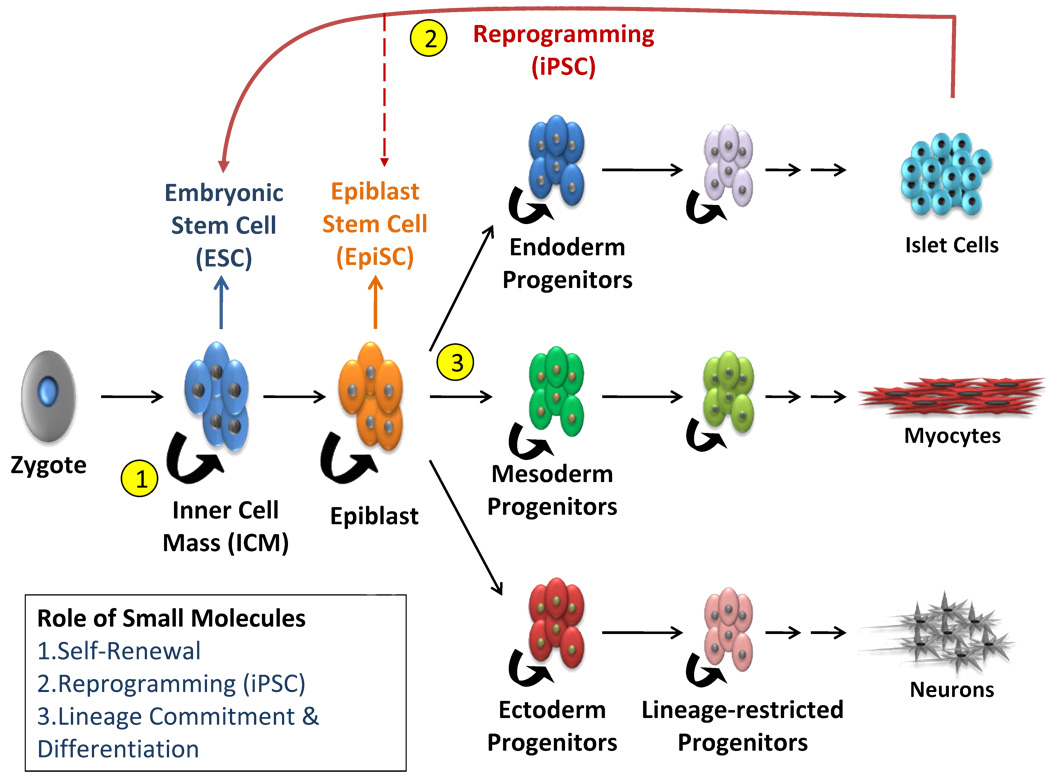
In early January 2025, MIT Tech Review unveiled its annual list of top 10 breakthrough technologies poised to redefine the future. Among these, stem cell therapy stood out for its potential to treat diverse diseases—including neurodegenerative disorders, diabetes, cancer, and heart failure. This groundbreaking approach uses stem cells to replace damaged cells, offering hope for millions worldwide.
Scientific Reviews
In early January 2025, MIT Tech Review unveiled its annual list of top 10 breakthrough technologies poised to redefine the future. Among these, stem cell therapy stood out for its potential to treat diverse diseases—including neurodegenerative disorders, diabetes, cancer, and heart failure. This groundbreaking approach uses stem cells to replace damaged cells, offering hope for millions worldwide. -
 Scientific Reviews
Autophagy is a fundamental process that degrades various components within the cell.
Scientific Reviews
Autophagy is a fundamental process that degrades various components within the cell. -
 Scientific Reviews
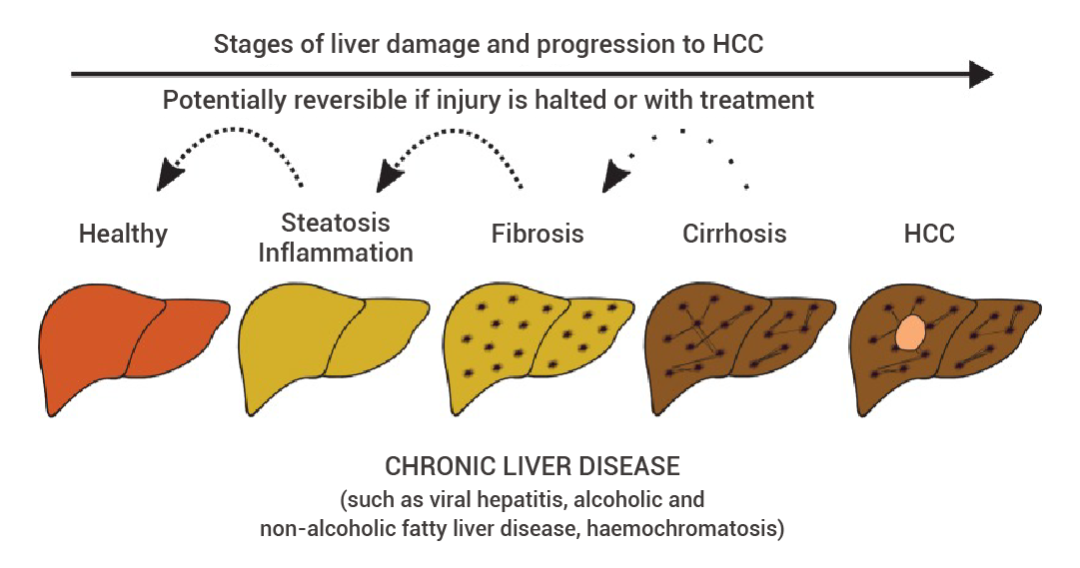
This article will tell you about the common methods of modeling liver disease in animal models.
Scientific Reviews
This article will tell you about the common methods of modeling liver disease in animal models. -
 Scientific Reviews
This article introduces some common cardiovascular disease models, inducers, modeling protocols and successful modeling cases in the research.
Scientific Reviews
This article introduces some common cardiovascular disease models, inducers, modeling protocols and successful modeling cases in the research. -
 Scientific Reviews
In this issue, we will conduct an in-depth interpretation from the dimensions of nanoparticle design, mechanism of action, in vivo and in vitro efficacy, and immune regulation, revealing how this research brings new hope for the treatment of invasive tumors through interdisciplinary innovation!
Scientific Reviews
In this issue, we will conduct an in-depth interpretation from the dimensions of nanoparticle design, mechanism of action, in vivo and in vitro efficacy, and immune regulation, revealing how this research brings new hope for the treatment of invasive tumors through interdisciplinary innovation! -
 Scientific Reviews
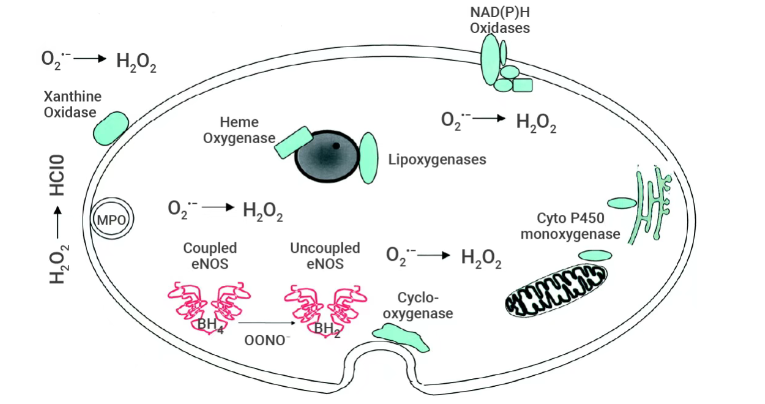
The article introduces the mechanisms of ROS generation and the methods for their detection.
Scientific Reviews
The article introduces the mechanisms of ROS generation and the methods for their detection. -
 Scientific Reviews
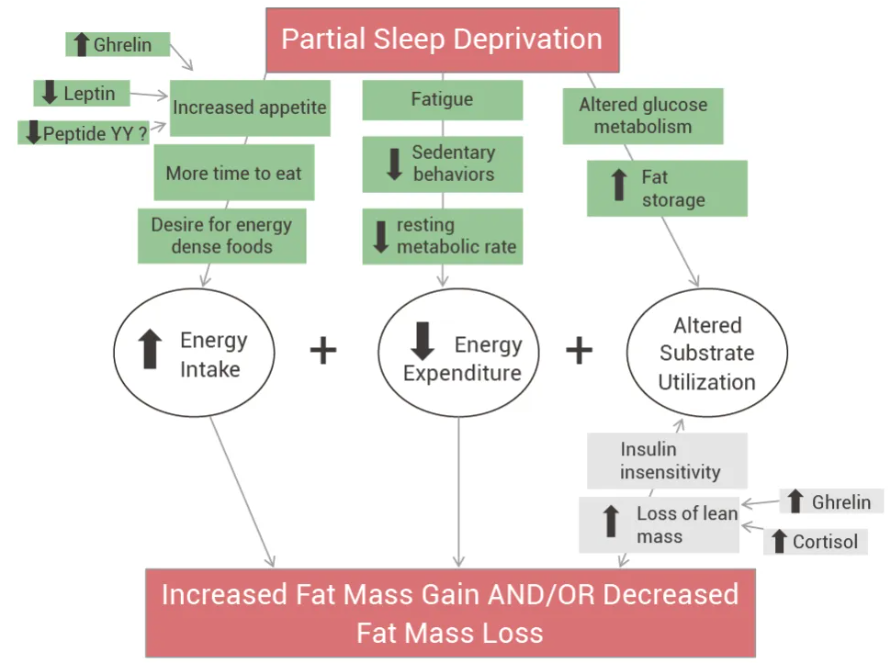
Have you ever noticed that after staying up late, your appetite—especially for high-calorie foods—gets out of control? If this sounds familiar, today’s article might offer some good news.
Scientific Reviews
Have you ever noticed that after staying up late, your appetite—especially for high-calorie foods—gets out of control? If this sounds familiar, today’s article might offer some good news. -
 Scientific Reviews
Finding adipogenic induction media too expensive and tricky to prepare? This comprehensive guide to 3T3-L1 adipogenic differentiation simplifies the process, helping you achieve great results!
Scientific Reviews
Finding adipogenic induction media too expensive and tricky to prepare? This comprehensive guide to 3T3-L1 adipogenic differentiation simplifies the process, helping you achieve great results! -
 Scientific Reviews
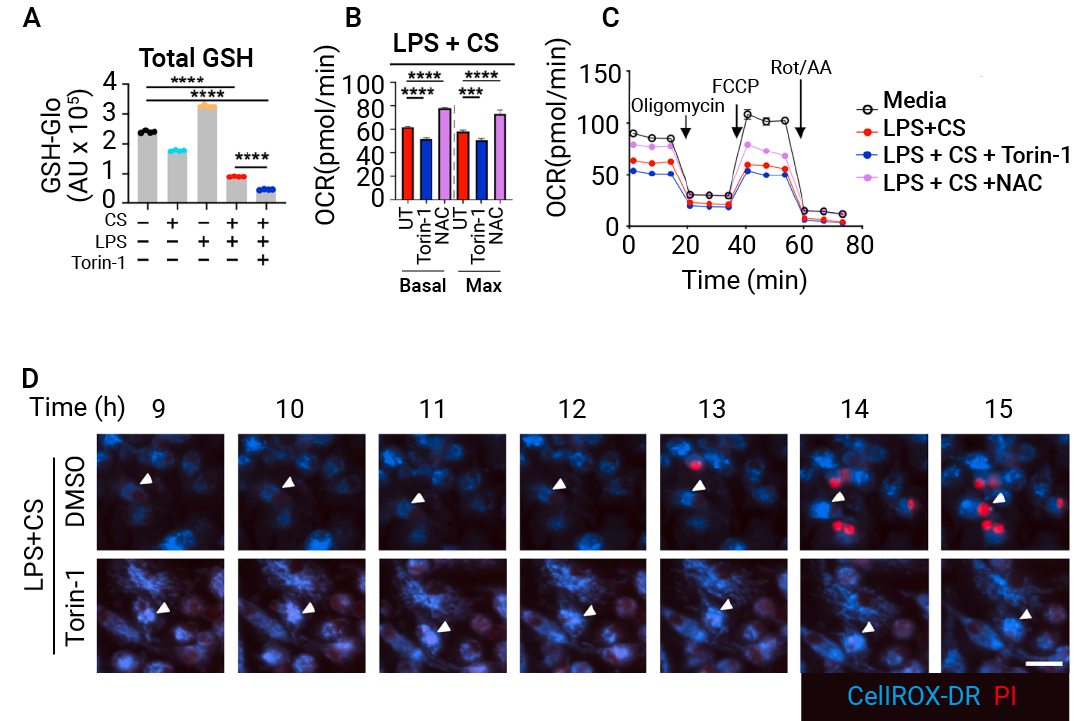
A November 2025 Cell study discovers Mitoxyperilysis, a new mTOR-regulated, caspase-independent cell death pathway driven by innate immune and metabolic dysregulation via mitochondrial-plasma membrane contact and oxidative damage, and verifies its potential to induce tumor necrosis for cancer therapy with key regulators including BAX, BAK1 and BID.
Scientific Reviews
A November 2025 Cell study discovers Mitoxyperilysis, a new mTOR-regulated, caspase-independent cell death pathway driven by innate immune and metabolic dysregulation via mitochondrial-plasma membrane contact and oxidative damage, and verifies its potential to induce tumor necrosis for cancer therapy with key regulators including BAX, BAK1 and BID. -
 Scientific Reviews
In the hunt for the next ‘GLP-1,’ amylin therapeutics, which have shown strong weight-loss results in clinical trials, have become a major focus for both multinational pharma and the scientific community.
Scientific Reviews
In the hunt for the next ‘GLP-1,’ amylin therapeutics, which have shown strong weight-loss results in clinical trials, have become a major focus for both multinational pharma and the scientific community. -
 Scientific Reviews
GLP-1 and Obesity Research
Scientific Reviews
GLP-1 and Obesity Research2026-08-14
Obesity substantially increases the risk of chronic diseases such as T2D and cardiovascular disease. The breakout success of GLP-1 therapies has spotlighted GLP-1R and a wave of emerging obesity targets. -
 EDM
This review introduces the major forms of programmed cell death, with a focus on the molecular mechanisms of ferroptosis and the methods used for its detection.
EDM
This review introduces the major forms of programmed cell death, with a focus on the molecular mechanisms of ferroptosis and the methods used for its detection. -
 EDM
Research Progress of Type-2-Diabetes
EDM
Research Progress of Type-2-Diabetes2025-07-09
This review comprehensively analyzes the pathophysiological mechanisms underlying T2D, surveys current therapeutic strategies, and introduces commonly used disease modeling approaches to support translational research. -
 EDM
This review provides an overview of GLP-1 biology and physiological functions, summarizes the development and clinical applications of GLP-1 receptor agonists, and discusses next-generation GLP-1–based therapeutic strategies.
EDM
This review provides an overview of GLP-1 biology and physiological functions, summarizes the development and clinical applications of GLP-1 receptor agonists, and discusses next-generation GLP-1–based therapeutic strategies. -
 EDM
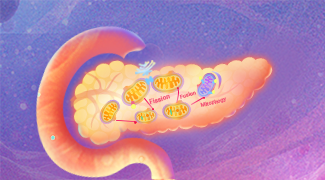
This review discusses β-cell dysfunction driven by mitochondrial impairment, outlines mitochondrial quality control networks, and summarizes strategies to restore mitochondrial function.
EDM
This review discusses β-cell dysfunction driven by mitochondrial impairment, outlines mitochondrial quality control networks, and summarizes strategies to restore mitochondrial function. -
 EDM
This review provides a practical guide to the fundamental mechanisms, regulatory pathways, and detection methods of pyroptosis.
EDM
This review provides a practical guide to the fundamental mechanisms, regulatory pathways, and detection methods of pyroptosis. -
 EDM
Explore next-generation obesity therapies from three perspectives: GLP-1-based multi-receptor agonists, oral GLP-1 strategies, and novel obesity targets.
EDM
Explore next-generation obesity therapies from three perspectives: GLP-1-based multi-receptor agonists, oral GLP-1 strategies, and novel obesity targets. -
 EDM
Review mitophagy regulation, disease mechanisms, and therapeutic advances to guide future research and drug development.
EDM
Review mitophagy regulation, disease mechanisms, and therapeutic advances to guide future research and drug development. -
 EDM
Explore the evolution from GLP-1 mono-agonists to multi-receptor therapeutics and the expanding role of incretin-based therapies in precision metabolic medicine.
EDM
Explore the evolution from GLP-1 mono-agonists to multi-receptor therapeutics and the expanding role of incretin-based therapies in precision metabolic medicine. -
 EDM
Evolution of PCSK9 Inhibitors Modalities: From Monoclonal Antibodies to Oral Macrocyclic Peptides
EDM
Evolution of PCSK9 Inhibitors Modalities: From Monoclonal Antibodies to Oral Macrocyclic Peptides2026-08-27
Review the biological basis of PCSK9, key therapeutic modalities, cardiovascular evidence, and future directions, including insights from the CORALreef clinical program. -
 EDM
Explore how mitochondrial quality control, inflammatory signaling, and metabolic–epigenetic reprogramming regulate cellular senescence and the SASP, along with strategies to restore mitochondrial homeostasis.
EDM
Explore how mitochondrial quality control, inflammatory signaling, and metabolic–epigenetic reprogramming regulate cellular senescence and the SASP, along with strategies to restore mitochondrial homeostasis. -
 EDM
Review the metabolic regulation of ferroptosis through iron homeostasis, lipid peroxidation and antioxidant defence, and the emerging polyamine–iron buffering axis.
EDM
Review the metabolic regulation of ferroptosis through iron homeostasis, lipid peroxidation and antioxidant defence, and the emerging polyamine–iron buffering axis. -
 Product Guides
Exosomes are nano-sized biovesicles released into surrounding body fluids after the fusion of multivesicular bodies with the plasma membrane. In this article, we will briefly introduce isolation, labeling and identification of exosomes. And the specific application of exosomes will also be mentioned.
Product Guides
Exosomes are nano-sized biovesicles released into surrounding body fluids after the fusion of multivesicular bodies with the plasma membrane. In this article, we will briefly introduce isolation, labeling and identification of exosomes. And the specific application of exosomes will also be mentioned. -
 Blog
AZD5991, a macrocyclic molecule with high selectivity for Mcl-1, reduces Mcl-1 protein in AZD5991-sensitive but not in AZD5991-resistant MM cell lines.
Blog
AZD5991, a macrocyclic molecule with high selectivity for Mcl-1, reduces Mcl-1 protein in AZD5991-sensitive but not in AZD5991-resistant MM cell lines. -
 Blog
CCB02 is an tubulin binder and has potential in the therapy of cancer cells with extra centrosomes. CCB02 also activates spindle assembly checkpoint.
Blog
CCB02 is an tubulin binder and has potential in the therapy of cancer cells with extra centrosomes. CCB02 also activates spindle assembly checkpoint. -
 Blog
H3B-5942 is a selective and irreversible estrogen receptor covalent antagonist, inactivates both ERαWT and ERα mutation.
Blog
H3B-5942 is a selective and irreversible estrogen receptor covalent antagonist, inactivates both ERαWT and ERα mutation. -
 Blog
HS-1371 is a Small Molecule RIP3 Inhibitor
Blog
HS-1371 is a Small Molecule RIP3 Inhibitor2019-04-09
HS-1371 is a novel kinase inhibitor of RIP3-mediated necroptosis, showing an inhibitory effect on S227 auto-phosphorylation of RIP3 at the basal level. -
 Blog
Nevanimibe is a selective and potent ACAT1 inhibitor. An excellent drug candidate in the treatment of adrenocortical cancer.
Blog
Nevanimibe is a selective and potent ACAT1 inhibitor. An excellent drug candidate in the treatment of adrenocortical cancer. -
 Blog
PhiKan 083 is a carbazole derivative, which binds to the surface cavity and stabilizes Y220C (a p53 mutant), with a Kd of 167 μM.
Blog
PhiKan 083 is a carbazole derivative, which binds to the surface cavity and stabilizes Y220C (a p53 mutant), with a Kd of 167 μM. -
 Blog
Novel Greatwall Kinase Inhibitor GKI-1
Blog
Novel Greatwall Kinase Inhibitor GKI-12019-04-13
GKI-1, a GWL inhibitor, robustly inhibited ROCK1 with an IC50 of ~11 μM, but only weakly affected PKA and had no observable inhibition towards CDK2. -
 Blog
SSE15206 is a microtubule polymerization inhibitor, with a GI50 of 197 nM in HCT116 cells. Causes aberrant mitosis resulting in G2/M arrest.
Blog
SSE15206 is a microtubule polymerization inhibitor, with a GI50 of 197 nM in HCT116 cells. Causes aberrant mitosis resulting in G2/M arrest. -
 Blog
Cevipabulin is a microtubule-active compound and inhibits the binding of [3H] vinblastine to tubulin, with an IC50 of 18-40 nM for in human tumor cell line.
Blog
Cevipabulin is a microtubule-active compound and inhibits the binding of [3H] vinblastine to tubulin, with an IC50 of 18-40 nM for in human tumor cell line. -
 Blog
BTR-1 potently inhibits cell growth. It induces S phase arrest, affects DNA replication. Dose-dependently induces cytotoxicity in leukemic cell lines.
Blog
BTR-1 potently inhibits cell growth. It induces S phase arrest, affects DNA replication. Dose-dependently induces cytotoxicity in leukemic cell lines. -
 Blog
BAY-8002 is a selective and orally active inhibitor of monocarboxylate transporter 1 (MCT1), with an IC50 of 85 nM. Has potential to treat lymphoma.
Blog
BAY-8002 is a selective and orally active inhibitor of monocarboxylate transporter 1 (MCT1), with an IC50 of 85 nM. Has potential to treat lymphoma. -
 Blog
CFI-402257 is a highly selective and oral active TTK/Mps1 inhibitor with an IC50 of 1.7 nM for TTK. CFI-402257 has potential to treat ovary cancer and TNBC.
Blog
CFI-402257 is a highly selective and oral active TTK/Mps1 inhibitor with an IC50 of 1.7 nM for TTK. CFI-402257 has potential to treat ovary cancer and TNBC. -
 Blog
RIPGBM is a selective inducer of apoptosis in glioblastoma multiforme (GBM) cancer stem cells (CSCs) with an EC50 less than 500 nM.
Blog
RIPGBM is a selective inducer of apoptosis in glioblastoma multiforme (GBM) cancer stem cells (CSCs) with an EC50 less than 500 nM. -
 Blog
Riviciclib is a Potent CDKs Inhibitor
Blog
Riviciclib is a Potent CDKs Inhibitor2019-06-09
Riviciclib P276-00 free base) is a potent CDK inhibitor, which inhibits CDK9-cyclinT1, CDK4-cyclin D1, and CDK1-cyclinB with IC50s of 20 nM, 63 nM, and 79 nM, respectively -
 Blog
Olutasidenib is a highly potent, selective inhibitor of mutant IDH1 that could be used in the treatment of AML or myelodysplastic syndrome (MDS).
Blog
Olutasidenib is a highly potent, selective inhibitor of mutant IDH1 that could be used in the treatment of AML or myelodysplastic syndrome (MDS). -
 Blog
Gboxin is an oxidative phosphorylation inhibitor that targets glioblastoma. Gboxin inhibits the activity of F0F1 ATP synthase and shows antitumour activity.
Blog
Gboxin is an oxidative phosphorylation inhibitor that targets glioblastoma. Gboxin inhibits the activity of F0F1 ATP synthase and shows antitumour activity. -
 Blog
CBS9106, a Reversible Oral CRM1 Inhibitor, Causes Arrest of the Cell Cycle and Induces Apoptosis
Blog
CBS9106, a Reversible Oral CRM1 Inhibitor, Causes Arrest of the Cell Cycle and Induces Apoptosis2019-06-14
CBS9106 (SL-801) is a reversible oral CRM1 inhibitor antitumor activities. CBS9106 causes arrest of the cell cycle and induces apoptosis. -
 Blog
NU6140 is a selective CDK2-cyclin A inhibitor (IC50, 0.41 μM). NU6140 also potently inhibits Aurora A and Aurora B, with IC50s of 67 and 35 nM, respectively
Blog
NU6140 is a selective CDK2-cyclin A inhibitor (IC50, 0.41 μM). NU6140 also potently inhibits Aurora A and Aurora B, with IC50s of 67 and 35 nM, respectively -
 Blog
TH34, an HDAC6/8/10 inhibitor with IC50s of 4.6 μM, 1.9 μM, and 7.7 μM respectively, shows high selectivity over HDAC1/2/3.
Blog
TH34, an HDAC6/8/10 inhibitor with IC50s of 4.6 μM, 1.9 μM, and 7.7 μM respectively, shows high selectivity over HDAC1/2/3. -
 Blog
Alisertib (MLN 8237) is an oral active and selective Aurora A kinase inhibitor with an IC50 of 1.2 nM. To treat hematologic malignancies and solid tumors.
Blog
Alisertib (MLN 8237) is an oral active and selective Aurora A kinase inhibitor with an IC50 of 1.2 nM. To treat hematologic malignancies and solid tumors. -
 Blog
PTC299 is a dual and orally active DHODH and VEGF inhibitor, has broad and potent activity against hematological cancer cells.
Blog
PTC299 is a dual and orally active DHODH and VEGF inhibitor, has broad and potent activity against hematological cancer cells. -
 Blog
S55746 (BLC201) is an orally active and selective BCL-2 inhibitor, with a Ki of 1.3 nM.. S55746 (BLC201) has antitumor activity with low toxicity.
Blog
S55746 (BLC201) is an orally active and selective BCL-2 inhibitor, with a Ki of 1.3 nM.. S55746 (BLC201) has antitumor activity with low toxicity. -
 Blog
WYC-209 is a retinoic acid receptor (RAR) agonist. WYC-209 induces apoptosis primarily via the caspase 3 pathway (IC50 = 0.19 μM for mTRCs).
Blog
WYC-209 is a retinoic acid receptor (RAR) agonist. WYC-209 induces apoptosis primarily via the caspase 3 pathway (IC50 = 0.19 μM for mTRCs). -
 Blog
MBM-55 is a potent, selective Nek2 inhibitor with an IC50 of 1 nM. MBM-55 shows antitumor activities and induces cell cycle arrest and apoptosis.
Blog
MBM-55 is a potent, selective Nek2 inhibitor with an IC50 of 1 nM. MBM-55 shows antitumor activities and induces cell cycle arrest and apoptosis. -
 Blog
LSN 3213128 is a selective, nonclassical, orally bioavailable antifolate with anti-cancer activity. LSN 3213128 potently and specifically inhibits AICARFT.
Blog
LSN 3213128 is a selective, nonclassical, orally bioavailable antifolate with anti-cancer activity. LSN 3213128 potently and specifically inhibits AICARFT. -
 Blog
VERU-111 (ABI-231) is a potent and orally bioavailable α and β tubulin inhibitor, which displays strong antiproliferative activity.
Blog
VERU-111 (ABI-231) is a potent and orally bioavailable α and β tubulin inhibitor, which displays strong antiproliferative activity. -
 Blog
MPT0B392 Induces Apoptosis via Inhibiting Tubulin Polymerization and Inducing c-JNK Activation
Blog
MPT0B392 Induces Apoptosis via Inhibiting Tubulin Polymerization and Inducing c-JNK Activation2019-08-16
MPT0B392 is a novel microtubule depolymerizing agent that triggers induction of the mitotic arrest and induces JNK activation, leading to apoptosis. -
 Blog
NXT629 is a potent, selective, and competitive PPAR-α antagonist and shows high selectivity over other nuclear hormone receptor.
Blog
NXT629 is a potent, selective, and competitive PPAR-α antagonist and shows high selectivity over other nuclear hormone receptor. -
 Blog
BJE6-106 is a selective PKCδ inhibitor with an IC50 of 0.05 μM and targets selectivity over PKCα. BJE6-106 induces caspase-dependent apoptosis.
Blog
BJE6-106 is a selective PKCδ inhibitor with an IC50 of 0.05 μM and targets selectivity over PKCα. BJE6-106 induces caspase-dependent apoptosis. -
 Blog
BI-4924 is a Selective PHGDH Inhibitor
Blog
BI-4924 is a Selective PHGDH Inhibitor2019-08-23
BI-4924 is a lipophilic and highly plasma protein bound selective phosphoglycerate dehydrogenase (PHGDH) inhibitor (IC50=3 nM) with excellent microsomal. -
 Blog
AAPK-25 is a potent and selective Aurora kinases and Polo-like Kinases (PLK) dual inhibitor, which shows anti-tumor activity.
Blog
AAPK-25 is a potent and selective Aurora kinases and Polo-like Kinases (PLK) dual inhibitor, which shows anti-tumor activity. -
 Blog
FT113 is a potent and orally active fatty acid synthase inhibitor, with an IC50 of 213 nM for full-length recombinant human FAS, with anti-tumor activity.
Blog
FT113 is a potent and orally active fatty acid synthase inhibitor, with an IC50 of 213 nM for full-length recombinant human FAS, with anti-tumor activity. -
 Blog
UPGL00004 is a allosteric glutaminase C inhibitor which strongly inhibits the proliferation of highly aggressive triple-negative breast cancer cell lines.
Blog
UPGL00004 is a allosteric glutaminase C inhibitor which strongly inhibits the proliferation of highly aggressive triple-negative breast cancer cell lines. -
 Blog
IDH889 is an orally available, brain penetrant, allosteric and mutant specific inhibitor of isocitrate dehydrogenase 1 (IDH1) R132 mutations.
Blog
IDH889 is an orally available, brain penetrant, allosteric and mutant specific inhibitor of isocitrate dehydrogenase 1 (IDH1) R132 mutations. -
 Blog
Tasisulam is an anticancer agent and induces apoptosis, which also inhibits mitotic progression and induces vascular normalization.
Blog
Tasisulam is an anticancer agent and induces apoptosis, which also inhibits mitotic progression and induces vascular normalization. -
 Blog
TVB-3166 is an orally-available, reversible, and selective FASN inhibitor and it induces apoptosis, and inhibits in-vivo xenograft tumor growth.
Blog
TVB-3166 is an orally-available, reversible, and selective FASN inhibitor and it induces apoptosis, and inhibits in-vivo xenograft tumor growth. -
 Blog
ASLAN003 is an orally active and potent inhibitor of hDHODH with antitumor activity, and it has the potential to be a first-in-class drug candidate in AML.
Blog
ASLAN003 is an orally active and potent inhibitor of hDHODH with antitumor activity, and it has the potential to be a first-in-class drug candidate in AML. -
 Blog
DS18561882 is a highly potent, sozyme-selective methylenetetrahydrofolate dehydrogenase 2 (MTHFD2) inhibitor with a good oral pharmacokinetic profile.
Blog
DS18561882 is a highly potent, sozyme-selective methylenetetrahydrofolate dehydrogenase 2 (MTHFD2) inhibitor with a good oral pharmacokinetic profile. -
 Blog
S516 is a potent tubulin polymerization inhibitor with an IC50 of 4.29 μM and has marked antitumor activity against murine and human solid tumors.
Blog
S516 is a potent tubulin polymerization inhibitor with an IC50 of 4.29 μM and has marked antitumor activity against murine and human solid tumors. -
 Blog
GNE-618 is a Orally Active NAMPT Inhibitor
Blog
GNE-618 is a Orally Active NAMPT Inhibitor2019-11-28
GNE-618 is an orally active NAMPT inhibitor and reduces tumor growth. GNE-618 depletes NAD levels and induces tumor cell death. -
 Blog
Telaglenastat is a first-in-class, reversible, orally bioavailable glutaminase 1 splice variants (KGA and GAC) inhibitor. It shows antitumor activity.
Blog
Telaglenastat is a first-in-class, reversible, orally bioavailable glutaminase 1 splice variants (KGA and GAC) inhibitor. It shows antitumor activity. -
 Blog
GPP78 is a potent Nampt inhibitor. GPP78 is cytotoxic to neuroblastoma cell line SH-SY5Y cells. GPP78 has anti-cancer and anti-tumor activity.
Blog
GPP78 is a potent Nampt inhibitor. GPP78 is cytotoxic to neuroblastoma cell line SH-SY5Y cells. GPP78 has anti-cancer and anti-tumor activity. -
 Blog
BRD7389 is a specific RSK family kinase inhibitor and is a small-molecule inducer of insulin expression in pancreatic α-cells.
Blog
BRD7389 is a specific RSK family kinase inhibitor and is a small-molecule inducer of insulin expression in pancreatic α-cells. -
 Blog
AKOS-22, a VDAC1 Oligomerization and Apoptosis Inhibitor, Protects Against Mitochondrial Dysfunction
Blog
AKOS-22, a VDAC1 Oligomerization and Apoptosis Inhibitor, Protects Against Mitochondrial Dysfunction2020-02-15
AKOS-22 is a potent mitochondrial protein VDAC1 and apoptosis inhibitor. AKOS-22 protects against Mitochondrial Dysfunction. -
 Blog
CM10 is a potent and selective aldehyde dehydrogenase 1A family inhibitor and regulates metabolism and has anti-cancer activity.
Blog
CM10 is a potent and selective aldehyde dehydrogenase 1A family inhibitor and regulates metabolism and has anti-cancer activity. -
 Blog
DC-5163 is a potent GAPDH inhibitor, can inhibit glycolysis pathway partially. DC-5163 selectively inhibits cancer cell proliferation and induces apoptosis.
Blog
DC-5163 is a potent GAPDH inhibitor, can inhibit glycolysis pathway partially. DC-5163 selectively inhibits cancer cell proliferation and induces apoptosis. -
 Blog
OT-82 is a selective inhibitor of NAMPT. Selectively toxic to cells of hematopoietic origin. OT-82 is a promising antineoplastic agent.
Blog
OT-82 is a selective inhibitor of NAMPT. Selectively toxic to cells of hematopoietic origin. OT-82 is a promising antineoplastic agent. -
 Blog
TNP-351, an Antifolate, is a Dihydrofolate Reductase (DHFR) Inhibitor. Antifolates serve medical science well in neoplastic and non-neoplastic diseases.
Blog
TNP-351, an Antifolate, is a Dihydrofolate Reductase (DHFR) Inhibitor. Antifolates serve medical science well in neoplastic and non-neoplastic diseases. -
 Blog
MYLS22 is a first-in-class and selective optic atrophy 1 (OPA1) inhibitor with anti-angiogenesis and anti-cancer activity.
Blog
MYLS22 is a first-in-class and selective optic atrophy 1 (OPA1) inhibitor with anti-angiogenesis and anti-cancer activity. -
 Blog
JX06 is a potent, selective and covalent inhibitor of PDK via covalently binding to a cysteine residue in an irreversible manner.
Blog
JX06 is a potent, selective and covalent inhibitor of PDK via covalently binding to a cysteine residue in an irreversible manner. -
 Blog
ZZW-115, a NUPR1 Inhibitor, Possesses Anticancer Activity via Inducing Necroptosis and Apoptosis
Blog
ZZW-115, a NUPR1 Inhibitor, Possesses Anticancer Activity via Inducing Necroptosis and Apoptosis2020-08-29
ZZW-115 is a potent NUPR1 inhibitor, with a Kd of 2.1 μM. ZZW-115 induces tumor cell death by necroptosis and apoptosis. ZZW-115 exerts anticancer activity. -
 Blog
IPI-9119 is an orally active, selective and irreversible FASN inhibitor with potent anti-cancer activity. IPI-9119 induces cell cycle arrest, apoptosis.
Blog
IPI-9119 is an orally active, selective and irreversible FASN inhibitor with potent anti-cancer activity. IPI-9119 induces cell cycle arrest, apoptosis. -
 Blog
CTPI-2 is a SLC25A1 inhibitor. CTPI-2 inhibits glycolysis, PPARγ, and its downstream target the glucose transporter GLUT4. Antitumor activity.
Blog
CTPI-2 is a SLC25A1 inhibitor. CTPI-2 inhibits glycolysis, PPARγ, and its downstream target the glucose transporter GLUT4. Antitumor activity. -
 Blog
G5-7, an orally active and allosteric JAK2 inhibitor. G5-7 induces cell cycle arrest, apoptosis and possesses antiangiogenic effect.
Blog
G5-7, an orally active and allosteric JAK2 inhibitor. G5-7 induces cell cycle arrest, apoptosis and possesses antiangiogenic effect. -
 Blog
BI99179 is a Selective Type I FASN Inhibitor
Blog
BI99179 is a Selective Type I FASN Inhibitor2021-01-28
FASN is a key enzyme for lipogenesis and highly expressed in lipogenic tissues. BI99179 is a Selective Type I FASN Inhibitor. -
 Blog
Fasentin inhibits GLUT-1 and GLUT-4 transporters. Fasentin blocks glucose uptake in cancer cell lines and has anti-angiogenic activity.
Blog
Fasentin inhibits GLUT-1 and GLUT-4 transporters. Fasentin blocks glucose uptake in cancer cell lines and has anti-angiogenic activity. -
 Blog
ML390 is a Potent DHODH Inhibitor
Blog
ML390 is a Potent DHODH Inhibitor2021-02-24
ML390 is a potent dihydroorotate dehydrogenase (DHODH) inhibitor and is an inducer of myeloid differentiation. -
 Blog
IMT1 is a first-in-class specific and noncompetitive human POLRMT inhibitor for mitochondrial transcription disorders related diseases.
Blog
IMT1 is a first-in-class specific and noncompetitive human POLRMT inhibitor for mitochondrial transcription disorders related diseases. -
 Blog
AUTAC4 is a mitochondria-targeting autophagy-targeting chimera, which can be used for the study of mitochondrial dysfunction.
Blog
AUTAC4 is a mitochondria-targeting autophagy-targeting chimera, which can be used for the study of mitochondrial dysfunction. -
 Blog
Vorasidenib is an orally available, brain penetrant second-generation dual mutant isocitrate dehydrogenases 1 and 2 (mIDH1/2) inhibitor.
Blog
Vorasidenib is an orally available, brain penetrant second-generation dual mutant isocitrate dehydrogenases 1 and 2 (mIDH1/2) inhibitor. -
 Blog
IACS-010759 is an orally active, potent mitochondrial complex I of oxidative phosphorylation (OXPHOS) inhibitor with antitumor activity.
Blog
IACS-010759 is an orally active, potent mitochondrial complex I of oxidative phosphorylation (OXPHOS) inhibitor with antitumor activity. -
 Blog
Lonidamine, an antitumor agent and an indazole derivative, interferes with energy-yielding processes in cancer cells.
Blog
Lonidamine, an antitumor agent and an indazole derivative, interferes with energy-yielding processes in cancer cells. -
 Blog
Alda-1 is a potent ALDH2 Agonist
Blog
Alda-1 is a potent ALDH2 Agonist2021-12-30
Alda-1 ameliorates H2O2-induced Achilles tendinopathy. Alda-1 could be used for preventing Achilles tendinopathy. -
 Blog
STF-31 is a potent ans selective inhibitor of GLUT1 that inhibit glucose uptake in renal cell carcinoma (RCC) 4 cells.
Blog
STF-31 is a potent ans selective inhibitor of GLUT1 that inhibit glucose uptake in renal cell carcinoma (RCC) 4 cells. -
 Blog
Olutasidenib (FT-2102) is an orally active, brain penetrant inhibitor of mutant IDH1. Olutasidenib is used for AML or MDS Research.
Blog
Olutasidenib (FT-2102) is an orally active, brain penetrant inhibitor of mutant IDH1. Olutasidenib is used for AML or MDS Research. -
 Blog
Talotrexin (PT523), a classic antifolate, is an RFC (reduced folate carrier) specific inhibitor and selectively inhibits RFC transport.
Blog
Talotrexin (PT523), a classic antifolate, is an RFC (reduced folate carrier) specific inhibitor and selectively inhibits RFC transport.
Products
All
-
All
-
Inhibitors & Agonists
-
Isotope-Labeled Compounds
-
Fluorescent Dye
-
Peptides
-
Recombinant Proteins
-
Antibodies
-
Screening Libraries
-
Kits
-
Inhibitory Antibodies
-
Reference Standards
-
Induced Disease Models Products
-
GMP Small Molecules
-
Enzyme
-
Biochemical Assay Reagents
-
Natural Products
| Cat. No. | Product Name | Information | Application | Publication |
|---|---|---|---|---|
| HY-15142A | Doxorubicin |
Doxorubicin (Hydroxydaunorubicin), a cytotoxic anthracycline antibiotic, is an anti-cancer chemotherapy agent. Doxorubicin is a potent human DNA topoisomerase I and topoisomerase II inhibitor with IC50s of 0.8 μM and 2.67 μM, respectively. Doxorubicin reduces basal phosphorylation of AMPK and its downstream target acetyl-CoA carboxylase. Doxorubicin induces apoptosis and autophagy.
Source: Streptomyces peucetius. |
ADC Payloads
Antibiotic
Bacterial
Topoisomerase
AMPK
HIV
Autophagy
Mitophagy
Apoptosis
HBV
Fluorescent Dye
Infection
Non-Small Cell Lung Cancer
HER-2 Positive Breast Cancer
Triple-Negative Breast Cancer
Metastatic Breast Cancer
|
711
|
| HY-15142 | Doxorubicin hydrochloride |
Doxorubicin hydrochloride (Hydroxydaunorubicin hydrochloride; ADR), a cytotoxic anthracycline antibiotic, is an anti-cancer chemotherapy agent. Doxorubicin hydrochloride is a potent human DNA topoisomerase I and topoisomerase II inhibitor with IC50s of 0.8 μM and 2.67 μM, respectively. Doxorubicin hydrochloride reduces basal phosphorylation of AMPK and its downstream target acetyl-CoA carboxylase. Doxorubicin hydrochloride induces apoptosis and autophagy.
Source: Streptomyces peucetius var. Caesius |
Topoisomerase
ADC Payloads
AMPK
Autophagy
Apoptosis
HIV
HBV
Mitophagy
Antibiotic
Bacterial
Fluorescent Dye
Non-Small Cell Lung Cancer
HER-2 Positive Breast Cancer
Triple-Negative Breast Cancer
Metastatic Breast Cancer
|
711
|
| HY-10071 | Y-27632 |
Y-27632 is a ROCK inhibitor with Ki values of 220 nM and 300 nM for ROCK1 and ROCK2, respectively. Y-27632 exerts anti-inflammatory and immunomodulatory effects in systemic lupus erythematosus models by inhibiting the ROCK/NF-κB pathway. Y-27632 enhances autophagy by inhibiting the AKT/mTOR pathway, thereby inducing apoptosis apoptosis in oral squamous cell carcinoma. Y-27632 induces the formation of tunneling nanotubes in ARPE-19 cells and significantly enhances mitochondrial transfer through these channels. Y-27632 promotes neurite outgrowth in PC12 cells by activating the Rac1/NOX1/ROS/AKT/PAK1 signaling cascade.
|
|
603
|
| HY-10358 | MK-2206 dihydrochloride |
MK-2206 dihydrochloride (MK-2206 2HCl) is an orally active pan-AKT inhibitor, with IC50 values of 8 nM, 12 nM and 65 nM against AKT1, AKT2 and AKT3, respectively. MK-2206 dihydrochloride inhibits the Akt/mTOR signaling pathway and reduces the levels of downstream GSK3β and Mcl-1 via proteasomal degradation. MK-2206 dihydrochloride induces G1-phase cell cycle arrest, apoptosis, epithelial-mesenchymal transition, fibroblast activation and extracellular matrix deposition. MK-2206 dihydrochloride causes transient hyperglycemia and hyperinsulinemia in animals. MK-2206 dihydrochloride can be used in research related to solid tumors, renal fibrosis and hypercholesterolemia.
|
Colorectal Cancer
Prostate Cancer
Gastric Cancer
Liver Cancer
Leukemia/Lymphoma/Myeloma
Pancreatic Cancer
Ovarian Cancer
Large Cell Lung Carcinoma
Metastatic Breast Cancer
Lung Fibrosis
|
494
|
| HY-B0988 | Deferoxamine mesylate |
Deferoxamine mesylate (Deferoxamine B mesylate) is an iron chelator (binds to Fe(III) and many other metal cations), is widely used to reduce iron accumulation and deposition in tissues. Deferoxamine mesylate upregulates HIF-1α levels with good antioxidant activity. Deferoxamine mesylate also shows anti-proliferative activity, can induce apoptosis and autophagy in cancer cells. Deferoxamine mesylate can be used in studies of diabetes, neurodegenerative diseases as well as anti-cancer and anti-COVID-19.
|
Infection
Neurological, Eye or Ear Disease
Inflammation or Immune System Disease
Metabolic or Endocrine Disease
|
452
|
| HY-18749 | SC79 |
|
341
|
|
| HY-10201 | Sorafenib |
Sorafenib (Bay 43-9006) is a potent oral active multikinase inhibitor. Sorafenib blocks autophosphorylation and activity of receptor tyrosine kinases (VEGFR-2, VEGFR-3) and RAF family kinases, thereby suppressing the RAF/MEK/ERK and PI3K/Akt pathways, inhibiting STAT3 phosphorylation, and selectively inhibiting the MAPK pathway in cancer cells. Sorafenib induces cell cycle arrest, autophagy, apoptosis, and PARP cleavage, reduces Bcl-2, Bcl-XL, cyclin D1 levels, and activates Bak and Bax. Sorafenib inhibits tumor growth and metastasis in mouse and rat models. Sorafenib can be used for cancer research, such as colon, breast, non-small-cell lung cancer (NSCLC), ovarian, pancreatic, melanoma, colorectal and hepatocellular carcinoma.
|
Raf
VEGFR
FLT3
Autophagy
Apoptosis
STAT
Akt
MMP
Cadherin
p38 MAPK
ERK
MEK
PI3K
PARP
Bcl-2 Family
Ephrin Receptor
PDGFR
Gastric Cancer
Liver Cancer
Ovarian Cancer
Digestive System Inflammation
Small Cell Lung Cancer
Non-Small Cell Lung Cancer
Metastatic Breast Cancer
Metastatic Colorectal Cancer
Metastatic Prostate Cancer
Multiple Myeloma
Metastatic Pancreatic Cancer
SARS-CoV-2 Infection
Alzheimer's Disease
Parkinson's Disease
Obesity
Lung Fibrosis
|
316
|
| HY-13417A | AICAR phosphate |
Colorectal Cancer
Liver Cancer
Pancreatic Cancer
Pain
Digestive System Inflammation
SARS-CoV-2 Infection
Obesity
Lung Fibrosis
|
231
|
|
| HY-13417 | AICAR |
AICAR (Acadesine) is an adenosine analog and a AMPK activator. AICAR is also an autophagy, YAP and mitophagy inhibitor. AICAR regulates the glucose and lipid metabolism, and inhibits proinflammatory cytokines and iNOS production. AICAR inhibits autophagy through a mechanism independent of AMPK activity.
|
|
231
|
| HY-16578 | GW9662 |
|
228
|
|
| HY-17386 | Rosiglitazone |
Rosiglitazone (BRL 49653) is an orally active selective PPARγ agonist (EC50: 60 nM, Kd: 40 nM), with blood-brain barrier permeability. Rosiglitazone is an TRPC5 activator (EC50: 30 μM) and TRPM3 inhibitor. Rosiglitazone can be used in the research of obesity and diabetes, senescence, ovarian cancer.
|
Digestive System Disease
Prostate Cancer
Ovarian Cancer
Viral Infection
Depression
Pain
Digestive System Inflammation
Non-Small Cell Lung Cancer
SARS-CoV-2 Infection
Type 2 Diabetes
Obesity
|
197
|
| HY-14649 | Retinoic acid |
Retinoic acid is a metabolite of vitamin A that plays important roles in cell growth, differentiation, and organogenesis. Retinoic acid is a natural agonist of RAR nuclear receptors, with IC50s of 14 nM for RARα/β/γ. Retinoic acid bind to PPARβ/δ with Kd of 17 nM. Retinoic acid acts as an inhibitor of transcription factor Nrf2 through activation of retinoic acid receptor alpha.
|
|
150
|
| HY-L009 | Kinase Inhibitor Library |
Kinase is an enzyme that adds phosphate groups to other molecules. This process is known as phosphorylation. Protein phosphorylation is a key aspect in the regulation of a large number of cellular processes including cellular division, metabolism, signal transduction, and so on. There are over 500 kinases encoded by the human genome and it has been estimated that kinases regulate approximately 50% of cellular functions. Kinases are a large group of drug targets in drug discovery. Kinase inhibitors are an important class of drugs that block certain enzymes involved in diseases such as cancer and inflammatory disorders.
Kinase inhibitor library designed by MCE contains 3,998 kinase inhibitors and regulators mainly targeting protein kinases (VEGFR, EGFR, BTK, CDK, Akt, etc.), lipid kinases (PI3K, PI4K, SK, etc.) and carbohydrate kinases (Hexokinase), and is a useful tool for kinase drug discovery and related research.
|
|
125
|
| HY-18723 | Yoda 1 |
Yoda 1 is a potent and selective Piezo1 agonist. Yoda 1 activates purified Piezo1 channels. Yoda 1 potently inhibits macropinocytosis induced by epidermal growth factor (EGF). Yoda 1 enhances Ca2+ influx followed by activation of the calcium-activated potassium channel KCa3.1 and inhibition of Rac1 activation.
|
Pancreatic Cancer
Depression
Pain
Digestive System Inflammation
Cardiovascular Disease
Lung Fibrosis
|
120
|
| HY-10261 | Afatinib |
Afatinib (BIBW 2992) is an orally active, potent and irreversible dual specificity inhibitor of ErbB family (EGFR and HER2), with IC50 values of 0.5 nM, 0.4 nM, 10 nM and 14 nM for EGFRwt, EGFRL858R, EGFRL858R/T790M and HER2, respectively. Afatinib can be used for the research of esophageal squamous cell carcinoma (ESCC), non-small cell lung cancer (NSCLC) and gastric cancer.
|
Lung Cancer
Breast Cancer
Colorectal Cancer
Prostate Cancer
Gastric Cancer
Liver Cancer
Leukemia/Lymphoma/Myeloma
Pancreatic Cancer
Ovarian Cancer
Neurodegenerative Disease
Depression
Pain
Digestive System Inflammation
Hepatitis C Virus Infection
Obesity
Lung Fibrosis
Rheumatoid Arthritis
|
113
|
| HY-15431 | Capivasertib |
Lung Cancer
Breast Cancer
Colorectal Cancer
Prostate Cancer
Gastric Cancer
Liver Cancer
Leukemia/Lymphoma/Myeloma
Pancreatic Cancer
Ovarian Cancer
Pain
Digestive System Inflammation
Glucose Metabolism
SARS-CoV-2 Infection
Obesity
Lung Fibrosis
|
91
|
|
| HY-L003 | Apoptosis Compound Library |
Apoptosis is an ordered and orchestrated cellular process that occurs in physiological and pathological conditions, which is also called programmed cell death (PCD). Apoptosis plays a crucial role in developing and maintaining the health of the body by eliminating old cells, unhealthy cells and unnecessary cells. Too little or too much apoptosis contribute to many diseases. When apoptosis does not work correctly, cells that should be eliminated may persist and become immortal, for example, in cancer and leukemia. When apoptosis works overly well, it kills too many cells and inflicts grave tissue damage. This is the case in strokes and neurodegenerative disorders such as Alzheimer's, Huntington's, and Parkinson's disease.
MCE designs a unique collection of 3,650 apoptosis-related compounds mainly focusing on the key targets in the apoptosis signaling pathway and can be used in the research of apoptosis signal pathway and related diseases.
|
|
90
|
| HY-L011 | Membrane Transporter/Ion Channel Compound Library |
Most of molecules enter or leave cells mainly via membrane transport proteins, which play important roles in several cellular functions, including cell metabolism, ion homeostasis, signal transduction, the recognition process in the immune system, energy transduction, etc. There are three major types of transport proteins, ATP-powered pumps, channel proteins and transporters. Transport proteins such as channels and transporters play important roles in the maintenance of intracellular homeostasis, and mutations in these transport protein genes have been identified in the pathogenesis of a number of hereditary diseases. In the central nervous system, ion channels have been linked to, but not limited to, many diseases such asataxias, paralyses, epilepsies, and deafness. This indicates the roles of ion channels in the initiation and coordination of movement, sensory perception, and encoding and processing of information. Ion channels are a major class of drug targets in drug development.
MCE designs a unique collection of 2,278 smal-molecule modulators that can be used for the research of Ion Channel and Membrane Transporter or high throughput screening (HTS) related drug discovery.
|
|
90
|
| HY-L015 | PI3K/Akt/mTOR Compound Library |
The PI3K/Akt/mTOR pathway controls many cellular processes that are important for the formation and progression of cancer, including apoptosis, transcription, translation, metabolism, angiogenesis, and cell cycle progression. Every major node of this signaling network is activated in a wide range of human tumors. Mechanisms for the pathway activation include activation of receptor tyrosine kinases (RTKs) upstream of PI3K, mutation or amplification of PIK3CA encoding p110α catalytic subunit of PI3K, mutation or loss of PTEN tumor suppressor gene, and mutation or amplification of Akt1. Once the pathway is activated, signaling through Akt can stimulate a series of substrates including mTOR which is involved in protein synthesis. Thus, inhibition of this pathway is an attractive concept for cancer prevention and/or therapy. Currently some mTOR inhibitors are approved for several indications, and there are several novel PI3K/Akt/mTOR inhibitors in clinical trials.
MCE owns a unique collection of 1,149 compounds that can be used for PI3K/Akt/mTOR pathway research. PI3K/Akt/mTOR Compound Library also acts as a useful tool for anti-cancer drug discovery.
|
|
90
|
| HY-L012 | Metabolism/Protease Compound Library |
Metabolism is the set of life-sustaining chemical reactions in organisms. Metabolic pathways are enzyme-mediated biochemical reactions that lead to biosynthesis (anabolism) or breakdown (catabolism) of natural product small molecules within a cell or tissue. Acting as catalysts, enzymes are crucial to metabolism - they allow a reaction to proceed more rapidly - and they also allow the regulation of the rate of a metabolic reaction. Proteases are used throughout an organism for various metabolic processes. Proteases control a great variety of physiological processes that are critical for life, including the immune response, cell cycle, cell death, wound healing, food digestion, and protein and organelle recycling. Imbalances in metabolic activities have been found to be critical in a number of pathologies, such as cardiovascular diseases, inflammation, cancer, and neurodegenerative diseases.
MCE designs a unique collection of 7,360 Metabolism/Protease-related small molecules that act as a useful tool for drug discovery of metabolism-related diseases.
|
|
89
|
| HY-L089 | Mitochondria-Targeted Compound Library |
Mitochondria plays an important role in many vital processes in cells, including energy production, fatty-acid oxidation and the Tricarboxylic Acid (TCA) cycle, calcium signaling, permeability transition, apoptosis and heat production. At present, it is recognized that many diseases are associated with impaired mitochondrial function, such as increased accumulation of ROS and decreased OXPHOS and ATP production. Mitochondria are recognized as one of the most important targets for new drug design in cancer, cardiovascular, and neurological diseases, etc. Some small molecule drugs or biologics can act on mitochondria through various pathways, including ETC inhibition, OXPHOS uncoupling, mitochondrial Ca2+ modulation, and control of oxidative stress via decrease or increase of mitochondrial ROS accumulation.
MCE supplies a unique collection of 1,182 mitochondria-targeted compound that mainly targeting Mitochondrial Metabolism, ATP Synthase, Mitophagy, Reactive Oxygen Species, etc. MCE Mitochondria-Targeted Compound Library is a useful tool for mitochondria-targeted drug discovery and related research.
|
|
89
|
| HY-K1073 | Annexin V-FITC/PI Apoptosis Detection Kit |
MCE Annexin V-FITC/PI Apoptosis Detection Kit provides a rapid and convenient method to detect cell apoptosis and necrosis. After staining, live cells show little or no fluorescence (Annexin V-/PI-), early apoptosis cells show green fluorescence(Annexin V+/PI-), late apoptosis cells and necrosis cells show red and green fluorescence (Annexin V+/PI+). |
|
87
|
| HY-L058 | Glycolysis Compound Library |
Glycolysis is a series of metabolic processes by which one molecule of glucose is catabolized to two molecules of pyruvate with a net gain of two ATP. Glycolysis takes place in 10 steps and catalyzed by a series of enzyme, such as hexokinase, Glucose-6-phosphate isomerase, Phosphofructokinase, etc. Glycolysis is used by all cells in the body for energy generation.
Most cancer cells exhibit increased glycolysis and use this metabolic pathway for generation of ATP as a main source of their energy supply. This phenomenon is known as the Warburg effect and is considered as one of the most fundamental metabolic alterations during malignant transformation. Because increased aerobic glycolysis is commonly seen in a wide spectrum of human cancers, development of novel glycolytic inhibitors as a new class of anticancer agents is likely to have broad therapeutic applications.
MCE provides a unique collection of 1,379 glycolysis compounds that mainly target hexokinase, glucokinase, enolase, pyruvate kinase, PDHK, etc. MCE Glycolysis Compound Library is a useful tool for glucose metabolism research and anti-cancer drug discovery.
|
|
86
|
| HY-15372 | GW6471 |
GW6471 is a selective peroxisome proliferator-activated receptor α (PPARα) antagonist. GW6471 reduces cancer stem cell viability, proliferation, and spheroid formation. GW6471 induces apoptosis and causes metabolic impairment including energy imbalance. GW6471 can be used for the research of paragangliomas and triple-negative breast cancer.
|
|
85
|
| HY-L091 | Lipid Metabolism Compound Library |
Lipids are a fundamental class of organic molecules implicated in a wide range of biological processes, and based on this can be broadly classified into five categories: fatty acids, triacylglycerols (TAGs), phospholipids, sterol lipids and sphingolipids. Lipids play a crucial role in different metabolic pathways and cellular functions. Lipid metabolism is an important physiological process that is related to nutrient adjustment, hormone regulation, and homeostasis. Lipid metabolism dysregulation is associated with many diseases such as obesity, liver disease, aging and inflammation.
MCE offers a unique collection of 1,026 compounds related to lipid metabolism, which target relevant targets in the process of lipid metabolism, such as ATGL, MAGL, FAAH, acetyl-Coa Carboxylase, FASN, etc. MCE lipid metabolism compound library is a useful tool for research lipid metabolism and drug discovery of diseases related to lipid metabolism.
|
|
85
|
| HY-L092 | Glucose Metabolism Compound Library |
Glucose homeostasis is tightly regulated to meet the energy requirements of the vital organs and maintain an individual’s health. Glucose metabolism includes glycolysis, tricarboxylic acid cycle, pentose phosphate pathway, oxidative phosphorylation and other metabolic pathways. Glucose is the major carbon source that provides the main energy for life. Glucose metabolism dysregulation is also implicated in many diseases such as diabetes, heart disease, neurodegenerative diseases and even cancer.
MCE offers a unique collection of 1,777 compounds related to glucose metabolism, which target glucose metabolism related targets, such as GLUT, Hexokinase, Pyruvate Kinase, IDH, etc. MCE glucose metabolism library is a powerful tool for studying glucose metabolism and drug discovery of diseases related to glucose metabolism.
|
|
85
|
| HY-L123 | Human Metabolite Library |
Human metabolism is an integral part of cellular function that reflects individual differences in health, disease, diet, and lifestyle. Many health conditions such as obesity, diabetes, hypertension, heart disease, and cancer are associated with abnormal metabolic states. In the pathological state of the human body, metabolic pathways are significantly altered, resulting in aberrant levels of intermediates or end-products that can be viewed as potential diagnostic biomarkers or even therapeutic targets. Therefore, detection, identification and quantification of human metabolites are very important for drug metabolism research in drug development.
MCE offers a unique collection of 6,767 human metabolites, including endogenous metabolites and exogenous metabolites, covering multiple structure types, such as lipids, amino acids, nucleic acids, carbohydrates, organic acids, biogenic amines, vitamins,. MCE Human Metabolites Library is a helpful tool for studying the relationship between diseases and metabolism.
|
|
85
|
| HY-L051 | Ferroptosis Compound Library |
Ferroptosis is a novel type of cell death program that is distinct from apoptosis, necroptosis and autophagy. It is dependent on iron and reactive oxygen species (ROS) and is characterized by lipid peroxidation. As a novel type of cell death, ferroptosis has distinct properties and recognizing functions involved in physical conditions or various diseases including cancers, neurodegenerative diseases, acute renal failure, etc.
MCE carefully collected a unique collection of 1,255 ferroptosis signaling pathway related compounds with ferroptosis-inducing or -inhibitory activity. MCE Ferroptosis Compound Library is a useful tool to study ferroptosis mechanism as well as related diseases.
|
|
84
|
| HY-L059 | Pyroptosis Compound Library |
Programmed cell death pathways, including apoptosis, pyroptosis and necroptosis, are regulated by unique sets of host proteins that coordinate a variety of biological outcomes. Pyroptosis is a highly inflammatory form of programmed cell death that occurs most frequently upon infection with intracellular pathogens and is likely to form part of the antimicrobial response. This process promotes the rapid clearance of various bacterial, viral, fungal and protozoan infections by removing intracellular replication niches and enhancing the host's defensive responses. Pyroptosis has been widely studied in inflammatory and infection disease models. Recently, there are growing evidences that pyroptosis also plays an important role in the development of cancer, cardiovascular diseases and Metabolic disorder, etc.
MCE designs a unique collection of 2,034 pyroptosis-related compounds mainly focusing on the key targets in the pyroptosis signaling pathway and can be used in the research of pyroptosis signal pathway and related diseases.
|
|
84
|
| HY-L083 | Anti-Cancer Metabolism Compound Library |
Mutations in oncogenes and tumor suppressor genes can modify multiple signaling pathways and in turn cell metabolism, which facilitates tumorigenesis. The paramount hallmark of tumor metabolism is “aerobic glycolysis” or the Warburg effect, coined by Otto Warburg in 1926, in which cancer cells produce most of energy from glycolysis pathway regardless of whether in aerobic or anaerobic condition. Usually, cancer cells are highly glycolytic (glucose addiction) and take up more glucose than do normal cells from outside. The increased uptake of glucose is facilitated by the overexpression of several isoforms of membrane glucose transporters (GLUTs). Likewise, the metabolic pathways of glutamine, amino acid and fat metabolism are also altered. Recent trends in anti-cancer drug discovery suggests that targeting the altered metabolic pathways of cancer cells result in energy crisis inside the cancer cells and can selectively inhibit cancer cell proliferation by delaying or suppressing tumor growth.
MCE provides a unique collection of 3,806 compounds which cover various tumor metabolism-related signaling pathways. These compounds can be used for anti-cancer metabolism targets identification, validation as well anti-cancer drug discovery.
|
|
84
|
| HY-L146 | Metabolic Enzyme Compound Library |
Metabolism is the set of life-sustaining chemical reactions in organisms that maintain cell homeostasis. Metabolic pathways are enzyme-mediated biochemical reactions that lead to biosynthesis (anabolism) or breakdown (catabolism) of molecules including glucose metabolism, lipid metabolism and amino acid or protein metabolism within a cell or tissue. As catalysts, enzymes are crucial to metabolism as they allow a reaction to proceed more rapidly and tregulate the rate of a metabolic reaction. Due to the importance of metabolic balance in the organism, the abnormal function of metabolic enzymes often leads to the occurrence of a variety of metabolic diseases, such as diabetes, obesity, cardiovascular disease, etc.
MCE designs a unique collection of 4,407 metabolic enzymes related small molecules, which is an important tool for studying the metabolic activities of organisms and developing drugs for metabolic diseases.
|
|
84
|
| HY-L182 | Fatty Acids Compound Library |
Fatty acids (FAs) are the main components of lipids. The synthesis of fatty acids mainly involves the Triglyceride (TG) cycle and De Novo Lipogenesis (DNL). Fatty acids which exist widely in organisms are components of cell membranes and play an indispensable role in cell signaling. In addition, FFAs can be taken up from circulating plasma by all mitochondria-containing cells, and they are metabolized by β-oxidation and the citric acid cycle to release large amounts of energy in the form of ATP. Abnormal fatty acid metabolism is associated with the occurrence and development of cardiovascular diseases, diabetes, fatty liver, hyperthyroidism, and other diseases.
MCE offers a unique collection of fatty acid compounds. Fatty Acids Compound Library is an important tool for the study of energy metabolism and drug development of metabolism-related diseases.
|
|
84
|
| HY-L009M | Kinase Inhibitor Library Mini |
Kinases is a class of enzymes that adds chemicals called phosphates to other molecules, such as sugars or proteins. Protein phosphorylation serves as a critical regulatory mechanism for numerous cellular processes including cell division, metabolism, and signal transduction, with approximately 50% of cellular functions in humans being regulated by kinase activity. In drug discovery, kinases represent a major category of therapeutic targets, and kinase inhibitors constitute an important class of pharmaceuticals that block the activity of specific disease-associated enzymes, particularly in cancer and inflammatory disorders. Small molecule kinase inhibitors represent one of the fastest-growing drug categories, having received U.S. Food and Drug Administration (FDA) approval for both oncological and non-oncological indications. As of September 2023, over 70 FDA-approved small molecule kinase inhibitors are commercially available.
The MCE Kinase Inhibitor Library Mini contains 270 kinase inhibitors primarily targeting protein kinases (VEGFR, EGFR, BTK, CDK, Akt, etc.), lipid kinases (PI3K, PI4K, SK, etc.), and carbohydrate kinases. This collection includes 1-3 highly specific representative compounds per target, optimized for screening of kinase-related drug targets in pharmaceutical research.
|
|
83
|
| HY-L064 | Glutamine Metabolism Compound Library |
Glutamine is an important metabolic fuel that helps rapidly proliferating cells meet the increased demand for ATP, biosynthetic precursors, and reducing agents. Glutamine Metabolism pathway involves the initial deamination of glutamine by glutaminase(GLS), yielding glutamate and ammonia. Glutamate is converted to the TCA cycle intermediate α-ketoglutarate (α-KG) by either glutamate dehydrogenase (GDH) or by the alanine or aspartate transaminases (TAs), to produce both ATP and anabolic carbons for the synthesis of amino acids, nucleotides and lipids. During periods of hypoxia or mitochondrial dysfunction, α-KG can be converted to citrate in a reductive carboxylation reaction catalyzed by IDH2. The newly formed citrate exits the mitochondria where it is used to synthesize fatty acids and amino acids and produce the reducing agent, NADPH.
Cancer cells display an altered metabolic circuitry that is directly regulated by oncogenic mutations and loss of tumor suppressors. Mounting evidence indicates that altered glutamine metabolism in cancer cells has critical roles in supporting macromolecule biosynthesis, regulating signaling pathways, and maintaining redox homeostasis, all of which contribute to cancer cell proliferation and survival. Thus, intervention in glutamine metabolic processes could provide novel approaches to improve cancer treatment.
MCE owns a unique collection of 1,827 compounds targeting the mainly proteins and enzymes involved in glutamine metabolism pathway. Glutamine Metabolism compound library is a useful tool for intervention in glutamine metabolic processes.
|
|
83
|
| HY-L085 | Anti-Parkinson's Disease Compound Library |
Parkinson’s disease (PD), the second most common age-associated neurodegenerative disorder, is characterized by the loss of dopaminergic (DA) neurons and the presence of α-synuclein-containing aggregates in the substantia nigra pars compacta (SNpc). Motor features such as tremor, rigidity, bradykinesia and postural instability are common traits of PD. To date, there is no treatment to stop or at least slow down the progression of the disease. The etiology and pathogenesis of PD is still elusive, however, a large body of evidence suggests a prominent role of oxidative stress, inflammation, apoptosis, mitochondrial dysfunction and proteasome dysfunction in the pathogenesis of PD.
MCE offers a unique collection of 2,199 compounds with anti- Parkinson’s Disease activities or targeting the unique targets of PD. MCE Anti- Parkinson's Disease Compound Library is a useful tool for exploring the mechanism of PD and discovering new drugs for PD.
|
|
83
|
| HY-L087 | Anti-Obesity Compound Library |
Obesity is widely recognized as the largest and fastest growing public health problem and is associated with numerous chronic disorders including osteoarthritis, obstructive sleep apnea, gallstones, fatty liver disease, reproductive and gastrointestinal cancers, dyslipidemia, hypertension, type 2 diabetes, heart failure, coronary artery disease, stroke, etc. Although obesity has long been associated with serious health issues, it has only recently been regarded as a disease in the sense of being a specific target for medical therapy. Obesity may be viewed as the dysregulation of two physiological functions, appetite regulation and energy metabolism, which combine to create disordered energy balance. Consequently, developing obesity treatments that target novel pathways is a growing focus for both biopharmaceutical industries.
MCE Anti-Obesity Compound Library owns a unique collection of 3,741 compounds, which mainly target signaling pathway of controlling appetite, fatty acid metabolism and energy expenditure, etc. This library is a useful tool for discovery anti-obesity drugs.
|
|
83
|
| HY-L135 | Cancer Stem Cells Compound Library |
With the progress of modern cancer therapy, the life of cancer patients has been extended. However, after initial treatment and recovery, the development of secondary tumors often leads to cancer recurrence. Cancer stem cells are a small number of cells that tumor growth and reproduction depend on.
Cancer stem cells have strong self-renewal ability, which is the direct cause of tumor occurrence. In addition, cancer stem cells also have the ability to differentiate into different cell types, playing a crucial role in tumor metastasis and development. Chemotherapy and radiotherapy induced DNA damage and apoptosis are common cancer treatments. However, cancer stem cells can effectively protect cancer cells from apoptosis by activating DNA repair ability. Cancer stem cells are regarded as the key "seed" of tumor occurrence, development, metastasis and recurrence. Since its first discovery in leukemia in 1994, cancer stem cells have been considered a promising therapeutic target for cancer treatment.
MCE supplies a unique collection of 3,540 compounds targeting key proteins in cancer stem cells. MCE Cancer Stem Cells Compound Library is a useful tool for cancer stem cells related research and anti-cancer drug development.
|
|
83
|
| HY-L155 | Mitochondrial Toxicity Compound Library |
Mitochondria, as the main place of energy supply in life, is essential to maintain normal life activities. Mitochondrial dysfunction is associated with common diseases, such as cardiovascular diseases, neurodegenerative diseases, diabetes and cancer. The heart, brain and liver rely heavily on mitochondrial function as the main organs for drug metabolism. In addition, mitochondria is also a target of many drugs, some of which induce organotoxicity by inducing mitochondrial toxicity.
MCE contains 545 mitochondrial toxic compounds, which can be used as tool compounds for drug development and disease mechanism research.
|
|
83
|
| HY-L162 | Cell Death Library |
Cell death plays a crucial role in the development of the body and the maintenance of internal balance to prevent the development of diseases. According to the regulation of the involved processes, cell death can be defined as programmed and non-programmed death. Programmed cell death (PCD) can be divided into lytic cell death and nonlytic cell death, mainly including apoptosis, necrotic apoptosis and Pyroptosis. Non-Programmed cell death (Non-PCD) generally refers to necrosis. In stark contrast to Accidental Cell Death (ACD), Regulatory Cell Death (RCD) relies on specialized molecular mechanisms. Cell death includes internal apoptosis, external apoptosis, necrotic apoptosis, ferroptosis, pyroptosis, lysosome-dependent cell death, etc.
MCE designs a unique collection of 3,860 cell death compounds, covering multiple targets, such as Apoptosis, Ferroptosis, Pyroptosis, Necroptosis, etc. It is a useful tool for screening cell death drugs.
|
|
83
|
| HY-L162M | Cell Death Inhibitor Library Mini |
Cell death is a core biological process that maintains homeostasis in multicellular organisms, playing a dual role in life activities. On one hand, cell death participates in physiological processes such as cell renewal and damage repair through precise regulation; on the other hand, it actively eliminates damaged, infected, or cancerous cells, thereby blocking pathological progression and preserving organism health. Cell death not only ensures the normal development and growth regulation of organisms but is also closely associated with the occurrence and development of various diseases. Numerous studies have shown that specific types of programmed cell death play critical roles in disease progression, providing an important theoretical basis for developing novel therapeutic strategies by regulating cell death pathways.
MCE offers 23 types of commonly used cell death inhibitors, such as apoptosis, ferroptosis, pyroptosis, and cuproptosis, suitable for use as positive controls in the study of novel cell death mechanisms.
|
|
83
|
| HY-L164 | Serine/Threonine Kinase Inhibitor Library |
Protein serine/threonine kinases (PSKs) are protein kinases that use ATP as a high-energy donor molecule to transfer phosphate groups to serine/threonine residues of target protein. As an important signal transduction regulator, serine/threonine kinases can affect the function of target proteins by disrupting enzyme activity or binding of target proteins to other proteins. Serine/threonine kinases are involved in the regulation of immune response, cell proliferation, differentiation, apoptosis and other physiological processes. Serine/threonine kinase inhibitors are an important class of compounds that have been widely studied in cancer, chronic inflammation, autoimmune diseases, aging and other diseases.
MCE designs a unique collection of 2,276 serine/threonine kinase inhibitors, mainly targeting the receptor PKA, Akt, PKC, MAPK/ERK, etc, which is an effective tool for development and research of anti-cancer, anti-chronic inflammatory diseases, anti-autoimmune diseases and anti-aging compounds.
|
|
83
|
| HY-L204 | Lactic Acid Metabolic Compound Library |
Lactic acid metabolism is one of the key metabolic pathways within living organisms. It plays a crucial role not only in cellular energy conversion but is also closely related to a variety of physiological and pathological processes. The production and clearance of lactic acid are important indicators of cellular metabolic balance, and its abnormal regulation may lead to conditions such as lactic acidosis, muscle fatigue, and hereditary metabolic diseases. Moreover, lactic acid is closely related to the malignancy of tumors and is considered a biomarker for malignant tumors and poor prognosis. Lactic acid can serve as a metabolic substrate to support the metabolic needs of tumor cells under hypoxic conditions, and it can also cause acidification of the tumor microenvironment, suppress immune cell function to promote immune evasion, and induce drug resistance in tumor cells. Currently, targeting lactic acid-lactylation and its related metabolic pathways has become a new research avenue for cancer treatment. In-depth exploration of the molecular mechanisms of lactic acid metabolism can help in screening lead compounds that regulate the lactic acid metabolism.
MCE contains 582 small molecule compounds targeting enzymes involved in lactic acid metabolism. This library is of significant value for researching the role of lactate metabolism in the mechanisms of diseases.
|
|
83
|
| HY-L208 | Bile Acids Library |
Bile acids are a class of amphiphilic molecules derived from the metabolic breakdown of cholesterol, primarily synthesized in the liver, and play a crucial role in the intestines. Based on their structural characteristics, bile acids are mainly divided into two categories: free bile acids (including Cholic acid, Deoxycholic acid, Chenodeoxycholic acid) and conjugated bile acids (including Glycocholic acid, Glycochenodeoxycholic acid, Taurocholic acid, etc.). Bile acids play a significant role in the pathophysiological research of liver and gastrointestinal diseases and are closely associated with the occurrence of metabolic diseases such as obesity, type II diabetes, non-alcoholic fatty liver disease, and atherosclerosis. Bile acids maintain metabolic balance within the body by regulating sugar metabolism, lipid metabolism, and amino acid metabolism, and they influence the activity of metabolism-related enzymes and transporters. In addition, Bile acids can also be used to construct a bile acid metabolism research platform, which helps to delve into the metabolic pathways and dynamic changes of bile acids in living organisms and aids in identifying new biomarkers for certain diseases.
MCE included 62 bile acids, including Cholic acid, Deoxycholic acid, Glycocholic acid, etc., which are effective tools for the study of liver and gallbladder diseases.
|
|
83
|
| HY-L227 | Amino Acid Metabolite Compound Library |
Amino acids are the fundamental components that sustain life activities, playing roles in ATP generation, promoting nucleotide synthesis, and maintaining cellular redox balance. Moreover, dysregulation of amino acid consumption is a significant potential regulatory mechanism leading to impaired anti-tumor immunity in immune cells. The normal functioning of immune cells relies on amino acid metabolic pathways to obtain energy and materials, and upon activation, they reprogram their metabolism to support growth, proliferation, and effector functions. Additionally, metabolic disorders of specific amino acids (such as branched-chain amino acids, glutamine, and arginine) can exacerbate mitochondrial dysfunction and oxidative stress, thereby promoting myocardial fibrosis and cardiac cell damage. Therefore, conducting research related to amino acid metabolism holds promise for discovering potential drugs for diseases related to cancer, immunity, and metabolism.
MCE can provide 195 kinds of metabolites of amino acid metabolic pathways, which can be used for drug screening in various diseases such as cancer, immune disorders, metabolic diseases, mitochondrial-targeted diseases
|
|
83
|
| HY-L228 | Lipid Metabolite Compound Library |
Lipids are important energy storage substances in the human body. They are involved in the regulation of cell structure and function, as well as signaling pathways and gene expression. Abnormal lipid levels in tissues or their dysregulation can lead to various diseases. These include obesity, type 2 diabetes, non-alcoholic fatty liver disease, neurodegenerative diseases, infections, and cancer. Therefore, maintaining normal levels of lipid metabolism is critical to overall health.
One of the key features of cancer is aberrant lipid metabolism. This includes alterations in lipid uptake, lipid desaturation, neolipogenesis, lipid droplets, and fatty acid oxidation in cancer cells. These changes all contribute to cellular survival in an ever-changing microenvironment. They do this by modulating feed-forward oncogenic signals and key oncogenic functions. Additionally, they affect oxidative stress, other types of stress, immune responses, and intercellular communication. Alterations in lipid metabolism have a strong impact on the properties of cancer stem cells. This includes aspects such as self-renewal, differentiation, invasion, metastasis, drug sensitivity, and resistance. Furthermore, these alterations also modulate T cell responses.
MCE can offer 146 metabolites of lipid metabolism pathways, which can be used for drug screening in cancer, immune-based diseases, metabolic diseases, and other diseases.
|
|
83
|
| HY-L249 | Lactylation Compound Library |
Protein lactylation, an emerging post-translational modification identified in recent years, plays a critical role in linking cellular metabolic reprogramming, epigenetic regulation, and signaling networks. Based on a systematic framework encompassing lactate metabolism, lactylation, and downstream signaling pathways, this compound library comprehensively targets multiple regulatory layers, including histone modification enzymes (such as p300 and HDACs), key glycolytic enzymes (such as PKM2, LDHA, and GAPDH), transcriptional regulators (such as STAT3, HMGB1, and p53), as well as central signaling pathway nodes including HIF-1α, NF-κB, and PI3K-AKT-mTOR. This integrated design enables a comprehensive representation of the regulatory roles of lactylation across the “metabolism–epigenetics–signaling” axis.
MCE has assembled a collection of 6,182 known bioactive compounds and potential functional molecules, making this library suitable for a wide range of applications, including high-throughput drug screening, inhibitor identification, and mechanistic studies. It can be used to systematically evaluate the functional roles of lactylation in biological processes such as tumor metabolism, immune regulation, and inflammatory responses, and to efficiently identify small-molecule candidates with regulatory potential, thereby facilitating the development of innovative therapeutics targeting the interplay between metabolism and epigenetic regulation.
|
|
83
|
| HY-L250 | Lactic Acid Metabolite Compound Library |
In the progression of various diseases, metabolic reprogramming has emerged as a key hallmark. Lactate, as an important metabolic signaling molecule, is widely involved in tumorigenesis, immune regulation, and inflammatory responses. Particularly within the tumor microenvironment, the abnormal accumulation of lactate not only affects cellular energy metabolism but also promotes disease progression by modulating immune cell functions and mediating protein lactylation, thereby participating in epigenetic regulation and signaling networks. Therefore, systematic investigation of lactate metabolic pathways and their associated metabolites is of great significance for understanding disease mechanisms and developing novel therapeutic strategies.
The MCE lactic acid metabolite compound library contains 61 compounds and is constructed around key metabolic pathways involving lactate production, transport, and utilization. This library systematically includes core intermediates from glycolysis, the tricarboxylic acid (TCA) cycle, and the lactate cycle. Focusing on disease-associated metabolic reprogramming, it is suitable for research in oncology, inflammation, and metabolic disorders. The library can be used to elucidate the roles of lactate in tumor microenvironment regulation, immune evasion, and epigenetic modifications (such as protein lactylation). In addition, it provides high-quality small-molecule resources for drug screening, facilitating the discovery of potential modulators targeting key enzymes (such as LDH) or transporters (such as MCTs) involved in lactate metabolism.
|
|
83
|
| HY-L252 | Carbohydrate Metabolite Compound Library |
Carbohydrate metabolism serves as a central hub for energy supply and biosynthesis in living organisms and plays a critical role in the onset and progression of various diseases. In recent years, studies have shown that tumor cells reprogram their energy metabolism through aerobic glycolysis (the Warburg effect) to support rapid proliferation. Immune cells also rely on specific carbohydrate metabolic pathways to regulate their activation and differentiation states, while disorders such as diabetes and metabolic syndrome arise directly from dysregulation of carbohydrate metabolism. In addition, enzymes and key metabolic nodes involved in carbohydrate metabolism have become important targets for drug discovery, and therapeutic strategies targeting glycolysis, the pentose phosphate pathway, and energy metabolism are continuously advancing the treatment of cancer and metabolic diseases. Therefore, systematic analysis of carbohydrate metabolic networks and their associated metabolites is of great significance for elucidating disease mechanisms and developing novel therapeutic approaches.
The MCE Carbohydrate Metabolism Metabolite Library is constructed based on classical carbohydrate metabolic pathways and contains 76 metabolites. It systematically integrates key metabolic networks, including glycolysis, the pentose phosphate pathway, the tricarboxylic acid (TCA) cycle, monosaccharide metabolism, and sugar acid interconversions. The library comprehensively covers core metabolic nodes from glucose uptake and utilization to energy production and biosynthesis, while also incorporating important upstream and downstream intermediates. It enables accurate representation of intracellular metabolic flux dynamics and is well suited for applications such as metabolic flux analysis, target validation, and mechanistic studies. Furthermore, it provides robust support for multi-omics integration and the development of precision intervention strategies.
|
|
83
|
| HY-L263 | Energy Metabolites Library |
Energy metabolism is the most fundamental biochemical process in living organisms, encompassing glycolysis, the TCA cycle, oxidative phosphorylation, the pentose phosphate pathway, and fatty acid oxidation. These core pathways directly regulate cell survival, proliferation, differentiation, and apoptosis. Dysregulation of energy metabolism is closely linked to major diseases including cancer, diabetes, obesity, cardiovascular diseases, neurodegenerative disorders, and ischemia‑reperfusion injury. Targeting these metabolic pathways has become a frontier in drug discovery and mechanistic research.
The MCE Energy Metabolite Compound Library features 89 structurally defined small‑molecule compounds. It covers energy substrates, pathway intermediates, coenzymes and redox carriers, nucleotide derivatives, and microenvironmental modulators. This library is applicable to research areas including tumor metabolism, insulin resistance, mitochondrial dysfunction, oxidative stress, neuroprotection, and cardiometabolic diseases, providing a high‑quality tool for mechanistic studies, biomarker discovery, and high‑throughput drug screening.
|
|
83
|
| HY-L265 | Cholesterol Metabolism Compound Library |
Cholesterol is a crucial lipid that maintains cell membrane structure, serves as a precursor for the synthesis of steroid hormones and bile acids, and plays an important role in cell signal transduction and membrane function regulation. Intracellular cholesterol levels are precisely controlled by multiple processes, including synthesis, uptake, transport, esterification, storage, and efflux. Dysregulation of cholesterol metabolism is closely associated with diseases such as atherosclerosis, fatty liver disease, metabolic syndrome, and various cancers.
The Cholesterol Metabolism Compound Library contains 558 compounds and focuses on cholesterol metabolism and homeostatic regulation. It provides an efficient tool for mechanistic studies of cholesterol metabolism and for drug discovery in metabolism‑related diseases.
|
|
83
|
| HY-18234A | Leupeptin hemisulfate |
Leupeptin hemisulfate is a broad-spectrum protease inhibitor. By inhibiting the activation of the PTEN/PI3K/Akt/NF-κB/ERK1/2/p38 signaling pathway, Leupeptin hemisulfate significantly reduces LPS-induced NO and ROS production, mitochondrial membrane potential hyperpolarization, phagocytic activity, pro-inflammatory cytokine release, and M1 polarization in mouse peritoneal macrophages, and reverses autophagic flux impairment. It also decreases Concanavalin A (HY-P2149)-induced proliferation index of mouse splenic lymphocytes and the Th1/IL-10 and Th2/IL-10 cytokine ratios, thereby modulating innate and adaptive immune responses. Leupeptin hemisulfate inhibits blood coagulation and tumorigenesis in mouse skin. Leupeptin hemisulfate can be used in research on chronic inflammatory diseases and skin tumorigenesis.
Source: Streptomyces roseus MB-26-AI |
Ser/Thr Protease
Cathepsin
Autophagy
SARS-CoV
Atg8/LC3
NO Synthase
COX
p62
Arginase
PTEN
NF-κB
PI3K
Akt
p38 MAPK
ERK
Reactive Oxygen Species (ROS)
|
68
|
| HY-13956 | Pioglitazone |
Pioglitazone (U 72107) is an orally active and selective PPARγ (peroxisome proliferator-activated receptor) agonist with high affinity binding to the PPARγ ligand-binding domain with EC50 of 0.93 and 0.99 μM for human and mouse PPARγ, respectively. Pioglitazone can be used in diabetes research.
|
Prostate Cancer
Pancreatic Cancer
Viral Infection
Coronavirus Infection
Depression
Digestive System Inflammation
Glucose Metabolism
Non-Small Cell Lung Cancer
Metastatic Breast Cancer
Obesity
|
53
|
| HY-114118C | Semaglutide sodium |
Semaglutide sodium is a long-acting, selective, competitive GLP-1R agonist that can penetrate the blood-brain barrier. After activating GLP-1R, Semaglutide sodium promotes insulin secretion, inhibits gastric emptying and appetite, and at the same time enhances autophagy, inhibits oxidative stress and apoptosis. Semaglutide sodium also regulates mitochondrial function and lipid metabolism (such as reducing de novo lipogenesis in the liver). Semaglutide sodium has activities such as lowering blood sugar, reducing weight, neuroprotection (such as improving motor function in Parkinson's disease models, reducing α-synuclein aggregation) and improving hepatic steatosis. Semaglutide sodium can be used for the study of neurodegenerative diseases and liver diseases such as type 2 diabetes, obesity, Parkinson's disease, metabolic associated fatty liver disease (MASLD), and cancer.
|
|
50
|
| HY-114118B | Semaglutide acetate |
Semaglutide acetate is a long-acting, selective, competitive GLP-1R agonist that can penetrate the blood-brain barrier. After activating GLP-1R, Semaglutide acetate promotes insulin secretion, inhibits gastric emptying and appetite, and at the same time enhances autophagy, inhibits oxidative stress and apoptosis. Semaglutide acetate also regulates mitochondrial function and lipid metabolism (such as reducing de novo lipogenesis in the liver). Semaglutide acetate has activities such as lowering blood sugar, reducing weight, neuroprotection (such as improving motor function in Parkinson's disease models, reducing α-synuclein aggregation) and improving hepatic steatosis. Semaglutide acetate can be used for the study of neurodegenerative diseases and liver diseases such as type 2 diabetes, obesity, Parkinson's disease, metabolic associated fatty liver disease (MASLD), and cancer.
|
|
50
|
| HY-114118A | Semaglutide TFA |
Semaglutide TFA is a long-acting, selective, competitive GLP-1R agonist that can penetrate the blood-brain barrier. After activating GLP-1R, Semaglutide TFA promotes insulin secretion, inhibits gastric emptying and appetite, and at the same time enhances autophagy, inhibits oxidative stress and apoptosis. Semaglutide TFA also regulates mitochondrial function and lipid metabolism (such as reducing de novo lipogenesis in the liver). Semaglutide TFA has activities such as lowering blood sugar, reducing weight, neuroprotection (such as improving motor function in Parkinson's disease models, reducing α-synuclein aggregation) and improving hepatic steatosis. Semaglutide TFA can be used for the study of neurodegenerative diseases and liver diseases such as type 2 diabetes, obesity, Parkinson's disease, metabolic associated fatty liver disease (MASLD), and cancer.
|
|
50
|
| HY-114118 | Semaglutide |
Semaglutide is a long-acting, selective, competitive GLP-1R agonist that can penetrate the blood-brain barrier. After activating GLP-1R, Semaglutide promotes insulin secretion, inhibits gastric emptying and appetite, and at the same time enhances autophagy, inhibits oxidative stress and apoptosis. Semaglutide also regulates mitochondrial function and lipid metabolism (such as reducing de novo lipogenesis in the liver). Semaglutide has activities such as lowering blood sugar, reducing weight, neuroprotection (such as improving motor function in Parkinson's disease models, reducing α-synuclein aggregation) and improving hepatic steatosis. Semaglutide can be used for the study of neurodegenerative diseases and liver diseases such as type 2 diabetes, obesity, Parkinson's disease, metabolic associated fatty liver disease (MASLD), and cancer.
|
|
50
|
| HY-P0014 | Liraglutide |
Liraglutide is a glucagon-like peptide-1 (GLP-1) receptor agonist used clinically to treat type 2 diabetes mellitus.
|
Digestive System Disease
Digestive System Inflammation
Alzheimer's Disease
Parkinson's Disease
Type 1 Diabetes
Psoriasis
Chronic Obstructive Pulmonary Disease
Type 2 Diabetes
Obesity
|
43
|
| HY-15027 | 5-Aminosalicylic Acid |
5-Aminosalicylic acid (Mesalamine) acts as a specific PPARγ agonist and also inhibits p21-activated kinase 1 (PAK1) and NF-κB. 5-Aminosalicylic acid can inhibit the activity of osteopontin (OPN).
|
|
43
|
| HY-K1078 | One Step TUNEL Apoptosis Detection Kit (FITC) |
MCE One Step TUNEL Apoptosis Detection Kit (FITC) provides a rapid and convenient method to detect cell apoptosis. After staining cells with this kit, live cells have no fluorescence, apoptosis cells show green fluorescence. |
|
43
|
| HY-16995 | Pirinixic acid |
|
38
|
|
| HY-50935 | Troglitazone |
Troglitazone is an orally active PPARγ agonist, with EC50s of 550 nM and 780 nM for human and murine PPARγ receptor, respectively. Troglitazone has anticancer activity, prevents and inhibits the development of type 2 diabetes.
|
Pancreatic Cancer
Depression
Digestive System Inflammation
Glucose Metabolism
SARS-CoV-2 Infection
Obesity
|
36
|
| HY-17356 | Fenofibrate |
Fenofibrate is a selective PPARα agonist with an EC50 of 30 μM. Fenofibrate also inhibits human cytochrome P450 isoforms, with IC50s of 0.2, 0.7, 9.7, 4.8 and 142.1 μM for CYP2C19, CYP2B6, CYP2C9, CYP2C8, and CYP3A4, respectively.
|
Digestive System Disease
Breast Cancer
Viral Infection
Depression
Digestive System Inflammation
Cardiovascular Disease
Glucose Metabolism
|
36
|
| HY-N0182 | Fisetin |
Fisetin is a natural flavonol found in many fruits and vegetables with various benefits, such as antioxidant, anticancer, neuroprotection effects.
|
Digestive System Disease
Prostate Cancer
Viral Infection
Depression
Digestive System Inflammation
SARS-CoV-2 Infection
Obesity
Lung Fibrosis
Rheumatoid Arthritis
|
35
|
| HY-N0014 | Icariin |
Colorectal Cancer
Depression
Digestive System Inflammation
Cardiovascular Disease
SARS-CoV-2 Infection
Alzheimer's Disease
|
31
|
|
| HY-K1071 | Cell Cycle and Apoptosis Analysis Kit (PI staining) |
MCE Cell Cycle and Apoptosis Analysis Kit (PI staining) provides a convenient method to detect cell cycle and cell apoptosis. |
|
31
|
| HY-16901 | Firsocostat |
Firsocostat (ND-630; GS-0976; NDI-010976) is an acetyl-CoA carboxylase (ACC) inhibitor; inhibits human ACC1 and ACC2 with IC50 values of 2.1 and 6.1 nM, respectively.
|
|
24
|
| HY-W105518 | L-Carnitine tartrate |
L-Carnitine tartrate is a highly polar, small zwitterion. L-Carnitine tartrate is an essential co-factor for the mitochondrial β-oxidation pathway. L-Carnitine tartrate functions to transport long chain fatty acyl-CoAs into the mitochondria for degradation by β-oxidation. L-Carnitine tartrate is an antioxidant. L-Carnitine tartrate can ameliorate metabolic imbalances in many inborn errors of metabolism[3].
|
|
22
|
| HY-B2246 | L-Carnitine hydrochloride |
L-Carnitine hydrochloride ((R)-Carnitine hydrochloride), a highly polar, small zwitterion, is an essential co-factor for the mitochondrial β-oxidation pathway. L-Carnitine hydrochloride functions to transport long chain fatty acyl-CoAs into the mitochondria for degradation by β-oxidation. L-Carnitine hydrochloride is an antioxidant. L-Carnitine hydrochloride can ameliorate metabolic imbalances in many inborn errors of metabolism.
|
|
22
|
| HY-A0181 | Adenosine monophosphate |
Cancer
Neurological, Eye or Ear Disease
Metabolic or Endocrine Disease
Viral Infection
SARS-CoV-2 Infection
|
22
|
|
| HY-B1204 | Histamine |
Histamine is the agonist for histamine receptor and a vasodilator. Histamine is an organic nitrogen compound that participates in local immune responses, regulates intestinal physiological functions, and acts as a neurotransmitter. Histamine affects p38 MAPK/Akt signaling pathway, exhibits antitumor, antioxidant and anti-inflammatory activities. Histamine can be used in the research of acute myeloid leukemia, malignant melanoma, and renal cell carcinoma.
|
Metabolic or Endocrine Disease
Lung Cancer
Leukemia/Lymphoma/Myeloma
Pancreatic Cancer
Neurodegenerative Disease
Depression
Pain
Digestive System Inflammation
SARS-CoV-2 Infection
Hypertension
|
22
|
| HY-B0399 | L-Carnitine |
L-Carnitine ((R)-Carnitine), a highly polar, small zwitterion, is an essential co-factor for the mitochondrial β-oxidation pathway. L-Carnitine functions to transport long chain fatty acyl-CoAs into the mitochondria for degradation by β-oxidation. L-Carnitine is an antioxidant. L-Carnitine can ameliorate metabolic imbalances in many inborn errors of metabolism.
|
|
22
|
| HY-13738A | Raloxifene hydrochloride |
Raloxifene hydrochloride (Keoxifene hydrochloride) is a second generation selective and orally active estrogen receptor modulator. Raloxifene hydrochloride produces estrogen-agonistic effects on bone and lipid metabolism and estrogen-antagonistic effects on uterine endometrium and breast tissue.
|
|
20
|
| HY-N0143A | Phlorizin dihydrate |
Phlorizin (Floridzin) dihydrate is an orally active non-selective sodium-glucose cotransporter (SGLT) inhibitor, with an IC50 of 0.04 μM and a Ki of 39 nM against hSGLT2, and an IC50 of 0.17 μM and a Ki of 0.31 μM against hSGLT1. Phlorizin dihydrate promotes GLUT4 translocation, inhibits gluconeogenesis and promotes glycogen synthesis by activating the PI3K/Akt/mTOR pathway. Phlorizin dihydrate reduces DNA damage and apoptosis (apoptosis) by inhibiting the NF-κB inflammatory pathway. Phlorizin dihydrate induces apoptosis via activating the Caspase pathway by antagonizing the JAK/STAT3 and PCK pathways. Phlorizin dihydrate also exhibits antibacterial, anti-inflammatory and neuroprotective activities.
|
|
18
|
| HY-N0052 | Sanguinarine |
Sanguinarine (Sanguinarin), a benzophenanthridine alkaloid derived from the root of Sanguinaria Canadensis, can stimulate apoptosis via activating the production of reactive oxygen species (ROS). Sanguinarine-induced apoptosis is associated with the activation of JNK and NF-κB.
|
|
16
|
| HY-P0081 | Bax inhibitor peptide V5 |
|
|
16
|
| HY-N0052A | Sanguinarine chloride |
Sanguinarine (Sanguinarin) chloride, a benzophenanthridine alkaloid derived from the root of Sanguinaria Canadensis, can stimulate apoptosis via activating the production of reactive oxygen species (ROS). Sanguinarine-induced apoptosis is associated with the activation of JNK and NF-κB.
|
|
16
|
| HY-101842 | ND-646 |
ND-646 is an orally bioavailable and steric inhibitor of acetyl-CoA carboxylase (ACC) with IC50s of 3.5 nM and 4.1 nM for recombinant hACC1 and hACC2, respectively.
|
|
14
|
| HY-15259 | CP-640186 |
CP-640186 is an orally active and cell-permeable Acetyl-CoA carboxylase (ACC) inhibitor with IC50s of 53 nM and 61 nM for rat liver ACC1 and rat skeletal muscle ACC2 respectively. Acetyl-CoA carboxylase (ACC) is a key enzyme of fatty acid metabolism that enables the synthesis of malonyl-CoA. CP-640186 can also stimulate muscle fatty acid oxidation.
|
|
12
|
| HY-101444A | PAβN dihydrochloride |
PAβN dihydrochloride (MC-207110 dihydrochloride) is an efflux pump inhibitor.
|
|
12
|
| HY-P80566 | Bcl-2 Antibody (YA590) |
|
12
|
|
| HY-W250154 | β-Nicotinamide adenine dinucleotide reduced dipotassium |
β-Nicotinamide adenine dinucleotide reduced dipotassium is an orally effective reduced coenzyme. β-Nicotinamide adenine dinucleotide reduced dipotassium plays a role in regenerating electron donors during cellular energy metabolism, including glycolysis, β-oxidation, and the tricarboxylic acid (TCA) cycle. β-Nicotinamide adenine dinucleotide reduced dipotassium regulates calcium homeostasis by promoting the opening of IP3-gated Ca2+ channels and inhibiting Ryanodine receptor, and affects mitochondrial function through direct interaction with VDAC. β-Nicotinamide adenine dinucleotide reduced dipotassium is used in cytoprotective studies related to cerebral ischemic injury, neurodegenerative diseases, aging, and signal transduction.
|
|
11
|
| HY-N0640 | Kuromanin chloride |
Kuromanin chloride (Chrysontemin) is derived from mulberry leaves and has the effect of increasing blood sugar concentration and maintaining lipid metabolism balance to reduce obesity. Kuromanin chloride can inhibit CD38 enzymatic activities.
|
Neurological, Eye or Ear Disease
Inflammation or Immune System Disease
Leukemia/Lymphoma/Myeloma
Glucose Metabolism
|
11
|
| HY-101068 | TOFA |
TOFA (RMI14514;MDL14514) is an allosteric inhibitor of acetyl-CoA carboxylase-α (ACCA ).
|
|
11
|
| HY-F0001 | NADH disodium salt |
NADH disodium salt (Disodium NADH) is an orally effective reduced coenzyme. NADH disodium salt plays a role in regenerating electron donors during cellular energy metabolism, including glycolysis, β-oxidation, and the tricarboxylic acid (TCA) cycle. NADH disodium salt regulates calcium homeostasis by promoting the opening of IP3-gated Ca2+ channels and inhibiting Ryanodine receptor, and affects mitochondrial function through direct interaction with VDAC. NADH disodium salt is used in cytoprotective studies related to cerebral ischemic injury, neurodegenerative diseases, aging, and signal transduction.
|
|
11
|
| HY-12695B | Guanosine triphosphate trisodium salt hydrate |
Guanosine triphosphate (GTP) trisodium salt hydrate is a critical nucleotide and regulator of cellular metabolism. Guanosine triphosphate trisodium salt hydrate promotes ribosomal DNA localization, pre-rRNA transcription and ribosome biogenesis by binding to RNA polymerase I and GPN proteins (GPN1/3). Guanosine triphosphate trisodium salt hydrate links MYC-dependent ribosome biogenesis to nucleotide sufficiency, acts as a metabolic gatekeeper supporting protein synthesis, DNA/RNA synthesis and cellular signal transduction, while also participating in the physiological activities of pancreatic β-cells and serving as an oxidative substrate for reactive oxygen species. In small cell lung cancer with high MYC expression, Guanosine triphosphate trisodium salt hydrate accumulates through the IMPDH-driven synthetic pathway, thereby affecting apoptosis and mitotic processes. Guanosine triphosphate trisodium salt hydrate is used in the research of small cell lung cancer, hepatoblastoma and cellular metabolism.
|
|
9
|
| HY-W010737 | Guanosine triphosphate disodium |
Guanosine triphosphate (GTP) disodium is a critical nucleotide and regulator of cellular metabolism. Guanosine triphosphate disodium promotes ribosomal DNA localization, pre-rRNA transcription and ribosome biogenesis by binding to RNA polymerase I and GPN proteins (GPN1/3). Guanosine triphosphate disodium links MYC-dependent ribosome biogenesis to nucleotide sufficiency, acts as a metabolic gatekeeper supporting protein synthesis, DNA/RNA synthesis and cellular signal transduction, while also participating in the physiological activities of pancreatic β-cells and serving as an oxidative substrate for reactive oxygen species. In small cell lung cancer with high MYC expression, Guanosine triphosphate disodium accumulates through the IMPDH-driven synthetic pathway, thereby affecting apoptosis and mitotic processes. Guanosine triphosphate disodium is used in the research of small cell lung cancer, hepatoblastoma and cellular metabolism.
|
|
9
|
| HY-19870C | Setmelanotide monoacetate |
Setmelanotide monoacetate (RM-493 monoacetate) is a blood-brain barrier-permeable, selective MC4R agonist with a Ki value of 2.1 nM for hMC4R. Setmelanotide monoacetate activates the CaMKK2/AMPK signaling pathway. Setmelanotide monoacetate mediates body weight homeostasis, feeding regulation and energy expenditure modulation; it reduces food intake, induces weight loss, decreases obesity severity, increases daytime activity and energy expenditure, lowers levels of leptin, triglycerides, fasting insulin and diastolic blood pressure, improves insulin sensitivity, glucose tolerance and fatty liver condition, and reverses respiratory depression. Setmelanotide monoacetate is applicable to research related to obesity, hyperinsulinemia, fatty liver and respiratory depression.
|
|
8
|
| HY-N0783 | Eupatilin |
Eupatilin, a lipophilic flavonoid isolated from Artemisia argyi Lévl. et Van., is a PPARα agonist, and possesses anti-apoptotic, anti-oxidative and anti-inflammatory activities.
|
|
8
|
| HY-N0052C | Sanguinarine (gluconate) |
Sanguinarine (Sanguinarin) gluconate, a benzophenanthridine alkaloid, can stimulate apoptosis via activating the production of reactive oxygen species (ROS). Sanguinarine-induced apoptosis is associated with the activation of JNK and NF-κB.
|
|
7
|
| HY-113596A | Acetyl coenzyme A lithium |
Acetyl-coenzyme A (Acetyl-CoA) lithium is a membrane-impermeant central metabolic intermediate, participates in the TCA cycle and oxidative phosphorylation metabolism. Acetyl-coenzyme A lithium, regulates various cellular mechanisms by providing (sole donor) acetyl groups to target amino acid residues for post-translational acetylation reactions of proteins. Acetyl Coenzyme A lithium is also a key precursor of lipid synthesis.
|
|
7
|
| HY-B0430A | D-Pantothenic acid sodium |
D-Pantothenic acid sodium (Sodium pantothenate) is an essential trace nutrient that functions as the obligate precursor of coenzyme A (CoA). D-Pantothenic acid sodium plays key roles in myriad biological processes, including many that regulate carbohydrate, lipid, protein, and nucleic acid metabolism.
|
|
7
|
| HY-139414 | Lysophosphatidylcholines |
|
7
|
|
| HY-B0430 | D-Pantothenic acid |
D-Pantothenic acid (Pantothenate) is an essential trace nutrient that functions as the obligate precursor of coenzyme A (CoA). D-Pantothenic acid plays key roles in myriad biological processes, including many that regulate carbohydrate, lipid, protein, and nucleic acid metabolism.
Source: widespread |
|
7
|
| HY-K1079 | One Step TUNEL Apoptosis Detection Kit (Cyanine 3) |
MCE One Step TUNEL Apoptosis Detection Kit (Cyanine 3) provides a rapid and convenient method to detect cell apoptosis. After staining cells with this kit, live cells have no fluorescence, apoptosis cells show red fluorescence. |
|
7
|
| HY-113225 | Guanosine triphosphate |
Guanosine triphosphate (GTP) is a critical nucleotide and regulator of cellular metabolism. Guanosine triphosphate promotes ribosomal DNA localization, pre-rRNA transcription and ribosome biogenesis by binding to RNA polymerase I and GPN proteins (GPN1/3). Guanosine triphosphate links MYC-dependent ribosome biogenesis to nucleotide sufficiency, acts as a metabolic gatekeeper supporting protein synthesis, DNA/RNA synthesis and cellular signal transduction, while also participating in the physiological activities of pancreatic β-cells and serving as an oxidative substrate for reactive oxygen species. In small cell lung cancer with high MYC expression, Guanosine triphosphate accumulates through the IMPDH-driven synthetic pathway, thereby affecting apoptosis and mitotic processes. Guanosine triphosphate is used in the research of small cell lung cancer, hepatoblastoma and cellular metabolism.
|
|
6
|
| HY-128851A | Coenzyme A trilithium |
Coenzyme A (CoASH) is a ubiquitous and essential cofactor, which is an acyl group carrier and carbonyl-activating group for the citric acid cycle and fatty acid metabolism. Coenzyme A plays a central role in the oxidation of pyruvate in the citric acid cycle and the metabolism of carboxylic acids, including short- and long-chain fatty acids.
|
|
6
|
| HY-N9933 | Tauro-β-muricholic acid |
Tauro-β-muricholic acid (TβMCA) is an orally active trihydroxylated bile acid and a competitive, reversible FXR antagonist (IC50=40 μM). Tauro-β-muricholic acid inhibits bile acid-induced hepatocyte apoptosis by maintaining mitochondrial membrane potential, while simultaneously inhibiting intestinal FXR signaling, affecting bile acid synthesis, hepatic lipid metabolism, and insulin sensitivity. Accumulation of tauro-β-muricholic acid disrupts metabolic homeostasis, promoting cancer stem cell proliferation and tumor progression. The mechanisms of tauro-β-muricholic acid involve two aspects: first, inhibiting the translocation of the pro-apoptotic protein Bax to mitochondria and maintaining mitochondrial membrane potential (MMP); and second, blocking the FXR signaling pathway to regulate bile acid metabolism, reduce serum ceramide production, and downregulate the hepatic SREBP1C/CIDEA pathway. Tauro-β-muricholic acid possesses anti-hepatocyte apoptosis, bile acid homeostasis regulation, and liver fat accumulation reduction properties, and also functions as a biomarker, making it useful in the study of diseases such as bile acid metabolism disorders, non-alcoholic fatty liver disease, colorectal cancer, and liver fibrosis.
Source: rat |
|
6
|
| HY-128851B | Coenzyme A sodium |
Coenzyme A (CoASH) sodium is a ubiquitous and essential cofactor, which is an acyl group carrier and carbonyl-activating group for the citric acid cycle and fatty acid metabolism. Coenzyme A plays a central role in the oxidation of pyruvate in the citric acid cycle and the metabolism of carboxylic acids, including short- and long-chain fatty acids.
|
|
6
|
| HY-N0780 | Isoalantolactone |
Isoalantolactone is an apoptosis inducer, which also acts as an alkylating agent.
|
|
6
|
| HY-12695 | Guanosine triphosphate trisodium |
Guanosine triphosphate (GTP) trisodium is a critical nucleotide and regulator of cellular metabolism. Guanosine triphosphate trisodium promotes ribosomal DNA localization, pre-rRNA transcription and ribosome biogenesis by binding to RNA polymerase I and GPN proteins (GPN1/3). Guanosine triphosphate trisodium links MYC-dependent ribosome biogenesis to nucleotide sufficiency, acts as a metabolic gatekeeper supporting protein synthesis, DNA/RNA synthesis and cellular signal transduction, while also participating in the physiological activities of pancreatic β-cells and serving as an oxidative substrate for reactive oxygen species. In small cell lung cancer with high MYC expression, Guanosine triphosphate trisodium accumulates through the IMPDH-driven synthetic pathway, thereby affecting apoptosis and mitotic processes. Guanosine triphosphate trisodium is used in the research of small cell lung cancer, hepatoblastoma and cellular metabolism.
|
|
6
|
| HY-128851 | Coenzyme A |
Coenzyme A (CoASH) is a ubiquitous and essential cofactor, which is an acyl group carrier and carbonyl-activating group for the citric acid cycle and fatty acid metabolism. Coenzyme A plays a central role in the oxidation of pyruvate in the citric acid cycle and the metabolism of carboxylic acids, including short- and long-chain fatty acids.
|
|
6
|
| HY-N0853 | Alisol A |
Alisol A is an orally active tetracyclic triterpenoid compound of the prototerpane type. Alisol A can be extracted from the rhizome of Alisma orientale. Alisol A activates AMPK/ACC/SREBP-1c, SIRT1, PPARα, inhibits MMP-2/-9, decreases inflammatory cytokine expression (IL-1β, IL-6, IL-8). Alisol A has anti-tumor activity against breast cancer and colorectal cancer. Alisol A has anti-obesity and anti-atherosclerotic activities. Alisol A can be used in the research of hepatitis B, breast cancer, colorectal cancer, atherosclerosis, and obesity.
|
|
5
|
| HY-145953 | VY-3-135 |
|
5
|
|
| HY-15142R | Doxorubicin hydrochloride (Standard) |
Doxorubicin hydrochloride (Standard) is the analytical standard of Doxorubicin hydrochloride. This product is intended for research and analytical applications. Doxorubicin (Hydroxydaunorubicin) hydrochloride, a cytotoxic anthracycline antibiotic, is an anti-cancer chemotherapy agent. Doxorubicin hydrochloride is a potent human DNA topoisomerase I and topoisomerase II inhibitor with IC50s of 0.8 μM and 2.67 μM, respectively. Doxorubicin hydrochloride reduces basal phosphorylation of AMPK and its downstream target acetyl-CoA carboxylase. Doxorubicin hydrochloride induces apoptosis and autophagy.
|
Reference Standards
Topoisomerase
ADC Payloads
AMPK
Autophagy
Apoptosis
HIV
HBV
Mitophagy
Antibiotic
Bacterial
Fluorescent Dye
|
5
|
| HY-K1070 | Apoptosis and Necrosis Assay Kit |
MCE Apoptosis and Necrosis Assay Kit provides a rapid and convenient method to detect cell apoptosis and necrosis. |
|
5
|
| HY-12942 | PF-05175157 |
PF-05175157 is broad spectrum acetyl-CoA carboxylase (ACC) inhibitor with IC50s of 27.0, 33.0, 23.5 and 50.4 nM for ACC1 (human), ACC2 (human), ACC1 (rat), ACC2 (rat), respectively.
|
|
4
|
| HY-B0923 | Danthron |
Danthron is a natural product extracted from the traditional Chinese medicine Salvia miltiorrhiza Bunge. Danthron functions in regulating glucose and lipid metabolism by activating AMPK.
|
Pancreatic Cancer
Viral Infection
Bacterial Infection
Pain
Digestive System Inflammation
Glucose Metabolism
SARS-CoV-2 Infection
Obesity
|
4
|
| HY-113081 | 1-Methyladenosine |
1-Methyladenosine is an RNA modification that can serve as a tumor marker, with elevated levels in the body associated with cancer development. Following 1-methyladenosine methylation, upregulation of PPARδ expression regulates cholesterol metabolism and activates Hedgehog signaling pathway, driving liver tumorigenesis.
|
|
4
|
| HY-141473 | Malonyl CoA tetralithium |
Malonyl CoA (Malonyl coenzyme A) tetralithium is a substrate for fatty acid biosynthesis and an inhibitor of fatty acid oxidation. Malonyl CoA tetralithium is also a reversible inhibitor of mitochondrial carnitine palmitoyltransferase (CPT) 1.
|
|
3
|
| HY-115899 | Malonyl CoA |
Malonyl CoA is a substrate for fatty acid biosynthesis and an inhibitor of fatty acid oxidation. Malonyl CoA is also a reversible inhibitor of mitochondrial carnitine palmitoyltransferase (CPT) 1.
|
|
3
|
| HY-P0034 | Ac-DEVD-CMK |
|
3
|
|
| HY-N0839 | Quillaic acid |
|
3
|
|
| HY-P0034A | Ac-DEVD-CMK TFA |
Ac-DEVD-CMK (Caspase-3 Inhibitor III) TFA is a selective and irreversible caspase-3 inhibitor. Ac-DEVD-CMK TFA significantly inhibits apoptosis induced by high levels of glucose or 3,20-dibenzoate (IDB; HY-137295). Ac-DEVD-CMK TFA can be used in a variety of experimental approaches to inhibit apoptosis.
|
|
3
|
| HY-N0458 | Pedunculoside |
Pedunculoside exerts lipid-lowering effects partly through the regulation of?lipogenesis?and?fatty acid β-oxidation.
|
|
3
|
| HY-N2181 | Acetylshikonin |
Acetylshikonin is an oral active anti-cancer, anti-inflammatory, antioxidant, anti-fertility, antibacterial, and neuroprotective agent. Acetylshikonin is a inhibitor of acetylcholinase (AChE) (IC50=34.6 μM) and nonselective cytochrome P450. Acetylshikonin can induce Apoptosis and Autophagy in cancer cells. Acetylshikonin regulates blood glucose, liver fat metabolism, and renal fibrosis, and is used in the study of diabetes, diabetic nephropathy (DN), obesity, and nonalcoholic fatty liver disease (NAFLD).
|
Cancer
Neurological, Eye or Ear Disease
Digestive System Disease
Bacterial Infection
Digestive System Inflammation
Glucose Metabolism
|
3
|
| HY-107430 | Oxythiamine |
Oxythiamine (Hydroxythiamin), an analogue of anti-metabolite, can suppress the non-oxidative synthesis of ribose and induce cell apoptosis. Oxythiamine is a thiamine antagonist and inhibits transketolase (TK). Oxythiamine inhibits cancer cell apoptosis and inhibits cell proliferation.
|
|
3
|
| HY-W010991 | N-[3-(2-Furyl)acryloyl]-Phe-Gly-Gly |
N-[3-(2-Furyl)acryloyl]-Phe-Gly-Gly (FAPGG) is a specific substrate of angiotensin converting enzyme (ACE) with a Ki of 2.546×10⁻⁴ M. It is used as a chromogenic probe for quantitative detection of ACE activity. N-[3-(2-Furyl)acryloyl]-Phe-Gly-Gly can be hydrolyzed by ACE to generate N-[3-(2-furyl)acryloyl]-Phe (FAP) and Gly-Gly, and the ACE inhibitory effect is monitored by photometry. FAPGG competitively binds to the active center of ACE and is a key tool for screening ACE inhibitors such as Captopril (HY-B0368) and Dioscorin. Its reversible mechanism of action supports hypertension research and drug development targeting the renin-angiotensin system.
|
|
3
|
| HY-107542 | Oleoylethanolamide |
Oleoylethanolamide is a high affinity endogenous PPAR-α agonist, which plays an important role in the treatment of obesity and arteriosclerosis.
|
Metabolic or Endocrine Disease
Digestive System Disease
Depression
Digestive System Inflammation
Cardiovascular Disease
|
3
|
| HY-P3462A | Cagrilintide acetate |
Cagrilintide acetate is a non-selective AMYR/CTR agonist and long-acting acylated amylase analogue. Cagrilintide acetate causes a reduction in food intake and significant weight loss in a dose-dependent manner. Cagrilintide acetate can be used in obesity studies.
|
|
3
|
| HY-P3462 | Cagrilintide |
Cagrilintide is an investigational novel long-acting acylated amylin analogue, acts as nonselective amylin receptors (AMYR) and calcitonin G protein-coupled receptor (CTR) agonist. Cagrilintide induces significant weight loss and reduces food intake. Cagrilintide has the potential for the research of obesity.
|
|
3
|
| HY-P1723A | Spexin TFA |
Spexin (Neuropeptide Q) TFA is a selective agonist of galanin receptors GAL2 and GAL3, and is a conserved peptide that functions as a neurotransmitter/neuromodulator and endocrine factor. Spexin TFA can function through both central and peripheral actions. Spexin TFA upregulates Beclin 1 to inhibit ferroptosis induced by excessive autophagy, reduces the uptake of long-chain fatty acids by adipocytes, and regulates energy metabolism by increasing lipid oxidation (e.g., reducing the respiratory exchange ratio in rodents). Spexin TFA improves cardiac function in the Doxorubicin hydrochloride (HY-15142)-induced cardiotoxicity model, protects mitochondrial membrane potential, and reduces iron accumulation and lipid peroxidation. Spexin TFA can be used to study obesity and its related metabolic disorders, cardiovascular diseases (e.g., cardioprotection), and side effects of tumor chemotherapy.
|
|
2
|
| HY-P1349A | Orexin B, rat, mouse TFA |
Orexin B, rat, mouse (Rat orexin B) TFA is an endogenous orexin receptor agonist. Orexin B, rat, mouse TFA binds and activates two closely related orphan G protein-coupled receptors OX1-R and OX2-R. Orexin B, rat, mouse TFA stimulates food intake and energy expenditure and plays a significant role in sleep-wakefulness regulation.
|
|
2
|
| HY-113214 | 3,5-Diiodo-L-tyrosine |
3,5-Diiodo-L-tyrosine is a tyrosine derivative.
|
|
2
|
| HY-P1723 | Spexin |
Spexin (Neuropeptide Q) is a selective agonist of galanin receptors GAL2 and GAL3, and is a conserved peptide that functions as a neurotransmitter/neuromodulator and endocrine factor. Spexin can function through both central and peripheral actions. Spexin upregulates Beclin 1 to inhibit ferroptosis induced by excessive autophagy, reduces the uptake of long-chain fatty acids by adipocytes, and regulates energy metabolism by increasing lipid oxidation (e.g., reducing the respiratory exchange ratio in rodents). Spexin improves cardiac function in the Doxorubicin hydrochloride (HY-15142)-induced cardiotoxicity model, protects mitochondrial membrane potential, and reduces iron accumulation and lipid peroxidation. Spexin can be used to study obesity and its related metabolic disorders, cardiovascular diseases (e.g., cardioprotection), and side effects of tumor chemotherapy.
|
|
2
|
| HY-W016412 | Coenzyme Q0 |
Coenzyme Q0 (CoQ0) is a potent, oral active ubiquinone compound can be derived from Antrodia cinnamomea. Coenzyme Q0 induces apoptosis and autophagy, suppresses of HER-2/AKT/mTOR signaling to potentiate the apoptosis and autophagy mechanisms. Coenzyme Q0 regulates NFκB/AP-1 activation and enhances Nrf2 stabilization in attenuation of inflammation and redox imbalance. Coenzyme Q0 has anti-angiogenic activity through downregulation of MMP-9/NF-κB and upregulation of HO-1 signaling.
|
Apoptosis
Autophagy
EGFR
Akt
mTOR
Caspase
Bcl-2 Family
Reactive Oxygen Species (ROS)
PARP
COX
NO Synthase
TNF Receptor
Interleukin Related
MMP
NF-κB
|
2
|
| HY-N1925 | Tea polyphenol |
Tea polyphenol is the floorboard of phenolic compounds in tea. Tea polyphenol exhibits biological activity including antioxidant and anti-cancer activities, inhibition of cell proliferation, induction of apoptosis, cell cycle arrest and modulation of carcinogen metabolism.
|
Cancer
Neurological, Eye or Ear Disease
Digestive System Disease
Digestive System Inflammation
Glucose Metabolism
|
2
|
| HY-135981 | CMS-121 |
CMS-121 is a quinolone derivative and an orally active acetyl-CoA carboxylase 1 (ACC1) inhibitor. CMS-121 protects HT22 cells against ischemia and oxidative damage with EC50 values of 7 nM and 200 nM, respectively. CMS-121 has strong neuroprotective, anti-inflammatory, antioxidative and renoprotective activities.
|
|
2
|
| HY-101017 | Palmitoylcarnitine chloride |
Palmitoylcarnitine chloride is a C16:0 long-chain acylcarnitine and an intermediate product of fatty acid oxidation. The level of Palmitoylcarnitine chloride in human prostate cancer tissues is higher than that in non-cancerous tissues. Palmitoylcarnitine chloride can be used in studies related to lipid metabolism associated with prostate cancer.
|
|
2
|
| HY-N2118 | Bilobetin |
Bilobetin, an active component of Ginkgo biloba, can reduce blood lipids and improve the effects of insulin. Bilobetin ameliorated insulin resistance, increased the hepatic uptake and oxidation of lipids, reduced very-low-density lipoprotein triglyceride secretion and blood triglyceride levels, enhanced the expression and activity of enzymes involved in β-oxidation and attenuated the accumulation of triglycerides and their metabolites in tissues. Bilobetin also increased the phosphorylation, nuclear translocation and activity of PPARα accompanied by elevated cAMP level and PKA activity.
|
Metabolic or Endocrine Disease
Lung Cancer
Pancreatic Cancer
Neurodegenerative Disease
Depression
Pain
Digestive System Inflammation
|
2
|
| HY-134427 | Palmitoyl coenzyme A lithium |
Palmitoyl coenzyme A lithium is an acyl-CoA thioester that can be transported into the mitochondrial matrix via the carnitine shuttle system and is involved in β-oxidation. Palmitoyl coenzyme A lithium can also be used as a substrate for sphingosine biosynthesis.
|
|
2
|
| HY-B0762 | Acetyl-L-carnitine hydrochloride |
Acetyl-L-carnitine (O-Acetyl-L-carnitine; ALCAR) hydrochloride is an orally active mitochondrial energy metabolism regulator and neuroprotectant that can penetrate the blood-brain barrier. Acetyl-L-carnitine hydrochloride selectively enters cells and the brain through the organic cation transporter OCTN2. Acetyl-L-carnitine hydrochloride can participate in fatty acid β-oxidation, promote acetylcholine synthesis, regulate mitochondrial function and inhibit oxidative stress as an acetyl donor. Acetyl-L-carnitine hydrochloride exerts its activity by enhancing energy metabolism, protecting neurons and improving synaptic plasticity. Acetyl-L-carnitine hydrochloride is mainly used in the study of neurodegenerative diseases and metabolic disorder-related diseases such as neonatal hypoxic-ischemic brain damage, Alzheimer's disease, and depression.
|
Digestive System Disease
Prostate Cancer
Viral Infection
Depression
Digestive System Inflammation
Alzheimer's Disease
Parkinson's Disease
|
2
|
| HY-113218 | Acetyl-L-carnitine |
Acetyl-L-carnitine (O-Acetyl-L-carnitine; ALCAR) is an orally active mitochondrial energy metabolism regulator and neuroprotectant that can penetrate the blood-brain barrier. Acetyl-L-carnitine selectively enters cells and the brain through the organic cation transporter OCTN2. Acetyl-L-carnitine can participate in fatty acid β-oxidation, promote acetylcholine synthesis, regulate mitochondrial function and inhibit oxidative stress as an acetyl donor. Acetyl-L-carnitine exerts its activity by enhancing energy metabolism, protecting neurons and improving synaptic plasticity. Acetyl-L-carnitine is mainly used in the study of neurodegenerative diseases and metabolic disorder-related diseases such as neonatal hypoxic-ischemic brain damage, Alzheimer's disease, and depression.
Source: Homo sapiens |
Digestive System Disease
Viral Infection
Digestive System Inflammation
Alzheimer's Disease
Parkinson's Disease
|
2
|
| HY-125857 | Cytochrome C |
Cytochrome C is a multi-functional enzyme involving in life and death decisions of the cell. Cytochrome C is essential in mitochondrial electron transport and intrinsic type II apoptosis.
|
|
2
|
| HY-P72717 | CD5L Protein, Mouse (HEK293, His) |
The CD5L protein is primarily expressed by macrophages and regulates inflammatory responses in infection or atherosclerosis. CD5L is incorporated into adipocytes via CD36-mediated endocytosis, thereby inhibiting lipid droplet size and affecting lipolysis. CD5L Protein, Mouse (HEK293, His) is the recombinant mouse-derived CD5L protein, expressed by HEK293 , with C-6*His labeled tag.
Species: Mouse; Source: HEK293 |
|
2
|
| HY-P80679 | AMID/FSP1 Antibody |
AMID/FSP1 Antibody is a Rabbit-derived and non-conjugated IgG polyclonal antibody, targeting to AMID/FSP1.
Host: Rabbit; Reactivity: Human, Mouse, Monkey |
|
2
|
| HY-P80541 | AMPK alpha 2 Antibody (YA622) |
|
2
|
|
| HY-K1072 | Cell Apoptosis Analysis Kit (Hoechst staining) |
MCE Cell Apoptosis Analysis Kit (Hoechst staining) provides a rapid and convenient method to detect cell apoptosis. |
|
2
|
| HY-Y1325E | Sodium acetate trihydrate, United States Pharmacopeia (USP) Reference Standard |
Sodium acetate trihydrate, United States Pharmacopeia (USP) Reference Standard (Sodium acetate trihydrate (Pharmaceutical primary standard, USP)) is a carboxylic acid and short-chain fatty acid (SCFAs). Sodium acetate trihydrate activates AMPK, increases ROS, cleaved caspase 9, PPARα, downregulates SREBP-1c, ChREBP expression. Sodium acetate trihydrate exhibits antifungal activity against Saccharomyces cerevisiae W303-1A. Sodium acetate trihydrate regulates energy metabolism. Sodium acetate trihydrate has anticancer activity against gastric cancer. Sodium acetate trihydrate induces writhing reaction and ulcerative colitis. Sodium acetate trihydrate can be used in the researches for gastric cancer, ulcerative colitis, hepatic steatosis, and pain.
|
Environmental Pollutants
Caspase
Reactive Oxygen Species (ROS)
Endogenous Metabolite
AMPK
Fungal
PPAR
|
1
|
| HY-A0181S6 | Adenosine monophosphate3C10,15N5 |
Adenosine monophosphate-13C10,15N5 (AMP-13C10,15N5) is the 13C- and 15N-labeled Adenosine monophosphate (HY-A0181). Adenosine monophosphate is an adenosine A1 receptor agonist. Adenosine monophosphate has significant antiviral activity against HSV-1 and HSV-2. Adenosine monophosphate is a key cellular metabolite regulating energy homeostasis and signal transduction.
|
|
1
|
| HY-15306S | Eltrombopag-13C4 |
Eltrombopag-13C4 (SB-497115-13C4) is 13C-labeled Eltrombopag. Eltrombopag is an orally active thrombopoietin-receptor non-peptide agonist with platelet-stimulating activity for the study of chronic immune thrombocytopenia. Eltrombopag also has strong inhibitory effects on multidrug-resistant Staphylococcus aureus (Staphylococcus aureus) and can induce apoptosis (apoptosis) in liver cancer cells.
|
|
1
|
| HY-P1205 | MCH(human, mouse, rat) |
MCH (human, mouse, rat) is a cyclic neuropeptide mainly synthesized by neurons in the lateral hypothalamic area. MCH (human, mouse, rat) also serves as an endogenous ligand for the melanin-concentrating hormone receptor (MHC receptor), with a binding IC50 of 0.3 nM and 1.5 nM for human MCH-1R and MCH-2R, respectively; its functional EC50 values are 3.9 nM and 88.7 nM. MCH (human, mouse, rat) acts not only as an orexigenic signal but also as a key integrating and regulatory hormone for energy homeostasis and sleep-wake cycles. MCH (human, mouse, rat) can be used in studies related to obesity, sleep disorders, and other associated conditions.
|
|
1
|
| HY-N9447 | Norbergenin |
Norbergenin is a polyphenolic isocoumarin derivative. Norbergenin acts as a non-competitive inhibitor of bovine adrenal tyrosine hydroxylase (TH) with a Ki value of 69.6 μM. Norbergenin inhibits lipopolysaccharide-induced inflammatory responses in macrophages by suppressing the activation of NF-κB, MAPK and STAT3, as well as blocking metabolic reprogramming. Norbergenin inhibits aluminum chloride-induced oxidative stress and apoptosis and restores neurocognitive parameters. Norbergenin scavenges ROS through multiple mechanisms and protects cell membranes from lipid peroxidation damage. Norbergenin can be used in research related to Alzheimer's disease, peptic ulcer and arthritis.
|
Free Radical Scavengers
Tyrosine Hydroxylase
Reactive Oxygen Species (ROS)
Apoptosis
NF-κB
p38 MAPK
STAT
|
1
|
| HY-133948 | 1-Monopalmitolein |
1-Palmitoleoyl glycerol is a biologically active monoacylglycerol. It increases daunomycin accumulation, shown to inhibit P-glycoprotein in Caco-2 cells. 1-Palmitoleoyl glycerol induces thymocyte apoptosis.
|
|
1
|
| HY-B2246S | L-Carnitine-d9 chloride |
L-Carnitine-d9 (chloride)e is the deuterium labeled L-Carnitine chloride. L-Carnitine chloride, a highly polar, small zwitterion, is an essential co-factor for the mitochondrial β-oxidation pathway. L-Carnitine chloride functions to transport long chain fatty acyl-CoAs into the mitochondria for degradation by β-oxidation. L-Carnitine chloride is an antioxidant. L-Carnitine chloride can ameliorate metabolic imbalances in many inborn errors of metabolism.
|
|
1
|
| HY-A0181S | Adenosine monophosphate-13C10,15N5 dilithium |
Adenosine monophosphate-13C10,15N5(AMP-13C10,15N5) is the 13C-labeled and 15N-labeled Adenosine monophosphate (HY-A0181). Adenosine monophosphate is an adenosine A1 receptor agonist. Adenosine monophosphate has significant antiviral activity against HSV-1 and HSV-2. Adenosine monophosphate is a key cellular metabolite regulating energy homeostasis and signal transduction.
|
|
1
|
| HY-113064 | Selenocystine |
|
1
|
|
| HY-113232 | 3-Methylcrotonylglycine |
3-Methylcrotonylglycine is an organic acid conjugate associated with leucine catabolism that inhibits respiratory chain complex II-III, mitochondrial creatine kinase, and synaptic membrane Na+, K+-ATPase. 3-Methylcrotonylglycine increases reactive oxygen species levels to mediate oxidative damage, while inhibiting mitochondrial electron transport, reducing tricarboxylic acid cycle flux, and interfering with intracellular energy transport and neuronal ion homeostasis. 3-Methylcrotonylglycine is a neurotoxic metabolite that accumulates in the metabolic pathway of 3-methylcrotonyl-CoA carboxylase deficiency. 3-Methylcrotonylglycine can be used in studies related to 3-methylcrotonyl-CoA carboxylase deficiency.
|
|
1
|
| HY-N1426 | Raspberry ketone |
Raspberry ketone is a major aromatic compound of red raspberry, widely used as a fragrance in cosmetics and as a flavoring agent in foodstuff; also shows PPAR-α agonistic activity.
|
Metabolic or Endocrine Disease
Digestive System Disease
Depression
Digestive System Inflammation
Cardiovascular Disease
|
1
|
| HY-W329357 | 15:0 Lyso PC |
15:0 Lyso PC is a lysophosphatidylcholine (Lyso PC), a product of phospholipase A2 (PLA2) hydrolysis of phosphatidylcholine (PC) and is involved in cell membrane remodeling and inflammatory signaling. 15:0 Lyso PC demonstrates significant lipid metabolism disturbances in the serum with ischemic heart disease (IHD) and ischemic cardiomyopathy (ICM). 15:0 Lyso PC can be used as a lipid biomarker for cardiovascular disease.
|
|
1
|
| HY-P2231 | Cotadutide |
Cotadutide (MEDI0382) is a potent dual agonist of glucagon-like peptide-1 (GLP-1) and GCGR with EC50 values of 6.9 pM and 10.2 pM, respectively. Cotadutide exhibits ability to facilitate both weight loss and glycaemic control, and alleviate fibrosis. Cotadutide can be used in the research of obesity and type 2 diabetes (T2D).
|
|
1
|
| HY-N6253 | Pinoresinol |
|
1
|
|
| HY-N0468 | Rebaudioside D |
Rebaudioside D is an orally active sweetener that targets and activates FXR, modulates Acetyl-CoA Carboxylase, and inhibits 3-hydroxy-3-methylglutaryl-CoA reductase. Rebaudioside D regulates bile acid homeostasis and lipid metabolism, reduces the synthesis rates of fatty acids and cholesterol, and exerts multiple effects including anti-adipogenesis, hepatoprotection, anti-steatosis, gut microbiota modulation, enhancement of secondary bile acid metabolism, anti-endotoxin activity, regulation of bile acid transport, and inhibition of bile acid efflux. Rebaudioside D also reduces body weight gain, visceral fat accumulation, hepatic triglyceride and cholesterol accumulation, hepatic lipid peroxidation, and decreases the circulating level of lipopolysaccharide-binding protein. Rebaudioside D additionally enhances the secondary bile acid metabolic pathway of intestinal bacteria, upregulates the gene expression of ileal organic solute transporter α, and downregulates the gene expression of hepatic bile salt export pump. Rebaudioside D does not affect glucose homeostasis, alter total caloric intake or fecal energy excretion, induce weight gain, exacerbate obesity, promote hepatic steatosis, impair brown adipose tissue function, nor change skeletal muscle metabolism-related proteins. Rebaudioside D can be used in diet-induced obesity and obesity-related research.
|
|
1
|
| HY-P99934 | Eftozanermin alfa |
Eftozanermin alfa (ABBV-621) is a tumor necrosis factor-related apoptosis-inducing ligand receptor (TRAIL-R) agonist. Eftozanermin alfa is a fusion protein consisting of a mutant immunoglobulin G1-Fc linked to 2 single-chain trimers of TRAIL. Eftozanermin alfa induces apoptosis in tumor cells by activation of death receptors (DR4 receptor and DR5 receptor) with Kds of 780 nM and 635 nM. Eftozanermin alfa can be used for the research of multiple solid and heme malignancies.
|
|
1
|
| HY-P2231A | Cotadutide acetate |
Cotadutide (MEDI0382) acetate is a potent dual agonist of glucagon-like peptide-1 (GLP-1) and GCGR with EC50 values of 6.9 pM and 10.2 pM, respectively. Cotadutide acetate exhibits ability to facilitate both weight loss and glycaemic control, and alleviate fibrosis. Cotadutide acetate can be used in the research of obesity and type 2 diabetes (T2D).
|
|
1
|
| HY-P1205A | MCH(human, mouse, rat) TFA |
MCH (human, mouse, rat) TFA is a cyclic neuropeptide mainly synthesized by neurons in the lateral hypothalamic area. MCH (human, mouse, rat) TFA also serves as an endogenous ligand for the melanin-concentrating hormone receptor (MHC receptor), with a binding IC50 of 0.3 nM and 1.5 nM for human MCH-1R and MCH-2R, respectively; its functional EC50 values are 3.9 nM and 88.7 nM. MCH (human, mouse, rat) TFA acts not only as an orexigenic signal but also as a key integrating and regulatory hormone for energy homeostasis and sleep-wake cycles. MCH (human, mouse, rat) TFA can be used in studies related to obesity, sleep disorders, and other associated conditions.
|
|
1
|
| HY-119976 | Boscalid |
Boscalid is a succinate dehydrogenase (SDHI) inhibitor with antifungal activity. Boscalid binds to the ubiquinone-binding site of fungal mitochondrial complex II, blocks ATP production and aerobic respiration, exhibits good control efficacy against a variety of plant fungal diseases including gray mold, sclerotinia rot and powdery mildew, and is widely used for disease control in agriculture. Boscalid induces apoptosis, altered lipid metabolism, mitochondrial dysfunction, respiratory impairment, oxidative stress, ROS accumulation and neurodevelopmental disorders in zebrafish. Boscalid reduces foraging ability, shortens median death time and causes chronic toxicity in exposed honeybees. Boscalid also possesses genotoxicity, cytotoxicity, elevated mitochondrial superoxide levels and early-stage apoptosis.
|
|
1
|
| HY-21268 | Methyl linolenate |
Methyl linolenate is a polyunsaturated fattly acid (PUFA). Methyl linolenate has an anti-melanogenesis activity with an IC50 of 60 μM. Methyl linolenate can also be used for studies of the mechanisms and prevention of oxidation/peroxidation of unsaturated fatty acids.
|
|
1
|
| HY-F0001R | NADH disodium salt (Standard) |
NADH disodium salt (Disodium NADH) Standard is the analytical standard of NADH disodium salt (HY-F0001). This product is intended for research and analytical applications. NADH disodium salt (Disodium NADH) is an orally effective reduced coenzyme. NADH disodium salt plays a role in regenerating electron donors during cellular energy metabolism, including glycolysis, β-oxidation, and the tricarboxylic acid (TCA) cycle. NADH disodium salt regulates calcium homeostasis by promoting the opening of IP3-gated Ca2+ channels and inhibiting Ryanodine receptor, and affects mitochondrial function through direct interaction with VDAC. NADH disodium salt is used in cytoprotective studies related to cerebral ischemic injury, neurodegenerative diseases, aging, and signal transduction.
|
|
1
|
| HY-113166 | Dodecanoylcarnitine |
Dodecanoylcarnitine ((-)-Lauroylcarnitine) is a medium long-chain acylcarnitine, an intermediate product in key energy metabolic pathways of fatty acid β-oxidation and amino acids catabolism. The abnormal decrease in the Dodecanoylcarnitine levels indicats that mitochondrial fuel metabolism, including fatty acid oxidation is significantly disturbed. Changes in plasma concentrations of Dodecanoylcarnitine are not only associated with type II diabetes, but also with pre-diabetes status. Dodecanoylcarnitine is present in fatty acid oxidation disorders such as long-chain acyl CoA dehydrogenase deficiency, carnitine palmitoyltransferase I/II deficiency, and is also associated with celiac disease. Dodecanoylcarnitine deomonstrates high sensitivities and specificities in predicting asthma. Combined model of Decanoylcarnitine (HY-113069), Dodecanoylcarnitine, PC (16:0/0:0), and Asp Arg Pro can be used as a potential biomarker for the diagnosis of Yin-deficiency-heat syndrome.
|
|
1
|
| HY-W021448 | Glycocyamine |
Glycocyamine (Guanidinoacetic acid) is a direct precursor of creatine and an orally active energy metabolism regulator and myogenic differentiation inducer. Glycocyamine can activate the Akt/mTOR/S6K signaling pathway via miR-133a-3p and miR-1a-3p, and stimulate the mRNA expression of myogenic differentiation factor 1 (MyoD) and myopoietin (MyoG). Glycocyamine can increase muscle creatine concentration and maintain ATP homeostasis through the creatine phosphate/creatine kinase system. Glycocyamine can be used in research on feed additives for poultry farming.
|
|
1
|
| HY-113168 | Butyrylcarnitine |
Butyrylcarnitine is an endogenous metabolite found in plasma. Elevated levels of Butyrylcarnitine are closely associated with abnormalities in lipid and energy metabolism. Butyrylcarnitine can serve as a diagnostic and prognostic indicator for certain diseases, such as heart failure and head and neck cancer.
|
|
1
|
| HY-N0186 | Indole-3-butyric acid |
Indole-3-butyric acid (3-indolebutyric acid) is a plant growth auxin and a good rooting agent. It can promote herbs and woody ornamental plant rooting and used for improving fruit rate. Indole 3-butyric acid is an auxin precursor, and is converted to indole 3-acetic acid (IAA) in a peroxisomal β-oxidation process.
|
|
1
|
| HY-Y1325H | Sodium acetate trihydrate, meets analytical specification of Ph. Eur. BP USP FCC E262, ≤0.00002% Al |
Sodium acetate trihydrate, meets analytical specification of Ph. Eur. BP USP FCC E262, ≤0.00002% Al is a carboxylic acid and short-chain fatty acid (SCFAs). Sodium acetate trihydrate activates AMPK, increases ROS, cleaved caspase 9, PPARα, downregulates SREBP-1c, ChREBP expression. Sodium acetate trihydrate exhibits antifungal activity against Saccharomyces cerevisiae W303-1A. Sodium acetate trihydrate regulates energy metabolism. Sodium acetate trihydrate has anticancer activity against gastric cancer. Sodium acetate trihydrate induces writhing reaction and ulcerative colitis. Sodium acetate trihydrate can be used in the researches for gastric cancer, ulcerative colitis, hepatic steatosis, and pain.
|
Environmental Pollutants
Caspase
Reactive Oxygen Species (ROS)
Endogenous Metabolite
AMPK
Fungal
PPAR
|
1
|
| HY-P7537 | BCL2 Protein, Human (His) |
BCL2 Protein regulates the mitochondrial membrane permeability, and inhibits the caspase activity, thereby suppressing the apoptosis in various cell types. BCL2 Protein interacts with BECN1 and AMBRA1, and inhibits the autophagy. BCL2 Protein, Human (His) is the human-derived resombinant BCL2 Protein that is expressed in in E. coli with a His tag at the C-terminus.
Species: Human; Source: E. coli |
|
1
|
| HY-P72101 | BCL2 Protein, Mouse (His) |
BCL2 protein crucially regulates cell death by controlling mitochondrial membrane permeability. It interacts with caspases in a feedback loop, inhibiting their activity. BCL2 prevents cytochrome c release from mitochondria and binds to apoptosis-activating factor (APAF-1). BCL2 Protein, Mouse (His) is the recombinant mouse-derived BCL2 protein, expressed by E. coli , with N-6*His labeled tag.
Species: Mouse; Source: E. coli |
|
1
|
| HY-P702843 | PPAR alpha Protein, Mouse (His) |
PPAR alpha Protein, Mouse (His), a member of the nuclear receptor family, is a transcription factor that regulates the expression of genes related to lipid metabolism in a ligand-dependent manner.
Species: Mouse; Source: E. coli |
|
1
|
| HY-P71828 | MCT/SACOL1244 Protein, S. aureus (P.pastoris, His) |
MCT/SACOL1244 Protein intricately participates in lipid metabolism, specifically playing a vital role in fatty acid biosynthesis. MCT/SACOL1244 Protein, S. aureus (P.pastoris, His) is the recombinant Staphylococcus aureus-derived MCT/SACOL1244 protein, expressed by P. pastoris , with N-6*His labeled tag.
Species: Staphylococcus aureus; Source: P. pastoris |
|
1
|
| HY-P80791 | Phospho-AMPK alpha 2 (Thr172) Antibody |
|
1
|
|
| HY-P80482 | Acetyl CoA Carboxylase 1 (ACC1) Antibody (YA646) |
Acetyl CoA Carboxylase 1 (ACC1) Antibody (YA646) is a Rabbit-derived and non-conjugated IgG monoclonal antibody, targeting to Acetyl CoA Carboxylase 1 (ACC1).
Host: Rabbit; Reactivity: Human, Mouse |
|
1
|
| HY-P80452 | Phospho-AMPK alpha 2(Ser345) Antibody (YA225) |
|
1
|
|
| HY-K1075 | Annexin V-PE Apoptosis Detection Kit |
MCE Annexin V-PE Apoptosis Detection Kit provides a rapid and convenient method to detect cell apoptosis and necrosis. After staining, live cells show little or no fluorescence, apoptosis cells and necrosis cells show red fluorescence. |
|
1
|
| HY-K1093 | VF 647A-Annexin V/PI Apoptosis Detection Kit |
MCE VF 647A-Annexin V/PI Apoptosis Detection Kit can be utilized to detect the level of cell apoptosis. |
|
1
|
| HY-P1120A | WKYMVm TFA |
WKYMVm (TFA) is a selective formylpeptide receptor 2 (FPR2) agonist. WKYMVm has a powerful anti-inflammatory effect that can reduce lung injury and spinal cord injury. WKYMVm ameliorates obesity by regulating lipid metabolism and leptin signaling. WKYMVm is involved in the regulation of immune cells by activating FPRs, and WKYMVm can promote the chemotactic migration of immune cells and inhibit the apoptosis of phagocytes. In addition, WKYMVm may play a favorable or unfavorable role in tumors, depending on the type of tumor.
|
Cancer
Neurological, Eye or Ear Disease
Inflammation or Immune System Disease
Metabolic or Endocrine Disease
|
/
|
| HY-14728S | Deutaleglitazar |
|
/
|
|
| HY-P3568 | Adipokinetic hormone (Gryllus bimaculatus) |
Adipokinetic hormone Gryllus bimaculatus (Grybi-AKH) is an adipokinetic hormone that regulates energy homeostasis in insects by mobilizing lipid and carbohydrate from the fat body. Adipokinetic hormone Gryllus bimaculatus stimulates the locomotor activity of the two-spotted cricket. Adipokinetic hormone Gryllus bimaculatus can also be used in studies to regulate body weight, induce weight loss and alleviate glycogen storage disorders in humans.
|
|
/
|
| HY-P11880 | LY3324954 |
LY3324954 is a long-acting, highly selective glucagon receptor (GCGR) agonist. LY3324954 stimulates cAMP production via the hepatic GCGR signaling pathway and induces acute blood glucose elevation, while promoting FGF21 expression in the liver and plasma. LY3324954 reduces body weight and abdominal fat mass, increases energy expenditure, and effectively improves lipid homeostasis, insulin sensitivity, and glucose intolerance. LY3324954 can be used in obesity-related research.
|
|
/
|
| HY-N17580 | Lyciumin D |
Lyciumin D acts as an angiotensin-converting enzyme inhibitor and renin inhibitor. Lyciumin D can be used for the research of hypertension.
|
|
/
|
| HY-D3537 | AF 430 Annexin V |
AF 430 Annexin V is an AF 430-labeled annexin V, used to label early apoptotic cells and detect the occurrence of apoptosis (Ex/Em = 425/542 nm).
|
|
/
|
| HY-P11624 | PP-60 |
PP-60 is an apoptosis inducer. PP-60 inhibits the proliferation of cancer cells and induces cancer cell apoptosis. PP-60 exerts anti-tumor effects in nude mouse liver tumor models. PP-60 is applicable to research related to cancers such as liver cancer, lung cancer, and prostate cancer.
|
|
/
|
| HY-13417S | AICAR-13C2,15N |
AICAR-13C2,15N (Acadesine-13C2,15N; AICA Riboside-13C2,15N) is the 13C and 15N labeled AICAR (HY-13417). AICAR (Acadesine) is an adenosine analog and a AMPK activator. AICAR regulates the glucose and lipid metabolism, and inhibits proinflammatory cytokines and iNOS production. AICAR is also an autophagy, YAP and mitophagy inhibitor.
|
|
/
|
| HY-N0168S | Hesperetin-d3 |
|
/
|
|
| HY-B0637S1 | Bezafibrate-d4 |
|
/
|
|
| HY-N0186B | Indole-3-butyric acid,suitable for plant cell culture |
Indole-3-butyric acid,suitable for plant cell culture (IBA) is a plant auxin and a good rooting agent. Indole-3-butyric acid,suitable for plant cell culture can promote rooting of herbaceous and woody ornamental plants and is used to increase fruiting rate. Indole-3-butyric acid is an auxin precursor that is converted into indole 3-acetic acid (IAA) during peroxisomal β-oxidation. Indole-3-butyric acid,suitable for plant cell culture can be used for cell culture.
|
|
/
|
| HY-D3549 | APC Annexin V |
|
/
|
|
| HY-B0399G | L-Carnitine (GMP) |
L-Carnitine (GMP) is L-Carnitine (HY-B0399) produced by using GMP guidelines. GMP small molecules work appropriately as an auxiliary reagent for cell therapy manufacture. L-Carnitine, a highly polar, small zwitterion, is an essential co-factor for the mitochondrial β-oxidation pathway. L-Carnitine functions to transport long chain fatty acyl-CoAs into the mitochondria for degradation by β-oxidation. L-Carnitine is an antioxidant. L-Carnitine can ameliorate metabolic imbalances in many inborn errors of metabolism.
|
|
/
|
| HY-W654296 | Octocrylene-13C3 |
Octocrylene-13C3 is the 13C-labeled Octocrylene (HY-A0087). Octocrylene is an organic ultraviolet (UV) filter that absorbs mainly UVB radiation and shorter UVA wavelengths. Octocrylene acts as a partial agonist of PPARγ, which alters the gene transcription profile of lipid metabolism enzymes. In addition, Octocrylene is cytotoxic and genotoxic to human skin fibroblasts and mediates the biosynthesis of estrogens such as estriol in zebrafish larvae, while affecting antioxidant pathways including glutathione transferase and peroxisomes.
|
|
/
|
| HY-W654252 | Linoleoyl Carnitine (N-methyl-d3) |
Linoleoyl Carnitine (N-methyl-d3) is the deuterium labeled Linoleyl carnitine (HY-113256). Linoleyl carnitine is an acylcarnitine used to study long-chain 3-hydroxyacyl-CoA dehydrogenase deficiency and fatty acid oxidation disorders in fibroblasts.
|
|
/
|
| HY-P1380 | Difopein |
Difopein is a 14-3-3 protein inhibitor. Difopein acts as an apoptosis inducer, regulates apoptosis-related proteins, downregulates Bcl-2, upregulates Bax, activates caspase-9 and caspase-3, and induces nuclear fragmentation, membrane-enclosed apoptotic bodies and DNA ladder formation. Difopein serves as a tumor growth inhibitor, which inhibits the proliferation of glioma cells and induces their apoptosis in in vivo nude mouse models. Difopein is applicable to glioma-related research.
|
|
/
|
| HY-121520 | Docosahexaenoyl glycine |
Docosahexaenoyl glycine is a PUFA analogue. Docosahexaenoyl glycine has activating effects on IKs channels and restore the function of IKs channels with LQT1 mutation.
|
|
/
|
| HY-W017540S | Cyclocreatine-13C3 |
Cyclocreatine-13C3 is the 13C-labeled Cyclocreatine (HY-W017540). Cyclocreatine, a creatine analogue, acts as a brain-penetrant and potent bioenergetic protective agent by providing high levels of ATP. Cyclocreatine can be phosphorylated and dephosphorylated by creatine kinases. Cyclocreatine suppresses creatine metabolism ameliorating the cognitive, autistic and epileptic phenotype in a mouse model of creatine transporter defciency. Cyclocreatine protects against ischemic injury and enhances cardiac recovery during early reperfusion in dogs and rats. Cyclocreatine decreases plaque-adjacent neuronal dystrophy in TREM2-deficient mice with amyloid-β pathology. Cyclocreatine is proming for research of ischemic heart disease, cardiovascular diseases, Alzheimer’s disease and other neurodegenerative diseases associated with microglial dysfunction, prostate cancer.
|
Cancer
Neurological, Eye or Ear Disease
Blood or Cardio-cerebrovascular Disease
Metabolic or Endocrine Disease
|
/
|
| HY-W754236 | (R)-Carnitine Hydrochloride-13C3 |
(R)-Carnitine Hydrochloride-13C3 is the 13C-labeled L-Carnitine hydrochloride (HY-B2246). L-Carnitine hydrochloride ((R)-Carnitine hydrochloride), a highly polar, small zwitterion, is an essential co-factor for the mitochondrial β-oxidation pathway. L-Carnitine hydrochloride functions to transport long chain fatty acyl-CoAs into the mitochondria for degradation by β-oxidation. L-Carnitine hydrochloride is an antioxidant. L-Carnitine hydrochloride can ameliorate metabolic imbalances in many inborn errors of metabolism.
|
|
/
|
| HY-A0181S4 | Adenosine monophosphate-13C10,15N5,d12 dilithium |
Adenosine monophosphate-13C10,15N5,d12 (AMP-13C10,15N5,d12) dilithium is 13C and 15N-labeled Adenosine monophosphate (HY-A0181). Adenosine monophosphate is an adenosine A1 receptor agonist. Adenosine monophosphate has significant antiviral activity against HSV-1 and HSV-2. Adenosine monophosphate is a key cellular metabolite regulating energy homeostasis and signal transduction.
|
|
/
|
| HY-W791671 | Aspergillus giganteus α-sarcin |
|
/
|
|
| HY-P11707 | FS1 peptide |
FS1 peptide is a synthetic BH3 mimetic peptide that shows potential in enhancing NK cell-mediated cancer immunity. FS1 peptide targets anti-apoptotic BCL-2 family proteins, triggers the release of cytochrome c, and thereby promotes apoptosis (Apoptosis). FS1 peptide can be used for NK cell-based immunological research.
|
|
/
|
| HY-P10379 | palm-PrRP31 |
palm-PrRP31 is a potent dual receptor agonist for both GPR10 (EC50=72 pM) and NPFF-R2. palm-PrRP31 activates downstream signaling pathways through binding to its receptors, GPR10 and NPFF-R2, which results in reduced appetite and increased energy expenditure. Utilizing palm-PrRP31 facilitates the study of the mechanism of action in the nervous system, thereby elucidating the complex biological processes that regulate appetite and energy expenditure.
|
|
/
|
| HY-D3556 | R-PE Annexin V |
R-PE Annexin V is a R-PE-labeled annexin V, used to label early apoptotic cells and detect the occurrence of apoptosis (Ex/Em = 496/578 nm).
|
|
/
|
| HY-134658 | Hentriacontanoic acid |
Hentriacontanoic acid is a long-chain saturated fatty acid commonly found in various plant and animal tissues, especially in certain waxes and oils, such as beeswax and lanolin. Hentriacontanoic acid has unique chemical properties that make it an important ingredient in many industrial products, including cosmetics, candles and lubricants. It also has potential physiological roles in regulating lipid metabolism and protecting against oxidative stress, although its biological function is not fully understood.
|
|
/
|
| HY-P992349 | DXL625 |
DXL625 is an autophilic CD20-targeting agent. DXL625 triggers downstream apoptosis signaling pathways dependent on intact lipid rafts and extracellular Ca2+. DXL625 induces caspase-mediated apoptosis in cancer cells and selectively targets cells in the actively proliferative S phase. DXL625 mediates complement-dependent cytotoxicity in cancer cells and primary B lymphocytes. DXL625 can be used in research related to Burkitt's lymphoma and B-cell lymphoma.
Species: Human |
|
/
|
| HY-113261S1 | Oleoylcarnitine-13C,d3 |
Oleoylcarnitine-13C,d3 is the deuterium and 13C-labeled Oleoylcarnitine (HY-113261). Oleoylcarnitine, the metabolite which accumulates through suppression of fatty acid β-oxidation, can enhance hepatocarcinogenesis via STAT3 activation.
|
|
/
|
| HY-P3867 | Hypocretin (70-98), human |
Hypocretin (70-98), human is a polypeptide that is capable of binding to an orexin receptor OX1R and promotes apoptosis.
|
|
/
|
| HY-P99442 | Apolizumab |
Apolizumab (Hu1D10) is a humanized monoclonal anti-Human leukocyte antigen-DR beta-chain antibody. Apolizumab can mediate apoptosis of chronic lymphocytic leukemia (CLL) cells in vitro.
Species: Human |
|
/
|
| HY-13771S1 | Ursodeoxycholic acid-13C |
Ursodeoxycholic acid-13C is the 13C labeled Ursodeoxycholic acid. Ursodeoxycholic acid (Ursodeoxycholate) is a secondary bile acid issued from the transformation of (cheno)deoxycholic acid by intestinal bacteria, acting as a key regulator of the intestinal barrier integrity and essential for lipid metabolism. Ursodeoxycholic acid acts as signaling molecule, exerting its effects by interacting with bile acid activated receptors, including G-protein coupled bile acid receptor 5 (TGR5, GPCR19) and the farnesoid X receptor (FXR). Ursodeoxycholic acid can be used for the research of a variety of hepatic and gastrointestinal diseases. Orally active.
|
|
/
|
| HY-Y0319G1 | Magnesium acetate tetrahydrate, for molecular biology |
Magnesium acetate tetrahydrate, for molecular biology is a carboxylic acid and short-chain fatty acid (SCFAs). Magnesium acetate tetrahydrate, for molecular biology activates AMPK, increases ROS, cleaved caspase 9, PPARα, downregulates SREBP-1c, ChREBP expression. Magnesium acetate tetrahydrate, for molecular biology exhibits antifungal activity against Saccharomyces cerevisiae W303-1A. Magnesium acetate tetrahydrate, for molecular biology regulates energy metabolism. Magnesium acetate tetrahydrate, for molecular biology has anticancer activity against gastric cancer. Magnesium acetate tetrahydrate, for molecular biology induces writhing reaction and ulcerative colitis. Magnesium acetate tetrahydrate, for molecular biology can be used in the researches for gastric cancer, ulcerative colitis, hepatic steatosis, and pain.
|
|
/
|
| HY-P10285S | d-KLA Peptide-d30 |
d-KLA Peptide (D-(KLAKLAK)2)-d30 is the deuterium labeled d-KLA Peptide (HY-P10285). d-KLA Peptide, KLA peptide (HY-P5345) isomer, is a pro-apoptosis peptide. d-KLA Peptide can specifically target mitochondria and induce apoptosis by destroying the mitochondrial membrane. d-KLA Peptide increases caspase 3/7 activity, exerts proapoptotic activity and enhances antitumor efficacy in mouse melanoma models.
|
|
/
|
| HY-144024S | 5-PAHSA-d9 |
5-PAHSA-d9 is the deuterium labeled 5-PAHSA (HY-116193). 5-PAHSA is a kind of anti-inflammatory and antidiabetic lipokines that connect glucose and lipid metabolism.
|
|
/
|
| HY-167819 | D-Erythro-sphingosyl phosphoinositol |
D-Erythro-sphingosyl phosphoinositol is a lipid nanoparticle covalently linked to an antibody with potential activity in targeted compound delivery. D-Erythro-sphingosyl phosphoinositol can enhance the accumulation of compounds in specific cell types. D-Erythro-sphingosyl phosphoinositol may be used as a ligand to enhance the effect of antibodies in immunosuppression. D-Erythro-sphingosyl phosphoinositol can also be used to study the mechanisms related to cell signaling and lipid metabolism.
|
|
/
|
| HY-P11881 | IUB288 |
IUB288 is a stable and long-acting glucagon-modified peptide, as well as a highly selective Glucagon Receptor agonist. IUB288 stimulates the production of cAMP, increases the expression levels of FGF21 in plasma and liver, regulates bile acid metabolism, and inhibits the expression of hepatic HMGCR. IUB288 improves hypercholesterolemia, enhances insulin sensitivity, increases core body temperature, boosts energy expenditure, suppresses food intake, and can also induce hyperglycemia and glucose intolerance. IUB288 is applicable to the research of diet-induced obesity, type 2 diabetes, and obesity-related glucose intolerance.
|
|
/
|
| HY-17356G | Fenofibrate (GMP) |
Fenofibrate (GMP) is Fenofibrate (HY-17356) produced by using GMP guidelines. GMP small molecules work appropriately as an auxiliary reagent for cell therapy manufacture. Fenofibrate is a selective PPARα agonist with an EC50 of 30 μM. Fenofibrate also inhibits human cytochrome P450 isoforms, with IC50s of 0.2, 0.7, 9.7, 4.8 and 142.1 μM for CYP2C19, CYP2B6, CYP2C9, CYP2C8, and CYP3A4, respectively.
|
|
/
|
| HY-D3538 | AF 488 Annexin V |
AF 488 Annexin V is an AF 488-labeled annexin V, used to label early apoptotic cells and detect the occurrence of apoptosis (Ex/Em = 470/520 nm).
|
|
/
|
| HY-21268S | Methyl linolenate-13C18 |
Methyl linolenate-13C18 is the 13C labeled Methyl linolenate. Methyl linolenate is a polyunsaturated fattly acid (PUFA). It is used in studies on the mechanisms and prevention of oxidation/peroxidation of unsaturated fatty acids. The IC50 is 60 uM.
|
|
/
|
| HY-N7917 | Tenacigenoside A |
Tenacigenoside A is a multidrug resistance reversal agent and apoptosis inducer that selectively acts on P-glycoprotein and apoptosis-related proteins (BCL2, BCL-XL, BID). Tenacigenoside A exerts its key activity by regulating the expression of apoptosis-related proteins and inhibiting P-gp function, thereby inhibiting tumor cell proliferation, inducing tumor cell apoptosis, and reversing multidrug resistance in tumors. Tenacigenoside A can be used in research on malignant tumors such as lymphoma.
|
|
/
|
| HY-113201S | Tetradecanoylcarnitine-d9 |
Tetradecanoylcarnitine-d9 is deuterium labeled Tetradecanoylcarnitine. Tetradecanoylcarnitine is a human carnitine involved in β-oxidation of long-chain fatty acids.
|
|
/
|
| HY-N10417 | Apoptosis inducer 5 |
|
/
|
|
| HY-N14257 | Andrimid |
Andrimid is a peptide Antibiotic and acetyl-CoA carboxylase inhibitor. Andrimid is produced by symbiotic bacteria of the genus *Enterobacter* residing in the brown planthopper Nilaparvata lugens. Andrimid exhibits strong specific activity against Xanthomonas campestris pv. oryzae. Andrimid shows no or only weak activity against Gram-positive and Gram-negative bacteria, including most plant pathogenic bacteria. Andrimid can be used in studies related to bacterial infections and rice bacterial blight.
Source: Erwinia persicina BST187 |
|
/
|
| HY-D3550 | Biotin Annexin V |
Biotin Annexin V is a Biotin-labeled annexin V, used to label early apoptotic cells and detect the occurrence of apoptosis.
|
|
/
|
| HY-P11431 | Cyclo(Gly-Pro) |
Cyclo(Gly-Pro) is a cyclic dipeptide. Cyclo(Gly-Pro) can be derived from the Nterminus of the IGF-1. Cyclo(Gly-Pro) attenuates nociceptive behaviour and inflammatory response in mice.
|
|
/
|
| HY-B0287S | Clofibrate-d4 |
|
/
|
|
| HY-D3534 | 5X Annexin Binding Buffer |
5X Annexin Binding Buffer is a concentrated buffer specifically designed for apoptosis detection. It promotes the binding of Annexin V to phosphatidylserine.
|
|
/
|
| HY-N1964A | Gibberellic acid, suitable for plant cell culture |
Gibberellic acid, suitable for plant cell culture (GA3, suitable for plant cell culture) is a natural plant growth regulator with oral bioactivity. Gibberellic acid, suitable for plant cell culture governs multiple plant developmental events, including seed germination, cell elongation, floral organ formation, and rice spikelet fertility. Gibberellic acid, suitable for plant cell culture optimizes root morphology and secondary metabolite production in Echinacea purpurea hairy roots, and serves as a bioactive seed priming agent to improve chilling stress tolerance in chickpea. Gibberellic acid, suitable for plant cell culture mediates modulation of enzyme activity and secondary metabolism in plants and exerts tissue-specific regulatory effects on antioxidant systems and lipid peroxidation in rats. Gibberellic acid, suitable for plant cell culture can be used in studies of plant growth, metabolism, and abiotic stress responses.
|
|
/
|
| HY-114558S1 | Resmethrin-d6 |
Resmethrin-d6 (Benzofuroline-d6) is the deuterium labeled Resmethrin (HY-114558). Pemafibrate racemate (K13675 racemate) is the racemate of pemafibrate, and activates PPARα activity, with EC50s of 1 nM, >10 μM and 1.7 μM for h-PPARα, h-PPARγ and h-PPARδ, respectively.
|
|
/
|
| HY-W768895 | Sanguinarine chloride-13C,d3 |
Sanguinarine chloride-13C,d3 (Sanguinarin chloride-13C,d3) is the deuterium labeled Sanguinarine chloride (HY-N0052A). Sanguinarine (Sanguinarin) chloride, a benzophenanthridine alkaloid derived from the root of Sanguinaria Canadensis, can stimulate apoptosis via activating the production of reactive oxygen species (ROS). Sanguinarine-induced apoptosis is associated with the activation of JNK and NF-κB.
|
|
/
|
| HY-D3535 | AF 350 Annexin V |
AF 350 Annexin V is an AF 350-labeled annexin V, used to label early apoptotic cells and detect the occurrence of apoptosis (Ex/Em = 346/445 nm).
|
|
/
|
| HY-D3555 | Fluorescein Annexin V |
Fluorescein Annexin V is a Fluorescein-labeled annexin V, used to label early apoptotic cells and detect the occurrence of apoptosis (Ex/Em = 488/525 nm).
|
|
/
|
| HY-114557R | NSC 90469 (Standard) |
NSC 90469 (Standard) is the analytical standard of NSC 90469. This product is intended for research and analytical applications. NSC 90469 (3,5-Diiodo-L-thyronine) is an orally active thyroid hormone derivative. NSC 90469 inhibits JNK phosphorylation and NF-κB acetylation, blocks SIRT1 protein expression, induces elevated PGC-1α levels, and stimulates COX activity. NSC 90469 enhances UCP1-mediated thermogenesis, increases hepatic Dio1 activity, inhibits TSH levels and hypothalamic-pituitary-thyroid axis function, enhances lipid metabolism, and regulates energy metabolism via the mitochondrial pathway. NSC 90469 prevents blood glucose reduction, reduces urinary albumin excretion, inhibits renal matrix expansion, decreases TGF-β1 expression, and reduces renal fibronectin and type Ⅳ collagen deposition. NSC 90469 also increases energy expenditure and prevents diet-induced overweight. NSC 90469 can be used in studies related to diabetic nephropathy, hypothyroidism, non-alcoholic fatty liver disease, and diet-induced obesity.
|
|
/
|
| HY-P992376 | huXBR1-402 |
huXBR1-402 (NBE-002 Antibody) is a high-affinity (Kd=5.8 nM) humanized chimeric rabbit/human monoclonal antibody that targets ROR1. huXBR1-402 specifically binds to the Ig/Fz domain epitope of human ROR1, directly inhibits the proliferation of ROR1-positive tumor cells and induces apoptosis of leukemia cells (apoptosis).
Species: Human |
|
/
|
| HY-131306B | 2-Hexadecenoic acid |
2-Hexadecenoic acid is a natural unsaturated fatty acid. It is ubiquitously present in various animal and plant tissues, especially adipose tissue and certain vegetable oils, such as macadamia nut oil. 2-Hexadecenoic acid has unique chemical properties that make it an important component of cell membranes and storage lipids, and participates in various metabolic processes such as lipid metabolism and inflammation. It's also been linked to potential health benefits, including improved insulin sensitivity and a lower risk of heart disease.
|
|
/
|
| HY-107413G | SR11237 (GMP) |
SR11237 GMP is SR11237 (HY-107413) produced by using GMP guidelines. GMP small molecules works appropriately as an auxiliary reagent for cell therapy manufacture. SR11237 is a RXR activator and lipid metabolism regulator that promotes the differentiation of induced neural stem cells into dopaminergic (TH-positive) neurons. SR11237 induces transcriptional regulation of lipogenic genes and cholesterol transporters, increases glycosaminoglycan release, and elevates total cellular triglyceride levels. SR11237 promotes heterodimerization of RXR with Nurr1, thereby enhancing tyrosine hydroxylase expression and facilitating dopamine release. SR11237 produces a synergistic effect when used in combination with bFGF/EGF. SR11237 is mainly used in studies related to osteoarthritis and Parkinson's disease.
|
|
/
|
| HY-D3536 | AF 405 Annexin V |
AF 405 Annexin V is an AF 405-labeled annexin V, used to label early apoptotic cells and detect the occurrence of apoptosis (Ex/Em = 405/435 nm).
|
|
/
|
| HY-P11358 | IRW |
IRW is an orally active tripeptide produced from egg white with angiotensin converting enzyme (ACE) inhibitory properties. IRW can prevent high-fat diet (HFD)-induced Non-alcoholic fatty liver disease (NAFLD) by modulating hepatic lipid metabolism and increasing mitochondrial content. IRW decreases hepatic triglyceride content and lipid droplet size. IRW increases the hepatic mitochondrial complexes and citrate synthase activity, phosphorylation of 5’-AMP-activated protein kinase and microsomal triglyceride transfer protein abundance. IRW increases phosphorylated acetyl CoA carboxylase and mitochondrial complexes, IRW can be used for the research of inflammation.
|
|
/
|
| HY-P991432 | VTX-0811 |
VTX-0811 is a human IgG4 monoclonal antibody (mAb) targeting PSGL1/CD162. VTX-0811 up-regulates TNF-α/NF-κB and chemokine-mediated signaling and down-regulates oxidative phosphorylation, fatty acid metabolism, and Myc signaling pathways. VTX-0811 increases the proportion of CD8+ T cells among infiltrating T cells. VTX-0811 has antitumor activity in a humanized mouse PDX model of melanoma.
Species: Human |
|
/
|
| HY-17618AS | Rac-Pemafibrate-13C,d3 |
Rac-Pemafibrate-13C,d3 (Rac-K13675-13C,d3) is the deuterium and 13C-labeled Rac-Pemafibrate (HY-17618A). Pemafibrate racemate (K13675 racemate) is the racemate of pemafibrate, and activates PPARα activity, with EC50s of 1 nM, >10 μM and 1.7 μM for h-PPARα, h-PPARγ and h-PPARδ, respectively.
|
|
/
|
| HY-P3788 | Ac-Asp-Tyr(2-malonyl)-Val-Pro-Met-Leu-NH2 |
Ac-Asp-Tyr(2-malonyl)-Val-Pro-Met-Leu-NH2 is a peptide, can be used to synthesise tyrosine kinase inhibitor for hair growth reduction.
|
|
/
|
| HY-121427S | Fluazifop-d3 |
|
/
|
|
| HY-21191S | Perfluorobutanesulfonic acid-13C3 sodium |
Perfluorobutanesulfonic acid-13C3 sodium (PFBS-13C3 sodium) is the 13C-labeled Perfluorobutanesulfonic acid (HY-21191). Perfluorobutanesulfonic acid (PFBS) is a short-chain perfluoroalkyl substance and the main replacement for perfluorooctanesulfonic acid. Perfluorobutanesulfonic acid induces fat accumulation in human HepG2 hepatoma cells. Perfluorobutanesulfonic acid promotes lipid accumulation by activating PPARγ pathway and triggering oxidative stress, endoplasmic reticulum stress and calcium dyshomeostasis. Perfluorobutanesulfonic acid impairs reproduction and causes developmental disorders in offspring of Caenorhabditis elegans. Perfluorobutanesulfonic acid disrupts pancreatic organogenesis and lipid homeostasis in zebrafish embryos. Perfluorobutanesulfonic acid can be used in environmental toxicology, lipid metabolism and developmental toxicity studies.
|
|
/
|
| HY-P6177 | SGP8 |
SGP8 (IAVPGEVA) is an octapeptide produced by hydrolysis of soybean 11S globulin, which has the effects of regulating lipid metabolism, inflammation and fibrosis. SGP8 (IAVPGEVA) exhibits inhibitory activity against DPP4 and inhibits the JNK-c-Jun signaling pathway, and has the ability to inhibit non-alcoholic steatohepatitis (NASH).
|
|
/
|
| HY-179170S | Malonyl CoA-13C3 lithium |
Malonyl CoA-13C3 (Malonyl coenzyme A-13C3) lithium is the 13C-labeled Malonyl CoA lithium (HY-136408). Malonyl CoA (Malonyl Coenzyme A) lithium is an inhibitor of carnitine palmitoyl transferase 1 (CPT1). High Malonyl CoA lithium concentrations suppress fatty acid oxidation, while low Malonyl CoA lithium concentrations are permissive for fat oxidation.
|
|
/
|
| HY-P3388 | Utreglutide |
Utreglutide is an effective glucagon-like peptide 1 (GLP-1) receptor agonist. Utreglutide can lower blood pressure, blood lipids and body weight, and improve cardiovascular metabolism. Utreglutide can be used for research on type 2 diabetes or non-type 2 diabetes obesity.
|
|
/
|
| HY-W770183 | Uric acid-13C3 |
Uric acid-13C3 is 13C-labeled Uric acid (HY-B2130). Uric acid is the end product of purine metabolism in the human body. Uric acid can scavenge reactive oxygen species (ROS), such as singlet oxygen and peroxynitrite, and inhibit lipid peroxidation.
|
|
/
|
| HY-N15115 | Polymyxin D1 |
Polymyxin D1 is a heteropeptide antibiotic found in different strains of Bacillus polymyxa, and its effect against Gram-negative bacteria is greater than that against Gram-positive bacteria.
|
|
/
|
| HY-152007S | Butyrylcarnitine-d3 hydrochloride |
Butyrylcarnitine-d3 hydrochloride is deuterium labeled Butyrylcarnitine (HY-113168). Butyrylcarnitine is an endogenous metabolite found in plasma. Elevated levels of Butyrylcarnitine are closely associated with abnormalities in lipid and energy metabolism. Butyrylcarnitine can serve as a diagnostic and prognostic indicator for certain diseases, such as heart failure and head and neck cancer.
|
|
/
|
| HY-B1858S | Isoprothiolane-d4 |
Isoprothiolane-d4 is the deuterium labeled Isoprothiolane (HY-B1858). Isoprothiolane is a blast fungicide with antifungal, anti-inflammatory and insecticidal activities. Isoprothiolane primarily acts on fungi during the penetration and growth stages of infecting hyphae. Isoprothiolane can be used as an insecticide, pesticide, etc. In addition, Isoprothiolane can reduce serum phospholipid and total lipid concentrations, regulating lipid metabolism. Isoprothiolane is also used in the research of fatty liver.
|
|
/
|
| HY-P2620 | Ac-LETD-AFC |
|
/
|
|
| HY-W012974S | 3-Amino-2-methylpropanoic acid-d3 |
3-Amino-2-methylpropanoic acid-d3 is the deuterium labeled 3-Amino-2-methylpropanoic acid. 3-Amino-2-methylpropanoic acid could induce browning of white fat and hepatic β-oxidation and is inversely correlated with cardiometabolic risk factors.
|
|
/
|
| HY-D2315 | Probe-Cys |
Probe-Cys is a water-soluble and selective near-infrared fluorescent probe for Cysteine (Cys) (λex= 680 nm, λem=710 nm) that is not interfered by Hcy, GSH, and HS-. Probe-Cys can react with the stimulant DTT (HY-15917) and the NEM (HY-D0843) in HepG2 cells and zebrafish for the detection of endogenous Cys. Probe-Cys can also be used for imaging Cys in Arabidopsis thaliana. Probe-Cys provides a method for cancer diagnosis and exploration of plant sulfur metabolism.
|
|
/
|
| HY-P0014AS | Liraglutide-d8 tetraTFA |
Liraglutide-d8 tetraTFA is deuterium labeled Liraglutide (HY-P0014). Liraglutide is a glucagon-like peptide-1 (GLP-1) receptor agonist used for the study of type 2 diabetes mellitus.
|
|
/
|
| HY-B0139AS1 | Flucytosine-15N2 hydrochloride |
Flucytosine-15N2 (5-Fluorocytosine-15N2) hydrochloride is the 15N-labeled Flucytosine hydrochloride (HY-B0139). Flucytosine (5-Fluorocytosine) is an antifungal compound with oral activity. Flucytosine is a widely used cytotoxic drug that, after further metabolism, produces fluorinated ribonucleotides and deoxyribonucleotides, inhibits DNA and protein synthesis, and has multiple effects such as inhibiting candida and candida neoplasm infection and producies cytotoxicity to cancer cells.
|
|
/
|
| HY-152016S | DL-Carnitine-d9 hydrochloride |
DL-Carnitine-d9 (hydrochloride) is the deuterium labeled (±)-Carnitine. (±)-Carnitine chloride exists in two isomers, known as D and L. L-carnitine plays an essential role in the β-oxidation of fatty acids and also shows antioxidant, and anti-inflammatory activities.
|
|
/
|
| HY-152012S | Tetradecanoylcarnitine-d3 hydrochloride |
Tetradecanoylcarnitine-d3 (hydrochloride) is deuterium labeled Tetradecanoylcarnitine. Tetradecanoylcarnitine is a human carnitine involved in β-oxidation of long-chain fatty acids.
|
|
/
|
| HY-B0399S2 | L-Carnitine-13C3 |
L-Carnitine-13C3 ((R)-Carnitine-13C3) is the 13C--labeled L-Carnitine (HY-B0399). L-Carnitine ((R)-Carnitine), a highly polar, small zwitterion, is an essential co-factor for the mitochondrial β-oxidation pathway. L-Carnitine functions to transport long chain fatty acyl-CoAs into the mitochondria for degradation by β-oxidation. L-Carnitine is an antioxidant. L-Carnitine can ameliorate metabolic imbalances in many inborn errors of metabolism.
|
|
/
|
| HY-B1971S1 | Deltamethrin-d6 |
Deltamethrin-d6 (Decamethrin-d6) is deuterium labeled Deltamethrin. Deltamethrin (Decamethrin) is an orally active synthetic pyrethroid insecticide. Deltamethrin induces oxidative stress and results in inflammation and apoptosis via inhibiting Nrf2/HO-1 pathway. Deltamethrin has an anticancer effect by inducing apoptosis. Deltamethrin can be used extensively in pest control.
|
Isotope-Labeled Compounds
NF-κB
Calcium Channel
Apoptosis
Bcl-2 Family
Endogenous Metabolite
Interleukin Related
Caspase
|
/
|
| HY-133890AS | Tauro-α-muricholic acid-d4 sodium |
Tauro-α-muricholic acid-d4 (sodium) is the deuterium labeled Tauro-α-muricholic acid sodium (HY-133890A). Tauro-α-muricholic acid sodium (T-α-MCA sodium) is a Taurine (HY-B0351)-conjugated primary Bile acid. Tauro-α-muricholic acid sodium is a FXR antagonist with an IC50 of 28 µM. Tauro-α-muricholic acid sodium attenuates other bile acid-activated FXR signaling. Tauro-α-muricholic acid sodium can be used in the research of Alzheimer's disease, glucose metabolism, and lipid metabolism.
|
|
/
|
| HY-N0272R | Eleutheroside E (Standard) |
Eleutheroside E (Standard) is the analytical standard of Eleutheroside E. This product is intended for research and analytical applications. Eleutheroside E is an important component of Eleutheroside and has antioxidant, anti-fatigue, anti-inflammatory, antibacterial, immunomodulatory and cardioprotective effects. Eleutheroside E may inhibit the MAPK signaling pathway, thereby inhibiting H/R-induced NF-κB activation and oxidative stress, reducing metabolic reprogramming, and protecting myocardium from ischemia-reperfusion (I/R) injury. Eleutheroside E also counteracts the effects of high altitude hypobaric hypoxia (HAHI) by inhibiting inflammation and pyroptosis.
|
|
/
|
| HY-B0968S1 | Trimetazidine-d9 dihydrochloride |
Trimetazidine-d9 (dihydrochloride) is deuterium labeled Trimetazidine (dihydrochloride). Trimetazidine dihydrochloride is a selective long chain 3-ketoyl coenzyme A thiolase inhibitor with an IC50 of 75 nM, which can inhibit β-oxidation of free fatty acid (FFA). Trimetazidine dihydrochloride is an effective antianginal agent and a cytoprotective agent, has anti-oxidant, anti-inflammatory, antinociceptive and gastroprotective properties. Trimetazidine dihydrochloride triggers autophagy. Trimetazidine dihydrochloride is also a 3-hydroxyacyl-CoA dehydrogenase (HADHA) inhibitor.
|
|
/
|
| HY-113214R | 3,5-Diiodo-L-tyrosine (Standard) |
3,5-Diiodo-L-tyrosine (Standard) is the analytical standard of 3,5-Diiodo-L-tyrosine. This product is intended for research and analytical applications. 3,5-Diiodo-L-tyrosine is a tyrosine derivative.
|
|
/
|
| HY-W015466R | Acetylvaline (Standard) |
Acetylvaline (Standard) is the analytical standard of Acetylvaline (HY-W015466). This product is intended for research and analytical applications. Acetylvaline is a class of amino acid derivative metabolites. The expression abundance of Acetylvaline is upregulated under heat stress conditions; it participates in the regulation of amino acid biosynthesis, cysteine and methionine metabolic pathways, and mediates the physiological processes of antioxidant defense and energy metabolism reprogramming in Magallana sikamea. Acetylvaline can be released from acetylvalyl-RNA of Turnip Yellow Mosaic Virus (TYMV) by N‑acylaminoacyl‑tRNA hydrolase. Acetylvaline can be used in metabolism-related research.
|
|
/
|
| HY-141466 | Crotonyl-CoA |
Crotonyl-CoA, a high-energy acyl donor, is an intermediate in the fermentation of butyric acid, and in the metabolism of lysine and tryptophan. Crotonyl-CoA is important in the metabolism of fatty acids and amino acids. Crotonyl-CoA acts as a substrate for p300’s histone crotonyltransferase activity, competing with acetyl-CoA for p300-mediated histone acylation reactions. Crotonyl-CoA regulates global and gene-specific histone crotonylation levels in cells, with cellular concentration changes altering histone crotonylation at regulatory elements of activated genes. Crotonyl-CoA serves as the substrate for crotonyl-CoA reductase/carboxylase (CCRC)-catalyzed NADPH-mediated reduction and carbon dioxide trapping to form unusual alkylmalonyl-CoA polyketide synthase extender units. Crotonyl-CoA can be used for the research of LPS-induced inflammatory response.
|
|
/
|
| HY-N0468R | Rebaudioside D (Standard) |
Rebaudioside D (Standard) is the analytical standard of Rebaudioside D. This product is intended for research and analytical applications. Rebaudioside D is an orally active sweetener that targets and activates FXR, modulates Acetyl-CoA Carboxylase, and inhibits 3-hydroxy-3-methylglutaryl-CoA reductase. Rebaudioside D regulates bile acid homeostasis and lipid metabolism, reduces the synthesis rates of fatty acids and cholesterol, and exerts multiple effects including anti-adipogenesis, hepatoprotection, anti-steatosis, gut microbiota modulation, enhancement of secondary bile acid metabolism, anti-endotoxin activity, regulation of bile acid transport, and inhibition of bile acid efflux. Rebaudioside D also reduces body weight gain, visceral fat accumulation, hepatic triglyceride and cholesterol accumulation, hepatic lipid peroxidation, and decreases the circulating level of lipopolysaccharide-binding protein. Rebaudioside D additionally enhances the secondary bile acid metabolic pathway of intestinal bacteria, upregulates the gene expression of ileal organic solute transporter α, and downregulates the gene expression of hepatic bile salt export pump. Rebaudioside D does not affect glucose homeostasis, alter total caloric intake or fecal energy excretion, induce weight gain, exacerbate obesity, promote hepatic steatosis, impair brown adipose tissue function, nor change skeletal muscle metabolism-related proteins. Rebaudioside D can be used in diet-induced obesity and obesity-related research.
|
|
/
|
| HY-B0637S2 | Bezafibrate-13C6 |
|
/
|
|
| HY-N11262 | Sudachitin |
Sudachitin is an orally active compound that potently inhibits mouse PDE1C and human PDE4B, with IC50 values of 5.0 μM and 15.0 μM, respectively. Sudachitin upregulates Sirt1 and PGC‑1α expression in skeletal muscle to regulate energy metabolism and promote mitochondrial biogenesis. Sudachitin improves lipid metabolism, glucose tolerance, insulin sensitivity, energy expenditure, and fatty acid β‑oxidation. Sudachitin activates p38MAPK signaling, induces HSP27 phosphorylation and caspase‑dependent apoptosis, and blocks EGF‑driven keratinocyte migration and proliferation. Sudachitin suppresses LPS‑induced TNF‑α, NO, and iNOS expression in macrophages and shows potent anti‑inflammatory activity. Sudachitin can be used for the research of metabolic syndrome, type 2 diabetes, and psoriasis..
|
|
/
|
| HY-W017444 | D-Asparagine monohydrate |
(R)-2,4-diamino-4-oxobutanoic acid hydrate is a biochemical reagent that can be used as a biological material or organic compound for life science related research.
|
|
/
|
| HY-P5834 | Boc-AEVD-CHO |
|
/
|
|
| HY-121892 | (Z)-KC02 |
(Z)-KC02 is an inhibitor of ABHD16A, the phosphatidylserine (PS) lipase that produces lyso-PS. Lysophosphatidylserine (lyso-PS) is a signaling lipid that regulates immune and neurological processes. It is associated with several neurological disorders such as retinitis pigmentosa and cataracts (PHARC). (Z)-KC02 depletes lyso-PS in lymphoblasts from PHARC subjects. (Z)-KC02 also reduces lyso-PS and lipopolysaccharide-induced cytokine production in macrophages and modulates lyso-PS metabolism in vivo.
|
|
/
|
| HY-N11067 | Taccalonolide E |
|
/
|
|
| HY-N9333 | Wistin |
|
/
|
|
| HY-P99886 | Pexelizumab |
Pexelizumab (h5G1. 1-SC) is a humanized scFv monoclonal antibody directed against the C5 complement component. Pexelizumab inhibits apoptosis and leukocyte infiltration. Pexelizumab can be used for the research of cerebral IR injury and myocardial infarction.
Species: Human |
|
/
|
| HY-147889 | BBR-BODIPY |
BBR-BODIPY is a fluorescent probe that allows screening its interaction with the targeted cells. BBR-BODIPY induces apoptosis and changes the expression of apoptosis-related proteins.
|
|
/
|
| HY-W012480S1 | DL-Tryptophan-d8 |
DL-Tryptophan-d8 is the deuterium labeled DL-Tryptophan. DL-Tryptophan ((±)-Tryptophan) is an orally effective aryl hydrocarbon receptor (AhR) agonist. DL-Tryptophan reduces the expression of pro-inflammatory cytokines IL-6, TNF-α, IL-1β, as well as liver injury markers aspartate aminotransferase and alanine aminotransferase, and alleviates hepatocyte apoptosis (apoptosis) in sepsis induced by cecal ligation and puncture. DL-Tryptophan can be used in the research of sepsis-related acute liver injury.
|
Isotope-Labeled Compounds
Endogenous Metabolite
Aryl Hydrocarbon Receptor
Interleukin Related
TNF Receptor
Apoptosis
|
/
|
| HY-N0783R | Eupatilin (Standard) |
Eupatilin (Standard) is the analytical standard of Eupatilin. This product is intended for research and analytical applications. Eupatilin, a lipophilic flavonoid isolated from Artemisia argyi Lévl. et Van., is a PPARα agonist, and possesses anti-apoptotic, anti-oxidative and anti-inflammatory activities.
|
|
/
|
| HY-16943 | Moiramide B |
Moiramide B is a potent acetyl-CoA carboxylase (ACC) inhibitor with an IC50 value of 6 nM. Moiramide B has antibacterial activity.
Source: E. coli |
|
/
|
| HY-113128 | sn-Glycerol 3-phosphate |
sn-Glycerol 3-phosphate is an important intermediate in glycolysis and lipid metabolism. The cytosolic sn-Glycerol 3-phosphate dehydrogenase (GPDH) consumes NADH to generate sn-Glycerol 3-phosphate from dihydroxyacetone phosphate (DHAP). Glyceroneogenesis is an important supplier of sn-Glycerol 3-phosphate for lipid metabolism.
|
|
/
|
| HY-A0181S5 | Adenosine monophosphate-15N5,d12 dilithium |
Adenosine monophosphate-15N5,d12 (AMP-15N5,d12) dilithium is deuterium and 15N labeled Adenosine monophosphate (HY-A0181). Adenosine monophosphate is an adenosine A1 receptor agonist. Adenosine monophosphate has significant antiviral activity against HSV-1 and HSV-2. Adenosine monophosphate is a key cellular metabolite regulating energy homeostasis and signal transduction.
|
|
/
|
| HY-N9768 | (10E,12E)-9-Oxo-10,12-octadecadienoic acid |
(10E,12E)-9-Oxo-10,12-octadecadienoic acid (9-oxo-ODA) is a PPARα agonist that can be isolated from the basidiomycete Gomphus floccosus. (10E,12E)-9-Oxo-10,12-octadecadienoic acid enhances fatty acid oxidation through PPARα activation, thereby inhibiting triglyceride accumulation. (10E,12E)-9-Oxo-10,12-octadecadienoic acid also has antifungal (Fungal) activity.
Source: Gomphus floccosus |
|
/
|
| HY-113510 | 9(S)-HOTrE |
9(S)-HOTrE is a PPARα activator and an inducer of apolipoprotein A-I (apoA-I) mRNA expression. 9(S)-HOTrE upregulates the expression of PPARα target gene CPT1α. 9(S)-HOTrE can be used in the research of cardiovascular diseases.
|
|
/
|
| HY-N1426R | Raspberry ketone (Standard) |
Raspberry ketone (Standard) is the analytical standard of Raspberry ketone. This product is intended for research and analytical applications. Raspberry ketone is a major aromatic compound of red raspberry, widely used as a fragrance in cosmetics and as a flavoring agent in foodstuff; also shows PPAR-α agonistic activity.
|
|
/
|
| HY-B1193S | Terfenadine-d3 |
Terfenadine-d3 ((±)-Terfenadine-d3) is the deuterium labeled Terfenadine. Terfenadine ((±)-Terfenadine) is a potent open-channel blocker of hERG with an IC50 of 204 nM. Terfenadine, an H1 histamine receptor antagonist, acts as a potent apoptosis inducer in melanoma cells through modulation of Ca2+ homeostasis. Terfenadine induces ROS-dependent apoptosis, simultaneously activates Caspase-4, -2, -9[2].
|
|
/
|
| HY-123115 | Leucrose |
Leucrose (5-O-α-D-Glucopyranosyl-D-fructose) is an orally active Sucrose (HY-B1779) isomer naturally found in pollen and honey. Leucrose promotes phosphorylation of JAK1 and STAT6, reduces pro-inflammatory mediators and cytokinesas (TNFα, and IL-1β), increases M2 macrophage polarization and suppresses DSS (HY-116282C)-induced colitis. Leucrose suppresses hepatic triglyceride accumulation, improves fasting blood glucose levels, and regulates hepatic lipogenesis and fatty acid β-oxidation in high-fat diet-induced obese mice. Leucrose is slowly hydrolyzed into glucose and fructose by α-glucosidase and acts as as a sugar substitute in diet.
|
|
/
|
| HY-B0968S | Trimetazidine-d8 dihydrochloride |
Trimetazidine-d8 (dihydrochloride) is the deuterium labeled Trimetazidine dihydrochloride. Trimetazidine dihydrochloride is a selective long chain 3-ketoyl coenzyme A thiolase inhibitor with an IC50 of 75 nM, which can inhibit β-oxidation of free fatty acid (FFA). Trimetazidine dihydrochloride is an effective antianginal agent and a cytoprotective agent, has anti-oxidant, anti-inflammatory, antinociceptive and gastroprotective properties. Trimetazidine dihydrochloride triggers autophagy. Trimetazidine dihydrochloride is also a 3-hydroxyacyl-CoA dehydrogenase (HADHA) inhibitor.
|
|
/
|
| HY-17618S | Pemafibrate-d4 |
Pemafibrate-d4 is deuterated labeled Pemafibrate (HY-17618). Pemafibrate is a highly selective PPARα agonist, with an EC50 of 1 nM.
|
|
/
|
| HY-107542R | Oleoylethanolamide (Standard) |
Oleoylethanolamide (Standard) is the analytical standard of Oleoylethanolamide. This product is intended for research and analytical applications. Oleoylethanolamide is a high affinity endogenous PPAR-α agonist, which plays an important role in the treatment of obesity and arteriosclerosis.
|
|
/
|
| HY-W008907 | 5'-O-Tritylthymidine |
5'-O-Tritylthymidine is an inhibitor of TK-2 and inhibits angiogenesis. 5'-O-Tritylthymidine targets FAK-Mdm-2 interactions, decreasing cell viability and increasing apoptosis.
|
|
/
|
| HY-W006398S | Acetic acid-d3 sodium |
Acetic acid-d3 sodium is the deuterium labeled Acetic acid (HY-Y0319). Acetic acid is a carboxylic acid and short-chain fatty acid (SCFAs). Acetic acid activates AMPK, increases ROS, cleaved caspase 9, PPARα, downregulates SREBP-1c, ChREBP expression. Acetic acid exhibits antifungal activity against Saccharomyces cerevisiae W303-1A. Acetic acid regulates energy metabolism. Acetic acid has anticancer activity against gastric cancer. Acetic acid induces writhing reaction and ulcerative colitis. Acetic acid can be used in the researches for gastric cancer, ulcerative colitis, hepatic steatosis, and pain.
|
|
/
|
| HY-W142117 | H-Asp(AMC)-OH |
H-Asp(AMC)-OH, a amino acid derivative, is a fluorescent dye. H-Asp(AMC)-OH dose not inhibit glycine transport at a concentration of 0.25 mM.
|
|
/
|
| HY-106224AS1 | Orexin A-13C18,15N3 (human, rat, mouse) TFA |
Orexin A-13C18,15N3 (human, rat, mouse) ((Hypocretin-1-13C18,15N3 (human, rat, mouse)) TFA is the 13C- and 15N-labeled Orexin A (human, rat, mouse) (HY-106224). Orexin A (human, rat, mouse) (Hypocretin-1 (human, rat, mouse)), a 33 amino acid excitatory neuropeptide, orchestrates diverse central and peripheral processes. Orexin A (human, rat, mouse) binds and activates two types of G protein-coupled receptors, the orexin-1 receptor (OX1R) and the orexin-2 receptor (OX2R). Orexin A (human, rat, mouse) has a role in the regulation of feeding behavior. Orexin A (human, rat, mouse) is an effective anti-nociceptive and anti-hyperalgesic agent in mice and rats.
|
|
/
|
| HY-P4146B | Survodutide sodium |
Survodutide (BI 456906) sodium is a potent, selective glucagon receptor/GLP-1 receptor (GCGR/GLP-1R) dual agonist with EC50s of 0.52 nM and 0.33 nM in CHO-K1 cells, respectively. Survodutide sodium, a 29-amino-acid peptide, is a potent acylated peptide containing a C18 fatty acid. Survodutide sodium has robust anti-obesity efficacy achieved by increasing energy expenditure and decreasing food intake.
|
|
/
|
| HY-113261S | Oleoylcarnitine-d9 |
Oleoylcarnitine-d9 is deuterium labeled Oleoylcarnitine. Oleoylcarnitine, the metabolite which accumulates through suppression of fatty acid β-oxidation, can enhance hepatocarcinogenesis via STAT3 activation.
|
|
/
|
| HY-113084 | L-Cysteine S-sulfate |
L-Cysteine S-sulfate is an S-sulfated derivative of L-cysteine (HY-Y0337). L-Cysteine S-sulfate is the substrate for cystine lyase, it can be used in mass spectrometry and chromatography analyses.
|
|
/
|
| HY-113081S | 1-Methyladenosine-d3 |
1-Methyl Adenosine-d3 is the deuterium labeled 1-Methyladenosine. 1-Methyladenosine is an RNA modification that can serve as a tumor marker, with elevated levels in the body associated with cancer development. Following 1-methyladenosine methylation, upregulation of PPARδ expression regulates cholesterol metabolism and activates Hedgehog signaling pathway, driving liver tumorigenesis.
|
|
/
|
| HY-P0014S2 | Liraglutide-13C6,15N TFA |
Liraglutide-13C6,15 TFA is the 13C and 15N labeledLiraglutide(HY-P0014). Liraglutide is a glucagon-like peptide-1 (GLP-1) receptor agonist used for the study of type 2 diabetes mellitus.
|
|
/
|
| HY-107542S | Oleoylethanolamide-d4 |
Oleoylethanolamide-d4 is the deuterium labeled Oleoylethanolamide. Oleoylethanolamide is a high affinity endogenous PPAR-α agonist, which plays an important role in the treatment of obesity and arteriosclerosis.
|
|
/
|
| HY-N0046 | Notoginsenoside Fe |
Notoginsenoside Fe (Notoginseng triterpenes; Ginsenoside Mb) is a saponin with anti-obesity and anti-neuroblastoma activities. Notoginsenoside Fe can be isolated from leaves of Panax notoginseng. Notoginsenoside Fe specifically activates paraventricular nucleus neurons in the hypothalamus, effectively reducing body weight, improving fasting blood glucose and protecting liver function by decreasing food intake, increasing resting metabolic rate and enhancing energy expenditure. Notoginsenoside Fe also inhibits the c-Src signaling pathway, blocks the proliferation and viability of human neuroblastoma cells, while improving mitochondrial dysfunction and alleviating apoptosis. Notoginsenoside Fe can be used in studies related to diet-induced obesity and neuroblastoma.
|
|
/
|
| HY-W099563 | 4-Nitrophenyl stearate |
4-Nitrophenyl stearate, which is an ester formed by the condensation of stearic acid and 4-nitrophenol, is commonly used as a substrate for enzymatic assays, where the hydrolysis of ester bonds by esterase and lipase can be measured by absorbance or ratio In addition, 4-Nitrophenyl stearate has been used as a model compound to study the enzymatic activity and selectivity of lipases and esterases from various sources. The long hydrophobic tail of the molecule makes it suitable for use in lipophilic Good solubility in the environment makes it a useful probe for studying lipid metabolism.
|
|
/
|
| HY-N6807S | Elemicin-d3 |
Elemicin-d3 is deuterated labeled Pemafibrate (HY-17618). Pemafibrate is a highly selective PPARα agonist, with an EC50 of 1 nM.
|
|
/
|
| HY-W612338 | 9-Oxononanoic acid |
9-Oxononanoic acid (9-ONA) is an orally active acetyl-CoA carboxylase inhibitor. 9-Oxononanoic acid inhibits acetyl-CoA carboxylase via accumulation of long-chain acyl-CoA. 9-Oxononanoic acid increases carnitine palmitoyltransferase, isocitrate dehydrogenase and glucose 6-phosphate dehydrogenase activity to elevate β-oxidation and support NADPH (HY-113324) supplyactivity. 9-Oxononanoic acid stimulates phospholipase A2 activity via post-translational, non-transcriptional mechanisms. 9-Oxononanoic acid can be used for the research of atherothrombosis.
|
|
/
|
| HY-B0637S | Bezafibrate-d6 |
|
/
|
|
| HY-113081AS | 1-Methyladenosine-d3 hydrochloride |
1-Methyladenosine-d3 hydrochloride is the hydrochloride salt form of deuterium labeled 1-Methyladenosine (HY-113081). 1-Methyladenosine is an RNA modification that can serve as a tumor marker, with elevated levels in the body associated with cancer development. Following 1-methyladenosine methylation, upregulation of PPARδ expression regulates cholesterol metabolism and activates Hedgehog signaling pathway, driving liver tumorigenesis.
|
|
/
|
| HY-17026S | Gemcitabine-13C,15N2 |
antimetabolite and an antineoplastic agent. Gemcitabine inhibits DNA synthesis and repair, resulting in autophagyand apoptosis.
|
|
/
|
| HY-W012382S | N-Acetyl-L-tyrosine-d3 |
N-Acetyl-L-tyrosine-d3 is the deuterated form of N-Acetyl-L-tyrosine (HY-W012382). N-Acetyl-L-tyrosine is an orally active endogenous mitochondrial stress response regulator that can permeate the cell membrane by passive diffusion. N-Acetyl-L-tyrosine induces low-level reactive oxygen species (ROS) generation by transiently perturbing mitochondrial membrane potential, triggering reverse signaling to activate FoxO and Keap1 pathways. As a result, N-Acetyl-L-tyrosine enhances the expression of antioxidant enzyme genes, exerting anti-stress and cytoprotective effects. N-Acetyl-L-tyrosine can improve heat stress tolerance, inhibit tumor growth, and regulate energy metabolism. N-Acetyl-L-tyrosine can be used in the research of aging, metabolic diseases (such as diabetes), and cancer.
|
|
/
|
| HY-114118S1 | Semaglutide-d8 tetraTFA |
Semaglutide-d8 tetraTFA is the deuterium labeled Semaglutide (HY-114118). Semaglutide is a long-acting, selective, competitive GLP-1R agonist that can penetrate the blood-brain barrier. After activating GLP-1R, Semaglutide promotes insulin secretion, inhibits gastric emptying and appetite, and at the same time enhances autophagy, inhibits oxidative stress and apoptosis. Semaglutide also regulates mitochondrial function and lipid metabolism (such as reducing de novo lipogenesis in the liver). Semaglutide has activities such as lowering blood sugar, reducing weight, neuroprotection (such as improving motor function in Parkinson's disease models, reducing α-synuclein aggregation) and improving hepatic steatosis. Semaglutide can be used for the study of neurodegenerative diseases and liver diseases such as type 2 diabetes, obesity, Parkinson's disease, metabolic associated fatty liver disease (MASLD), and cancer.
|
Isotope-Labeled Compounds
GLP Receptor
Insulin Receptor
α-synuclein
Apoptosis
p38 MAPK
Autophagy
Bcl-2 Family
|
/
|
| HY-P990901 | Aplitabart |
Aplitabart (IGM-8444) is a pentameric IgM death receptor 5 (DR5) agonist antibody with a KD of 85 nM and an apparent affinity of 11 pM. Aplitabart induces DR5 multimerization, thereby triggering cancer cell apoptosis via the extrinsic apoptotic pathway apoptosis. Aplitabart is applicable to cancer-related research such as colorectal cancer and gastric cancer.
Species: Human |
|
/
|
| HY-W654041 | Adenosine monophosphate-13C5 |
|
/
|
|
| HY-W012480S | DL-Tryptophan-d3 |
DL-Tryptophan-d3 is the deuterium labeled DL-Tryptophan. DL-Tryptophan ((±)-Tryptophan) is an orally effective aryl hydrocarbon receptor (AhR) agonist. DL-Tryptophan reduces the expression of pro-inflammatory cytokines IL-6, TNF-α, IL-1β, as well as liver injury markers aspartate aminotransferase and alanine aminotransferase, and alleviates hepatocyte apoptosis (apoptosis) in sepsis induced by cecal ligation and puncture. DL-Tryptophan can be used in the research of sepsis-related acute liver injury.
|
Isotope-Labeled Compounds
Endogenous Metabolite
Aryl Hydrocarbon Receptor
Interleukin Related
TNF Receptor
Apoptosis
|
/
|
| HY-A0181S2 | Adenosine monophosphate-d12 dilithium |
Adenosine monophosphate-d12 (AMP-d12) dilithium is deuterium labeled Adenosine monophosphate (HY-A0181). Adenosine monophosphate is an adenosine A1 receptor agonist. Adenosine monophosphate has significant antiviral activity against HSV-1 and HSV-2. Adenosine monophosphate is a key cellular metabolite regulating energy homeostasis and signal transduction.
|
|
/
|
| HY-131303 | Heptadecanoyl Coenzyme A |
Heptadecanoyl Coenzyme A (Heptadecanoyl-CoA), long-chain acyl-coenzymes A (acyl-CoAs) (LCACoA), is an intermediate in lipid metabolism. Heptadecanoyl Coenzyme A can be used for the research of glucose metabolism.
|
|
/
|
| HY-148073 | MeO-Succ-Arg-Pro-Tyr-AMC TFA |
MeO-Succ-Arg-Pro-Tyr-AMC TFA is a fluorogenic peptide substrate for chymotrypsin-like proteases that detects protease activity. (measured at 460 nm)
|
|
/
|
| HY-NP019 | Agkistrodon halys batroxobin |
Agkistrodon halys batroxobin is a thrombin-like serine protease. Agkistrodon halys batroxobin reduces the expression of Sirt1 and extracellular signal-regulated kinase activation in brain tissue. Agkistrodon halys batroxobin reduces cleaved caspase-3 expression and inhibits neuronal apoptosis in rat.
|
|
/
|
| HY-126912A | Lauroyl coenzyme A lithium |
Lauroyl coenzyme A lithium salt is an intermediary in fatty acid synthesis or metabolism, formed by combining long-chain fatty acids (or lauric acid) with coenzyme A. Lauroyl coenzyme A lithium salt is involved in lipid biosynthesis and fatty acid transport, in which coenzyme A acts as a transport molecule to help move and target specific compounds.
|
|
/
|
| HY-N8574 | 1-Heptacosanol |
1-Heptacosanol (Heptacosan-1-ol) is a long-chain fatty alcohol with antifungal, antibacterial (against Escherichia coli and Staphylococcus aureus), nematicidal, anticancer and antioxidant activities. 1-Heptacosanol can be isolated from leaf extracts of Ficus septica and Lecaniodiscus cupanioides. 1-Heptacosanol not only effectively resists pathogenic fungal infections, but also shows potential against pepper anthracnose in phytopathology. 1-Heptacosanol can be used in the research of fungal infections, cancer and oxidative stress-related diseases. |
|
/
|
| HY-N0186R | Indole-3-butyric acid (Standard) |
Indole-3-butyric acid (Standard) is the analytical standard of Indole-3-butyric acid. This product is intended for research and analytical applications. Indole-3-butyric acid (3-indolebutyric acid) is a plant growth auxin and a good rooting agent. It can promote herbs and woody ornamental plant rooting and used for improving fruit rate. Indole 3-butyric acid is an auxin precursor, and is converted to indole 3-acetic acid (IAA) in a peroxisomal β-oxidation process.
|
|
/
|
| HY-B1453S1 | (±)-Carnitine-d9 chloride |
(±)-Carnitine-d9 (chloride) is the deuterium labeled (±)-Carnitine chloride. (±)-Carnitine chloride exists in two isomers, known as D and L. L-carnitine plays an essential role in the β-oxidation of fatty acids and also shows antioxidant, and anti-inflammatory activities.
|
|
/
|
| HY-113081S1 | 1-Methyladenosine-d3 hydriodide |
1-Methyladenosine-d3 hydriodide is the deuterium labeled 1-Methyladenosine (HY-113081). 1-Methyladenosine is an RNA modification that can serve as a tumor marker, with elevated levels in the body associated with cancer development. Following 1-methyladenosine methylation, upregulation of PPARδ expression regulates cholesterol metabolism and activates Hedgehog signaling pathway, driving liver tumorigenesis.
|
|
/
|
| HY-111355S | Cholesterol sulfate-d7 sodium |
Cholesterol sulfate sodium-d7 is the deuterium labeled Cholesterol sulfate sodium. Cholesterol sulfate sodium is a naturally occurring, orally active cholesterol derivative that is widely distributed in various tissues and body fluids. Cholesterol sulfate sodium acts as a DOCK2 inhibitor, with IC50 values of 2 μM and 2.9 μM against mouse and human targets, respectively. Cholesterol sulfate sodium restricts excessive neutrophil infiltration and alleviates intestinal inflammation and damage. Cholesterol sulfate sodium serves as an activator of protein kinase C (PKC), which promotes squamous cell differentiation and inhibits skin carcinogenesis. Cholesterol sulfate sodium regulates cholesterol homeostasis and cellular metabolism by activating the AMPK-Sirt1 pathway. Cholesterol sulfate sodium can be used in research related to actinic keratitis, ulcerative colitis, skin cancer, and other conditions.
|
|
/
|
| HY-W021448S1 | Glycocyamine-15N,13C2 |
Glycocyamine-15N,13C2 (Guanidinoacetic acid-15N,13C2) is the 13C and 15N labeled Glycocyamine (HY-W021448). Clycocyamine is a direct precursor of creatine and an orally active energy metabolism regulator and myogenic differentiation inducer. Glycocyamine can activate the Akt/mTOR/S6K signaling pathway via miR-133a-3p and miR-1a-3p, and stimulate the mRNA expression of myogenic differentiation factor 1 (MyoD) and myopoietin (MyoG). Glycocyamine can increase muscle creatine concentration and maintain ATP homeostasis through the creatine phosphate/creatine kinase system. Glycocyamine can be used in research on feed additives for poultry farming.
|
|
/
|
| HY-107848 | DL-O-Tyrosine |
DL-O-Tyrosine is a tyrosine derivative.
|
|
/
|
| HY-B0430S | Pantothenic acid-13C3,15N hemicalcium |
Pantothenic acid-13C3,15N (hemicalcium) is the 13C-labeled and 15N-labeled D-Pantothenic acid. D-Pantothenic acid is an essential trace nutrient that functions as the obligate precursor of coenzyme A (CoA). D-Pantothenic acid plays key roles in myriad biological processes, including many that regulate carbohydrate, lipid, protein, and nucleic acid metabolism.
|
|
/
|
| HY-N0729F | BODIPY-Linoleic acid |
BODIPY-Linoleic acid is a conjugate of the BODIPY fluorophore and Linoleic acid (HY-N0729) (C18:2) and is a lipid metabolism probe.
|
|
/
|
| HY-114118S | Semaglutide-d8 |
Semaglutide-d8 is the deuterium labeled Semaglutide (HY-114118). Semaglutide is a long-acting, selective, competitive GLP-1R agonist that can penetrate the blood-brain barrier. After activating GLP-1R, Semaglutide promotes insulin secretion, inhibits gastric emptying and appetite, and at the same time enhances autophagy, inhibits oxidative stress and apoptosis. Semaglutide also regulates mitochondrial function and lipid metabolism (such as reducing de novo lipogenesis in the liver). Semaglutide has activities such as lowering blood sugar, reducing weight, neuroprotection (such as improving motor function in Parkinson's disease models, reducing α-synuclein aggregation) and improving hepatic steatosis. Semaglutide can be used for the study of neurodegenerative diseases and liver diseases such as type 2 diabetes, obesity, Parkinson's disease, metabolic associated fatty liver disease (MASLD), and cancer.
|
Isotope-Labeled Compounds
α-synuclein
Autophagy
Insulin Receptor
p38 MAPK
GLP Receptor
Apoptosis
Bcl-2 Family
|
/
|
| HY-W021448S | Glycocyamine-d2 |
Glycocyamine-d2 (Guanidinoacetic acid-d2) is the deuterium labeled Glycocyamine (HY-W021448). Glycocyamine is a direct precursor of creatine and an orally active energy metabolism regulator and myogenic differentiation inducer. Glycocyamine can activate the Akt/mTOR/S6K signaling pathway via miR-133a-3p and miR-1a-3p, and stimulate the mRNA expression of myogenic differentiation factor 1 (MyoD) and myopoietin (MyoG). Glycocyamine can increase muscle creatine concentration and maintain ATP homeostasis through the creatine phosphate/creatine kinase system. Glycocyamine can be used in research on feed additives for poultry farming.
|
|
/
|
| HY-P4146A | Survodutide TFA |
Survodutide (BI 456906) TFA is a potent, selective glucagon receptor/GLP-1 receptor (GCGR/GLP-1R) dual agonist with EC50s of 0.52 nM and 0.33 nM in CHO-K1 cells, respectively. Survodutide TFA, a 29-amino-acid peptide, is a potent acylated peptide containing a C18 fatty acid. Survodutide TFA has robust anti-obesity efficacy achieved by increasing energy expenditure and decreasing food intake.
|
|
/
|
| HY-A0181S3 | Adenosine monophosphate-13C10 dilithium |
Adenosine monophosphate-13C10 (AMP-13C10) dilithium is 13C-labeled Adenosine monophosphate (HY-A0181). Adenosine monophosphate is an adenosine A1 receptor agonist. Adenosine monophosphate has significant antiviral activity against HSV-1 and HSV-2. Adenosine monophosphate is a key cellular metabolite regulating energy homeostasis and signal transduction.
|
|
/
|
| HY-P1380A | Difopein TFA |
Difopein TFA is a 14-3-3 protein inhibitor. Difopein TFA acts as an apoptosis inducer, regulates apoptosis-related proteins, downregulates Bcl-2, upregulates Bax, activates caspase-9 and caspase-3, and induces nuclear fragmentation, membrane-enclosed apoptotic bodies and DNA ladder formation. Difopein TFA serves as a tumor growth inhibitor, which inhibits the proliferation of glioma cells and induces their apoptosis in in vivo nude mouse models. Difopein TFA is applicable to glioma-related research.
|
|
/
|
| HY-P99265 | Mapatumumab |
|
/
|
|
| HY-114557 | NSC 90469 |
NSC 90469 (3,5-Diiodo-L-thyronine) is an orally active thyroid hormone derivative. NSC 90469 inhibits JNK phosphorylation and NF-κB acetylation, blocks SIRT1 protein expression, induces elevated PGC-1α levels, and stimulates COX activity. NSC 90469 enhances UCP1-mediated thermogenesis, increases hepatic Dio1 activity, inhibits TSH levels and hypothalamic-pituitary-thyroid axis function, enhances lipid metabolism, and regulates energy metabolism via the mitochondrial pathway. NSC 90469 prevents blood glucose reduction, reduces urinary albumin excretion, inhibits renal matrix expansion, decreases TGF-β1 expression, and reduces renal fibronectin and type Ⅳ collagen deposition. NSC 90469 also increases energy expenditure and prevents diet-induced overweight. NSC 90469 can be used in studies related to diabetic nephropathy, hypothyroidism, non-alcoholic fatty liver disease, and diet-induced obesity.
|
|
/
|
| HY-P10285 | d-KLA Peptide |
d-KLA Peptide (D-(KLAKLAK)2), KLA peptide (HY-P5345) isomer, is a pro-apoptosis peptide. d-KLA Peptide can specifically target mitochondria and induce apoptosis by destroying the mitochondrial membrane. d-KLA Peptide increases caspase 3/7 activity, exerts proapoptotic activity and enhances antitumor efficacy in mouse melanoma models.
|
|
/
|
| HY-W015466 | Acetylvaline |
Acetylvaline is a class of amino acid derivative metabolites. The expression abundance of Acetylvaline is upregulated under heat stress conditions; it participates in the regulation of amino acid biosynthesis, cysteine and methionine metabolic pathways, and mediates the physiological processes of antioxidant defense and energy metabolism reprogramming in Magallana sikamea. Acetylvaline can be released from acetylvalyl-RNA of Turnip Yellow Mosaic Virus (TYMV) by N‑acylaminoacyl‑tRNA hydrolase. Acetylvaline can be used in metabolism-related research.
|
|
/
|
| HY-119543 | O-Succinyl-L-homoserine |
O-Succinyl-L-homoserine is an amino acid derivative and also an intermediate in L-methionine biosynthesis in Escherichia coli. O-Succinyl-L-homoserine can serve as a pharmaceutical intermediate for the synthesis of various active substances.
|
|
/
|
| HY-P99270 | Tigatuzumab |
Tigatuzumab (CS-1008) is a humanized IgG1 monoclonal antibody targets death receptor 5 (DR5). Tigatuzumab induces cell apoptosis of cancer cells and inhibits tumor growth in vivo. Tigatuzumab can be used for the research of cancer.
Species: Human |
|
/
|
| HY-P99299 | Lexatumumab |
Lexatumumab (HGS-ETR 2) is a human agonistic TRAIL receptor 2 (TRAIL-R2, DR5, APO-2) IgG4κ type monoclonal antibody. Lexatumumab induces apoptosis in malignant mesothelioma. Lexatumumab can be used for malignant pleural mesothelioma (MPM) research.
Species: Human |
|
/
|
| HY-P0014S1 | Liraglutide-13C5,15N tetraTFA |
Liraglutide-13C6,15 tetraTFA is the 13C and 15N labeled Liraglutide (HY-P0014). Liraglutide is a glucagon-like peptide-1 (GLP-1) receptor agonist used for the study of type 2 diabetes mellitus.
|
|
/
|
| HY-W012550 | D-Carnitine |
D-Carnitine is an orally available isomer of the essential nutrient L-carnitine that promotes long-chain fatty acid transport into the mitochondrial matrix for beta-oxidation. D-Carnitine has antiparasitic activity.
|
|
/
|
| HY-W020955 | Triphenylphosphinechlorogold |
Triphenylphosphinechlorogold (Chloro(triphenylphosphine)gold(I)) is a gold complex, Apoptosis inducer, and catalyst. Triphenylphosphinechlorogold exhibits high LOX inhibitory activity. Triphenylphosphinechlorogold induces cell cycle arrest and apoptosis. Triphenylphosphinechlorogold catalyzes the peroxidation of linoleic acid. A weak interaction exists between Triphenylphosphinechlorogold and DNA. Triphenylphosphinechlorogold displays antiproliferative activity against breast cancer cells.
|
|
/
|
| HY-114118CP | Semaglutide (crude) |
Semaglutide (crude) is the crude form of Semaglutide (HY-114118). Semaglutide is a long-acting, selective, competitive GLP-1R agonist that can penetrate the blood-brain barrier. After activating GLP-1R, Semaglutide promotes insulin secretion, inhibits gastric emptying and appetite, and at the same time enhances Autophagy, inhibits oxidative stress and Apoptosis. Semaglutide also regulates mitochondrial function and lipid metabolism (such as reducing de novo lipogenesis in the liver). Semaglutide has activities such as lowering blood sugar, reducing weight, neuroprotection (such as improving motor function in Parkinson's disease models, reducing α-synuclein aggregation) and improving hepatic steatosis. Semaglutide can be used for the study of neurodegenerative diseases and liver diseases such as type 2 diabetes, obesity, Parkinson's disease, metabolic associated fatty liver disease (MASLD), and cancer.
|
|
/
|
| HY-P10409 | SHLP2 |
SHLP2 (Small humanin-like peptide 2) is a small molecule peptide encoded by mitochondrial DNA, belonging to mitochondria derived peptide. SHLP2 has the activity of regulating apoptosis and inhibits cell death. SHLP2 binds to mitochondrial complex 1. SHLP2 improves mitochondrial metabolism by increasing respiration and biogenesis, reducing ROS, and decreasing mtDNA oxidation. SHLP2 also regulated energy homeostasis through the activation of hypothalamic neurons. SHLP2 can be used in the study of diseases related to mitochondrial dysfunction and anti-aging diseases, such as age-related macular degeneration and Parkinson’s disease.
|
|
/
|
| HY-B0075S1 | Melatonin-d3 |
Melatonin-d3 is the deuterium labeled Melatonin. Melatonin is a hormone made by the pineal gland that can activates melatonin receptor. Melatonin plays a role in sleep and possesses important antioxidative and anti-inflammatory properties. Melatonin is a novel selective ATF-6 inhibitor and induces human hepatoma cell apoptosis through COX-2 downregulation. Melatonin attenuates palmitic acid-induced (HY-N0830) mouse granulosa cells apoptosis via endoplasmic reticulum stress.
|
|
/
|
| HY-P9992 | Pelgifatamab |
Peligifatamab is a PSMA-targeted α-radioimmunoconjugate with an EC50 of 1.2 nM against human targets. Peligifatamab induces DNA damage, DNA double-strand breaks, cell cycle arrest and apoptosis (Apoptosis) in PSMA-positive prostate cancer cells. Peligifatamab reduces cell viability in a manner dependent on cellular PSMA expression levels. Peligifatamab inhibits tumor growth and tumor-induced abnormal bone growth in prostate cancer bone metastasis models. Peligifatamab exhibits antitumor efficacy in subcutaneous prostate cancer models and xenograft models. Peligifatamab can be used for the research of metastatic castration-resistant prostate cancer.
Species: Human |
|
/
|
| HY-147004 | A-908292 |
A-908292 is a potent and selective acetyl-CoA carboxylase 2 (ACC2) inhibitor, with an IC50 of 23 nM for human ACC2. A-908292 can be used for the research of fatty acid metabolism. A-908292 is a click chemistry reagent, it contains an Alkyne group and can undergo copper-catalyzed azide-alkyne cycloaddition (CuAAc) with molecules containing Azide groups.
|
|
/
|
| HY-121705 | Propionyl-L-carnitine |
Propionyl-L-carnitine is an orally active L-carnitine derivative. Propionyl-L-carnitine has a high affinity for muscle L-carnitine transferase. Propionyl-L-carnitine increases Apoptosis, Bax, and reduces NF-κB, VCAM-1, MCP-1, and survivin. Propionyl-L-carnitine activates Src kinase, Akt, induces p-AMPK and nitric oxide synthesis. Propionyl-L-carnitine alleviates cardiovascular disease, obesity, and colitis.
|
Breast Cancer
Prostate Cancer
Liver Cancer
Leukemia/Lymphoma/Myeloma
Pancreatic Cancer
Ovarian Cancer
Depression
Pain
Digestive System Inflammation
Cardiovascular Disease
Obesity
|
/
|
| HY-A0181S1 | Adenosine monophosphate-15N5 dilithium |
Adenosine monophosphate-15N5 dilithium is the 15N labeled Adenosine monophosphate (HY-A0181). Adenosine monophosphate is an adenosine A1 receptor agonist. Adenosine monophosphate has significant antiviral activity against HSV-1 and HSV-2. Adenosine monophosphate is a key cellular metabolite regulating energy homeostasis and signal transduction.
|
|
/
|
| HY-W006405 | Isoflavone |
Isoflavone is an orally available bioactive component of soy phytoestrogen with lipid-lowering and antioxidant activities. Isoflavone prevents a variety of chronic diseases by regulating fatty acid oxidation in the liver and gene expression in adipose tissue. In addition, isoflavone has important value in the research of cancer and cardiovascular diseases.
|
|
/
|
| HY-N8469 | cis-5-Dodecenoic acid |
cis-5-Dodecenoic acid is an inhibitor of COX-I and COX-II with anti-inflammatory activity. cis-5-Dodecenoic acid reduces prostaglandin synthesis by inhibiting COX enzyme activity and is involved in the fatty acid -β oxidative metabolic pathway. The metabolic rate of cis-5-Dodecenoic acid is significantly lower than that of saturated fatty acids. cis-5-Dodecenoic acid can be used in the research of anti-inflammation, fatty acid metabolism mechanisms and related physiological and pathological processes.
Source: Lactobacillus arabinosus |
|
/
|
| HY-30216A | Leucic acid |
Leucic acid (α-Hydroxyisocaproic acid) is an orally active end-product of the microbial metabolism of leucine. Leucic acid can bind to HCAR2, alters AMPK and ERK1/2 phosphorylation status, suppresses lipid synthesis, promotes catabolism, reduces adiposity, enhances lean mass and exercise capacity. Leucic acid suppresses pro-inflammatory cytokine secretion, inflammation-related gene mRNA expression. Leucic acid decreases basal protein synthesis, attenuates myotube atrophy. Leucic acid can be used for the research of obesity.
|
|
/
|
| HY-113119 | N-Butyrylglycine |
|
/
|
|
| HY-113201 | Tetradecanoylcarnitine |
Tetradecanoylcarnitine is an acylcarnitine involved in mitochondrial β-oxidation of long-chain saturated fatty acids and fatty acid metabolism. Tetradecanoylcarnitine serves as a biomarker for very long-chain acyl-CoA dehydrogenase deficiency and MPTP (HY-15608)-induced Parkinson's disease. Tetradecanoylcarnitine exhibits a characteristic significant elevation in plasma levels in patients with sarcopenia, including those complicated with hypertension, and this elevation is closely associated with an increased risk of death. Tetradecanoylcarnitine is widely used in research on the pathological mechanisms of diseases such as Parkinson's disease and sarcopenia.
|
|
/
|
| HY-A0181R | Adenosine monophosphate (Standard) |
Adenosine monophosphate (Standard) is the analytical standard of Adenosine monophosphate (HY-A0181). This product is intended for research and analytical applications. Adenosine monophosphate is an adenosine A1 receptor agonist. Adenosine monophosphate has significant antiviral activity against HSV-1 and HSV-2. Adenosine monophosphate is a key cellular metabolite regulating energy homeostasis and signal transduction.
|
|
/
|
| HY-Y0319G | Magnesium acetate tetrahydrate |
Magnesium acetate tetrahydrate is a carboxylic acid and short-chain fatty acid (SCFAs). Magnesium acetate tetrahydrate activates AMPK, increases ROS, cleaved caspase 9, PPARα, downregulates SREBP-1c, ChREBP expression. Magnesium acetate tetrahydrate exhibits antifungal activity against Saccharomyces cerevisiae W303-1A. Magnesium acetate tetrahydrate regulates energy metabolism. Magnesium acetate tetrahydrate has anticancer activity against gastric cancer. Magnesium acetate tetrahydrate induces writhing reaction and ulcerative colitis. Magnesium acetate tetrahydrate can be used in the researches for gastric cancer, ulcerative colitis, hepatic steatosis, and pain.
|
Infection
Neurological, Eye or Ear Disease
Inflammation or Immune System Disease
Metabolic or Endocrine Disease
|
/
|
| HY-113261 | Oleoylcarnitine |
Oleoylcarnitine, the metabolite which accumulates through suppression of fatty acid β-oxidation, can enhance hepatocarcinogenesis via STAT3 activation.
|
|
/
|
| HY-P1120 | WKYMVm |
WKYMVm is a selective formylpeptide receptor 2 (FPR2) agonist. WKYMVm has a powerful anti-inflammatory effect that can reduce lung injury and spinal cord injury. WKYMVm ameliorates obesity by regulating lipid metabolism and leptin signaling. WKYMVm is involved in the regulation of immune cells by activating FPRs. WKYMVm can promote the chemotactic migration of immune cells and inhibit the apoptosis of phagocytes. In addition, WKYMVm may play a favorable or unfavorable role in tumors, depending on the type of tumor.
|
Cancer
Neurological, Eye or Ear Disease
Metabolic or Endocrine Disease
Digestive System Disease
Digestive System Inflammation
|
/
|
| HY-P10272 | Rusfertide |
Rusfertide is a peptide mimetic of natural hepcidin, which targets and degrades ferroportin, reduces serum iron and transferrin-saturation, and thus regulates the production of red blood cells. Rusfertide ameliorates the polycythemia vera, β-thalassemia and hereditary hemochromatosis.
|
|
/
|
| HY-100047 | Nα,Nα-Bis(carboxymethyl)-L-lysine |
Nα,Nα-Bis(carboxymethyl)-L-lysine is a competitive inhibitor of bitter taste receptor 4, with an IC50 of 59 nM. Nα,Nα-Bis(carboxymethyl)-L-lysine can be used in bitter receptors related study.
|
|
/
|
| HY-W015924 | 2-Hydroxyisobutyric acid |
2-Hydroxyisobutyric acid (2-HIBA) is a selective modulator of the Insulin/IGF-1 pathway and the p38 MAPK pathway, which reduces reactive oxygen species (ROS) and fat accumulation in Caenorhabditis elegans. 2-Hydroxyisobutyric acid promotes β-oxidation and inhibits fatty acid synthesis by upregulating SKN-1/NRF2 and downregulating SREBP-1c transcription factors. 2-Hydroxyisobutyric acid has anti-aging and lipid-lowering effects, and can be used to study metabolic diseases such as obesity and diabetes. 2-Hydroxyisobutyric acid is also a renewable precursor of methacrylate through 2-HIB-CoA mutase-mediated biosynthesis[1][2].
|
|
/
|
| HY-P10746 | EB1002 |
EB1002 is a highly selective, long-acting NK2R agonist. EB1002 exerts central appetite suppression, increases peripheral energy expenditure and enhances insulin sensitivity, which effectively reduces body weight, improves glucose and lipid metabolism, with favorable safety profiles. EB1002 can be used for research on diseases such as obesity and type 2 diabetes.
|
|
/
|
| HY-Y1325I | Sodium acetate trihydrate, 99.5% |
Sodium acetate trihydrate, 99.5% is a carboxylic acid and short-chain fatty acid (SCFAs). Sodium acetate trihydrate activates AMPK, increases ROS, cleaved caspase 9, PPARα, downregulates SREBP-1c, ChREBP expression. Sodium acetate trihydrate exhibits antifungal activity against Saccharomyces cerevisiae W303-1A. Sodium acetate trihydrate regulates energy metabolism. Sodium acetate trihydrate has anticancer activity against gastric cancer. Sodium acetate trihydrate induces writhing reaction and ulcerative colitis. Sodium acetate trihydrate can be used in the researches for gastric cancer, ulcerative colitis, hepatic steatosis, and pain.
|
|
/
|
| HY-113128A | sn-Glycerol 3-phosphate lithium |
sn-Glycerol 3-phosphate lithium is an important intermediate in glycolysis and lipid metabolism. The cytosolic sn-Glycerol 3-phosphate dehydrogenase (GPDH) consumes NADH to generate sn-Glycerol 3-phosphate lithium from dihydroxyacetone phosphate (DHAP). Glyceroneogenesis is an important supplier of sn-Glycerol 3-phosphate lithium for lipid metabolism.
|
|
/
|
| HY-P4146 | Survodutide |
Survodutide (BI 456906) is a potent, selective glucagon receptor/GLP-1 receptor (GCGR/GLP-1R) dual agonist with EC50s of 0.52 nM and 0.33 nM in CHO-K1 cells, respectively. Survodutide, a 29-amino-acid peptide, is a potent acylated peptide containing a C18 fatty acid. Survodutide has robust anti-obesity efficacy achieved by increasing energy expenditure and decreasing food intake.
|
|
/
|
| HY-P75475 | BirA Protein, E. coli (His-MBP) |
BirA Protein, E. coli (His-MBP) is the recombinant E. coli-derived BirA protein, expressed by E. coli , with N-His, N-MBP labeled tag.
Species: E.coli; Source: E. coli |
|
/
|
| HY-P72718 | CD5L Protein, Human (HEK293, His) |
CD5L protein regulates lipid metabolism and lipolysis by promoting fatty acid endocytosis into adipocytes via the CD36 receptor. This process, crucial for maintaining lipid homeostasis, leads to the degradation of triacylglycerols into glycerol and free fatty acids. CD5L Protein, Human (HEK293, His) is the recombinant human-derived CD5L protein, expressed by HEK293 , with C-6*His labeled tag.
Species: Human; Source: HEK293 |
|
/
|
| HY-P701982 | MCD Protein, Human (E58A, K59A, E278A, E279A, K280A, His) |
MCD proteins catalyze the conversion of malonyl-CoA to acetyl-CoA, ensuring that only methylmalonyl-CoA serves as a substrate for fatty acid synthase, producing fatty acids with multiple methyl side chains. MCD Protein, Human (E58A, K59A, E278A, E279A, K280A, His) is the recombinant human-derived MCD protein, expressed by E. coli , with N-6*His labeled tag.
Species: Human; Source: E. coli |
|
/
|
| HY-P702154 | birA Protein, E. coli (His) |
The birA protein has the dual role of biotin ligase and biotin operon repressor. In the presence of ATP, it activates biotin to form the BirA-biotinyl-5'-adenylate complex. birA Protein, E. coli (His) is the recombinant E. coli-derived birA protein, expressed by E. coli , with N-6*His labeled tag.
Species: E.coli; Source: E. coli |
|
/
|
| HY-P705693 | Caspase-10/CASP10 Protein, Human (His-GST) |
Caspase-10/CASP10 Protein, Human (His-GST) is an approximately 54.2 kDa caspase-10 protein with a His-GST-tag, expressed in E. coli. Caspase-10 belongs to the caspase family and involved in the execution-phase of cell apoptosis.
Species: Human; Source: E. coli |
|
/
|
| HY-P71019 | PDCD5 Protein, Human (His) |
PDCD5 Protein is implicated in apoptosis, highlighting its potential role in regulating programmed cell death and maintaining cellular homeostasis. Despite this functional attribution, the specific molecular interactions and pathways involving PDCD5 in apoptosis require further exploration for a comprehensive understanding of its significance in cellular fate determination and survival mechanisms. PDCD5 Protein, Human (His) is the recombinant human-derived PDCD5 protein, expressed by E. coli , with N-6*His labeled tag.
Species: Human; Source: E. coli |
|
/
|
| HY-P71717 | Apoptosis inhibitor 4/Birc5 Protein, Mouse (P.pastoris, His) |
Apoptosis inhibitor 4/Birc5 has the dual effects of promoting cell proliferation and inhibiting apoptosis. As an important component of the chromosomal channel protein complex (CPC), Birc5 coordinates chromosome alignment and segregation during mitosis and cytokinesis. Apoptosis inhibitor 4/Birc5 Protein, Mouse (P.pastoris, His) is the recombinant mouse-derived Apoptosis inhibitor 4/Birc5 protein, expressed by P. pastoris , with N-His labeled tag.
Species: Mouse; Source: P. pastoris |
|
/
|
| HY-P7743 | Caspase-14/CASP14 Protein, Human (His) |
Caspase-14 Protein, Human (His) is an approximately 31.0 kDa caspase-14 protein with a His-flag. Caspase-14 is a seemingly non-apoptotic caspase involved in keratinocyte differentiation and cornification.
Species: Human; Source: E. coli |
|
/
|
| HY-P7856 | PDCD8/AIFM1 Protein, Human (His) |
PDCD8/AIFM1 protein has the dual functions of NADH oxidoreductase and apoptosis regulator, and translocates from the mitochondrial intermembrane space to the cytoplasm and nucleus in response to apoptotic stimuli. It acts through a caspase-independent pathway, inducing “parthanatos” characterized by fragmentation of chromosomal DNA. PDCD8/AIFM1 Protein, Human (His) is the recombinant human-derived PDCD8/AIFM1 protein, expressed by E. coli , with N-6*His labeled tag.
Species: Human; Source: E. coli |
|
/
|
| HY-P706238 | AMPK gamma 1/beta 1/alpha 2 Heterotrimer Protein, Human (Active, sf9, GST) |
Species: Human; Source: Sf9 insect cells |
|
/
|
| HY-P706239 | AMPK gamma 1/beta 1/alpha 2 Heterotrimer Protein, Human (Inactive, sf9, GST) |
Species: Human; Source: Sf9 insect cells |
|
/
|
| HY-P701981 | MCD Protein, Human (E58A, K59A, E278A, E279A, K280A) |
MCD proteins catalyze the conversion of malonyl-CoA to acetyl-CoA, ensuring that only methylmalonyl-CoA serves as a substrate for fatty acid synthase, producing fatty acids with multiple methyl side chains. MCD Protein, Human (E58A, K59A, E278A, E279A, K280A) is the recombinant human-derived MCD protein, expressed by E. coli , with tag free.
Species: Human; Source: E. coli |
|
/
|
| HY-P702223 | BCL2 Protein, Rat (Cell-Free, His) |
The BCL2 protein is critical for inhibiting apoptosis in different cellular systems and regulates cell death by controlling mitochondrial membrane permeability. BCL2 operates in a feedback loop with caspases, inhibiting caspase activity by preventing cytochrome c release and binding to apoptosis-activating factor (APAF-1). BCL2 Protein, Rat (Cell-Free, His) is the recombinant rat-derived BCL2 protein, expressed by E. coli Cell-free , with N-10*His labeled tag.
Species: Rat; Source: E. coli Cell-free |
|
/
|
| HY-P703428 | birA Protein, B. subtilis (His) |
birA Protein, B. subtilis (His) is the recombinant birA protein, expressed by E. coli, with His tag.
Species: Others; Source: E. coli |
|
/
|
| HY-P705564 | AMPK alpha 2/beta 1/gamma 3 Heterotrimer Protein, Human (Active, sf9, His, GST) |
Species: Human; Source: Sf9 insect cells |
|
/
|
| HY-P80377 | AMPK alpha 2 Antibody (YA833) |
|
/
|
|
| HY-P80787 | Phospho-Acetyl Coenzyme A Carboxylase (Ser79) Antibody (YA229) |
Phospho-Acetyl Coenzyme A Carboxylase (Ser79) Antibody (YA229) is a Rabbit-derived and non-conjugated IgG monoclonal antibody, targeting to Phospho-Acetyl Coenzyme A Carboxylase (Ser79).
Host: Rabbit; Reactivity: Human, Mouse, Rat |
|
/
|
| HY-P80540 | AMPK alpha 2 Antibody (YA623) |
|
/
|
|
| HY-P86324 | Acetyl Coenzyme A Carboxylase Antibody (YA6016) |
Acetyl Coenzyme A Carboxylase Antibody (YA6016) is a Rabbit-derived and non-conjugated IgG monoclonal antibody, targeting to Acetyl Coenzyme A Carboxylase.
Host: Rabbit; Reactivity: Human, Mouse, Rat |
|
/
|
| HY-P810377 | PDCD6/ALG-2 Antibody (YA9697) |
PDCD6/ALG-2 Antibody (YA9697) is a Mouse-derived and non-conjugated IgG1 Monoclonal antibody, targeting to PDCD6/ALG-2.
Host: Mouse; Reactivity: Human |
|
/
|
| HY-P80787A | Phospho-Acetyl Coenzyme A Carboxylase (Ser79) Antibody (YA229)(PBS only) |
Phospho-Acetyl Coenzyme A Carboxylase (Ser79) Antibody (YA229) is a Rabbit-derived and non-conjugated IgG monoclonal antibody, targeting to Phospho-Acetyl Coenzyme A Carboxylase (Ser79).
Host: Rabbit; Reactivity: Human |
|
/
|
| HY-P82858 | PAR4 Antibody (YA2603) |
|
/
|
|
| HY-P85314 | PAR4 Antibody (YA5006) |
|
/
|
|
| HY-P85314A | PAR4 Antibody (YA5006)(PBS only) |
|
/
|
|
| HY-P85731 | Survivin/BIRC5 Antibody (YA5423) |
Survivin/BIRC5 Antibody (YA5423) is a Mouse-derived and non-conjugated monoclonal antibody, targeting to Survivin/BIRC5.
Host: Mouse; Reactivity: Human, Rat |
|
/
|
| HY-P86537 | Survivin/BIRC5 Antibody (YA6229) |
Survivin/BIRC5 Antibody (YA6229) is a Rabbit-derived and non-conjugated IgG monoclonal antibody, targeting to Survivin/BIRC5.
Host: Rabbit; Reactivity: Human, Mouse, Rat |
|
/
|
| HY-P87199 | Bik Antibody (YA6887) |
Bik Antibody (YA6887) is a Rabbit-derived and non-conjugated IgG monoclonal antibody, targeting to Bik.
Host: Rabbit; Reactivity: Human |
|
/
|
| HY-P80906 | Survivin/BIRC5 Antibody (YA665) |
Survivin/BIRC5 Antibody (YA665) is a Mouse-derived and non-conjugated IgG1 monoclonal antibody, targeting to Survivin/BIRC5.
Host: Mouse; Reactivity: Human, Rat |
|
/
|
| HY-P810548 | Phospho-Acetyl Coenzyme A Carboxylase (Ser79) Antibody (YA9817) |
Phospho-Acetyl Coenzyme A Carboxylase (Ser79) Antibody (YA9817) is a Rabbit-derived and non-conjugated IgG Recombinant, Monoclonal antibody, targeting to Phospho-Acetyl Coenzyme A Carboxylase (Ser79).
Host: Rabbit; Reactivity: Human, Mouse, Rat |
|
/
|
| HY-K1076 | Annexin V-mCherry Apoptosis Detection Kit |
Annexin V-mCherry Apoptosis Detection Kit provides a rapid and convenient method to detect cell apoptosis and necrosis. After staining, live cells show little or no fluorescence, apoptosis cells and necrosis cells show red fluorescence. |
|
/
|
| HY-K1091A | Biotin Apoptosis Detection Kit (TUNEL) |
MCE Biotin Apoptosis Detection Kit (TUNEL) can be used to detect apoptosis in cultured cells, as well as in frozen or paraffin sections. |
|
/
|
Targets/Pathways
