




 LinkedIn
 Researchgate
 Instagram
 X
X Facebook
 WhatsApp
 Reddit
 Mail
MailSARS-CoV-2 contains four main structural proteins: spike (S), membrane (M), envelope (E), and nucleocapsid (N) proteins. All the proteins and subcellular structures of CoVs are promising targets for SARS-CoV-2 research.
Articles
All
-
All
-
Scientific Reviews
-
EDM
-
Blog
Most Recent
-
Most Recent
-
Oldest
-
 Scientific Reviews
-
 Scientific Reviews
The concept of ADC can be traced back to the early 1900s, It is a visionary magic bullet that could deliver a toxic drug to certain malignant cells without affecting other normal tissues. Now, it seems that a golden age of ADC drug development is coming.
Scientific Reviews
The concept of ADC can be traced back to the early 1900s, It is a visionary magic bullet that could deliver a toxic drug to certain malignant cells without affecting other normal tissues. Now, it seems that a golden age of ADC drug development is coming. -
 Scientific Reviews
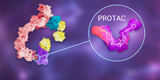
PROTAC, which exploit the ubiquitin-proteasome pathway to specifically degrade target proteins. PROTACs not only solve the problem of undruggability but they also have other advantages compared to traditional drug targeting strategies.
Scientific Reviews
PROTAC, which exploit the ubiquitin-proteasome pathway to specifically degrade target proteins. PROTACs not only solve the problem of undruggability but they also have other advantages compared to traditional drug targeting strategies. -
 Scientific Reviews
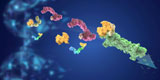
PROTAC — Target Selection and Design
Scientific Reviews
PROTAC — Target Selection and Design2022-07-08
A PROTAC molecule consists of three components: a target protein binding ligand, an E3 ligase ligand, and a linker connecting these two moieties. Here, we will discuss the conventional approaches for the rational design of PROTAC molecules. -
 Scientific Reviews
Organoids represent an important bridge between 2D cultures and in vivo mouse/human models. The organoid technology exerts enormous potential in evaluation of efficacy and toxicity of drugs, regenerative medicine, and precision medicine.In this article, we will briefly introduce organoid technology.
Scientific Reviews
Organoids represent an important bridge between 2D cultures and in vivo mouse/human models. The organoid technology exerts enormous potential in evaluation of efficacy and toxicity of drugs, regenerative medicine, and precision medicine.In this article, we will briefly introduce organoid technology. -
 Scientific Reviews
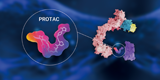
Development of Intestinal Organoid
Scientific Reviews
Development of Intestinal Organoid2022-07-28
3D organoid is one of the revolutionary developments in biomedical field during the past 10 years. The establishment of intestinal organoids is an important milestone in the development of organoid technology. -
 Scientific Reviews
BacPROTACs is composed of a POI ligand, a chemical linker and a ClpCNTD anchor. BacPROTACs can induce in vitro and in vivo degradation of non-eukaryotic proteins in bacteria without the ubiquitin proteasome system.
Scientific Reviews
BacPROTACs is composed of a POI ligand, a chemical linker and a ClpCNTD anchor. BacPROTACs can induce in vitro and in vivo degradation of non-eukaryotic proteins in bacteria without the ubiquitin proteasome system. -
 Scientific Reviews
It's has been proved that p53, as a tumor suppressor gene and immune guardian, may become a destroyer through its own mutation. Moreover, the mechanism of p53 was found to be related to ferroptosis. This article mainly explores the mechanism between p53 and ferroptosis in detail.
Scientific Reviews
It's has been proved that p53, as a tumor suppressor gene and immune guardian, may become a destroyer through its own mutation. Moreover, the mechanism of p53 was found to be related to ferroptosis. This article mainly explores the mechanism between p53 and ferroptosis in detail. -
Scientific Reviews
Organoids have great potential in research of organ development, disease modeling, drug screening and, precision and regenerative medicin. In this article, we will expalin the origin of the organoids. Adult stem cells (ASCs) or pluripotent stem cells (PSCs) , which is the better choice.
-
 Scientific Reviews
Autophagy, derived from the Greek meaning "eating of self", plays an indispensable role in maintaining homeostasis. p27 is an inhibitor of cyclin CDKs, but how p27 regulates autophagy remains unknown. This article will cover the mechanism of autophagy and p27-related cell cycle regulation.
Scientific Reviews
Autophagy, derived from the Greek meaning "eating of self", plays an indispensable role in maintaining homeostasis. p27 is an inhibitor of cyclin CDKs, but how p27 regulates autophagy remains unknown. This article will cover the mechanism of autophagy and p27-related cell cycle regulation. -
 Scientific Reviews
AlphaFold2 can predict disease-related protein structures at low cost, and then find potential drugs for these diseases through drug repositioning, virtual screening, and other methods. ZINC is a public database summarizing information about billions of compounds. AlphaFold2 + ZINC20 speeds up the virtual screening process and improves the computing speed.
Scientific Reviews
AlphaFold2 can predict disease-related protein structures at low cost, and then find potential drugs for these diseases through drug repositioning, virtual screening, and other methods. ZINC is a public database summarizing information about billions of compounds. AlphaFold2 + ZINC20 speeds up the virtual screening process and improves the computing speed. -
 Scientific Reviews
CMA (chaperone-mediated autophagy) plays an essential role in maintaining neuronal protein stability and preventing neurodegeneration. In this article, we will comprehensively clarify the role of CMA in the occurrence and development of neurodegenerative diseases.
Scientific Reviews
CMA (chaperone-mediated autophagy) plays an essential role in maintaining neuronal protein stability and preventing neurodegeneration. In this article, we will comprehensively clarify the role of CMA in the occurrence and development of neurodegenerative diseases. -
 Scientific Reviews
TME (Tumor microenvironment) is considered as a complex integrated system, composed of cellular components such as tumor cells and immune cells, as well as non-cellular components such as ECM and cytokines. According to the spatial distribution of immune cells in TME, "hot" and "cold" TME will be explained in this article.
Scientific Reviews
TME (Tumor microenvironment) is considered as a complex integrated system, composed of cellular components such as tumor cells and immune cells, as well as non-cellular components such as ECM and cytokines. According to the spatial distribution of immune cells in TME, "hot" and "cold" TME will be explained in this article. -
 Scientific Reviews
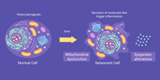
Understanding the mechanism of aging not only has guiding significance for prolonging human life but also has important clinical significance for the prevention and treatment of diseases in the elderly population , thus, improving their life quality and well-being.
Scientific Reviews
Understanding the mechanism of aging not only has guiding significance for prolonging human life but also has important clinical significance for the prevention and treatment of diseases in the elderly population , thus, improving their life quality and well-being. -
 Scientific Reviews
The latest study of Cell magazine "Neural mechanism underlying depressive-like state associated with social status loss" considers social factors as a breakthrough point. It has been found that the downward transition of social status induces depression-like behavior in mice whereas improves the depressive state by restoring their social environment.
Scientific Reviews
The latest study of Cell magazine "Neural mechanism underlying depressive-like state associated with social status loss" considers social factors as a breakthrough point. It has been found that the downward transition of social status induces depression-like behavior in mice whereas improves the depressive state by restoring their social environment. -
 Scientific Reviews
PROTAC - Design Strategy for Targeting
Scientific Reviews
PROTAC - Design Strategy for Targeting2023-04-23
Protein degradation targeting chimera (PROTAC) is a technology that uses the ubiquitin proteasome pathway to silent target protein. However, PROTAC still has problems such as solubility, membrane permeability, and selectivity. In this article, we have summarized three strategies for optimization: light-controlled linker, PAC molecule, and specific E3 ligase. -
 Scientific Reviews
Necroptosis, also known as necroptosis, is a form of regulated necrotizing cell death mediated by RIP1 and RIP3 kinases. Necroptosis is a process that prevents the self-destruction of activated cells that are blocked by apoptosis. Necroptosis plays a tumor suppressor role in most cases. It may provide benefits in the researches of a variety of human diseases involving immune inflammation and cell death.
Scientific Reviews
Necroptosis, also known as necroptosis, is a form of regulated necrotizing cell death mediated by RIP1 and RIP3 kinases. Necroptosis is a process that prevents the self-destruction of activated cells that are blocked by apoptosis. Necroptosis plays a tumor suppressor role in most cases. It may provide benefits in the researches of a variety of human diseases involving immune inflammation and cell death. -
 Scientific Reviews
Stem cell classification and its application
Scientific Reviews
Stem cell classification and its application2023-05-18
Stem cells (SCs) have the unique ability to self-renew and differentiate into different cell types. SCs can differentiate into various types of tissue cells under specific conditions. Additionally, they can be further cultured to form different tissues and organs in the human body. Stem cells have numerous applications in various fields, including cell therapy, organ transplantation, neurodegenerative disease modeling, and drug screening. -
 Scientific Reviews
HLA-E, A Novel Immune Checkpoint
Scientific Reviews
HLA-E, A Novel Immune Checkpoint2023-06-29
Immune checkpoints have immunosuppressive functions. It can be used in the research of tumor immunotherapy. In this article, we introduce a new paper entitled "Immune checkpoint HLA-E: CD94 - NKG2Amediates evasion of circulating tumor cells from NK cell surveillance "research paper. -
 Scientific Reviews
How to Perform Western Blot?
Scientific Reviews
How to Perform Western Blot?2023-07-13
Western blot is one of the most frequently performed experiments in molecular biology, biochemistry and immunology. This article describes in detail how to do WB. -
 Scientific Reviews
Organoid Culture: Questions & Answers
Scientific Reviews
Organoid Culture: Questions & Answers2023-07-26
In the last issue, we conducted a live lecture on the theme of organoid culture. Today, we have a special topic to solve your doubts in the last live class! -
 Scientific Reviews
WHO's Q2 drug list has been updated. Let's take you through the list of the most noteworthy small molecule drugs that we should pay attention to.
Scientific Reviews
WHO's Q2 drug list has been updated. Let's take you through the list of the most noteworthy small molecule drugs that we should pay attention to. -
 Scientific Reviews
FDA Approved Drug List!
Scientific Reviews
FDA Approved Drug List!2023-09-14
In the first half of 2023 (as of June 27), the FDA approved 26 new drugs, let's take you learn about it through the article. -
 Scientific Reviews
IHC is an indispensable technique for studying tissue morphology and in situ antigen expression, but usually only one or two antigens in tissues can be stained for analysis. It cannot judge the results more intuitively. Today, Little M will introduce you to the upgraded version mlHC.
Scientific Reviews
IHC is an indispensable technique for studying tissue morphology and in situ antigen expression, but usually only one or two antigens in tissues can be stained for analysis. It cannot judge the results more intuitively. Today, Little M will introduce you to the upgraded version mlHC. -
 Scientific Reviews
A suitable model is crucial in drug screening experiments. Organs can mimic the three-dimensional functional structure of internal organs, have similar spatial organization to corresponding organs, maintain some key characteristics, and reproduce some physiological functions. They are widely used for modeling and personalized drug screening of diseases such as cancer, infectious diseases, and rare diseases.
Scientific Reviews
A suitable model is crucial in drug screening experiments. Organs can mimic the three-dimensional functional structure of internal organs, have similar spatial organization to corresponding organs, maintain some key characteristics, and reproduce some physiological functions. They are widely used for modeling and personalized drug screening of diseases such as cancer, infectious diseases, and rare diseases. -
 Scientific Reviews
FDA Annual Review | Record-breaking number of new drug approvals in 2023!
Scientific Reviews
FDA Annual Review | Record-breaking number of new drug approvals in 2023! -
 Scientific Reviews
KRAS, a gene we've heard so much about, has quickly risen to fame after shedding its "undruggable" label. After reading numerous articles, it's easy to feel overwhelmed and wonder: What exactly should we know about this often-discussed but previously "undruggable" target KRAS?
Scientific Reviews
KRAS, a gene we've heard so much about, has quickly risen to fame after shedding its "undruggable" label. After reading numerous articles, it's easy to feel overwhelmed and wonder: What exactly should we know about this often-discussed but previously "undruggable" target KRAS? -
 Scientific Reviews
Wnt/β-catenin and tumor EMT
Scientific Reviews
Wnt/β-catenin and tumor EMT2024-03-18
Epithelial-Mesenchymal Transition (EMT) is closely related to the plasticity of tumor cells and is a necessary process for tumor metastasis. Wnt/β-catenin is one of the main actors involved in the EMT process. Today, we’re here to popularize the tumor EMT and Wnt/β-catenin pathway~ -
 Scientific Reviews
The 2024 AACR meeting concluded successfully in California, USA. Which antitumor drugs stole the show at this conference?
Scientific Reviews
The 2024 AACR meeting concluded successfully in California, USA. Which antitumor drugs stole the show at this conference? -
 Scientific Reviews
Katalin Karikó and Drew Weissman were awarded the Nobel Prize in Physiology or Medicine in 2023 for their groundbreaking work in nucleoside modification, which paved the way for the creation of successful mRNA vaccines to fight against COVID-19. Let's now delve into the complete process of mRNA vaccine development.
Scientific Reviews
Katalin Karikó and Drew Weissman were awarded the Nobel Prize in Physiology or Medicine in 2023 for their groundbreaking work in nucleoside modification, which paved the way for the creation of successful mRNA vaccines to fight against COVID-19. Let's now delve into the complete process of mRNA vaccine development. -
 Scientific Reviews
SPR, which stands for Surface Plasmon Resonance, essentially works by detecting the interaction between ligands and analytes on a biosensor chip. This in turn allows us to probe the properties and structure of substances. With this technology, we can analyze molecules, proteins, DNA, and various organic and inorganic substances in samples in real-time with precision.
Scientific Reviews
SPR, which stands for Surface Plasmon Resonance, essentially works by detecting the interaction between ligands and analytes on a biosensor chip. This in turn allows us to probe the properties and structure of substances. With this technology, we can analyze molecules, proteins, DNA, and various organic and inorganic substances in samples in real-time with precision. -
 Scientific Reviews
Science | A "new" mechanism for non-ubiquitinated Midnolin-proteasomal degradation pathway
Scientific Reviews
Science | A "new" mechanism for non-ubiquitinated Midnolin-proteasomal degradation pathway2024-04-26
“ubiquitin-mediated protein degradation” won the Nobel Prize in Chemistry in 2004! In fact, proteasomes degrade not only ubiquitinated proteins but also non-ubiquitinated ones. The mechanism remains shrouded in mystery. After reading this piece today, you might have a lightbulb moment! -
 Scientific Reviews
Common Questions and Solutions for WB
Scientific Reviews
Common Questions and Solutions for WB2024-05-09
Come to understand the common problems and solutions of WB, and better complete the experiment! -
 Scientific Reviews
Exosomes, which won the Nobel Prize in 2013, are still a research hotspot in the national natural sciences, and their popularity has only increased over the past decade (in 2022, they still rank 5th in the national natural sciences hotspots!). Why have exosomes become the darling of scientific research? Let's take a look together~
Scientific Reviews
Exosomes, which won the Nobel Prize in 2013, are still a research hotspot in the national natural sciences, and their popularity has only increased over the past decade (in 2022, they still rank 5th in the national natural sciences hotspots!). Why have exosomes become the darling of scientific research? Let's take a look together~ -
 Scientific Reviews
Degrade target proteins through the autophagy-lysosome pathway including LYTAC, AUTAC, and ATTEC have gained increasing attention in recent years due to their significant research potential!
Scientific Reviews
Degrade target proteins through the autophagy-lysosome pathway including LYTAC, AUTAC, and ATTEC have gained increasing attention in recent years due to their significant research potential! -
 Scientific Reviews
Antibodies!
Scientific Reviews
Antibodies!2024-07-26
Today, We introduce antibodies for everyone! -
 Scientific Reviews
Streptavidin-Biotin System
Scientific Reviews
Streptavidin-Biotin System2024-08-03
Streptavidin strongly binding small molecule biotin is one of the most popular non-covalent coupling methods. Streptavidin can be coupled to various carriers such as magnetic beads and agarose matrix, and become a highly specific affinity medium to capture various biotin-labeled ligands. -
 Scientific Reviews
What Are Popular Anti-tumor Drug Targets?
Scientific Reviews
What Are Popular Anti-tumor Drug Targets?2024-08-20
The rapid development of targeted anti-cancer drugs has spurred diverse research across various modalities. These include small molecules, monoclonal antibodies (mAbs), cell immunotherapies, antibody-drug conjugates (ADCs), and PROTACs (proteolysis targeting chimeras). -
 Scientific Reviews
A New Form of Cell Death: PANoptosis!
Scientific Reviews
A New Form of Cell Death: PANoptosis! -
 Scientific Reviews
Advancing Chronic Kidney Disease Research with GJ103 and Lamin B1 Antibody!
Scientific Reviews
Advancing Chronic Kidney Disease Research with GJ103 and Lamin B1 Antibody! -
 Scientific Reviews
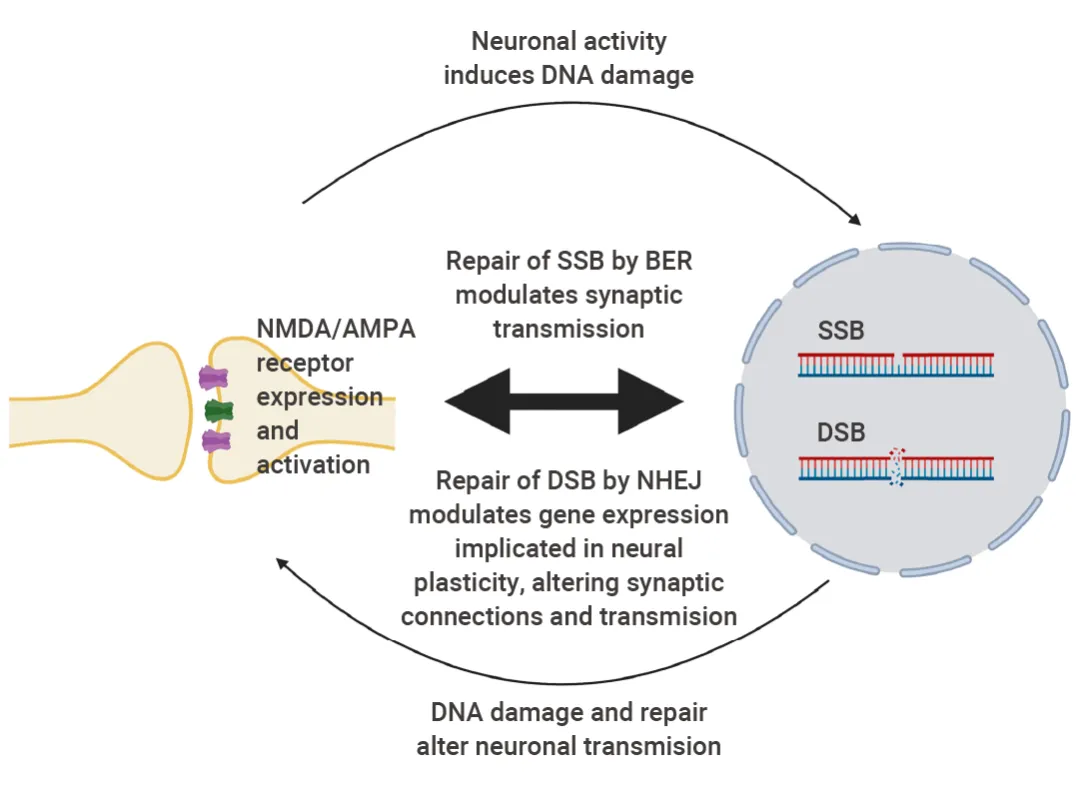
When you hear "inflammation" and "DNA damage," you might immediately think of disease or injury. However, in brains, these two processes are key steps in forming long-term memories, particularly related to specialized cells in our brain called hippocampal neurons.
Scientific Reviews
When you hear "inflammation" and "DNA damage," you might immediately think of disease or injury. However, in brains, these two processes are key steps in forming long-term memories, particularly related to specialized cells in our brain called hippocampal neurons. -
 Scientific Reviews
Autophagy is a fundamental process that degrades various components within the cell.
Scientific Reviews
Autophagy is a fundamental process that degrades various components within the cell. -
 Scientific Reviews
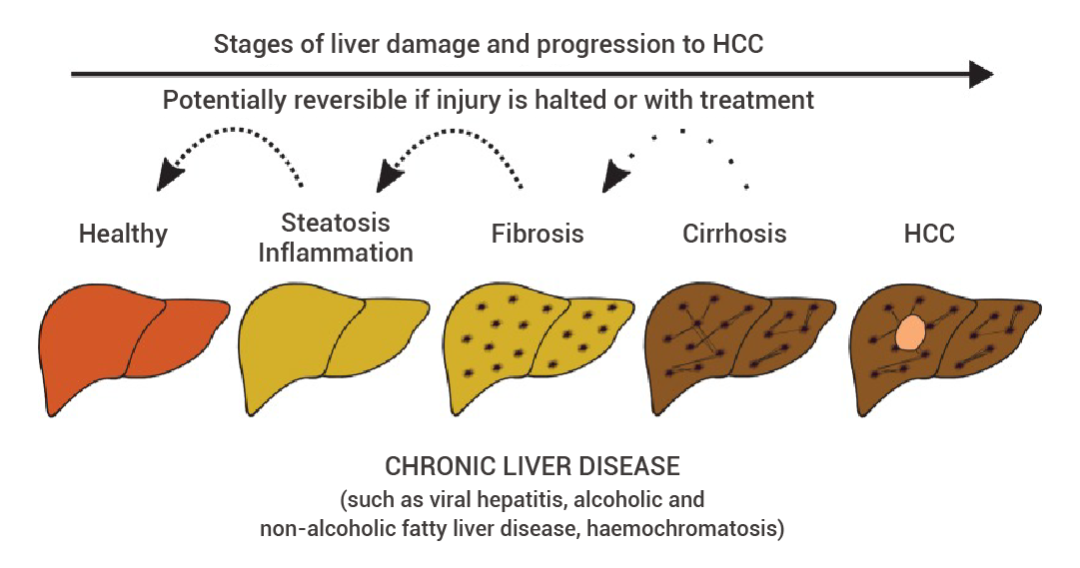
This article will tell you about the common methods of modeling liver disease in animal models.
Scientific Reviews
This article will tell you about the common methods of modeling liver disease in animal models. -
.jpg) Scientific Reviews
nside cells, the homeostasis and degradation of proteins is a precisely regulated process. If proteins cannot be degraded in time, it may lead to the occurrence of various diseases such as neurodegenerative diseases and cancer. This article will tell you the process of how proteins are recognized, labeled and then degraded!
Scientific Reviews
nside cells, the homeostasis and degradation of proteins is a precisely regulated process. If proteins cannot be degraded in time, it may lead to the occurrence of various diseases such as neurodegenerative diseases and cancer. This article will tell you the process of how proteins are recognized, labeled and then degraded! -
 Scientific Reviews
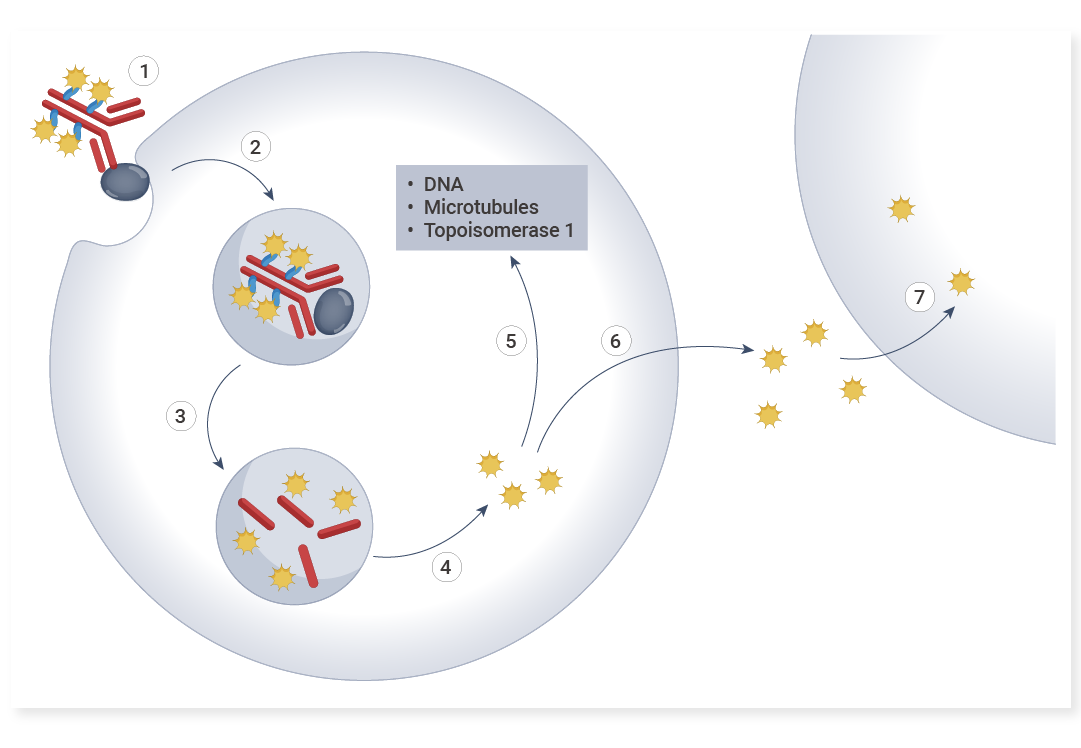
This article will walk you through the remarkable impacts of anti-payload antibodies, delving into how these molecules are revolutionizing drug development and biological research!
Scientific Reviews
This article will walk you through the remarkable impacts of anti-payload antibodies, delving into how these molecules are revolutionizing drug development and biological research! -
 Scientific Reviews
This article introduces some common cardiovascular disease models, inducers, modeling protocols and successful modeling cases in the research.
Scientific Reviews
This article introduces some common cardiovascular disease models, inducers, modeling protocols and successful modeling cases in the research. -
 Scientific Reviews
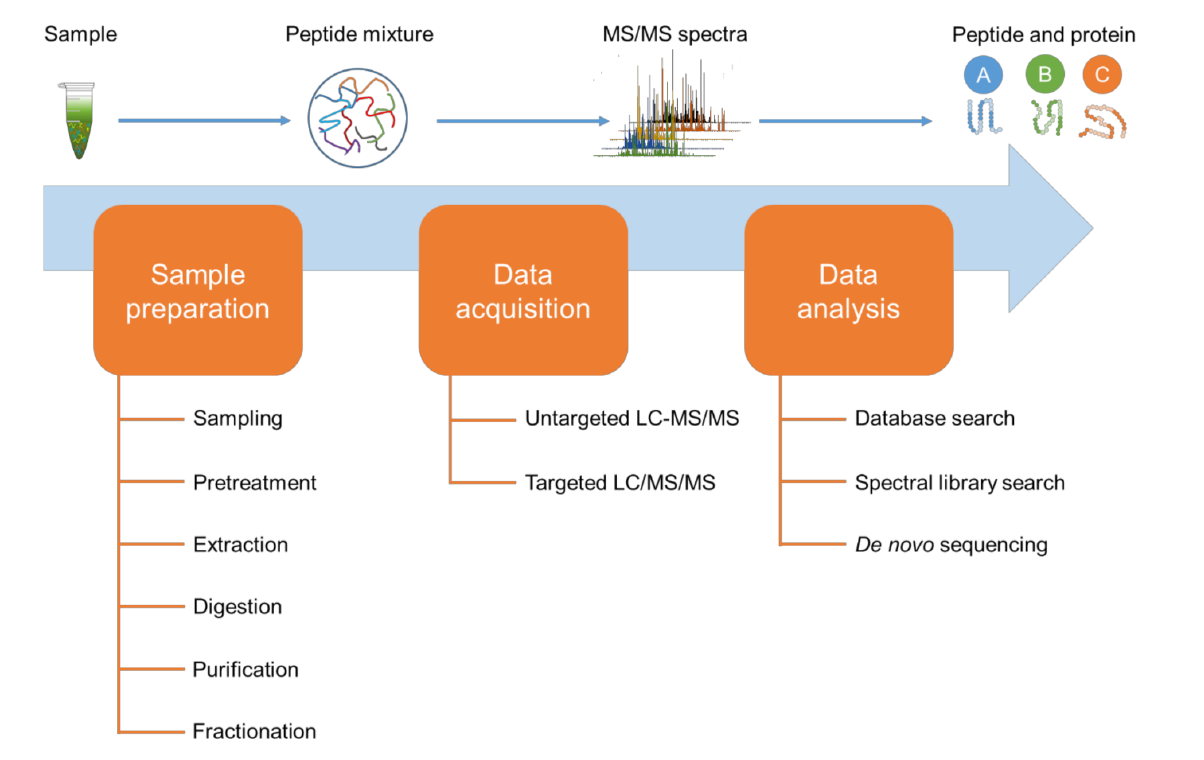
As a pivotal branch in the post - genomic era, proteomics is committed to comprehensively elucidating the types, abundances, structures, functions, and interactions of all proteins within living organisms. This article will tell you the key steps of proteomics sample preparation based on mass spectrometry. This article will tell you the key steps of proteomics sample preparation based on mass spectrometry.
Scientific Reviews
As a pivotal branch in the post - genomic era, proteomics is committed to comprehensively elucidating the types, abundances, structures, functions, and interactions of all proteins within living organisms. This article will tell you the key steps of proteomics sample preparation based on mass spectrometry. This article will tell you the key steps of proteomics sample preparation based on mass spectrometry. -
 Scientific Reviews
Cell Migration vs. Invasion: Differences Revealed by Scratch Assays and Transwell Experiments
Scientific Reviews
Cell Migration vs. Invasion: Differences Revealed by Scratch Assays and Transwell Experiments2025-05-30
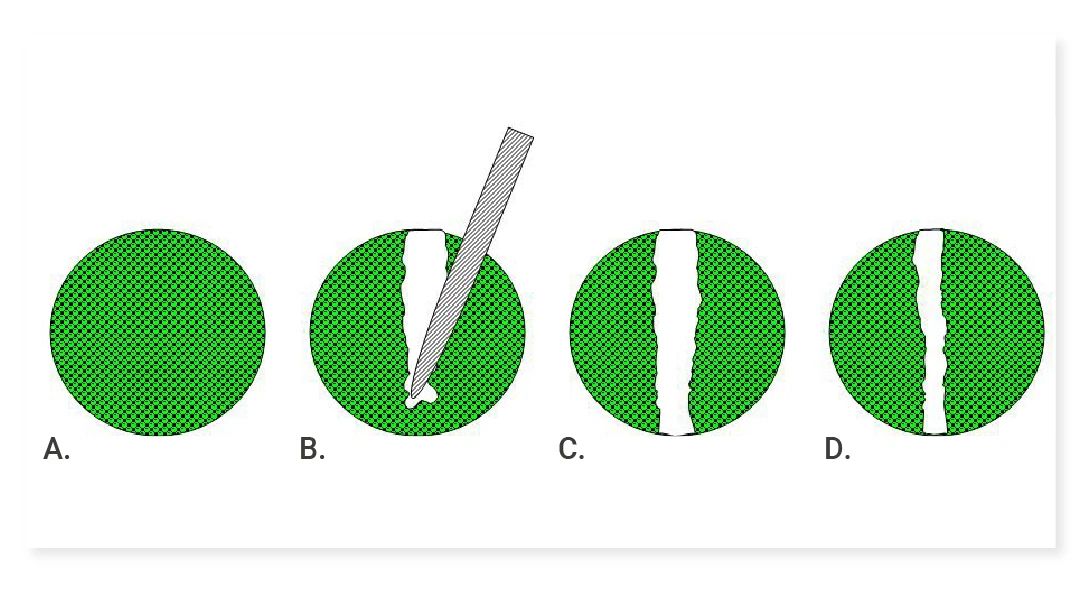
In scientific research, cell migration and invasion are crucial for understanding many important biological processes. This article delves into commonly used detection methods: the scratch assay and Transwell migration/invasion assay. -
 Scientific Reviews
Western blotting is a crucial and fundamental technique in life science research. It plays a significant role in exploring protein expression and function. The following article will comprehensively and thoroughly elaborate on the specific procedures and detailed key points of this experiment.
Scientific Reviews
Western blotting is a crucial and fundamental technique in life science research. It plays a significant role in exploring protein expression and function. The following article will comprehensively and thoroughly elaborate on the specific procedures and detailed key points of this experiment. -
 Scientific Reviews
In this issue, we will conduct an in-depth interpretation from the dimensions of nanoparticle design, mechanism of action, in vivo and in vitro efficacy, and immune regulation, revealing how this research brings new hope for the treatment of invasive tumors through interdisciplinary innovation!
Scientific Reviews
In this issue, we will conduct an in-depth interpretation from the dimensions of nanoparticle design, mechanism of action, in vivo and in vitro efficacy, and immune regulation, revealing how this research brings new hope for the treatment of invasive tumors through interdisciplinary innovation! -
 Scientific Reviews
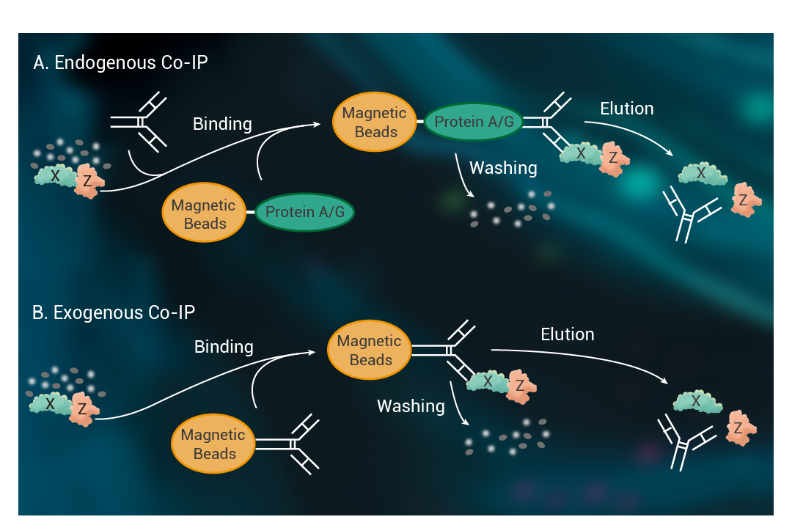
In protein biology, Co-IP is a powerful tool to uncover protein "social networks." But poorly performed, it easily becomes an awkward lab "meet-and-greet." Today, we discuss making Co-IP experiments elegant and efficient—so you pull down target proteins with confidence and precision.
Scientific Reviews
In protein biology, Co-IP is a powerful tool to uncover protein "social networks." But poorly performed, it easily becomes an awkward lab "meet-and-greet." Today, we discuss making Co-IP experiments elegant and efficient—so you pull down target proteins with confidence and precision. -
 Scientific Reviews
IHC, ICC, IF Techniques: A Practical Guide
Scientific Reviews
IHC, ICC, IF Techniques: A Practical Guide2025-07-25
Confused About IHC/ICC/IF? Why Does Immunostaining Seem So Complicated? Read This Now! Master Immunostaining with Confidence! -
 Scientific Reviews
A groundbreaking study in Nature Communications reveals the key mechanism behind Idiopathic Pulmonary Fibrosis and identifies an existing drug with the potential to counter it.
Scientific Reviews
A groundbreaking study in Nature Communications reveals the key mechanism behind Idiopathic Pulmonary Fibrosis and identifies an existing drug with the potential to counter it. -
 Scientific Reviews
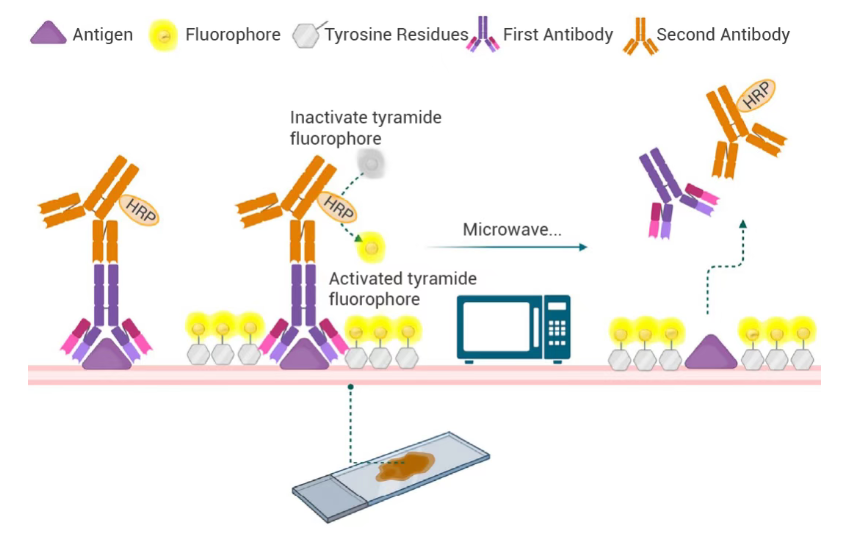
This detailed guide outlines the standardized experimental protocols for multiplex immunohistochemistry (mIHC), systematically summarizes common technical issues encountered during sample preparation, staining and imaging processes, and provides practical troubleshooting solutions to ensure reliable and reproducible results in biomedical research and clinical sample analysis.
Scientific Reviews
This detailed guide outlines the standardized experimental protocols for multiplex immunohistochemistry (mIHC), systematically summarizes common technical issues encountered during sample preparation, staining and imaging processes, and provides practical troubleshooting solutions to ensure reliable and reproducible results in biomedical research and clinical sample analysis. -
Scientific Reviews
For all the protein research folks out there, techniques like IP and Co-IP are no stranger, right? And of course, there's a faster and more convenient go-to tool—Protein A/G magnetic beads! In this article, let's chat about how these beads work their magic in classic experiments like IP and Co-IP. -
Scientific Reviews
Microglia– the only immune cells within the brain parenchyma. With advancements in imaging technologies, people’s understanding of microglia has shifted from being viewed as 'resting' cells to 'highly active' cells, particularly due to their dynamic processes that seem to be probing surrounding tissues and monitoring neuronal activity. This has made microglia a focal point of research in the field of neuroscience. -
 Scientific Reviews
Exosomes—natural nanoscale carriers—are revolutionizing targeted therapy. This article uncovers the science behind their precision in drug delivery.
Scientific Reviews
Exosomes—natural nanoscale carriers—are revolutionizing targeted therapy. This article uncovers the science behind their precision in drug delivery. -
Scientific Reviews
Cracking the PROTAC Permeability Barrier: CD36-Mediated Endocytosis as a Potential Breakthrough2025-12-03
This article provides an in-depth analysis of cutting-edge literature revealing CD36 as a key mediator of cellular uptake for PROTACs and bRO5 compounds. By structurally optimizing PROTAC molecules to enhance their affinity for CD36, membrane permeability can be markedly improved, leading to significantly enhanced antitumor efficacy. -
 Scientific Reviews
Efficient Generation of Mouse Small Intestinal Organoids: A Complete Experimental Protocol Guide
Scientific Reviews
Efficient Generation of Mouse Small Intestinal Organoids: A Complete Experimental Protocol Guide2025-12-10
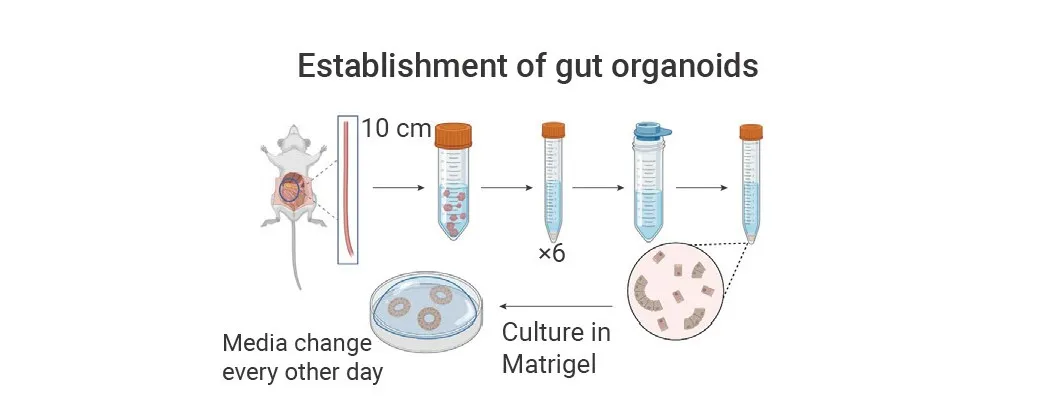
How to successfully create mouse small intestine organoids? A detailed, hands-on guide to the entire process, all in one article! -
 Scientific Reviews
This paper elaborates on cytokines for culturing major immune cells, their regulatory roles, recombinant cytokines' merits and MCE’s related high-quality products.
Scientific Reviews
This paper elaborates on cytokines for culturing major immune cells, their regulatory roles, recombinant cytokines' merits and MCE’s related high-quality products. -
 Scientific Reviews
This article walks you through the experimental design and workflow of flow cytometry, delivering a clear, dynamic, and professional overview to elevate your research.
Scientific Reviews
This article walks you through the experimental design and workflow of flow cytometry, delivering a clear, dynamic, and professional overview to elevate your research. -
 Scientific Reviews
Molecular glue degraders have evolved from a serendipitous observation to one of the most dynamic and transformative fields in biomedical research.
Scientific Reviews
Molecular glue degraders have evolved from a serendipitous observation to one of the most dynamic and transformative fields in biomedical research. -
 EDM
Research Solution for Breast Cancer TME
EDM
Research Solution for Breast Cancer TME2025-05-21
This review examines the complex interactions within the breast cancer tumor microenvironment, emphasizing how understanding these dynamics is essential for developing effective therapies and overcoming immune resistance. -
 EDM
Targeting the ‘Undruggable’ with PROTACs
EDM
Targeting the ‘Undruggable’ with PROTACs2025-06-18
This review introduces the fundamental principles and mechanisms of PROTACs, highlights recent advances in molecular design and clinical development, and discusses emerging opportunities and remaining challenges in targeted protein degradation. -
 EDM
This review discusses the fundamentals of lipid biology and lipid metabolism, examines dysregulated lipid metabolism in cancer, and summarizes therapeutic strategies targeting lipid metabolic pathways.
EDM
This review discusses the fundamentals of lipid biology and lipid metabolism, examines dysregulated lipid metabolism in cancer, and summarizes therapeutic strategies targeting lipid metabolic pathways. -
 EDM
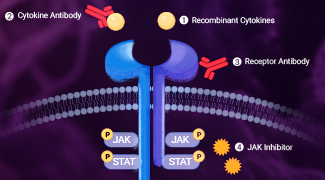
This review critically examines the role of the JAK-STAT pathway in immunity and autoimmune diseases, reviews current clinical applications of targeted therapies, and highlights emerging trends in autoimmune drug development.
EDM
This review critically examines the role of the JAK-STAT pathway in immunity and autoimmune diseases, reviews current clinical applications of targeted therapies, and highlights emerging trends in autoimmune drug development. -
 EDM
This review summarizes the mechanisms of DSS-induced colitis, commonly used modeling approaches, and key considerations related to DSS molecular weight.
EDM
This review summarizes the mechanisms of DSS-induced colitis, commonly used modeling approaches, and key considerations related to DSS molecular weight. -
 EDM
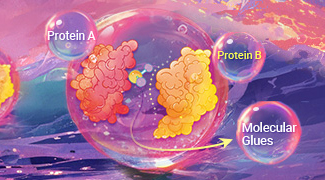
This review discusses recent progress in molecular glue technologies, illustrating how targeted protein degradation strategies enable the modulation of previously undruggable proteins.
EDM
This review discusses recent progress in molecular glue technologies, illustrating how targeted protein degradation strategies enable the modulation of previously undruggable proteins. -
 EDM
Combating Immune Evasion in Cancer
EDM
Combating Immune Evasion in Cancer2025-10-15
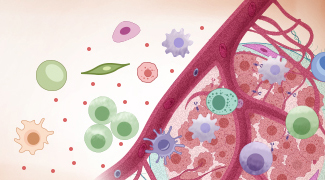
This review summarizes the mechanisms by which tumors evade immune surveillance and discusses therapeutic strategies to restore antitumor immunity. -
 EDM
This review summarizes the mechanisms of drug resistance in triple-negative breast cancer and highlights emerging therapeutic strategies.
EDM
This review summarizes the mechanisms of drug resistance in triple-negative breast cancer and highlights emerging therapeutic strategies. -
 EDM
Bispecific Antibodies in Cancer Therapy
EDM
Bispecific Antibodies in Cancer Therapy2025-10-29
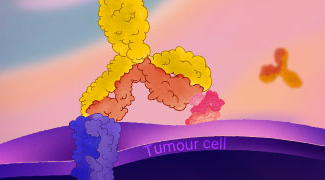
This review highlights the mechanisms, technology platforms, and clinical progress of bispecific antibodies, and discusses emerging strategies to guide future development. -
 EDM
This review provides insights into the pancreatic ductal adenocarcinoma tumor microenvironment, highlighting its cellular composition, stromal heterogeneity, and immune-targeting strategies.
EDM
This review provides insights into the pancreatic ductal adenocarcinoma tumor microenvironment, highlighting its cellular composition, stromal heterogeneity, and immune-targeting strategies. -
 EDM
This review outlines macrophage functions and classification, and provides practical experimental guidelines for macrophage differentiation, polarization, and identification.
EDM
This review outlines macrophage functions and classification, and provides practical experimental guidelines for macrophage differentiation, polarization, and identification. -
 EDM
Highlight single-cell metabolomics and stable isotope tracing (SIT) in uncovering metabolic heterogeneity and nutrient flux dynamics in tumors.
EDM
Highlight single-cell metabolomics and stable isotope tracing (SIT) in uncovering metabolic heterogeneity and nutrient flux dynamics in tumors. -
 EDM
Tumor Organoid-Immune Cell Co-Culture Models: Advances, Applications, and Future Directions
EDM
Tumor Organoid-Immune Cell Co-Culture Models: Advances, Applications, and Future Directions2026-05-07
Summarize technical strategies, application advances, and future directions of tumor organoid–immune co-culture systems. -
 EDM
Review mechanisms, major challenges, and efficacy-enhancing strategies of TCR-T therapy in solid tumors, with implications for future research and clinical translation.
EDM
Review mechanisms, major challenges, and efficacy-enhancing strategies of TCR-T therapy in solid tumors, with implications for future research and clinical translation. -
 EDM
The Dual Role of Cellular Senescence in Cancer: Mechanisms, Microenvironment, and Therapeutics
EDM
The Dual Role of Cellular Senescence in Cancer: Mechanisms, Microenvironment, and Therapeutics2026-05-21
Explore the dual role of cellular senescence in cancer, including tumor suppression, SASP-driven tumor promotion, senescence heterogeneity and plasticity, and advances in senescence-targeted therapies. -
 EDM
Review the mechanisms, mitochondrial regulation, disease relevance, and translational opportunities of the NLRP3–STING axis in neuroinflammation.
EDM
Review the mechanisms, mitochondrial regulation, disease relevance, and translational opportunities of the NLRP3–STING axis in neuroinflammation. -
 EDM
Breaking Immune Resistance in Colorectal Cancer: From Molecular Mechanisms to Precision Therapy
EDM
Breaking Immune Resistance in Colorectal Cancer: From Molecular Mechanisms to Precision Therapy2026-06-25
Explore CRC molecular subtypes, immune landscapes, resistance mechanisms, and emerging precision strategies for improving outcomes across distinct subtypes. -
 EDM
Explore the mechanisms driving immune tolerance breakdown in autoimmune diseases and emerging tolerance-restoring strategies, with a focus on IL-2-based immune modulation.
EDM
Explore the mechanisms driving immune tolerance breakdown in autoimmune diseases and emerging tolerance-restoring strategies, with a focus on IL-2-based immune modulation. -
 EDM
Review the evolution of molecular glues from serendipitous discovery to rational design, highlighting how emerging targets and advances in screening, proteomics, structural biology, and AI are expanding the druggable proteome.
EDM
Review the evolution of molecular glues from serendipitous discovery to rational design, highlighting how emerging targets and advances in screening, proteomics, structural biology, and AI are expanding the druggable proteome. -
 EDM
Explore how mitochondrial quality control, inflammatory signaling, and metabolic–epigenetic reprogramming regulate cellular senescence and the SASP, along with strategies to restore mitochondrial homeostasis.
EDM
Explore how mitochondrial quality control, inflammatory signaling, and metabolic–epigenetic reprogramming regulate cellular senescence and the SASP, along with strategies to restore mitochondrial homeostasis. -
 Blog
EC0489, a SMDC for Cancer Therapy
Blog
EC0489, a SMDC for Cancer Therapy2019-03-25
EC0489, a conjugate of folic acid and desacetyl vinblastine hydrazide, is a SMDC under development for the treatment of solid tumours. -
 Blog
R916562, a dual Axl/VEGF-R2 inhibitor, could be a potential anti-angiogenic and anti-metastatic drug for cancer chemotherapy.
Blog
R916562, a dual Axl/VEGF-R2 inhibitor, could be a potential anti-angiogenic and anti-metastatic drug for cancer chemotherapy. -
 Blog
Role of PRMT7 Probe SGC3027 in Cancer
Blog
Role of PRMT7 Probe SGC3027 in Cancer2019-03-27
SGC3027 is the first potent, selective and cell active chemical probe for PRMT7. SGC3027 is also a pro-drug, which converts to the active compound SGC8158 -
 Blog
Alofanib, An Allosteric Inhibitor of FGFR2
Blog
Alofanib, An Allosteric Inhibitor of FGFR22019-03-28
Alofanib is an allosteric inhibitor of FGFR2 and inhibits FGF-mediated proliferation with GI50s of 16-370 nM, showing pronounced antitumor activity. -
 Blog
AZD5991, a macrocyclic molecule with high selectivity for Mcl-1, reduces Mcl-1 protein in AZD5991-sensitive but not in AZD5991-resistant MM cell lines.
Blog
AZD5991, a macrocyclic molecule with high selectivity for Mcl-1, reduces Mcl-1 protein in AZD5991-sensitive but not in AZD5991-resistant MM cell lines. -
 Blog
A Novel and Efficacious RAF Inhibitor RAF709
Blog
A Novel and Efficacious RAF Inhibitor RAF7092019-03-30
RAF709, a novel and efficacious RAF inhibitor, activates the MAPK pathway and shows antitumor activity in tumor cells harboring BRAF or RAS mutations. -
 Blog
CF53 is a highly potent, selective and orally active inhibitor of BET protein, with anti-tumor activity in acute leukemia and breast cancer cell lines.
Blog
CF53 is a highly potent, selective and orally active inhibitor of BET protein, with anti-tumor activity in acute leukemia and breast cancer cell lines. -
 Blog
HJB97 is a BET PROTAC inhibitor with good anti-tumor activity, and effectively blocks the degradation of BRD2, BRD3, and BRD4 proteins induced by BETd-260.
Blog
HJB97 is a BET PROTAC inhibitor with good anti-tumor activity, and effectively blocks the degradation of BRD2, BRD3, and BRD4 proteins induced by BETd-260. -
 Blog
AZD3229 is a Potent Pan-KIT Mutant Inhibitor
Blog
AZD3229 is a Potent Pan-KIT Mutant Inhibitor2019-04-04
AZD3229 is a potent, pan-KIT mutant inhibitor with potent single digit nM growth inhibition against a diverse panel of mutant KIT driven Ba/F3 cell lines. -
 Blog
BR351 is a Brain Penetrant MMP Inhibitor
Blog
BR351 is a Brain Penetrant MMP Inhibitor2019-04-05
BR351 is a brain penetrant MMP inhibitor, and a potential tool for the molecular imaging of activated MMPs with PET, with an IC50 in the nanomolar range. -
 Blog
A Lead PROTAC BRD9 Chemical Degrader
Blog
A Lead PROTAC BRD9 Chemical Degrader2019-04-06
PROTAC BRD9 Degrader-1 is a lead PROTAC BRD9 chemical degrader and a selective probe useful for the study of BAF complex biology. -
 Blog
SGC-GAK-1 is a potent, selective, and cell-active GAK inhibitor and shows potent anti-proliferative activity in LNCaP and 22Rv1 cells.
Blog
SGC-GAK-1 is a potent, selective, and cell-active GAK inhibitor and shows potent anti-proliferative activity in LNCaP and 22Rv1 cells. -
 Blog
COH000 is an allosteric, covalent and irreversible inhibitor of SUMO-activating enzyme, with an IC50 of 0.2 μM for SUMOylation in vitro.
Blog
COH000 is an allosteric, covalent and irreversible inhibitor of SUMO-activating enzyme, with an IC50 of 0.2 μM for SUMOylation in vitro. -
 Blog
HS-1371 is a Small Molecule RIP3 Inhibitor
Blog
HS-1371 is a Small Molecule RIP3 Inhibitor2019-04-09
HS-1371 is a novel kinase inhibitor of RIP3-mediated necroptosis, showing an inhibitory effect on S227 auto-phosphorylation of RIP3 at the basal level. -
 Blog
MK-0429 is An Oral Integrin (αvβ3) Inhibitor
Blog
MK-0429 is An Oral Integrin (αvβ3) Inhibitor2019-04-11
MK-0429, an orally active αvβ3 inhibitor, is a potential therapeutic agent for the prevention of kidney fibrosis, melanoma and osteoporosis. -
 Blog
PhiKan 083 is a carbazole derivative, which binds to the surface cavity and stabilizes Y220C (a p53 mutant), with a Kd of 167 μM.
Blog
PhiKan 083 is a carbazole derivative, which binds to the surface cavity and stabilizes Y220C (a p53 mutant), with a Kd of 167 μM. -
 Blog
AZ304, a Dual BRAF Inhibitor Against Cancer
Blog
AZ304, a Dual BRAF Inhibitor Against Cancer2019-04-12
AZ304 is a potent BRAF inhibitor, blocks both wild type BRAF and V600E mutant BRAF activity, with IC50s in the nanomolar range. -
 Blog
IITZ-01 is a potent lysosomotropic autophagy inhibitor with single-agent antitumor activity, with an IC50 of 2.62 μM for PI3Kγ.
Blog
IITZ-01 is a potent lysosomotropic autophagy inhibitor with single-agent antitumor activity, with an IC50 of 2.62 μM for PI3Kγ. -
 Blog
Erteberel is a Selective ERβ Agonist
Blog
Erteberel is a Selective ERβ Agonist2019-04-16
Erteberel (LY500307) is a synthetic, nonsteroidal estrogen which acts as a selective ERβ agonist and under development for the treatment of schizophrenia. -
 Blog
MBQ-167 is a dual Rac/Cdc42 inhibitor in in metastatic cancer, with IC50s of 103 nM for Rac 1/2/3 and 78 nM for Cdc42 in MDA-MB-231 cells, respectively.
Blog
MBQ-167 is a dual Rac/Cdc42 inhibitor in in metastatic cancer, with IC50s of 103 nM for Rac 1/2/3 and 78 nM for Cdc42 in MDA-MB-231 cells, respectively. -
 Blog
PRN1008 is a Reversible Covalent and Oral Active Inhibitor of Bruton’s Tyrosine Kinase (BTK)
Blog
PRN1008 is a Reversible Covalent and Oral Active Inhibitor of Bruton’s Tyrosine Kinase (BTK)2019-04-18
PRN1008 is a selective, reversible covalent and oral active inhibitor of Bruton’s Tyrosine Kinase (BTK), with an IC50 of 1.3 nM. -
 Blog
Multiple Tyrosine Kinases Inhibitor TAS-115
Blog
Multiple Tyrosine Kinases Inhibitor TAS-1152019-04-19
TAS-115 is a potent VEGFR and c-Met/HGFR-targeted kinase inhibitor with IC50s of 30 and 32 nM for rVEGFR2 and rMET, respectively. -
 Blog
Y06036 is a potent and selective BET inhibitor for potential treatment of castration-resistant prostate cancer. With nanomolar inhibition.
Blog
Y06036 is a potent and selective BET inhibitor for potential treatment of castration-resistant prostate cancer. With nanomolar inhibition. -
 Blog
JNJ-64619178 is a selective and pseudo-irreversible PRMT5 inhibitor with an IC50 of 0.14 nM. Has potent Activity In Lung Cancer.
Blog
JNJ-64619178 is a selective and pseudo-irreversible PRMT5 inhibitor with an IC50 of 0.14 nM. Has potent Activity In Lung Cancer. -
 Blog
(E)-AG 99 is an EGFR inhibitor and shows a growth-inhibition on not only serum-starved cells but also normally grown cells. Treatment for Bladder cancer.
Blog
(E)-AG 99 is an EGFR inhibitor and shows a growth-inhibition on not only serum-starved cells but also normally grown cells. Treatment for Bladder cancer. -
 Blog
TAK-828F is a potent, selective and orally active retinoic acid receptor-related orphan receptor γt (RORγt) inverse agonist. TAK-828F inhibits IL-17A cytokine expression and reduces symptoms of autoimmune encephalomyelitis mice.
Blog
TAK-828F is a potent, selective and orally active retinoic acid receptor-related orphan receptor γt (RORγt) inverse agonist. TAK-828F inhibits IL-17A cytokine expression and reduces symptoms of autoimmune encephalomyelitis mice. -
 Blog
Y06137 is a potent and selective BET inhibitor, which binds to the BRD4(1) bromodomain with a Kd of 81 nM. Antitumor activity.
Blog
Y06137 is a potent and selective BET inhibitor, which binds to the BRD4(1) bromodomain with a Kd of 81 nM. Antitumor activity. -
 Blog
Borussertib is a covalent-allosteric and first-in-class inhibitor of protein kinase Akt, with an IC50 of 0.8 nM and a Ki of 2.2 nM for Akt-wt.
Blog
Borussertib is a covalent-allosteric and first-in-class inhibitor of protein kinase Akt, with an IC50 of 0.8 nM and a Ki of 2.2 nM for Akt-wt. -
 Blog
NRX-252262 is a β-catenin:β-TrCP interaction enhancer, and its cognate E3 ligase, SCFβ-TrCP, induces mutant β-catenin degradation, with an EC50 of 3.8 nM
Blog
NRX-252262 is a β-catenin:β-TrCP interaction enhancer, and its cognate E3 ligase, SCFβ-TrCP, induces mutant β-catenin degradation, with an EC50 of 3.8 nM -
 Blog
TAK-981 is a selective inhibitor of the SUMOylation enzymatic cascade, with potential immune-activating and antineoplastic activities
Blog
TAK-981 is a selective inhibitor of the SUMOylation enzymatic cascade, with potential immune-activating and antineoplastic activities -
 Blog
TD-428 is a Highly Specific BRD4 Degrader
Blog
TD-428 is a Highly Specific BRD4 Degrader2019-04-29
TD-428, a immunomodulatory drug analog, is a highly specific BRD4 degrader with a DC50 of 0.32 nM. TD-428 reduces c-Myc levels more efficiently than JQ1. -
 Blog
SLLN-15 is an oral activ enhancer of autophagy that activates cytostatic macroautophagy/autophagy in triple-negative breast cancer (TNBC).
Blog
SLLN-15 is an oral activ enhancer of autophagy that activates cytostatic macroautophagy/autophagy in triple-negative breast cancer (TNBC). -
 Blog
A1874 is a nutlin-based and BRD4-degrading PROTAC with a DC50 of 32 nM. Effective in inhibiting many cancer cell lines proliferation
Blog
A1874 is a nutlin-based and BRD4-degrading PROTAC with a DC50 of 32 nM. Effective in inhibiting many cancer cell lines proliferation -
 Blog
BSJ-03-123, a Degrader with Proteome-wide Selectivity for CDK6 (PROTAC). Induces a G1 cell-cycle arrest without a measurable increase in apoptosis.
Blog
BSJ-03-123, a Degrader with Proteome-wide Selectivity for CDK6 (PROTAC). Induces a G1 cell-cycle arrest without a measurable increase in apoptosis. -
 Blog
BAY-8002 is a selective and orally active inhibitor of monocarboxylate transporter 1 (MCT1), with an IC50 of 85 nM. Has potential to treat lymphoma.
Blog
BAY-8002 is a selective and orally active inhibitor of monocarboxylate transporter 1 (MCT1), with an IC50 of 85 nM. Has potential to treat lymphoma. -
 Blog
FT671 is a potent, non-covalent and selective USP7 inhibitor with an IC50 of 52 nM and binds to the USP7 catalytic domain with a Kd of 65 nM.
Blog
FT671 is a potent, non-covalent and selective USP7 inhibitor with an IC50 of 52 nM and binds to the USP7 catalytic domain with a Kd of 65 nM. -
 Blog
MRTX-1257 is a selective, irreversible, covalent and oral active KRAS G12C inhibitor, with an IC50 of 900 pM for KRAS dependent ERK phosphorylation.
Blog
MRTX-1257 is a selective, irreversible, covalent and oral active KRAS G12C inhibitor, with an IC50 of 900 pM for KRAS dependent ERK phosphorylation. -
 Blog
ZM223 is a non-sulfamide NEDD8 activating enzyme (NAE) inhibitor, with IC50 value of 100 nM in cells. ZM223 has potential to treat colon cancer.
Blog
ZM223 is a non-sulfamide NEDD8 activating enzyme (NAE) inhibitor, with IC50 value of 100 nM in cells. ZM223 has potential to treat colon cancer. -
 Blog
MS4077 is an anaplastic lymphoma kinase (ALK) PROTAC (degrader) with a Kd of 37 nM for binding affinity to ALK. Efficacy for breast cancer and lung cancer.
Blog
MS4077 is an anaplastic lymphoma kinase (ALK) PROTAC (degrader) with a Kd of 37 nM for binding affinity to ALK. Efficacy for breast cancer and lung cancer. -
 Blog
USL311 is a selective CXCR4 antagonist, which prevents the binding of stromal-cell derived factor-1 (SDF-1 or CXCL12) to CXCR4. Anti-tumor activity.
Blog
USL311 is a selective CXCR4 antagonist, which prevents the binding of stromal-cell derived factor-1 (SDF-1 or CXCL12) to CXCR4. Anti-tumor activity. -
 Blog
VL285, is a Potent VHL Ligand
Blog
VL285, is a Potent VHL Ligand2019-05-24
VL285 is a Potent VHL Ligand. -
 Blog
SNIPER(TACC3)-1 targets the TACC3 protein for degradation via the ubiquitin-proteasome pathway. SNIPER(TACC3)-1 induces cancer cell death.
Blog
SNIPER(TACC3)-1 targets the TACC3 protein for degradation via the ubiquitin-proteasome pathway. SNIPER(TACC3)-1 induces cancer cell death. -
 Blog
TX1-85-1, a ATP-competitive ligand of Her3, covalent modification of Her3 to inhibit Her3 signaling
Blog
TX1-85-1, a ATP-competitive ligand of Her3, covalent modification of Her3 to inhibit Her3 signaling2019-06-01
TX1-85-1 is a Her3 (ErbB3) inhibitor with an IC50 of 23 nM. TX1-85-1 induces partial degradation of Her3 protein and attenuates Her3-dependent signaling. -
 Blog
IWP-O1, a Highly Potent Porcupine Inhibitor, Functions by Preventing the Secretion of Wnt Proteins
Blog
IWP-O1, a Highly Potent Porcupine Inhibitor, Functions by Preventing the Secretion of Wnt Proteins2019-06-03
IWP-O1 is a Porcupine (Porcn) inhibitor, with an EC50 of 80 pM in L-Wnt-STF cells. IWP-O1 functions by preventing the secretion of Wnt proteins[ -
 Blog
GSK3145095 is a RIP1 kinase inhibitor with an IC50 of 6.3 nM. Potently blocks the TNF response and RIP1-dependent inflammatory cytokine MIP-1β production.
Blog
GSK3145095 is a RIP1 kinase inhibitor with an IC50 of 6.3 nM. Potently blocks the TNF response and RIP1-dependent inflammatory cytokine MIP-1β production. -
 Blog
SJFδ, a 10-atom Linker PROTAC, Degrades p38δ
Blog
SJFδ, a 10-atom Linker PROTAC, Degrades p38δ2019-06-11
SJFδ, a 10-atom Linker PROTAC, Degrades p38δ, degrades p38δwith strong capacity. SJFδ degrades p38δ with a DC50 of 46.17±9.85 nM and a Dmax of 99.41±3.31%. -
 Blog
JMS-17-2 is a CX3CR1 Antagonist
Blog
JMS-17-2 is a CX3CR1 Antagonist2019-06-12
JMS-17-2 is a potent and selective CX3CR1 antagonist with an IC50 of 0.32 nM. Has potential to treat cancers such as breast cancer. -
 Blog
BAY-11-7082 inhibits the proliferation and induces the apoptosis of U266 cells through inhibiting NF-κB pathway. BAY 11-7082 ameliorates experimental diabetic neuropathy by modulating neuroinflammation and improving antioxidant defence.
Blog
BAY-11-7082 inhibits the proliferation and induces the apoptosis of U266 cells through inhibiting NF-κB pathway. BAY 11-7082 ameliorates experimental diabetic neuropathy by modulating neuroinflammation and improving antioxidant defence. -
 Blog
S18-000003 is a potent, selective and orally active inhibitor of retinoic acid receptor-related orphan receptor-gamma-t (RORγt). S18-000003 ameliorates psoriasis-like lesions in vivo. S18-000003 can be used for the research of skin inflammatory diseases.
Blog
S18-000003 is a potent, selective and orally active inhibitor of retinoic acid receptor-related orphan receptor-gamma-t (RORγt). S18-000003 ameliorates psoriasis-like lesions in vivo. S18-000003 can be used for the research of skin inflammatory diseases. -
 Blog
PTC299 is a dual and orally active DHODH and VEGF inhibitor, has broad and potent activity against hematological cancer cells.
Blog
PTC299 is a dual and orally active DHODH and VEGF inhibitor, has broad and potent activity against hematological cancer cells. -
 Blog
AMG 487 is an orally active and selective antagonist of CXC chemokine receptor 3 (CXCR3). AMG 487 has potential to treat metastatic cancer.
Blog
AMG 487 is an orally active and selective antagonist of CXC chemokine receptor 3 (CXCR3). AMG 487 has potential to treat metastatic cancer. -
 Blog
TAS4464 is a highly potent and selective inhibitor of NEDD8 activating enzyme (NAE), with an IC50 of 0.955 nM. TAS4464 shows antitumor activity.
Blog
TAS4464 is a highly potent and selective inhibitor of NEDD8 activating enzyme (NAE), with an IC50 of 0.955 nM. TAS4464 shows antitumor activity. -
 Blog
TPCA-1, a Direct Dual Inhibitor of STAT3 and NF-κB, Regresses Mutant EGFR-Associated NSCLC
Blog
TPCA-1, a Direct Dual Inhibitor of STAT3 and NF-κB, Regresses Mutant EGFR-Associated NSCLC2019-07-15
TPCA-1 is a potent and selective inhibitor of IKK-2 with IC50 of 17.9 nM. TPCA-1 is an effective inhibitor of STAT3 phosphorylation, DNA binding. -
 Blog
ERD-308 is a highly potent PROTAC degrader of ER for ER+ breast cancer treatment. ERD-308 induces >95% of ER degradation at concentrations as low as 5 nM.
Blog
ERD-308 is a highly potent PROTAC degrader of ER for ER+ breast cancer treatment. ERD-308 induces >95% of ER degradation at concentrations as low as 5 nM. -
 Blog
JG-98, an Hsp70 inhibitor, binds tightly to a conserved site on Hsp70 and disrupts the Hsp70-Bag3 interaction. JG-98 shows anti-cancer activities.
Blog
JG-98, an Hsp70 inhibitor, binds tightly to a conserved site on Hsp70 and disrupts the Hsp70-Bag3 interaction. JG-98 shows anti-cancer activities. -
 Blog
MZP-55 is a selective PROTAC degrader of BRD3/4, shows no obvious effect on BRD2. MZP-55 exhibits excellent activity in cancer research.
Blog
MZP-55 is a selective PROTAC degrader of BRD3/4, shows no obvious effect on BRD2. MZP-55 exhibits excellent activity in cancer research. -
 Blog
dBET6 is a potent PROTAC degrader of BET, shows high affinity to BRD4(1), and possess good efficacy in T cell acute lymphoblastic leukemia activity.
Blog
dBET6 is a potent PROTAC degrader of BET, shows high affinity to BRD4(1), and possess good efficacy in T cell acute lymphoblastic leukemia activity. -
 Blog
FGTI-2734 is a dual farnesyl and geranylgeranyl transferase-1 inhibitor. FGTI-2734 prevents membrane localization of KRAS and mutant KRAS pancreatic tumors.
Blog
FGTI-2734 is a dual farnesyl and geranylgeranyl transferase-1 inhibitor. FGTI-2734 prevents membrane localization of KRAS and mutant KRAS pancreatic tumors. -
 Blog
GSK2643943A is a Novel DUB Inhibitor
Blog
GSK2643943A is a Novel DUB Inhibitor2019-07-25
GSK2643943A is a novel deubiquitylating enzyme (DUB) inhibitor. GSK2643943A targets USP20/Ub-Rho and shows an IC50 of 160 nM. -
 Blog
MT-802 is a potent BTK degrader based on PROTAC technology, with a DC50 of 1 nM. MT-802 has potential to treat C481S mutant chronic lymphocytic leukemia.
Blog
MT-802 is a potent BTK degrader based on PROTAC technology, with a DC50 of 1 nM. MT-802 has potential to treat C481S mutant chronic lymphocytic leukemia. -
 Blog
ACBI1 is a PROTAC Degrader of BAF Complex
Blog
ACBI1 is a PROTAC Degrader of BAF Complex2019-08-07
ACBI1 is a potent PROTAC degrader of BAF ATPase subunits SMARCA2, SMARCA4 and PBRM1, with DC50s of 6 nM, 11 nM and 32 nM in MV-4-11 cells, respectively. -
 Blog
dMCL1-2 is a potent and selective degrader of myeloid cell leukemia 1 (MCL1) based on PROTAC, which binds to MCL1 with a KD of 30 nM.
Blog
dMCL1-2 is a potent and selective degrader of myeloid cell leukemia 1 (MCL1) based on PROTAC, which binds to MCL1 with a KD of 30 nM. -
 Blog
BI-882370 is a potent RAF kinase inhibitor with IC50s of 0.4, 0.8, and 0.6 nM for oncogenic BRAFV600E-mutant, the WT BRAF and CRAF kinases , respectively.
Blog
BI-882370 is a potent RAF kinase inhibitor with IC50s of 0.4, 0.8, and 0.6 nM for oncogenic BRAFV600E-mutant, the WT BRAF and CRAF kinases , respectively. -
 Blog
MSX-122 is an orally active partial antagonist of CXCR4, inhibiting CXCR4/CXCL12 actions. MSX-122 has both anti-tumor and anti-metastasis activities.
Blog
MSX-122 is an orally active partial antagonist of CXCR4, inhibiting CXCR4/CXCL12 actions. MSX-122 has both anti-tumor and anti-metastasis activities. -
 Blog
ZT-12-037-01 is a ATP-competitive and specific STK19 inhibitor and inhibits oncogenic NRAS-driven melanocyte malignant transformation.
Blog
ZT-12-037-01 is a ATP-competitive and specific STK19 inhibitor and inhibits oncogenic NRAS-driven melanocyte malignant transformation. -
 Blog
PT2977 is an orally active and selective HIF-2α inhibitor with an IC50 of 9 nM. PT2977 is a potential treatment for ccRCC and VHL disease.
Blog
PT2977 is an orally active and selective HIF-2α inhibitor with an IC50 of 9 nM. PT2977 is a potential treatment for ccRCC and VHL disease. -
 Blog
BI-2852 is a potent KRAS inhibitor with nanomolar affinity and reduces pERK and pAKT levels in a dose-dependent manner in a KRAS mutant cell line NCI-H358.
Blog
BI-2852 is a potent KRAS inhibitor with nanomolar affinity and reduces pERK and pAKT levels in a dose-dependent manner in a KRAS mutant cell line NCI-H358. -
 Blog
CP-10 is a Specific PROTAC Degrader of CDK6
Blog
CP-10 is a Specific PROTAC Degrader of CDK62019-08-25
CP-10 is a PROTAC with highly selective, specific, and remarkable CDK6 degradation (DC50=2.1 nM), which has anti-cancer activity. -
 Blog
ARV-825 is a PROTAC, and acts as a potent BRD4 degrader, with Kds of 90 and 28 nM for BRD4 BD1 and BRD4 BD2, respectively.
Blog
ARV-825 is a PROTAC, and acts as a potent BRD4 degrader, with Kds of 90 and 28 nM for BRD4 BD1 and BRD4 BD2, respectively. -
 Blog
GMB-475 is a PROTAC BCR-ABL1 degrader, overcomes BCR-ABL1-dependent drug resistance, targets BCR-ABL1 protein and recruits the E3 ligase Von Hippel Lindau.
Blog
GMB-475 is a PROTAC BCR-ABL1 degrader, overcomes BCR-ABL1-dependent drug resistance, targets BCR-ABL1 protein and recruits the E3 ligase Von Hippel Lindau. -
 Blog
BAY-293 is a potent inhibitor of Son of Sevenless 1 (SOS1) and blocks RAS activation via disruption of the KRAS-SOS1 interaction with an IC50 of 21 nM.
Blog
BAY-293 is a potent inhibitor of Son of Sevenless 1 (SOS1) and blocks RAS activation via disruption of the KRAS-SOS1 interaction with an IC50 of 21 nM. -
 Blog
dBET57 is a potent and selective degrader of BRD4BD1 based on the PROTAC technology and mediates recruitment to the CRL4CRBN E3 ubiquitin ligase.
Blog
dBET57 is a potent and selective degrader of BRD4BD1 based on the PROTAC technology and mediates recruitment to the CRL4CRBN E3 ubiquitin ligase. -
 Blog
WZ811 is an Orally Active CXCR4 Antagonist
Blog
WZ811 is an Orally Active CXCR4 Antagonist2019-09-07
WZ811 is an orally active, highly potent competitive antagonist of CXCR4, which inhibits chronic lymphocytic leukemia progression and tumorigenesis. -
 Blog
MD-224 is a human MDM2 degrader based on the PROTAC concept. MD-224 induces rapid degradation of MDM2 at concentrations <1 nM in human leukemia cells.
Blog
MD-224 is a human MDM2 degrader based on the PROTAC concept. MD-224 induces rapid degradation of MDM2 at concentrations <1 nM in human leukemia cells. -
 Blog
RU-302 is a pan-TAM inhibitor that blocks the TAM Ig1 ectodomain and the Gas6 Lg domain interaction. RU-302 blocks Gas6-inducible Axl receptor activation.
Blog
RU-302 is a pan-TAM inhibitor that blocks the TAM Ig1 ectodomain and the Gas6 Lg domain interaction. RU-302 blocks Gas6-inducible Axl receptor activation. -
 Blog
BI-167107 is a high affinity, full agonist that binds to the β2 adrenergic receptor (β2AR) with a dissociation constant Kd of 84 pM.
Blog
BI-167107 is a high affinity, full agonist that binds to the β2 adrenergic receptor (β2AR) with a dissociation constant Kd of 84 pM. -
 Blog
IPR-803 is a potent inhibitor of the uPAR•uPA protein-protein interaction, and binds directly to uPAR with sub-micromolar affinity.
Blog
IPR-803 is a potent inhibitor of the uPAR•uPA protein-protein interaction, and binds directly to uPAR with sub-micromolar affinity. -
 Blog
Vorolanib is an orally active, multikinase VEGF/PDGF receptor inhibitor with antitumor activity and is expected to disrupt tumor angiogenesis.
Blog
Vorolanib is an orally active, multikinase VEGF/PDGF receptor inhibitor with antitumor activity and is expected to disrupt tumor angiogenesis. -
 Blog
CCG-222740 is a potent and selective MRTF pathway inhibitor. It effectively reduces fibrosis in the skin and blocks melanoma metastasis.
Blog
CCG-222740 is a potent and selective MRTF pathway inhibitor. It effectively reduces fibrosis in the skin and blocks melanoma metastasis. -
 Blog
CP5V is a Specific PROTAC Degrader of Cdc20
Blog
CP5V is a Specific PROTAC Degrader of Cdc202019-11-20
CP5V is a PROTAC, which specifically degrades Cdc20 by linking Cdc20 to the VHL/VBC complex for ubiquitination followed by proteasomal degradation. -
 Blog
AC-73 is a first specific, orally active the cluster of differentiation 147 (CD147) inhibitor and specifically disrupts CD147 dimerization.
Blog
AC-73 is a first specific, orally active the cluster of differentiation 147 (CD147) inhibitor and specifically disrupts CD147 dimerization. -
 Blog
PK11007 is a Mild Alkylating Agent with Anticancer Activity and induces mutant p53 cancer cell death by increasing reactive oxygen species (ROS) levels.
Blog
PK11007 is a Mild Alkylating Agent with Anticancer Activity and induces mutant p53 cancer cell death by increasing reactive oxygen species (ROS) levels. -
 Blog
SD-36 is a Selective PROTAC STAT3 Degrader
Blog
SD-36 is a Selective PROTAC STAT3 Degrader2019-12-06
SD-36 is a potent, efficacious and selective PROTAC STAT3 degrader (Kd=50 nM) and achieves complete tumor regression in vivo. -
 Blog
MG-277 works as a PROTAC molecular glue, inducing degradation of a translation termination factor, GSPT1 to achieve its potent anticancer activity.
Blog
MG-277 works as a PROTAC molecular glue, inducing degradation of a translation termination factor, GSPT1 to achieve its potent anticancer activity. -
 Blog
UK 356618 is a Selective MMP-3 Inhibitor
Blog
UK 356618 is a Selective MMP-3 Inhibitor2019-12-25
UK 356618 is a selective and potent inhibitor of MMP-3. UK 356618 exhibits potent anti-inflammatory and anti-cancer activity. -
 Blog
MS432 is a first-in-class and highly selective PD0325901-based VHL-recruiting PROTAC degrader for MEK1 and MEK2 with good anti-cancer activity.
Blog
MS432 is a first-in-class and highly selective PD0325901-based VHL-recruiting PROTAC degrader for MEK1 and MEK2 with good anti-cancer activity. -
 Blog
KB02-JQ1 is a highly potent and selective PROTAC BRD4 degrader that degrades nuclear proteins by engaging CUL4-DDB1 E3 ubiquitin ligases DCAF16.
Blog
KB02-JQ1 is a highly potent and selective PROTAC BRD4 degrader that degrades nuclear proteins by engaging CUL4-DDB1 E3 ubiquitin ligases DCAF16. -
 Blog
CH6953755 is a potent, orally active and selective YES1 kinase inhibitor leading to antitumor activity against YES1 Gene -amplified cancers.
Blog
CH6953755 is a potent, orally active and selective YES1 kinase inhibitor leading to antitumor activity against YES1 Gene -amplified cancers. -
 Blog
CA-4948 is a Selective and Orally Bioavailable IRAK4 Kinase Inhibitor for Lymphoma Treatment
Blog
CA-4948 is a Selective and Orally Bioavailable IRAK4 Kinase Inhibitor for Lymphoma Treatment2020-01-05
CA-4948 is a potent, selective and orally bioavailable IRAK4 kinase inhibitor. CA-4948 can be used for the treatment of lymphoma. -
 Blog
TCH-165 is a modulator of proteasome assembly, which increases 20S levels and facilitates 20S-mediated protein degradation, such as IDPs, α-syn, and tau.
Blog
TCH-165 is a modulator of proteasome assembly, which increases 20S levels and facilitates 20S-mediated protein degradation, such as IDPs, α-syn, and tau. -
 Blog
BAY-985 is an orally active and selective ATP-competitive dual inhibitor of TBK1 and IKKε with IC50s of 2/30 and 2 nM for TBK1 and IKKε, respectively.
Blog
BAY-985 is an orally active and selective ATP-competitive dual inhibitor of TBK1 and IKKε with IC50s of 2/30 and 2 nM for TBK1 and IKKε, respectively. -
 Blog
ADH-503 is an orally active and allosteric CD11b agonist and leads to the repolarization of tumor-associated macrophages.
Blog
ADH-503 is an orally active and allosteric CD11b agonist and leads to the repolarization of tumor-associated macrophages. -
 Blog
6RK73 is a covalent irreversible and specific UCHL1 inhibitor,which specifically inhibits UCHL1 activity in breast cancer.
Blog
6RK73 is a covalent irreversible and specific UCHL1 inhibitor,which specifically inhibits UCHL1 activity in breast cancer. -
 Blog
CCT367766, a PROTAC-based Pirin-targeting PDP, exhibits a moderate affinity for the CRBN-DDB1 complex and reveals a good affinity for Pirin and CRBN.
Blog
CCT367766, a PROTAC-based Pirin-targeting PDP, exhibits a moderate affinity for the CRBN-DDB1 complex and reveals a good affinity for Pirin and CRBN. -
 Blog
Balixafortide is a potent, selective peptidic CXCR4 antagonist with anti-cancer effects, and blocks β-arrestin recruitment and calcium flux.
Blog
Balixafortide is a potent, selective peptidic CXCR4 antagonist with anti-cancer effects, and blocks β-arrestin recruitment and calcium flux. -
 Blog
E64FC26 is a highly potent pan-style inhibitor of the protein disulfide isomerase (PDI) family with anti-myeloma activities.
Blog
E64FC26 is a highly potent pan-style inhibitor of the protein disulfide isomerase (PDI) family with anti-myeloma activities. -
 Blog
TL13-112 is a PROTAC Degrader of ALK
Blog
TL13-112 is a PROTAC Degrader of ALK2020-04-15
TL13-112 is a selective ALK-PROTAC degrader and inhibits ALK activity. TL13-112 is comprised of the conjugation of Ceritinib and the ligand pomalidomide . -
 Blog
CCT365623, an Orally Active LOX Inhibitor, Supresses EGFR (pY1068) and AKT Phosphorylation
Blog
CCT365623, an Orally Active LOX Inhibitor, Supresses EGFR (pY1068) and AKT Phosphorylation2020-04-16
CCT365623 is an orally active LOX inhibitor, suppresses EGFR (pY1068) and AKT phosphorylation driven by EGF. CCT365623 has good pharmacokinetic properties. -
 Blog
TL13-12 is a Selective ALK-PROTAC Degrader
Blog
TL13-12 is a Selective ALK-PROTAC Degrader2020-04-21
TL13-12 can induce receptor tyrosine kinase anaplastic lymphoma kinase degradation in non small cell lung cancer cells. PROTAC ALK degrader. -
 Blog
ARCC-4 is a low-nanomolar AR degrader, and effectively degrades clinically relevant AR mutants associated with antiandrogen therapy.
Blog
ARCC-4 is a low-nanomolar AR degrader, and effectively degrades clinically relevant AR mutants associated with antiandrogen therapy. -
 Blog
UT-34 is a potent, selective and orally active second-generation pan-androgen receptor (AR) antagonist and degrader with anti-prostate cancer efficacy.
Blog
UT-34 is a potent, selective and orally active second-generation pan-androgen receptor (AR) antagonist and degrader with anti-prostate cancer efficacy. -
 Blog
HM03 is a potent and selective HSPA5 inhibitor with anticancer activity. HSPA5 plays a key role in monitoring protein transport through the cell.
Blog
HM03 is a potent and selective HSPA5 inhibitor with anticancer activity. HSPA5 plays a key role in monitoring protein transport through the cell. -
 Blog
XZ739 is a PROTAC BCL-XL Degrader
Blog
XZ739 is a PROTAC BCL-XL Degrader2020-06-18
XZ739 is a PROTAC BCL-XL Degrader. XZ739 is potent against various cancer cell lines. PROTAC is an emerging therapeutic modality. -
 Blog
RA-9 is a potent and selective proteasome-associated DUBs inhibitor with favorable toxicity profile and anticancer activity.
Blog
RA-9 is a potent and selective proteasome-associated DUBs inhibitor with favorable toxicity profile and anticancer activity. -
 Blog
HLI373 represents a potential drug-able lead for the development of therapeutically efficacious inhibitors of Hdm2. Hdm2 is an ubiquitin protein ligase.
Blog
HLI373 represents a potential drug-able lead for the development of therapeutically efficacious inhibitors of Hdm2. Hdm2 is an ubiquitin protein ligase. -
 Blog
GSK143 is an orally active and highly selective spleen tyrosine kinase (SYK) inhibitor. GSK143 reduces inflammation in the intestinal muscularis in mice.
Blog
GSK143 is an orally active and highly selective spleen tyrosine kinase (SYK) inhibitor. GSK143 reduces inflammation in the intestinal muscularis in mice. -
 Blog
RA375, a RPN13 inhibitor, inhibits proteasome function in muscle. RA375 is highly active against cell lines of multiple myeloma and diverse solid cancers.
Blog
RA375, a RPN13 inhibitor, inhibits proteasome function in muscle. RA375 is highly active against cell lines of multiple myeloma and diverse solid cancers. -
 Blog
EW-7195 is a potent and selective ALK5 inhibitor, and efficiently inhibits TGF-β1-induced Smad signaling, EMT and breast tumour metastasis to the lung.
Blog
EW-7195 is a potent and selective ALK5 inhibitor, and efficiently inhibits TGF-β1-induced Smad signaling, EMT and breast tumour metastasis to the lung. -
 Blog
CAY10404 is a potent and highly selective COX-2 inhibitor. CAY10404 is a potent inhibitor of PKB/Akt and MAPK signalling pathways.
Blog
CAY10404 is a potent and highly selective COX-2 inhibitor. CAY10404 is a potent inhibitor of PKB/Akt and MAPK signalling pathways. -
 Blog
SP-8356, an orally active CD147inhibitor, exerts anti-breast cancer effects by inhibiting NF-κB signaling. Anti-atherosclerotic effects.
Blog
SP-8356, an orally active CD147inhibitor, exerts anti-breast cancer effects by inhibiting NF-κB signaling. Anti-atherosclerotic effects. -
 Blog
SJF620 is a Potent PROTAC BTK Degrader
Blog
SJF620 is a Potent PROTAC BTK Degrader2020-09-26
SJF620 is a potent PROTAC BTK degrader with improved pharmacokinetic properties. Contains a Lenalidomide analog for recruiting CRBN. -
 Blog
CB-1158, a potent and orally bioavailable inhibitor of arginase, blocks myeloid cell-mediated immune suppression in the tumor microenvironment.
Blog
CB-1158, a potent and orally bioavailable inhibitor of arginase, blocks myeloid cell-mediated immune suppression in the tumor microenvironment. -
 Blog
Verucopeptin inhibits v-ATPase activity by directly targeting the v-ATPase ATP6V1G subunit but not ATP1V1B2 or ATP6V1D. Also a potent HIF-1 inhibitor.
Blog
Verucopeptin inhibits v-ATPase activity by directly targeting the v-ATPase ATP6V1G subunit but not ATP1V1B2 or ATP6V1D. Also a potent HIF-1 inhibitor. -
 Blog
BSJ-04-132 is a potent and selective Ribociclib-based CDK4 degrader (PROTAC) and does not induce CDK6 and IKZF1/3 degradation with anti-cancer activity.
Blog
BSJ-04-132 is a potent and selective Ribociclib-based CDK4 degrader (PROTAC) and does not induce CDK6 and IKZF1/3 degradation with anti-cancer activity. -
 Blog
BSJ-03-204 is a potent and selective Palbociclib-based CDK4/6 dual degrader (PROTAC) and does not induce IKZF1/3 degradation with anti-cancer activity.
Blog
BSJ-03-204 is a potent and selective Palbociclib-based CDK4/6 dual degrader (PROTAC) and does not induce IKZF1/3 degradation with anti-cancer activity. -
 Blog
KB02-SLF is a PROTAC-based nuclear FKBP12 degrader. KB02-SLF promotes nuclear FKBP12 degradation by covalently modifying DCAF16 (E3 ligase).
Blog
KB02-SLF is a PROTAC-based nuclear FKBP12 degrader. KB02-SLF promotes nuclear FKBP12 degradation by covalently modifying DCAF16 (E3 ligase). -
 Blog
E7820, sulfonamide derivative, is a unique angiogenesis inhibitor suppressing an expression of integrin alpha2 subunit on endothelium.
Blog
E7820, sulfonamide derivative, is a unique angiogenesis inhibitor suppressing an expression of integrin alpha2 subunit on endothelium. -
 Blog
Cyclo(-RGDfK) is a selective inhibitor of the αvβ3 integrin. Cyclo(-RGDfK) potently targets cancer cells through binding to the cell surface αvβ3 integrin.
Blog
Cyclo(-RGDfK) is a selective inhibitor of the αvβ3 integrin. Cyclo(-RGDfK) potently targets cancer cells through binding to the cell surface αvβ3 integrin. -
 Blog
Cilengitide is a compound targeting angiogenesis, the cornerstone of tumor growth and metastasis. ανβ3 and ανβ5 are the target of Cilengitide.
Blog
Cilengitide is a compound targeting angiogenesis, the cornerstone of tumor growth and metastasis. ανβ3 and ανβ5 are the target of Cilengitide. -
 Blog
Tetrac inhibits the cellular actions of thyroid hormone initiated at the hormone receptor on plasma membrane integrin alphavbeta3.
Blog
Tetrac inhibits the cellular actions of thyroid hormone initiated at the hormone receptor on plasma membrane integrin alphavbeta3. -
 Blog
DT2216 is a potent and selective BCL-XL degrader based on PROTAC technology. DT2216 inhibits leukemia and has potent anti-cancer activity.
Blog
DT2216 is a potent and selective BCL-XL degrader based on PROTAC technology. DT2216 inhibits leukemia and has potent anti-cancer activity. -
 Blog
dTRIM24 will be a useful tool to further probe the function of TRIM24 by rapid chemical depletion in hematopoietic cancers and other biological contexts.
Blog
dTRIM24 will be a useful tool to further probe the function of TRIM24 by rapid chemical depletion in hematopoietic cancers and other biological contexts. -
 Blog
ZXH-3-26 is a Selective PROTAC BRD4 Degrader
Blog
ZXH-3-26 is a Selective PROTAC BRD4 Degrader2020-11-17
ZXH-3-26 is a Selective PROTAC BRD4 Degrader and allows pharmacologic targeting of BRD4 without significant inhibition or degradation of BRD2/3. -
 Blog
BETd-260 is a Potent PROTAC BET Degrader
Blog
BETd-260 is a Potent PROTAC BET Degrader2020-11-18
BETd-260 is a highly potent, efficacious, and promising BET degrader. -
 Blog
SIAIS178 is a potent and selective BCR-ABL degrader based on PROTAC technology by recruiting VHL E3 ubiquitin ligase. SIAIS178 has anticancer activity.
Blog
SIAIS178 is a potent and selective BCR-ABL degrader based on PROTAC technology by recruiting VHL E3 ubiquitin ligase. SIAIS178 has anticancer activity. -
 Blog
GNE-987, a potent chimeric BET degrader, exhibits picomolar cell BRD4 degradation activity. GNE-987 can be used in PROTAC-Antibody Conjugate (PAC).
Blog
GNE-987, a potent chimeric BET degrader, exhibits picomolar cell BRD4 degradation activity. GNE-987 can be used in PROTAC-Antibody Conjugate (PAC). -
 Blog
BI-3663 is a highly selective PTK2/FAK PROTAC (DC50=30 nM), with cereblon ligands to hijack E3 ligases for PTK2 degradation.
Blog
BI-3663 is a highly selective PTK2/FAK PROTAC (DC50=30 nM), with cereblon ligands to hijack E3 ligases for PTK2 degradation. -
 Blog
dFKBP-1 induces potent and dose-dependent degradation of FKBP12 in 293FT-WT cells. A facile and general new strategy to control target protein stability.
Blog
dFKBP-1 induces potent and dose-dependent degradation of FKBP12 in 293FT-WT cells. A facile and general new strategy to control target protein stability. -
 Blog
UNC6852 is a chemical degrader that targets polycomb repressive complex 2 (PRC2). Anti-proliferative in diffuse large B cell lymphoma cell lines.
Blog
UNC6852 is a chemical degrader that targets polycomb repressive complex 2 (PRC2). Anti-proliferative in diffuse large B cell lymphoma cell lines. -
 Blog
VZ185 is a highly selective, potent, and rapid dual degrader with a slight preference for BRD9 over BRD7.
Blog
VZ185 is a highly selective, potent, and rapid dual degrader with a slight preference for BRD9 over BRD7. -
 Blog
MZP-54 is a Selective BRD3/4 PROTAC Degrader
Blog
MZP-54 is a Selective BRD3/4 PROTAC Degrader2020-12-02
MZP-54 is a PROTAC that would link together specific VHL ligand and BET bromodomain ligand. MZP-54 induces degradation of BRD3/4. -
 Blog
BMS-P5 is an Orally Active PAD4 Inhibitor
Blog
BMS-P5 is an Orally Active PAD4 Inhibitor2020-12-12
BMS-P5 is an orally active PAD4 inhibitor. BMS-P5 blocks MM-induced NET formation and delays progression of MM in a syngeneic mouse model -
 Blog
ML132, a potent and selective caspase 1 inhibitor with a unique selectivity pattern, is responsible for the proteolytic activation of IL-1β and IL-18.
Blog
ML132, a potent and selective caspase 1 inhibitor with a unique selectivity pattern, is responsible for the proteolytic activation of IL-1β and IL-18. -
 Blog
BI-3802, a BCL6 degrader, inhibits the BCL6 BTB domain. BI-3802 induces the polymerization of BCL6 and promotes BCL6 degration depended on E3 ligase SIAH1.
Blog
BI-3802, a BCL6 degrader, inhibits the BCL6 BTB domain. BI-3802 induces the polymerization of BCL6 and promotes BCL6 degration depended on E3 ligase SIAH1. -
 Blog
JH-XI-10-02, a highly Potent CDK8 Degrader, modulates the CDK8 protein levels. A viable therapeutic strategy in cancer.
Blog
JH-XI-10-02, a highly Potent CDK8 Degrader, modulates the CDK8 protein levels. A viable therapeutic strategy in cancer. -
 Blog
dCBP-1 is a potent and selective degrader of p300/CBP based on PROTAC. dCBP-1 is exceptionally potent at killing multiple myeloma cells.
Blog
dCBP-1 is a potent and selective degrader of p300/CBP based on PROTAC. dCBP-1 is exceptionally potent at killing multiple myeloma cells. -
 Blog
PR-619 is a Broad-Range DUB Inhibitor
Blog
PR-619 is a Broad-Range DUB Inhibitor2021-02-20
PR-619, a broad-spectrum deubiquitinating enzyme (DUB) inhibitor, induces ER stress and ER-stress related apoptosis. -
 Blog
ENMD-1198 is an orally active microtubule-targeting agent with antiproliferative and antiangiogenic activity.
Blog
ENMD-1198 is an orally active microtubule-targeting agent with antiproliferative and antiangiogenic activity. -
 Blog
CC-90001 is a potent, selective, and orally active inhibitor of JNK. CC-90001 can be used for the research of idiopathic pulmonary fibrosis (IPF).
Blog
CC-90001 is a potent, selective, and orally active inhibitor of JNK. CC-90001 can be used for the research of idiopathic pulmonary fibrosis (IPF). -
 Blog
Conglobatin inhibits proliferation and induces apoptosis by binding to N-terminus of Hsp90 and disrupting Hsp90-Cdc37 complex formation.
Blog
Conglobatin inhibits proliferation and induces apoptosis by binding to N-terminus of Hsp90 and disrupting Hsp90-Cdc37 complex formation. -
 Blog
YUM70 inhibits GRP78. Induces endoplasmic reticulum stress-mediated apoptosis. Pancreatic cancer. Acts as a novel anticancer agent.
Blog
YUM70 inhibits GRP78. Induces endoplasmic reticulum stress-mediated apoptosis. Pancreatic cancer. Acts as a novel anticancer agent. -
 Blog
LC-2 is a potent and first-in-class PROTAC capable of degrading endogenous KRAS G12C, with DC50s between 0.25 and 0.76 μM.
Blog
LC-2 is a potent and first-in-class PROTAC capable of degrading endogenous KRAS G12C, with DC50s between 0.25 and 0.76 μM. -
 Blog
FAPI-46 is a quinoline-based FAP-targeted radiotracer. FAPI-46 has higher tumor uptake and prolonged tumor accumulation.
Blog
FAPI-46 is a quinoline-based FAP-targeted radiotracer. FAPI-46 has higher tumor uptake and prolonged tumor accumulation. -
 Blog
SB-332235 is a potent, orally active nonpeptide CXCR2 antagonist. SB-332235 inhibits acute and chronic models of arthritis in the rabbit.
Blog
SB-332235 is a potent, orally active nonpeptide CXCR2 antagonist. SB-332235 inhibits acute and chronic models of arthritis in the rabbit. -
 Blog
ML339 is a Selective CXCR6 Antagonist
Blog
ML339 is a Selective CXCR6 Antagonist2021-05-12
ML339 is a small molecule antagonist would block Prostate cancer cell trafficking; hence mediate a metastatic event and disease progression. -
 Blog
PROTAC MDM2 degrader MD-222 is highly potent and effective in inducing degradation of MDM2 and in activating wild-type p53 in cells.
Blog
PROTAC MDM2 degrader MD-222 is highly potent and effective in inducing degradation of MDM2 and in activating wild-type p53 in cells. -
 Blog
Butaprost is a selective prostaglandin E receptor (EP2) agonist. Butaprost can effectively mitigate kidney fibrogenesis in various fibrosis models.
Blog
Butaprost is a selective prostaglandin E receptor (EP2) agonist. Butaprost can effectively mitigate kidney fibrogenesis in various fibrosis models. -
 Blog
Lenalidomide, a CRBN ligand, is an orally active immunomodulator that effective treatment for myelodysplastic syndrome and multiple myeloma.
Blog
Lenalidomide, a CRBN ligand, is an orally active immunomodulator that effective treatment for myelodysplastic syndrome and multiple myeloma. -
 Blog
Sitravatinib (MGCD516) is an Orally Bioavailable RTK Inhibitor with PD-1 Blockade Activity
Blog
Sitravatinib (MGCD516) is an Orally Bioavailable RTK Inhibitor with PD-1 Blockade Activity2021-06-03
Sitravatinib, a small molecule RTK inhibitor, shows potent anti-tumor activity in preclinical models of sarcoma. -
 Blog
AUTAC4 is a mitochondria-targeting autophagy-targeting chimera, which can be used for the study of mitochondrial dysfunction.
Blog
AUTAC4 is a mitochondria-targeting autophagy-targeting chimera, which can be used for the study of mitochondrial dysfunction. -
 Blog
ARV-110 is an orally active, specific androgen receptor (AR) PROTAC degrader. ARV-110 can be used for the research of prostate cancer.
Blog
ARV-110 is an orally active, specific androgen receptor (AR) PROTAC degrader. ARV-110 can be used for the research of prostate cancer. -
 Blog
Motesanib (AMG 706) is an orally active VEGFR inhibitor. Potently inhibits angiogenesis and induces regression in tumor xenografts.
Blog
Motesanib (AMG 706) is an orally active VEGFR inhibitor. Potently inhibits angiogenesis and induces regression in tumor xenografts. -
 Blog
BSJ-4-116 is a highly potent and selective CDK12 degrader (PROTAC). BSJ-4-116 exhibits potent antiproliferative effects.
Blog
BSJ-4-116 is a highly potent and selective CDK12 degrader (PROTAC). BSJ-4-116 exhibits potent antiproliferative effects. -
 Blog
EMD527040 is a highly selective αvβ6 antagonist with antifibrotic activities.
Blog
EMD527040 is a highly selective αvβ6 antagonist with antifibrotic activities. -
 Blog
Lumiracoxib is a COX-2 inhibitor. Lumiracoxib acts as nonselective NSAID with anti-inflammatory, analgesic and antipyretic activities.
Blog
Lumiracoxib is a COX-2 inhibitor. Lumiracoxib acts as nonselective NSAID with anti-inflammatory, analgesic and antipyretic activities. -
 Blog
SJ6986 is a selective and orally active GSPT1/GSPT2 degrader, displaying selectivity over classical IMiD neosubstrates, such as IKZF1/3
Blog
SJ6986 is a selective and orally active GSPT1/GSPT2 degrader, displaying selectivity over classical IMiD neosubstrates, such as IKZF1/3 -
 Blog
DP-C-4 is a CRBN-Based dual PROTAC for EGFR and PARP could provide an effective study for cancer diseases.
Blog
DP-C-4 is a CRBN-Based dual PROTAC for EGFR and PARP could provide an effective study for cancer diseases. -
 Blog
XY028-140 is a potent and selective PROTAC-based CDK4/6 degrader, which can inhibit RB-E2F signaling and reduce CDK4 and CDK6 protein levels.
Blog
XY028-140 is a potent and selective PROTAC-based CDK4/6 degrader, which can inhibit RB-E2F signaling and reduce CDK4 and CDK6 protein levels. -
 Blog
UK122 is a potent and selective urokinase-type plasminogen activator (uPA) inhibitor with anti-cancer activity.
Blog
UK122 is a potent and selective urokinase-type plasminogen activator (uPA) inhibitor with anti-cancer activity. -
 Blog
NRX-2663 is a potent enhancer of the interaction between β-catenin SCFβ-TrCP, potentiates the ubiquitylation of mutant β-Catenin by β-TrCP.
Blog
NRX-2663 is a potent enhancer of the interaction between β-catenin SCFβ-TrCP, potentiates the ubiquitylation of mutant β-Catenin by β-TrCP. -
 Blog
SIM1 is a PROTAC Based BET Family Degrader
Blog
SIM1 is a PROTAC Based BET Family Degrader2021-08-11
SIM1 is a potent von Hippel-Lindau (VHL)-based trivalent PROTAC capable of degradation for all BET family members. -
 Blog
Iberdomide (CC-220) is an orally active cereblon (CRBN) E3 ligase modulator (CELMoD) with antitumor and immunostimulatory activities。
Blog
Iberdomide (CC-220) is an orally active cereblon (CRBN) E3 ligase modulator (CELMoD) with antitumor and immunostimulatory activities。 -
 Blog
Ruxolitinib is a potent and selective JAK1/2 inhibitor and has 130-fold selectivity for JAK1/2 over JAK3. Ruxolitinib induces autophagy.
Blog
Ruxolitinib is a potent and selective JAK1/2 inhibitor and has 130-fold selectivity for JAK1/2 over JAK3. Ruxolitinib induces autophagy. -
 Blog
Ganetespib (STA-9090) is a HSP90 Inhibitor
Blog
Ganetespib (STA-9090) is a HSP90 Inhibitor2021-10-14
Ganetespib is a unique Hsp90 inhibitor that exhibits potent and sustained antitumor effects in a broad range of malignancies. -
 Blog
MB710 is a stabilizer of oncogenic p53 mutation Y220C. MB710 binds to the Y220C pocket and stabilizes p53-Y220C, with a Kd of 4.1 μM.
Blog
MB710 is a stabilizer of oncogenic p53 mutation Y220C. MB710 binds to the Y220C pocket and stabilizes p53-Y220C, with a Kd of 4.1 μM. -
 Blog
Nintedanib a potent and orally active triple vascular kinase inhibitor for VEGFR1/2/3, FGFR1/2/3 and PDGFRα/β.
Blog
Nintedanib a potent and orally active triple vascular kinase inhibitor for VEGFR1/2/3, FGFR1/2/3 and PDGFRα/β. -
 Blog
IMD-0354 is a Selective IKKβ Inhibitor
Blog
IMD-0354 is a Selective IKKβ Inhibitor2021-11-09
IMD-0354 is a selective IKKβ inhibitor and potently inhibits NF-κB activity. IMD0354 has antitumor activity. -
 Blog
Axitinib is a multi-targeted tyrosine kinase inhibitor and potently inhibitor VEGFR1, VEGFR2, VEGFR3 and PDGFRβ.
Blog
Axitinib is a multi-targeted tyrosine kinase inhibitor and potently inhibitor VEGFR1, VEGFR2, VEGFR3 and PDGFRβ. -
 Blog
MS4322 is a first-in-class PRMT5 degrader and a valuable chemical tool for exploring the PRMT5 functions in vitro and in vivo.
Blog
MS4322 is a first-in-class PRMT5 degrader and a valuable chemical tool for exploring the PRMT5 functions in vitro and in vivo. -
 Blog
CL097 is a TLR7/8 agonist. CL097 induces pro-nflammatory cytokines. CL097 induces NADPH oxidase priming and efficient diabetogenic cytotoxic T lymphocyte (CTL) function in NOD mice.
Blog
CL097 is a TLR7/8 agonist. CL097 induces pro-nflammatory cytokines. CL097 induces NADPH oxidase priming and efficient diabetogenic cytotoxic T lymphocyte (CTL) function in NOD mice. -
 Blog
Zingerone is a natural orally active nontoxic methoxyphenol potent anti-inflammatory, antidiabetic, antioxidize, and anti-tumor properties.
Blog
Zingerone is a natural orally active nontoxic methoxyphenol potent anti-inflammatory, antidiabetic, antioxidize, and anti-tumor properties. -
 Blog
MS170 is a PROTAC AKT Degrader
Blog
MS170 is a PROTAC AKT Degrader2022-02-27
MS170 is a CRBN-recruiting degrader, the AKT proteolysis targeting chimera (PROTAC) degrader. -
 Blog
Tanomastat is an orally active, non-peptidic biphenyl MMPs inhibitor, with antiangiogenic, anti-invasive and antimetastatic activities.
Blog
Tanomastat is an orally active, non-peptidic biphenyl MMPs inhibitor, with antiangiogenic, anti-invasive and antimetastatic activities. -
 Blog
AUTAC2 is a FKBP12-targeting autophagy-mediated degrader (AUTAC). AUTAC2 contains an FBnG and an SLF moiety.
Blog
AUTAC2 is a FKBP12-targeting autophagy-mediated degrader (AUTAC). AUTAC2 contains an FBnG and an SLF moiety. -
 Blog
BM213 is a selective C5aR1 agonist. It’s a useful research tool to study C5aR1 function
Blog
BM213 is a selective C5aR1 agonist. It’s a useful research tool to study C5aR1 function -
 Blog
Telatinib is an orally active inhibitor of VEGFR2, VEGFR3, PDGFα, and c-Kit.
Blog
Telatinib is an orally active inhibitor of VEGFR2, VEGFR3, PDGFα, and c-Kit. -
 Blog
Oprozomib (PR-047) is an orally active peptide epoxyketone proteasome inhibitor.
Blog
Oprozomib (PR-047) is an orally active peptide epoxyketone proteasome inhibitor. -
 Blog
Epoxomicin is an epoxyketone-containing natural product and a selective and irreversible proteasome inhibitor. Cross the blood-brain barrier.
Blog
Epoxomicin is an epoxyketone-containing natural product and a selective and irreversible proteasome inhibitor. Cross the blood-brain barrier. -
 Blog
Marimastat (BB2516) is a broad spectrum and orally bioavailable inhibitor of MMPs (Matrix metalloproteinases).
Blog
Marimastat (BB2516) is a broad spectrum and orally bioavailable inhibitor of MMPs (Matrix metalloproteinases). -
 Blog
Vatalanib is an inhibitor of VEGFR2/KDR. Vatalanib induces inhibition of the angiogenic response to VEGF and PDGF.
Blog
Vatalanib is an inhibitor of VEGFR2/KDR. Vatalanib induces inhibition of the angiogenic response to VEGF and PDGF. -
 Blog
Toceranib is a selective and orally active inhibitor of RTK and has the potential for the research of canine mast cell tumors.
Blog
Toceranib is a selective and orally active inhibitor of RTK and has the potential for the research of canine mast cell tumors. -
 Blog
Henatinib is an orally active small-molecule multikinase inhibitor that has demonstrated broad and potent antitumor activities.
Blog
Henatinib is an orally active small-molecule multikinase inhibitor that has demonstrated broad and potent antitumor activities. -
 Blog
DD1, a proteasome inhibitor, targets Bax activation and P70S6K degradation during acute myeloid leukemia (AML) apoptosis.
Blog
DD1, a proteasome inhibitor, targets Bax activation and P70S6K degradation during acute myeloid leukemia (AML) apoptosis. -
 Blog
KGP94 is a selective inhibitor of cathepsin L. KGP94 has antitumor activity and improves survival of bone metastases bearing mice.
Blog
KGP94 is a selective inhibitor of cathepsin L. KGP94 has antitumor activity and improves survival of bone metastases bearing mice. -
 Blog
PU-H54 is a potent purine-based (PU) Grp94-selective inhibitor. PU-H54 has the potential for the research of breast cancer.
Blog
PU-H54 is a potent purine-based (PU) Grp94-selective inhibitor. PU-H54 has the potential for the research of breast cancer. -
 Blog
Pelecopan is a potent, selective, and orally active complement factor D inhibitor, possessing the potential to study paroxysmal nocturnal hemoglobinuria (PNH).
Blog
Pelecopan is a potent, selective, and orally active complement factor D inhibitor, possessing the potential to study paroxysmal nocturnal hemoglobinuria (PNH). -
 Blog
MS159 is a frist-In-class nuclear receptor binding SET NSD2 PROTAC degrader for multiple myeloma research.
Blog
MS159 is a frist-In-class nuclear receptor binding SET NSD2 PROTAC degrader for multiple myeloma research. -
 Blog
Certepetide is a Tumor-penetrating Enhancer via RGD Motif Interaction with Alphav-integrins
Blog
Certepetide is a Tumor-penetrating Enhancer via RGD Motif Interaction with Alphav-integrins2022-09-01
Certepetide is a tumor-penetrating enhancer and has the potential for the research of metastatic pancreatic ductal adenocarcinoma. -
 Blog
ARV-471 is an oral estrogen receptor PROTAC degrader for breast cancer. ARV-471 robustly degrades ER in ER-positive breast cancer cell lines.
Blog
ARV-471 is an oral estrogen receptor PROTAC degrader for breast cancer. ARV-471 robustly degrades ER in ER-positive breast cancer cell lines. -
 Blog
ARD-69 is a potent PROTAC androgen receptor degrader and induces degradation of AR protein in AR-positive prostate cancer cell lines.
Blog
ARD-69 is a potent PROTAC androgen receptor degrader and induces degradation of AR protein in AR-positive prostate cancer cell lines. -
 Blog
Parsatuzumab (RG 7414) is a humanized monoclonal antibody, that acts as an immunomodulator, and binds to EGFL7.
Blog
Parsatuzumab (RG 7414) is a humanized monoclonal antibody, that acts as an immunomodulator, and binds to EGFL7. -
 Blog
Golcadomide is a potent and orally active CRBN E3 ligase modulator with immunomodulating and antineoplastic activities.
Blog
Golcadomide is a potent and orally active CRBN E3 ligase modulator with immunomodulating and antineoplastic activities. -
 Blog
Etrolizumab is a Gut-selective, Anti-β7 Integrin McAb for Inflammatory Bowel Disease (IBD) Research
Blog
Etrolizumab is a Gut-selective, Anti-β7 Integrin McAb for Inflammatory Bowel Disease (IBD) Research2022-11-05
Etrolizumab is a gut-selective, anti-β7 integrin monoclonal antibody and has the potential for the research of inflammatory bowel disease. -
 Blog
ABT-510, a peptide analog of thrombospondin-1 (TSP-1), can block angiogenesis in vitro and in vivo, and slow tumor growth.
Blog
ABT-510, a peptide analog of thrombospondin-1 (TSP-1), can block angiogenesis in vitro and in vivo, and slow tumor growth. -
 Blog
U7D-1 is a selective USP7 PROTAC degrader. U7D-1 induces apoptosis in Jeko-1 cells and shows anticancer activity.
Blog
U7D-1 is a selective USP7 PROTAC degrader. U7D-1 induces apoptosis in Jeko-1 cells and shows anticancer activity. -
 Blog
A947 is a selective SMARCA2 (PROTAC). A947 also is a moderately selective SMARCA2 degrader. A947 can be used for the research of cancer.
Blog
A947 is a selective SMARCA2 (PROTAC). A947 also is a moderately selective SMARCA2 degrader. A947 can be used for the research of cancer. -
 Blog
SJ988497 is a cell permeable PROTAC JAK2 degrader that degrades JAK2 in vitro and in vivo, and shows anticancer activity against leukemia.
Blog
SJ988497 is a cell permeable PROTAC JAK2 degrader that degrades JAK2 in vitro and in vivo, and shows anticancer activity against leukemia. -
 Blog
MMRi62, a Ferroptosis inducer targeting MDM2-MDM4. MMRi62 shows a P53-independent pro-apoptotic activity against PDAC cells.
Blog
MMRi62, a Ferroptosis inducer targeting MDM2-MDM4. MMRi62 shows a P53-independent pro-apoptotic activity against PDAC cells. -
 Blog
TD1092 is a pan-IAP degrader, degrades cIAP1, cIAP2, and XIAP. TD1092 inhibits NF-κB pathway and epithelial-mesenchymal transition (EMT).
Blog
TD1092 is a pan-IAP degrader, degrades cIAP1, cIAP2, and XIAP. TD1092 inhibits NF-κB pathway and epithelial-mesenchymal transition (EMT). -
 Blog
SIAIS100 is a Potent BCR-ABL PROTAC Degrader
Blog
SIAIS100 is a Potent BCR-ABL PROTAC Degrader2023-01-10
SIAIS100 is a potent BCR-ABL PROTAC degrader with an DC50 value of 2.7 nM. SIAIS100 can be used to research chronic myeloid leukemia (CML). -
 Blog
YX-2-107 is a PROTAC that selectively degrades CDK6.
Blog
YX-2-107 is a PROTAC that selectively degrades CDK6. -
 Blog
SZUH280, a potent and selective PROTAC HDAC8 degrader, ,shows antitumor activity in an A549 nude mouse model.
Blog
SZUH280, a potent and selective PROTAC HDAC8 degrader, ,shows antitumor activity in an A549 nude mouse model. -
 Blog
MS8815 is a selective EZH2 PROTAC degrader. MS8815 can be used for the research of triple-negative breast cancer (TNBC),
Blog
MS8815 is a selective EZH2 PROTAC degrader. MS8815 can be used for the research of triple-negative breast cancer (TNBC), -
 Blog
Pegdinetanib (BMS-844203) is a selective VEGFR-2 inhibitor with antitumor activity.
Blog
Pegdinetanib (BMS-844203) is a selective VEGFR-2 inhibitor with antitumor activity. -
 Blog
Ruxolitinib is an orally-active JAK1/2 inhibitor. Ruxolitinib has the potential for the research of myeloproliferative neoplasm (MPN).
Blog
Ruxolitinib is an orally-active JAK1/2 inhibitor. Ruxolitinib has the potential for the research of myeloproliferative neoplasm (MPN). -
 Blog
dBRD9 is a PROTAC (proteolysis targeting chimera) and can be used as a selective valuable probe for degrading BRD9.
Blog
dBRD9 is a PROTAC (proteolysis targeting chimera) and can be used as a selective valuable probe for degrading BRD9.
Products
All
-
All
-
Inhibitors & Agonists
-
Isotope-Labeled Compounds
-
Fluorescent Dye
-
Peptides
-
Recombinant Proteins
-
Antibodies
-
Screening Libraries
-
Kits
-
Inhibitory Antibodies
-
Reference Standards
-
Enzyme
-
Biochemical Assay Reagents
-
Natural Products
| Cat. No. | Product Name | Information | Application | Publication |
|---|---|---|---|---|
| HY-N0162 | Luteolin |
Luteolin (Luteoline), a flavanoid compound, is a potent Nrf2 inhibitor. Luteolin has anti-inflammatory, anti-cancer properties, including the induction of apoptosis and cell cycle arrest, and the inhibition of metastasis and angiogenesis, in several cancer cell lines, including human non-small lung cancer cells.
|
Lung Cancer
Colorectal Cancer
Ovarian Cancer
Digestive System Inflammation
Glucose Metabolism
Obesity
|
96
|
| HY-14596 | Genistein |
Neurological, Eye or Ear Disease
Lung Cancer
Colorectal Cancer
Prostate Cancer
Liver Cancer
Pancreatic Cancer
Ovarian Cancer
Digestive System Inflammation
SARS-CoV-2 Infection
Hepatitis C Virus Infection
Obesity
|
94
|
|
| HY-L016 | Protein Tyrosine Kinase Compound Library |
Protein tyrosine kinases (PTKs) are key signaling molecules and important drug targets. Two classes of PTKs are present in cells: the transmembrane receptor PTKs (RTKs) and the nonreceptor PTKs. The RTK family includes the receptors for insulin and for many growth factors, such as EGFR, FGFR, PDGFR, VEGFR, and NGFR. RTKs are transmembrane glycoproteins that are activated by the binding of their ligands, and they transduce the extracellular signal to the cytoplasm by phosphorylating tyrosine residues on the receptors themselves (autophosphorylation) and on downstream signaling proteins. Their principal functions of PTKs involve the regulation of multicellular aspects of the organism. Cell to cell signals concerning growth, differentiation, adhesion, motility, and death are frequently transmitted through tyrosine kinases. In humans, tyrosine kinases have been demonstrated to play significant roles in the development of many disease states, including diabetes and cancers.
MCE designs a unique collection of 1,688 compounds that act as a useful tool for PTKs-related drug screening and disease research.
|
|
84
|
| HY-L112 | Chemotherapy Drug Library |
Chemotherapy is one of the most common treatments for cancer. It can be used alone for some types of cancer or in combination with other treatments such as radiation or surgery. Chemotherapy drugs usually target cells at different phases of the cell cycle and inhibit tumor proliferation and avoid cancer cell invasion and metastasis. It is a cancer treatment method that kills cancer cells with drugs.
Chemotherapeutic agents can be classified into alkylating agents, antimetabolites, antimicrotubular agents, antibiotics, etc. according to the mechanism of action. MCE offers a unique collection of 158 chemotherapy drugs, which is a useful tool for cancer treatment research.
|
|
83
|
| HY-L132 | Chemokine Compound Library |
Chemokines, or chemotactic cytokines, are small cytokines or signaling proteins secreted by cells. They are a component of intercellular communication, controlling the directional movement of immune cells especially leukocytes, as well as other cell types, for instance, endothelial and epithelial cells, which are essential to maintain human health and the function of the immune system.
The biological effects of chemokines are achieved by binding to chemokine receptors, which are G protein-coupled receptors found on the surface of leukocytes. Some chemokine receptors are involved in directing tumor metastasis and over-expression by certain tumors. So inhibiting the interaction between chemokine and chemokine receptors on the surface of tumor cells may be a new possible therapeutic approach. Some chemokine receptors are coreceptors for HIV entry, and related inhibitors have been approved by the FDA to treat patients with HIV. Obviously, chemokines and chemokine receptors have become new targets for studying cancer, HIV, inflammation, and other diseases.
MCE supplies a unique collection of 256 chemokine or chemokine receptor inhibitors and activators, all of which have the identified inhibitory or activated effect on chemokine or chemokine receptors. MCE Chemokine Library is a useful tool for drug research related to cancer, AIDS, and wound therapy.
|
|
83
|
| HY-L135 | Cancer Stem Cells Compound Library |
With the progress of modern cancer therapy, the life of cancer patients has been extended. However, after initial treatment and recovery, the development of secondary tumors often leads to cancer recurrence. Cancer stem cells are a small number of cells that tumor growth and reproduction depend on.
Cancer stem cells have strong self-renewal ability, which is the direct cause of tumor occurrence. In addition, cancer stem cells also have the ability to differentiate into different cell types, playing a crucial role in tumor metastasis and development. Chemotherapy and radiotherapy induced DNA damage and apoptosis are common cancer treatments. However, cancer stem cells can effectively protect cancer cells from apoptosis by activating DNA repair ability. Cancer stem cells are regarded as the key "seed" of tumor occurrence, development, metastasis and recurrence. Since its first discovery in leukemia in 1994, cancer stem cells have been considered a promising therapeutic target for cancer treatment.
MCE supplies a unique collection of 3,524 compounds targeting key proteins in cancer stem cells. MCE Cancer Stem Cells Compound Library is a useful tool for cancer stem cells related research and anti-cancer drug development.
|
|
83
|
| HY-L226 | Posttranslational Modification Library |
Post-translational modifications (PTMs) refer to chemical modifications that occur on amino acid residues of proteins after translation, involving the addition or removal of specific functional groups. These modifications regulate protein activity, localization, folding, and interactions with other biomolecules. By influencing protein function, PTMs play a crucial role in various pathophysiological processes. Common types of PTMs include protein phosphorylation, methylation, acetylation, ubiquitination, glycosylation, and more.
MCE offers 3,693 PTM-targeting compounds, which can be used for drug screening in cancer, neurodegenerative diseases, metabolic disorders, etc.
|
|
83
|
| HY-L228 | Lipid Metabolite Compound Library |
Lipids are important energy storage substances in the human body. They are involved in the regulation of cell structure and function, as well as signaling pathways and gene expression. Abnormal lipid levels in tissues or their dysregulation can lead to various diseases. These include obesity, type 2 diabetes, non-alcoholic fatty liver disease, neurodegenerative diseases, infections, and cancer. Therefore, maintaining normal levels of lipid metabolism is critical to overall health.
One of the key features of cancer is aberrant lipid metabolism. This includes alterations in lipid uptake, lipid desaturation, neolipogenesis, lipid droplets, and fatty acid oxidation in cancer cells. These changes all contribute to cellular survival in an ever-changing microenvironment. They do this by modulating feed-forward oncogenic signals and key oncogenic functions. Additionally, they affect oxidative stress, other types of stress, immune responses, and intercellular communication. Alterations in lipid metabolism have a strong impact on the properties of cancer stem cells. This includes aspects such as self-renewal, differentiation, invasion, metastasis, drug sensitivity, and resistance. Furthermore, these alterations also modulate T cell responses.
MCE can offer 146 metabolites of lipid metabolism pathways, which can be used for drug screening in cancer, immune-based diseases, metabolic diseases, and other diseases.
|
|
83
|
| HY-L234 | Nucleotide Metabolite Compound Library |
Nucleotide metabolism is central to cancer aggressiveness, underpinning uncontrolled proliferation, chemotherapy resistance, immune evasion, and metastasis. It is transcriptionally regulated by oncogenes (e.g., MYC) and tumor suppressors (e.g., pRb). Nucleotide imbalance and nucleoside degradation further regulate cell state transitions, especially following replication stress. Additionally, secretion of nucleotides/nucleosides into the tumor microenvironment modulates immune responses and influences treatment efficacy. Therefore, nucleotide metabolites have roles in disease response and indication in cancer research, and can be utilized to develop cancer-related mechanisms and drugs.
MCE can provide 83 metabolites produced by nucleotide metabolic pathways, which can be used for disease mechanism research and drug research.
|
|
83
|
| HY-16141 | Cilengitide |
Cilengitide (EMD 121974) is an integrin (integrin) inhibitor with blood-brain barrier permeability, with IC50 values against human targets as follows: 0.61 nM for αvβ3, 8.4 nM for αvβ5, 14.9 nM for α5β1, 5400 nM for αIIbβ3, 2050 nM for αvβ6, 2350 nM for αvβ8. Cilengitide inhibits the binding of integrins to vitronectin, fibronectin, fibrinogen and LAP (TGF-β), and serves as an internal standard for solid-phase integrin binding assays. Cilengitide inhibits tumor cell viability, induces apoptosis, reduces the phosphorylation levels of STAT3, AKT and mTOR, downregulates the expression of PD-L1, inhibits cell viability and angiogenesis, regulates anti-tumor immune responses and slows tumor growth. Cilengitide can be used in research related to glioblastoma, melanoma, advanced solid tumors and refractory brain tumors.
|
|
75
|
| HY-P0023A | Cyclo(-RGDfK) TFA |
|
32
|
|
| HY-P0023 | Cyclo(-RGDfK) |
|
32
|
|
| HY-B0633A | Hyaluronic acid |
Hyaluronic acid is a biopolymer composed of repeating units of disaccharides with various applications. Hyaluronic acid is a major component of the extracellular matrix (ECM). Hyaluronic acid is synthesized at the plasma membrane. Increased hyaluronic acid levels are associated with tumor cell growth, adhesion, migration, invasion and angiogenesis in digestive cancers. Hyaluronic acid participates in tissue remodeling and rapid cell proliferation in some physiological processes including embryonic morphogenesis and wound-healing. Hyaluronic acid activates the PI3K-Akt signaling. Hyaluronic acid acts as a regulator of cancer-associated lymphangiogenesis. Hyaluronic acid also enhances cell invasion and angiogenesis by promoting proteolytic MMP-9 binding to cell surface or stimulating MMP-9 binding to cell surface. Hyaluronic acid can be used as drug delivery for sodium butyrate to improve the anti-proliferative activity on breast cancer cell line. Hyaluronic acid can be studied in joint diseases, wound healing and cancer.
|
Breast Cancer
Prostate Cancer
Pancreatic Cancer
Bacterial Infection
Depression
Pain
Digestive System Inflammation
SARS-CoV-2 Infection
|
21
|
| HY-100506 | GLPG0187 |
GLPG0187 is a broad spectrum integrin receptor antagonist with antitumor activity; inhibits αvβ1-integrin with an IC50 of 1.3 nM. GLPG0187 inhibits migrasome biogenesis without cytotoxicity.
|
|
19
|
| HY-P1860A | TNF-α (31-45), human TFA |
|
13
|
|
| HY-P1860 | TNF-α (31-45), human |
|
13
|
|
| HY-N0250 | Saikosaponin D |
Lung Cancer
Breast Cancer
Prostate Cancer
Liver Cancer
Leukemia/Lymphoma/Myeloma
Pancreatic Cancer
Ovarian Cancer
Bacterial Infection
Depression
Pain
Digestive System Inflammation
Obesity
|
12
|
|
| HY-P9915 | Daratumumab |
Daratumumab (Anti-Human CD38) is the first-in-class human-specific anti-CD38 monoclonal antibody (IgG1). Daratumumab has anti-multiple myeloma (MM) effect. Daratumumab impairs MM cell adhesion, which results in an increased sensitivity of MM to proteasome inhibition.
Species: Human |
|
12
|
| HY-P0278 | RGD |
RGD is a tripeptide that effectively triggers cell adhesion, addresses certain cell lines and elicits specific cell responses; binds to integrins.
|
|
11
|
| HY-P3160 | Fibronectin |
Fibronectin, a glycoprotein present in blood as well as in cells, is a biomarker of tissue injury. Fibronectin binds to membrane-spanning receptor proteins called integrins. Fibronectin also binds to other extracellular matrix proteins such as collagen, fibrin, and heparan sulfate proteoglycans.
This product is a human Fibronectin obtained by recombinant expression in a rice expression system. |
|
11
|
| HY-13541A | ADH-1 trifluoroacetate |
ADH-1 trifluoroacetate is an N-cadherin antagonist, which inhibits N-cadherin mediated cell adhesion.
|
|
10
|
| HY-P1740A | RGD peptide (GRGDNP) TFA |
RGD peptide (GRGDNP) TFA is an inhibitor of integrin-ligand interactions. RGD peptide (GRGDNP) TFA competitively inhibits α5β1 binding with extracellular matrice (ECM). RGD peptide (GRGDNP) TFA promotes apoptosis through activation of conformation changes that enhance pro-caspase-3 activation and autoprocessing. RGD peptide (GRGDNP) TFA plays an important role in cell adhesion, migration, growth, and differentiation.
|
|
10
|
| HY-13541 | ADH-1 |
ADH-1, an N-cadherin antagonist, inhibits N-cadherin mediated cell adhesion.
|
|
10
|
| HY-P1740 | RGD peptide (GRGDNP) |
RGD peptide (GRGDNP) is an inhibitor of integrin-ligand interactions. RGD peptide (GRGDNP) competitively inhibits α5β1 binding with extracellular matrice (ECM). RGD peptide (GRGDNP) promotes apoptosis through activation of conformation changes that enhance pro-caspase-3 activation and autoprocessing. RGD peptide (GRGDNP) plays an important role in cell adhesion, migration, growth, and differentiation.
|
|
10
|
| HY-P7387 | MIF Protein, Human |
MIF Protein, Human has assumed an important role as a pivotal regulator of innate immunity. MIF Protein, Human promotes the pro-inflammatory functions of immune cells.
Species: Human; Source: E. coli |
|
10
|
| HY-15526 | PSI-697 |
PSI-697 is an oral P-selectin inhibitor with an IC50 of 125 μM.
|
|
9
|
| HY-P5321 | bFGF (119-126) |
bFGF (119-126) is a ligand of bFGF. The complex formed by bFGF (119-126) and bFGF can bind to FGFR1, while inhibiting the bFGF-FGFR1 interaction, FGFR1 phosphorylation and downstream signaling pathways. Therefore, bFGF (119-126) induces cell apoptosis and inhibits cell proliferation, migration, angiogenesis and metastasis. When conjugated with a carrier, bFGF (119-126) enhances cellular uptake via FGFR-mediated endocytosis and serves as an effective FGFR-targeted ligand. When used in combination with ultrasound and Doxorubicin (HY-15142A), bFGF (119-126) significantly enhances the inhibitory effect on tumors. bFGF (119-126) is applicable to research related to lung cancer, breast cancer, glioblastoma and ovarian cancer.
|
|
6
|
| HY-14571 | E7820 |
E7820 (ER68203-00), an orally active aromatic sulfonamide derivative, is a molecular glue that induces the targeted degradation of splicing factor RBM39 by recruiting the E3 ubiquitin ligase CUL4-RBX1-DDB1-DCAF15 (CRL4DCAF15). E7820 is an angiogenesis inhibitor suppressing an expression of integrin alpha2 subunit on endothelium. E7820 inhibits rat aorta angiogenesis with an IC50 of 0.11 μg/ml. E7820 modulates α-1, α-2, α-3, and α-5 integrin mRNA expression. E7820 can be used for the study of acute myeloid leukemia (AML).
|
|
5
|
| HY-N2098 | Obtusifolin |
Obtusifolin, isolated from the seeds of Cassia obtusifolia, regulates the gene expression and production of MUC5AC mucin in airway epithelial cells via inhibiting NF-kB pathway. Obtusifolin suppresses phthalate esters-induced breast cancer bone metastasis by targeting parathyroid hormone-related protein.
|
Breast Cancer
Prostate Cancer
Liver Cancer
Leukemia/Lymphoma/Myeloma
Pancreatic Cancer
Ovarian Cancer
Depression
Pain
Digestive System Inflammation
Obesity
|
4
|
| HY-P1408 | Obtustatin |
Obtustatin is a non-RGD disintegrin consisting of 41 residues. Obtustatin inhibits the adhesion of α1β1 integrin to type IV Collagen (HY-NP003), blocks α1β1 integrin signaling in endothelial cells, and suppresses FGF2-induced angiogenesis. Obtustatin inhibits tumor progression in mouse models and upregulates VEGF expression in sarcoma-bearing mice. Obtustatin can be used in research related to Lewis lung carcinoma and S-180 sarcoma.
|
|
4
|
| HY-106139 | Bimosiamose |
Bimosiamose (TBC-1269) is a nonoligosaccharide pan-selectin antagonist with IC50s of 88 μM, 20 μM, and 86 μM for E-selectin, P-selectin, and L-selectin, respectively. Bimosiamose has anti-inflammatory effects.
|
|
4
|
| HY-108831 | Natalizumab |
Natalizumab (AN100226; BG00002) is a humanized monoclonal IgG4 antibody inhibitor that selectively targets α4 integrin (CD49d). It blocks the interaction of integrins such as α4β1 (VLA-4) with vascular cell adhesion molecule VCAM-1, intercellular adhesion molecule ICAM-1, and fibronectin by competitively binding to the α4 subunit. Natalizumab inhibits the adhesion, retention, and transendothelial migration of immune cells (such as CD4+ T cells), reducing the infiltration of inflammatory cells into the central nervous system or lesion sites, thus exerting anti-inflammatory and immunomodulatory activity. Natalizumab is used in the study of relapsing-remitting multiple sclerosis (RRMS) and also has applications in the study of autoimmune or inflammation-related diseases such as Crohn's disease, B-cell lymphoma, and non-infectious uveitis. Natalizumab can also prevent lymphocytes from entering the central nervous system, thereby preventing acute demyelinating relapses.
Species: Human |
Leukemia/Lymphoma/Myeloma
Experimental Autoimmune Encephalomyelitis
Multiple Sclerosis
Experimental Autoimmune Encephalomyelitis
|
4
|
| HY-137561 | Bexotegrast |
Bexotegrast (PLN-74809) is an orally active, potent dual αvβ6/αvβ1 integrin inhibitor with Kd of 5.7 nM and 3.4 nM, respectively. Bexotegrast inhibits αvβ6- and αvβ1-induced TGF-β activation with IC50 values of 29.8 nM and 19.2 nM, respectively. Bexotegrast has antifibrogenic effects and block multiple avenues of TGF-β activation in the fibrotic lung.
|
|
4
|
| HY-149897 | HA-CD44 interaction inhibitor 2 |
HA-CD44 interaction inhibitor 2 is a CD44 inhibitor that can inhibit the interaction between Hyaluronic acid (HA) (HY-B0633A) and CD44. HA-CD44 interaction inhibitor 2 acts as an antiproliferative agent against CD44+ cancer cells. HA-CD44 interaction inhibitor 2 can disrupt the integrity of cancer spheres and reduce cancer cell viability in a dose-dependent manner. HA-CD44 interaction inhibitor 2 is applicable for tumor research.
|
|
3
|
| HY-P9911 | Vedolizumab |
Vedolizumab is a humanized IgG1 monoclonal antibody that targets the α4β7 integrin for the treatment of ulcerative colitis and Crohn's disease.
Species: Human |
|
3
|
| HY-P99126 | Anti-Mouse/Human CD44 Antibody (IM7) |
Anti-Mouse/Human CD44 Antibody (IM7) is an anti-huamn and mouse CD44 IgG2b monoclonal antibody that recognizes a conserved epitope outside the HA-binding domain of the CD44 molecule. Anti-Mouse/Human CD44 Antibody (IM7) exerts a potent anti-inflammatory effect by inducing the shedding of cell surface CD44, significantly improving symptoms in mice with rheumatoid arthritis without affecting relevant immune responses. Anti-Mouse/Human CD44 Antibody (IM7) can be used for researches on inflammation conditions and cancer such as arthritis and osteosarcoma.
Species: Human/Mouse |
|
3
|
| HY-108910 | Chymotrypsin |
Chymotrypsin (EC 3.4.21.1; Chymotrypsin A) is an orally effective inhibitor targeting molecules such as TLR4, NF-κB, MMP-1, TNF-α, IL-1β, and IL-6. Chymotrypsin downregulates the TLR4/NF-κB signaling pathway, inhibiting the release of inflammatory factors, reducing cell infiltration and tissue damage. It also reduces the expression of tumor cell adhesion molecules (such as CD44 and CD54) and can be specifically detected by fluorescent probes (such as NBD-3). Chymotrypsin has anti-inflammatory, hepatoprotective, joint damage-reducing, liver protection against lipotoxicity, and anti-tumor metastasis functions. It can be used in research on diseases such as rheumatoid arthritis, non-alcoholic fatty liver disease, and melanoma metastasis. Chymotrypsin can be used in studies of inflammation, edema, and expectoration.
|
Breast Cancer
Digestive System Inflammation
Gastric Disease
Metastatic Melanoma
Pharyngitis
Rheumatoid Arthritis
|
3
|
| HY-P7388 | MIF Protein, Mouse |
MIF Protein, Mouse has assumed an important role as a pivotal regulator of innate immunity.MIF Protein, Mouse promotes the pro-inflammatory functions of immune cells.
Species: Mouse; Source: E. coli |
|
3
|
| HY-P80447 | CD31 Antibody (YA541) |
CD31 Antibody (YA541) is a Rabbit-derived and non-conjugated IgG monoclonal antibody, targeting to CD31.
Host: Rabbit; Reactivity: Human |
|
3
|
| HY-P2284 | AD 01 |
|
2
|
|
| HY-113439S | 12-HETE-d8 |
12-HETE-d8 is the deuterium labeled 12-HETE. 12-HETE, a major metabolic product of arachidonic acid using 12-LOX catalysis, inhibits cell apoptosis in a dose-dependent manner. 12-HETE promotes the activation and nuclear translocation of NF-κB through the integrin-linked kinase (ILK) pathway.12-HETE has both anti-thrombotic and pro-thrombotic effects. 12-HETE is a neuromodulator.
|
|
2
|
| HY-N1966 | (E)-Osmundacetone |
(E)-Osmundacetone is an inhibitor of the MAPK pathway. (E)-Osmundacetone inhibits the activation of the MAPK signaling pathway and restores the expression of PPARα/ACOX1. (E)-Osmundacetone abrogates abnormal cell proliferation, migration and liver metastasis induced by PTPRO silencing in colorectal cancer cells. (E)-Osmundacetone blocks OA-RD17-mediated activation of the MAPK signaling pathway, thereby reducing macrophage proliferation and migration. (E)-Osmundacetone is applicable to relevant research on colorectal cancer.
Source: Inonotus hispidus |
|
2
|
| HY-P990859 | Anti-CD44 Antibody (Hermes-1) |
Anti-CD44 Antibody (Hermes-1) is a kind of rat IgG2a κ chimeric antibody, targeting to human CD44. Anti-CD44 Antibody (Hermes-1) blocks the binding of hyaluronan to CD44. Anti-CD44 Antibody (Hermes-1) restores (Platelet-derived Growth Factor-BB)-induced β-receptor activation and motility in fibroblasts. Anti-CD44 Antibody (Hermes-1) causes partial loss of the anti-aging effect of hyaluronic.
Species: Human |
|
2
|
| HY-103358 | KF38789 |
KF38789 is a selective inhibitor of P-selectin-PSGL-1 binding. KF38789 inhibits the binding of U937 cells to immobilized P-selectin immunoglobulin G chimeric protein (P-selectin-Ig) with an IC50 value of 1.97 μM.
|
|
2
|
| HY-P9984 | Etrolizumab |
Etrolizumab (rhuMAb Beta7) is a gut-selective, anti-β7 integrin monoclonal antibody. Etrolizumab is specific targeting of the β7 subunit of α4β7 and αEβ7 integrins with Ki values of 18 nM and 1800 pM for Human α4β7 and Human αEβ7-293, respectively. Etrolizumab can be used in research of inflammatory bowel disease (IBD).
Species: Human |
|
2
|
| HY-P2230 | Angstrom6 |
Angstrom6 (A6 Peptide) is an 8 amino-acid peptide derived from single-chain urokinase plasminogen activator (scuPA) and interferes with the uPA/uPAR cascade and abrogates downstream effects. Angstrom6 binds to CD44 resulting in the inhibition of migration, invasion, and metastasis of tumor cells, and the modulation of CD44-mediated cell signaling.
|
|
2
|
| HY-P99051 | Tinurilimab |
Tinurilimab (Bay 1834942) is an anti-CEACAM6 (carcinoembryonic antigen-related cell adhesion molecule 6) humanized IgG2 monoclonal antibody. CEACAM6 is an immune checkpoint regulator suppressing the activity of effector T-cells against tumors. Tinurilimab shows an increased tumor cell killing effect in the tumor-cell/T-cell co-culture system.
Species: Human |
|
2
|
| HY-P2300 | Cyclo(Arg-Gly-Asp-D-Phe-Cys) |
Cyclo(Arg-Gly-Asp-D-Phe-Cys) (Cyclo RGDfC), a cyclic RGD peptide which has high affinity to αvβ3, can disrupt cell integrin interactions. Cyclo(Arg-Gly-Asp-D-Phe-Cys) inhibits pluripotent marker expression in embryonic stem cells (ESCs) and the tumorigenic potential of mESCs in vivo. Cyclo(Arg-Gly-Asp-D-Phe-Cys) can be used in the research of tumors.
|
|
2
|
| HY-P7467 | AGER Protein, Human (HEK293, His) |
AGER Protein, Human (HEK293, His) is human recombinant AGER with a His tag at the C-terminus. AGER Protein, Human (HEK293, His) is expressed by mammalian expression system and the target gene encoding Ala23-Ala344 is expressed.
Species: Human; Source: HEK293 |
|
2
|
| HY-P70832 | HABP2 Protein, Human (HEK293, His) |
HABP2 is a protein that cleaves the alpha chain of fibrinogen as well as the beta chain between "Lys-53" and "Lys-54" at multiple sites, preventing direct formation of a fibrin clot. It activates coagulation factor VII and converts prourokinase into its active form. HABP2 Protein, Human (HEK293, His) is the recombinant human-derived HABP2 protein, expressed by HEK293 , with C-6*His labeled tag.
Species: Human; Source: HEK293 |
|
2
|
| HY-P86463 | CD44 Antibody (YA6155) |
|
2
|
|
| HY-NP163 | Wheat germ agglutinin-AF350 |
Wheat germ agglutinin-AF350 (WGA-AF350) is a plant lectin that contains the fluorescent dye AF350, which can be used to identify carbohydrate chains. Wheat germ agglutinin-AF350 can be used to assess abnormal glycosylation levels in the body. The specific glycosylation detection sites of Wheat germ agglutinin is bis-GlcNAc, SA.
|
|
1
|
| HY-10201S4 | Sorafenib-d3 tosylate |
Sorafenib-d3 (Donafenib) tosylate is the deuterated-labeled Sorafenib tosylate (HY-10201A). Sorafenib (Bay 43-9006) tosylate is a potent oral active multikinase inhibitor. Sorafenib blocks autophosphorylation and activity of receptor tyrosine kinases (VEGFR-2, VEGFR-3) and RAF family kinases, thereby suppressing the RAF/MEK/ERK and PI3K/Akt pathways, inhibiting STAT3 phosphorylation, and selectively inhibiting the MAPK pathway in cancer cells. Sorafenib tosylate induces cell cycle arrest, autophagy, apoptosis, and PARP cleavage, reduces Bcl-2, Bcl-XL, cyclin D1 levels, and activates Bak and Bax. Sorafenib tosylate inhibits tumor growth and metastasis in mouse and rat models. Sorafenib tosylate can be used for cancer research, such as colon, breast, non-small-cell lung cancer (NSCLC), ovarian, pancreatic, melanoma, colorectal and hepatocellular carcinoma.
|
Isotope-Labeled Compounds
Raf
VEGFR
FLT3
Autophagy
Apoptosis
STAT
Akt
MMP
Cadherin
p38 MAPK
ERK
MEK
PI3K
PARP
Bcl-2 Family
Neurological, Eye or Ear Disease
Colorectal Cancer
Prostate Cancer
Gastric Cancer
Liver Cancer
Leukemia/Lymphoma/Myeloma
Pancreatic Cancer
Ovarian Cancer
Digestive System Inflammation
Non-Small Cell Lung Cancer
Metastatic Breast Cancer
SARS-CoV-2 Infection
Lung Fibrosis
|
1
|
| HY-E70182 | Hyaluronidase 2 |
Hyaluronidase 2 (EC:3.2.1.35; HYAL2) is a hyaluronidase. Hyaluronidase 2 cleaves high-molecular-weight hyaluronan into intermediate, ~20 kDa, and tetrasaccharide fragments. Hyaluronidase 2 directly interacts with CD44 and ERM proteins, reduces CD44 hyaluronan binding capacity and ERM activation. Hyaluronidase 2 can be used for the research of gliomas, inflammatory bowel disease, congenital heart defects, heart failure.
|
|
1
|
| HY-P9987A | Crizanlizumab (anti-P-selectin) |
Crizanlizumab (anti-P-selectin) is an anti-P-selectin monoclonal antibody. Crizanlizumab binds to P-selectin and blocks its interaction with P-selectin glycoprotein ligand 1 (PSGL-1). Crizanlizumab prevents vaso-occlusive crises (VOCs) and can be used for research of sickle cell disease.
|
|
1
|
| HY-N0620 | Mulberroside C |
Mulberroside C is one of the main bioactive components in white mulberry (Morus alba L.). Mulberroside C exhibits antiplatelet, antiviral and neutrophil-regulating activities, and binds to EV-A71 VP1 with a Kd value of 1.289 nM. Mulberroside C reduces the phosphorylation level of ERK, promotes the phosphorylation of IP3RI at the Ser1756 site, and decreases calcium influx and calcium mobilization. Mulberroside C inhibits the expression of P-selectin (P-selectin). Mulberroside C upregulates the cyclic nucleotide signaling pathway in human platelets. Mulberroside C binds to IL-23R, upregulates the expression of G-CSF, GM-CSF and RASGRP1, and activates the RAS/ERK signaling pathway. Mulberroside C promotes neutrophil maturation, accelerates the recovery of leukopenia, and enhances the antibacterial activity of neutrophils. Mulberroside C inhibits the replication of hepatitis C virus in replicon cells. Mulberroside C prevents the uncoating and genome release of EV-A71, and inhibits the synthesis of viral proteins and RNA. Mulberroside C can be used in studies related to thrombosis-mediated cardiovascular diseases, chemotherapy- and radiotherapy-induced leukopenia, hepatitis C virus infection, and hand, foot and mouth disease.
|
Inflammation or Immune System Disease
Blood or Cardio-cerebrovascular Disease
Hepatitis C Virus Infection
Staphylococcus Aureus Infection
|
1
|
| HY-N1480R | (-)-Fucose (Standard) |
(-)-Fucose (Standard) is the analytical standard of (-)-Fucose. This product is intended for research and analytical applications. (-)-Fucose is classified as a member of the hexoses, plays a role in A and B blood group antigen substructure determination, selectin-mediated leukocyte-endothelial adhesion, and host-microbe interactions. (-)-Fucose is orally active, inhibits CL11-induced inflammatory response in kidney and tumor growth.
|
|
1
|
| HY-129099 | N-Desmethyltamoxifen |
N-Desmethyltamoxifen is the major metabolite of tamoxifen in humans. N-Desmethyltamoxifen, a poor antiestrogen, is a ten-fold more potent protein kinase C (PKC) inhibitor than Tamoxifen. N-Desmethyltamoxifen is also a potent regulator of ceramide metabolism in human AML cells, limiting ceramide glycosylation, hydrolysis, and sphingosine phosphorylation.
|
|
1
|
| HY-P990247 | Anti-Mouse E-selectin/CD62E Antibody (9A9) |
Anti-Mouse E-selectin/CD62E Antibody (9A9) is an anti-mouse E-selectin/CD62E IgG2b monoclonal antibody. Anti-Mouse E-selectin/CD62E Antibody (9A9) has an inhibitory effect on cancer cell colonization. Anti-Mouse E-selectin/CD62E Antibody (9A9) can be used for researches on inflammation conditions and cancer such as acute microvascular inflammation and breast cancer.
Species: Mouse |
|
1
|
| HY-10201S2 | Sorafenib-13C,d3 |
Sorafenib-13C,d3 (Bay 43-9006-13C,d3) is the 13C, deuterated-labeled Sorafenib (HY-10201). Sorafenib (Bay 43-9006) is a potent oral active multikinase inhibitor. Sorafenib blocks autophosphorylation and activity of receptor tyrosine kinases (VEGFR-2, VEGFR-3) and RAF family kinases, thereby suppressing the RAF/MEK/ERK and PI3K/Akt pathways, inhibiting STAT3 phosphorylation, and selectively inhibiting the MAPK pathway in cancer cells. Sorafenib induces cell cycle arrest, autophagy, apoptosis, and PARP cleavage, reduces Bcl-2, Bcl-XL, cyclin D1 levels, and activates Bak and Bax. Sorafenib inhibits tumor growth and metastasis in mouse and rat models. Sorafenib can be used for cancer research, such as colon, breast, non-small-cell lung cancer (NSCLC), ovarian, pancreatic, melanoma, colorectal and hepatocellular carcinoma.
|
Isotope-Labeled Compounds
Raf
VEGFR
FLT3
Autophagy
Apoptosis
STAT
Akt
MMP
Cadherin
p38 MAPK
ERK
MEK
PI3K
PARP
Bcl-2 Family
Gastric Cancer
Liver Cancer
Ovarian Cancer
Digestive System Inflammation
Small Cell Lung Cancer
Non-Small Cell Lung Cancer
Metastatic Breast Cancer
Metastatic Colorectal Cancer
Metastatic Prostate Cancer
Multiple Myeloma
Metastatic Pancreatic Cancer
SARS-CoV-2 Infection
Alzheimer's Disease
Parkinson's Disease
Obesity
Lung Fibrosis
|
1
|
| HY-P99891 | Rovelizumab |
Rovelizumab is a humanized monoclonal leukointegrin antibody. Rovelizumab is a monoclonal antibody directed against the CD11/CD18 cell adhesion proteins. Rovelizumab can be used for research of multiple sclerosis (MS), hemorrhagic shock, myocardial infarction (MI) and stroke.
Species: Human |
|
1
|
| HY-E70157 | Fucosyltransferase 8 |
Fucosyltransferase 8 (EC:2.4.1.68; FUT8; α1-6FucT) is a glycosyl transferase and catalyzes the transfer of a fucose residue from GDP-fucose to the innermost N-acetylglucosamine residue of N-glycans.
|
|
1
|
| HY-P99411 | Ontamalimab |
Ontamalimab (SHP647) is a fully-human IgG2 monoclonal antibody targeting mucosal addressin cell adhesion molecule-1 (MAdCAM-1). Ontamalimab can be used for the research of Crohn's disease.
Species: Human |
|
1
|
| HY-P99263 | Inclacumab |
Inclacumab (Anti-Human selectin P Recombinant Antibody) is a human monoclonal IgG4 antibody selectively targets P-selectin with a Kd value of 9.9 nM. Inclacumab inhibits P-selectin glycoprotein ligand 1 (PSGL-1) mimetic peptide bind with P-selectin with an IC50 value of 1.9 μg/mL and strongly inhibits cell adhesion.
Species: Human |
|
1
|
| HY-P2975 | Laminin (Engelbreth-Holm-Swarm murine sarcoma basement membrane) |
Laminin (Engelbreth-Holm-Swarm murine sarcoma basement membrane) is a crucial structural element in animal tissues, forming part of the scaffolding that supports tissue architecture. It interacts with type IV collagen through entactin and perlecan, connects to cell membranes via integrin receptors, dystroglycan complexes, and Lutheran blood group glycoproteins, and contains functional domains that facilitate collagen binding, cell adhesion, heparin interaction, and promote neurite outgrowth.
|
|
1
|
| HY-113230B | Galactosylhydroxylysine hydrochloride |
Galactosylhydroxylysine hydrochloride is a component of bone collagen produced by post-translational glycosylation of hydroxylysine. Galactosylhydroxylysine hydrochloride is released during bone resorption and has been shown to be elevated in metabolic bone loss.
|
|
1
|
| HY-N0554 | Escin IA |
Escin IA is an oral LOXL2 inhibitor and EMT inhibitor, with selectivity for LOXL2-expressing cells. Escin IA suppresses invasion, migration, and metastasis of breast cancer cells, and acts as the primary anti-TNBC metastasis constituent of Aesculus chinensis Bunge fruit saponin fraction. Escin IA can be used for the research of triple-negative breast cancer, acute inflammation, and ethanol-induced gastric mucosal lesions.
|
|
1
|
| HY-N7694 | Isotoosendanin |
Isotoosendanin is an orally active TGFβR1 inhibitor and abrogating its kinase activity (IC50 = 6732 nM). Isotoosendanin inhibits the JAK/STAT3 signaling pathway by directly targeting SHP-2, enhancing its stability, and reducing its ubiquitination. Isotoosendanin inhibits TGF-β-induced reduces the migration, invasion, and metastasis in triple-negative breast cancer (TNBC) cells. Isotoosendanin exhibits anti-tumor efficacy in TNBC xenograft models and A549 xenograft tumors. Isotoosendanin exhibits significant anti-inflammatory effects in acetic acid-induced vascular permeability and λ-carrageenan-induced hind paw edema tests. Isotoosendanin can be used for the study of non-small cell lung cancer (NSCLC), TNBC and inflammation.
|
Lung Cancer
Breast Cancer
Colorectal Cancer
Prostate Cancer
Liver Cancer
Leukemia/Lymphoma/Myeloma
Pancreatic Cancer
Digestive System Inflammation
Obesity
Lung Fibrosis
Rheumatoid Arthritis
|
1
|
| HY-N2456 | Mogroside IV-E |
Mogroside IV-E is a PUS1 inhibitor that reduces PUS1 expression and inhibits bone metastasis of prostate cancer. Mogroside IV-E can be used in prostate cancer-related research.
|
|
1
|
| HY-W020790 | Sialyl-Lewis X |
Sialyl-Lewis X (sLeX) is a sialylated fucosylated tetrasaccharide, an endogenous antigen. Sialyl-Lewis X is a high-affinity ligand for selectins (E-, P-, and L-selectin). Sialyl-Lewis X binds to ELAM-1 and CD62 and has the ability?to inhibits CD62-mediated neutrophil recruitment to sites of inflammation.
|
|
1
|
| HY-N2013 | Aristolactam I |
Aristolactam I is an AQP1 inhibitor and Aristolochic acid I metabolite. Aristolactam I can be isolated from Aristolochia plants. Aristolactam I downregulates Twist1 expression, increases E-cadherin expression, and activates the TGF-β/Smad signaling pathway. Aristolactam I has anticancer activity against breast cancer. Aristolactam I is nephrotoxic. Aristolactam I is mainly used in the study of breast cancer and kidney diseases such as renal interstitial fibrosis.
|
|
1
|
| HY-129099A | N-Desmethyltamoxifen hydrochloride |
N-Desmethyltamoxifen hydrochloride is the major metabolite of tamoxifen in humans. N-Desmethyltamoxifen, a poor antiestrogen, is a ten-fold more potent protein kinase C (PKC) inhibitor than Tamoxifen. N-Desmethyltamoxifen hydrochloride is also a potent regulator of ceramide metabolism in human AML cells, limiting ceramide glycosylation, hydrolysis, and sphingosine phosphorylation.
|
|
1
|
| HY-B0579S | Cyclosporin A-d4 |
Cyclosporin A-d4 (Cyclosporine A-d4) is the deuterated-labeled Cyclosporin A (HY-B0579). Cyclosporin A (Cyclosporine A) is an immunosuppressant which binds to the cyclophilin and inhibits phosphatase activity of protein phosphatase 2B (PP2B/calcineurin) with an IC50 of 5 nM. Cyclosporin A is a molecular glue, binds to cyclophilin and calcineurin, leading to inactivation of nuclear Factor of activated T Cells (NFAT) and a subsequent decrease in the immune response. Cyclosporin A also inhibits CD11a/CD18 adhesion.
|
Neurological, Eye or Ear Disease
Breast Cancer
Prostate Cancer
Viral Infection
Autoimmune Disease
SARS-CoV-2 Infection
Lung Fibrosis
|
1
|
| HY-P9987 | Crizanlizumab |
Crizanlizumab is an anti-P-selectin monoclonal antibody. Crizanlizumab binds to P-selectin and blocks its interaction with P-selectin glycoprotein ligand 1 (PSGL-1). Crizanlizumab prevents vaso-occlusive crises (VOCs) and can be used for research of sickle cell disease.
Species: Human |
|
1
|
| HY-P3448 | Certepetide |
Certepetide (CEND-1) is a bifunctional cyclic peptide (a.k.a. iRGD). Certepetide is a tumor-penetrating enhancer via RGD motif interaction with alphav-integrins and via activating NRP-1, and transforms the solid tumor microenvironment into a temporary agent conduit. Certepetide accumulates in tumors, and is used in the research of pancreatic cancer and other solid tumors.
|
|
1
|
| HY-NP132A | Recombinant humanized type III collagen (MW 55900) |
Recombinant humanized type III collagen (MW 55900) is a type III collagen with a molecular weight of 55900 Da. Recombinant humanized type III collagen has various biological functions, such as promoting skin extracellular matrix regeneration and improving the cell microenvironment. Recombinant humanized type III collagen inhibits the proliferation, migration, and invasion of breast cancer cells. Type III collagen functions in cell adhesion, migration, proliferation and differentiation through its interaction with integrins.
|
|
1
|
| HY-P9947 | Efalizumab |
Efalizumab is a targeted T cell modulator, and is a humanized monoclonal antibody of CD11a, the α subunit of LFA-1. Efalizumab inhibits T cell activation, cutaneous T cell trafficking, and T cell adhesion to keratinocytes, can be used for plaque psoriasis research.
Species: Human |
|
1
|
| HY-N1347 | Robinetin |
Robinetin (3,3',4',5',7-Pentahydroxyflavone), a naturally occurring flavonoid with remarkable ‘two color’ intrinsic fluorescence properties, has antifungal, antiviral, antibacterial, antimutagenesis, and antioxidant activity. Robinetin also can inhibit lipid peroxidation and protein glycosylation.
|
|
1
|
| HY-P5133 | Synstatin (92-119) |
Synstatin (92-119) is an inhibitor of αvβ3/αvβ5 integrins and IGF1R with anti-angiogenic, anti-proliferative, antioxidant and anti-tumor activities. Synstatin (92-119) competitively blocks the capture of αvβ3/αvβ5 integrins and IGF1R by syndecan-1, disrupts the formation of the syndecan-1 : integrin : IGF1R ternary complex, inhibits integrin activation and talin-mediated signaling pathways, and blocks VEGF-induced angiogenesis. Synstatin (92-119) is applicable to research related to cancer and hepatocellular carcinoma.
|
|
1
|
| HY-W008859 | Tetrac |
Tetrac (Tetraiodothyroacetic acid), a derivative of L-thyroxine (T4), is a thyrointegrin receptor antagonist. Tetrac blocks the actions of T4 and 3,5,3'-triiodo-L-thyronine (T3) at the cell surface receptor for thyroid hormone on integrin αvβ3. Tetra has anti-angiogenic and anti-tumor activities.
|
|
1
|
| HY-126437B | Poly-L-lysine hydrobromide (MW 70000-150000) |
Poly-L-lysine (hydrobromide) (MW 70000-150000), a positively charged amino acid polymer, is a nonspecific attachment factor for cells. Poly-L-lysine (hydrobromide) (MW 70000-150000) has good biocompatibility. Poly-L-lysine (hydrobromide) (MW 70000-150000) is used to increase cell adhesion to solid substrates by enhancing electrostatic interaction between negatively charged ions of the cell membrane and the culture surface.
|
|
1
|
| HY-W591424 | m-PEG2000-NHS ester |
m-PEG2000-NHS ester (mPEG2000-SC) is a reagent with both cell adhesion inhibition and peptide conjugation functions. The NHS ester group of m-PEG2000-NHS ester forms stable amide bonds with primary amine-containing molecules (e.g., the N-terminus of MMP-2-cleavable octapeptide) to generate mPEG-peptide intermediates for liposome surface modification. When m-PEG2000-NHS ester is immobilized on a cystamine-modified gold surface, it can construct an in vitro model for cell adhesion kinetic studies, and higher PEG density and thicker layers correlate with lower cell adhesion rates. m-PEG2000-NHS ester can synthesize MMP-2-responsive PEGylated lipid conjugates to achieve MMP-triggered dePEGylation in the tumor microenvironment. m-PEG2000-NHS ester can be used in studies related to colon cancer and other conditions.
|
|
1
|
| HY-N2124 | Parishin B |
Parishin B is a multi-target biological agent with anti-epileptic, anti-fascioliasis and anti-breast cancer lung metastasis activities. Parishin B regulates the gene/protein activities of ACLY, unc13c, γ-aminobutynergic system, pro-inflammatory system, antioxidant system, monoaminergic system, ferroptosis-related pathways, as well as GST, CatL, Trx and TRIB3. Parishin B modulates energy-lipid metabolism, synaptic function, neurotransmitter balance, neuroinflammation, oxidative stress, parasite detoxification/invasion processes, as well as apoptosis, cell cycle, proliferation and metastasis of cancer cells. Parishin B can be used for related research of epilepsy, fascioliasis and breast cancer lung metastasis
|
|
1
|
| HY-N0162R | Luteolin (Standard) |
Luteolin (Standard) is the analytical standard of Luteolin. This product is intended for research and analytical applications. Luteolin (Luteoline), a flavanoid compound, is a potent Nrf2 inhibitor. Luteolin has anti-inflammatory, anti-cancer properties, including the induction of apoptosis and cell cycle arrest, and the inhibition of metastasis and angiogenesis, in several cancer cell lines, including human non-small lung cancer cells.
|
|
1
|
| HY-145934A | UDP-GlcNAz disodium |
UDP-GlcNAz disodium is the analogue of UDP-GlcNAc disodium (HY-112174). UDP-GlcNAc disodium is the donor substrate of many N-acetylgalactosaminyltransferases, enzymes which transfer GlcNAc from the nucleotide sugar to a saccharide or peptide acceptor. UDP-GlcNAc disodium is a click chemistry reagent, it contains an Azide group and can undergo copper-catalyzed azide-alkyne cycloaddition reaction (CuAAc) with molecules containing Alkyne groups. It can also undergo strain-promoted alkyne-azide cycloaddition (SPAAC) reactions with molecules containing DBCO or BCN groups.
|
|
1
|
| HY-W009783 | 1-Deoxymannojirimycin hydrochloride |
1-Deoxymannojirimycin hydrochloride is a selective class I α1,2-mannosidase inhibitor with an IC50 of 20 μM. 1-Deoxymannojirimycin hydrochloride is also a N-linked glycosylation inhibitor. 1-Deoxymannojirimycin hydrochloride has antiviral activity against HIV‐1 strains . 1-Deoxymannojirimycin hydrochloride increases high mannose structures. 1-Deoxymannojirimycin hydrochloride can be used for the study of liver cancer and colon cancer.
|
|
1
|
| HY-P0204A | Endothelin-3, human, mouse, rabbit, rat TFA |
Endothelin-3, human, mouse, rabbit, rat TFA (Endothelin 3 (Rat,Human) TFA) is an adhesion stimulant. Endothelin-3, human, mouse, rabbit, rat TFA stimulates the adhesion of enteric neural crest cells to various ECM components. Endothelin-3, human, mouse, rabbit, rat TFA plays an important role in the maintenance and self-renewal of intestinal progenitor cells, participates in the migration of enteric neural crest cells, and helps maintain a suitable environment for the colonization of enteric neural crest cells. Endothelin-3, human, mouse, rabbit, rat TFA acts synergistically with the β1-integrin signaling pathway during enteric nervous system development. Endothelin-3, human, mouse, rabbit, rat TFA can be used in studies related to distal aganglionosis.
|
|
1
|
| HY-10201S | Sorafenib-d3 |
Sorafenib-d3 (Donafenib) is the deuterated-labeled Sorafenib (HY-10201). Sorafenib (Bay 43-9006) is a potent oral active multikinase inhibitor. Sorafenib blocks autophosphorylation and activity of receptor tyrosine kinases (VEGFR-2, VEGFR-3) and RAF family kinases, thereby suppressing the RAF/MEK/ERK and PI3K/Akt pathways, inhibiting STAT3 phosphorylation, and selectively inhibiting the MAPK pathway in cancer cells. Sorafenib induces cell cycle arrest, autophagy, apoptosis, and PARP cleavage, reduces Bcl-2, Bcl-XL, cyclin D1 levels, and activates Bak and Bax. Sorafenib inhibits tumor growth and metastasis in mouse and rat models. Sorafenib can be used for cancer research, such as colon, breast, non-small-cell lung cancer (NSCLC), ovarian, pancreatic, melanoma, colorectal and hepatocellular carcinoma.
|
Isotope-Labeled Compounds
Raf
VEGFR
FLT3
Autophagy
Apoptosis
STAT
Akt
MMP
Cadherin
p38 MAPK
ERK
MEK
PI3K
PARP
Bcl-2 Family
Gastric Cancer
Liver Cancer
Ovarian Cancer
Digestive System Inflammation
Small Cell Lung Cancer
Non-Small Cell Lung Cancer
Metastatic Breast Cancer
Metastatic Colorectal Cancer
Metastatic Prostate Cancer
Multiple Myeloma
Metastatic Pancreatic Cancer
SARS-CoV-2 Infection
Alzheimer's Disease
Parkinson's Disease
Obesity
Lung Fibrosis
|
1
|
| HY-154812 | Gintemetostat |
Gintemetostat (KTX-1001) is an orally active, highly specific NSD2/MMSET histone methyltransferase inhibitor with human NSD2 IC50 values ranging 0.460-2.17 nM and NSD2 SET domain IC50 of 2.32 nM and Kd values ranging 6.3-70.4 nM.Gintemetostat reduces H3K36me2 levels, impairs multiple myeloma cell adhesion and colony formation, enhances cytotoxicity, boosts T-cell activation, and sensitizes resistant multiple myeloma cells to other agents.Gintemetostat can be used for the research of multiple myeloma and relapsed and refractory multiple myeloma.
|
|
1
|
| HY-P3161 | Lactoferrin from Bovine milk |
Lactoferrin from Bovine milk is a substance released by neutrophils. Lactoferrin from Bovine milk is an orally active multifunctional iron binding glycoprotein. Lactoferrin from Bovine milk prevents cell adhesion, growth and spreading of cell colonies. Lactoferrin from Bovine milk also has antiviral activity and inhibits microbial and viral adhesion and entry into host cells. Besides, Lactoferrin from Bovine milk has anti-inflammatory, immunomodulatory, and anti-cancer activities.
|
|
1
|
| HY-P70507 | CD44 Protein, Human (HEK293, His) |
CD44 Protein is a type of cell surface receptor protein. CD44 Protein mediates various signaling pathways, including protein kinases, changes in the cytoskeleton, intracellular pathways, proteases, and transcription factors, which promote cancer cell division, proliferation, invasion, angiogenesis, and metabolic changes. The expression level of CD44 Protein is positively correlated with the malignancy and invasiveness of glioblastoma. CD44 Protein, Human (HEK293, His) is a recombinant CD44 protein tagged with a C-6*His label, expressed by HEK293. CD44 Protein, Human (HEK293, His) consists of 200 amino acids and has a molecular weight of 38-50 kDa.
Species: Human; Source: HEK293 |
|
1
|
| HY-P72892 | CD31/PECAM-1 Protein, Human (HEK293) |
CD31/PECAM-1 Protein, a pivotal cell adhesion molecule, is essential for leukocyte transendothelial migration (TEM) in most inflammatory conditions. PECAM1 modulates bradykinin receptor BDKRB2 activation and regulates bradykinin- and hyperosmotic shock-induced ERK1/2 activation in endothelial cells. Signaling through PECAM-1 leads to the activation of neutrophils, monocytes and leukocytes. CD31/PECAM-1 Protein, Human (HEK293) is the recombinant human-derived CD31/PECAM-1 protein, expressed by HEK293 , with tag free.
Species: Human; Source: HEK293 |
|
1
|
| HY-P75347 | CHL1 Protein, Human (HEK293, His) |
CHL1 Protein, Human (HEK293, His) is the recombinant human-derived CHL1 protein, expressed by HEK293, with C-His labeled tag.
Species: Human; Source: HEK293 |
|
1
|
| HY-P76185 | HABP1/C1QBP Protein, Mouse (His) |
The HABP1/C1QBP proteins are part of the MAM33 family, related to a unique family of proteins known for unique characteristics and functions. Among the MAM33 family, HABP1 may play an important role in related cellular processes, but its specific function still needs to be explored. HABP1/C1QBP Protein, Mouse (His) is the recombinant mouse-derived HABP1/C1QBP protein, expressed by E. coli , with N-His labeled tag.
Species: Mouse; Source: E. coli |
|
1
|
| HY-P72490 | CD31/PECAM-1 Protein, Human (HEK293, His) |
CD31/PECAM-1 Protein is a cell-cell adhesion protein that is found on the surface of platelets, monocytes, neutrophils, and some types of T-cells, and makes up a large portion of endothelial cell intercellular junctions. CD31/PECAM-1 Protein, Human (HEK293, His) is the recombinant human-derived CD31/PECAM-1 protein, expressed by HEK293 , with C-6*His labeled tag.
Species: Human; Source: HEK293 |
|
1
|
| HY-P81087 | AGEs Antibody |
AGEs Antibody is a Rabbit-derived and non-conjugated IgG polyclonal antibody, targeting to AGEs.
Host: Rabbit; Reactivity: Human, Mouse, Rat, |
|
1
|
| HY-P82167 | MIF Antibody (YA1912) |
MIF Antibody (YA1912) is a Rabbit-derived and non-conjugated IgG monoclonal antibody, targeting to MIF.
Host: Rabbit; Reactivity: Human, Mouse, Rat |
|
1
|
| HY-KE7057 | O-Glycosidase |
O-Glycosidase is highly specific and can release Galβ1-3GalNAc from serine, threonine residues or as part of a glycopeptide or glycoprotein. Applied to glycoprotein biosynthesis analysis, O-glycan bioactive protein O-glycosylation detection and binding site analysis. |
|
1
|
| HY-10201S1 | Sorafenib-d4 |
Sorafenib-d4 (Bay 43-9006-d4) is the deuterated-labeled Sorafenib (HY-10201). Sorafenib (Bay 43-9006) is a potent oral active multikinase inhibitor. Sorafenib blocks autophosphorylation and activity of receptor tyrosine kinases (VEGFR-2, VEGFR-3) and RAF family kinases, thereby suppressing the RAF/MEK/ERK and PI3K/Akt pathways, inhibiting STAT3 phosphorylation, and selectively inhibiting the MAPK pathway in cancer cells. Sorafenib induces cell cycle arrest, autophagy, apoptosis, and PARP cleavage, reduces Bcl-2, Bcl-XL, cyclin D1 levels, and activates Bak and Bax. Sorafenib inhibits tumor growth and metastasis in mouse and rat models. Sorafenib can be used for cancer research, such as colon, breast, non-small-cell lung cancer (NSCLC), ovarian, pancreatic, melanoma, colorectal and hepatocellular carcinoma.
|
Isotope-Labeled Compounds
Raf
VEGFR
FLT3
Autophagy
Apoptosis
STAT
Akt
MMP
Cadherin
p38 MAPK
ERK
MEK
PI3K
PARP
Bcl-2 Family
Gastric Cancer
Liver Cancer
Ovarian Cancer
Digestive System Inflammation
Small Cell Lung Cancer
Non-Small Cell Lung Cancer
Metastatic Breast Cancer
Metastatic Colorectal Cancer
Metastatic Prostate Cancer
Multiple Myeloma
Metastatic Pancreatic Cancer
SARS-CoV-2 Infection
Alzheimer's Disease
Parkinson's Disease
Obesity
Lung Fibrosis
|
/
|
| HY-N7603 | Rubrofusarin triglucoside |
Rubrofusarin triglucoside is a glycoside compound isolated from Cassia obtusifolia Linn seeds. Rubrofusarin triglucoside inhibits human monoamine oxidase A (hMAO-A) with an IC50 of 85.5 μM.
|
|
/
|
| HY-P4027 | HCV-1 e2 Protein (554-569) |
HCV-1 e2 Protein (554-569) is one of the main antigenic regions of HCV envelope 2 (e2) protein. The HCV-1 e2 Protein (554-569) contains a putative n-glycosylation site, which was previously thought to influence the immune recognition of e2.
|
|
/
|
| HY-P991254 | VPI-2690B |
|
/
|
|
| HY-P5351 | Hyaluronan-binding peptide, biotin labeled |
Hyaluronan-binding peptide, biotin labeled is a biological active peptide. (This peptide is a hyaluronan-binding peptide biotinylated through a C-terminal GGGSK linker. Hyaluronan (HA) is a nonsulfated glycosaminoglycan expressed in the extracellular matrix and on cell surfaces. HA plays a role in fertilization, embryonic development, wound healing, angiogenesis, leukocyte trafficking to inflamed tissues, and cancer metastasis. This peptide has been shown to block HA binding to CD44 receptors and inhibit T cell proliferation.)
|
|
/
|
| HY-P990248 | Anti-Mouse E-Cadherin/CD324 Antibody (DECMA-1) |
Anti-Mouse E-Cadherin/CD324 Antibody (DECMA-1) is an anti-mouse E-Cadherin/CD324 IgG1 monoclonal antibody. Anti-Mouse E-Cadherin/CD324 Antibody (DECMA-1) can downregulate the HER signaling axis and PI3K/Akt/mTOR signaling pathway. Anti-Mouse E-Cadherin/CD324 Antibody (DECMA-1) can inhibit the proliferation of tumor cells and induce their apoptosis. Anti-Mouse E-Cadherin/CD324 Antibody (DECMA-1) can be used for researches on cancer and inflammation conditions such as breast cancer, chronic compression injury (CCI) and asthma.
Species: Mouse |
|
/
|
| HY-P991328 | MAb604.107 |
MAb604.107 is a human monoclonal antibody (mAb) targeting NOTCH1. MAb604.107 inhibits the proliferation and CD34/CD44 expression of primary T-ALL cells. MAb604.107 has anti-tumor activity in four tumor xenograft mouse models: MDA-MB-231, HCC-1806, BT-474, and HCT-116. MAb604.107 can be used in T acute lymphoblastic leukemia research.
Species: Human |
|
/
|
| HY-N17650 | Salviamarinic acid A |
Salviamarinic acid A is a water-soluble phenolic acid that can be extracted from Salvia miltiorrhiza with potent anti-pulmonary fibrosis activity. Salviamarinic acid A significantly increases cell viability, cell index, cell motility and E-cadherin expression, and reduces TGF-β1, α-SMA and Collagen I levels. Salviamarinic acid A can be used for pulmonary fibrosis research.
|
|
/
|
| HY-P992436 | PAS-003 |
PAS-003 is a humanized monoclonal antibody targerting α5β1 integrin. PAS-003 modulates immune cell migration, immune cell adhesion, improves behavior, and improves survival in ALS mouse models. PAS-003 can be used for the research of amyotrophic lateral sclerosis.
Species: Human |
|
/
|
| HY-B0094S3 | Artemisinin-13C,d4 |
Artemisinin-13C,d4 is 13C and deuterated labeled Artemisinin (HY-B0094). Artemisinin (Qinghaosu), a sesquiterpene lactone, is an anti-malarial agent isolated from the aerial parts of Artemisia annua L. plants. Artemisinin inhibits AKT signaling pathway by decreasing pAKT in a dose-dependent manner. Artemisinin reduces cancer cell proliferation, migration, invasion, tumorigenesis and metastasis and has neuroprotective effects.
|
|
/
|
| HY-P992392 | JM1-24-3 |
JM1-24-3 is an anti-MUC18 mouse monoclonal antibody with a Kd value of 1.60e-9 M. JM1-24-3 reduces the phosphorylation levels of p-AKT (Ser473) and p-mTOR (Ser2448) in a time-dependent manner. JM1-24-3 exhibits anticancer activity against melanoma. JM1-24-3 can be used in studies related to metastatic melanoma.
Species: Human |
|
/
|
| HY-P11052 | A8 peptide |
A8 peptide is a Hsp72 antagonist. A8 peptide inhibits tumor progression and metastasis as well as enhances the cancer cells' sensitivity to apoptosis induced by chemotherapeutic agents (such as Cisplatin (HY-17394)) by blocking the Hsp72-TLR2 interaction and the subsequent activation of MDSCs. A8 peptide can be used for cancers research.
|
|
/
|
| HY-158528 | A3 glycan |
A3 glycan (A3 N-linked oligosaccharide) is a N-polysaccharide protein and a multifunctional fluorescent linker. The resulting conjugates exhibit high sensitivity and specificity by mimicking the antennal elements of N-glycans.
|
|
/
|
| HY-N1480S2 | (-)-Fucose-13C-2 |
(-)-Fucose-13C-2 is the 13C labeled (-)-Fucose. (-)-Fucose is classified as a member of the hexoses, plays a role in A and B blood group antigen substructure determination, selectin-mediated leukocyte-endothelial adhesion, and host-microbe interacti[
|
|
/
|
| HY-P992437 | PF-03475952 |
PF-03475952 is a fully human IgG2 monoclonal antibody targeting CD44. PF-03475952 binds an epitope in CD44’s constant exons, blocks CD44-hyaluronic acid interaction, reduces cell surface CD44, and does not cross-react with rodent CD44 or LYVE-1. PF-03475952 induces cancer cell apoptosis, inhibits LPS (HY-D1056)-induced leukocyte cytokine release and cancer metastasis, and reduces CD44 expression on circulating CD3+ lymphocytes in cynomolgus monkeys. PF-03475952 can be used for the research of rheumatoid arthritis and hepatocellular carcinoma.
Species: Human |
|
/
|
| HY-P10403 | IGFBP-3 peptide |
|
/
|
|
| HY-D2836I | FITC-HA (MW 5000) |
FITC-HA (MW 5000) is hyaluronic acid (HA) (HY-B0633A) labeled with FITC (HY-66019). FITC-HA retains the ability of HA to bind to receptors (such as CD44) and form extracellular matrices, while it can be detected by fluorescence microscopy or flow cytometry for tracing the localization, binding, internalization and metabolic pathways of HA in cells, tissues or living organisms (Ex/Em ≈ 490/520 nM).
|
|
/
|
| HY-N1127S | Tricin-d6 |
Tricin-d6 is the deuterium labeled Tricin. Tricin is a natural flavonoid present in large amounts in Triticum aestivum. Tricin can inhibit human cytomegalovirus (HCMV) replication by inhibiting CDK9. Tricin inhibits the proliferation and invasion of C6 glioma cells via the upregulation of focal-adhesion-finase (FAK)-targeting microRNA-7.
|
|
/
|
| HY-NP216 | PA-IIL |
PA-IIL (LecB) is a lectin produced by Pseudomonas aeruginosa. PA-IIL binds to glycosylated β1-integrin, fucose-containing glycosphingolipids, fucosylated/mannosylated neutrophil glycoconjugates, and pre-formed neutrophil extracellular traps. PA-IIL disrupts host defenses: it creates favorable conditions for Pseudomonas aeruginosa infection and dissemination by modulating the bactericidal activity of neutrophils, impairing the trafficking and recruitment of immune cells, and compromising the repair capacity of epithelial barriers. PA-IIL can be used in studies related to Pseudomonas aeruginosa infection.
|
|
/
|
| HY-158472 | Sialylated Core 1 O-glycan (C1S(3)1) |
Sialylated Core 1 O-glycan (C1S(3)1) () is a N-polysaccharide protein and a multifunctional fluorescent linker. The resulting conjugates exhibit high sensitivity and specificity by mimicking the antennal elements of N-glycans.
|
|
/
|
| HY-P990455 | Anti-Integrin a11/ITAG11 Antibody |
The Anti-Integrin a11/ITAG11 Antibody is a CHO-expressed human antibody targeting Integrin a11/ITAG11. The Anti-Integrin a11/ITAG11 Antibody is composed of huIgG2 heavy chain and huκ light chain, with a predicted molecular weight (MW) of 145 kDa. The isotype control for Anti-Integrin a11/ITAG11 Antibody can be referenced as Human IgG2 kappa, Isotype Control (HY-P99002).
Species: Human |
|
/
|
| HY-158452 | A3G3 glycan (G3) |
A3G3 glycan (G3) (A3G3 N-linked oligosaccharide; A3G(4)3 glycan) is a N-polysaccharide protein and a multifunctional fluorescent linker. The resulting conjugates exhibit high sensitivity and specificity by mimicking the antennal elements of N-glycans.
|
|
/
|
| HY-N21980 | 5α-Epoxyalantolactone |
5α-Epoxyalantolactone is an orally active, blood-brain barrier-permeable ANXA2 inhibitor. 5α-Epoxyalantolactone binds to ANXA2, blocks the formation of ANXA2-S100A10 heterotetramers, inhibits the membrane trafficking of E-cadherin, and prevents metastasis of breast cancer cells as well as proliferation of breast cancer stem cells. 5α-Epoxyalantolactone improves cognitive and memory impairments by inhibiting the iNOS/COX-2/NF-κB pathway and reducing the activity of cerebral AChE. 5α-Epoxyalantolactone can be used in studies related to Alzheimer's disease and triple-negative breast cancer.
|
|
/
|
| HY-158458 | A2[3]G1F1(α-1-3) glycan |
A2[3]G1F1(α-1-3) glycan (A2[3]G1F1(a1-3) glycan) is an asymmetric Lewis X polysaccharide and N-glycan. SLeX is a ligand for the cell adhesion molecule E-selectin, which is specifically expressed at sites of inflammatory lesions. Designing SLeX-polysaccharide conjugates to deliver drugs to inflammatory lesions.
|
|
/
|
| HY-158466 | Human IgG Glycoprotein |
Human IgG Glycoprotein is a N-polysaccharide protein and a multifunctional fluorescent linker. The resulting conjugates exhibit high sensitivity and specificity by mimicking the antennal elements of N-glycans.
|
|
/
|
| HY-D2836K | FITC-HA (MW 4000000) |
FITC-HA (MW 4000000) is hyaluronic acid (HA) (HY-B0633A) labeled with FITC (HY-66019). FITC-HA retains the ability of HA to bind to receptors (such as CD44) and form extracellular matrices, while it can be detected by fluorescence microscopy or flow cytometry for tracing the localization, binding, internalization and metabolic pathways of HA in cells, tissues or living organisms (Ex/Em ≈ 490/520 nM).
|
|
/
|
| HY-139201C | Poly-D-lysine hydrobromide (MW 1000-5000) |
Poly-D-lysine hydrobromide (MW 1000-5000) (PDLHB (MW 1000-5000)) is a synthetic cationic polypeptide polymer commonly used as a cell adhesion promoter and surface coating molecule. Poly-D-lysine hydrobromide is also known as a calcium-sensing receptor (CaSR) agonist peptide.
|
|
/
|
| HY-W008859R | Tetrac (Standard) |
Tetrac (Tetraiodothyroacetic acid), a derivative of L-thyroxine (T4), is a thyrointegrin receptor antagonist. Tetrac blocks the actions of T4 and 3,5,3'-triiodo-L-thyronine (T3) at the cell surface receptor for thyroid hormone on integrin αvβ3. Tetra has anti-angiogenic and anti-tumor activities.
|
|
/
|
| HY-158459 | A2G2F2 glycan |
A2G2F2 glycan (A2G2F2(a1-3) glycan) is a Lewis X polysaccharide containing two Lewis X epitopes and is a symmetric N-glycan. SLeX is a ligand for the cell adhesion molecule E-selectin, which is specifically expressed at sites of inflammatory lesions. Designing SLeX-polysaccharide conjugates to deliver drugs to inflammatory lesions.
|
|
/
|
| HY-E70140 | α-1,4-N-Acetylglucosaminyltransferase 4 |
α-1,4-N-Acetylglucosaminyltransferase 4 (EC 2.4.1, A4GNT) catalyzes the transfer of N-acetylglucosamine (GlcNAc) to core 2 branched O-glycans and suppresses H. pylori growth.
|
|
/
|
| HY-158448 | FA2G2 glycan (G2F) |
FA2G2 glycan (G2F) (FA2G2 N-linked oligosaccharide; F(6)A2G2) is a N-polysaccharide protein and a multifunctional fluorescent linker. The resulting conjugates exhibit high sensitivity and specificity by mimicking the antennal elements of N-glycans.
|
|
/
|
| HY-187267S | [U-15N]-TNF-α |
[U-15N]-TNF-α is the 15N-labeled TNF-α. Overexpression of TNF-α triggers chronic inflammation (linked to autoimmune diseases) and contributes to tumor invasion and metastasis, acting as a key molecule connecting inflammation and cancer. This isotope can be used in NMR studies of disease mechanisms and in mass spectrometry analysis.
|
|
/
|
| HY-158467 | Core 1 O-glycan (C1), 2AB labelled |
Core 1 O-glycan (C1), 2AB labeled is a 2AB (2-aminobenzamide) labeled O-linked glycan with core structure 1 (MUC1-M). Core 1 O-glycan (C1), 2AB labeled is related to sialylation and participates in life activities including cell recognition, protection, immune regulation and disease markers.
|
|
/
|
| HY-D2062 | ATTO 740 NHS ester |
ATTO 740 NHS ester is a near-infrared fluorescent dye and a multimodal fluorescence/photoacoustic contrast agent with excellent near-infrared emission properties and extremely high photostability. The photoacoustic signal of ATTO 740 NHS ester shows no significant decrease after continuous irradiation with a 750 nm laser for 30 min, making it suitable for in vivo fluorescence imaging and photoacoustic contrast imaging. When conjugated with the cystine knot peptide R01, ATTO 740 NHS ester enables precise detection of integrin αvβ6-positive cells and tumors in nude mouse xenograft models.
|
|
/
|
| HY-181781 | LSD1-IN-48 |
LSD1-IN-48 is a tranylcypromine-pyrimidine derivative and selective LSD1 inhibitor with a human IC50 of 7.87 nM. LSD1-IN-48 increases H3K4me1/2 histone methylation levels. LSD1-IN-48 induces apoptosis, upregulates CD86, downregulates SOX2 and CD44, inhibits proliferation in cancer cells. LSD1-IN-48 can be used for the research of acute myeloid leukemia.
|
|
/
|
| HY-158468 | Sialylated Core 1 O-glycan (C1S(3)1), 2AB labelled |
Sialylated Core 1 O-glycan (C1S(3)1), 2AB labelled () is a N-polysaccharide protein and a multifunctional fluorescent linker. The resulting conjugates exhibit high sensitivity and specificity by mimicking the antennal elements of N-glycans.
|
|
/
|
| HY-P4027A | HCV-1 e2 Protein (554-569) TFA |
HCV-1 e2 Protein (554-569) TFA is one of the main antigenic regions of HCV envelope 2 (e2) protein. The HCV-1 e2 Protein (554-569) TFA contains a putative N-glycosylation site, which was previously thought to influence the immune recognition of e2.
|
|
/
|
| HY-P11018 | (123B9)2-L2-PTX |
(123B9)2-L2-PTX is an EphA2-agonistic peptide-drug conjugate (PDC). (123B9)2-L2-PTX consists of a dimeric 123B9 (HY-P10579) and Paclitaxel (HY-B0015). (123B9)2-L2-PTX significantly reduces circulating tumor cells and inhibits lung tumor metastasis in breast-cancer-Metastasis mice model. (123B9)2-L2-PTX can be used for cancers research, such as melanomas and ovarian and breast cancers.
|
|
/
|
| HY-P10988 | LVTX-8 |
LVTX-8 is a peptide toxin, exacted from Lycosa vittata. LVTX-8 has potent anticancer and and anti-metastasis activities towards lung cancer with strong cytotoxicity. LVTX-8 significantly induces apoptosis and inhibits the proliferation, invasion and migration of lung cancer cells through P53 hypoxia pathways and integrin signaling. LVTX-8 significantly inhibits the tumor growth and metastasis in A549/H460 xenograft mice model.
|
|
/
|
| HY-136699 | Excisanin A |
Excisanin A is a potent anticancer agent. Excisanin A inhibits cell proliferation, migration, adhesion and invasion. Excisanin A decreases the expression of MMP-2, MMP-9, p-FAK, p-Src, integrin β1 protein. Excisanin A has the potential for the research of breast cancer.
|
|
/
|
| HY-P990871 | Anti-CD11a/LFA-1α Antibody (R7-1) |
Anti-CD11a/LFA-1α Antibody (R7-1) is a kind of mouse IgG1 chimeric antibody inhibitor, targeting to human CD11a/LFA-1α. Anti-CD11a/LFA-1α Antibody (R7-1) can neutralize LFA-1α (lymphocyte function-associated antigen 1 alpha) also known as integrin alpha L chain and CD11a. Anti-CD11a/LFA-1α Antibody (R7-1) can be used for the research of inflammation.
Species: Human |
|
/
|
| HY-P992209 | Anti-CD318/CDCP1 Antibody (25A11) |
Anti-CD318/CDCP1 Antibody (25A11) is an anti-CDCP1 antibody. Anti-CD318/CDCP1 Antibody (25A11) drives the internalization of antibody-CDCP1 complexes, inhibits cancer cell migration and invasion, and blocks downstream migration/invasion signaling pathways. When conjugated with saponin, Anti-CD318/CDCP1 Antibody (25A11) mediates the killing of prostate cancer cells. When conjugated with saponin, this antibody acts as an immunotoxin to inhibit the growth and metastasis of primary prostate tumors in mouse xenograft models. Anti-CD318/CDCP1 Antibody (25A11) is applicable to prostate cancer-related research.
Species: Human |
|
/
|
| HY-P3118 | Bz-IEGR-pNA acetate |
Bz-IEGR-pNA acetate is a trypsin substrate that can be hydrolyzed by prostate kinase release enzyme-related peptide KLKs.
|
|
/
|
| HY-P11798 | P-Selectin binding peptide |
P‑Selectin binding peptide is a short peptide that specifically targets P‑selectin. P‑Selectin binding peptide binds with high affinity to P‑selectin, which is highly expressed on activated platelets, inflamed endothelium, and in the tumor microenvironment. P‑Selectin binding peptide is used for precise targeted delivery and intervention in inflammation, thrombosis, and tumors.
|
|
/
|
| HY-N16010 | 4-HNE-Dimethylacetal |
4-HNE-Dimethylacetal is an α,β-unsaturated hydroxyalkenal that can be produced by lipid peroxidation in cells. 4-HNE-Dimethylacetal can be studied in research on cell signal transduction including pathways from cell cycle events to cellular adhesion.
|
|
/
|
| HY-106428 | Icrocaptide |
Icrocaptide (ITF1697) is a stable Lys-Pro-containing peptide that inhibits the intracellular Ca2+-dependent fusion of Weibel-Palade bodies with the plasma membrane. Icrocaptide exerts its activity at the early stages of endothelial activation and inhibits P-selectin and von Willebrand factor secretion. Icrocaptide can be used for the study of a variety of microvascular disorders.
|
|
/
|
| HY-P11019 | IS4 |
IS4 is a selective CXCR4 competitive antagonist, with an IC50 of 0.65 nM in THP-1 cells and 38.75 nM in Jurkat cells. IS4 is stable in serum and non-cytotoxic. IS4 competitively binds to CXCR4 with CXCL12, thereby inhibiting CXCL12-induced intracellular Ca2+ release and cancer cell migration. IS4 can be used in the research on the prevention of metastasis of breast cancer, prostate cancer, leukemia, and other diseases.
|
|
/
|
| HY-D2836B | FITC-HA (MW 200000) |
FITC-HA (MW 200000) is hyaluronic acid (HA) (HY-B0633A) labeled with FITC (HY-66019). FITC-HA retains the ability of HA to bind to receptors (such as CD44) and form extracellular matrices, while it can be detected by fluorescence microscopy or flow cytometry for tracing the localization, binding, internalization and metabolic pathways of HA in cells, tissues or living organisms (Ex/Em ≈ 490/520 nM).
|
|
/
|
| HY-158464 | Fetuin glycoprotein |
Fetuin glycoprotein is a N-polysaccharide protein and a multifunctional fluorescent linker. The resulting conjugates exhibit high sensitivity and specificity by mimicking the antennal elements of N-glycans.
|
|
/
|
| HY-P992212 | Anti-CD62L Antibody (DREG-200) |
Anti-CD62L Antibody (DREG-200) is a human monoclonal antibody targeting CD62L/L-selectin. Anti-CD62L Antibody (DREG-200) binds to residues 45, 46 and 47 of L-selectin, and blocks L-selectin-mediated interactions, neutrophil rolling, adhesion, aggregation, secondary anchoring, as well as leukocyte rolling on ligands. Anti-CD62L Antibody (DREG-200) reduces myocardial necrosis, coronary endothelial dysfunction, and neutrophil migration driven by neutrophil microparticles. Anti-CD62L Antibody (DREG-200) exerts cardioprotective effects in feline models. Anti-CD62L Antibody (DREG-200) can be used in studies related to myocardial ischemia-reperfusion injury. The recommended isotype control is Mouse IgG1 kappa (HY-P99977).
Species: Human |
|
/
|
| HY-P991794 | Anti-Rat L-selectin Antibody (OX-85) |
Anti-Rat L-selectin Antibody (OX-85) reacts with rat L-selectin (CD62L). Anti-Rat L-selectin Antibody (OX-85) inhibits L-selectin in vivo and in vitro. Recommend Isotype Controls: Mouse IgG1 kappa, Isotype Control (HY-P99977).
Species: Rat |
|
/
|
| HY-P3627 | Nagrestipen |
|
/
|
|
| HY-N1480S3 | (-)-Fucose-13C-3 |
(-)-Fucose-13C-3 is the 13C labeled (-)-Fucose. (-)-Fucose is classified as a member of the hexoses, plays a role in A and B blood group antigen substructure determination, selectin-mediated leukocyte-endothelial adhesion, and host-microbe interacti[
|
|
/
|
| HY-N16719 | Picrasidine J |
Picrasidine J is a selective inhibitor targeting the KLK-10 protease and the ERK signaling pathway. Picrasidine J inhibits epithelial-mesenchymal transition (EMT) by upregulating E-Cadherin and ZO-1 and downregulating β-catenin and Snail, while simultaneously reducing KLK-10 expression and inhibiting ERK phosphorylation, thereby exhibiting significant anti-migratory and anti-invasive activity. Picrasidine J can inhibit the metastasis of head and neck squamous cell carcinoma (HNSCC) and is primarily used in anti-metastasis research for head and neck tumors.
|
|
/
|
| HY-D2836E | FITC-HA (MW 10000) |
FITC-HA (MW 10000) is hyaluronic acid (HA) (HY-B0633A) labeled with FITC (HY-66019). FITC-HA retains the ability of HA to bind to receptors (such as CD44) and form extracellular matrices, while it can be detected by fluorescence microscopy or flow cytometry for tracing the localization, binding, internalization and metabolic pathways of HA in cells, tissues or living organisms (Ex/Em ≈ 490/520 nM).
|
|
/
|
| HY-P992414 | MS17-38 |
MS17-38 is a monoclonal antibody targeting PODXL-v2. MS17-38 binds to a specific conformational epitope of PODXL-v2 on gastric cancer cells, modulates target function, inhibits gastric cancer cell growth and migration, and blocks tumor growth and lung metastasis. MS17-38 can be used for the research of gastric cancer.
Species: Human |
|
/
|
| HY-N0250R | Saikosaponin D (Standard) |
Saikosaponin D (Standard) is the analytical standard of Saikosaponin D. This product is intended for research and analytical applications. Saikosaponin D is a triterpene saponin isolated from Bupleurum, with anti-inflammatory, anti-bacterial, anti-tumor, and anti-allergic activities; Saikosaponin D inhibits selectin, STAT3 and NF-kB and activates estrogen receptor-β.
|
|
/
|
| HY-P11288 | ANT308 |
ANT308 is a vasoactive intestinal polypeptide (VIP receptor) antagonist. ANT308 significantly enhances the activation and proliferation of T cells. ANT308 inhibits the migration and metastasis, induces apoptosis of melanoma tumor cells by inhibiting VIP-VPAC2 signaling and reducing the expression of MCAM and N-cadherin. ANT308 can be used for the studies of acute myeloid leukemia (AML) and uveal melanoma (UVM).
|
|
/
|
| HY-P4130 | MPS-Gαi2 |
MPS-Gαi2 is a membrane-permeable inhibitory peptide corresponding to the C-terminal sequence of Gαi2 involved in receptor interaction. MPS-Gαi2 blocks Hep I-induced binding of Gαi2 to LRP, thereby inhibiting pertussis toxin-sensitive Gαi2 signaling and focal adhesion disassembly mediated by thrombospondin/Hep I-calreticulin-LRP. MPS-Gαi2 can be used in studies on G protein signaling and cell adhesion regulation.
|
|
/
|
| HY-P11033 | Pep2 Peptide |
Pep2 Peptide (also known as scavenger receptor B2) is a peptide ligand for the transmembrane glycoprotein CD36. Pep2 Peptide selectively binds to CD36 over HAS, IgG and CD44. Pep2 Peptide can be studied in research on enhancing delivery of anticancer agent.
|
|
/
|
| HY-P991652 | MINT1526A |
|
/
|
|
| HY-N14915 | Adxanthromycin A |
Adxanthromycin A, a microbial metabolite, is a ICAM-1/LFA-1 mediated cell adhesion inhibitor.
Source: Streptomyces sp. NA-148 |
|
/
|
| HY-N1480S1 | (-)-Fucose-13C-1 |
(-)-Fucose-13C-1 is the 13C labeled (-)-Fucose. (-)-Fucose is classified as a member of the hexoses, plays a role in A and B blood group antigen substructure determination, selectin-mediated leukocyte-endothelial adhesion, and host-microbe interacti[
|
|
/
|
| HY-D2836J | FITC-HA (MW 3000) |
FITC-HA (MW 3000) is hyaluronic acid (HA) (HY-B0633A) labeled with FITC (HY-66019). FITC-HA retains the ability of HA to bind to receptors (such as CD44) and form extracellular matrices, while it can be detected by fluorescence microscopy or flow cytometry for tracing the localization, binding, internalization and metabolic pathways of HA in cells, tissues or living organisms (Ex/Em ≈ 490/520 nM).
|
|
/
|
| HY-135876 | γ-Elemene |
γ-Elemene ((-)-γ-Elemene) is a lipid-lowering agent. γ-Elemene increases superoxide dismutase (SOD). γ-Elemene reduces the expression of adhesion molecules (VCAM-1, ICAM-1) in cells damaged by H2O2. γ-Elemene regulates lipid peroxidation. γ-Elemene protects cells from peroxidative damage induced by high fat and H2O2. γ-Elemene decreases lipid content. γ-Elemene can be used in the research of atherosclerosis.
|
|
/
|
| HY-158471 | Core 1 O-glycan (C1) |
Core 1 O-glycan (C1) is an important O-linked glycan with core structure 1 (MUC1-M). Core 1 O-glycan (C1), 2AB labeled is related to sialylation and participates in life activities including cell recognition, protection, immune regulation and disease markers.
|
|
/
|
| HY-D2836D | FITC-HA (MW 50000) |
FITC-HA (MW 50000) is hyaluronic acid (HA) (HY-B0633A) labeled with FITC (HY-66019). FITC-HA retains the ability of HA to bind to receptors (such as CD44) and form extracellular matrices, while it can be detected by fluorescence microscopy or flow cytometry for tracing the localization, binding, internalization and metabolic pathways of HA in cells, tissues or living organisms (Ex/Em ≈ 490/520 nM).
|
|
/
|
| HY-158522 | A2[3]G1 & A2[6]G1 glycan (G1), 2-AB labelled |
A2[3]G1 & A2[6]G1 glycan (G1), 2-AB labeled Lewis sugar. SLeX is a ligand for the cell adhesion molecule E-selectin (E-selectin), which is specifically expressed at sites of inflammatory lesions. Designing SLeX-polysaccharide conjugates to deliver drugs to inflammatory lesions.
|
|
/
|
| HY-D2836C | FITC-HA (MW 100000) |
FITC-HA (MW 100000) is hyaluronic acid (HA) (HY-B0633A) labeled with FITC (HY-66019). FITC-HA retains the ability of HA to bind to receptors (such as CD44) and form extracellular matrices, while it can be detected by fluorescence microscopy or flow cytometry for tracing the localization, binding, internalization and metabolic pathways of HA in cells, tissues or living organisms (Ex/Em ≈ 490/520 nM).
|
|
/
|
| HY-D3228 | IR-820 NHS ester |
IR-820 NHS ester is a near-infrared Fluorescent dye. IR-820 NHS ester can be used for the preparation of IR820-E[c (RGDfK)]2.
|
|
/
|
| HY-P99658A | Imaprelimab (powder) |
Imaprelimab (powder) is a humanized IgG1κ anti-CD146 antibody. Imaprelimab (powder) exerts anti-angiogenic effects on brain metastasis of lung cancer in animal models. Imaprelimab (powder) can be used in studies related to brain metastasis of non-small cell lung cancer.
Species: Human |
|
/
|
| HY-158442 | A2G2 glycan (G2) |
A2G2 glycan (G2) (A2G2 N-linked oligosaccharide; A2G(4)2 glycan) is a N-polysaccharide protein and a multifunctional fluorescent linker. The resulting conjugates exhibit high sensitivity and specificity by mimicking the antennal elements of N-glycans.
|
|
/
|
| HY-P10941 | VSLRGDTRG |
VSLRGDTRG is a synthetic peptide containing the RGD motif from cadherin 17 (CDH17), which binds to α2β1 integrin and activates its signaling pathway. VSLRGDTRG promotes the high-affinity conformational change of β1 integrin through the RGD motif, enhancing cell adhesion and phosphorylation of FAK and ERK1/2, thereby driving tumor proliferation and metastasis. VSLRGDTRG can be used in research on cancers expressing CDH17, such as colon cancer and pancreatic cancer.
|
|
/
|
| HY-158495 | A2 glycan (G0), 2-AA labelled |
A2[3]G1 & A2[6]G1 glycan (G1), 2-AB labeled Lewis sugar. SLeX is a ligand for the cell adhesion molecule E-selectin (E-selectin), which is specifically expressed at sites of inflammatory lesions. Designing SLeX-polysaccharide conjugates to deliver drugs to inflammatory lesions.
|
|
/
|
| HY-E70142 | Glucosaminyl (N-acetyl) Transferase 1 |
Glucosaminyl (N-acetyl) Transferase 1 ( EC:2.4.1.102, GCNT1) is essential to the formation of Gal beta 1-3(GlcNAc beta 1-6)GalNAc structures and the core 2 O-glycan branch and play an important role in cancer.
|
|
/
|
| HY-W740977 | 4-Methyl-1-pentanol-d7 |
4-Methyl-1-pentanol-d7 (Isohexanol-d7) is the deuterium labeled 4-Methyl-1-pentanol (HY-W007511). 4-Methyl-1-pentanol is a volatile aroma component of red wine, which is often used in the production and blending of wine. 4-Methyl-1-pentanol can also be used as an alcohol antagonist to antagonize the effects of ethanol and 1-butanol on cell-cell adhesion, and is used in the study of fetal alcohol syndrome.
|
|
/
|
| HY-B0094S | Artemisinin-d3 |
Artemisinin-d3 is the deuterium labeled Artemisinin. Artemisinin (Qinghaosu), a sesquiterpene lactone, is an anti-malarial agent isolated from the aerial parts of Artemisia annua L. plants. Artemisinin inhibits AKT signaling pathway by decreasing pAKT in a dose-dependent manner. Artemisinin reduces cancer cell proliferation, migration, invasion, tumorigenesis and metastasis and has neuroprotective effects.
|
|
/
|
| HY-P10770 | P-ESBP-DOX |
P-ESBP-DOX is a HPMA copolymer-drug conjugate, which is consistituted of the E-selectin binding peptide and the Doxorubicin (HY-15142). P-ESBP-DOX exhibits cytotoxicity against TNFα-activated human vascular endothelial cells IVECs with an IC50 of 0.28 μM. P-ESBP-DOX can be used in research about tumor vasculature.
|
|
/
|
| HY-D2836H | FITC-HA (MW 7000) |
FITC-HA (MW 7000) is hyaluronic acid (HA) (HY-B0633A) labeled with FITC (HY-66019). FITC-HA retains the ability of HA to bind to receptors (such as CD44) and form extracellular matrices, while it can be detected by fluorescence microscopy or flow cytometry for tracing the localization, binding, internalization and metabolic pathways of HA in cells, tissues or living organisms (Ex/Em ≈ 490/520 nM).
|
|
/
|
| HY-158457 | A2[3]G1 N-glycan |
A2[3]G1 N-glycan (N/A) is a Lewis sugar. SLeX is a ligand for the cell adhesion molecule E-selectin, which is specifically expressed at sites of inflammatory lesions. Designing SLeX-polysaccharide conjugates to deliver drugs to inflammatory lesions.
|
|
/
|
| HY-E70159 | Fucosyltransferase 11 |
Fucosyltransferase 11 (EC:2.4.1.-, FUT11) links alpha-l-fucose onto conalbumin glycopeptides and biantennary N-glycan acceptors. Fucosyltransferase 11 plays an important role in cancer.
Species: Human |
|
/
|
| HY-N15267 | Ovalitenone |
Ovalitenone is a flavonoid compound that can be isolated from the plant Millettia peguensis. It shows no cytotoxic effects on lung cancer H460 and A549 cells, but it significantly inhibits anchorage-independent growth, CSC-like phenotypes, colony formation, and the migration and invasion capabilities of cancer cells. Ovalitenone can significantly reduce the levels of N-cadherin, snail, and slug, while increasing E-cadherin, thus inhibiting the EMT pathway. Additionally, Ovalitenone suppresses the signaling pathways regulated by focal adhesion kinase (FAK), ATP-dependent tyrosine kinase (AKT), mammalian target of rapamycin (mTOR), and cell division cycle 42 (Cdc42).
|
|
/
|
| HY-19344S1 | Lifitegrast-d6 |
Lifitegrast-d6 (SAR 1118-d6) is deuterium labeled Lifitegrast. Lifitegrast (SAR 1118) is a potent integrin antagonist. Lifitegrast blocks the binding of intercellular adhesion molecule 1 (ICAM-1) to lymphocyte function-associated antigen 1 (LFA-1), interrupting the T cell-mediated inflammatory cycle. Lifitegrast inhibits Jurkat T cell attachment to ICAM-1 with an IC50 of 2.98 nM. Lifitegrast can be used for researching dry eye disease.
|
|
/
|
| HY-N14190 | Macrosphelide L |
Macrosphelide L is a cell adhesion inhibitor. Macrosphelide L inhibits the adhesion of HL-60 cells to HU-VEC cells with an IC50 of 5.6 μM.
Source: Periconia byssoides OUPS-N133 |
|
/
|
| HY-W001288S | Indole-4-carboxaldehyde-13C |
Indole-4-carboxaldehyde-13C is the 13C-labeled Indole-4-carboxaldehyde (HY-W001288). Indole-4-carboxaldehyde is an ergot alkaloid precursor that regulates glycosylation and inflammation. Indole-4-carboxaldehyde upregulates Glo-1, inhibits MGO-induced NF-κB activation, and suppresses MGO-induced expression of TNF-α and IFN-γ. Indole-4-carboxaldehyde inhibits MGO-induced formation of advanced glycation end products (AGE) and expression of their receptor (RAGE). Indole-4-carboxaldehyde is a core metabolite produced in the pedicels of Summer Black grapes after exogenous gibberellin treatment, and it directly promotes fruit enlargement and fruit set of Summer Black grapes. Indole-4-carboxaldehyde can be used in studies related to hepatic steatosis and plant growth regulation.
|
|
/
|
| HY-168943C | PLGA nanoparticles, 1μm |
PLGA nanoparticles, 1μm, are biodegradable tumor-targeting nanocarriers that can serve as drug delivery enhancers and multidrug resistance inhibitors. PLGA nanoparticles, 1μm, passively enriched through the EPR effect and actively targeted via ligand-mediated endocytosis, can encapsulate various antitumor active molecules. PLGA nanoparticles, 1μm can specifically recognize multiple types of tumor cells and improve cellular uptake, cytotoxicity and antiproliferative effects after modification with ligands such as transferrin, folic acid, and RGD. PLGA nanoparticles, 1μm can encapsulate various therapeutic drugs and can be surface modified to achieve targeting, imaging, and prolonged circulation time, making them suitable for cancer-related research.
|
|
/
|
| HY-N8380 | (-)-Latifolin |
(-)-Latifolin, a flavonoid, induces apoptotic cell death by targeting PI3K/AKT/mTOR/p70S6K signaling. (-)-Latifolin significantly inhibits the cell proliferation of oral squamous cell carcinoma (OSCC), and causes the anti-metastatic activities by effectively blocking cell migration, invasion, and adhesion via the inactivation of FAK/Src. (-)-Latifolin suppresses autophagic-related proteins and autophagosome formation. (-)-Latifolin inhibits necroptosis by dephosphorylating necroptosis-regulatory proteins (RIP1, RIP3, and MLKL). (-)-Latifolin has beneficial effects on anti-aging, anti-carcinogenic, anti-inflammatory, and cardio-protective activities.
|
|
/
|
| HY-125849 | Chrysin 7-O-beta-gentiobioside |
Chrysin 7-O-beta-gentiobioside (Chrysin 7-O-β-gentiobioside) is the glycosylation product of Chrysin.
|
|
/
|
| HY-N10626 | Neu5Gcα(2-6) N-Glycan |
Neu5Gcα(2-6) N-Glycan is an glycan. Neu5Gcα(2-6) N-Glycan can be used for the various biochemical studies.
|
|
/
|
| HY-B1234S | Octinoxate-13C,d3 |
Octinoxate-13C,d3 is the deuterium labeled Octinoxate (HY-W245806). Octinoxate (Octyl methoxycinnamate) is a thyroid hormone receptor agonist, reducing the levels of triiodothyronine (T3) and thyroxine (T4) and transcription levels of genes related to type II deiodinase (deio2) in Japanese Medaka. Octinoxate is commonly used as a safe ultraviolet (UV) filter used in the aquatic environment. Octinoxate inhibits CYP1A1 and CYP1B1 to regulate hyaluronan (HA) (HY-B0633A) metabolism in a PI3K pathway-dependent manner in human keratinocytes. Octinoxate also exhibits an anti-estrogenic and anti-androgenic effect in vitro and in vivo.
|
Cytochrome P450
Thyroid Hormone Receptor
Androgen Receptor
Estrogen Receptor/ERR
Isotope-Labeled Compounds
|
/
|
| HY-P991756 | Anti-Mouse CD44 Antibody (KM703) |
Anti-Mouse CD44 Antibody (KM703) recognizes mouse CD44. CD44 is the main receptor for hyaluronan (HA). Anti-Mouse CD44 Antibody (KM703) does not recognize the HA binding site of CD44. Anti-Mouse CD44 Antibody (KM703) is a non-HA-blocking antibody. Recommend Isotype Controls: Rat IgG2a kappa, Isotype Control (HY-P990679).
Species: Mouse |
|
/
|
| HY-P990847 | Anti-E-Selectin Antibody (CL2) |
Anti-E-Selectin Antibody (CL2) is a kind of mouse IgG2a κ chimeric antibody inhibitor, targeting to human E-Selectin. Anti-E-Selectin Antibody (CL2) reacts with human E-selectin also known as CD62E, endothelial-leukocyte adhesion molecule 1 (ELAM-1), and leukocyte-endothelial cell adhesion molecule 2 (LECAM2). Anti-E-Selectin Antibody (CL2) directly blocks the binding of E selectin to carbohydrate ligands. Anti-E-Selectin Antibody (CL2) can be used for the detection of flow cytometry.
Species: Human |
|
/
|
| HY-N2110R | Phellopterin (Standard) |
Phellopterin (Standard) is the analytical standard of Phellopterin. Phellopterin, an orally active furocoumarin with multiple biological activities. Phellopterin is a partial agonist of the central benzodiazepine receptors. Phellopterin exerts anti-inflammatory effects by upregulating SIRT1, downregulating ICAM-1 (reducing chronic inflammation, aiding diabetic ulcer healing), inhibiting STAT3 phosphorylation (easing atopic dermatitis inflammation), regulating Akt/PKC pathways (lowering TNF-α-induced VCAM-1 to block monocyte adhesion), and inhibiting TLR4/NF-κB pathway and macrophage M2 polarization (alleviating colitis-related cancers). Phellopterin suppresses ovarian cancer progression via inhibiting the PU.1/CLEC5A/PI3K-AKT loop (inducing cell cycle arrest, apoptosis, DNA damage). Phellopterin alleviates murine diabetes by promoting adipocyte differentiation and increasing PPARγ. Phellopterin also has anti-HSV-1 activity. Phellopterin can be used for studying anti-inflammation, anti-cancer (e.g., ovarian cancer, colitis cancer), blood glucose lowering, anti-diabetes, and anti-virus.
|
Reference Standards
Akt
Sirtuin
Integrin
STAT
PI3K
Apoptosis
ERK
PPAR
PKC
Toll-like Receptor (TLR)
HIV
Cancer
Infection
Neurological, Eye or Ear Disease
Inflammation or Immune System Disease
Blood or Cardio-cerebrovascular Disease
Metabolic or Endocrine Disease
|
/
|
| HY-19344S | Lifitegrast-d4 |
Lifitegrast-d4 (SAR 1118-d4) is deuterium labeled Lifitegrast. Lifitegrast (SAR 1118) is a potent integrin antagonist. Lifitegrast blocks the binding of intercellular adhesion molecule 1 (ICAM-1) to lymphocyte function-associated antigen 1 (LFA-1), interrupting the T cell-mediated inflammatory cycle. Lifitegrast inhibits Jurkat T cell attachment to ICAM-1 with an IC50 of 2.98 nM. Lifitegrast can be used for researching dry eye disease.
|
|
/
|
| HY-19344S2 | Lifitegrast-d4-1 |
Lifitegrast-d4-1 is deuterium labeled Lifitegrast. Lifitegrast (SAR 1118) is a potent integrin antagonist. Lifitegrast blocks the binding of intercellular adhesion molecule 1 (ICAM-1) to lymphocyte function-associated antigen 1 (LFA-1), interrupting the T cell-mediated inflammatory cycle. Lifitegrast inhibits Jurkat T cell attachment to ICAM-1 with an IC50 of 2.98 nM. Lifitegrast can be used for researching dry eye disease.
|
|
/
|
| HY-131300 | Colchicoside |
Colchicoside is a monoglycosylated colchicine alkaloid glycoside with anti-leishmanial activity. Colchicoside can be obtained by specific glycosylation of Colchicine (HY-16569) by Astragalus vesicarius plant suspension cells, and is also found in Gloriosa superba seeds. Colchicoside can serve as a precursor for the synthesis of Thiocolchicoside (HY-N0301). Colchicoside can be used in research related to anti-leishmanial infection.
|
|
/
|
| HY-P3448S | Certepetide-13C6,15N2 |
Certepetide-13C6,15N2 (CEND-1-13C6,15N2) is the 13C- and 15N-labeled Certepetide (HY-P3448). Certepetide (CEND-1) is a bifunctional cyclic peptide (a.k.a. iRGD). Certepetide is a tumor-penetrating enhancer via RGD motif interaction with alphav-integrins and via activating NRP-1, and transforms the solid tumor microenvironment into a temporary agent conduit. Certepetide accumulates in tumors, and is used in the research of pancreatic cancer and other solid tumors.
|
|
/
|
| HY-16304 | Mannose 1-phosphate |
Mannose 1-phosphate is a phosphorylated mannose that serves as a precursor of GDP-mannose, a constituent unit of glycosylation biosynthetic pathways. Mannose 1-phosphate increases intracellular GDP-mannose concentration, promotes normalization of lipid-linked oligosaccharide structures, and enhances the formation of mature N-glycans on cellular proteins. Mannose 1-phosphate can be used in studies related to glycosylation disorders.
|
|
/
|
| HY-N3262 | Methylisopelletierine |
Methylisopelletierine is a piperidine alkaloid found in the leaves and stem barks of Punica granatum. It serves as the direct biosynthetic precursor of pseudopelletierine and can undergo cyclization to form pseudopelletierine. Methylisopelletierine can be used in studies related to colorectal cancer.
|
|
/
|
| HY-P991341 | FF-21101 |
|
/
|
|
| HY-N15201 | Betavulgarin |
Betavulgarin is an anticancer agent. Betavulgarin can be isolated from Sugar Beet (Beta vulgaris). Betavulgarin suppresses the proliferation, migration, colony formation, and mammosphere formation of breast cancer cells, and reduces the size of the CD44+/CD24− subpopulation and the expression of the self-renewal- related genes C-Myc, Nanog and Oct4. Betavulgarin promotes BCSCs death through the regulation of Stat3/Sox2 signaling.
|
|
/
|
| HY-P991559 | Anti-CD44 Antibody |
|
/
|
|
| HY-B0579S1 | Cyclosporin A-d3 |
Cyclosporin A-d3 (Cyclosporine A-d3) is the deuterated-labeled Cyclosporin A (HY-B0579). Cyclosporin A (Cyclosporine A) is an immunosuppressant which binds to the cyclophilin and inhibits phosphatase activity of protein phosphatase 2B (PP2B/calcineurin) with an IC50 of 5 nM. Cyclosporin A is a molecular glue, binds to cyclophilin and calcineurin, leading to inactivation of nuclear Factor of activated T Cells (NFAT) and a subsequent decrease in the immune response. Cyclosporin A also inhibits CD11a/CD18 adhesion.
|
Neurological, Eye or Ear Disease
Breast Cancer
Prostate Cancer
Viral Infection
Autoimmune Disease
SARS-CoV-2 Infection
Lung Fibrosis
|
/
|
| HY-N2013R | Aristolactam I (Standard) |
Aristolactam I (Standard) is the analytical standard of Aristolactam I. This product is intended for research and analytical applications. Aristolactam I is an AQP1 inhibitor and Aristolochic acid I metabolite. Aristolactam I can be isolated from Aristolochia plants. Aristolactam I downregulates Twist1 expression, increases E-cadherin expression, and activates the TGF-β/Smad signaling pathway. Aristolactam I has anticancer activity against breast cancer. Aristolactam I is nephrotoxic. Aristolactam I is mainly used in the study of breast cancer and kidney diseases such as renal interstitial fibrosis.
|
|
/
|
| HY-N10628 | Neu5Acα(2-6) N-Glycan |
Neu5Acα(2-6) N-Glycan is a N-Glycan, and can be used for labeling and modification of proteins.
Source: human serotransferrin |
|
/
|
| HY-N14886 | Pyridindolol K2 |
Pyridindolol K2 is an alkaloid antibiotic found in Str. Sp. K93-0711. Pyridindolol K2 can inhibit the adhesion of HL-60 cells.
|
|
/
|
| HY-P3448S1 | Certepetide-13C2,15N |
Certepetide-13C2,15N (CEND-1-13C2,15N) is the 13C- and 15N-labeled Certepetide (HY-P3448). Certepetide (CEND-1) is a bifunctional cyclic peptide (a.k.a. iRGD). Certepetide is a tumor-penetrating enhancer via RGD motif interaction with alphav-integrins and via activating NRP-1, and transforms the solid tumor microenvironment into a temporary agent conduit. Certepetide accumulates in tumors, and is used in the research of pancreatic cancer and other solid tumors.
|
|
/
|
| HY-119684S | Maresin 2 |
Maresin 2-d5 is the d5-labeled Maresin 2 (HY-119684). Maresin 2 is an anti-inflammatory and pro-resolving mediator. Maresin 2 drives intestinal epithelial cell migration by activating the focal cell-matrix adhesion signaling pathway in primary human intestinal epithelial cells, thereby promoting mucosal wound repair. Maresin 2 alleviates nociceptive and anxiety-like behaviors in rats with type 1 diabetes by inhibiting IL-1β in the spinal cord and prefrontal cortex. Maresin 2 attenuates allergic airway inflammation in mice by inhibiting the activation of the NLRP3 inflammasome, Th2-type immune responses, and oxidative stress. Maresin 2 inhibits inflammatory and neuropathic trigeminal neuralgia and reduces neuronal activation in the trigeminal ganglion. Maresin 2 promotes inflammation resolution and mucosal repair after DSS-induced colitis or biopsy-induced colonic mucosal injury.
|
|
/
|
| HY-152003S | Ganglioside GM2-d3 ammonium |
Ganglioside GM2-d3 (ammonium) is the deuterium labeled Ganglioside GM2 (HY-148385). Ganglioside GM2 is a human tumor antigen predominantly found in human tumor cells and fetal brain tissue. As a sialylated glycosphingolipid, Ganglioside GM2 is involved in processes such as cell signaling, adhesion, and motility. Ganglioside GM2 abnormal expression and accumulation are associated with tumors and neurodegenerative disorders. Ganglioside GM2 promotes tumor cell migration and invasion by directly binding to the integrin β1 receptor, activating the FAK/Src/Erk-MAPK signaling pathway, and inducing actin cytoskeleton remodeling.
|
|
/
|
| HY-122552 | Chrysotobibenzyl |
Chrysotobibenzyl can be isolated from stem of Dendrobium pulchellum. Chrysotobibenzyl inhibits lung cancer cell (H460 and H292) migration, invasion, filopodia formation via Cav-1, integrins β1, β3, and αν, and EMT suppressions. Chrysotobibenzyl also sensitizes lung cancer cell death mediated by Cisplatin (HY-17394).
|
|
/
|
| HY-111413 | c(phg-isoDGR-(NMe)k) |
c(phg-isoDGR-(NMe)k) is a selective and potent α5β1-integrin ligand with an IC50 of 2.9 nM.
|
|
/
|
| HY-W047324 | 4-Aminophenyl-α-D-mannopyranoside, 98% |
4-Aminophenyl-α-D-mannopyranoside, 98% is a synthetic glycoside primarily used as a molecular tool in biochemical research for studying glycosylation processes and enzyme-substrate interactions.
|
|
/
|
| HY-N7486 | Chamaejasmenin B |
Chamaejasmenin B can be extracted from Stellera chamaejasme L. Chamaejasmenin B suppresses cancer cells migration and invasion. Chamaejasmenin B inhibits tumor metastasis. Chamaejasmenin B can be used in the research of cancers, such as breast cancers.
|
|
/
|
| HY-P991644 | IMGN388 Antibody |
IMGN388 Antibody is an Integrin targeting humanized monoclonal antibody. IMGN388 Antibody can be used for synthesis ADCs.
Species: Human |
|
/
|
| HY-P5352 | Hyaluronan-IN-1 |
Hyaluronan-IN-1 (Pep-1) is a Hyaluronan inhibitor with a Kd value of 1.65 μM. Hyaluronan-IN-1 blocks CD44-dependent cell adhesion. Hyaluronan-IN-1 inhibits cell adhesion to hyaluronan substrates. Hyaluronan-IN-1 suppresses the development of contact hypersensitivity in mice by blocking the homing process of inflammatory cells to the skin. Hyaluronan-IN-1 also inhibits responses during the sensitization phase. Hyaluronan-IN-1 reduces lung metastasis of melanoma and prolongs the survival of mice. Hyaluronan-IN-1 can be used in research related to contact hypersensitivity, chronic skin inflammation, and melanoma.
|
|
/
|
| HY-111413A | c(phg-isoDGR-(NMe)k) TFA |
c(phg-isoDGR-(NMe)k) TFA is a selective and potent α5β1-integrin ligand with an IC50 of 2.9 nM.
|
|
/
|
| HY-N6737 | Aureothricin |
Aureothricin is a dithiolopyrrolone (DTP) antibiotic first isolated from Streptomyces and exhibits relatively broad-spectrum antibiotic activity. Aureothricin can inhibit adhesion of human umbilical vein endothelial cells (HUVECs) to vitronectin.
Source: Streptomyces kasugaensis |
|
/
|
| HY-N1480S | (-)-Fucose-13C |
(-)-Fucose-13C is the 13C labeled (-)-Fucose. (-)-Fucose is classified as a member of the hexoses, plays a role in A and B blood group antigen substructure determination, selectin-mediated leukocyte-endothelial adhesion, and host-microbe interacti
|
|
/
|
| HY-W415798 | Ac4GalNAlk |
Ac4GalNAlk is a weakly alkyne-labeled reagent for metabolic oligosaccharide engineering (MOE) that can be used to detect protein glycosylation. MOE reagents can be activated by cellular biosynthetic machinery into nucleotide sugars, which can be further traced through the introduction of glycoproteins in bioorthogonal chemistry. Ac4GalNAlk promotes nucleotide-sugar biosynthesis and increases bioorthogonal cell surface markers.
|
|
/
|
| HY-139201H | Poly-D-lysine hydrobromide (MW ≥300000) |
Poly-D-lysine hydrobromide (MW ≥300000) (PDLHB (MW ≥300000)) is a cationic polymer and cell adhesion promoter. Poly-D-lysine hydrobromide (MW ≥300000) serves as a substrate coating to support the adhesion and proliferation of rat dorsal root ganglion satellite glial cells in vitro. Poly-D-lysine hydrobromide (MW ≥300000) promotes the adhesion and immobilization of cells on plastic culture dishes. Poly-D-lysine hydrobromide is also known as a calcium-sensing receptor (CaSR) agonist peptide.
|
|
/
|
| HY-D2836A | FITC-HA (MW 500000) |
FITC-HA (MW 500000) is hyaluronic acid (HA) (HY-B0633A) labeled with FITC (HY-66019). FITC-HA retains the ability of HA to bind to receptors (such as CD44) and form extracellular matrices, while it can be detected by fluorescence microscopy or flow cytometry for tracing the localization, binding, internalization and metabolic pathways of HA in cells, tissues or living organisms (Ex/Em ≈ 490/520 nM).
|
|
/
|
| HY-158482 | M3 glycan (Man3) |
M3 glycan (Man3) (Mannose-3 N-linked oligosaccharide; Oligomannose 3 glycan) is a N-polysaccharide protein and a multifunctional fluorescent linker. The resulting conjugates exhibit high sensitivity and specificity by mimicking the antennal elements of N-glycans.
|
|
/
|
| HY-158470 | Disialylated Core 2 O-glycan (C2S(3,3)2), 2-AB labelled |
Disialylated Core 2 O-glycan (C2S(3,3)2), 2-AB labeled is a 2-AB (2-aminobenzamide) labeled O-linked glycan with core structure 2. Disialylated Core 2 O-glycan (C2S(3,3)2), 2-AB labeled is related to sialylation and participates in life activities including cell recognition, protection, immune regulation and disease markers.
|
|
/
|
| HY-158469 | Disialylated Core 1 O-glycan (C1S(3,6)2), 2-AB labelled |
Disialylated Core 1 O-glycan (C1S(3,6)2), 2-AB labeled is a disialylated, 2-AB (2-aminobenzamide) labeled O-linked glycan with core structure 1 (MUC1-M). Disialylated Core 1 O-glycan (C1S(3,6)2), 2-AB labeled is related to sialylation and participates in life activities including cell recognition, protection, immune regulation and disease markers.
|
|
/
|
| HY-P990362 | Anti-CDH1/E-cadherin/CD324 Antibody |
Anti-CDH1/E-cadherin/CD324 Antibody is a humanized antibody expressed in CHO, targeting CDH1/E-cadherin/CD324. The Anti-CDH1/E-cadherin/CD324 Antibody contains a huIgG1 heavy chain and a huκ light chain, with a predicted molecular weight (MW) of 146.6 kDa. The isotype control for Anti-CDH1/E-cadherin/CD324 Antibody can be referenced as Human IgG1 kappa, Isotype Control (HY-P99001).
Species: Human |
|
/
|
| HY-W015860 | 3-Methylbenzene-1,2-diamine |
3-Methylbenzene-1,2-diamine (Tolylene-2,3-diamine) is a CD44 hyaluronic acid-binding domain ligand, with a Kd of 8.5 mM for hCD44 HABD and a Kd of 6.4 mM for mCD44 HABD. 3-Methylbenzene-1,2-diamine acts as a non-inhibitor that does not interfere with the binding of CD44 HABD to polymeric hyaluronic acid in vitro.
|
|
/
|
| HY-123023 | 12(S)-HETE-d8 |
12(S)-HETE-d8 contains eight deuterium atoms at the 5, 6, 8, 9, 11, 12, 14 and 15 positions. 12(S)-HETE-d8 is intended for use as an internal standard for the quantification of 12(S)-HETE by GC- or LC-mass spectrometry (MS). 12(S)-HETE-d8 is the predominant lipoxygenase product of mammalian platelets. It enhances tumor cell adhesion to endothelial cells, fibronectin, and the subendothelial matrix at 0.1 µM.
|
|
/
|
| HY-P991660 | ARGX-111 |
ARGX-111 is an anti-MET antibody. ARGX-111 blocks HGF-dependent and -independent signaling, downregulating MET expression on the tumor cell surface. ARGX-111 depletes MET-expressing circulating tumor cells through enhanced antibody-dependent cell-mediated cytotoxicity (ADCC), thereby inhibiting tumor metastasis. ARGX-111 depletes circulating tumor cells and inhibits bone and lung metastasis in an orthotopic mouse model of metastatic breast cancer. ARGX-111 is promising for research in breast cancer and other cancers.
Species: Human |
|
/
|
| HY-N9454 | Garcinoic acid |
Garcinoic acid is an orally active anti-inflammatory agent that crosses the blood-brain barrier. Garcinoic acid also enhances efferocytosis and enzyme/receptor regulation, and selectively inhibits human COX-2, porcine α-amylase, Saccharomyces cerevisiae α-glucosidase and human DNA polymerase β (IC50=11 μM), as well as activates human PXR. Garcinoic acid enhances macrophage efferocytosis via receptors such as MerTK and LRP-1, and promotes the production of pro-resolving lipid mediators. Garcinoic acid inhibits NF-κB activation and pro-inflammatory cytokine secretion, interferes with Aβ aggregation, downregulates NLRP3 inflammasome activity, and binds to targets including CD44 and EGFR to inhibit leukemia cell proliferation. The pharmacological activities of Garcinoic acid, such as antioxidant, anti-inflammatory and lipid metabolism-regulating effects, are widely used in studies related to various diseases including atherosclerosis, Alzheimer's disease, type 2 diabetes, inflammatory bowel disease and viral pneumonia.
|
Pregnane X Receptor (PXR)
COX
NF-κB
Amylases
β-glucuronidase
DNA/RNA Synthesis
Amyloid-β
NOD-like Receptor (NLR)
Pyroptosis
|
/
|
| HY-N19791 | 6-Methoxymellein |
6-Methoxymellein, a phytoalexin, is a NF-κB inhibitor. 6-Methoxymellein reduces nuclear localization and DNA binding activity of NF-κB p65 and p50 subunits. 6-Methoxymellein decreases mRNA transcription and secretion of IL-6 and IL-8. 6-Methoxymellein reduces the proportion of CD44+/CD24− breast cancer cells, decreases expression of c-Myc, Sox-2 and Oct4, inhibits proliferation and migration of breast cancer cells, and reduces mammosphere growth. 6-Methoxymellein inhibits fungal growth of Trichophyton rubrum and Botrytis cinerea, and inhibits Trichophyton rubrum biofilm formation via hyphal disintegration. 6-Methoxymellein can be used for the research of breast cancer, tinea corporis, and carrot post-harvest storage rot.
|
|
/
|
| HY-B0633E | Hyaluronic acid, low endotoxin |
Hyaluronic acid, low endotoxin (Hyaluronan, low endotoxin) is a biopolymer composed of repeating disaccharide units containing low levels of endotoxin. Hyaluronic acid is a major component of the extracellular matrix (ECM). It is synthesized on the plasma membrane. Hyaluronic acid exerts its effects by binding to receptors CD44 and RHAMM. Hyaluronic acid activates PI3K-Akt signaling. Hyaluronic acid also enhances cell invasion and angiogenesis by promoting or stimulating the binding of proteolytic MMP-9 to the cell surface. Elevated hyaluronic acid levels are associated with tumor cell growth, adhesion, migration, invasion, and angiogenesis in digestive system cancers. Hyaluronic acid is involved in tissue remodeling and rapid cell proliferation in several physiological processes, including embryonic morphogenesis and wound healing. Hyaluronic acid can be used as a regulator of cancer-associated lymphangiogenesis. Hyaluronic acid can be used as a drug delivery carrier for sodium butyrate, enhancing its anti-proliferative activity against breast cancer cell lines. Hyaluronic acid can lubricate the corneal endothelium. Hyaluronic acid can improve tissue hydration and enhance the resistance of cells to mechanical damage. Hyaluronic acid has been conjugated with antibodies to ensure that the active compound continues to exert its effects at the site of inflammation. Hyaluronic acid can be used in research in the fields of osteoarthritis, ophthalmology, cosmetic dermatology, oncology, and liver diseases.
|
|
/
|
| HY-P990082 | Suvemcitug |
Suvemcitug (APX-003) is a selective humanized rabbit monoclonal IgG1 (κ) anti-VEGF antibody. Suvemcitug inhibits the binding of VEGF to purified VEGFR1 (IC50 = 21.0 ng/mL) and VEGFR2 (IC50 = 275.4 ng/mL). Suvemcitug suppresses tumor angiogenesis, tumor growth and metastasis. Suvemcitug is applicable to research related to epithelial ovarian cancer, fallopian tube cancer and primary peritoneal cancer.
Species: Human |
|
/
|
| HY-P11017 | LNSMGQD |
LNSMGQD is a cyclic peptide fragment derived from desmoglein 1 (amino acids 81-86), which mimics trans-interactions and acts as part of the tandem peptide binding interface of desmoglein 2. LNSMGQD not only binds to desmoglein 1 and 3, but also effectively inhibits their homophilic trans-interactions, while reducing the probability of homophilic or heterophilic binding between desmoglein 2 and Dsc2, N-cadherin and E-cadherin. LNSMGQD is applicable to the research on disease mechanisms such as Crohn's disease and pemphigus vulgaris.
|
|
/
|
| HY-W713284 | 2-Ethylhexyl (E)-3-(4-(methoxy-d3)phenyl)acrylate |
2-Ethylhexyl (E)-3-(4-(methoxy-d3)phenyl)acrylate is the deuterium labeled Octinoxate (HY-B1234). Octinoxate (Octyl methoxycinnamate) is a thyroid hormone receptor agonist, reducing the levels of triiodothyronine (T3) and thyroxine (T4) and transcription levels of genes related to type II deiodinase (deio2) in Japanese Medaka. Octinoxate is commonly used as a safe ultraviolet (UV) filter used in the aquatic environment. Octinoxate inhibits CYP1A1 and CYP1B1 to regulate hyaluronan (HA) (HY-B0633A) metabolism in a PI3K pathway-dependent manner in human keratinocytes. Octinoxate also exhibits an anti-estrogenic and anti-androgenic effect in vitro and in vivo.
|
Isotope-Labeled Compounds
Androgen Receptor
Estrogen Receptor/ERR
Cytochrome P450
Thyroid Hormone Receptor
|
/
|
| HY-W540687 | Disialyloctasaccharide |
Disialyloctasaccharide is a class of biochemical reagents used in glycobiology research. Disialyloctasaccharide serves as an internal standard for serum glycomics analysis, including absolute quantification of N-glycans and quantification of serum sialylated glycans via MALDI-TOF/MS. Disialyloctasaccharide can be applied to research related to hepatocellular carcinoma.
|
|
/
|
| HY-D2439 | RGD-PEG-Cy3 |
RGD-PEG-Cy3 is a fluorescent labeling reagent that combines Cy3 fluorescent dye, peptide (RGD) and polyethylene glycol (PEG). The Cy3 fluorophore is commonly used in applications such as immunolabeling, nucleic acid labeling, fluorescence microscopy, and flow cytometry. Cy3 has an emission maximum around 562-570 nm. RGD is a peptide sequence (CRGDKGPDCiRGD) that binds to αvβ3 and αvβ5 integrin receptors on tumor neovasculogenesis to achieve specific tumor tissue targeting.
|
|
/
|
| HY-P991342 | CQY684 |
CQY684 (PCA062 antibody) is a monoclonal antibody targeting CDH3/P-cadherin, which locks P-cadherin in an X-dimer conformation and enhances the stability of this adhesion structure. CQY684 induces P-cadherin phosphorylation and promotes its dissociation from the cytoplasmic region of P-cadherin. As an endocytosis inducer and lysosome-targeting agent, CQY684 facilitates the internalization of the P-cadherin-CQY684 complex and improves the turnover efficiency of P-cadherin. CQY684 serves as a platform for the delivery of intracellular anticancer compounds, which is achieved through the targeted lysosomal transport of the antibody-P-cadherin complex. CQY684 is applicable to the research of breast cancer, esophageal cancer, and head and neck cancer.
Species: Human |
|
/
|
| HY-P99560 | Tadocizumab |
Tadocizumab (C4G1; YM-337) is a humanized monoclonal antibody tageting integrin αIIbβ3. Tadocizumab has antiplatelet and antithrombotic effects, and can be used for cardiovascular disease research.
Species: Human |
|
/
|
| HY-P99324 | Tomuzotuximab |
Tomuzotuximab (Anti-Human EGFR Recombinant Antibody) is a fully human glycoengineered IgG1 monoclonal antibody against EGFR. Tomuzotuximab has anticancer effects.
Species: Human |
|
/
|
| HY-P99946 | Erlizumab |
Erlizumab (rhuMAb) is a monoclonal antibody against the Integrin b2/ITGB2/CD18 subunit of the Mac-1 receptor. Erlizumab can reduce reperfusion injury in myocardial infarction.
Species: Human |
|
/
|
| HY-P0095 | Acetyl tetrapeptide-5 |
Acetyl tetrapeptide-5 inhibits glycosylation and ACE-1 activity. Acetyl tetrapeptide-5 reduces edema and relieves vascular pressure by improving the vascular system and strengthening the skin under the eyes. Acetyl tetrapeptide-5 can be used in the research of Antioxidant, anti-aging skin care.
|
|
/
|
| HY-P5232 | Tetrapeptide-21 |
Tetrapeptide-21 is a bioactive peptide composed of four amino acids. Tetrapeptide-21 effectively enhances the vitality of human dermal fibroblasts. Tetrapeptide-21 upregulates the expression of key extracellular matrix (ECM) genes and promotes the synthesis of ECM proteins (such as type I collagen, hyaluronic acid synthase 1, and fibronectin). Tetrapeptide-21 has the efficacy of anti-wrinkle and improving skin elasticity, and has been reported to be used as a cosmetic ingredient.
|
|
/
|
| HY-W134005 | Mg(Ⅱ)-EDTA disodium tetrahydrate |
Mg(Ⅱ)-EDTA (Ethylenediaminetetraacetic acid magnesium) disodium tetrahydrate is a divalent metal chelator and ferroptosis inducer. Mg (Ⅱ)-EDTA disodium tetrahydrate reduces E-cadherin expression by chelating Ca2+ on the surface of tumor cells, thereby triggering cell dissociation and inducing epithelial-mesenchymal transition (EMT). Mg (Ⅱ)-EDTA disodium tetrahydrate further chelates lysosomal iron to form EDTA-Fe, induces ferroptosis through the Fenton reaction, and synergistically enhances immune responses to inhibit tumor metastasis. Mg (Ⅱ)-EDTA (disodium tetrahydrate) can be used in tumor-related research.
|
|
/
|
| HY-W674039 | 6-Azido-6-deoxy-D-glucose, 95% |
6-Azido-6-deoxy-D-glucose, 95% is used for visualizing protein-specific glycosylation in living cells.
|
|
/
|
| HY-P991646 | ING-1 |
ING-1 (heMab) is a high-affinity humanized monoclonal antibody against epithelial cell adhesion molecule (Ep-CAM). ING-1 is a transmembrane glycoprotein mediating Ca2+. ING-1 binds to Ep-CAM on tumor cells and exhibits potent in vitro activity, targeting and inhibiting tumor growth and metastasis in mouse cancer models. ING-1 is useful in the research of breast, colorectal, and lung cancers, among other cancers.
Species: Human |
|
/
|
| HY-P10887 | Pegevongitide |
Pegevongitide (AV-001) is a Tie2 agonist. Pegevongitide resists the increased endothelial cell permeability induced by SARS-CoV-2 infection. Pegevongitide activates the angiogenin (angiogenin)/Tie2 signaling pathway. Pegevongitide reduces perivascular space dilation and upregulates perivascular Aquaporin-4 expression. Pegevongitide decreases the expression of TNF-α, PAI-1, CXCL9 and P-selectin, improves white matter integrity, enhances cognitive function and exerts neuroprotective effects. Pegevongitide improves white matter integrity in middle-aged rats with vascular dementia induced by multiple microinfarctions. Pegevongitide can be used in related research on diseases such as COVID-19 and vascular dementia.
|
|
/
|
| HY-41588 | 2,3,4,6-Tetra-O-acetyl-D-glucopyranose, 96% |
2,3,4,6-Tetra-O-acetyl-D-glucopyranose, 96% can be used in simulated glycosylation experiments.
|
|
/
|
| HY-P3726 | Lys-Gln-Ala-Gly-Asp-Val |
Lys-Gln-Ala-Gly-Asp-Val (KQAGDV) is the six most carboxyl-terminal amino acids in the fibrinogen γ-chain sequence. Lys-Gln-Ala-Gly-Asp-Val is a cell adhesion peptide which is mediated through the α2bβ3 integrin. Lys-Gln-Ala-Gly-Asp-Val is a potent adhesion ligand for smooth muscle cells (SMCs).
|
|
/
|
| HY-106275 | FX-06 |
FX-06 (Fibrin-derived peptide Bβ15-42) is a fibrin Bbeta chain-derived peptide. FX-06 binds to VE-cadherin and inhibits leukocyte transmigration and initiates VE-cadherin-mediated signaling. FX-06 can be used in the research of ischemia/reperfusion injury, Dengue shock syndrome (DSS).
|
|
/
|
| HY-W718137 | 6-Azido-6-deoxy-D-galactose, 95% |
6-Azido-6-deoxy-D-galactose, 95% can be used as a substrate in enzymology to study the activity and specificity of galactosyltransferases and other glycosylation enzymes.
|
|
/
|
| HY-P991723 | Varsetatug |
Varsetatug (CX-2051 antibody) is a humanized IgG1κ monoclonal antibody inhibitor targeting EpCAM/TROP1/CD326. Varsetatug serves as the antibody component of the ADC compound CX-2051. It can be used in research on cancers including breast cancer, prostate cancer and ovarian cancer.
Species: Human |
|
/
|
| HY-P990656 | RG-6125 |
RG-6125 is a humanized antibody expressed in CHO, targeting CDH11/Cadherin-11. RG-6125 has a huIgG2 type heavy chain and a huκ type light chain, with a predicted molecular weight (MW) of 145 kDa. The isotype control for RG-6125 can refer to Human IgG2 kappa, Isotype Control (HY-P99002).
Species: Human |
|
/
|
| HY-P5098 | E(c(RGDfK))2 |
E (c (RGDfK)) 2 is a αvβ3 integrin ligand and tumor-targeting agent. E (c (RGDfK)) 2 binds to αvβ3 integrin, mediates receptor-mediated endocytosis of conjugated payloads, and inhibits integrin-dependent cell adhesion to fibrinogen. E (c (RGDfK)) 2 inhibits the proliferation of cancer cells and endothelial cells. E (c (RGDfK)) 2 preferentially accumulates in orthotopic mouse breast tumors and human ovarian cancer xenograft tumors. E (c (RGDfK)) 2 can be used in research related to glioblastoma, lung cancer, breast adenocarcinoma and ovarian cancer.
|
|
/
|
| HY-P4104 | pVEC (Cadherin-5) |
pVEC (Cadherin-5) is a cell-penetrating 18-amino acid-long peptide derived from the murine sequence of the cell adhesion molecule vascular endothelial cadherin. pVEC (Cadherin-5) is efficiently and rapidly taken up into cells, it can be used as a carrier peptide.
|
|
/
|
| HY-P6442 | Chemerin15 |
Chemerin15 is an anti-inflammatory peptide derived from Chemerin. Chemerin15 binds to ChemR23. Chemerin15 inhibits TNFα-induced activation of Syk, ERK and Src kinases. Chemerin15 increases the expression of p-p38 mRNA and protein. Chemerin15 mediates phagocytosis, resolution of inflammation, CD62L shedding and downregulation of PSGL-1 expression in macrophages and microglia. Chemerin15 inhibits neutrophil-mediated vascular inflammation and myocardial ischemia-reperfusion injury via ChemR23. Chemerin15 enhances microglial phagocytosis, thereby alleviating cerebral ischemia-reperfusion injury.
|
|
/
|
| HY-P990645 | PF-03732010 |
PF-03732010 is a humanized antibody expressed in CHO, targeting CDH3/P-cadherin. PF-03732010 has a huIgG1 type heavy chain and a huλ type light chain, with a predicted molecular weight (MW) of 142.7 kDa. The isotype control for PF-03732010 can refer to Human IgG1 kappa, Isotype Control (HY-P99001).
Species: Human |
|
/
|
| HY-P99443 | Aselizumab |
Aselizumab (HuDreg-55) is an humanized IgG4 mAb against L-selectin. However, L-selectin (CD62L) is a cell adhesion molecule expressed on circulating neutrophils. It regulates migrating cells to chemotaxis towards the site of injury. Aselizumab may be account for a high rate of infections and leucopenia after truma.
Species: Human |
|
/
|
| HY-P1189A | Echistatin TFA |
Echistatin TFA is a naturally derived RGD-containing snake venom peptide. Echistatin TFA exhibits an IC50 of 0.6 nM against mouse αvβ3 integrin, and acts as an antagonist against αvβ3, αIIbβ3, α5β1 integrins, pp125FAK and paxillin. Echistatin TFA reduces the phosphorylation of pp125FAK and paxillin, inhibits the autophosphorylation and kinase activity of pp125FAK, and weakens its binding to pp60src and paxillin. Echistatin TFA disrupts the actin cytoskeleton and focal adhesions, induces melanoma cell detachment from fibronectin, and regulates cell adhesion and motility. Echistatin TFA inhibits osteoclast maturation and migration, bone resorption, platelet aggregation, bone loss, as well as adhesion and metastasis of Lewis lung cancer cells; it also increases the number of osteoclasts and bone coverage area in mice with secondary hyperparathyroidism. Echistatin TFA can be used in research related to melanoma, lung cancer and secondary hyperparathyroidism.
Source: snake venoms |
|
/
|
| HY-176559 | LacNAc-VC-PAB-MMAE |
LacNAc-VC-PAB-MMAE is a component of an Antibody-Drug Conjugate (ADC). LacNAc-VC-PAB-MMAE is assembled onto the N-glycosylation site of Trastuzumab (HY-P9907) by WT Endo-S2.
|
|
/
|
| HY-N10534 | Lewis X trisaccharide |
Lewis X trisaccharide (Lewis X, Lex) is a potent TH2 regulator, antagonizes LPS-induced IL-12 immune expression. Lewis X trisaccharide is a human histo-blood group antigen, plays an key role in cell-cell adhesion, and servers as a tumor marker. Lewis X trisaccharide is highly expressed in the outer membrane of the parasite, can be used for the immunology research of schistosomiasis.
Source: human |
|
/
|
| HY-P11288A | ANT308 TFA |
ANT308 TFA is a vasoactive intestinal polypeptide (VIP receptor) antagonist. ANT308 TFA significantly enhances the activation and proliferation of T cells. ANT308 TFA inhibits the migration and metastasis, induces apoptosis of melanoma tumor cells by inhibiting VIP-VPAC2 signaling and reducing the expression of MCAM and N-cadherin. ANT308 TFA can be used for the study of acute myeloid leukemia (AML) and uveal melanoma (UVM).
|
|
/
|
| HY-34666 | (4S)-4-Hydroxy-D-proline |
(4S)-4-Hydroxy-D-proline is a D-proline derivative and aglycon core for synthesis of cell wall O-glycans of the green alga Chlamydomonas reinhardtii.
|
|
/
|
| HY-P5351A | Hyaluronan-binding peptide, biotin labeled TFA |
Hyaluronan-binding peptide, biotin labeled TFA is a biological active peptide. (This peptide is a hyaluronan-binding peptide biotinylated through a C-terminal GGGSK linker. Hyaluronan (HA) is a nonsulfated glycosaminoglycan expressed in the extracellular matrix and on cell surfaces. HA plays a role in fertilization, embryonic development, wound healing, angiogenesis, leukocyte trafficking to inflamed tissues, and cancer metastasis. This peptide has been shown to block HA binding to CD44 receptors and inhibit T cell proliferation.).
|
|
/
|
| HY-P1189 | Echistatin |
Echistatin is a naturally derived RGD-containing snake venom peptide. Echistatin exhibits an IC50 of 0.6 nM against mouse αvβ3 integrin, and acts as an antagonist against αvβ3, αIIbβ3, α5β1 integrins, pp125FAK and paxillin. Echistatin reduces the phosphorylation of pp125FAK and paxillin, inhibits the autophosphorylation and kinase activity of pp125FAK, and weakens its binding to pp60src and paxillin. Echistatin disrupts the actin cytoskeleton and focal adhesions, induces melanoma cell detachment from fibronectin, and regulates cell adhesion and motility. Echistatin inhibits osteoclast maturation and migration, bone resorption, platelet aggregation, bone loss, as well as adhesion and metastasis of Lewis lung cancer cells; it also increases the number of osteoclasts and bone coverage area in mice with secondary hyperparathyroidism. Echistatin can be used in research related to melanoma, lung cancer and secondary hyperparathyroidism.
Source: snake Echis carinatus |
|
/
|
| HY-W011338S | Benzyl butyl phthalate-d4 |
Benzyl butyl phthalate-d4 is the deuterium labeled Benzyl butyl phthalate. Benzyl butyl phthalate, a member of phthalic acid esters (PAEs), can trigger the migration and invasion of hemangioma (HA) cells via upregulation of Zeb1. Benzyl butyl phthalate activates aryl hydrocarbon receptor (AhR) in breast cancer cells to stimulate SPHK1/S1P/S1PR3 signaling and enhances formation of metastasis-initiating breast cancer stem cells (BCSCs).
|
|
/
|
| HY-P991108 | Anti-CDH6/K-Cadherin Antibody |
|
/
|
|
| HY-W654264 | 2-Methylbutyrylcarnitine chloride |
2-Methylbutyrylcarnitine chloride (2MBC chloride) is an orally active short-chain branched-chain acylcarnitine and a gut microbiota co-metabolite produced from 2-methylbutyric acid via branched-chain amino acid catabolism. 2-Methylbutyrylcarnitine chloride activates platelet integrin α2β1 (Kd = 10.6 μM), initiates the downstream p38‑cPLA2 signaling cascade, elevates TXA2 production, and thereby enhances platelet hyperreactivity. 2-Methylbutyrylcarnitine chloride can be used in research on atherosclerosis and thrombosis.
|
|
/
|
| HY-P990201 | Anti-Mouse L-Selectin/CD62L Antibody (Mel-14) |
Anti-Mouse L-Selectin/CD62L Antibody (Mel-14) is an anti-mouse L-Selectin/CD62L IgG2a monoclonal antibody. Anti-Mouse L-Selectin/CD62L Antibody (Mel-14) can significantly inhibit the migration of T cells and B cells. Anti-Mouse L-Selectin/CD62L Antibody (Mel-14) can block initial lymphocyte homing. Anti-Mouse L-Selectin/CD62L Antibody (Mel-14) can be used for researches on inflammation, metabolic and infection conditions such as diabetes and parasitic infections.
Species: Mouse |
|
/
|
| HY-P99184 | Abrilumab |
Abrilumab is a fully human monoclonal antibody directed against α4β7. Abrilumab selectively binds the α4β7 integrin heterodimer. Abrilumab can be used for the research of inflammatory bowel disease (IBD).
Species: Human |
|
/
|
| HY-NP163E | Wheat germ agglutinin-AF647 |
Wheat germ agglutinin-AF647 (WGA-AF647) is a plant lectin that contains the fluorescent dye AF647, which can be used to identify carbohydrate chains. Wheat germ agglutinin-AF647 can be used to assess abnormal glycosylation levels in the body. The specific glycosylation detection sites of Wheat germ agglutinin is bis-GlcNAc, SA.
|
|
/
|
| HY-100133A | DOTA-ADIBO TFA |
DOTA-ADIBO TFA is a DOTA-derived bifunctional chelator (BFC) that allows drug conjugation via an uncatalyzed, copper-free cycloaddition reaction. DOTA-ADIBO TFA enables the construction of fusion chelator systems that can be further used to synthesize radiotracers after Cu[64] modification. Positron emission tomography imaging of tumors expressing integrin αvβ6.
|
|
/
|
| HY-P1613A | Cyclo(Arg-Gly-Asp-D-Phe-Val) TFA |
Cyclo(Arg-Gly-Asp-D-Phe-Val) (TFA) (Cyclo(RGDfV) (TFA))is an integrin αvβ3 inhibitor. Cyclo(Arg-Gly-Asp-D-Phe-Val) (TFA) has antitumor activity. Cyclo(Arg-Gly-Asp-D-Phe-Val) (TFA) can be used for the research of acute myeloid leukemia.
|
|
/
|
| HY-132828 | Odatroltide |
Odatroltide (LT3001; DHDMIQK(KAP)) is a P-selectin inhibitor. Odatroltide is a peptide molecule comprising a tripeptide Pro-Ala-Lys (PAK) and an (S)-6,7-dihydroxy-1,1-dimethyl-1,2,3,4-tetrahydro-isoquinoline-3-carboxylic acid domain. Odatroltide can restore cerebral blood flow, scavenge free radicals, and inhibit leukocyte migration. Odatroltide possesses thrombolytic and anti-thrombotic activities.
|
Inflammation or Immune System Disease
Blood or Cardio-cerebrovascular Disease
Metabolic or Endocrine Disease
|
/
|
| HY-126437D | Poly-L-lysine hydrobromide (MW >300000) |
Poly-L-lysine hydrobromide (MW 150000-300000), a positively charged amino acid polymer, is a nonspecific attachment factor for cells. Poly-L-lysine hydrobromide (MW 150000-300000) has good biocompatibility. Poly-L-lysine hydrobromide (MW 150000-300000) is used to increase cell adhesion to solid substrates by enhancing electrostatic interaction between negatively charged ions of the cell membrane and the culture surface.
|
|
/
|
| HY-B2162D | Chondroitin sulfate (from chicken) |
Chondroitin sulfate (from chicken) (Chondroitin polysulfate (from chicken)) is an orally active, sulfated linear polysaccharide extracted from chickens, which belongs to glycosaminoglycans. Chondroitin sulfate (from chicken) reduces the phosphorylation levels of ERK1/2 and p38MAPK, inhibits the expression of inflammatory cytokines and MMP, and downregulates the levels of IL-1β, IL-6, TNF-α and PGE2. Chondroitin sulfate (from chicken) improves motor function, protects cartilage tissue, reverses chondrocyte aggregation, and regulates the structure of intestinal flora. Chondroitin sulfate (from chicken) can be used in research related to osteoarthritis.
|
|
/
|
| HY-P991558 | RO-5429083 |
RO-5429083 (RG-7356) is a humanized monoclonal antibody targeting CD44. RO-5429083 binds to the extracellular domain of CD44 and inhibits constitutive EGFR phosphorylation. RO-5429083 suppresses tumor growth in xenograft models and can be used in research related to head and neck squamous cell carcinoma and acute myeloid leukemia.
Species: Human |
|
/
|
| HY-NP175 | Collagen (bovine skin) |
Collagen (bovine skin) is a three-dimensional cell culture matrix and morphoregulator extracted from bovine skin, which binds to integrins (such as α1β1, α2β1, α11β1) and discoidin domain receptors (DDR1 and DDR2). Collagen (bovine skin) can be reconstituted into a three-dimensional fibrous network to mimic the in vivo tissue environment. It can not only be modified through cross-linking or concentration adjustment, but also interact with fibronectin to enhance matrix-associated cellular activities. Collagen (bovine skin) mediates the proliferation, aggregation, durotactic migration and differentiation of fibroblasts, regulates the synthesis, remodeling and contraction of extracellular matrix, and modulates the expression, activation of MMP as well as cell apoptosis, etc. Collagen (bovine skin) can be used in studies related to the mechanisms of cancer occurrence and development.
|
|
/
|
| HY-P5755 | SWELYYPLRANL-NH2 |
SWELYYPLRANL-NH2 is an E-cadherin and N-cadherin antagonist. SWELYYPLRANL-NH2 inhibits phage clone binding to E- or N-cad/Fc chimeric protein (IC50: 0.7 and 0.09 μM respectively). SWELYYPLRANL-NH2 inhibits cell aggregation. SWELYYPLRANL-NH2 can be used to promote drug delivery through epithelial and endothelial permeability barriers.
|
|
/
|
| HY-P991487 | LASN01 |
LASN01 is a humanized antibody targeting IL-11R, with a Kd of 37 pM. LASN01 blocks the IL-11 signaling pathway via IL-11Rα, and inhibits the phosphorylation of STAT3 and ERK, as well as the expression of pro-inflammatory cytokines, hyaluronic acid, procollagen and fibrotic markers. LASN01 can be used in studies related to thyroid eye disease.
Species: Human |
|
/
|
| HY-N3677 | Dammarenediol II |
Dammarenediol II is a ginsenoside precursor. Dammarenediol II reduces the activity of O-GlcNAc transferase (OGT) and downregulates the global O-GlcNAcylation level. Dammarenediol II inhibits the phosphorylation of Akt, mTOR and GSK3β. Dammarenediol II inhibits human carboxylesterase activity, VEGF-induced ROS production, stress fiber formation and vascular endothelial cadherin disruption. Dammarenediol II promotes cell apoptosis (apoptosis), increases the levels of cleaved PARP1 and p53, and inhibits retinal microvascular leakage. Dammarenediol II can be used in studies related to liver cancer and diabetic retinopathy.
|
|
/
|
| HY-NP0196 | Mouse immunoglobulin G |
Mouse Immunoglobulin G (Mouse IgG) is the most abundant glycoprotein in mouse serum, which bridges innate and adaptive immune responses. A conserved asparagine-297 residue on each heavy chain contains an N-linked glycosylation site. Mouse Immunoglobulin G shares many glycosylation features with human IgG, but contains N-Glycolylneuraminic acid (HY-128965) instead of N-acetylneuraminic acid (HY-I0400). Mouse Immunoglobulin G is widely used as a negative isotype control, immunoassay coating protein and research standard in the life sciences.
|
|
/
|
| HY-W008201 | tert-Butyl 3-formylpyrrolidine-1-carboxylate |
tert-Butyl 3-formylpyrrolidine-1-carboxylate is a drug intermediate that can be used for the synthesis nonpeptidic αvβ6 Integrin inhibitors.
|
|
/
|
| HY-B0633D | Hyaluronic acid sodium (MW 200-1560) |
Hyaluronic acid sodium (MW 200-1560) is a biopolymer composed of repeating disaccharide units, with a molecular weight of 200-1560. Hyaluronic acid sodium is a major component of the extracellular matrix (ECM). It is synthesized on the plasma membrane. Hyaluronic acid sodium exerts its effects by binding to receptors CD44 and RHAMM. Hyaluronic acid sodium activates PI3K-Akt signaling. Hyaluronic acid sodium also enhances cell invasion and angiogenesis by promoting or stimulating the binding of proteolytic MMP-9 to the cell surface. Elevated hyaluronic acid levels are associated with tumor cell growth, adhesion, migration, invasion, and angiogenesis in digestive system cancers. Hyaluronic acid sodium is involved in tissue remodeling and rapid cell proliferation in several physiological processes, including embryonic morphogenesis and wound healing. Hyaluronic acid sodium can be used as a regulator of cancer-associated lymphangiogenesis. Hyaluronic acid sodium can be used as a drug delivery carrier for sodium butyrate, enhancing its anti-proliferative activity against breast cancer cell lines. Hyaluronic acid sodium can lubricate the corneal endothelium. Hyaluronic acid sodium can improve tissue hydration and enhance the resistance of cells to mechanical damage. Hyaluronic acid sodium has been conjugated with antibodies to ensure that the active compound continues to exert its effects at the site of inflammation. Hyaluronic acid sodium can be used in research in the fields of osteoarthritis, ophthalmology, cosmetic dermatology, oncology, and liver diseases.
|
|
/
|
| HY-P99697 | Leronlimab |
|
/
|
|
| HY-P99296 | Intetumumab |
Intetumumab (CNTO 95) is a human monoclonal antibody targeting αv integrin, with a Kd value of 1-24 nM. Through high-affinity binding to αv integrin, Intetumumab inhibits its interaction with extracellular matrix proteins (such as vitronectin and fibronectin), thereby blocking the downstream focal adhesion kinase signaling pathway. This further inhibits the adhesion, migration and invasion of tumor cells as well as the proliferation of vascular endothelial cells, promotes cell apoptosis, and exerts anti-tumor and anti-angiogenic effects. Intetumumab can be used in research related to head and neck cancer, non-small cell lung cancer and uterine serous papillary carcinoma.
Species: Human |
|
/
|
| HY-P99788 | Praluzatamab |
Praluzatamab is a monoclonal antibody targeting the activated leukocyte cell adhesion molecule (ALCAM/CD116). Praluzatamab can be used to synthesize Praluzatamab ravtansine (antibody-drug conjugates). Praluzatamab can be used for research of cancers.
Species: Human |
|
/
|
| HY-B1234 | Octinoxate |
Octinoxate (Octyl methoxycinnamate) is a thyroid hormone receptor agonist, reducing the levels of triiodothyronine (T3) and thyroxine (T4) and transcription levels of genes related to type II deiodinase (deio2) in Japanese Medaka. Octinoxate is commonly used as a safe ultraviolet (UV) filter used in the aquatic environment. Octinoxate inhibits CYP1A1 and CYP1B1 to regulate hyaluronan (HA) (HY-B0633A) metabolism in a PI3K pathway-dependent manner in human keratinocytes. Octinoxate also exhibits an anti-estrogenic and anti-androgenic effect in vitro and in vivo.
|
Environmental Pollutants
Cytochrome P450
Androgen Receptor
Estrogen Receptor/ERR
Thyroid Hormone Receptor
|
/
|
| HY-P10941A | VSLRGDTRG acetate |
VSLRGDTRG acetate is a synthetic peptide containing the RGD motif from cadherin 17 (CDH17), which binds to α2β1 integrin and activates its signaling pathway. VSLRGDTRG acetate promotes the high-affinity conformational change of β1 integrin through the RGD motif, enhancing cell adhesion and phosphorylation of FAK and ERK1/2, thereby driving tumor proliferation and metastasis. VSLRGDTRG acetate can be used in research on cancers expressing CDH17, such as colon cancer and pancreatic cancer.
|
|
/
|
| HY-14596S | Genistein-d4 |
|
/
|
|
| HY-P991100 | Anti-CDH17/Cadherin-17 Antibody (10C12) |
Anti-CDH17/Cadherin-17 Antibody (10C12) is a human antibody expressed in CHO cells, targeting CDH17/Cadherin-17. Anti-CDH17/Cadherin-17 Antibody (10C12) can be referenced as Human IgG1 kappa, Isotype Control (HY-P99001). Anti-CDH17/Cadherin-17 Antibody (10C12) can be used in the study of cancer.
Species: Human |
|
/
|
| HY-P99781 | Plozalizumab |
Plozalizumab (MLN-1202) is a humanized anti-CCR2 IgG1 monoclonal antibody. Plozalizumab blocks the recruitment of myeloid cells to the tumor microenvironment by inhibiting the CCL2/CCR2 axis. In addition, Plozalizumab also ameliorates synovial inflammation in rheumatoid arthritis. Plozalizumab can be used in the research of malignant melanoma and bone metastasis-related cancers. Recommended isotype control: Human IgG1 kappa, Isotype Control (HY-P99001).
Species: Human |
|
/
|
| HY-P99322 | Tesidolumab |
Tesidolumab (LFG316) is a fully-human IgG1/λ anti-C5 monoclonal antibody of 143 kDa (without glycosylation). Tesidolumab (LFG316) blocks cleavage of C5 and prevents subsequent formation of the membrane attack complex.
Species: Human |
|
/
|
| HY-B0633B | Hyaluronic acid (MW 50000-100000) |
Hyaluronic acid (MW 50000-100000) (Hyaluronan (MW 50000-100000)) is a biopolymer composed of repeating units of disaccharides with a molecular weight of 50000-100000 Da. Hyaluronic acid (MW 50000-100000) can be used as a drug carrier for drug delivery.
|
|
/
|
| HY-N2110 | Phellopterin |
Phellopterin, an orally active furocoumarin with multiple biological activities. Phellopterin is a partial agonist of the central benzodiazepine receptors. Phellopterin exerts anti-inflammatory effects by upregulating SIRT1, downregulating ICAM-1 (reducing chronic inflammation, aiding diabetic ulcer healing), inhibiting STAT3 phosphorylation (easing atopic dermatitis inflammation), regulating Akt/PKC pathways (lowering TNF-α-induced VCAM-1 to block monocyte adhesion), and inhibiting TLR4/NF-κB pathway and macrophage M2 polarization (alleviating colitis-related cancers). Phellopterin suppresses ovarian cancer progression via inhibiting the PU.1/CLEC5A/PI3K-AKT loop (inducing cell cycle arrest, apoptosis, DNA damage). Phellopterin alleviates murine diabetes by promoting adipocyte differentiation and increasing PPARγ. Phellopterin also has anti-HSV-1 activity. Phellopterin can be used for studying anti-inflammation, anti-cancer (e.g., ovarian cancer, colitis cancer), blood glucose lowering, anti-diabetes, and anti-virus.
|
Lung Cancer
Breast Cancer
Colorectal Cancer
Prostate Cancer
Gastric Cancer
Liver Cancer
Leukemia/Lymphoma/Myeloma
Pancreatic Cancer
Ovarian Cancer
Viral Infection
Depression
Pain
Digestive System Inflammation
Glucose Metabolism
Obesity
Lung Fibrosis
Rheumatoid Arthritis
|
/
|
| HY-D2836 | FITC-HA (MW 1000000) |
FITC-HA (MW 1000000) is hyaluronic acid (HA) (HY-B0633A) labeled with FITC (HY-66019). FITC-HA retains the ability of HA to bind to receptors (such as CD44) and form extracellular matrices, while it can be detected by fluorescence microscopy or flow cytometry for tracing the localization, binding, internalization and metabolic pathways of HA in cells, tissues or living organisms (Ex/Em ≈ 490/520 nM).
|
|
/
|
| HY-P10586A | Macrophage-activating lipopeptide 2 TFA |
Macrophage-activating lipopeptide 2 TFA is an agonist of Toll like receptors TLR-2/TLR-6. Macrophage-activating lipopeptide-2 enhances endothelial nitric oxide synthase (eNOS) phosphorylation and endothelial cell release of NO, thereby improving vasodilation. Macrophage-activating lipopeptide-2 enhances endothelial adhesion of white blood cells and improve perfusion recovery and collateral growth in the hind limbs of hypercholesterolemic Apoe deficient mice undergoing experimental femoral artery ligation (FAL).
|
|
/
|
| HY-150287A | Insulin-Transferrin-Selenium-Ethanolamine |
Insulin-Transferrin-Selenium-Ethanolamine (ITS-X) is a cell culture supplement as well as a cell growth and adhesion promoter. Insulin-Transferrin-Selenium-Ethanolamine supports adhesion, pseudopodium formation, pseudopodium elongation and proliferation of adherent cancer cells in serum-free culture systems.
|
|
/
|
| HY-P3732 | RGD-4C |
RGD-4C is a arginine-glycine-aspartic acid peptide (ACDCRGDCFC) with integrin binding activity. The Arg-Gly-Asp (RGD) sequence serves as the primary integrin recognition site in extracellular matrix proteins, and peptides containing this sequence can mimic the recognition specificity of the matrix proteins. RGD-4C is a αv-integrin ligand, can conjugate with bioactive molecule to exert antitumor effects in animal models.
|
|
/
|
| HY-W040294 | Methyl α-D-glucoside |
Methyl α-D-glucoside (Methyl α-D-glucopyranoside) can be used for protein glycosylation modification. Methyl α-D-glucoside is a kind of biological materials or organic compounds that are widely used in life science research.
|
|
/
|
| HY-P1654 | A20FMDV2 |
A20FMDV2 is a highly selective αvβ6 integrin inhibitor with human IC50 values of 3 nM and binds with at least 1000-fold selectivity over other RGD-binding integrins. A20FMDV2 binds to the integrin’s RGD-binding site, induces rapid integrin internalization, and delays post-internalization integrin recycling to the cell surface. A20FMDV2 can be used for the research of pancreatic cancer, breast cancer, colorectal cancer, ovarian cancer, oral squamous cell carcinoma.
|
|
/
|
| HY-P9992 | Pelgifatamab |
Peligifatamab is a PSMA-targeted α-radioimmunoconjugate with an EC50 of 1.2 nM against human targets. Peligifatamab induces DNA damage, DNA double-strand breaks, cell cycle arrest and apoptosis (Apoptosis) in PSMA-positive prostate cancer cells. Peligifatamab reduces cell viability in a manner dependent on cellular PSMA expression levels. Peligifatamab inhibits tumor growth and tumor-induced abnormal bone growth in prostate cancer bone metastasis models. Peligifatamab exhibits antitumor efficacy in subcutaneous prostate cancer models and xenograft models. Peligifatamab can be used for the research of metastatic castration-resistant prostate cancer.
Species: Human |
|
/
|
| HY-P3522 | REDV |
REDV is the minimal active sequence within the CS5 site of the alternatively spliced type III connecting segment (IIICS) region of fibronectin. REDV can mediate adhesion to the IIICS region of plasma fibronectin by binding the integrin alpha 4 beta 1(α4β1). REDV can be used for the research of cell adhesion. REDV is used to study the effects of gene vectors containing REDV on cells.
|
|
/
|
| HY-P991728 | Zarutatug |
Zarutatug (TORL-3-600 antibody) is an IgG1κ humanized antibody targeting cadherin 17 (CDH17). It selectively binds to cell-surface CDH17, triggering endocytosis and trafficking to lysosomes. Zarutatug can be used to construct ADCs, such as TORL-3-600.
Species: Human |
|
/
|
| HY-B0665 | Fibrin |
Fibrin is an insoluble protein found in blood that is produced in response to bleeding. As the main component of blood clots, fibrin functions in blood coagulation. Fibrin binds to the integrins ICAM-1, VE-cadherin, αIIbβ3, αMβ2, αvβ3 and α5β1. Fibrin is used in research related to chronic wounds.
Source: bovine blood |
|
/
|
| HY-N2587 | Irigenin |
Irigenin is a is a lead compound, and mediates its anti-metastatic effect by specifically and selectively blocking α9β1 and α4β1 integrins binding sites on C-C loop of Extra Domain A (EDA). Irigenin shows anti-cancer properties. It sensitizes TRAIL-induced apoptosis via enhancing pro-apoptotic molecules in gastric cancer cells.
|
|
/
|
| HY-P10580 | Vasculotide |
Vasculotide is a blood-brain barrier (BBB)-penetrant Tie2 agonist. Vasculotide binds to a unique domain of Tie2, induces receptor clustering to drive phosphorylation, activates downstream PI3K/Akt and eNOS pathways, enhances inter-endothelial cell junctions (such as VE-cadherin and claudin-5), and inhibits inflammatory adhesion molecules, ultimately stabilizing the vascular endothelial barrier and reducing its permeability. Vasculotide alleviates pulmonary microvascular leakage and microcirculatory dysfunction caused by cardiopulmonary bypass, acts as an adjuvant radioprotective agent to reduce acute radiation dermatitis, and promotes BBB recovery after focused ultrasound (FUS). Combination of Vasculotide with antibiotics reduces lung injury.
|
|
/
|
| HY-P99281 | Bivatuzumab |
Bivatuzumab (Anti-CD44 Recombinant Antibody; BIWA 4) is a humanized monoclonal antibody directed against CD44v6. CD44v6 could acts as a sarcoma target for CAR-redirected CIK cells.
Species: Human |
|
/
|
| HY-P990045 | Lixudebart |
Lixudebart (ALE.F02) is a humanized immunoglobulin G1-kappa, anti-CLDN1 monoclonal antibody. Lixudebart disrupts CLDN1 interactions with CD44 and MMP14, reduces renal macrophage infiltration, epithelial activation, and urinary albumin-to-creatinine ratio, and attenuates glomerulosclerosis. Lixudebart can be used for the research of focal segmental glomerulosclerosis.
Species: Human |
|
/
|
| HY-137042 | Cyanine5 alkyne |
Cyanine5 alkyne (Alkyne-Cy5) is a fluorescent dye used to label azide proteins and can be used to analyse post-translational modifications of proteins, glycosylation etc. Cyanine5 alkyne can also be used as a mitochondrial OXPHOS inhibitor to inhibit the growth of cancer stem cells (CSC). Cyanine5 alkyne is a click chemistry reagent, it contains an Alkyne group and can undergo copper-catalyzed azide-alkyne cycloaddition (CuAAc) with molecules containing Azide groups.
|
|
/
|
| HY-NP132 | Recombinant Humanized Type III Collagen 28.6kDa |
Recombinant Humanized Type III Collagen 28.6kDa is a 28.6 kDa recombinant humanized type III collagen. Recombinant Humanized Type III Collagen possesses a variety of biological functions, such as promoting the regeneration of the skin extracellular matrix and improving the cellular microenvironment. Recombinant Humanized Type III Collagen can also inhibit the proliferation, migration and invasion of breast cancer cells. Recombinant Humanized Type III Collagen plays a role in cell adhesion, migration, proliferation and differentiation by interacting with Integrin.
|
|
/
|
| HY-NP163D | Wheat germ agglutinin-AF594 |
Wheat germ agglutinin-AF594 (WGA-AF594) is a plant lectin that contains the fluorescent dye AF594, which can be used to identify carbohydrate chains. Wheat germ agglutinin-AF594 can be used to assess abnormal glycosylation levels in the body. The specific glycosylation detection sites of Wheat germ agglutinin is bis-GlcNAc, SA.
|
|
/
|
| HY-P0322 | GRGDSPK |
GRGDSPK (EMD 56574) is a peptide incluing Arg-Gly-Asp (RGD). GRGDSPK (EMD 56574) is an competitive and reversible inhibitory peptide for inhibiting integrin-fibronectin binding. GRGDSPK is used to study the role of integrins in bone formation and resorption.
|
|
/
|
| HY-W133898 | Tryptone |
Tryptone is a peptide-rich bacterial culture medium component that can regulate bacterial cell surface proteins and biofilm-related genes. Tryptone promotes the expression and assembly of bacterial adhesion proteins (such as LapA and LapF) by providing peptide substances as structural factors, enhancing cell surface hydrophobicity and intercellular adhesion, thereby stabilizing the biofilm matrix and supporting the maturation and maintenance of bacterial biofilms. The peptide mixture contained in Tryptone can specifically regulate the transcription of bacterial adhesion-related genes (such as activating LapA and inhibiting LapF), affecting the synthesis and localization of biofilm structural proteins.
|
|
/
|
| HY-P990363 | Anti-CDH17/Cadherin-17 Antibody (PTA001_A4) |
Anti-CDH17/Cadherin-17 Antibody (PTA001_A4) is a CHO-expressed human-mouse chimeric antibody targeting CDH17/Cadherin-17. Anti-CDH17/Cadherin-17 Antibody (PTA001_A4) contains an IgG1-type heavy chain and a kappa-type light chain, with a predicted molecular weight (MW) of 149.12 kDa.
Species: Human |
|
/
|
| HY-112948 | 2-Methylbutyrylcarnitine |
2-Methylbutyrylcarnitine (2MBC) is an orally active short-chain branched-chain acylcarnitine and a gut microbiota co-metabolite produced from 2-methylbutyric acid via branched-chain amino acid catabolism. 2-Methylbutyrylcarnitine activates platelet integrin α2β1 (Kd = 10.6 μM), initiates the downstream p38‑cPLA2 signaling cascade, elevates TXA2 production, and thereby enhances platelet hyperreactivity. 2-Methylbutyrylcarnitine can be used in research on atherosclerosis and thrombosis.
|
|
/
|
| HY-149898 | HA-CD44 interaction inhibitor 1 |
HA-CD44 interaction inhibitor 1 is a CD44 inhibitor that can inhibit the interaction between Hyaluronic acid (HA) (HY-B0633A) and CD44. HA-CD44 interaction inhibitor 1 exerts an antiproliferative effect on CD44+ cancer cell lines. HA-CD44 interaction inhibitor 1 can be used for the research of cancer.
|
|
/
|
| HY-177434 | Precemtabart tocentecan |
Precemtabart tocentecan (Precem-TcT; M 9140) is an anti-CEACAM5 (carcinoembryonic antigen-related cell adhesion molecule 5) antibody-drug conjugate (ADC). Precemtabart tocentecan consists of a tumor-specific anti-CEACAM5 monoclonal antibody Precemtabart (HY-P990940), a highly hydrophilic and stable cleavable β-glucuronide linker, and a topoisomerase 1 inhibitor payload Exatecan (HY-13631), and the drug-linker conjugate for ADC is Mal-Gly-PAB-Exatecan-D-glucuronic acid (HY-153179). Precemtabart tocentecan inhibits the growth of CEACAM5-positive cancer cells. Precemtabart tocentecan exhibits significant antitumor activity in CEACAM5-expressing xenograft models. Precemtabart tocentecan can be used for the study of CEACAM5-expressing advanced solid tumors, especially mCRC.
|
|
/
|
| HY-N1480 | (-)-Fucose |
(-)-Fucose is classified as a member of the hexoses, plays a role in A and B blood group antigen substructure determination, selectin-mediated leukocyte-endothelial adhesion, and host-microbe interactions. (-)-Fucose is orally active, inhibits CL11-induced inflammatory response in kidney and tumor growth.
|
|
/
|
| HY-126436A | Poly-L-ornithine hydrobromide (MW 30000-70000) |
Poly-L-ornithine hydrobromide (MW 30000-70000) is a poly-lysine derivative with a molecular weight of 30000-70000. Poly-L-ornithine hydrobromide (MW 30000-70000) binds to the surface of cell culture vessels through positively charged amino acid residues to form a coating that promotes cell adhesion and provides cells with a matrix environment required for growth. Poly-L-ornithine hydrobromide (MW 30000-70000) is used as a coating agent in cell culture and can be used for the study of primary culture of neurons (such as dopaminergic neurons and oligodendrocytes).
|
|
/
|
| HY-131498 | Mca-PLGL-Dpa-AR-NH2 |
MOCAc-PLGL (Dpa) AR (Mca-Pro-Leu-Gly-Leu-Dpa-Ala-Arg-NH2) is a synthetic fluorescent substrate mainly used for in vitro enzymatic activity assays of MMP-7 (detection at 393 nm after excitation at 328 nm). MOCAc-PLGL (Dpa) AR is specifically cleaved and hydrolyzed by MMP-7 at the Gly-Leu peptide bond, allowing enzymatic activity to be monitored via fluorometry or HPLC (DMSO is usually added to ensure sufficient dissolution when determining kinetic parameters). MOCAc-PLGL (Dpa) AR is used to accurately evaluate the catalytic activity and pH dependence of recombinant mature human MMP-7 in vitro. MOCAc-PLGL (Dpa) AR is suitable for research on the mechanisms of tumor metastasis and invasion, particularly in fields such as prostate cancer, colon cancer, lung cancer and breast cancer.\n
|
|
/
|
| HY-P74291 | CD44 Protein, Mouse (HEK293, His) |
The CD44 protein binds to hyaluronic acid and TGF-β receptors and contributes to cytokine function. CD44 is involved in T cell activation, protein phosphorylation, and Wnt signaling and is strategically located in the plasma membrane and microvilli. CD44 Protein, Mouse (HEK293, His) is the recombinant mouse-derived CD44 protein, expressed by HEK293 , with C-His labeled tag.
Species: Mouse; Source: HEK293 |
|
/
|
| HY-P72222 | HAS2 Protein, Mouse (His) |
The HAS2 protein adds GlcNAc or GlcUA monosaccharides to hyaluronic acid, playing a crucial role in its synthesis. HAS2 Protein, Mouse (His) is the recombinant mouse-derived HAS2 protein, expressed by E. coli , with N-6*His labeled tag.
Species: Mouse; Source: E. coli |
|
/
|
| HY-P74425 | AGER Protein, Mouse (HEK293, His) |
AGER proteins have multiple activities, including binding to S100 proteins, advanced glycation end products, and heparin. It is involved in cellular responses to amyloid, regulation of synaptic potentiation, and cytokine production. AGER Protein, Mouse (HEK293, His) is the recombinant mouse-derived AGER protein, expressed by HEK293 , with C-His labeled tag.
Species: Mouse; Source: HEK293 |
|
/
|
| HY-P7692 | HABP1/C1QBP Protein, Human (His) |
HABP1/C1QBP Protein, Human (His) is a recombinant human HABP1 (hyaluronan-binding protein 1)/C1QBP (complement component 1, q subcomponent binding protein) produced in HEK293 cells, with His tag. HABP1/C1QBP is a ubiquitously present glycoprotein having specific affinity towards hyaluronan (HA).
Species: Human; Source: E. coli |
|
/
|
| HY-P70407 | ITIH3 Protein, Human (HEK293, His) |
The ITIH3 protein has a dual role: as a carrier of hyaluronic acid in serum and as a binding protein that facilitates interactions with various matrix proteins. These interactions regulate the localization, synthesis, and degradation of hyaluronic acid, which is critical for multiple cellular activities. ITIH3 Protein, Human (HEK293, His) is the recombinant human-derived ITIH3 protein, expressed by HEK293 , with C-6*His labeled tag.
Species: Human; Source: HEK293 |
|
/
|
| HY-P74605 | AGER Protein, Human (HEK293) |
AGER proteins are cell surface pattern recognition receptors that expertly sense endogenous stress signals utilizing an extensive library of ligands, including advanced glycation end products, S100 proteins, high mobility Group Box 1 proteins/HMGB1, starch Like protein β/APP oligomers, nucleic acids, phospholipids, and glycosaminoglycans. AGER Protein, Human (HEK293) is the recombinant human-derived AGER protein, expressed by HEK293 , with tag free.
Species: Human; Source: HEK293 |
|
/
|
| HY-P7676 | BCAN Protein, Human (HEK293, His) |
BCAN Protein, Human (HEK293, His) is a recombinant human brevican core protein produced in HEK293 cells. In the adult brain, the brevican core protein undergoes proteolytic cleavage and exists as a 145-kDa full-length form and an 80-kDa C-terminal fragment.
Species: Human; Source: HEK293 |
|
/
|
| HY-P700967 | CD44 Protein, Human (242a.a, HEK293, His) |
CD44 is a cell surface receptor that plays a key role in calcium mobilization and actin-mediated cytoskeletal reorganization, cell migration, and adhesion. CD44 Protein, Human (242a.a, HEK293, His) is the recombinant human-derived CD44 protein, expressed by HEK293, with C-His labeled tag.
Species: Human; Source: HEK293 |
|
/
|
| HY-P74604 | AGER Protein, Human (HEK293, hFc) |
AGER proteins are cell surface pattern recognition receptors that expertly sense endogenous stress signals utilizing an extensive library of ligands, including advanced glycation end products, S100 proteins, high mobility Group Box 1 proteins/HMGB1, starch Like protein β/APP oligomers, nucleic acids, phospholipids, and glycosaminoglycans. AGER Protein, Human (HEK293, hFc) is the recombinant human-derived AGER protein, expressed by HEK293 , with C-hFc labeled tag.
Species: Human; Source: HEK293 |
|
/
|
| HY-P70288A | MIF Protein, Human (His) |
The MIF protein is a pro-inflammatory cytokine that is critical for the innate immune response against bacterial pathogens. Its presence at sites of inflammation suggests a role in modulating macrophage function to promote host defense. MIF Protein, Human (His) is the recombinant human-derived MIF protein, expressed by E. coli , with N-6*His labeled tag.
Species: Human; Source: E. coli |
|
/
|
| HY-P70341 | MIF Protein, Mouse (His) |
The MIF protein is a pro-inflammatory cytokine that plays a crucial role in the innate immune response against bacterial pathogens.Its presence at sites of inflammation suggests its role as a mediator in the regulation of macrophage function during host defense.MIF Protein, Mouse (His) is the recombinant mouse-derived MIF protein, expressed by E.coli , with C-6*His labeled tag.
Species: Mouse; Source: E. coli |
|
/
|
| HY-P75346 | CHL1 Protein, Mouse (HEK293) |
CHL1 Protein, Mouse (HEK293) is the recombinant mouse-derived CHL1 protein, expressed by HEK293, with tag free.
Species: Mouse; Source: HEK293 |
|
/
|
| HY-P7823 | CEACAM21 Protein, Human (HEK293, His) |
CEA21/CEACAM21, a carcinoembryonic antigen (CEA)-related cell adhesion molecule, is expressed on granulocytes. CEACAM21 is also a biological candidate gene for schizophrenia and type I diabetes, with SNPs consistently associated with the disease. CEACAM21 Protein, Human (HEK293, His) is the recombinant human-derived CEACAM21 protein, expressed by HEK293 , with C-6*His labeled tag.
Species: Human; Source: HEK293 |
|
/
|
| HY-P700402 | CD44 Protein, Human (Biotinylated, HEK293, mFc-Avi) |
CD44 is a cell surface receptor that plays a key role in calcium mobilization and actin-mediated cytoskeletal reorganization, cell migration, and adhesion. CD44 Protein, Human (Biotinylated, HEK293, mFc-Avi) is the recombinant human-derived CD44 protein, expressed by HEK293 , with C-Avi, C-mFc labeled tag.
Species: Human; Source: HEK293 |
|
/
|
| HY-P705137 | CEACAM5 Protein, Cynomolgus (Biotinylated, HEK293, His-Avi) |
CEACAM5 protein is a cell surface glycoprotein that cooperates with carcinoembryonic antigen-related molecules (such as CEACAM6) to participate in cell adhesion, intracellular signaling, and tumor progression. CEACAM5, Cynomolgus (Biotinylated, HEK293, His-Avi) is the recombinant cynomolgus-derived CEACAM5 protein, expressed by HEK293, with C-Avi;C-hFc labeled tag.
Species: Cynomolgus; Source: HEK293 |
|
/
|
| HY-P79168 | Hyaluronan Lyase Protein, S. agActiae (His) |
Hyaluronate lyase is a polysaccharide-derived carboxylase, also known as a diffusion factor or mucin. This enzyme can cleave hyaluronic acid salts at the β-D-GalNAc-(1→4)-β-D-GlcA glycosidic bond site through a β-elimination reaction, and the resulting unsaturated disaccharide can initiate downstream reaction pathways. Hyaluronan Lyase Protein, S. agActiae (His) is a recombinant hyaluronic acid lyase protein with the N-6*His tag.
Species: Others; Source: E. coli |
|
/
|
| HY-P74293 | CD44 Protein, Human (HEK293, Fc) |
CD44 is a cell surface receptor that plays a key role in calcium mobilization and actin-mediated cytoskeletal reorganization, cell migration, and adhesion. CD44 Protein, Human (HEK293, Fc) is the recombinant human-derived CD44 protein, expressed by HEK293 , with C-hFc labeled tag.
Species: Human; Source: HEK293 |
|
/
|
| HY-P70838 | HEPACAM Protein, Human (HEK293, His) |
HEPACAM proteins are key regulators of cell motility, interacting with the extracellular matrix to inhibit cell growth and maintain cellular homeostasis. HEPACAM forms homodimers through cis interactions, is a component of the MLC1, TRPV4, AQP4 and ATP1B1 complexes and participates in key molecular interactions. HEPACAM Protein, Human (HEK293, His) is the recombinant human-derived HEPACAM protein, expressed by HEK293 , with C-6*His labeled tag.
Species: Human; Source: HEK293 |
|
/
|
| HY-P73024 | Ephrin-A1/EFNA1 Protein, Mouse (HEK293, His) |
The Ephrin-A1/EFNA1 protein is a GPI-binding ligand critical for migration, repulsion, and adhesion in developing neurons, blood vessels, and epithelia. It binds to nearby Eph receptors, initiating bidirectional signaling. Ephrin-A1/EFNA1 Protein, Mouse (HEK293, His) is the recombinant mouse-derived Ephrin-A1/EFNA1 protein, expressed by HEK293 , with C-His labeled tag.
Species: Mouse; Source: HEK293 |
|
/
|
| HY-P75344 | CHL1 Protein, Mouse (HEK293, His) |
CHL1 Protein, Mouse (HEK293, His) is the recombinant mouse-derived CHL1 protein, expressed by HEK293, with C-His labeled tag.
Species: Mouse; Source: HEK293 |
|
/
|
| HY-P75345 | CHL1 Protein, Mouse (HEK293, hFc) |
CHL1 Protein, Mouse (HEK293, hFc) is the recombinant mouse-derived CHL1 protein, expressed by HEK293, with C-hFc labeled tag.
Species: Mouse; Source: HEK293 |
|
/
|
| HY-P700966 | CD44 Protein, Human (242a.a, HEK293, hFc) |
CD44 is a cell surface receptor that plays a key role in calcium mobilization and actin-mediated cytoskeletal reorganization, cell migration, and adhesion. CD44 Protein, Human (242a.a, HEK293, hFc) is a recombinant protein dimer complex containing human-derived CD44 protein, expressed by HEK293 , with C-hFc labeled tag. CD44 Protein, Human (242a.a, HEK293, hFc), has molecular weight of 70-100 kDa.
Species: Human; Source: HEK293 |
|
/
|
| HY-P700146AF | Animal-Free AGER Protein, Human (His) |
AGER proteins are cell surface pattern recognition receptors that expertly sense endogenous stress signals utilizing an extensive library of ligands, including advanced glycation end products, S100 proteins, high mobility Group Box 1 proteins/HMGB1, starch Like protein β/APP oligomers, nucleic acids, phospholipids, and glycosaminoglycans. Animal-Free AGER Protein, Human (His) is the recombinant human-derived animal-FreeAGER protein, expressed by E. coli , with C-His labeled tag. This product is for cell culture use only.
Species: Human; Source: E. coli |
|
/
|
| HY-P700439 | CD44 Protein, Macaca fascicularis (HEK293, His) |
The CD44 protein is characterized by a lack of conserved residues critical for annotation of propagation signatures. This defective residue in CD44 prevents the propagation of specific functional features associated with this protein. CD44 Protein, Macaca fascicularis (HEK293, His) is the recombinant cynomolgus-derived CD44 protein, expressed by HEK293 , with C-10*His labeled tag.
Species: Cynomolgus; Source: HEK293 |
|
/
|
| HY-P701085 | AGER Protein, Cynomolgus (HEK293, His) |
AGER protein is a cell surface pattern recognition receptor that can sense endogenous stress signals from a variety of ligands, such as S100 protein, HMGB1, β-amyloid, etc. AGER Protein, Cynomolgus (HEK293, His) is the recombinant cynomolgus-derived AGER protein, expressed by HEK293 , with C-His labeled tag.
Species: Cynomolgus; Source: HEK293 |
|
/
|
| HY-P706132 | Colicin-E1 Protein, E.coli (Cell-Free, His, Twin-Strep) |
Colicin-E1, a channel-forming colicin, serves as a transmembrane toxin inducing cytoplasmic membrane depolarization and cellular energy dissipation. It is part of a broader class of polypeptide toxins synthesized by and active against Escherichia coli and related bacterial strains. Colicin-E1 Protein, E.coli (Cell-Free, His, Twin-Strep) is the recombinant E. coli-derived Colicin-E1 protein, expressed by E. coli Cell-free, with N-10*His, C-Twin-Strep labeled tag.
Species: E.coli; Source: E. coli Cell-free |
|
/
|
| HY-P706014 | CEMIP Protein, Human (His) |
Species: Human; Source: E. coli |
|
/
|
| HY-P81086 | RAGE Antibody |
RAGE Antibody is a Rabbit-derived and non-conjugated IgG polyclonal antibody, targeting to RAGE.
Host: Rabbit; Reactivity: Human, Mouse, Rat |
|
/
|
| HY-P80602 | CD44 Antibody (YA801) |
|
/
|
|
| HY-P81086A | RAGE Antibody(YA3549) |
RAGE Antibody(YA3549) is a Rabbit-derived and non-conjugated IgG monoclonal antibody, targeting to RAGE.
Host: Rabbit; Reactivity: Human, Mouse, Rat |
|
/
|
| HY-P84704 | HAS2 Antibody (YA4401) |
HAS2 Antibody (YA4401) is a Mouse-derived and non-conjugated IgG1 monoclonal antibody, targeting to HAS2.
Host: Mouse; Reactivity: Human, Mouse, Rat, Monkey |
|
/
|
| HY-P86096 | RAGE Antibody (YA5788) |
RAGE Antibody (YA5788) is a Rabbit-derived and non-conjugated IgG monoclonal antibody, targeting to RAGE.
Host: Rabbit; Reactivity: Human, Mouse, Rat |
|
/
|
| HY-P82566 | GC1q R Antibody (YA2311) |
GC1q R Antibody (YA2311) is a Rabbit-derived and non-conjugated IgG monoclonal antibody, targeting to GC1q R.
Host: Rabbit; Reactivity: Human, Mouse, Rat |
|
/
|
| HY-P81080 | CEA Antibody (YA917) |
CEA Antibody (YA917) is a Rabbit-derived and non-conjugated IgG monoclonal antibody, targeting to CEA.
Host: Rabbit; Reactivity: Human |
|
/
|
| HY-P86711 | CD31 Antibody (YA6403) |
CD31 Antibody (YA6403) is a Mouse-derived and non-conjugated IgG monoclonal antibody, targeting to CD31.
Host: Mouse; Reactivity: Human |
|
/
|
| HY-P86478 | MIF Antibody (YA6170) |
MIF Antibody (YA6170) is a Rabbit-derived and non-conjugated IgG monoclonal antibody, targeting to MIF.
Host: Rabbit; Reactivity: Human, Mouse, Rat |
|
/
|
| HY-P82699 | NrCAM Antibody (YA2444) |
NrCAM Antibody (YA2444) is a Rabbit-derived and non-conjugated IgG monoclonal antibody, targeting to NrCAM.
Host: Rabbit; Reactivity: Human |
|
/
|
| HY-P810439 | CD168 Antibody (YA9749) |
CD168 Antibody (YA9749) is a Rabbit-derived and non-conjugated IgG Recombinant,Monoclonal antibody, targeting to CD168.
Host: Rabbit; Reactivity: Human |
|
/
|
| HY-P83786 | HAS3 Antibody (YA3483) |
HAS3 Antibody (YA3483) is a Mouse-derived and non-conjugated IgG1 monoclonal antibody, targeting to HAS3.
Host: Mouse; Reactivity: Human |
|
/
|
| HY-P810525 | CD168 Antibody (YA9798) |
CD168 Antibody (YA9798) is a Rabbit-derived and non-conjugated IgG Monoclonal antibody, targeting to CD168.
Host: Rabbit; Reactivity: Human, Mouse, Rat |
|
/
|
| HY-P83060 | HAPLN1 Antibody (YA2805) |
HAPLN1 Antibody (YA2805) is a Rabbit-derived and non-conjugated IgG monoclonal antibody, targeting to HAPLN1.
Host: Rabbit; Reactivity: Human, Mouse, Rat |
|
/
|
| HY-P83060A | HAPLN1 Antibody (YA2805)(PBS only) |
HAPLN1 Antibody (YA2805) is a Rabbit-derived and non-conjugated IgG monoclonal antibody, targeting to HAPLN1.
Host: Rabbit; Reactivity: Human, Mouse, Rat |
|
/
|
| HY-P83786A | HAS3 Antibody (YA3483)(PBS only) |
HAS3 Antibody (YA3483) is a Mouse-derived and non-conjugated IgG1 monoclonal antibody, targeting to HAS3.
Host: Mouse; Reactivity: Human |
|
/
|
| HY-P84704A | HAS2 Antibody (YA4401)(PBS only) |
HAS2 Antibody (YA4401) is a Mouse-derived and non-conjugated IgG1 monoclonal antibody, targeting to HAS2.
Host: Mouse; Reactivity: Human, Mouse, Rat, Monkey |
|
/
|
| HY-P84998 | CD56 Antibody (YA4690) |
CD56 Antibody (YA4690) is a Mouse-derived and non-conjugated monoclonal antibody, targeting to CD56.
Host: Mouse; Reactivity: Human |
|
/
|
| HY-P85009 | CD82 Antibody (YA4701) |
|
/
|
|
| HY-P85083 | CD166 Antibody (YA4775) |
CD166 Antibody (YA4775) is a Mouse-derived and non-conjugated monoclonal antibody, targeting to CD166.
Host: Mouse; Reactivity: Human |
|
/
|
| HY-P86703 | CD31 Antibody (YA6395) |
CD31 Antibody (YA6395) is a Rabbit-derived and non-conjugated IgG monoclonal antibody, targeting to CD31.
Host: Rabbit; Reactivity: Human |
|
/
|
| HY-P86711A | CD31 Antibody (YA6403)(PBS only) |
CD31 Antibody (YA6403) is a Mouse-derived and non-conjugated IgG monoclonal antibody, targeting to CD31.
Host: Mouse; Reactivity: Human |
|
/
|
| HY-P86924 | RAGE Antibody(YA6617) |
RAGE Antibody(YA6617) is a Rabbit-derived and non-conjugated IgG monoclonal antibody, targeting to RAGE.
Host: Rabbit; Reactivity: Mouse |
|
/
|
| HY-P87282 | BRMS1 Antibody (YA6965) |
BRMS1 Antibody (YA6965) is a Rabbit-derived and non-conjugated IgG monoclonal antibody, targeting to BRMS1.
Host: Rabbit; Reactivity: Human, Mouse, Rat |
|
/
|
| HY-P89533 | CEMIP Antibody (YA8877) |
CEMIP Antibody (YA8877) is a Mouse-derived and non-conjugated IgG2a monoclonal antibody, targeting to CEMIP.
Host: Mouse; Reactivity: human |
|
/
|
| HY-P8F060A | FITC-conjugated CD44 Antibody (IM7) |
|
/
|
|
| HY-P8F060C | PE-conjugated CD44 Antibody (IM7) |
|
/
|
|
| HY-P8F060D | PE-Cy7-conjugated CD44 Antibody (IM7) |
|
/
|
|
| HY-P8F060I | APC-conjugated CD44 Antibody (IM7) |
|
/
|
|
| HY-P8F060J | APC-Cy7-conjugated CD44 Antibody (IM7) |
|
/
|
|
| HY-P8F060K | AF700-conjugated CD44 Antibody (IM7) |
|
/
|
|
| HY-P8F060L | PC Blue-conjugated CD44 Antibody (IM7) |
|
/
|
|
| HY-P80602A | CD44 Antibody (YA801)(PBS only) |
|
/
|
|
| HY-P811131 | CADM2 Antibody |
CADM2 Antibody is a Rabbit-derived and non-conjugated IgG Polyclonal antibody, targeting to CADM2.
Host: Rabbit; Reactivity: Human, Mouse, Rat |
|
/
|
| HY-P85951 | CD56 Antibody (YA5643) |
CD56 Antibody (YA5643) is a Mouse-derived and non-conjugated IgG1 monoclonal antibody, targeting to CD56.
Host: Mouse; Reactivity: Human, Mouse, Rat |
|
/
|
| HY-K6018 | Organoid Anti-Adhesion Rinsing Solution |
MCE Organoid Anti-Adhesion Rinsing Solution is specifically formulated to prevent non-specific cell adhesion in cell culture applications. |
|
/
|
| HY-KE8012 | Protein Deglycosylation Kit(for O-linked Glycans) |
Protein Deglycosylation Kit (for O-linked Glycans)contains O-Glycosidase and a2-3,6,8,9 Neuraminidase.Both enzymes are crucial tool enzymes for glycosylation research and are used in combination to enzymatically release O-linked glycans from glycoproteins.O-Glycosidase is capable of cleaving and releasing Core 1 (Gal-B(1-3)-GalNAc-)and Core 3(GIcNAc-B(1-3)-GalNAc-)O-linked disaccharides,which are linked to the hydroxyl groups of Ser or Thr residues in glycoproteins.a2-3,6,8,9 Neuraminidase can remove a(2,3)-,a(2,6)-,a(2,8)-,and a(2,9)-sialic acid residues from the non-reducing termini of O-linked glycans. |
|
/
|
Targets/Pathways
